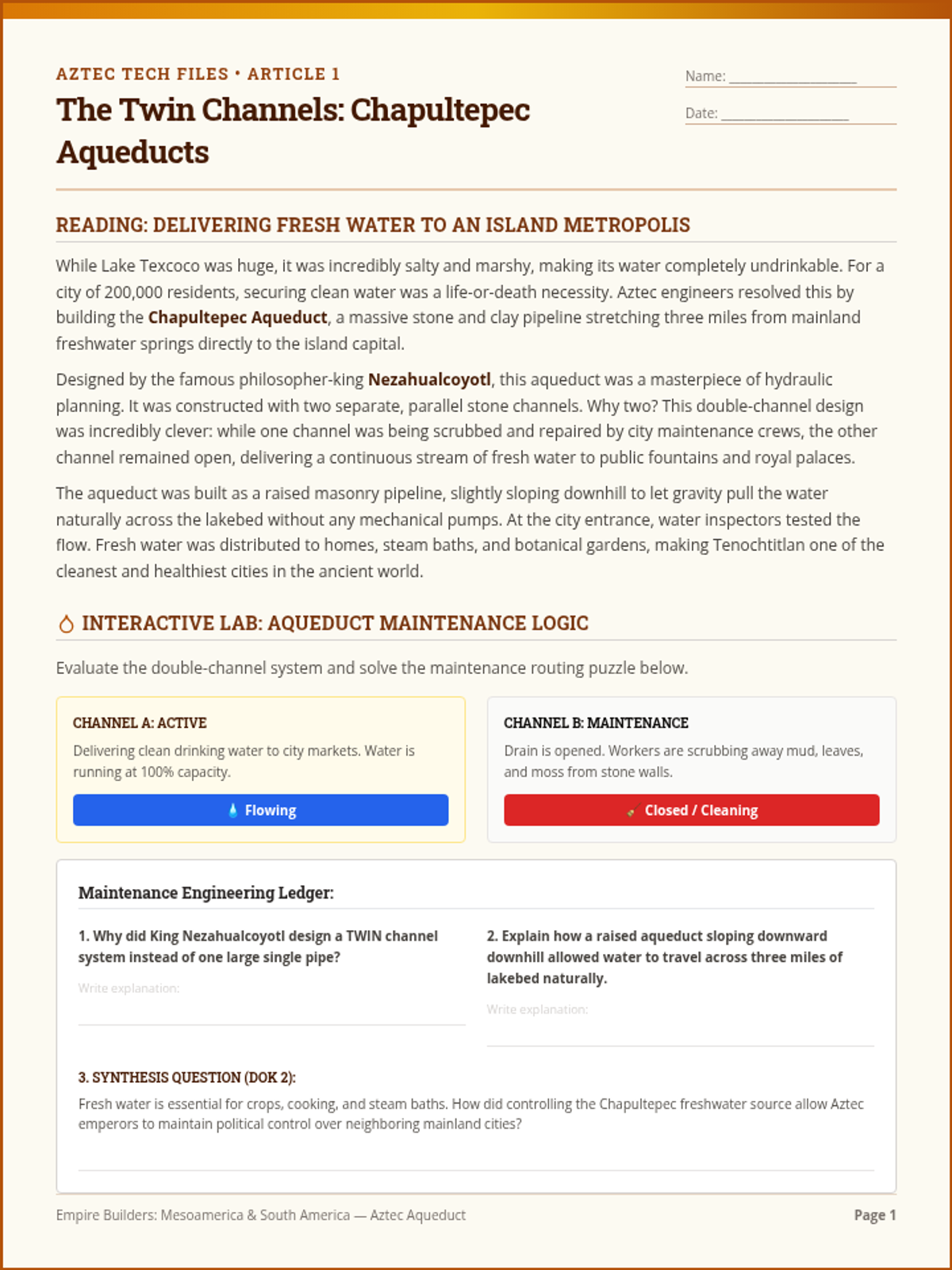
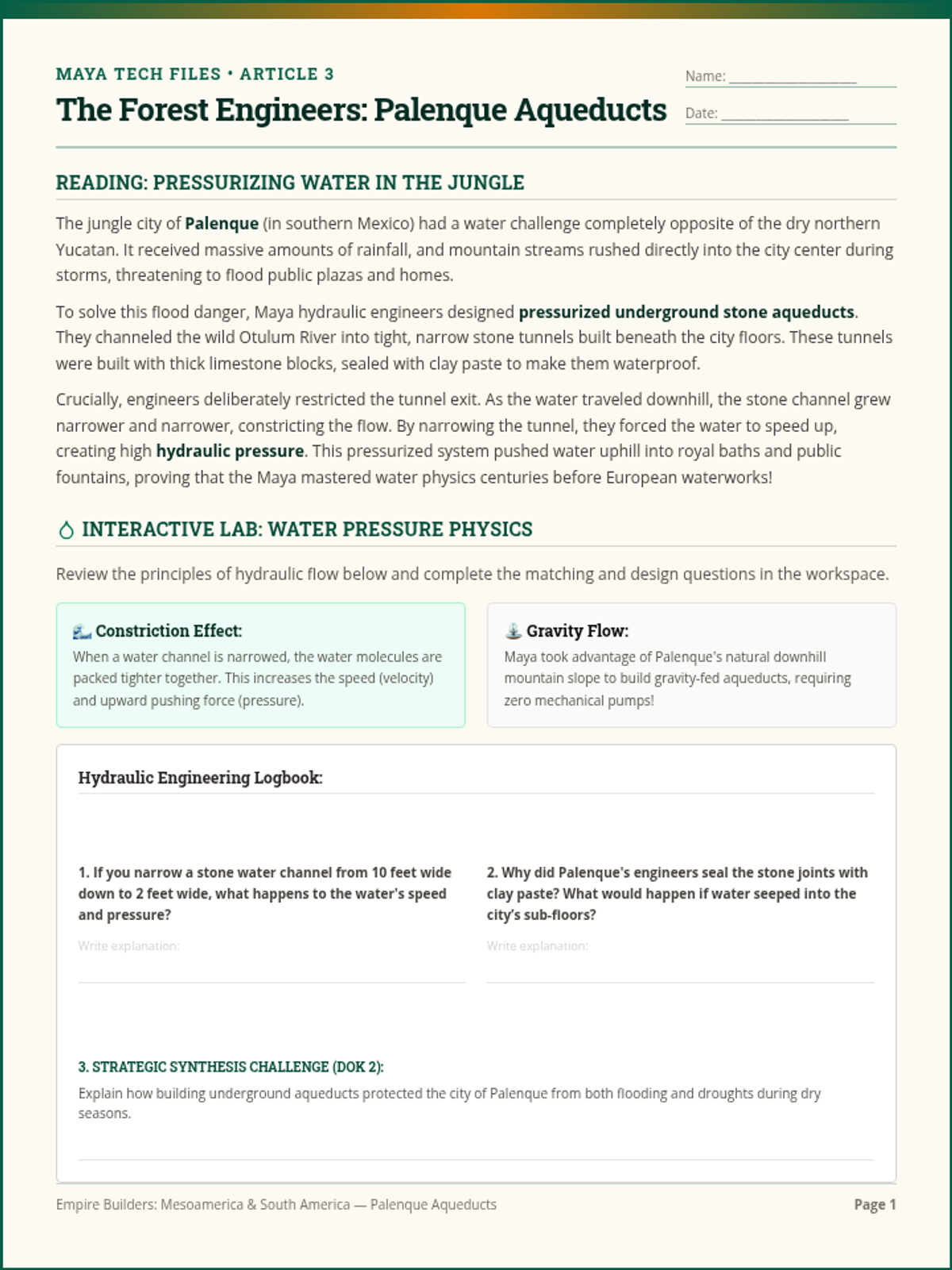
An evaluation of hydraulic engineering as a tool of statecraft and legitimacy, comparing water control systems in the Andes and Mesoamerica.
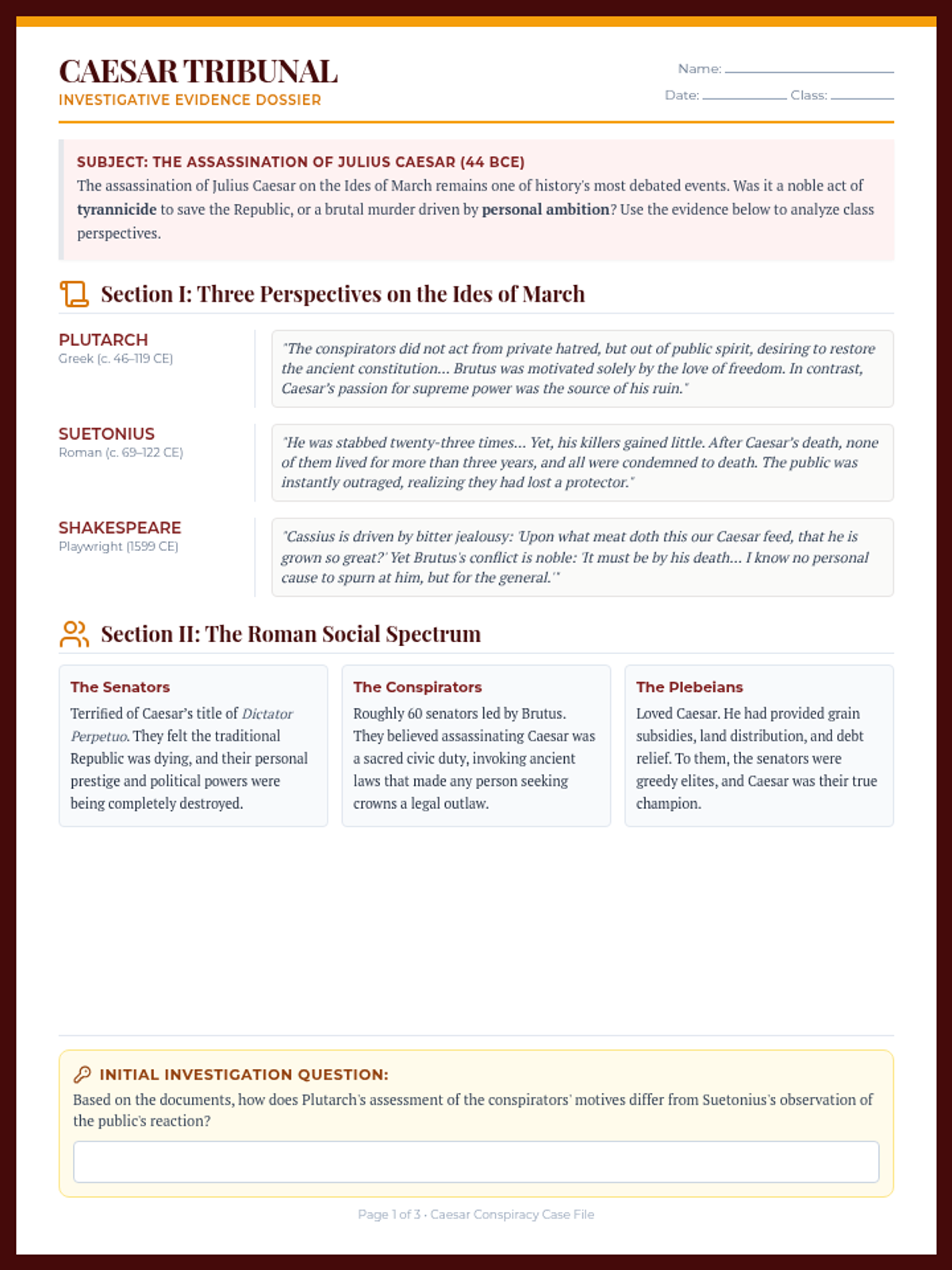
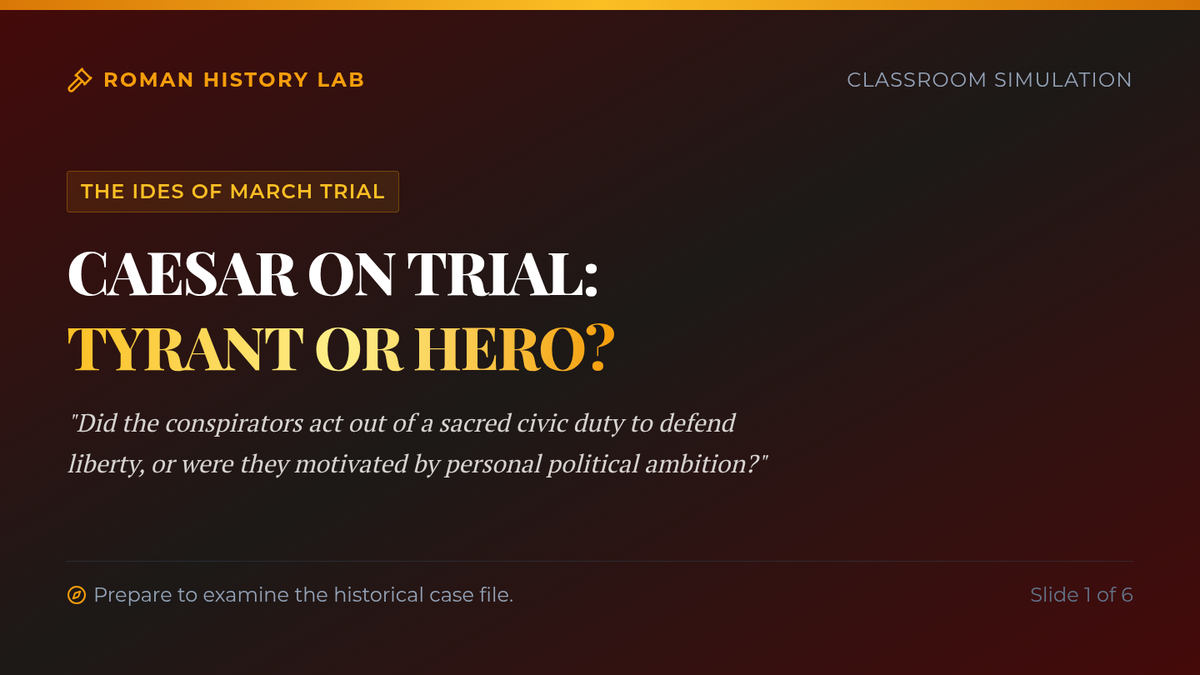
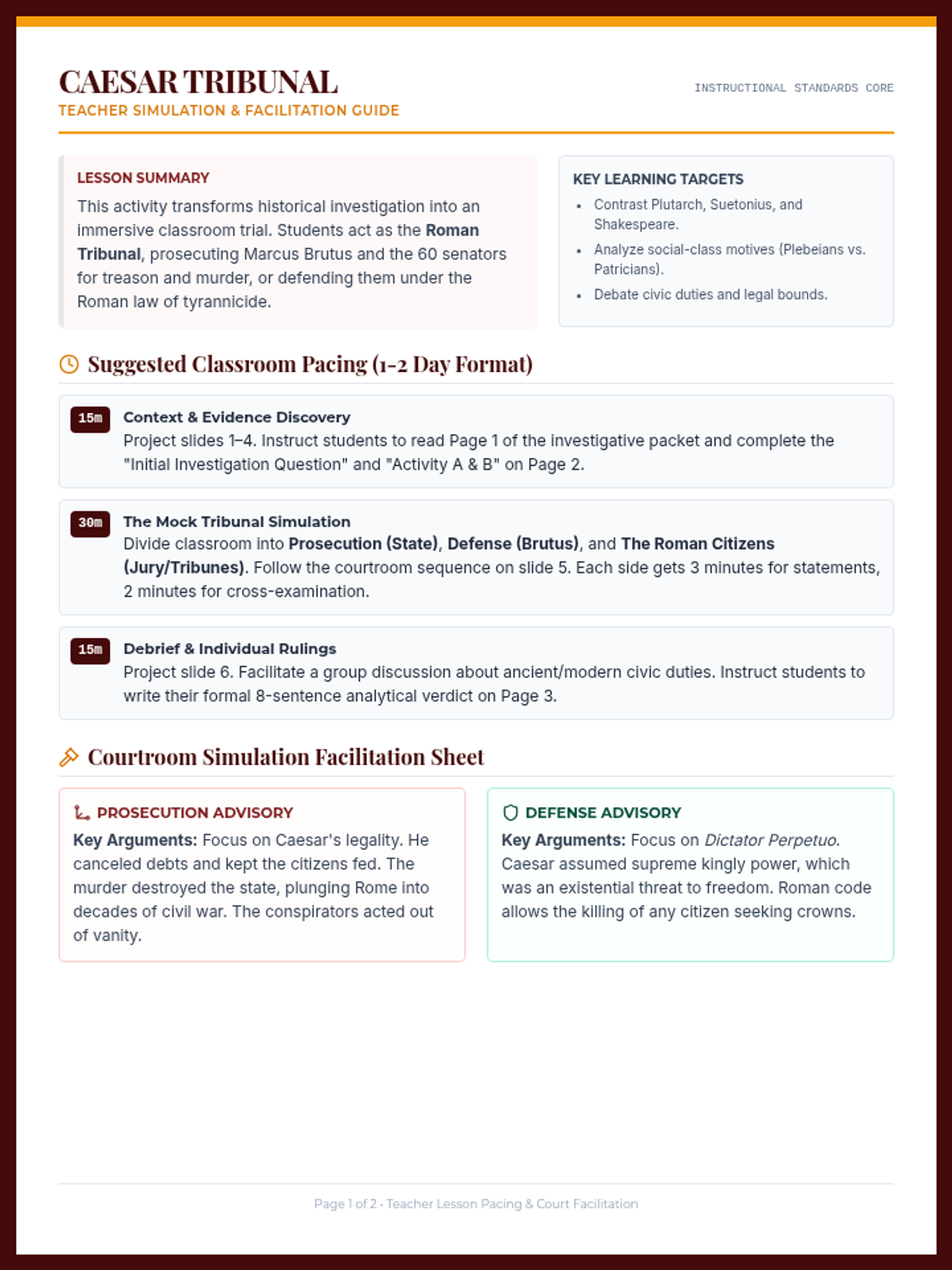
A comprehensive classroom simulation and analysis lesson about the assassination of Julius Caesar. Students examine historical perspectives, engage with primary sources, and debate civic duty through a mock trial and a three-page investigative document.
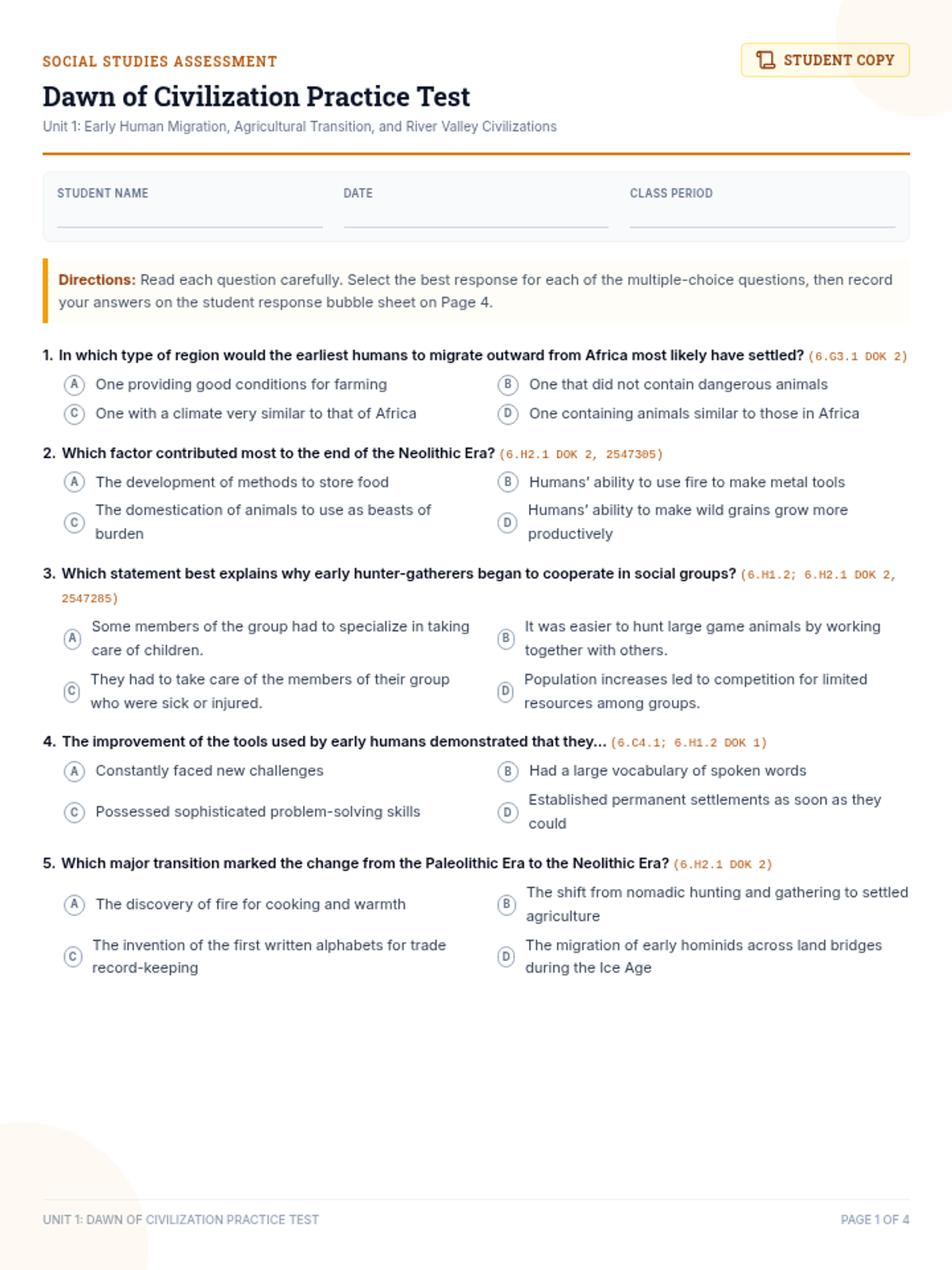
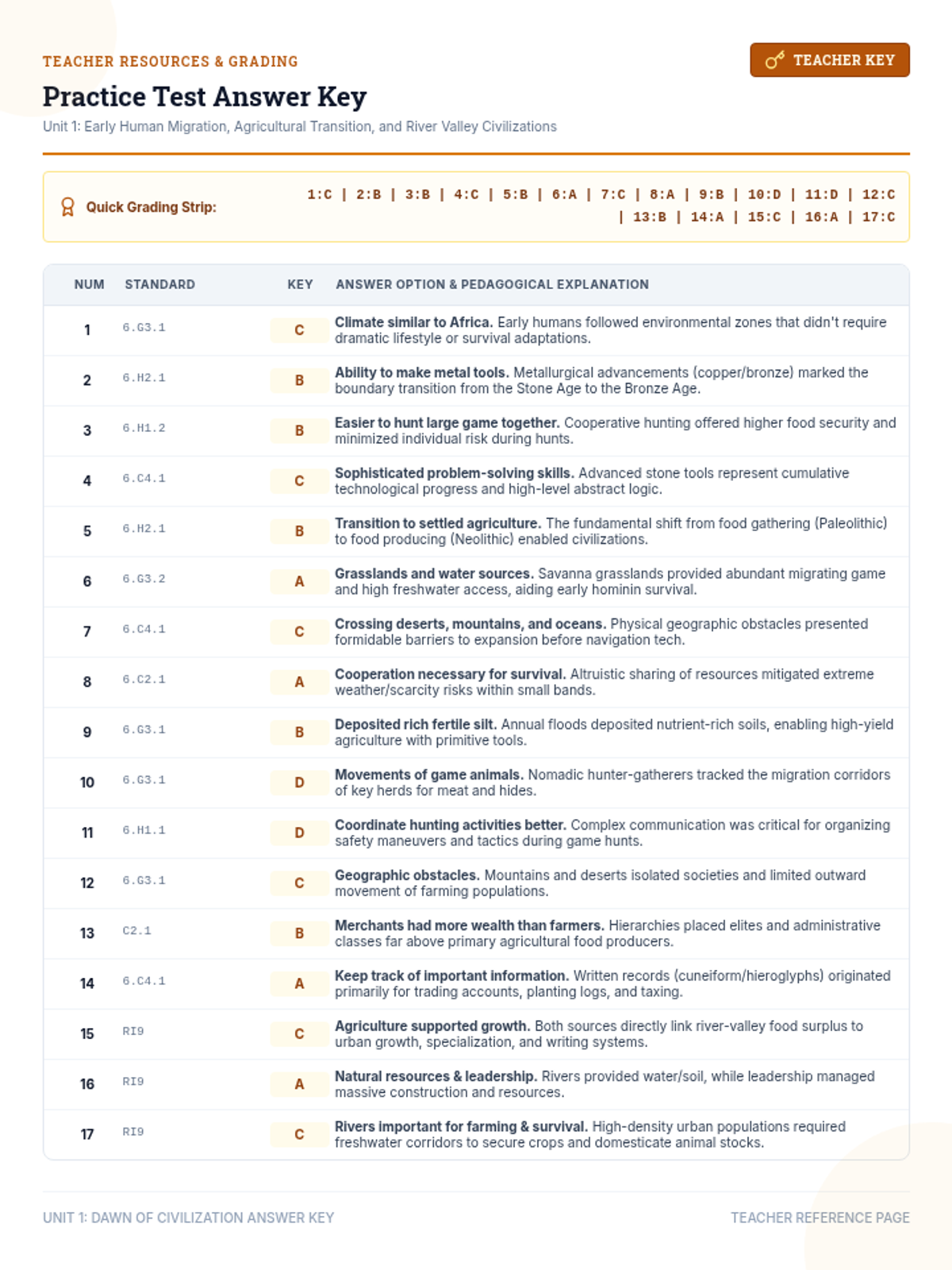
An exploration of early human migration, the transition from hunter-gatherers to agrarian societies, and the rise of the first river valley civilizations in Mesopotamia and ancient Egypt.
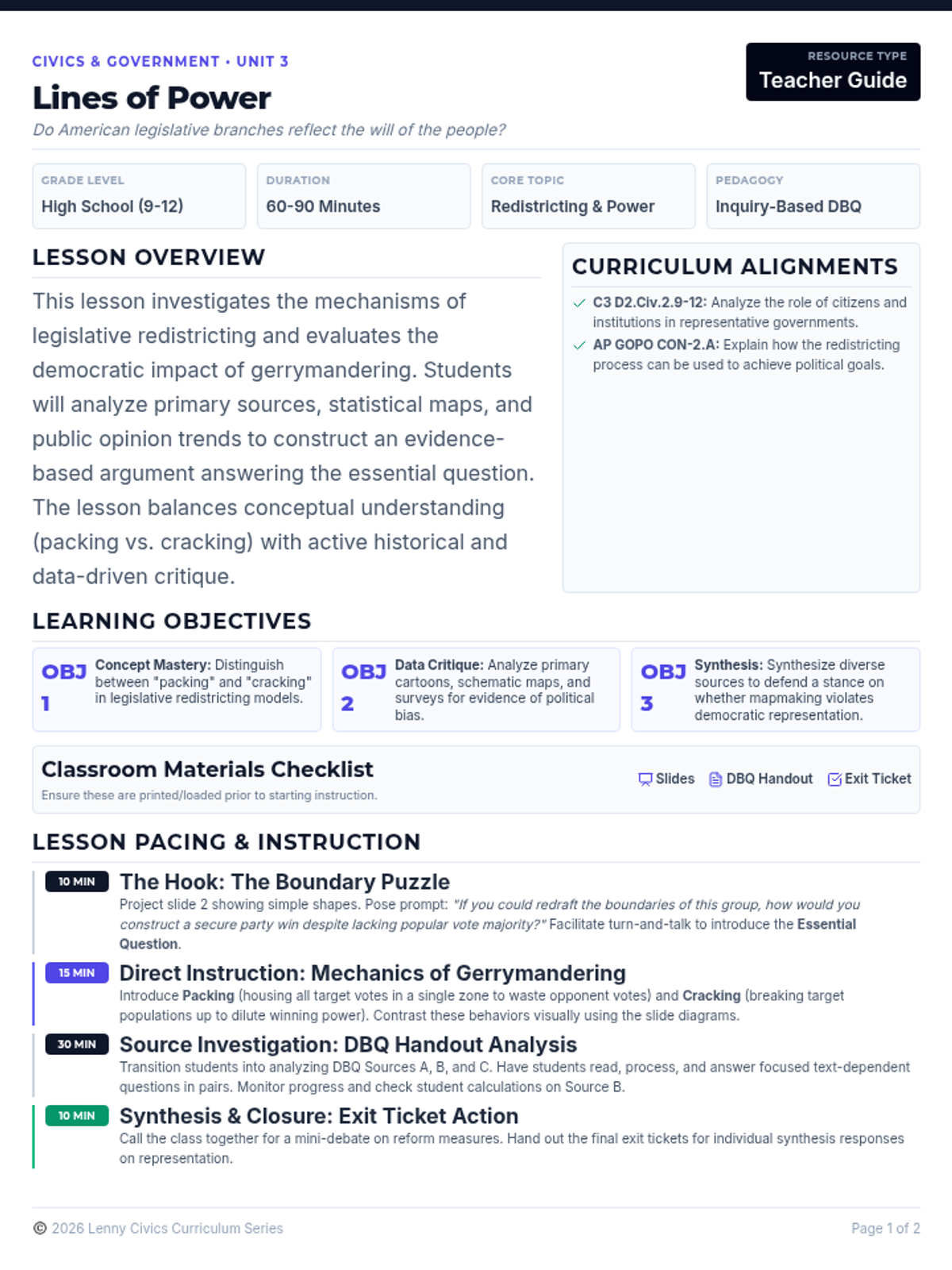
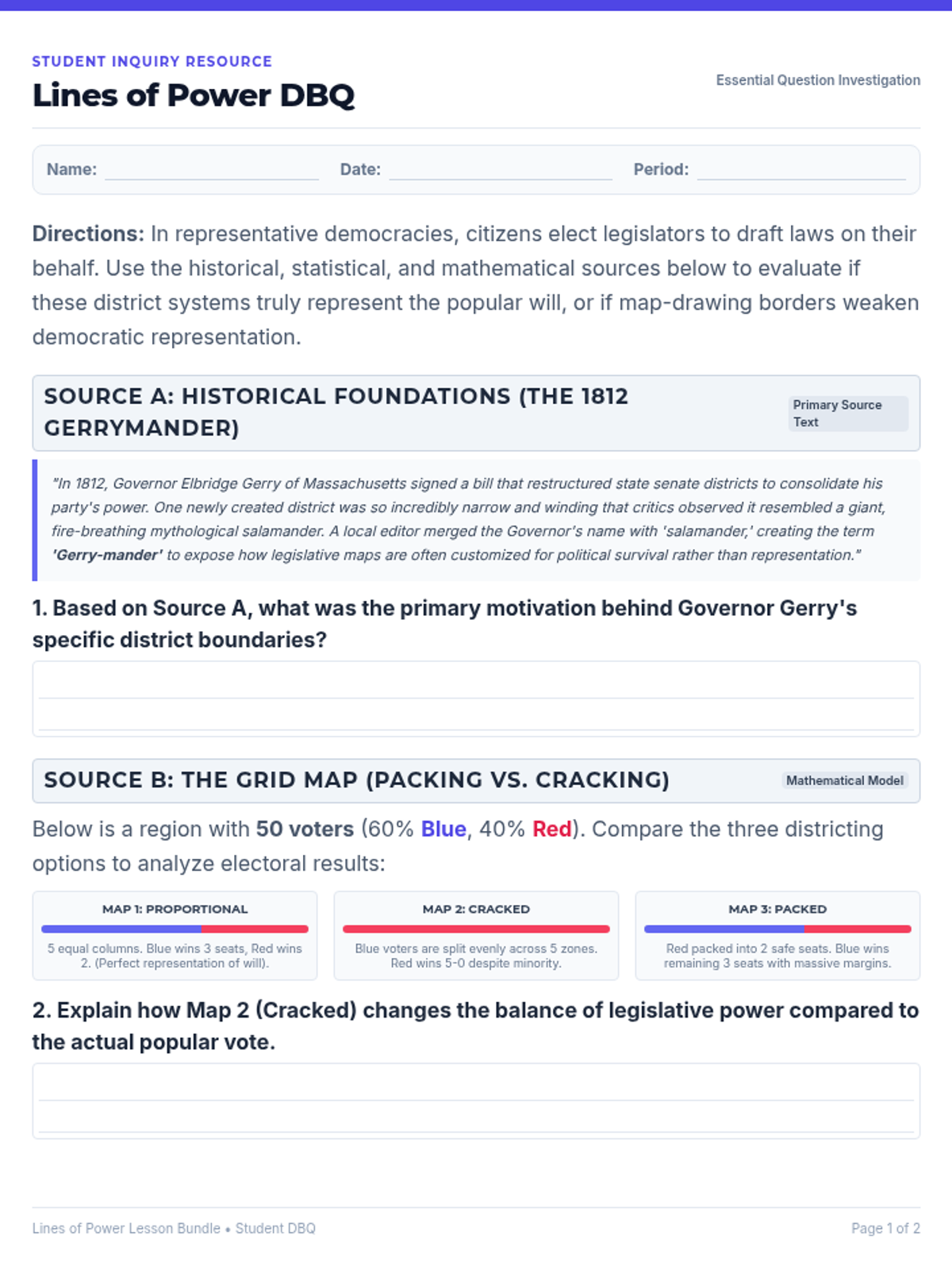
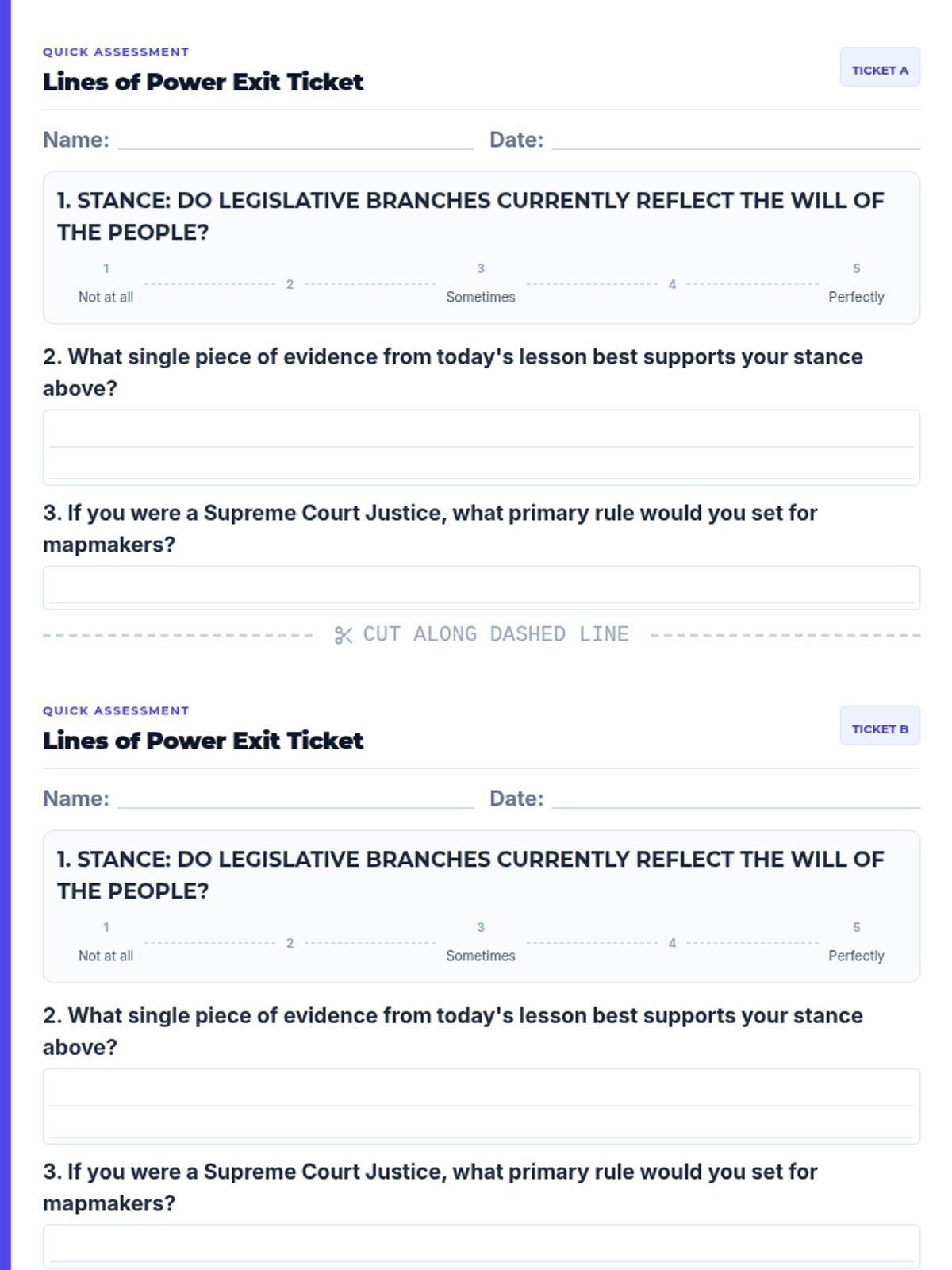
A comprehensive lesson investigating redistricting, packing, and cracking to evaluate if legislative branches truly represent the will of the people. Includes a slide deck, a structured DBQ worksheet, a professional teacher guide, and an interactive exit ticket.
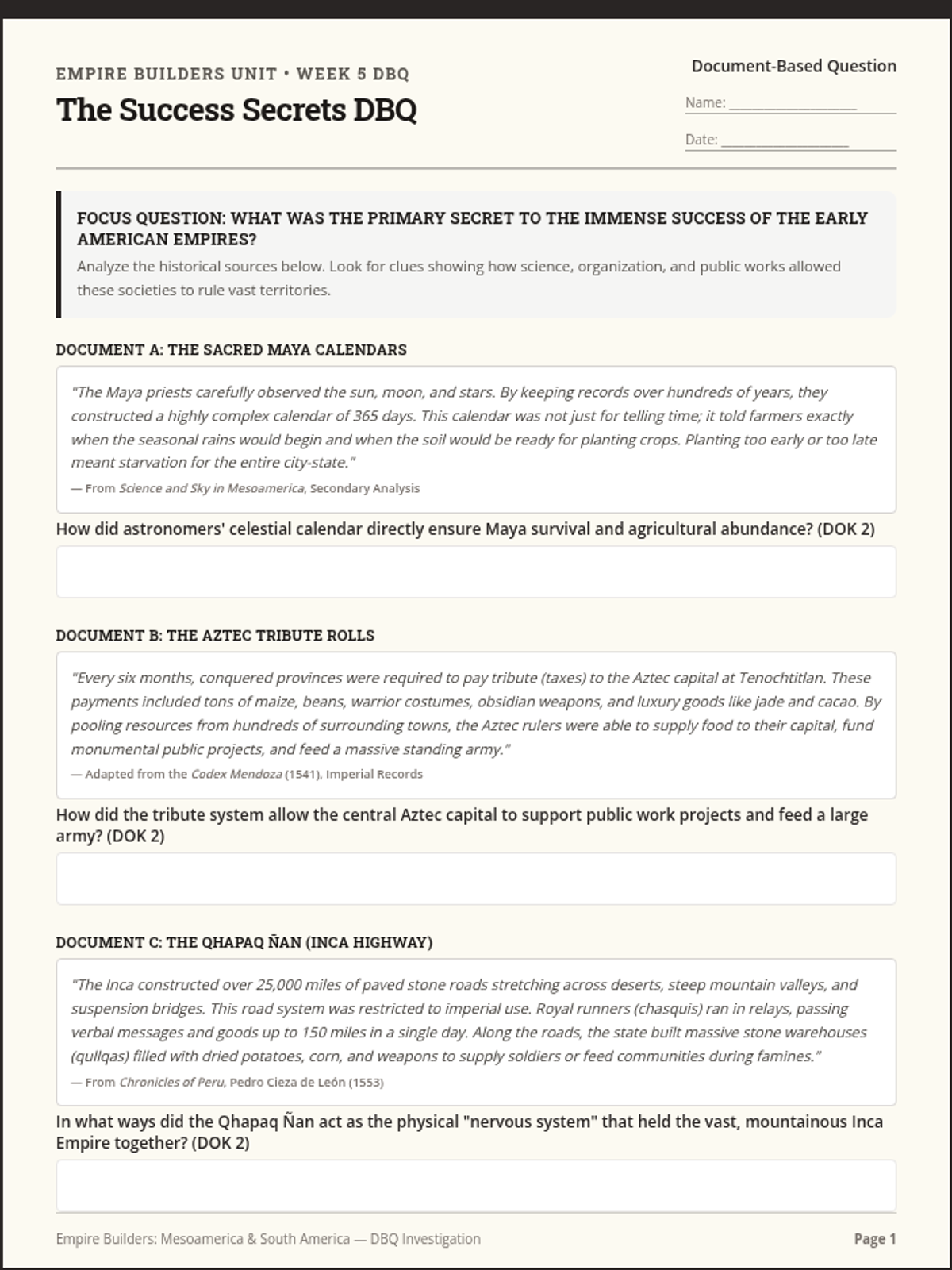
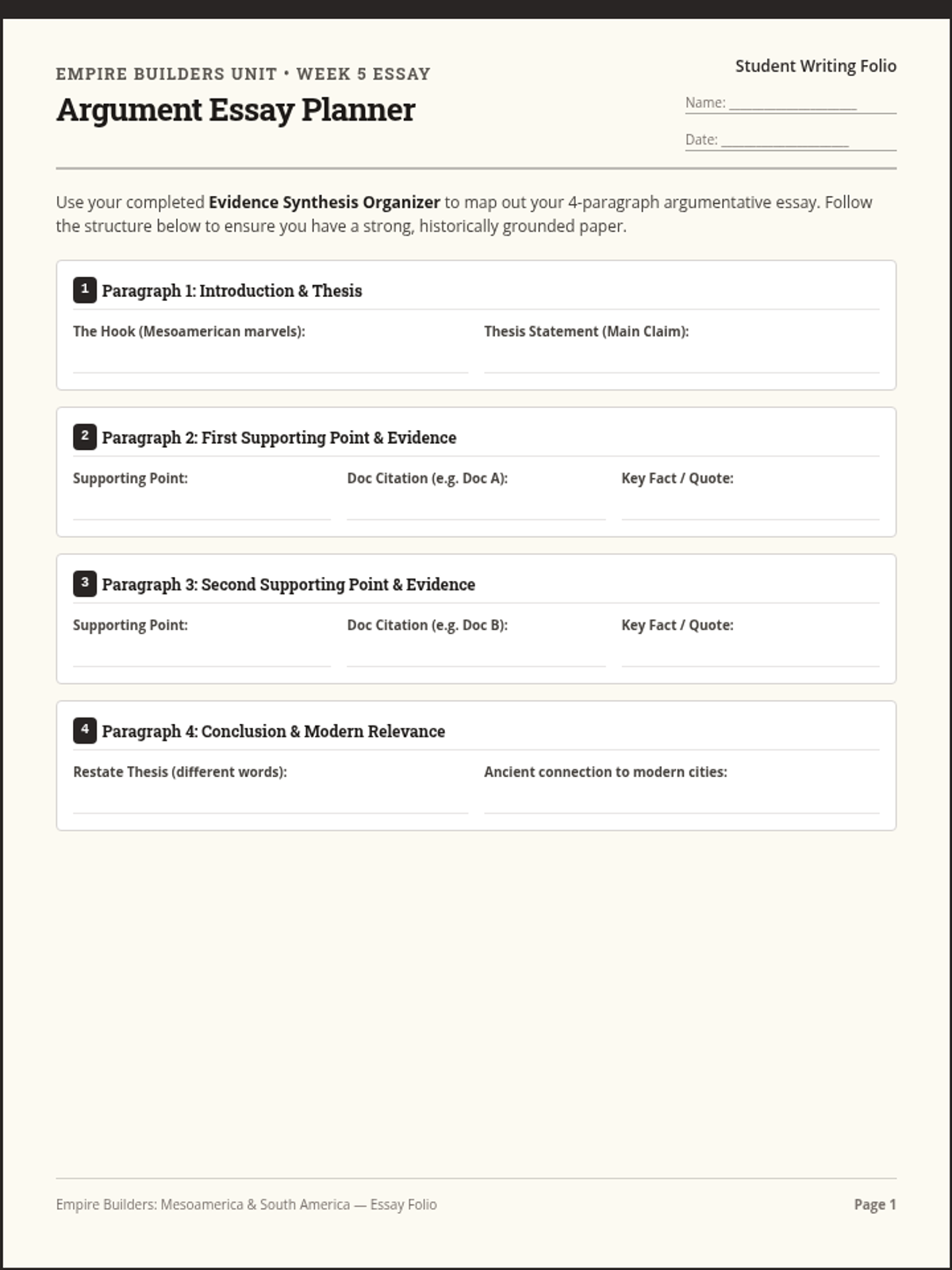
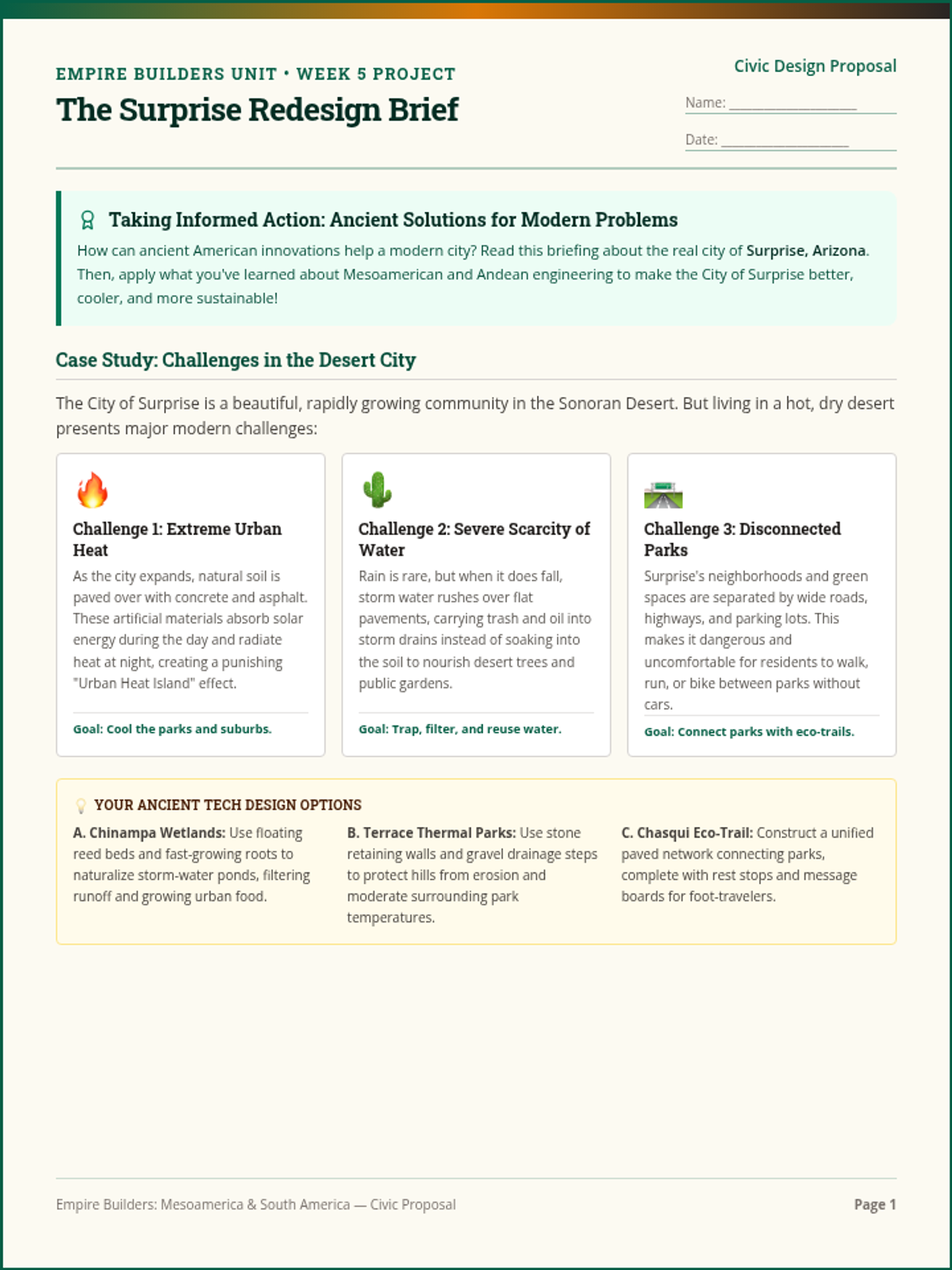
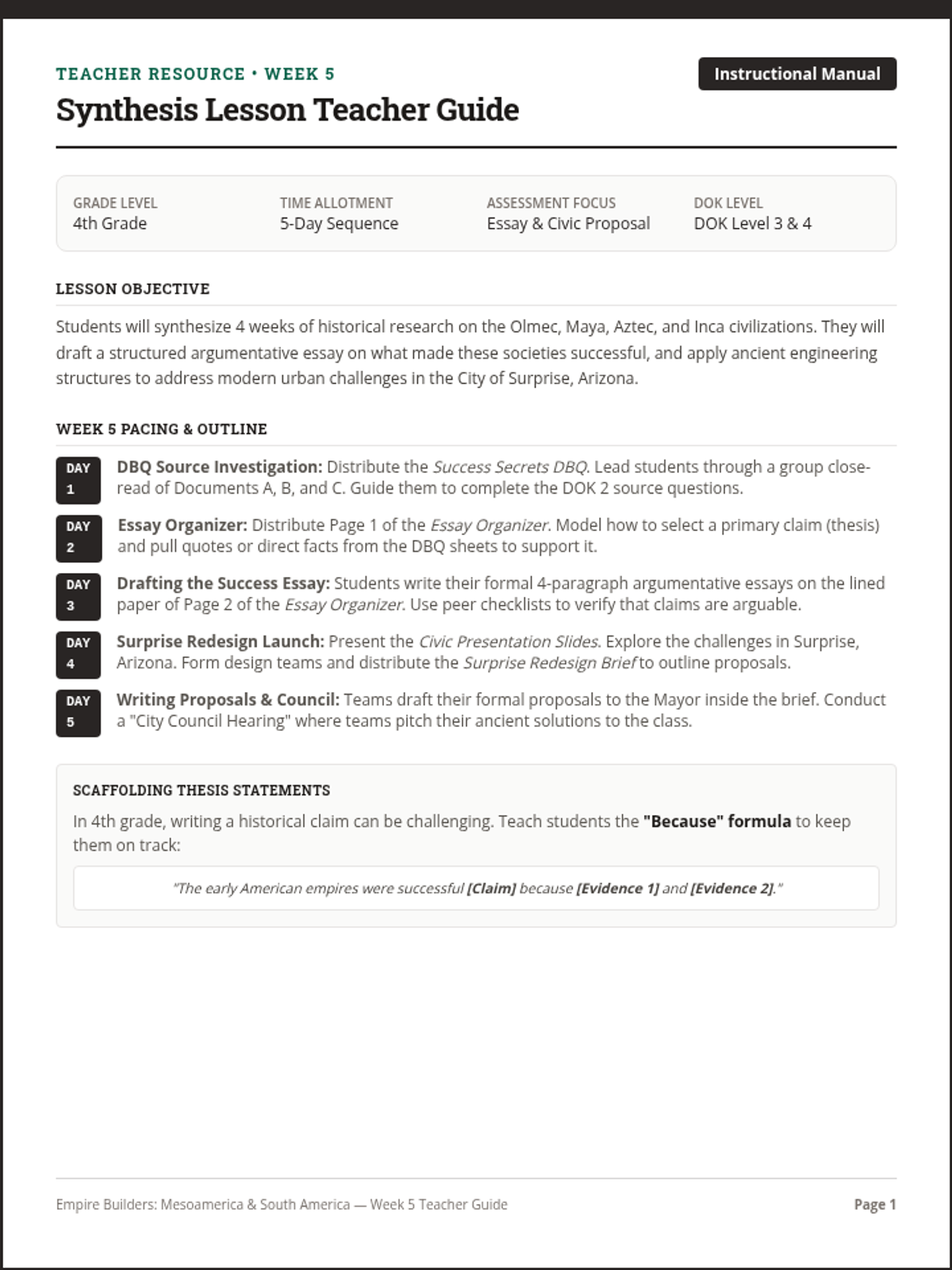
Students synthesize their knowledge across all four civilizations, completing a DBQ, writing an argumentative essay on success, and formulating a civic project for Surprise, AZ.
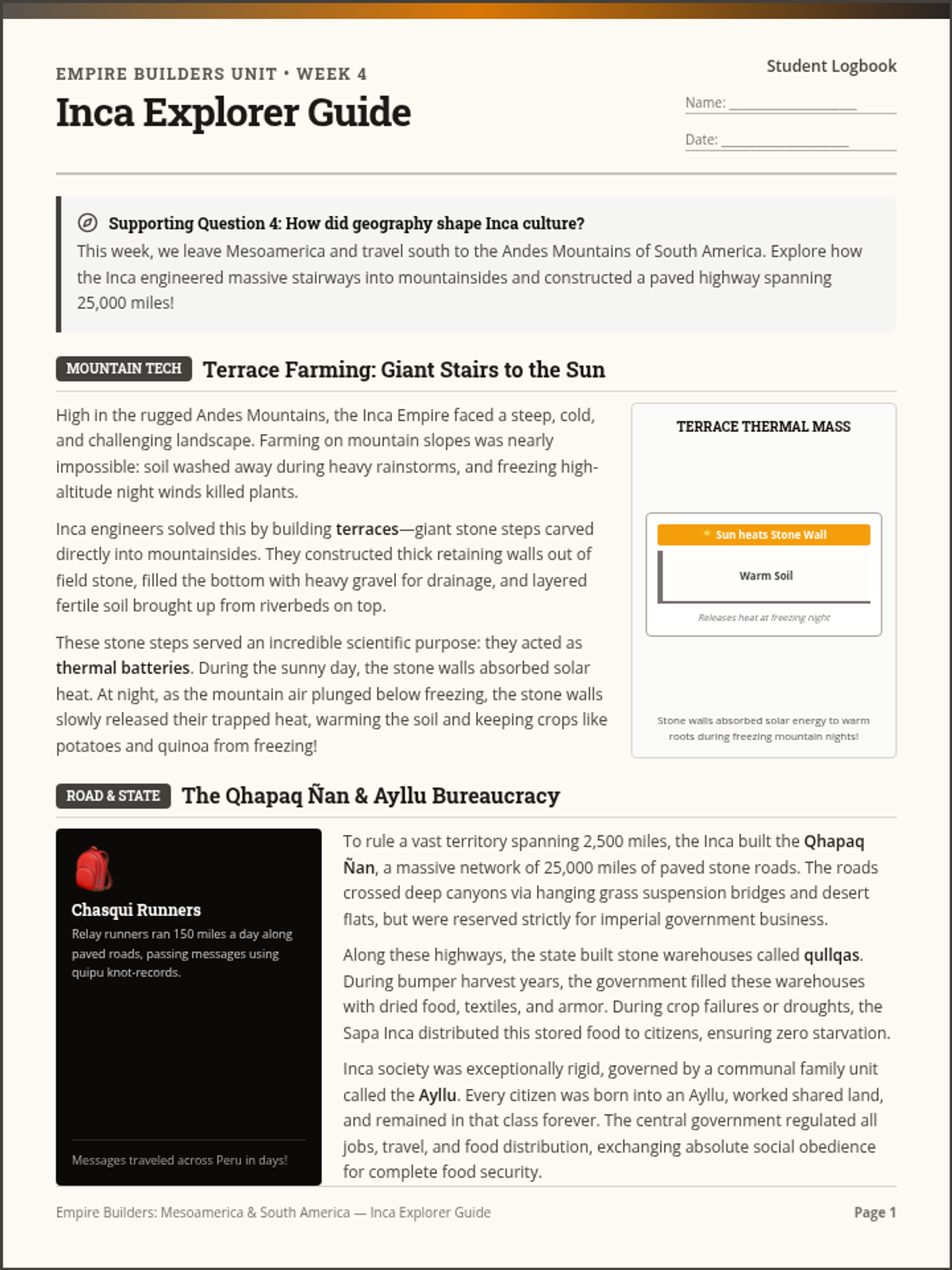
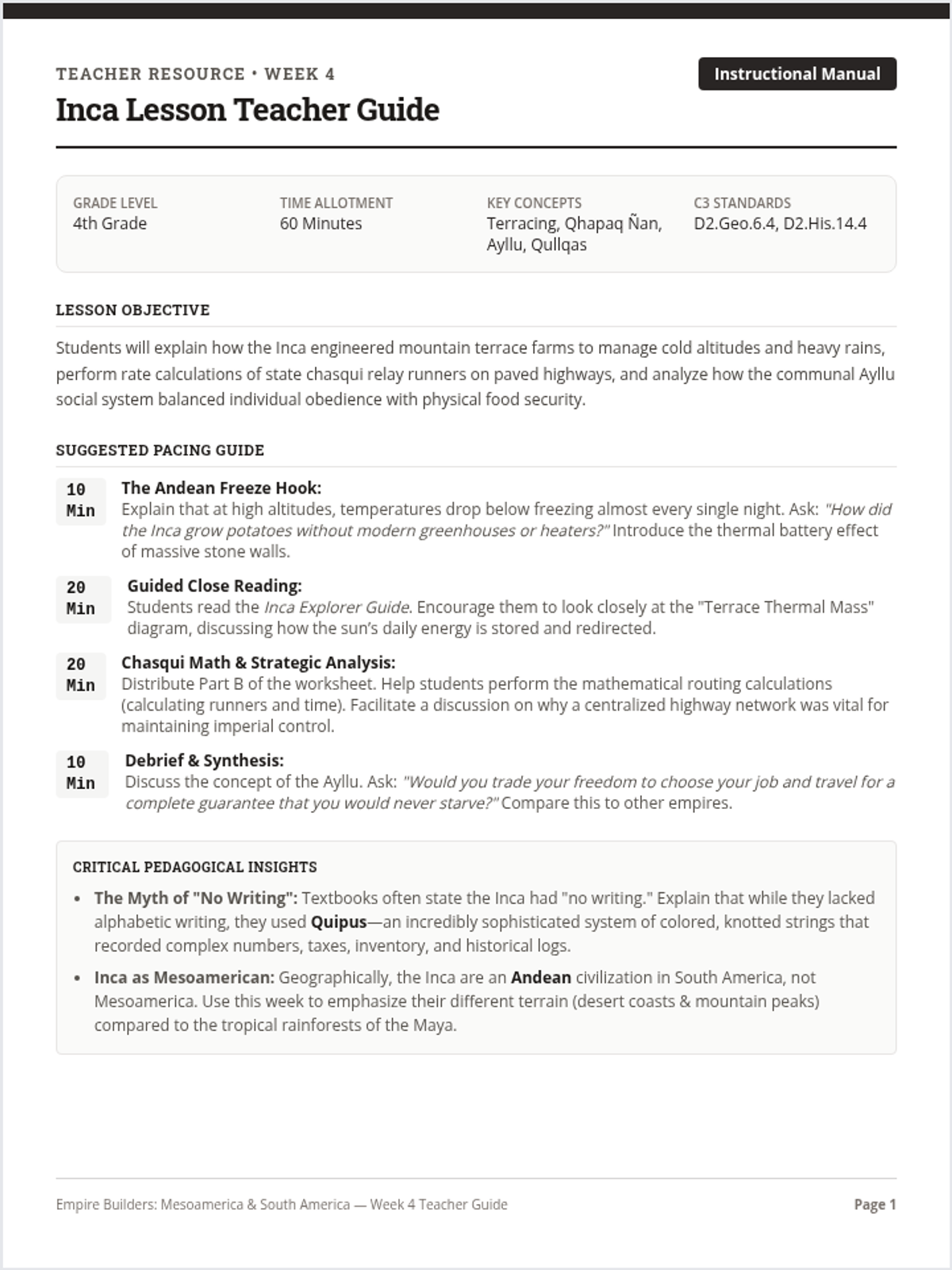
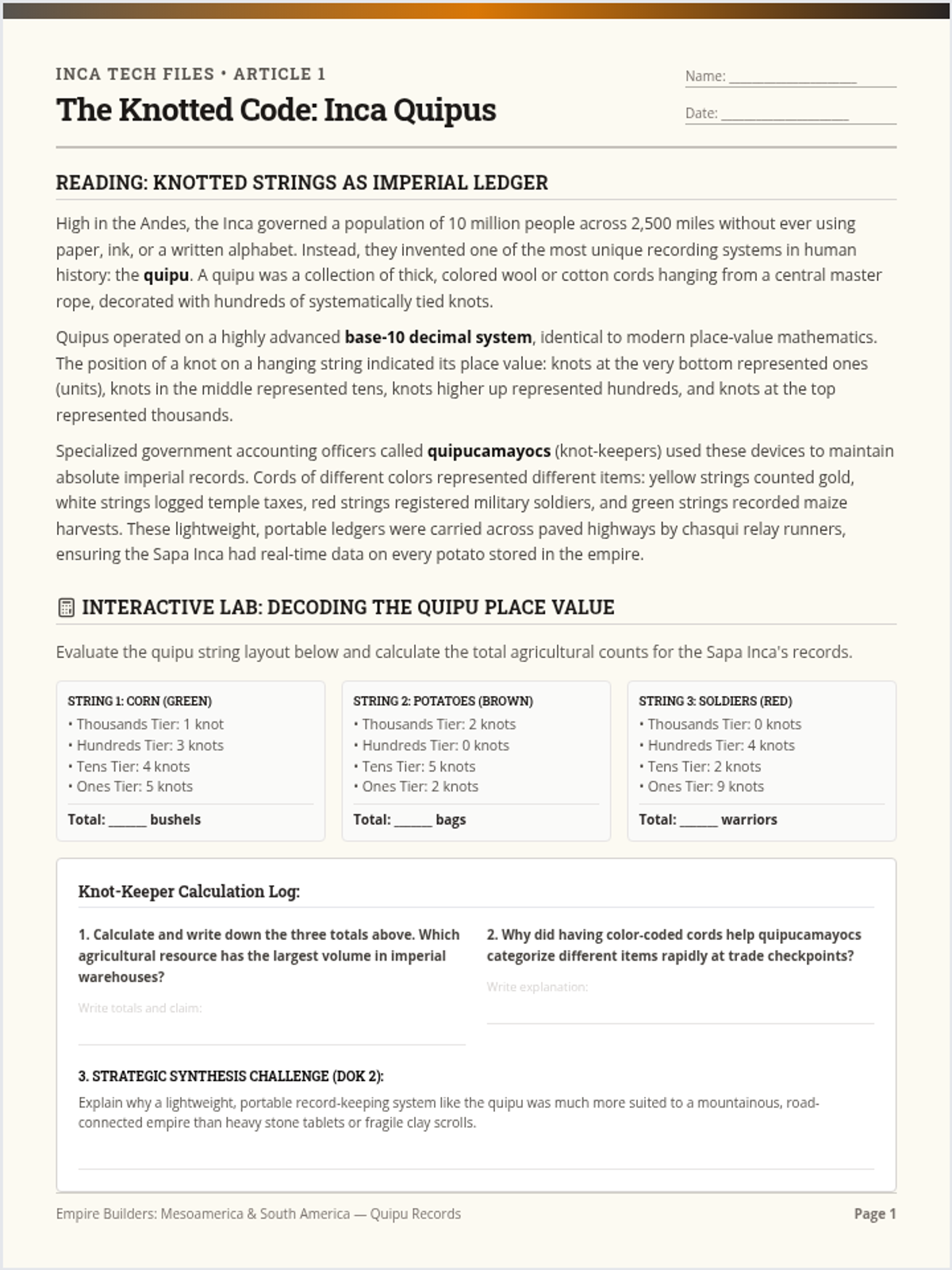
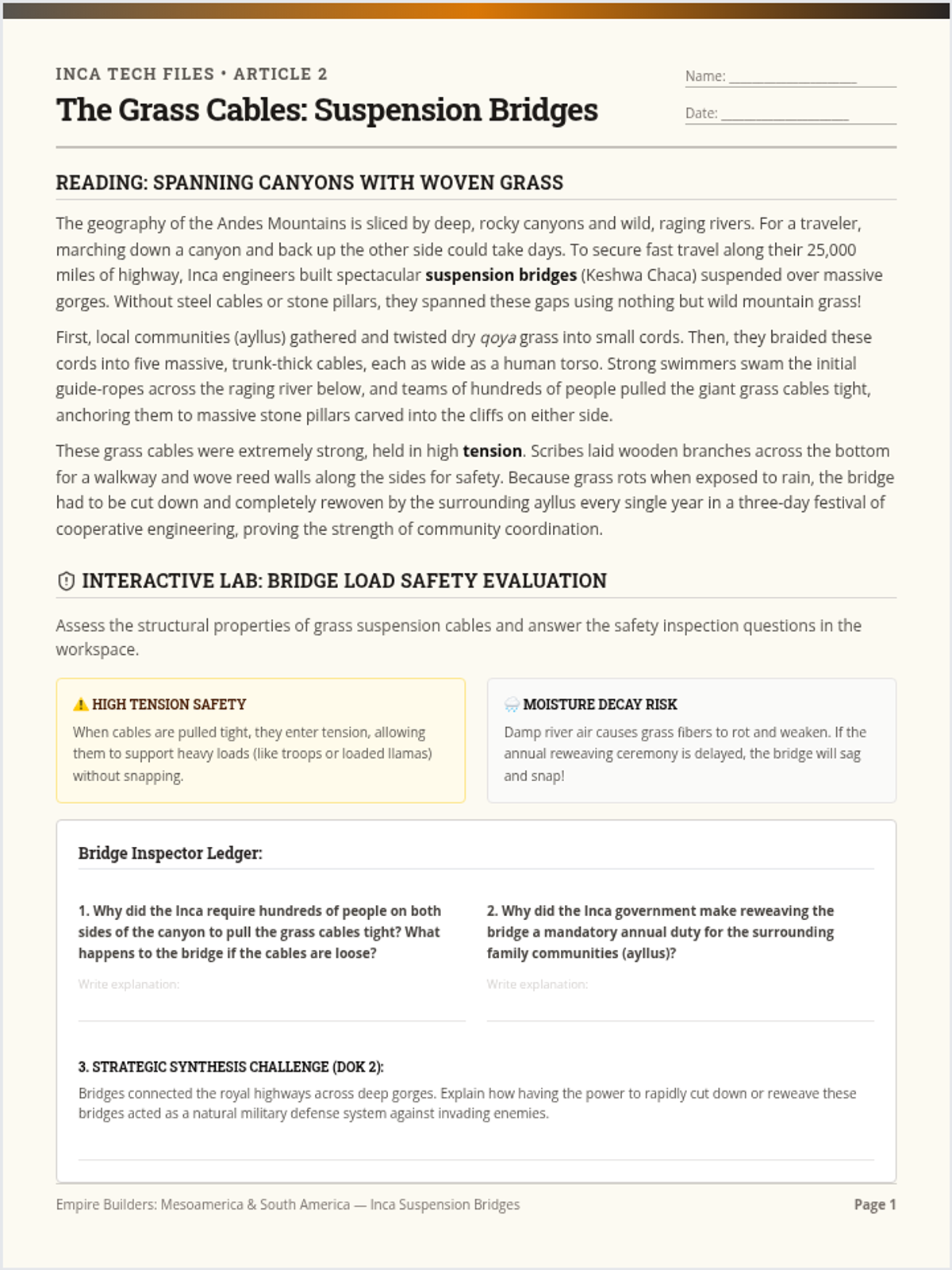
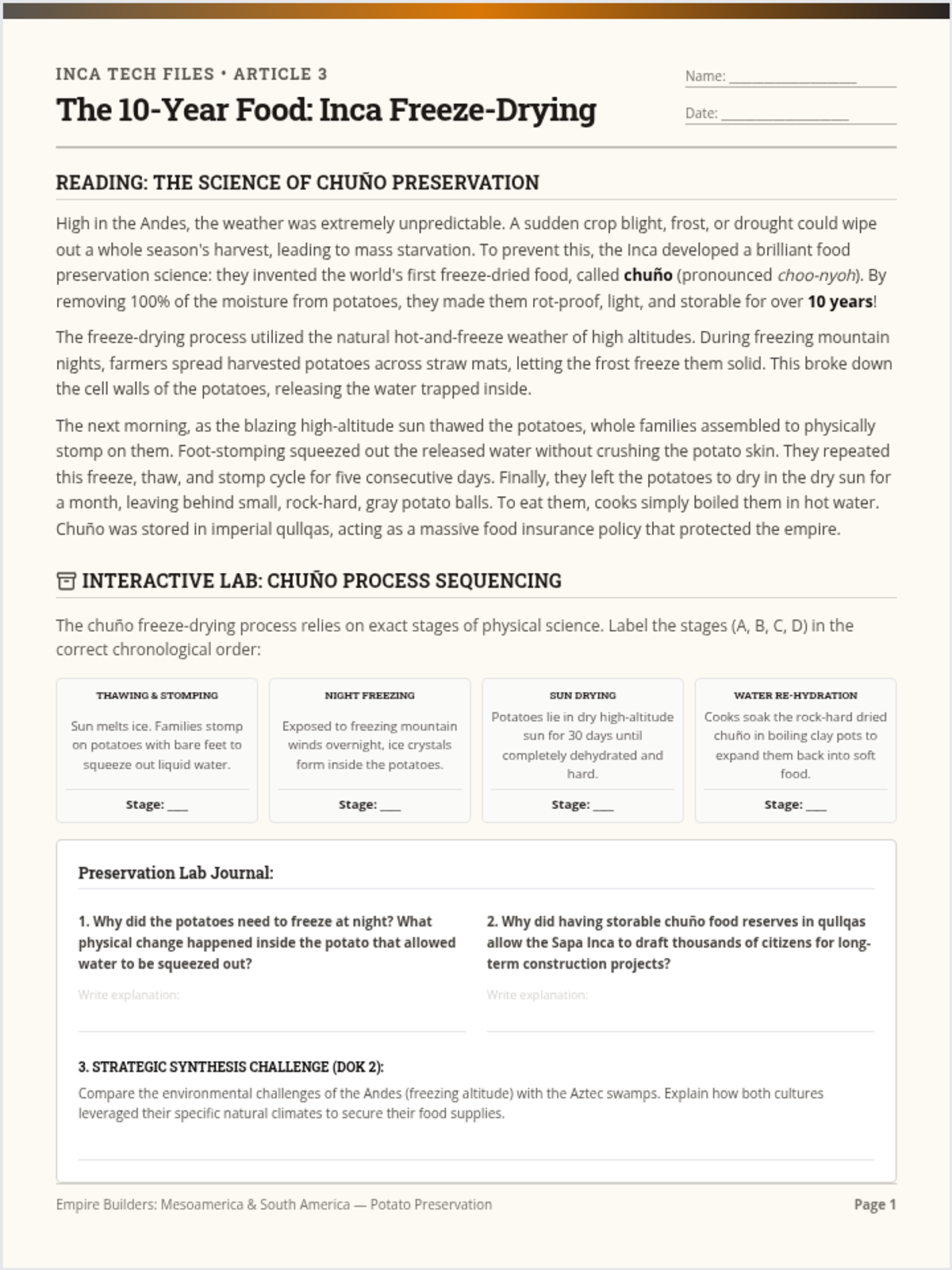
Students explore the Inca civilization, studying their steep mountain terracing, Qhapaq Ñan roads, and rigid Ayllu community hierarchy.
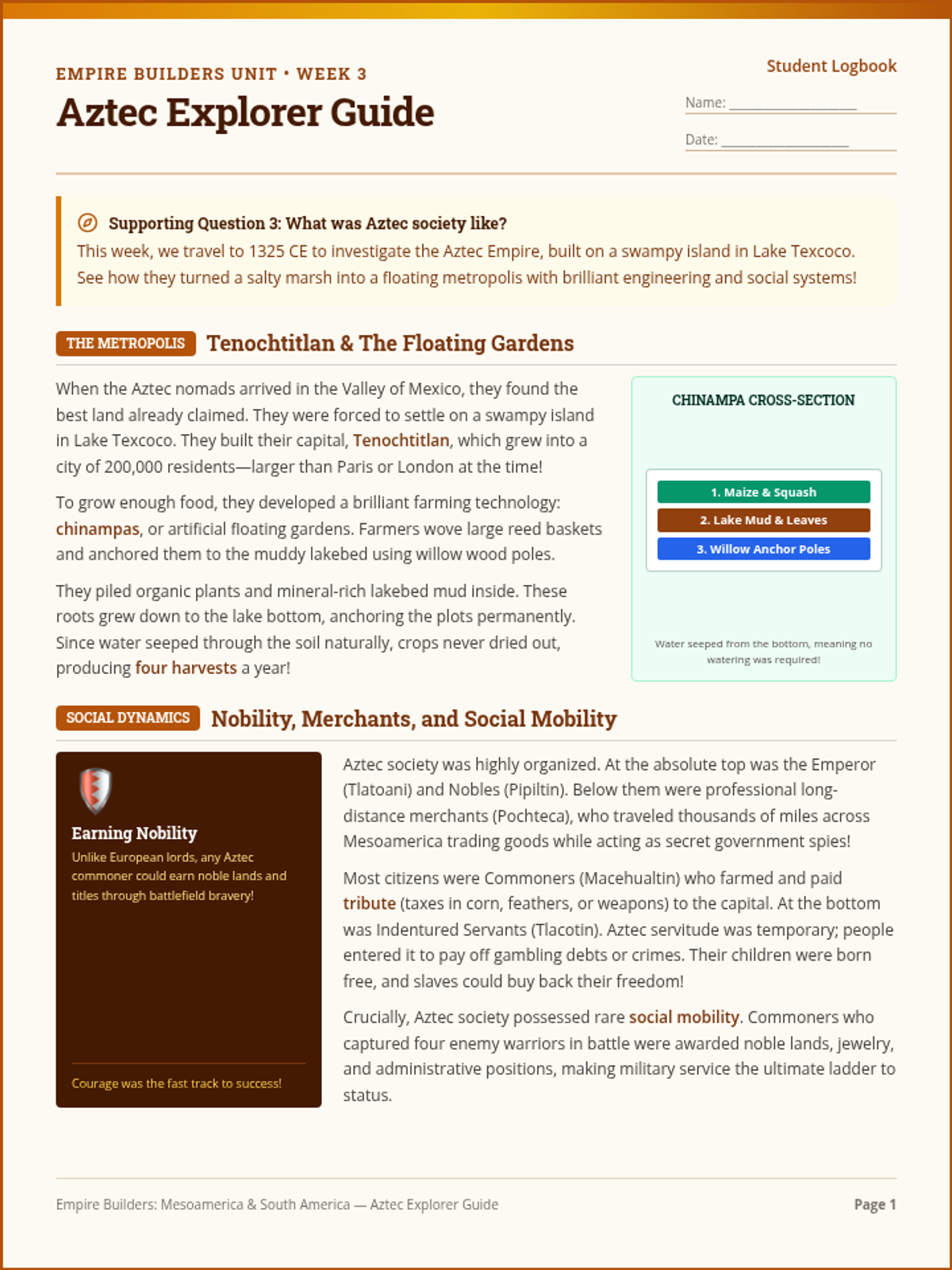
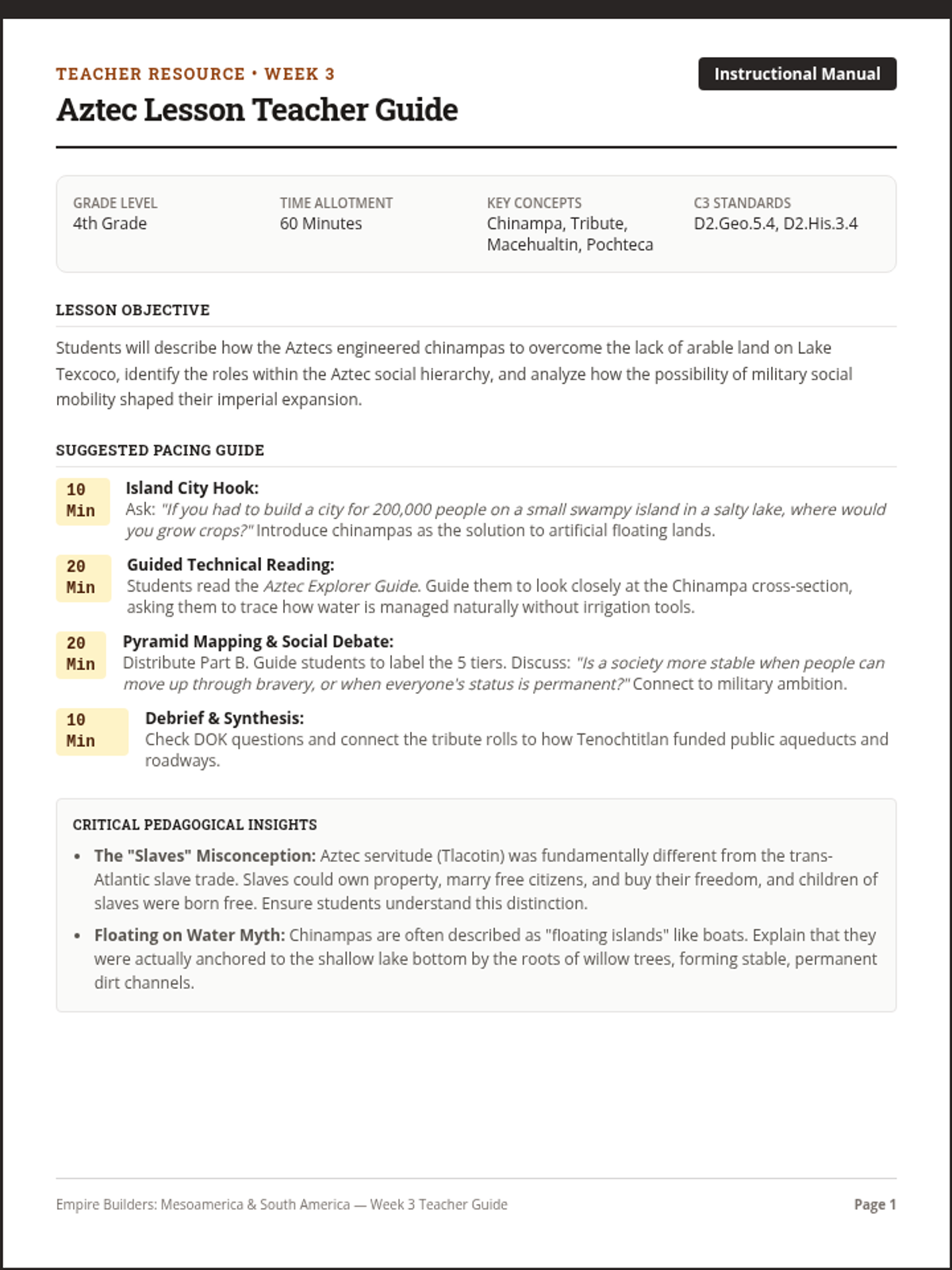
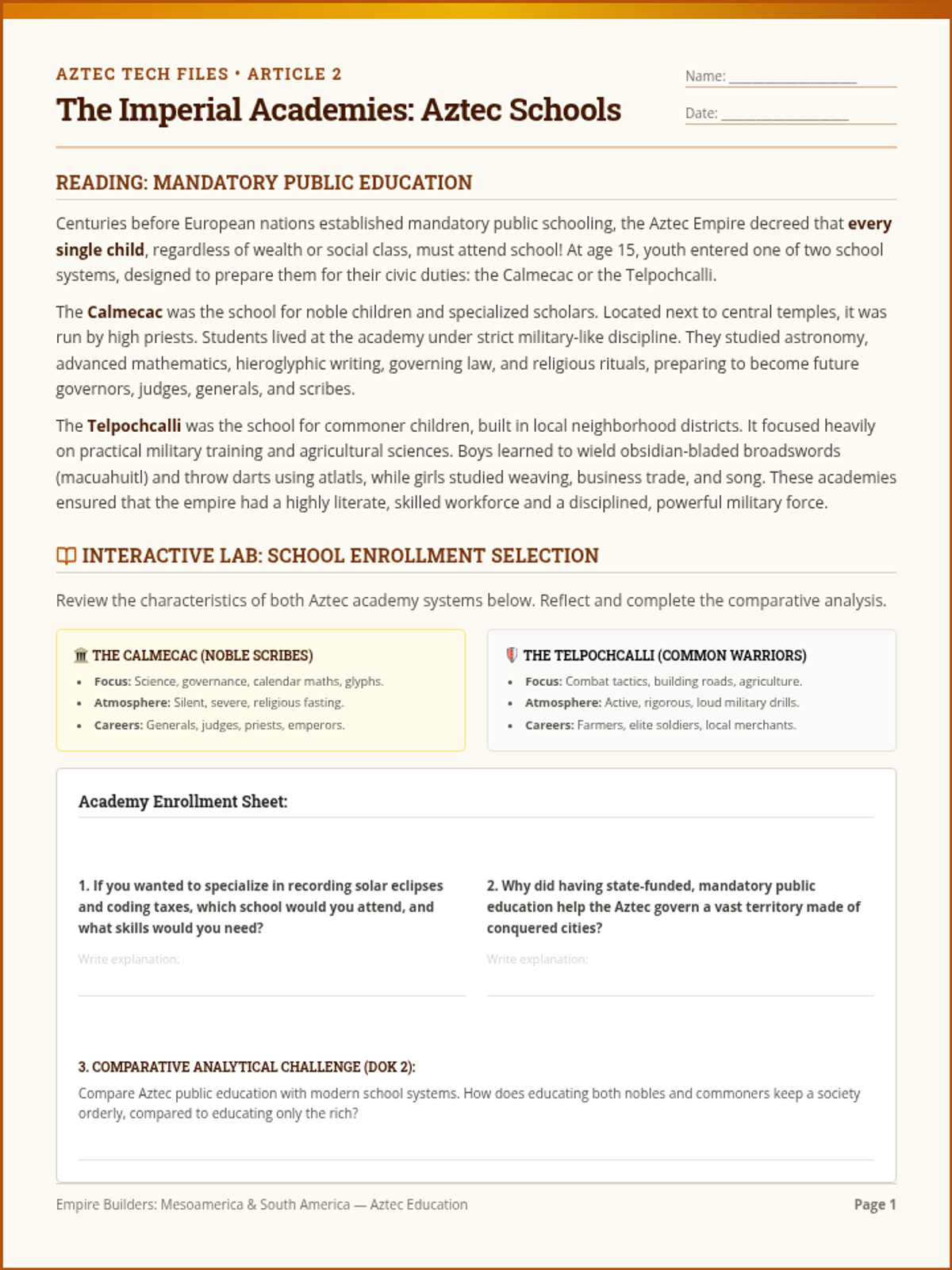
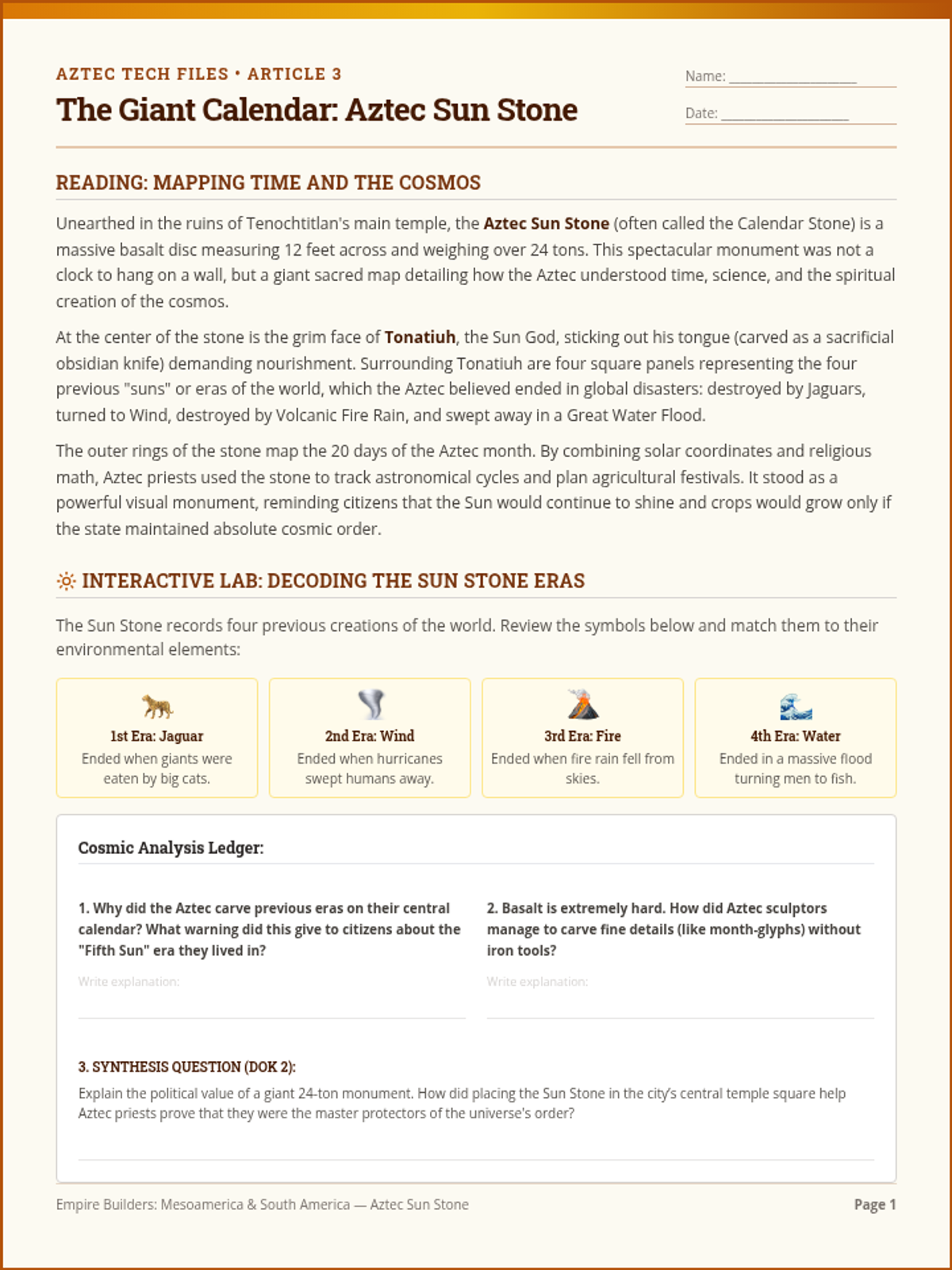
Students explore the Aztec civilization, studying their lake-basin city of Tenochtitlan, chinampa agriculture, and military social mobility.
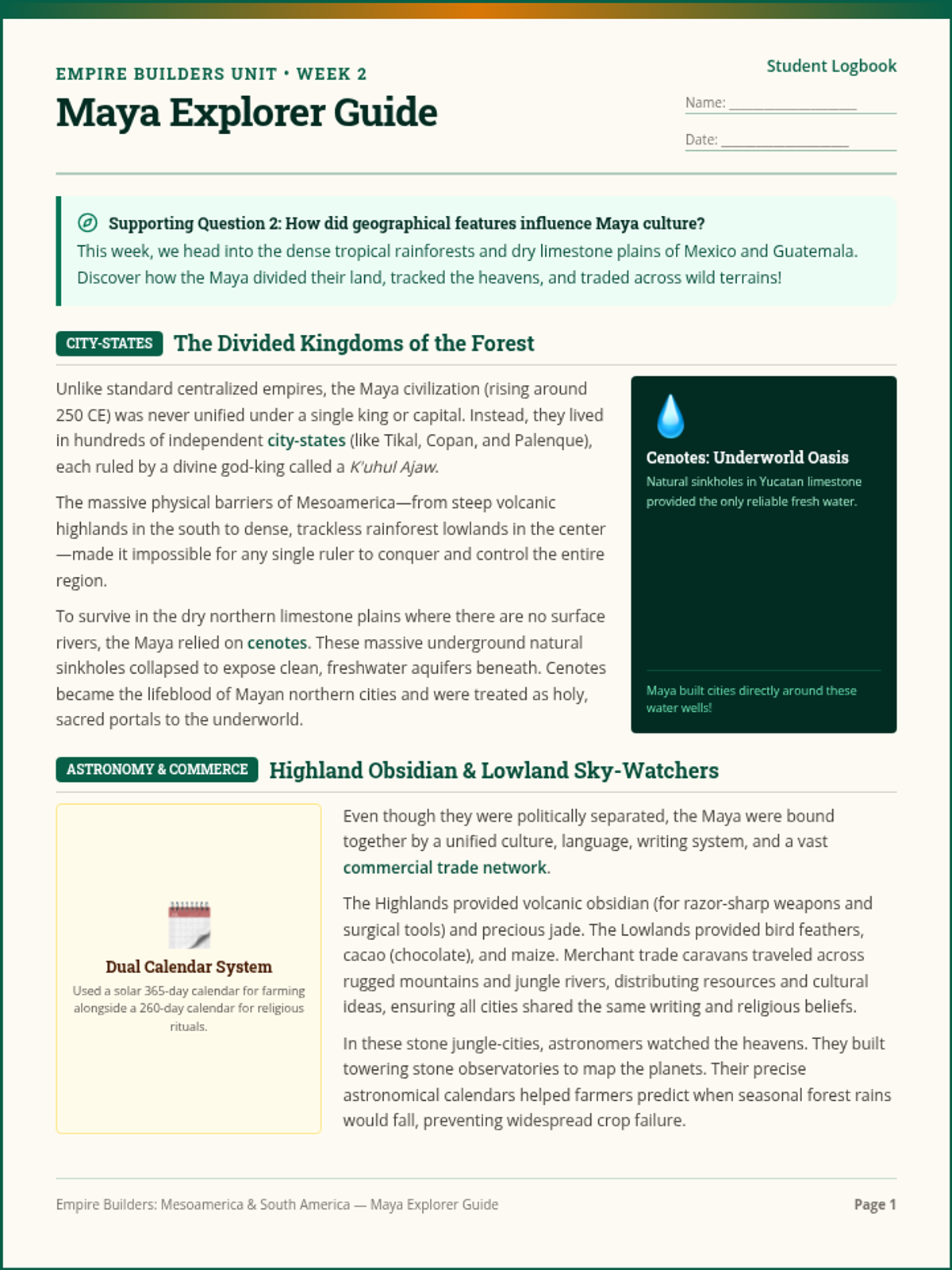
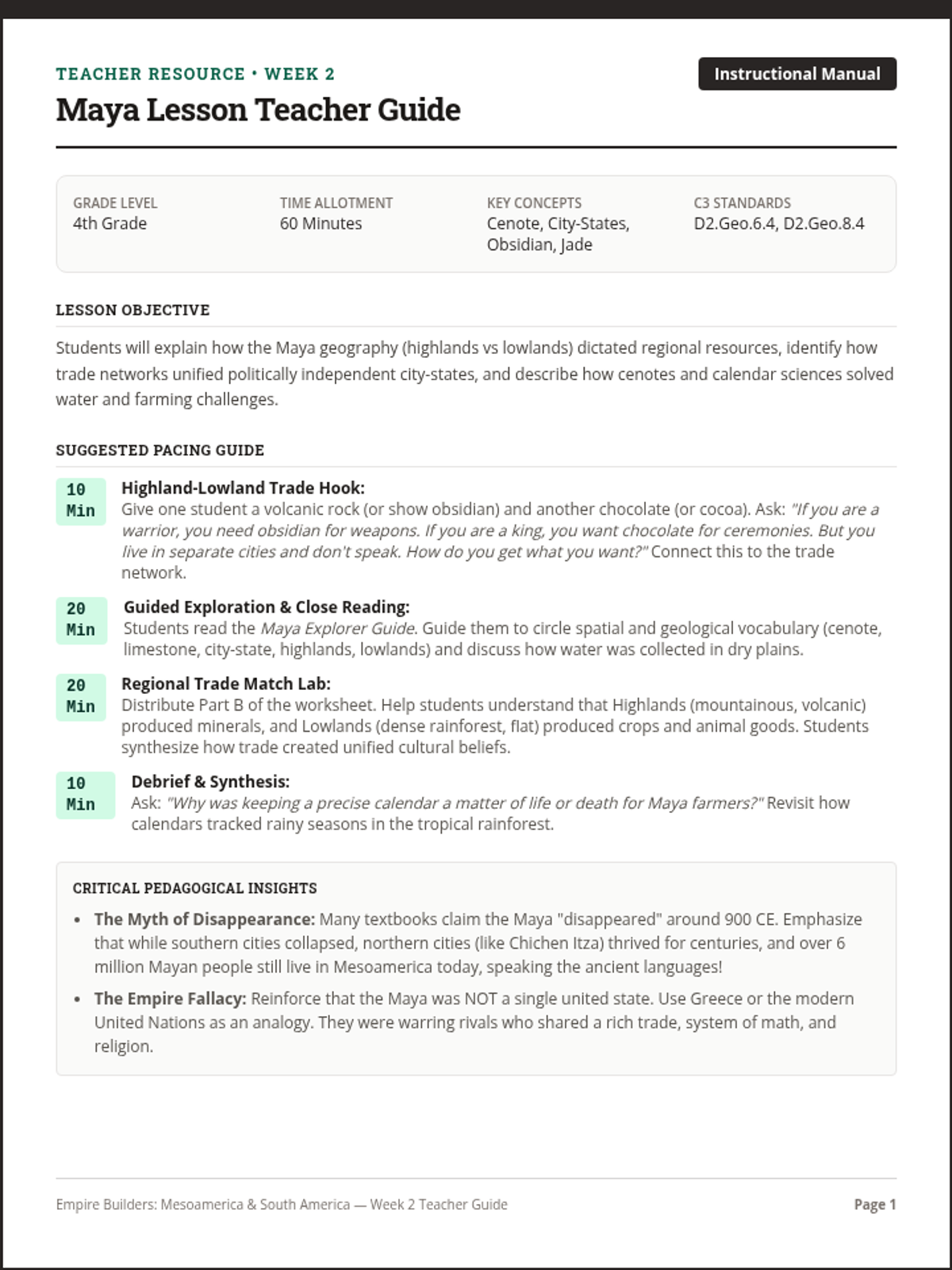
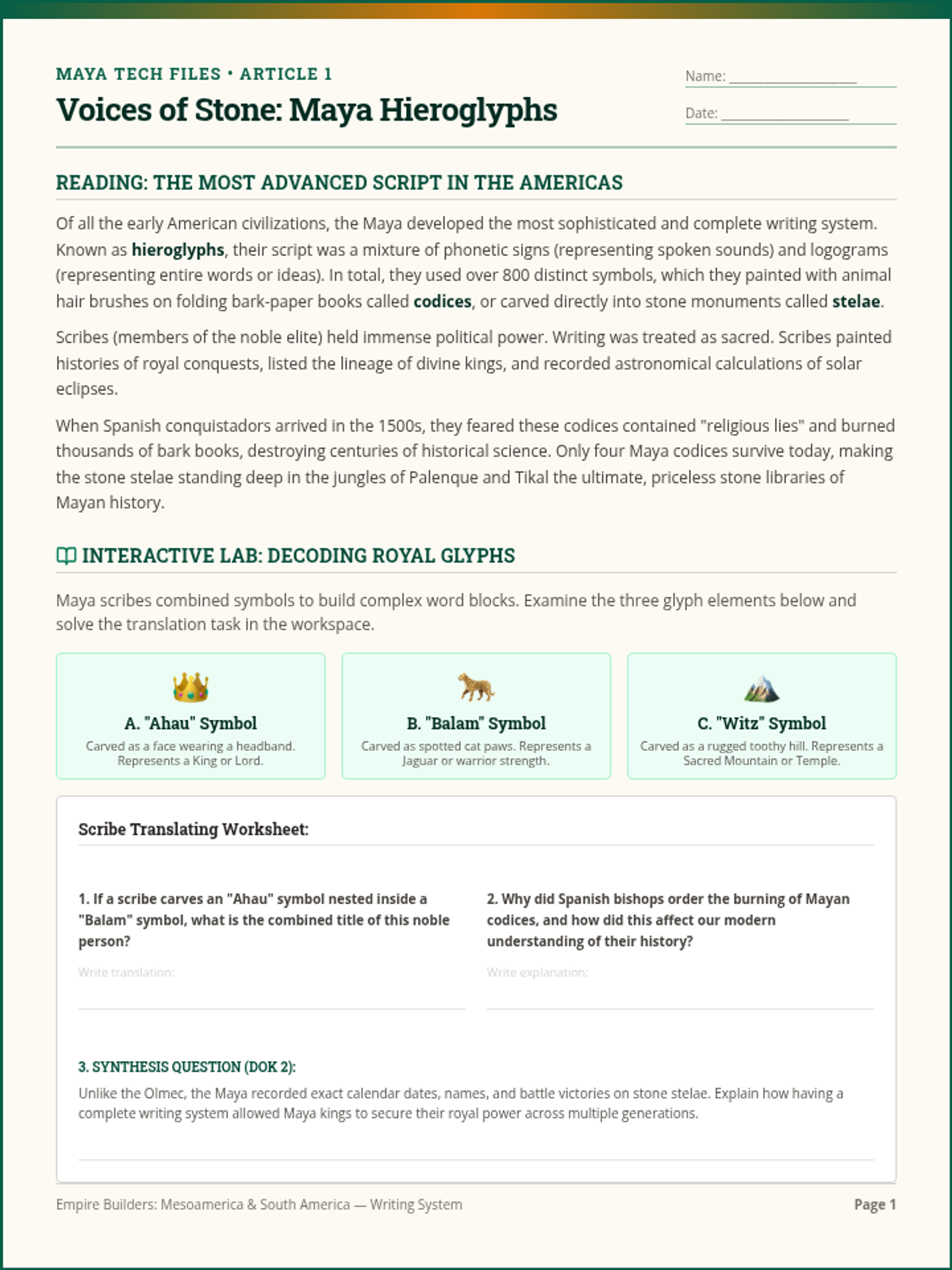
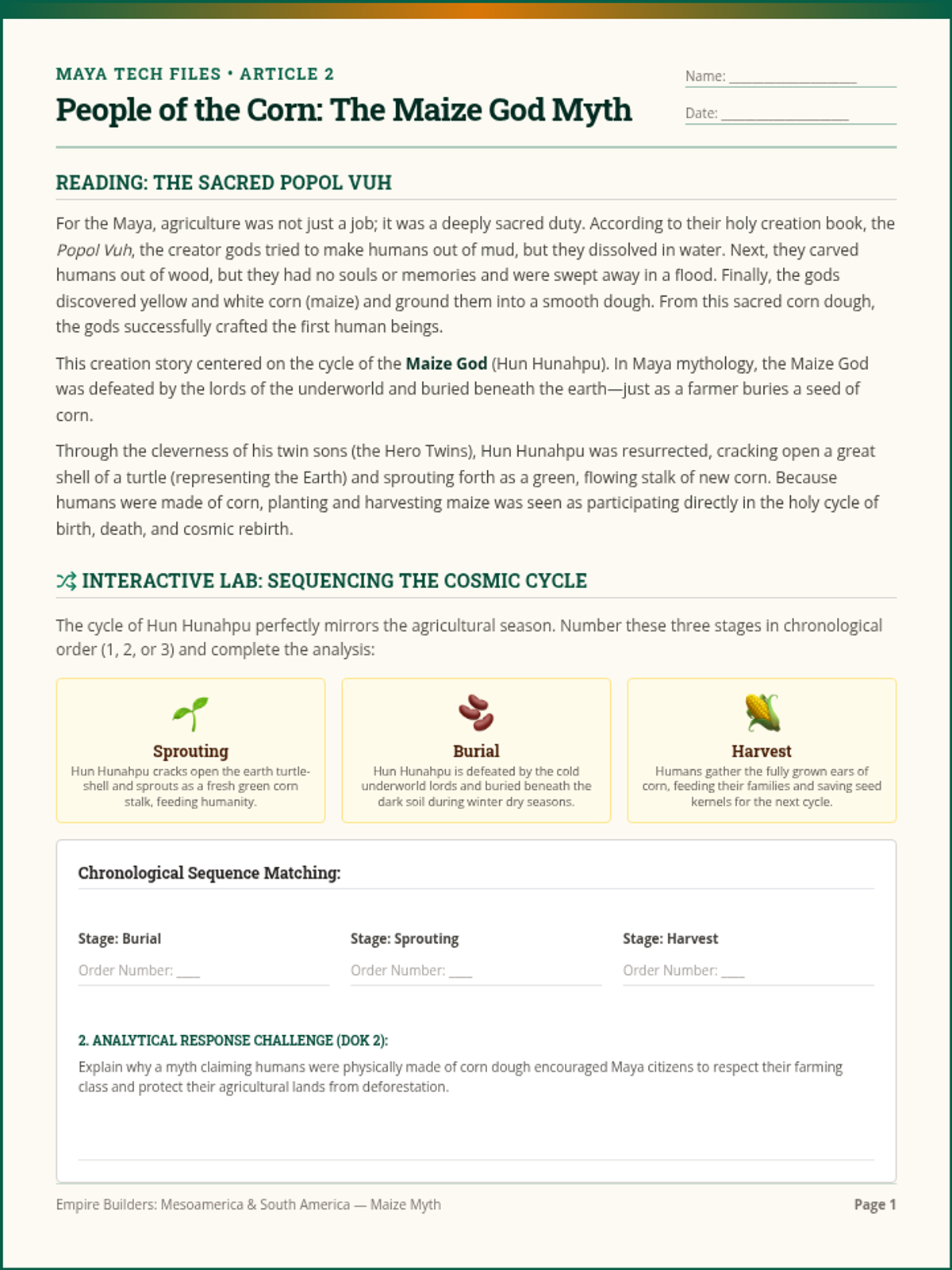
Students explore the Maya civilization, studying their rainforest terrain, calendar systems, and independent city-state hierarchy.