Focuses on civil liberties, rights, political participation, economics, and the role of the citizen in a modern constitutional republic.
No materials in this lesson yet.
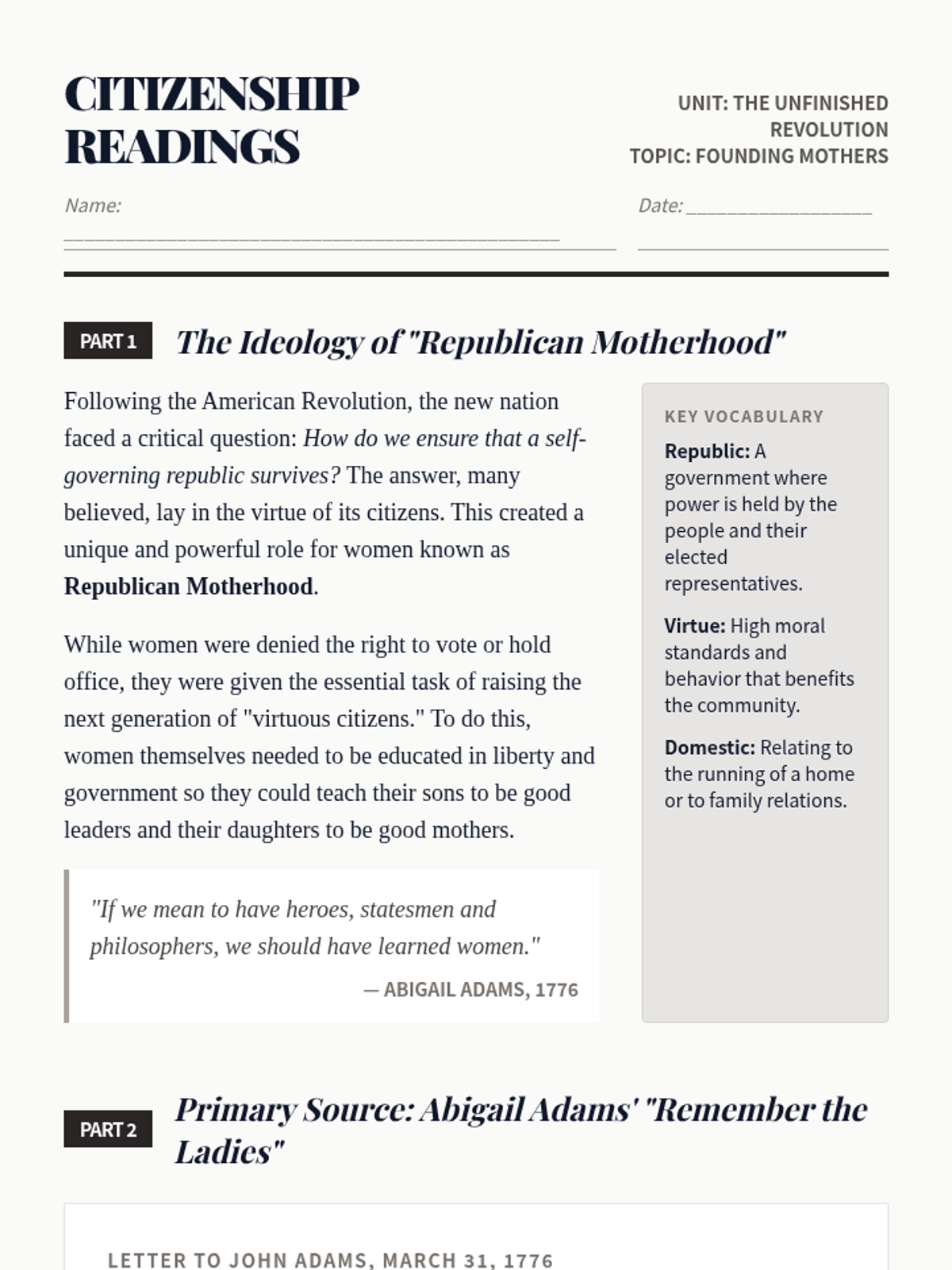
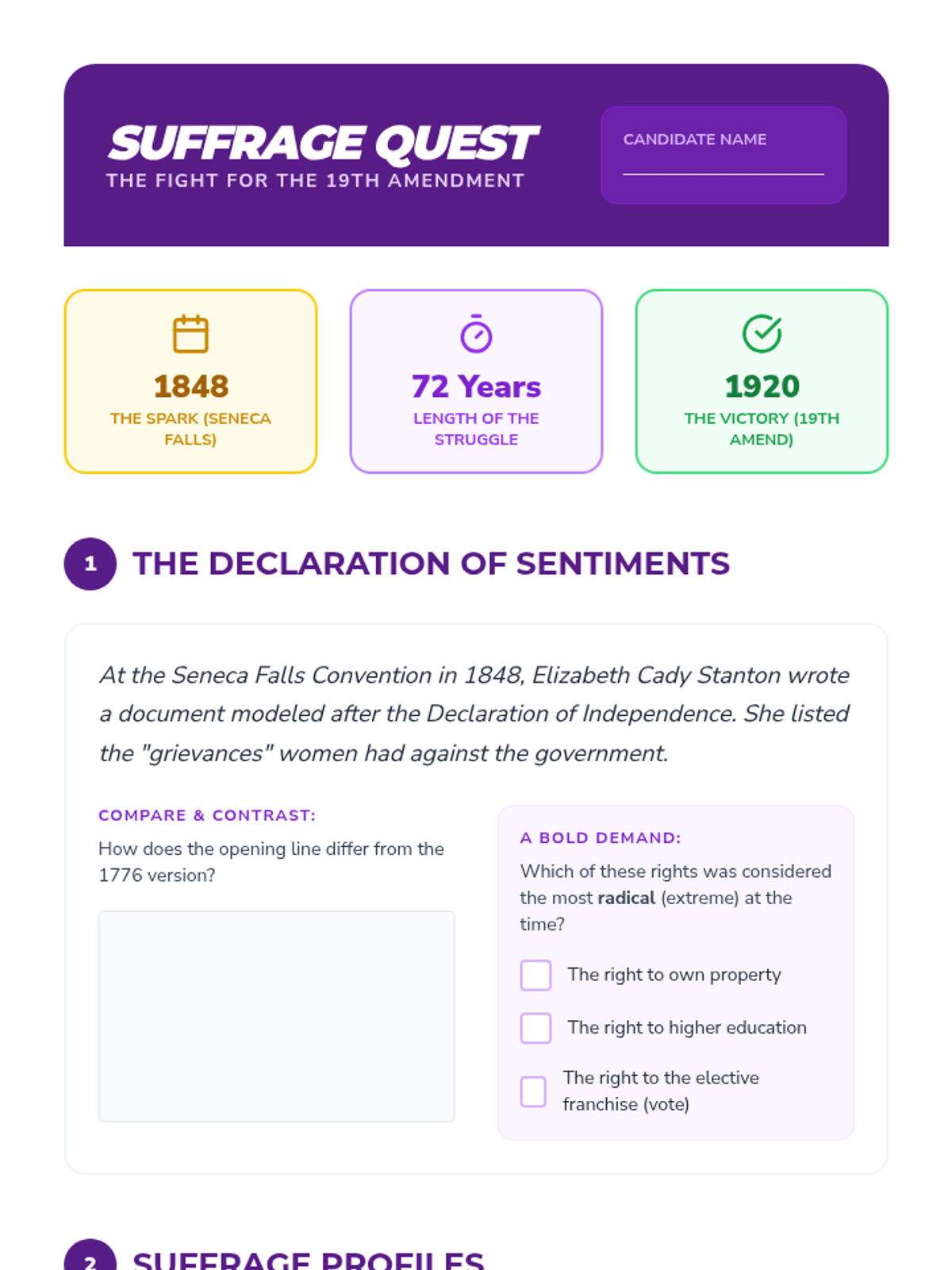
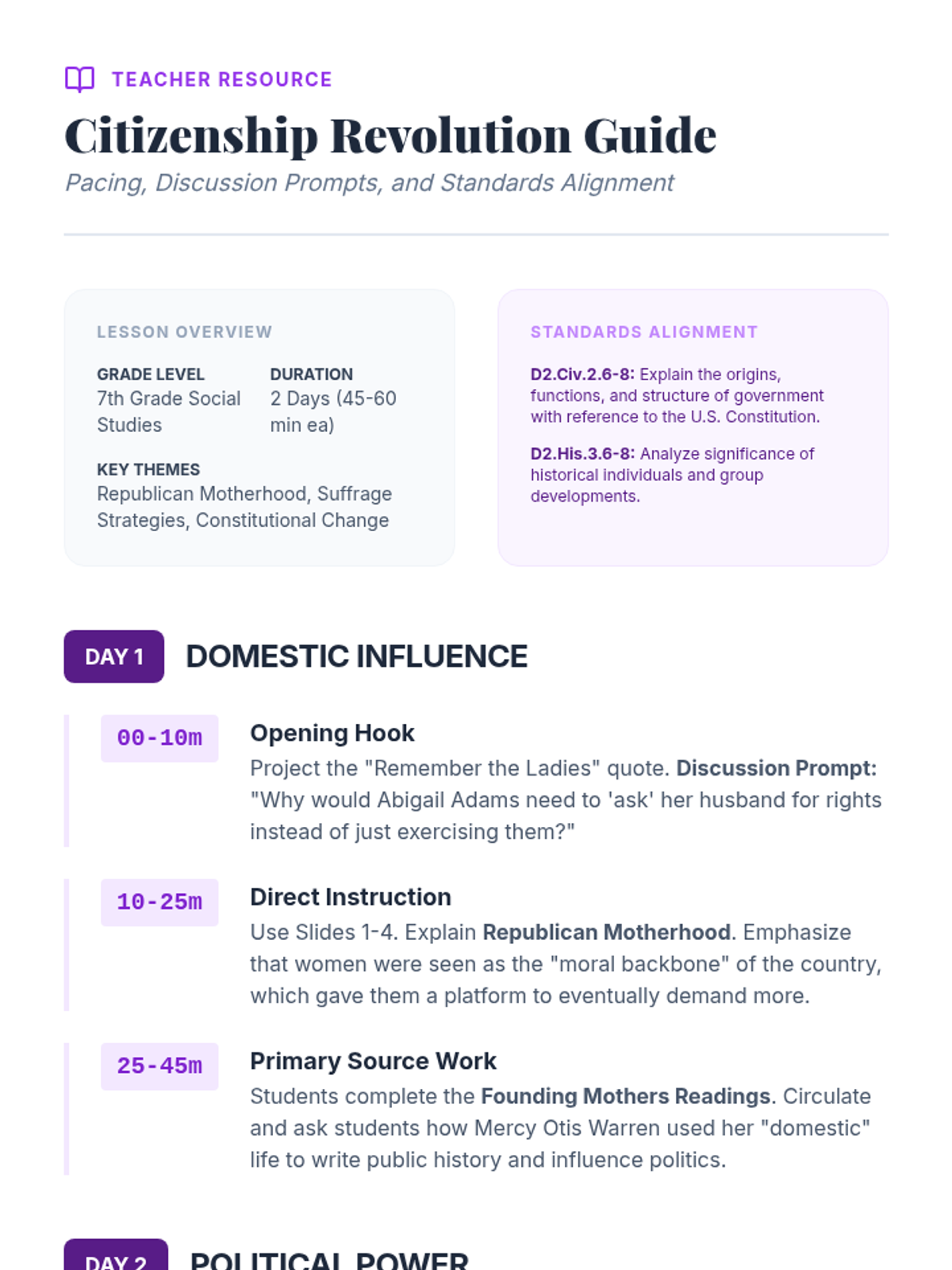
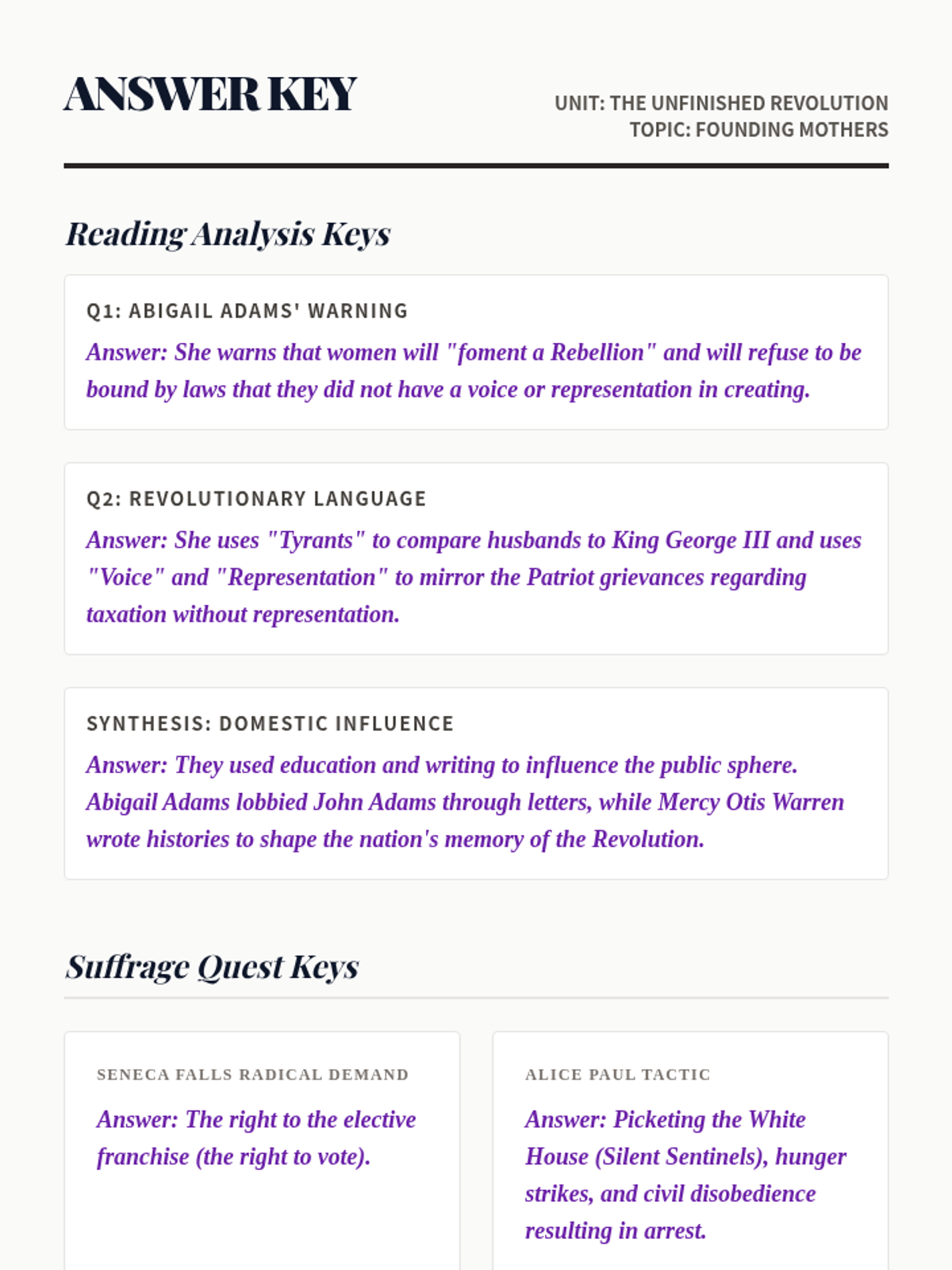
A two-day exploration of women's journey from the 'Founding Mothers' of the Early Republic to the hard-won victory of the 19th Amendment. Students analyze primary sources and the shift from domestic influence to political citizenship.
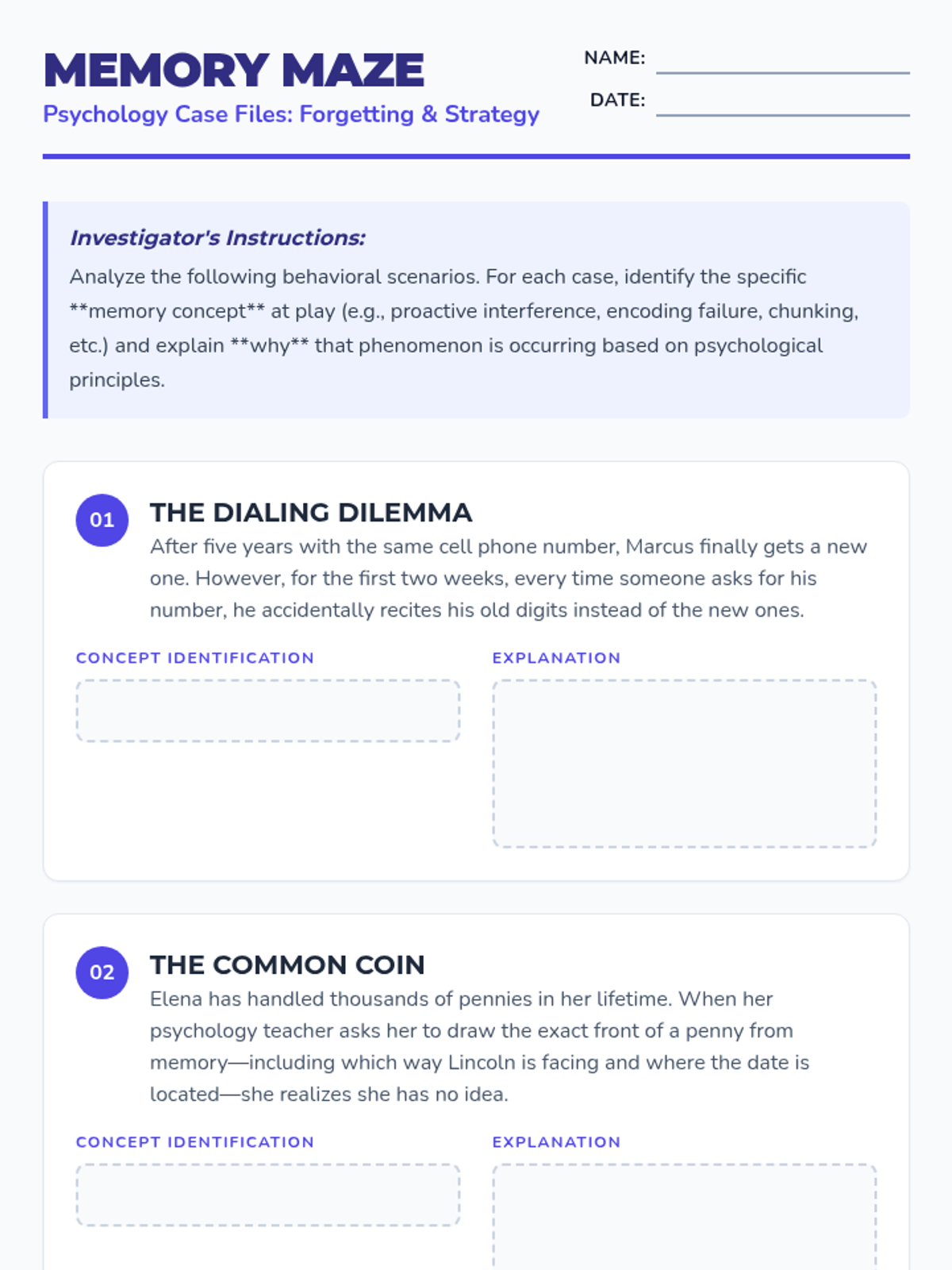
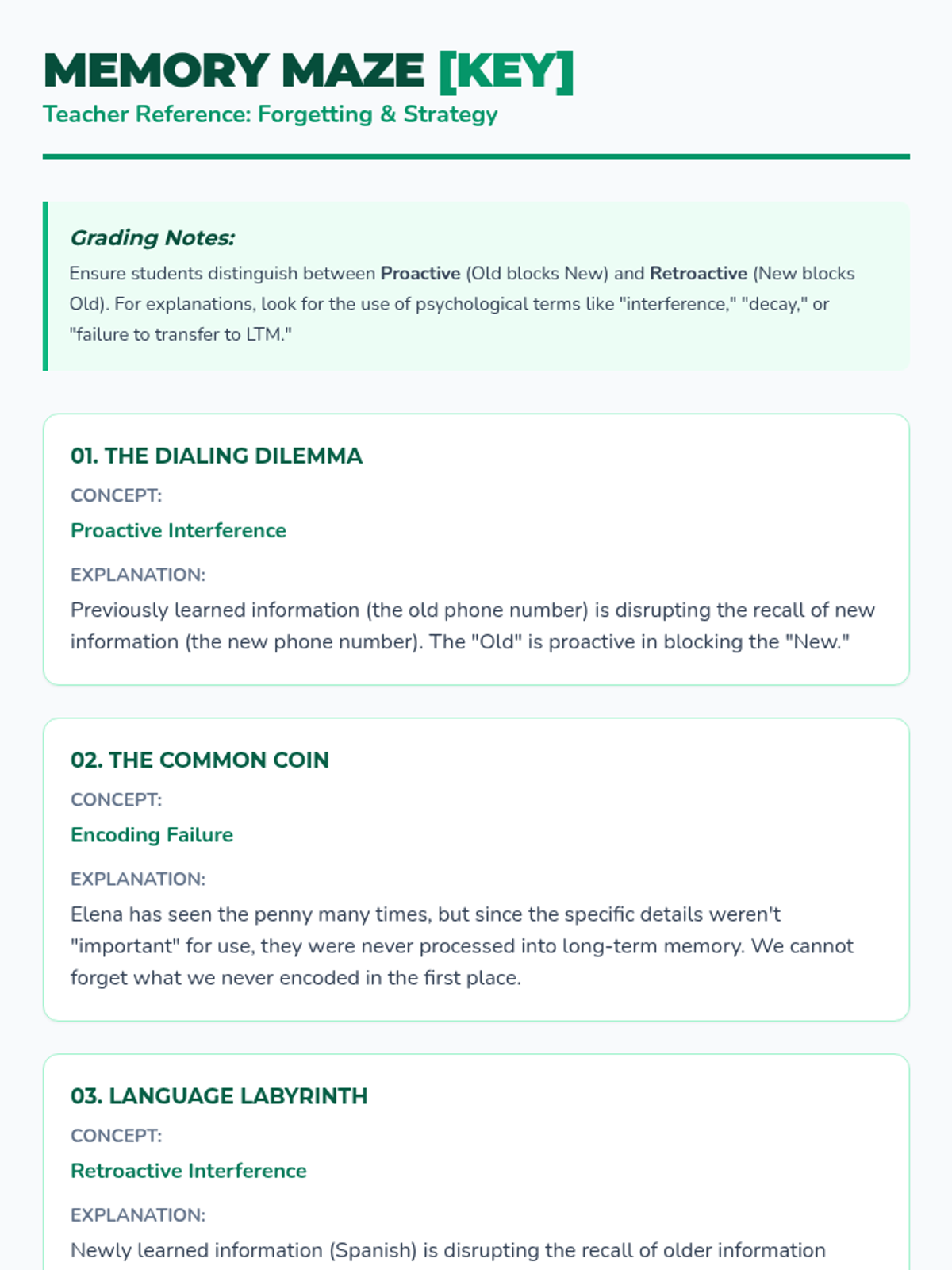
A comprehensive look at why we remember and why we forget, covering the stages of memory, types of interference, and strategies for improving recall.
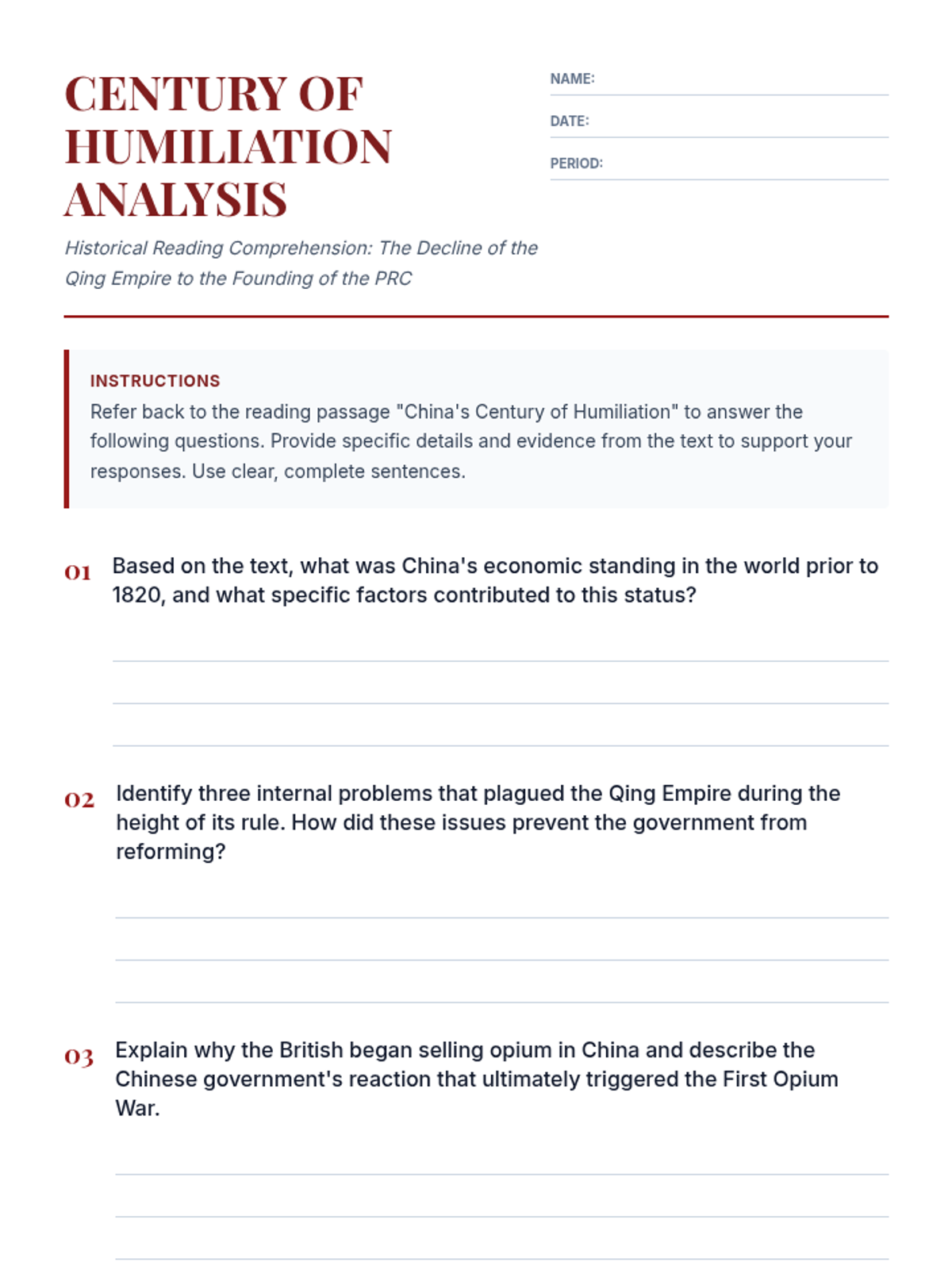
This lesson explores China's 'Century of Humiliation,' covering the decline of the Qing Dynasty, the Opium Wars, internal rebellions, and the eventual rise of the Communist Party. Students will analyze the factors that led to China's shift from a global economic powerhouse to a nation in turmoil.
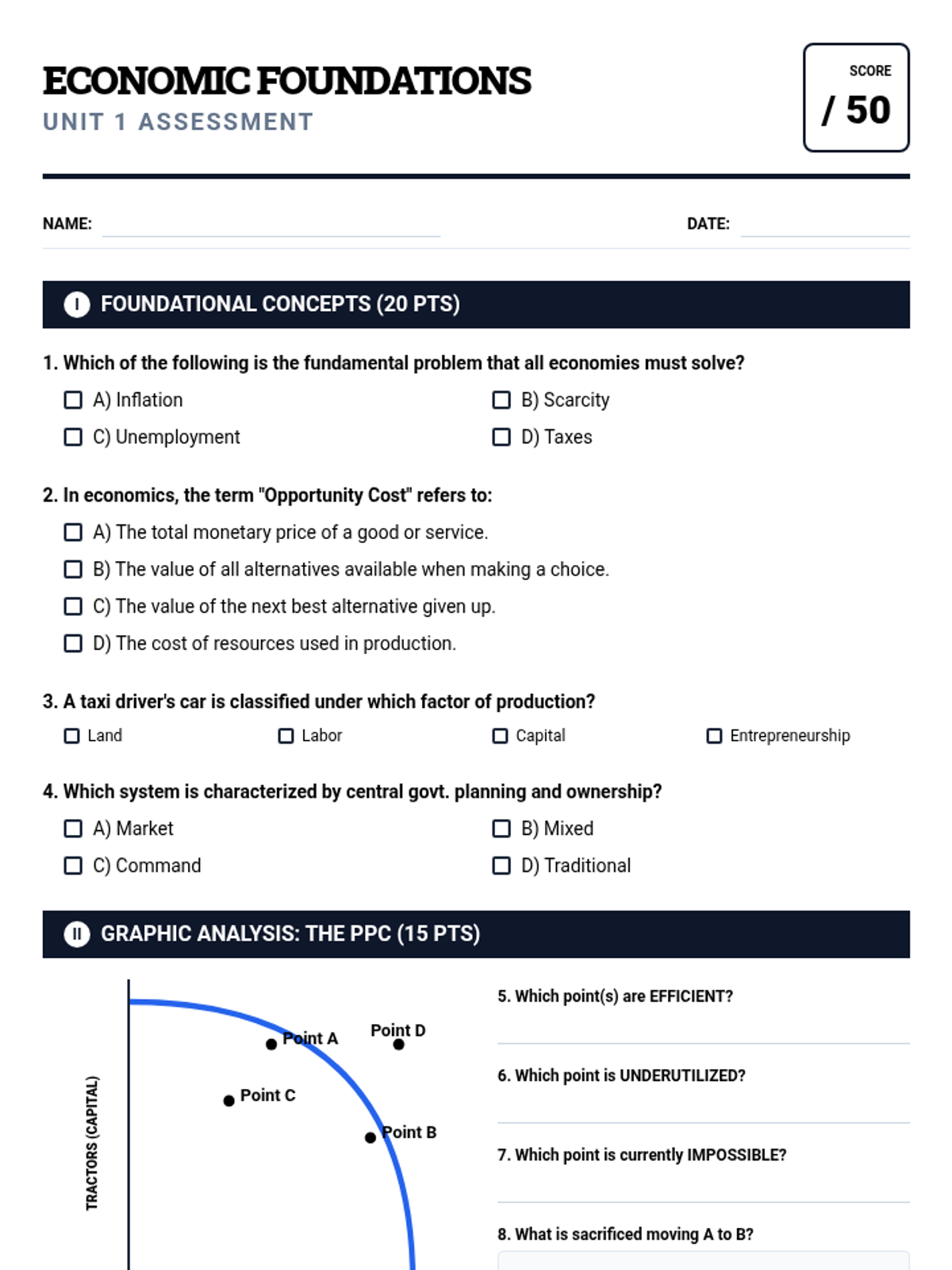
Summative assessment covering Scarcity, Factors of Production, and Economic Systems.
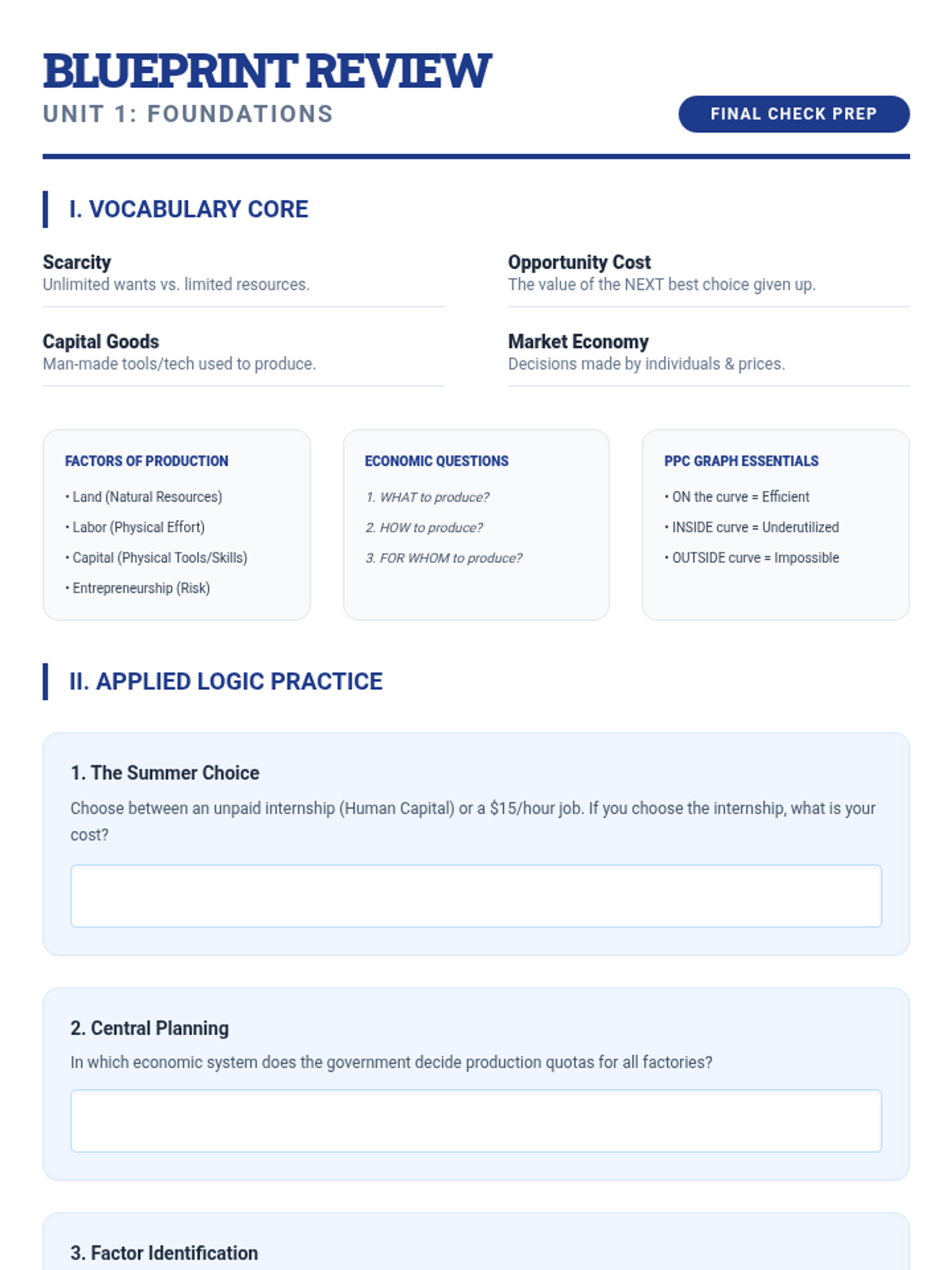
A comprehensive review of Unit 1 concepts to prepare students for summative assessment.
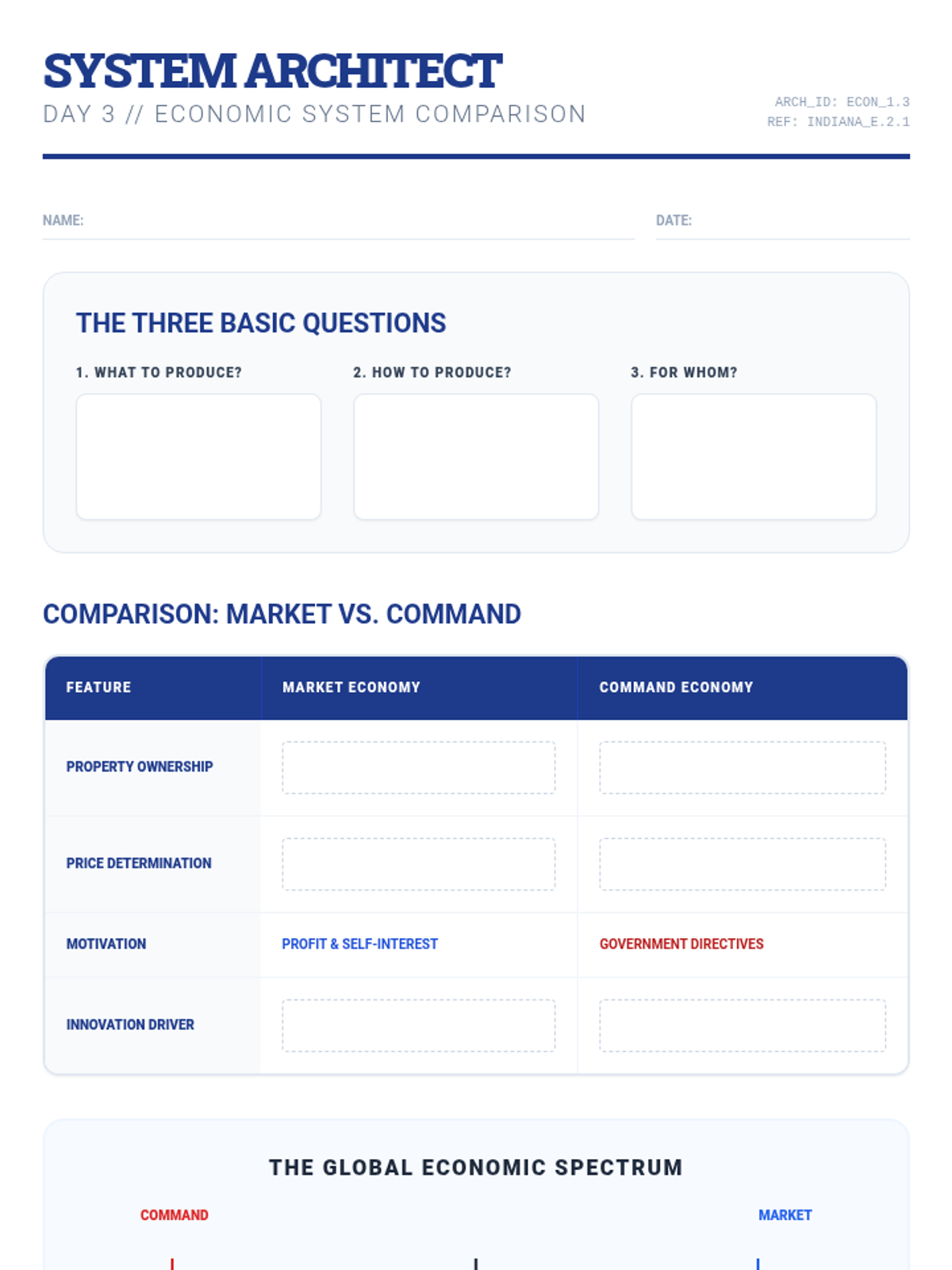
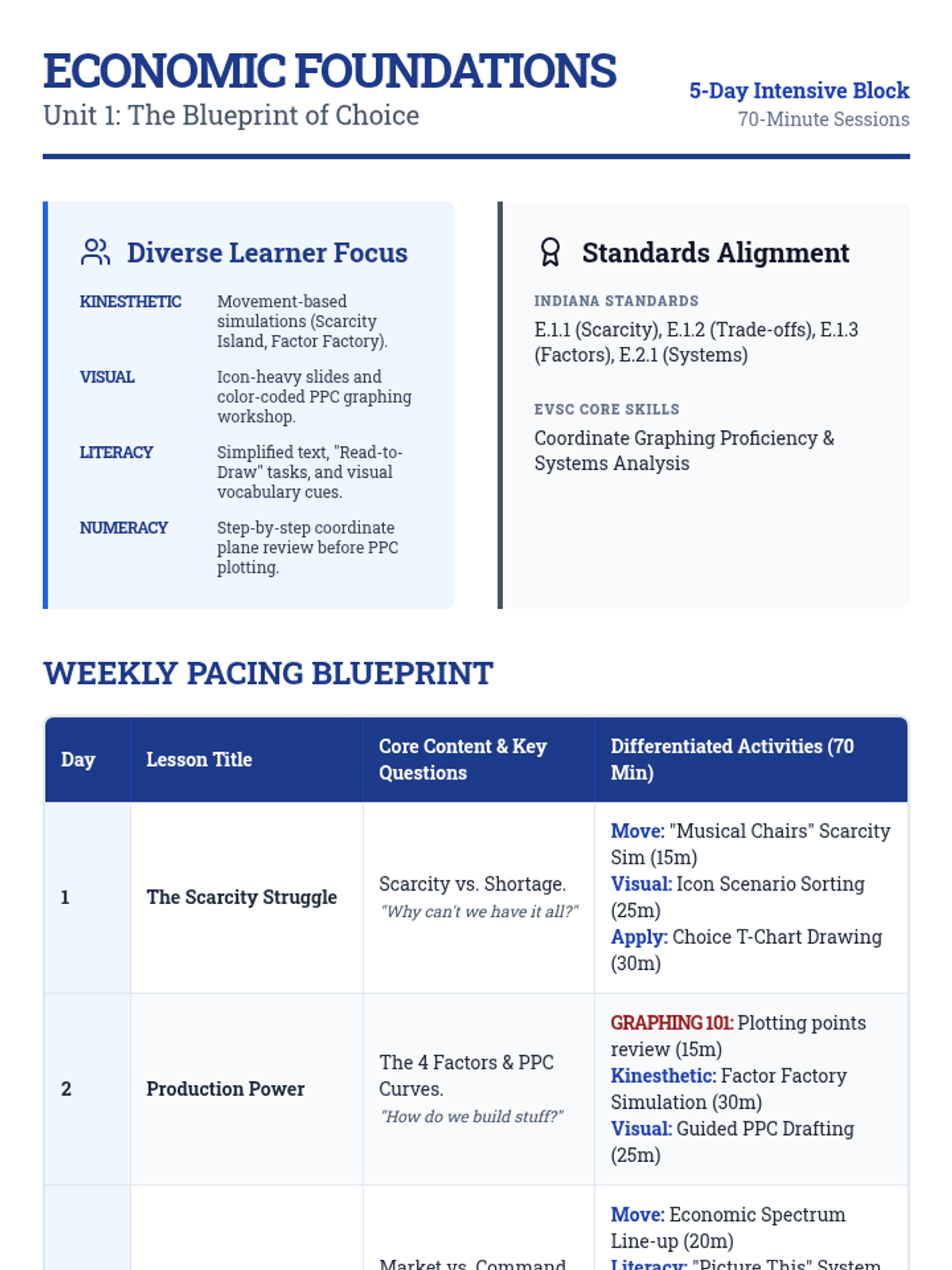
A comparative study of market, command, and mixed economic systems and how they answer the three basic economic questions.
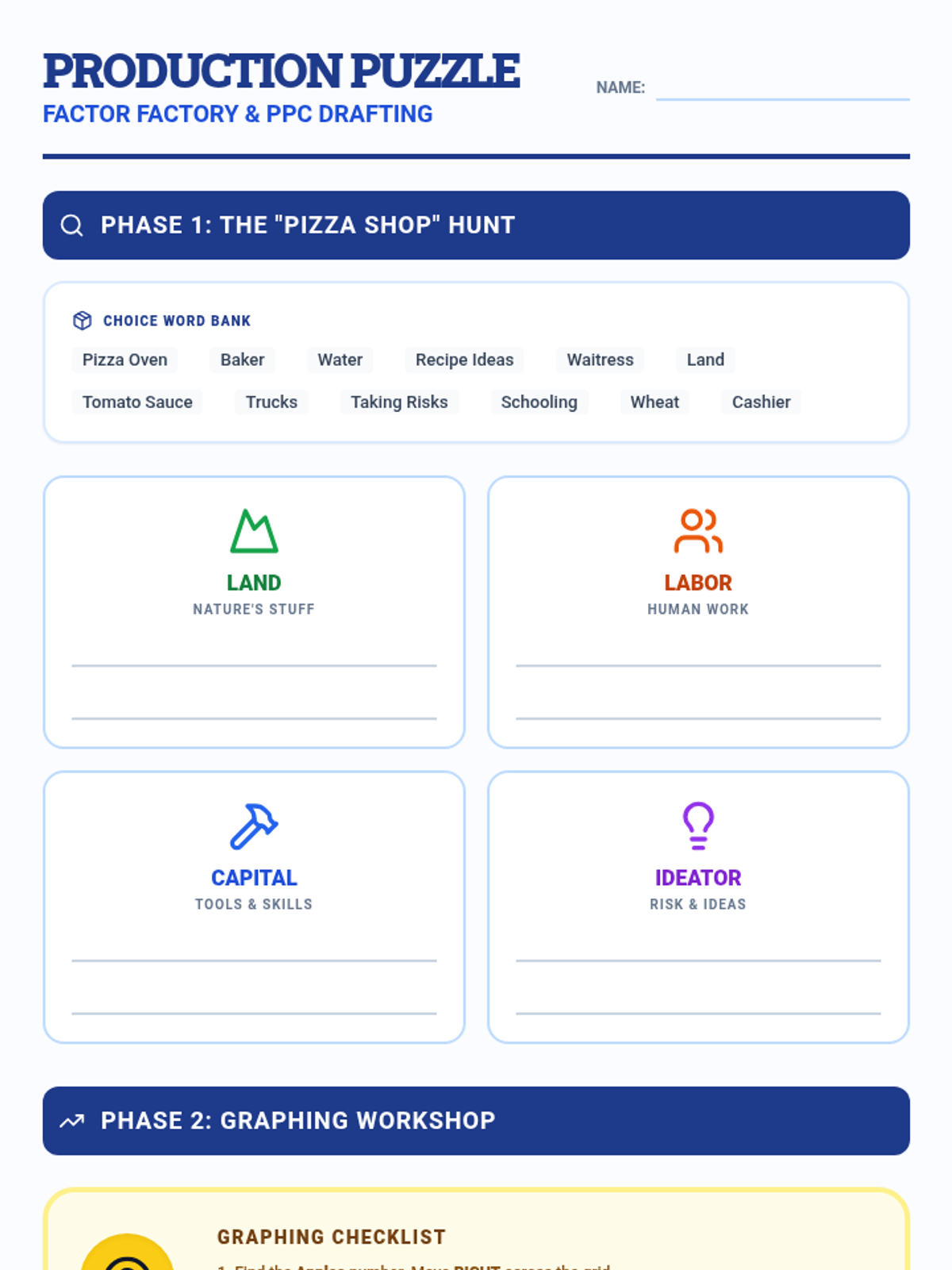
An investigation into the four factors of production (land, labor, capital, entrepreneurship) and how they are utilized to create wealth.
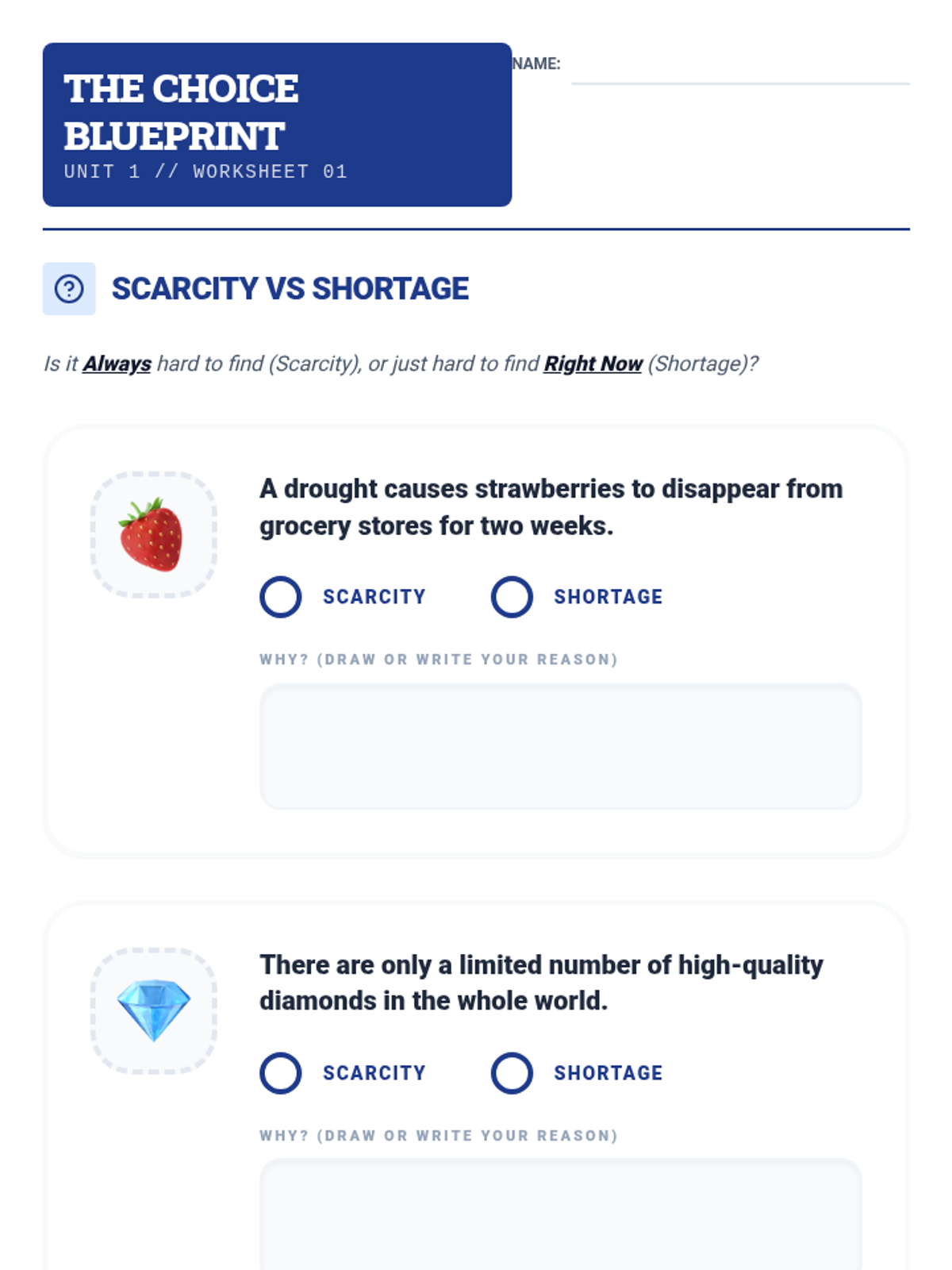
An exploration of the fundamental problem of economics: scarcity, and the subsequent need for trade-offs and opportunity cost analysis.
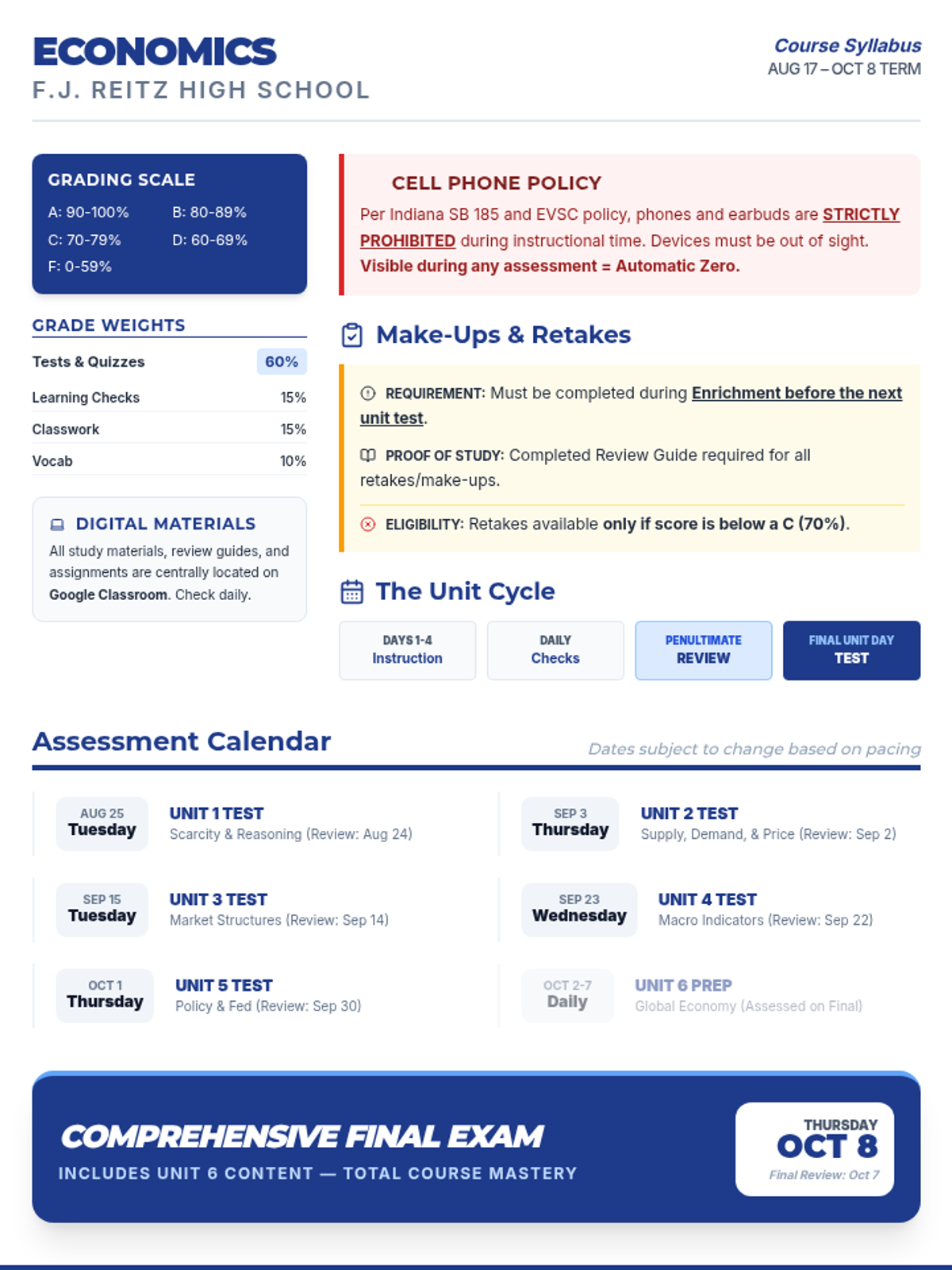
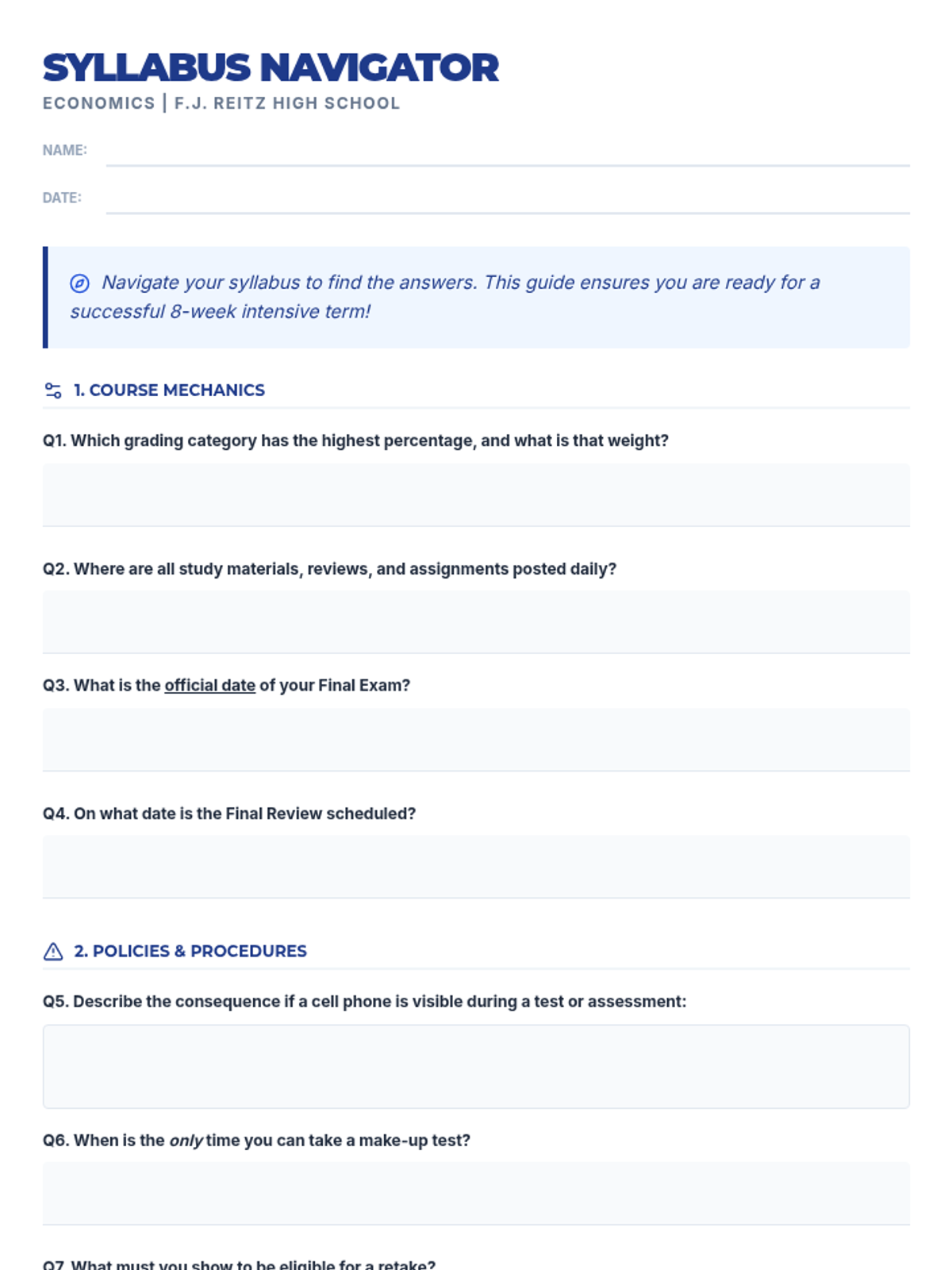
A foundational overview of the Economics course, covering classroom policies, grading, and the roadmap for the 9-week term.
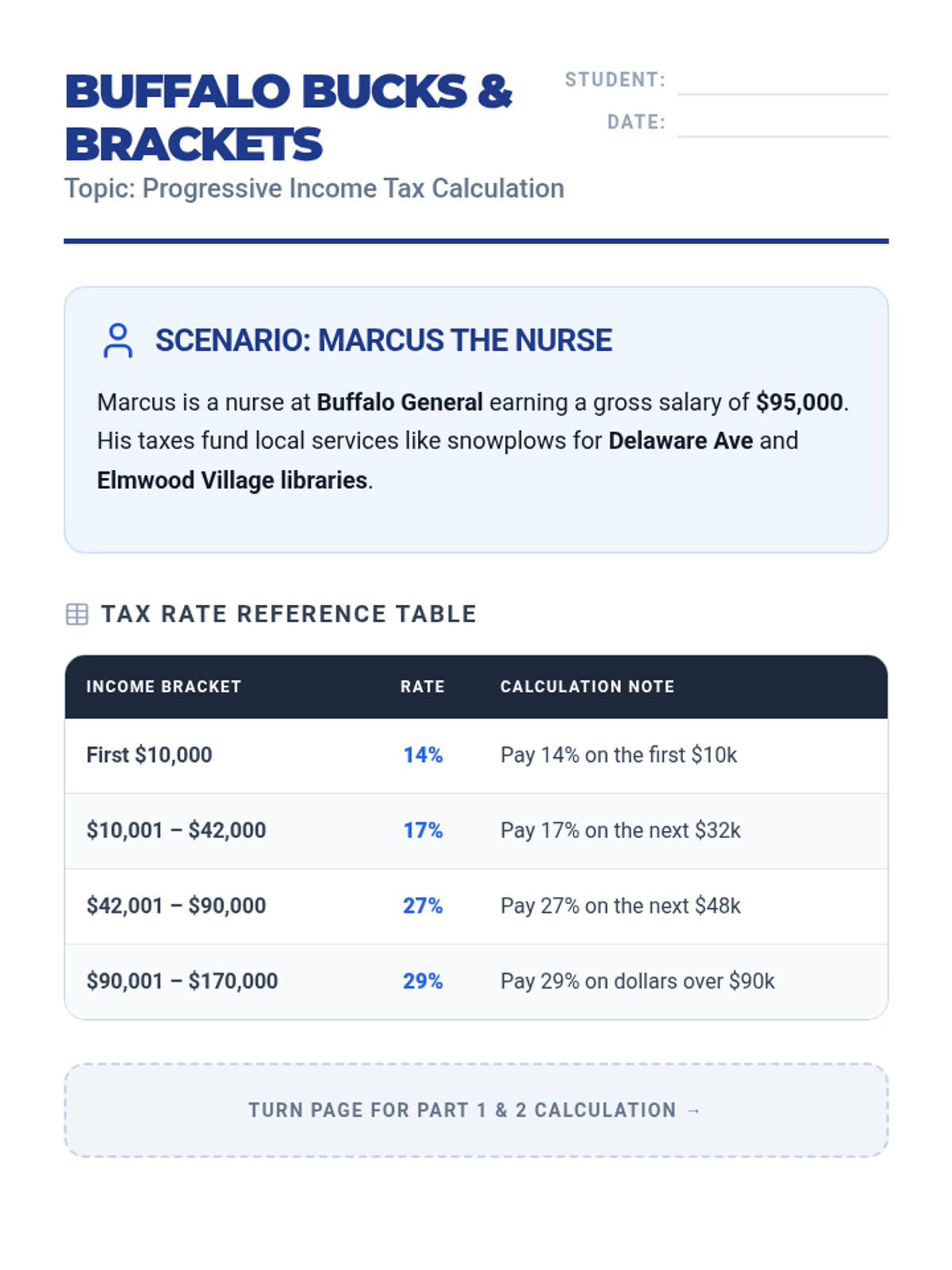
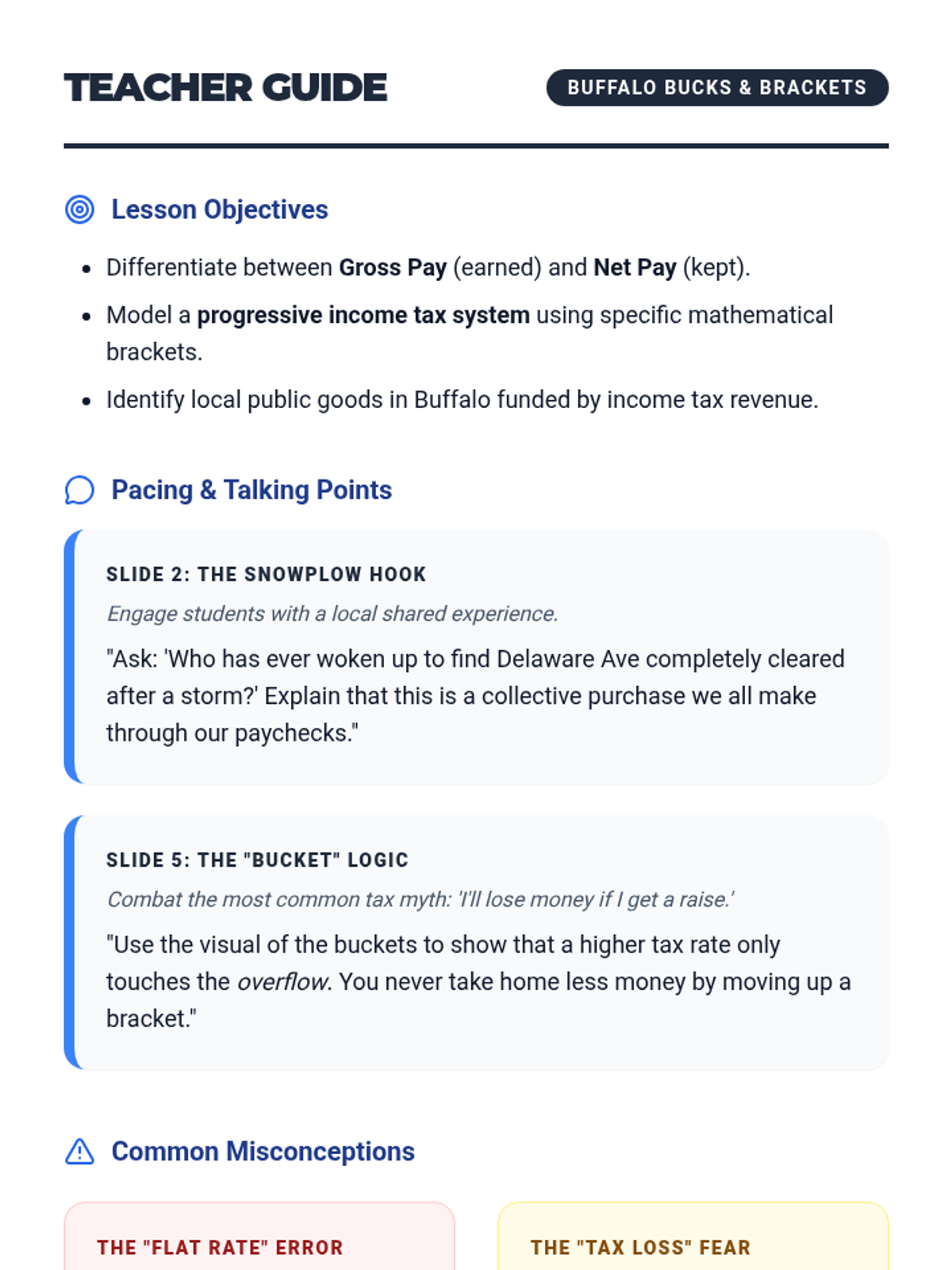
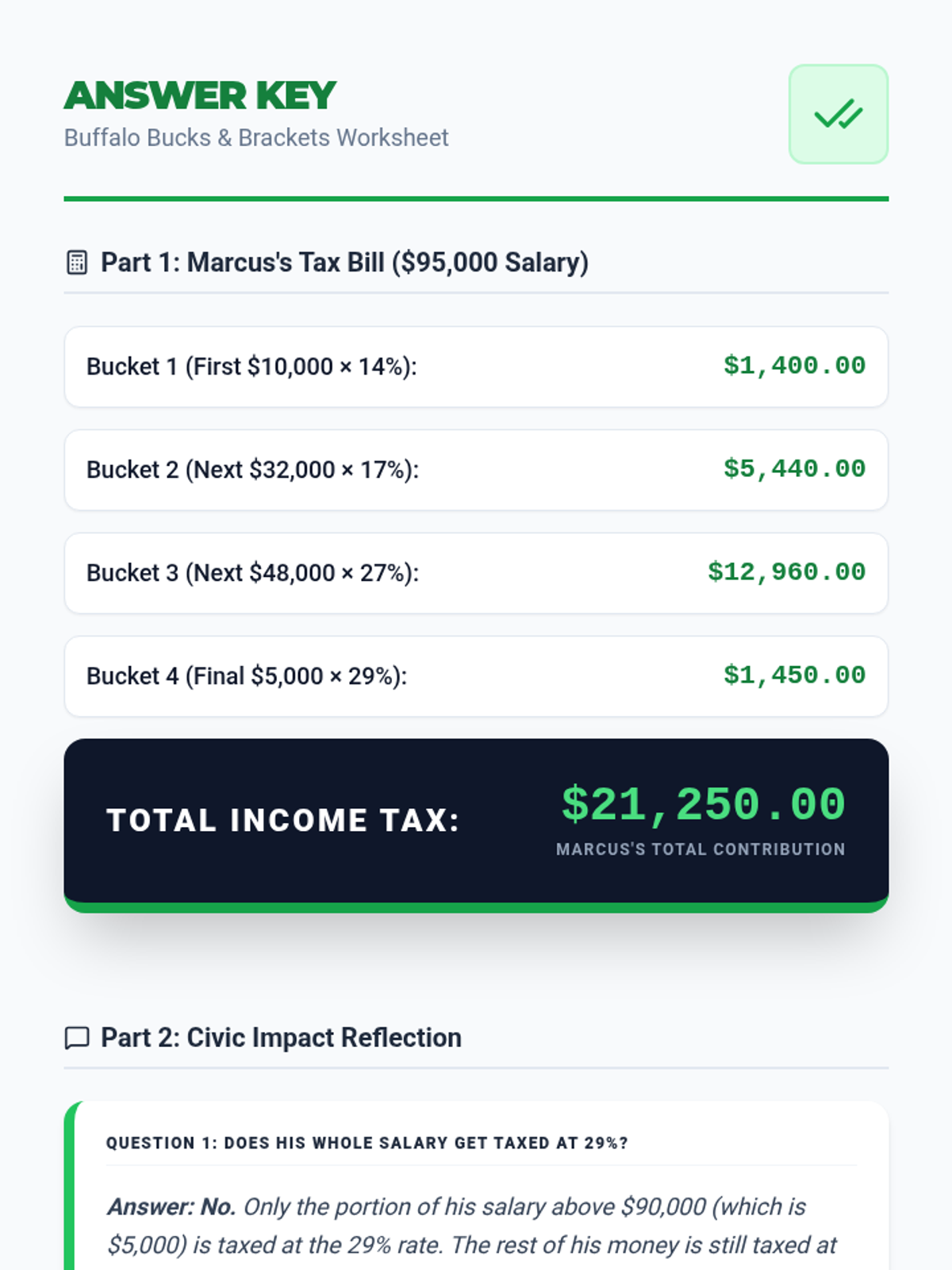
A mini-lesson exploring how progressive income taxes work using a Buffalo, NY context, focusing on local public services like snowplows and libraries.
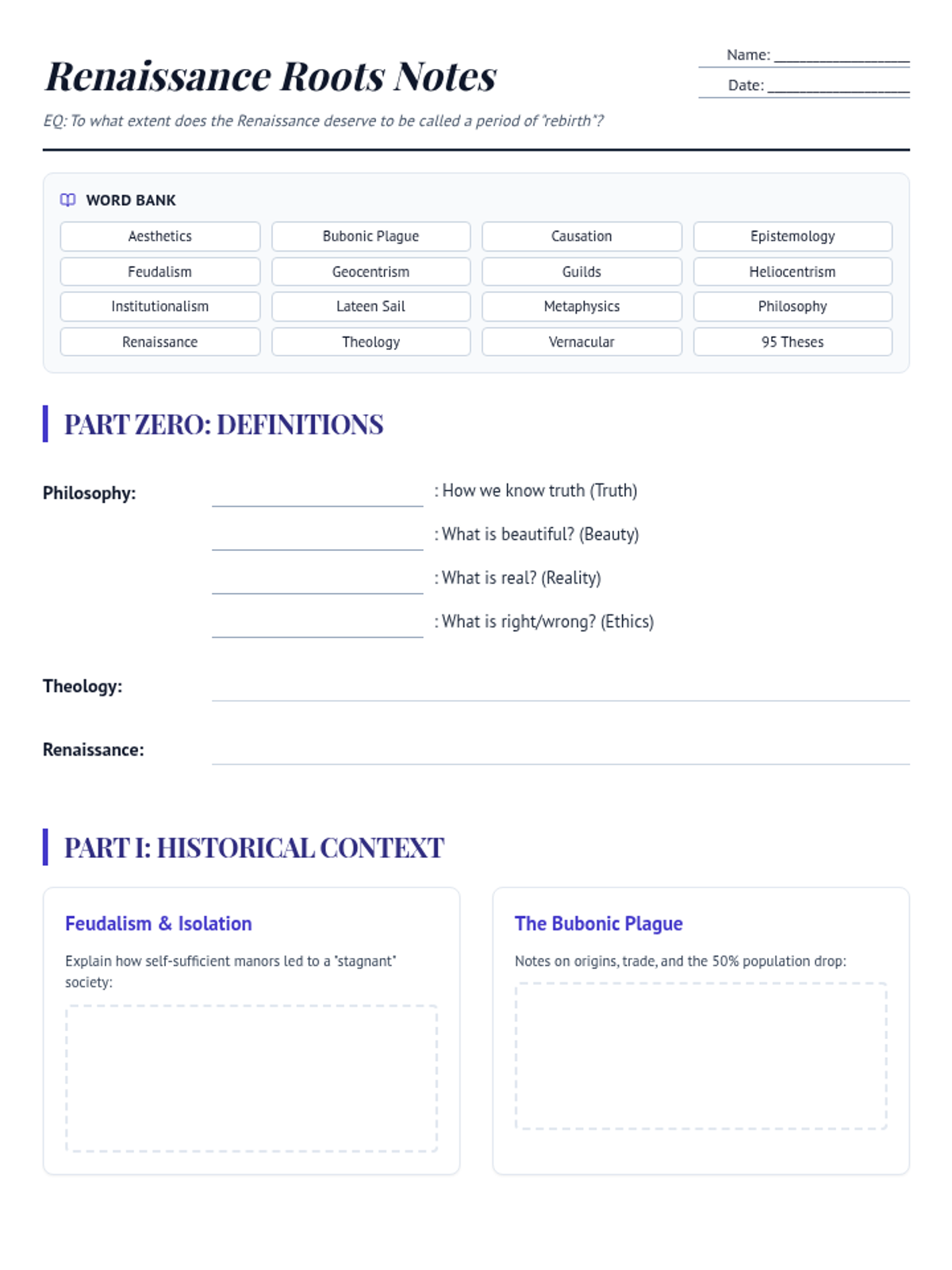
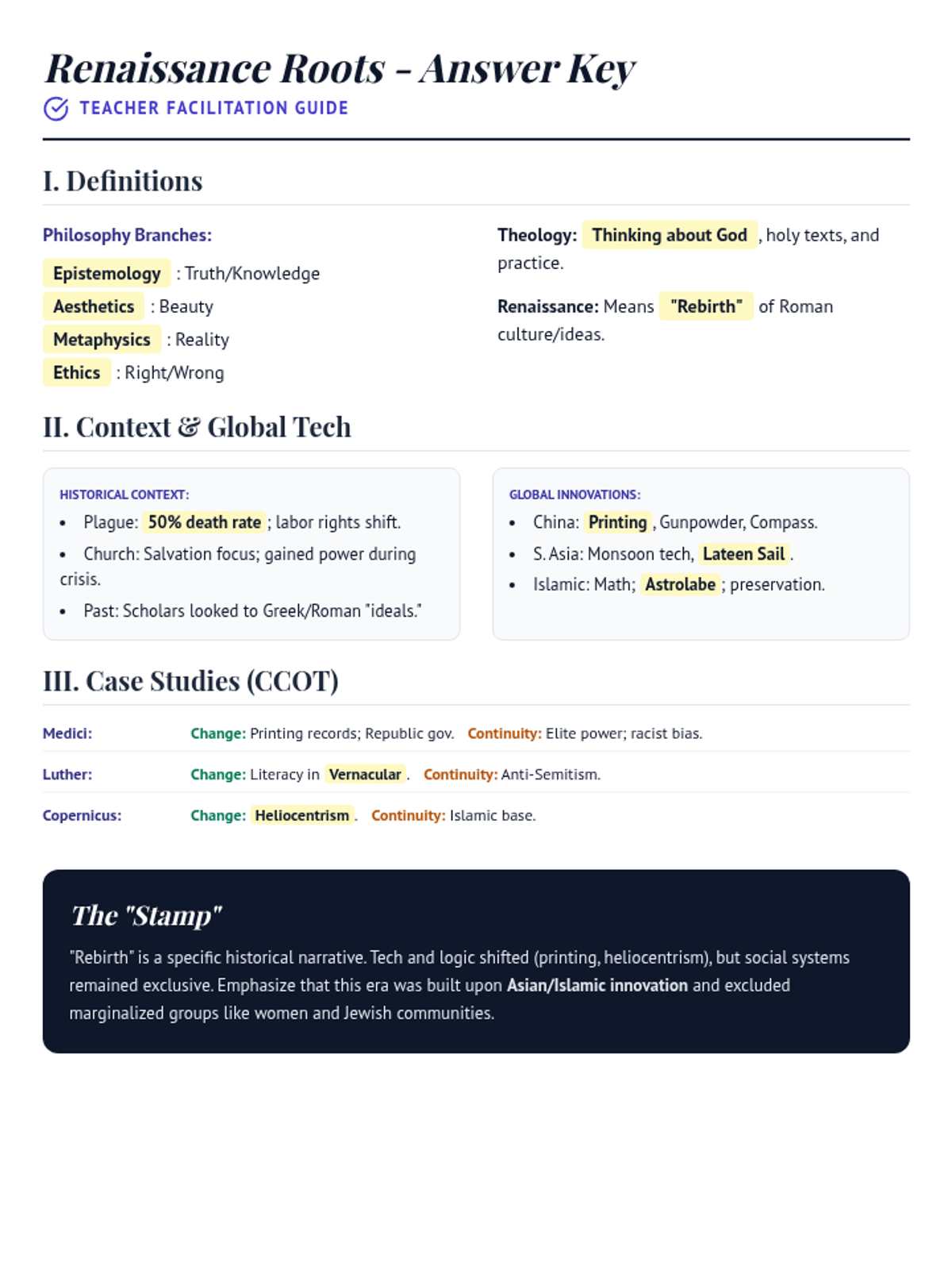
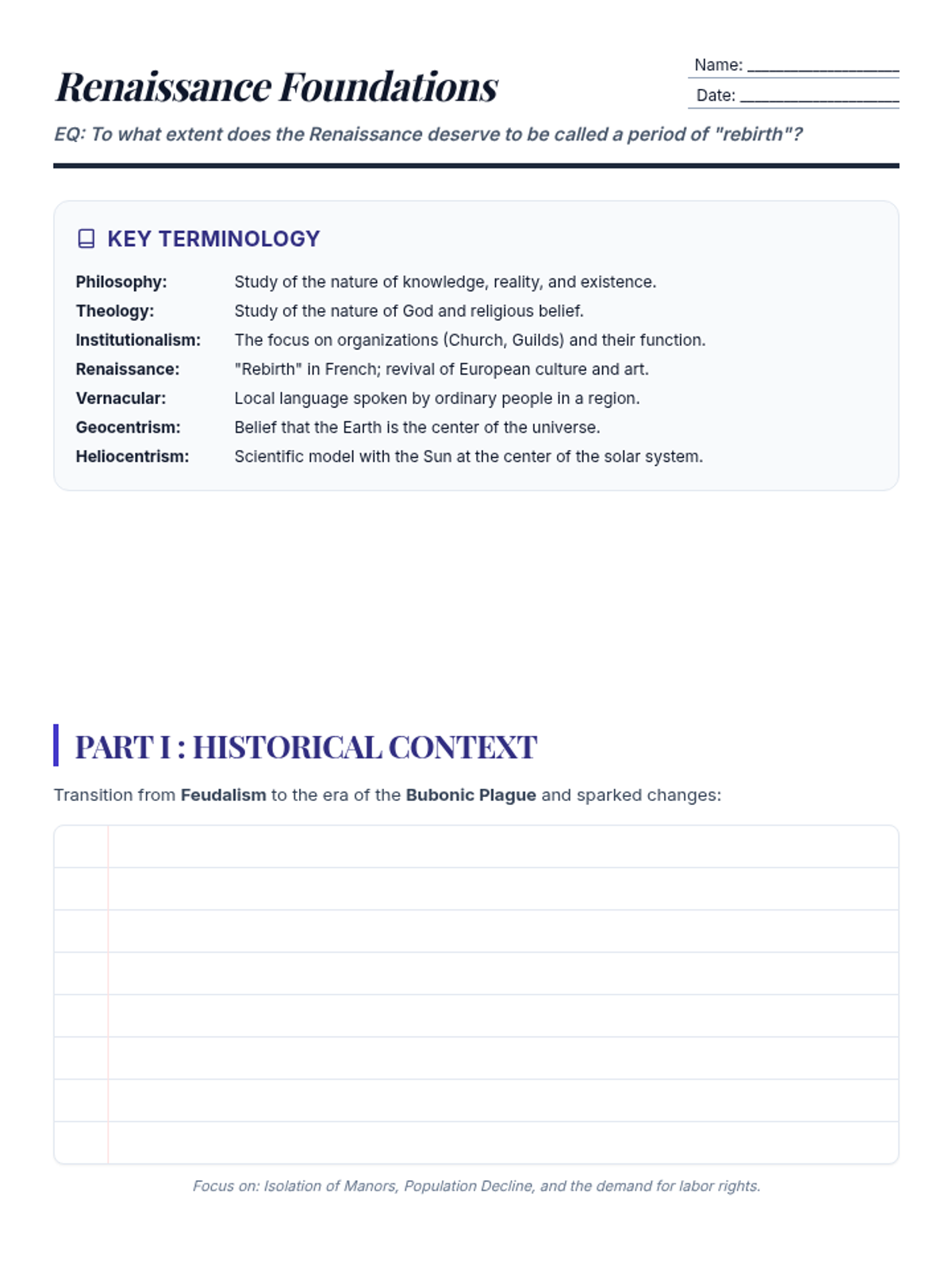
This lesson explores the origins and key figures of the Renaissance, focusing on the historical context of the plague, trade, and the lives of Lorenzo de' Medici, Martin Luther, and Nicolaus Copernicus to evaluate the period's impact as a 'rebirth'.