A remedial support lesson for 5th graders focusing on finding the Greatest Common Factor (GCF) using connecting cubes and the Ladder Method (continuous division). Students move from physical manipulation to abstract calculation.
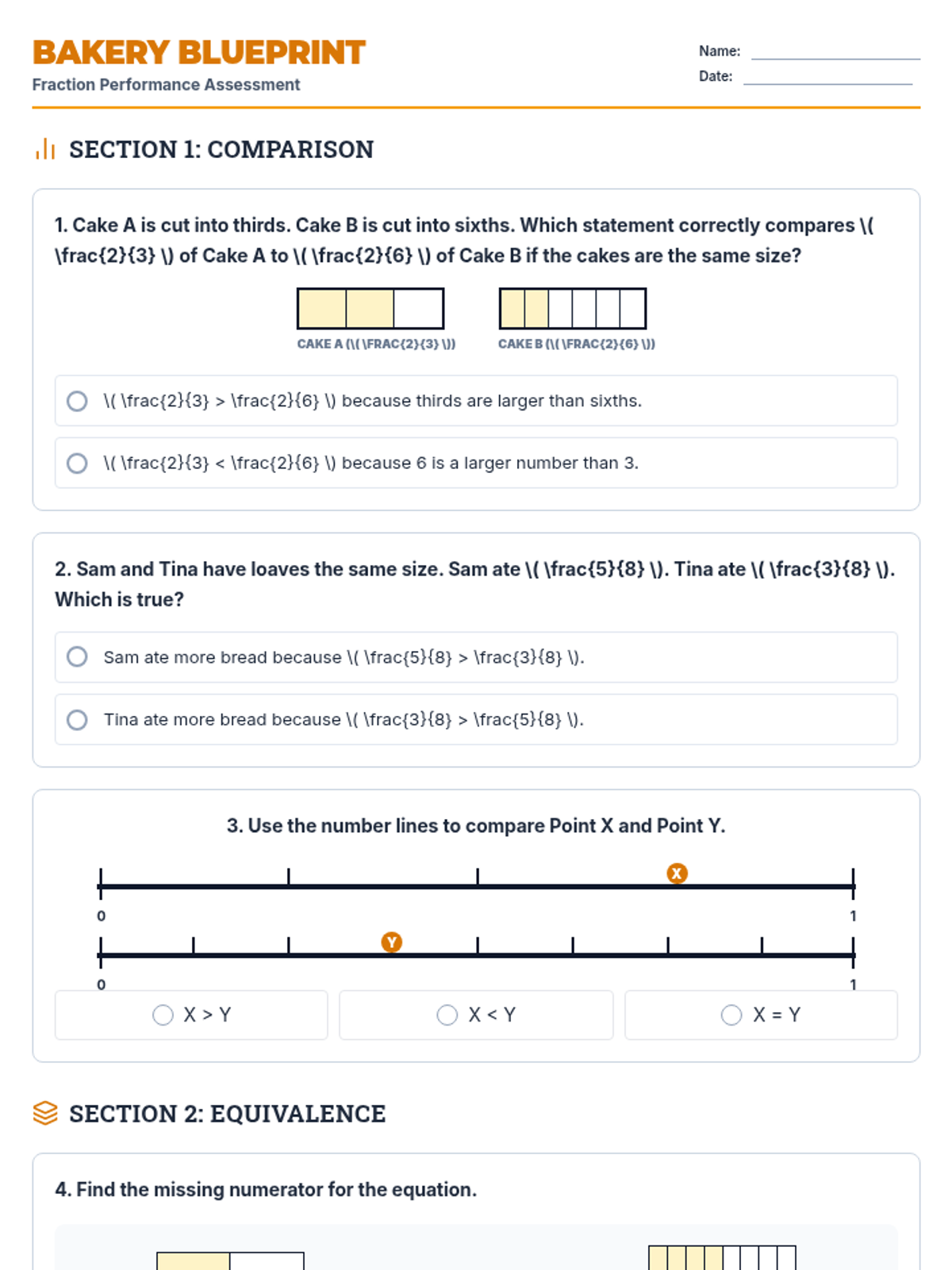
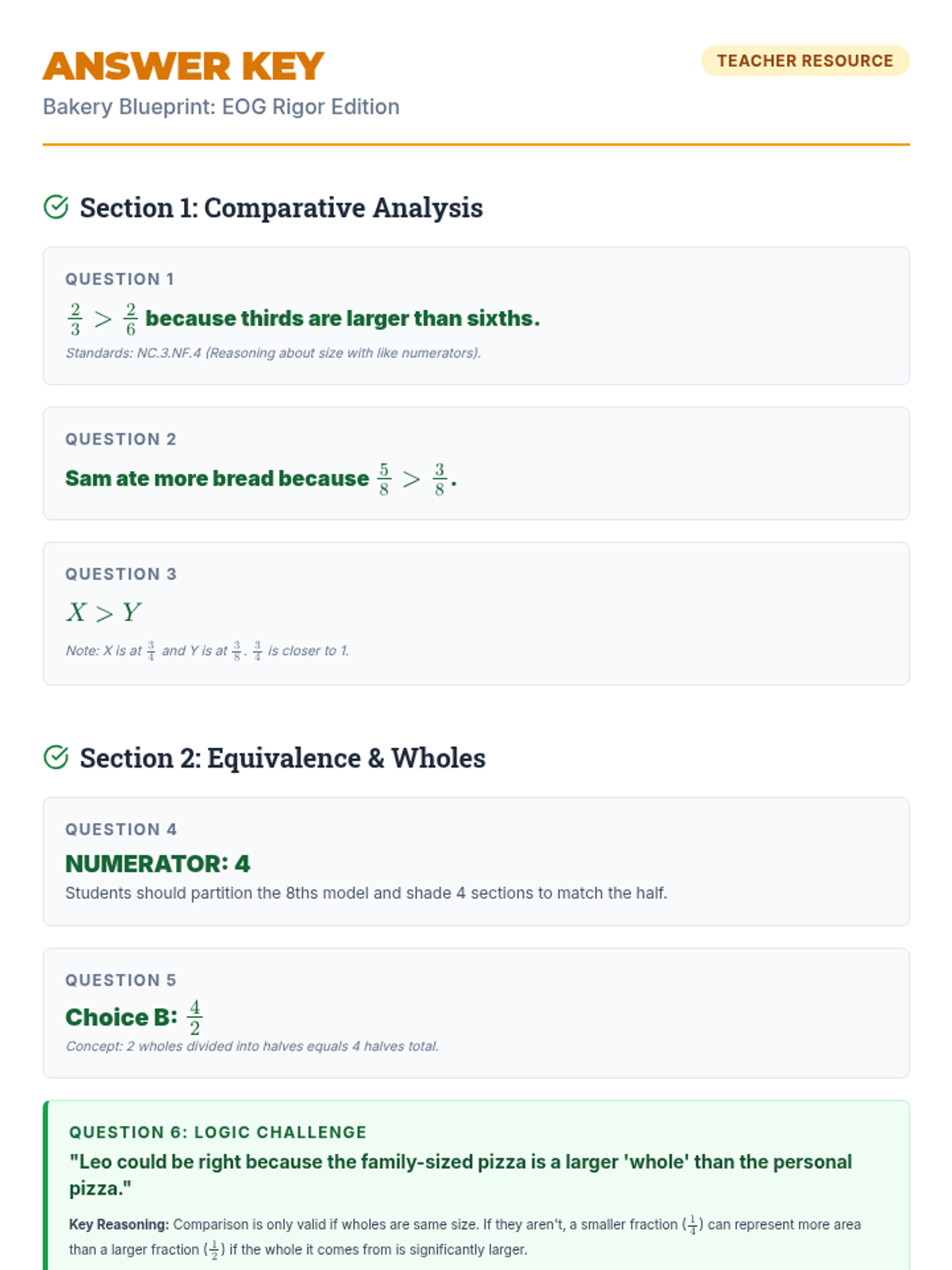
A comprehensive lesson on comparing and representing fractions using area and length models within a bakery-themed context. Students will practice comparing fractions with like numerators or denominators and identifying equivalent fractions and whole numbers.
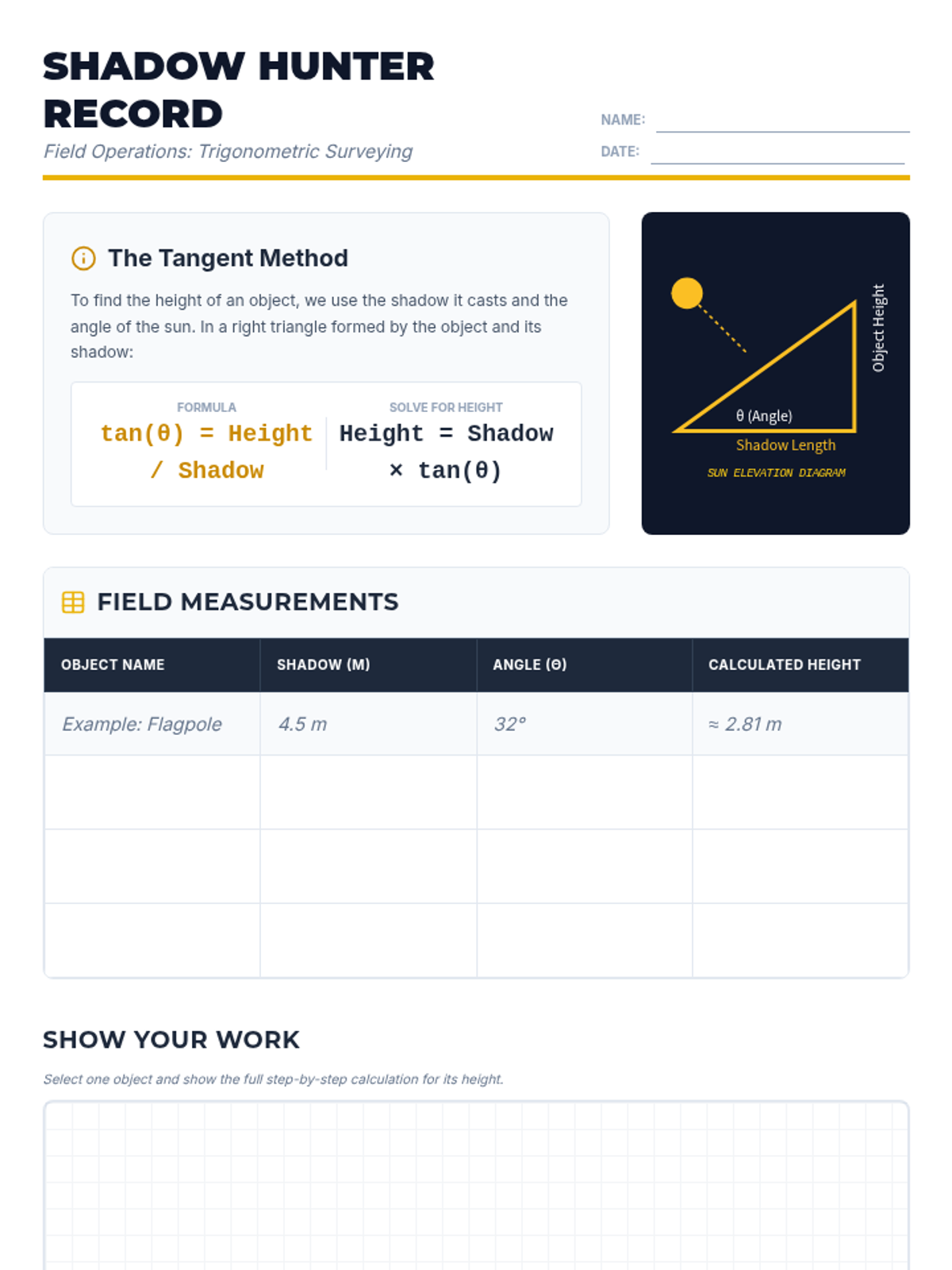
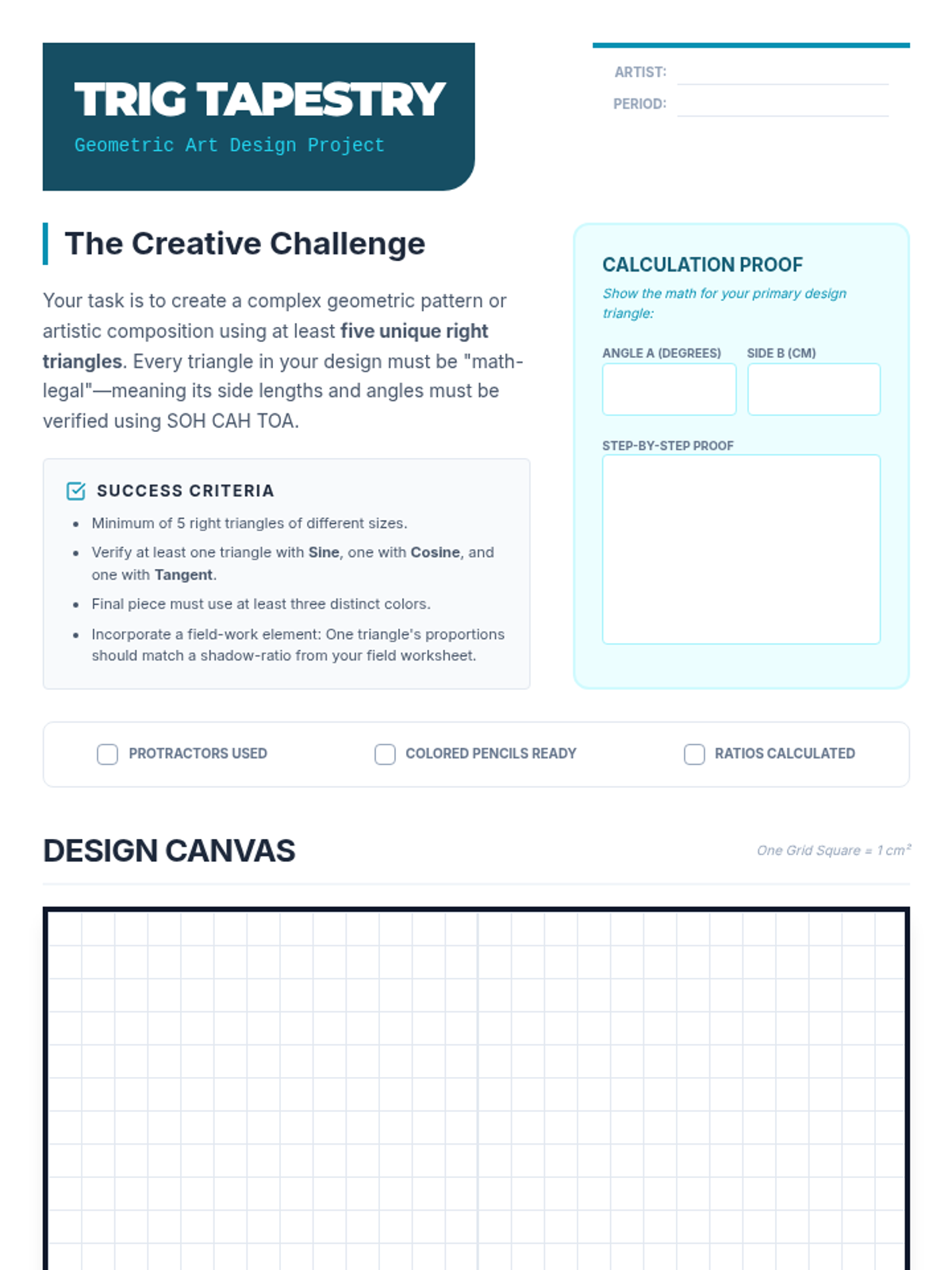
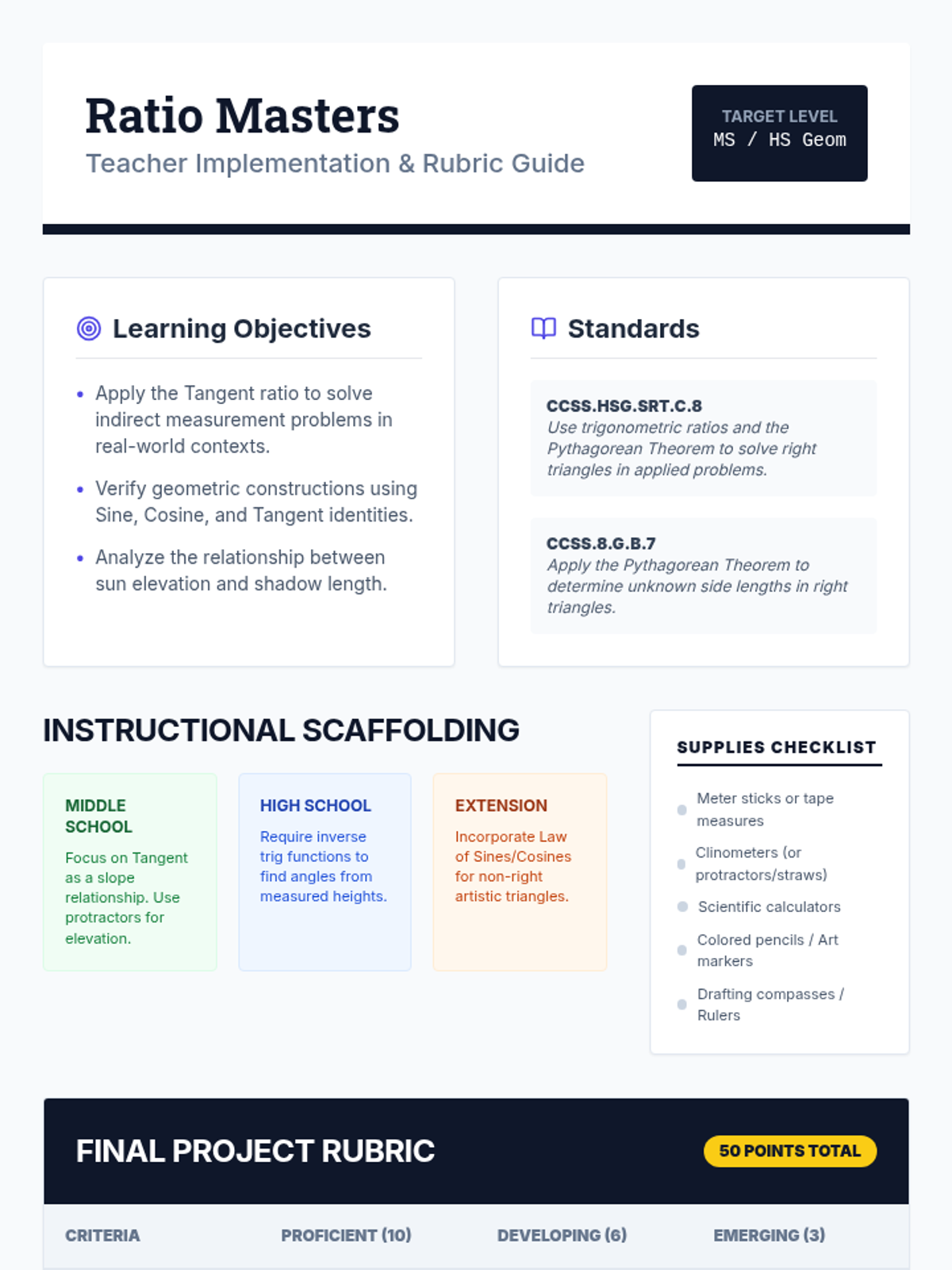
Students learn to apply Sine, Cosine, and Tangent to real-world measurements and abstract artistic design, culminating in a dual-phase project.
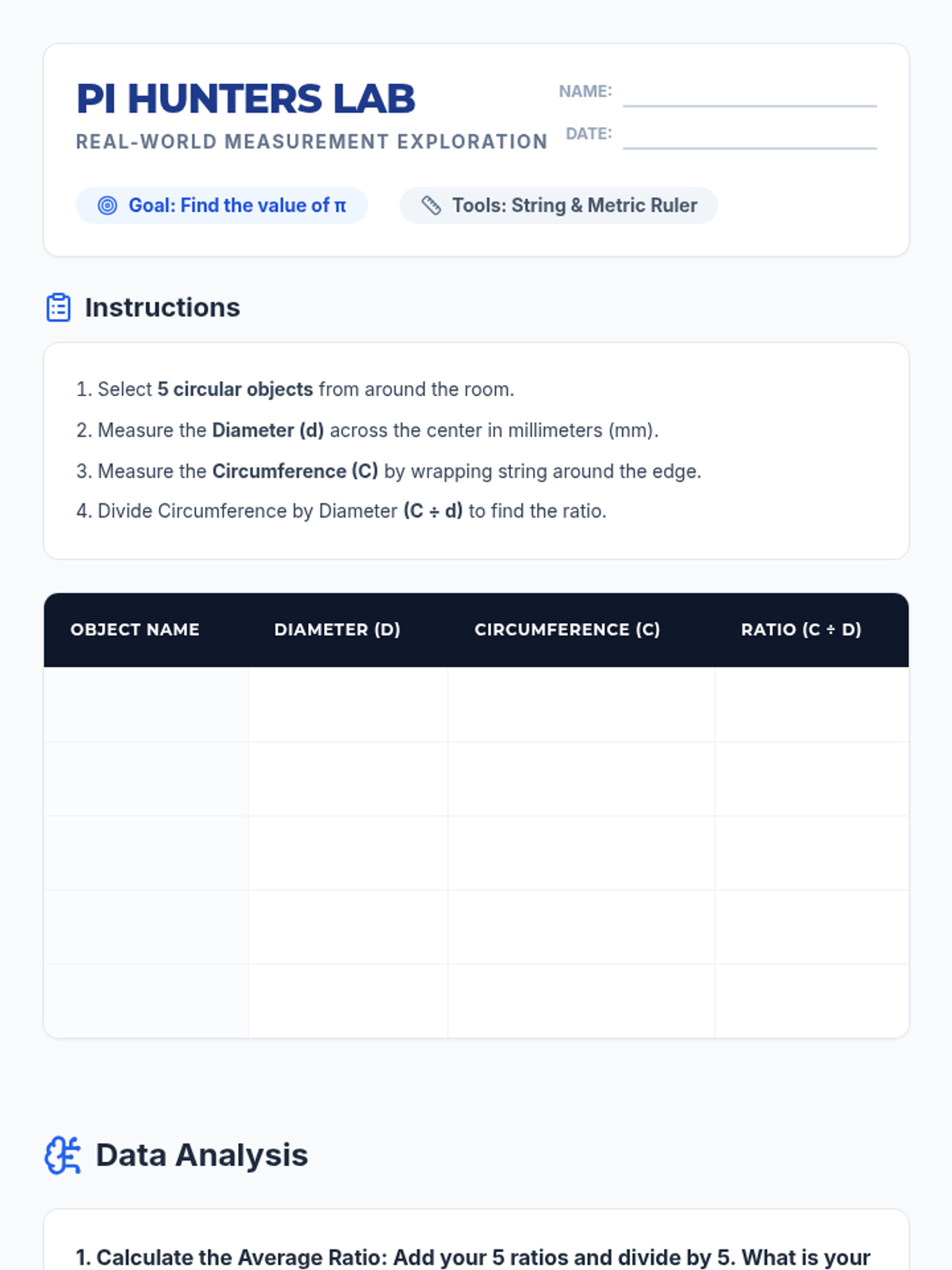
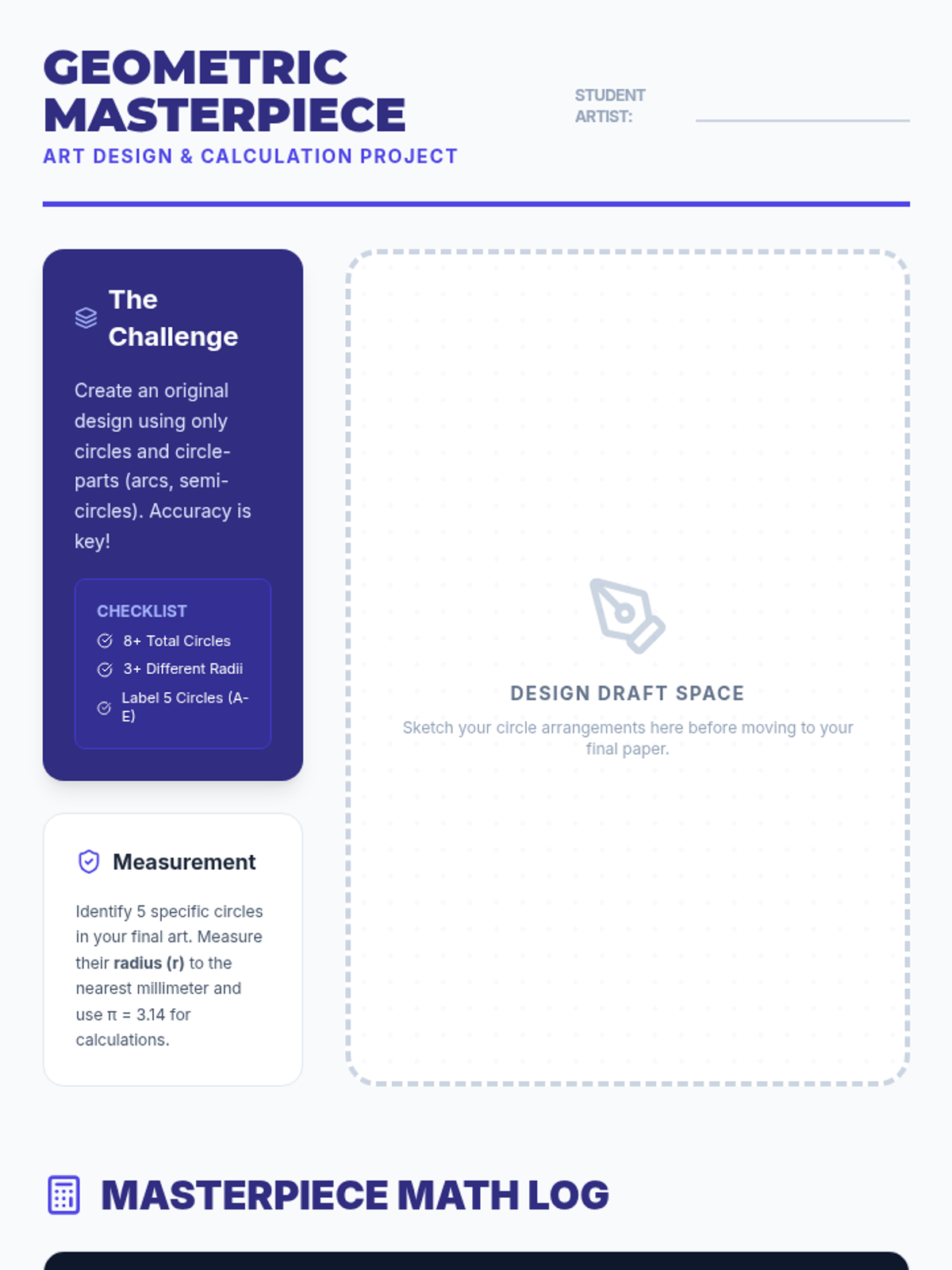
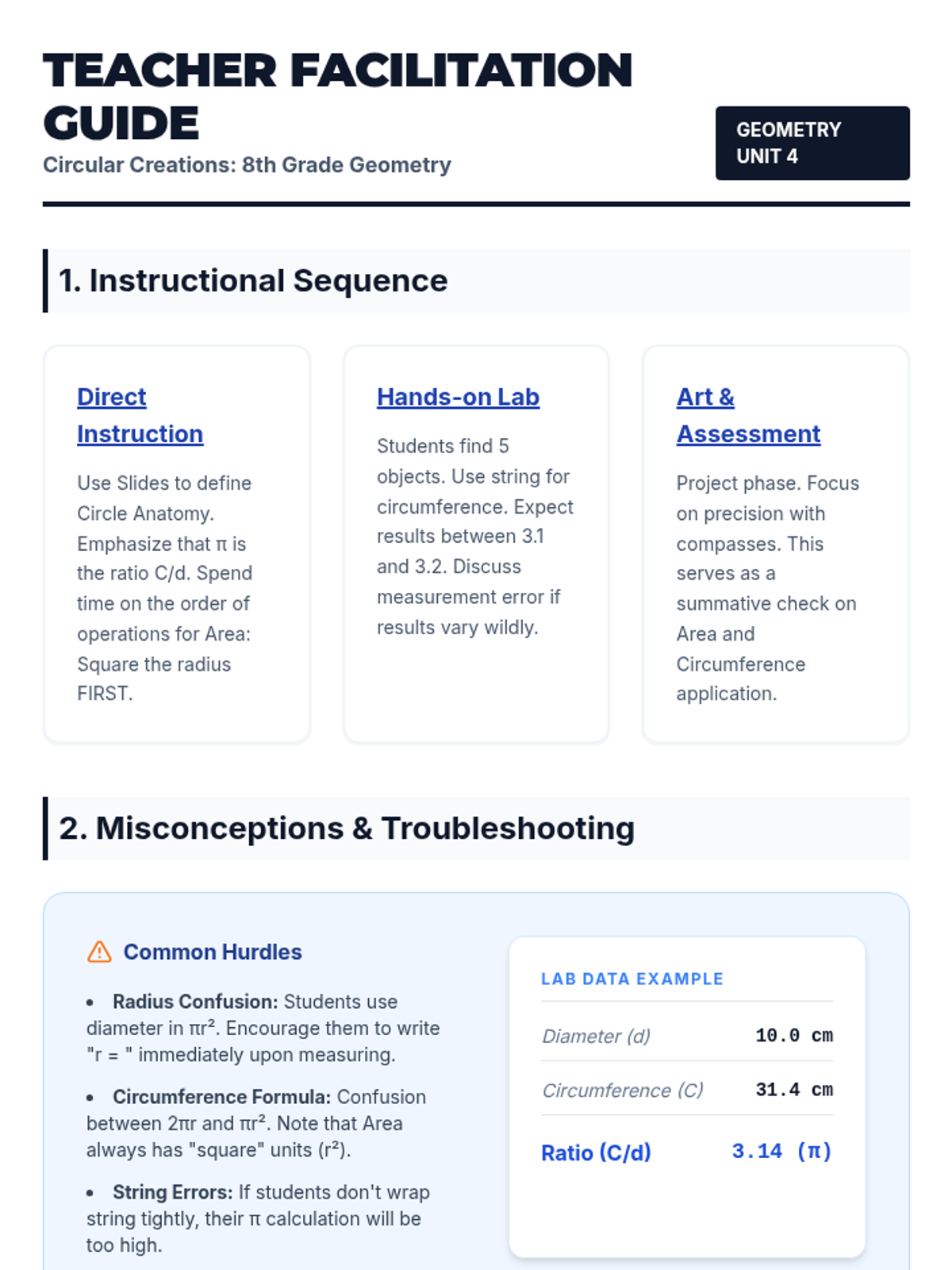
A hands-on geometry lesson where students explore the mathematical properties of circles through real-world measurement and creative geometric art design. Students discover the relationship between circumference and diameter while applying area formulas to their own masterpieces.
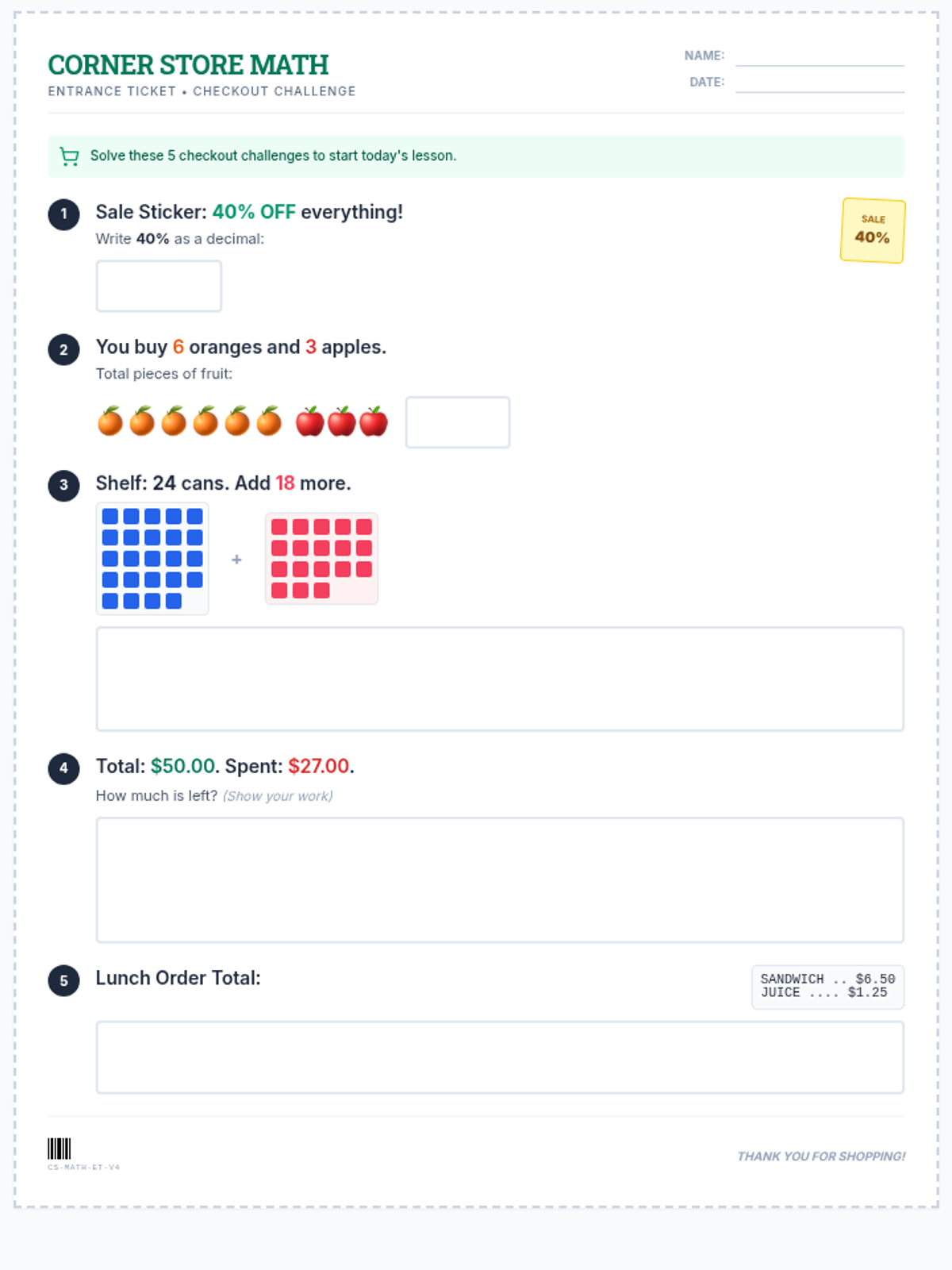
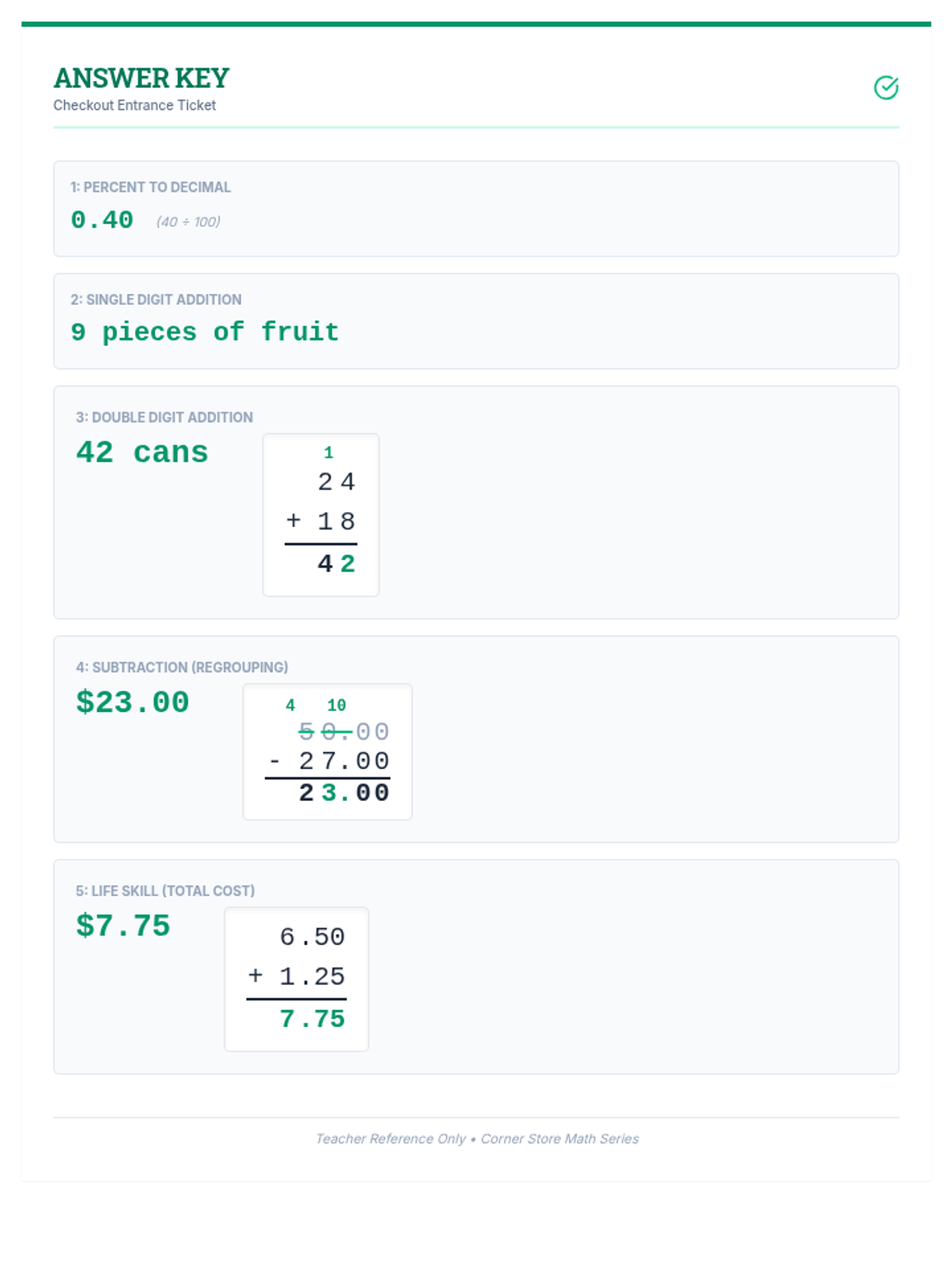
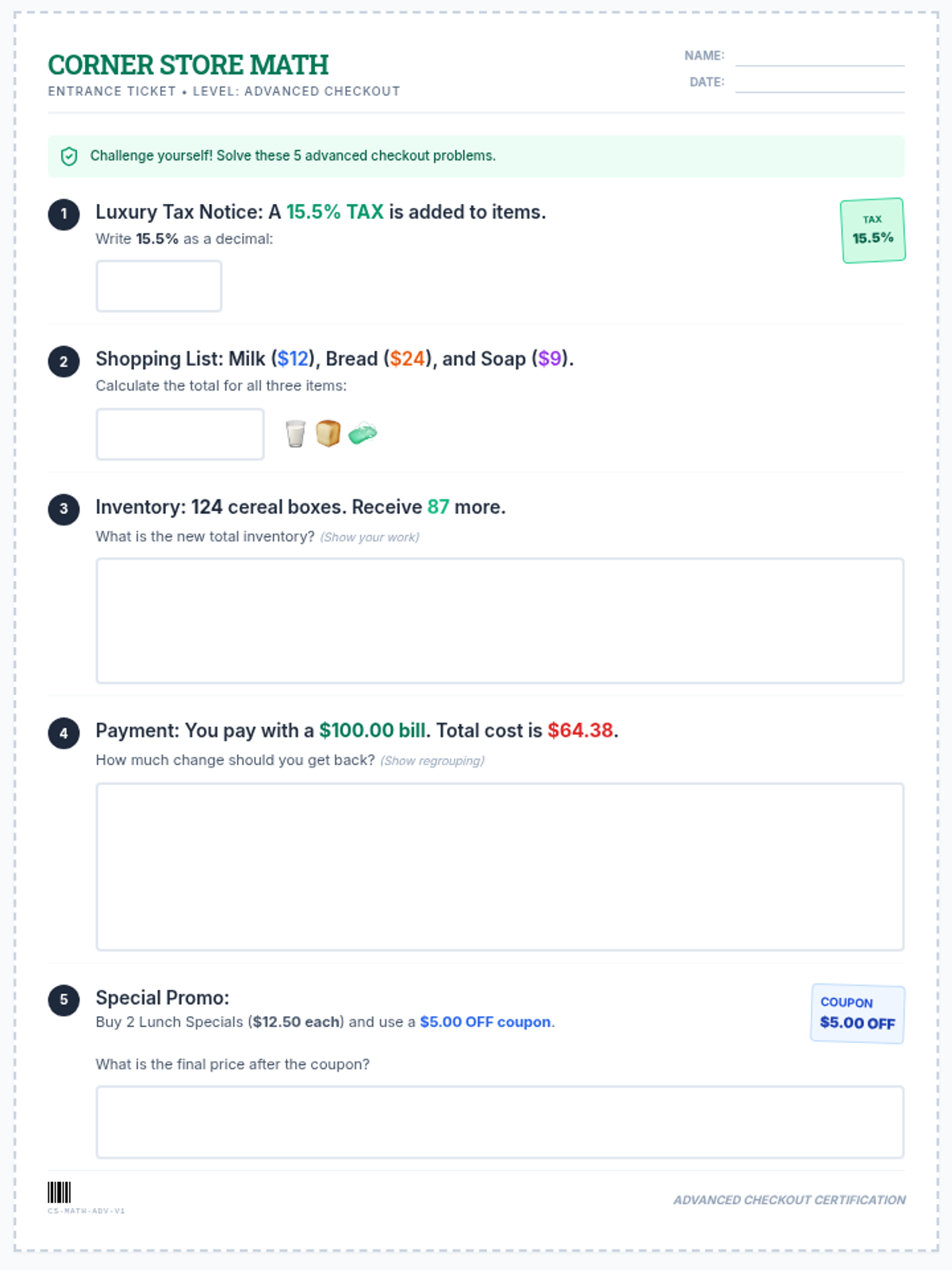
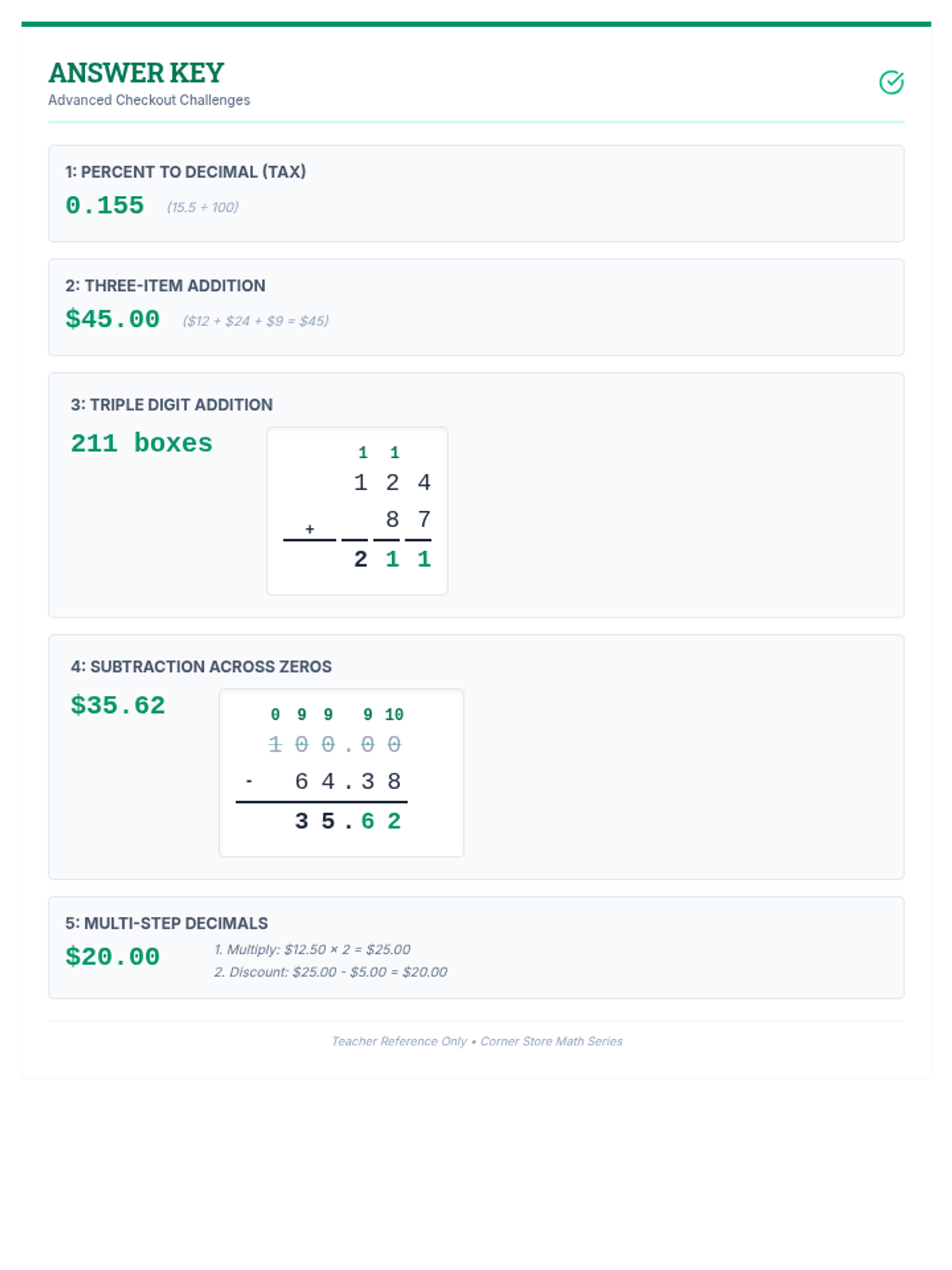
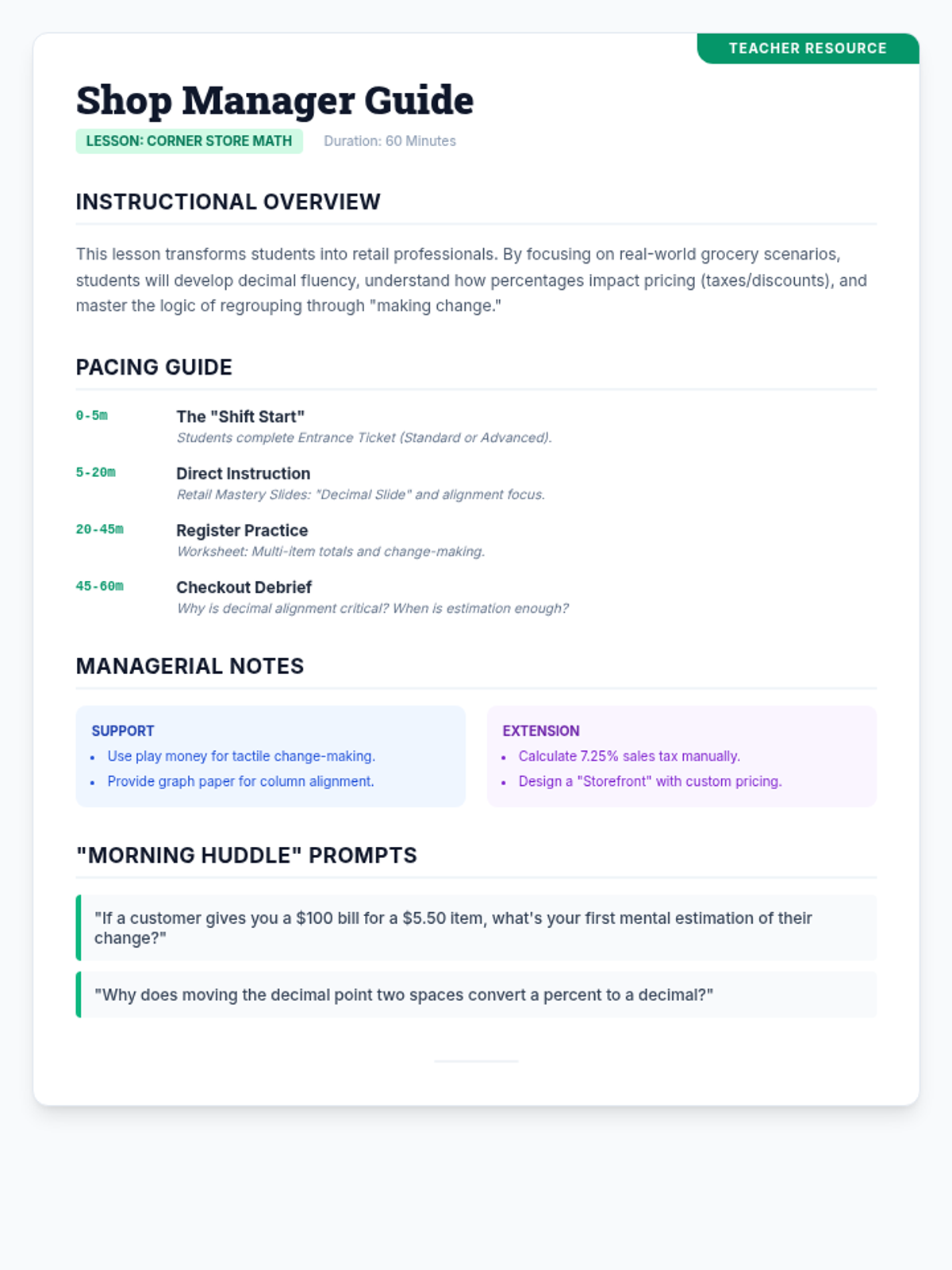
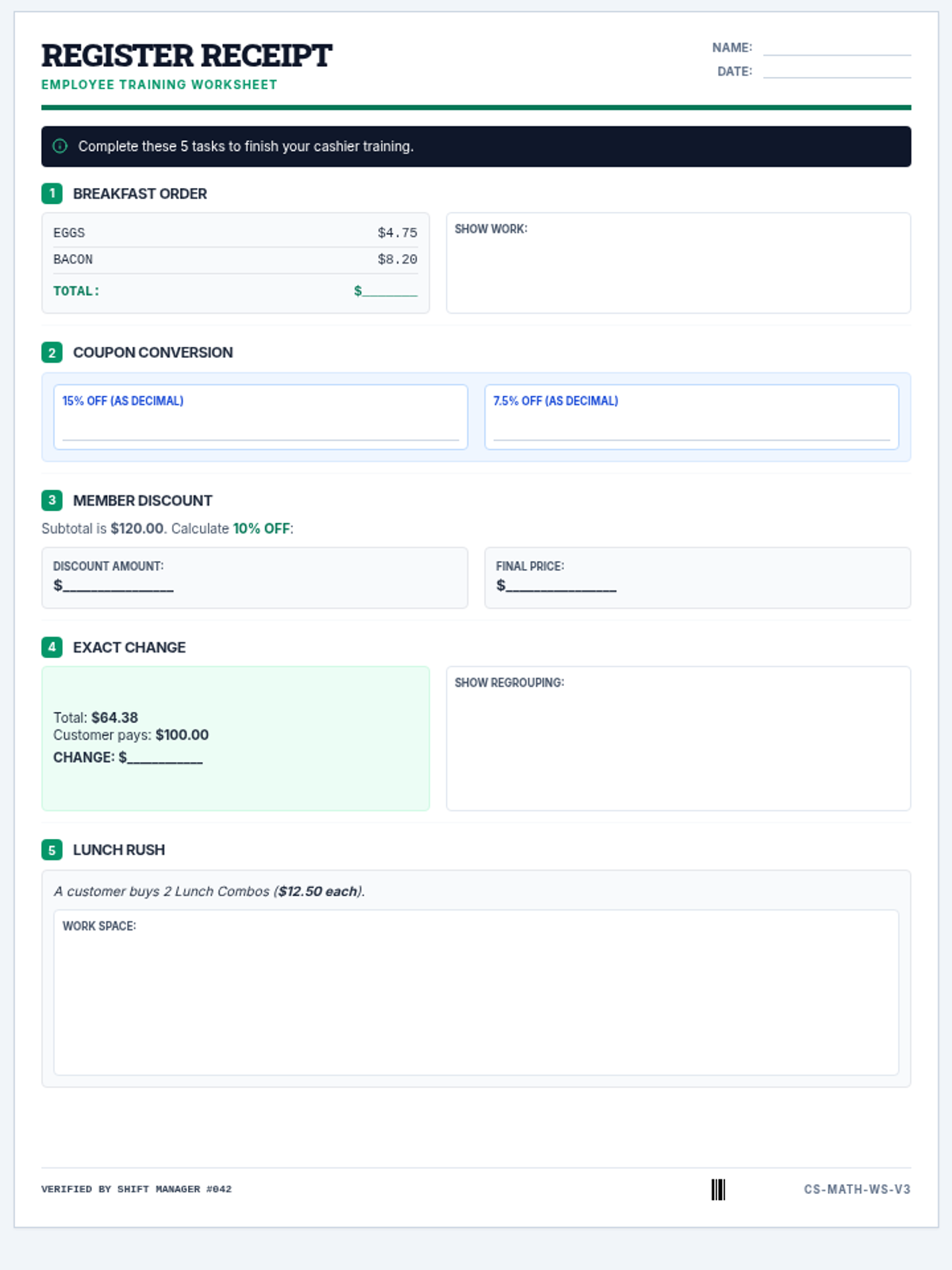
This lesson focuses on practical math applications in a retail setting, covering decimals, percentages, and basic arithmetic with a focus on money management.
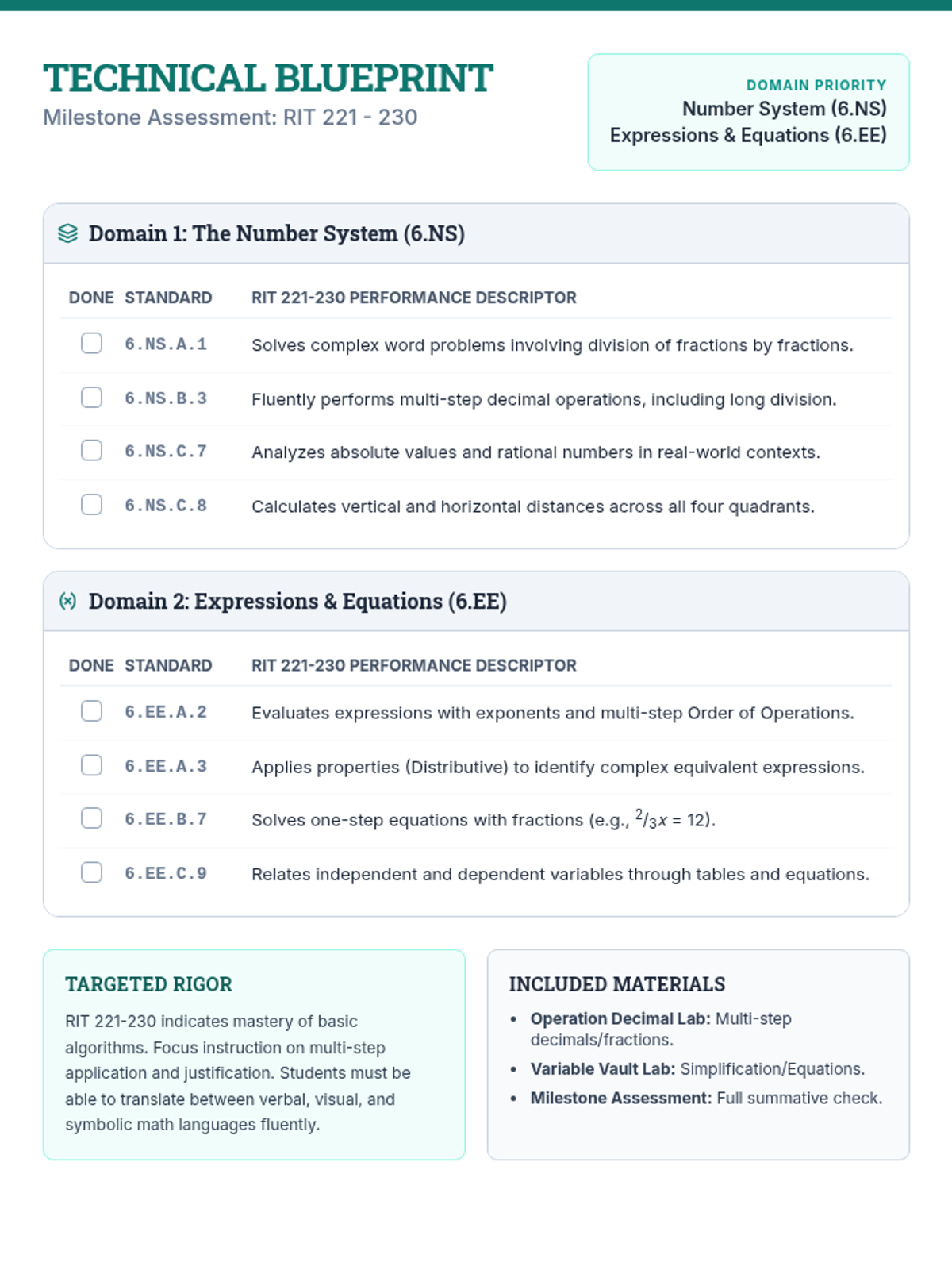
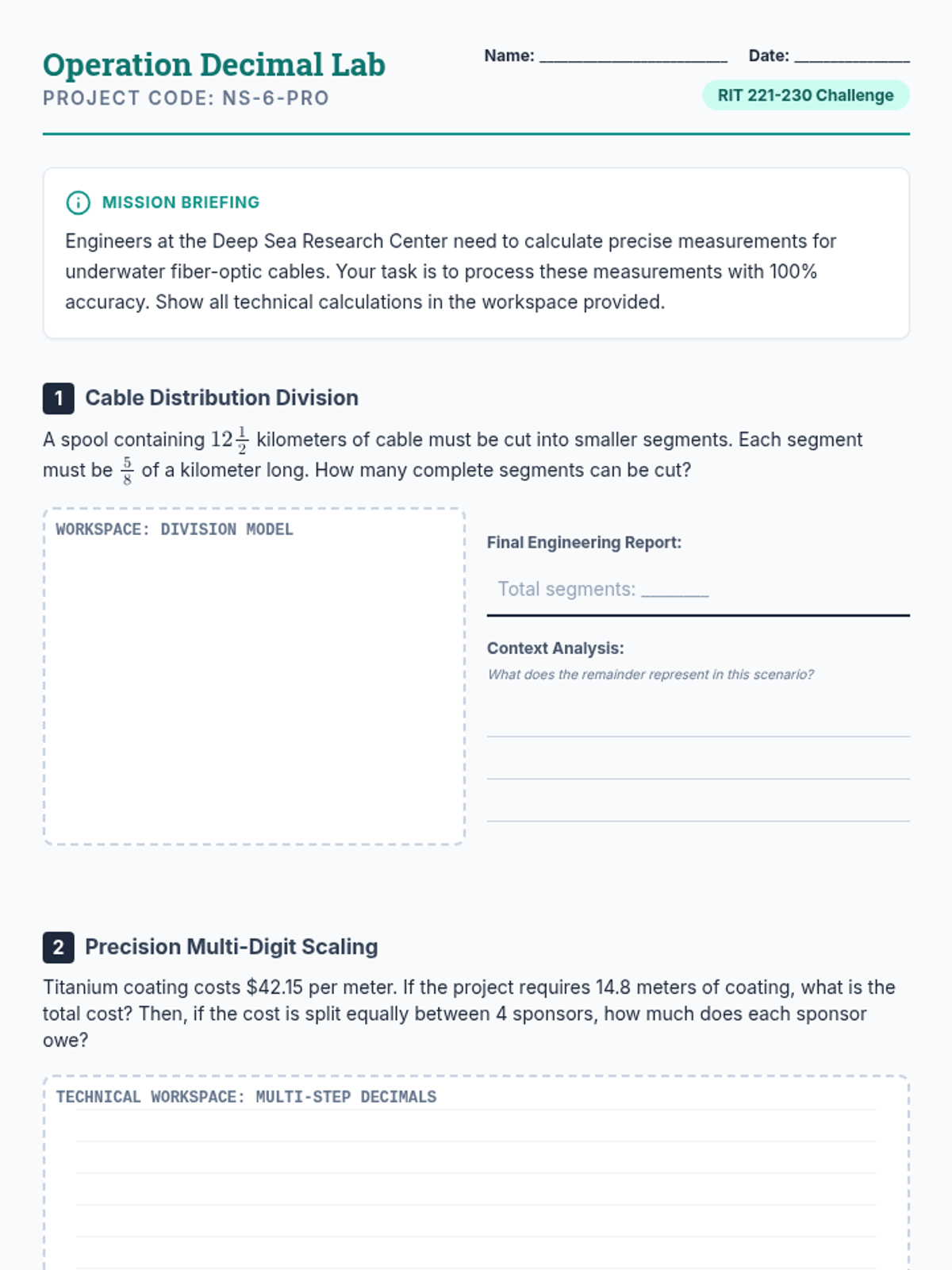
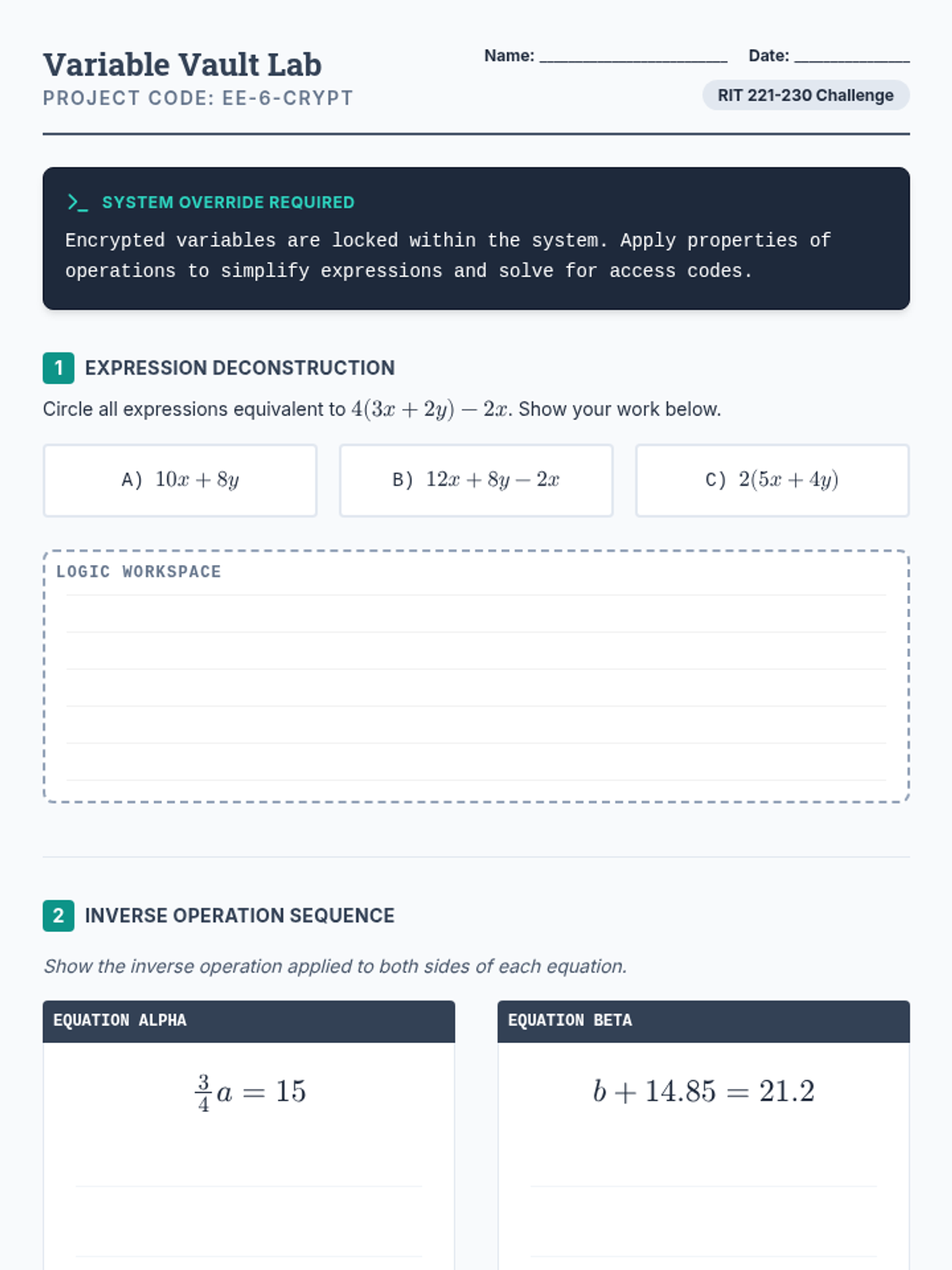
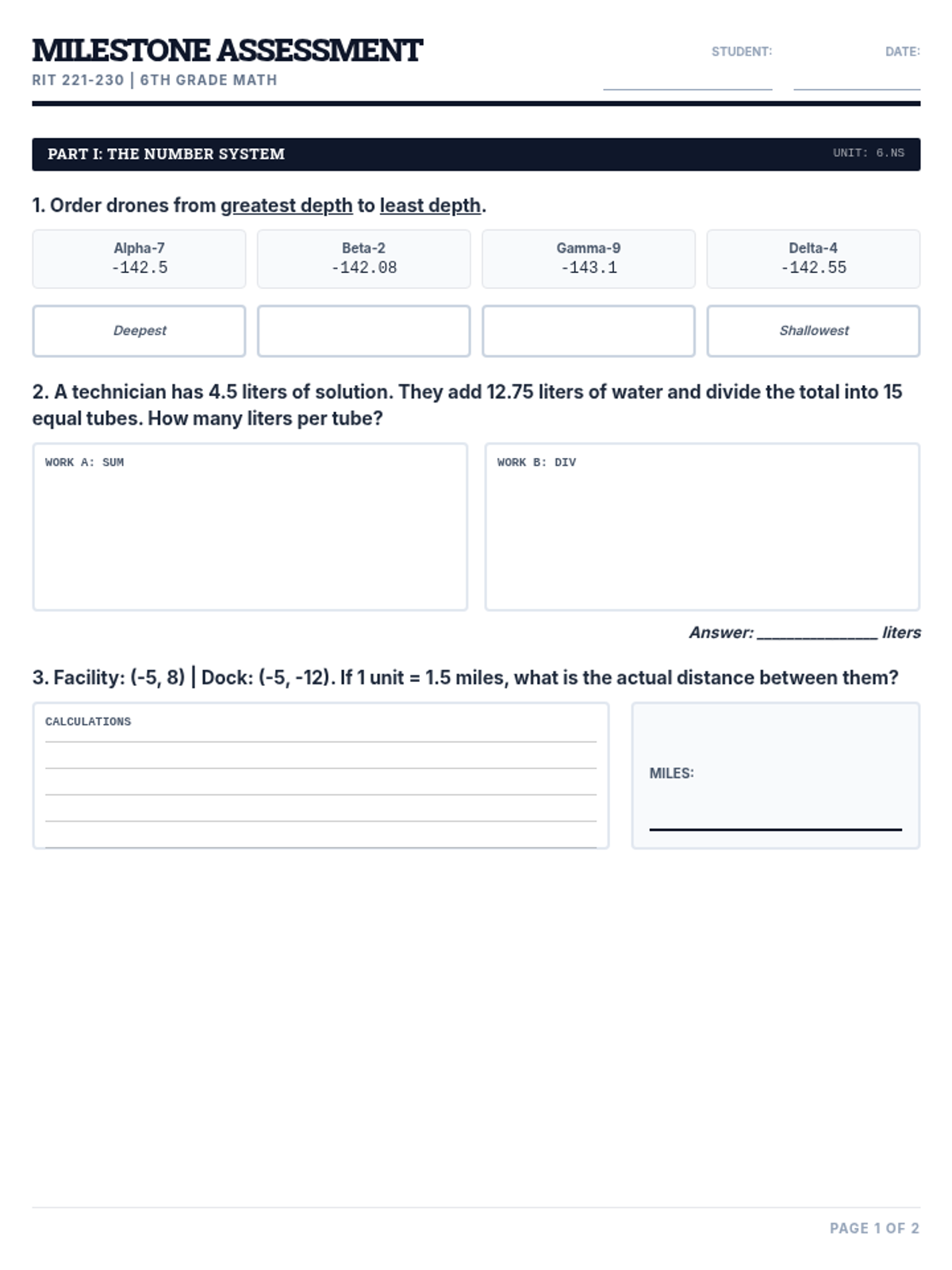
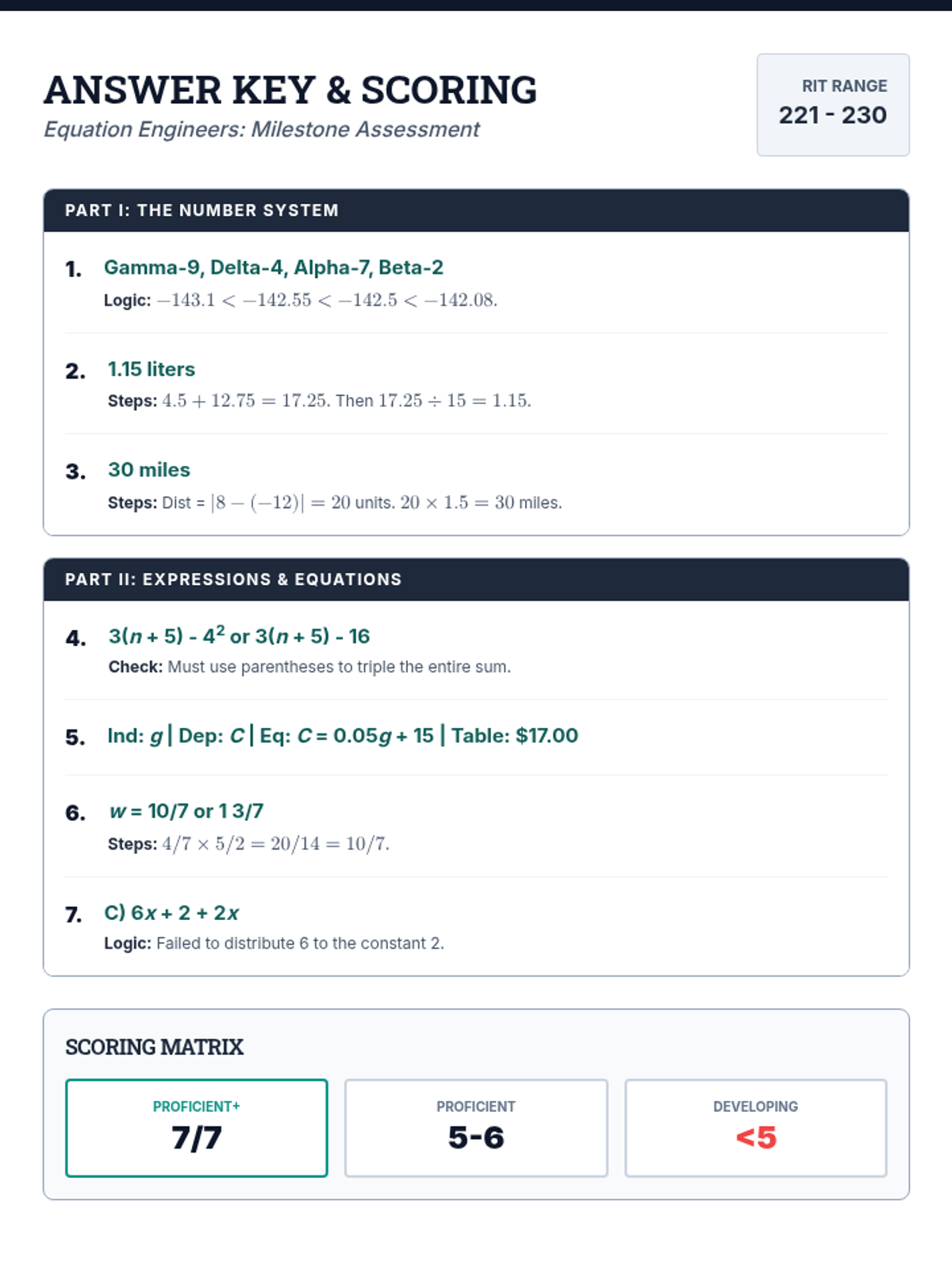
A comprehensive milestone assessment and review unit for 6th-grade students performing in the 221-230 RIT range, focusing on The Number System and Expressions & Equations. Includes a technical blueprint, skill-building lab activities, and a final proficiency assessment.
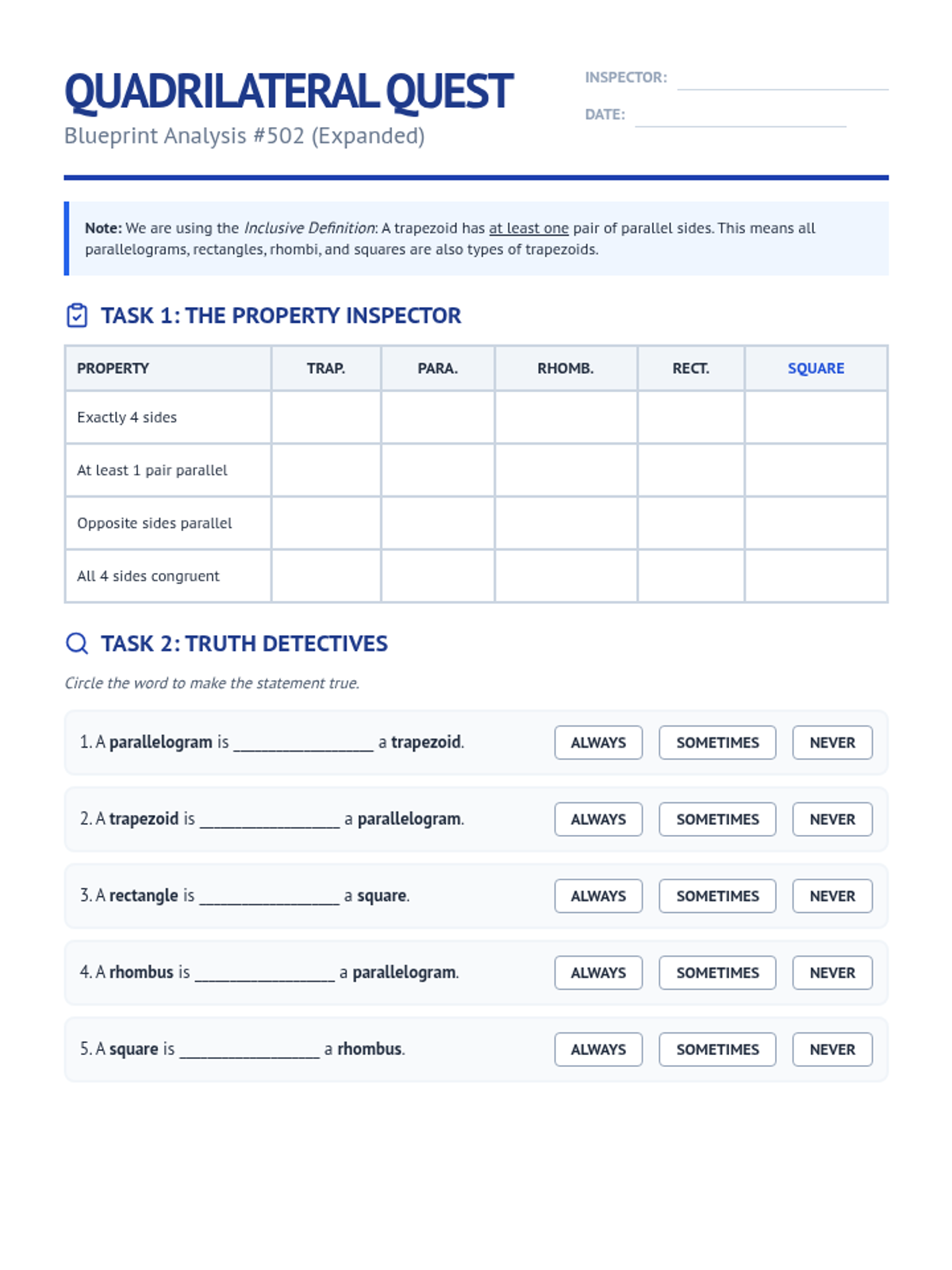
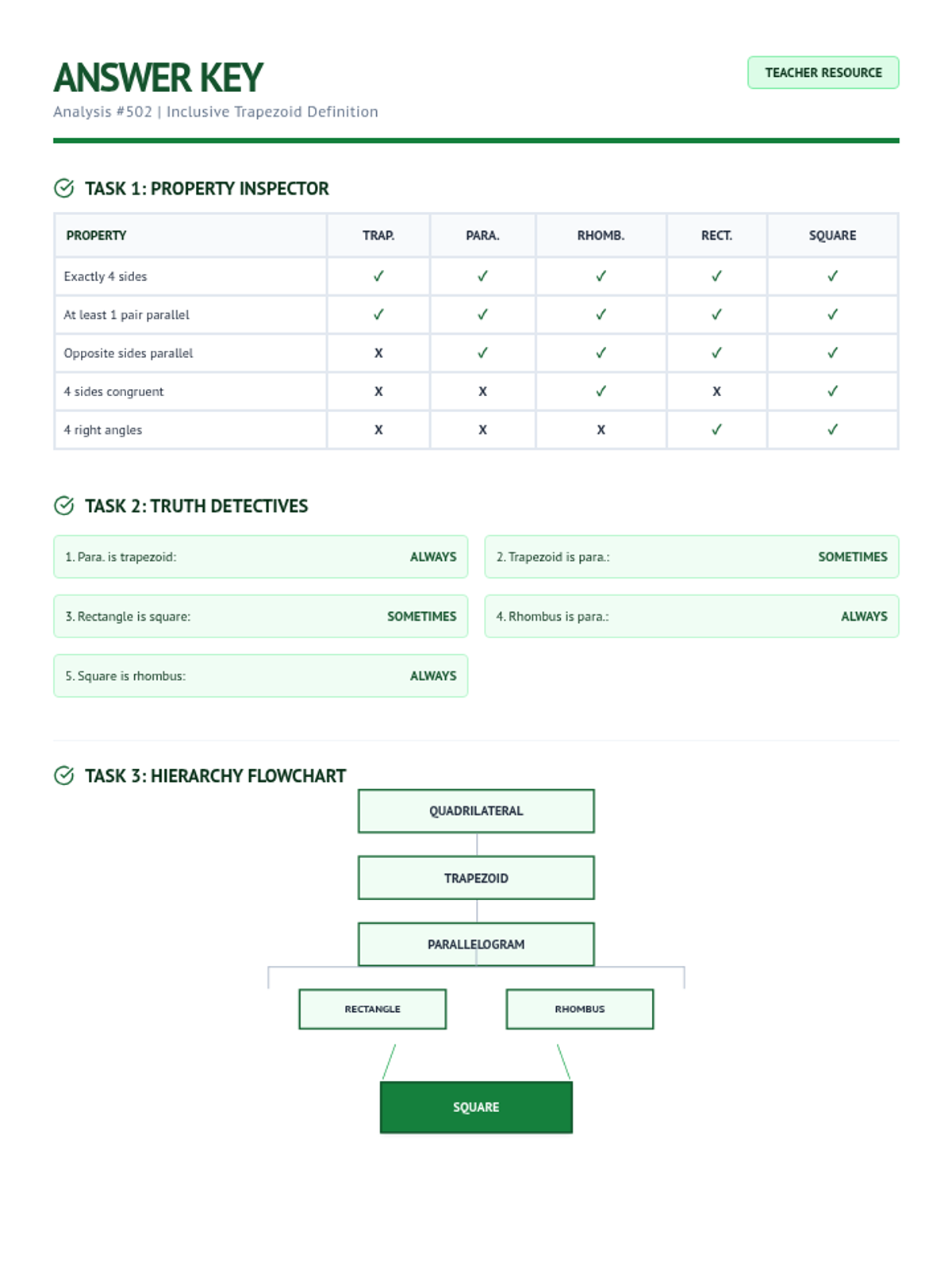
This lesson focuses on the hierarchical classification of quadrilaterals, helping students understand that subcategories inherit properties from their parent categories.
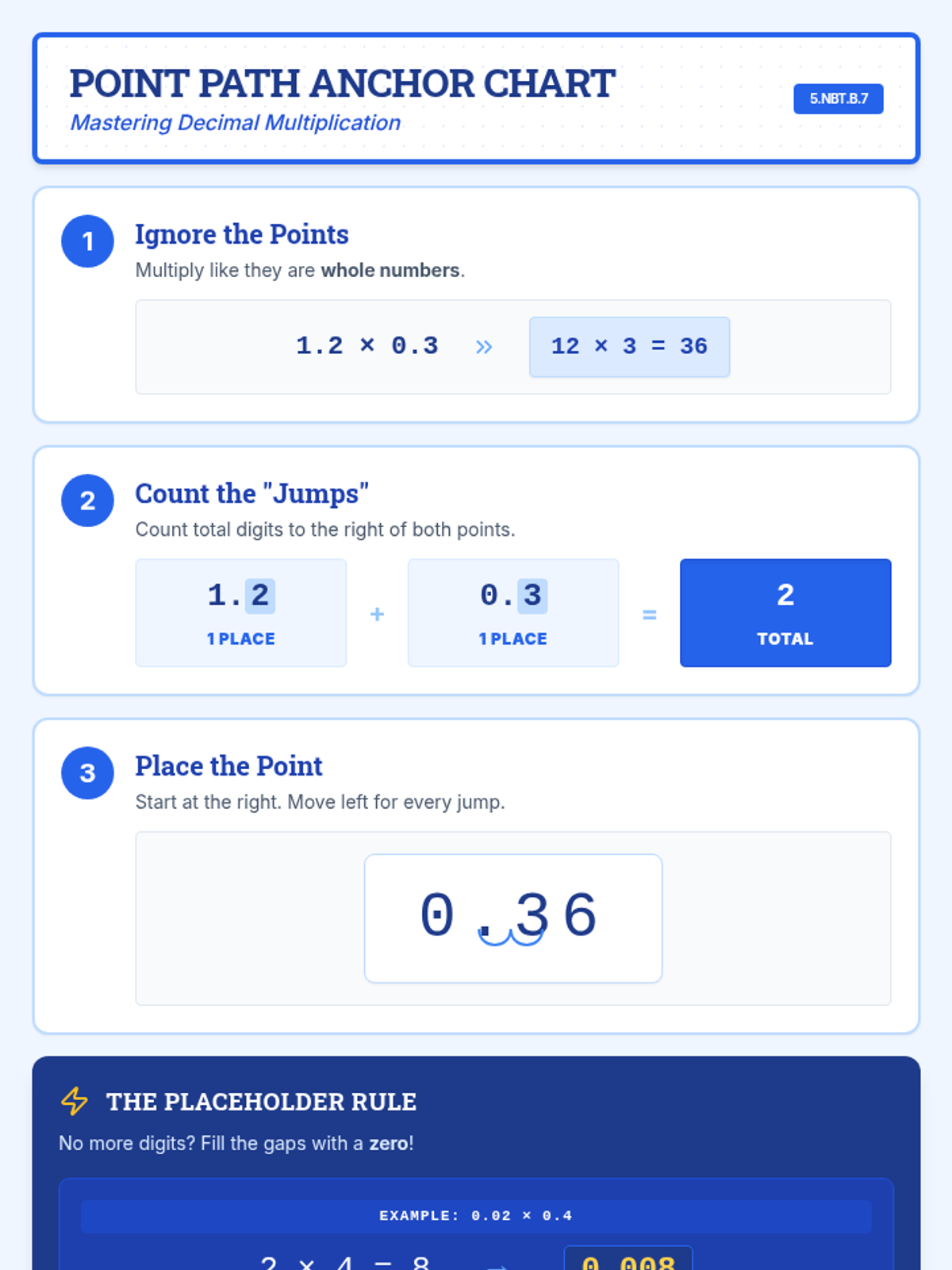
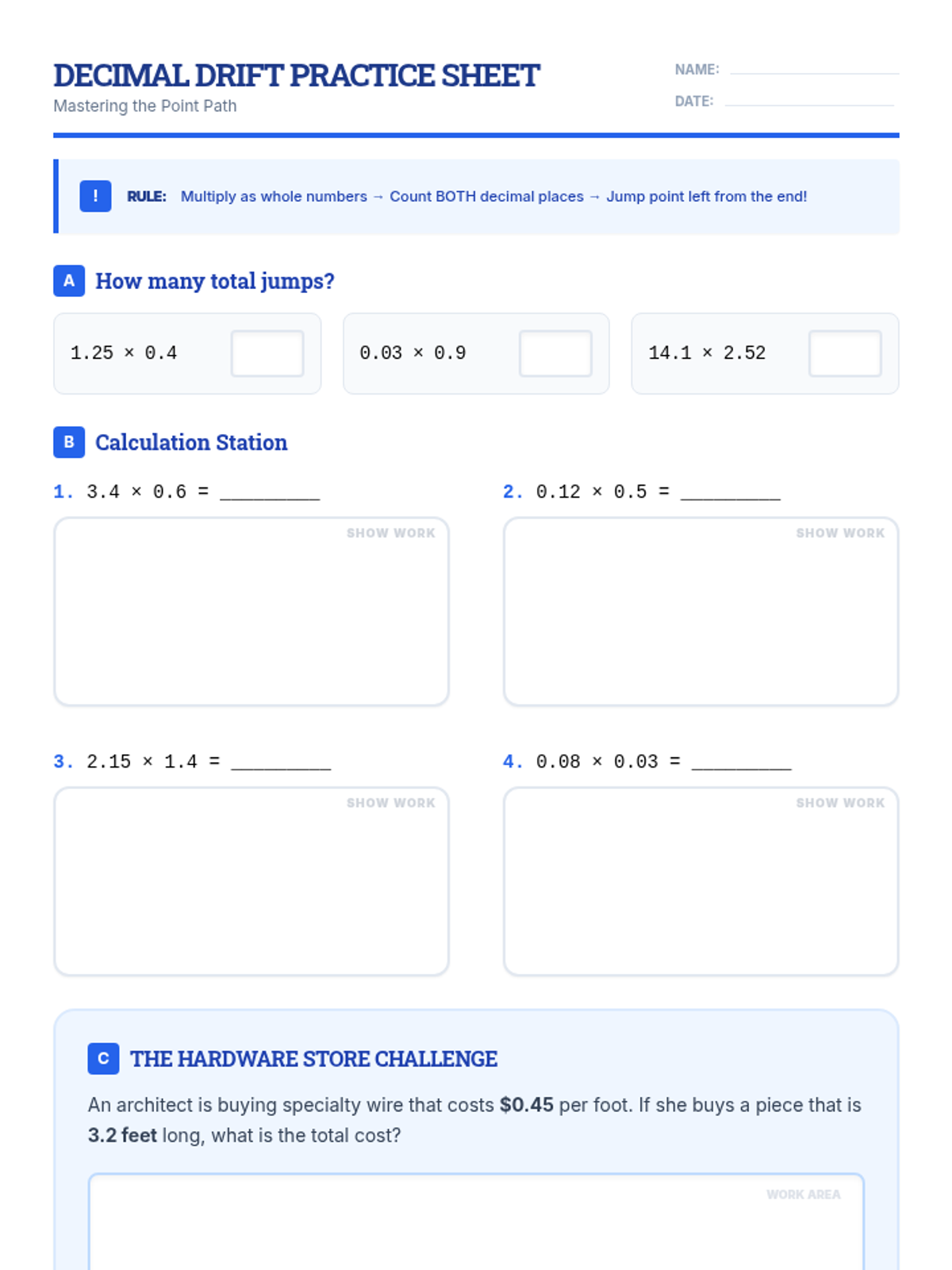
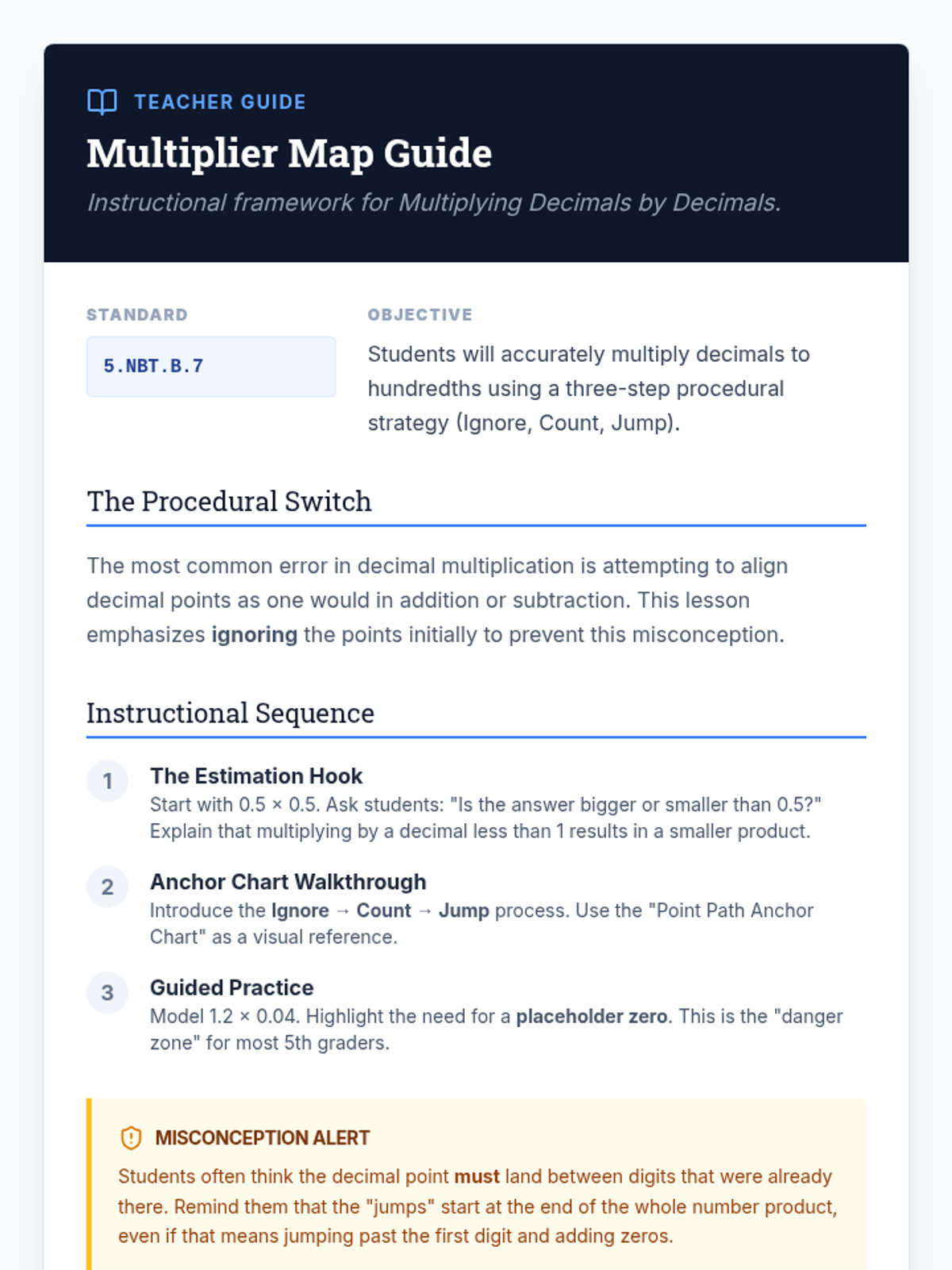
A comprehensive guide to multiplying decimals by decimals using a step-by-step procedural approach. This lesson includes a visual anchor chart for students, a practice worksheet to reinforce the skill, and a teacher guide for effective instruction.
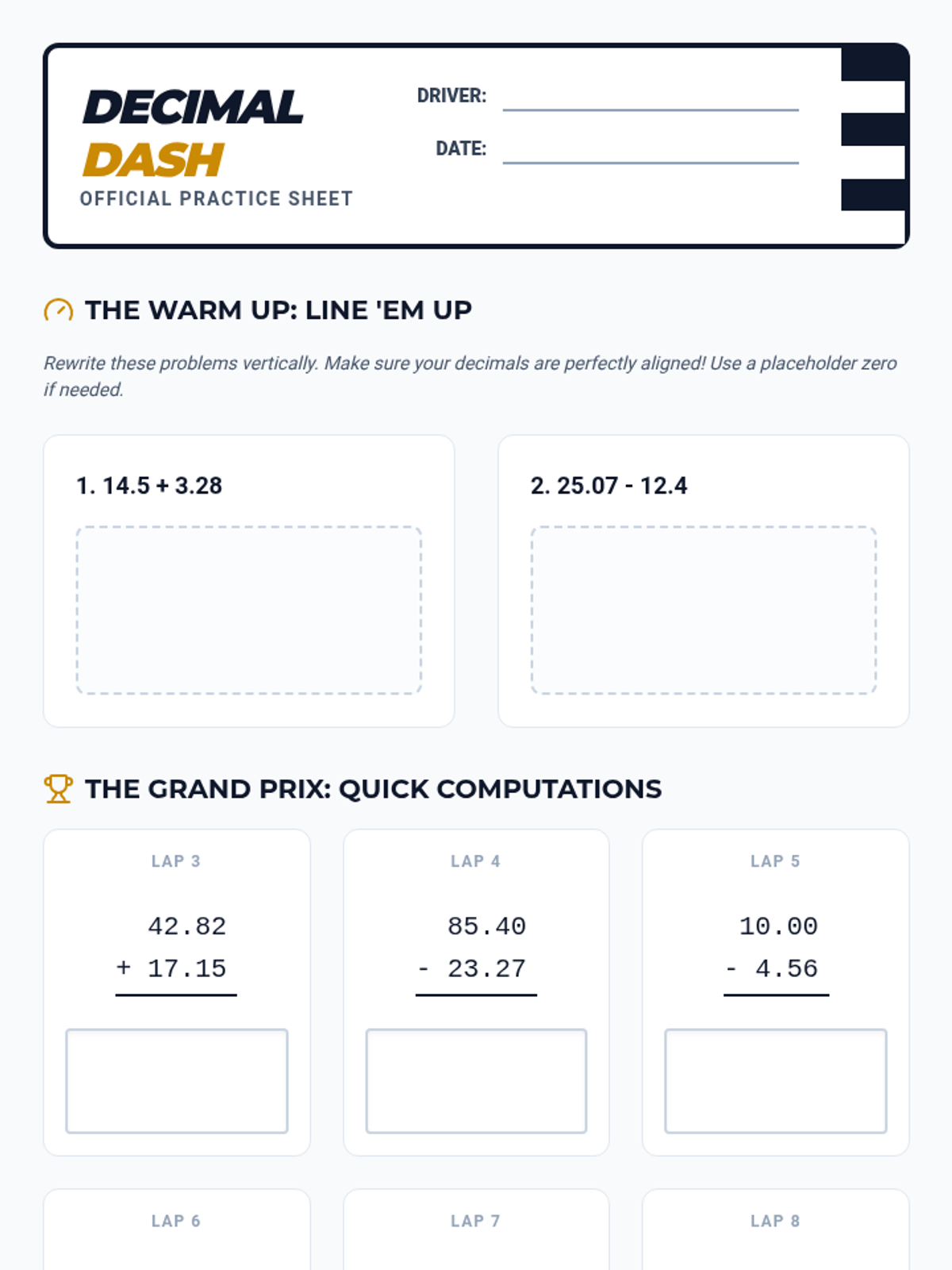
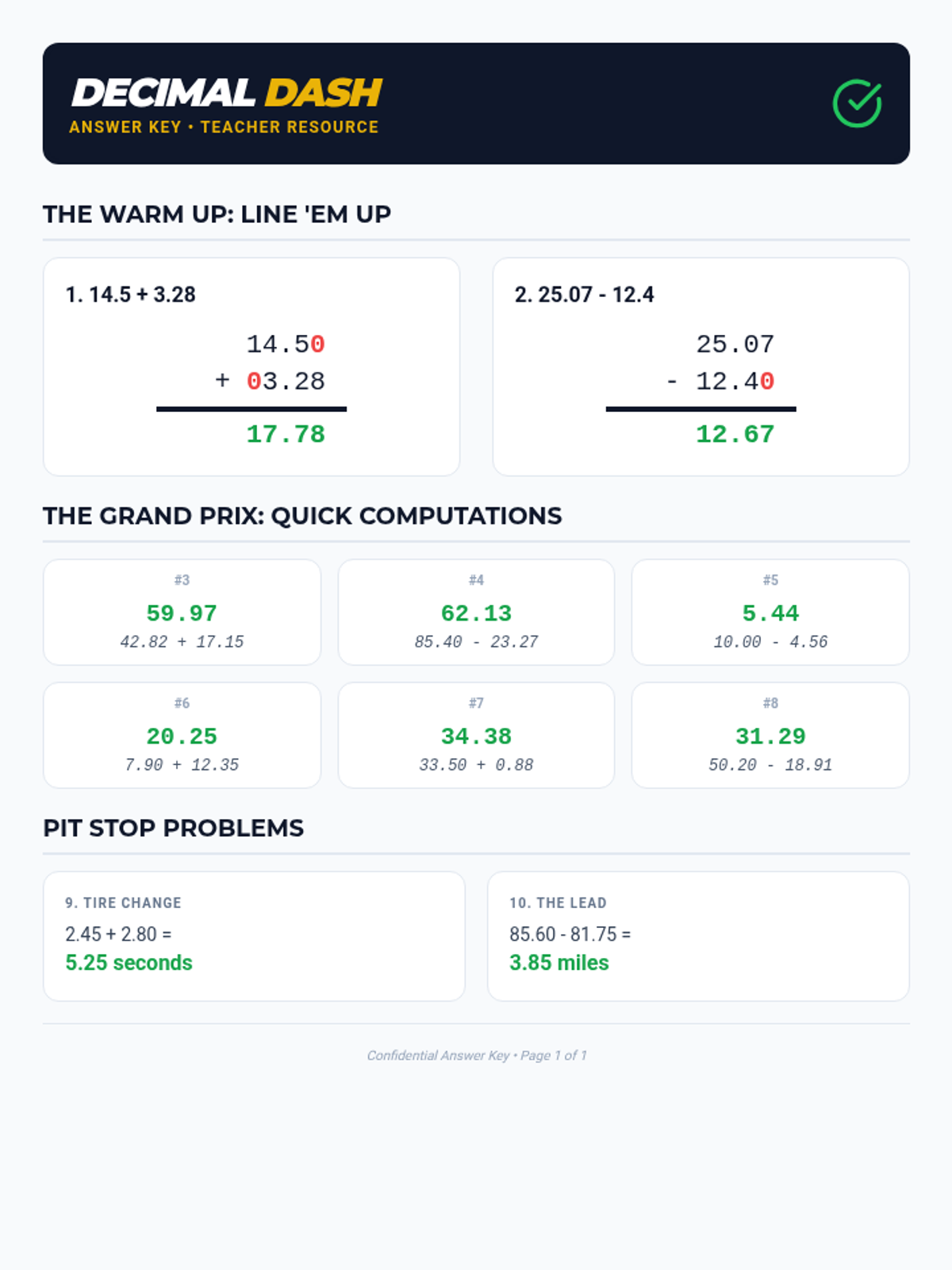
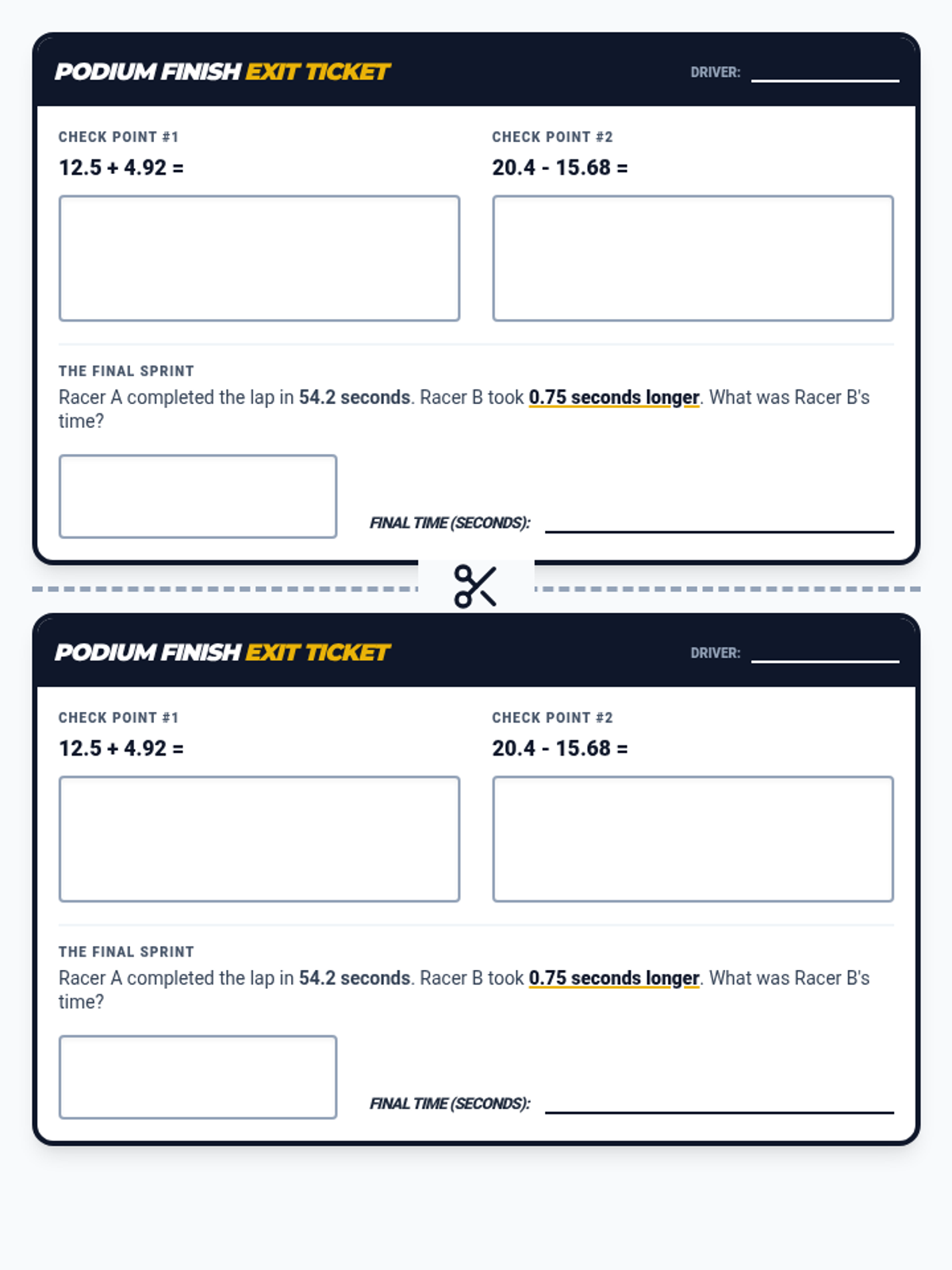
A fast-paced lesson on adding and subtracting decimals through the hundredths place, focusing on the importance of place value alignment. Students will practice lining up decimals and using placeholders to solve real-world racing-themed problems.
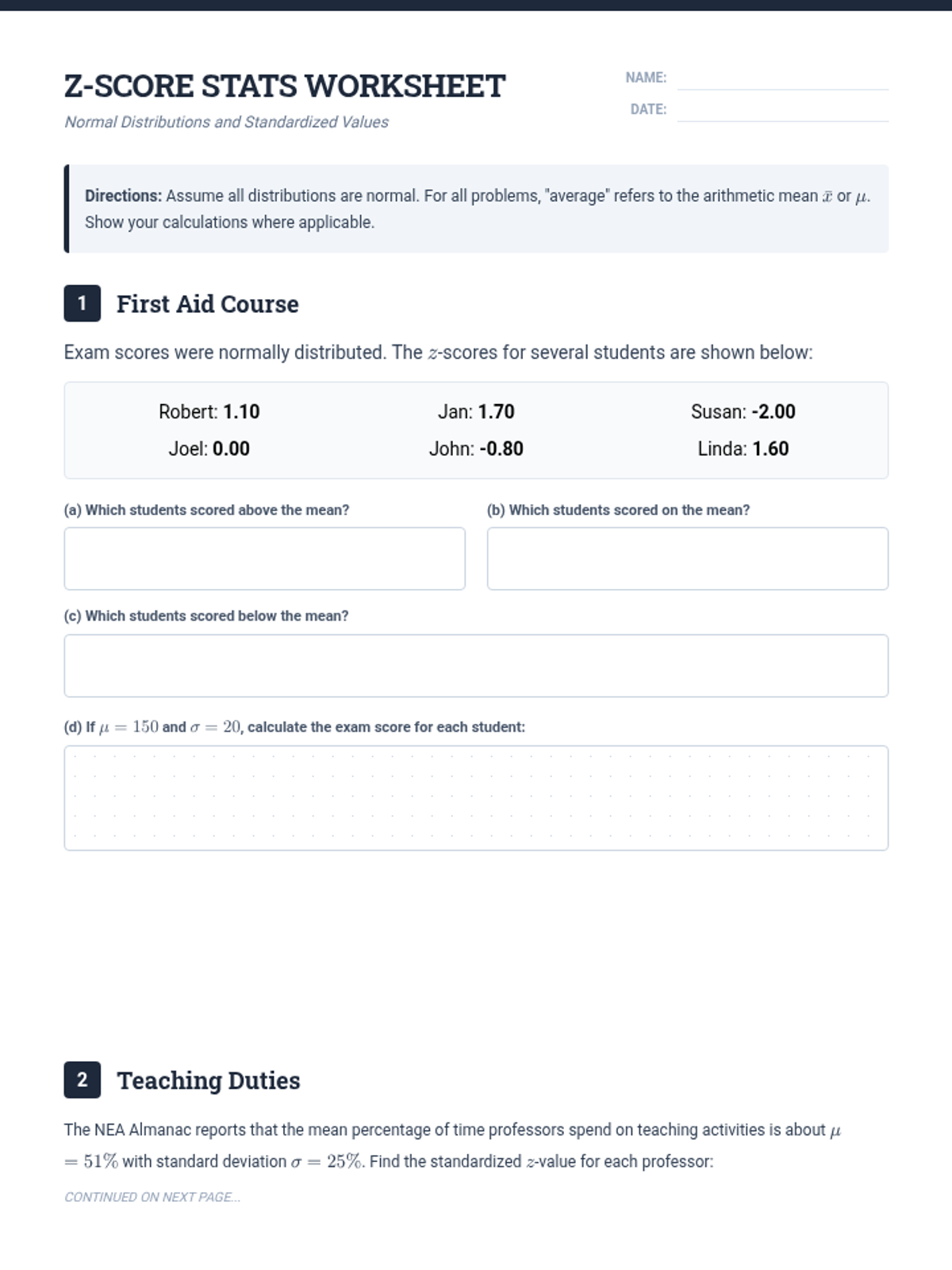
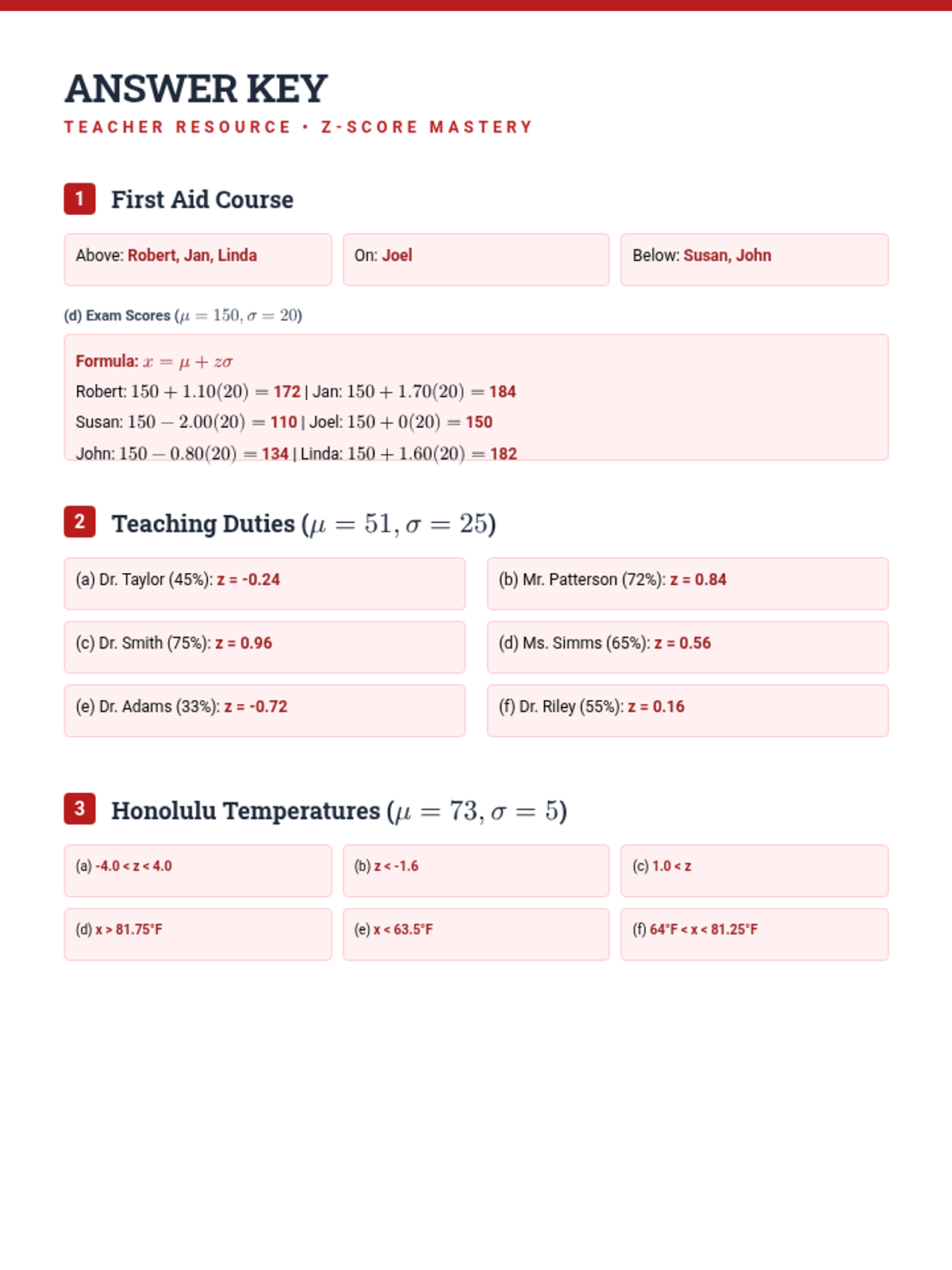
A lesson focused on calculating and interpreting z-scores within the context of normal distributions, featuring real-world data from ecology to education.
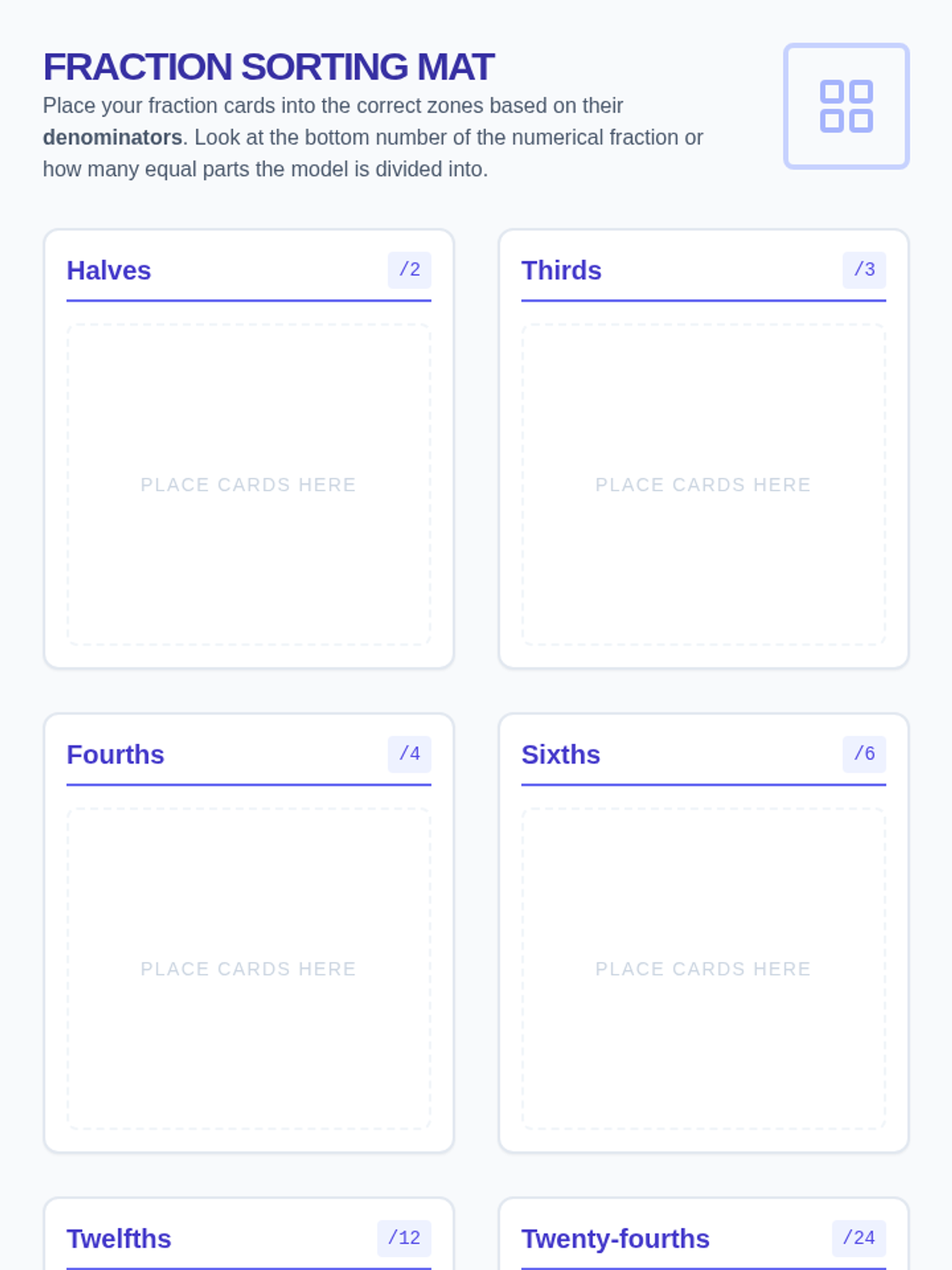
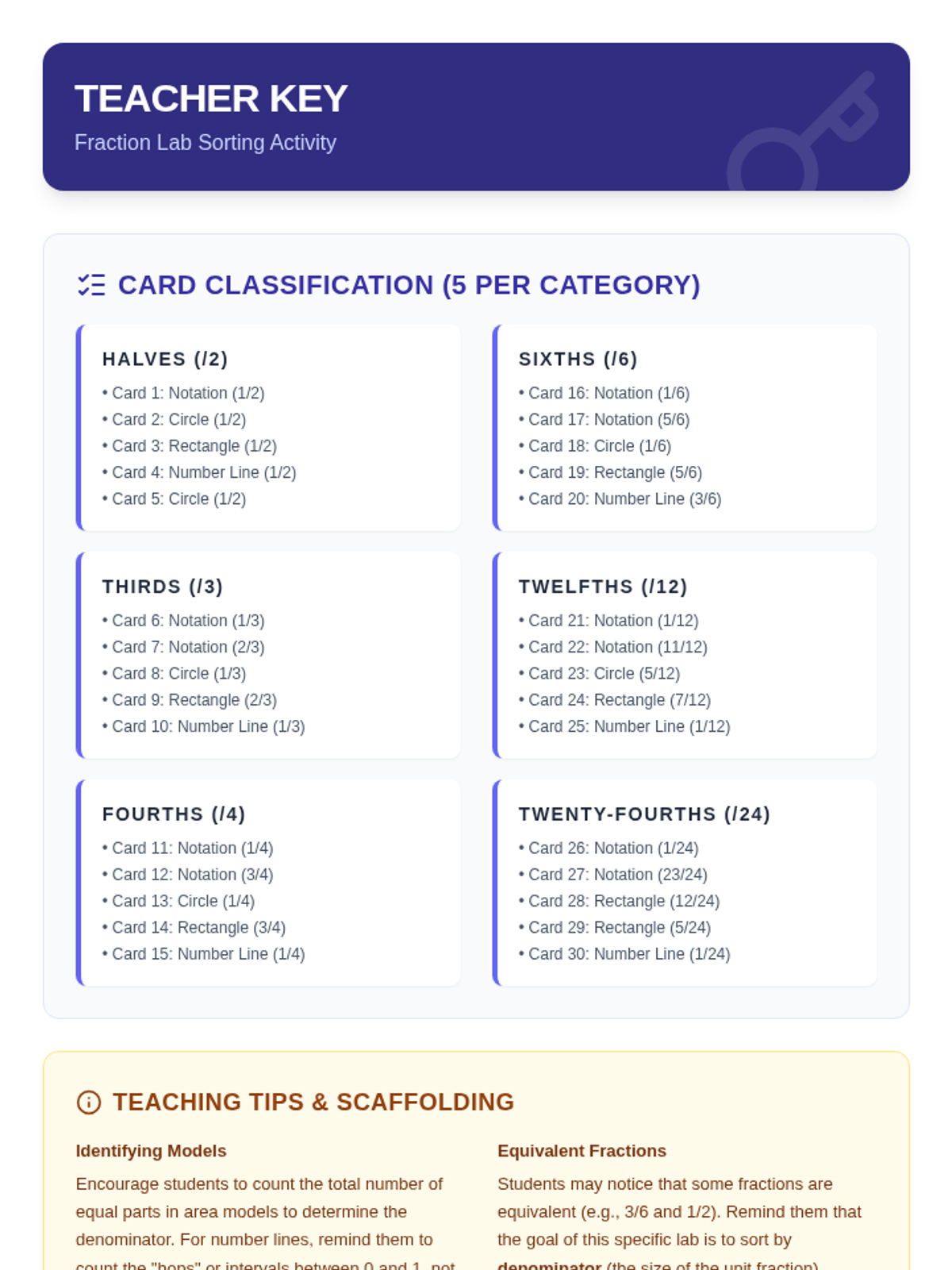
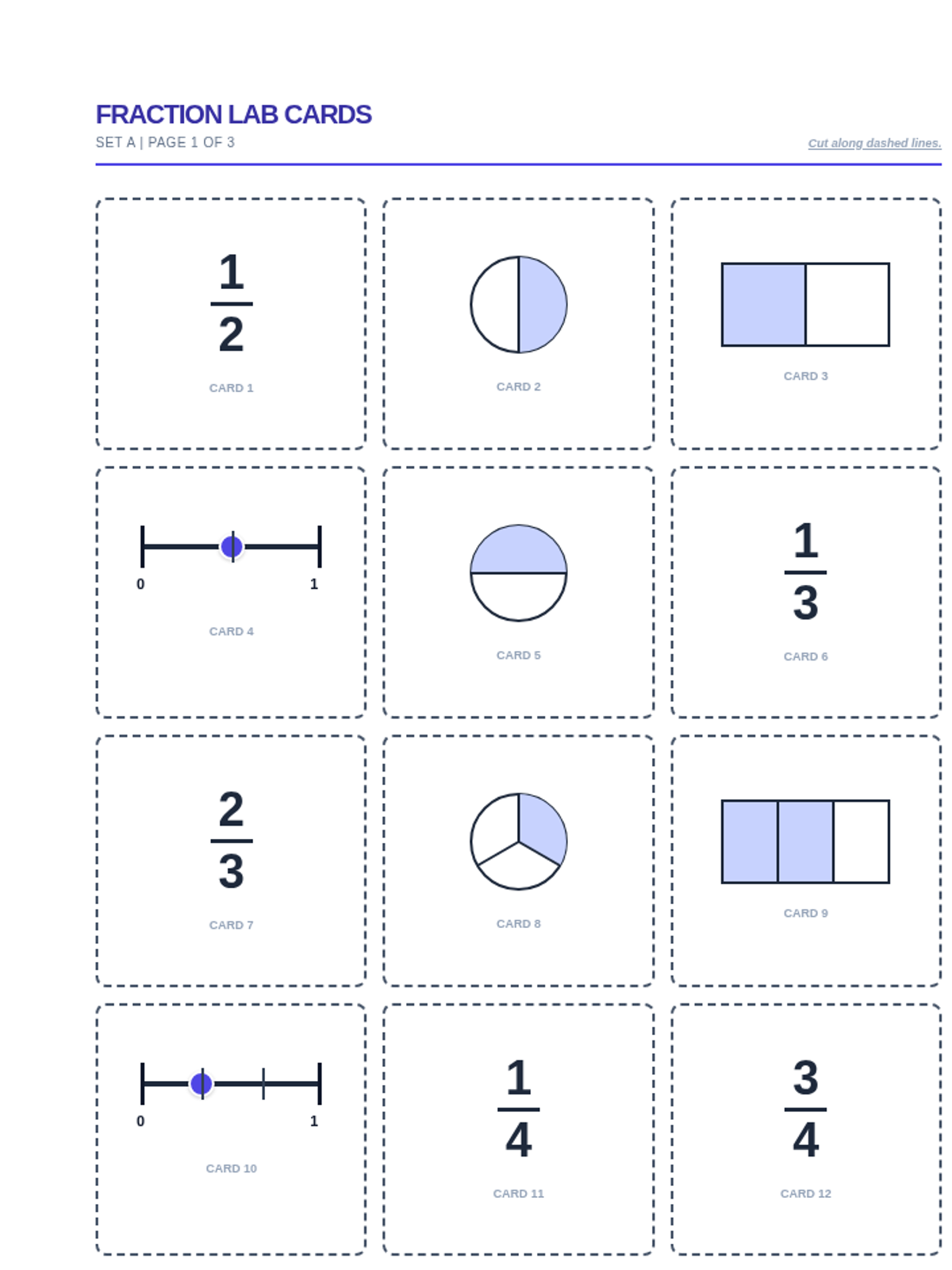
A hands-on exploration of fractions where students identify and sort fractions based on their denominators using various representations including number lines, area models, and numerical forms.
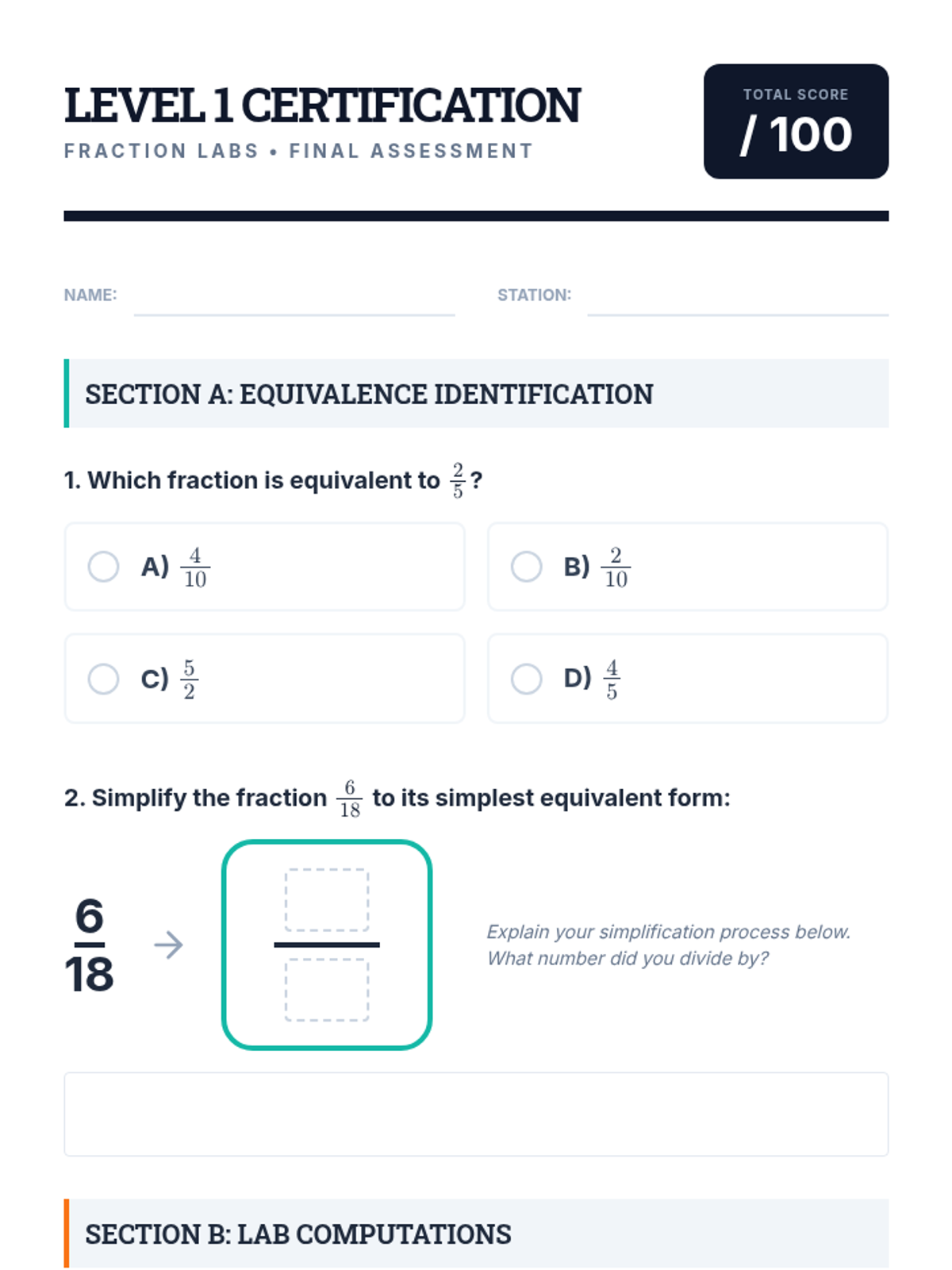
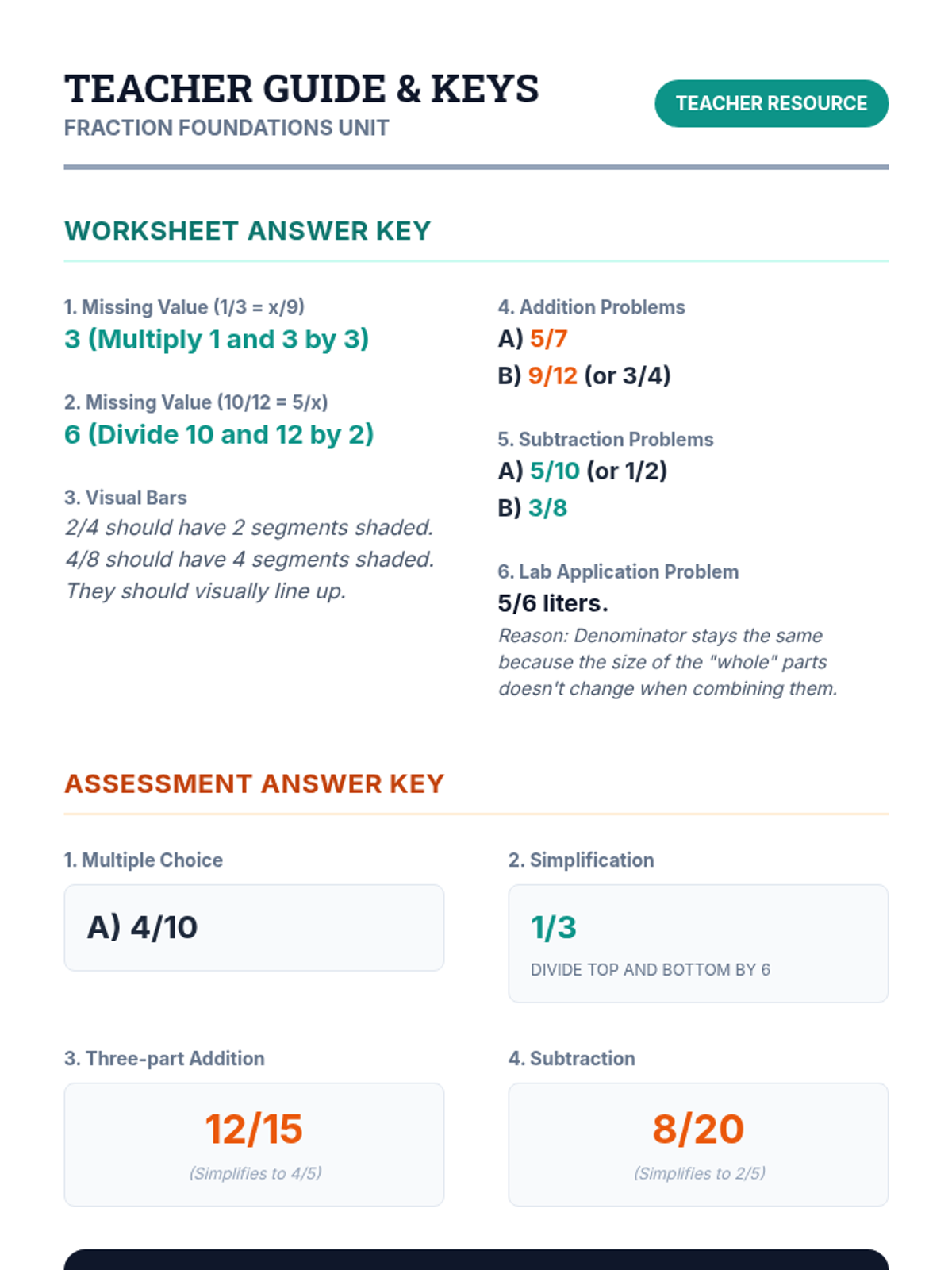
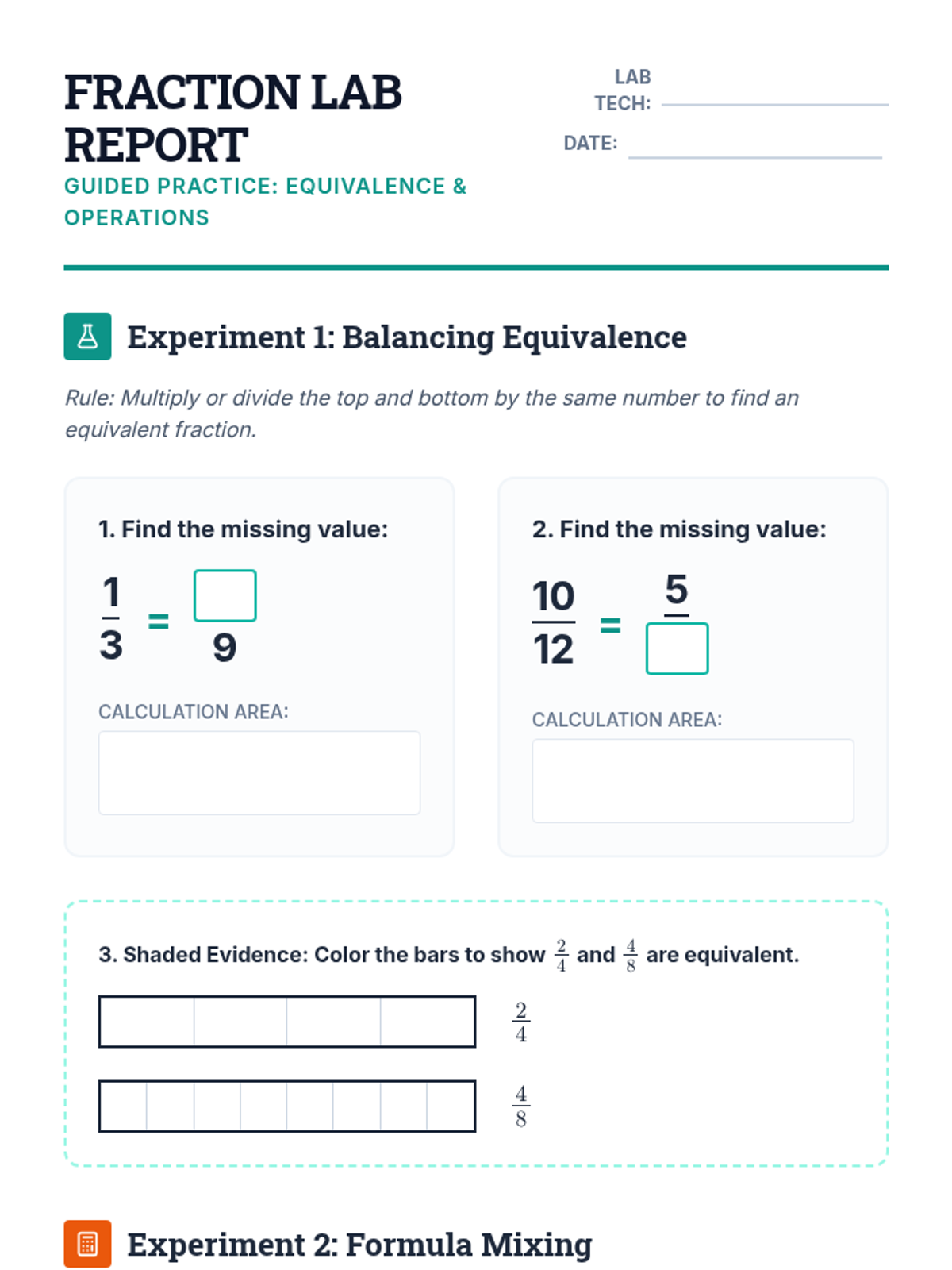
A comprehensive lesson on equivalent fractions and adding/subtracting fractions with like denominators, featuring a science lab theme.
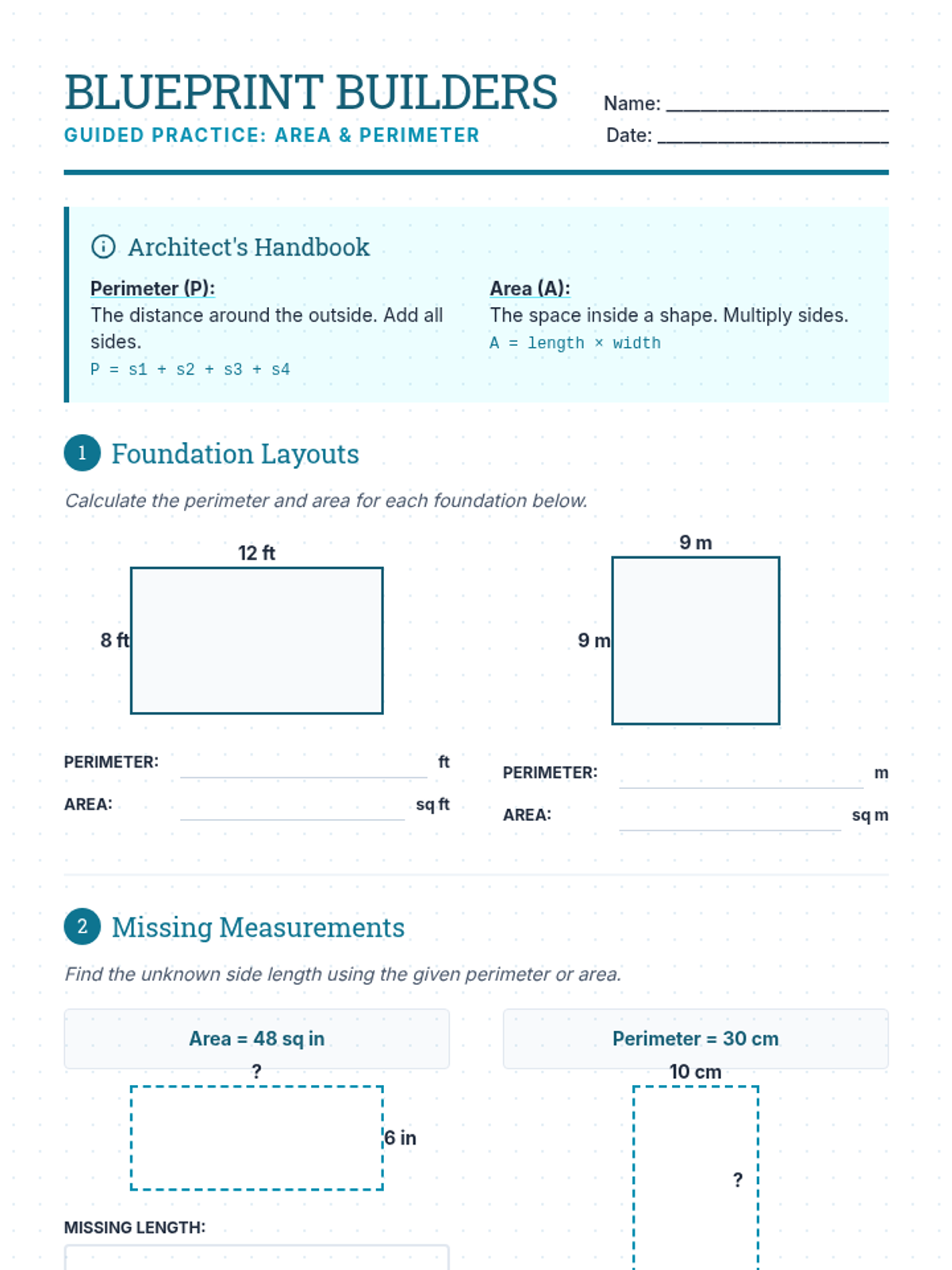
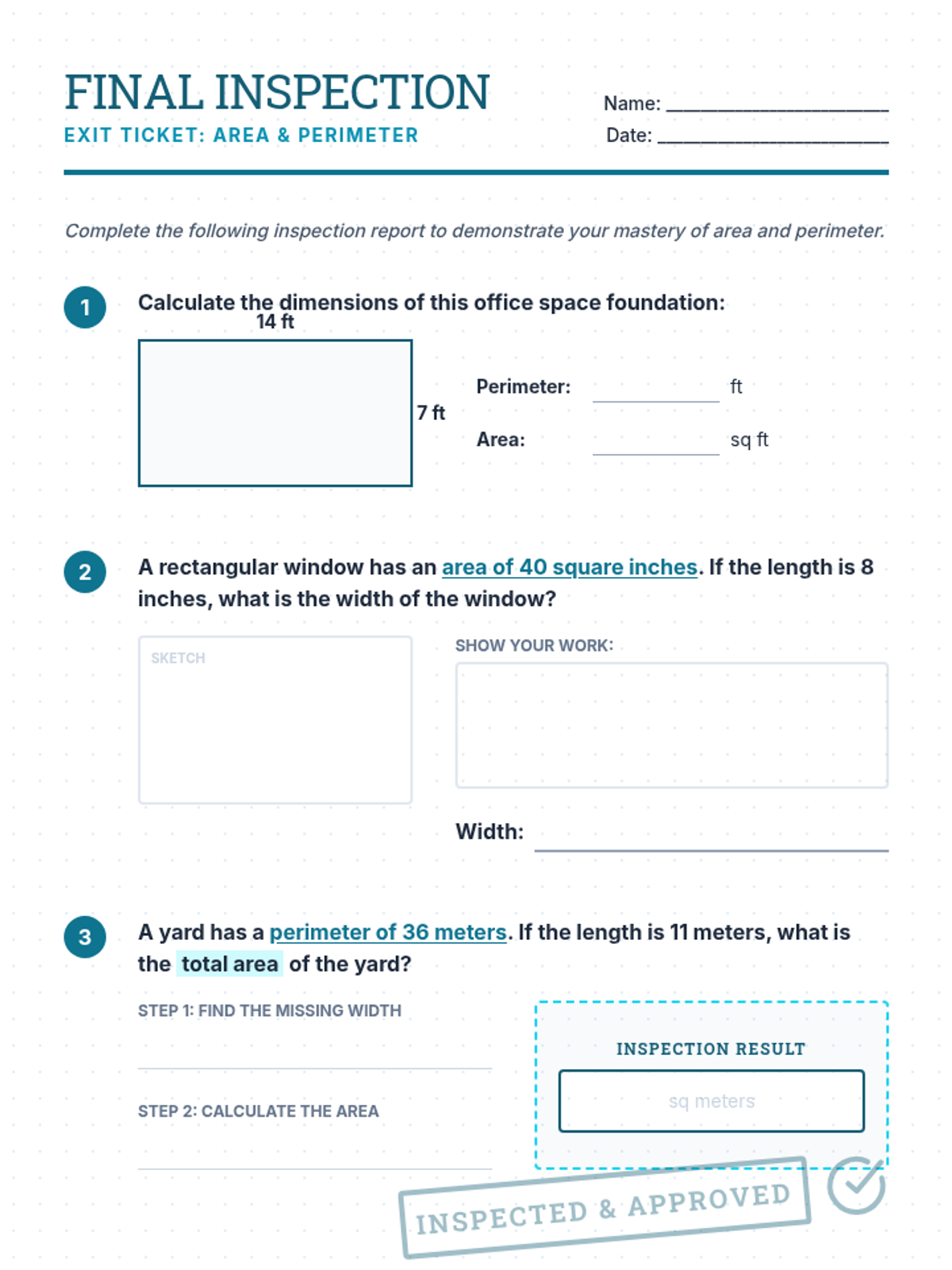
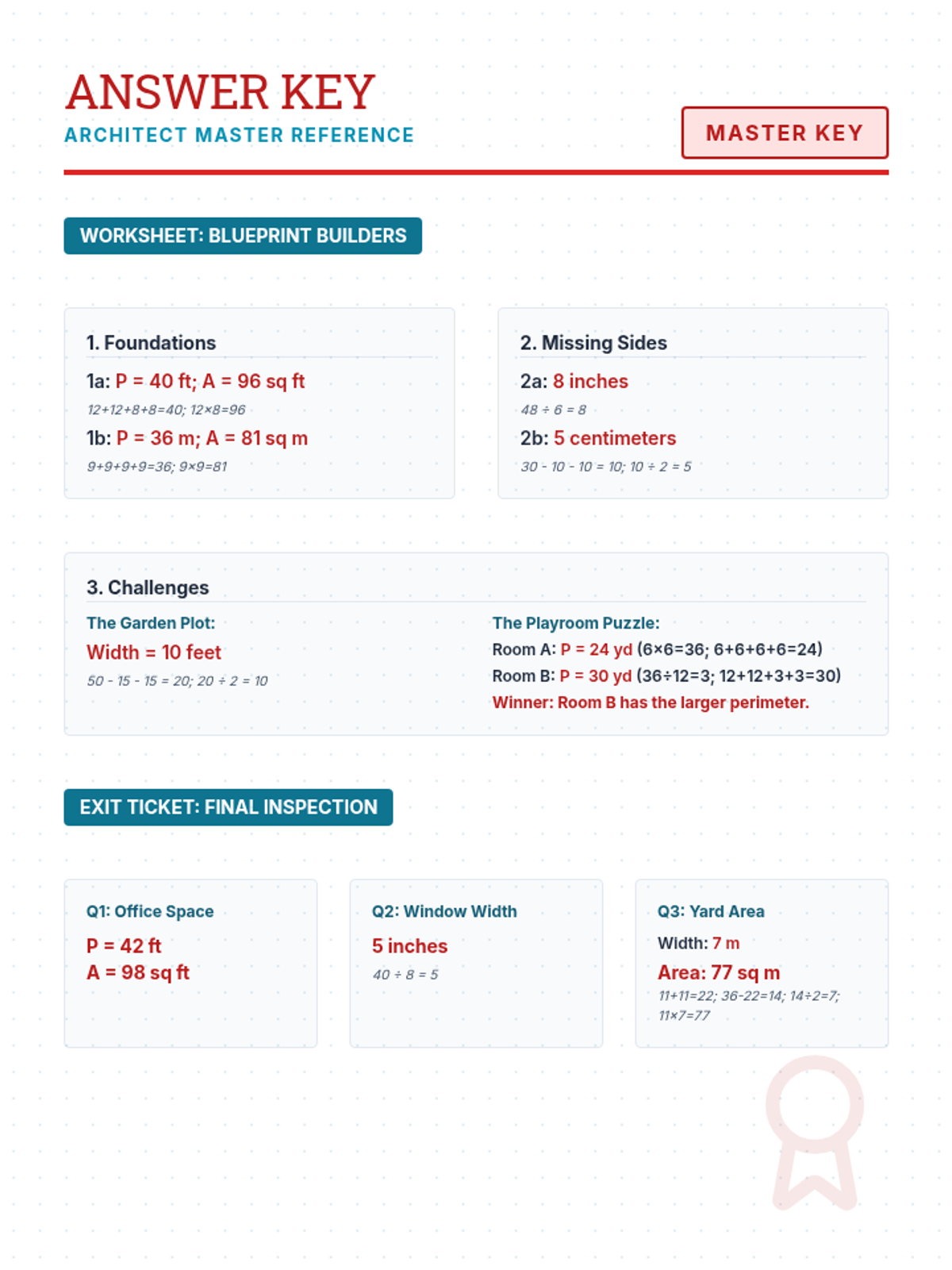
A lesson focused on solving real-world area and perimeter problems, including finding unknown side lengths and comparing rectangles with different dimensions but shared properties. Students act as junior architects to design and analyze blueprints.
A foundational lesson on classifying angles as acute, obtuse, or right, serving as a prerequisite for measuring with a protractor. Students will identify, classify, and sketch angles within a technical blueprint-themed environment.
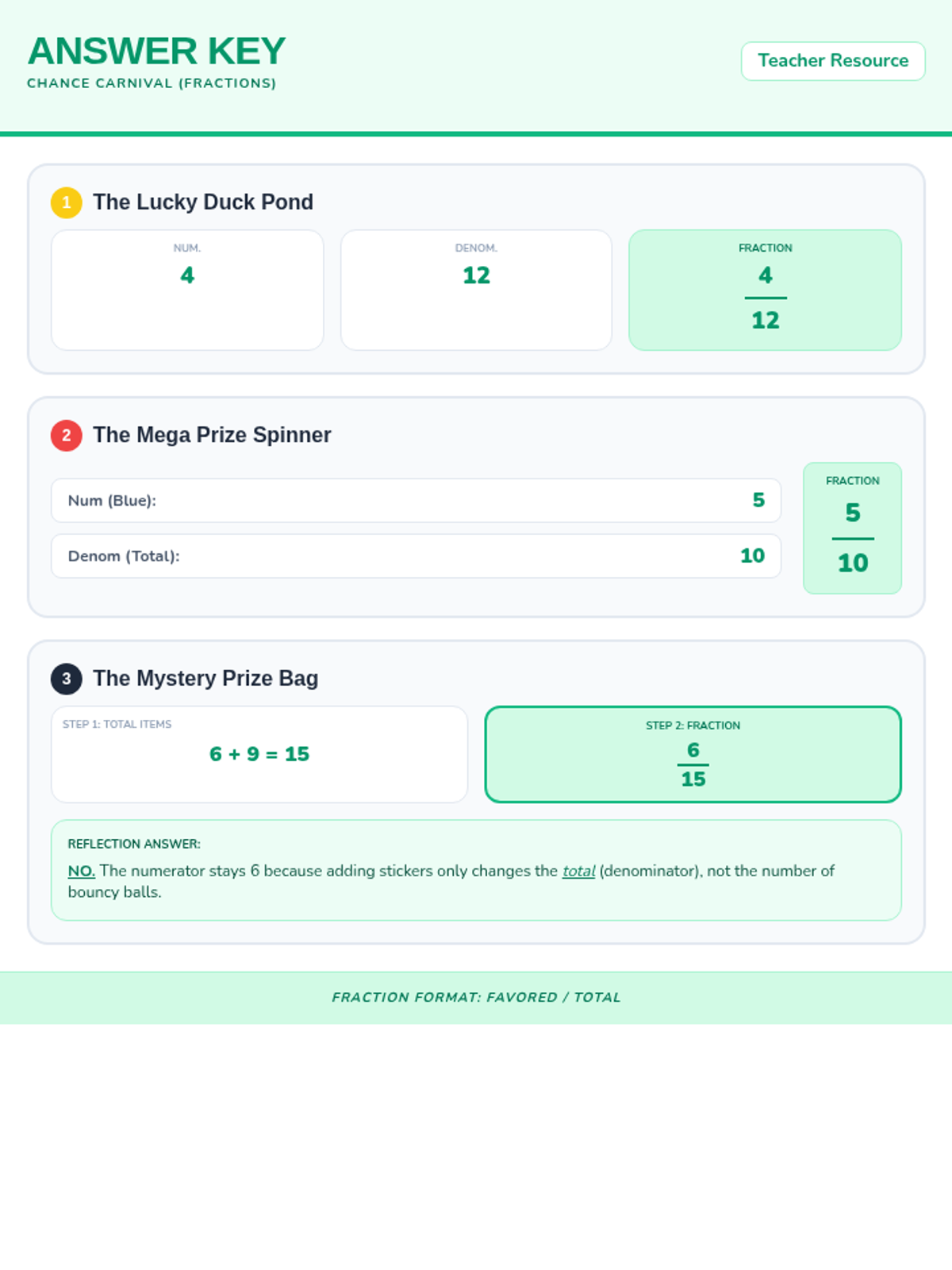
A quick introductory lesson focusing on the fundamental concept of probability as a ratio of favored outcomes to total possible outcomes.
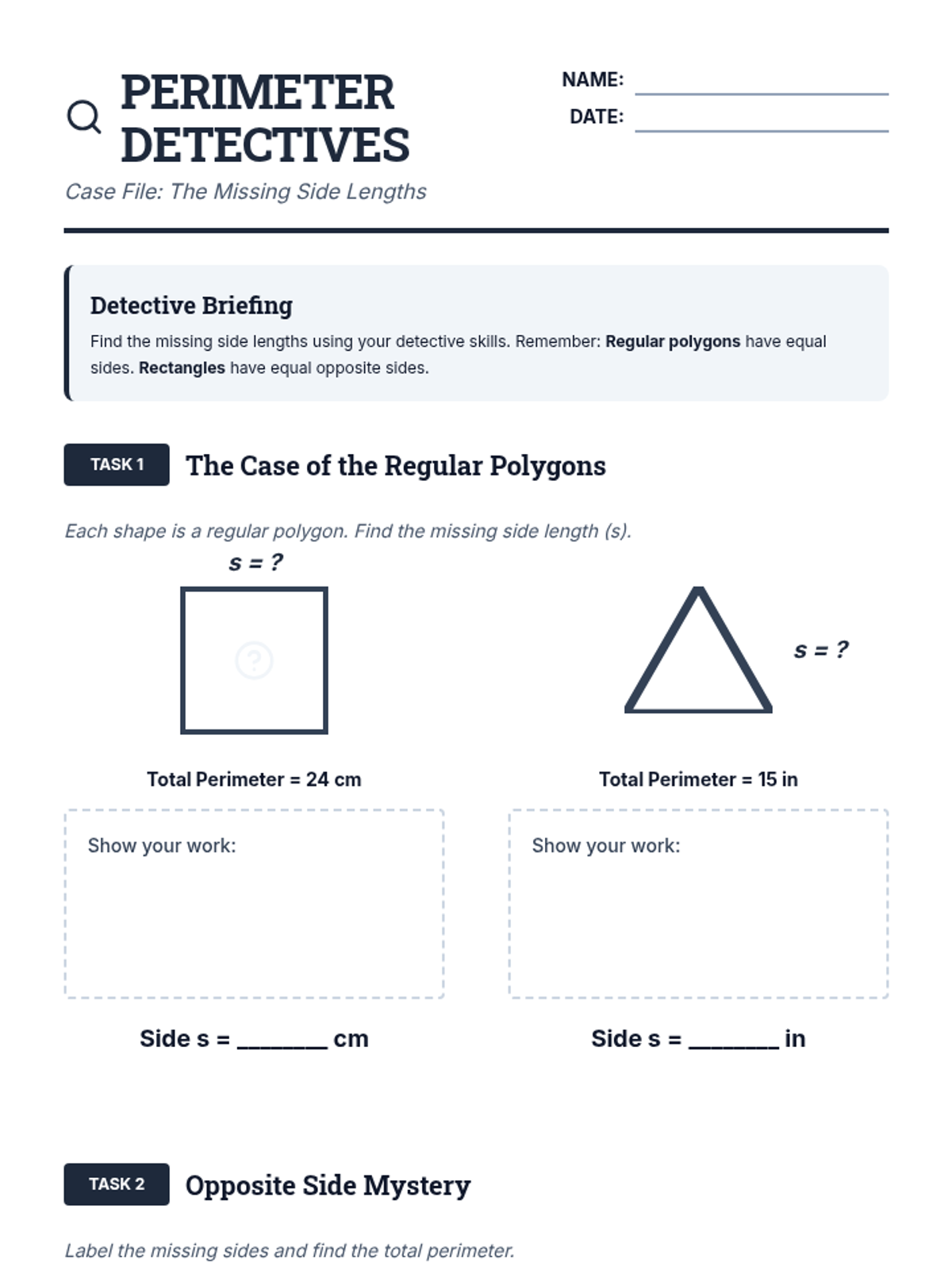
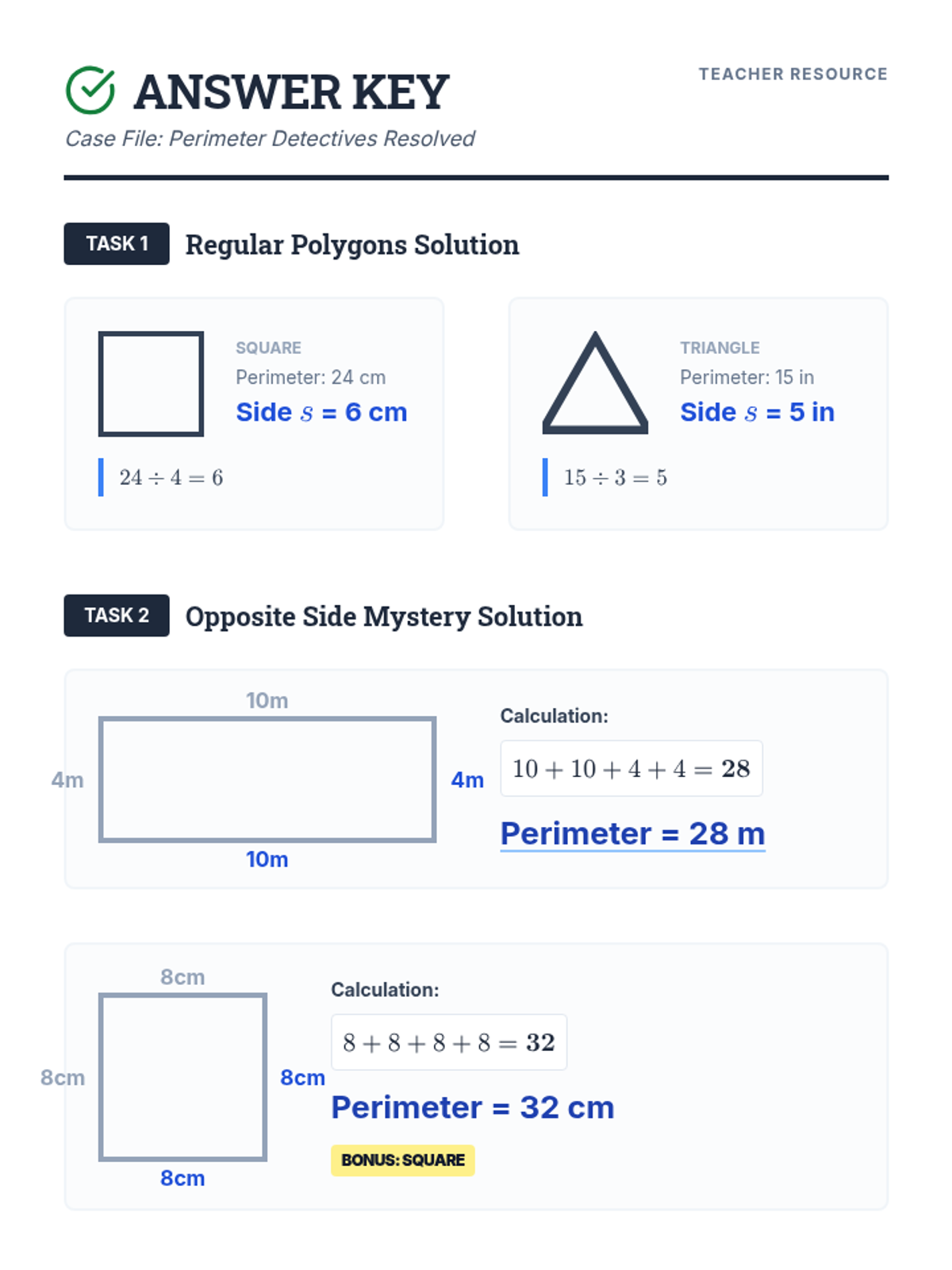
In this lesson, students become 'Perimeter Detectives' to solve for missing side lengths in regular polygons and rectangles. They use their knowledge of polygon properties and addition/subtraction to calculate perimeters and individual side measurements.
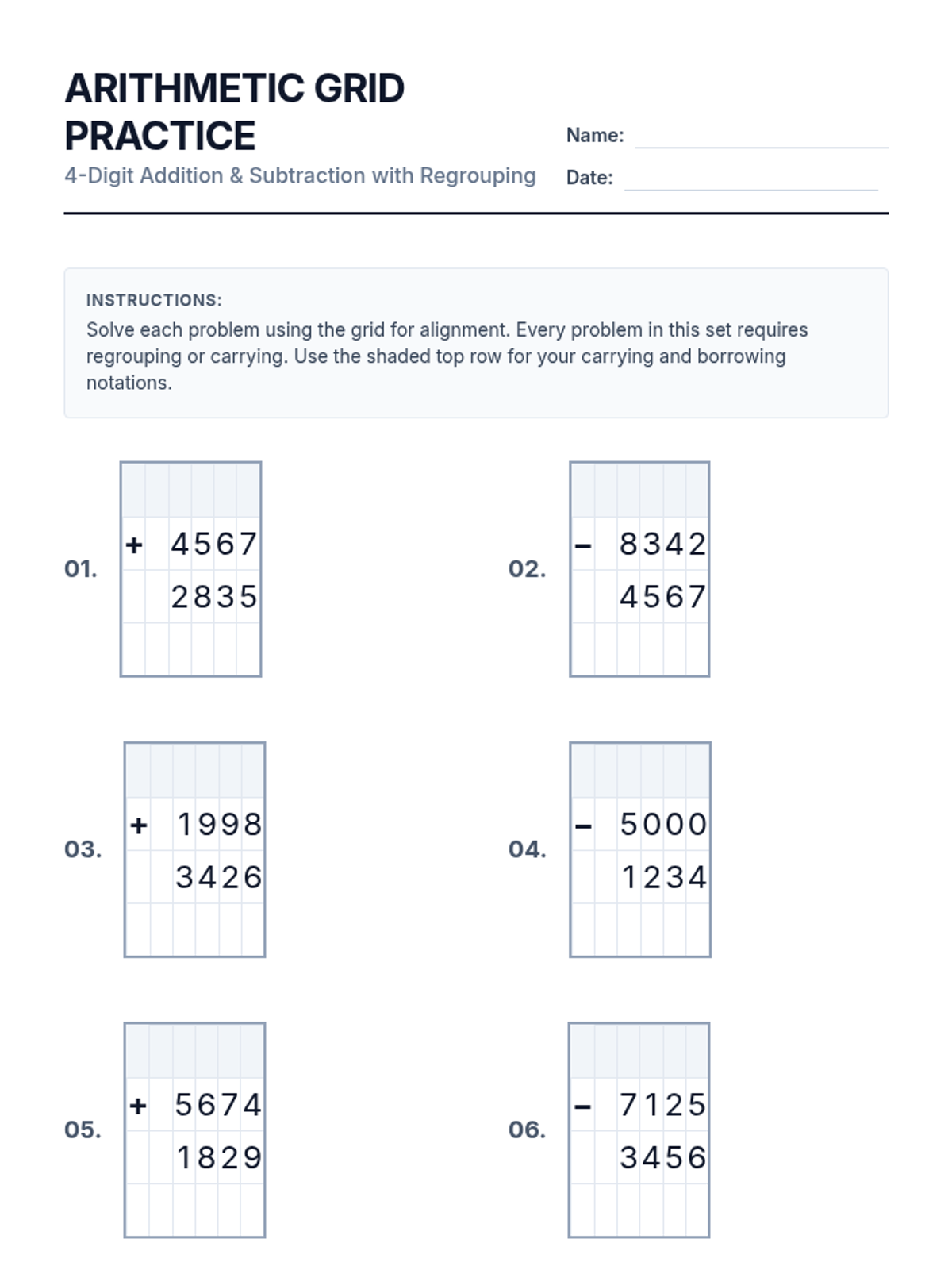
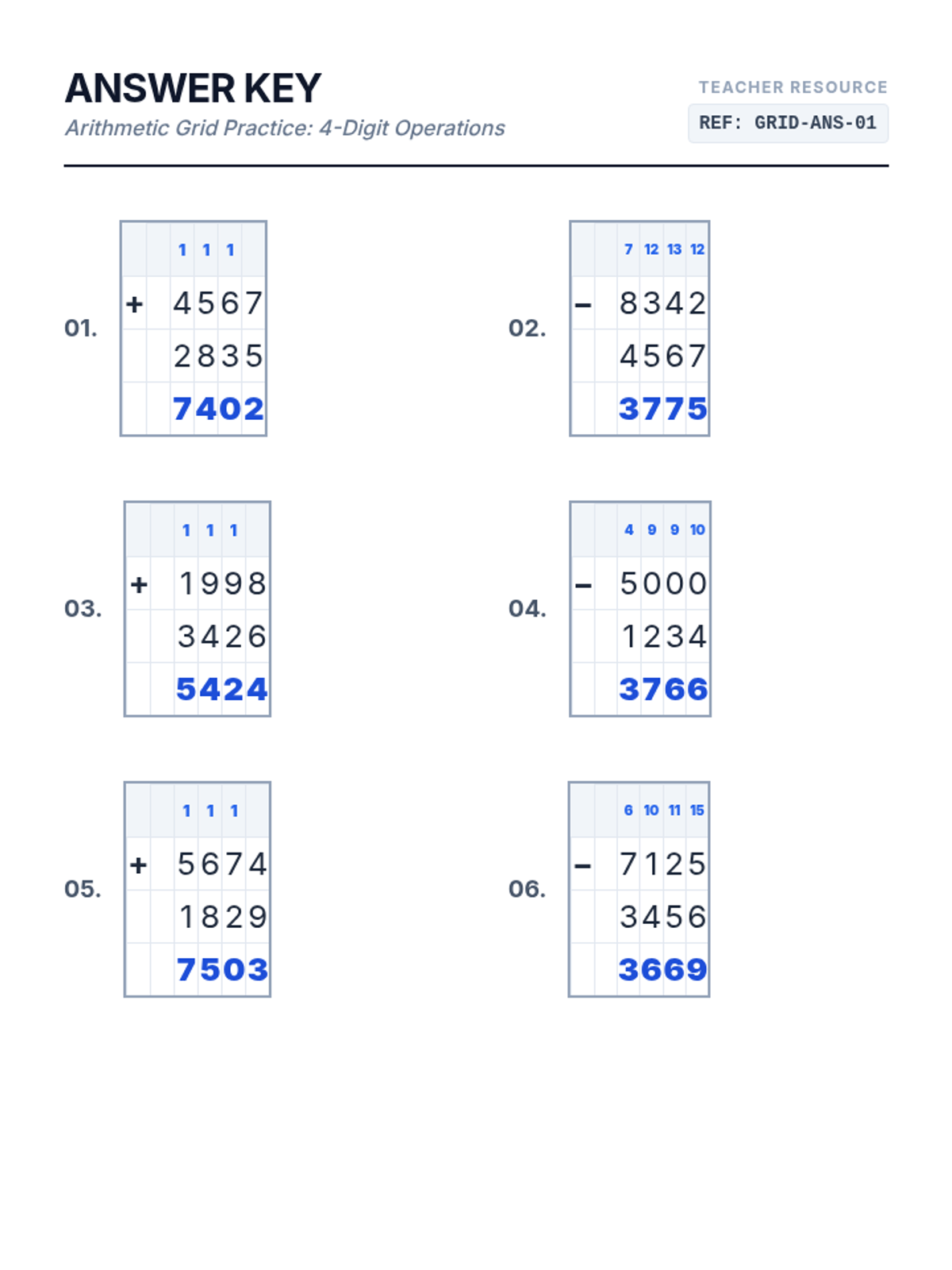
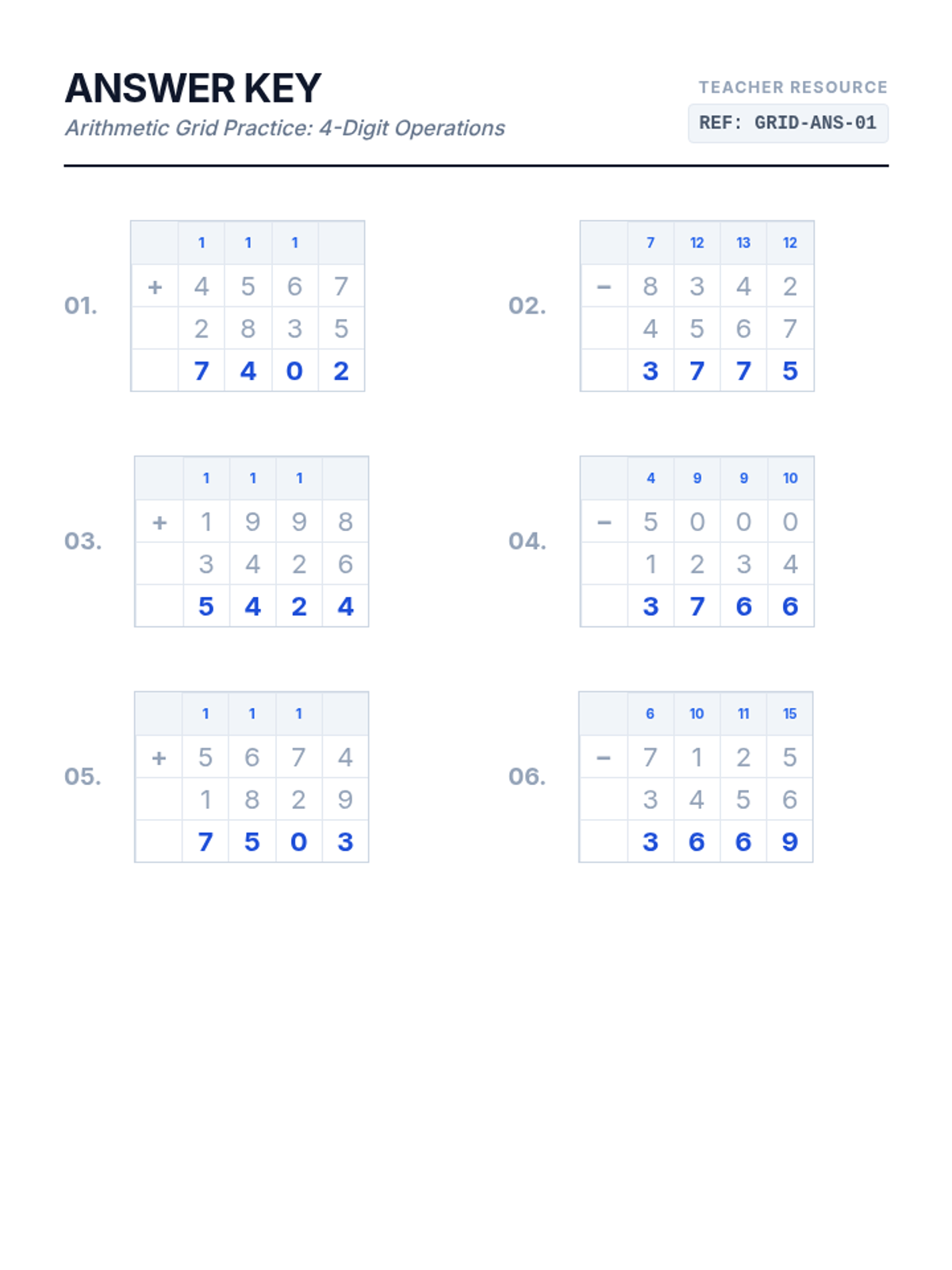
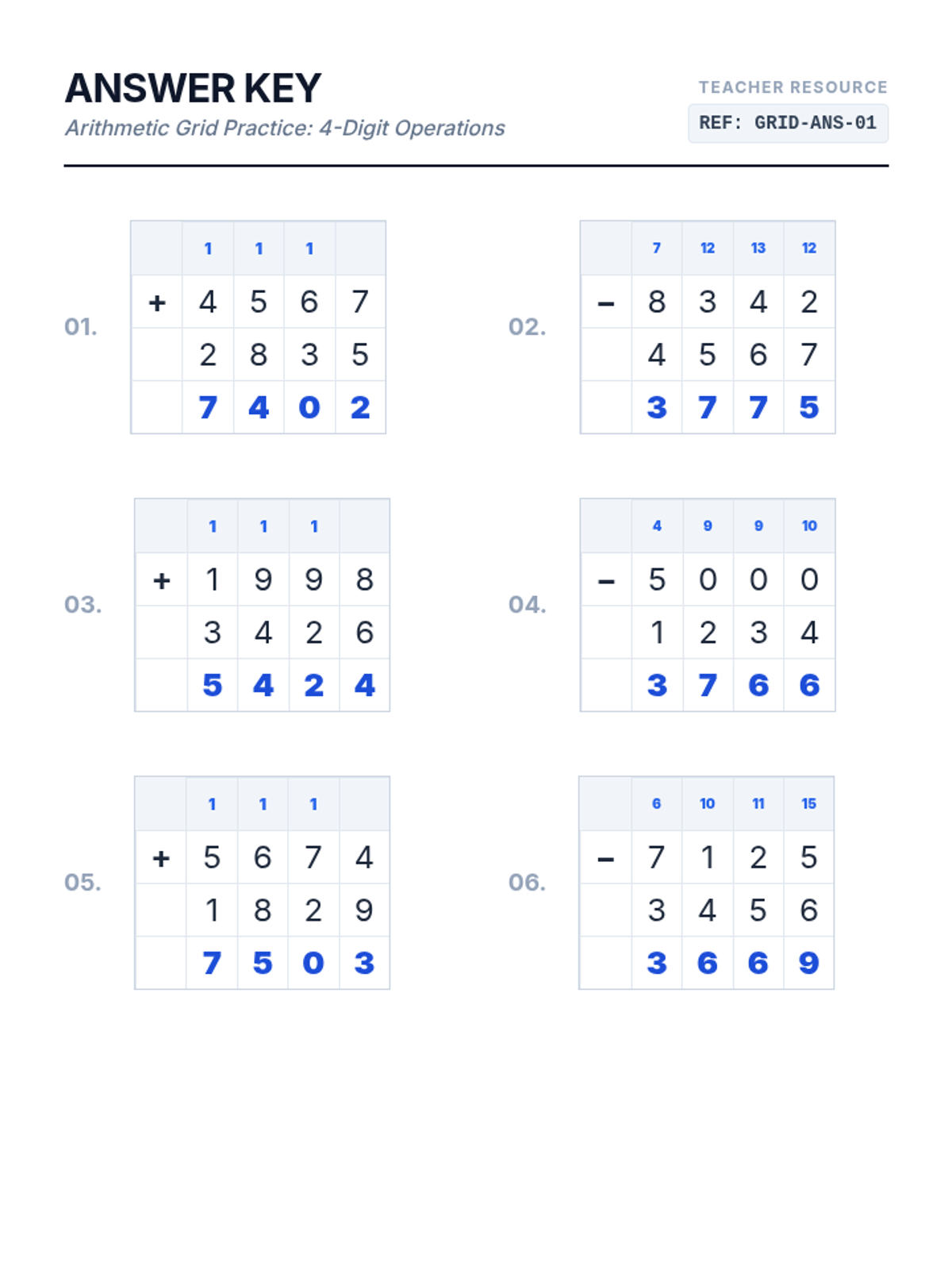
A specialized practice lesson on 4-digit addition and subtraction where every problem requires regrouping or carrying, presented on a clear grid layout for alignment.
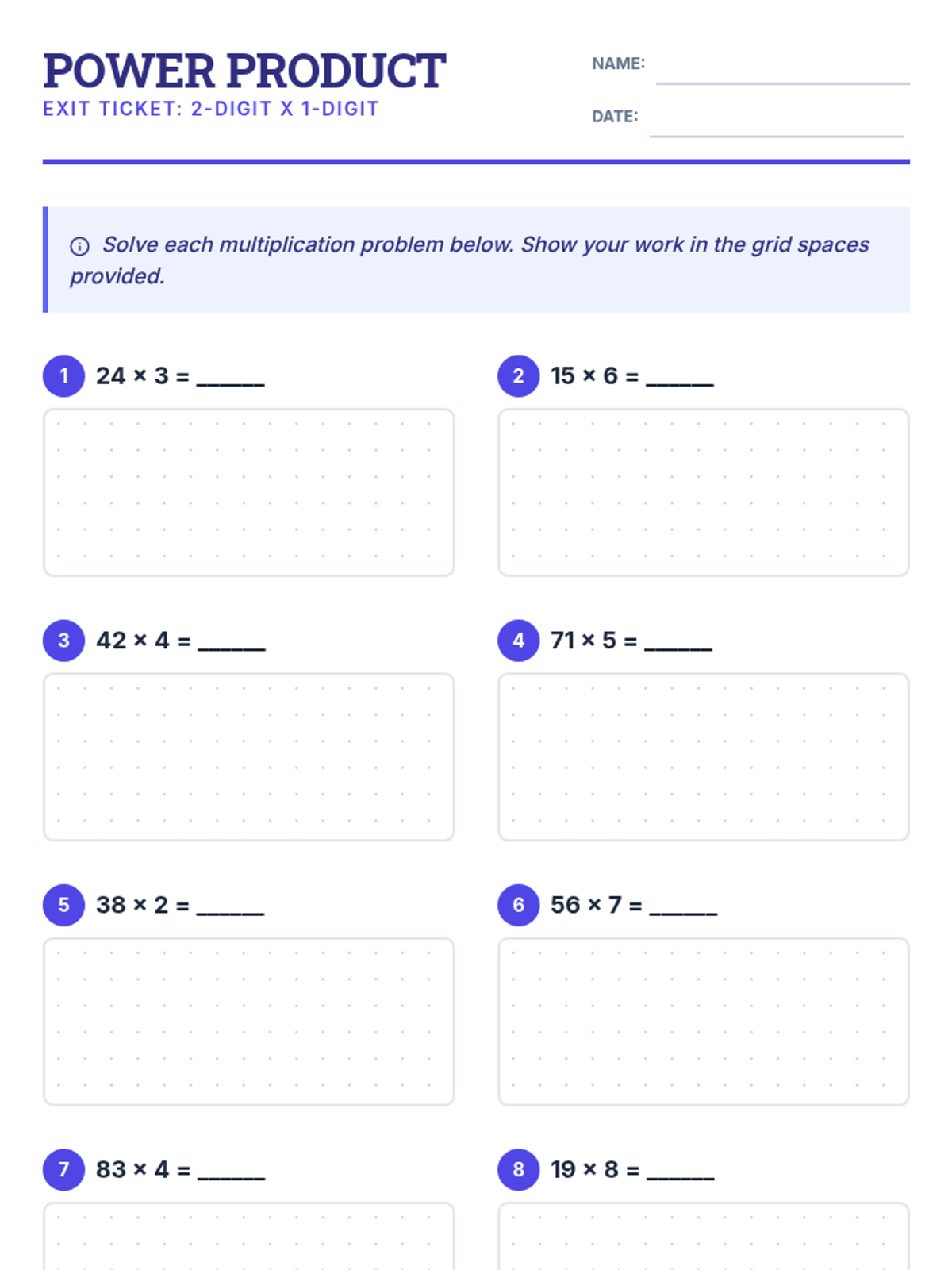
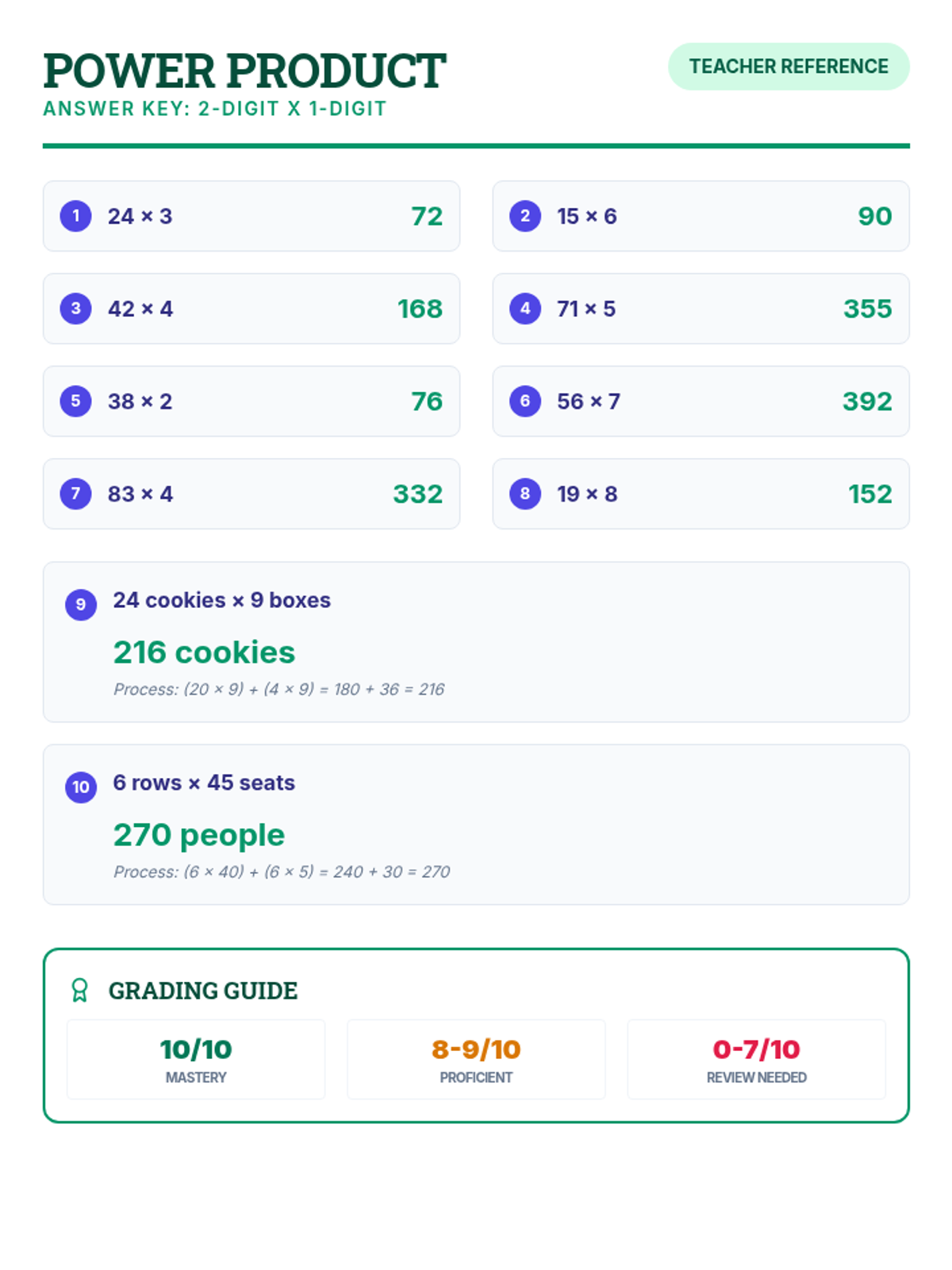
A focused lesson on multiplying 2-digit numbers by 1-digit numbers, emphasizing the standard algorithm and area model strategies.
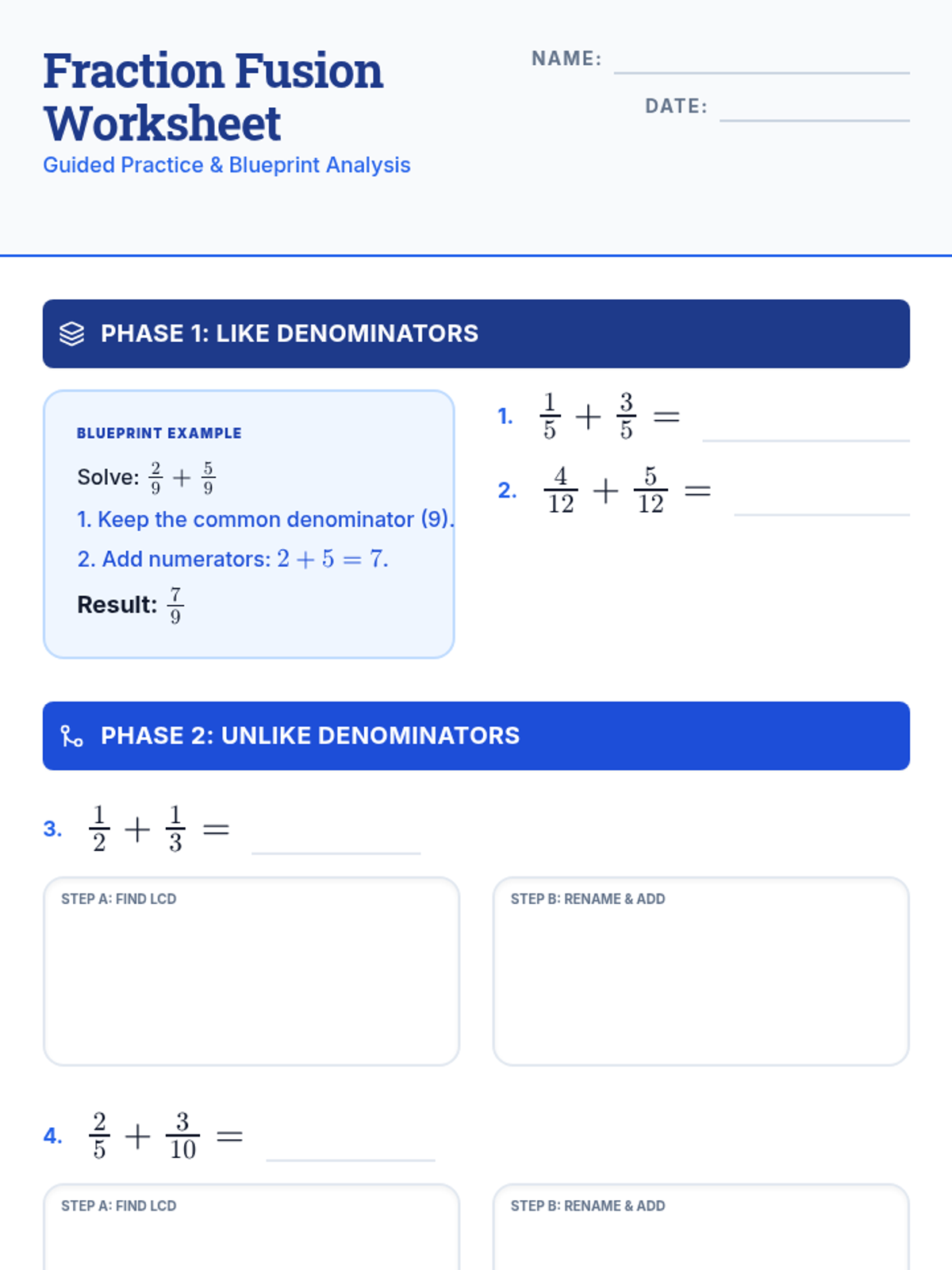
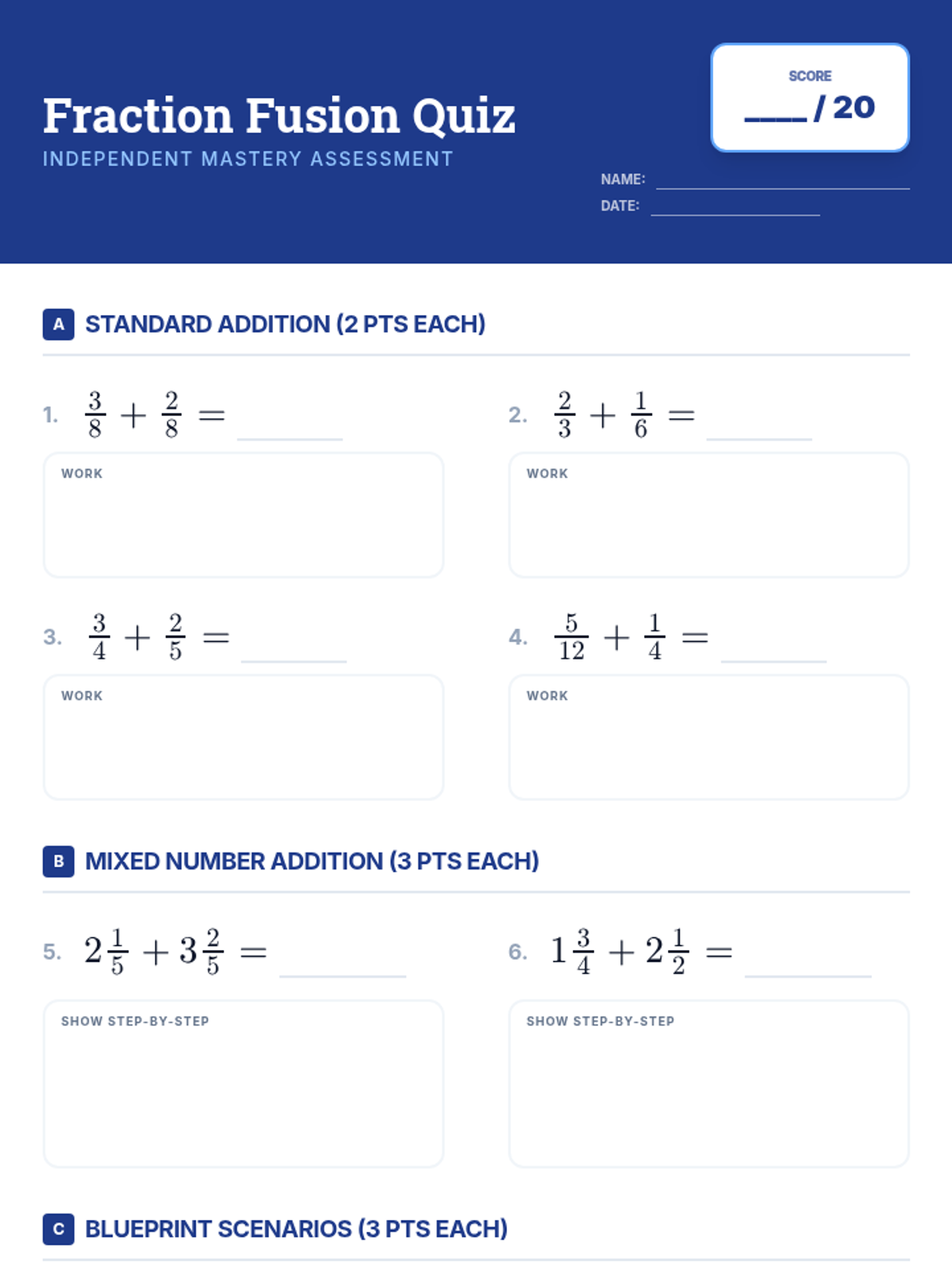
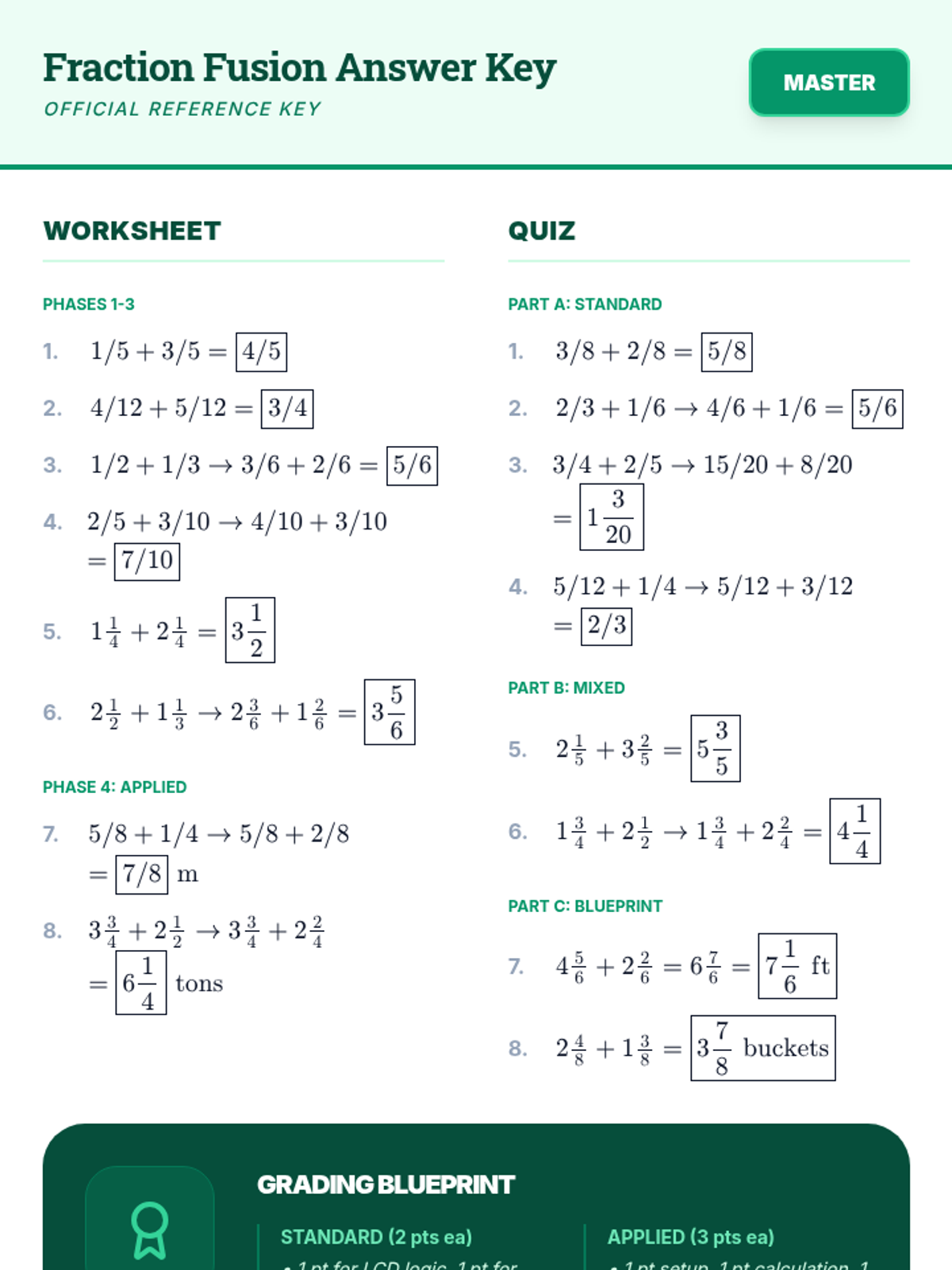
A comprehensive lesson on adding fractions with like and unlike denominators, including mixed numbers and real-world word problems. Students progress from basic addition to complex multi-step problems using a blueprint-themed approach.
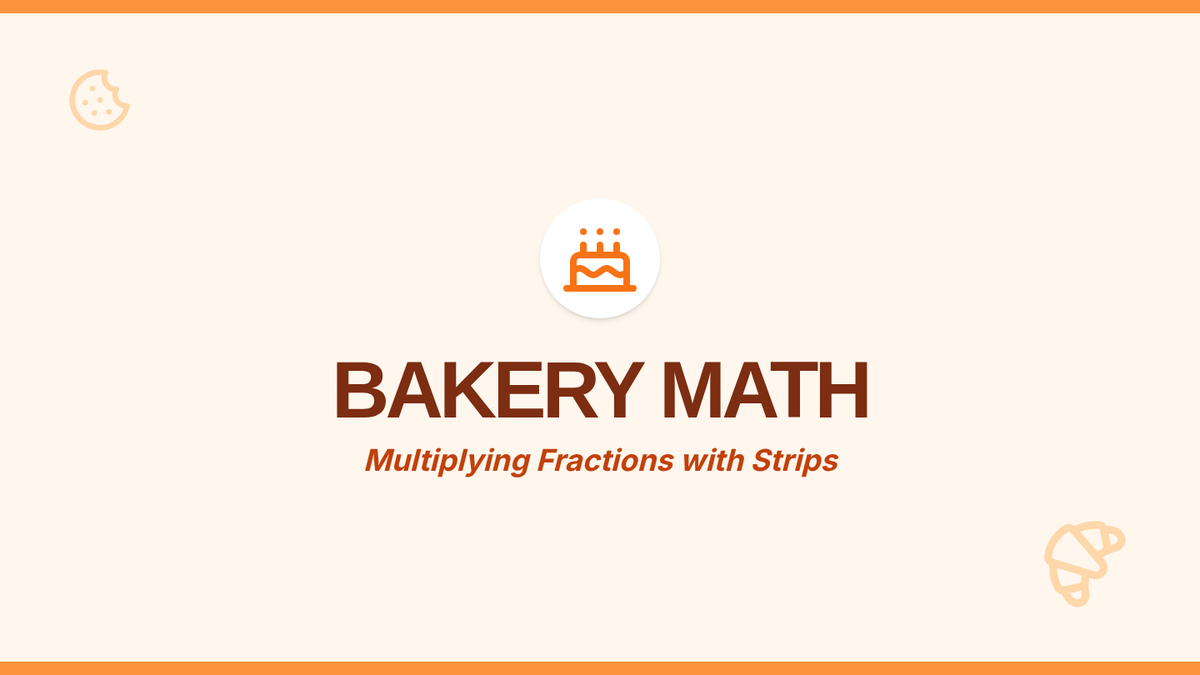
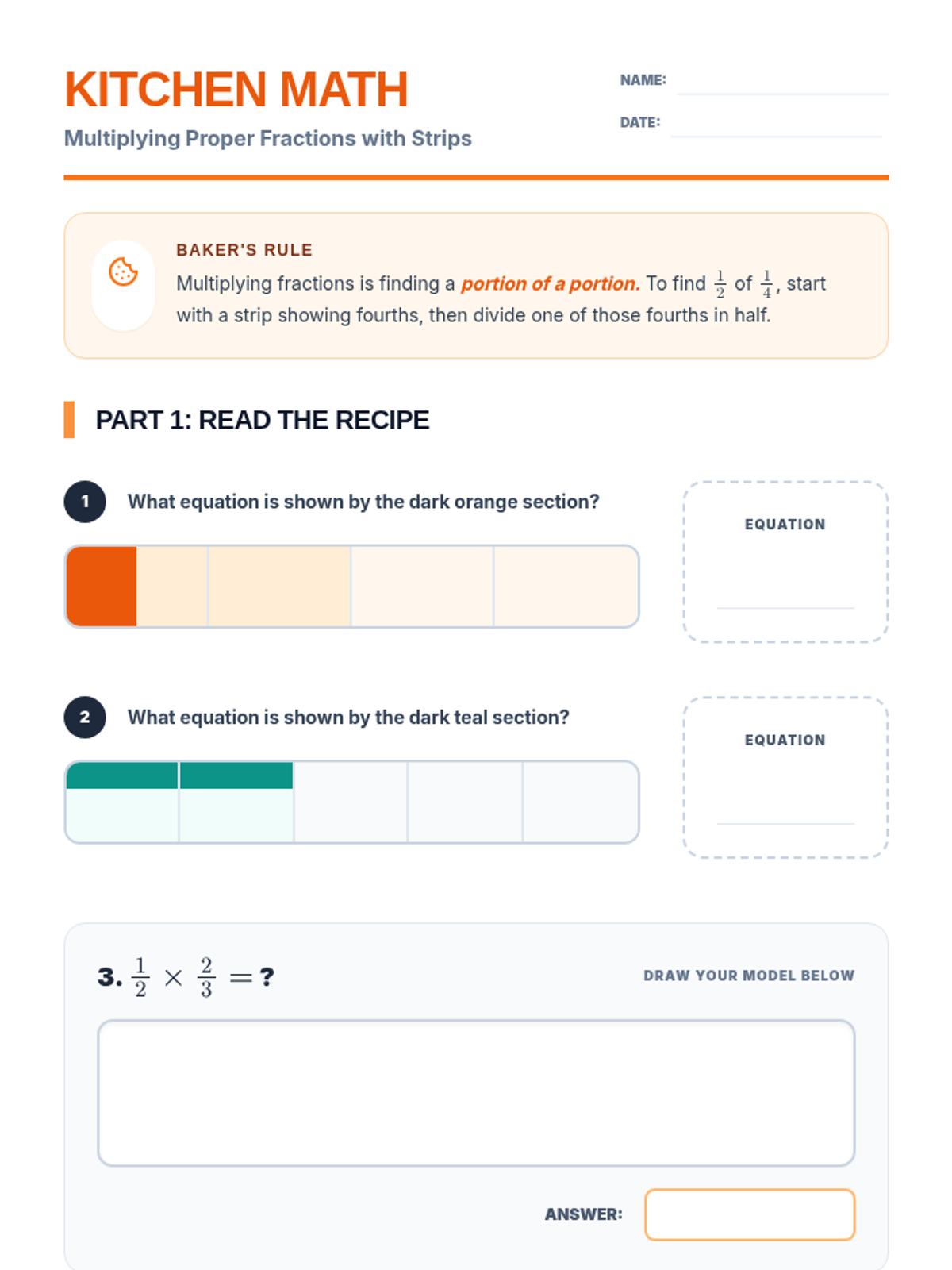
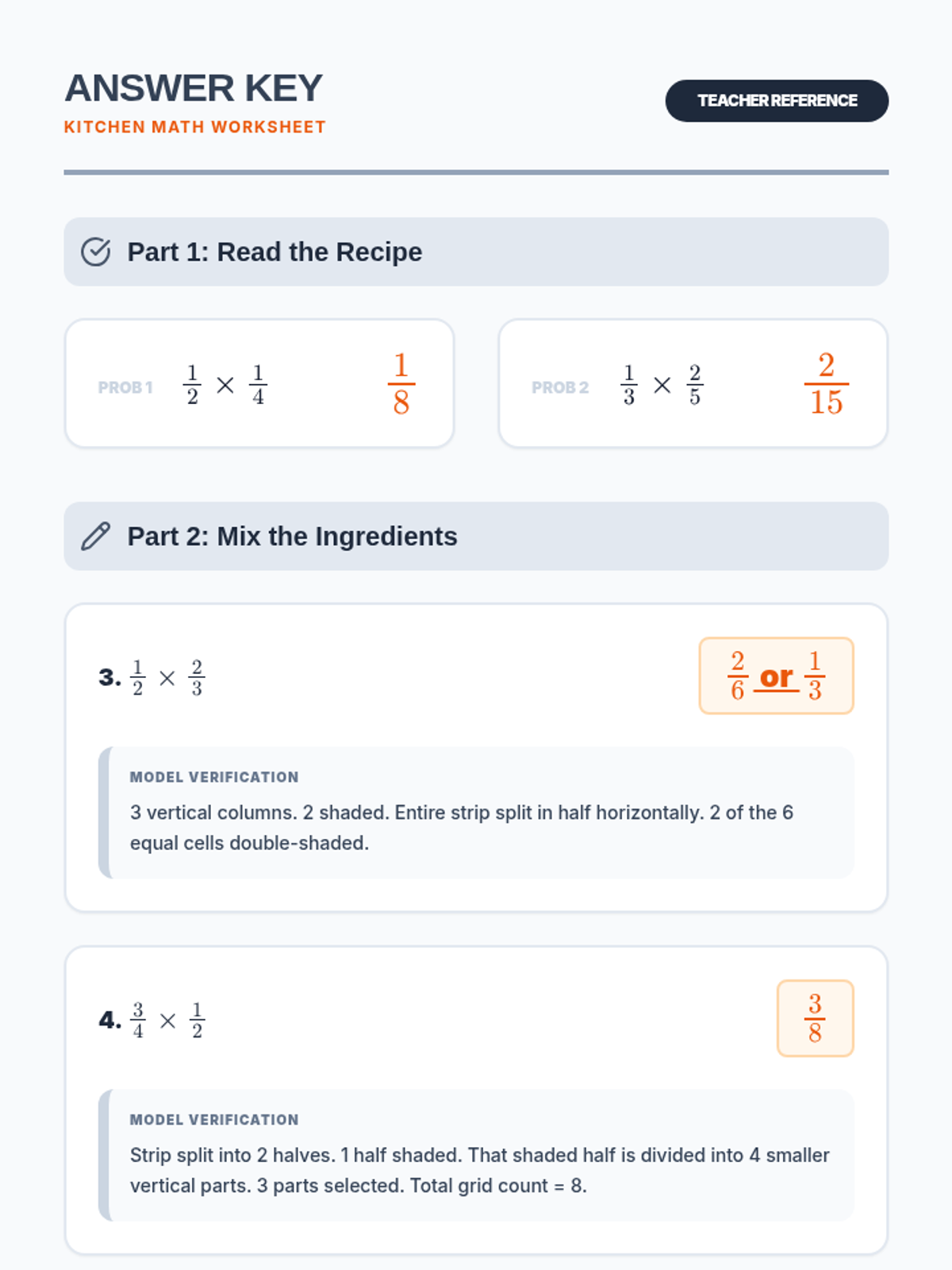
A lesson on multiplying proper fractions using fraction strip models, set in a bakery context to make scaling recipes intuitive and fun.
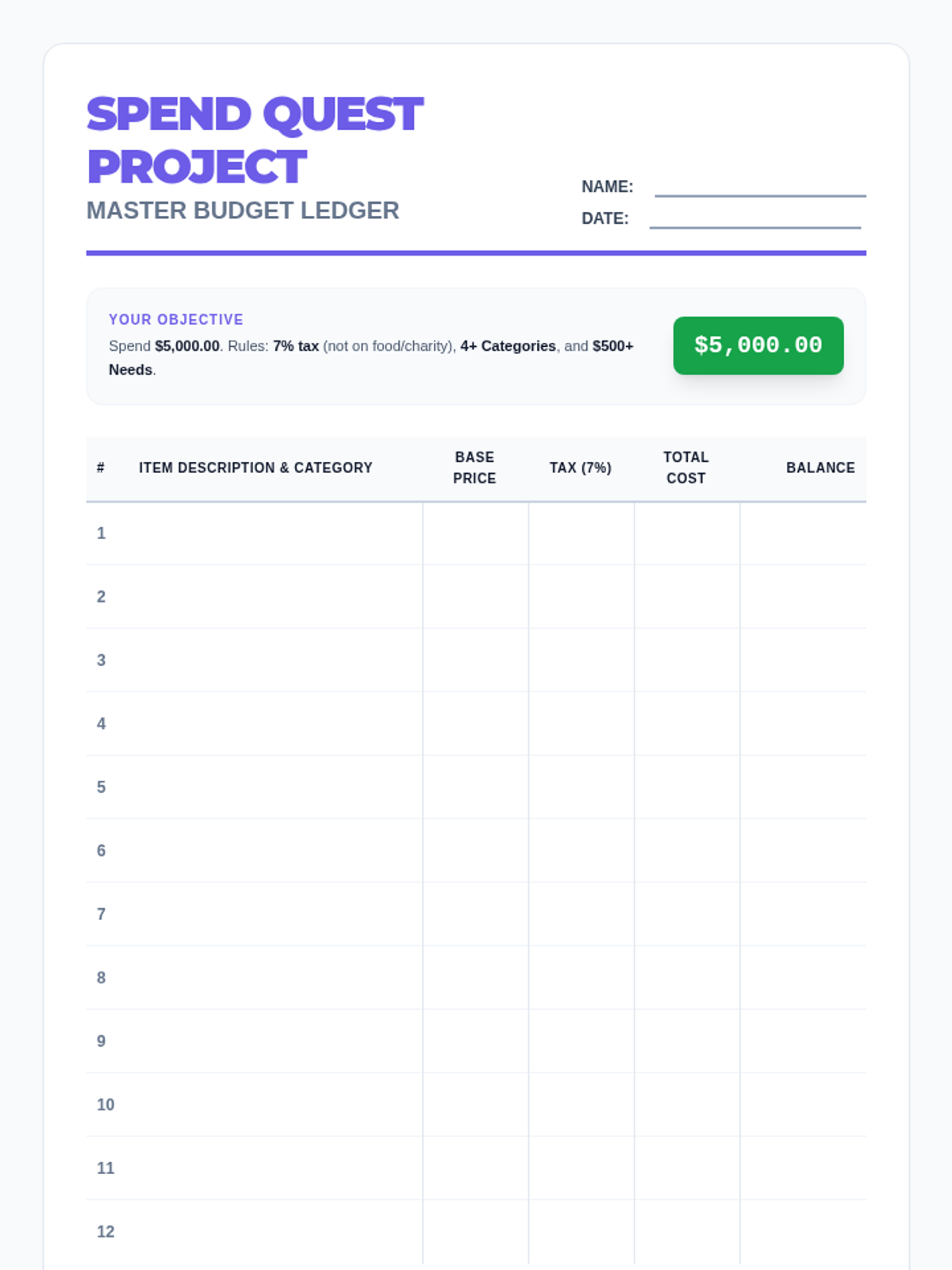
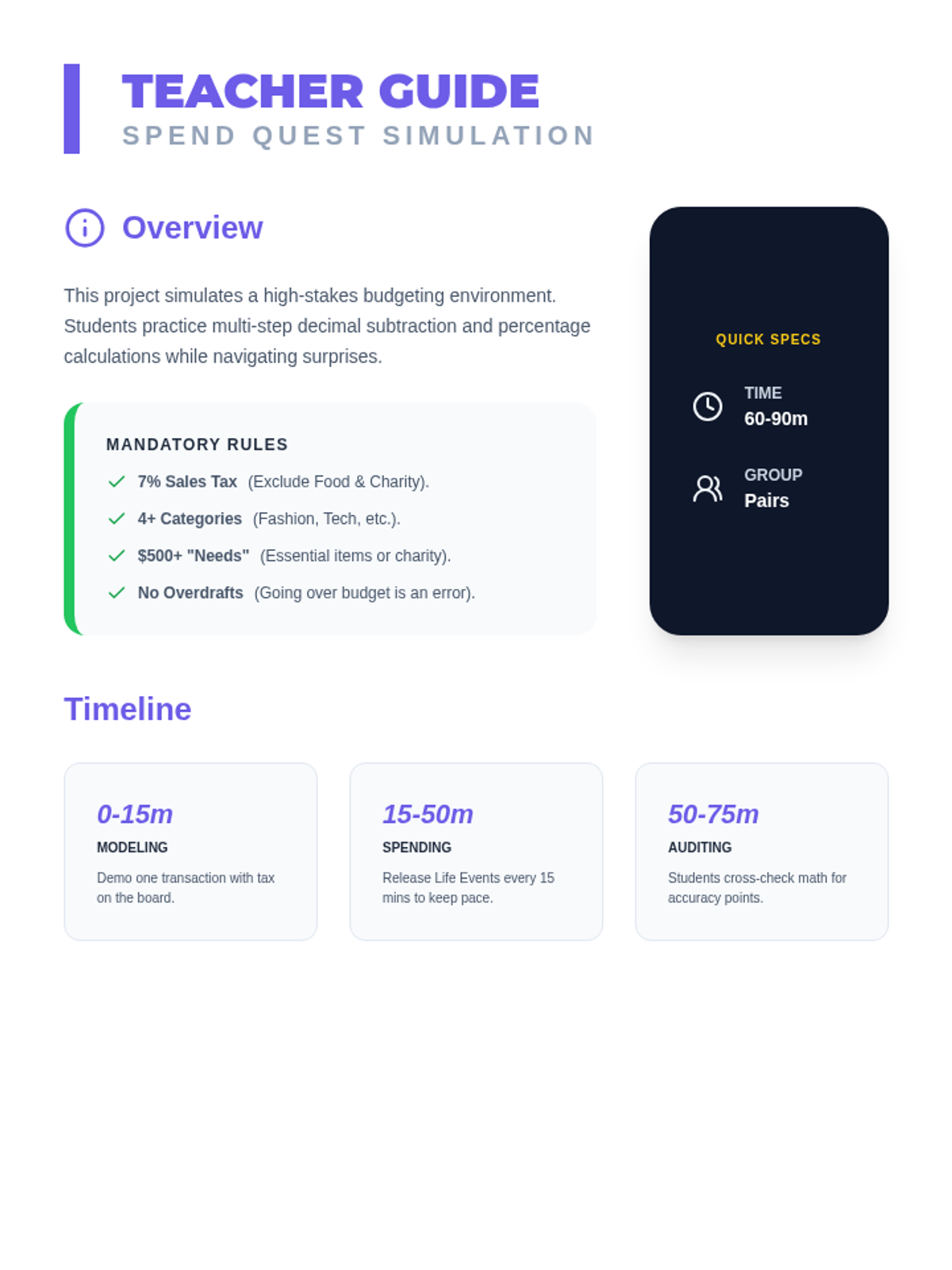
A high-energy math simulation where students manage a large budget, navigate financial constraints, and handle unexpected 'life events' while shopping for their dream items.
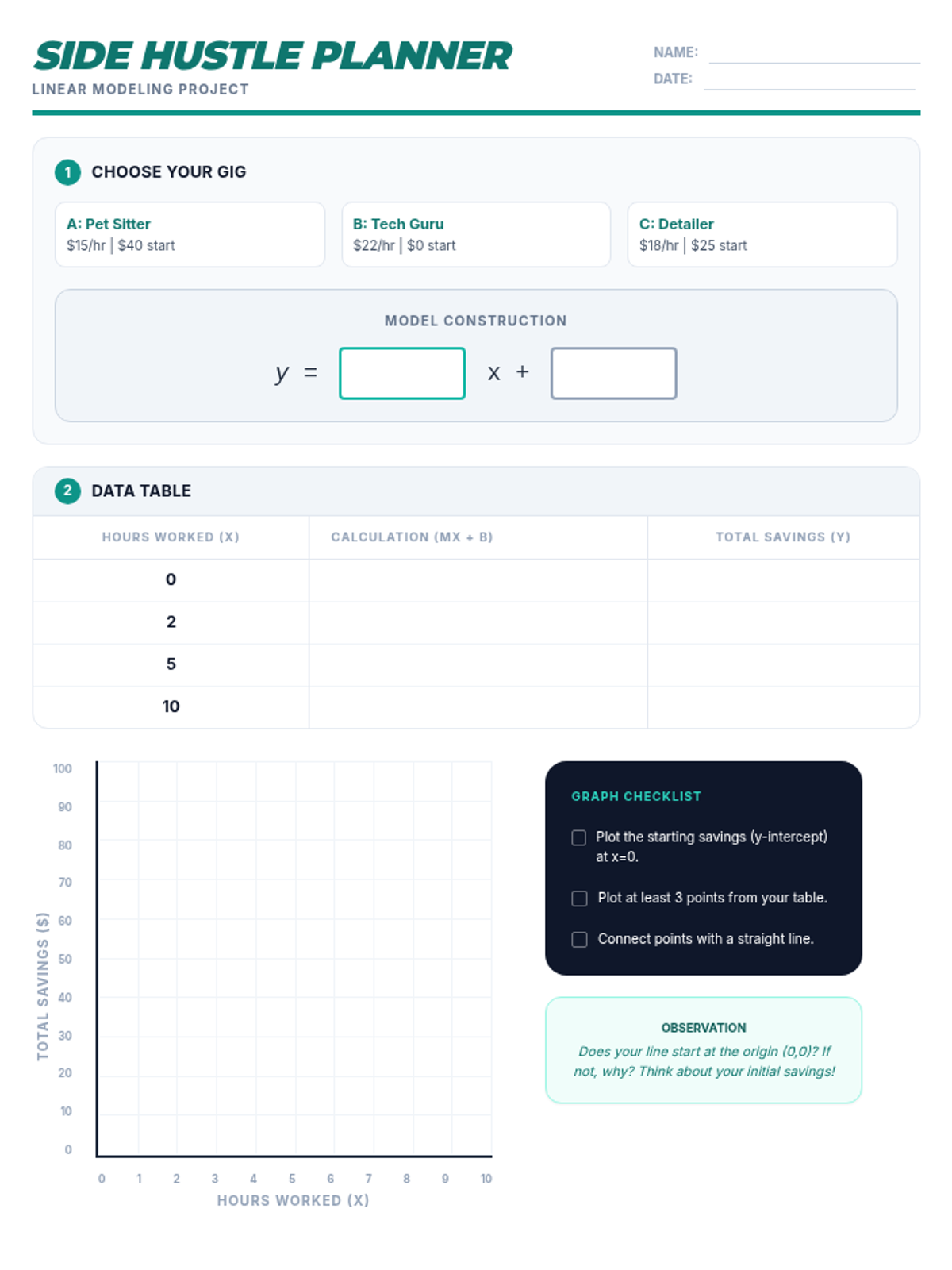
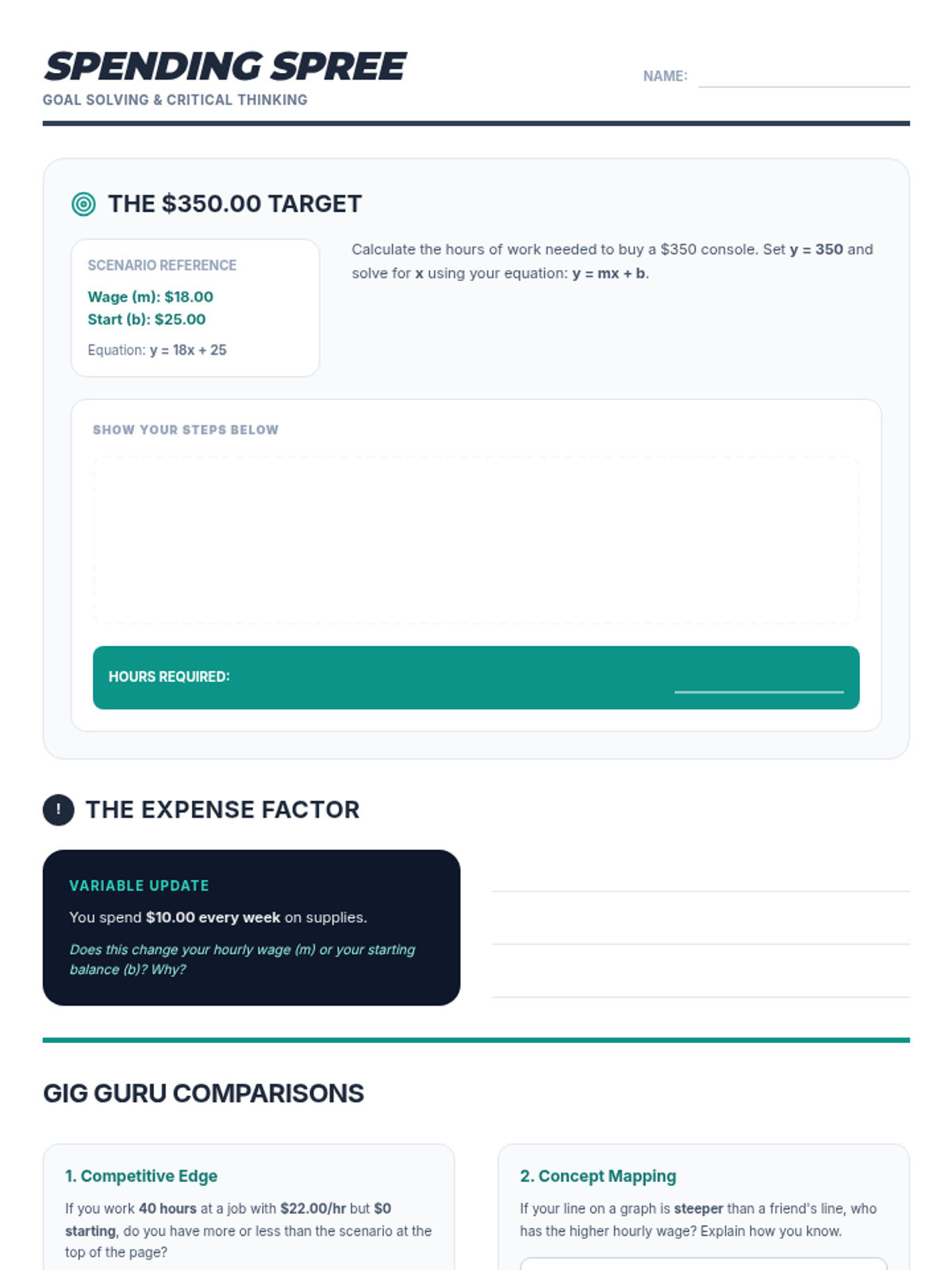
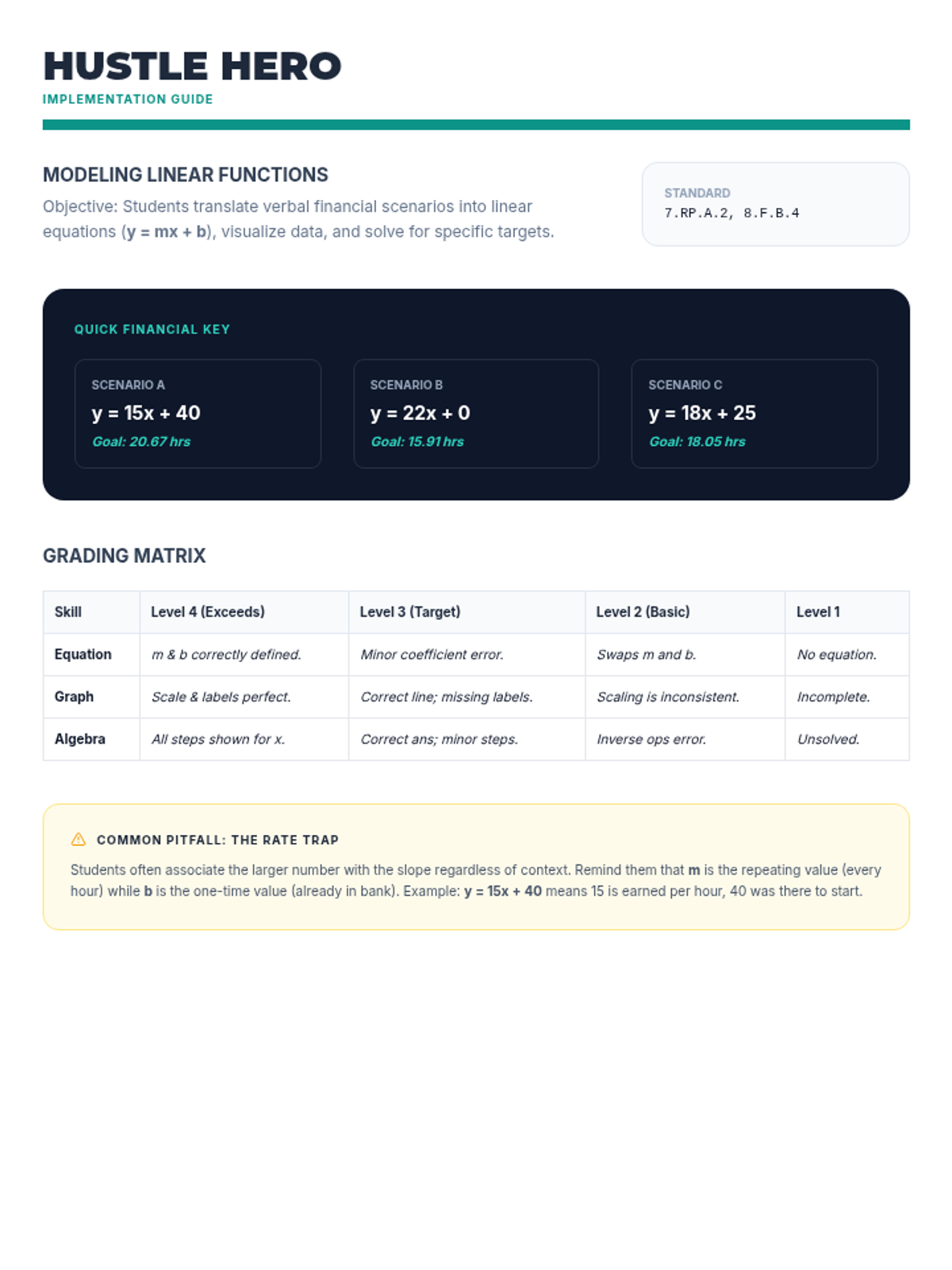
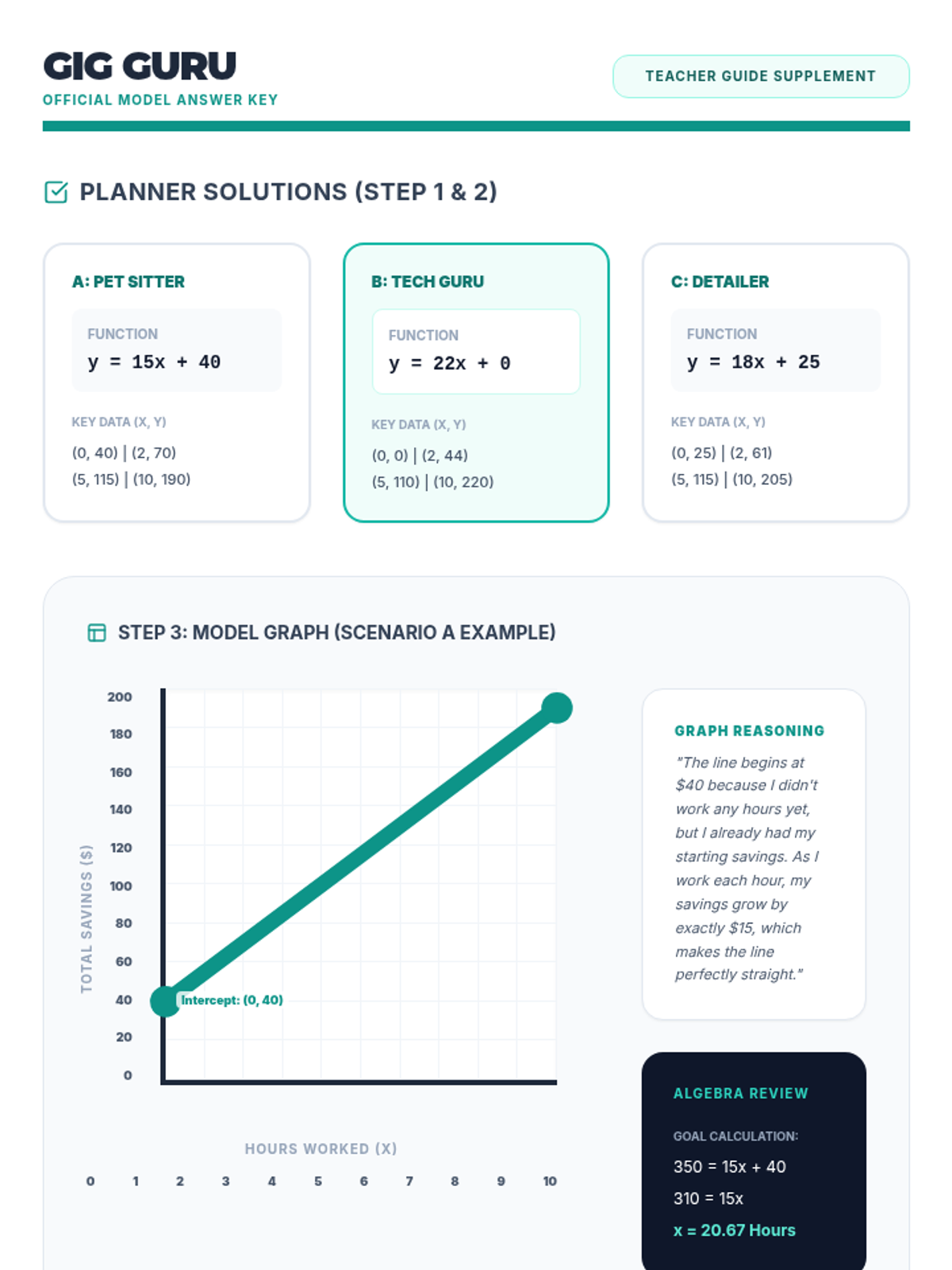
Students apply linear function concepts to model a real-world income and expense scenario. They will calculate rates of change, identify initial values, and visualize their budget through graphing.
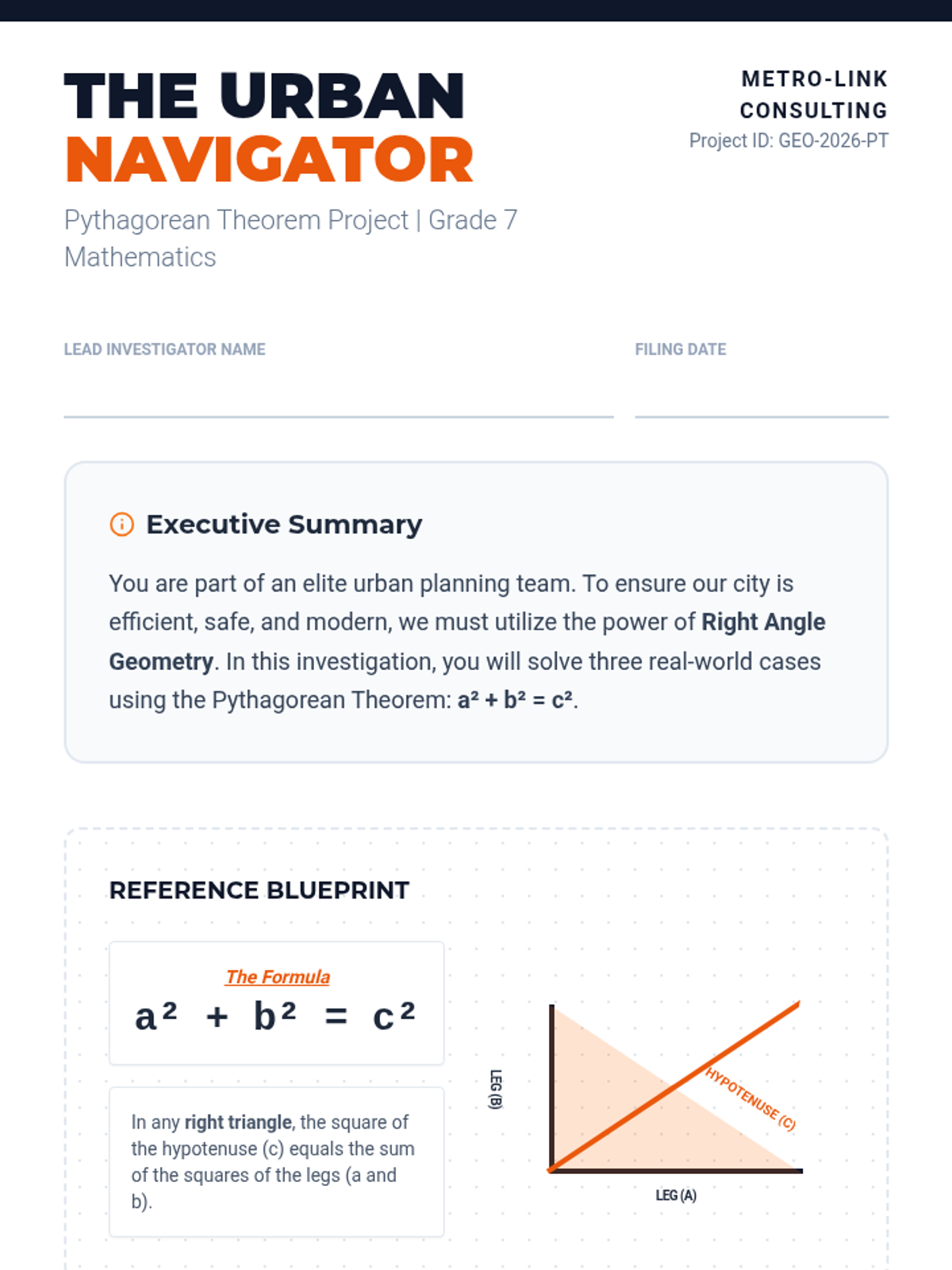
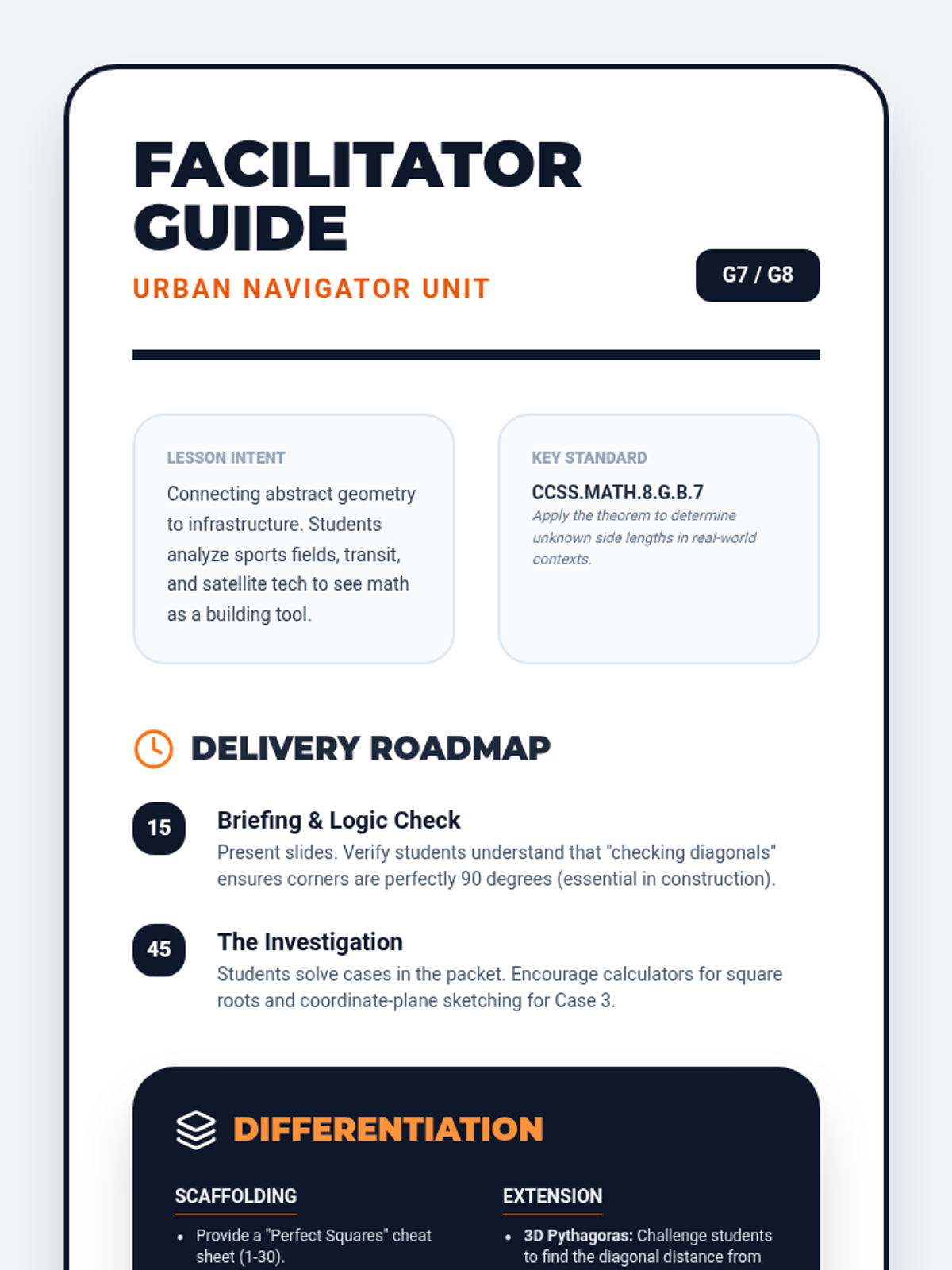
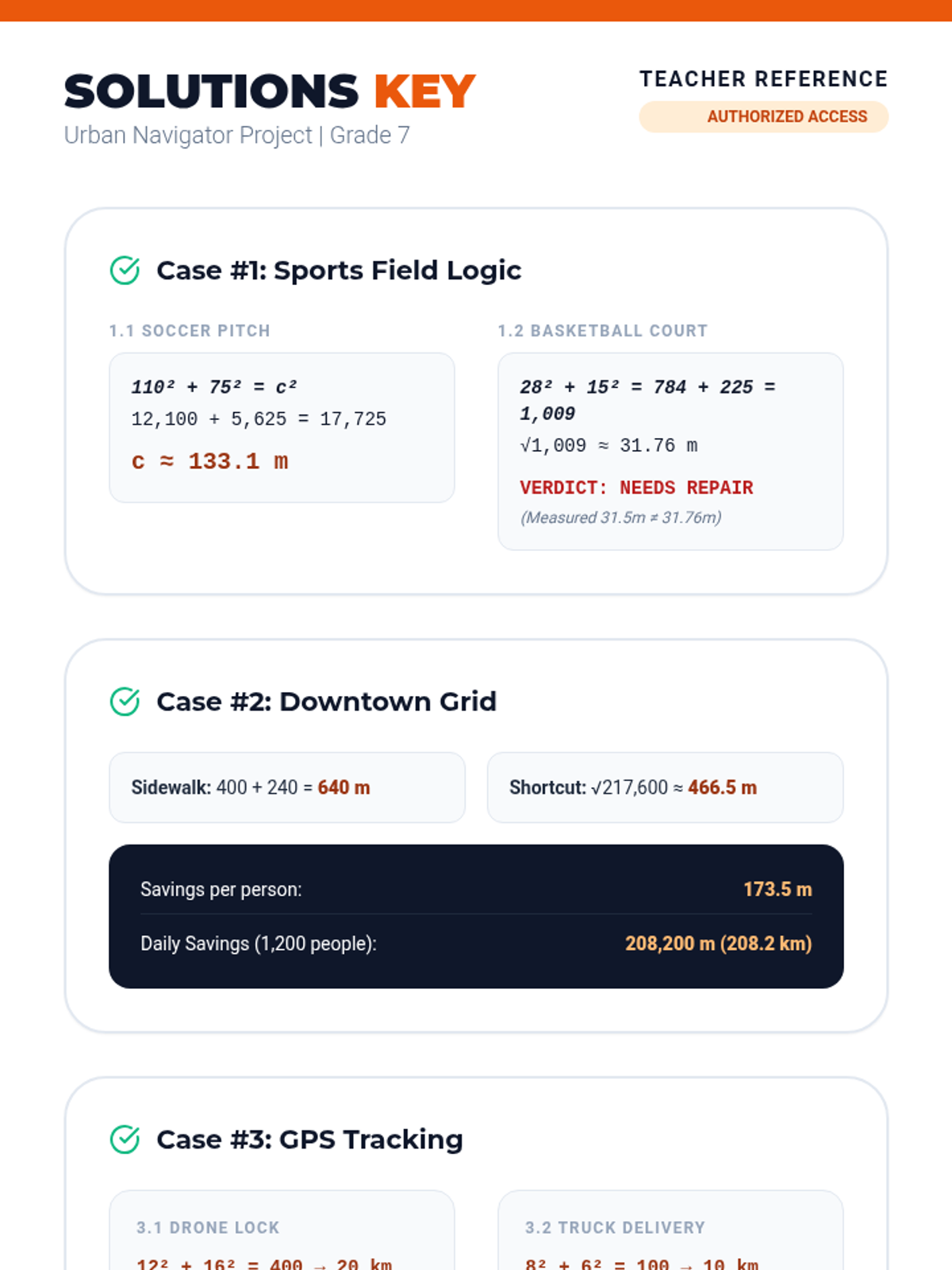
A real-world project-based learning unit where students apply the Pythagorean Theorem to urban planning, sports field design, and GPS navigation. Students act as urban developers and navigators to solve practical distance problems.
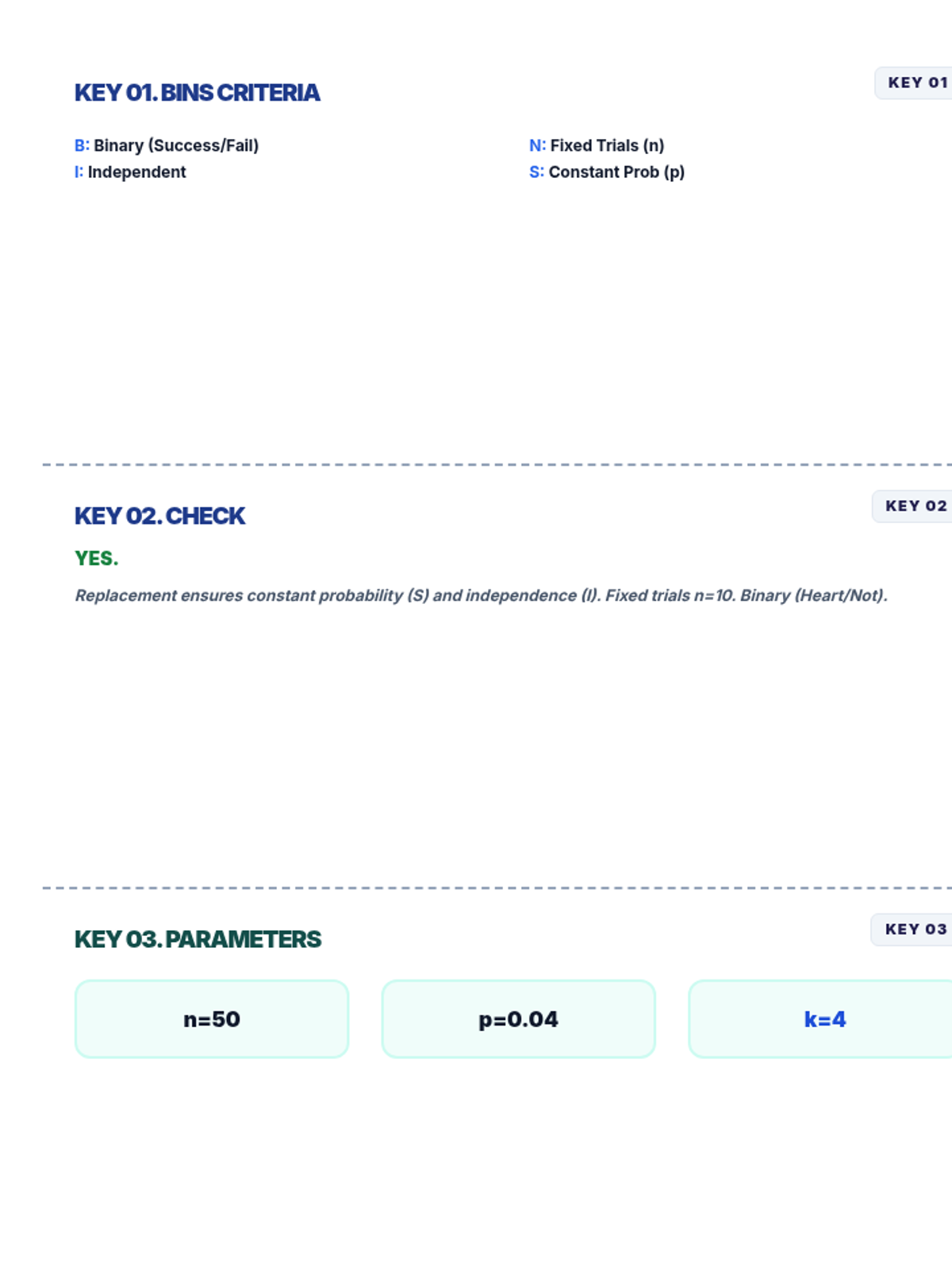
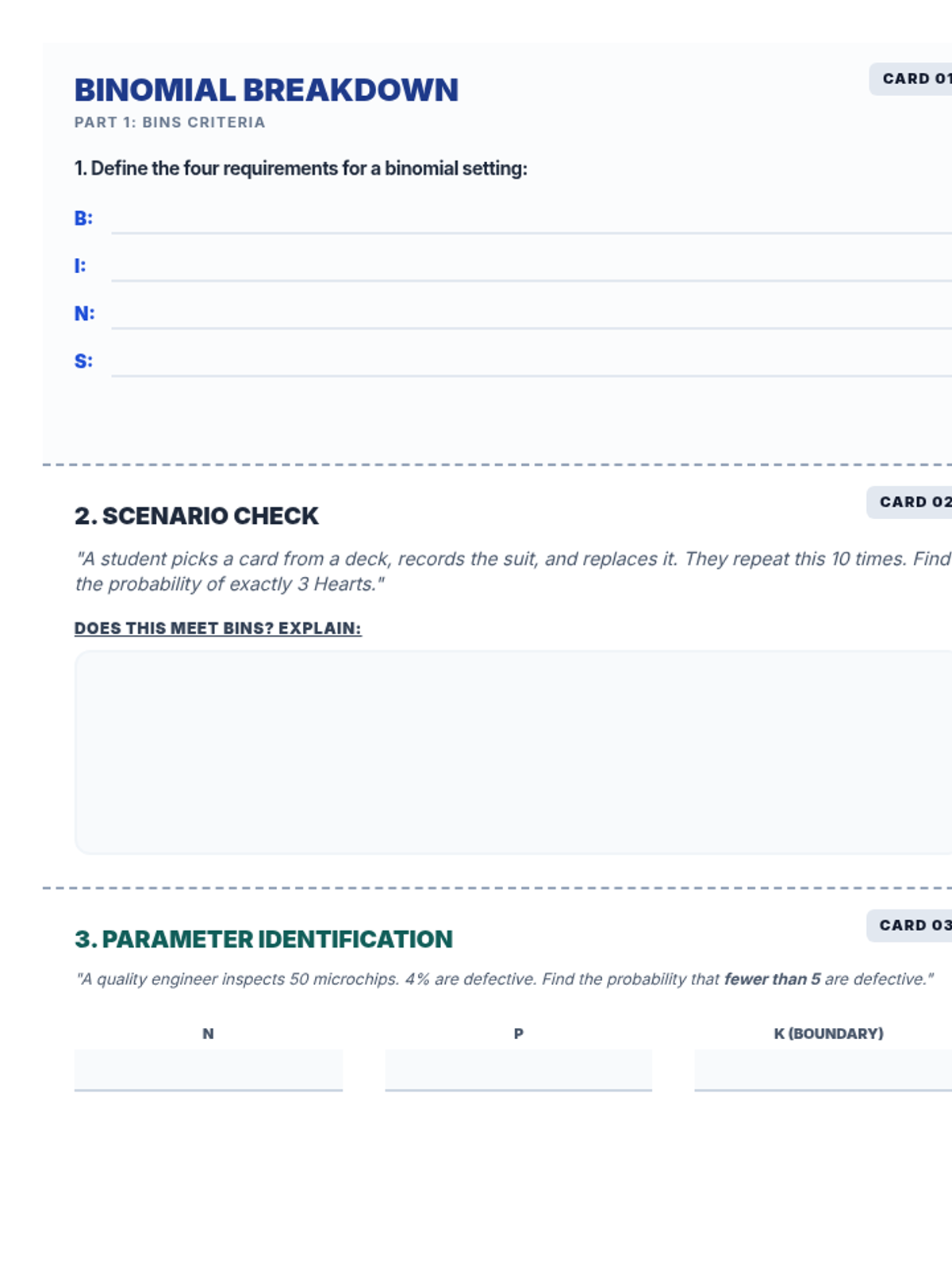
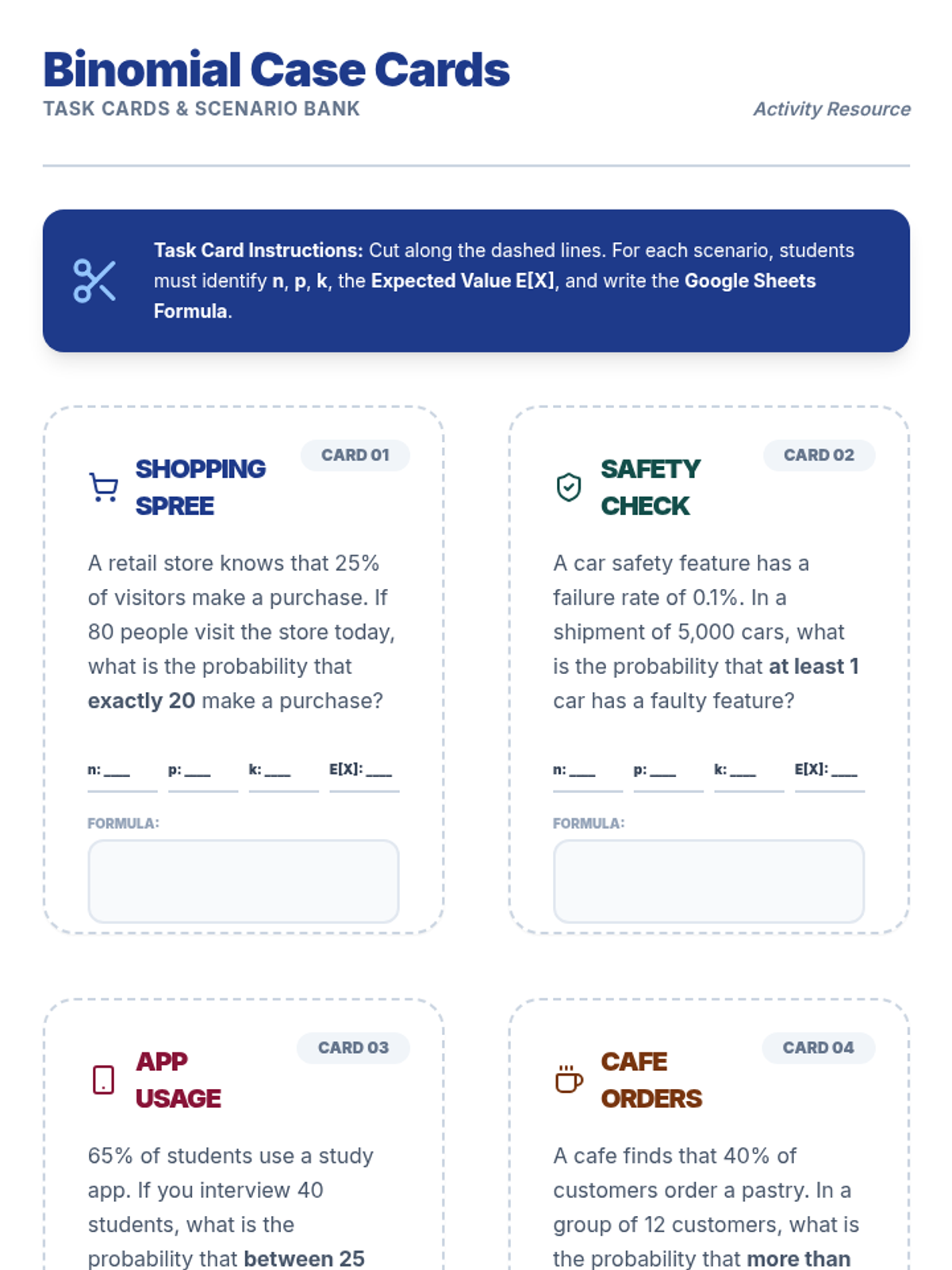
A focused lesson on the binomial distribution, covering the BINS criteria, identifying parameters, and calculating probabilities using digital spreadsheet tools.
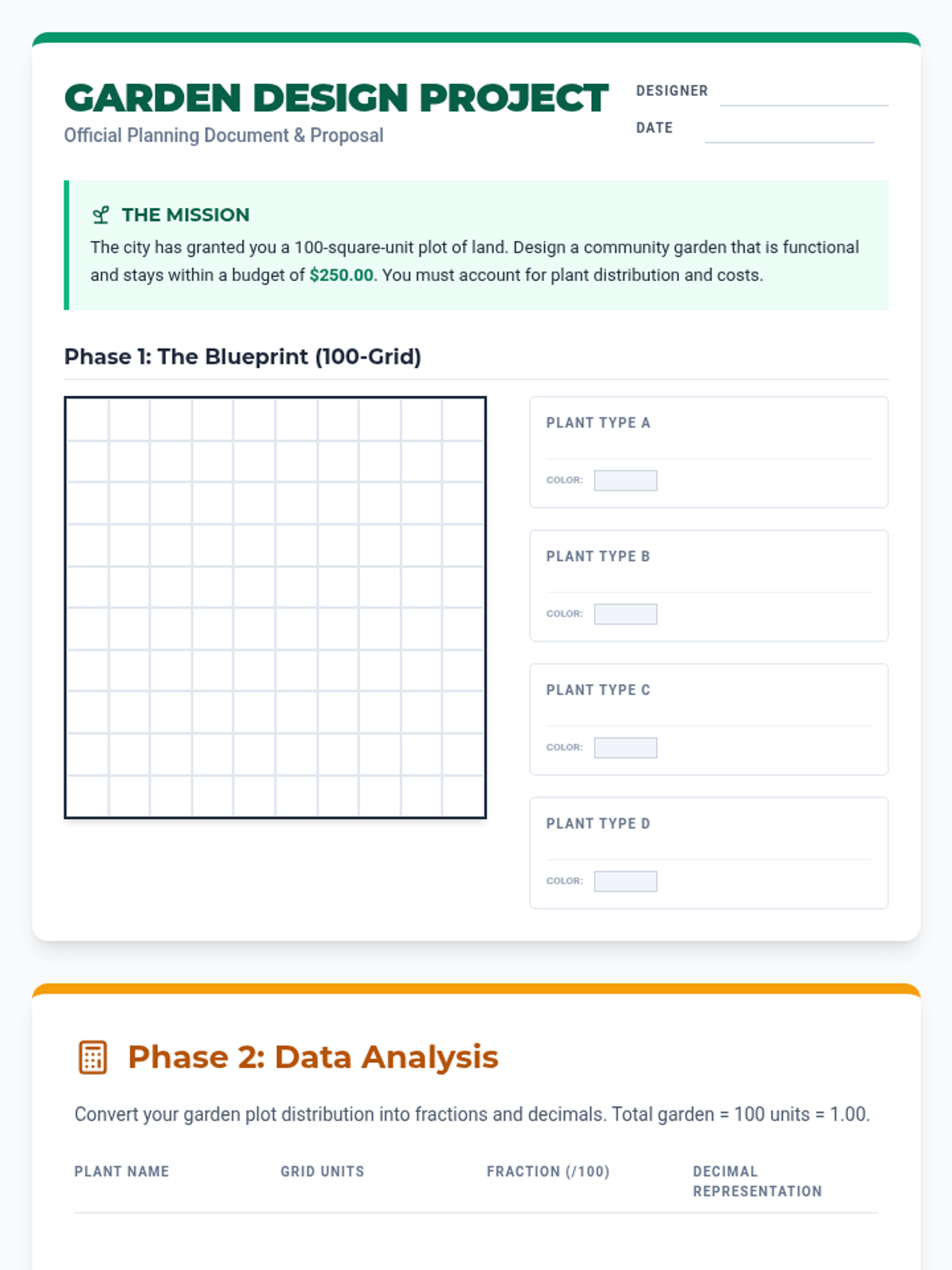
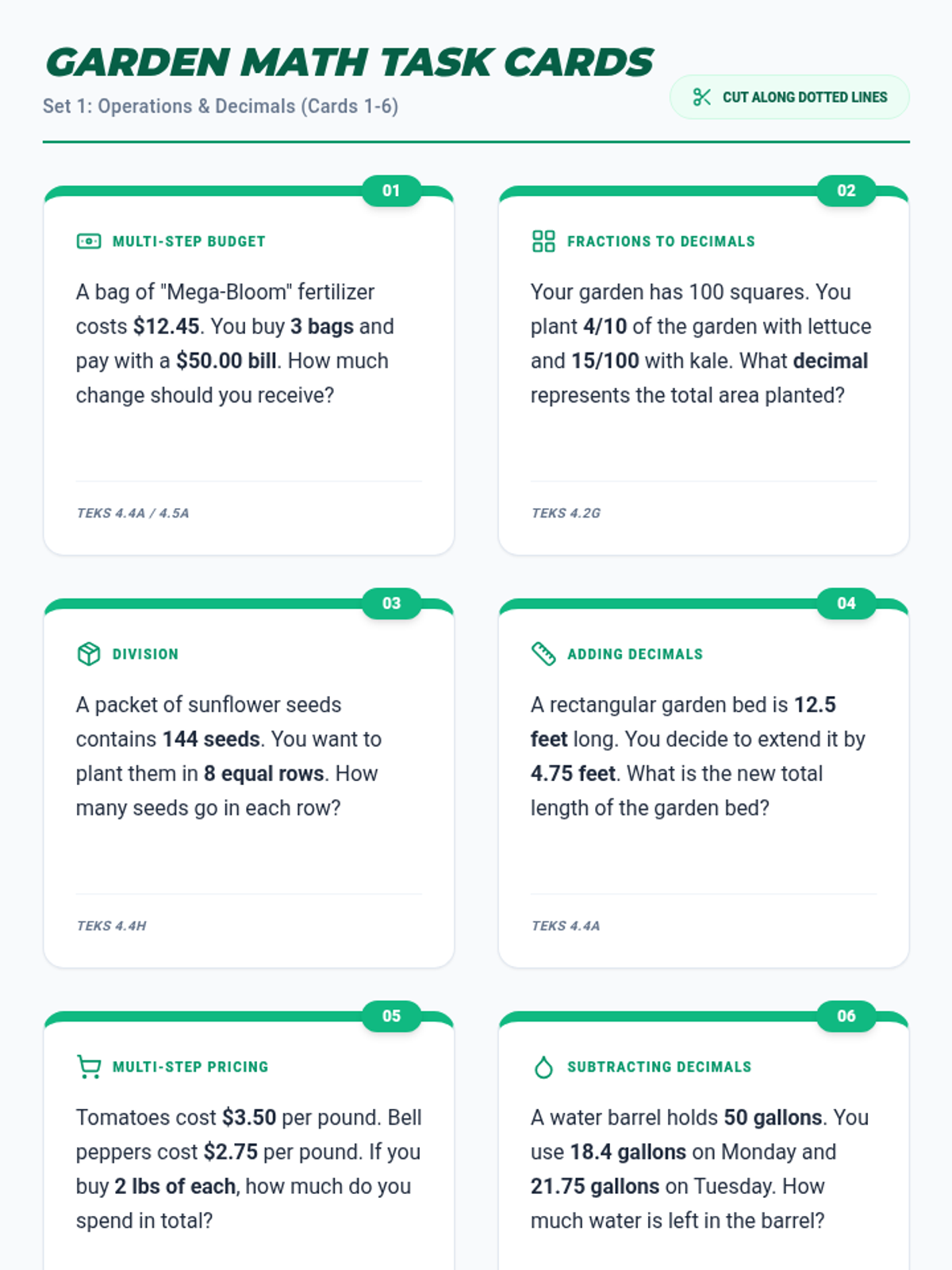
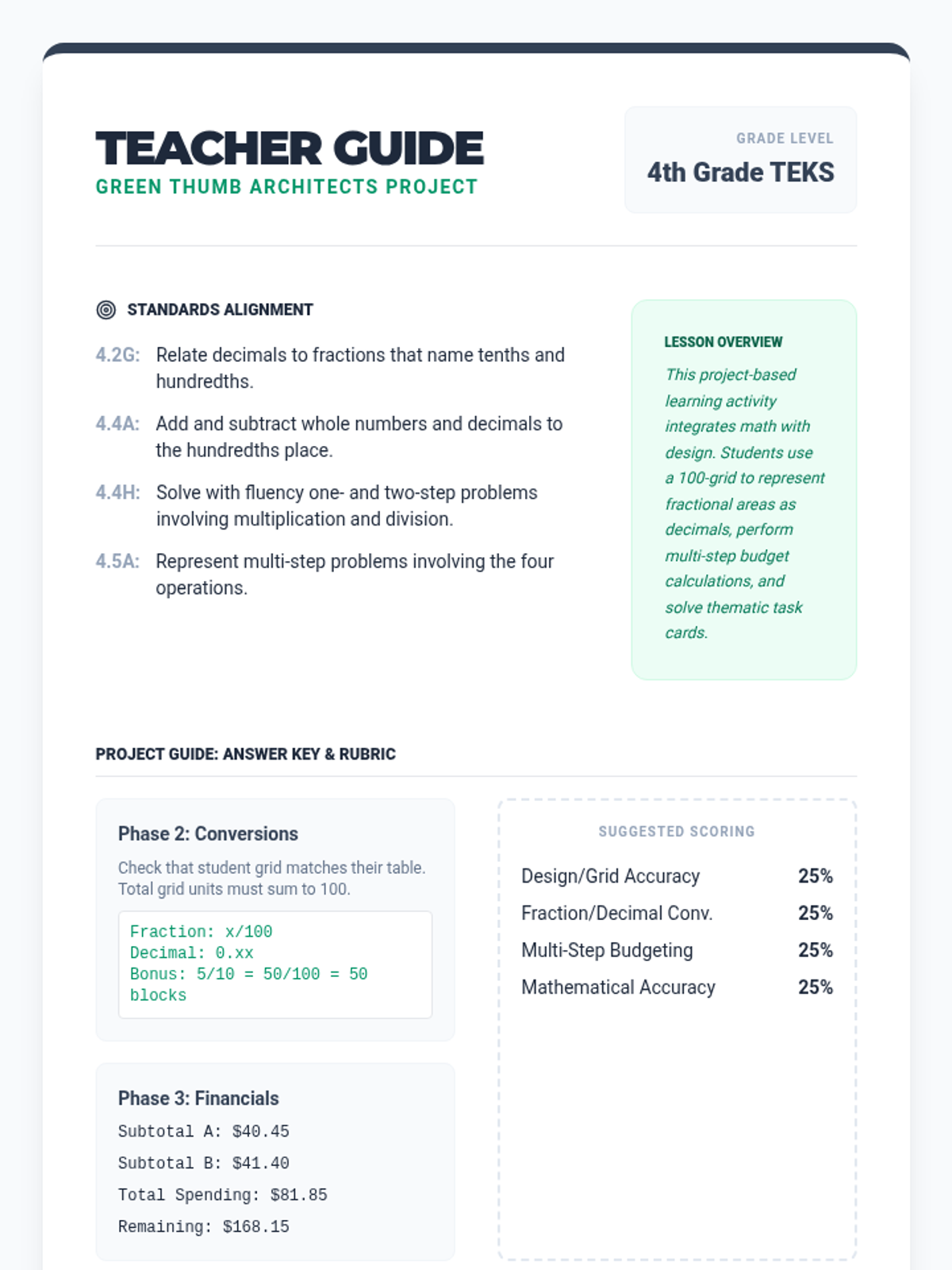
A math-focused project where students step into the role of garden designers to plan a community space while mastering multi-step word problems, decimal operations, and the relationship between fractions and decimals.
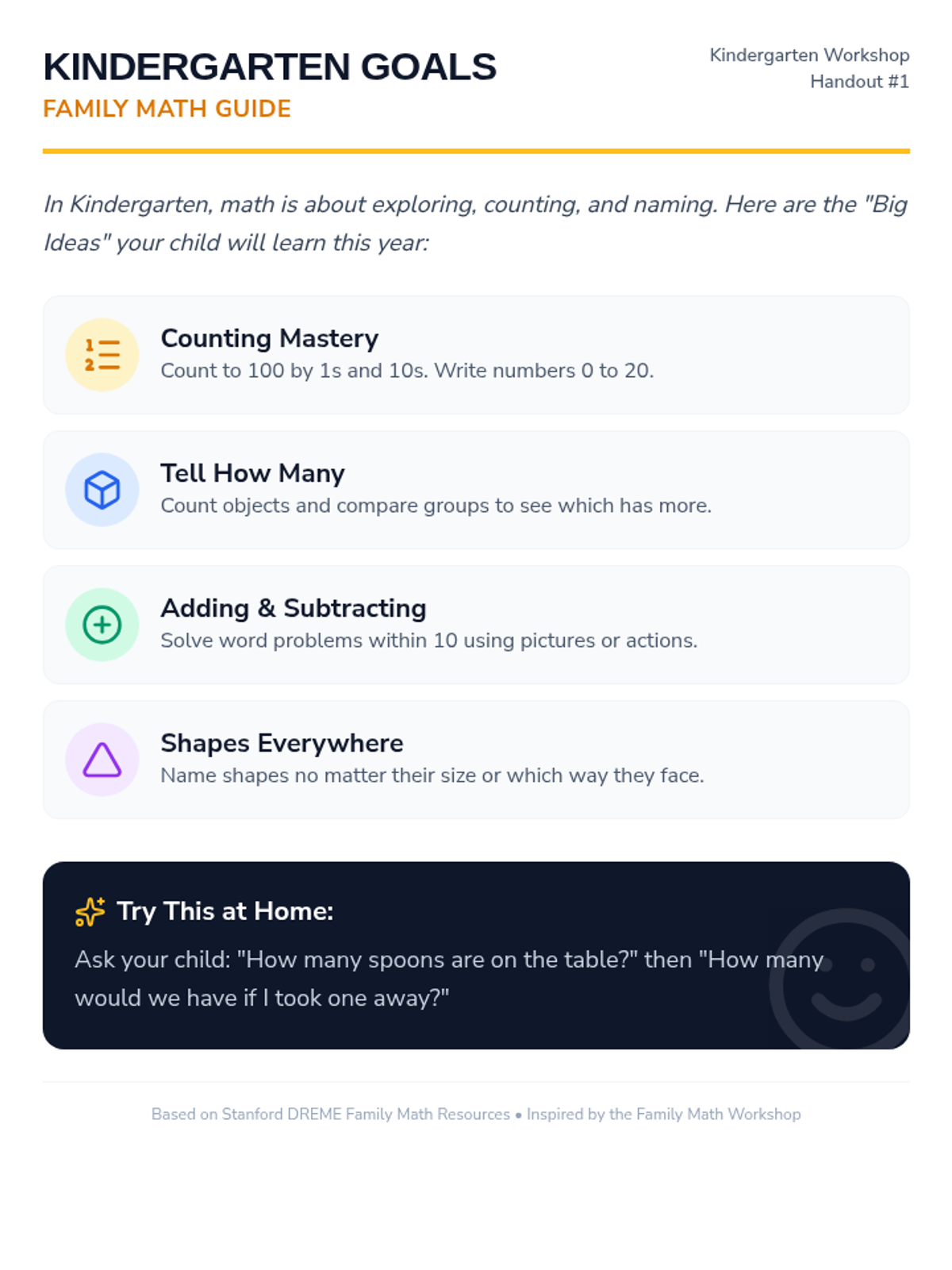
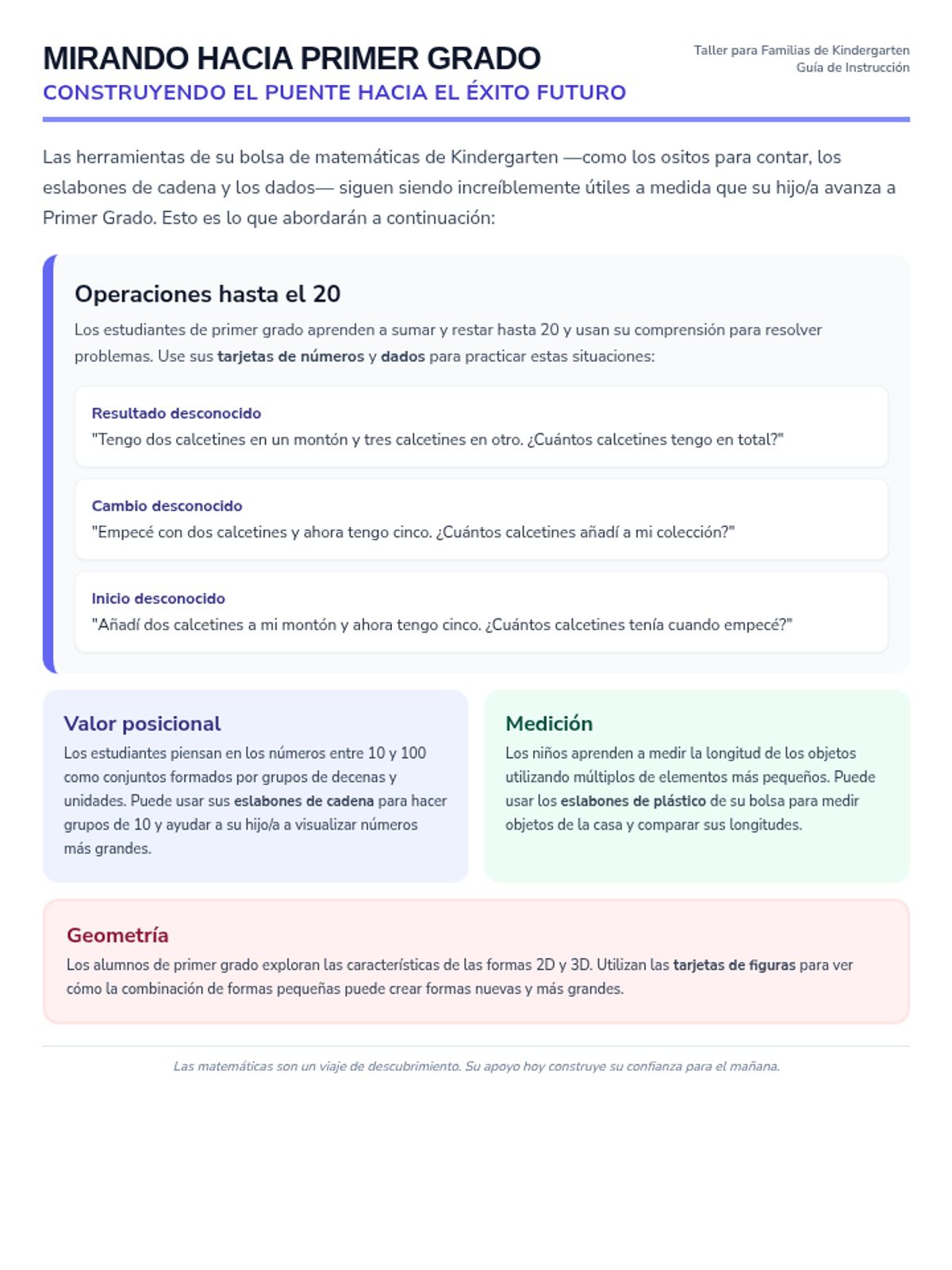
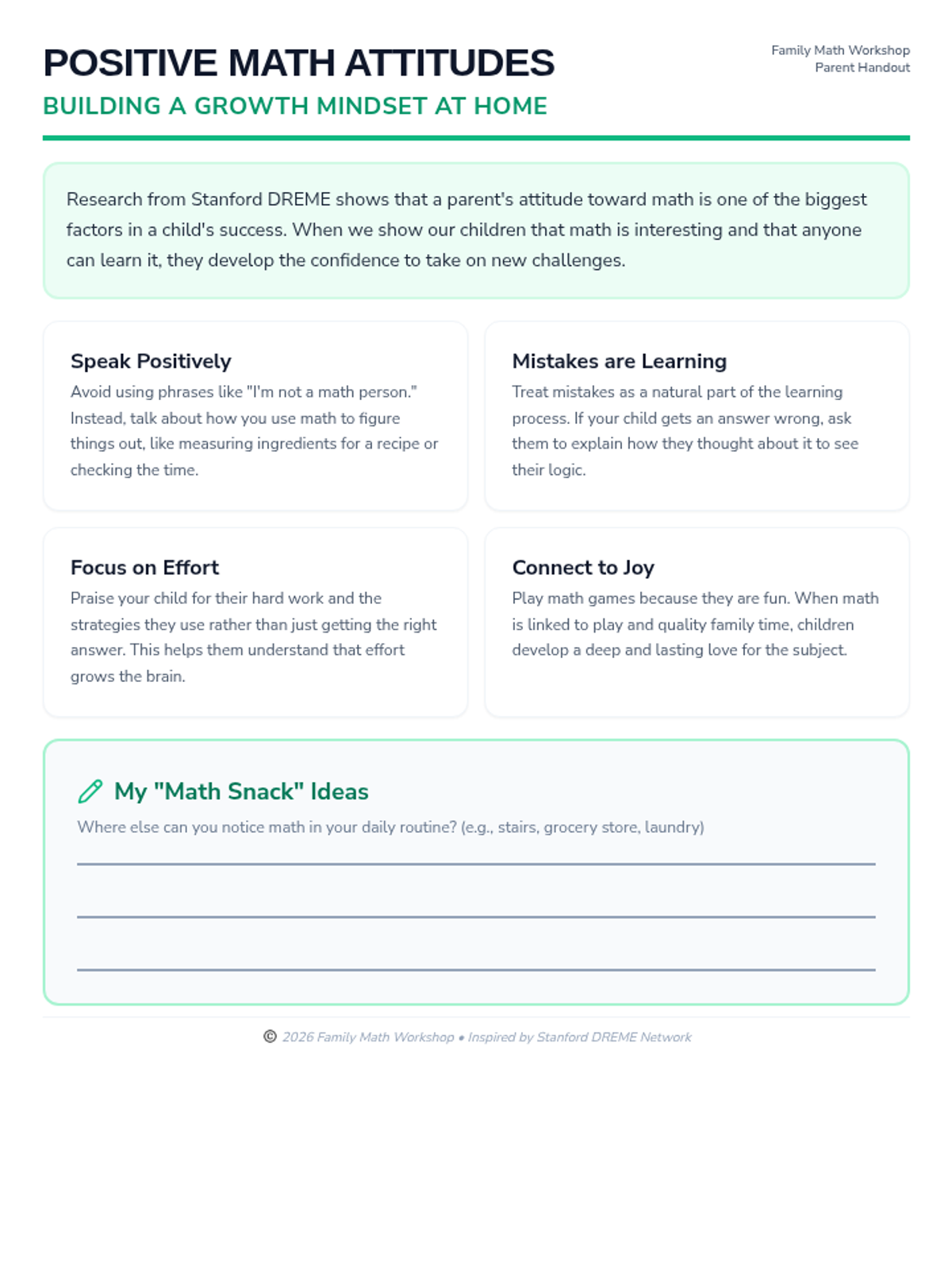
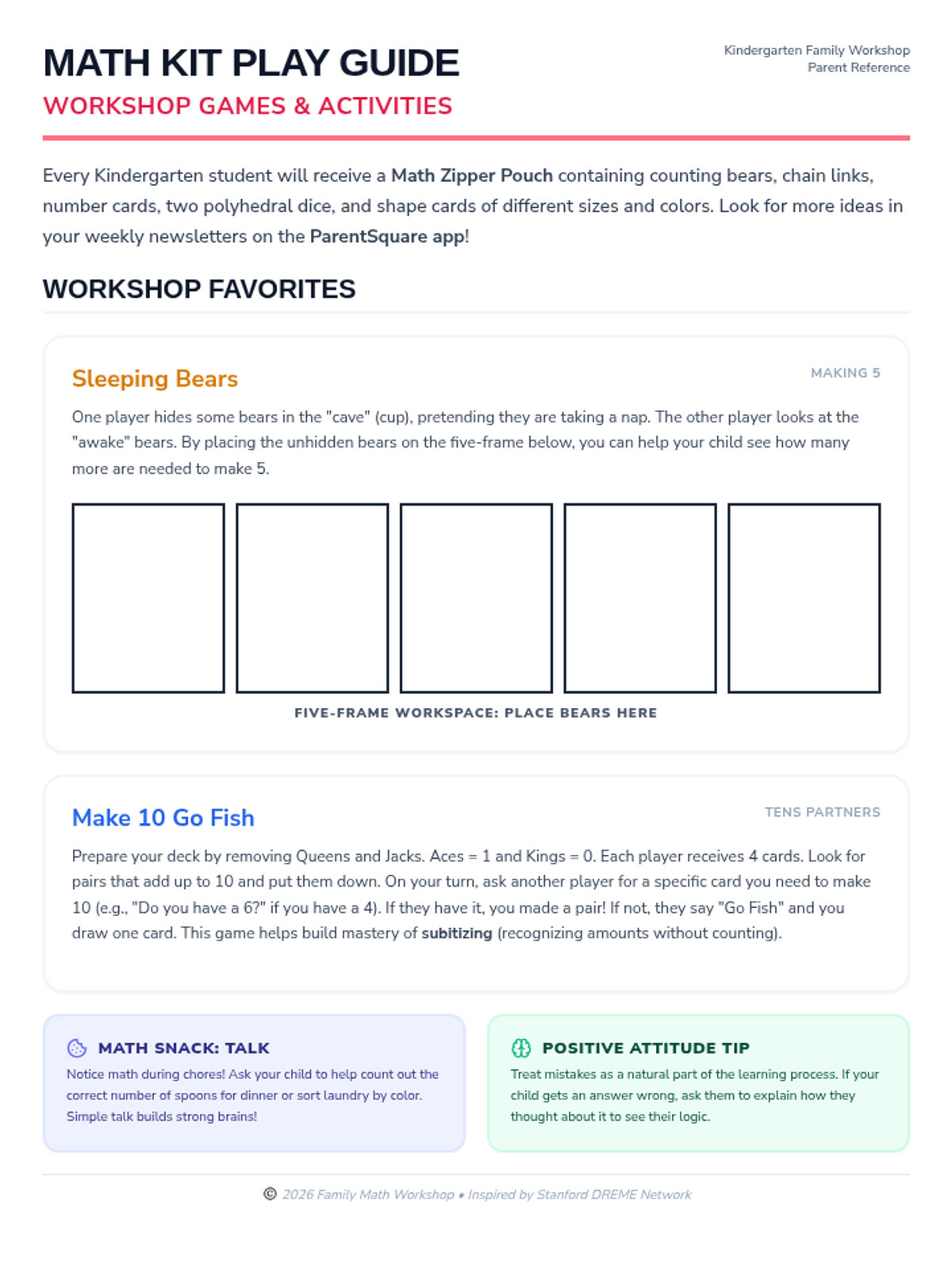
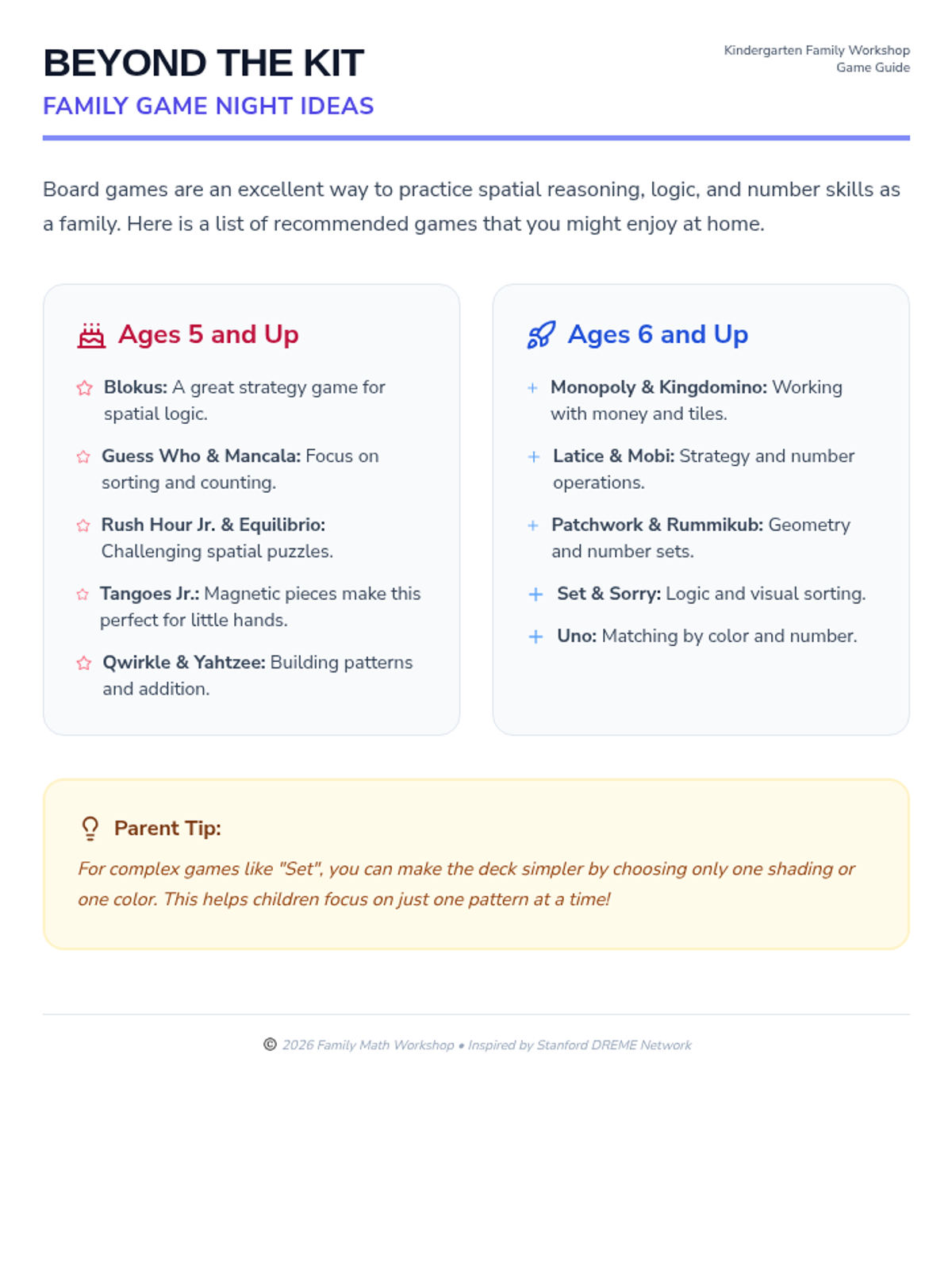
A comprehensive workshop for Kindergarten parents and guardians focused on building positive math attitudes and supporting math learning at home through play and daily routines. Based on Stanford DREME research.
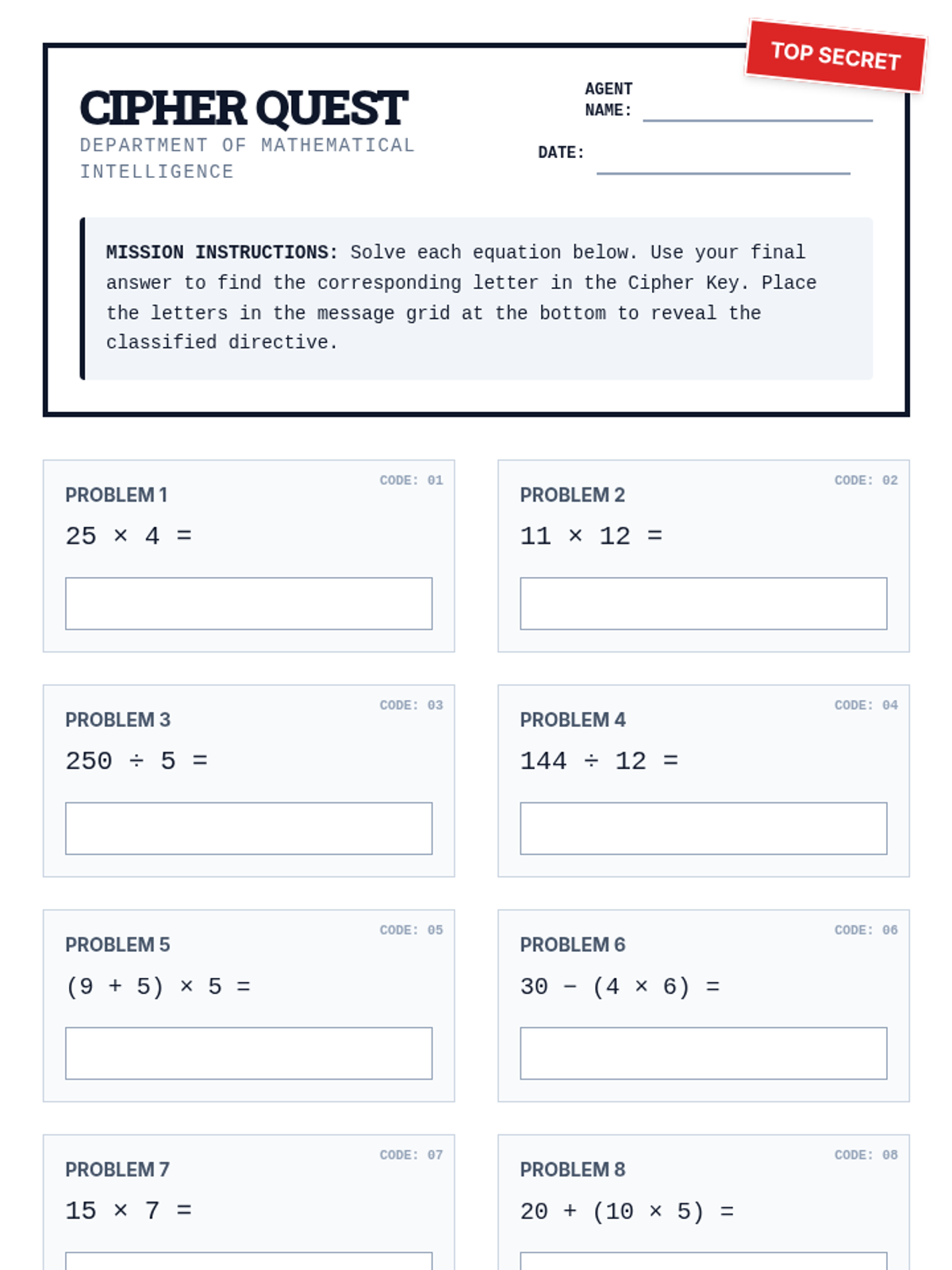
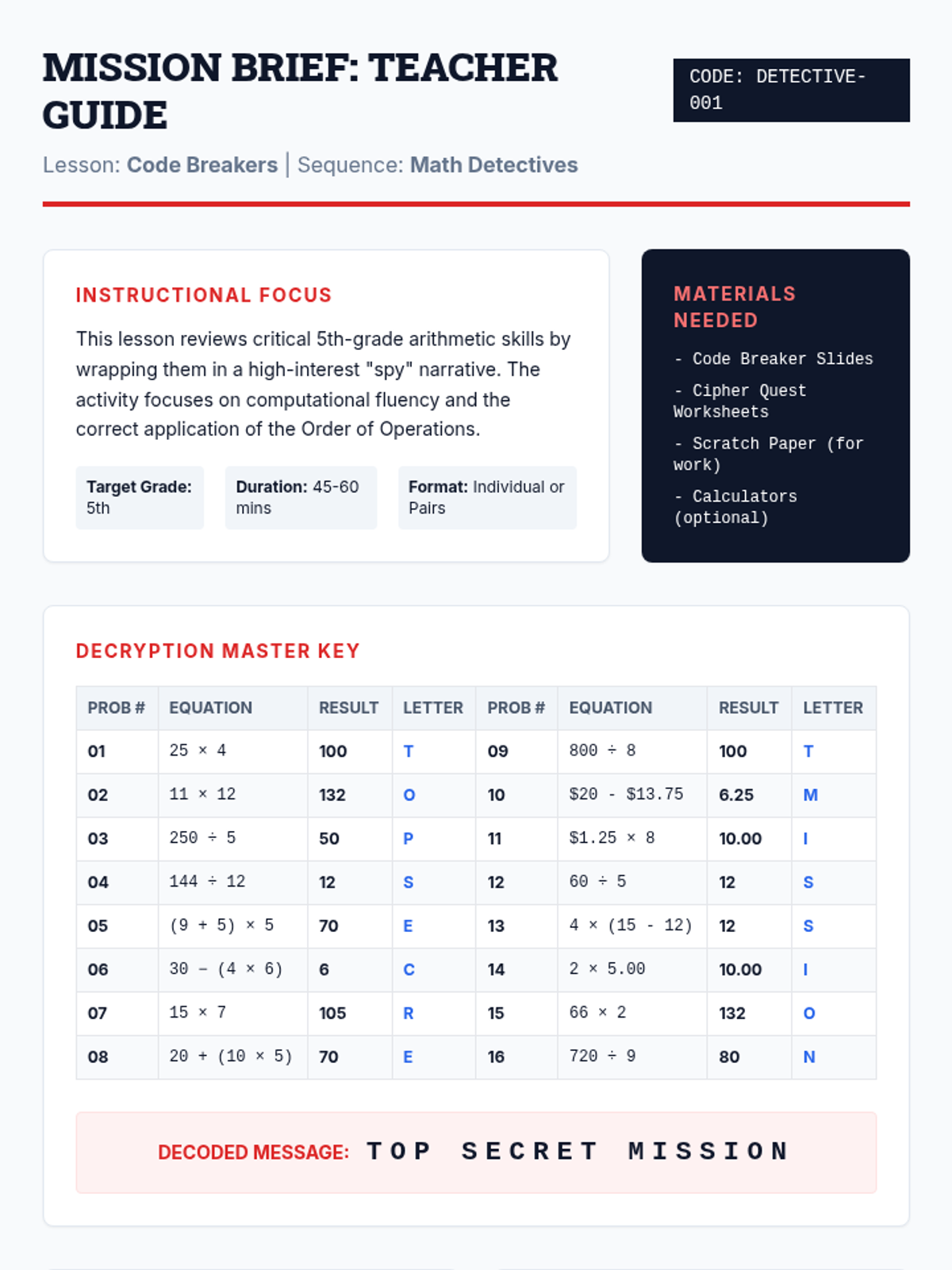
An engaging introduction to multi-digit multiplication, division, and order of operations through a spy-themed decoding challenge. Students act as 'Math Detectives' to solve a series of problems and reveal a hidden message.
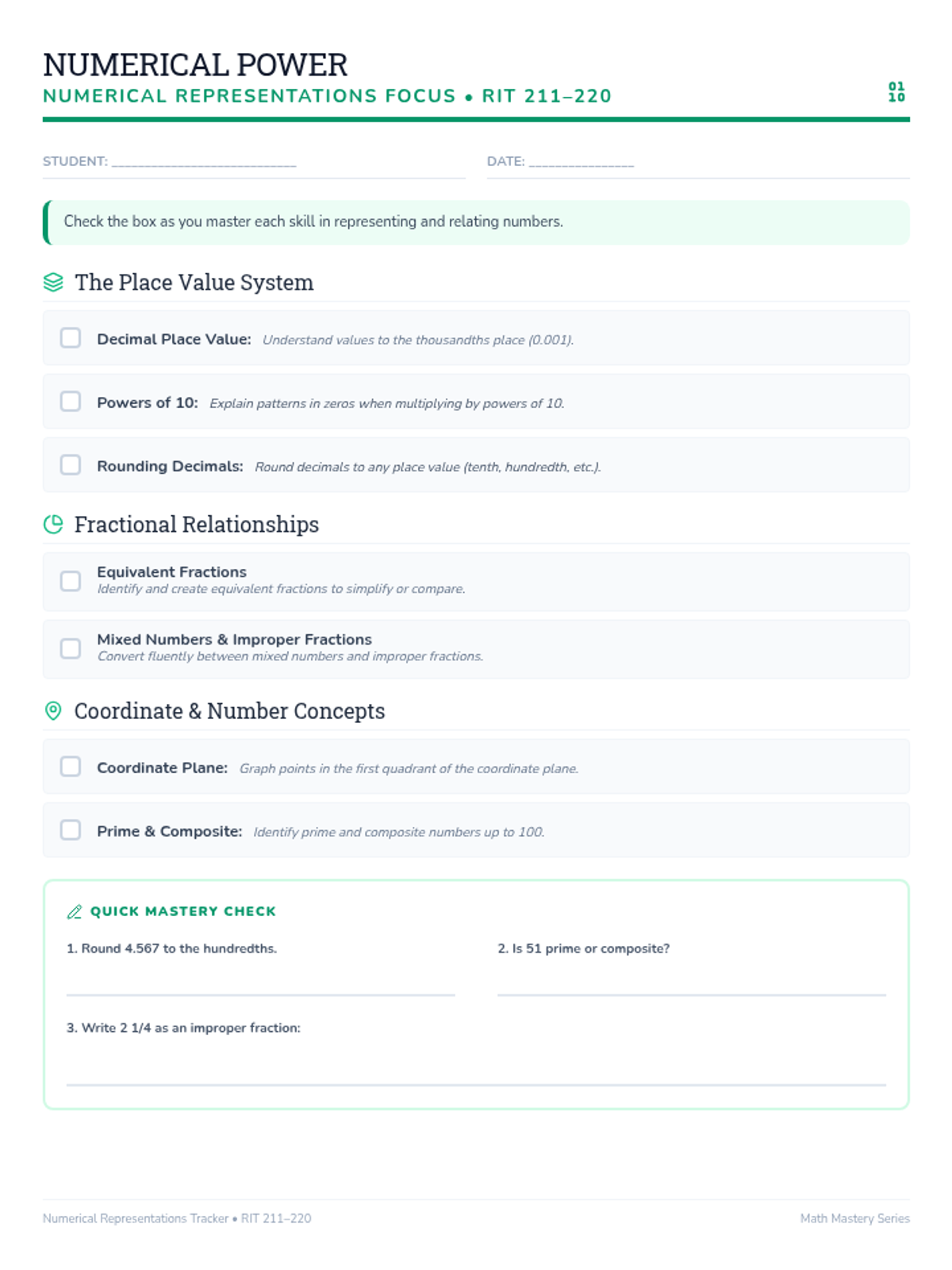
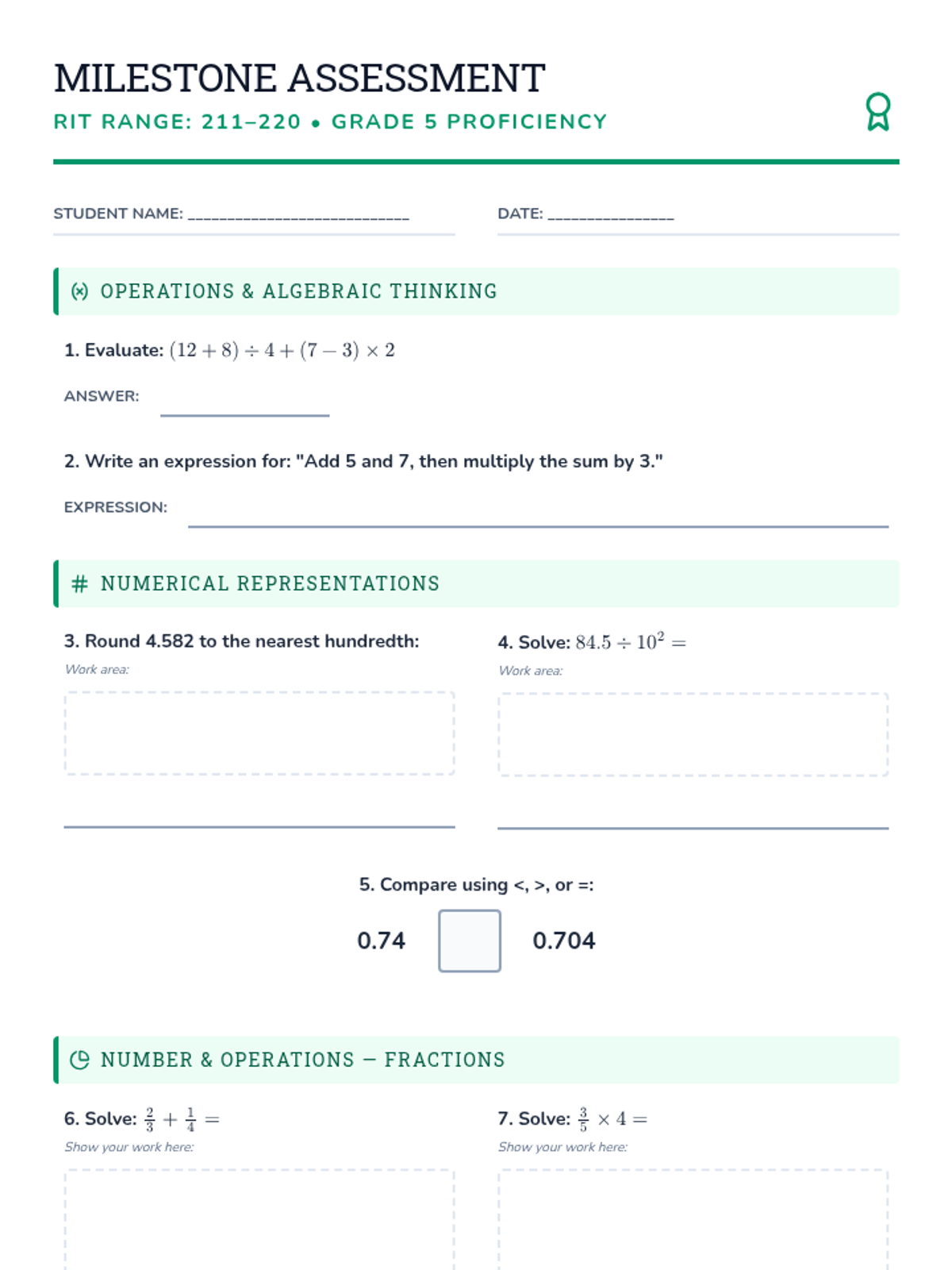
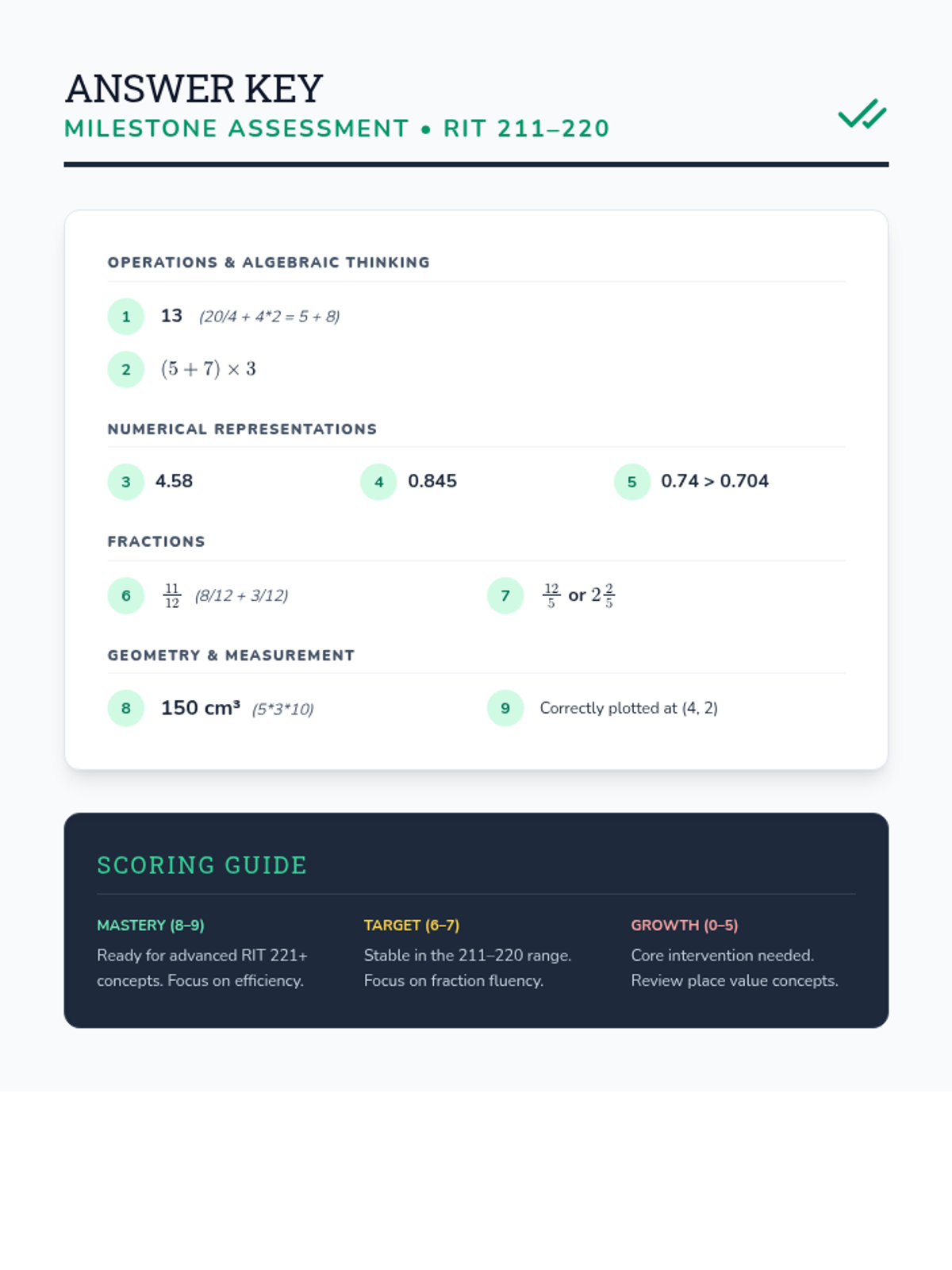
A specialized toolkit for navigating mathematical skills in the 211-220 RIT range, with a focus on foundational decimals, fractions, and place value relationships.