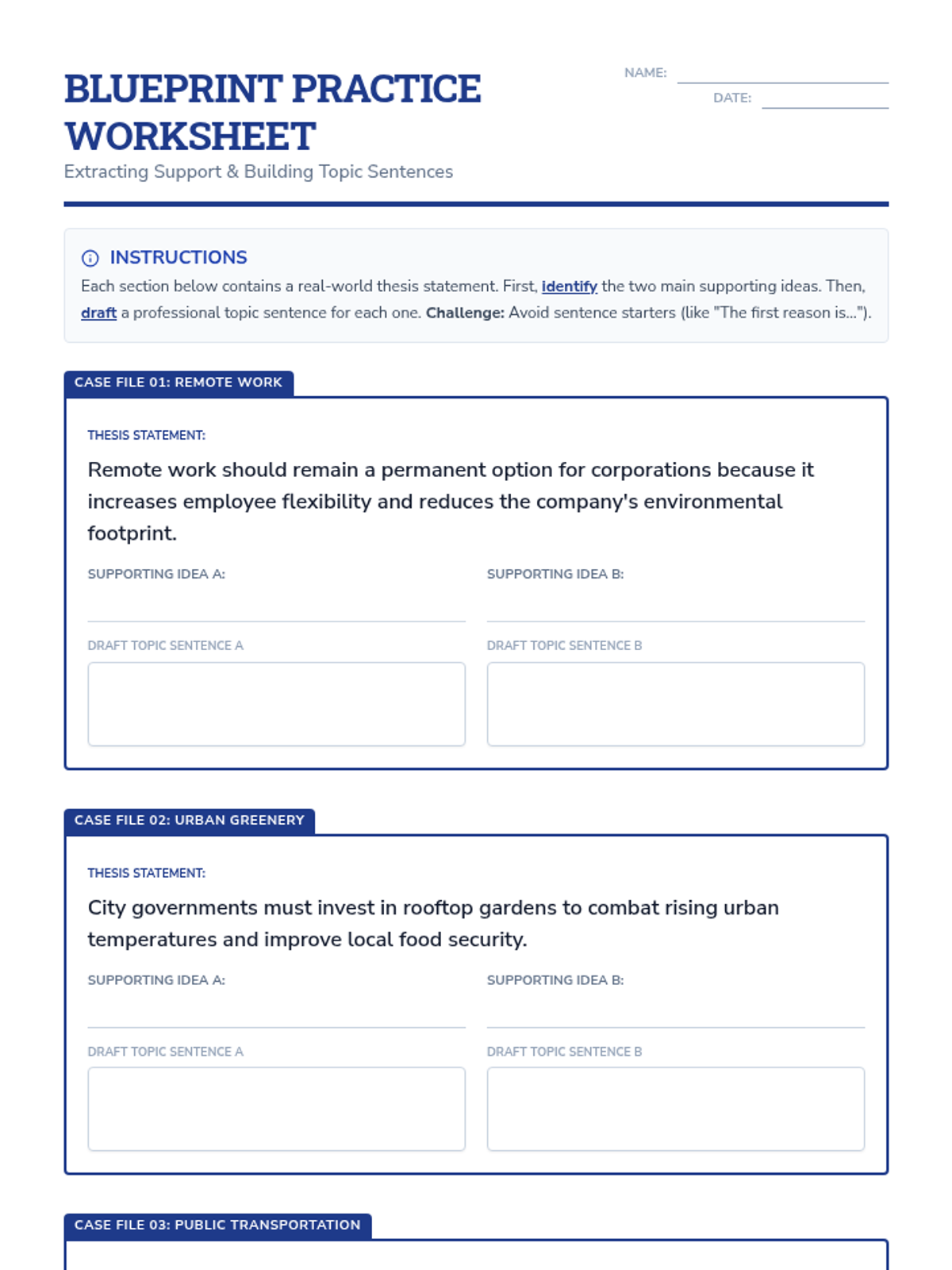
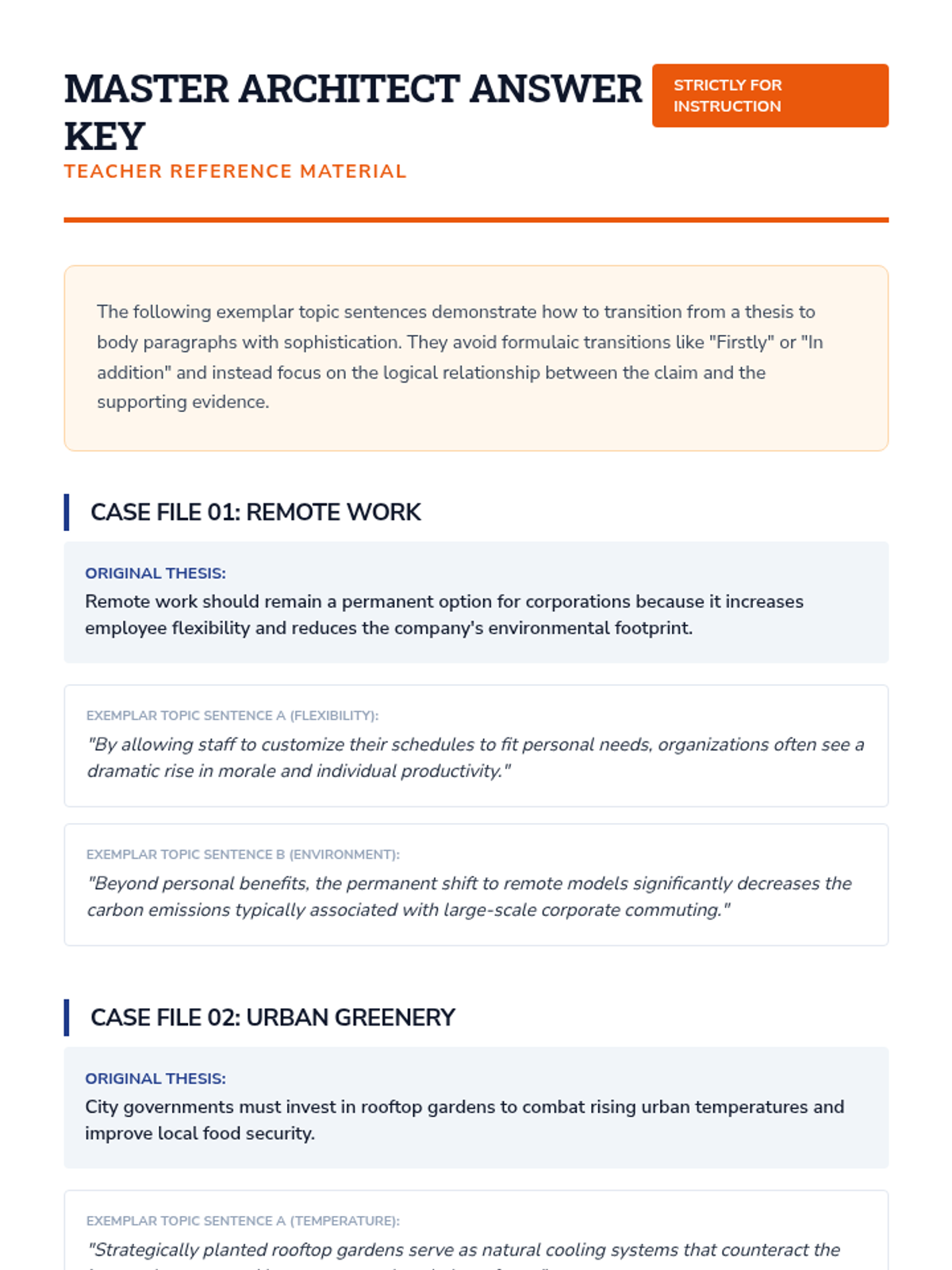
A rigorous lesson on bridging the gap between an analytical thesis statement and body paragraphs through logical, claim-driven topic sentences.
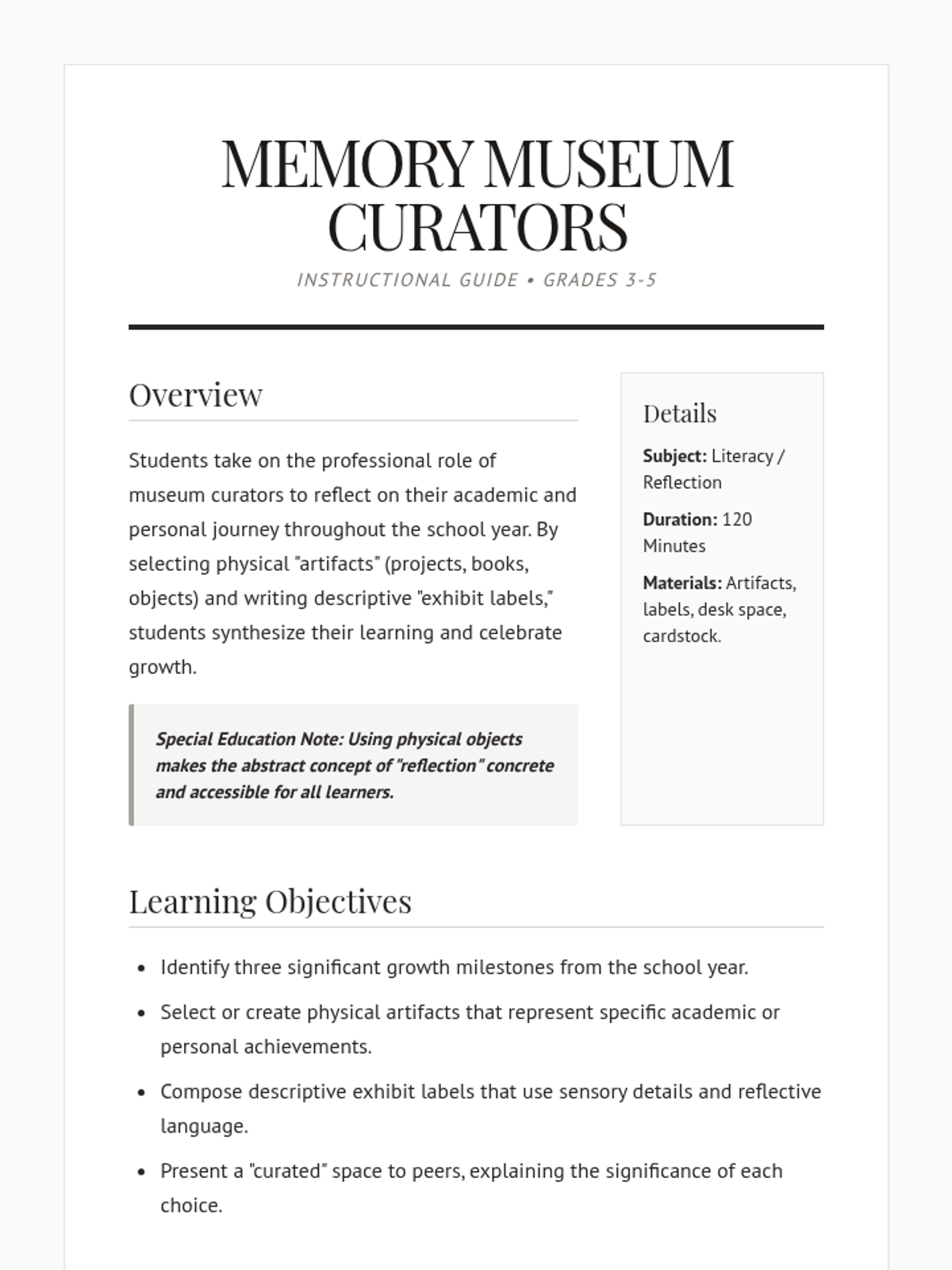
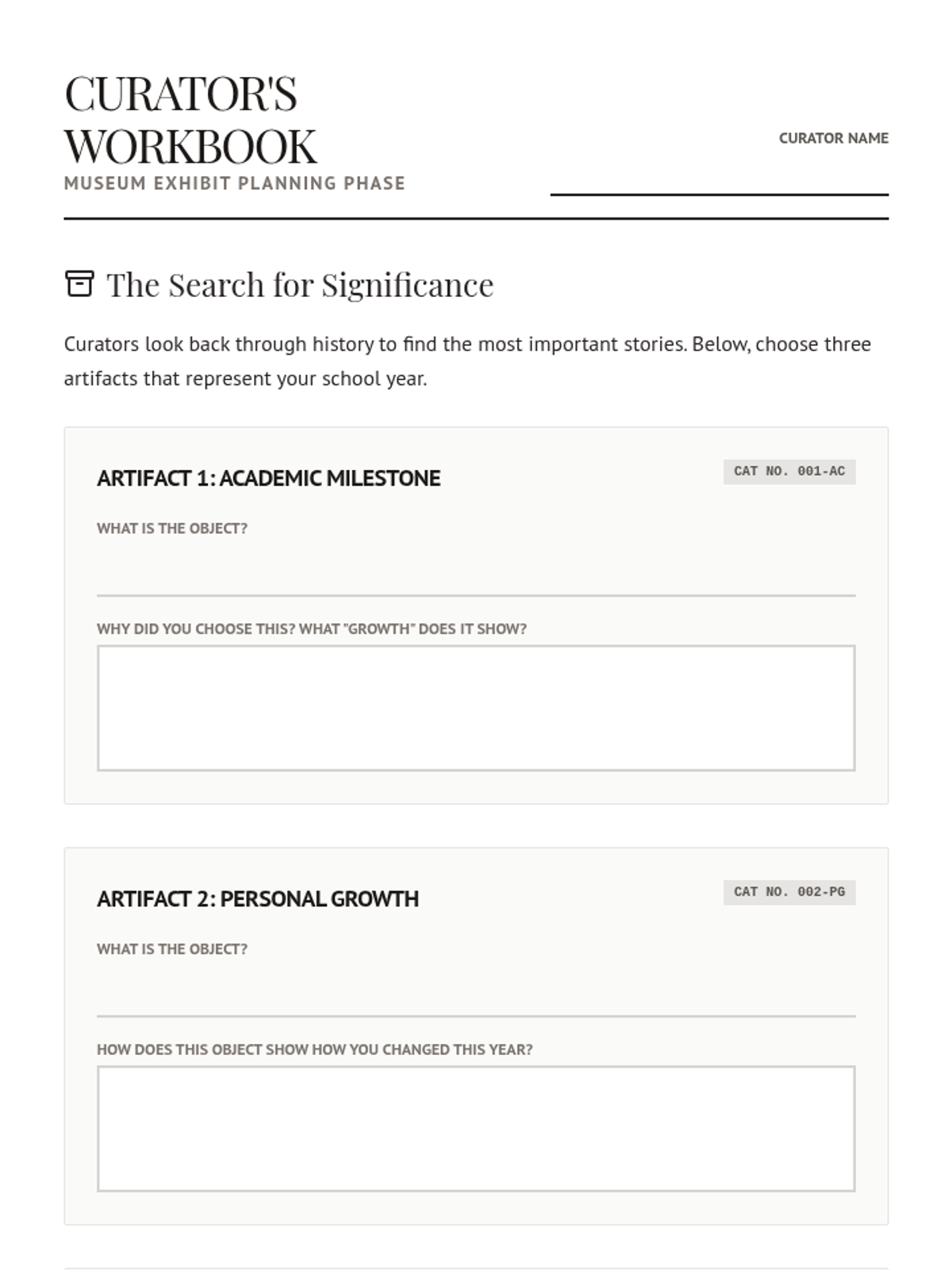
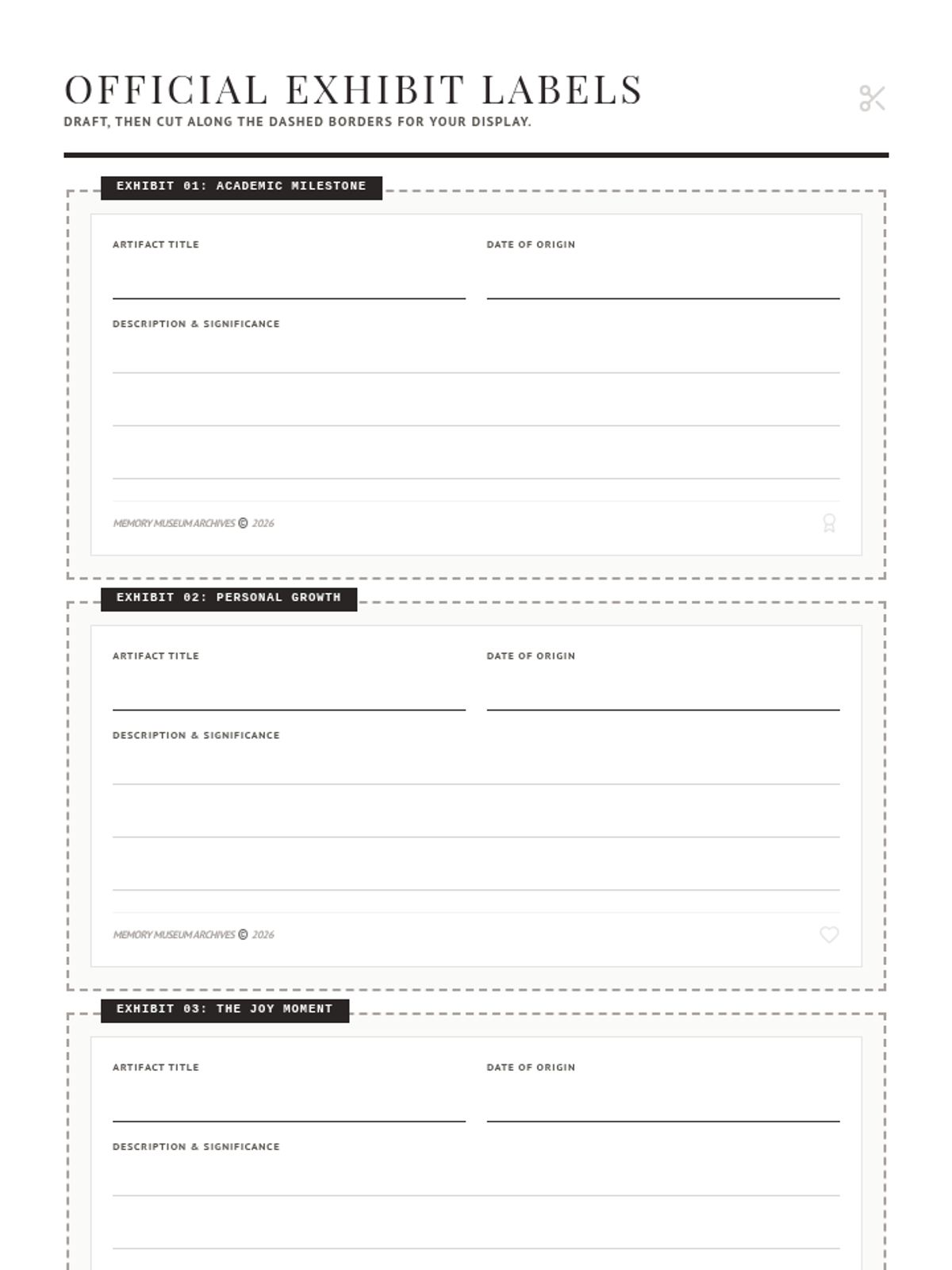
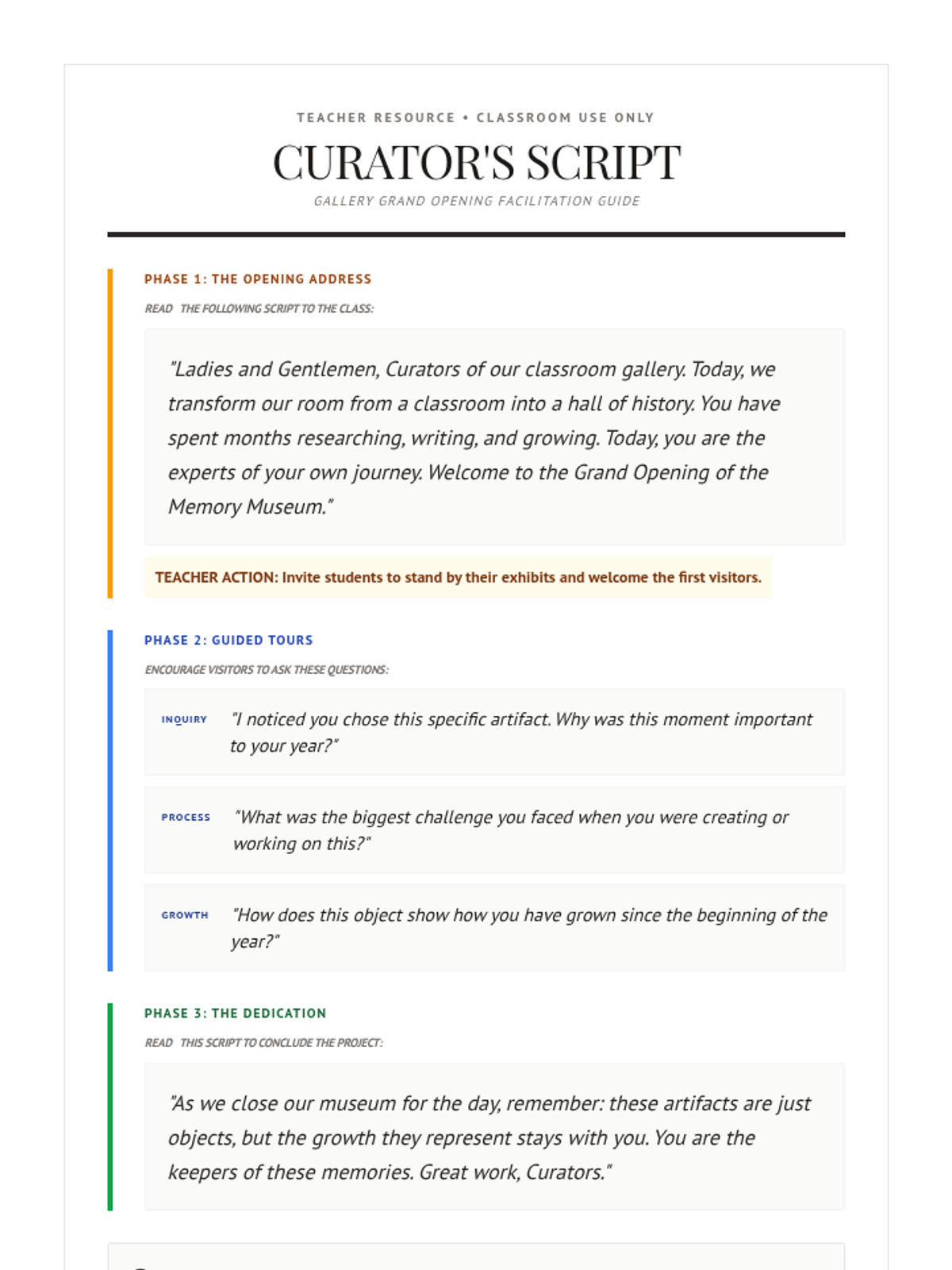
A reflective end-of-year literacy project where students act as museum curators to showcase their academic growth and personal milestones through physical artifacts and descriptive writing.
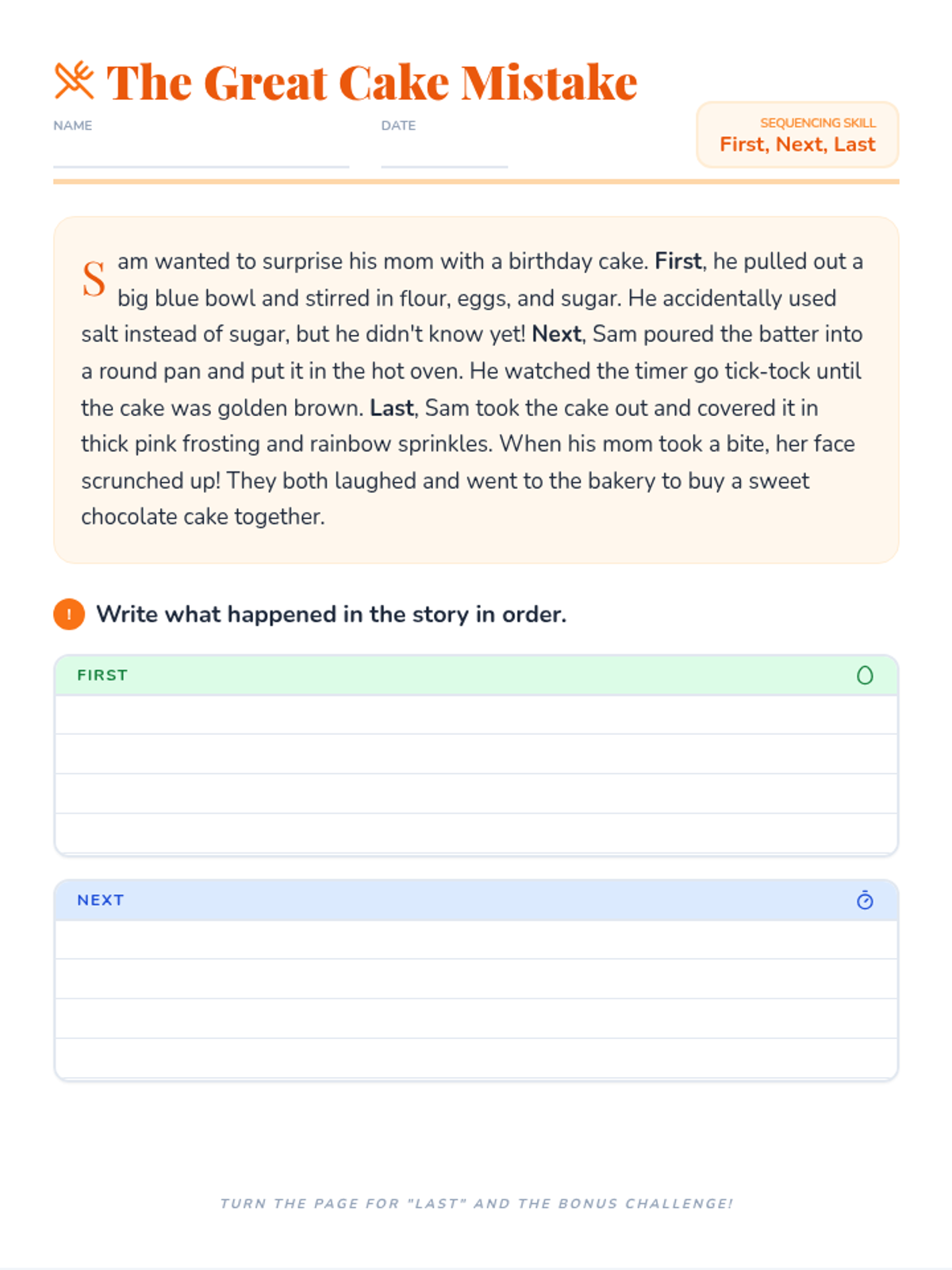
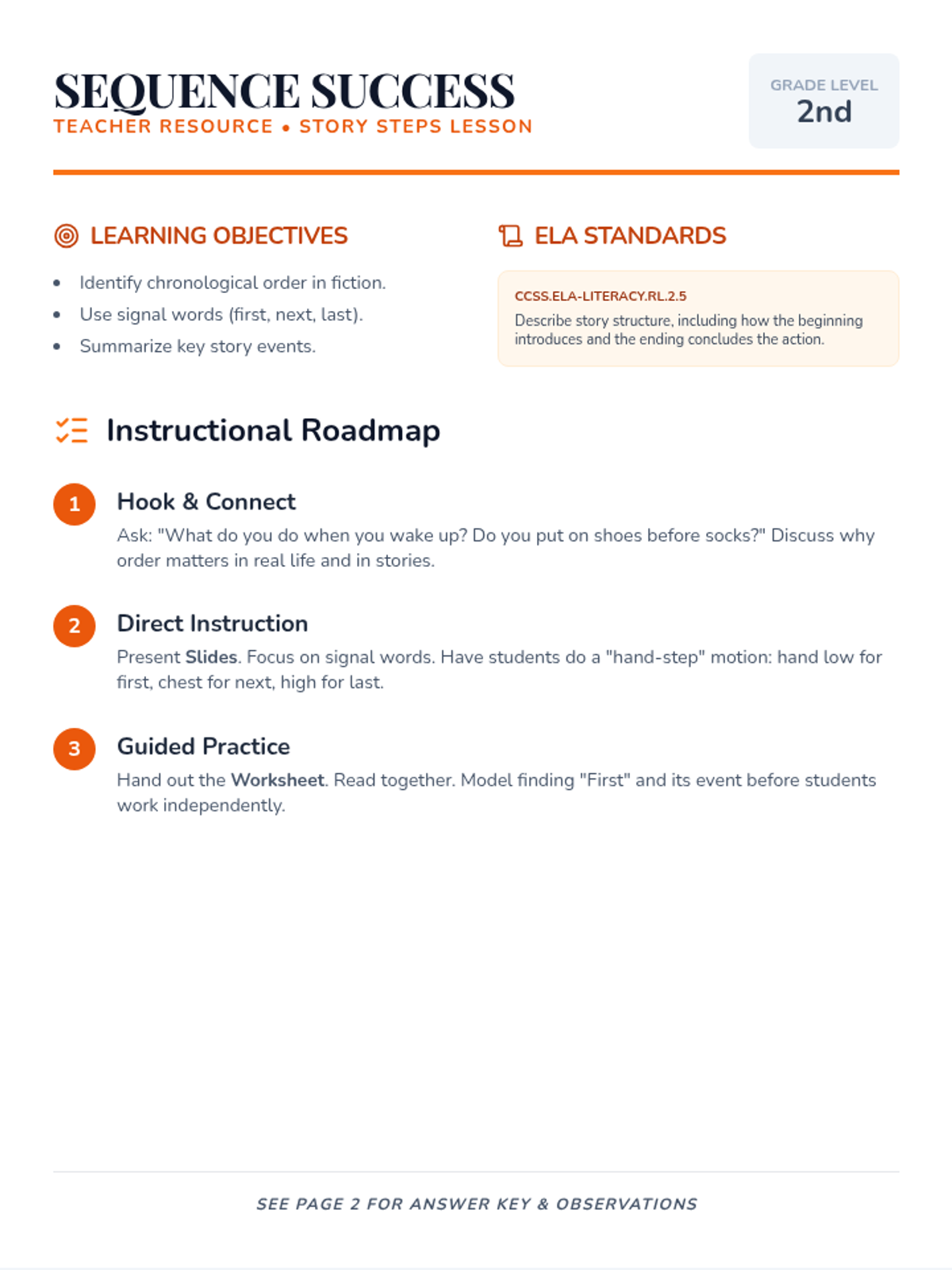
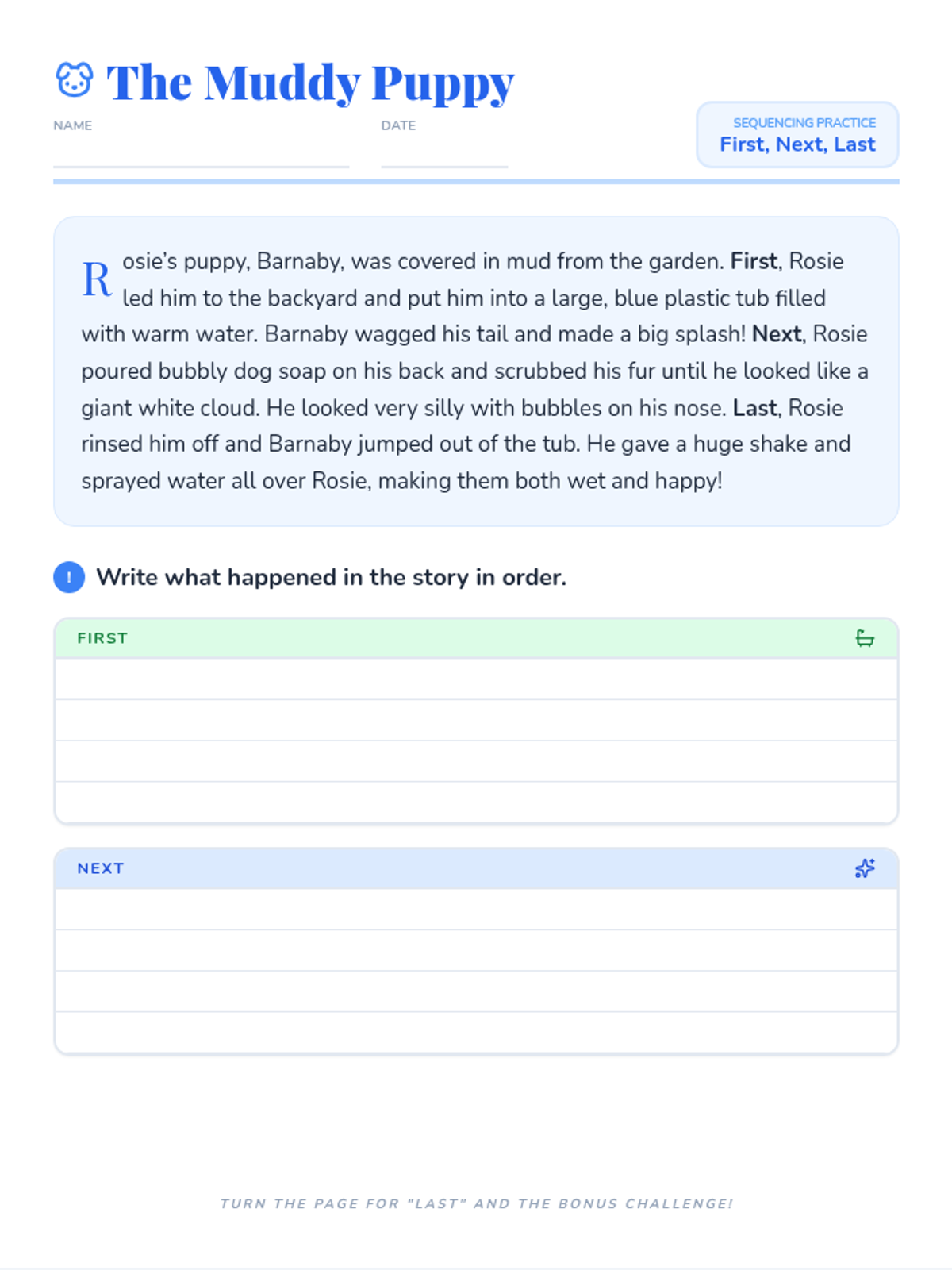
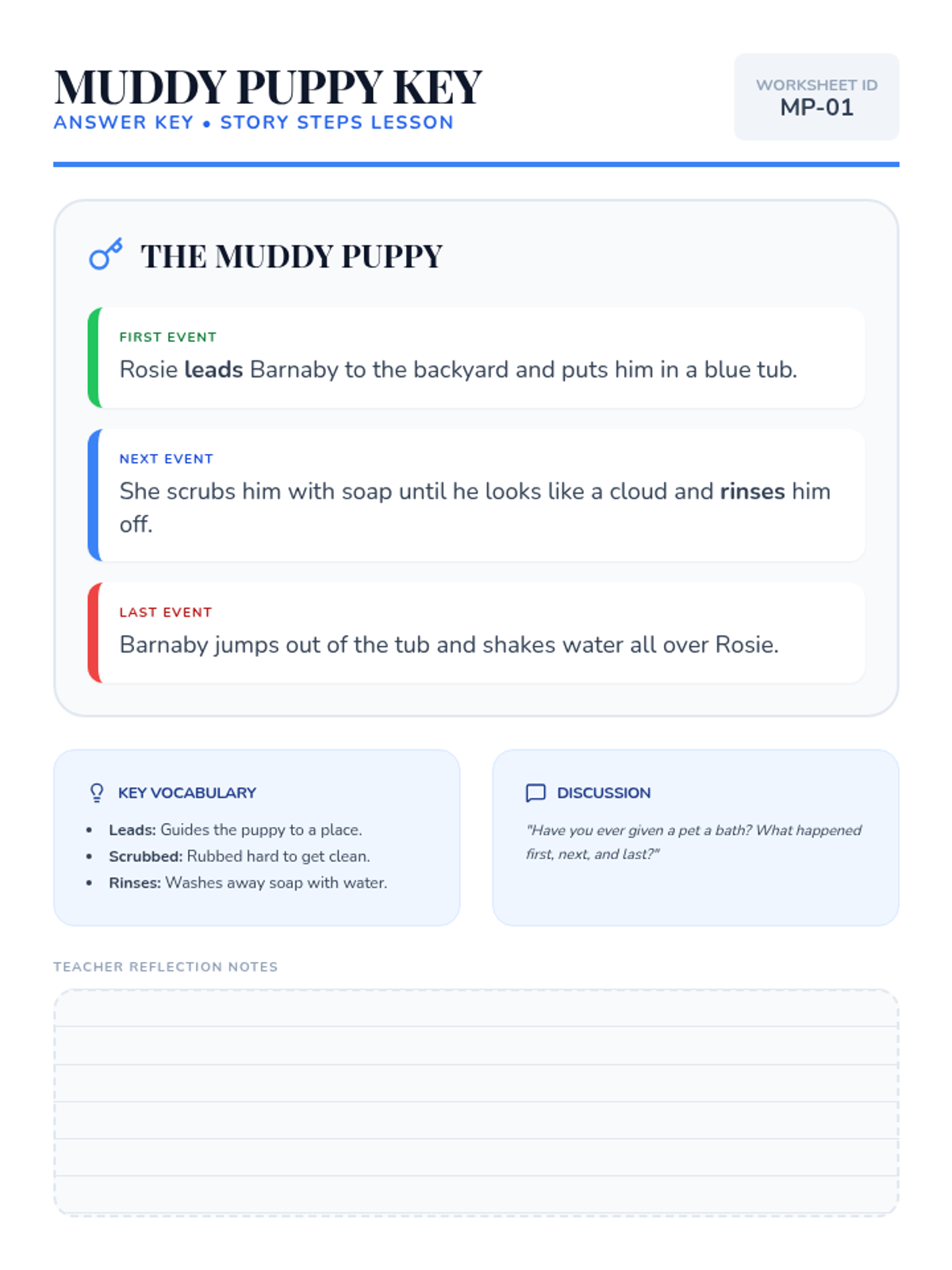
A lesson for second graders to master sequencing fiction stories using the signal words first, next, and last. Includes a presentation, a short story worksheet, and a teaching guide.
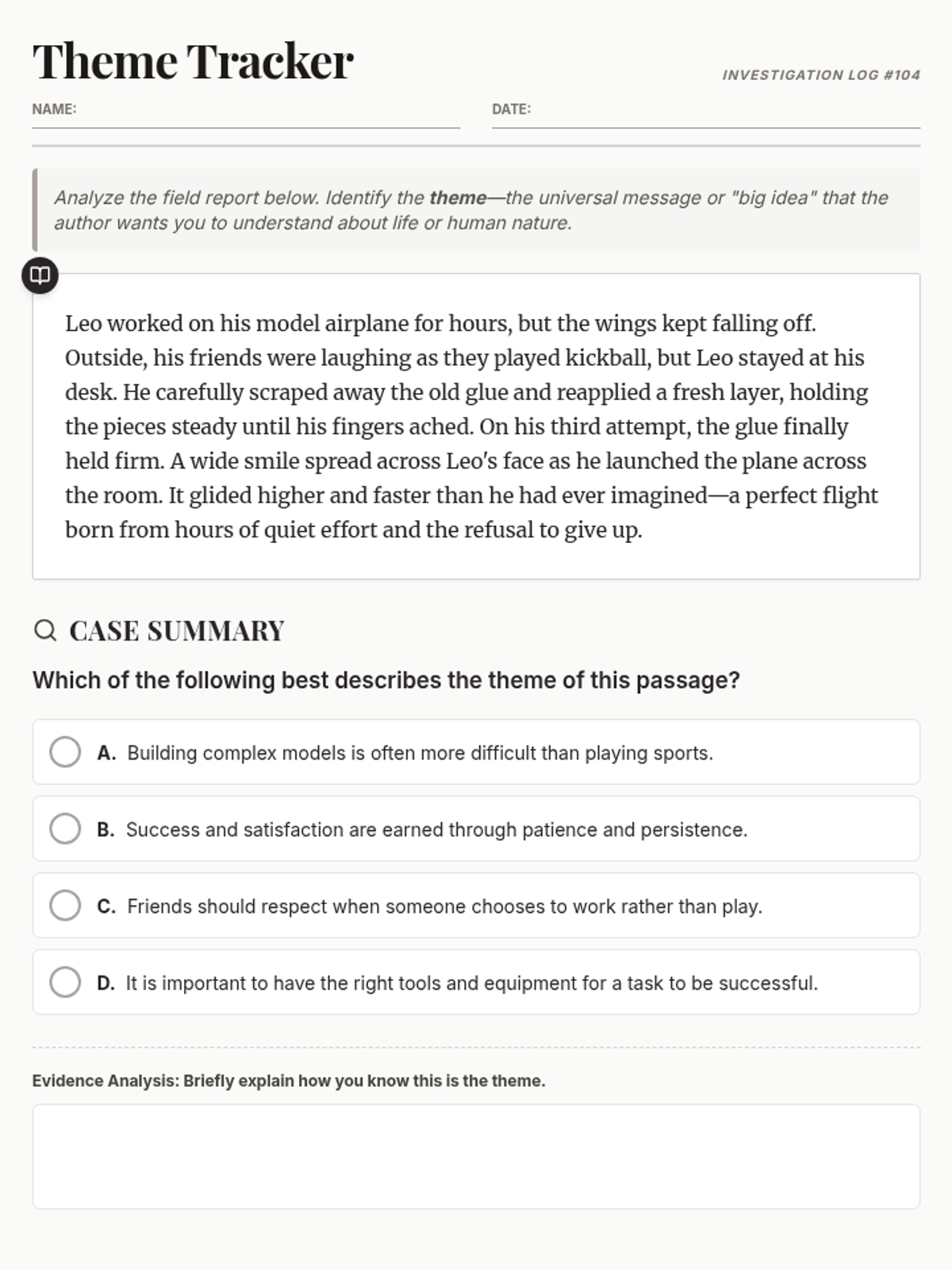
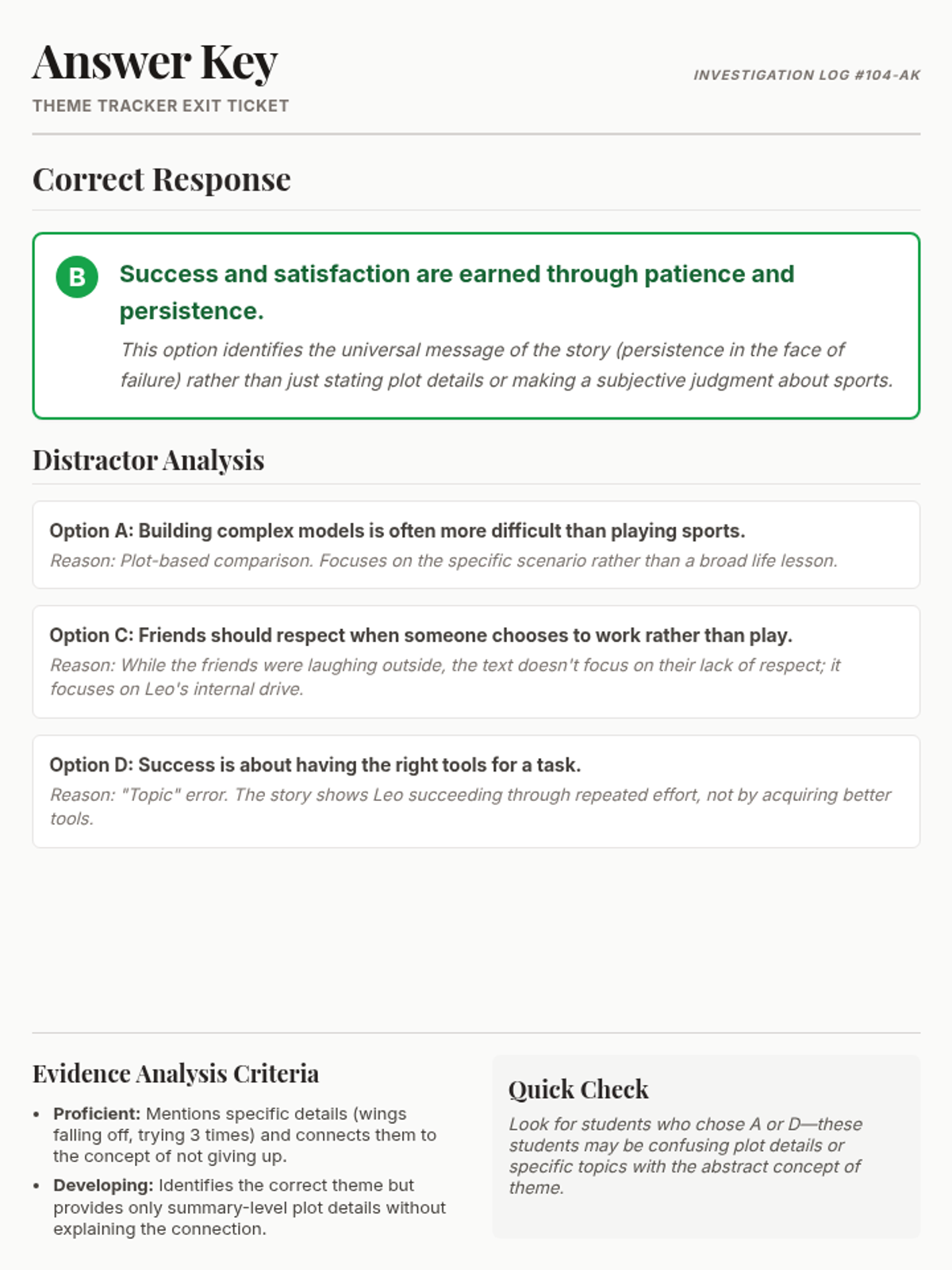
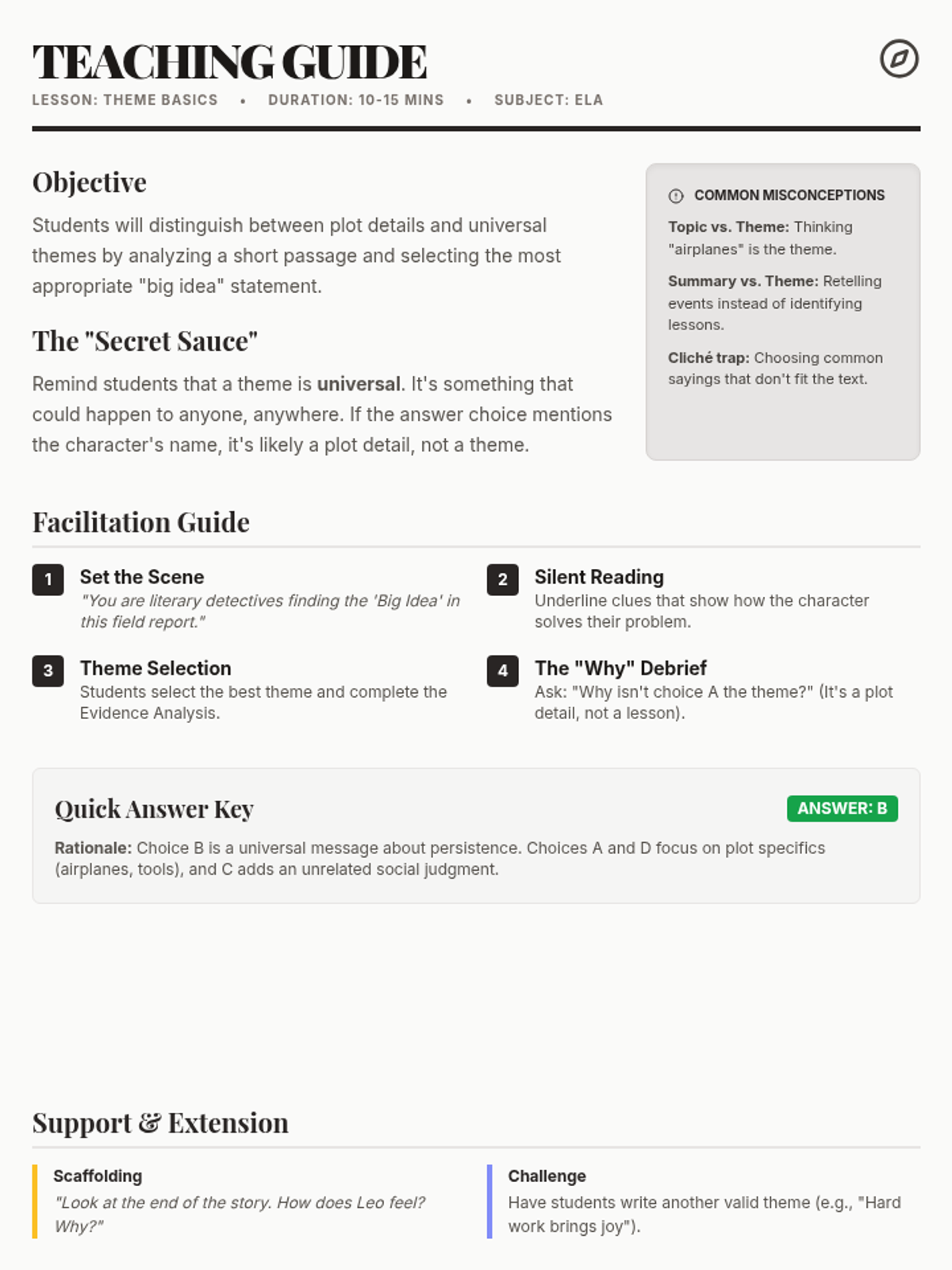
A short, focused lesson on identifying themes in literature using short fictional passages. Students learn to distinguish between plot details and universal messages.
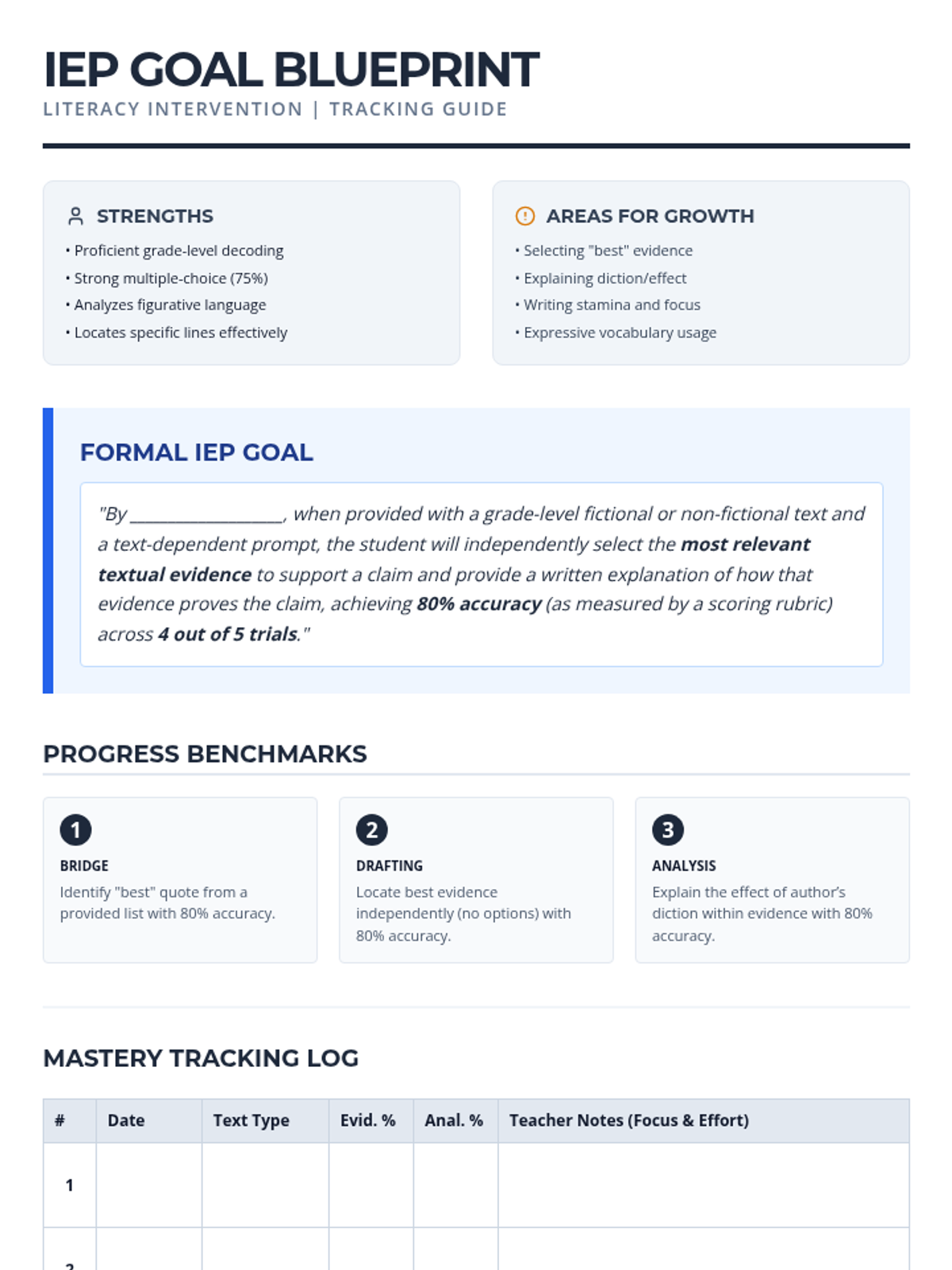
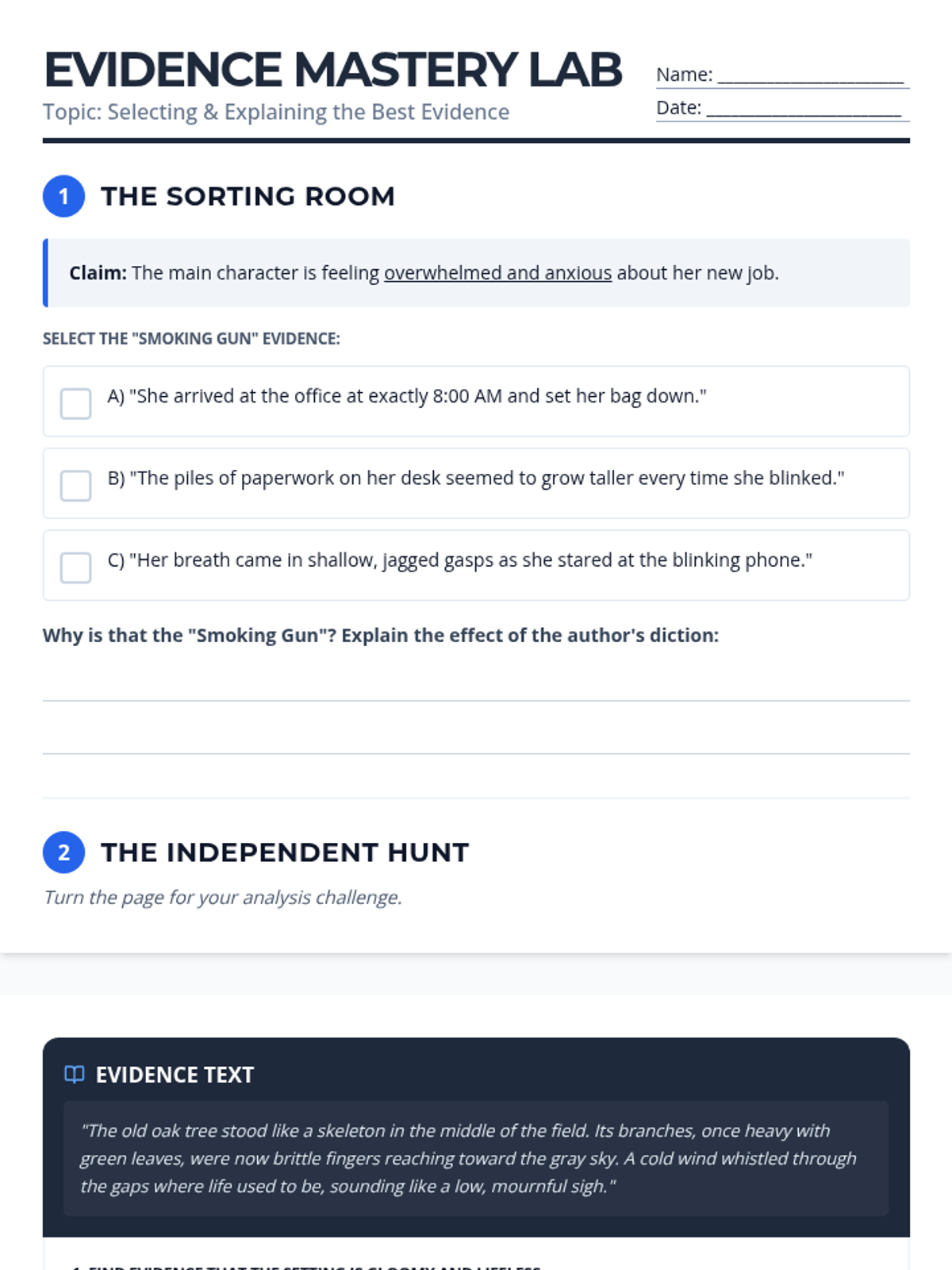
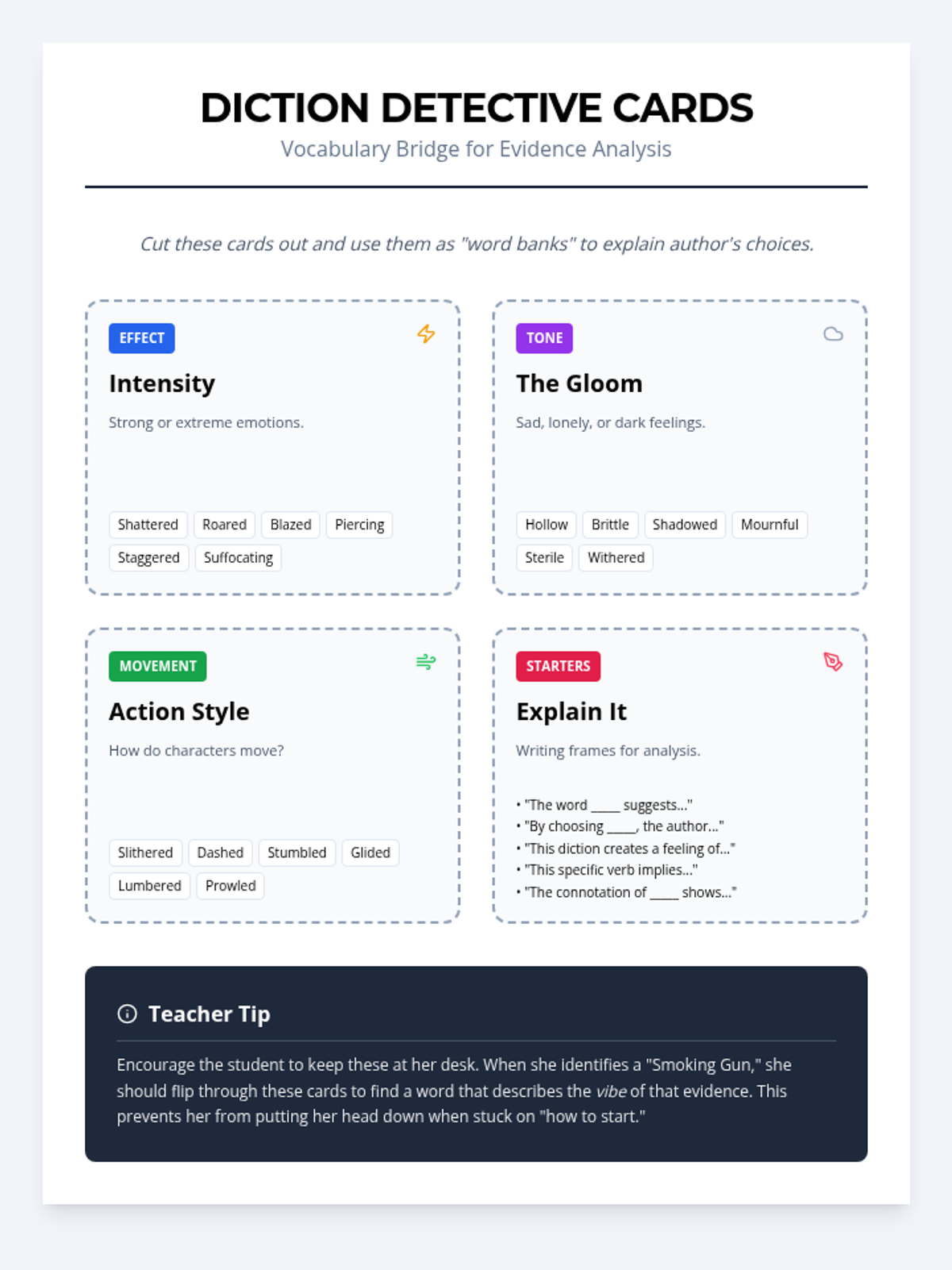
A comprehensive lesson focused on helping students master the skill of selecting and citing the 'best' textual evidence to support an argument, specifically designed to address gaps in writing and diction analysis.
A lesson focused on the structural link between a thesis statement and its supporting topic sentences using real-world contexts. Students will practice extracting key ideas from a thesis to build the foundation of a cohesive argument.
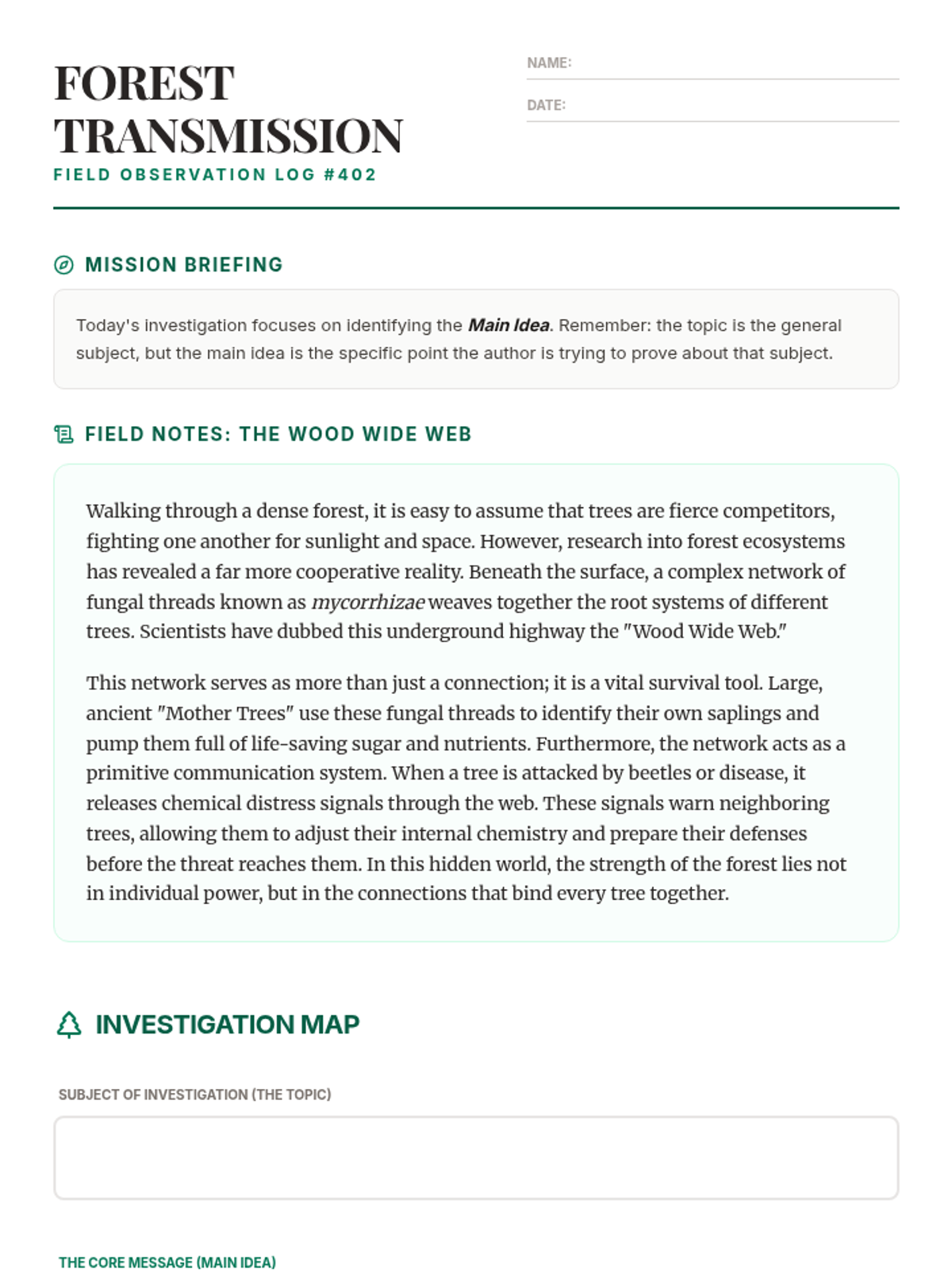
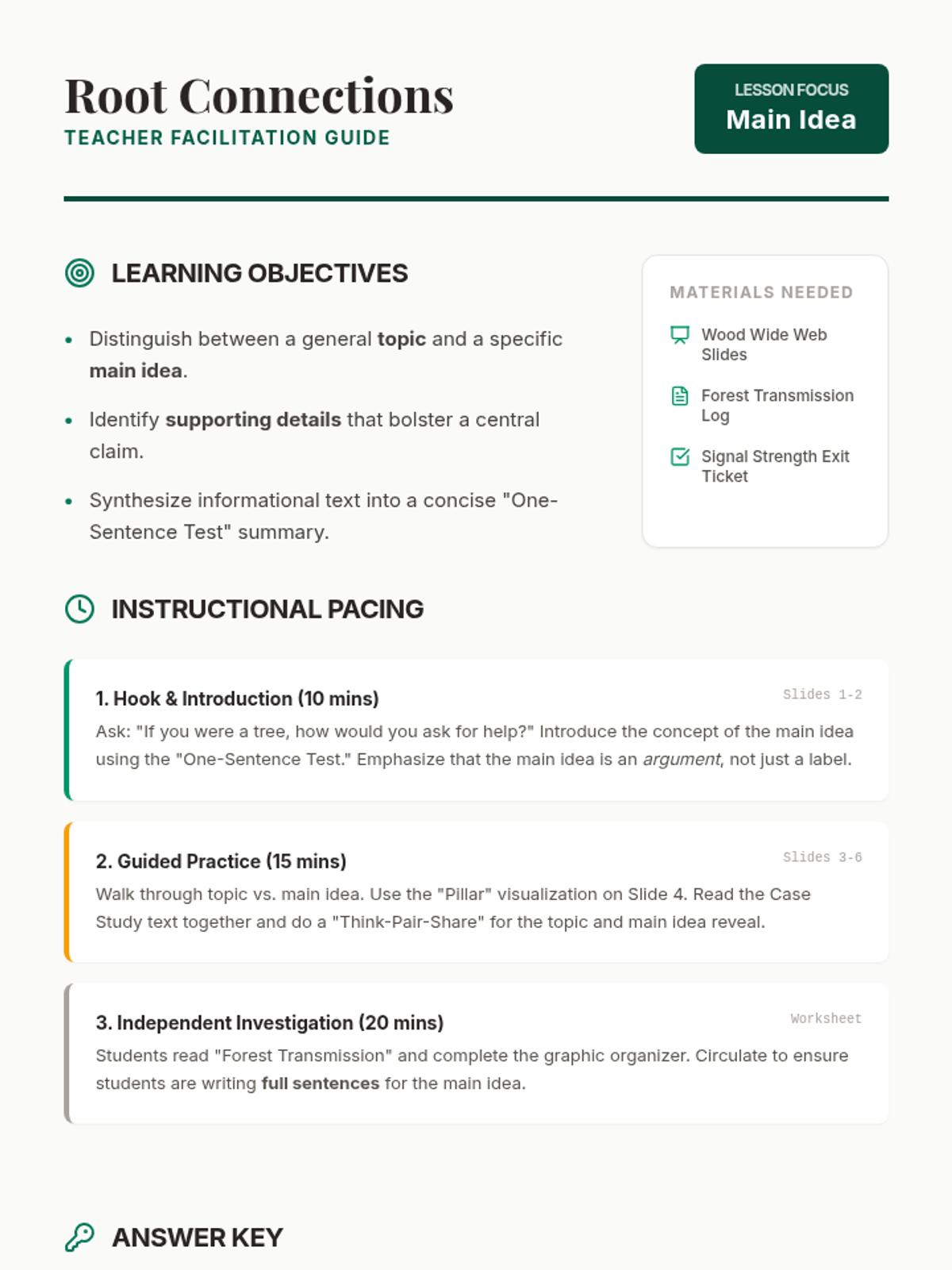
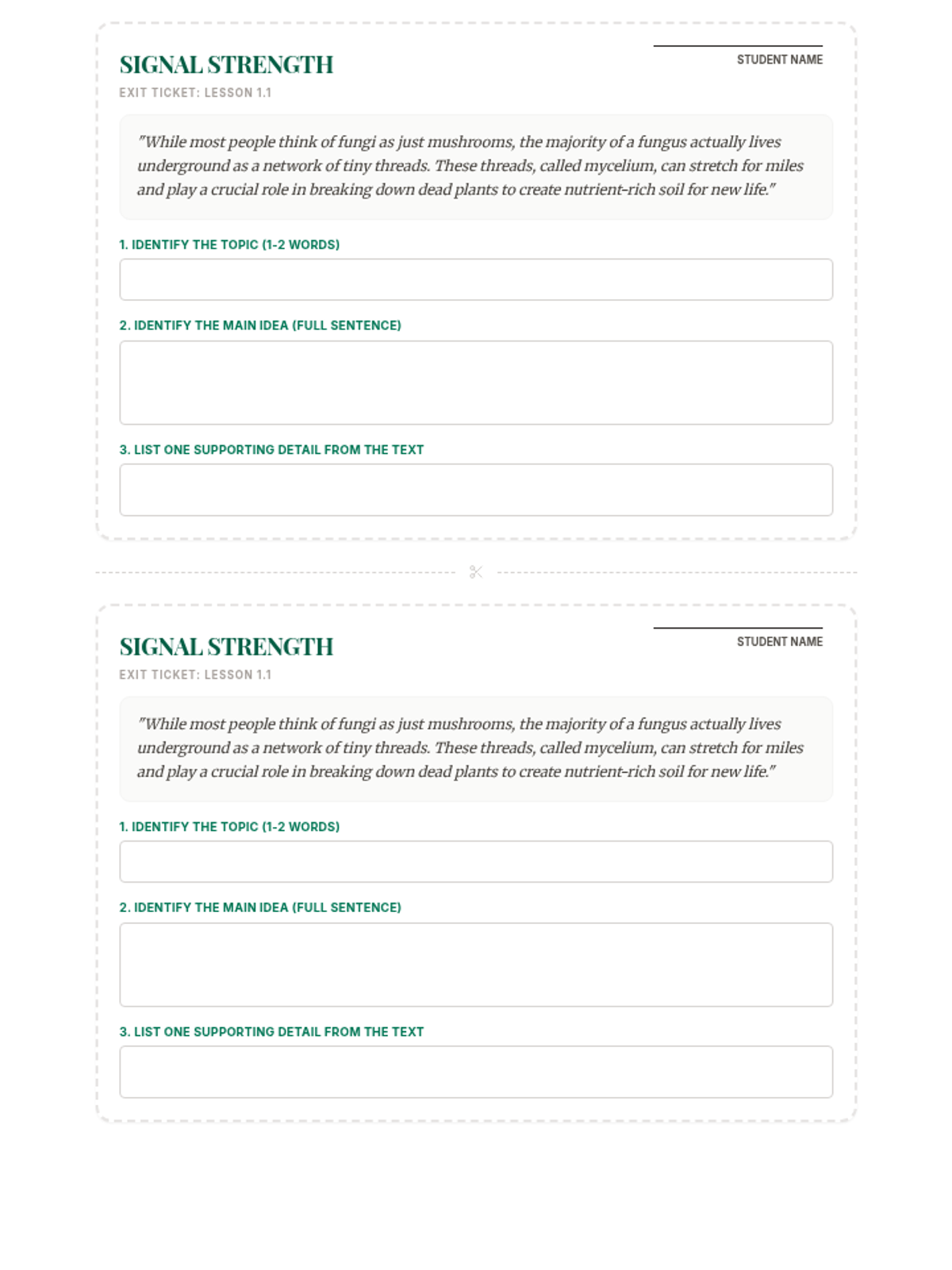
Students explore the 'Wood Wide Web'—the underground fungal network trees use to communicate—while learning strategies to identify the main idea and distinguish it from the topic and supporting details.
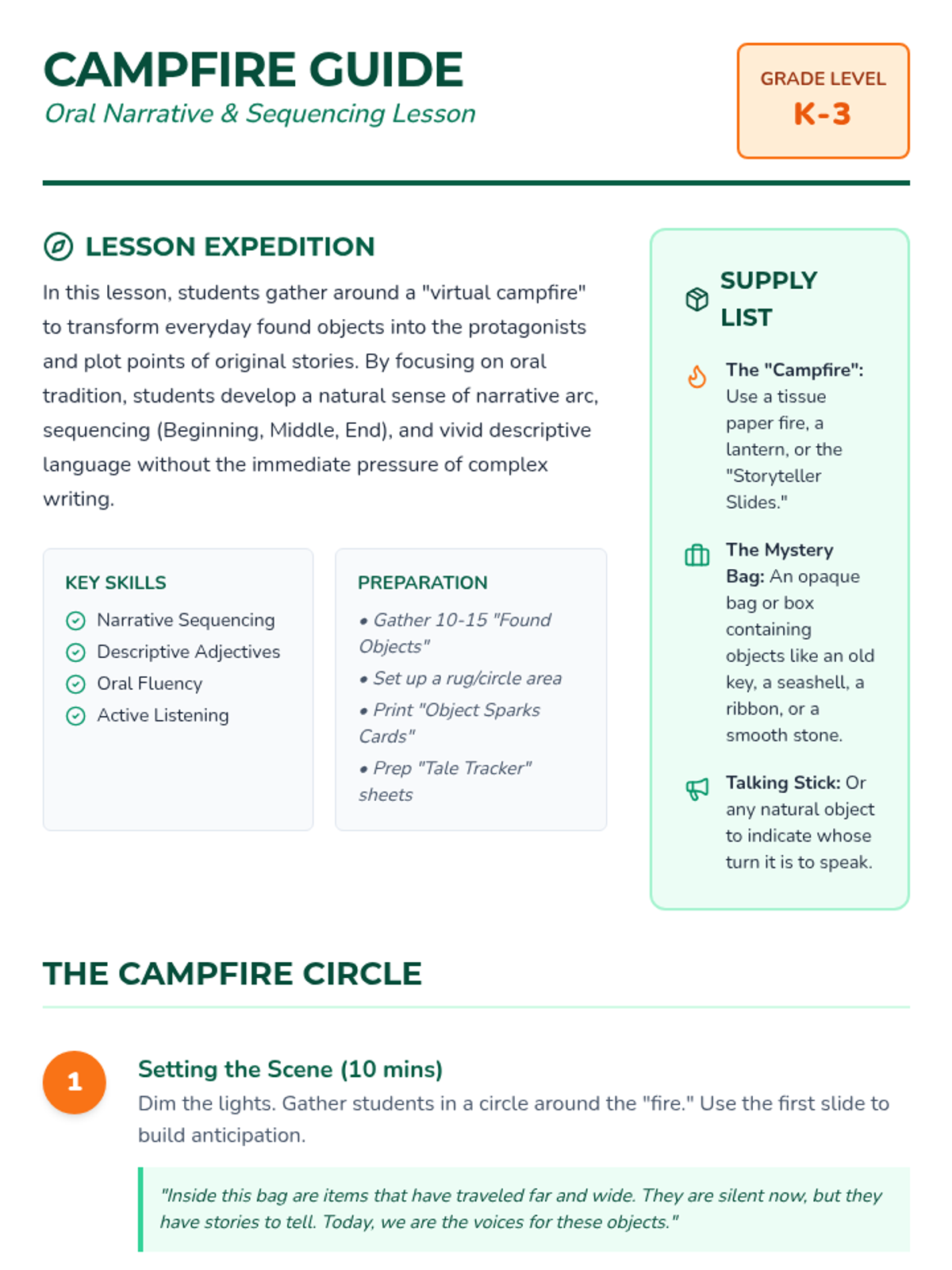
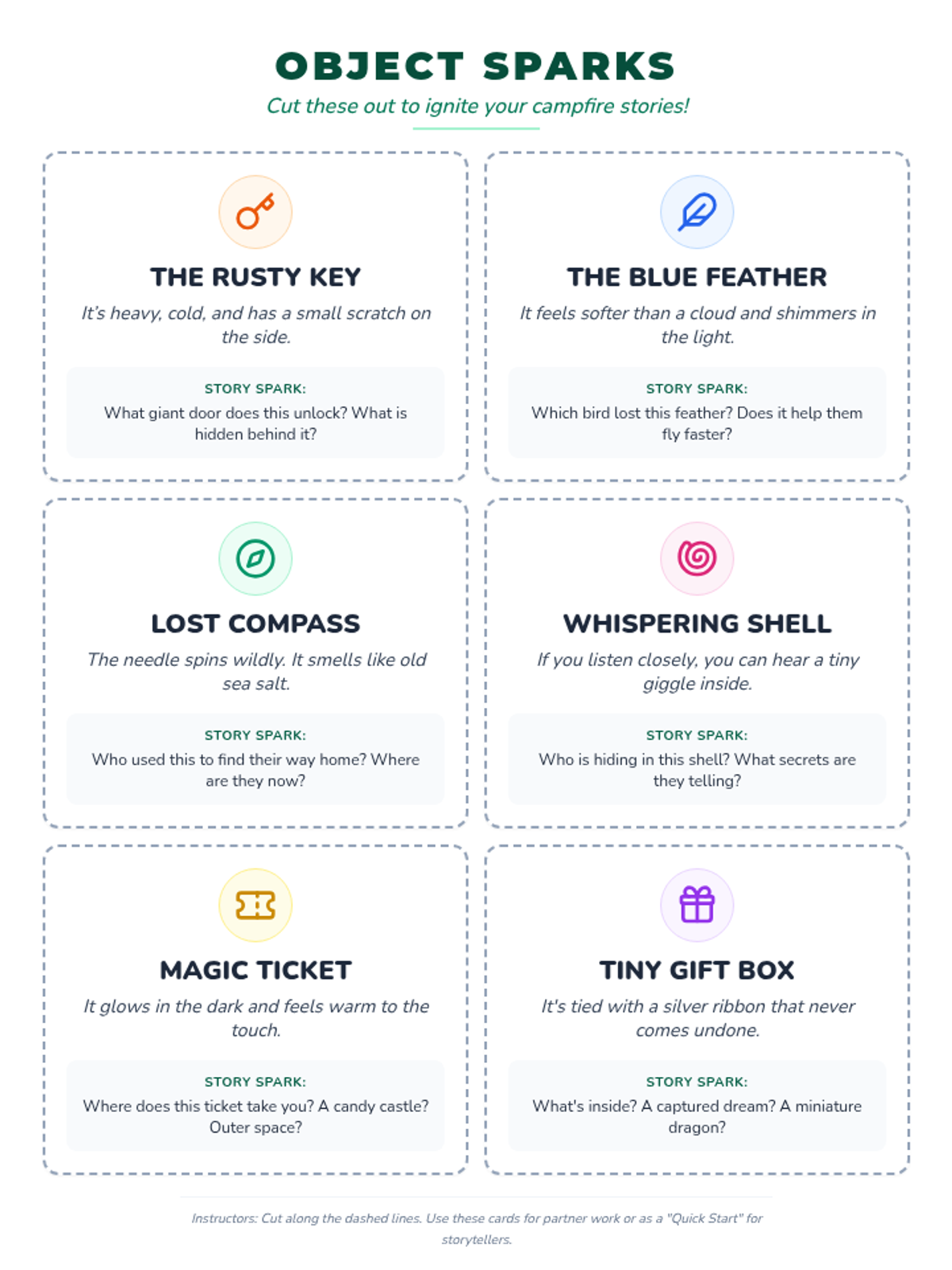
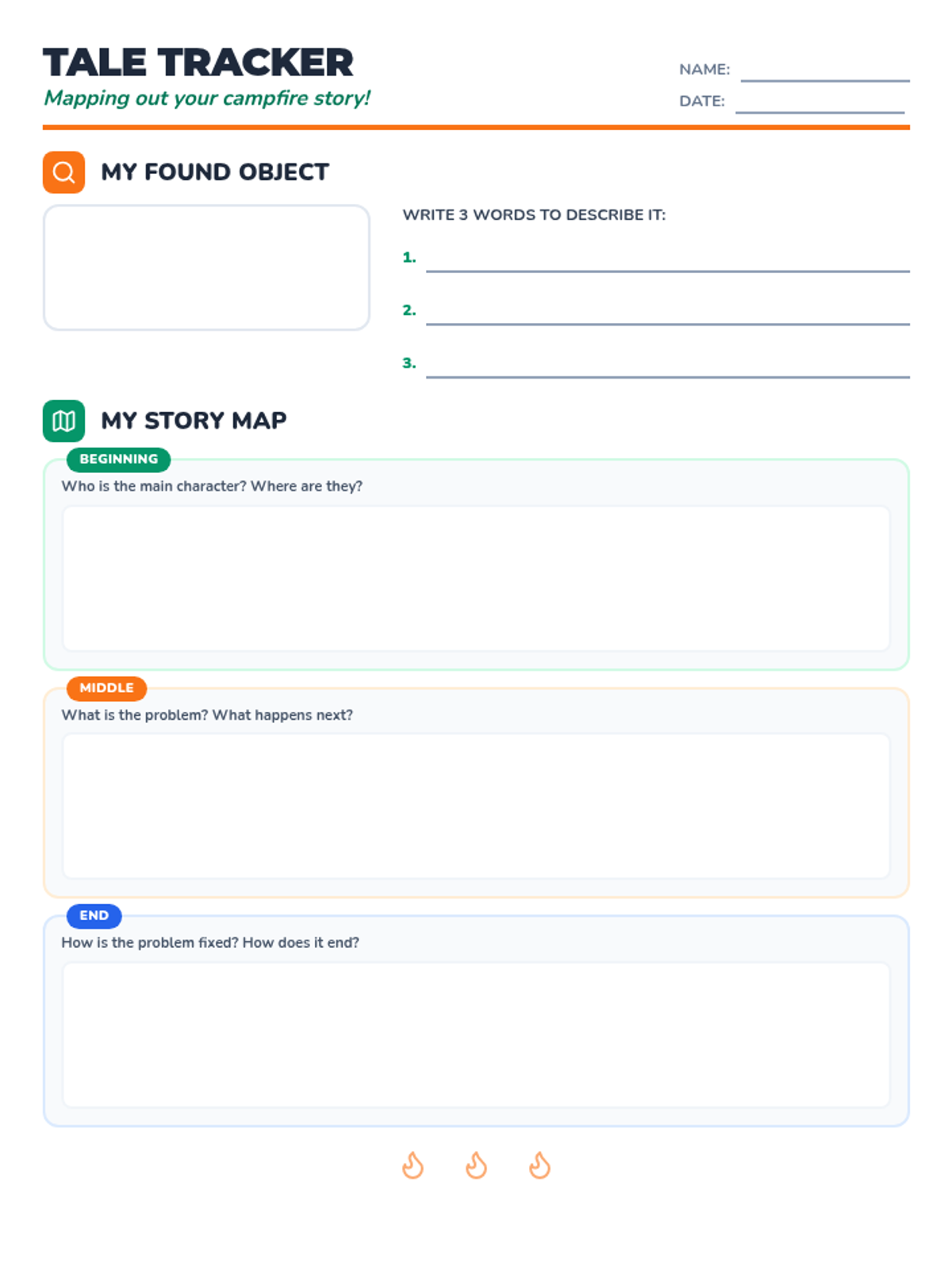
A creative storytelling lesson for K-3 students that uses found objects to develop oral narrative skills, sequencing, and descriptive language in a cozy campfire-themed setting.
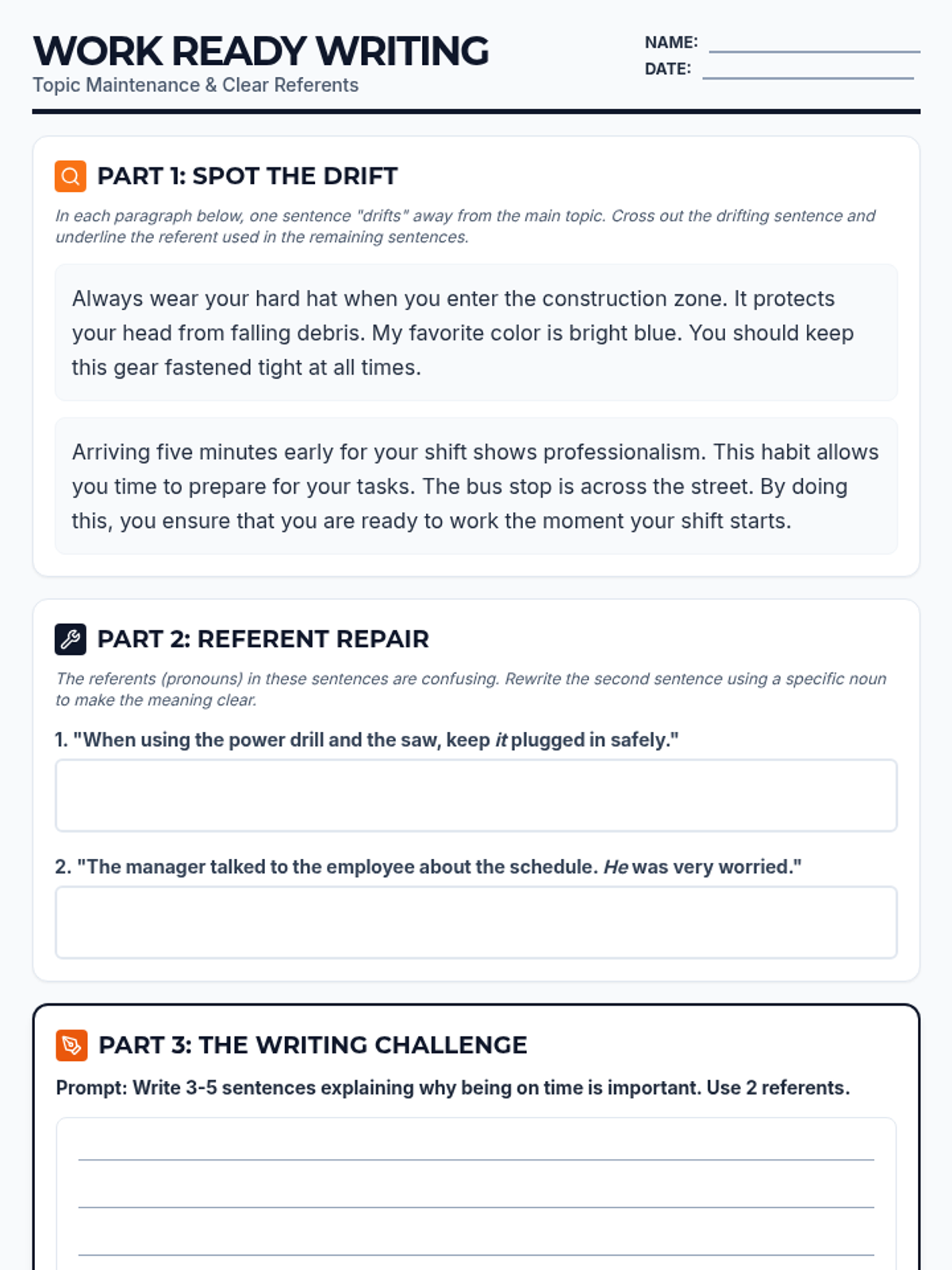
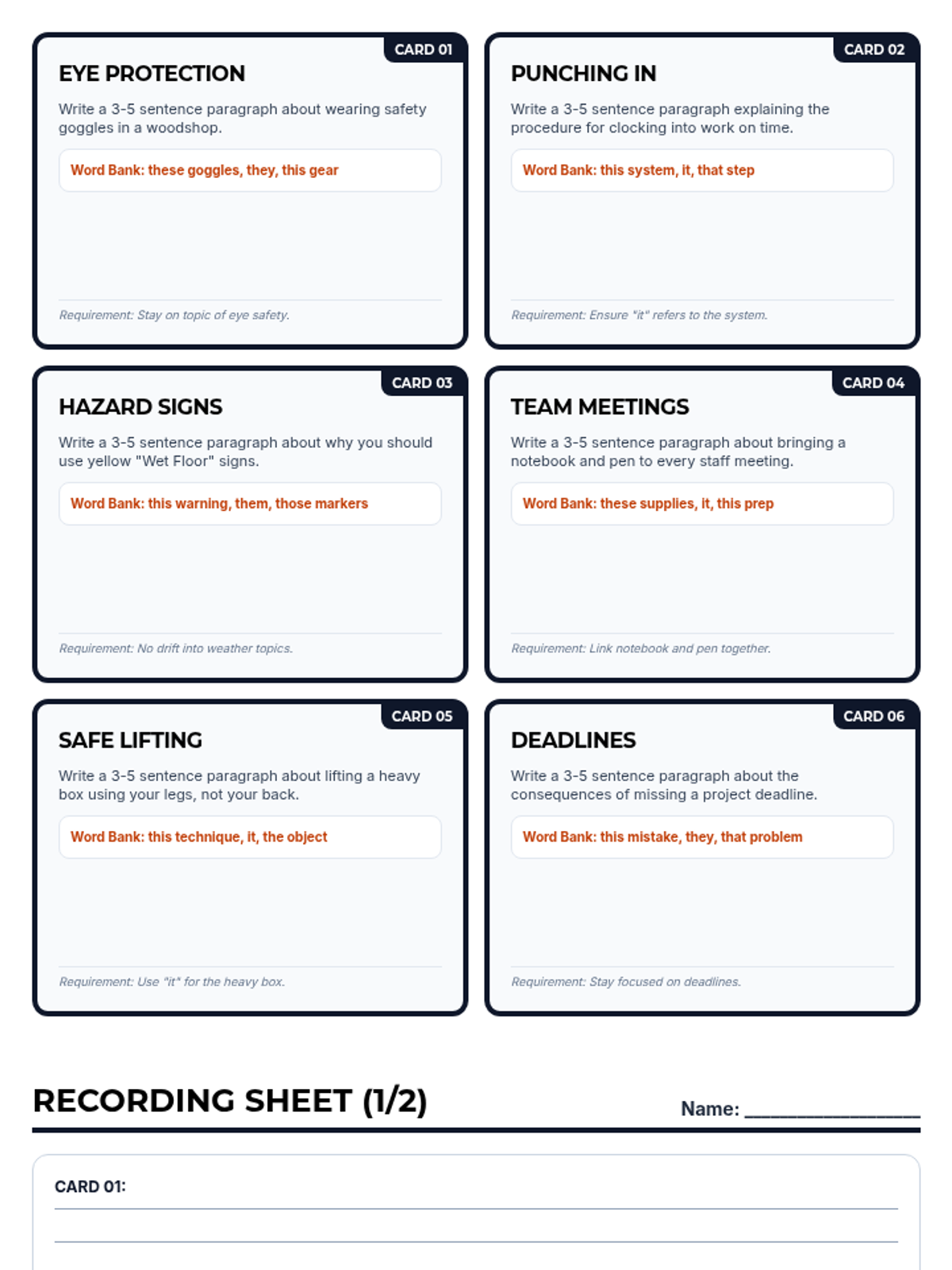
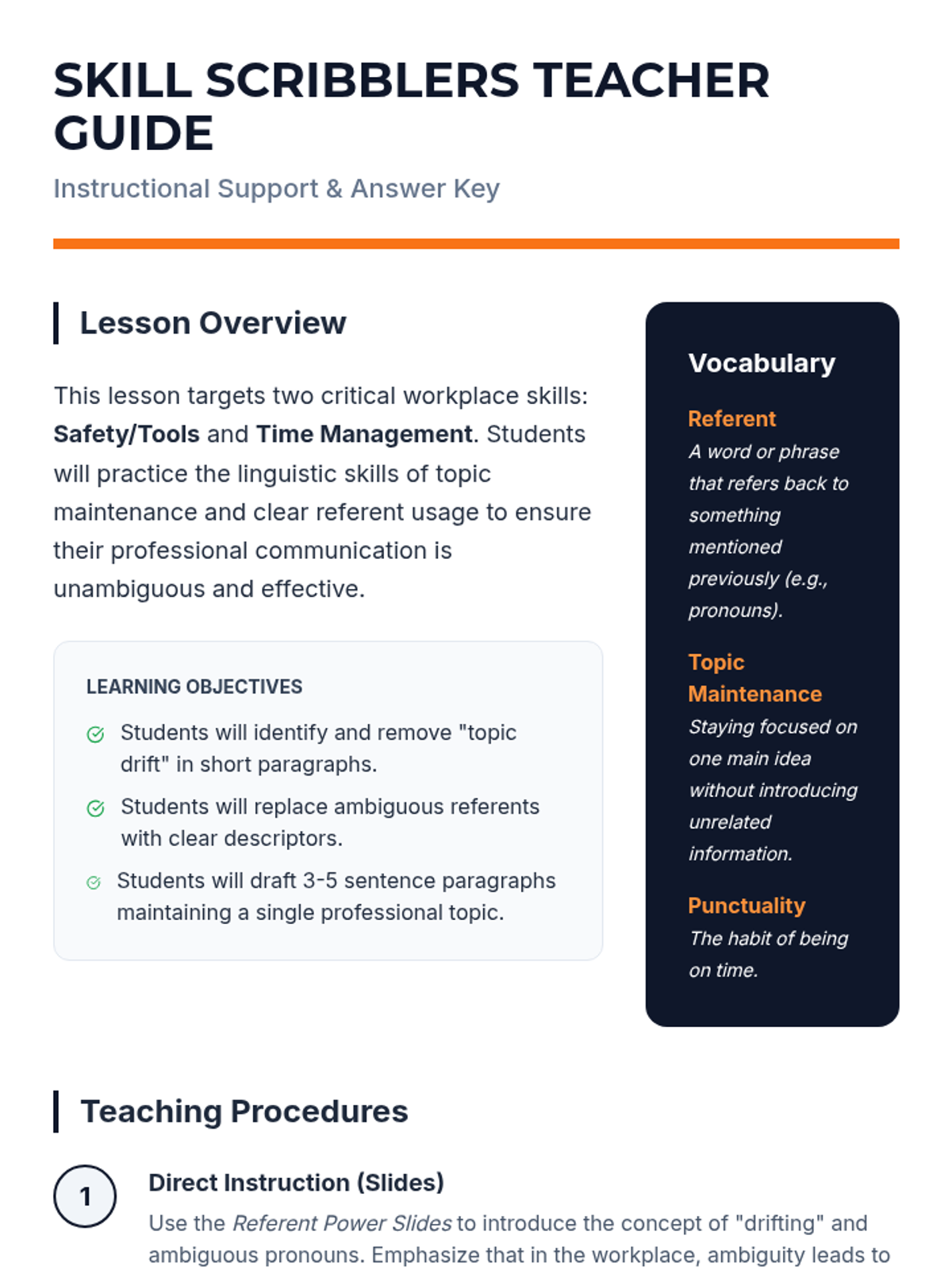
A lesson focused on teaching high school students how to write cohesive 3-5 sentence paragraphs about workplace safety and time management, emphasizing topic maintenance and the use of clear referents.
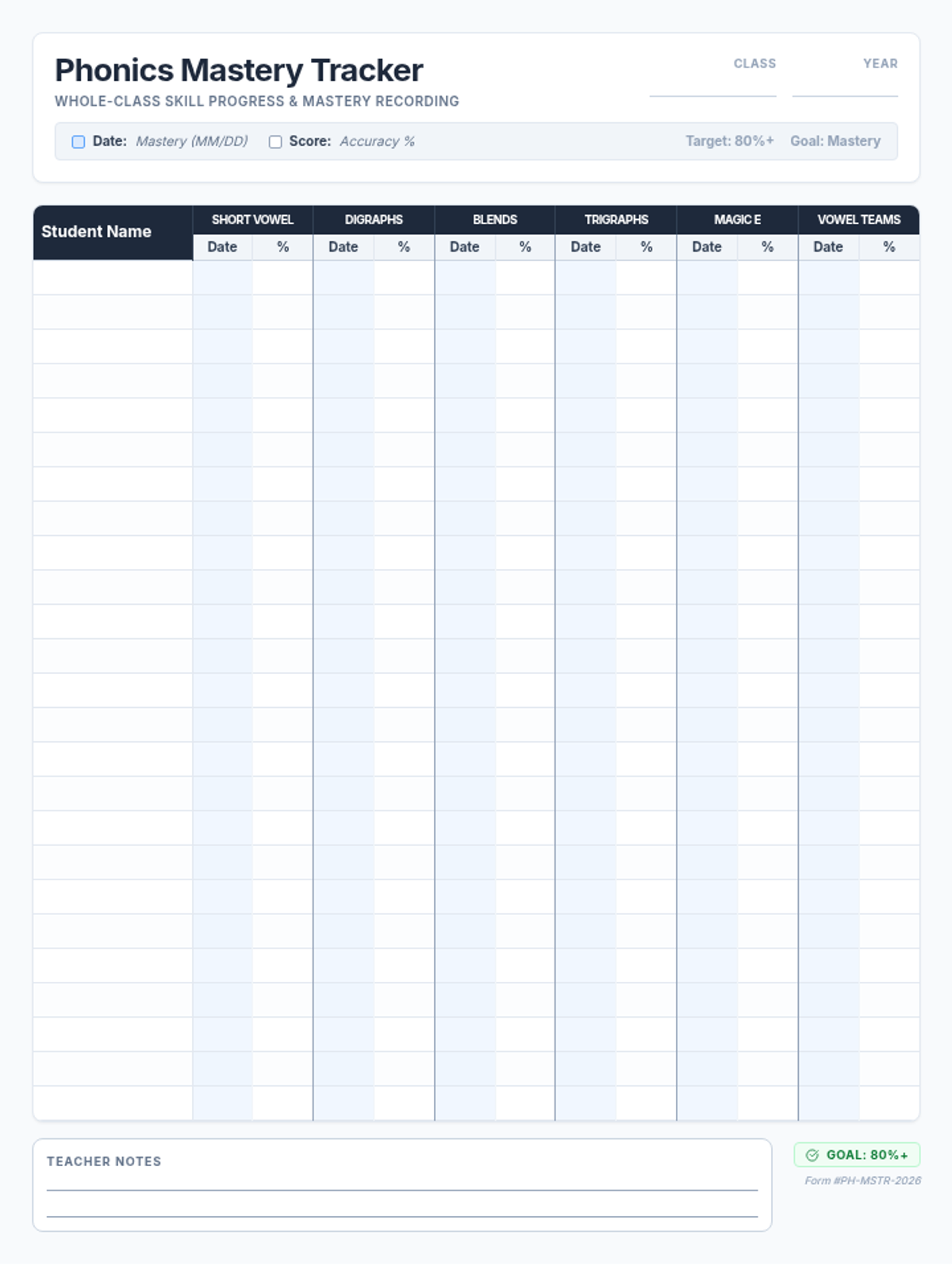
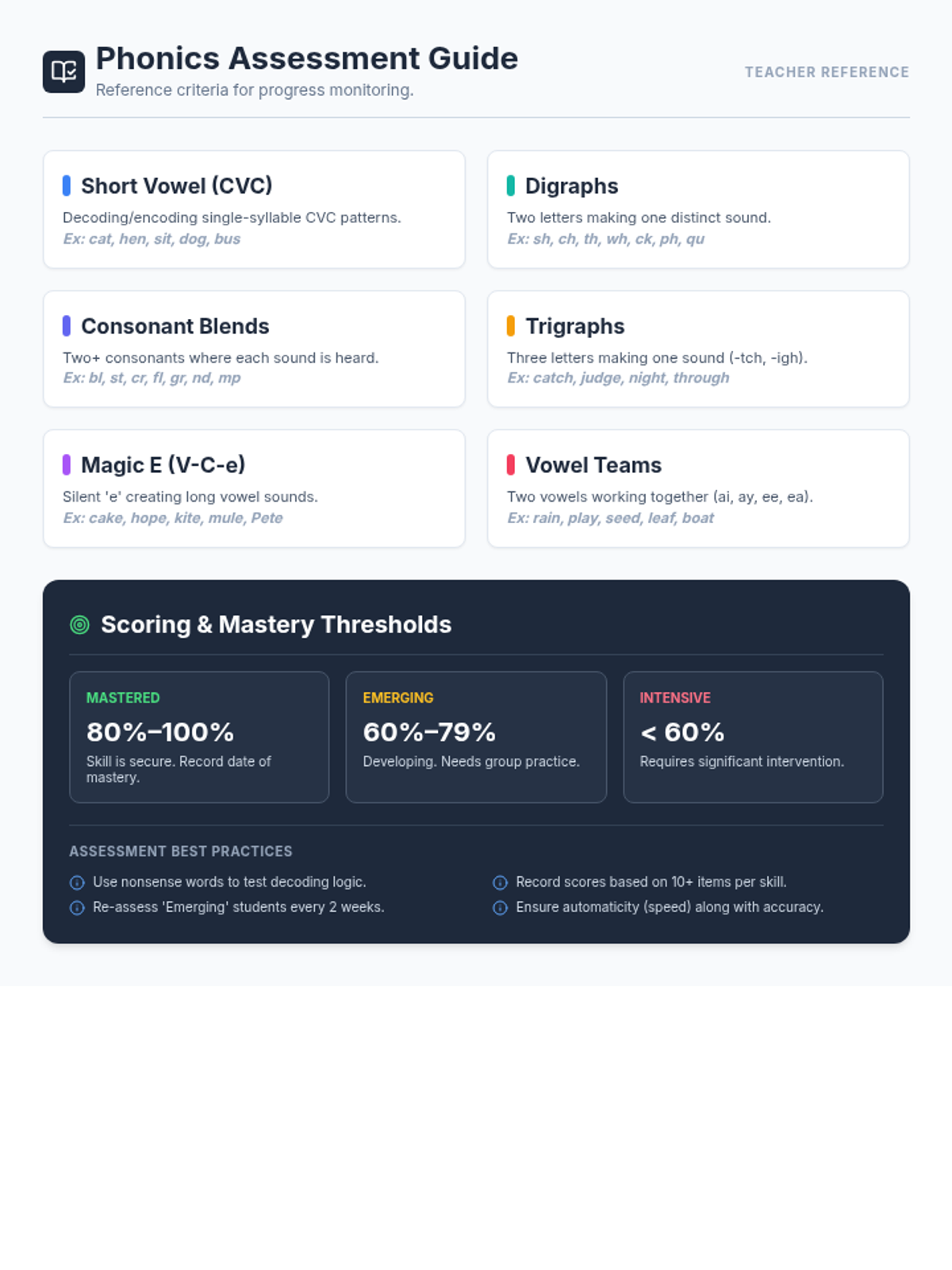
A comprehensive system for tracking whole-class progress across foundational phonics skills, focusing on mastery dates and percentage scores.
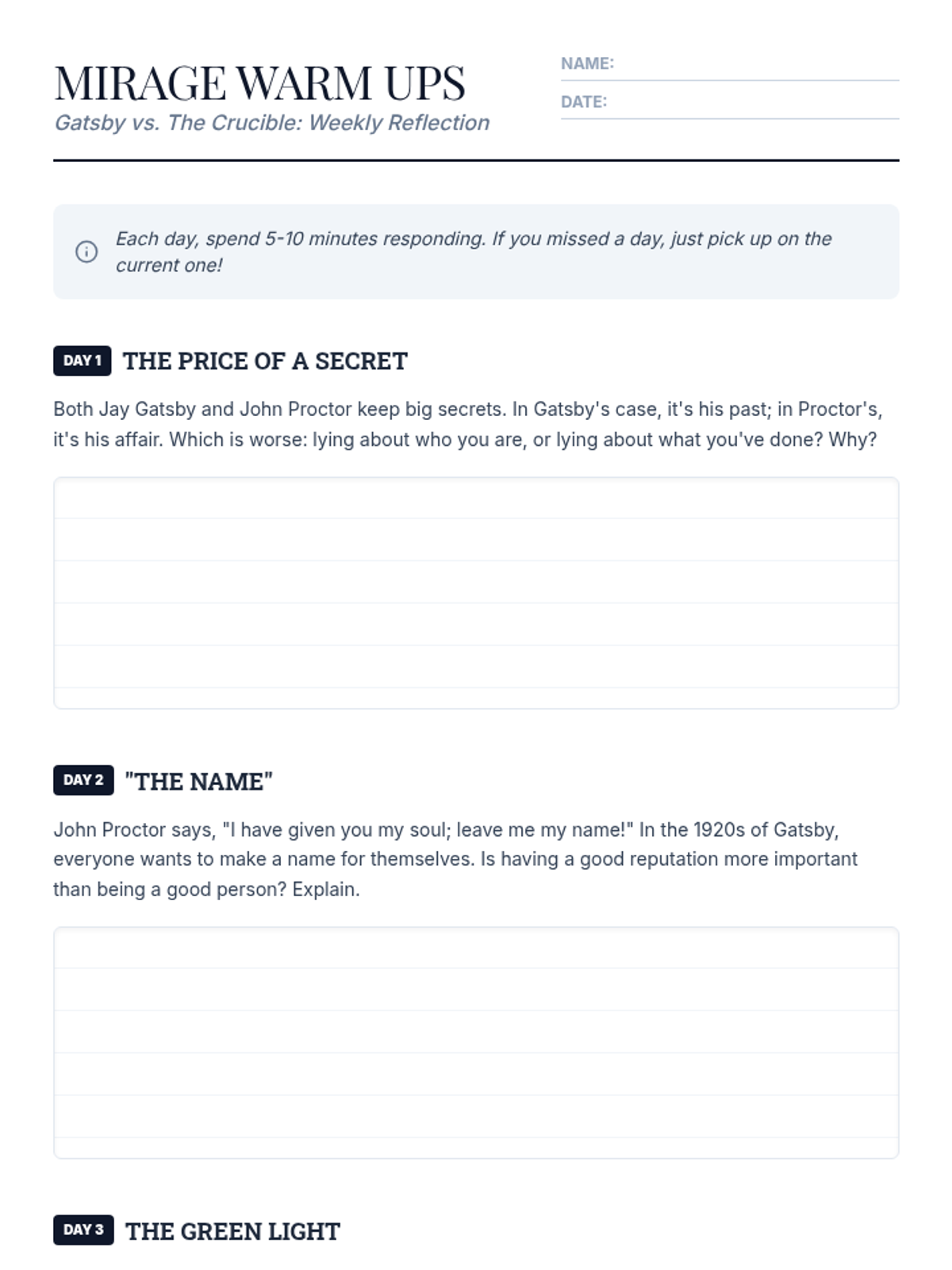
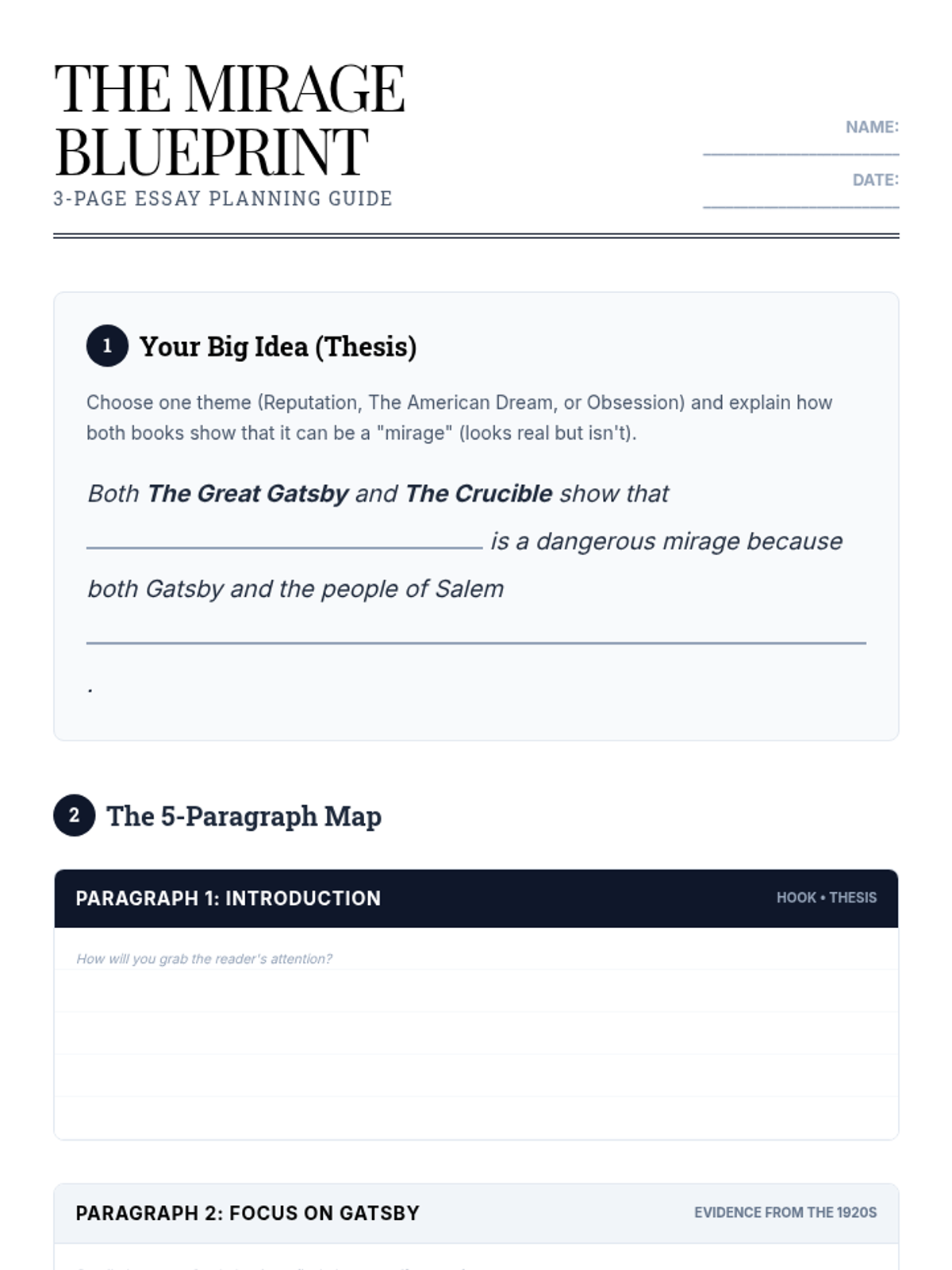
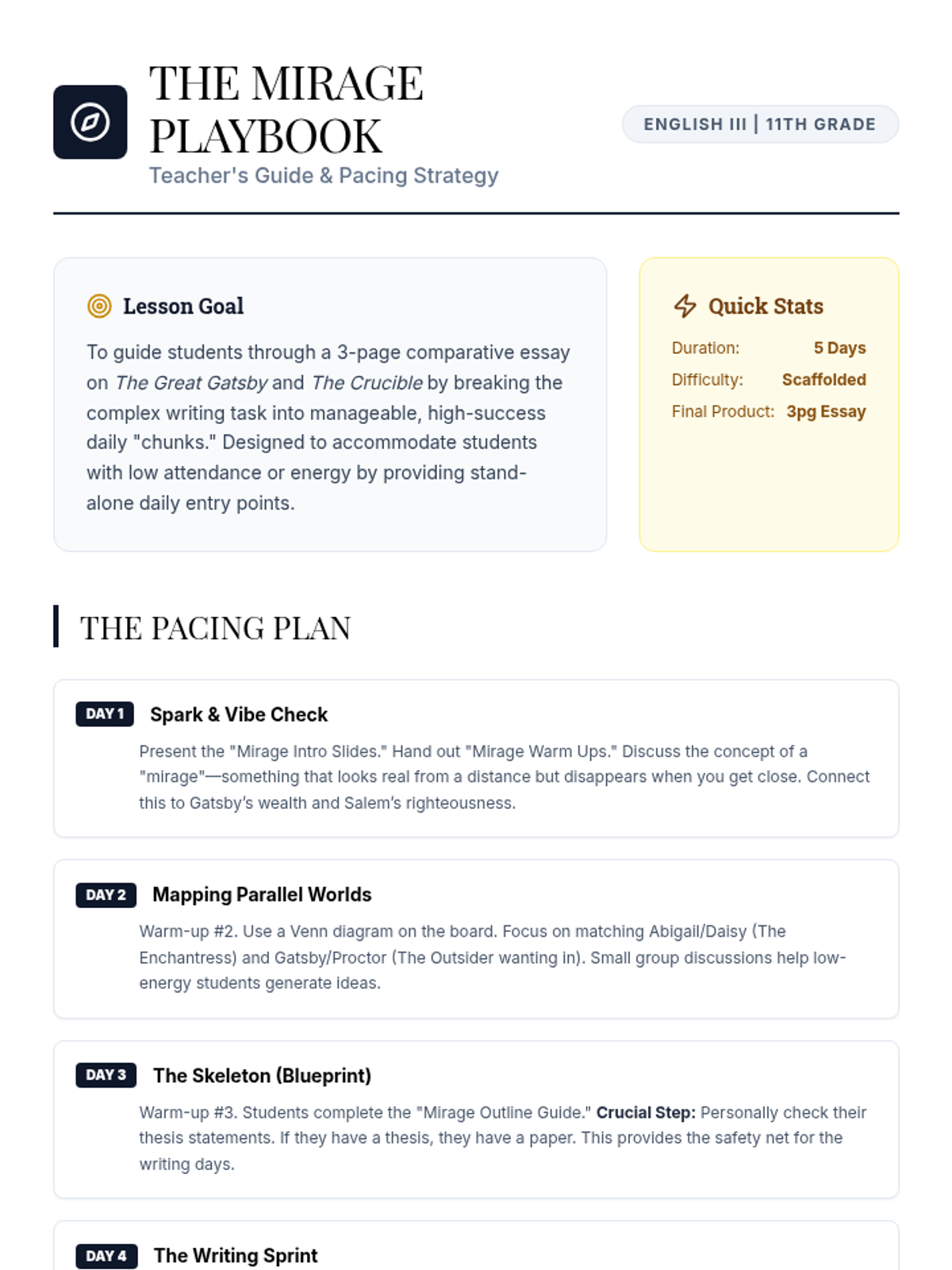
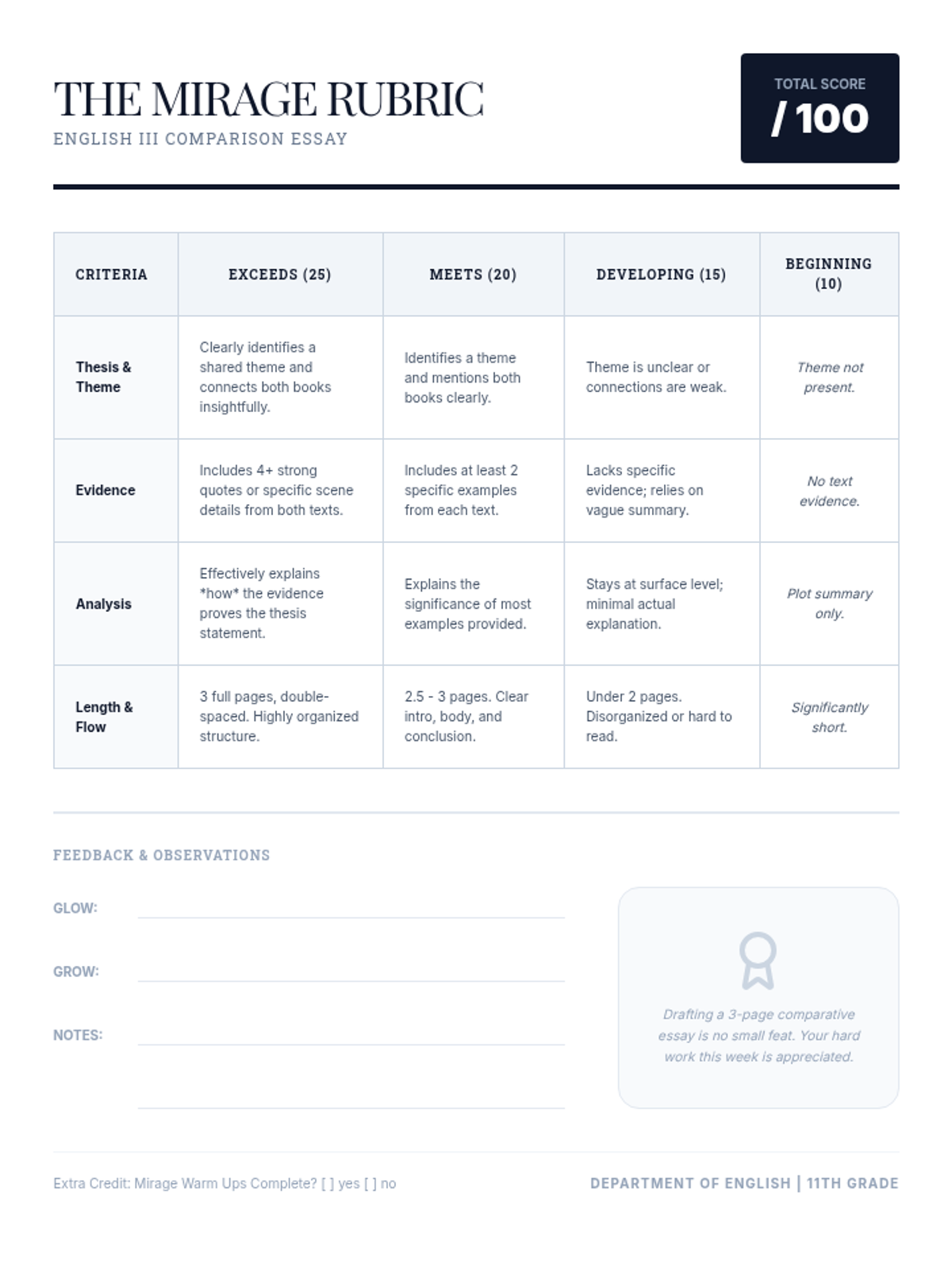
A week-long exploration comparing The Great Gatsby and The Crucible, specifically designed to engage students with varying attendance and energy levels through scaffolded activities and a structured writing process.
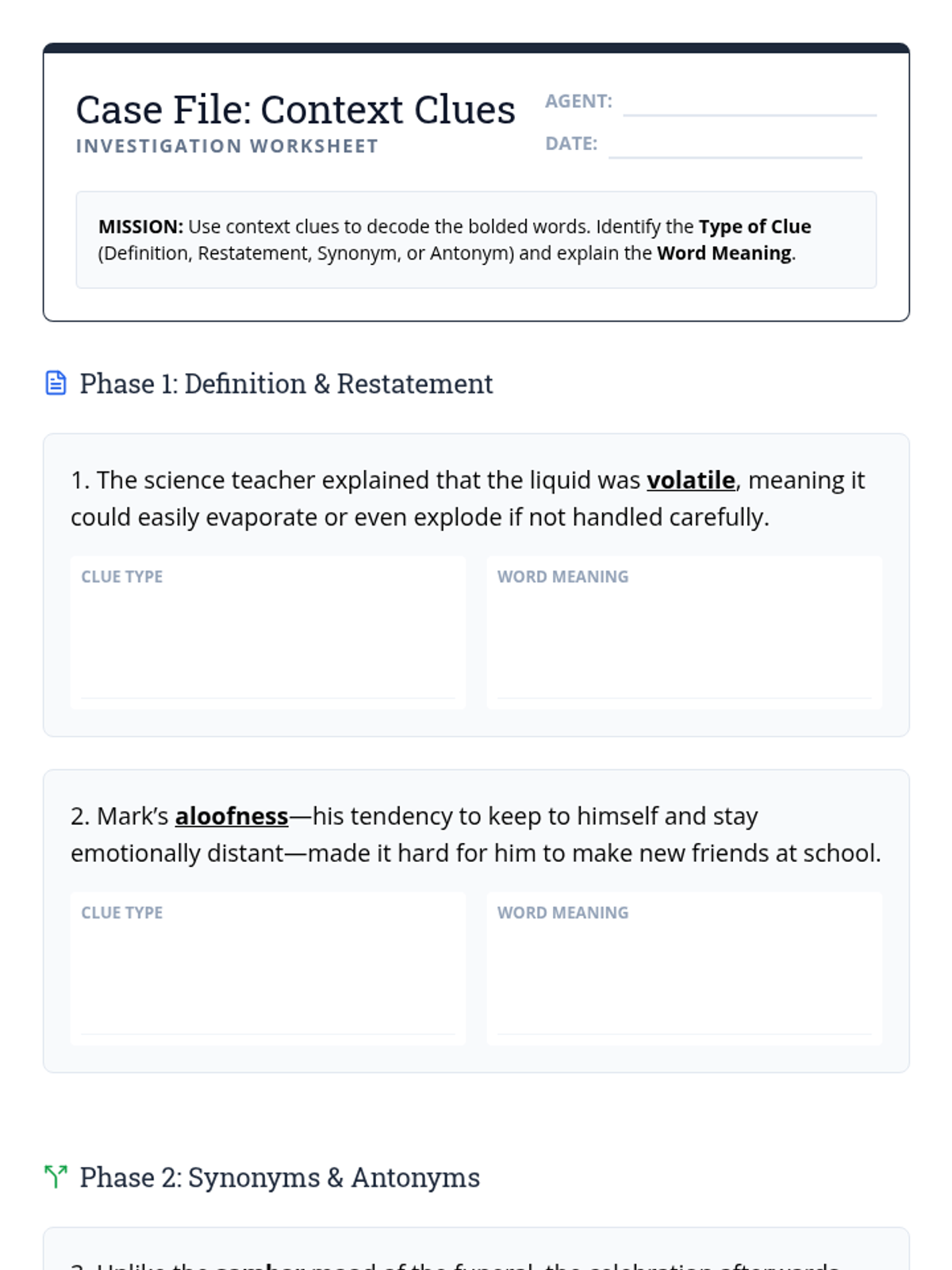
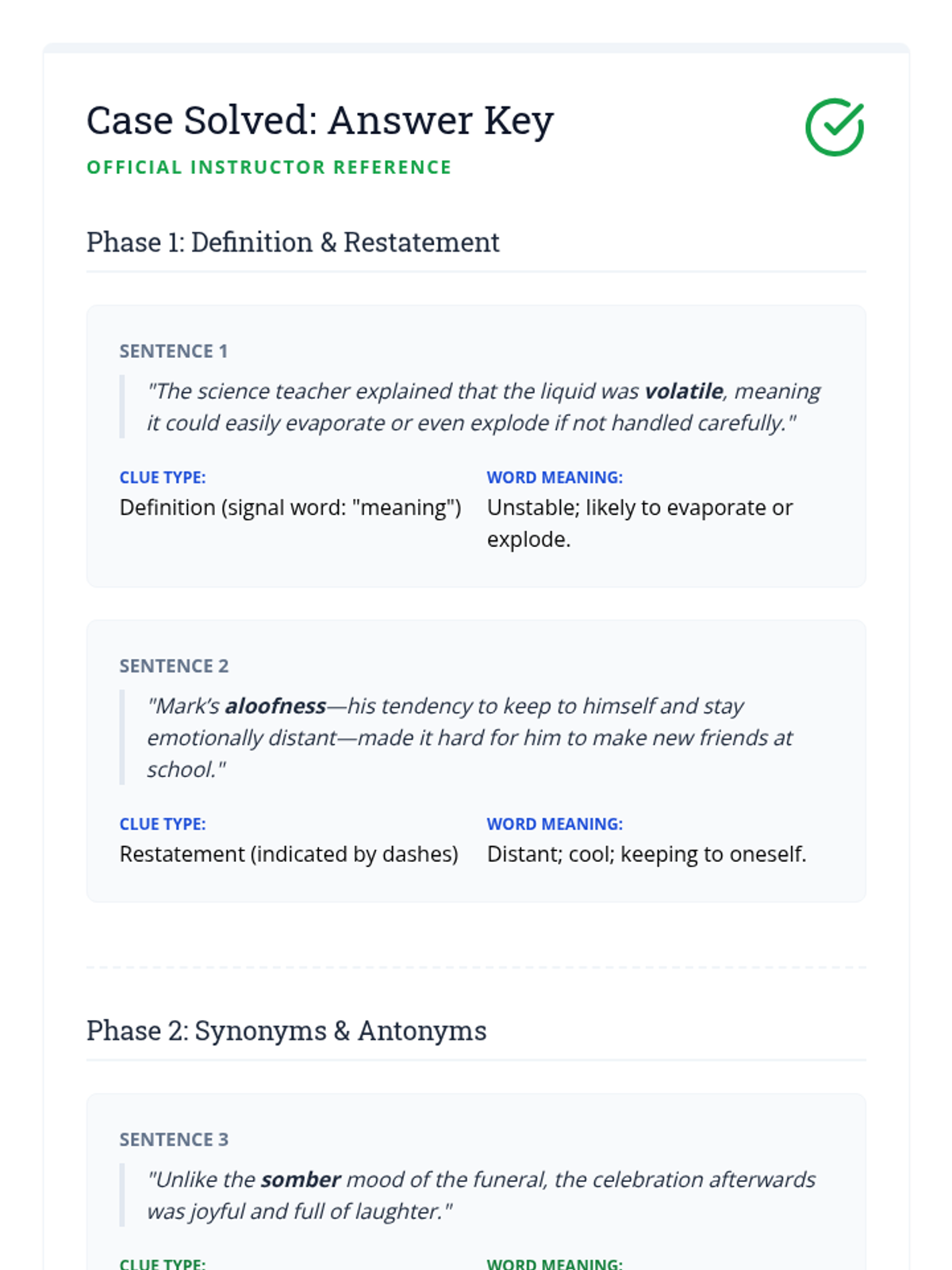
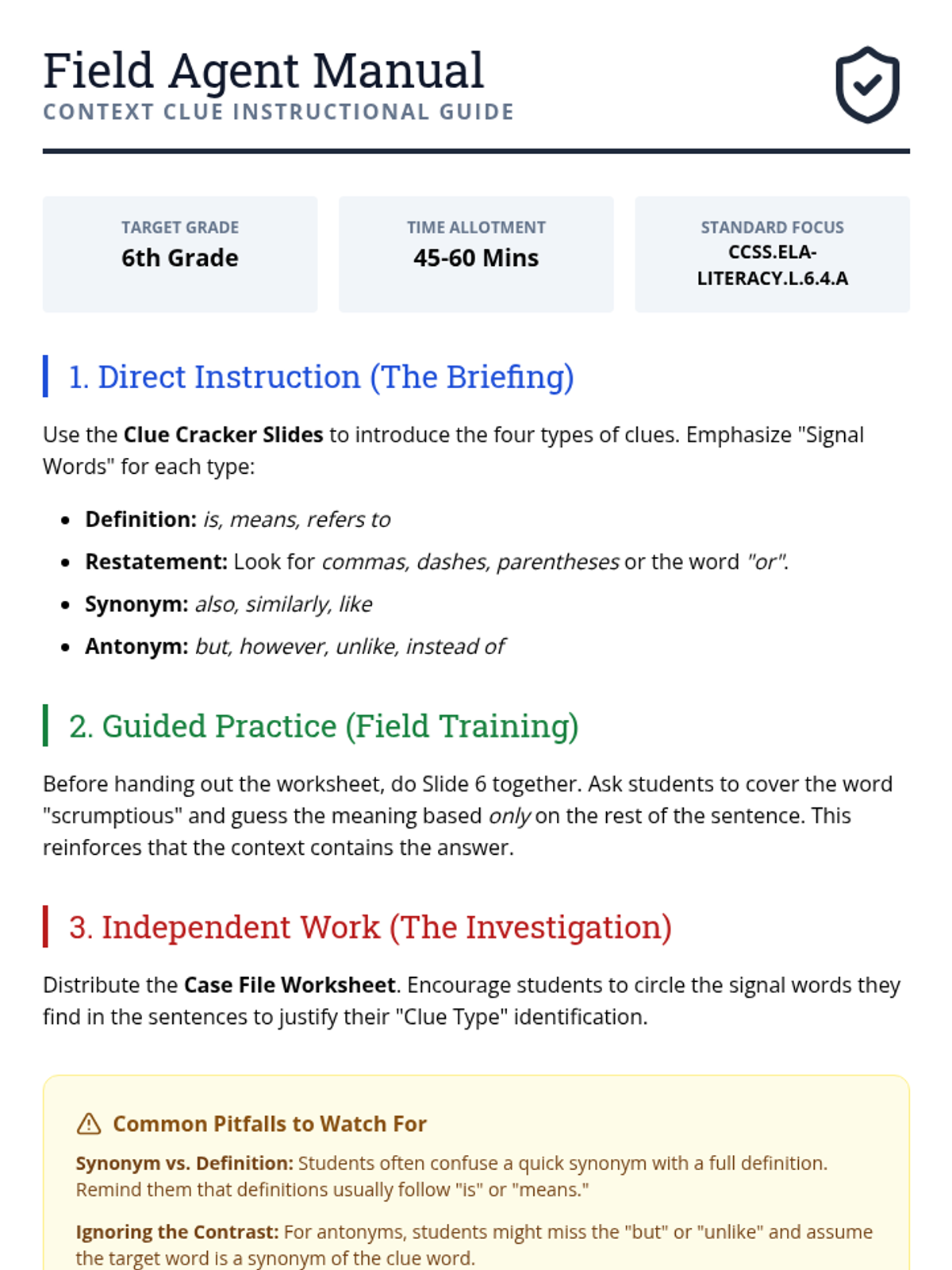
Students will learn to identify and use definition, restatement, synonym, and antonym context clues to determine the meaning of unfamiliar vocabulary in 6th-grade level texts.
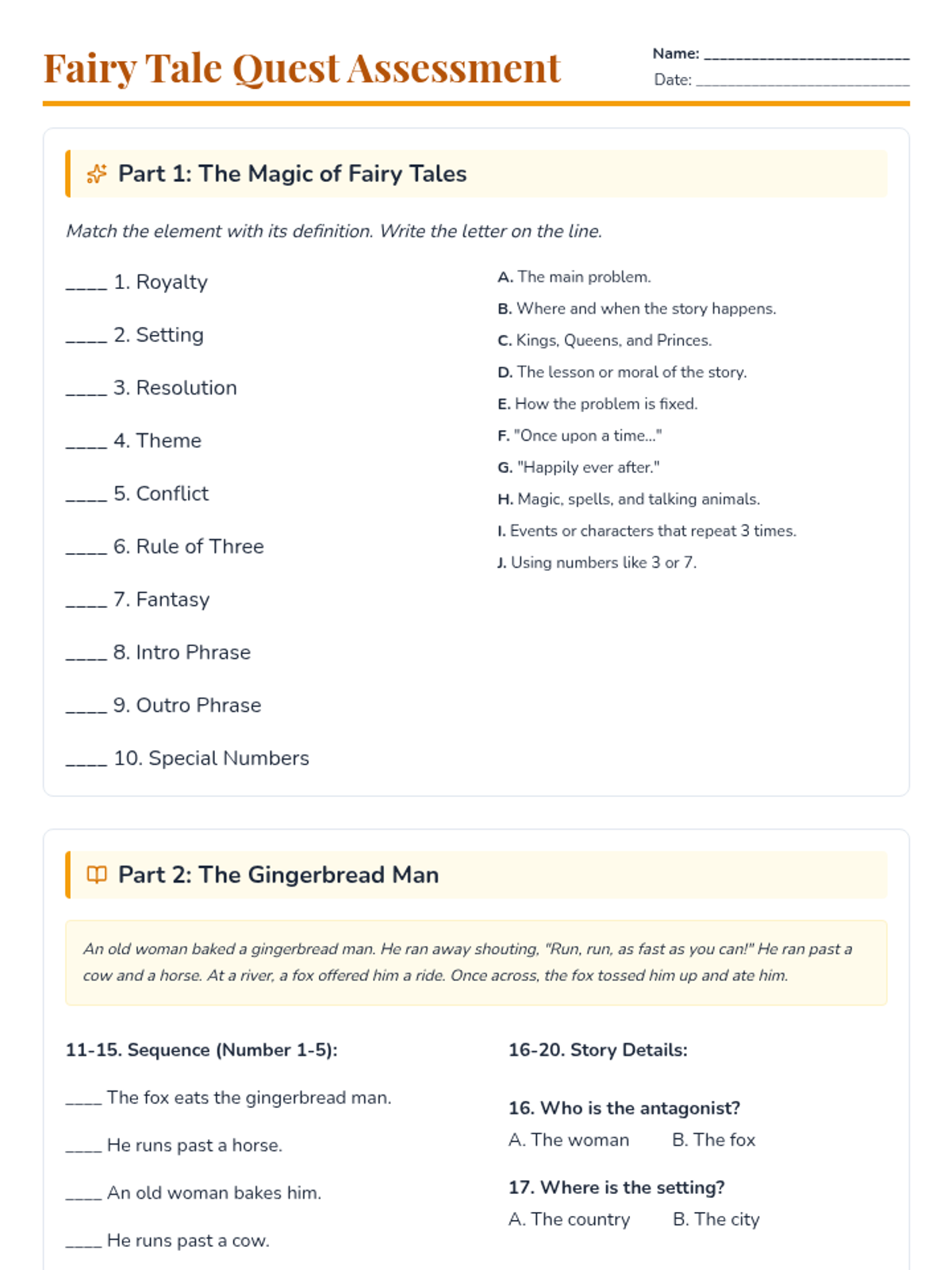
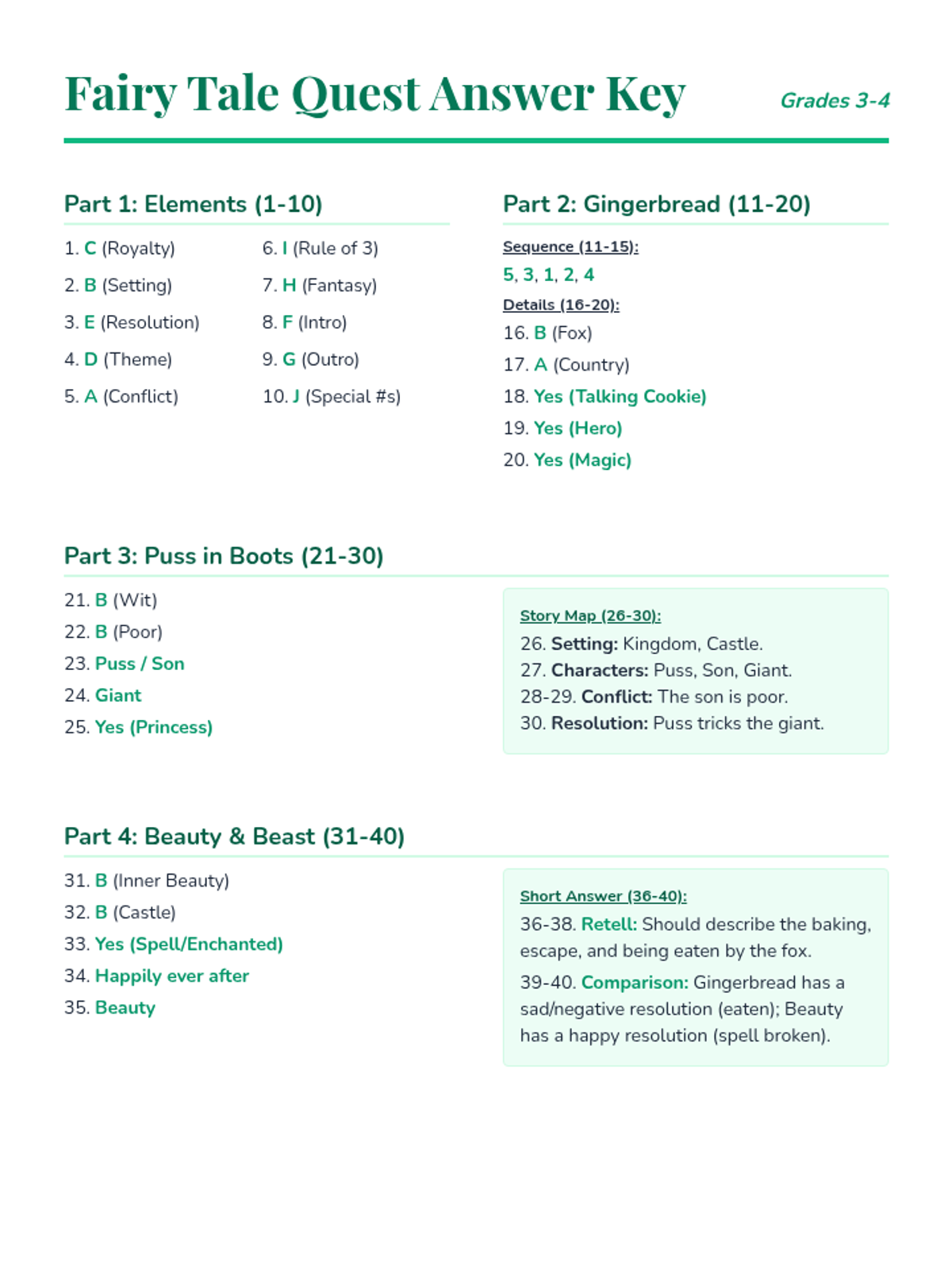
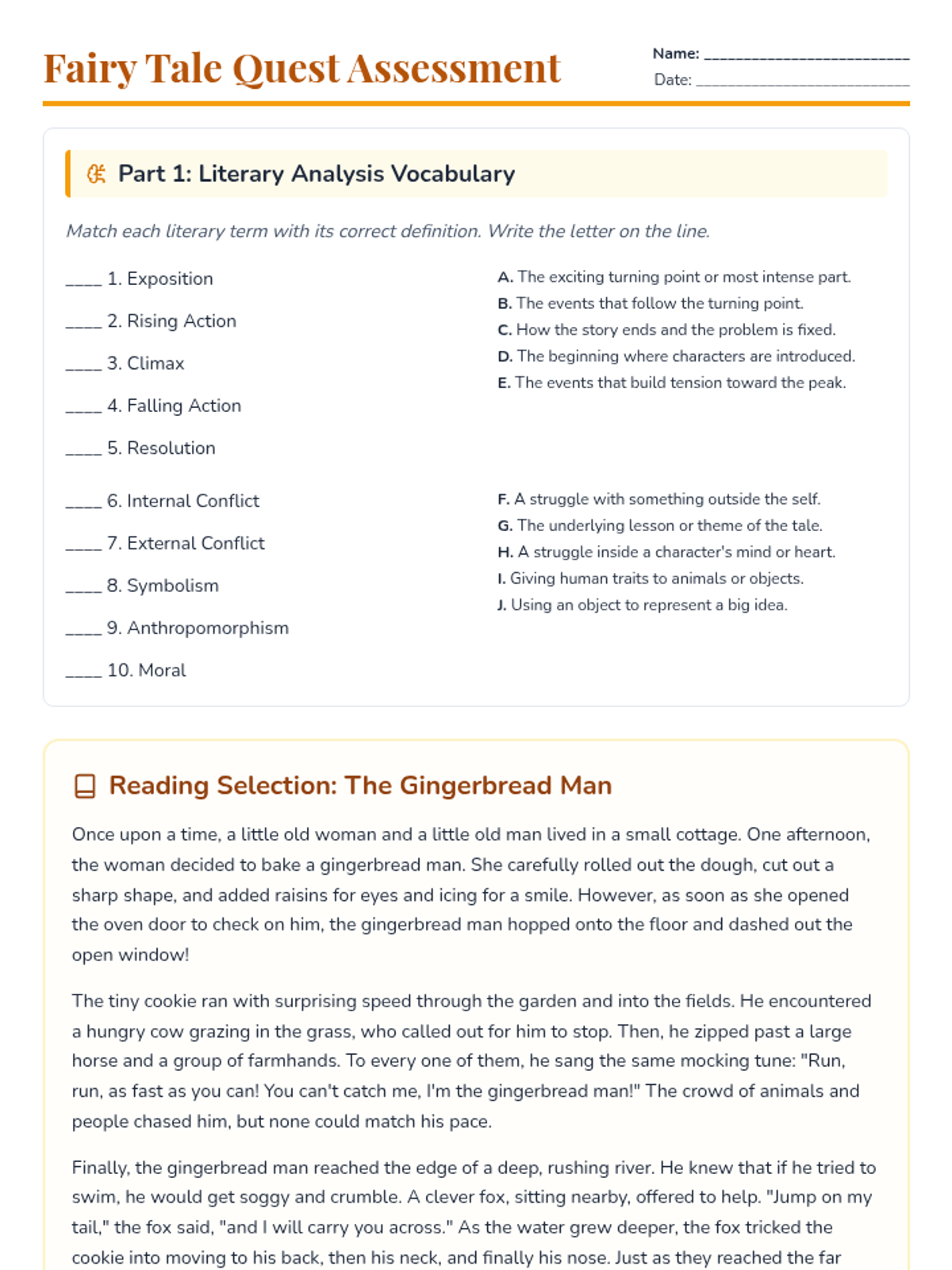
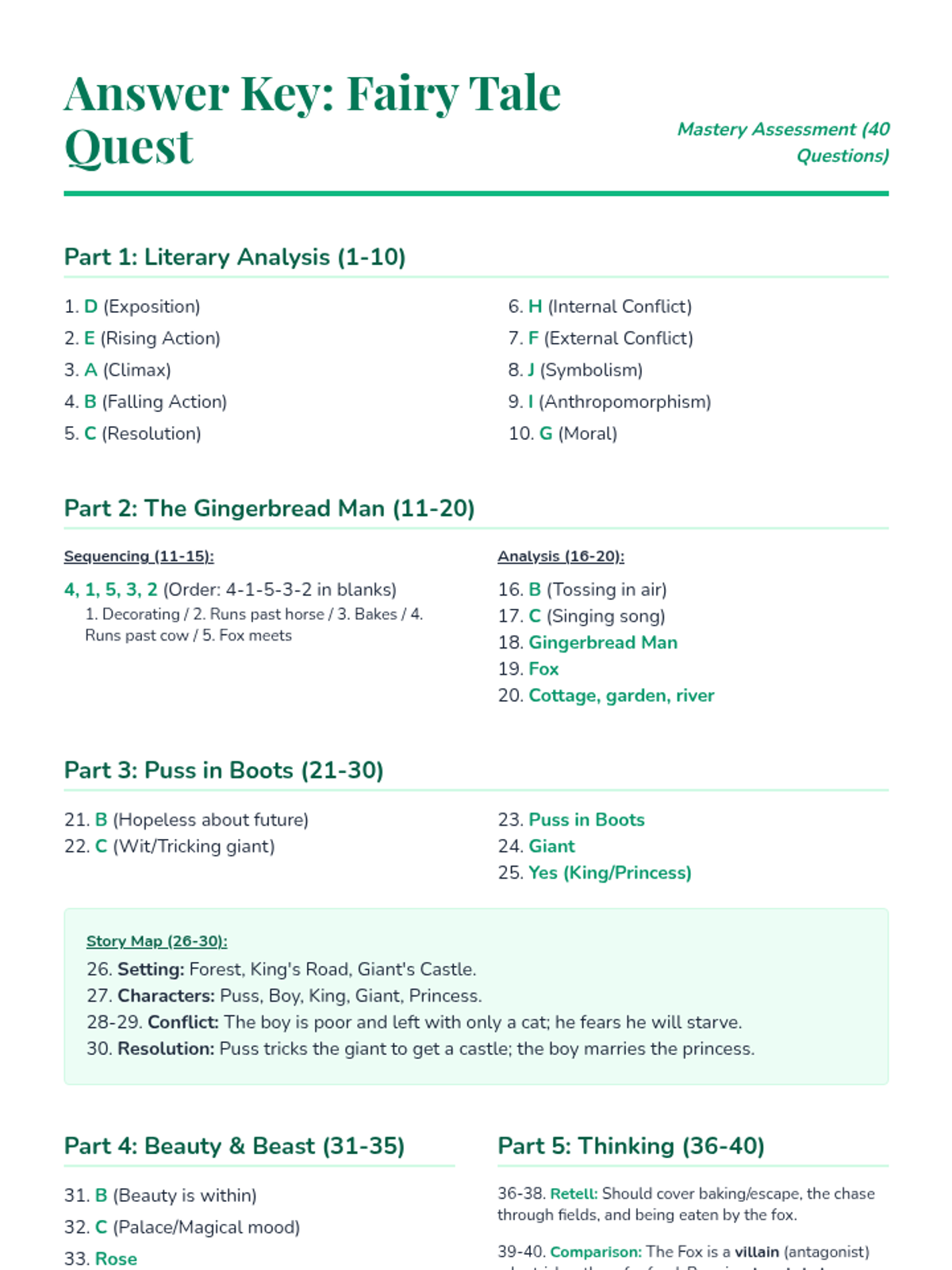
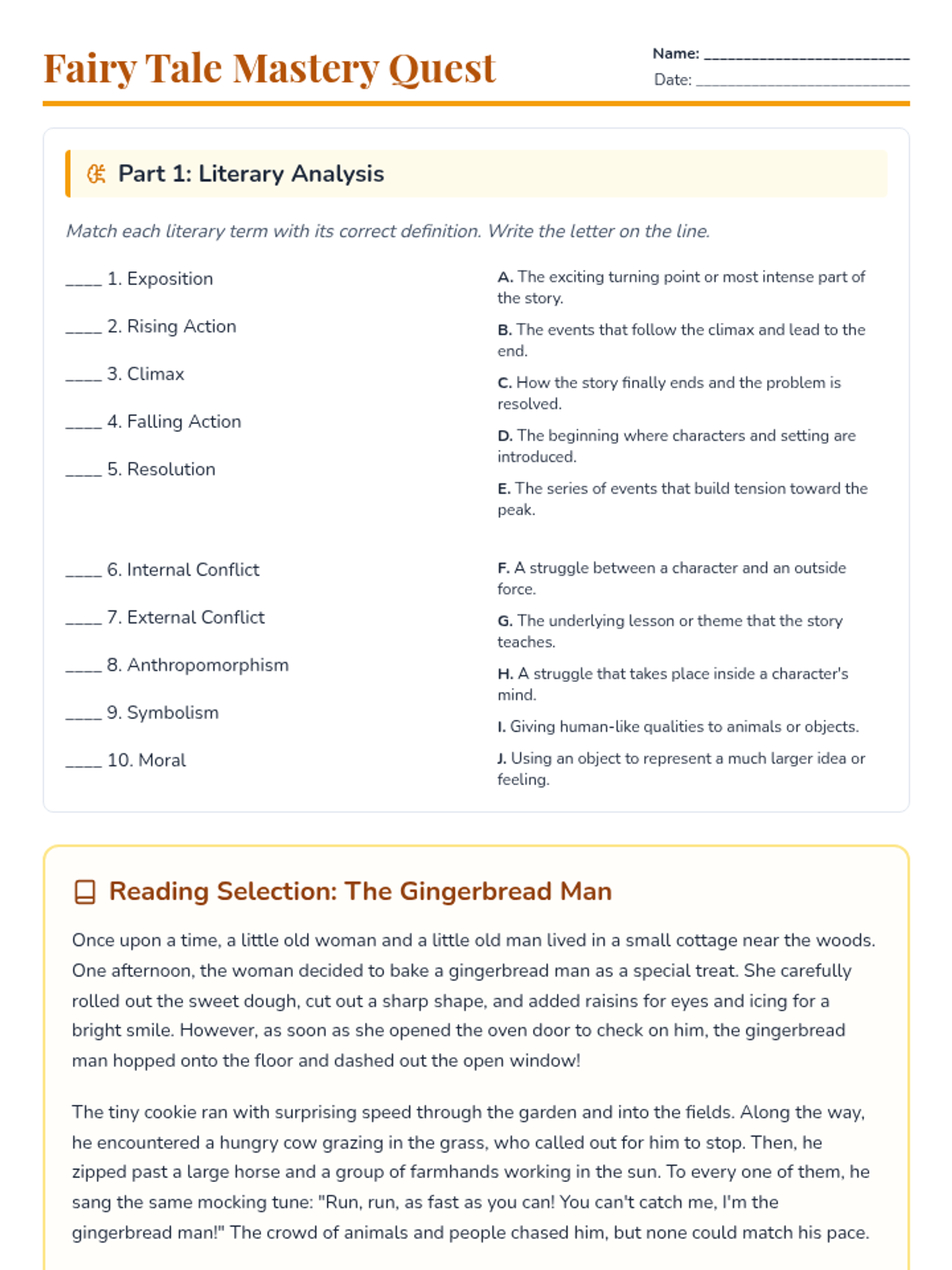
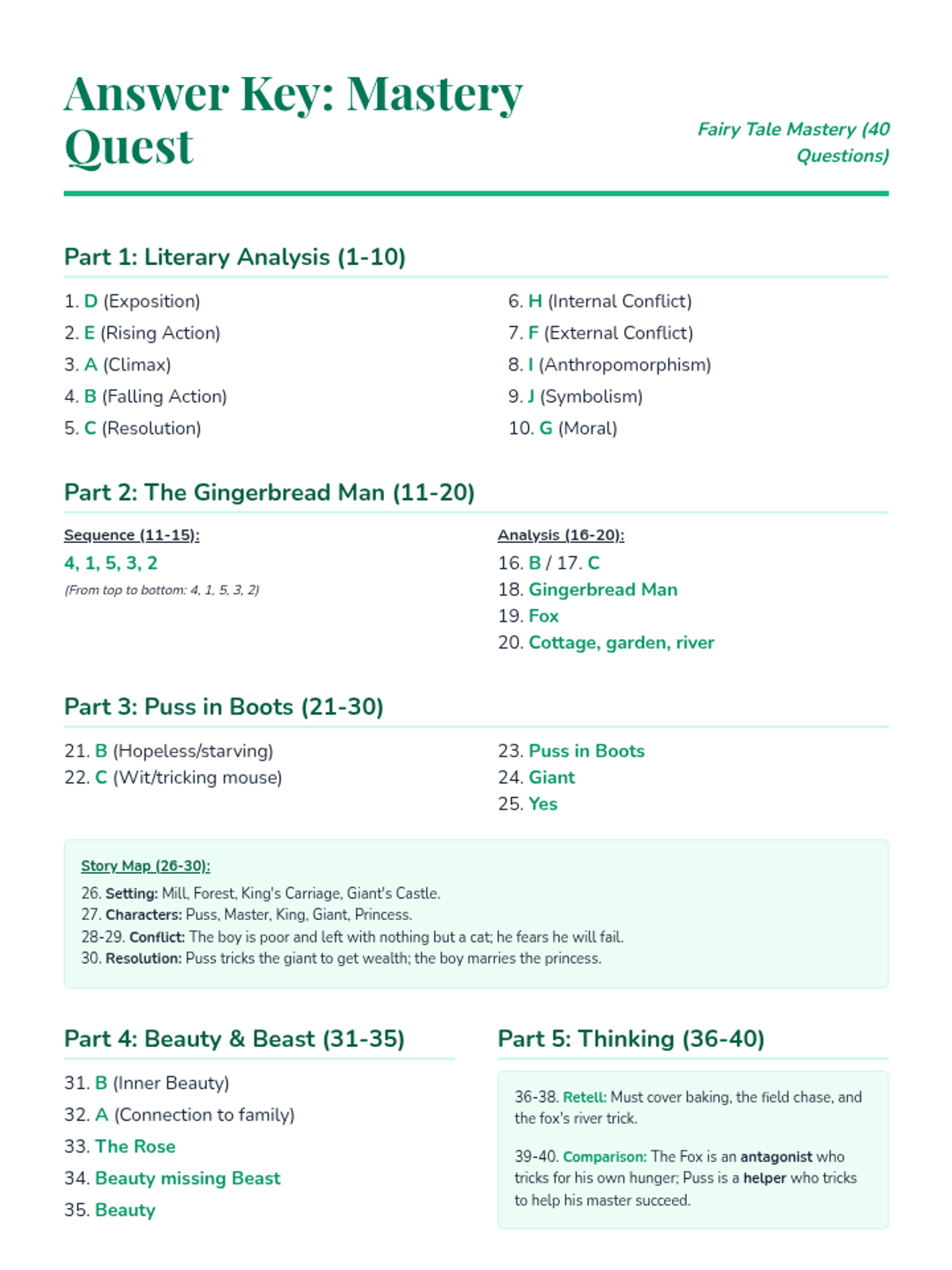
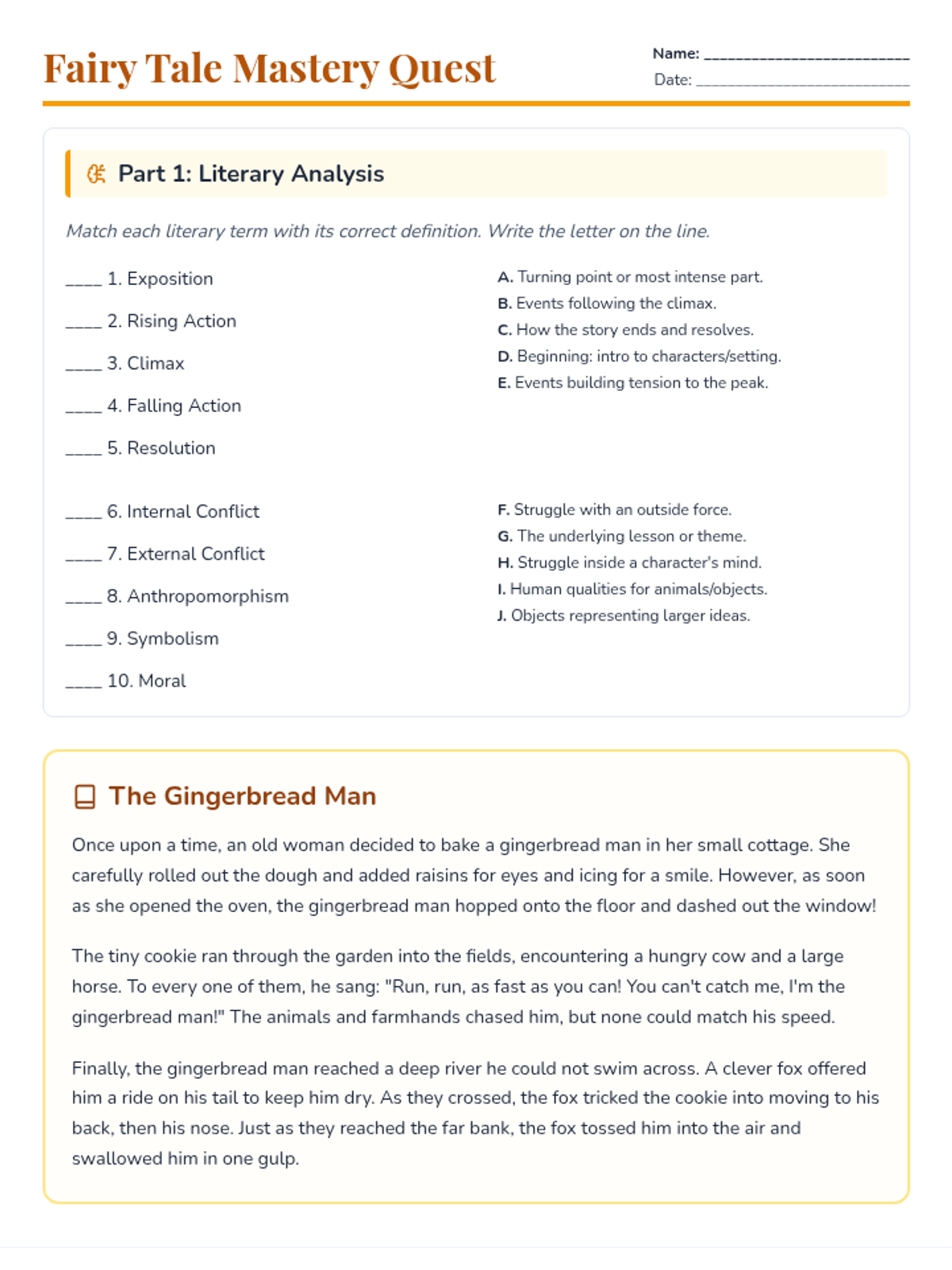
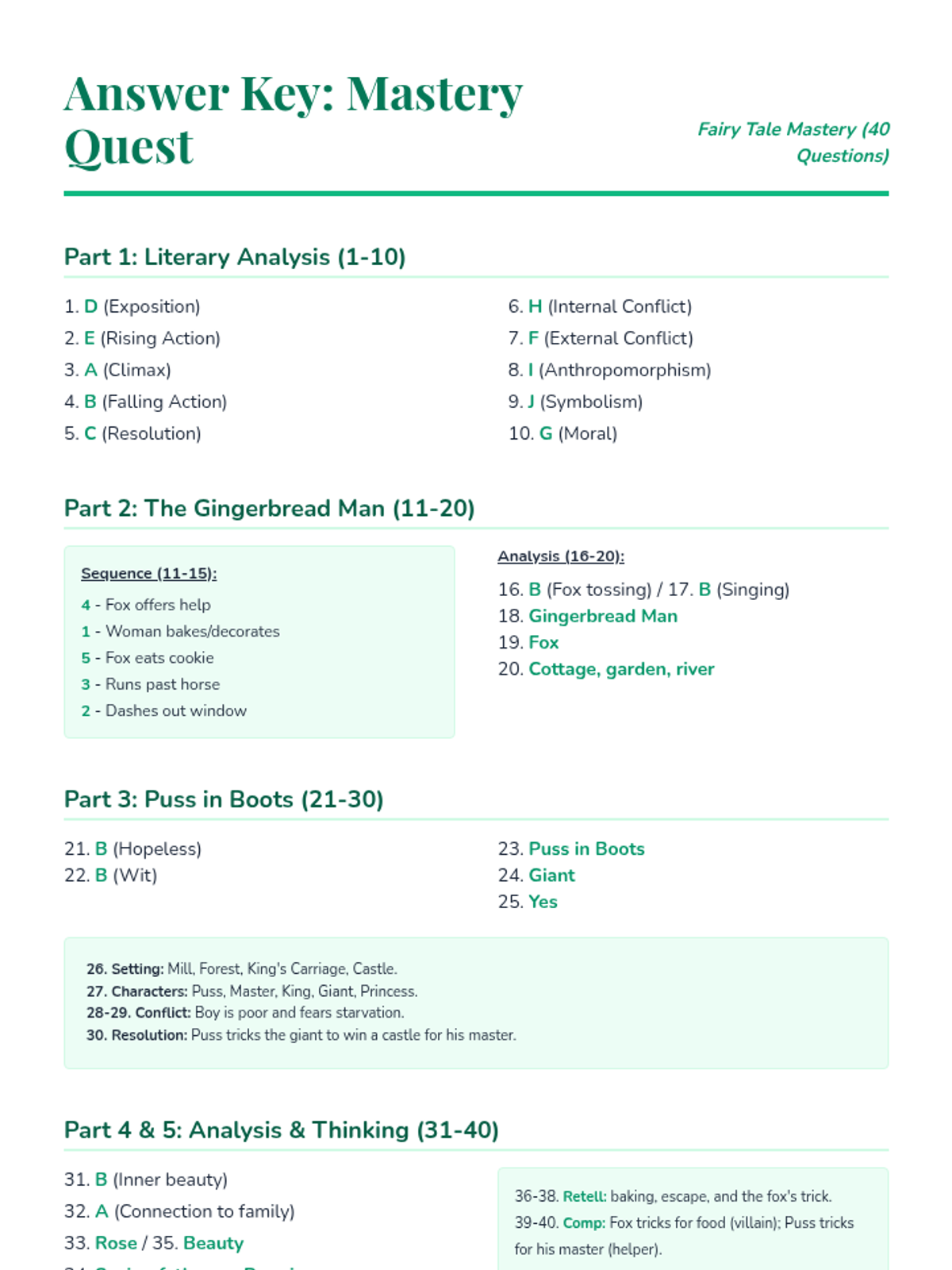
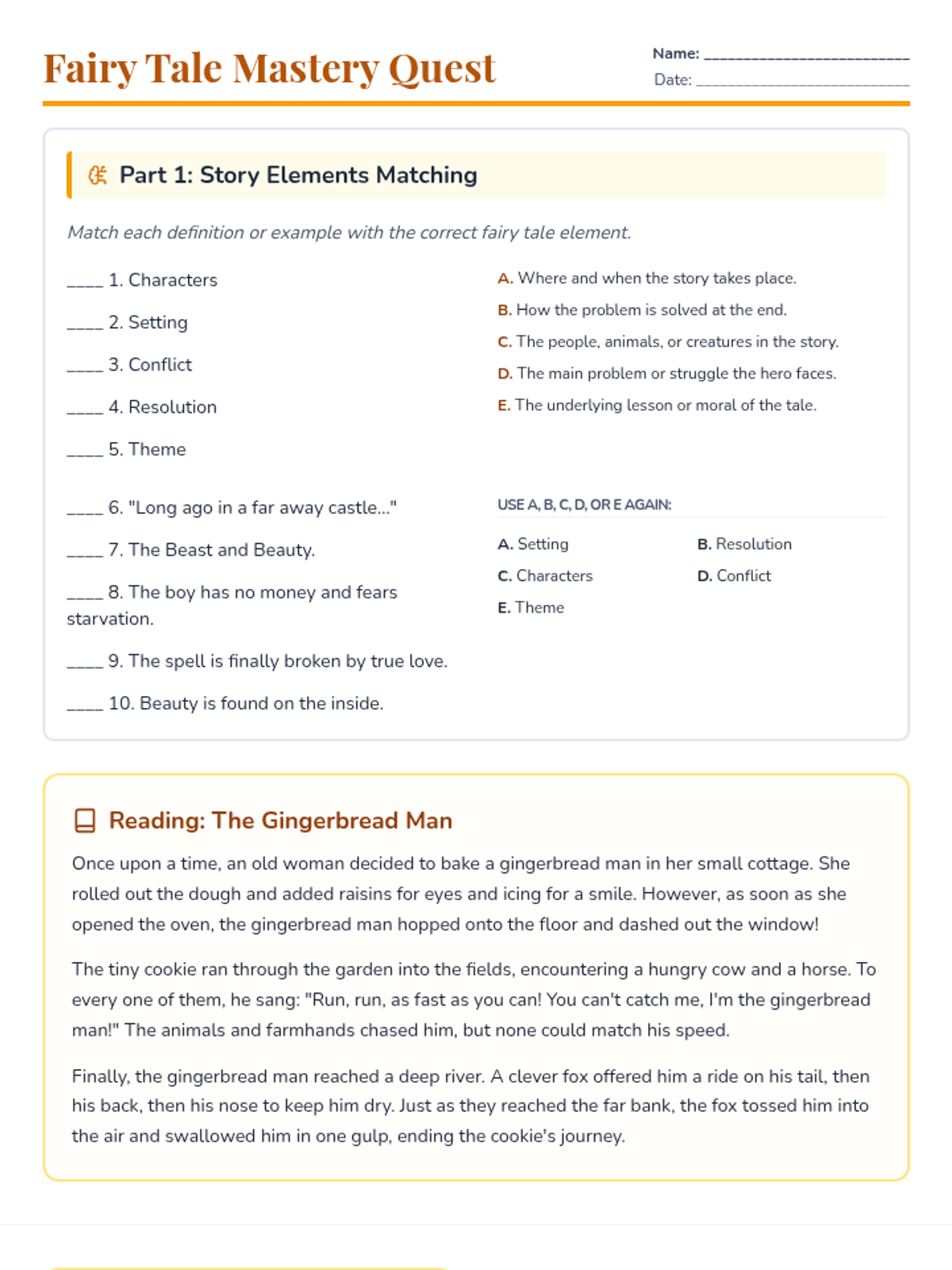
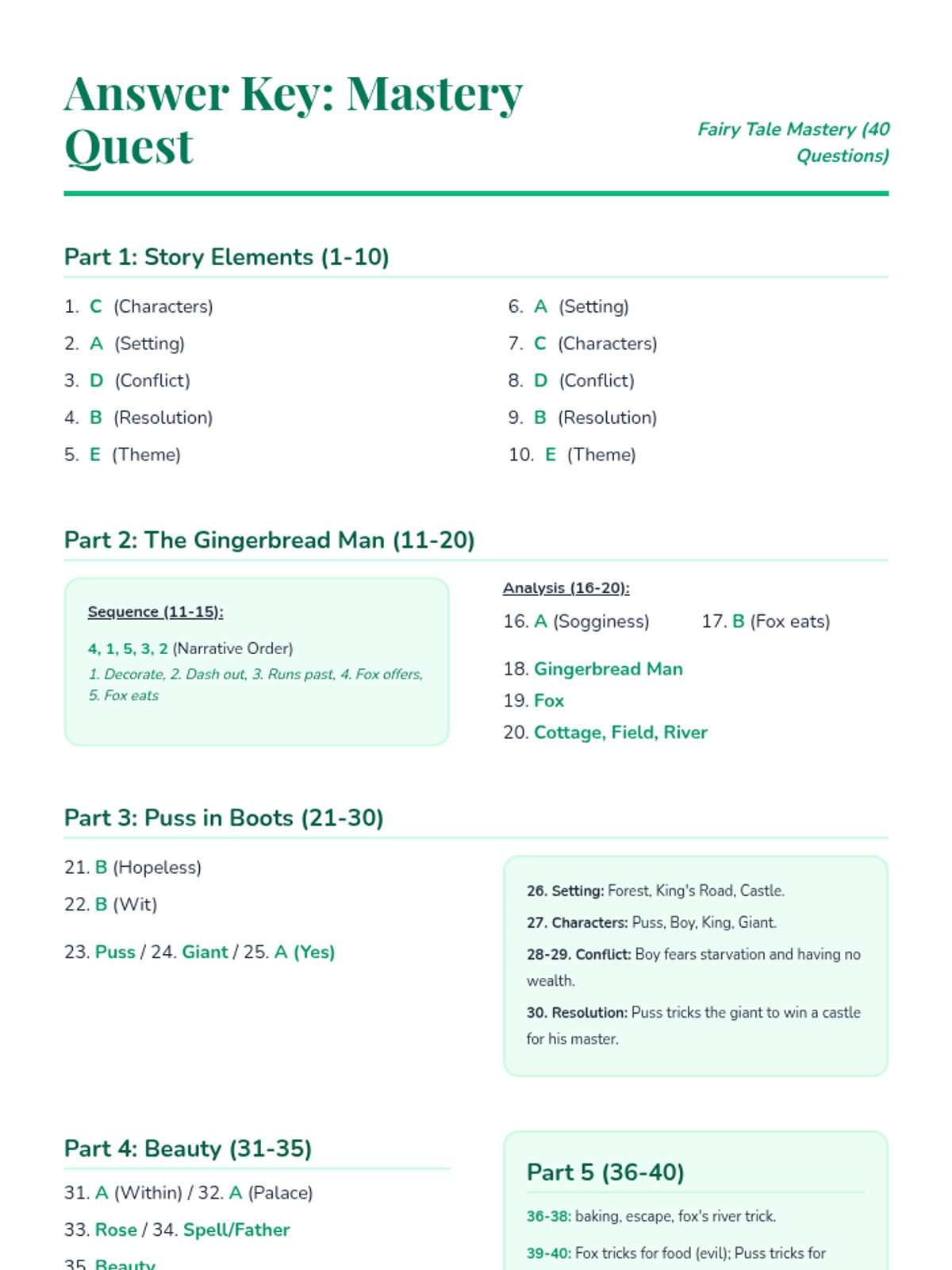
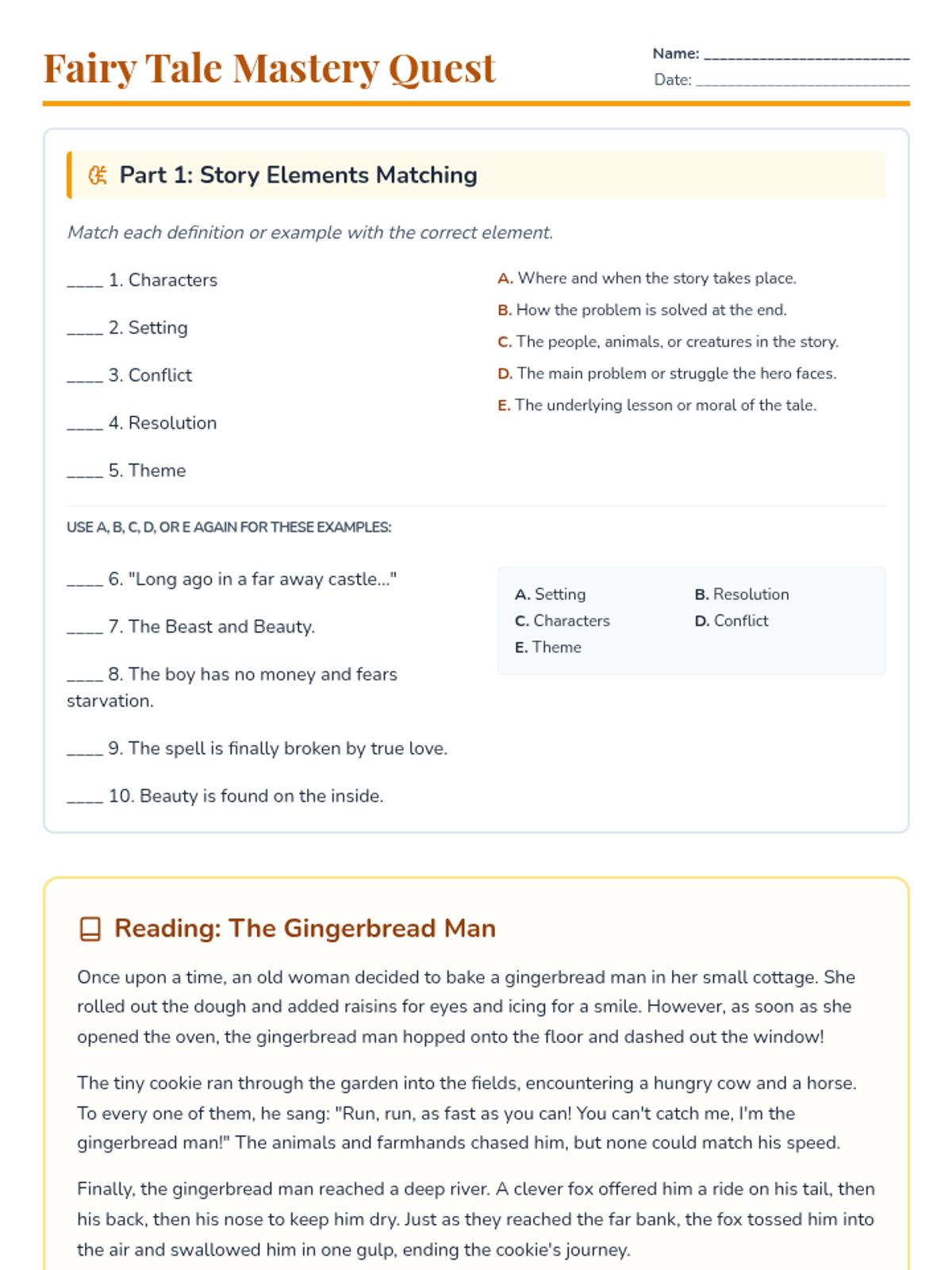
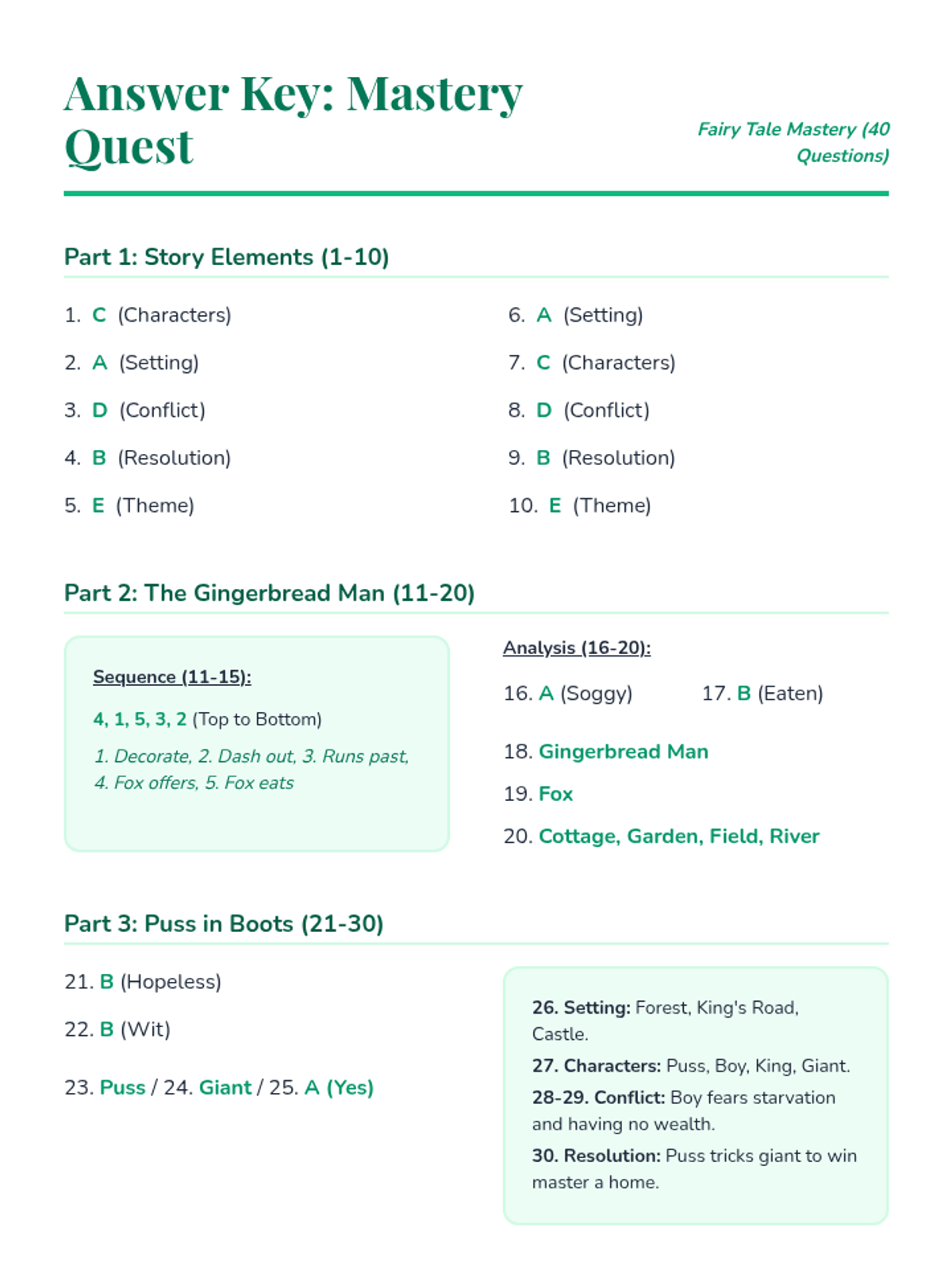
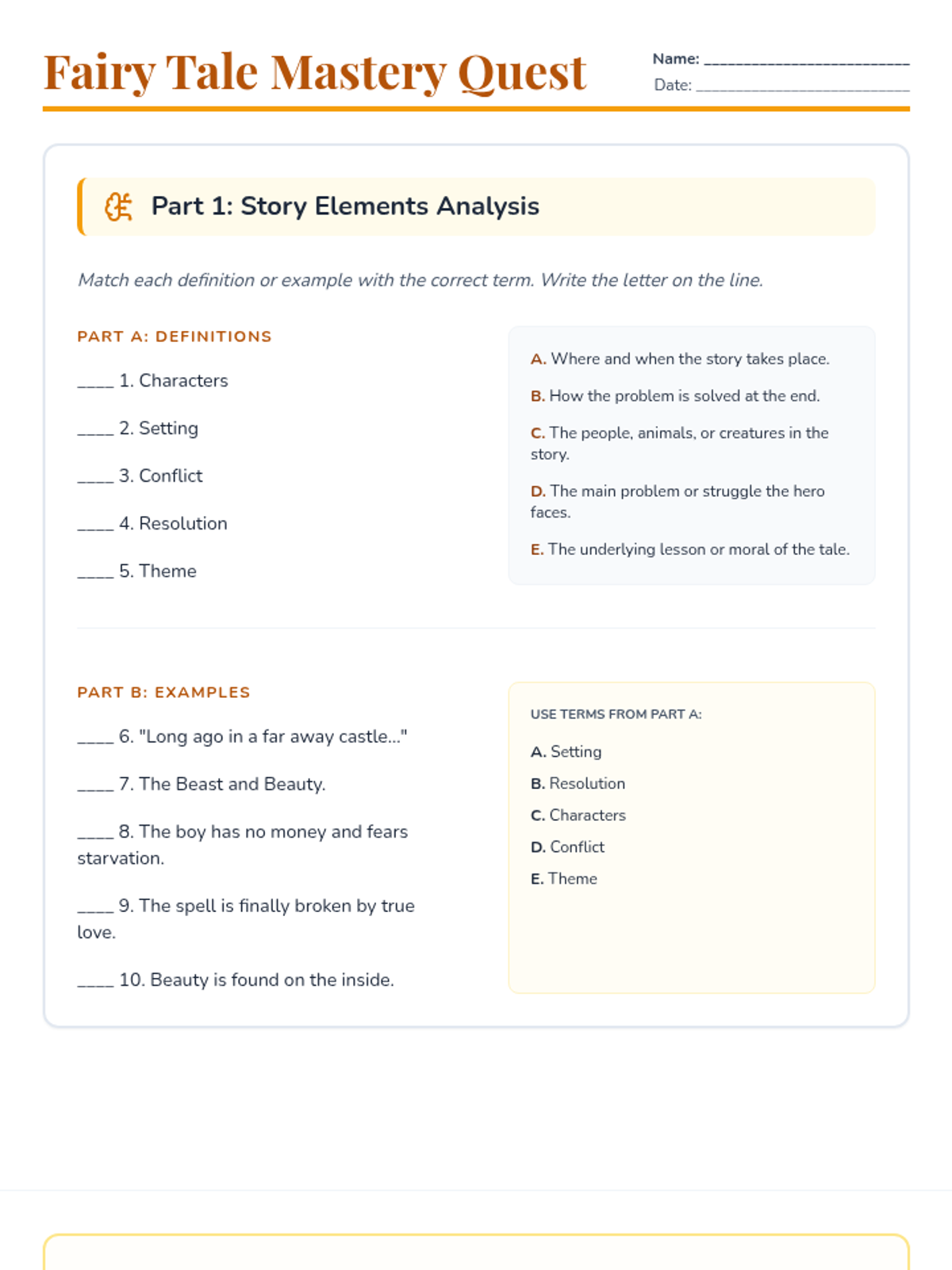
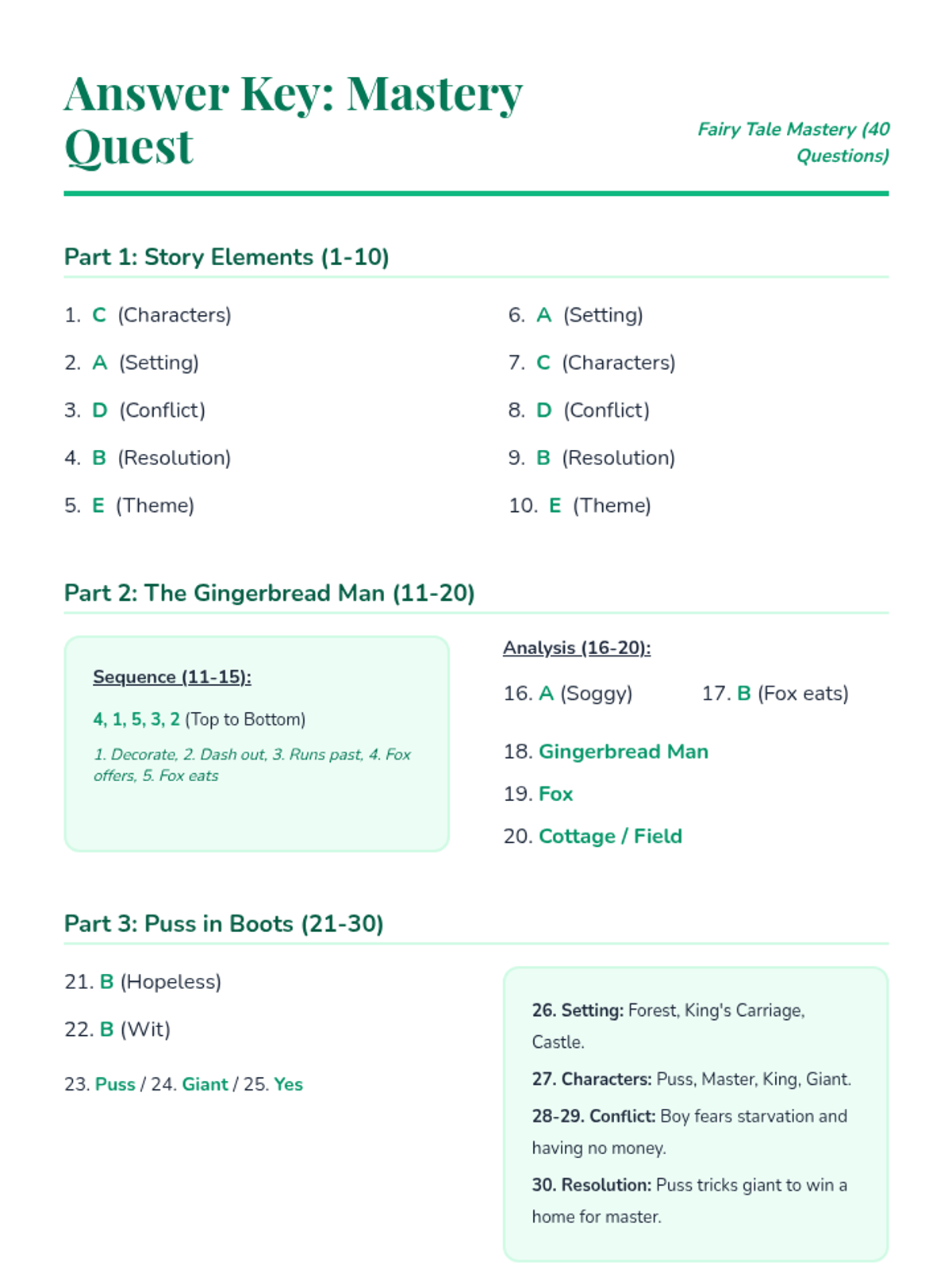
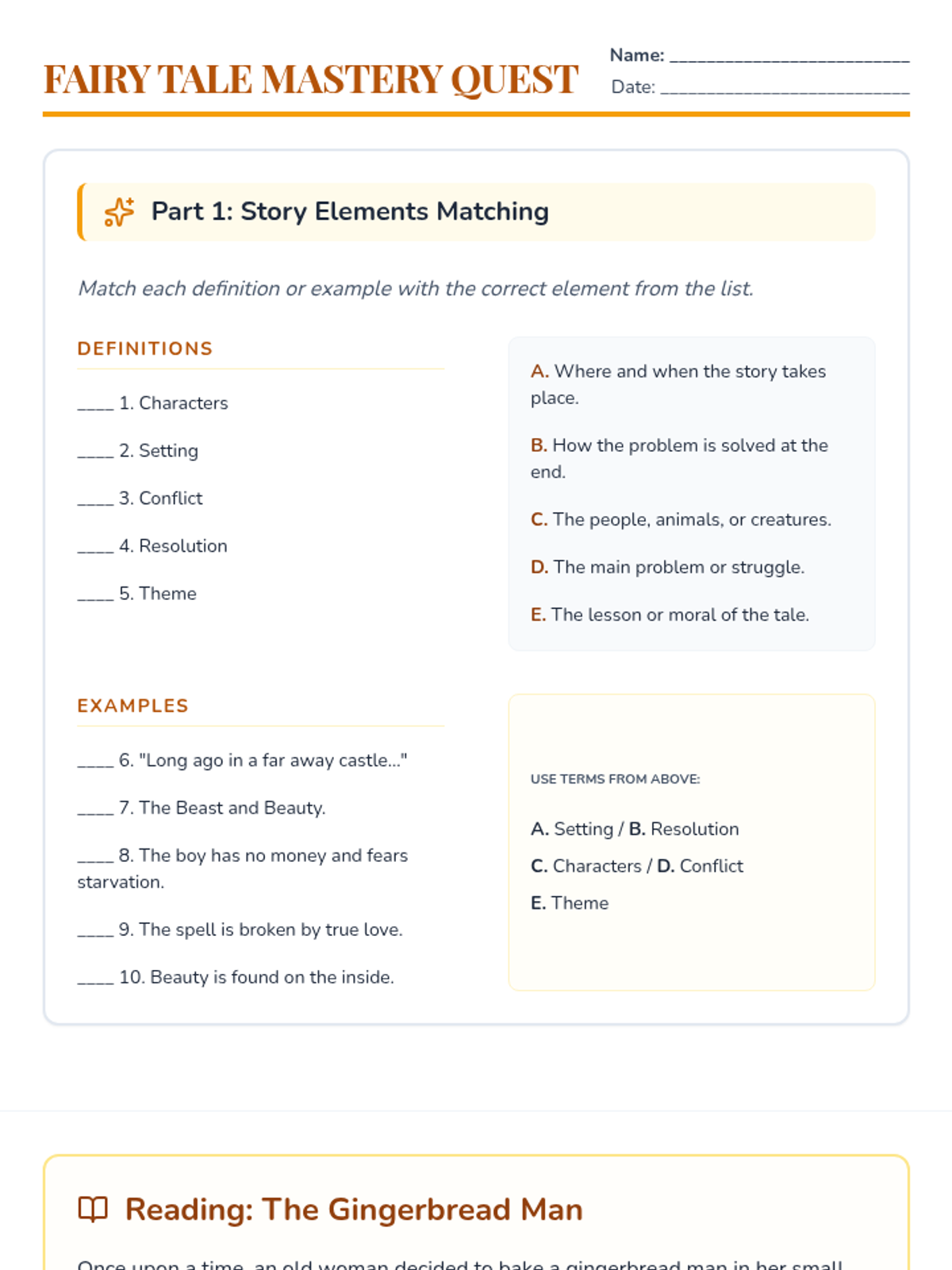
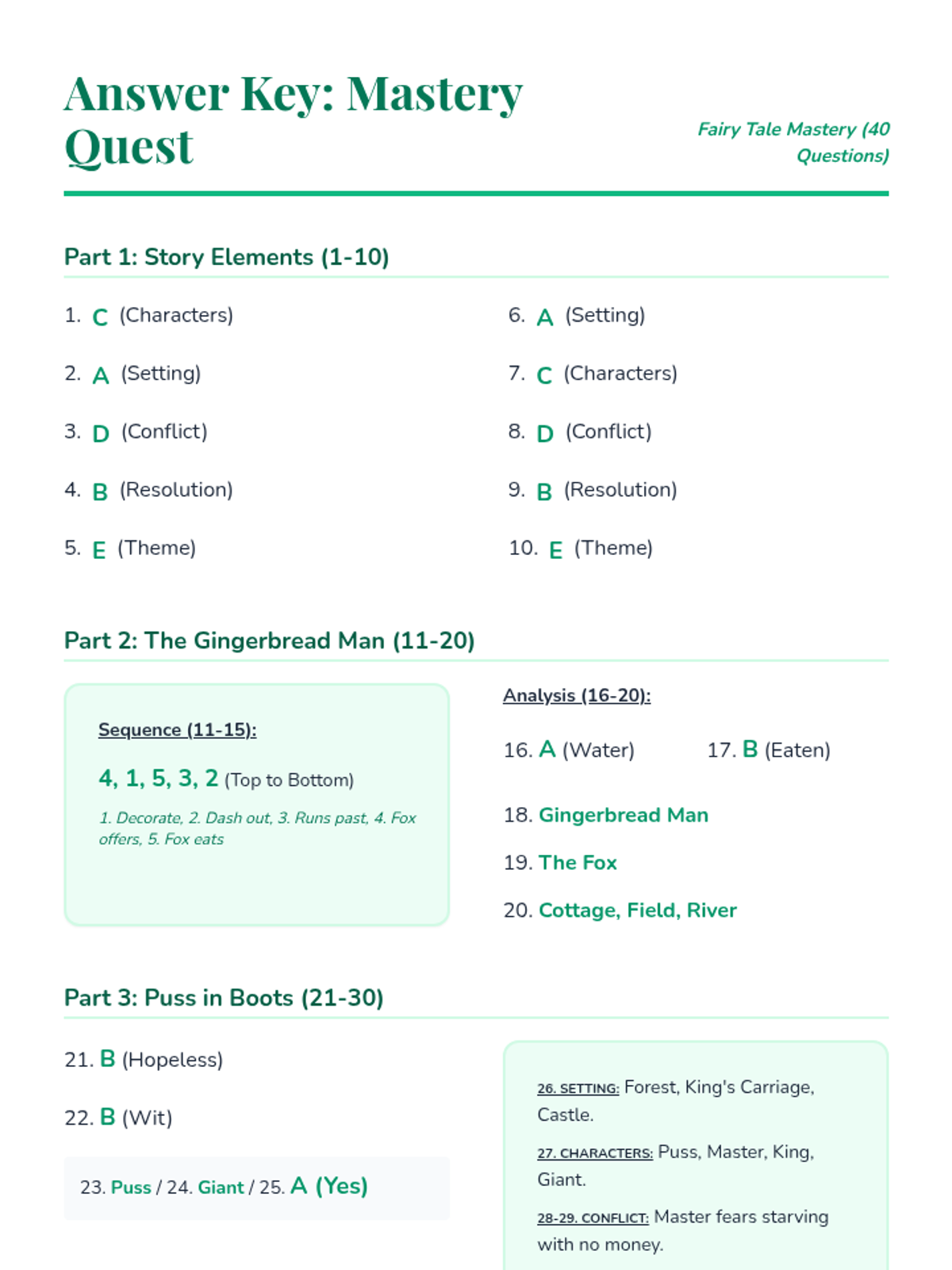
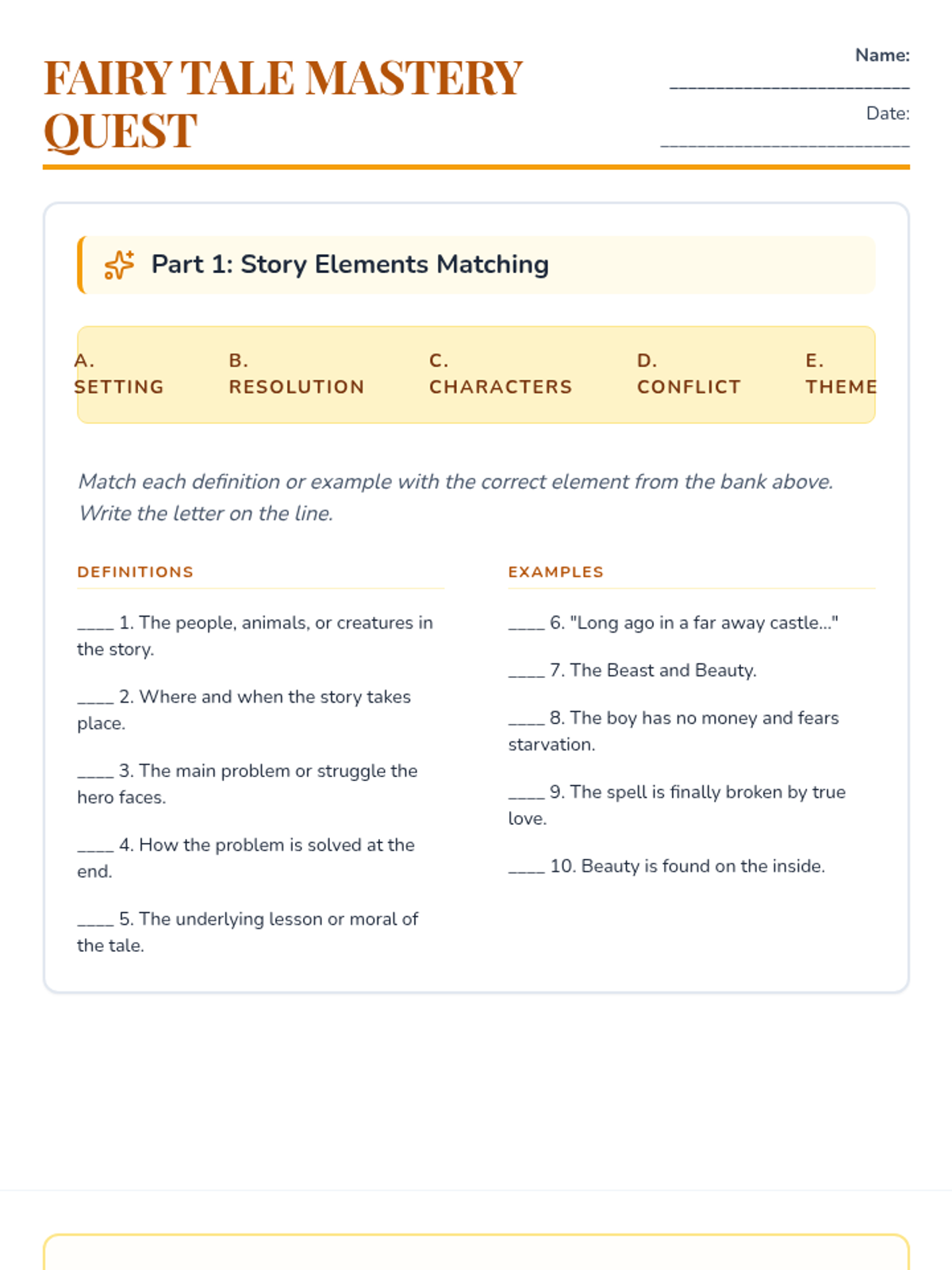
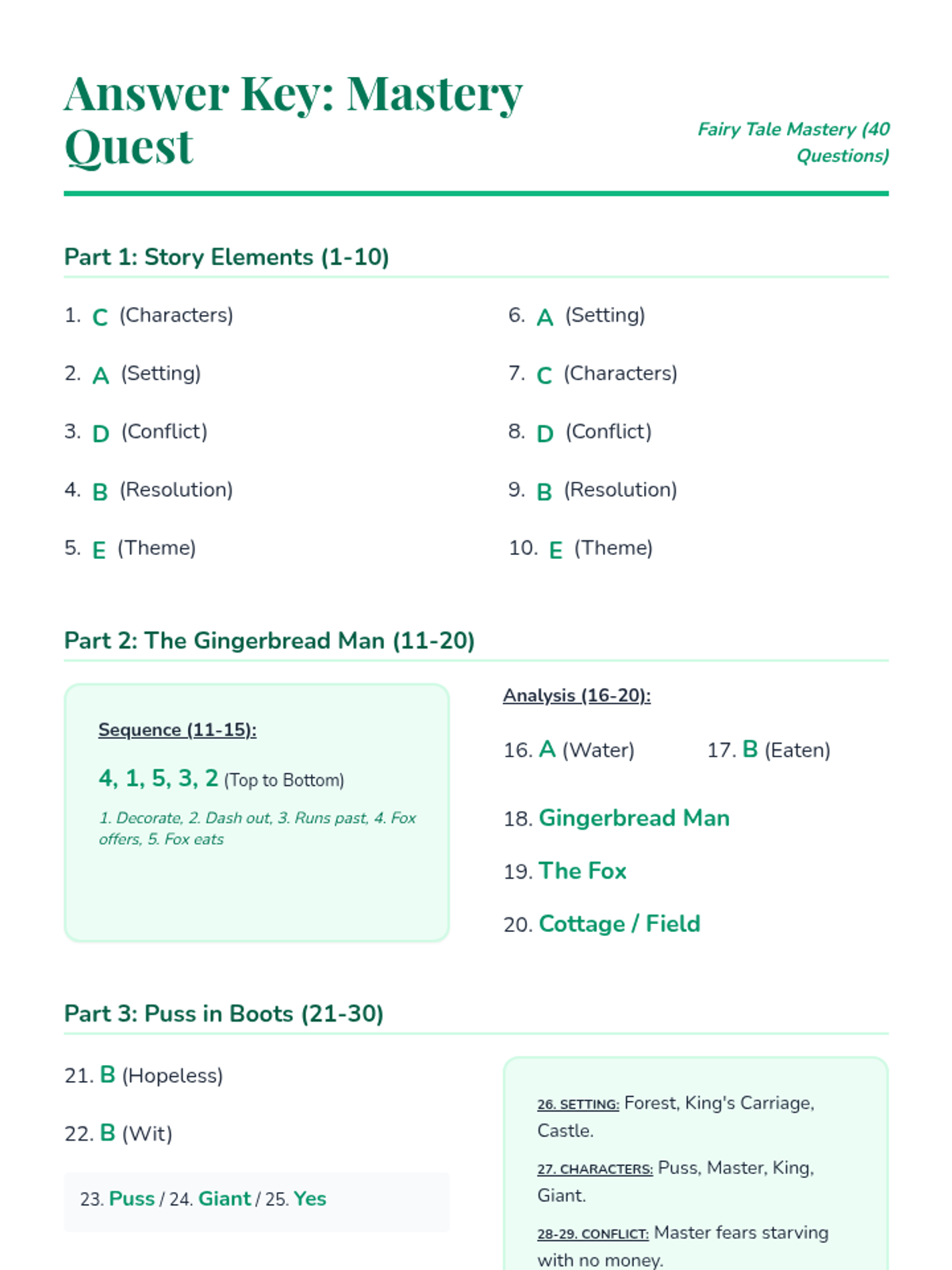
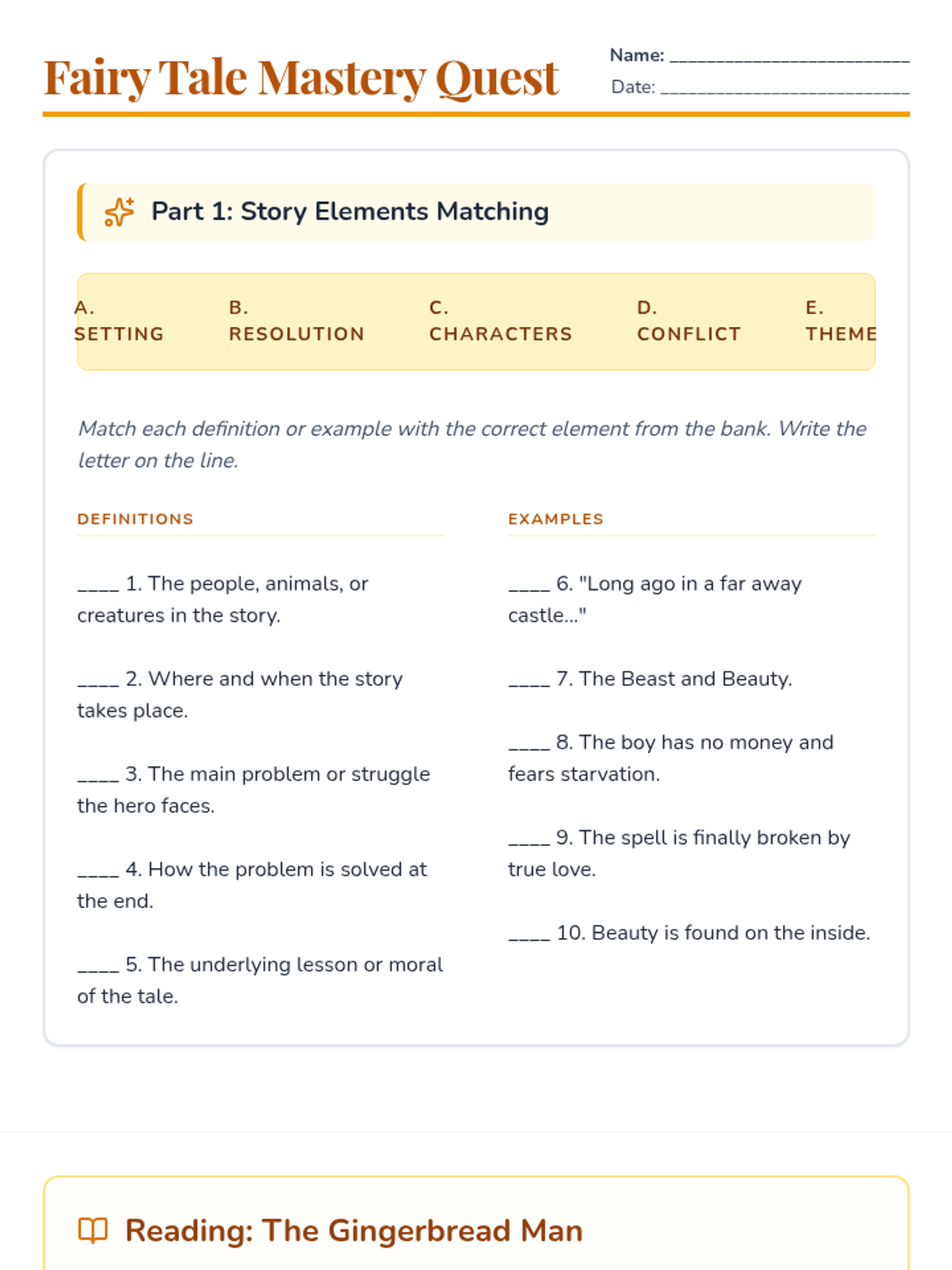
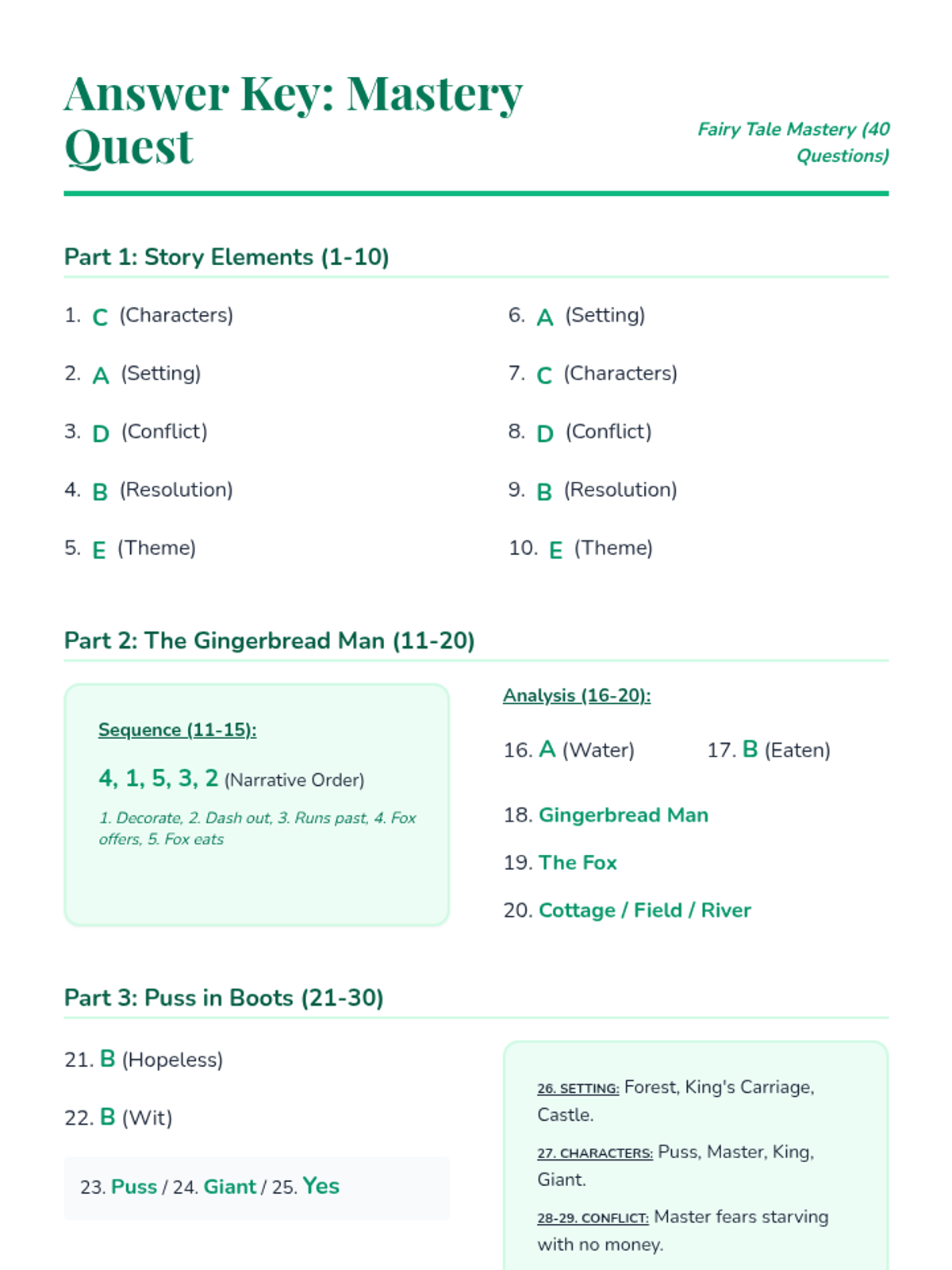
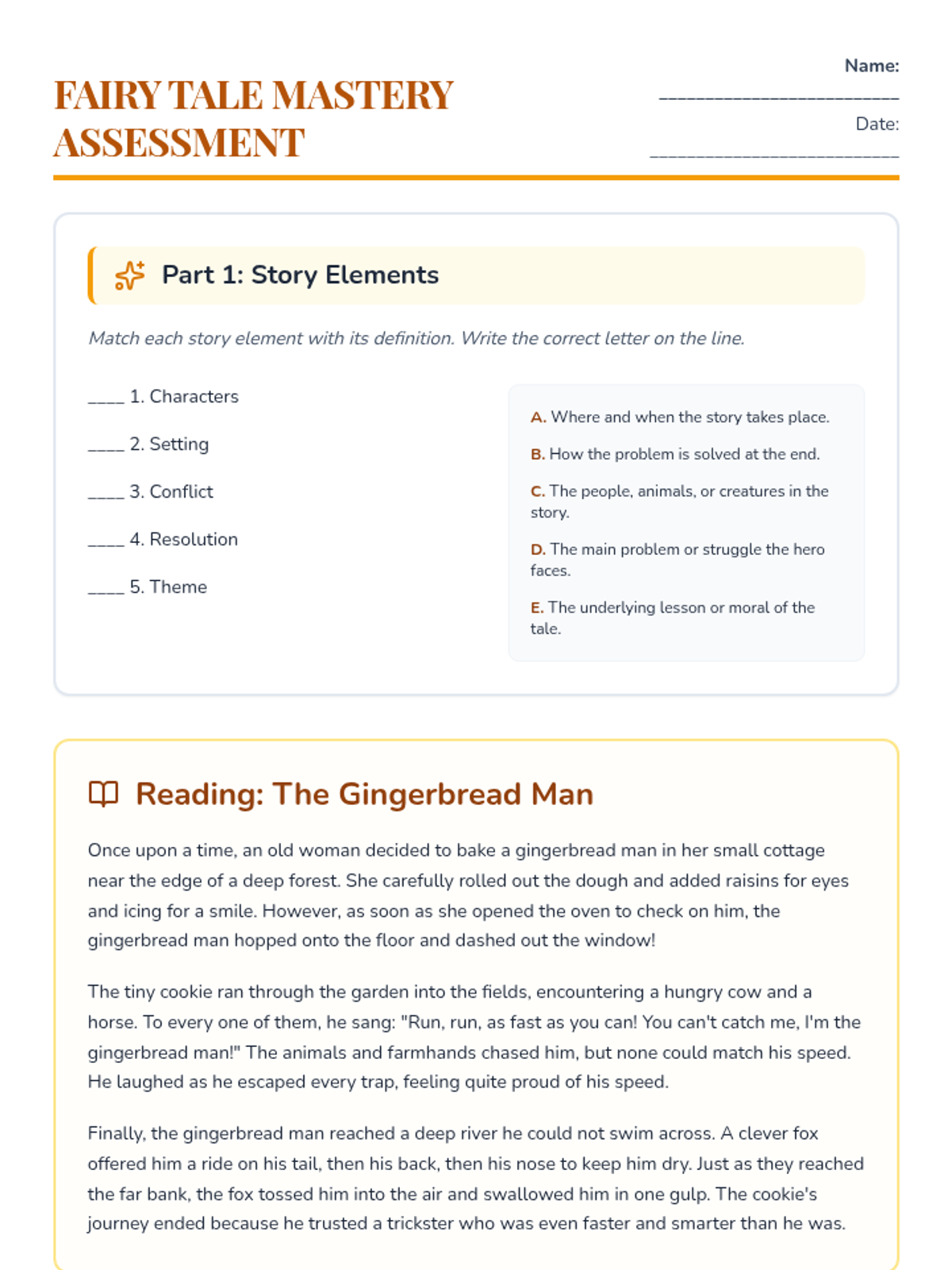
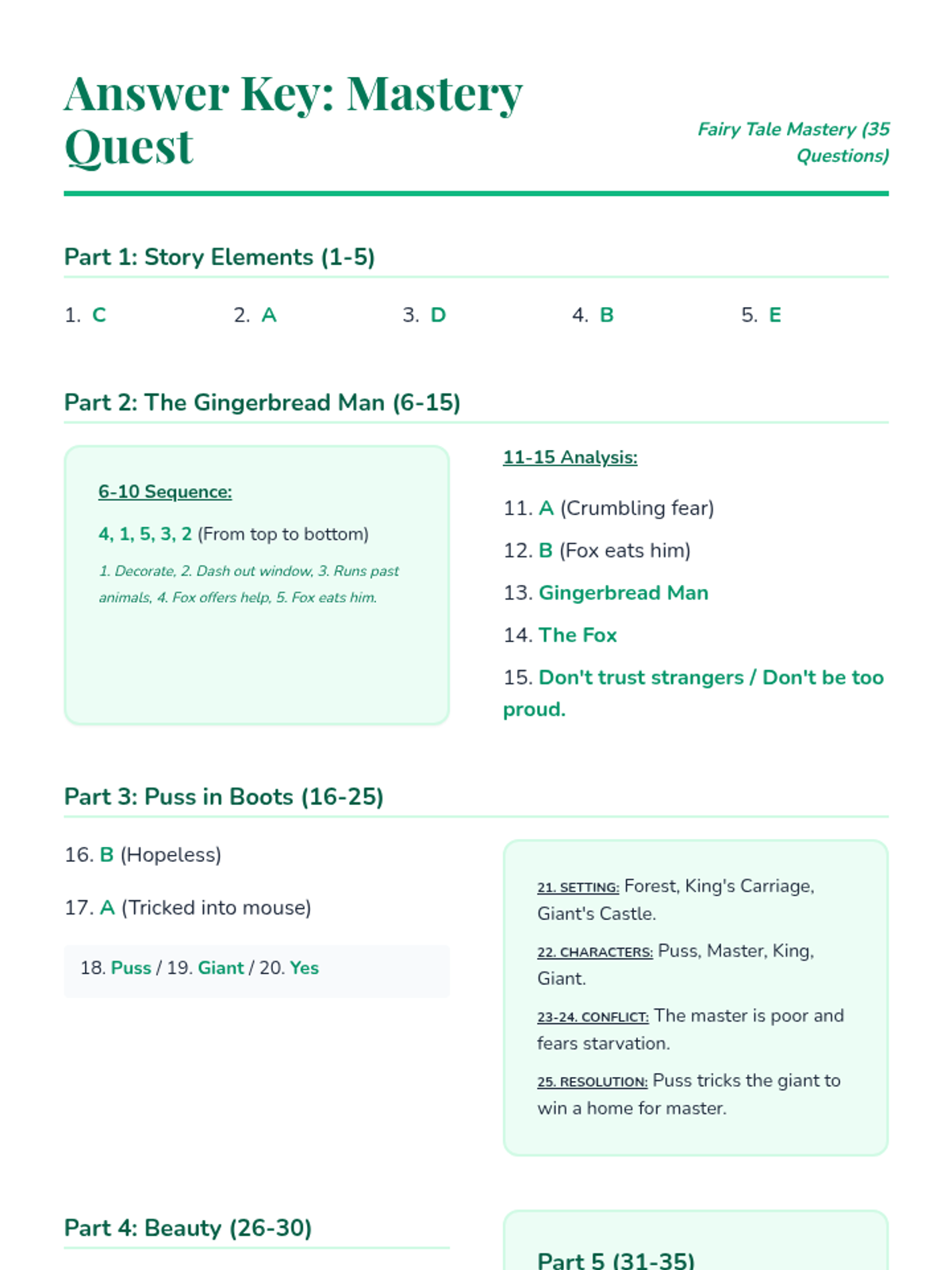
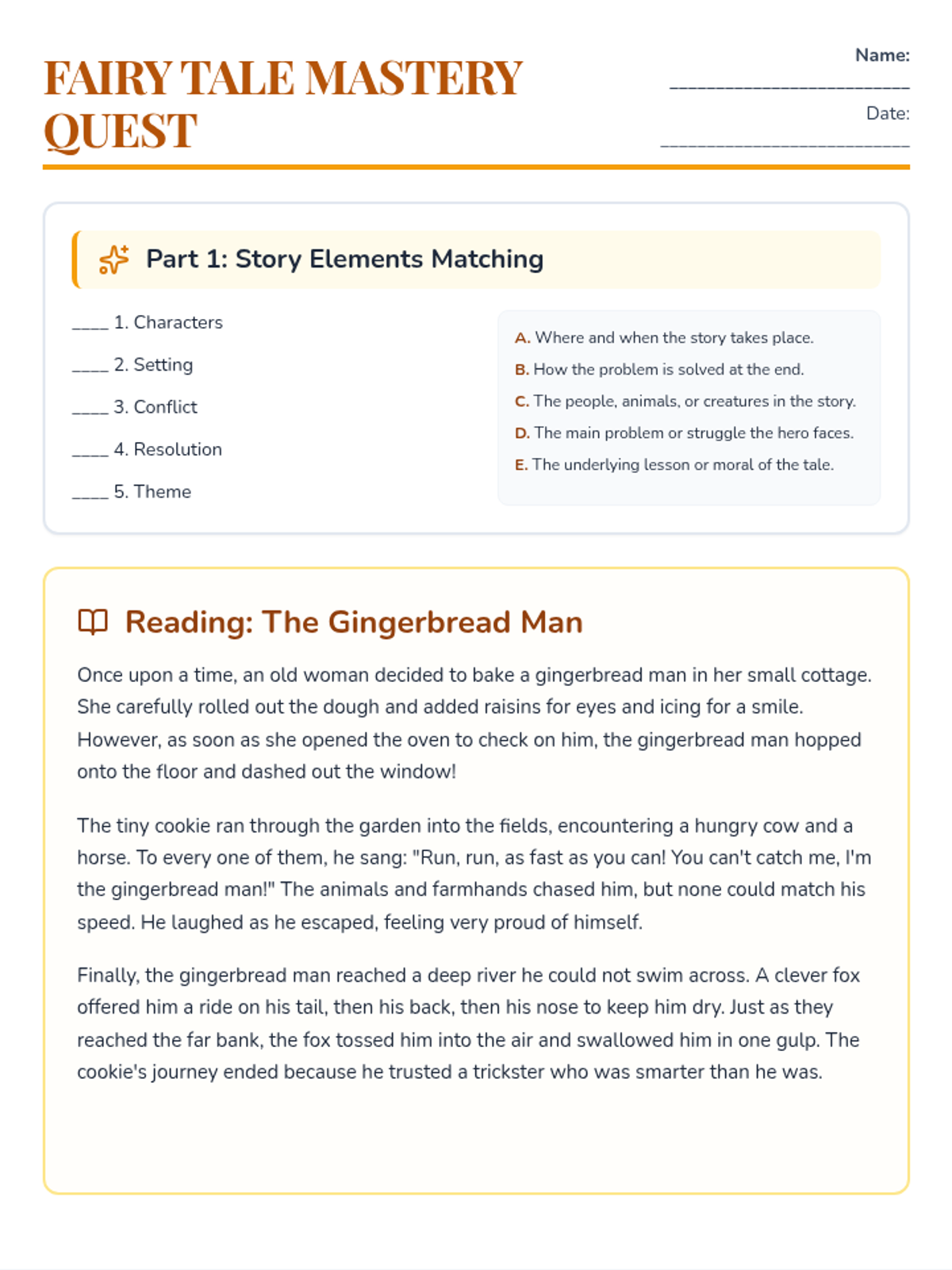
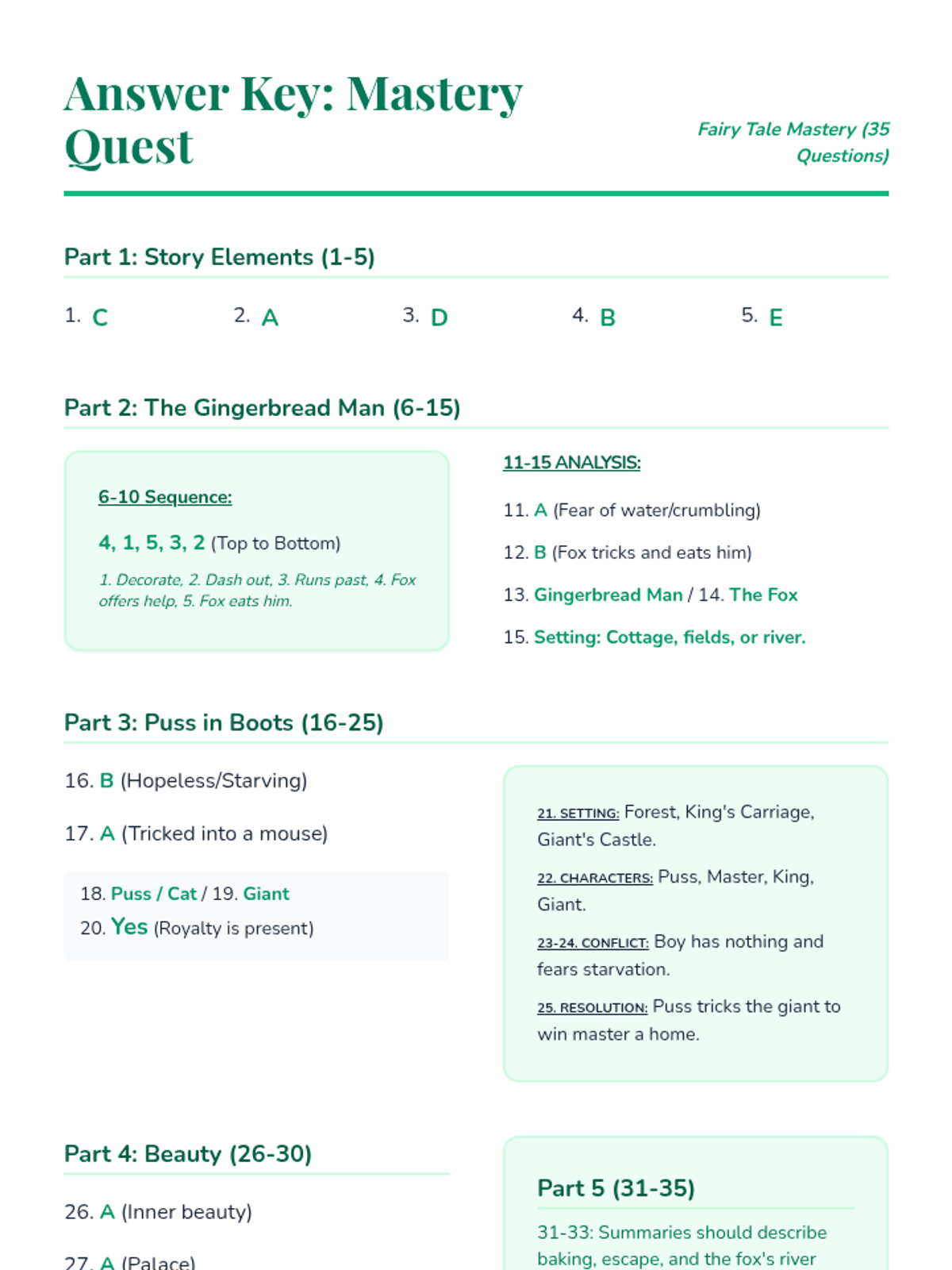
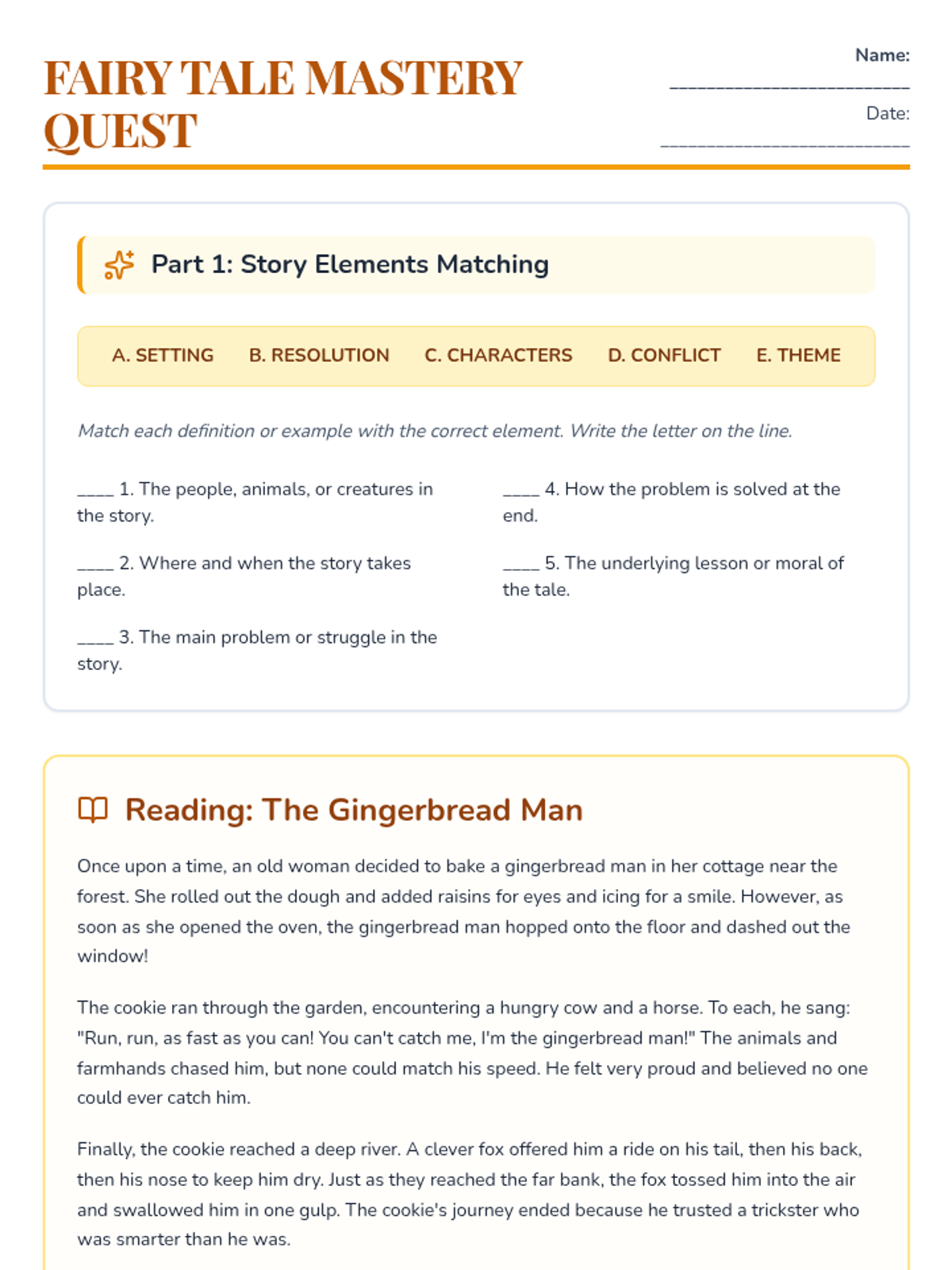
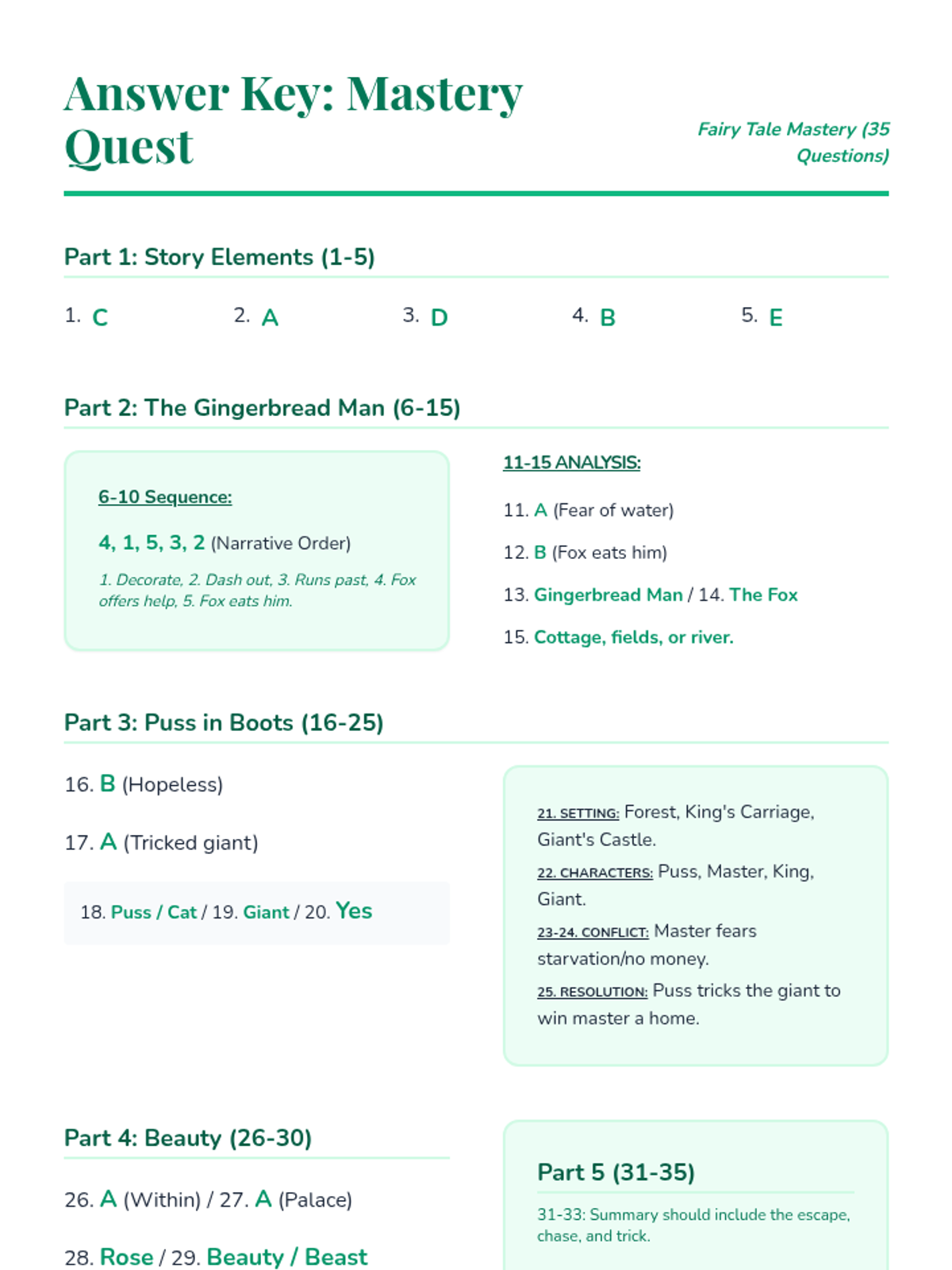
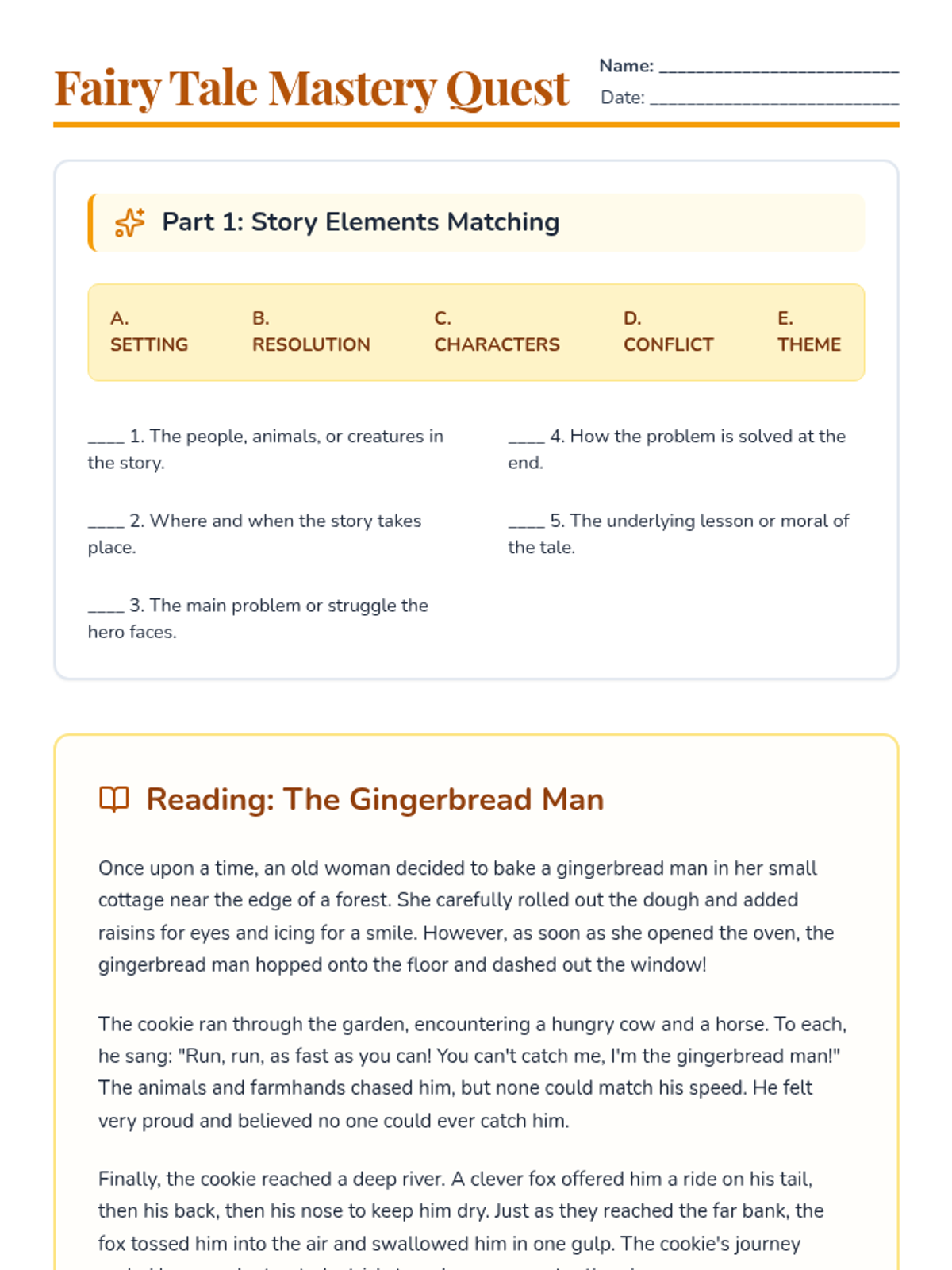
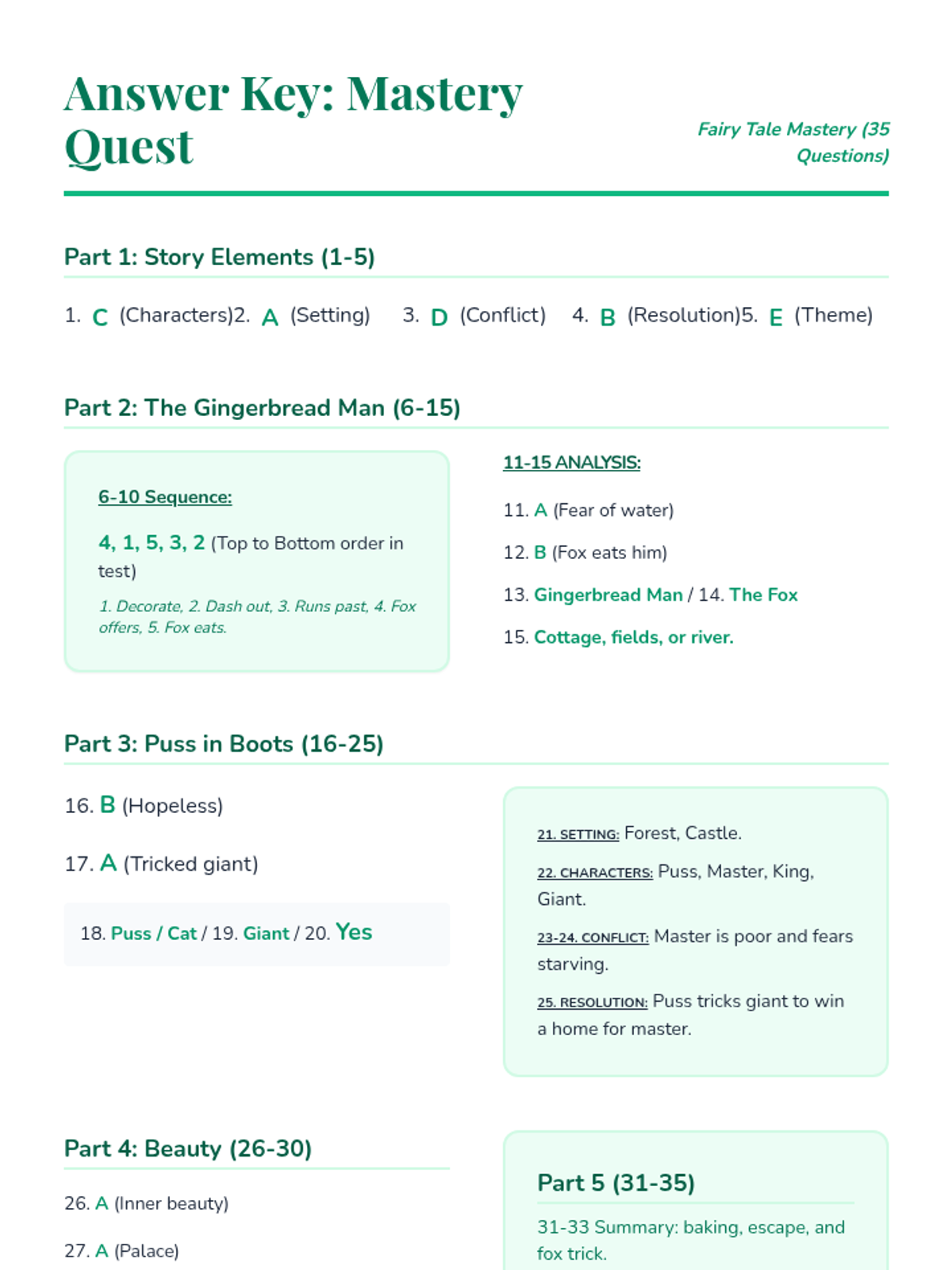
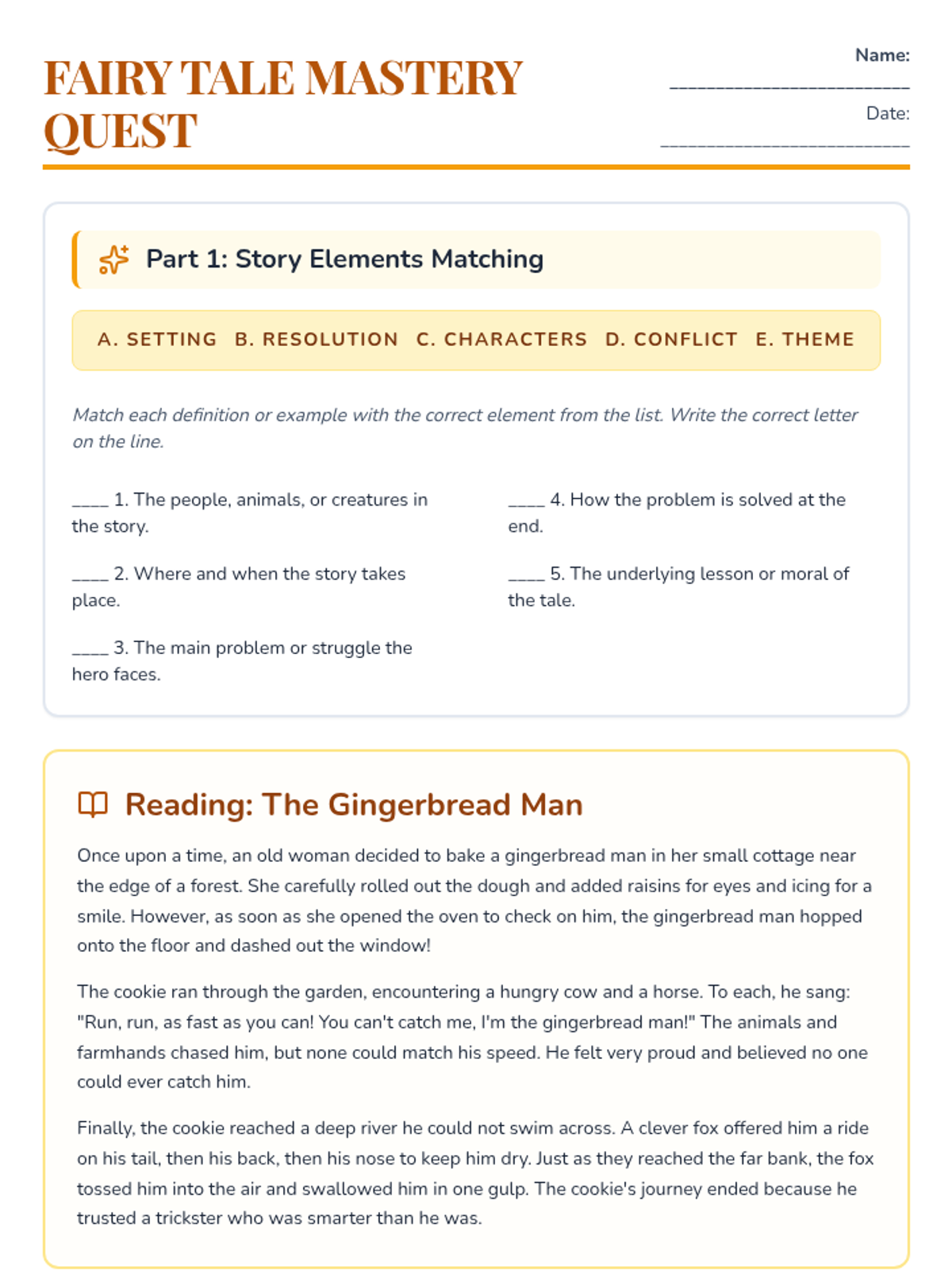
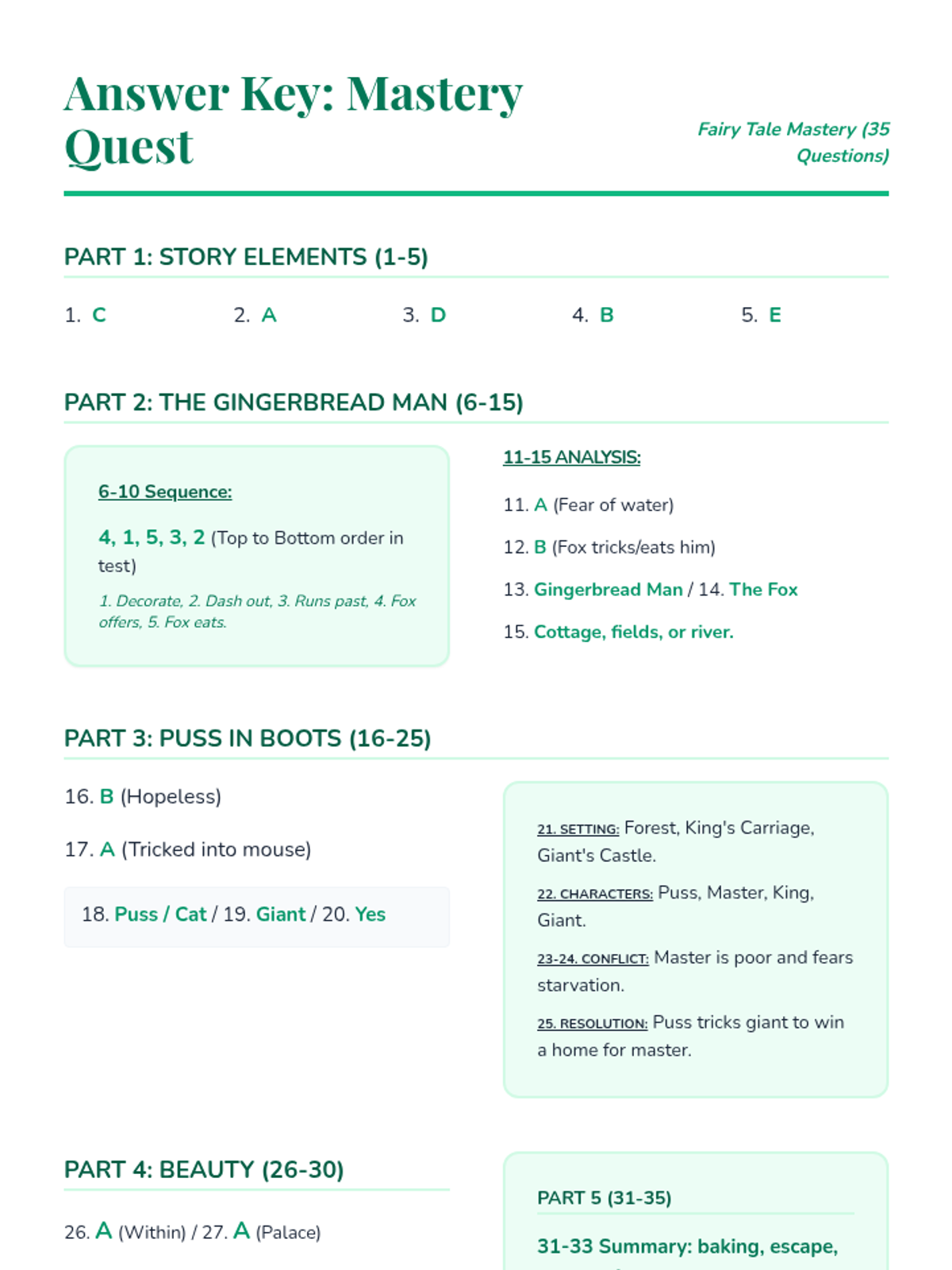
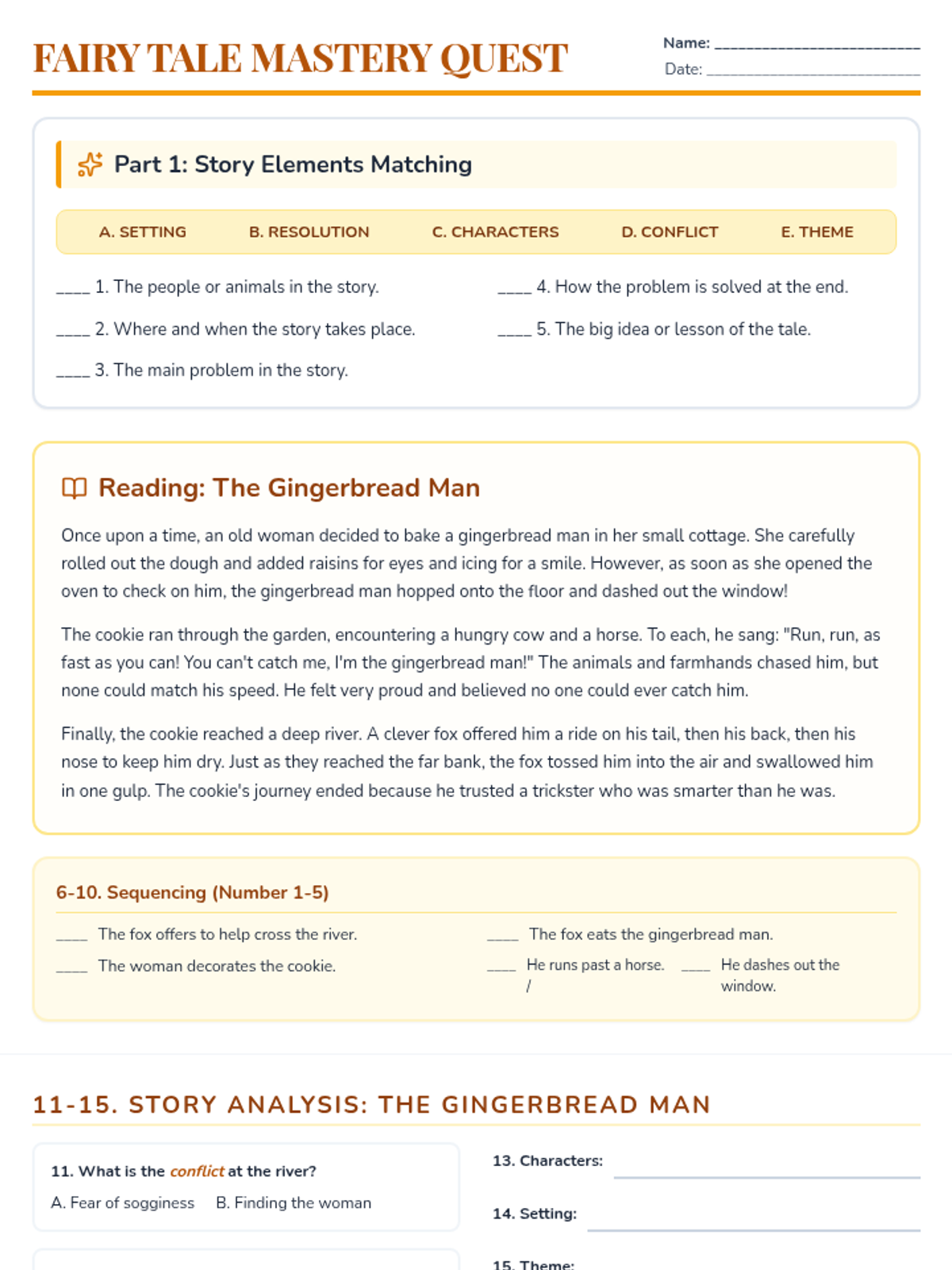
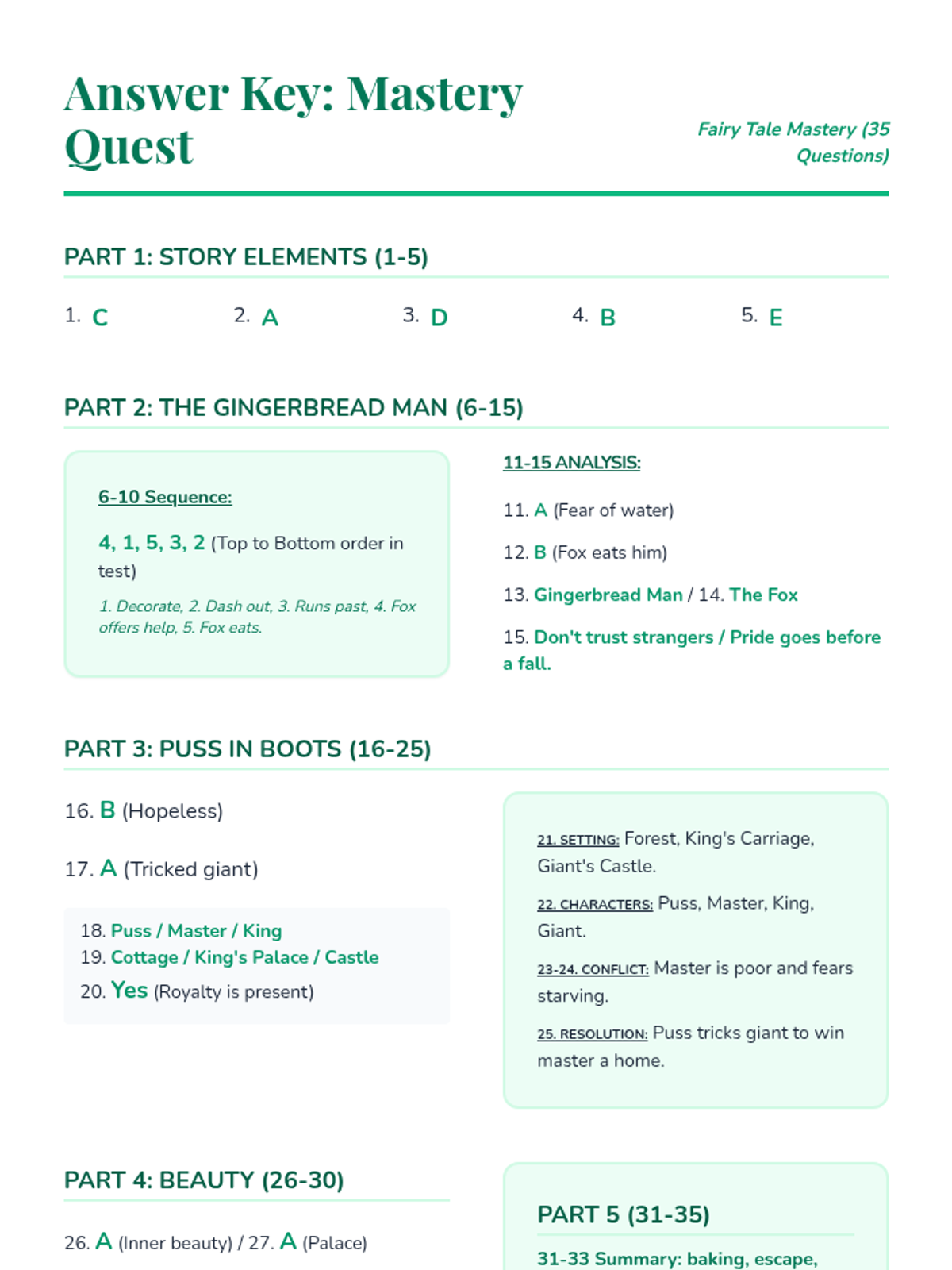
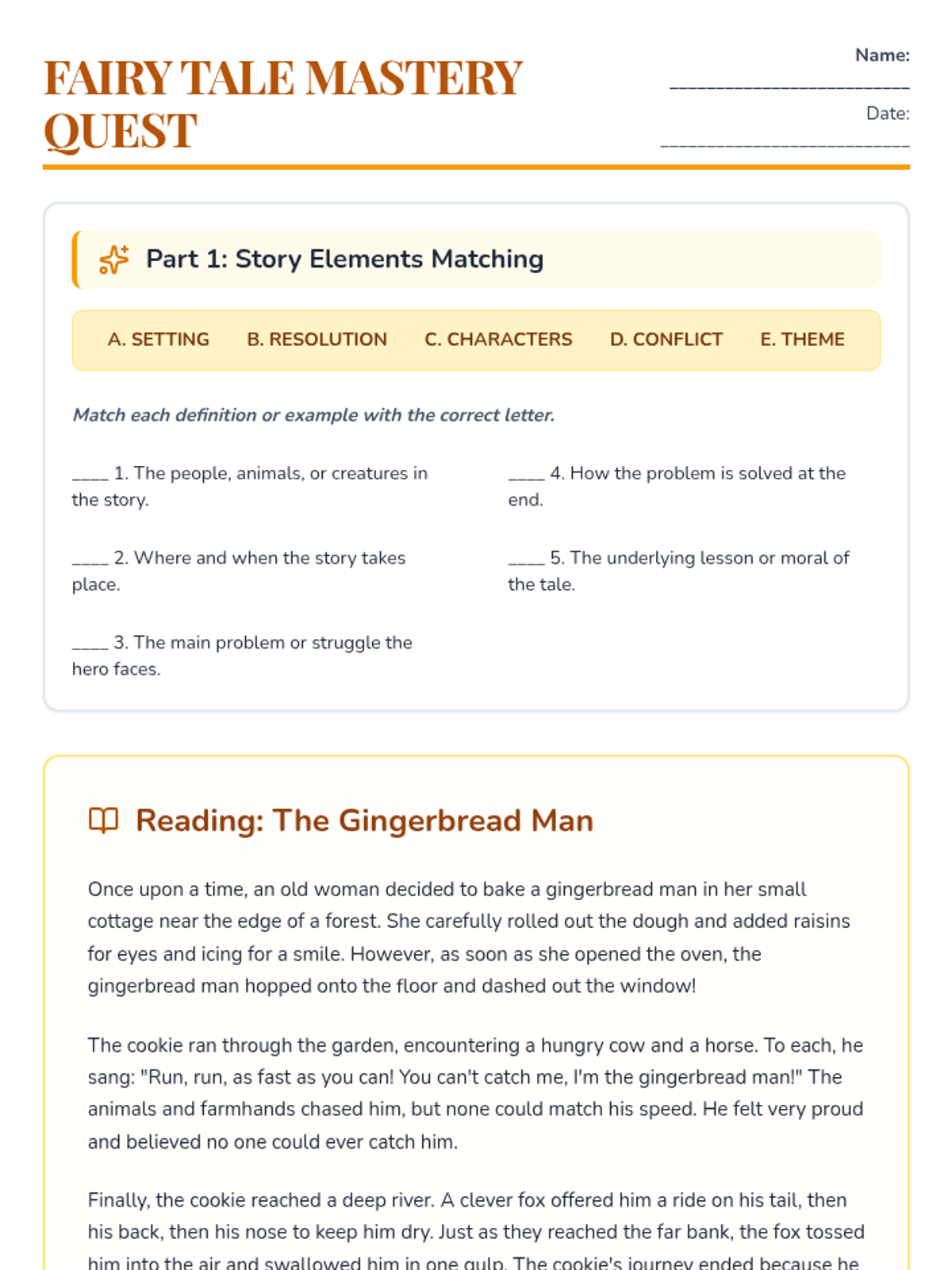
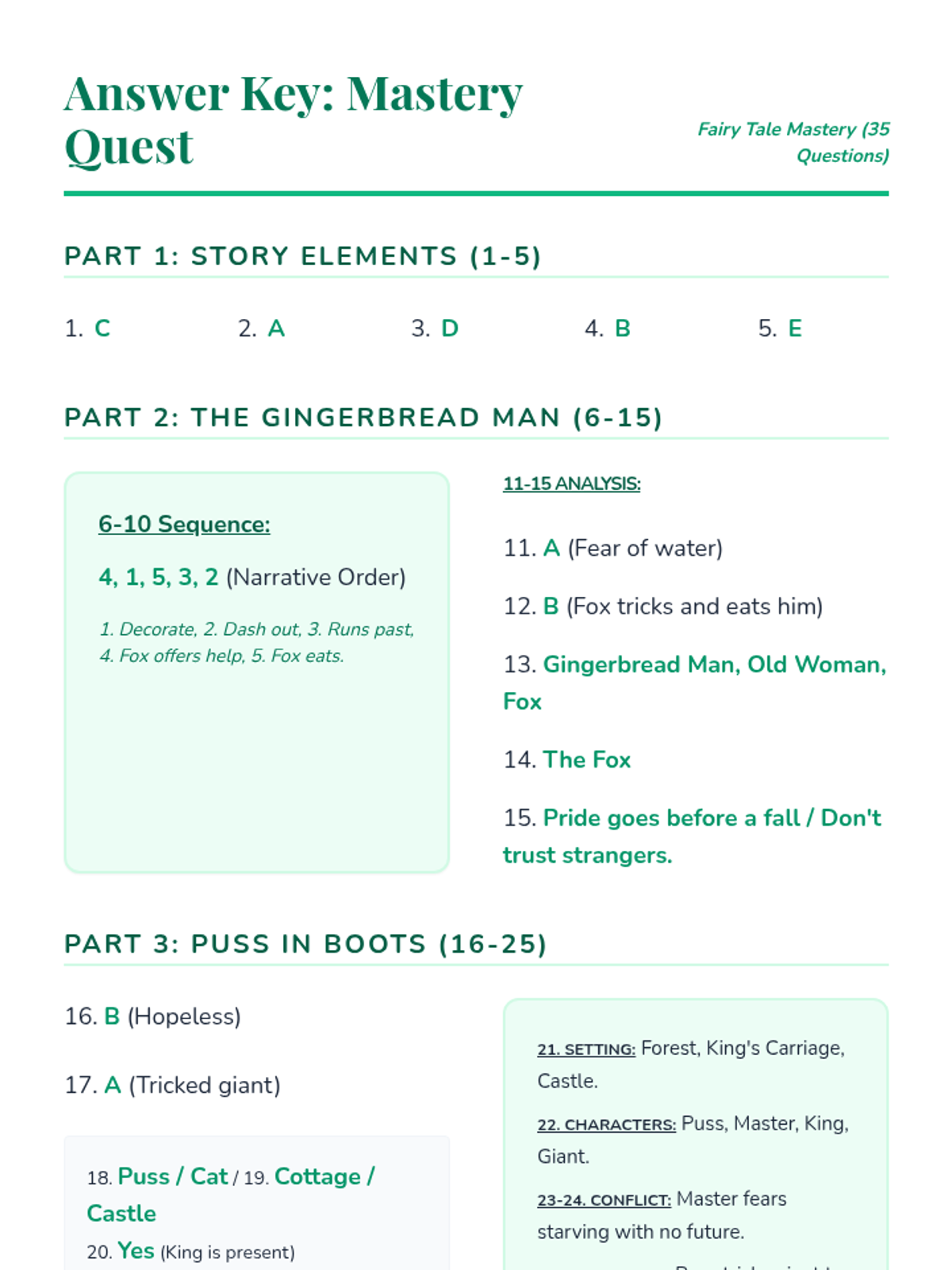
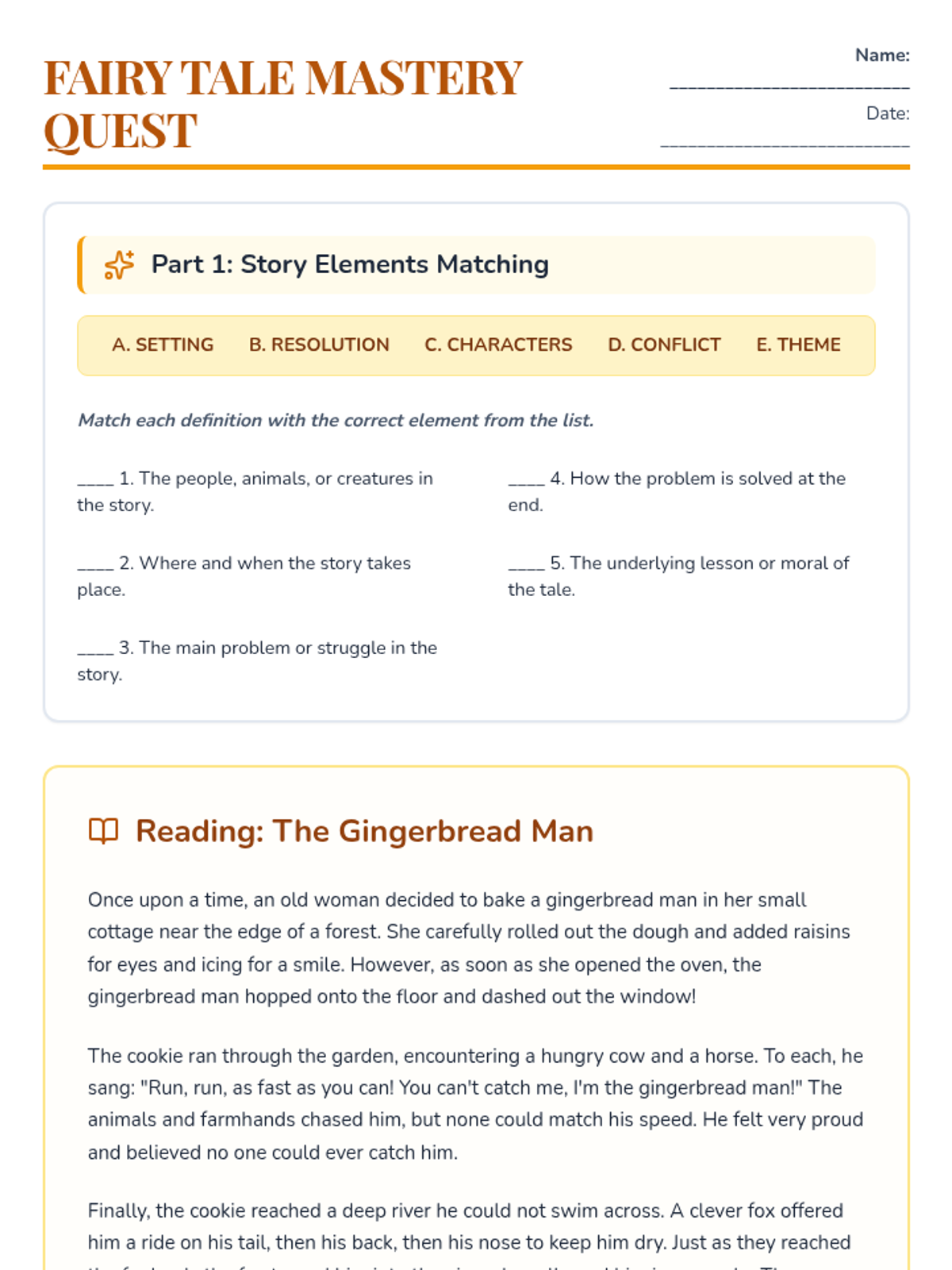
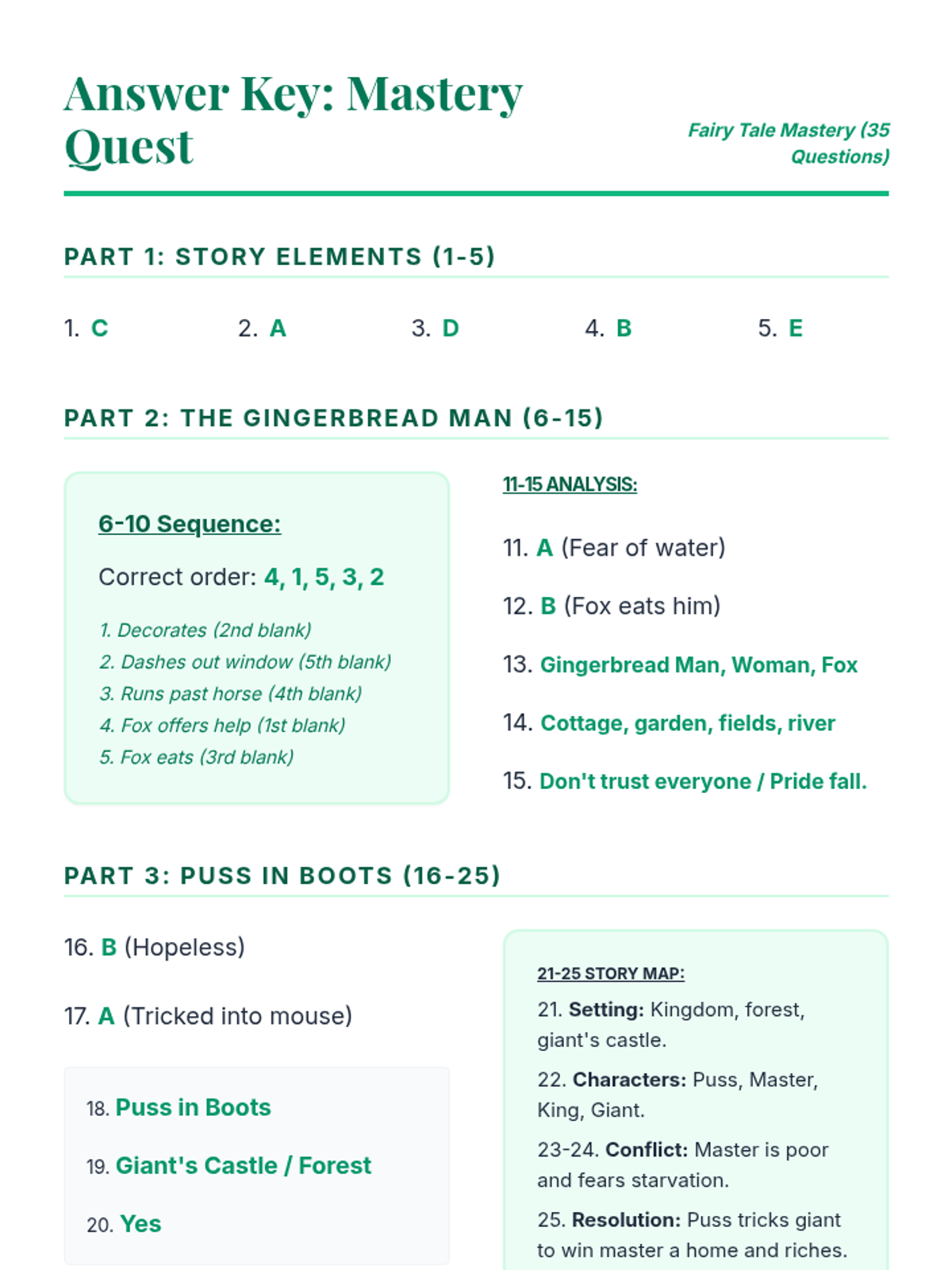
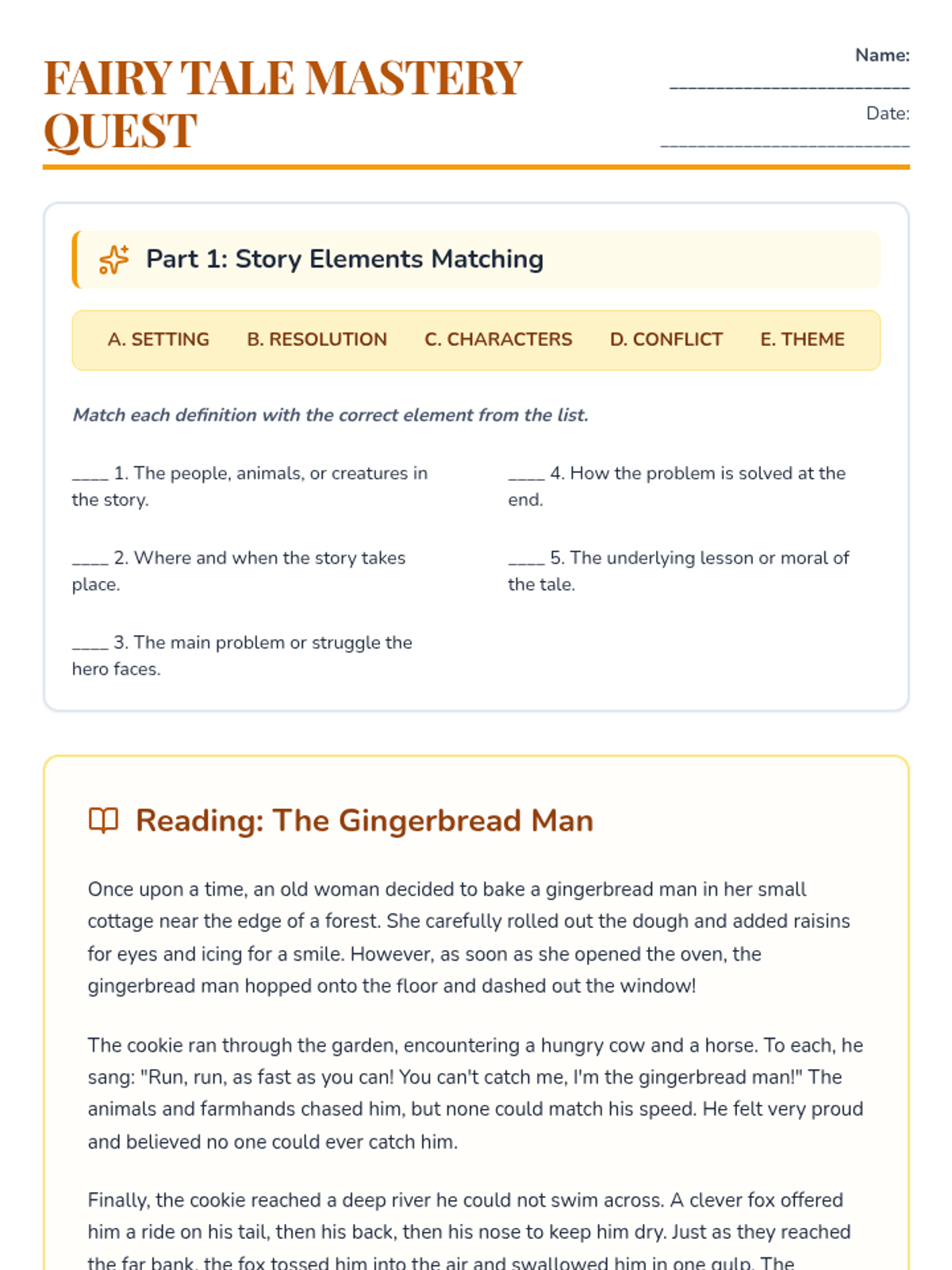
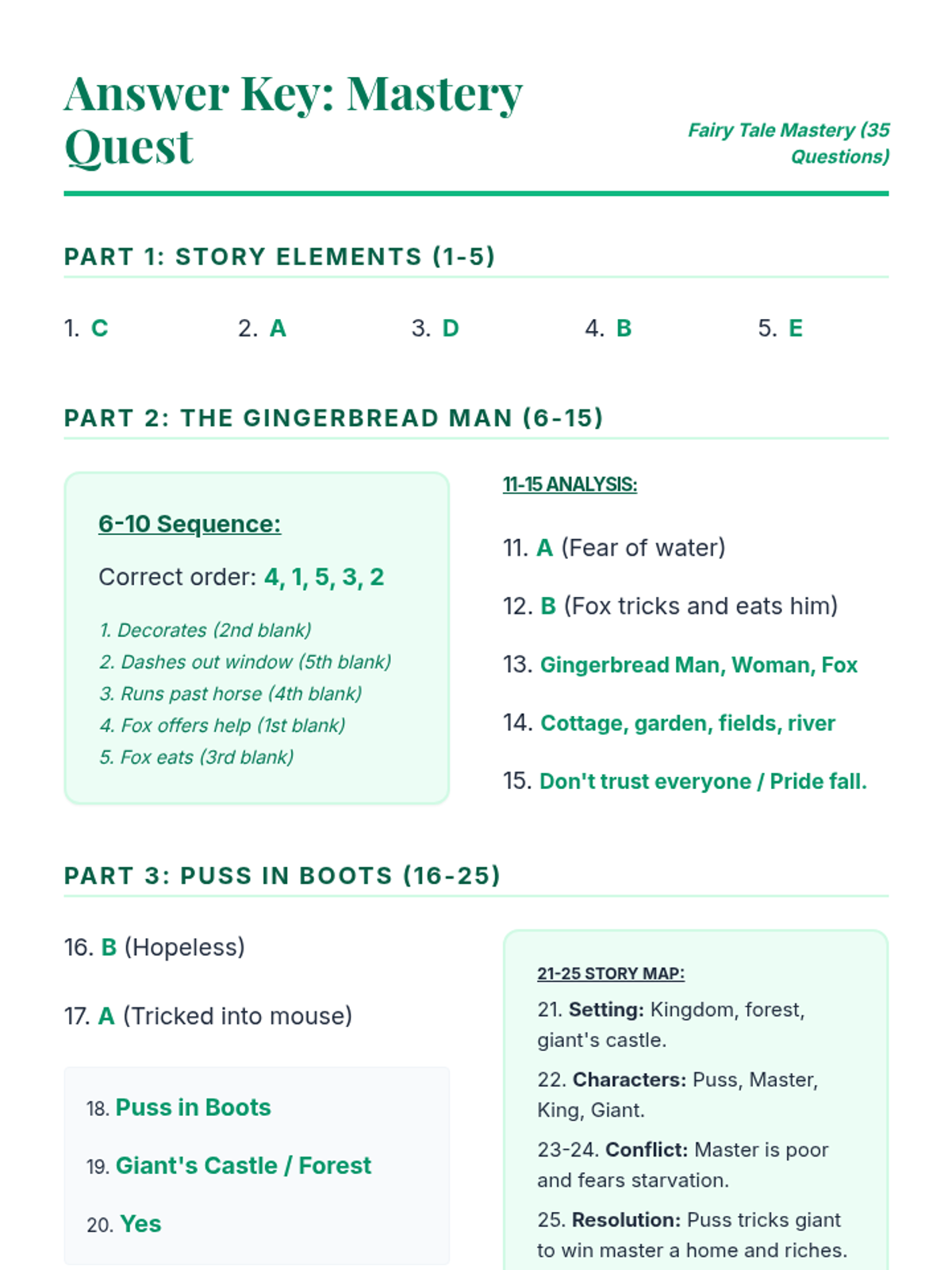
A comprehensive unit assessment for 3rd-4th grade students covering fairy tale elements, sequencing, and literary analysis using classic stories like The Gingerbread Man, Puss in Boots, and Beauty and the Beast.