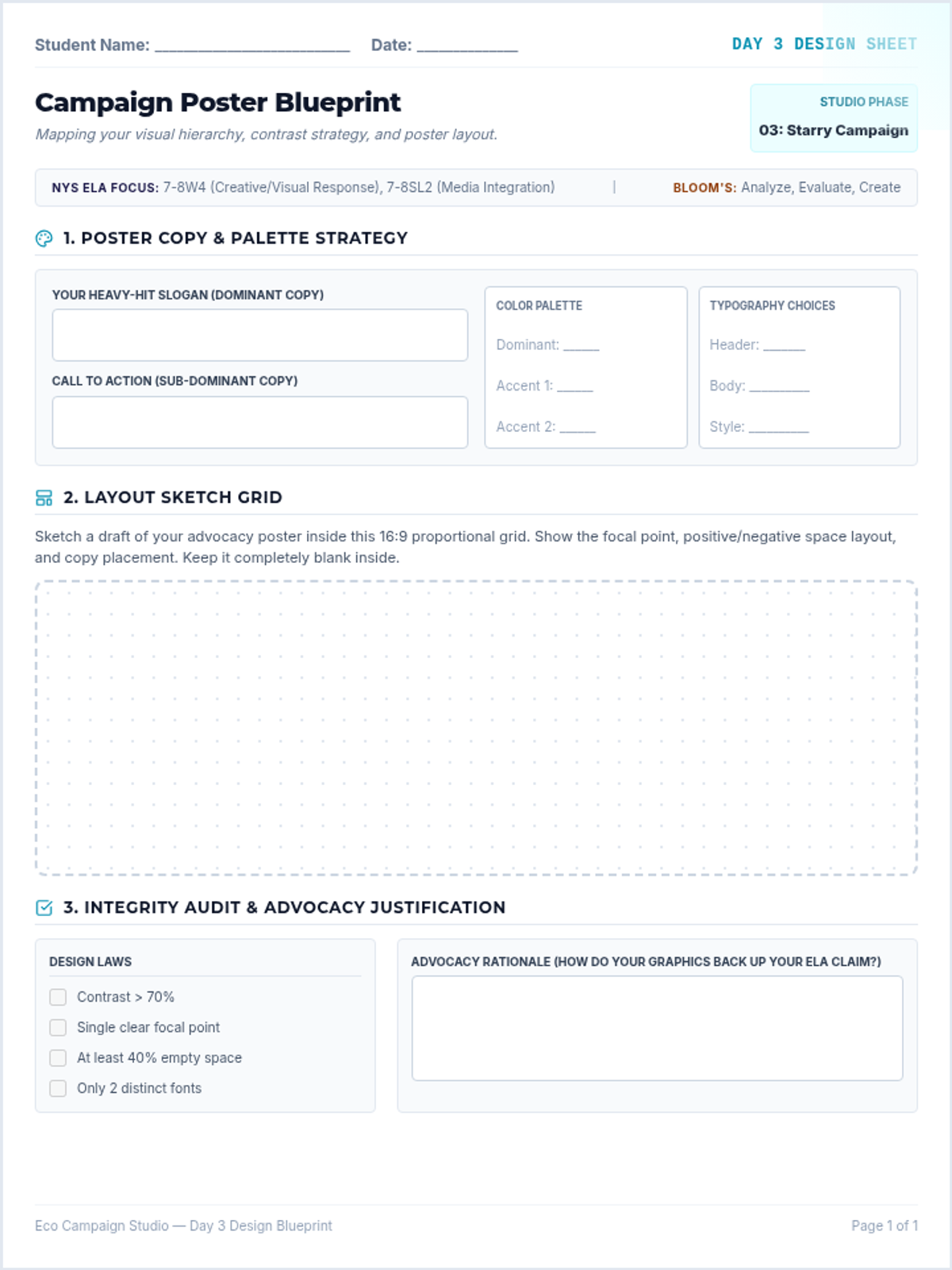
Analysis of Chapters 26-30, focusing on the external and internal consequences of the party incident, the fight with Wes, and the pressure of viral fame. Students will evaluate the themes of accountability and choices.
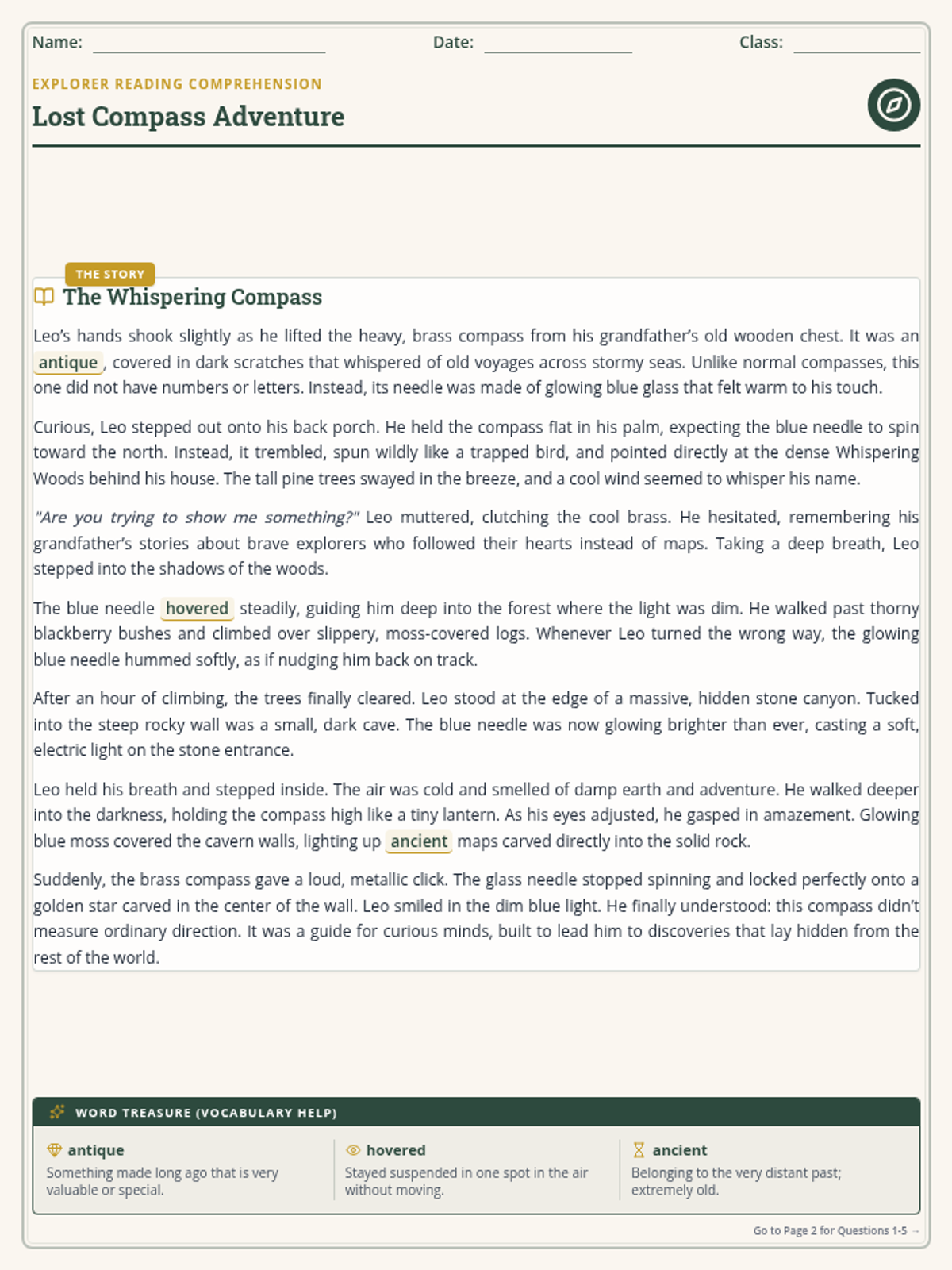
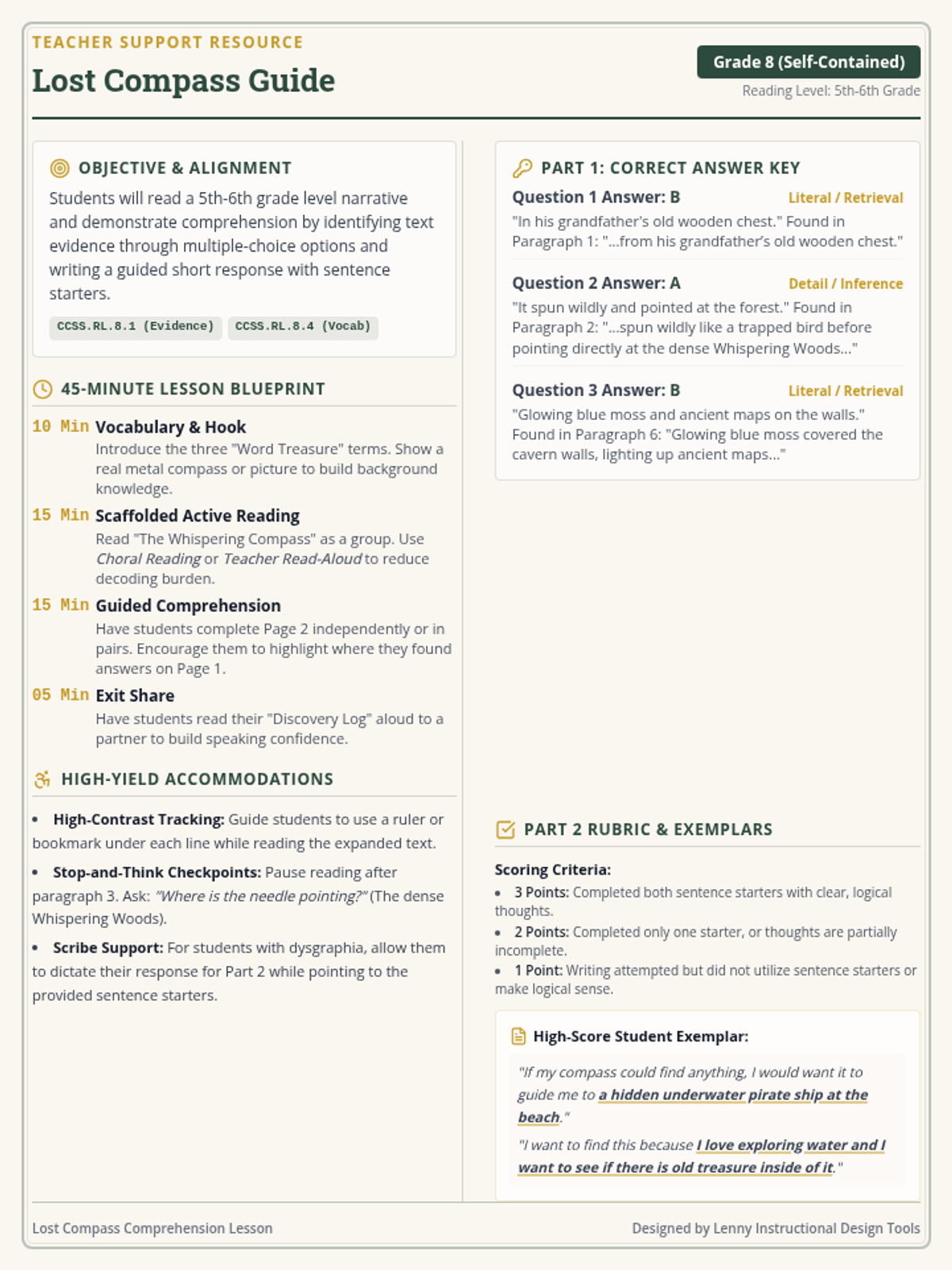
A lesson designed to help students identify 'Right There' questions in text and use specific marking strategies (starring, underlining, and highlighting) to locate evidence directly within the passage.
A high-flying exploration of kites that integrates long 'i' phonics patterns and multisyllabic decoding strategies for upper elementary and middle school students.
A comprehensive review of the RACE writing strategy, focusing on analyzing author's purpose and figurative language through guided instruction and highly-scaffolded practice.
An investigation into the Boston Tea Party, focusing on identifying main ideas and evidence within primary and secondary accounts of the 1773 protest.
This lesson explores the historical layers of the English language, focusing on how invasions by the Celts, Vikings, and French shaped the vocabulary and grammar we use today. Students will trace the timeline from Old English to the Norman Conquest.
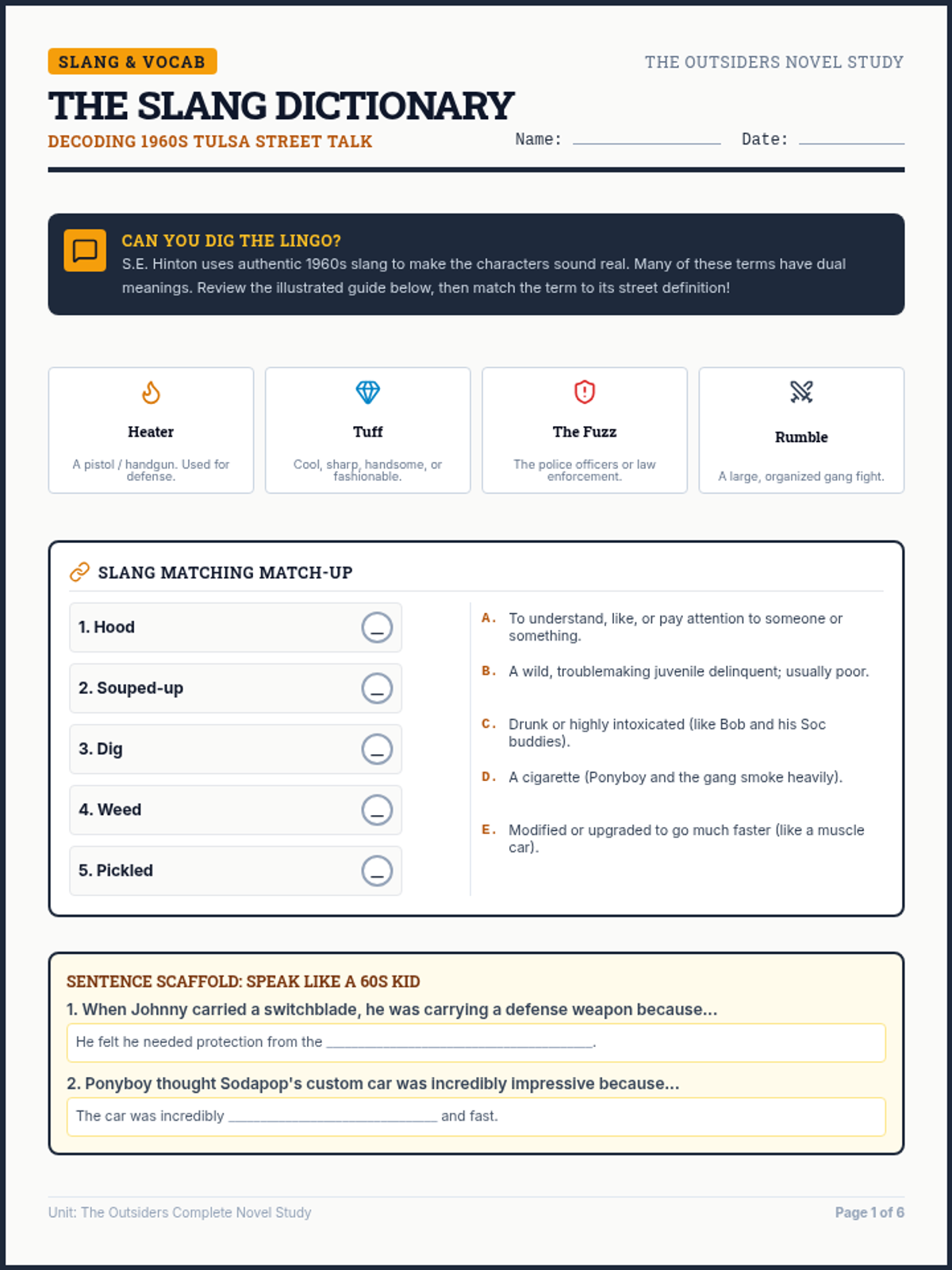
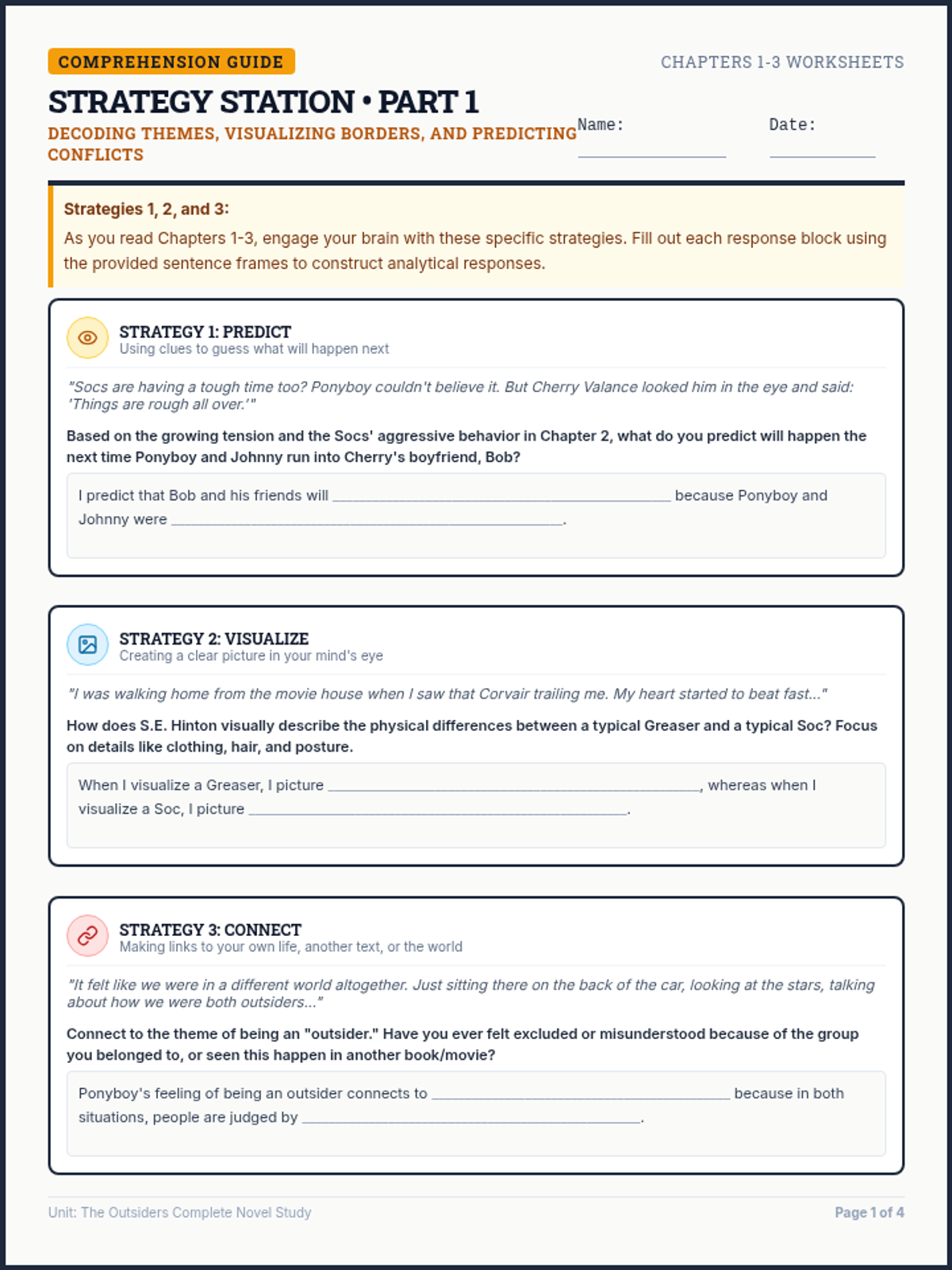
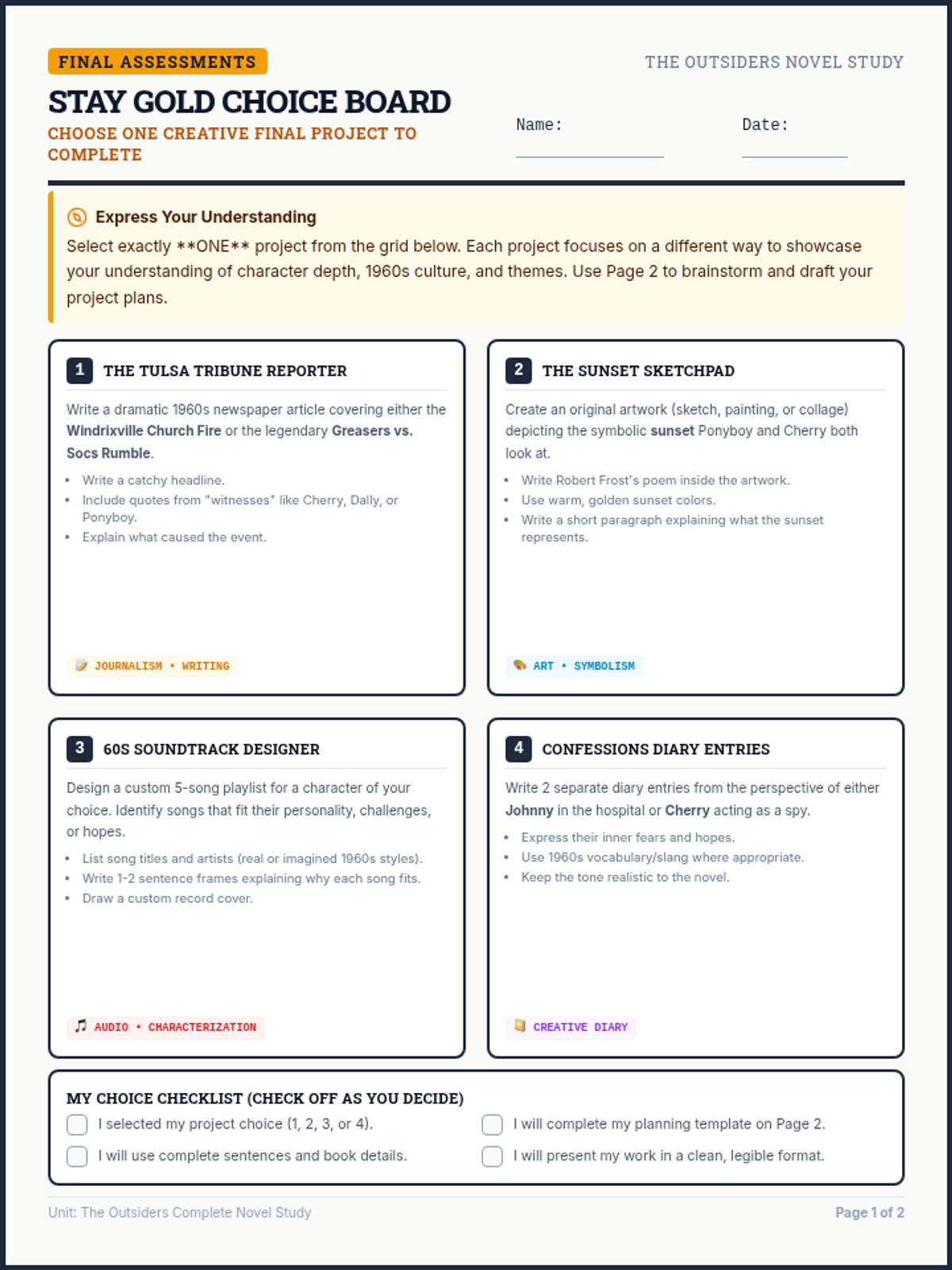
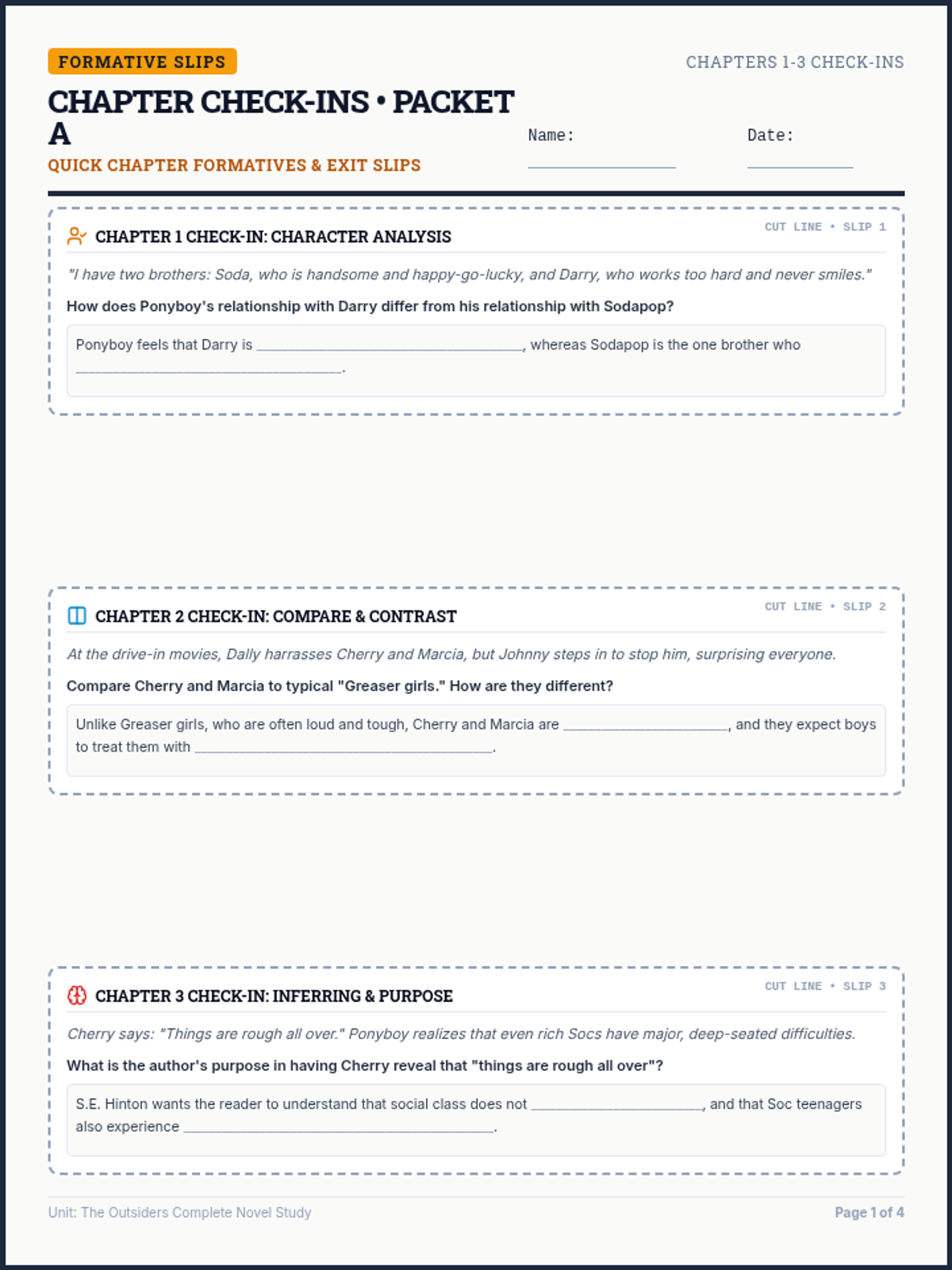
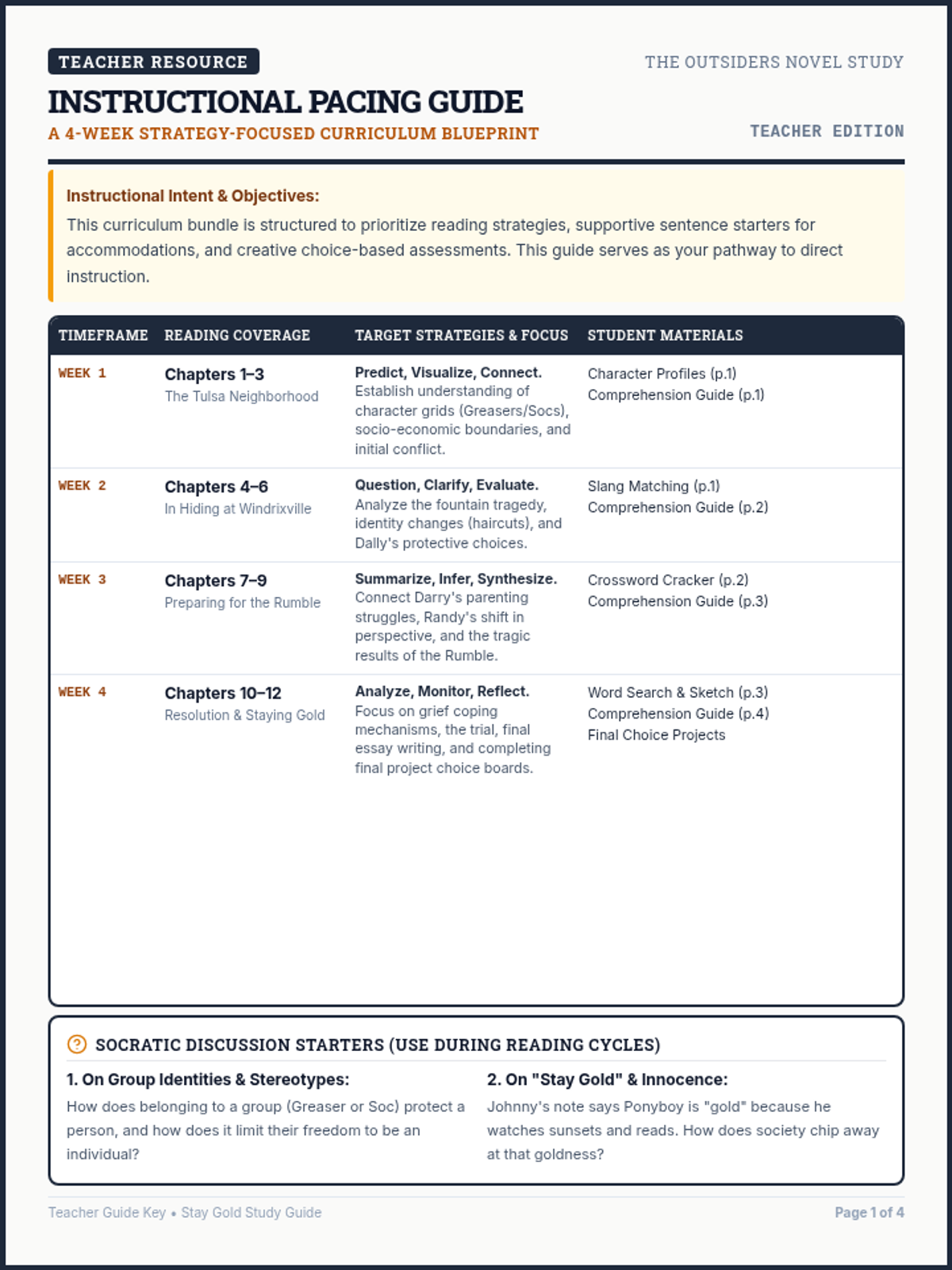
An introductory lesson to S.E. Hinton's The Outsiders, focusing on characterization. Students explore the Greaser and Soc identities through the lens of Ponyboy's descriptions in Chapter 1.
A comprehensive vocabulary building course designed to master fifteen sophisticated words through weekly deep-dives, context analysis, and creative application.
A lesson focused on identifying claims and supporting evidence within short persuasive paragraphs using a detective-themed approach. Students learn to distinguish between what an author wants them to believe (claim) and why they should believe it (evidence).
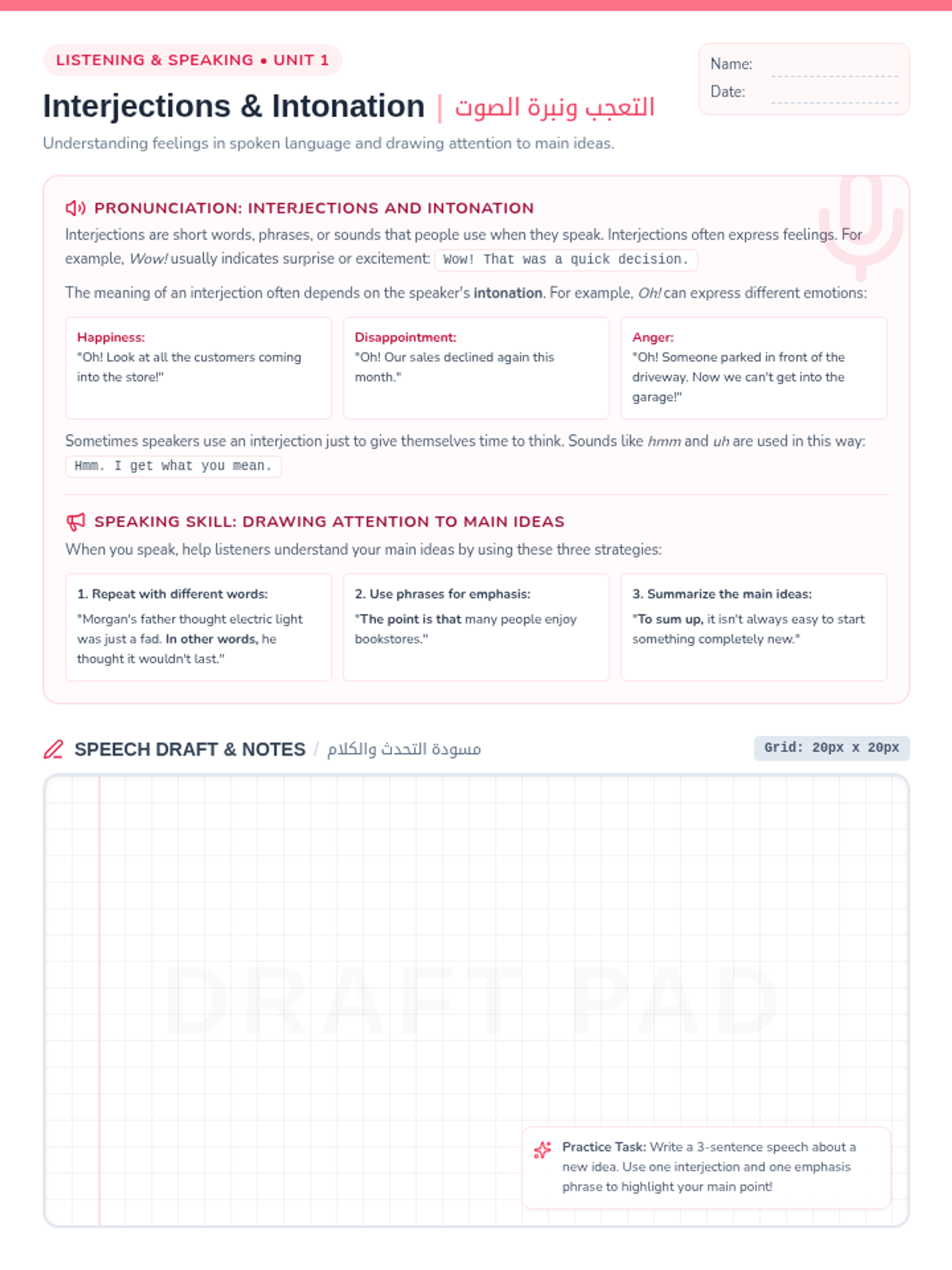
A complete lesson covering similes, metaphors, idioms, personification, hyperbole, onomatopoeia, alliteration, oxymoron, and symbolism through direct instruction and guided practice.
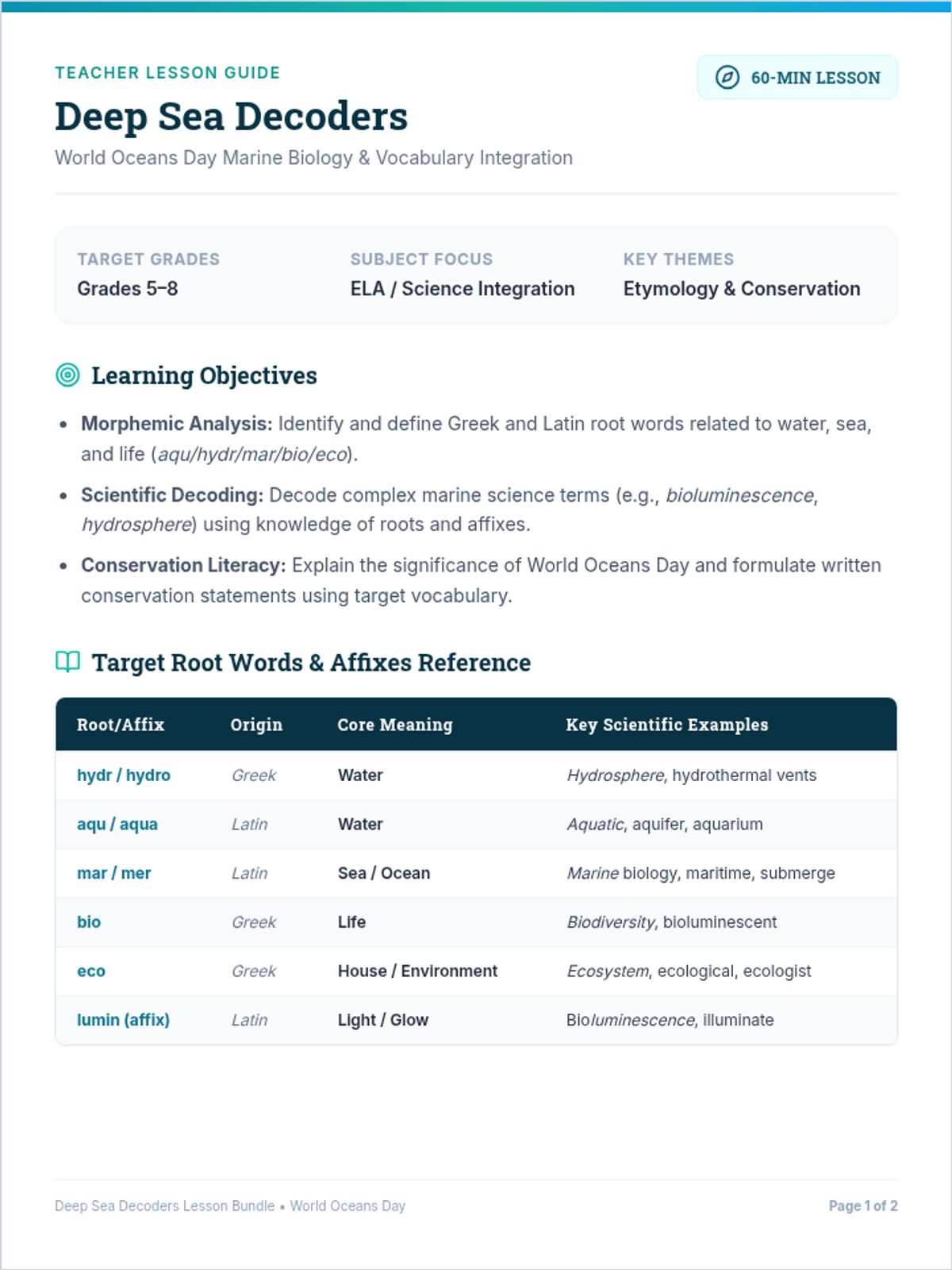
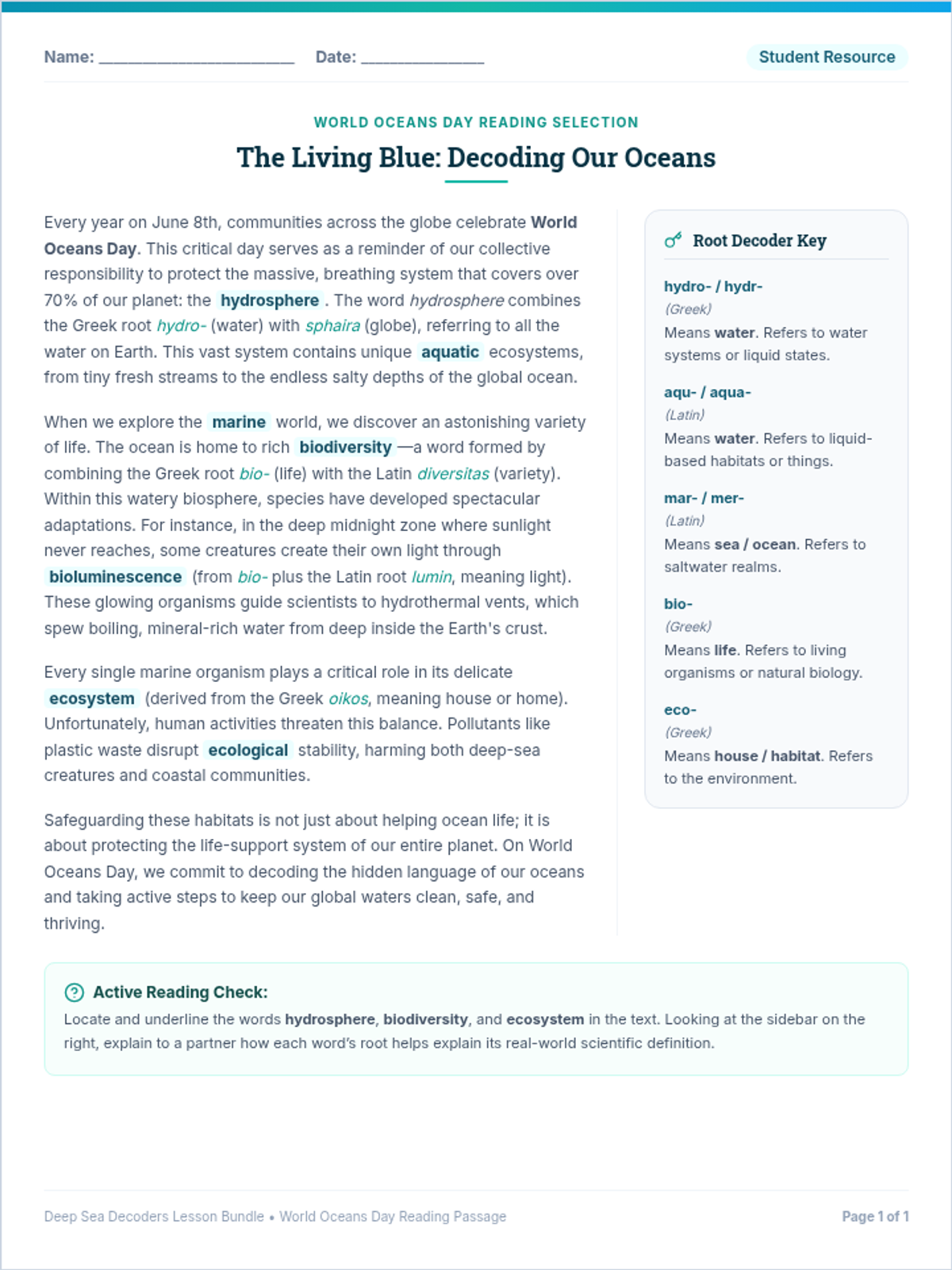
A lesson focused on building semantic networks by exploring Latin roots in technology and Greek roots in science, helping students decode modern terminology.
A vocabulary lesson focusing on eight high-level words aligned with the school's core values: Challenge, Honor, Adapt, Understand, and Grow. Students engage with definitions, synonyms, and context clues.
A lesson on indirect characterization in Chapter 1 of Elie Wiesel's Night, focusing on the STEAL method (Speech, Thoughts, Effect, Actions, Looks) for Moishe the Beadle, Eliezer, and his father.