A focused study on chapters 15 and 16 of Hatchet, covering the 'Great Day' of Brian's first meat and the devastating moose attack and tornado.
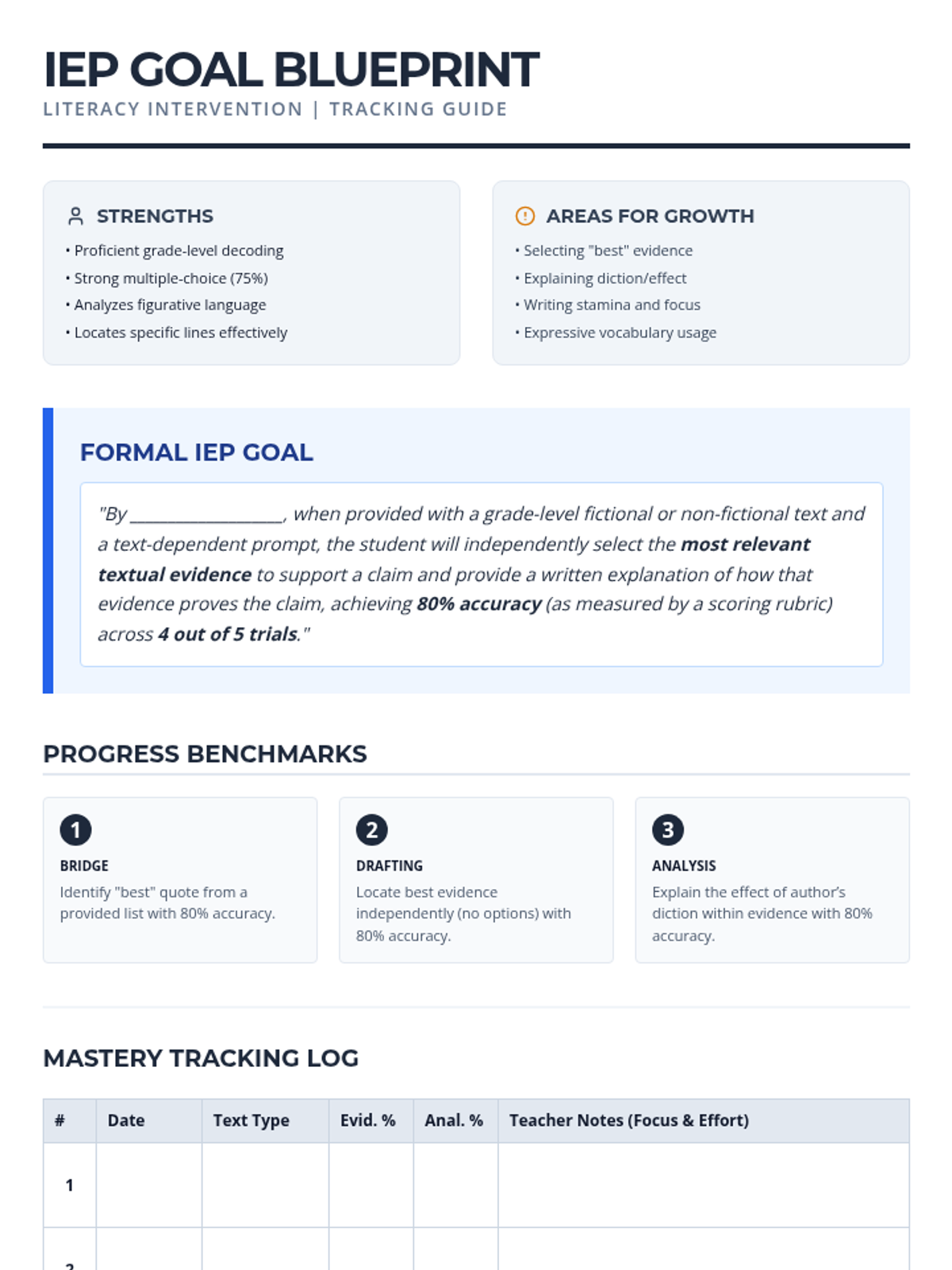
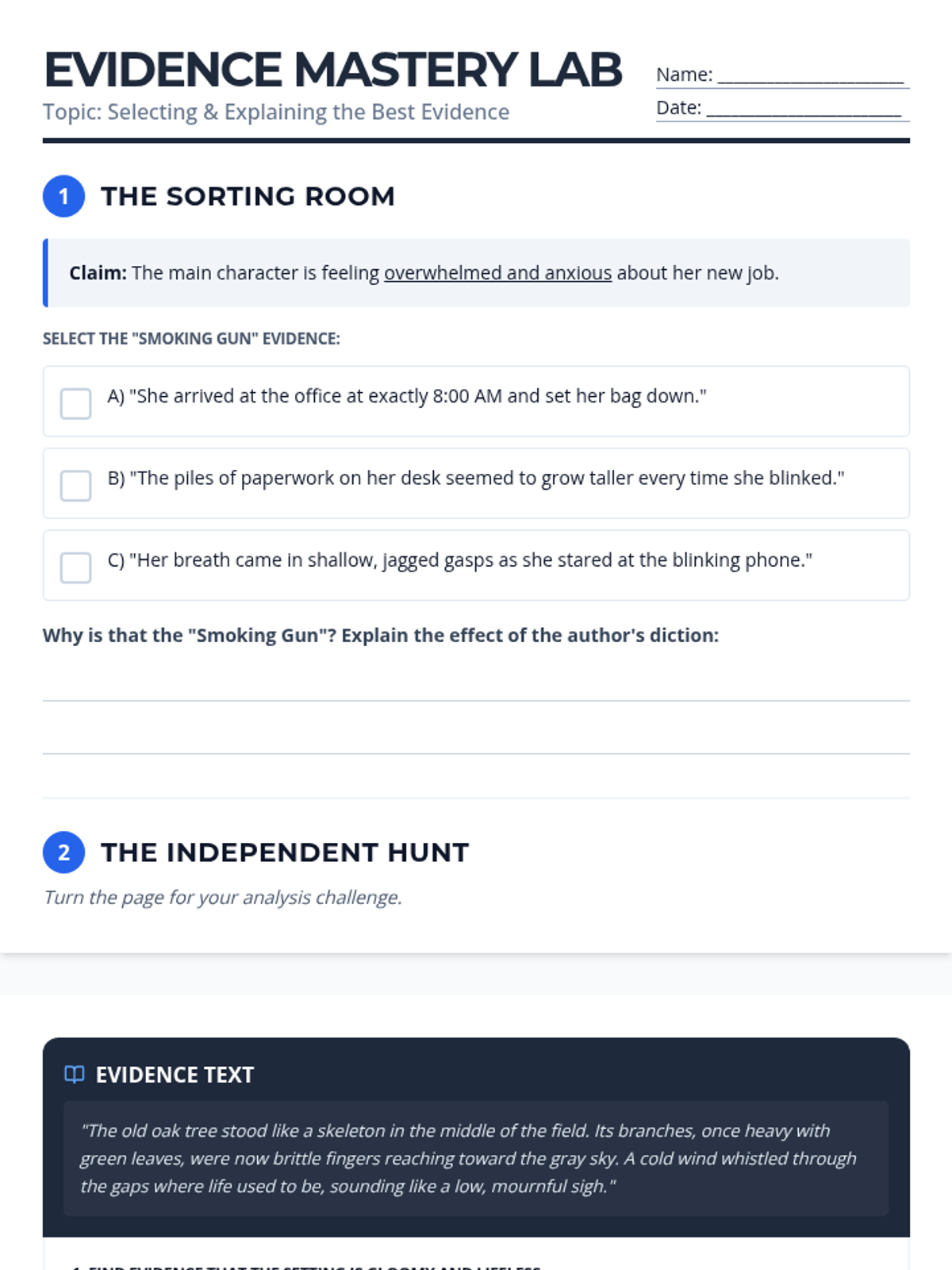
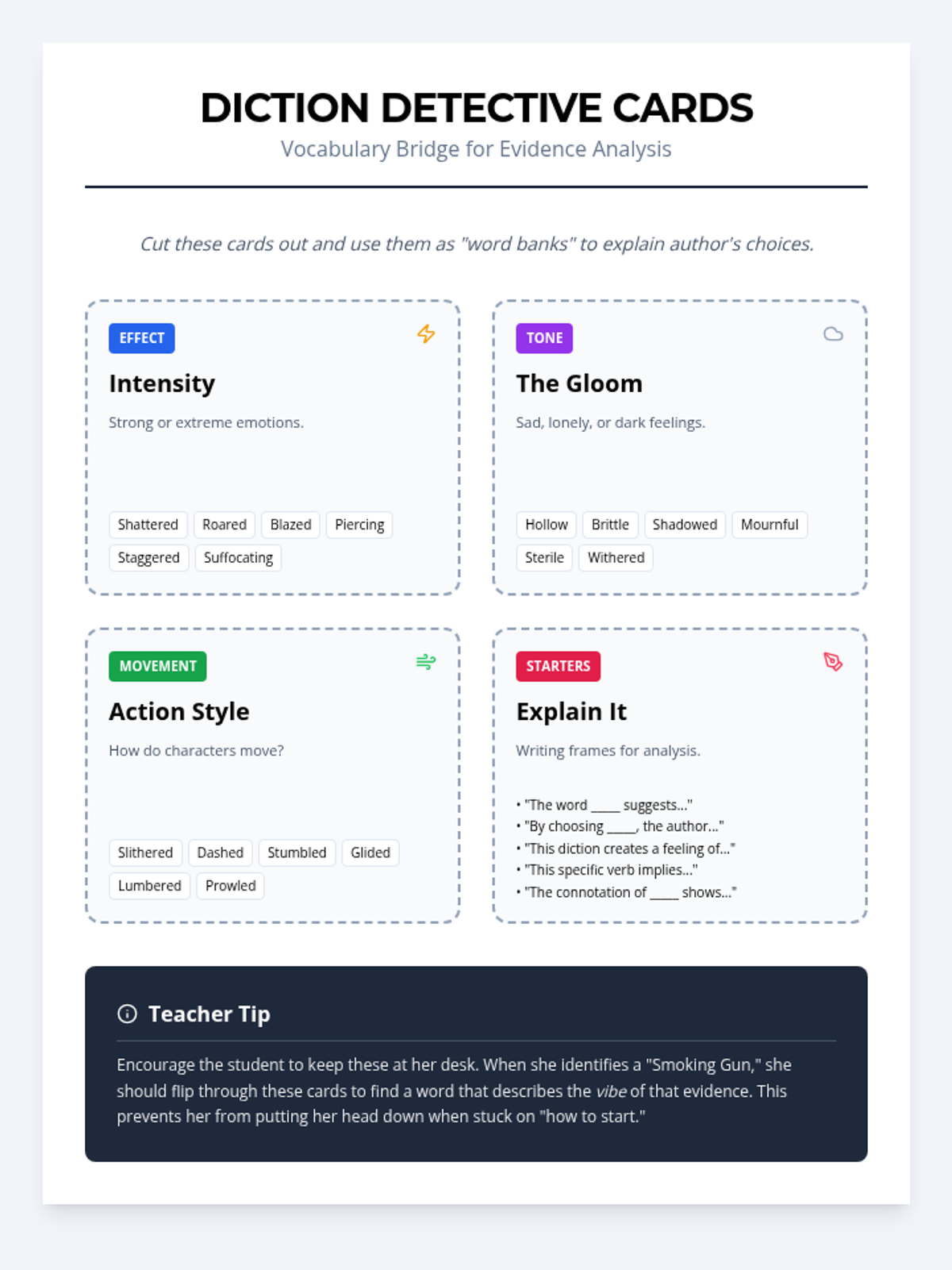
A comprehensive lesson focused on helping students master the skill of selecting and citing the 'best' textual evidence to support an argument, specifically designed to address gaps in writing and diction analysis.
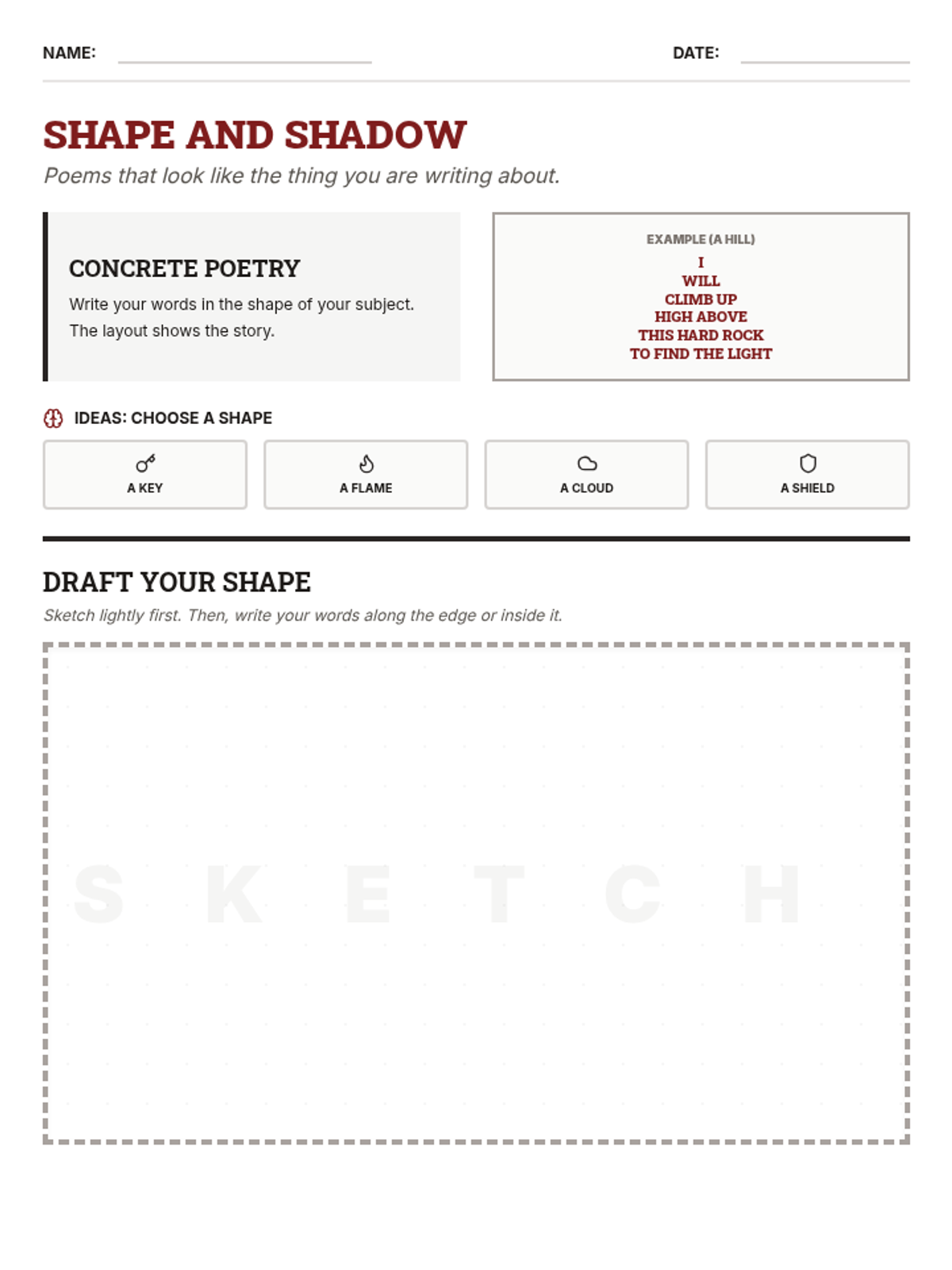
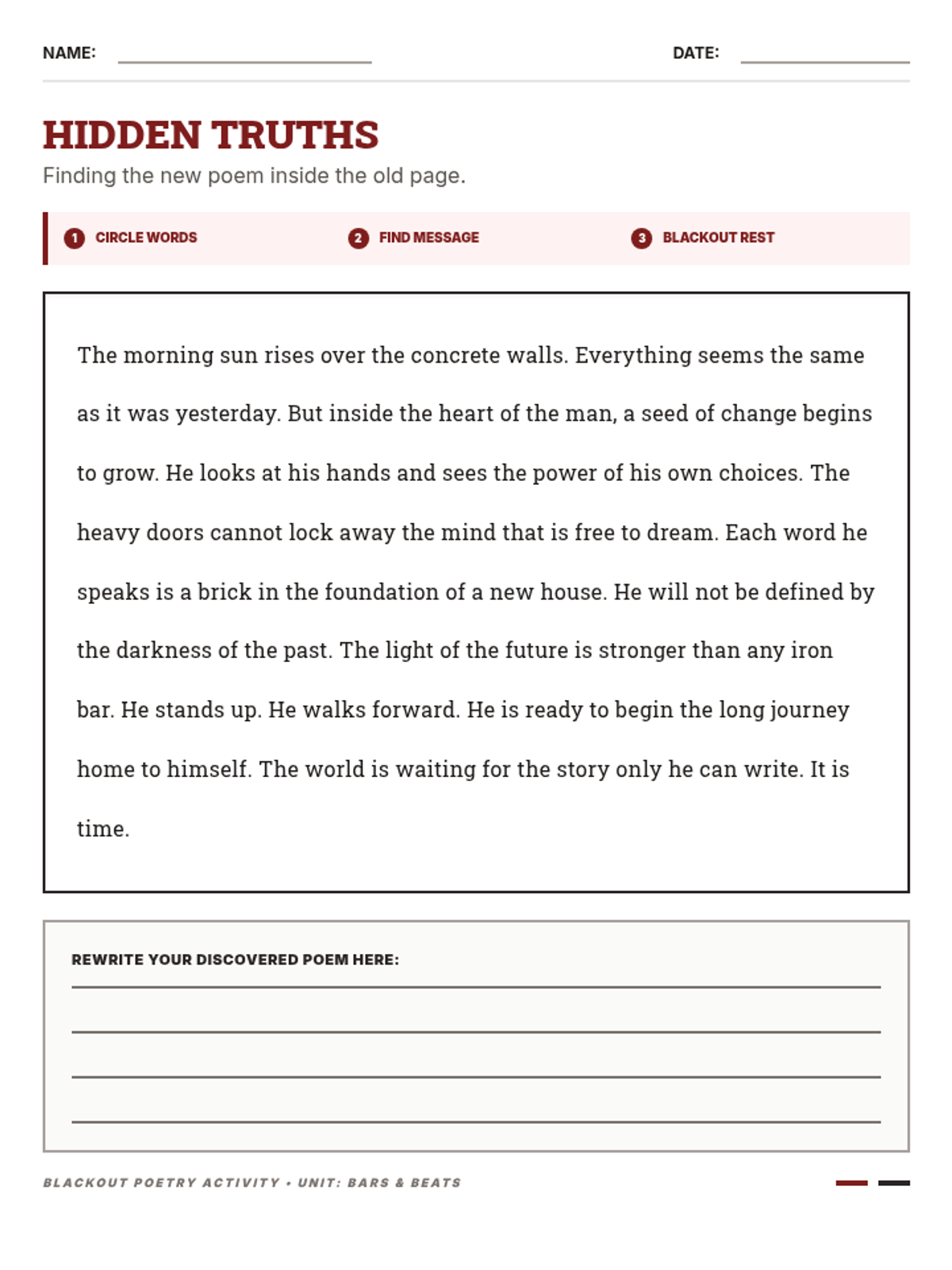
Combining art and text through concrete (shape) poetry and blackout (found) poetry to find new meanings in existing spaces.
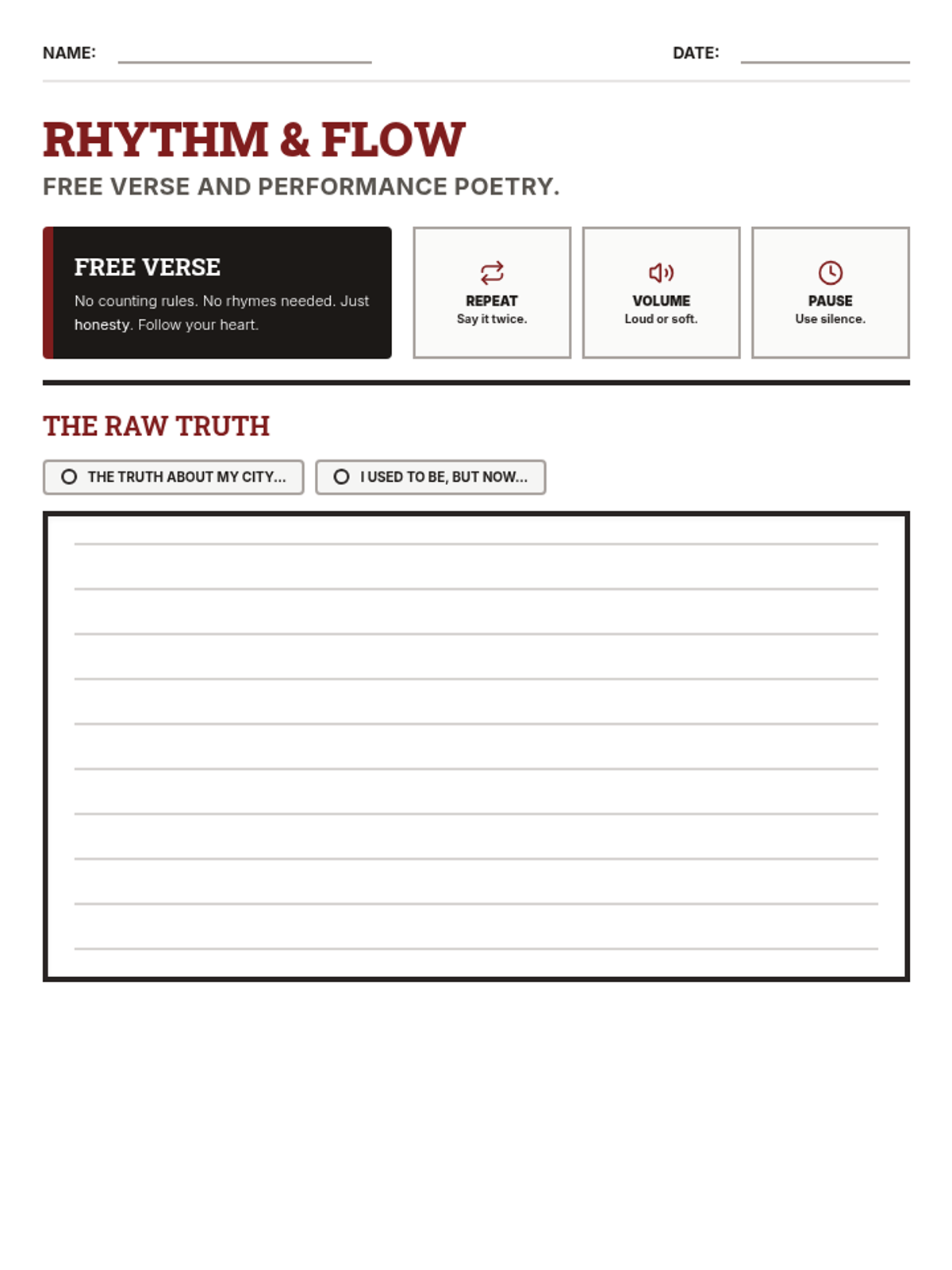
Exploring the transition from written word to spoken performance, focusing on rhythm, repetition, and the raw power of authentic voice.
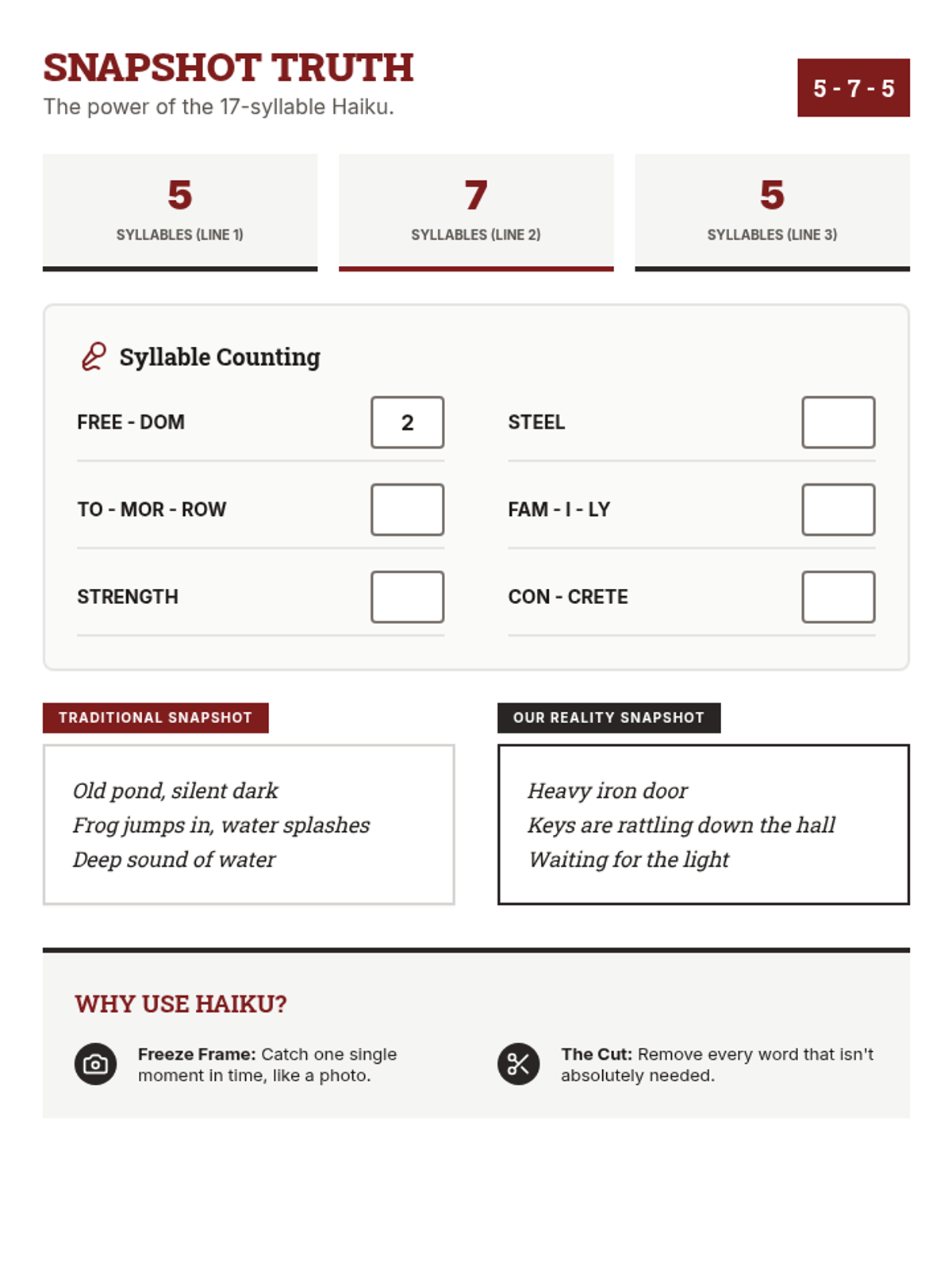
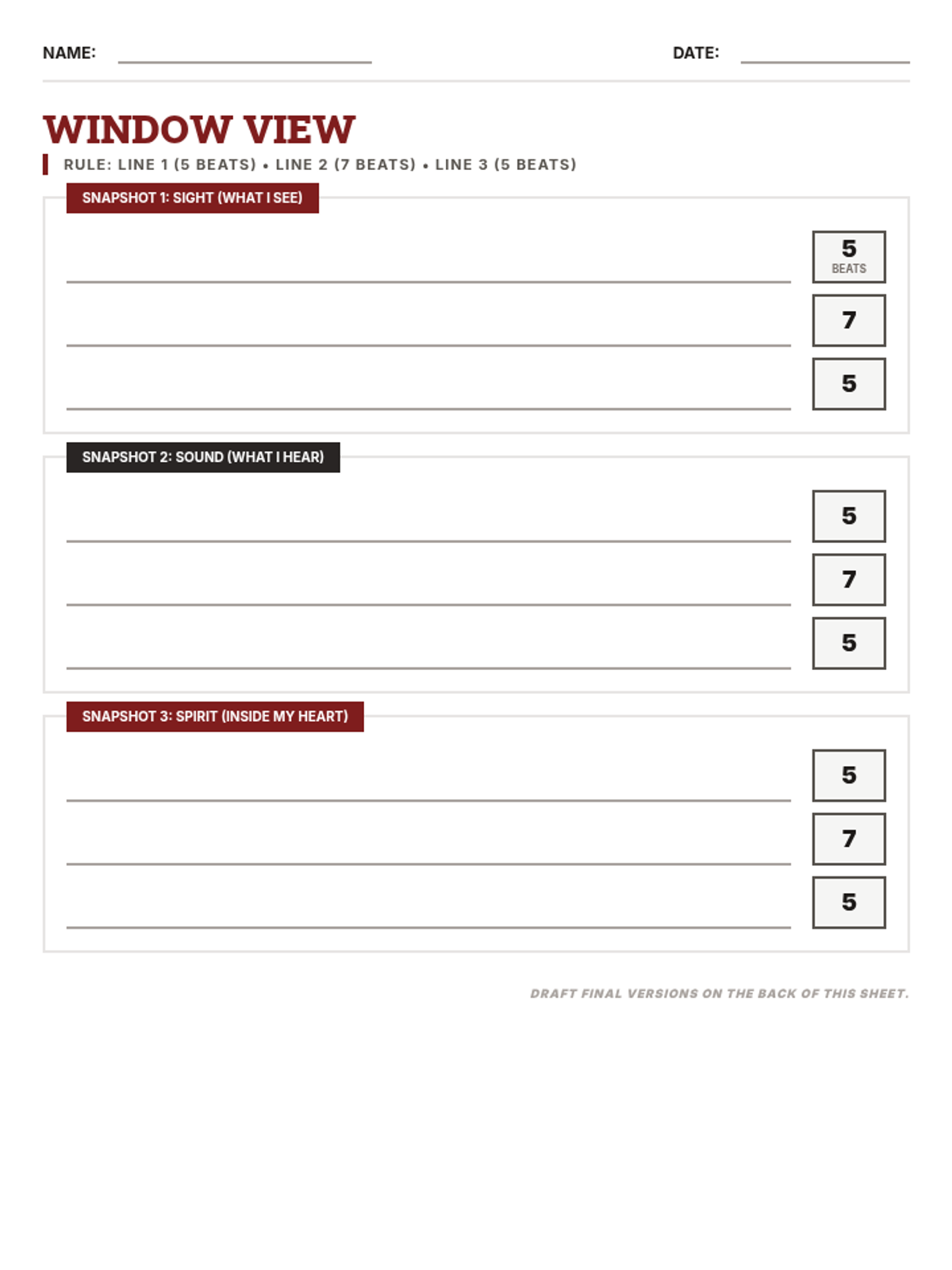
Focusing on discipline and brevity, this lesson uses the Haiku format to capture "snapshots" of the environment and internal feelings.
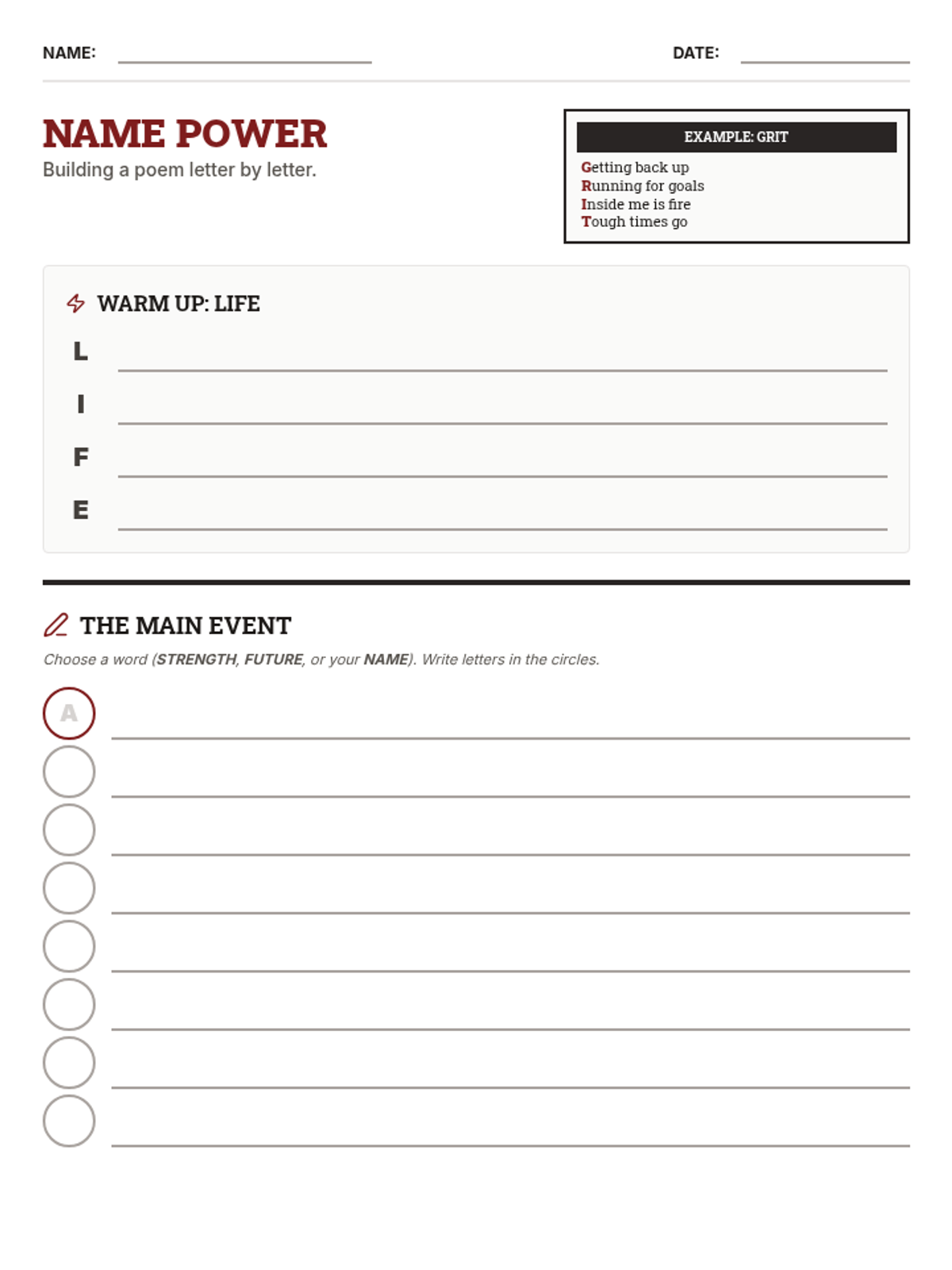
Introduction to acrostic poetry as a tool for exploring identity and self-perception using simple but powerful word choices.
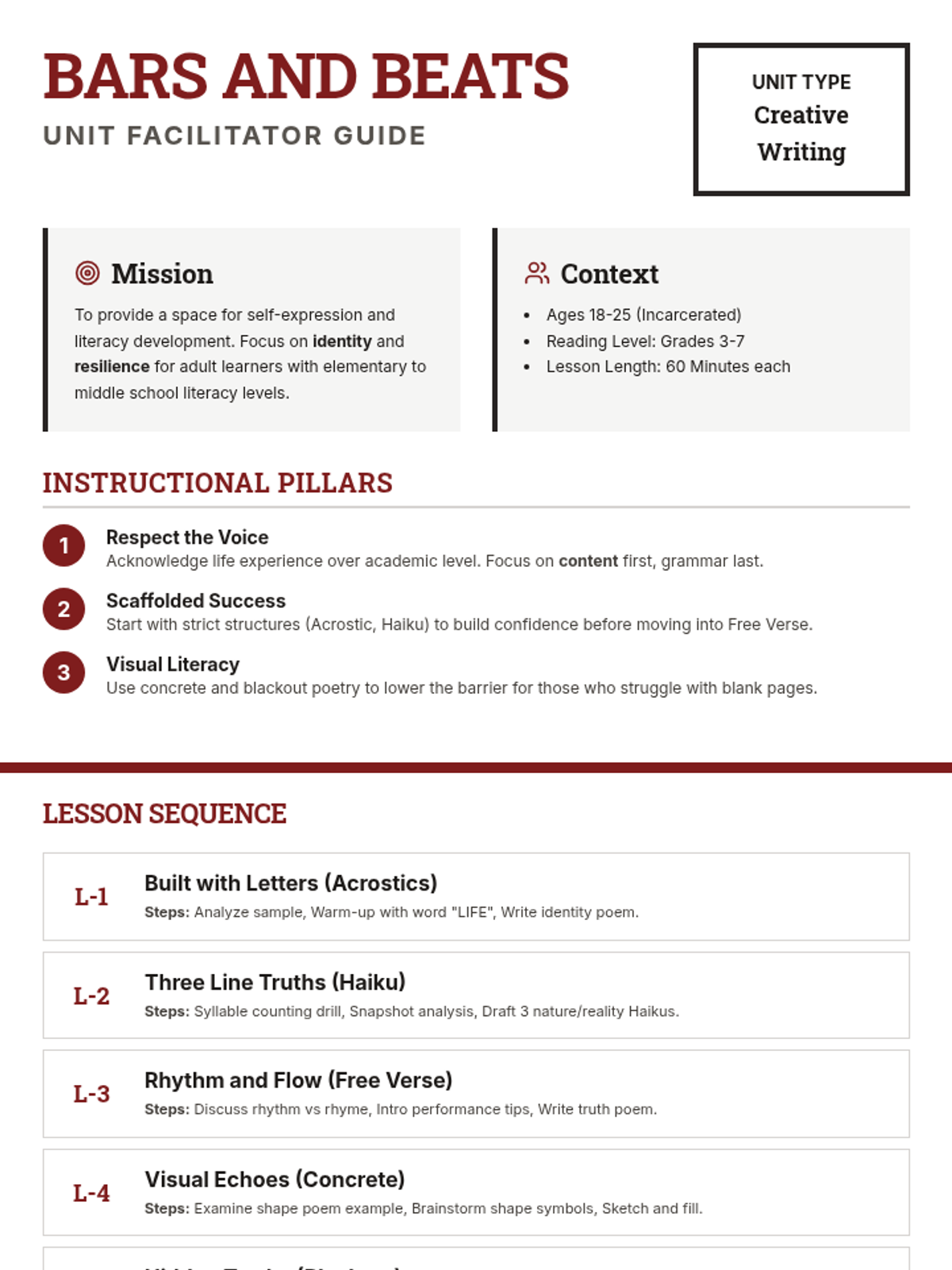
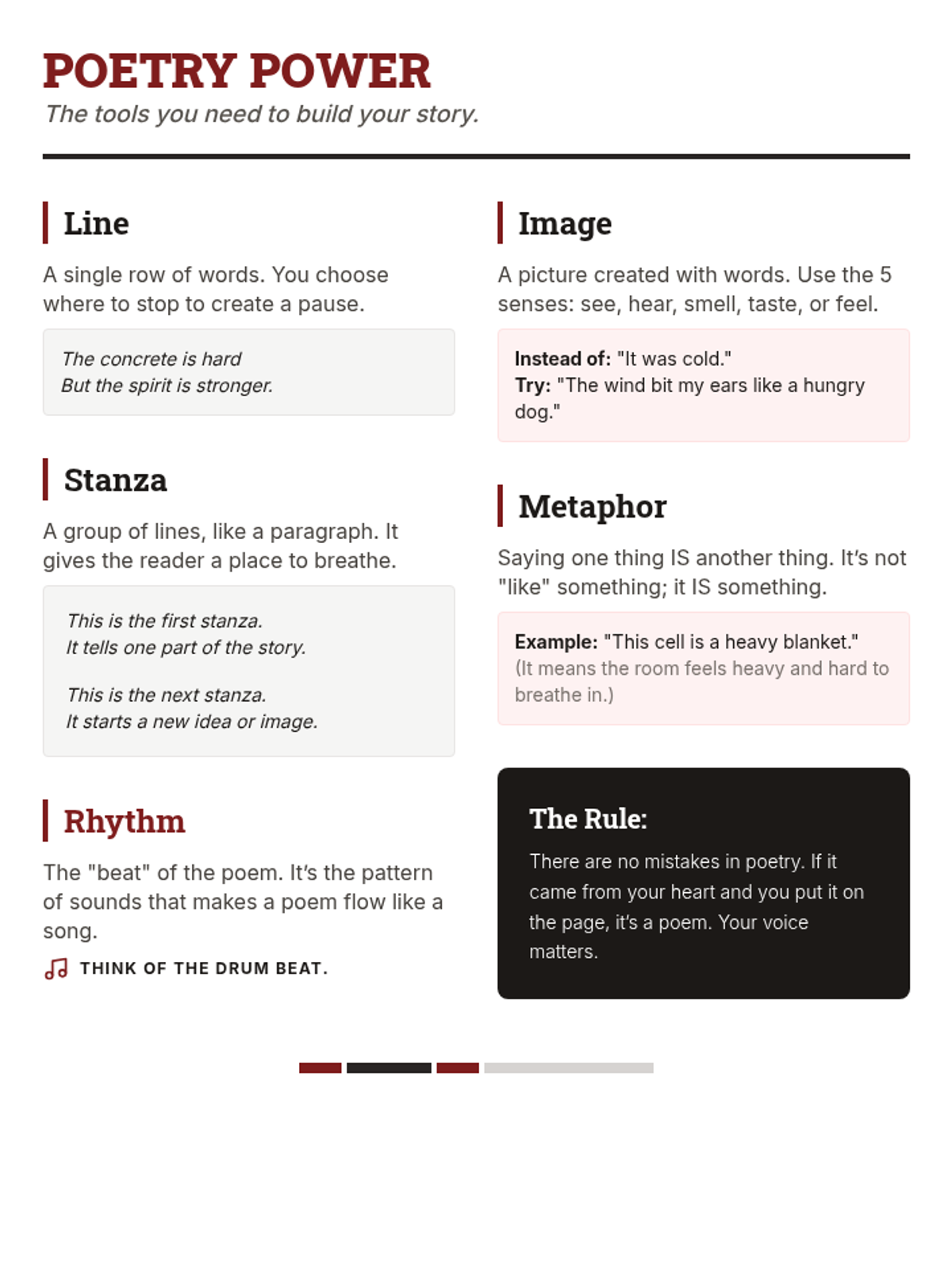
The framework for the unit, including a comprehensive facilitator guide and a vocabulary anchor chart for students to reference throughout the course.
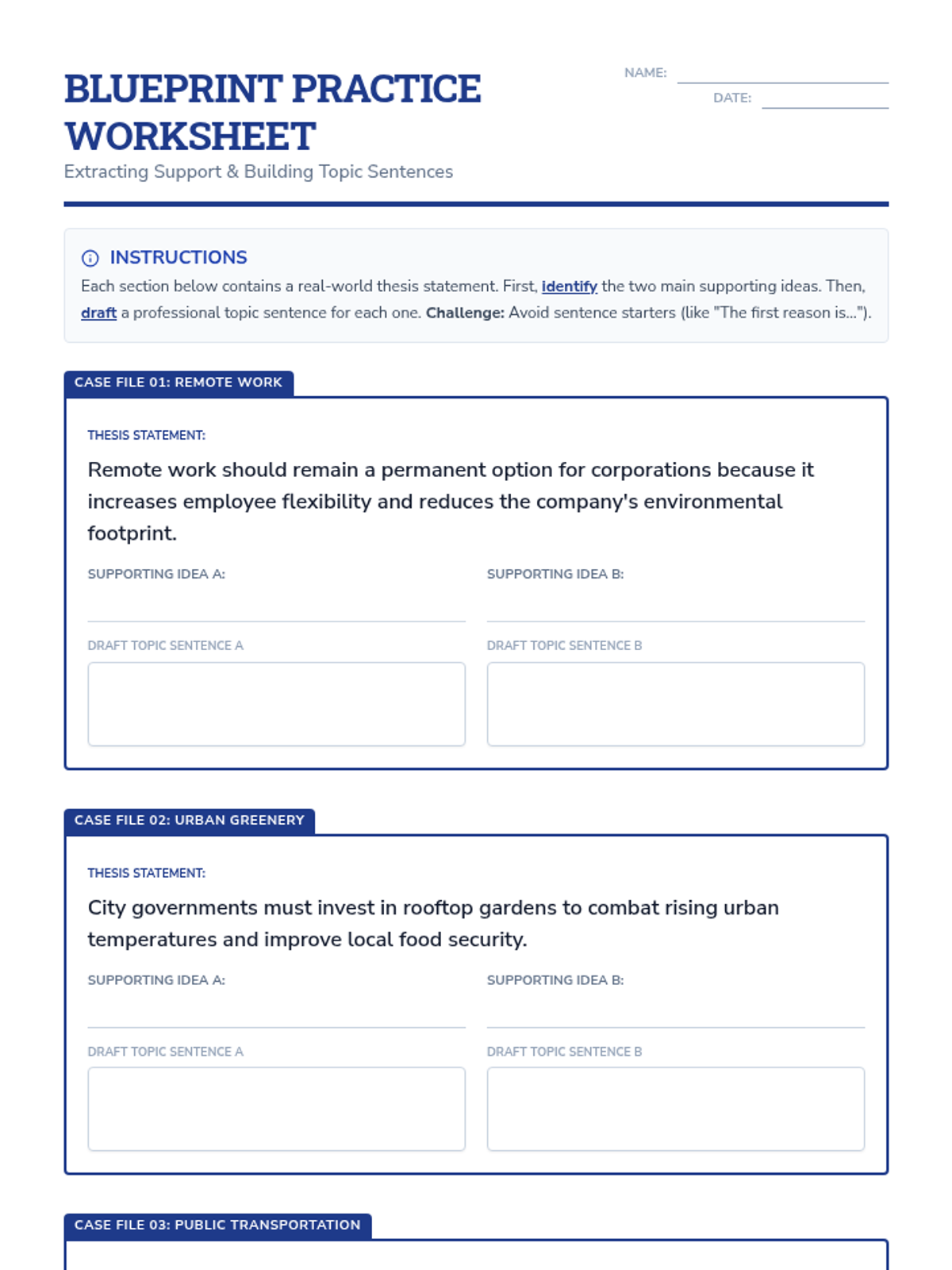
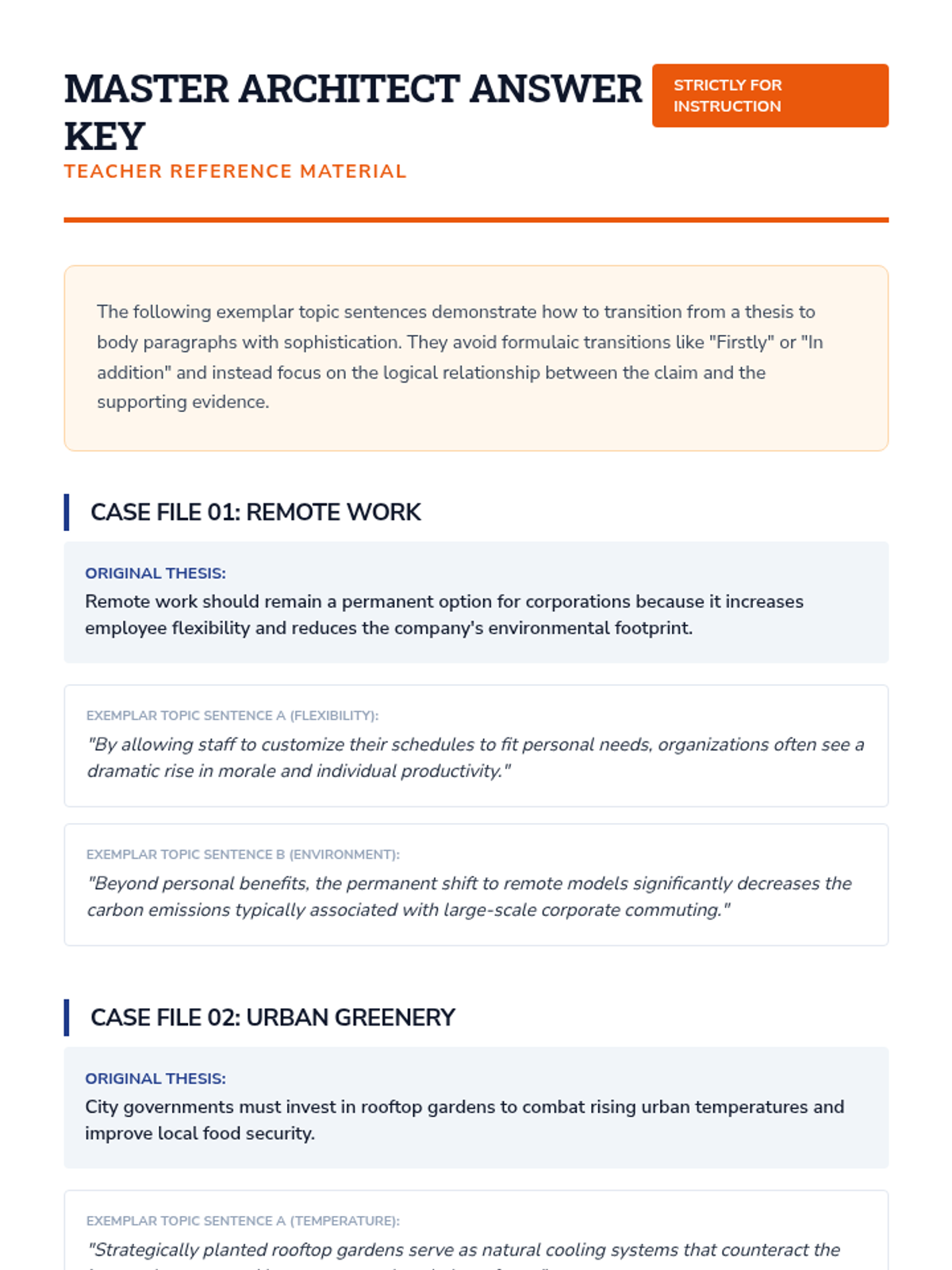
A lesson focused on the structural link between a thesis statement and its supporting topic sentences using real-world contexts. Students will practice extracting key ideas from a thesis to build the foundation of a cohesive argument.
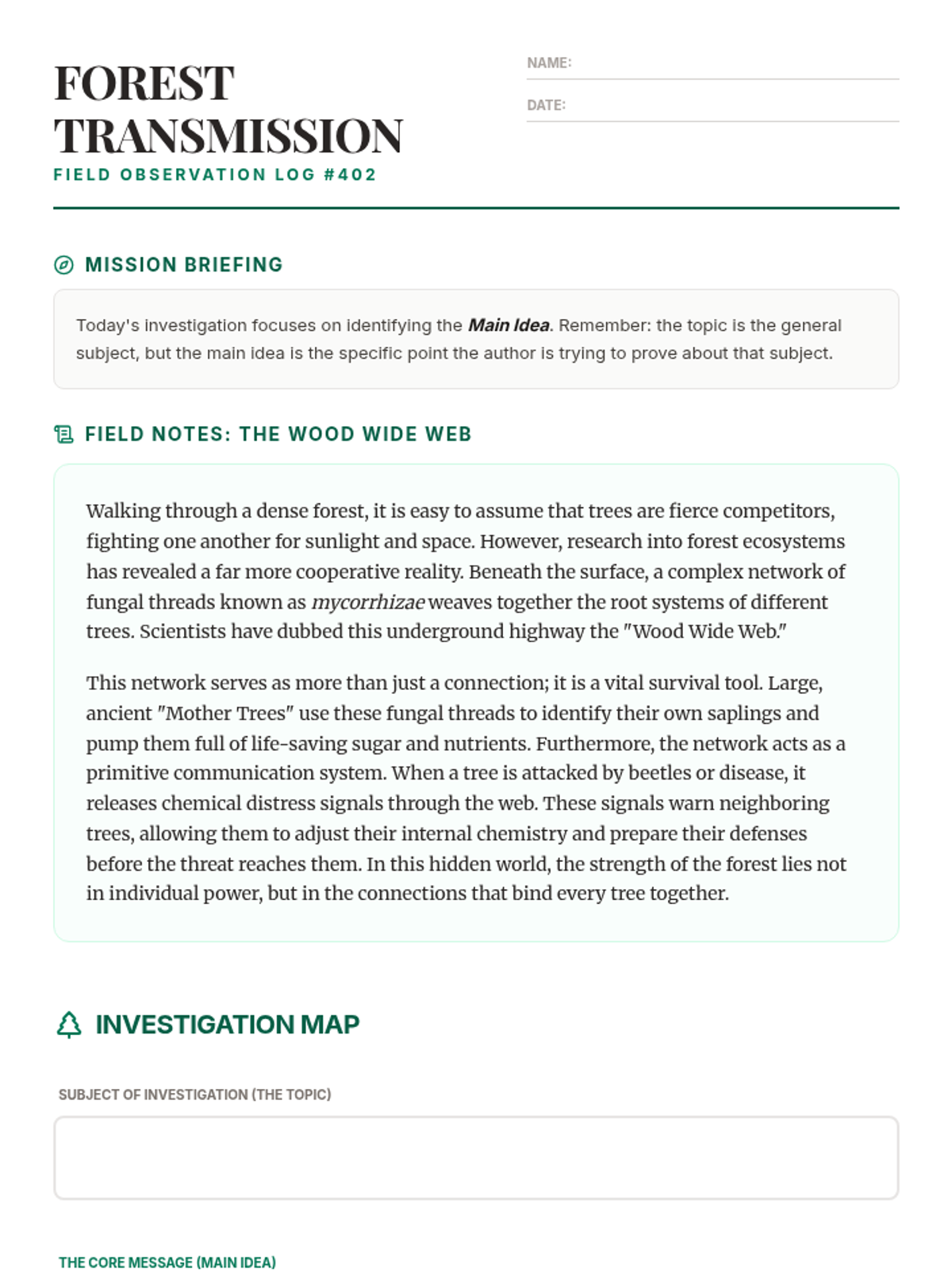
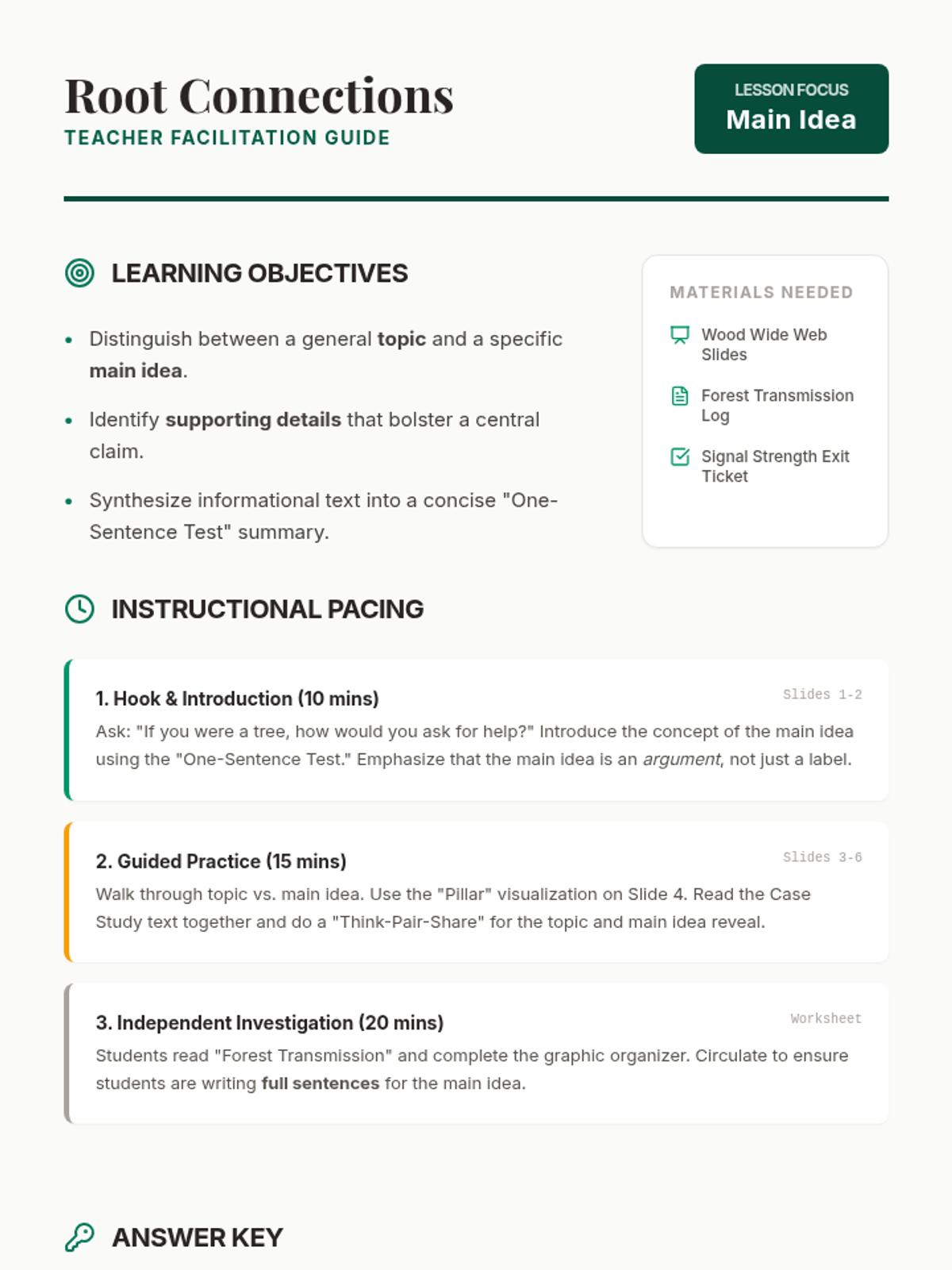
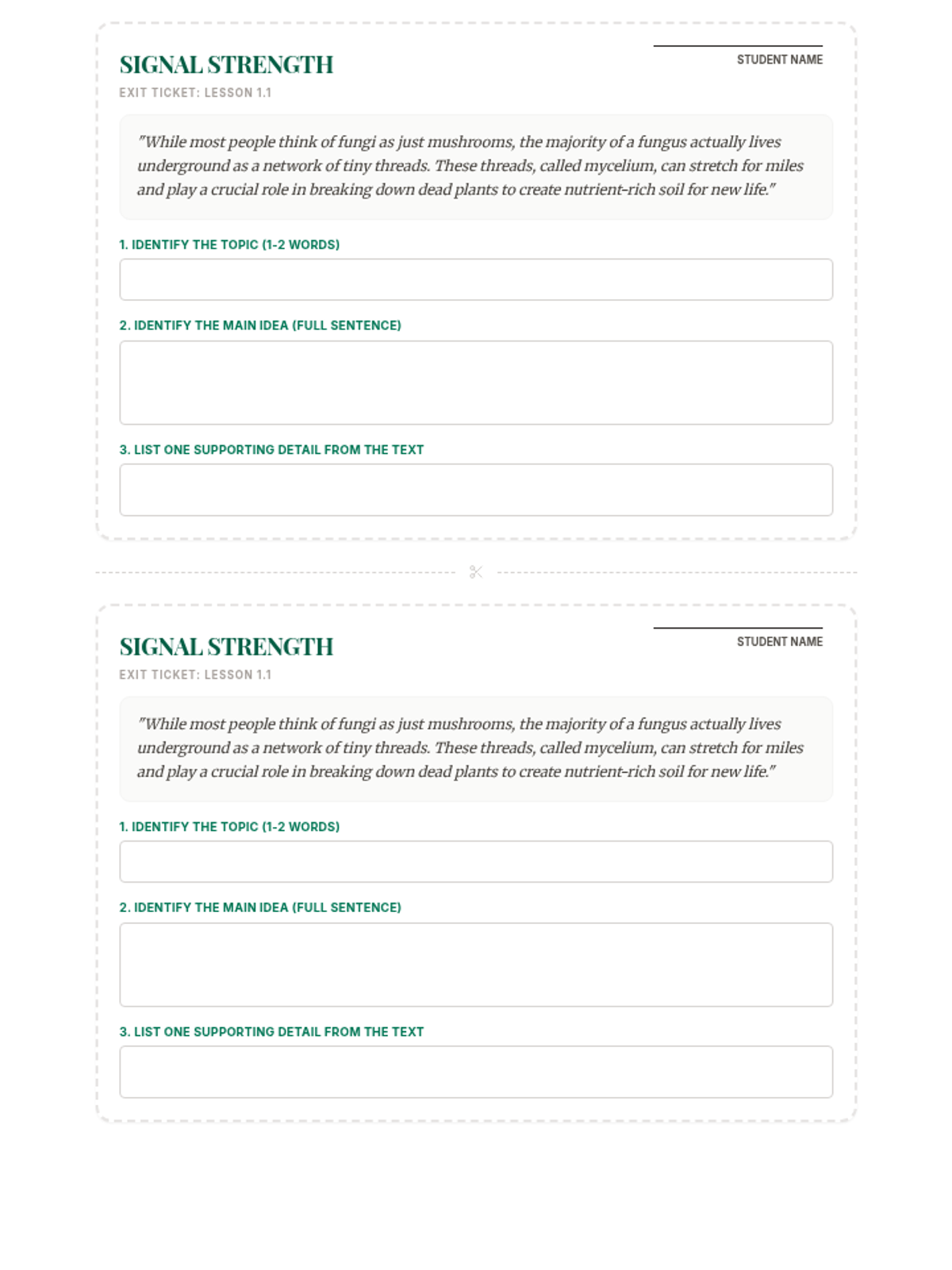
Students explore the 'Wood Wide Web'—the underground fungal network trees use to communicate—while learning strategies to identify the main idea and distinguish it from the topic and supporting details.
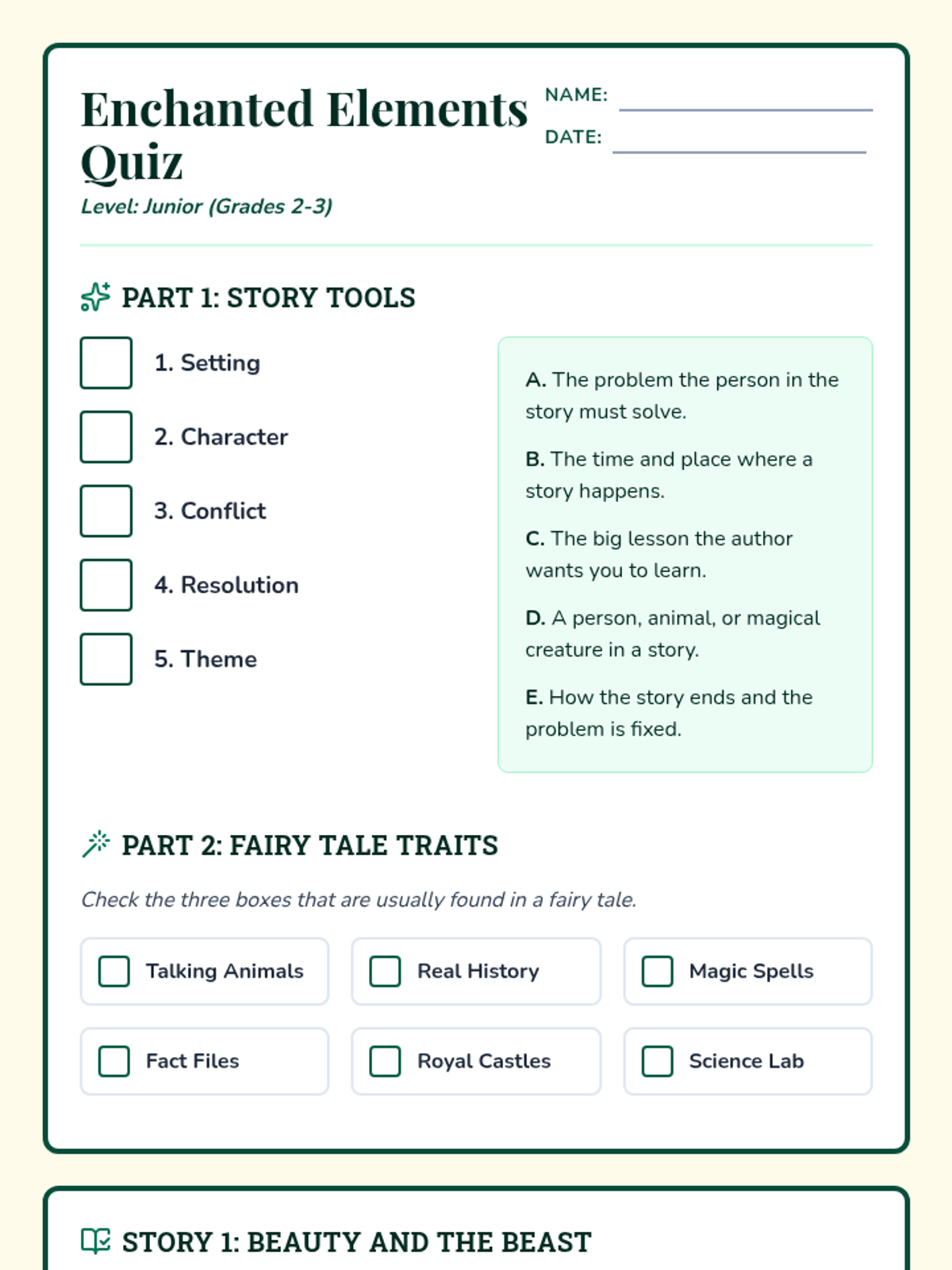
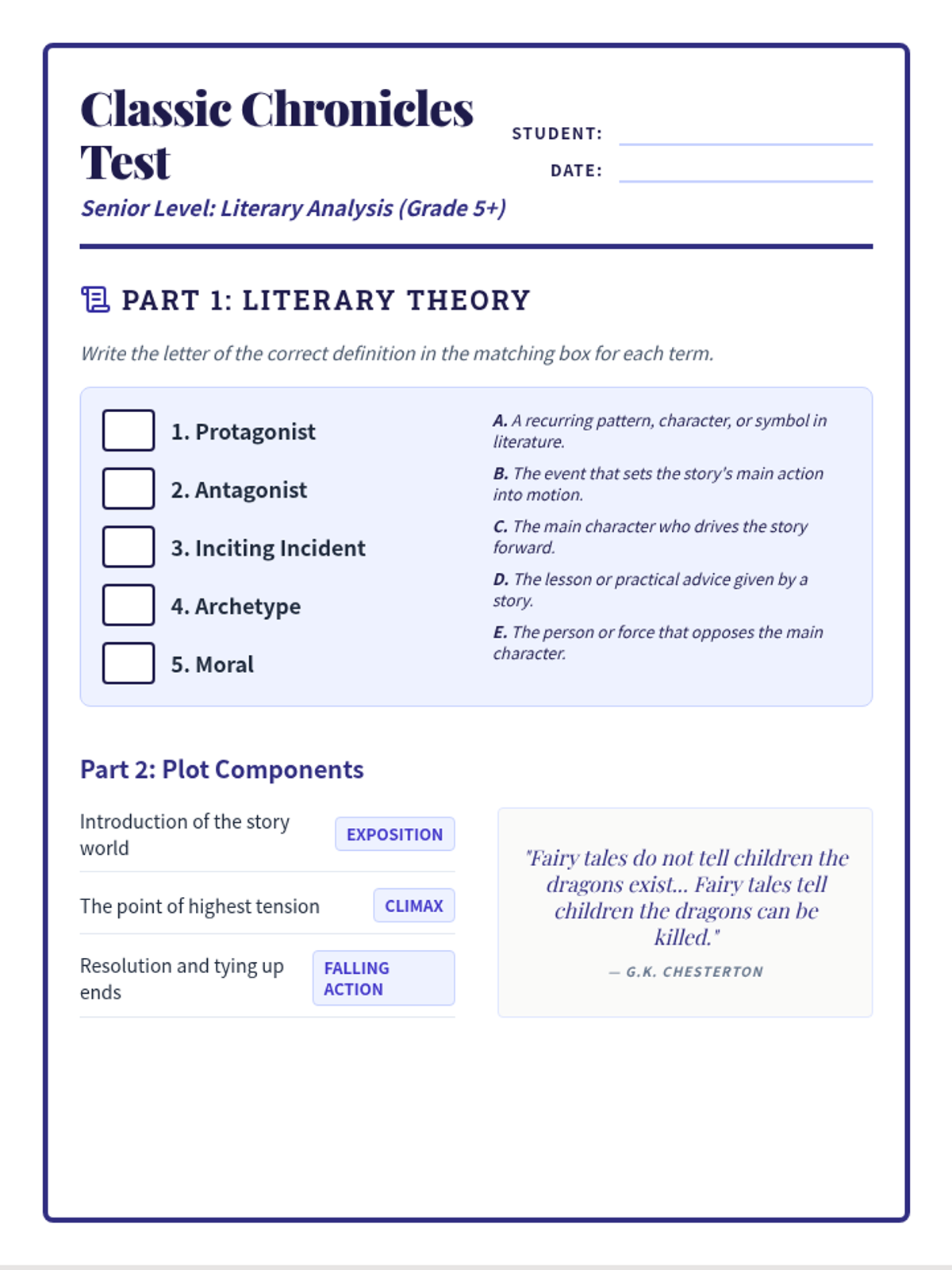
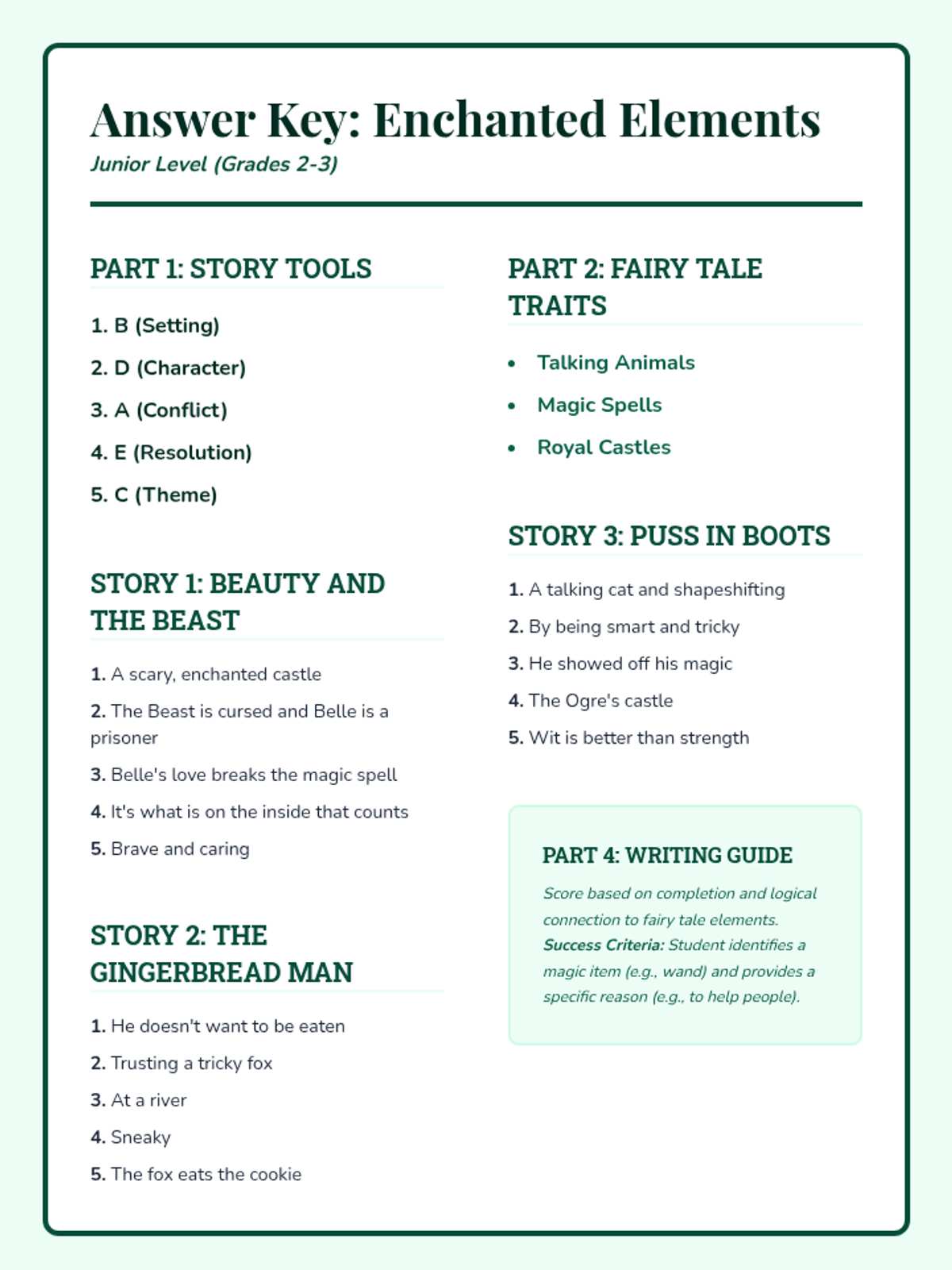
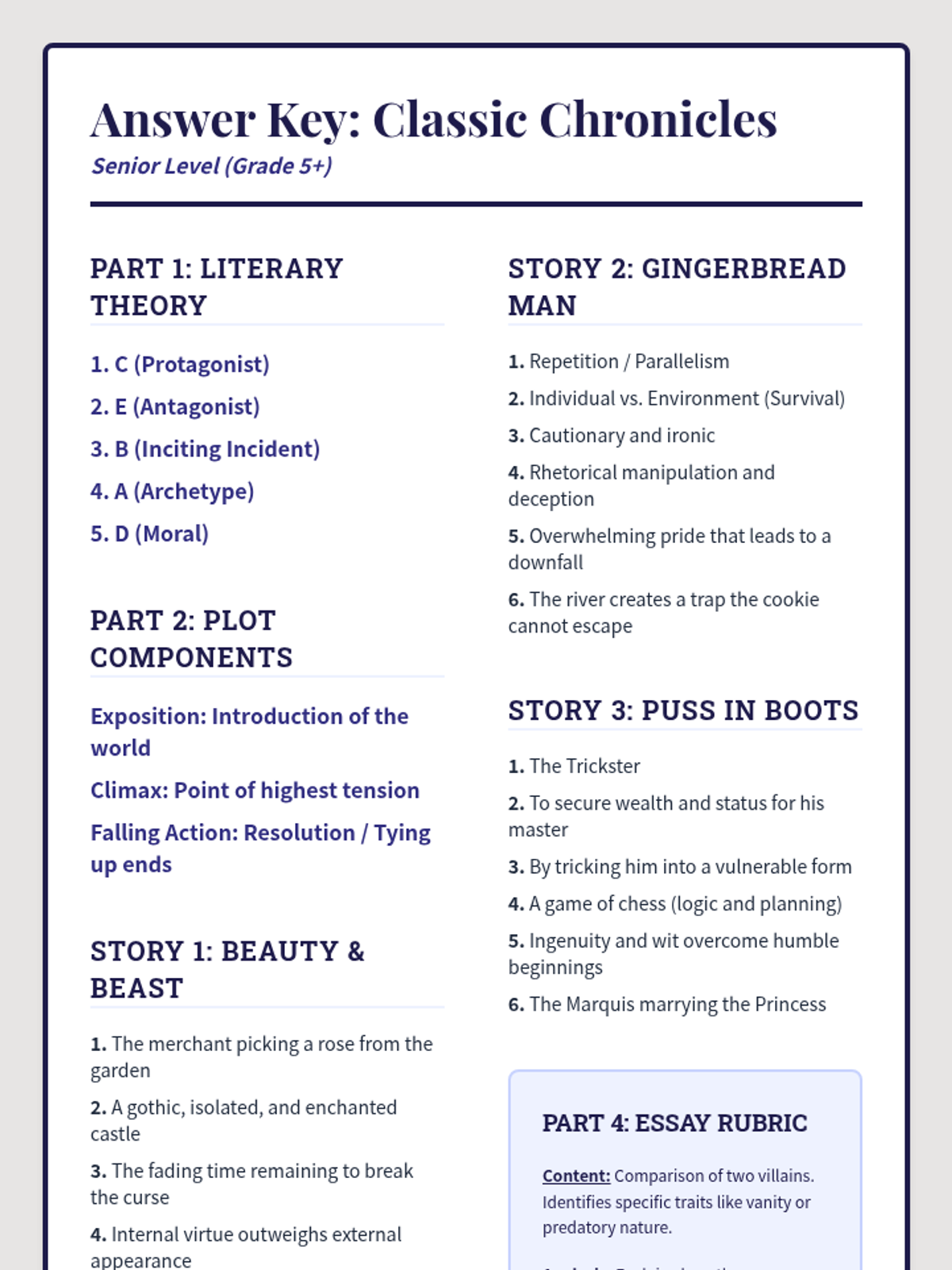
A comprehensive assessment on fairy tale elements and plot structures for elementary students, featuring two differentiated levels to meet specific grade-level standards.
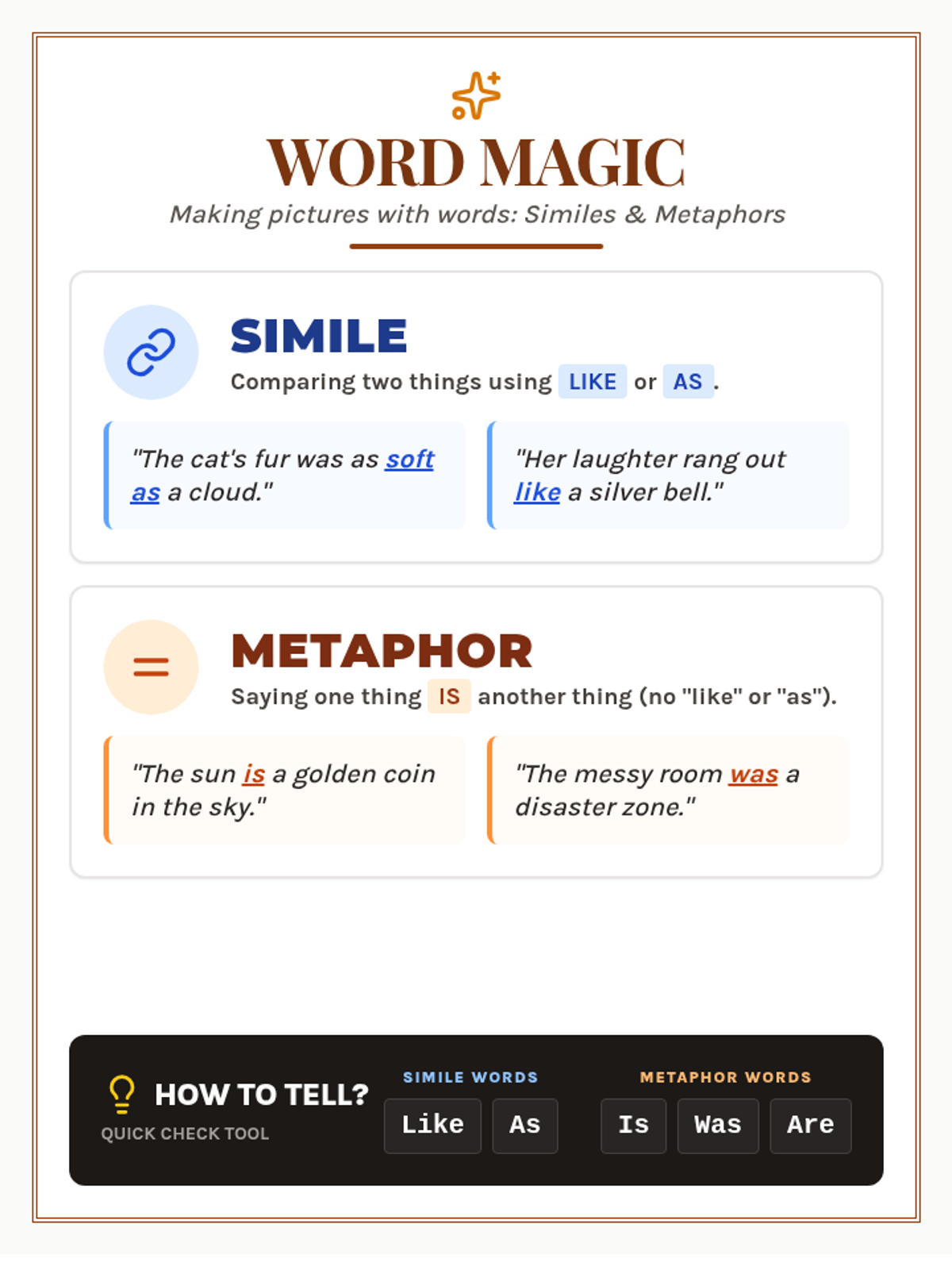
A lesson focused on identifying and using similes and metaphors to enhance poetic imagery and descriptive writing.
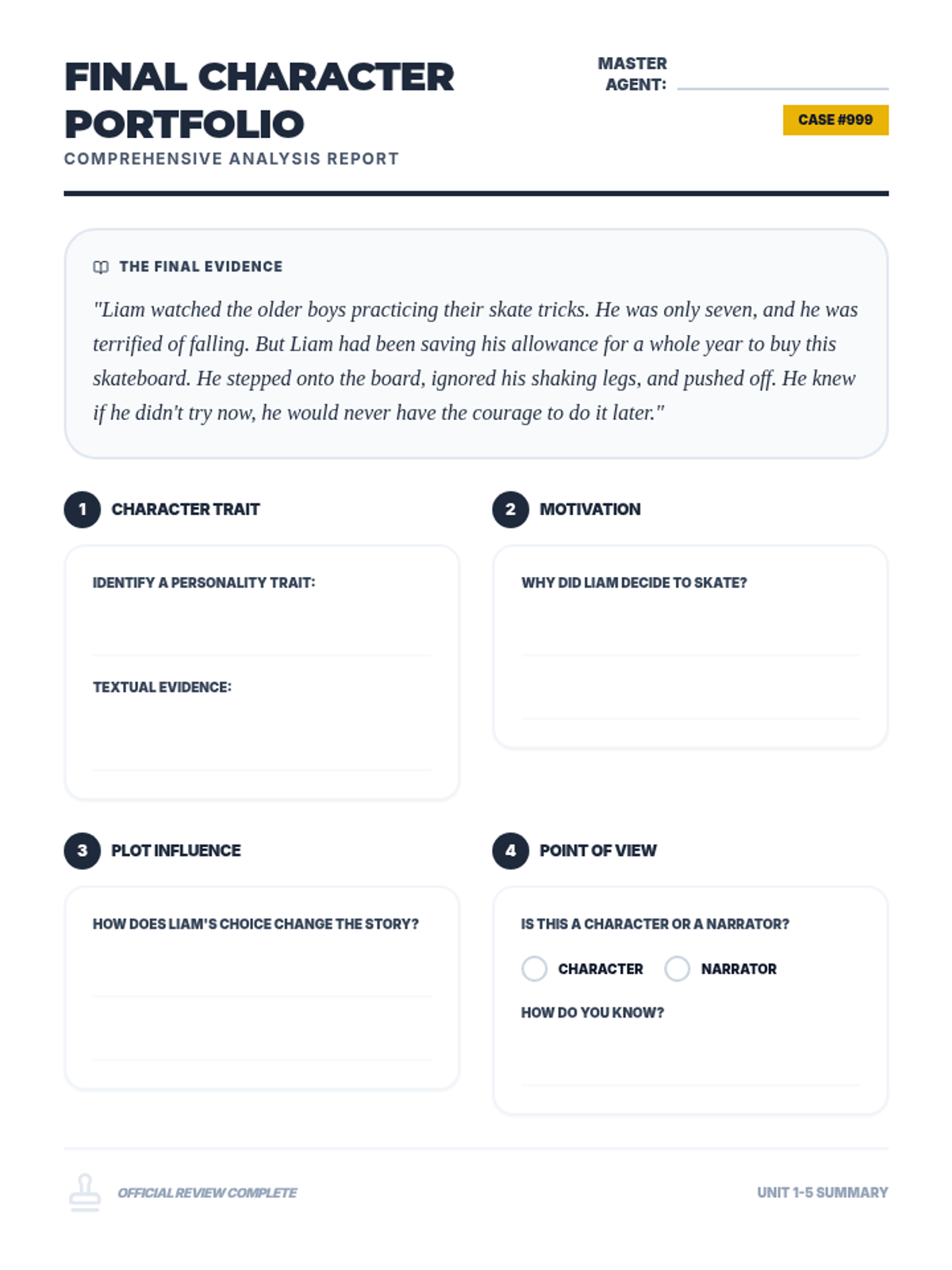
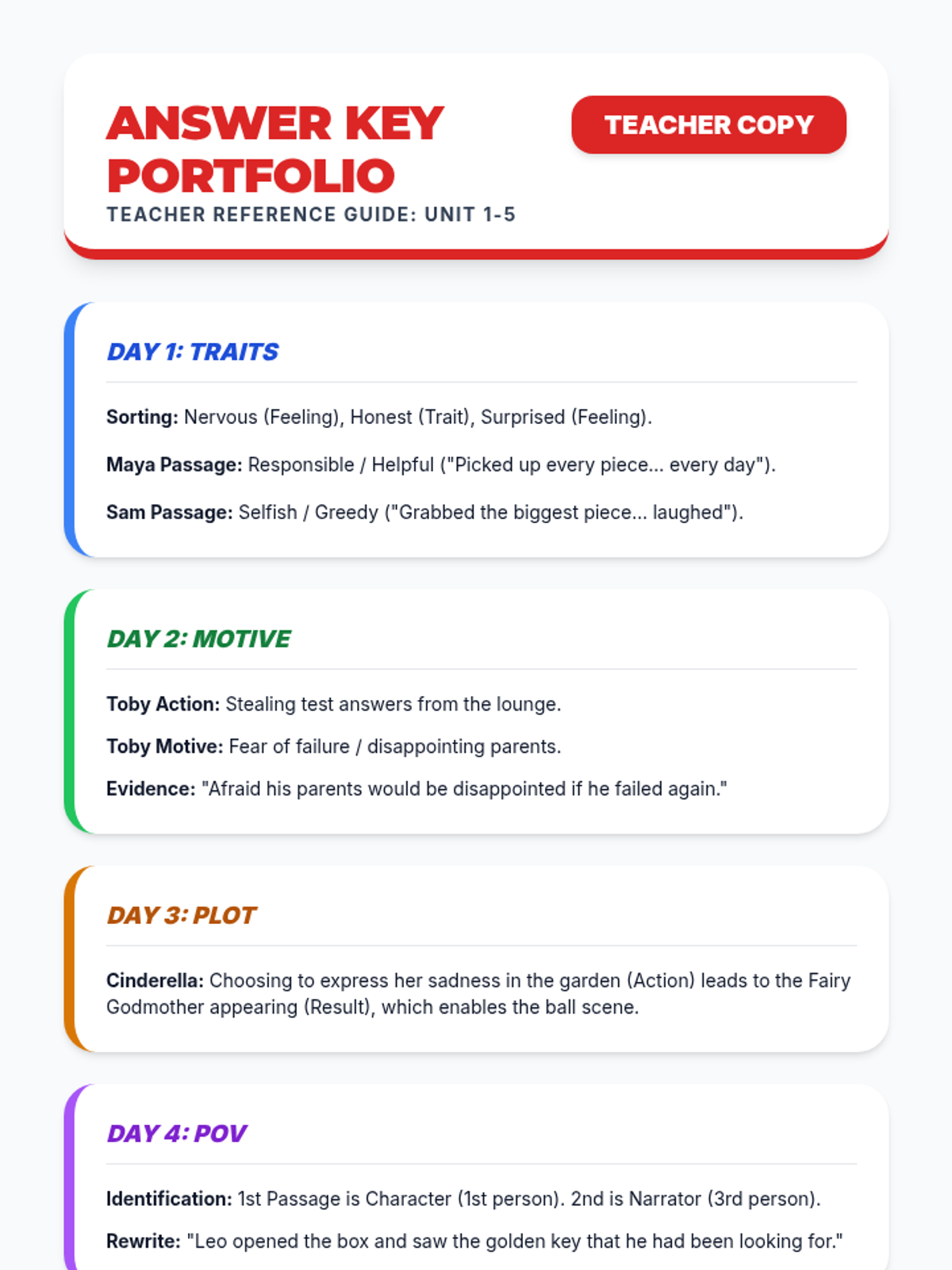
A cumulative review where students synthesize traits, motivations, and POV to complete a final character analysis.
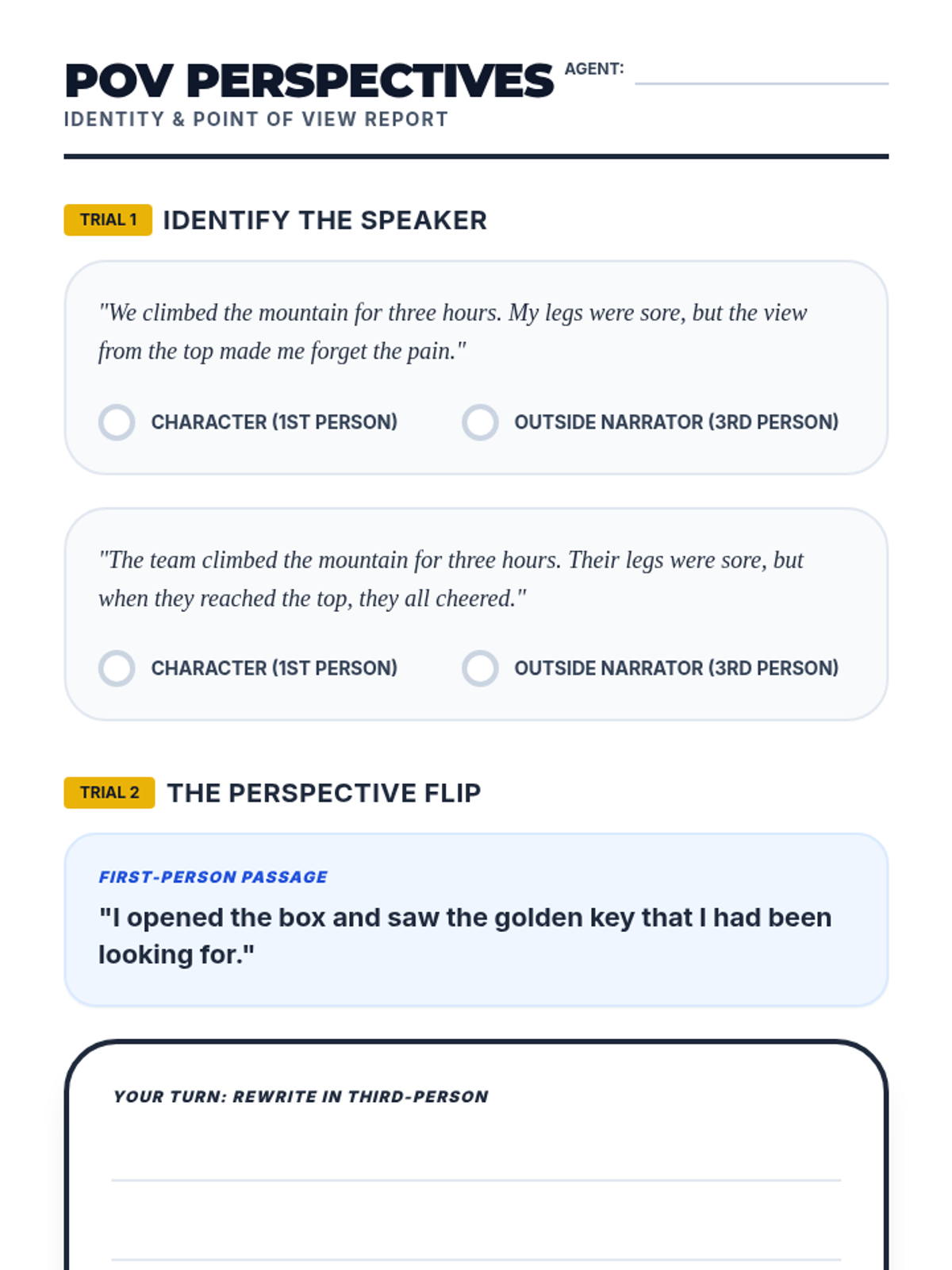
Distinguishing between the narrator and characters to identify point of view and how it shapes the story.
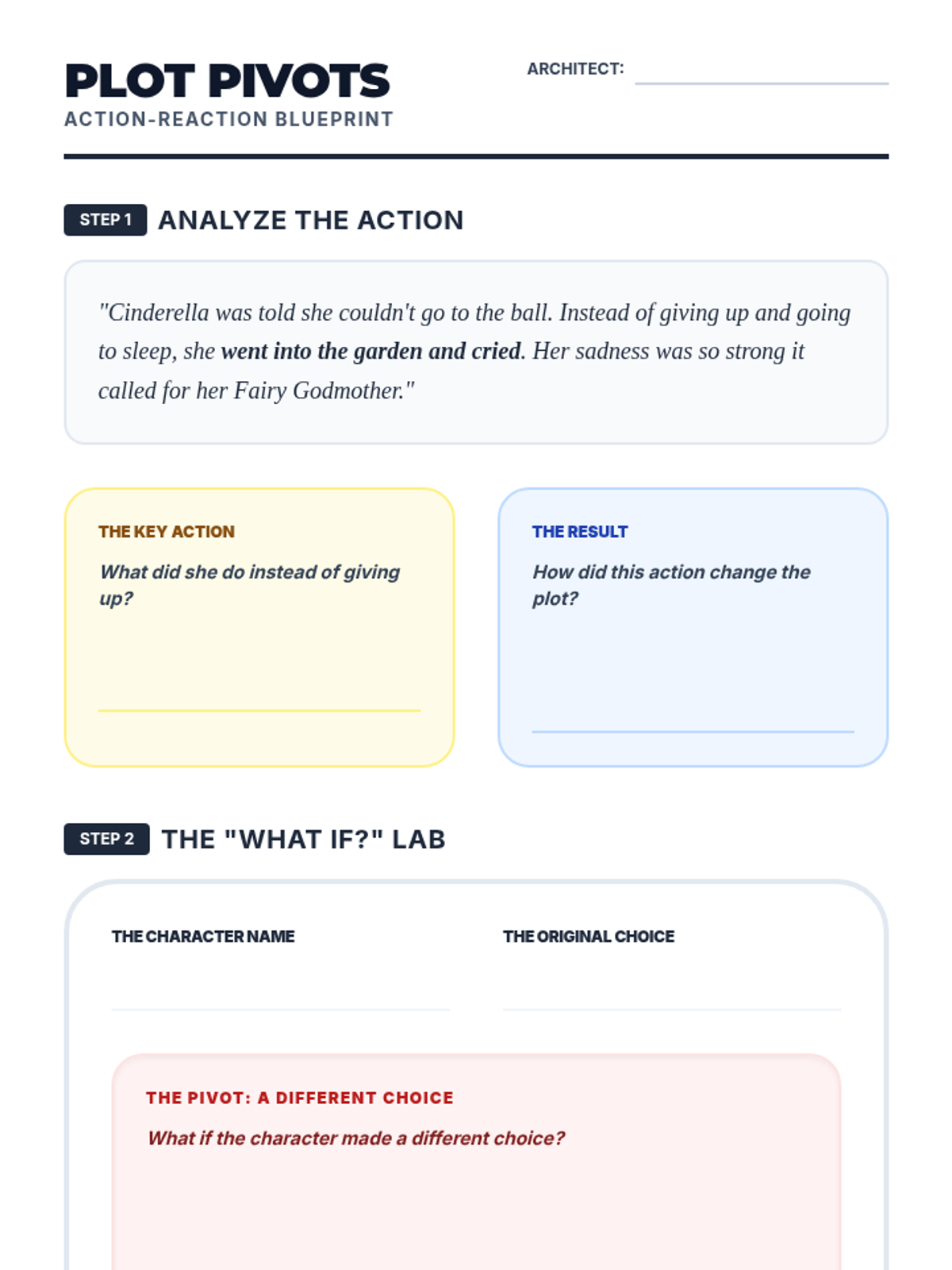
Connecting character actions to plot development, showing how individual choices influence the sequence of events in a story.
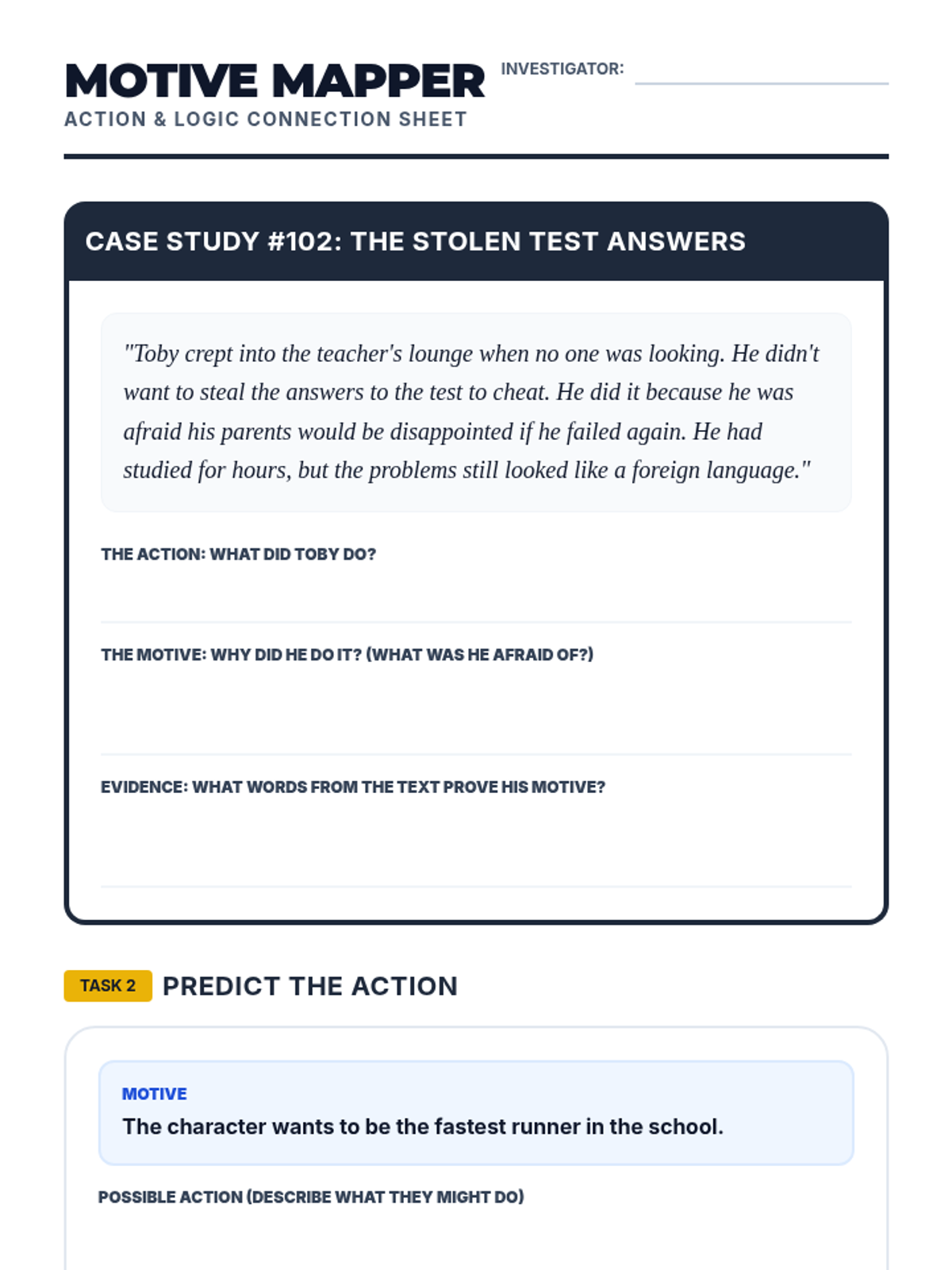
An exploration of why characters act the way they do by identifying their motivations and the text clues that reveal them.
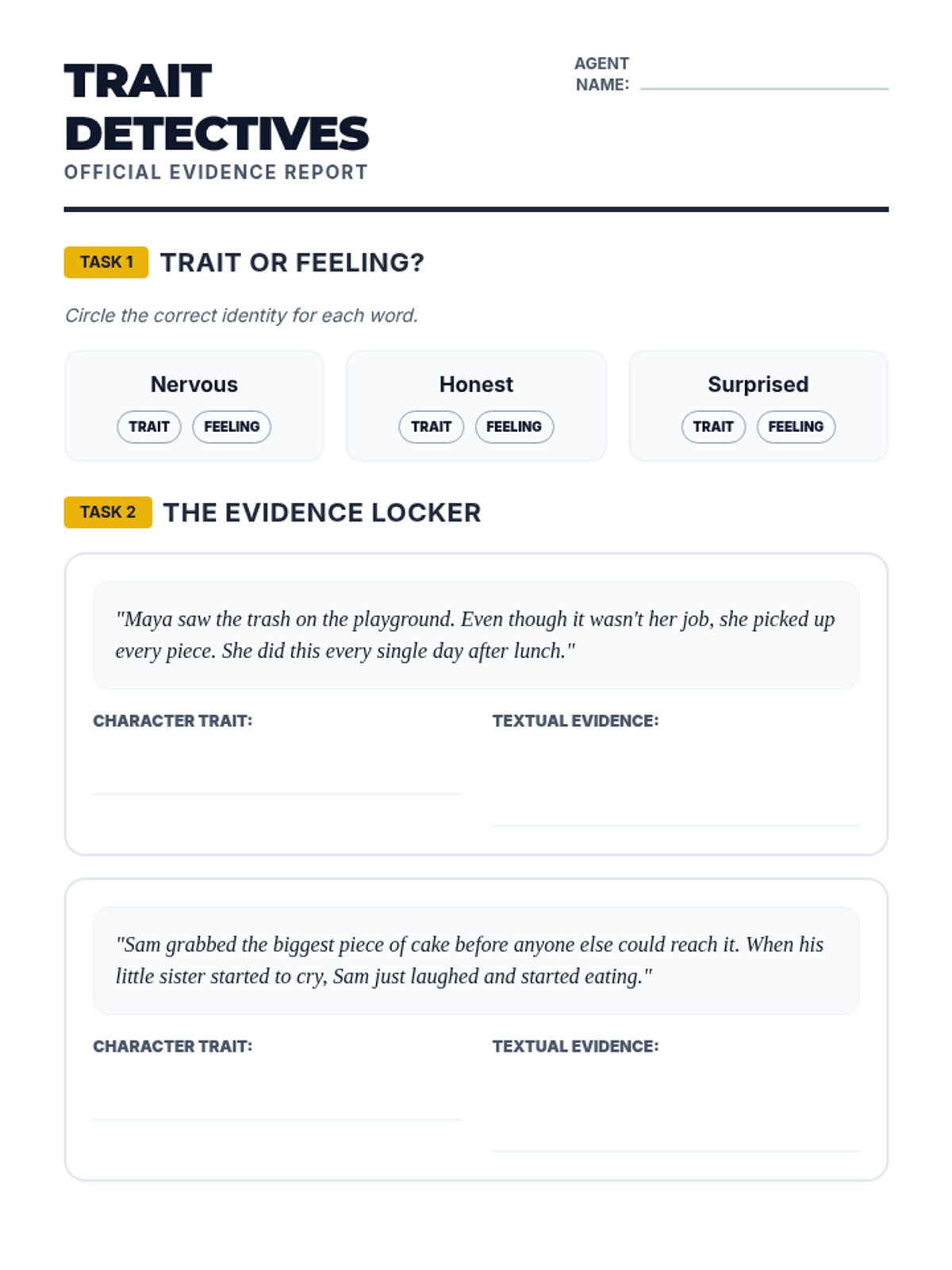
Students learn to distinguish between external traits and internal feelings while gathering textual evidence to support their findings.
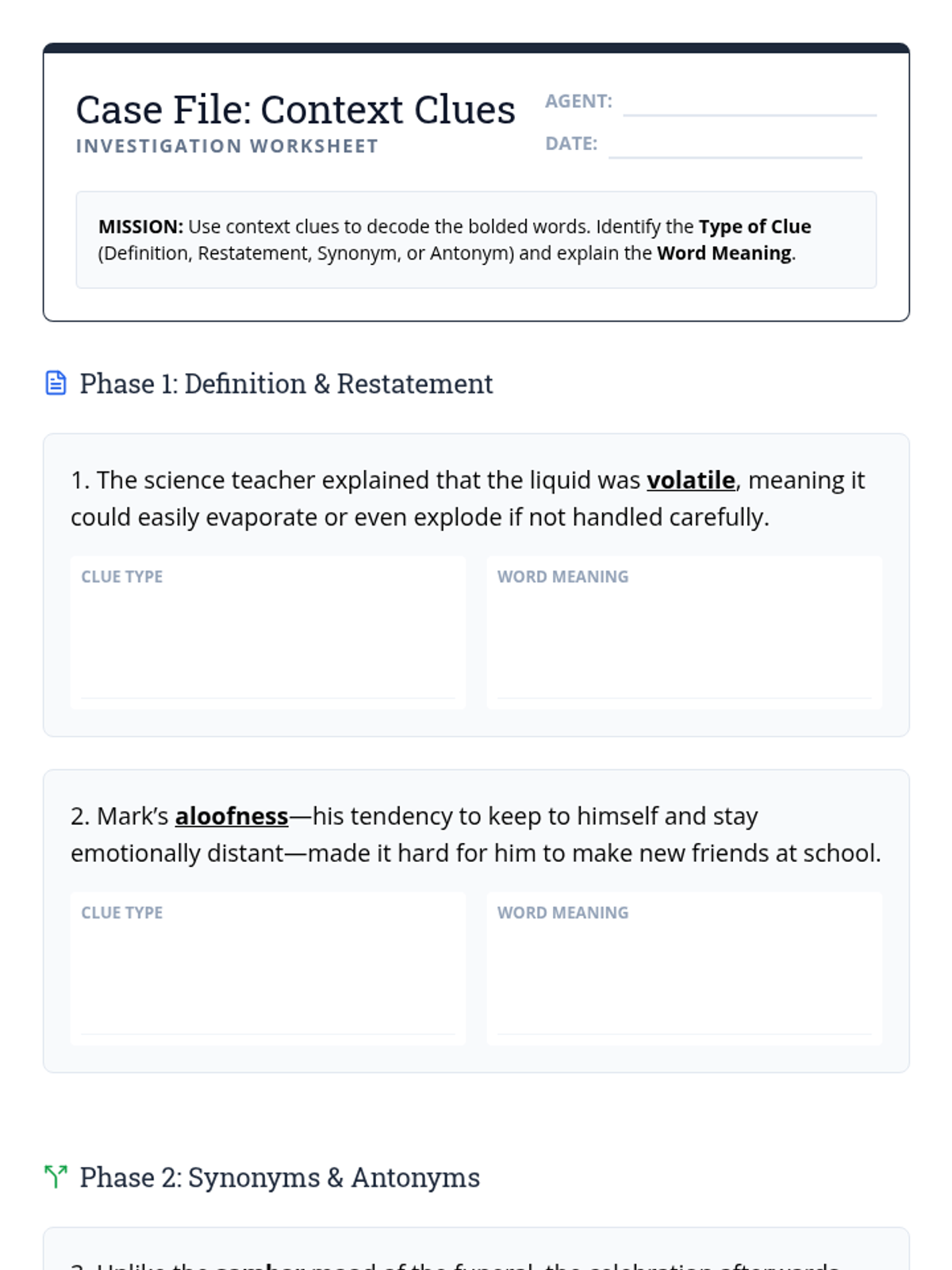
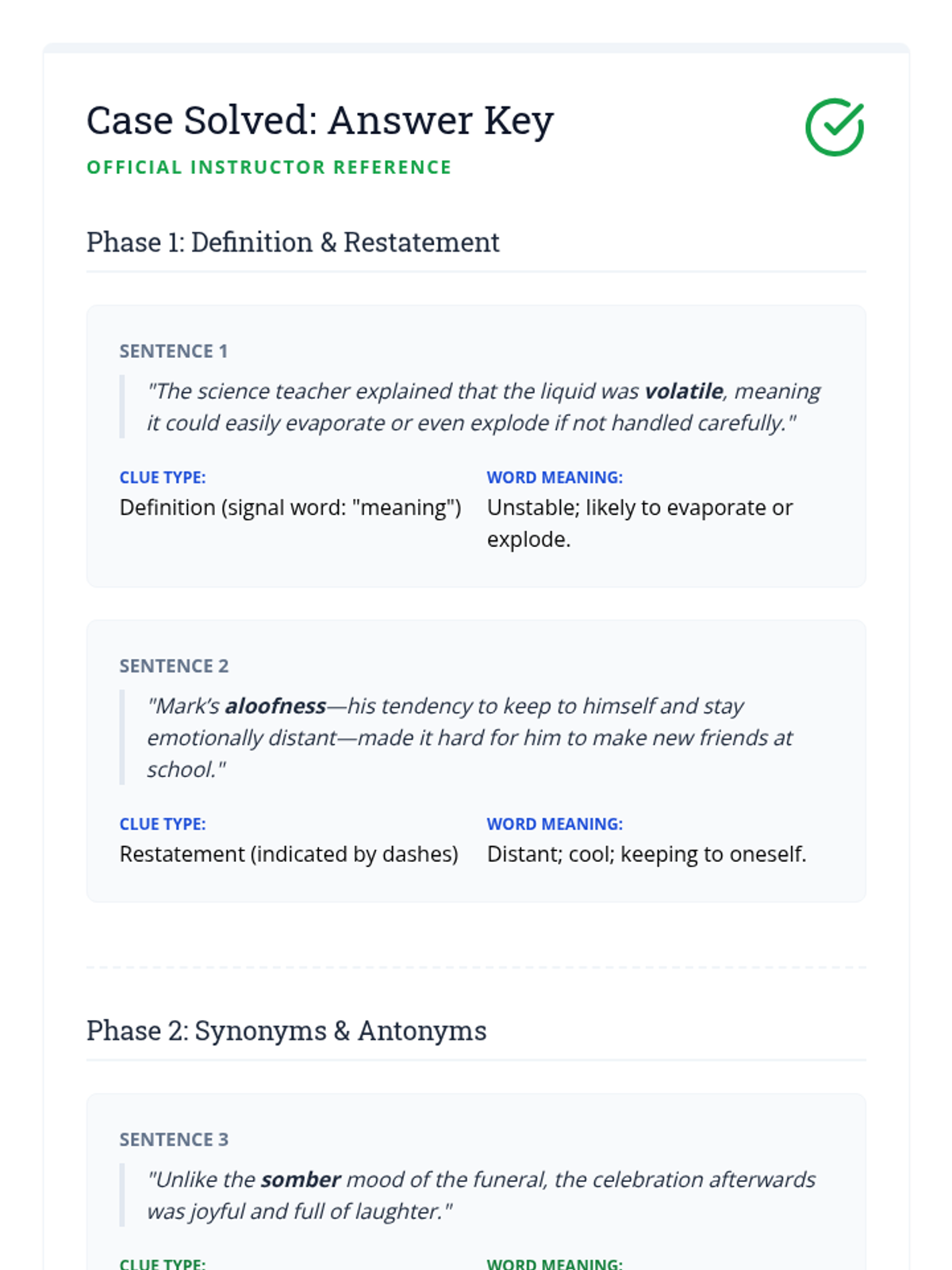
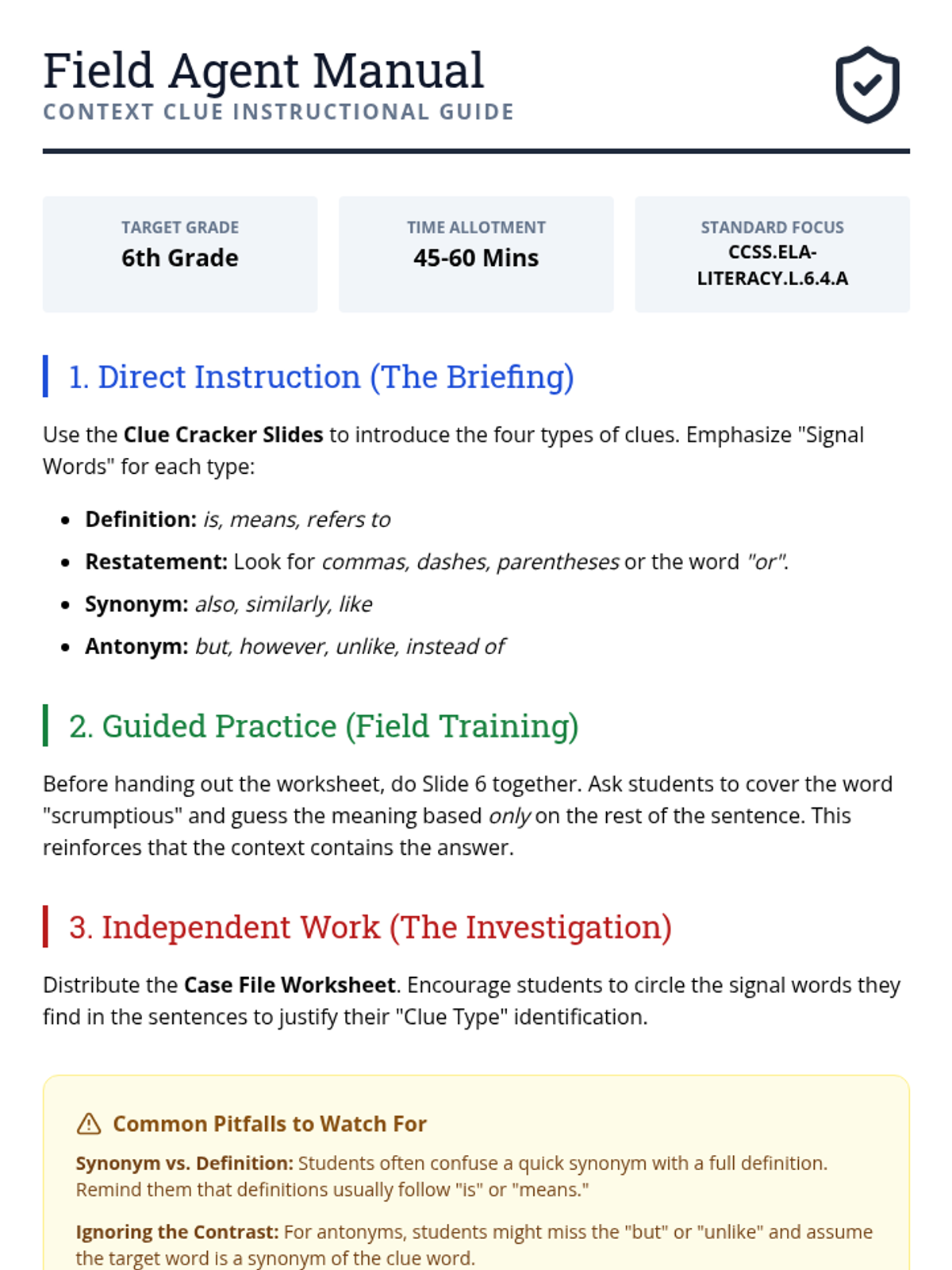
Students will learn to identify and use definition, restatement, synonym, and antonym context clues to determine the meaning of unfamiliar vocabulary in 6th-grade level texts.
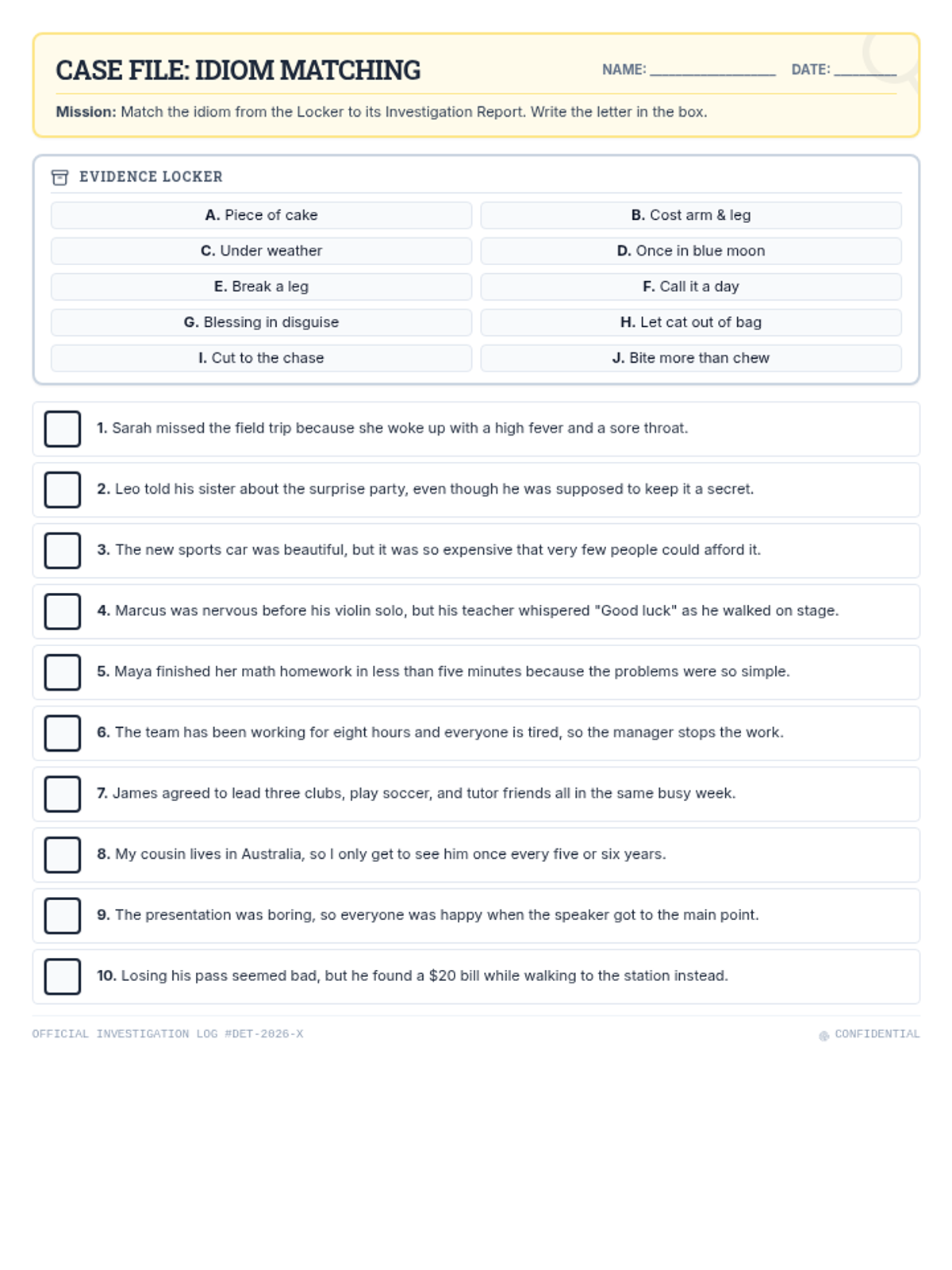
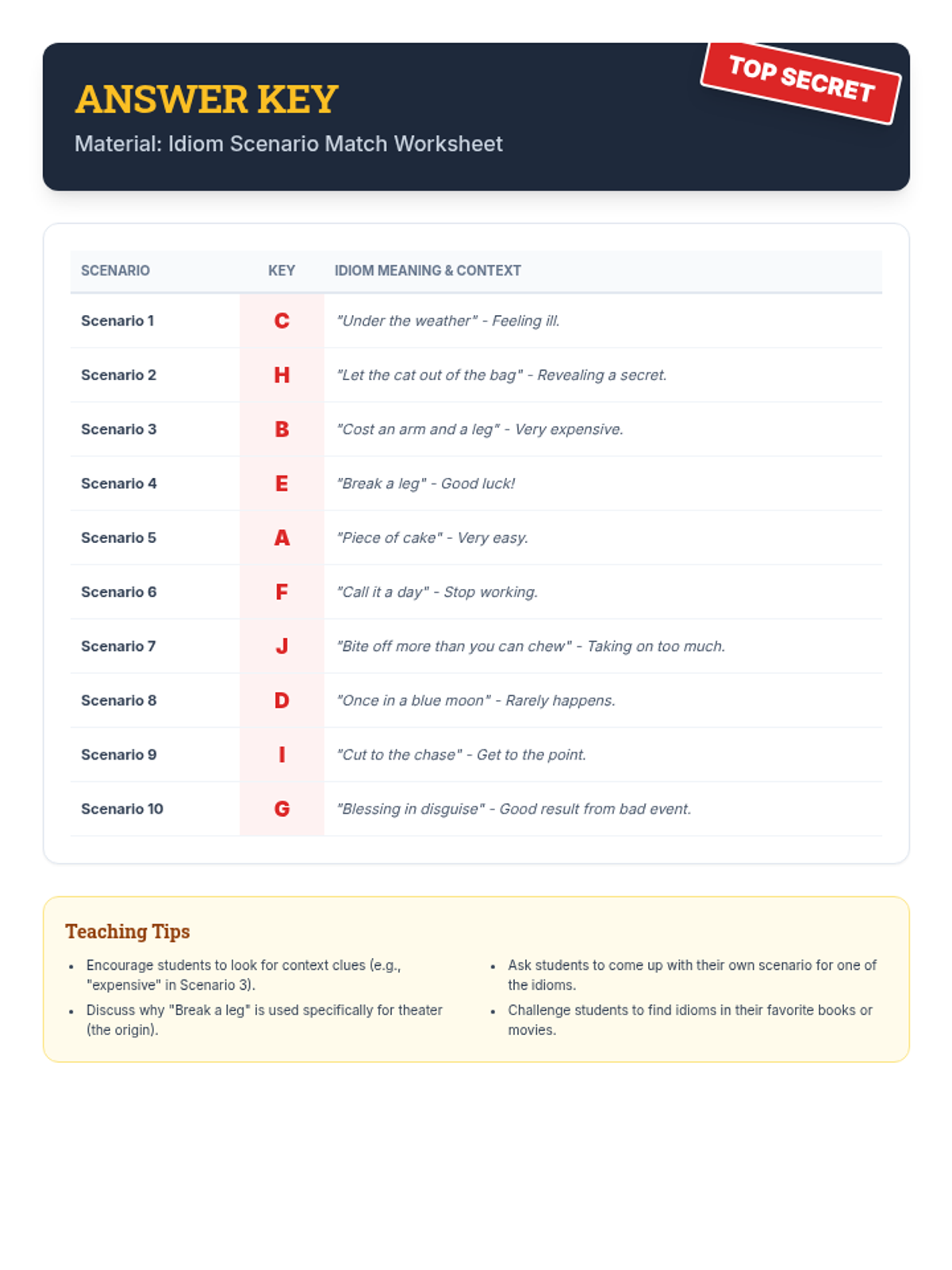
A lesson introducing common idioms and practicing their use in real-world scenarios through a detective-themed investigation.
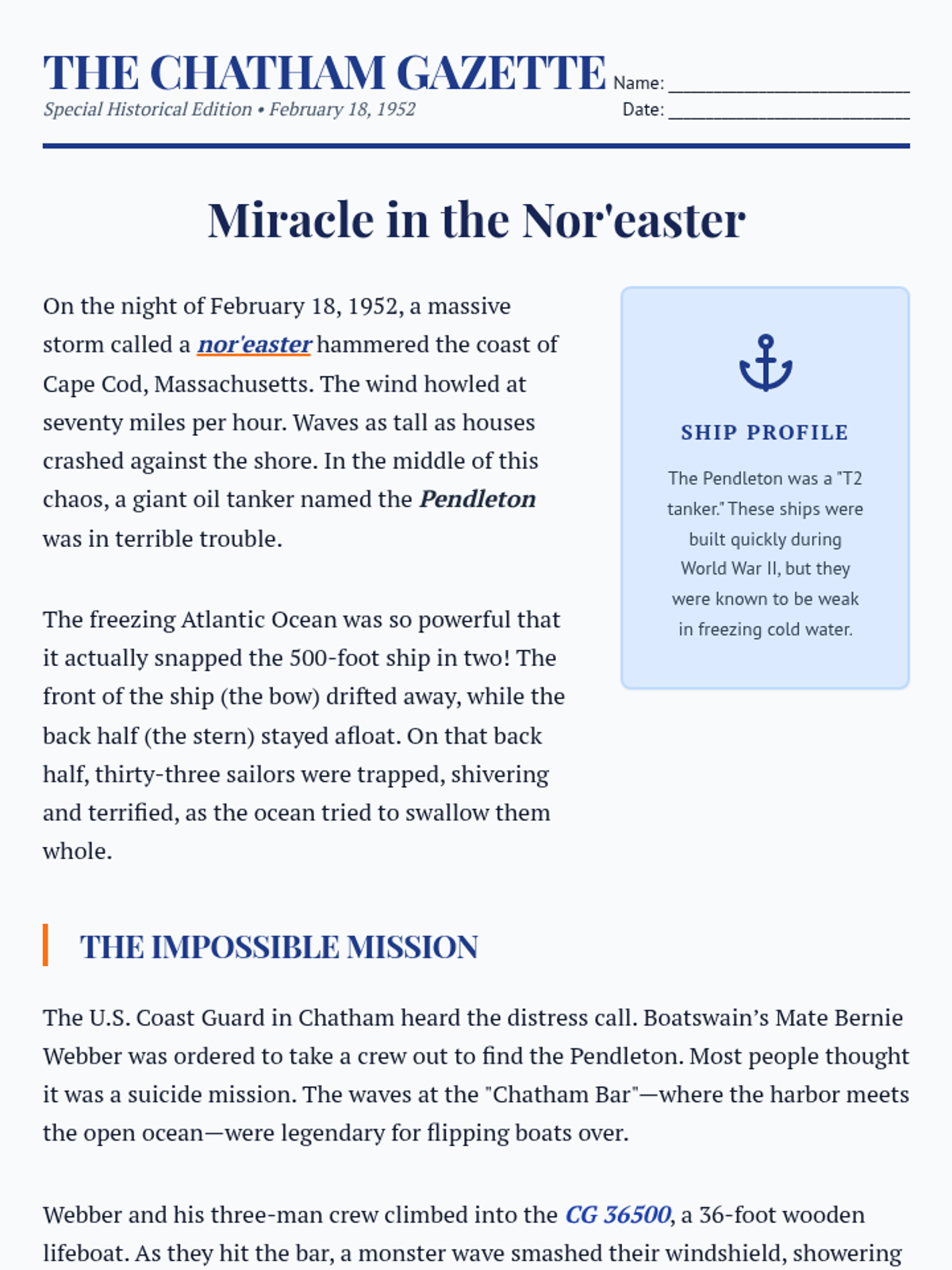
A lesson centered on the historic 1952 Pendleton rescue off the coast of Chatham, Massachusetts, featuring a Lexile-leveled informational article and assessment.