Students participate in a Socratic Seminar or structured debate based on controversial nonfiction texts. They use specific textual evidence to support points and build on others' ideas.
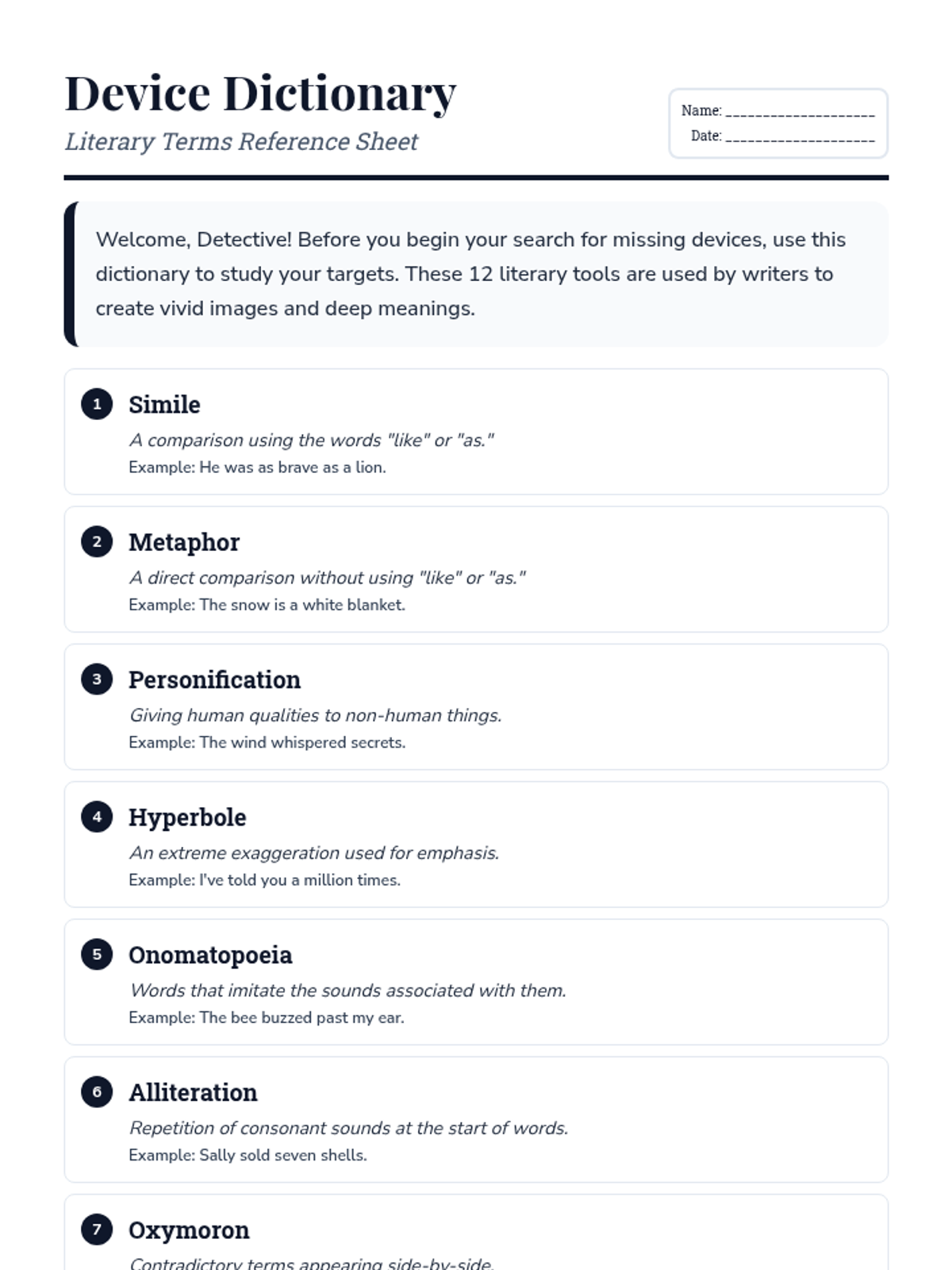
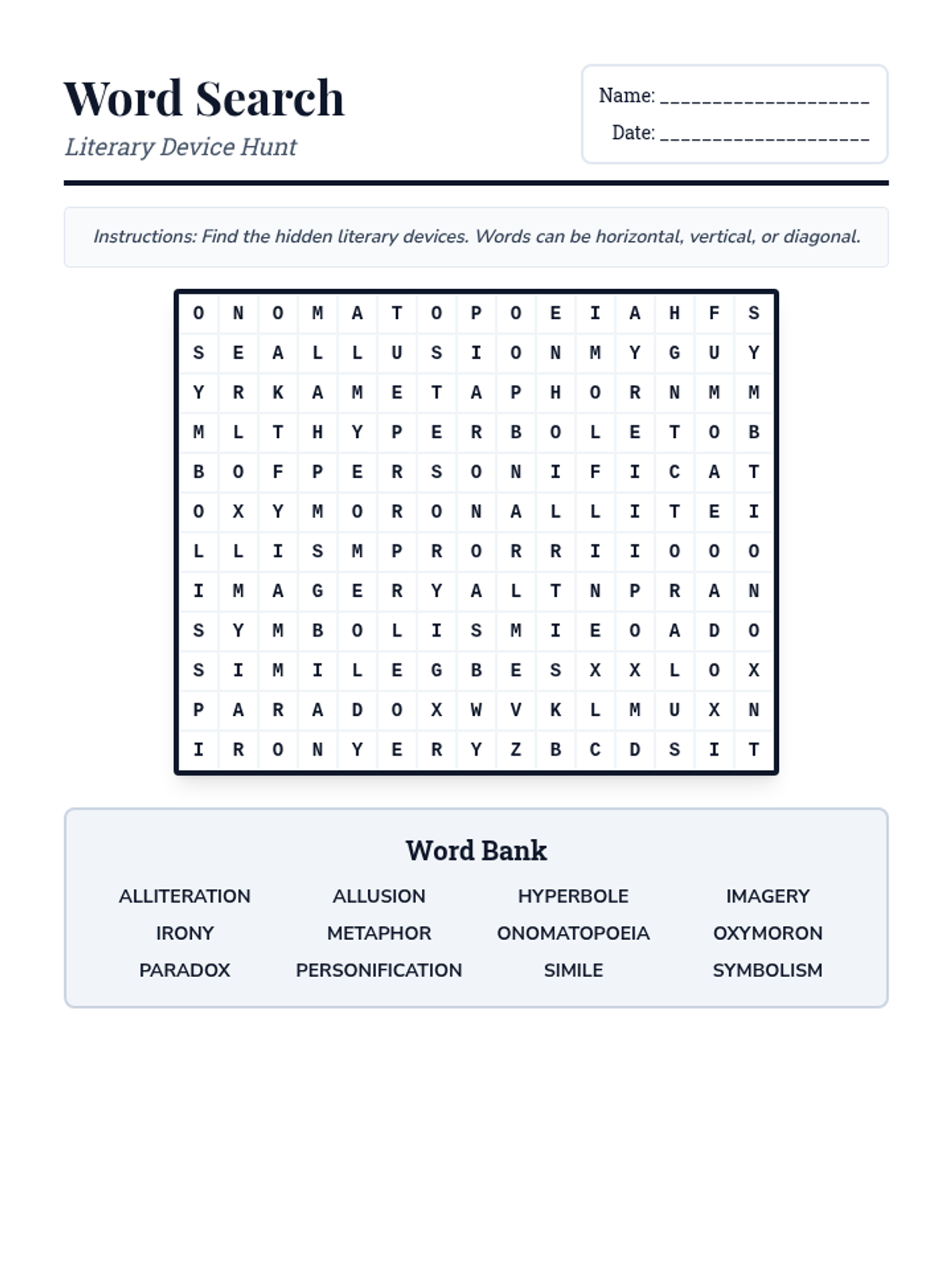
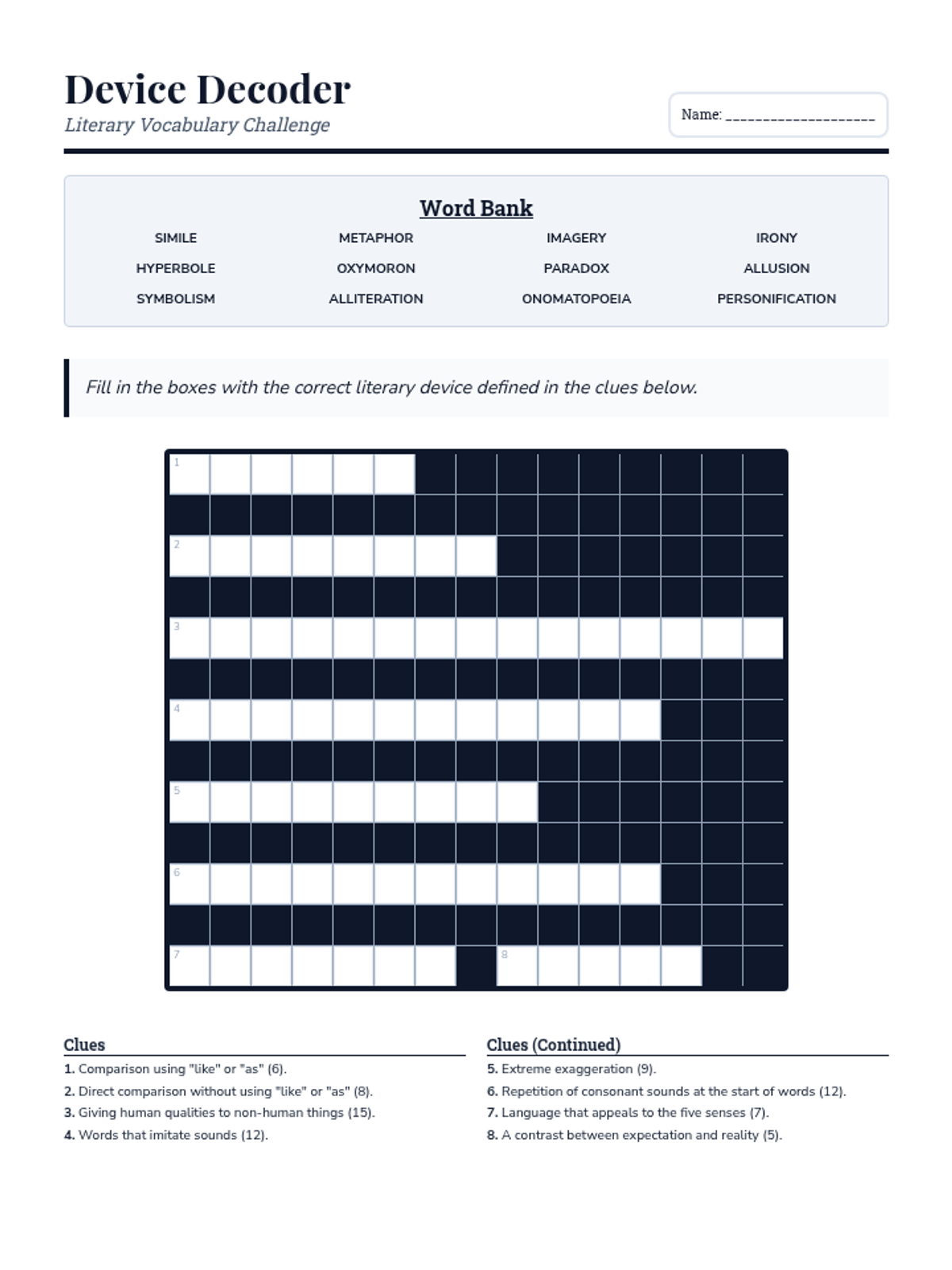
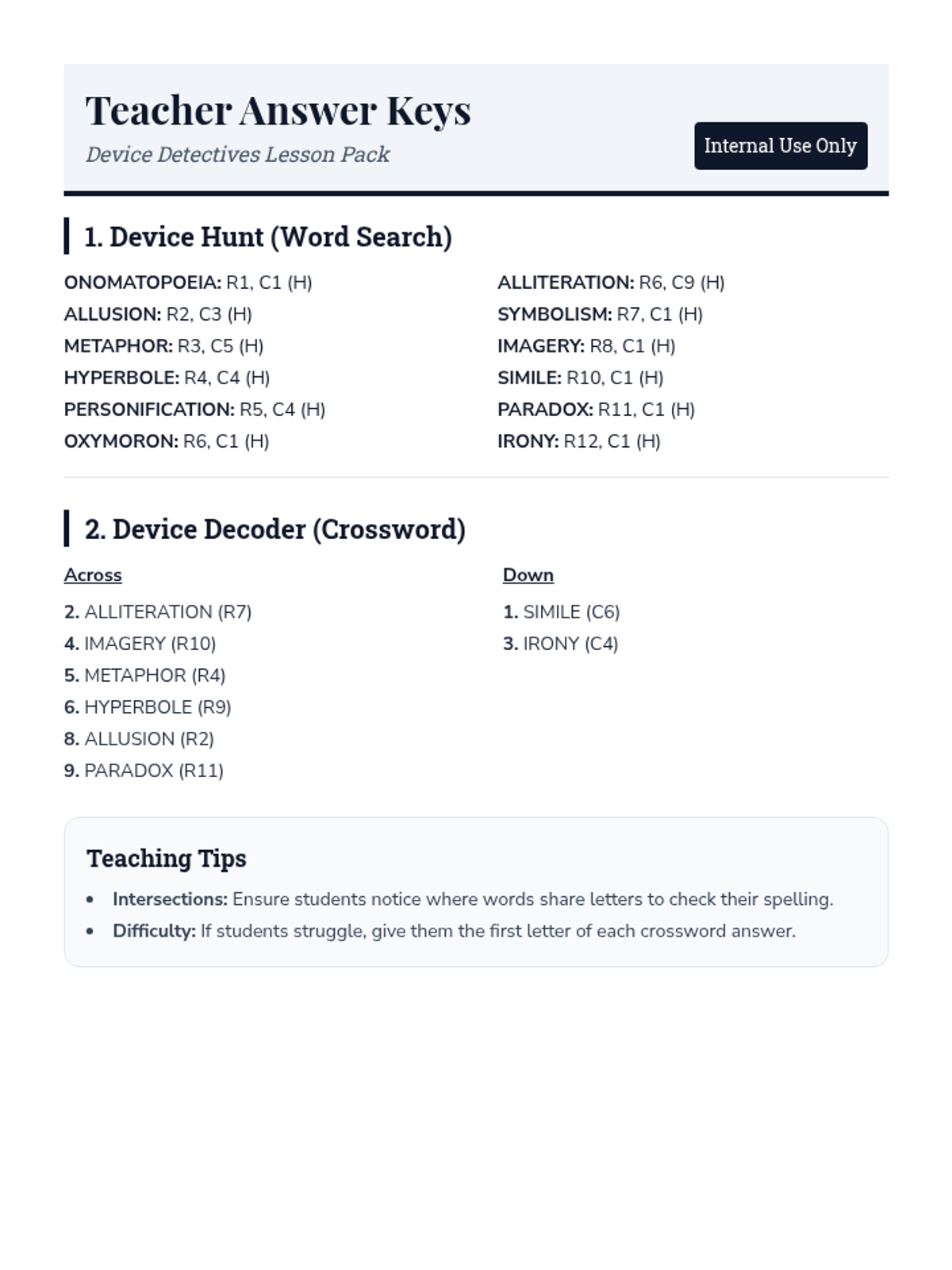
An introductory lesson focusing on identifying and defining common literary devices through engaging puzzles and reference materials.
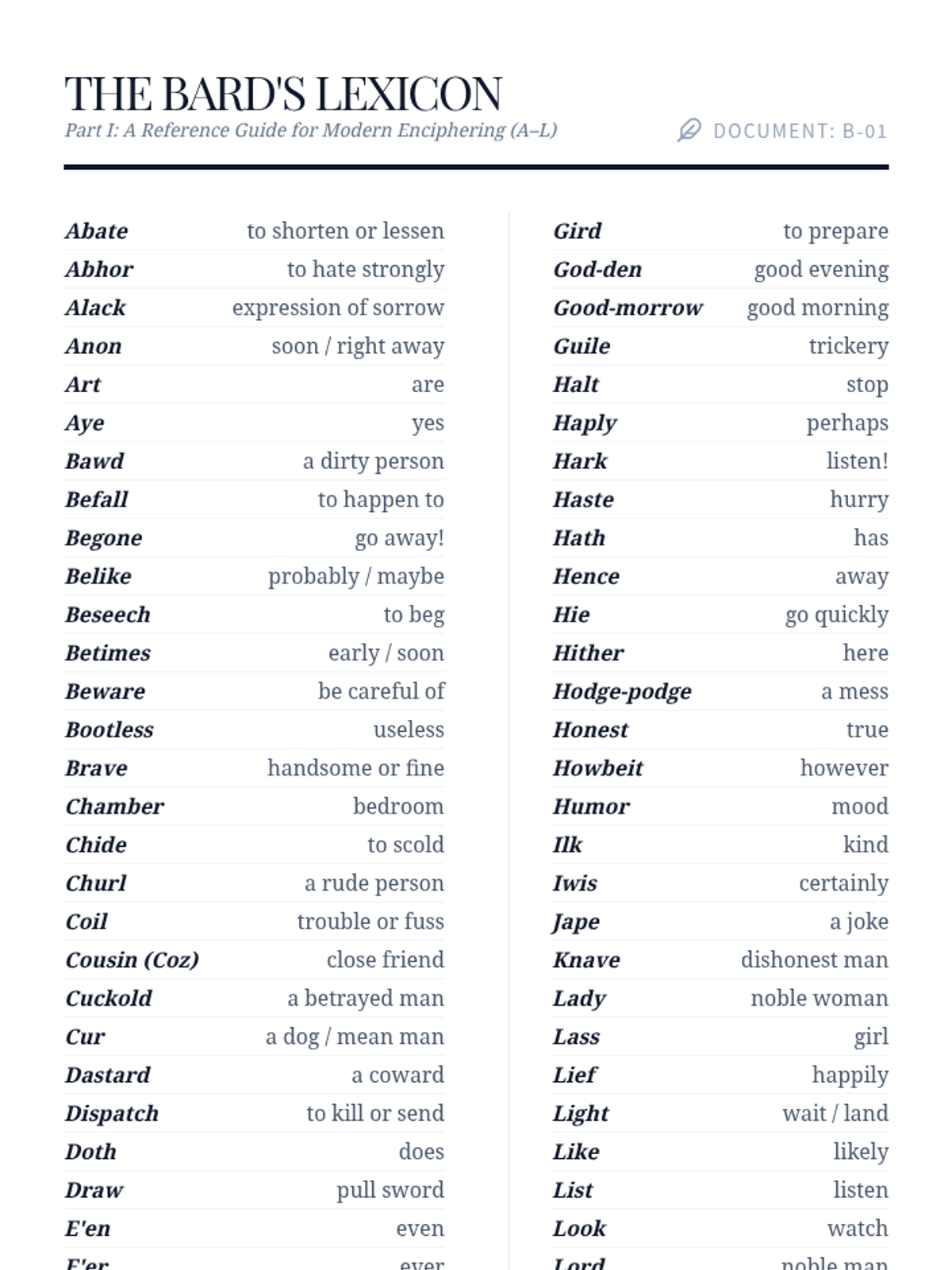
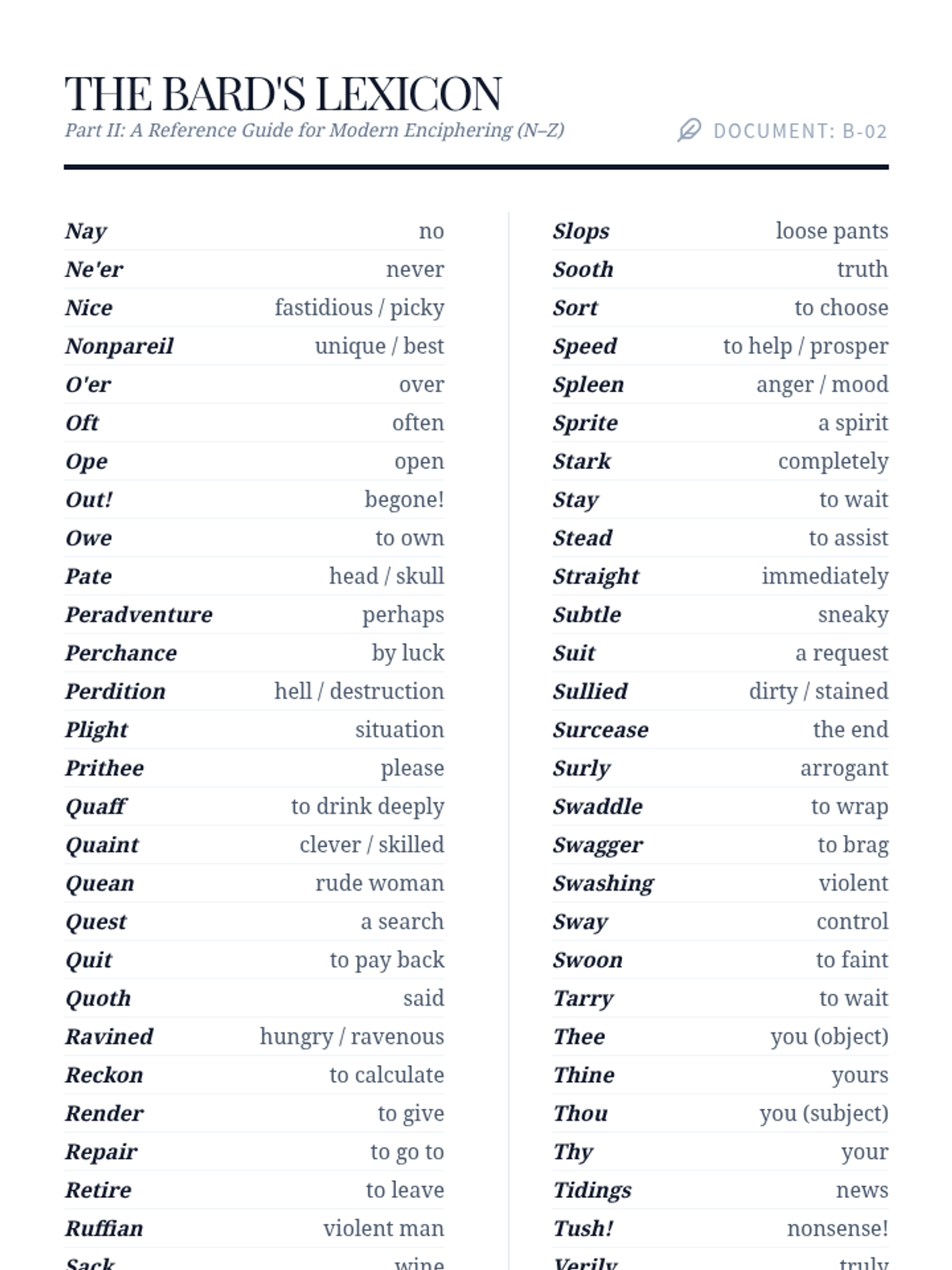
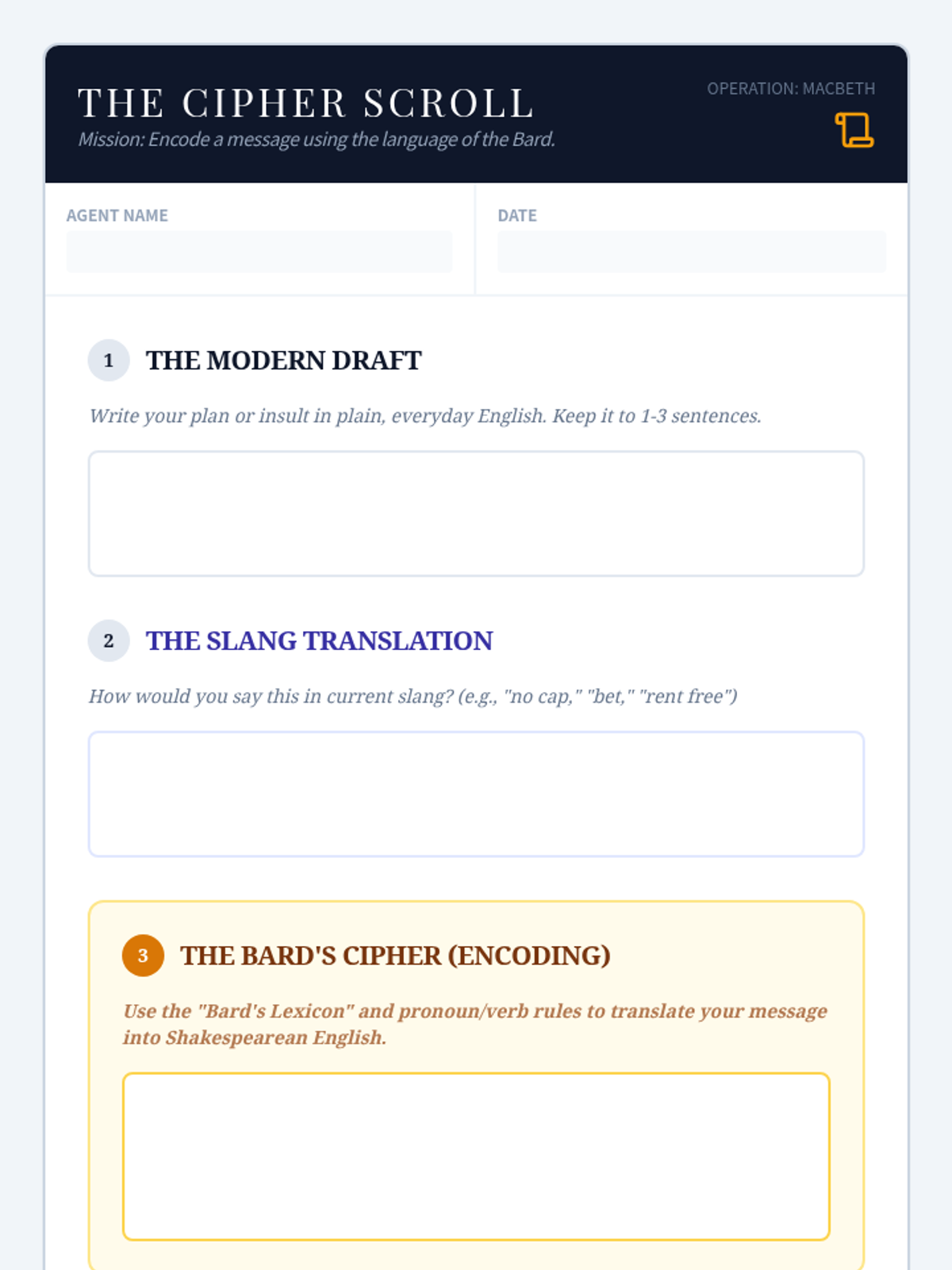
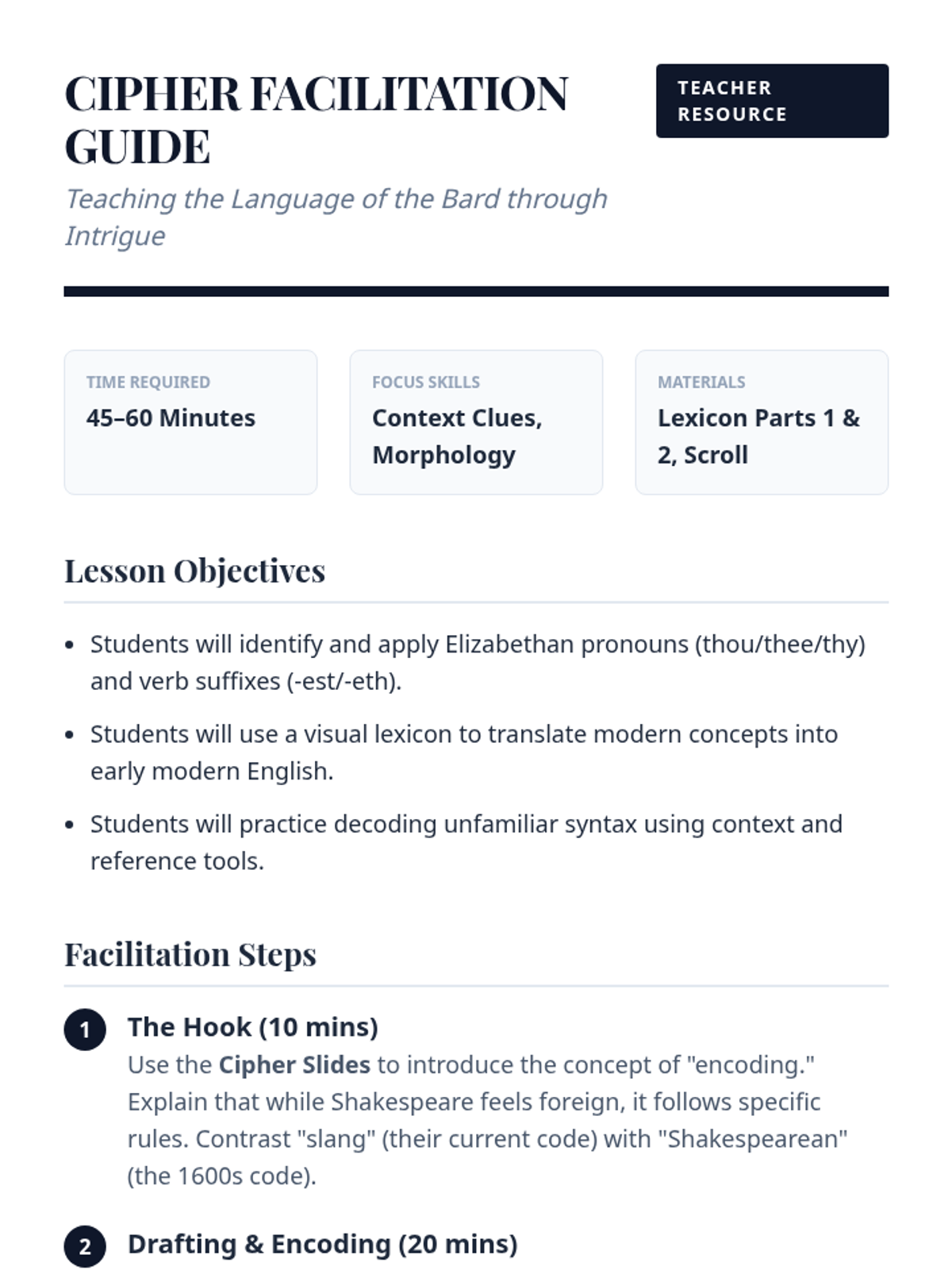
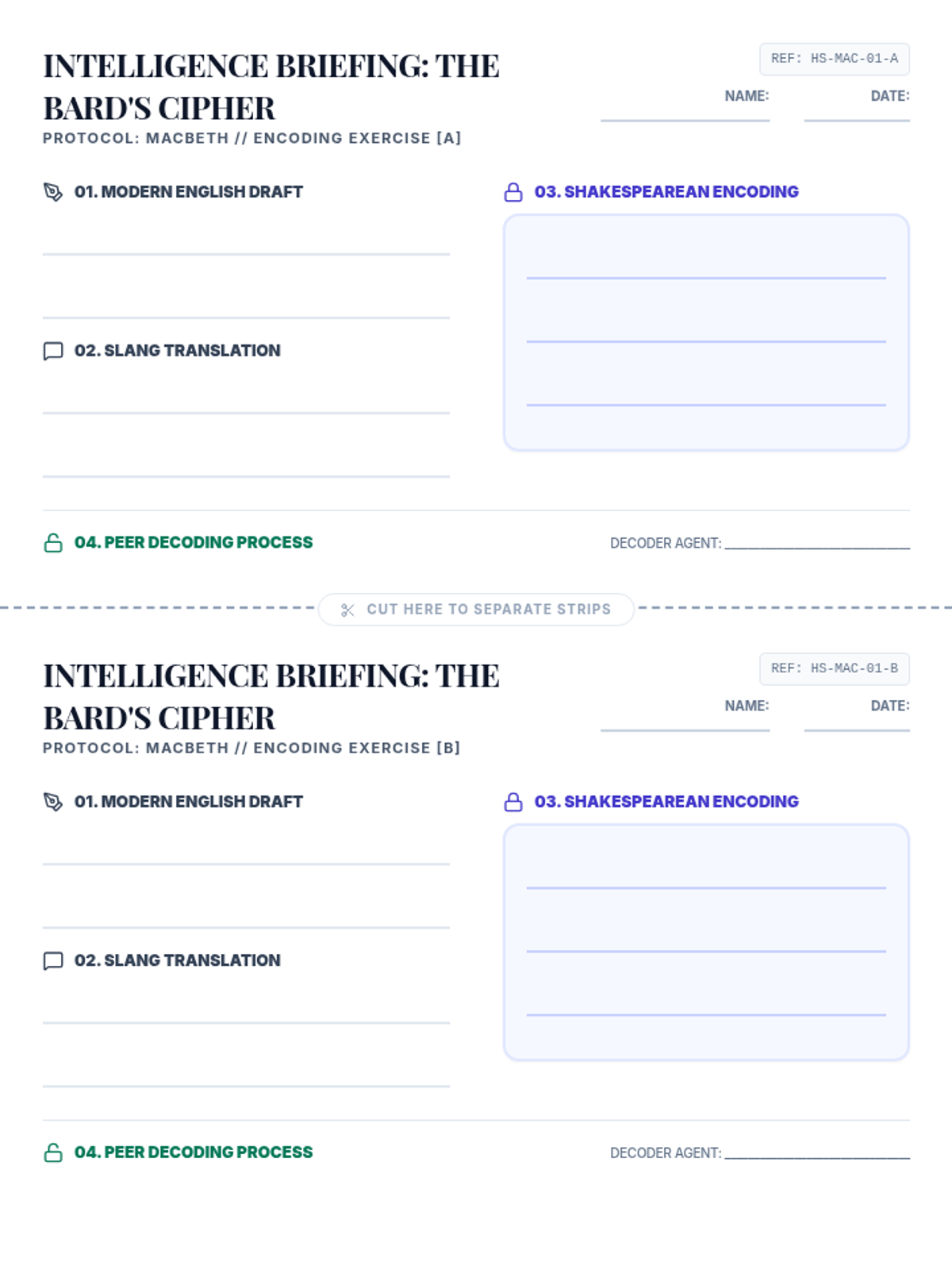
A hands-on activity where students learn to decode and encode Shakespearean language by writing secret messages or insults, then swapping them with peers to translate.
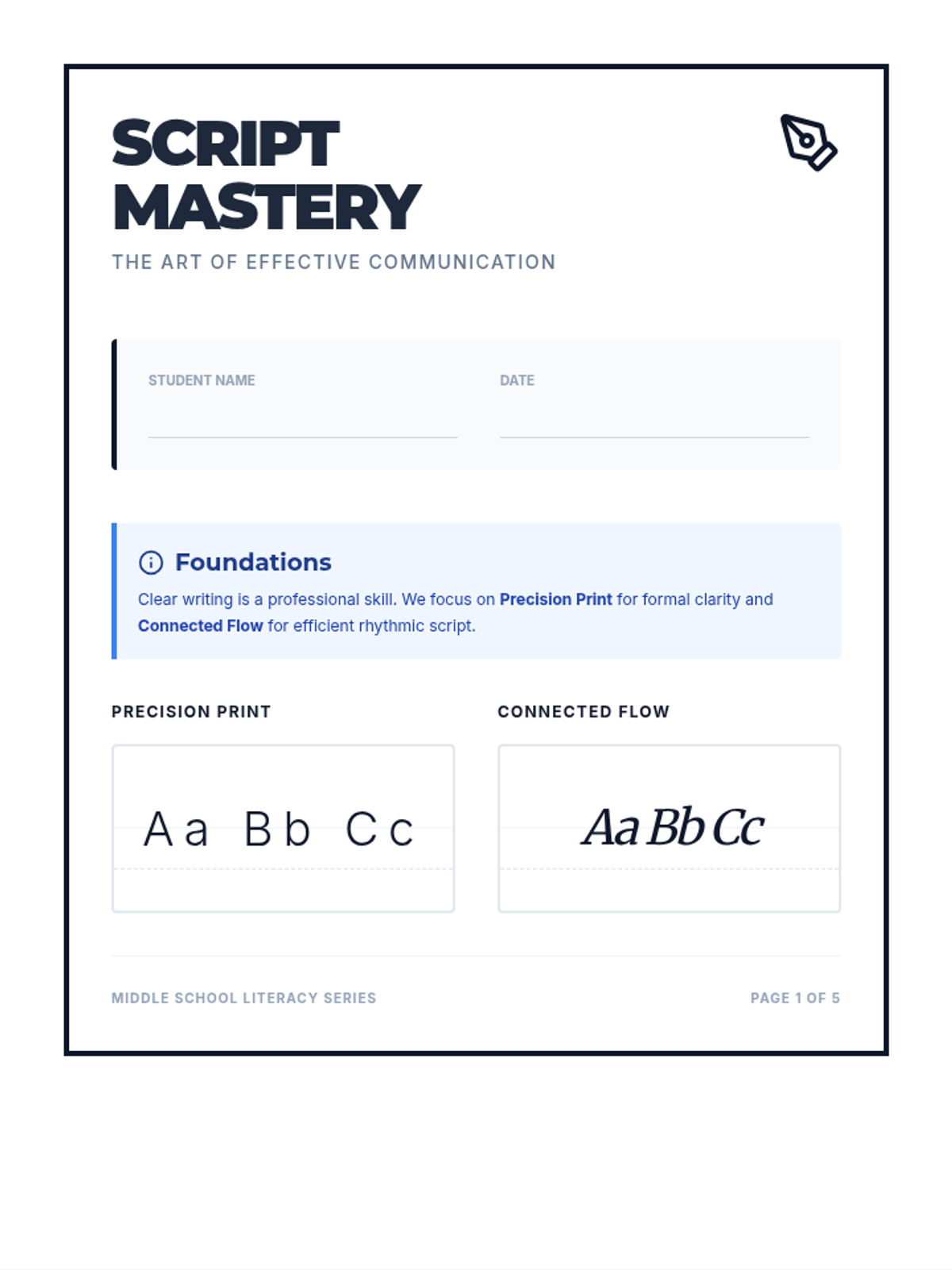
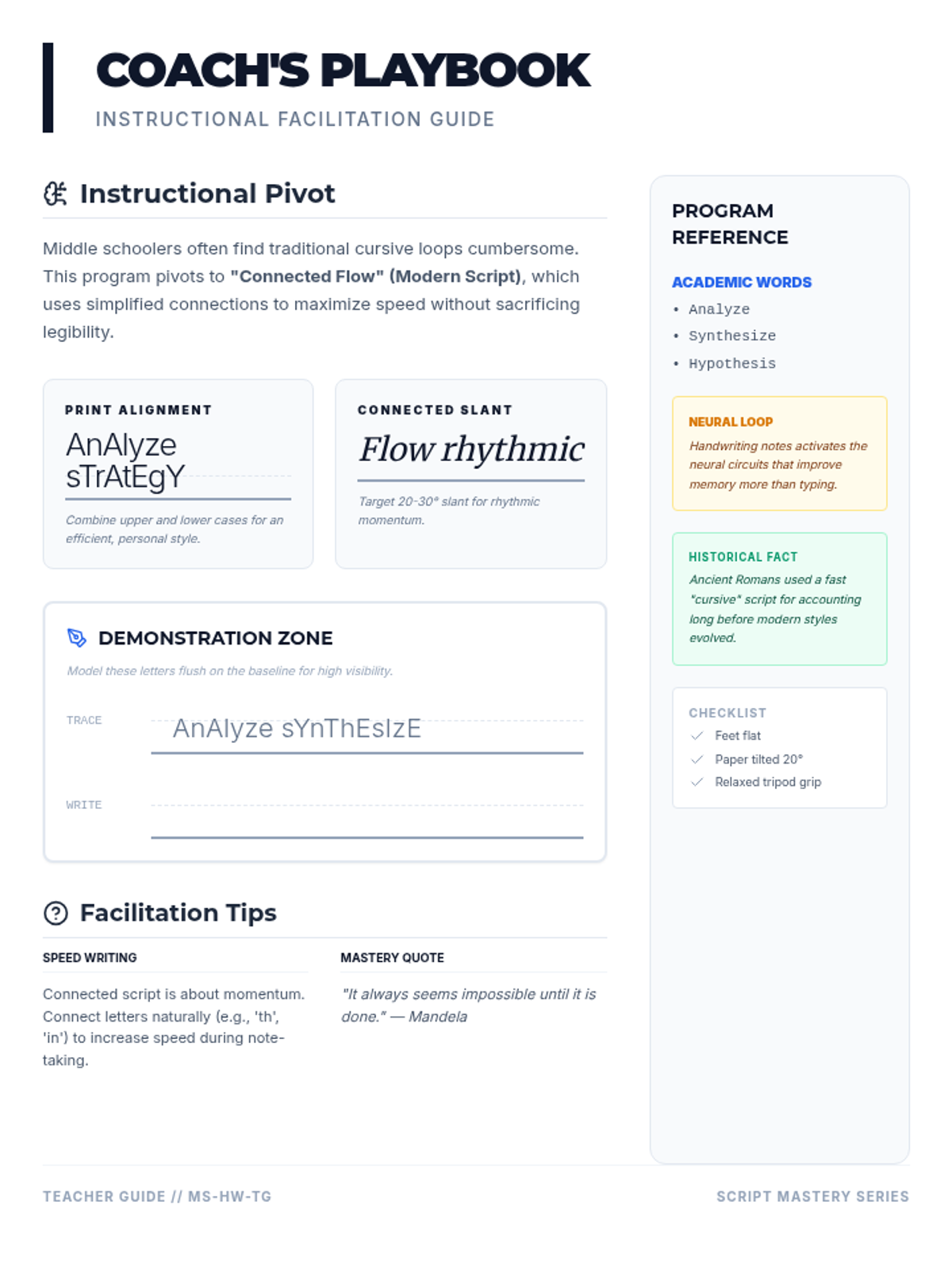
A comprehensive handwriting improvement program for middle school students, blending print and cursive techniques using engaging academic and motivational content.
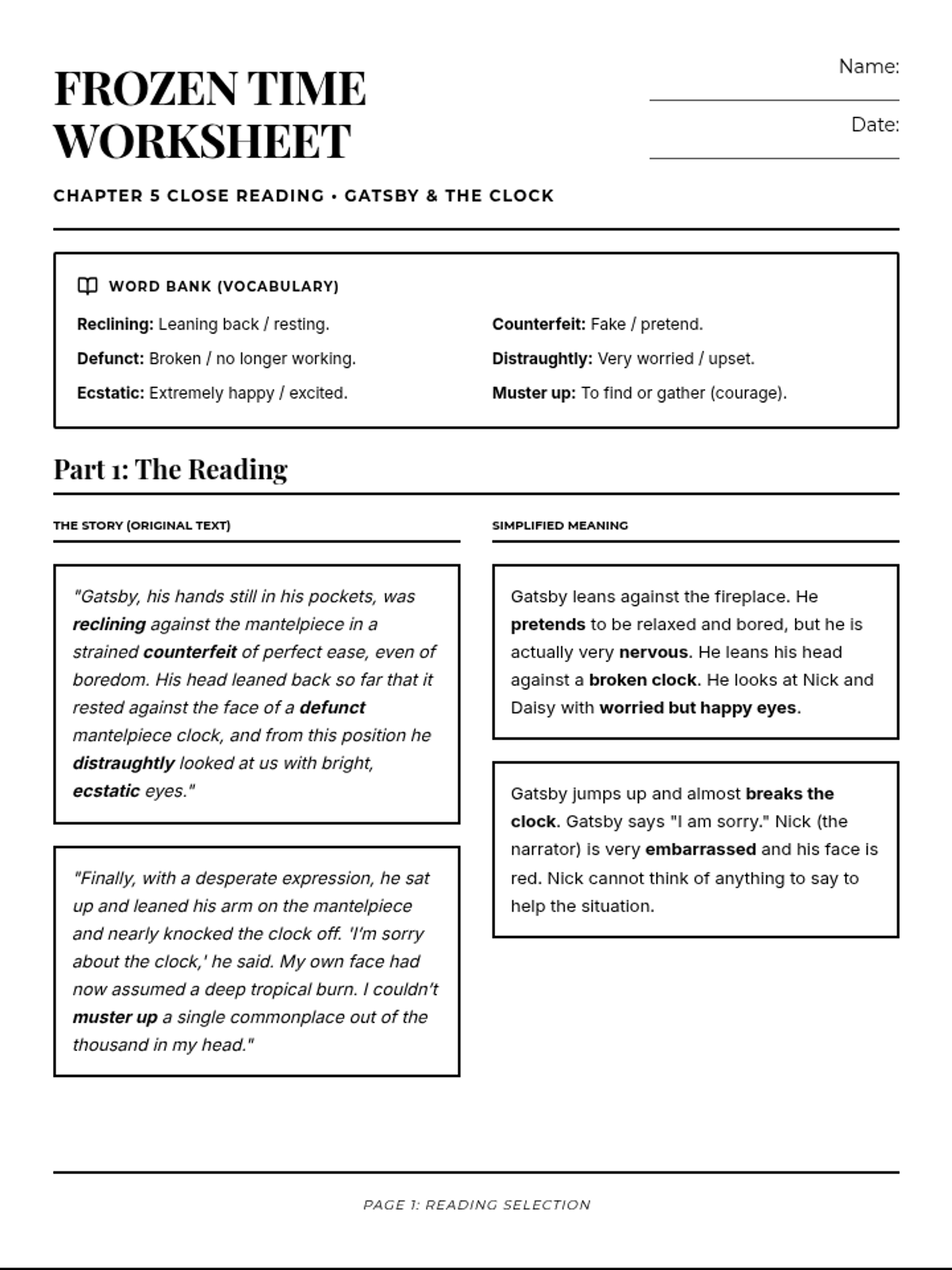
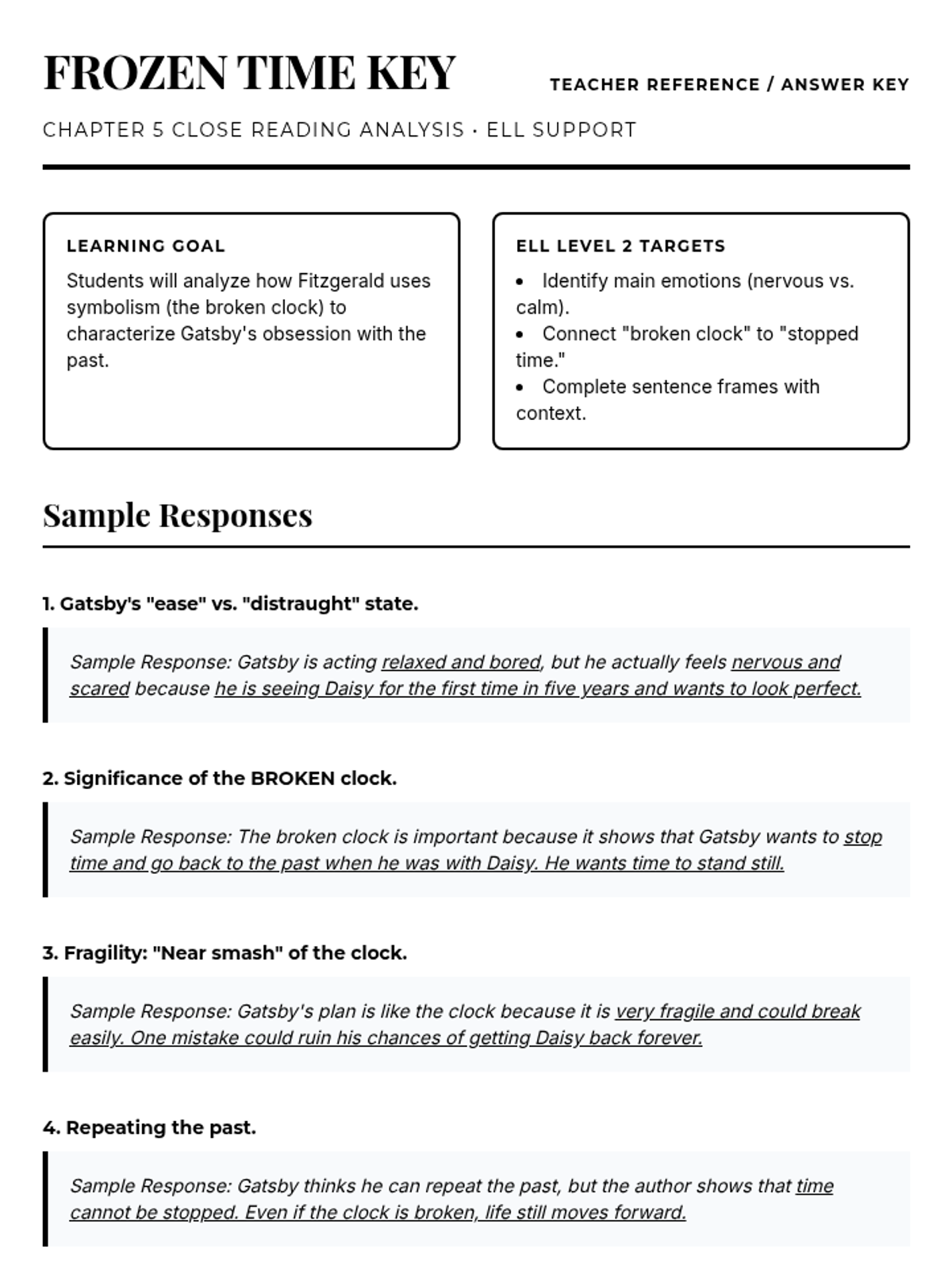
A focused close reading lesson of Chapter 5 from The Great Gatsby, focusing on the symbolism of the broken clock and Gatsby's attempts to control time, specifically scaffolded for ELL Level 2 students.
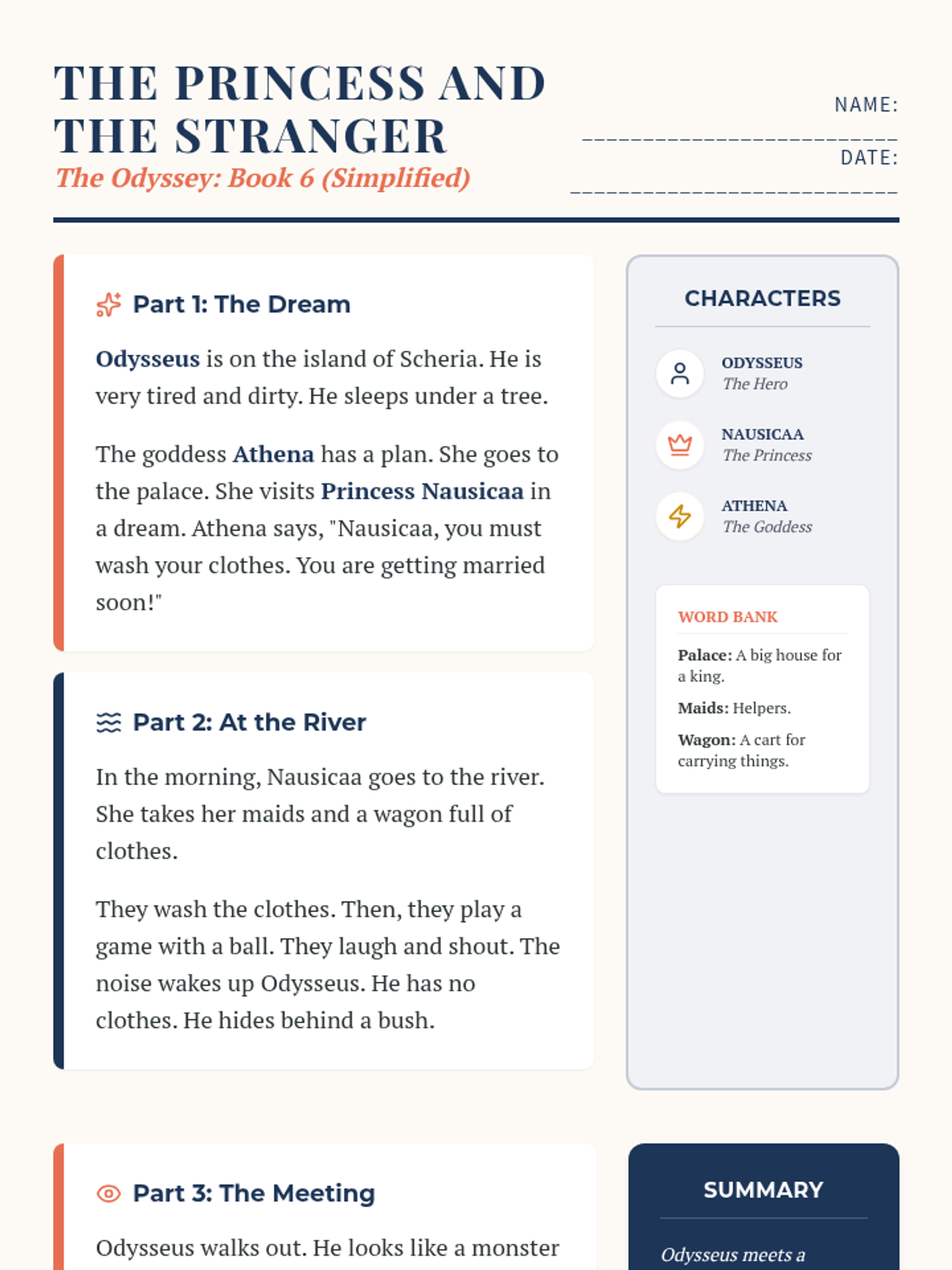
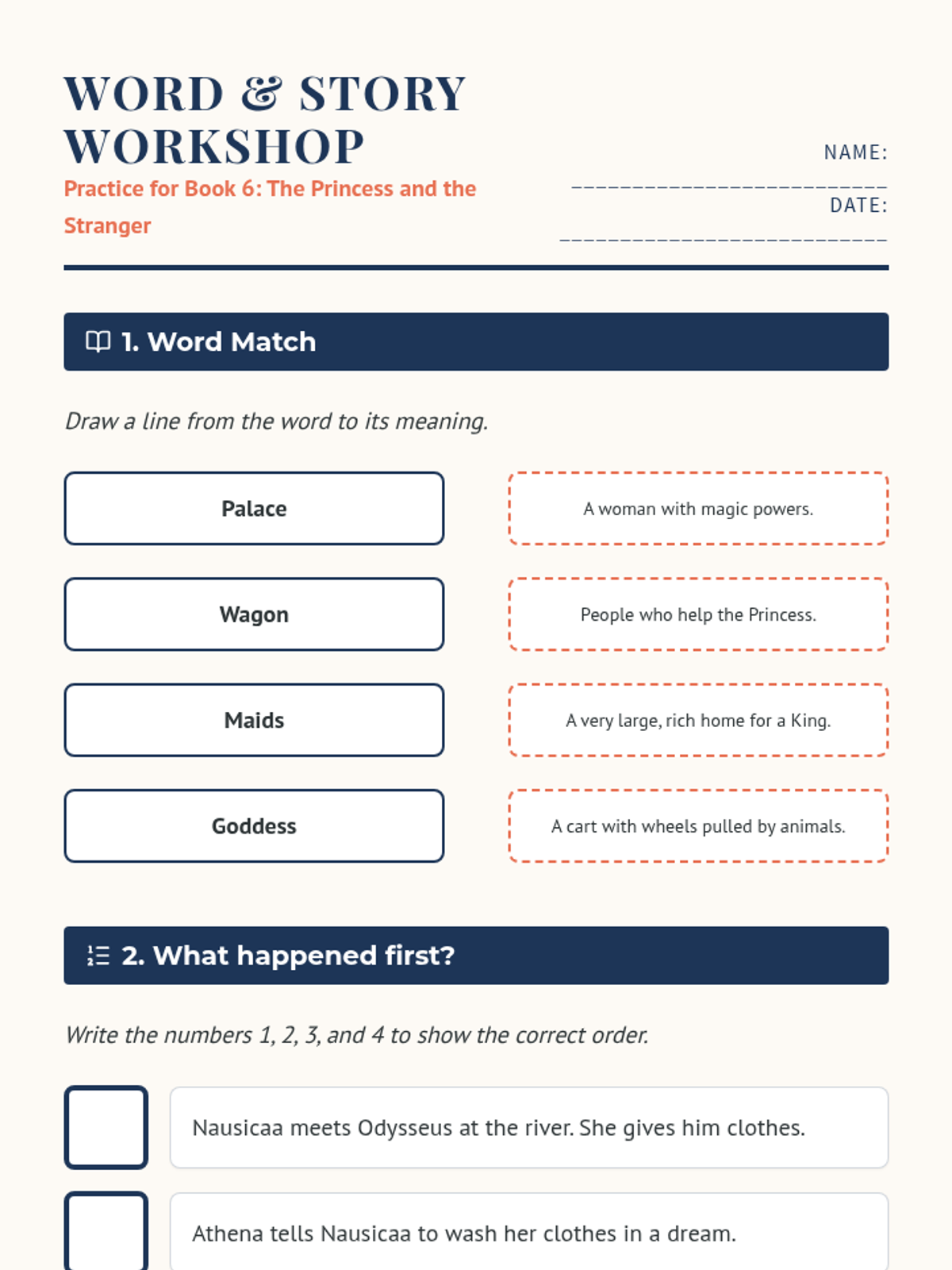
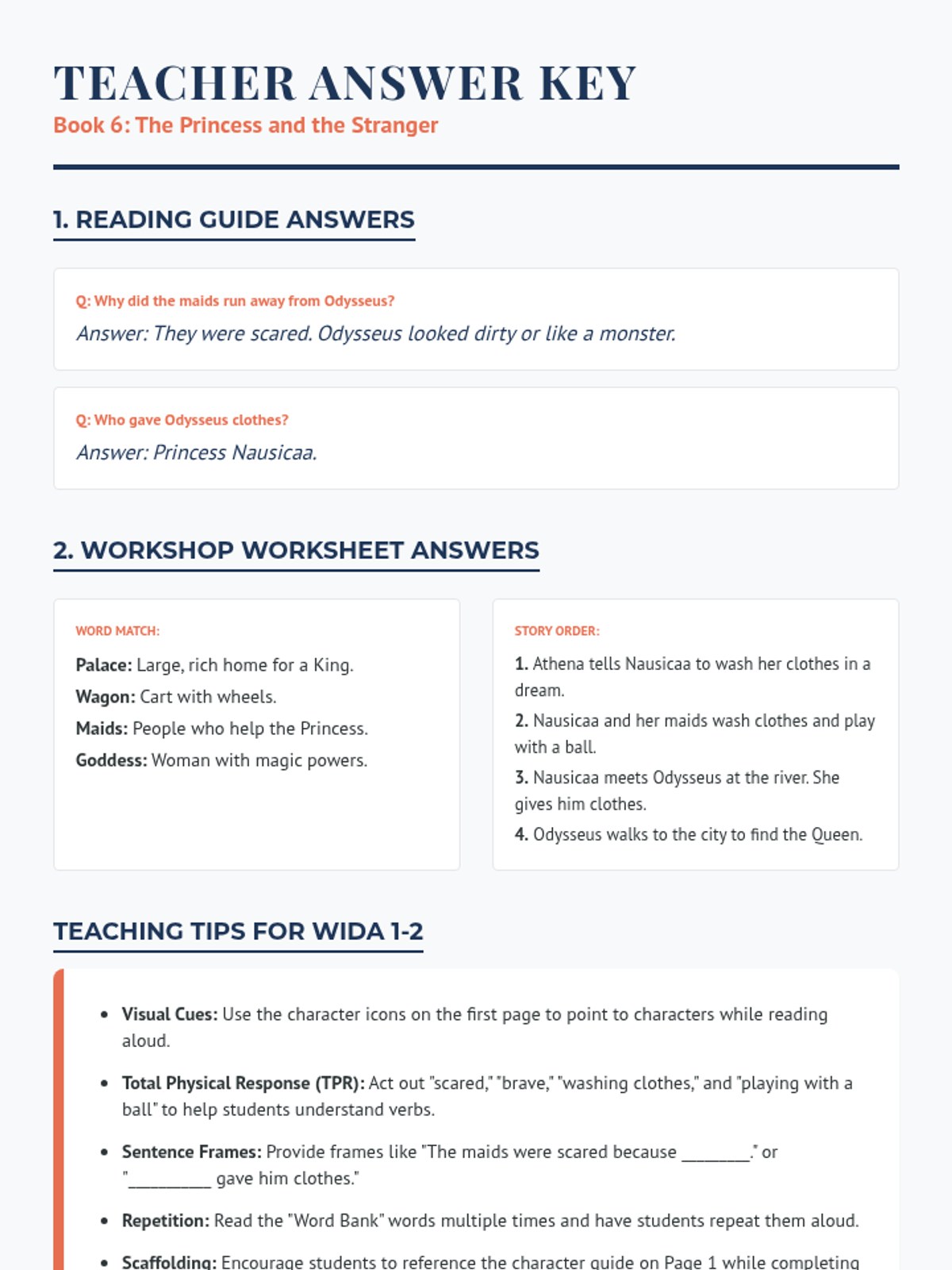
A simplified exploration of Book 6 of Homer's Odyssey, designed for WIDA Level 1-2 ELL students. The lesson focuses on key characters, basic plot sequencing, and essential vocabulary through a high-interest narrative.
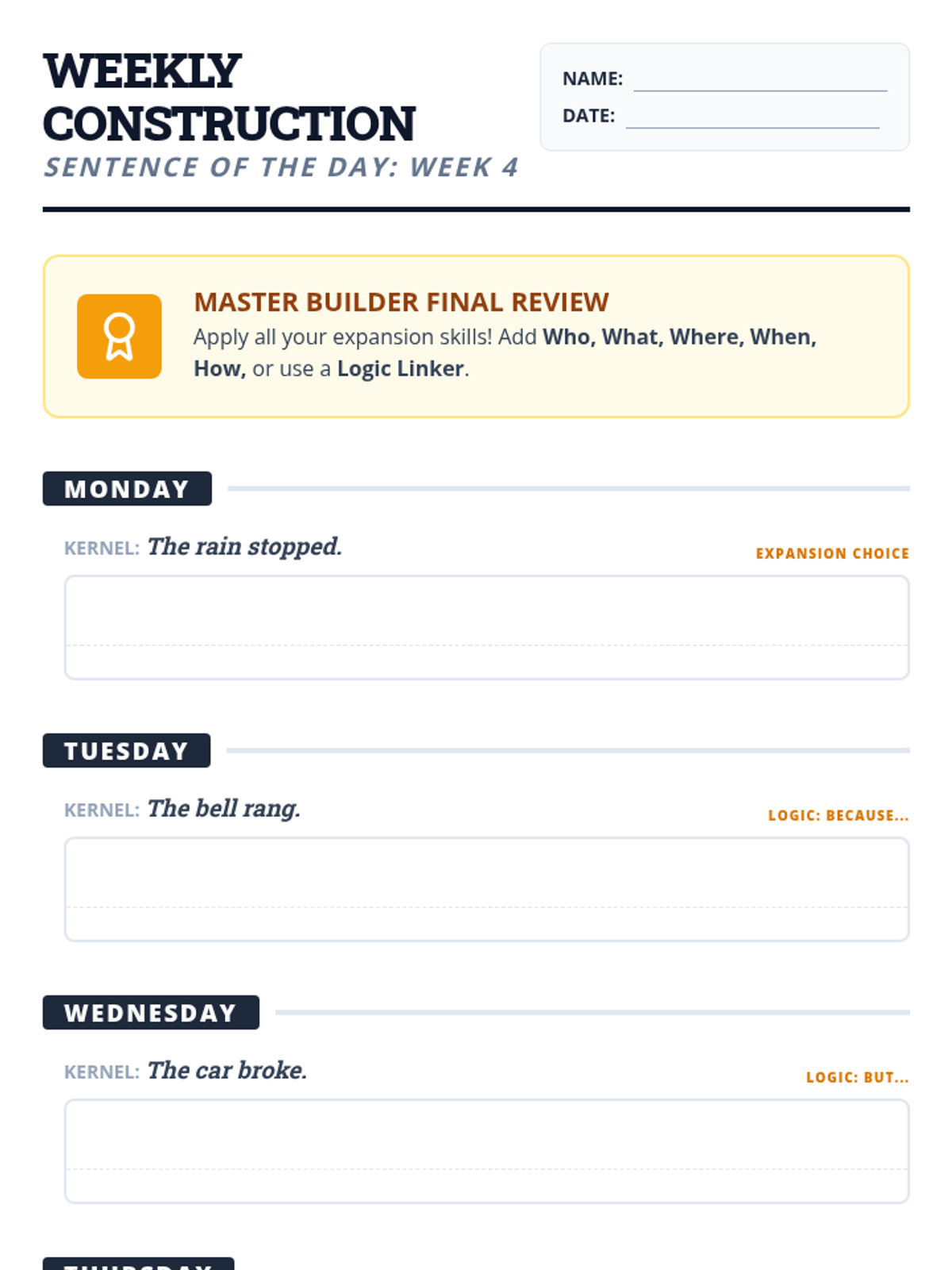
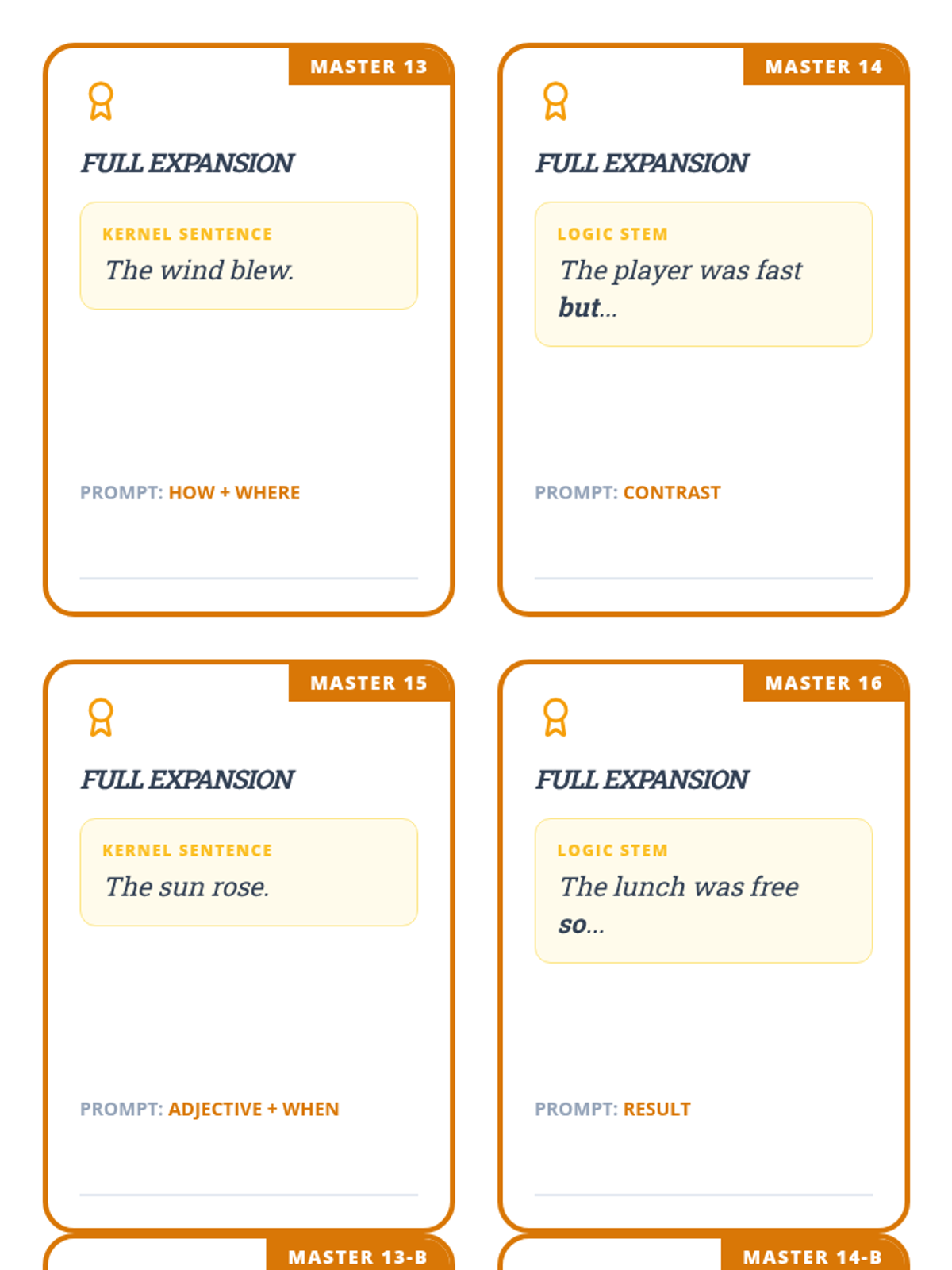
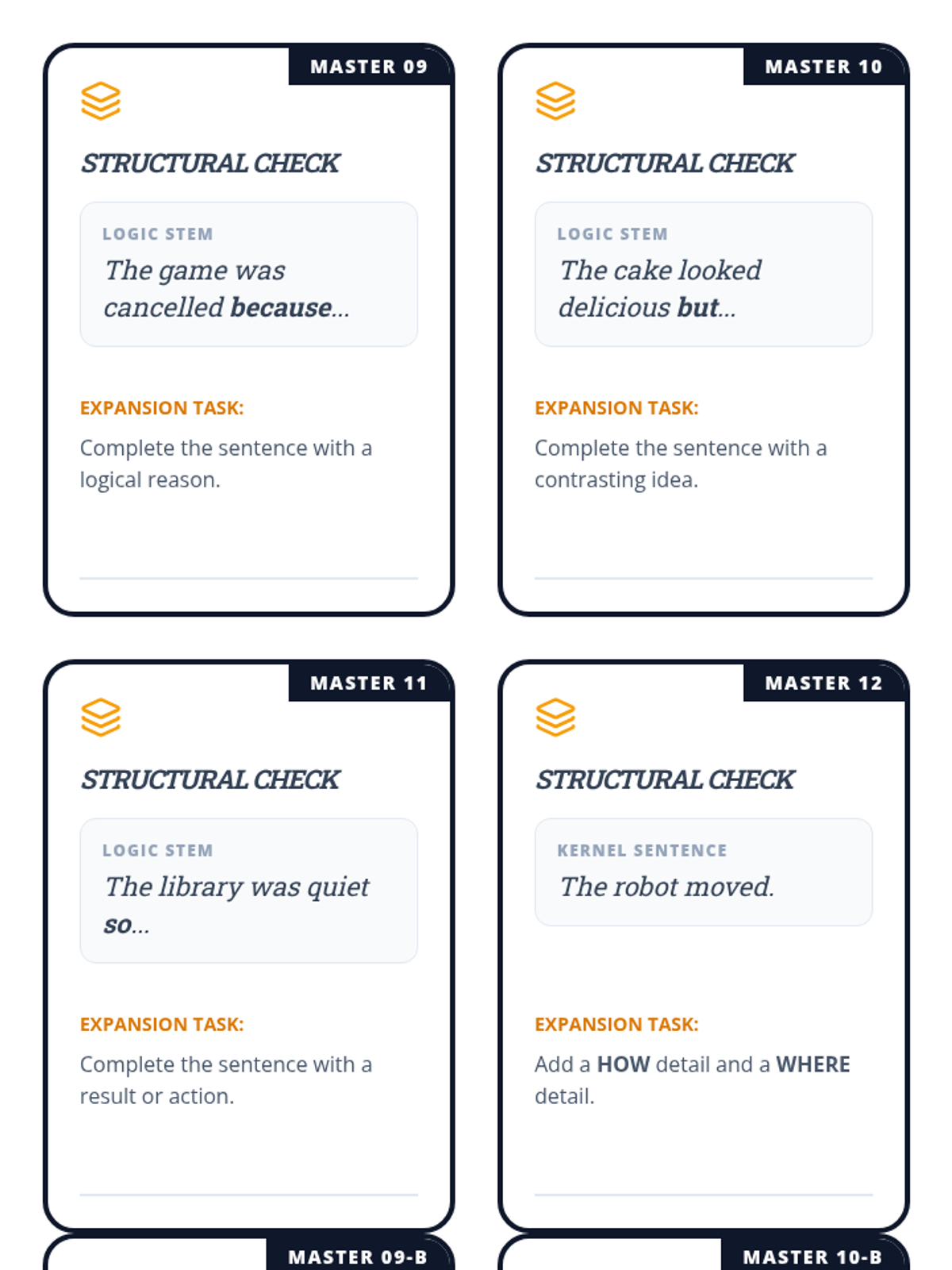
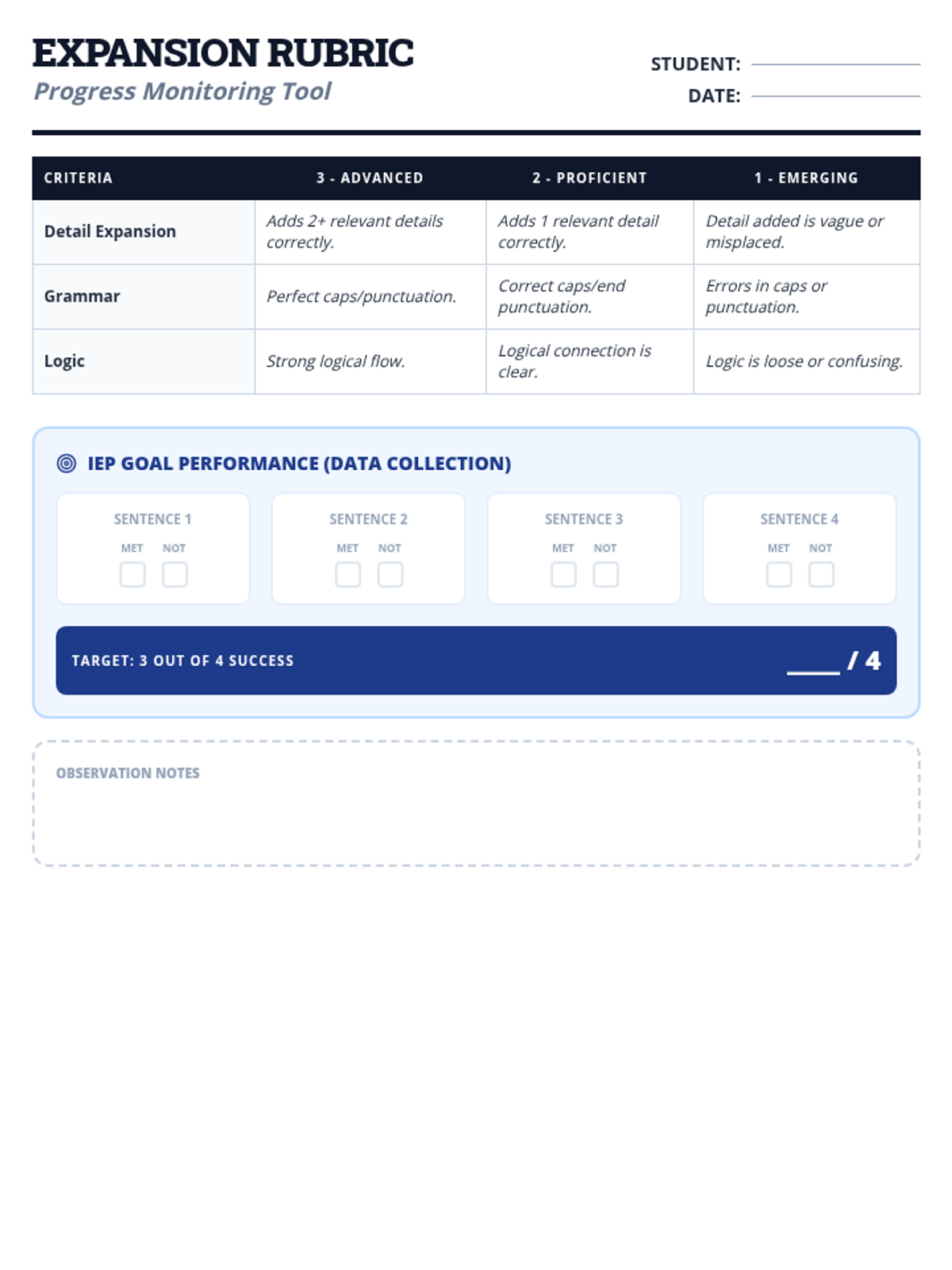
The final review lesson where students apply all previous strategies (adjectives, situational details, and logical conjunctions) to create complex and polished sentences.
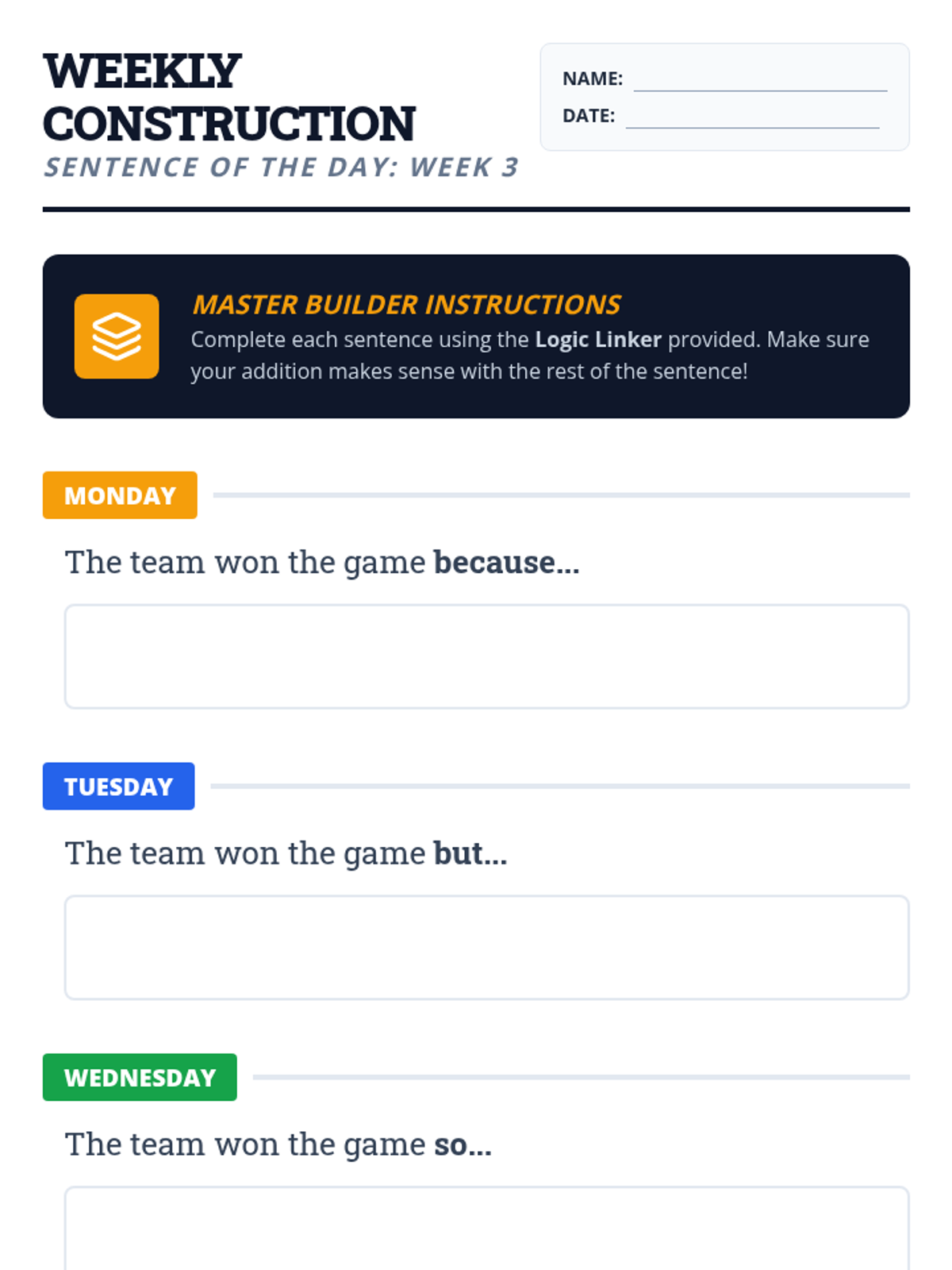
The final lesson focuses on using 'Because, But, So' to expand sentences logically and demonstrate deeper reasoning and detail.
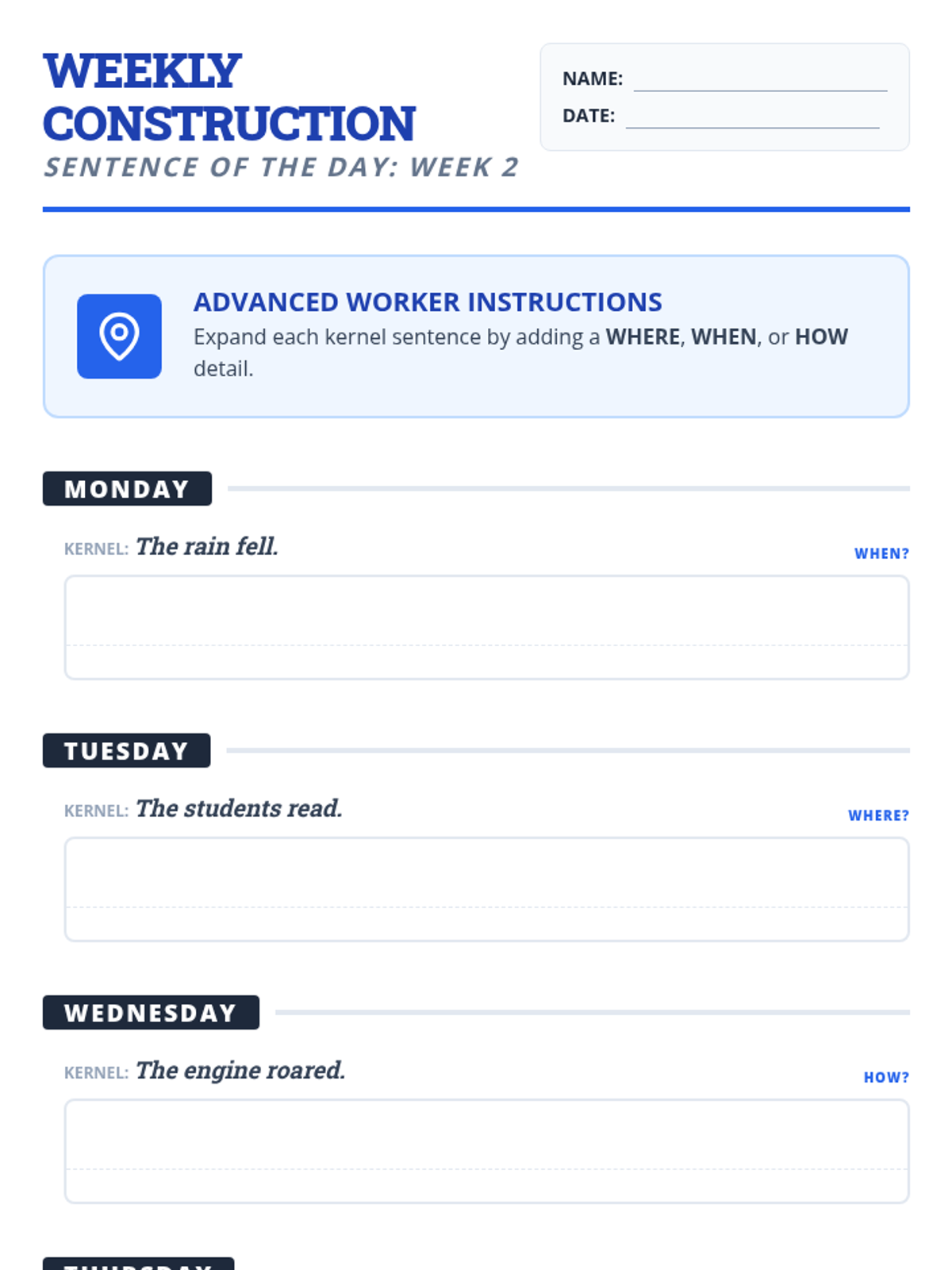
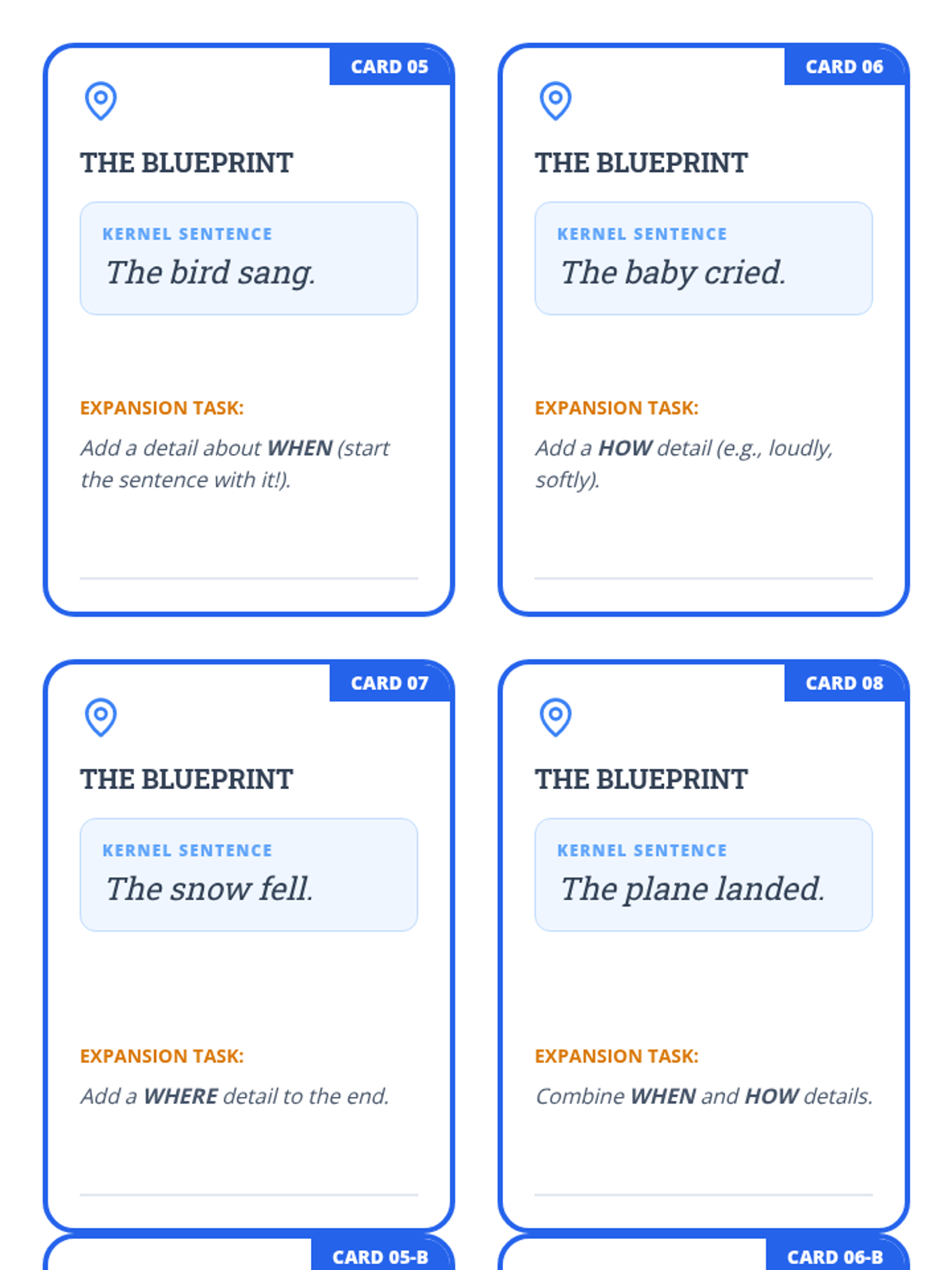
In this lesson, students learn to add situational details to their sentences using 'Where', 'When', and 'How' question words.
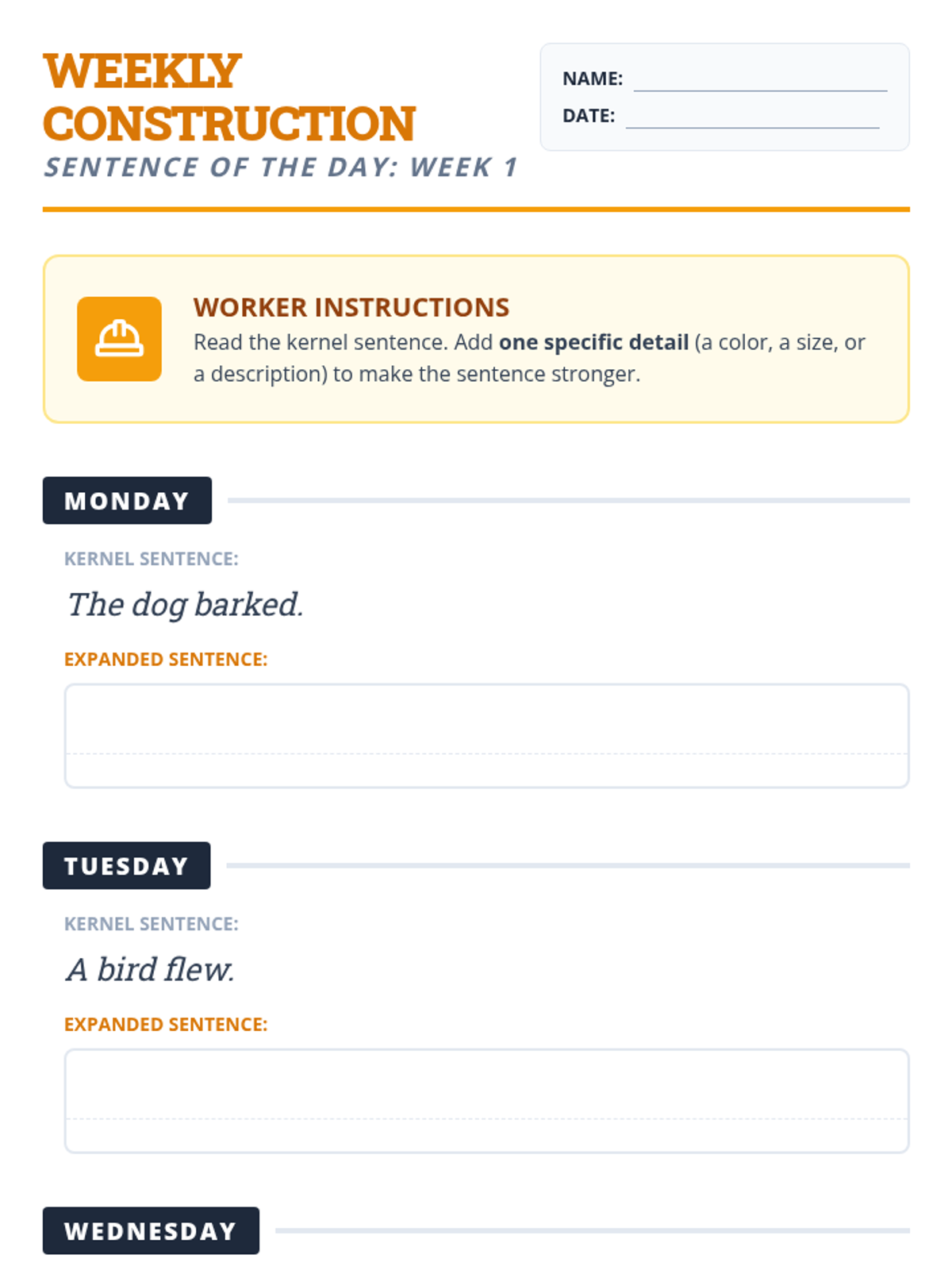
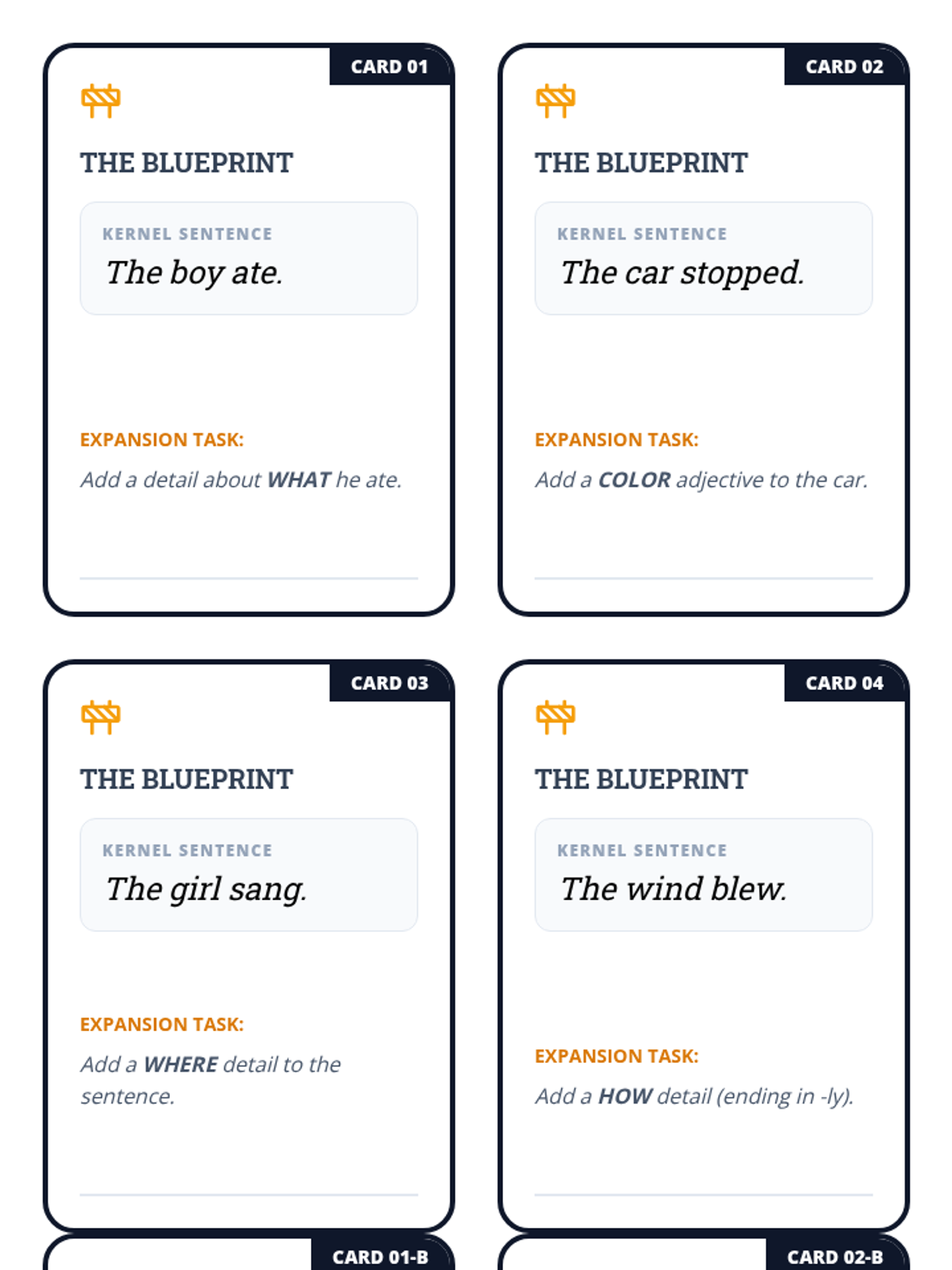
This lesson introduces the concept of a complete sentence versus a fragment and begins basic sentence expansion using 'Who' and 'What' details.
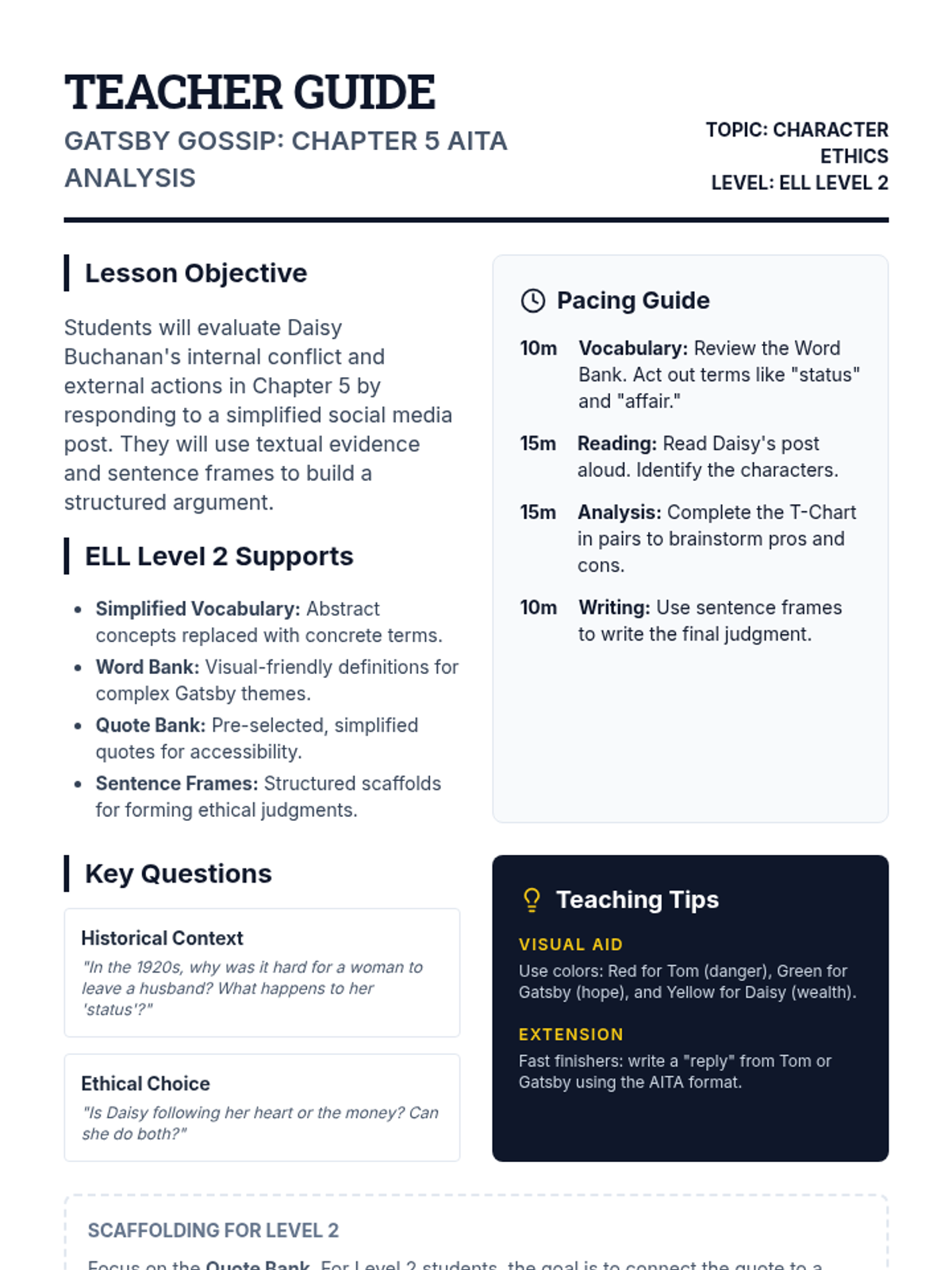
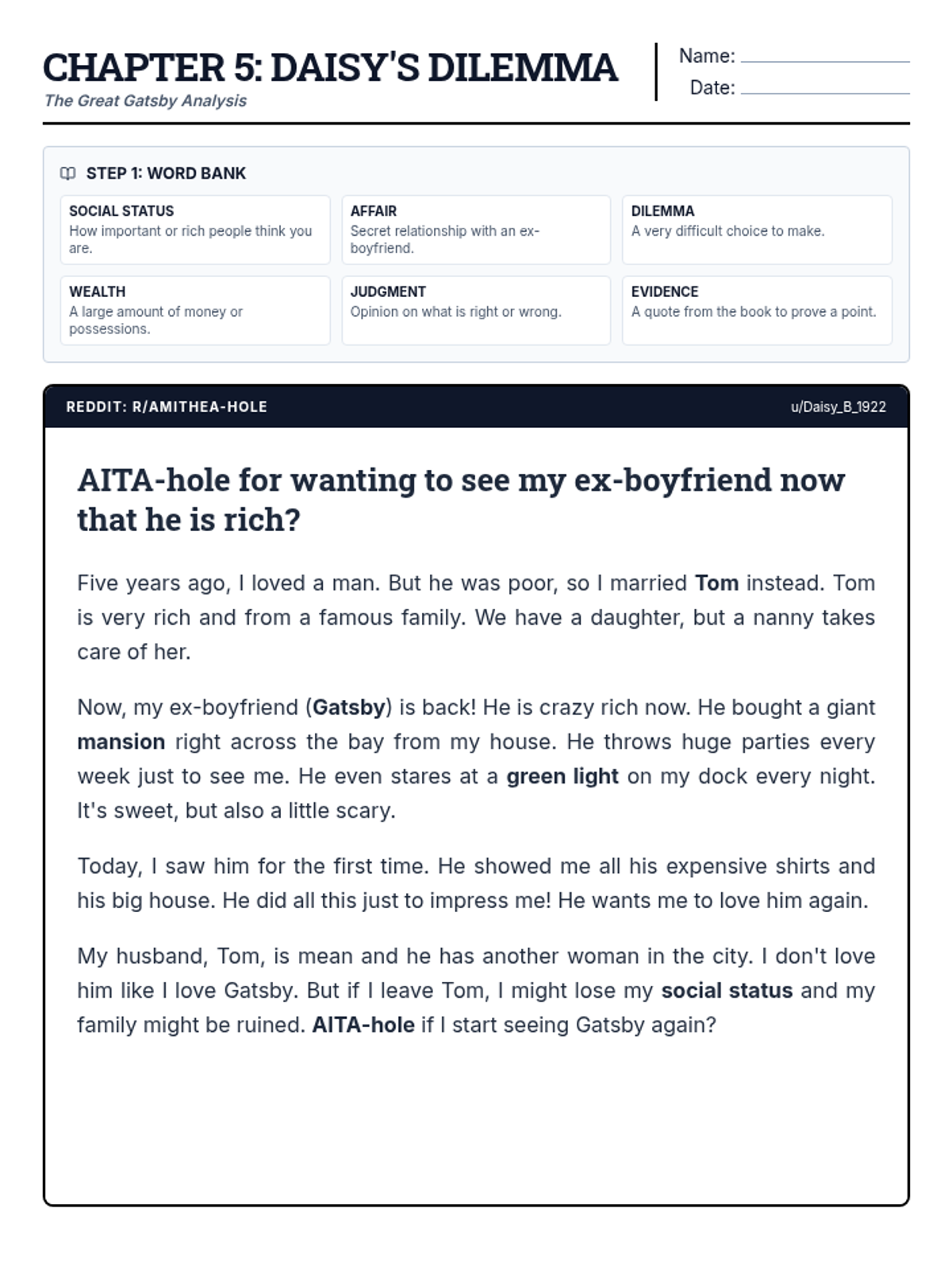
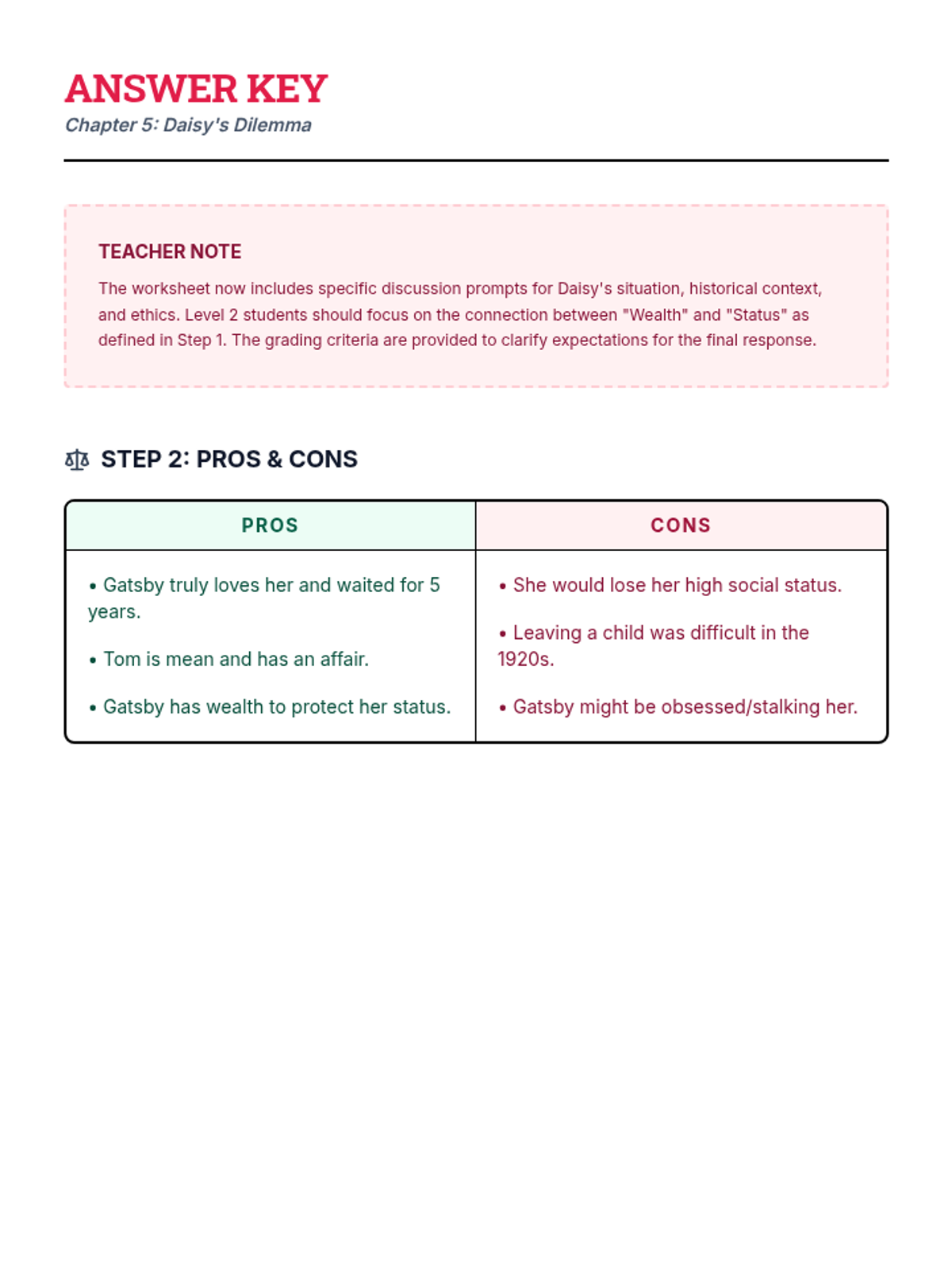
A lesson analyzing Daisy Buchanan's dilemma in Chapter 5 of The Great Gatsby through a modern 'Am I The Asshole' social media lens, scaffolded specifically for ELL Level 2 students.
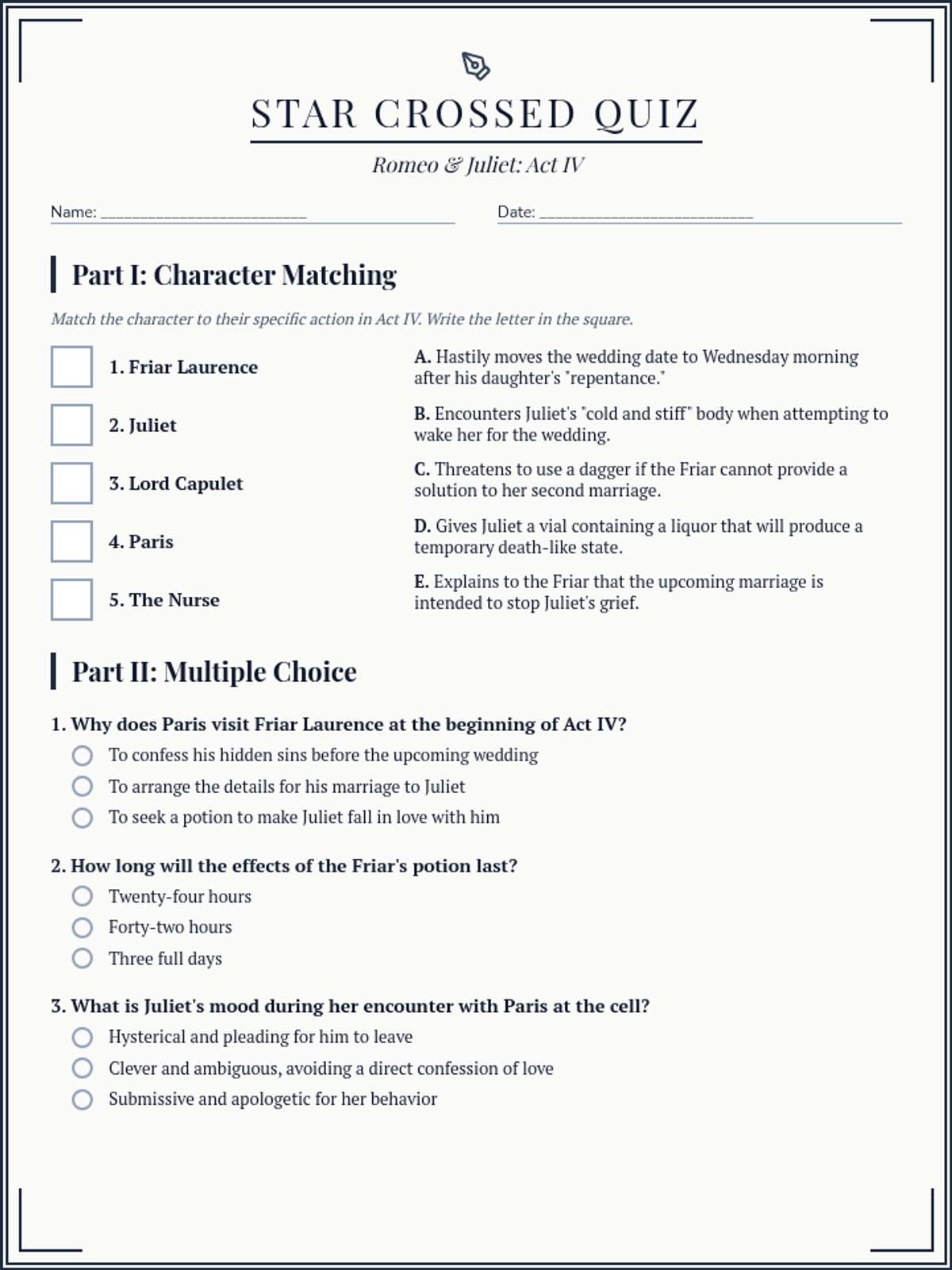
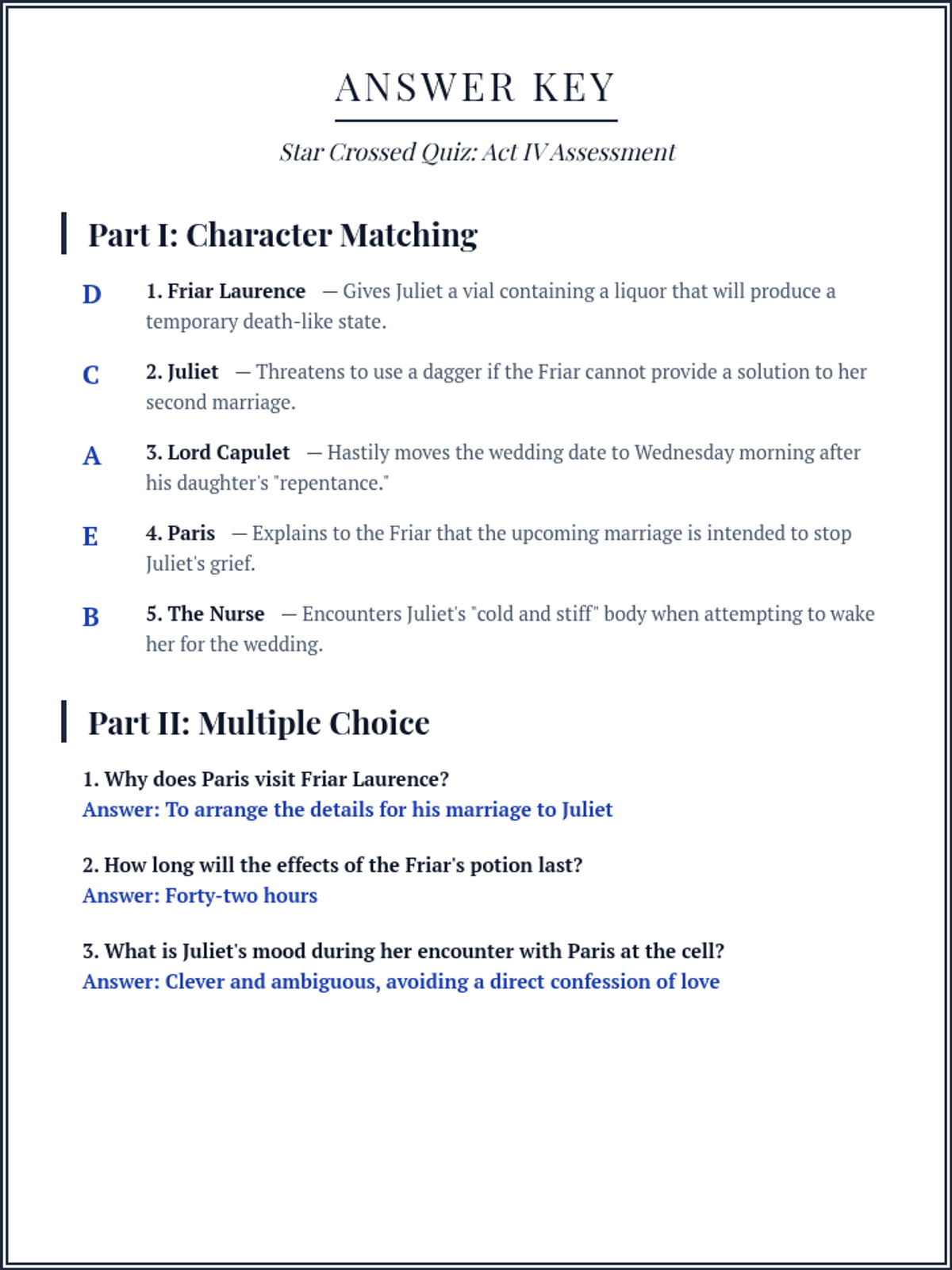
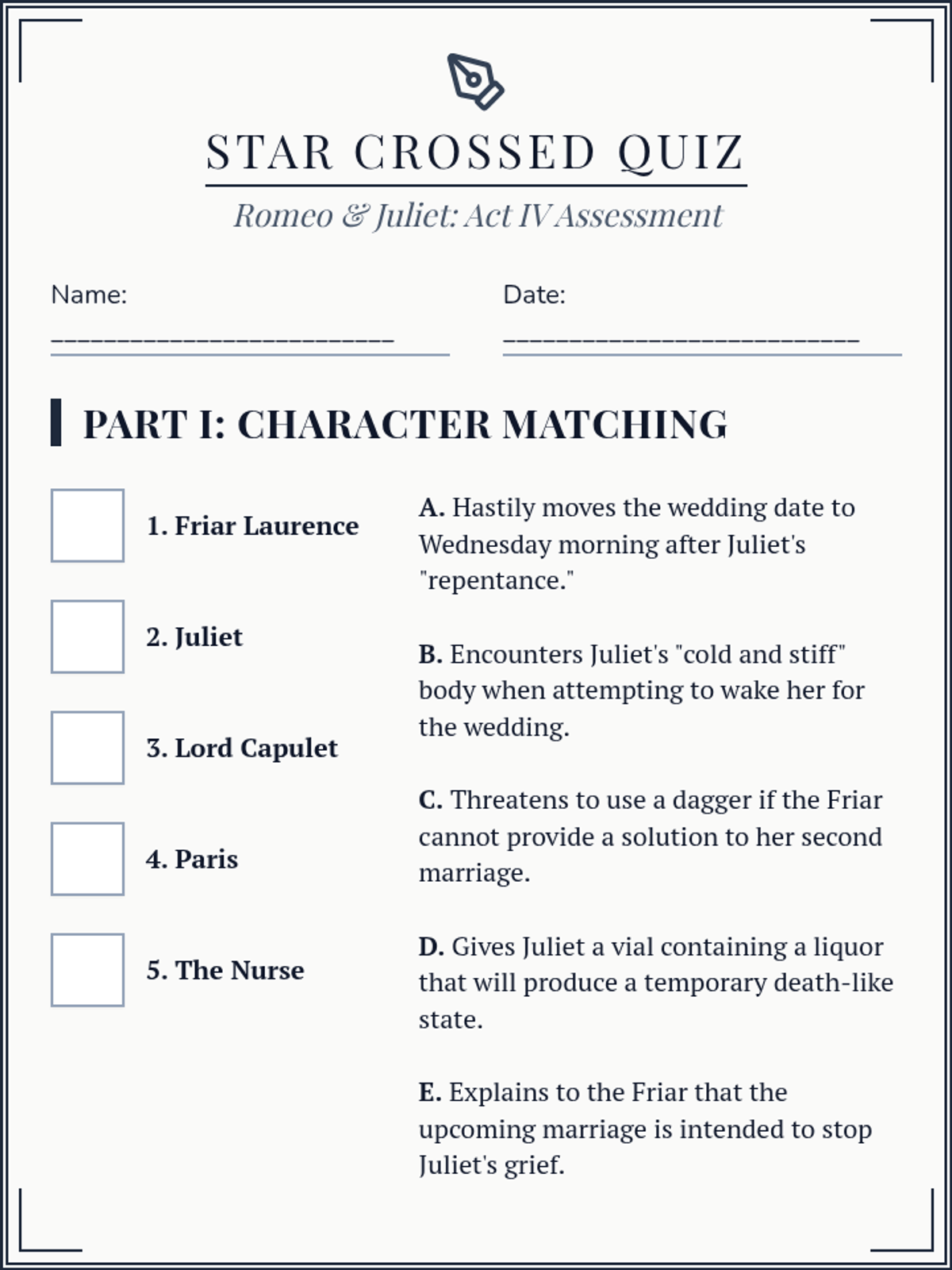
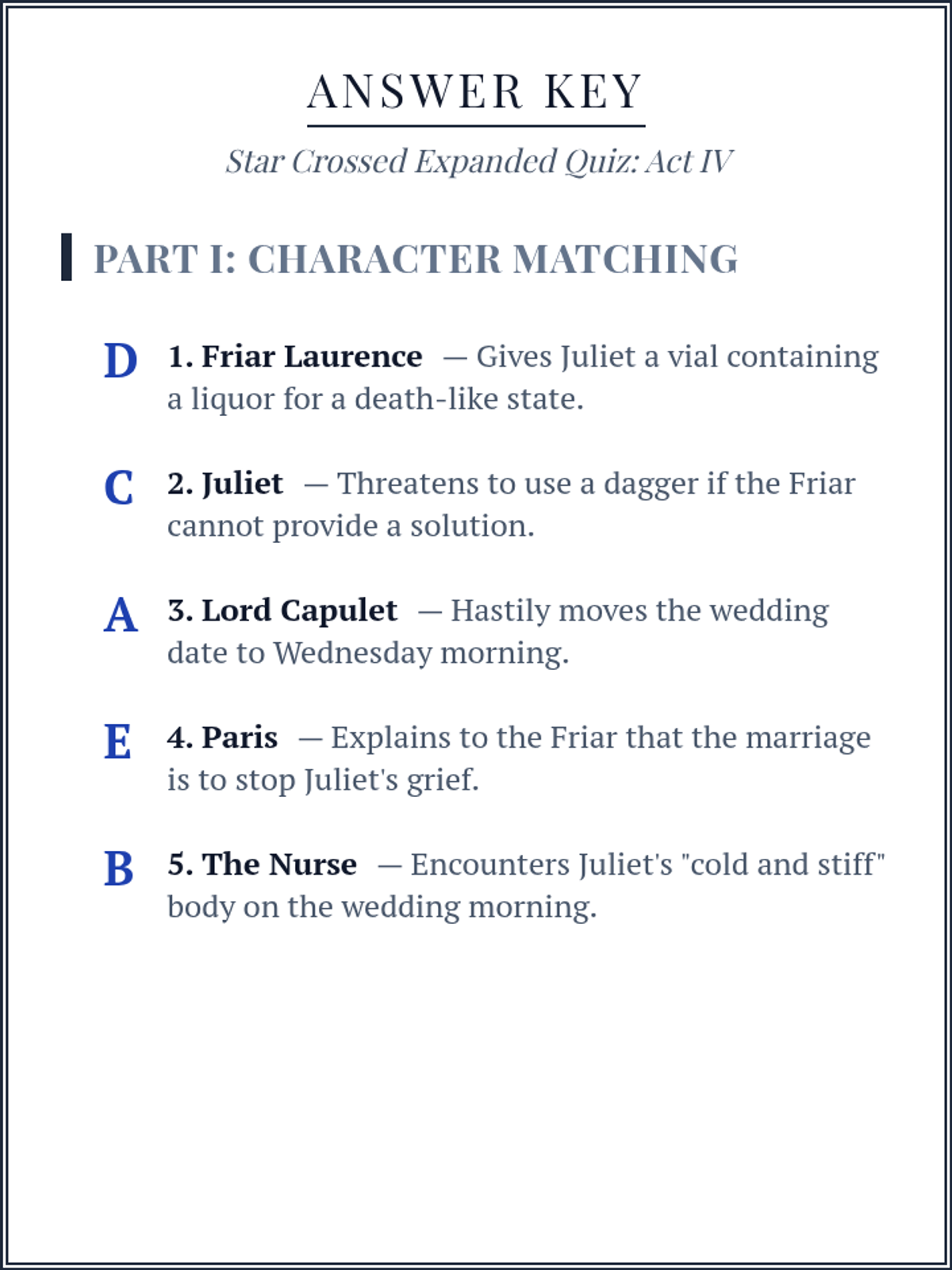
A focused assessment on the pivotal events of Act IV in Shakespeare's Romeo and Juliet, covering the Friar's plan and Juliet's desperate measures.
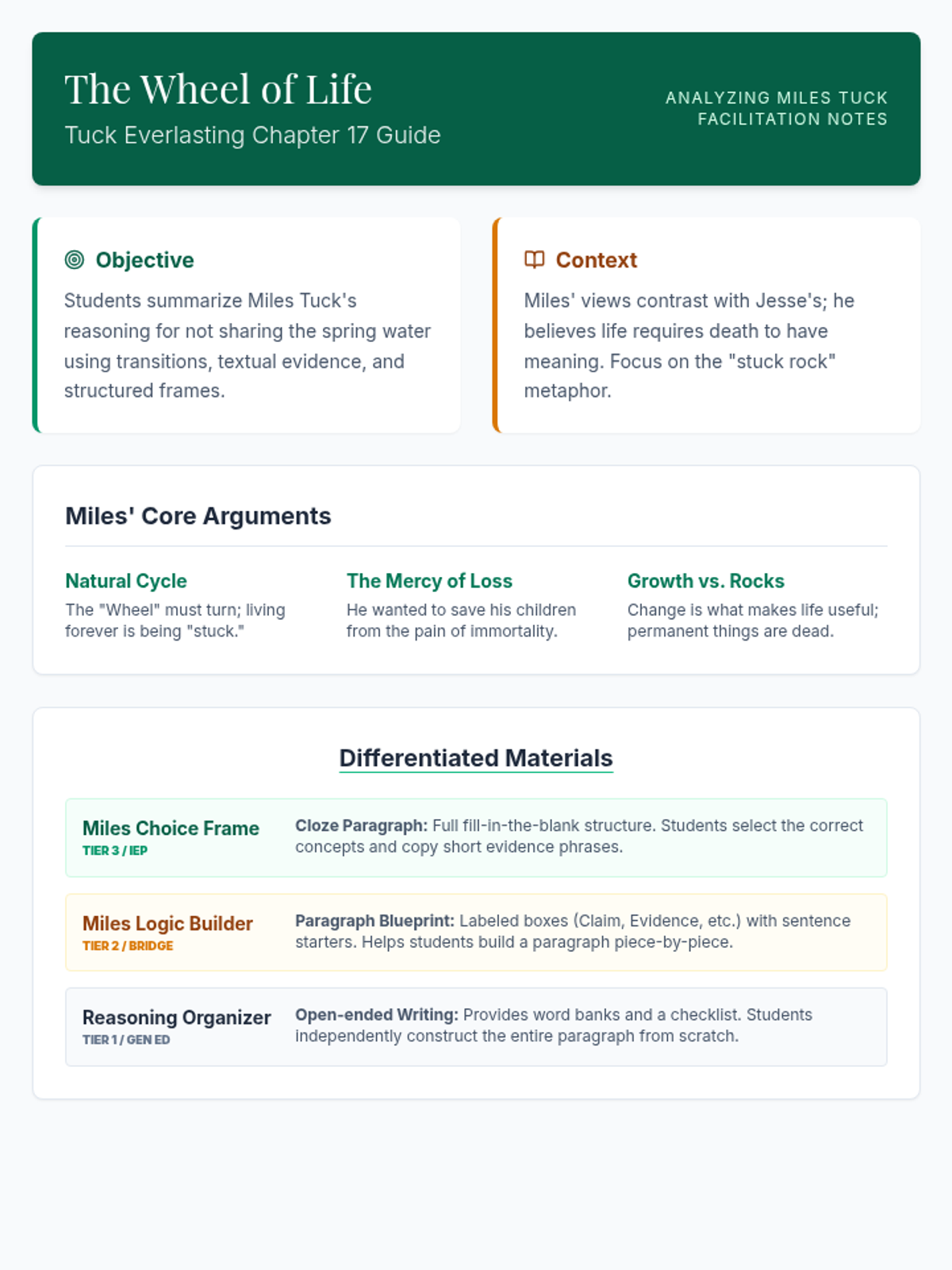
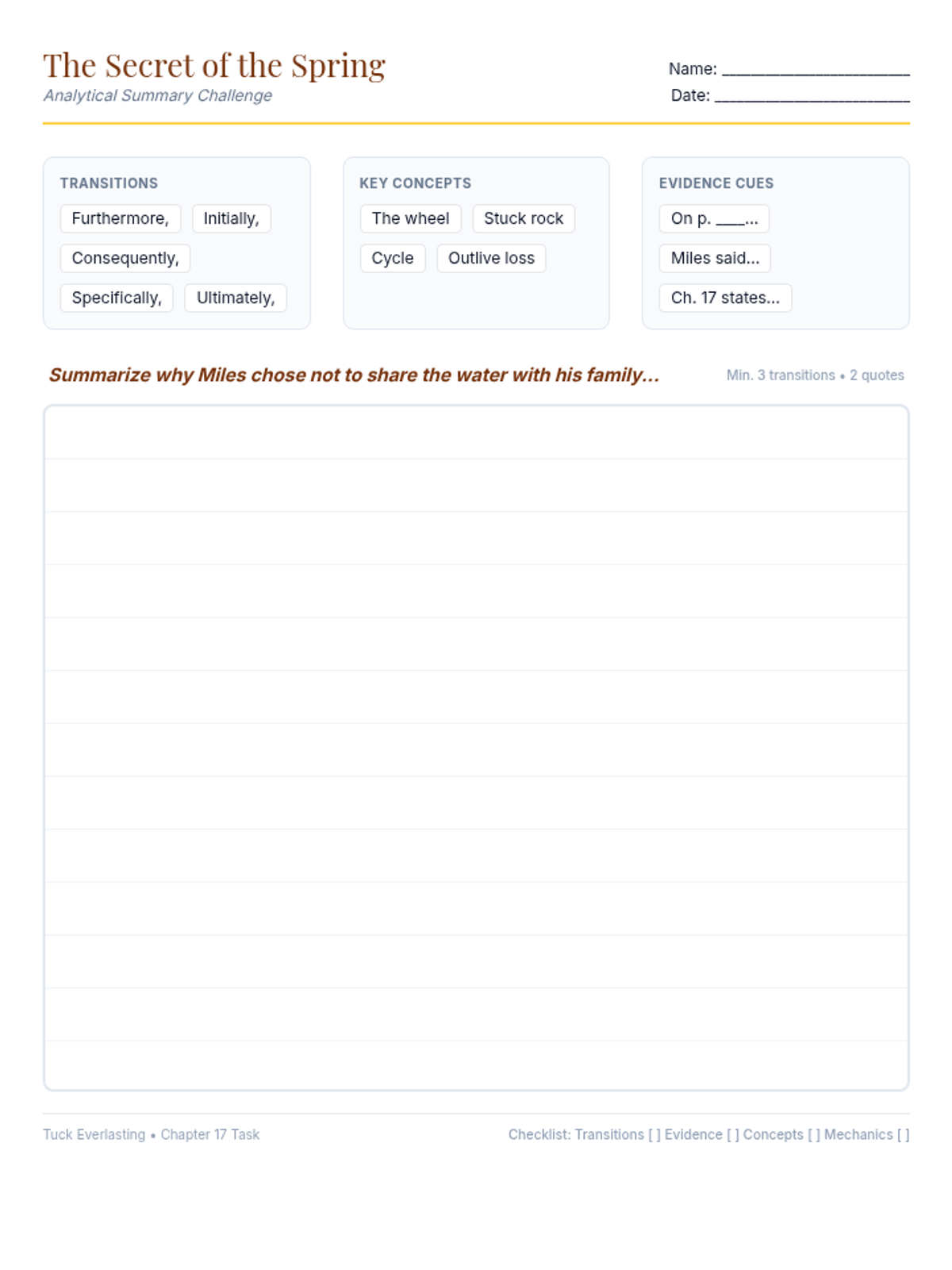
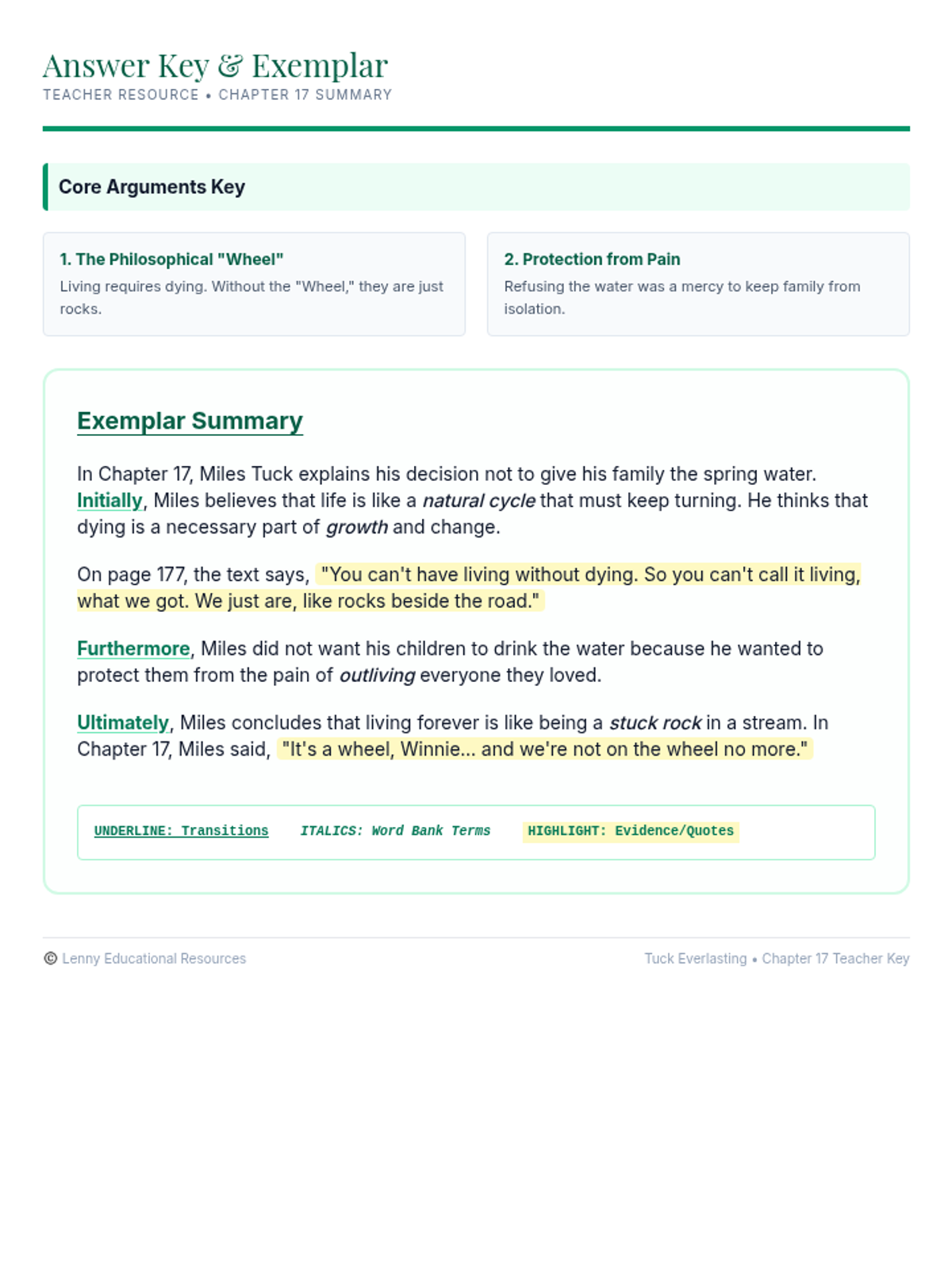
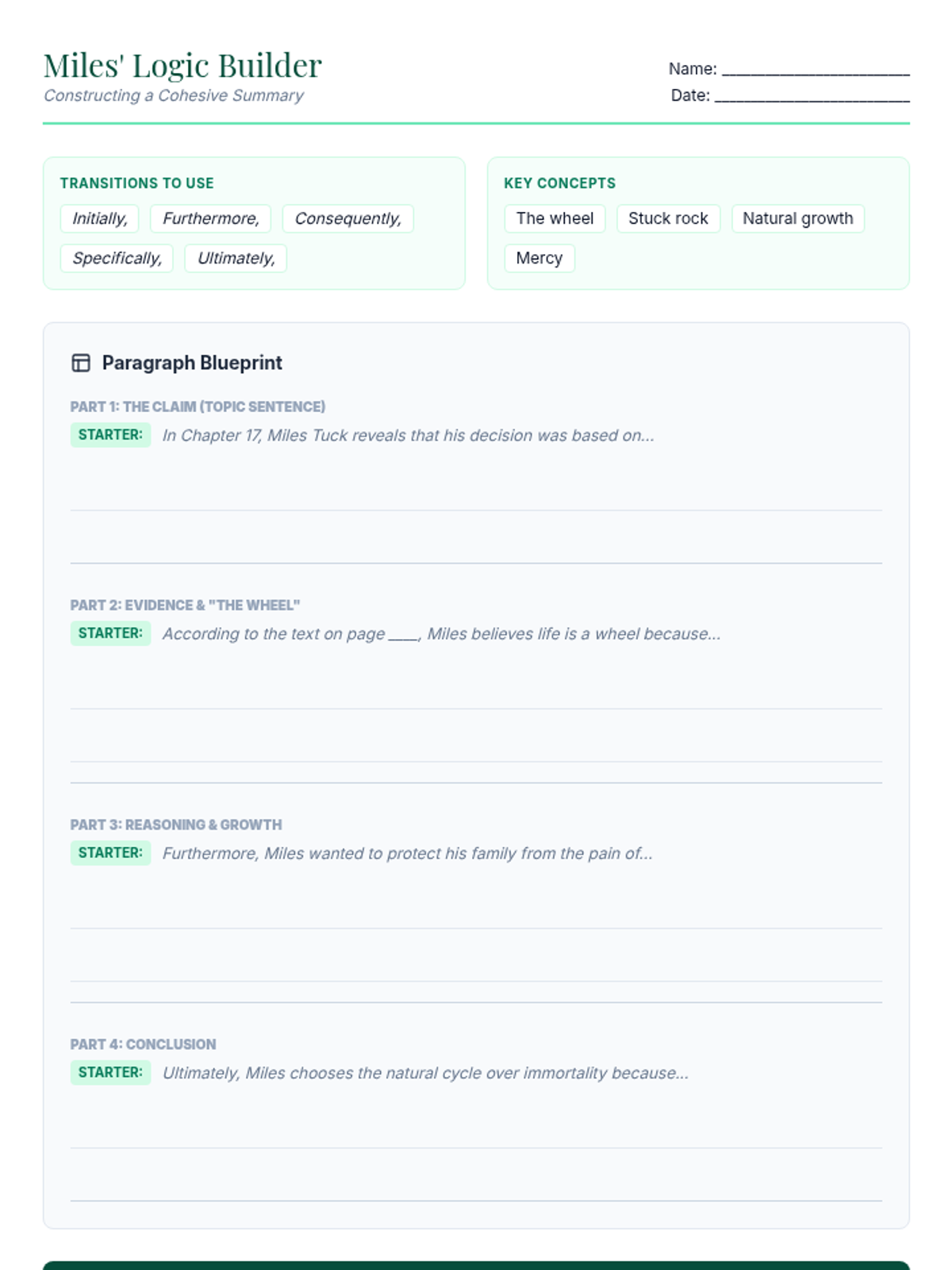
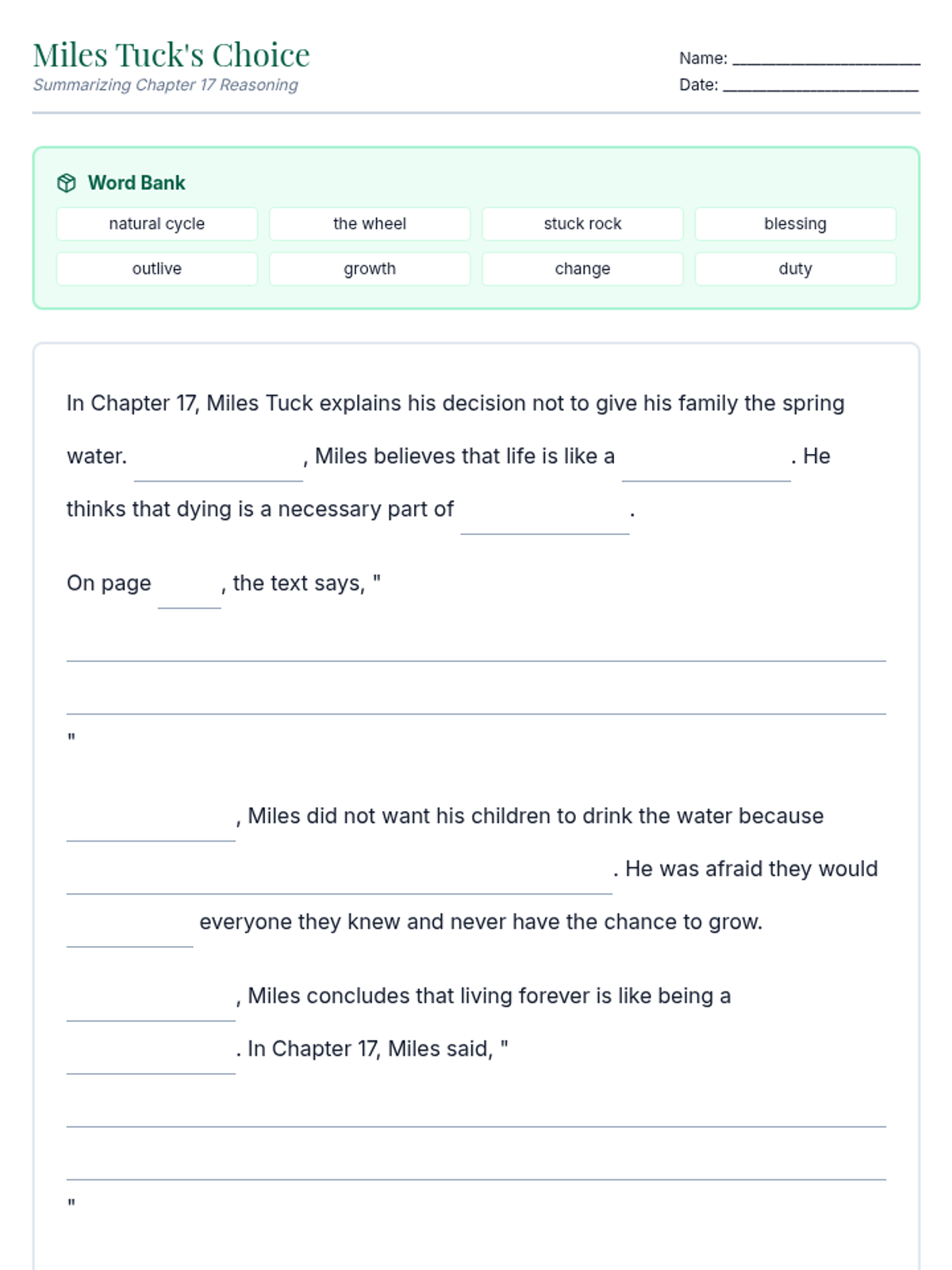
A lesson focused on Chapter 17 of Tuck Everlasting, where students analyze Miles Tuck's complex reasoning for not giving his family the spring water. Students will use transitions and textual evidence to construct a cohesive summary.
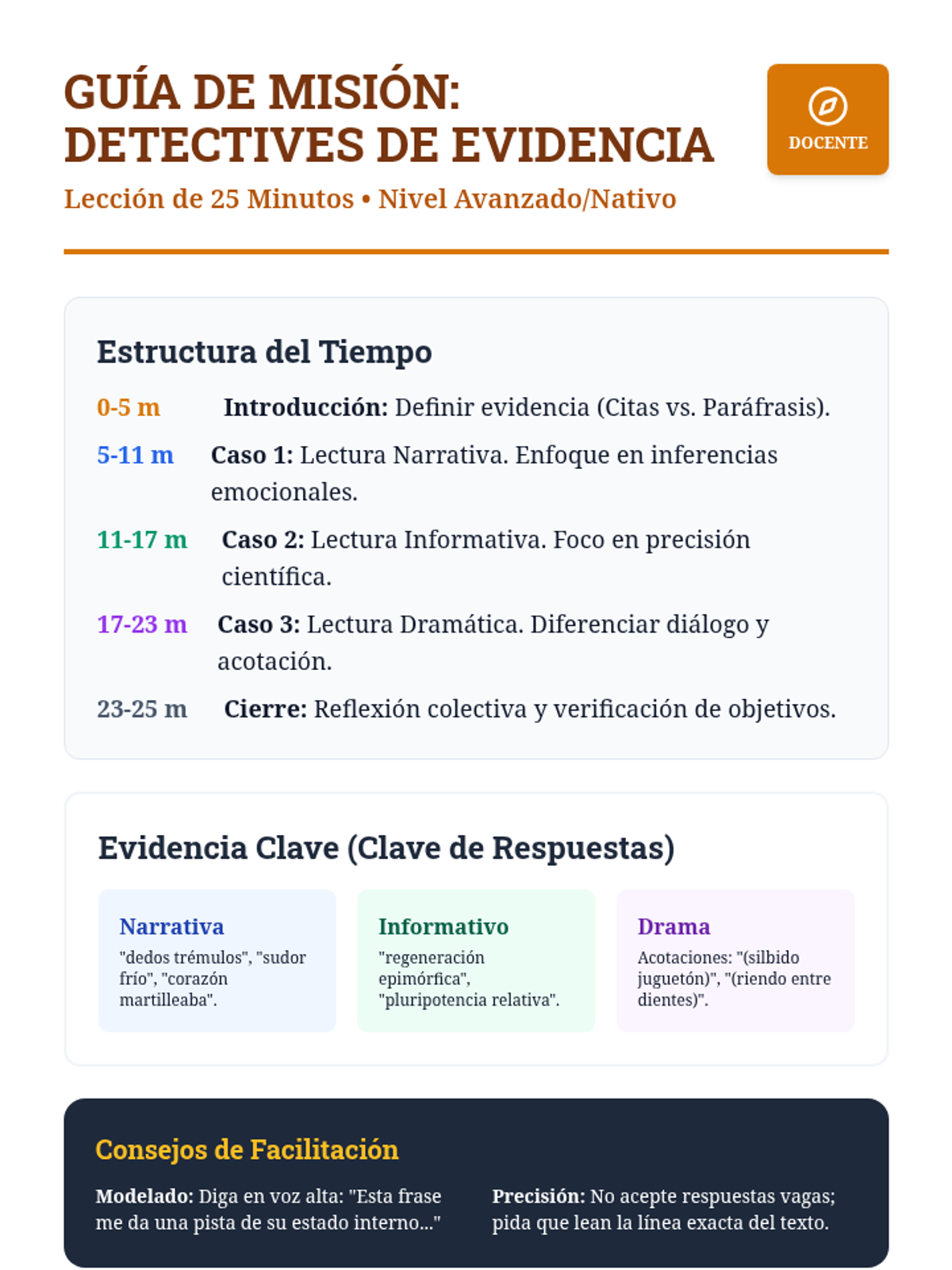
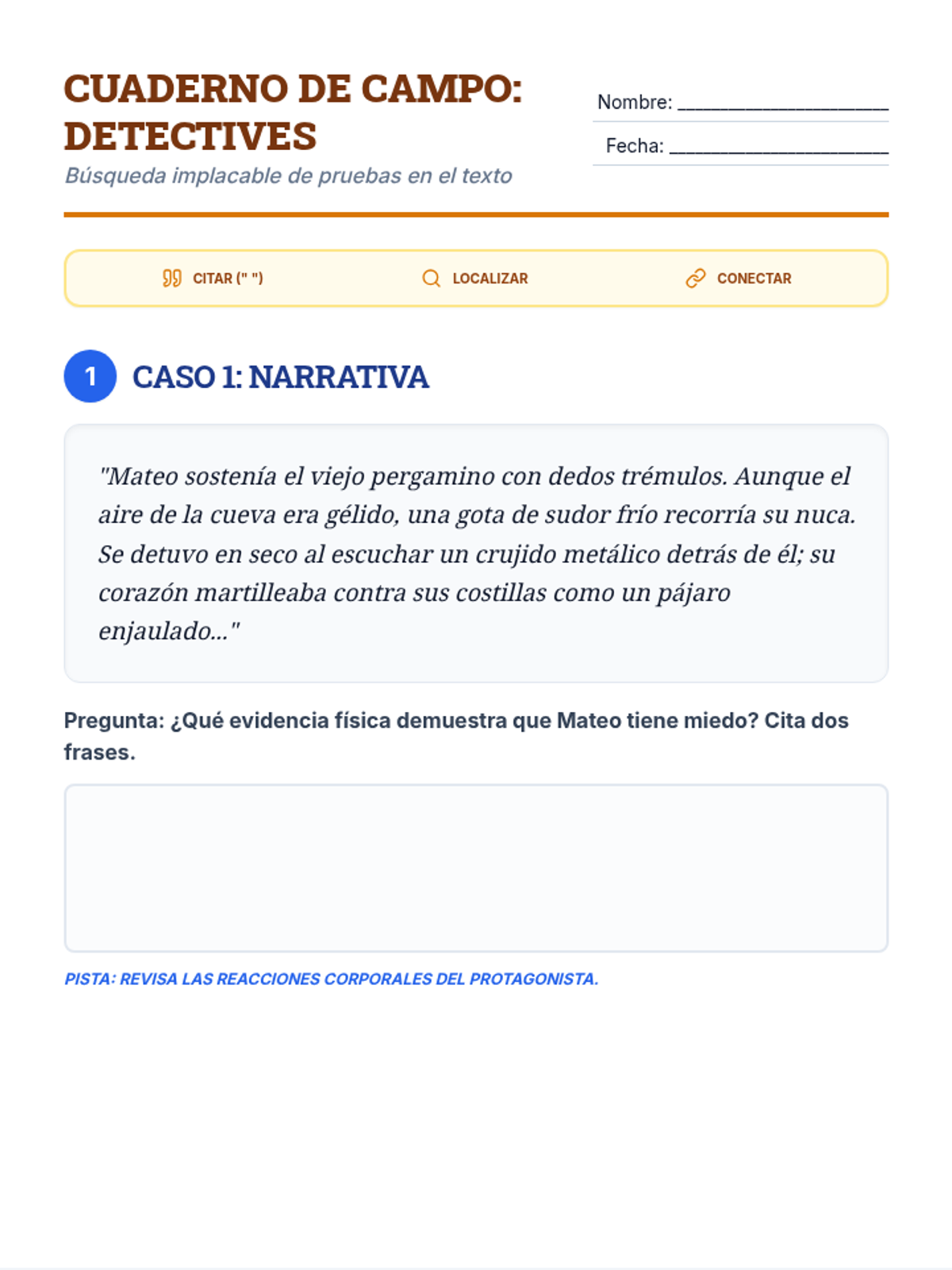
Una lección guiada de 25 minutos para estudiantes avanzados o nativos sobre cómo utilizar la evidencia del texto para respaldar respuestas, utilizando tres géneros distintos: narrativa, informativo y dramático.
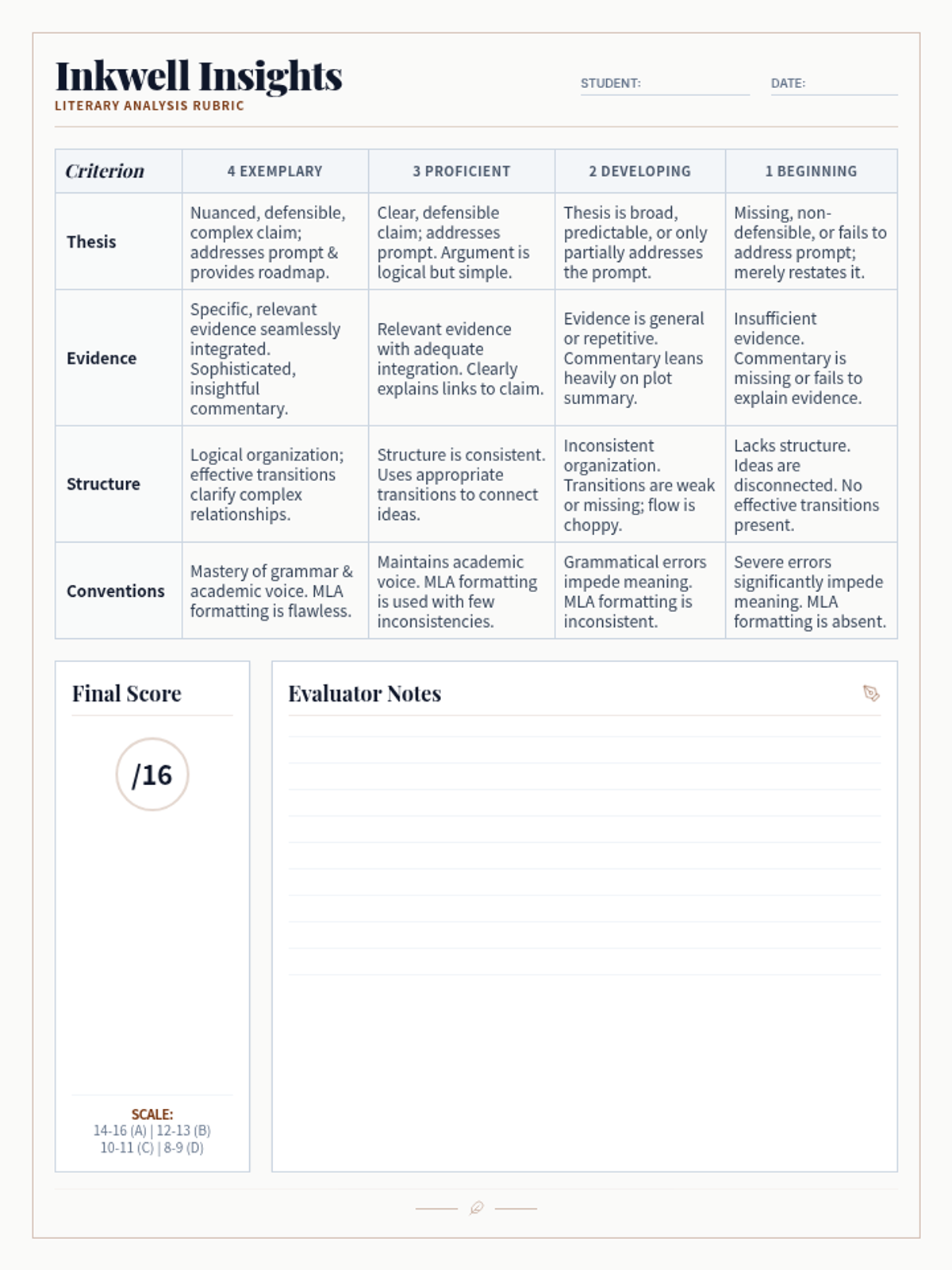
A lesson centered on the standards and expectations of high school literary analysis, using a standardized rubric to guide writing and revision.
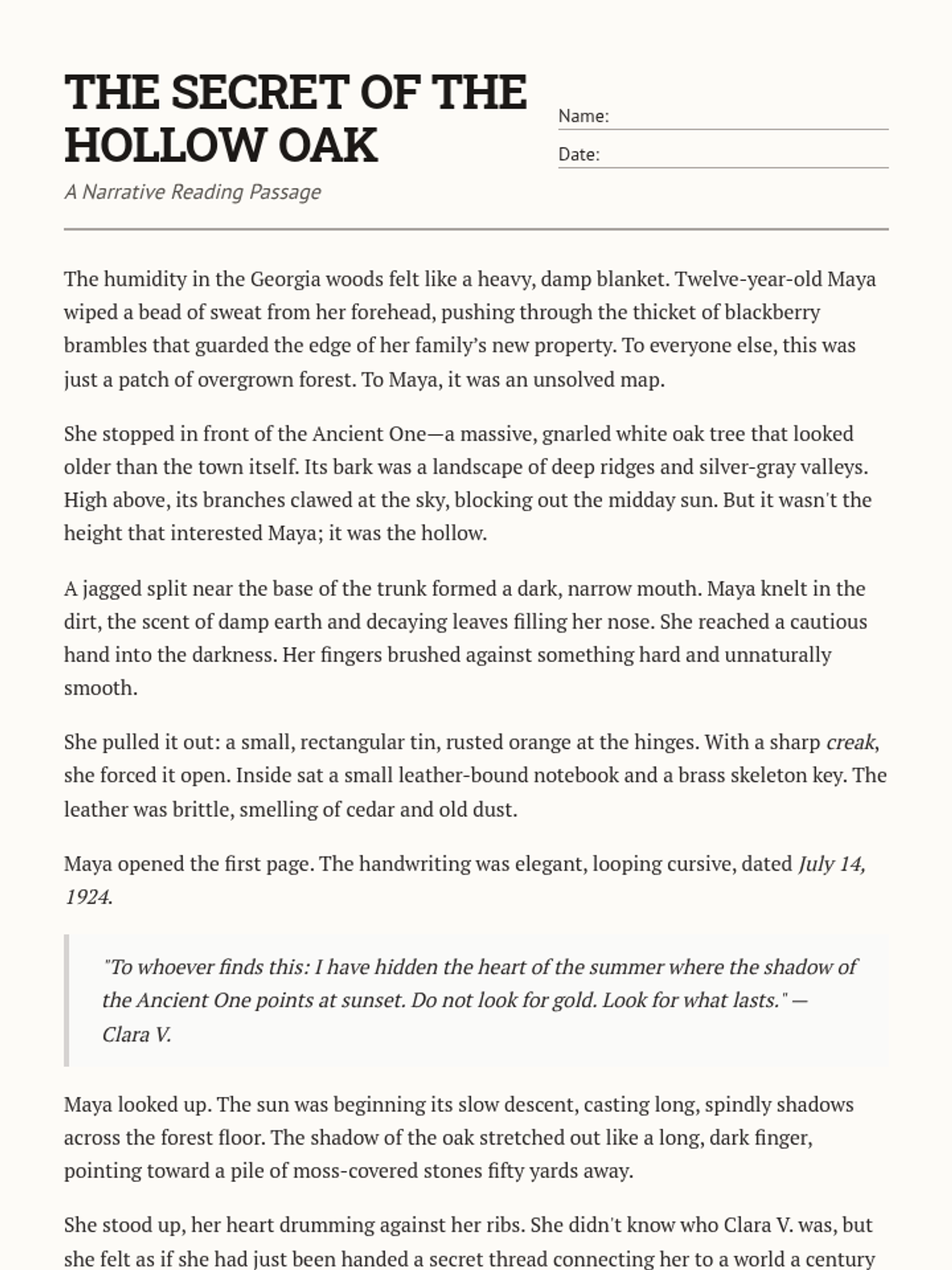
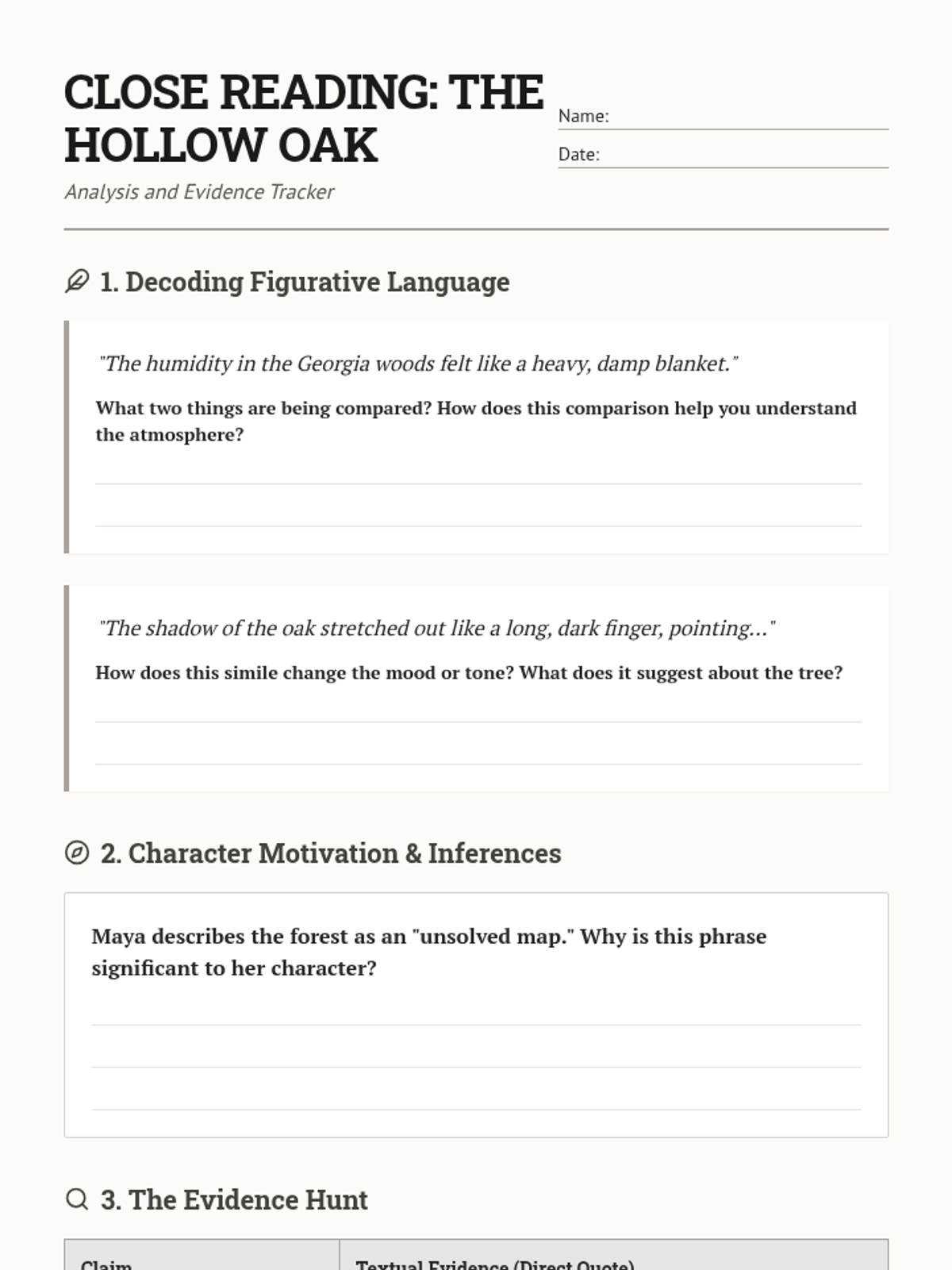
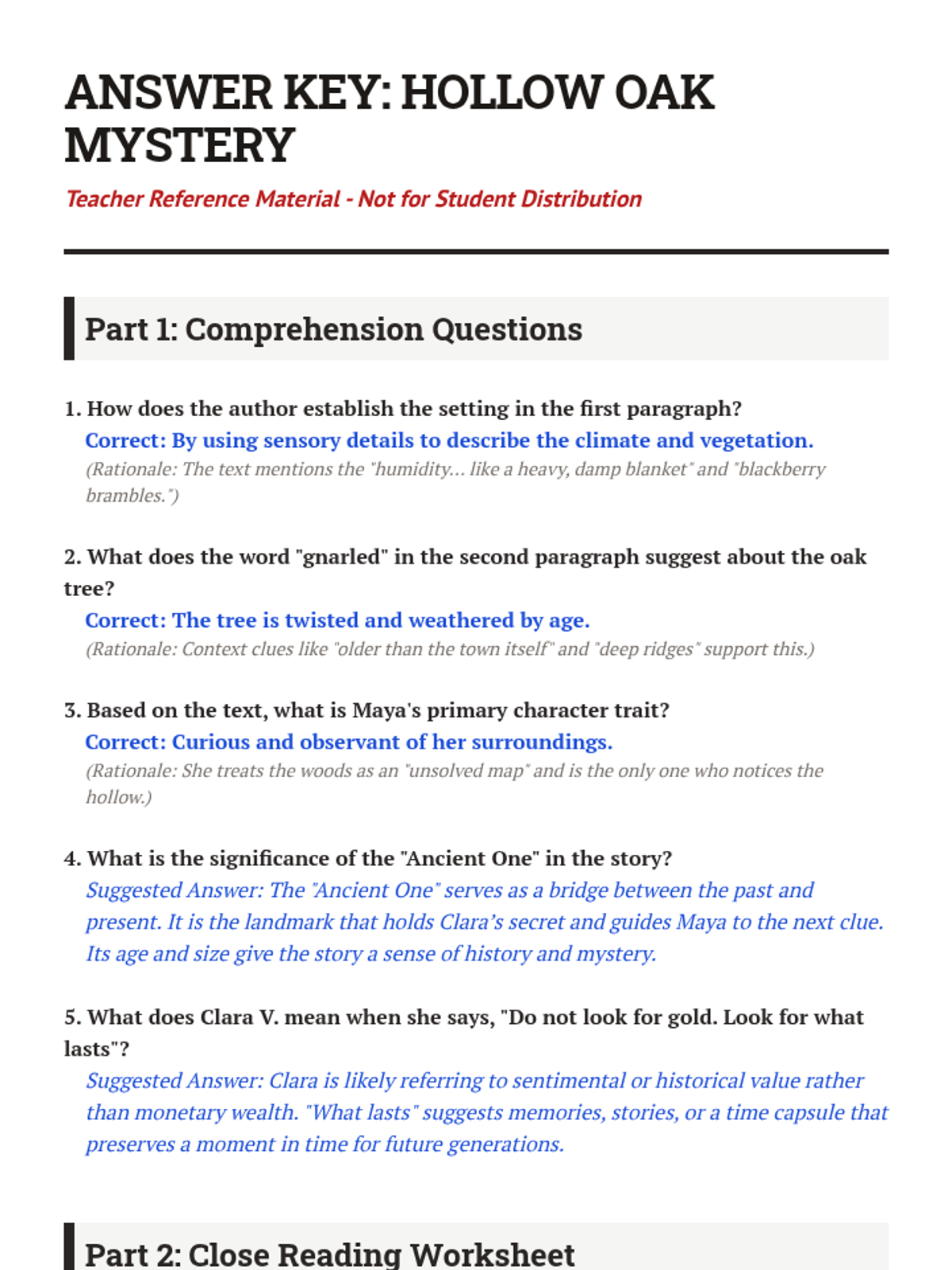
A 7th-grade narrative reading unit focused on 'The Secret of the Hollow Oak,' featuring a passage with comprehension questions and a close reading activity to build analysis skills.
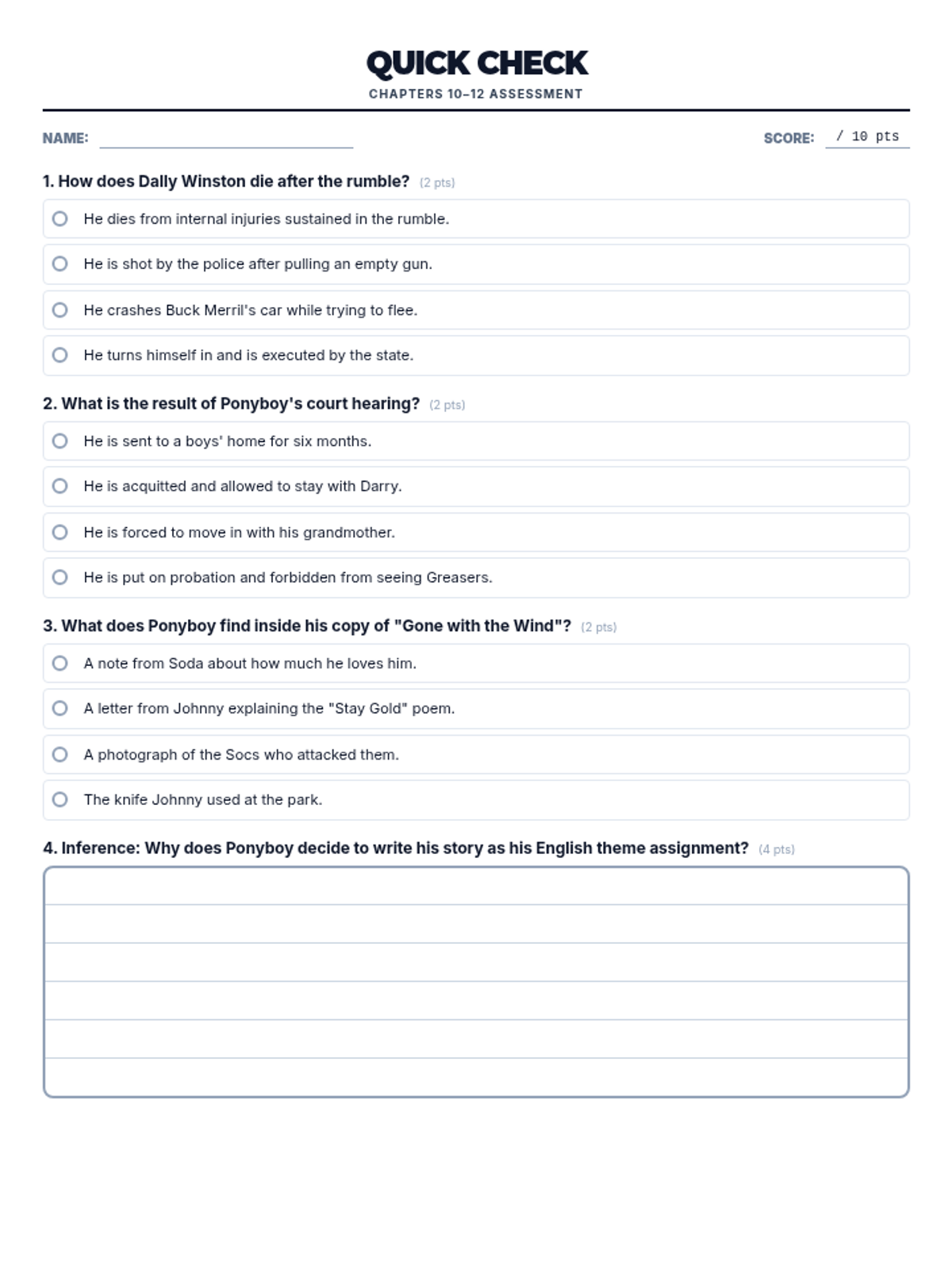
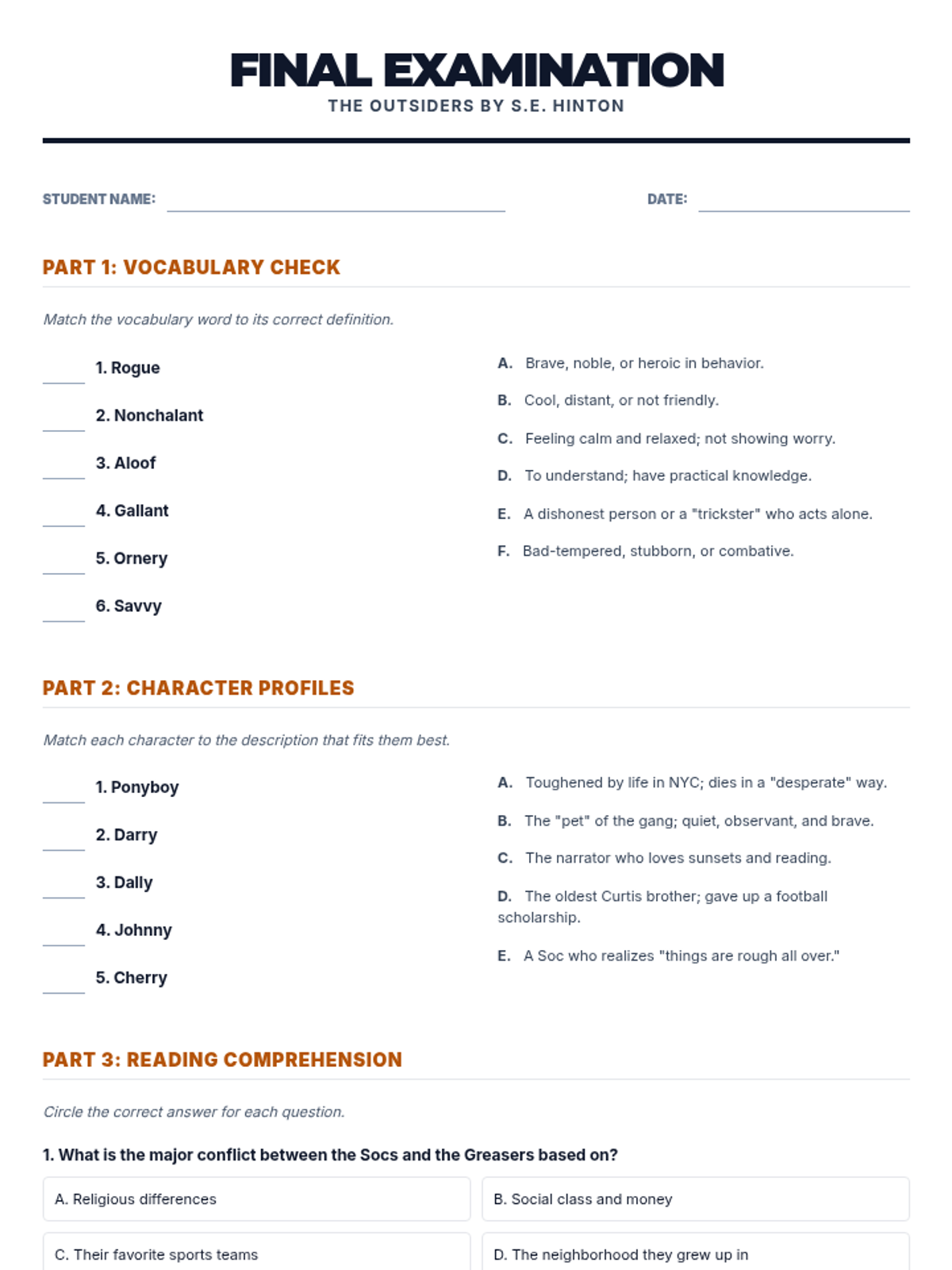
Concludes the novel with Ponyboy's recovery and the realization behind his English theme. Students synthesize themes of identity and 'staying gold' through final reflections.
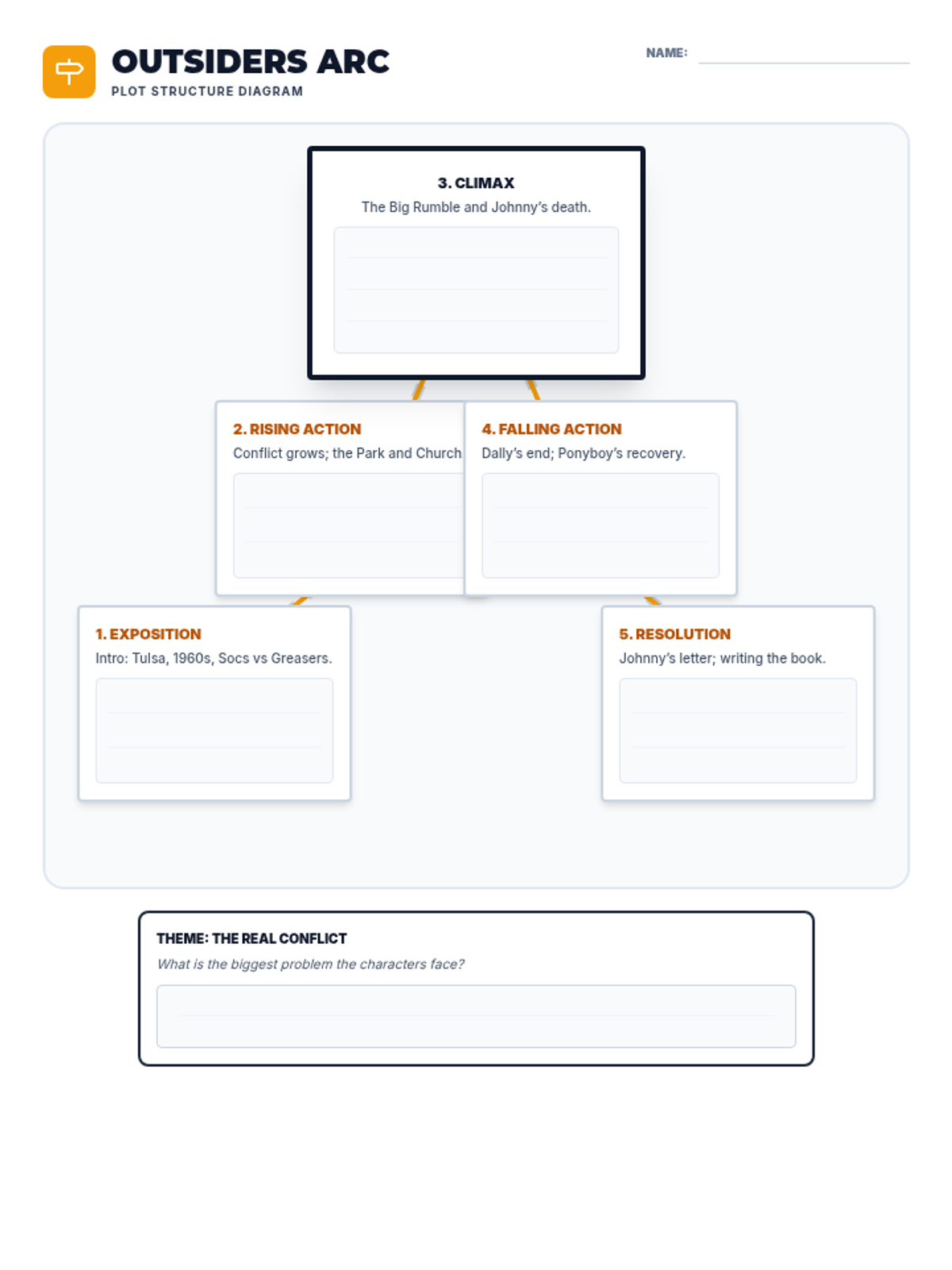
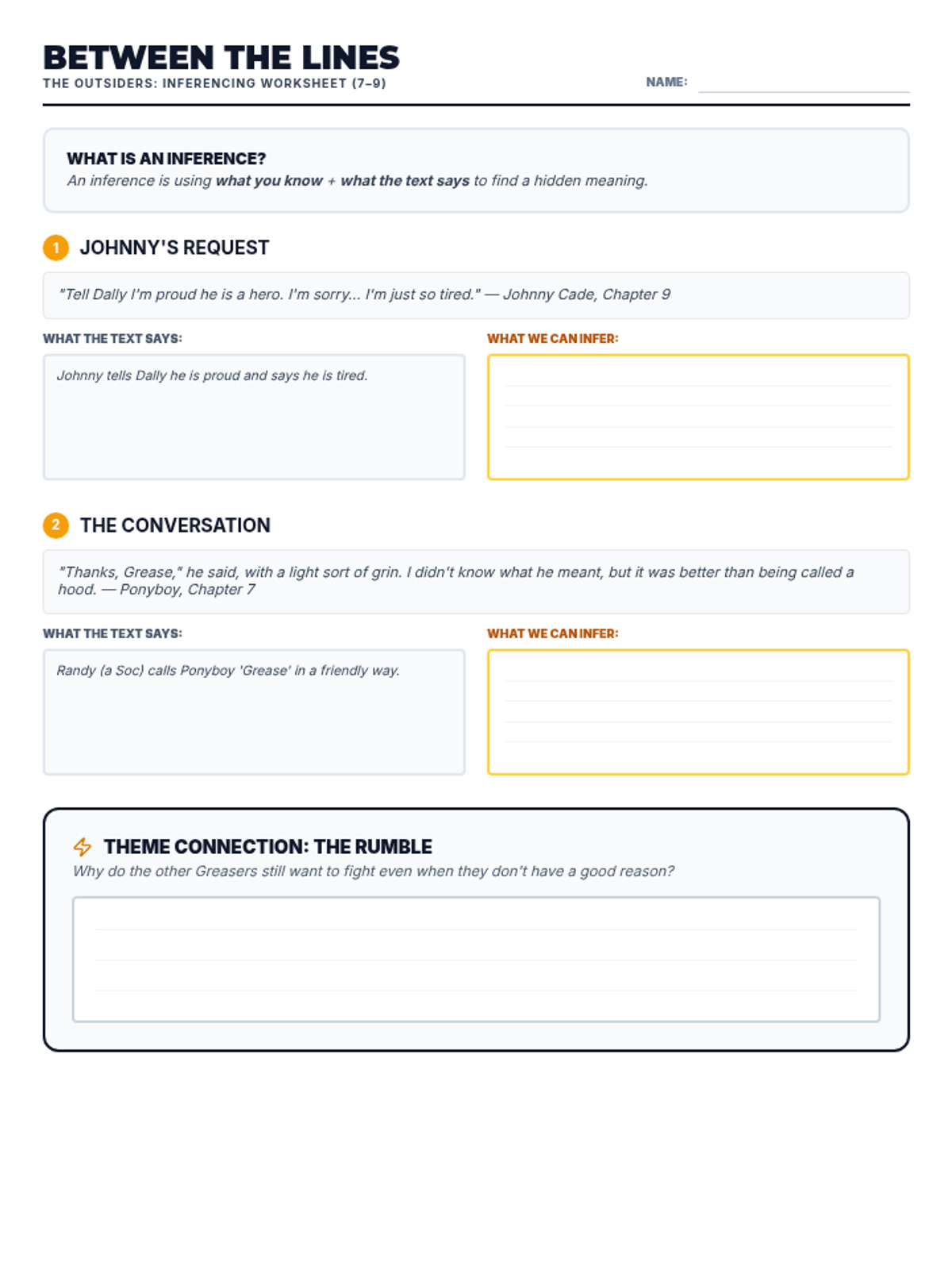
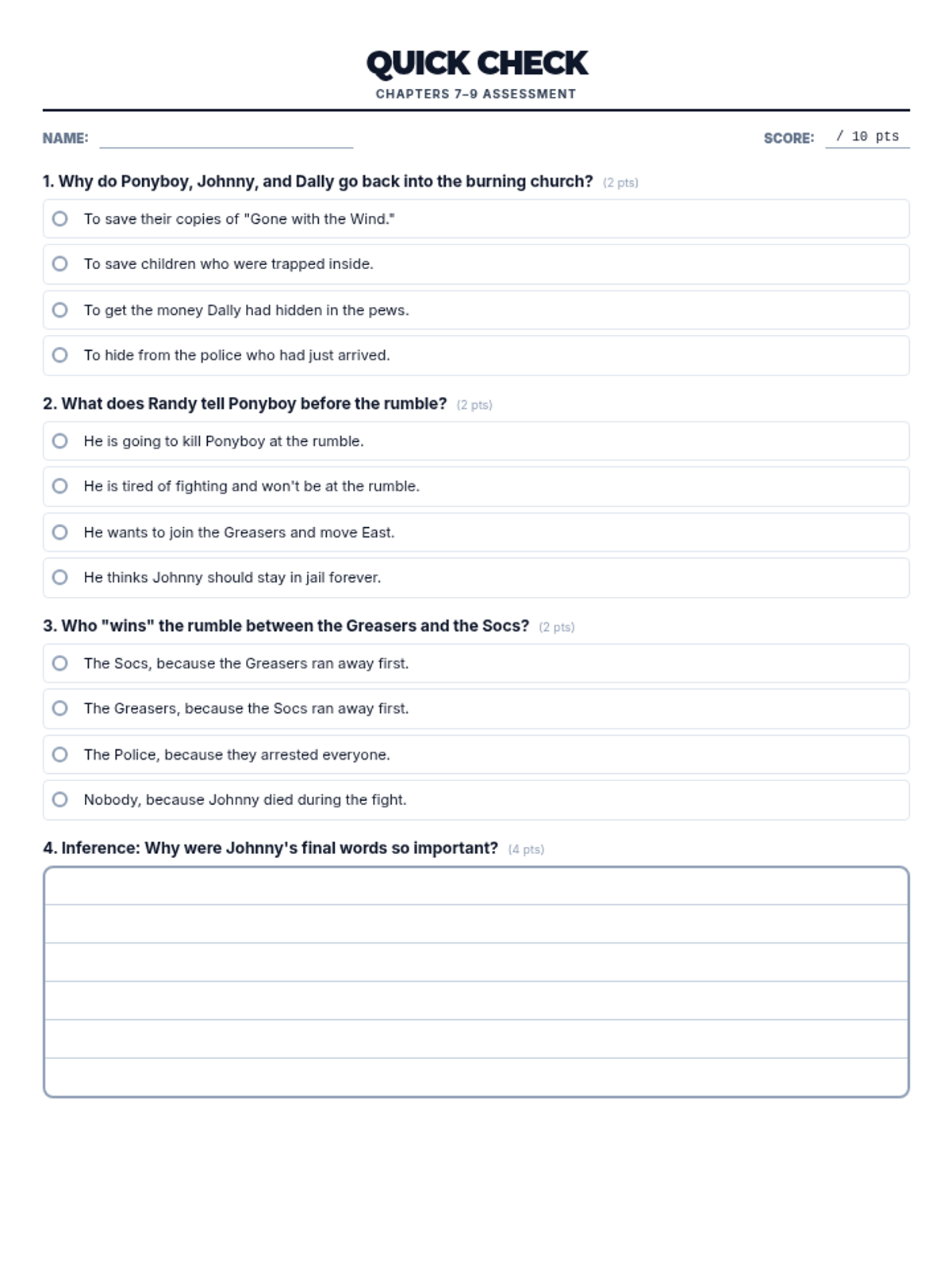
Focuses on the aftermath of the fire, the big rumble, and the deaths of Johnny and Dally. Students analyze theme, loss, and the cycle of violence.