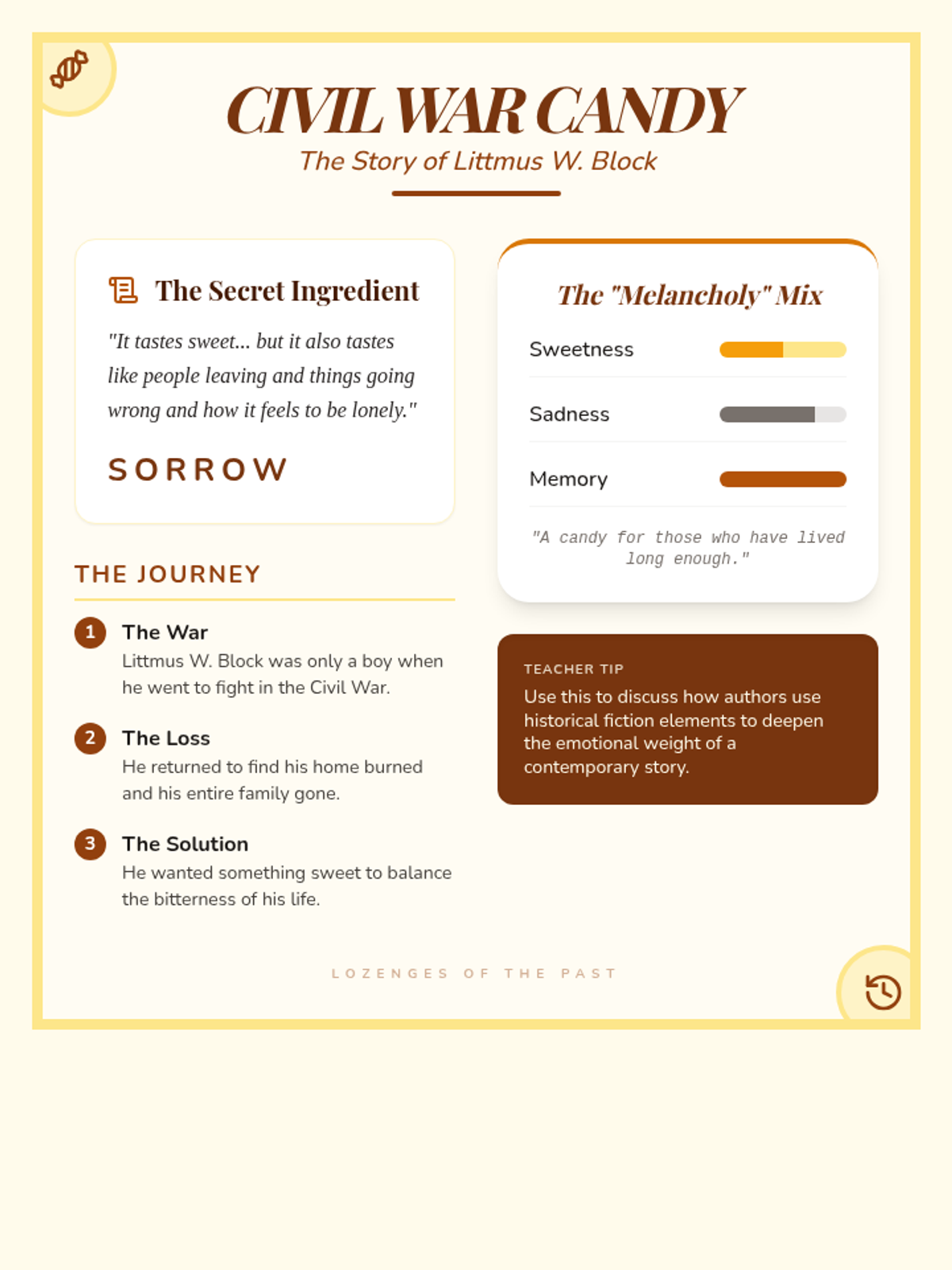
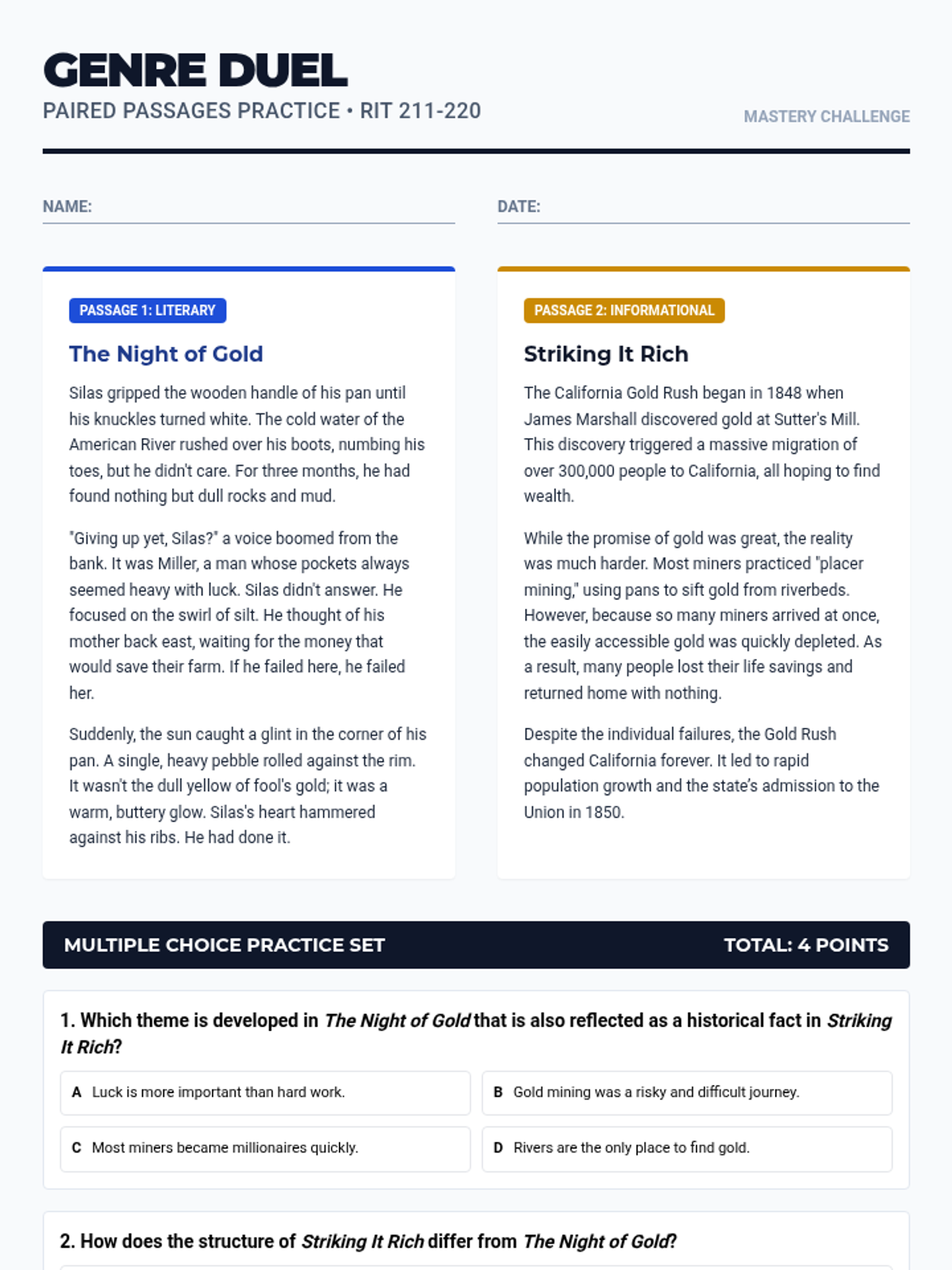
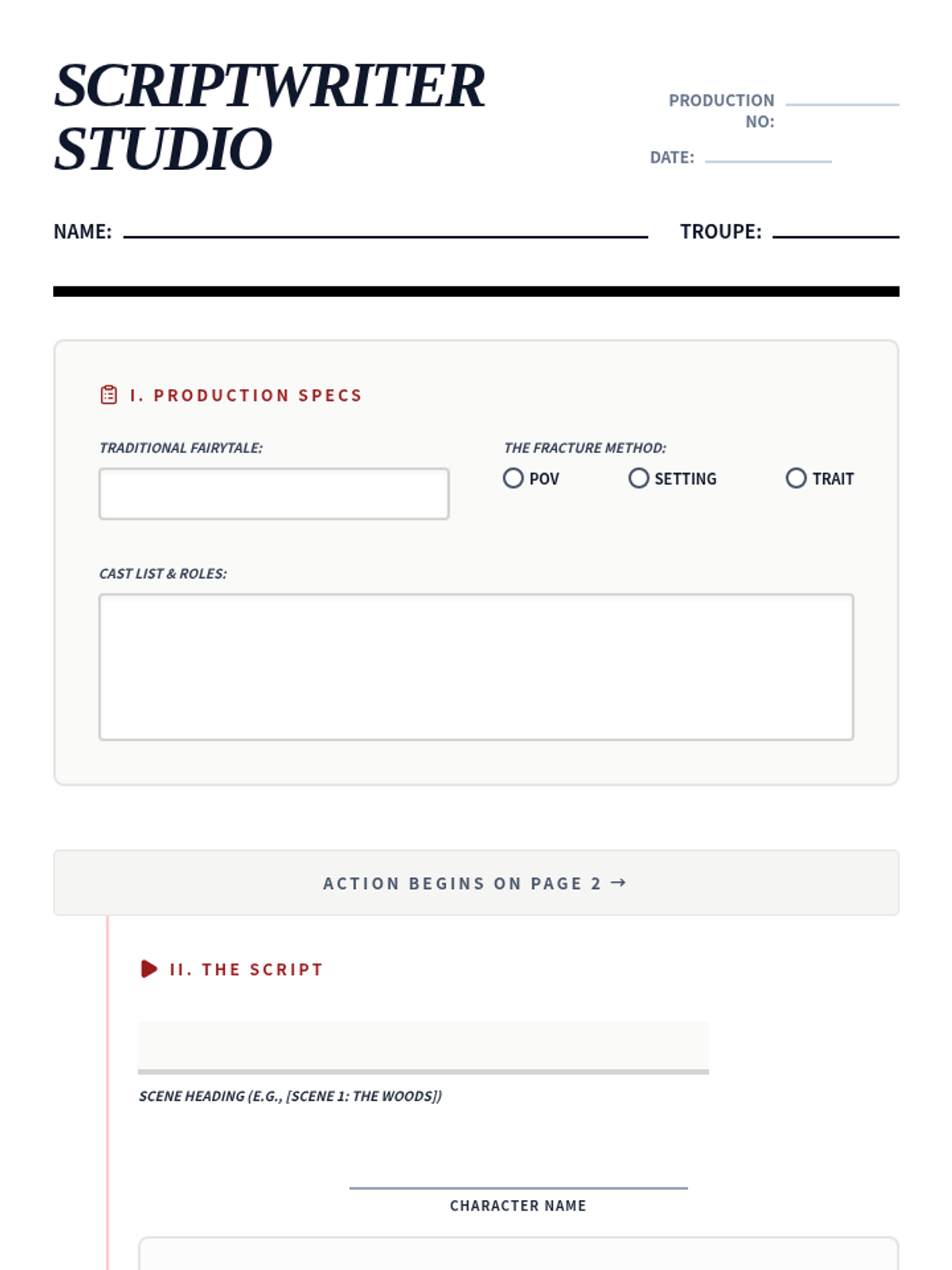
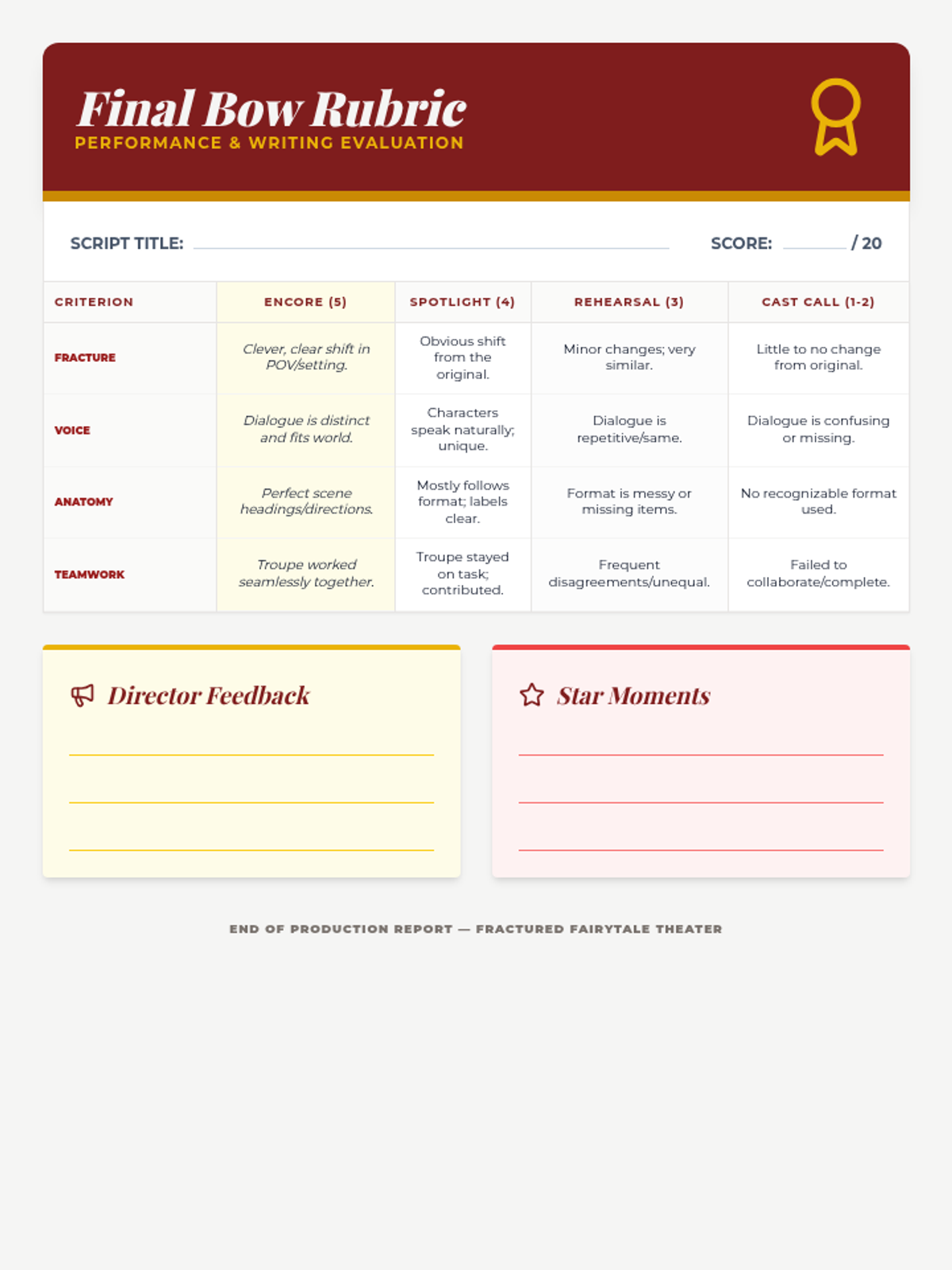
A 25-minute small group lesson exploring organizational structures and how specific paragraphs or sections contribute to the overall meaning and plot of a text.
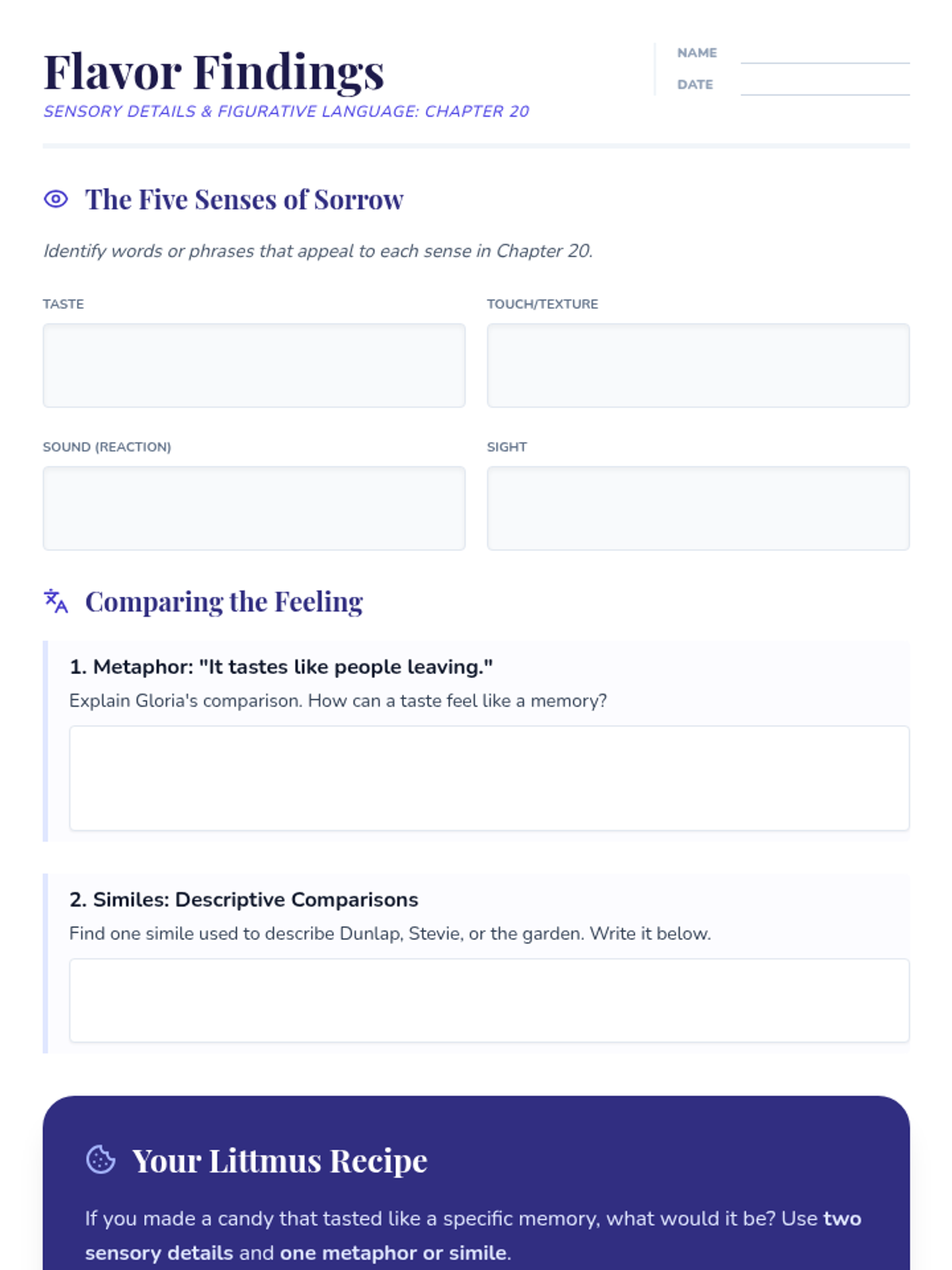
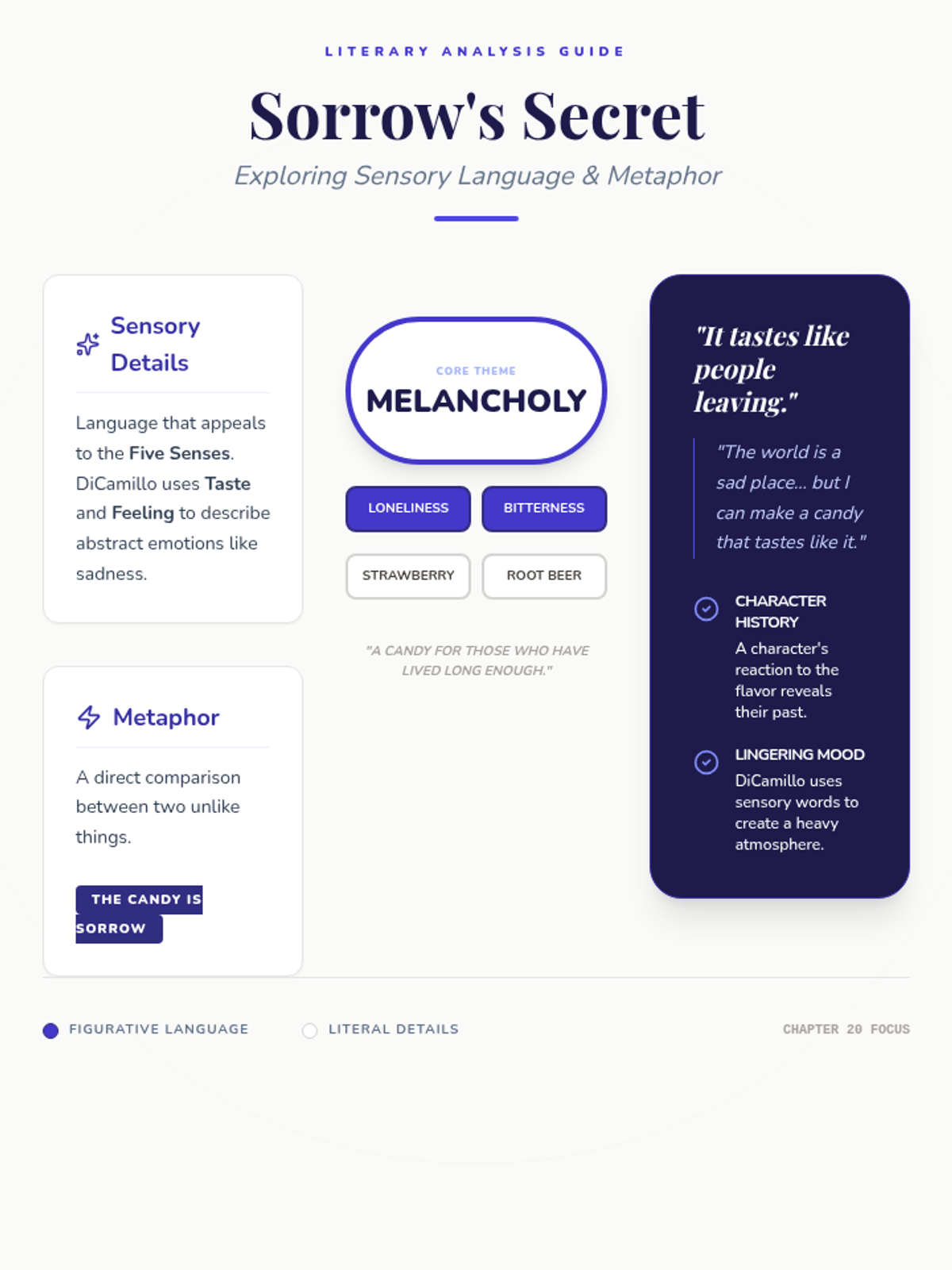
A lesson exploring the sensory language and figurative descriptions used in Chapter 20 to describe the unique flavor of sorrow.
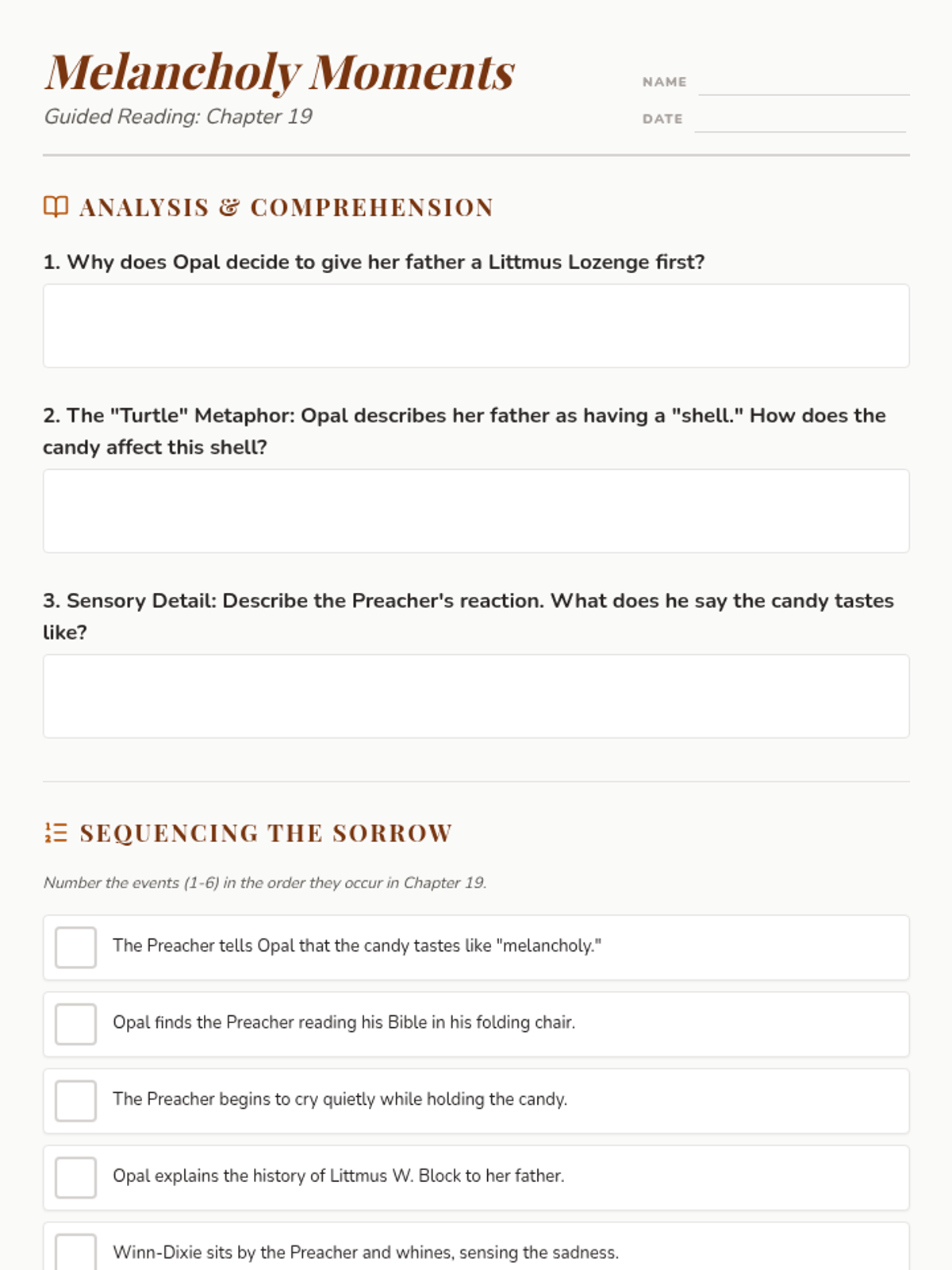
A lesson focused on the sequencing of events in Chapter 19 and deep comprehension of the Preacher's emotional reaction to the Littmus Lozenge.
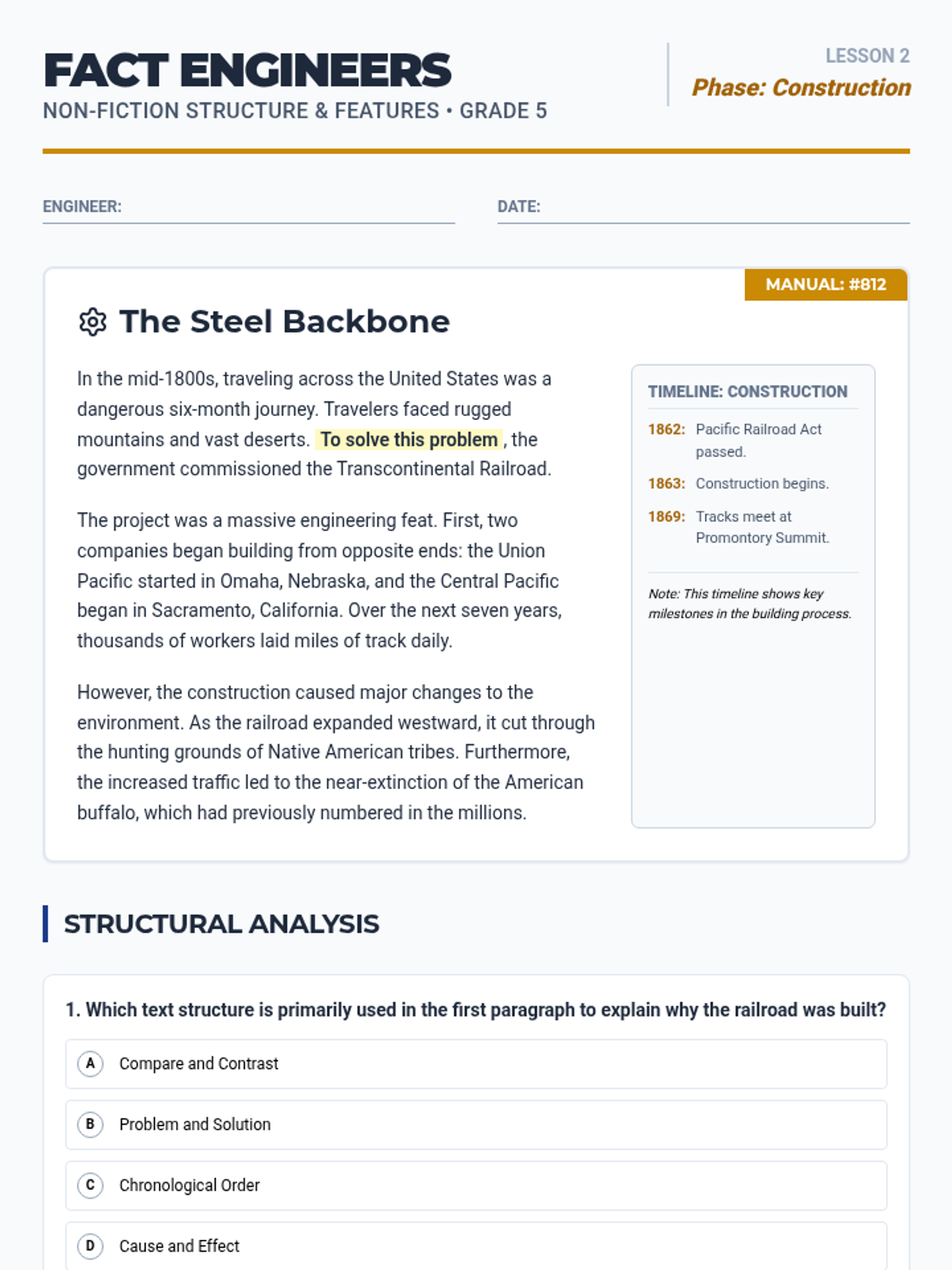
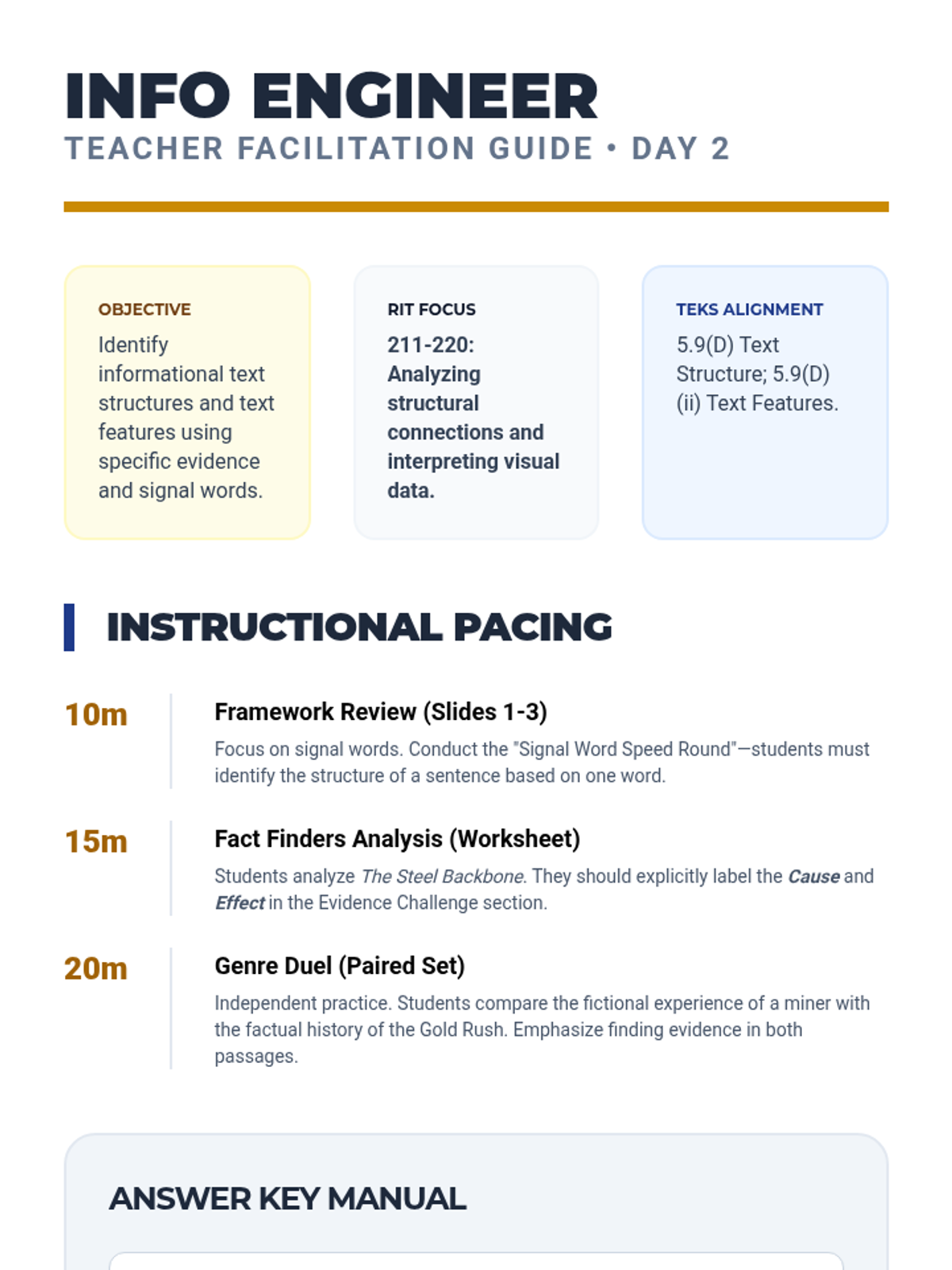
Focuses on informational text structures (chronological, problem/solution, compare/contrast, cause/effect) and the use of text features to provide key information, emphasizing evidence-based analysis.
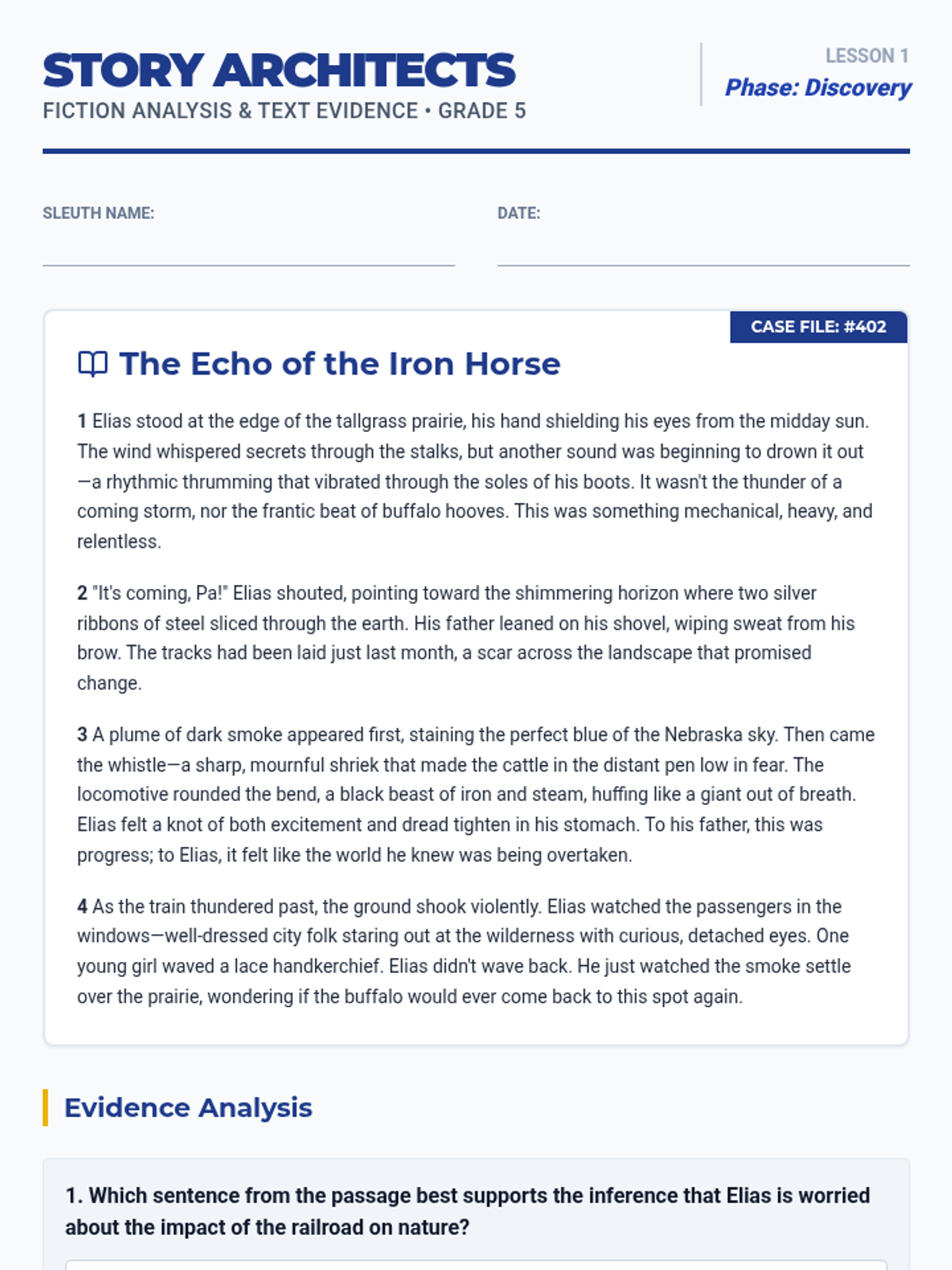
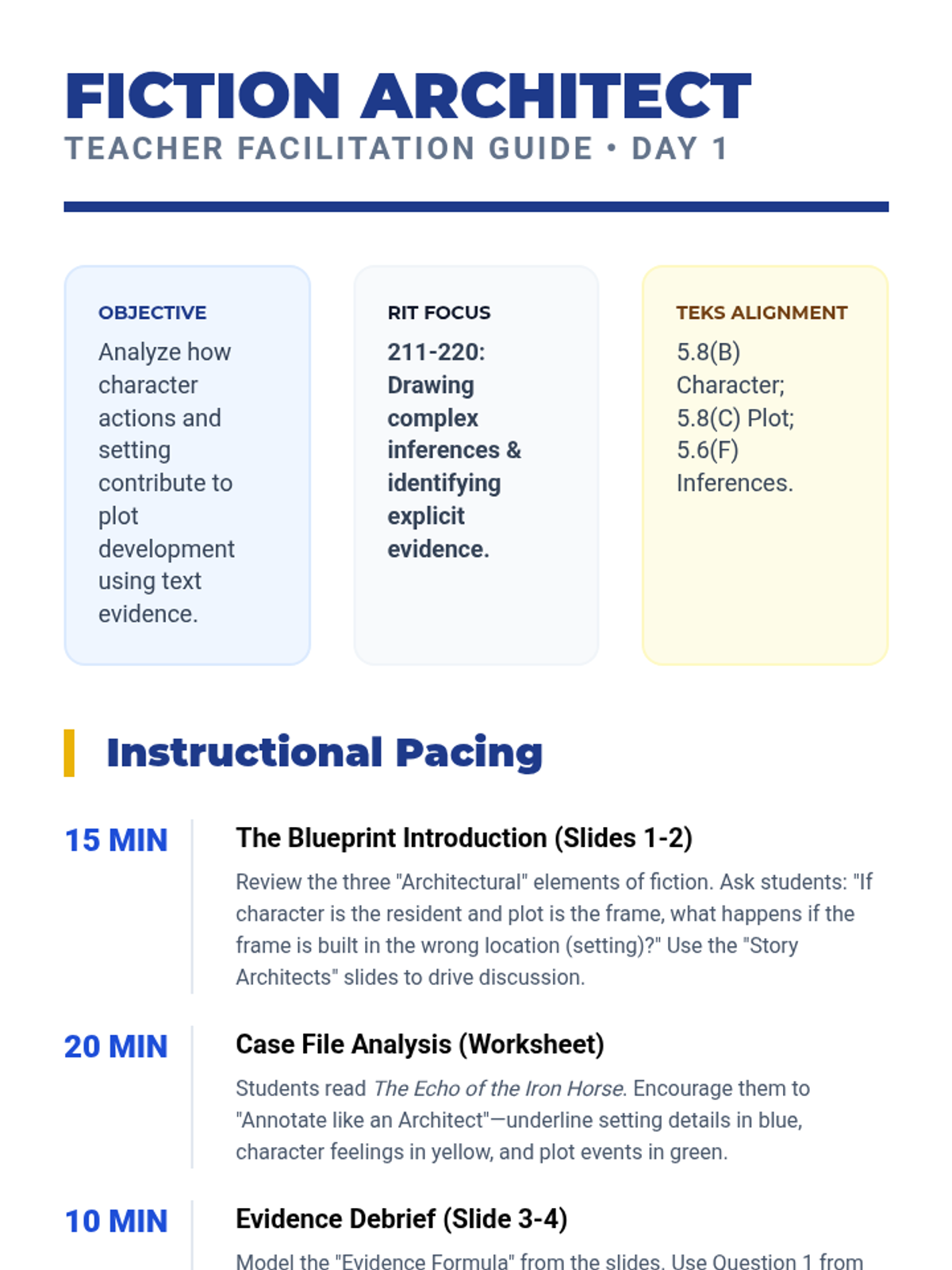
Focused on analyzing literary fiction elements, including plot development, character traits/motivations, and setting, while training students to identify specific text evidence for their inferences.
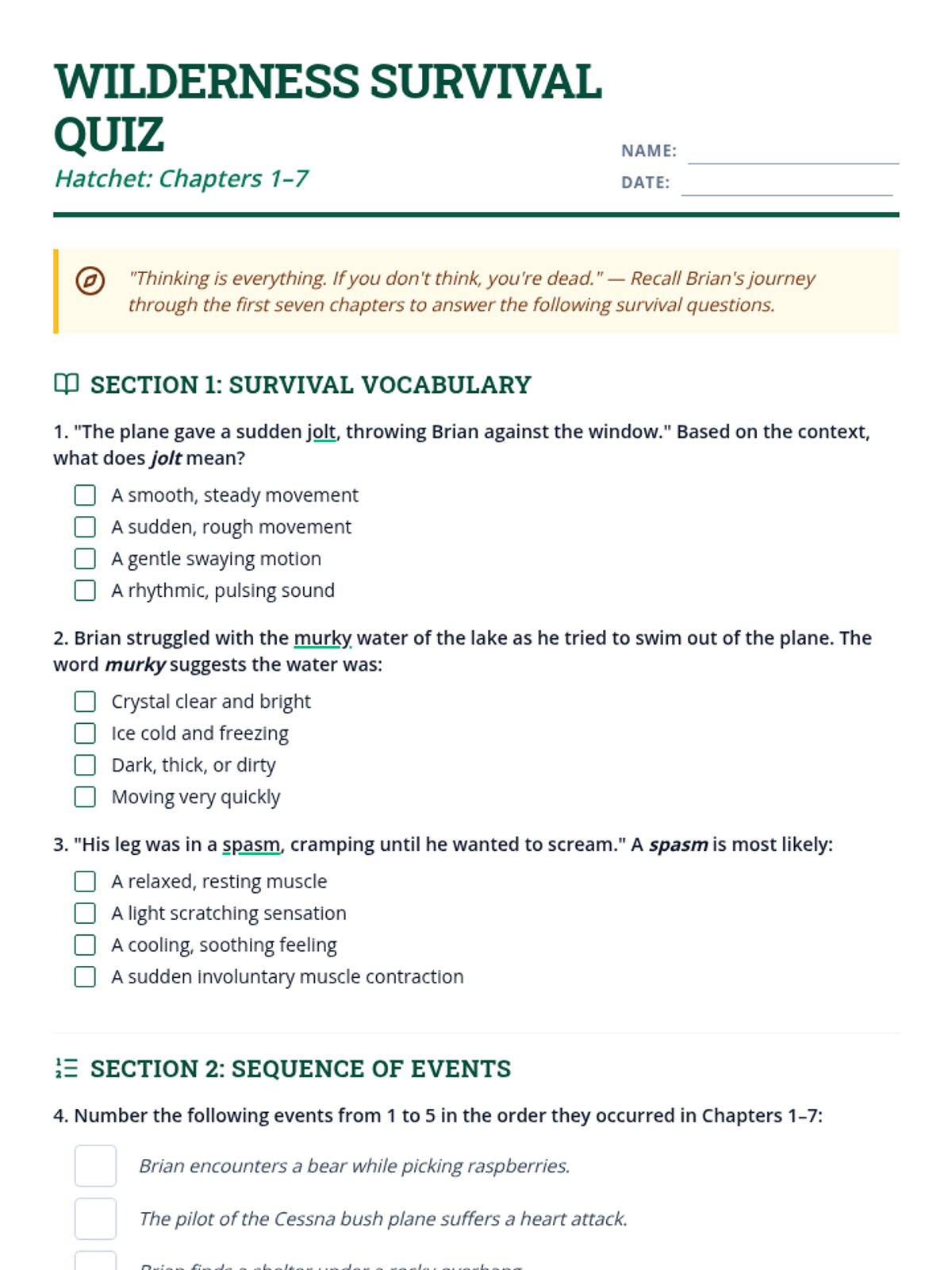
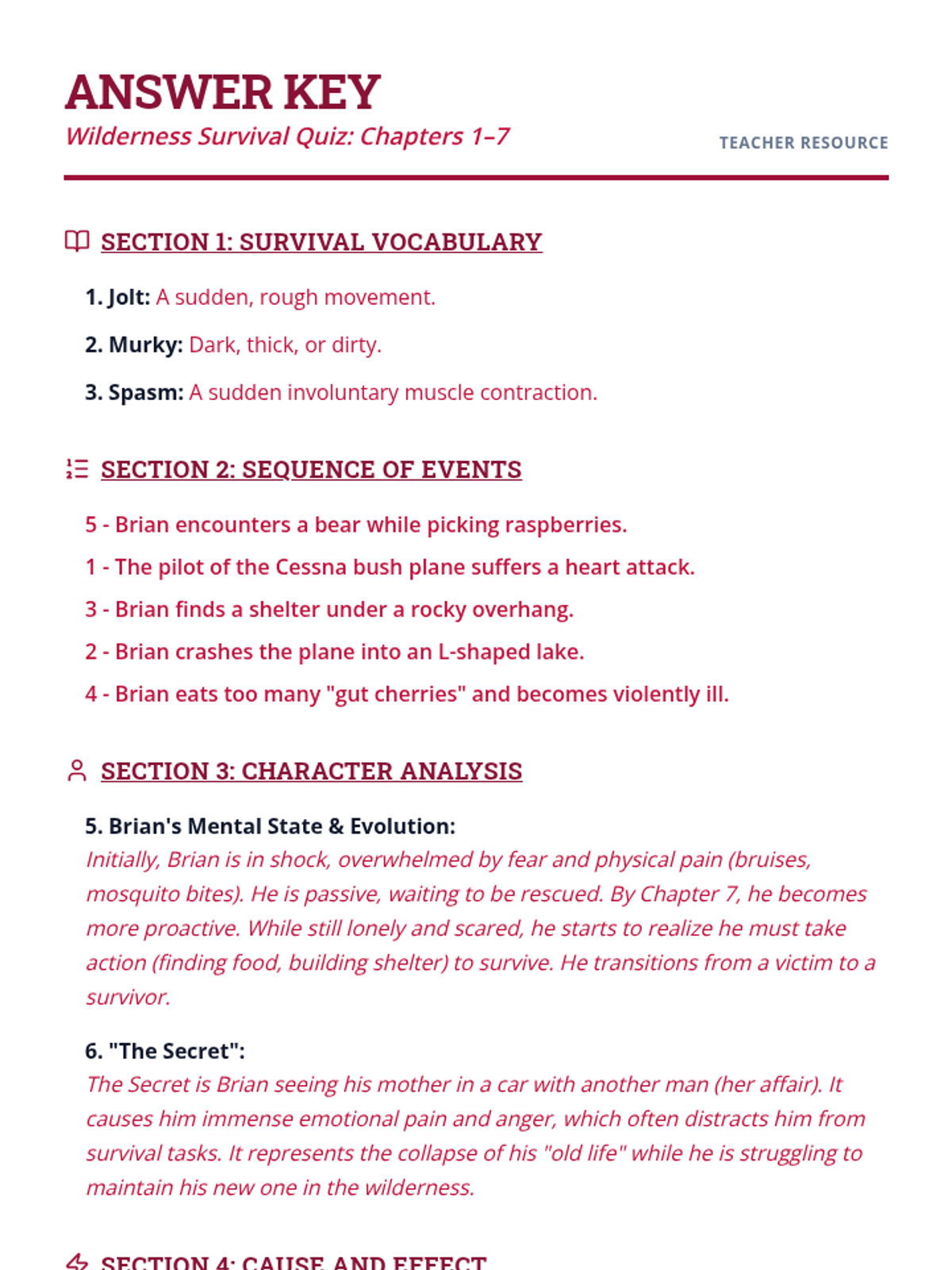
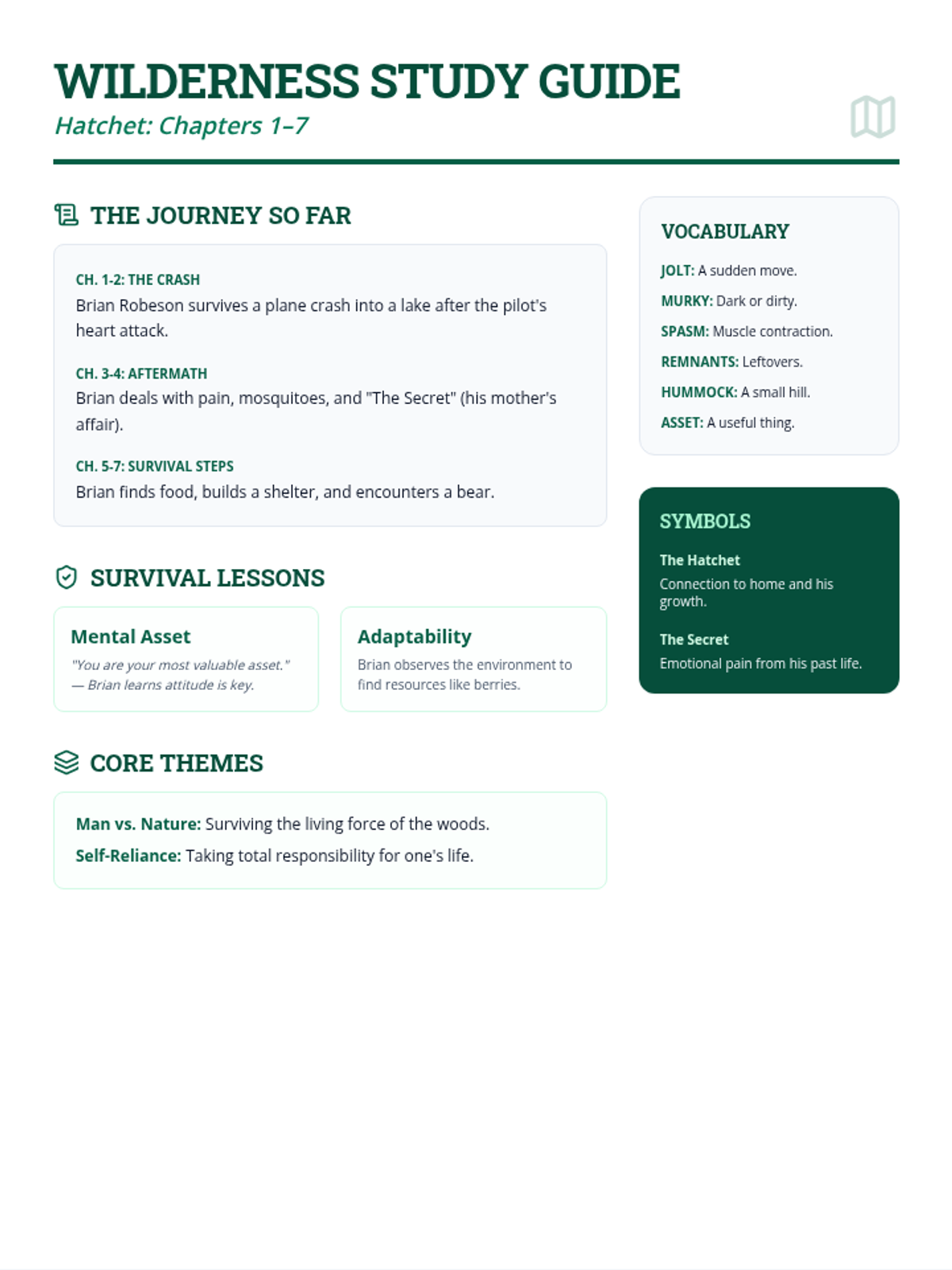
A focused assessment on the first seven chapters of Gary Paulsen's Hatchet, covering Brian's initial survival challenges, the plane crash, and his early encounters with the wilderness.
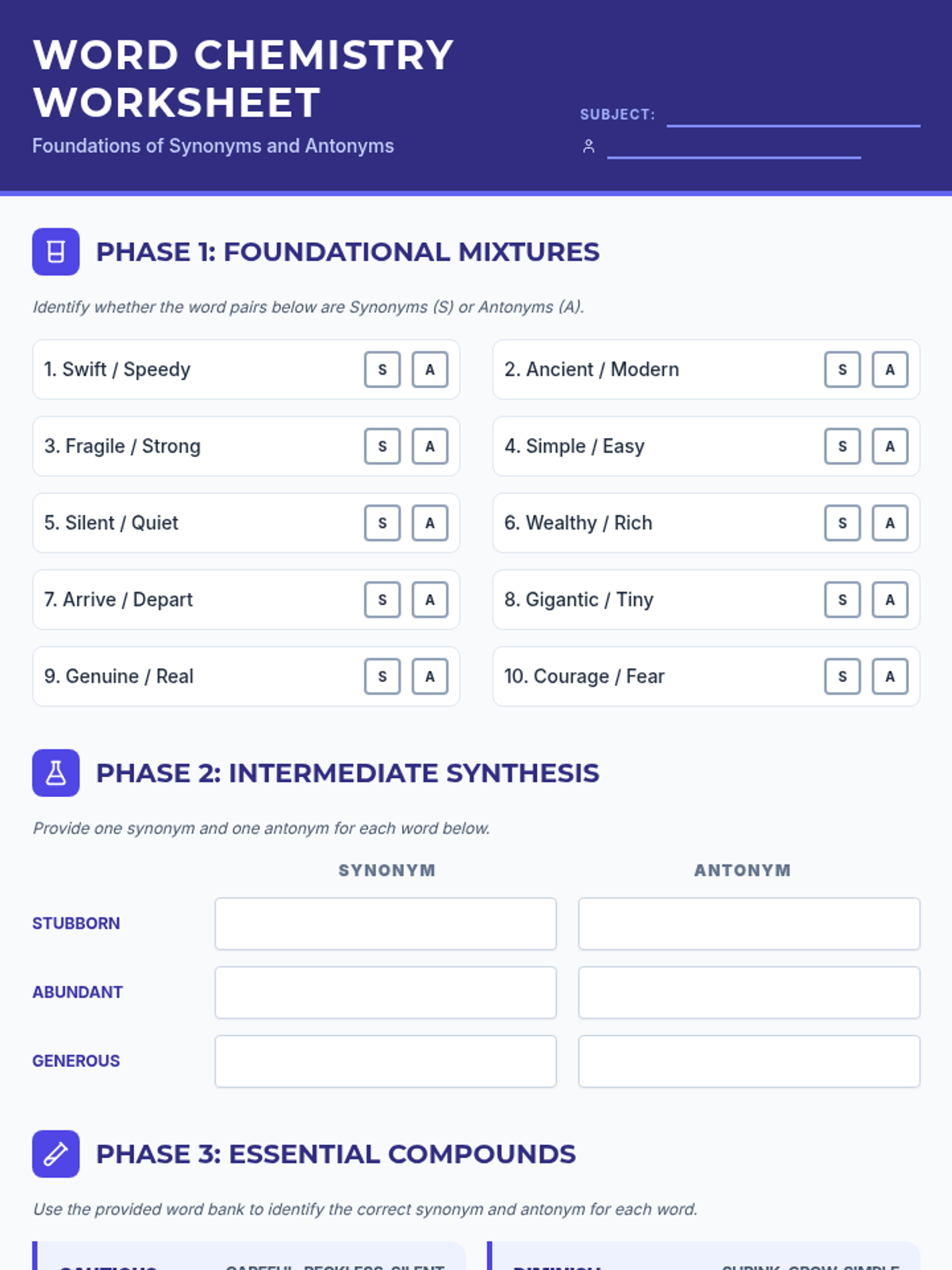
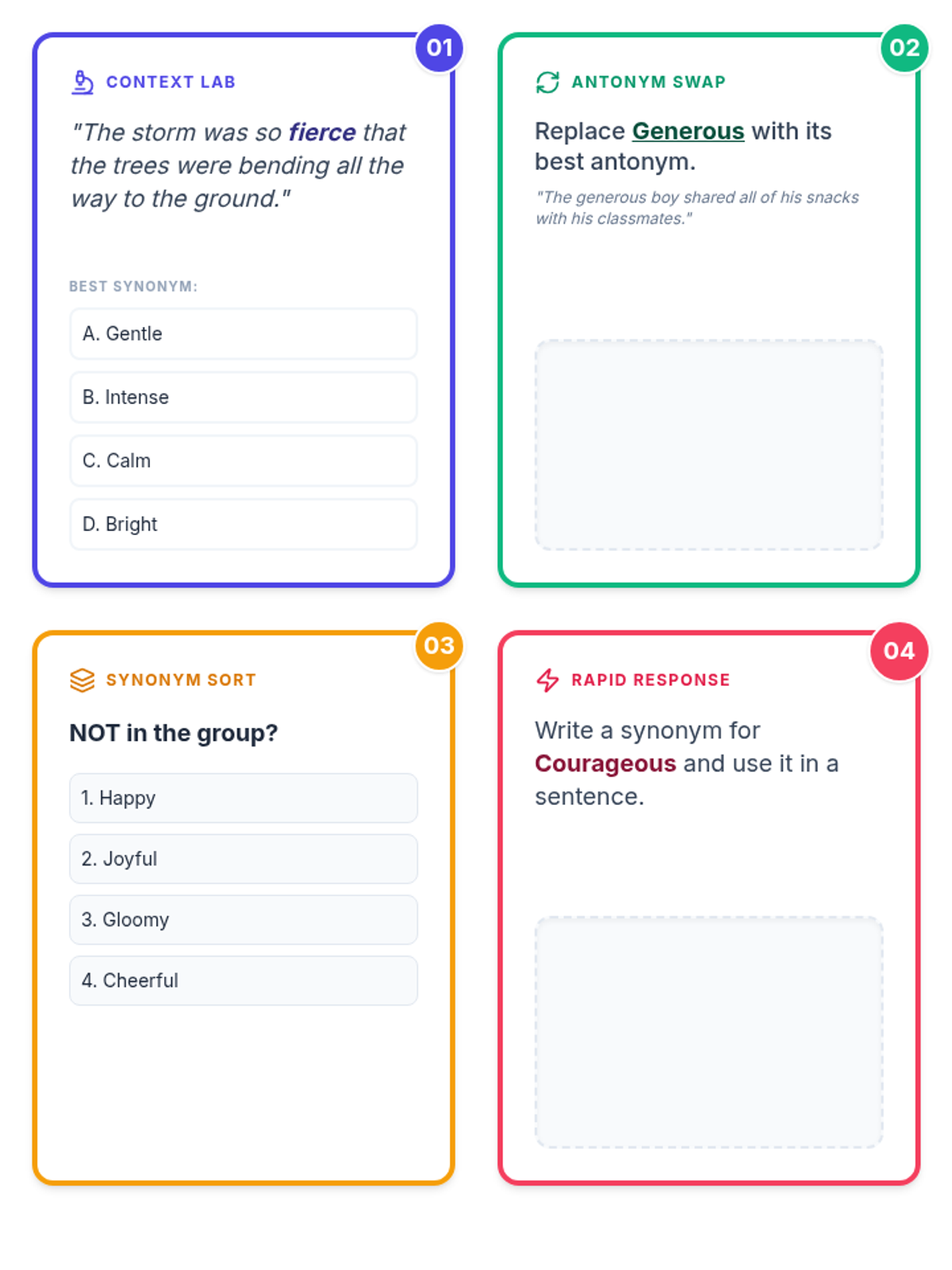
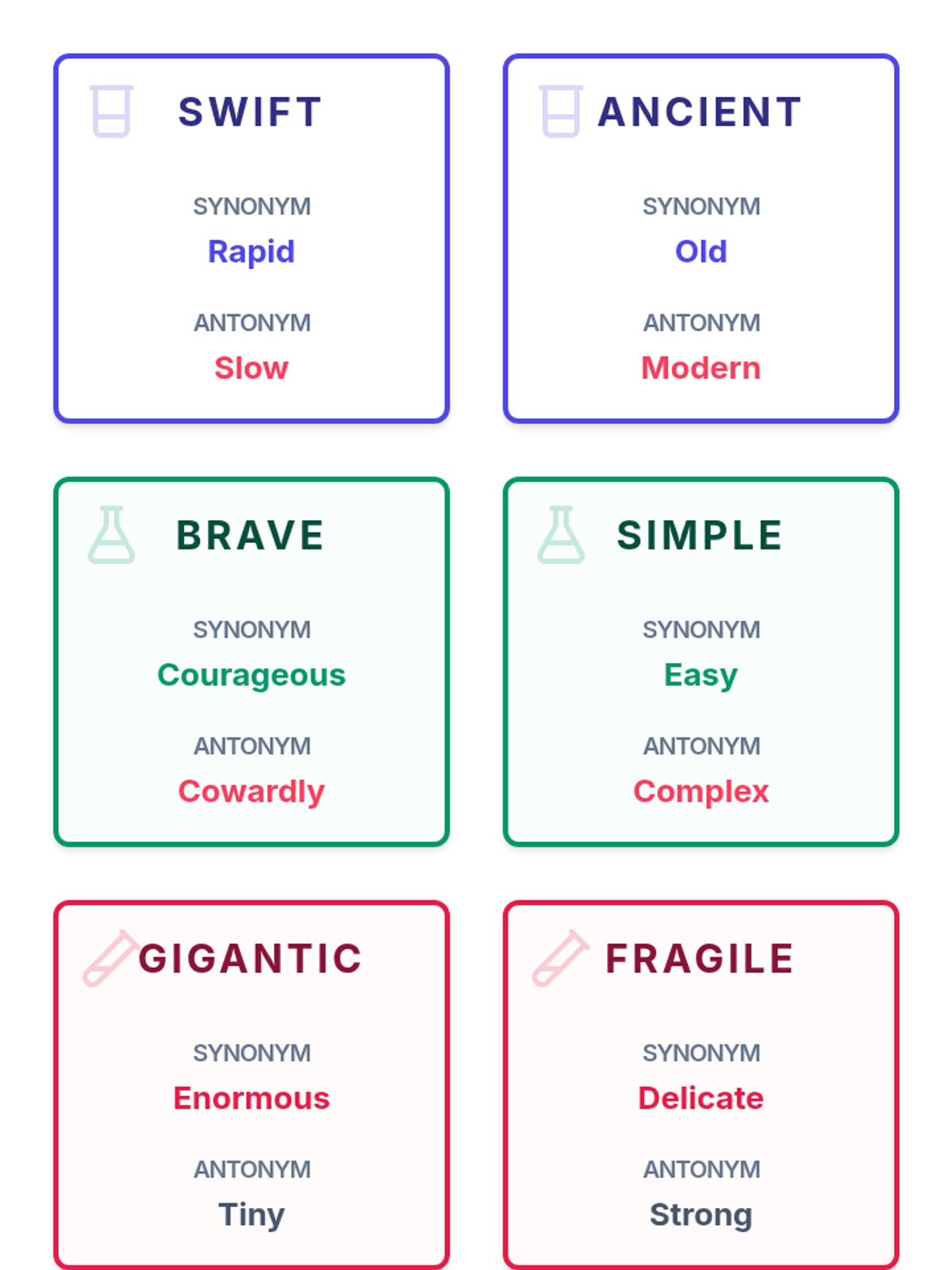
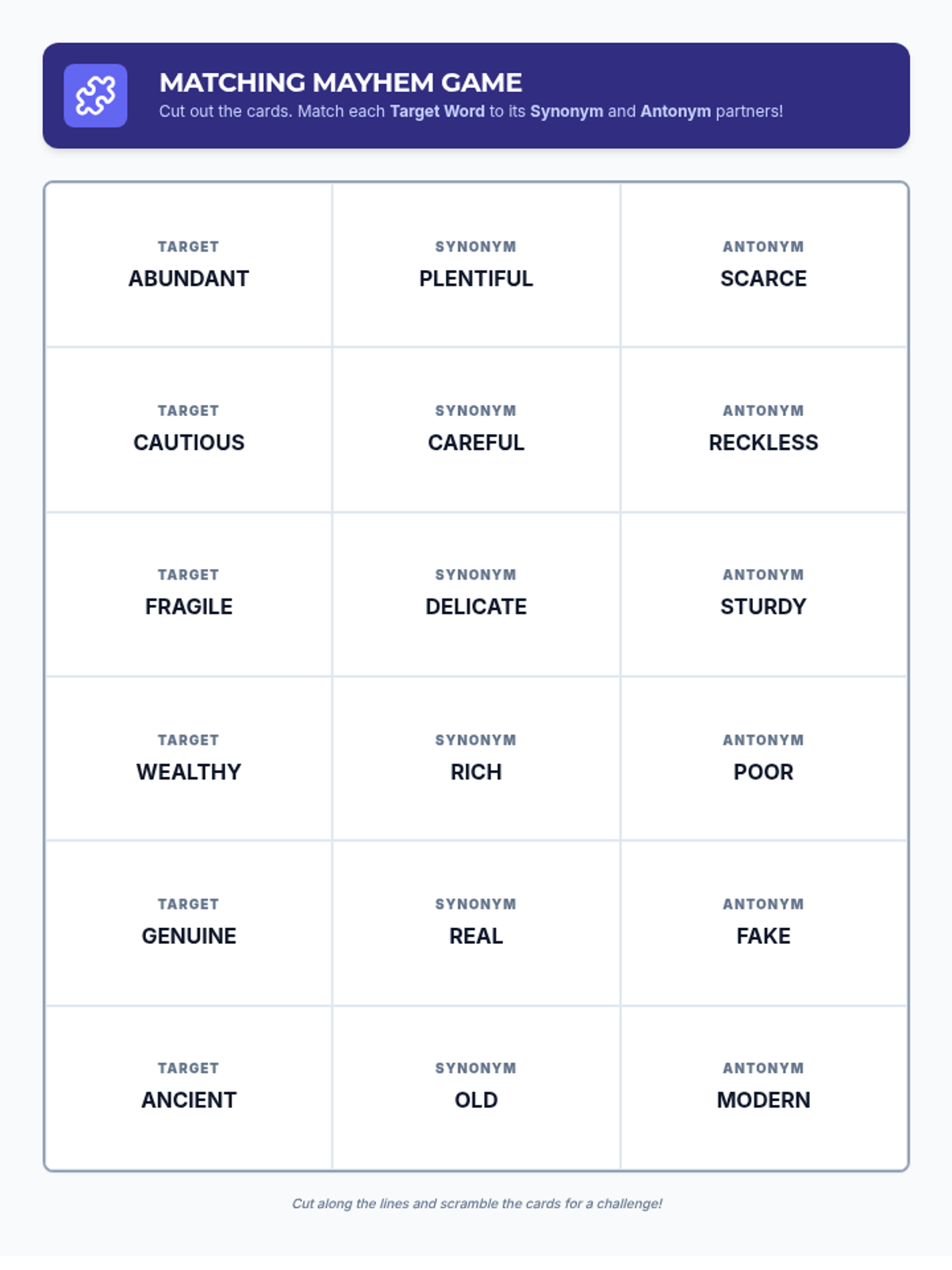
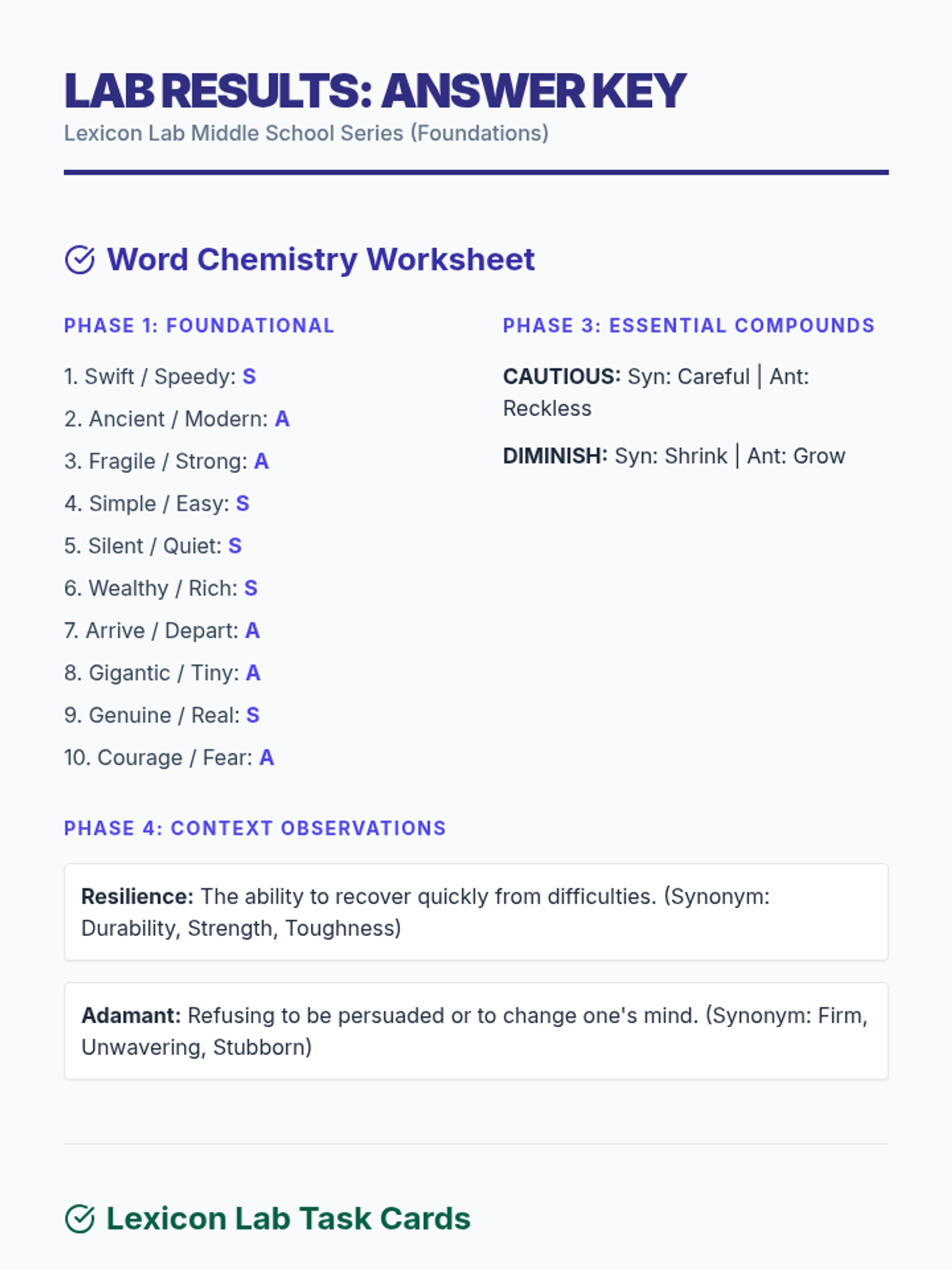
A comprehensive lesson on synonyms and antonyms featuring word exploration from foundational to advanced levels through labs, tasks, and games.
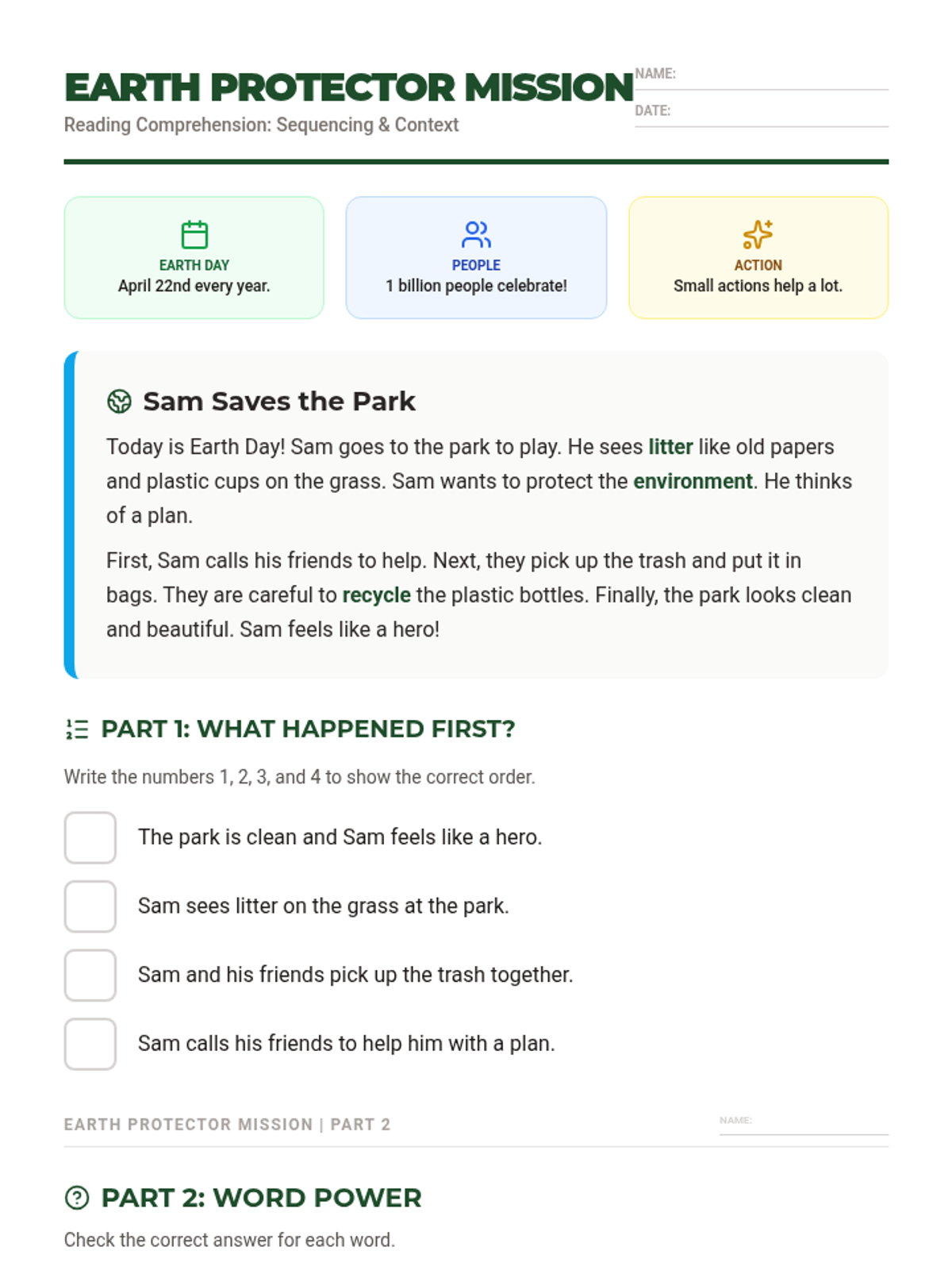
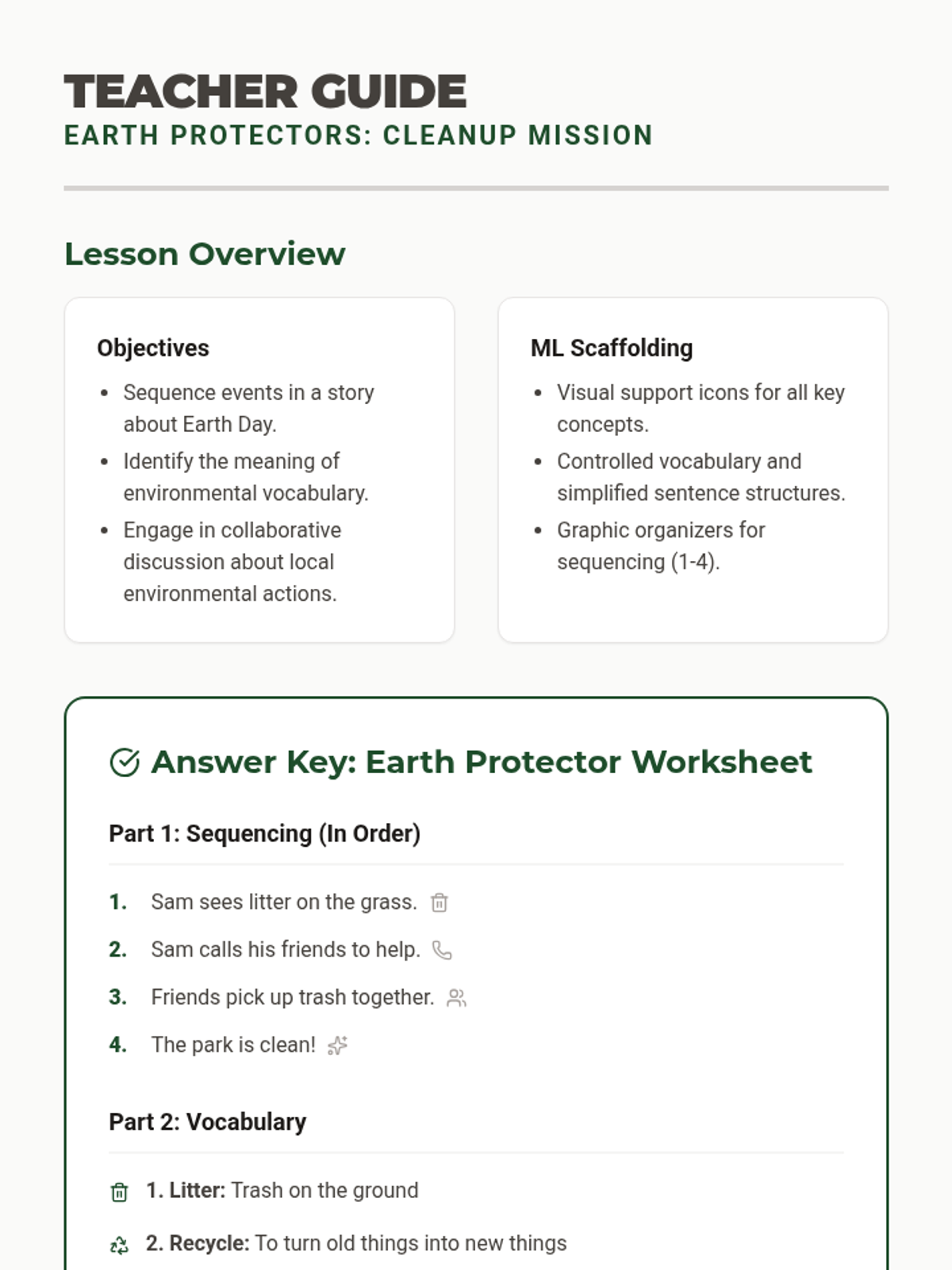
A lesson designed for emerging Multilingual Learners to practice vocabulary in context and sequencing through an engaging story about Earth Day and a park cleanup. Students will learn facts about the environment while building narrative comprehension skills.
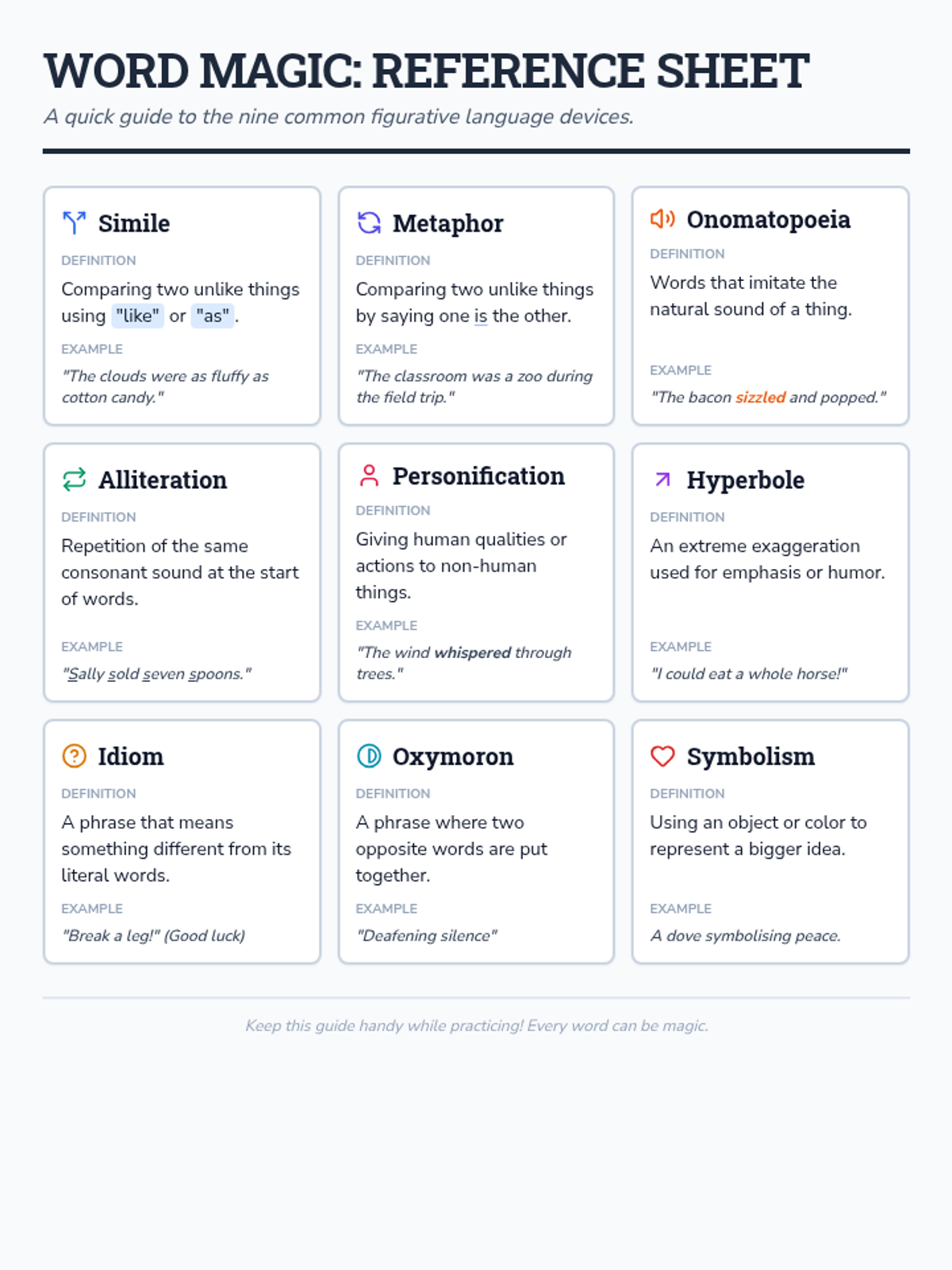
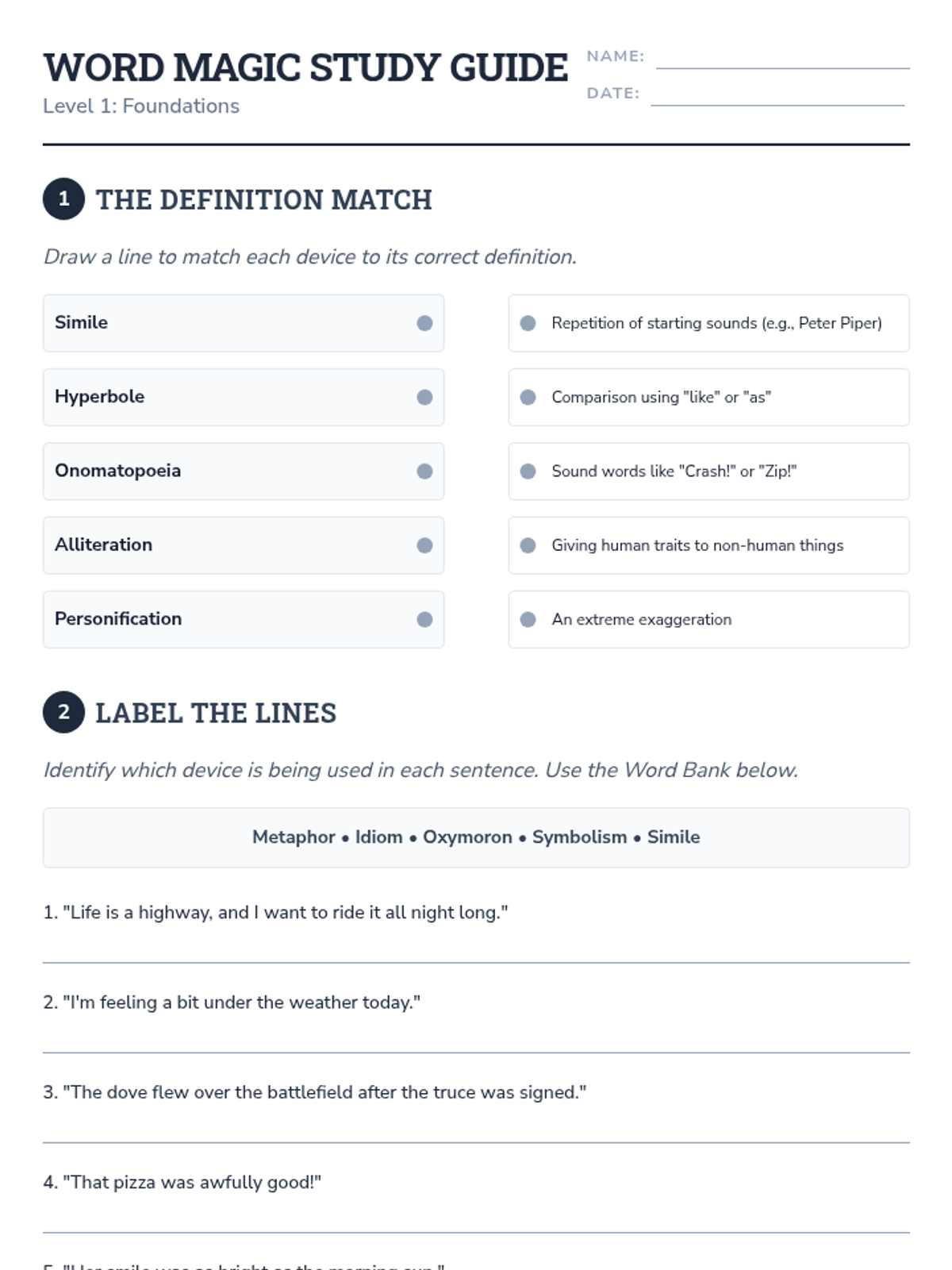
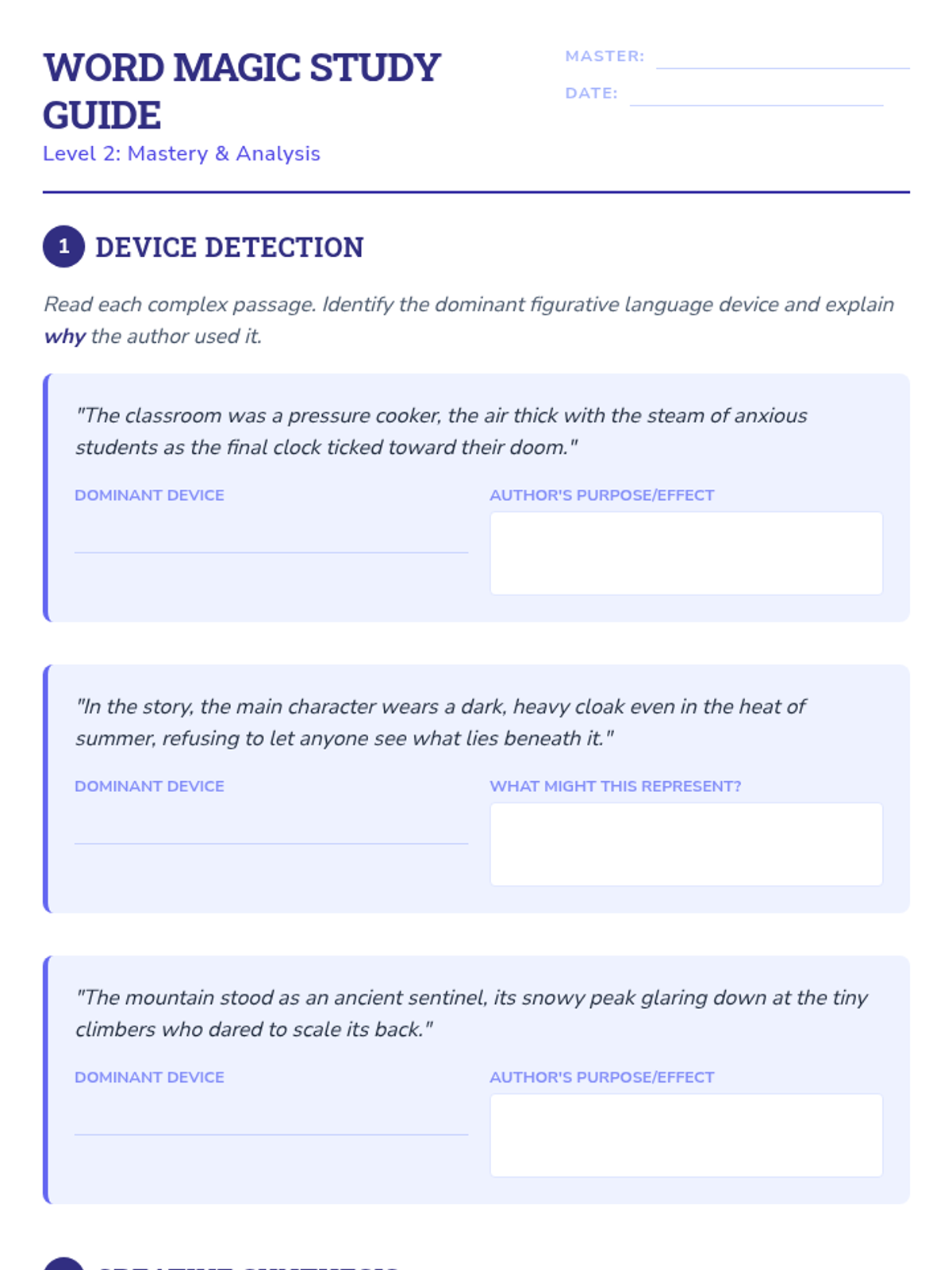
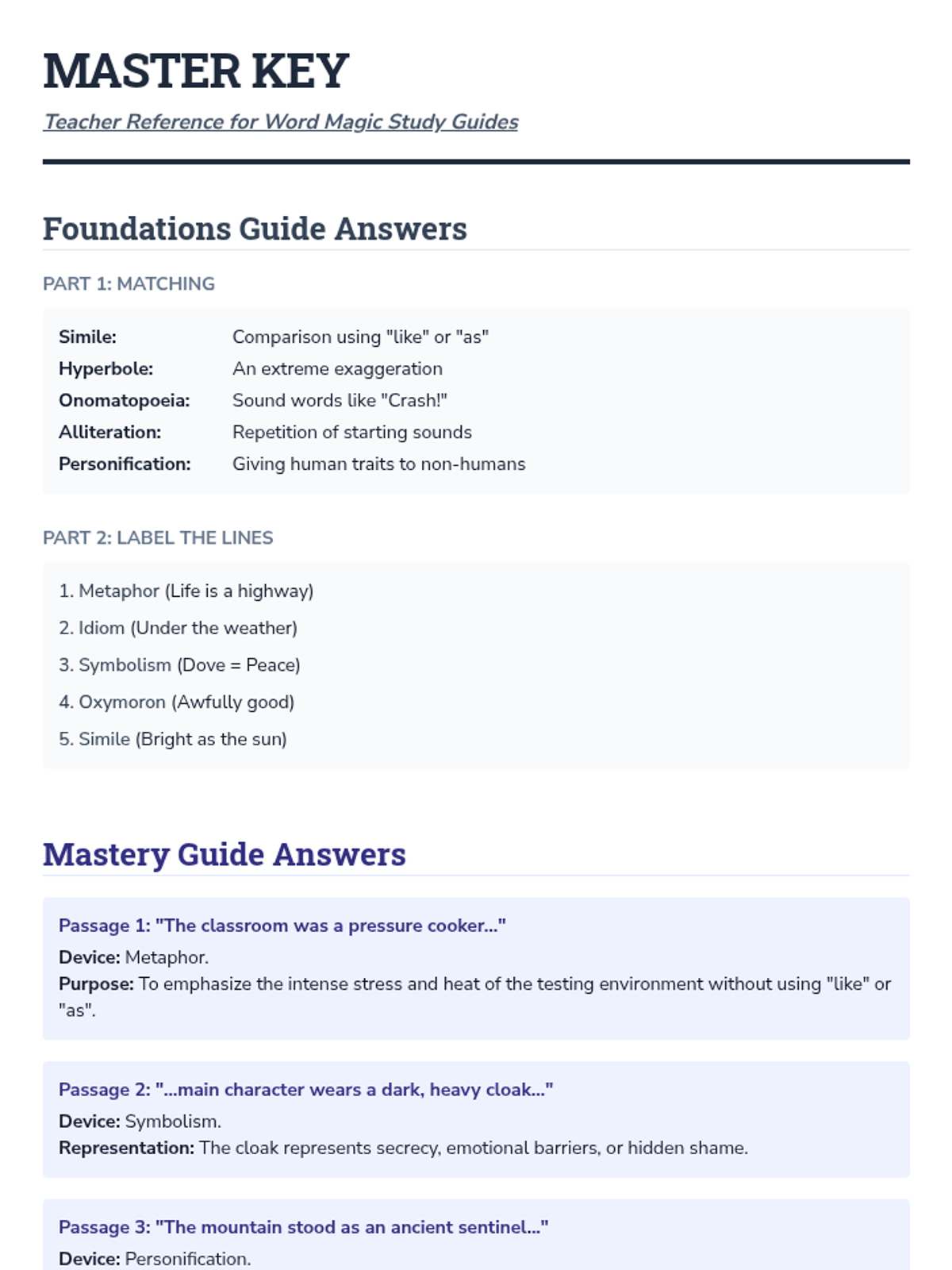
A comprehensive lesson on identifying and analyzing nine types of figurative language through tiered study guides and a visual reference sheet.
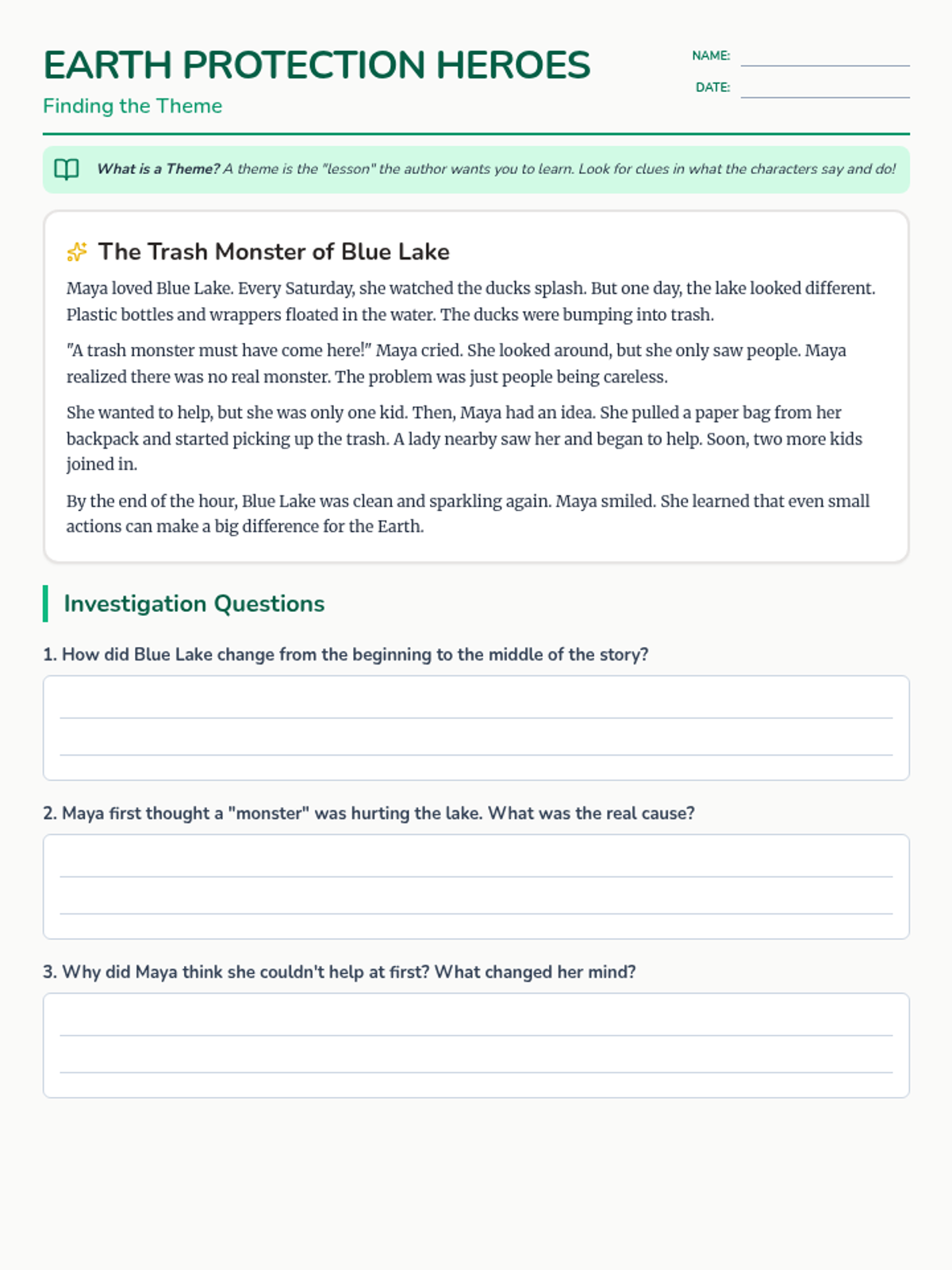
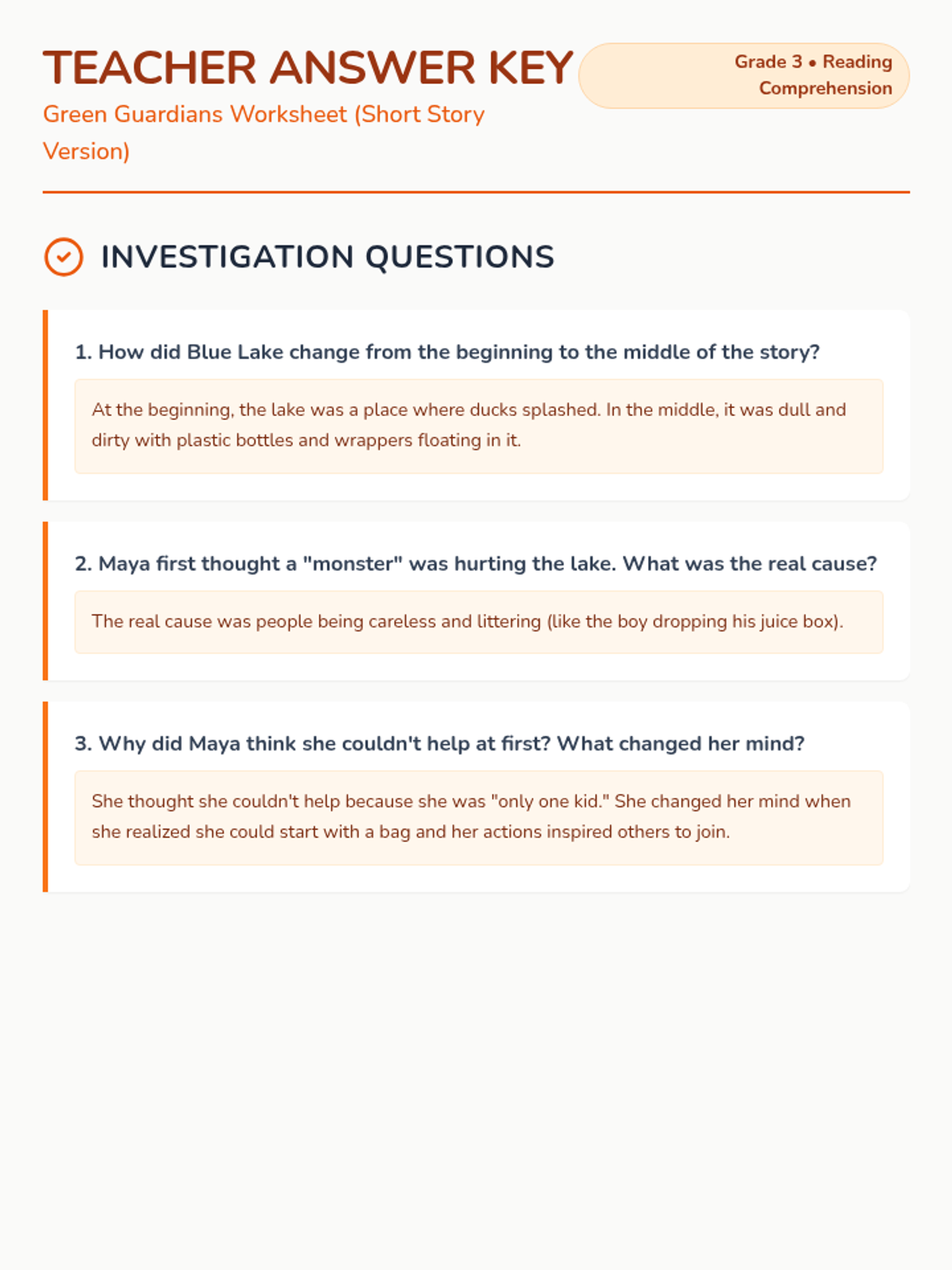
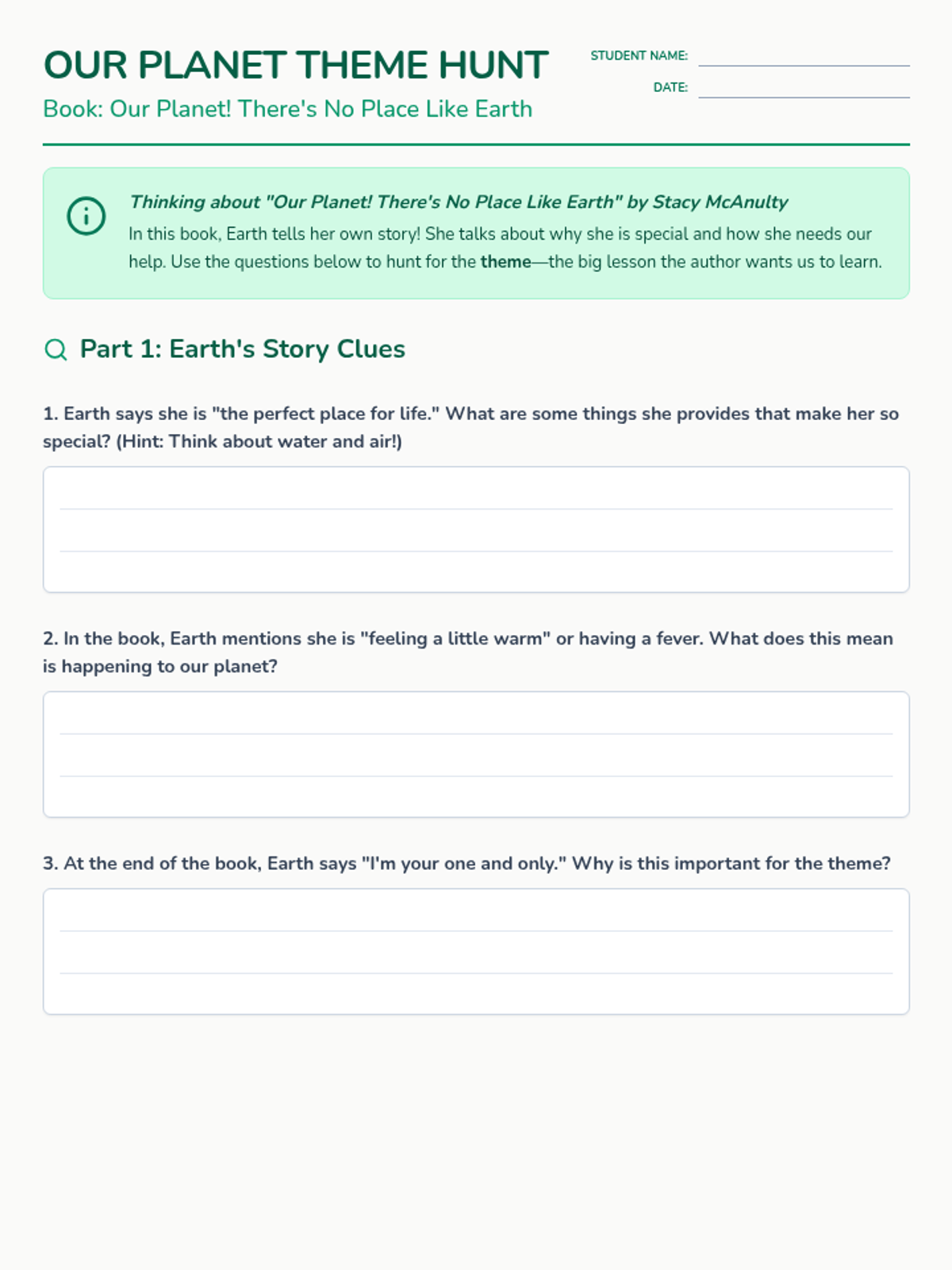
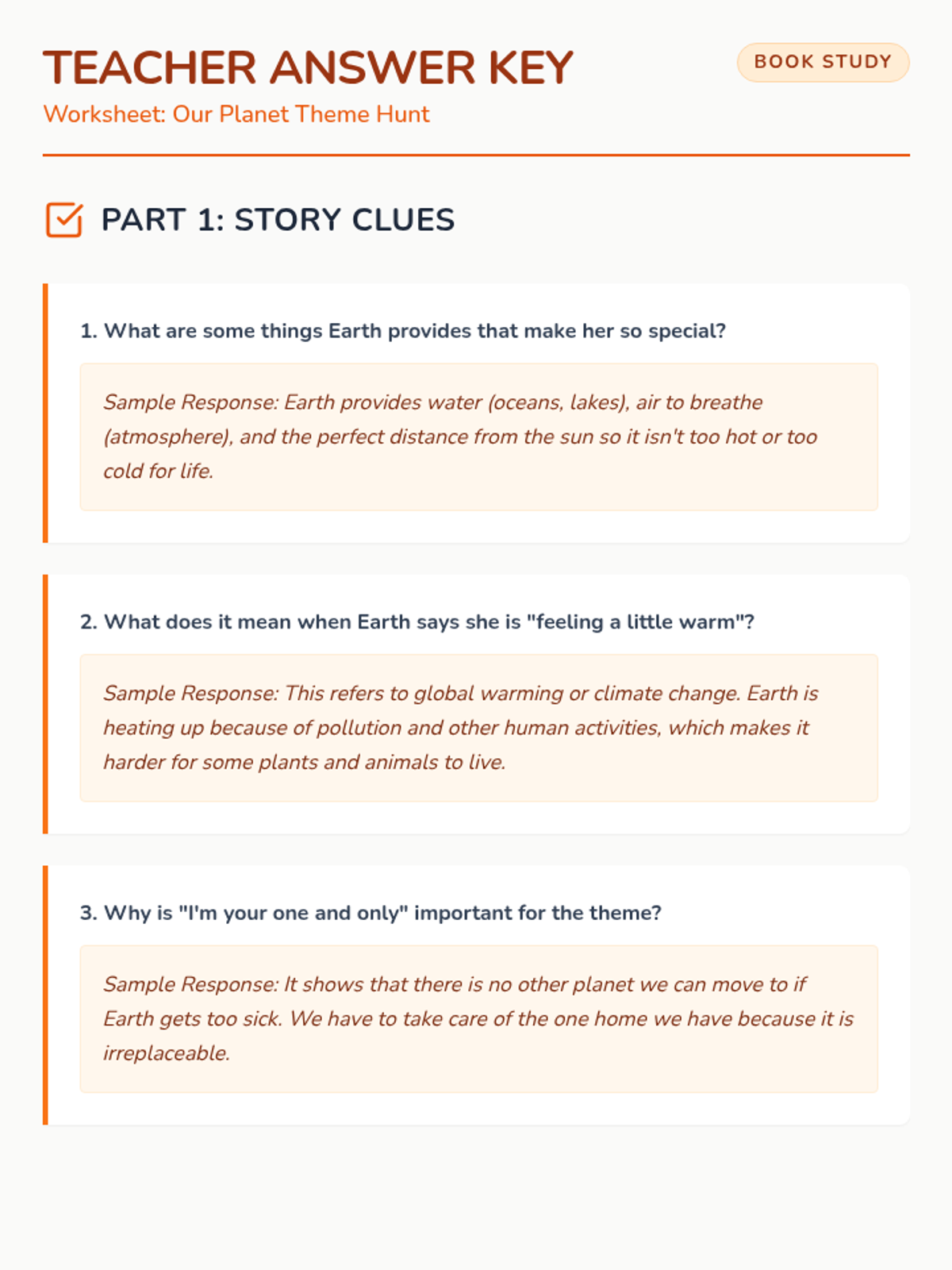
A reading comprehension lesson focused on identifying themes through a story about environmental stewardship. Students will analyze character actions and plot events to determine the underlying message about protecting the Earth.
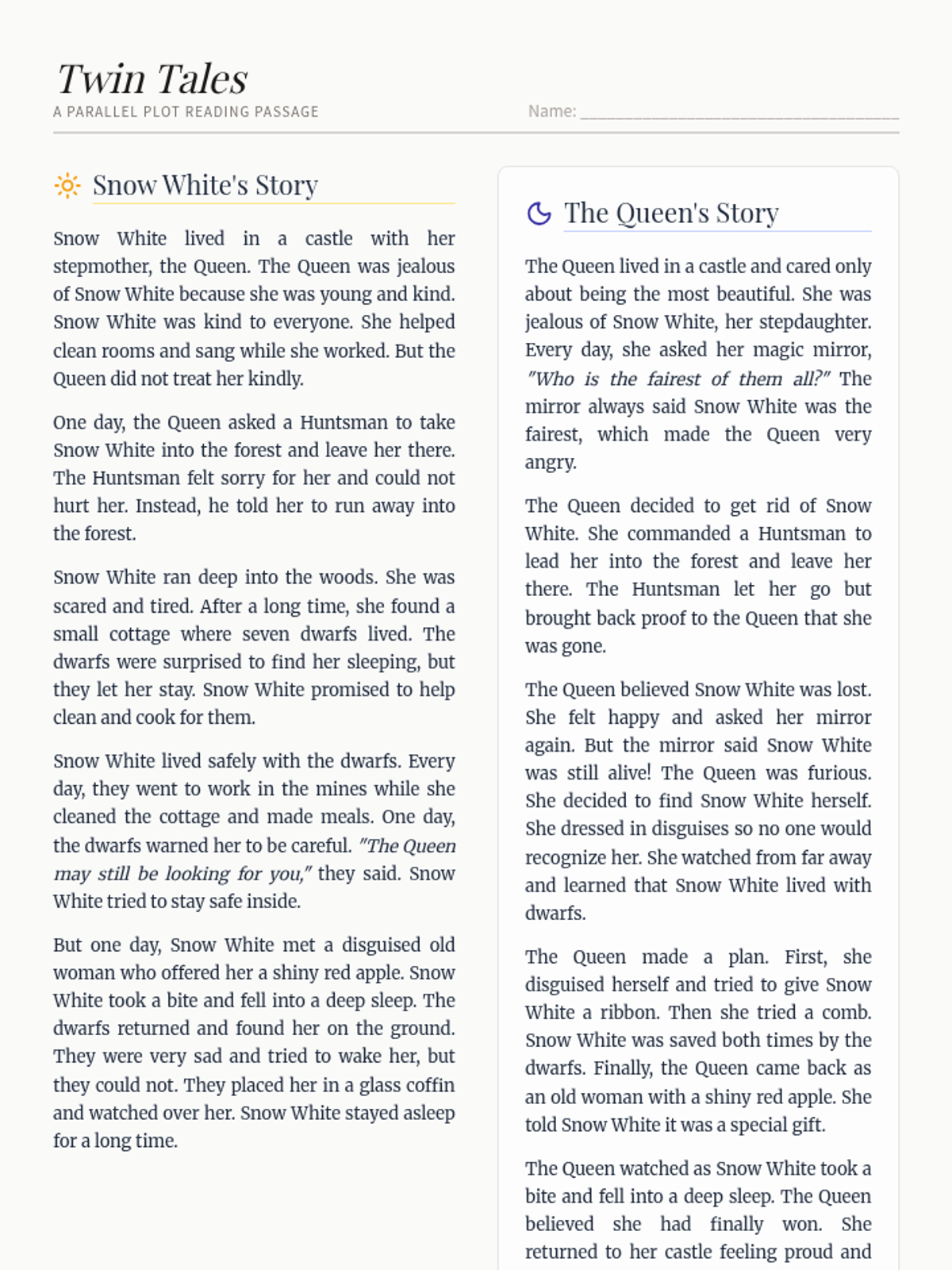
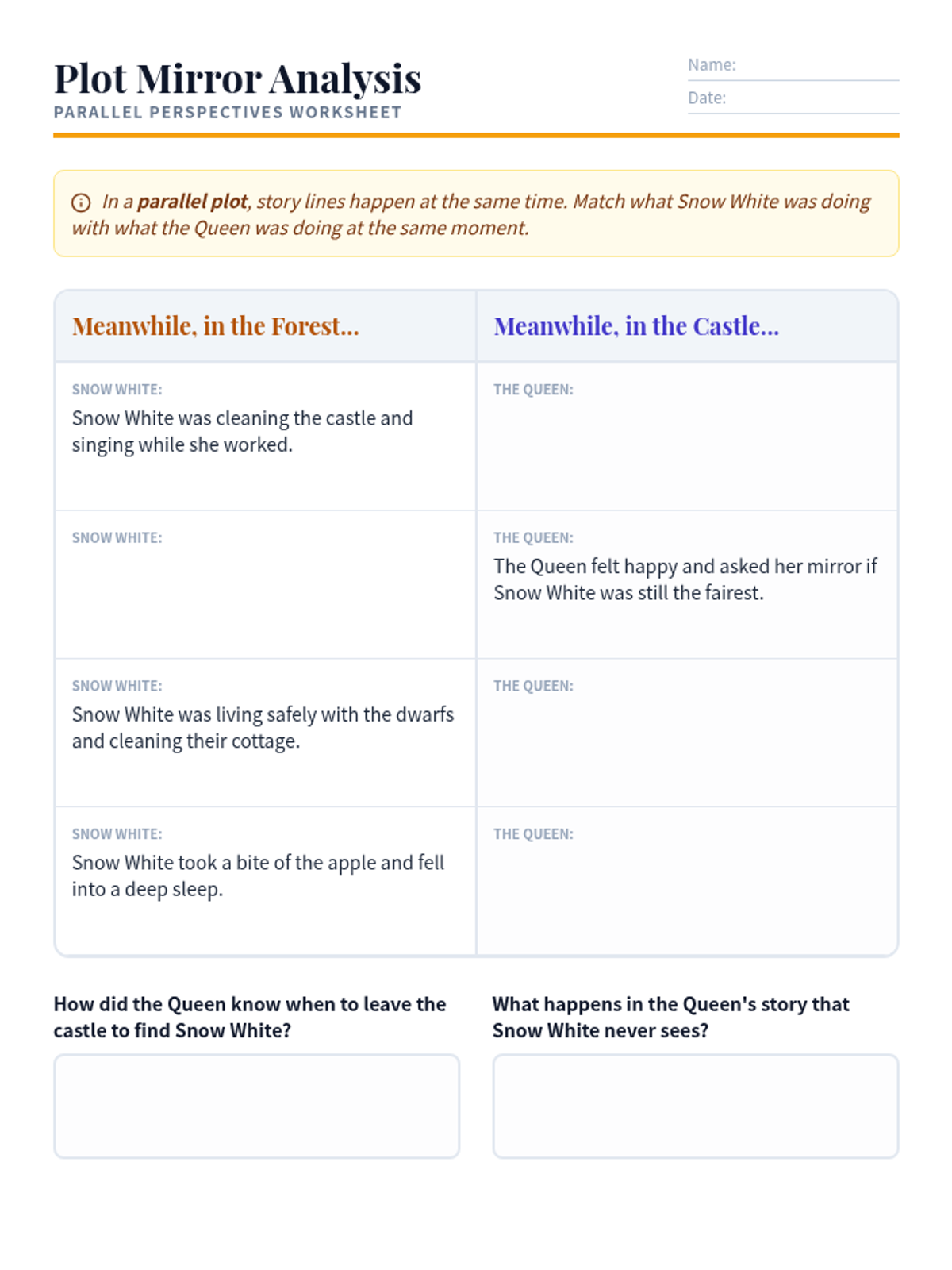
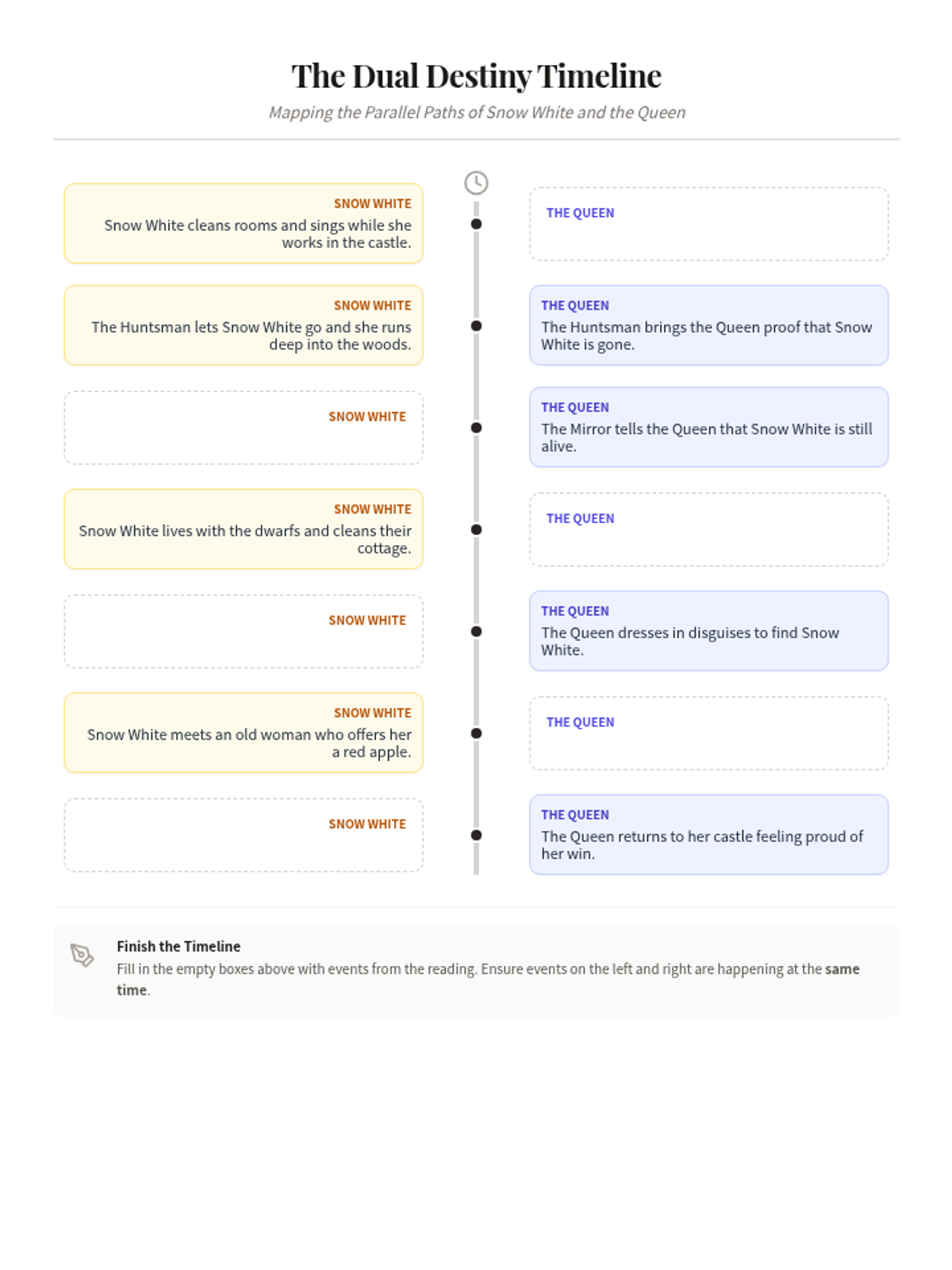
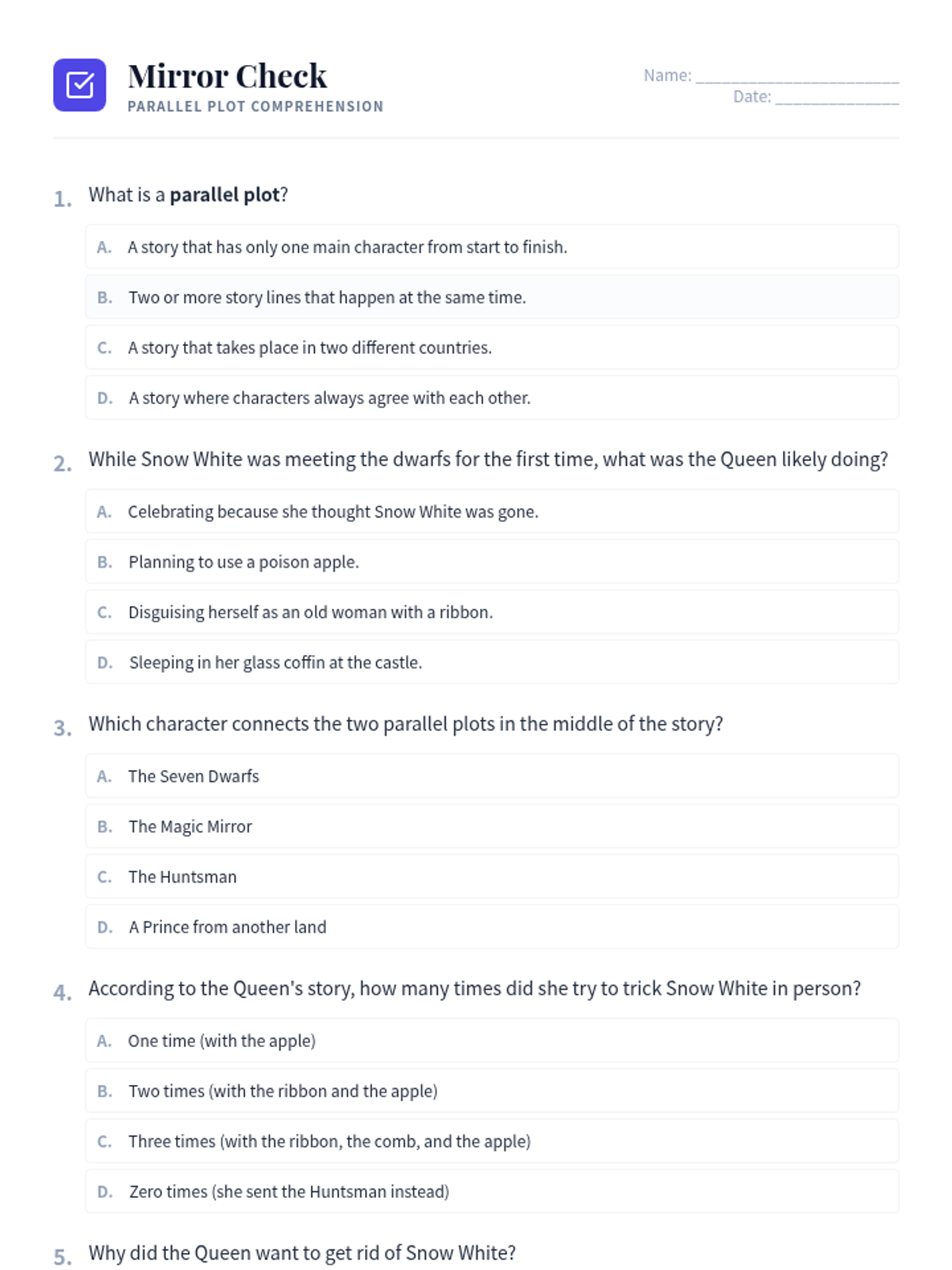
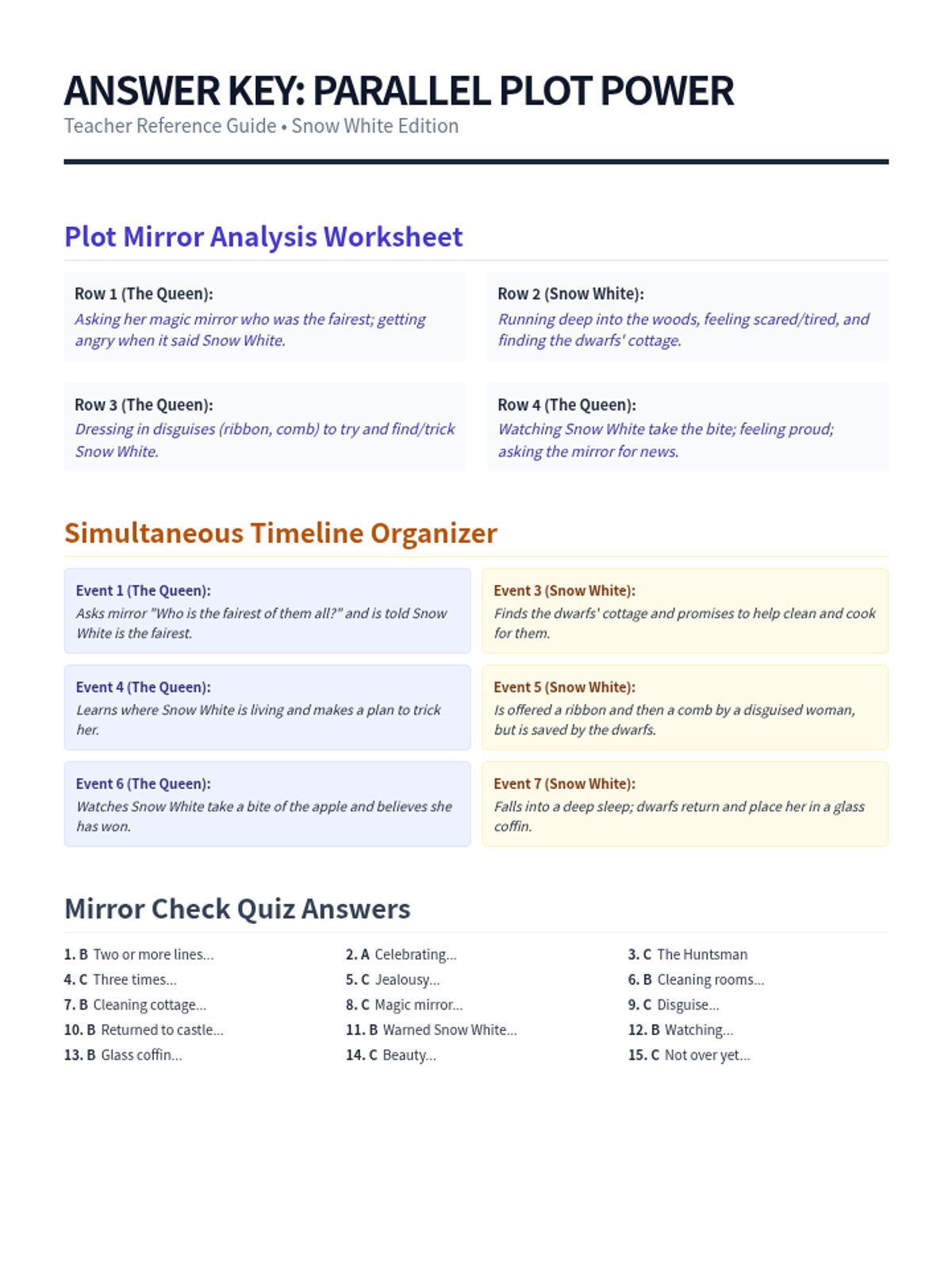
Students analyze two versions of the Snow White story to understand parallel plots, identifying how events in the Queen's journey occur simultaneously with Snow White's.
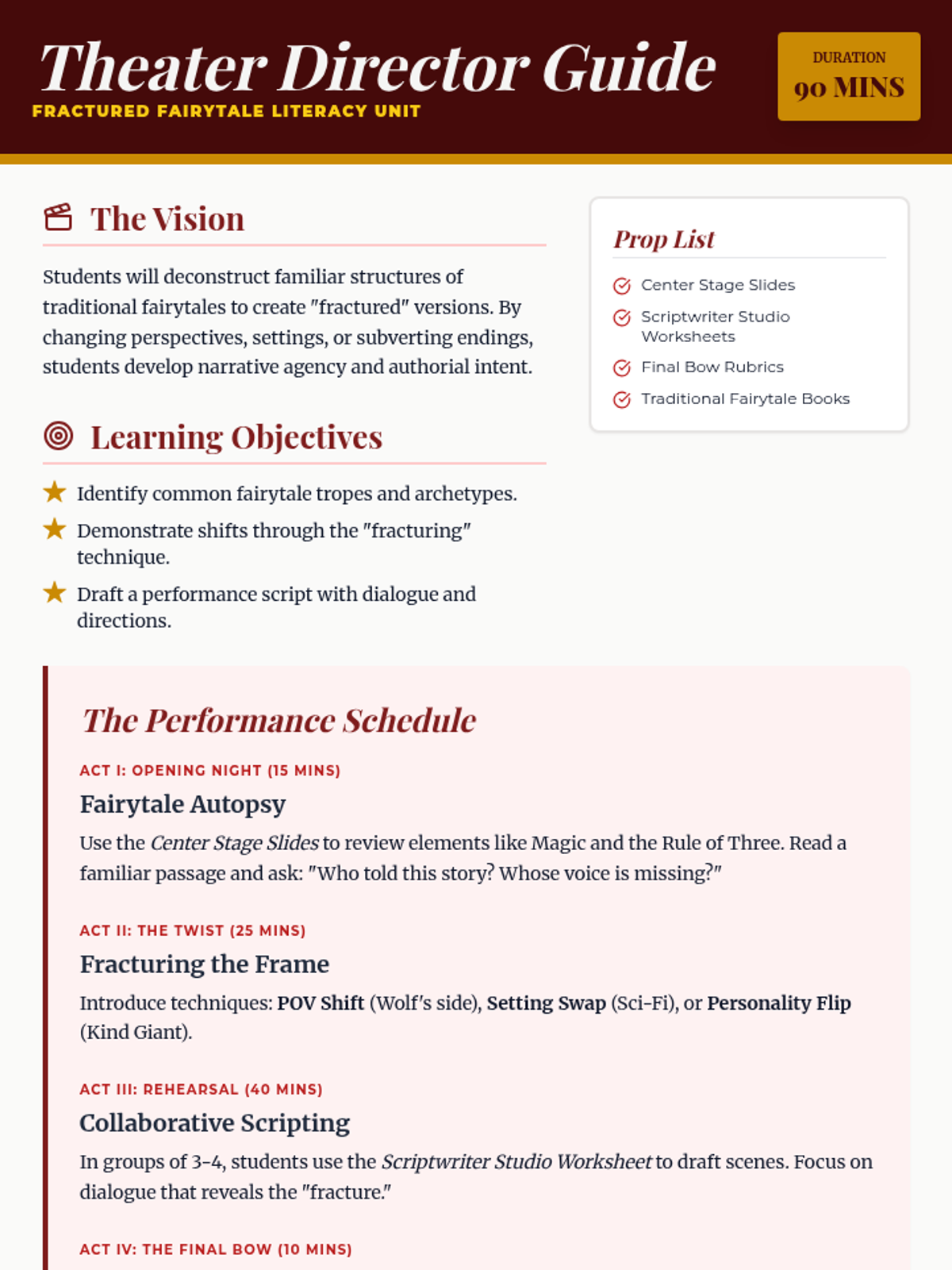
A literacy unit where students analyze traditional fairytales and collaborate to rewrite them through script-writing and dramatic play. Students explore character perspectives and alternative endings to strengthen comprehension and creative expression.
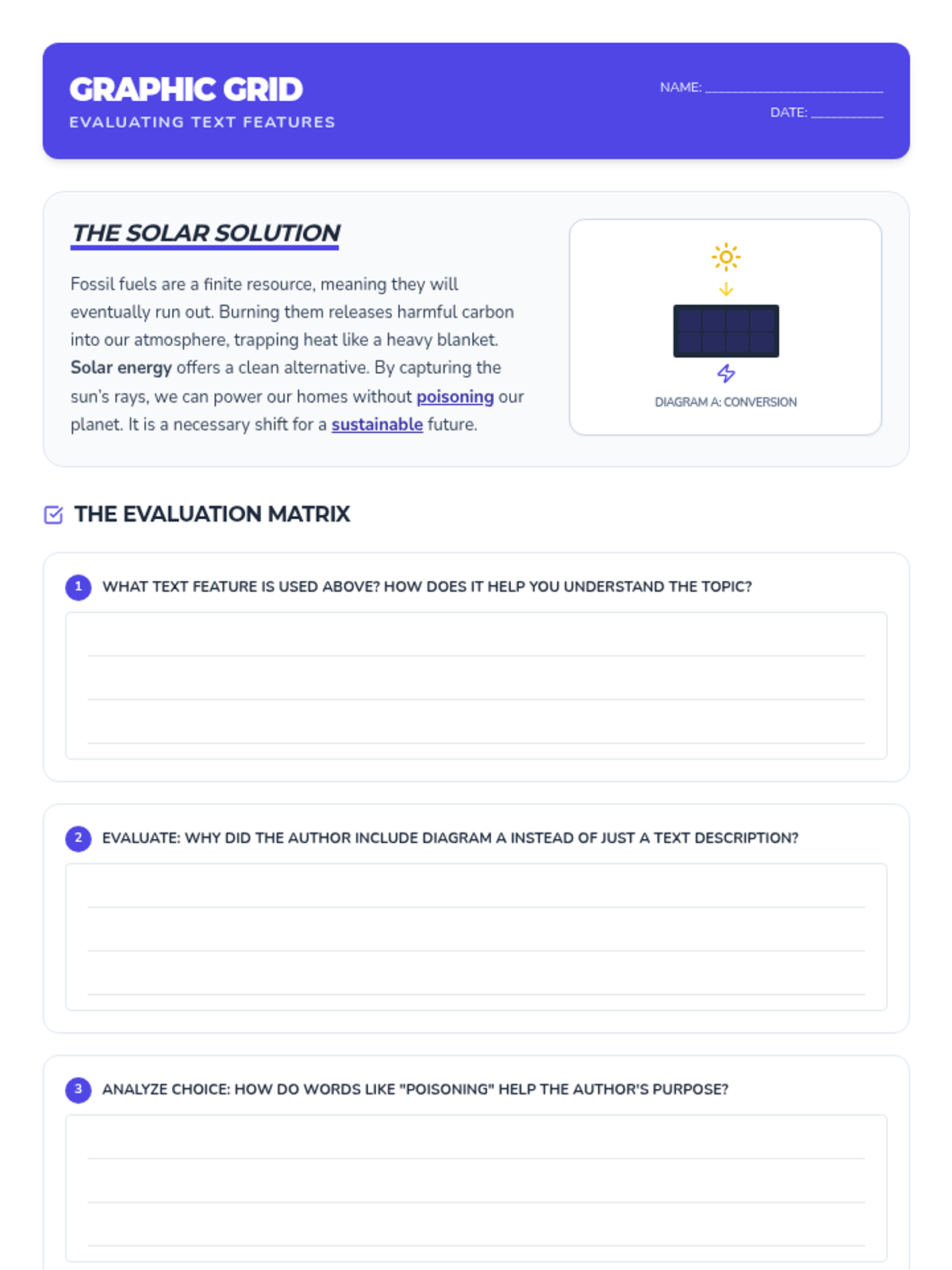
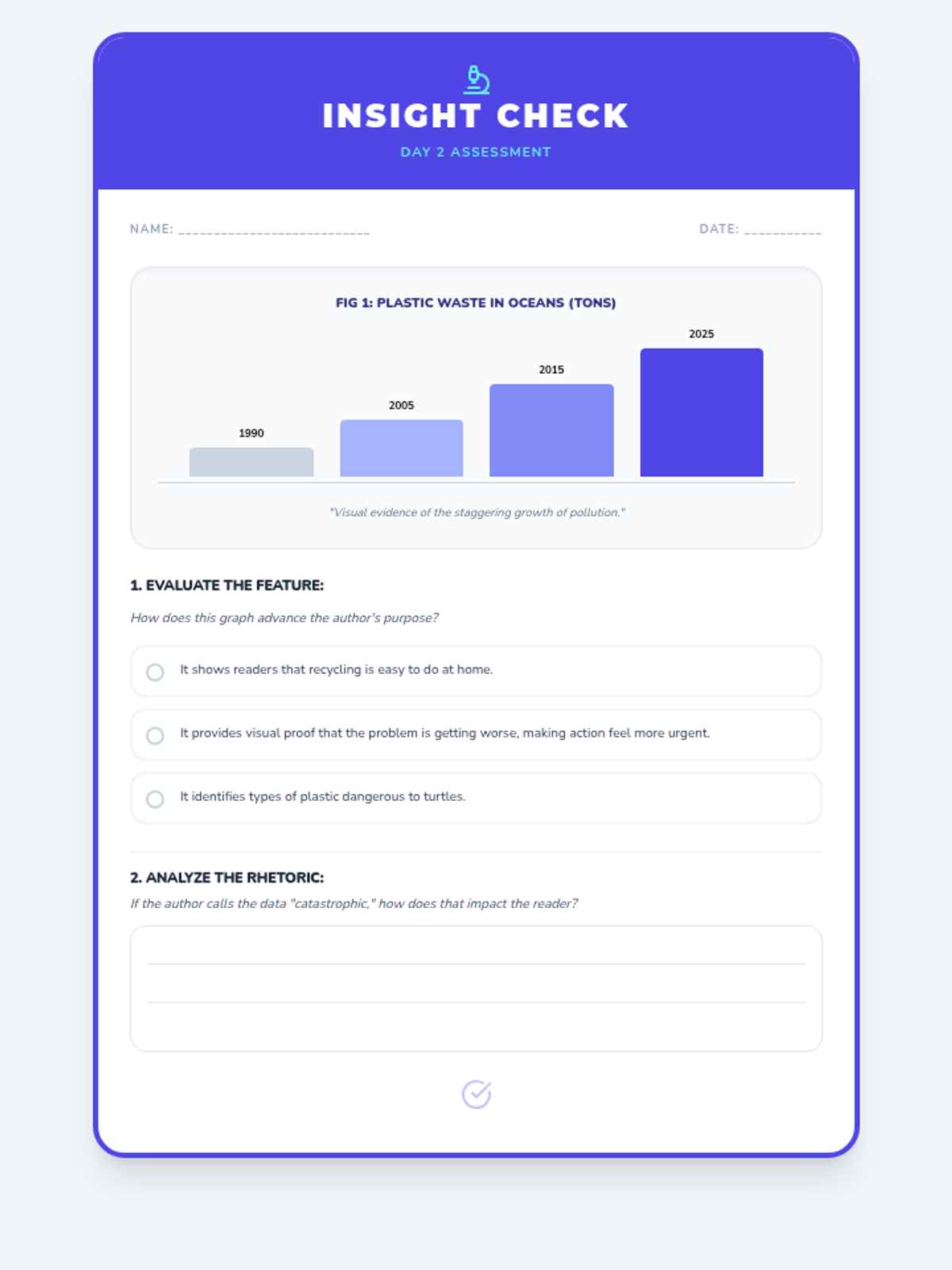
Focuses on evaluating how text and graphic features enhance informational texts and investigating how rhetorical techniques serve an author's specific intent.