A lesson where students master tag questions, direct address, and yes/no commas through a 'Detective Interview' role-play activity. Students analyze how tag questions shift tone and influence persuasive speech.
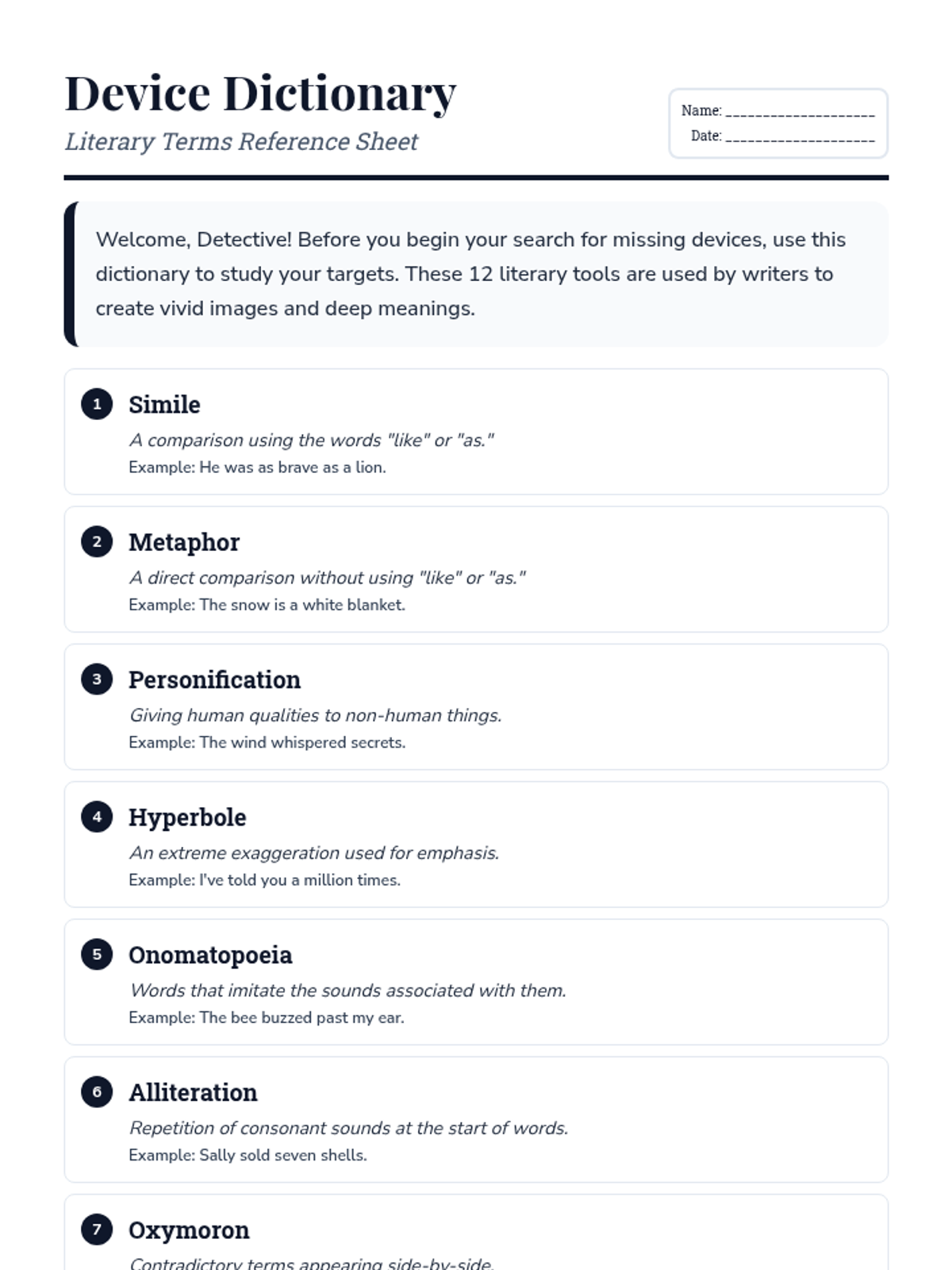
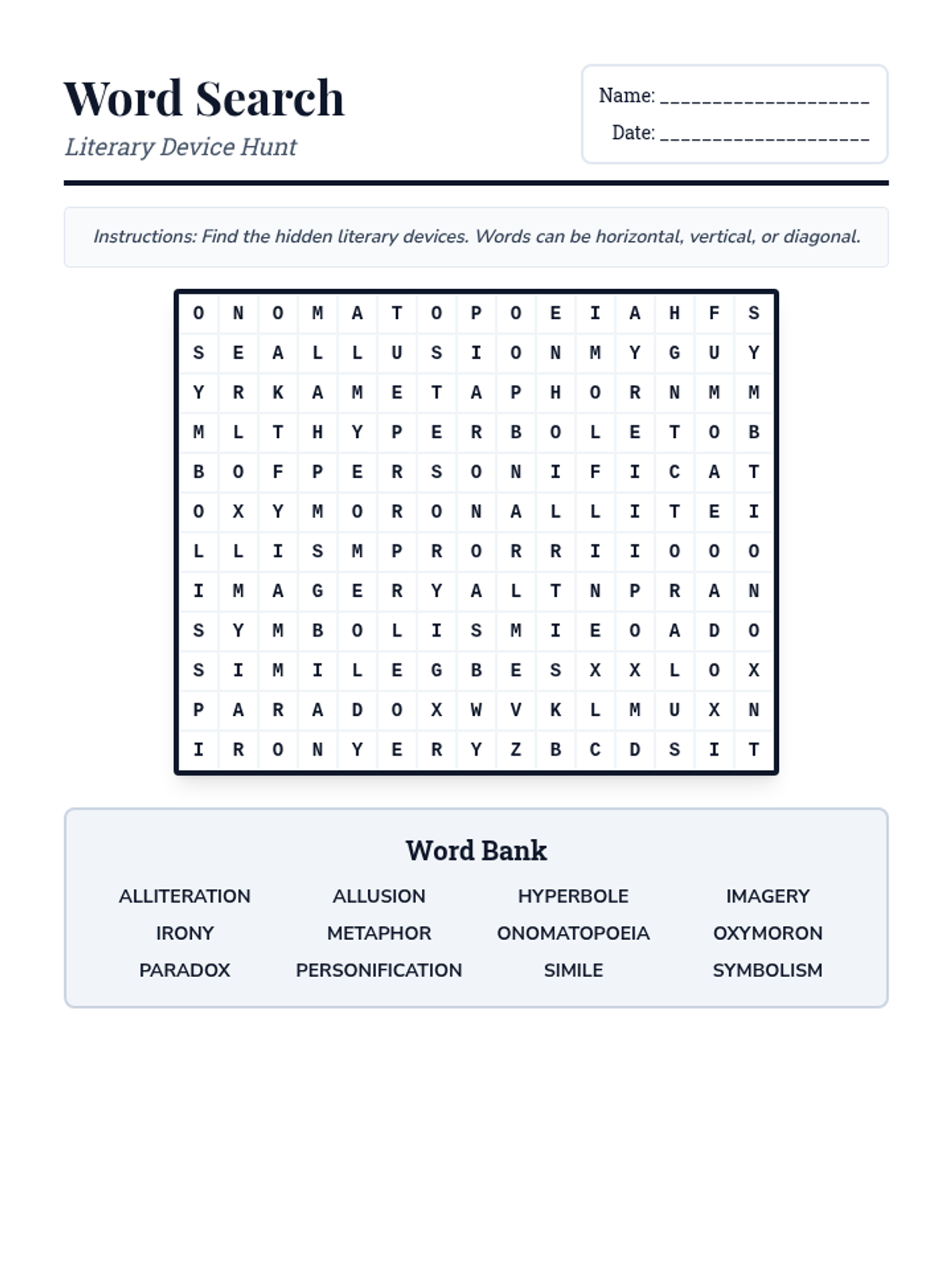
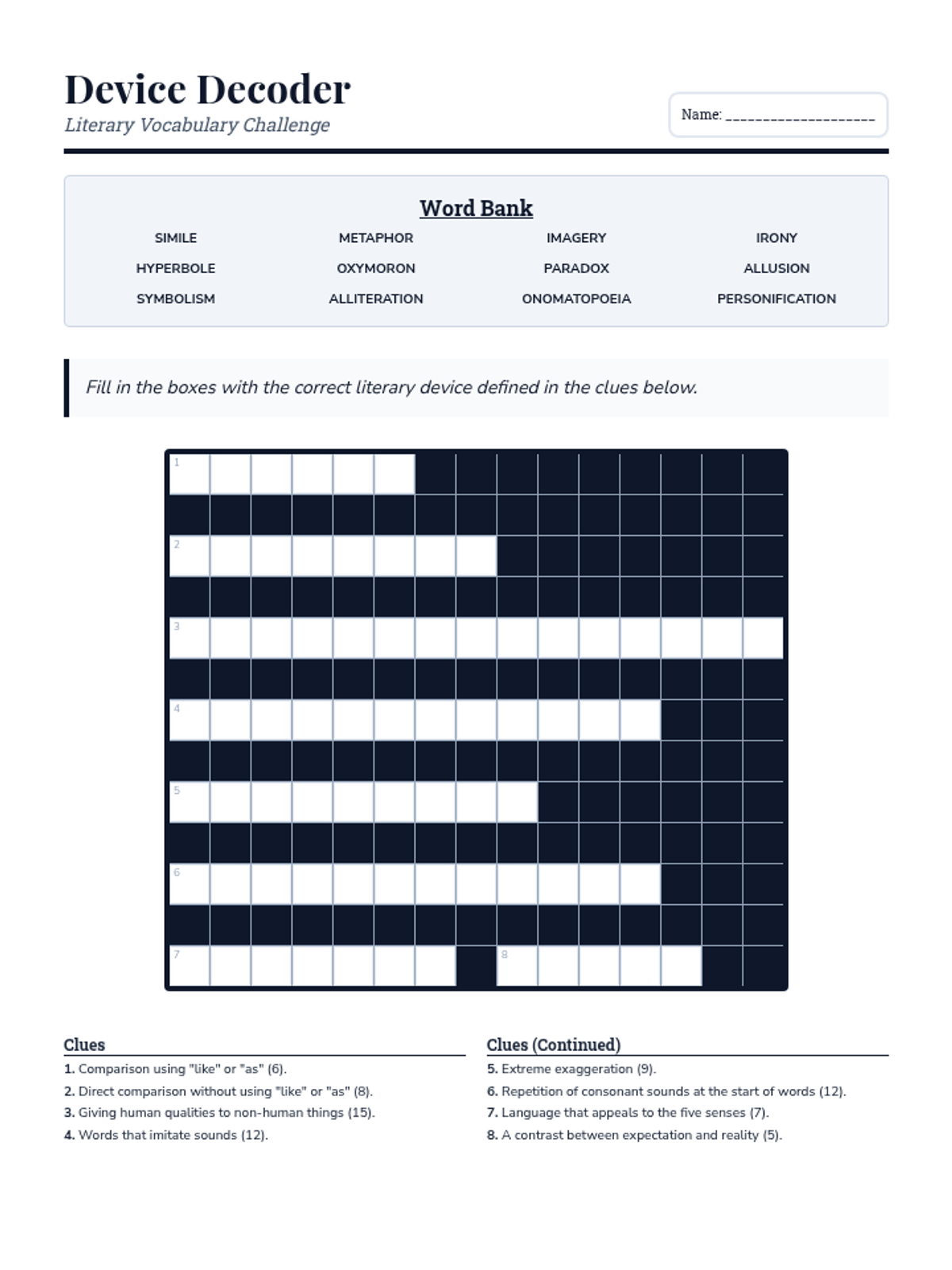
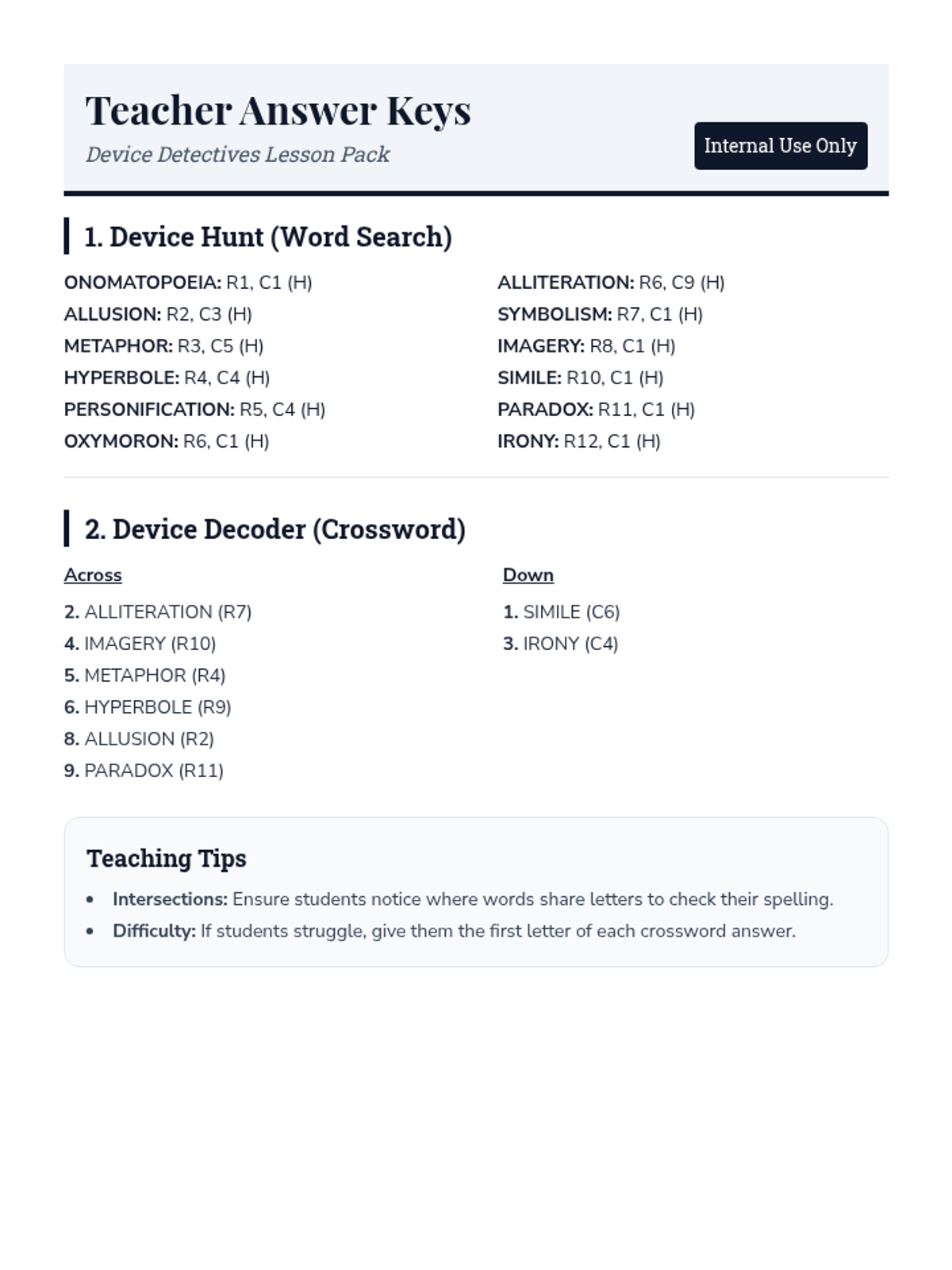
An introductory lesson focusing on identifying and defining common literary devices through engaging puzzles and reference materials.
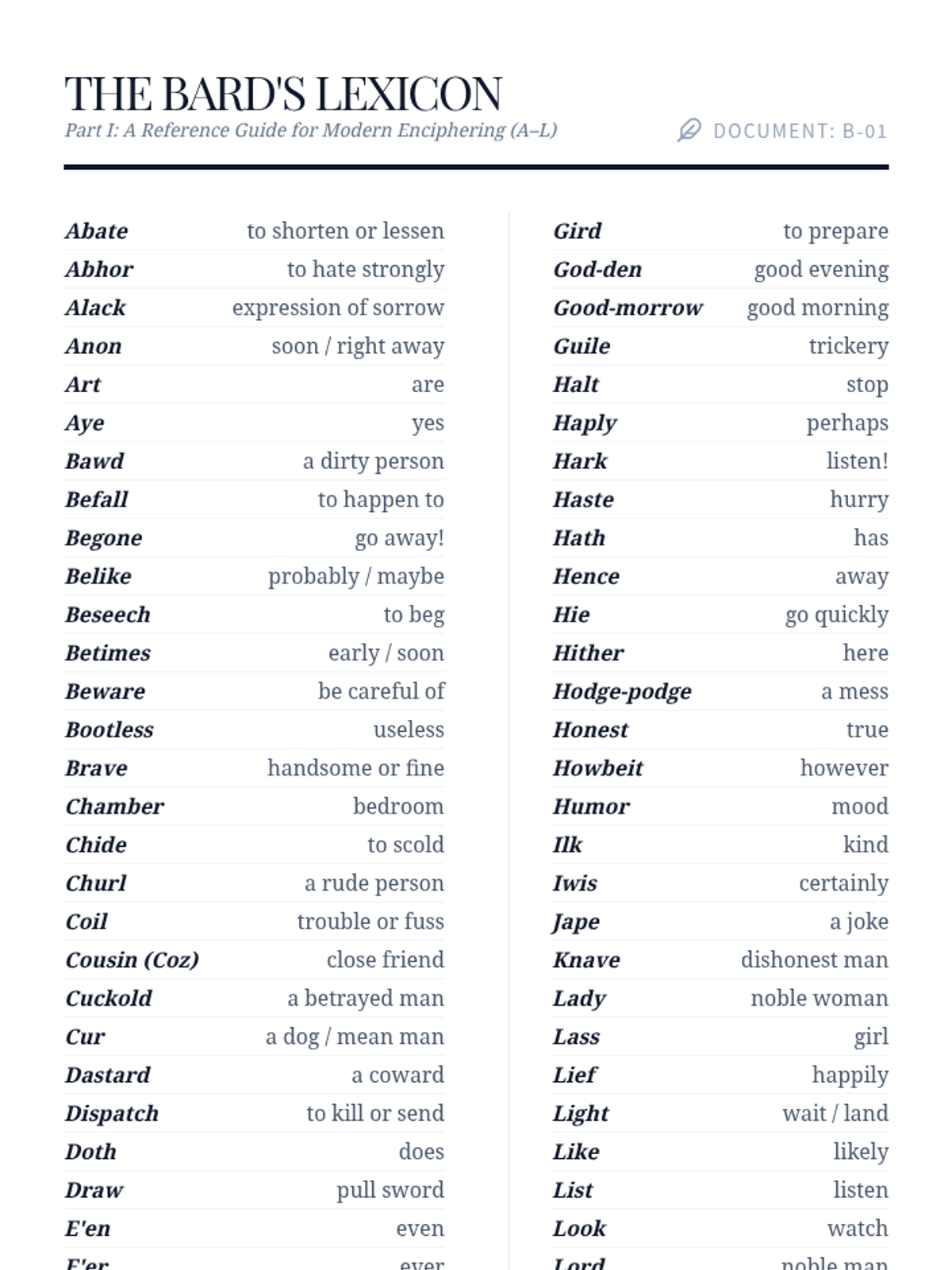
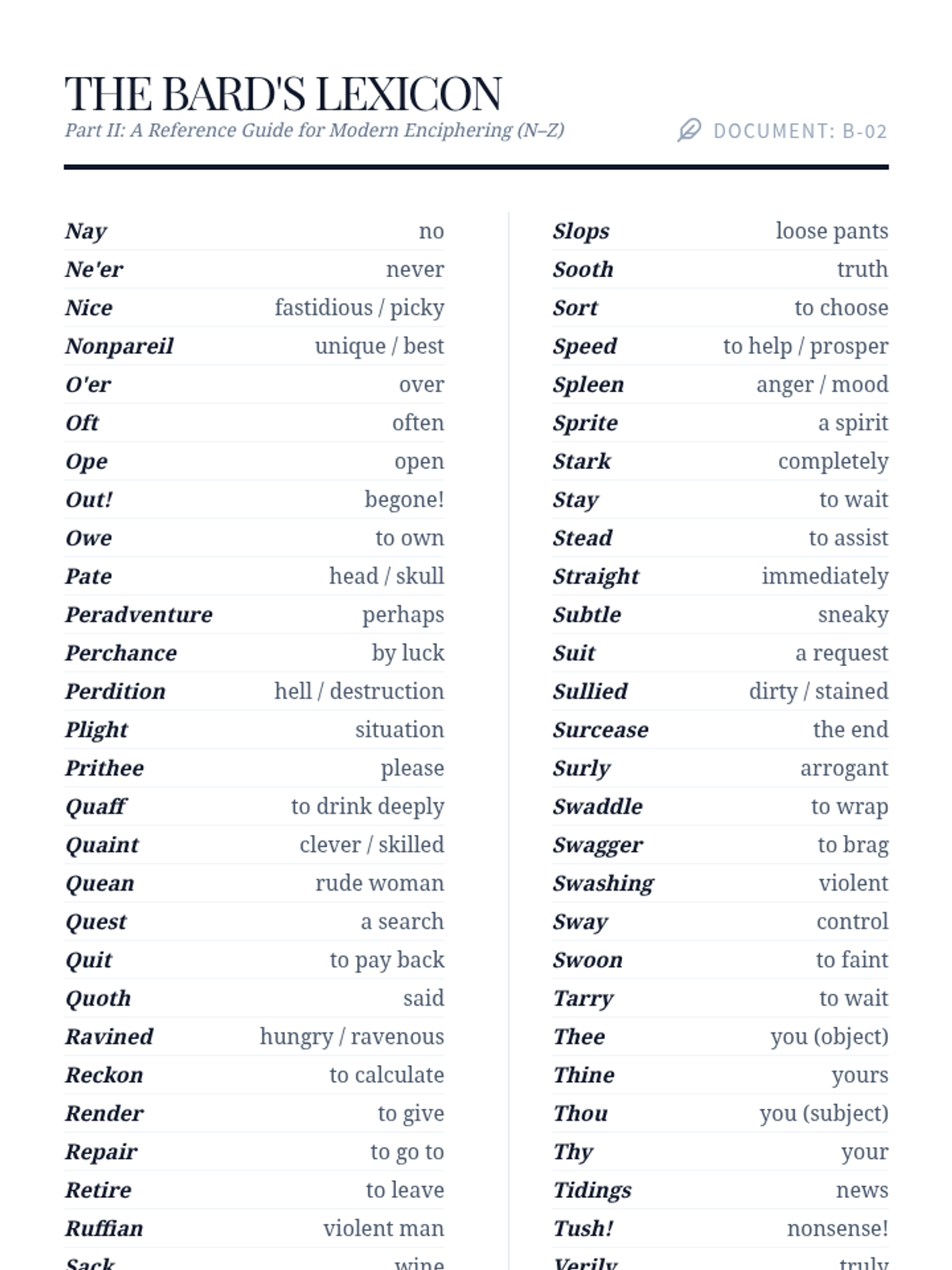
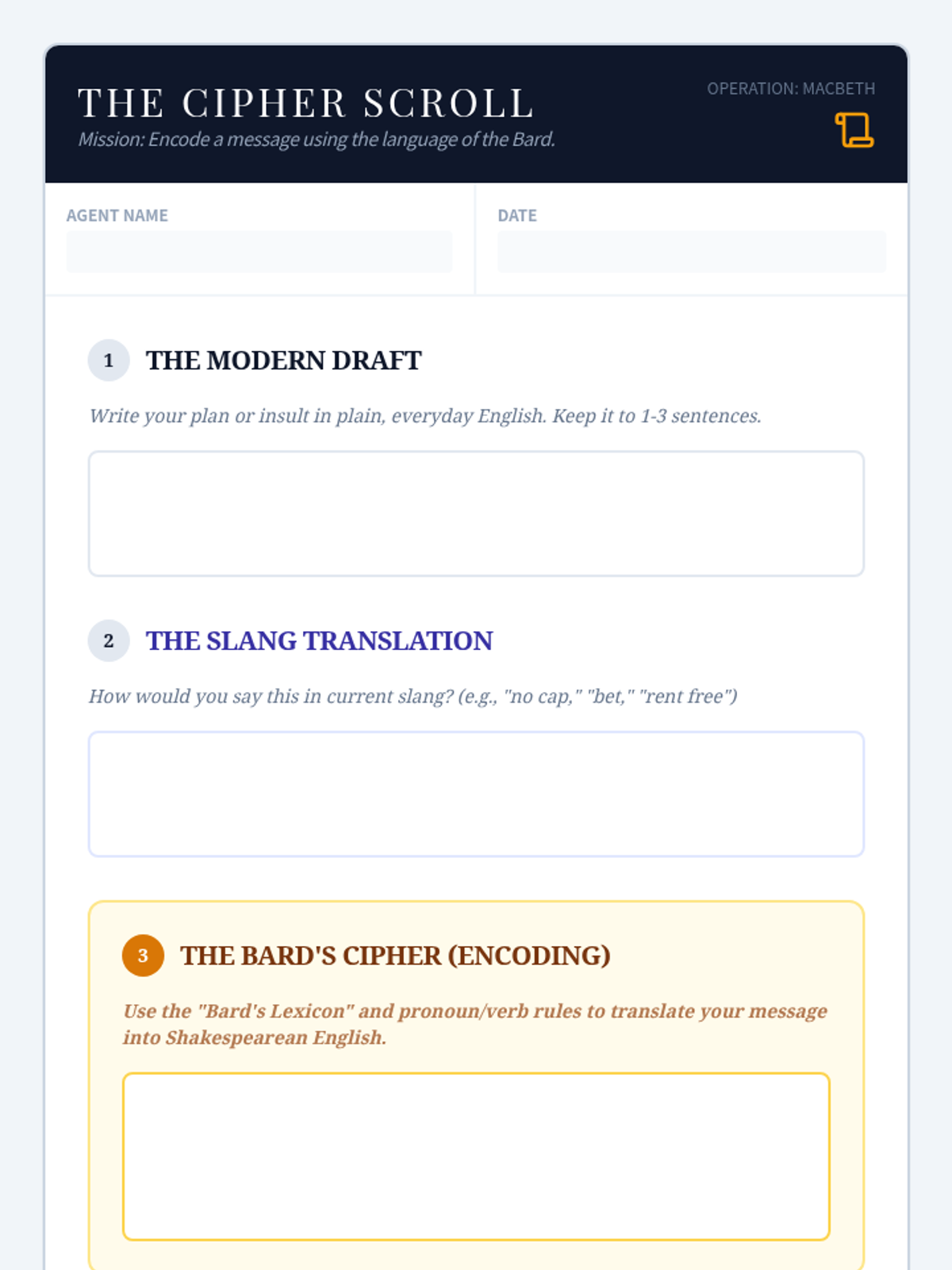
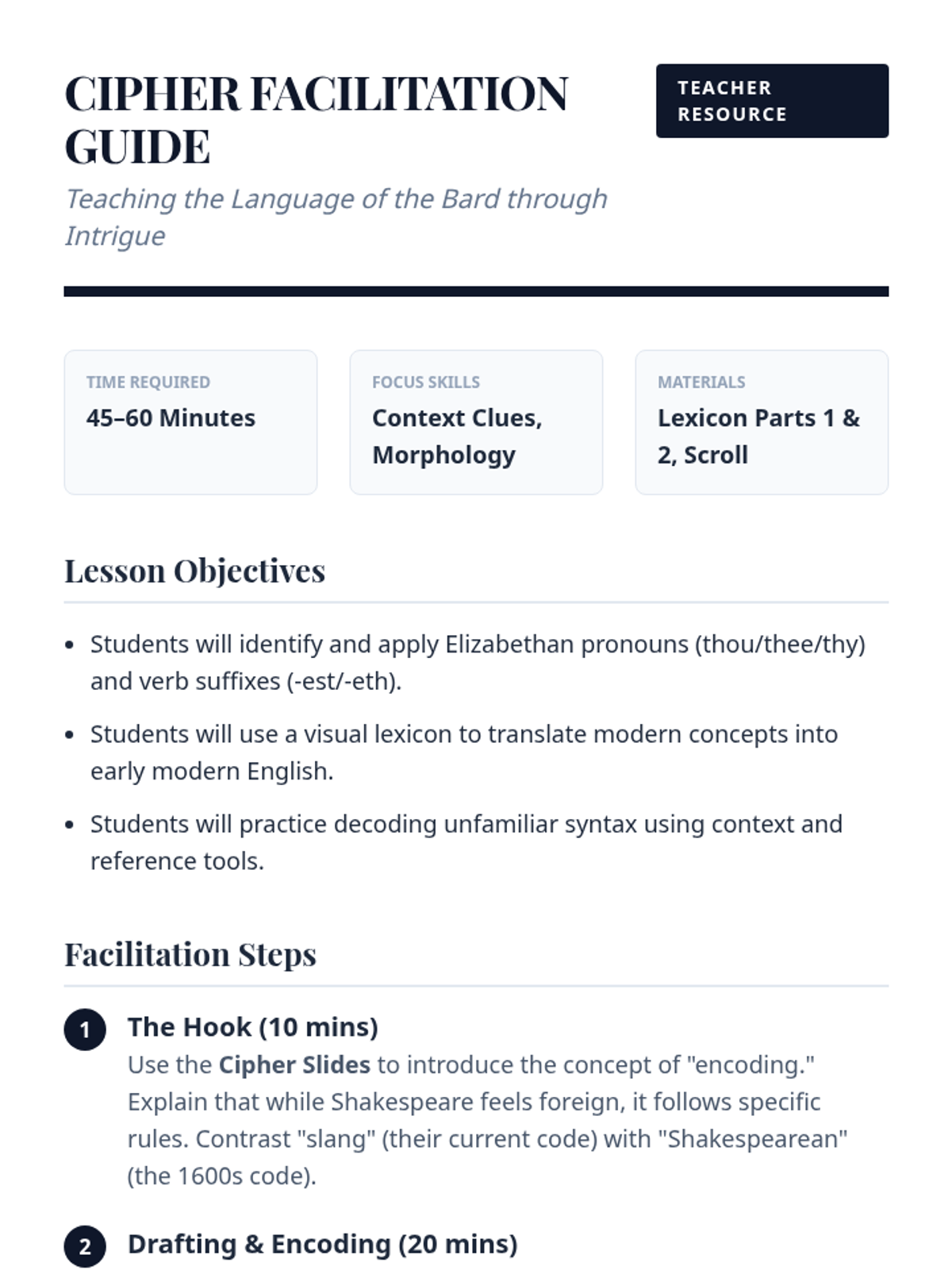
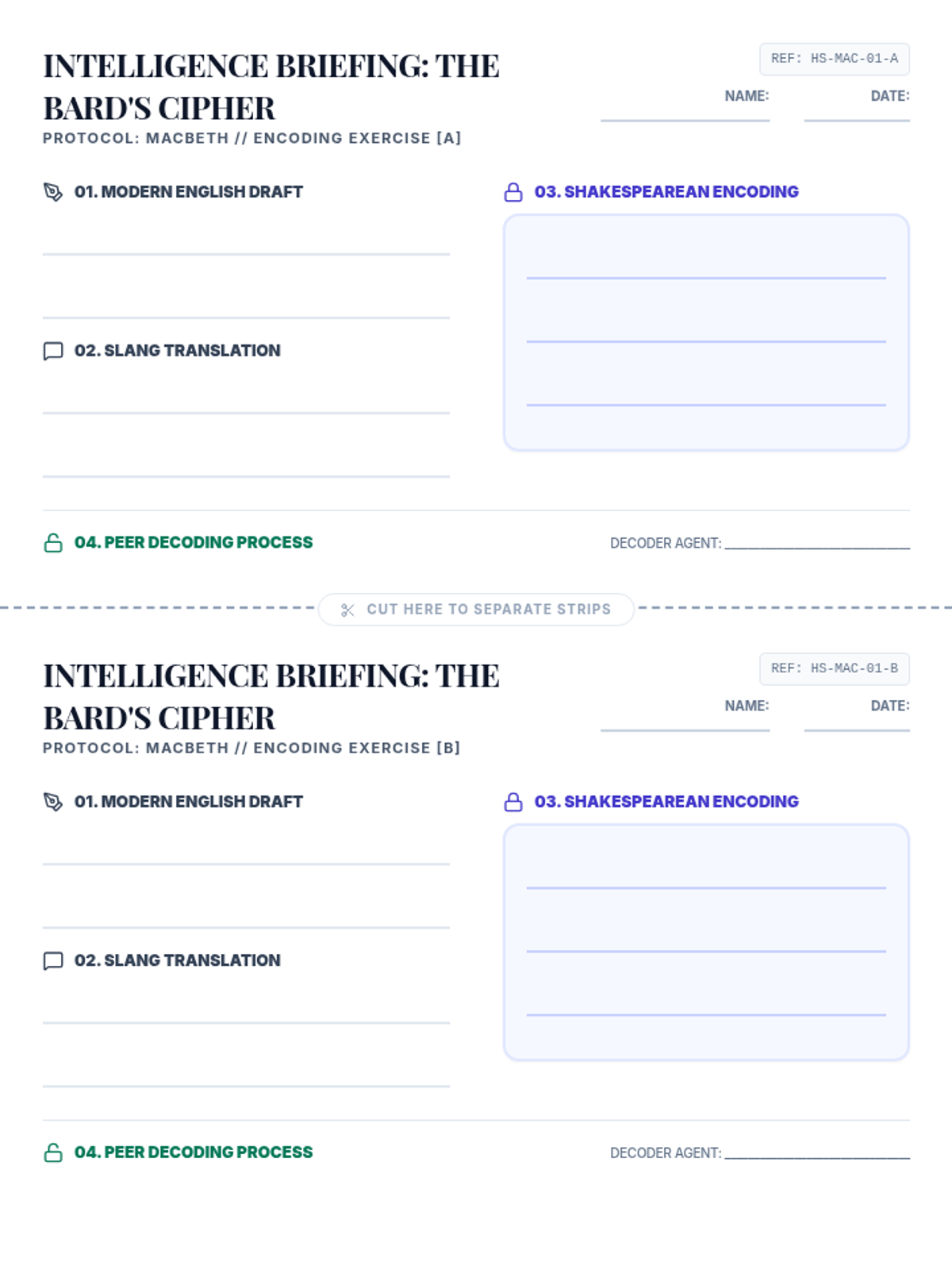
A hands-on activity where students learn to decode and encode Shakespearean language by writing secret messages or insults, then swapping them with peers to translate.
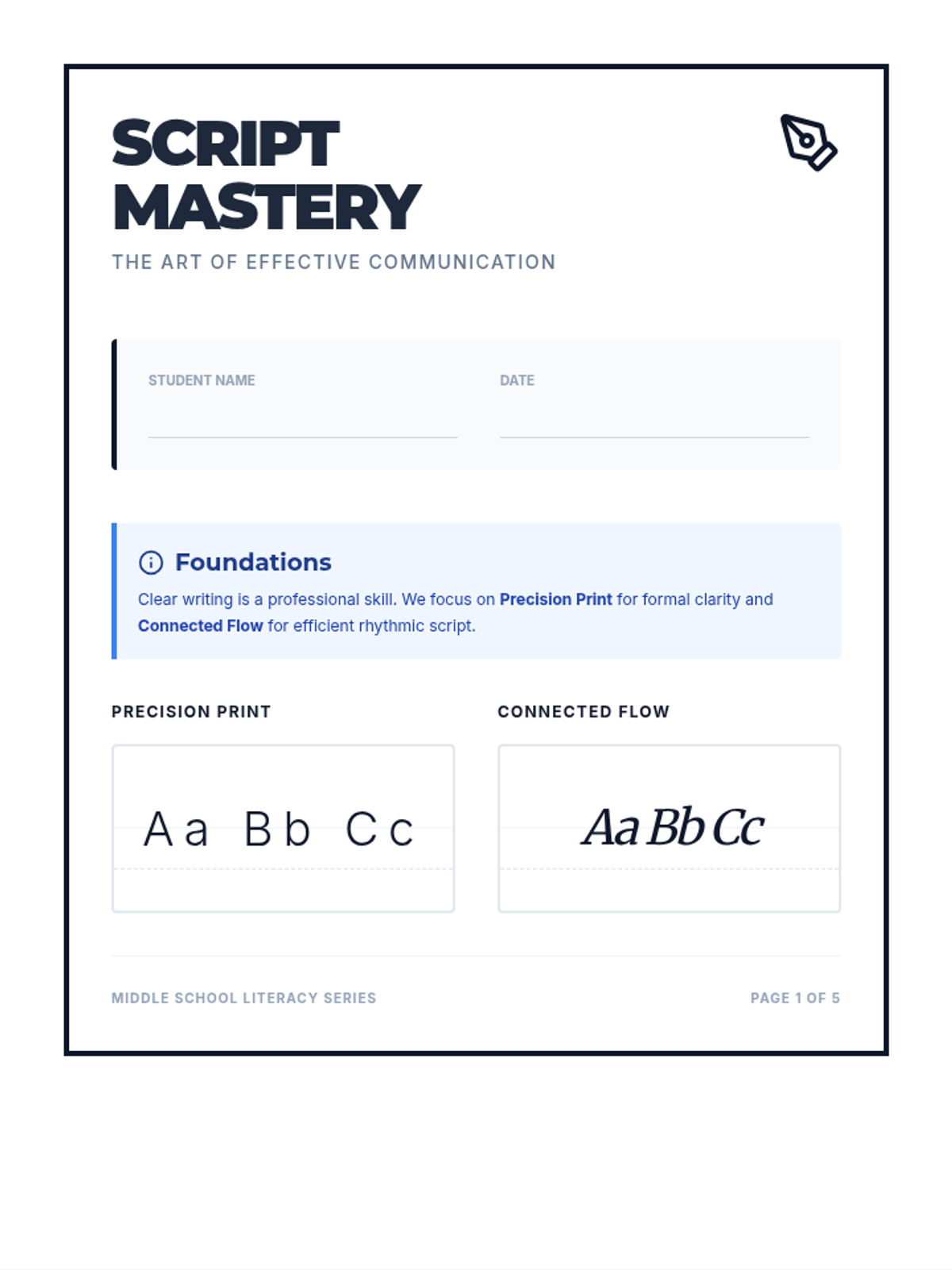
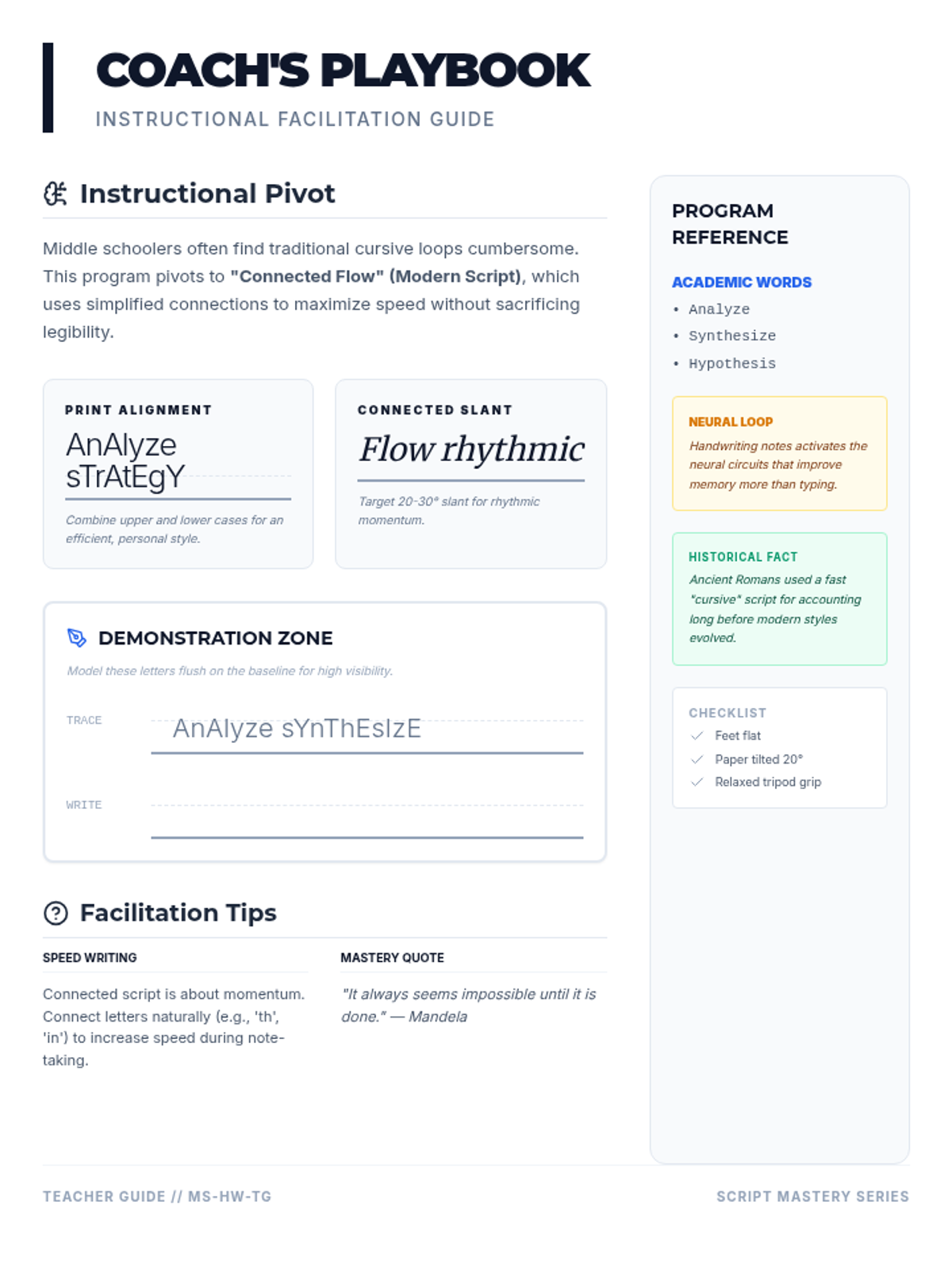
A comprehensive handwriting improvement program for middle school students, blending print and cursive techniques using engaging academic and motivational content.
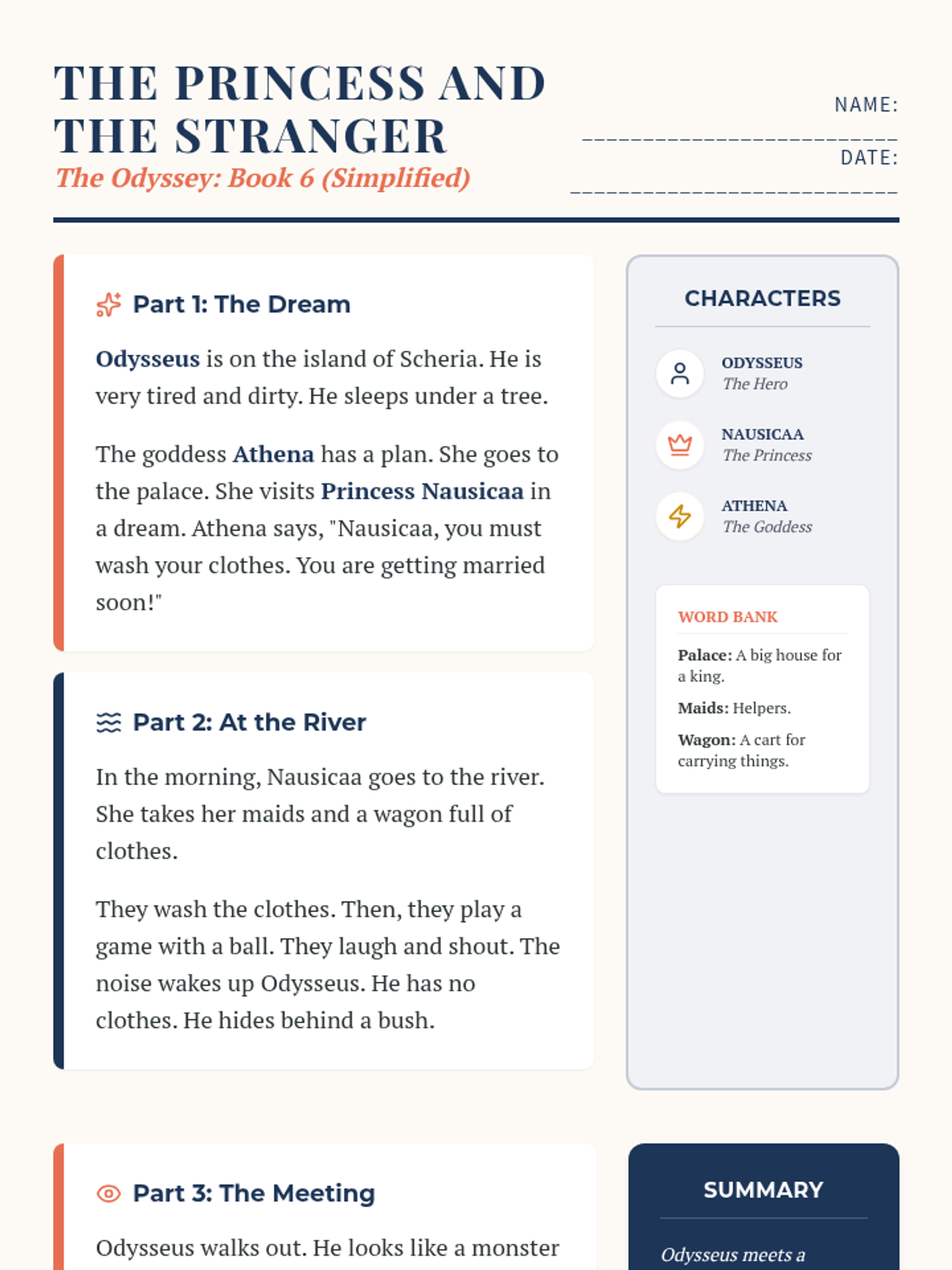
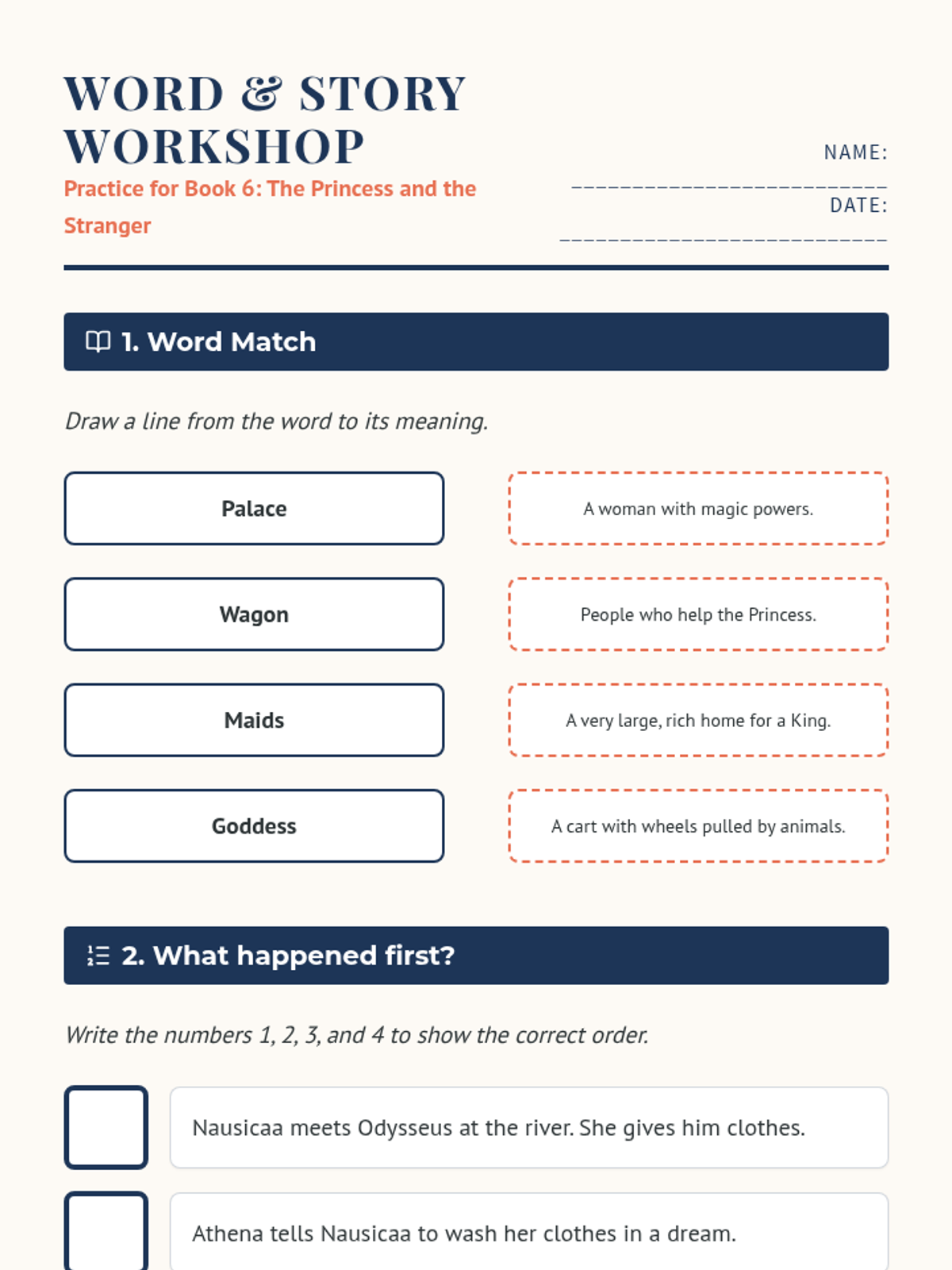
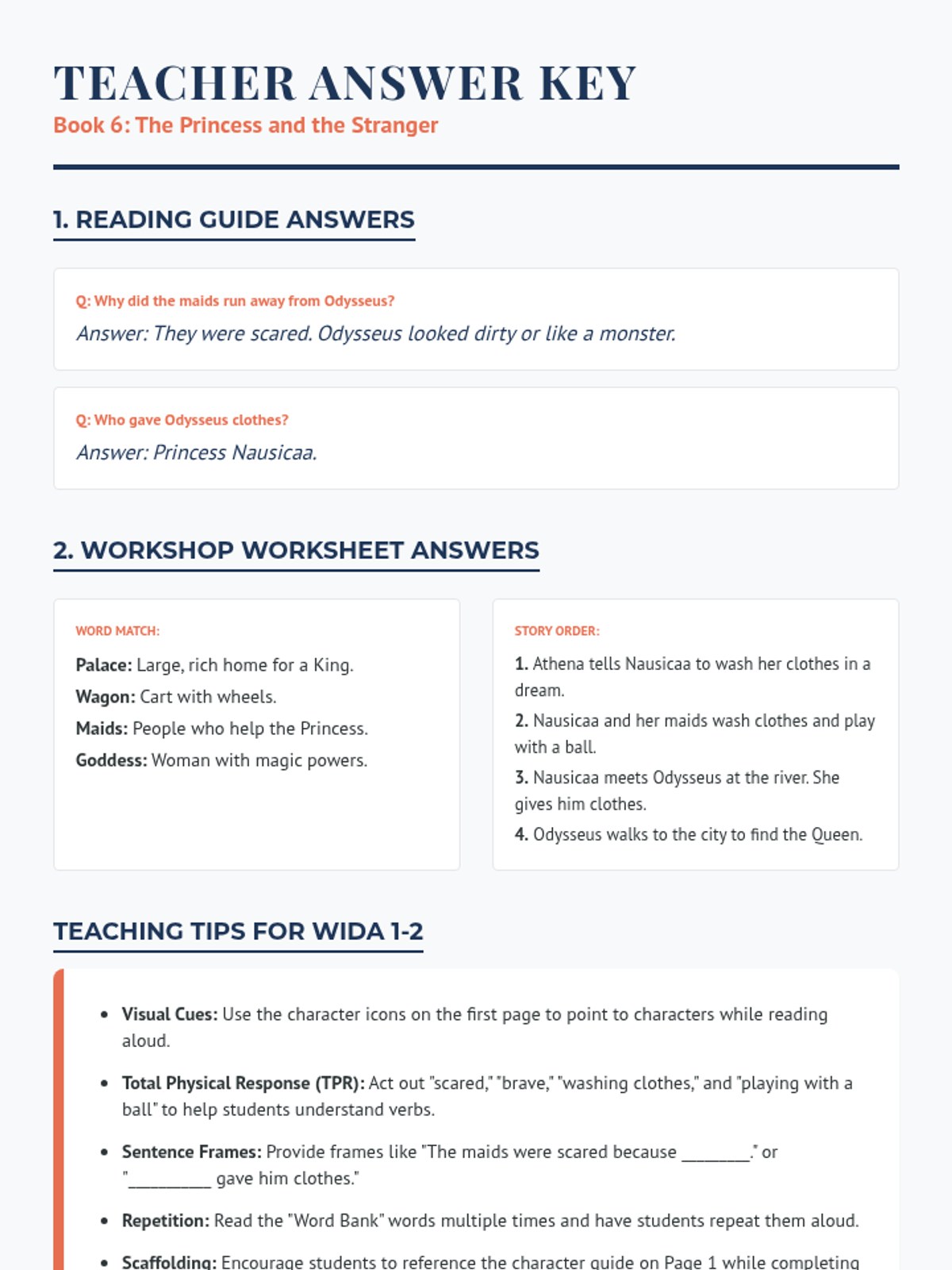
A simplified exploration of Book 6 of Homer's Odyssey, designed for WIDA Level 1-2 ELL students. The lesson focuses on key characters, basic plot sequencing, and essential vocabulary through a high-interest narrative.
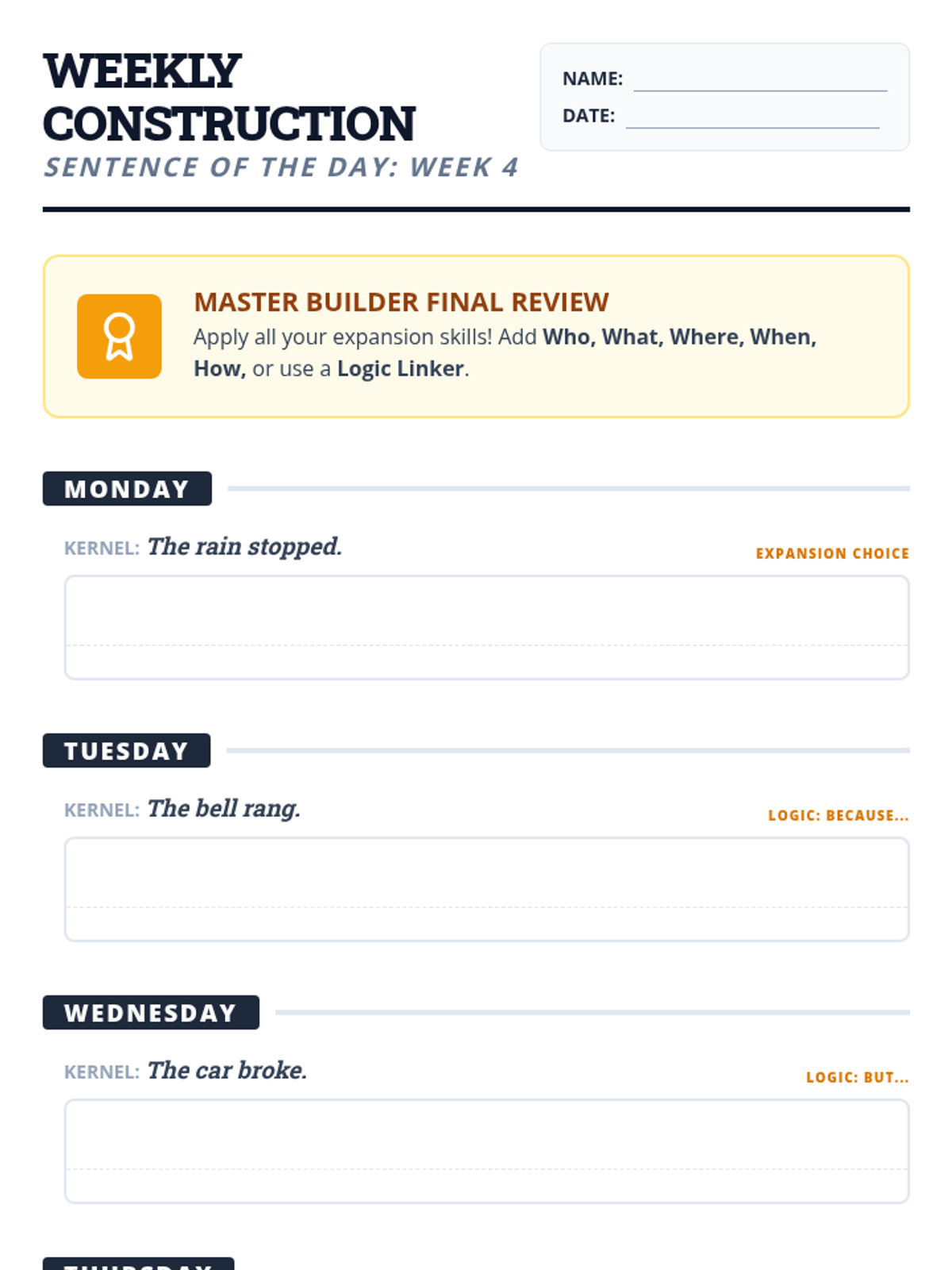
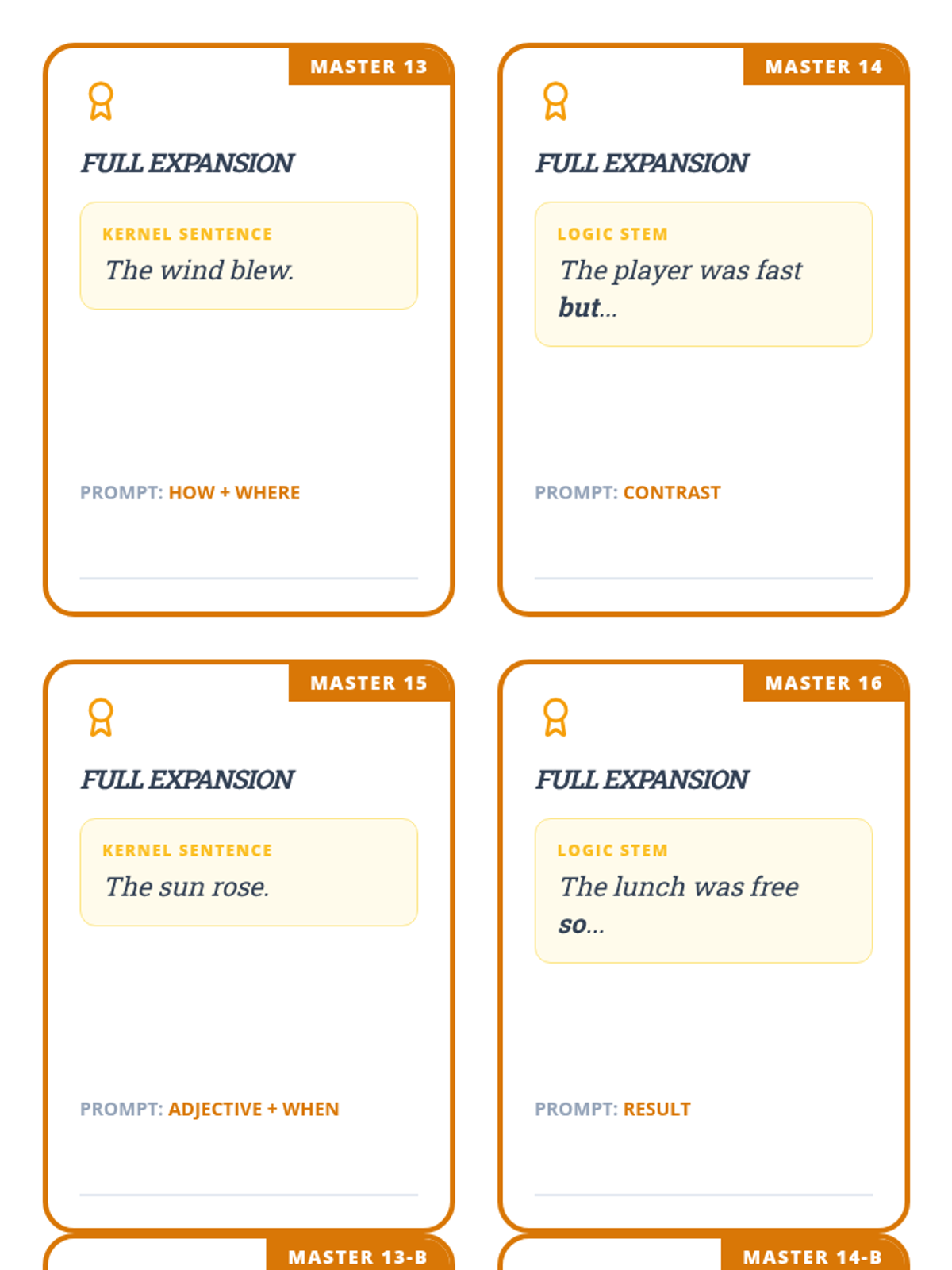
The final review lesson where students apply all previous strategies (adjectives, situational details, and logical conjunctions) to create complex and polished sentences.
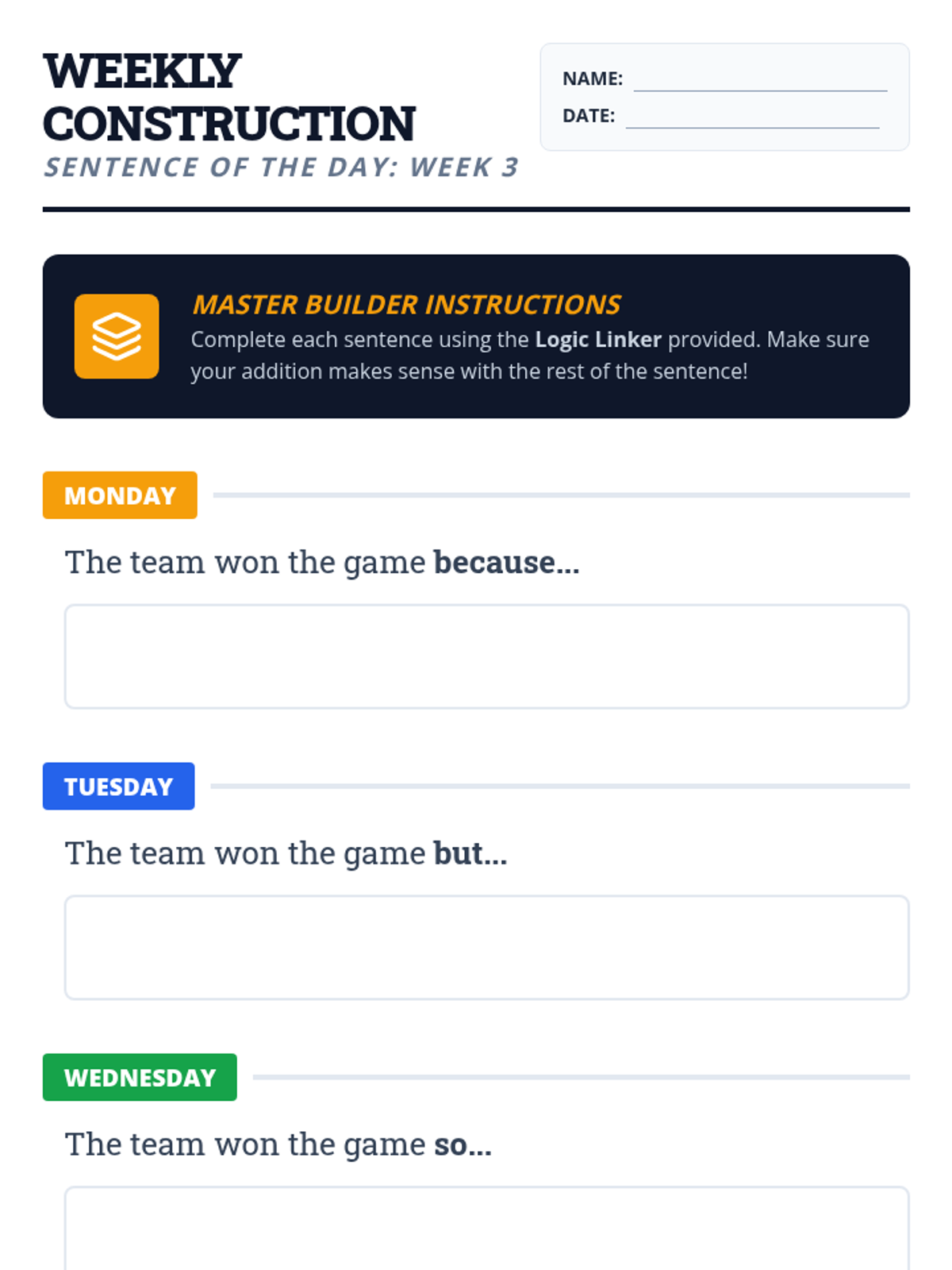
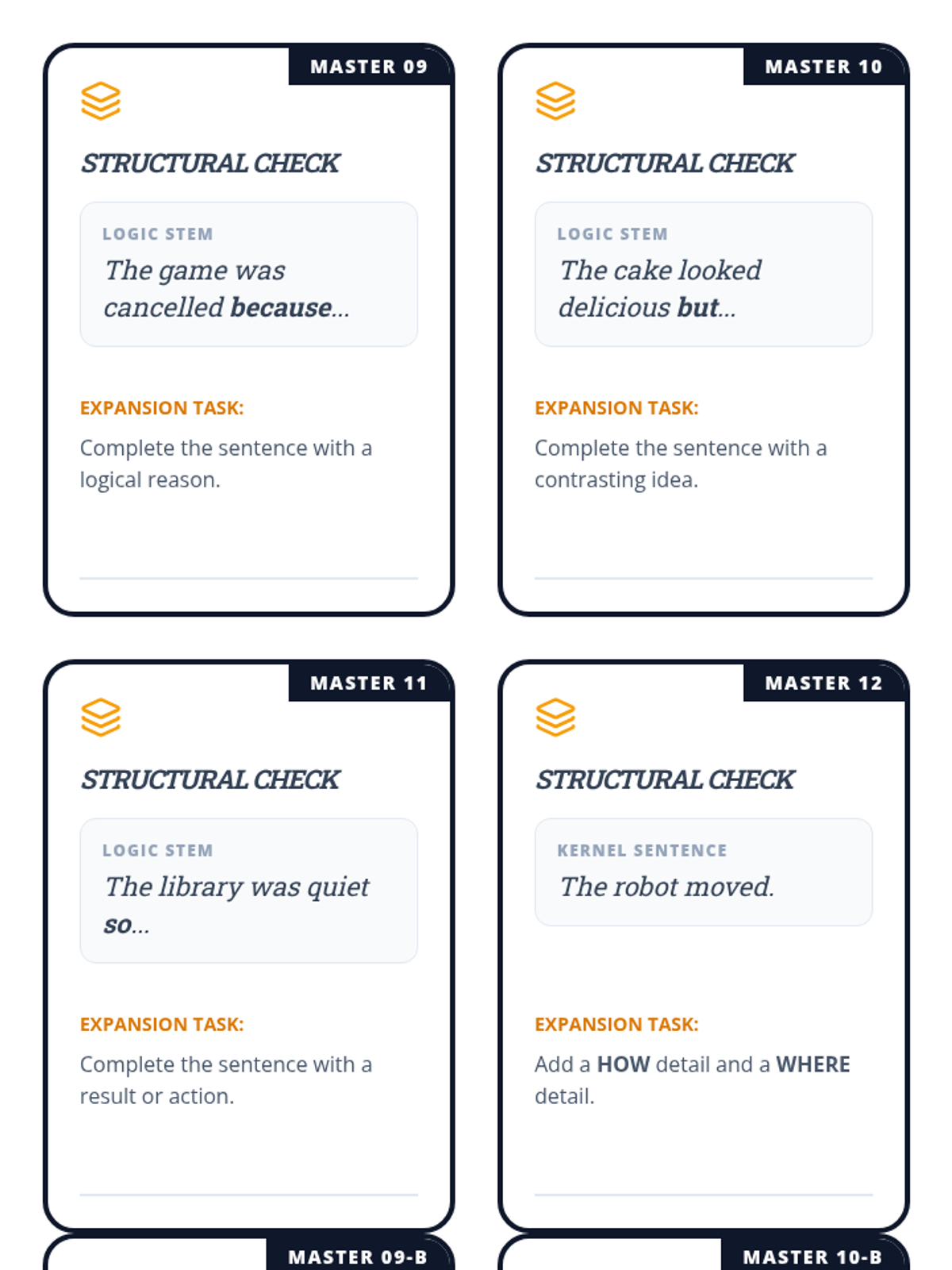
The final lesson focuses on using 'Because, But, So' to expand sentences logically and demonstrate deeper reasoning and detail.
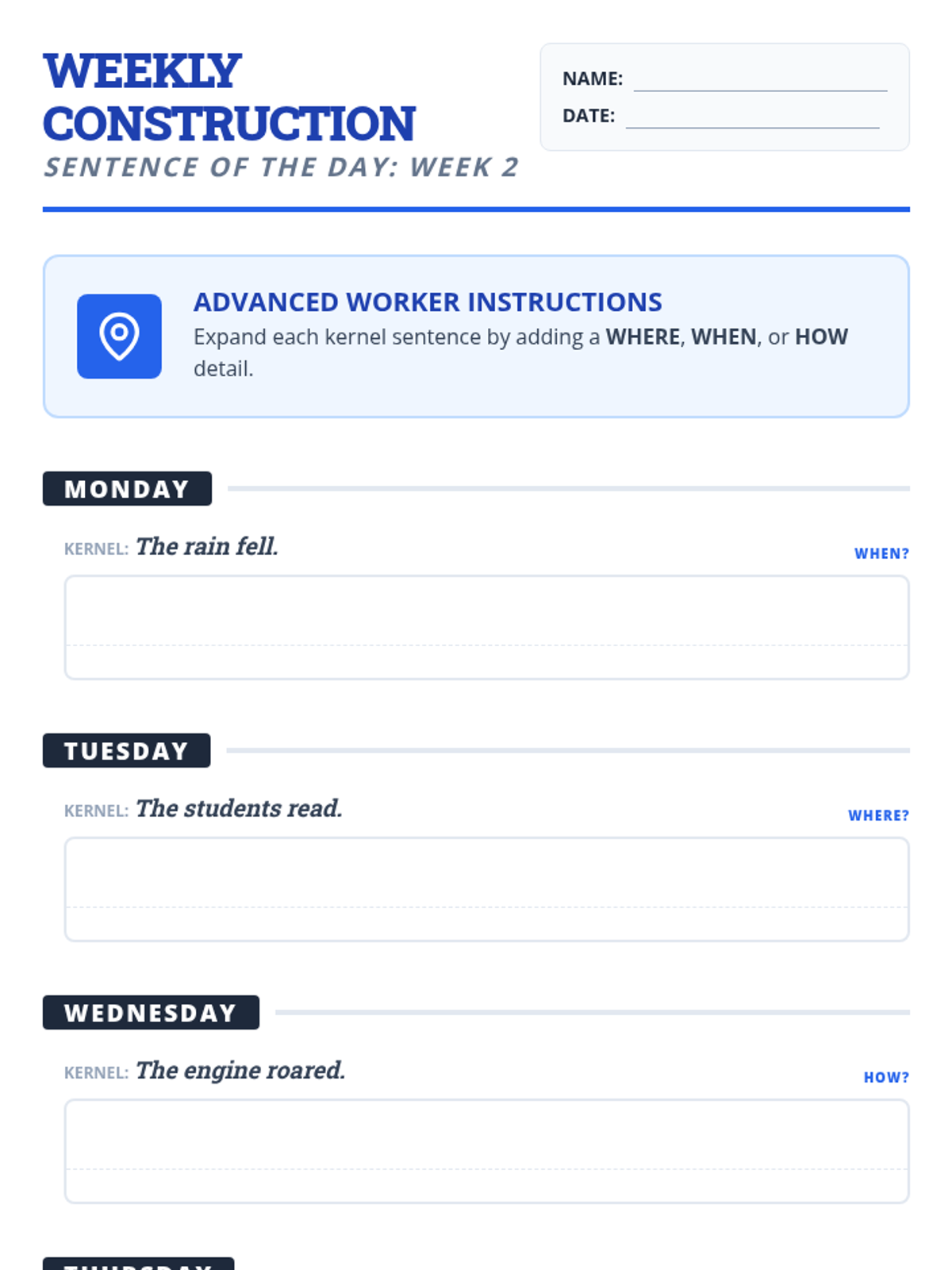
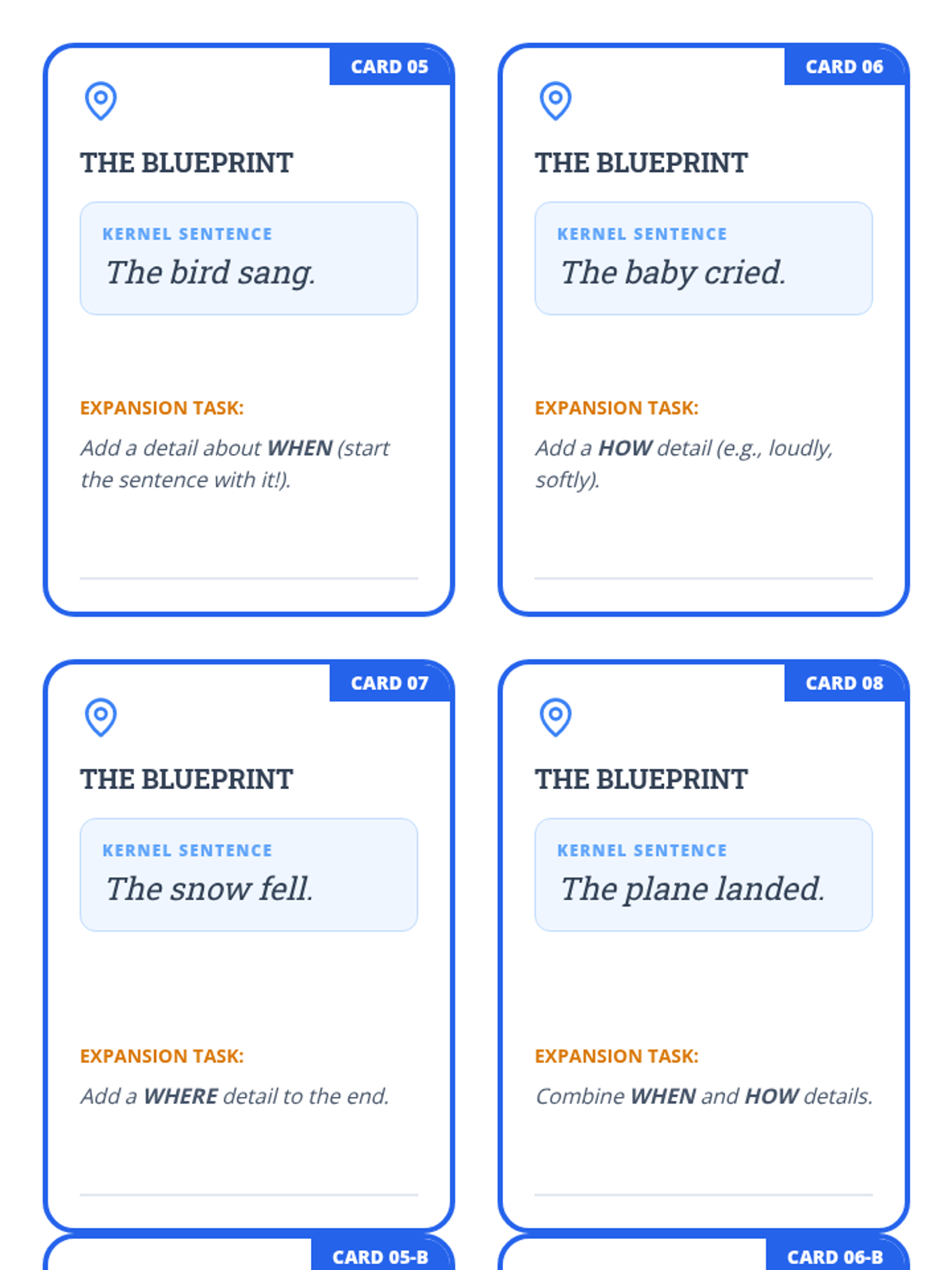
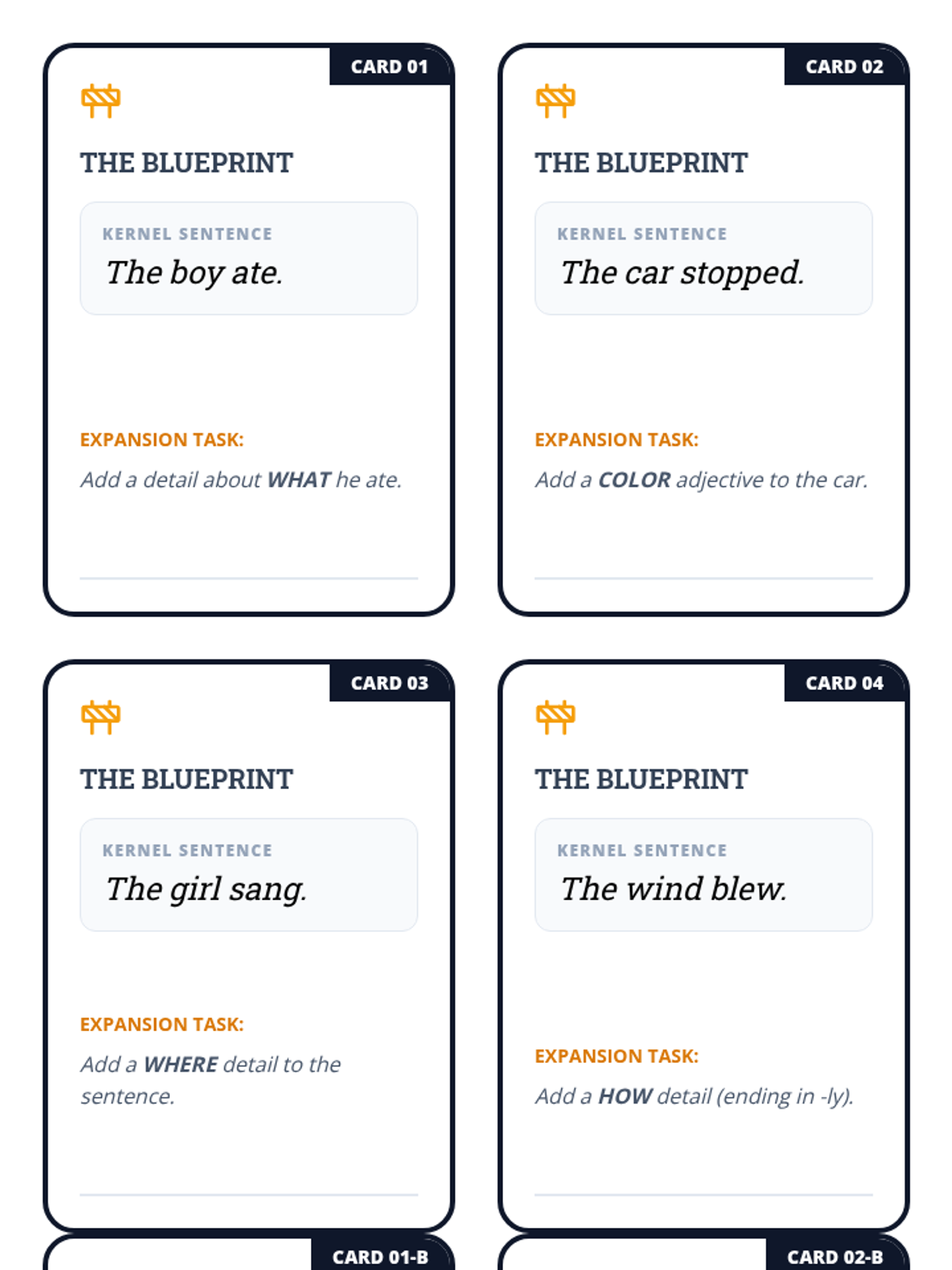
In this lesson, students learn to add situational details to their sentences using 'Where', 'When', and 'How' question words.
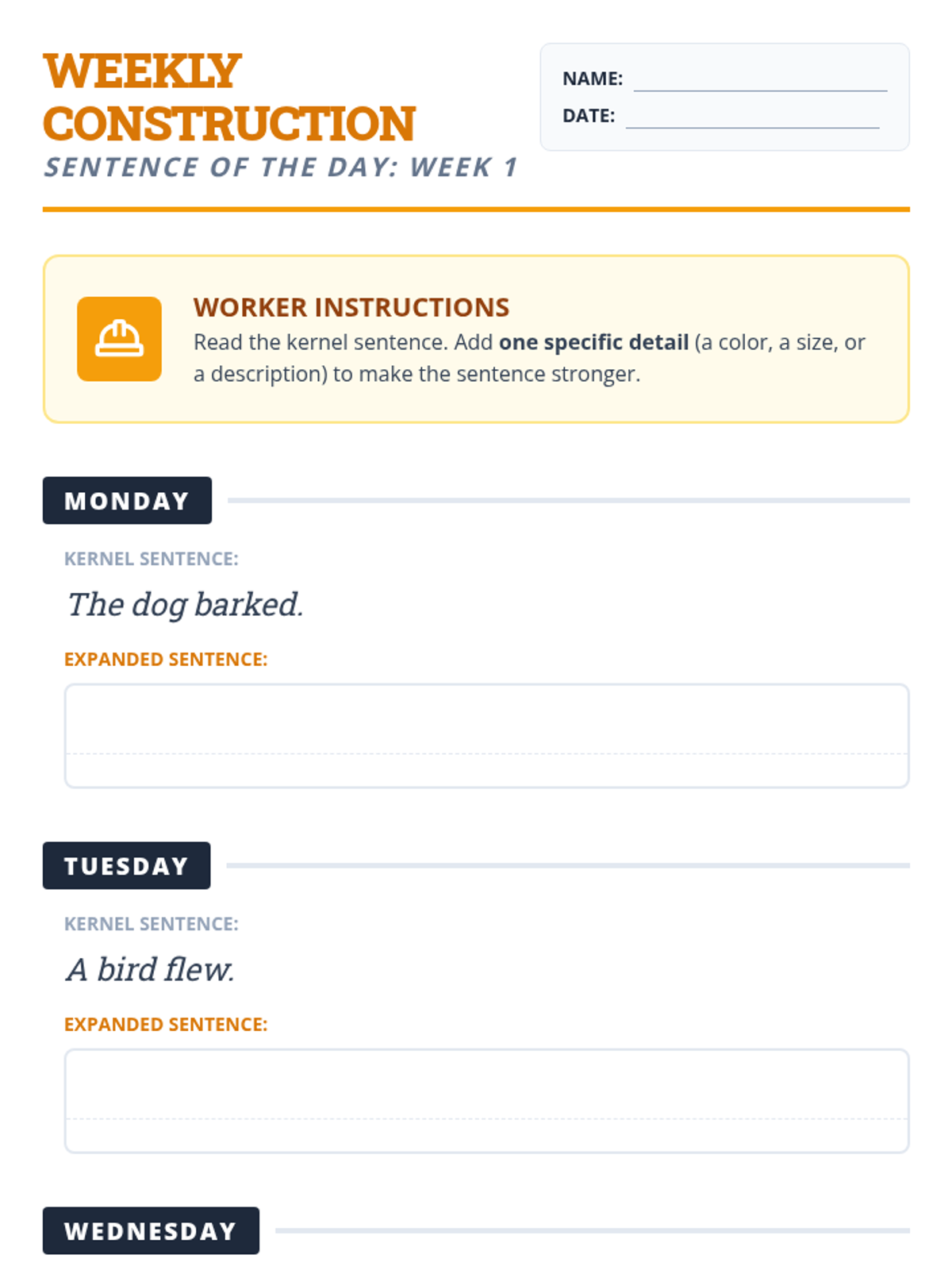
This lesson introduces the concept of a complete sentence versus a fragment and begins basic sentence expansion using 'Who' and 'What' details.
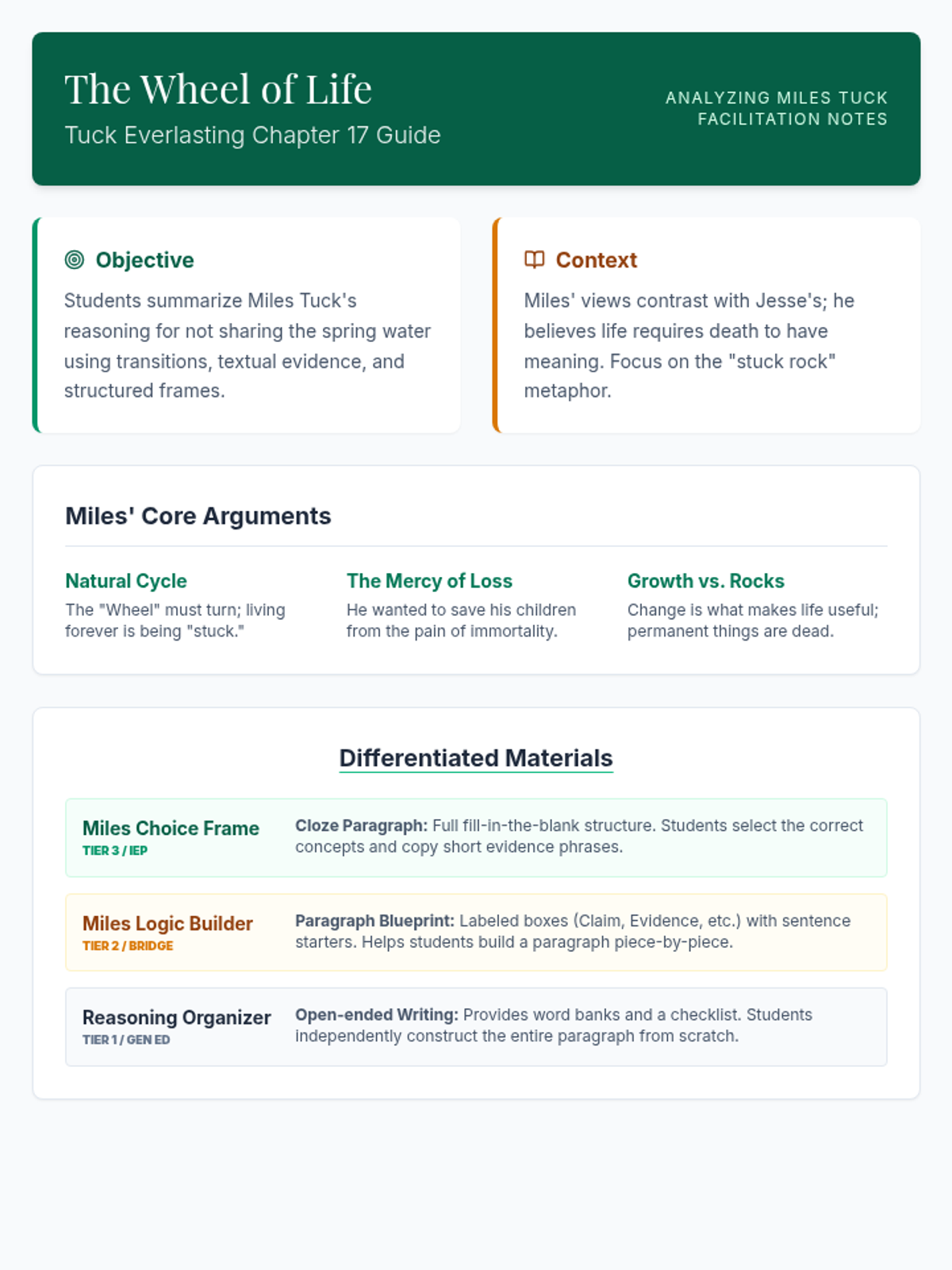
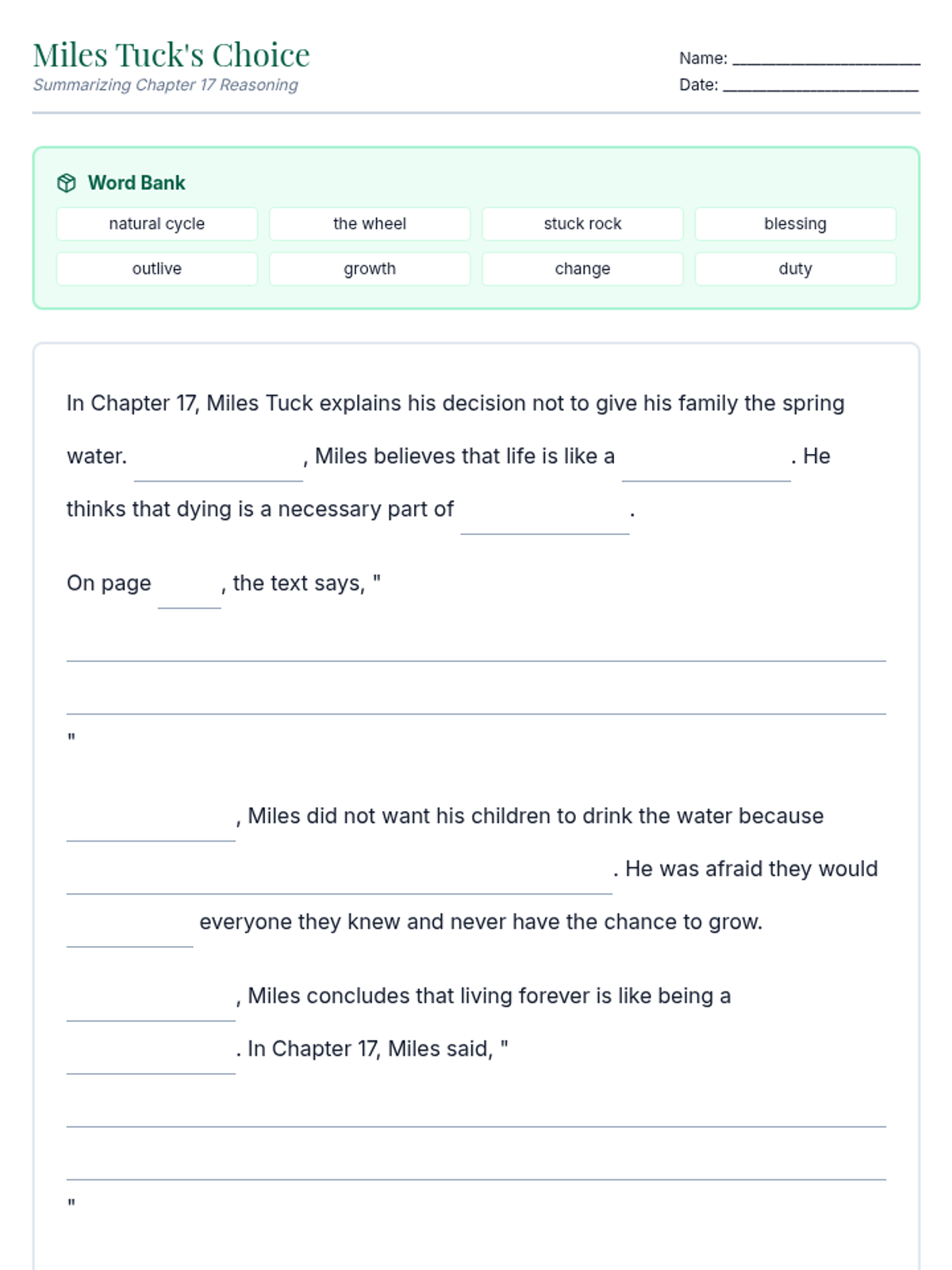
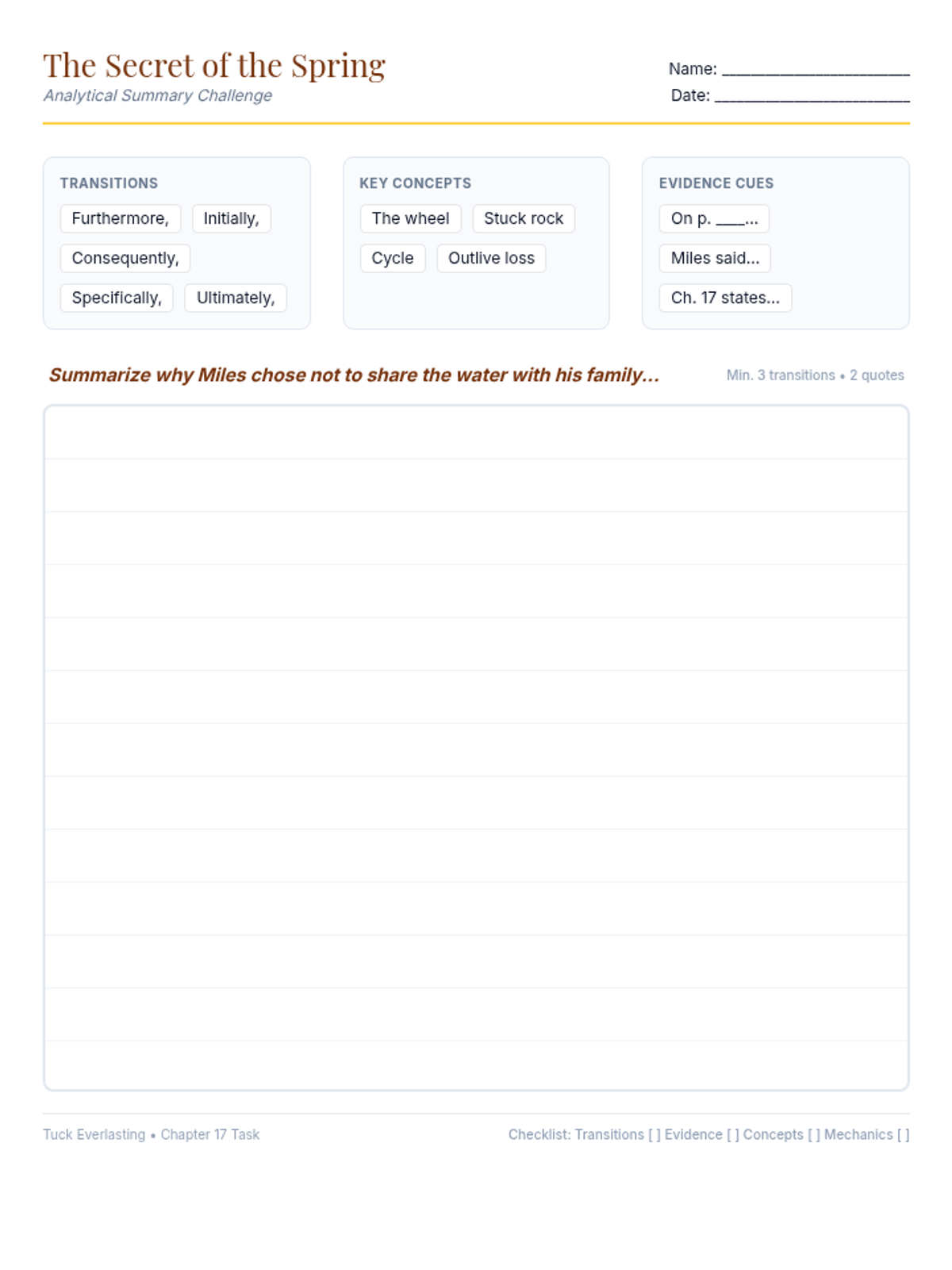
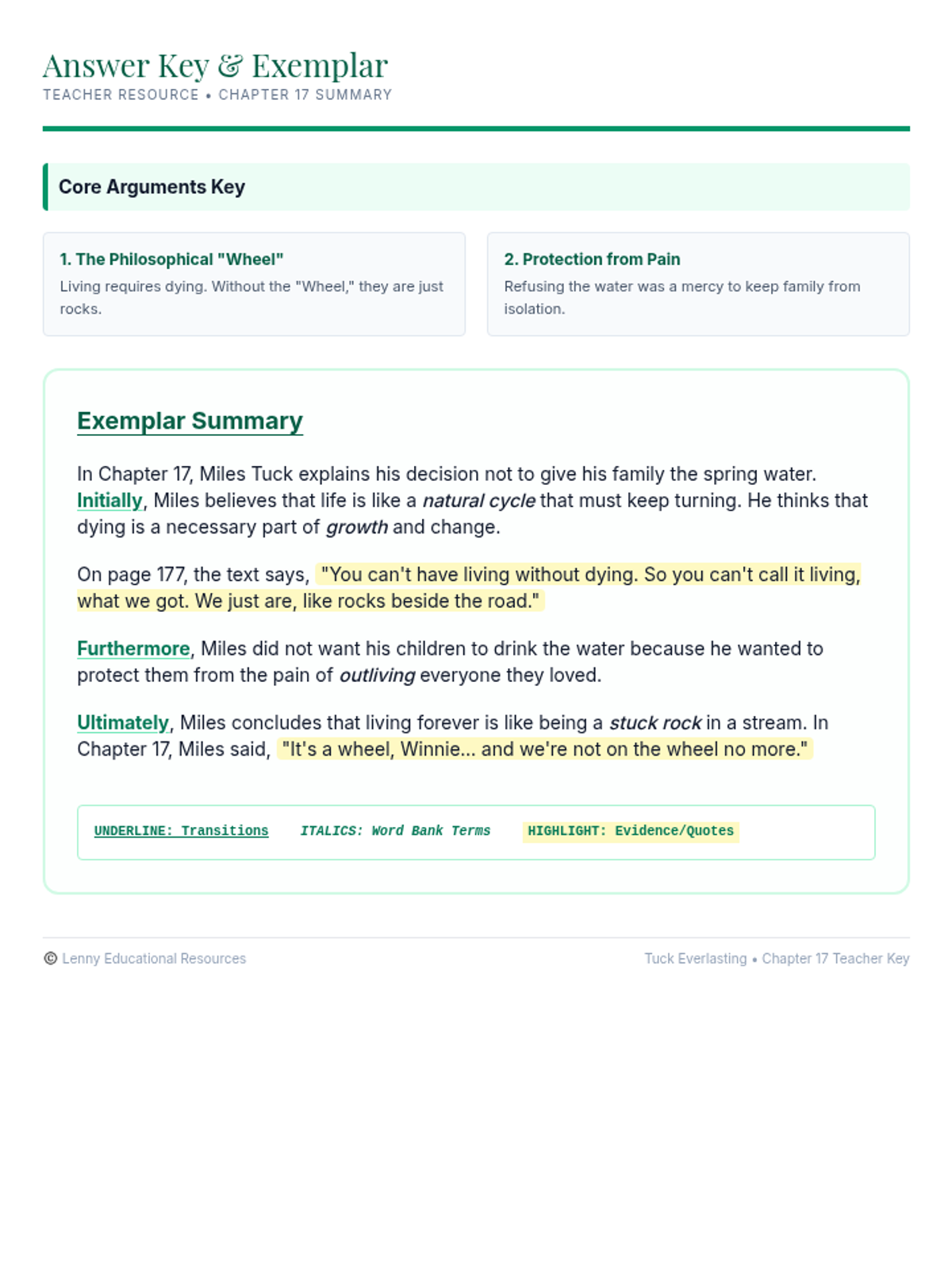
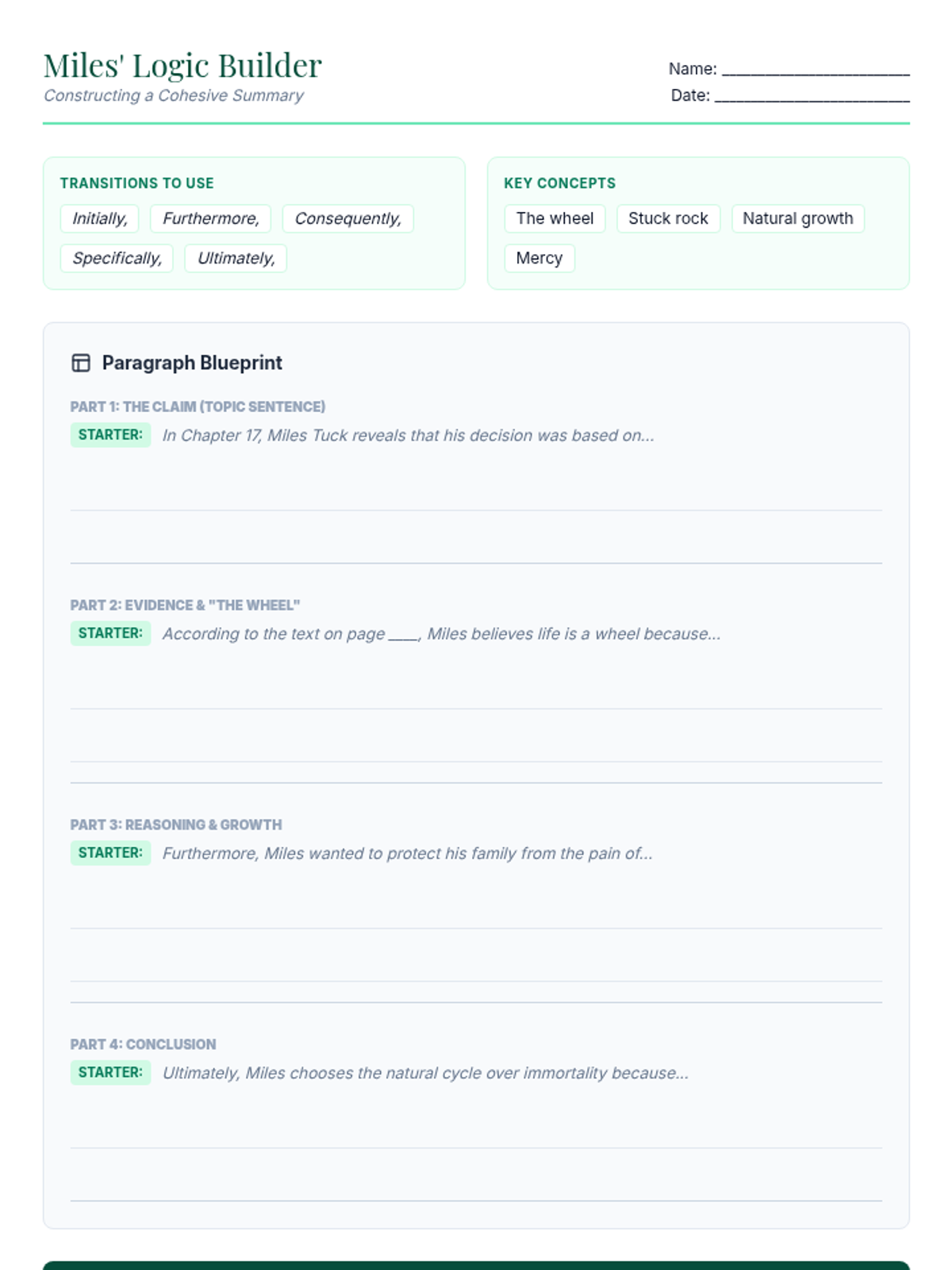
A lesson focused on Chapter 17 of Tuck Everlasting, where students analyze Miles Tuck's complex reasoning for not giving his family the spring water. Students will use transitions and textual evidence to construct a cohesive summary.
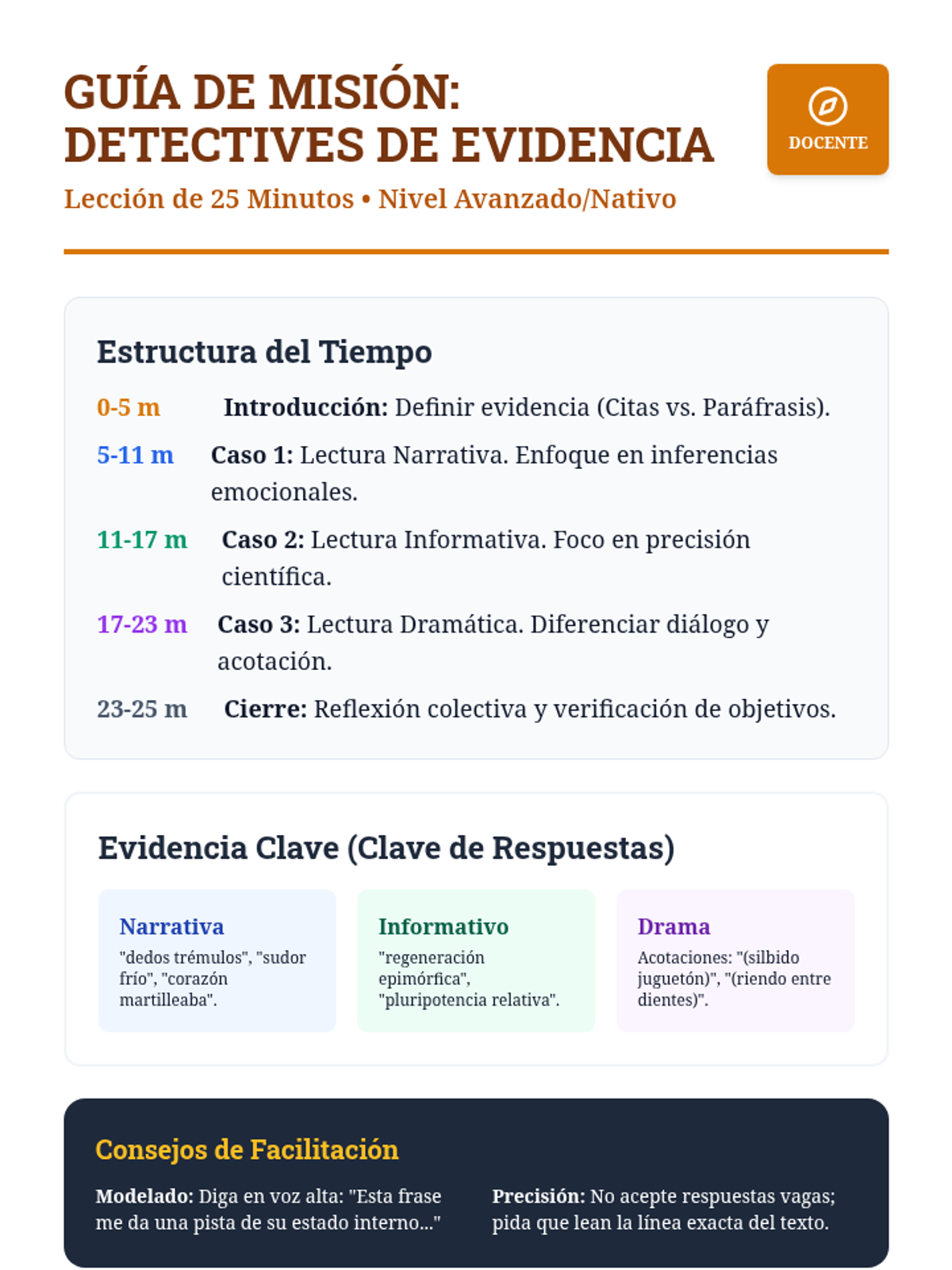
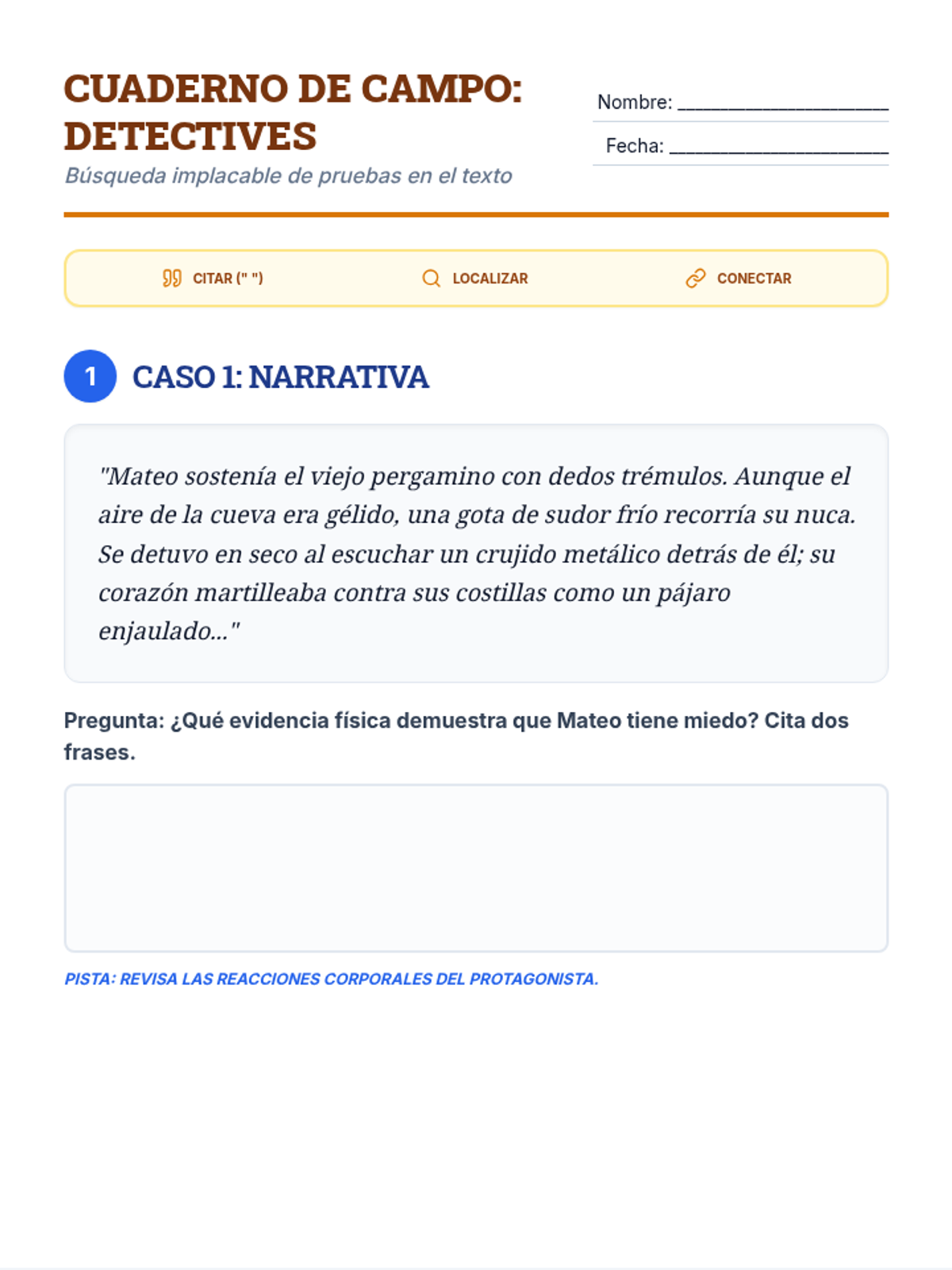
Una lección guiada de 25 minutos para estudiantes avanzados o nativos sobre cómo utilizar la evidencia del texto para respaldar respuestas, utilizando tres géneros distintos: narrativa, informativo y dramático.
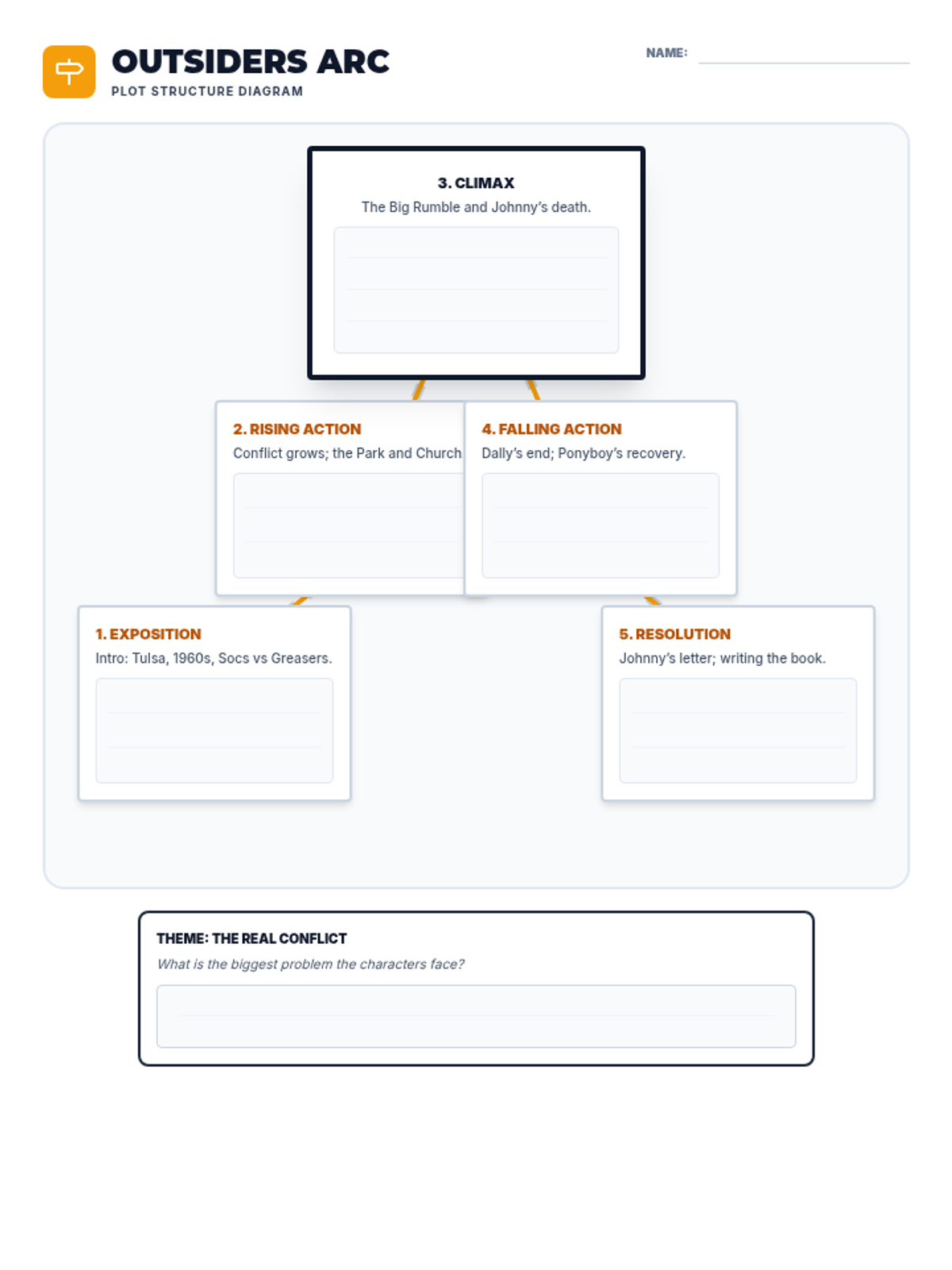
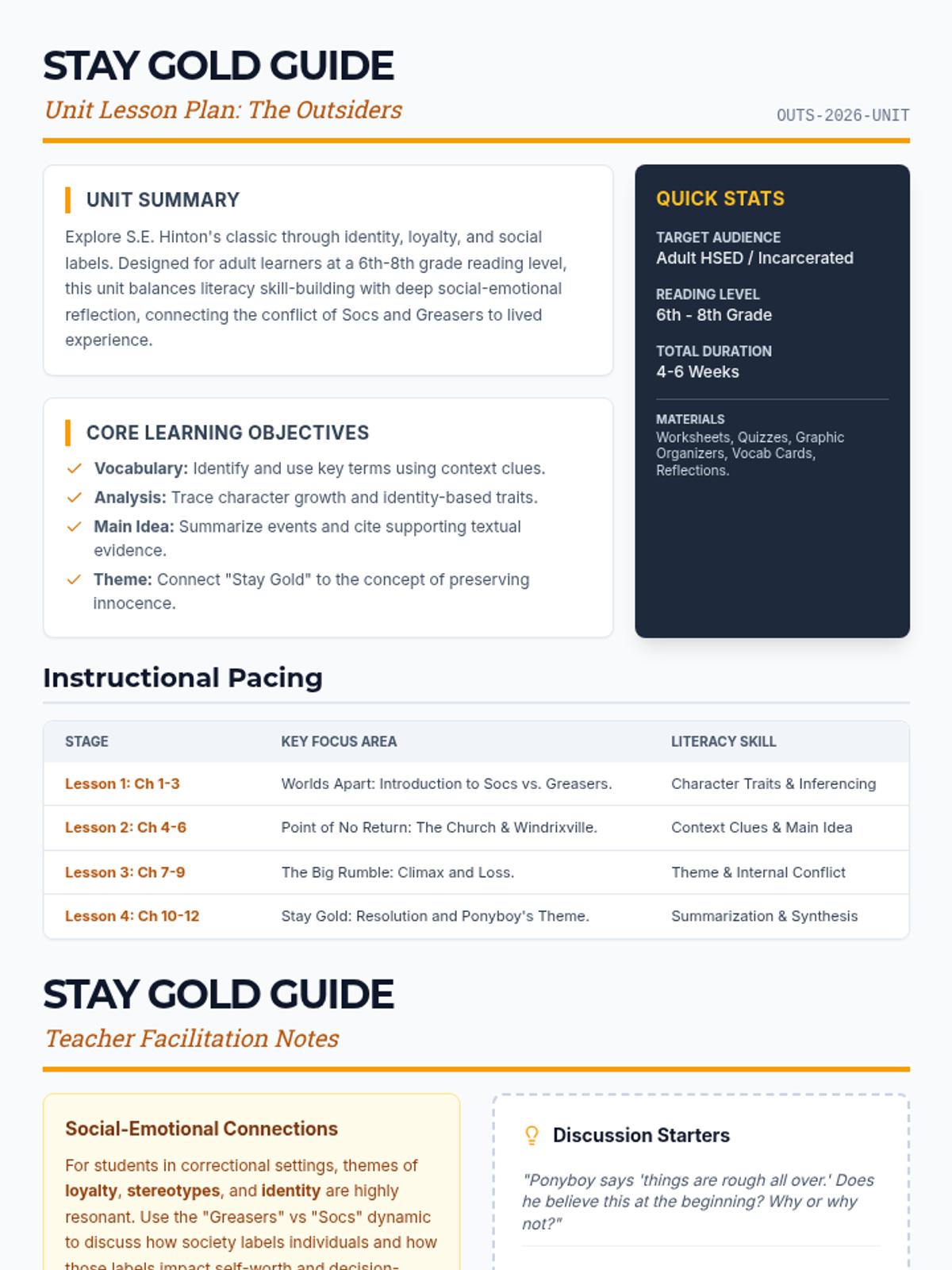
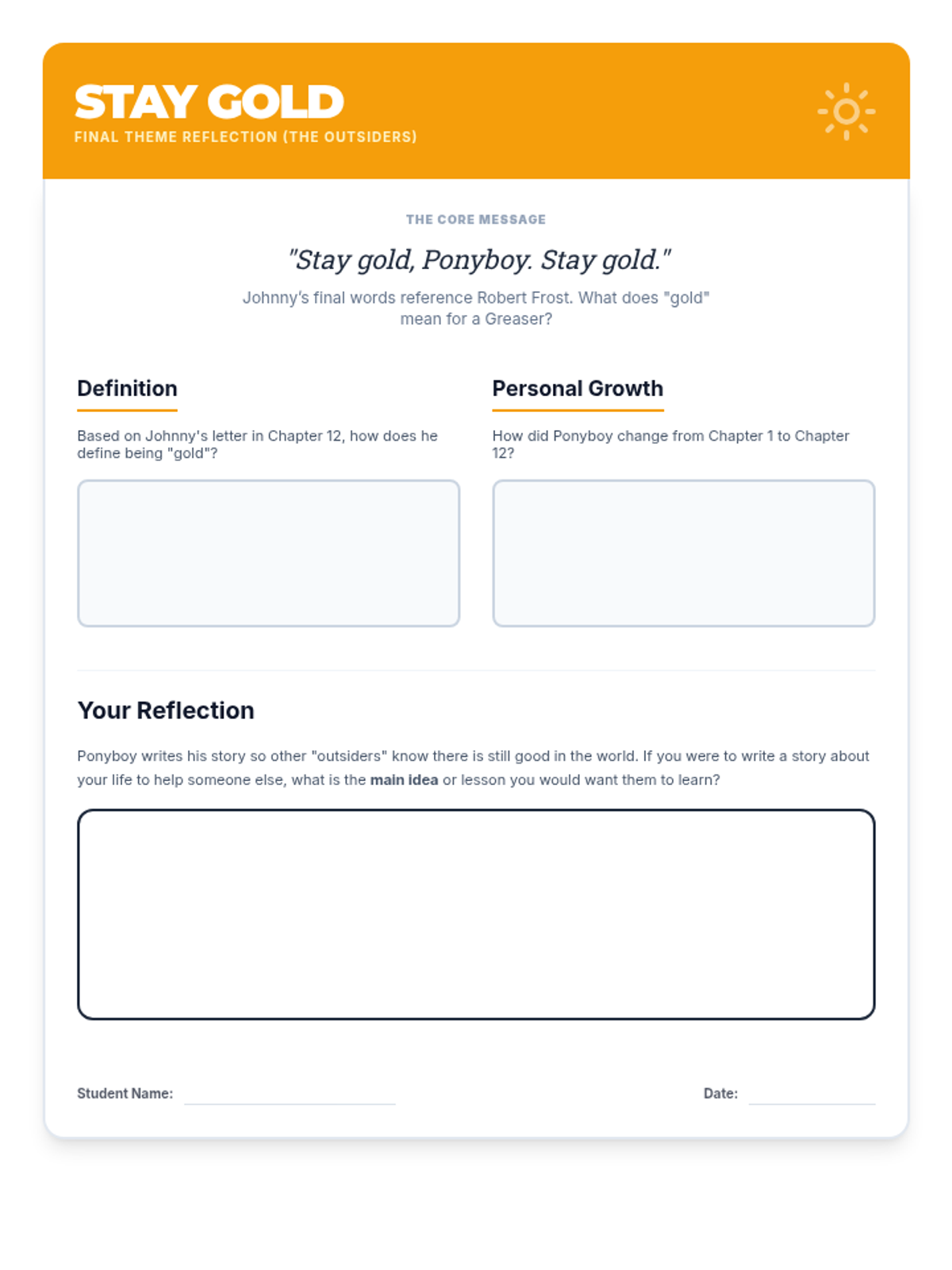
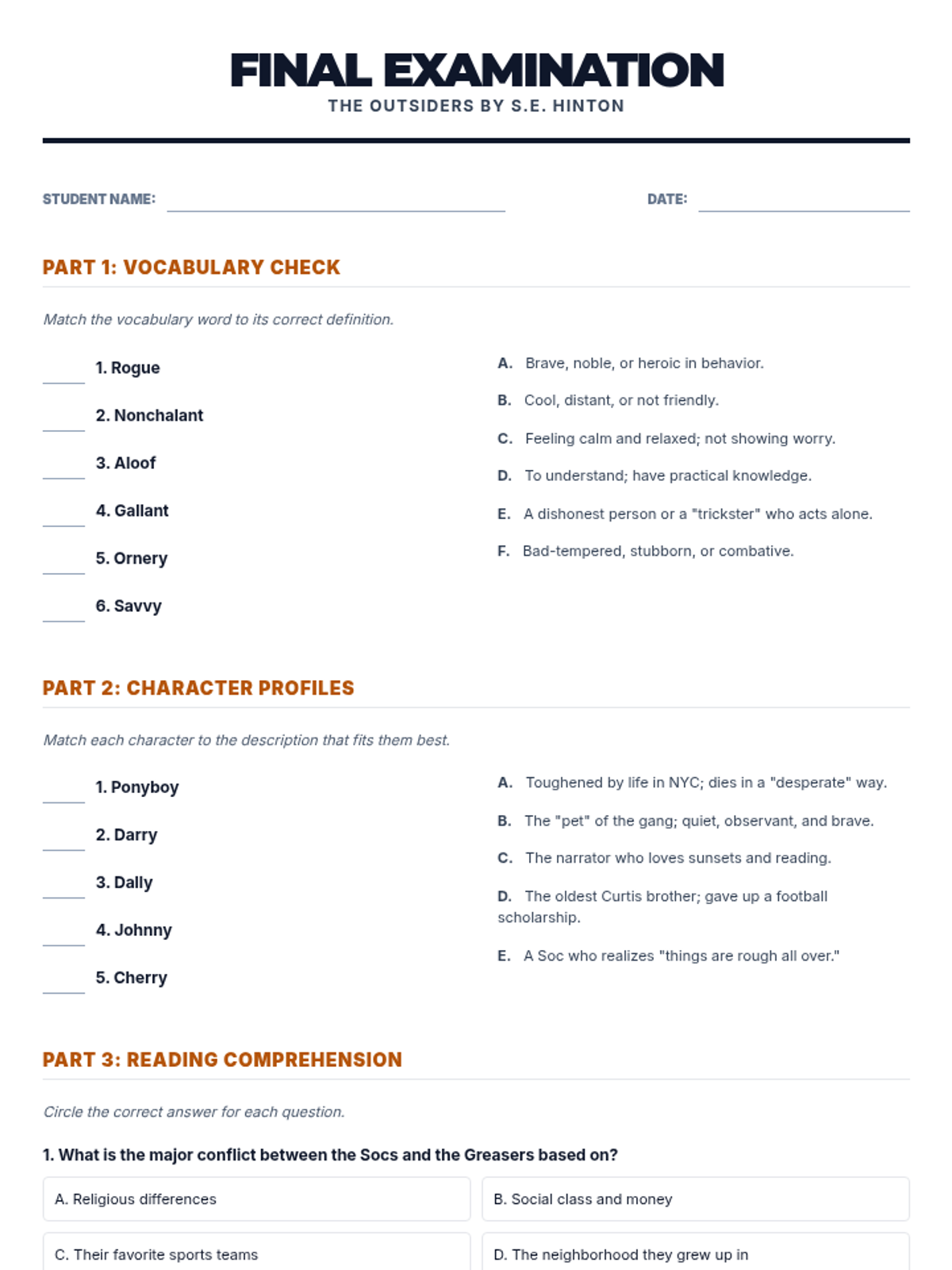
Concludes the novel with Ponyboy's recovery and the realization behind his English theme. Students synthesize themes of identity and 'staying gold' through final reflections.
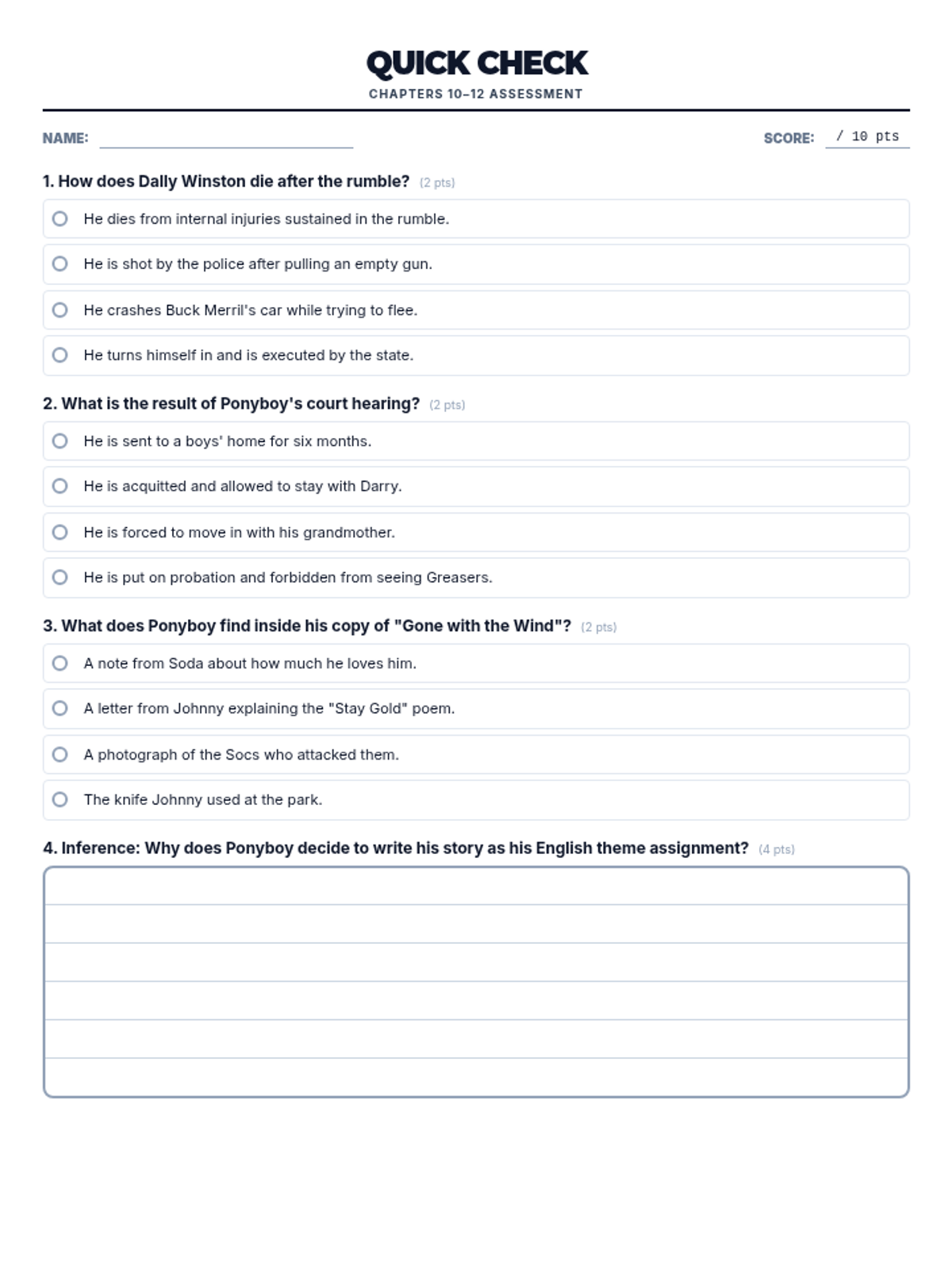
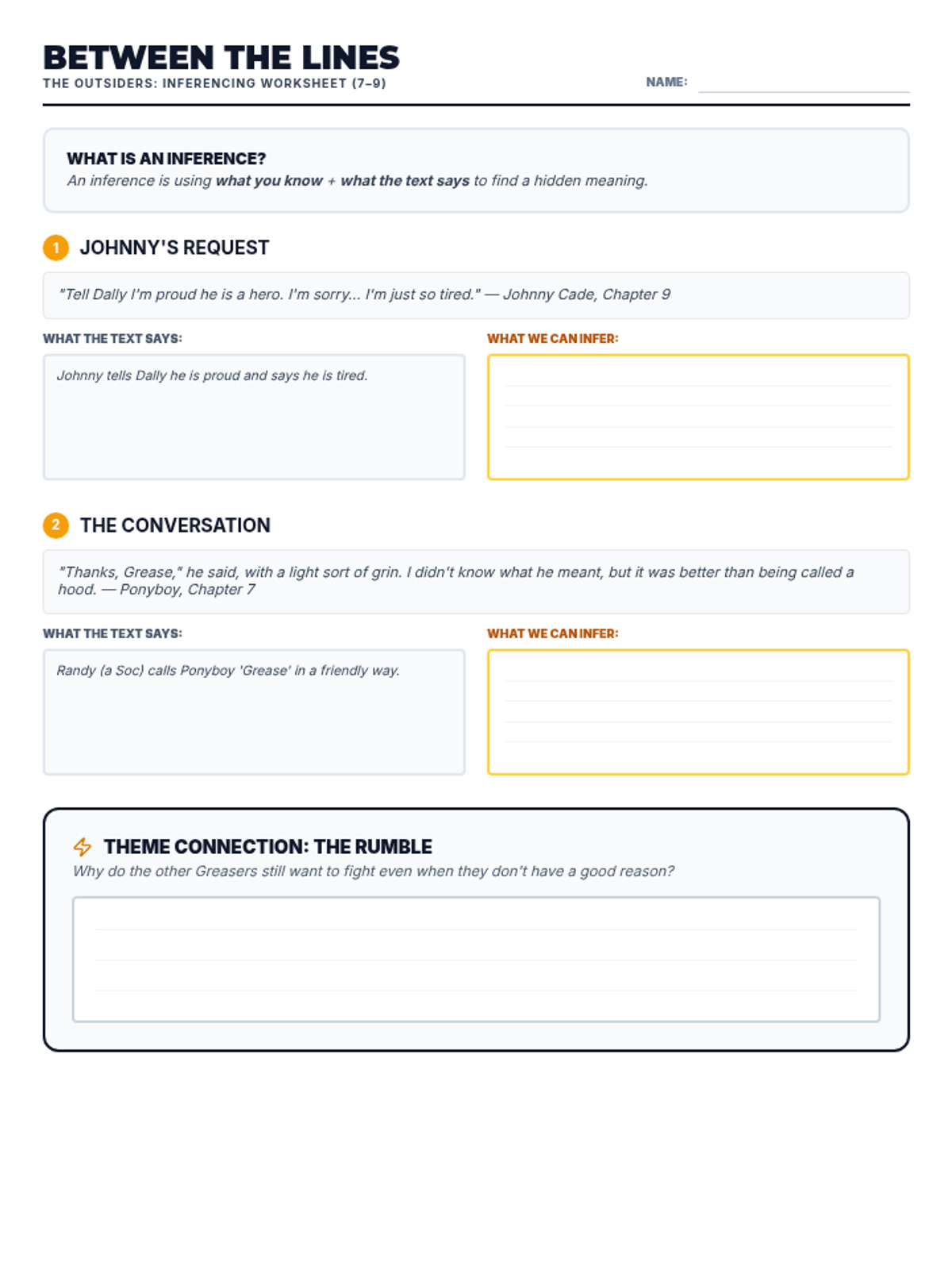
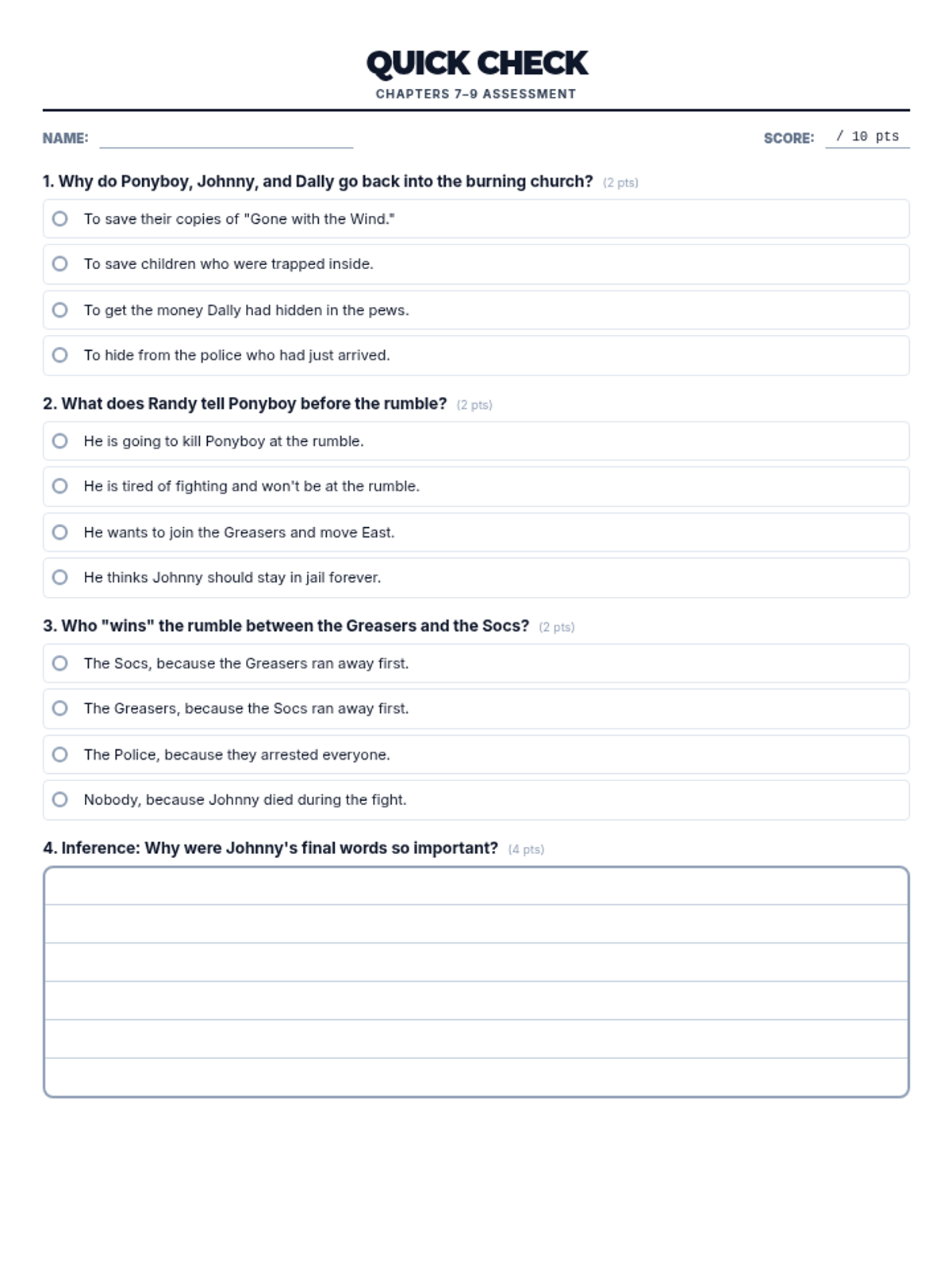
Focuses on the aftermath of the fire, the big rumble, and the deaths of Johnny and Dally. Students analyze theme, loss, and the cycle of violence.
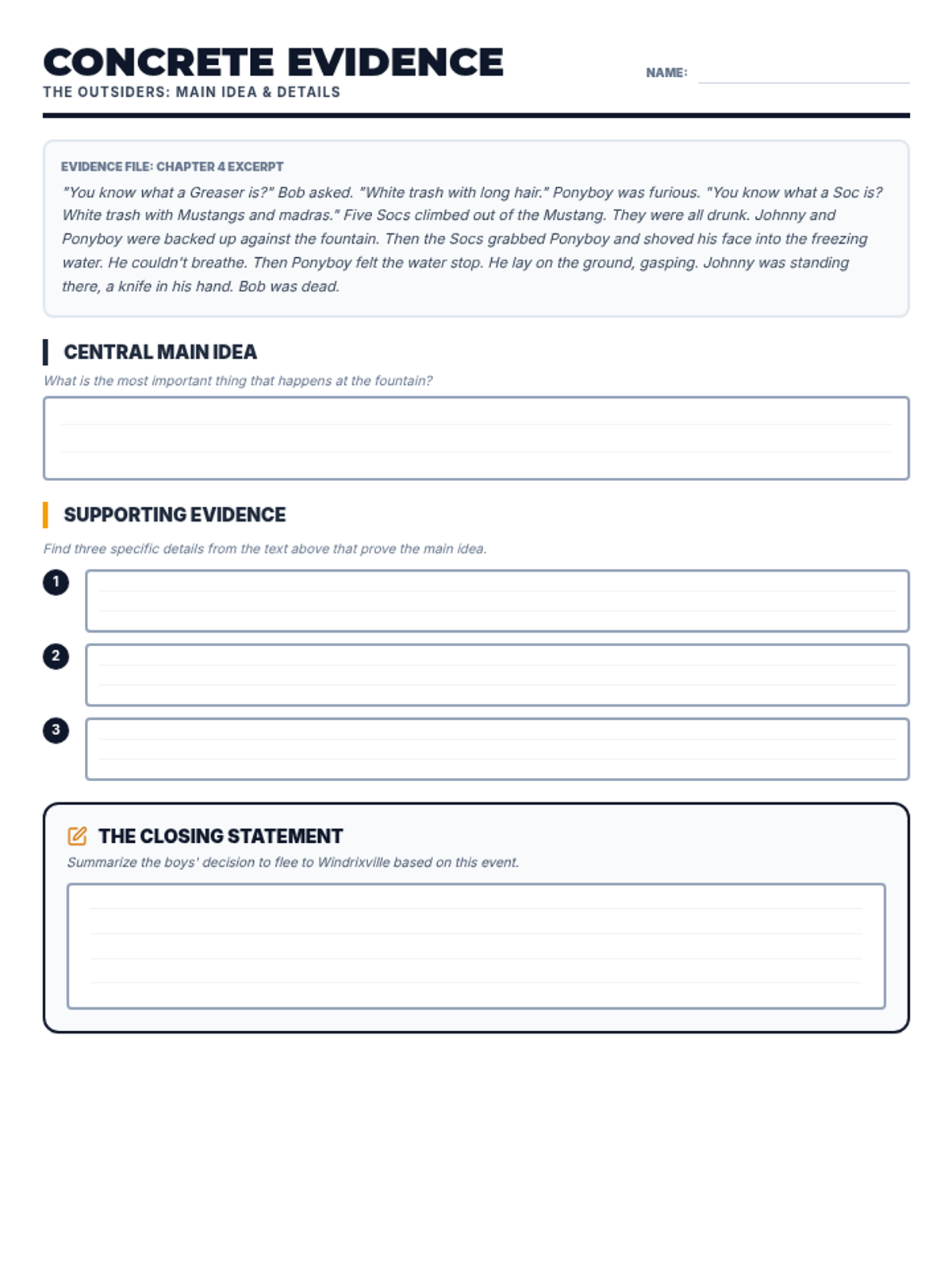
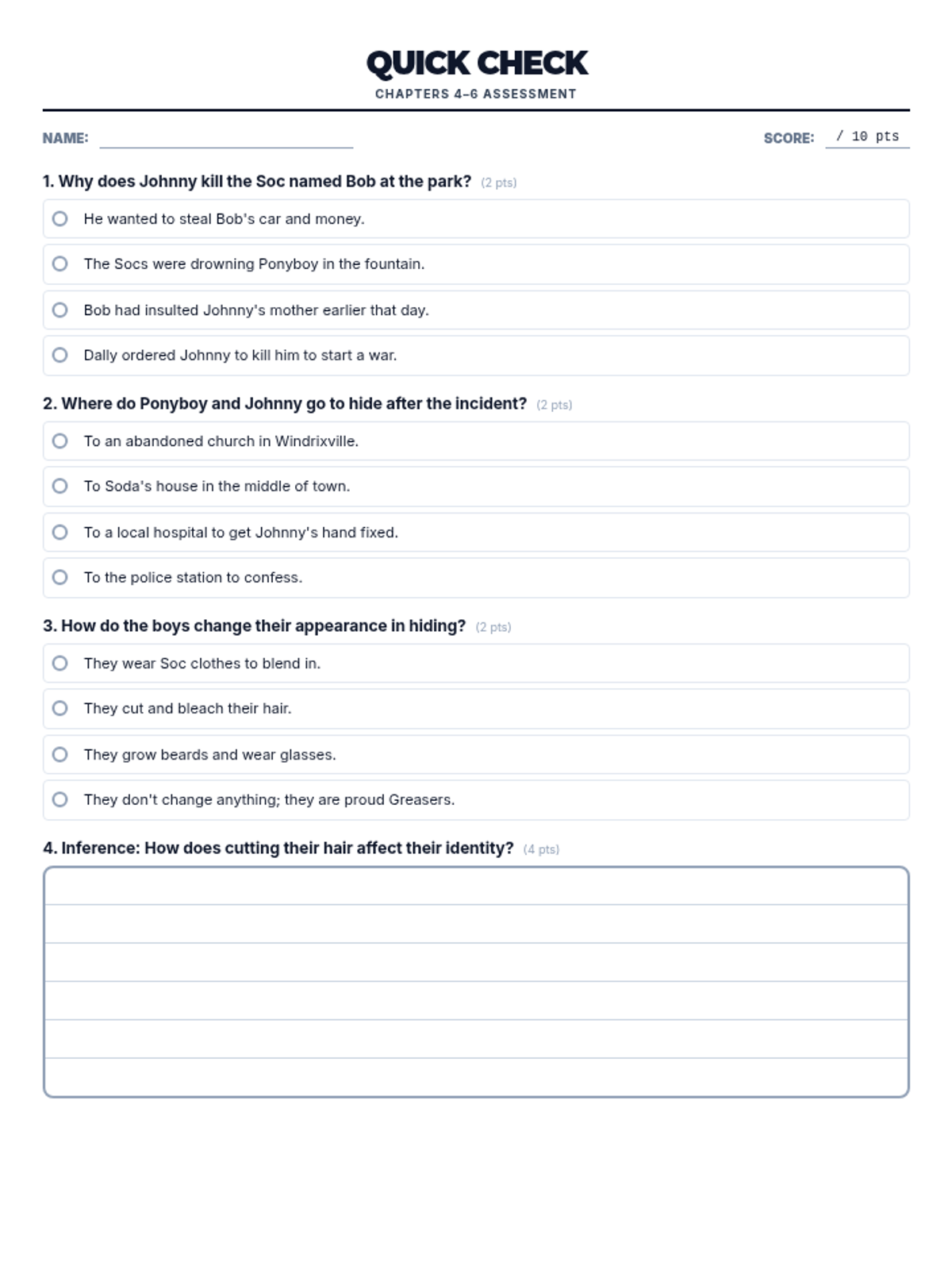
Covers the turning point at the park and the boys' flight to Windrixville. Focuses on context clues, citing evidence for character decisions, and plot progression.
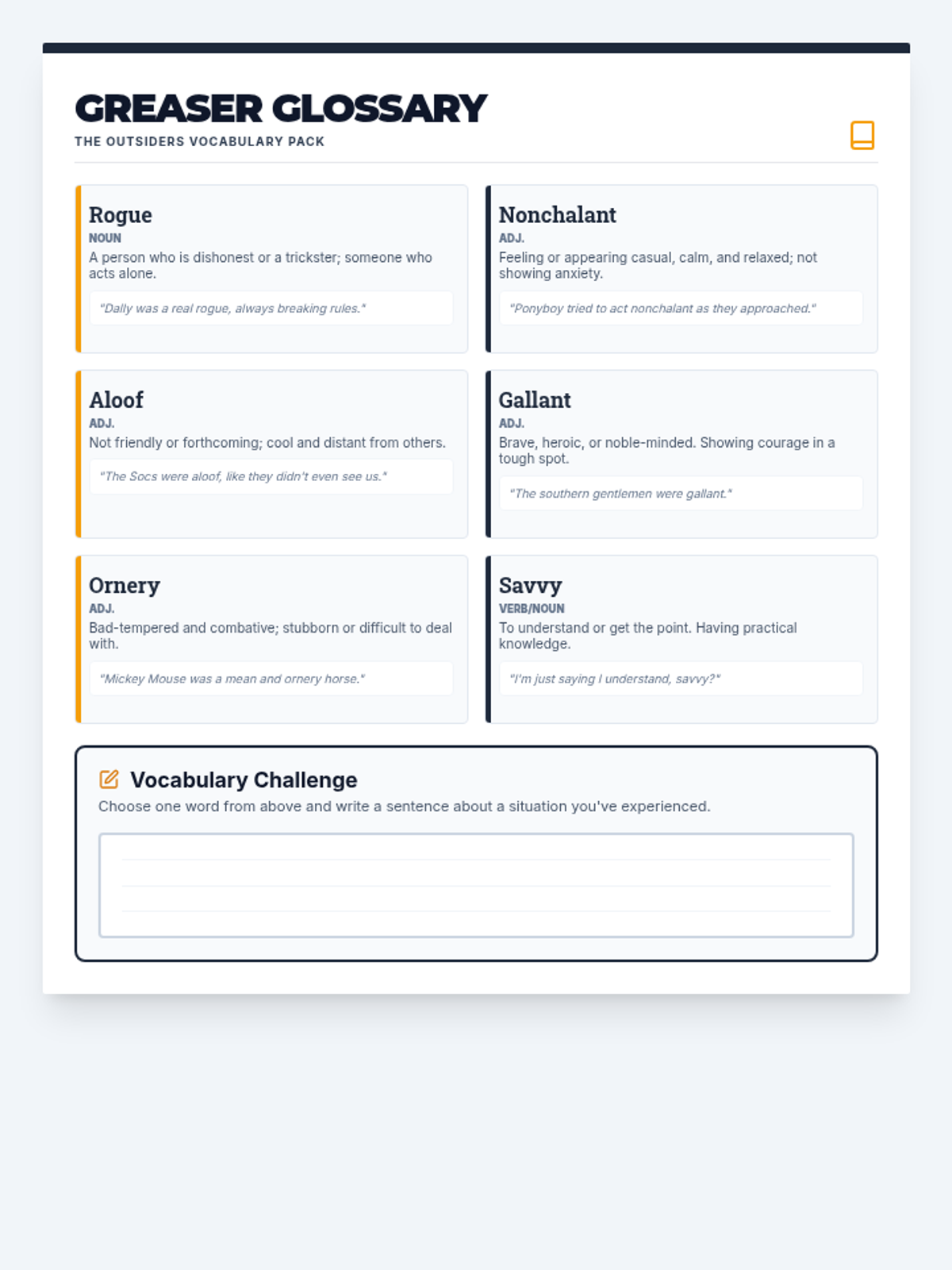
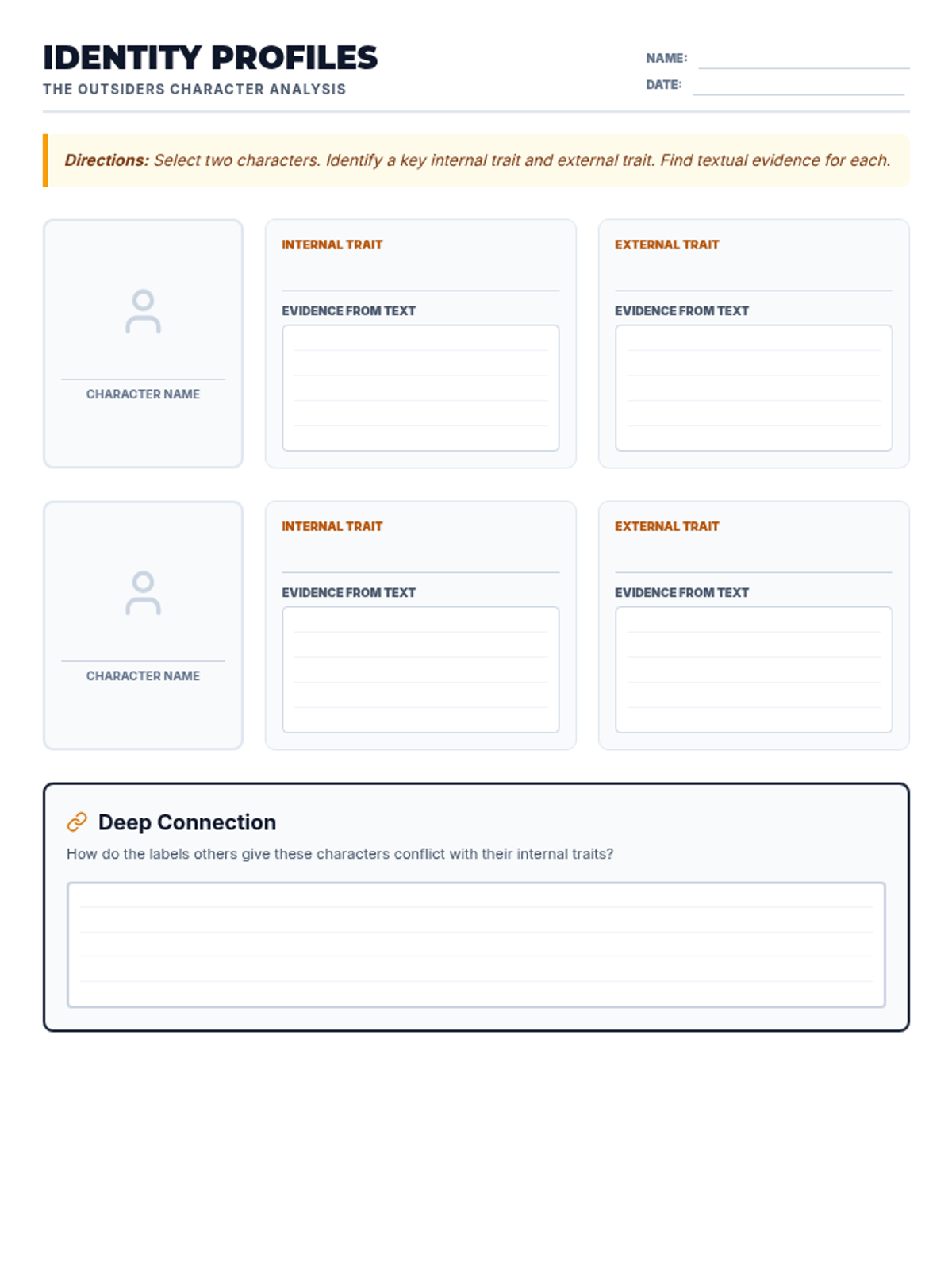
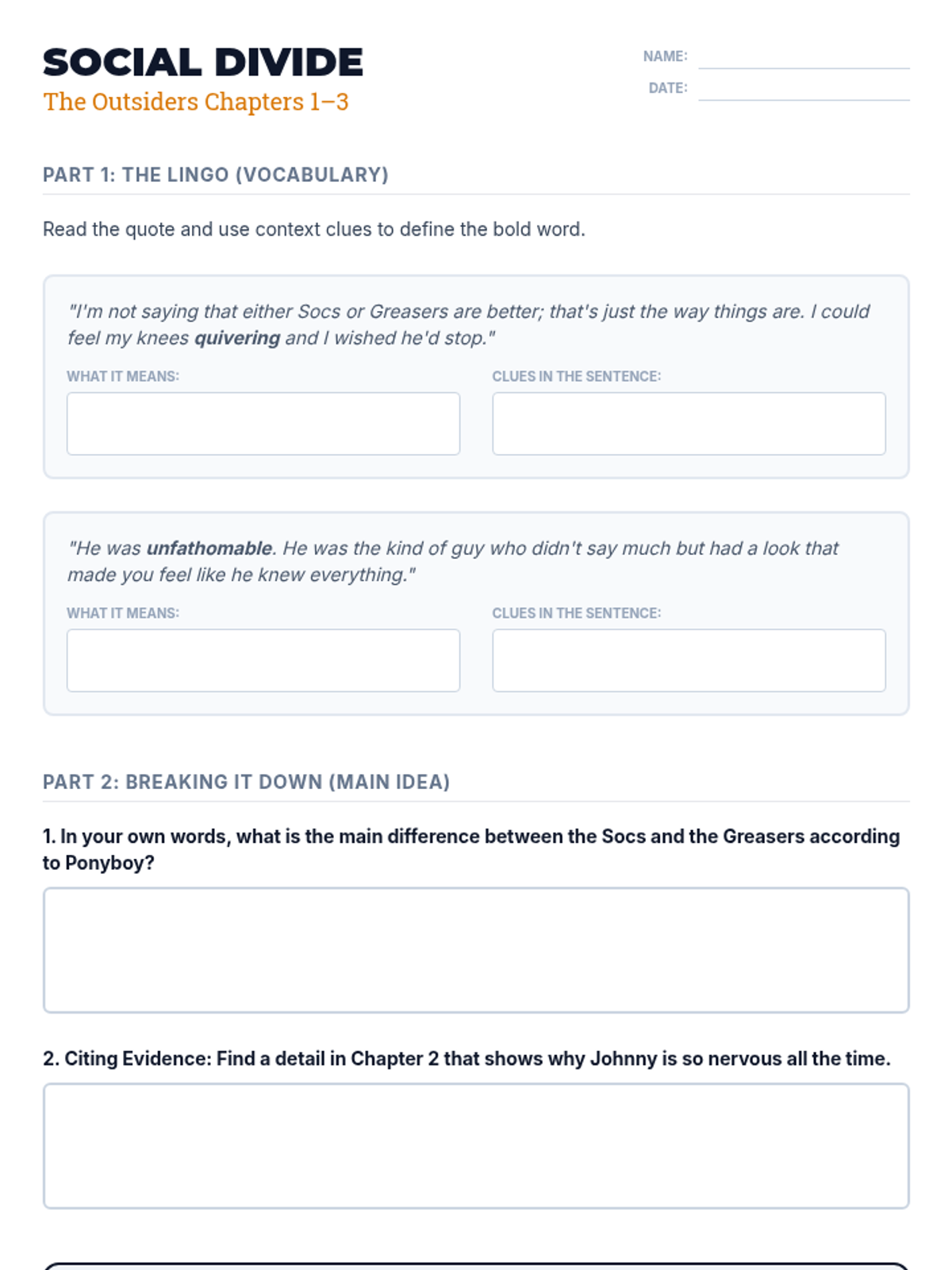
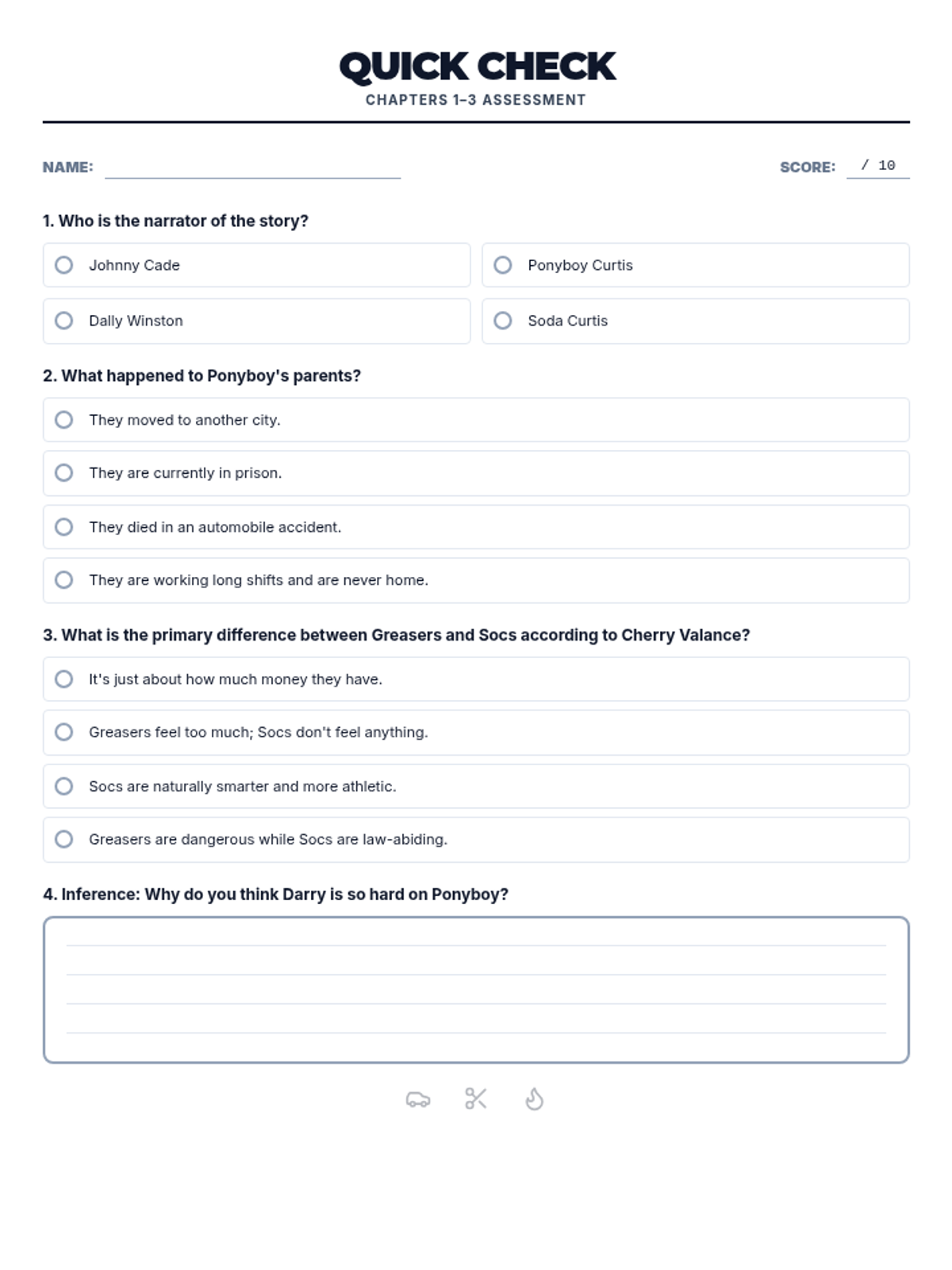
Introduces the social divide between Greasers and Socs, character archetypes, and the setting of 1960s Tulsa. Students focus on identifying main ideas and making initial character inferences.
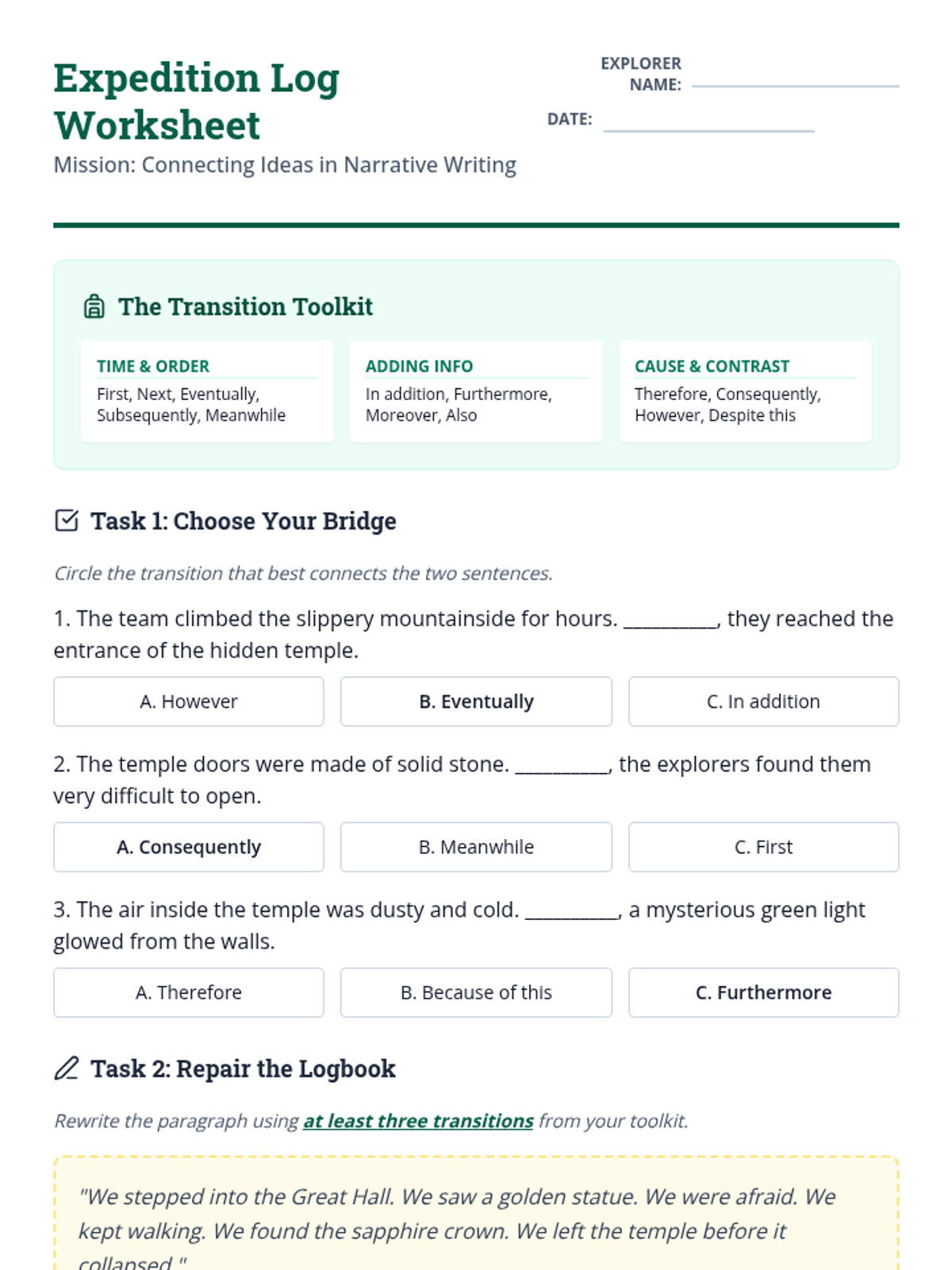
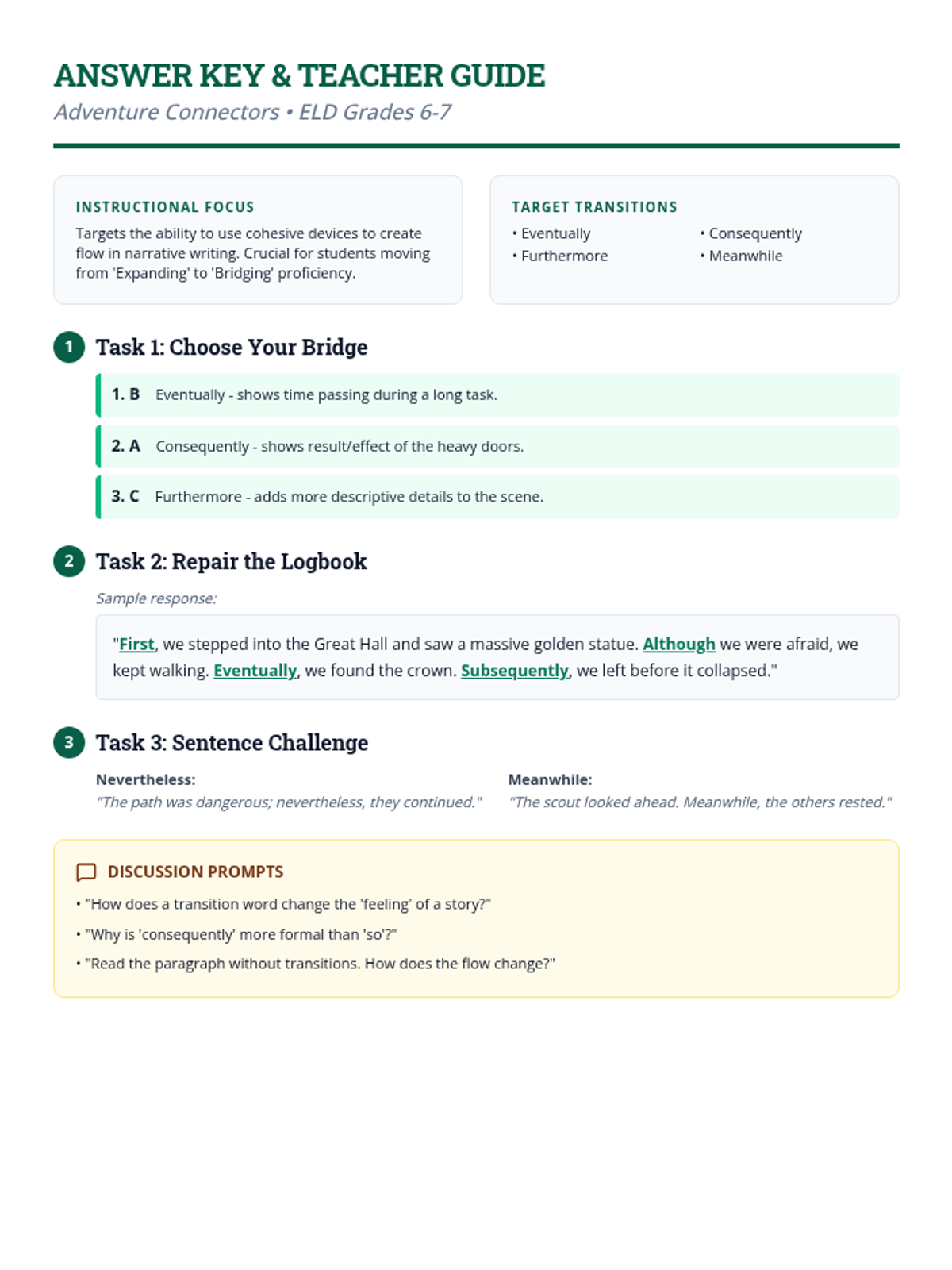
In this lesson, students learn to use transitional phrases (e.g., 'subsequently', 'nevertheless', 'consequently') to connect ideas in a narrative about exploring a hidden temple.
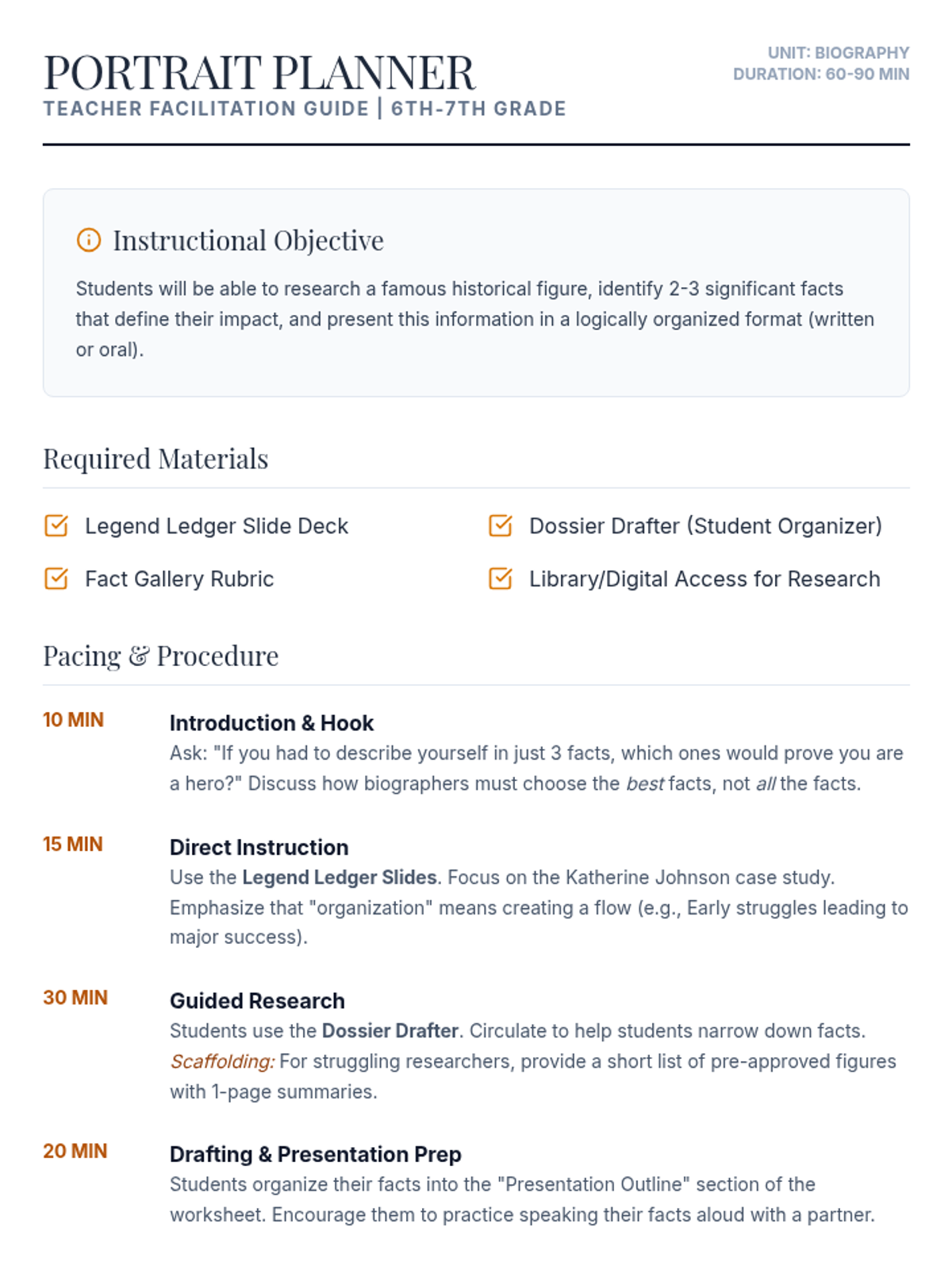
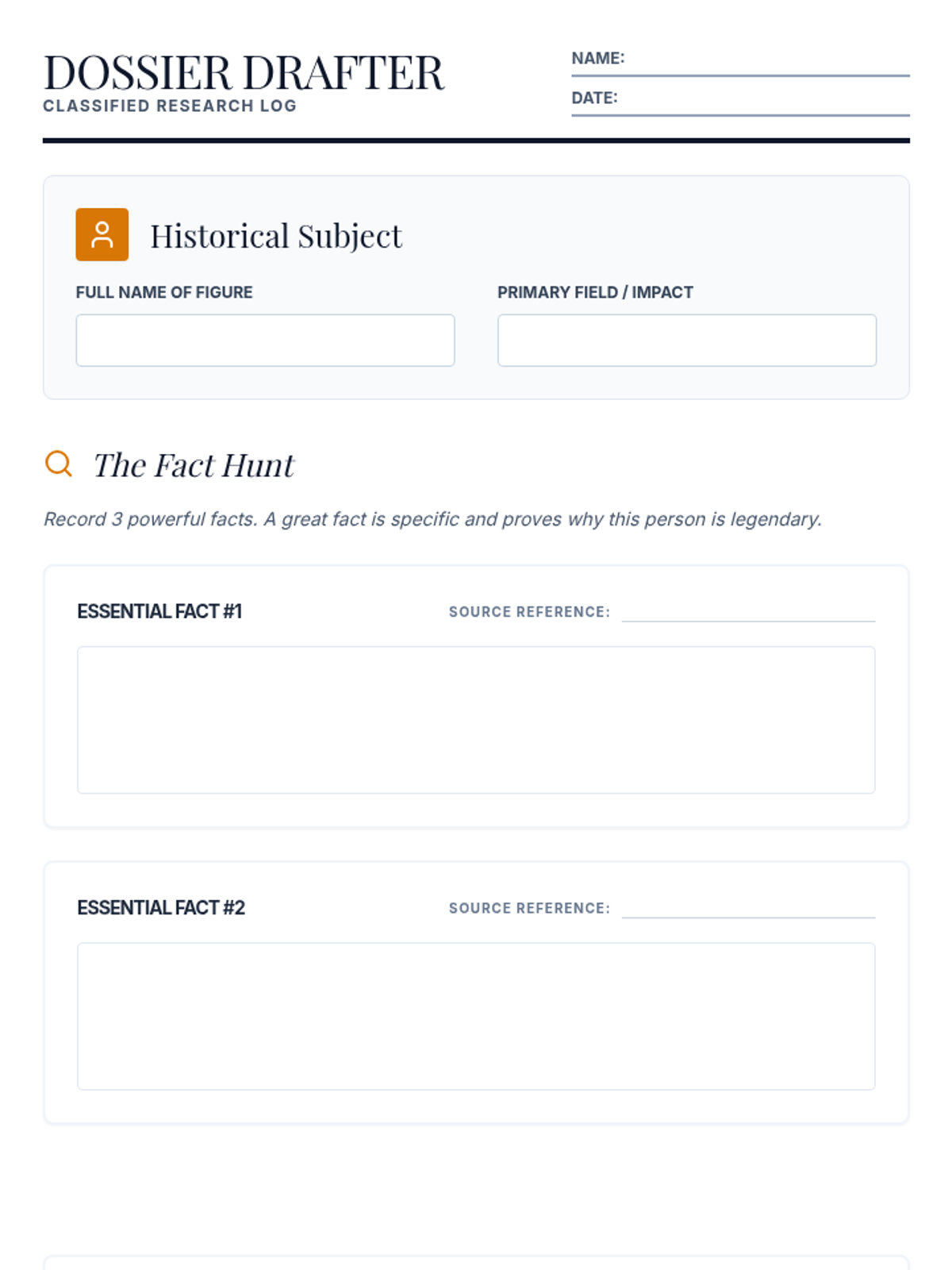
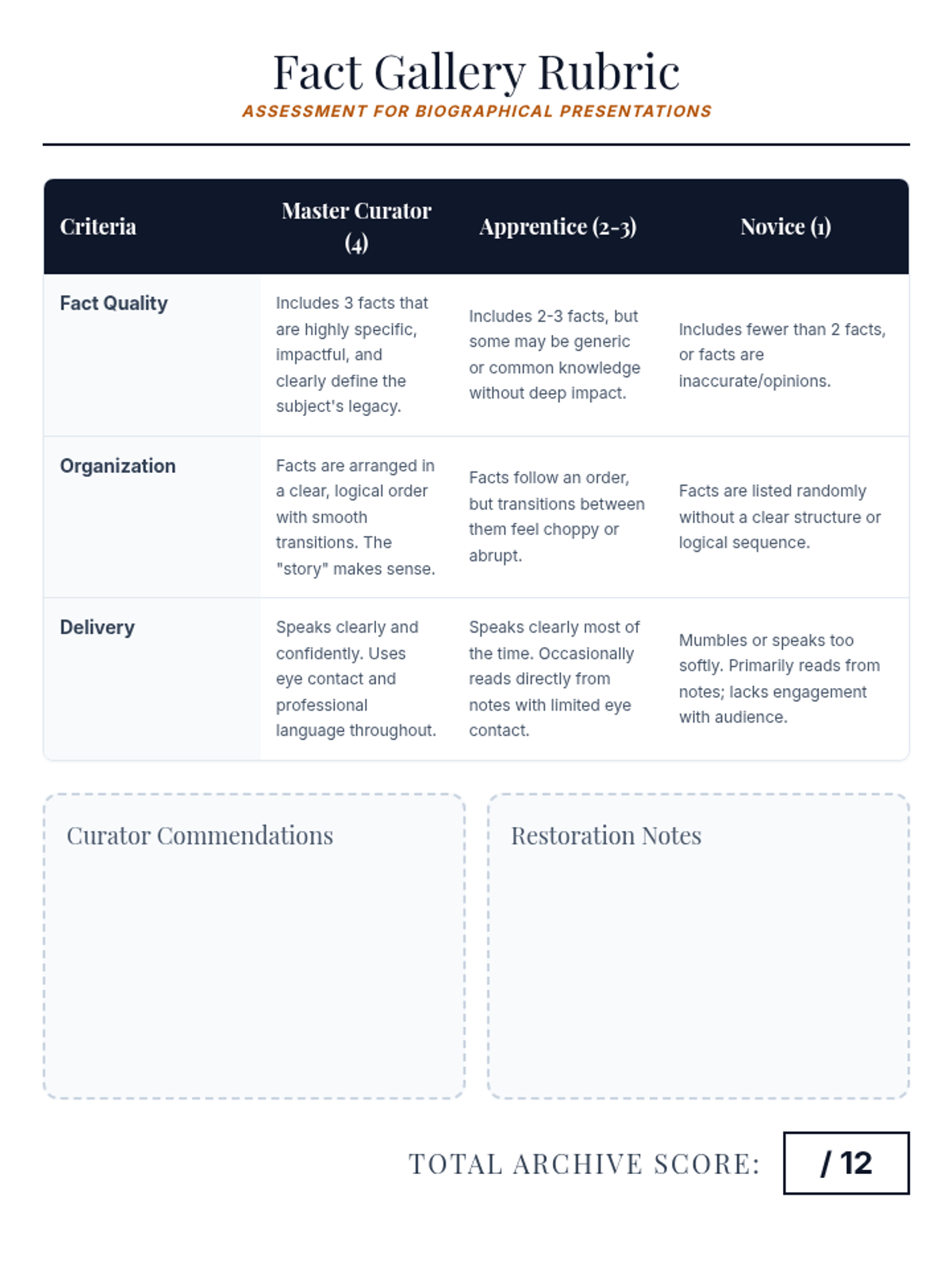
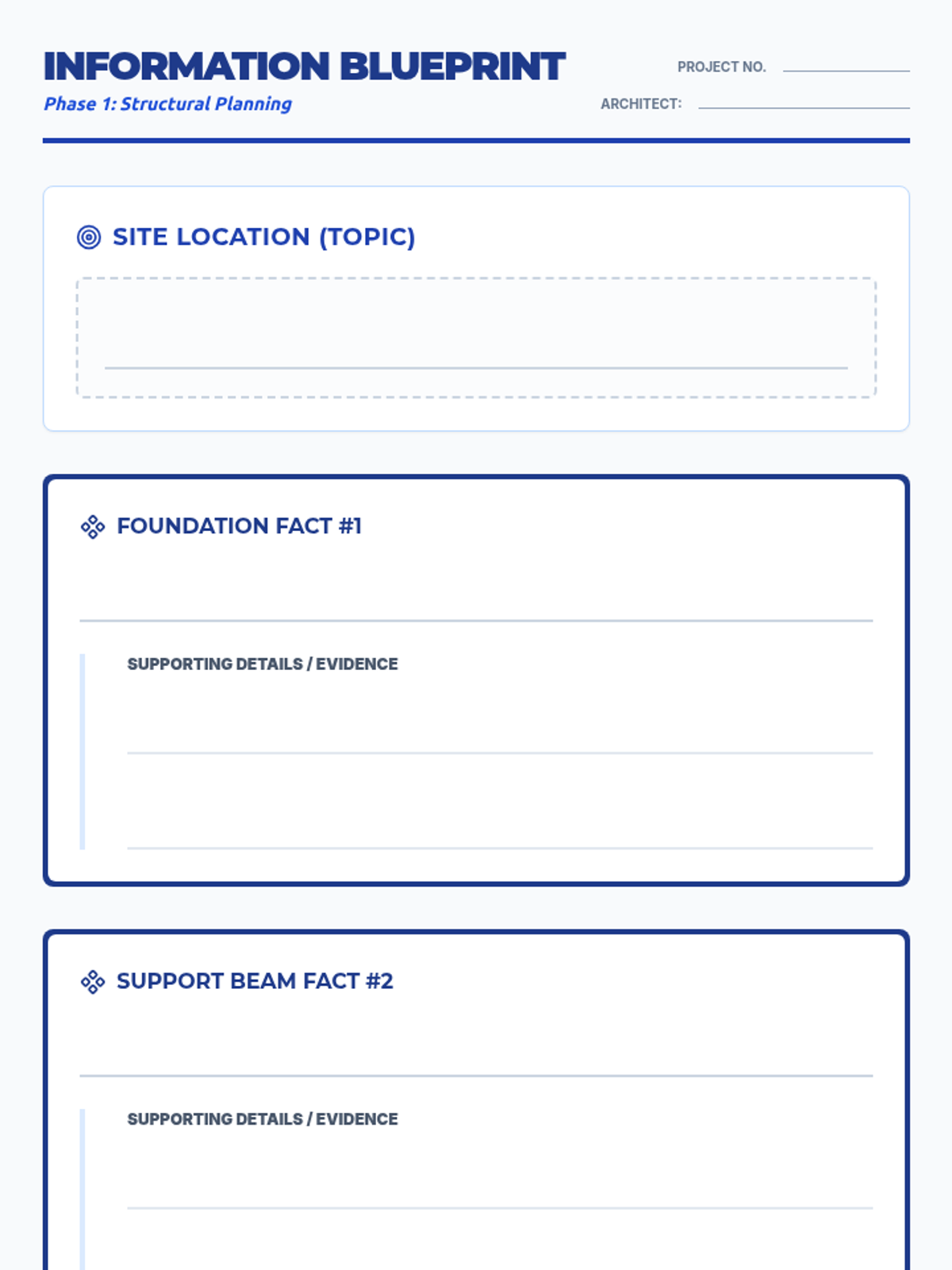
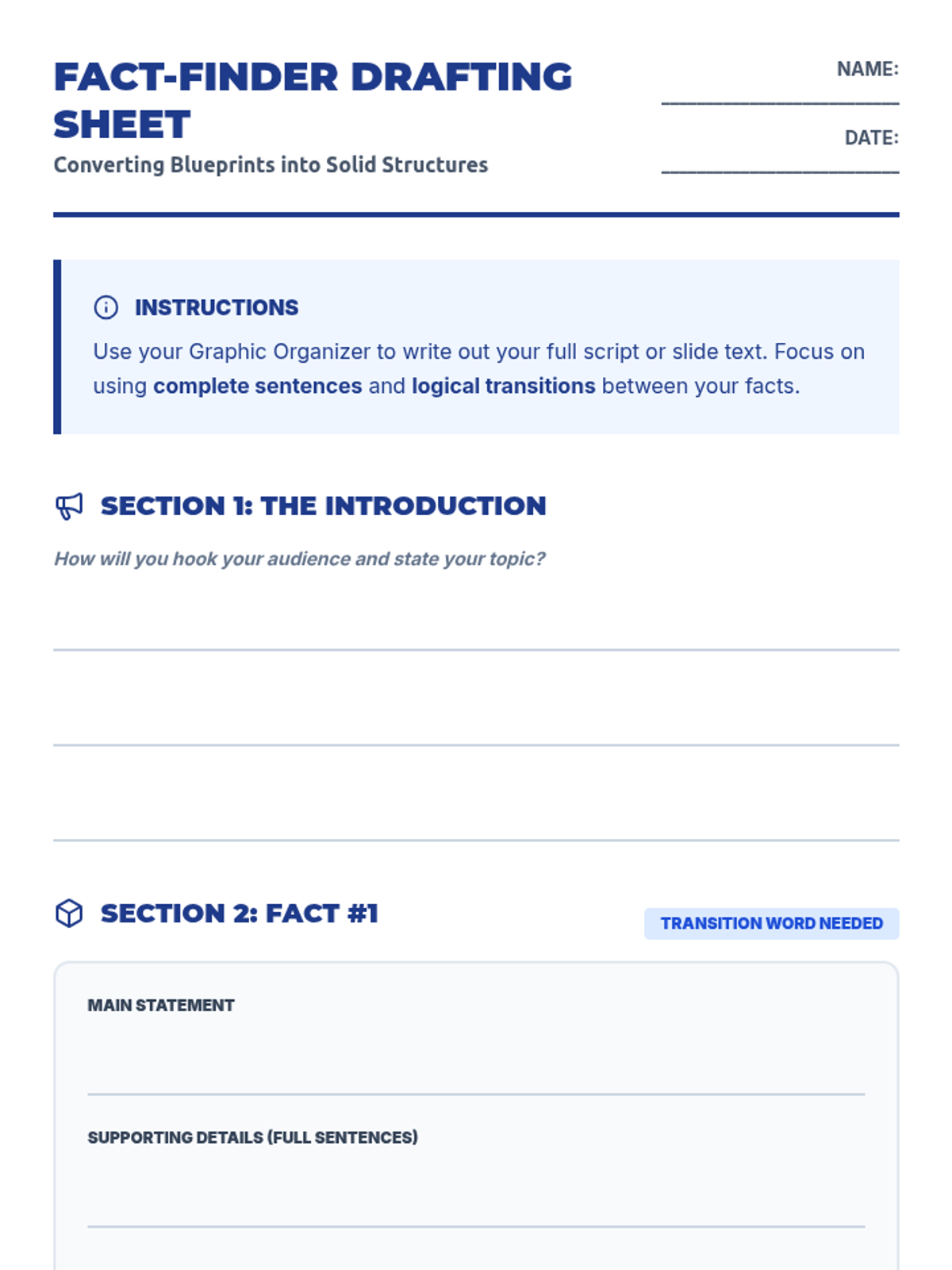
A lesson focused on researching and organizing key facts about historical figures to create a compelling biographical presentation. Students learn to select impactful information and structure it logically for an audience.
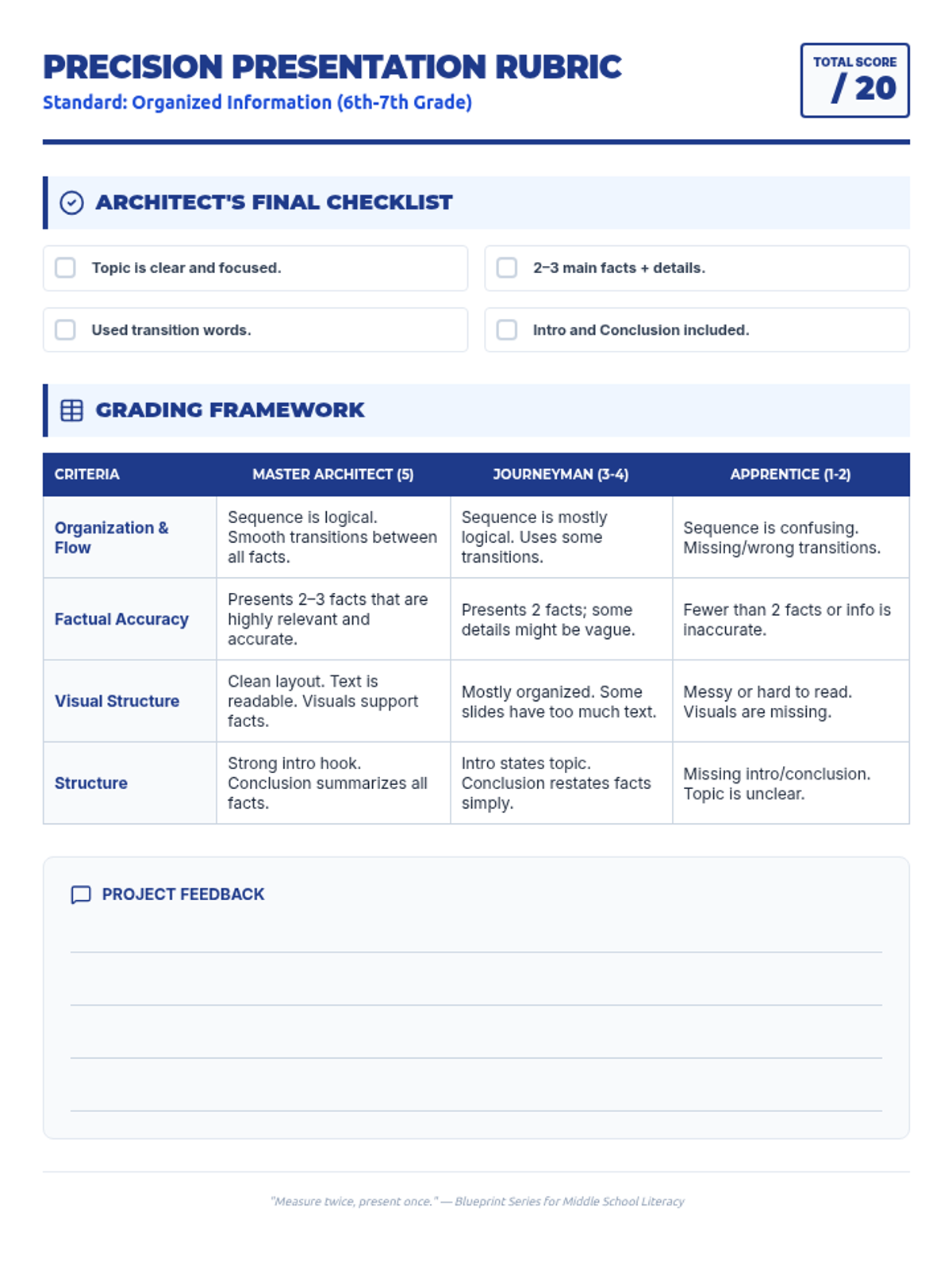
A middle school lesson focused on researching, organizing, and presenting factual information using a structured 'blueprint' approach. Students will learn to select a topic, gather 2-3 supporting facts, and arrange them logically for a presentation.
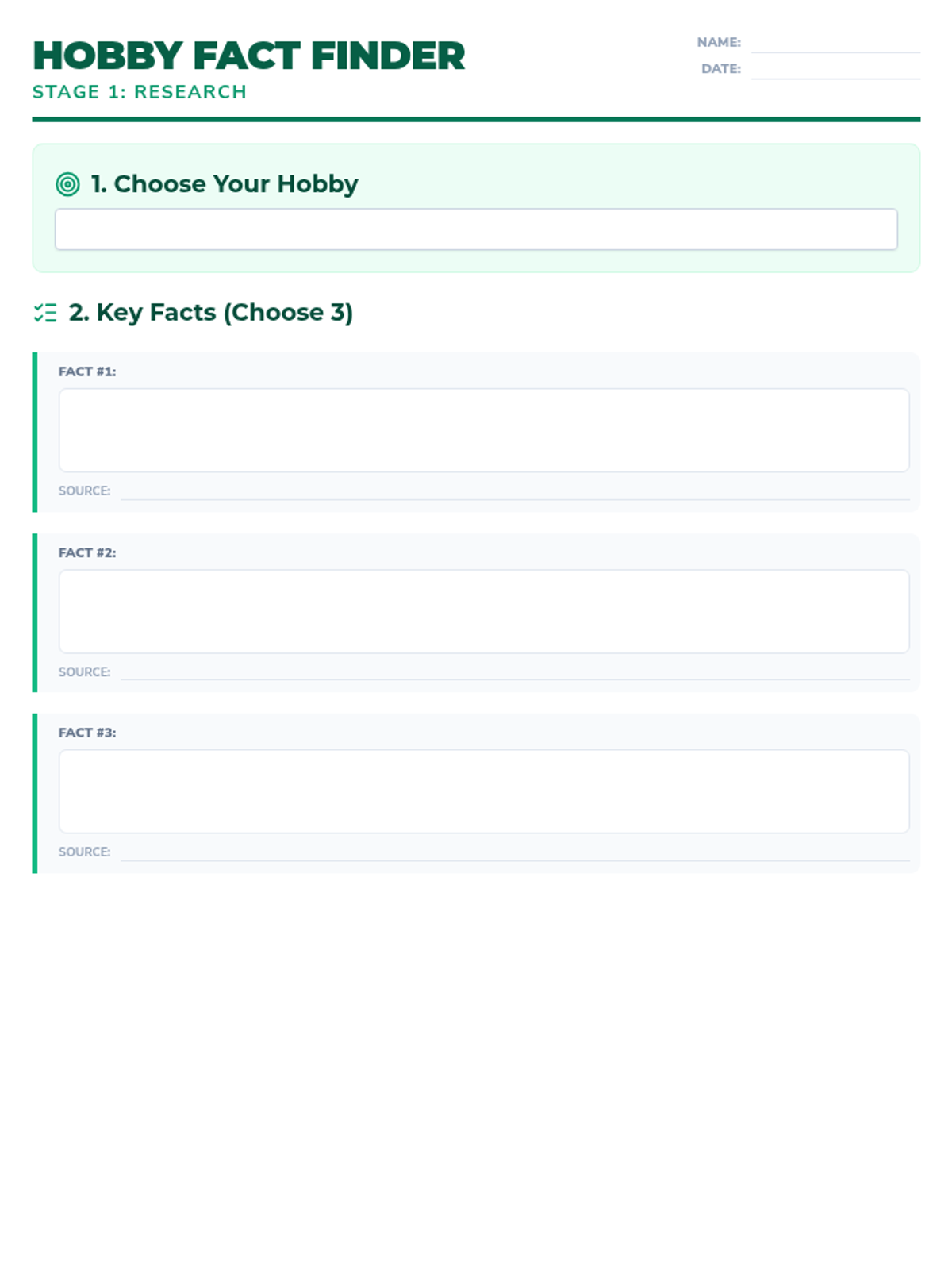
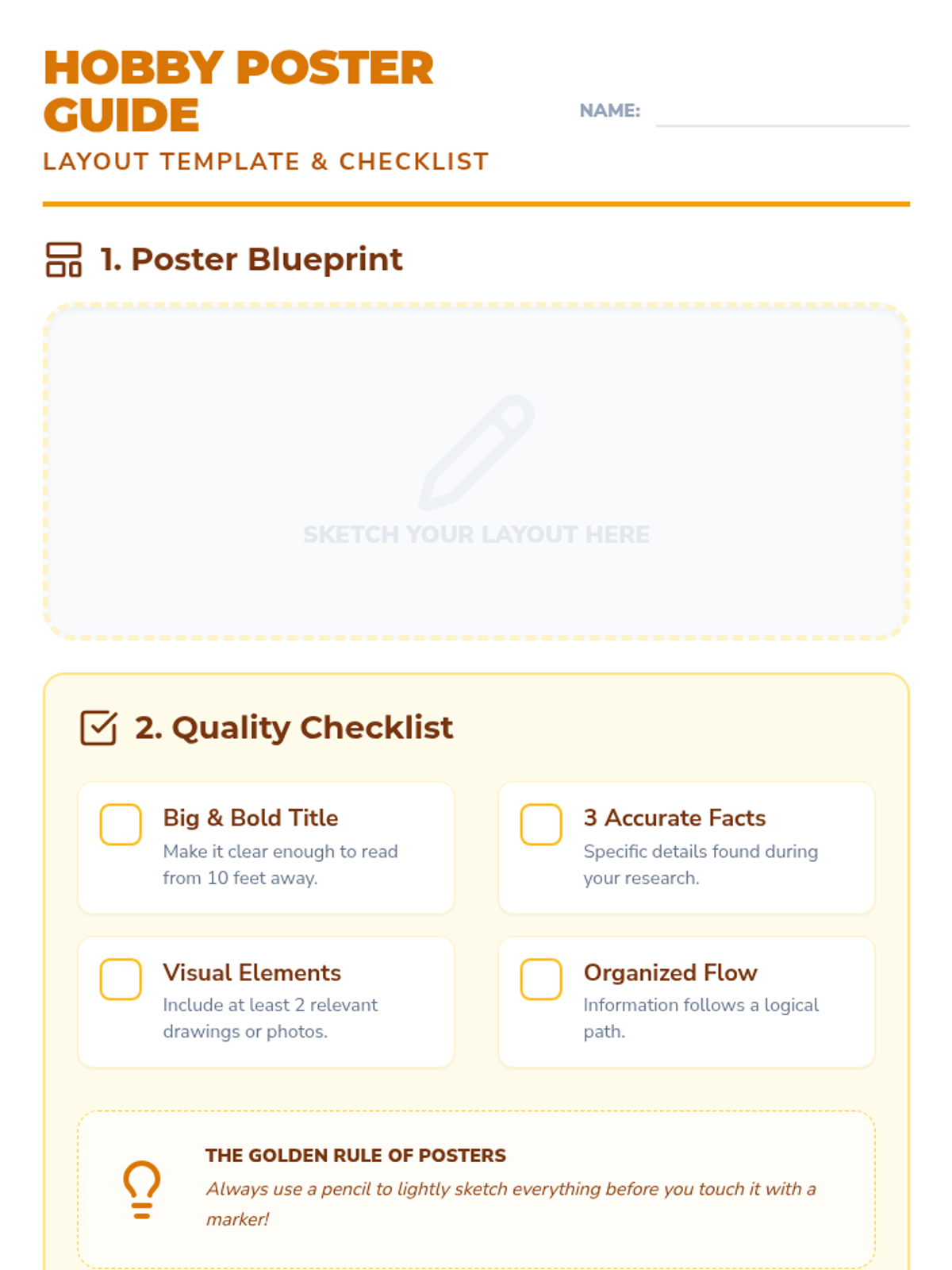
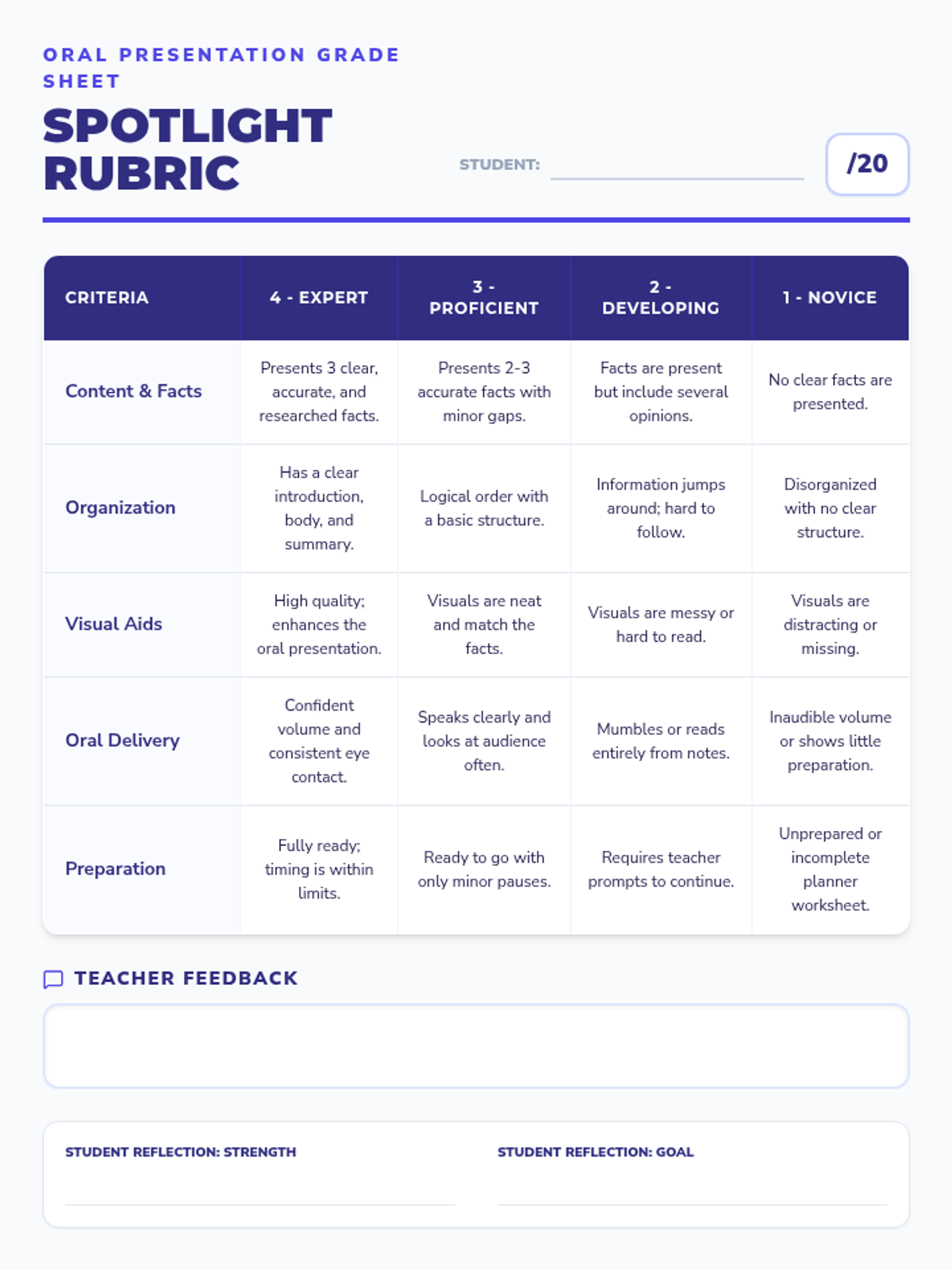
A lesson designed for middle schoolers to practice organizing information and presenting it clearly through the lens of their personal hobbies. Students will learn to select key facts, structure a presentation, and deliver their findings using either digital slides or physical posters.
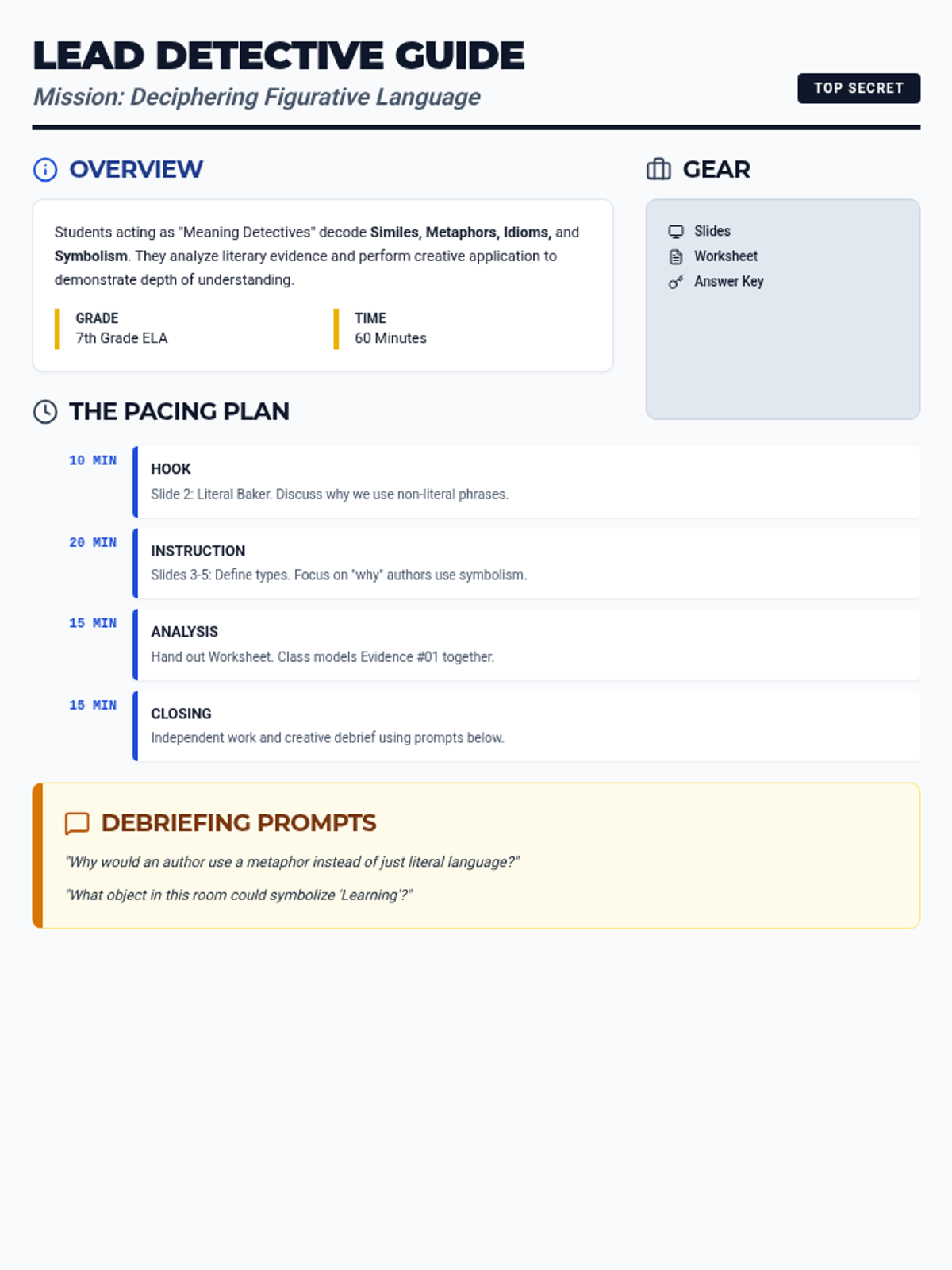
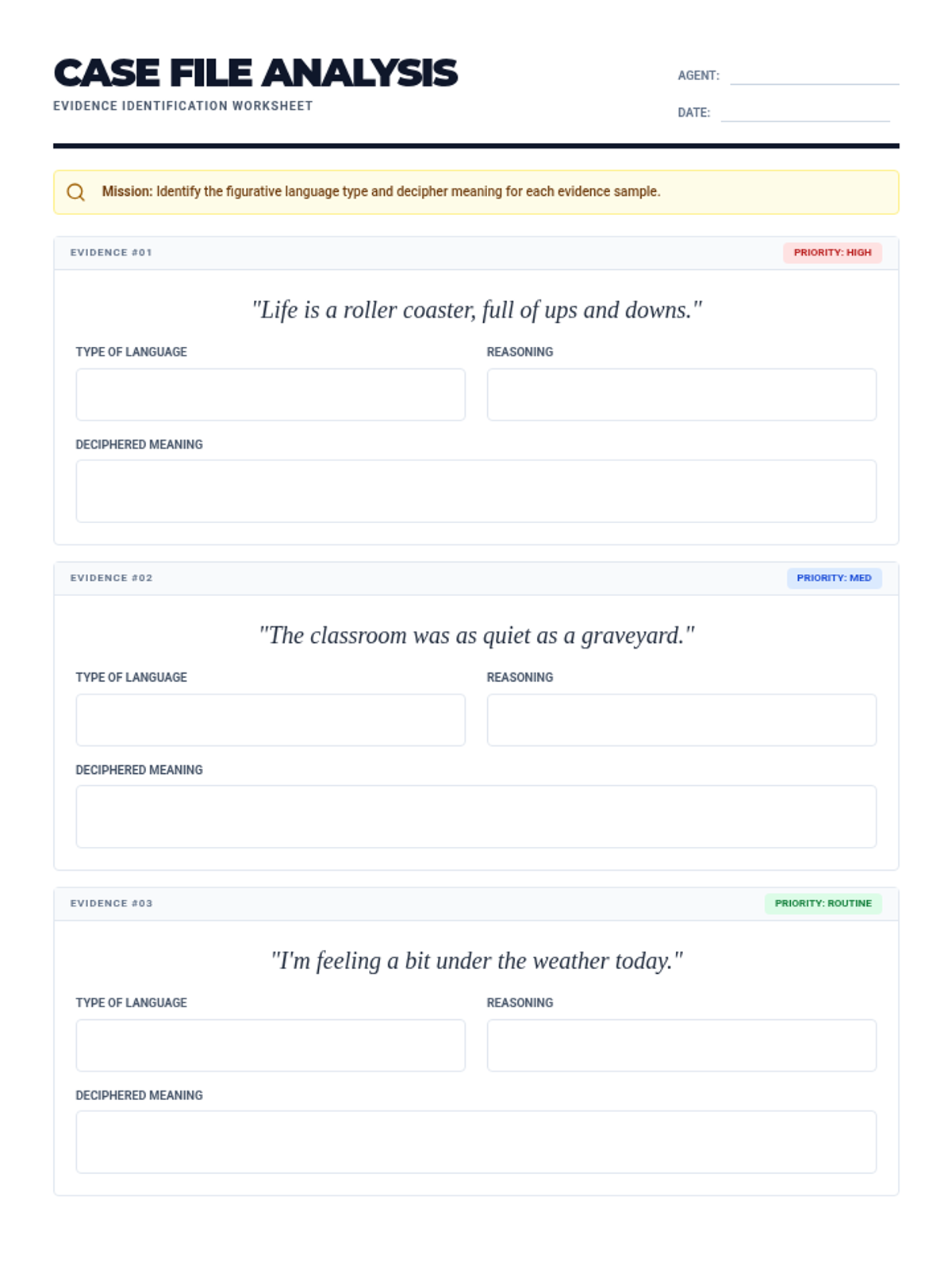
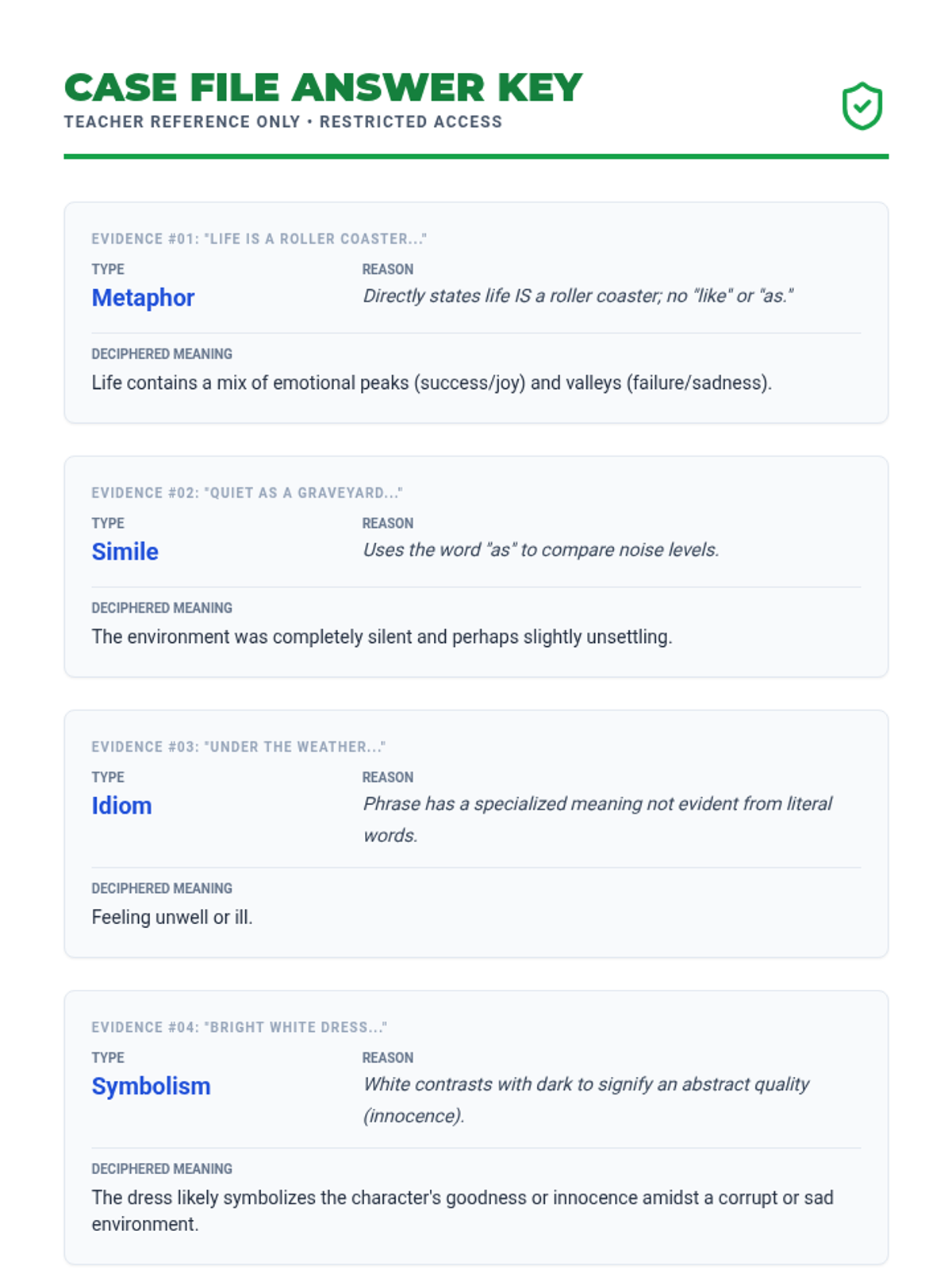
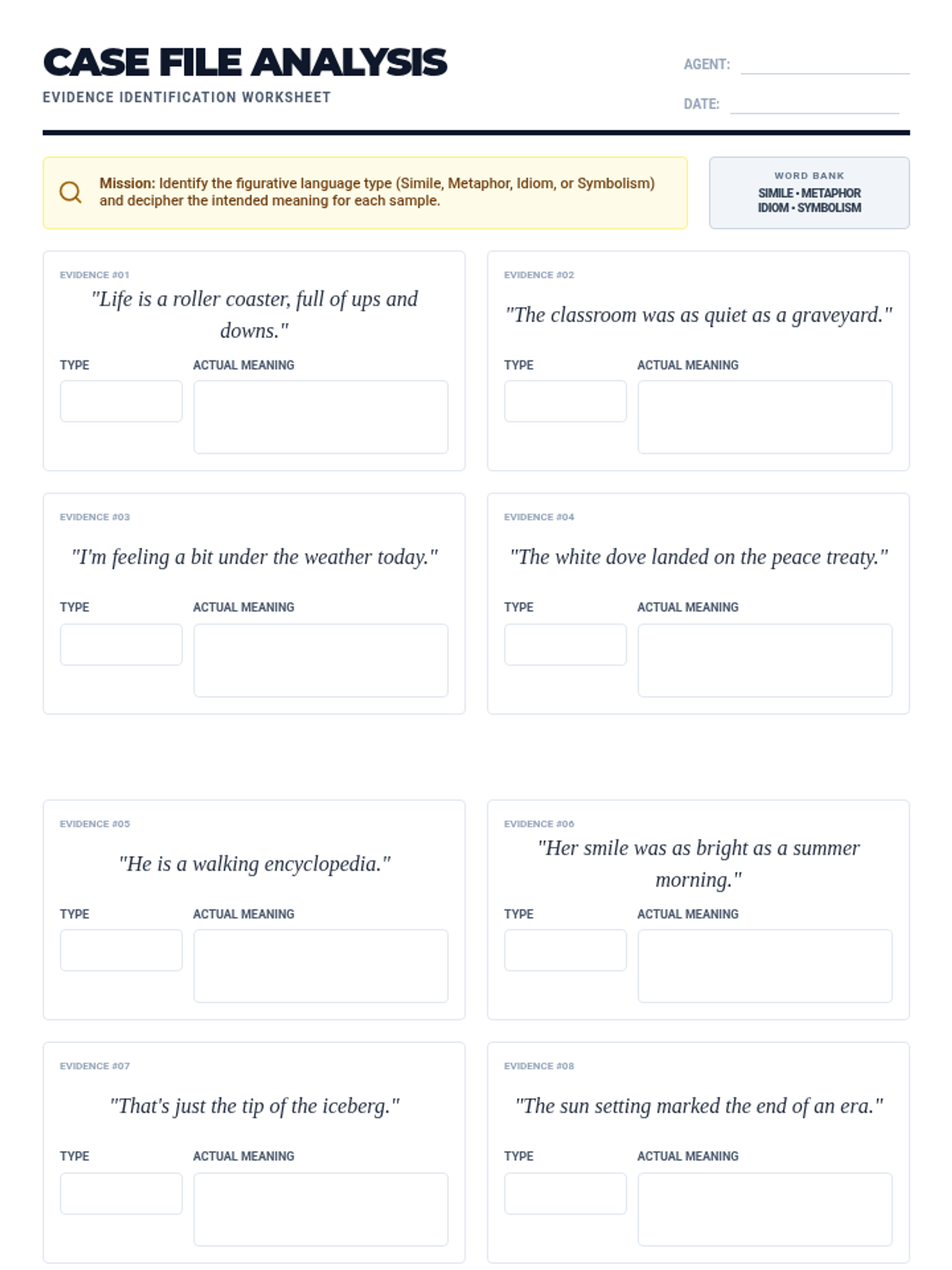
A high-interest lesson where students act as 'Meaning Detectives' to identify and interpret similes, metaphors, idioms, and symbolism in text.
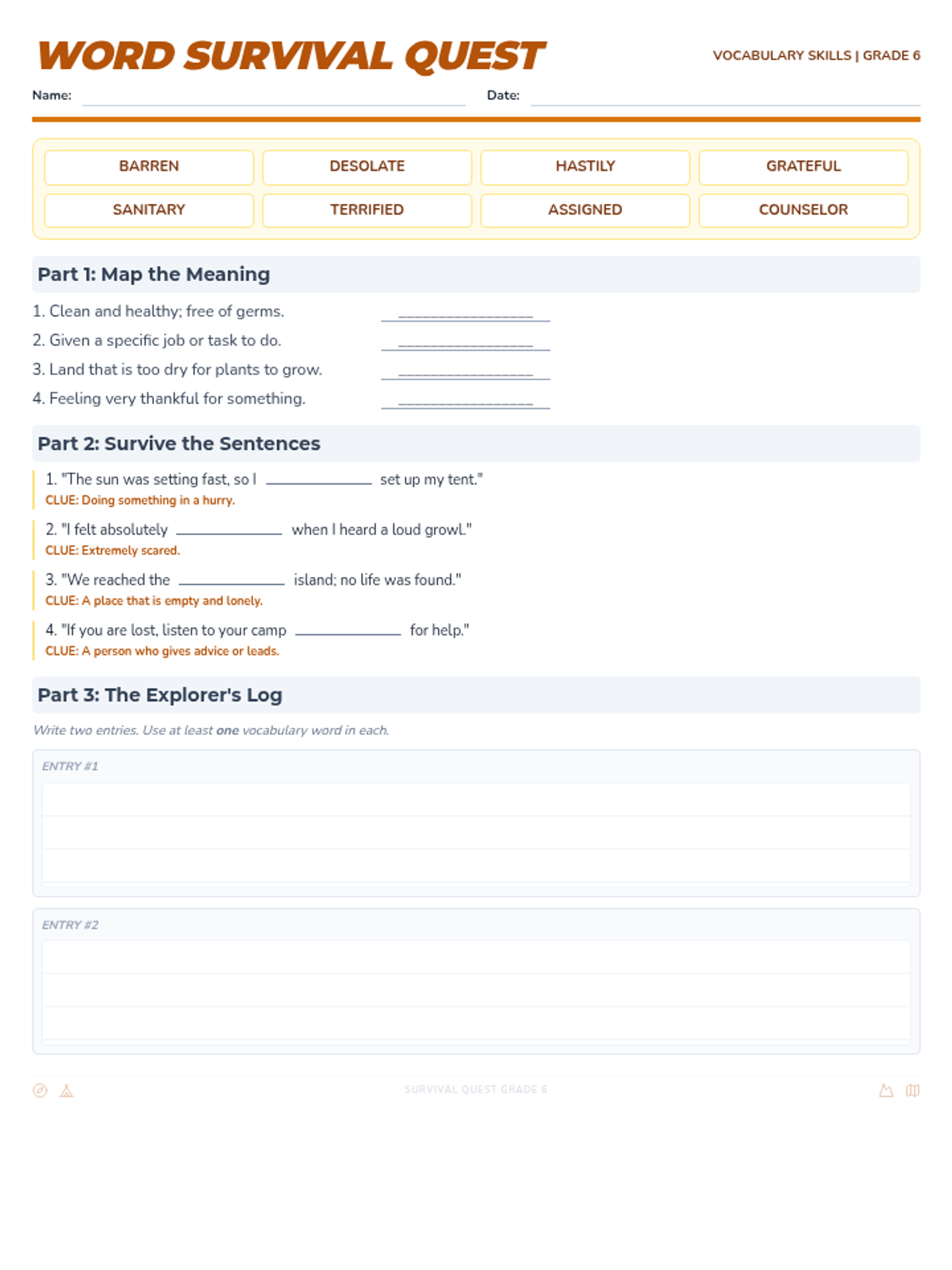
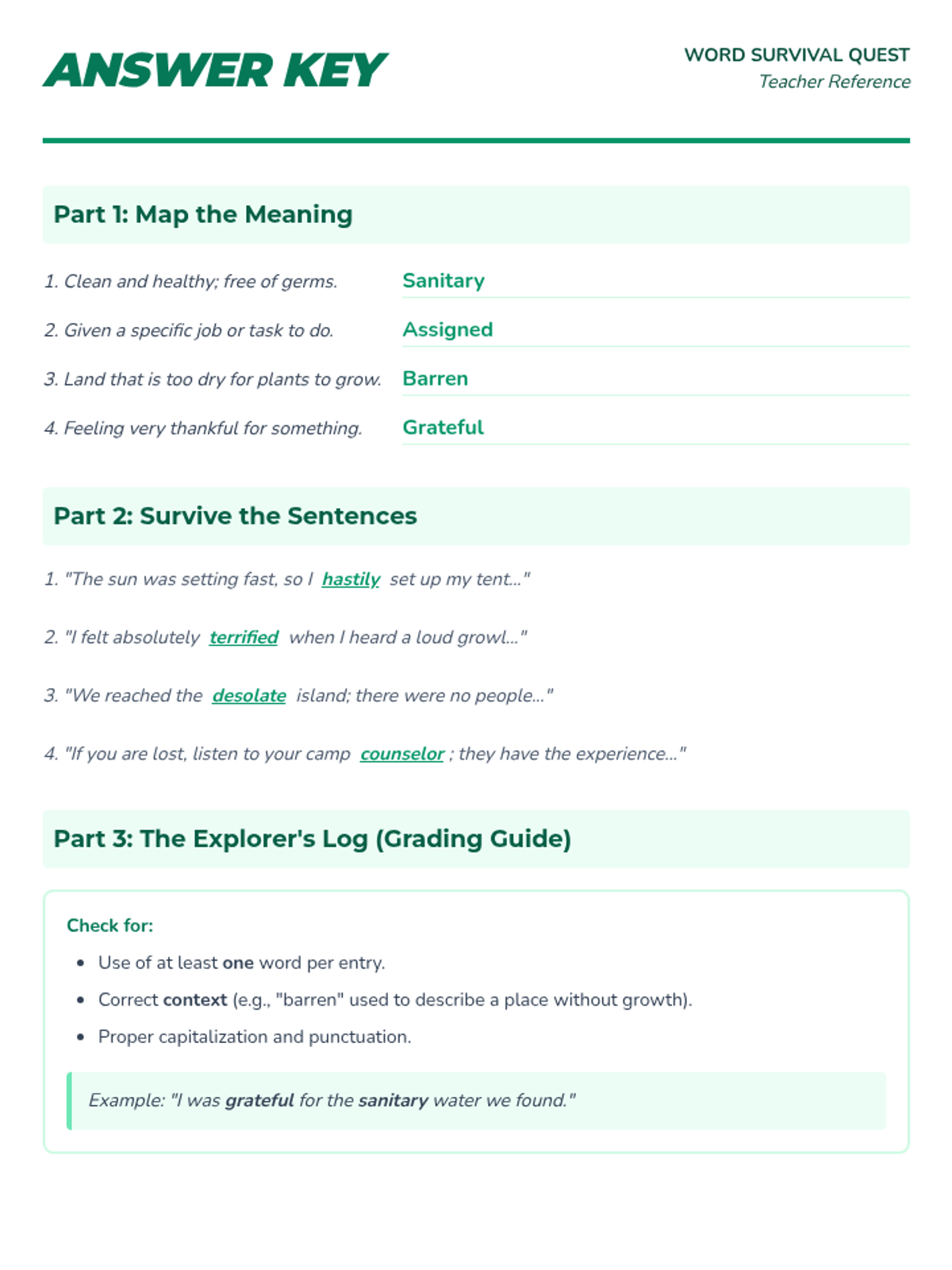
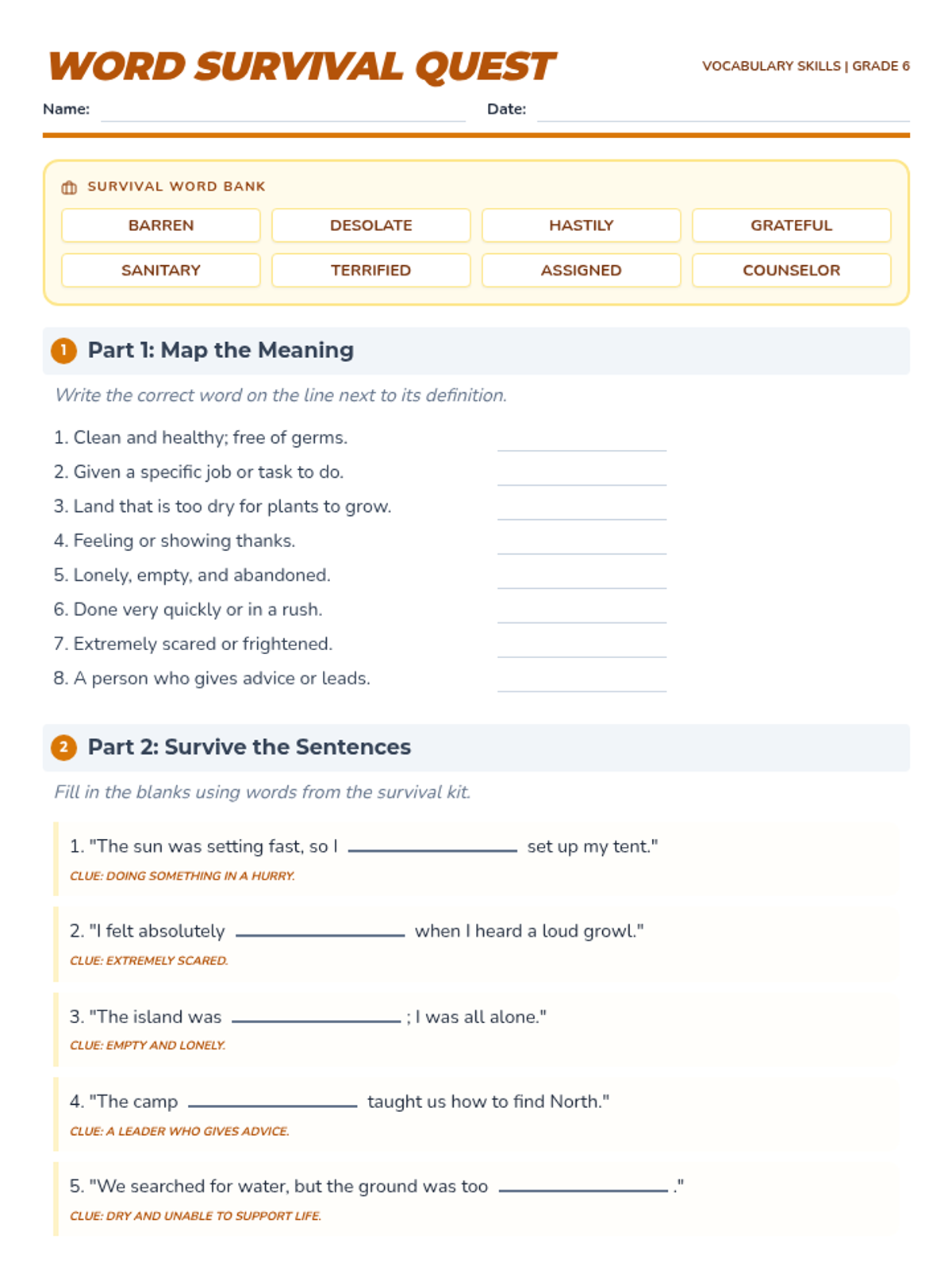
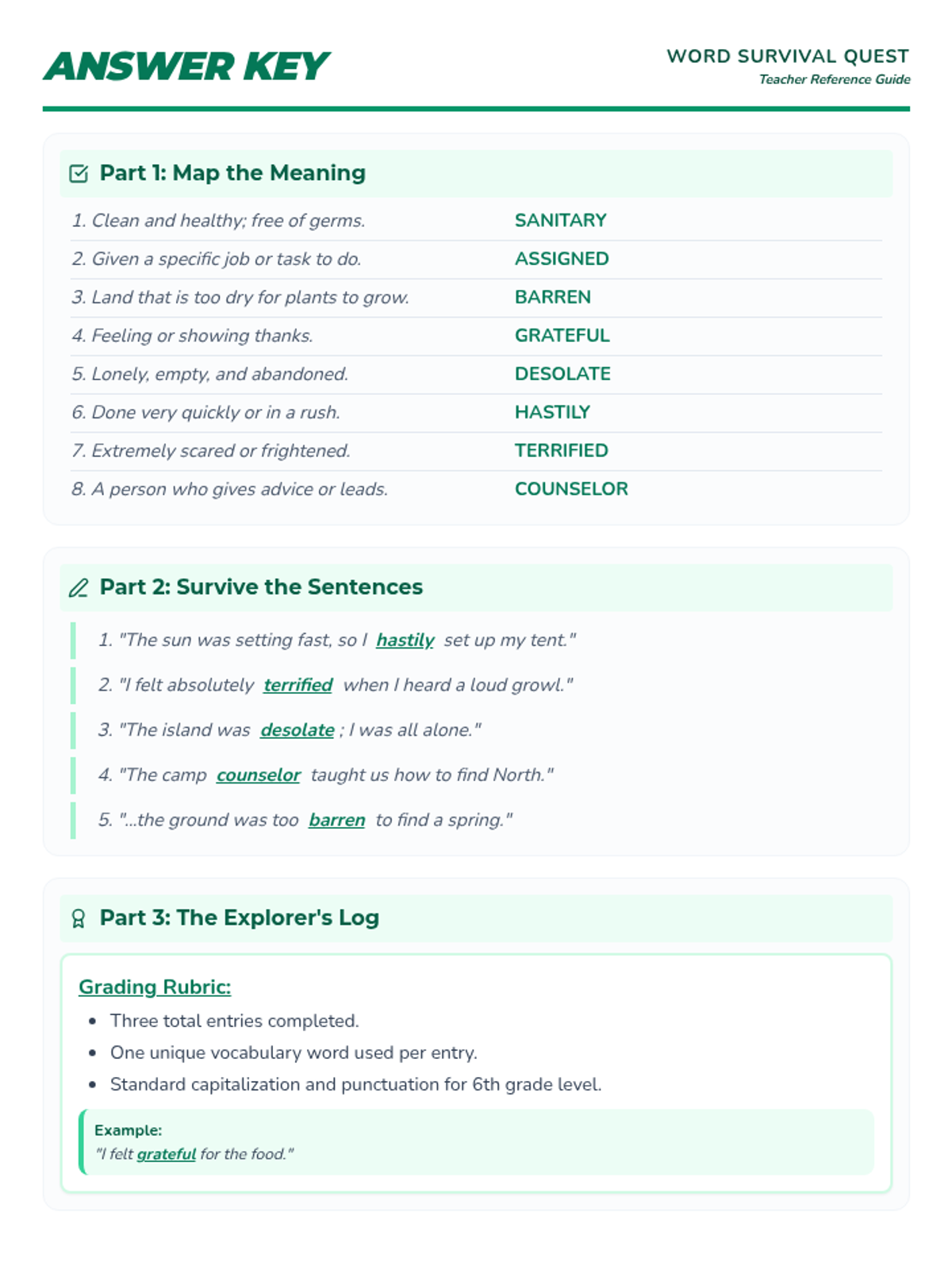
A vocabulary exploration lesson focusing on eight key terms through a survival-themed lens, providing high scaffolding for 6th-grade learners.
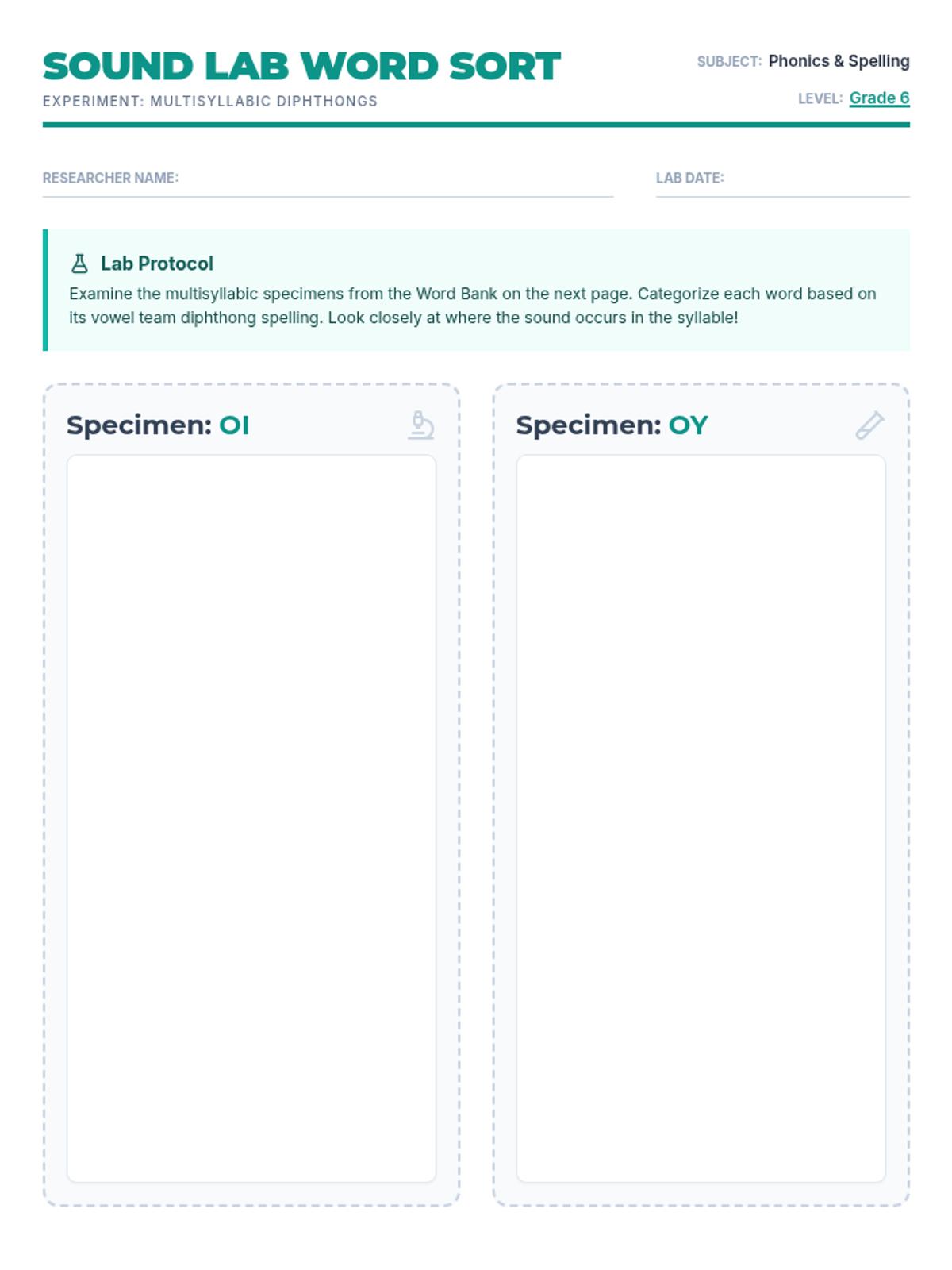
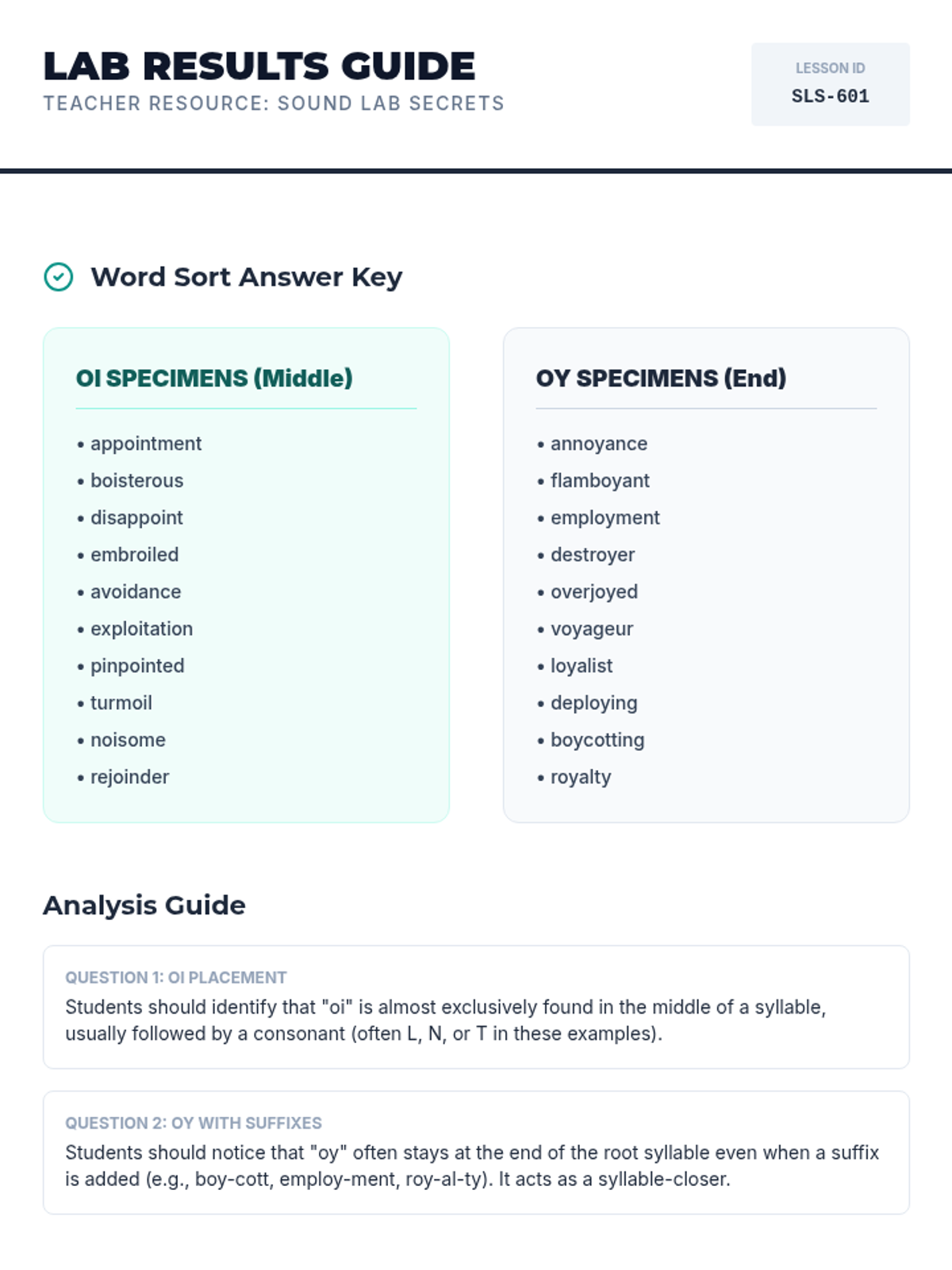
A lesson focused on mastering the 'oi' and 'oy' diphthongs in complex, multisyllabic words, featuring a systematic word sort and visual instruction.
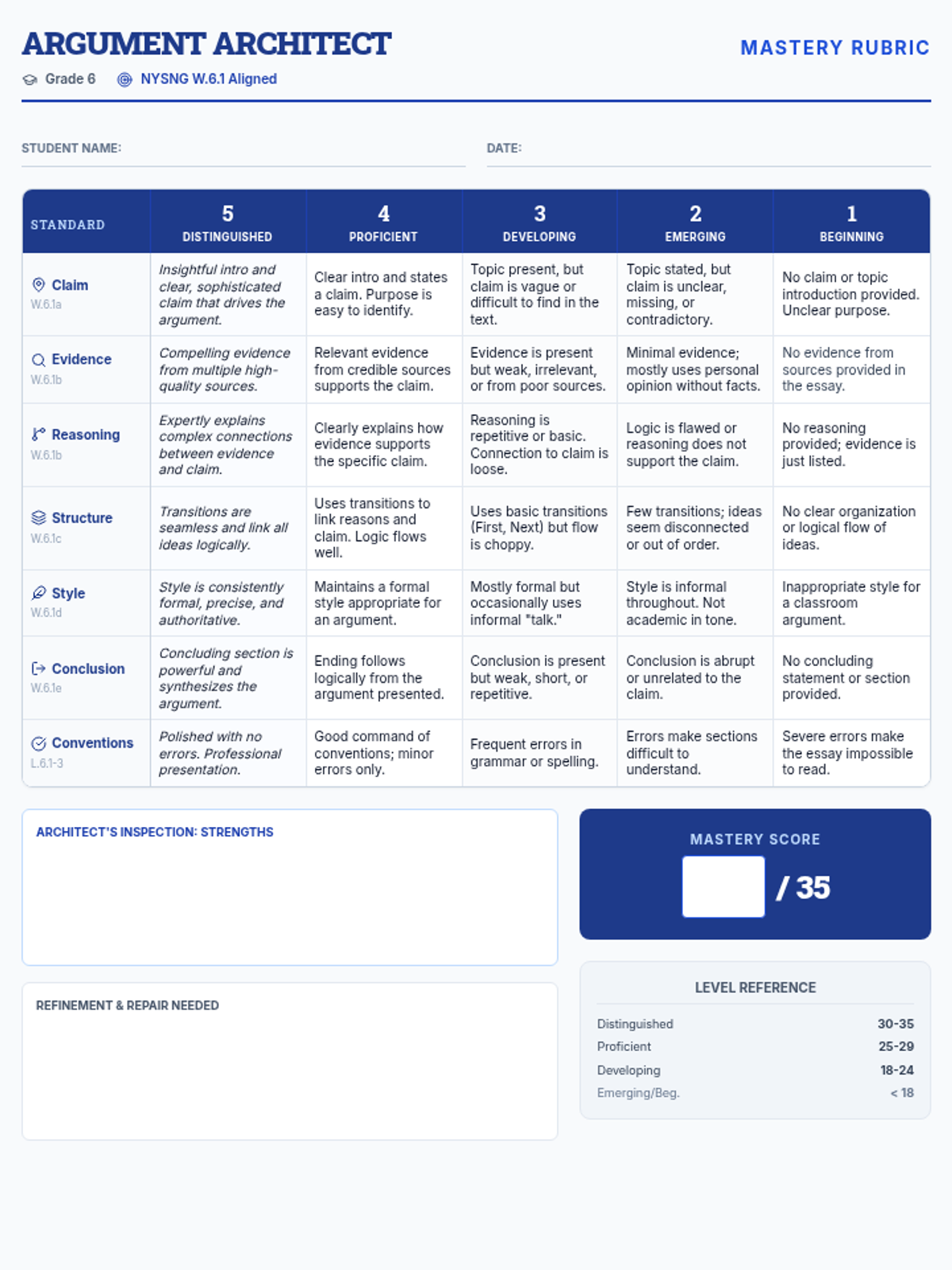
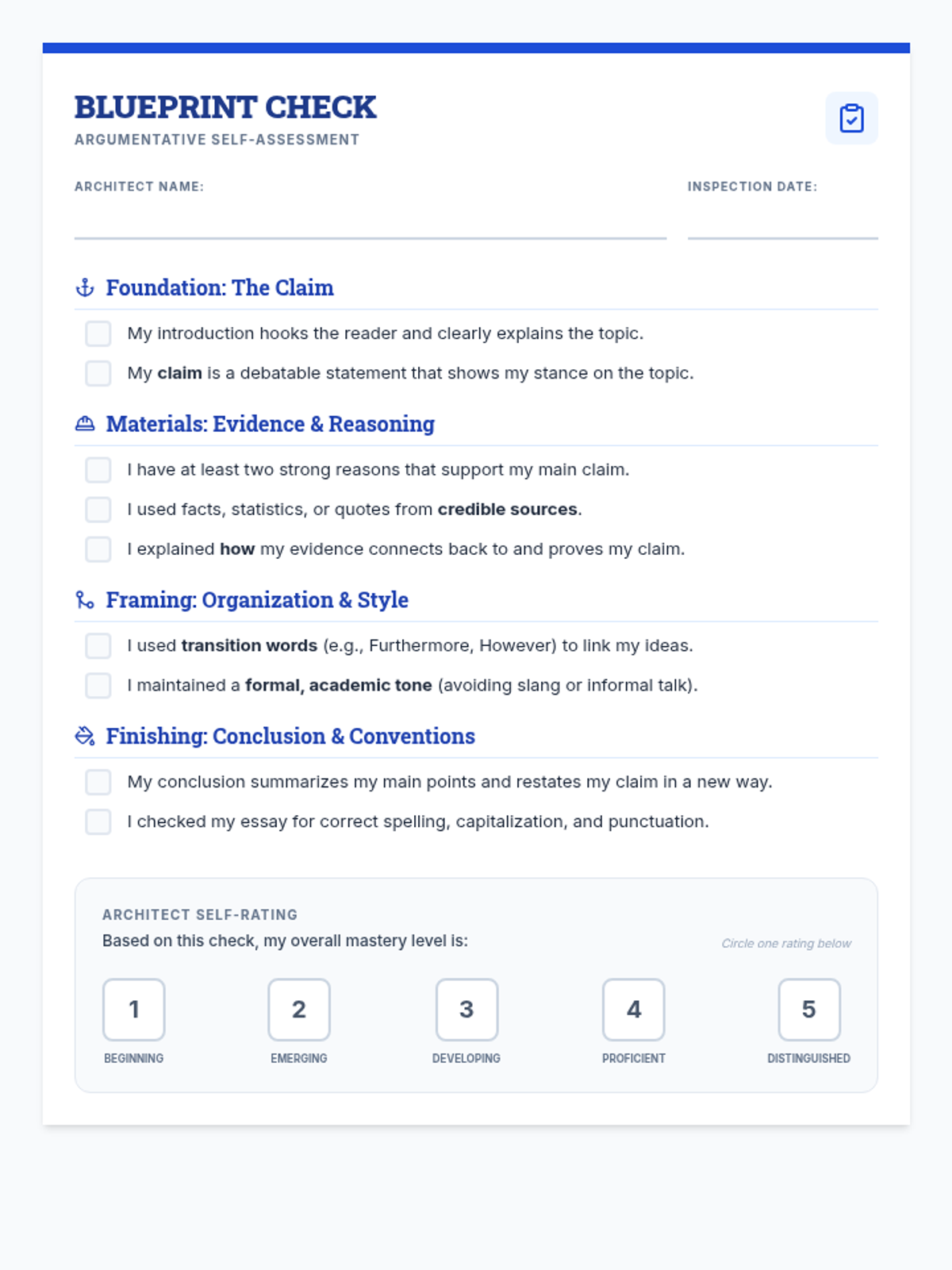
This lesson provides a comprehensive 5-point mastery rubric and student self-assessment guide for 6th-grade argumentative writing, aligned to NYSNG standards. It focuses on the structural elements of a strong argument: claim, evidence, reasoning, organization, and style.
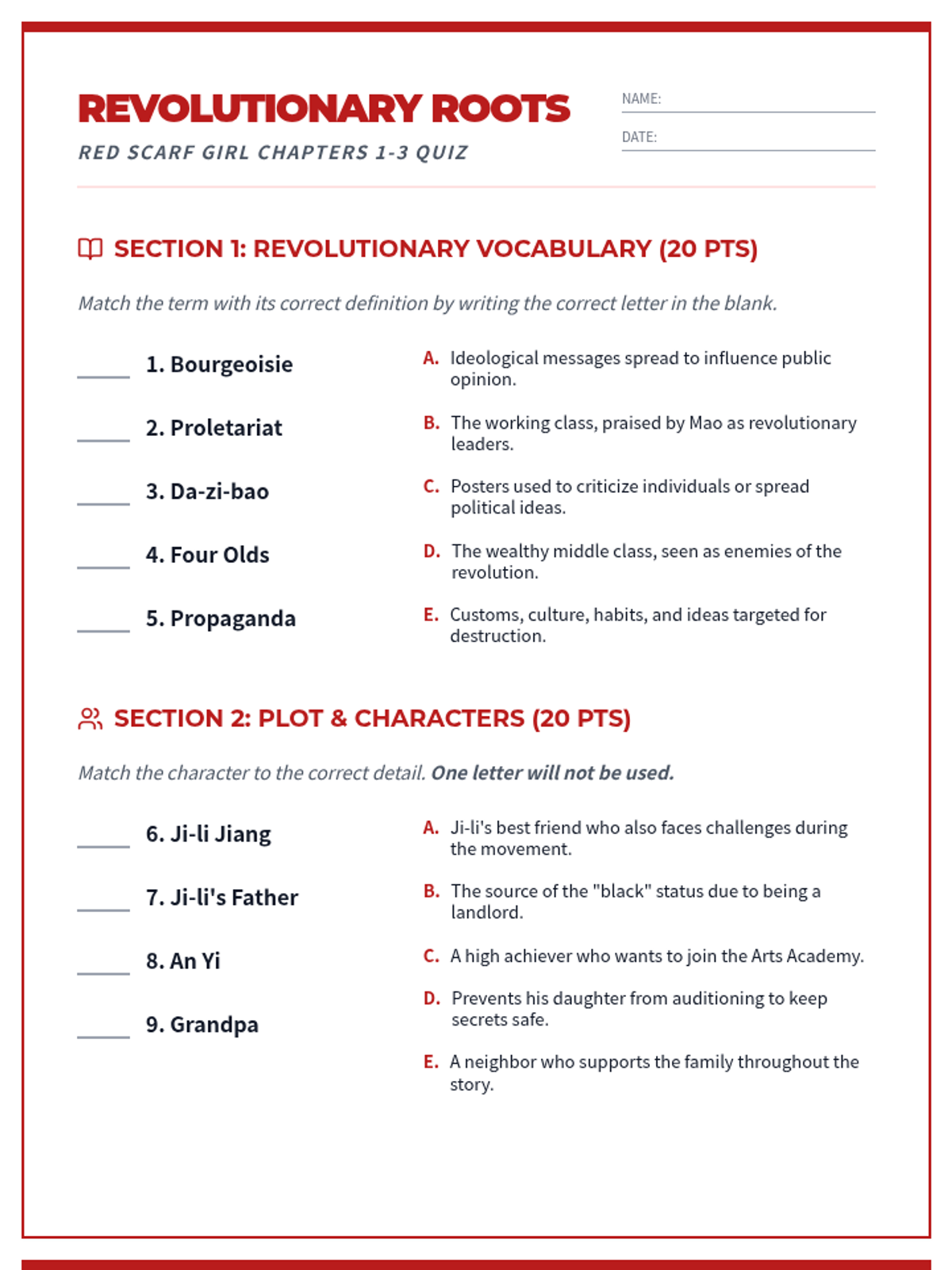
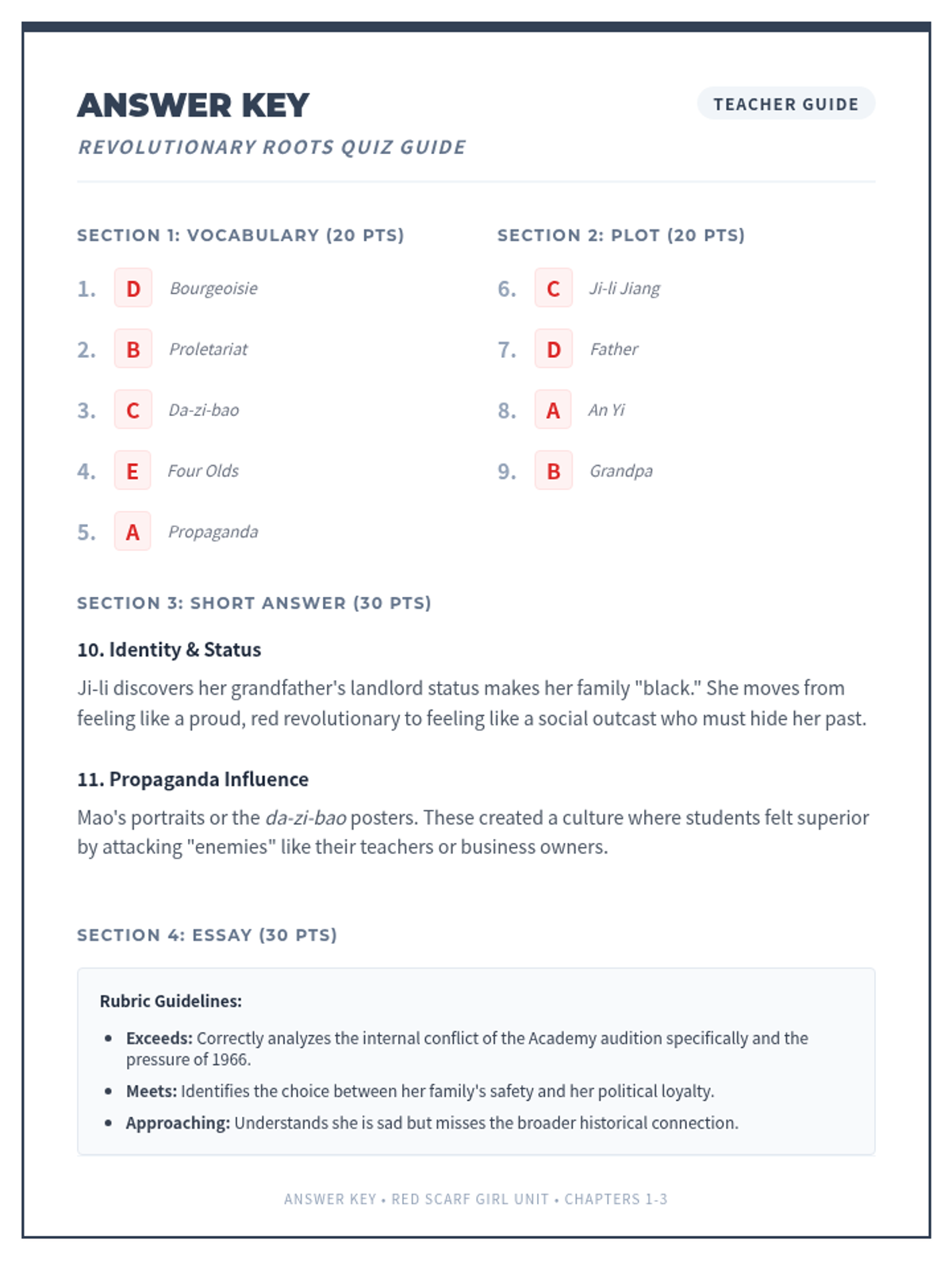
A comprehensive assessment and answer key for the first three chapters of Red Scarf Girl, focusing on the themes of identity, propaganda, and family loyalty.