A lesson introducing symmetry through common objects and geometric shapes, using 'mirror magic' as a metaphor for reflective symmetry.

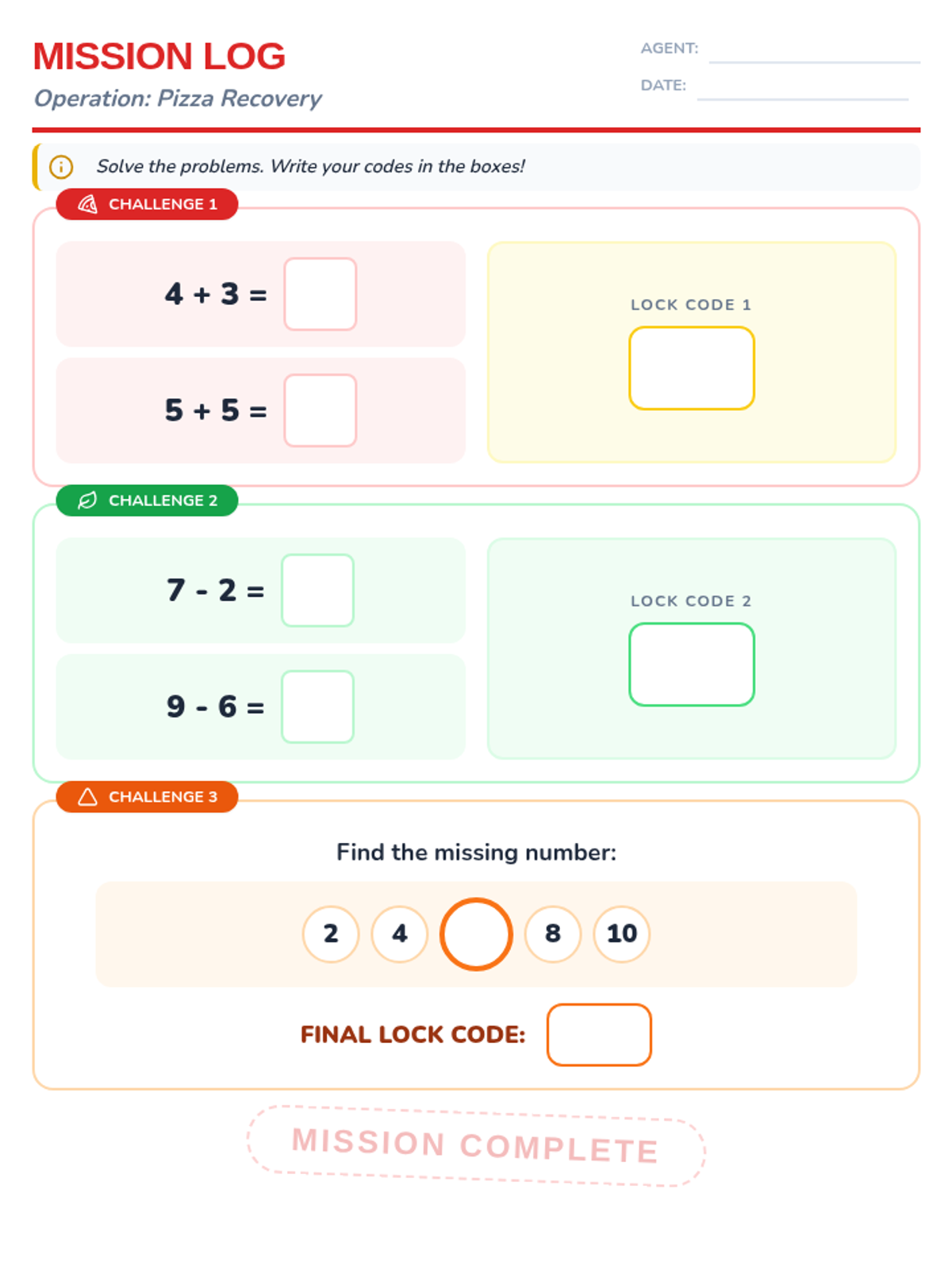
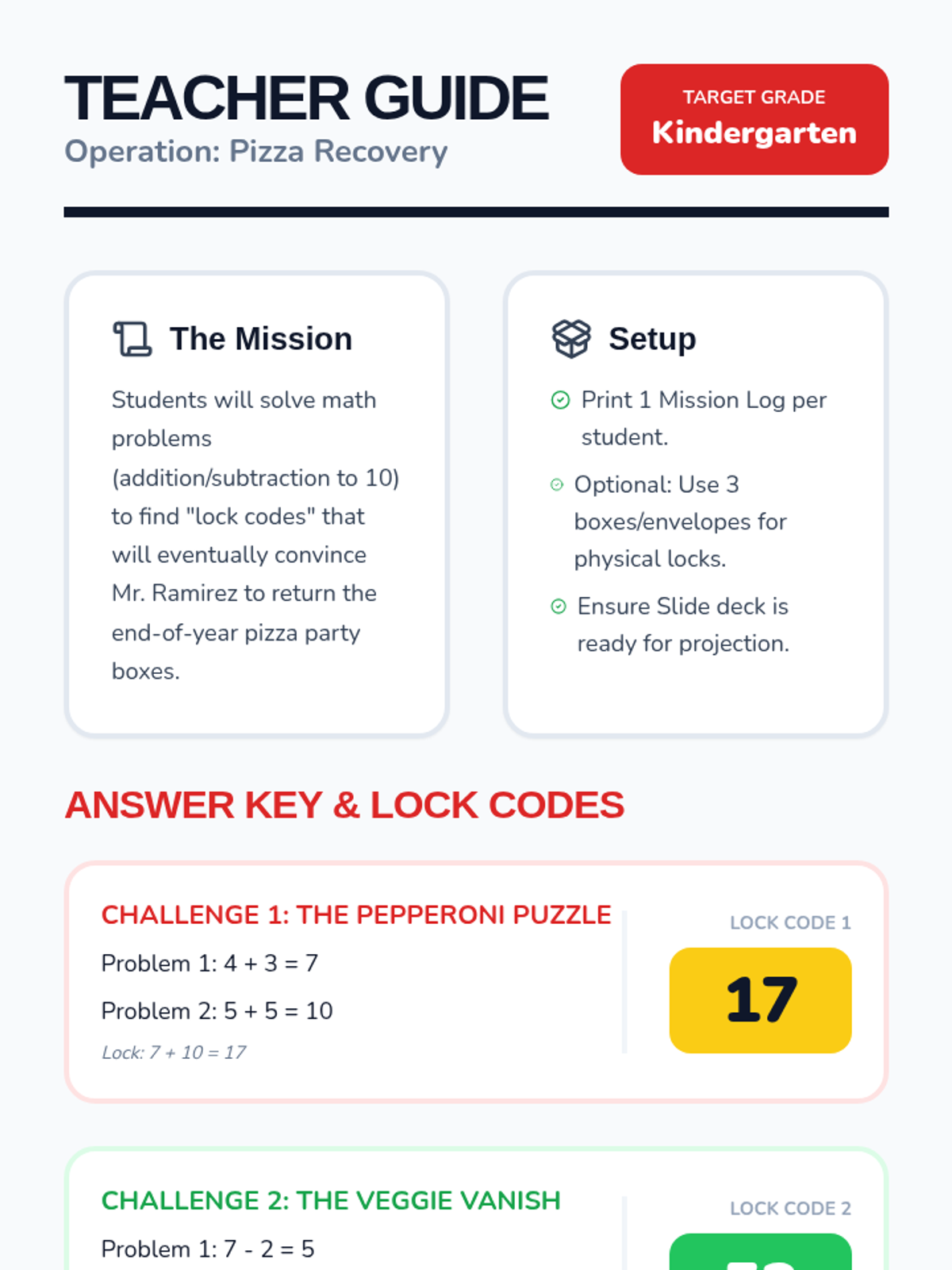
An interactive math escape room lesson where kindergarten students use addition and subtraction skills to solve a mystery.
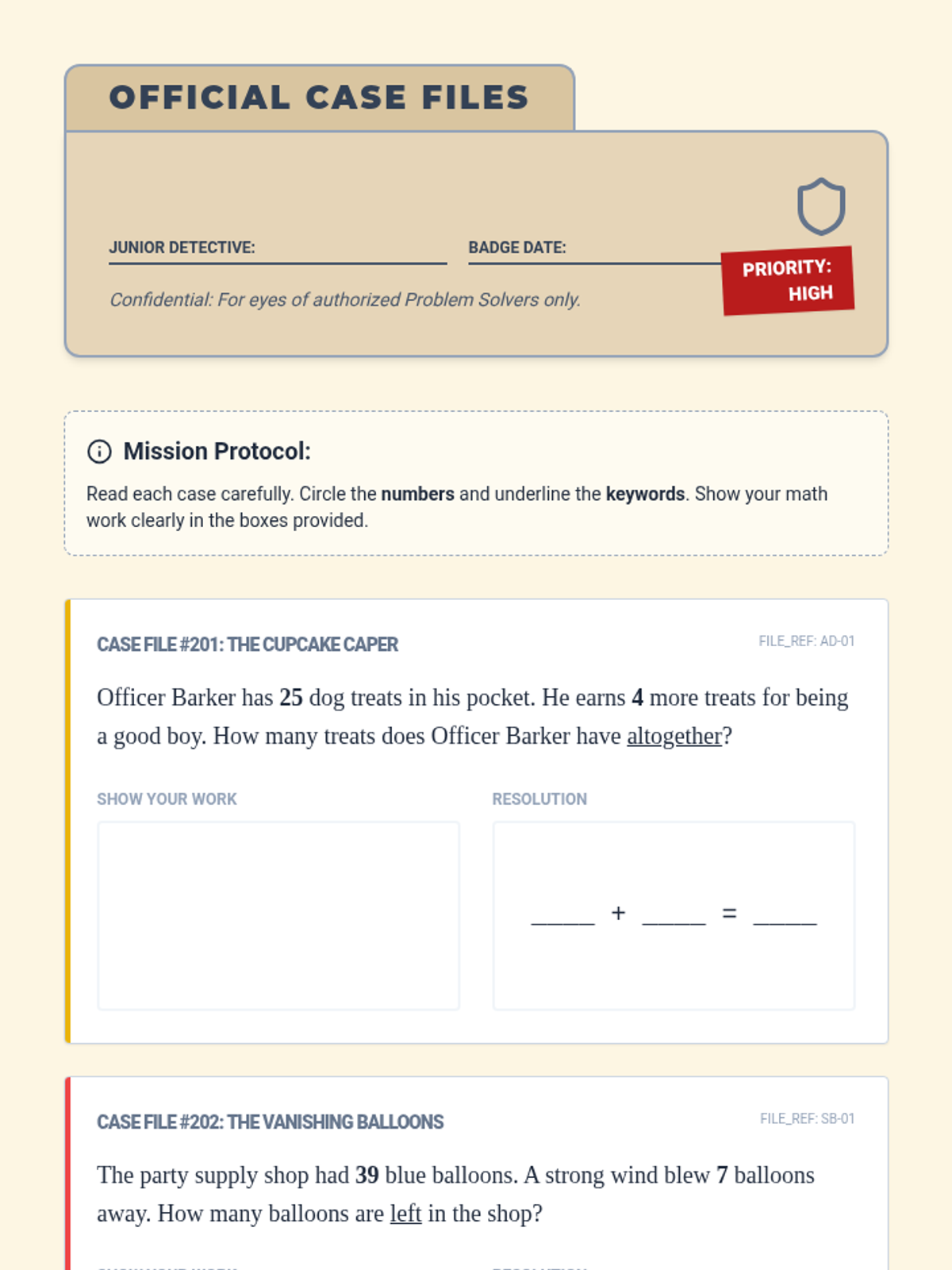
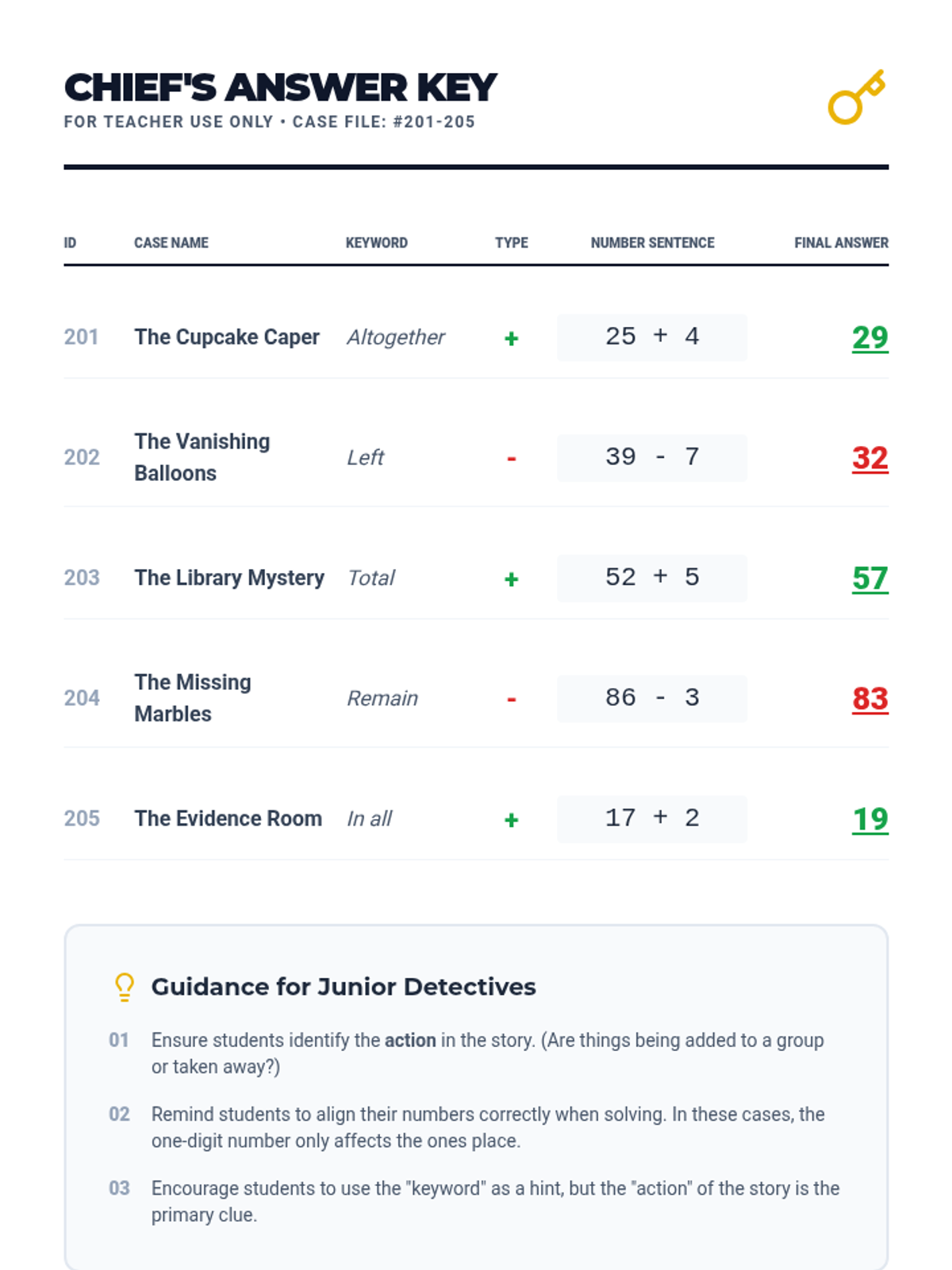
A mysterious and engaging introduction to solving two-digit plus one-digit addition and subtraction story problems through the lens of a detective agency. Students learn to identify keywords, set up number sentences, and solve the 'cases'.
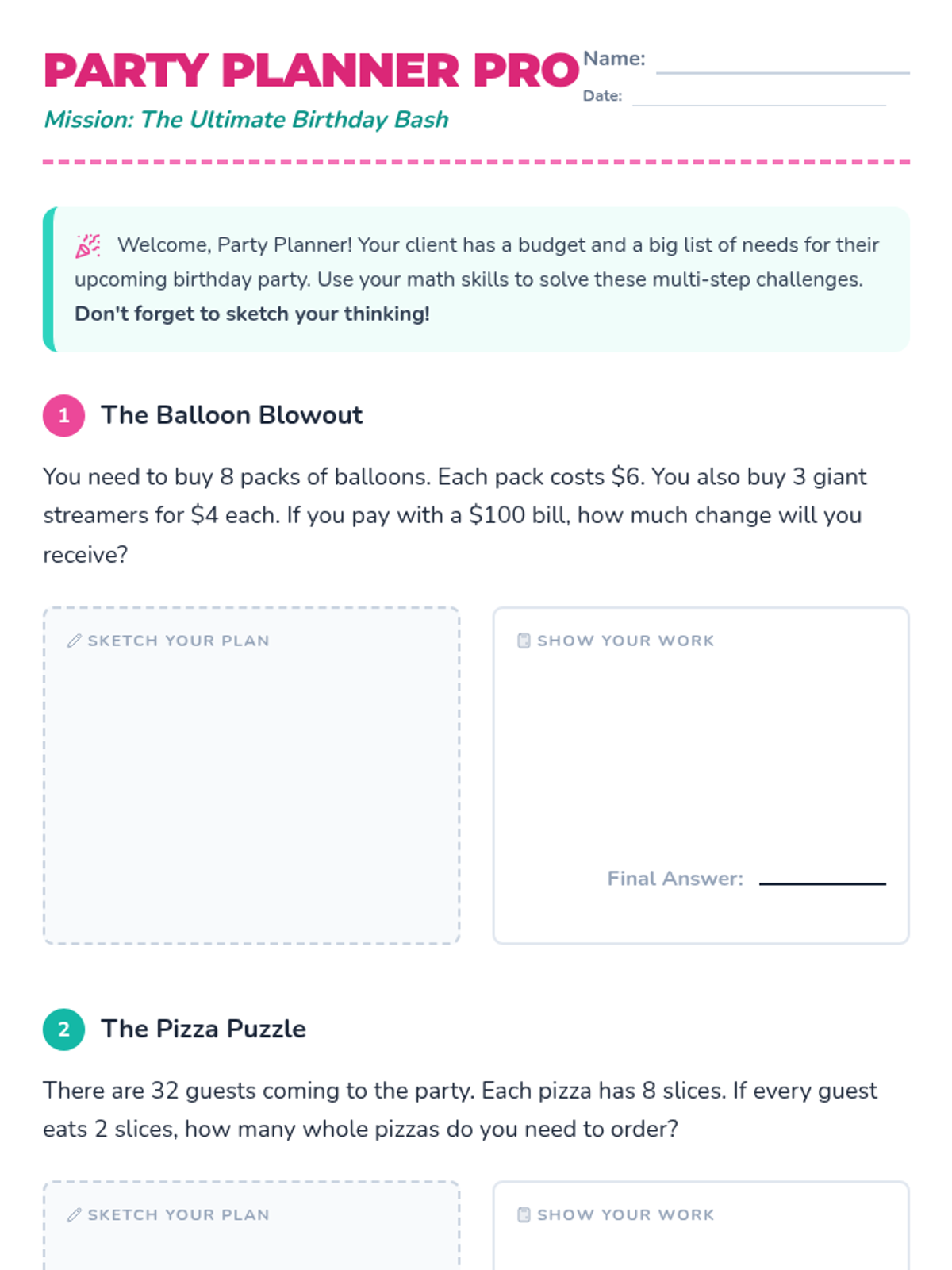
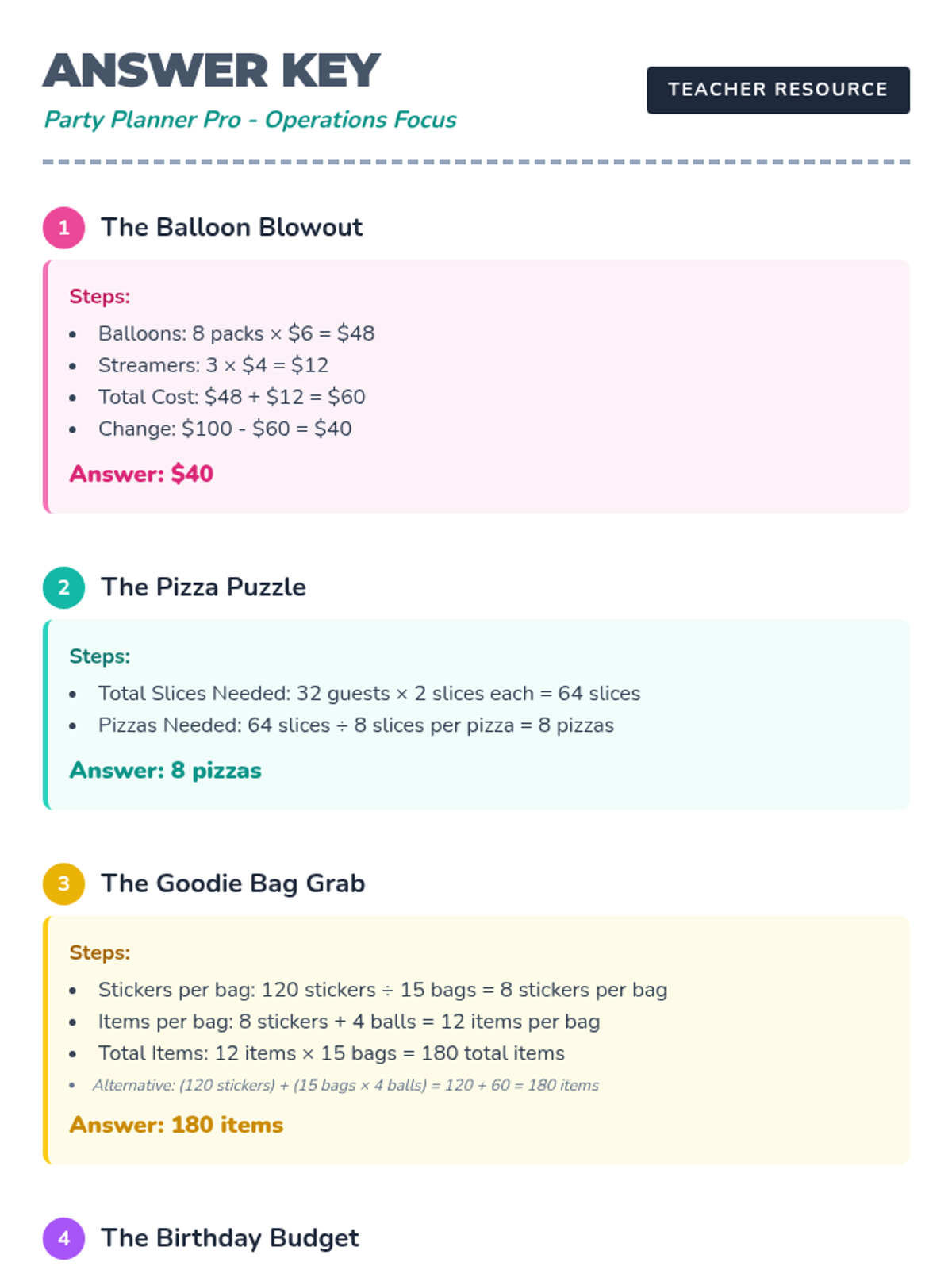
A mathematics lesson focused on solving multi-step word problems involving all four operations within the context of planning a birthday party. Students will use drawing and modeling to visualize complex problems.
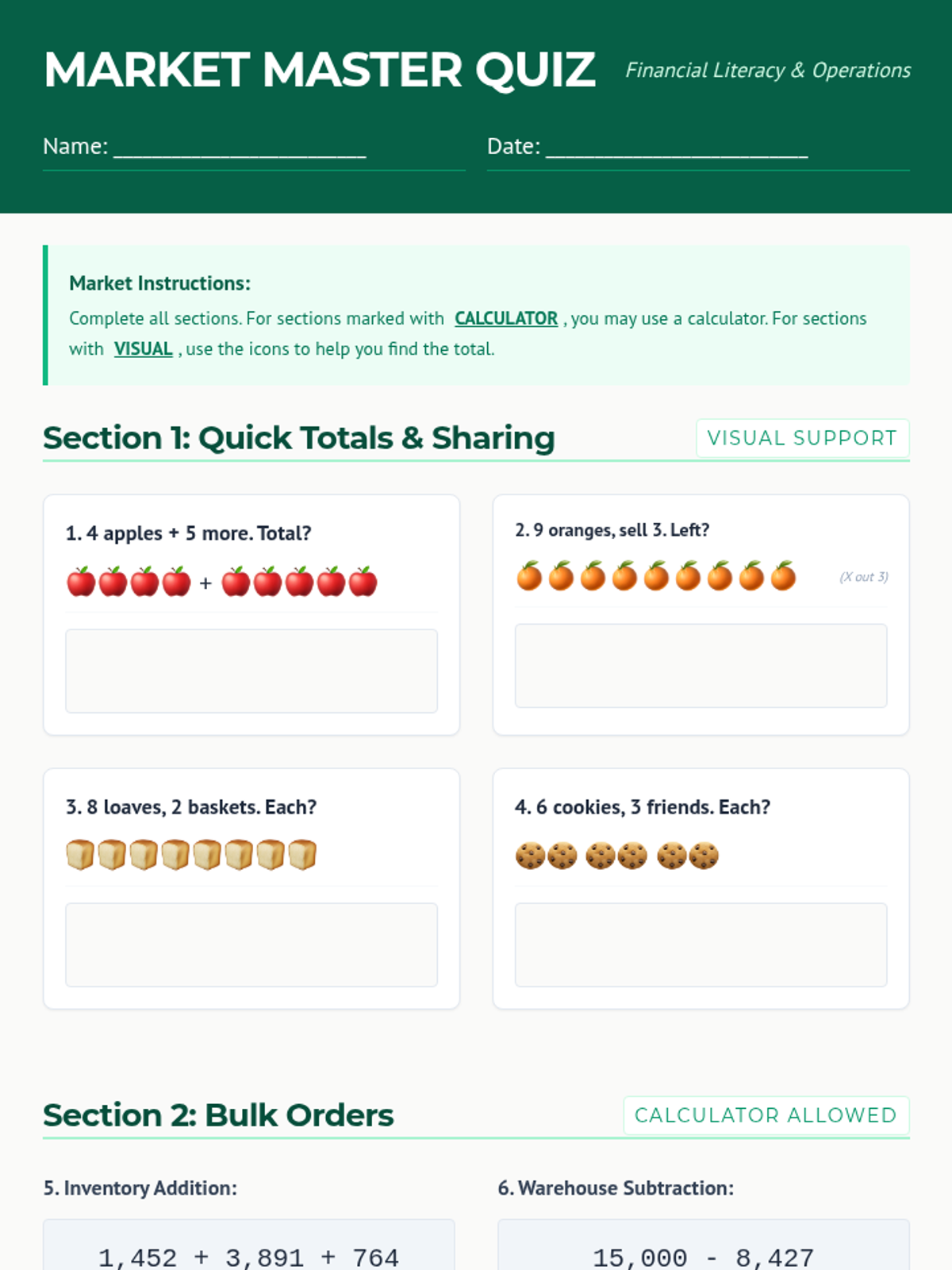
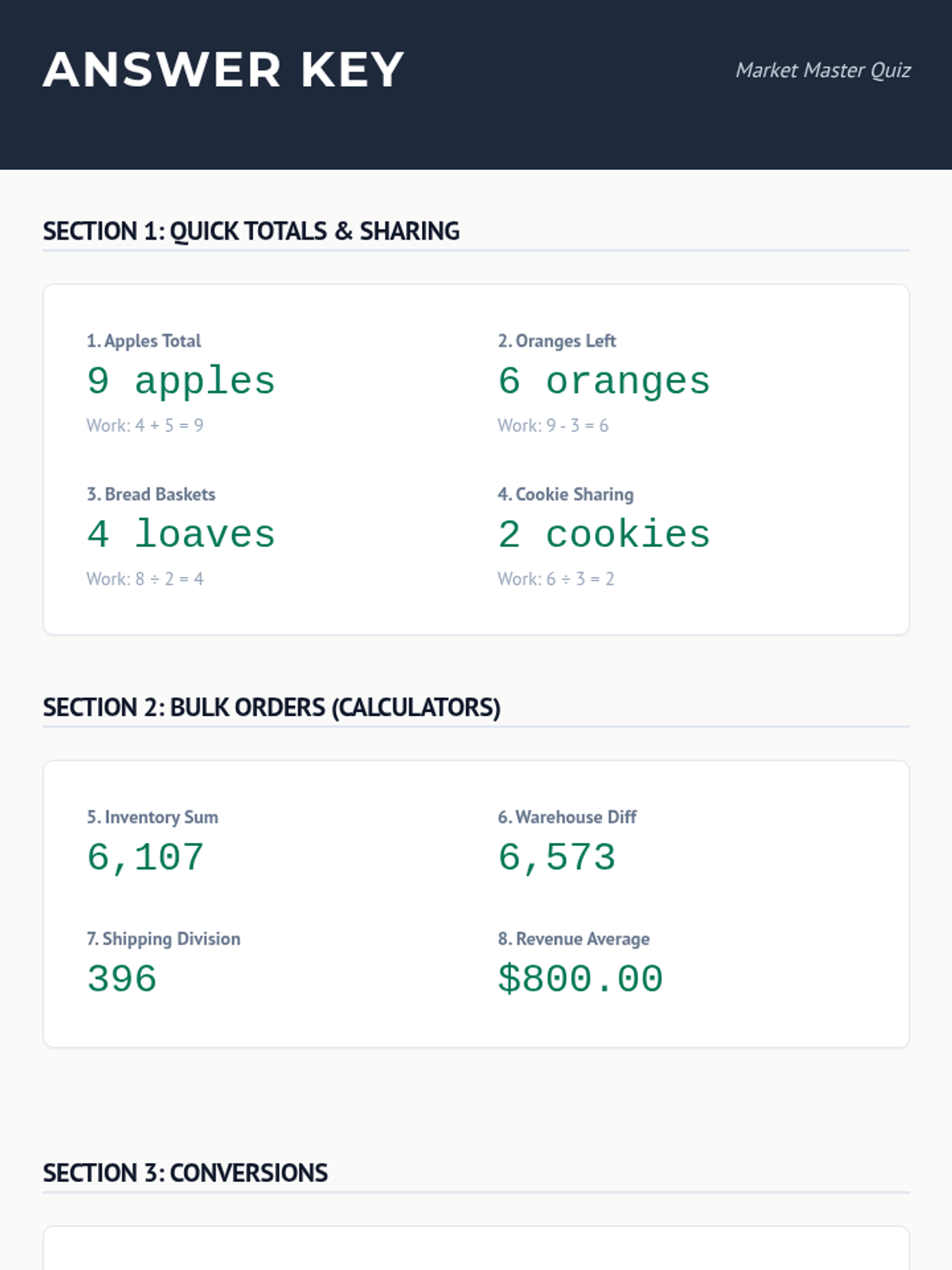
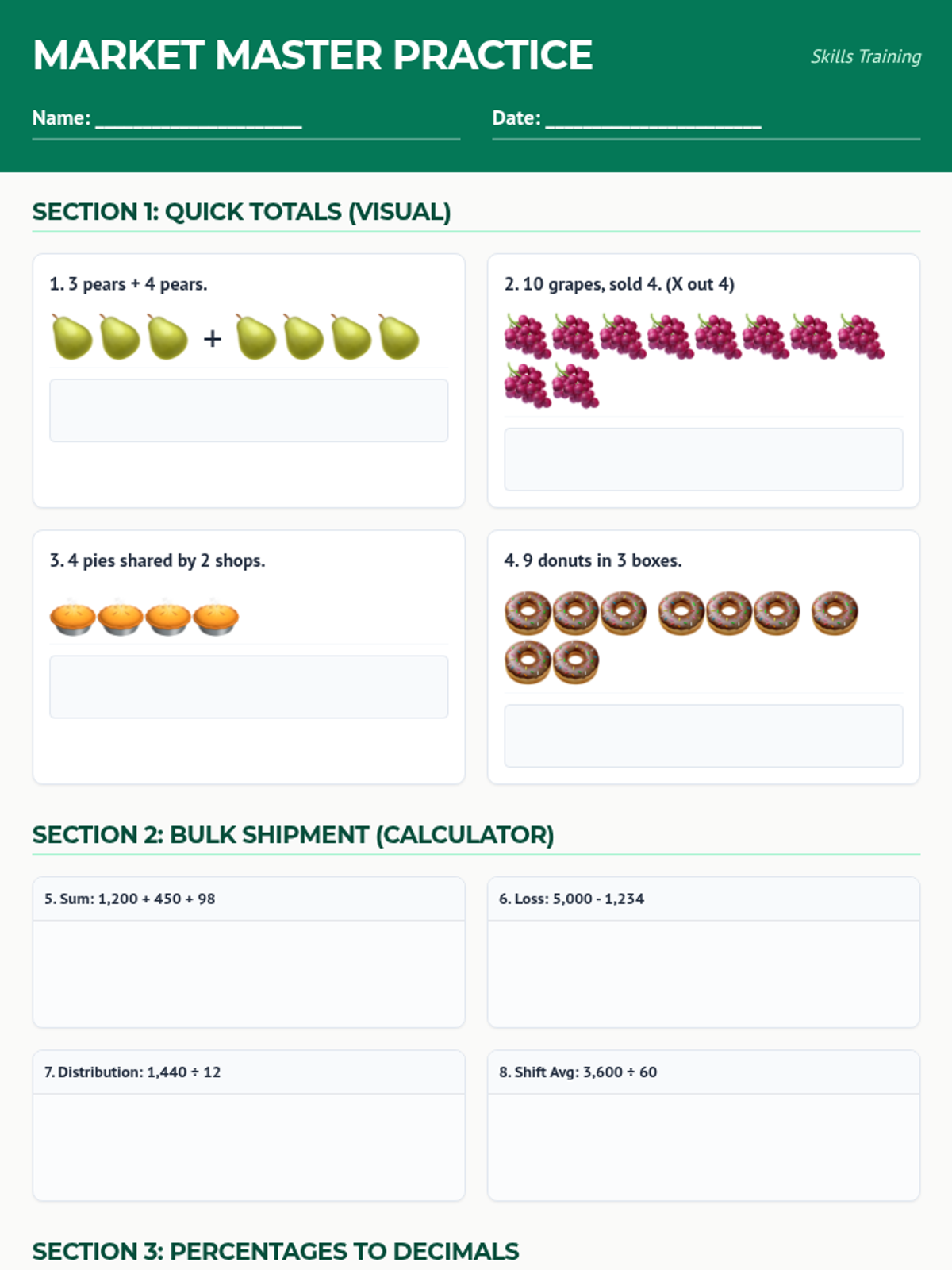
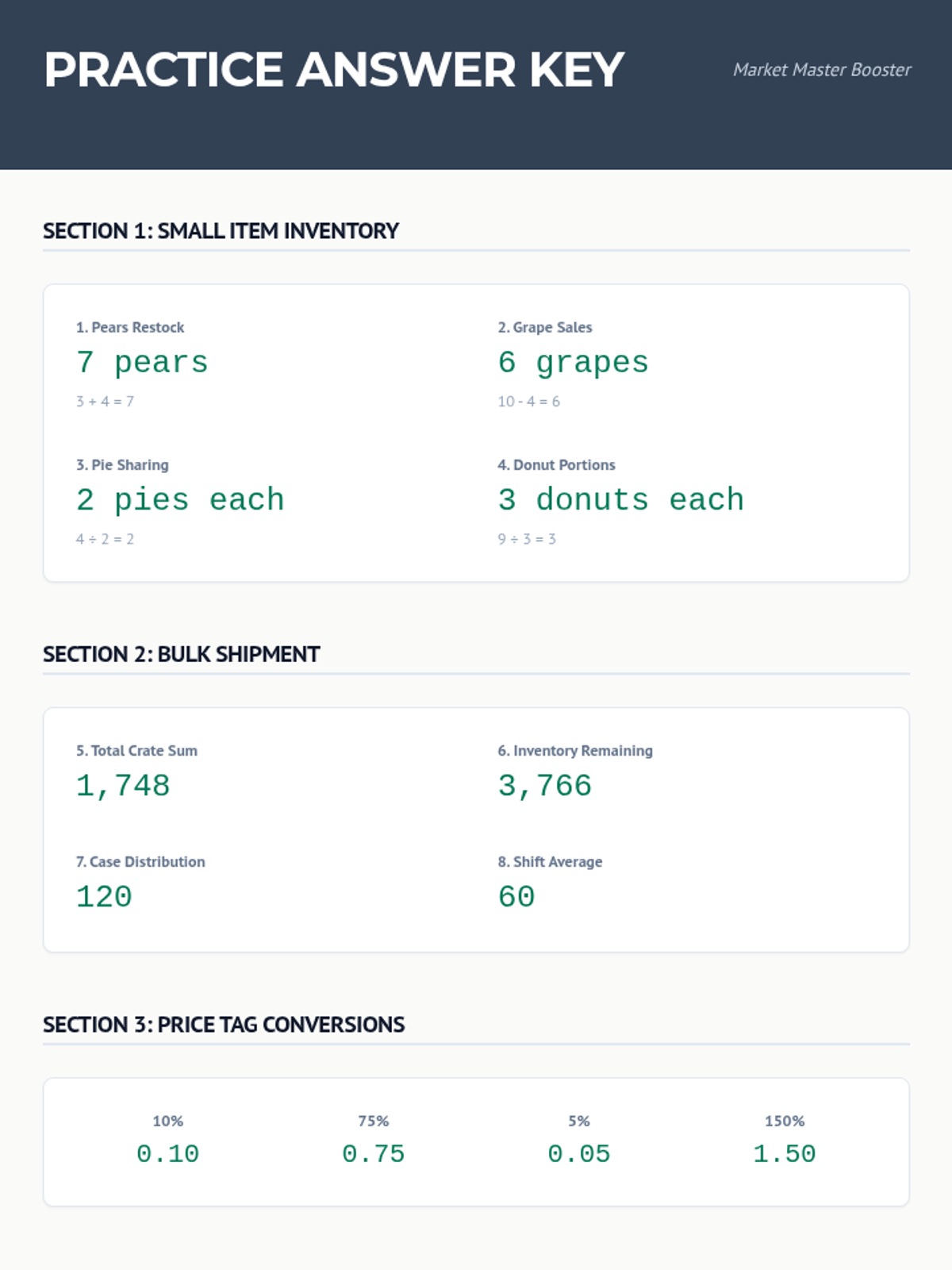
A comprehensive assessment focusing on real-world money applications, multi-digit operations with calculator use, and foundational single-digit math with visual aids.
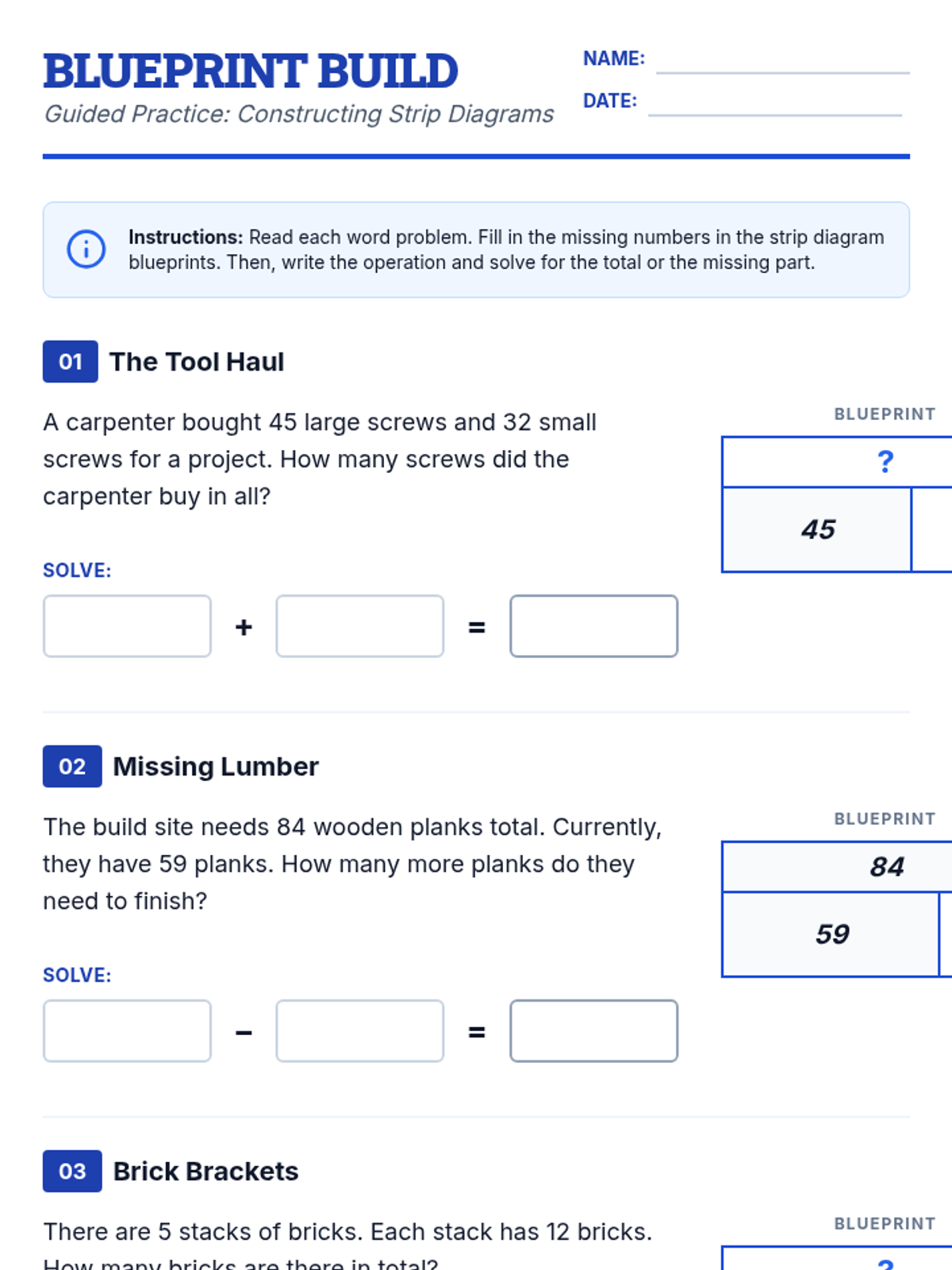
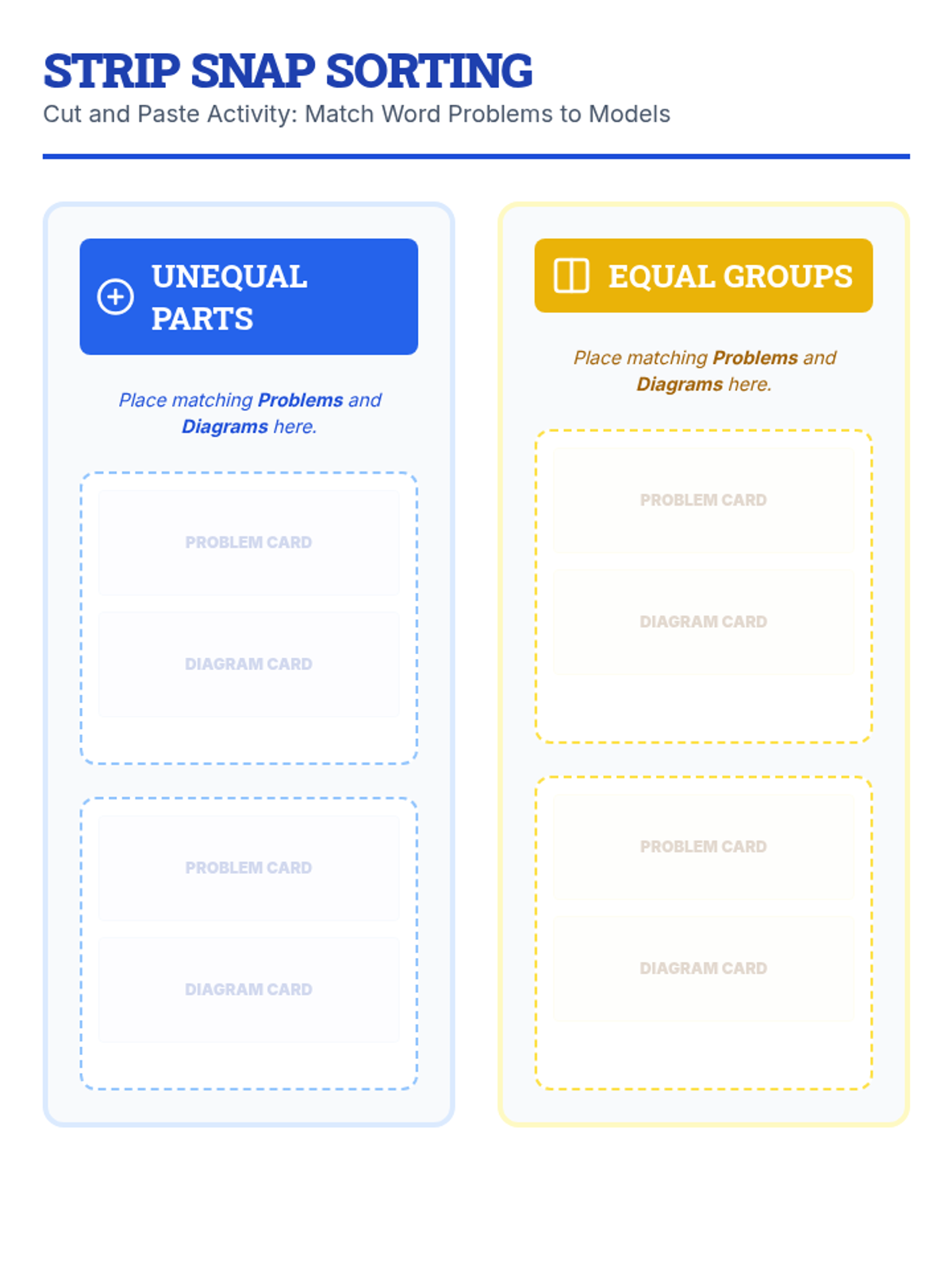
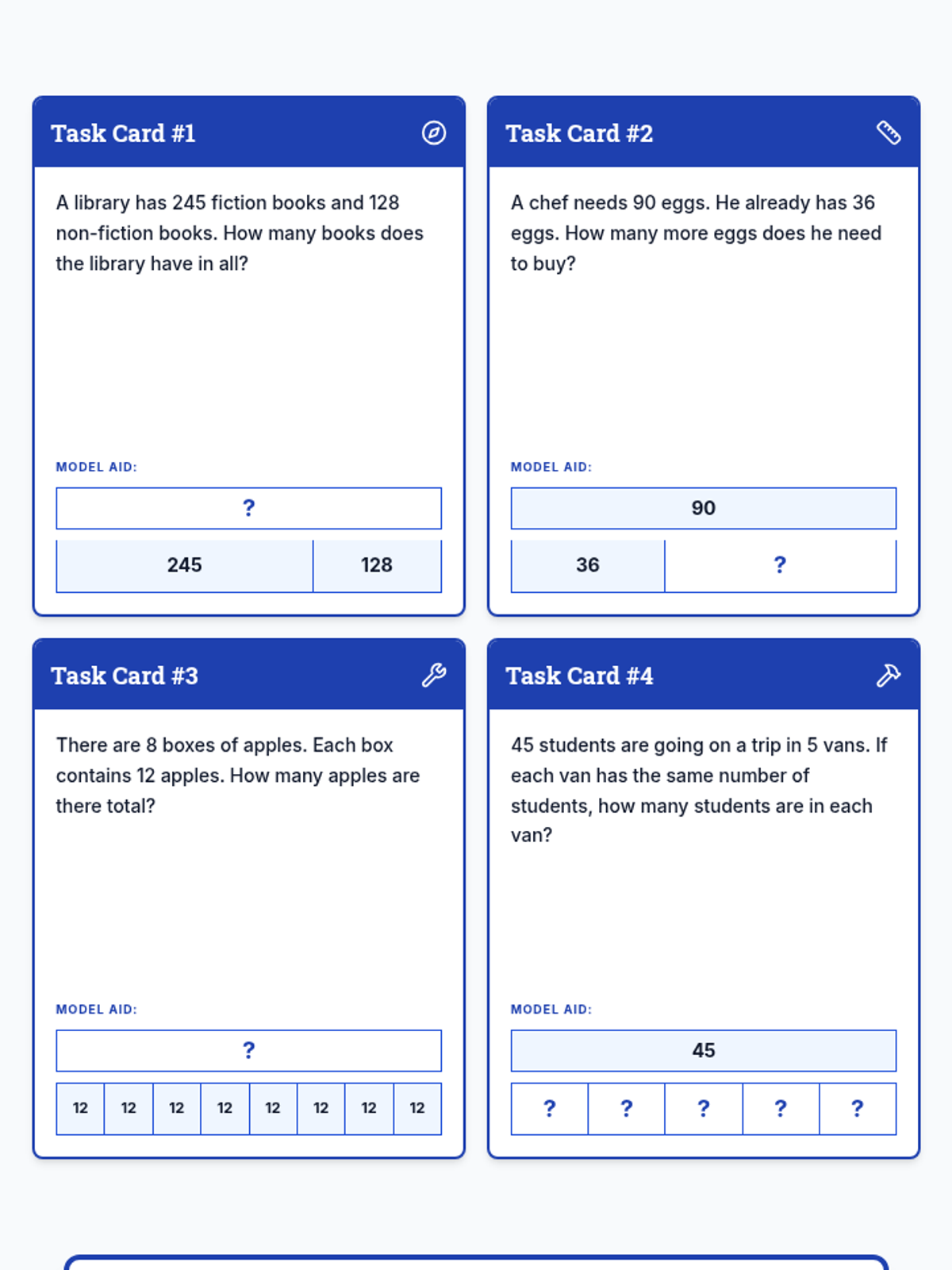
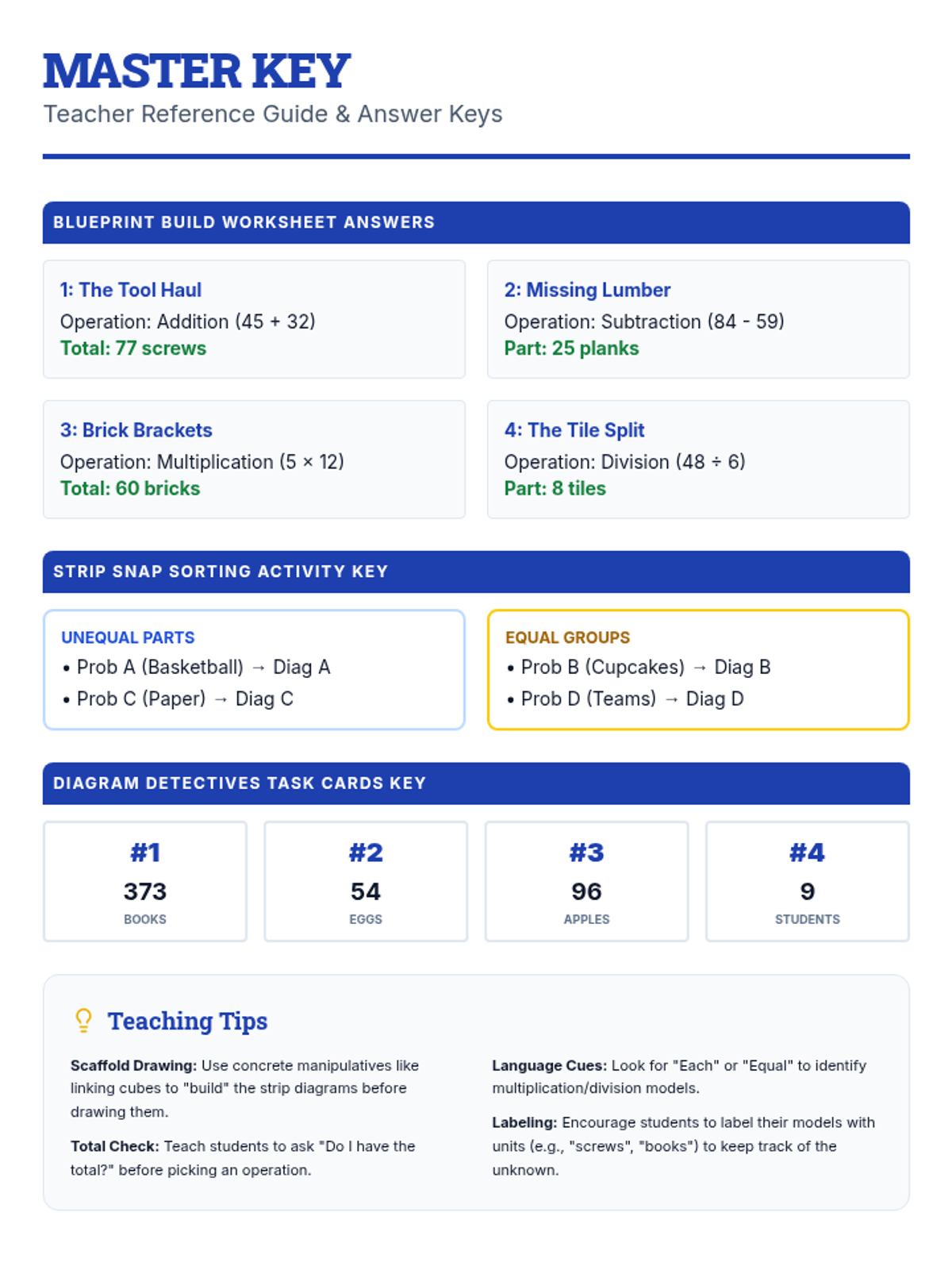
A comprehensive lesson on using strip diagrams to solve addition, subtraction, multiplication, and division problems, featuring visual models and hands-on sorting.
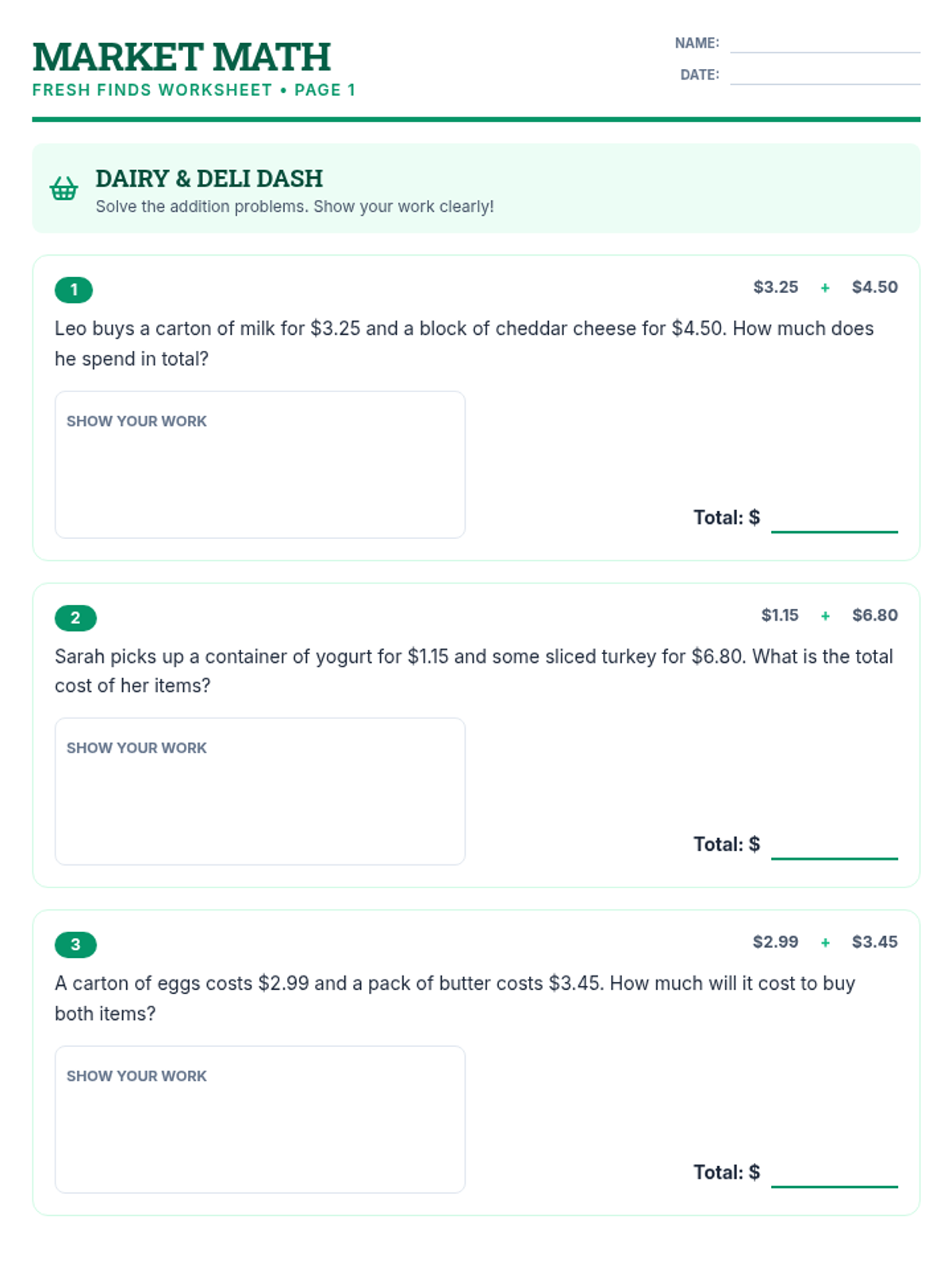
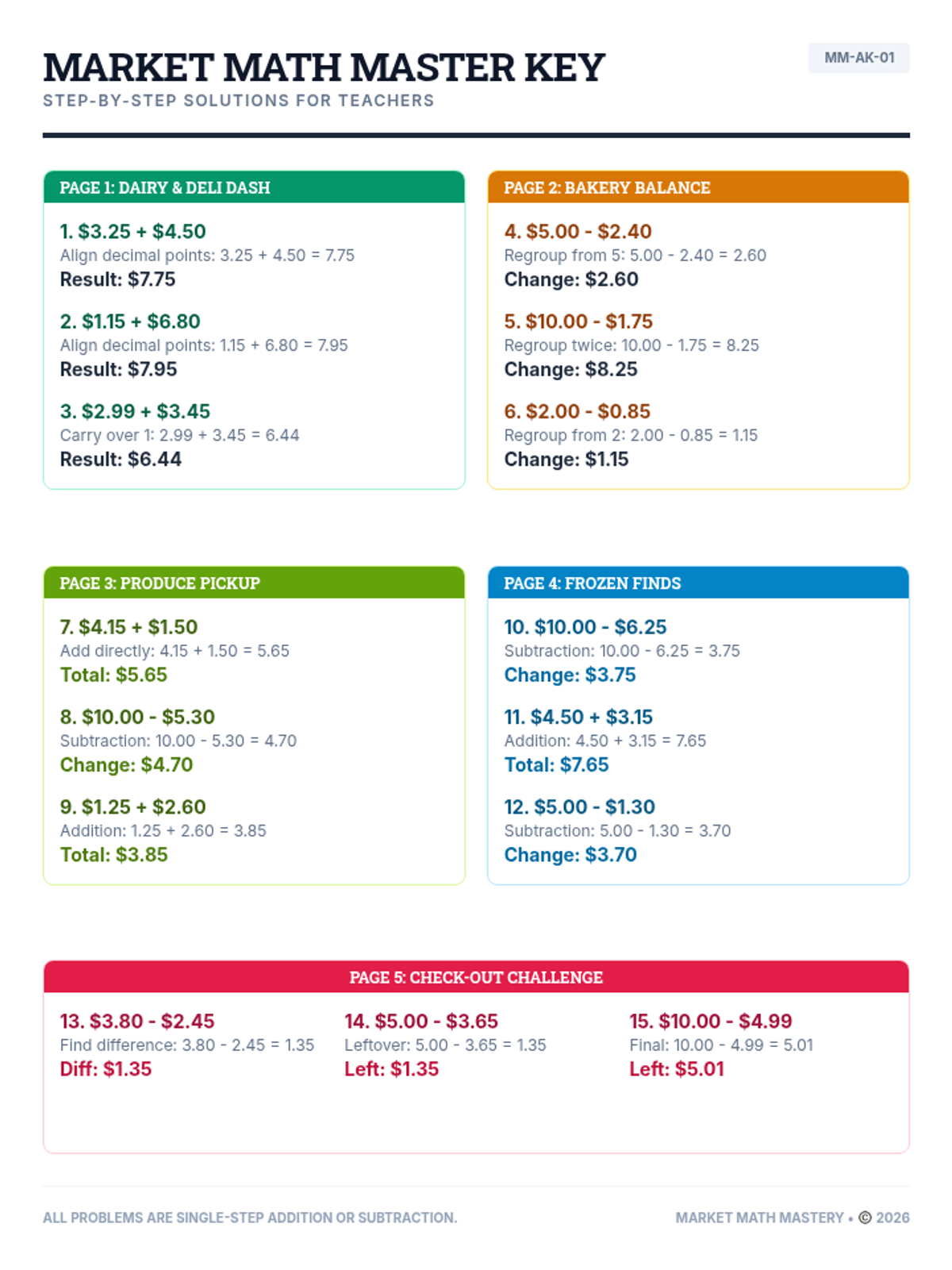
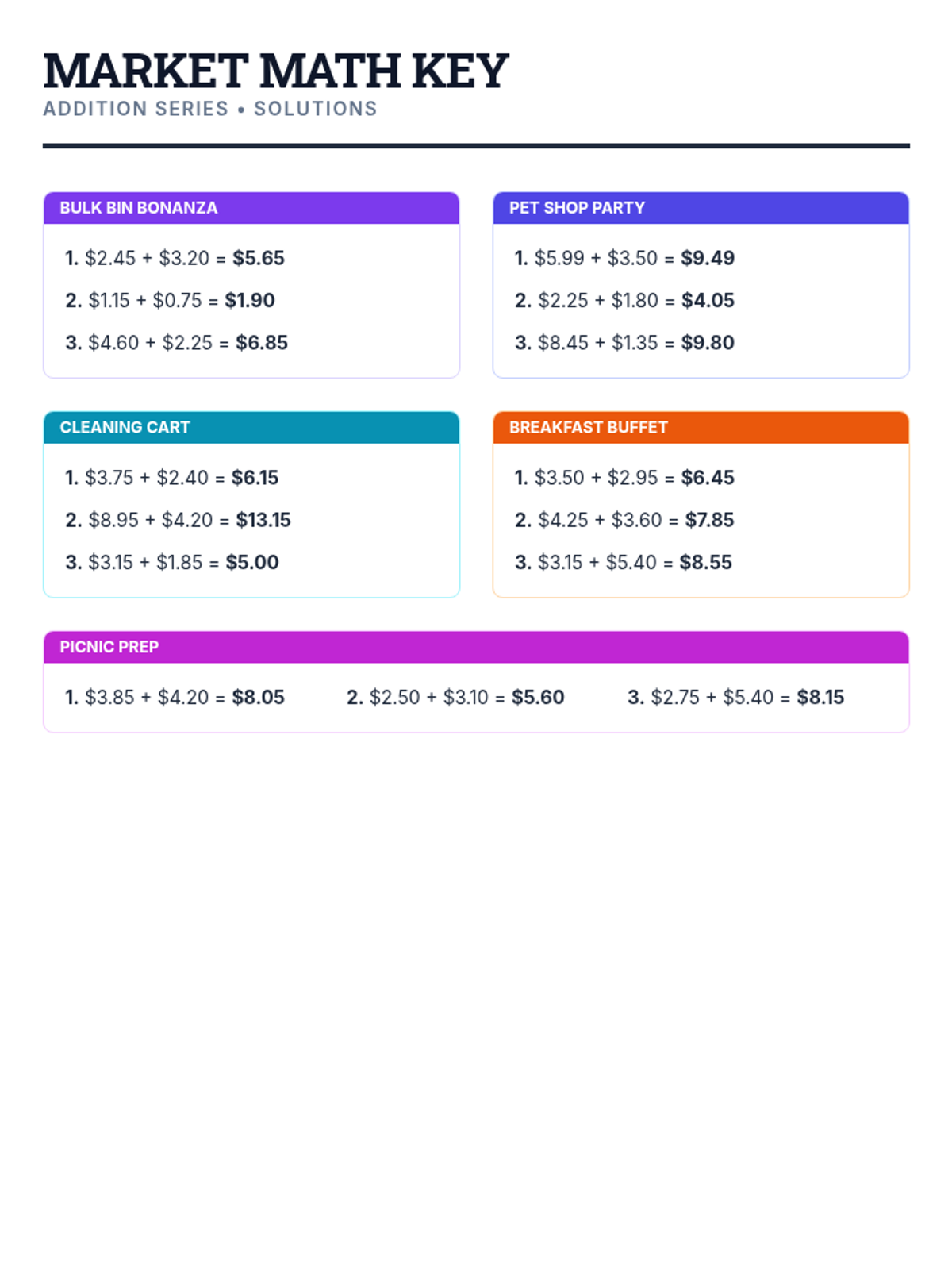
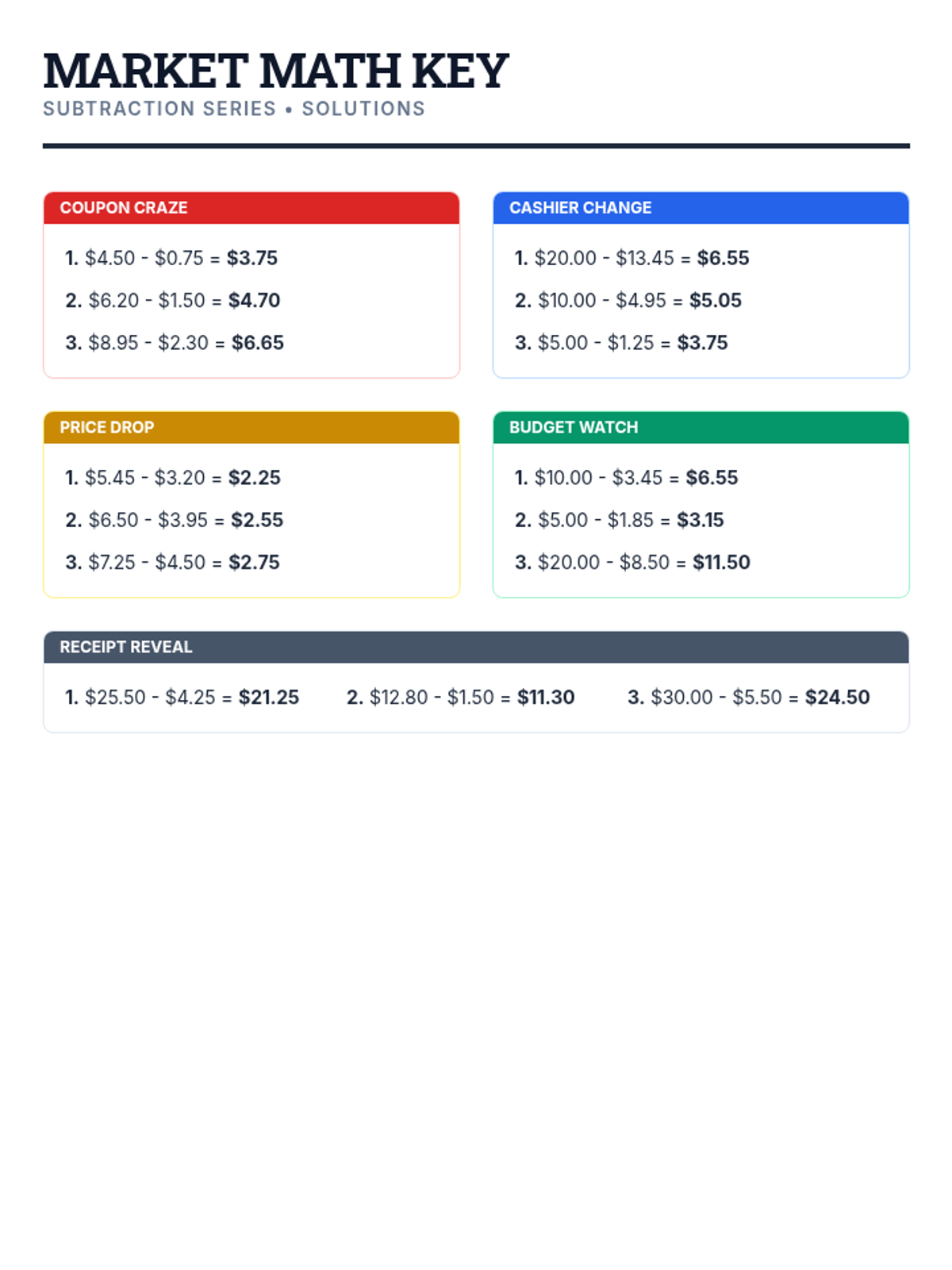
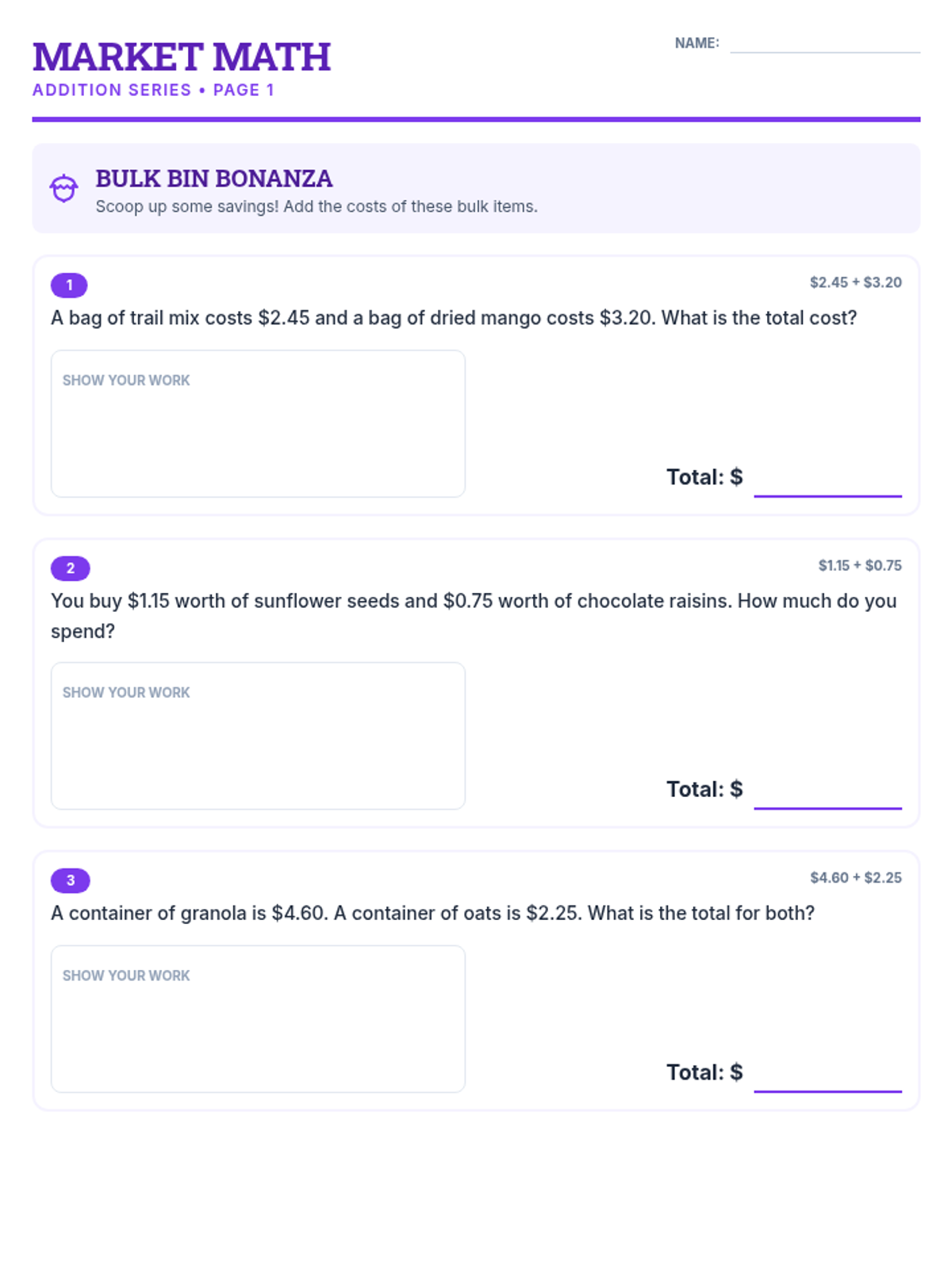
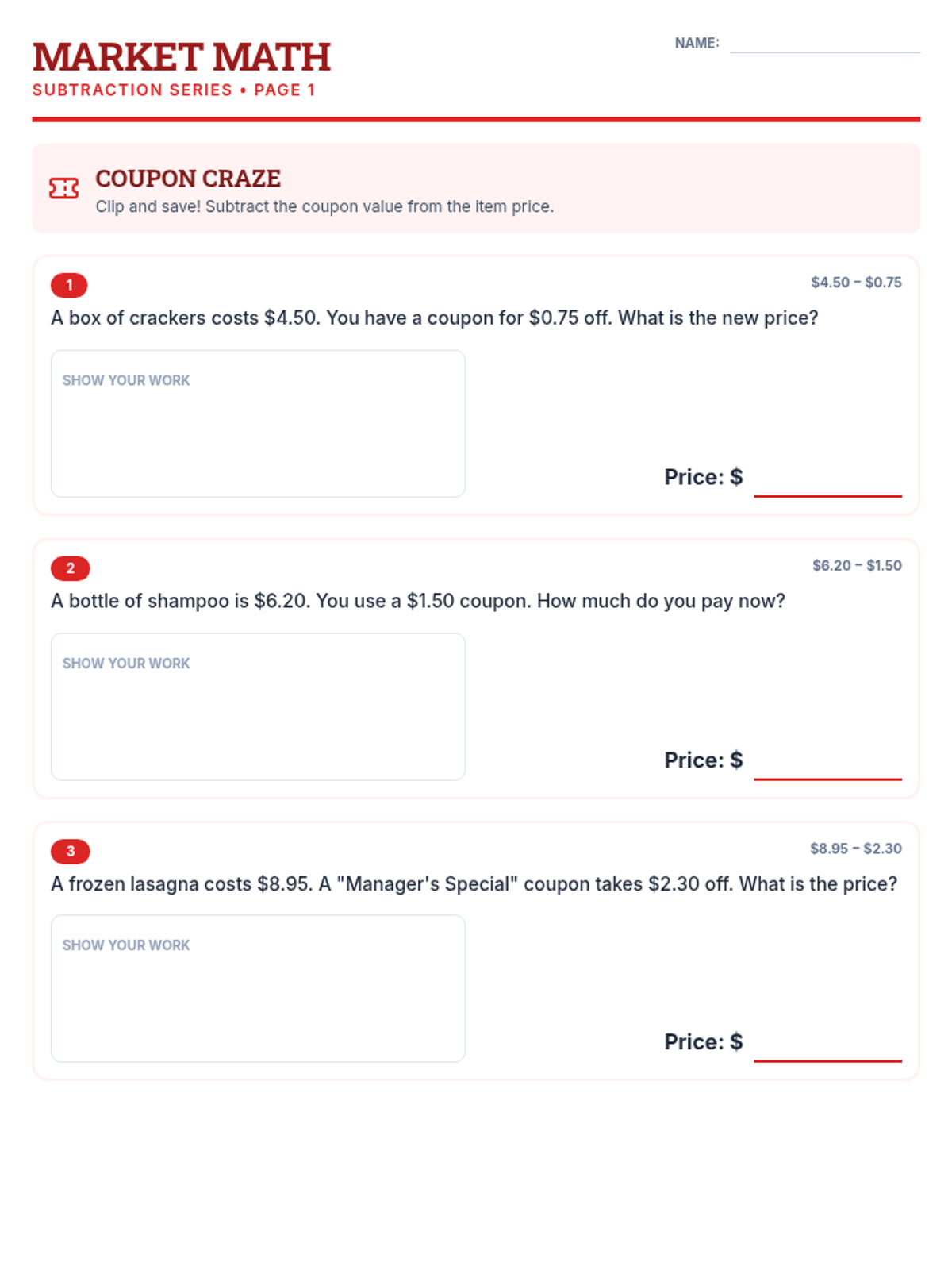
An expanded lesson focused on solving single-step addition and subtraction word problems within a grocery store context. This collection includes focused practice sets for addition, subtraction, and mixed operations to build financial literacy.
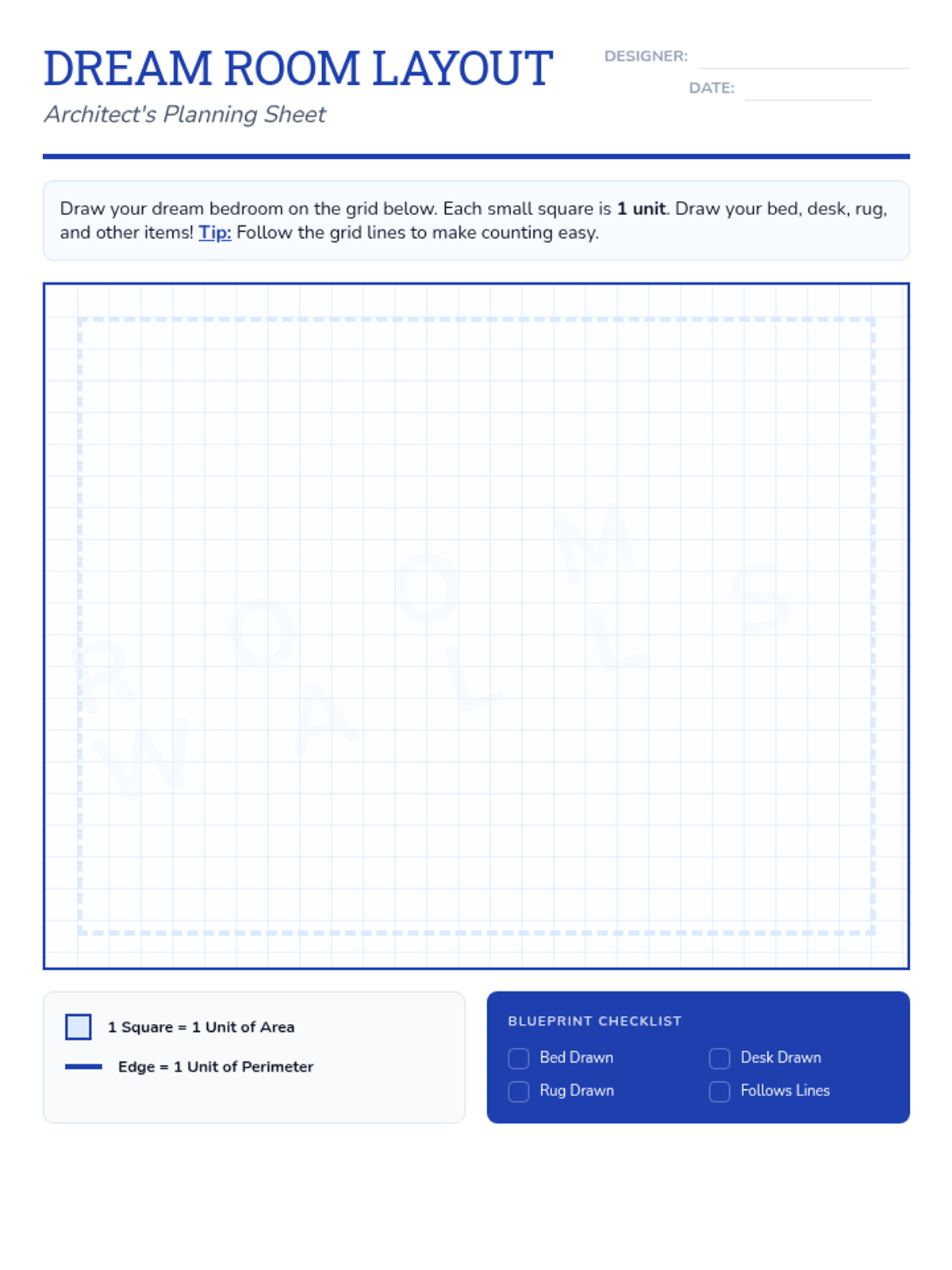
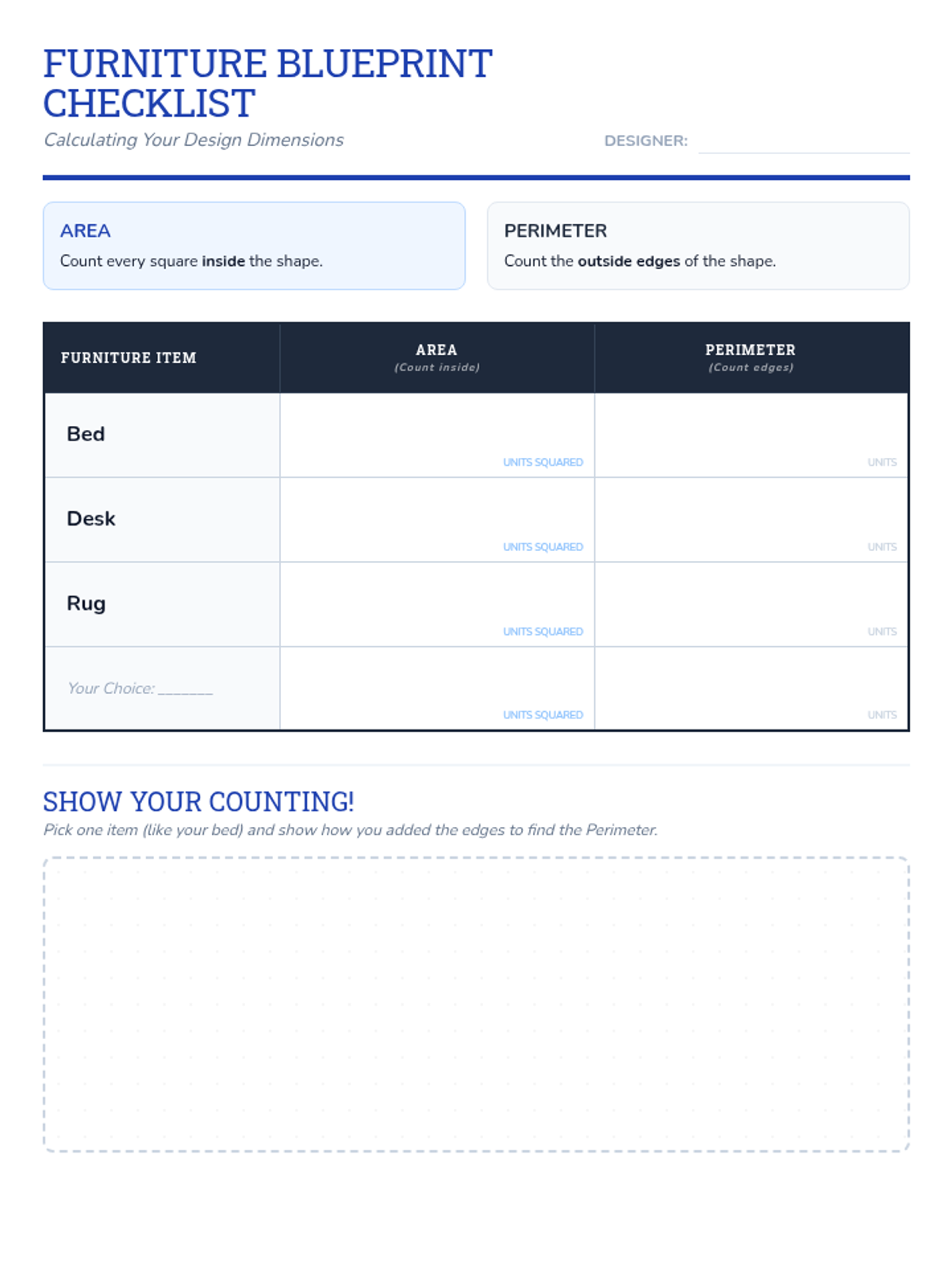
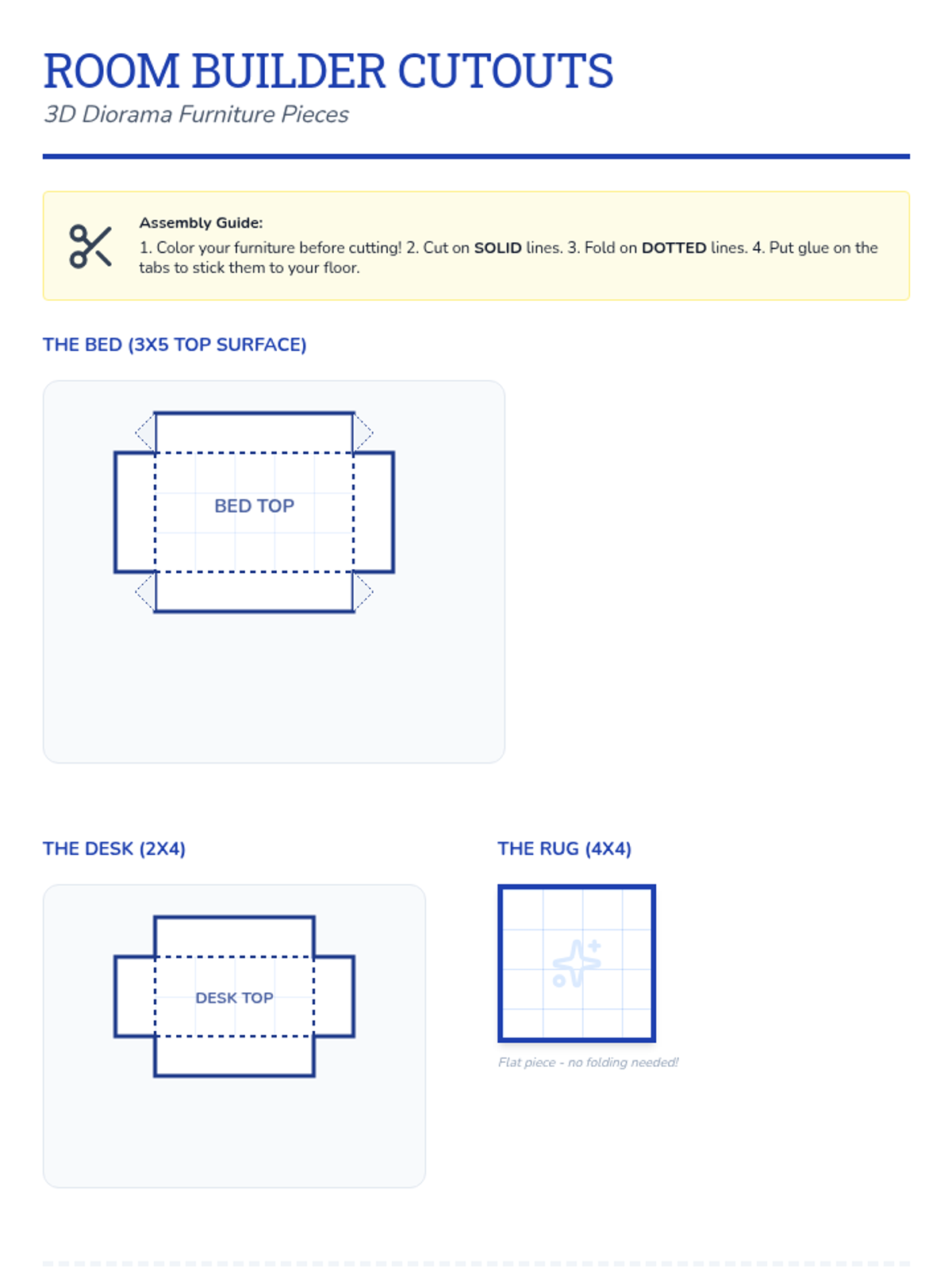
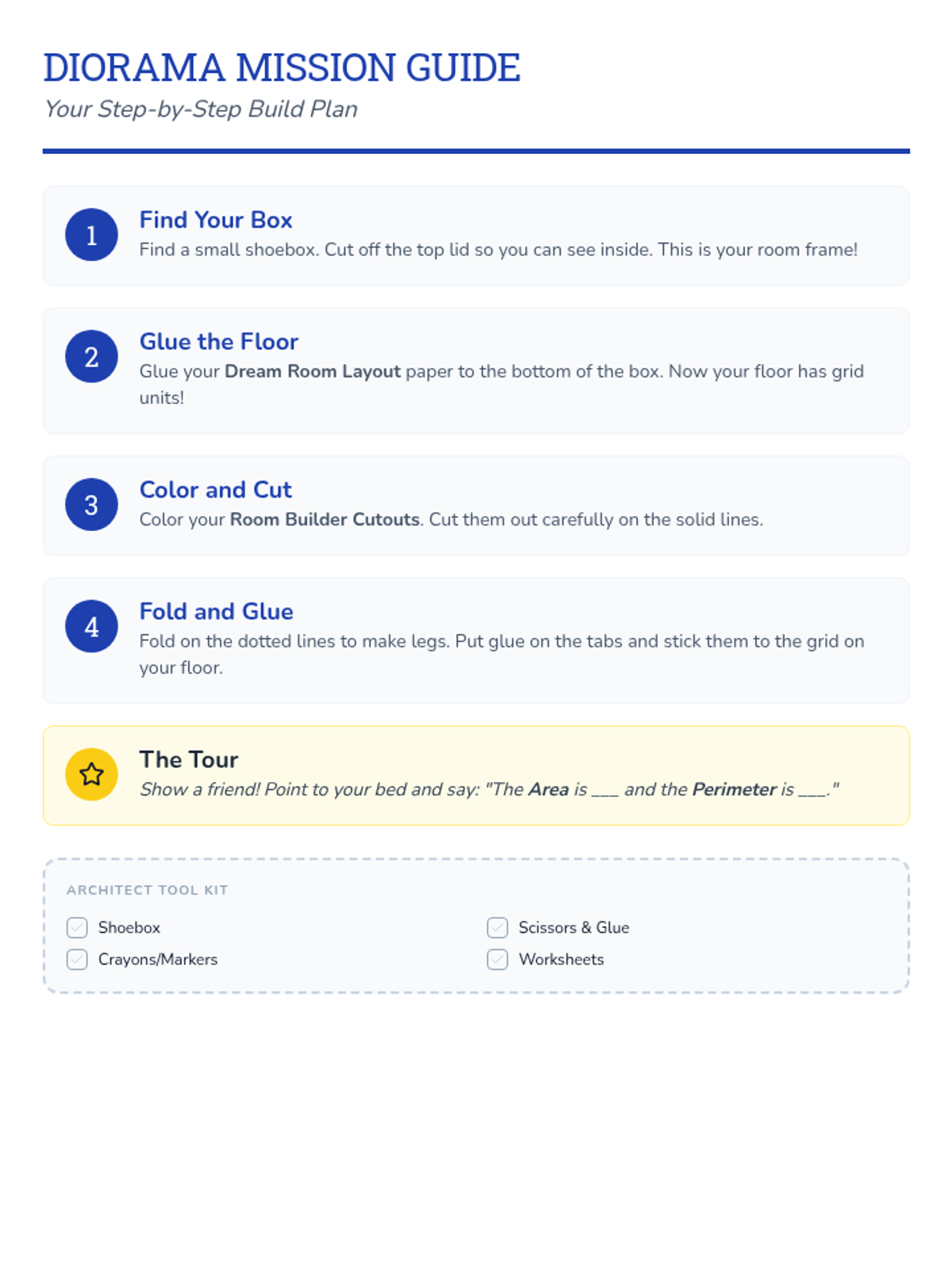
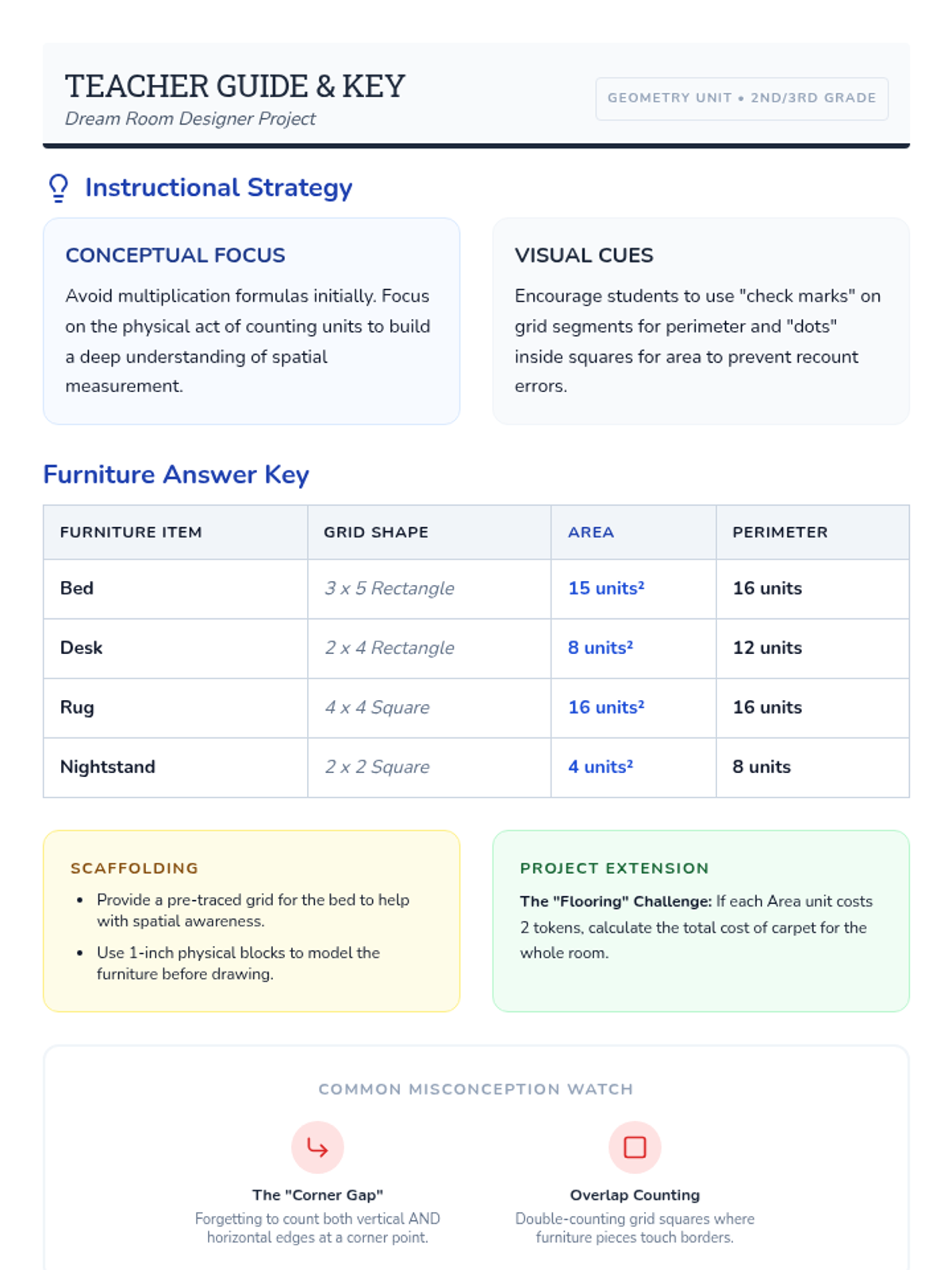
A hands-on geometry project where students design their dream bedroom layout and build a 3D model, focusing on counting area and measuring perimeter at a 2nd-grade level.
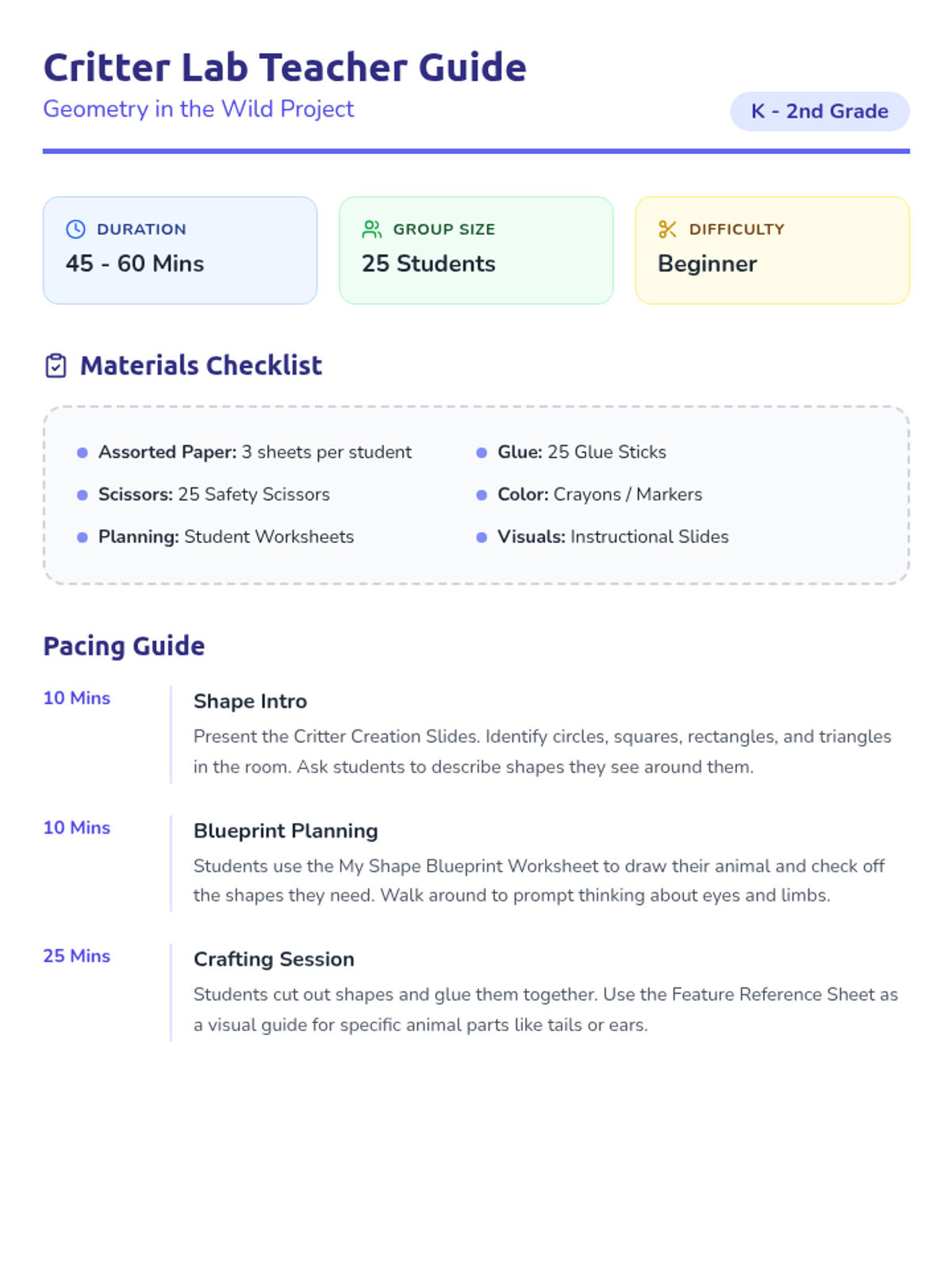
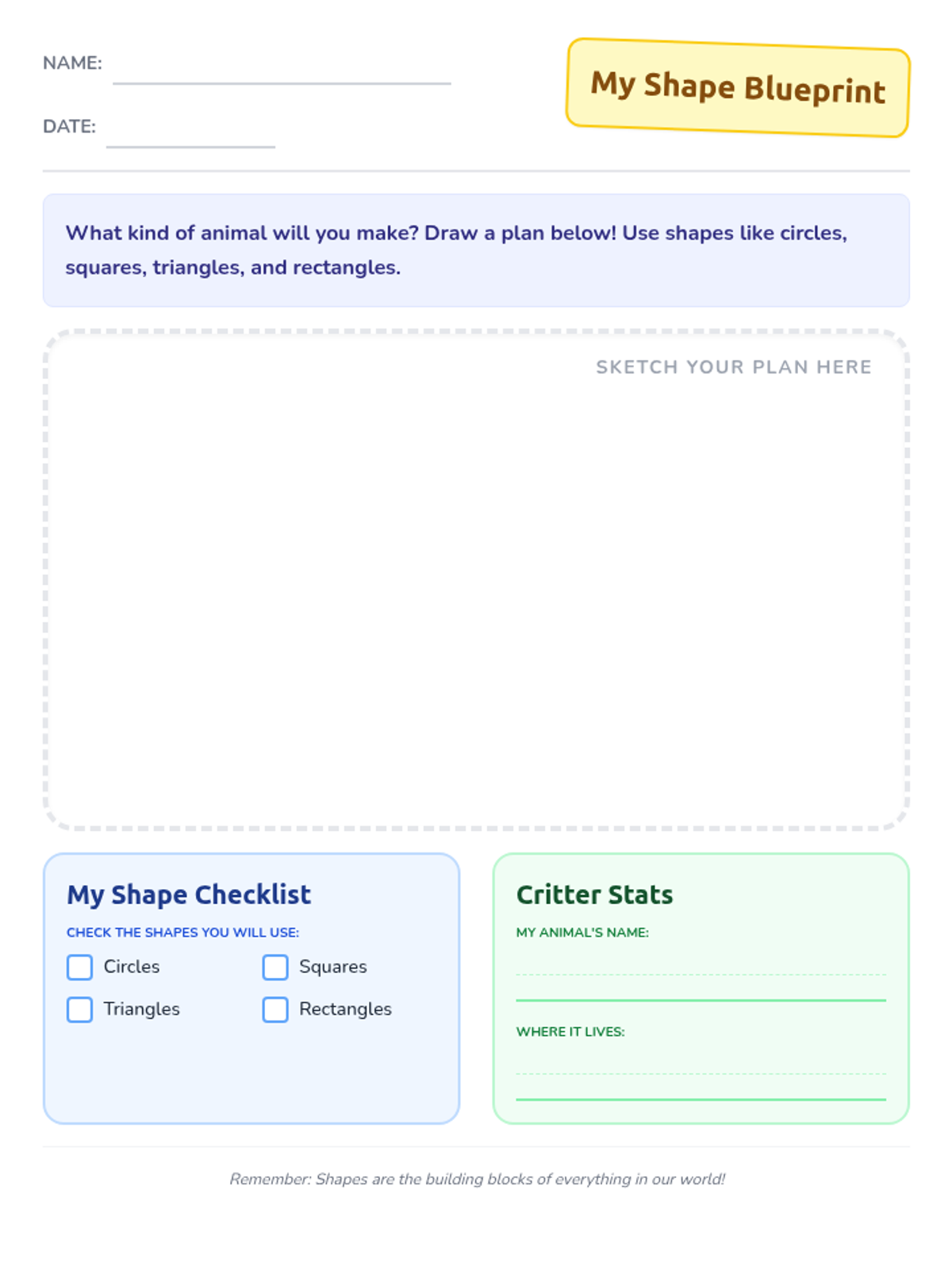
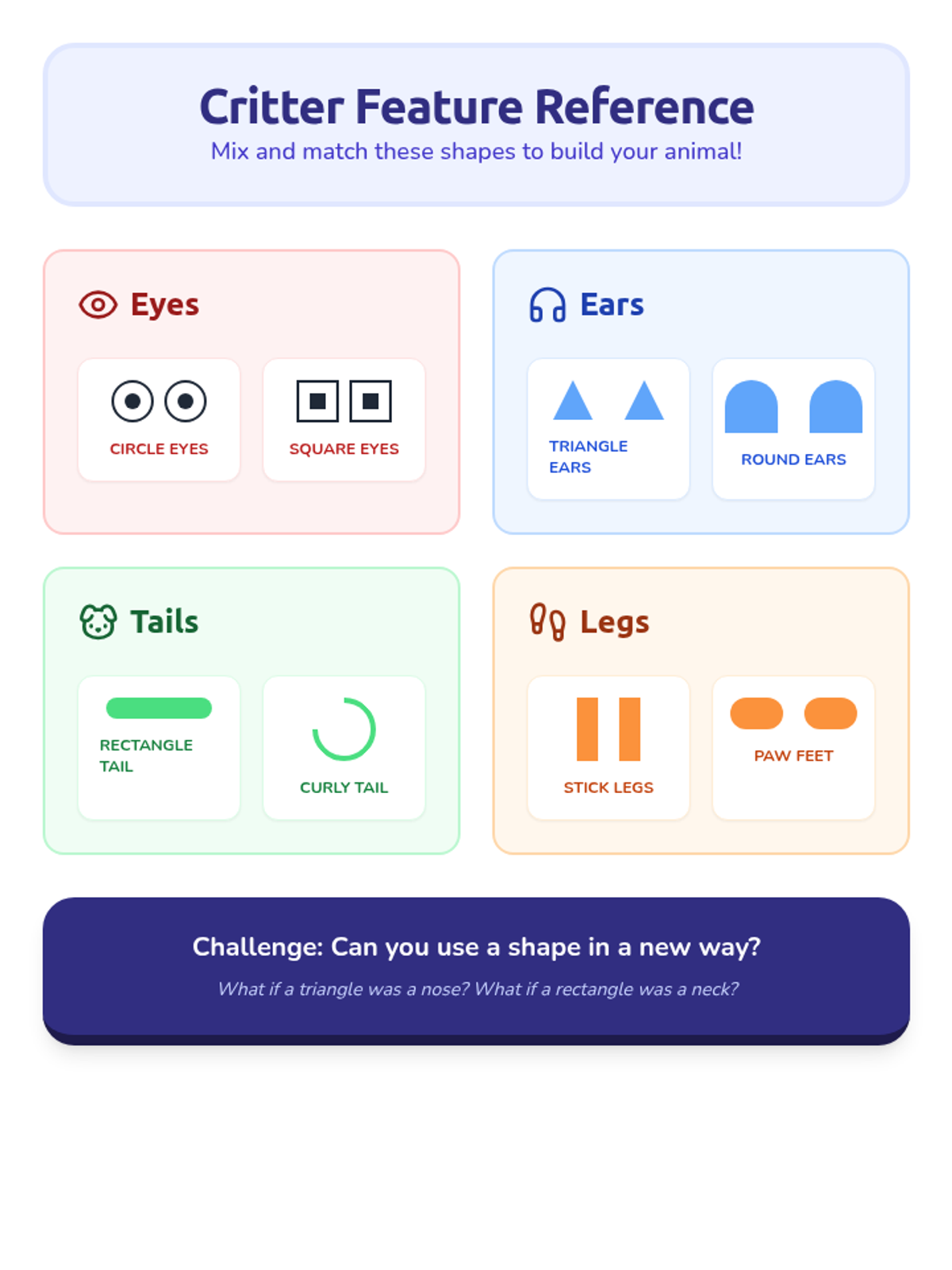
Students learn to identify basic geometric shapes and combine them to create a unique paper animal, practicing scissor skills and spatial reasoning.
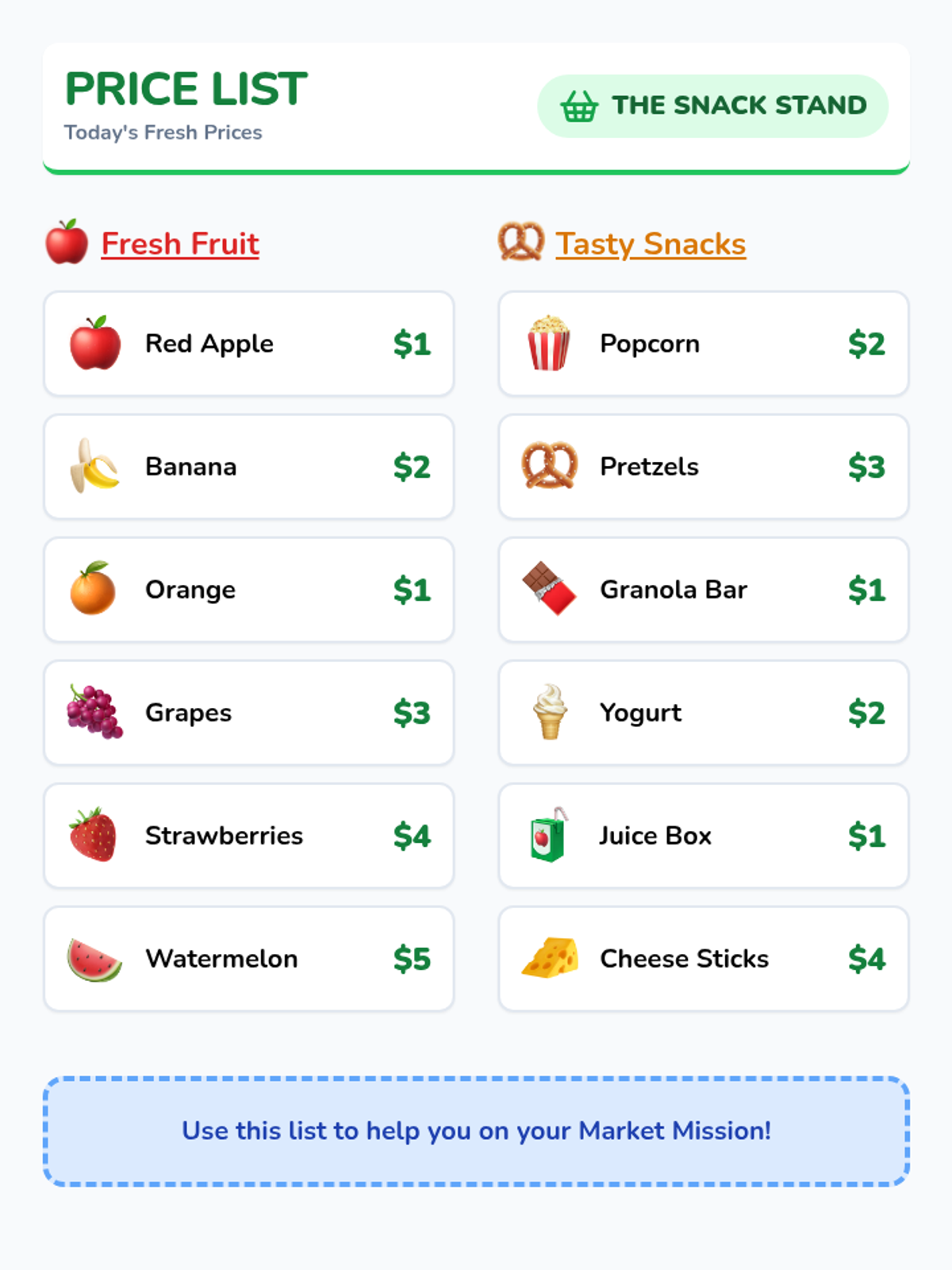
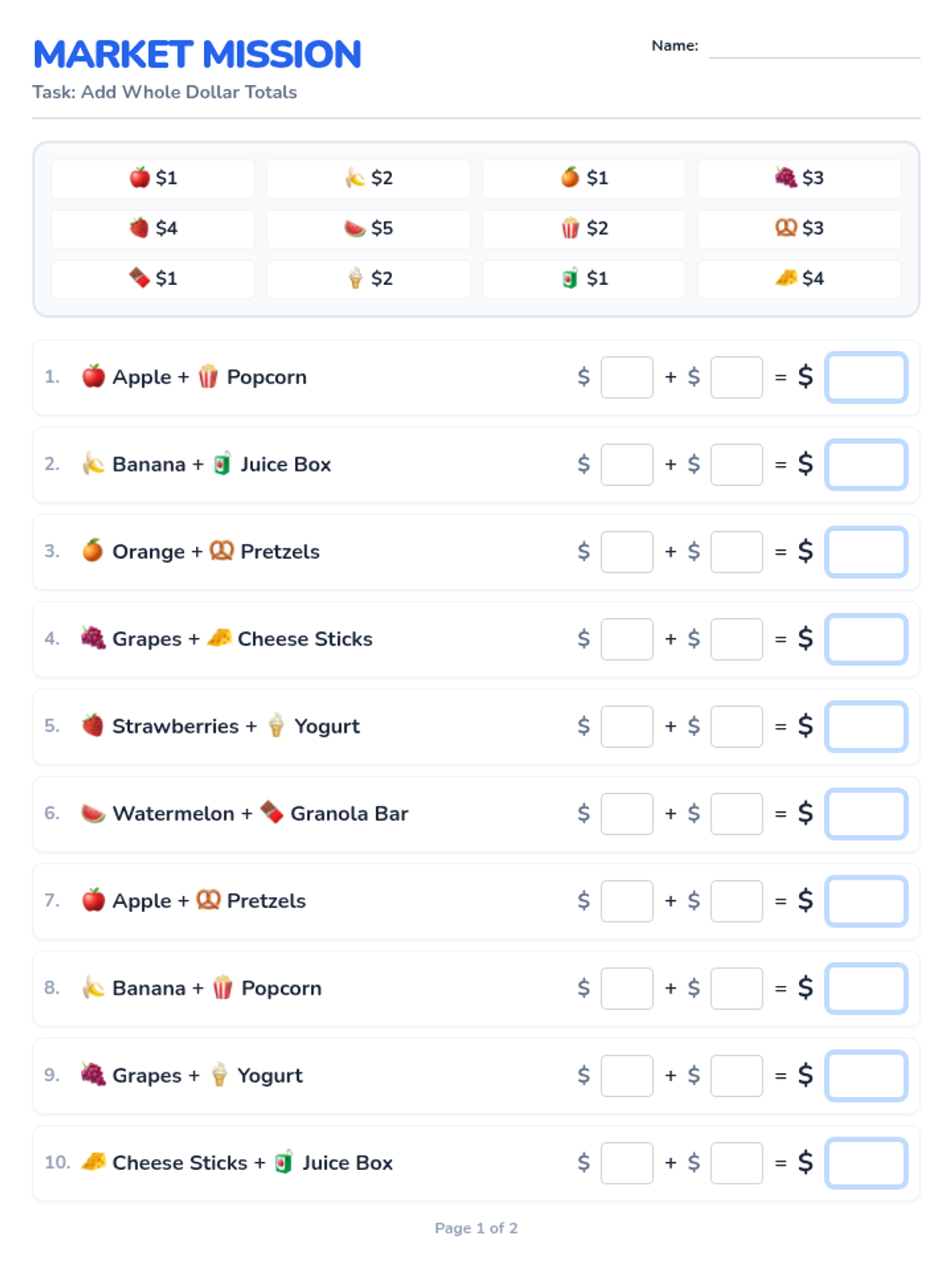
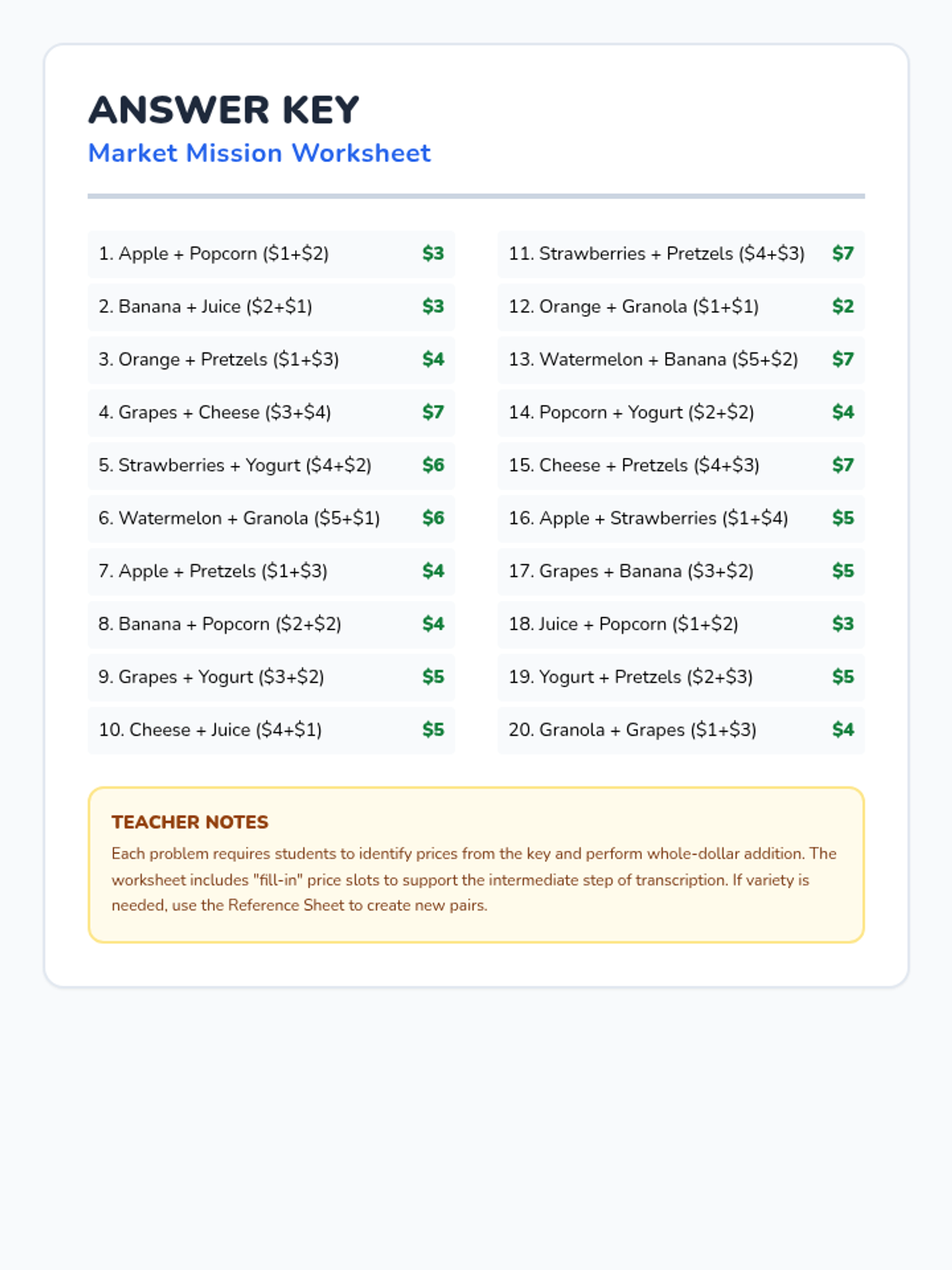
A functional math lesson for students to practice adding whole dollar amounts through a simulated grocery shopping experience focused on healthy fruits and snacks.
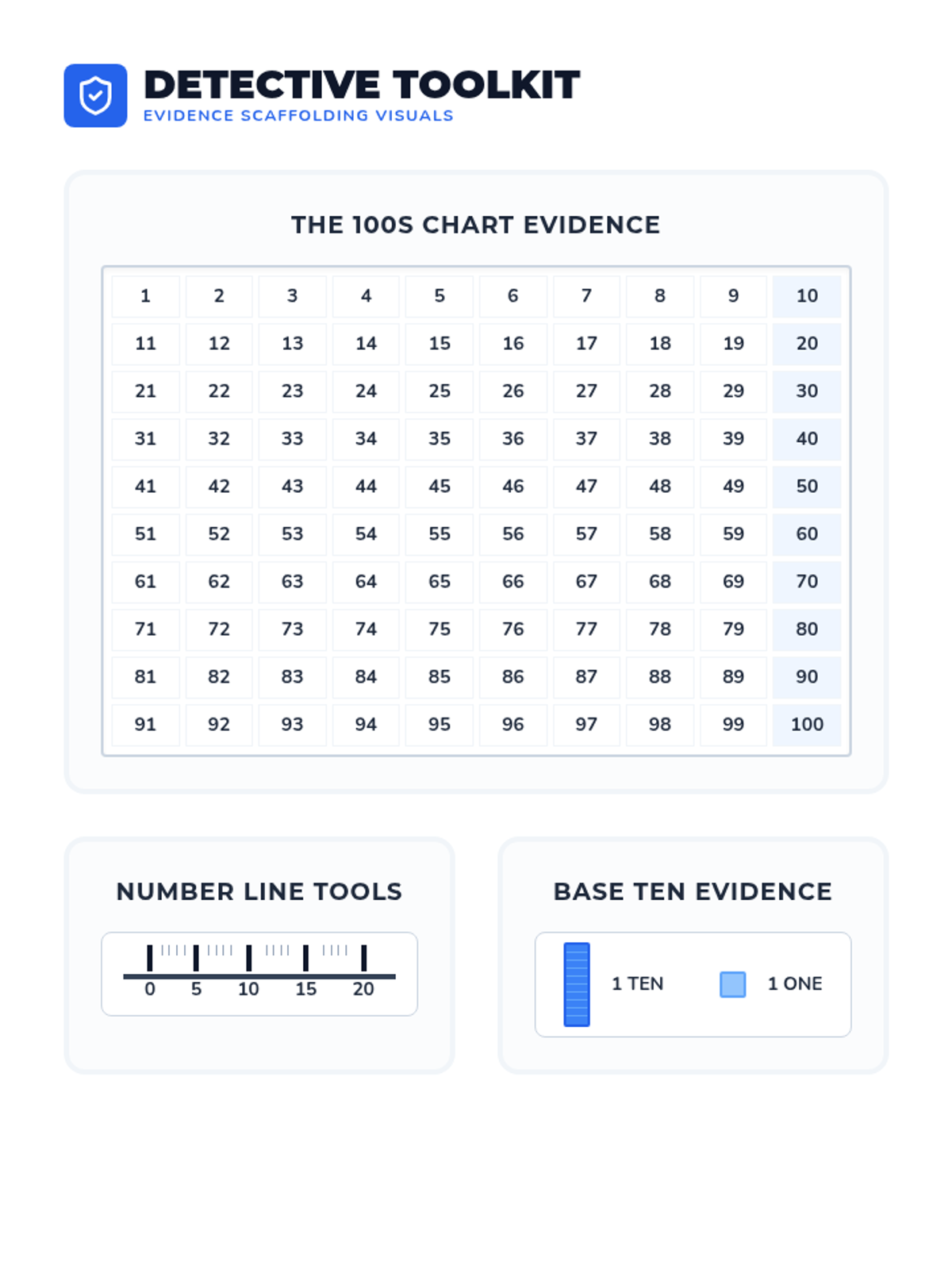
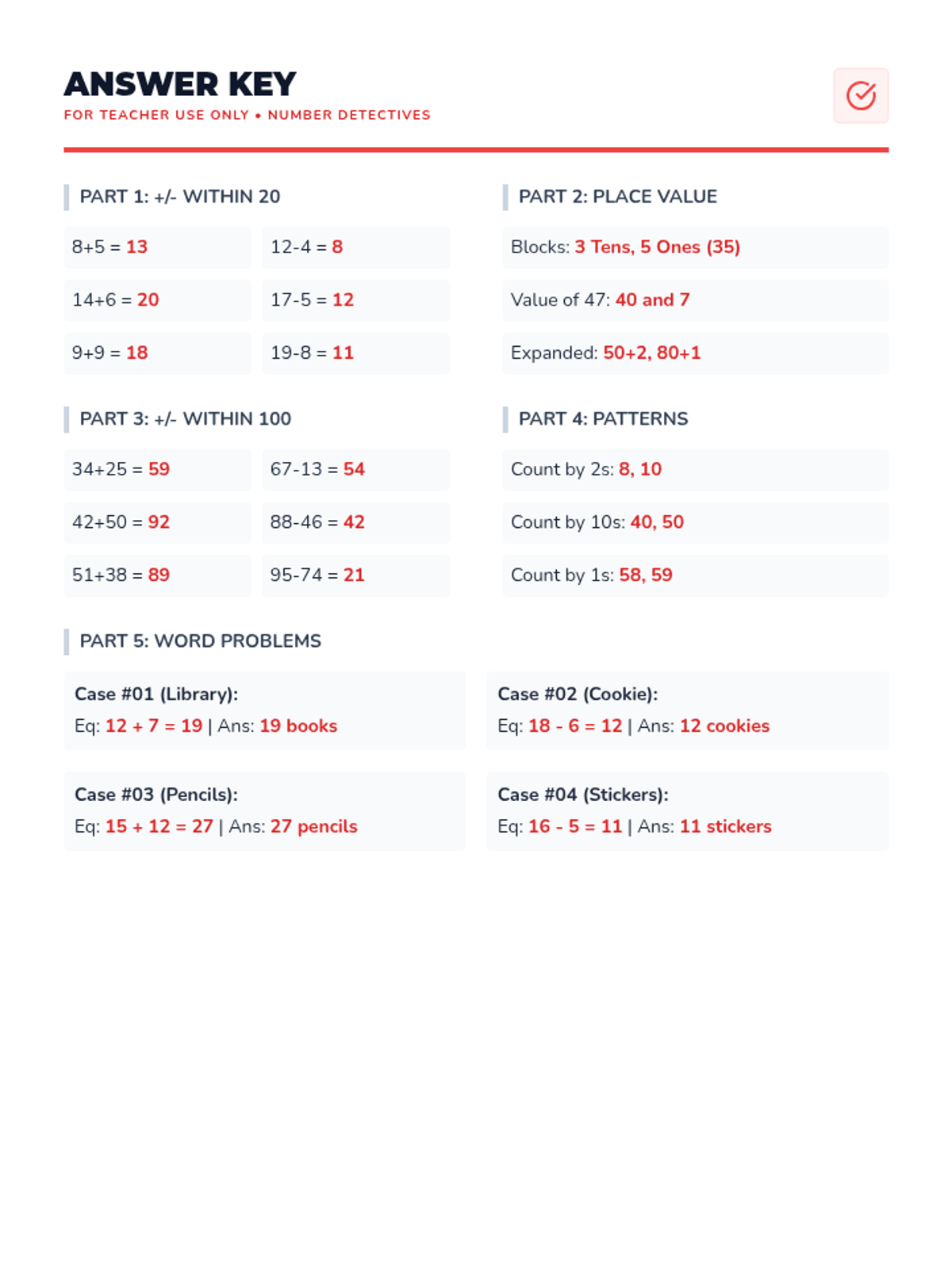
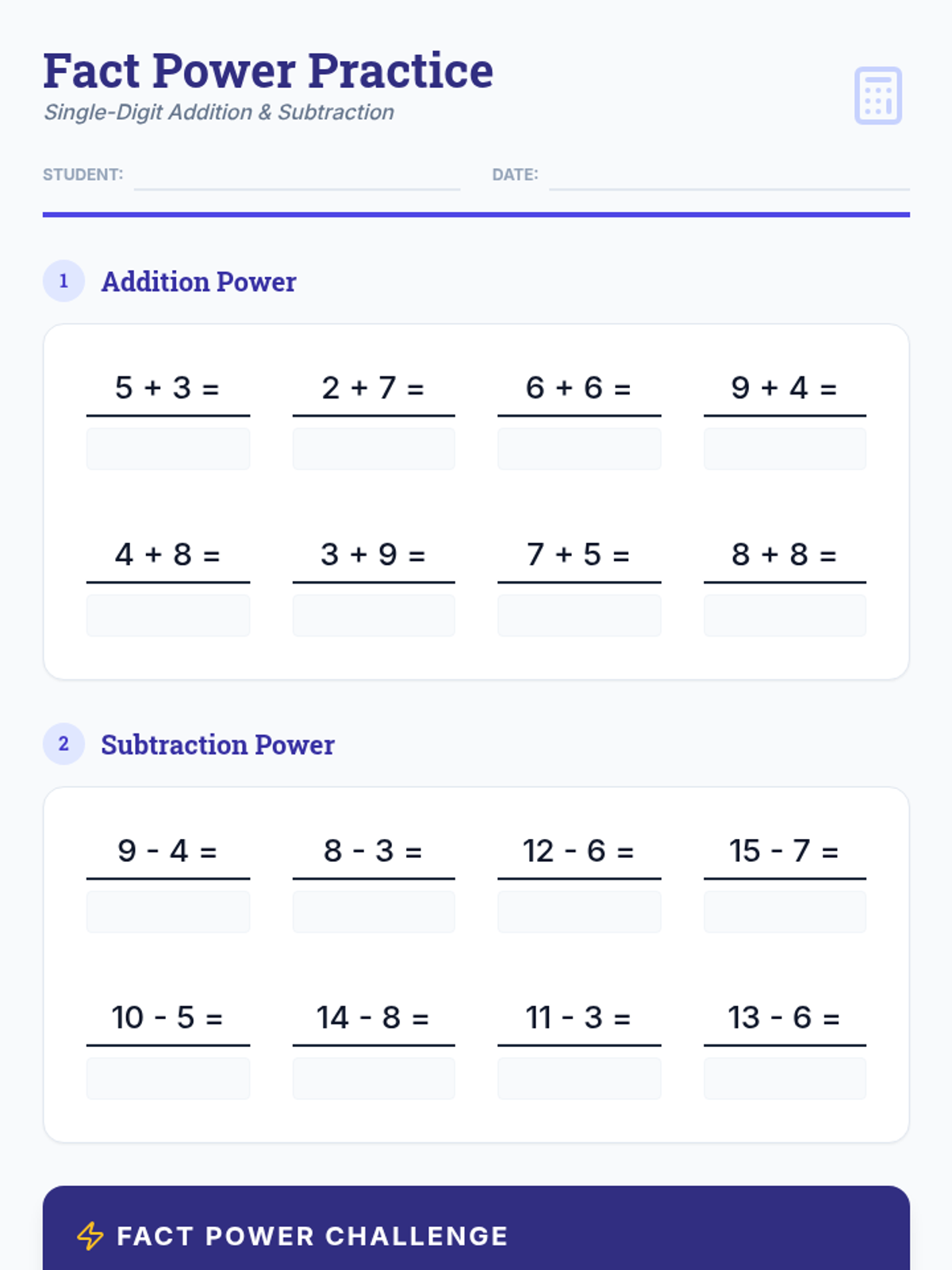
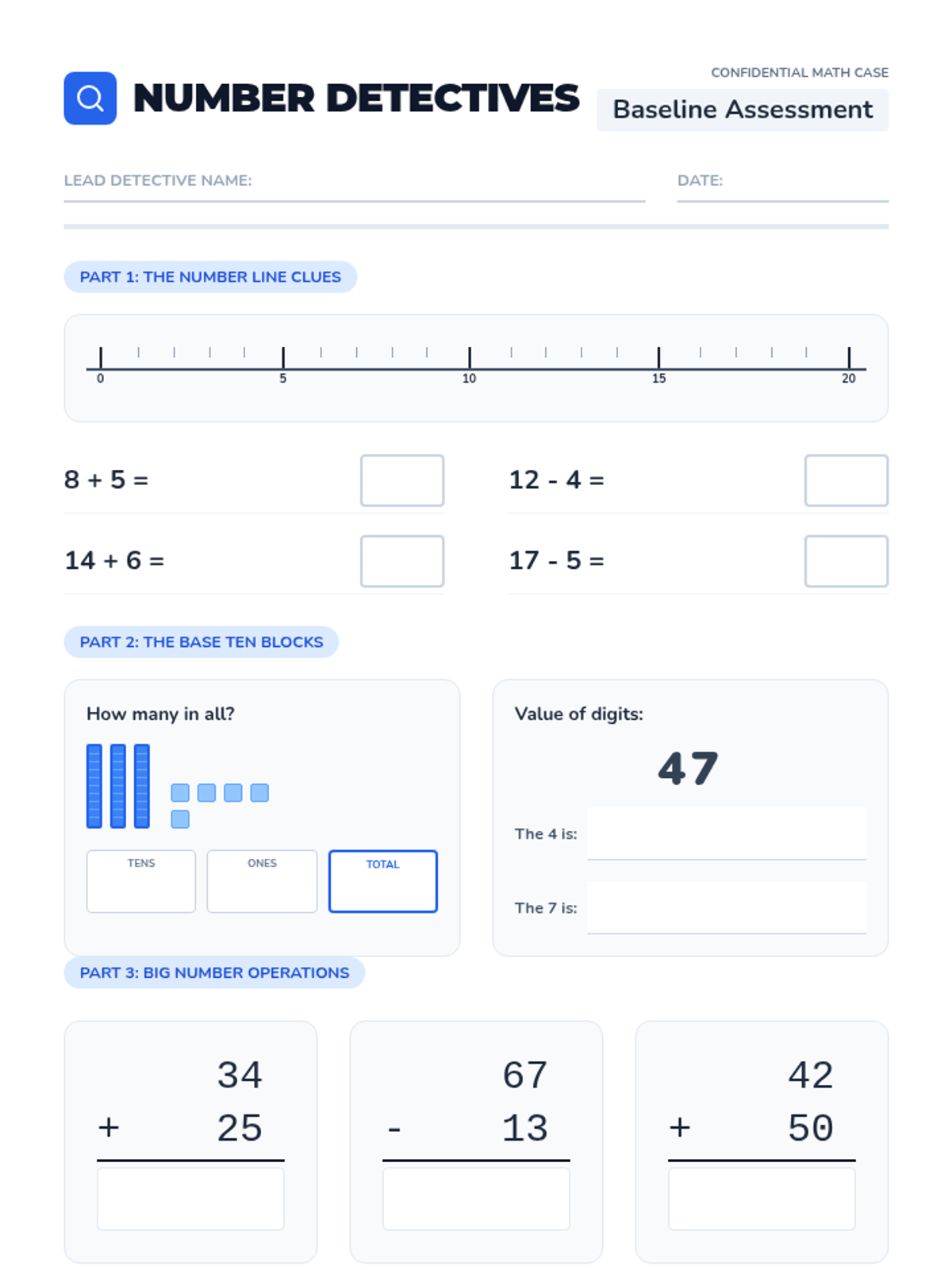
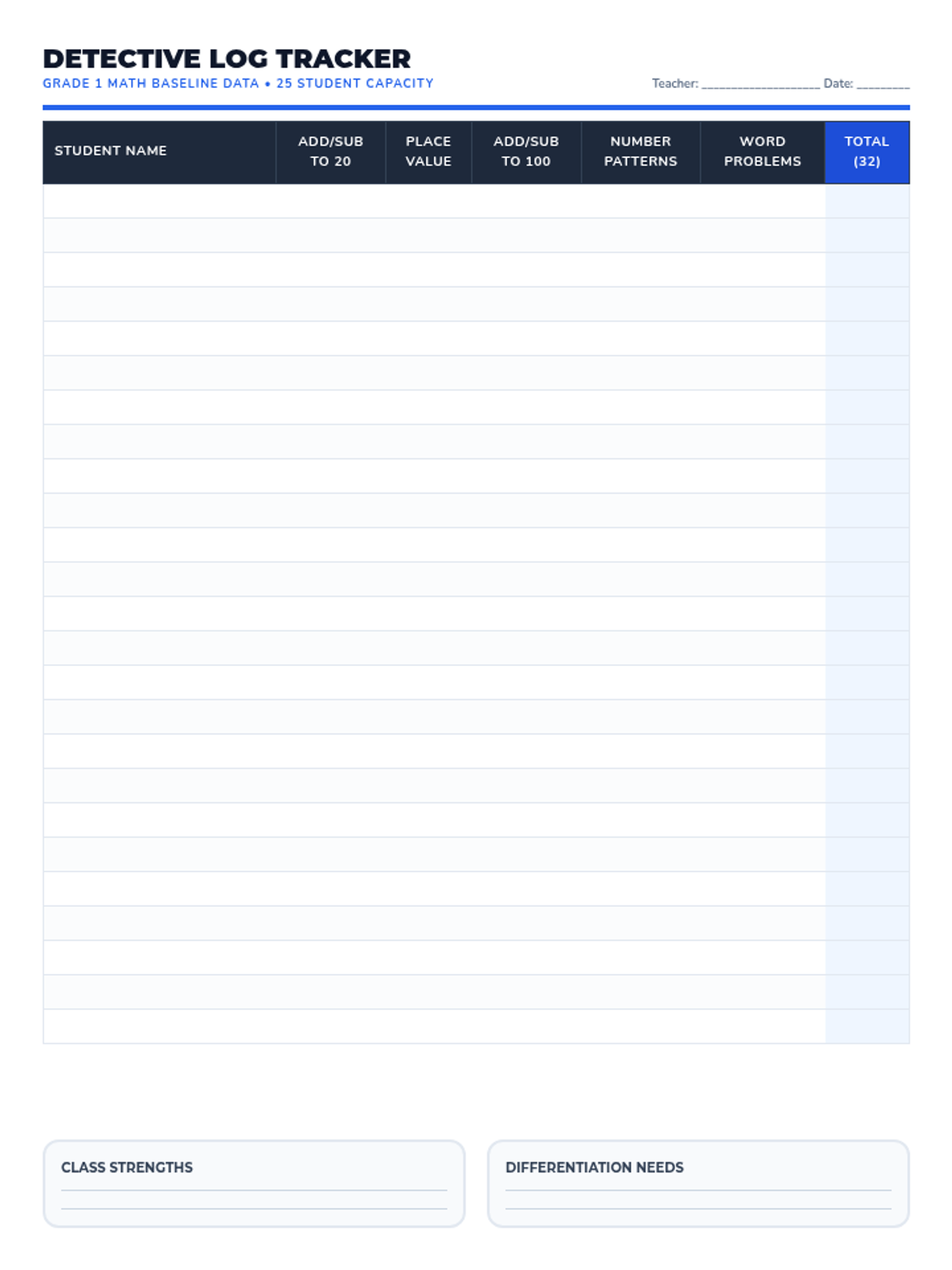
A comprehensive baseline assessment for incoming Grade 1 students to evaluate their starting points in addition, subtraction, place value, and number patterns.
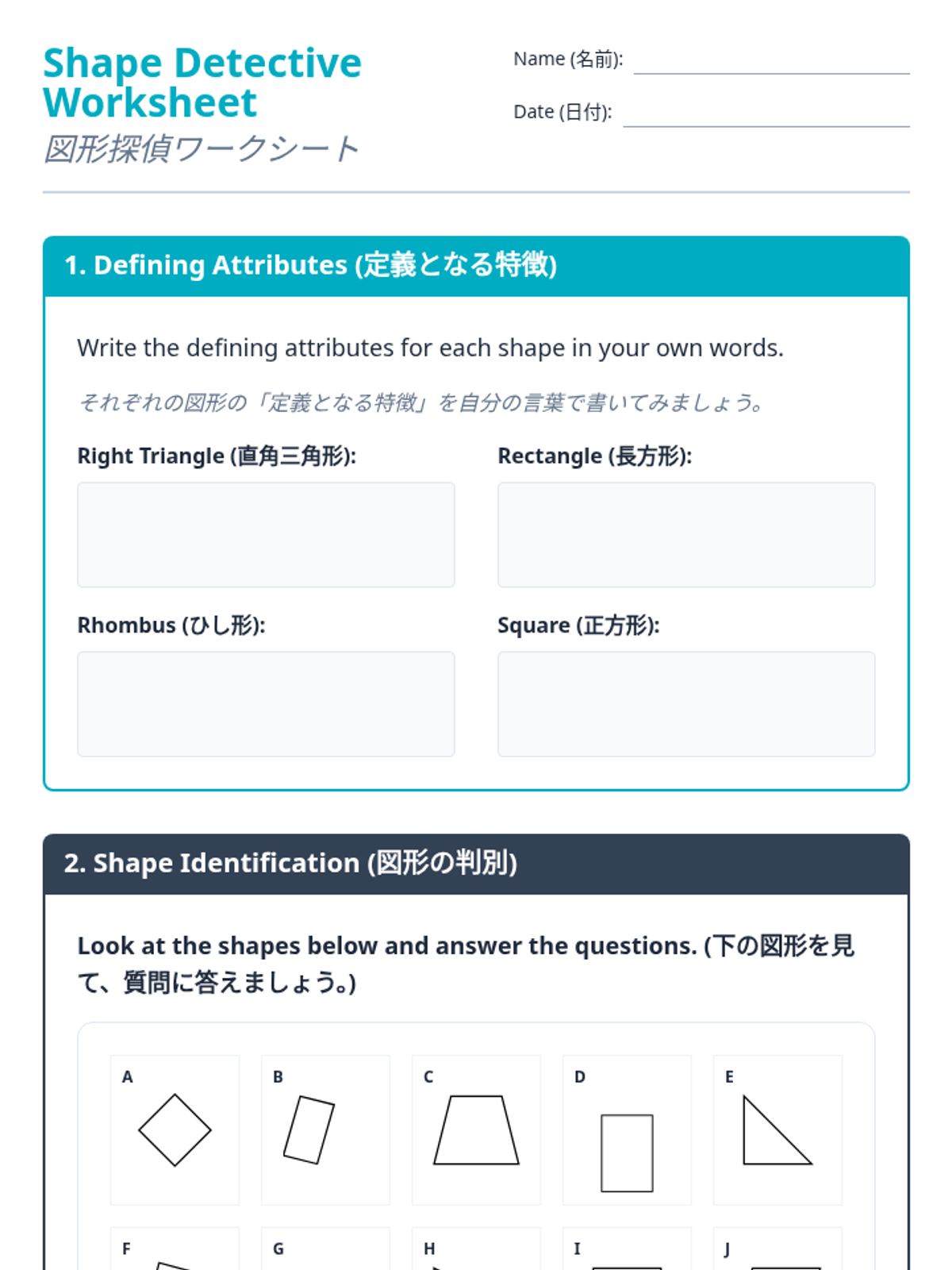
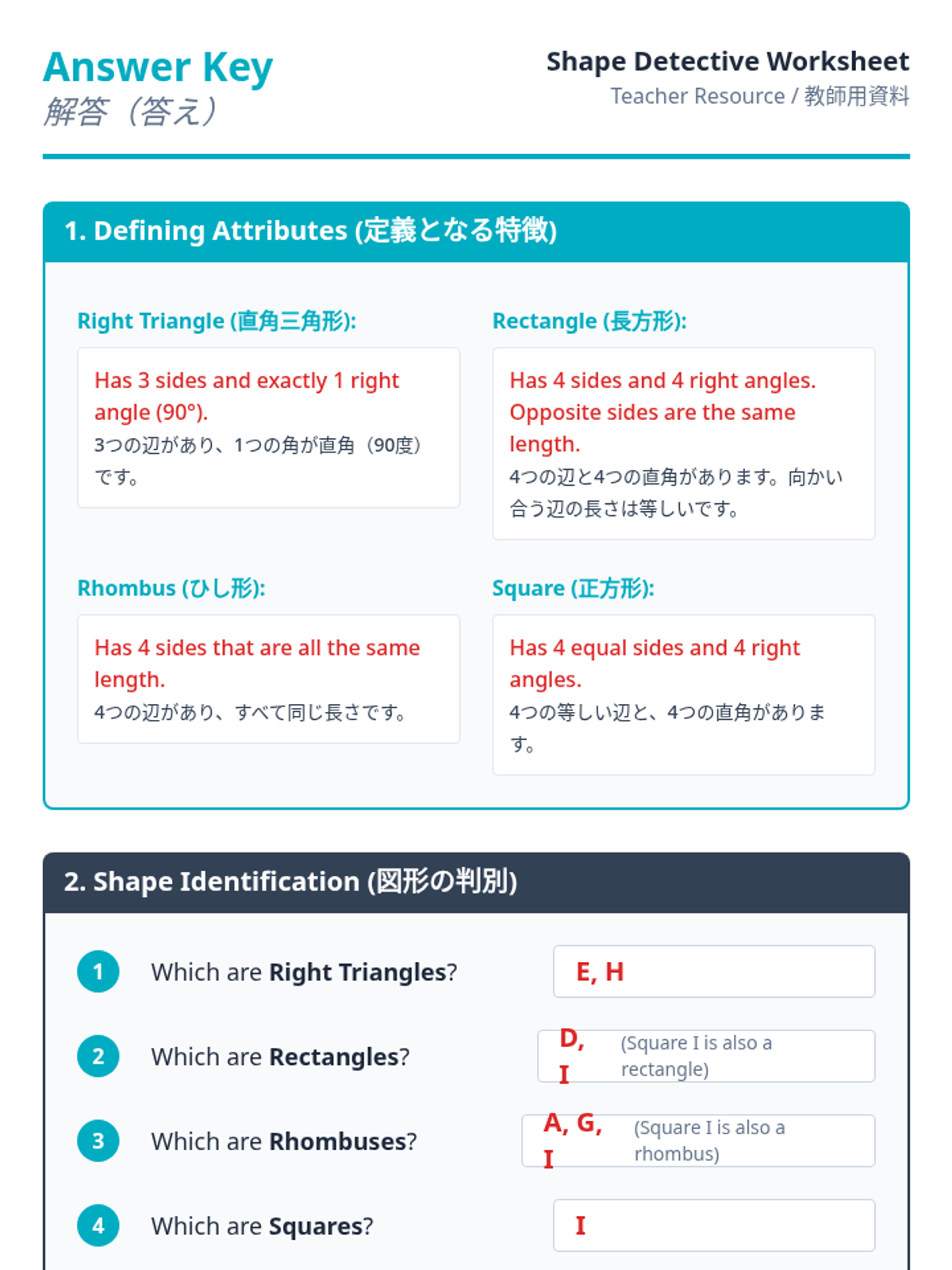
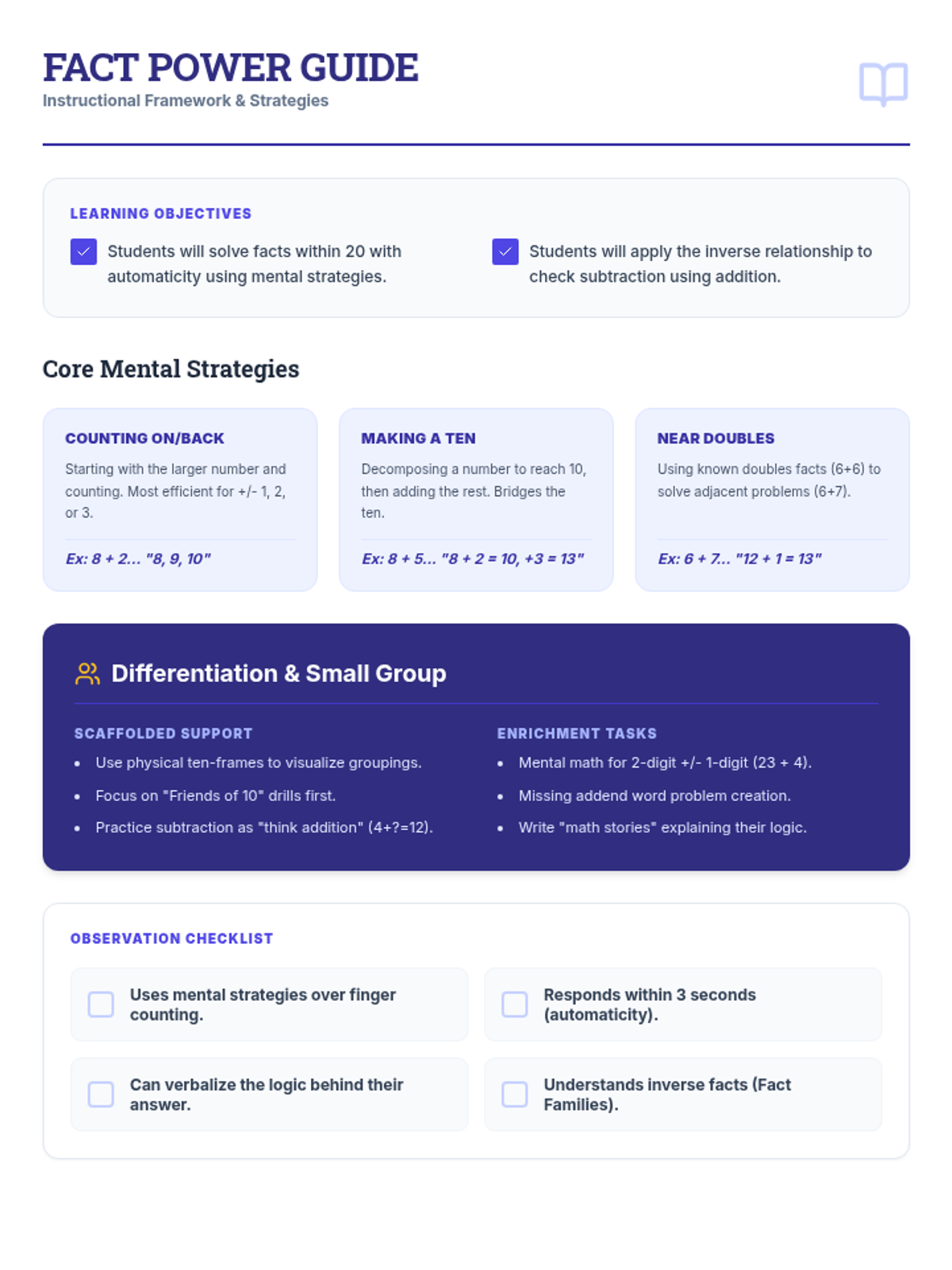
A comprehensive slide deck exploring the defining attributes of rectangles, rhombuses, and squares, with bilingual English and Japanese support for language learners.
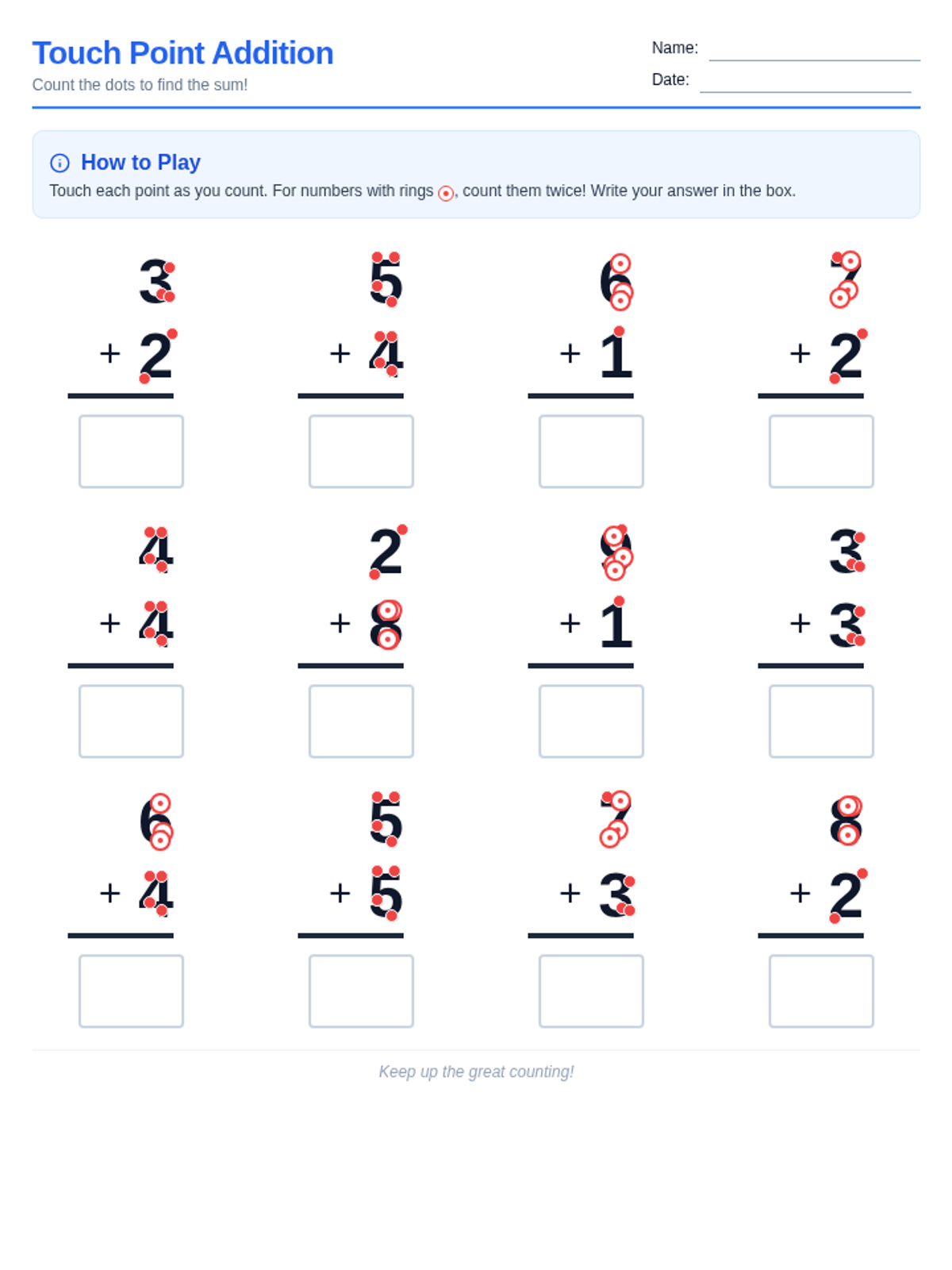
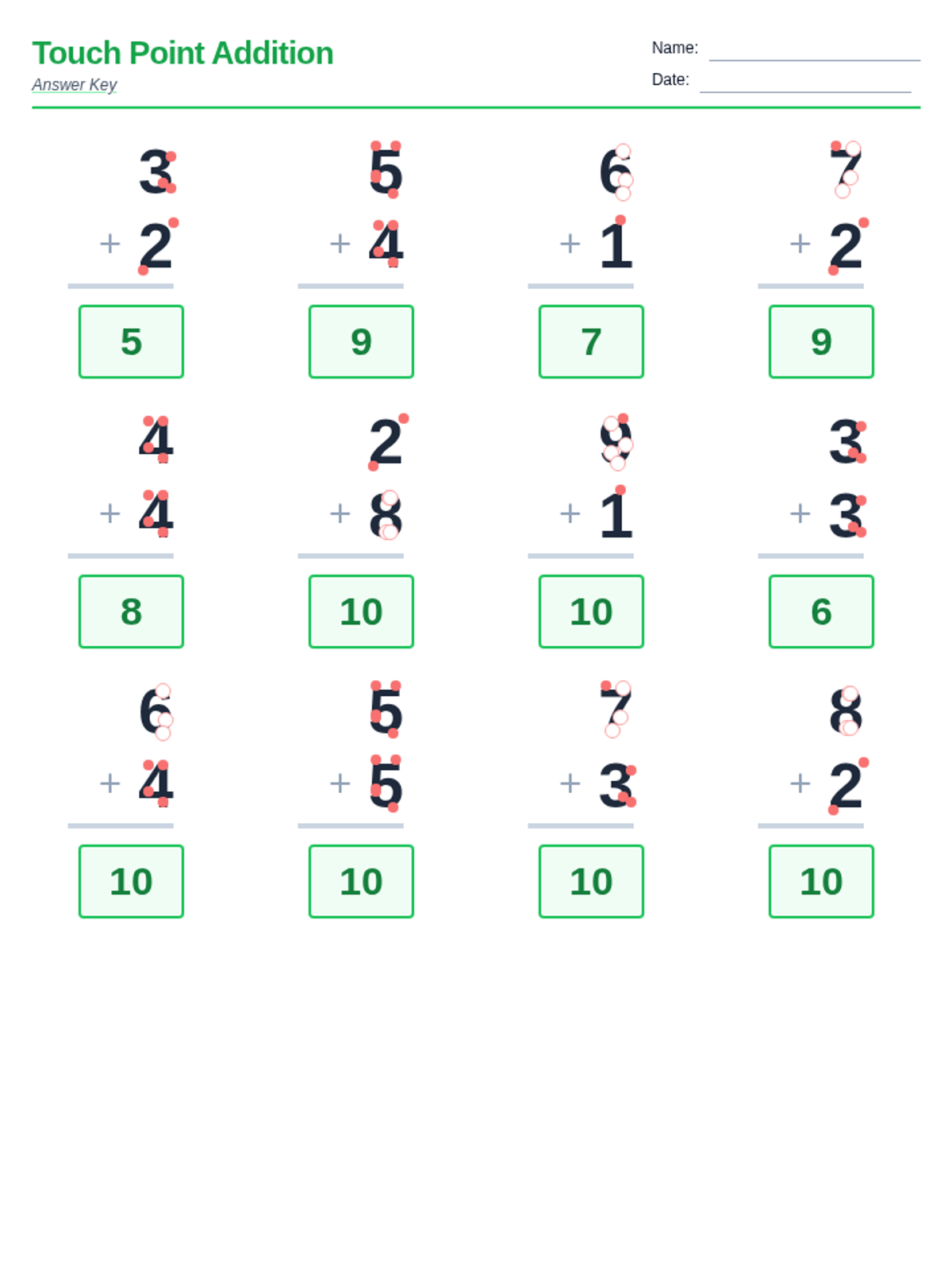
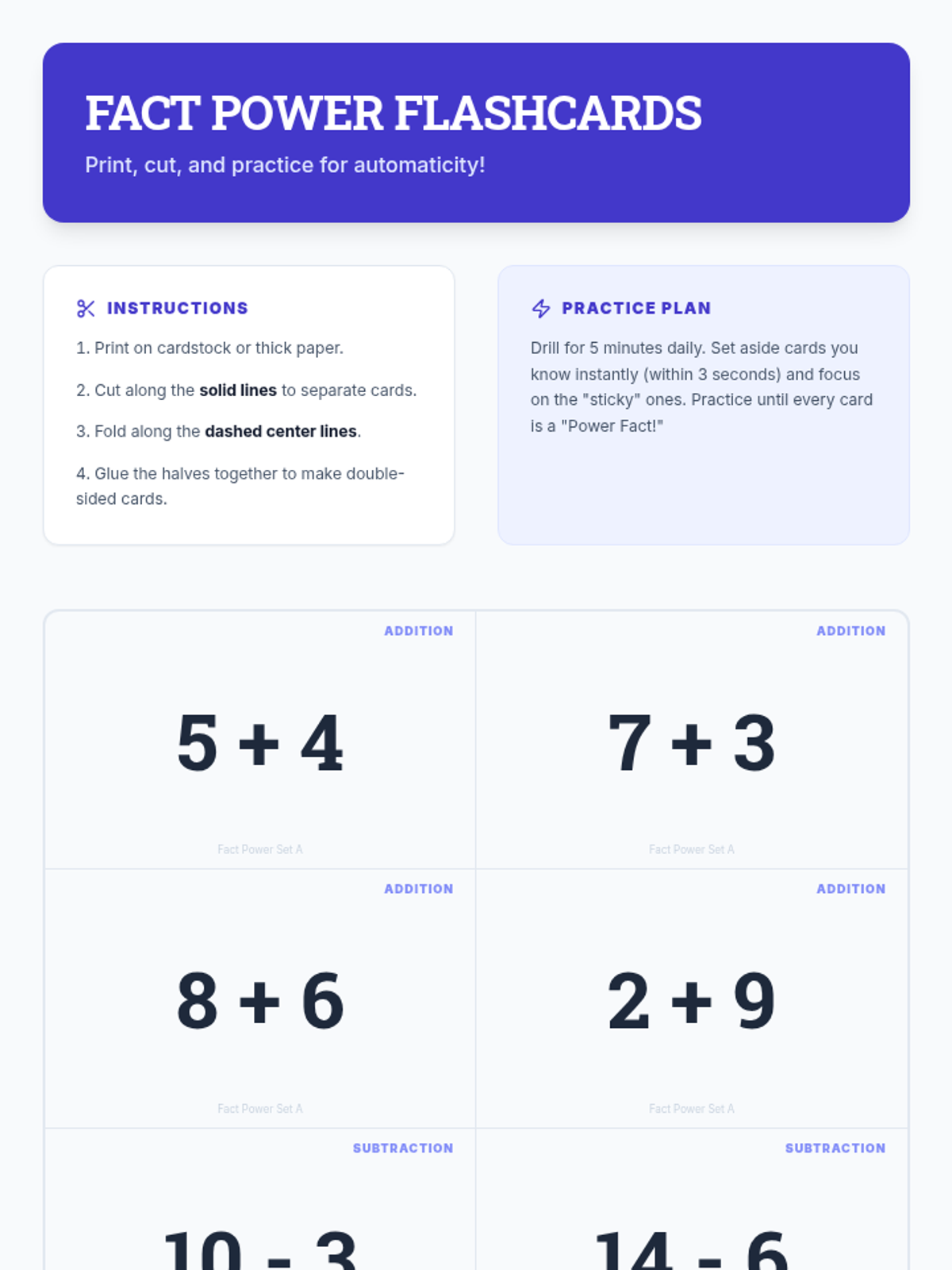
A foundational lesson on using touch points to master single-digit addition with sums up to 10. Students learn the specific placement of touch points on numbers 1-9 and practice vertical addition.
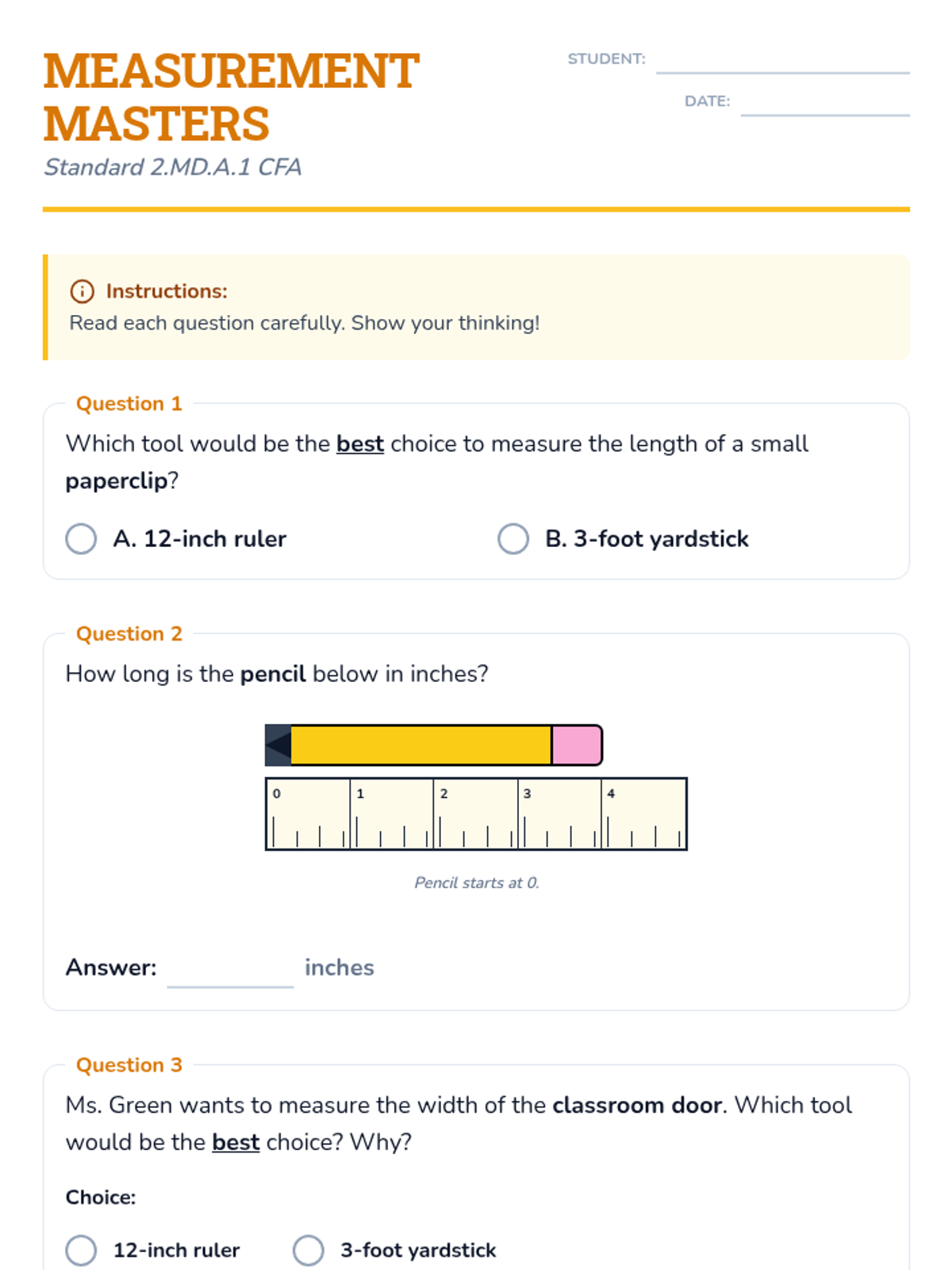
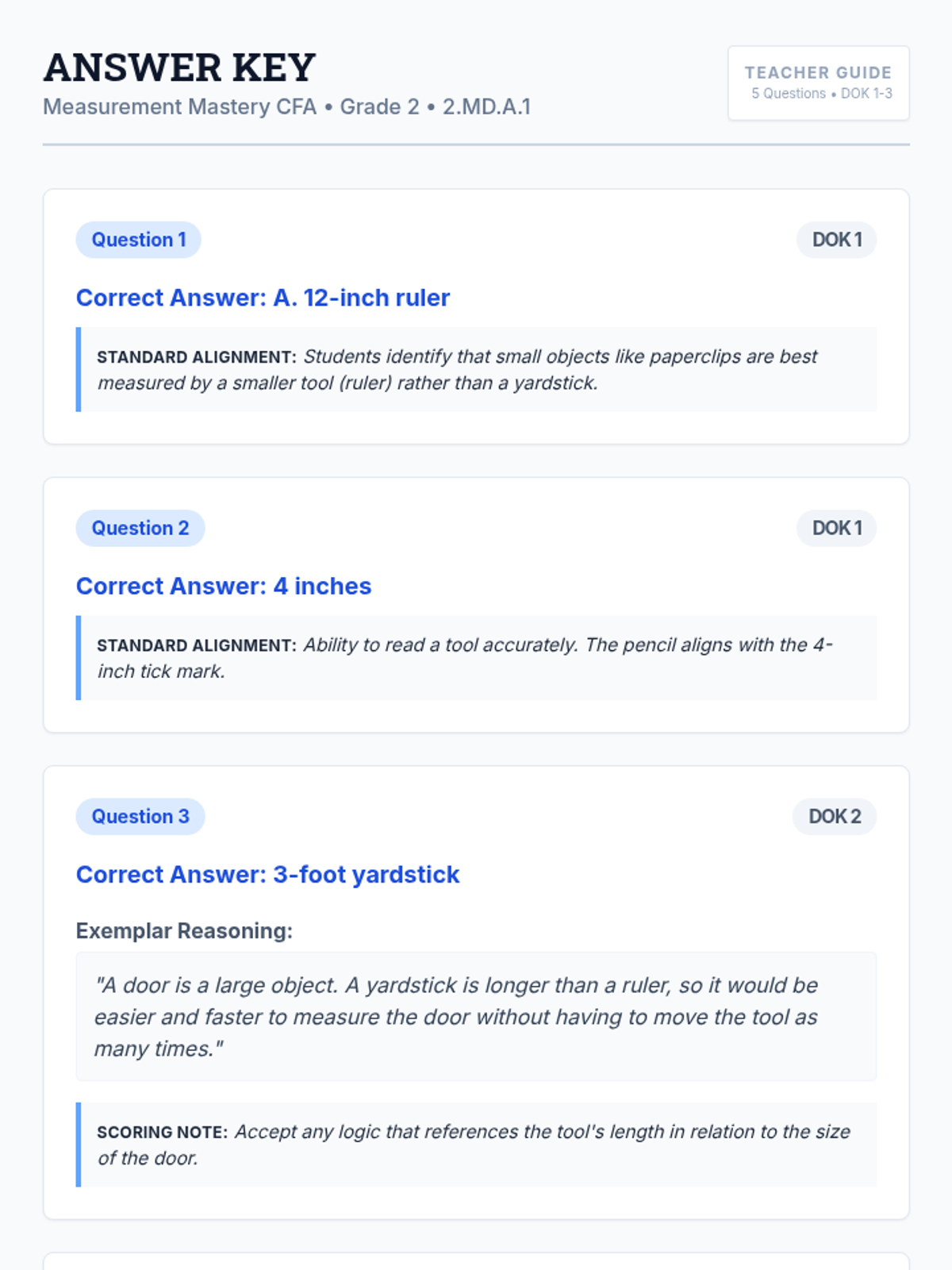
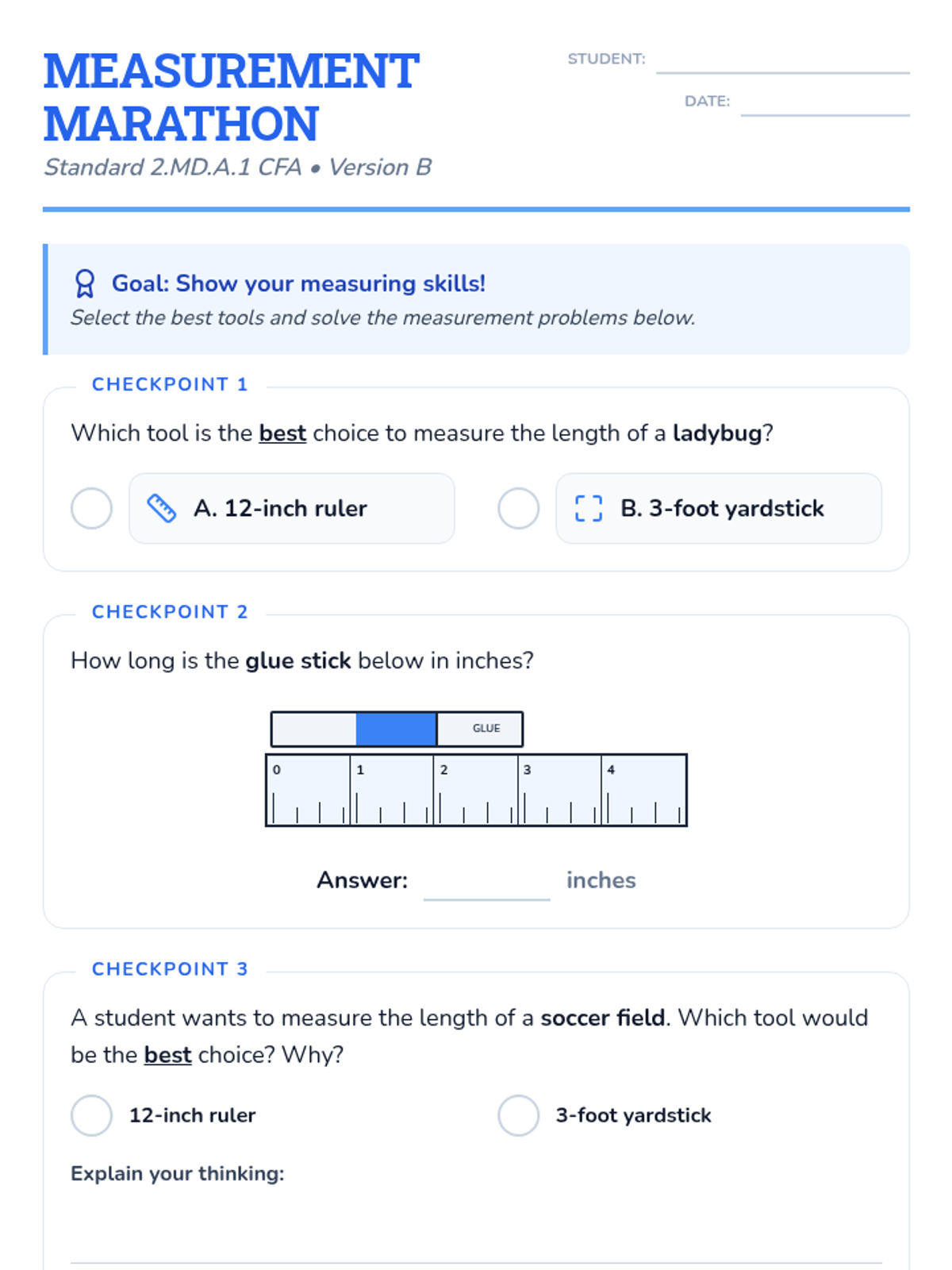
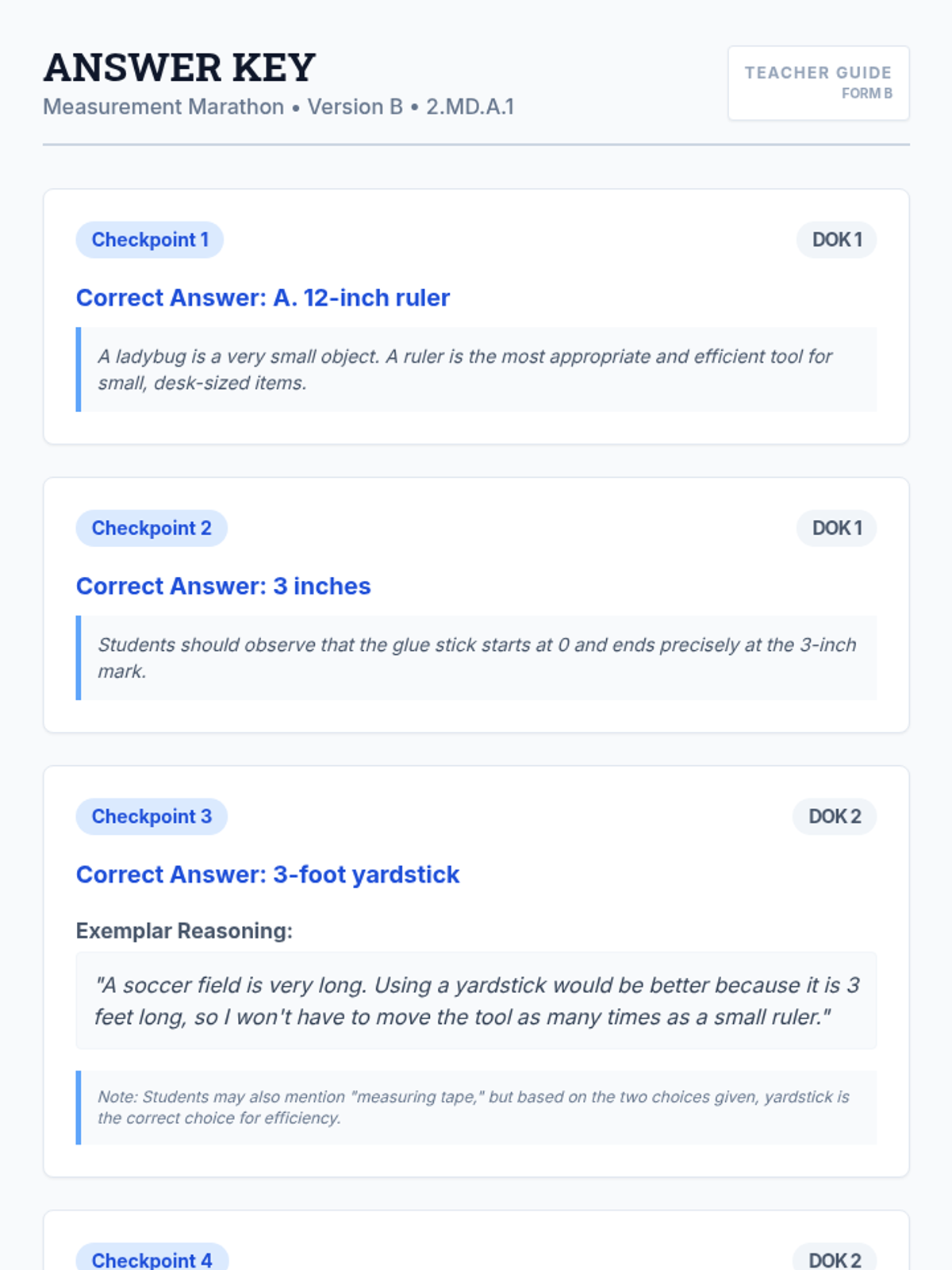
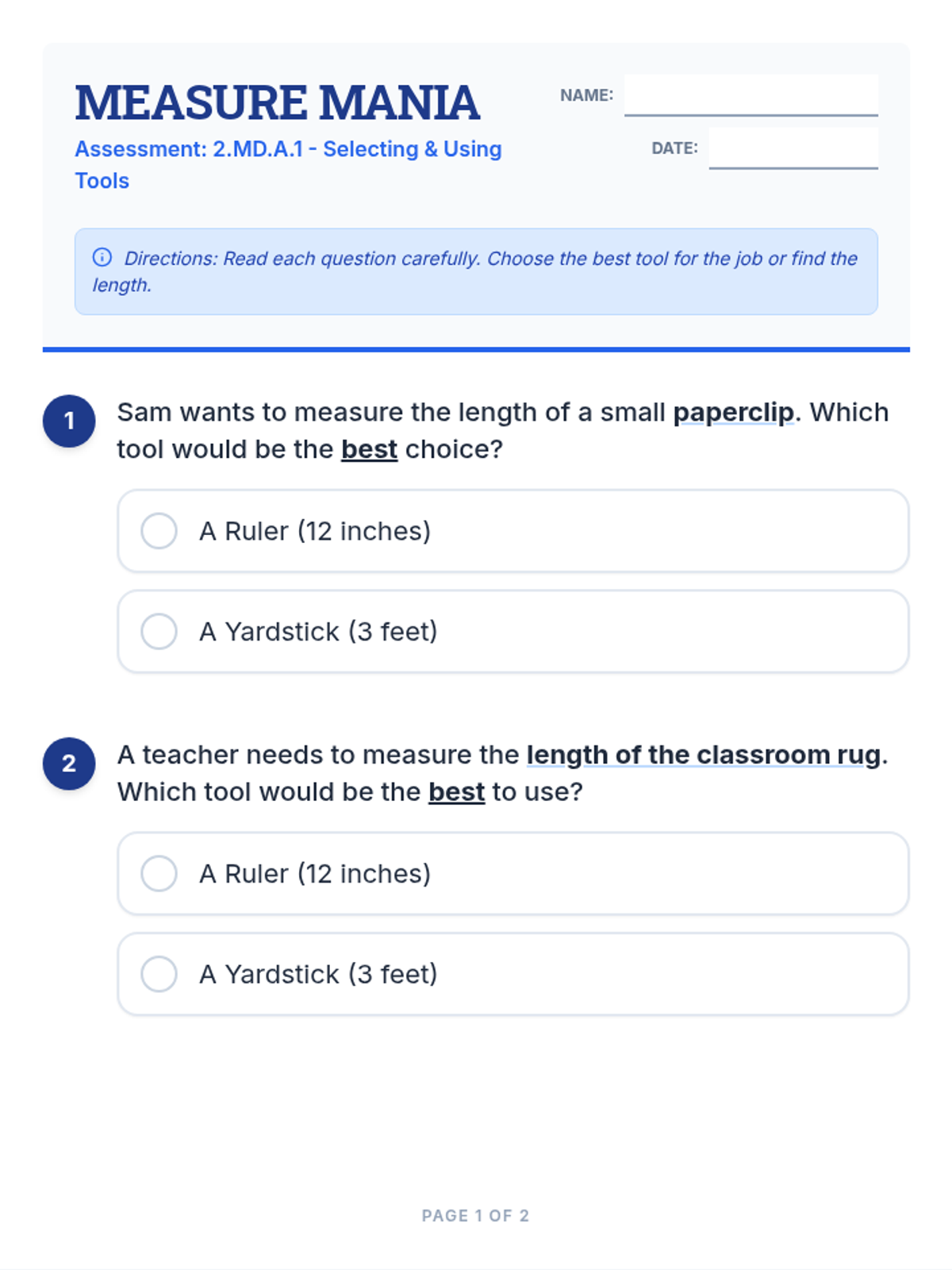
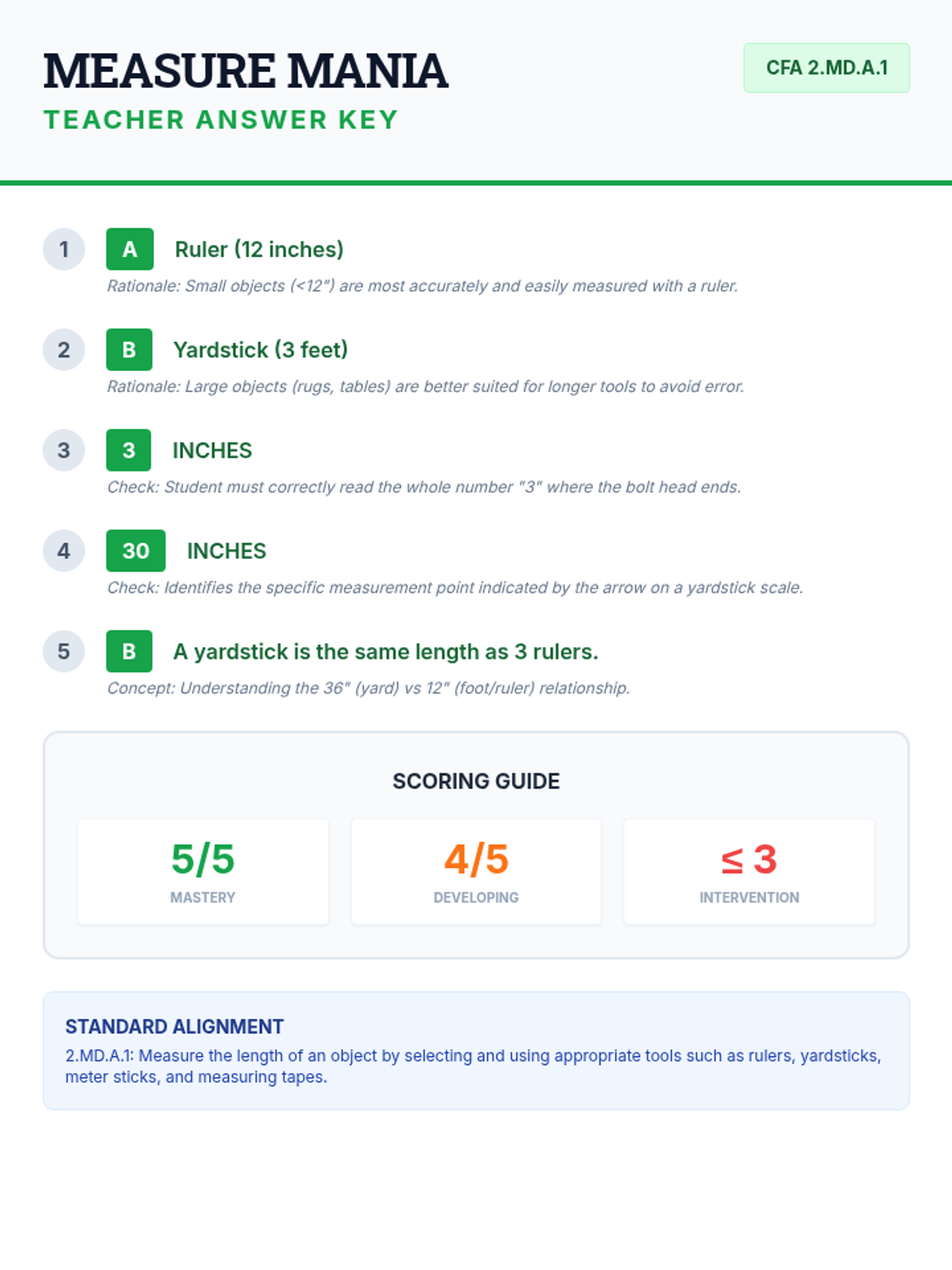
A short assessment focusing on selecting and using appropriate measurement tools (rulers and yardsticks) for 2nd-grade students.
A focused assessment on selecting and using rulers and yardsticks to measure objects of various sizes, aligned to CCSS 2.MD.A.1.
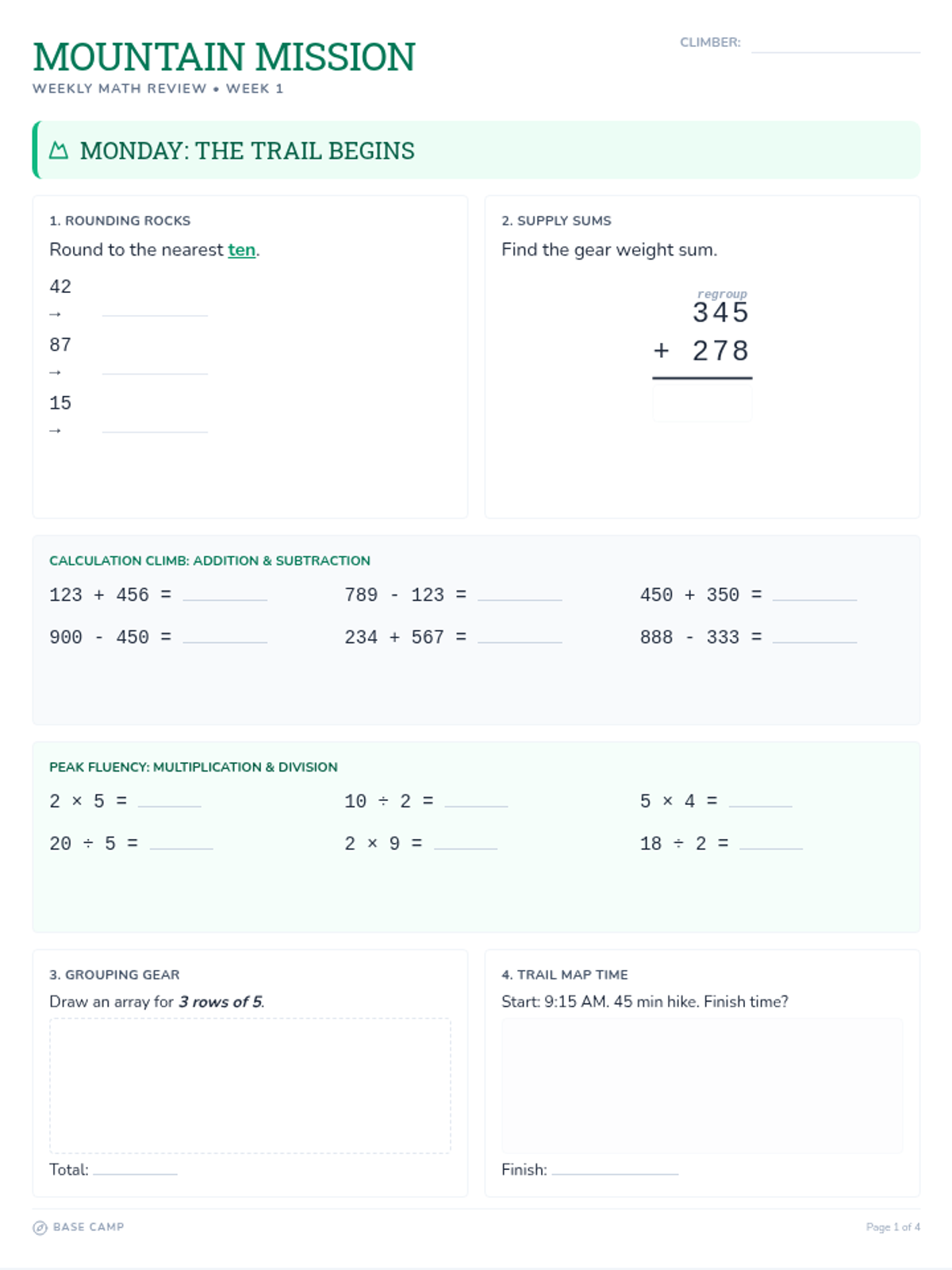
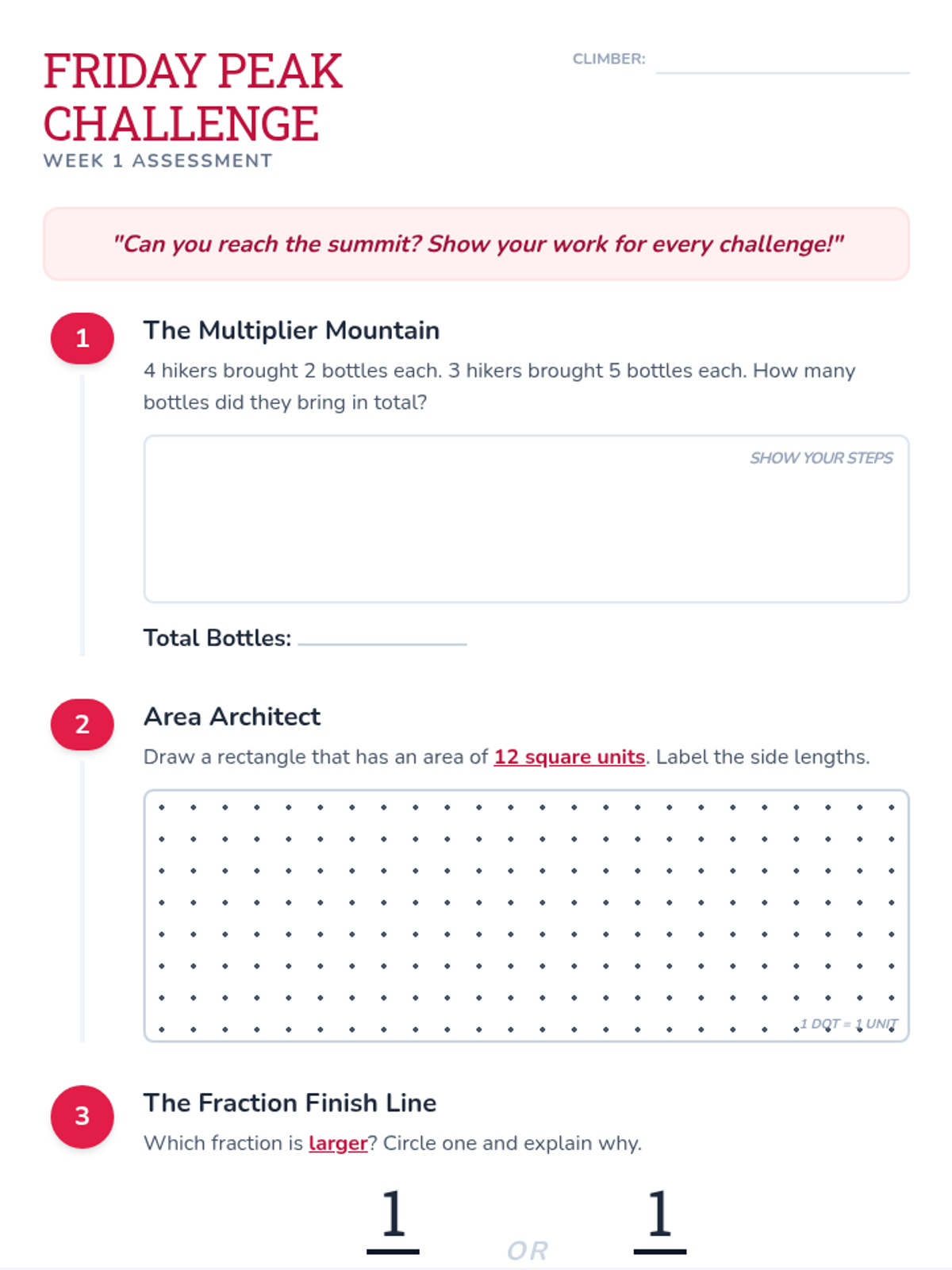
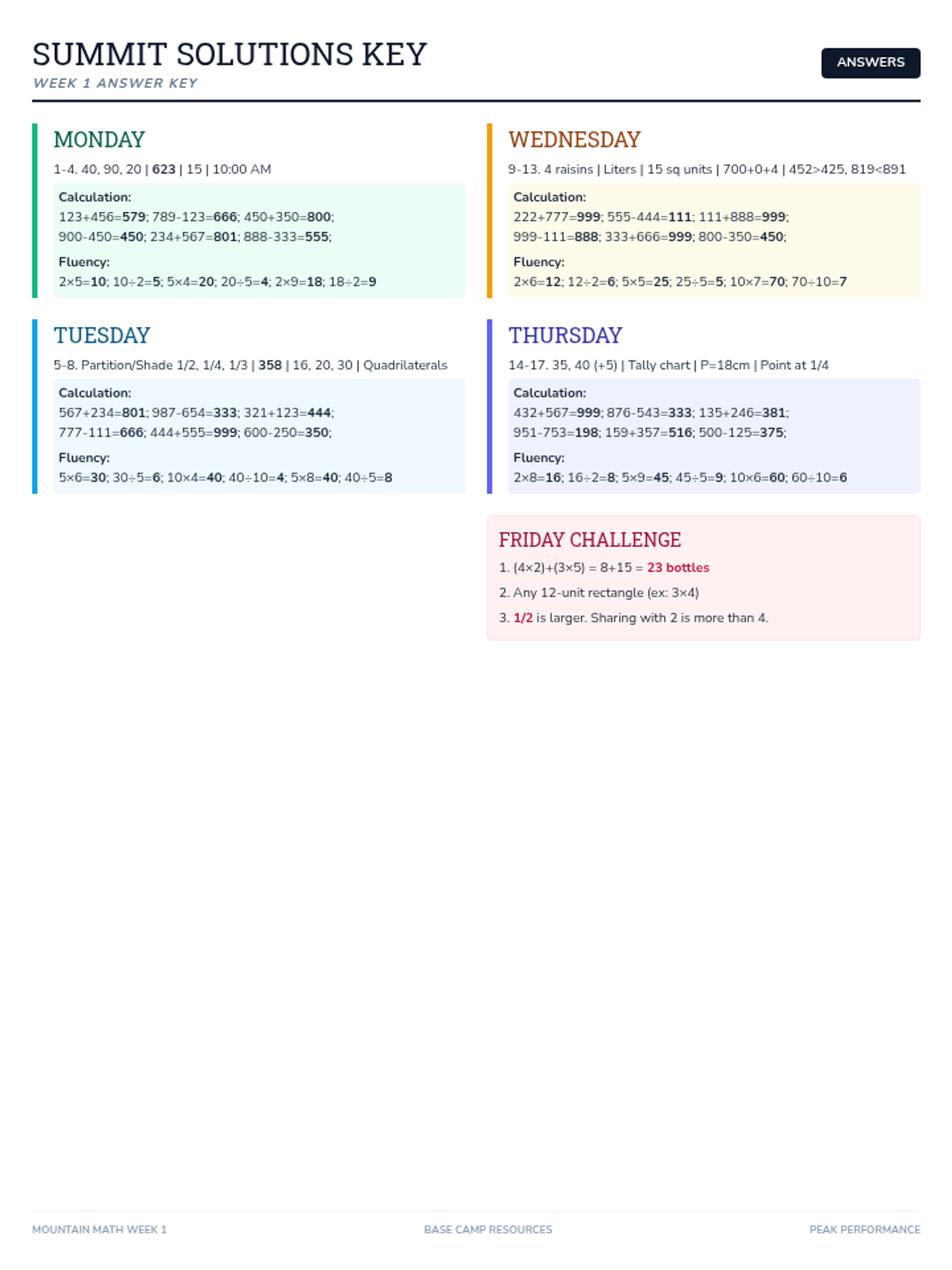
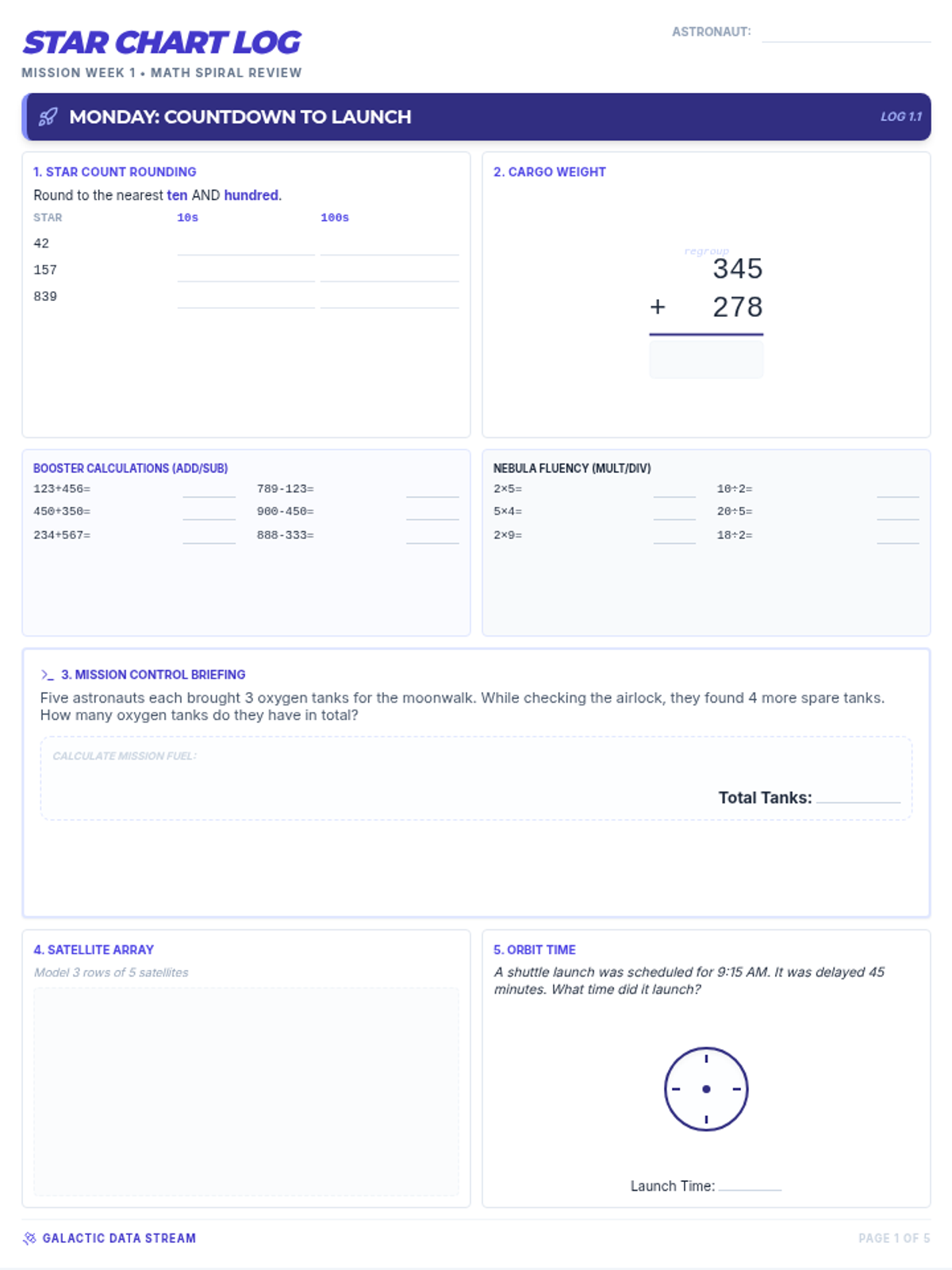
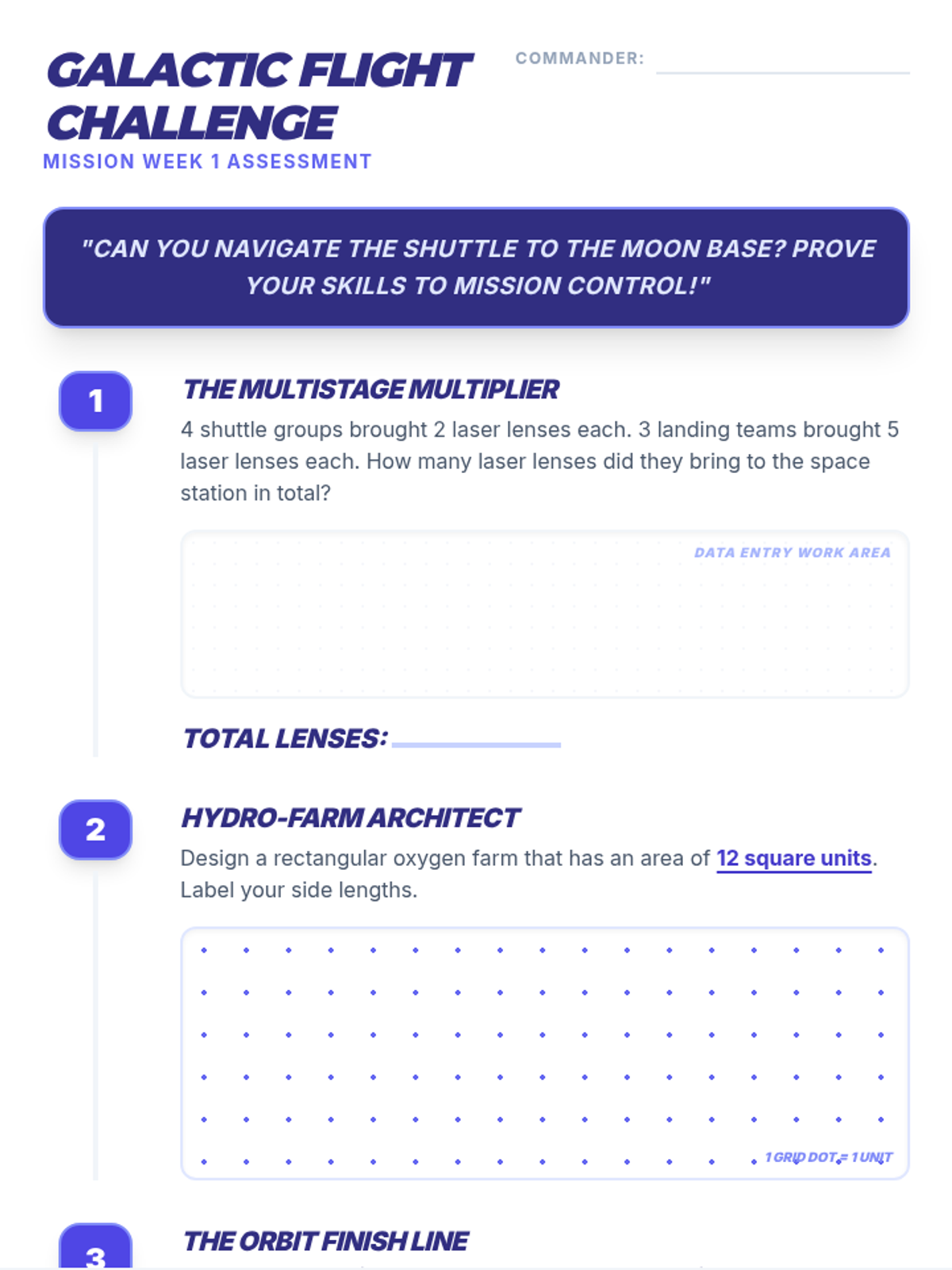
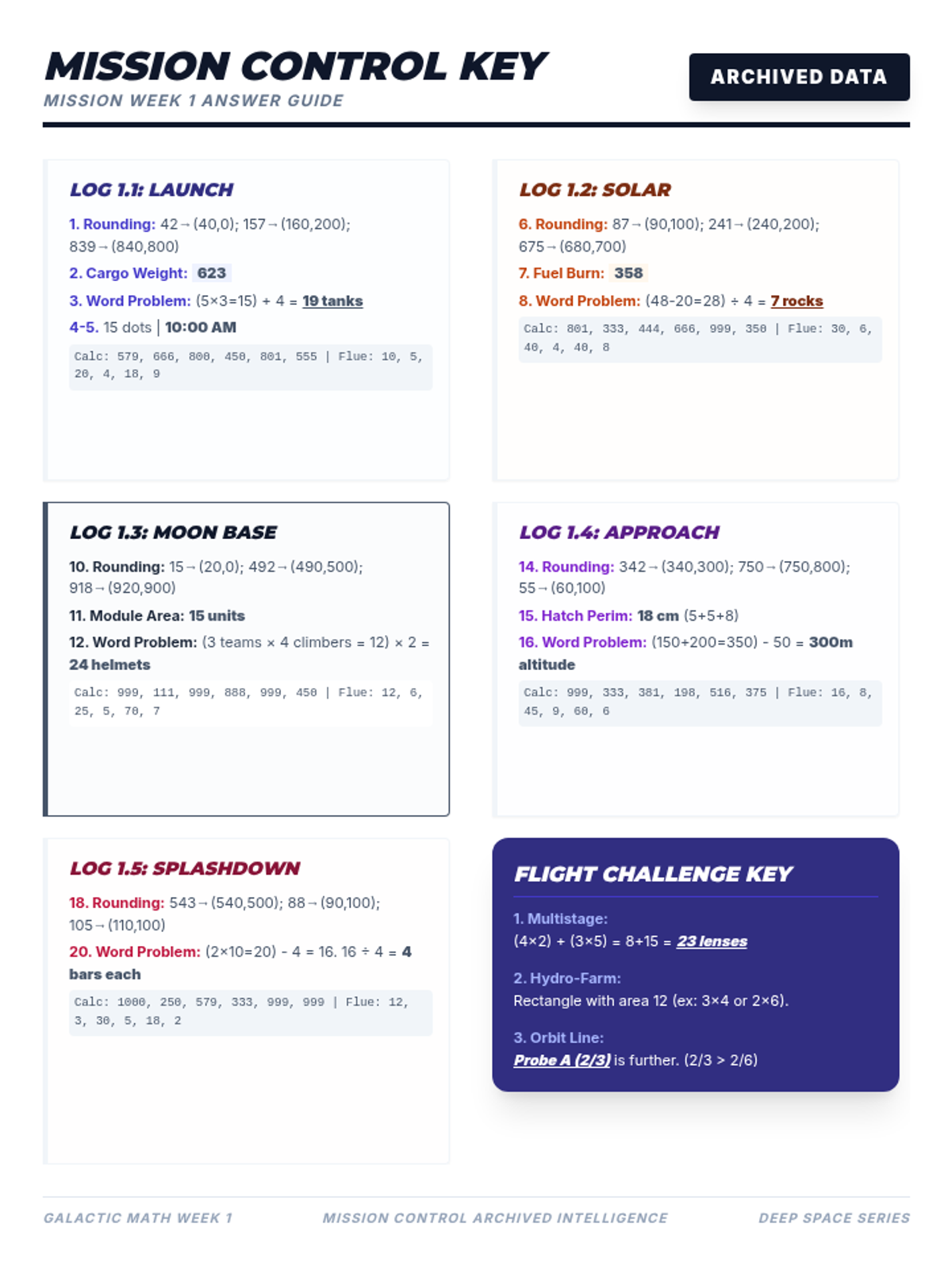
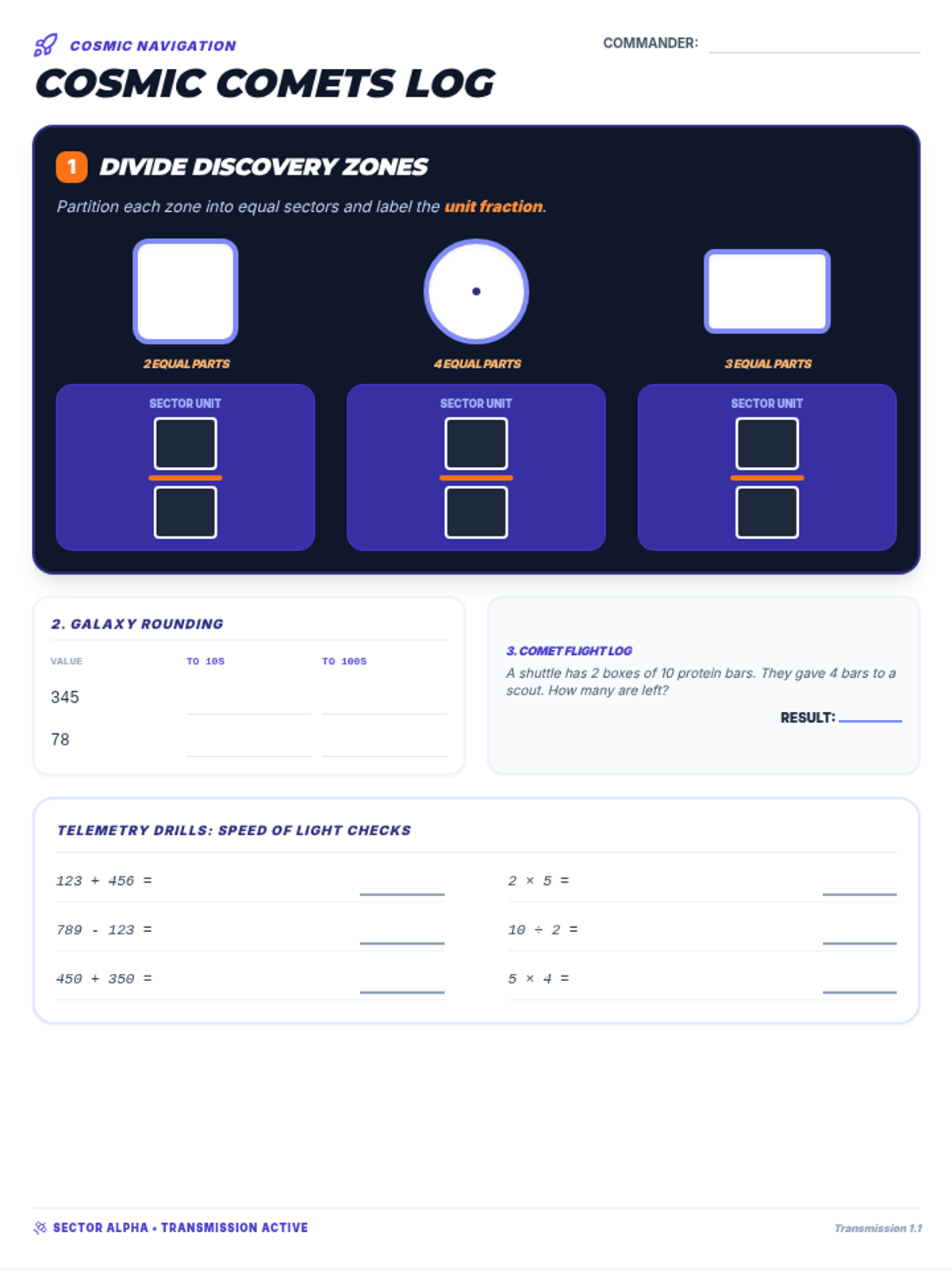
Mission Week 1: Exploring multiplication foundations, rounding to tens and hundreds, area, and fractions while navigating the solar system.
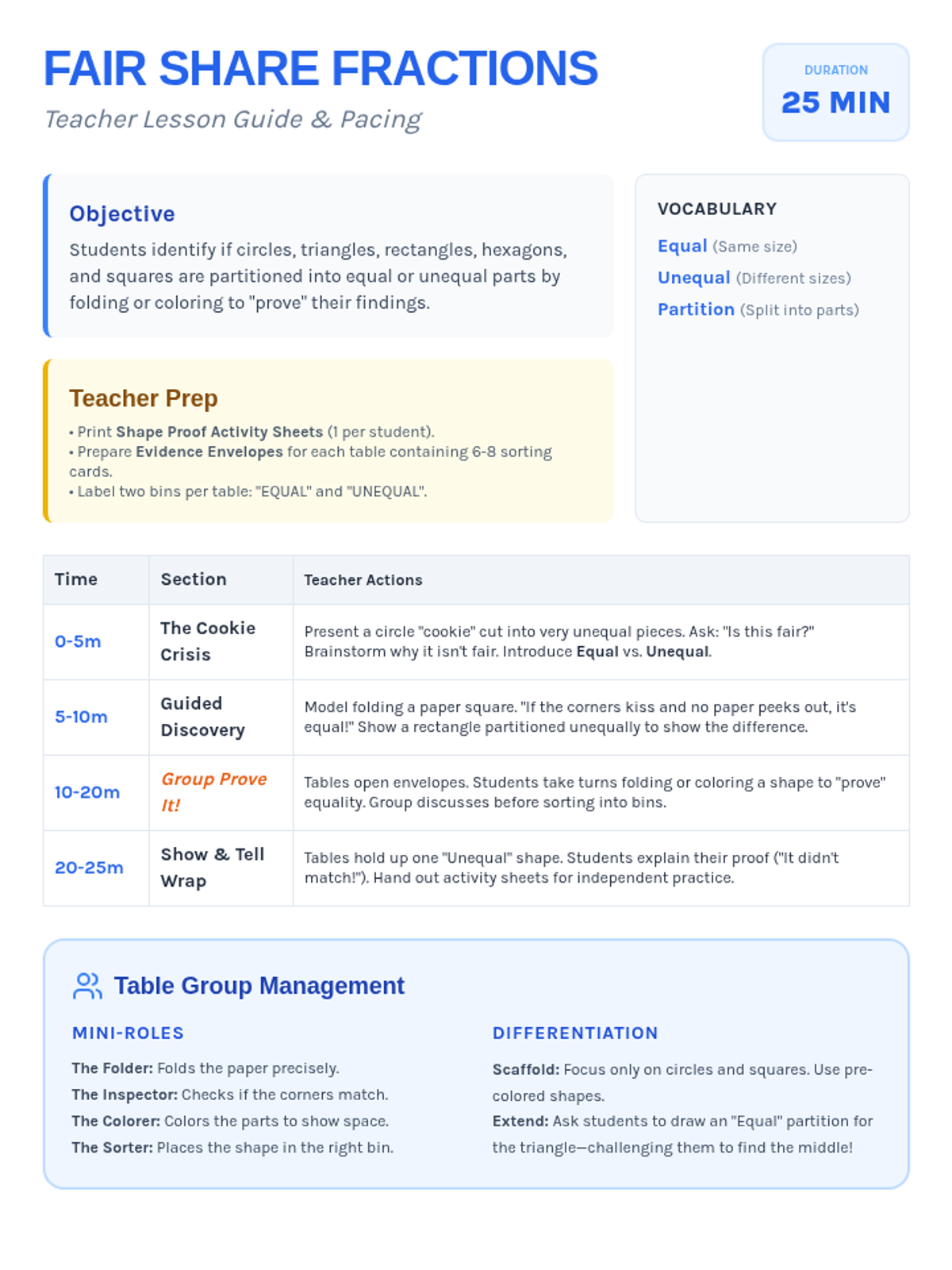
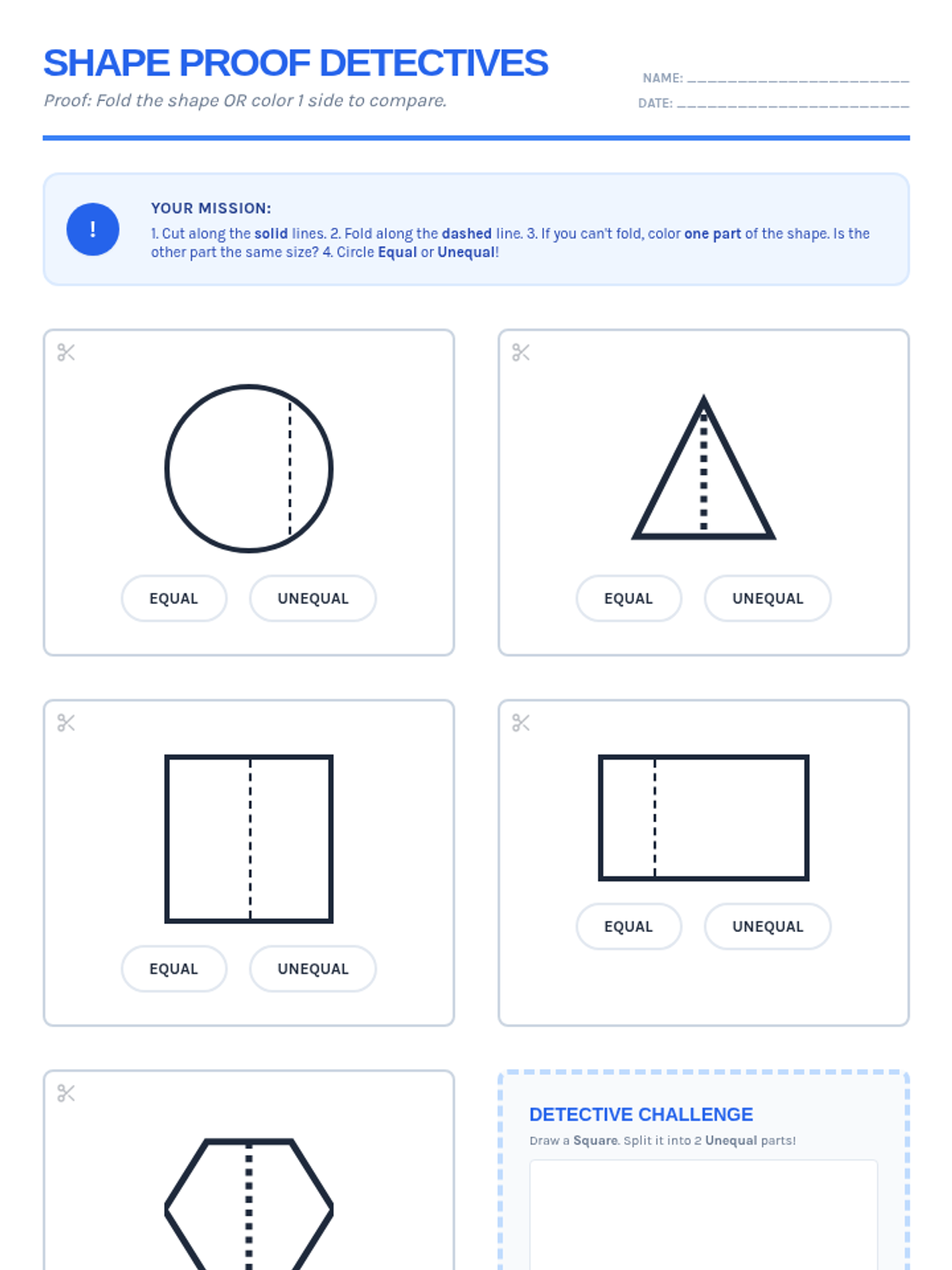
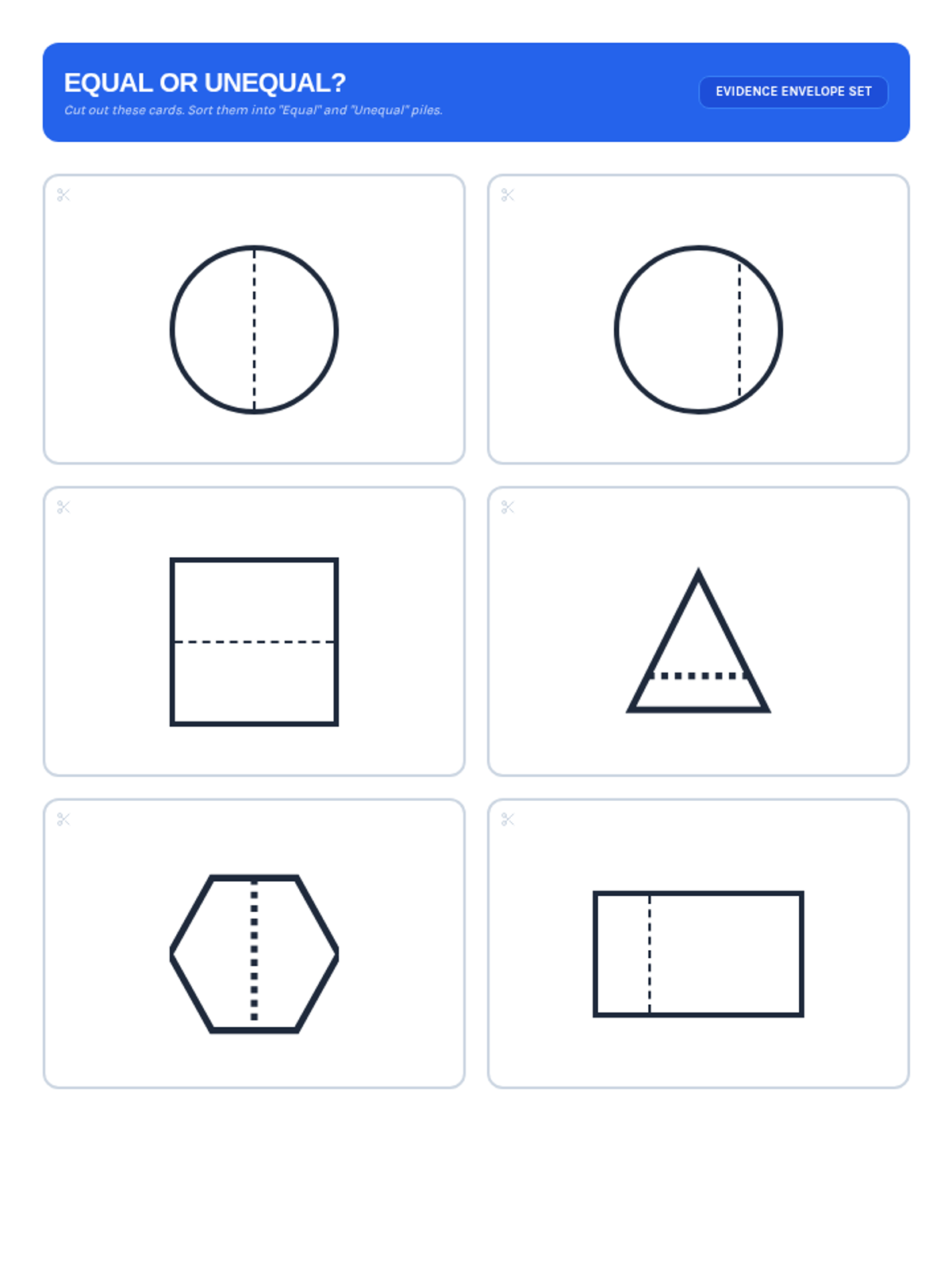
A high-energy, 25-minute introduction to fractions where first graders use folding and coloring to prove if shapes are partitioned into equal or unequal parts.
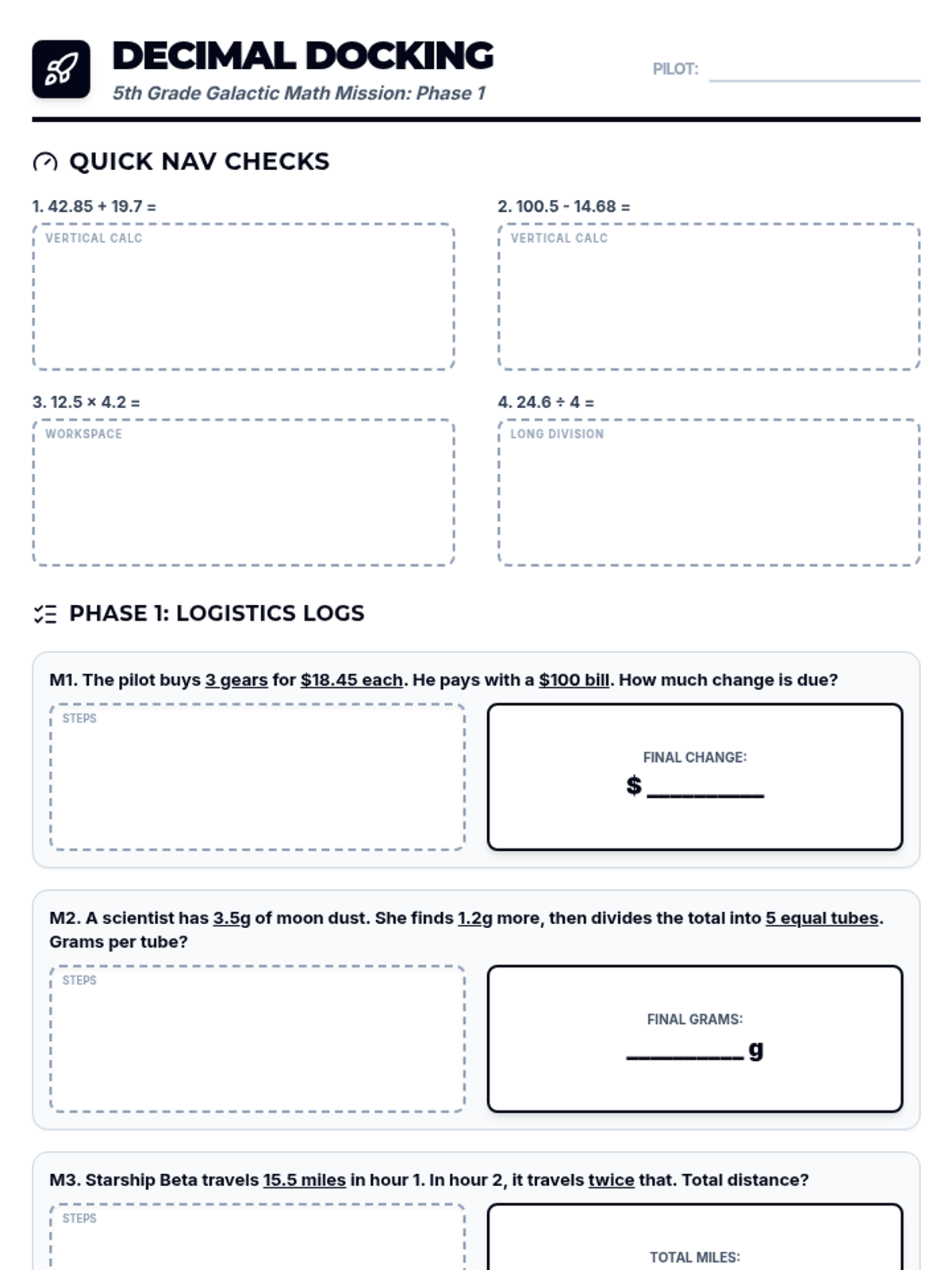
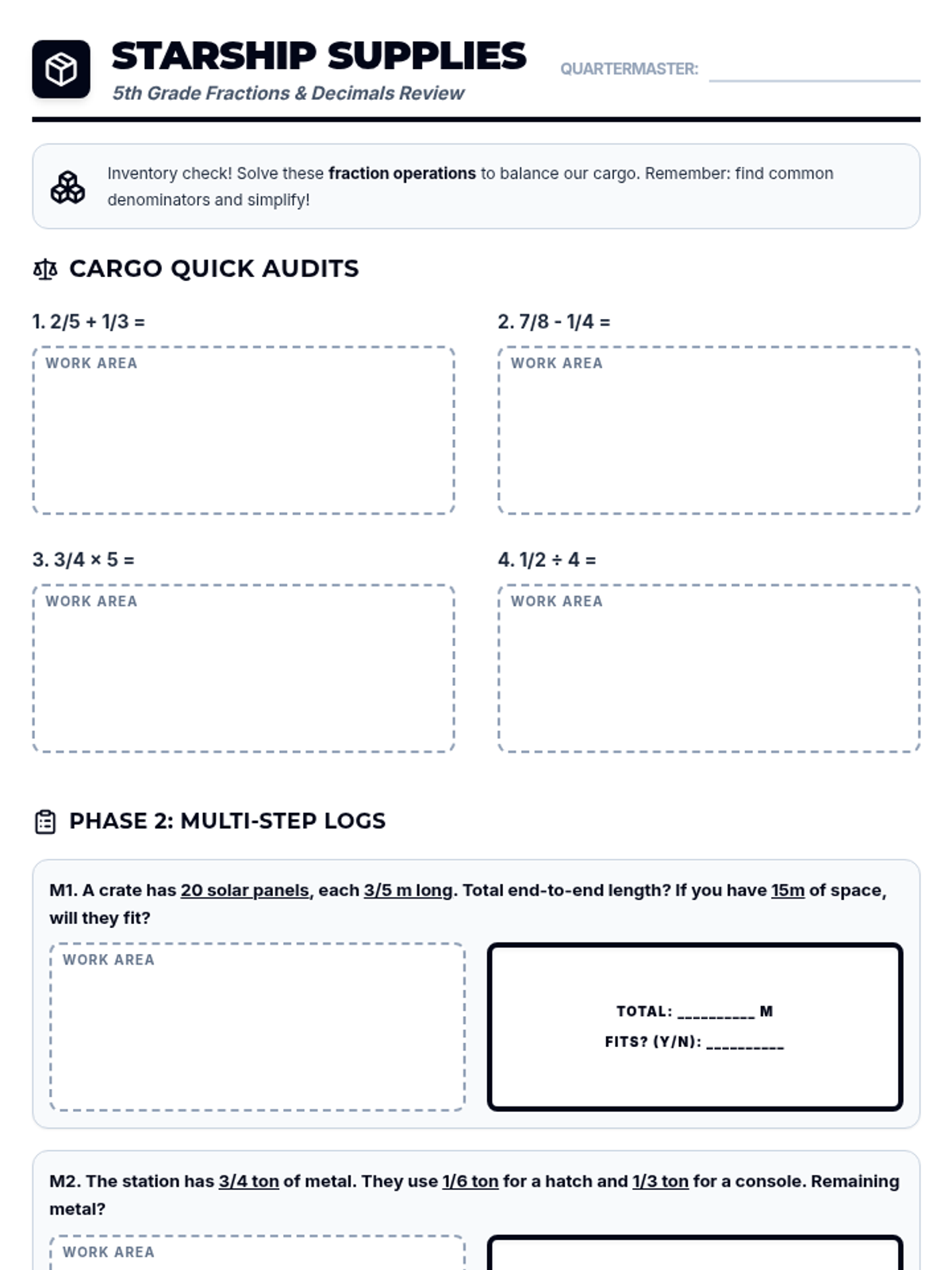
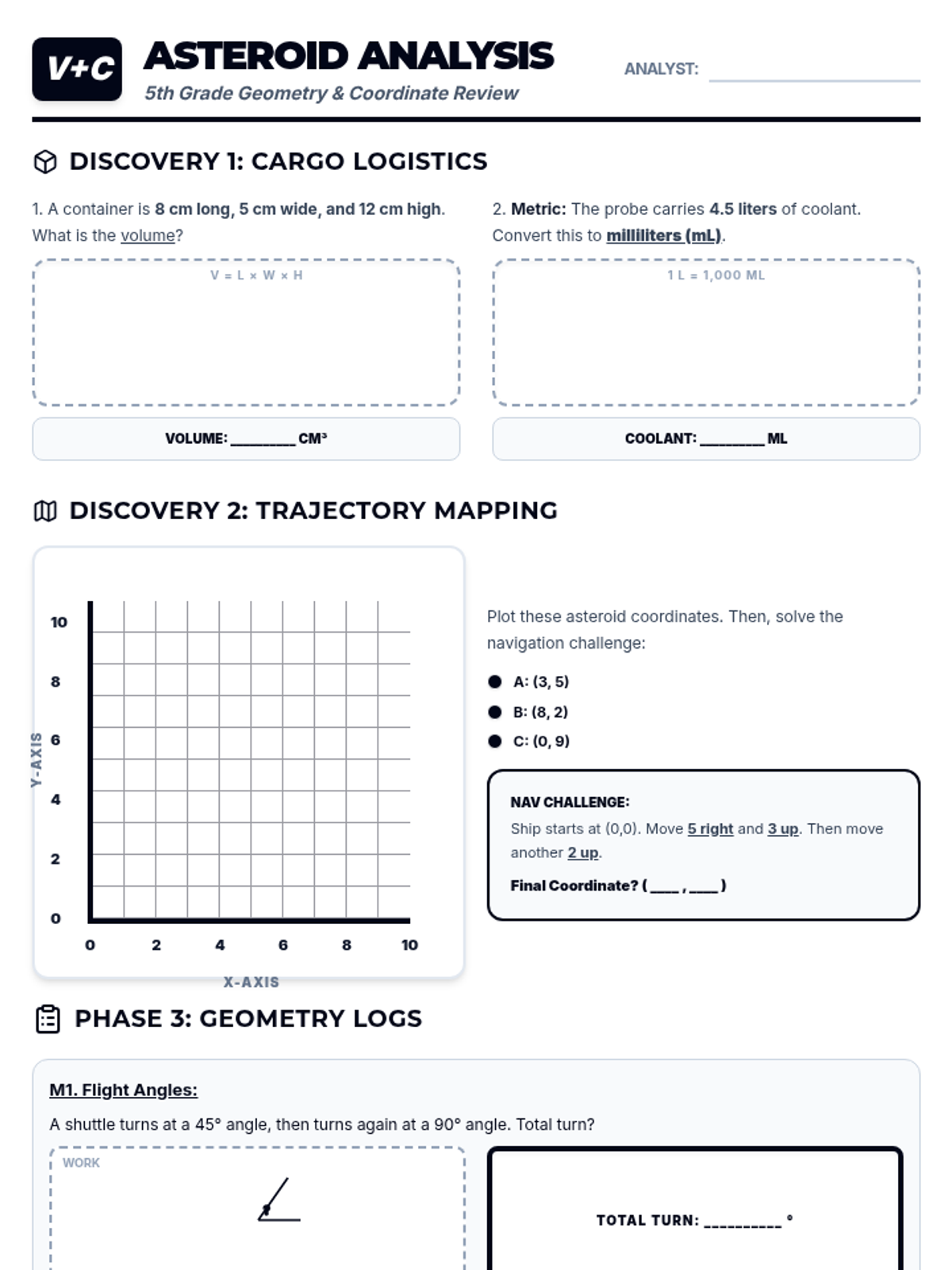
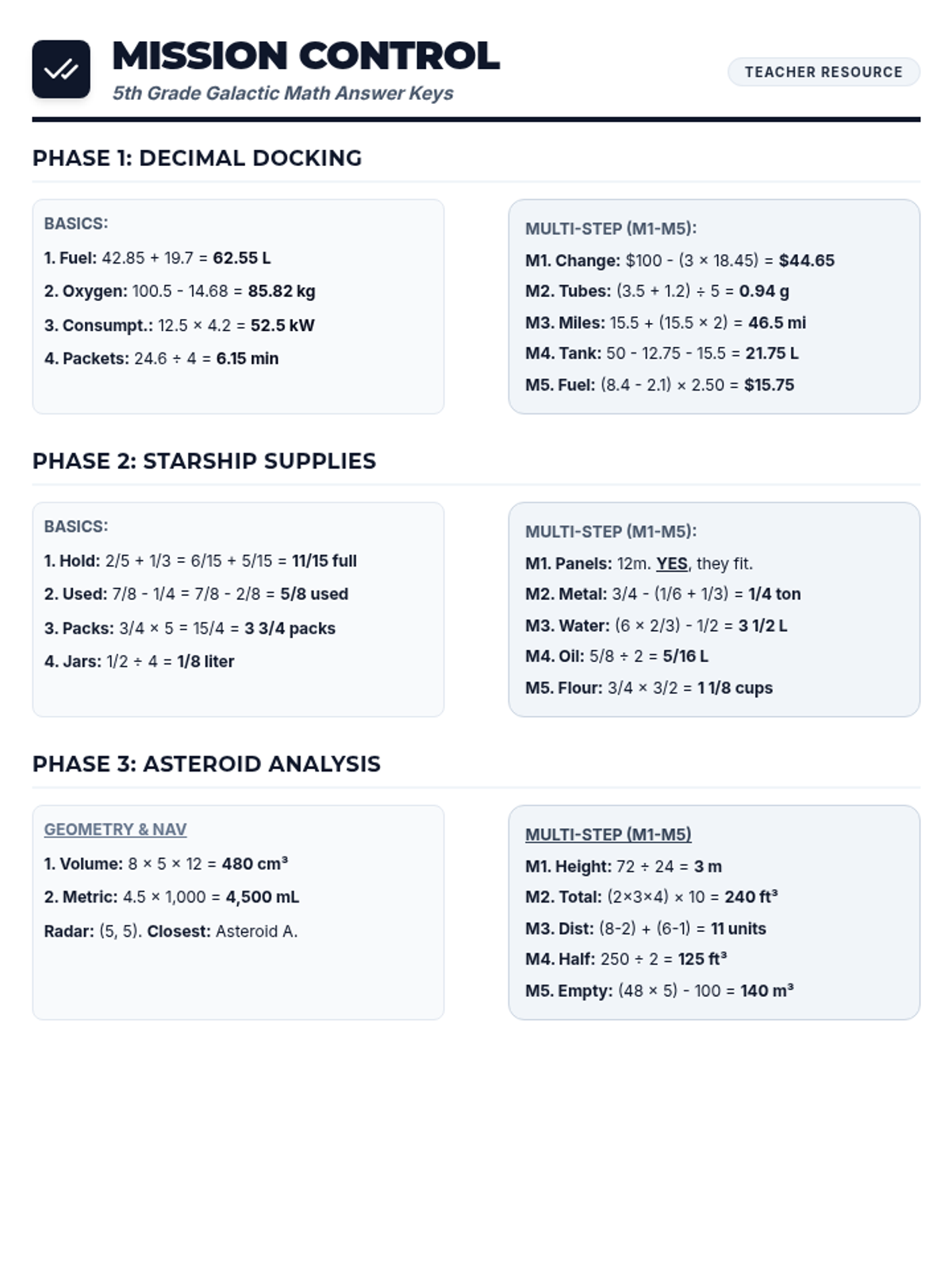
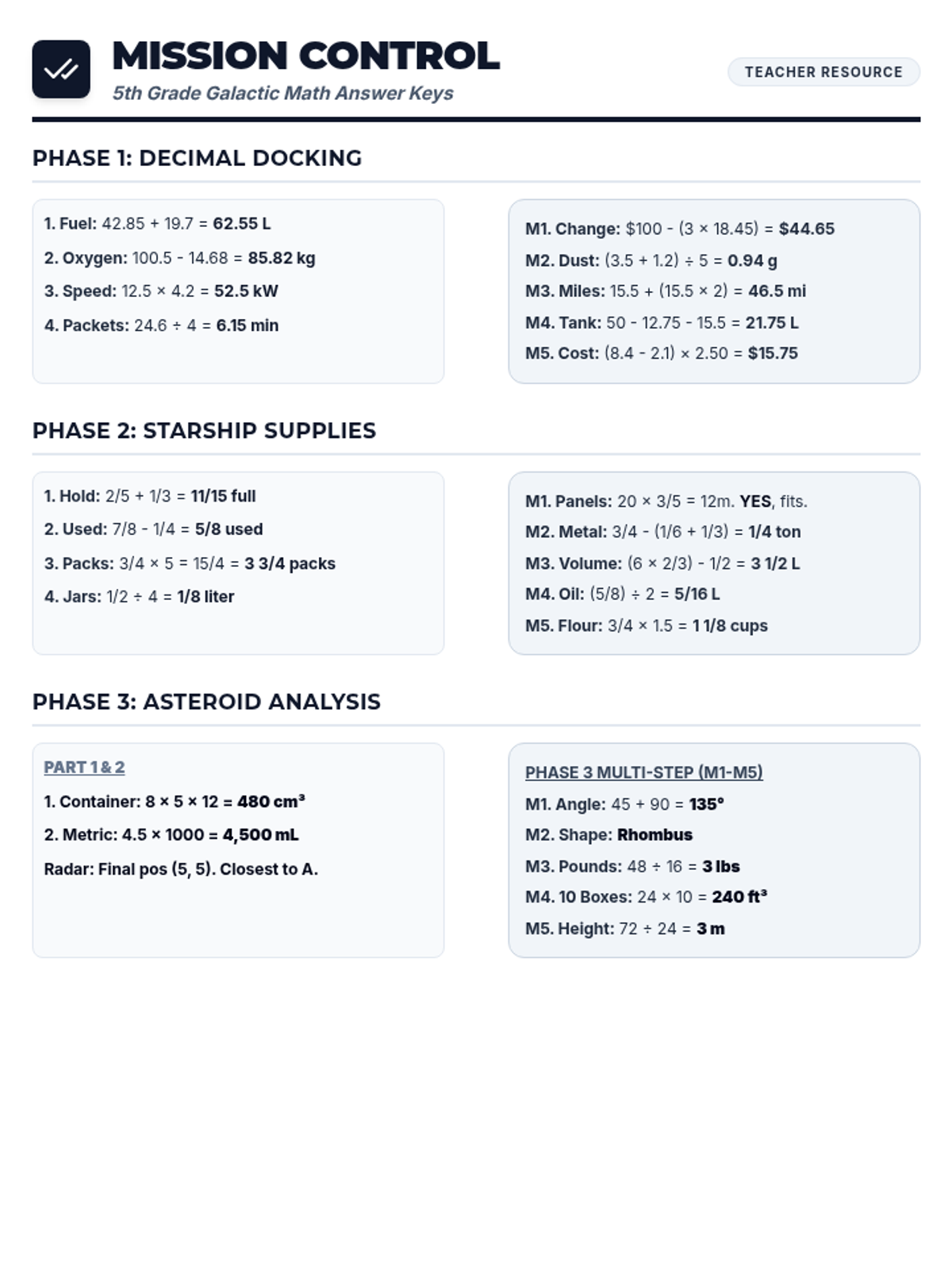
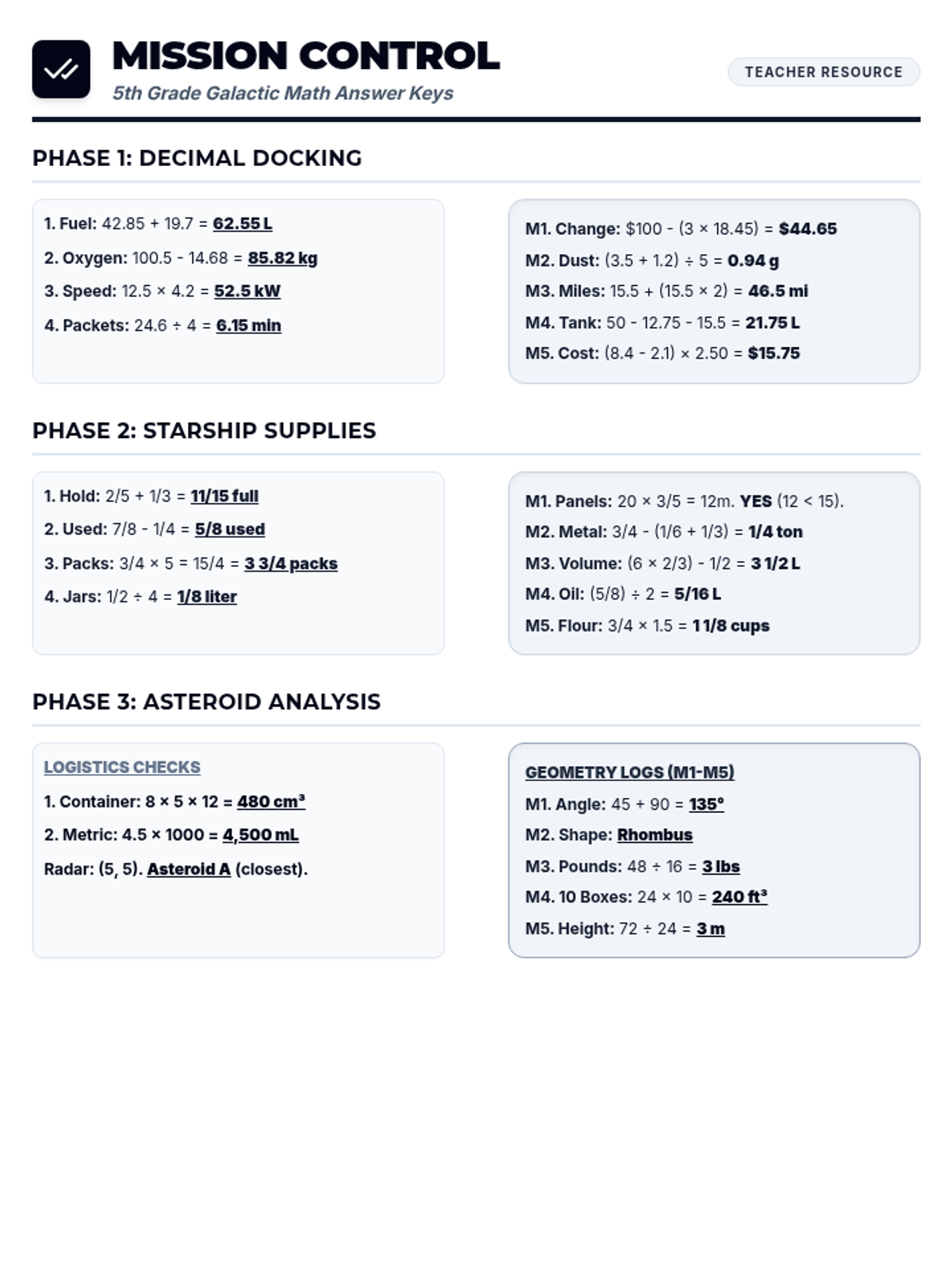
A comprehensive 5th-grade math end-of-year spiral review, covering decimal and fraction operations, volume, coordinate planes, and order of operations, set in a Galactic Mission theme.
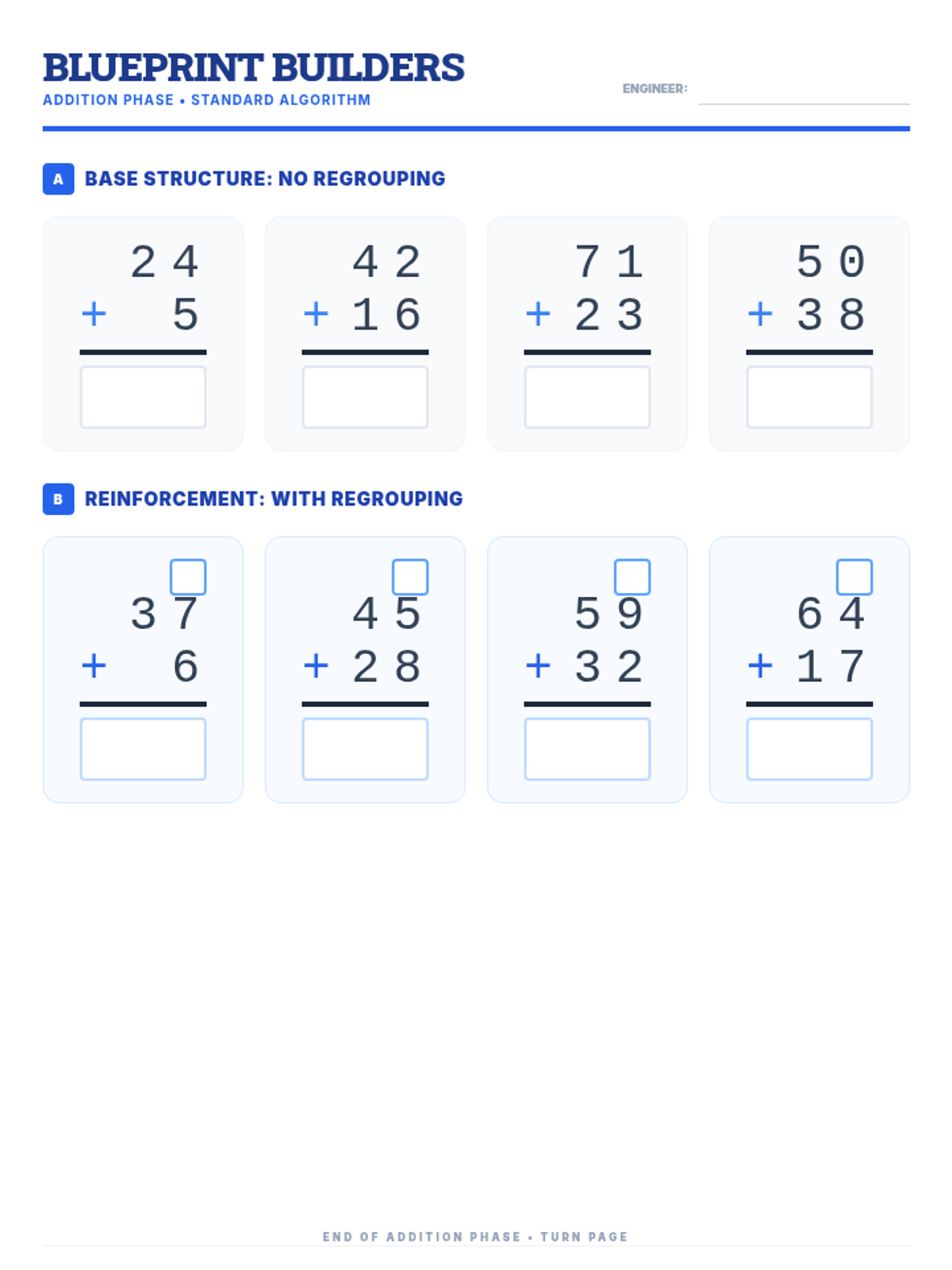
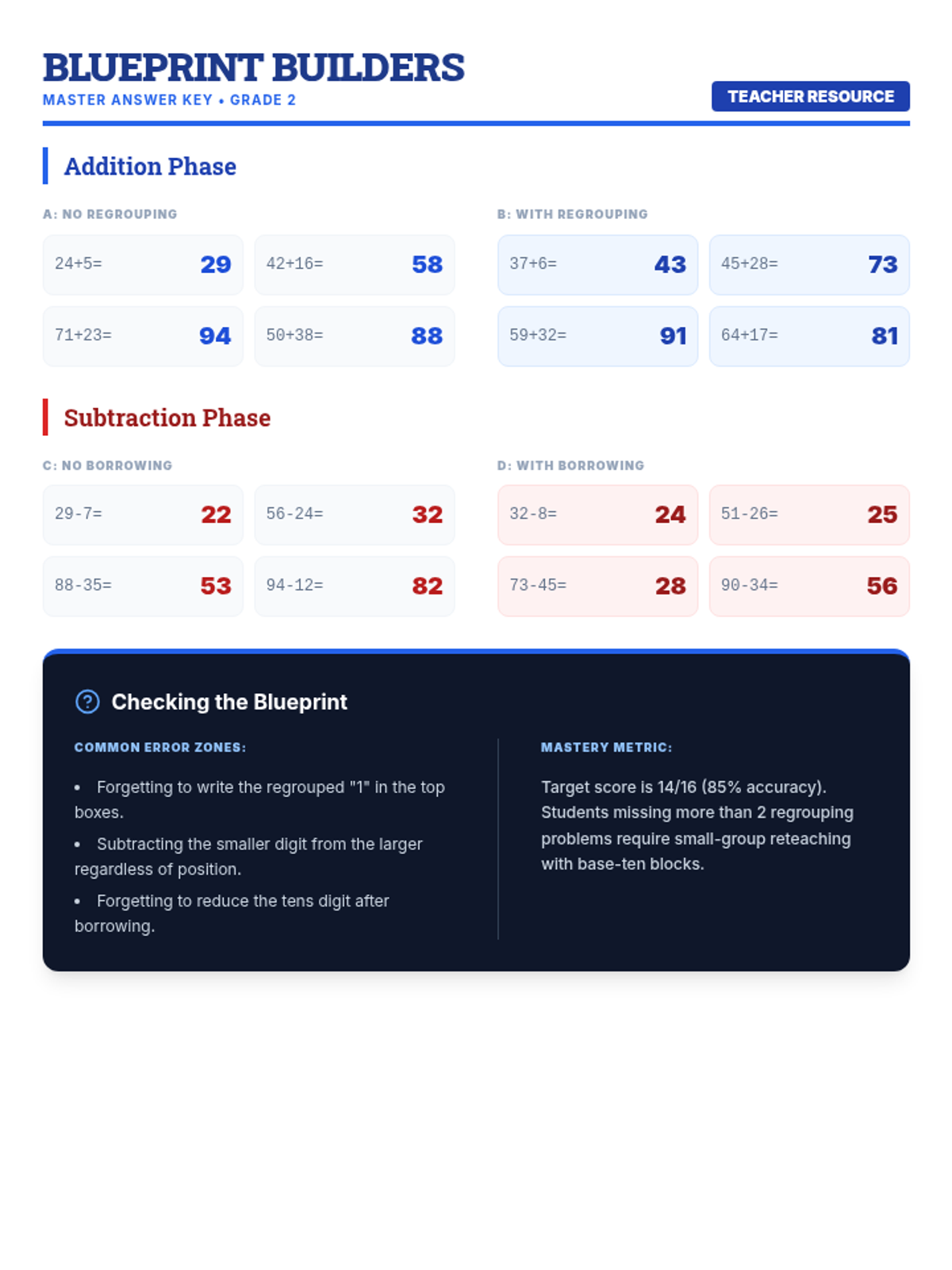
A math lesson focused on multi-digit addition and subtraction, teaching students the standard algorithm for regrouping (carrying and borrowing) through clear steps and visual organizers.
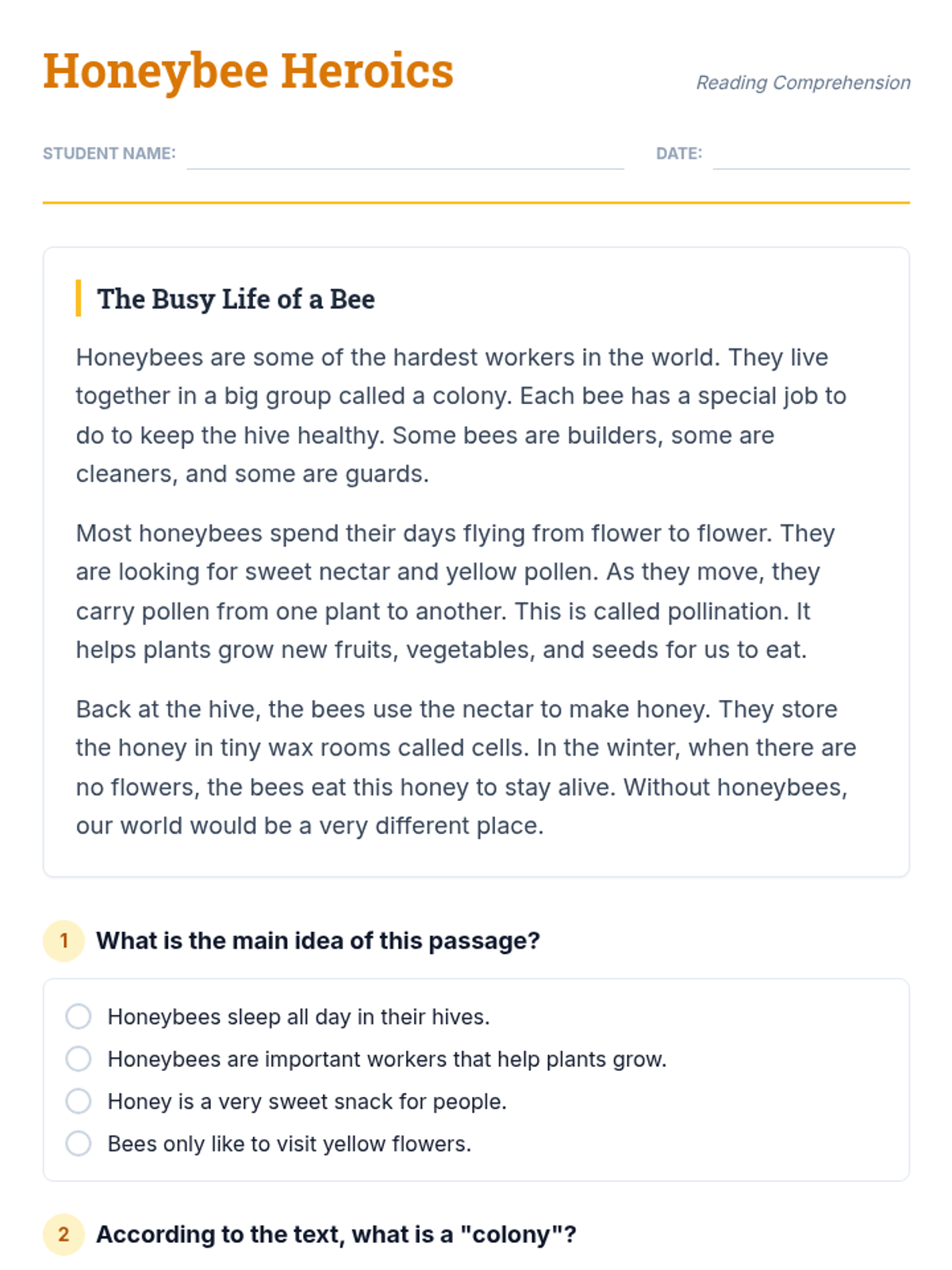
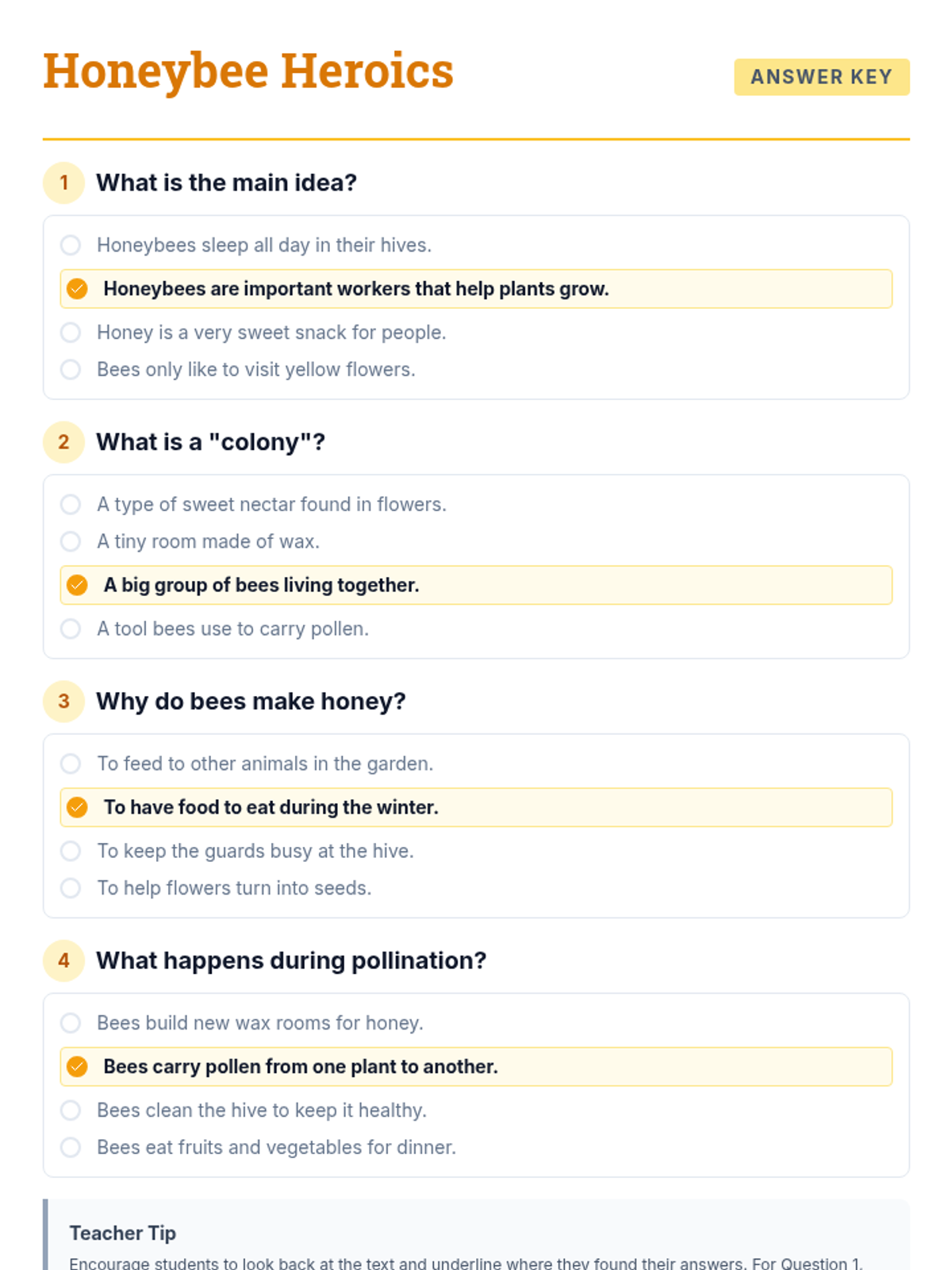
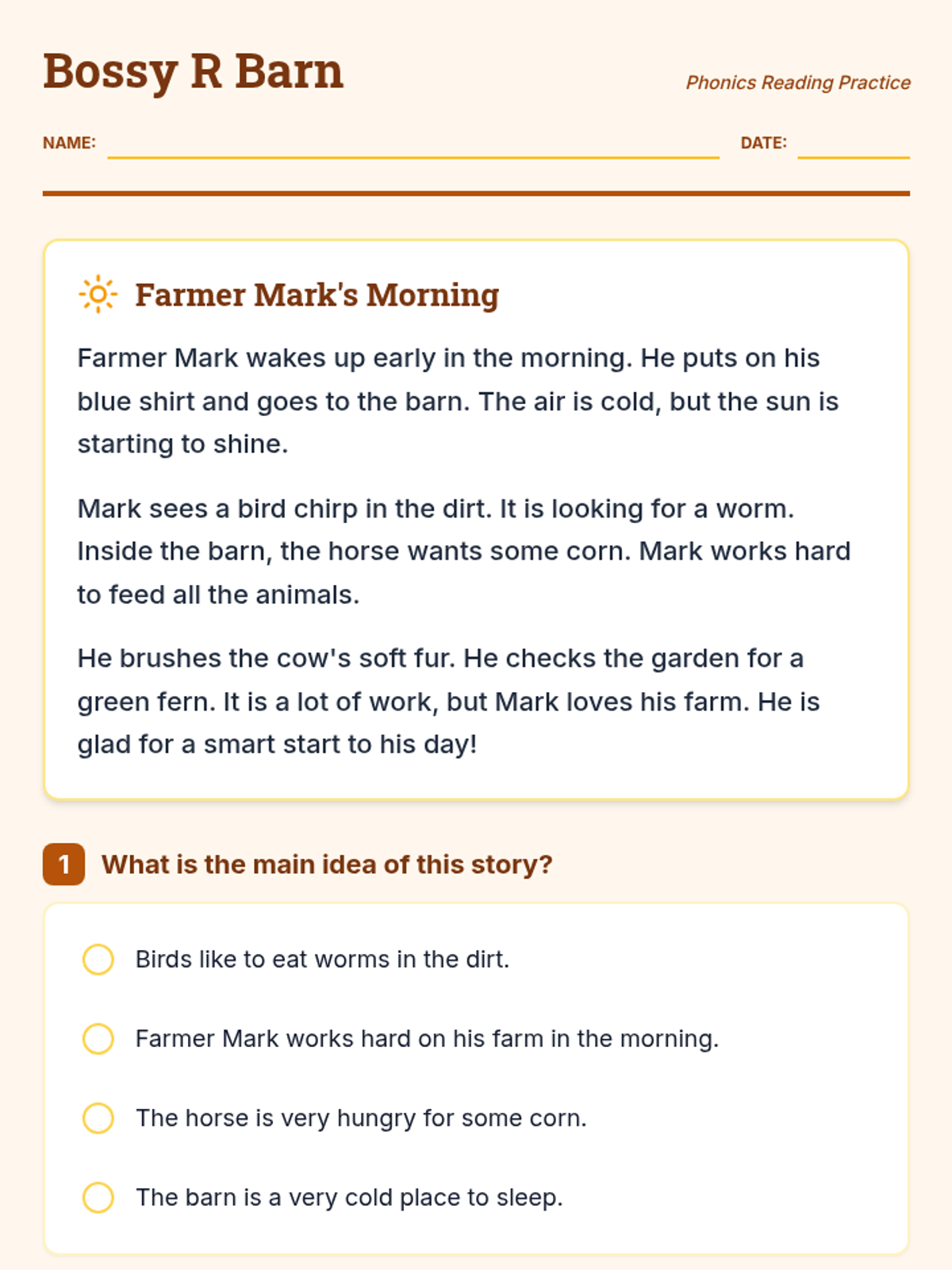
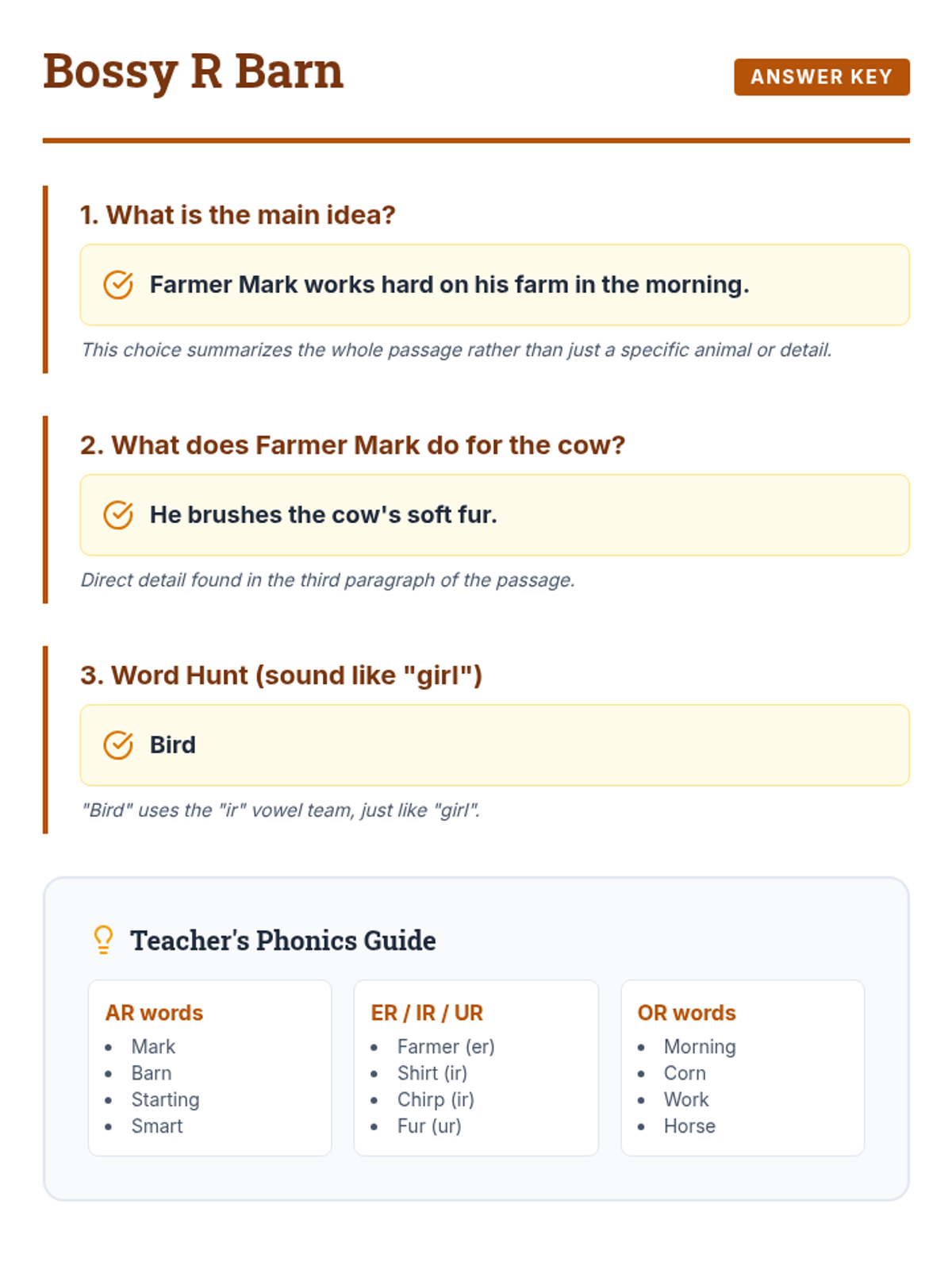
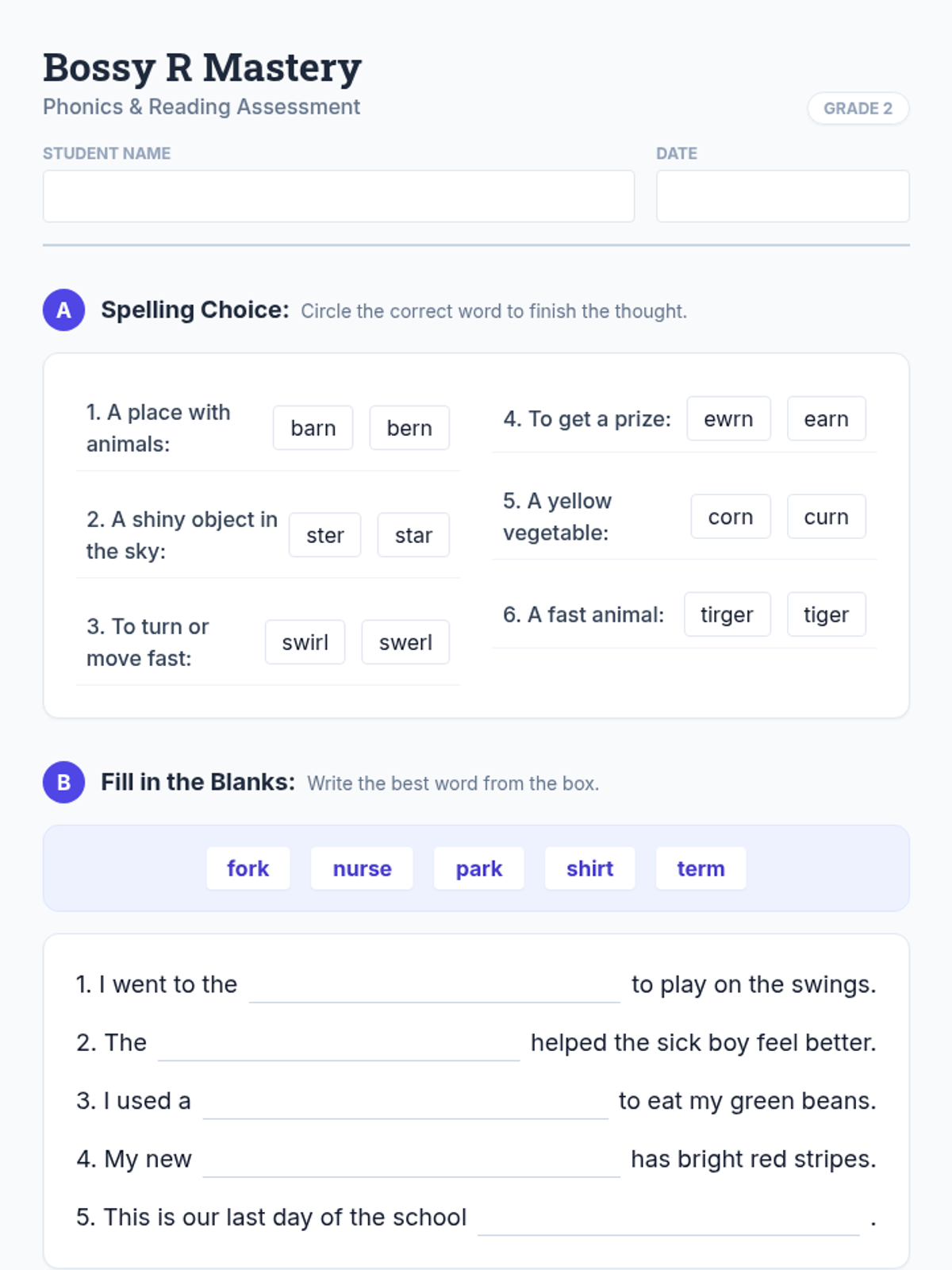
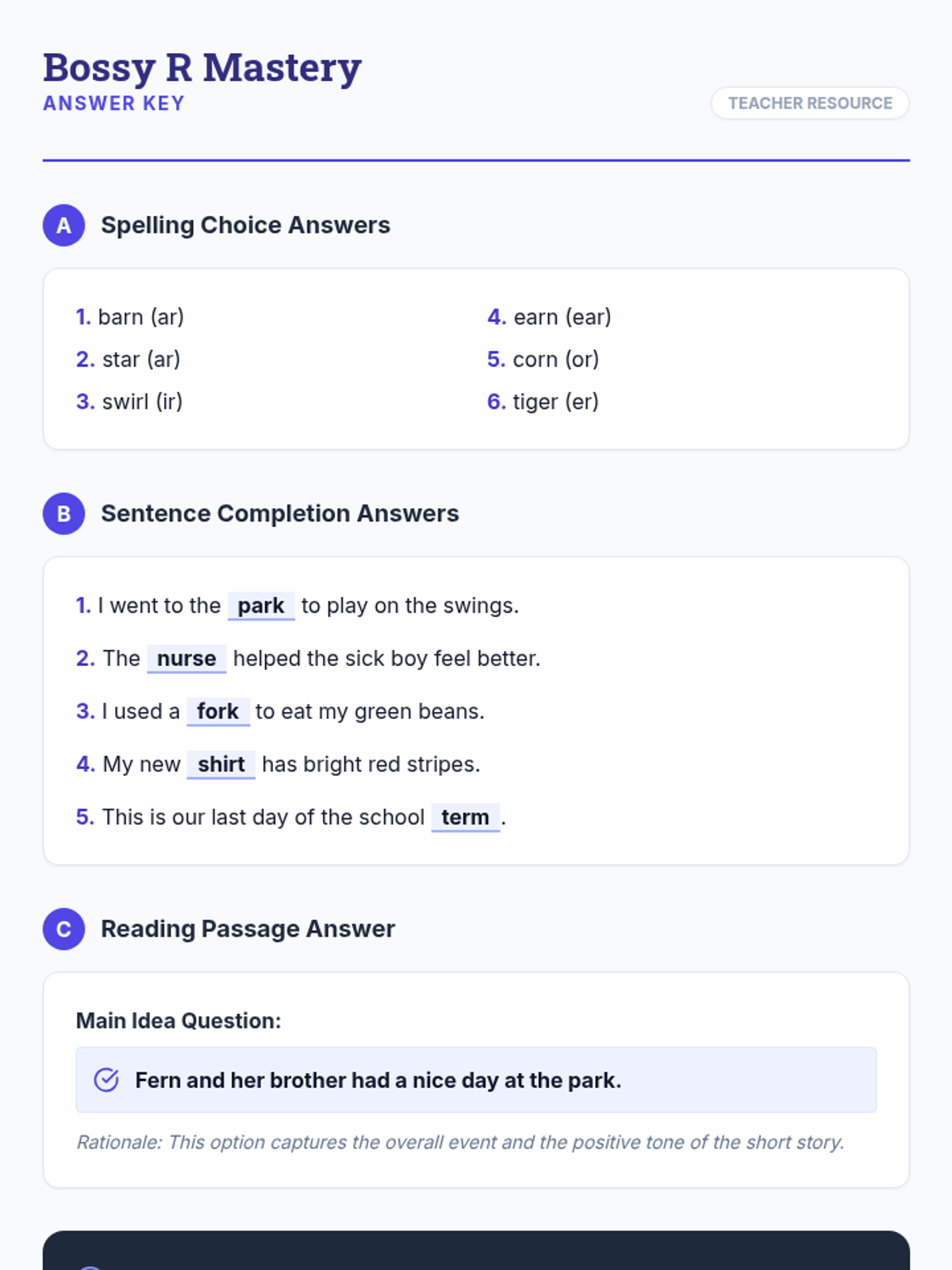
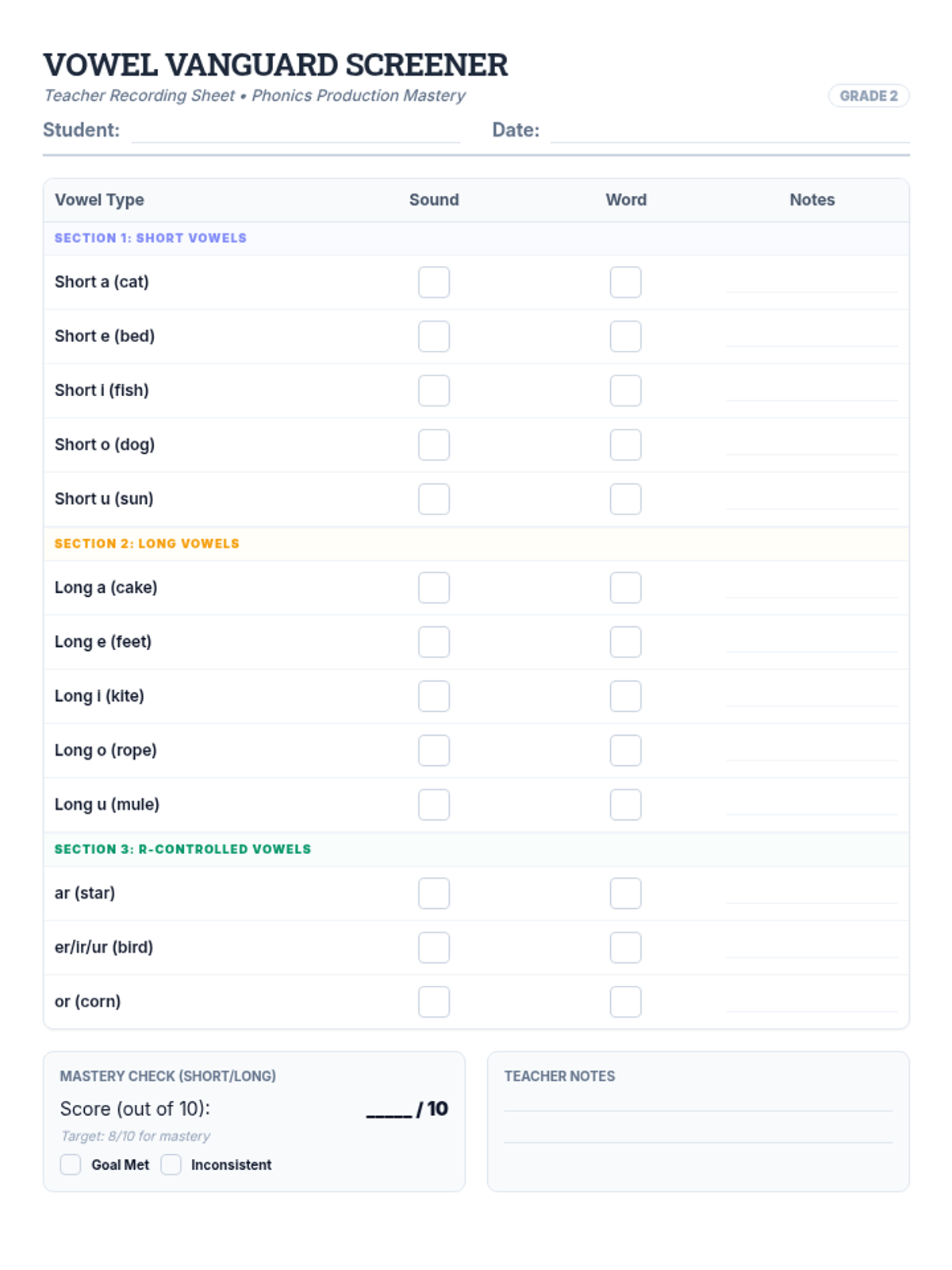
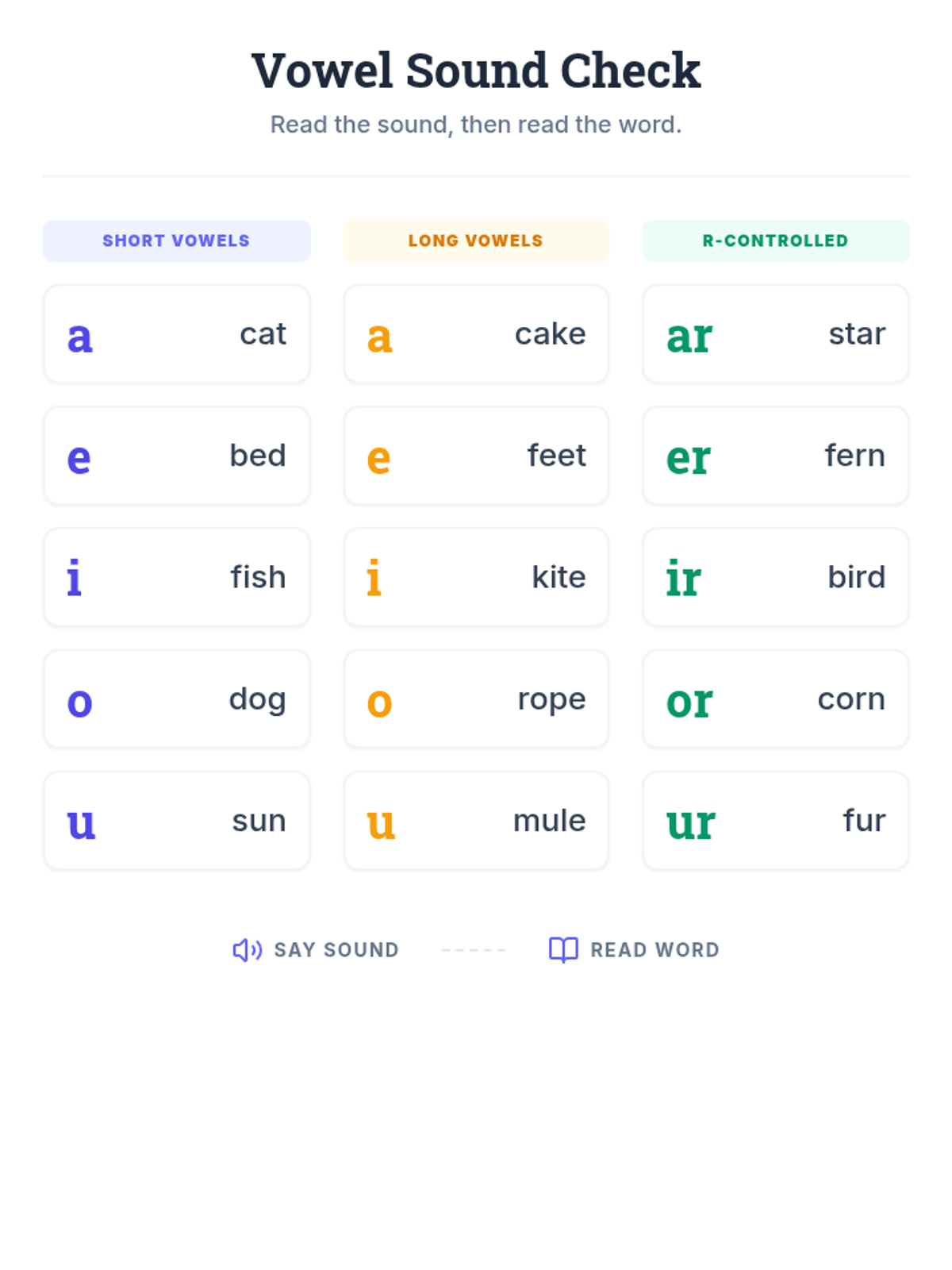
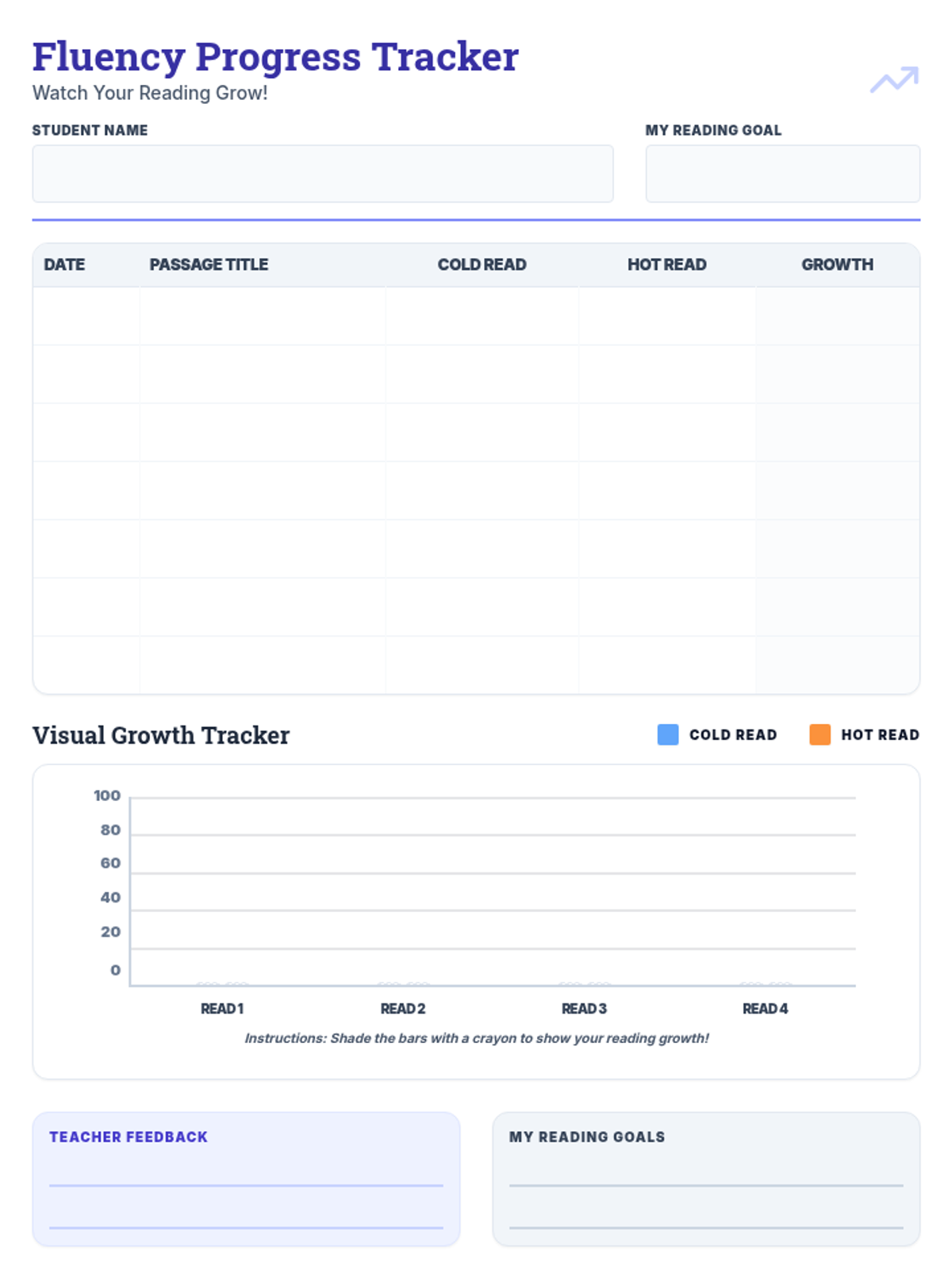
A collection of 2nd grade reading comprehension materials focusing on main idea, supporting details, and specific phonics patterns like r-controlled vowels.
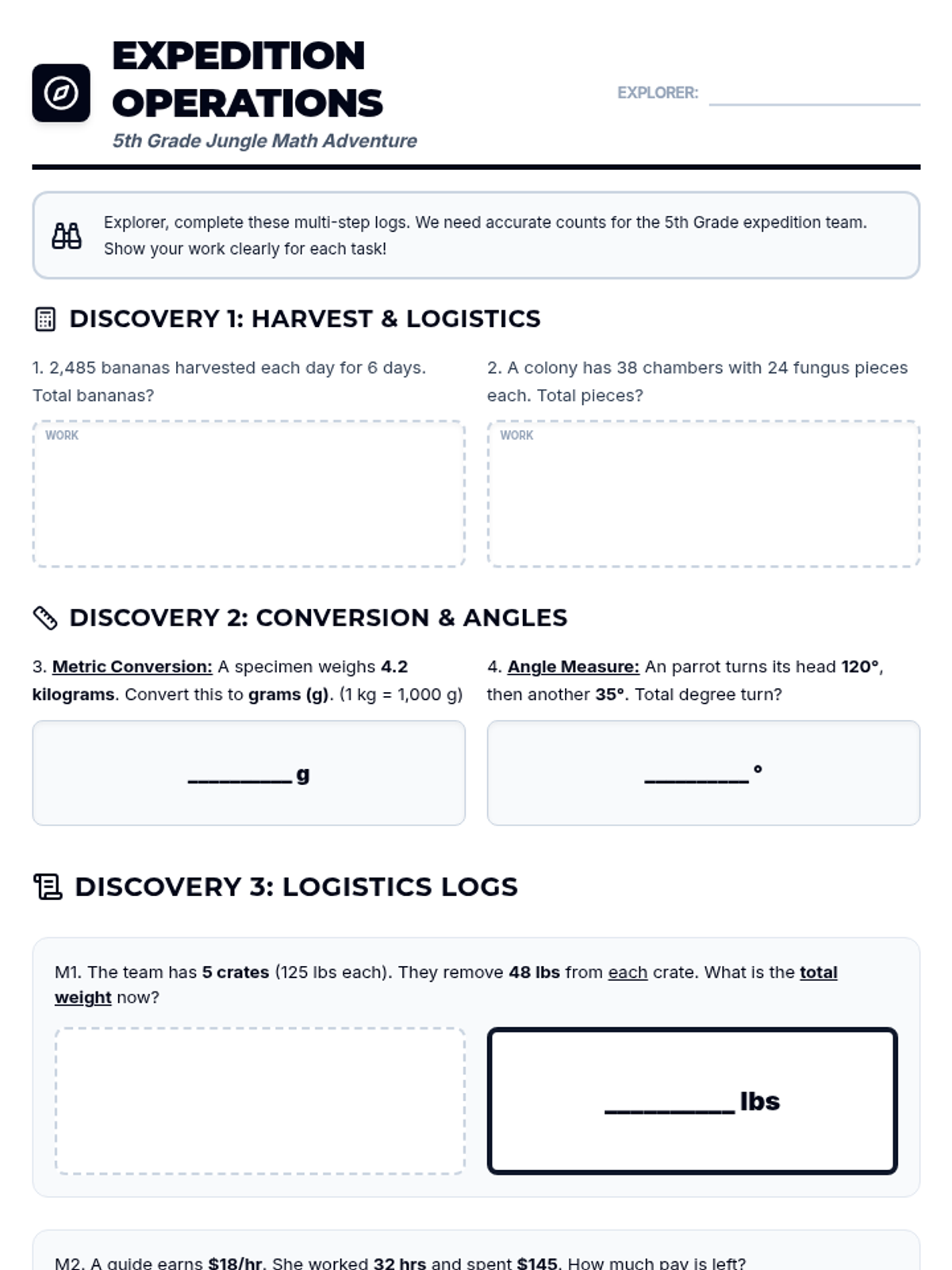
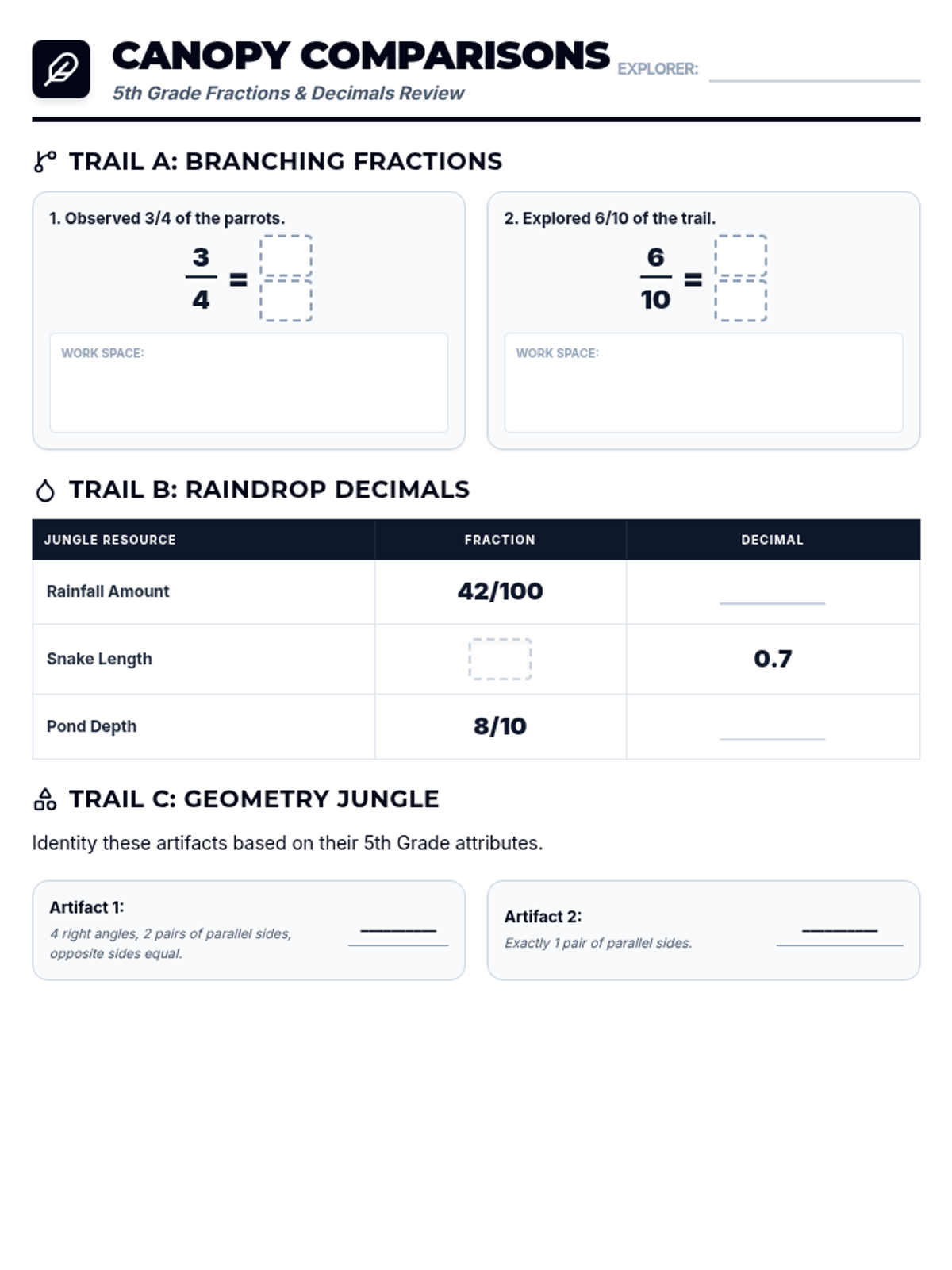
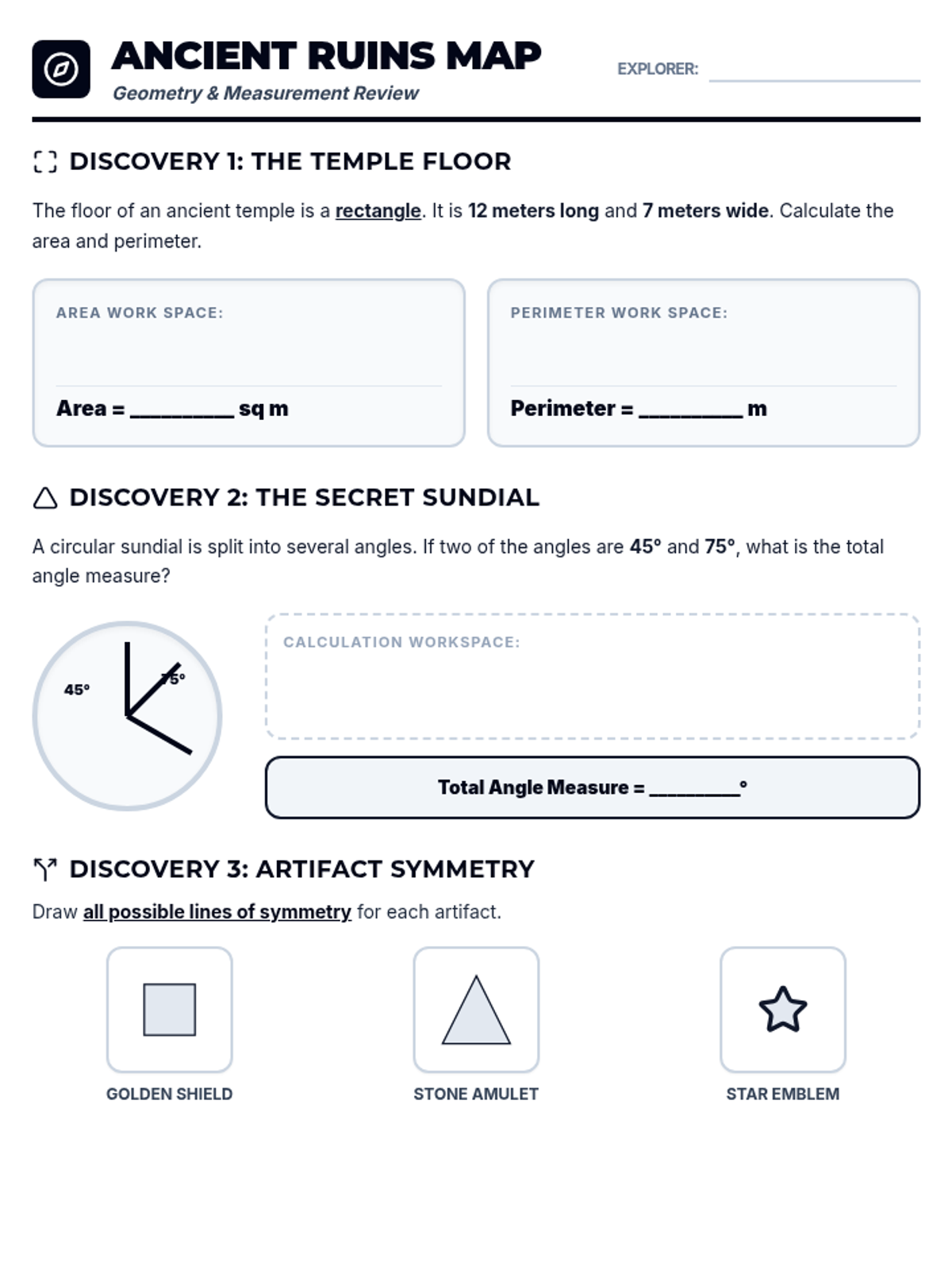
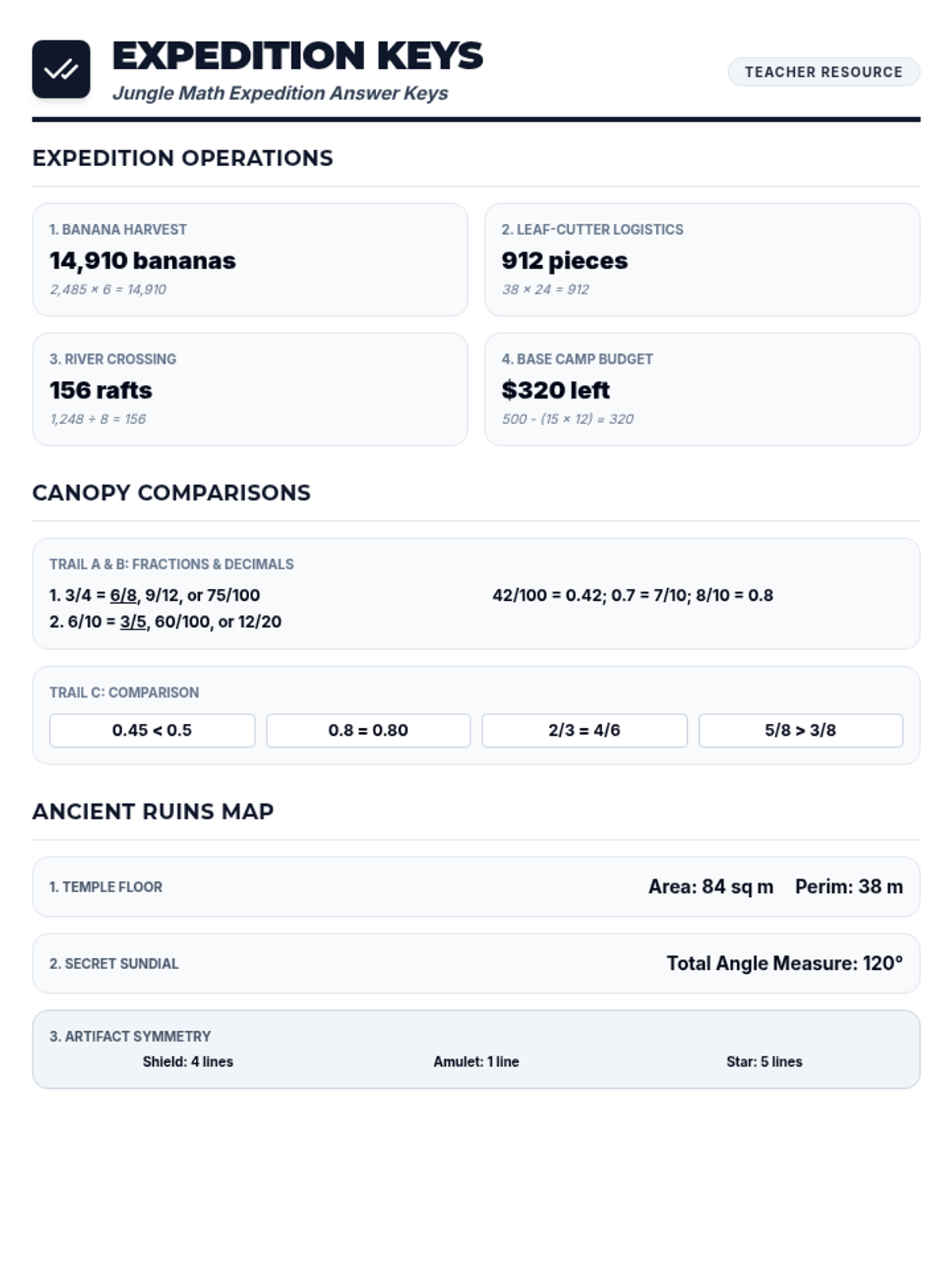
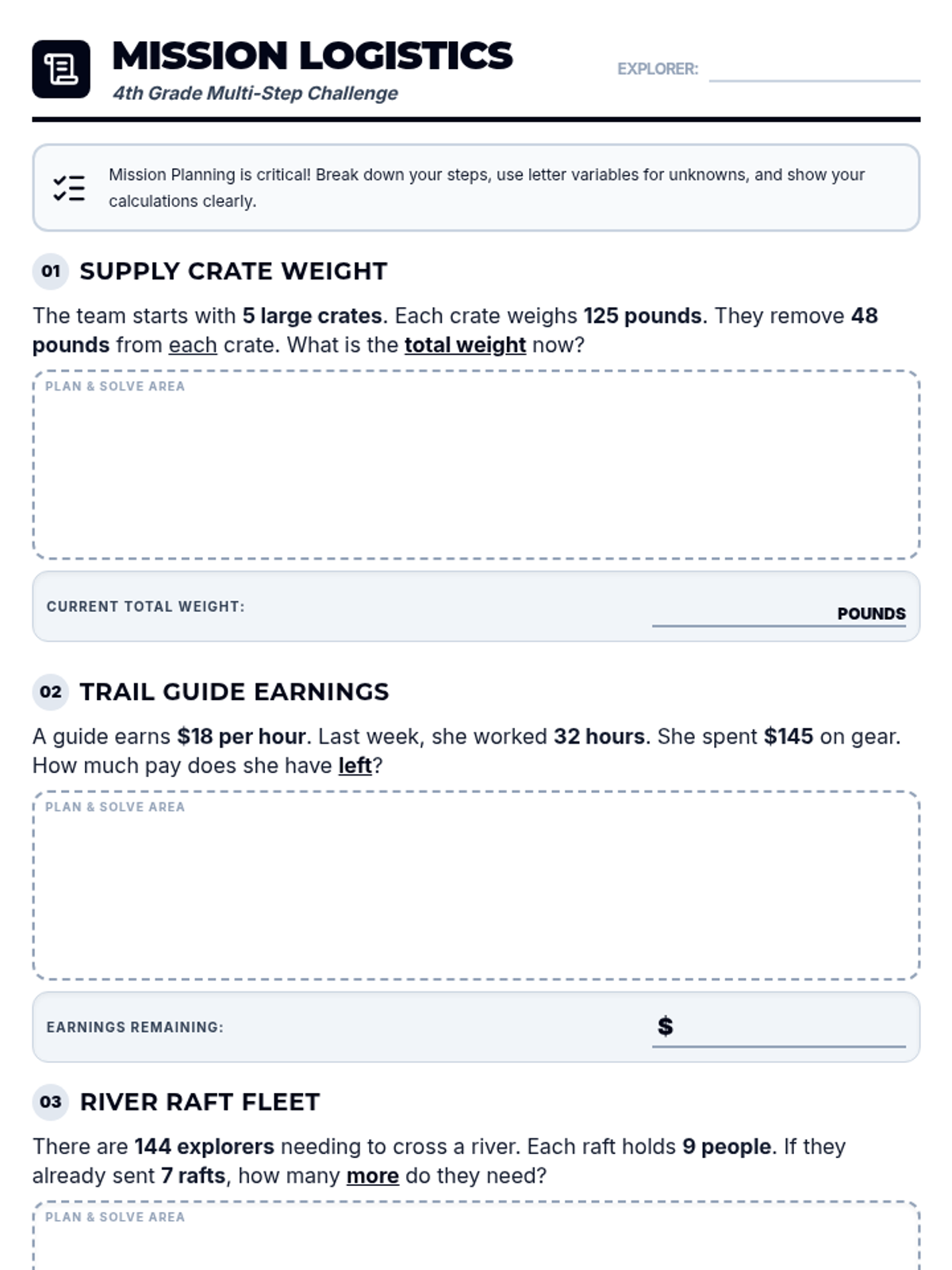
A comprehensive 4th-grade math end-of-year spiral review, covering multi-digit operations, fractions, decimals, geometry, and measurement, all within an engaging Jungle Expedition theme.
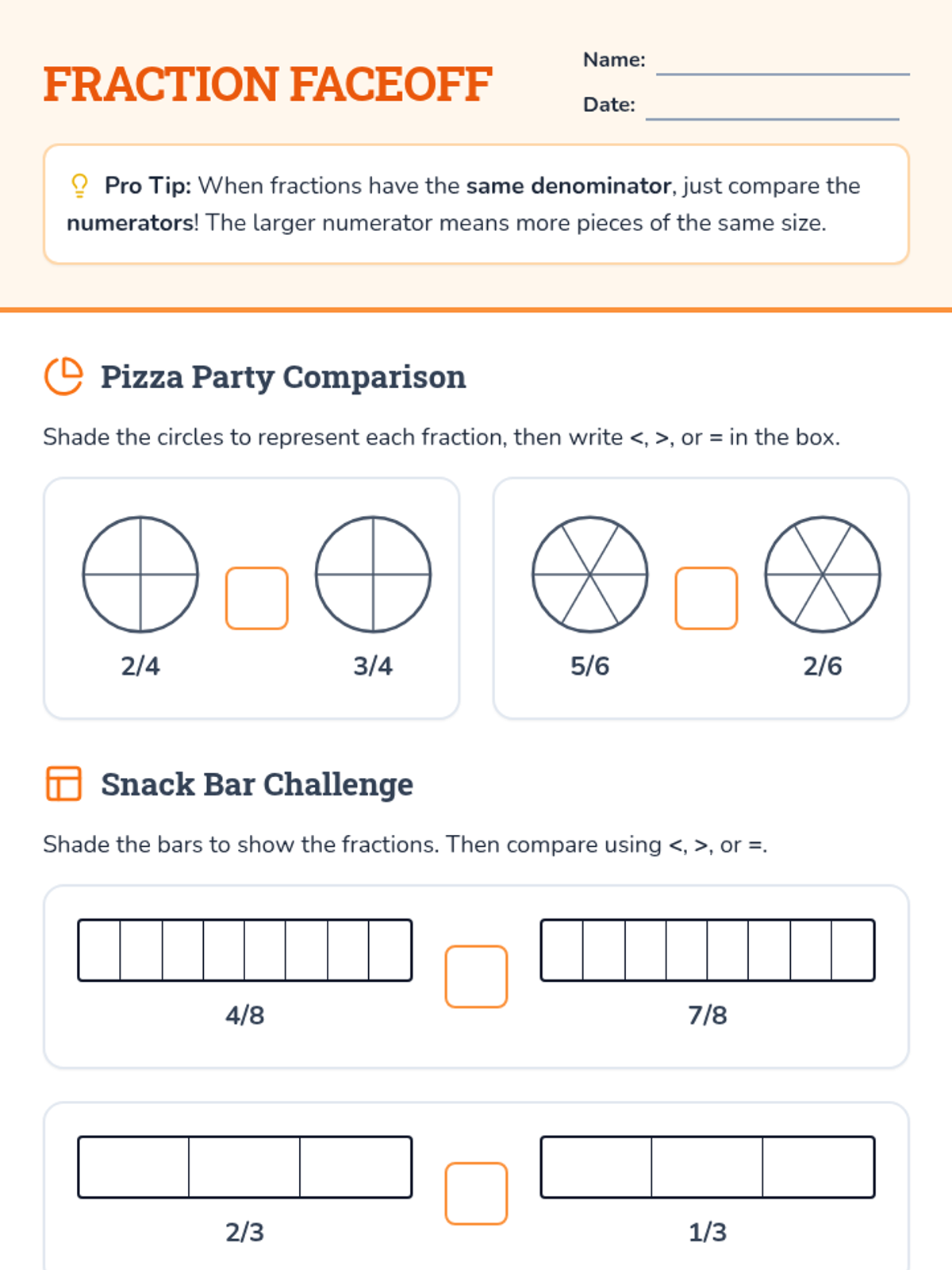
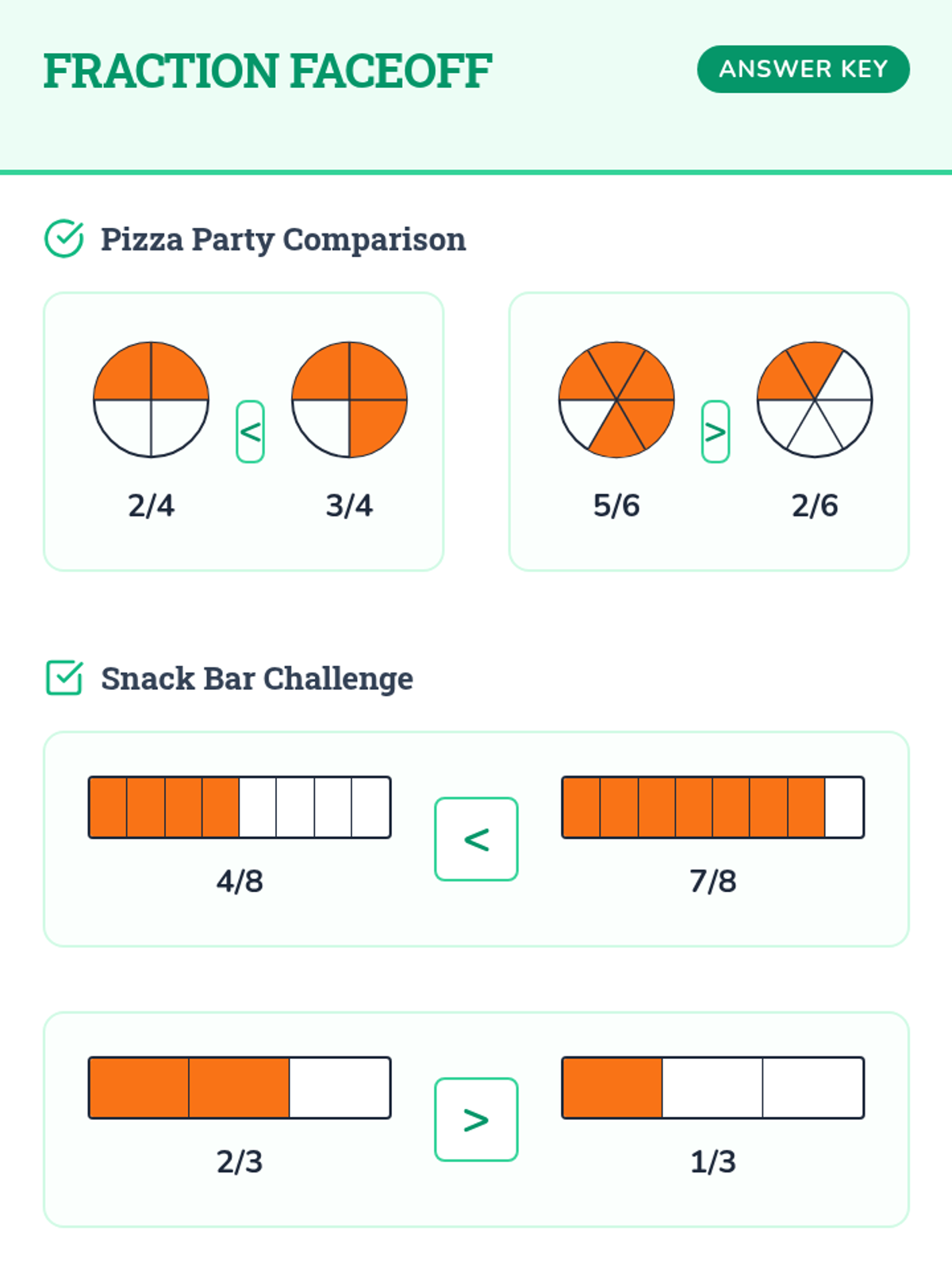
Students will learn to compare fractions with like denominators using visual models like circles and bars to determine which part of a whole is larger.
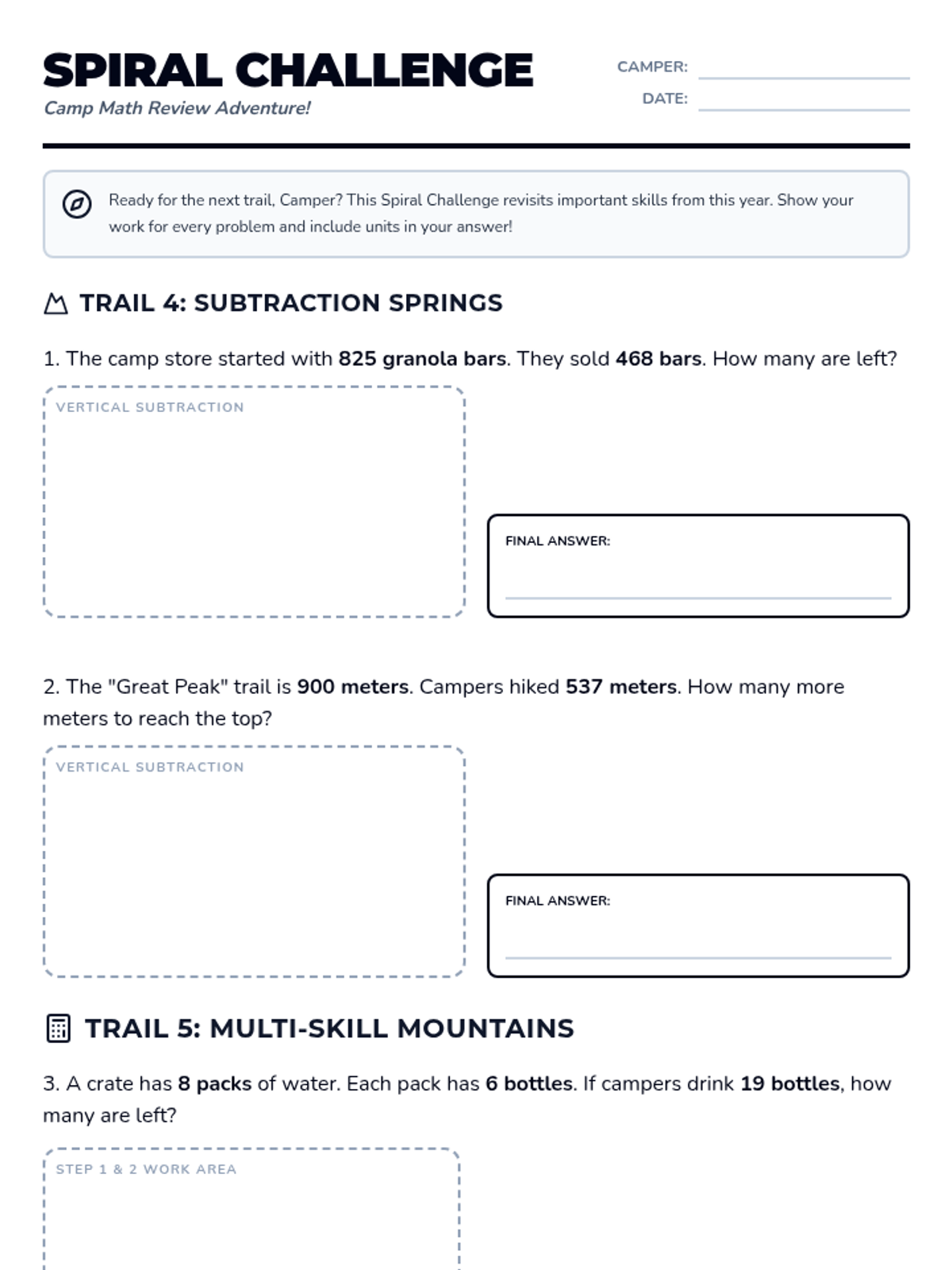
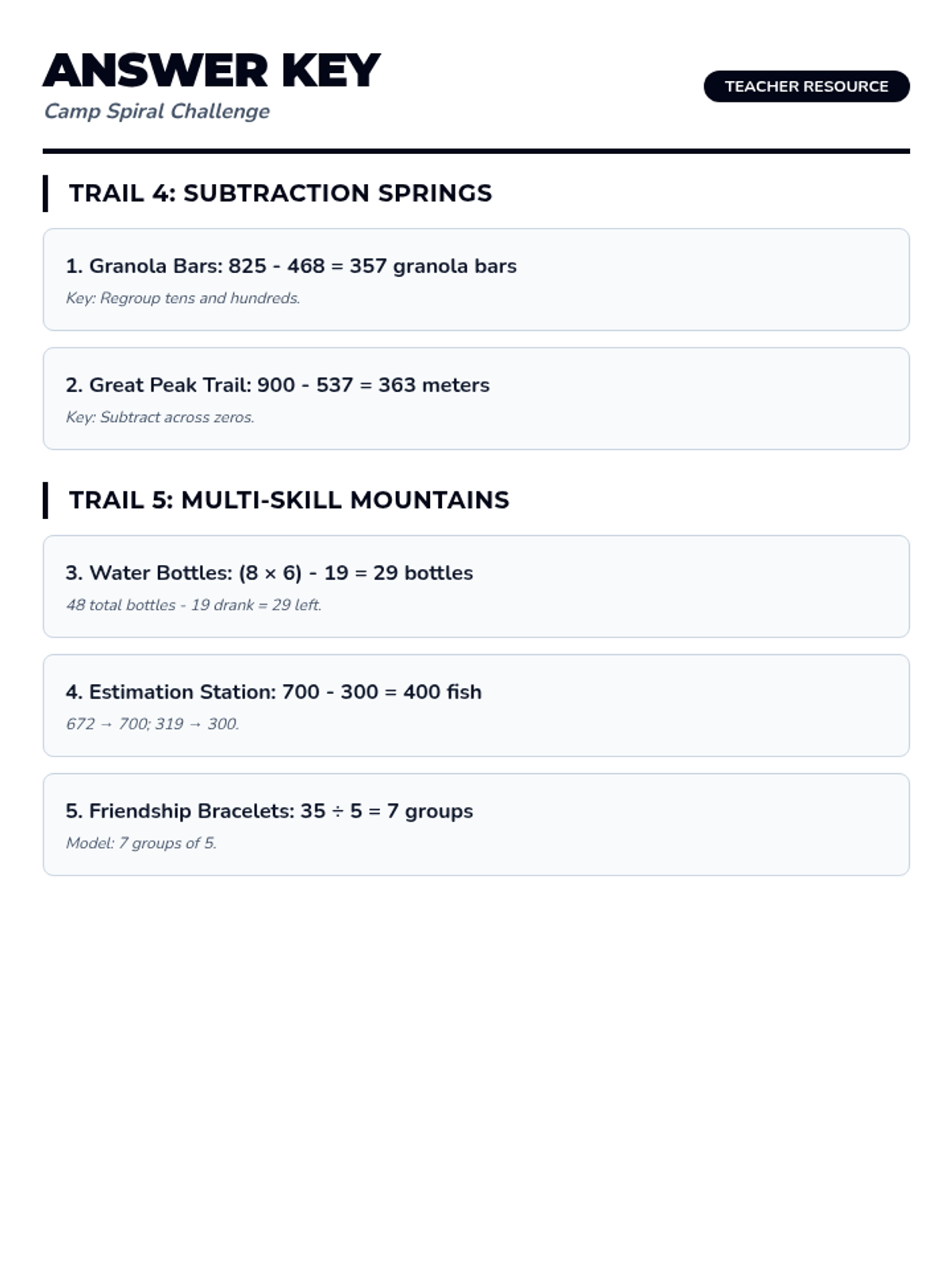
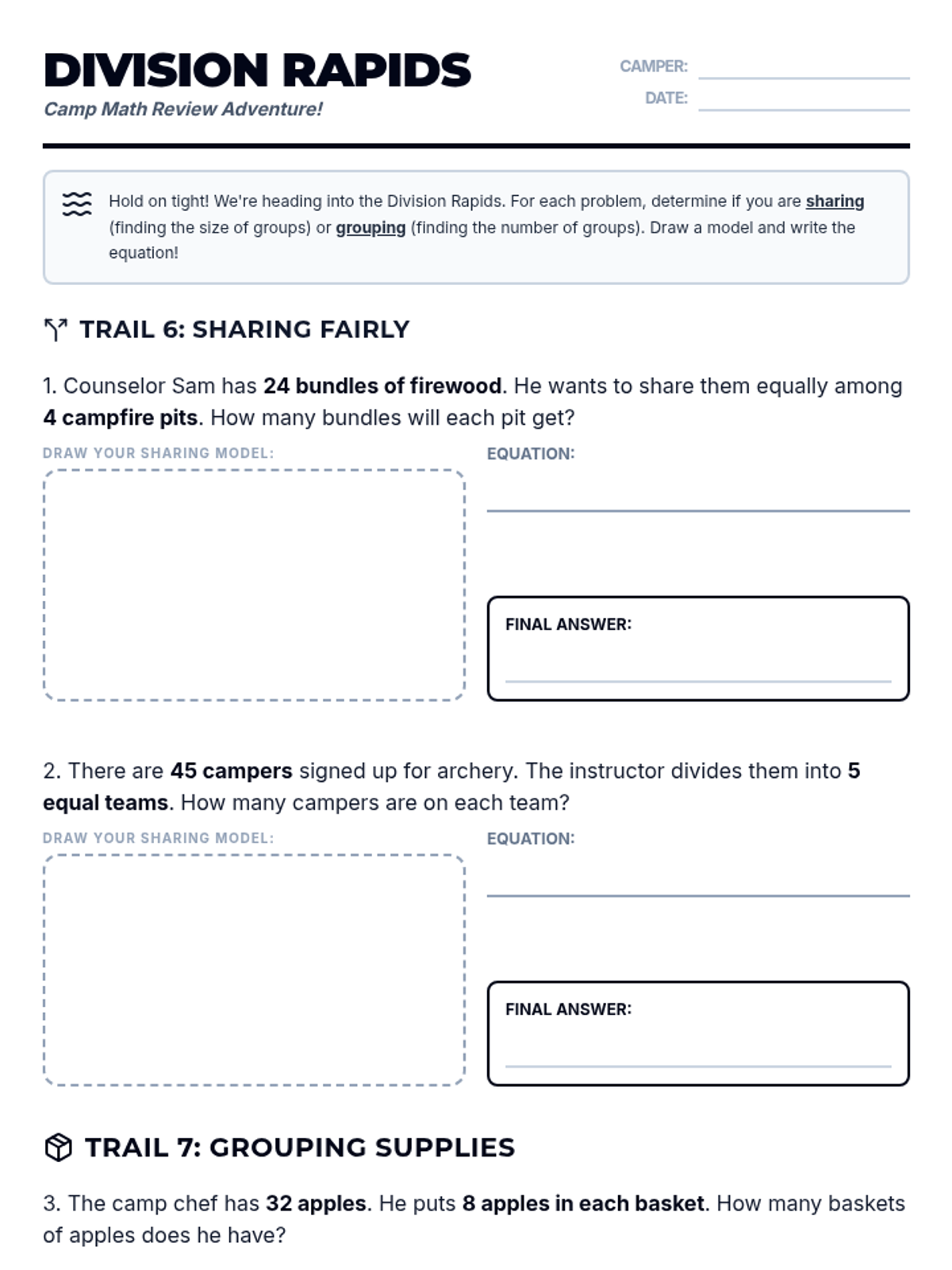
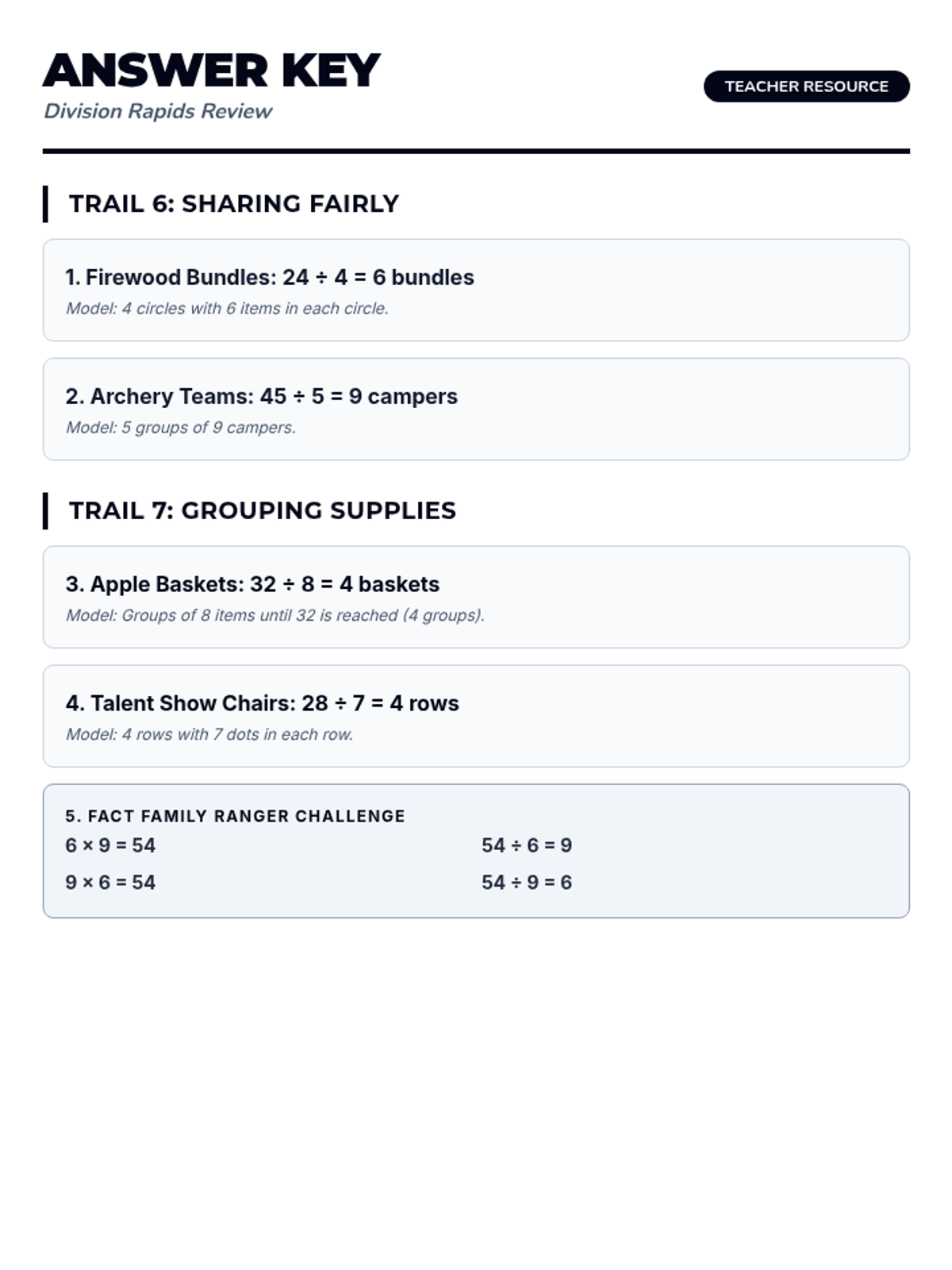
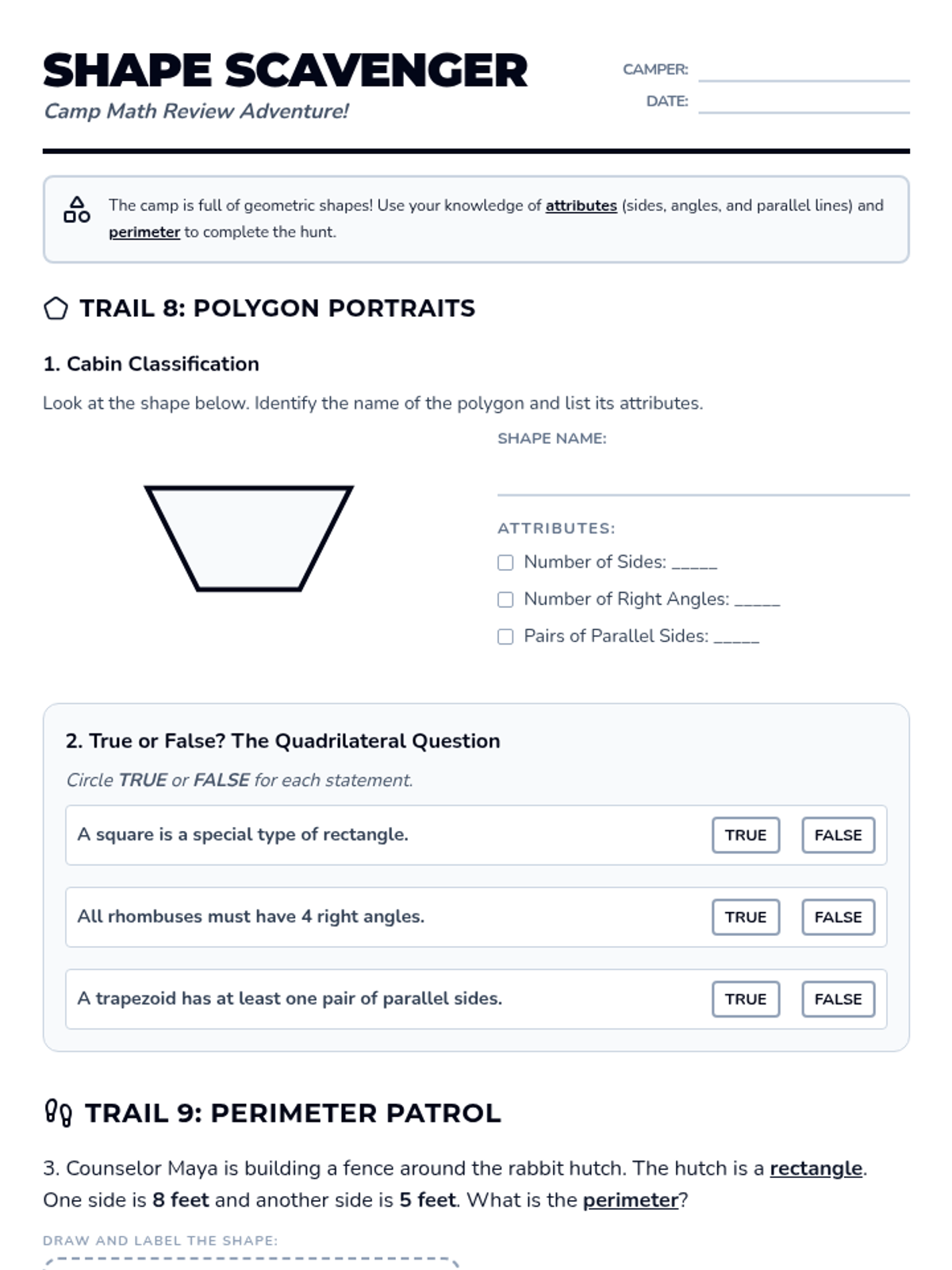
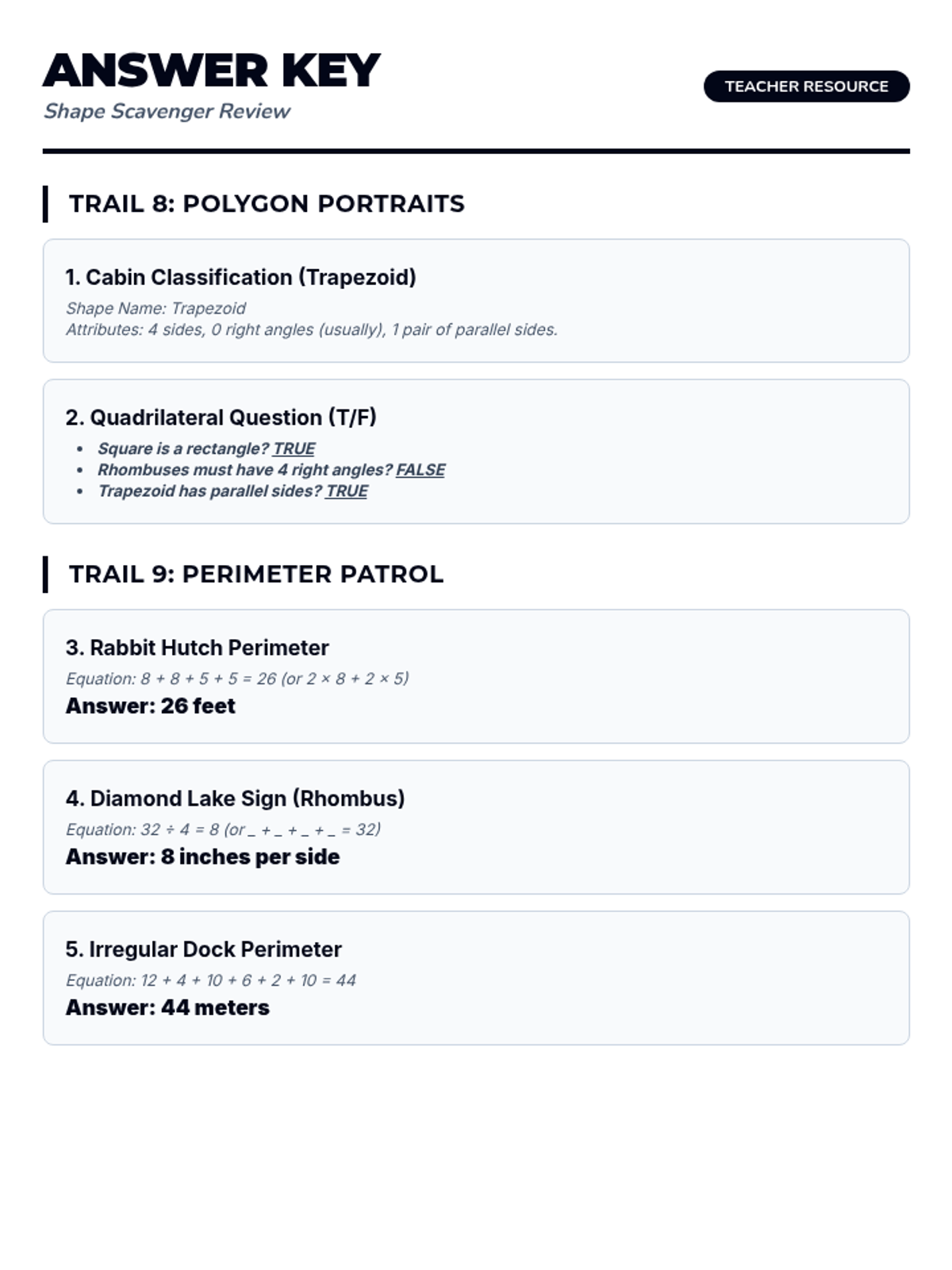
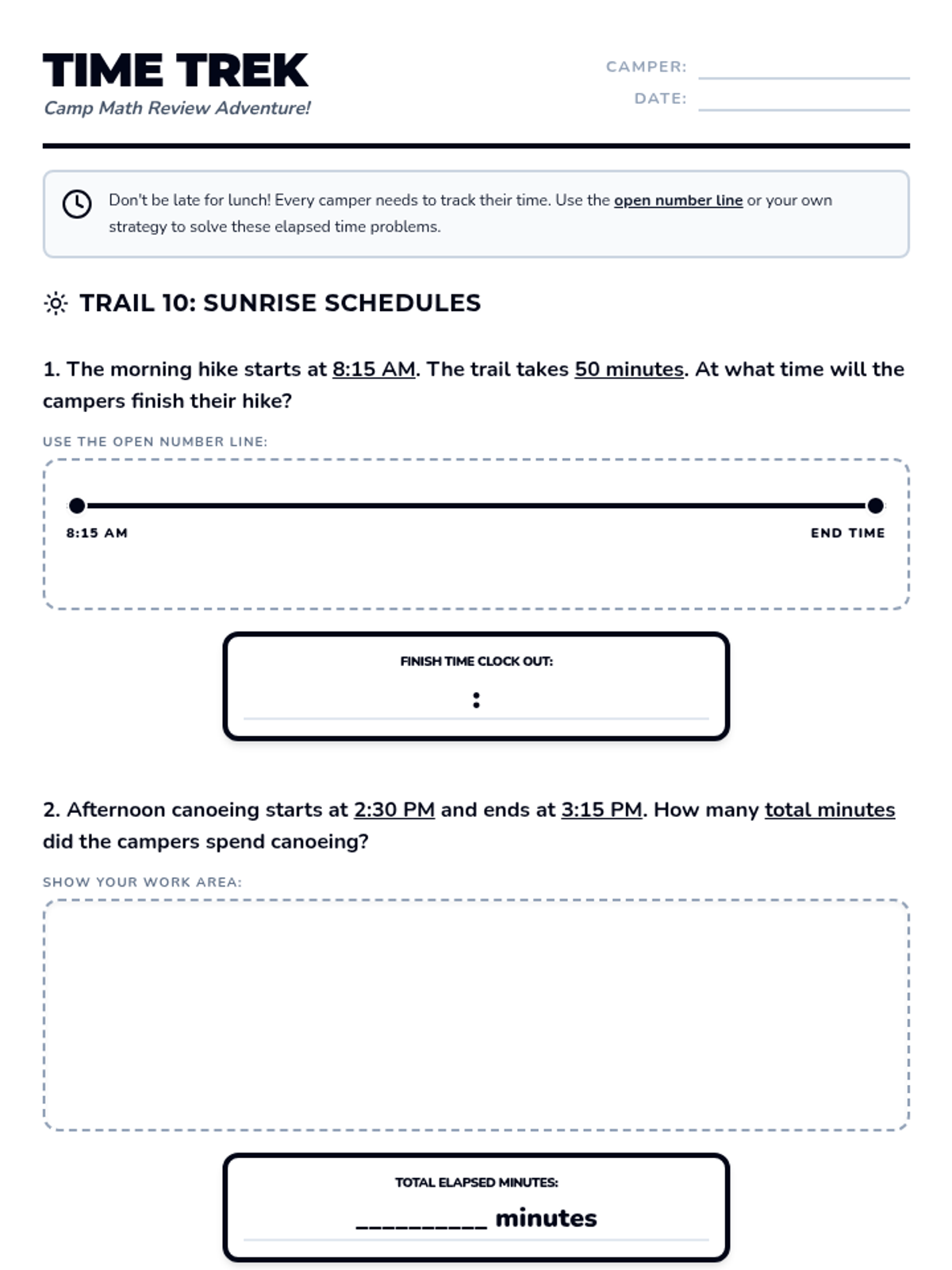
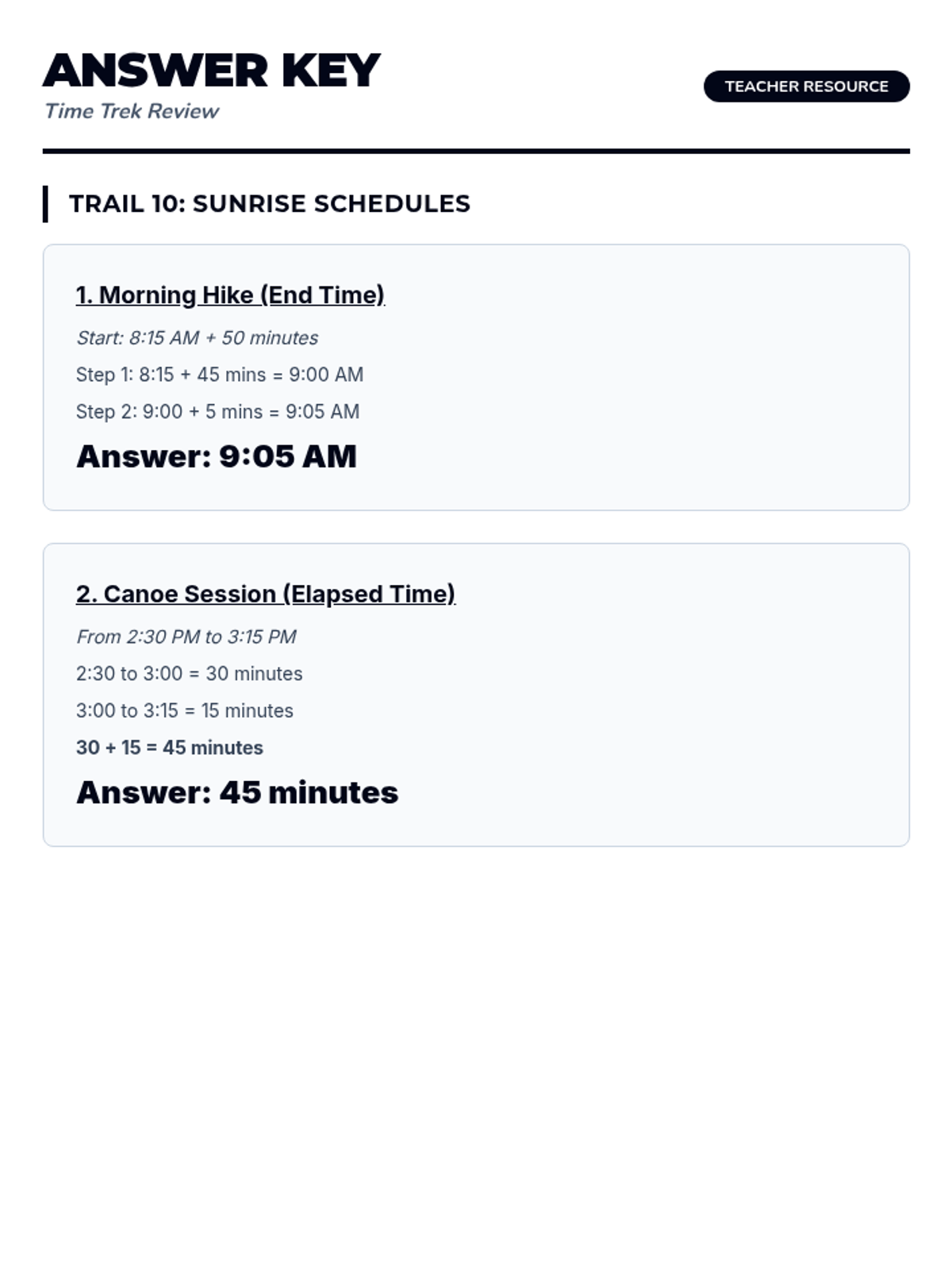
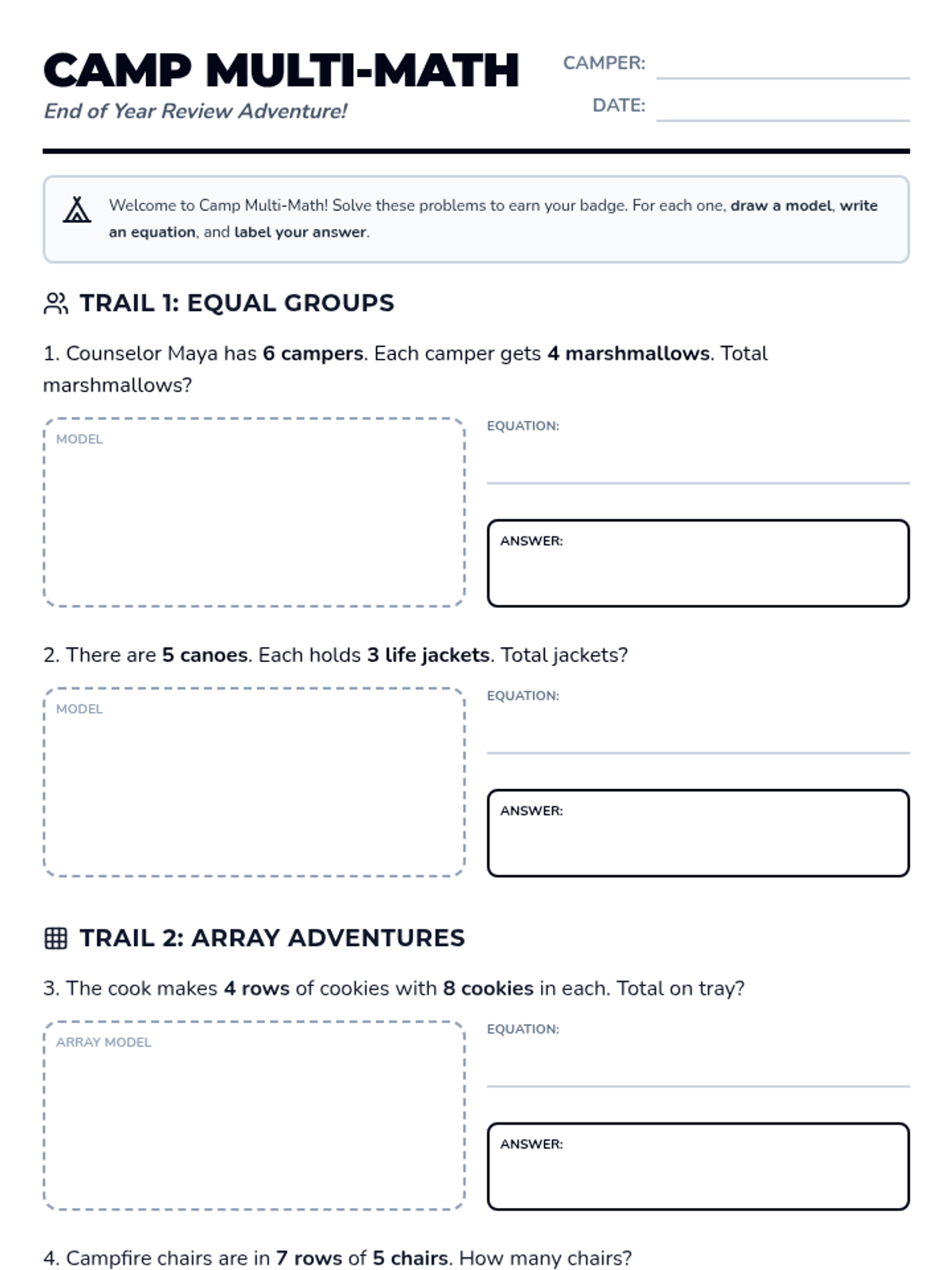
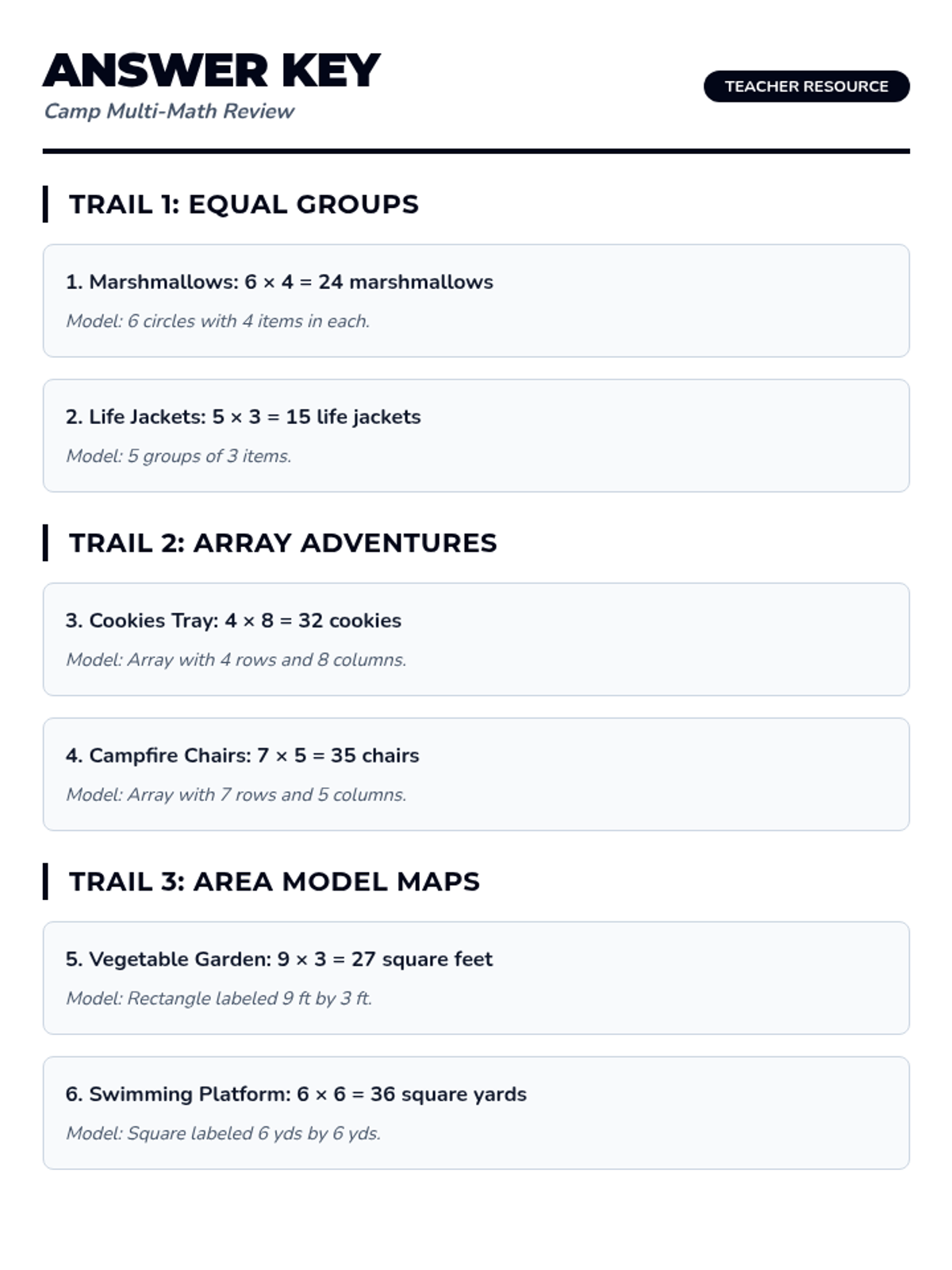
A comprehensive end-of-year review for 3rd grade, covering multiplication strategies and spiraling through subtraction, place value, and multi-step problems, all set in a fun summer camp theme.
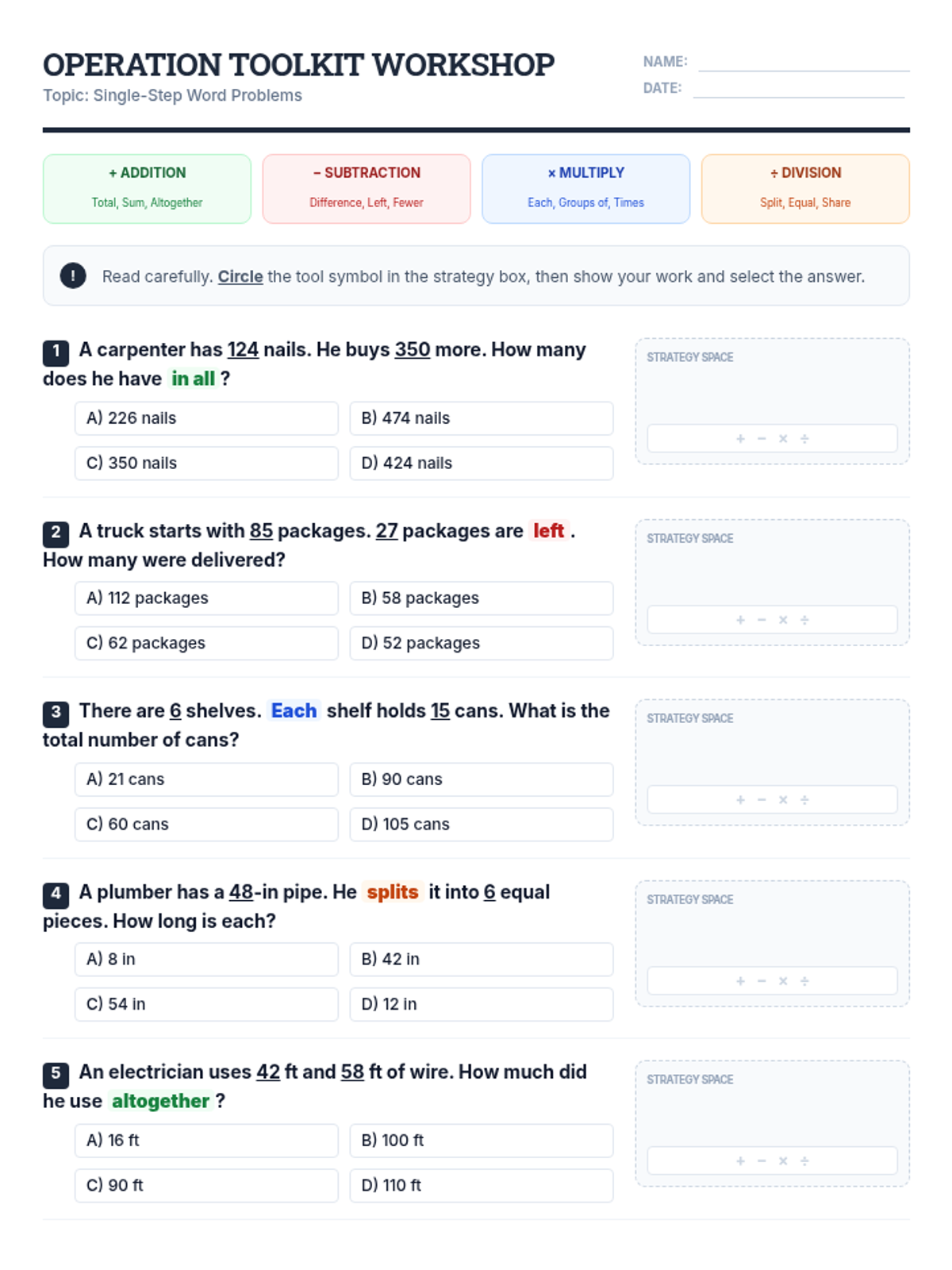
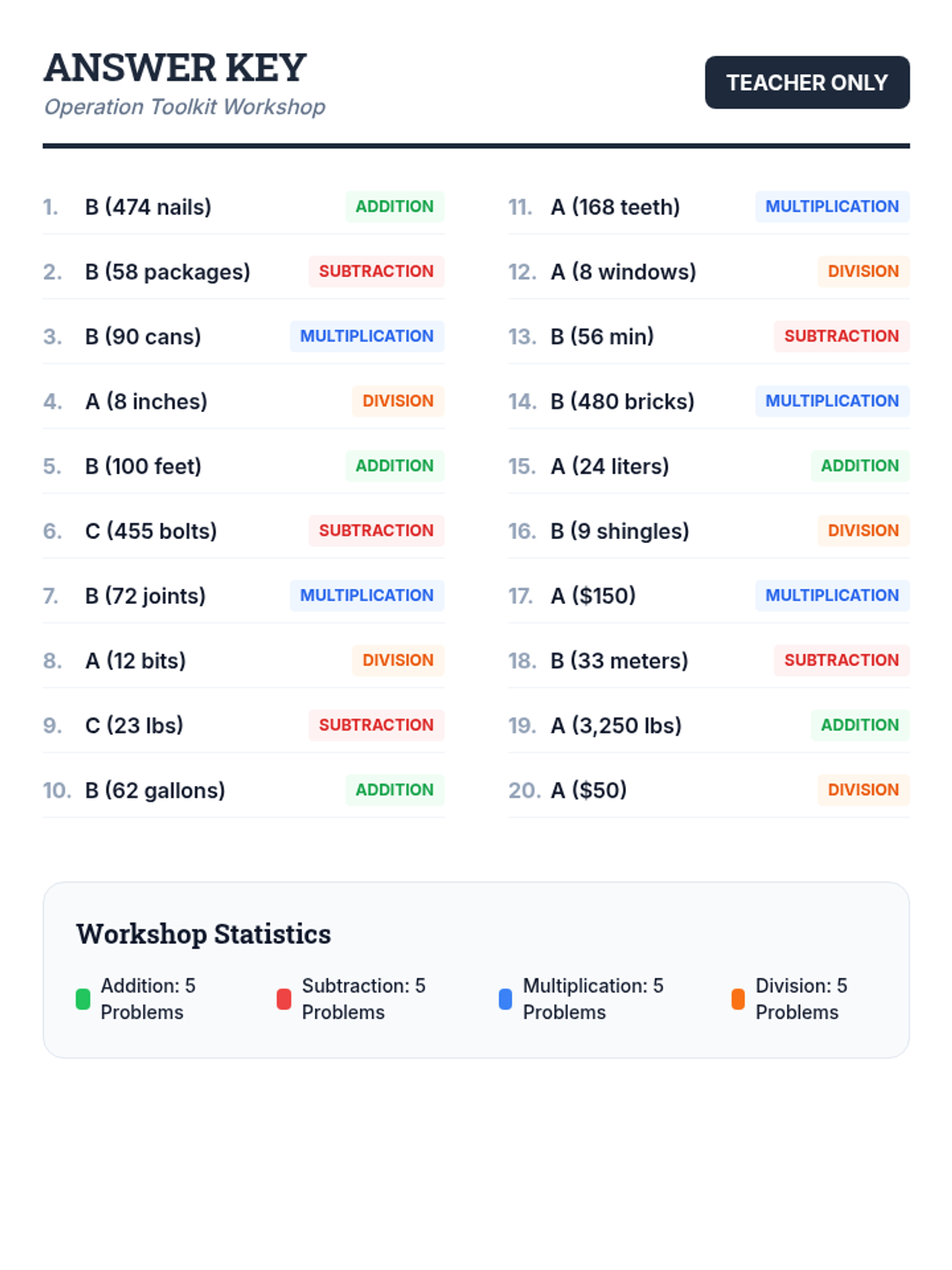
Students will learn to identify key operation indicators in word problems and apply the correct mathematical operation to find solutions.
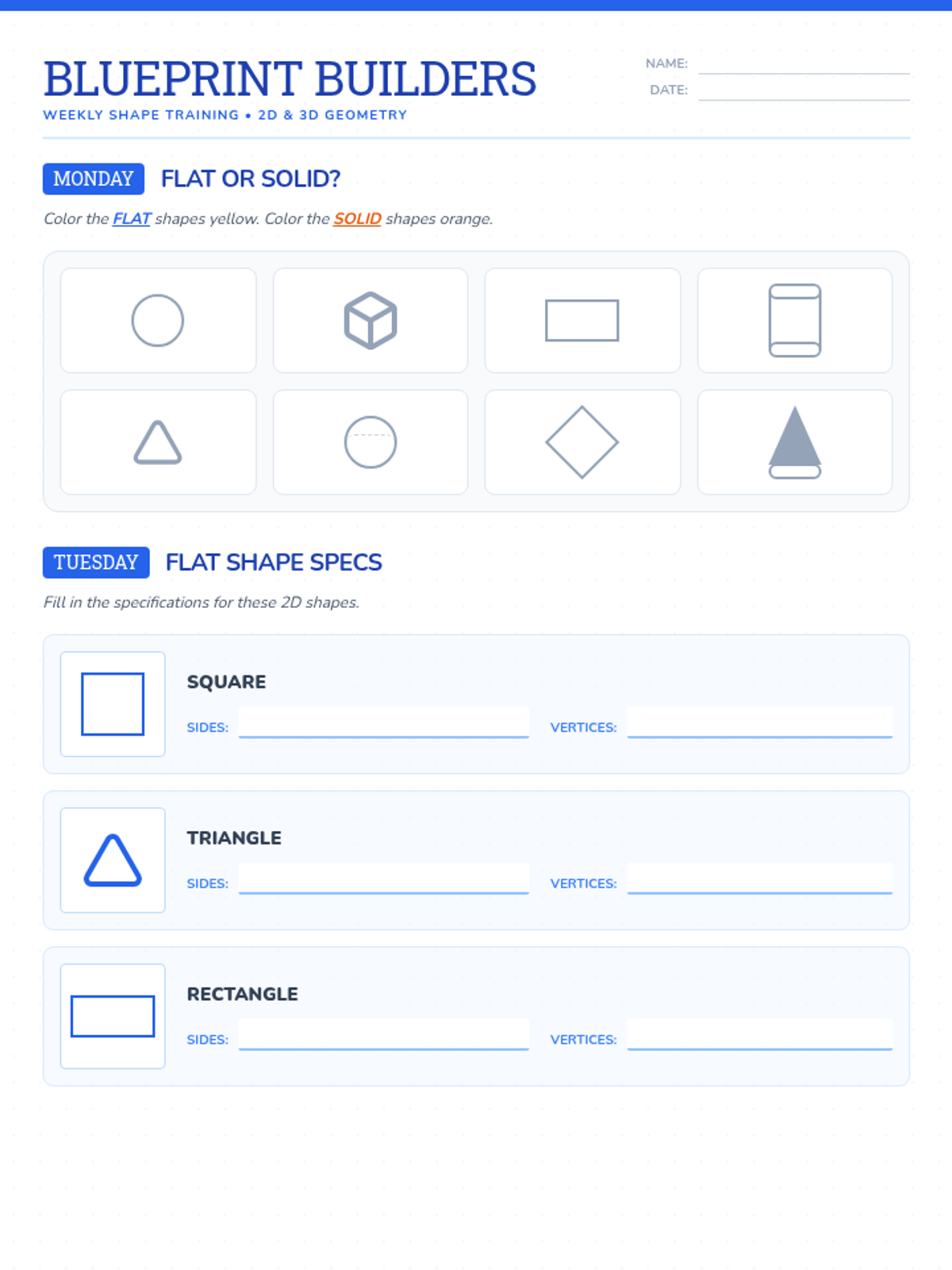
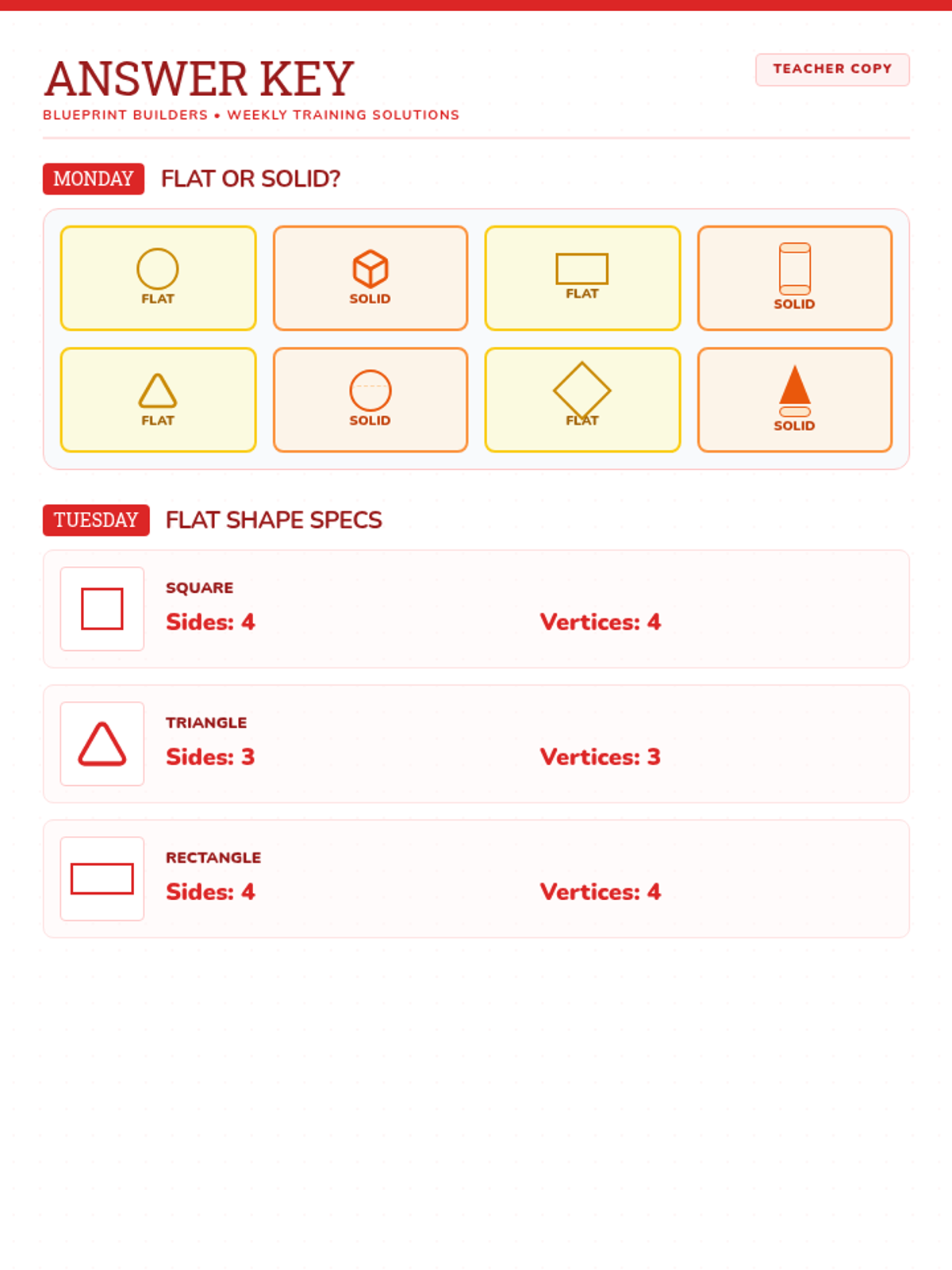
A comprehensive weekly homework set focused on identifying and differentiating between 2D (flat) and 3D (solid) shapes through daily practice activities.
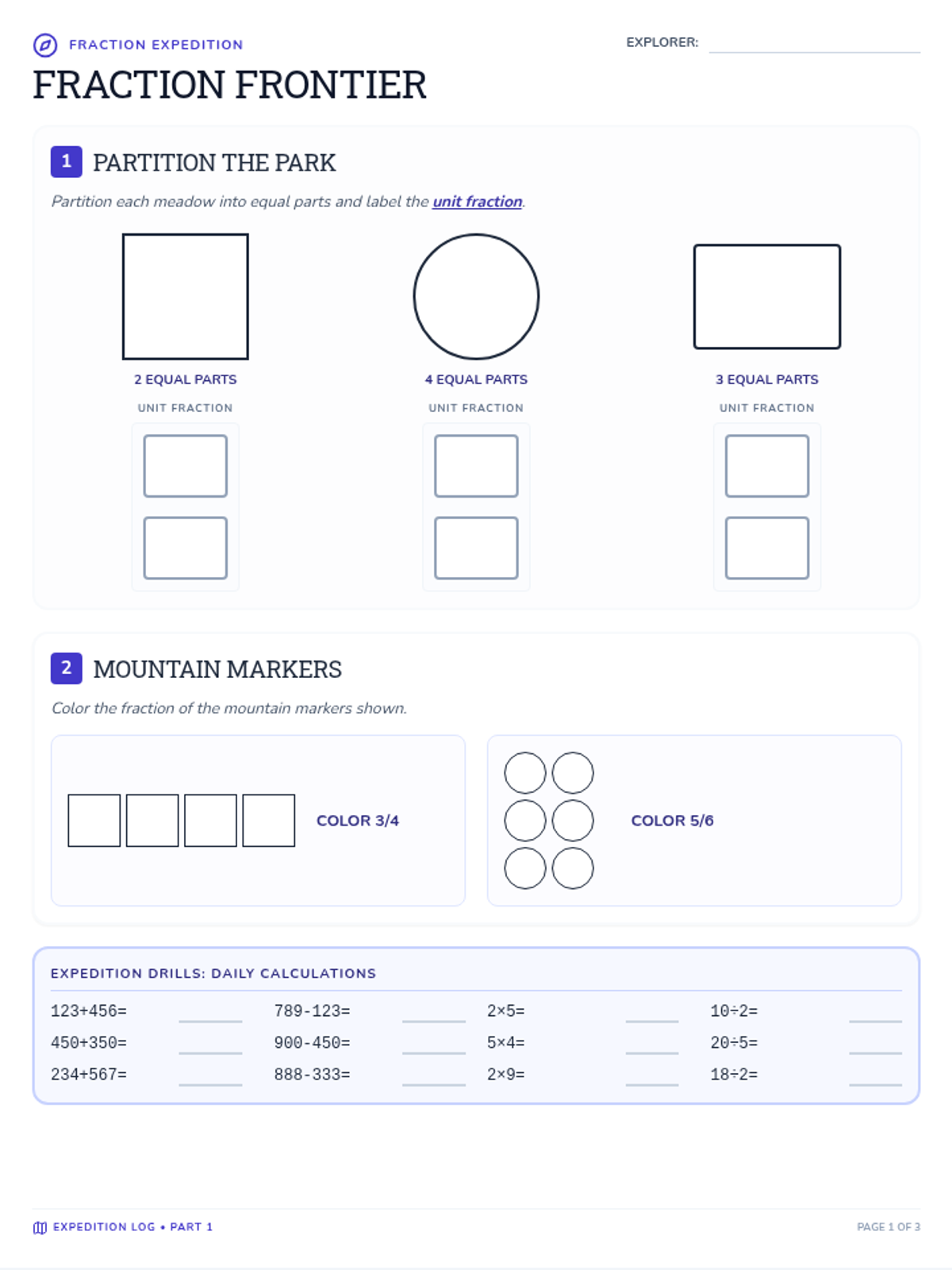
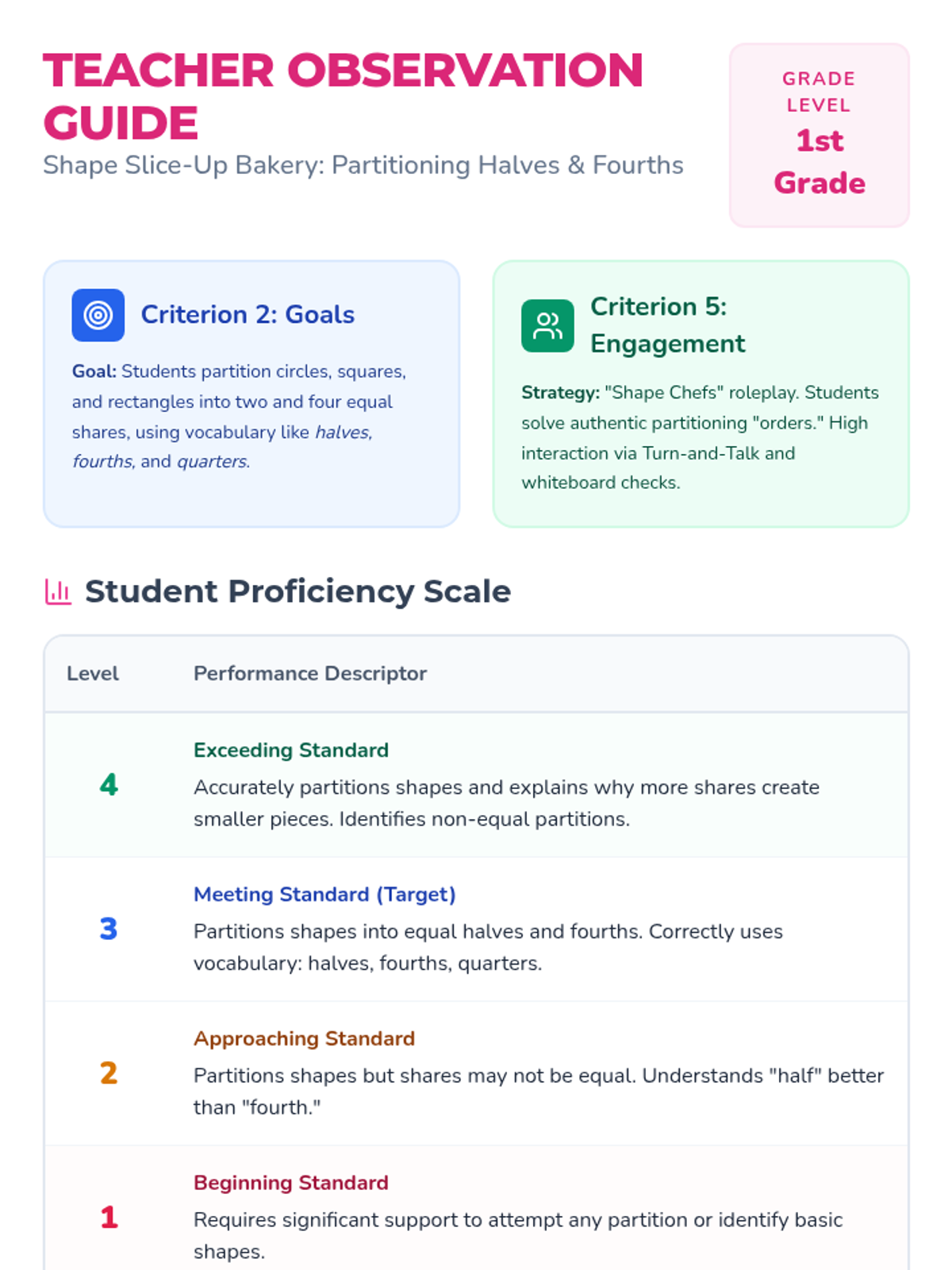
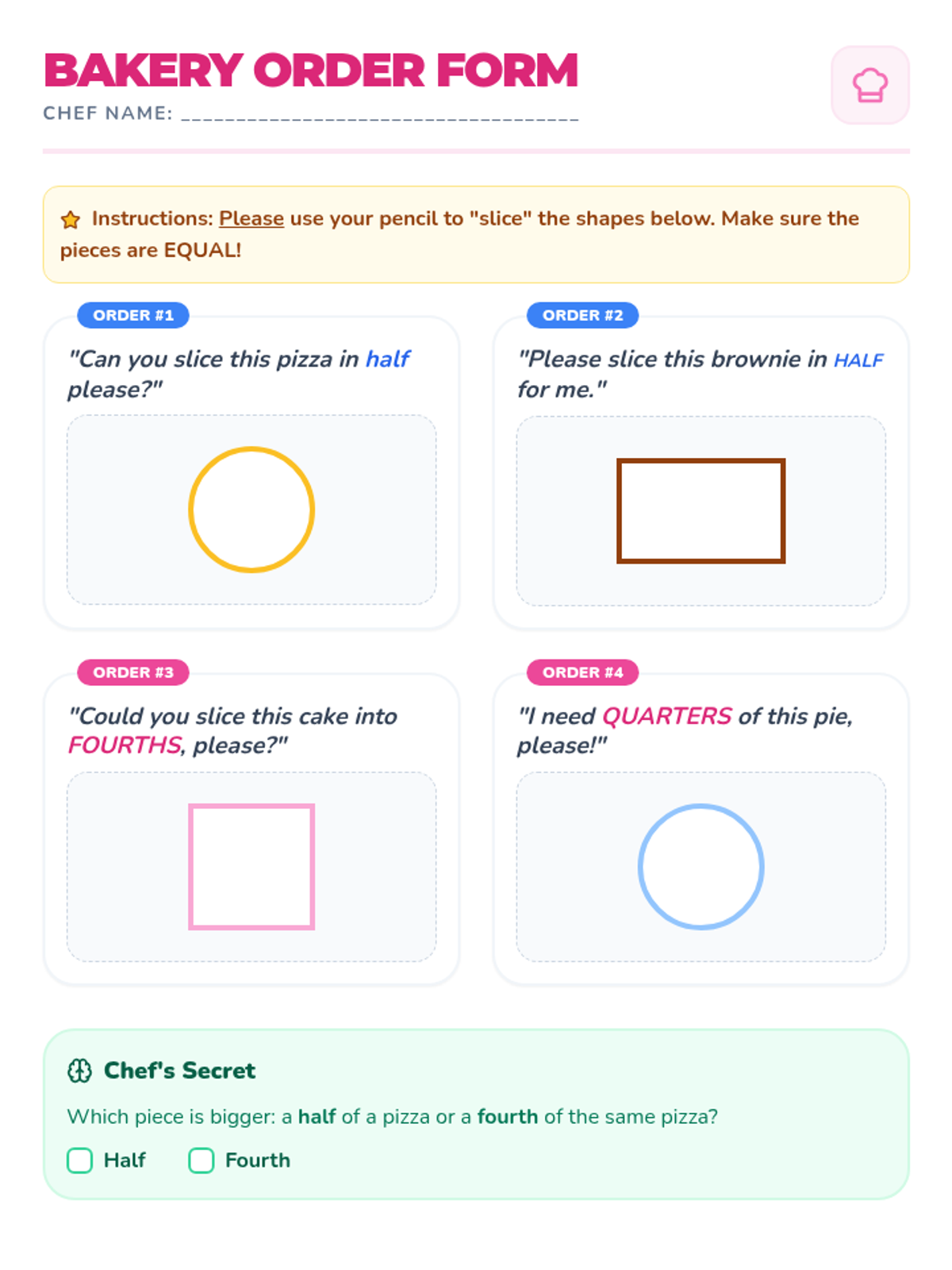
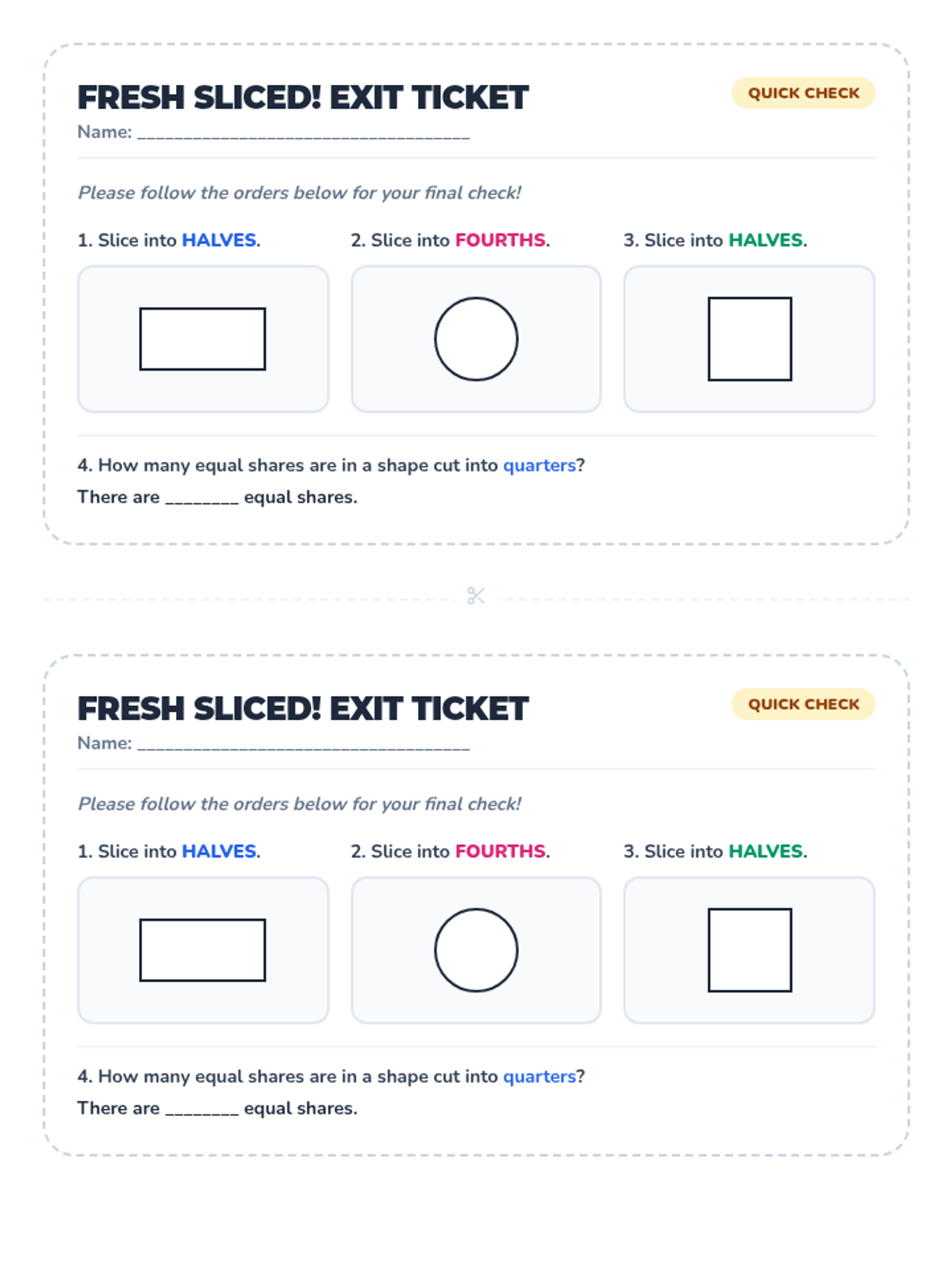
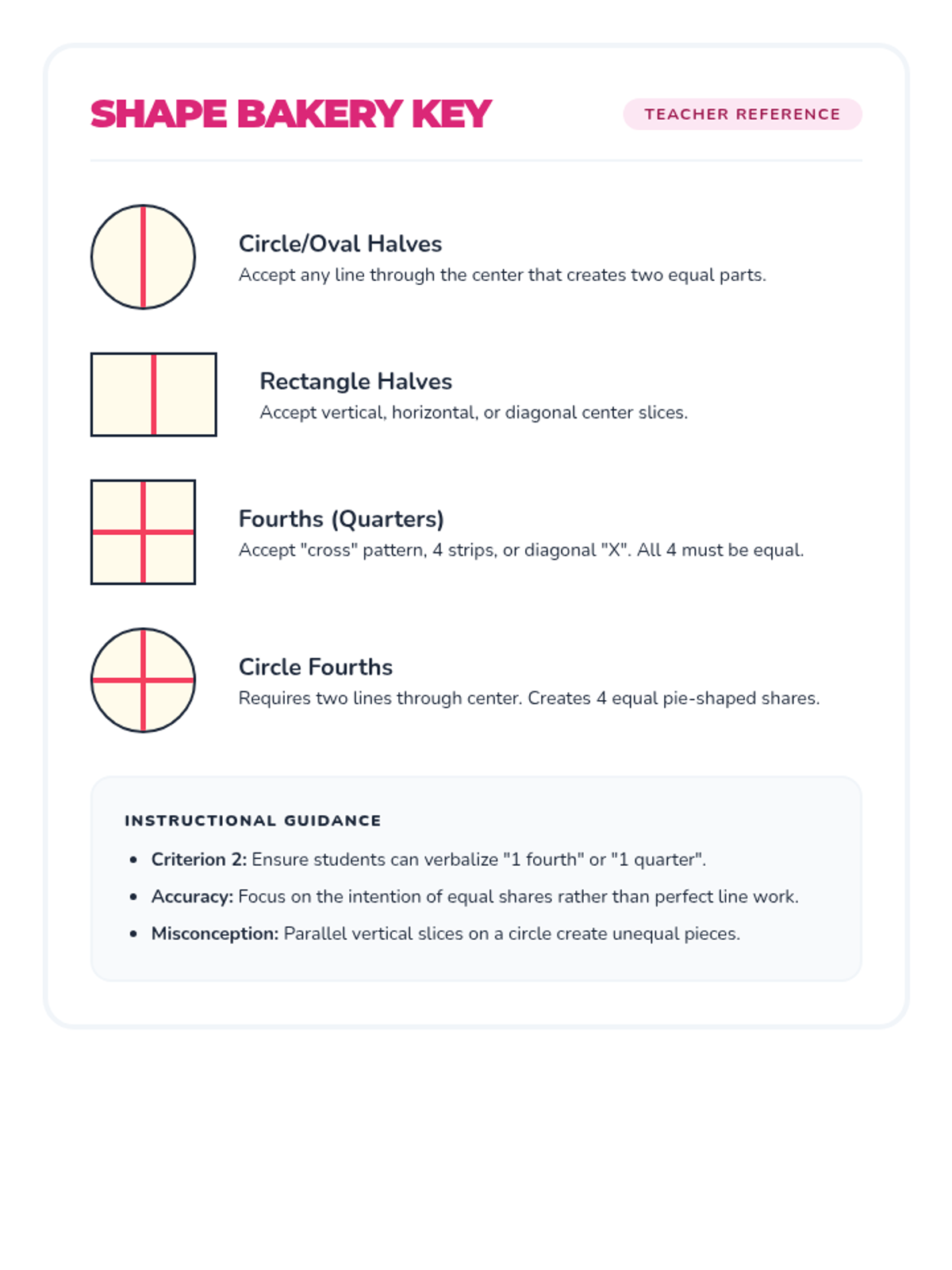
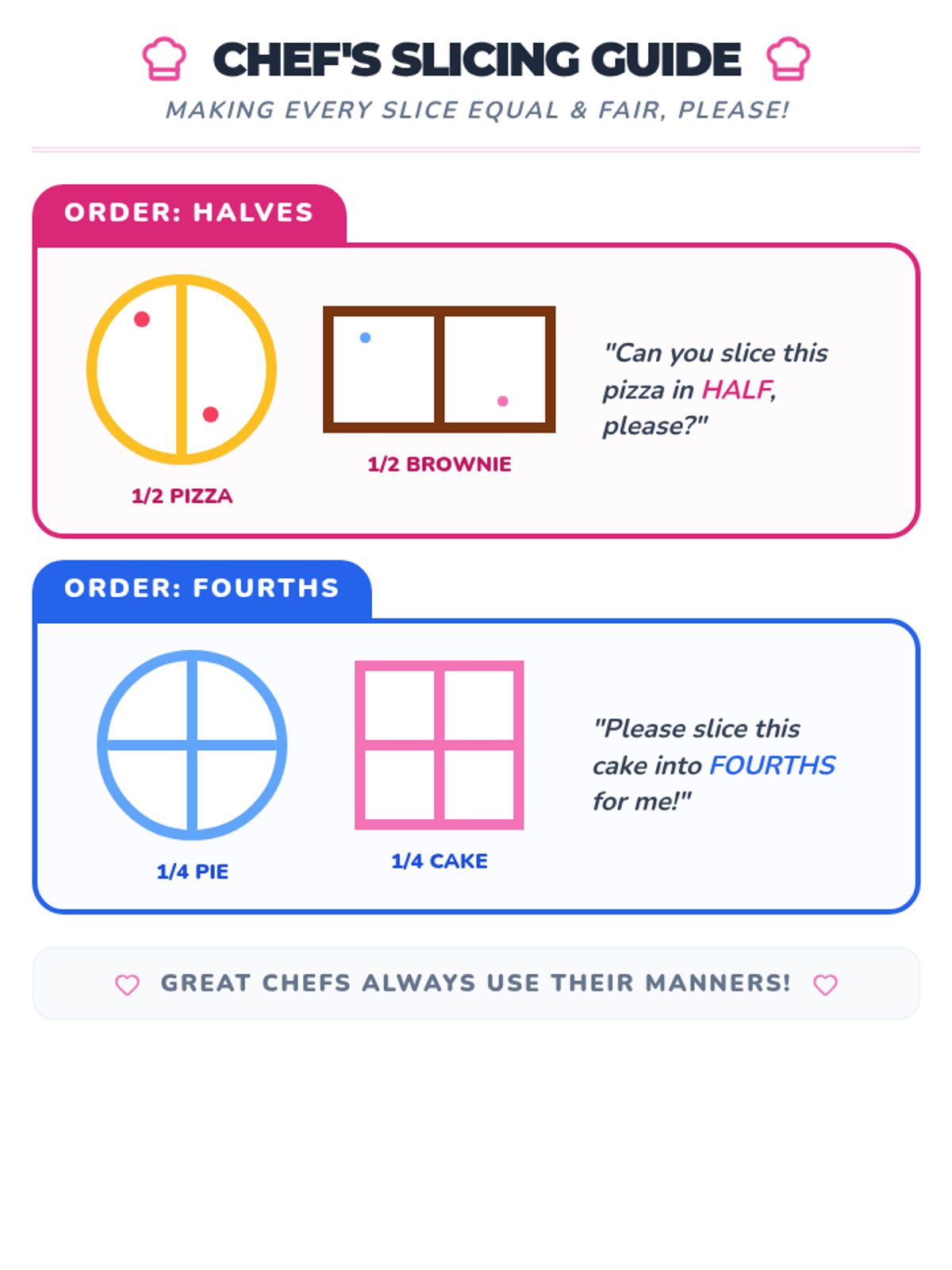
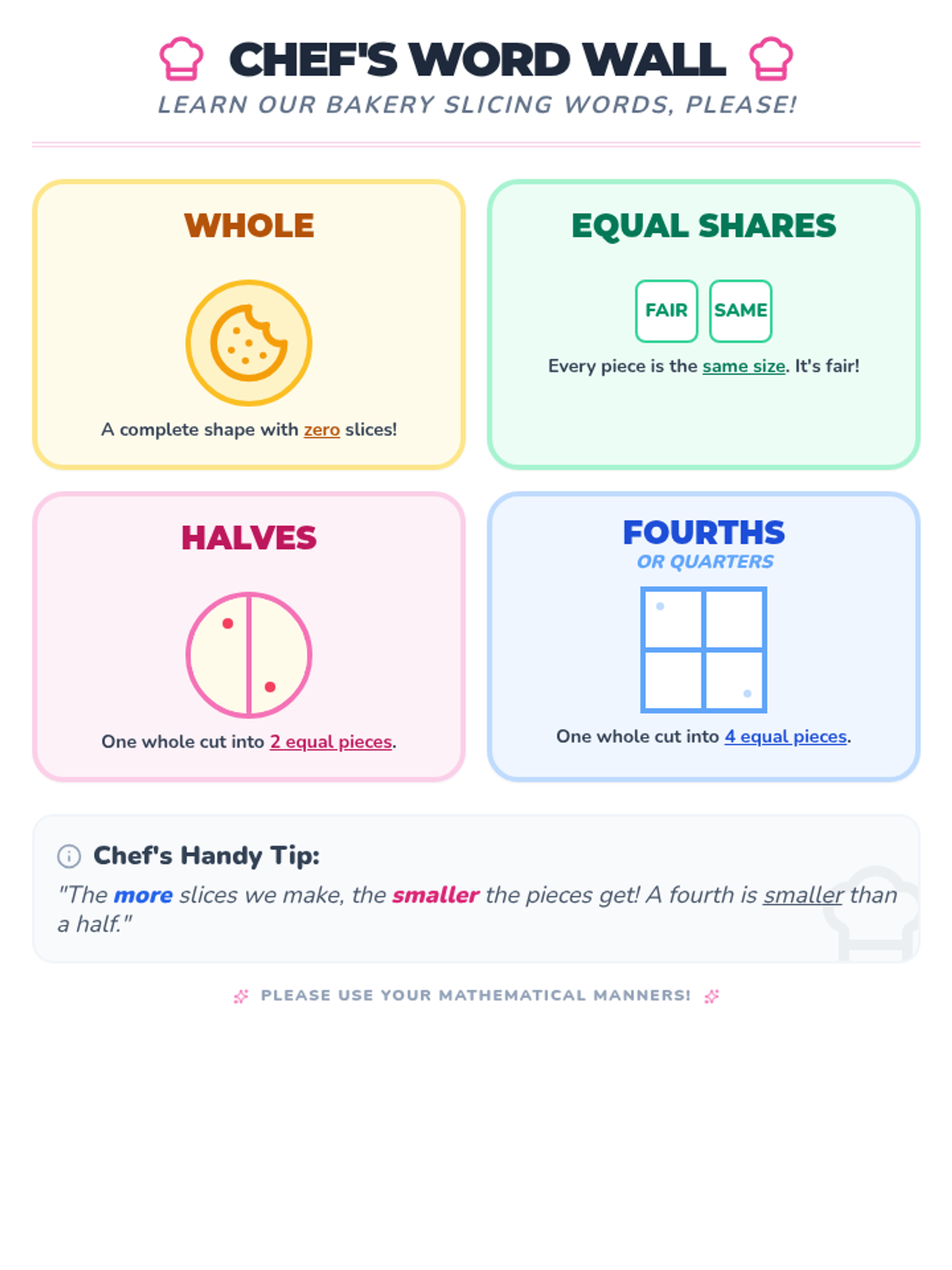
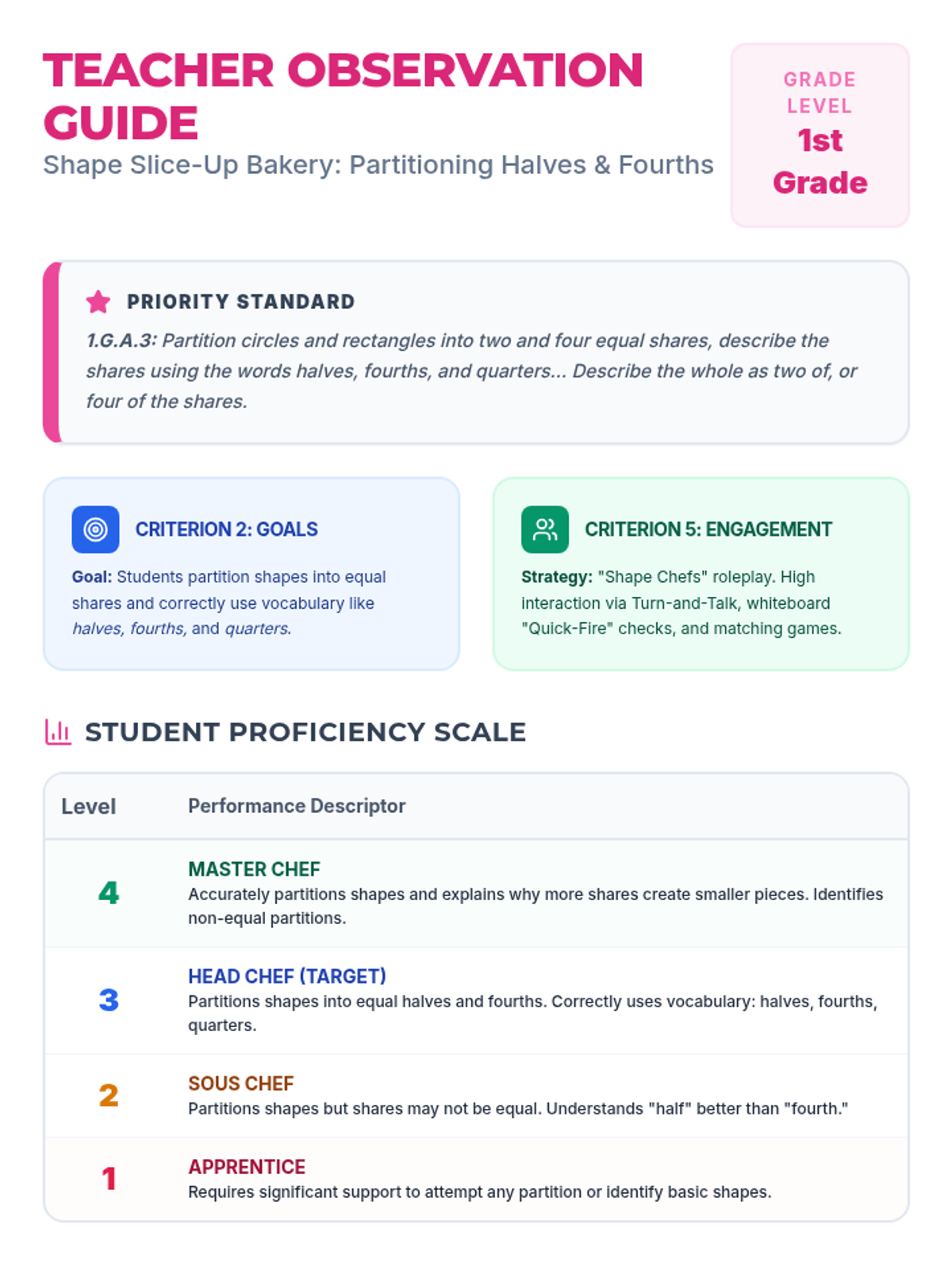
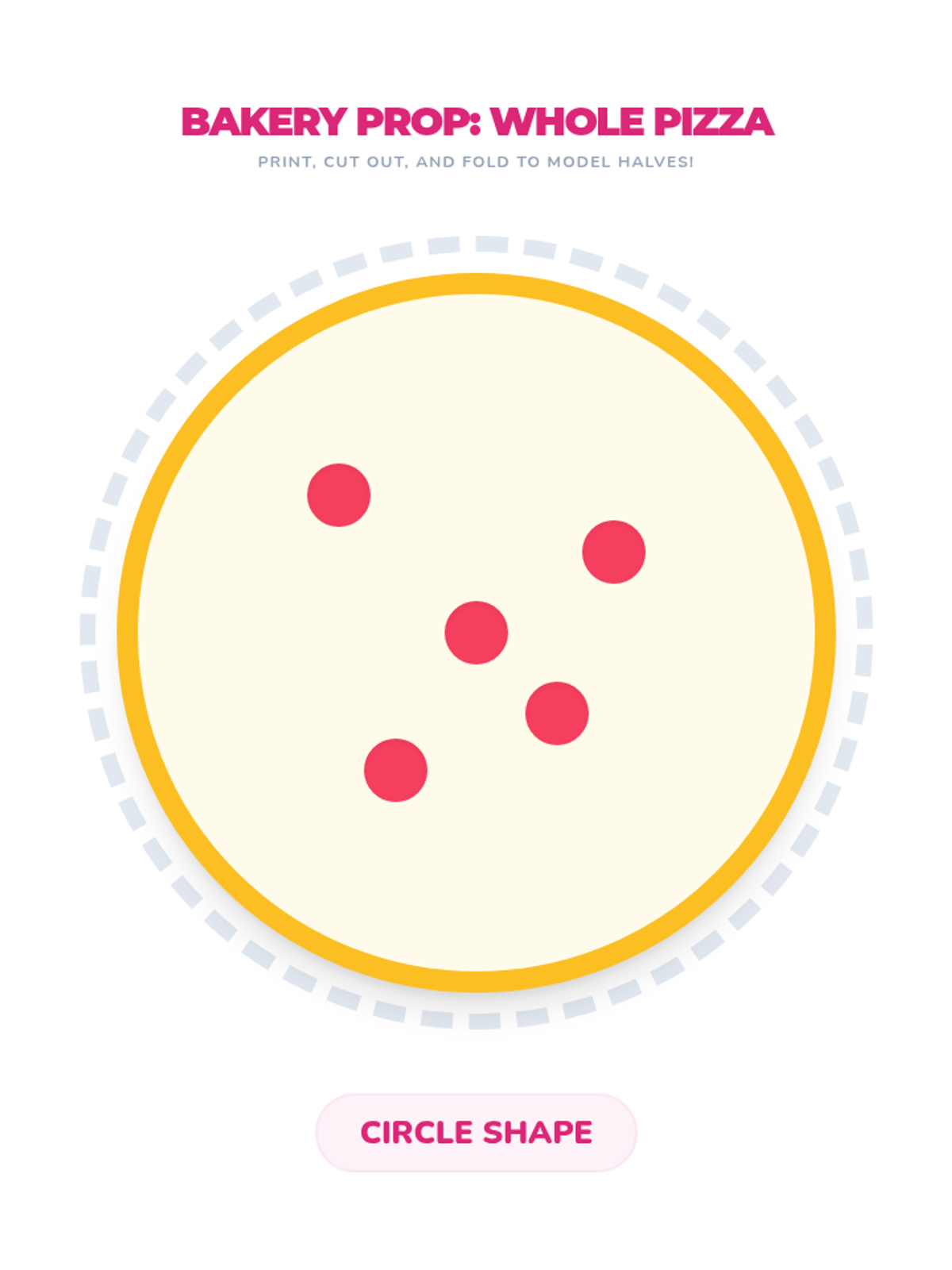
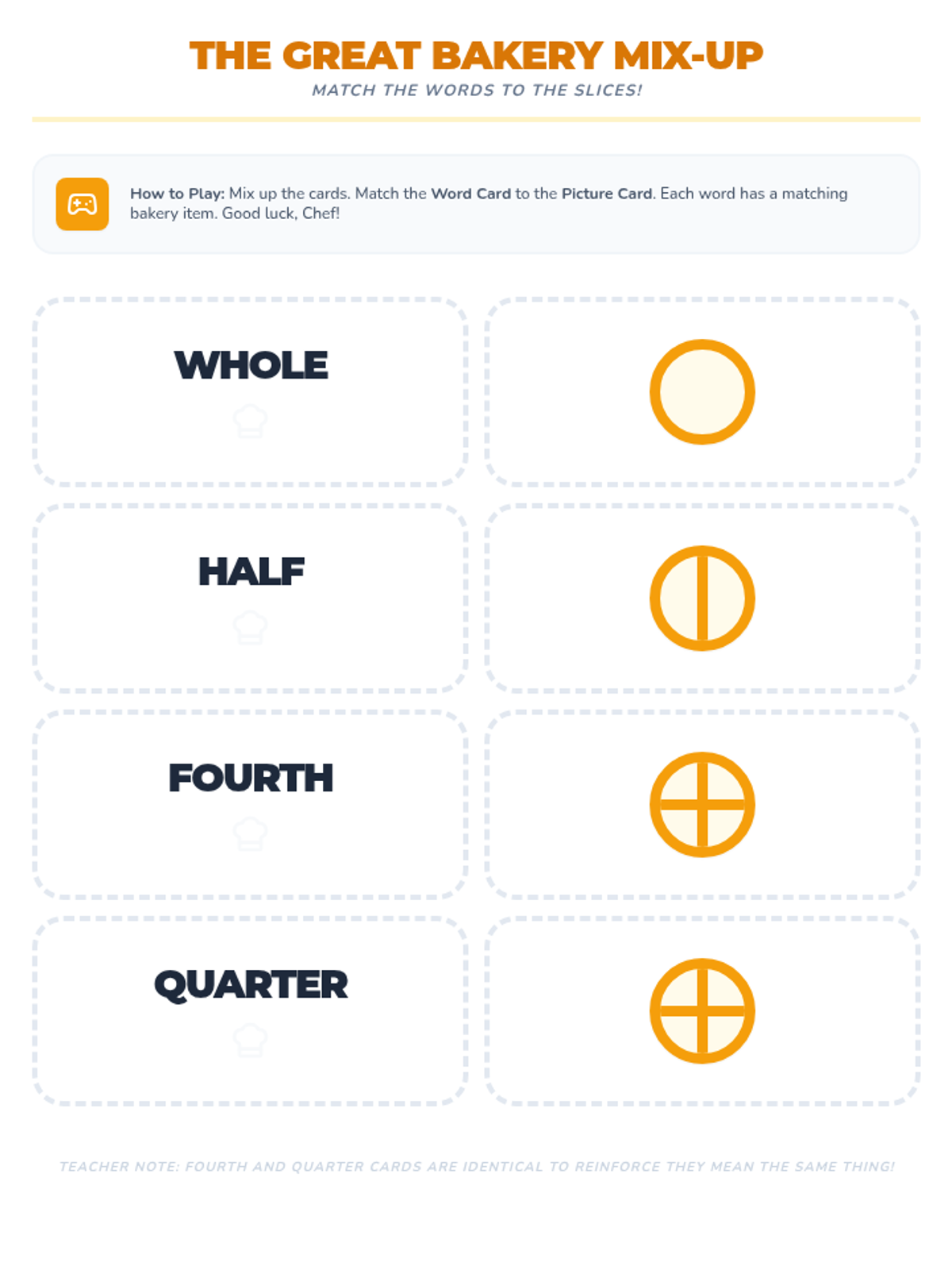
A comprehensive 1st-grade lesson on partitioning squares, circles, and rectangles into equal shares of halves and fourths, designed for an observation with a focus on clear learning targets and student engagement.