Students explore the concept of syllables as 'beats' in a word using names and classroom objects. They clap, stomp, and use rhythm sticks to count the segments in spoken language.
A guided poetry workshop where students use grammar concepts and figurative language to celebrate the arrival of spring.
An Orton-Gillingham based introduction to Level 2 vowel teams (EE, EA, AI, AY) using a secret agent theme to engage students in decoding and encoding.
Capstone simulation. Students apply all 11 strategies to solve a complex text-based 'Maze' and earn their Thought Tracker Mastery.
Metacognitive choice. Students practice deciding which 'Mind Tool' (Inference, Visualization, Questioning) is best for specific text challenges.
Masters the 'Click or Clunk' monitoring technique. Students learn to identify when meaning breaks down and which tool to use for a 'fix-up'.
Identifies text structures (Cause/Effect, Sequence) as 'Brain Blueprints' that help organize incoming data.
Uses Arthur Evans' deductive reasoning techniques. Students solve logic puzzles by eliminating impossibilities within a text.
Directly inspired by the Reading Detective series. Students learn to cite page, line, and word clues to prove their reasoning.
Focuses on Synthesis. Students track how their 'Thought Map' changes from the first page to the final sentence.
Introduces the 'Curiosity Compass' to generate Thick and Thin questions, moving from literal facts to deep inquiry.
Teaches visualization as a sensory experience. Students learn to 'film' the story in their heads using five-sense descriptions.
Masters the 'Clue + Vault = Discovery' equation. Students learn to justify their inferences using specific text evidence and background knowledge.
Focuses on Schema as the 'Knowledge Vault.' Students learn to retrieve and organize prior knowledge before entering a text.
Introduction to the 'Inner Voice'. Students learn to identify when their brain is actively thinking versus just reading words, using the 'Reading Robot' vs. 'Thought Tracker' comparison.
A capstone challenge where students apply all their Mind Detective skills to solve a complex literacy mystery, demonstrating mastery of metacognition and reasoning.
Teaches students how to select the right 'Mind Tool' for different types of texts and challenges, reinforcing the metacognitive choice of strategies.
Focuses on monitoring comprehension. Students learn the 'Click or Clunk' strategy to identify when they've lost track of meaning and how to use 'fix-up' strategies.
Students learn to identify text patterns (cause/effect, sequence, compare/contrast) as 'blueprints' that help the brain organize information more efficiently.
Uses Arthur Evans' deductive reasoning approach. Students solve logic puzzles and text mysteries by eliminating impossibilities and following logical sequences.
Introduces the 'Reading Detective' approach to finding explicit evidence. Students learn to cite page numbers, lines, or specific phrases to prove their answers.
Applying common suffixes (-s, -es, -ed, -ing) and mastering spelling rules like doubling consonants and dropping the silent e.
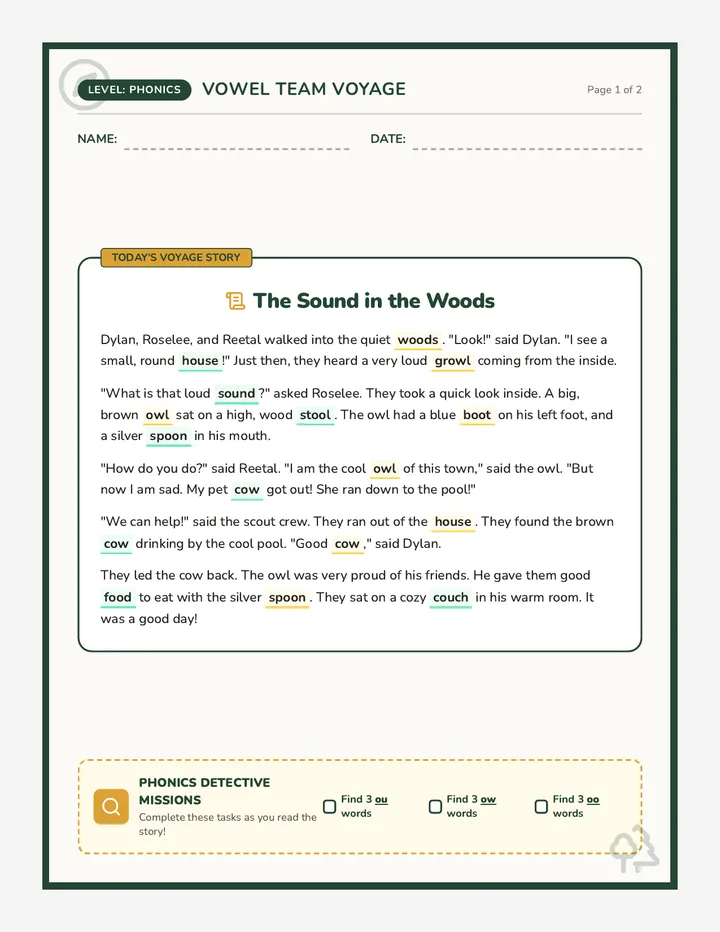
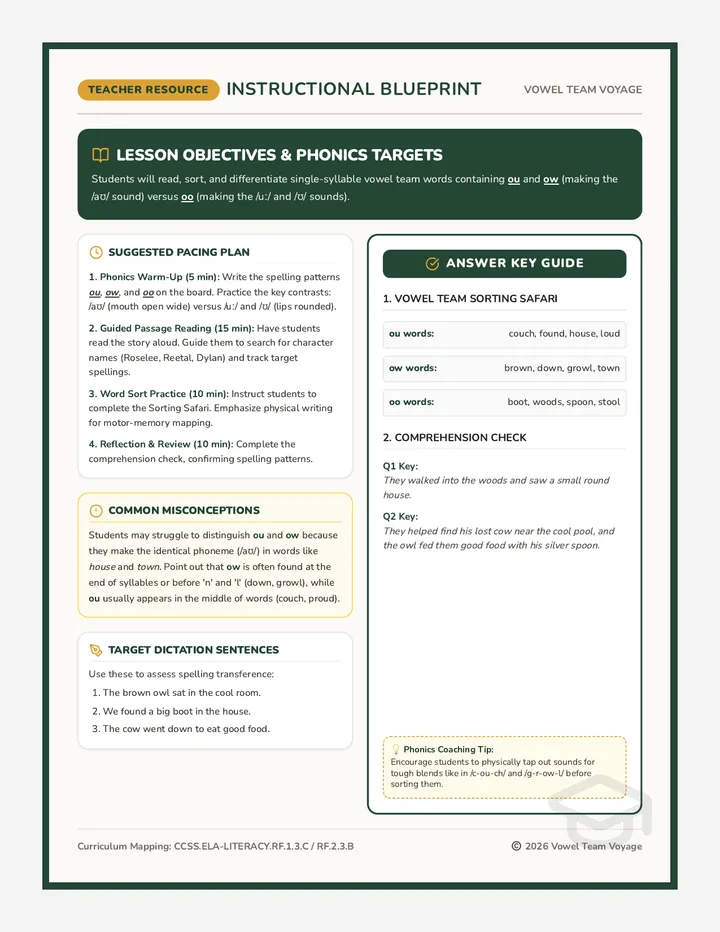
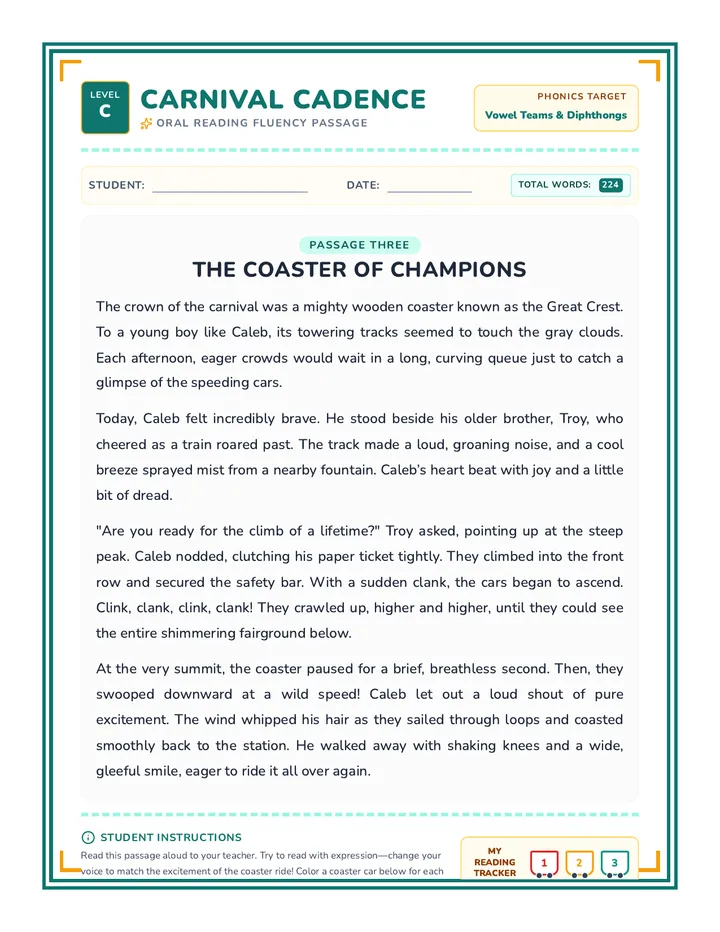
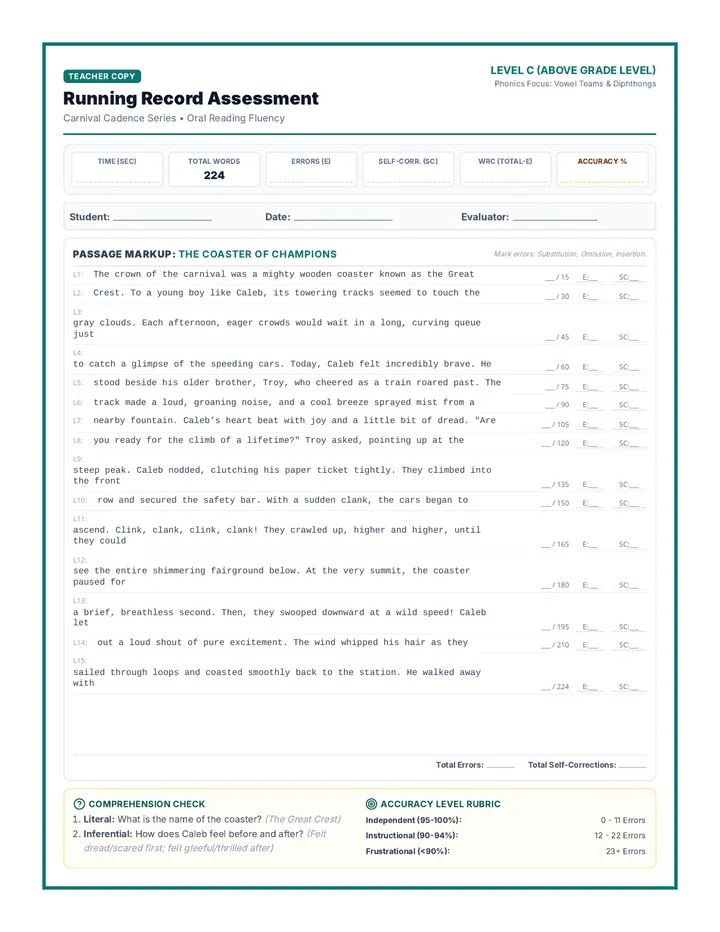
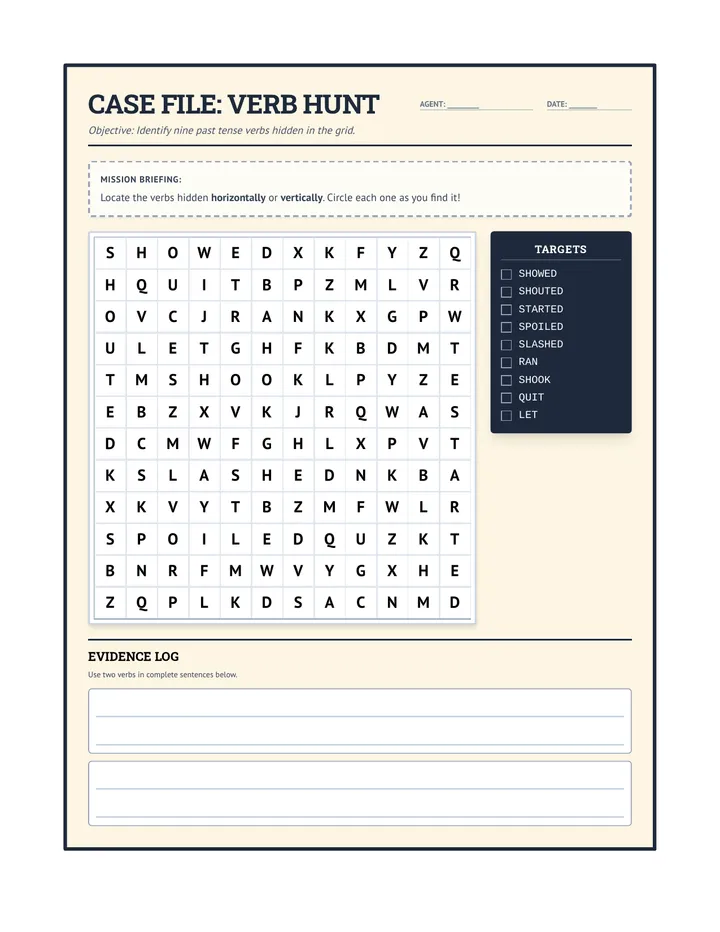
Exploring common vowel teams like ai, ay, ee, and ea, and understanding how vowel combinations create long vowel sounds.
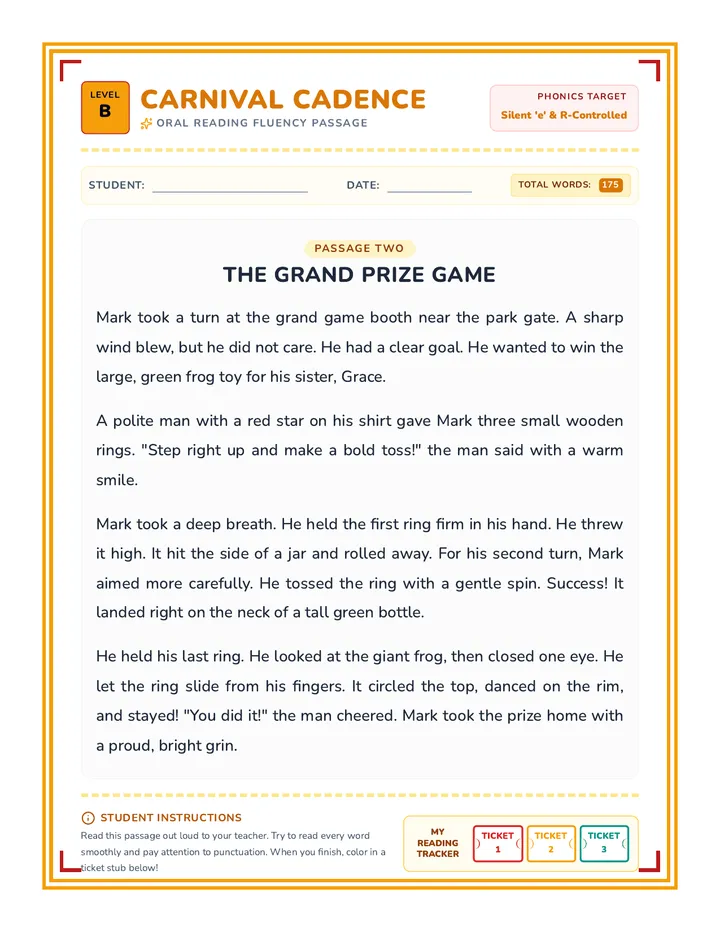
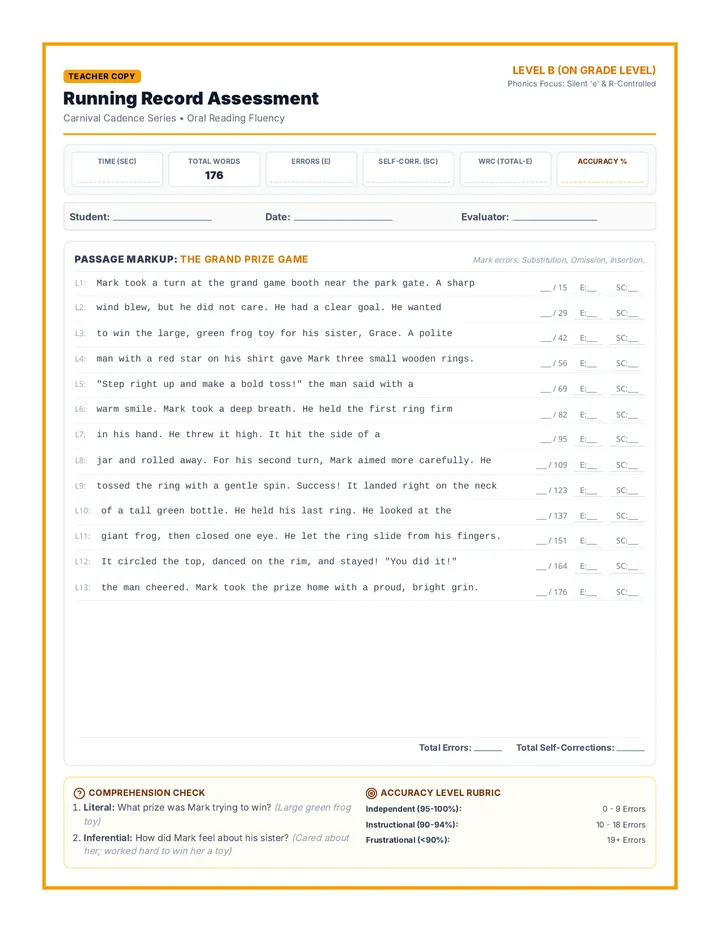
Learning the role of silent e in changing vowel sounds from short to long, focusing on common CVCE patterns.
Developing proficiency with consonant blends (bl, st, fr) and digraphs (ch, sh, th, wh) to decode and spell more complex single-syllable words.
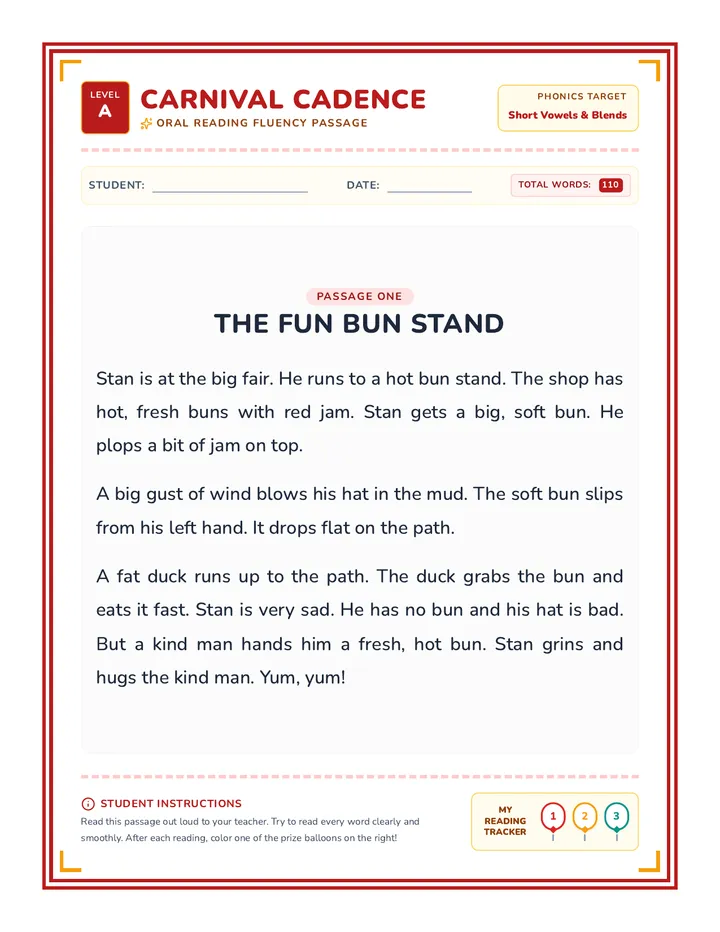
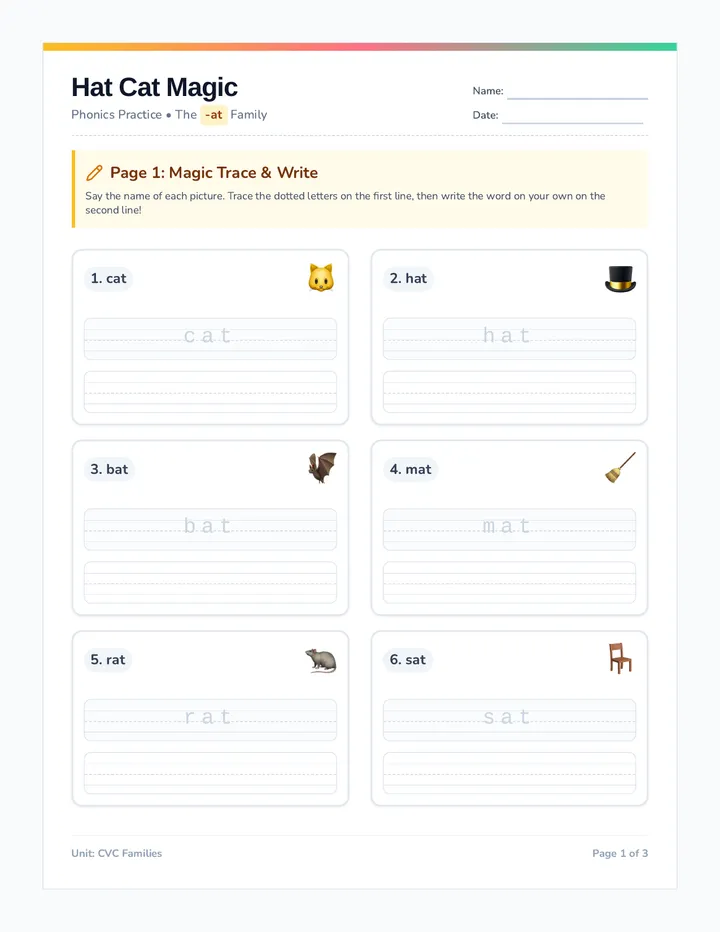
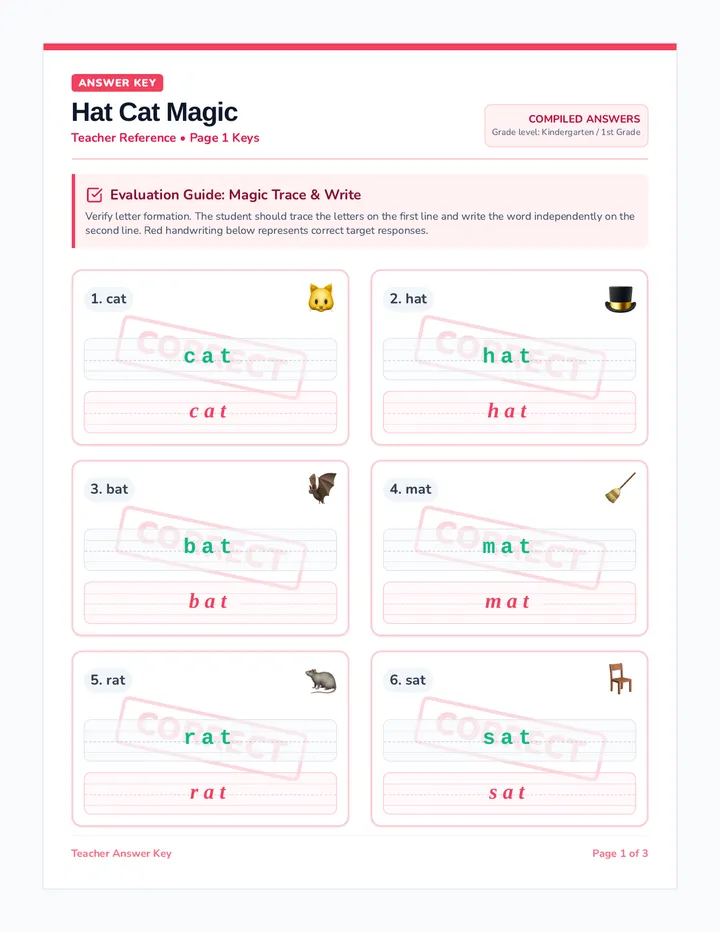
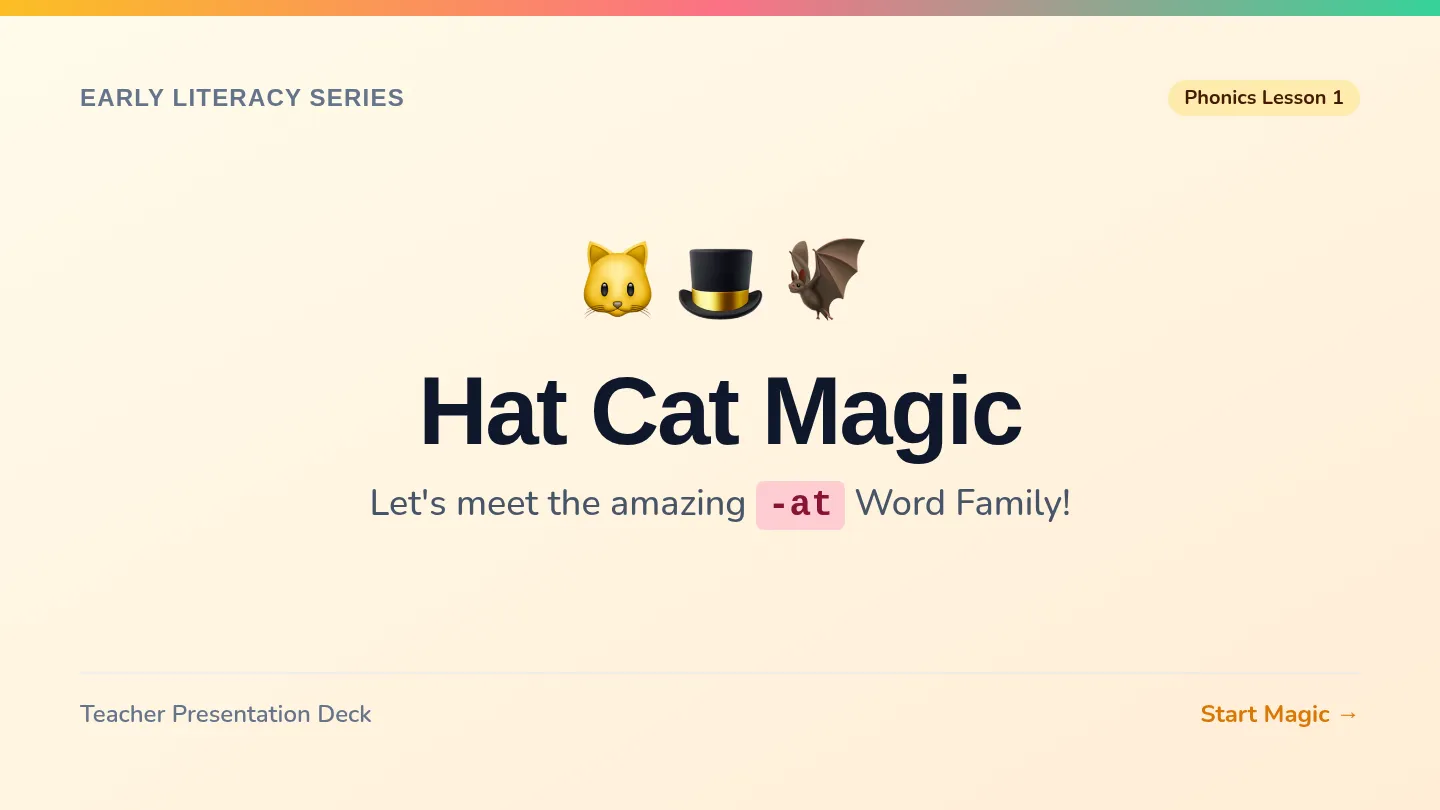
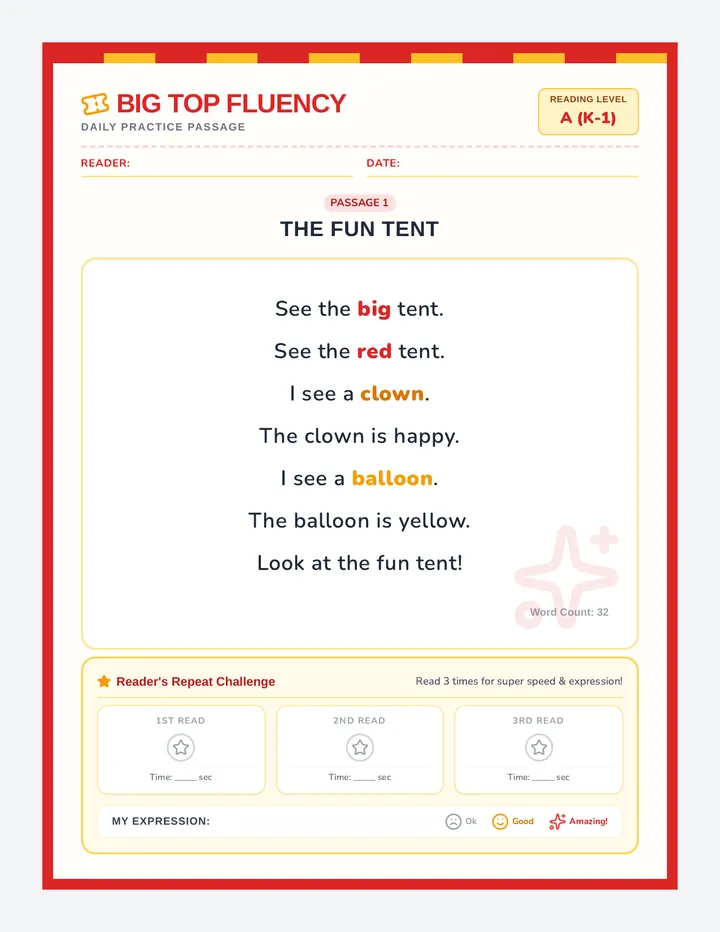
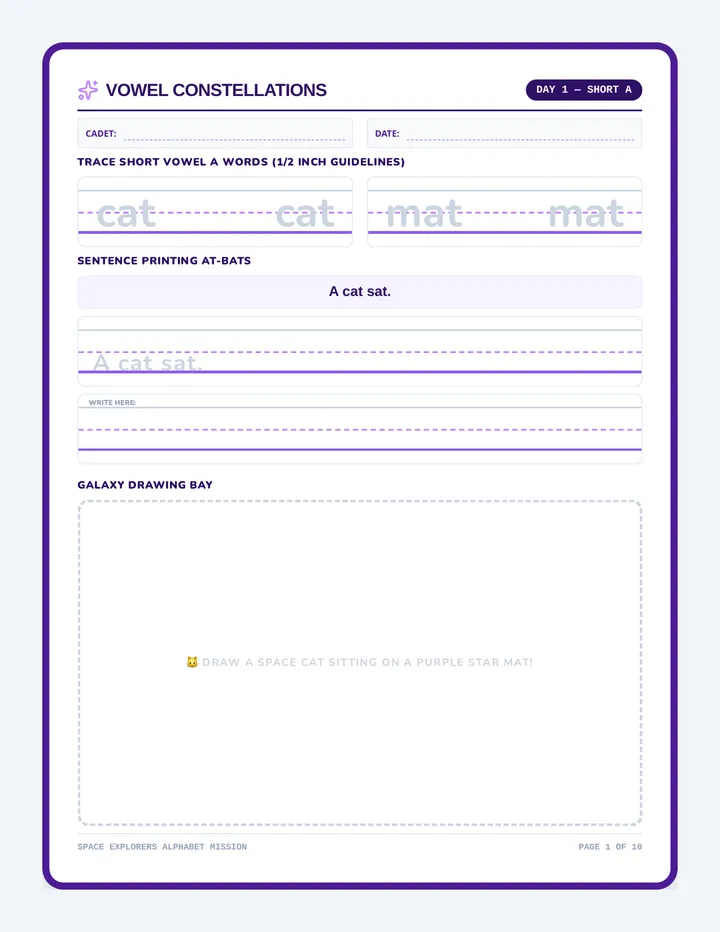
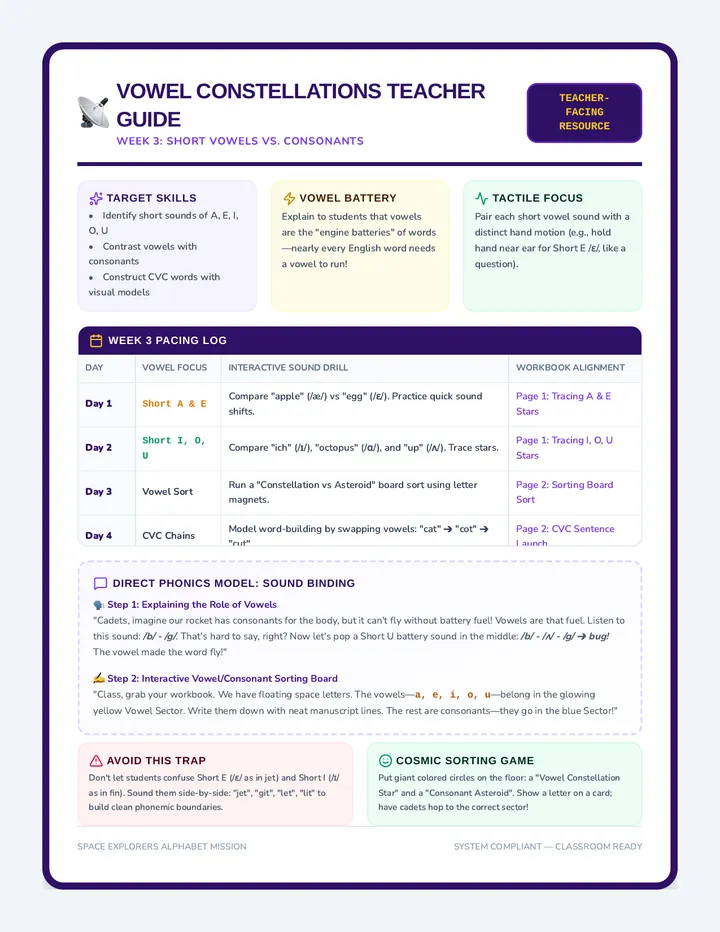
Mastering short vowel sounds (a, e, i, o, u) through CVC word construction, reading fluency with simple decodable text, and basic spelling patterns.
A celebratory final session where students demonstrate their 'Master Pathfinder' skills and receive recognition for their growth in thinking and English.
Focuses on logic and decision-making by asking 'why' and 'how' questions about texts to understand cause and effect.
Deepens self-awareness through journaling and reflection, helping students recognize their own reactions and thoughts while reading and writing.