A culminating project where students apply their knowledge to engineer an organism capable of surviving a randomly assigned extreme biome.
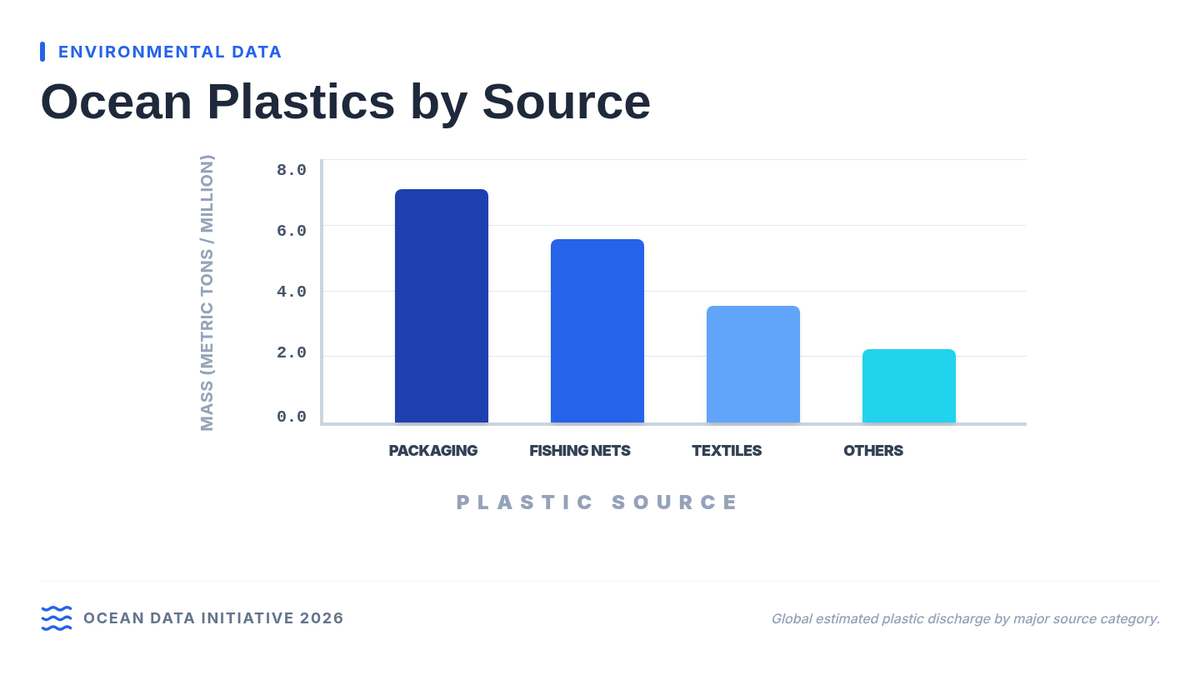
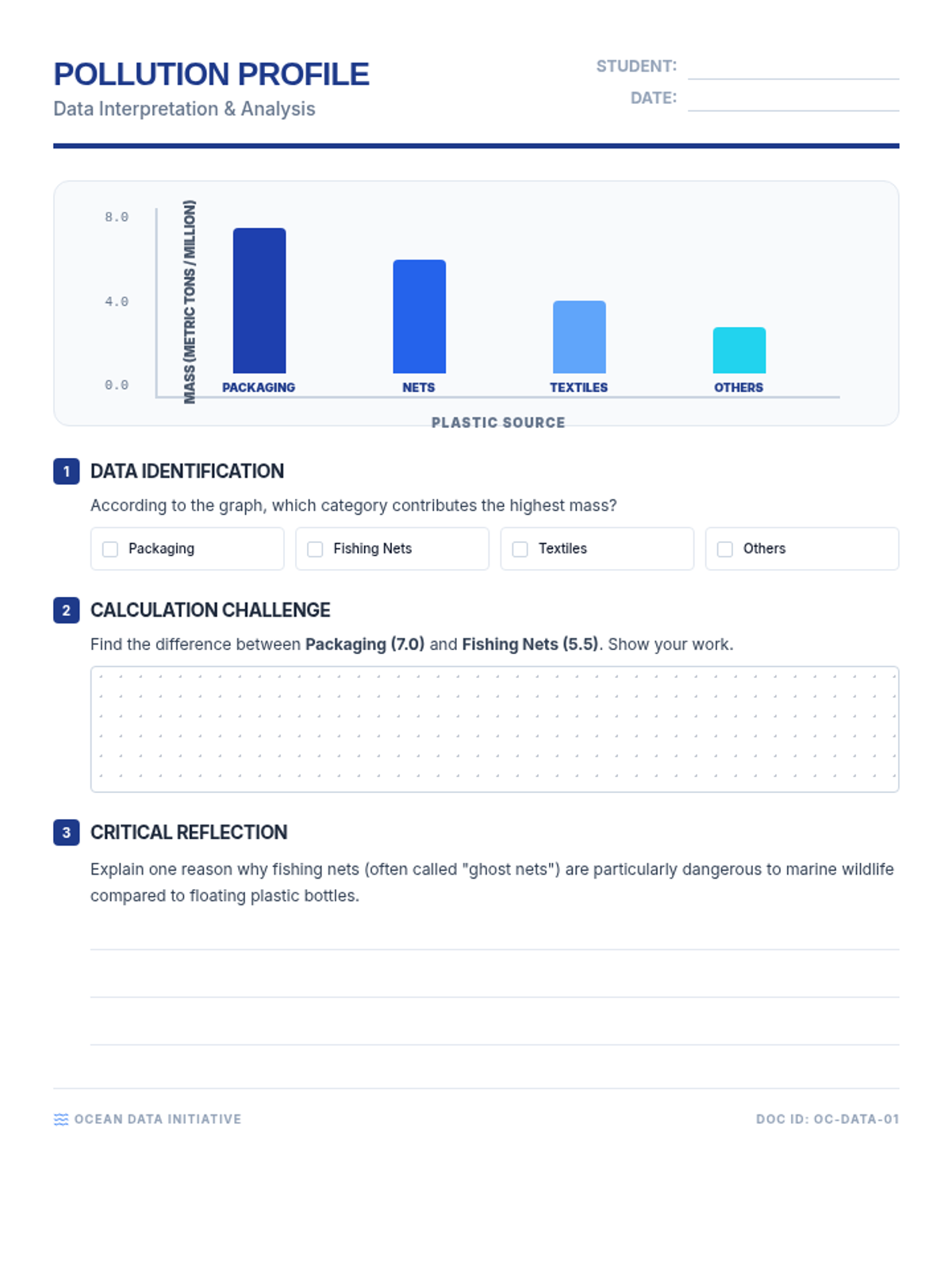
A lesson exploring the impact of plastic pollution on our oceans, featuring data analysis and identification of primary waste sources.
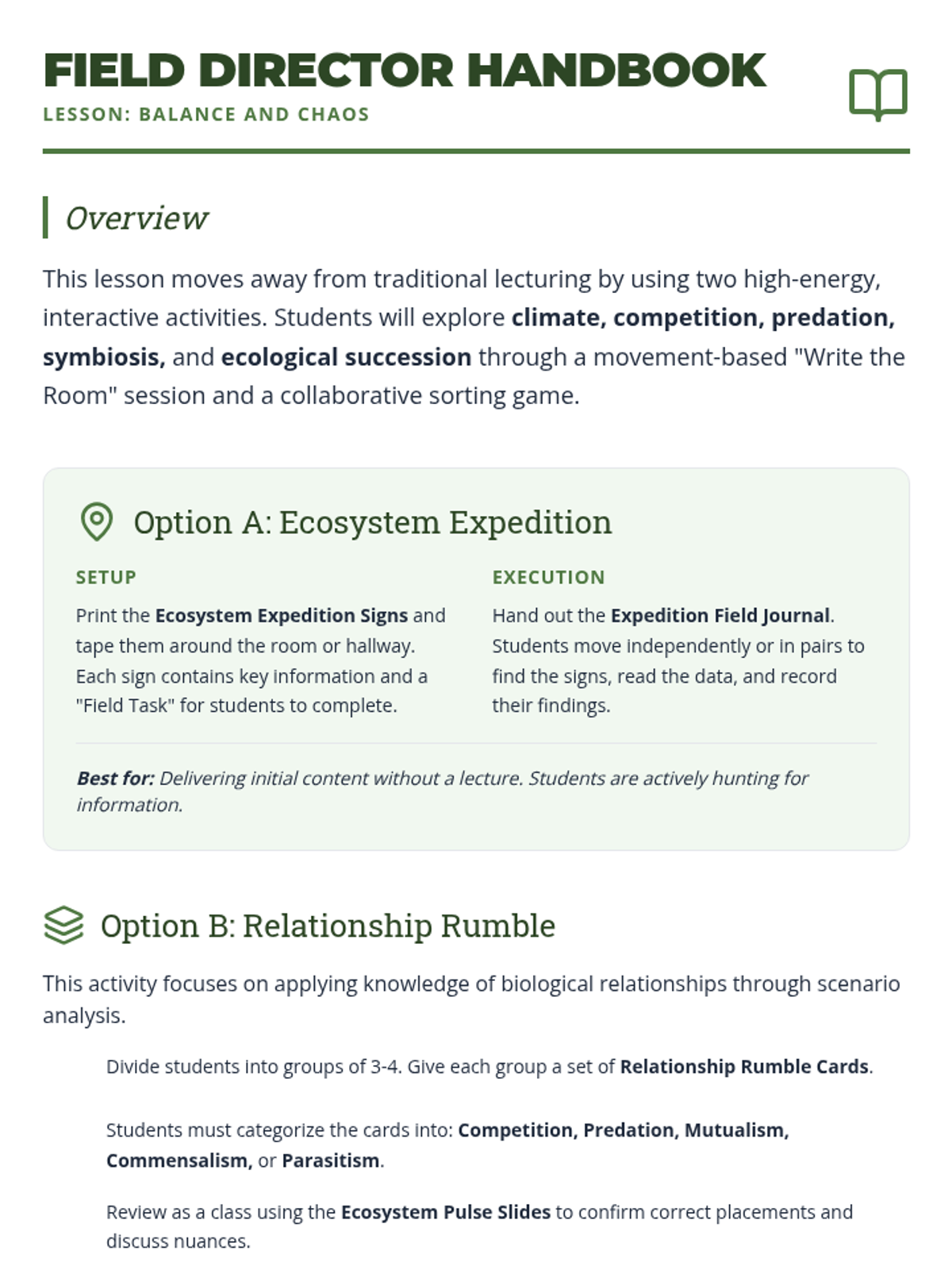
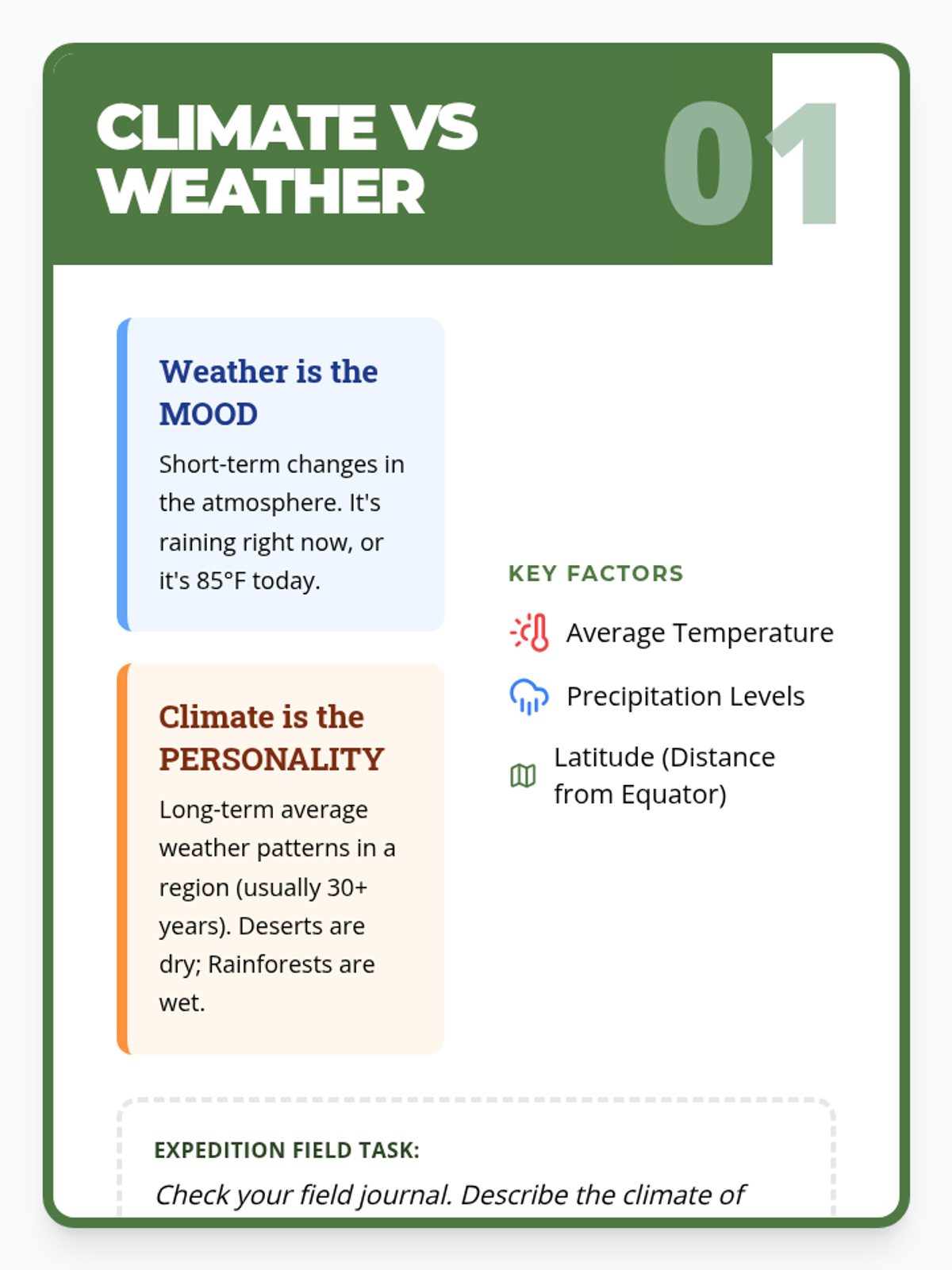
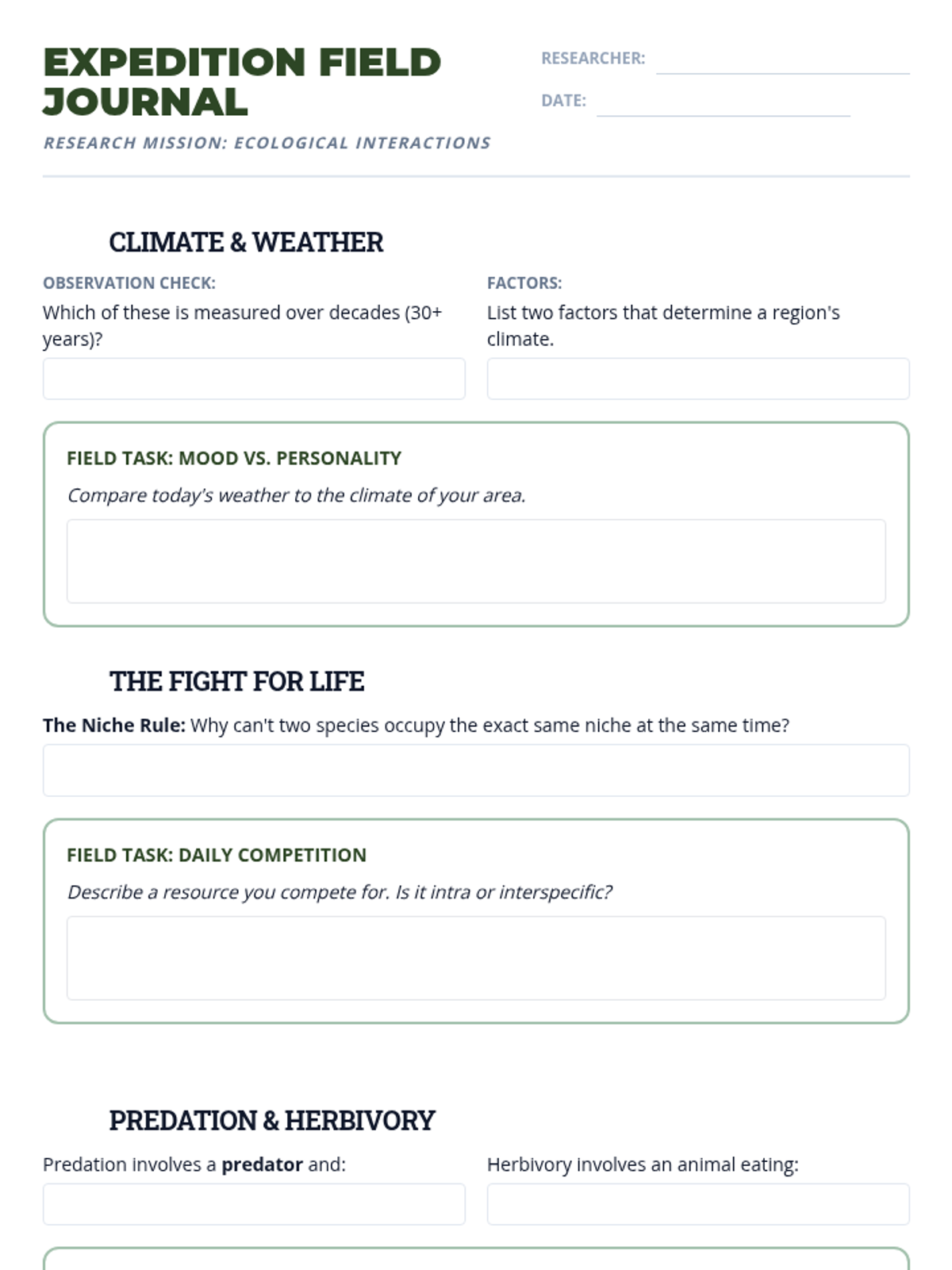
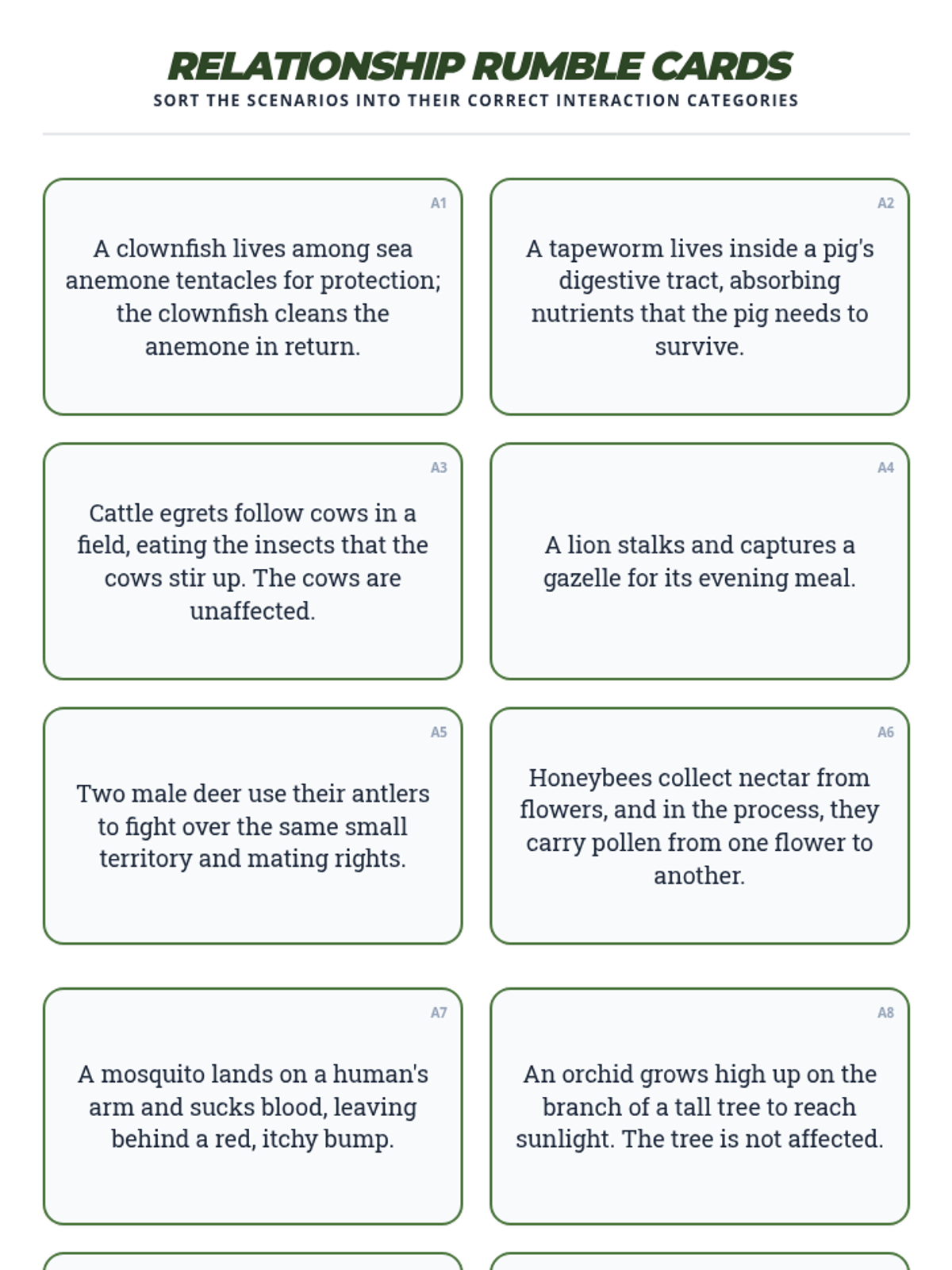
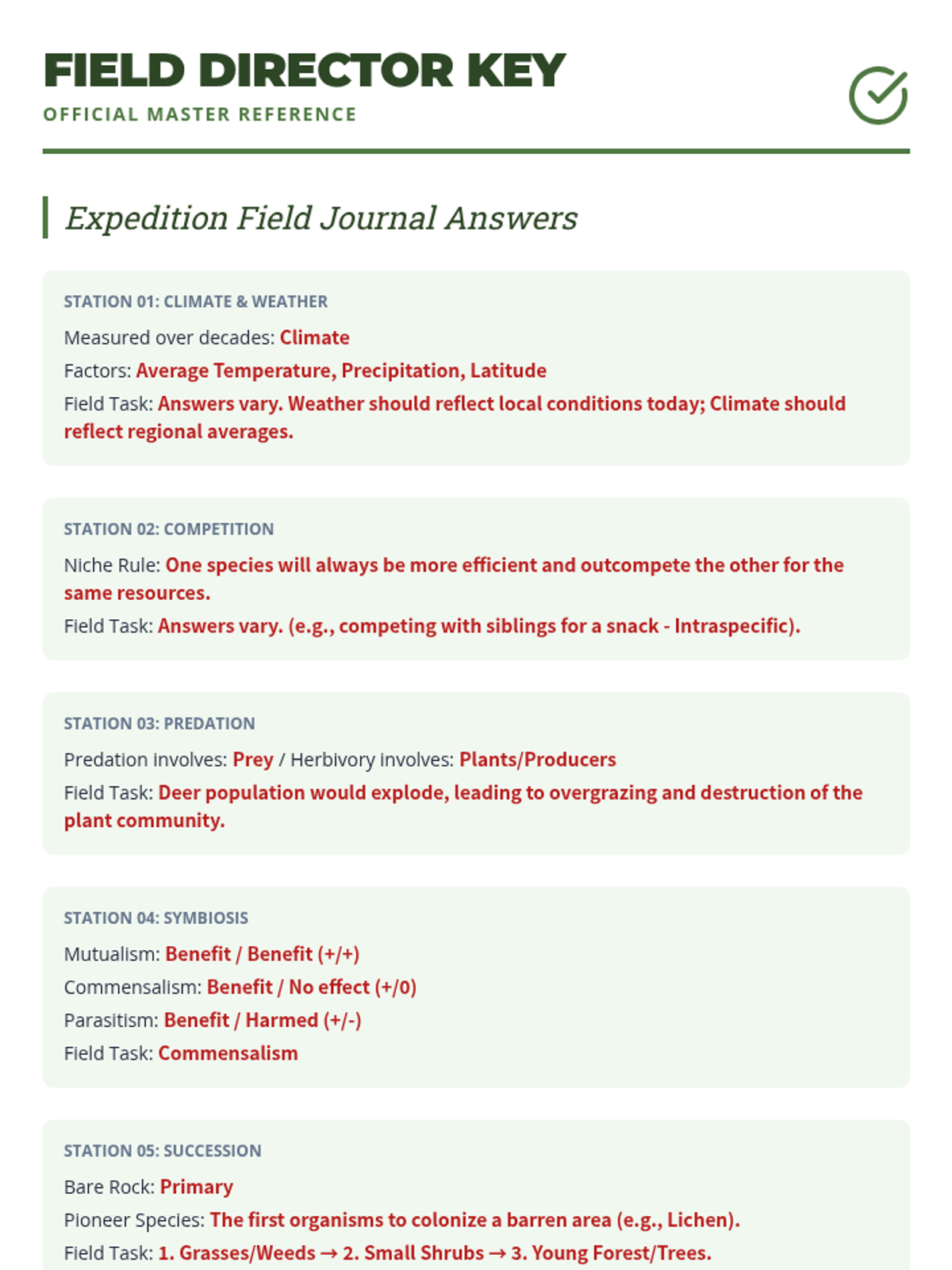
A deep dive into how organisms interact with each other and their environment through climate, competition, symbiosis, and succession.
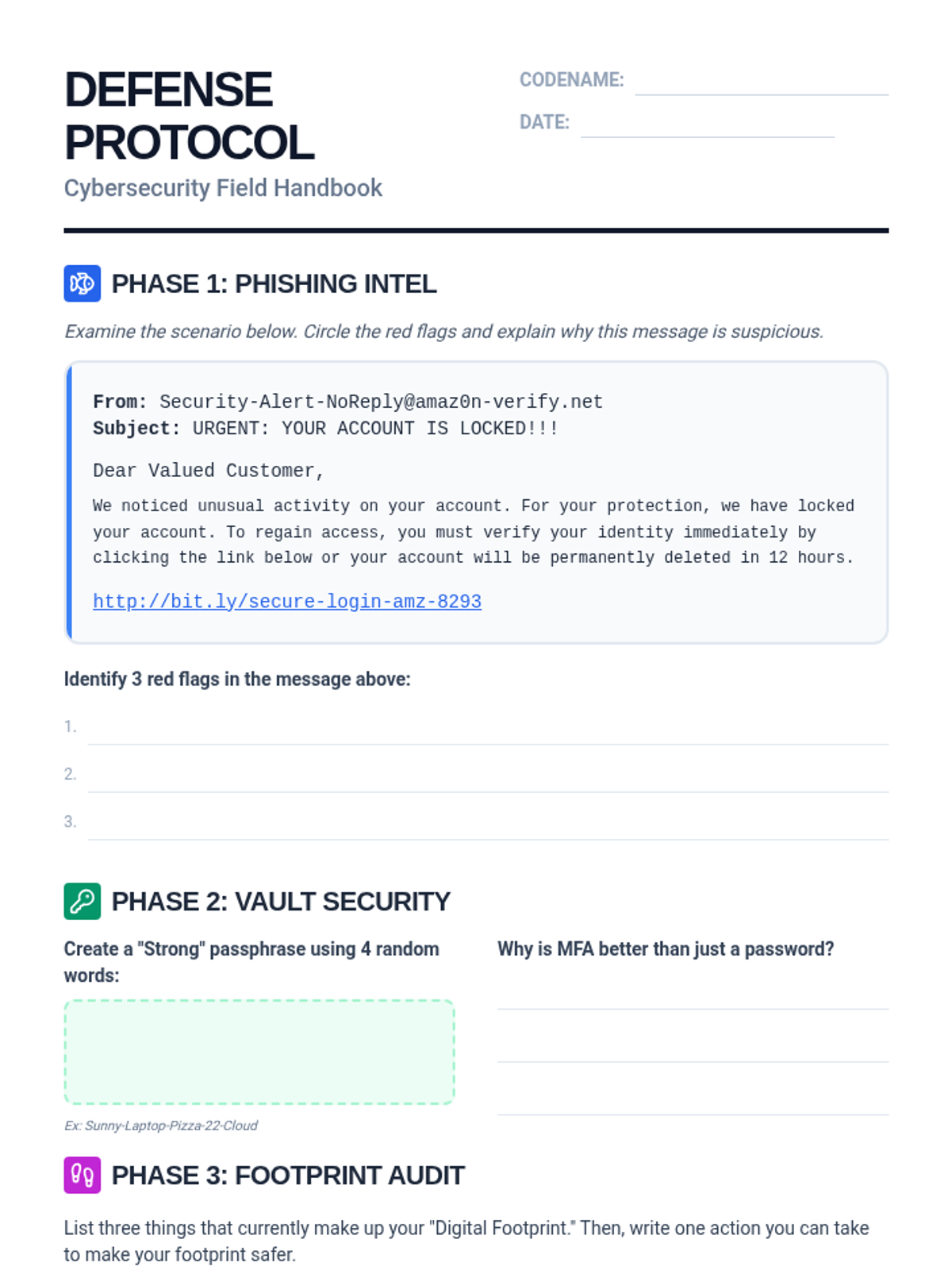
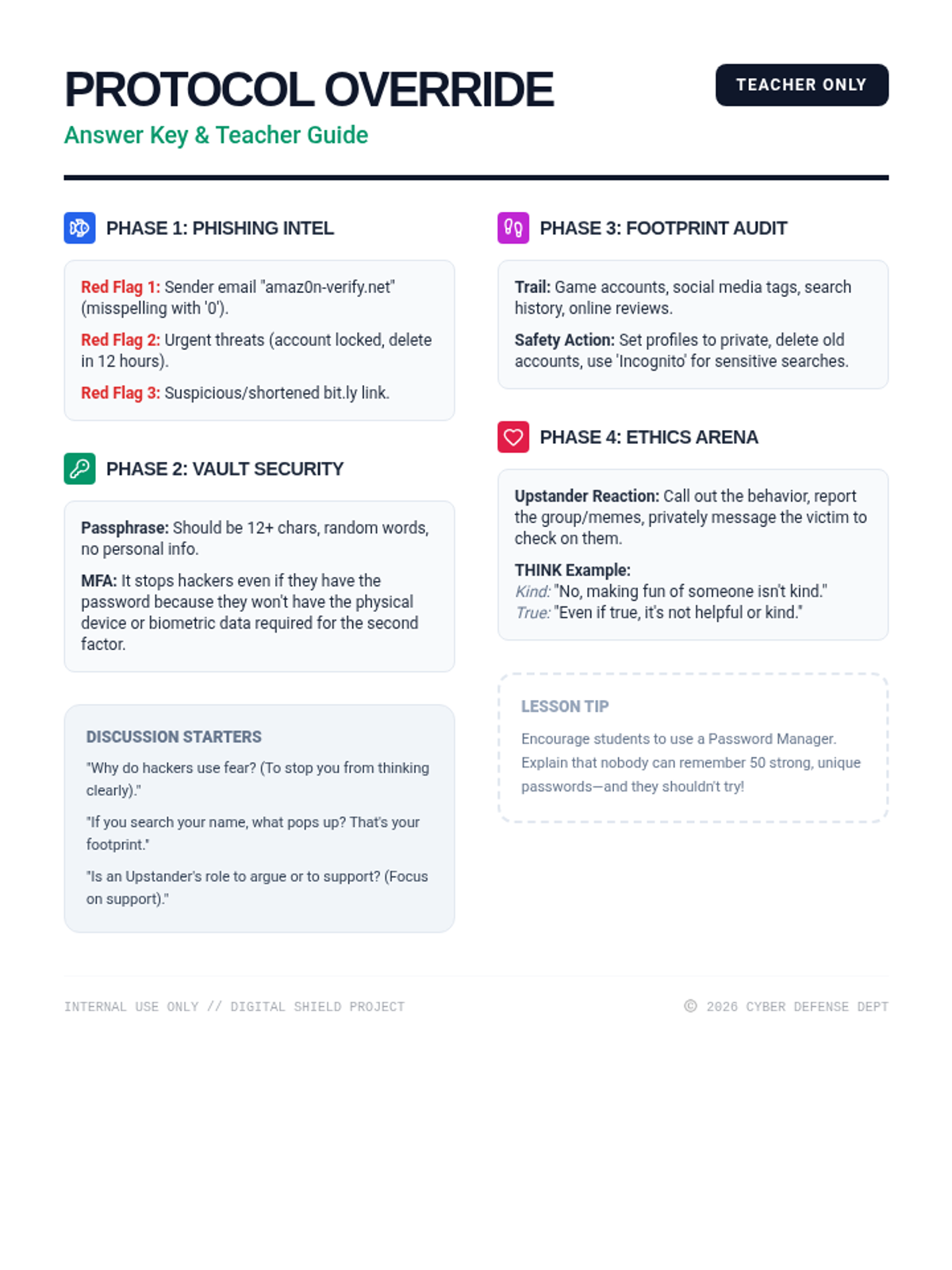
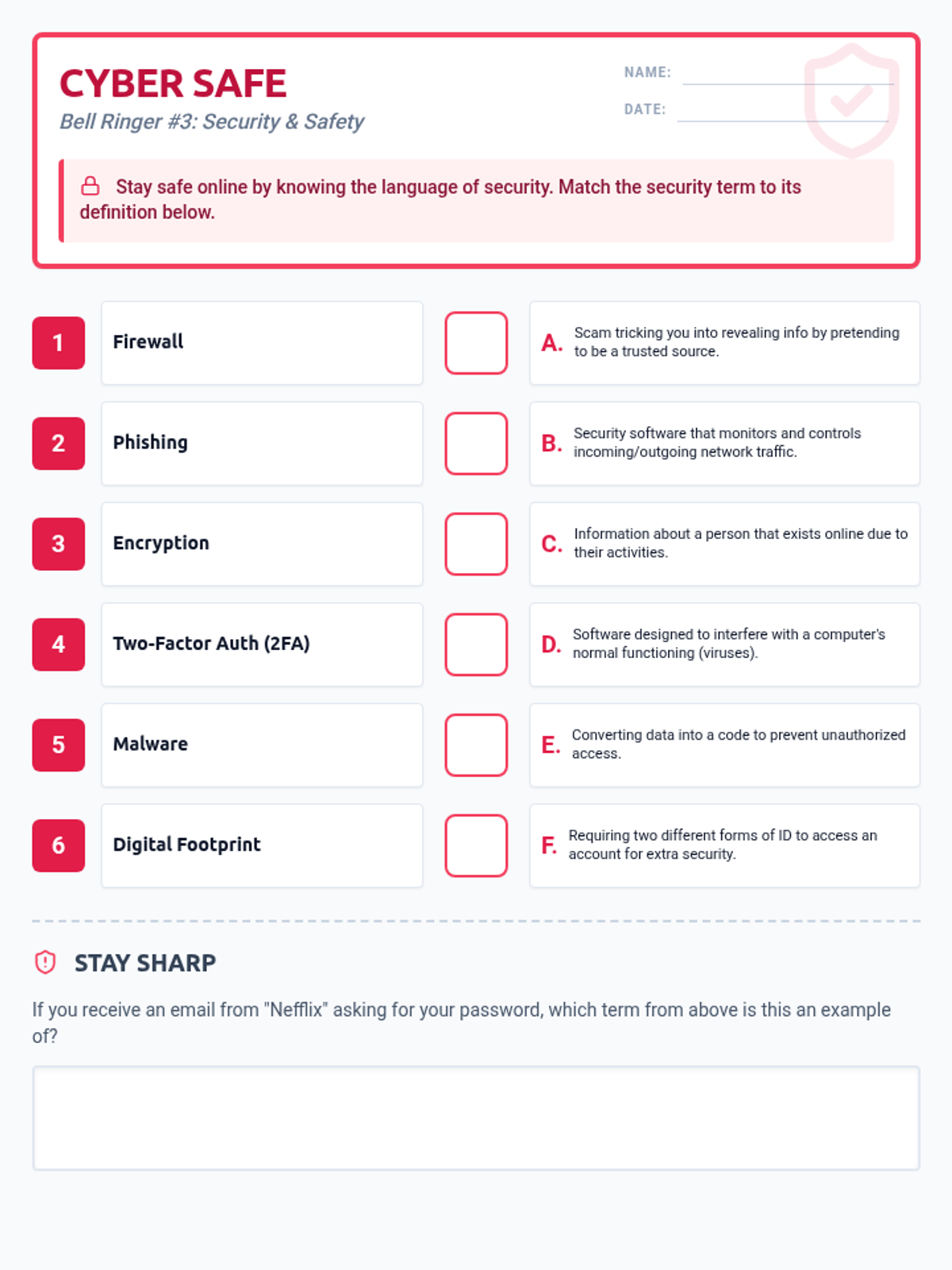
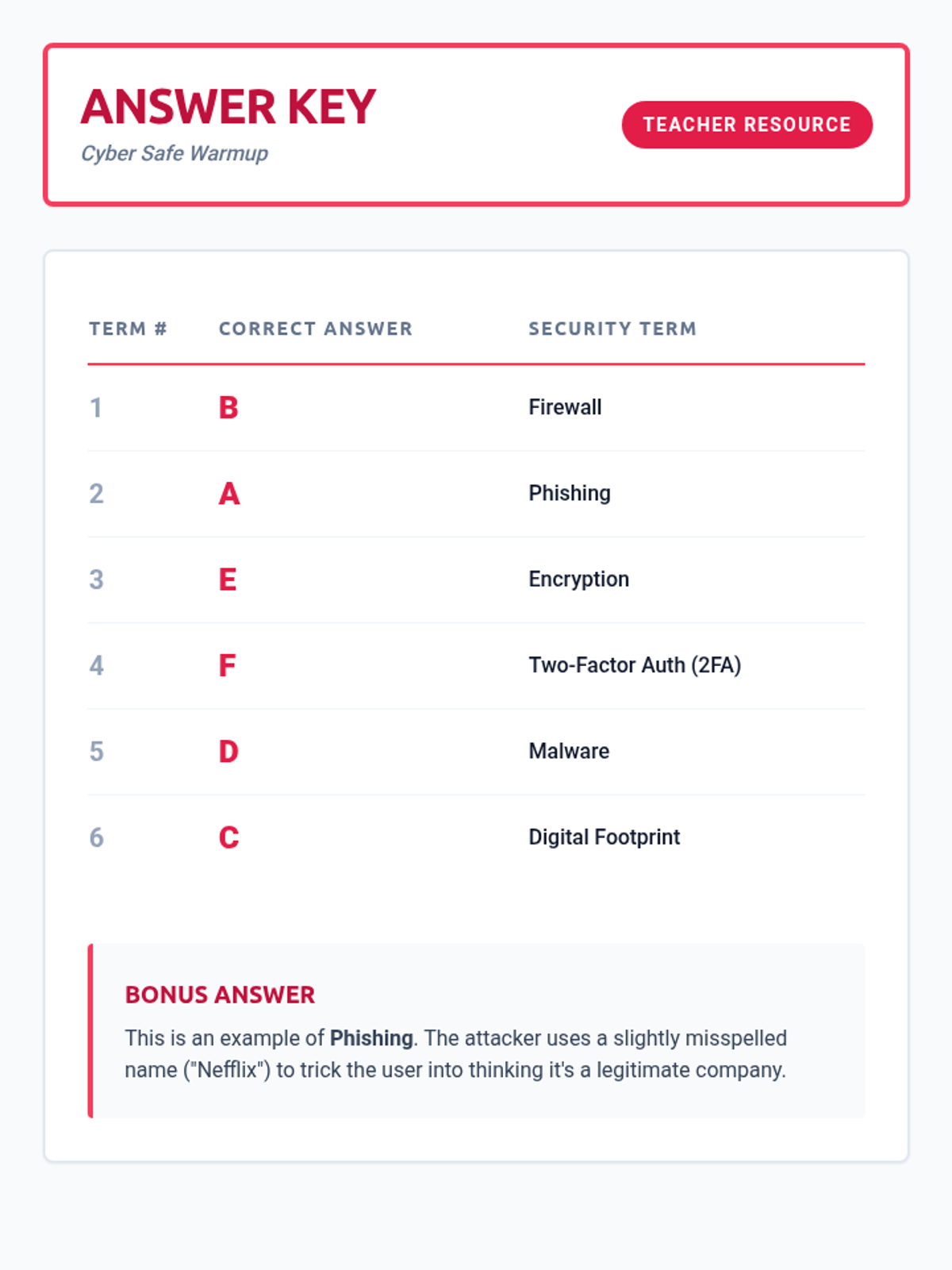
A comprehensive introduction to cybersecurity essentials, covering phishing, password security, digital footprints, and online ethics. Students learn to protect themselves and act responsibly in the digital world.
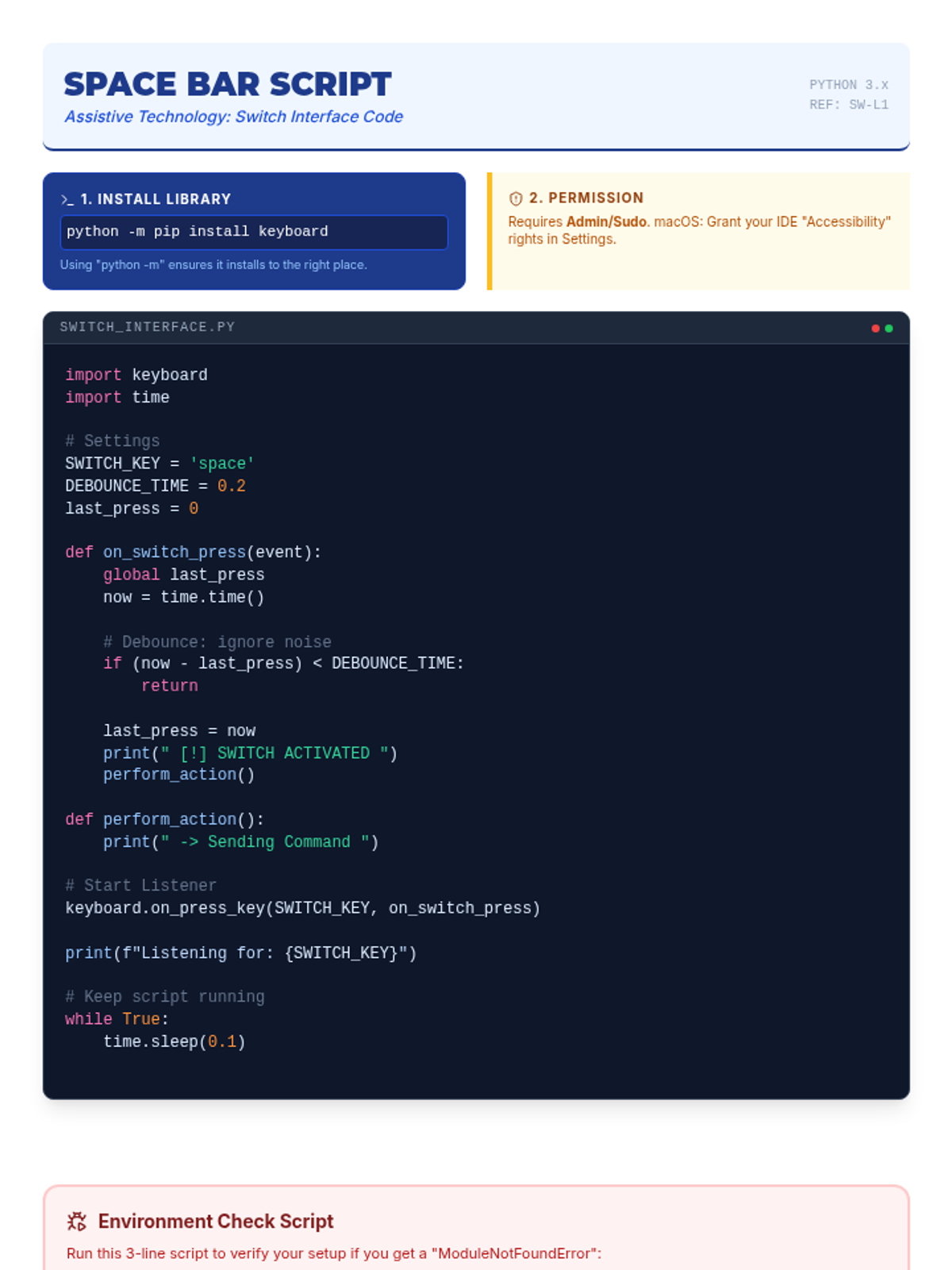
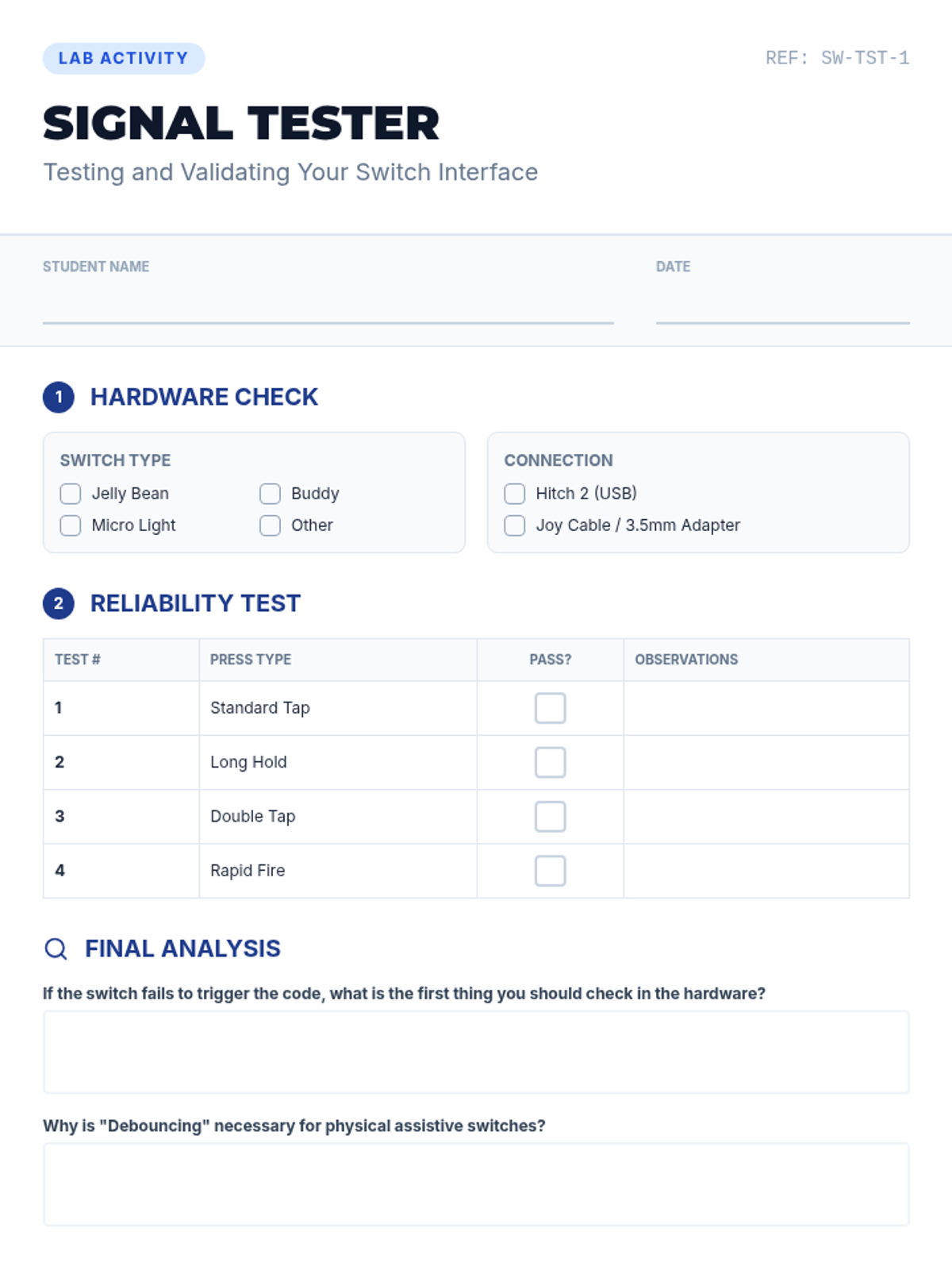
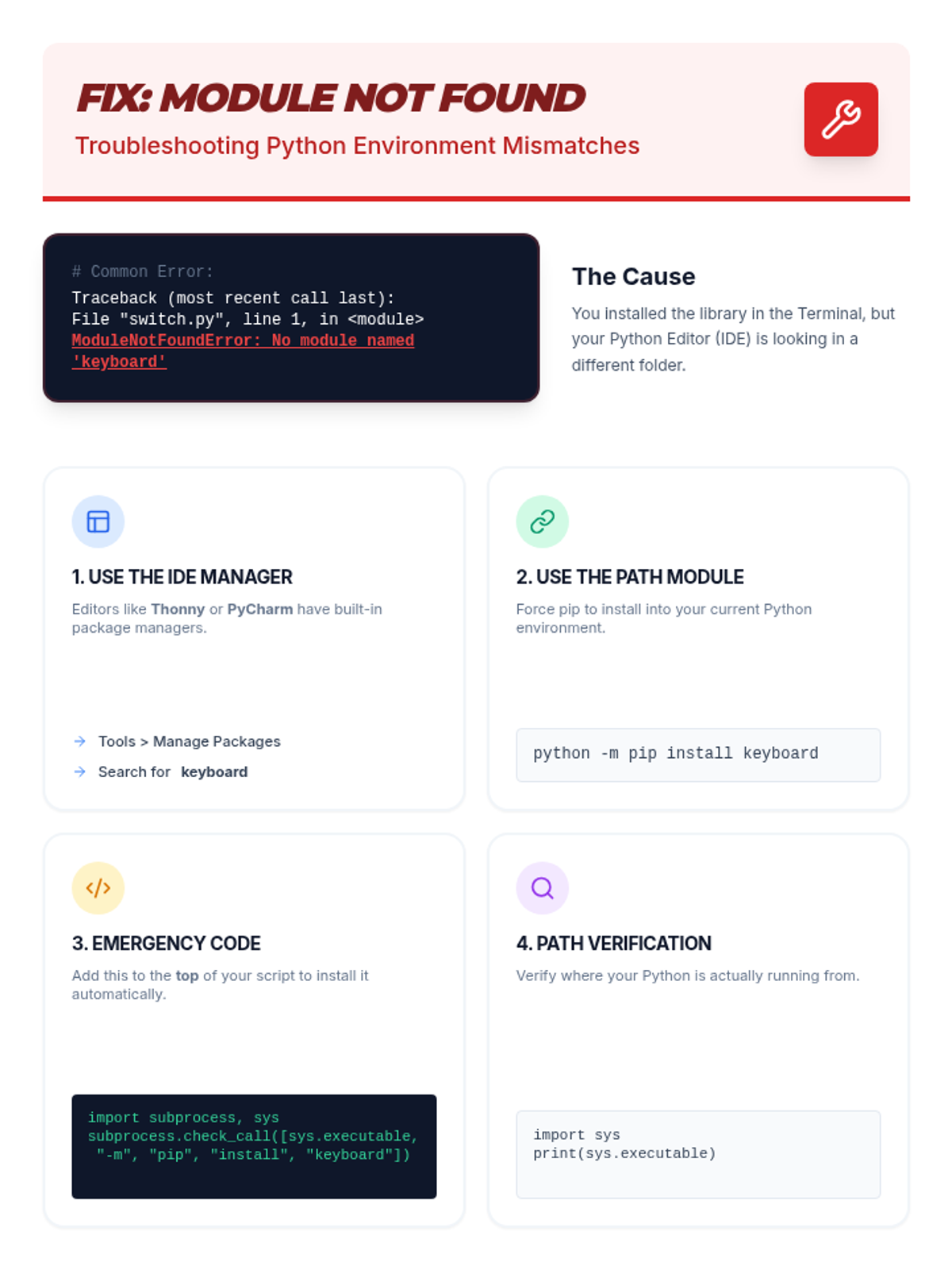
This lesson covers the logic and programming required to create a digital switch interface using Python, focusing on key bindings and signal processing.
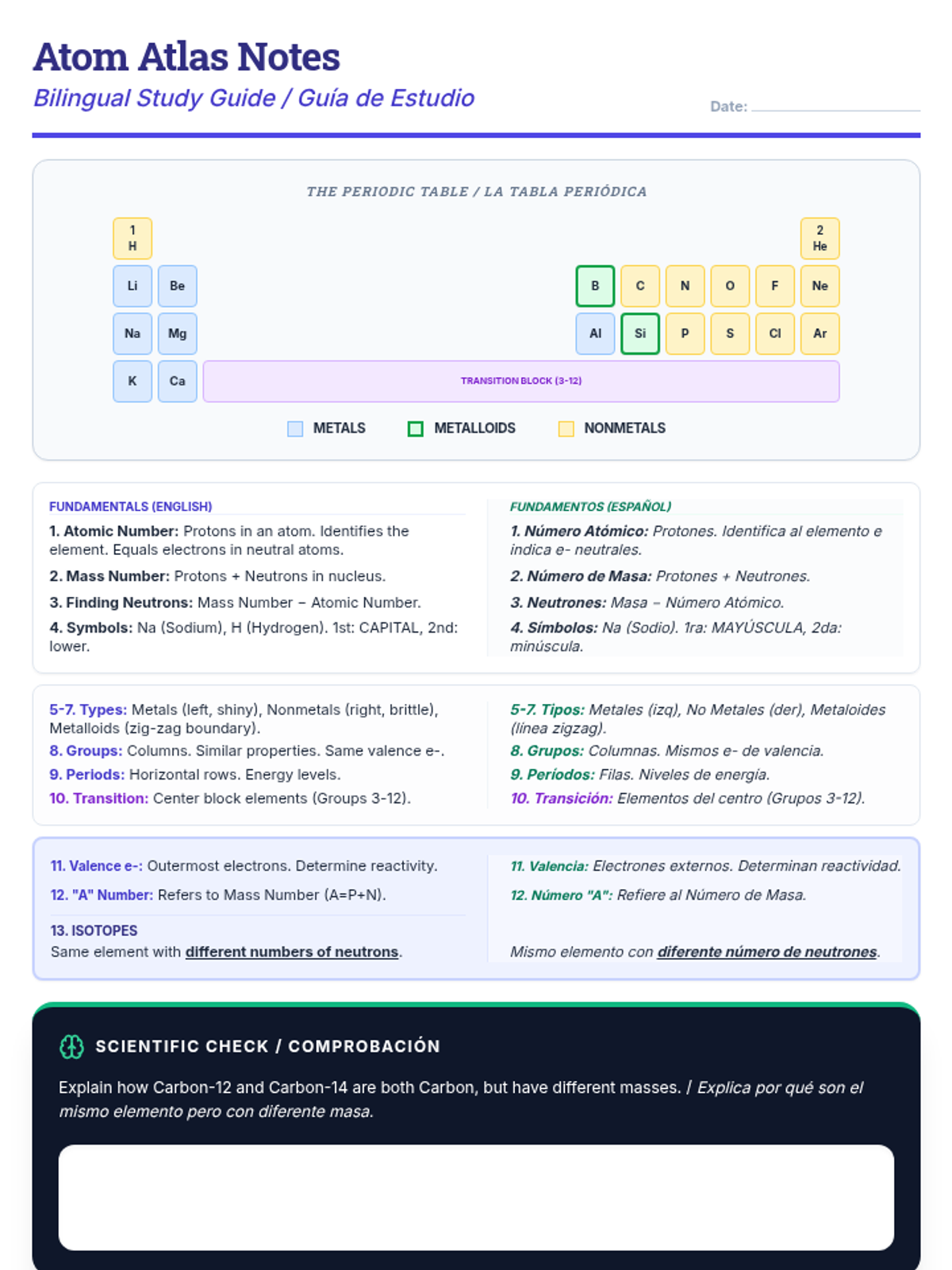
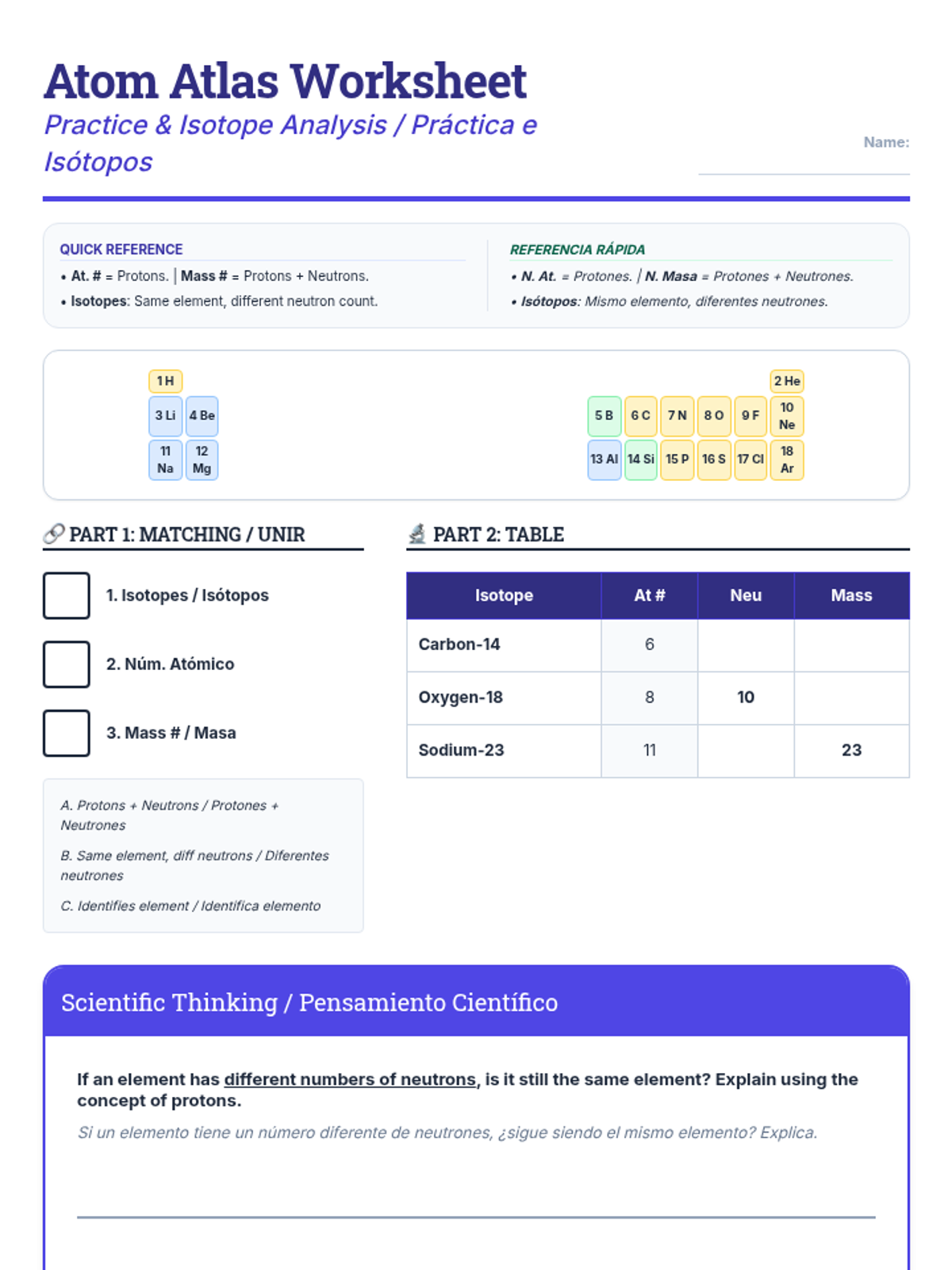
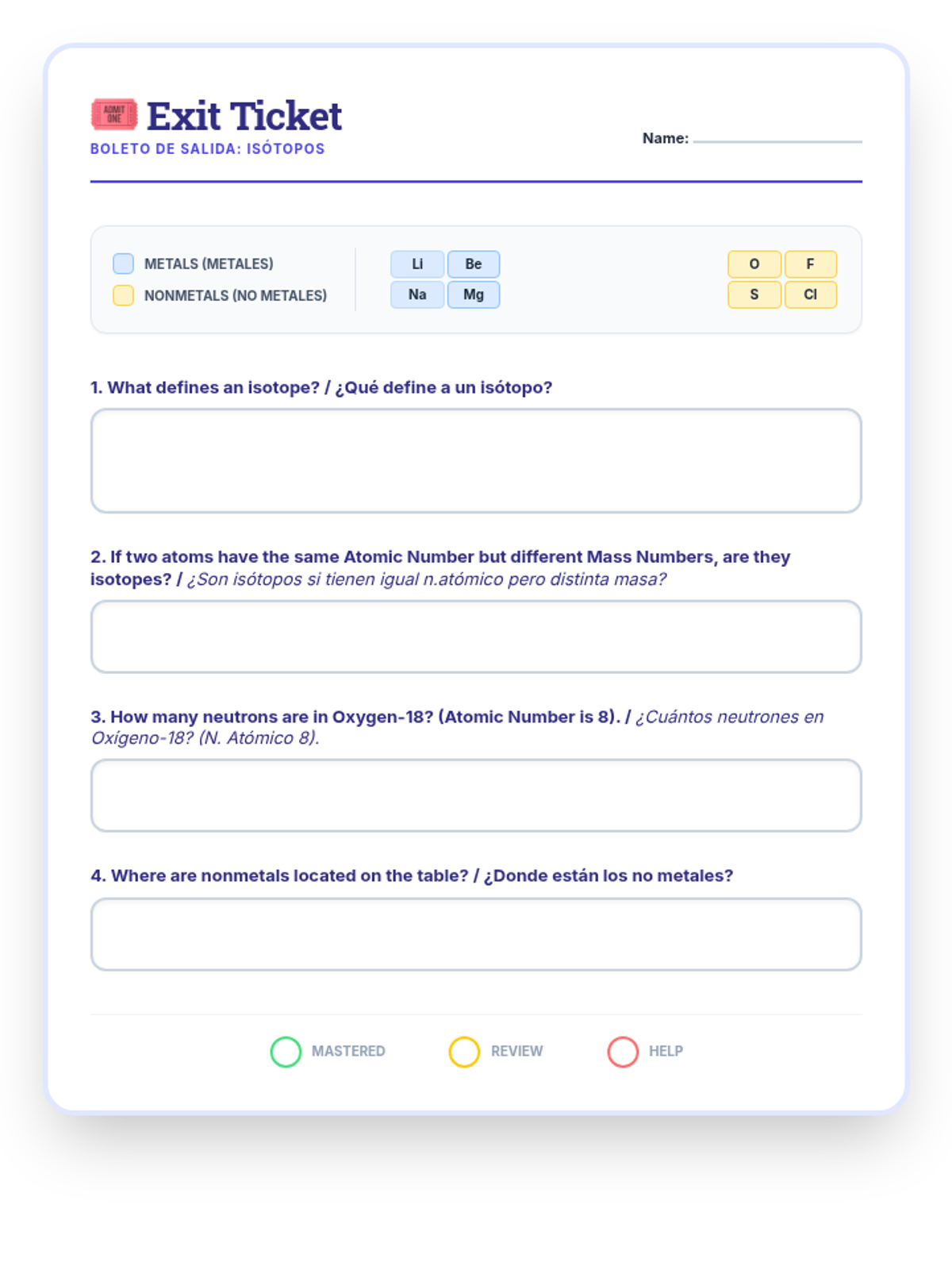
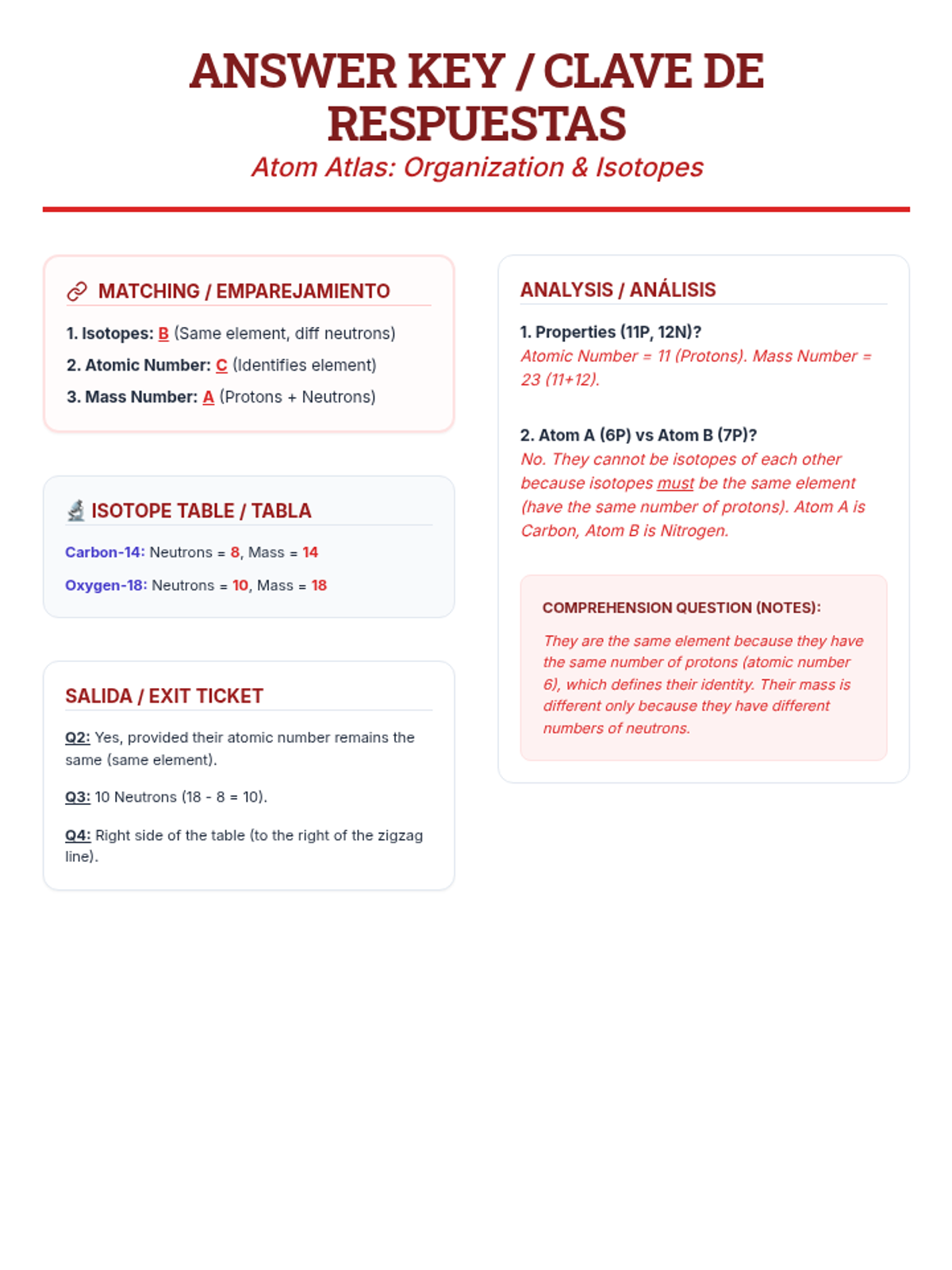
An introductory lesson on how the periodic table is organized, covering atomic numbers, mass, types of elements, and periodic trends.
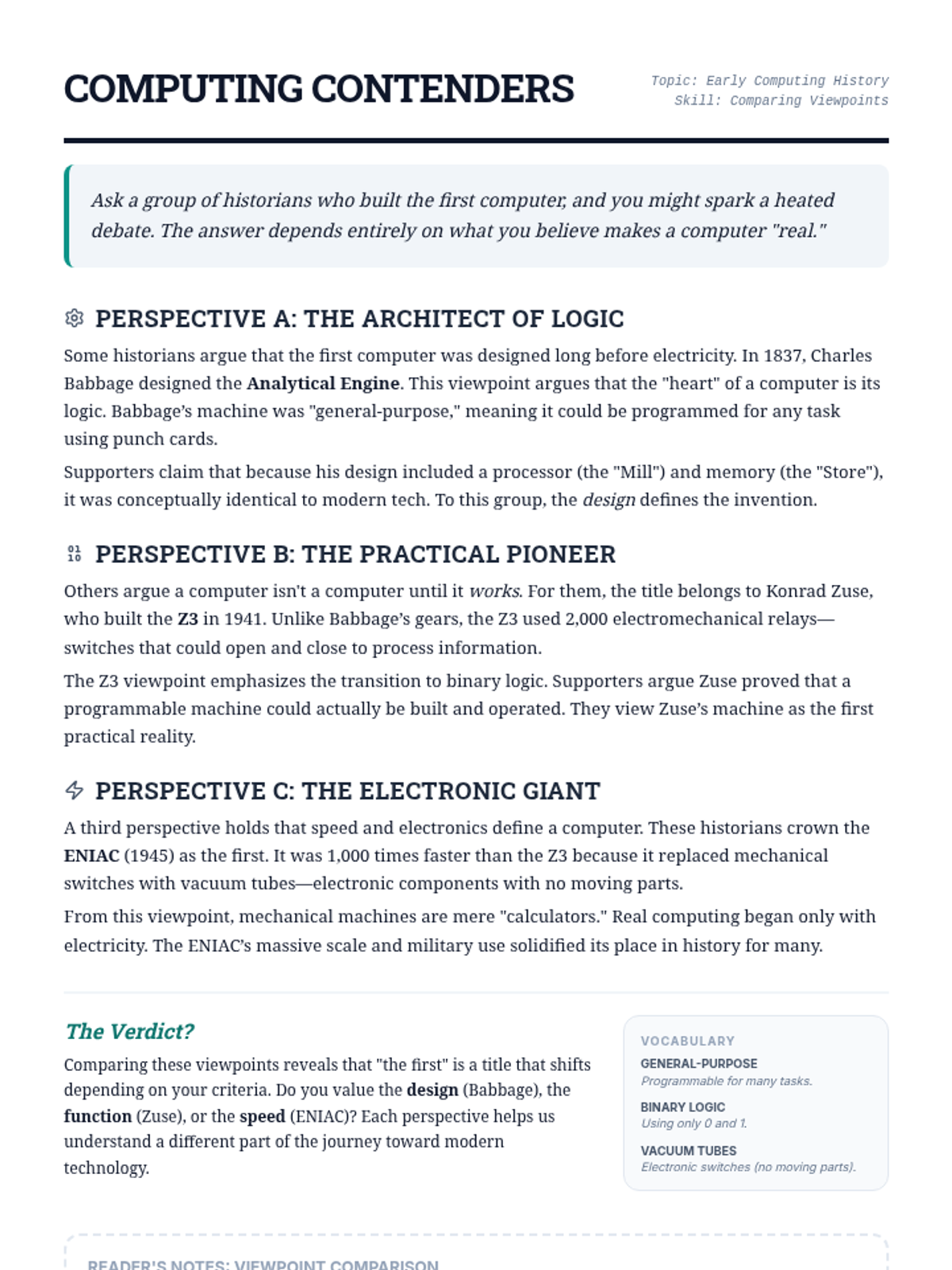
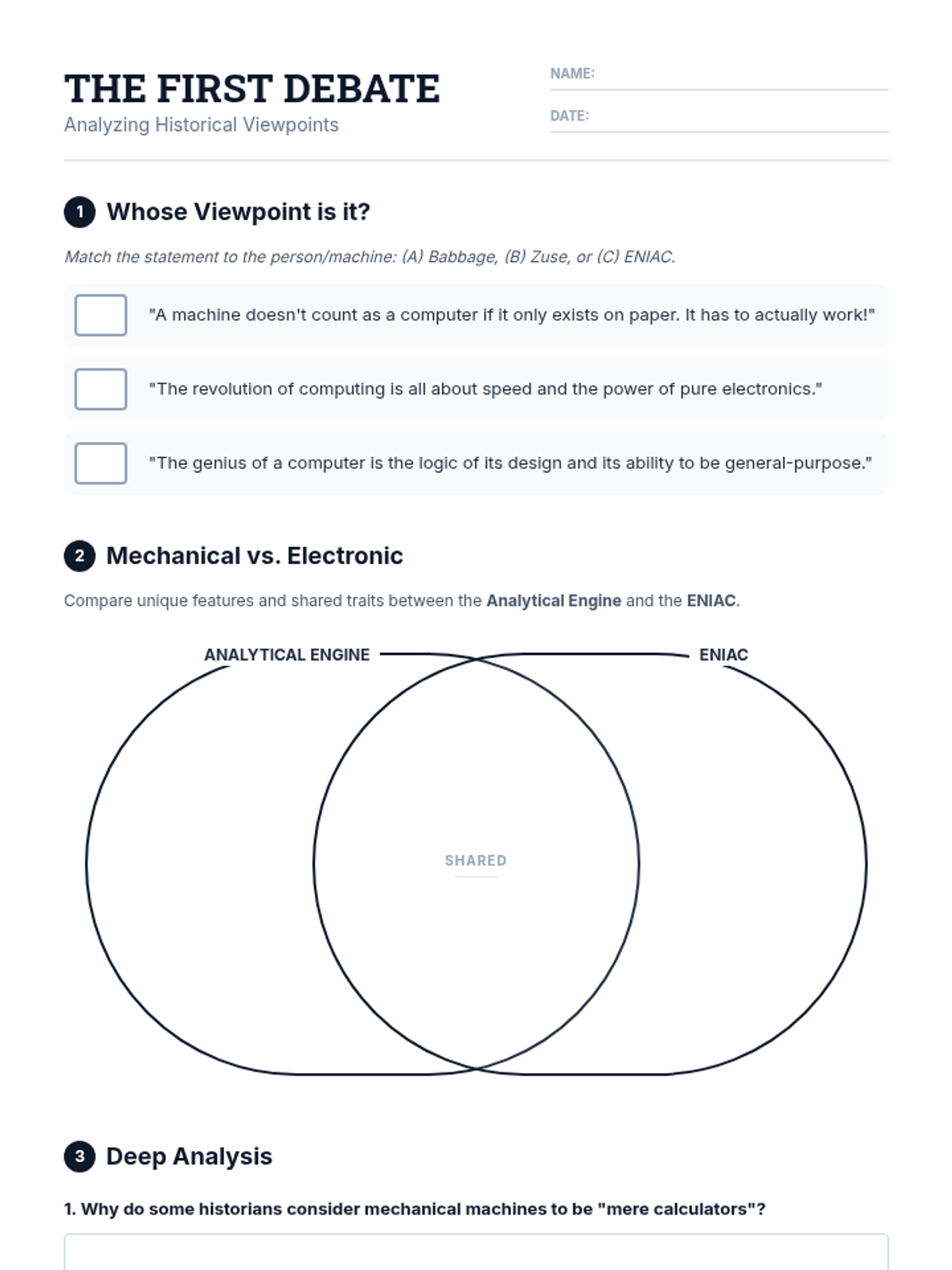
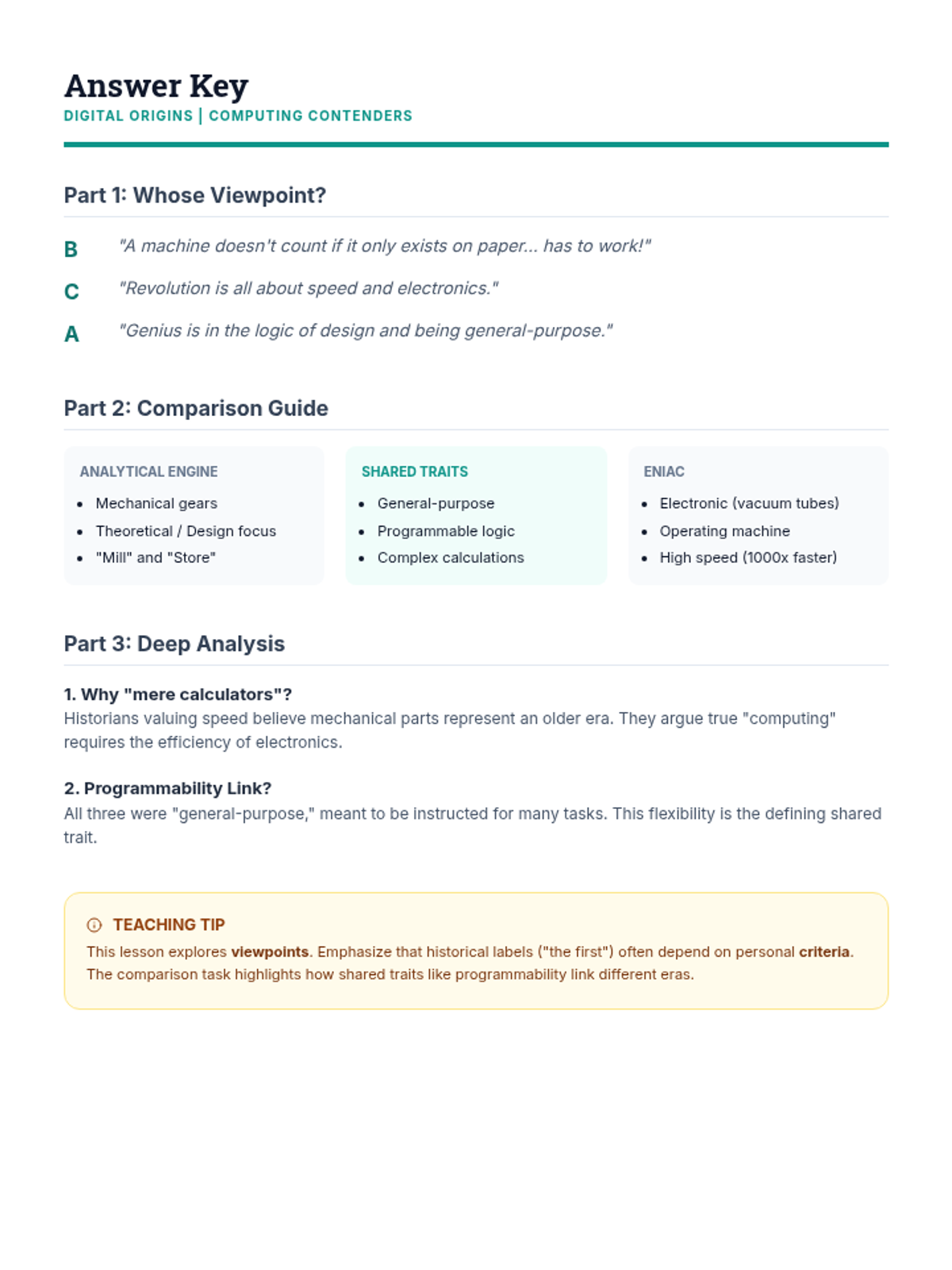
A lesson exploring the evolution of early computing machines and the varying historical perspectives on which machine deserves the title of the 'first' computer. Students will analyze different viewpoints based on technical criteria like programmability, electronics, and logic.
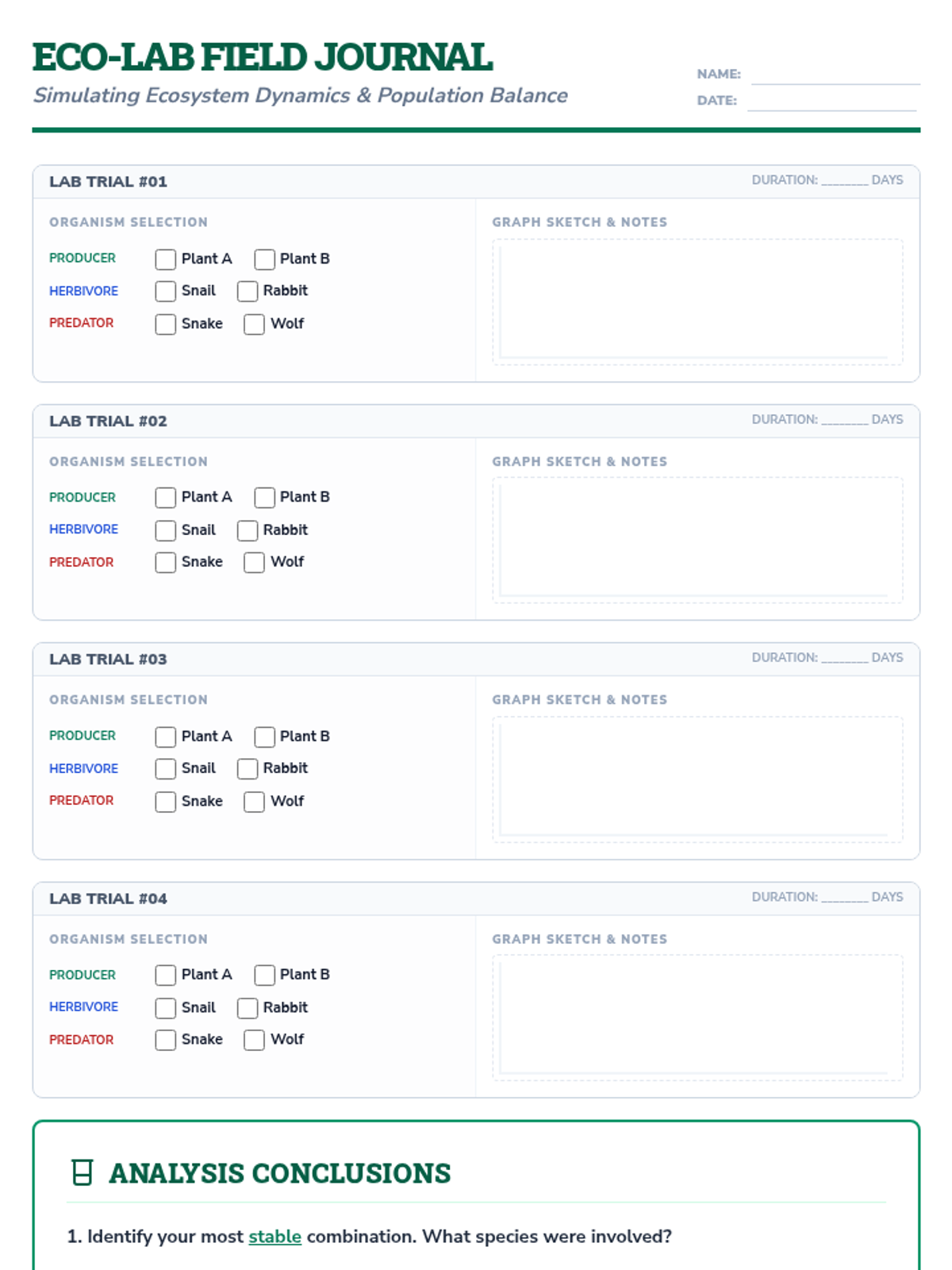
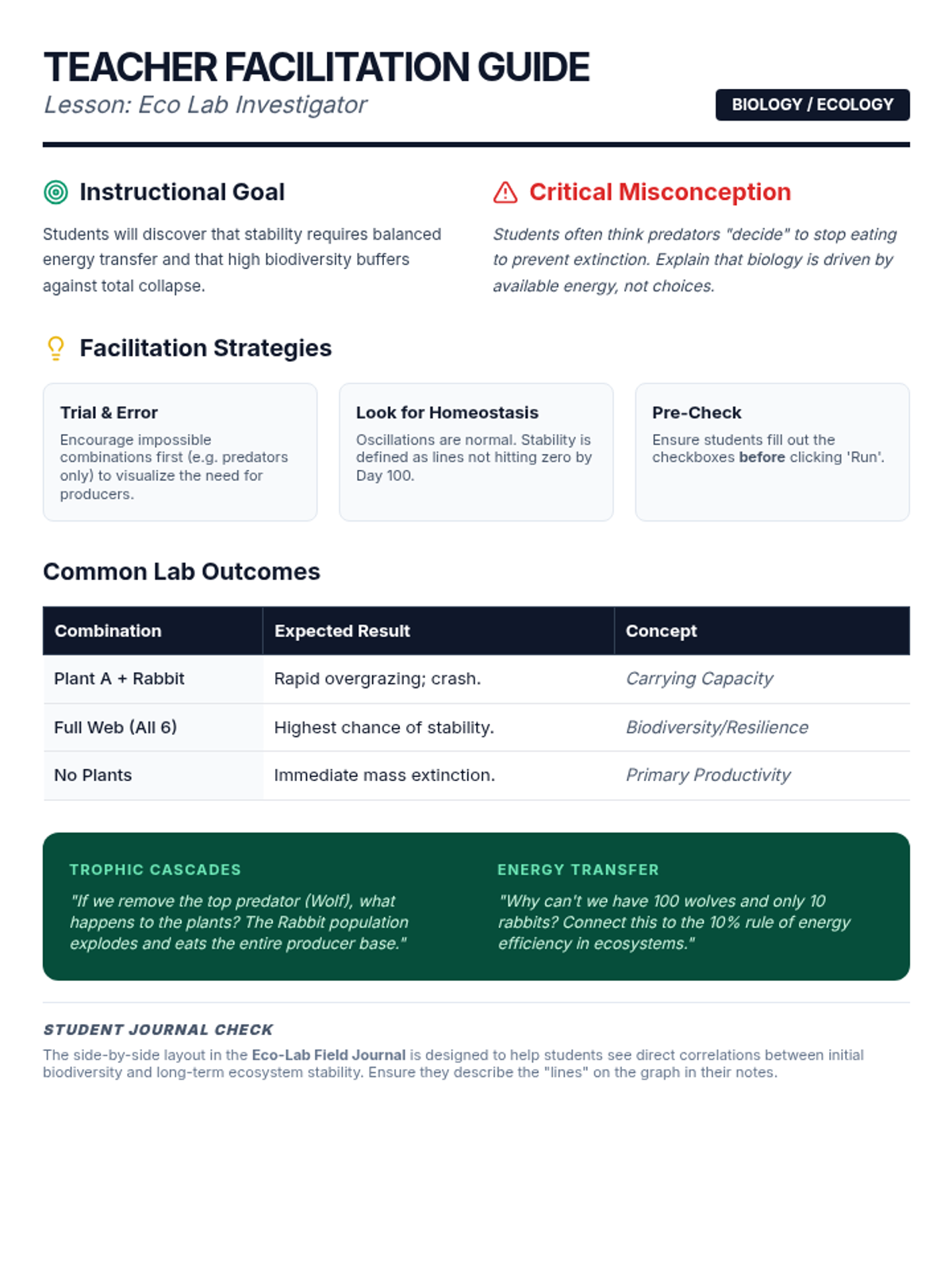
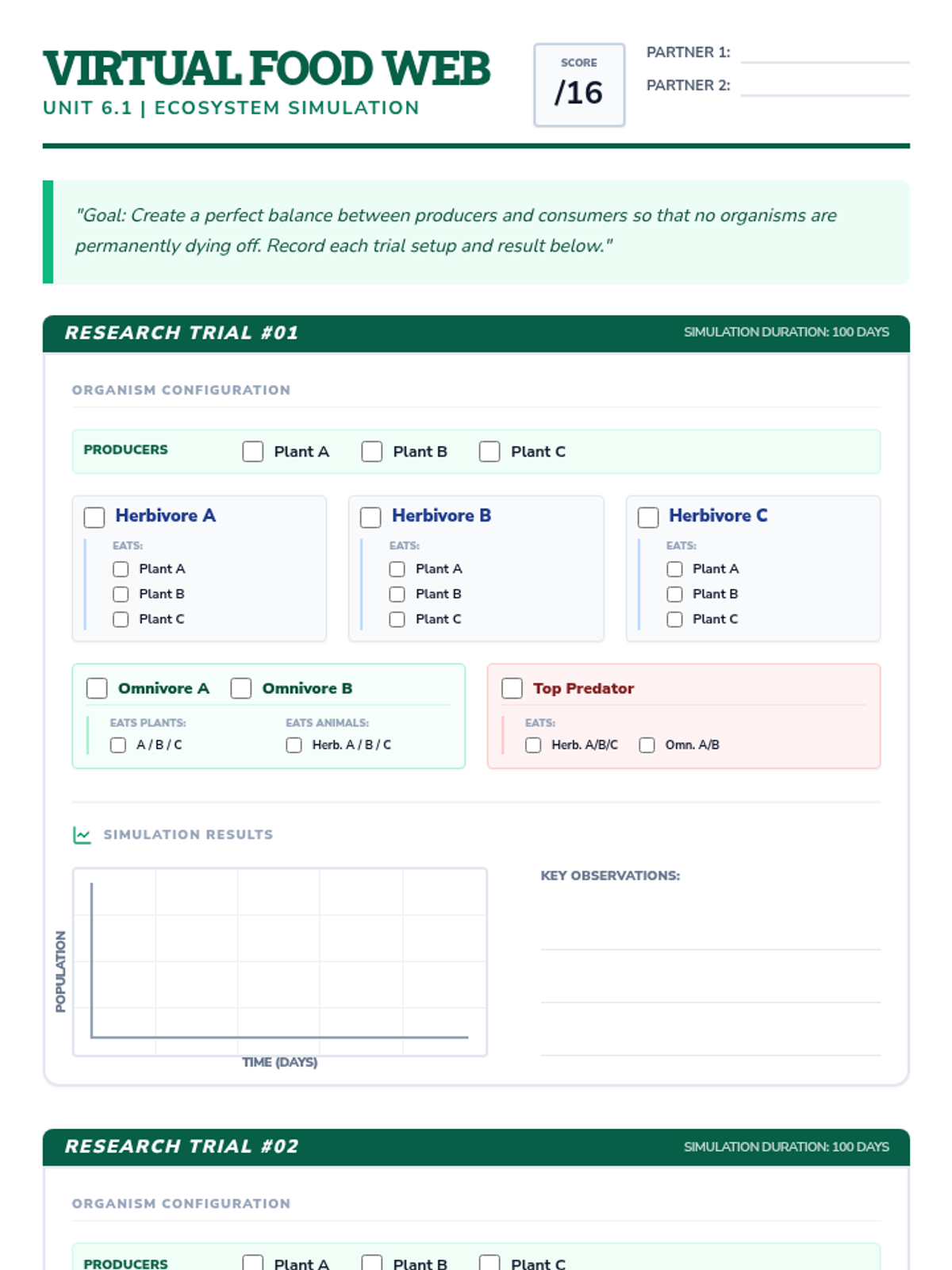
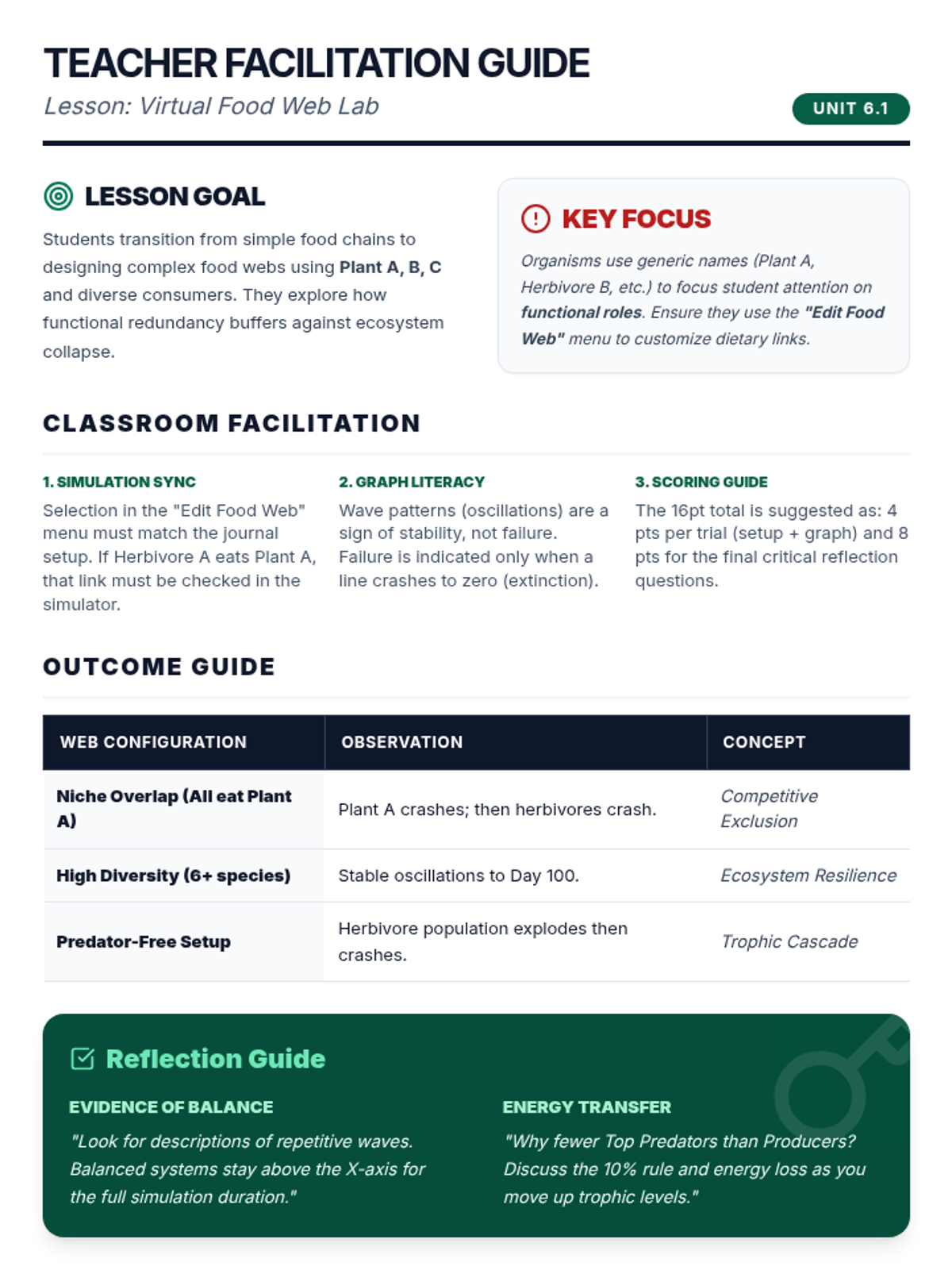
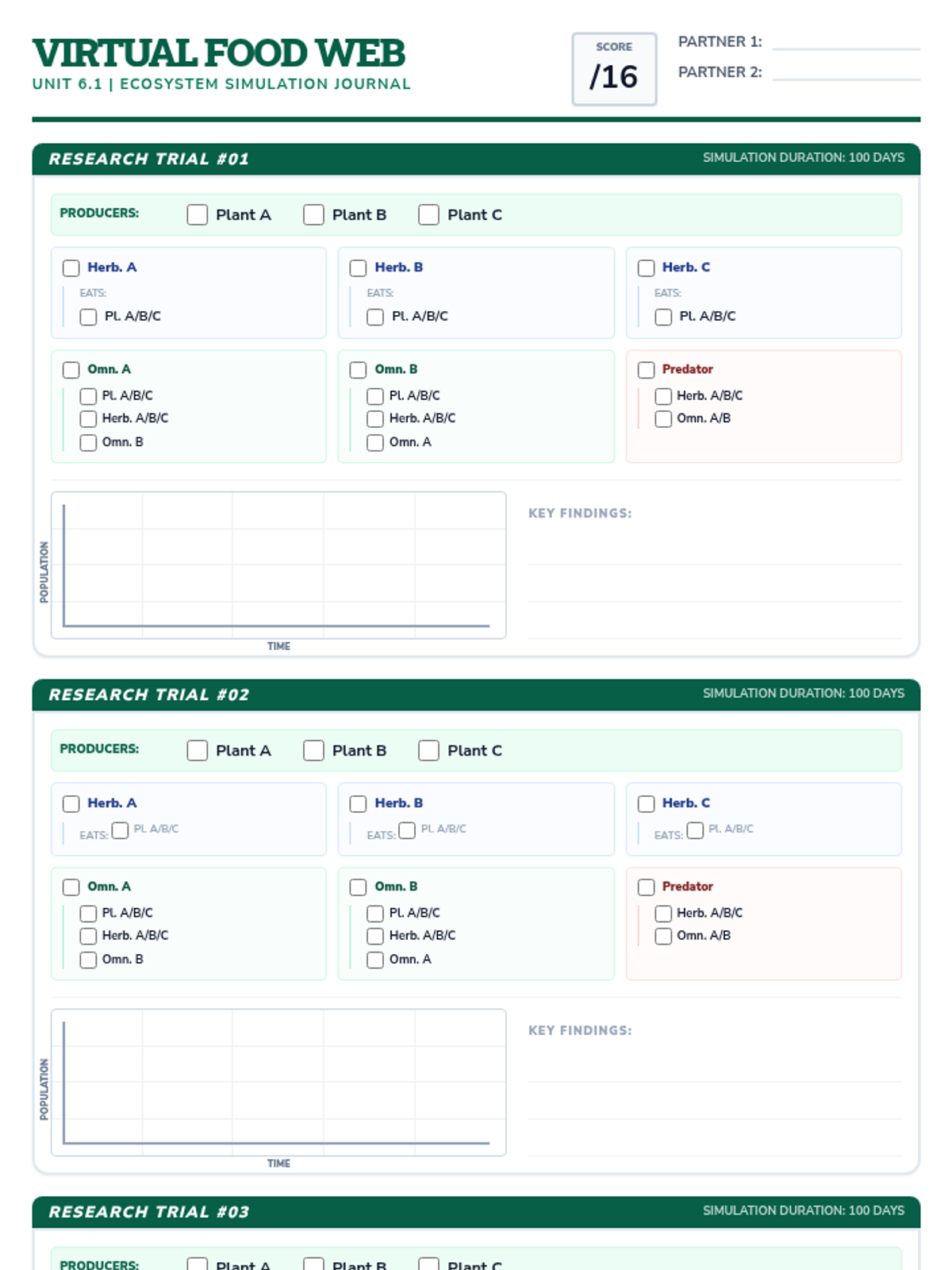
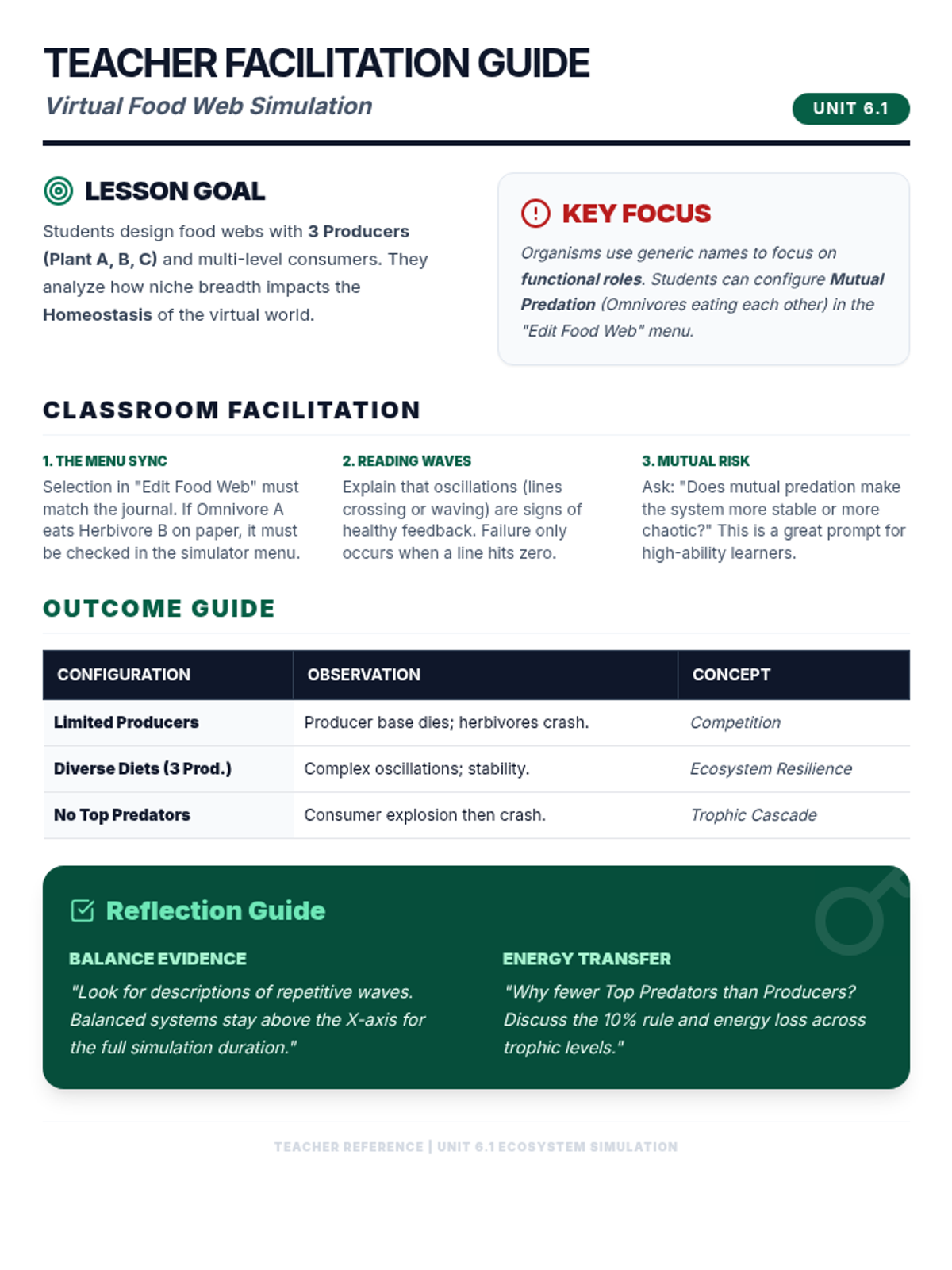
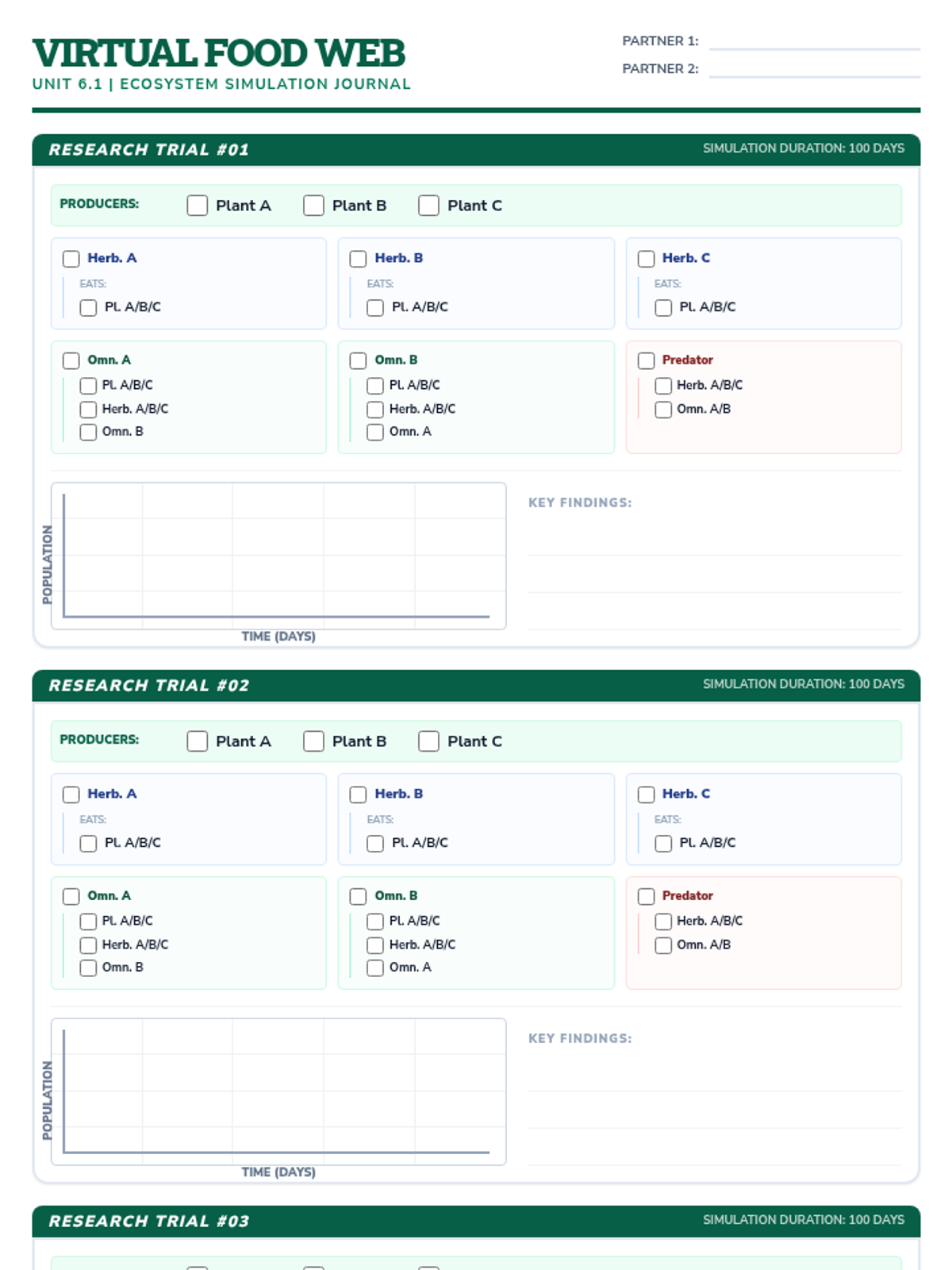
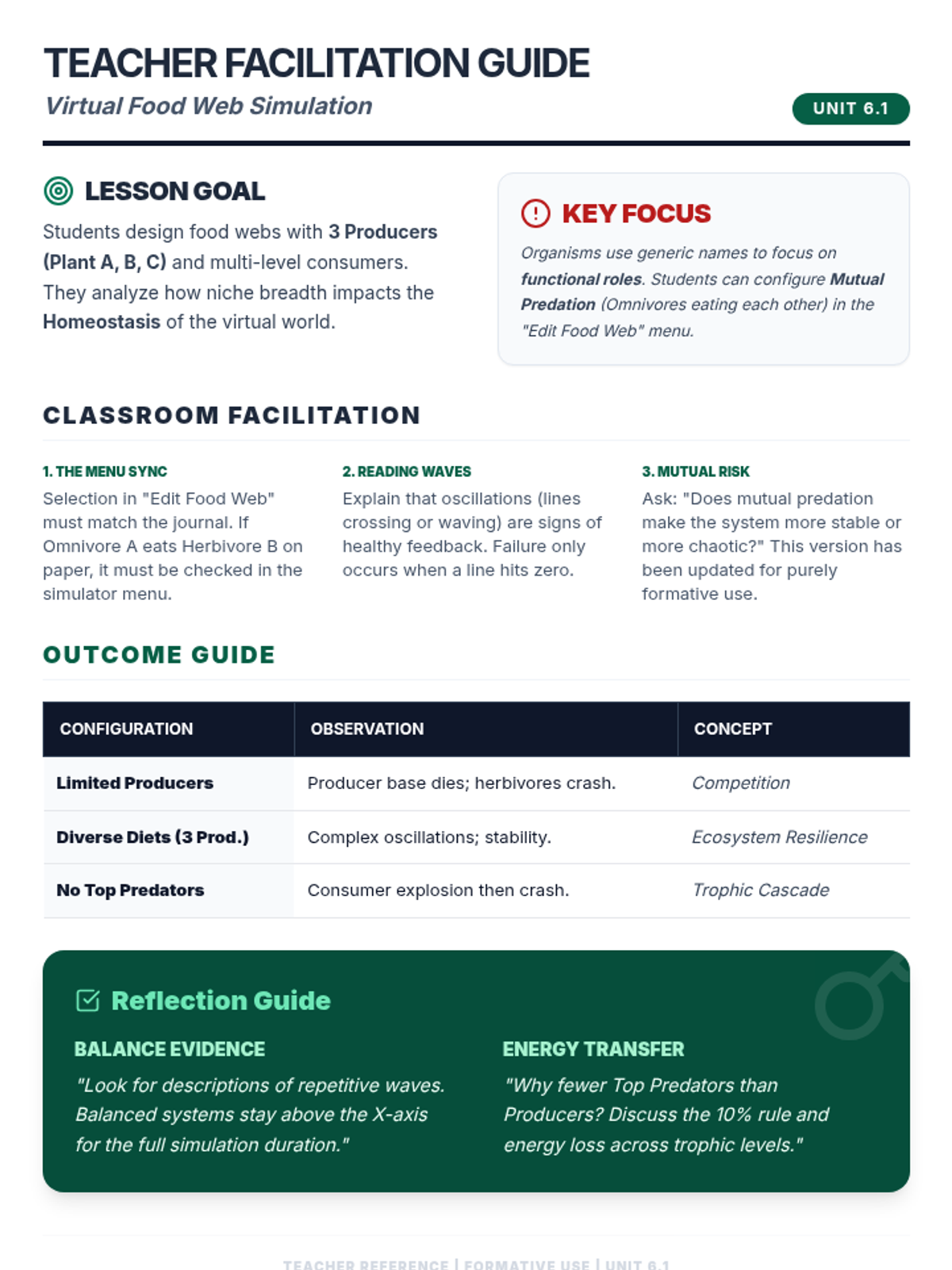
Students use an interactive ecology simulator to explore population dynamics by testing various combinations of producers, primary consumers, and secondary consumers. They record their findings in a structured field journal to identify patterns of stability and extinction.
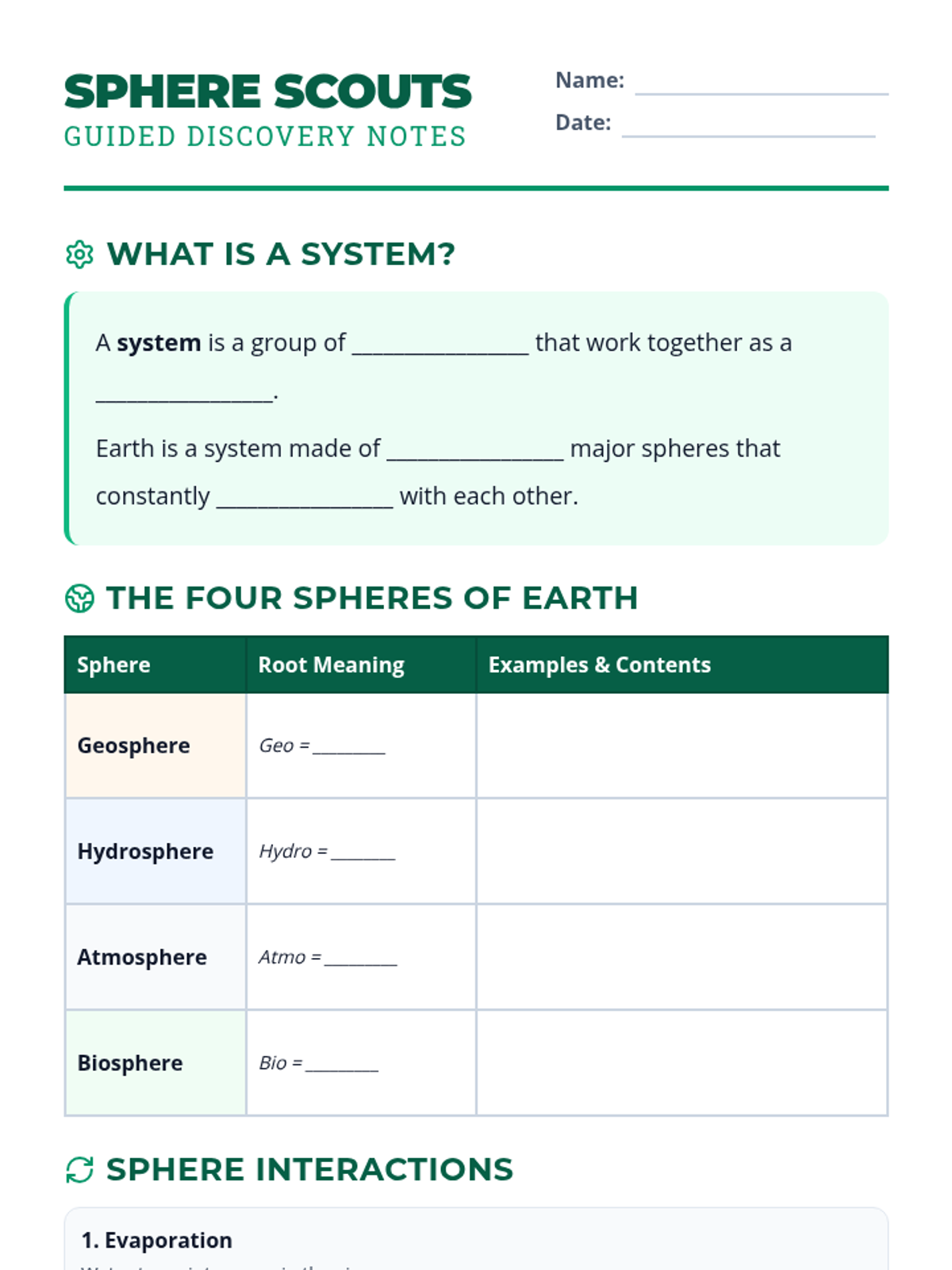
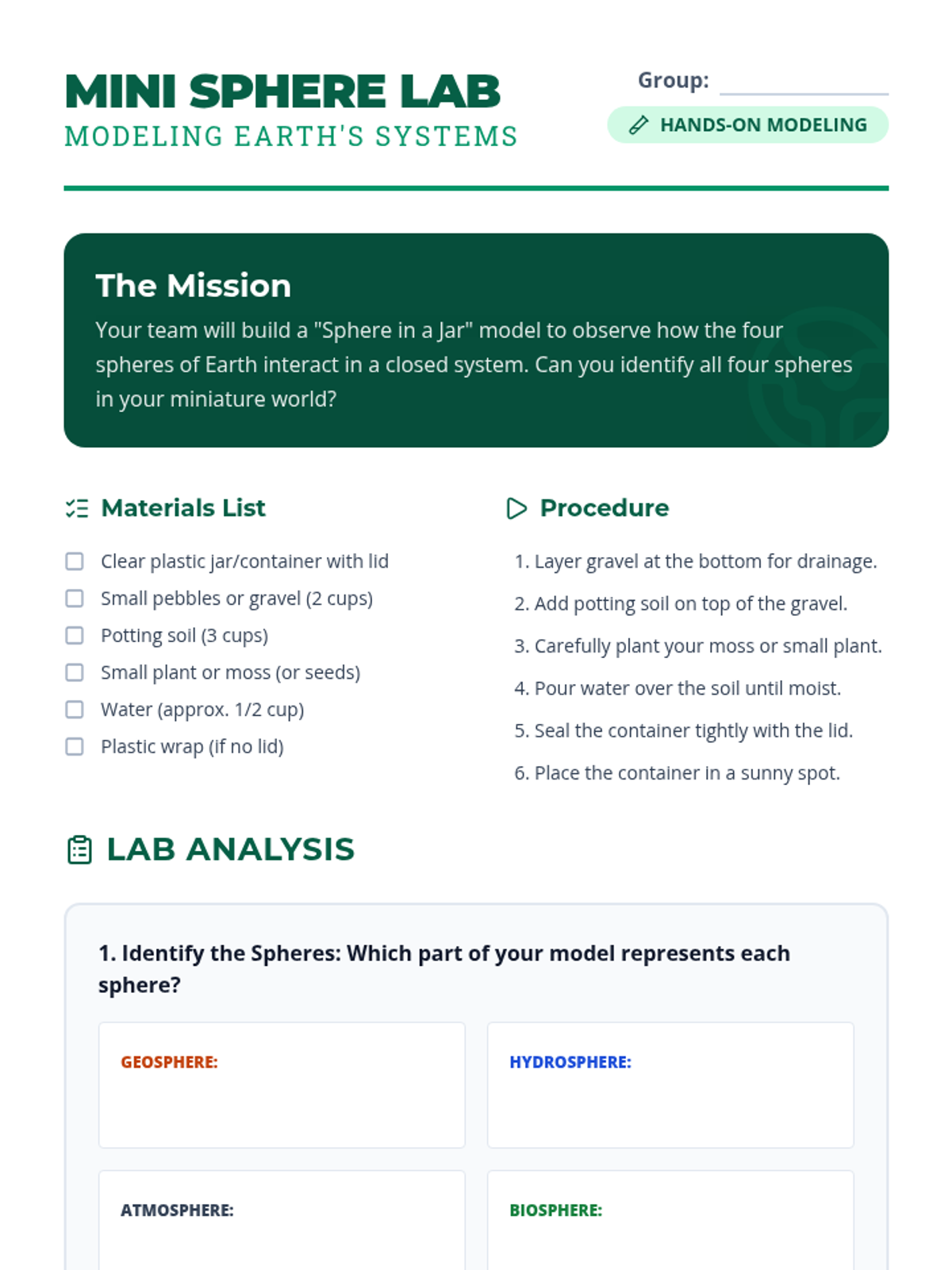
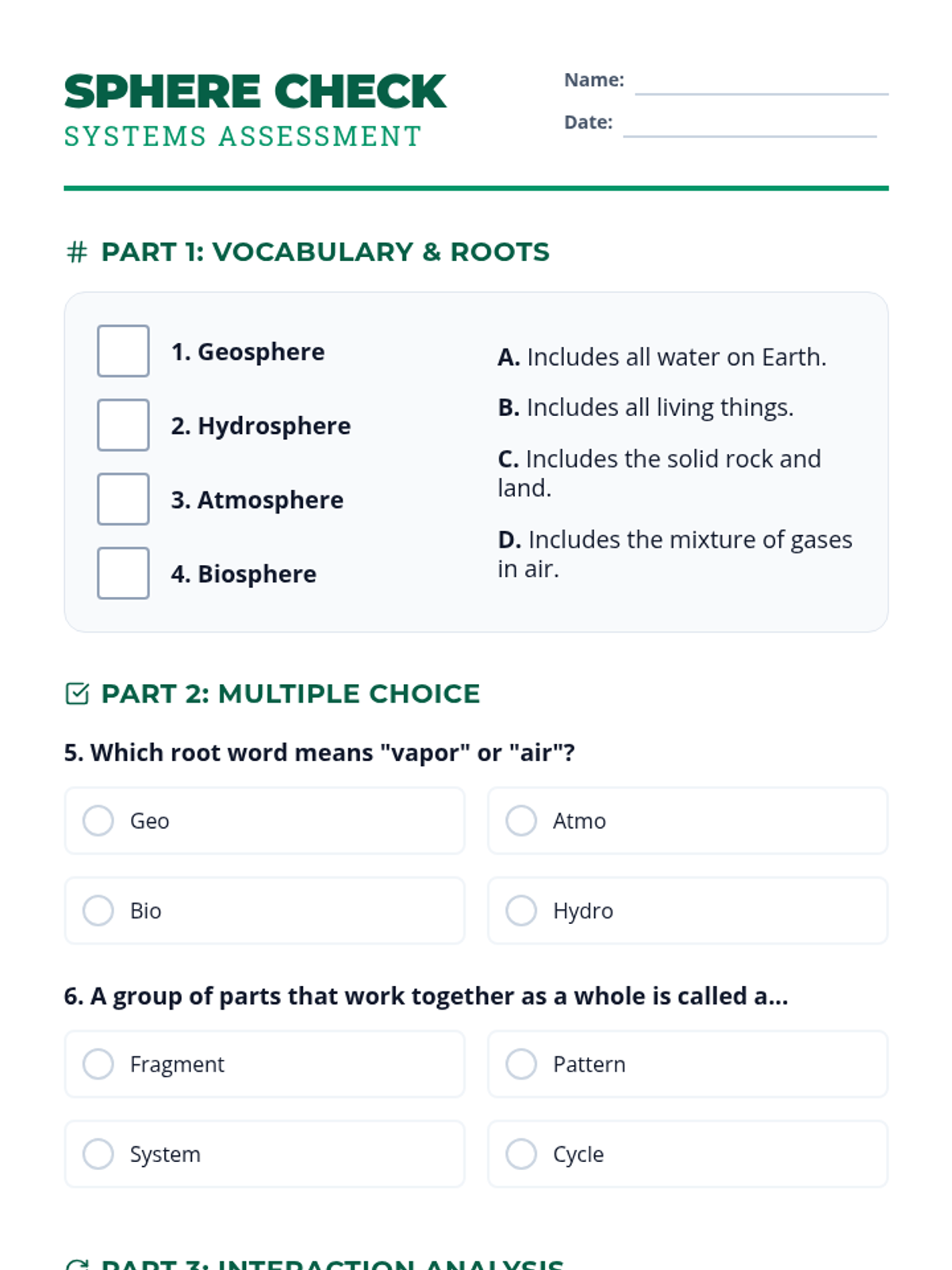
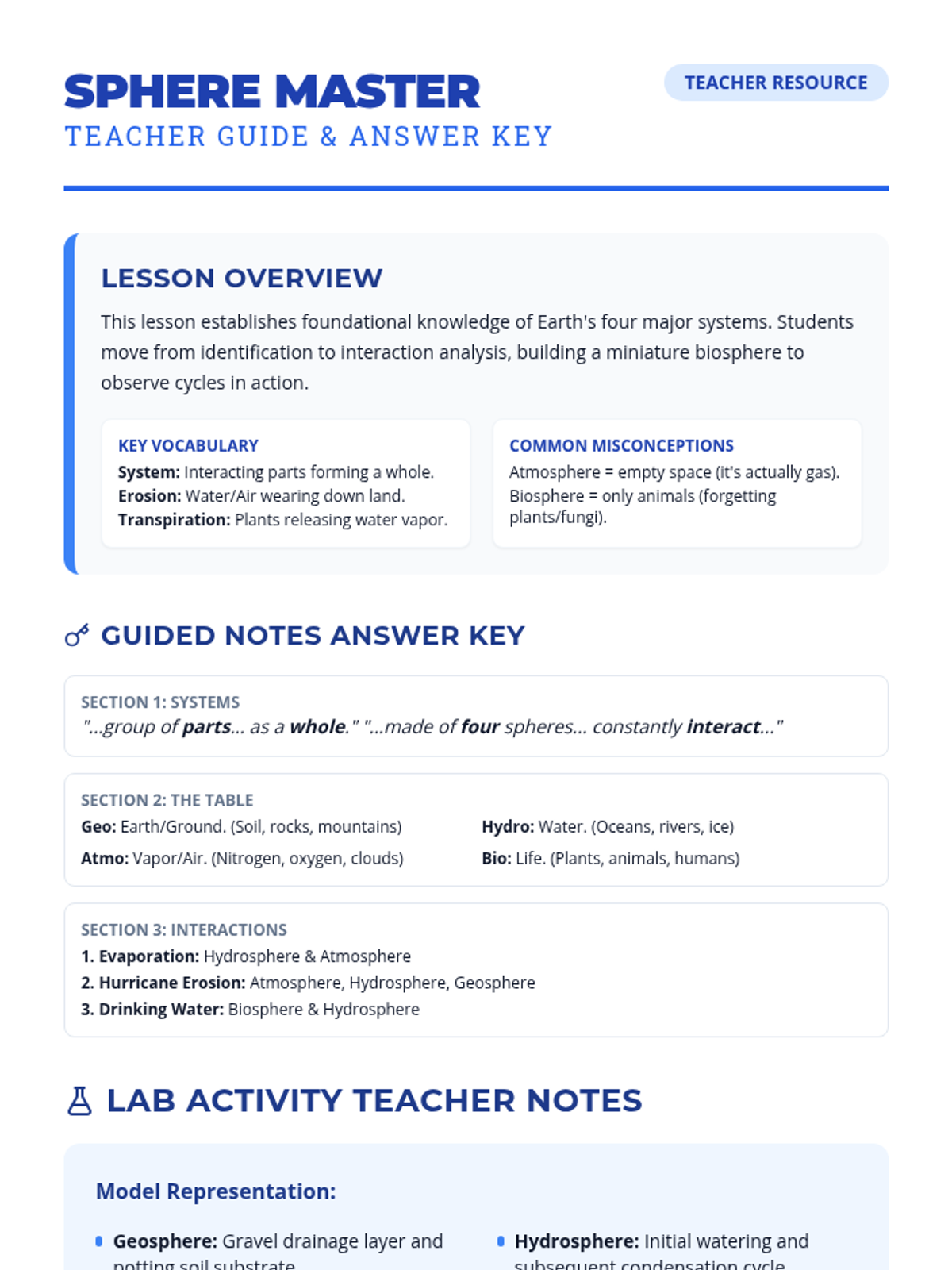
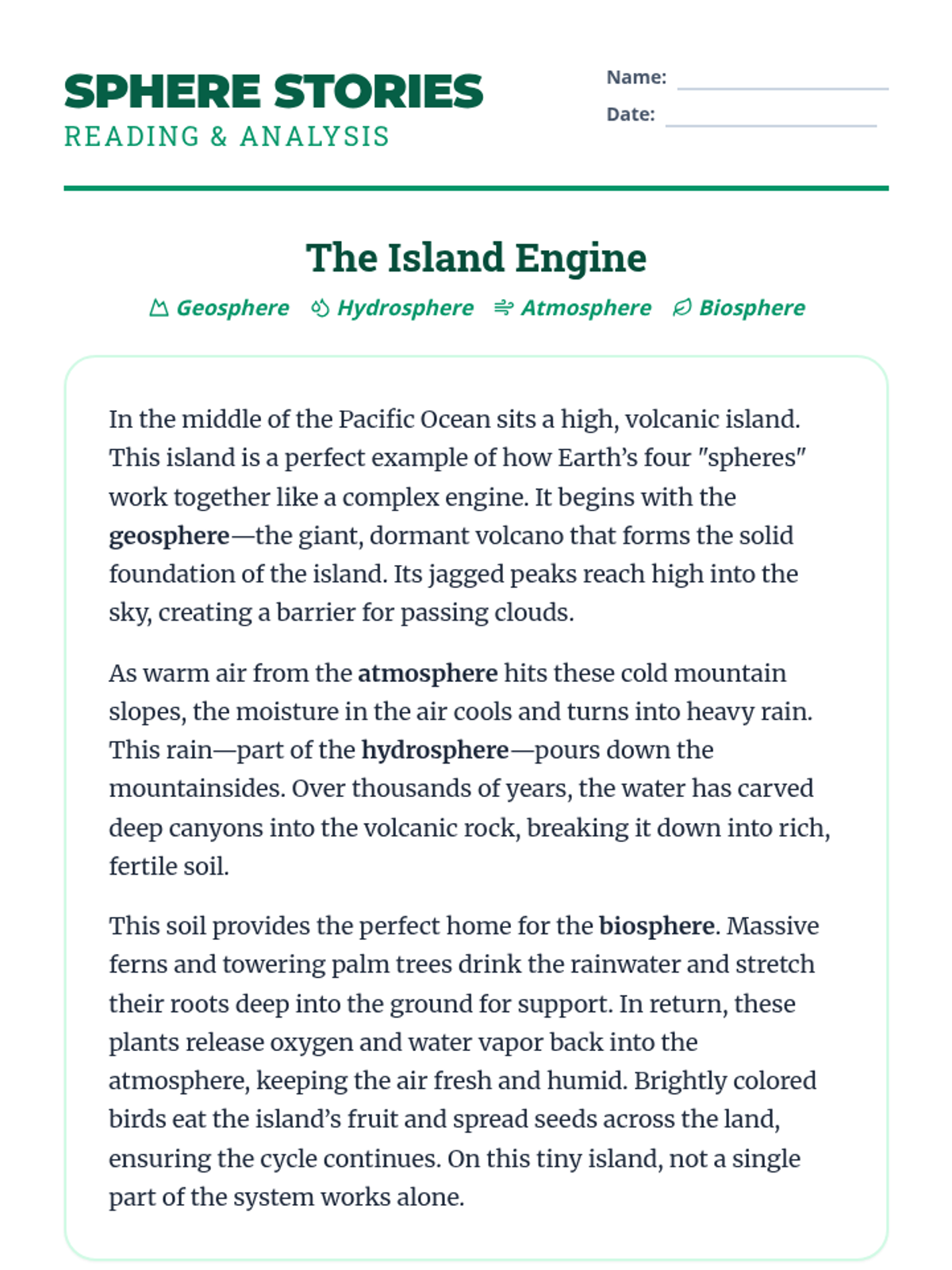
A comprehensive lesson exploring Earth's four major systems: the geosphere, hydrosphere, atmosphere, and biosphere. Students will learn to identify each sphere and describe the complex ways they interact to sustain life and shape the planet.
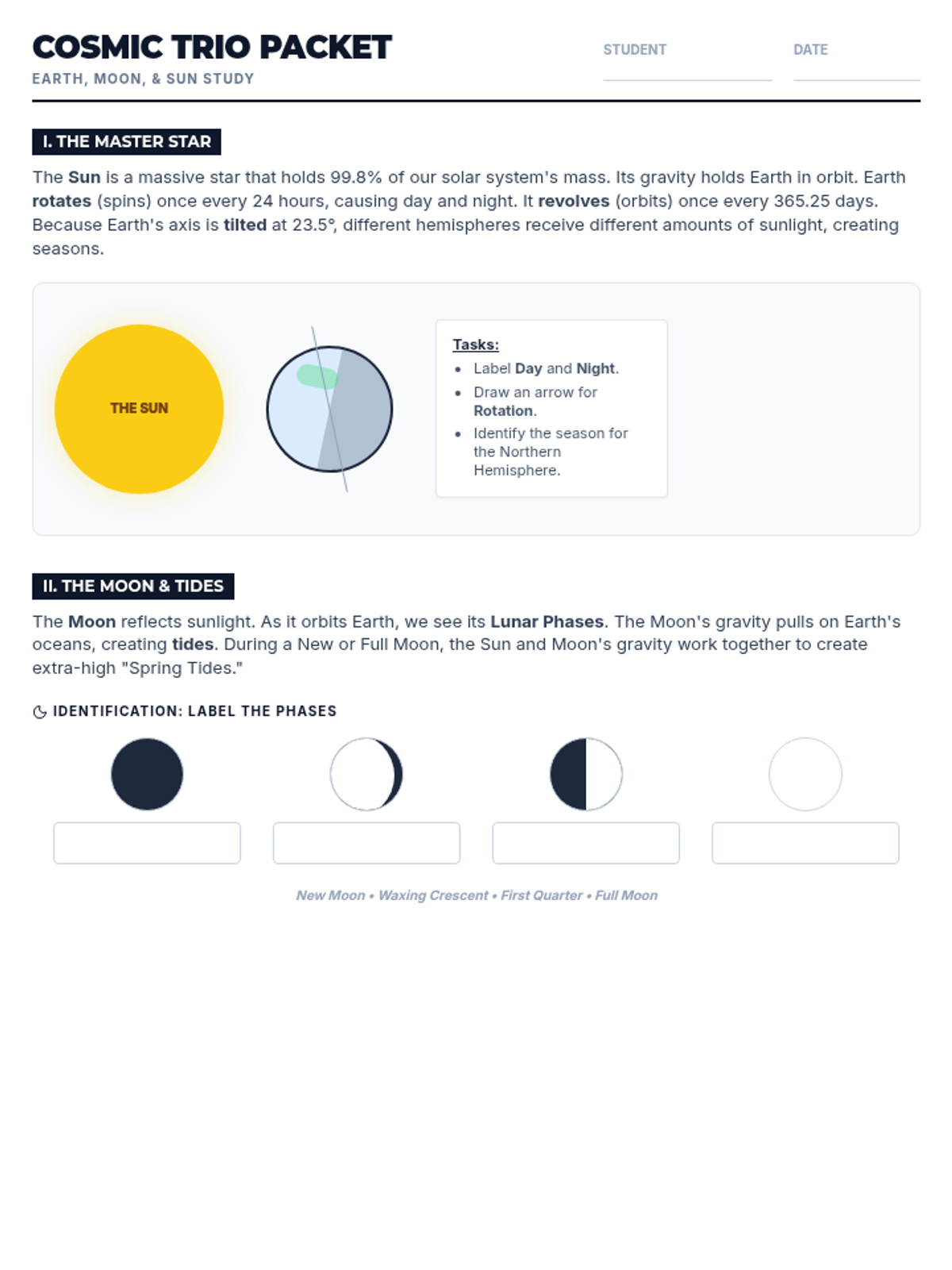
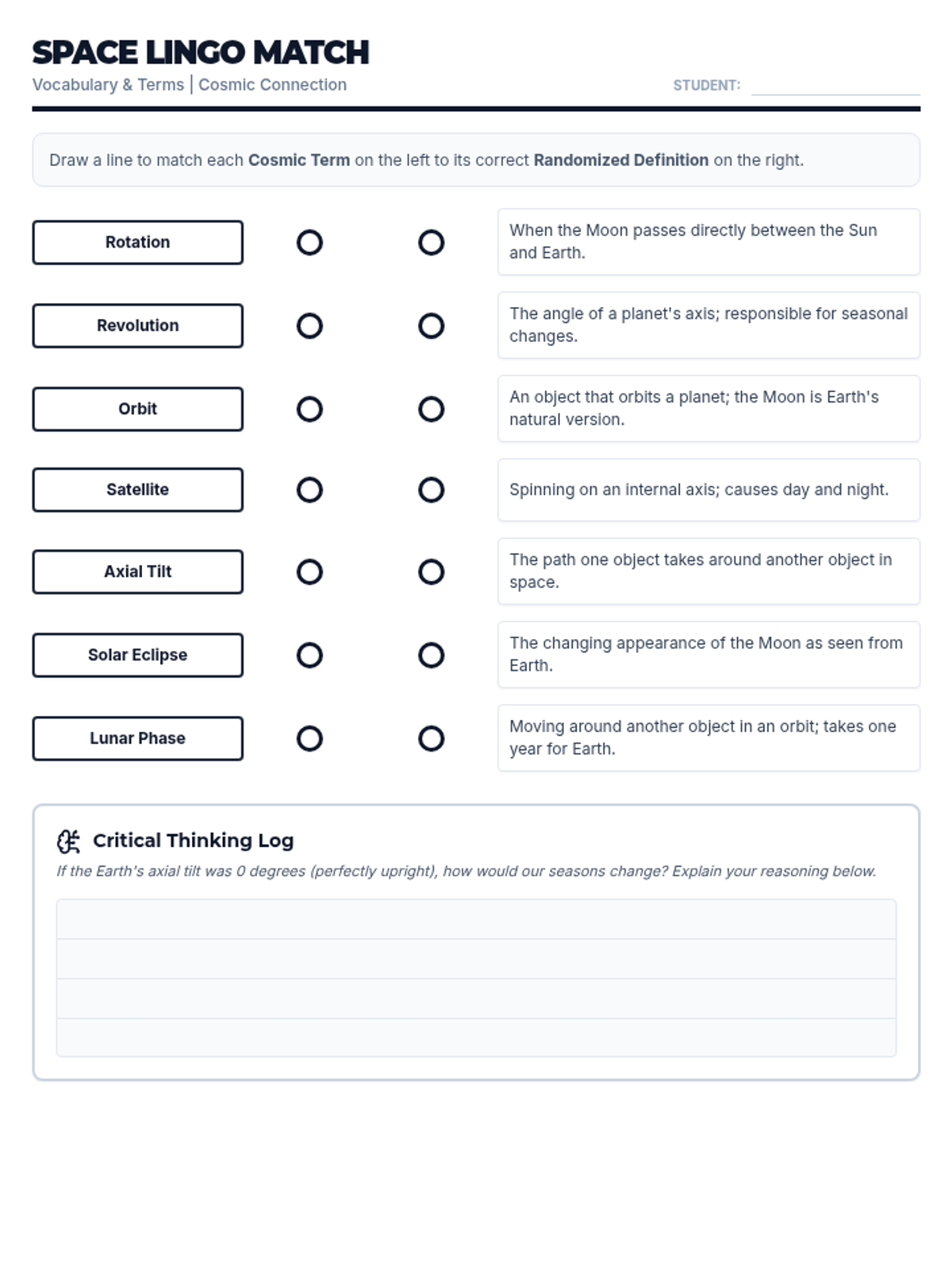
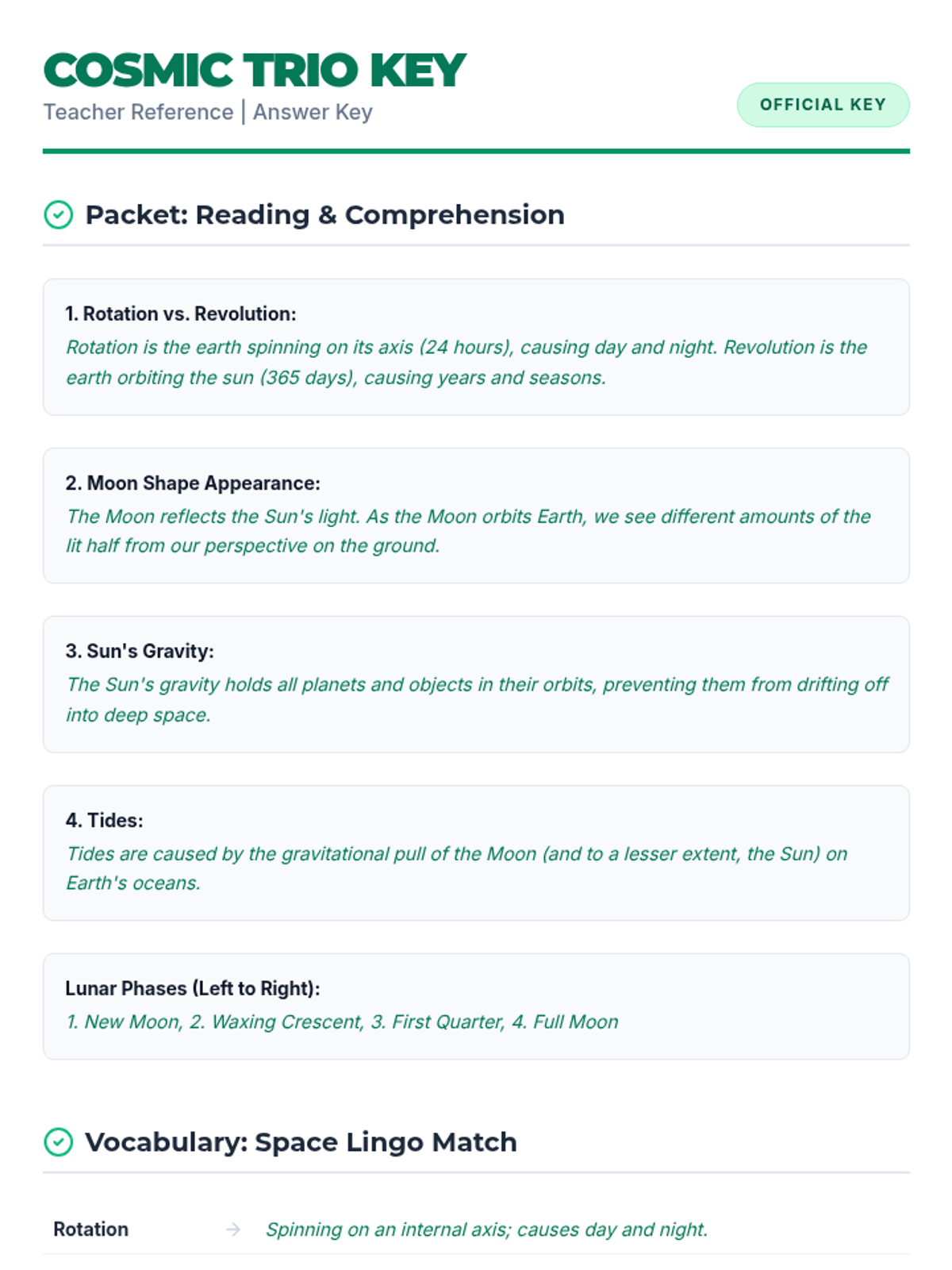
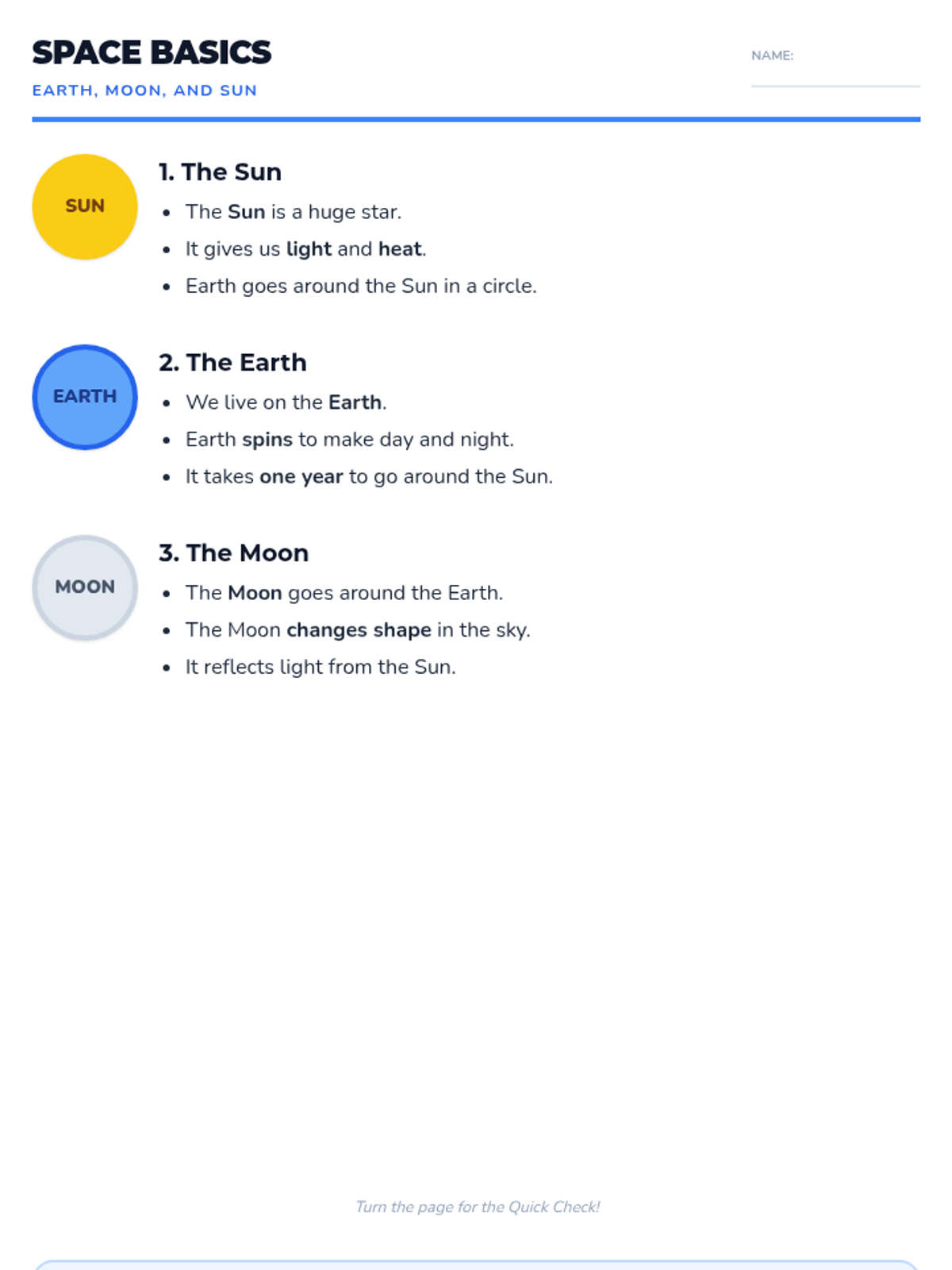
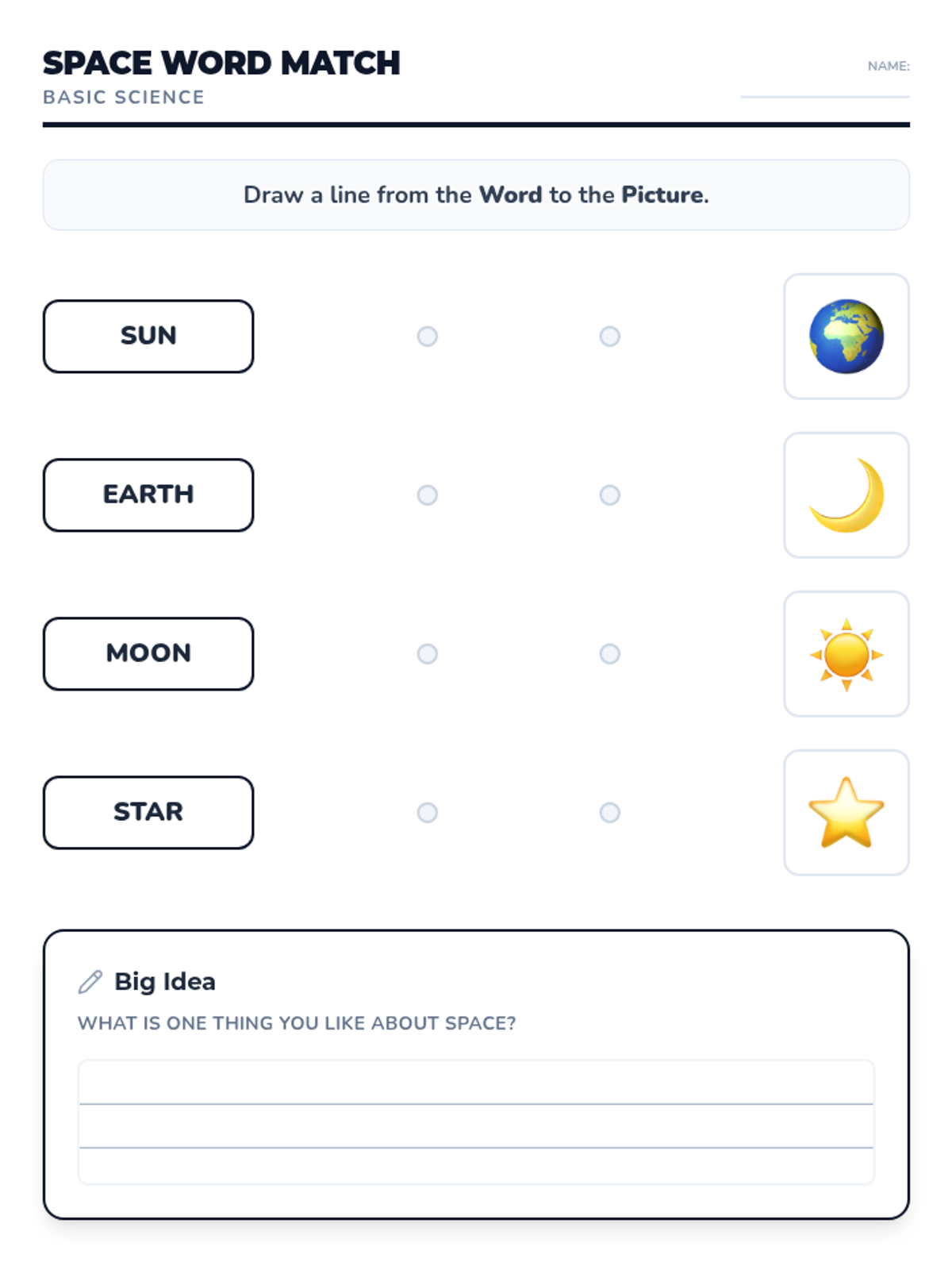
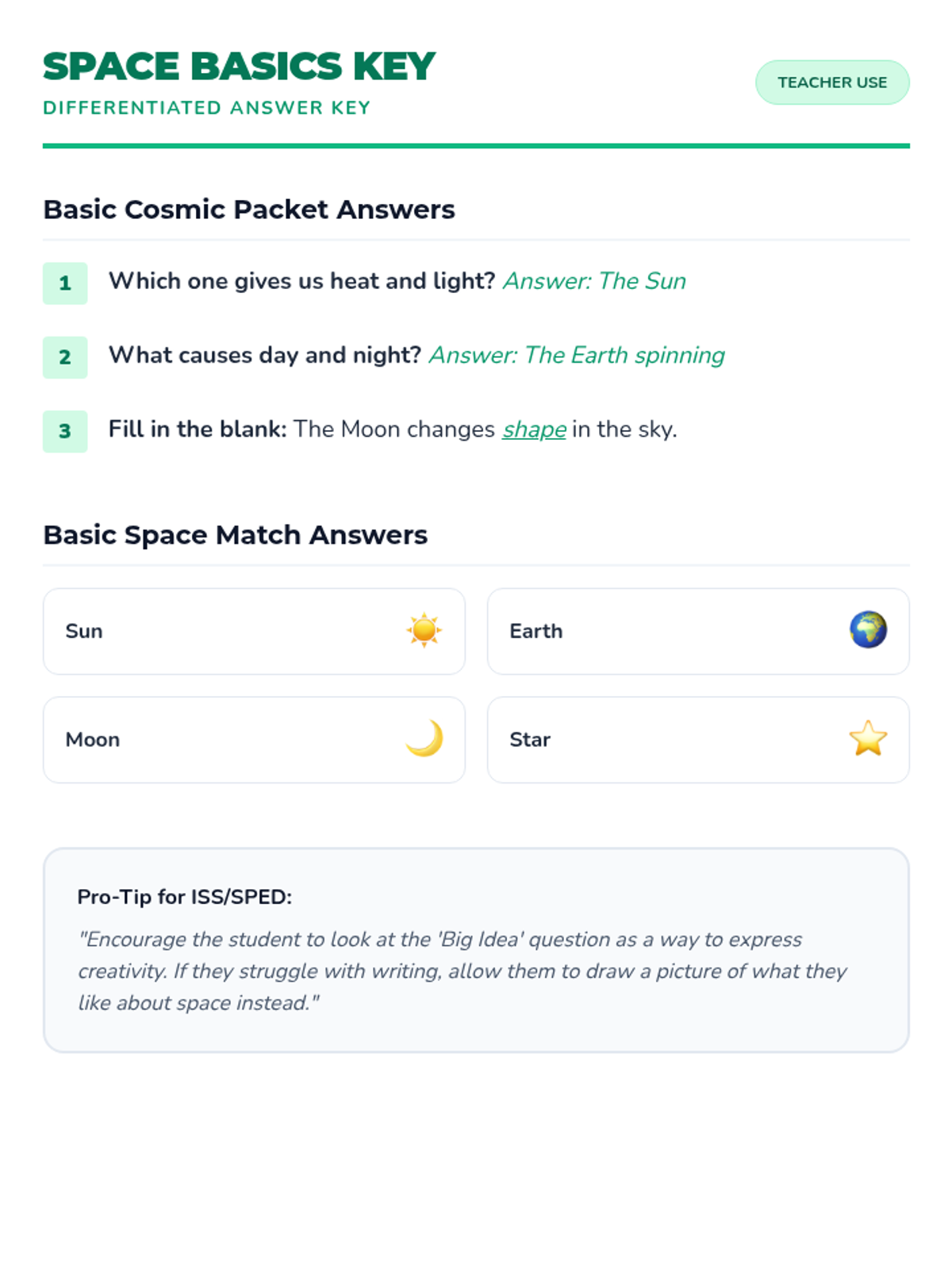
An independent study unit exploring the relationships between the Earth, Moon, and Sun, covering rotation, revolution, moon phases, and gravity.
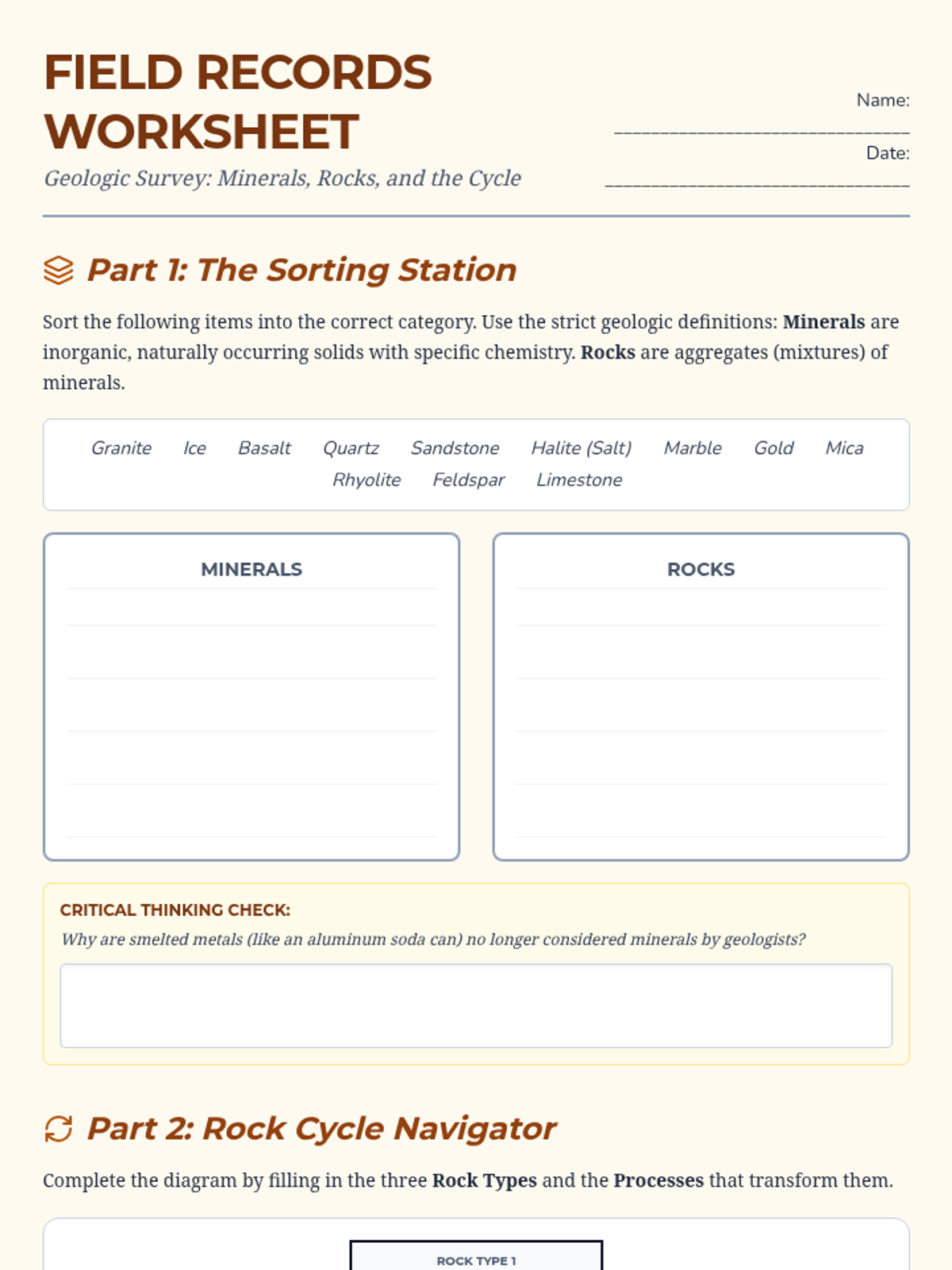
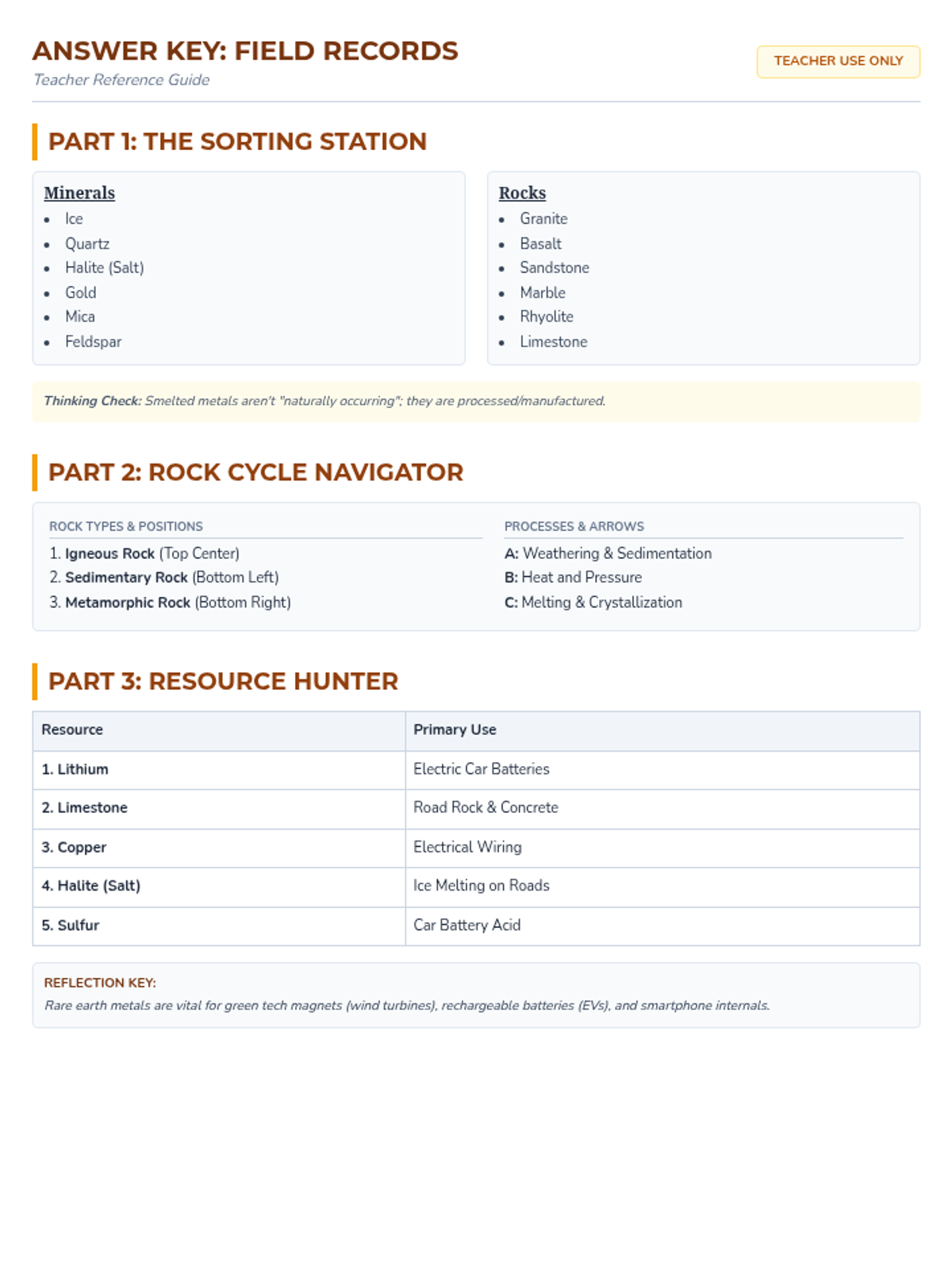
An exploration of the fundamental building blocks of Earth's crust, focusing on the differences between minerals and rocks, the dynamic processes of the rock cycle, and the economic importance of geologic resources.
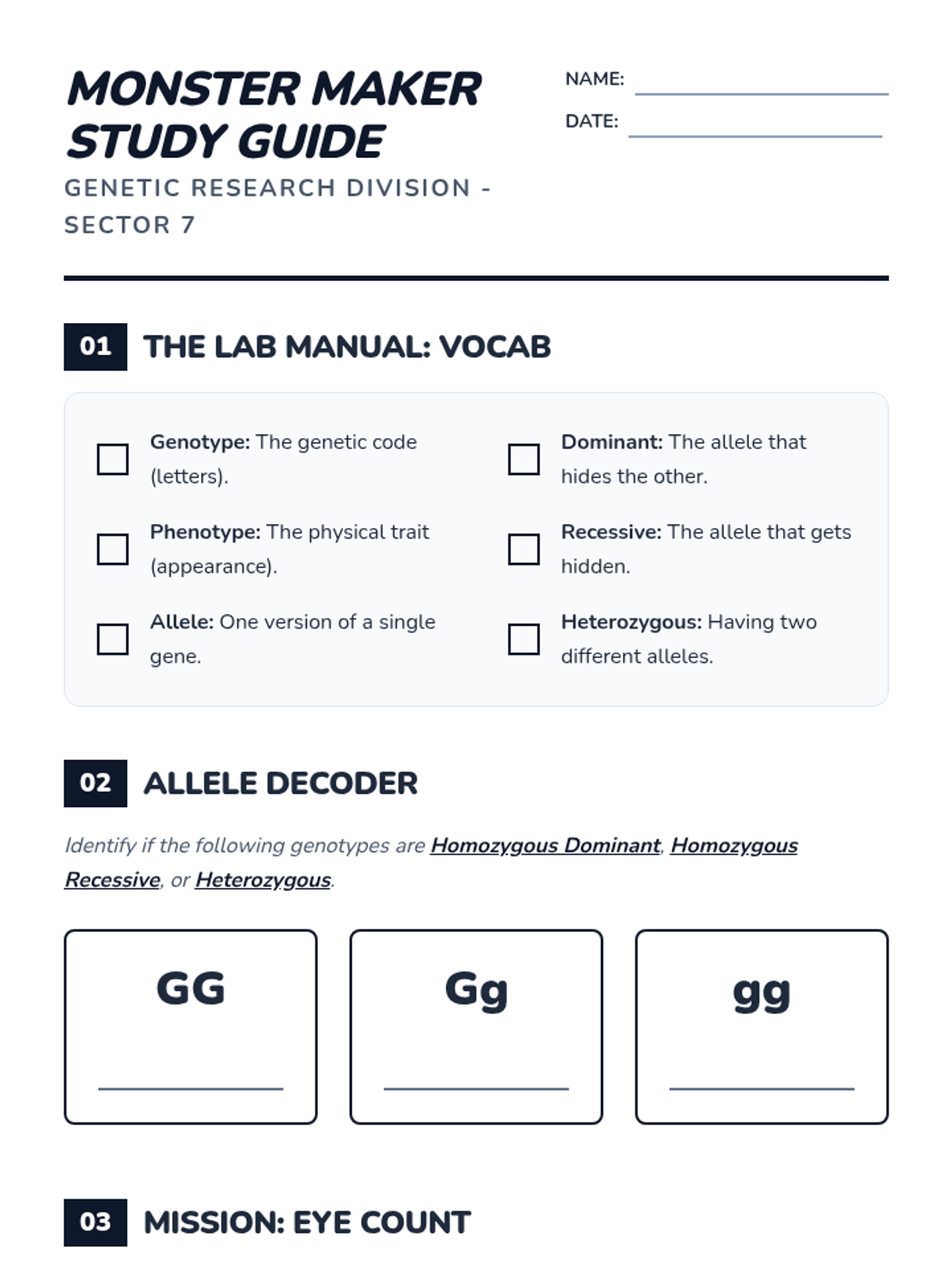
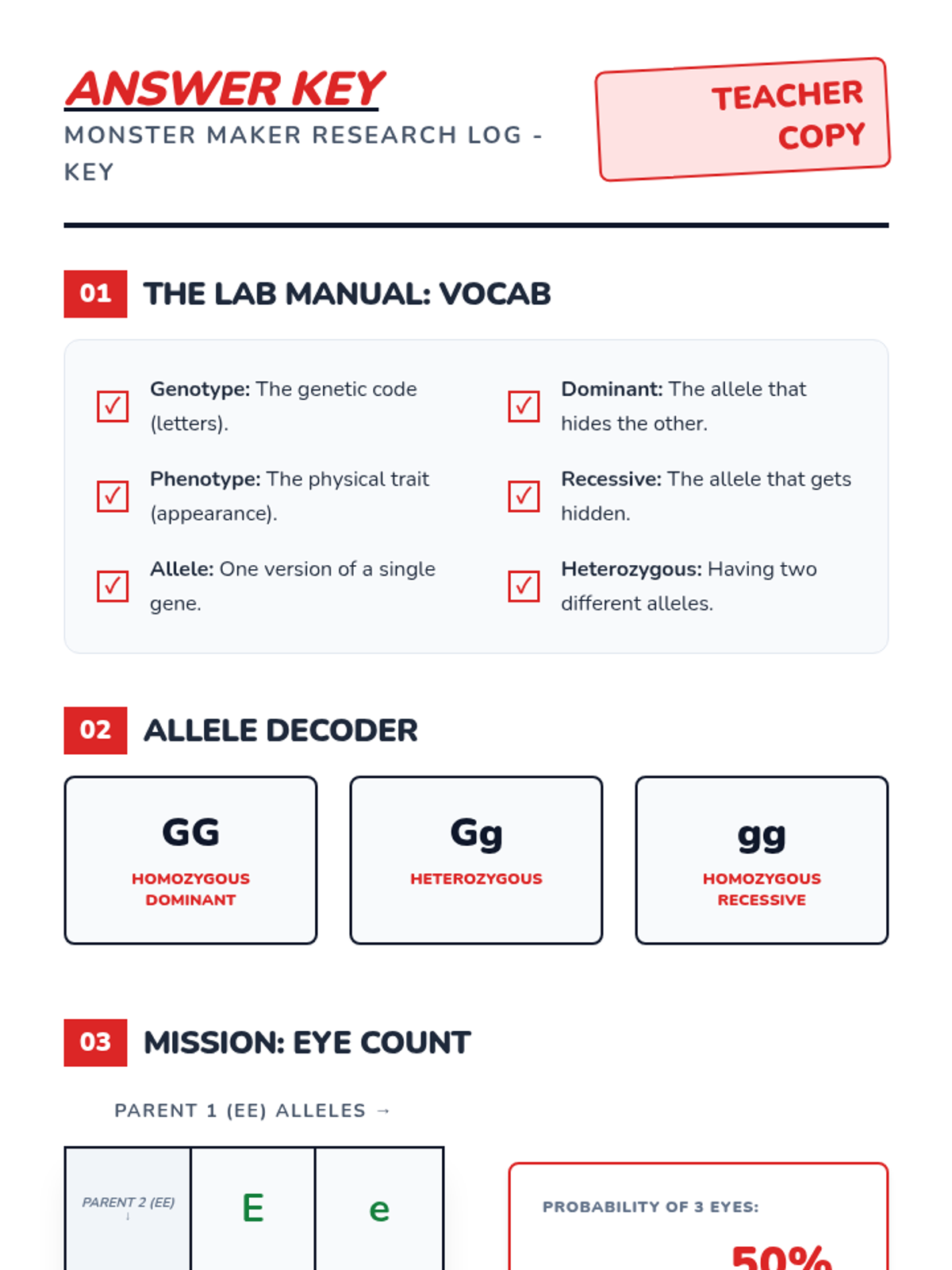
A lesson exploring genetic inheritance using alien and monster traits, focusing on genotypes, phenotypes, and Punnett square probability. Includes visual aids with color-coded alleles and scaffolded analysis prompts.
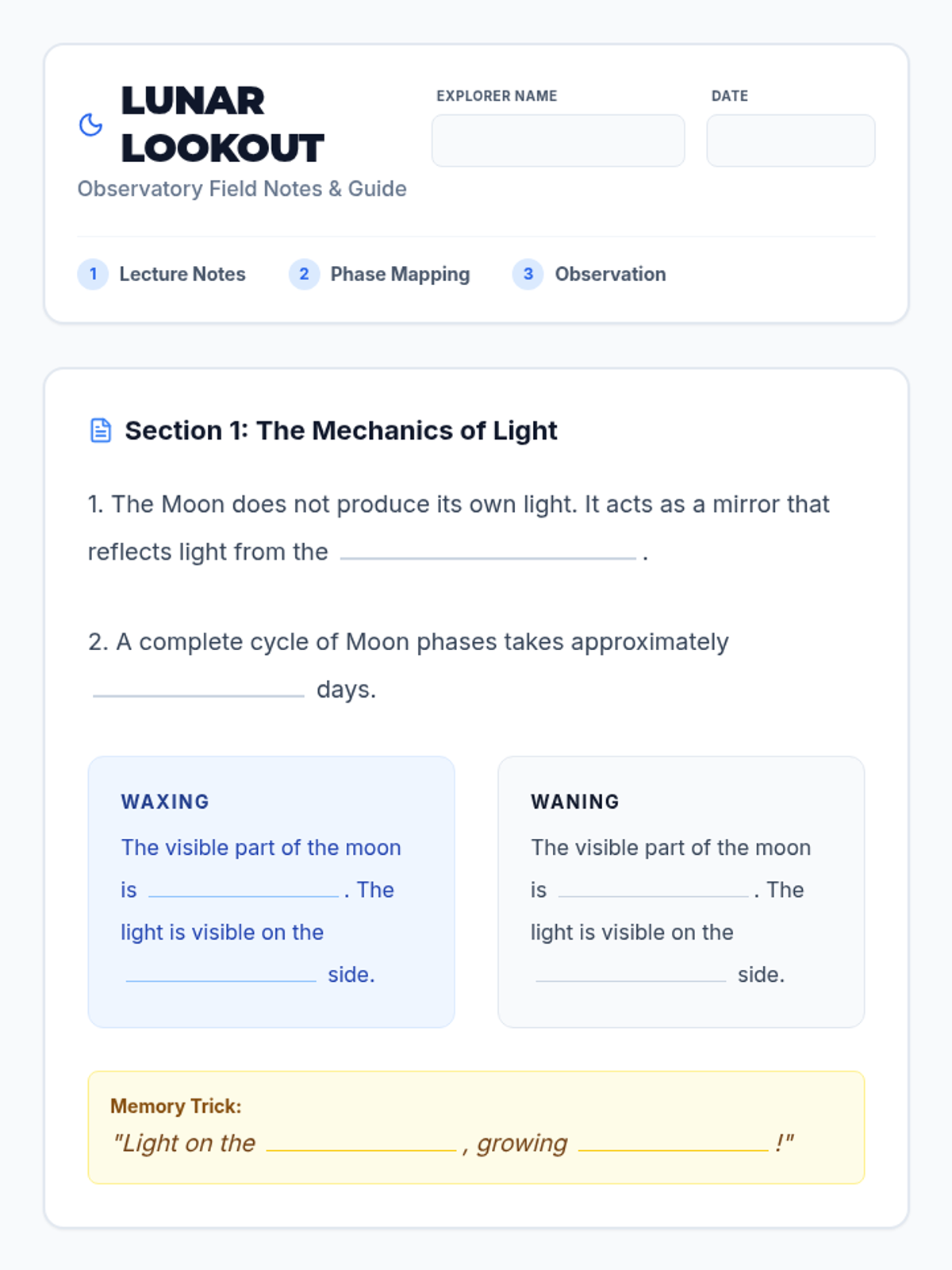
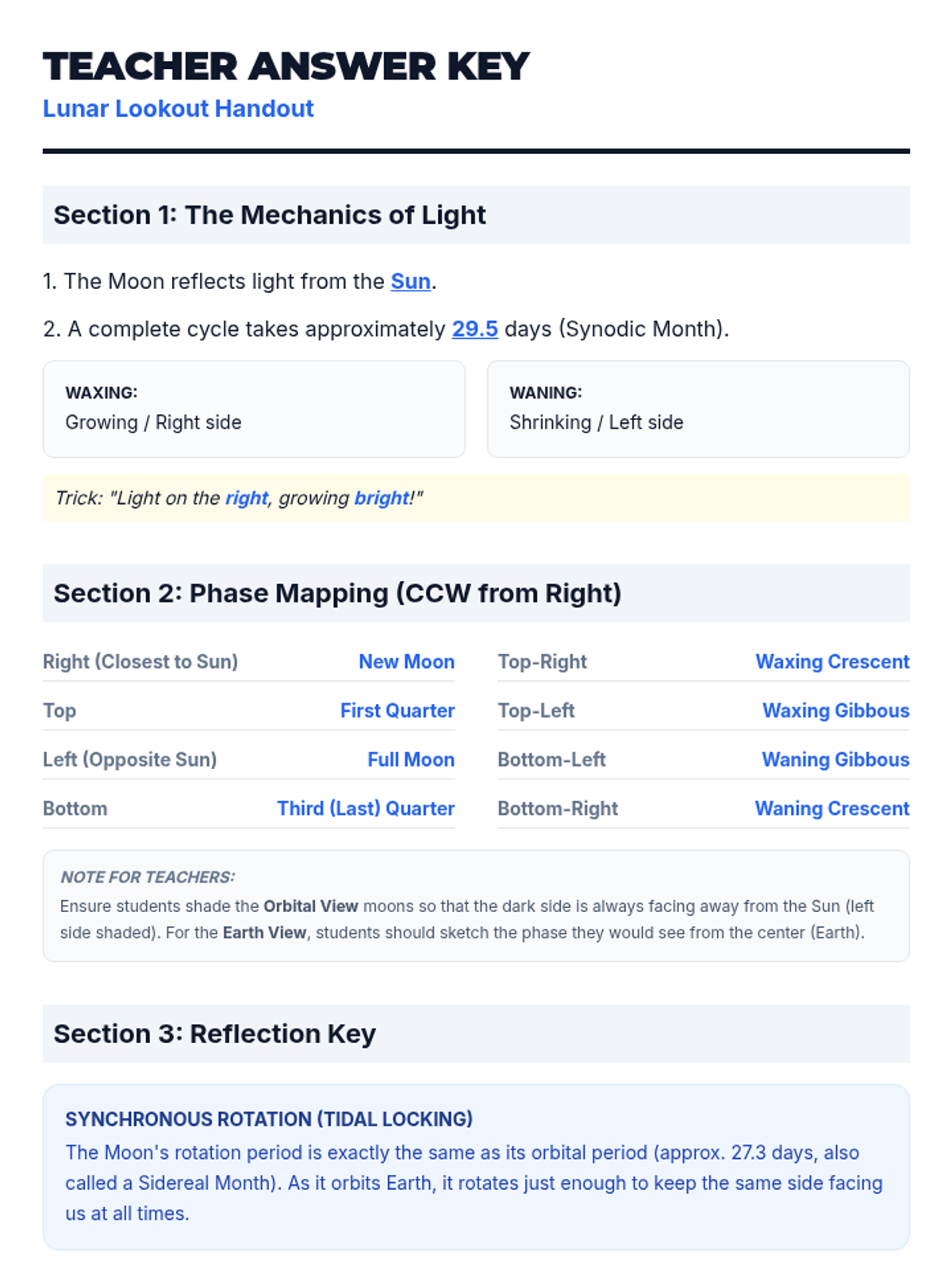
A complete introductory lesson on the lunar cycle, covering the eight phases of the moon, the concepts of waxing and waning, and the orbital relationship between the Earth, Moon, and Sun.
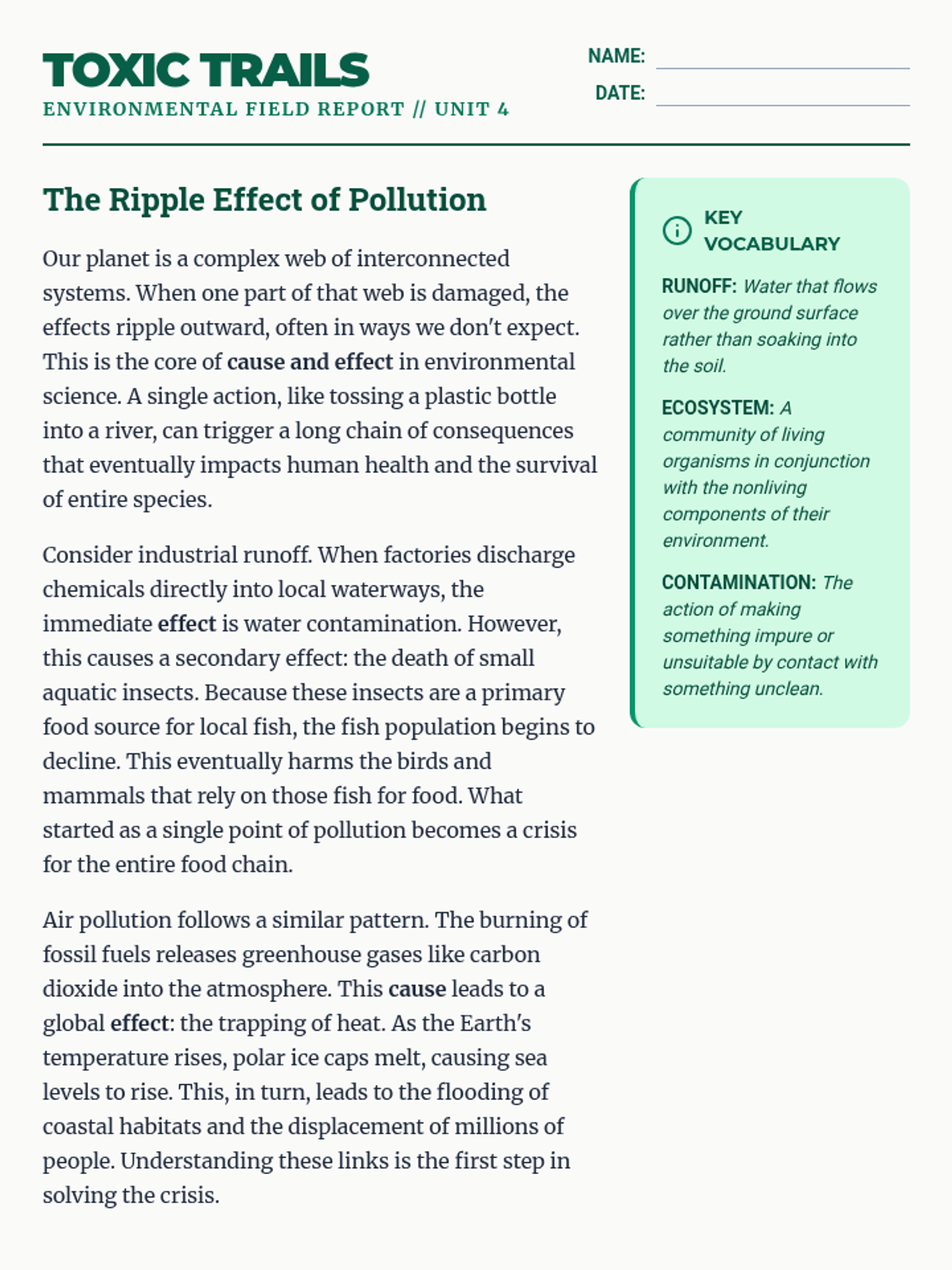
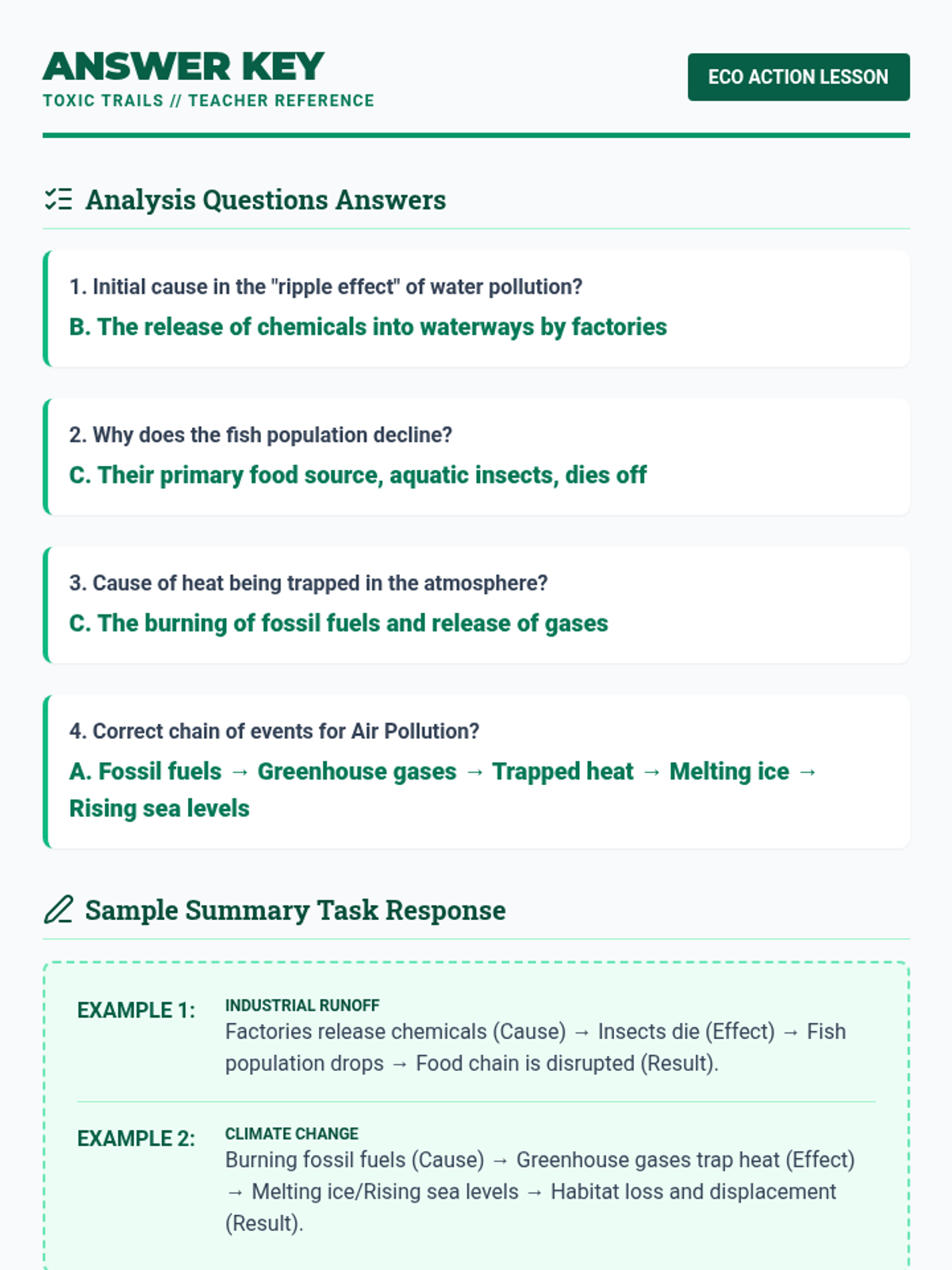
An investigative look into the cause-and-effect relationships of environmental pollution, focusing on how human activities impact Earth's ecosystems.
Students learn key terms related to online safety, privacy, and responsible digital behavior.
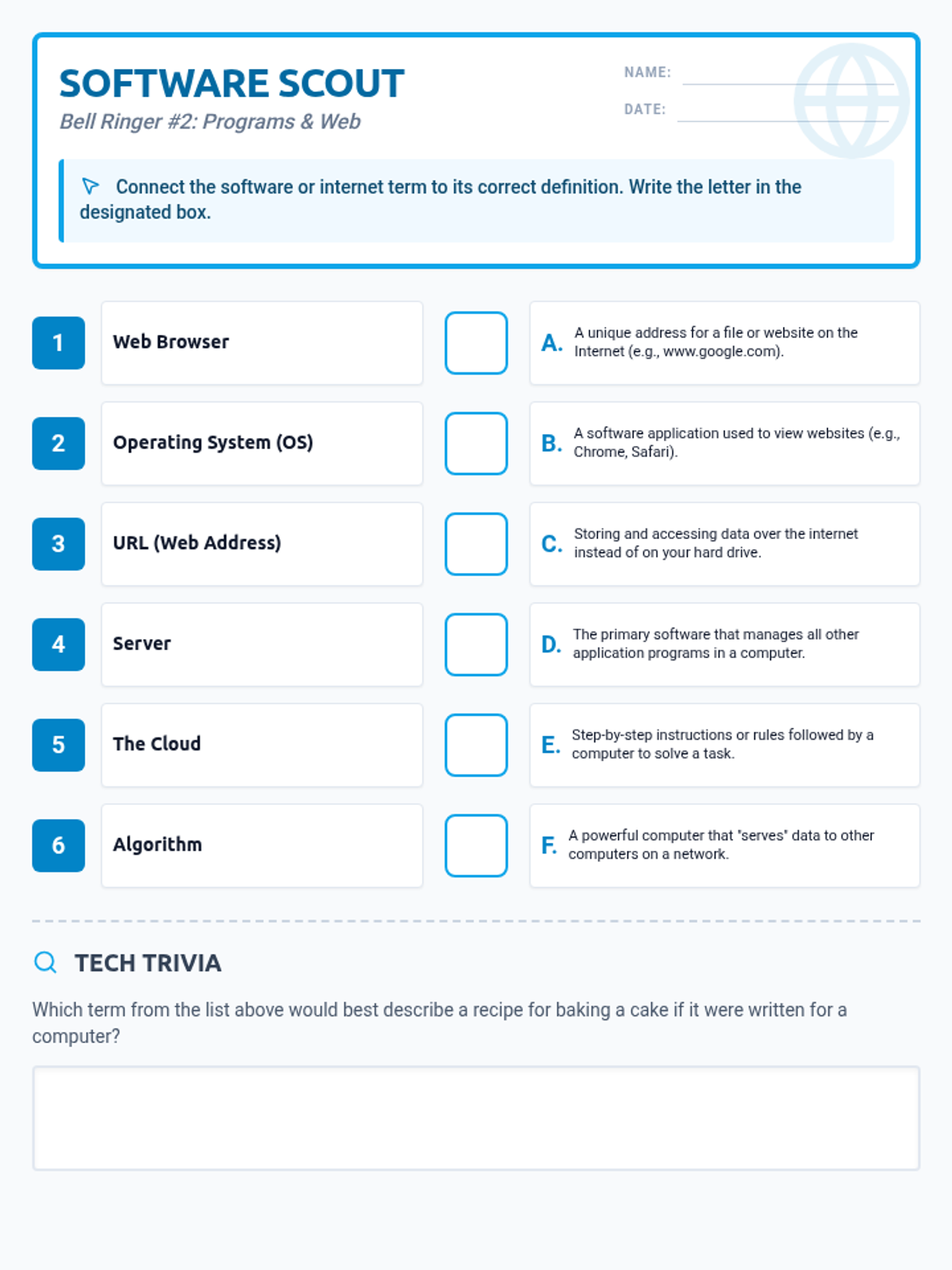
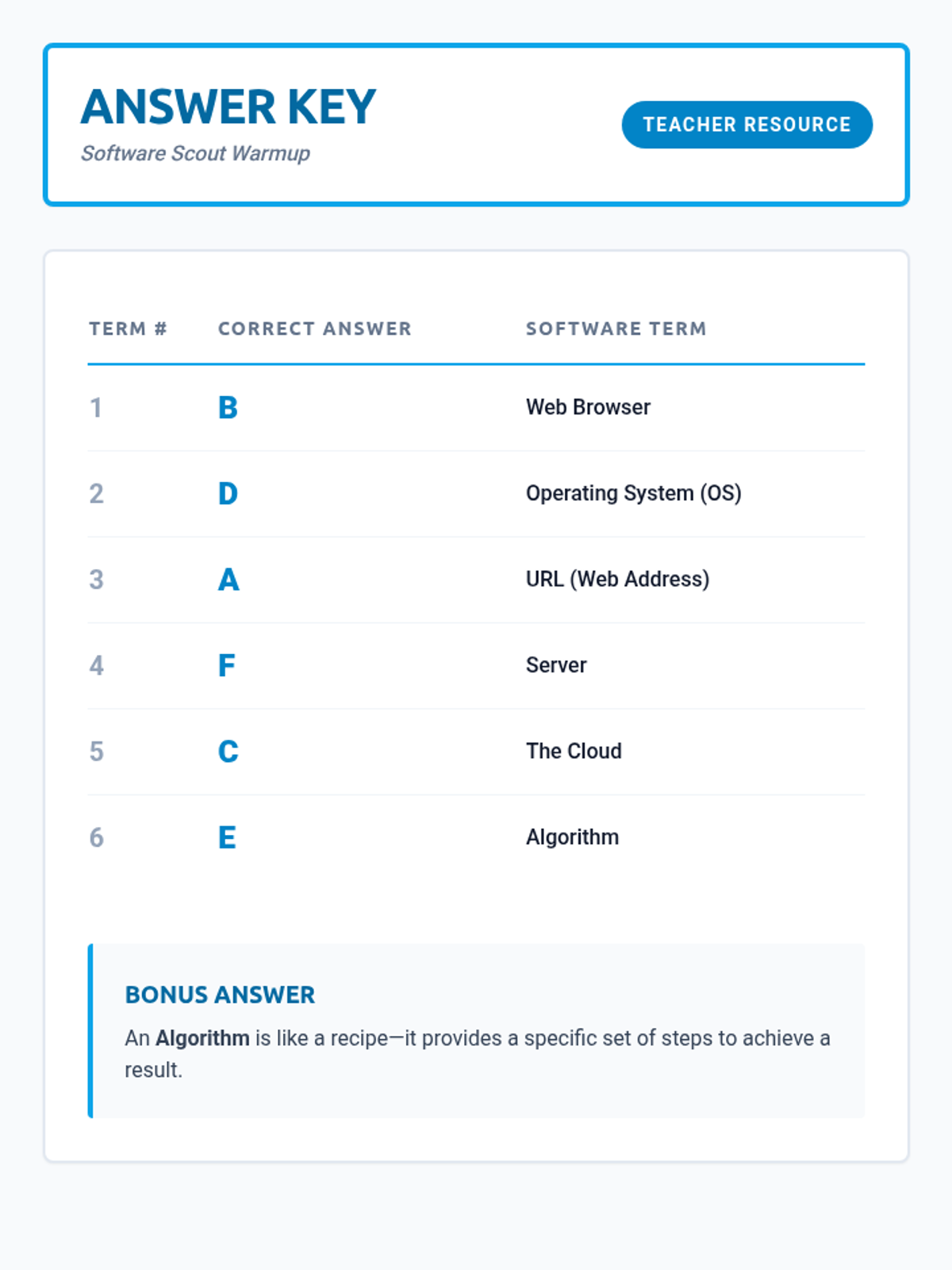
Students explore vocabulary related to software applications, the internet, and digital navigation.
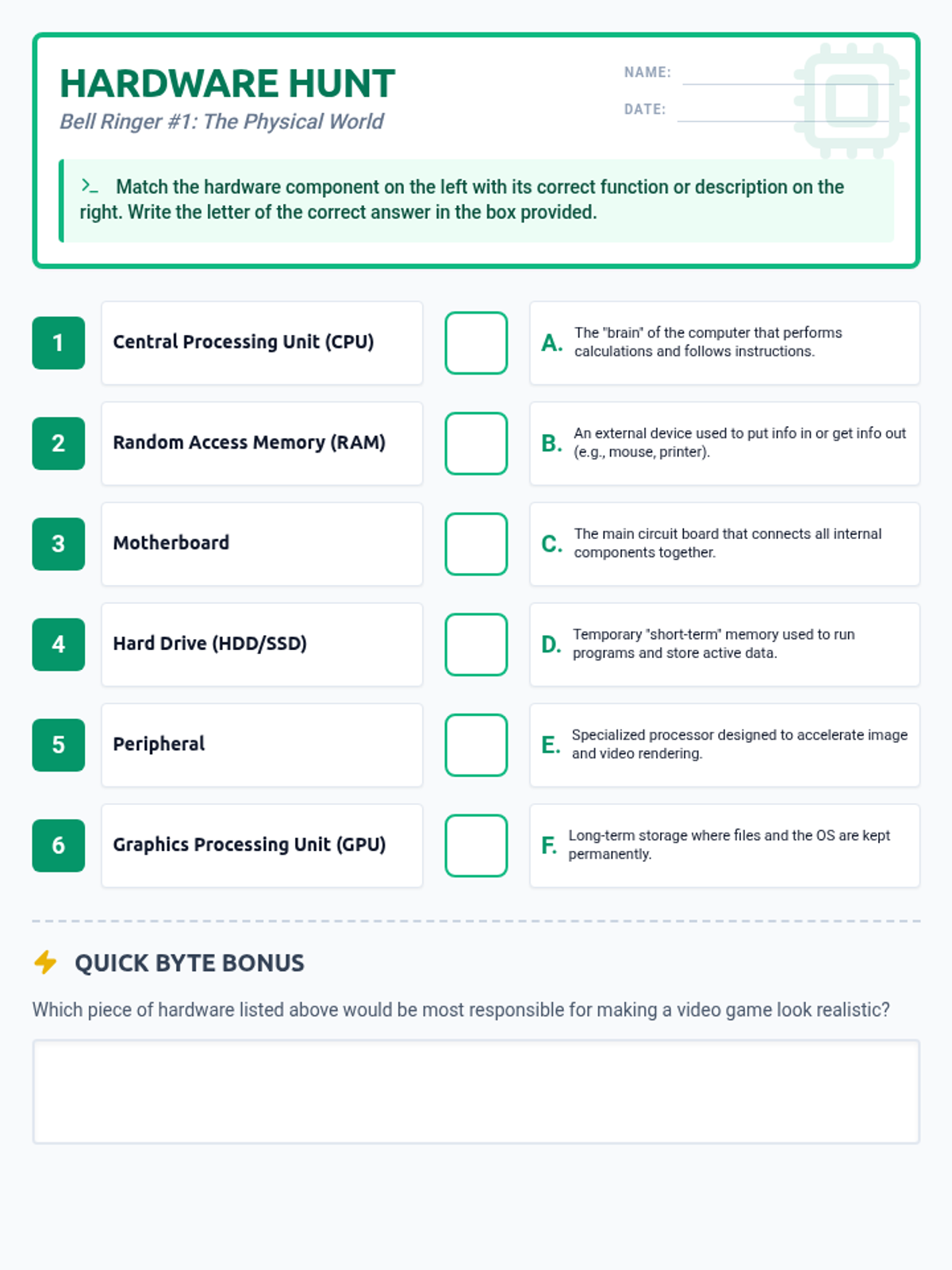
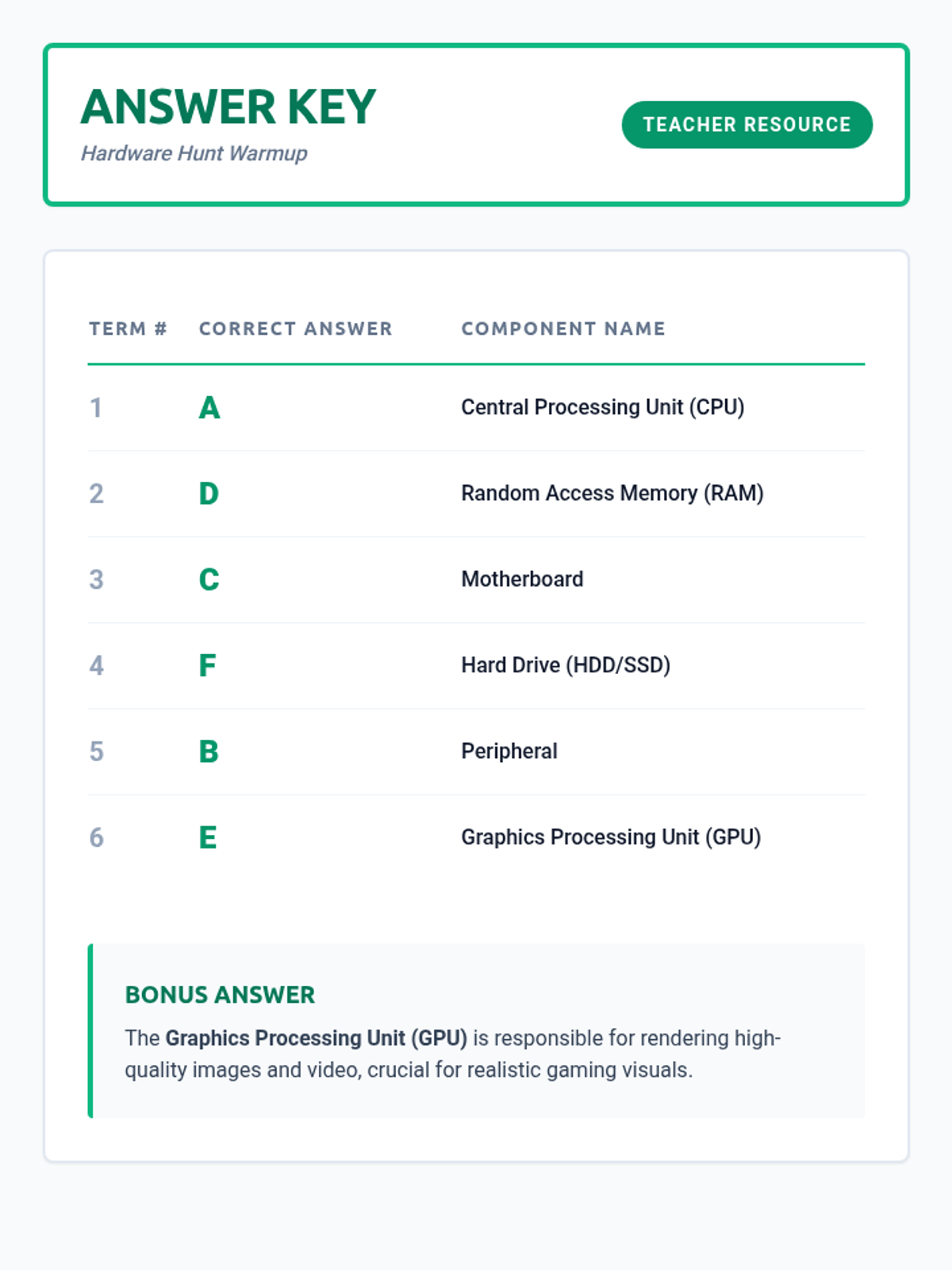
Students identify and define common physical components of a computer system.
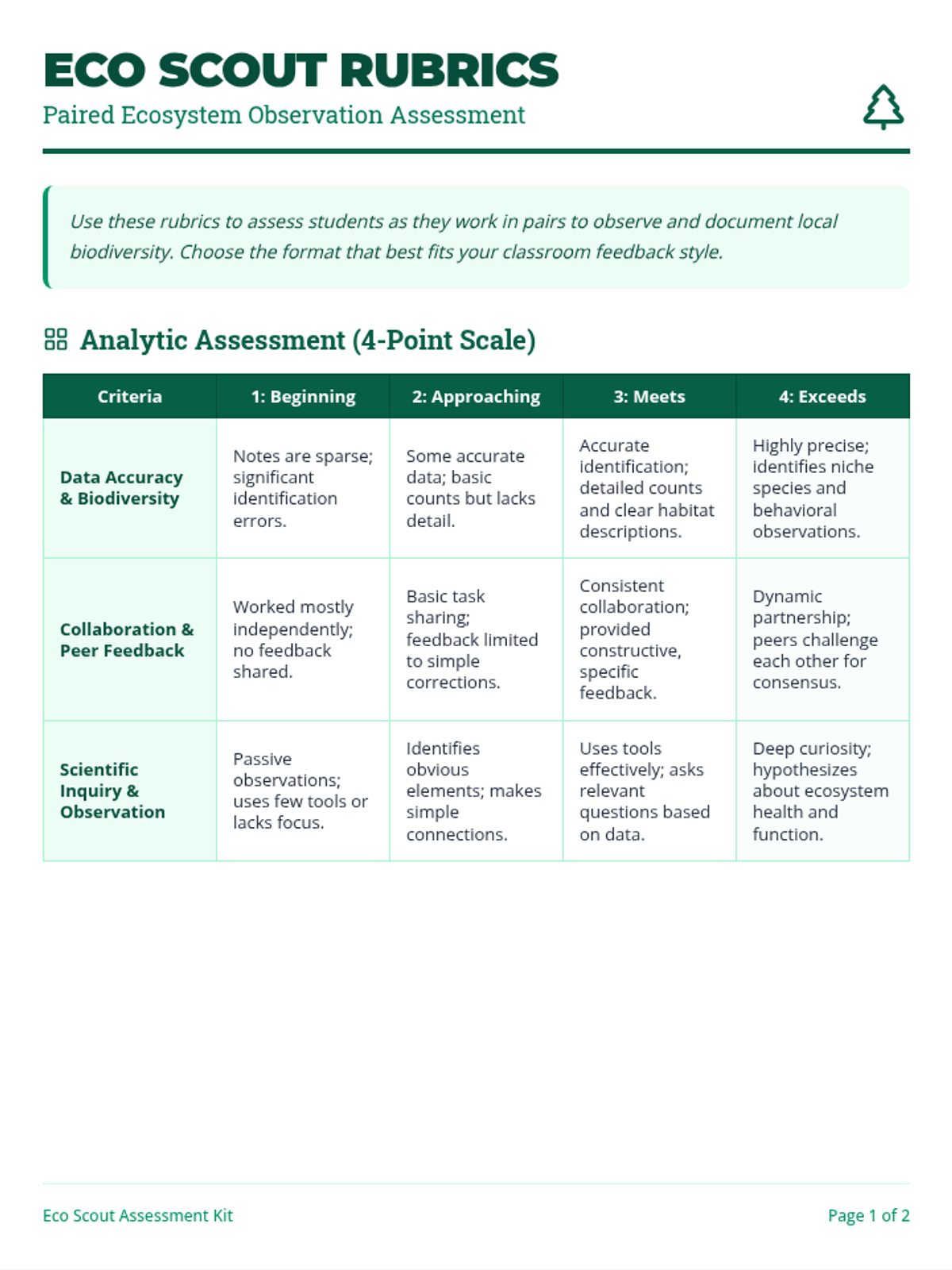
A comprehensive set of rubrics designed for evaluating paired ecosystem observation activities, focusing on scientific accuracy, inquiry, and collaboration.
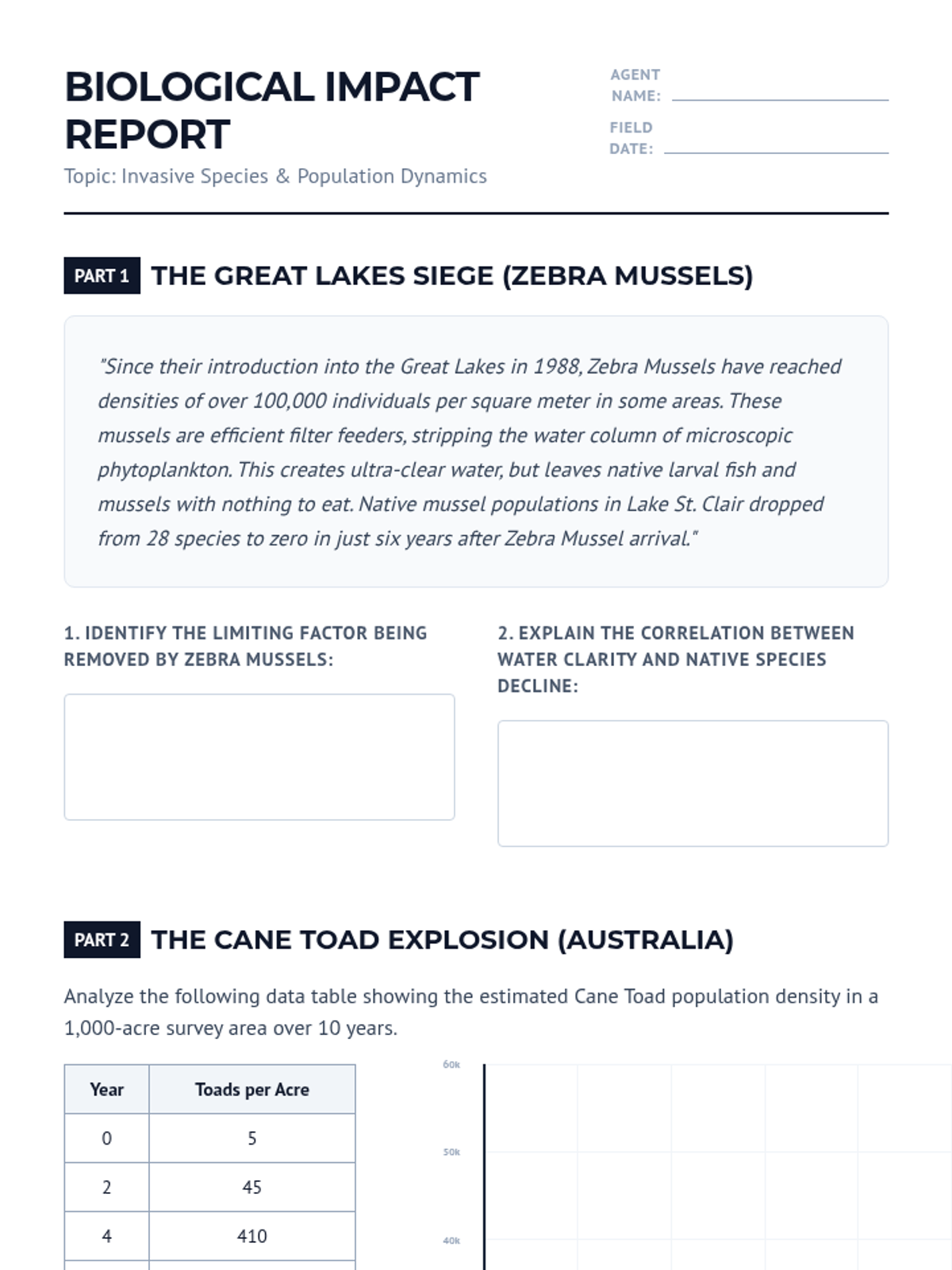
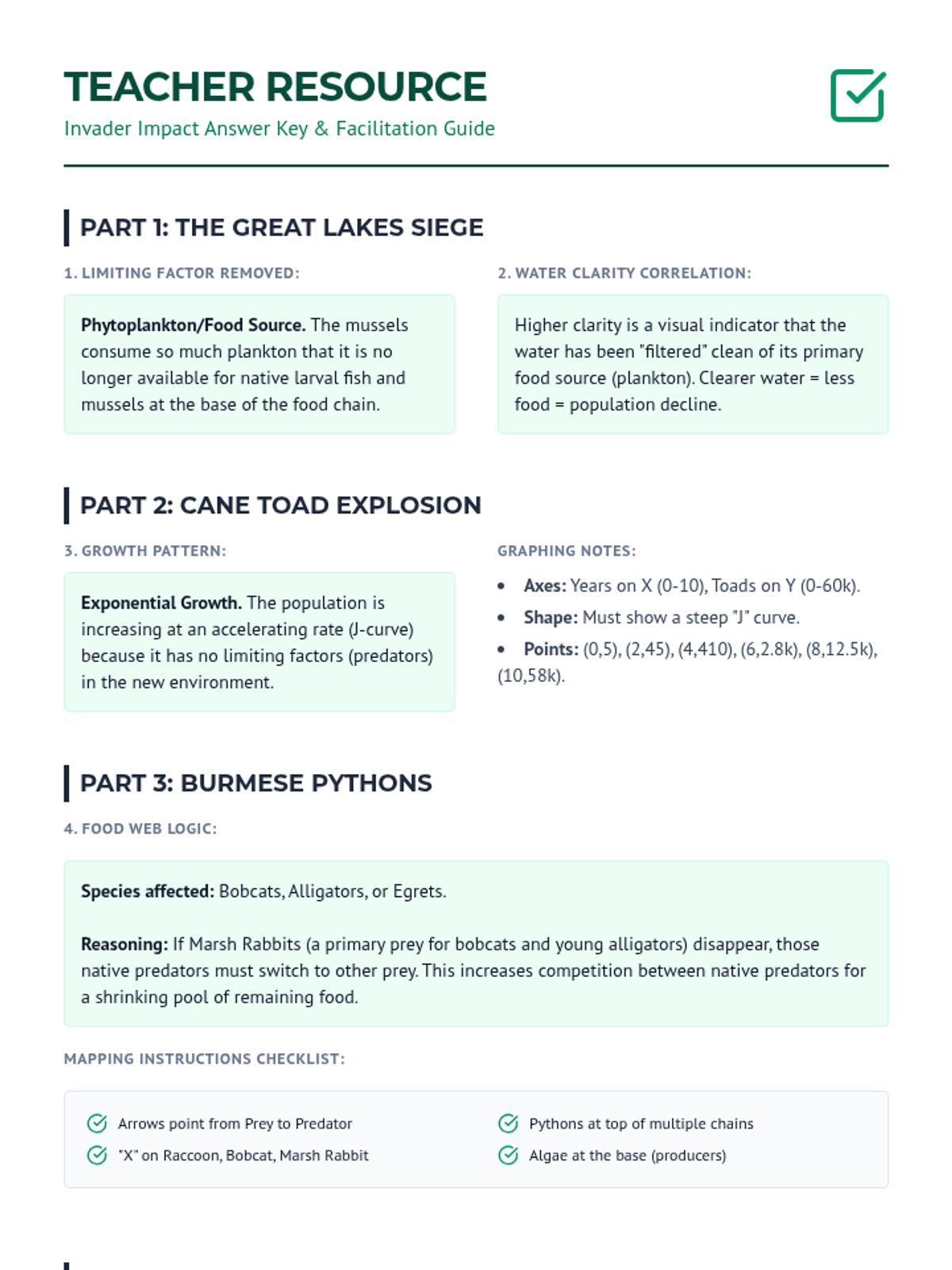
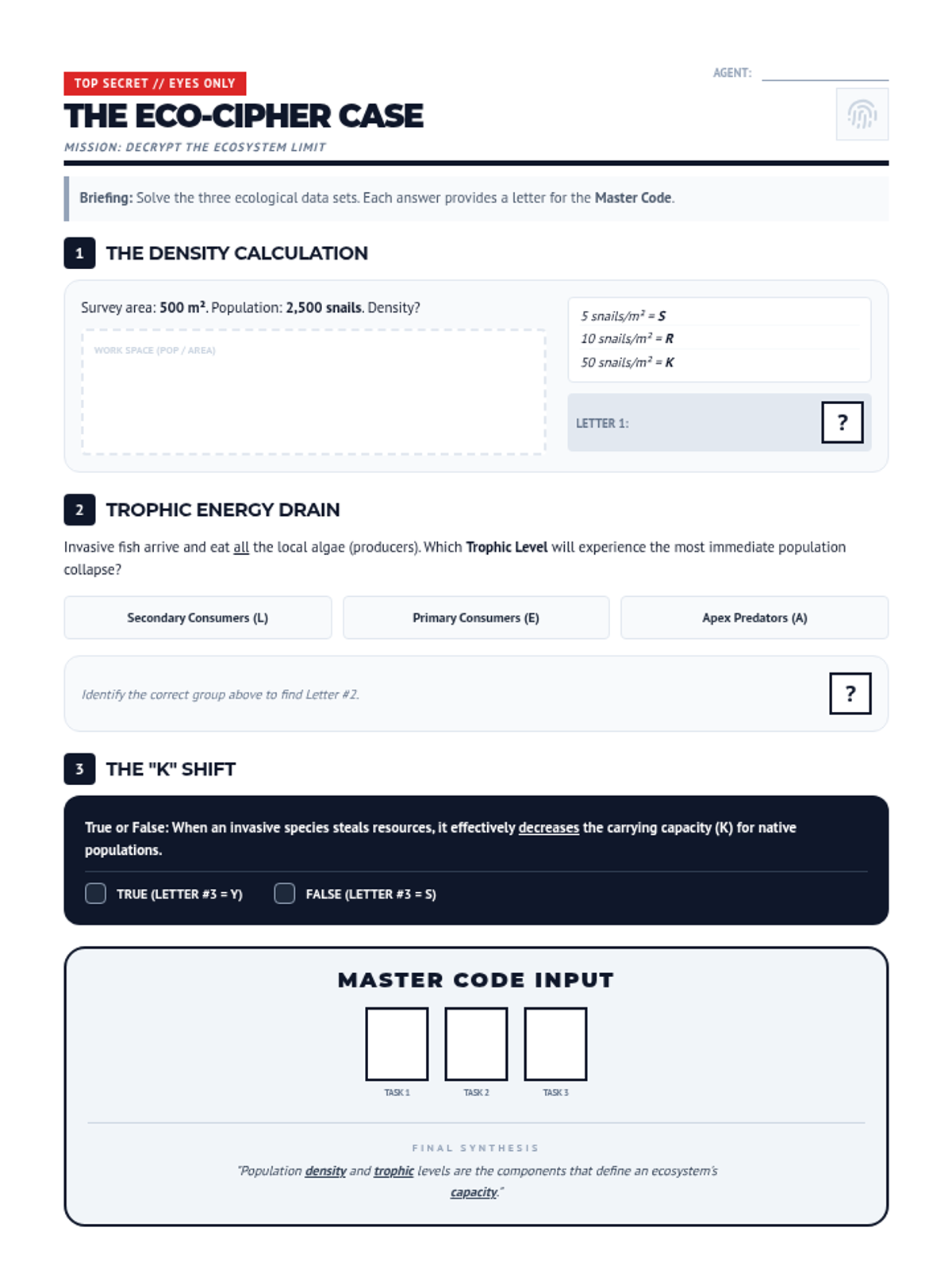
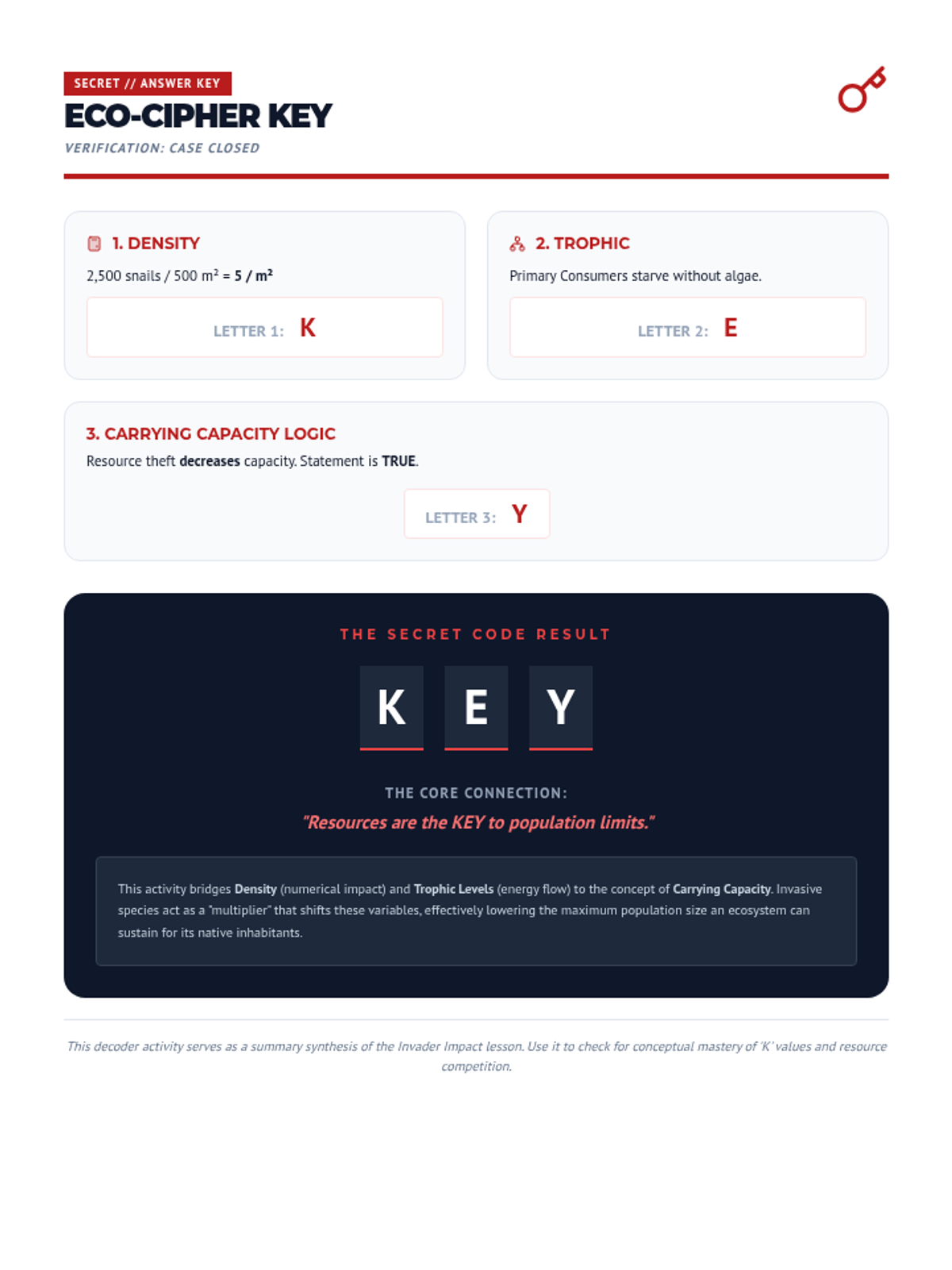
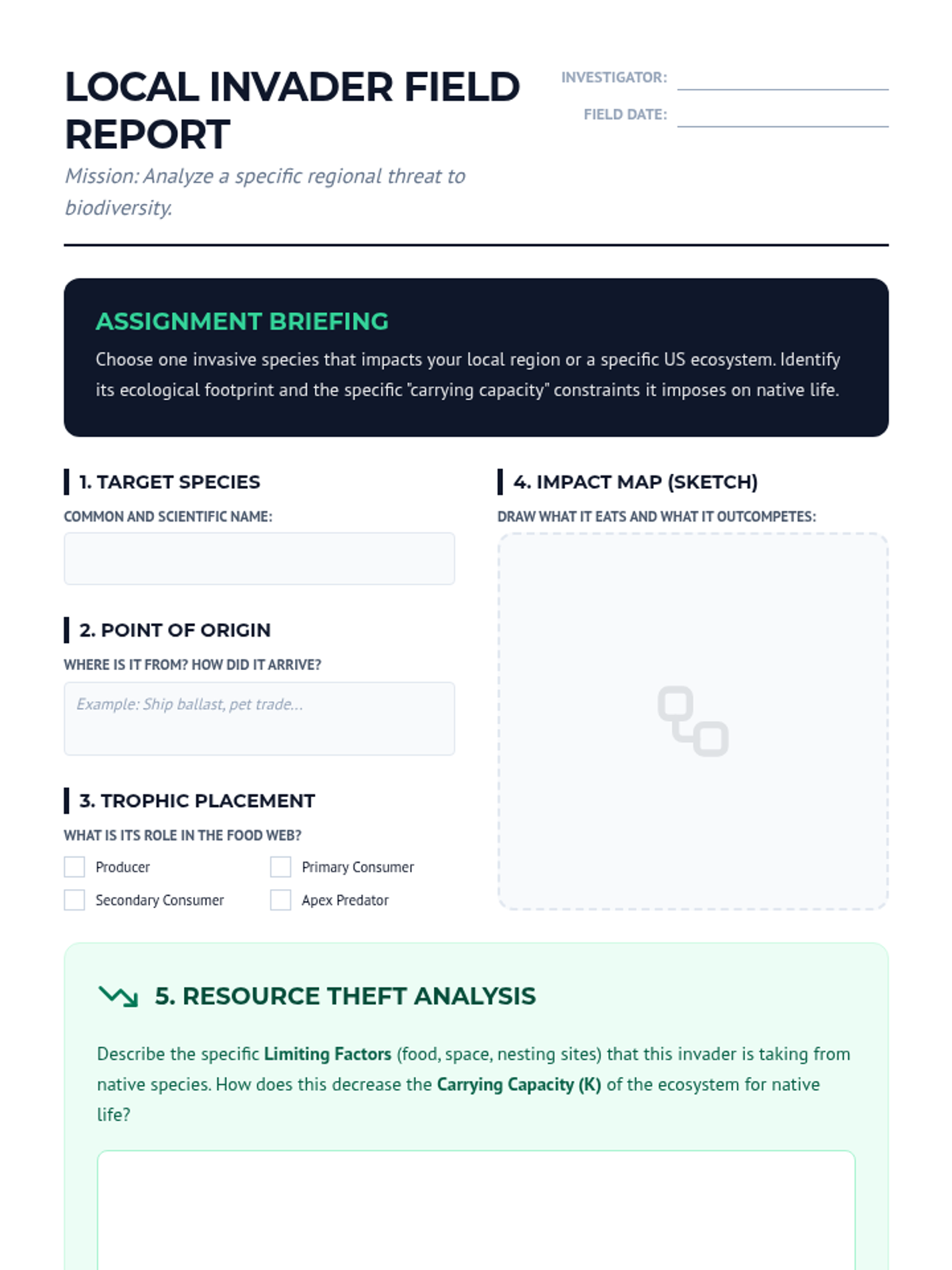
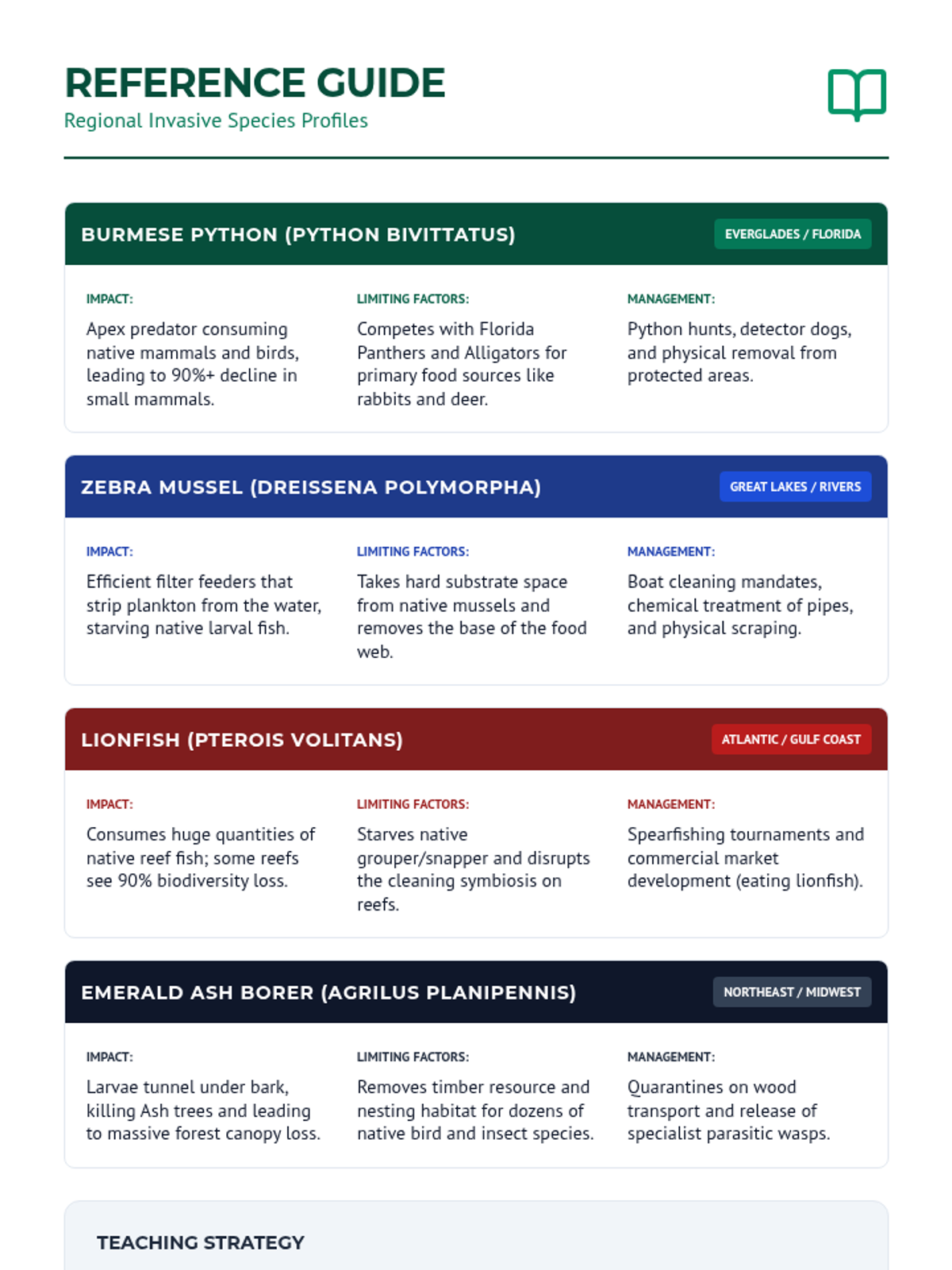
A comprehensive lesson on invasive species focusing on their dramatic impact on local populations and ecosystems through data analysis and food web mapping.