An introductory lesson on the Women's Suffrage Movement designed for third-grade students, focusing on the meaning of suffrage, key leaders, and the importance of voting rights.
A comprehensive lesson exploring the five major regions of the United States, focusing on key geographic features and vocabulary through informational text.
Exploring how people with disabilities contribute to and lead our school community with unique strengths.
Celebrating the diverse cultural backgrounds and global stories that enrich our school's leadership.
Highlighting the impact and leadership of women of color within the school and local community.
Identifying the immediate circle of people who make the school run every day and understanding their diverse roles.
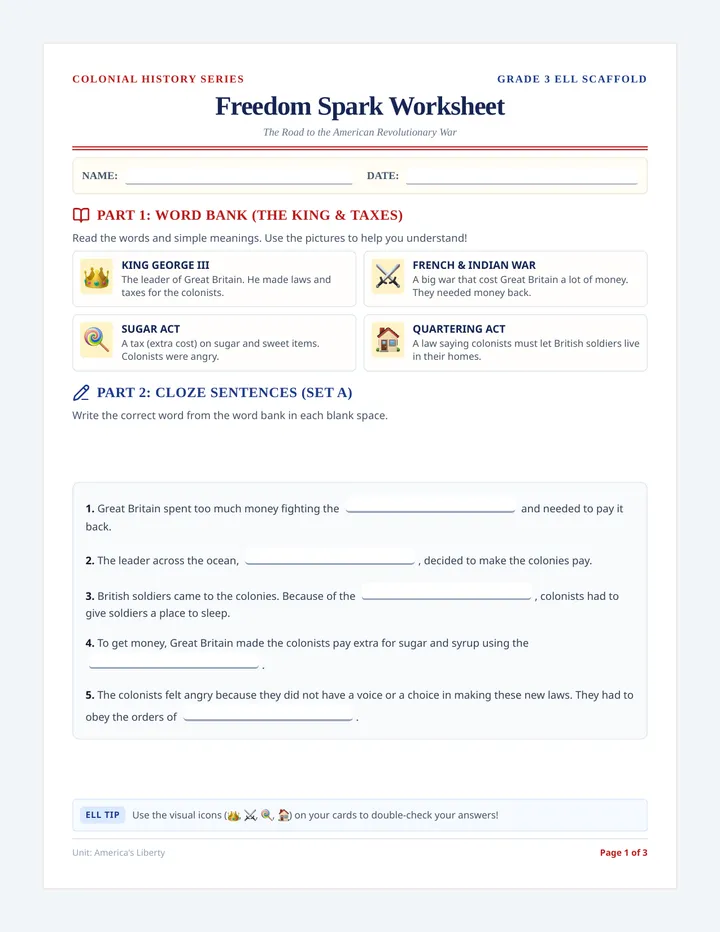
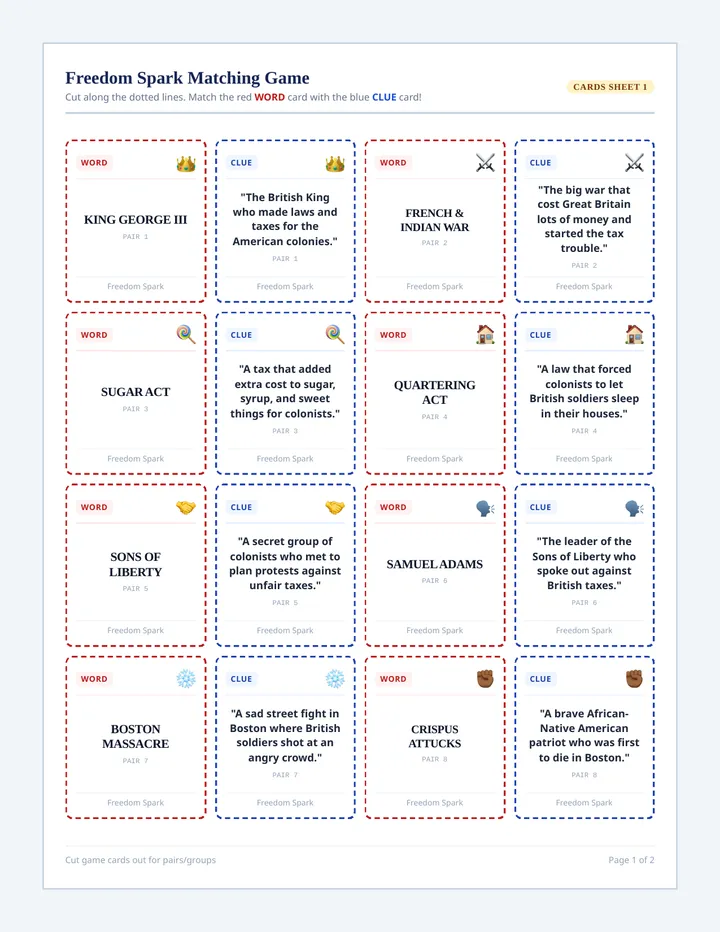
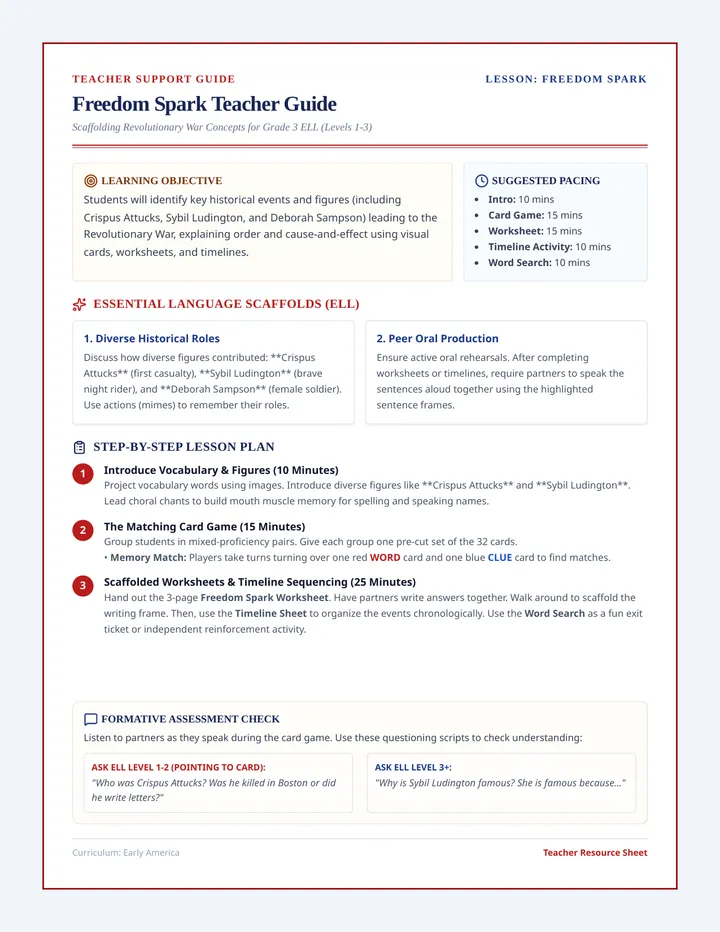
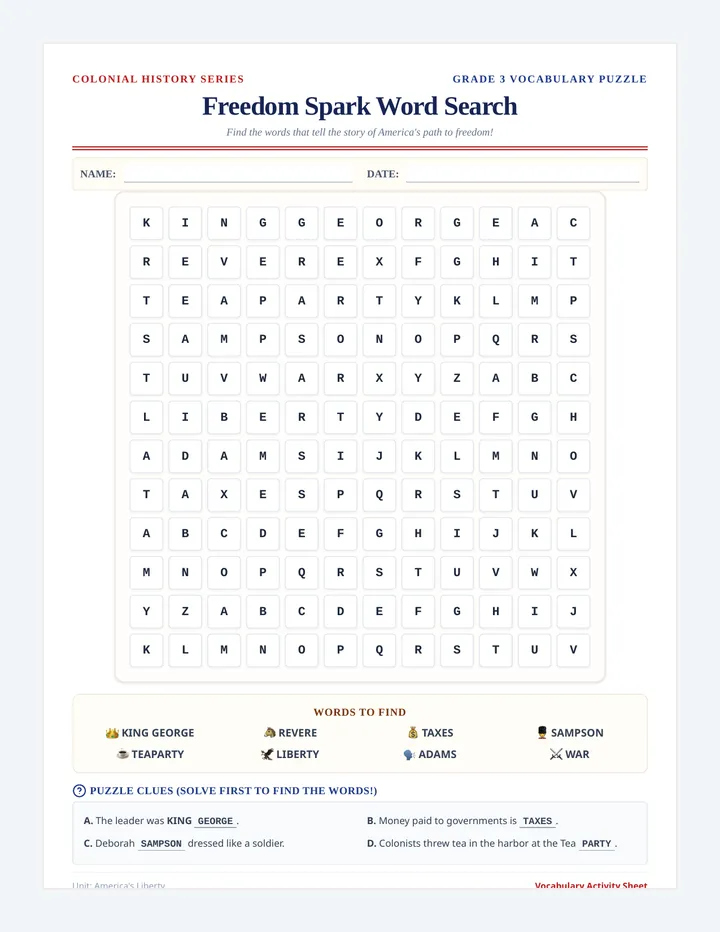
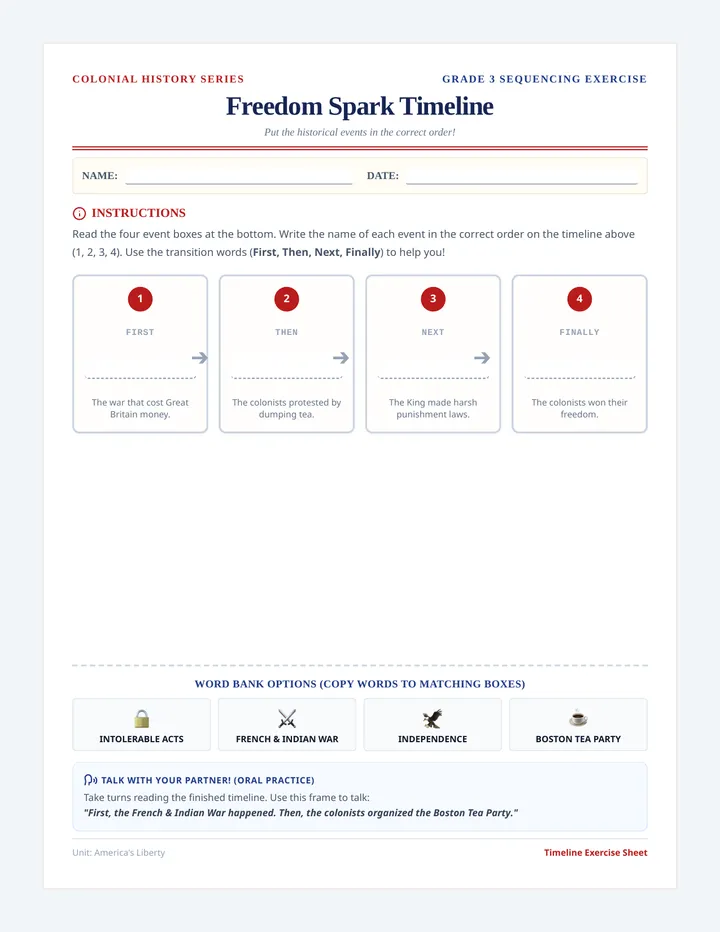
A hands-on exploration of the 13 Colonies, tracking key events from the founding of Jamestown to the brewing tensions of the American Revolution. Students use a cut-and-paste timeline to organize the social, economic, and religious milestones of the colonial era.
Explores the realities of the Oregon Trail, focusing on how families packed their wagons and the challenges they faced during the long journey.
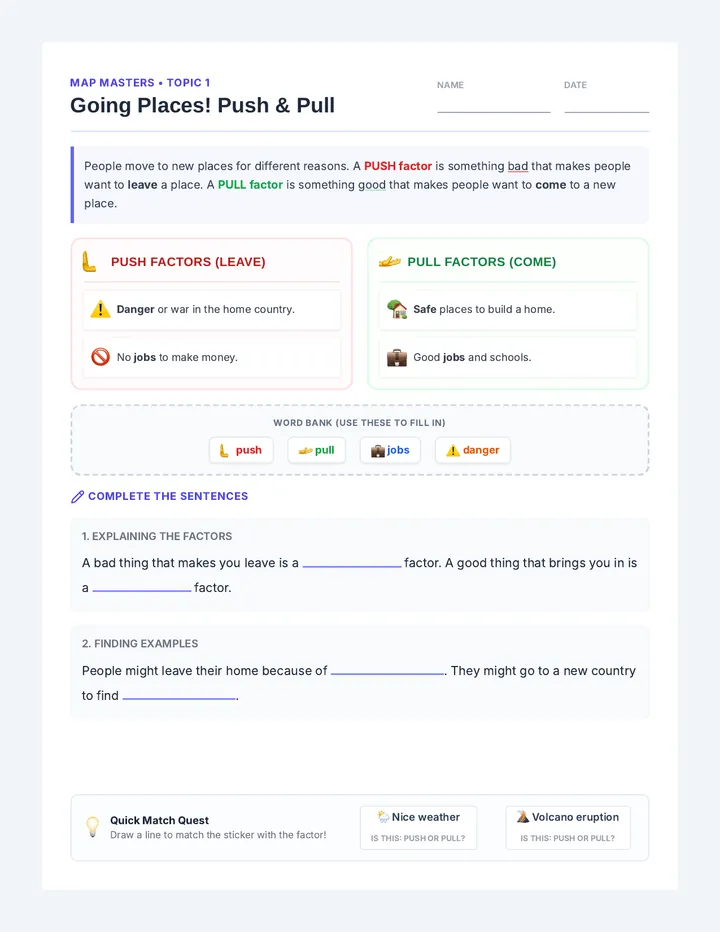
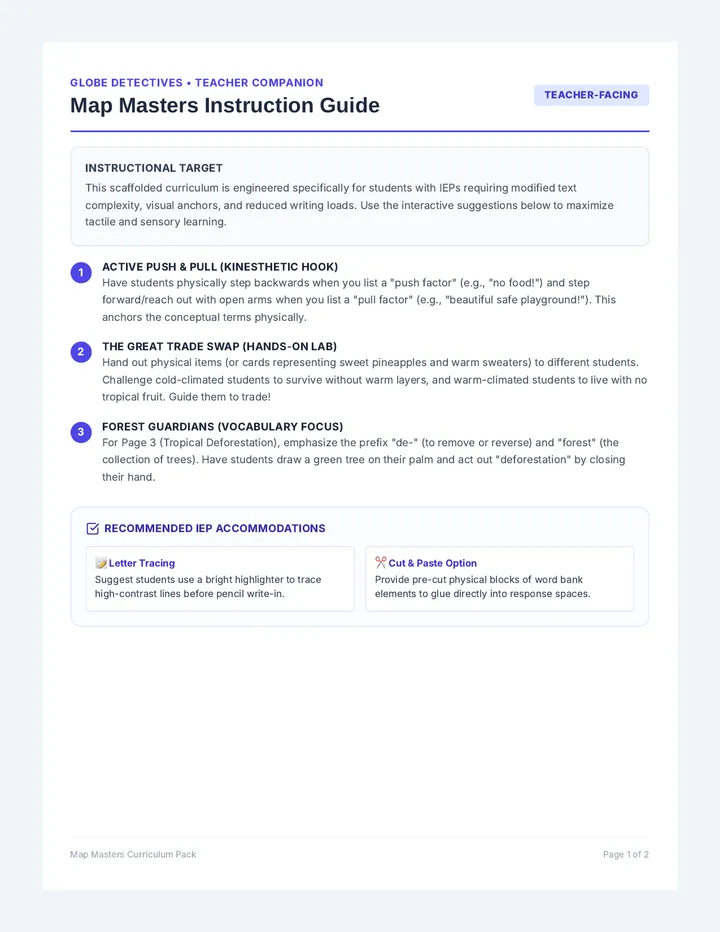
Students learn about the 'push' and 'pull' factors that motivated families to leave their homes and head west, including the promise of land and gold.
An interactive simulation where students design and run carnival stalls to learn about supply, demand, budgeting, and economic trade-offs within a community.
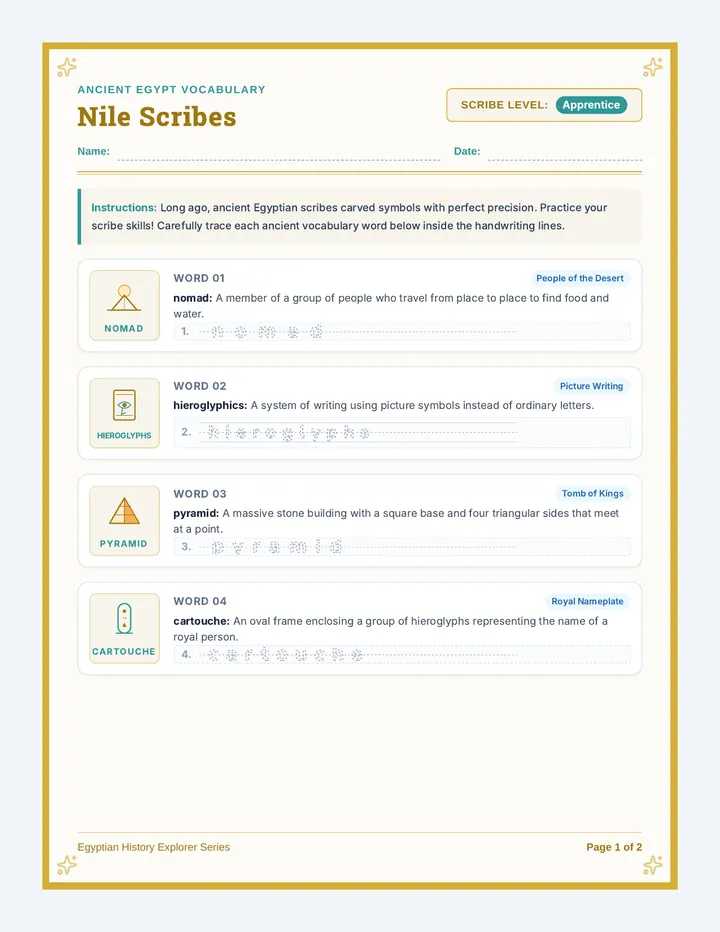
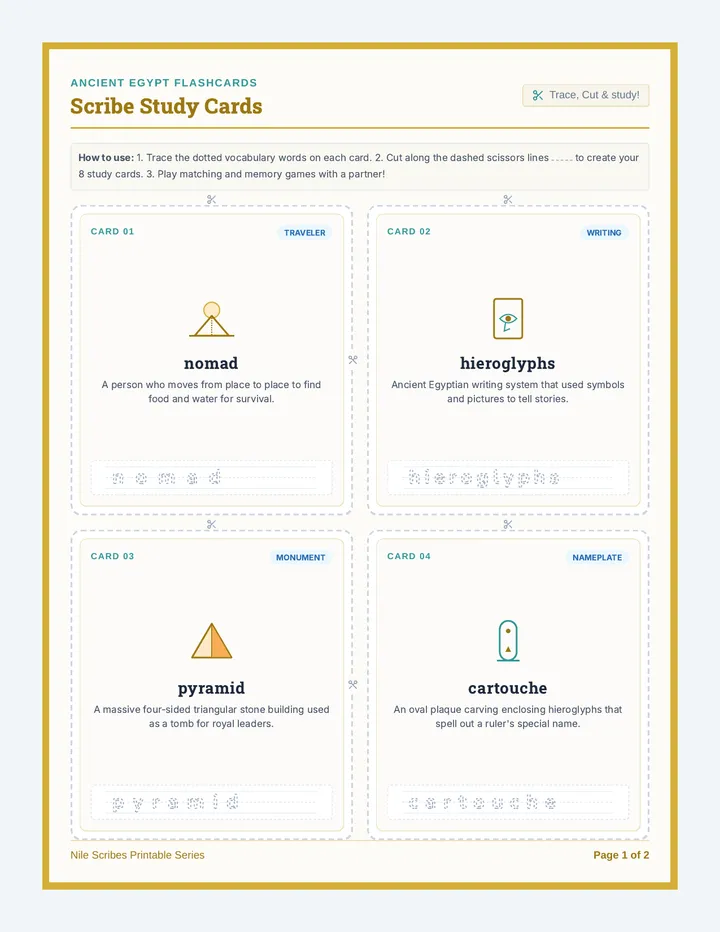
A collection of vocabulary resources focused on the structure of government and the role of the Pharaoh in Ancient Egypt, tailored for both elementary and high school levels.
A 20-minute mini-lesson exploring how diverse groups of people have influenced a region's culture through food, music, traditions, and language. Students will act as 'Heritage Hunters' to identify cultural contributions in their own communities.
A hands-on history project inspired by 'Born on the Water', focusing on ancestry, resilience, and the power of storytelling. Students create a visual legacy map that traces the journey of a people or family from their roots to the present day.
A comprehensive study of Ancient Egypt focusing on the Nile River, the role of Pharaohs, and the engineering of pyramids. Includes reading, assessment, and interactive note-taking.
A comprehensive introduction to the three branches of the U.S. government, exploring their unique roles, responsibilities, and how they work together through checks and balances.
An interactive lesson where students explore the geography, economy, and culture of the 13 original colonies through a classroom scavenger hunt. Students will categorize colonies by region and identify key characteristics of each.
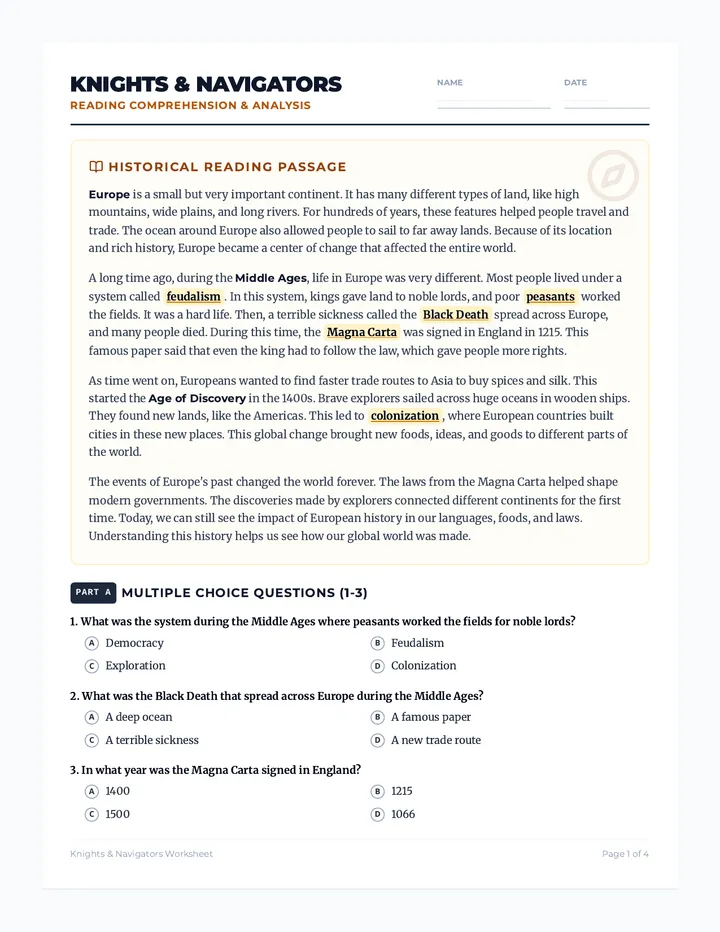
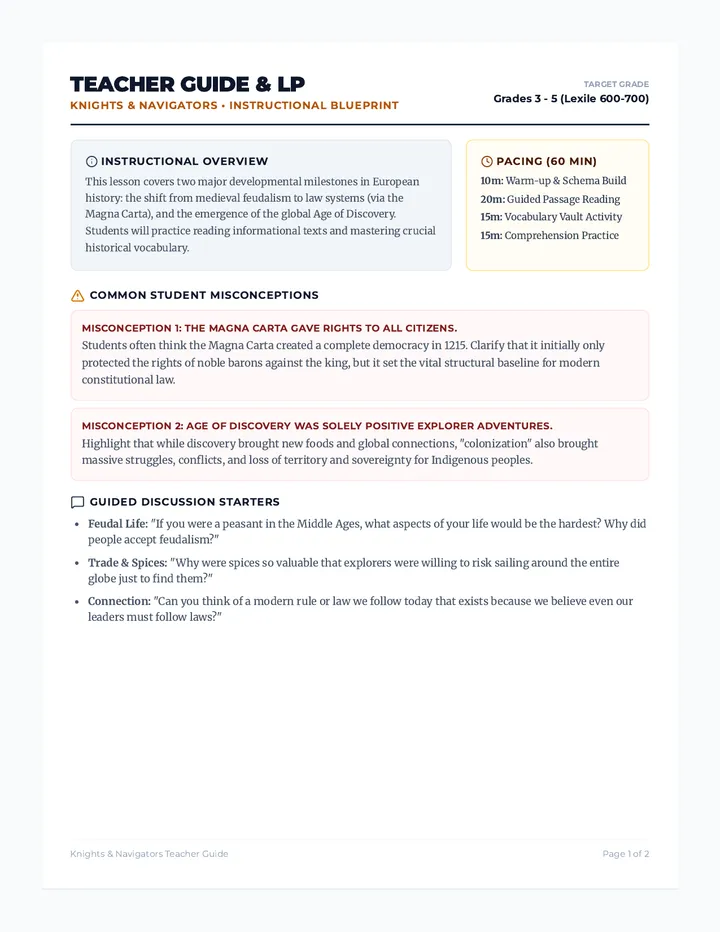
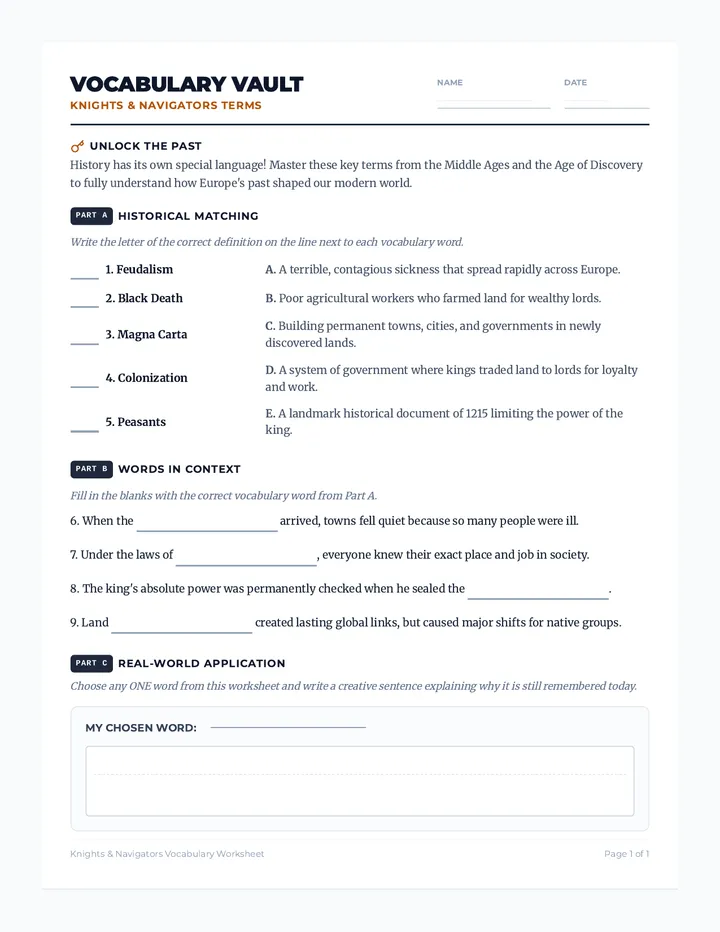
A foundational vocabulary lesson for 3rd graders to understand the key terms of the Age of Discovery and early exploration through visual aids and interactive practice.
A high-stakes, interactive game show focused on Ohio's government and citizenship, designed to practice RI.3.1-RI.3.8 and L.3.4-L.3.5 standards. Students will navigate questions about the branches of government, local leadership, and civic duties.
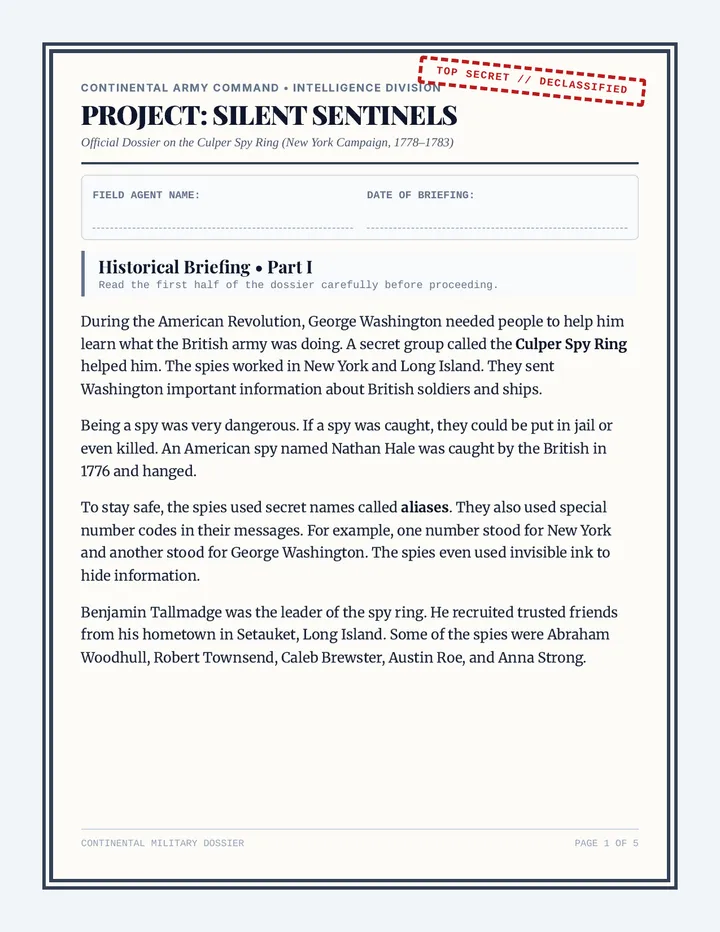
A simplified introduction to the Homestead Act and Westward Expansion, adapted for students with diverse learning needs and focusing on the journey of homesteaders.
A hands-on geography and science project where 3rd-grade students design detailed maps of specific habitats (Wetlands, Plains, or Deserts) while mastering essential map skills like legends, scale, and orientation.
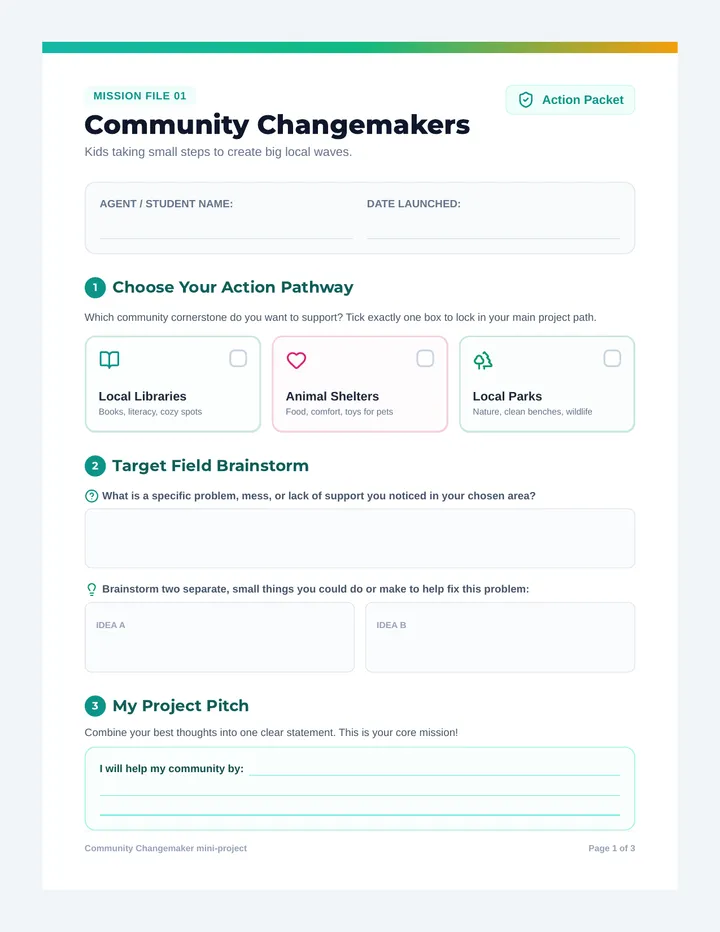
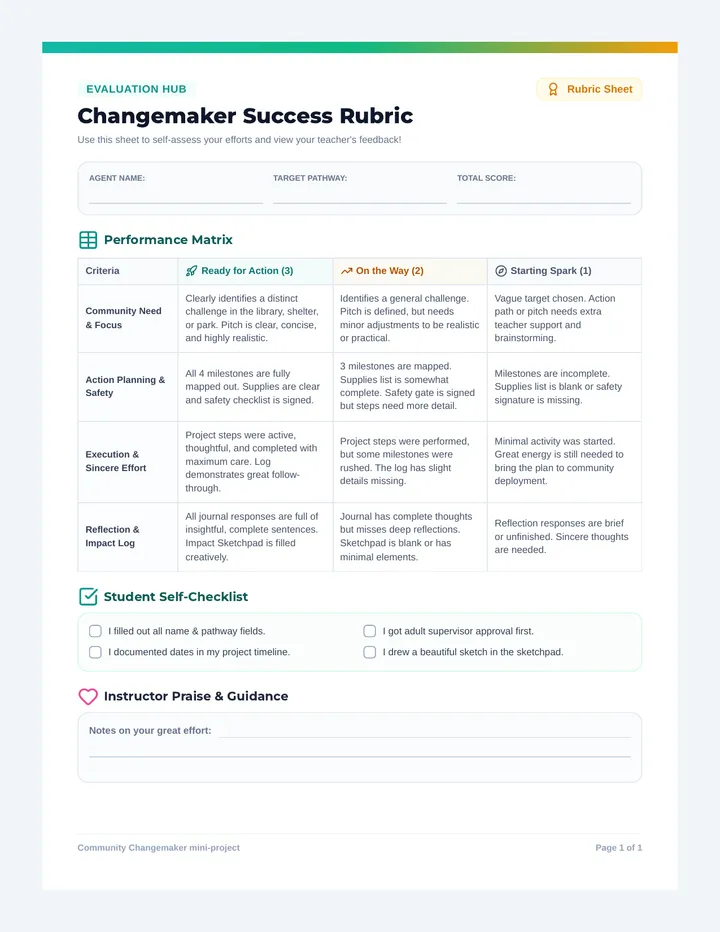
A lesson focused on civic engagement and community service, guiding students through brainstorming actionable ways to improve their local neighborhoods and support community organizations.
Students explore the history of Riverton through map analysis, identifying how land use has changed over a century and designing future urban solutions.
A comprehensive exploration of the five federally recognized Native American tribes in Idaho, focusing on their ancestral lands, traditions, and enduring cultures. Students will learn about the Nez Perce, Shoshone-Bannock, Shoshone-Paiute, Coeur d’Alene, and Kootenai peoples.
A lesson focused on the key European explorers who reached North America, their motivations, and their discoveries.