A 20-minute mini-lesson exploring how diverse groups of people have influenced a region's culture through food, music, traditions, and language. Students will act as 'Heritage Hunters' to identify cultural contributions in their own communities.
A collection of vocabulary resources focused on the structure of government and the role of the Pharaoh in Ancient Egypt, tailored for both elementary and high school levels.
An introductory lesson exploring the concept of immigration, push and pull factors, and the emotional journey of moving to a new country through a hands-on suitcase activity.
A comprehensive look at the founding, geography, and development of the thirteen original American colonies.
This lesson introduces 4th-grade students to Article 1 of the Indiana Constitution, focusing on individual rights such as freedom of speech and religion. Students will explore how these rights protect Hoosiers and apply them to real-world scenarios.
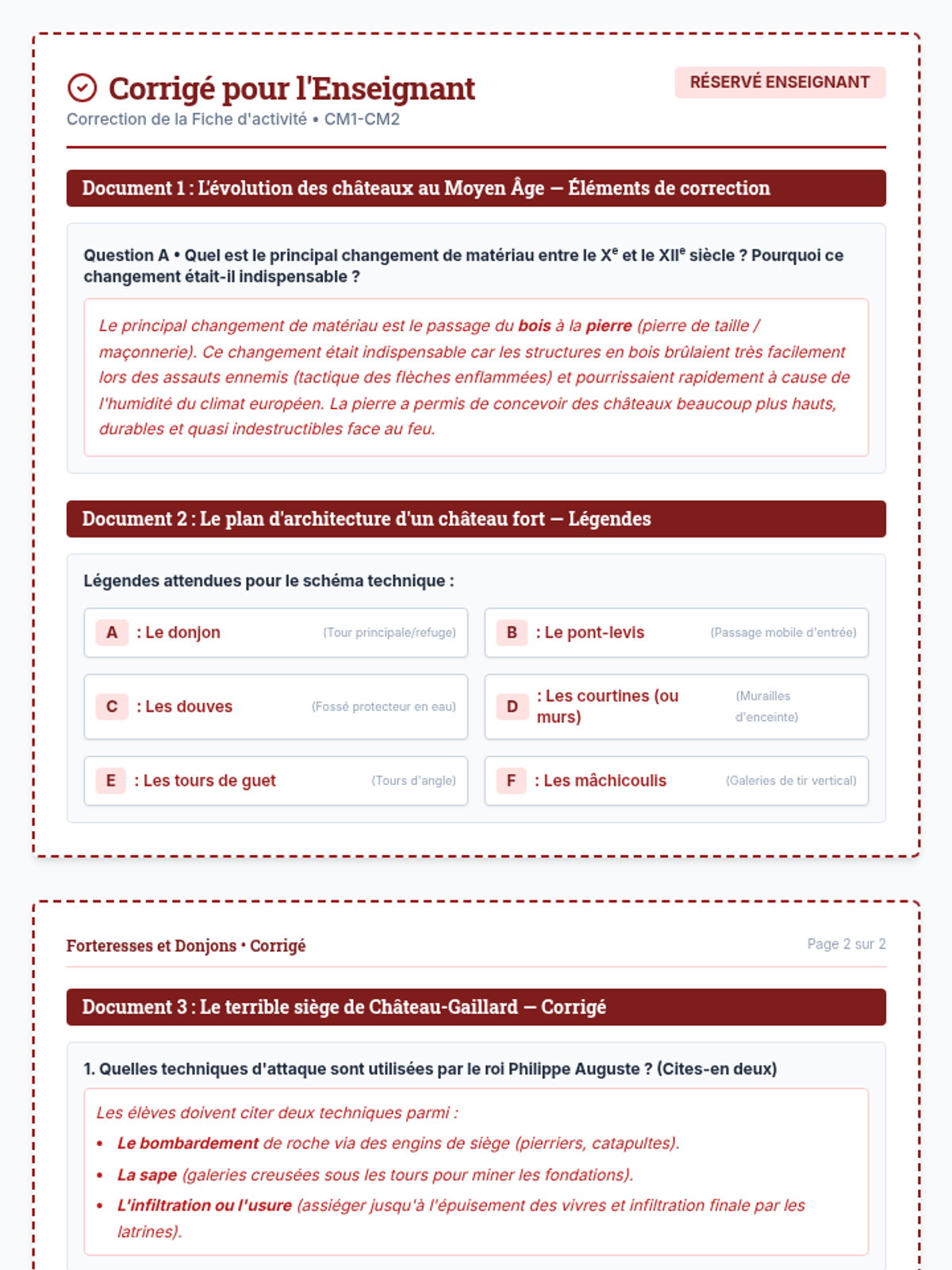
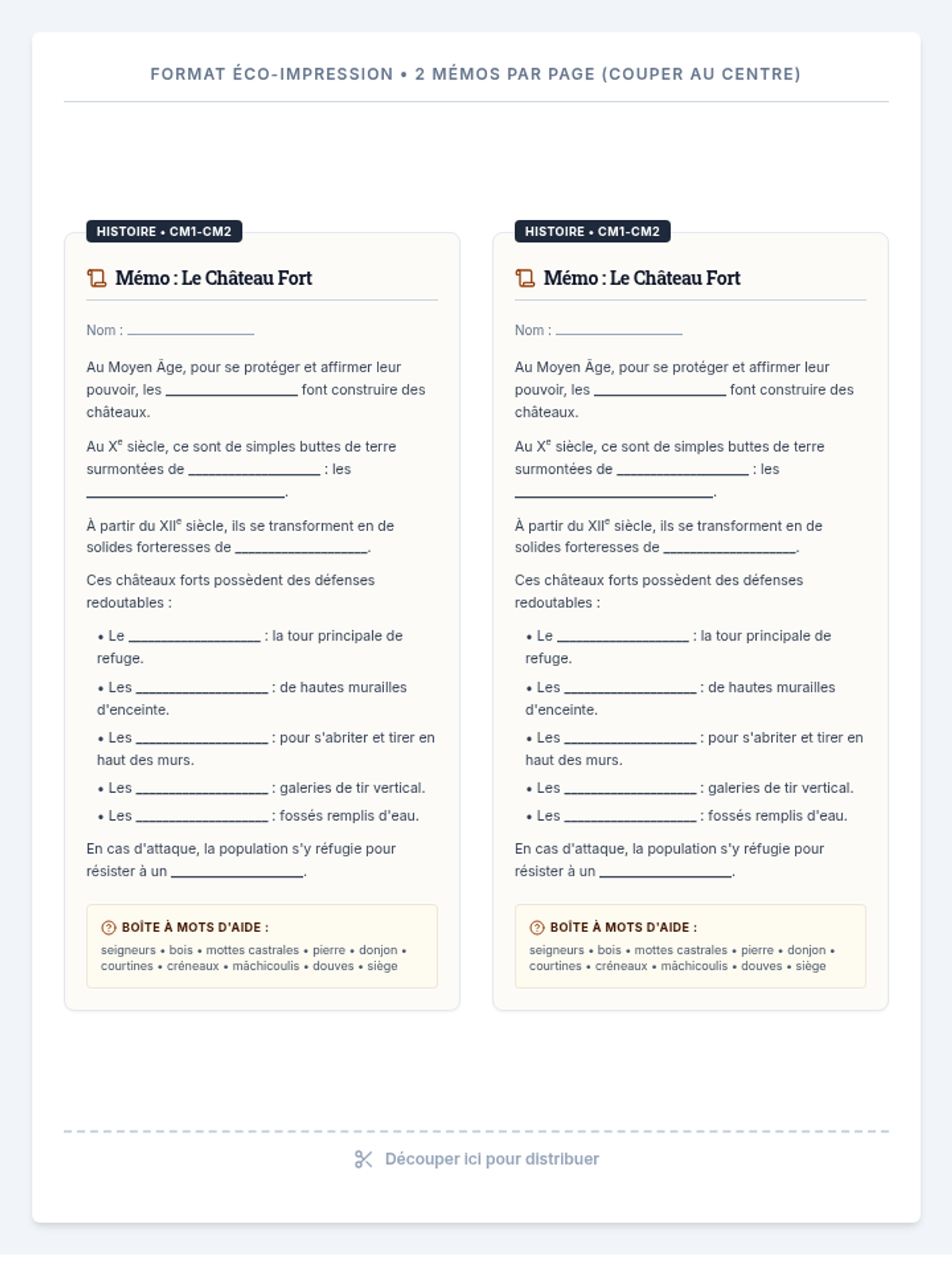
An exploration of life in medieval Scotland, adapted for an 800L Lexile level, covering history, castles, clothing, and diet.
A focused look at Thomas Jefferson's Embargo Act of 1807, exploring its causes, the economic fallout for New England merchants, and its role in leading to the War of 1812.
A hands-on history project inspired by 'Born on the Water', focusing on ancestry, resilience, and the power of storytelling. Students create a visual legacy map that traces the journey of a people or family from their roots to the present day.
This lesson introduces the importance of the Nile River to the ancient Egyptians, focusing on its role in farming, fishing, and transportation. Students will explore how the river's annual flooding provided fertile soil and how the Egyptians managed water using canals.
A lesson exploring the realities of life in medieval Scotland, from castle luxury to peasant survival, based on historical accounts of clothing, food, and social structure.
A comprehensive study of Ancient Egypt focusing on the Nile River, the role of Pharaohs, and the engineering of pyramids. Includes reading, assessment, and interactive note-taking.
A comprehensive introduction to the three branches of the U.S. government, exploring their unique roles, responsibilities, and how they work together through checks and balances.
A comprehensive vocabulary lesson covering the essential terminology of the American Civil War, from the causes of slavery and abolitionism to the complexities of Reconstruction.
An interactive lesson where students explore the geography, economy, and culture of the 13 original colonies through a classroom scavenger hunt. Students will categorize colonies by region and identify key characteristics of each.
A high-stakes historical scavenger hunt where students solve puzzles related to the Age of Exploration to 'unlock' a hidden route. This game-based learning experience uses teamwork and problem-solving to teach geography and historical facts.
A foundational vocabulary lesson for 3rd graders to understand the key terms of the Age of Discovery and early exploration through visual aids and interactive practice.
A lesson exploring the Quaker perspective during the American Revolution, focusing on their commitment to neutrality and nonviolence despite external pressures.
A comprehensive exploration of the Maya, Aztec, and Inca civilizations, focusing on their geography, social structures, and lasting achievements. Students will use guided notes to capture key details during a direct instruction lecture.