Learn the history of the National Anthem and the resilience of the flag at Fort McHenry.
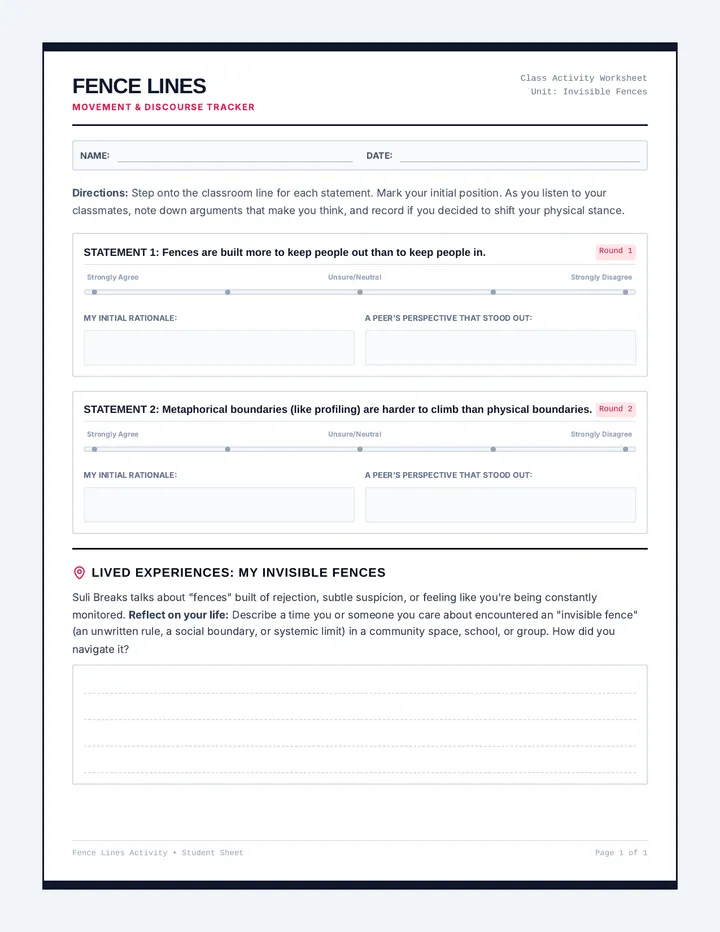
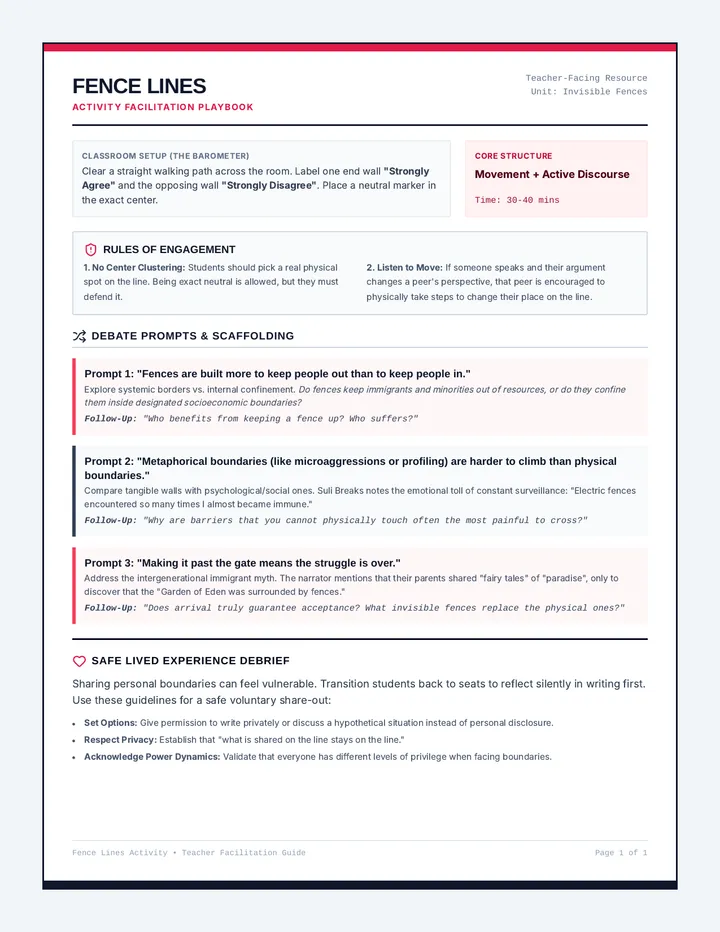
An introductory lesson exploring the immigrant experience and systemic barriers through Suli Breaks' spoken word poem 'Fences'. Students engage in a structured movement and discourse activity to analyze literal and metaphorical barriers, connecting themes to their own lived experiences.
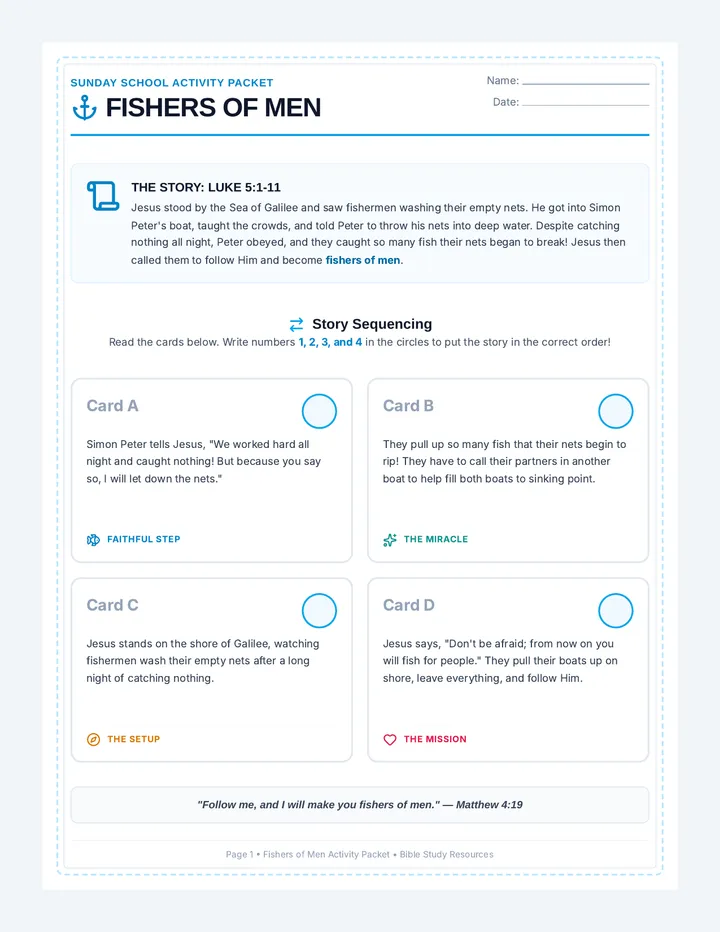
A lesson exploring the calling of the first disciples, focusing on Jesus' invitation to become fishers of men and share God's love with others through creative, hands-on activities.
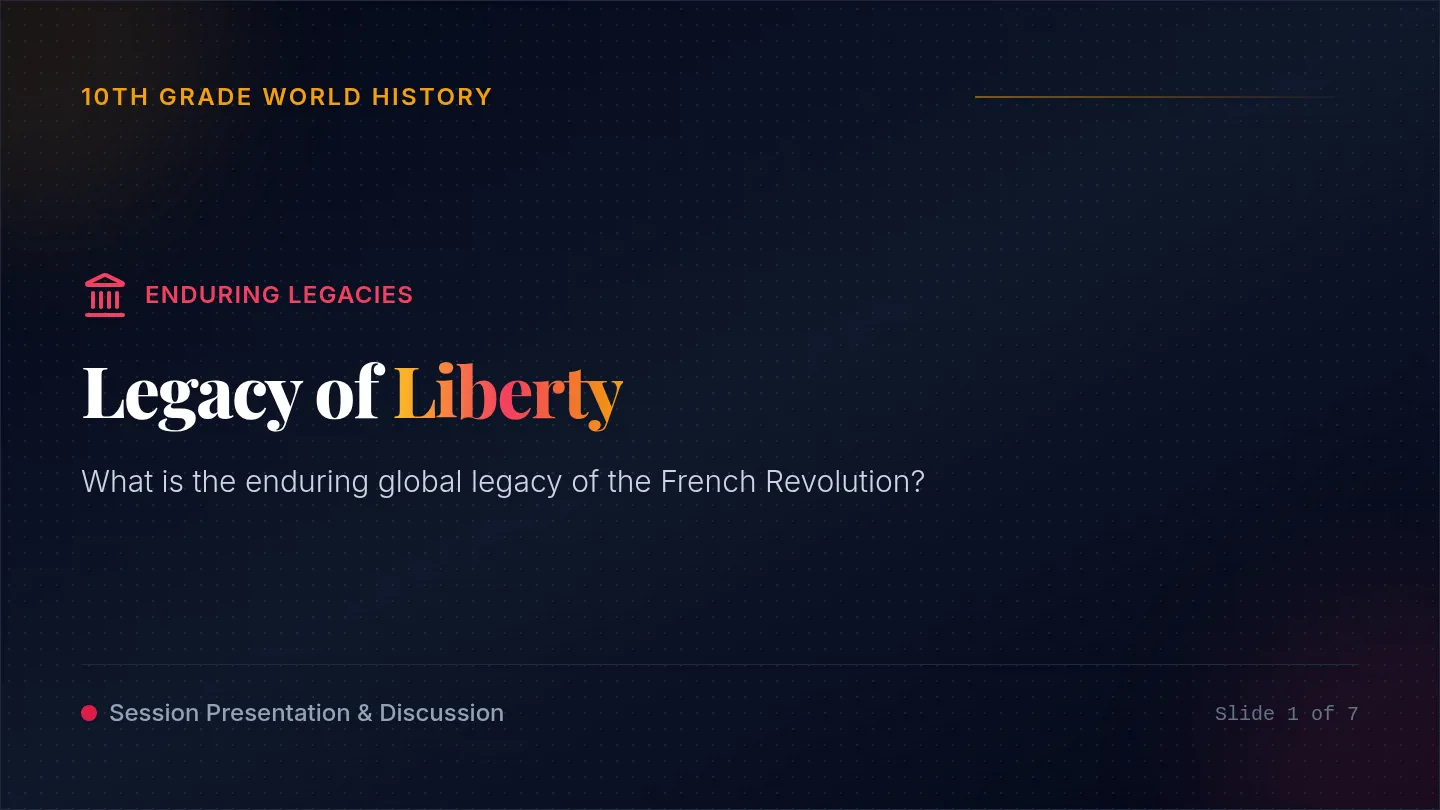
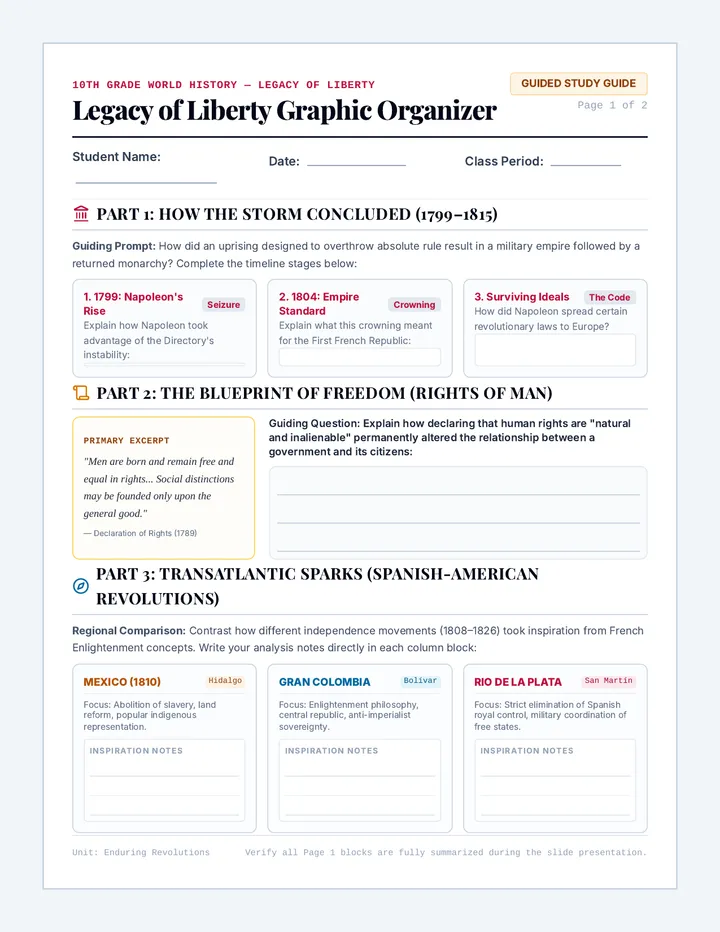
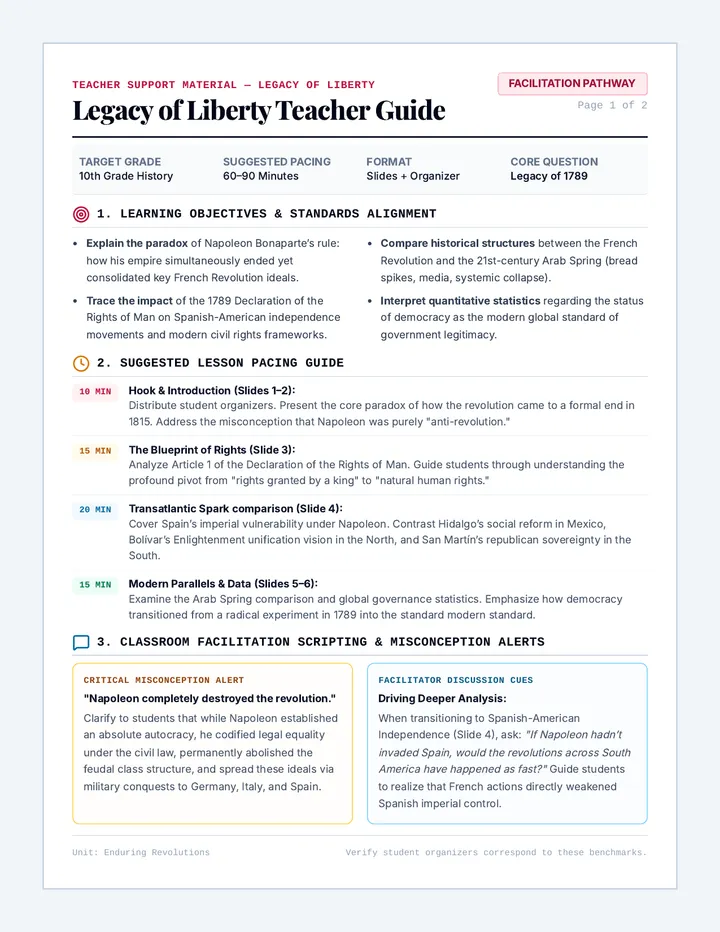
A comprehensive history lesson for 10th-grade students examining the global and modern legacies of the French Revolution. It features interactive slides and a highly organized graphic organizer that covers the end of the revolution, global democratic movements, and modern government statistics.
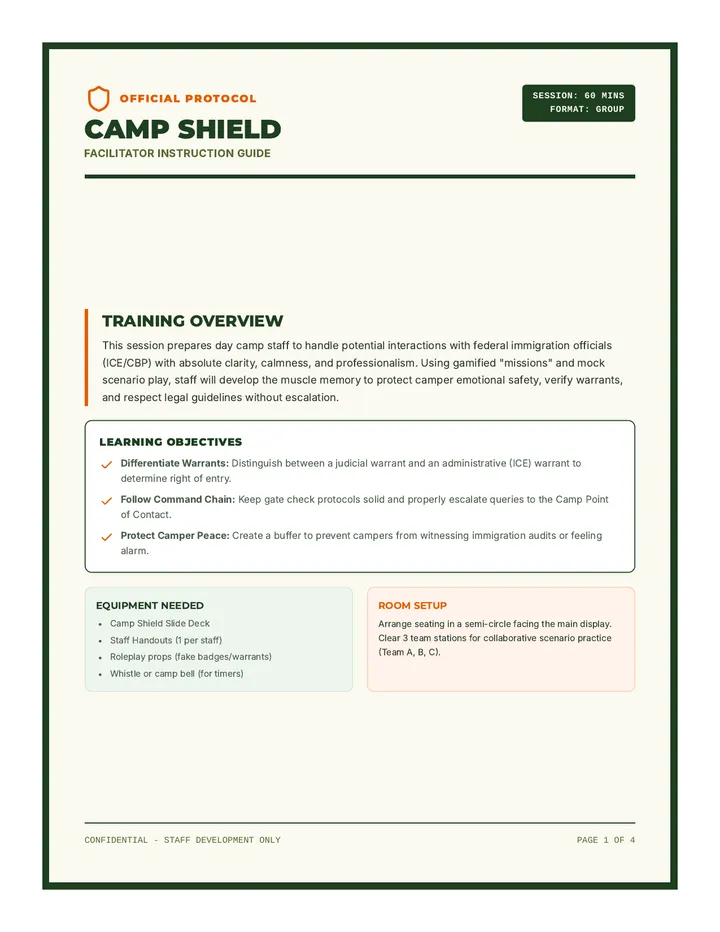
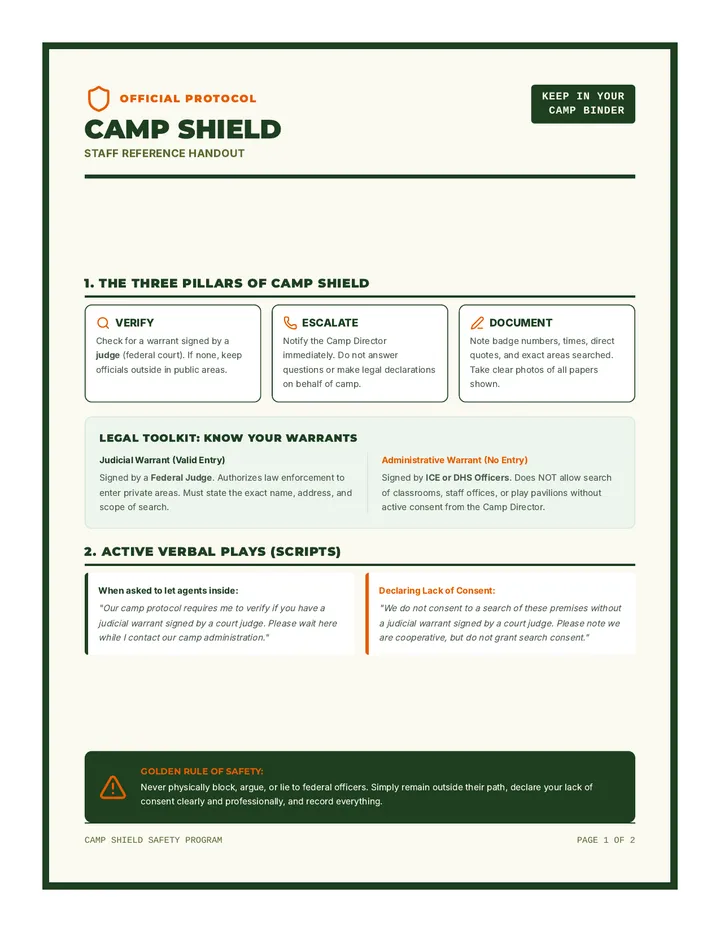
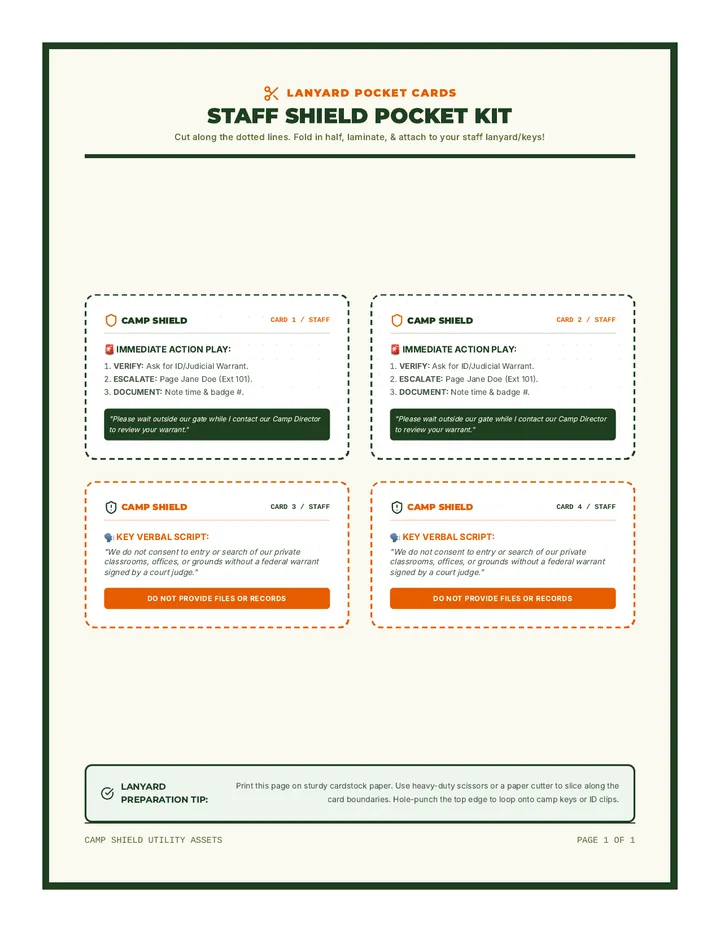
A comprehensive, scenario-based training lesson to prepare camp staff on safety, communication, and legal protocols if ICE or immigration officials arrive at camp. Equips staff with actionable toolkits, step-by-step guides, and interactive roleplay scenarios.
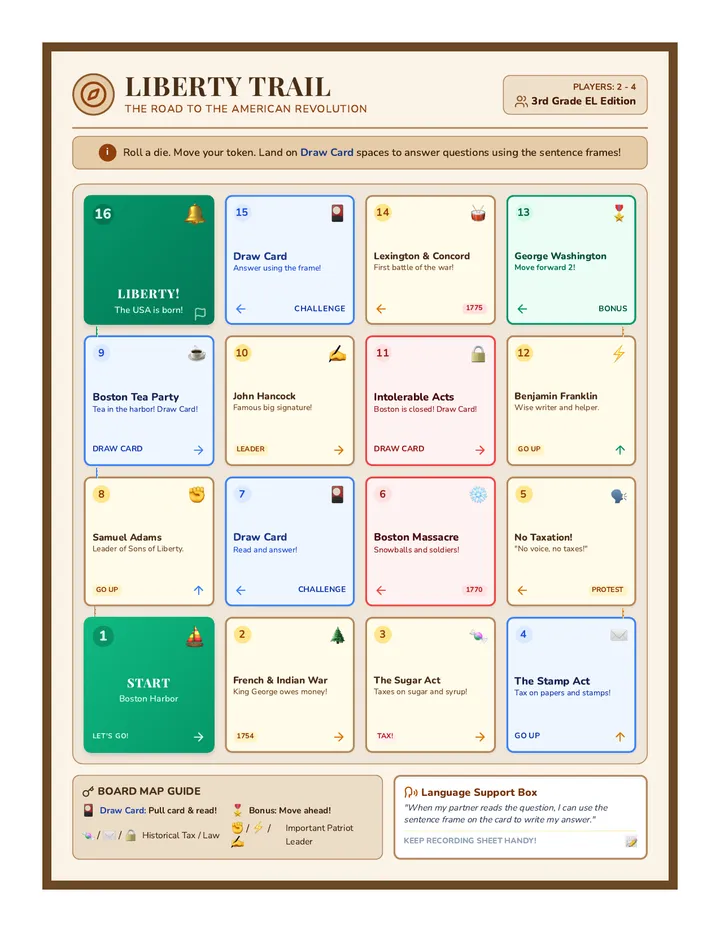
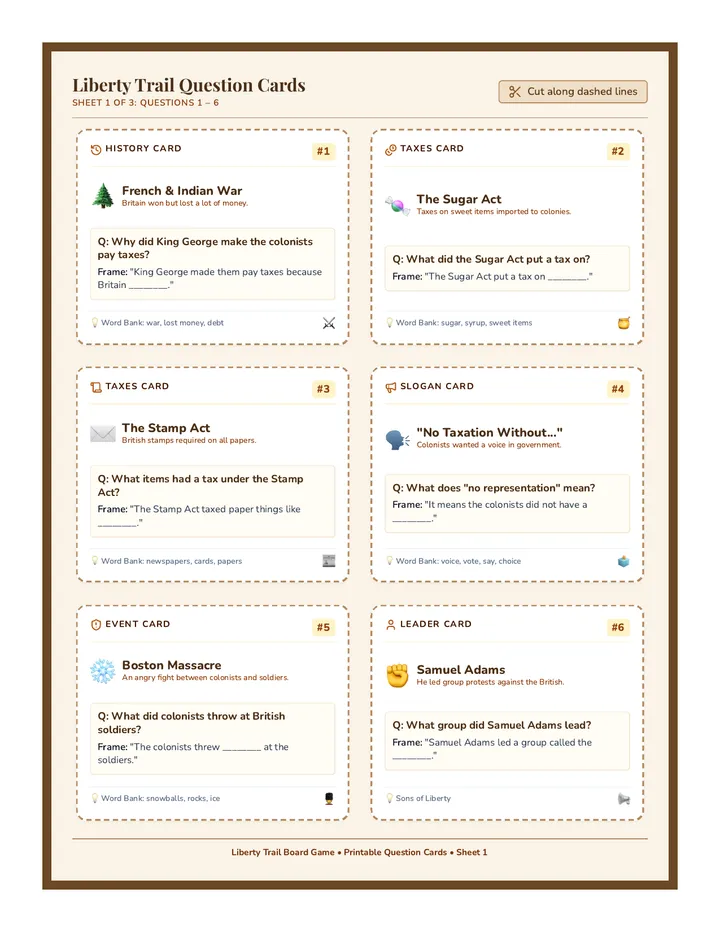
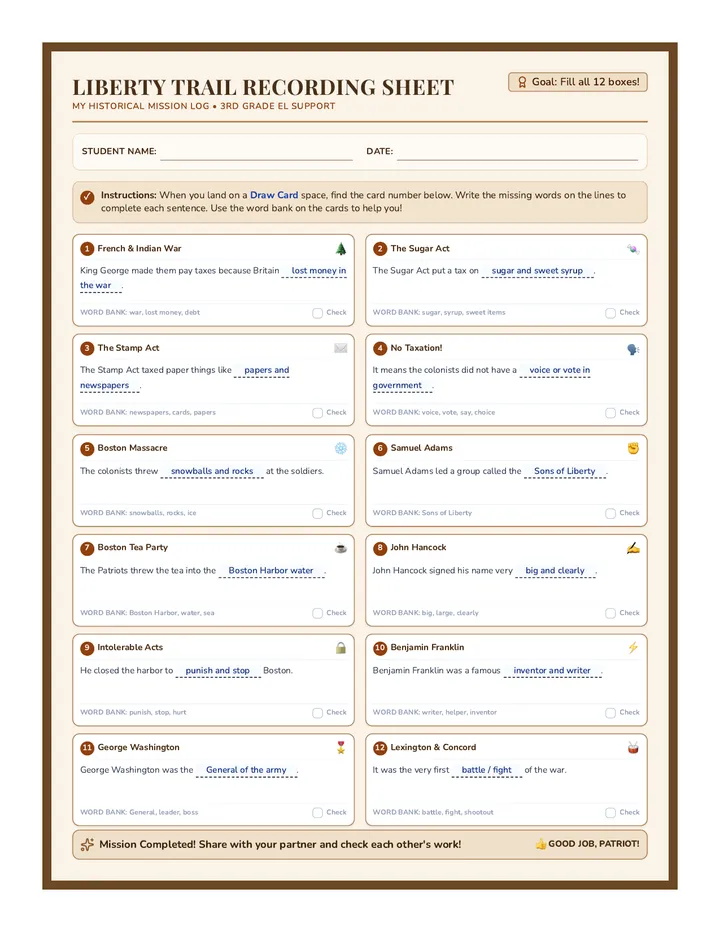
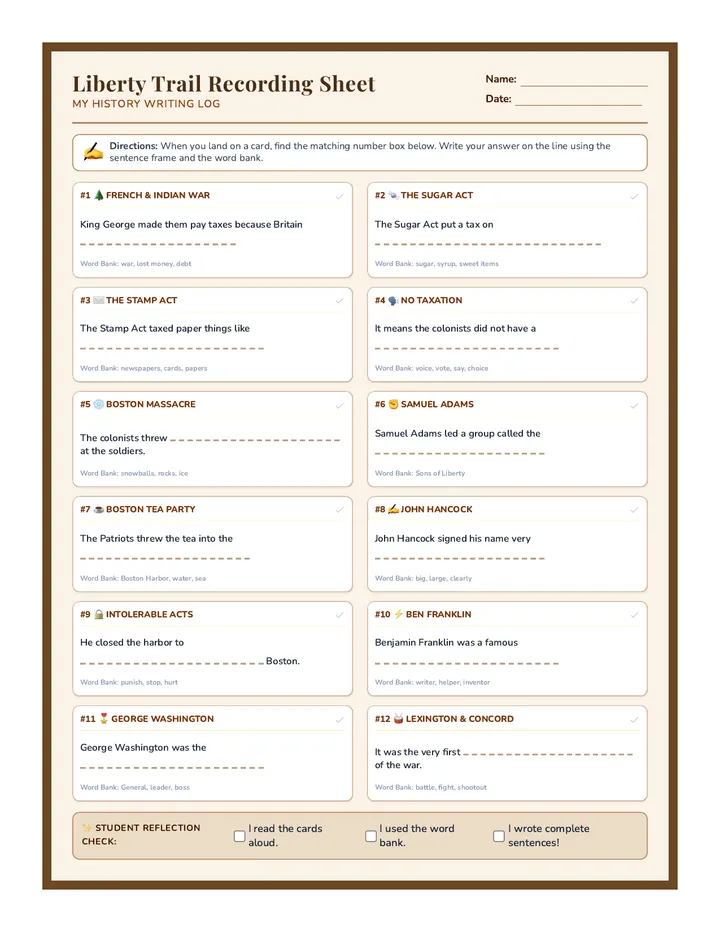
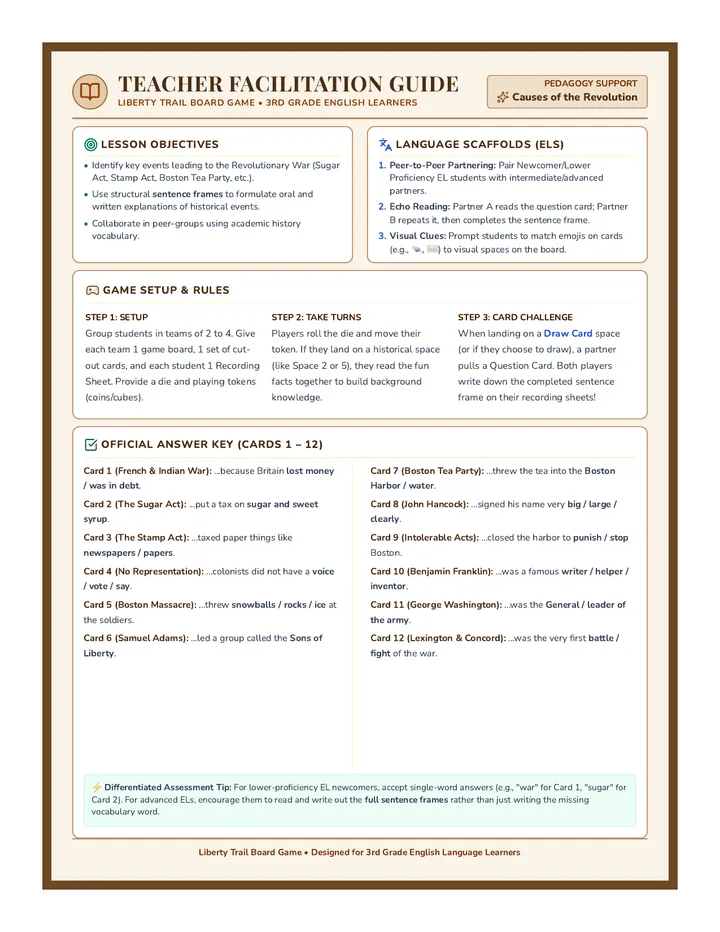
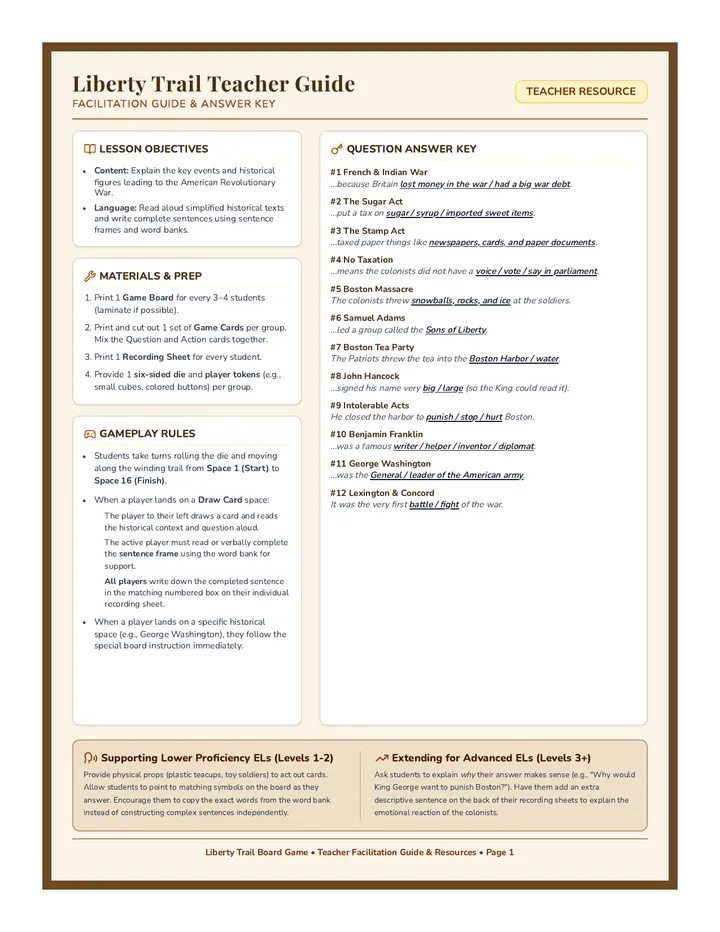
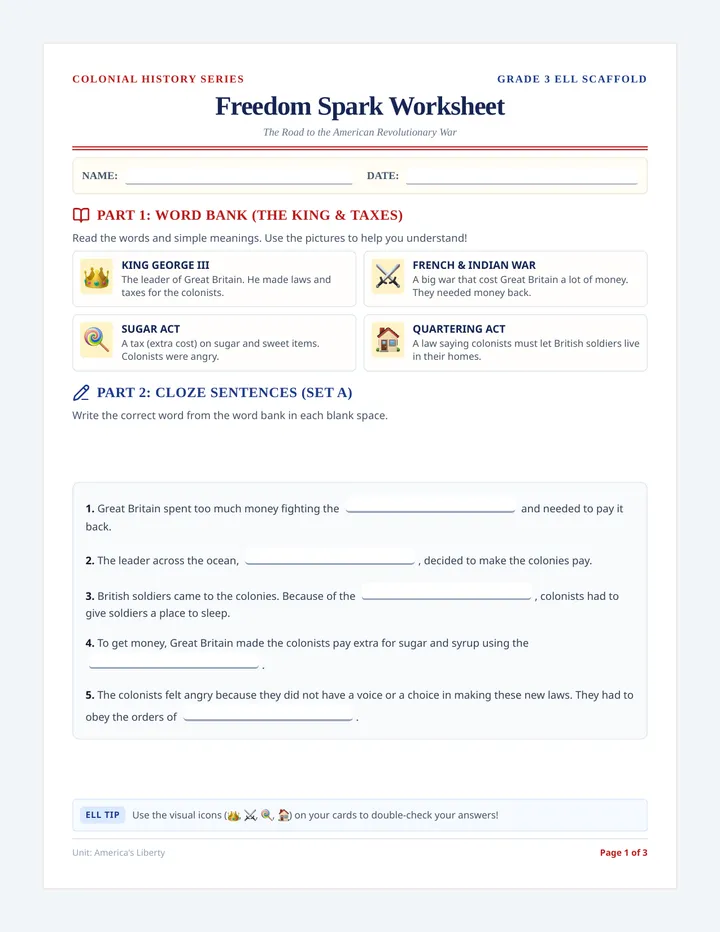
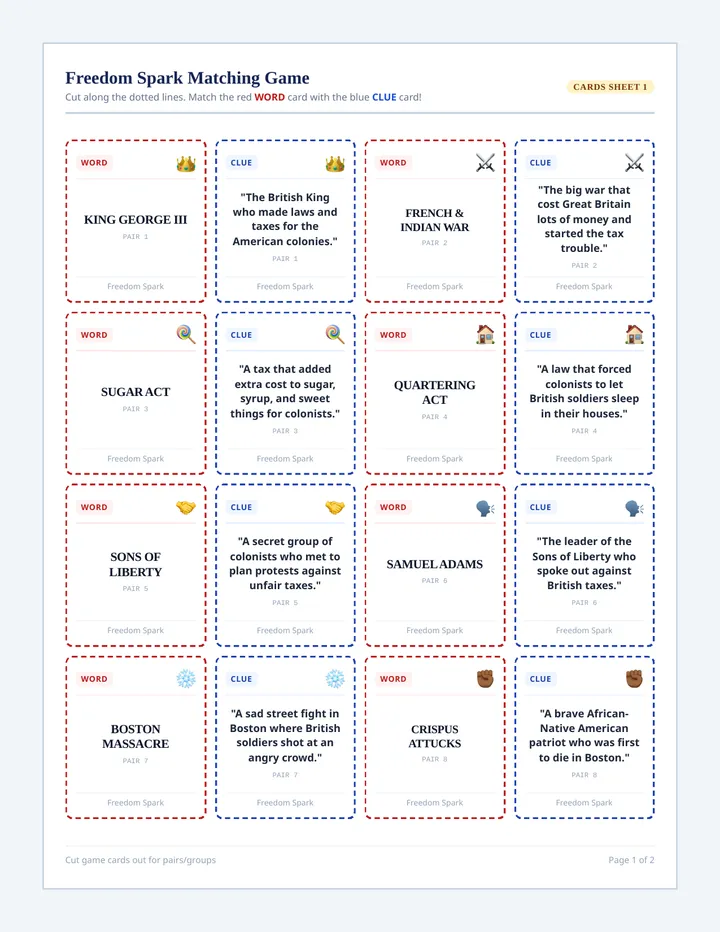
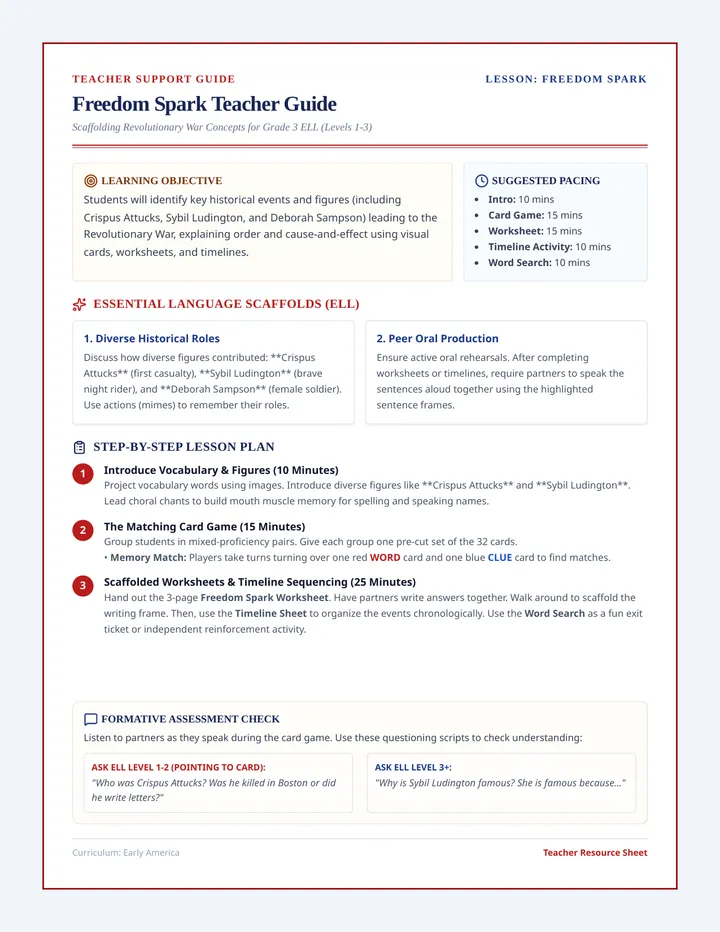
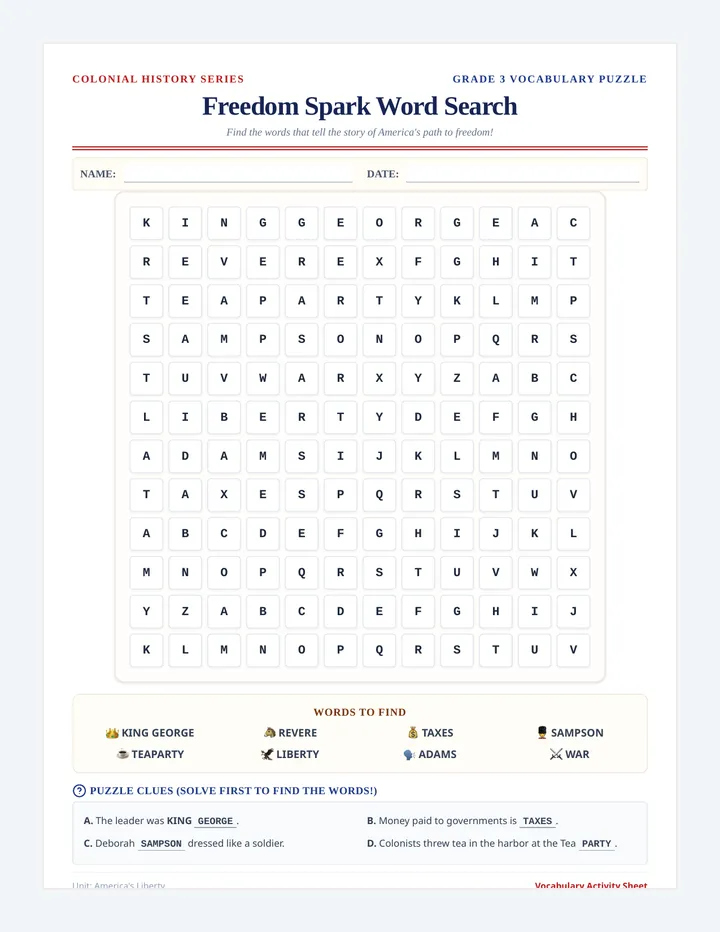
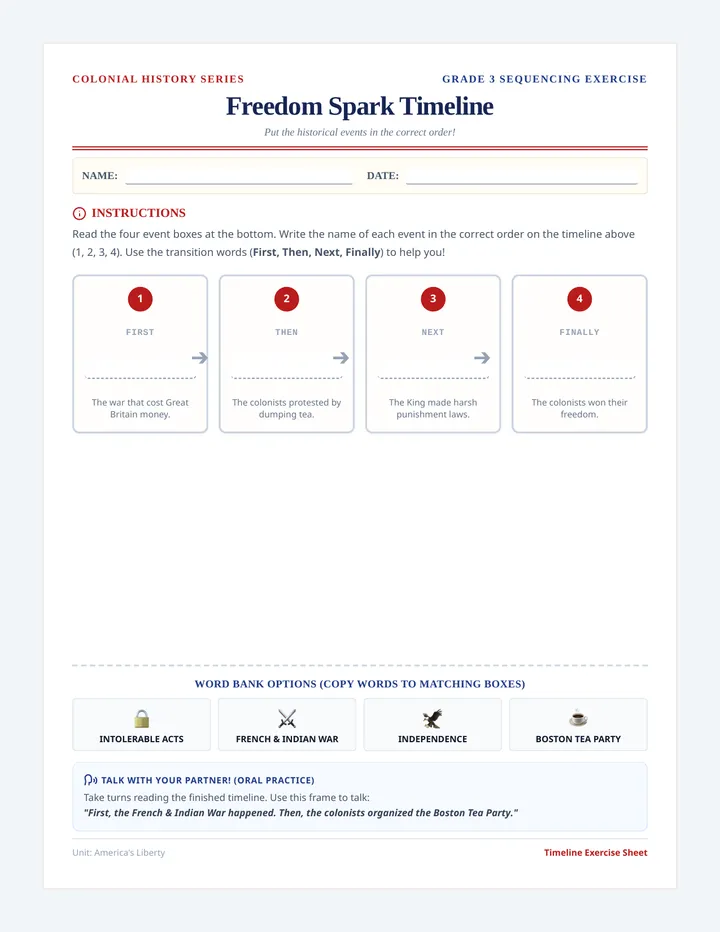
A complete educational board game package designed for 3rd-grade English Language learners (ELs) studying the causes of the American Revolutionary War. Features simplified text, visual supports, and sentence frames to assist language production.
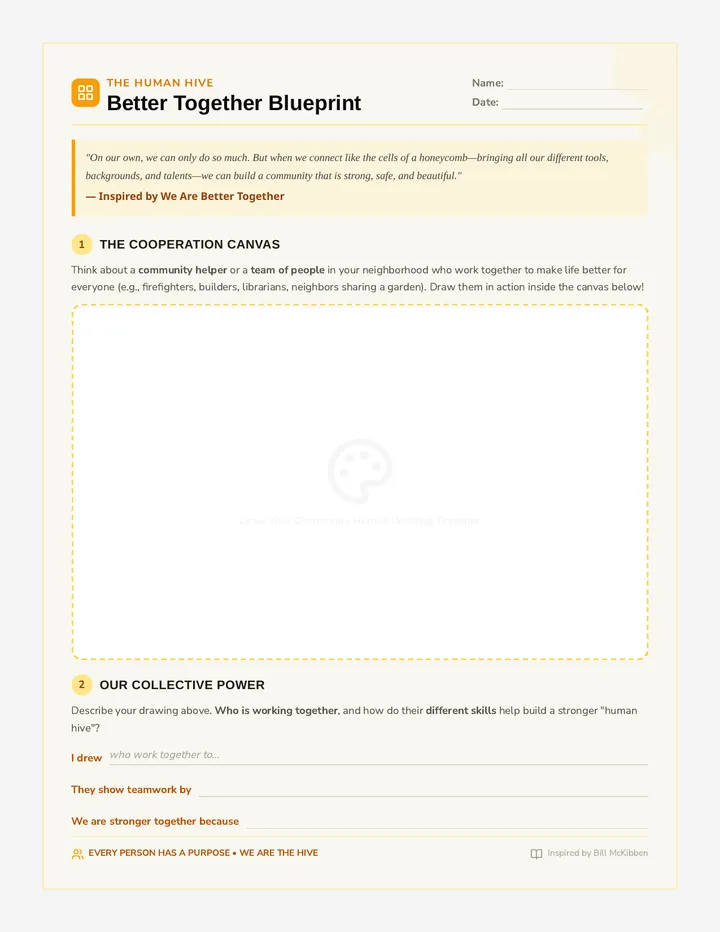
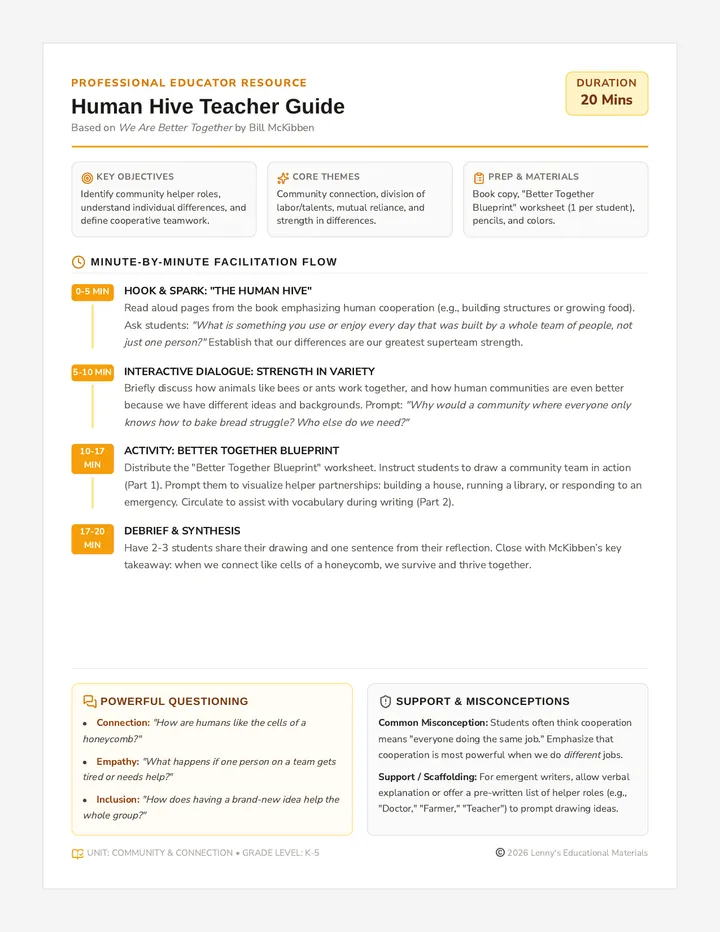
A 20-minute introductory lesson exploring community, cooperation, and human connection inspired by Bill McKibben's 'We Are Better Together'. Students examine how our unique differences and teamwork allow us to build a better, stronger community, culminating in a creative sketch and reflection activity.
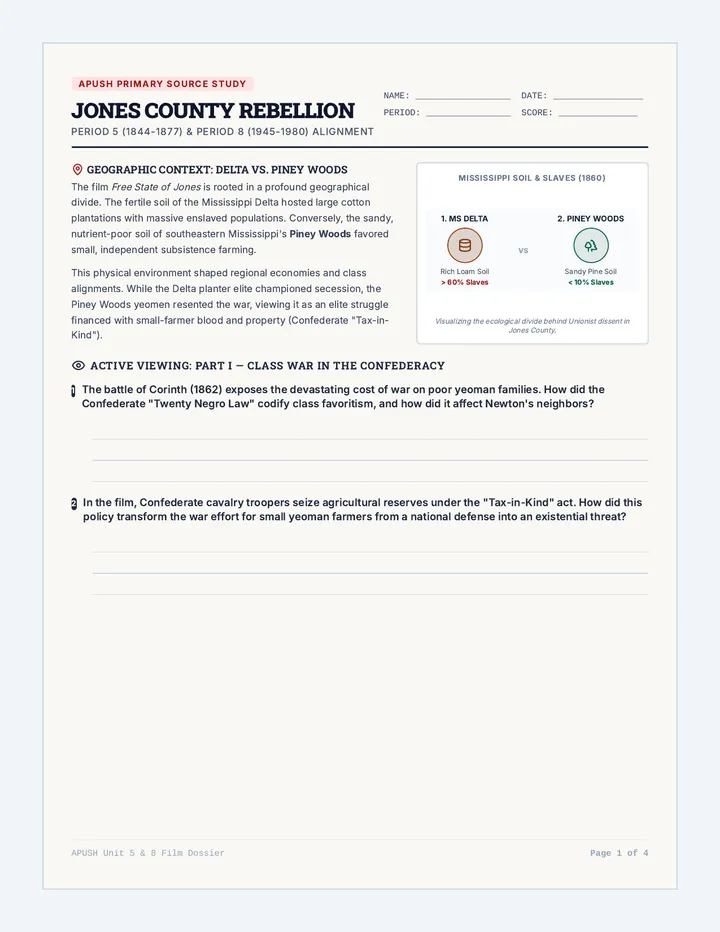
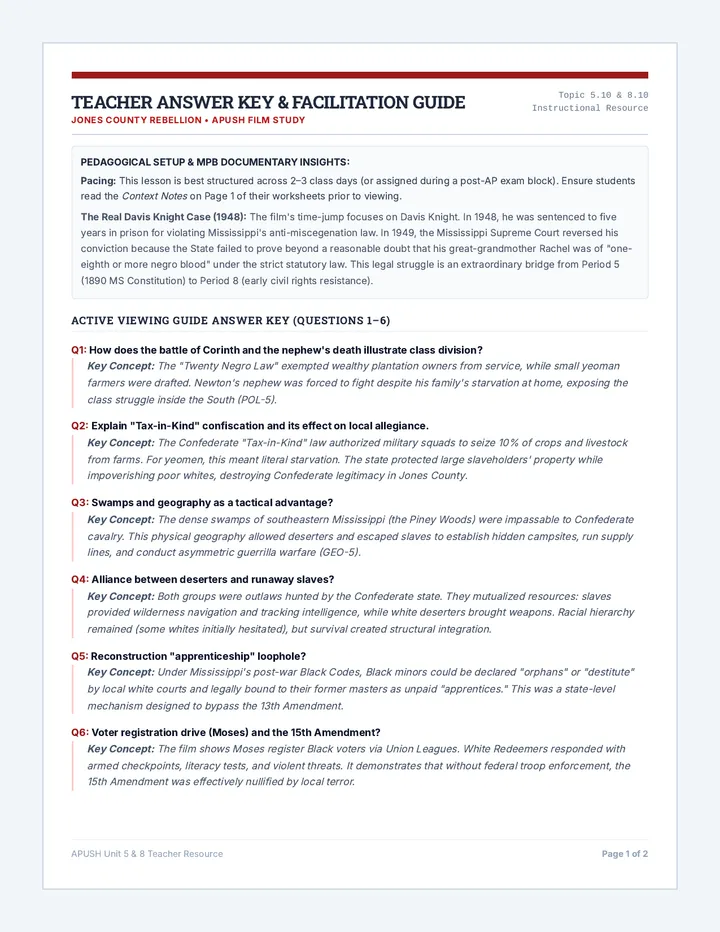
An AP U.S. History film study lesson on 'Free State of Jones' exploring Civil War dissent, Reconstruction failures (Period 5), and their long-term legacy in 20th-century Jim Crow courts (Period 8).
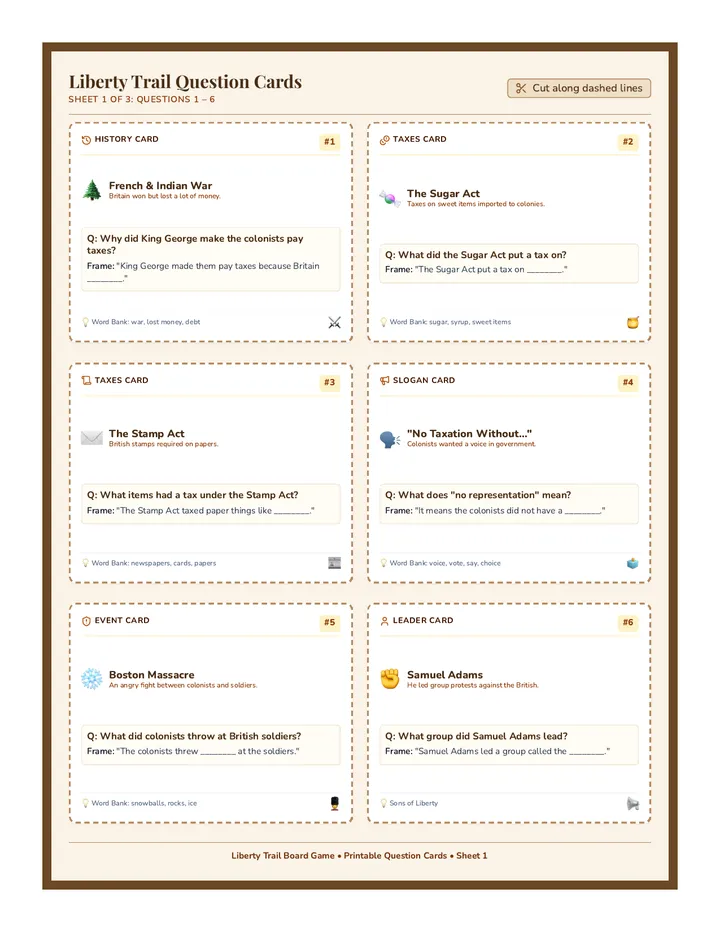
An introductory history lesson on the key events leading to the American Revolutionary War, designed specifically for third-grade English Language Learners (ELL). It includes a visual vocabulary cloze worksheet, interactive matching cards for learning events, and a comprehensive facilitation guide for teachers.
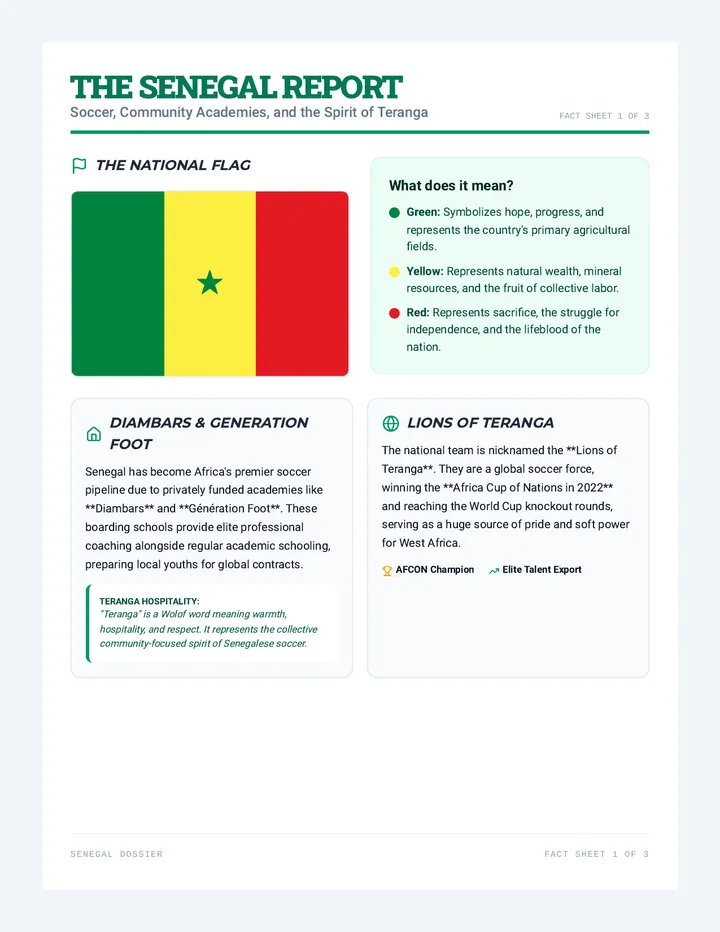
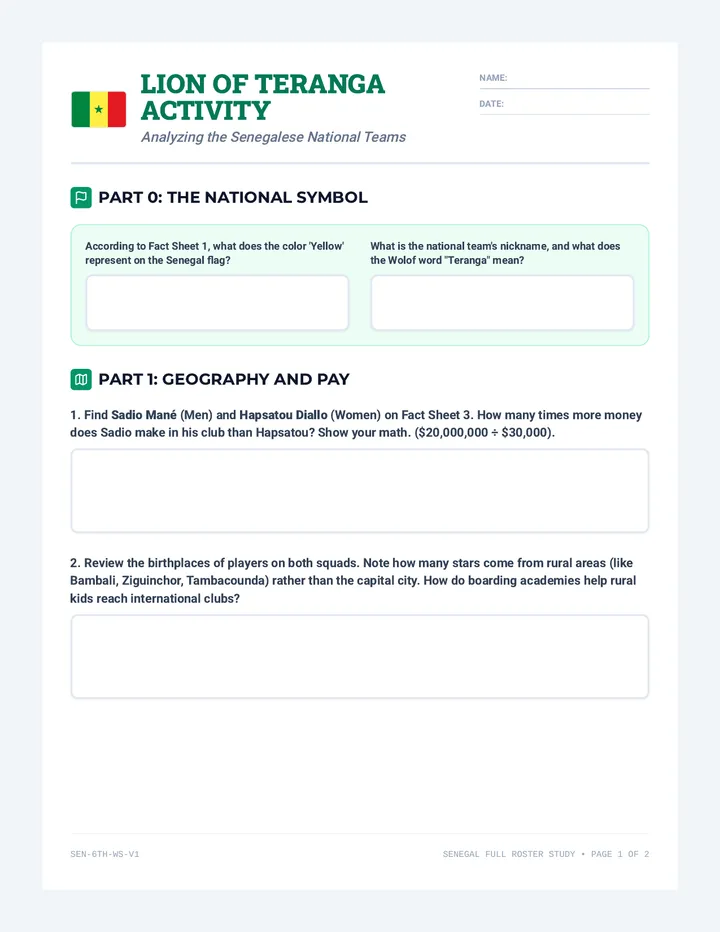
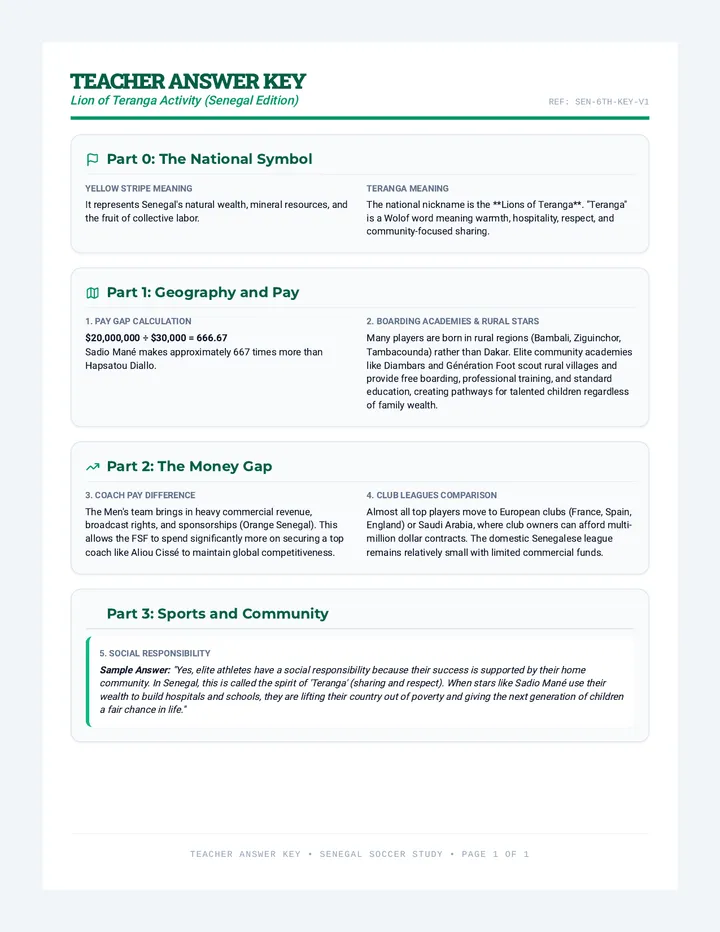
An investigation of Senegal's national soccer program (Lions of Teranga), French-African economic ties, and community soccer academies.
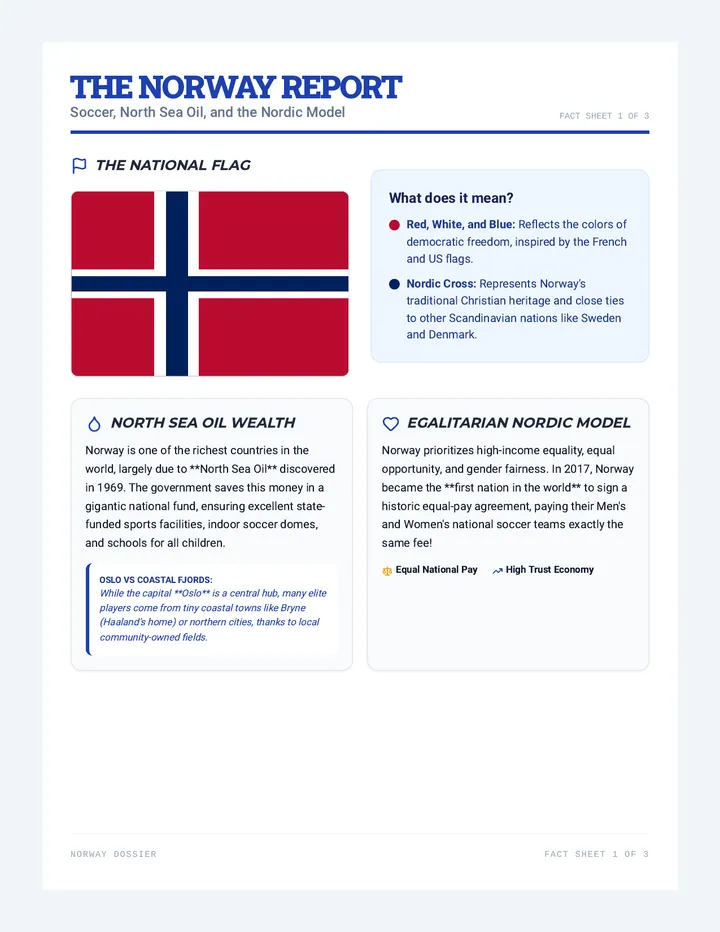
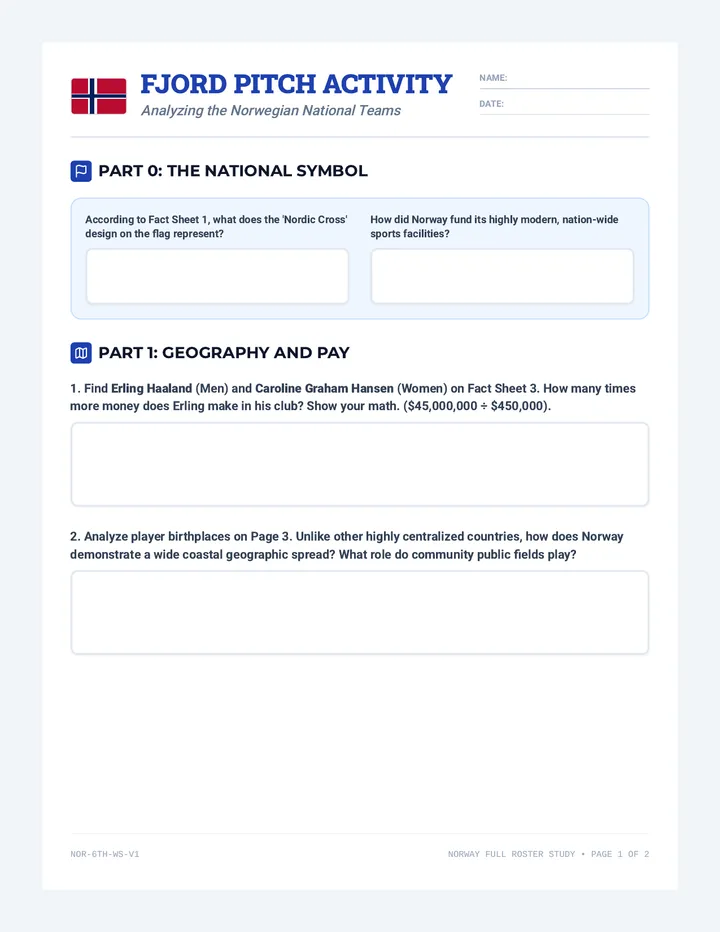
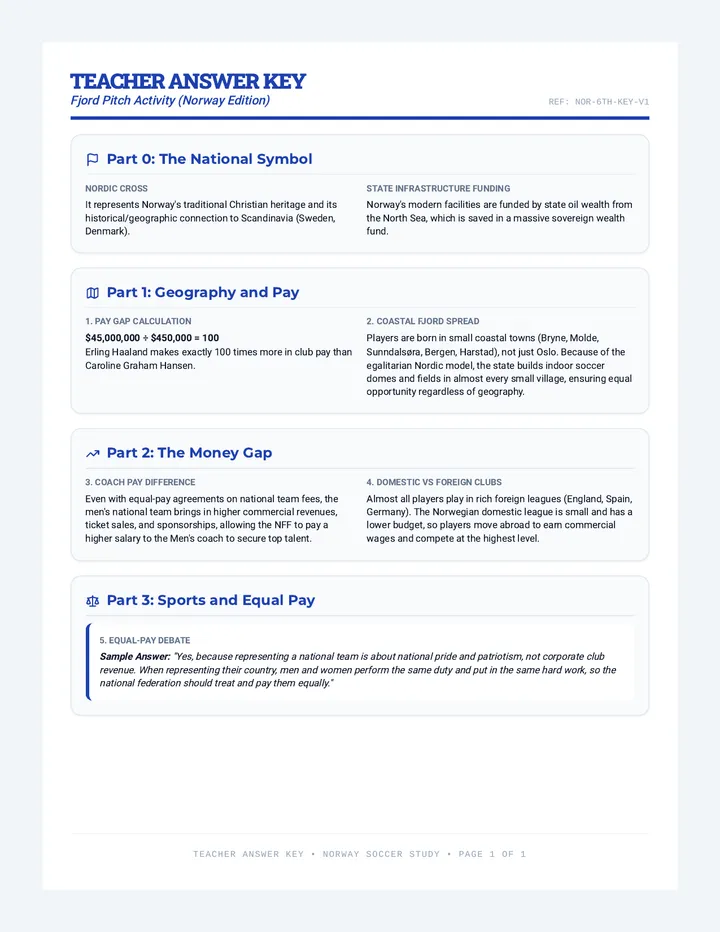
An exploration of Norway's soccer renaissance, wealth from North Sea oil, and its high-income equality model in professional sports.
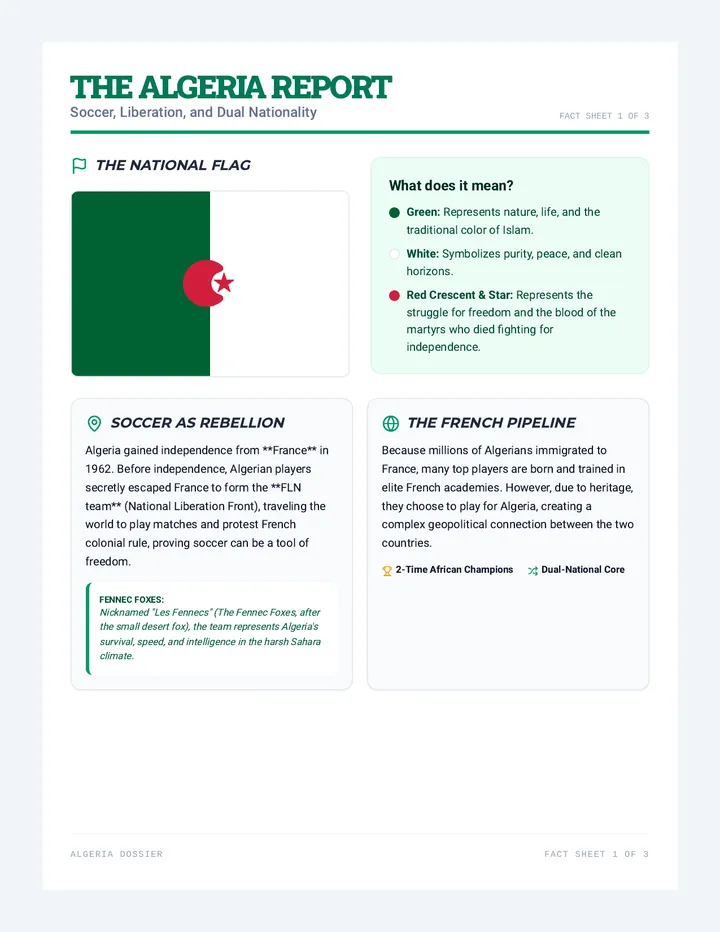
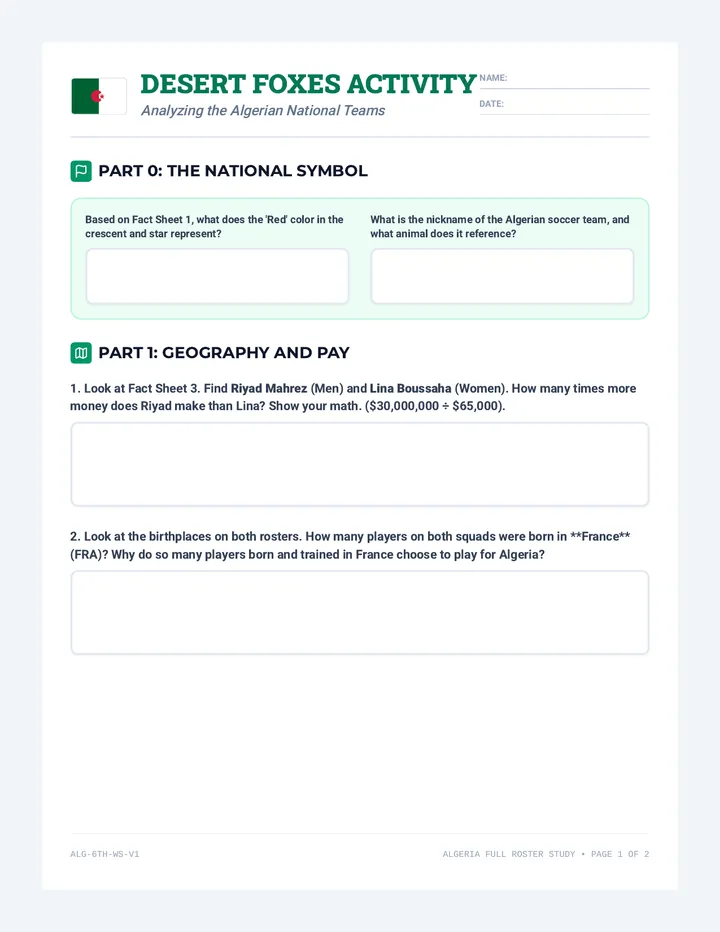
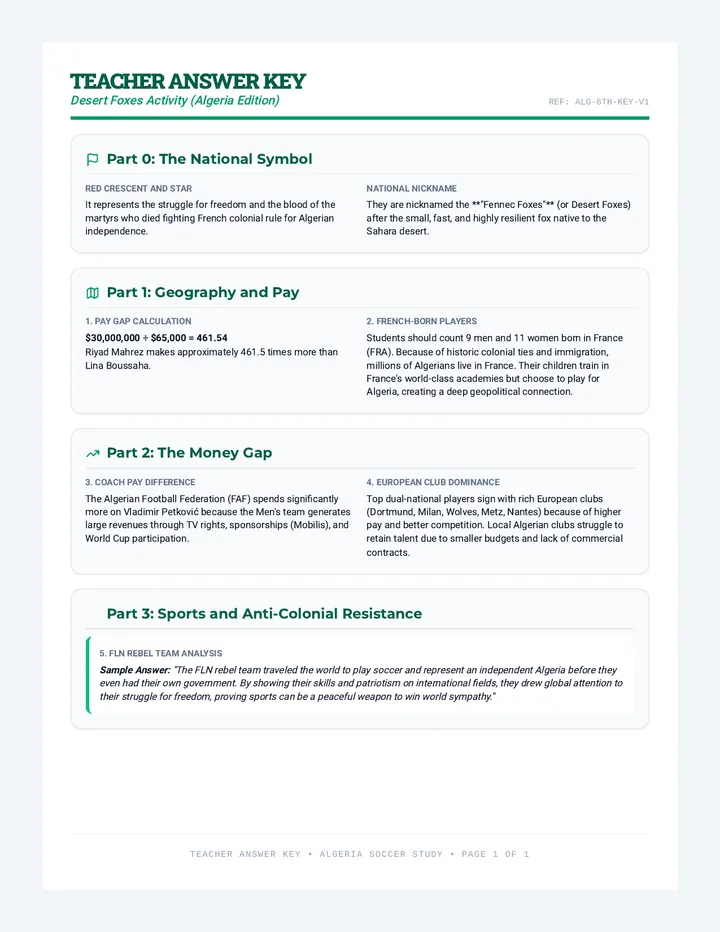
An investigation of Algerian soccer (Fennec Foxes), the geopolitics of French-Algerian dual citizenship, and soccer as a historic symbol of anti-colonial resistance.
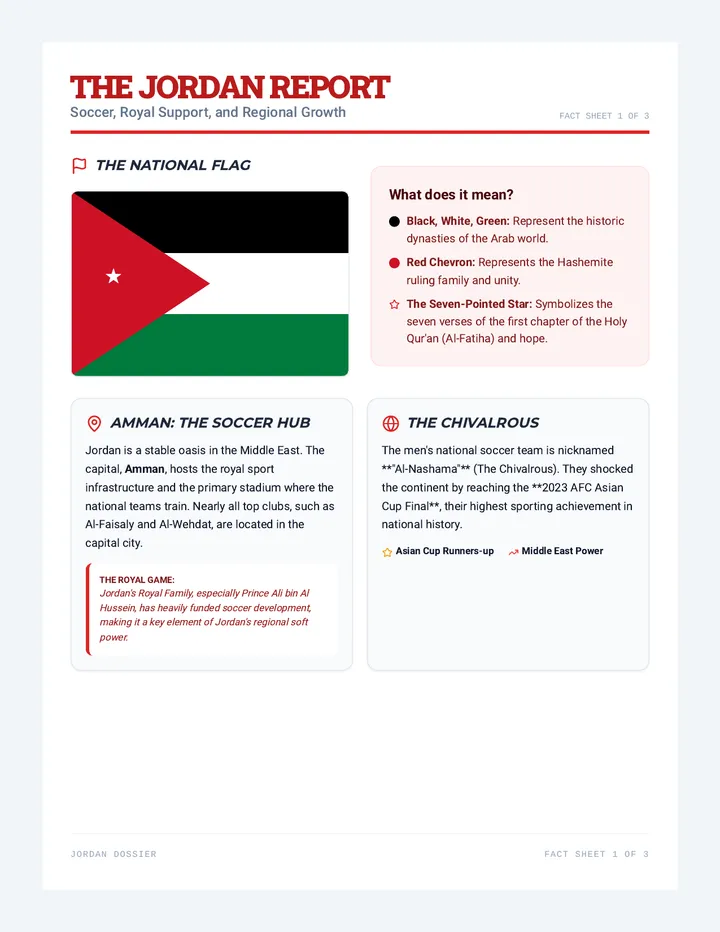
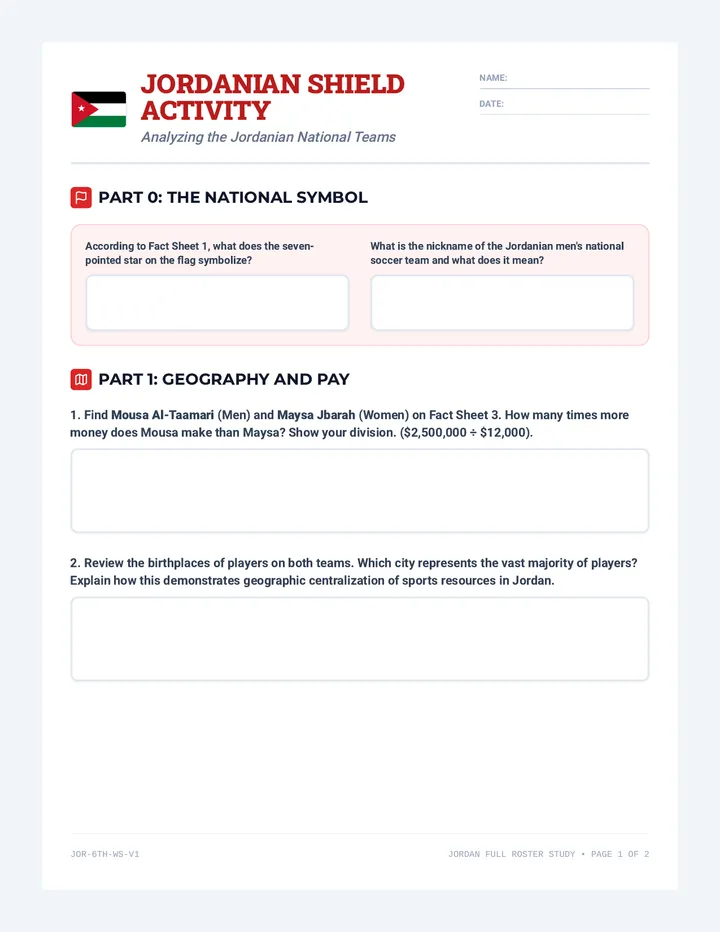
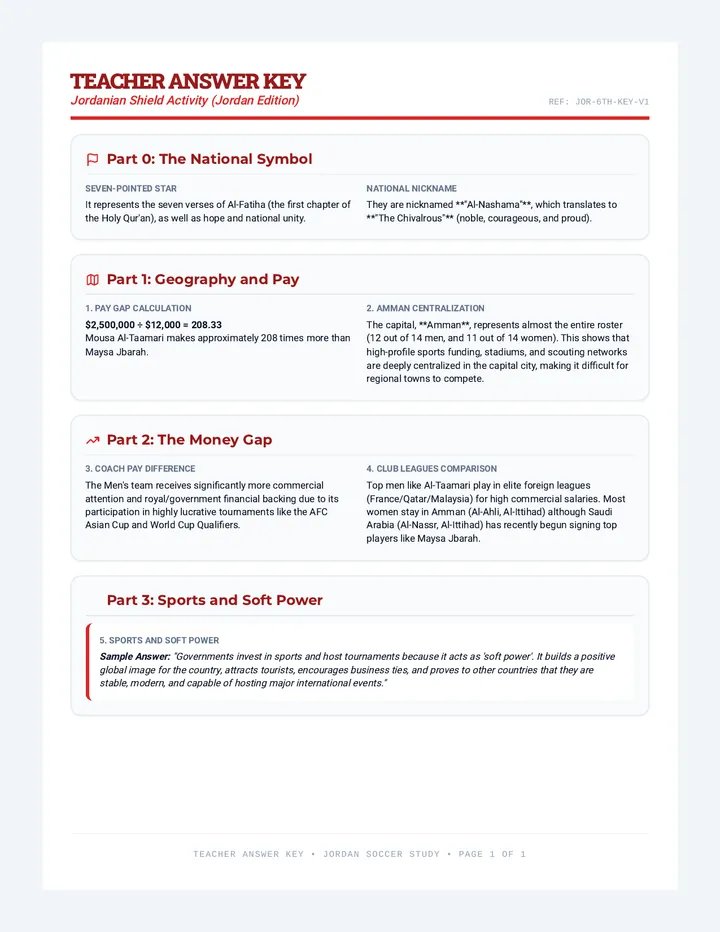
An exploration of Jordan's rise in Asian soccer, regional development, and the geopolitical role of sports infrastructure in the Middle East.
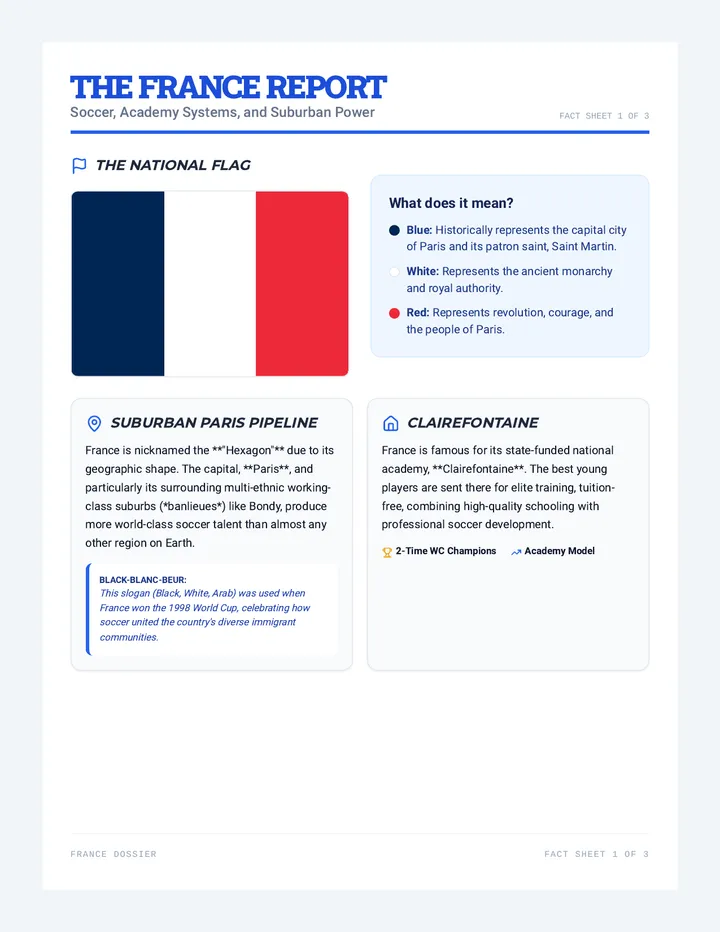
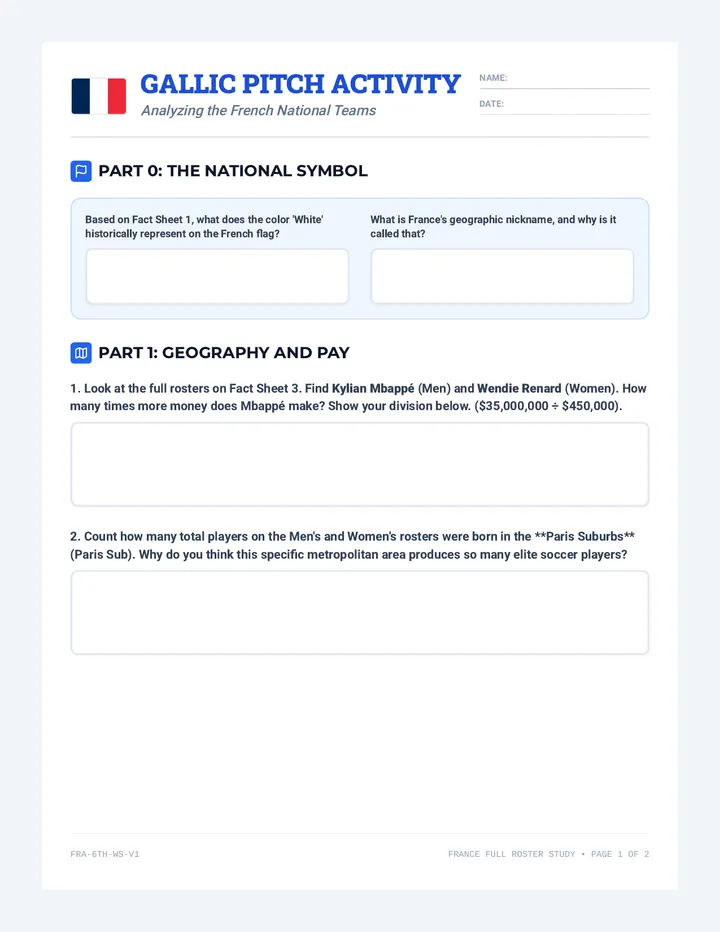
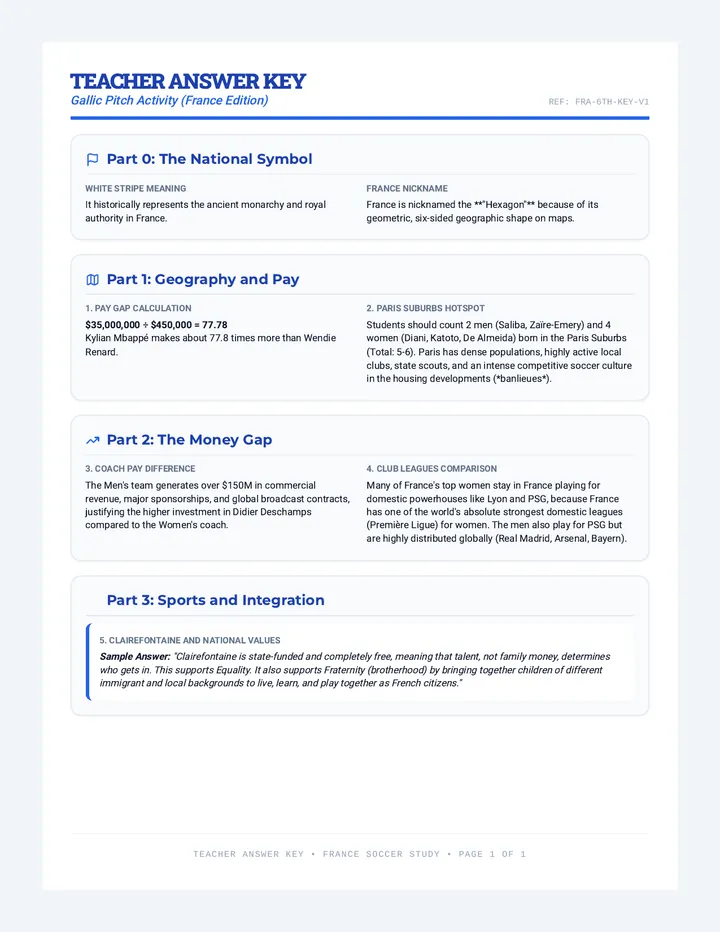
An investigation of France's elite soccer academies, the economics of Ligue 1, and the geopolitics of suburban Paris soccer.
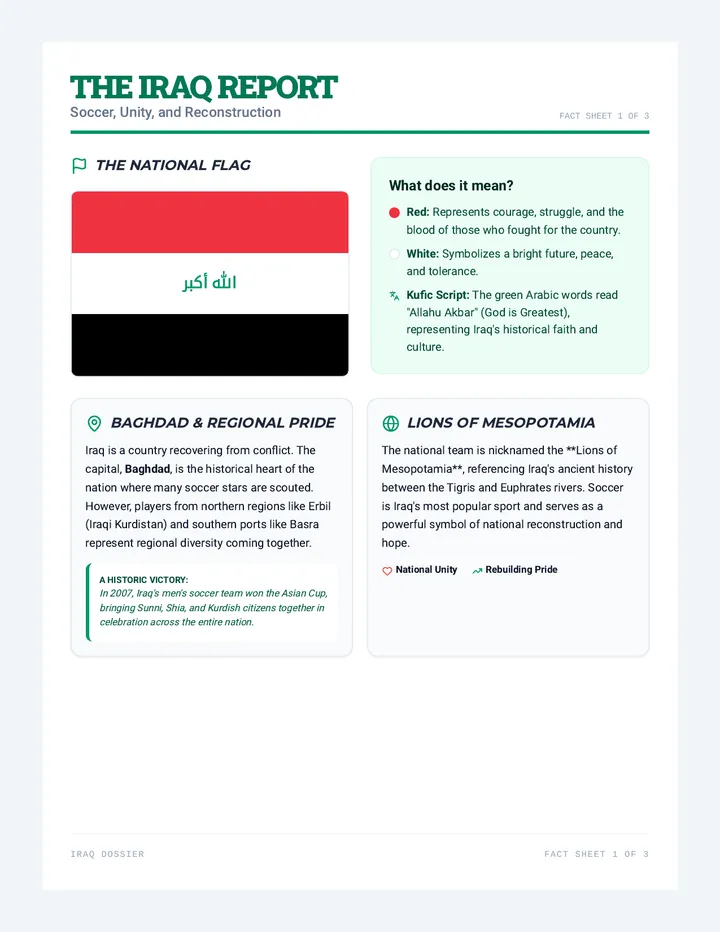
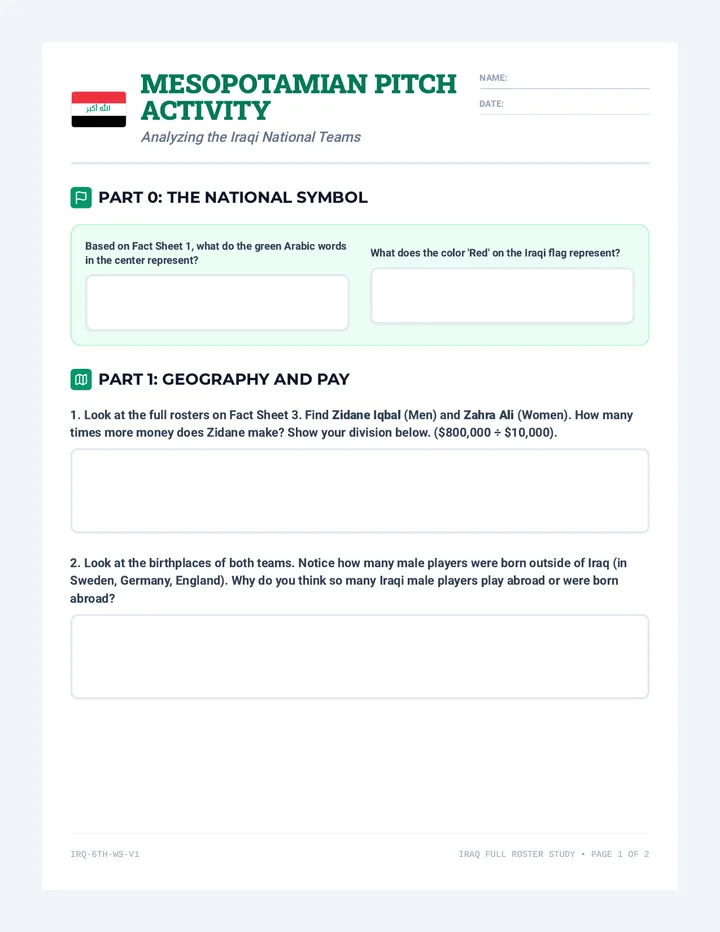
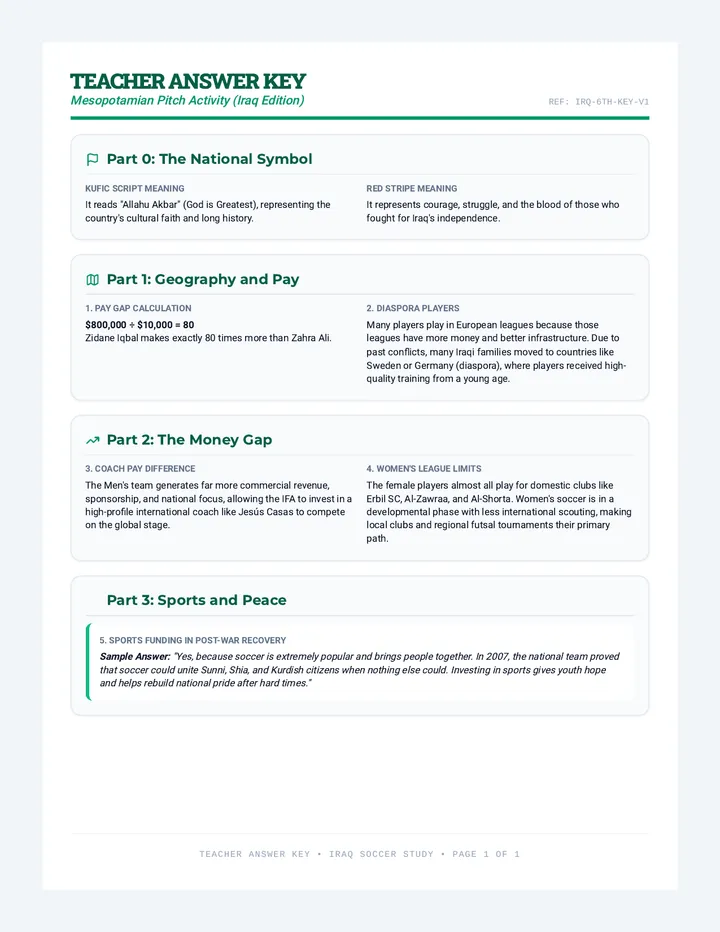
An exploration of soccer, national identity, and post-war reconstruction in Iraq, analyzing the Lions of Mesopotamia national soccer program.
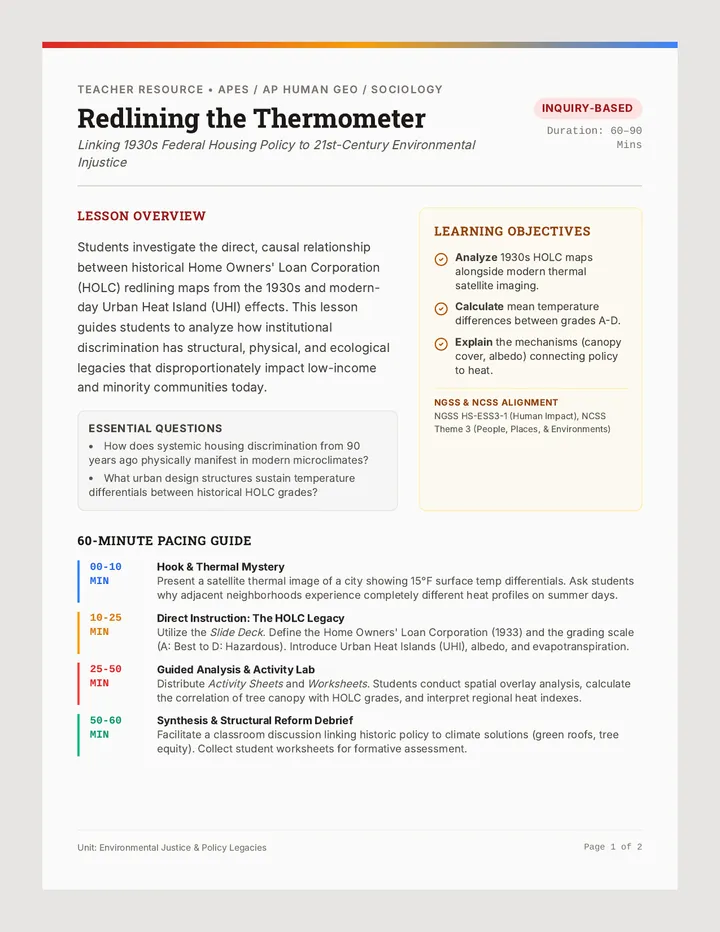
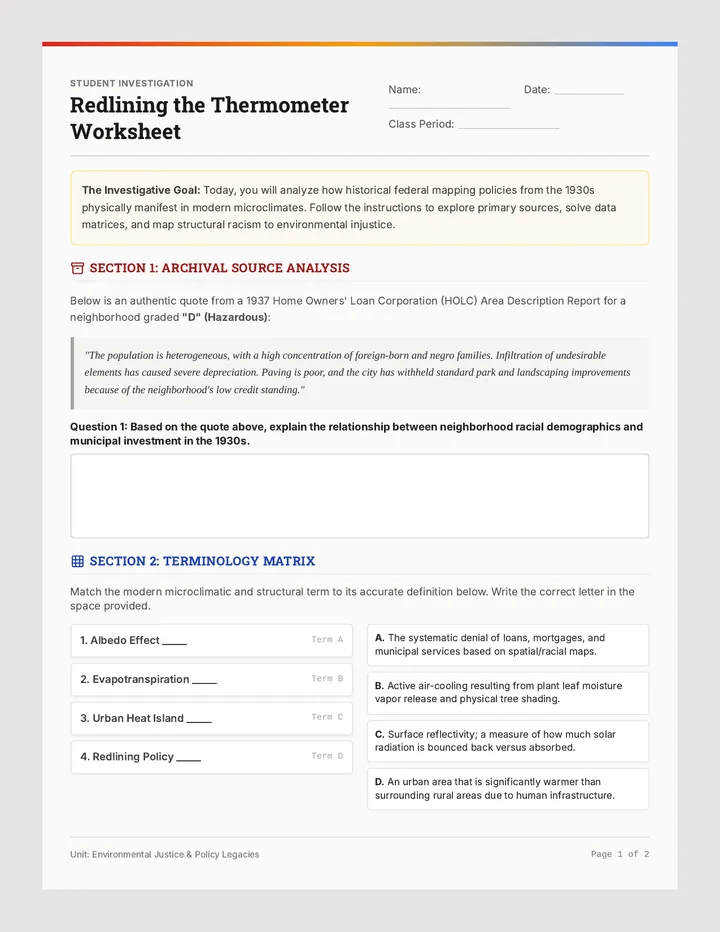
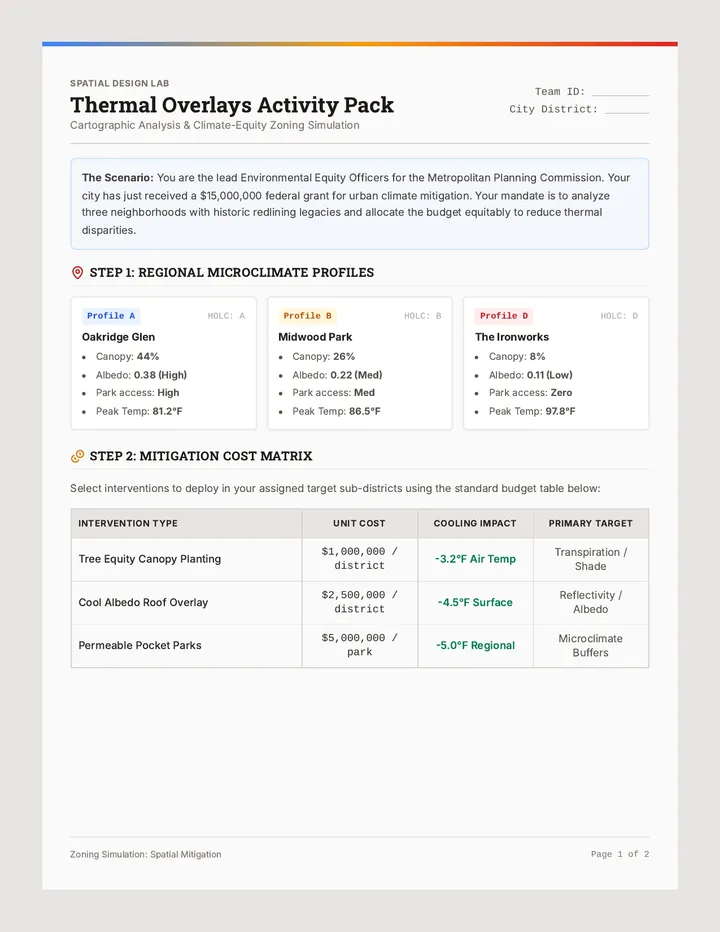
An advanced, interdisciplinary lesson for high school and undergraduate students exploring the causal relationship between 1930s Home Owners' Loan Corporation (HOLC) redlining maps and modern-day urban heat island (UHI) effects, analyzing systemic racism and environmental injustice.
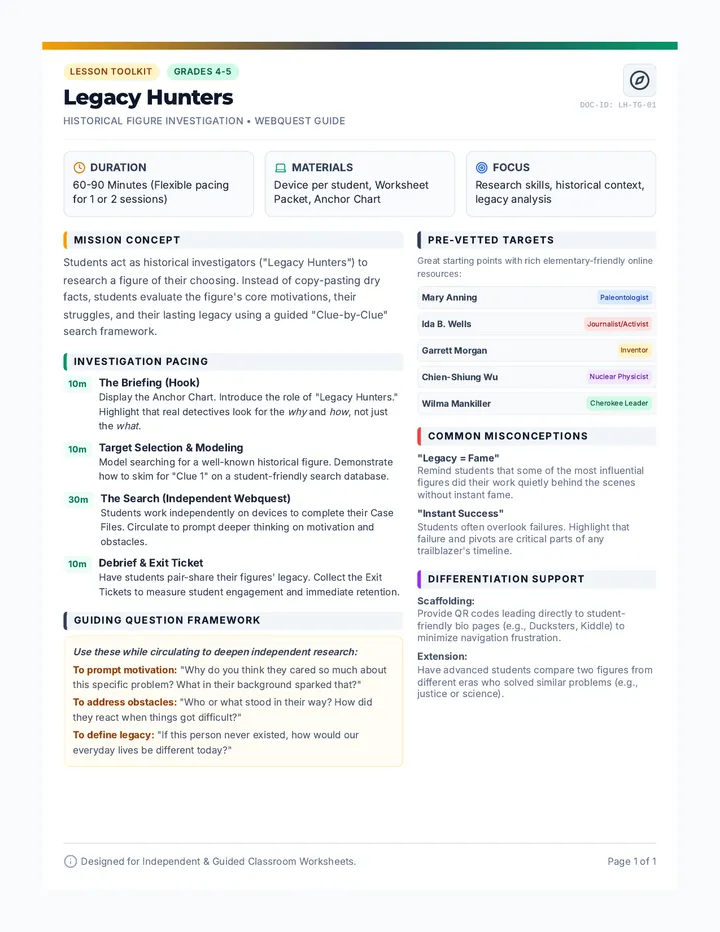
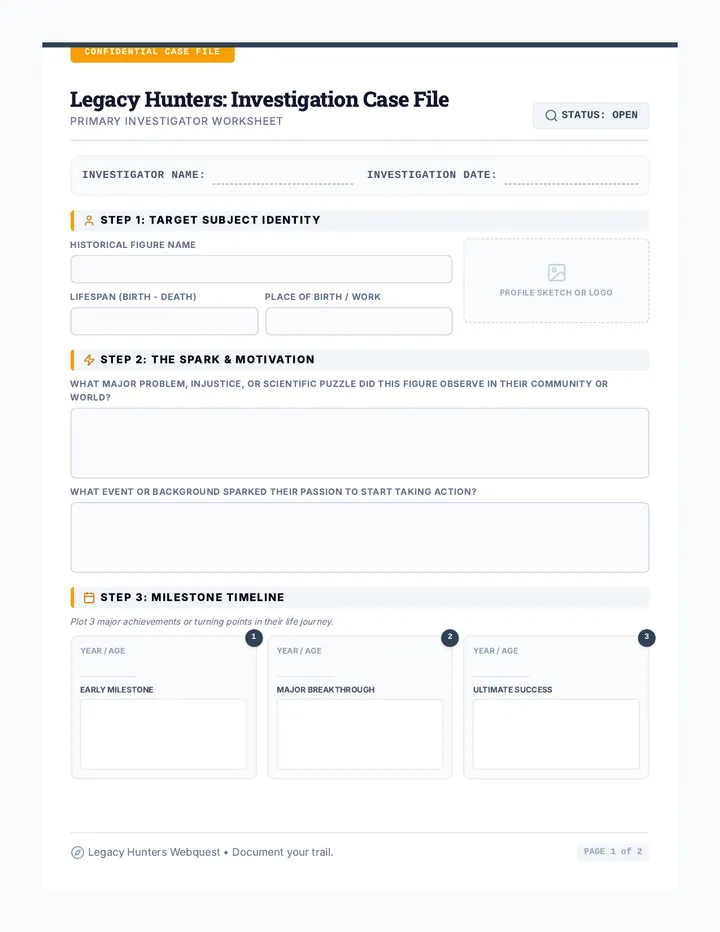
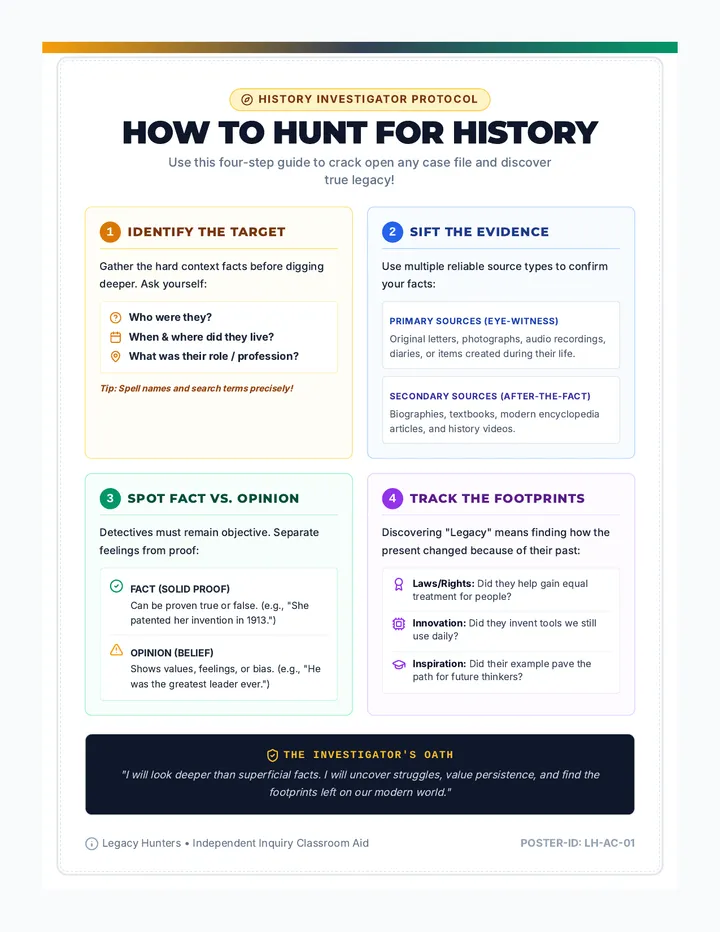
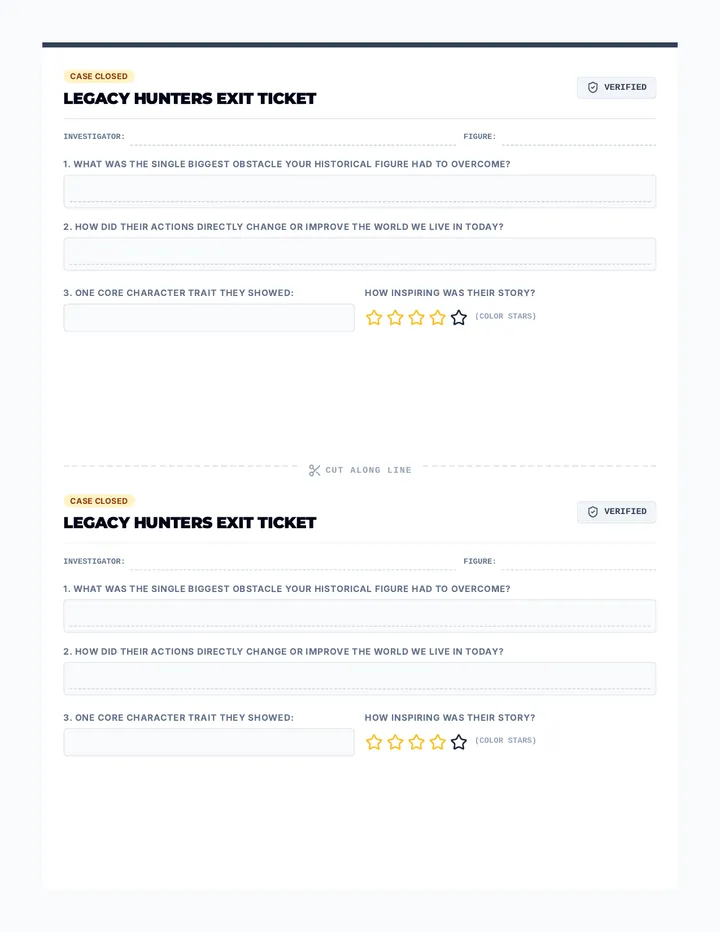
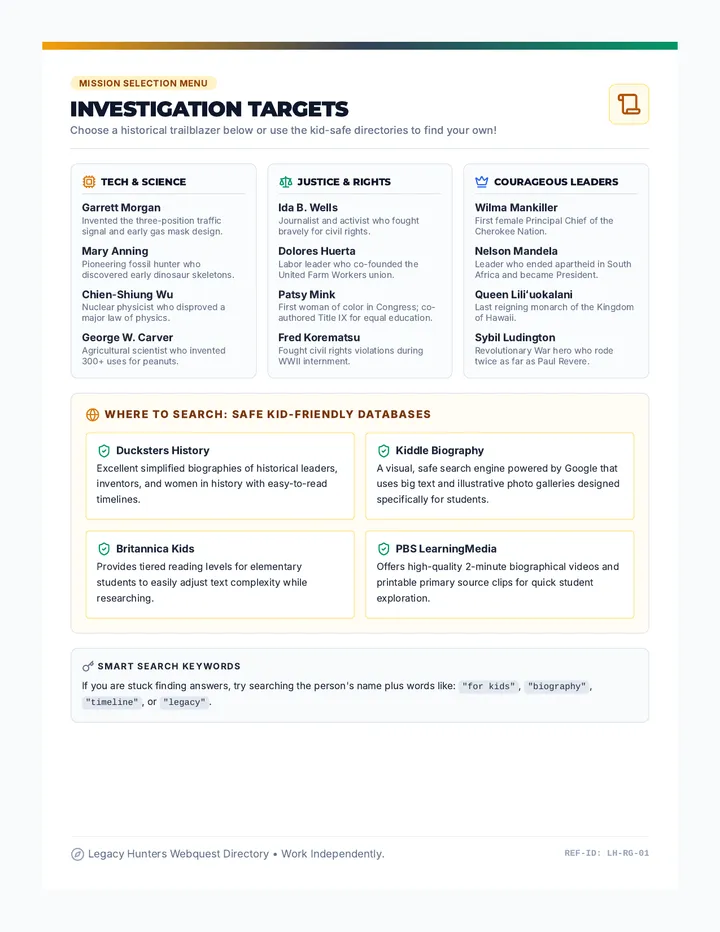
A complete history webquest lesson bundle designed for late elementary students to independently research diverse historical figures. Students act as research detectives to discover the lives, struggles, and lasting legacies of inventors, activists, and leaders.
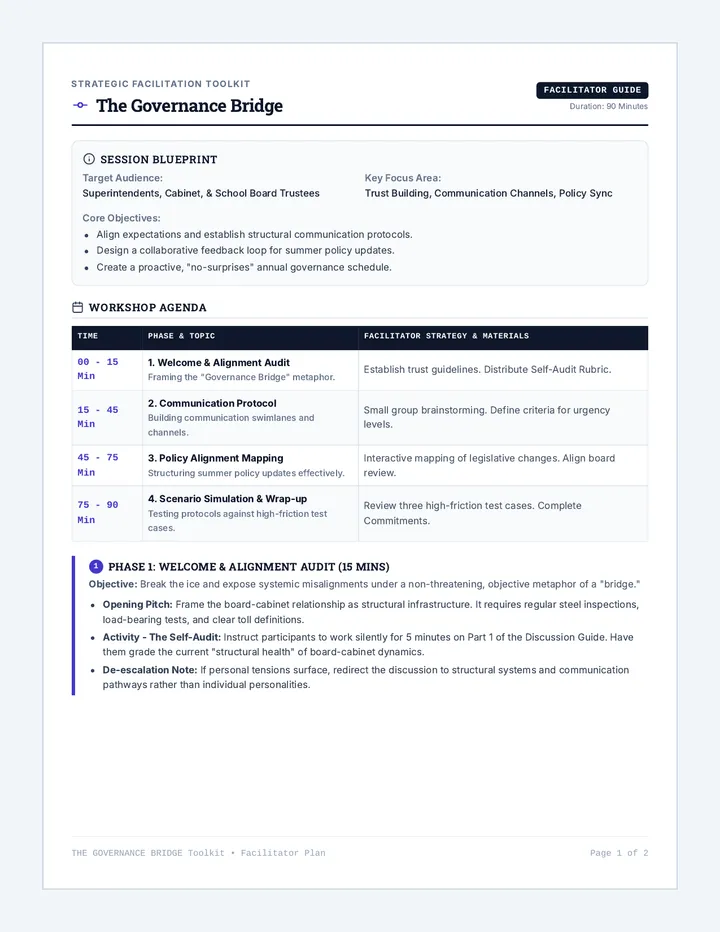
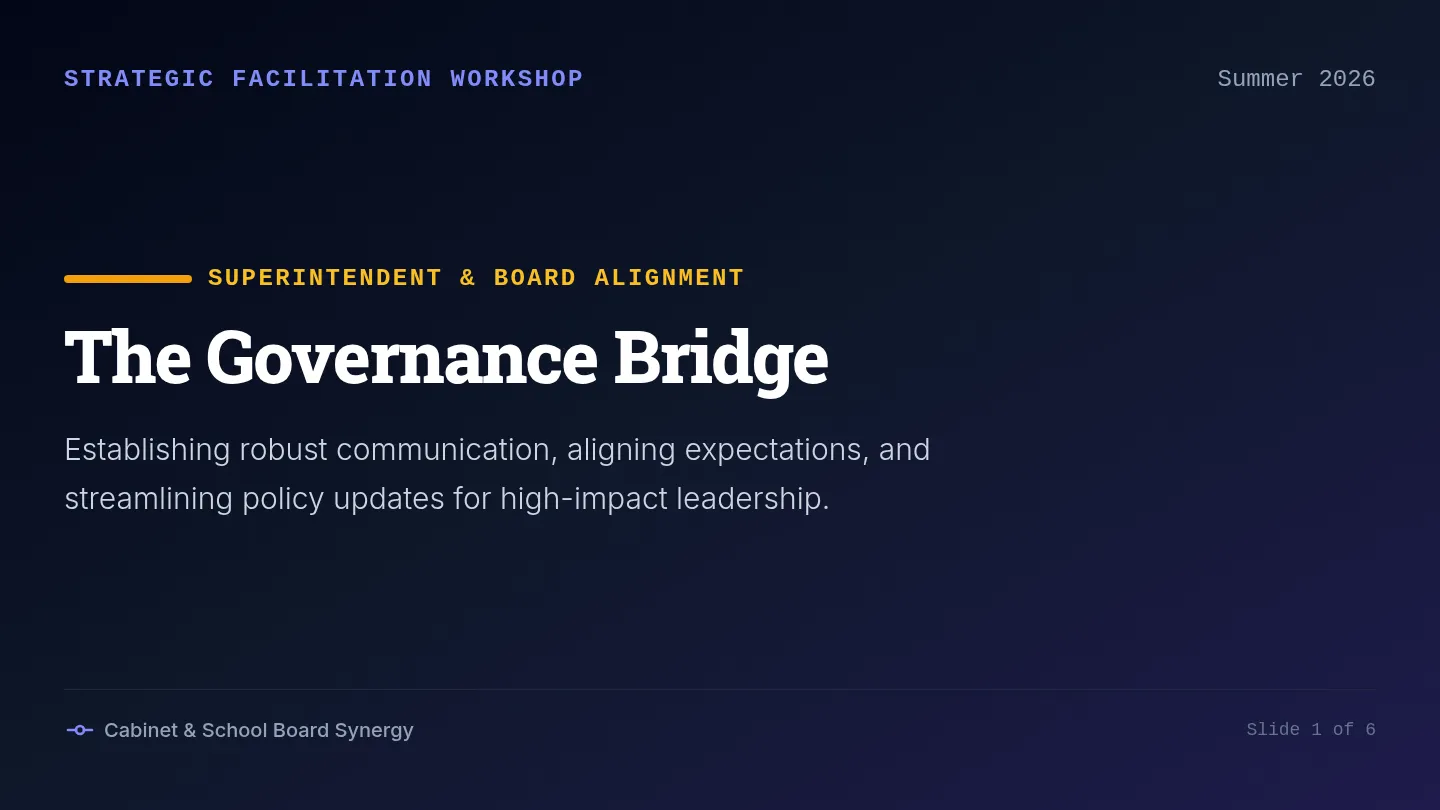
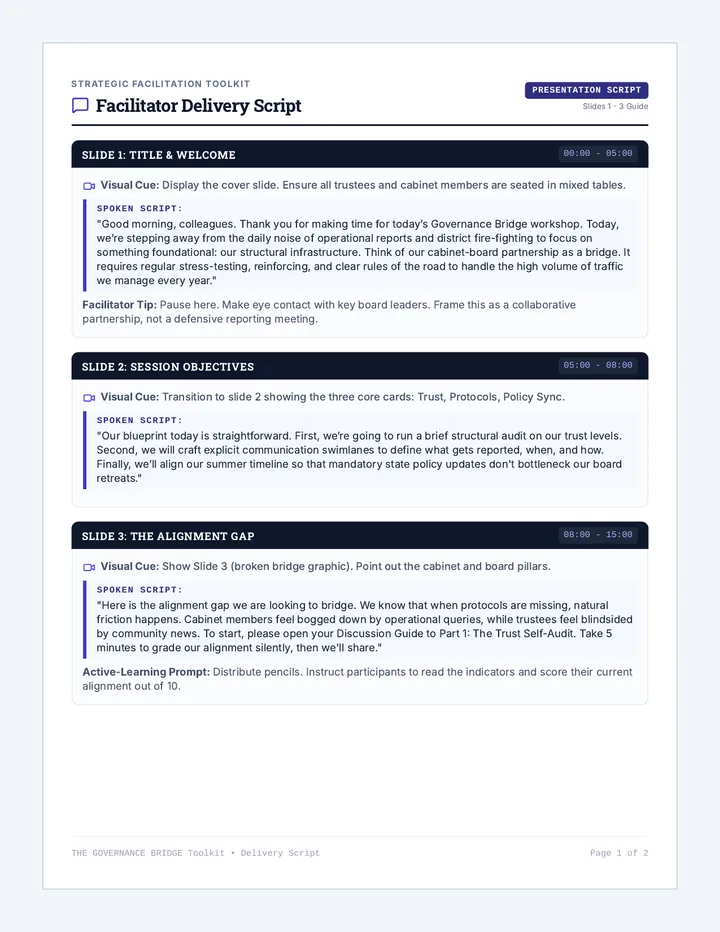
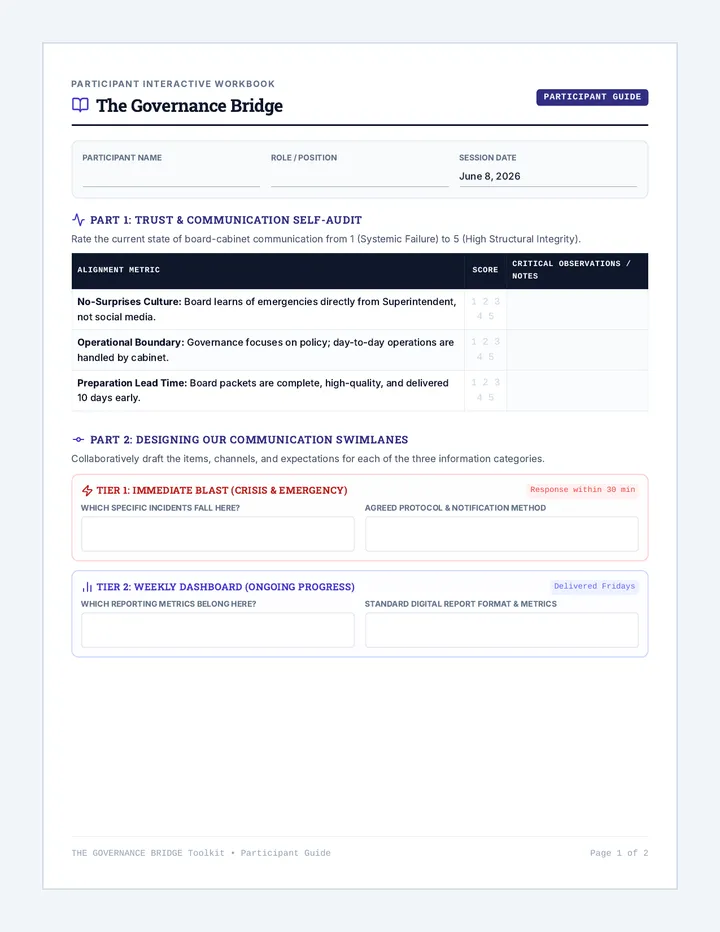
A comprehensive facilitation toolkit designed for superintendents, cabinets, and school boards to establish robust communication, align expectations, and streamline summer policy updates.
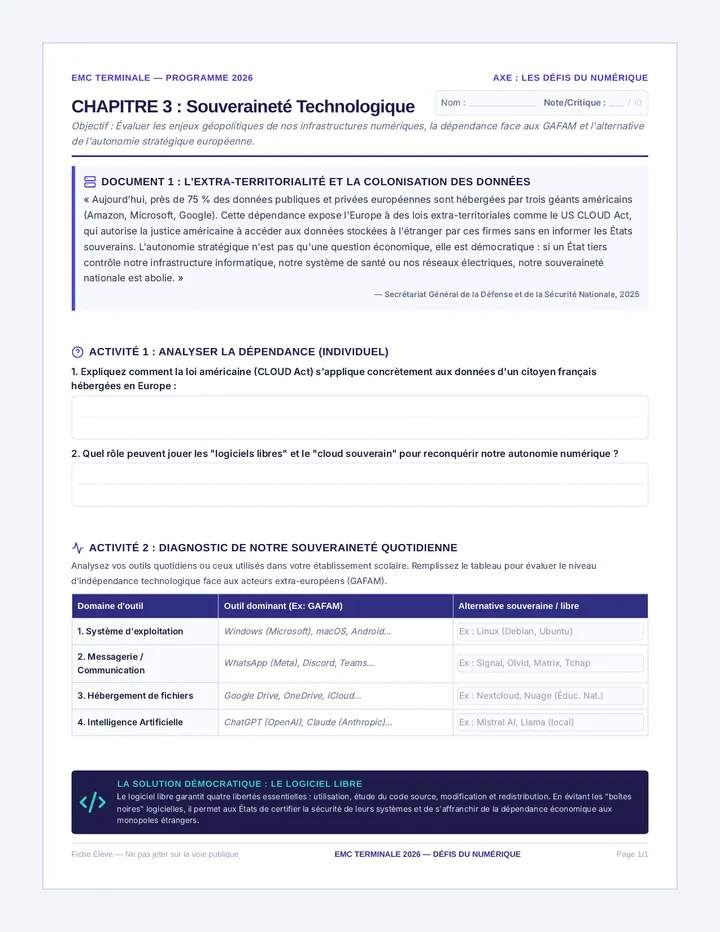
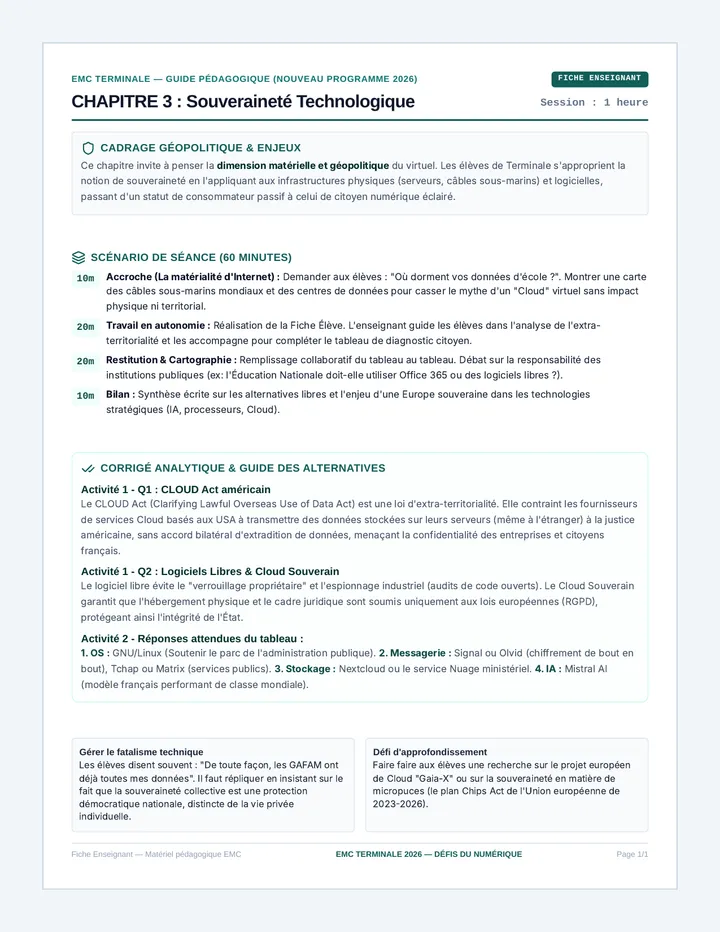
Ce troisième chapitre interroge la dimension géopolitique et économique du numérique : le rôle et l'influence des GAFAM et des géants de l'IA, la souveraineté des données citoyennes, le cloud souverain et l'alternative du logiciel libre pour l'indépendance nationale et européenne.
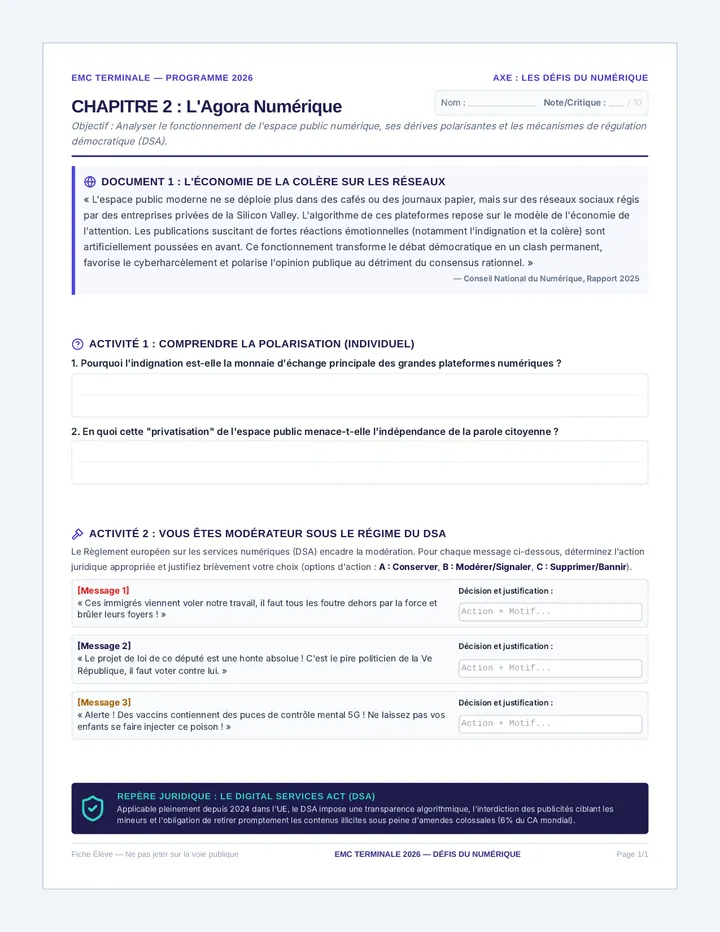
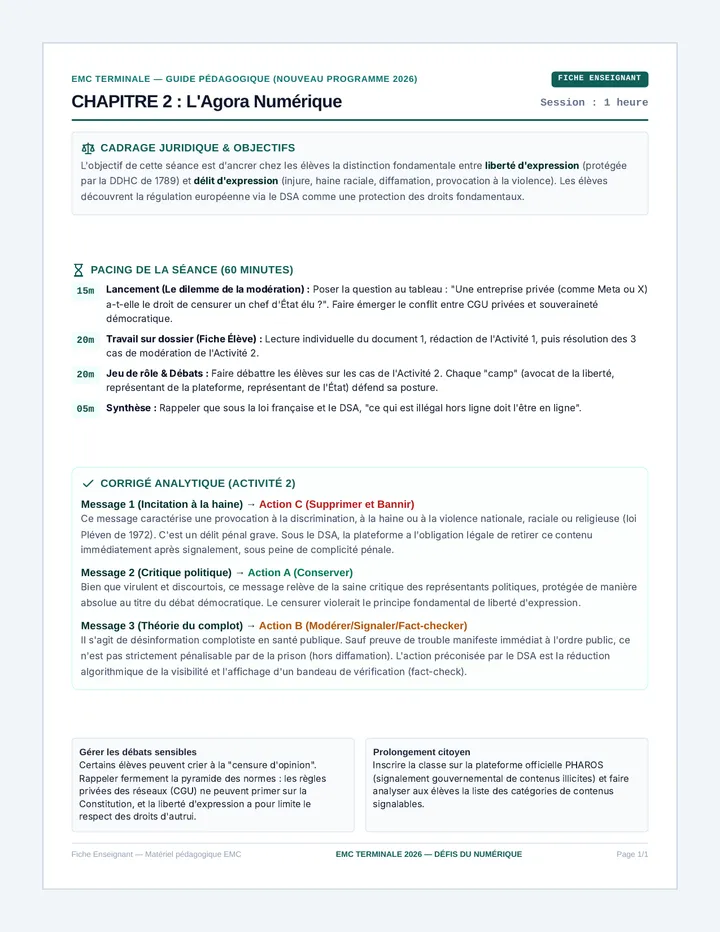
Ce deuxième chapitre traite de la structure de l'espace public numérique, en abordant la polarisation des débats sur les réseaux sociaux, les bulles de filtres, la liberté d'expression face à la modération et la haine en ligne, ainsi que la citoyenneté numérique active.
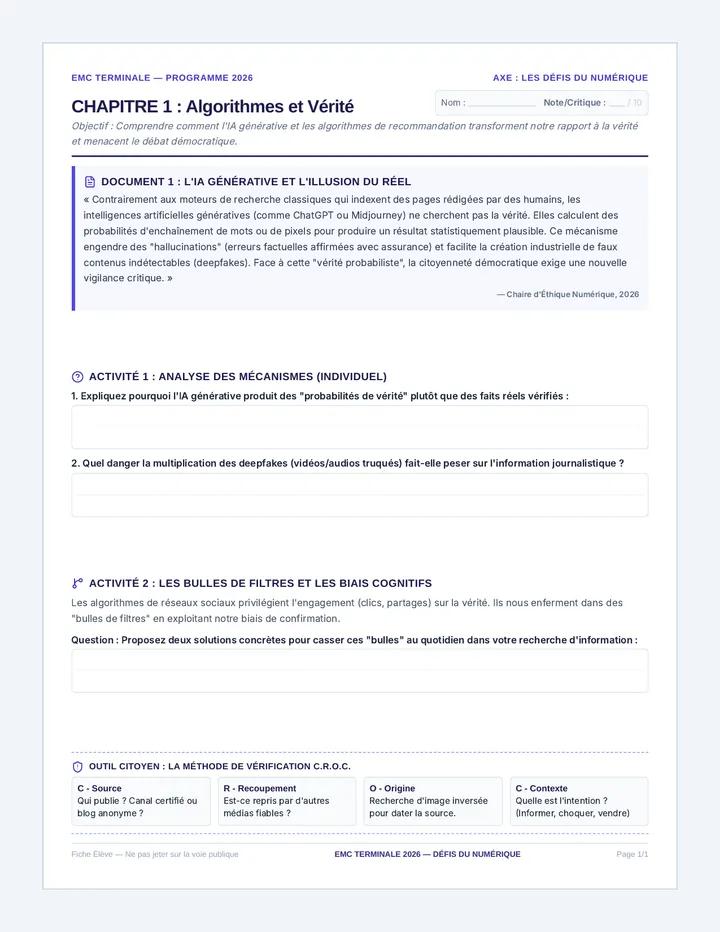
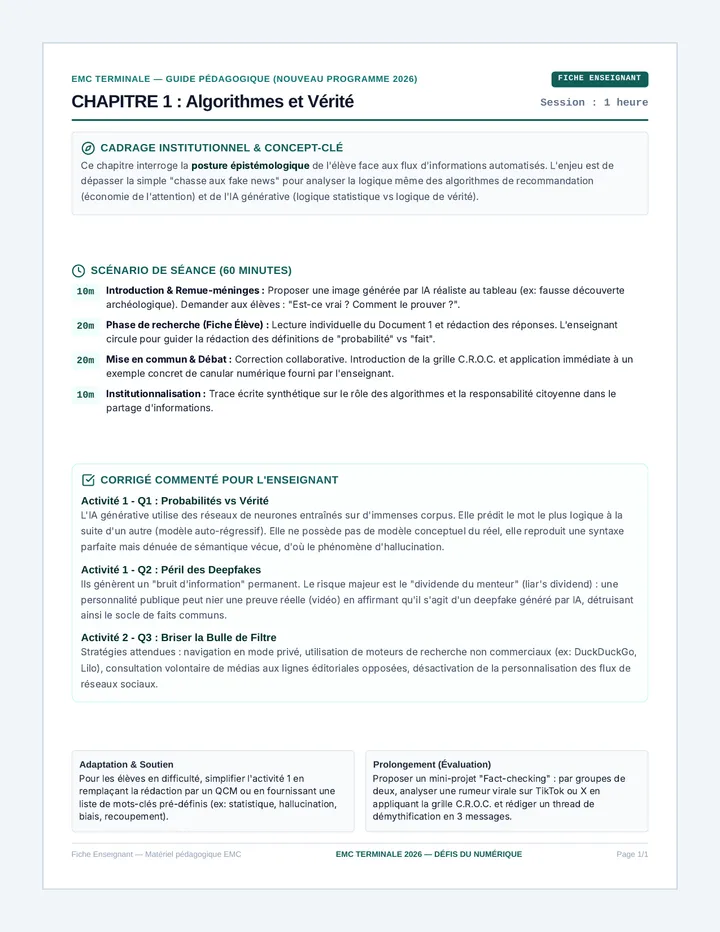
Ce premier chapitre explore l'impact de l'intelligence artificielle générative et des algorithmes de recommandation sur la vérité historique, scientifique et journalistique. Les élèves analysent la notion de désinformation, les deepfakes et l'importance de l'épistémologie critique.