A focused practice session where students work through two variations of five core mathematical problems to solidify their understanding of measurement, data, and number operations.
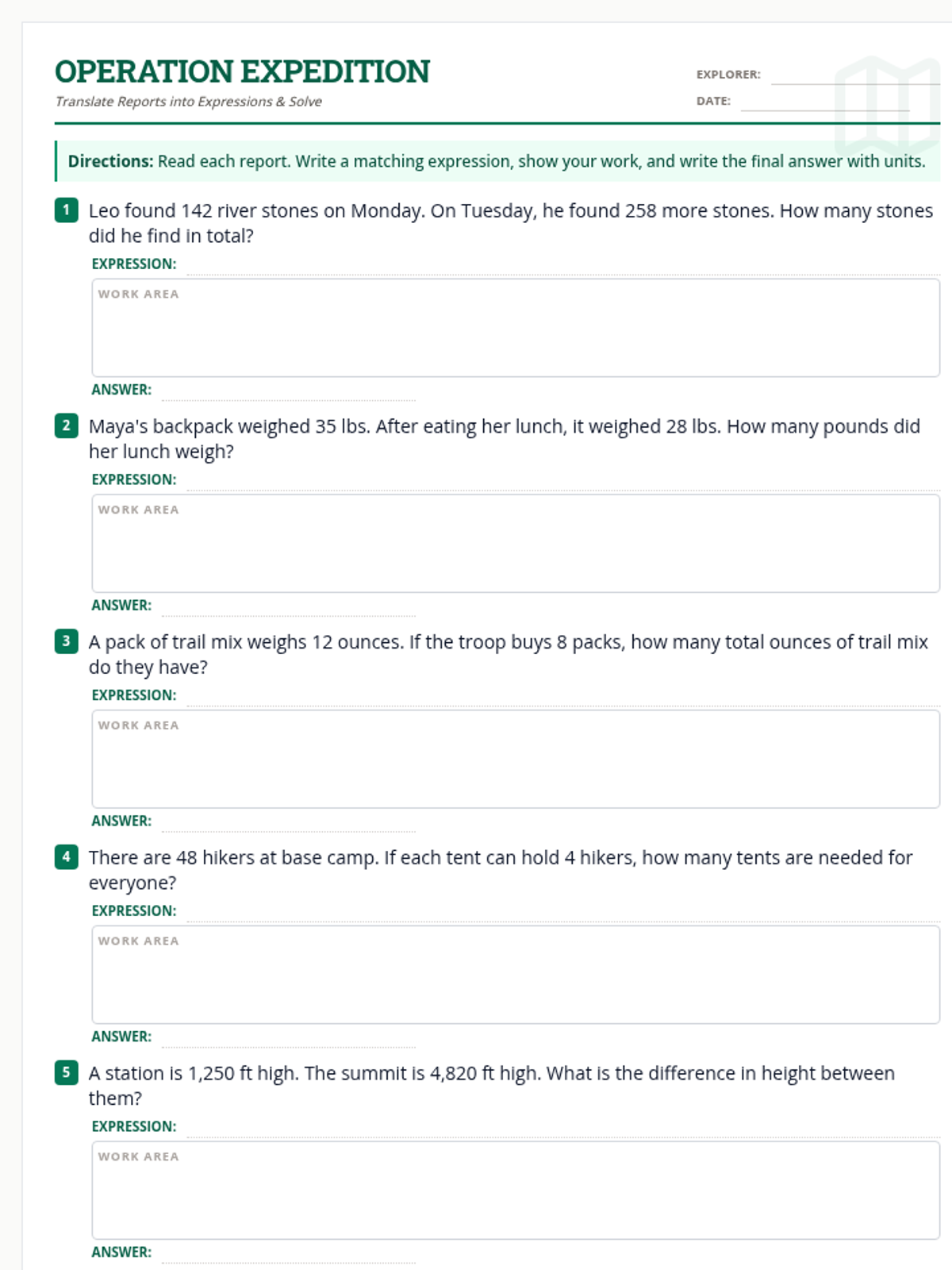
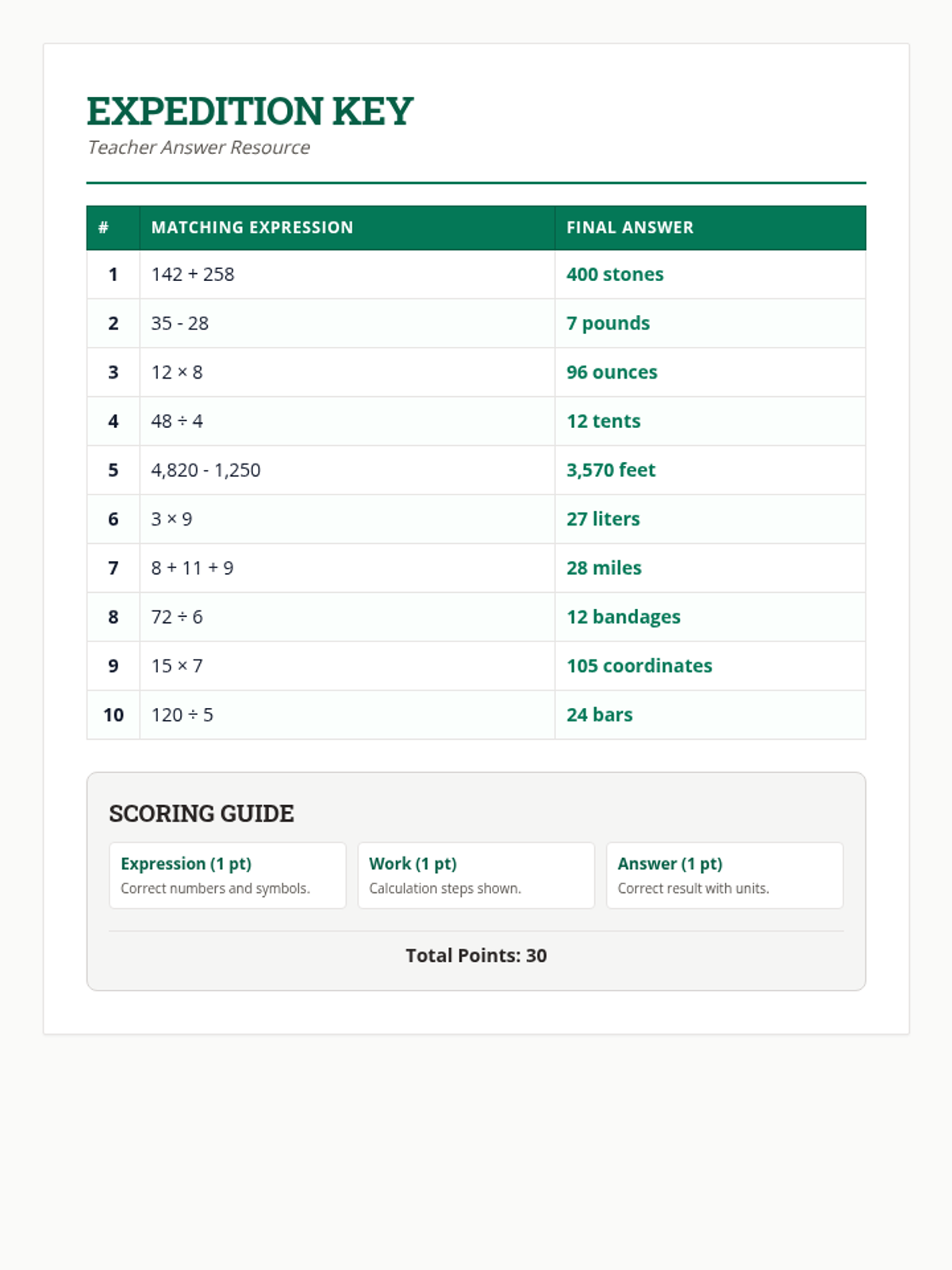
A fourth-grade math lesson focused on translating real-world adventure scenarios into numerical expressions using addition, subtraction, multiplication, and division. Students practice identifying key operations and solving multi-digit problems.
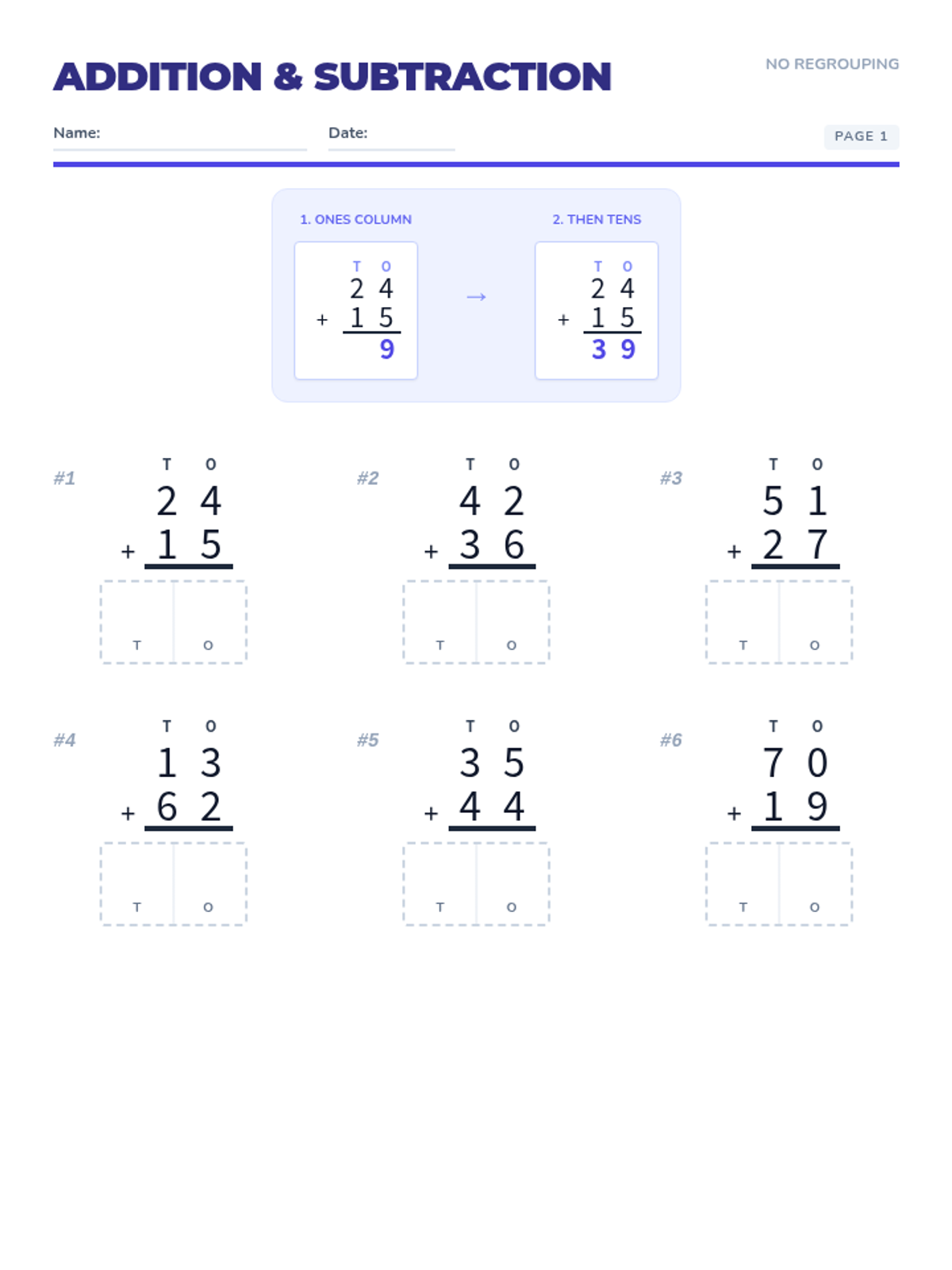
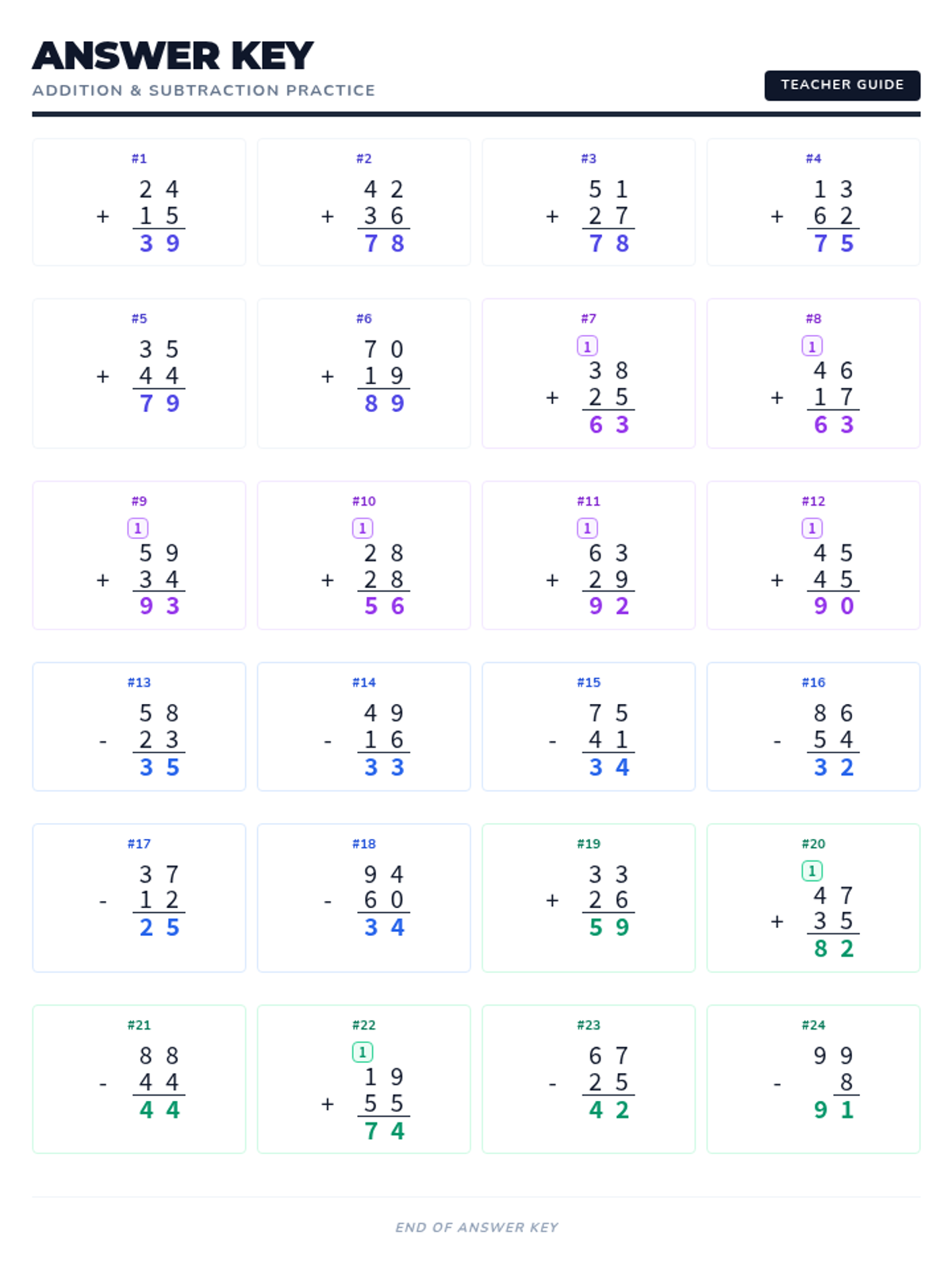
A comprehensive 2-digit addition and subtraction practice packet with a cosmic space theme, covering regrouping in addition and subtraction without borrowing.
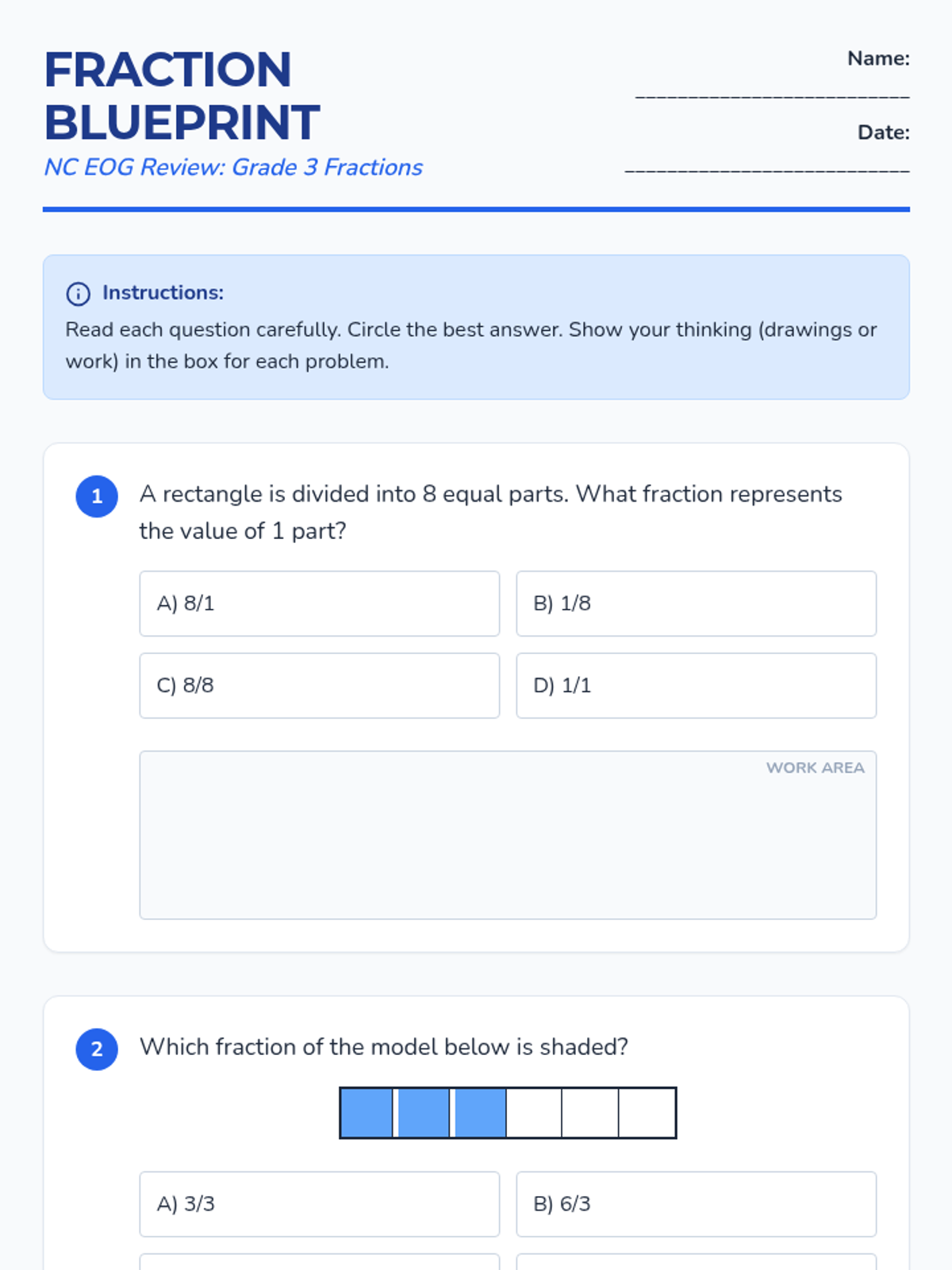
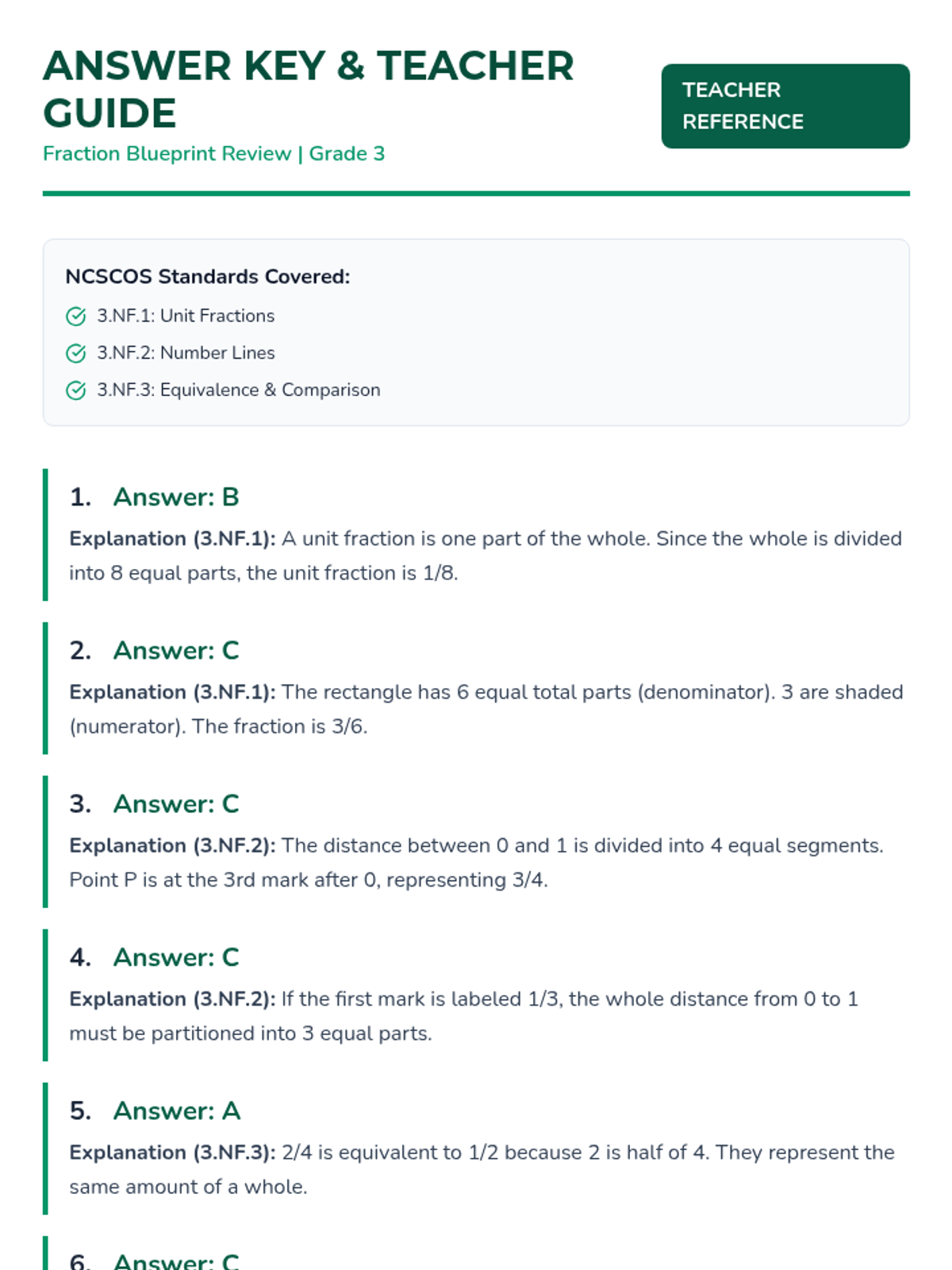
A comprehensive review of 3rd Grade North Carolina Standard Course of Study (NCSCOS) fraction standards, featuring EOG-style questions covering partitioning, number lines, and equivalence.
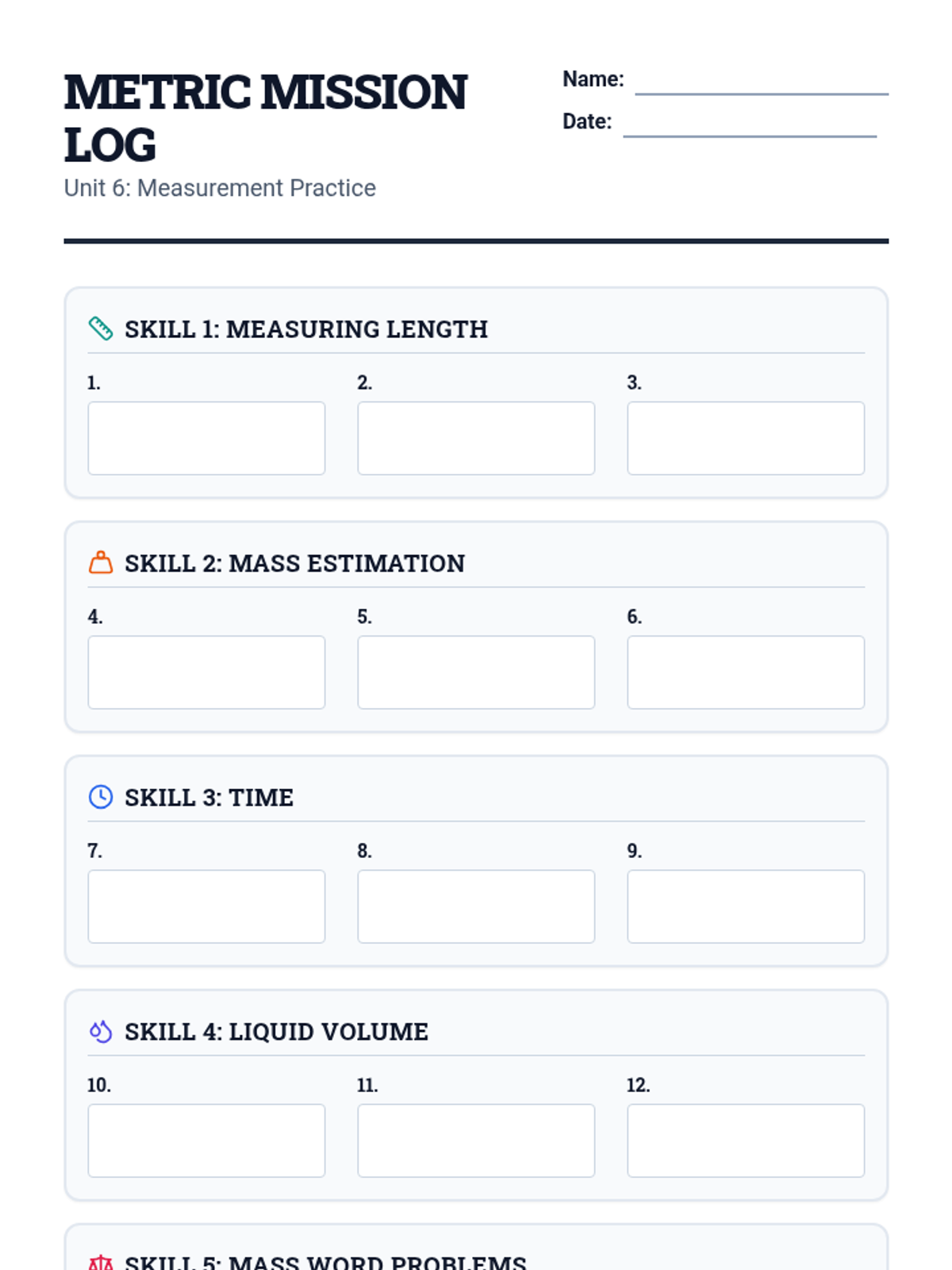
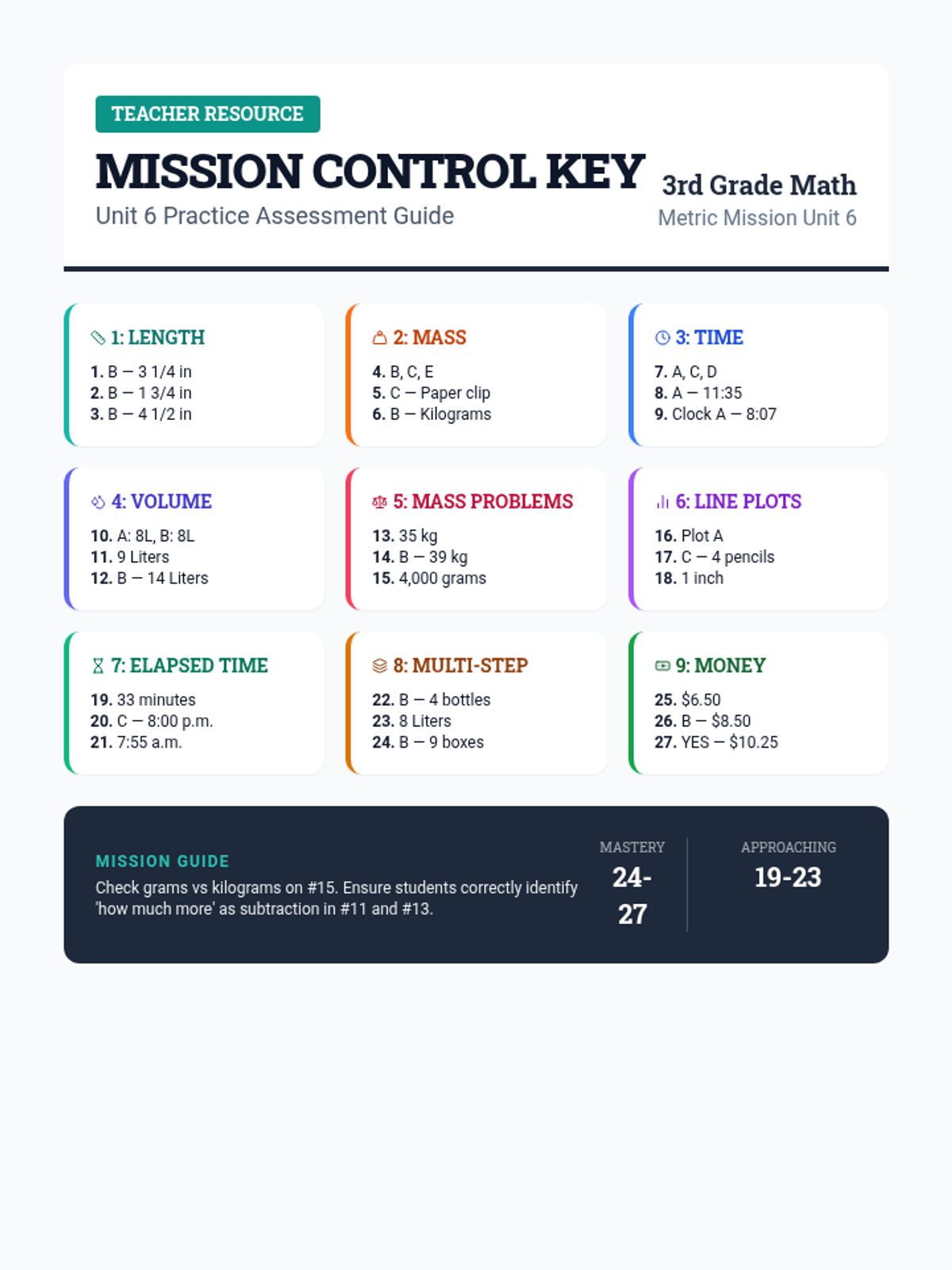
A comprehensive practice lesson covering 3rd-grade measurement standards including length to the quarter-inch, mass estimation, liquid volume, time, and multi-step word problems. Students engage with a variety of practice problems designed to mirror unit assessment items.
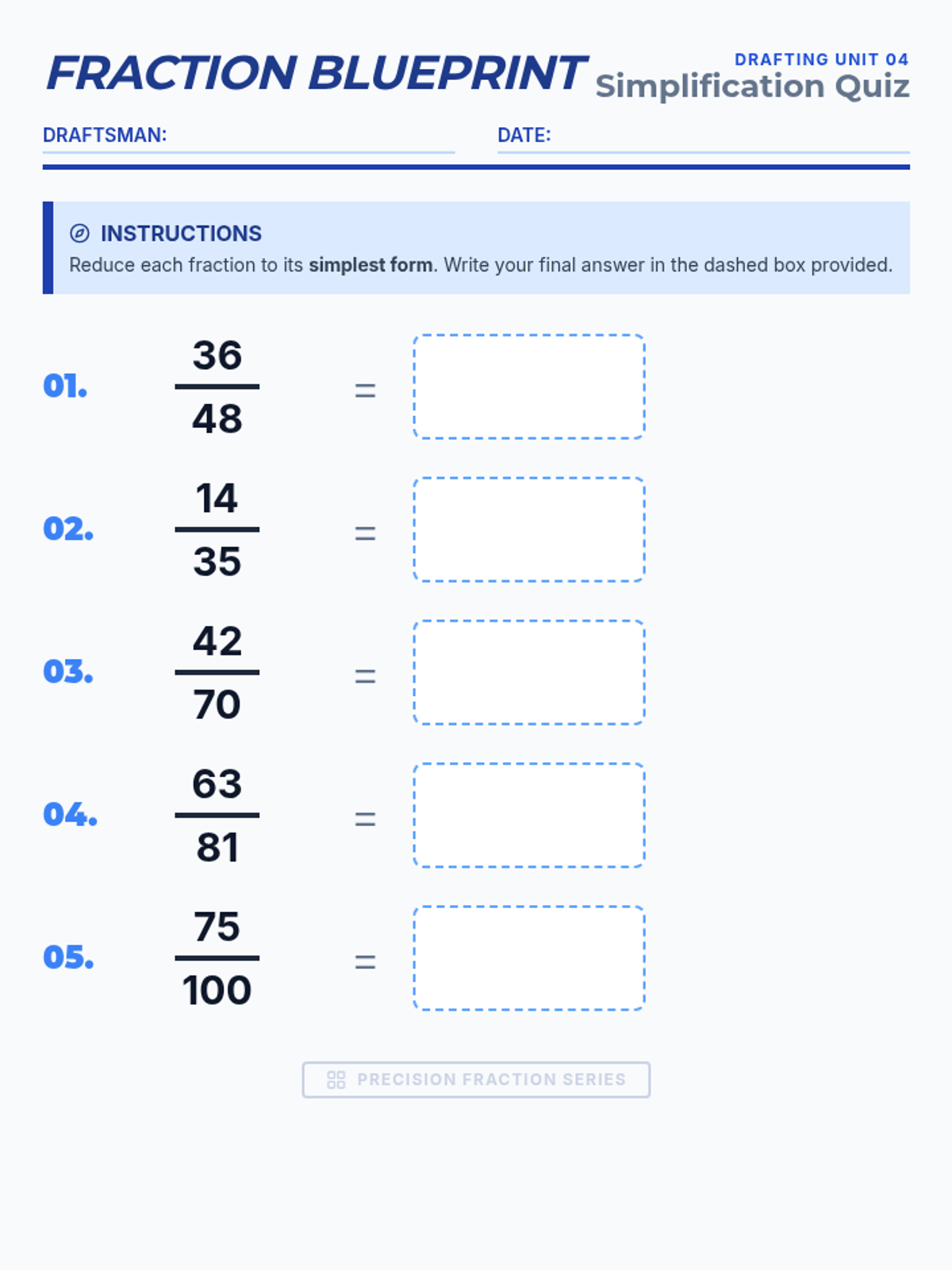
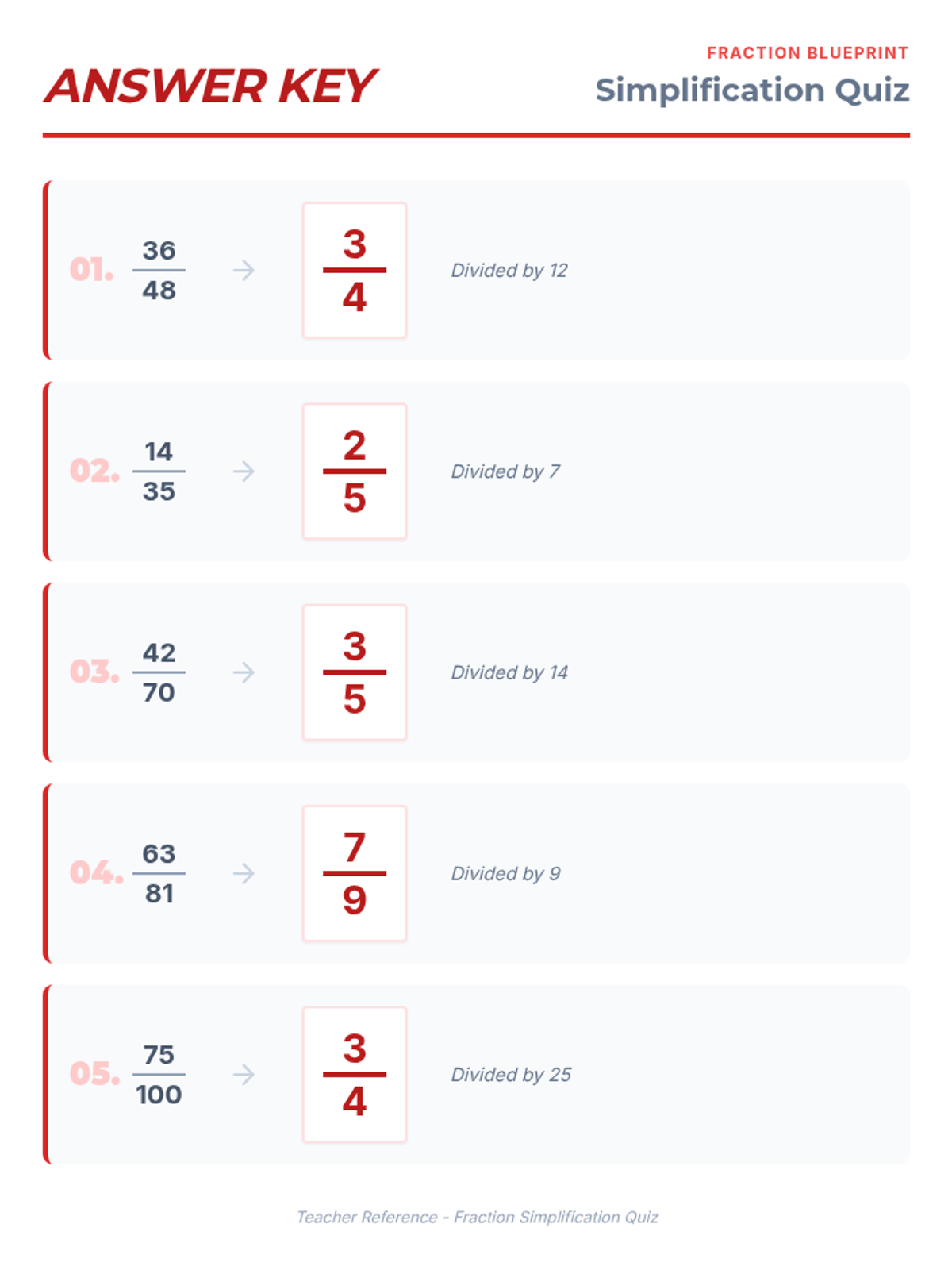
A quick assessment focusing on simplifying fractions with numerators and denominators up to 100 into their simplest form.
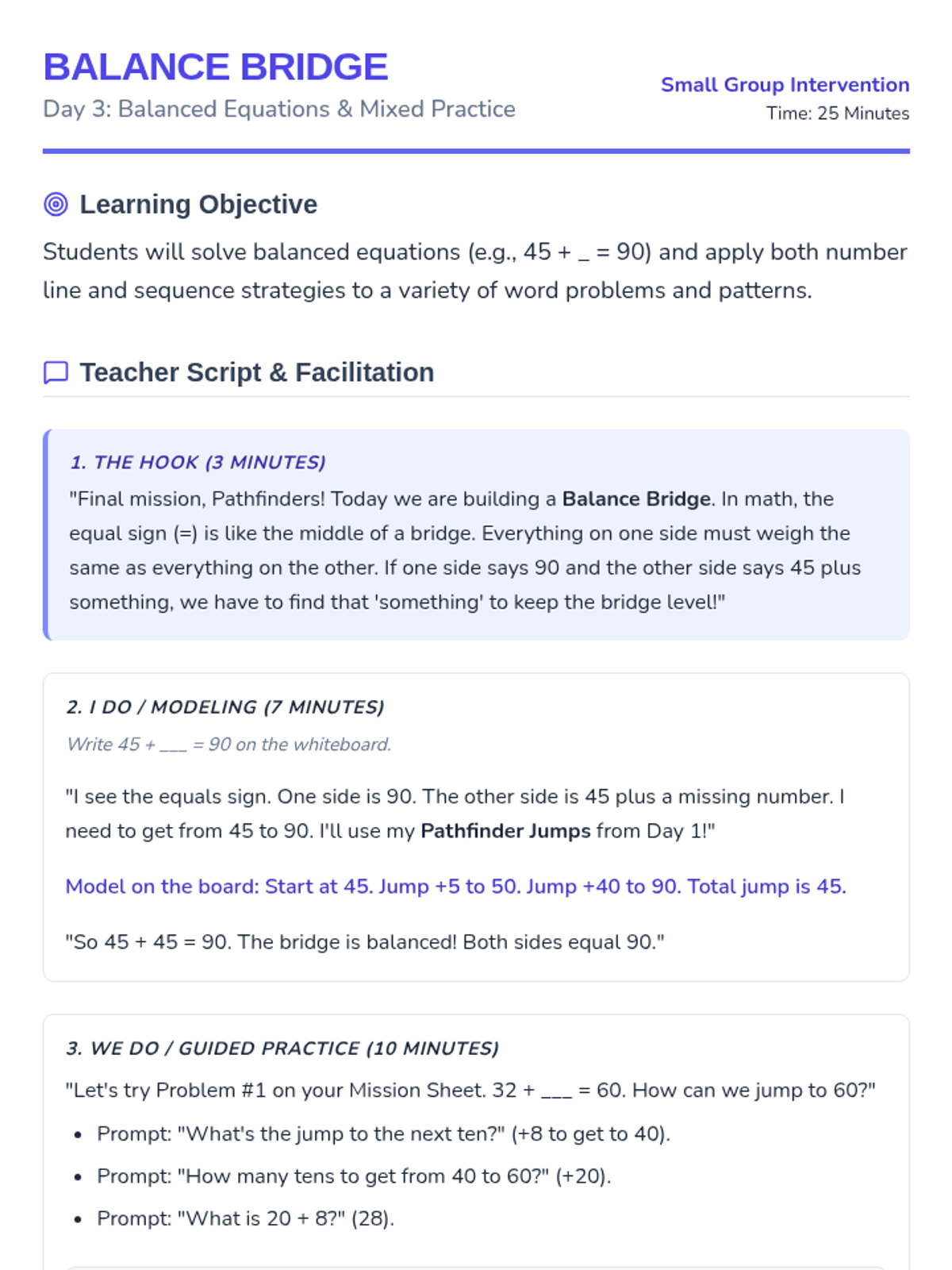
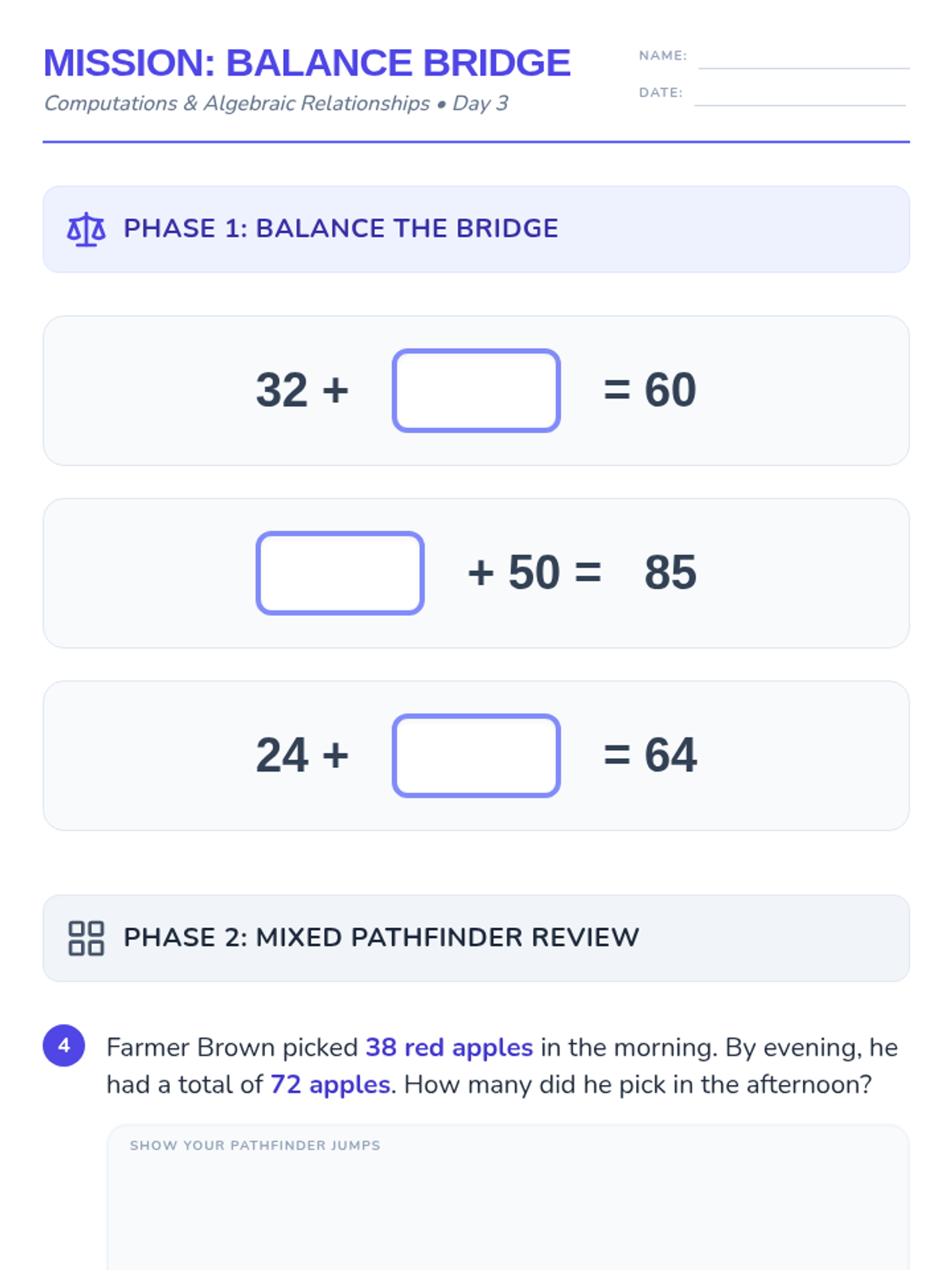
Introduces balanced equations and a cumulative review of word problems and sequences. Students will use their knowledge of part-part-whole relationships to solve equations like 45 + _ = 90.
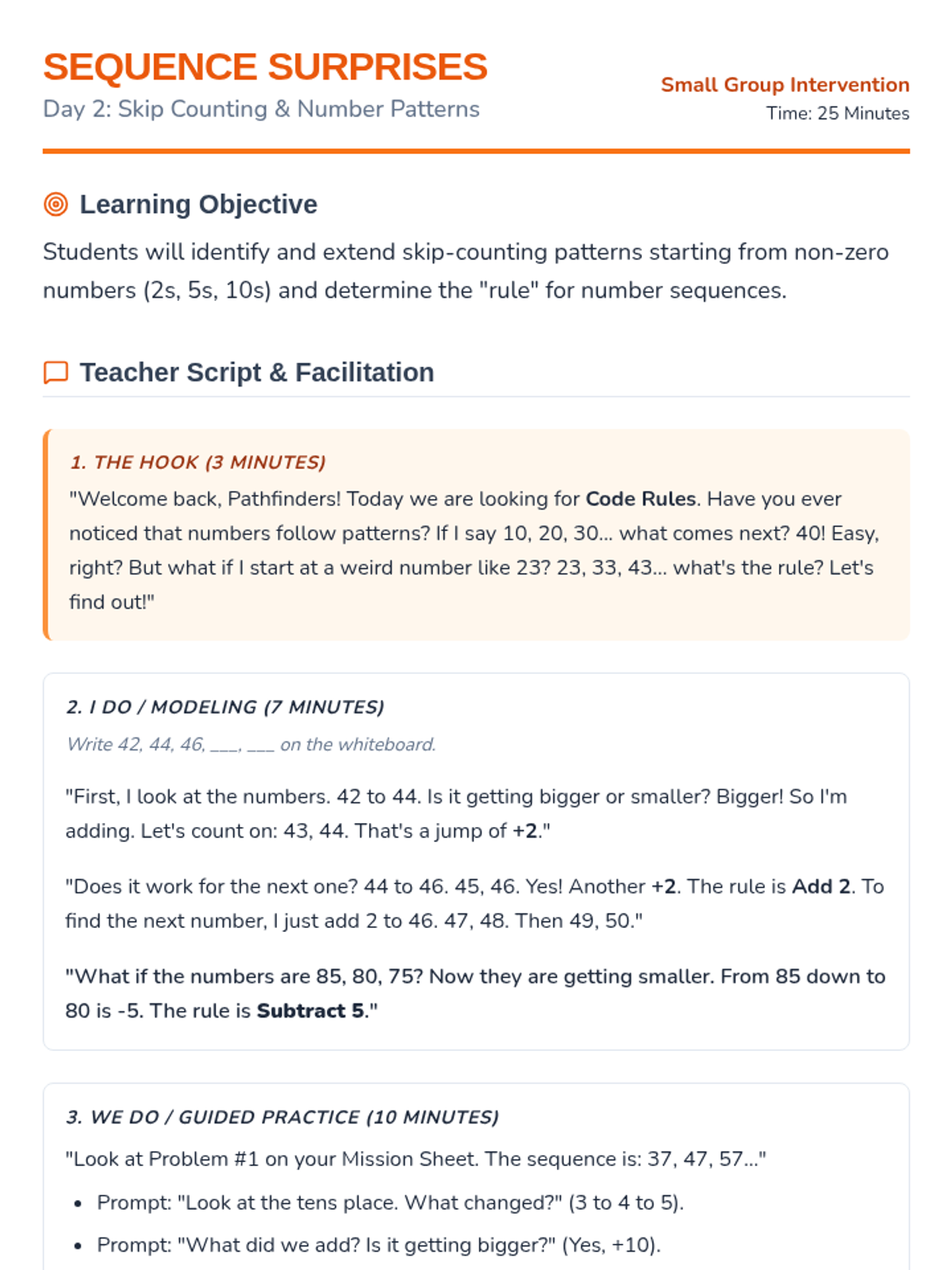
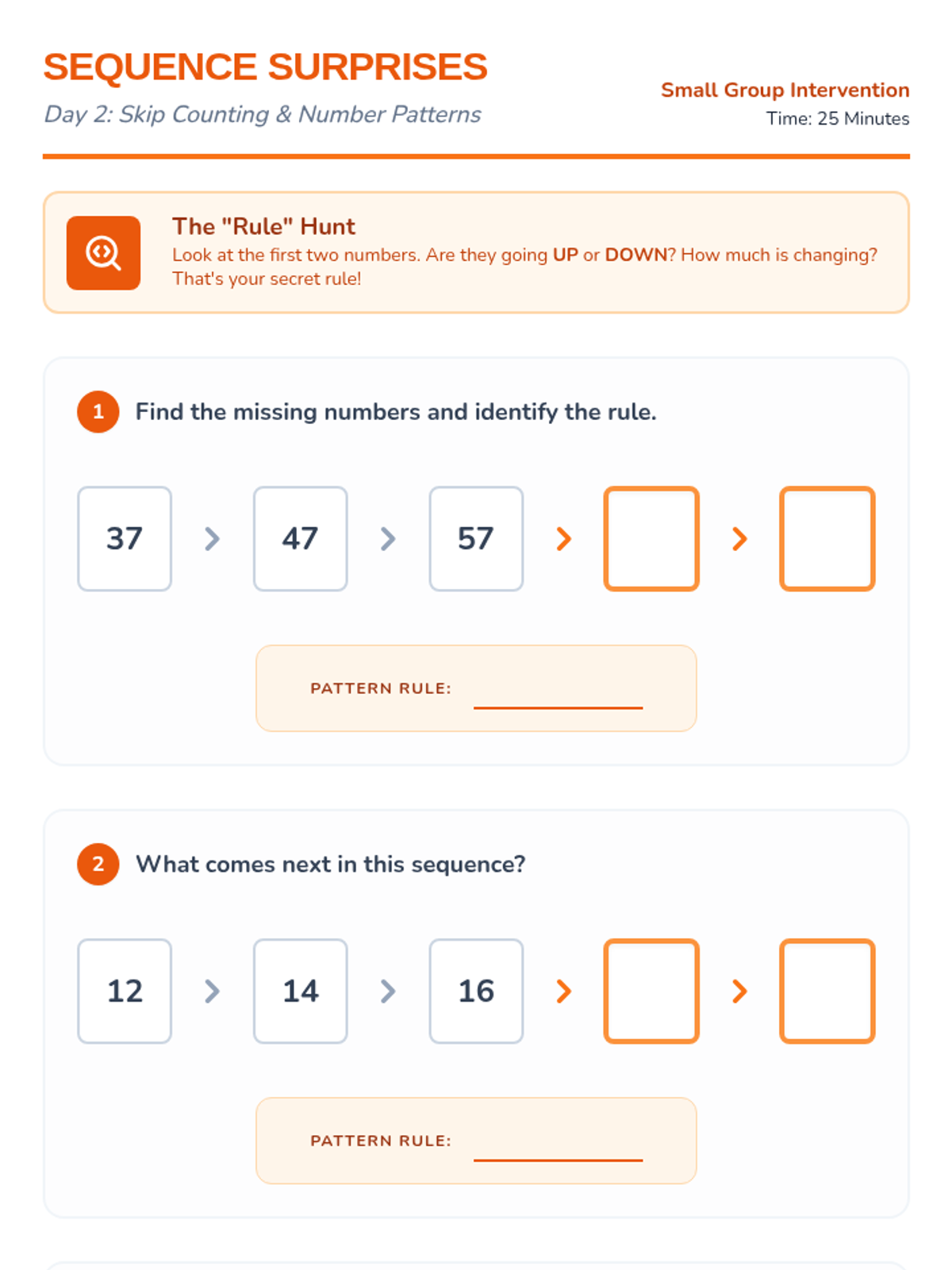
Teaches students to identify and extend number patterns and skip-counting sequences starting from various numbers. Students will learn to determine the 'rule' of a pattern to predict future values.
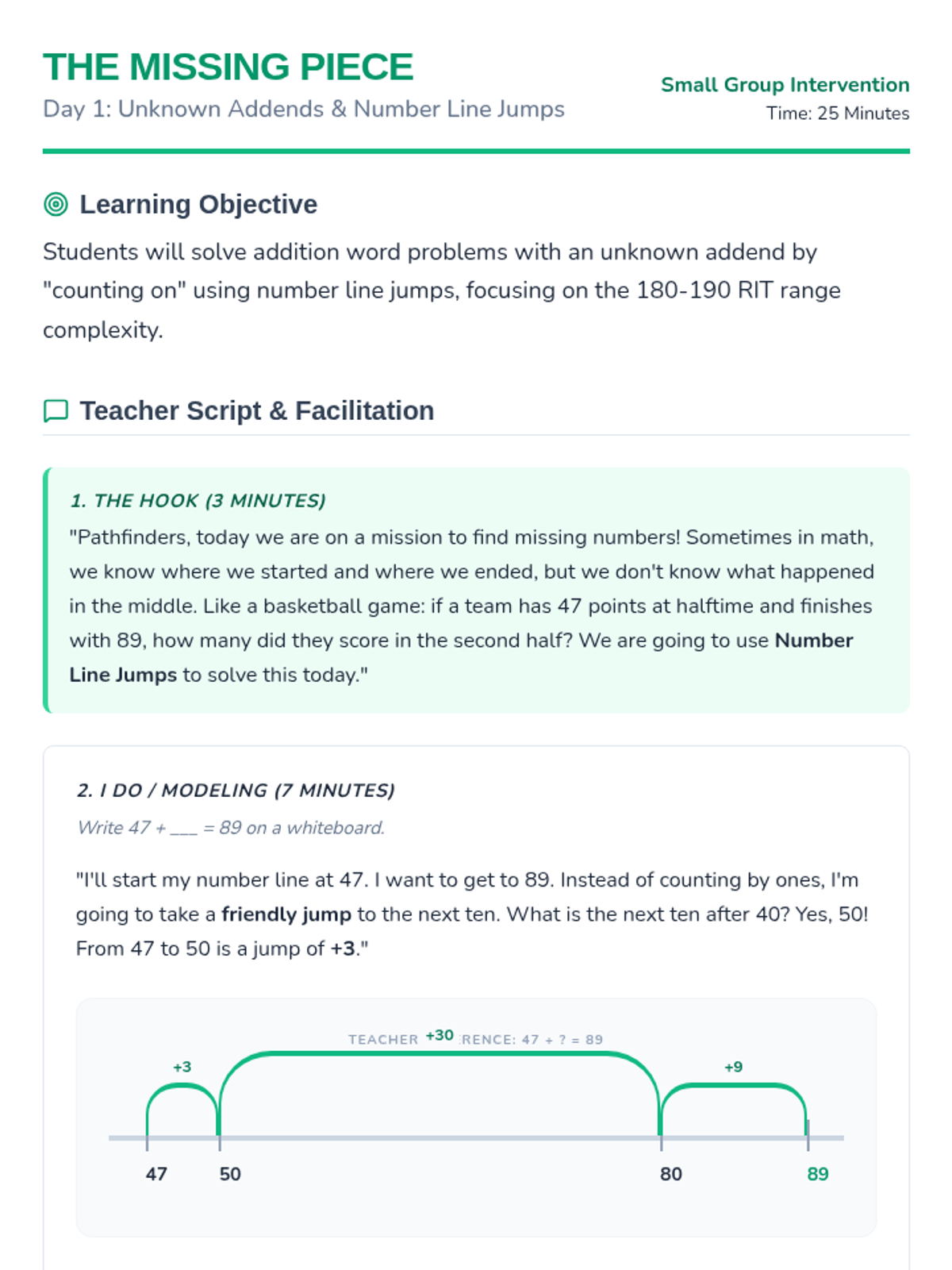
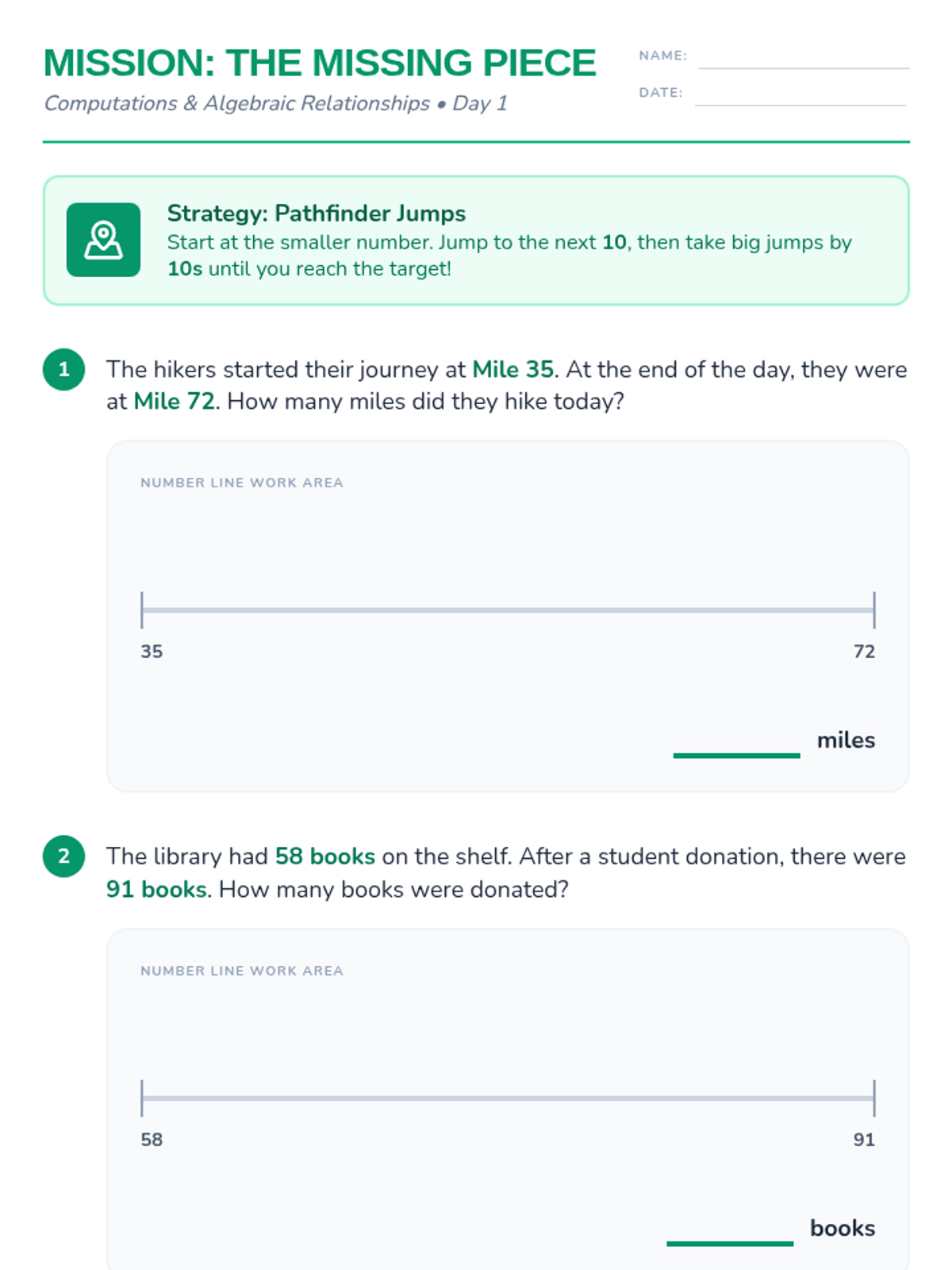
Focuses on finding missing addends in word problems using the 'counting on' strategy and number line jumps. Students will analyze scenarios similar to NWEA assessment items to bridge the 170-190 RIT range.
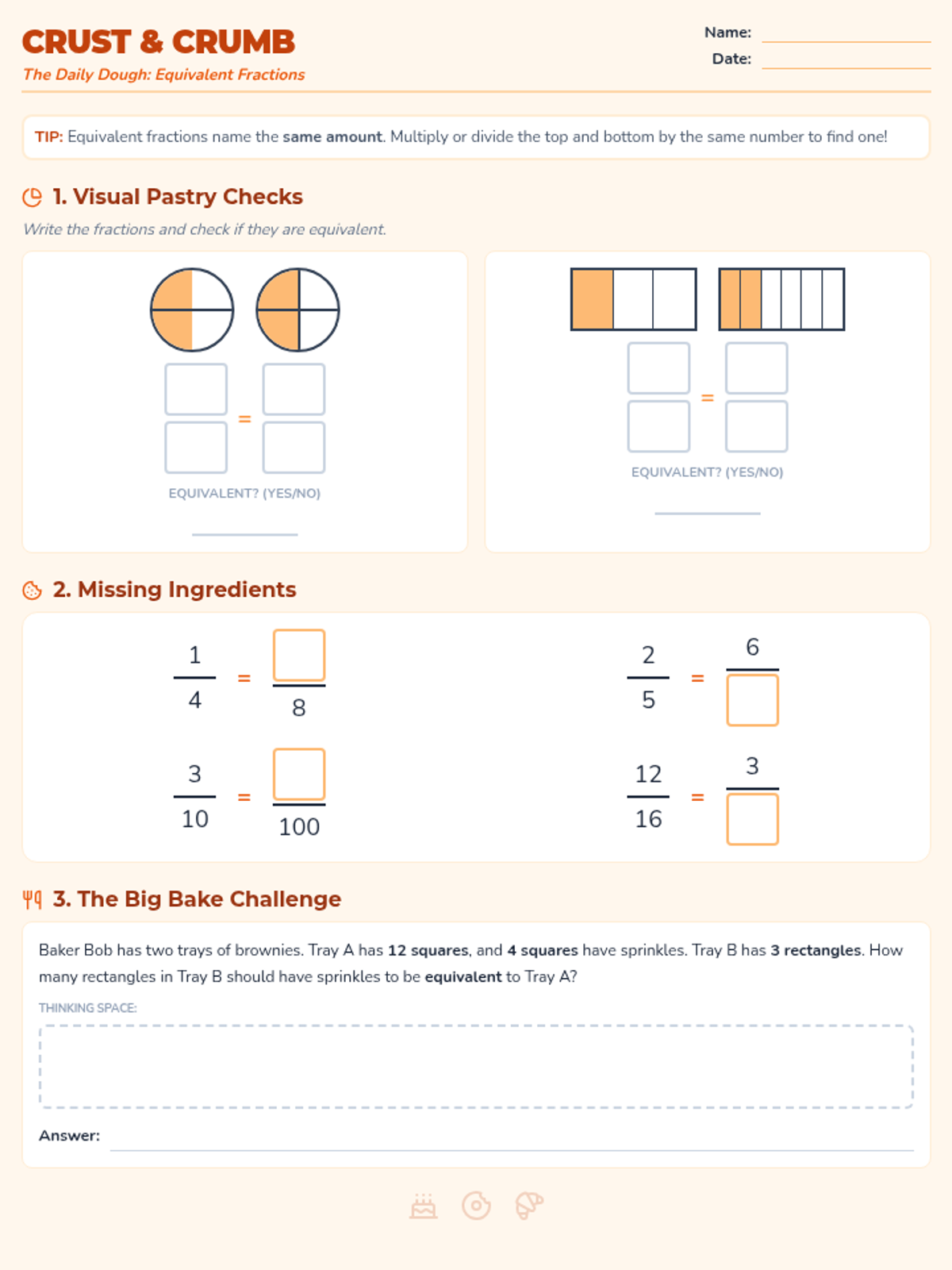
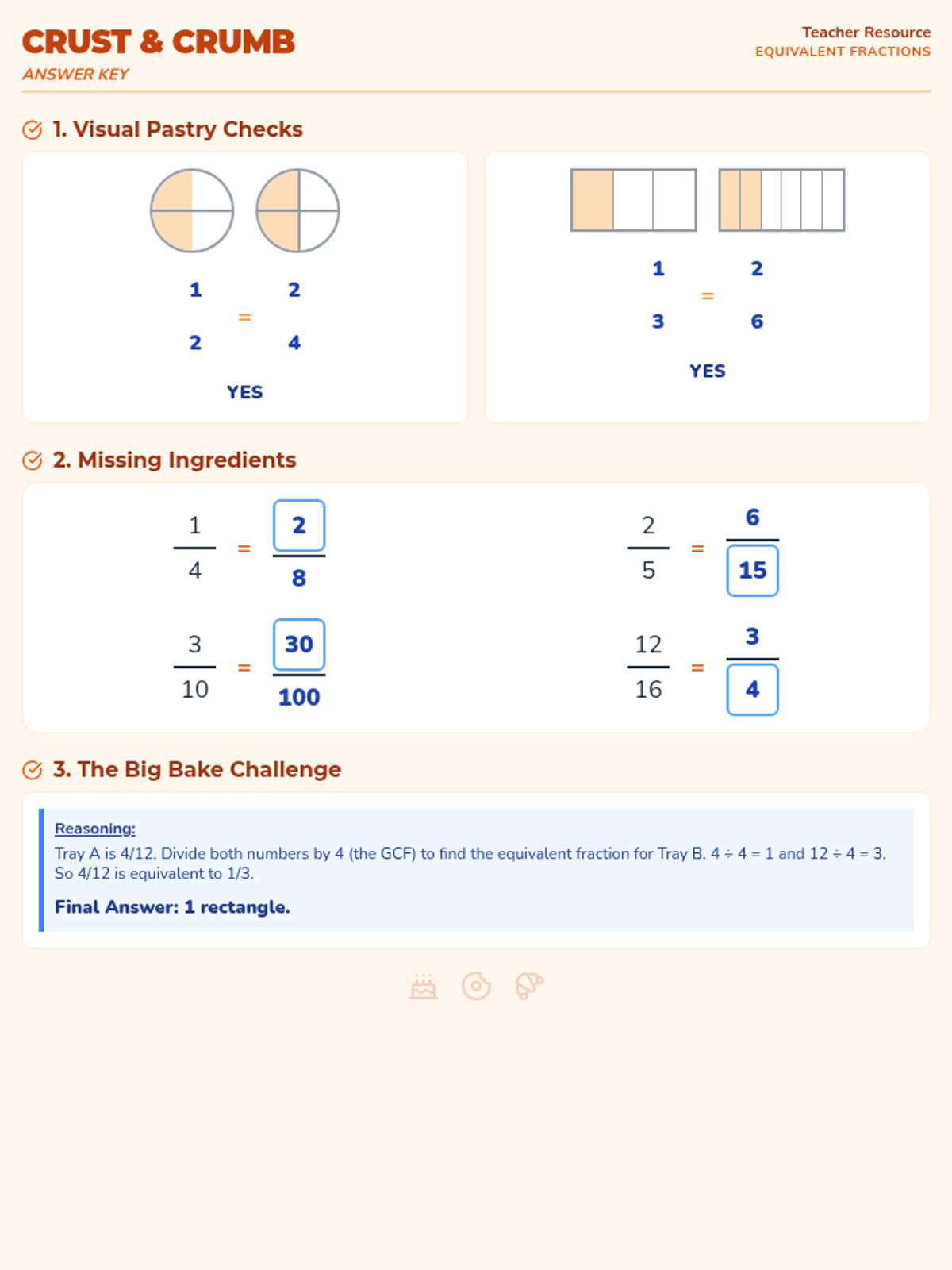
A focused lesson on identifying and generating equivalent fractions using visual models and multiplication strategies, themed around a bustling neighborhood bakery.
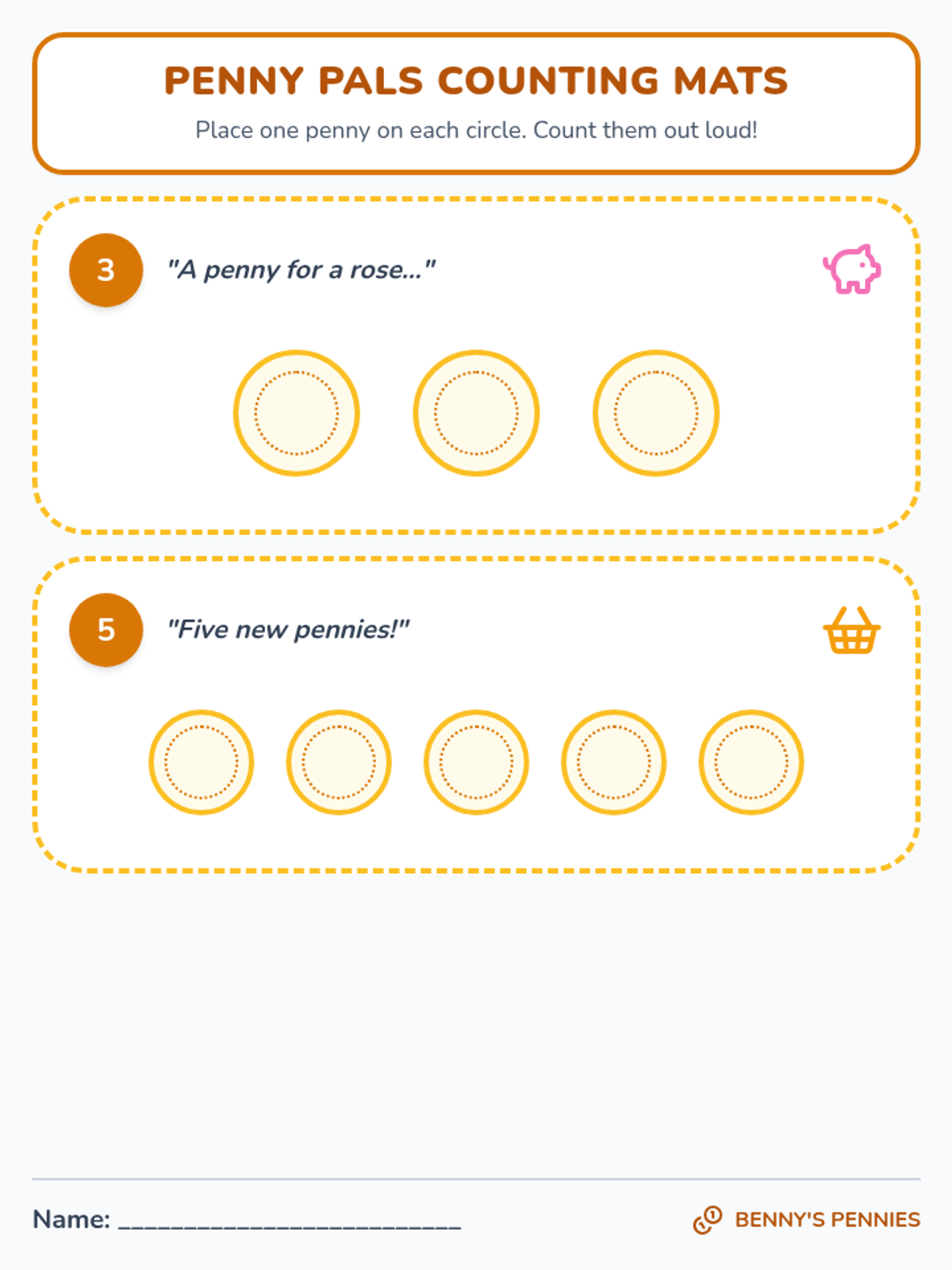
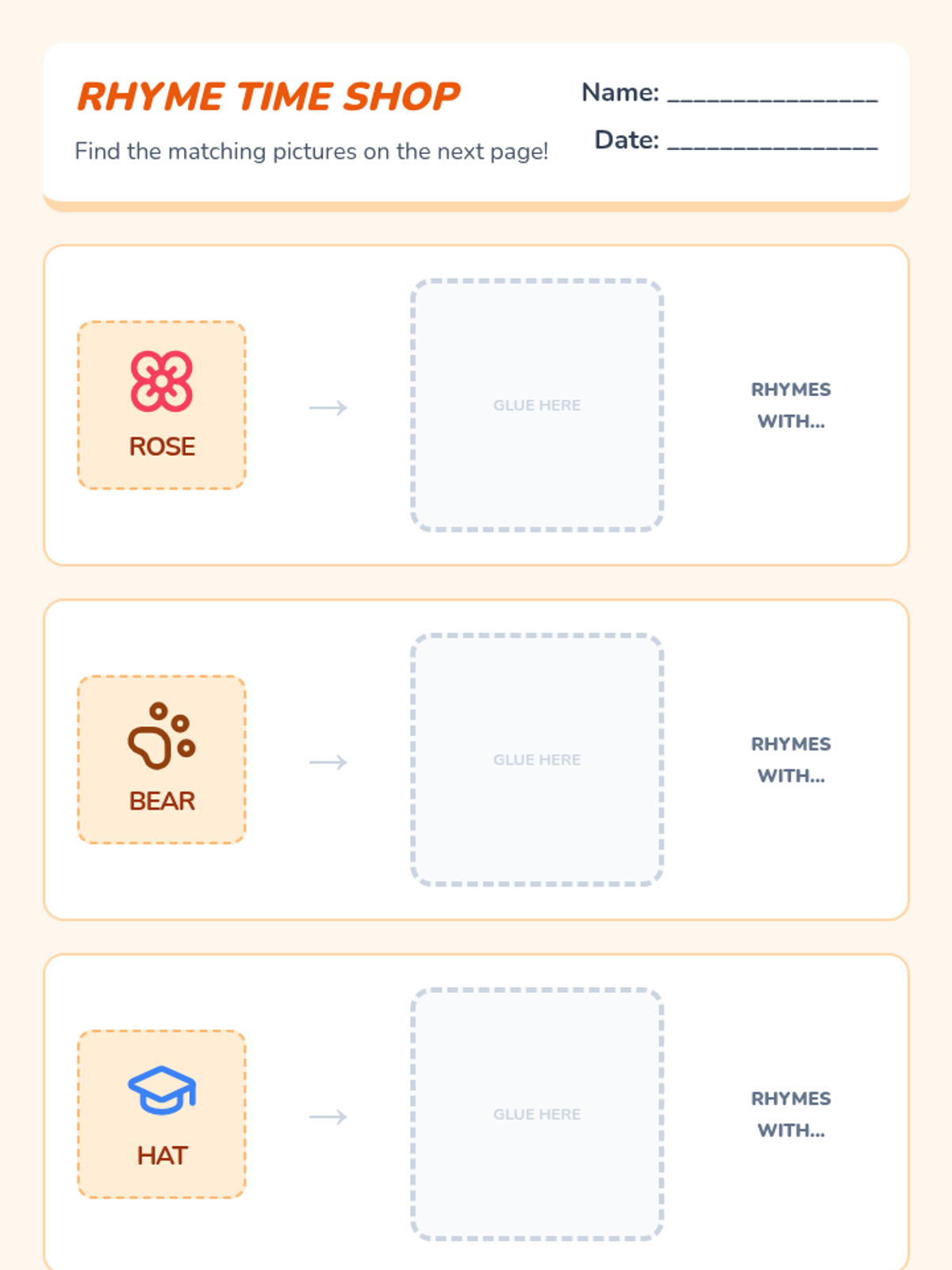
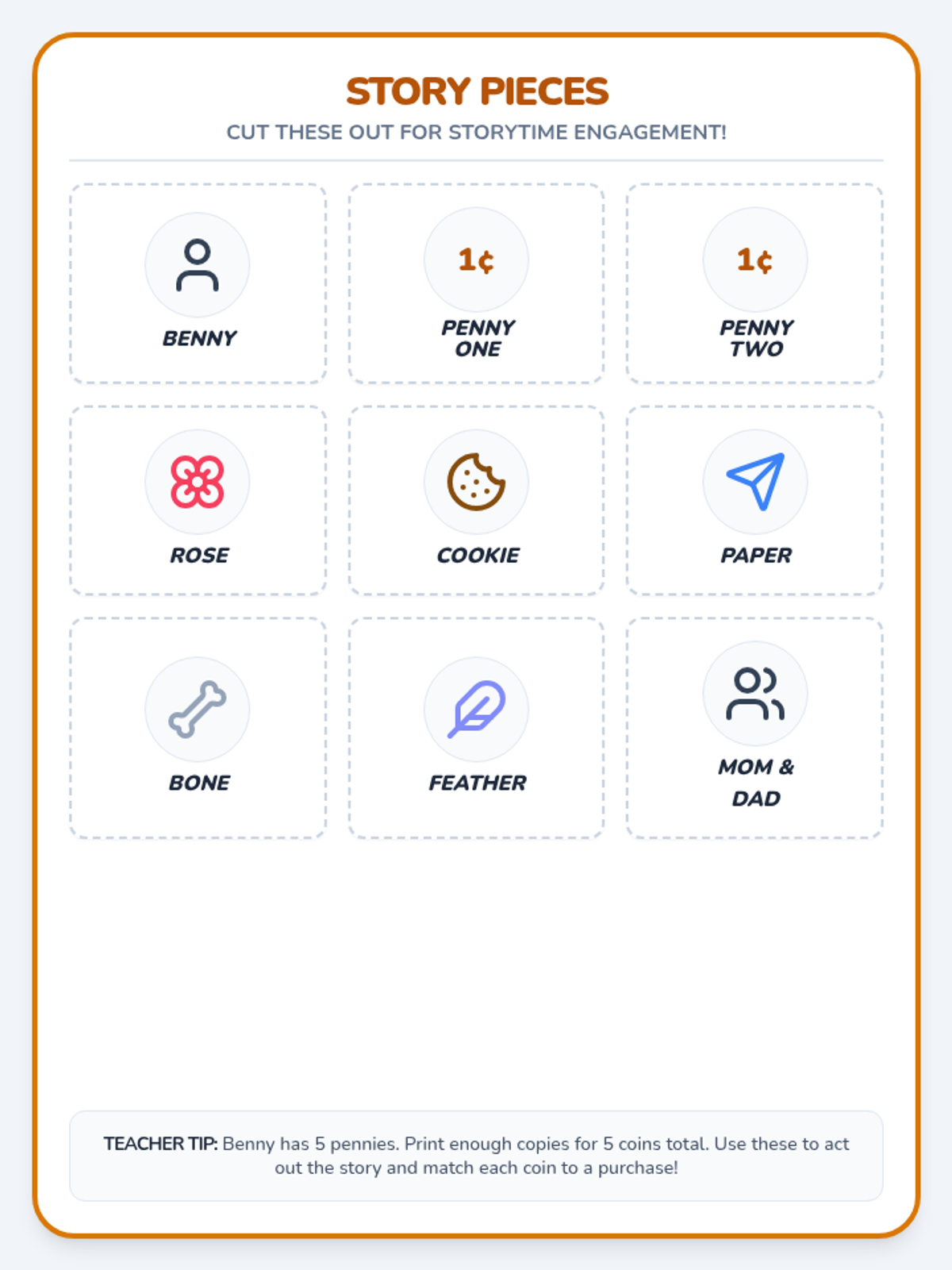
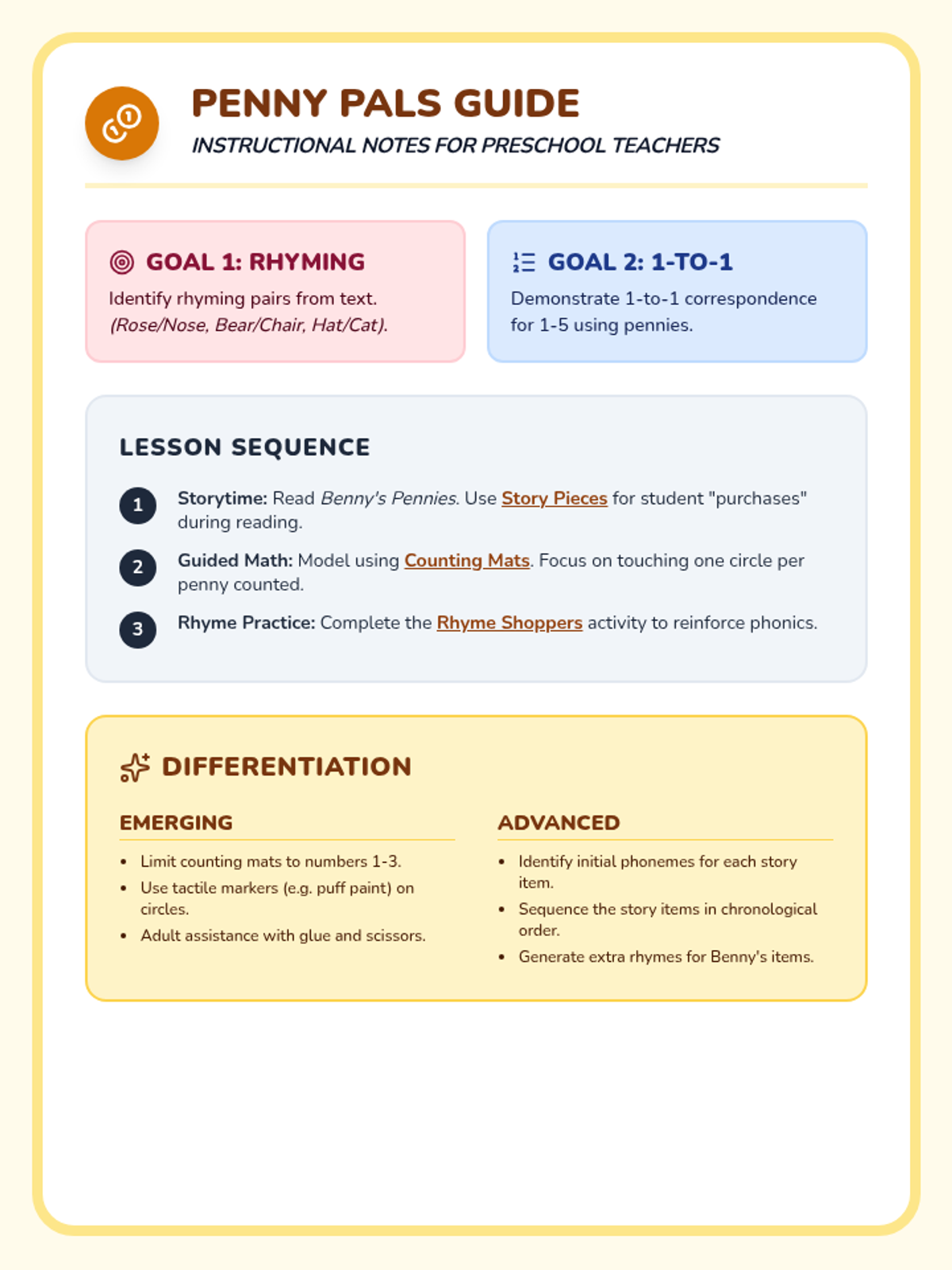
A preschool-focused lesson based on 'Benny's Pennies' by Pat Brisson, targeting one-to-one correspondence and rhyming through hands-on play.
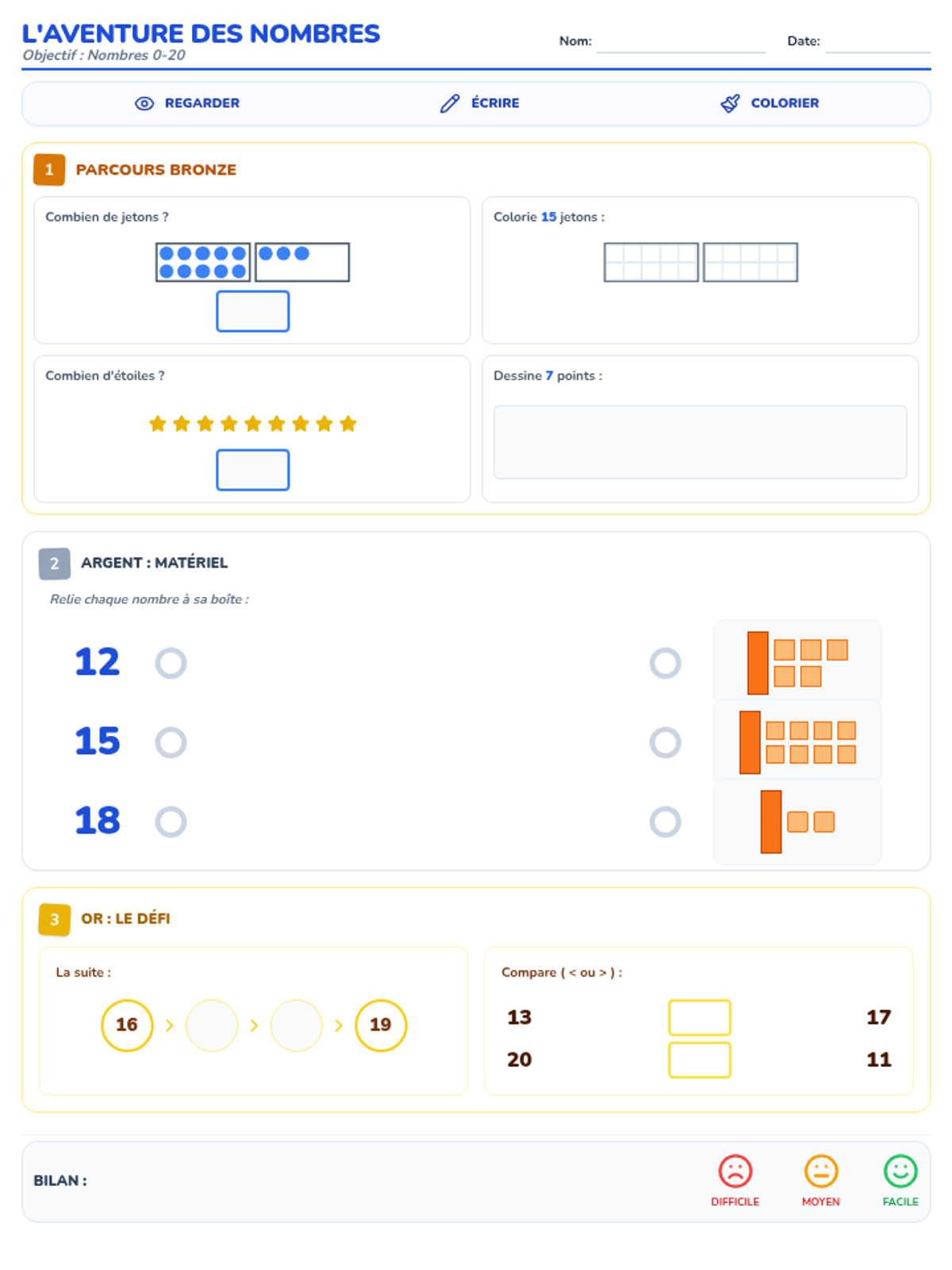
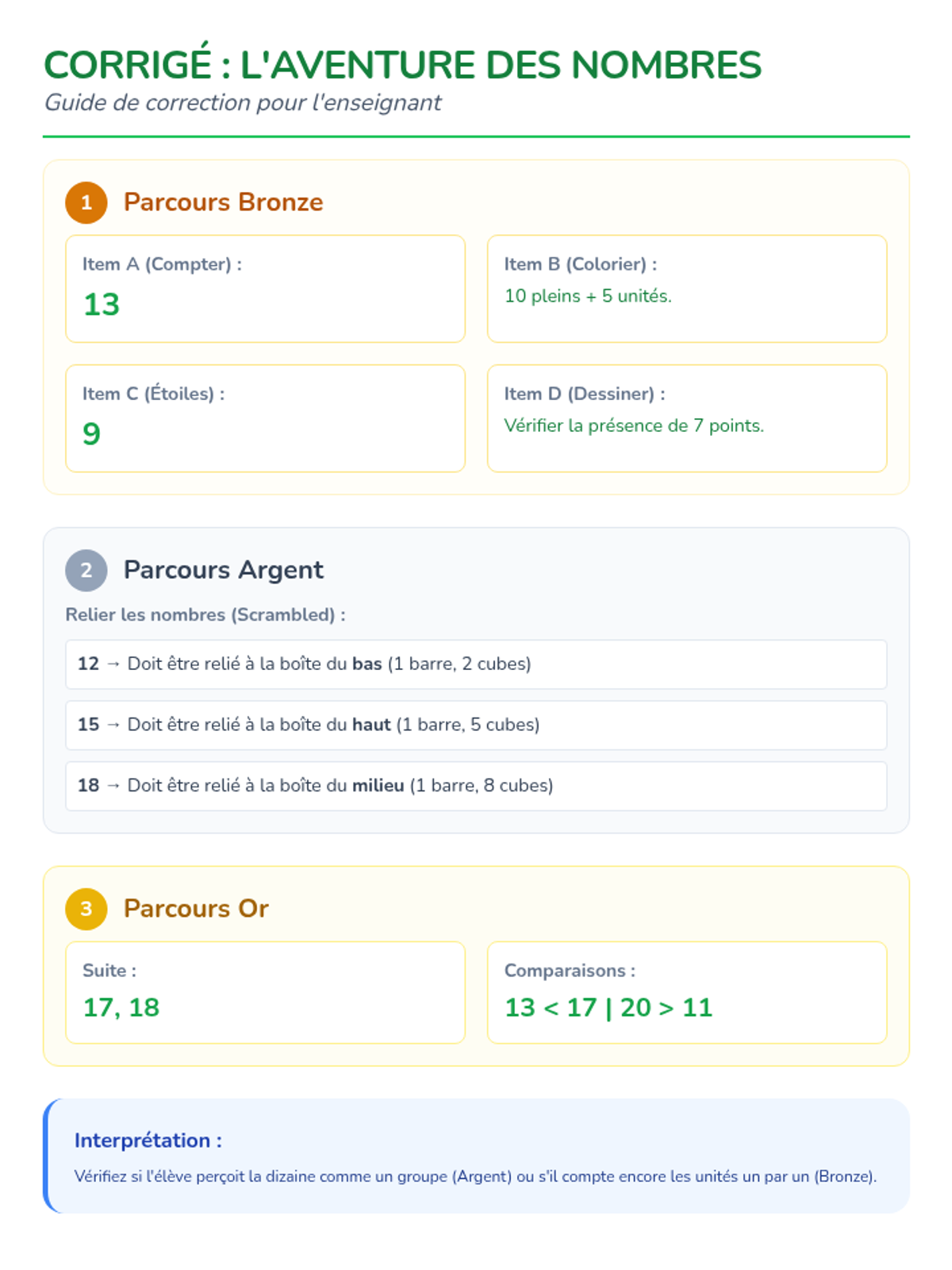
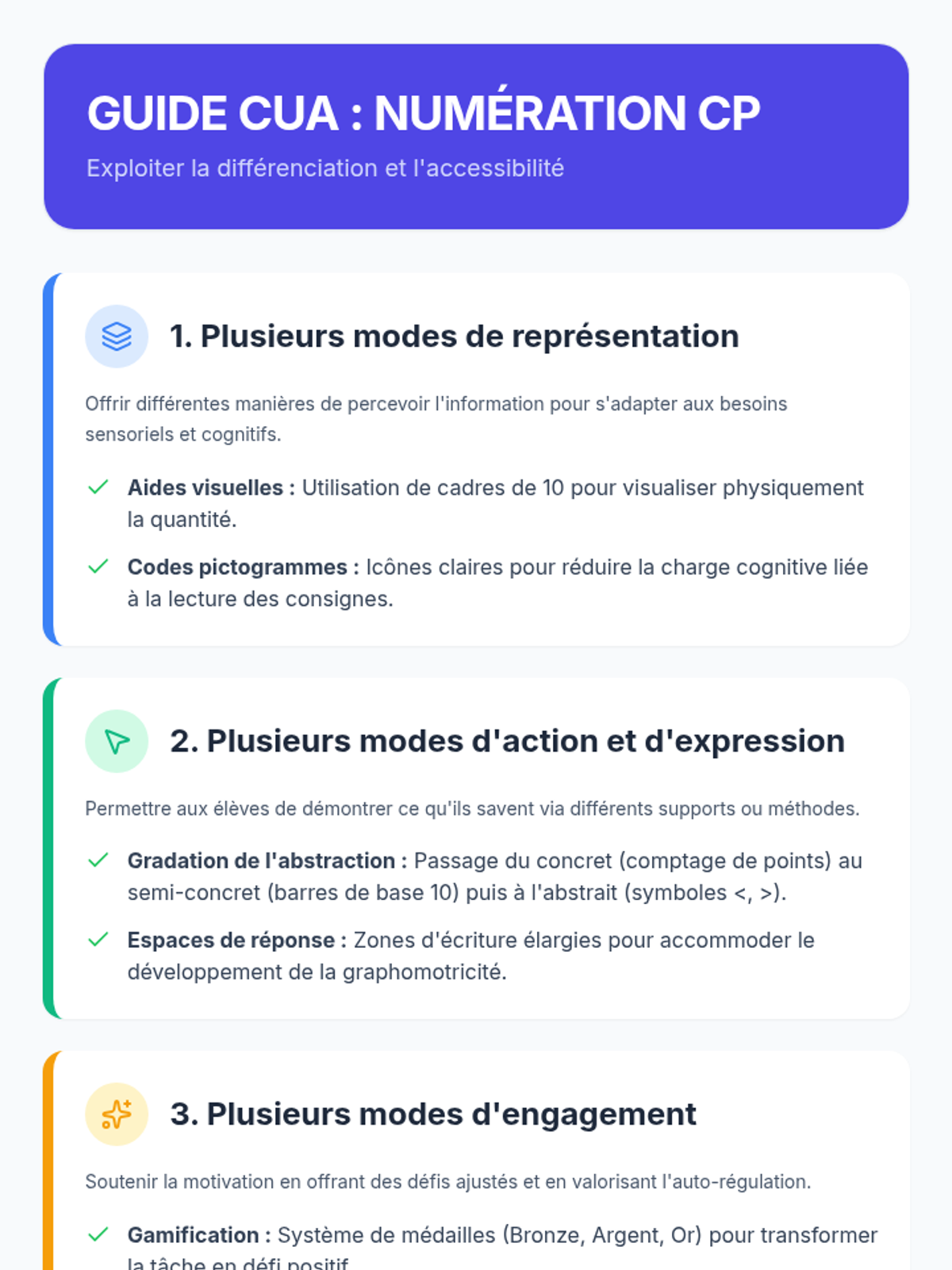
Cette leçon porte sur la compréhension et la manipulation des nombres de 0 à 20 en utilisant les principes de la Conception Universelle de l'Apprentissage (CUA). Elle propose des parcours différenciés pour permettre à chaque élève de progresser à son rythme.