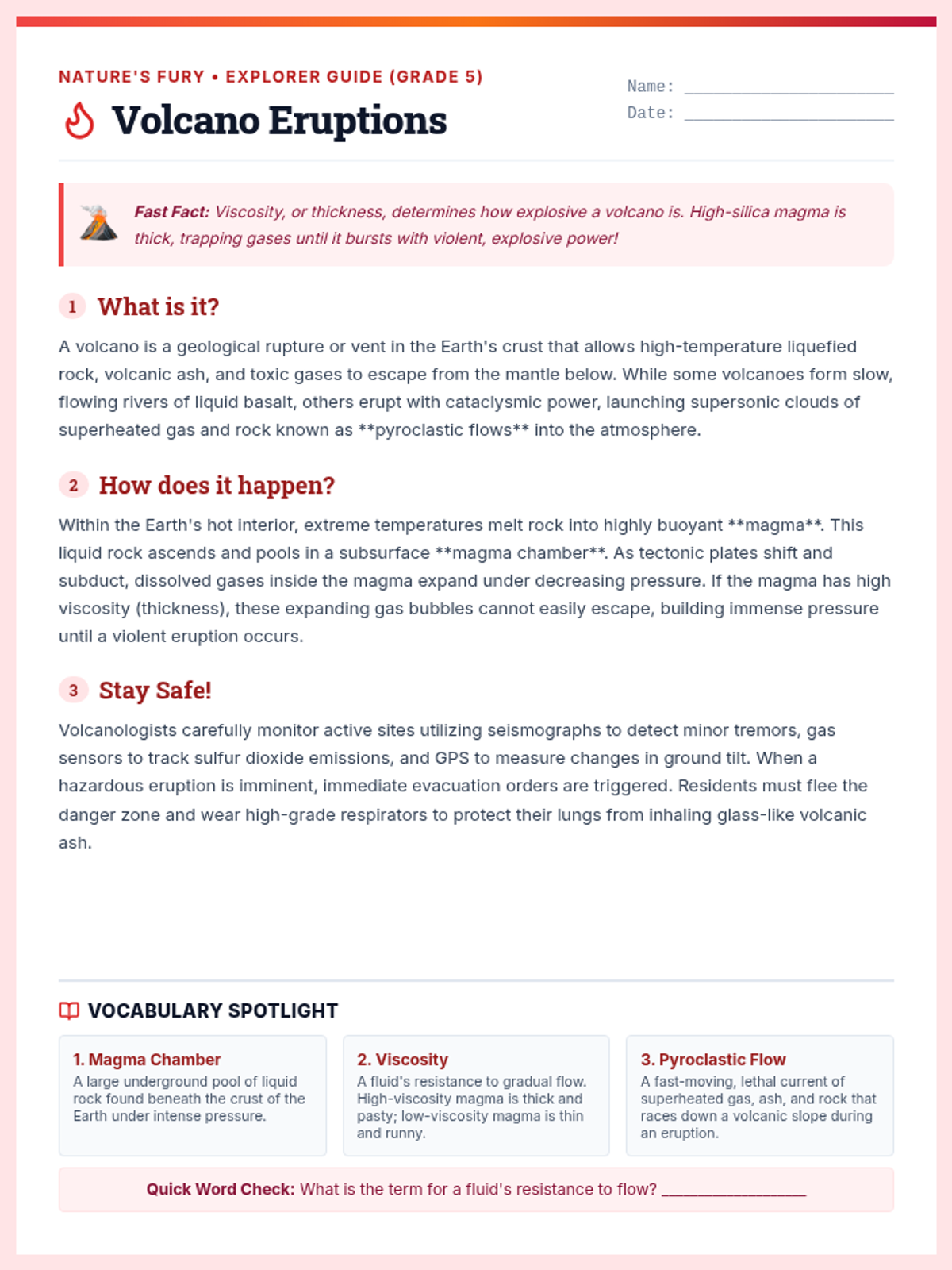
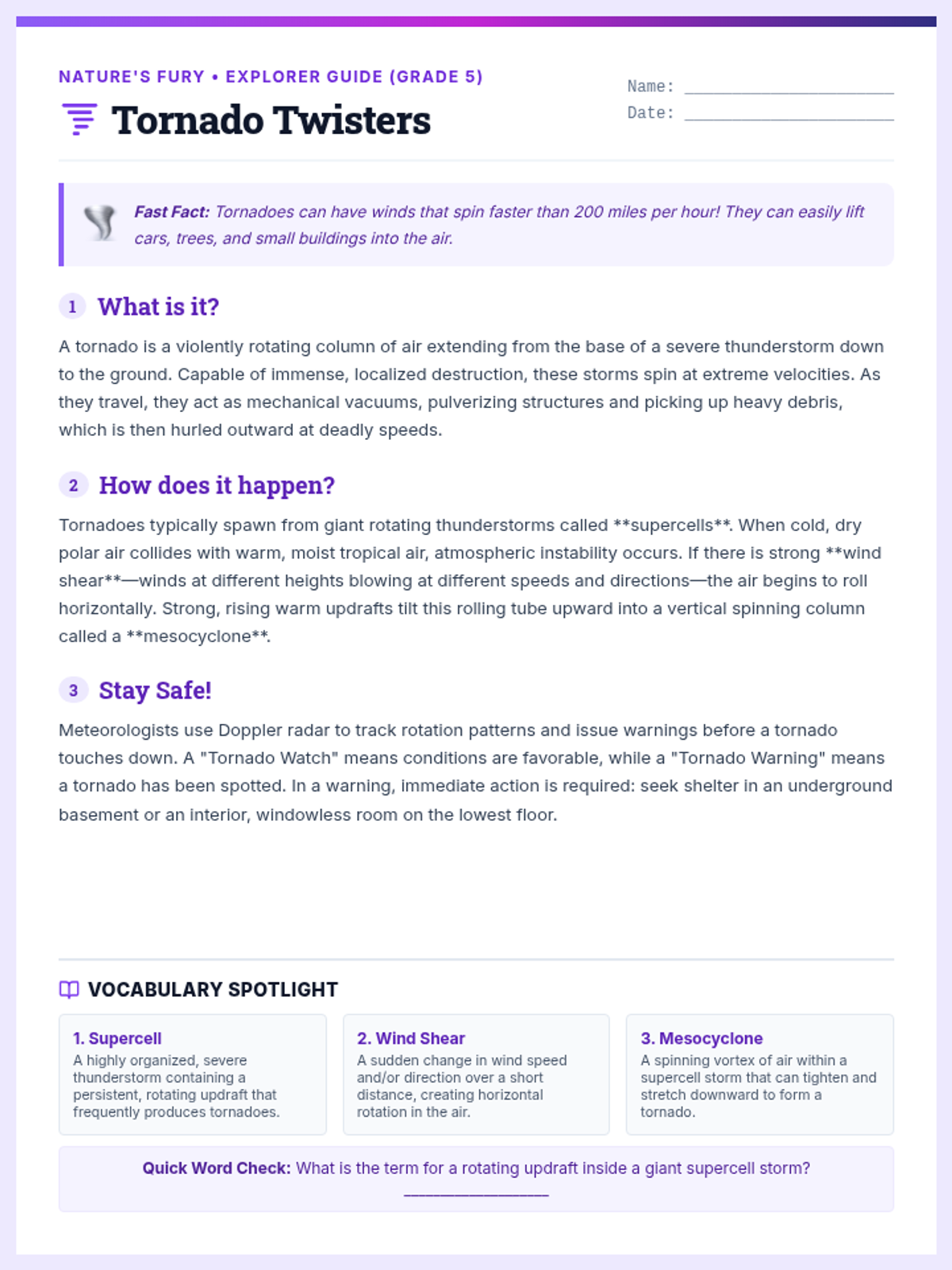
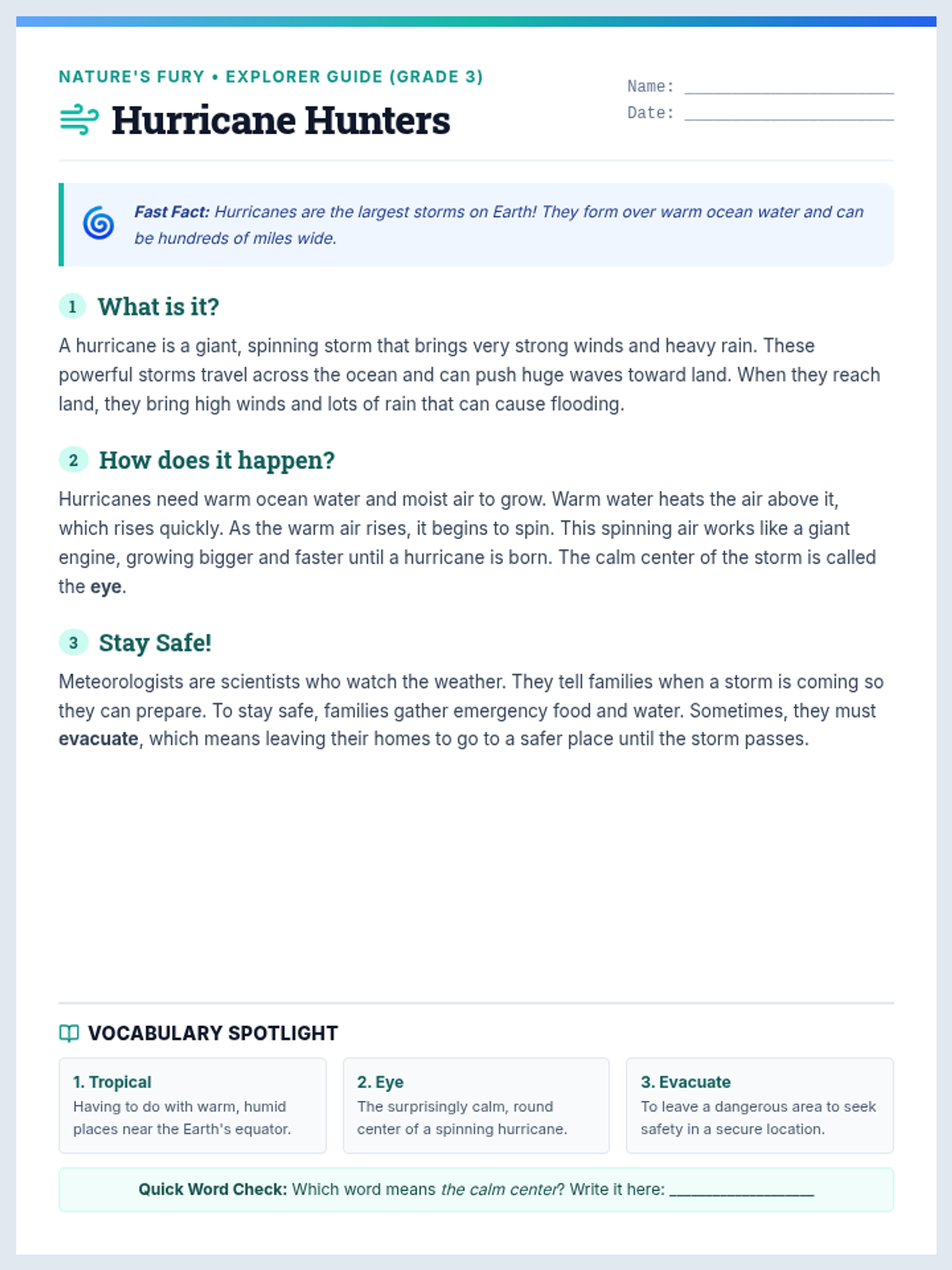
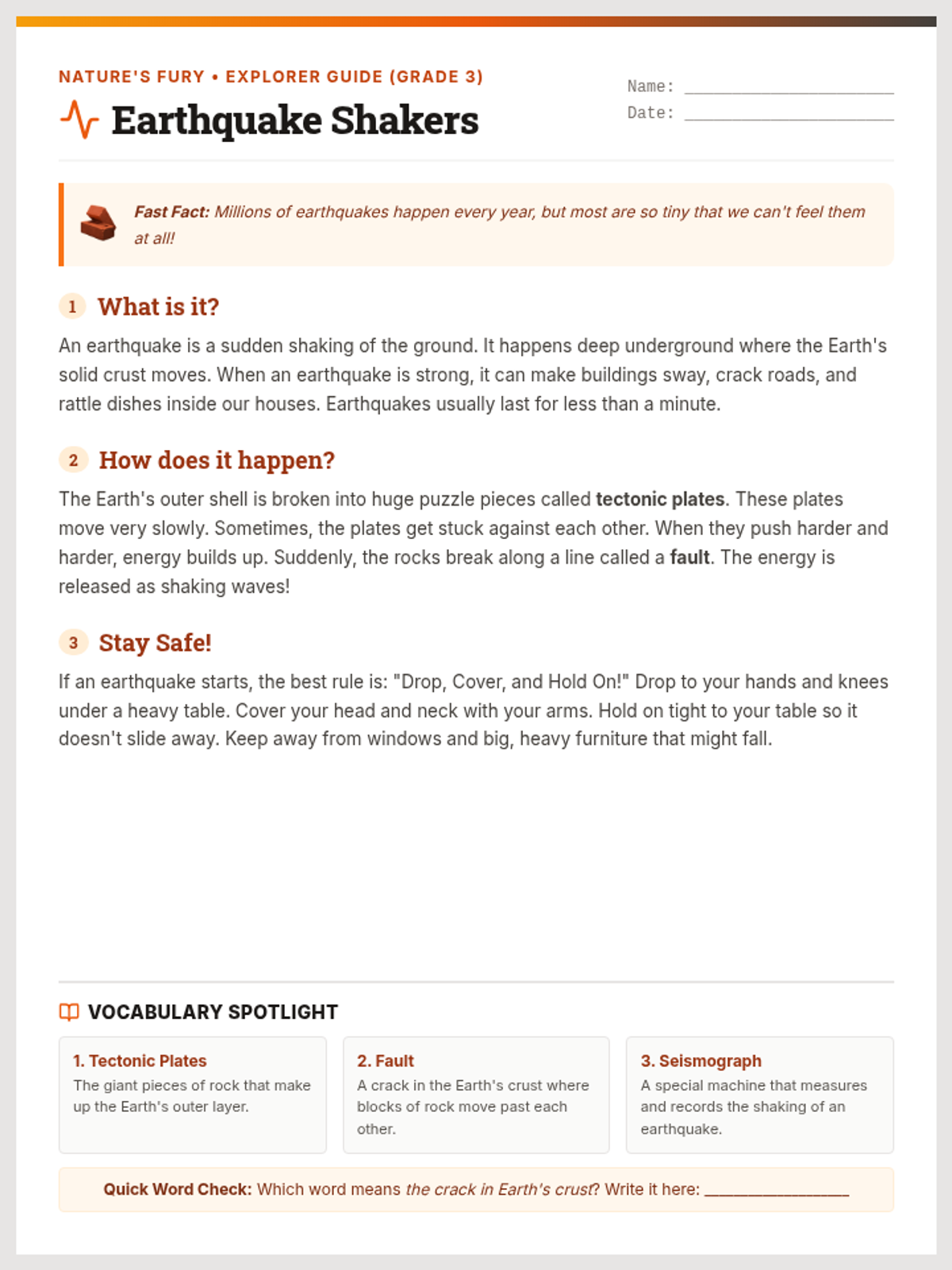
A high-energy review lesson where students use collaborative problem-solving and a video-based quiz to master speed calculations. Includes a rhythmic warm-up chant, a group-based competition using whiteboards, and a focused error-analysis wrap-up.
A reading comprehension lesson for 4th-grade EL students focusing on sea turtles, using visual supports and leveled text to build vocabulary and understanding of life cycles.
In this 45-minute lesson, Grade 5 ESL students learn to gather information from a digital source by taking organized notes on insect life cycles. Students practice identifying keywords, using visual symbols, and summarizing stages of metamorphosis.
A 45-minute ESL lesson for grade 4 students at the Developing (Level 3) proficiency level. Students will explore life cycles, practice gathering information from texts, and learn to take notes and categorize data using graphic organizers.
A 45-minute ESL lesson focused on identifying and using precise domain-specific vocabulary to describe the solar system and its planets, culminating in a scaffolded writing task.
A 6th-grade lesson where students transition from passive rumor-consumers to active investigators by identifying a school-based myth and designing a scientific or journalistic plan to verify it.
How and why organisms use light for social interactions, communication, and complex behaviors. Students explore strategies like counter-illumination and burglar alarms.
How is light made? Students break down the chemical reaction of bioluminescence, exploring the interaction between luciferin, luciferase, and oxygen.
Discover the mysterious world of the deep ocean's midnight zone. Students explore how creatures create light in total darkness and identify the physical adaptations of bioluminescent marine life.
Uma aula completa sobre as principais teorias da origem da vida, abordando desde a abiogênese até os experimentos de Miller-Urey, alinhada à BNCC para o Ensino Fundamental II.
A vocabulary-focused lesson exploring 6 narrative words (hastily, wandering, absentmindedly, persisted, gravely, reproved) to understand character behavior and emotion for 4th graders.
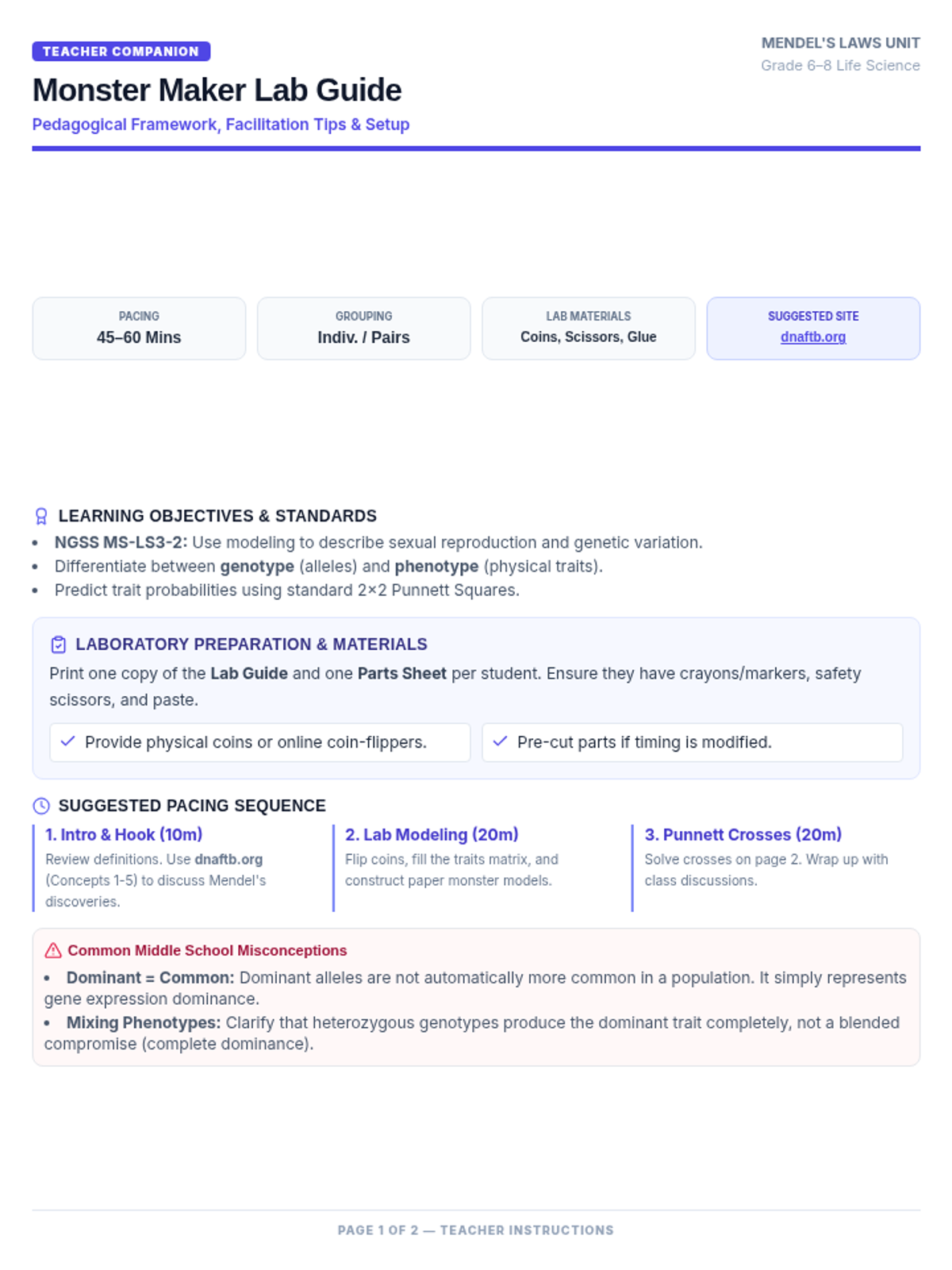
A rapid-fire intervention lesson designed to solidify the fundamentals of Newton's Laws through hands-on experimentation and visual mapping. Perfect for small group remediation or a quick refresher before transitioning to new physics concepts.
A foundational toolkit for setting up a physical engineering and maker space, covering physical layout, collaborative roles, and essential classroom routines.
A high-stakes engineering challenge where students use the 4Cs and Computational Thinking to design, build, and document the ultimate cup tower structure.
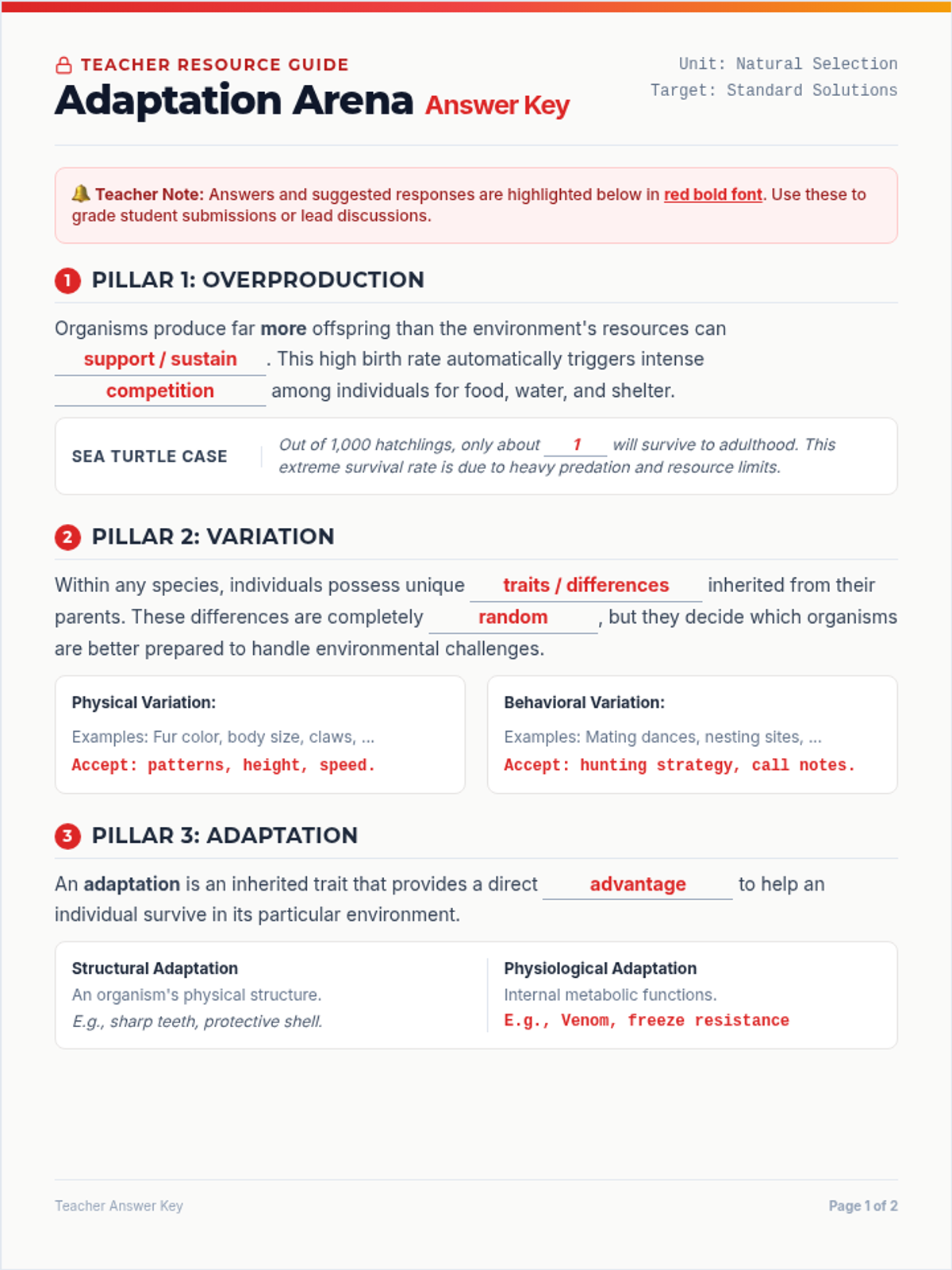
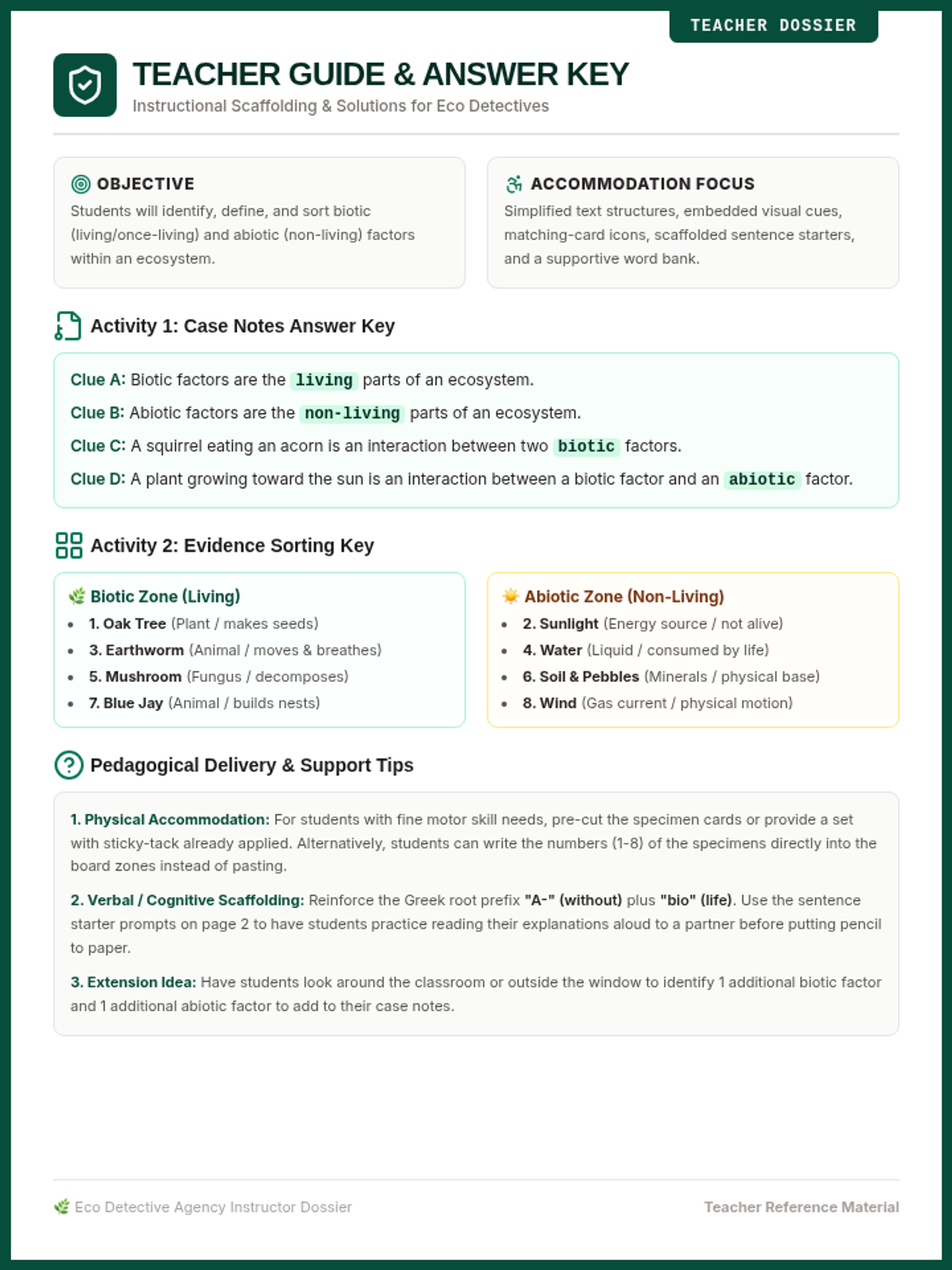
A lesson exploring the differences between natural and invasive grasses as fire fuels, featuring case studies on the Tallgrass Prairie and Cheatgrass in the Great Basin. Students will analyze fire behavior and impact through comparative study and assessment.
A comprehensive lesson on invasive species prevention, featuring visual slides, a modified reading task for accessibility, and assessment tools. Students learn to identify pathways and implement global prevention strategies.
An introductory lesson on sustainable development, exploring the three pillars of sustainability and how human actions impact the planet's future.
An investigation into exothermic reactions using hand warmers. Students observe and record temperature changes to understand how chemical energy transforms into heat energy.
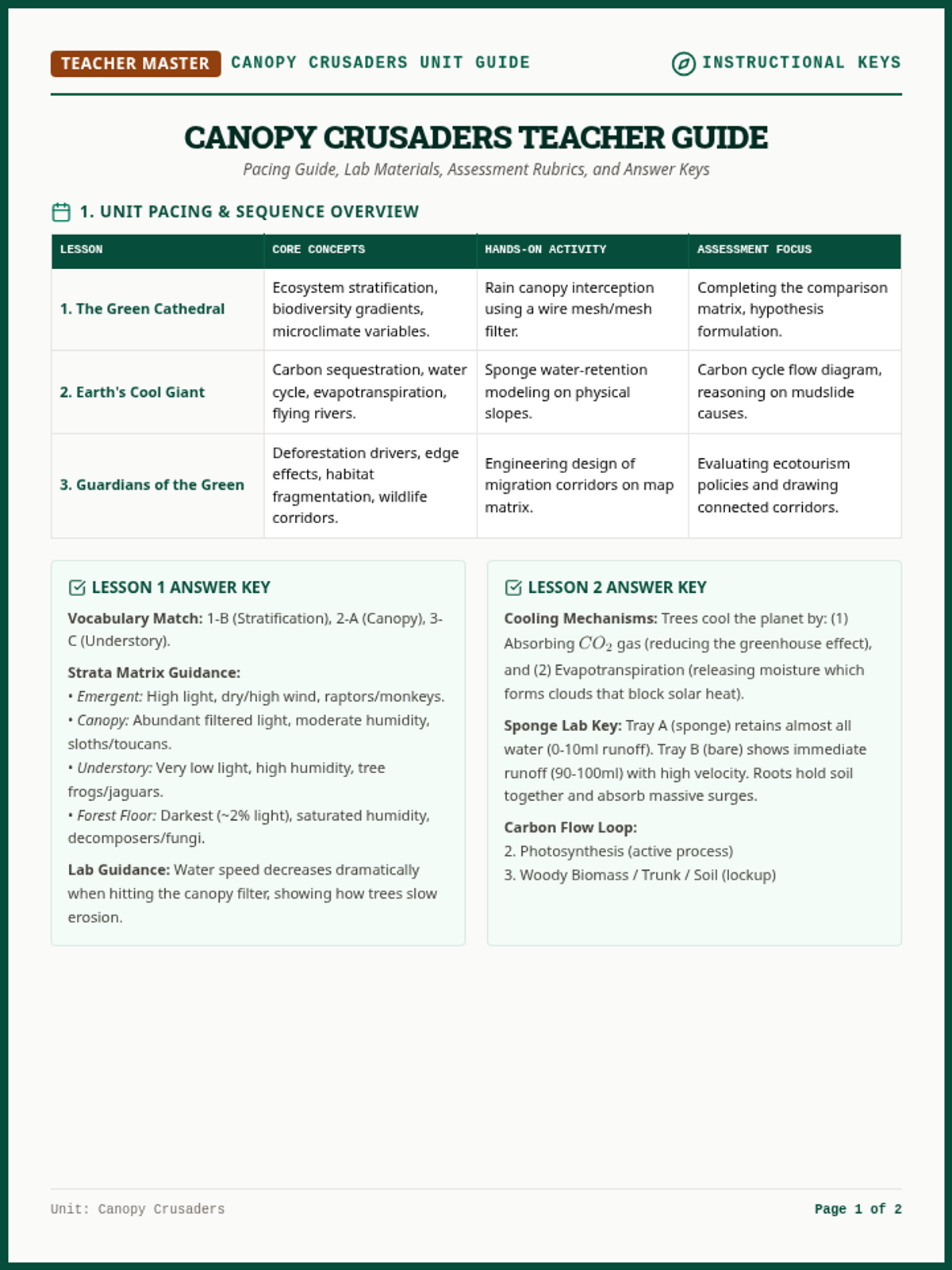
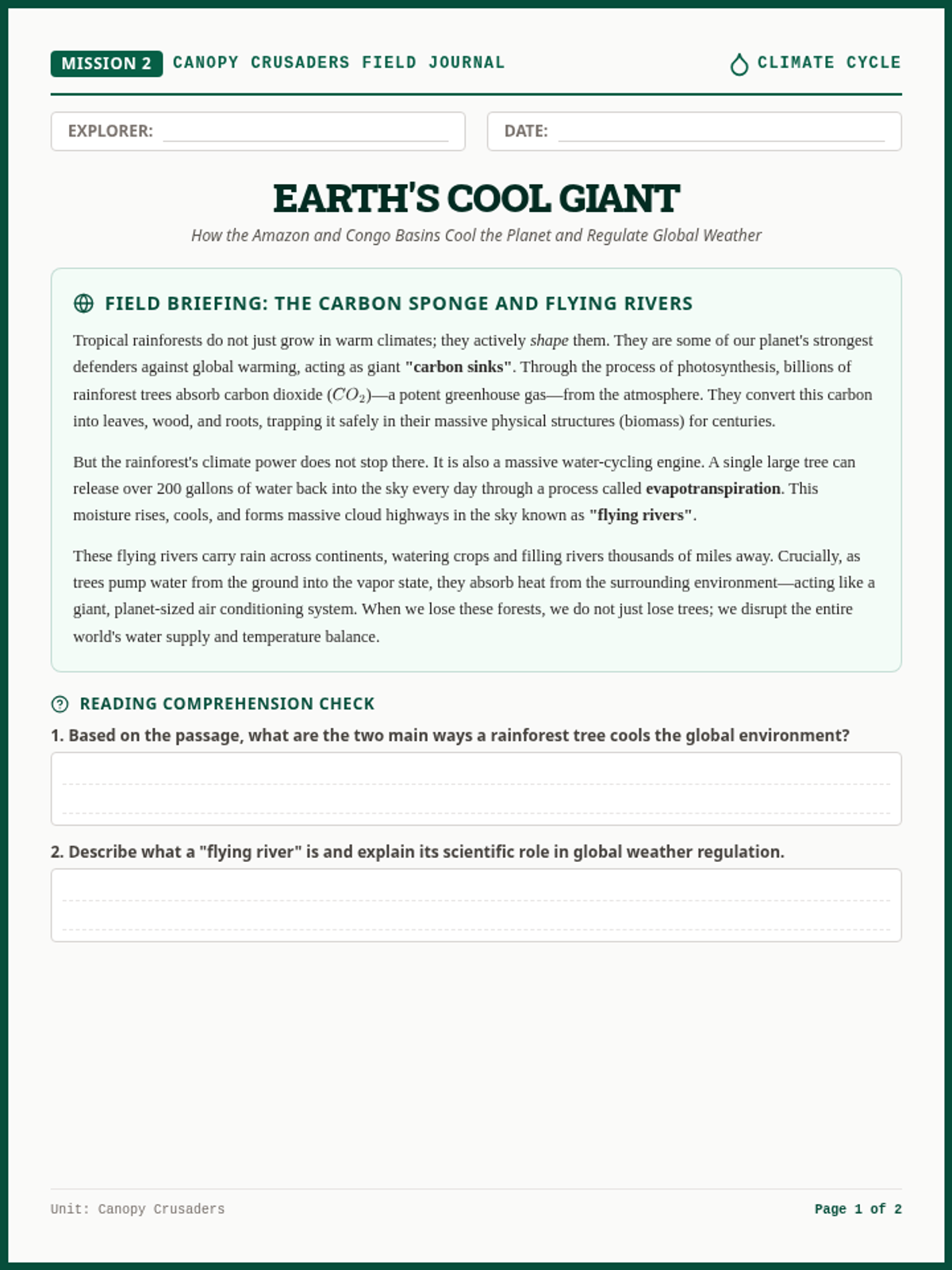
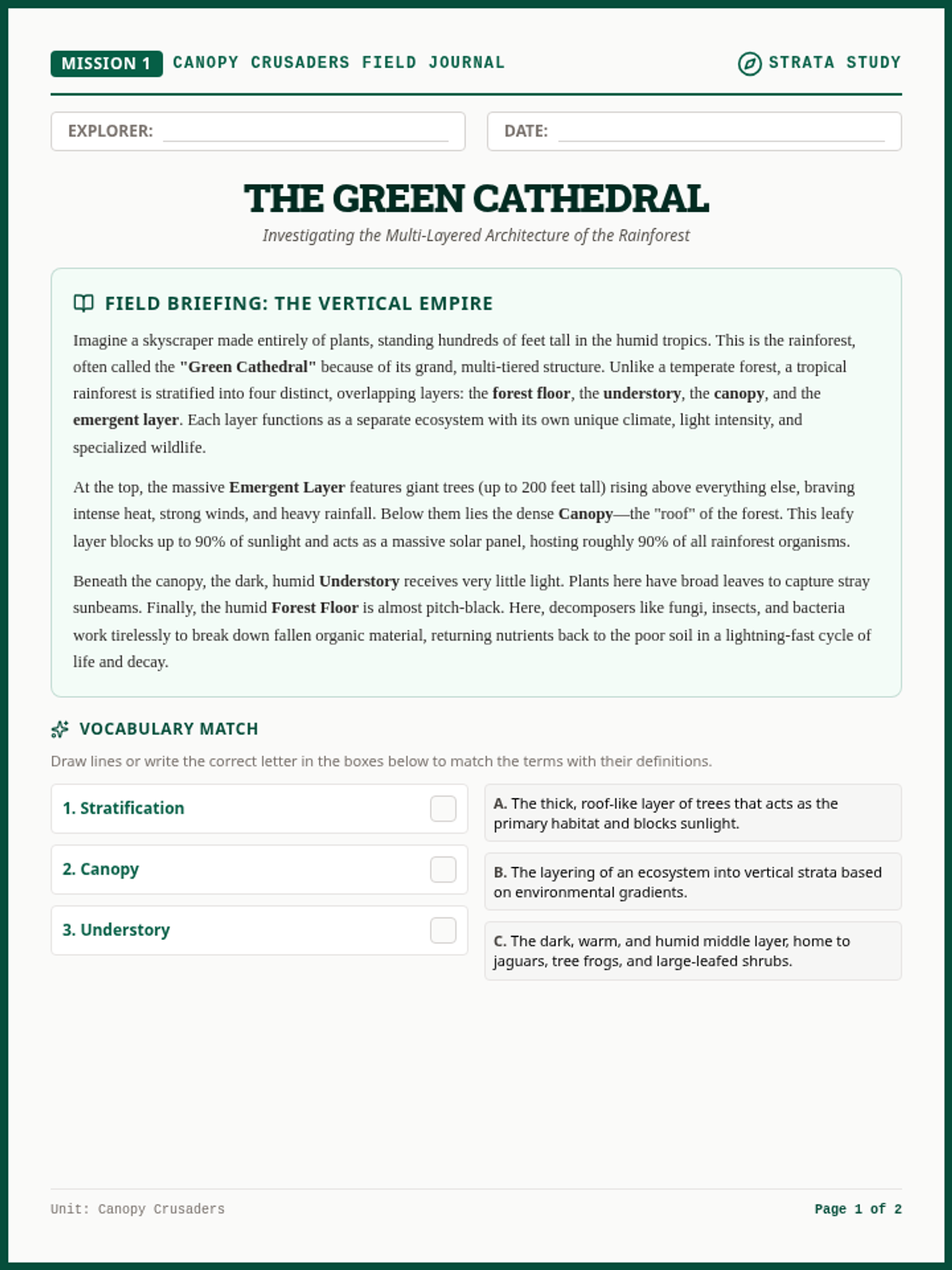
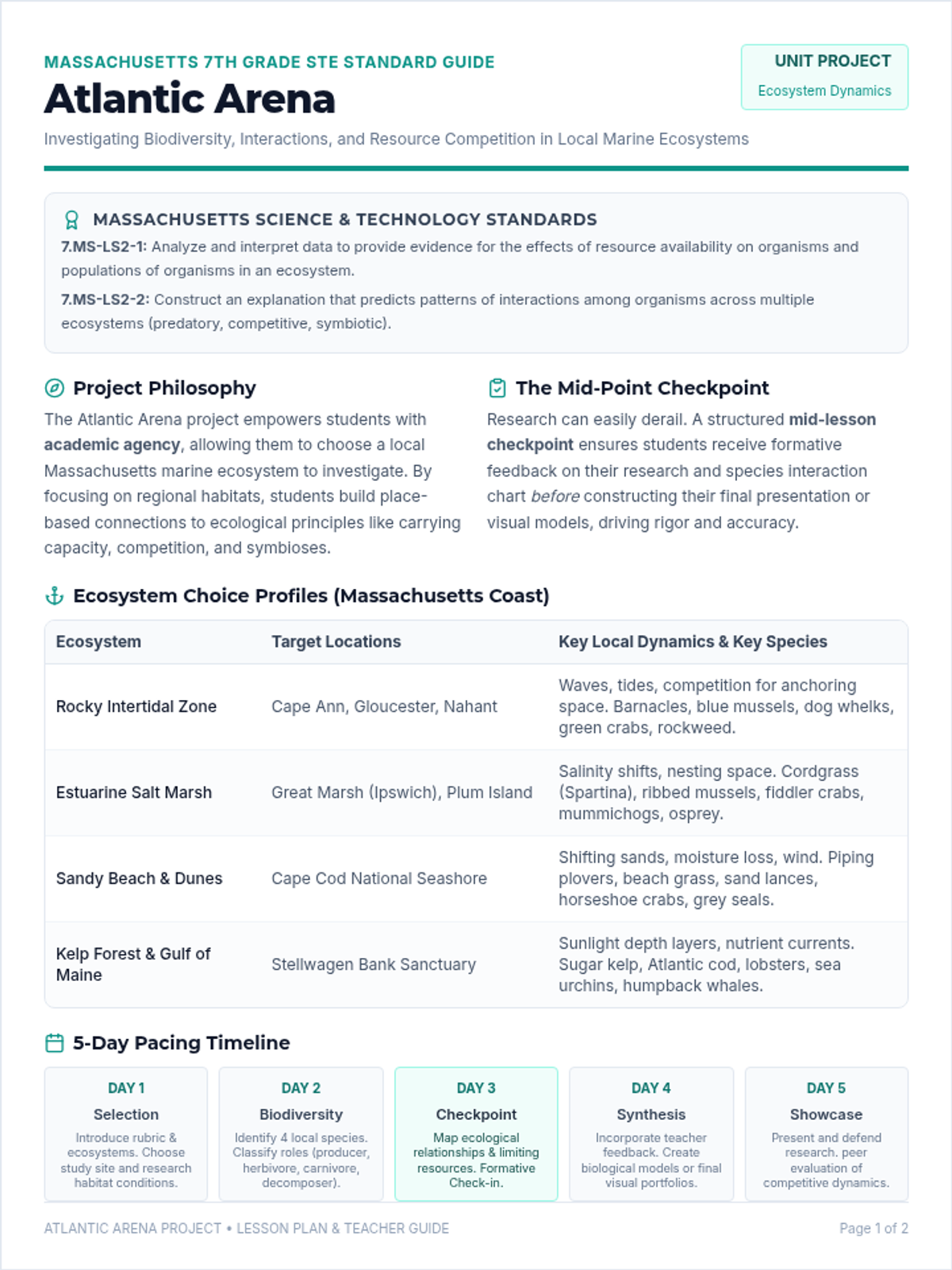
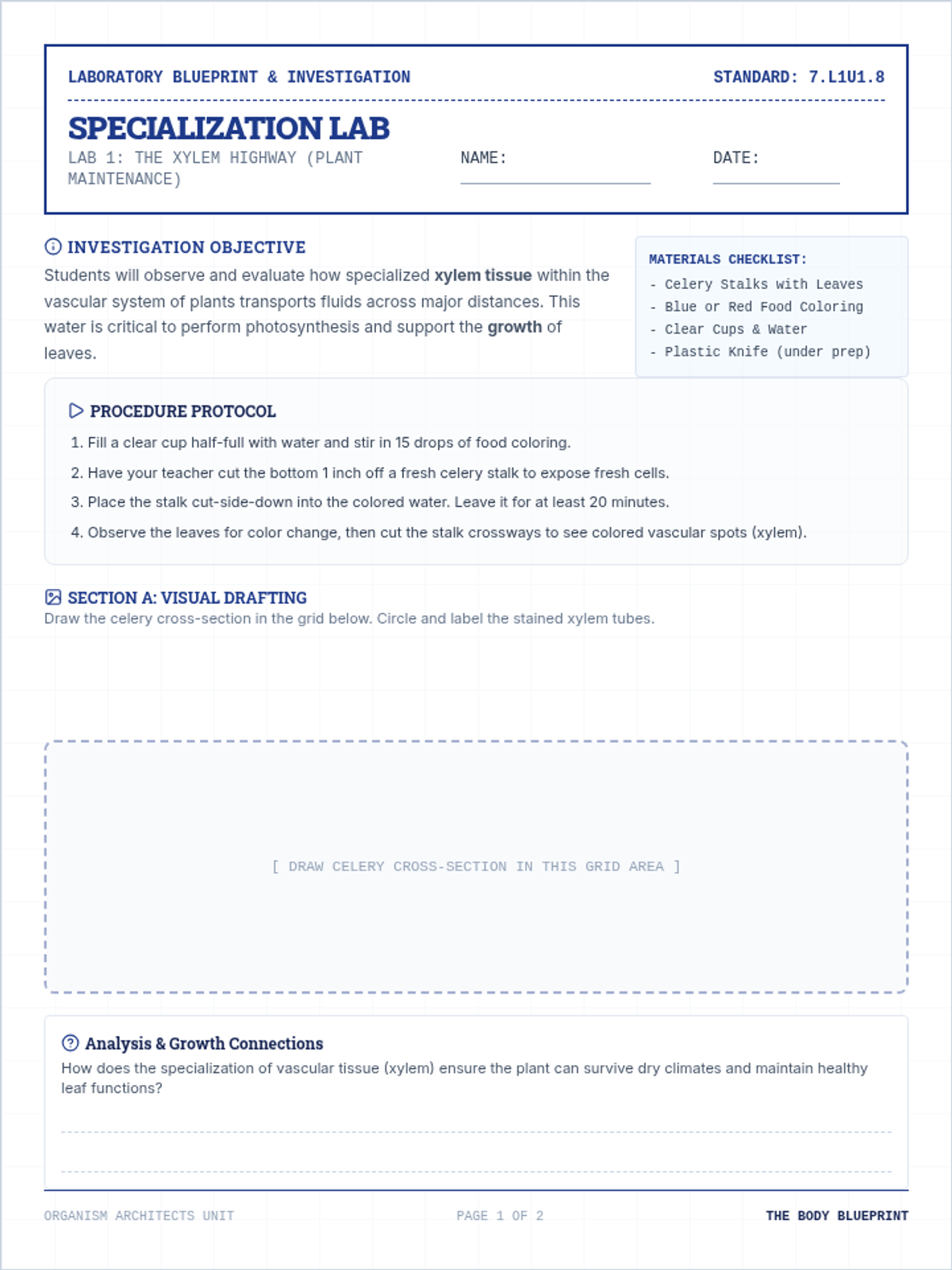
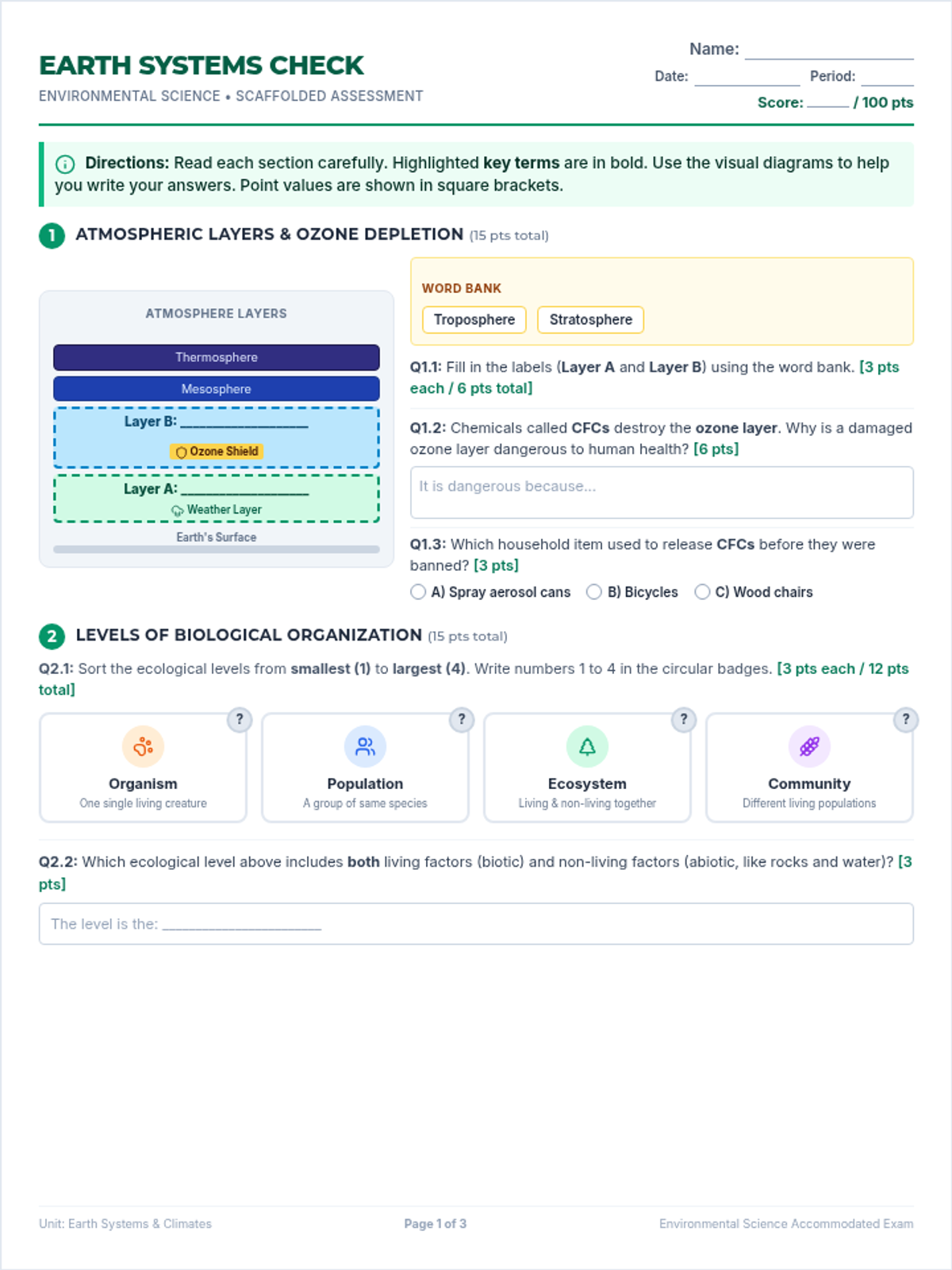
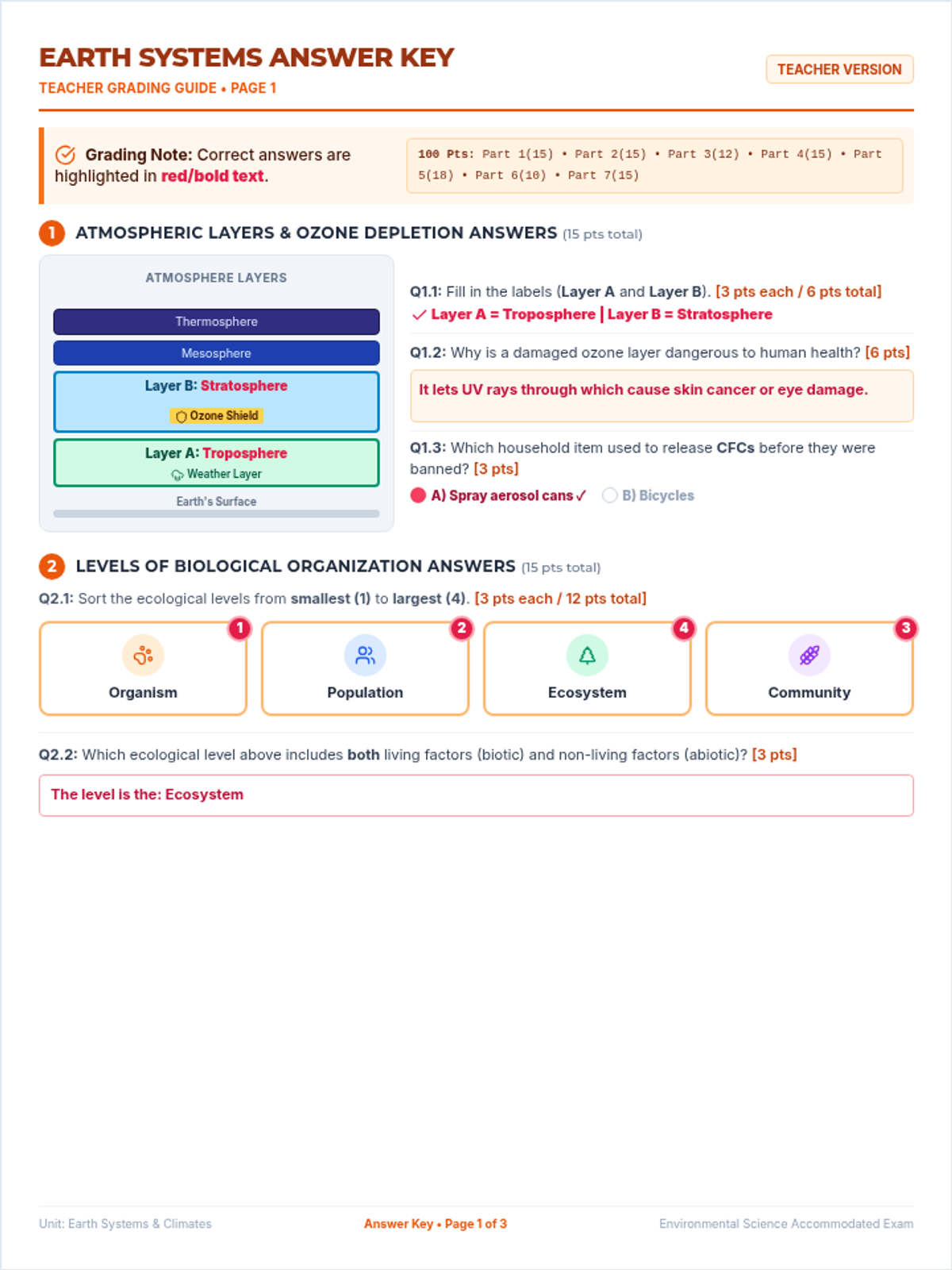
A hands-on exploration of photosynthesis, respiration, and transpiration, showing how these three processes cycle energy, gases, and water to sustain plant life. Students will observe transpiration in real-time and use a conceptual model to track chemical changes.
A quick, creative wrap-up lesson where students apply their knowledge of soil conservation practices to design a sustainable farm plot and craft a persuasive pitch.
A comprehensive lesson on invasive species featuring case studies of Lionfish, Spotted Lanternflies, Zebra Mussels, and Burmese Pythons. Students explore the scientific process and ecological impacts through simplified text and visual supports.
A comprehensive lesson for 5th graders covering the Artemis II mission, including crew details, mission goals, preparation, and its historical significance for future lunar exploration.
Lección introductoria a los eventos del teclado en JavaScript, donde los estudiantes aprenden a capturar pulsaciones de teclas para controlar elementos en una página web.
Esta lección introduce a los estudiantes de secundaria en el mundo de la interactividad web mediante el uso de eventos de teclado en JavaScript. Los estudiantes aprenderán a capturar pulsaciones de teclas para controlar elementos en tiempo real, transformando el teclado en un mando de control para sus aplicaciones.
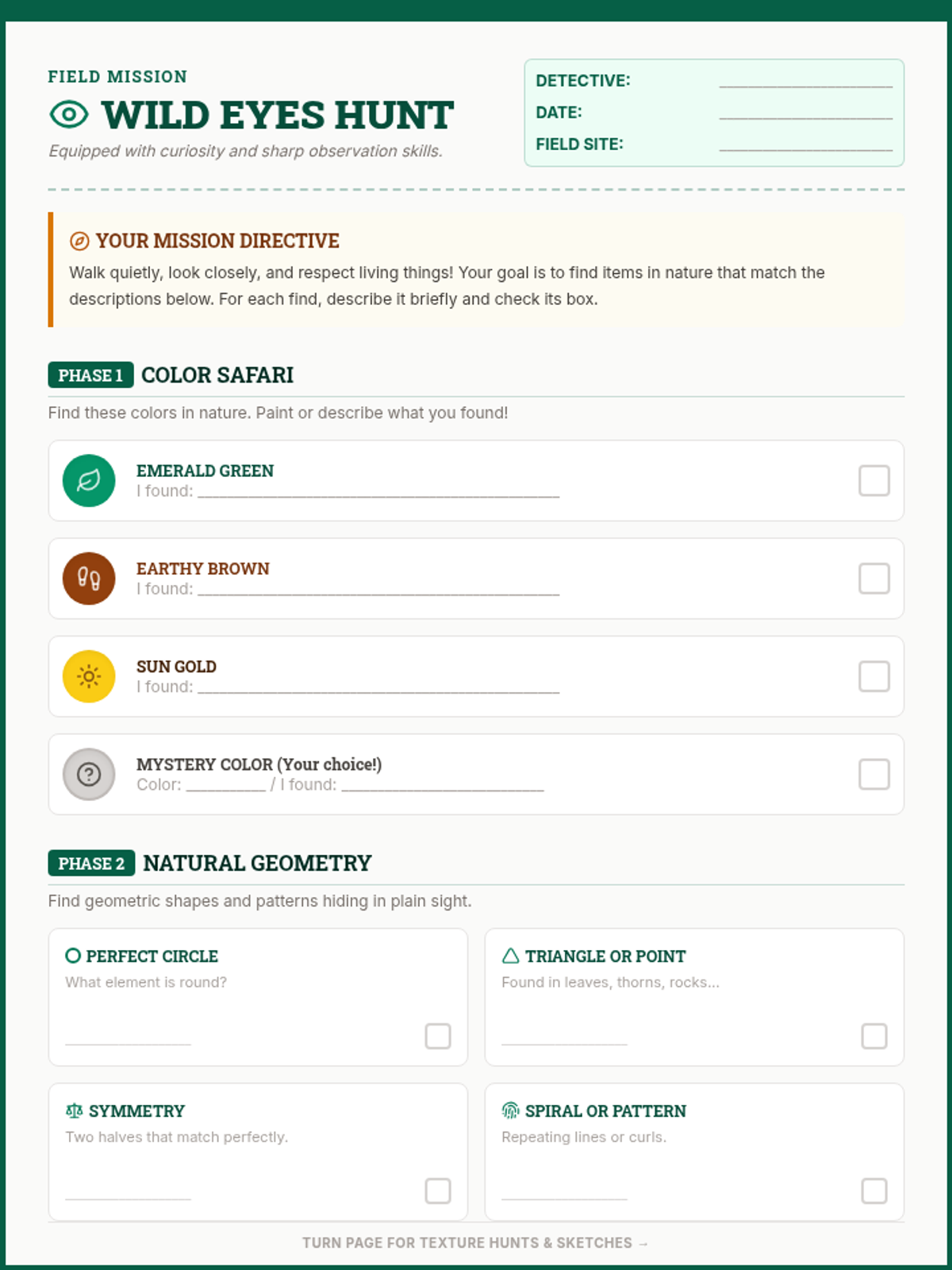
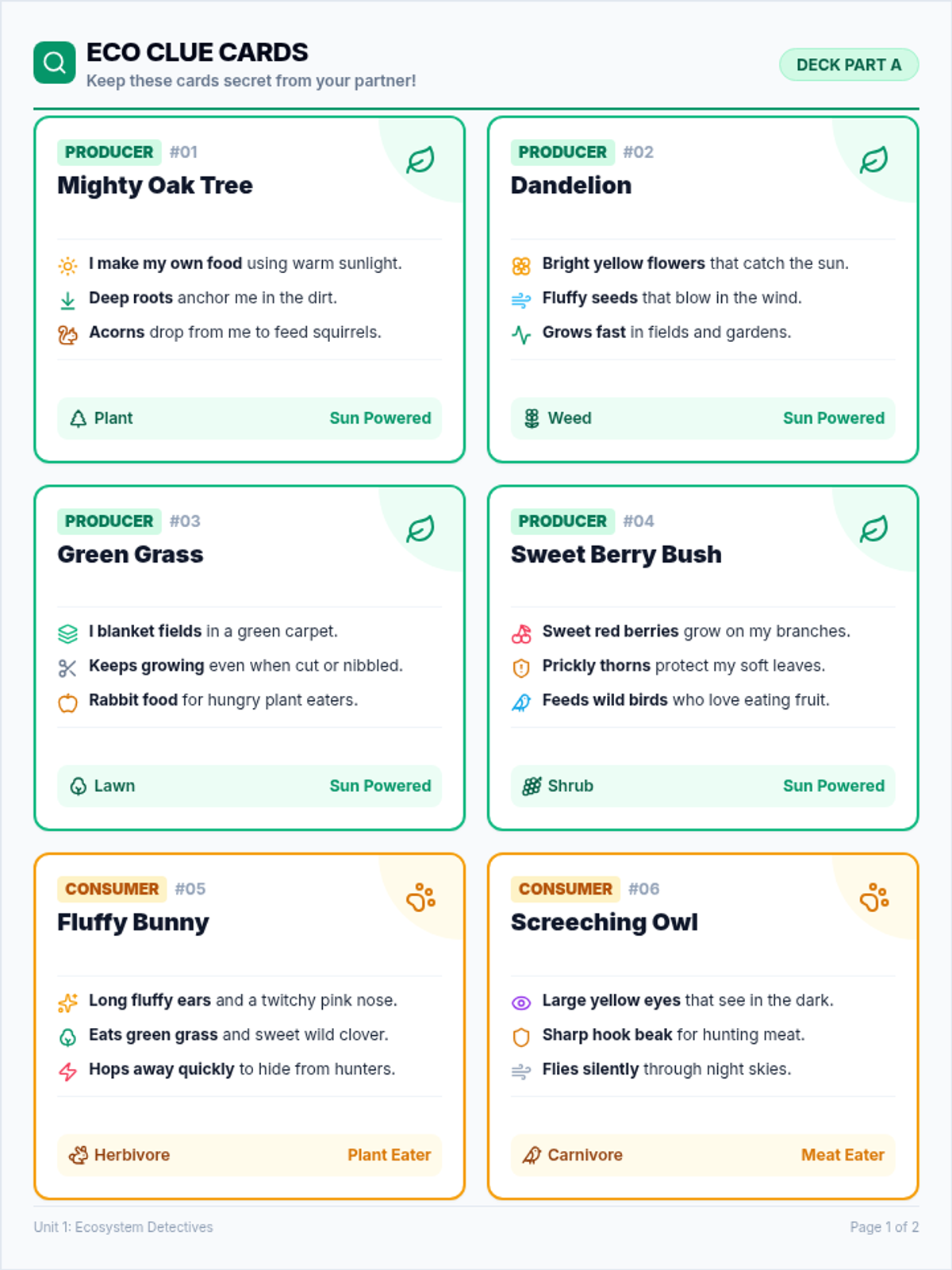
A lesson exploring the differences between vertebrates and invertebrates, focusing on mammals, reptiles, and insects through informational reading and classification activities.
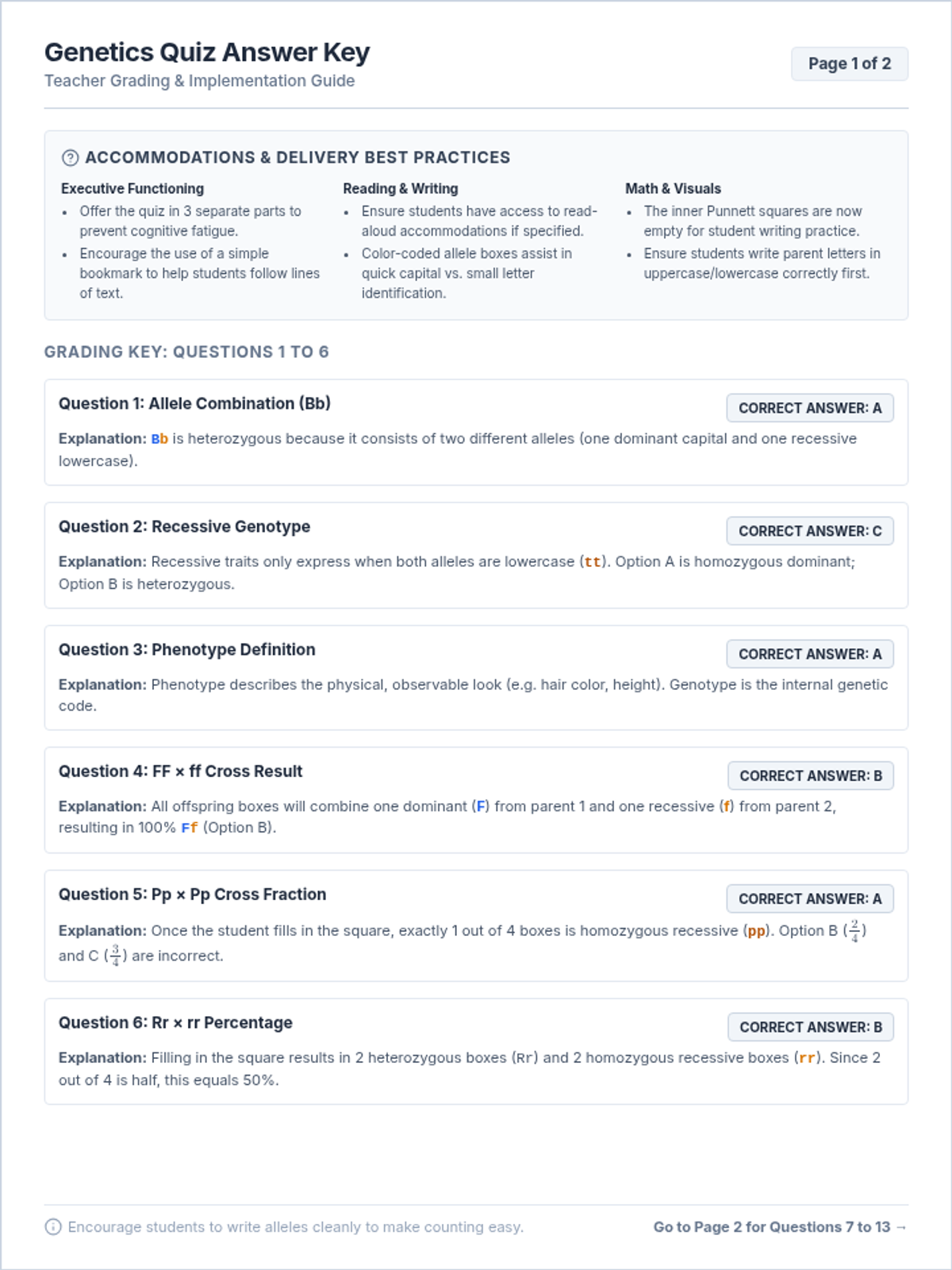
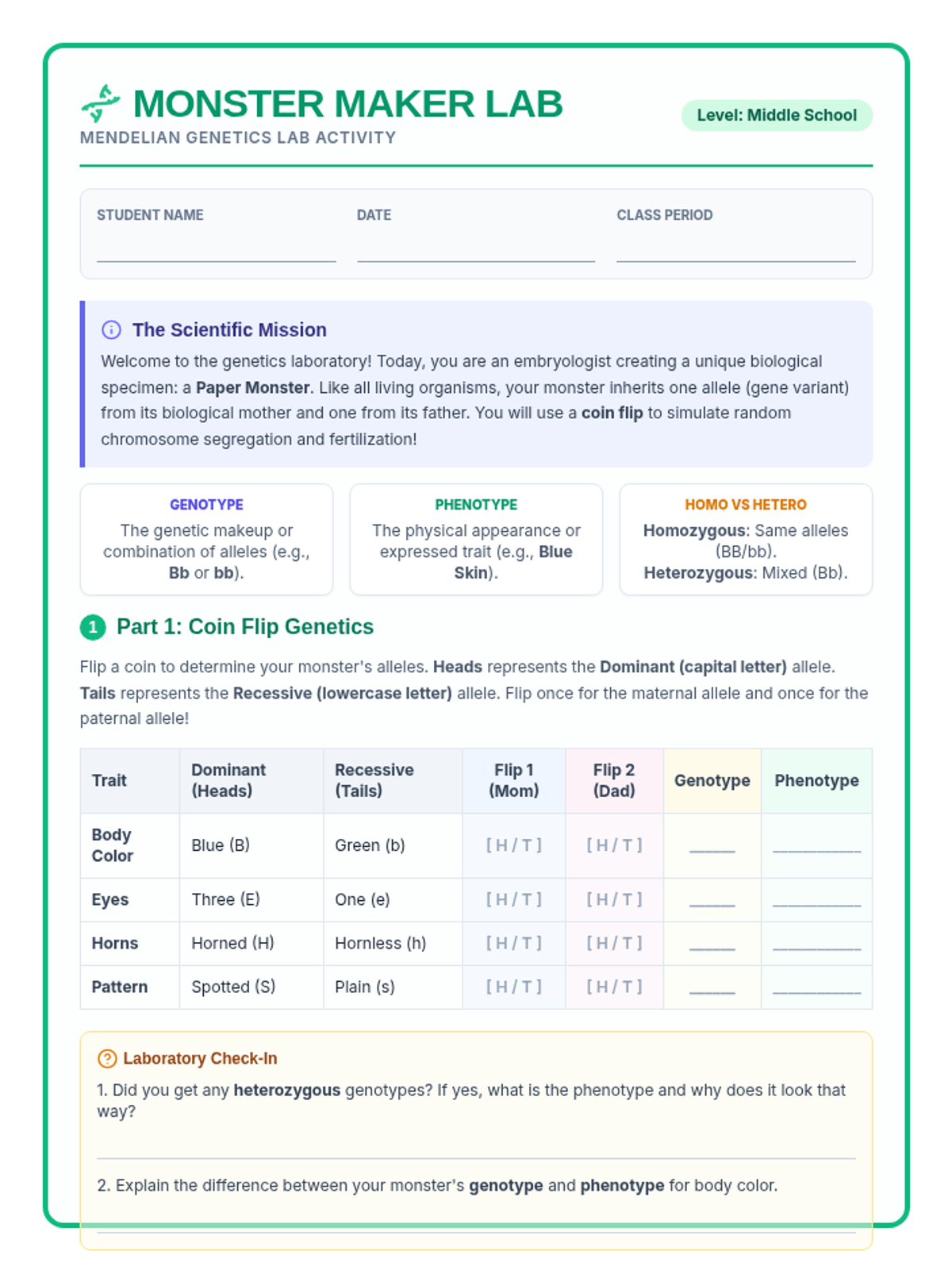
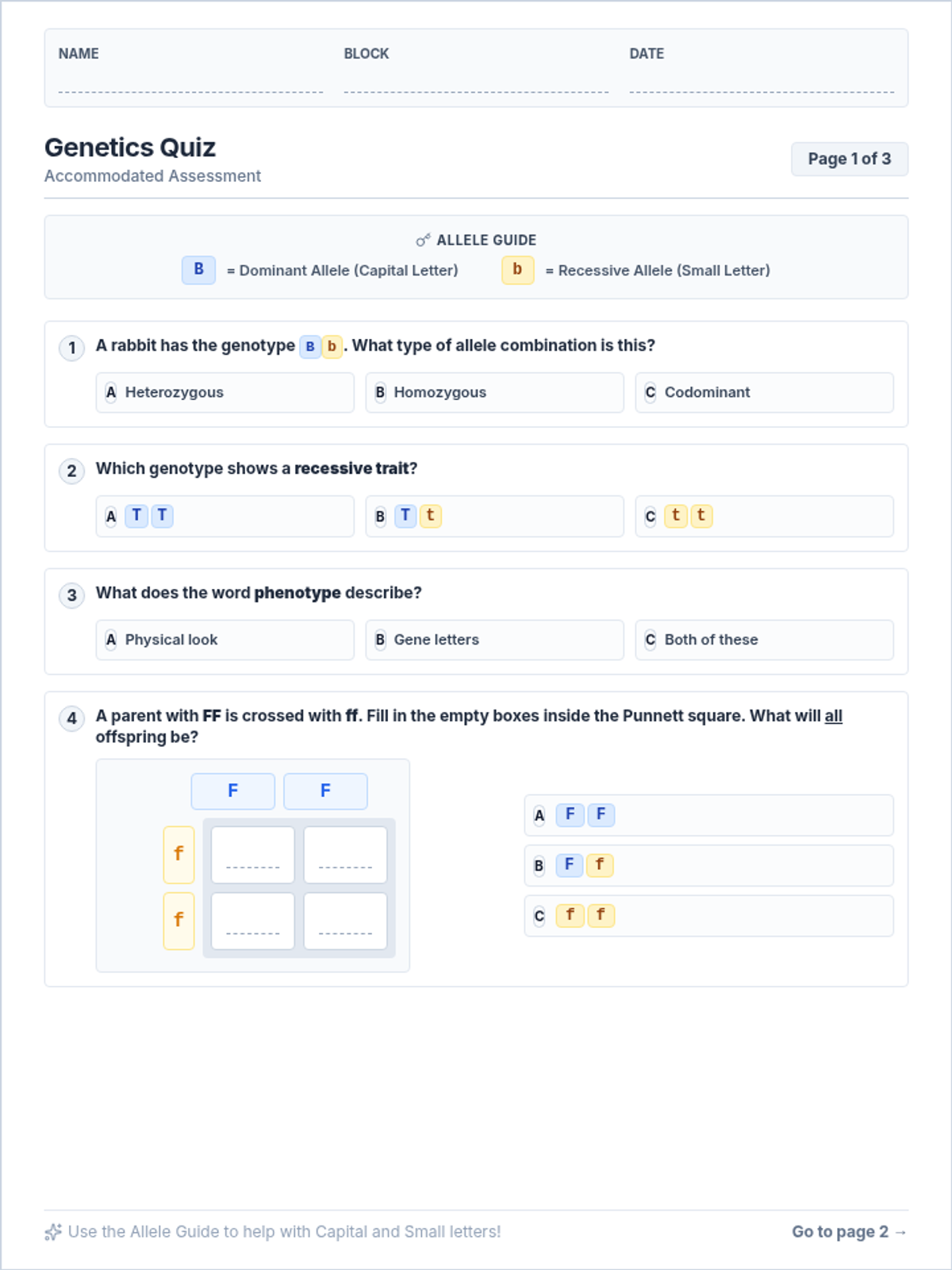
A lesson focused on the fundamental vocabulary of genetics, covering genotypes, phenotypes, inheritance patterns, and cell division for reproductive cells.
Explore the fundamental concepts of nuclear energy—fission, fusion, half-life, and radioisotopes—through the narrative lens of a curious student named Newton.
An introductory lesson on genetics centered around the story of Genise and Mendel's experiments, covering basic inheritance, genotype vs phenotype, and complex patterns like incomplete dominance and codominance.
A hands-on introduction to neural networks for 6th graders, using a paper-based simulation to understand how computers 'think' using layers and connections.
A creative engineering lesson where students use LEGO bricks to design and build detailed animal models based on specific prompt constraints. Focuses on spatial reasoning, creative problem-solving, and descriptive writing.
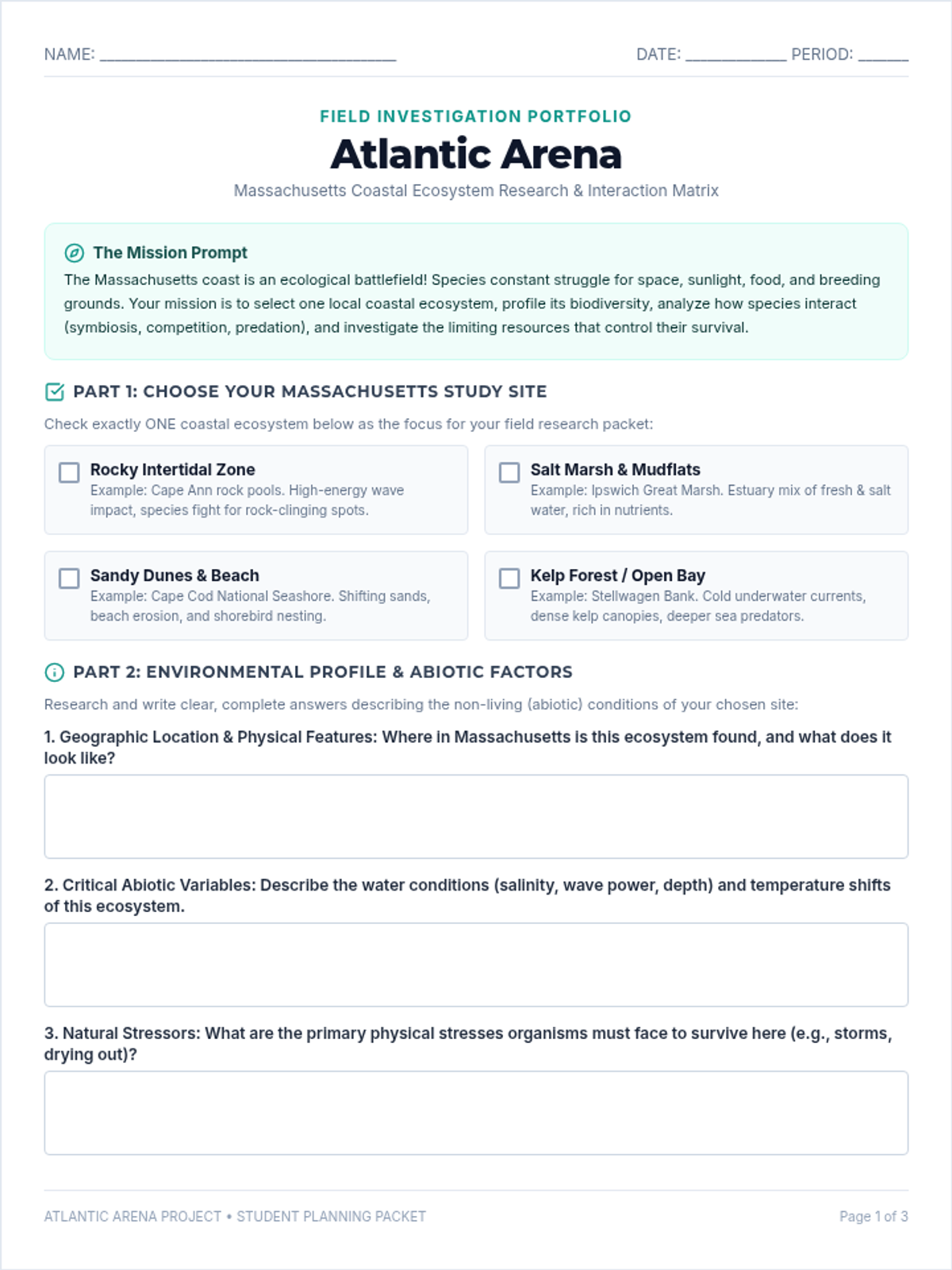
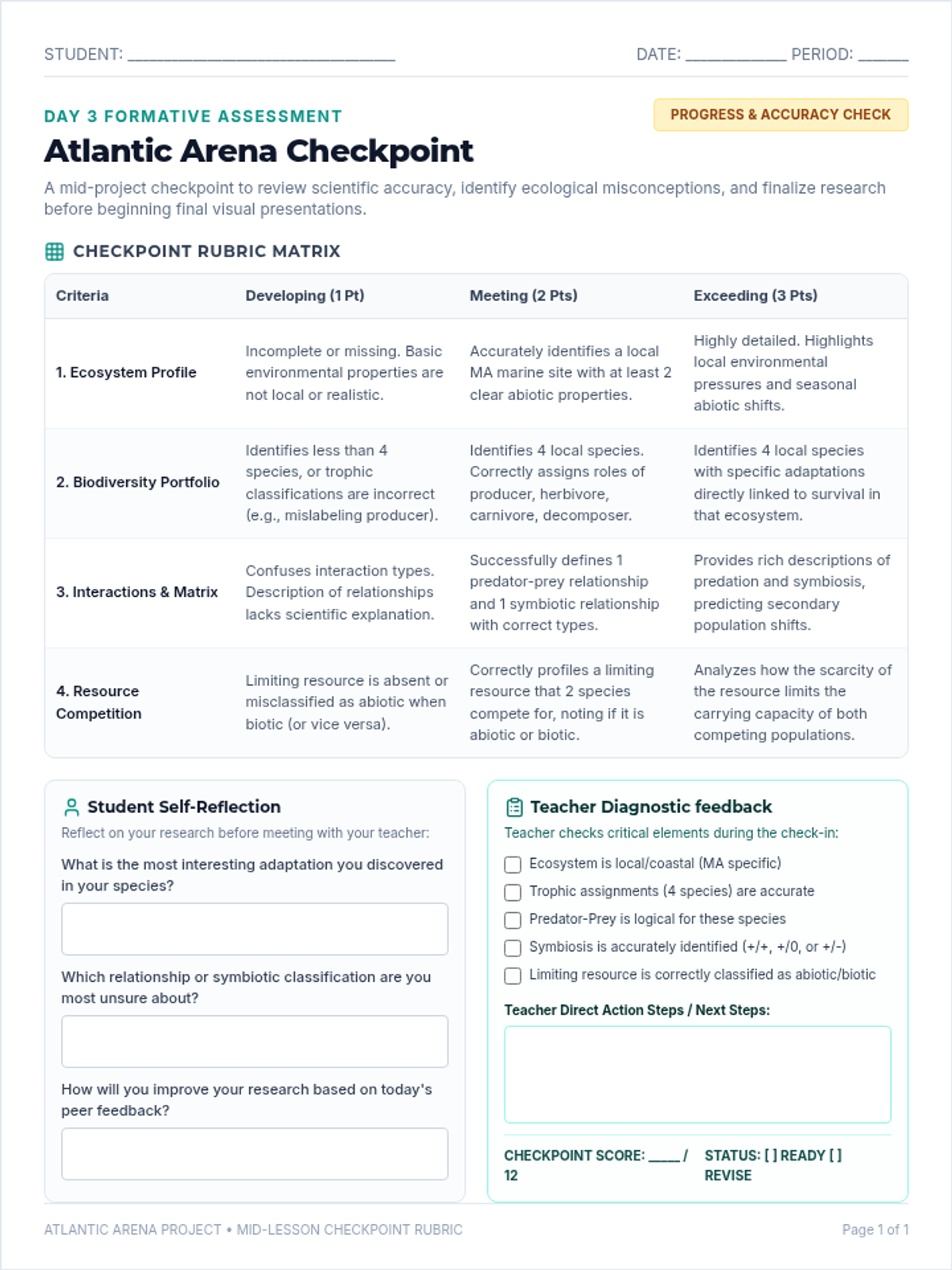
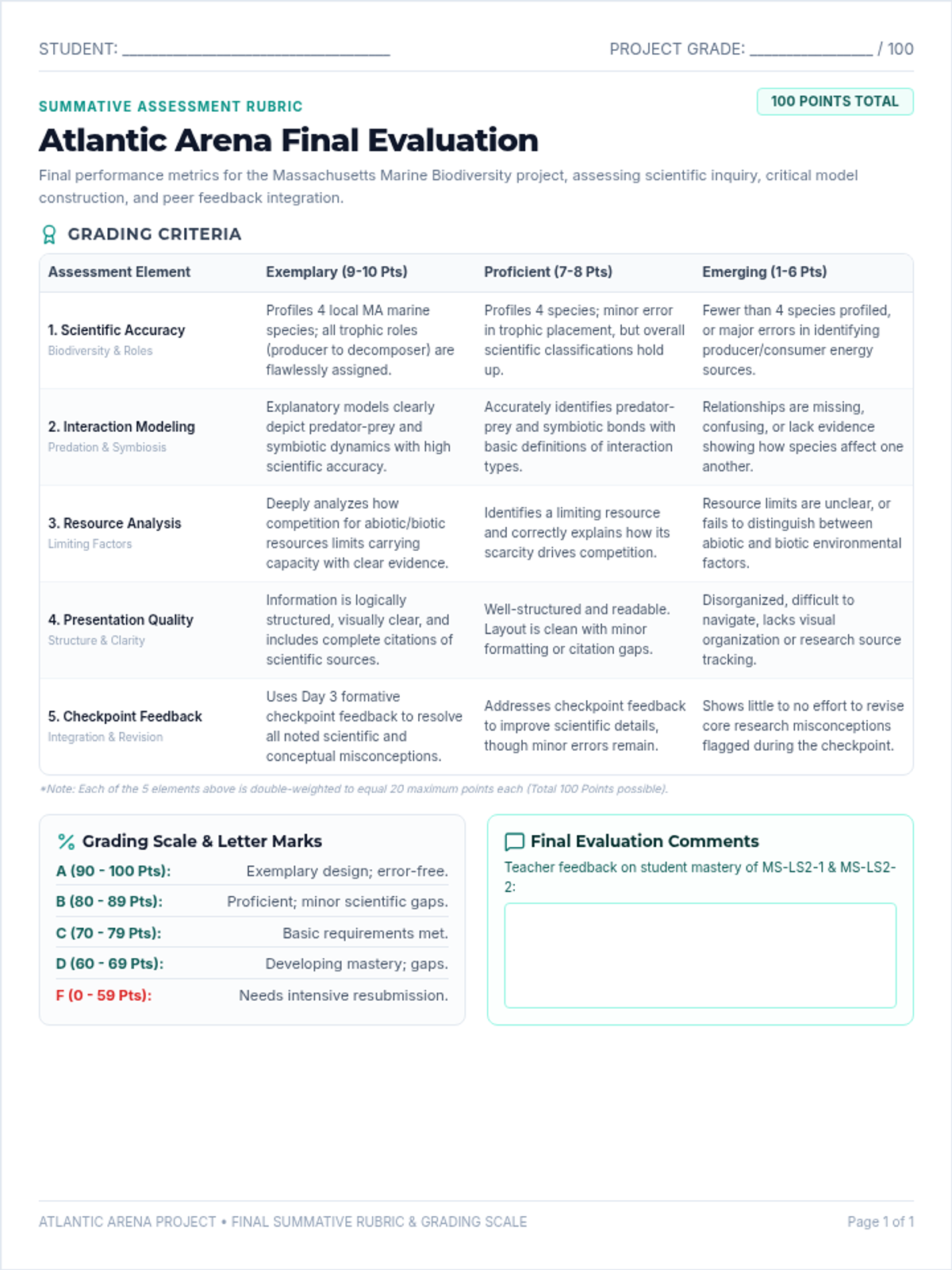
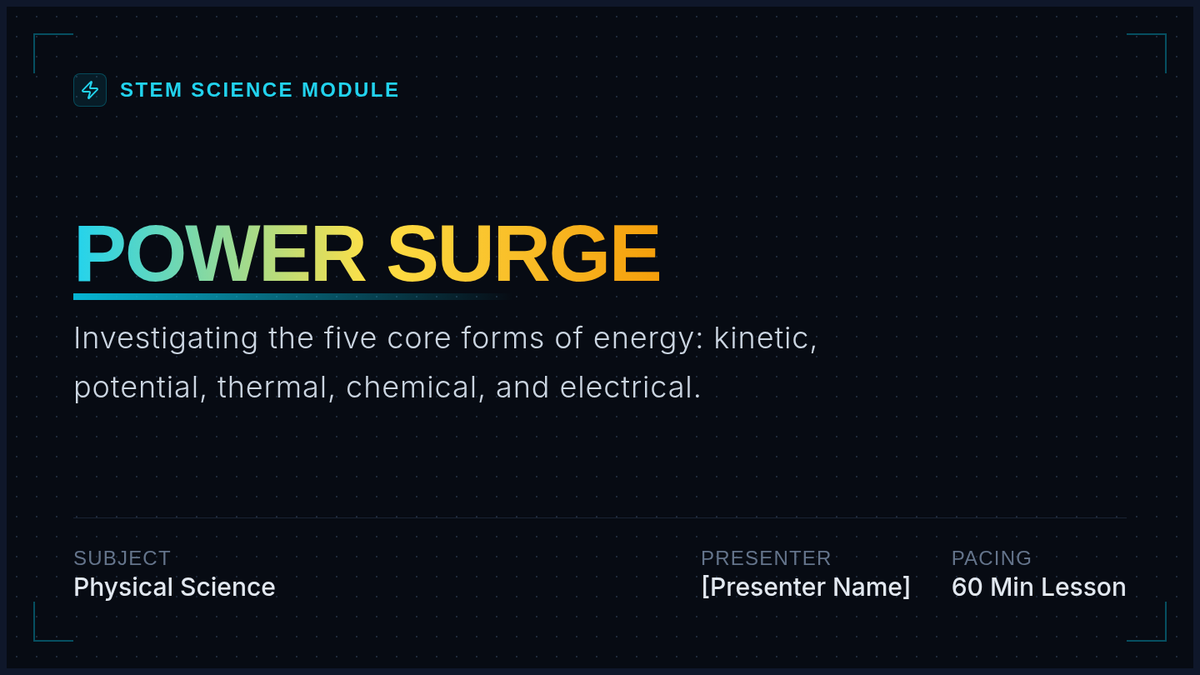
A comprehensive collection of species profiles covering the major branches of the human family tree, from the earliest potential ancestors to our closest extinct relatives.
The culminating lesson where students synthesize their knowledge of chloroplasts and mitochondria. They will conduct a 'Mission Moon-Base' hypothetical lab using the scientific method to balance a closed-loop life support system.
An introductory exploration of photosynthesis and the structure of chloroplasts, framing them as the 'solar kitchens' of the cell. Students will read differentiated texts and map out the inputs and outputs of the process.
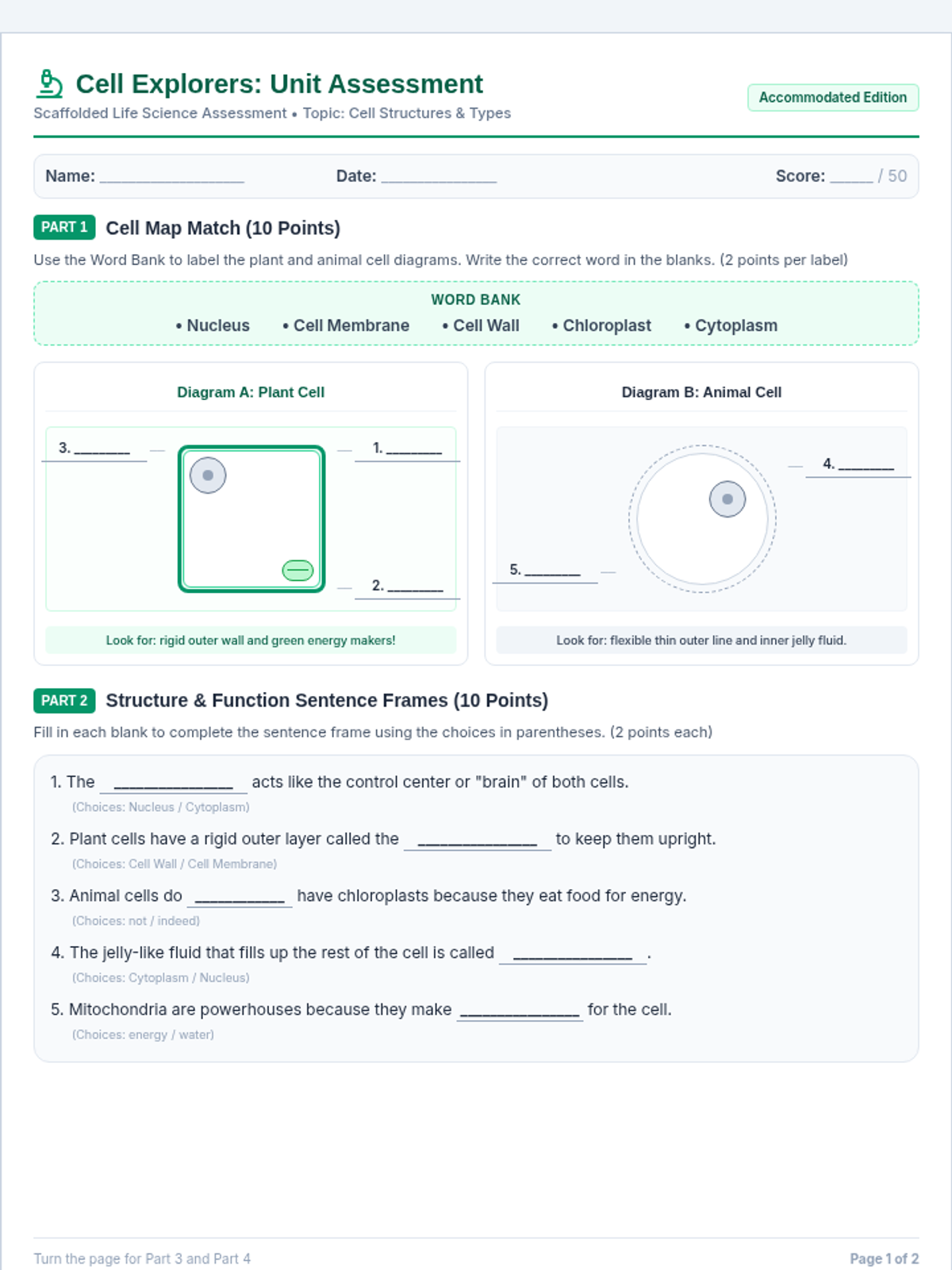
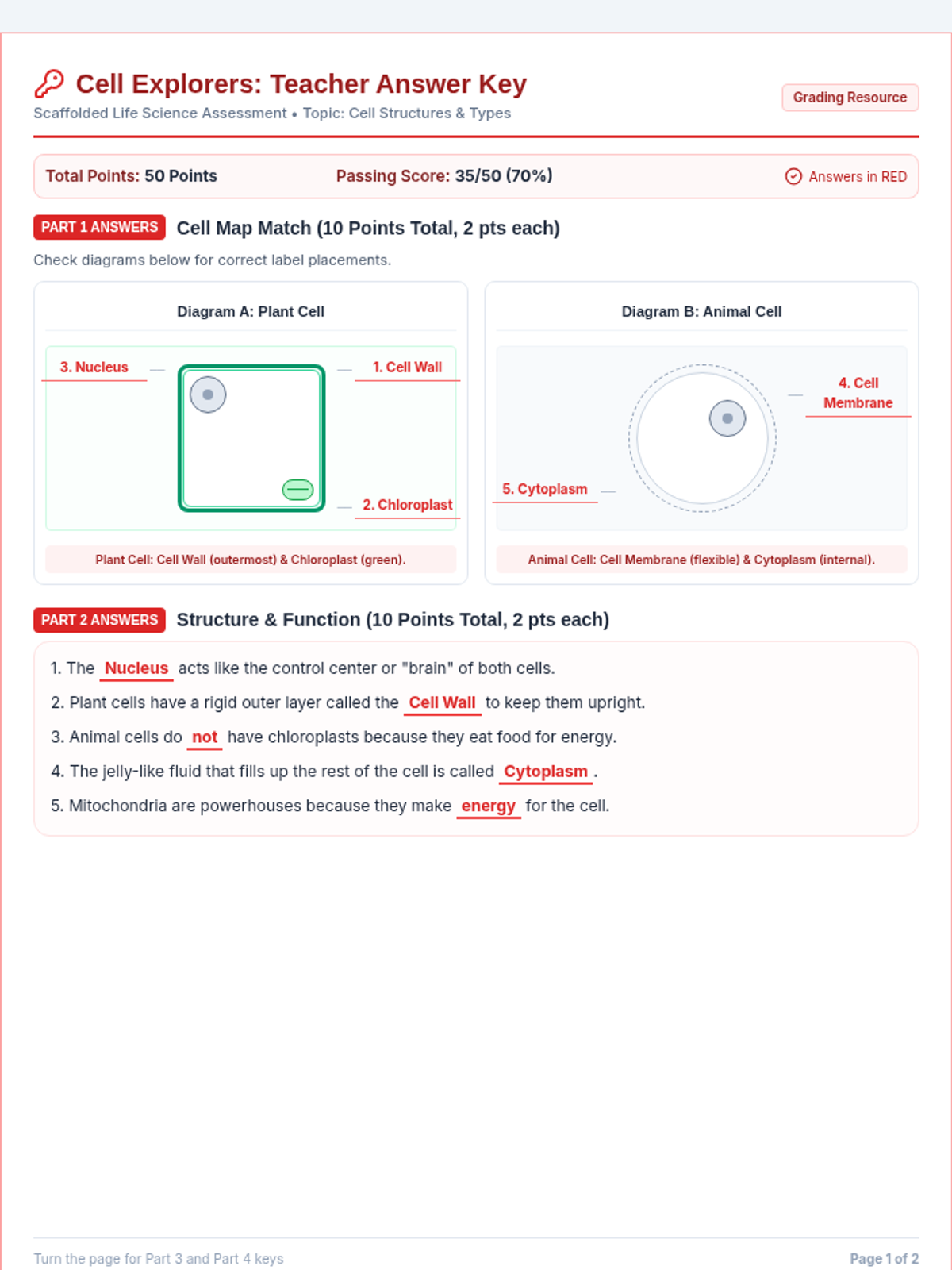
An exploration of cellular respiration and mitochondria, framing them as the 'energy engines' that power life. Students will compare and contrast this process with photosynthesis to prepare for the final lab.
A data-driven investigation where students use radiometric dating techniques to determine the absolute age of an Archaeopteryx fossil. Students analyze isotope ratios, calculate half-lives, and interpret decay curves to solve a geologic mystery.
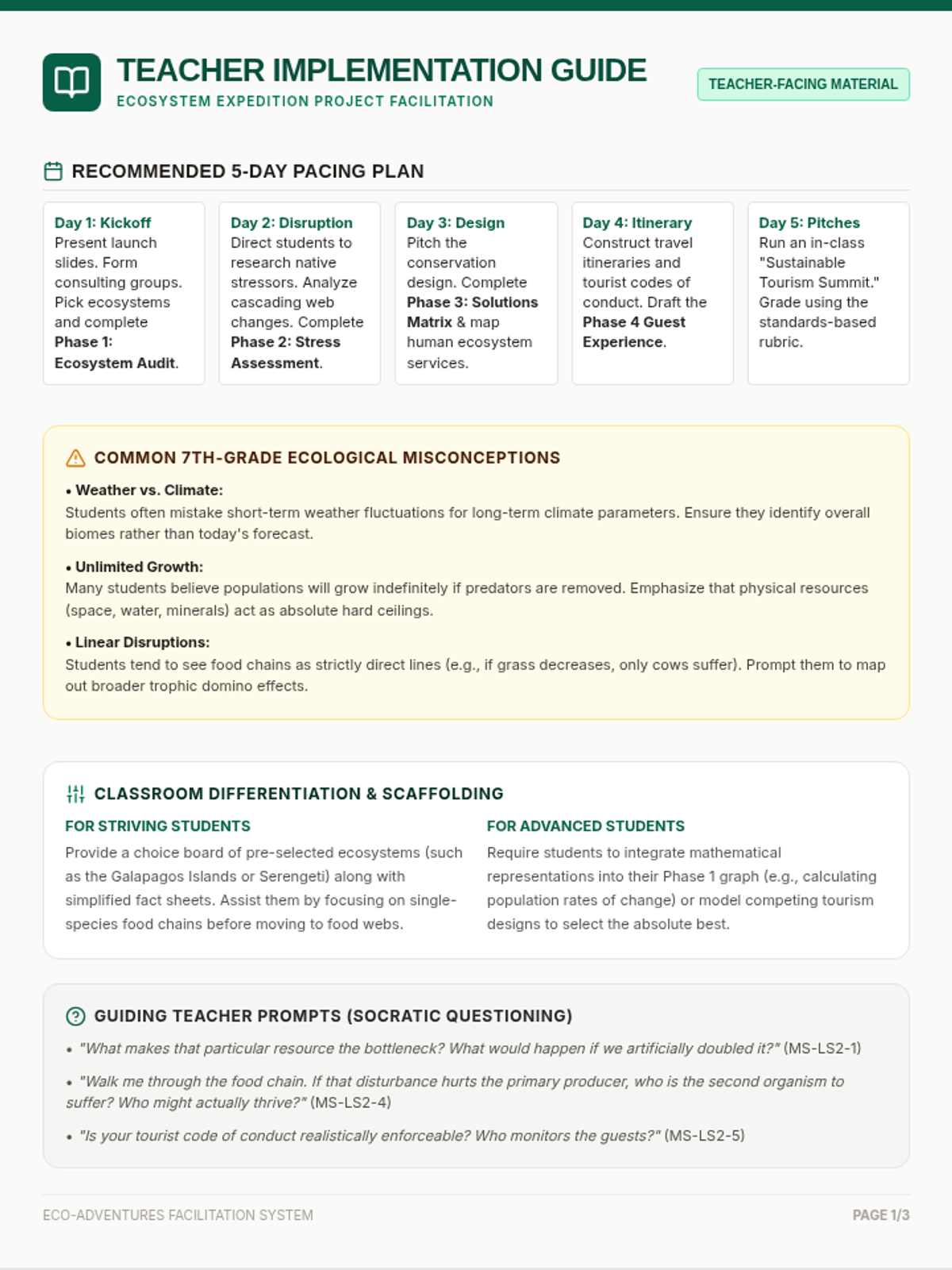
A foundational week-long unit on the human brain and nervous system, focusing on brain region anatomy, functional localization, and the impact of site-specific brain injuries.
A foundational lesson on the three main stages of the water cycle: evaporation, condensation, and precipitation. Includes a visual anchor chart and a hands-on labeling activity.
A design-focused lesson where middle school students apply their knowledge of simple machines to create a complex Rube Goldberg contraption on paper. Students will define, identify, and explain the mechanical advantage of various components in their 'blueprint' design.
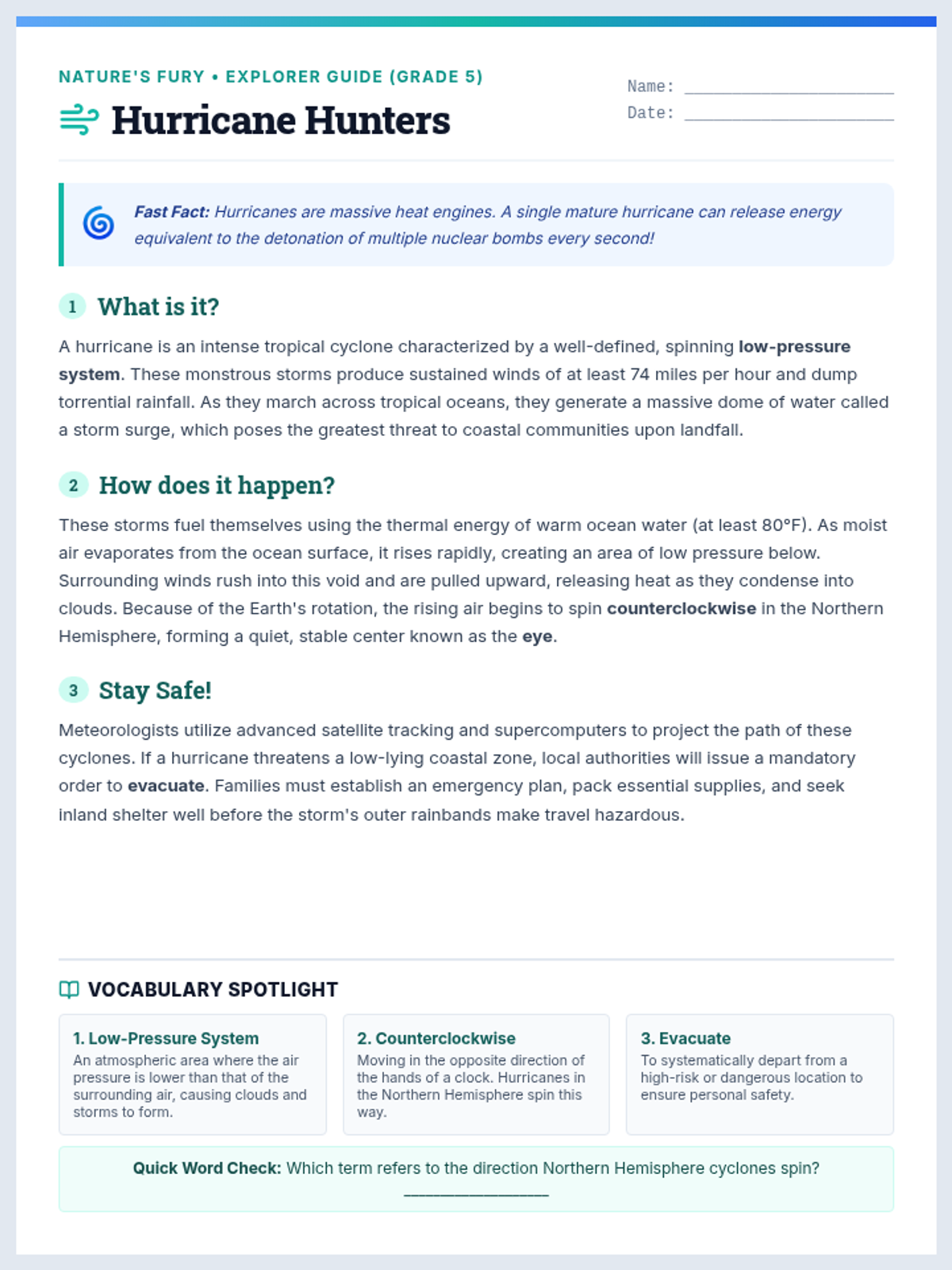
A comprehensive reading and analysis lesson exploring the specific impacts of global warming on Latin America, focusing on hurricanes, deforestation, and landslides.