A phonics-focused spelling activity using Elkonin boxes to help students segment sounds and build words with specific vowel patterns. Students use provided letters to construct words like child, find, and cold.

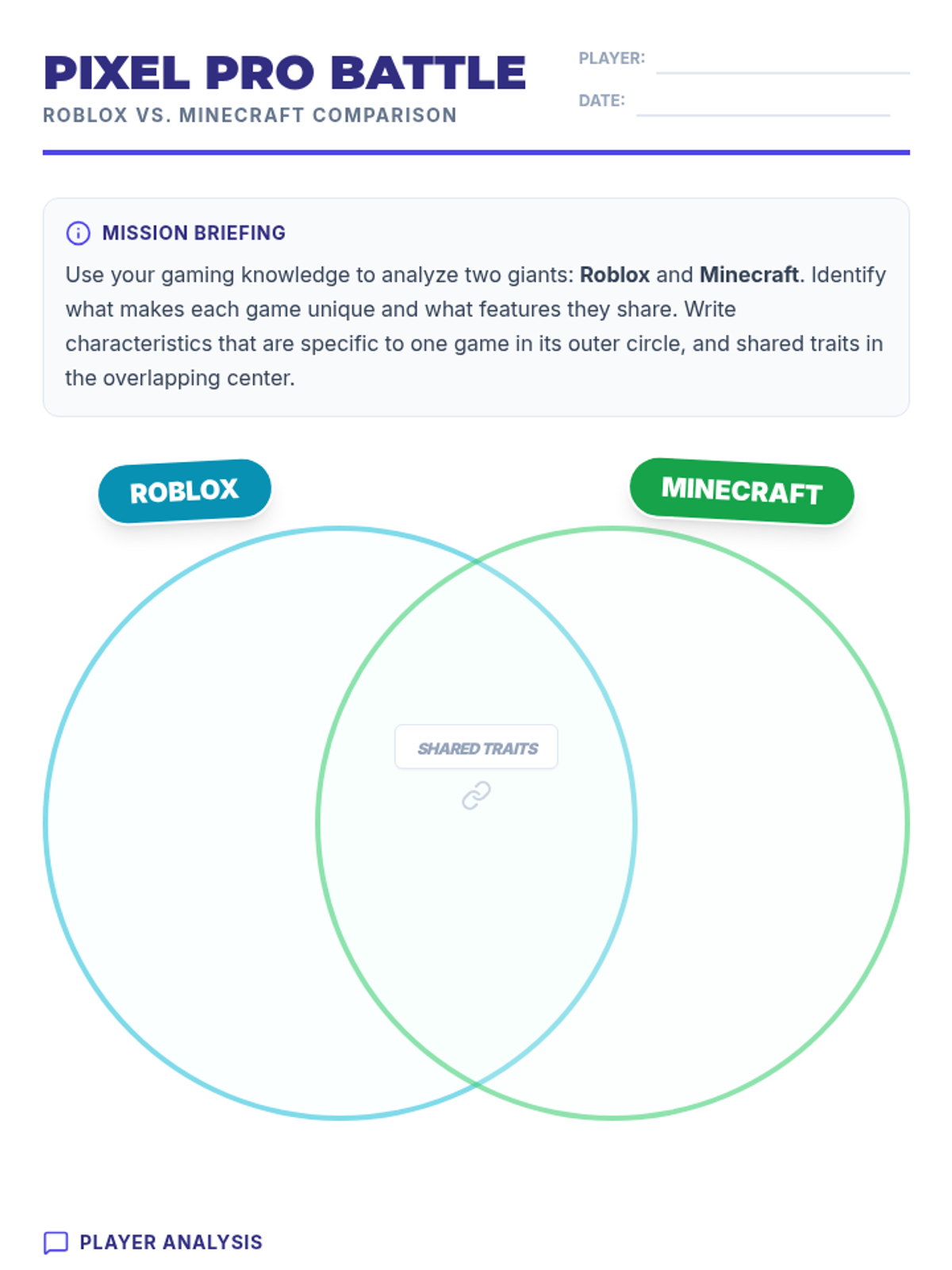
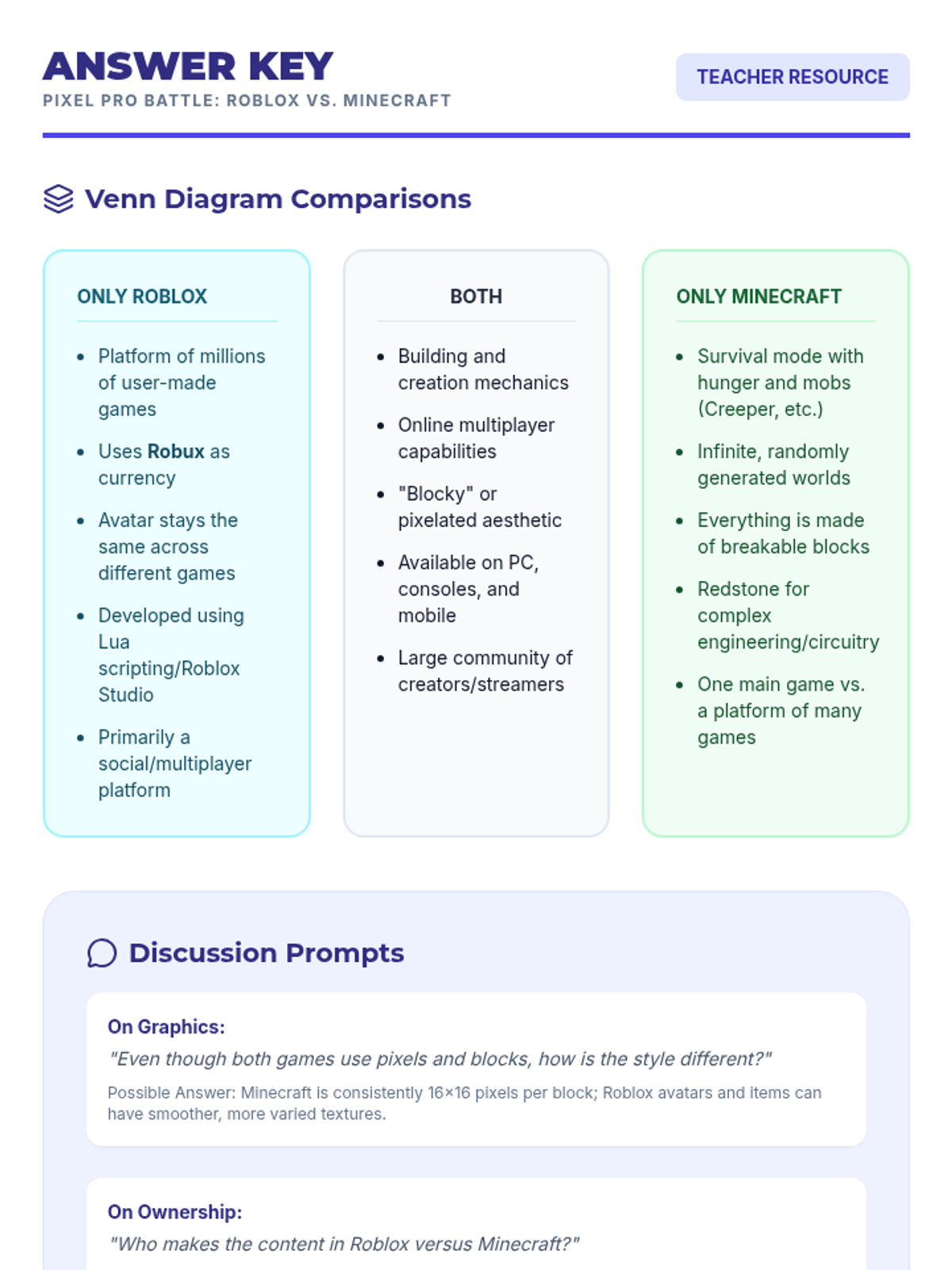
A lesson focused on building comparison and contrast skills by analyzing two popular video games, Roblox and Minecraft, using a Venn diagram.
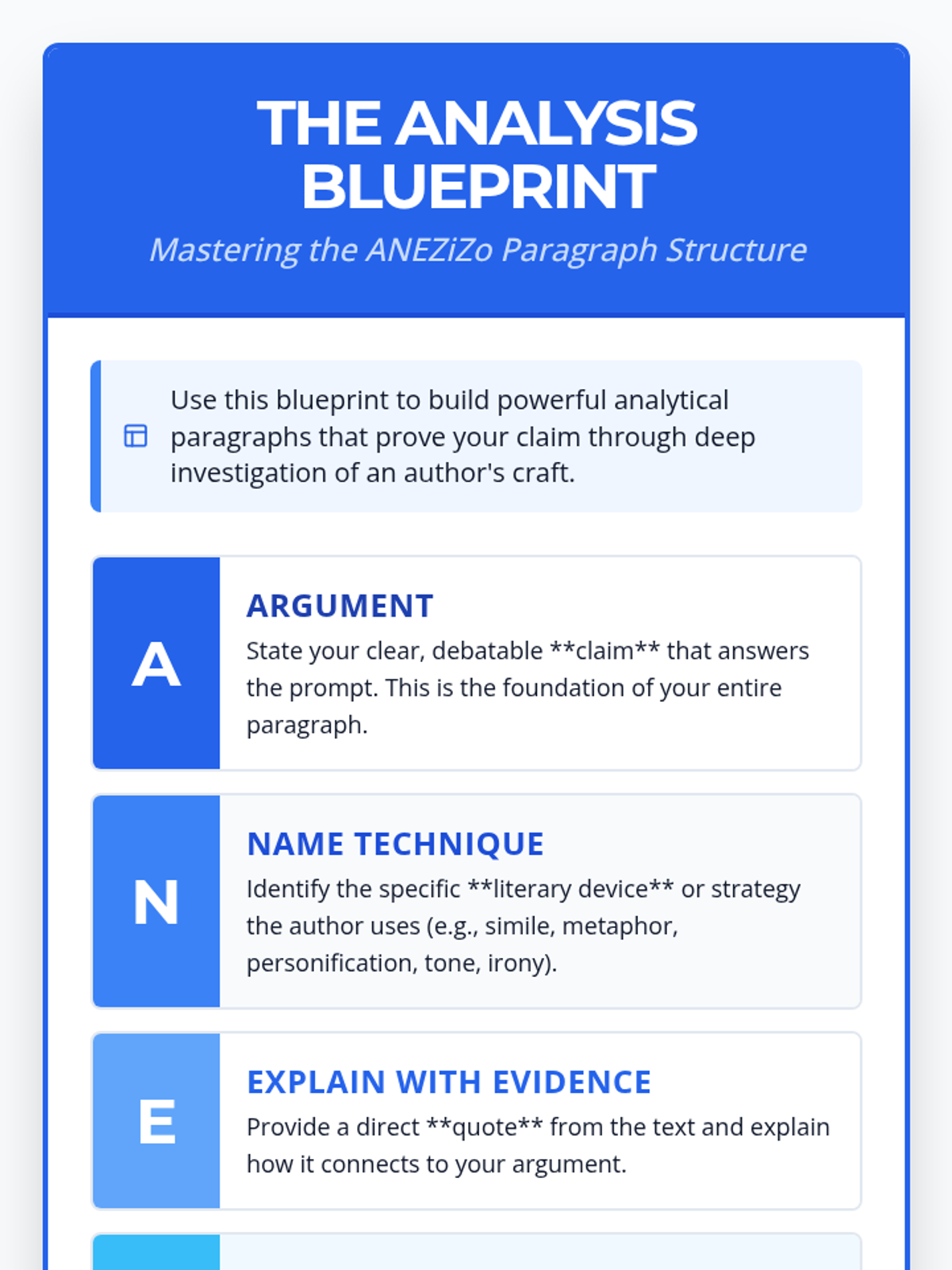
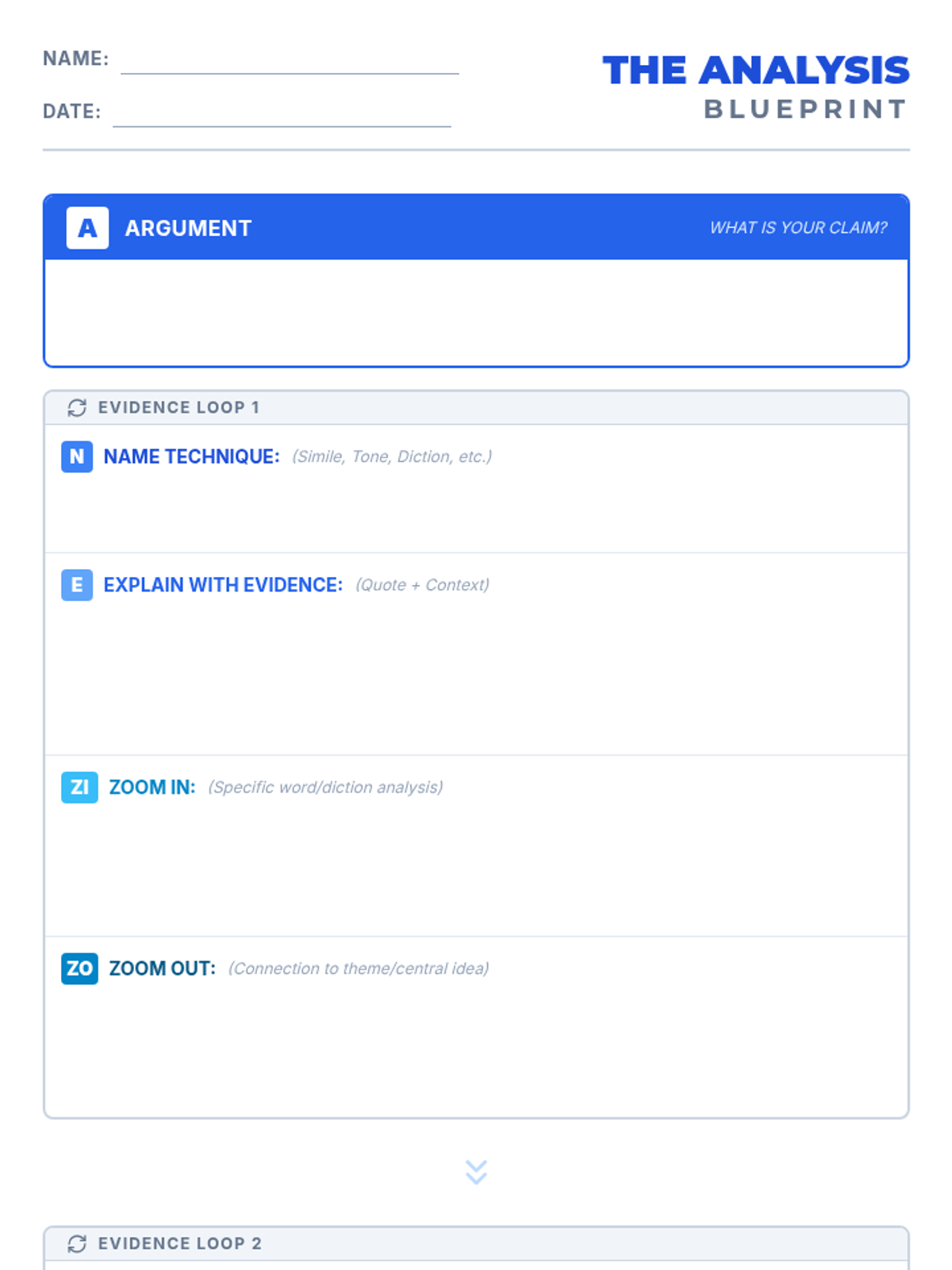
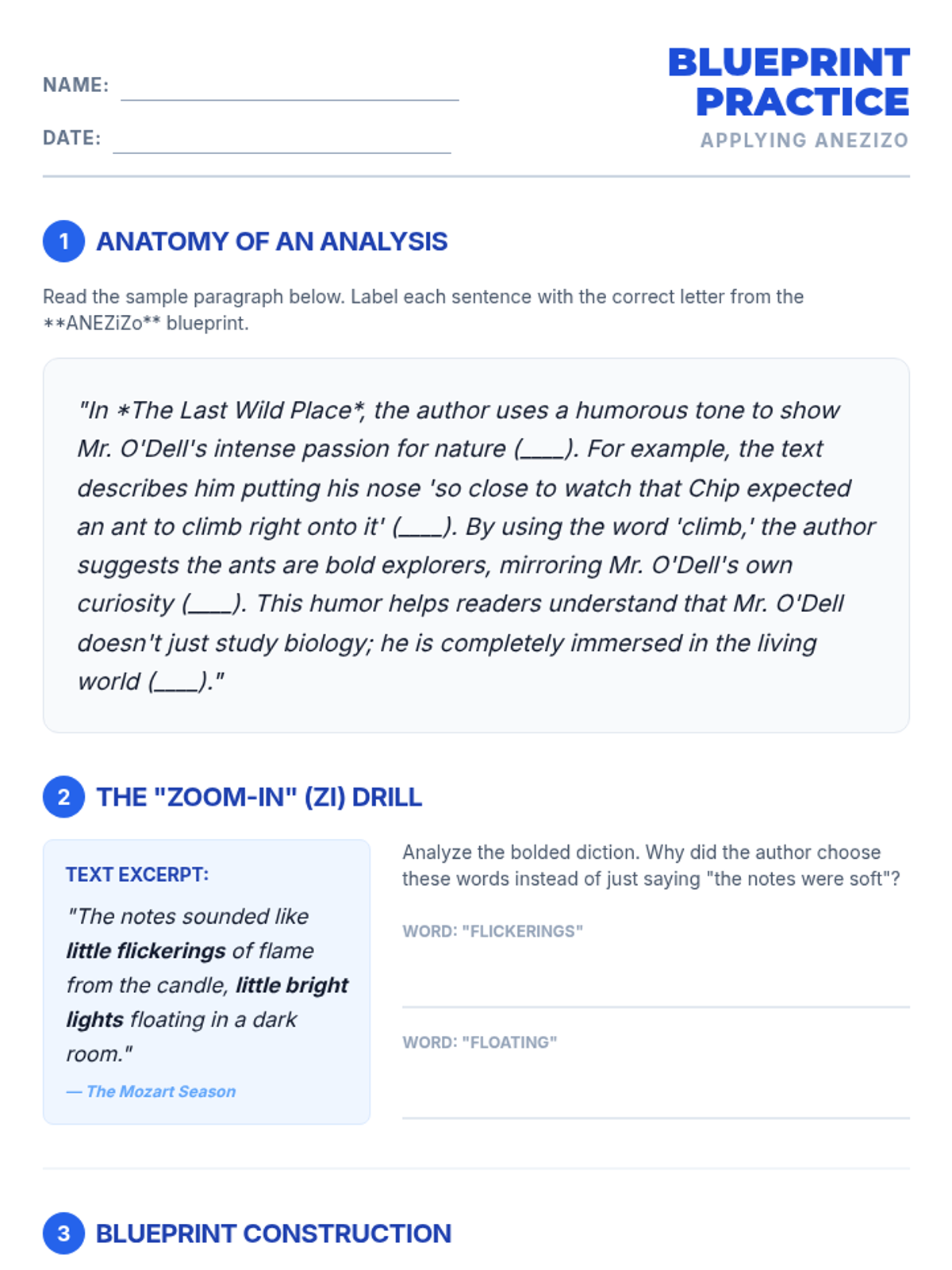
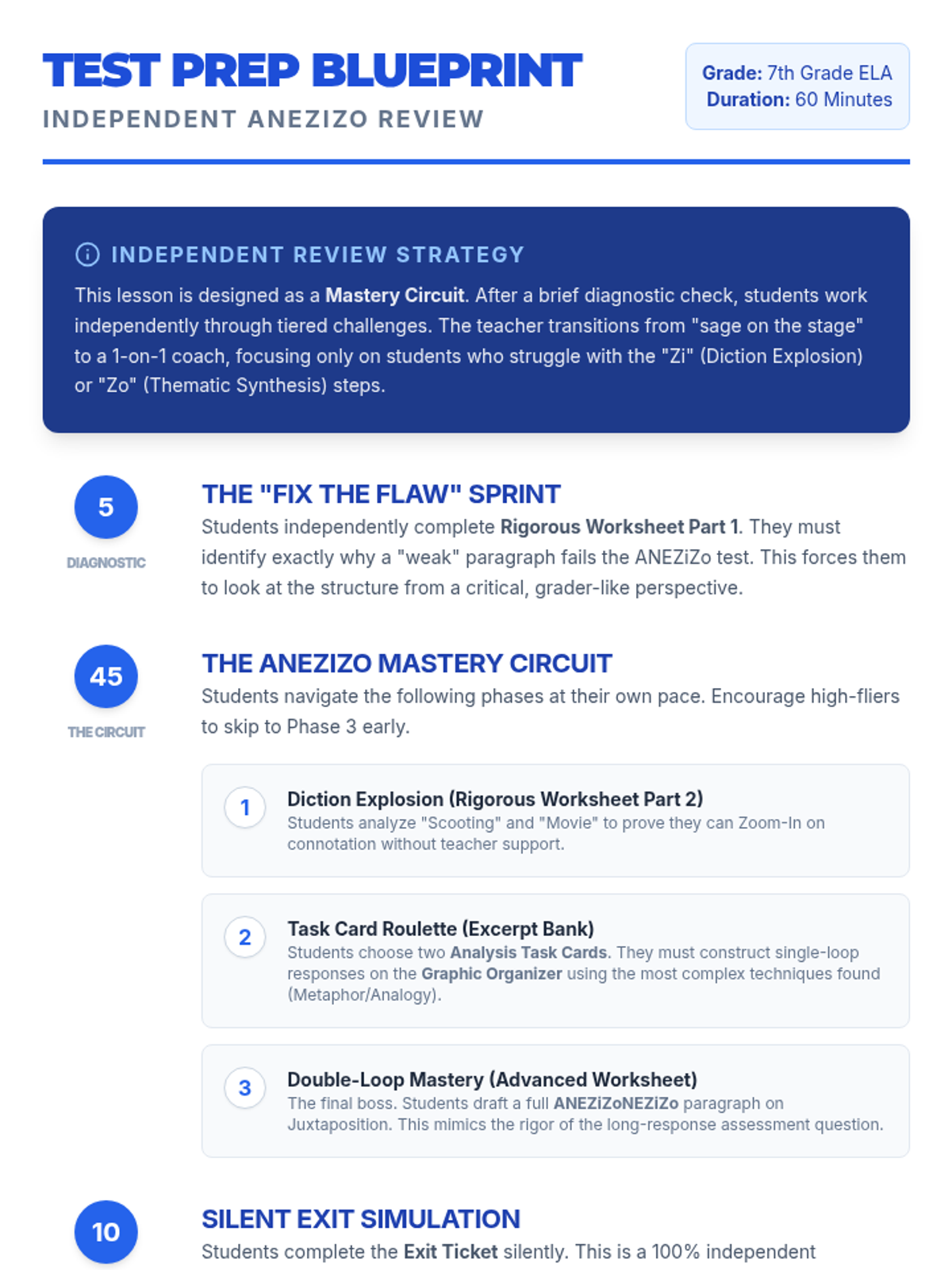
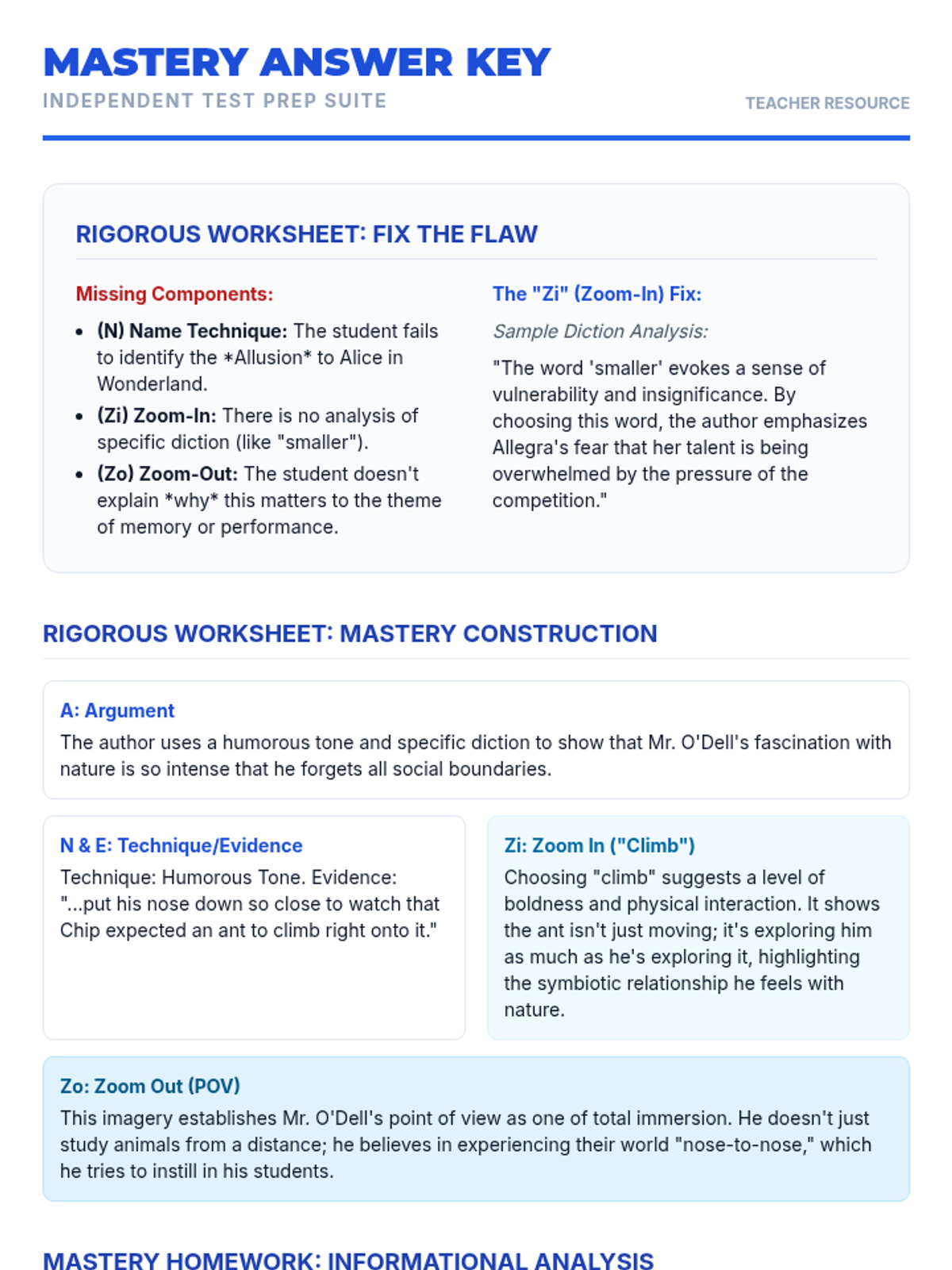
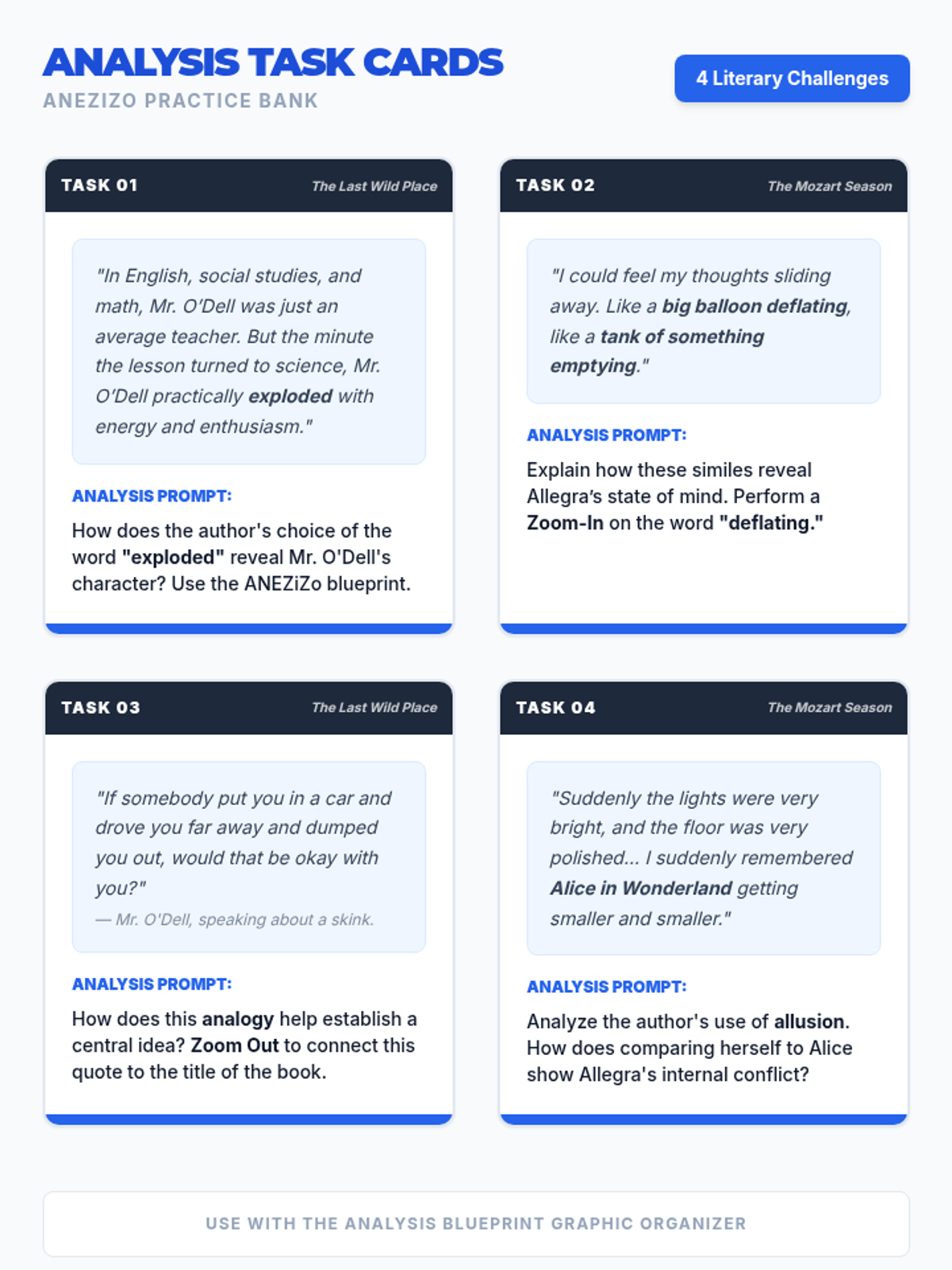
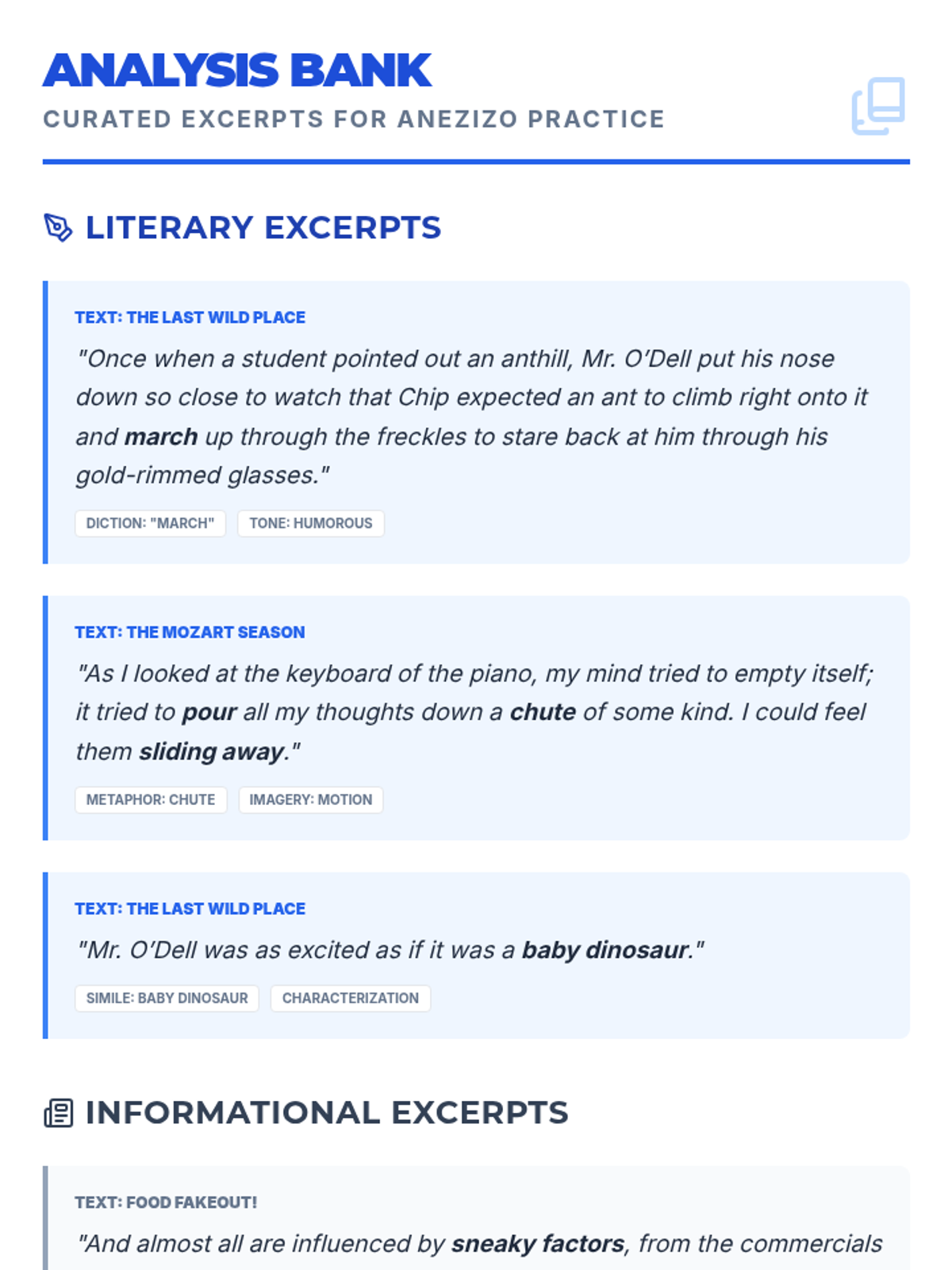
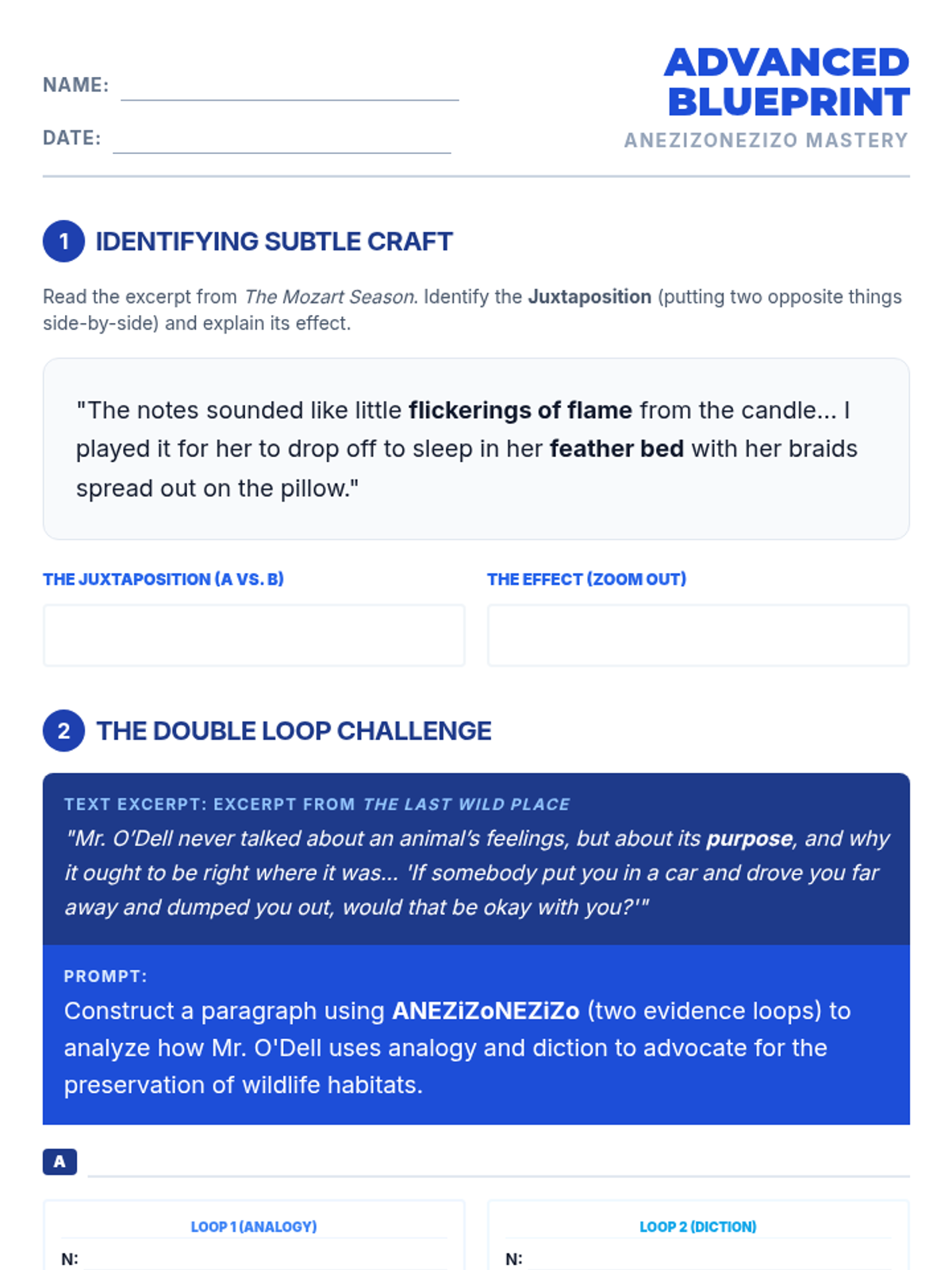
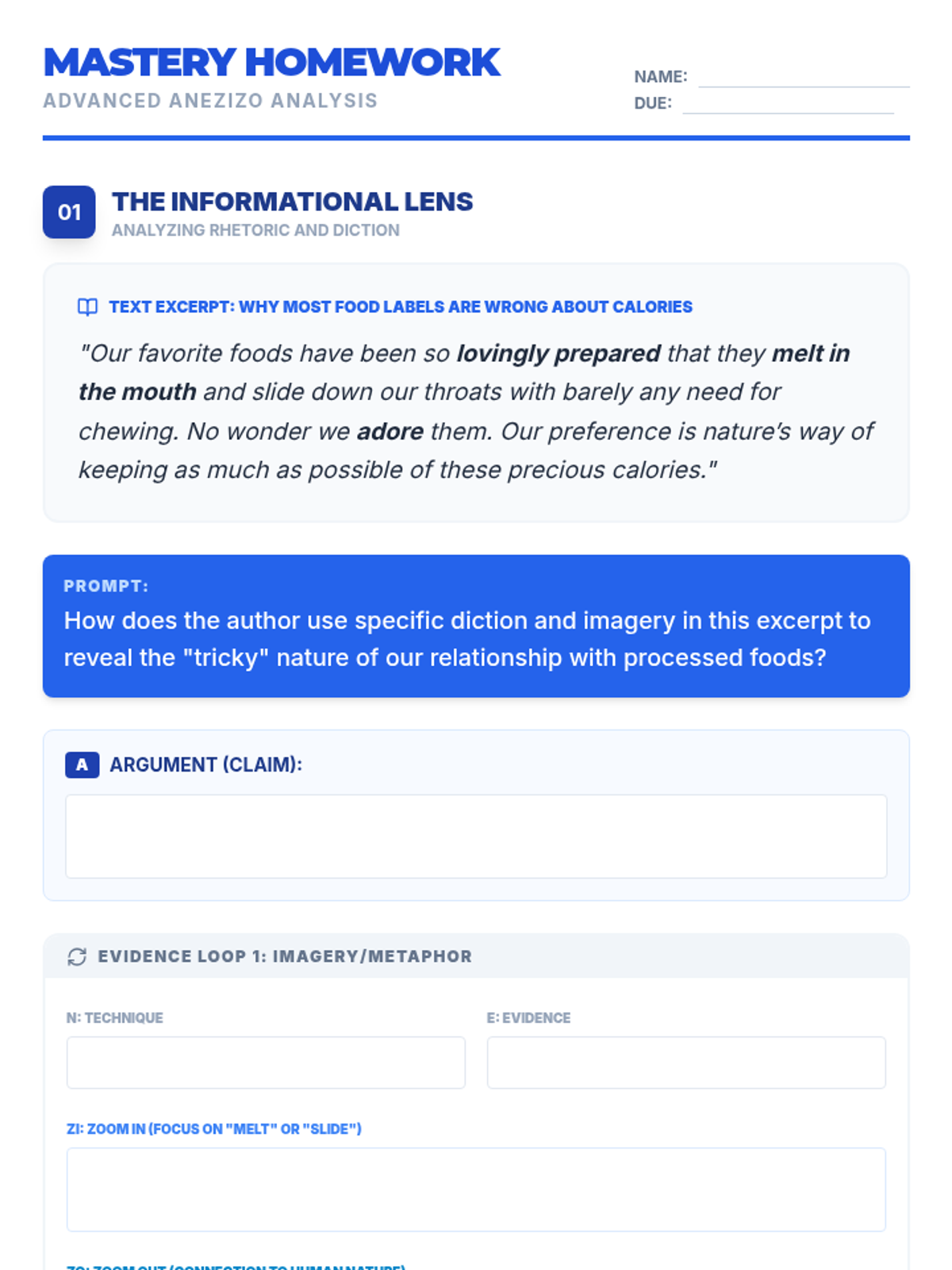
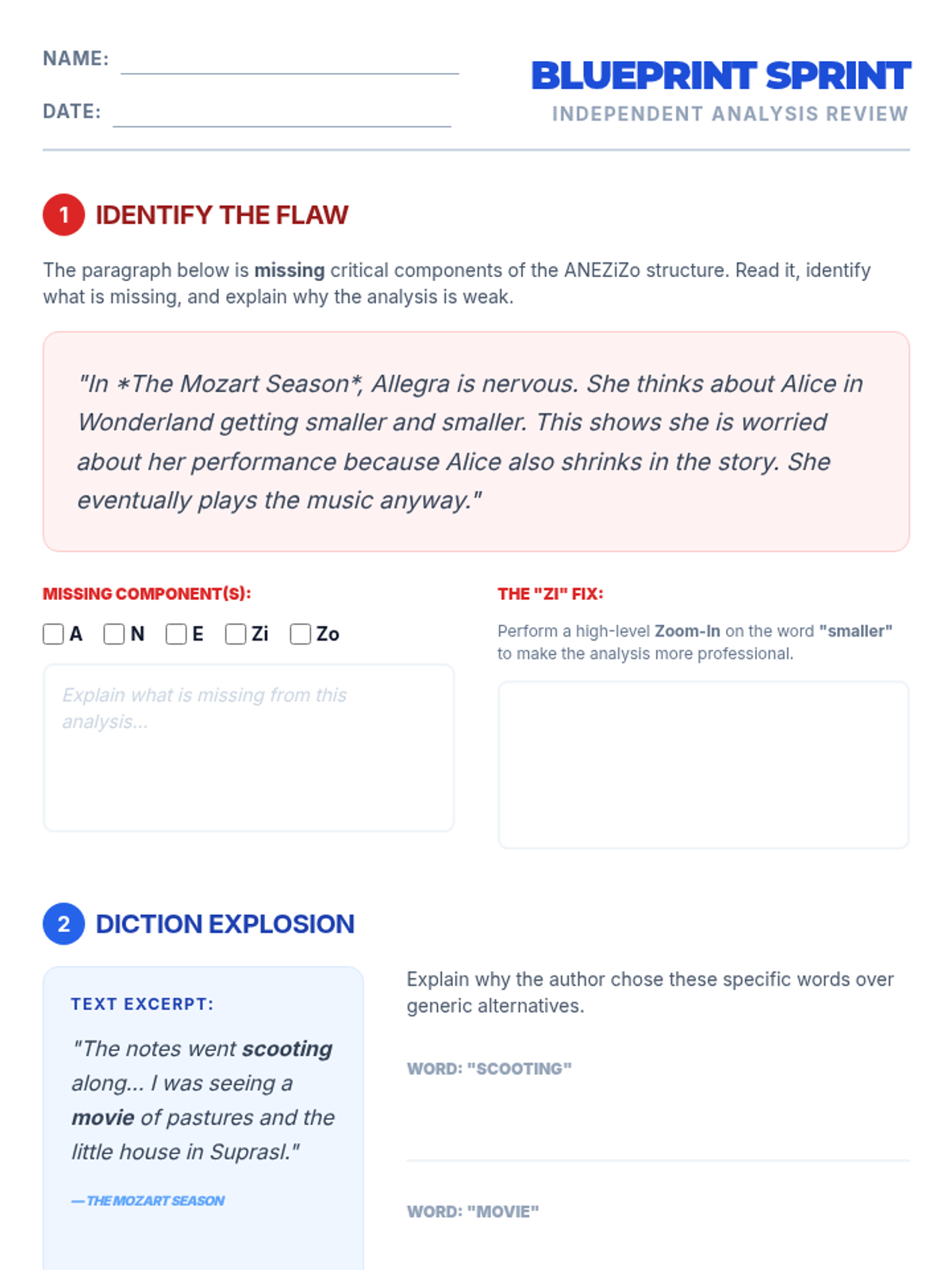
A comprehensive lesson focused on mastering the ANEZiZoNEZiZo paragraph structure for literary analysis. Students will learn to construct strong arguments, identify techniques, provide evidence, and perform deep analysis through zooming in on diction and zooming out to thematic significance.
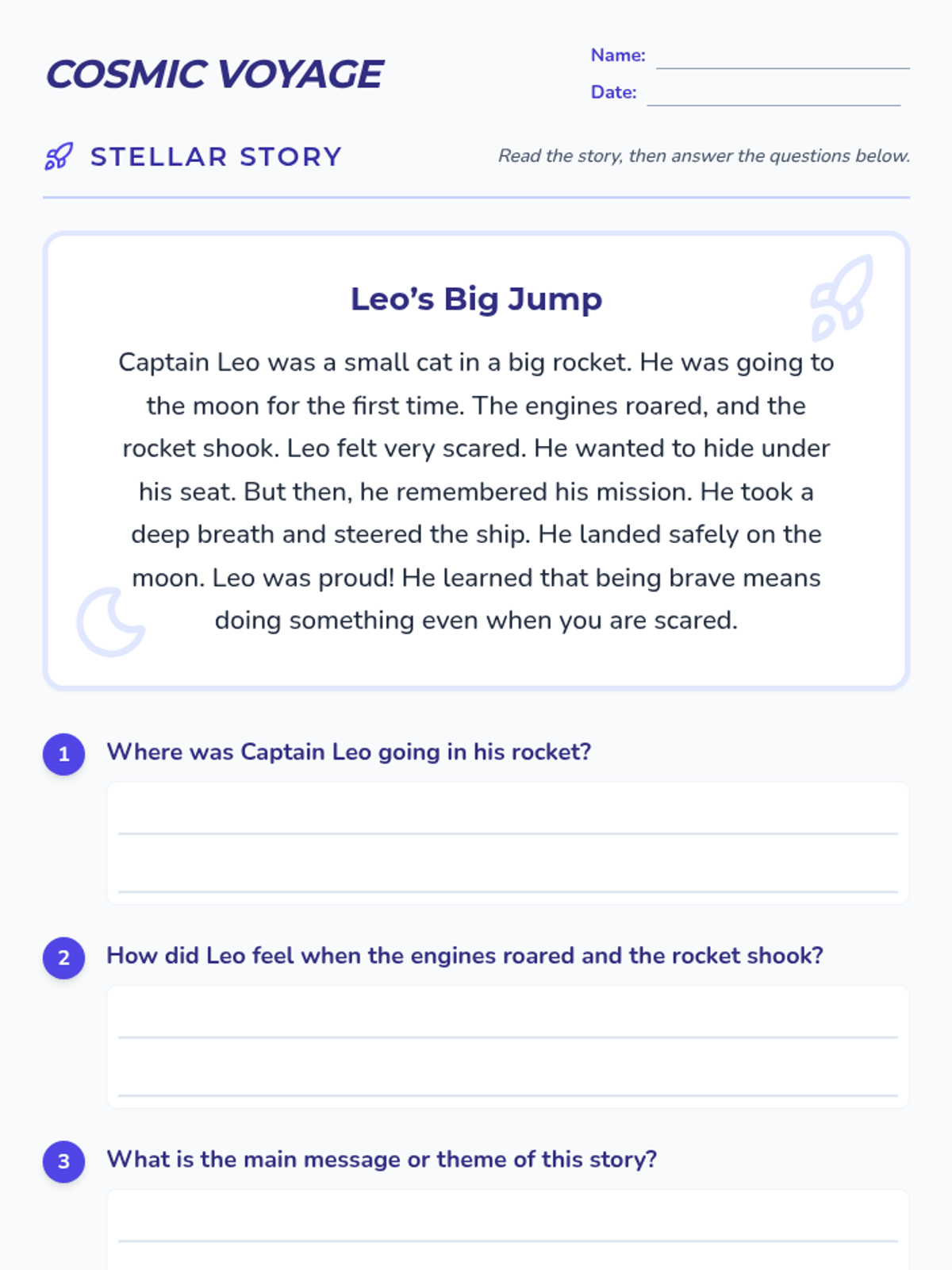
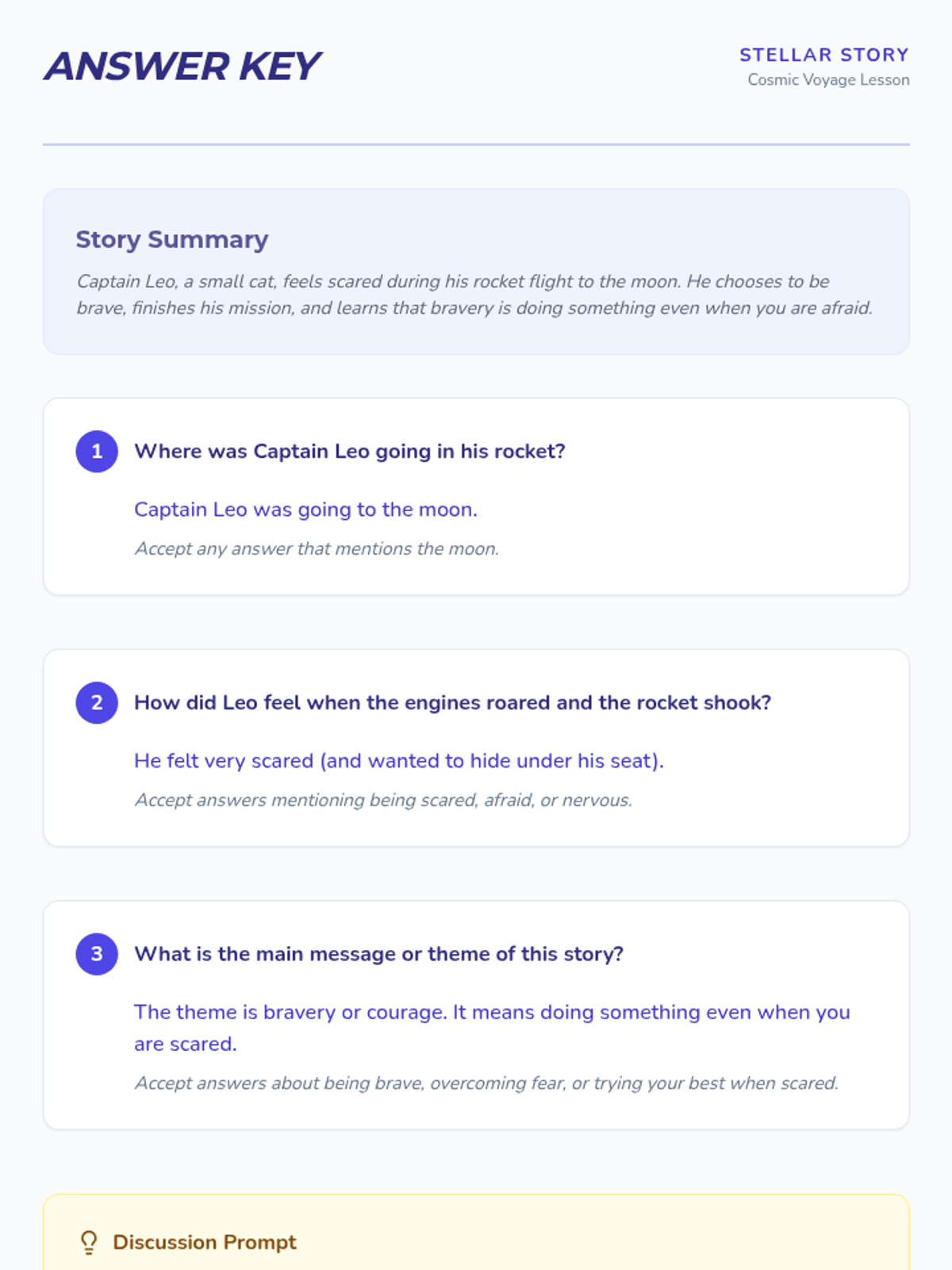
A beginner's look at space through storytelling and comprehension, focusing on identifying key details and themes in a fictional text.
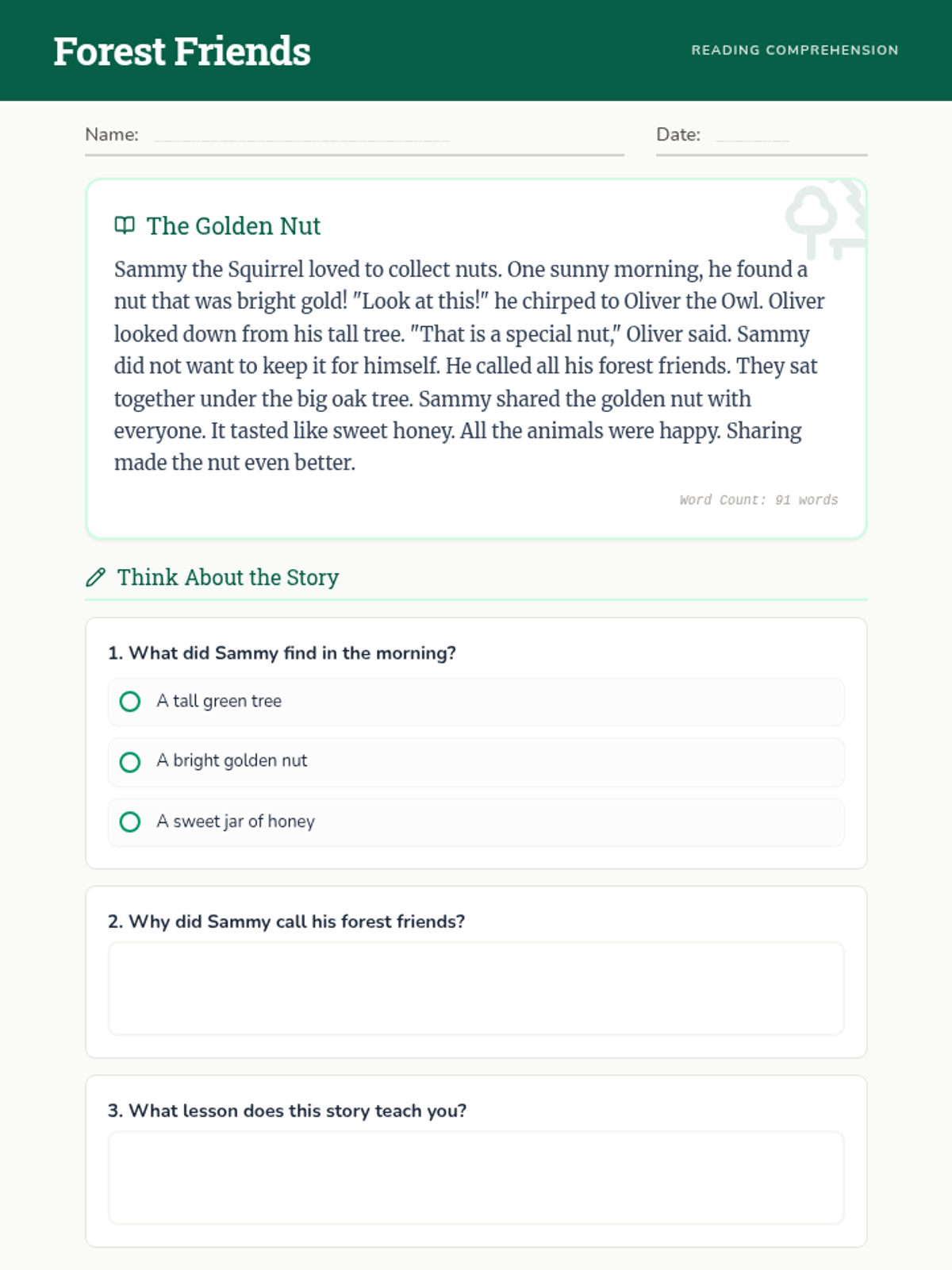
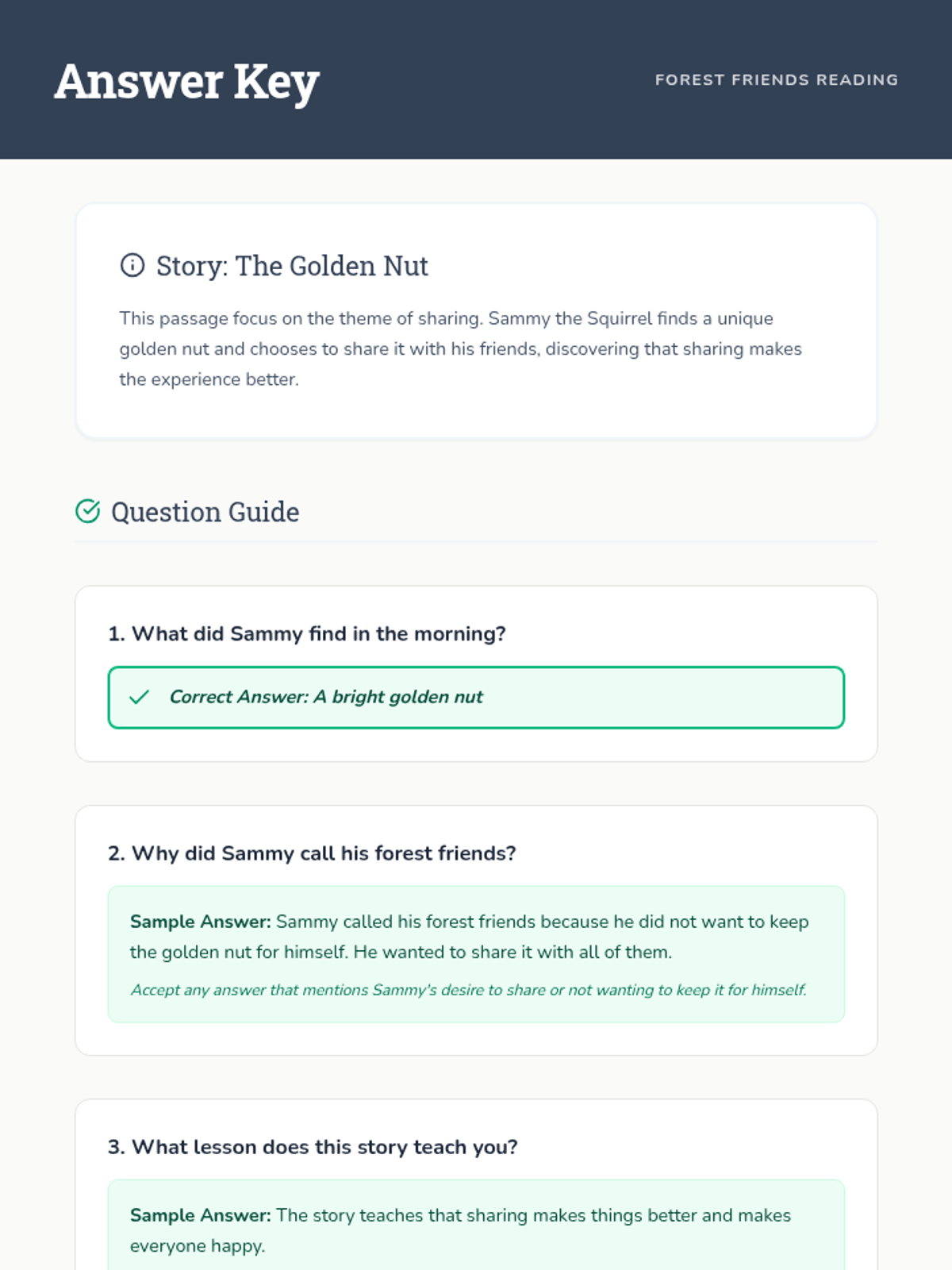
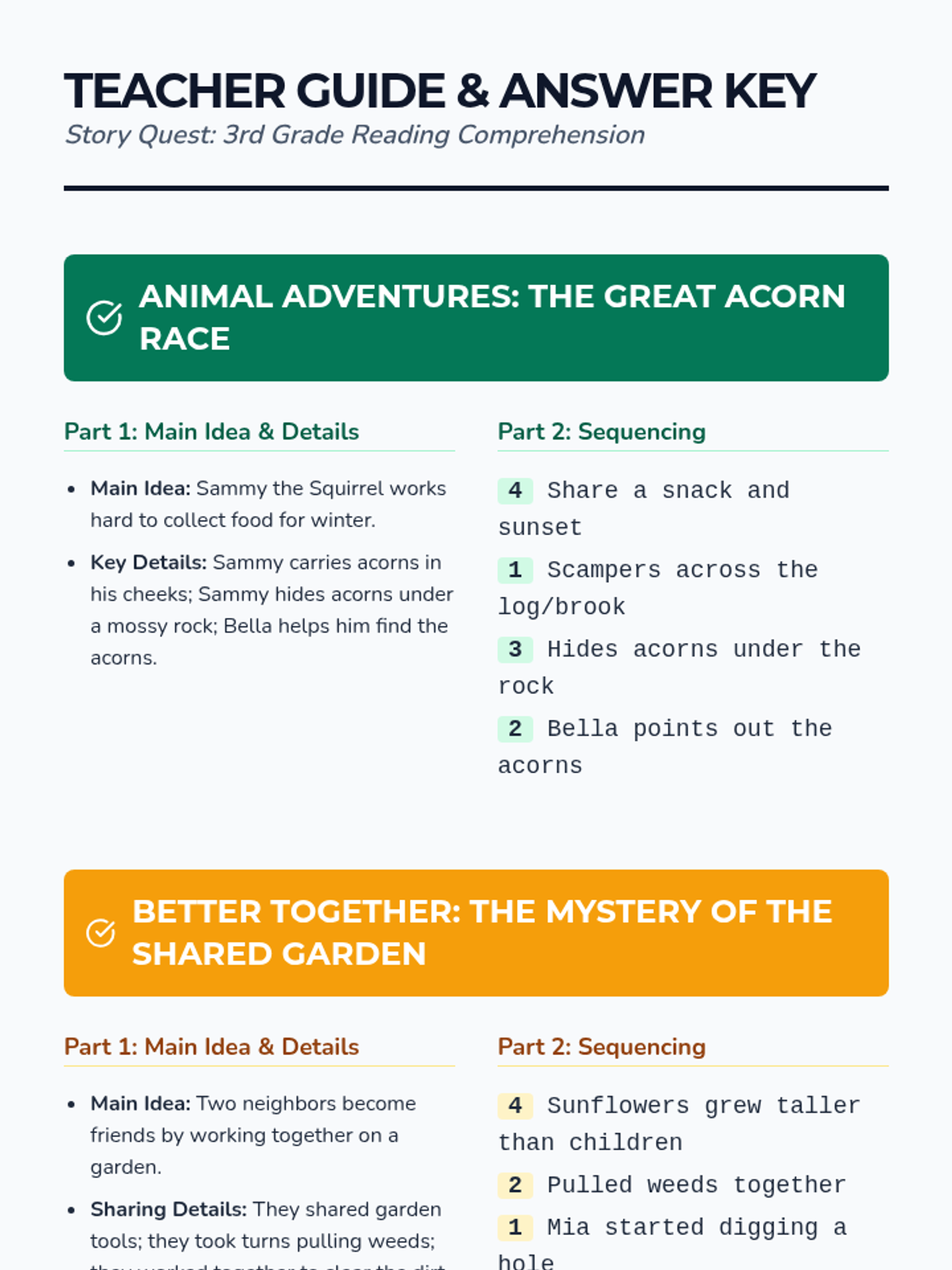
A reading comprehension lesson focused on a fictional story about forest animals sharing, designed for early 3rd-grade readers.
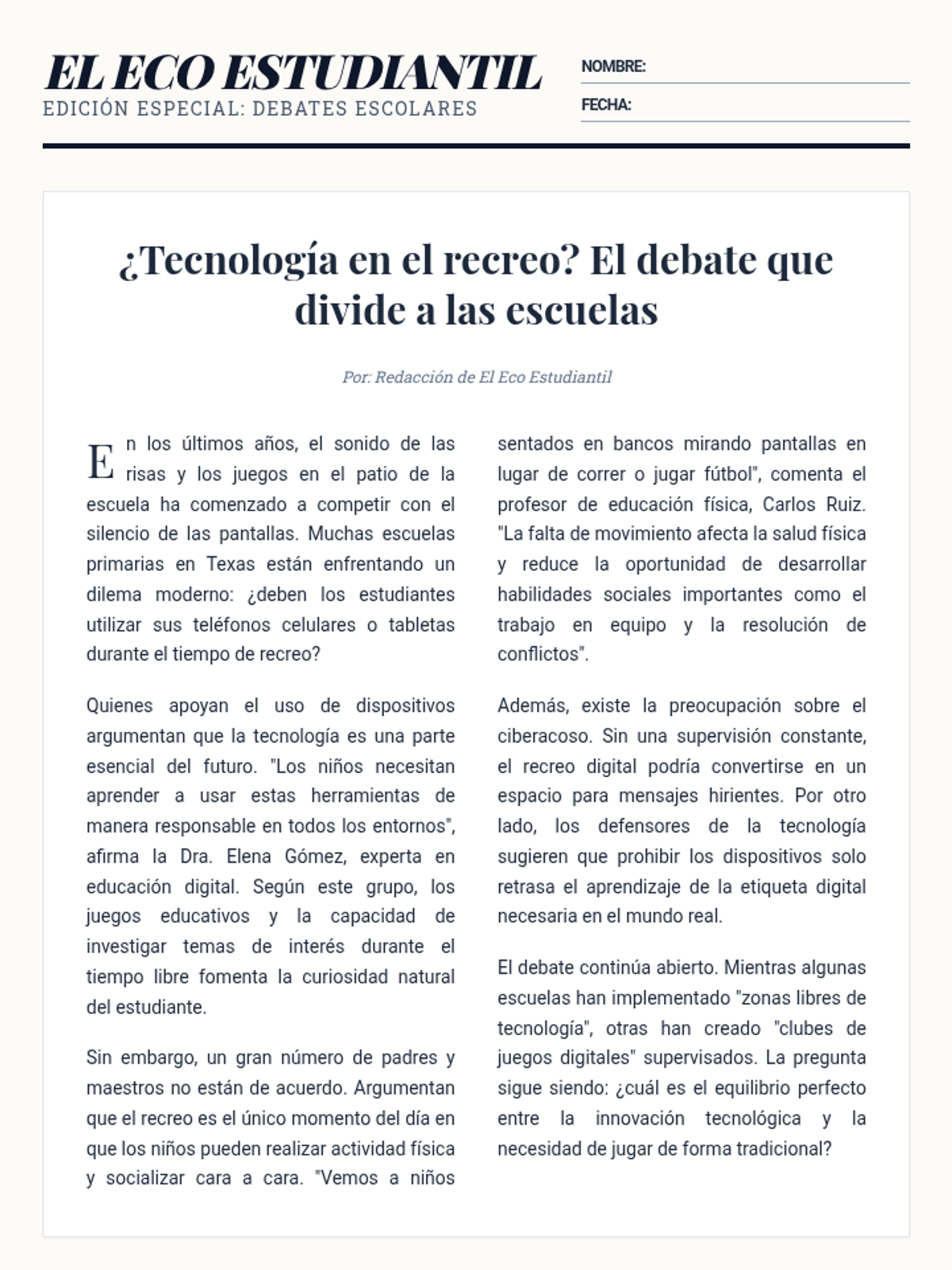
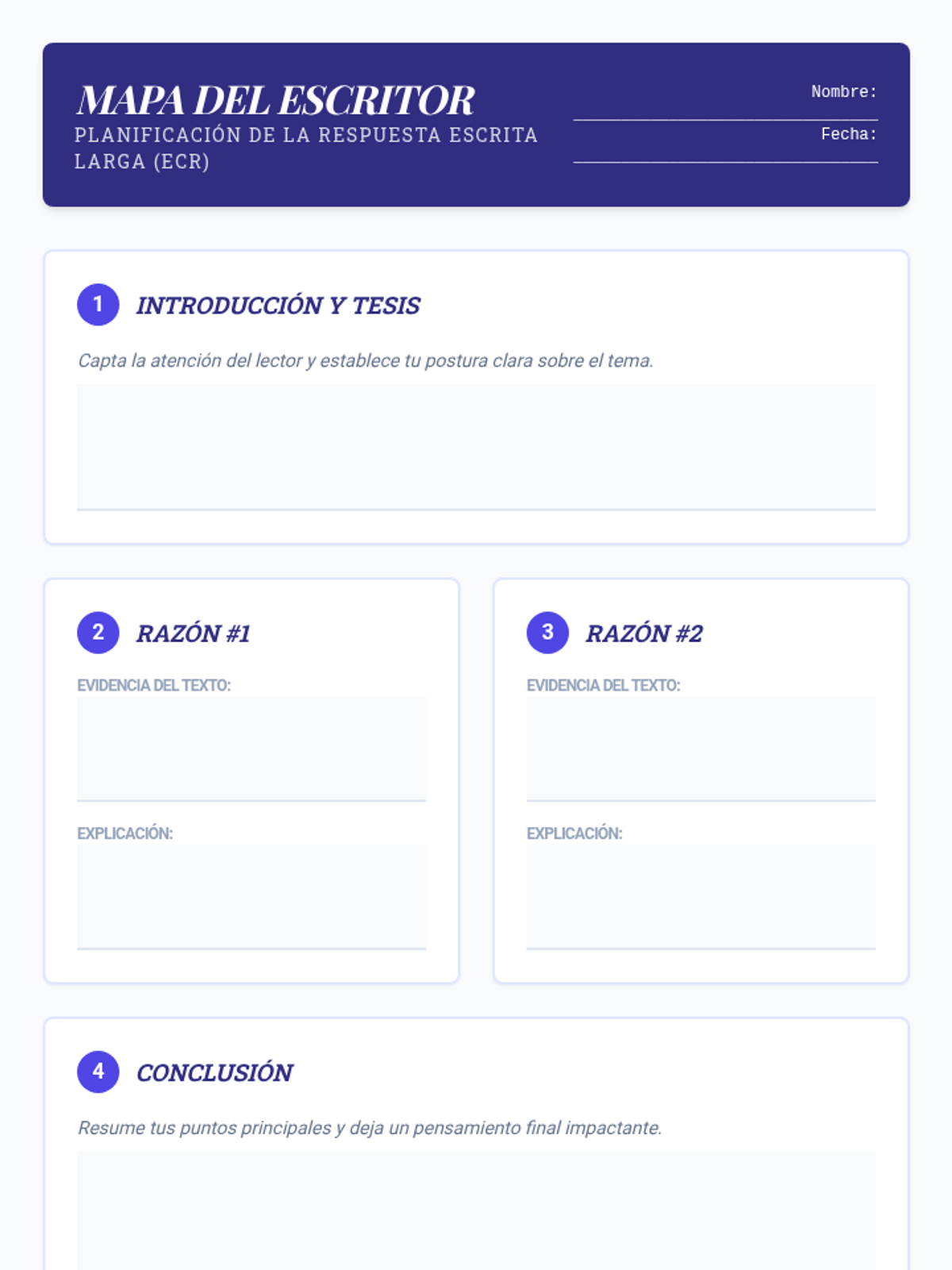
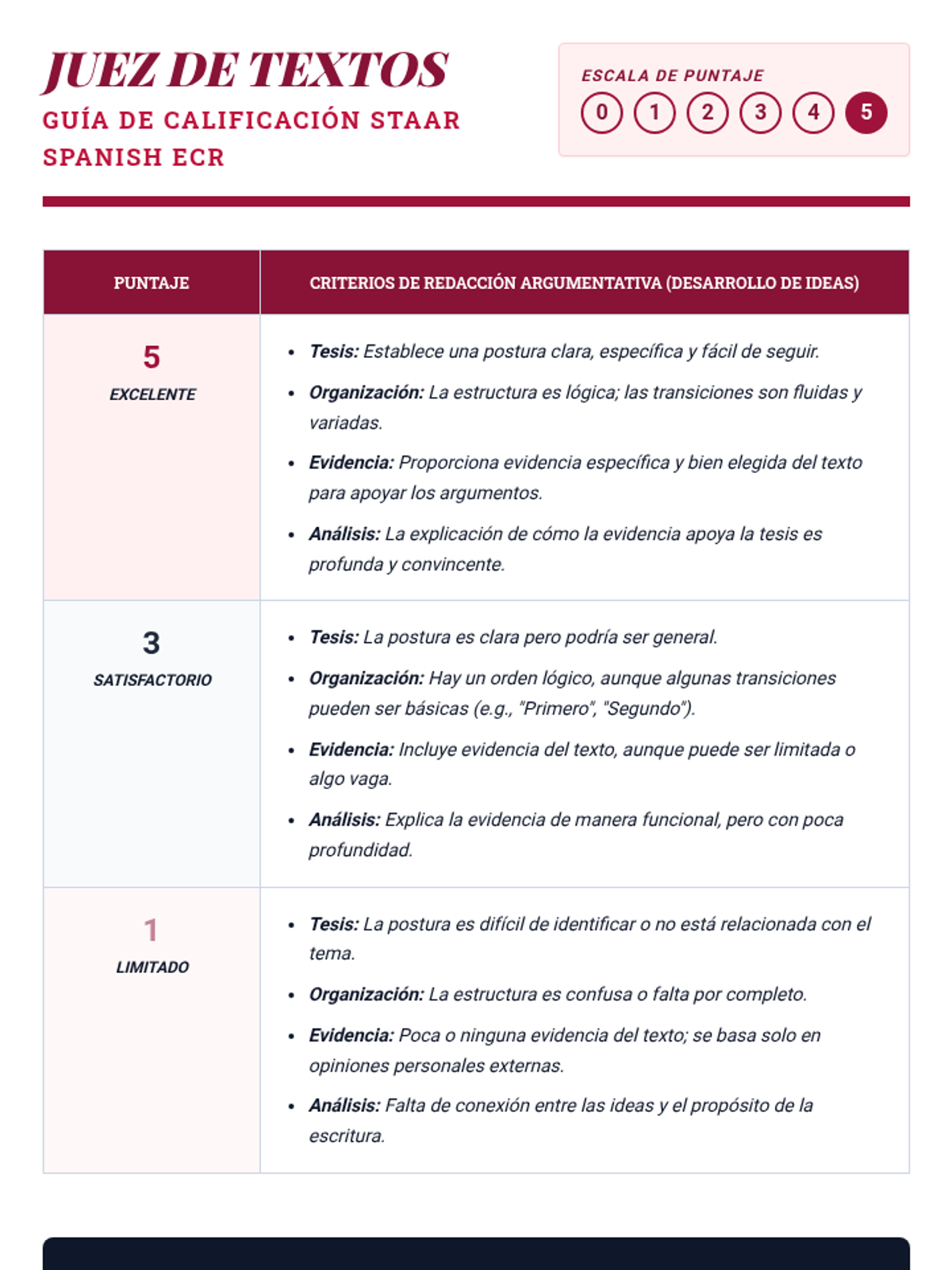
Una lección enfocada en desarrollar habilidades para la Respuesta Escrita Larga (ECR) en español, centrada en el género argumentativo para la prueba STAAR. Incluye un pasaje de lectura, un organizador gráfico de planificación y una guía de calificación detallada.
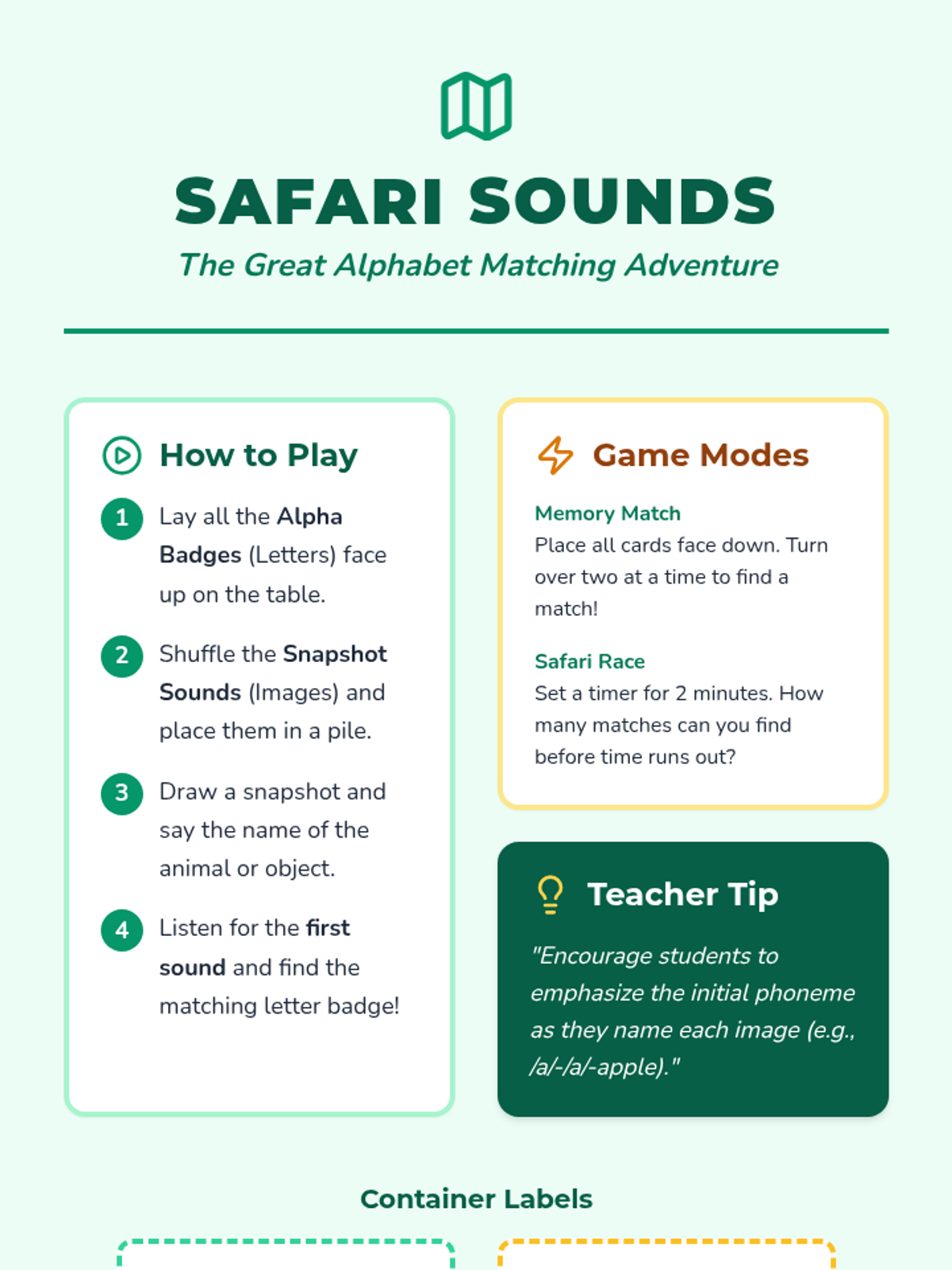
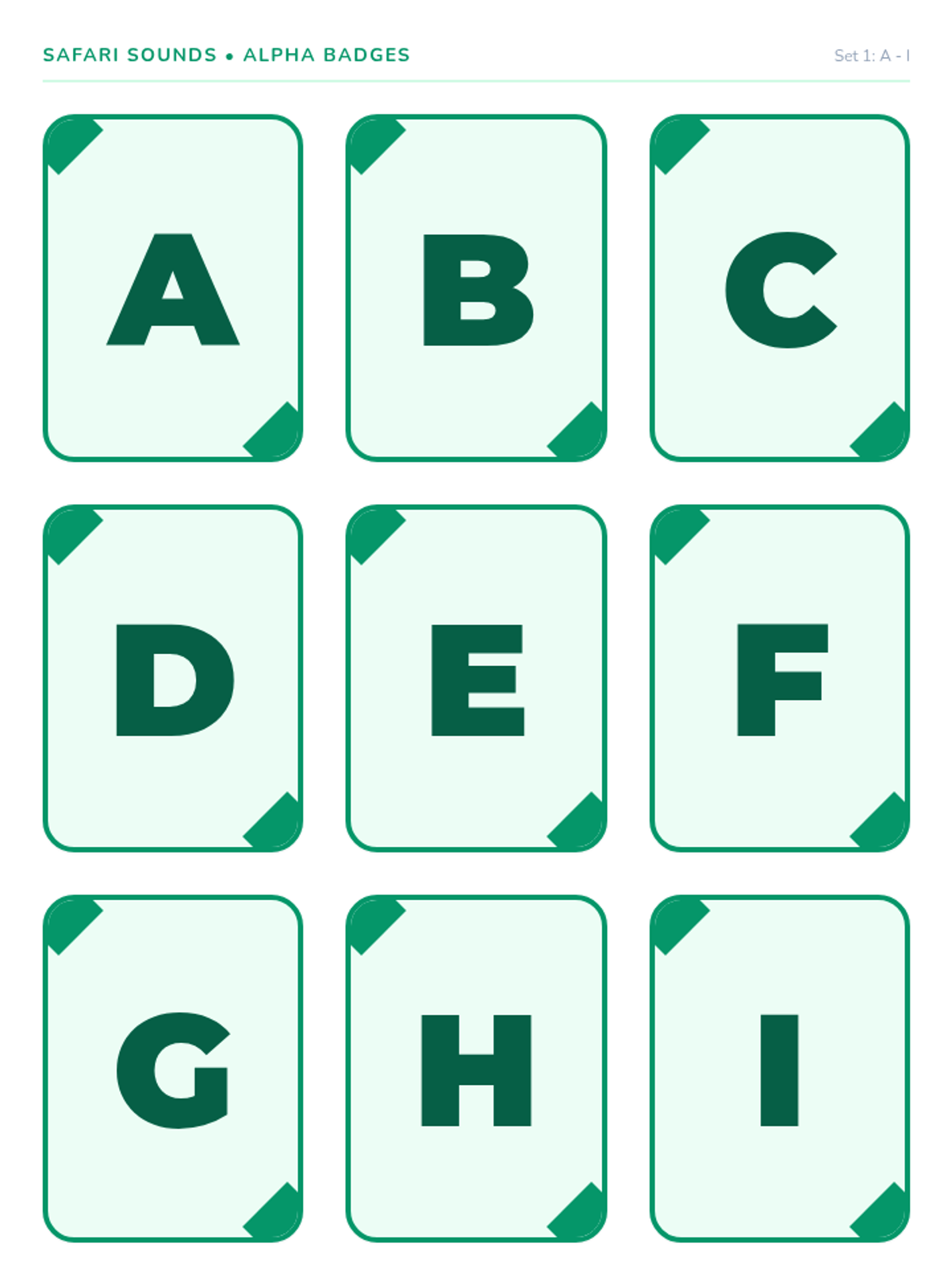
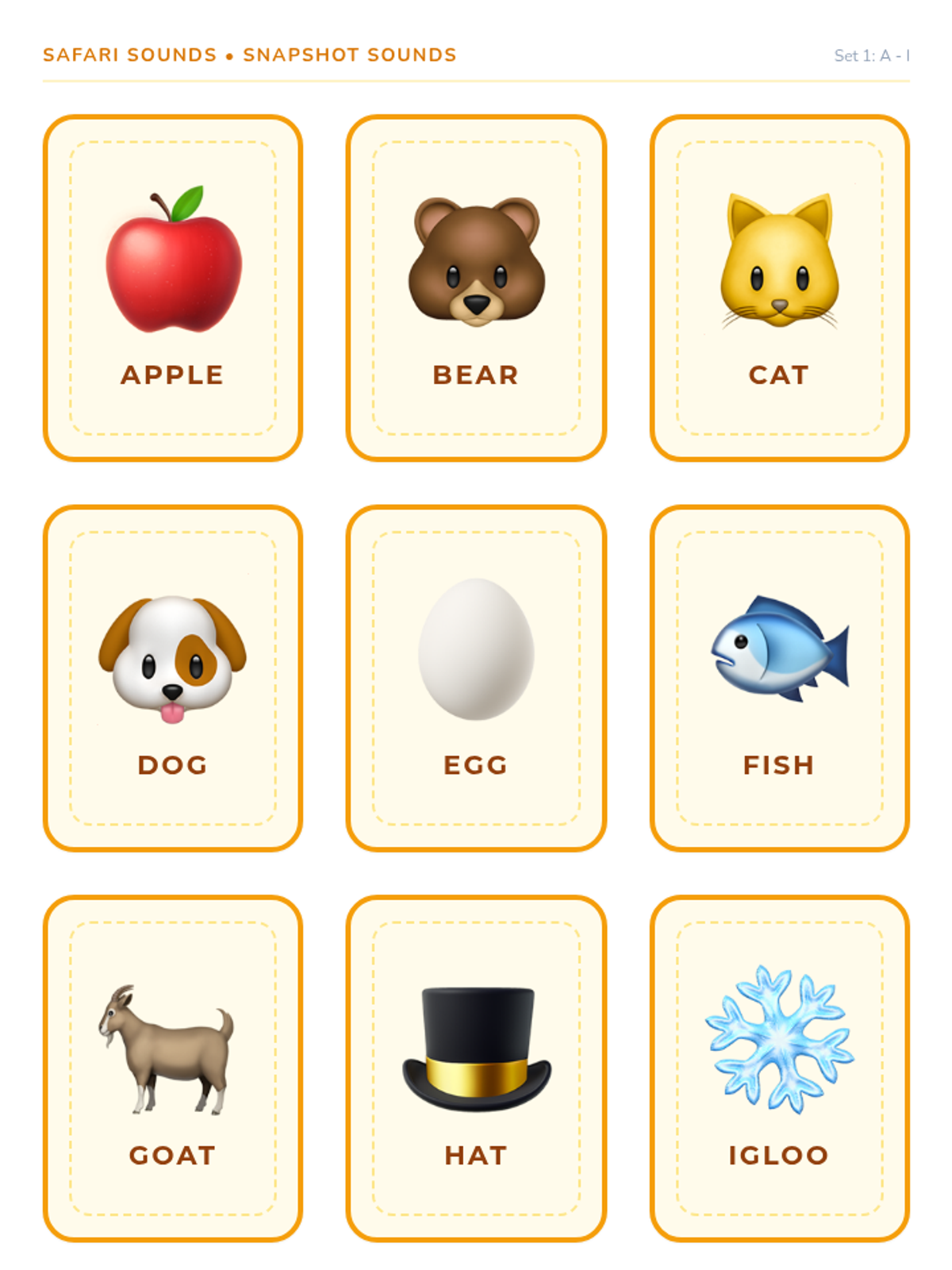
A hands-on phonics game where students match uppercase letters to their initial sound images in a safari-themed adventure.
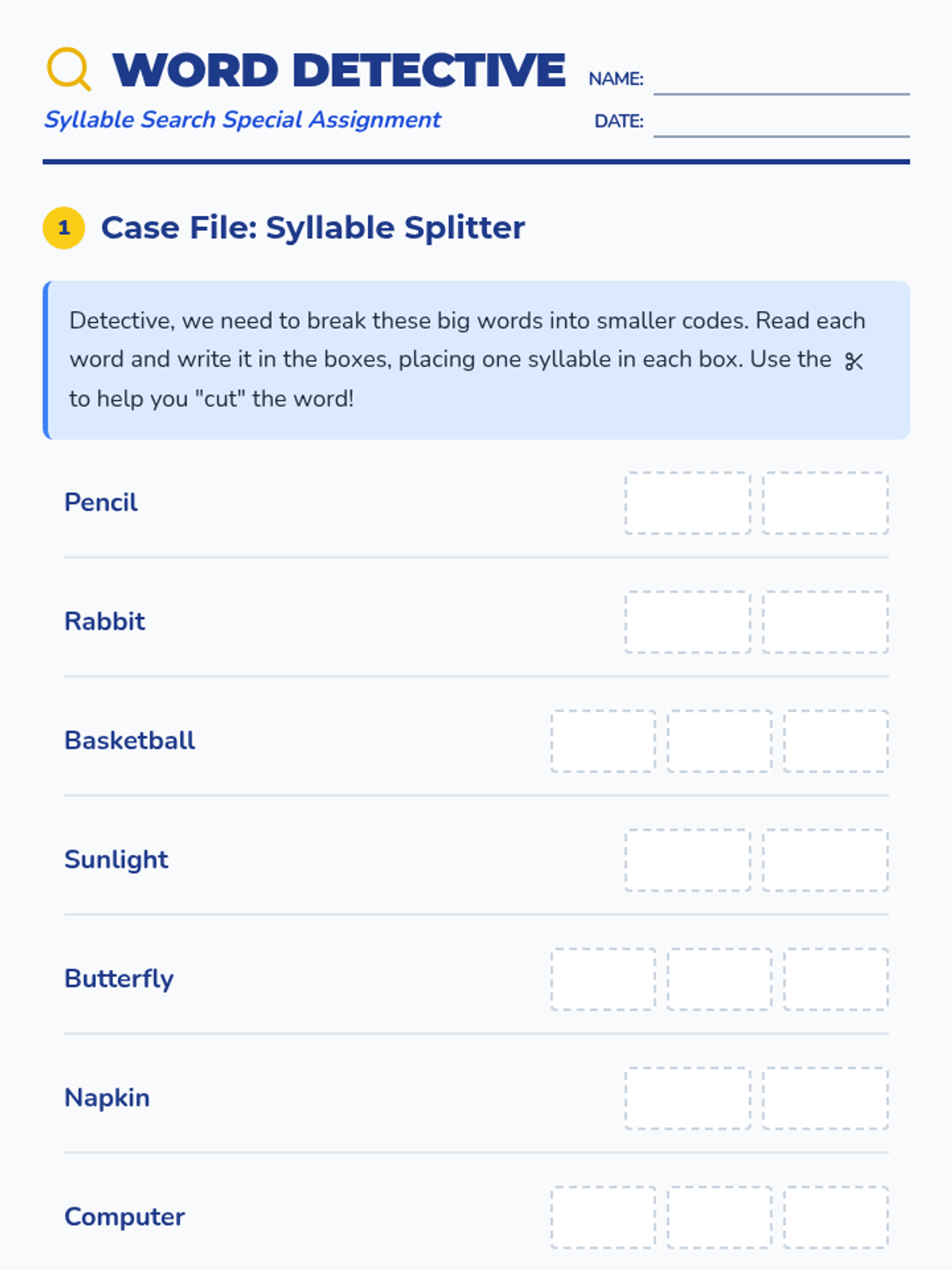
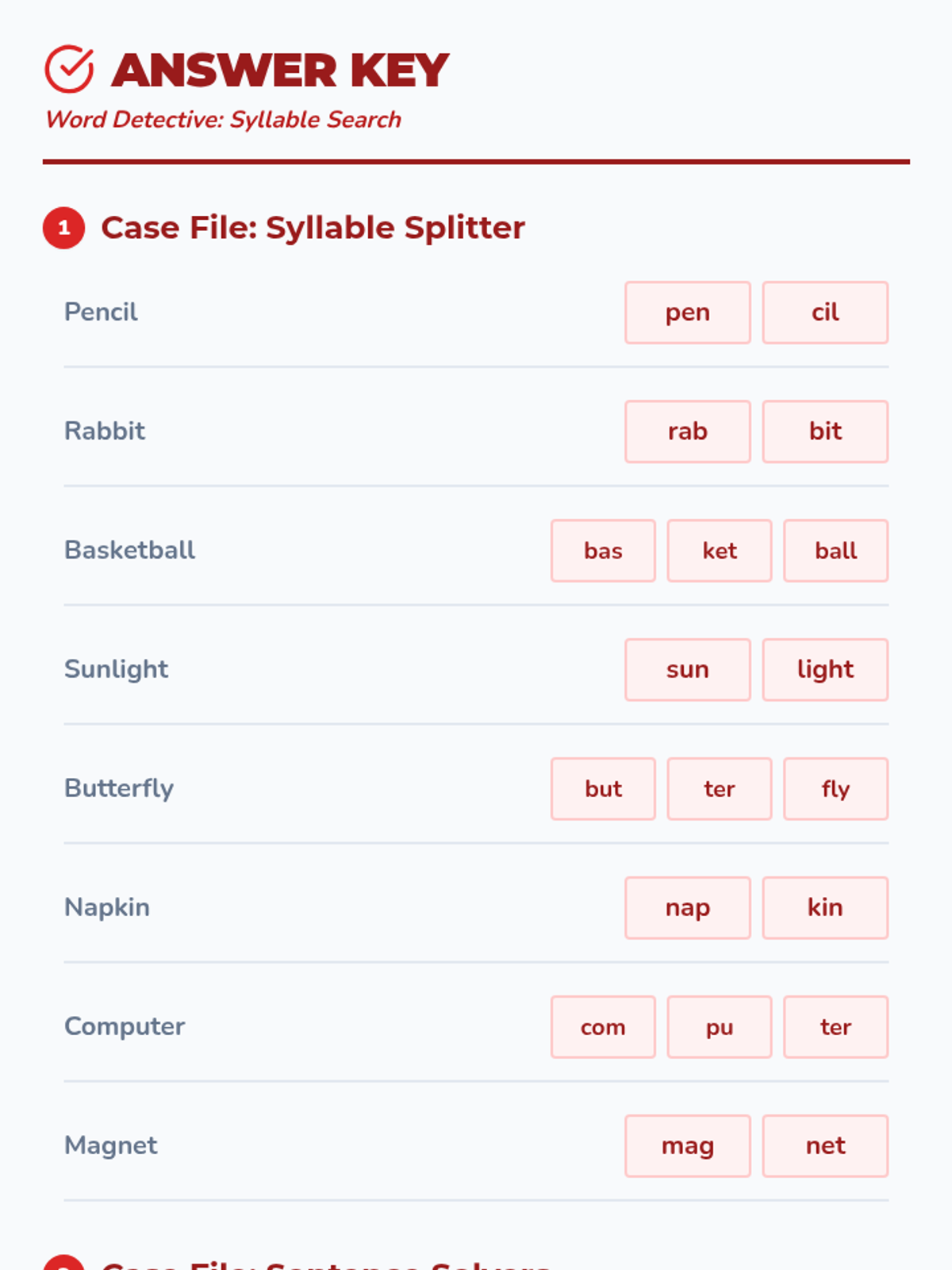
A quick, engaging lesson focused on decoding and using multisyllabic words through a detective-themed activity.
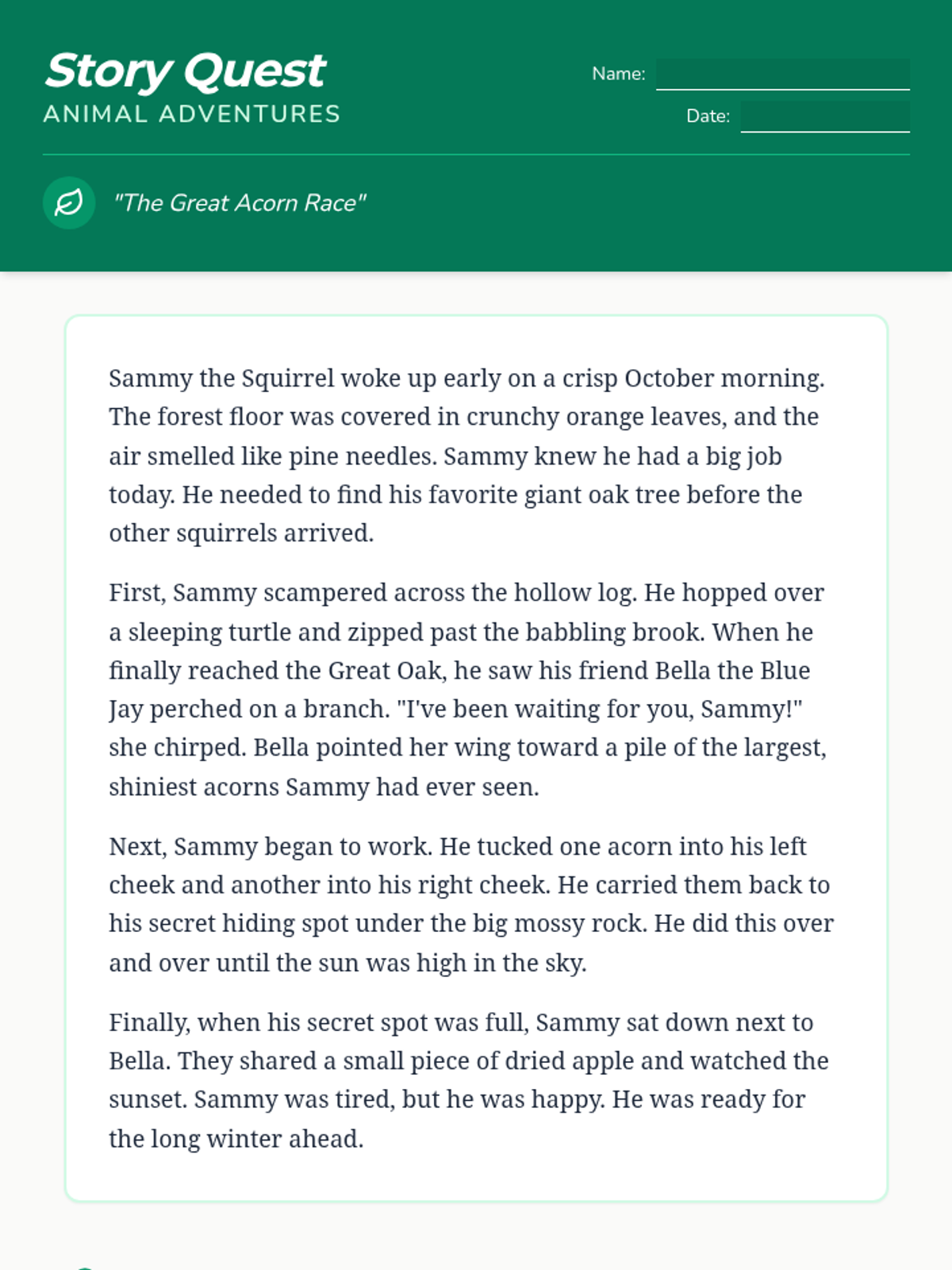
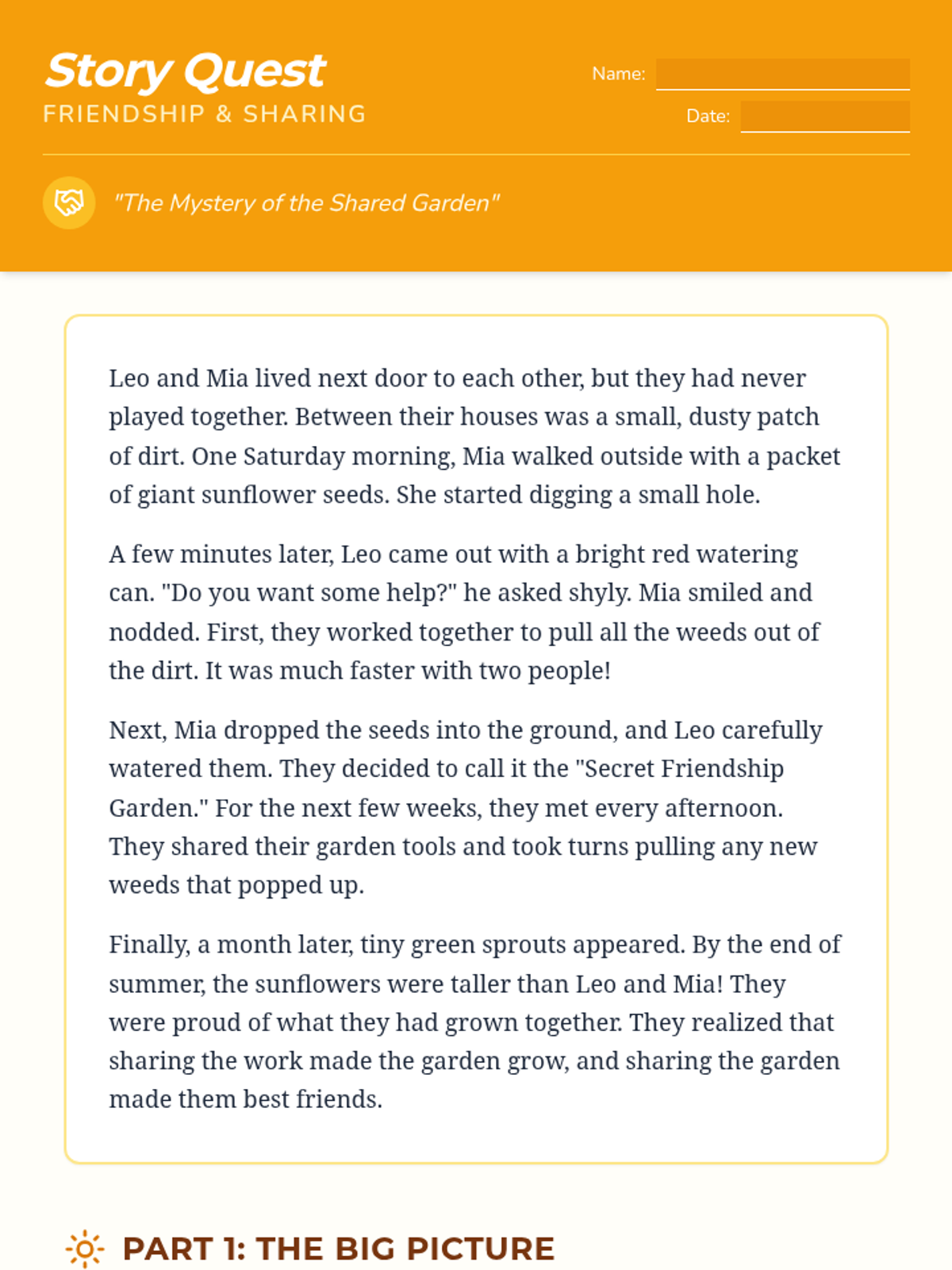
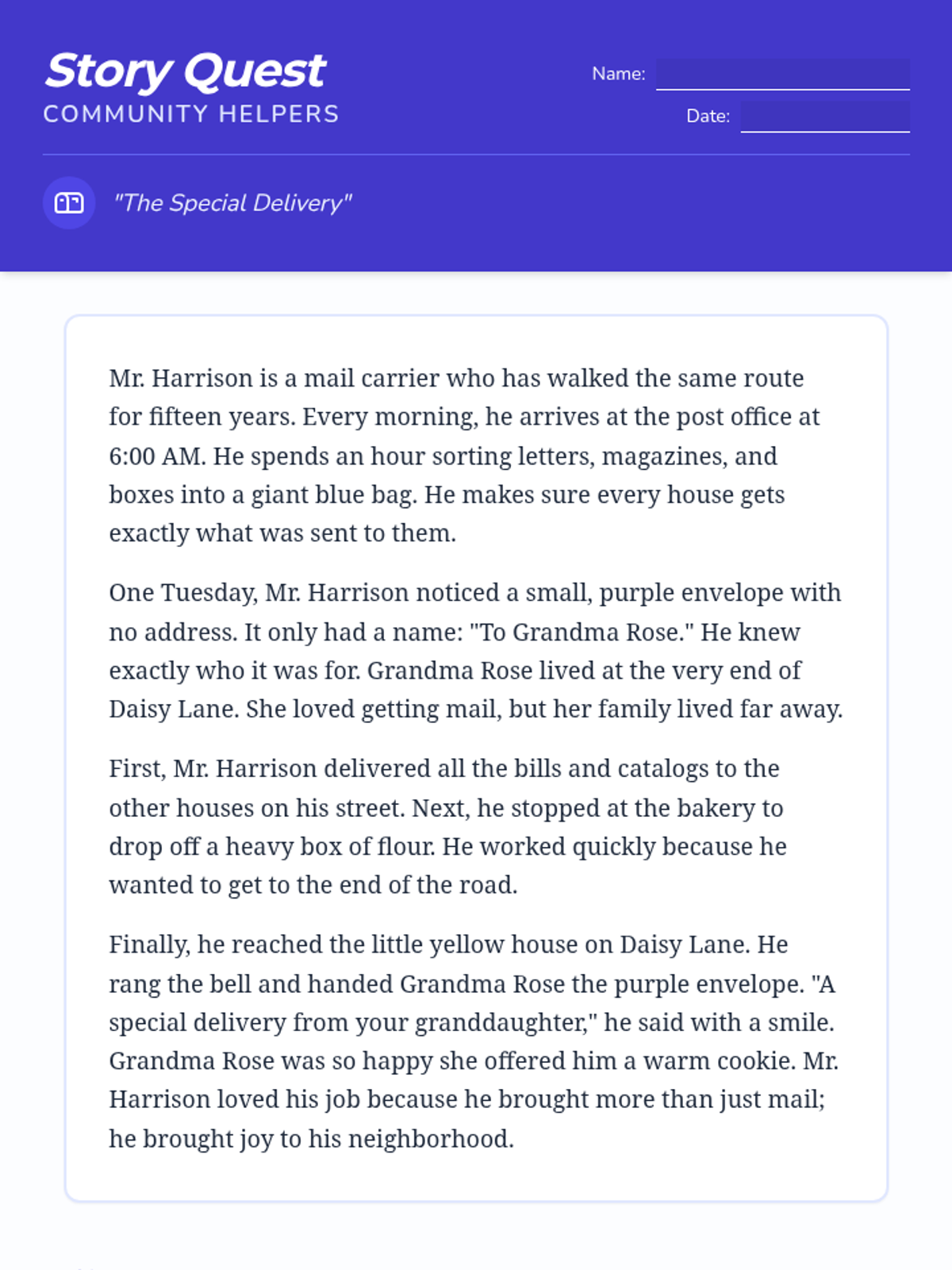
A collection of three thematic reading passages for 3rd-grade students, focusing on animals, friendship, and community helpers. Each story includes comprehension questions targeting sequencing and identifying the main idea.
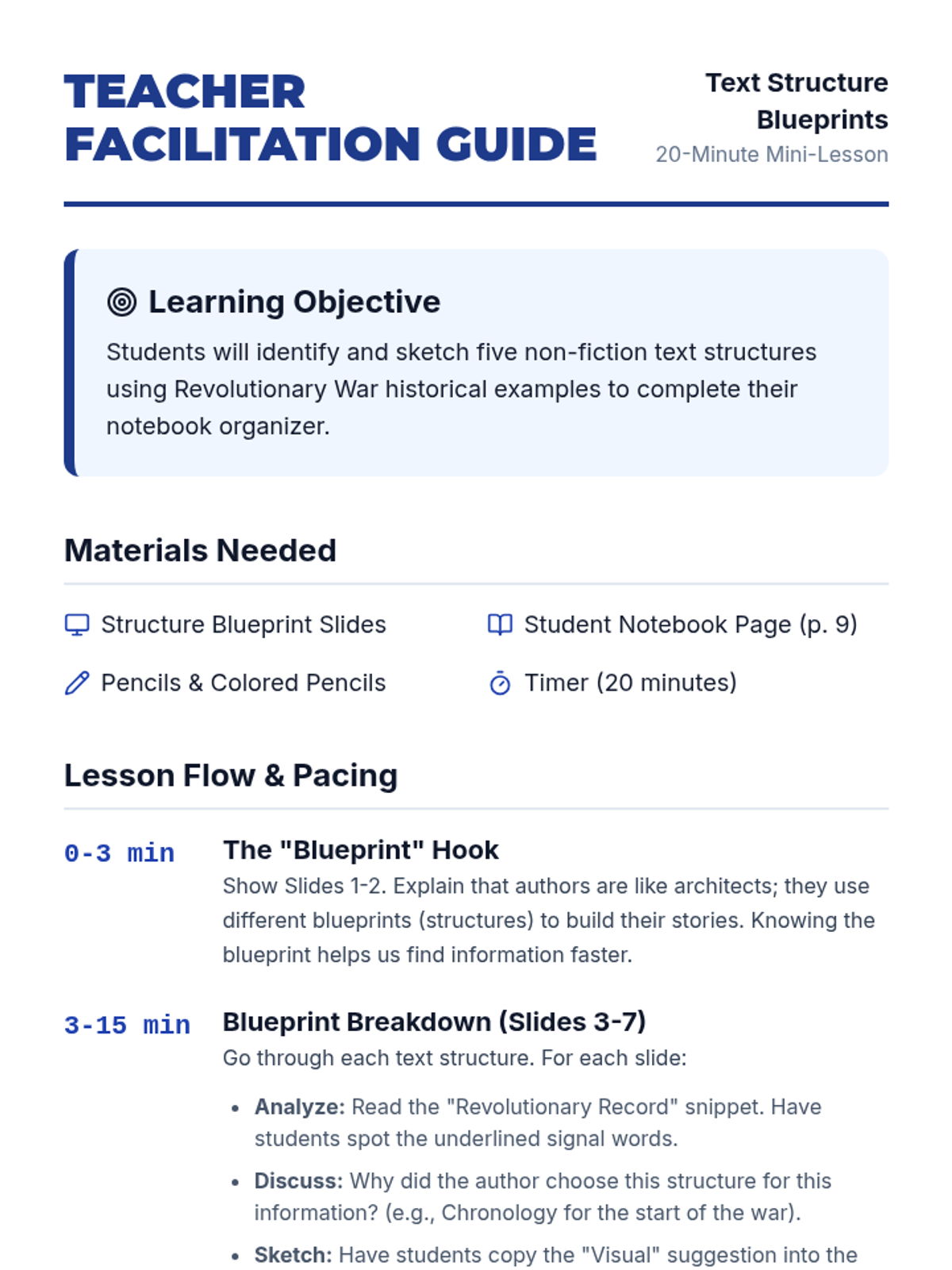
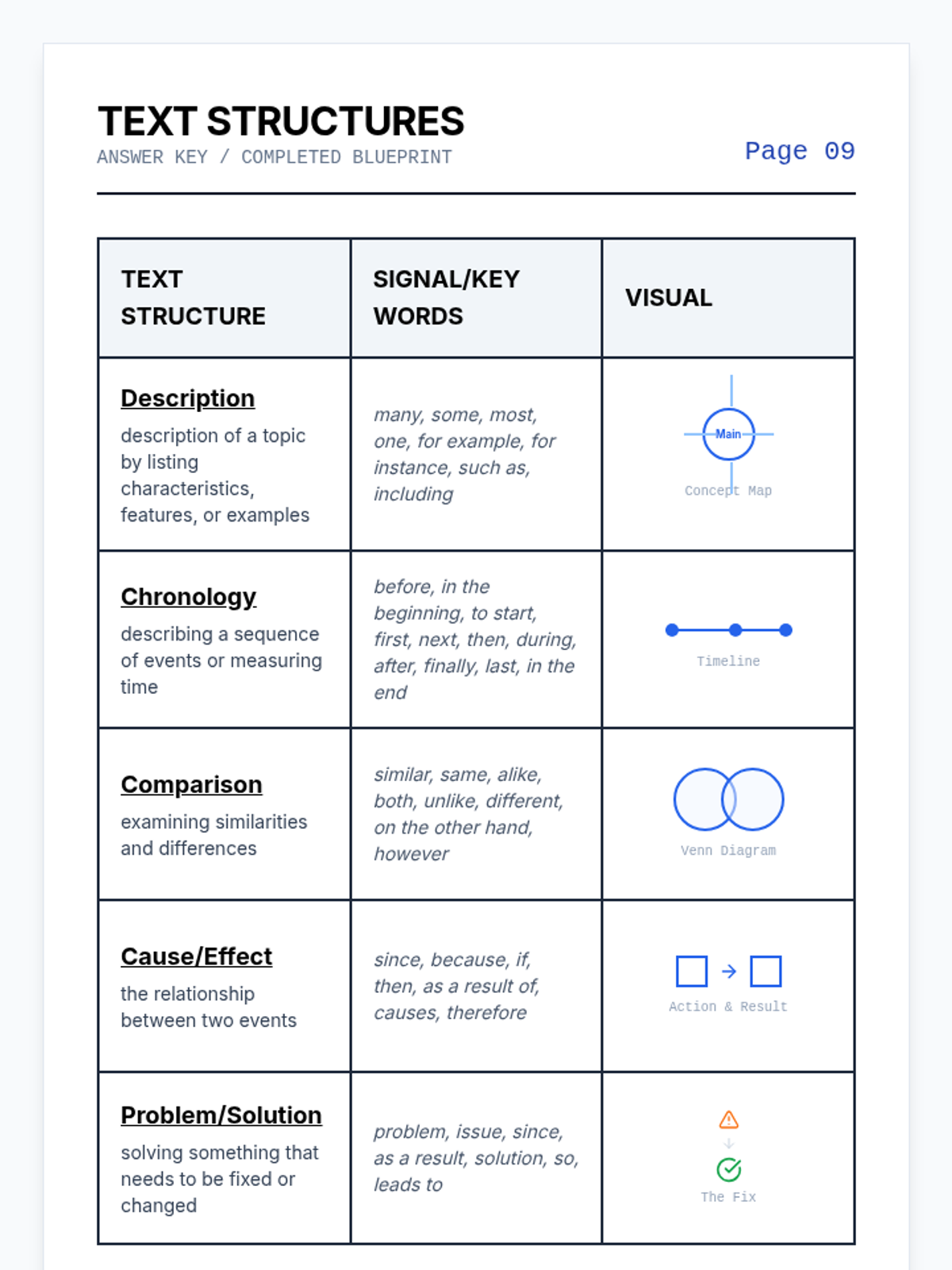
A 20-minute mini-lesson introducing five key non-fiction text structures: description, chronology, comparison, cause/effect, and problem/solution. This lesson uses Revolutionary War examples to help students identify how authors organize information.
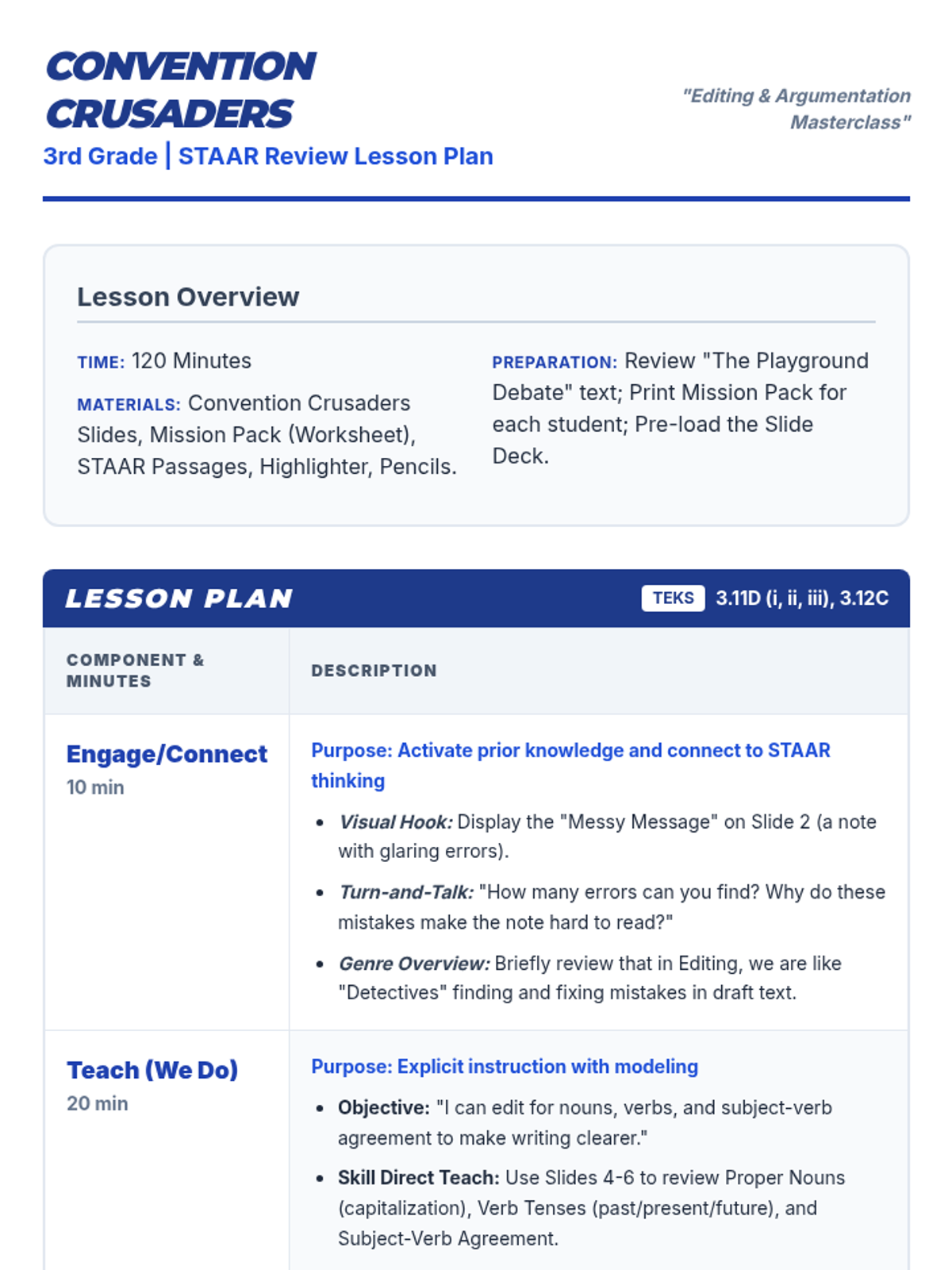
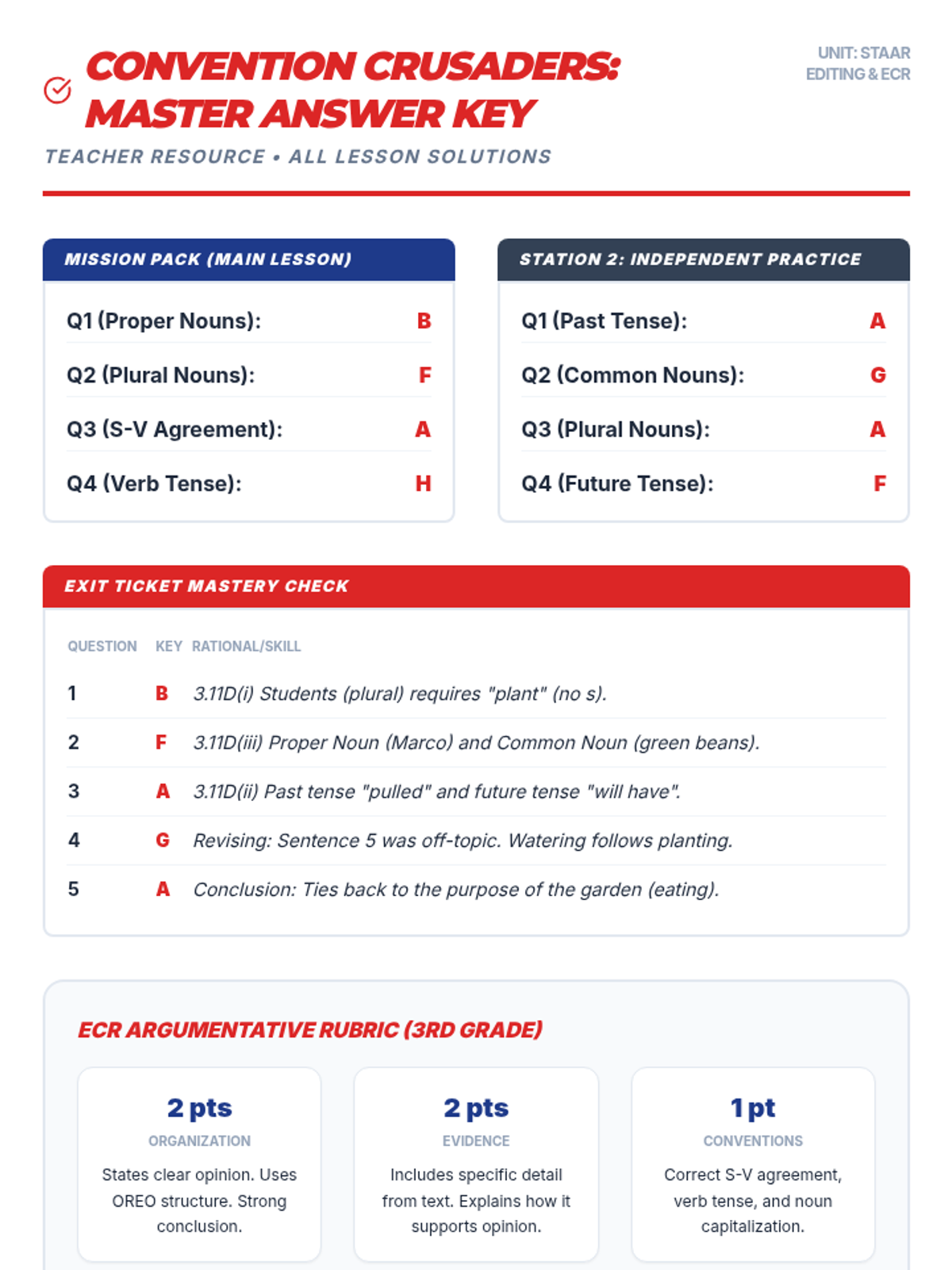
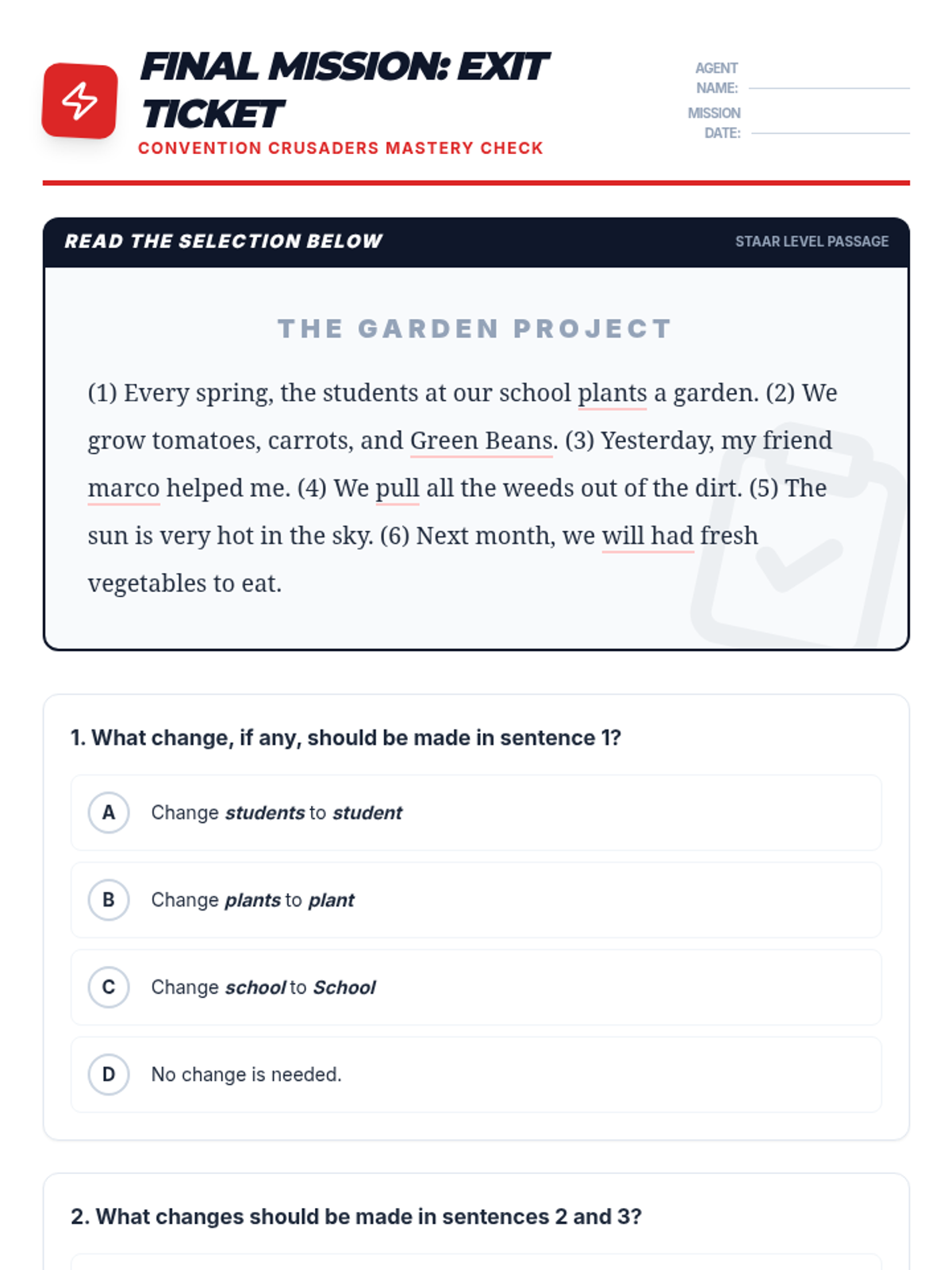
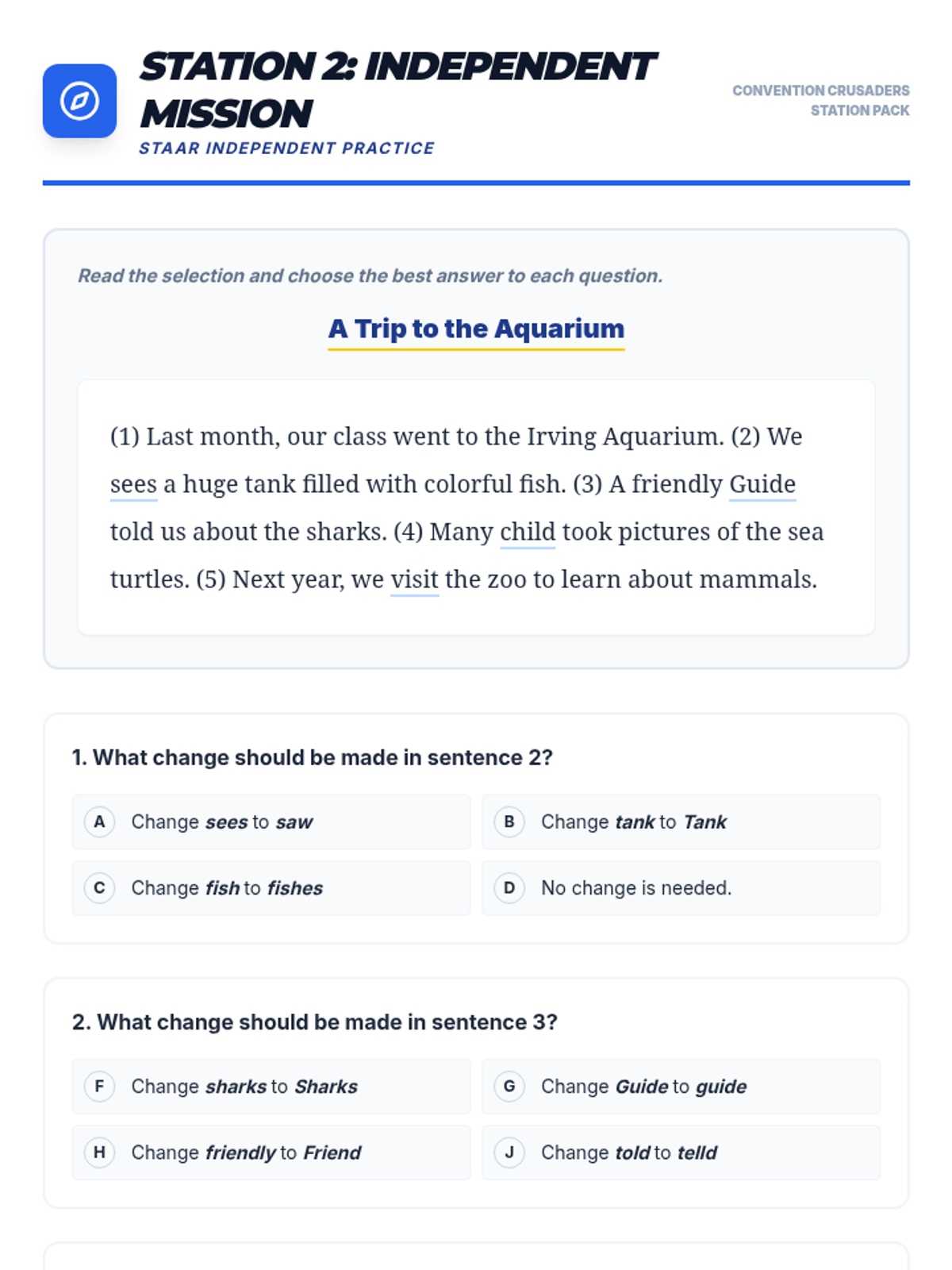
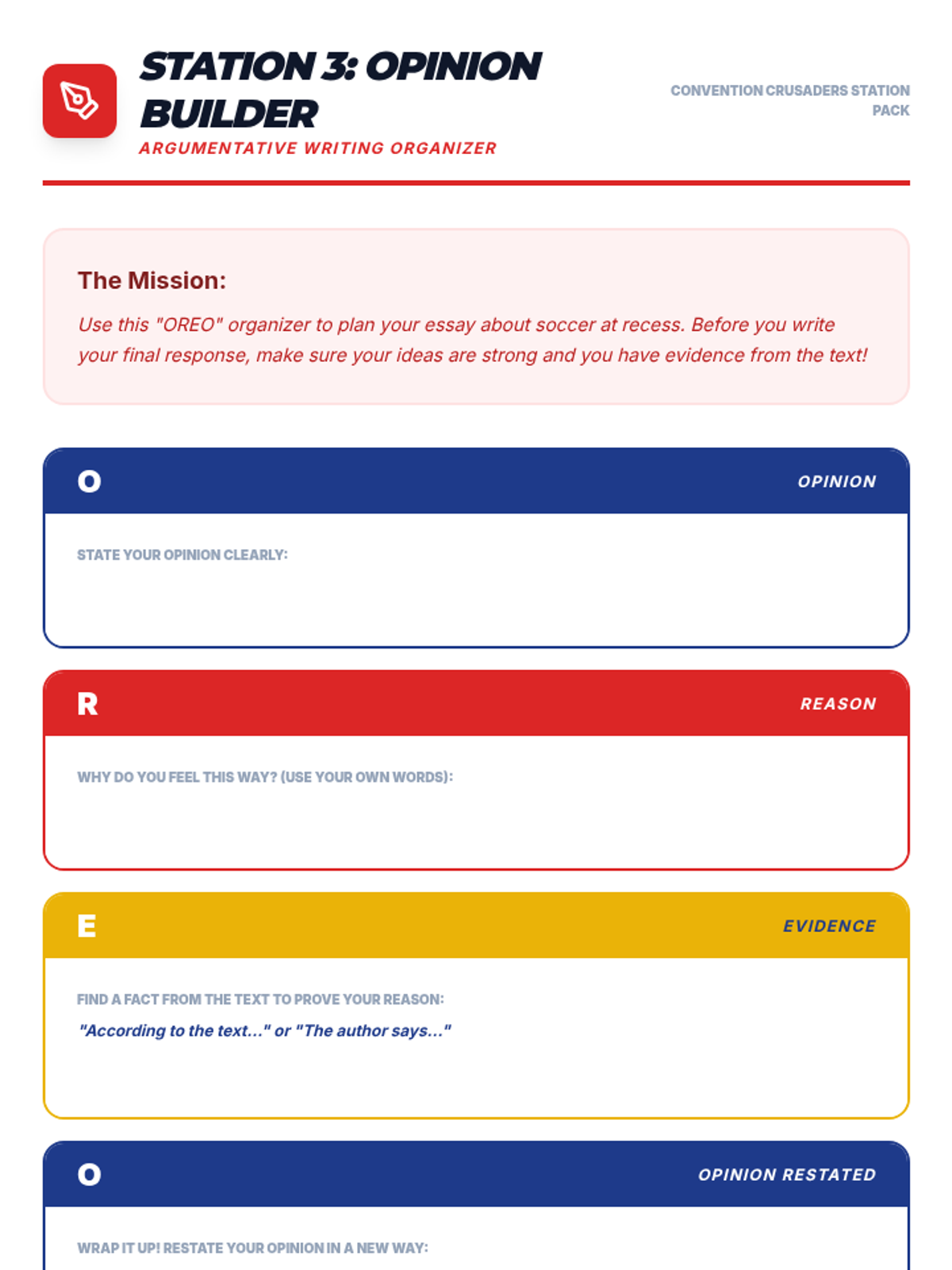
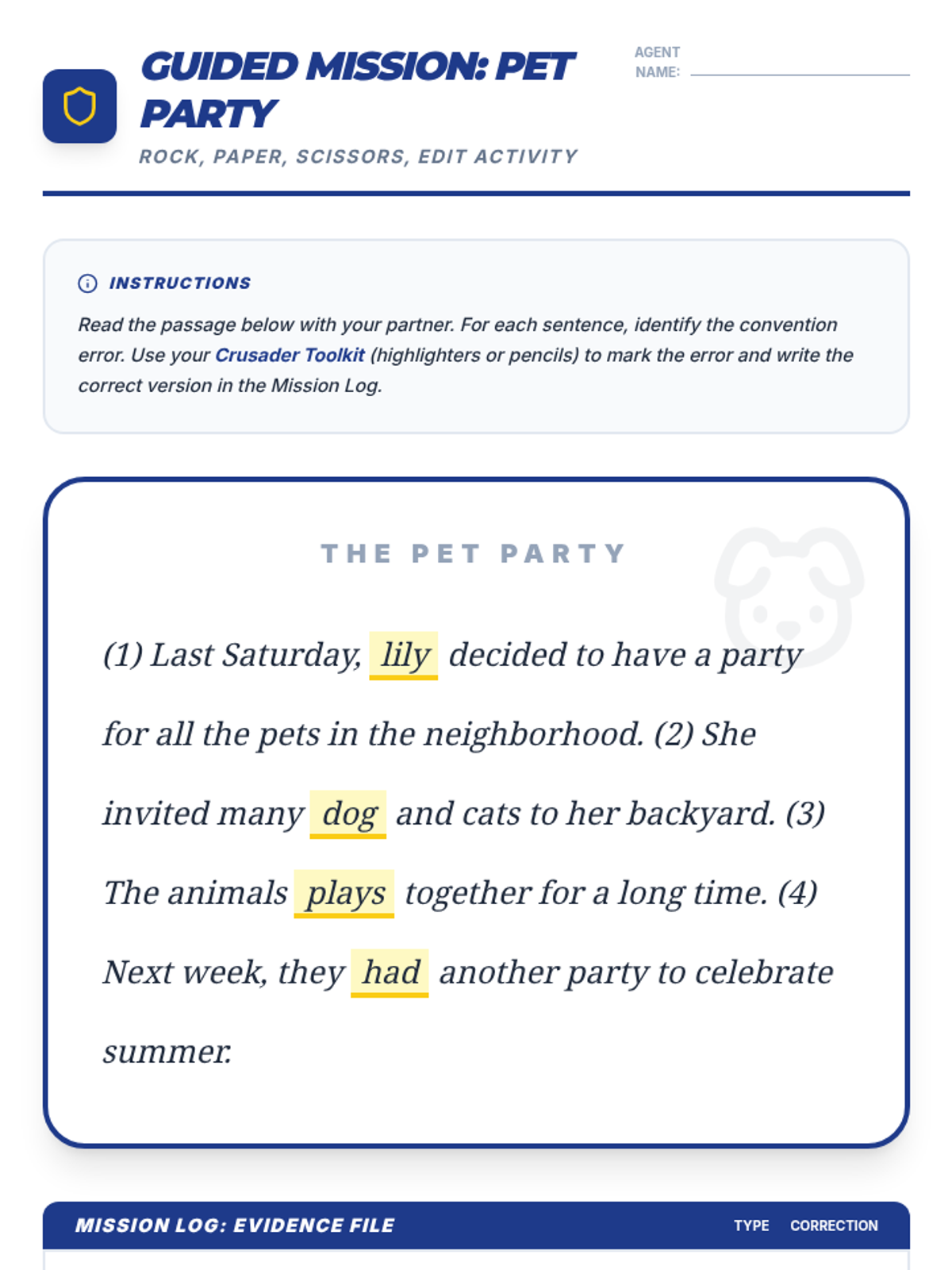
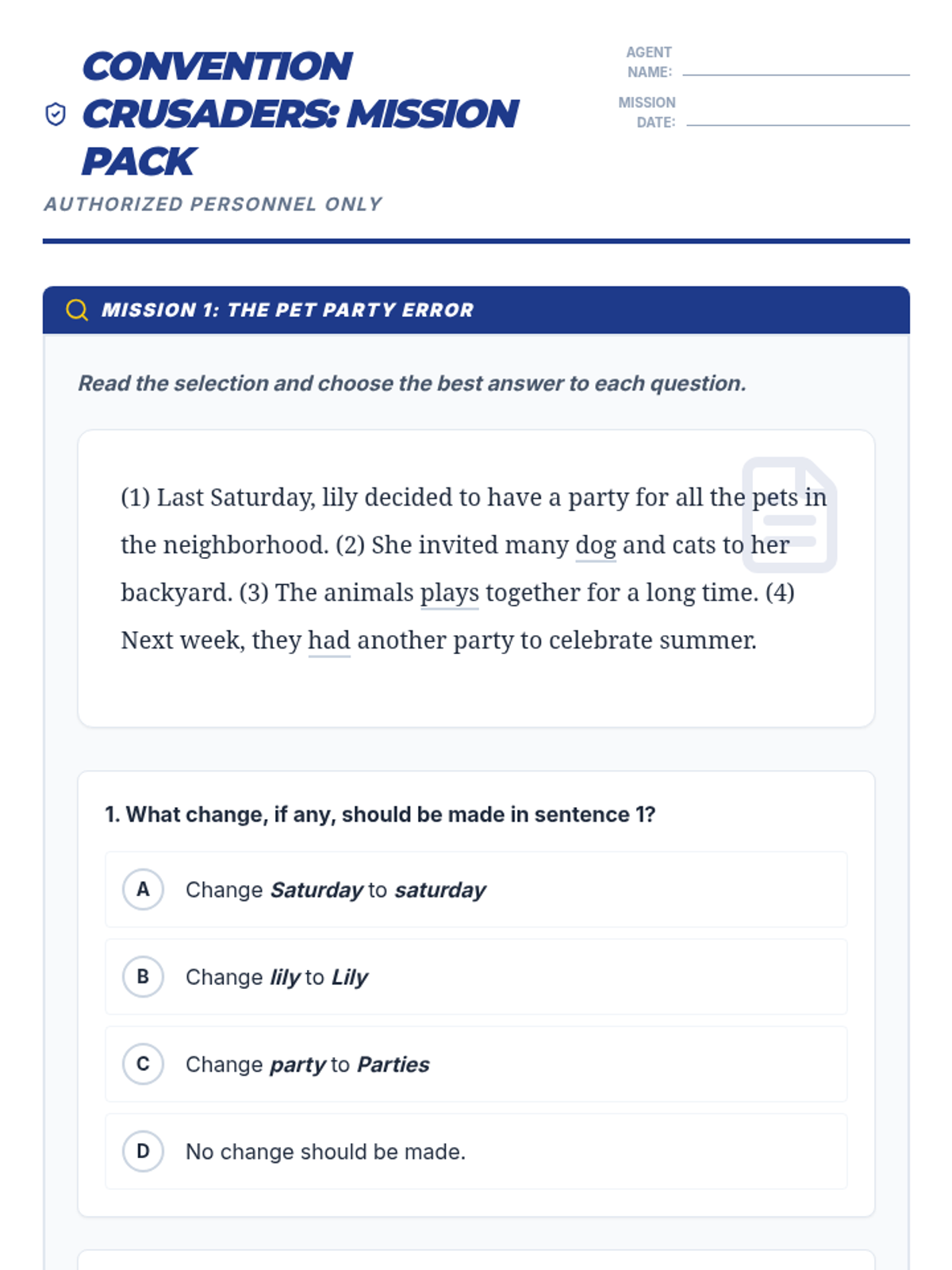
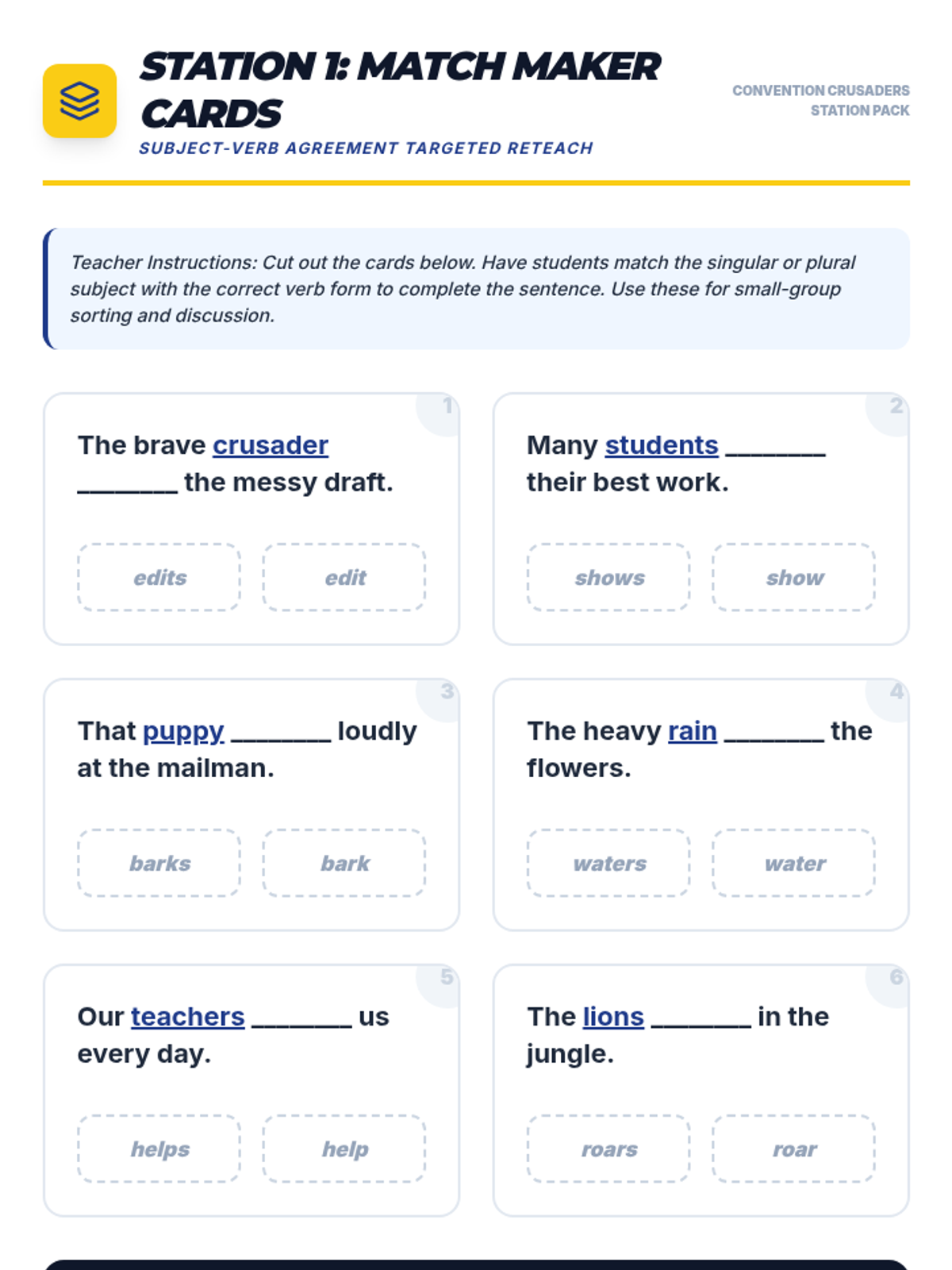
A comprehensive 3rd-grade STAAR review lesson focused on editing for standard English conventions (subject-verb agreement, verb tenses, and nouns) and composing argumentative ECR responses based on grade-level texts.
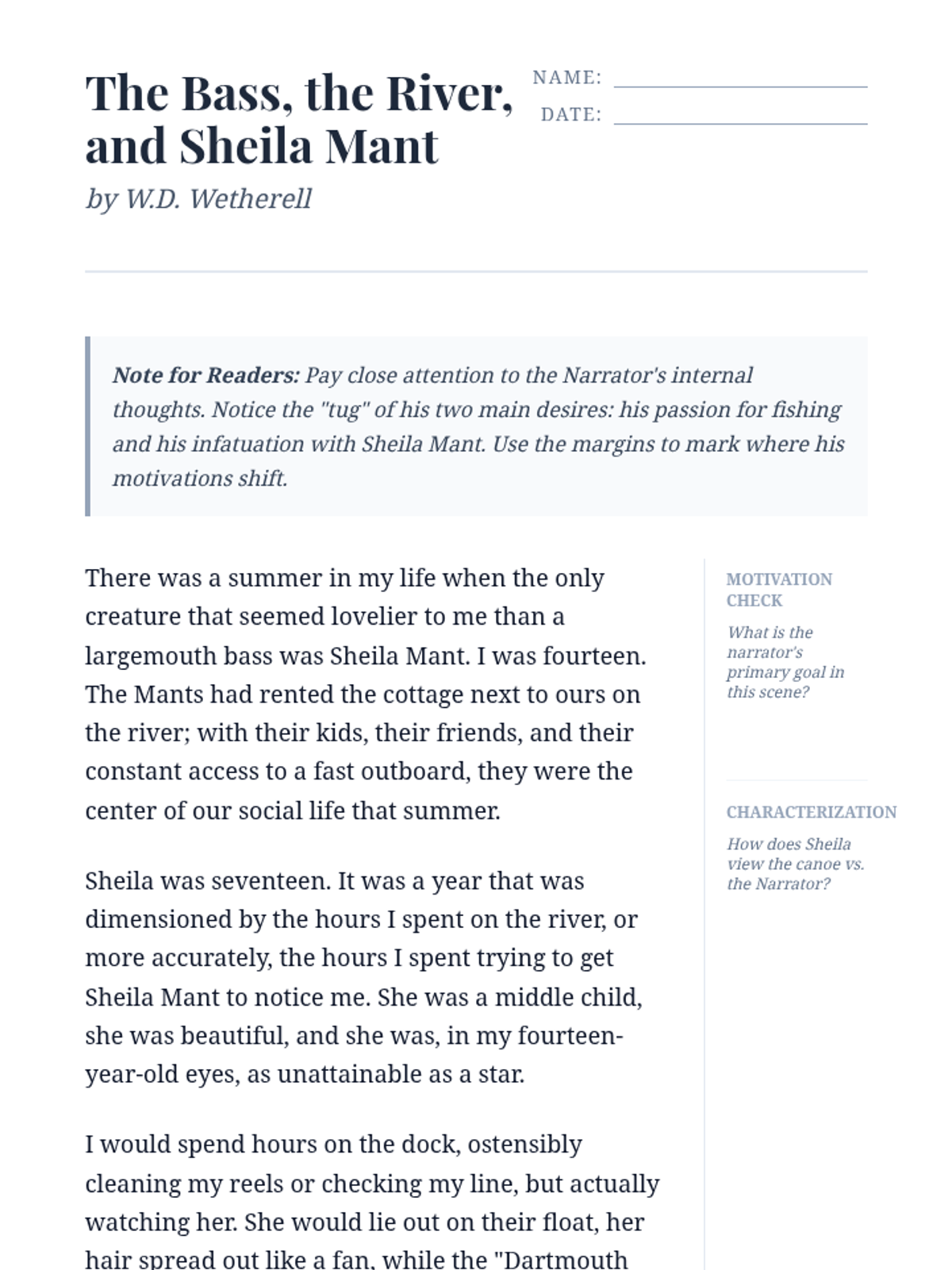
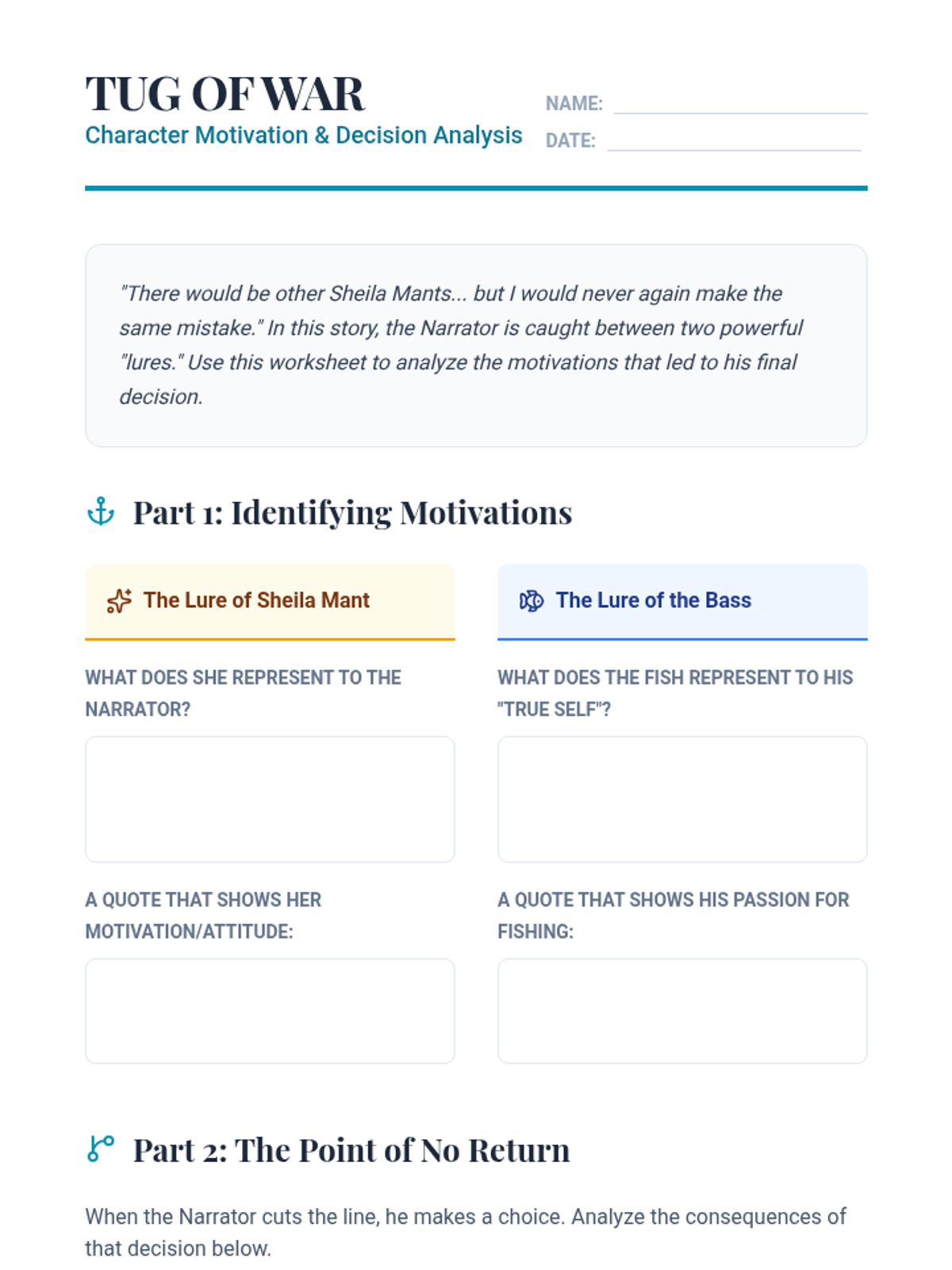
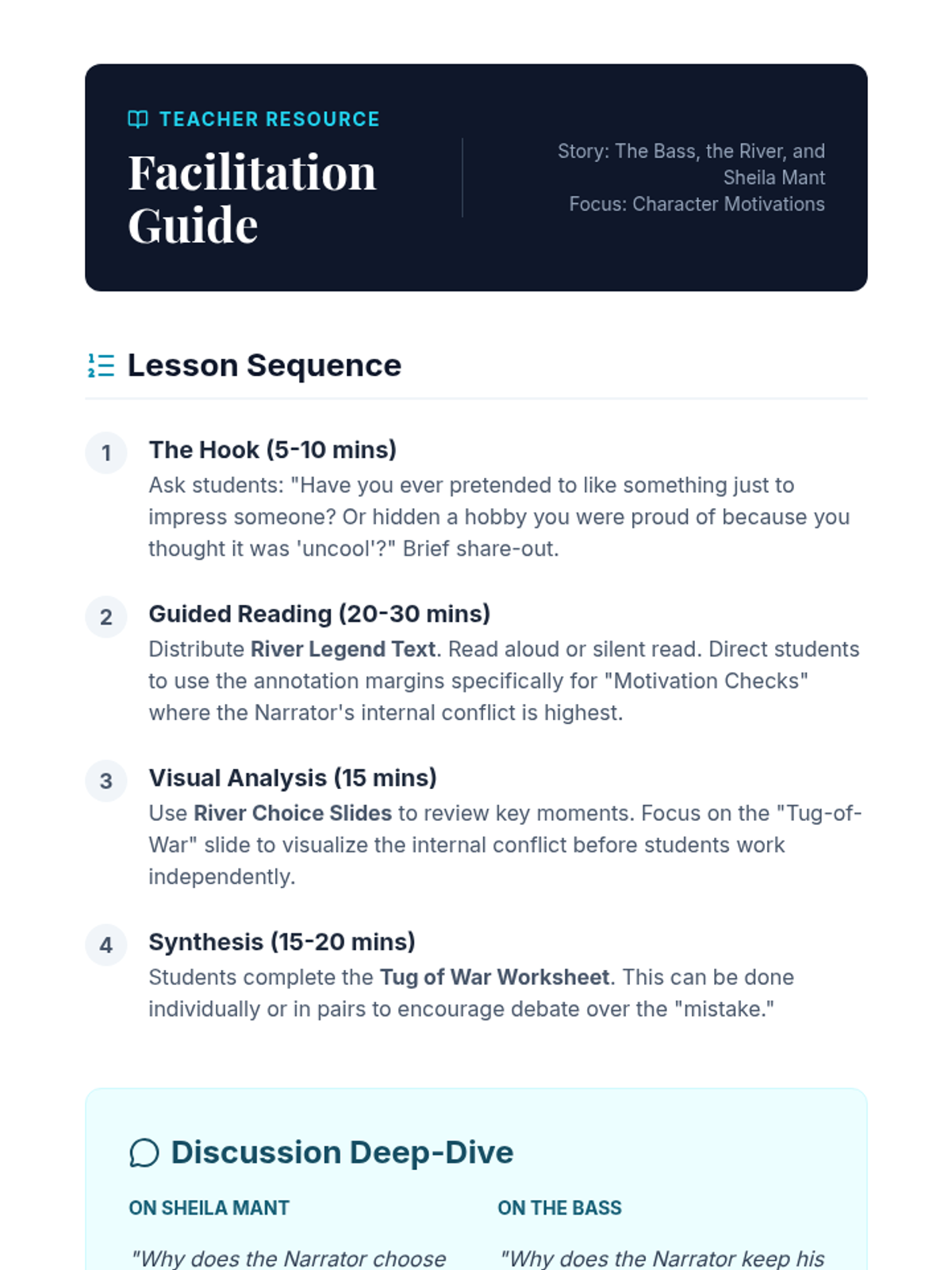
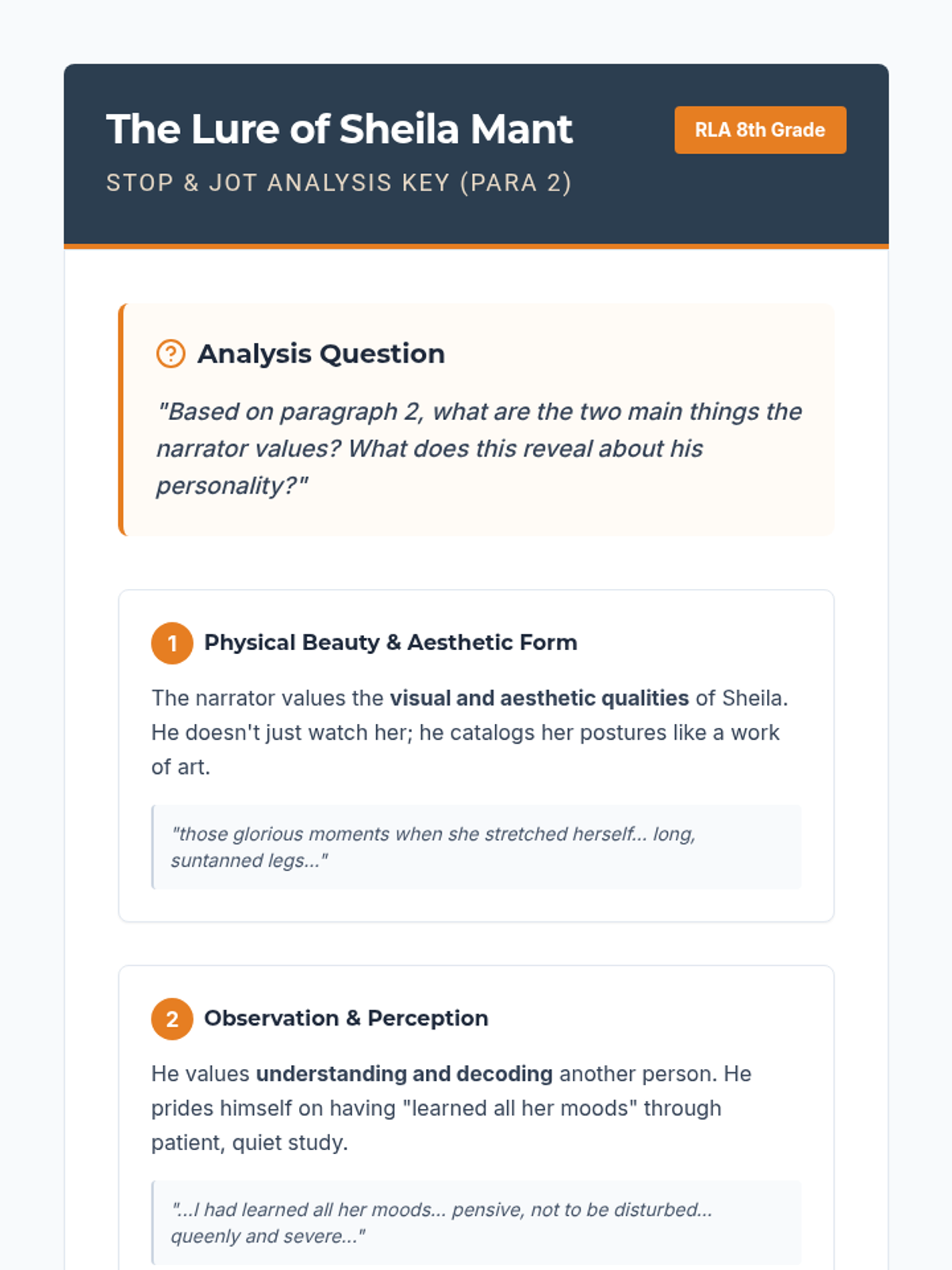
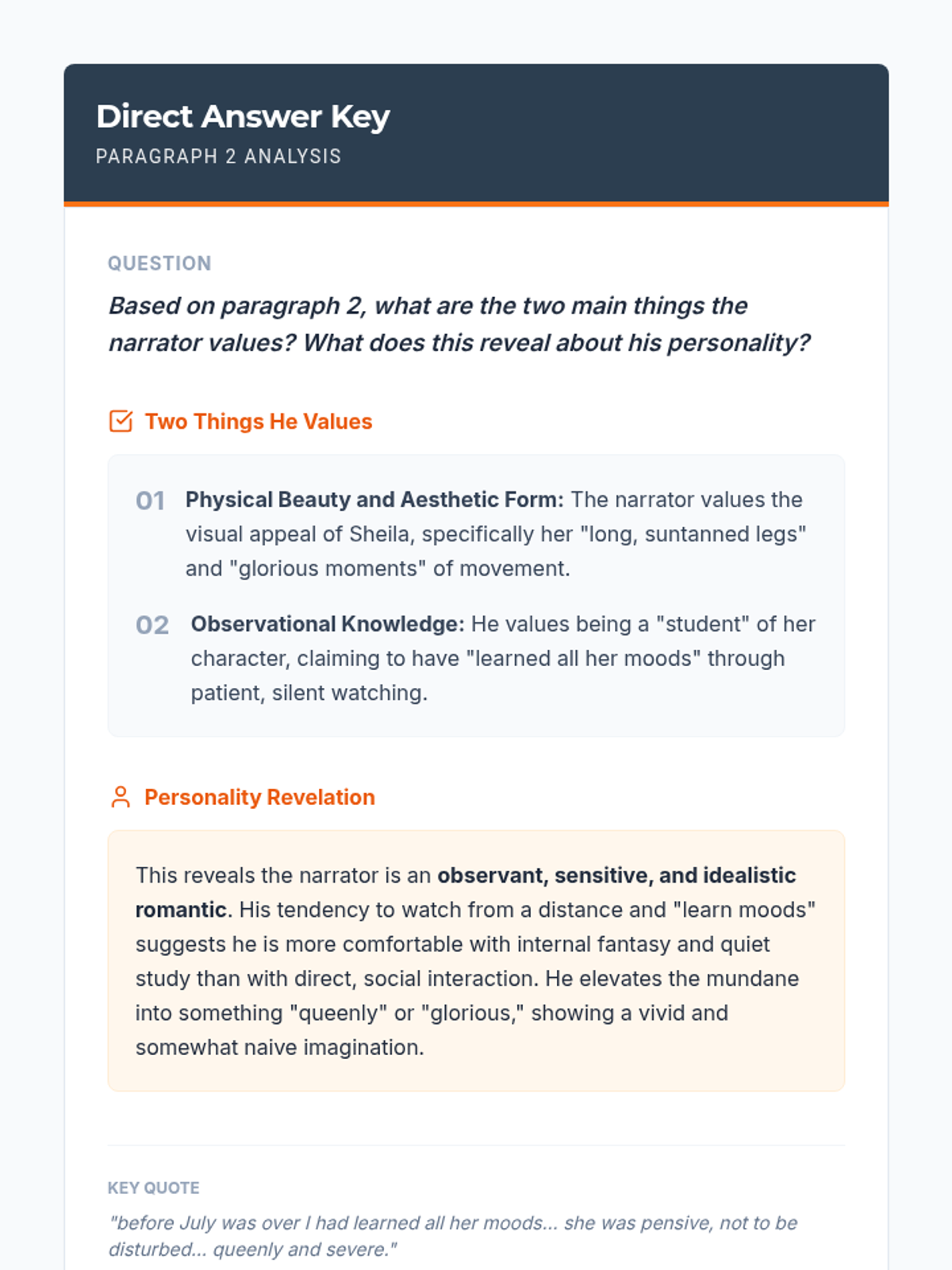
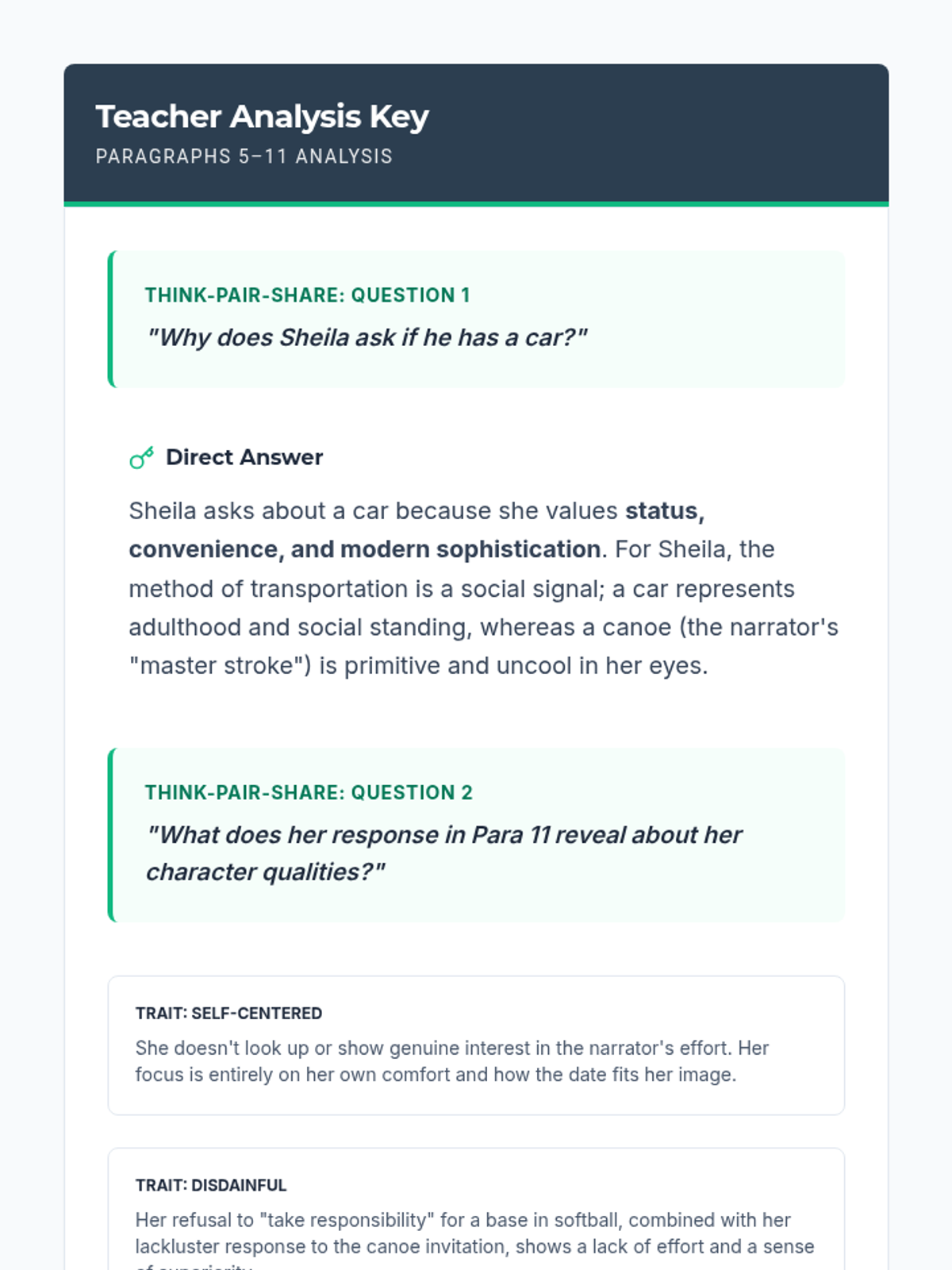
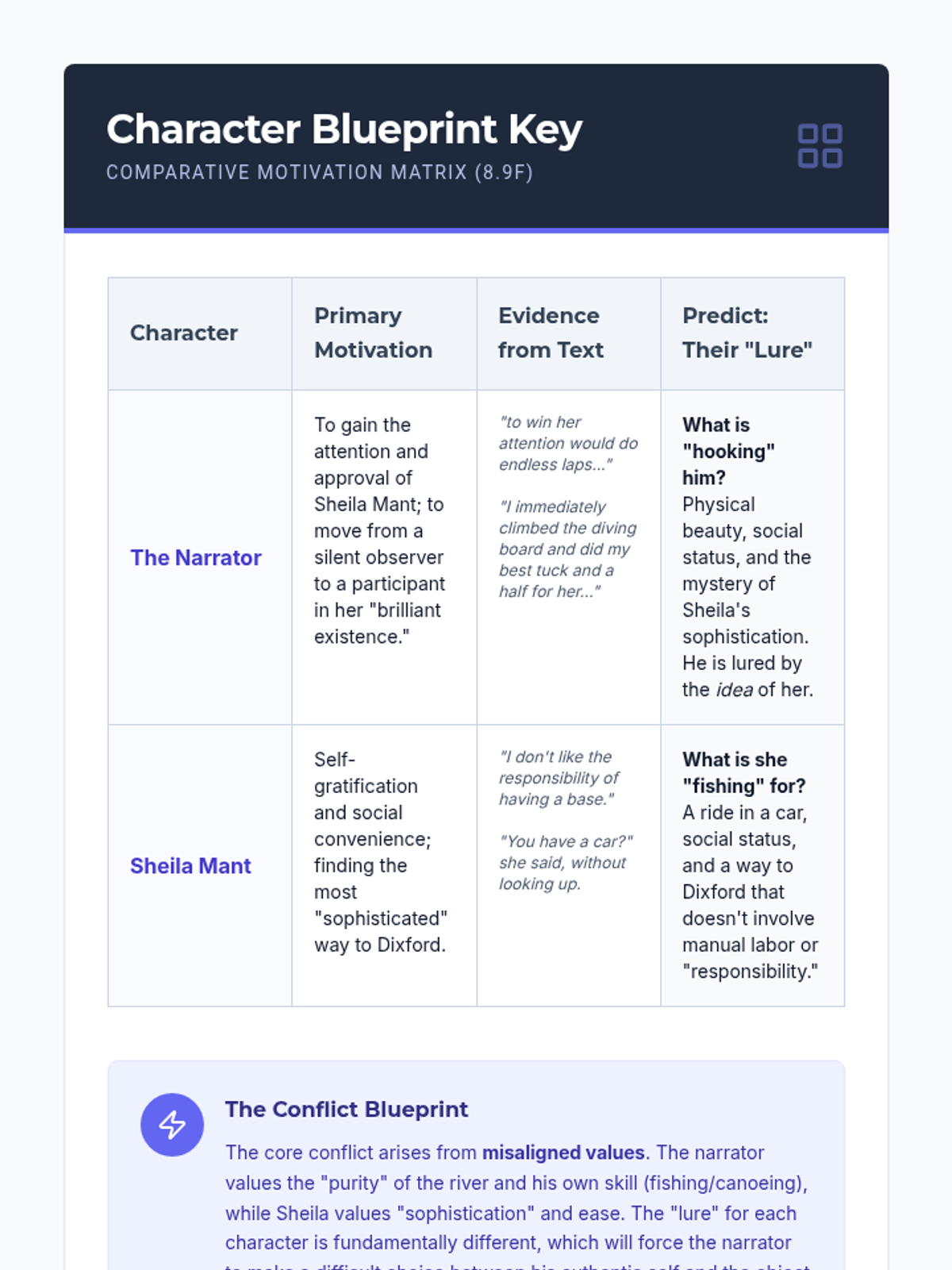
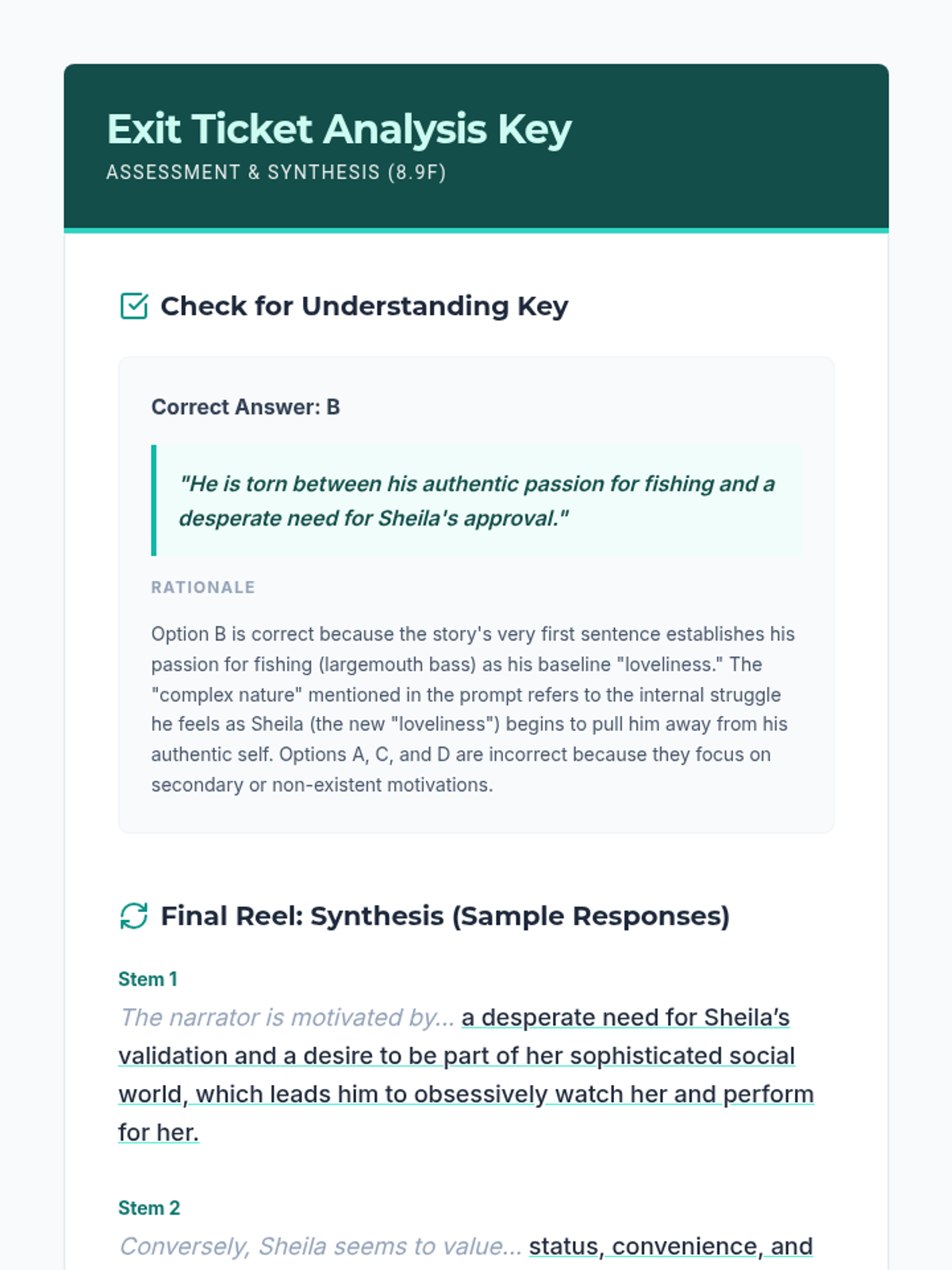
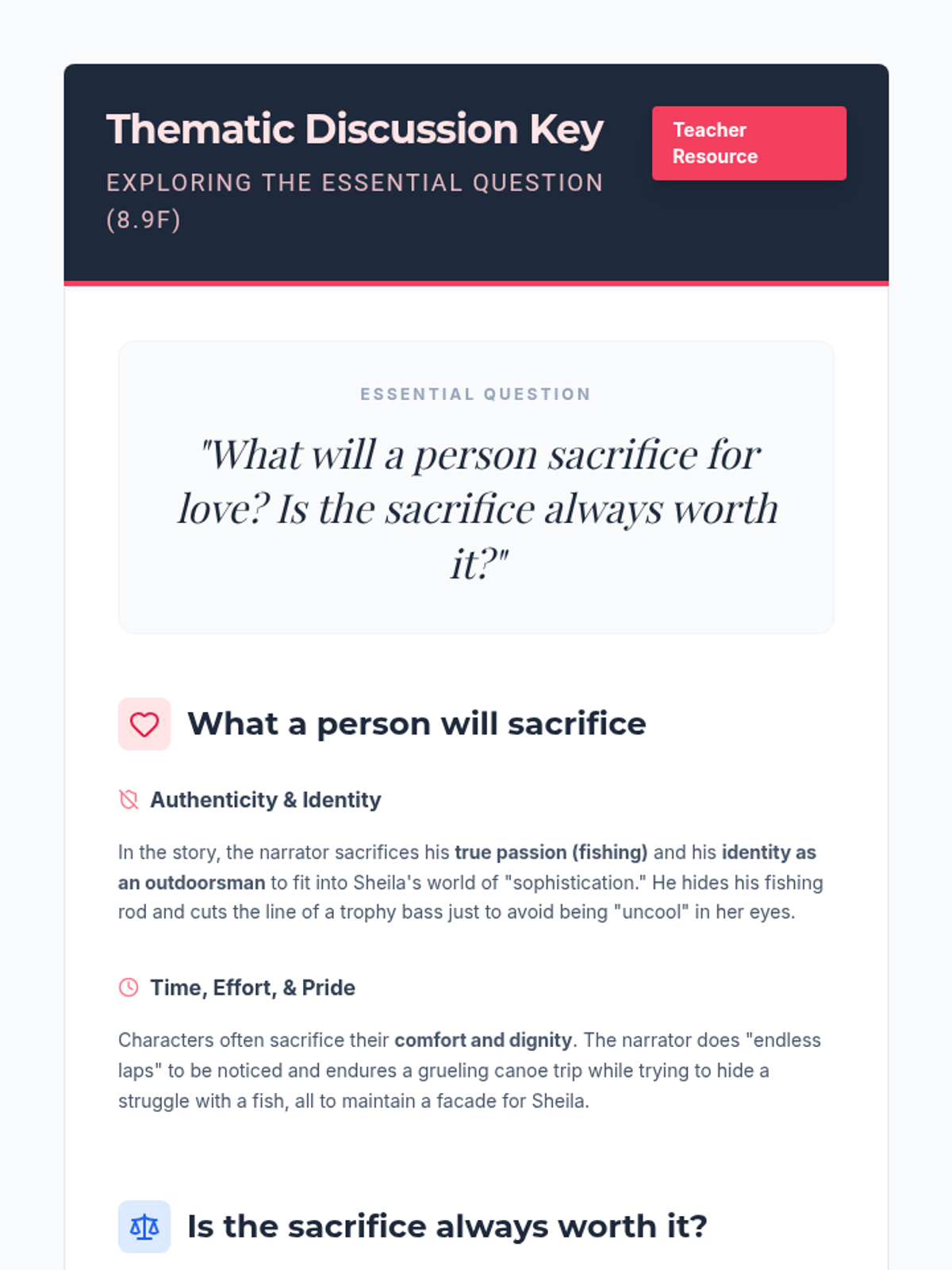
A deep dive into W.D. Wetherell's classic short story, focusing on the Narrator's internal conflict between his passion for fishing and his infatuation with Sheila Mant. students will analyze character motivations and the weight of adolescent decisions.
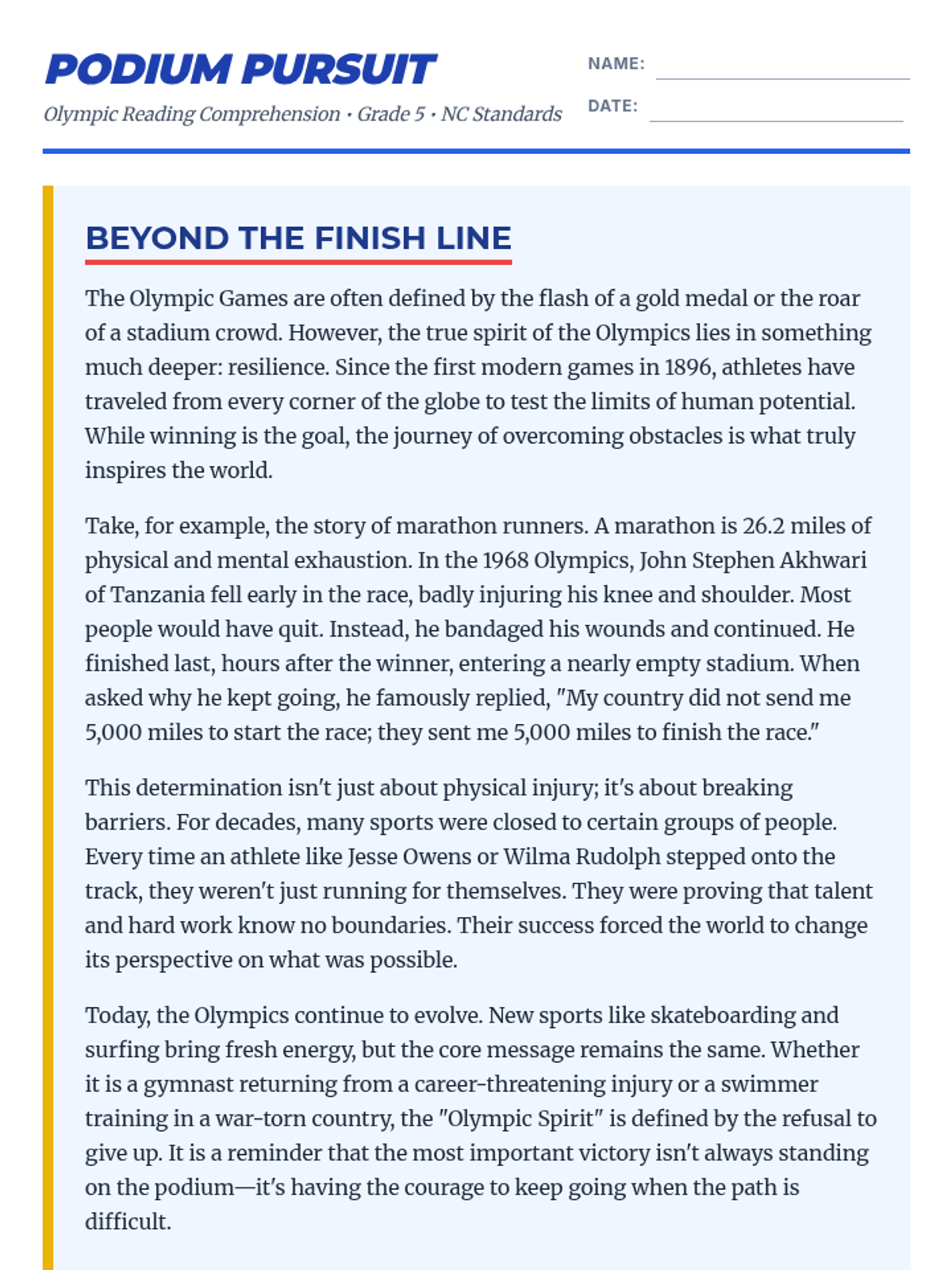
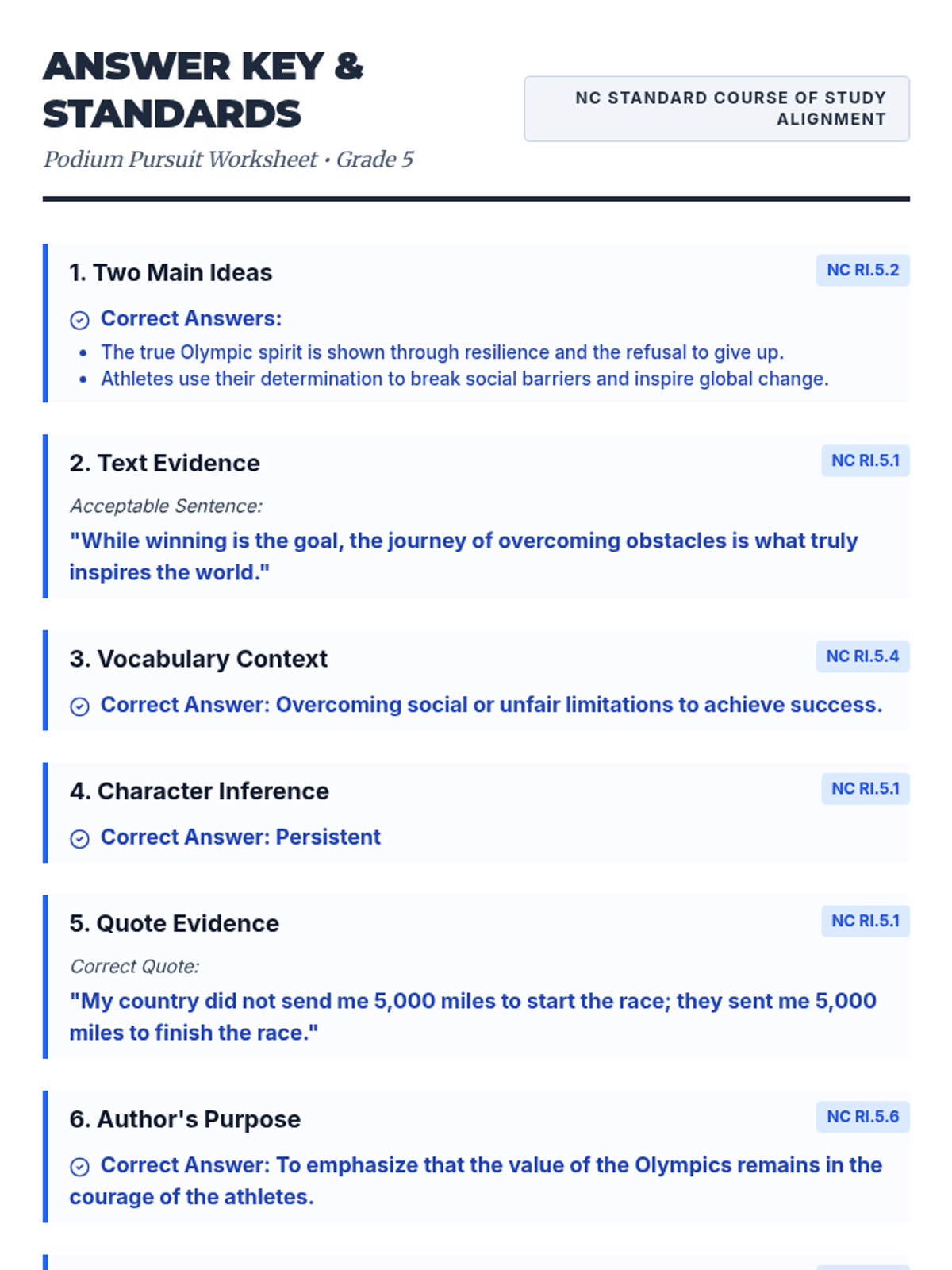
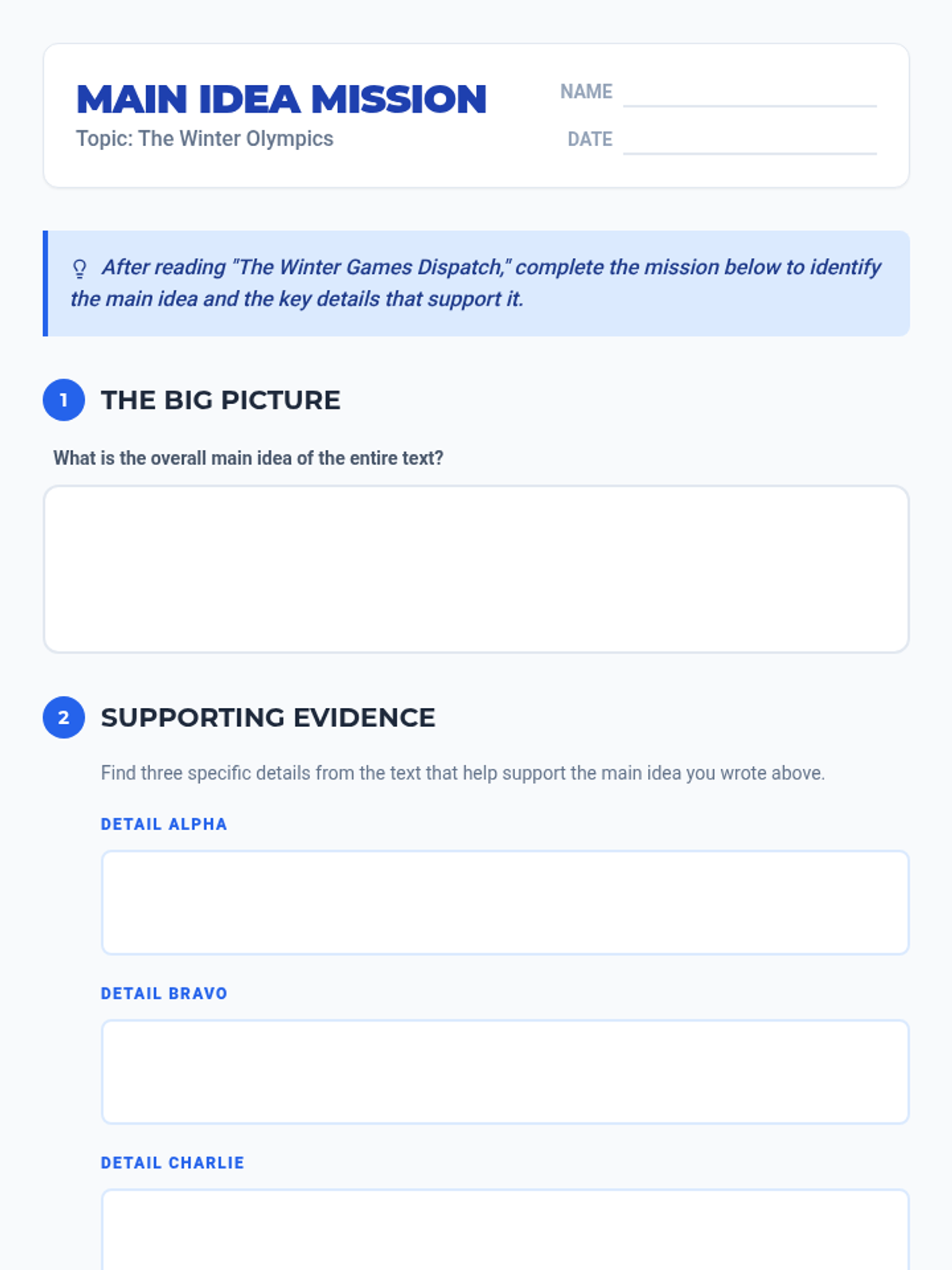
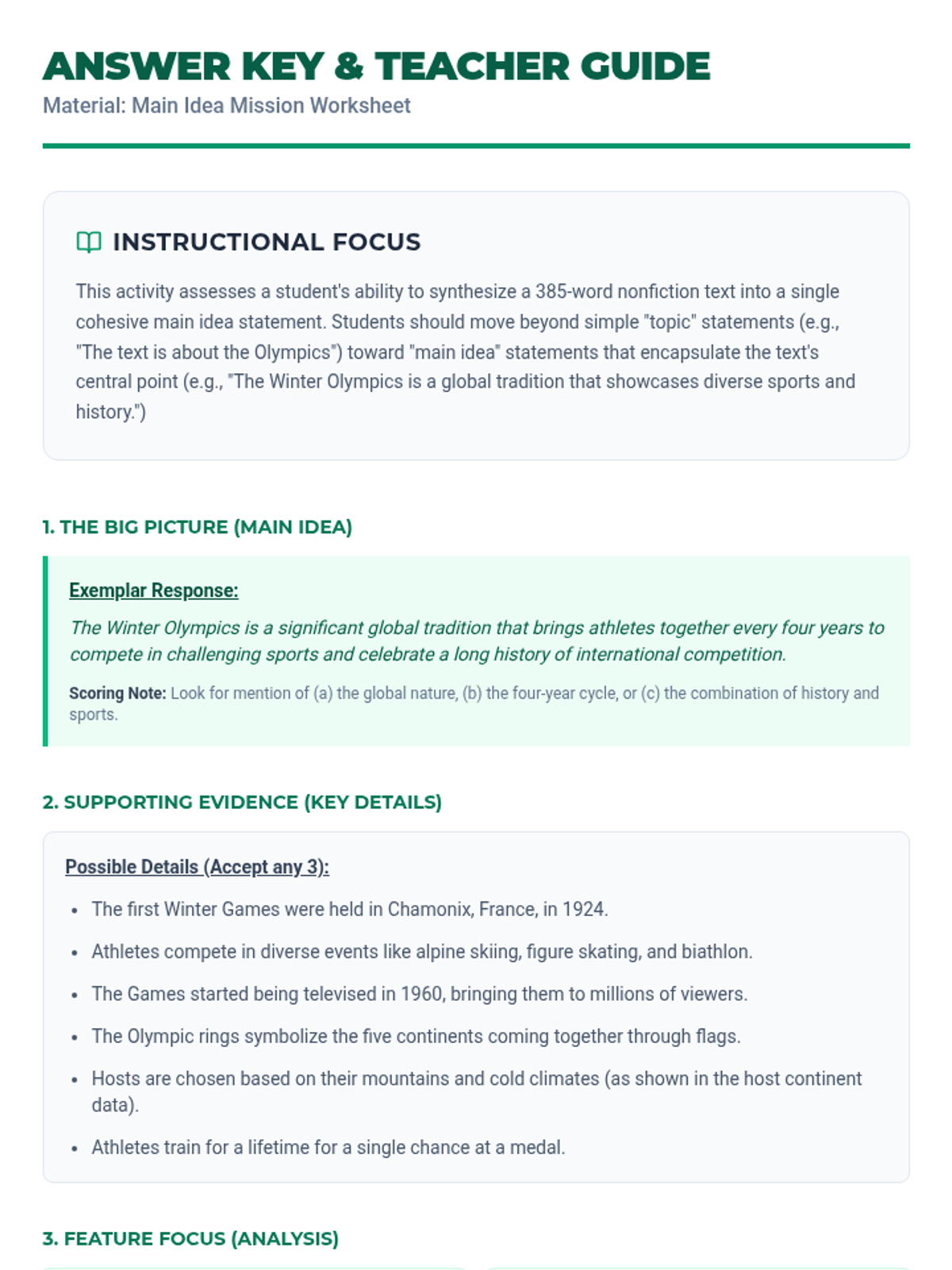
A reading comprehension lesson focused on identifying main ideas and citing text evidence through the lens of Olympic history and athlete resilience.
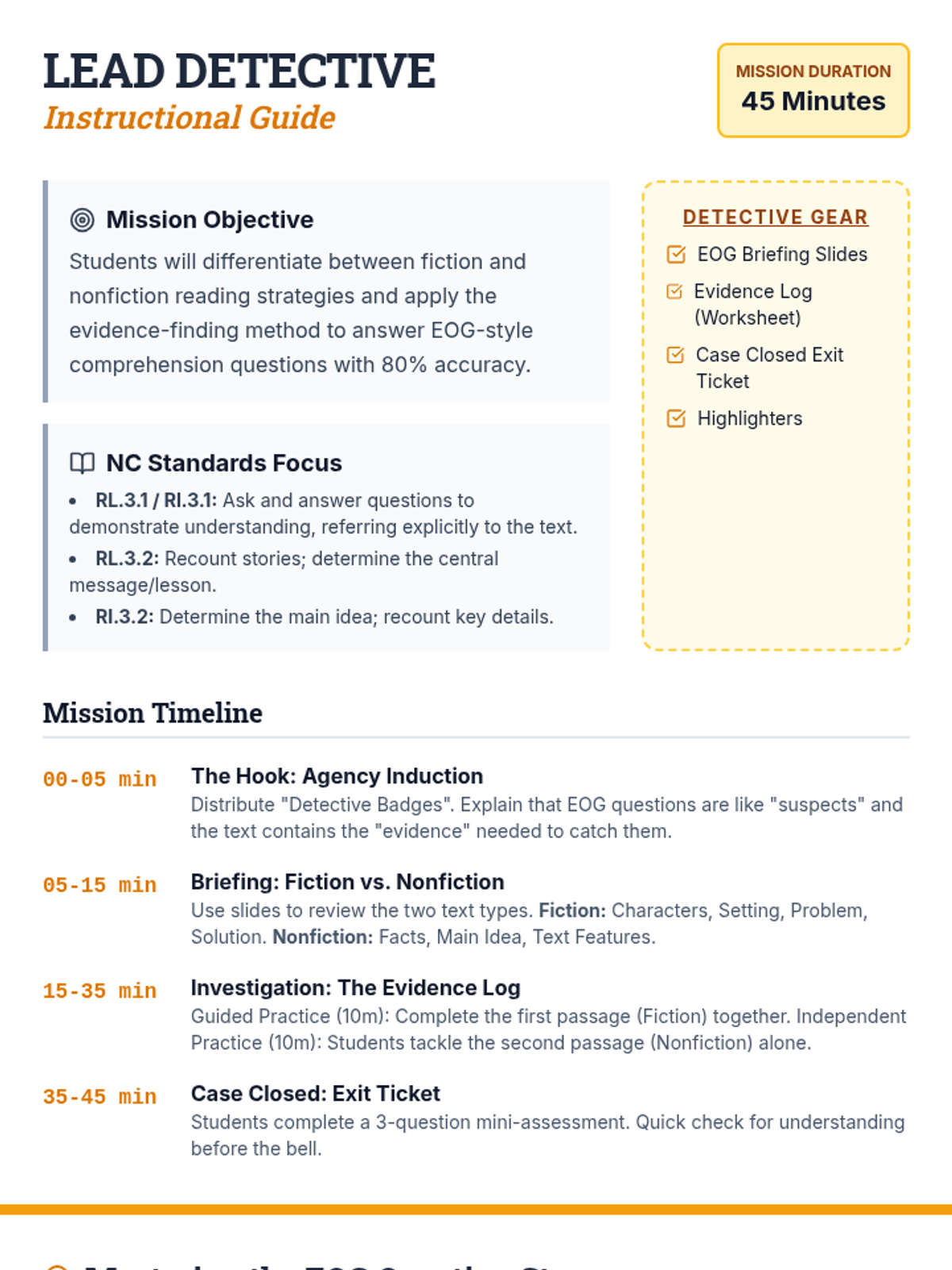
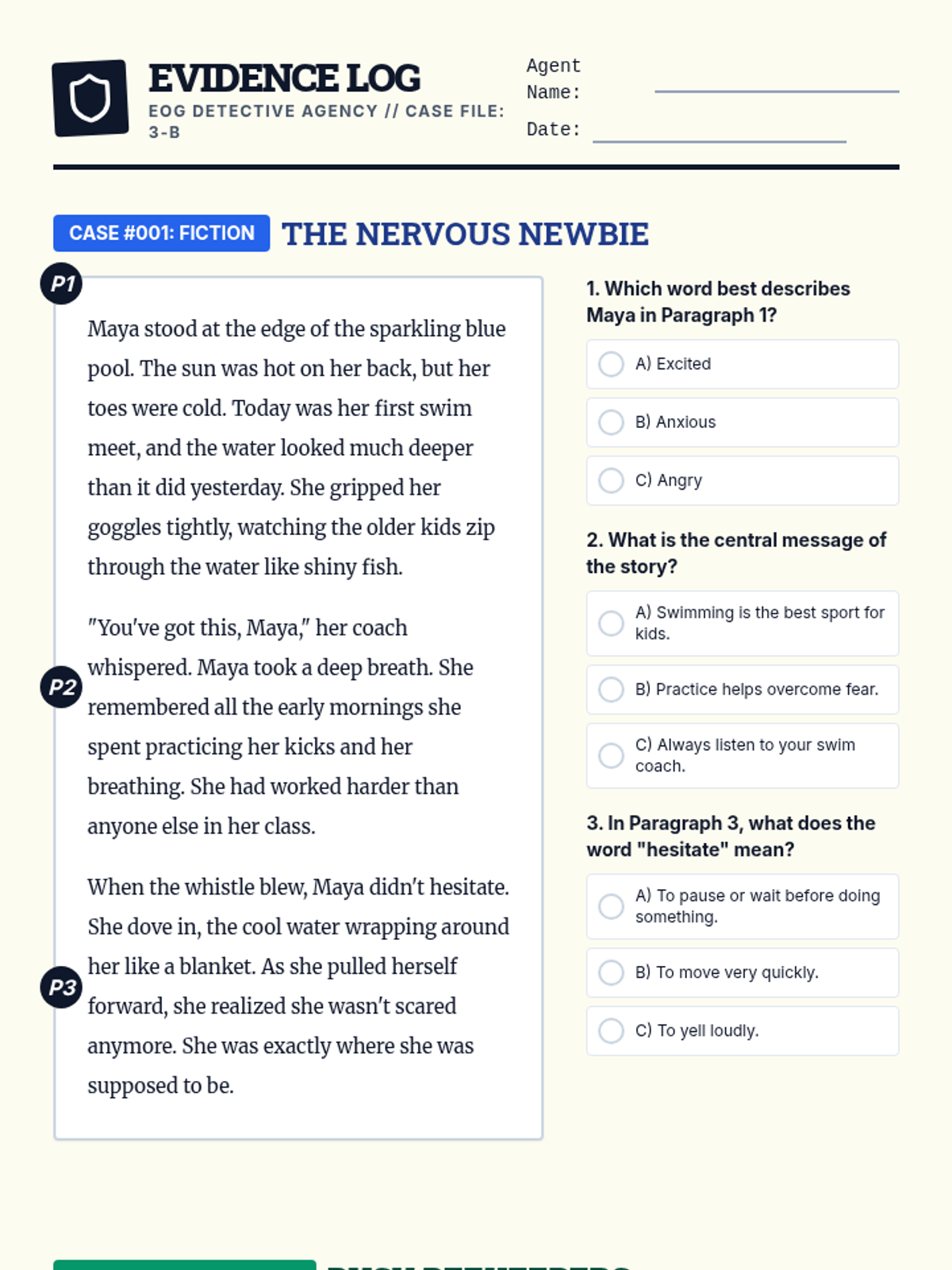
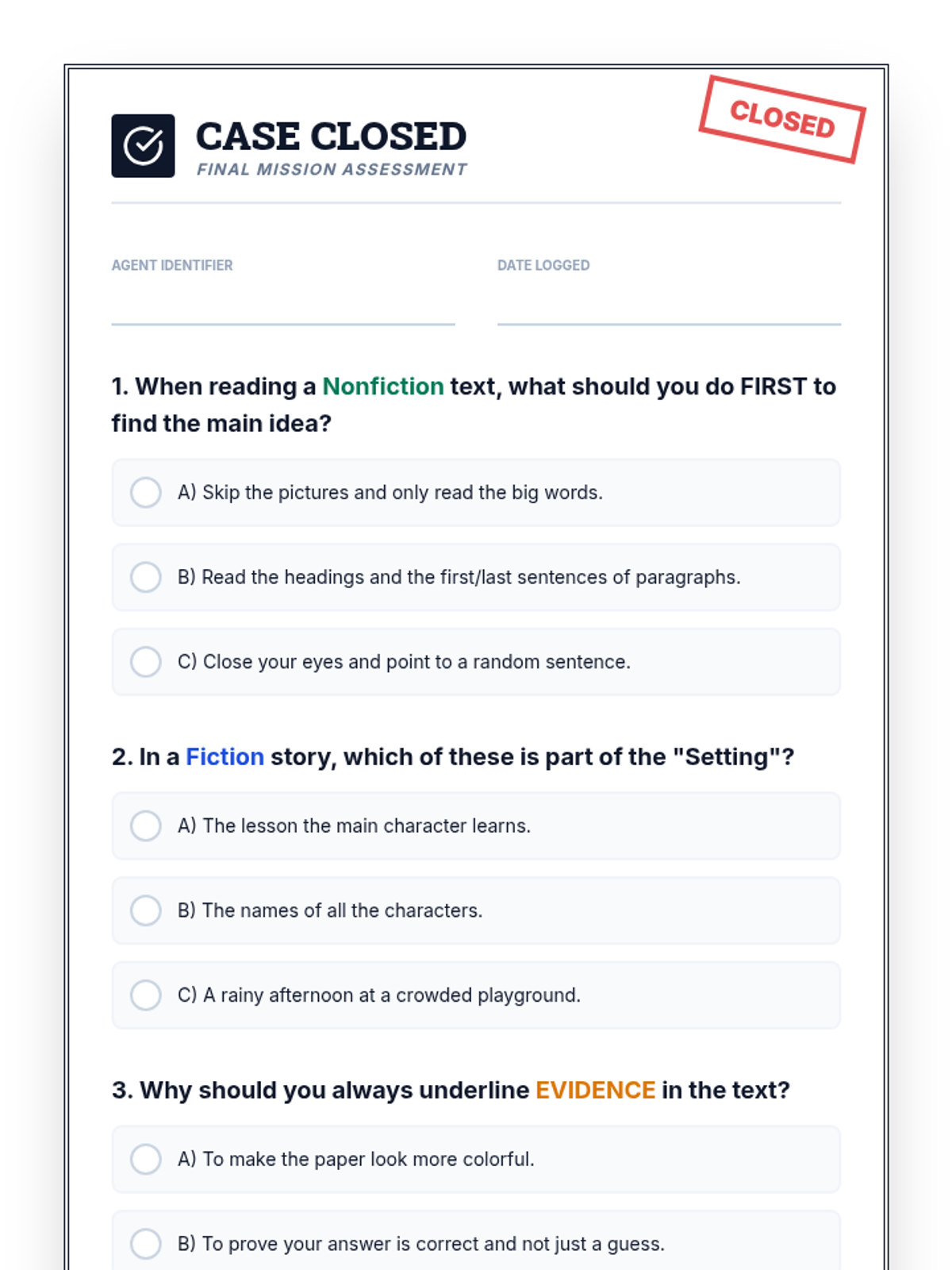
A high-intensity 45-minute lesson designed to prepare 3rd-grade students for the NC EOG Reading test by focusing on evidence-based comprehension strategies for both fiction and nonfiction texts.
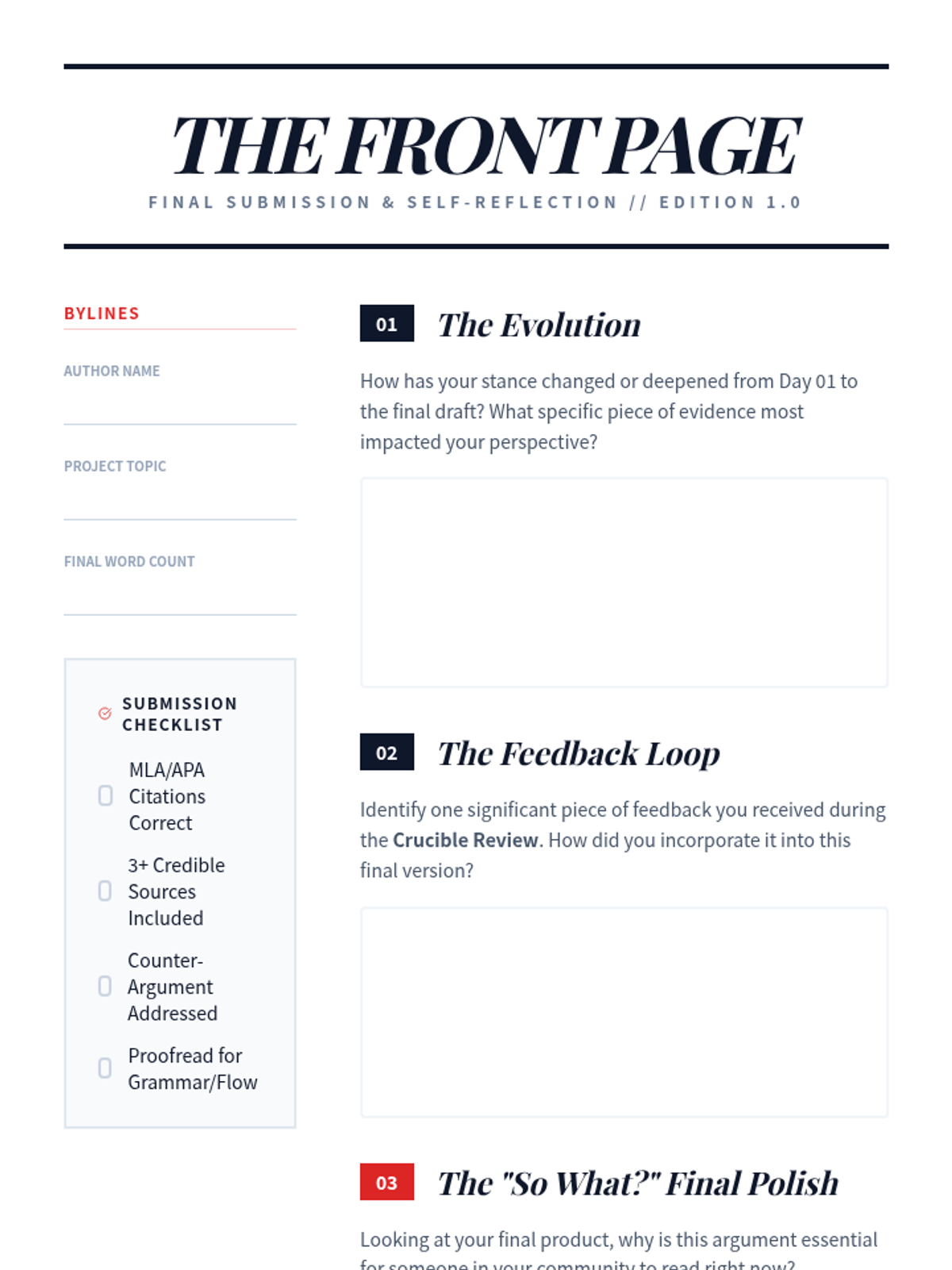
Final essay submission along with a self-reflection on the writing process and feedback implementation.
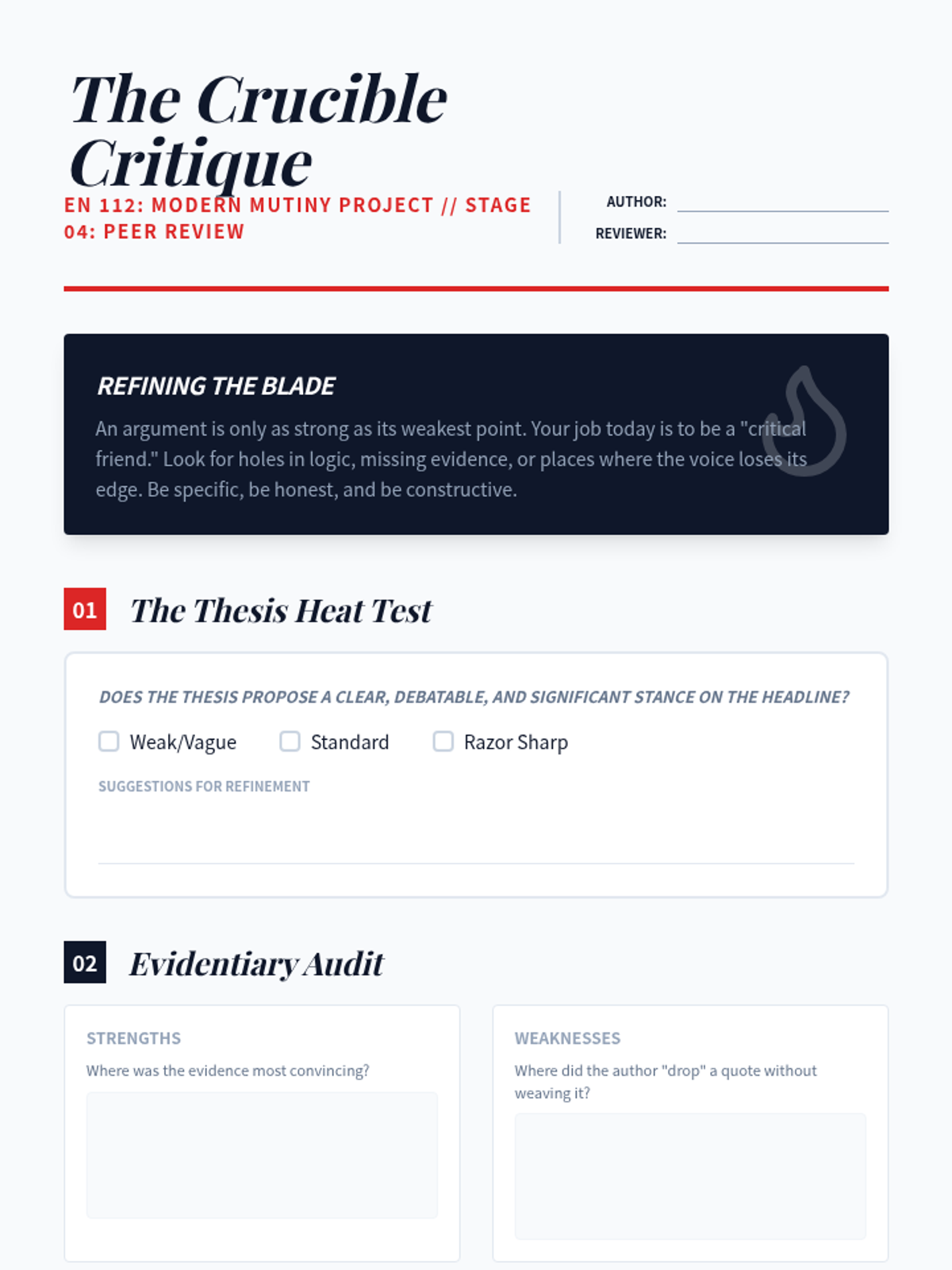
A collaborative workshop where students evaluate peer arguments for logic, flow, and evidentiary support.
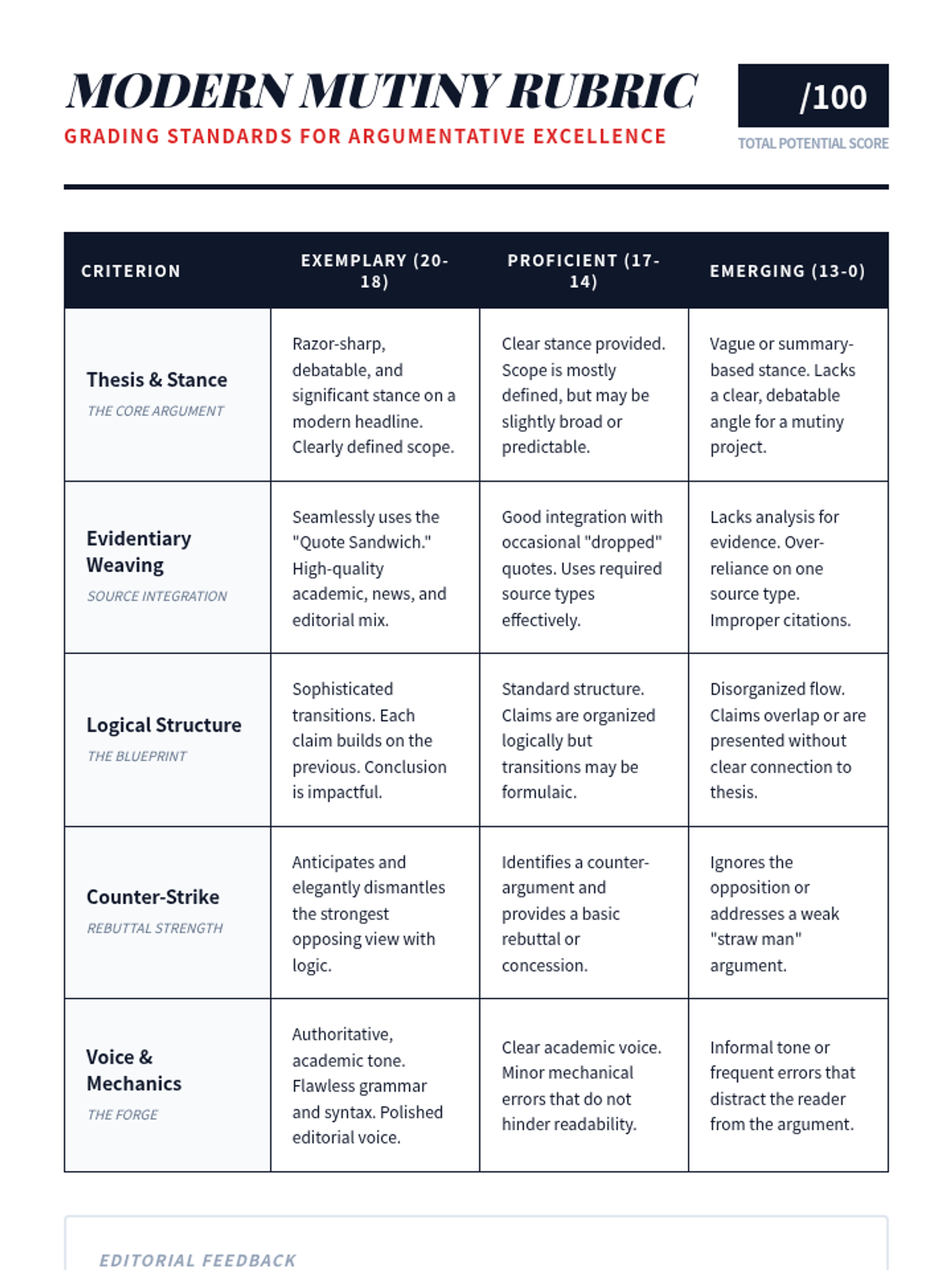
Focuses on the mechanics of writing, including transitions, tone, and the effective integration of academic research into the narrative.
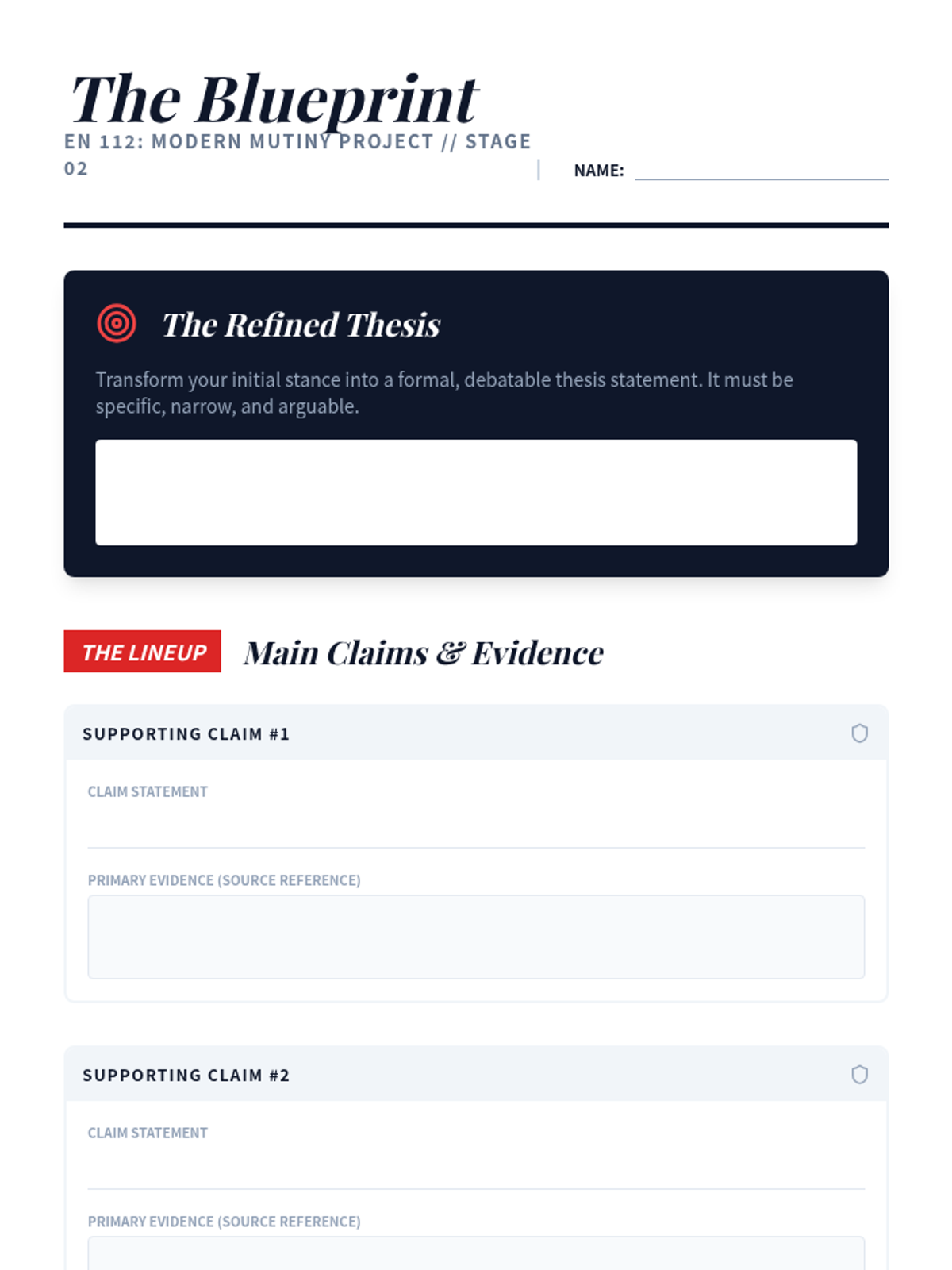
Students transform their research into a structured argument, focusing on thesis development and mapping out evidence.
Students explore contemporary news cycles, select a controversial topic, and perform initial source evaluation. Includes argumentative prompts and a research log.
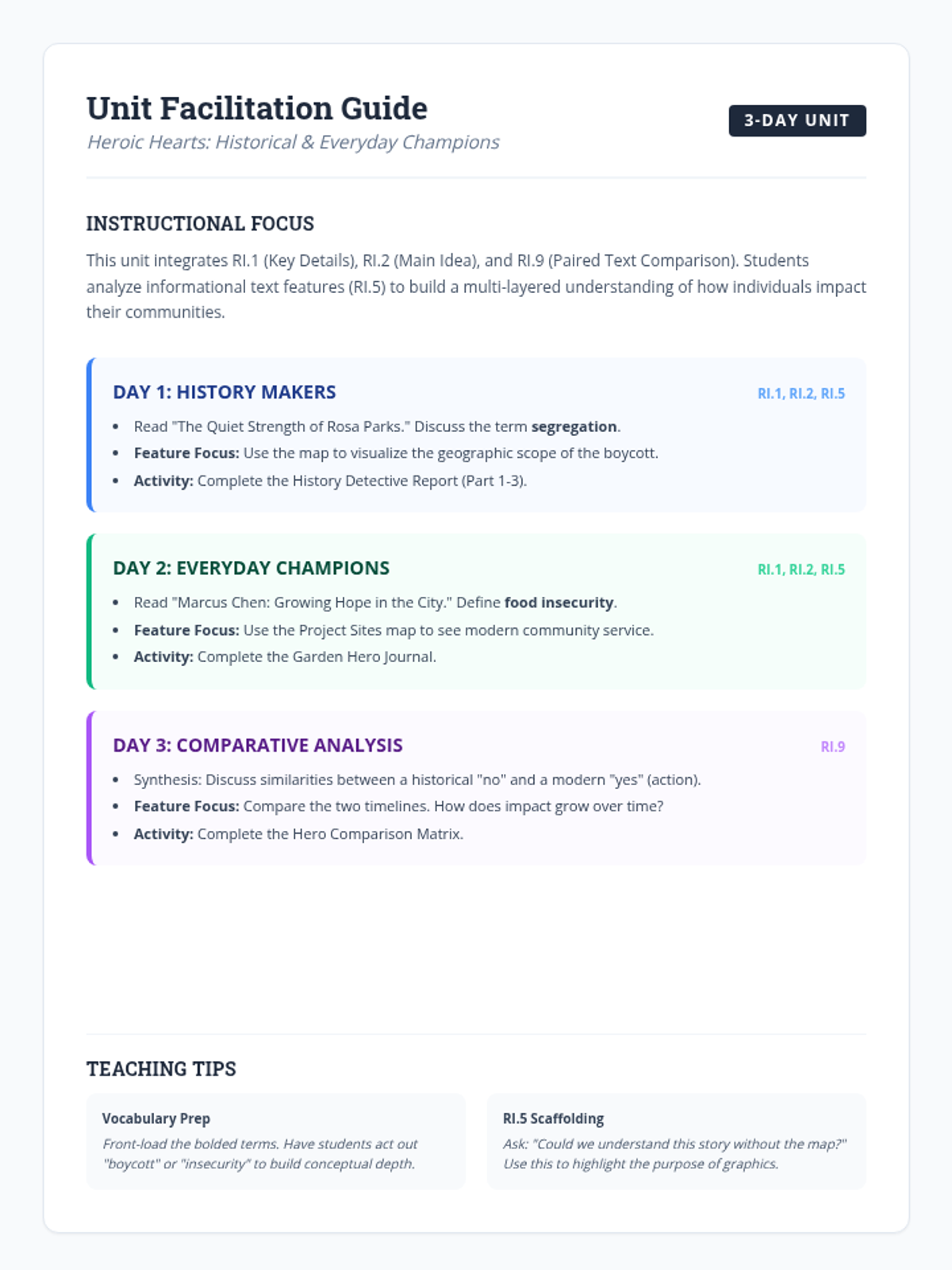
Students use evidence from both texts to compare and contrast the impact of historical and everyday heroes, meeting RI.9 standards.
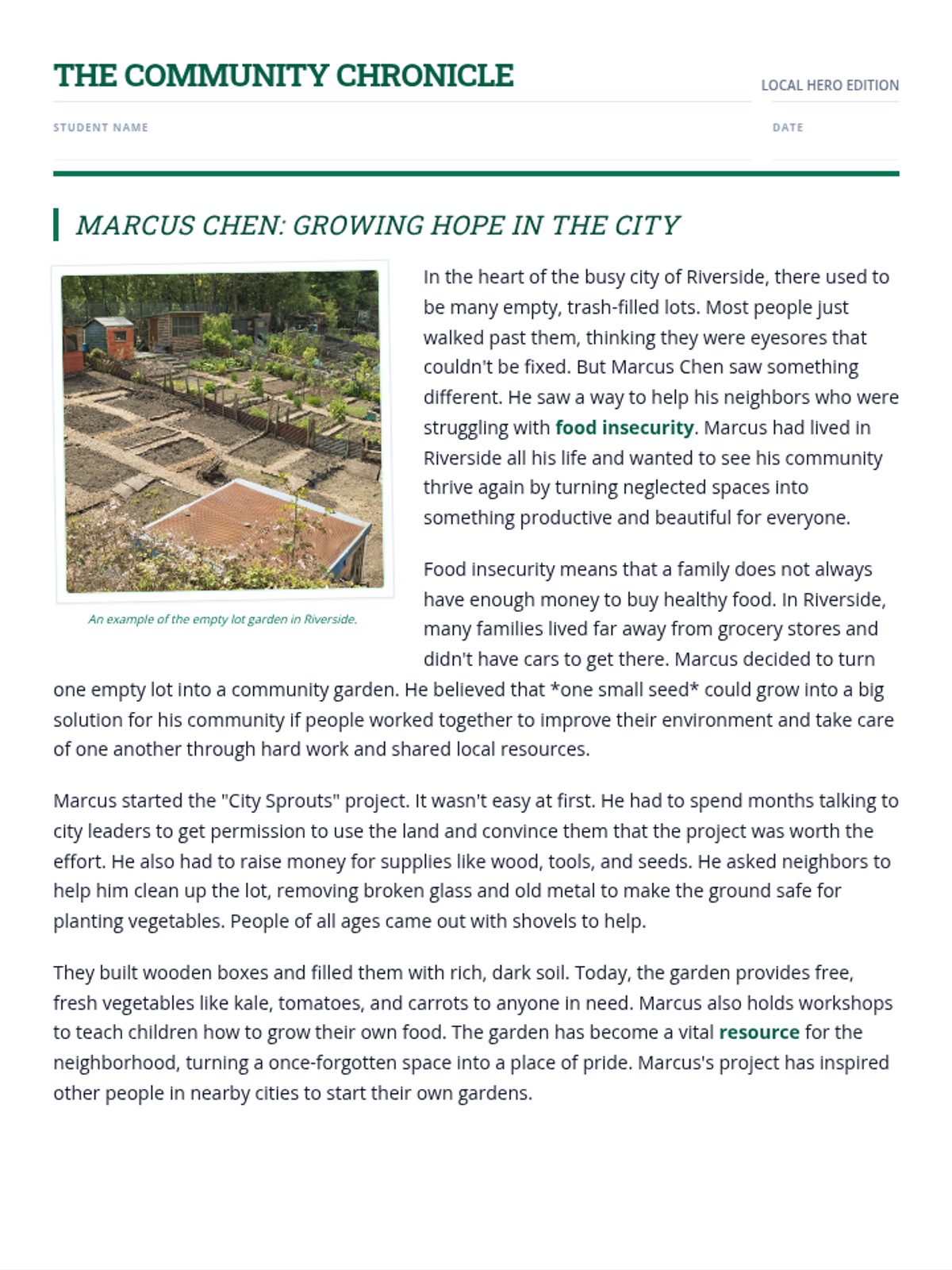
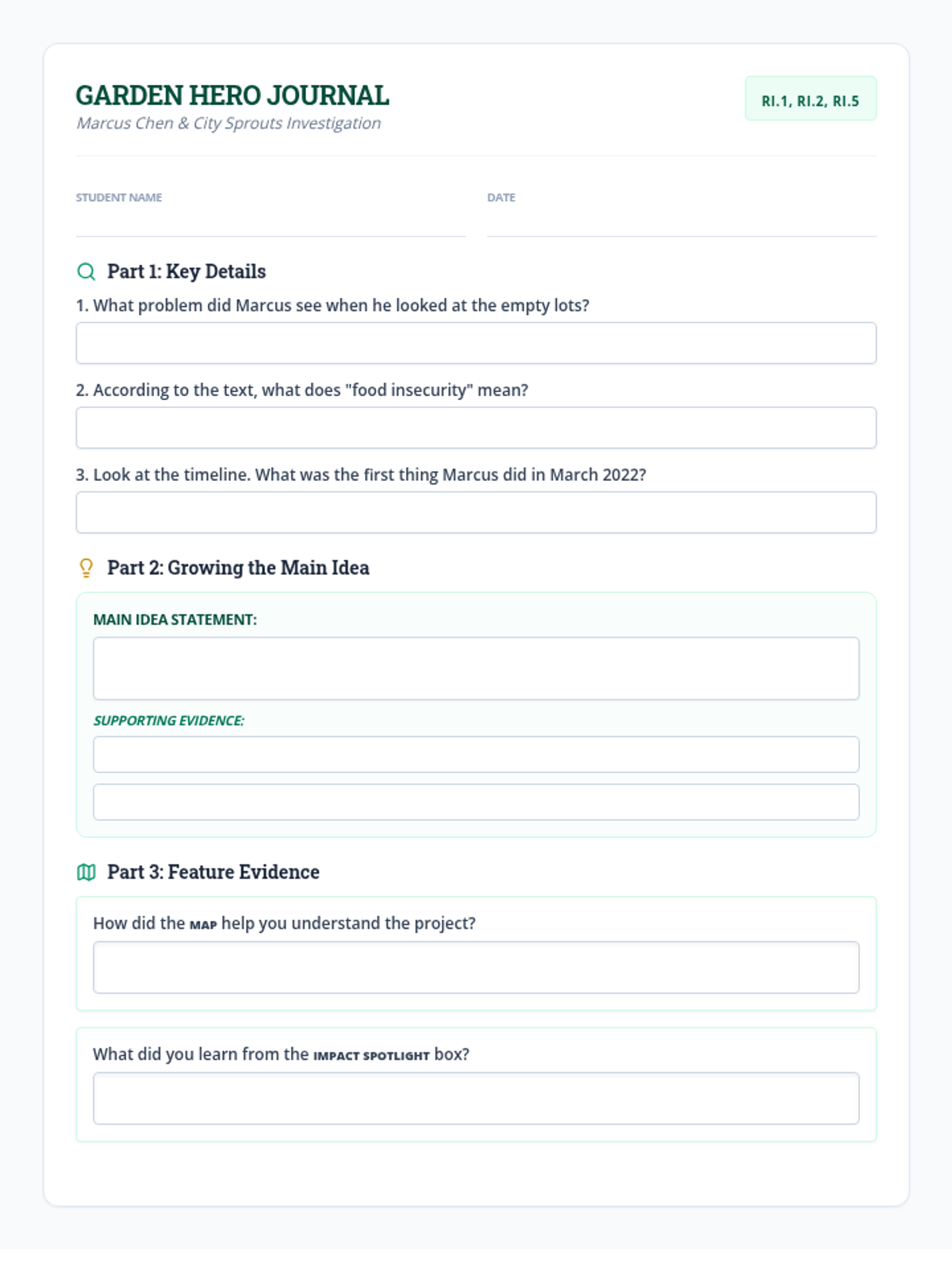
Students read about a modern-day local hero, identifying main ideas and using diagrams and labels to understand how everyday people make a difference.
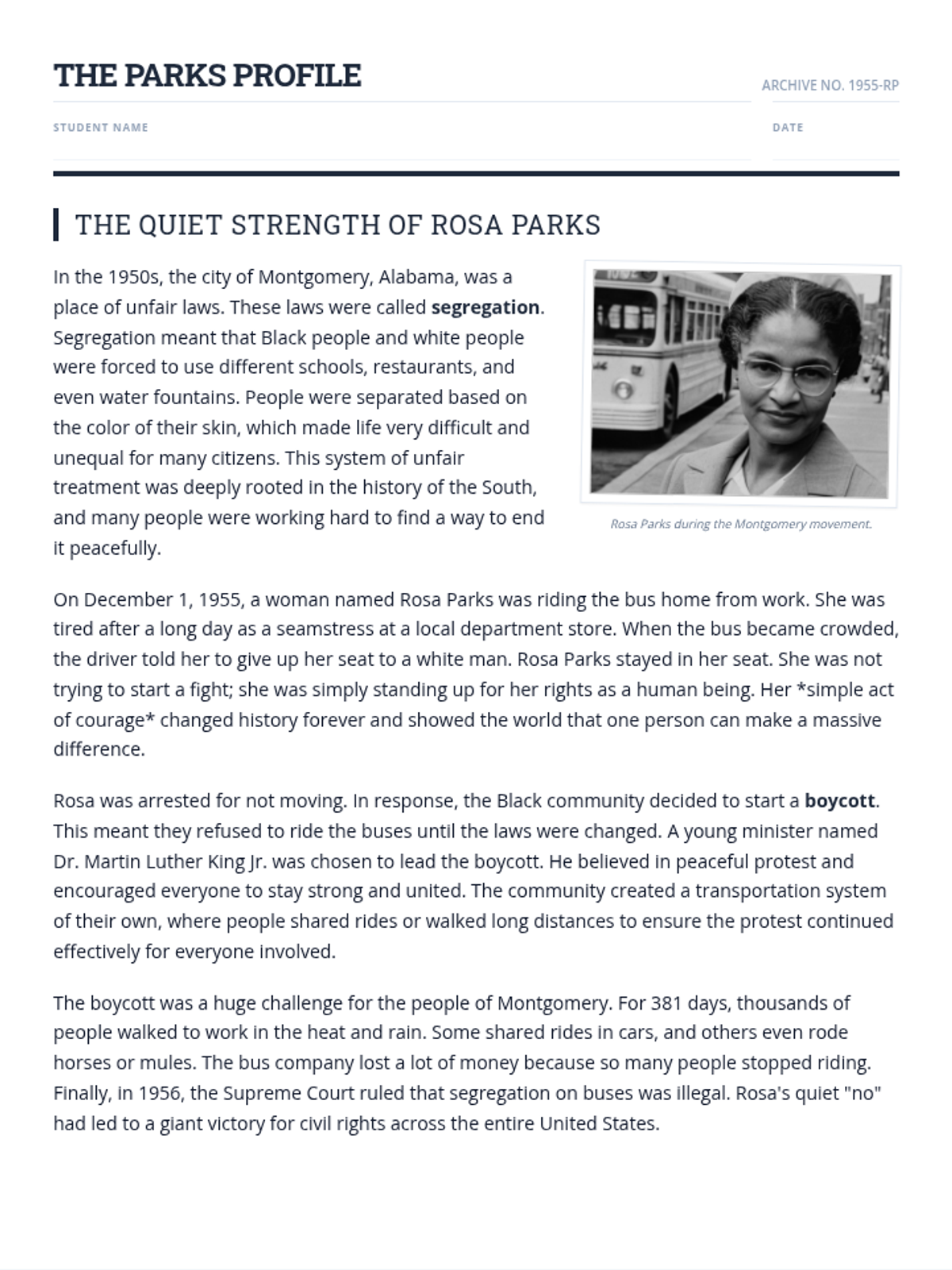
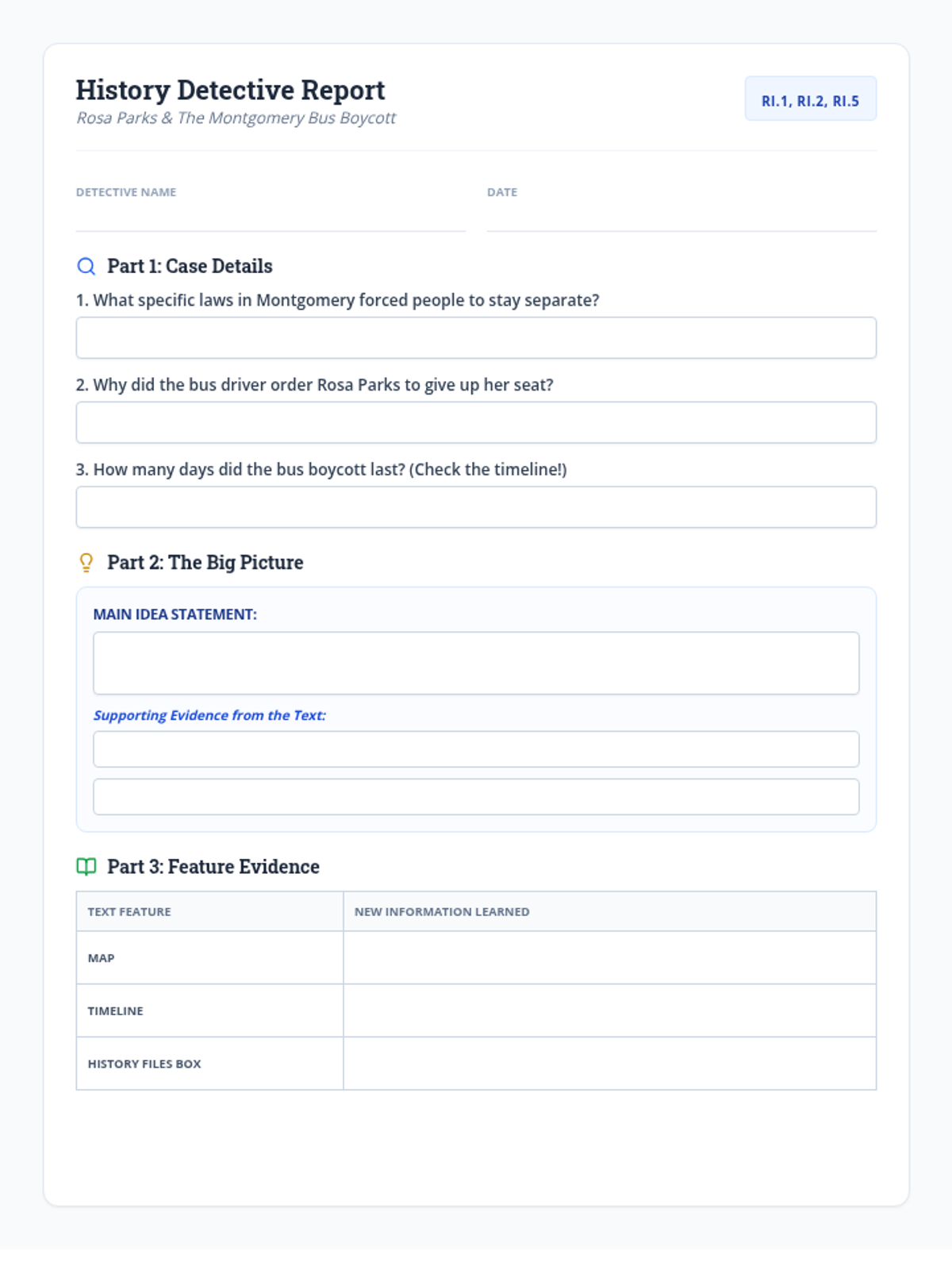
Students explore the life of Rosa Parks, focusing on identifying key details and navigating complex text features like maps and timelines.
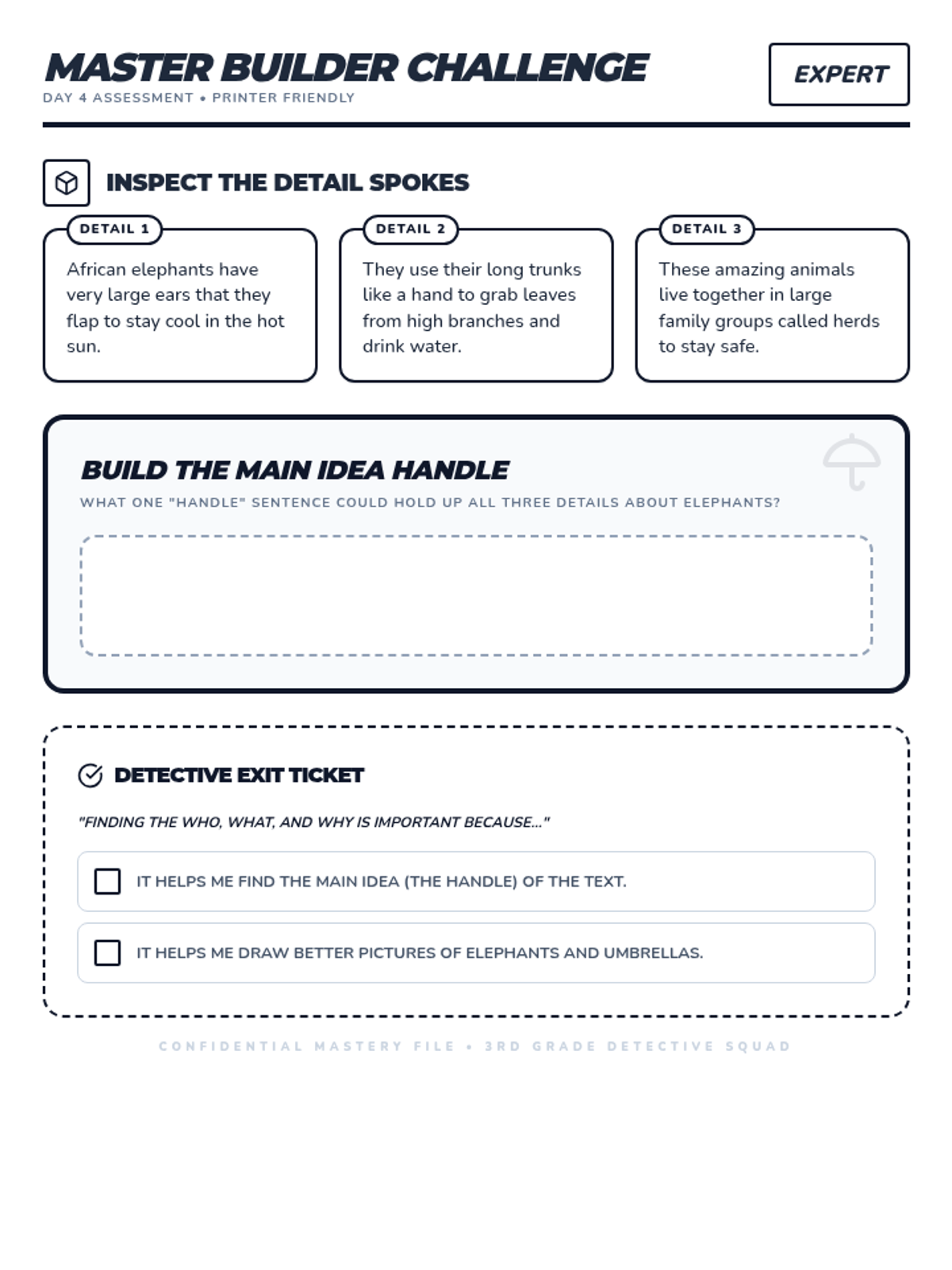
Synthesis activity where students use a collection of details to identify the main idea and create their own 'Big Picture' summary.
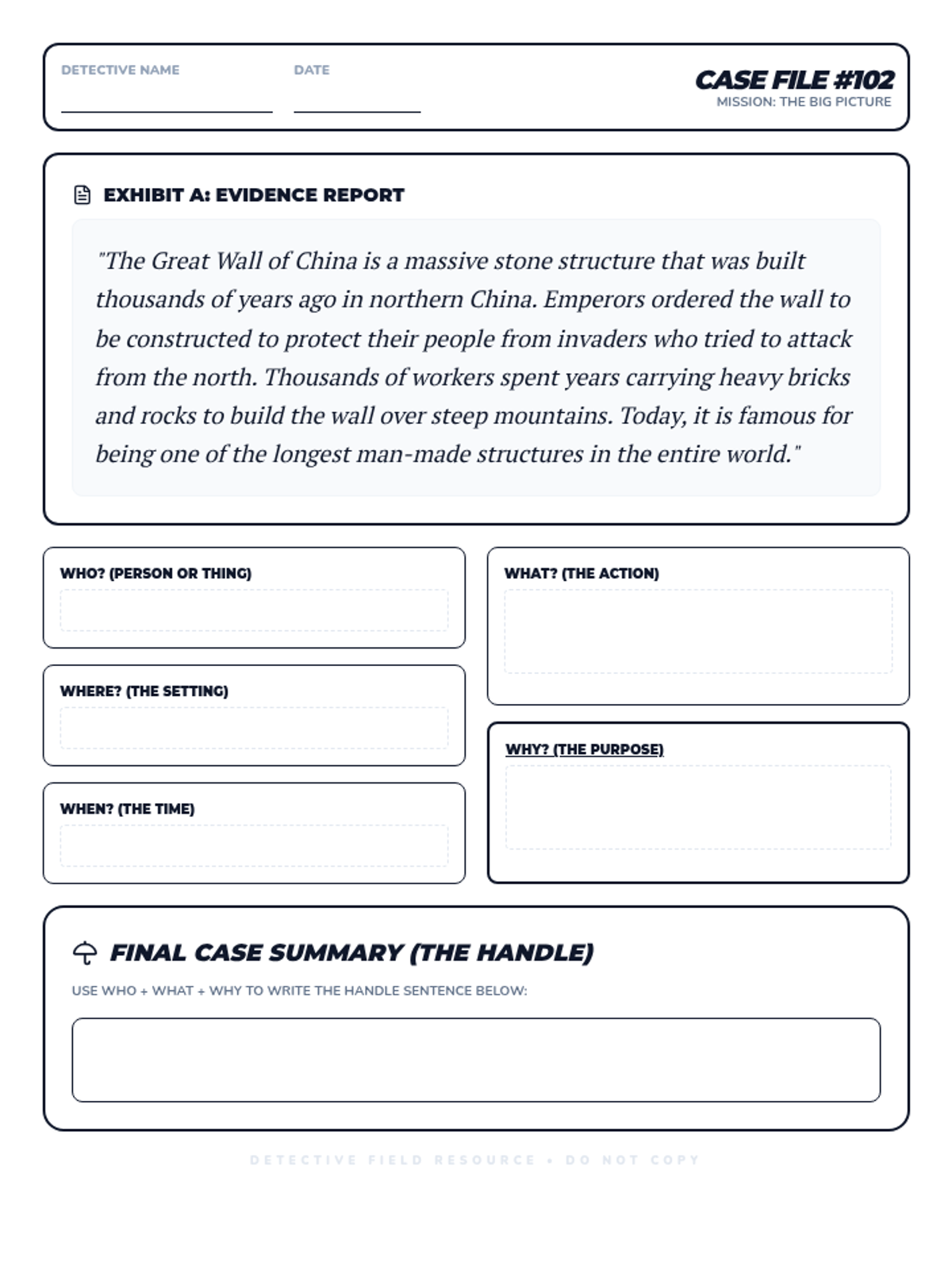
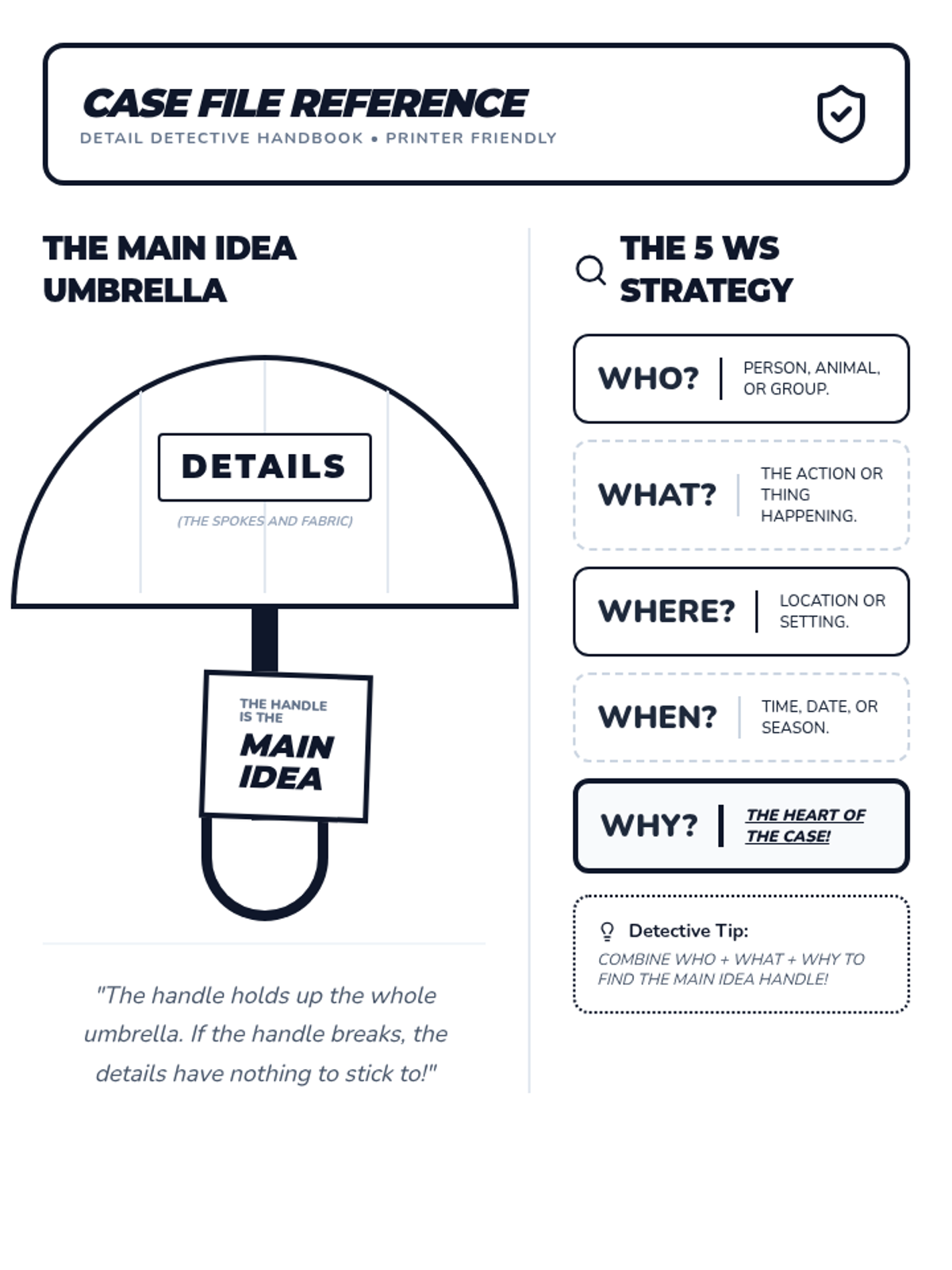
Using the 5 Ws (Who, What, Where, When, Why) to dissect short non-fiction texts and identify the central message.
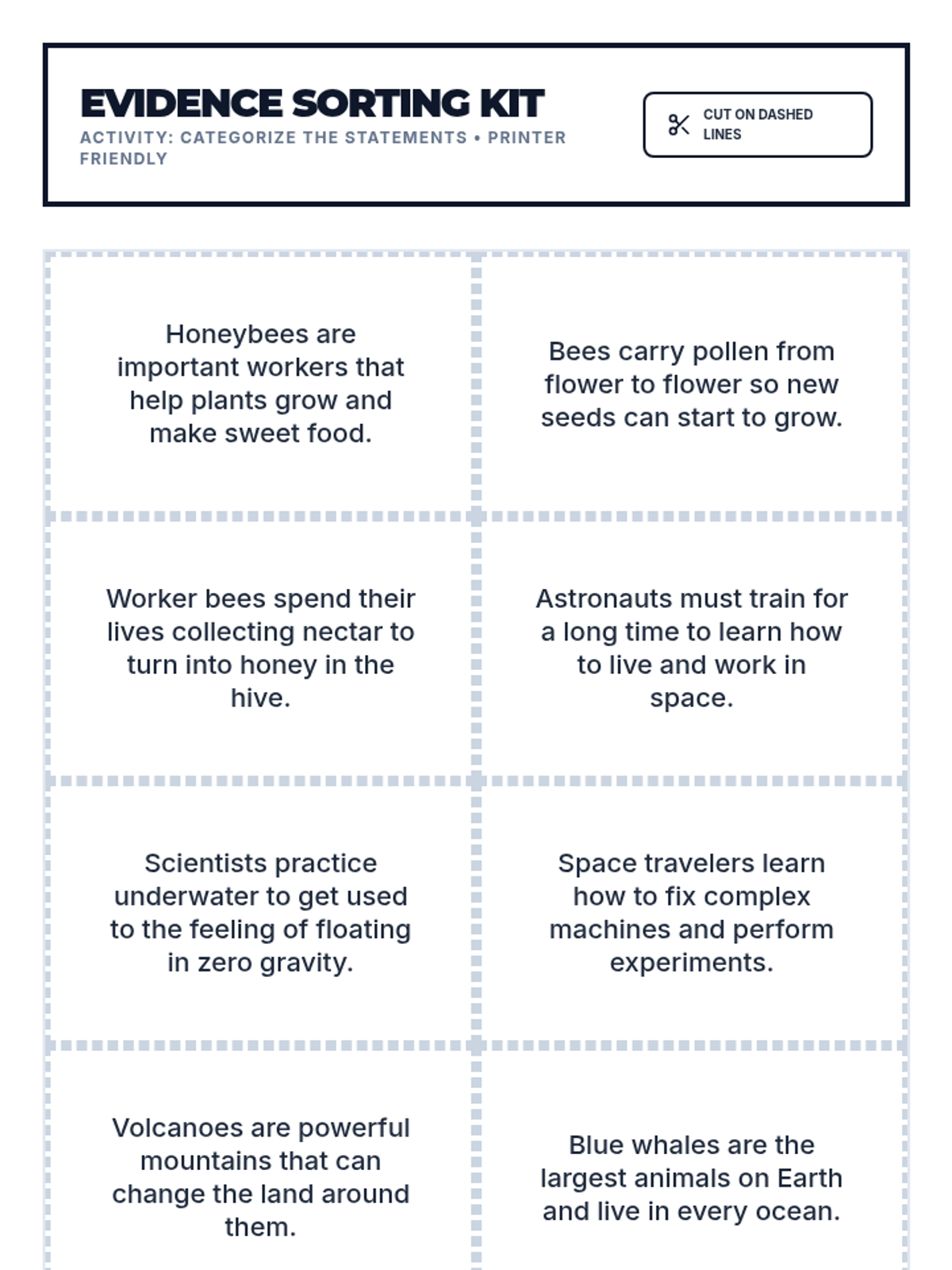
Hands-on sorting activity where students categorize 'Supporting Details' and match them to the correct 'Main Idea' umbrella.
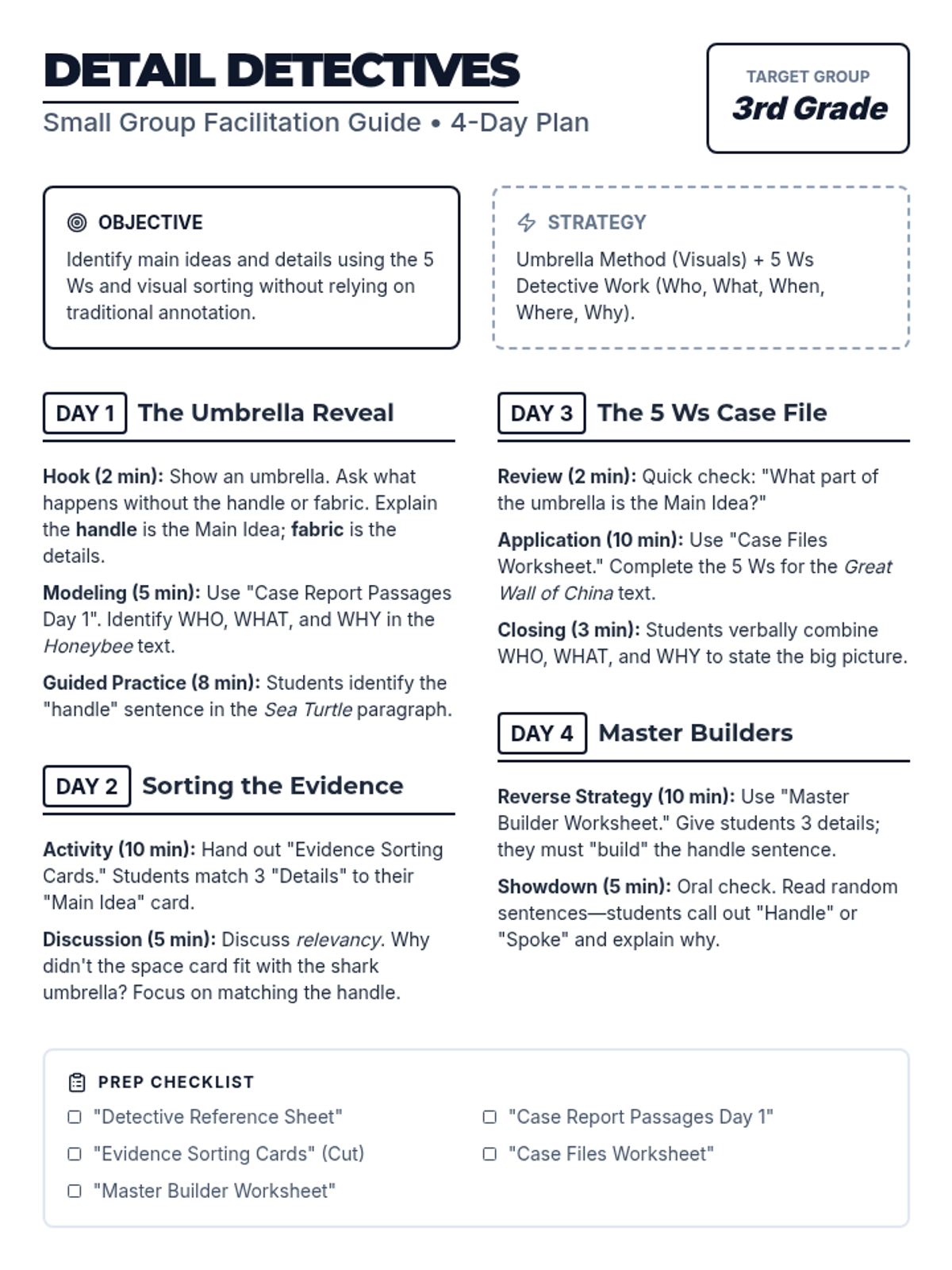
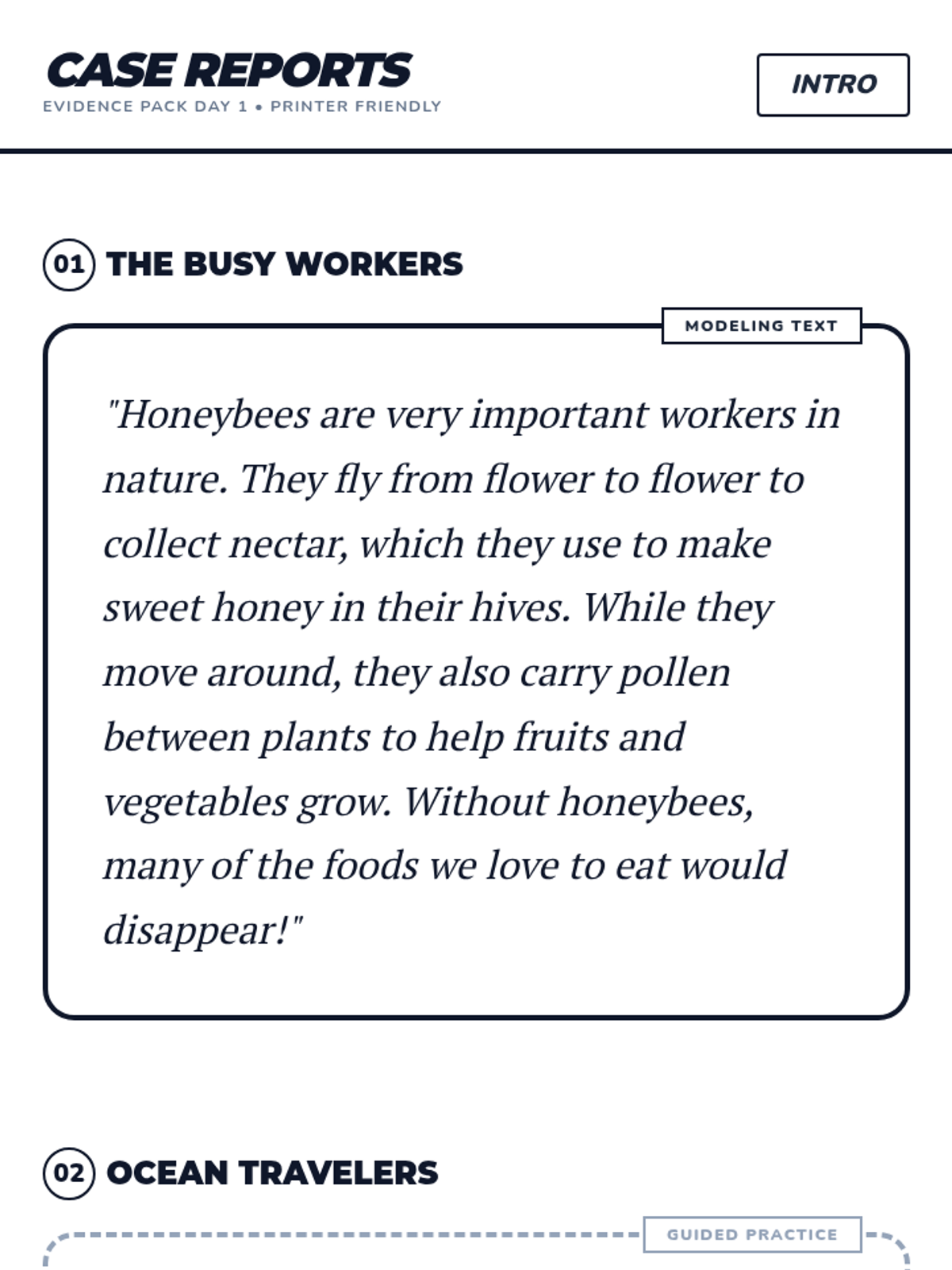
Introduction to the 'Main Idea Umbrella' visual and the 5 Ws strategy using a single high-interest non-fiction paragraph.
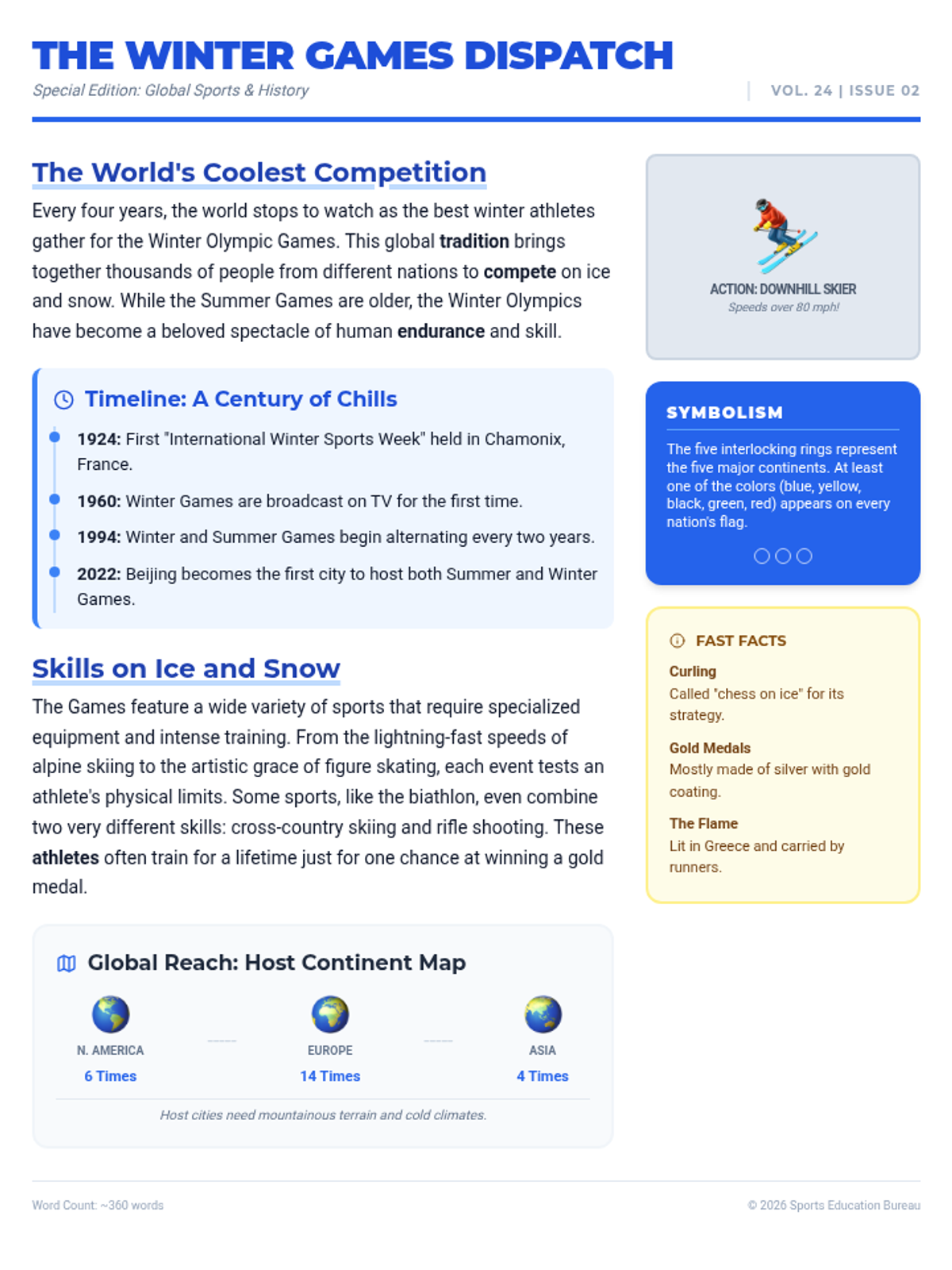
A comprehensive nonfiction reading experience about the history, sports, and traditions of the Winter Olympics, designed to help students identify main ideas and supporting details.
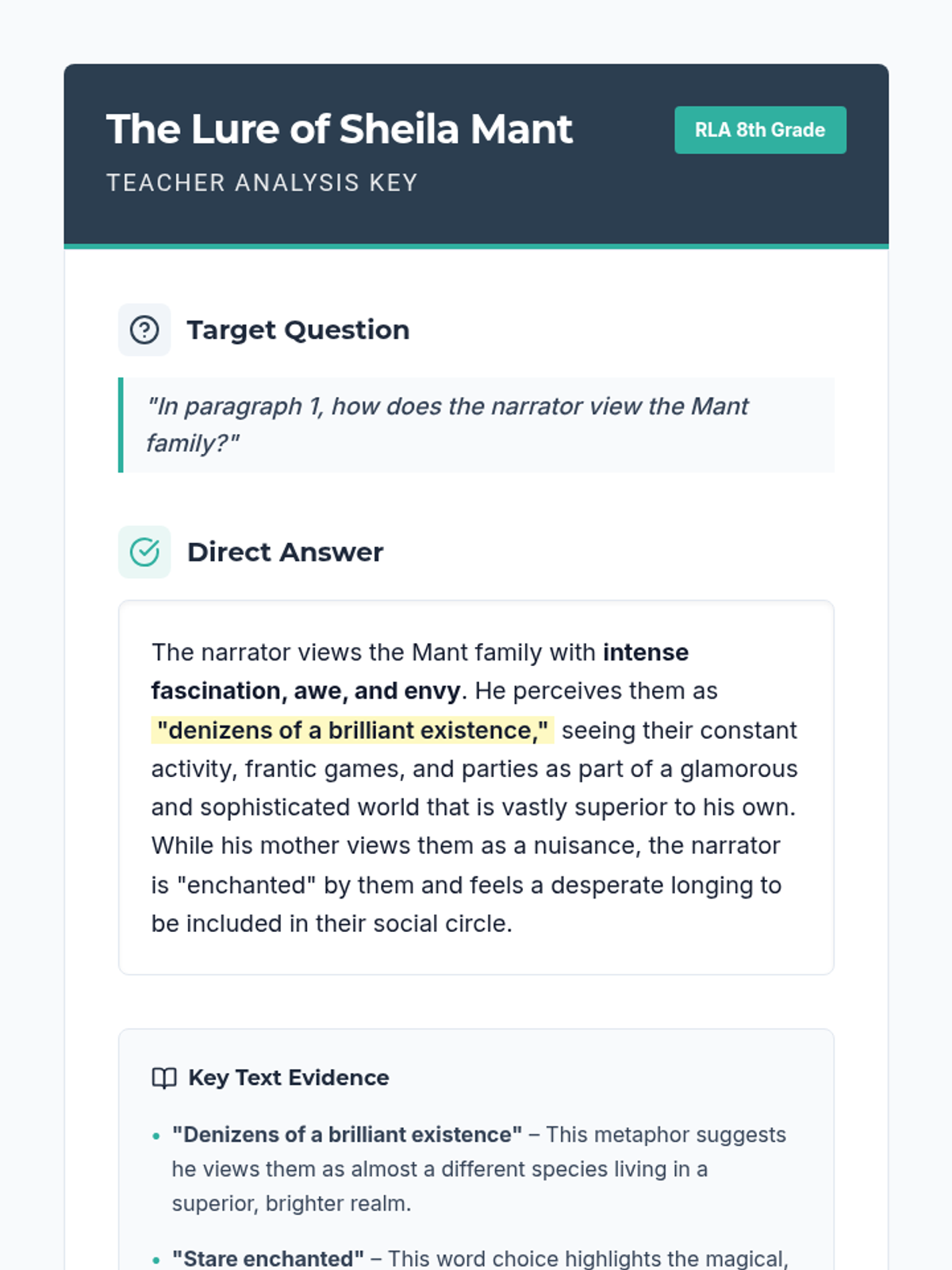
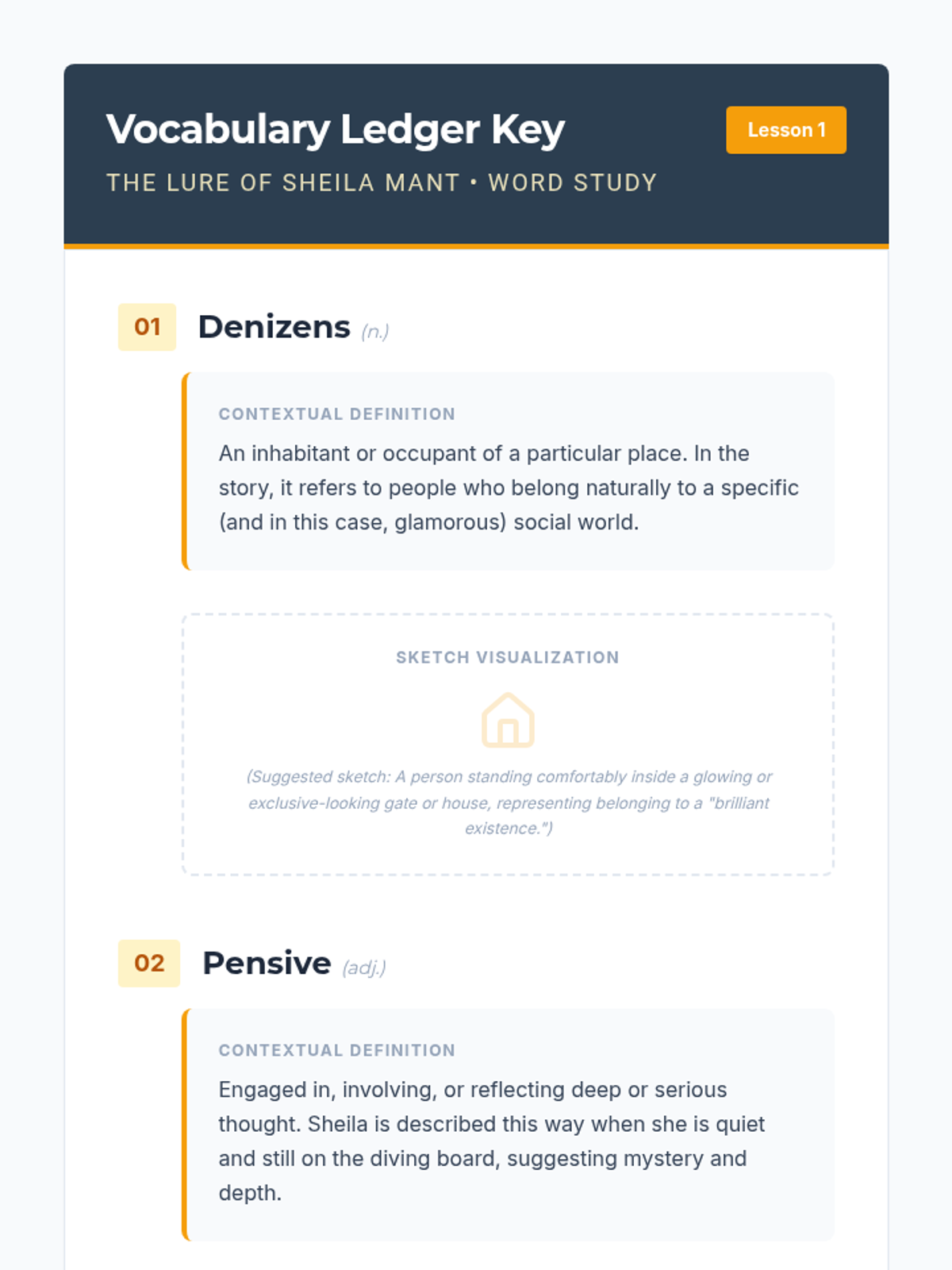
A lesson focused on analyzing character motivations and perceptions in the short story 'The Lure of Sheila Mant' by W.D. Wetherell. Students will explore how the narrator views the Mant family and Sheila herself through close reading and textual evidence.
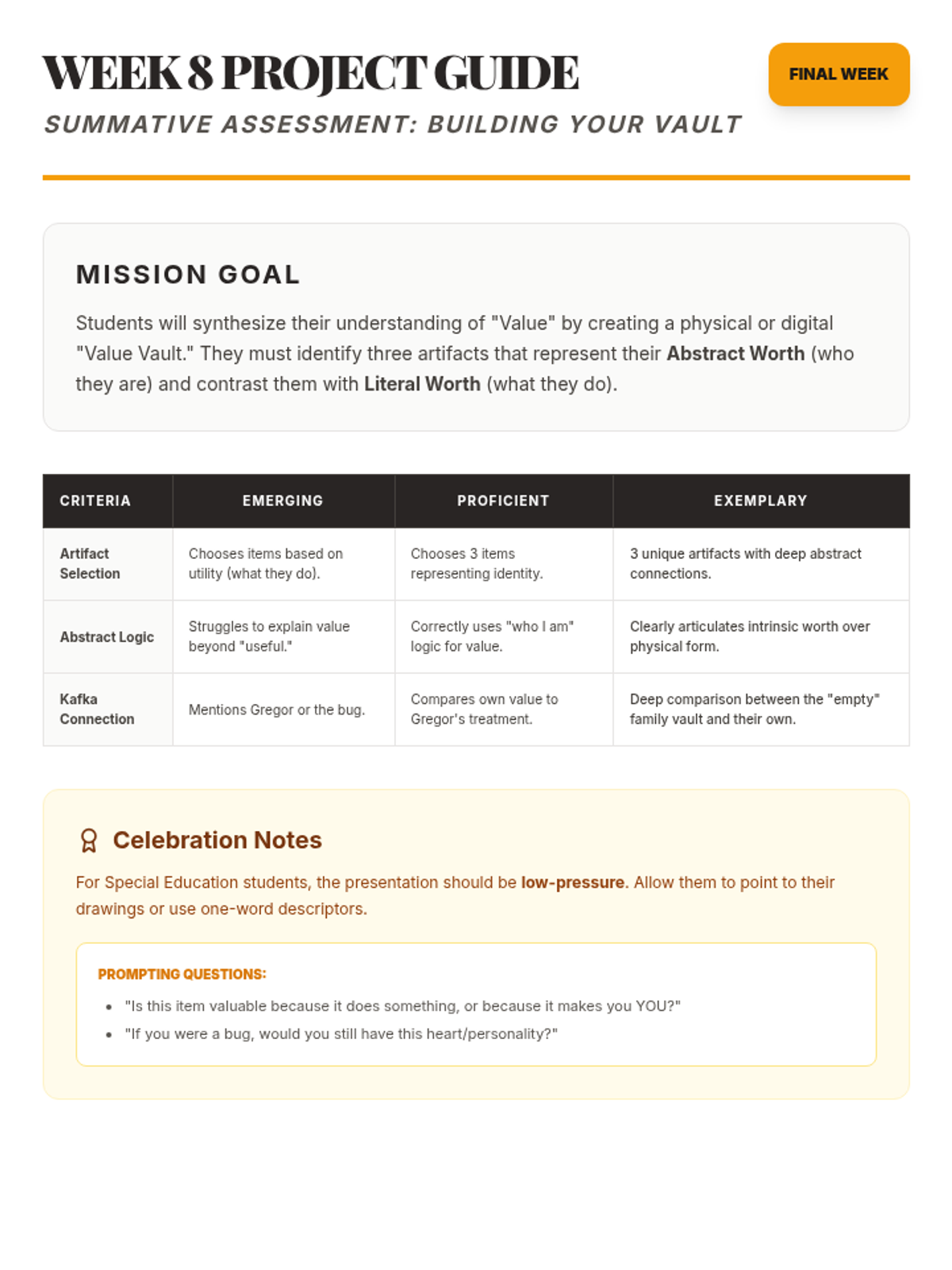
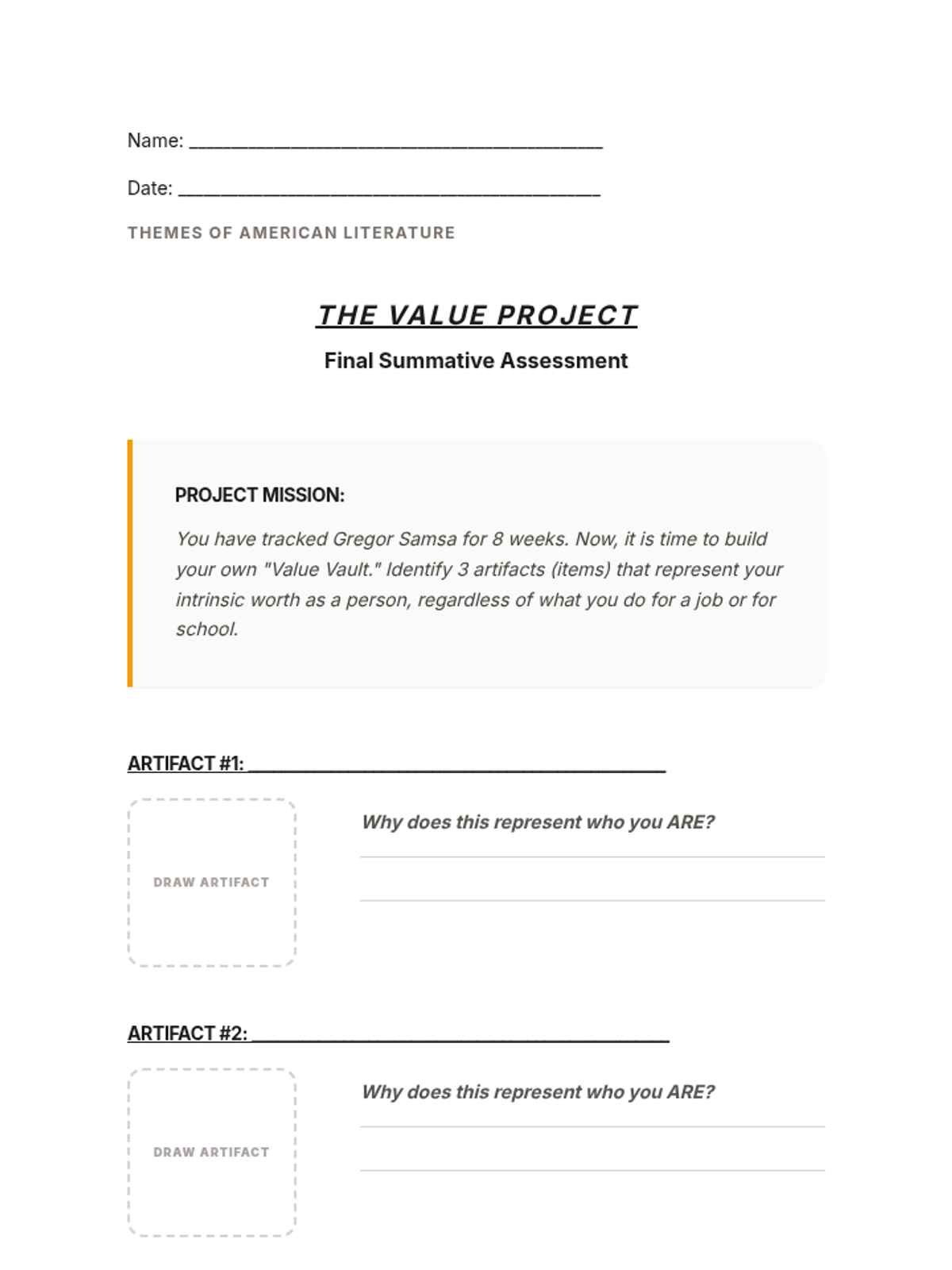
A culminating project where students reflect on the 8-week journey and create a 'Value Vault' for themselves or Gregor.
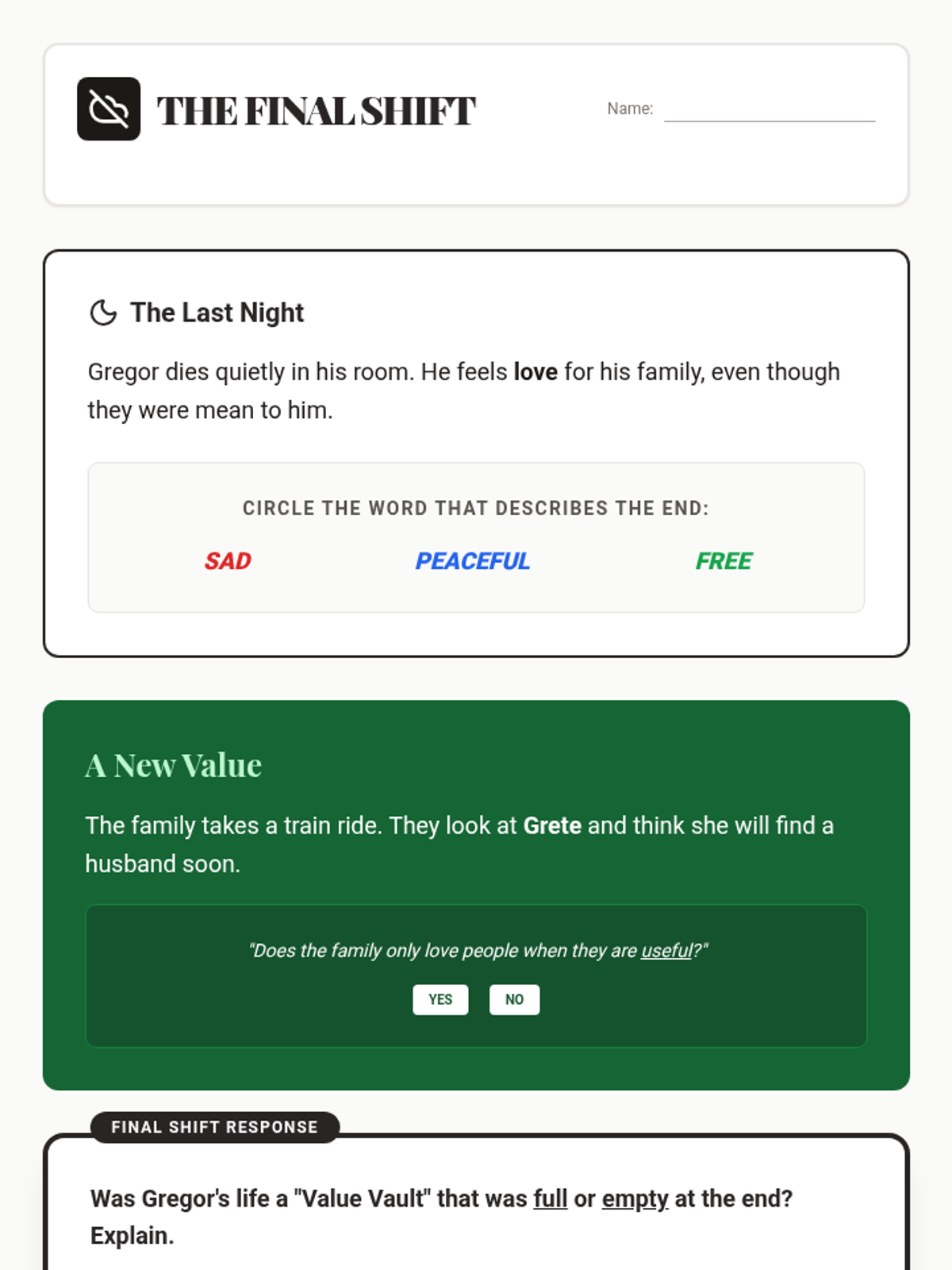
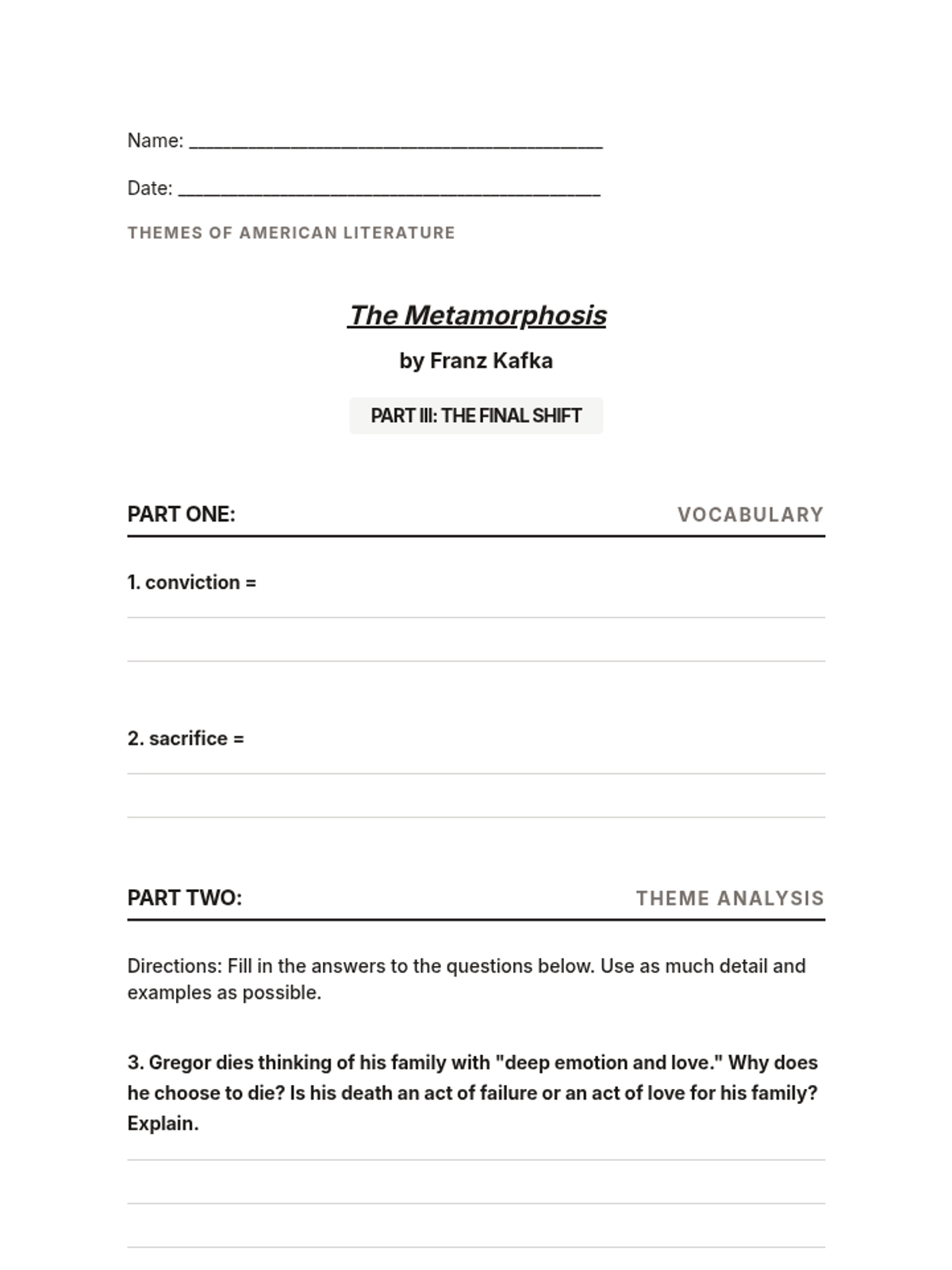
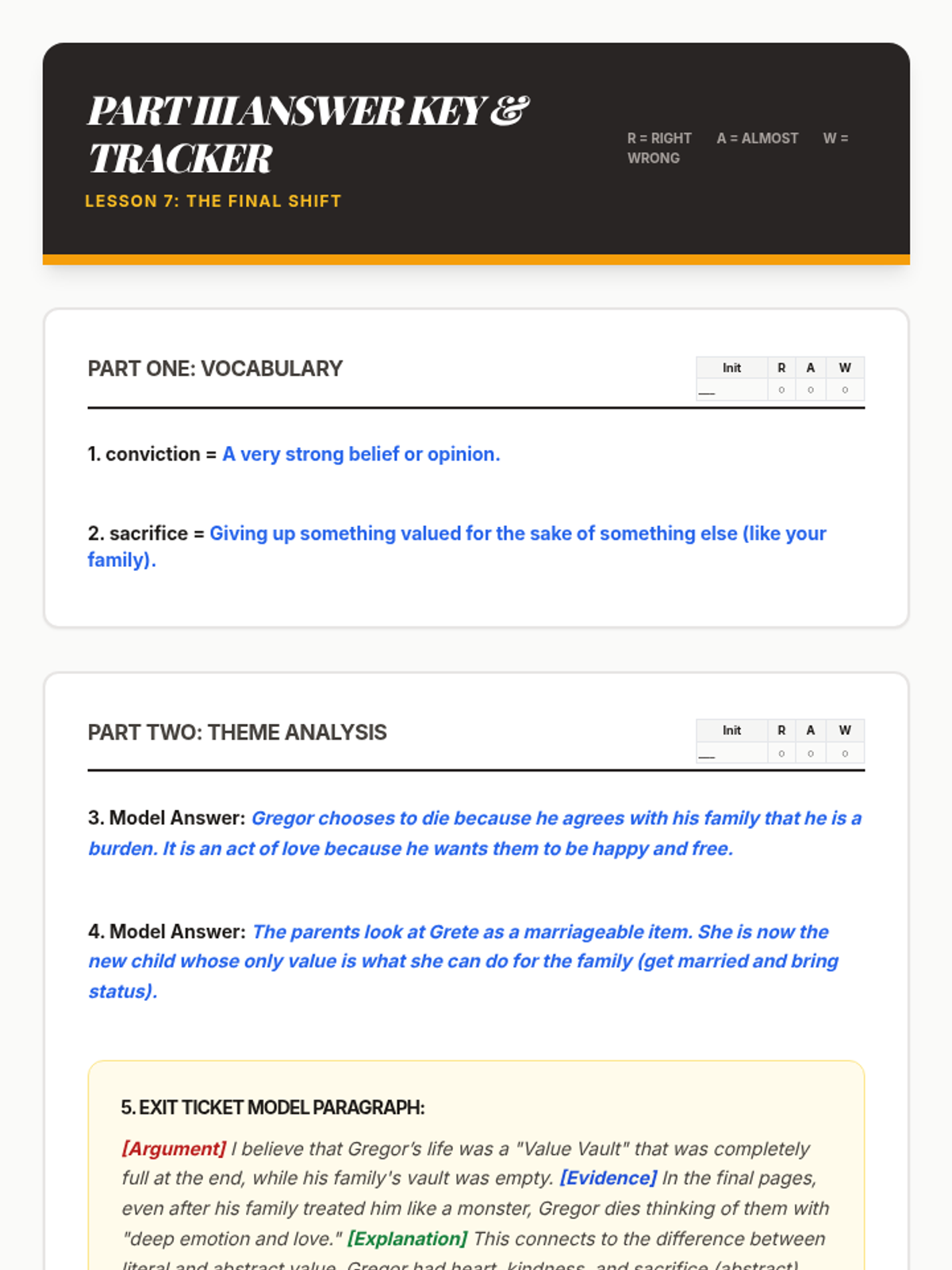
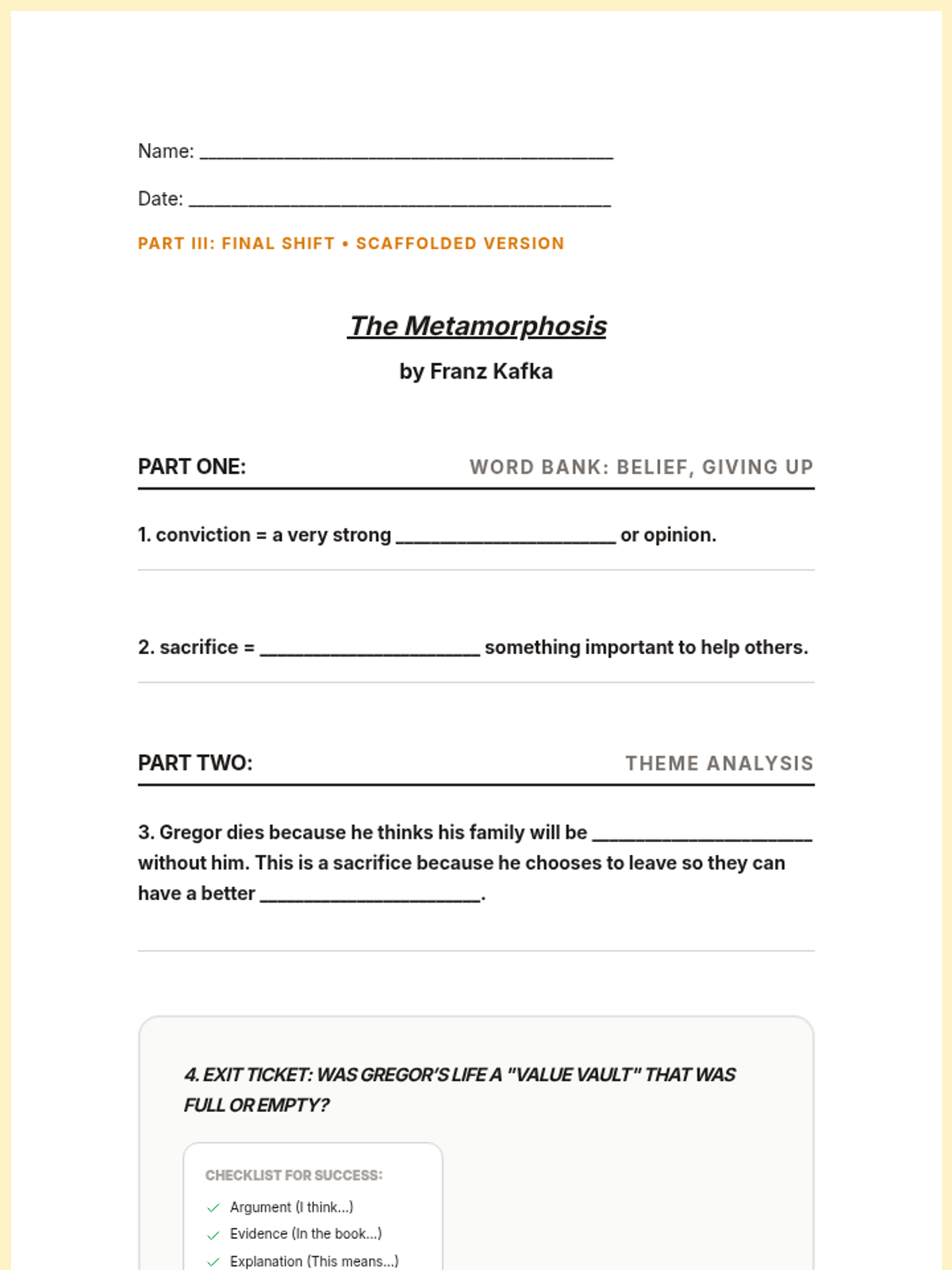
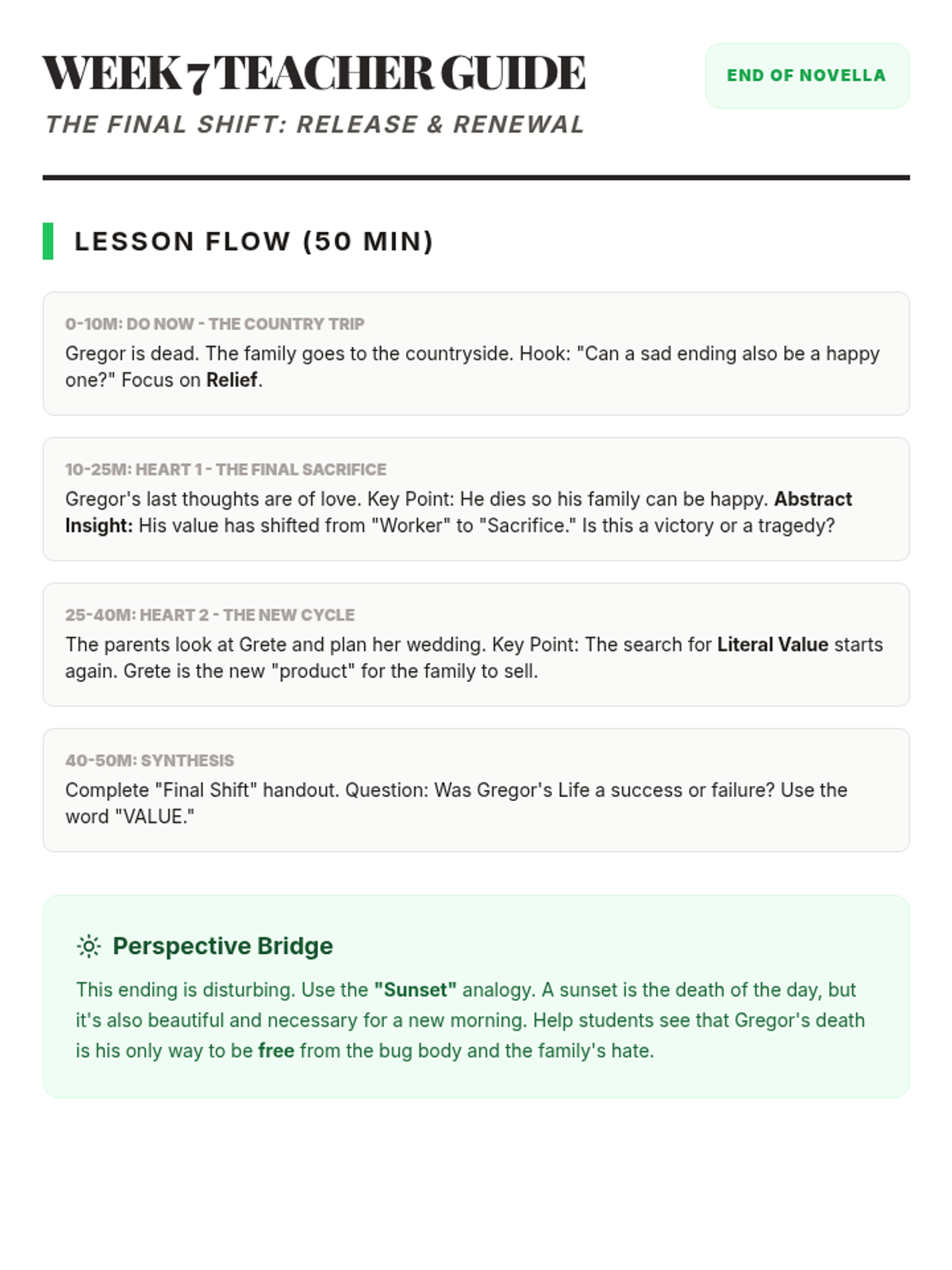
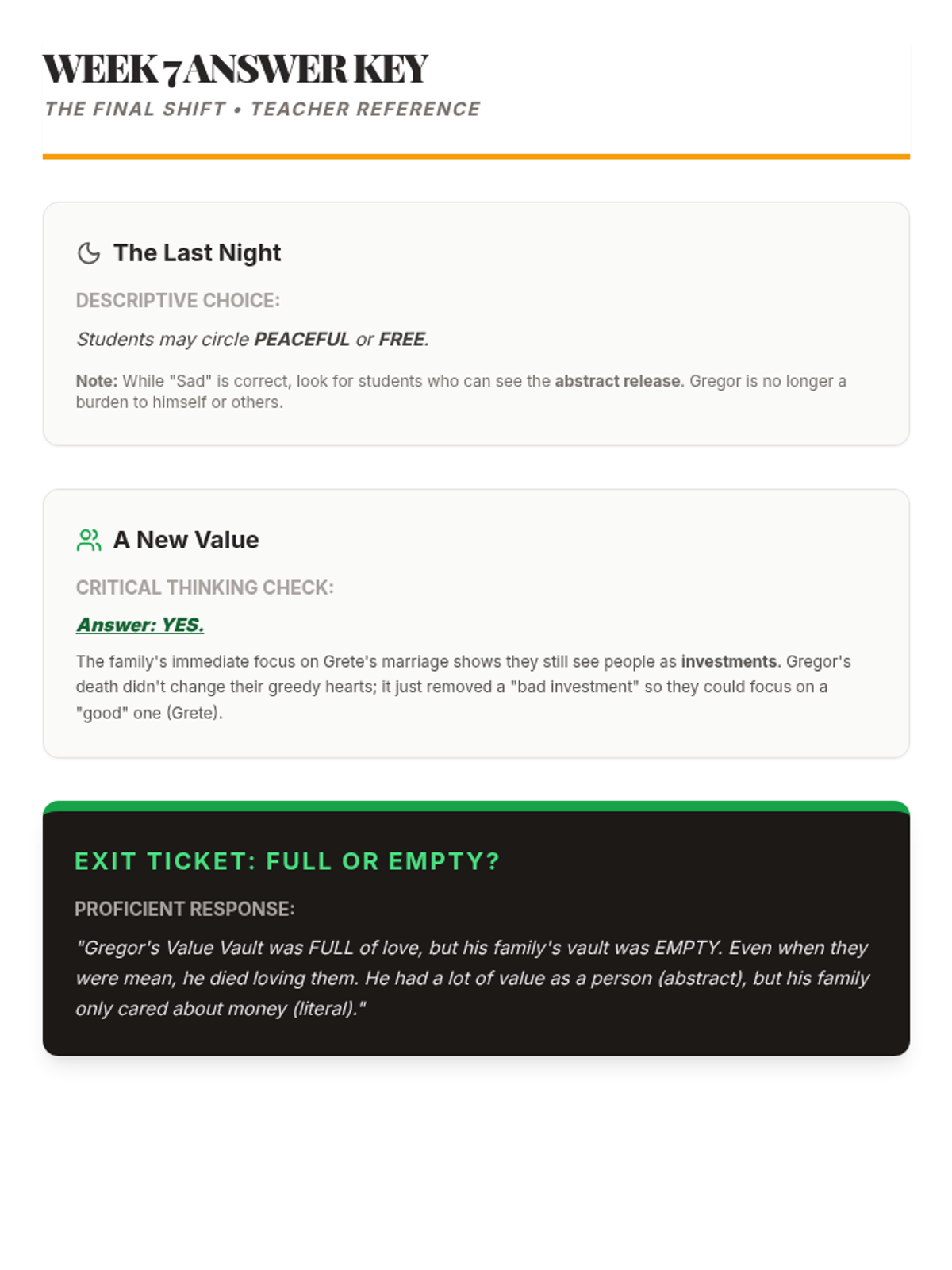
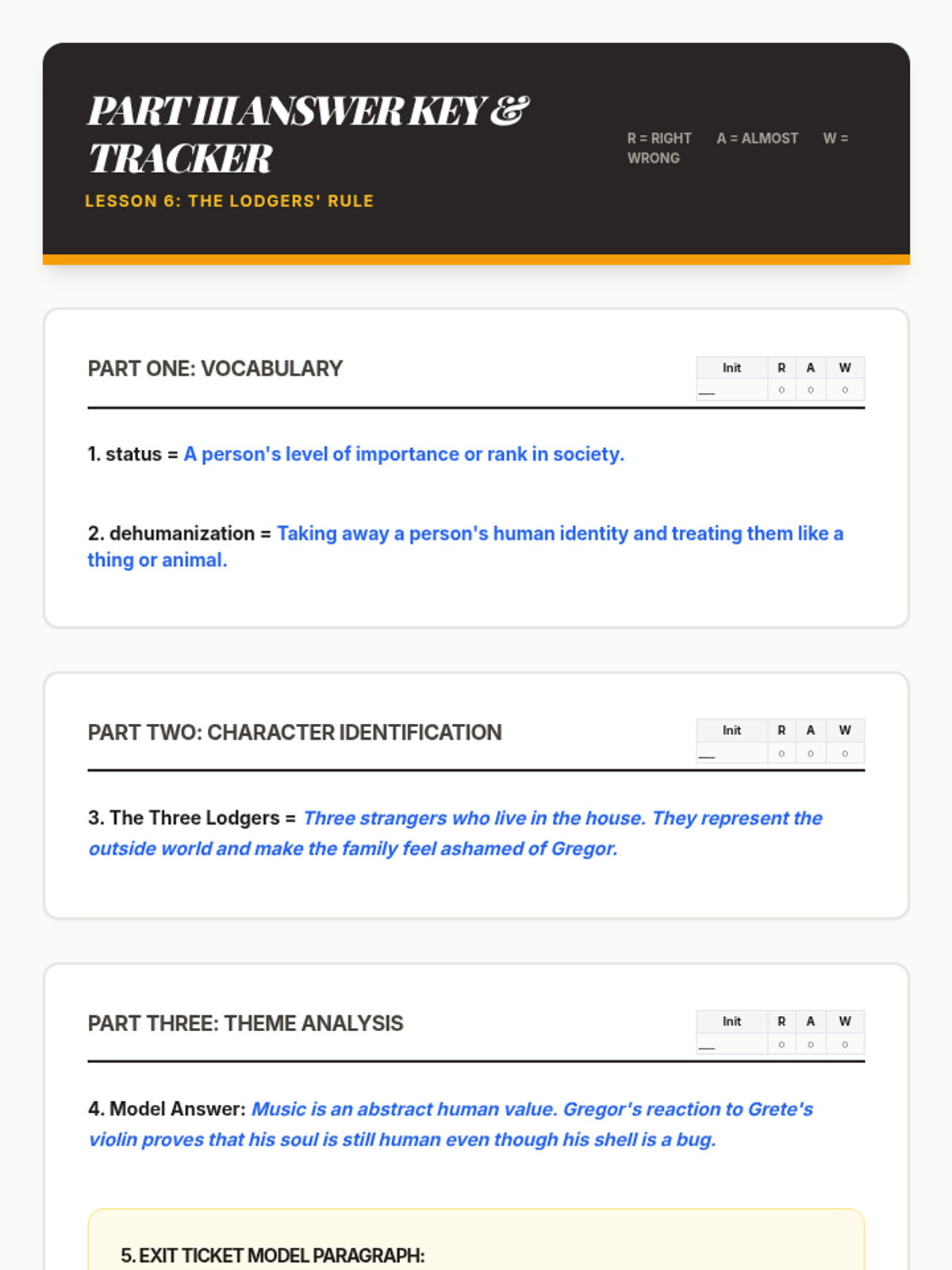
Analyzes the end of the novella, Gregor's death, and the family's disturbing relief and new-found 'value'.
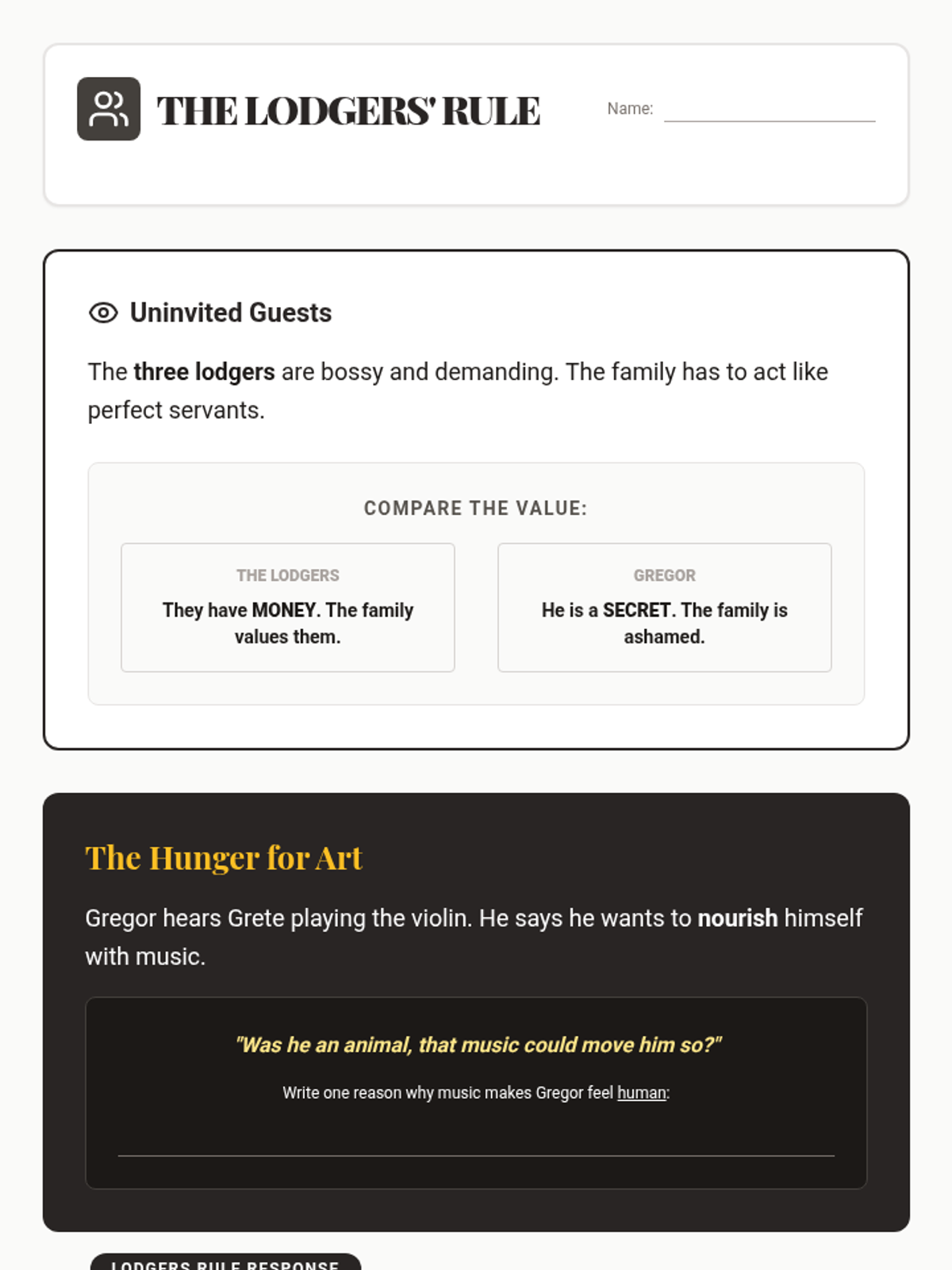
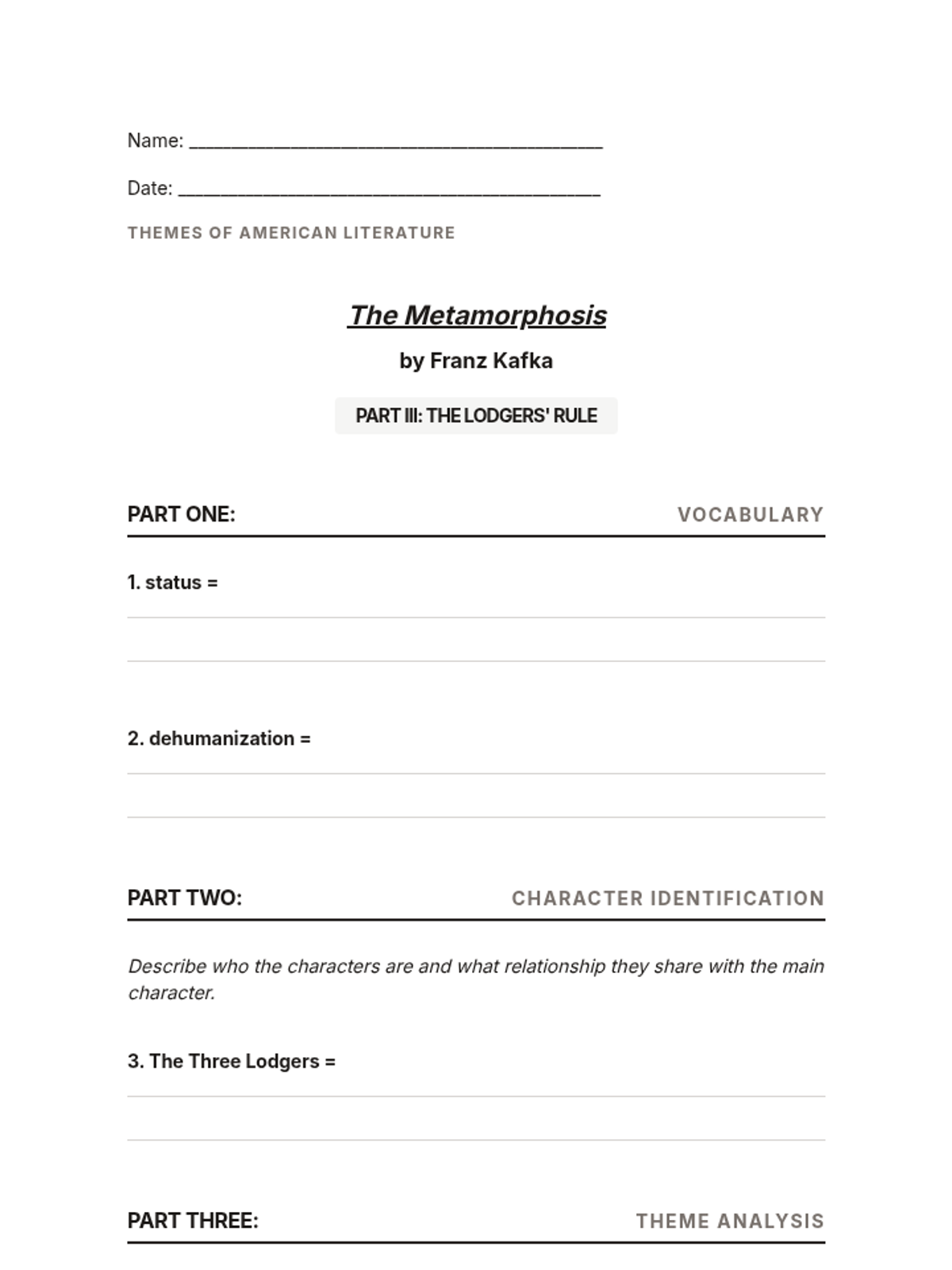
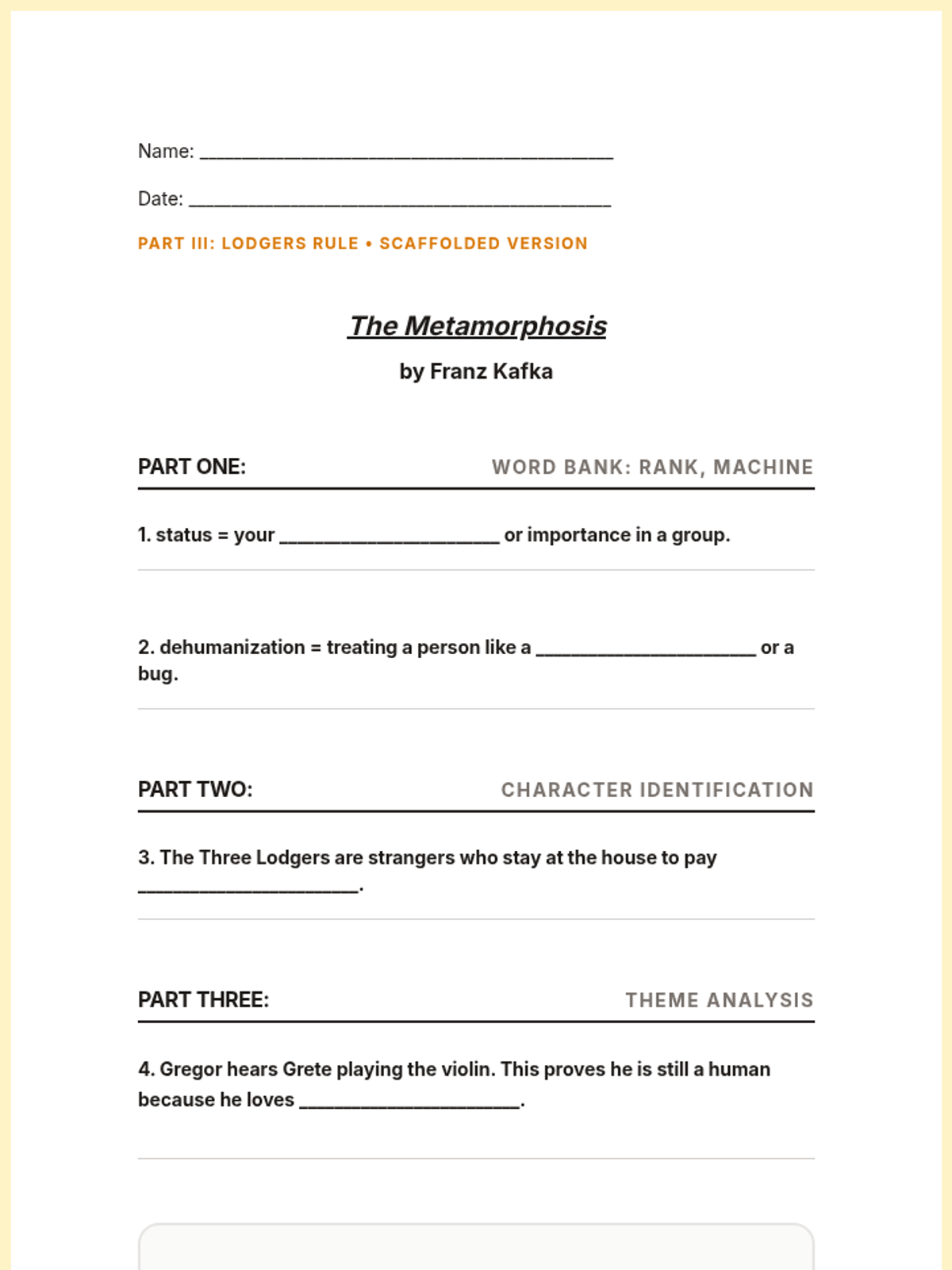
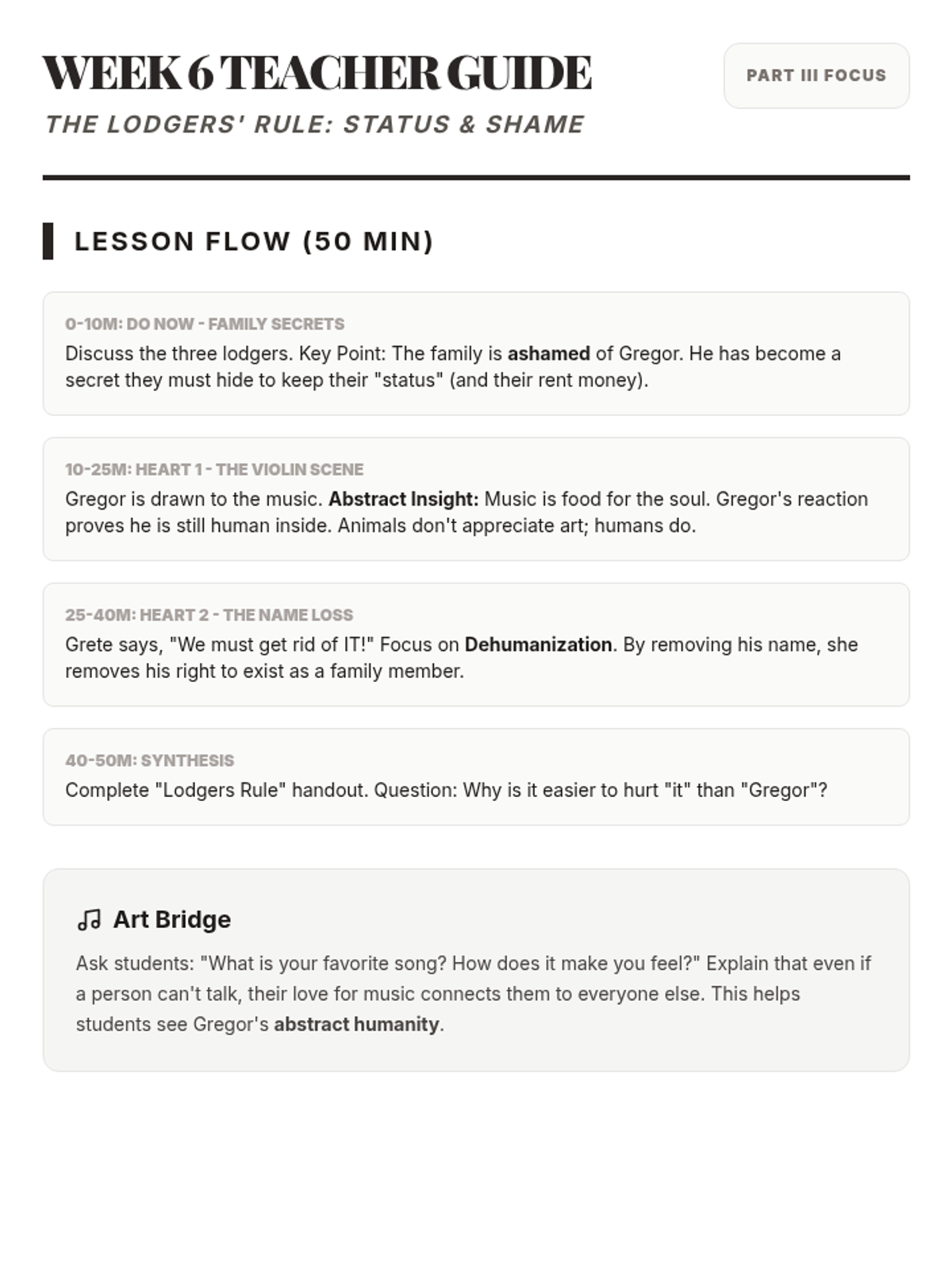
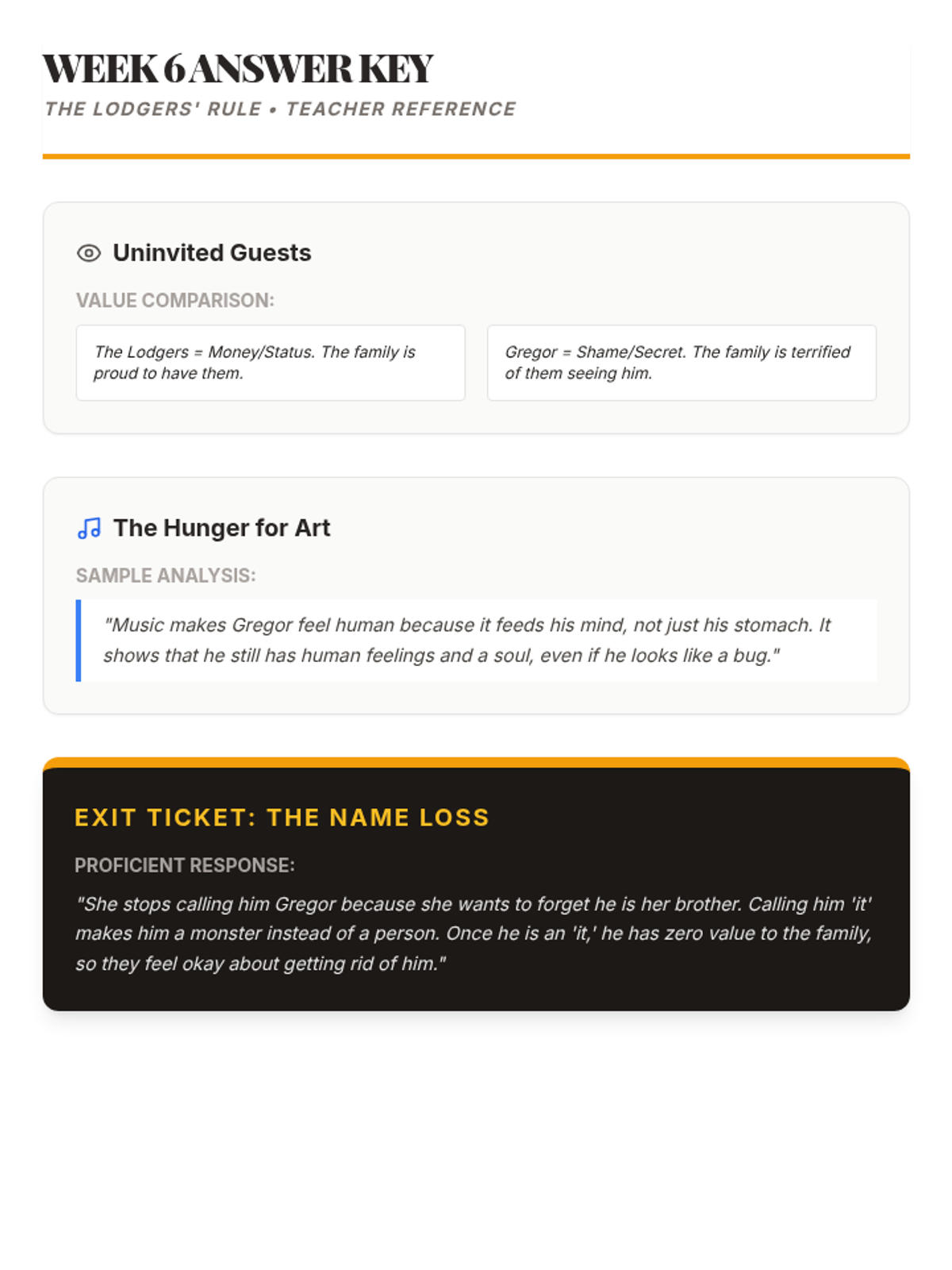
Focuses on Part III, the arrival of the boarders, and Gregor becoming a 'nuisance' in his own home.
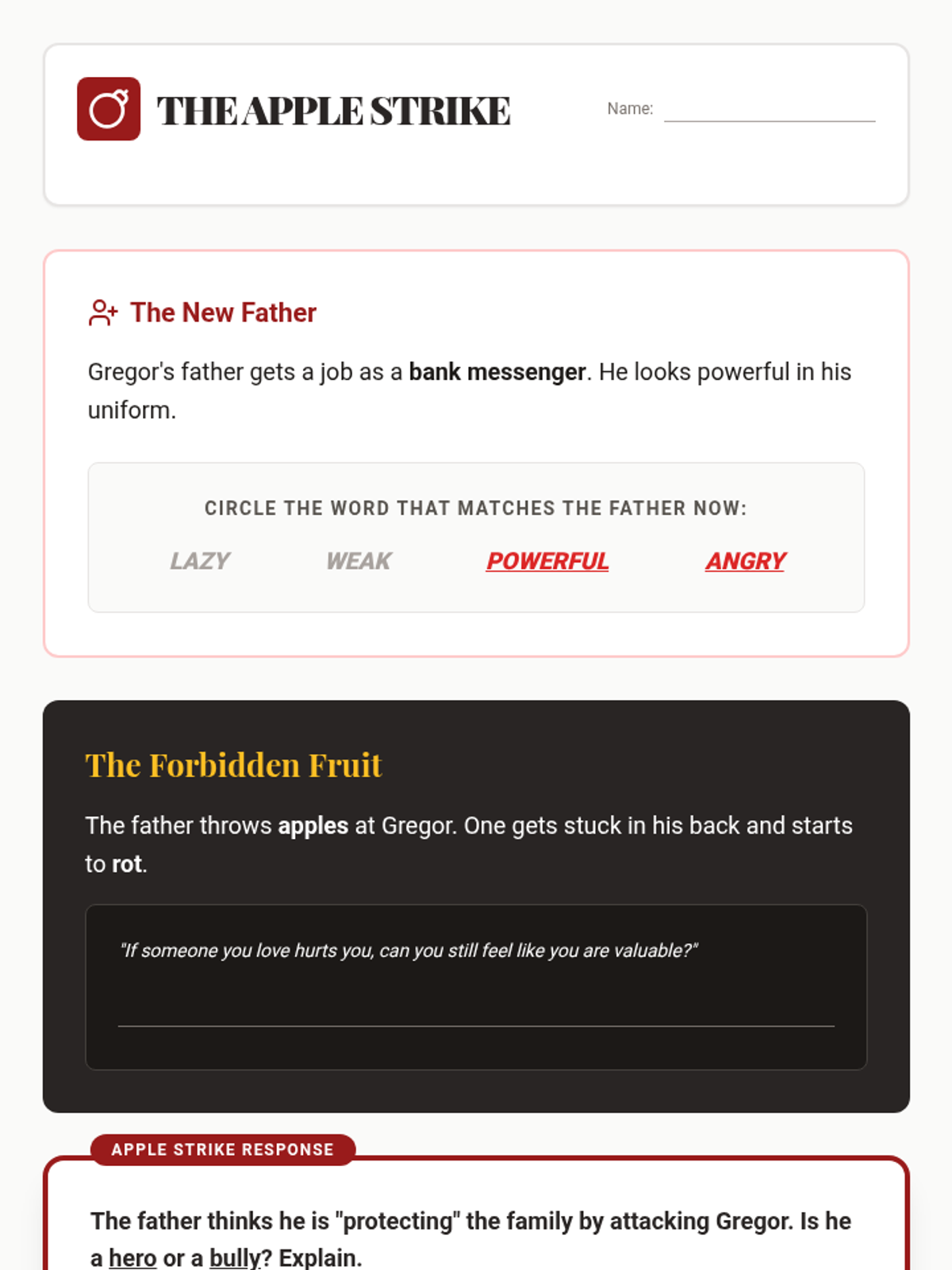
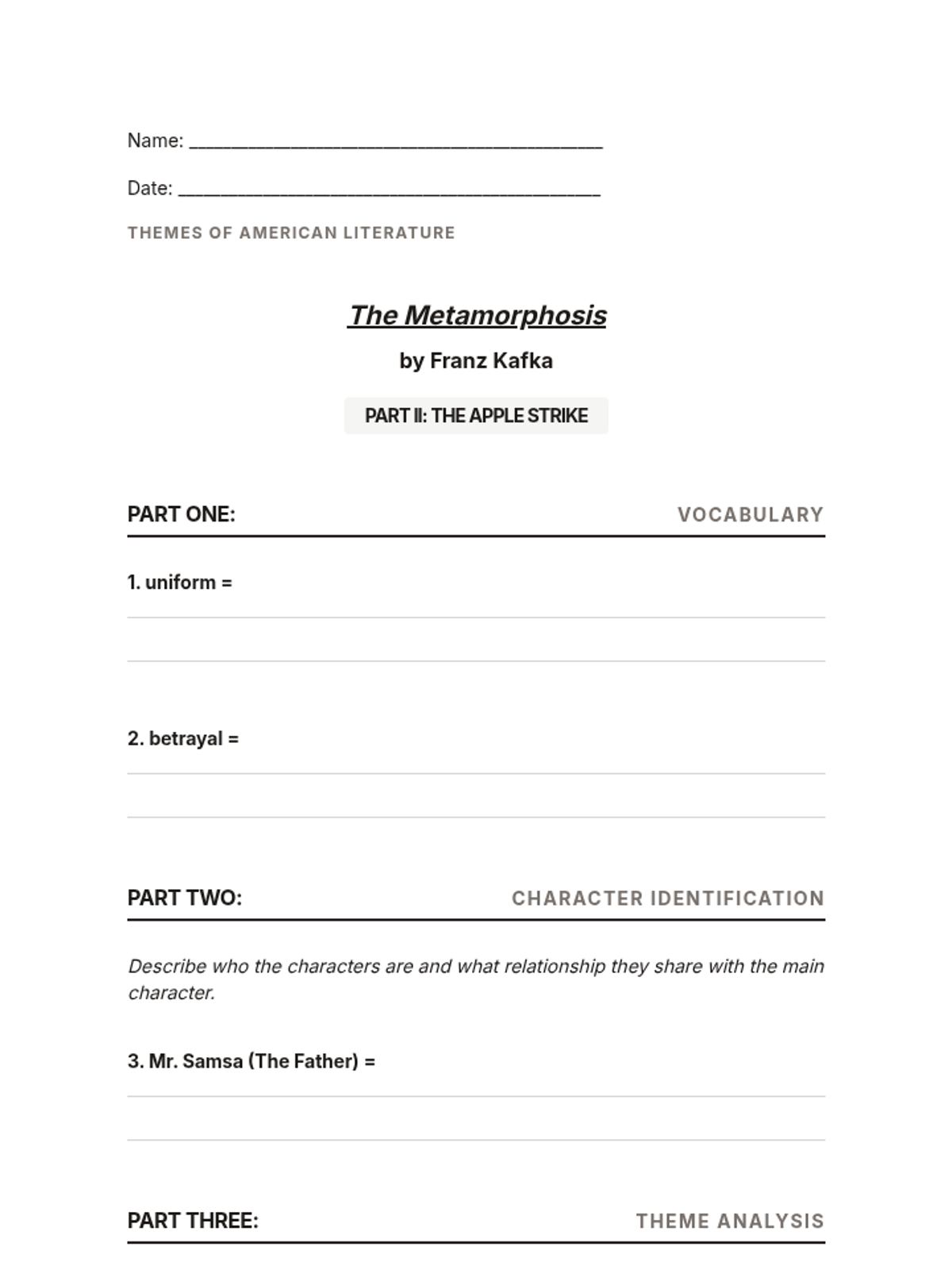
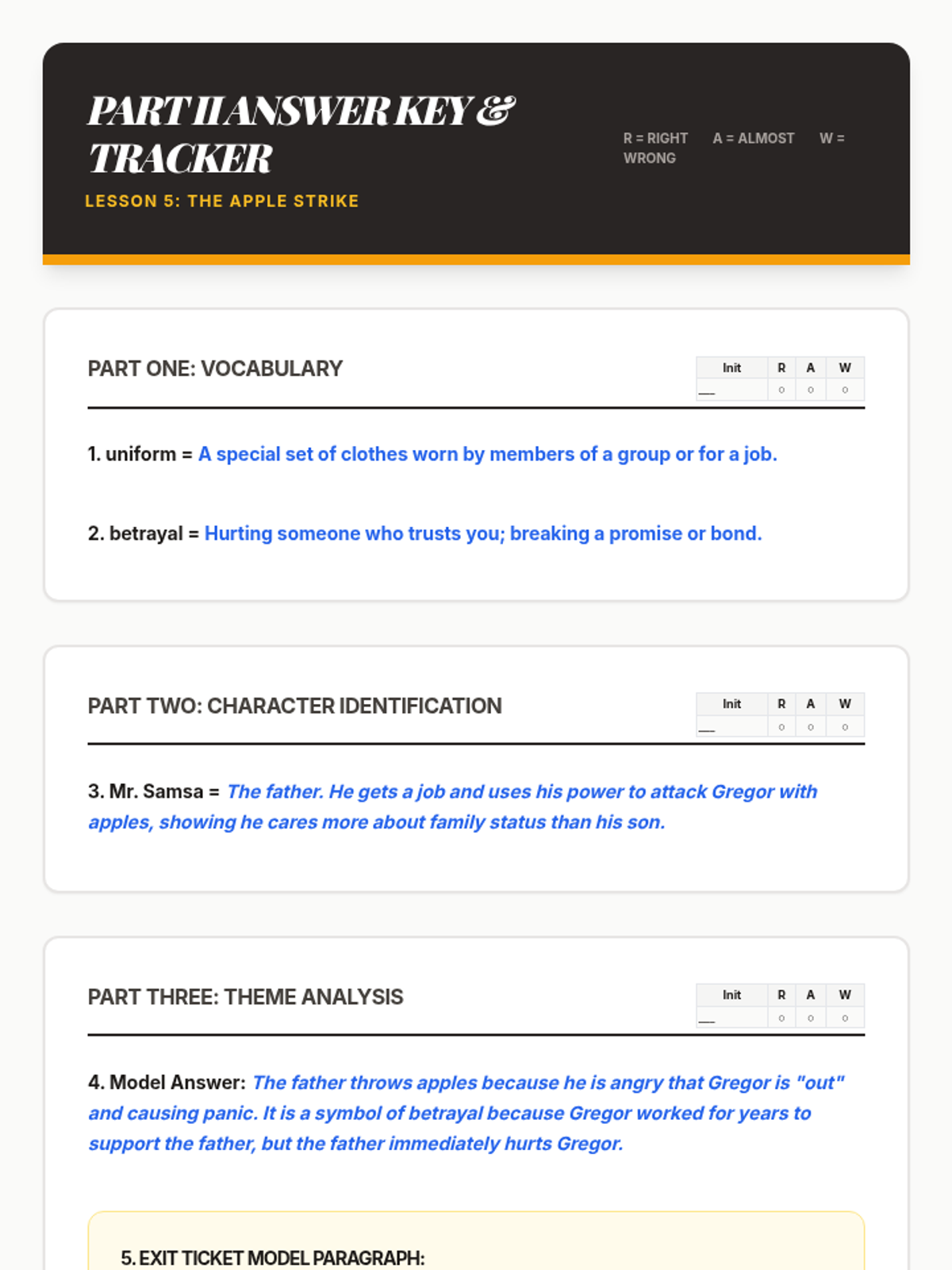
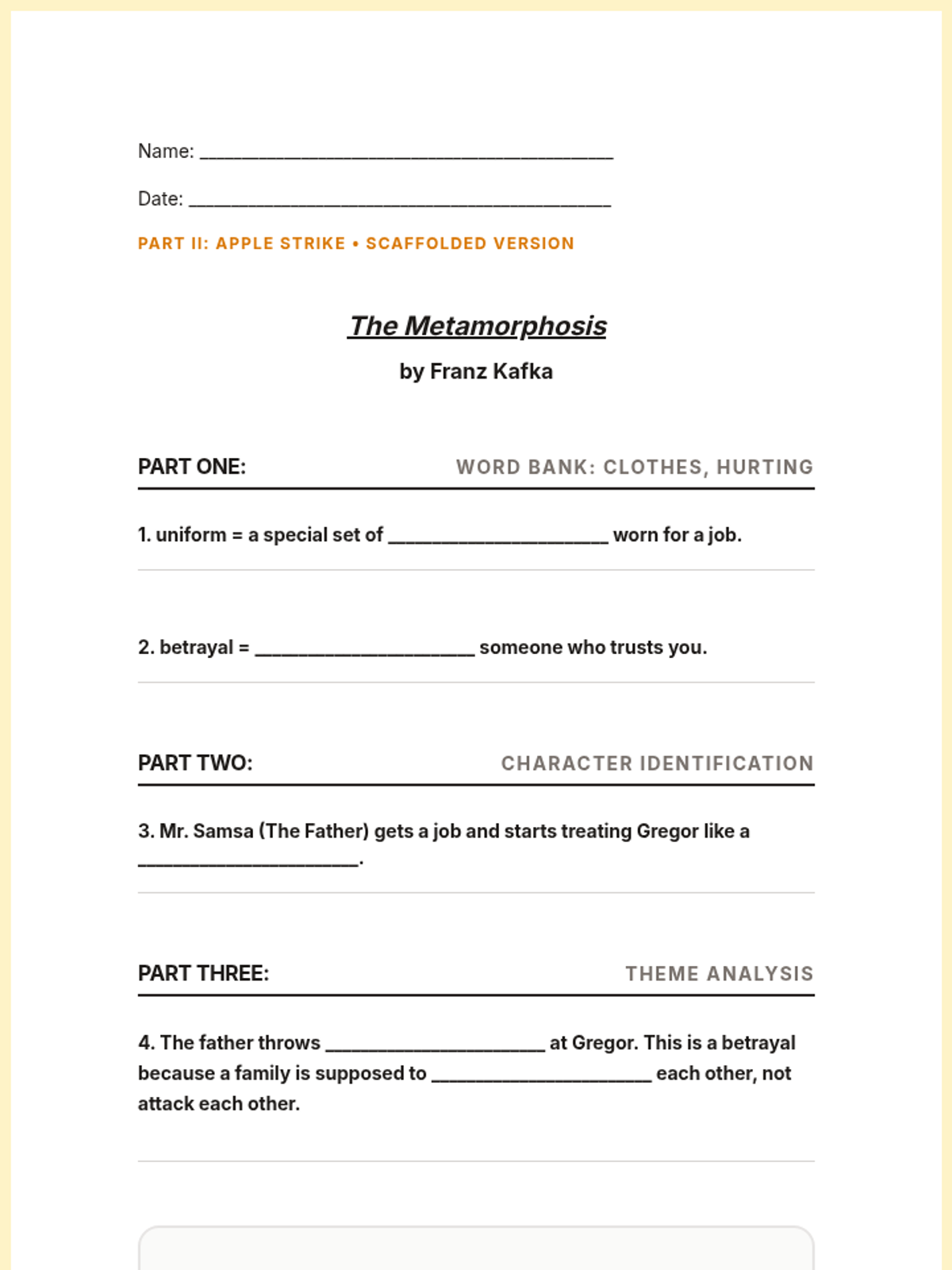
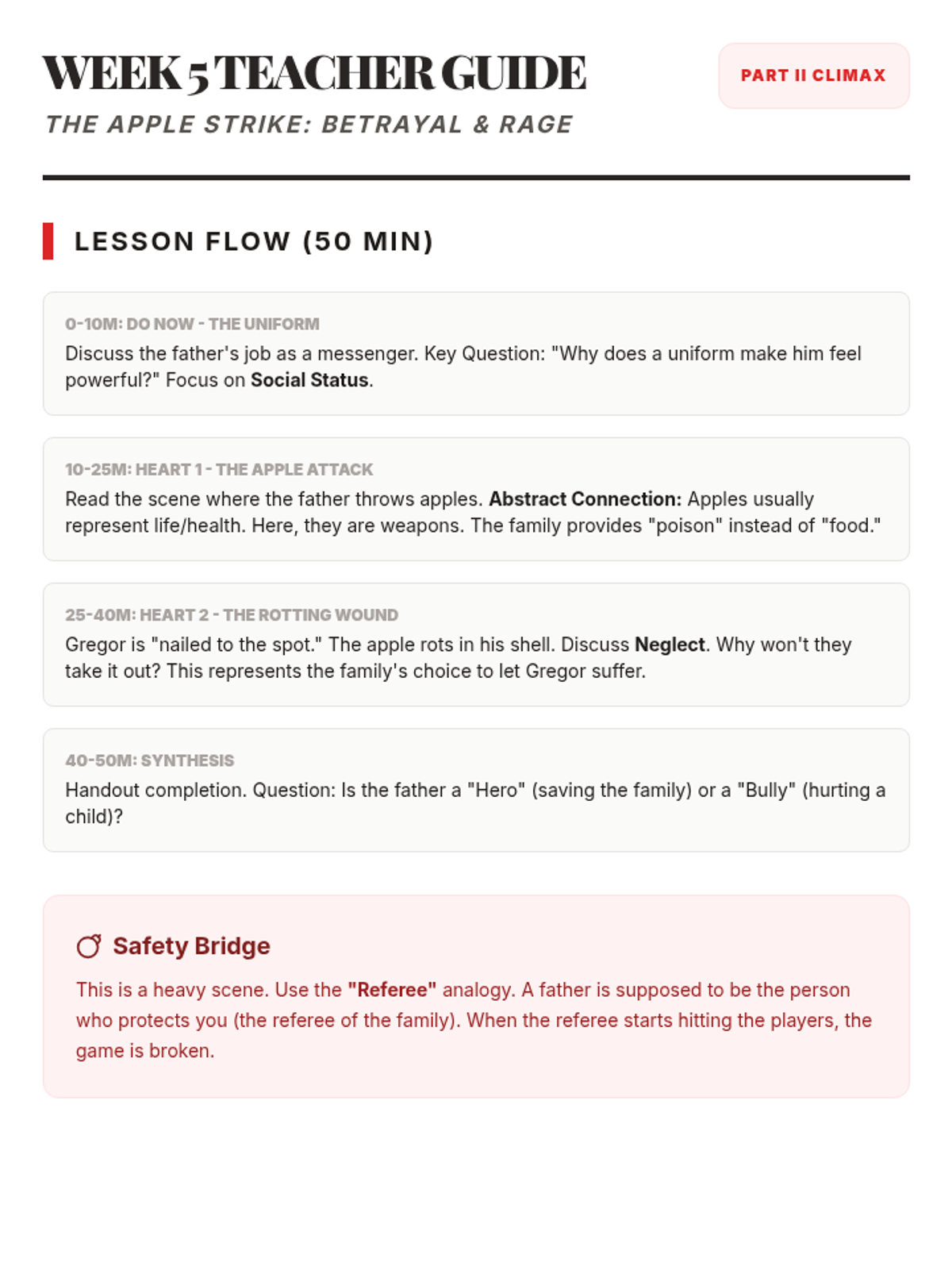
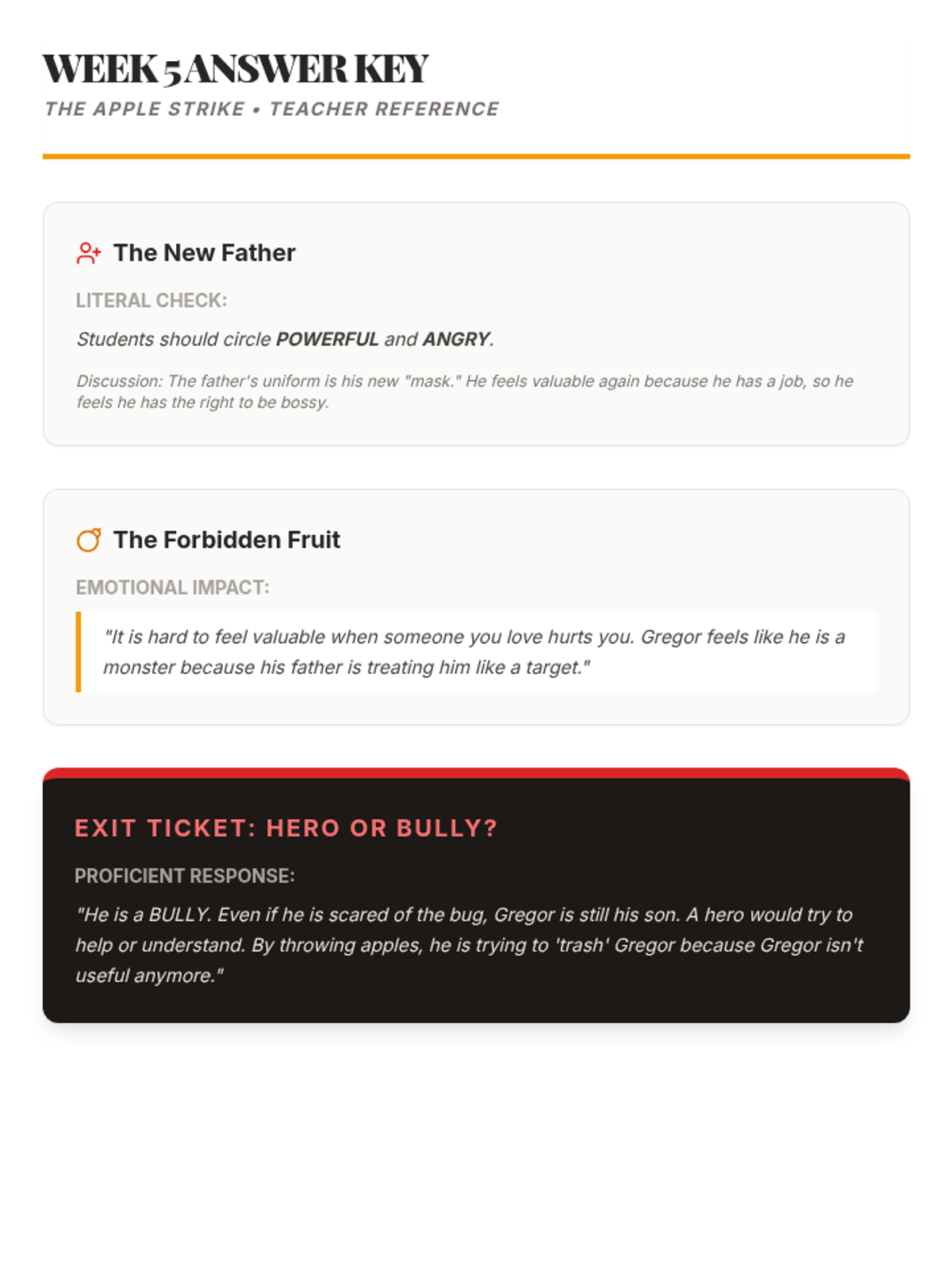
Analyzes the climax of Part II, the father's return to work, and the symbolic 'apple' attack on Gregor.
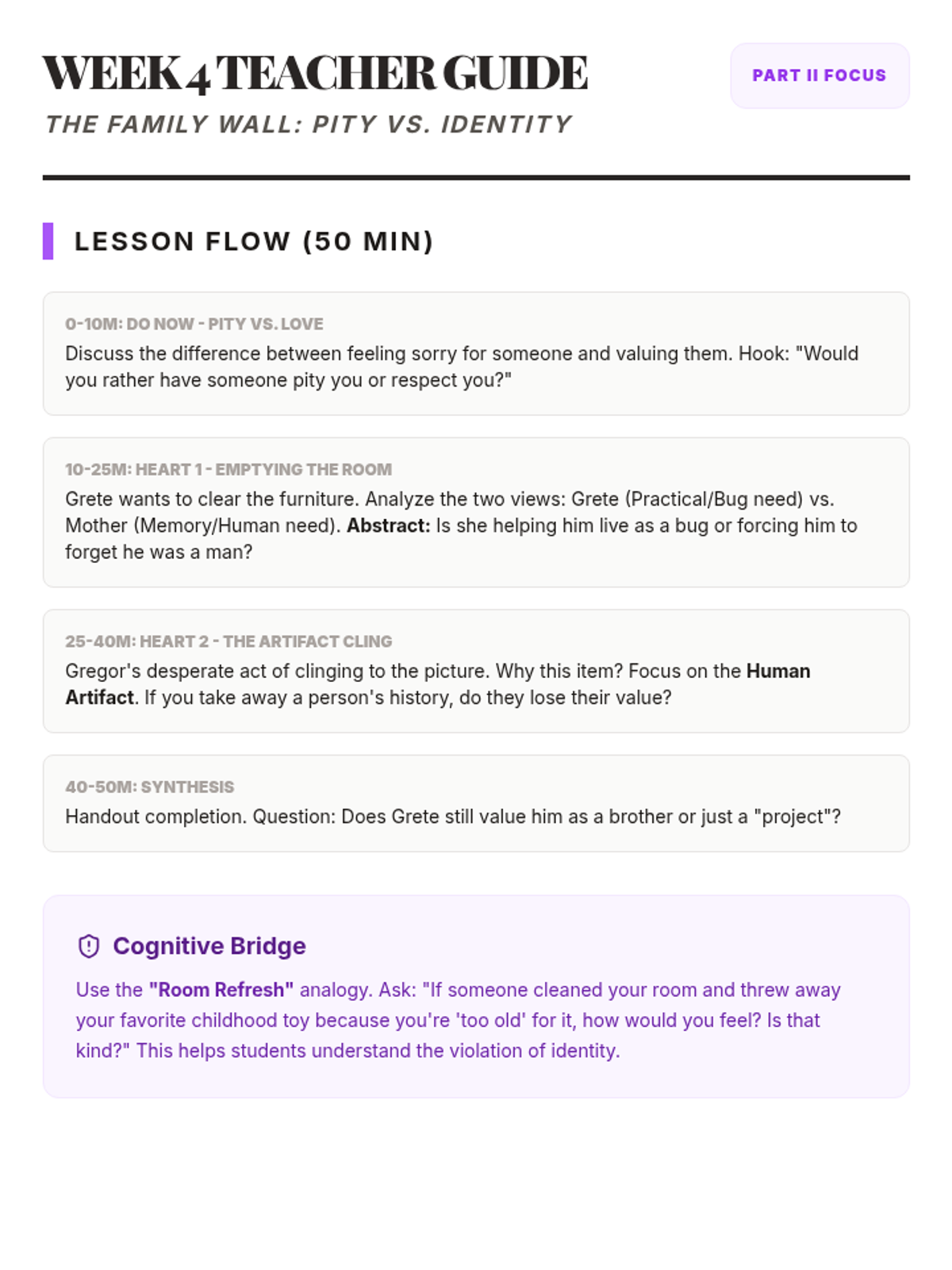
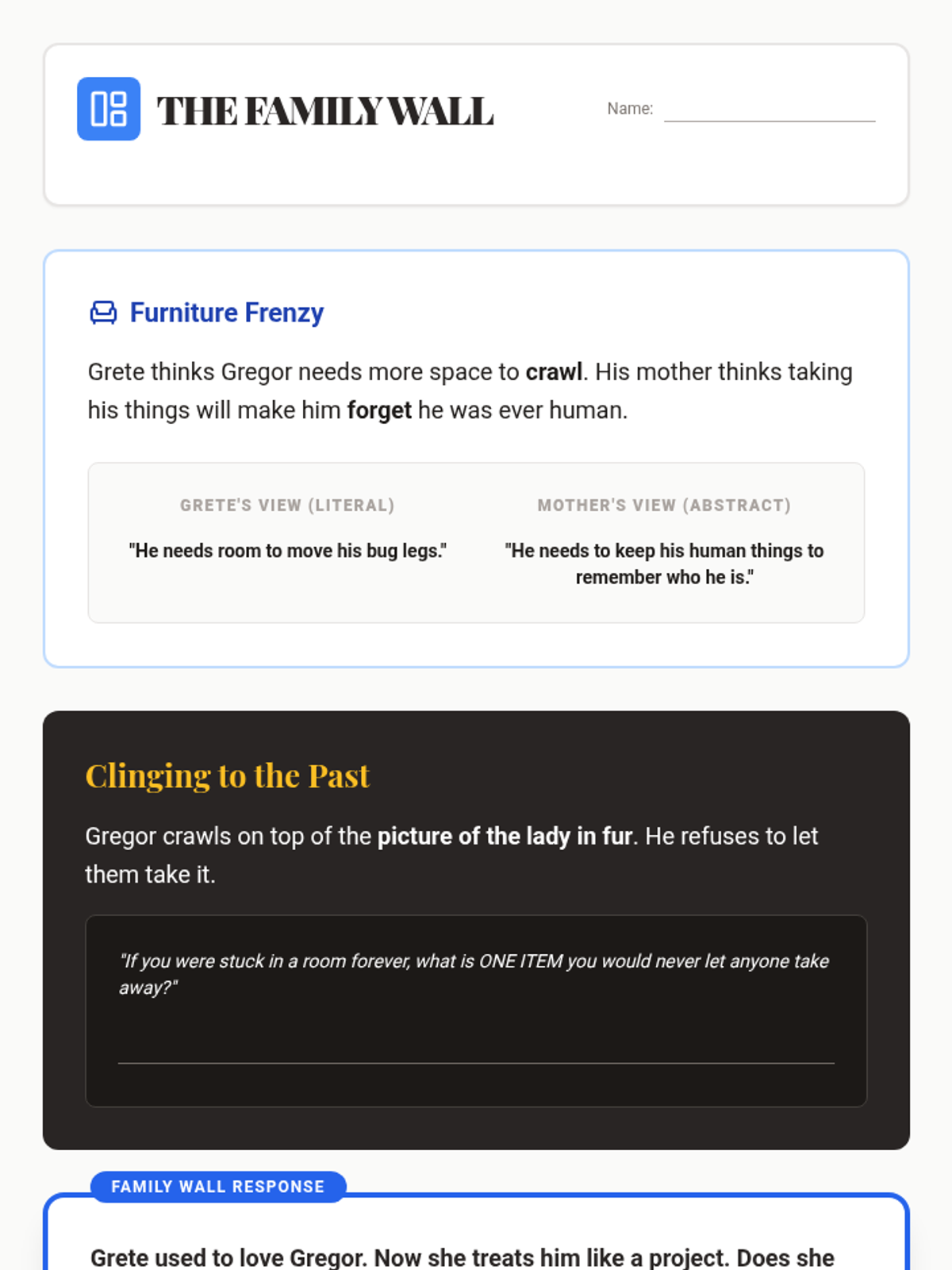
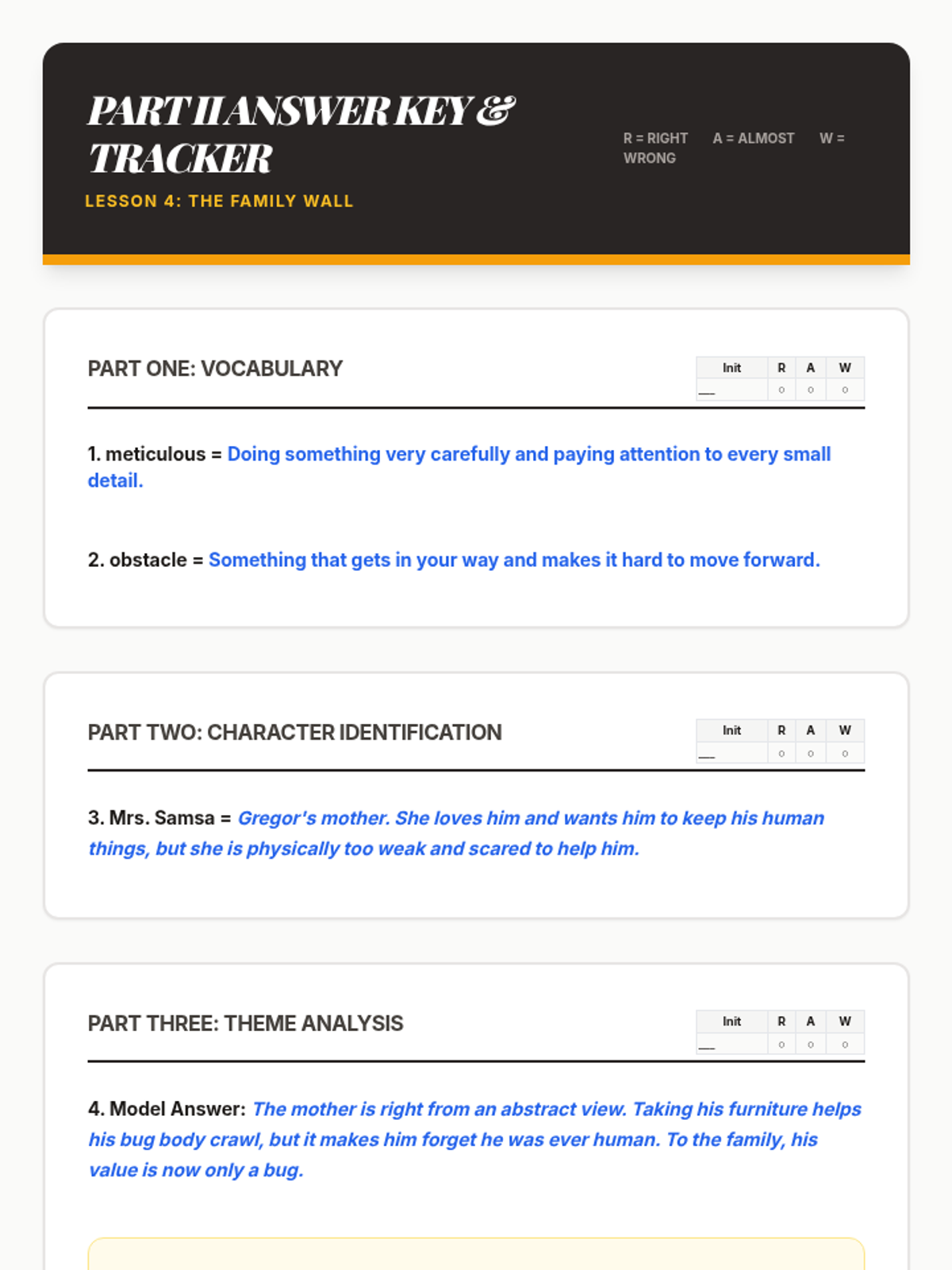
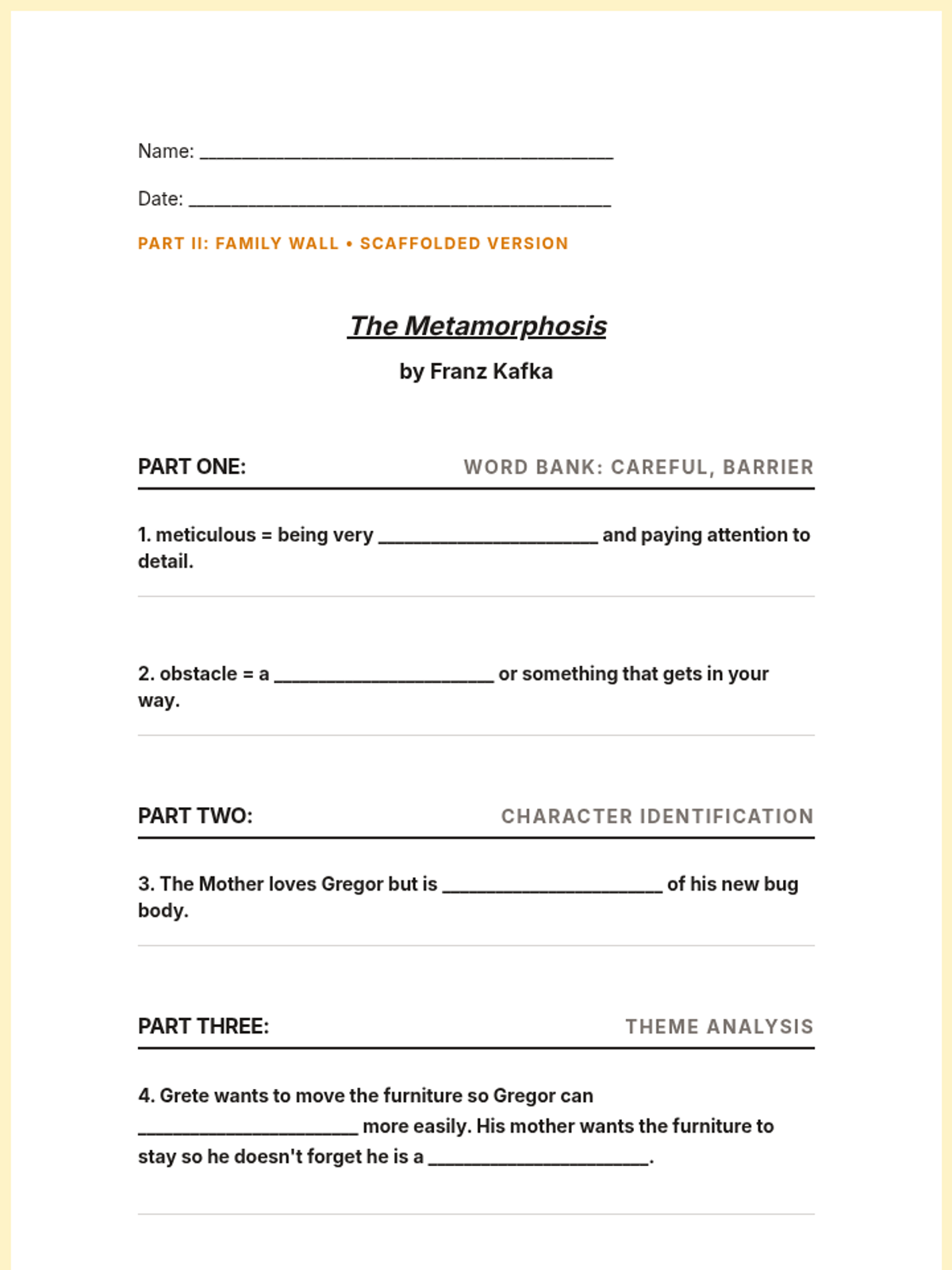
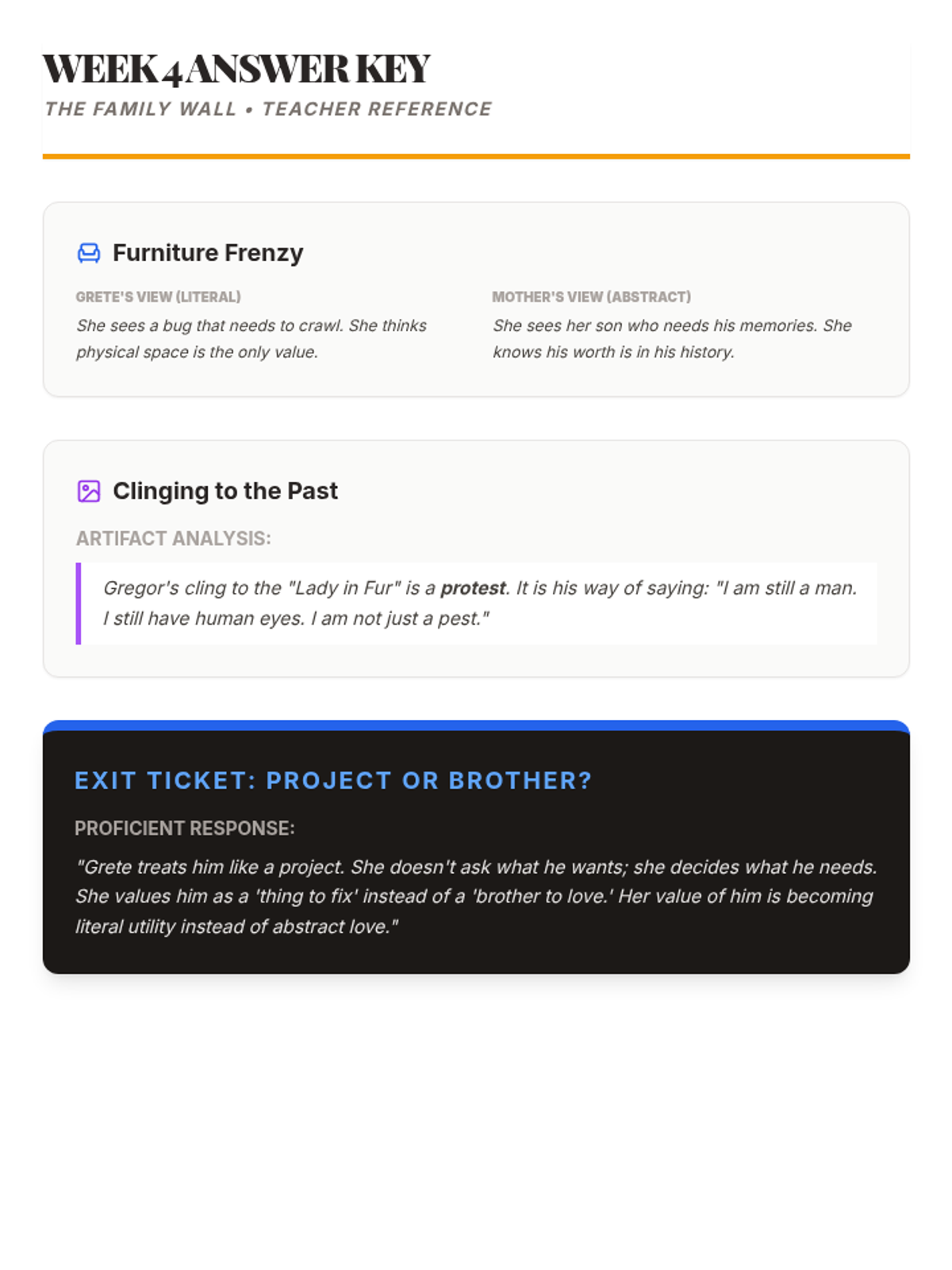
Explores the changing relationship between Gregor and Grete, the moving of the furniture, and the concept of 'pity' vs 'value'.
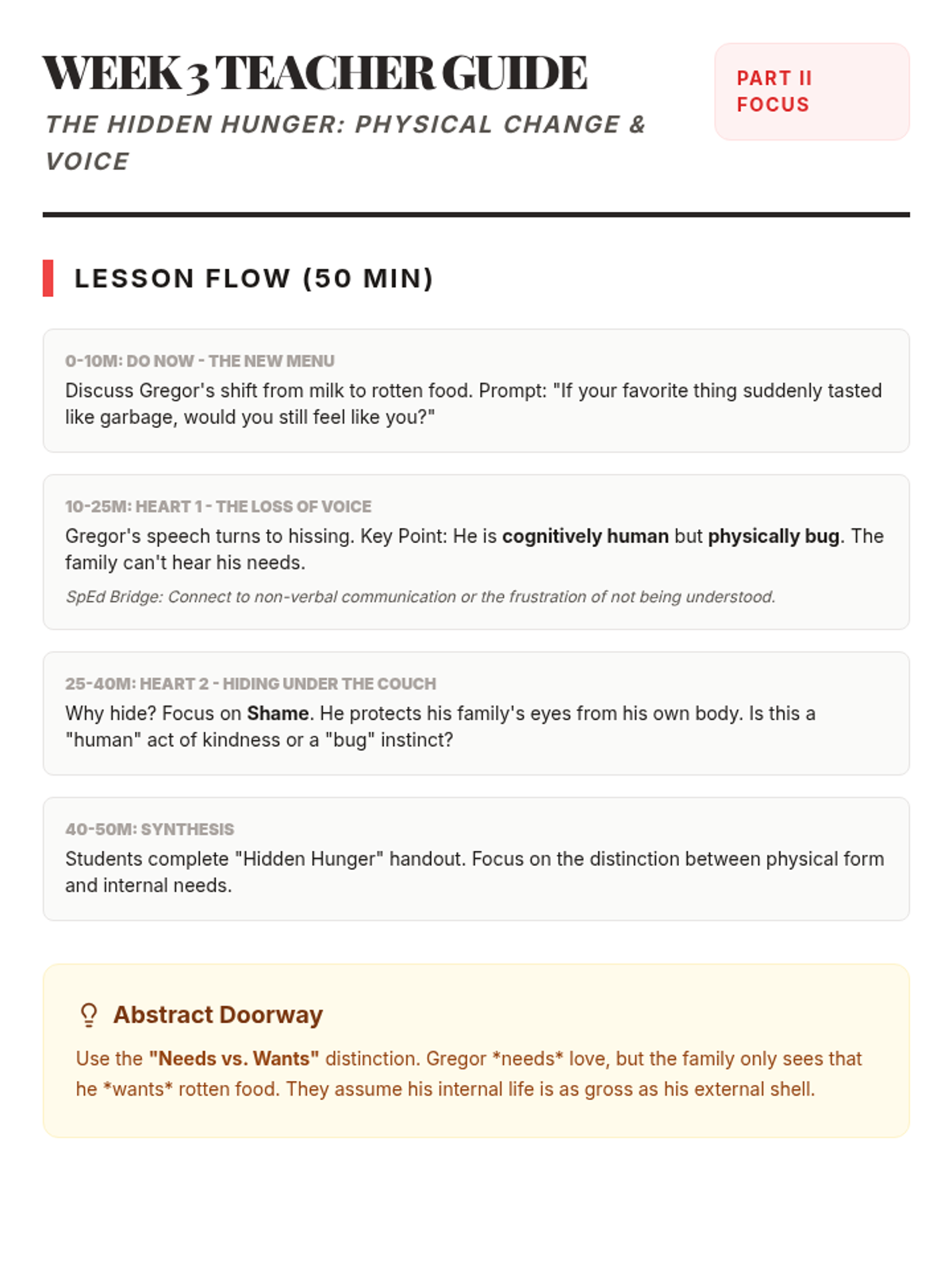
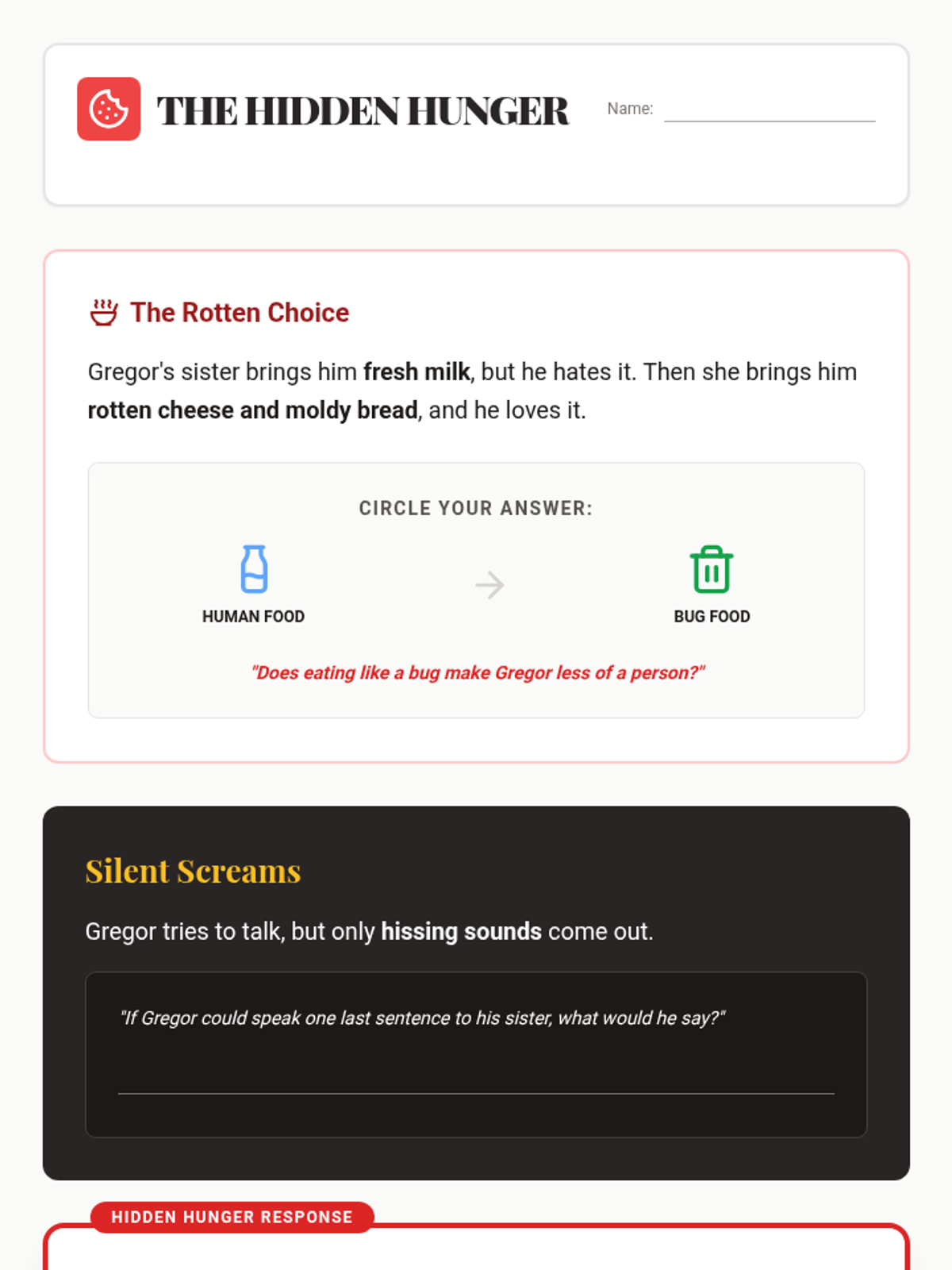
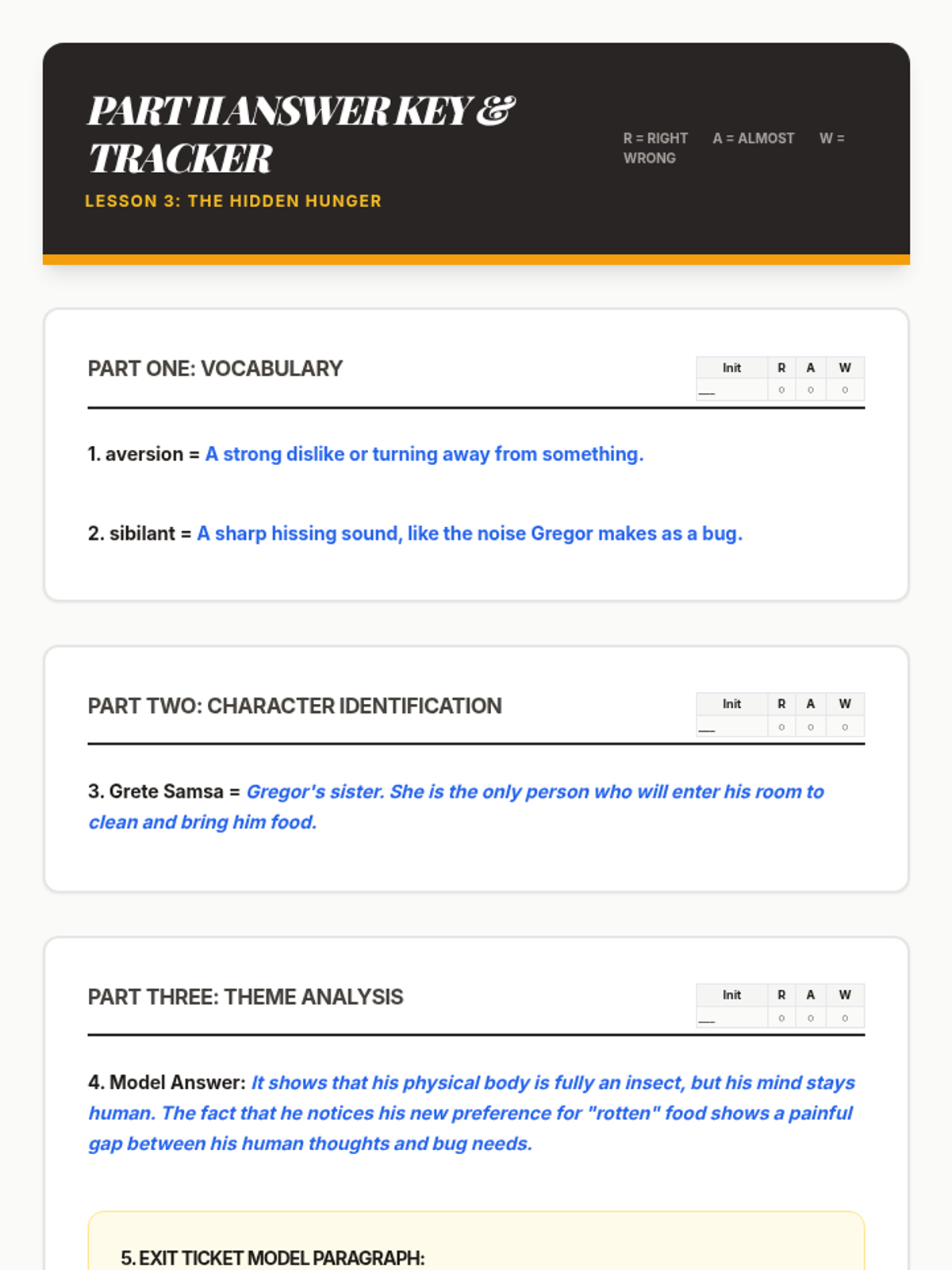
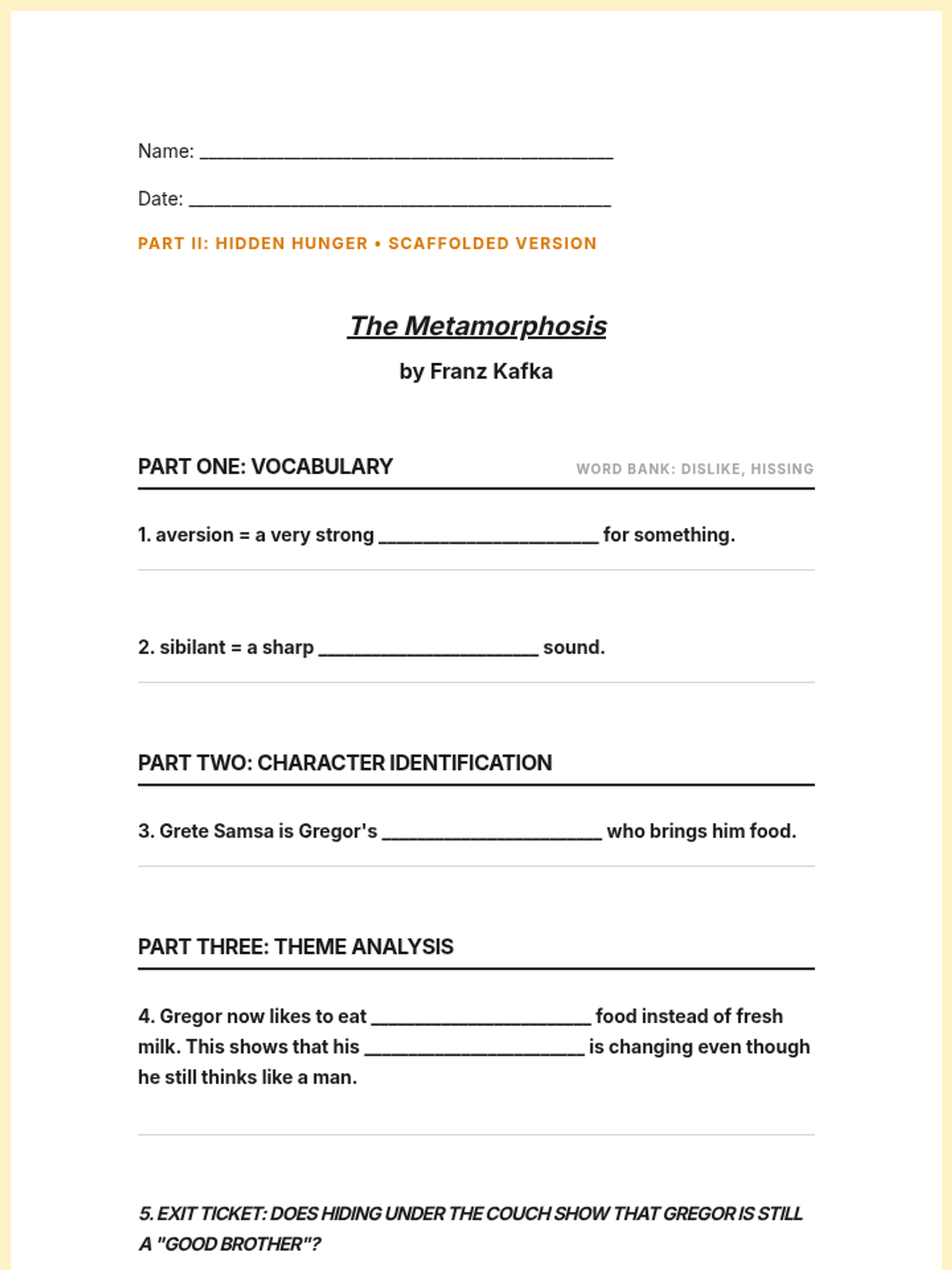
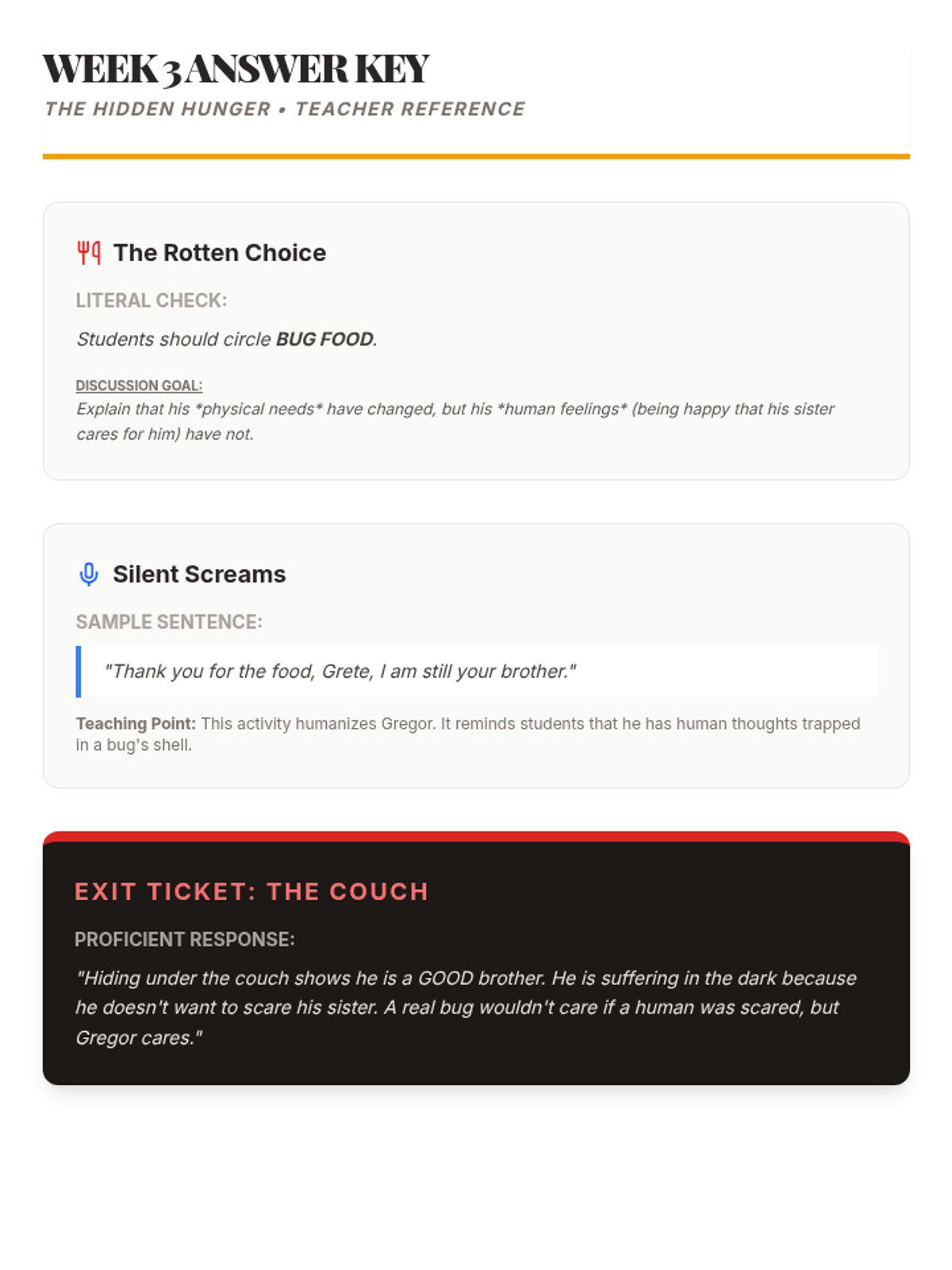
Covers the transition to Part II, focusing on Gregor's physical changes, his new diet, and the loss of his human voice.
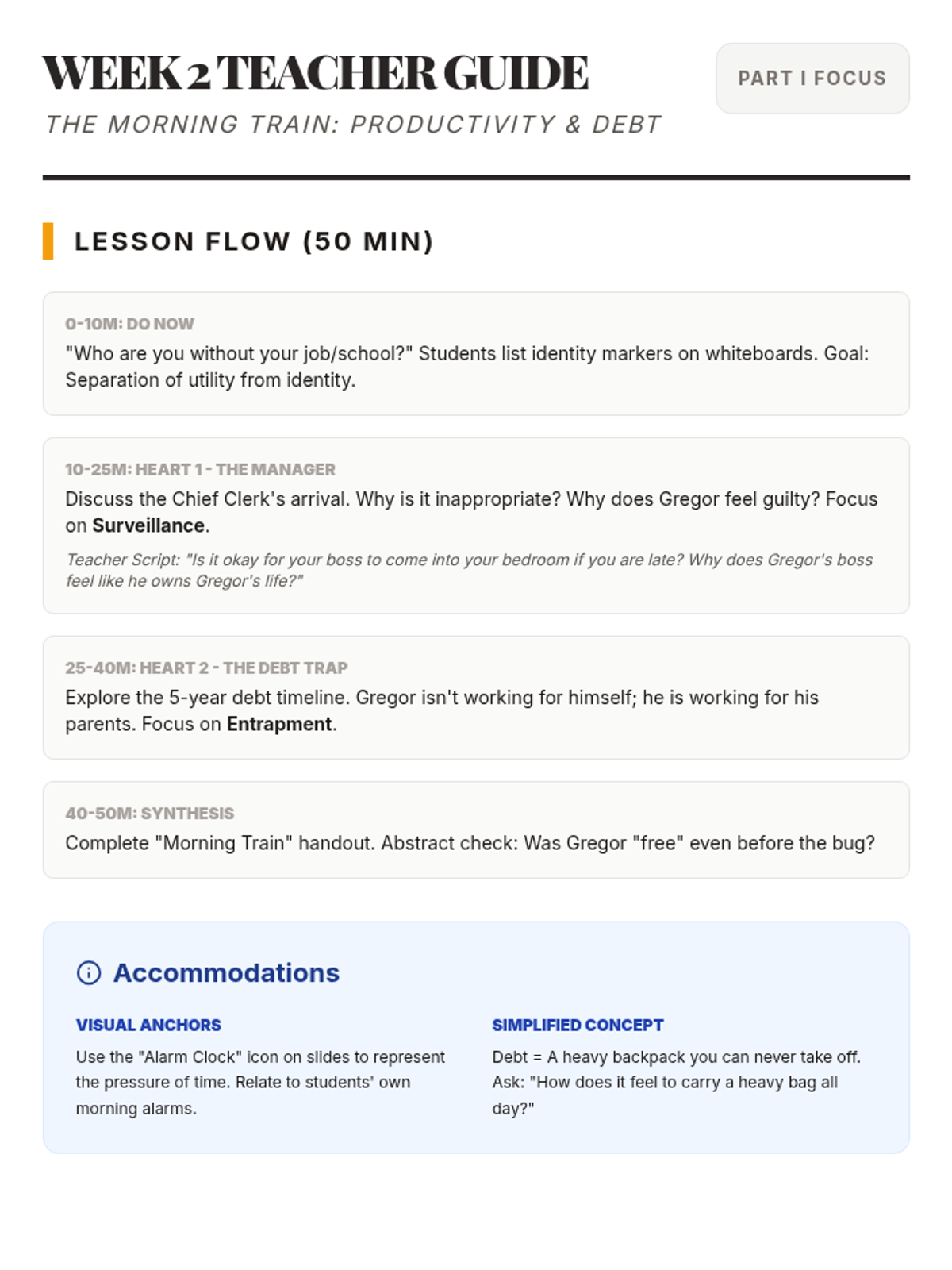
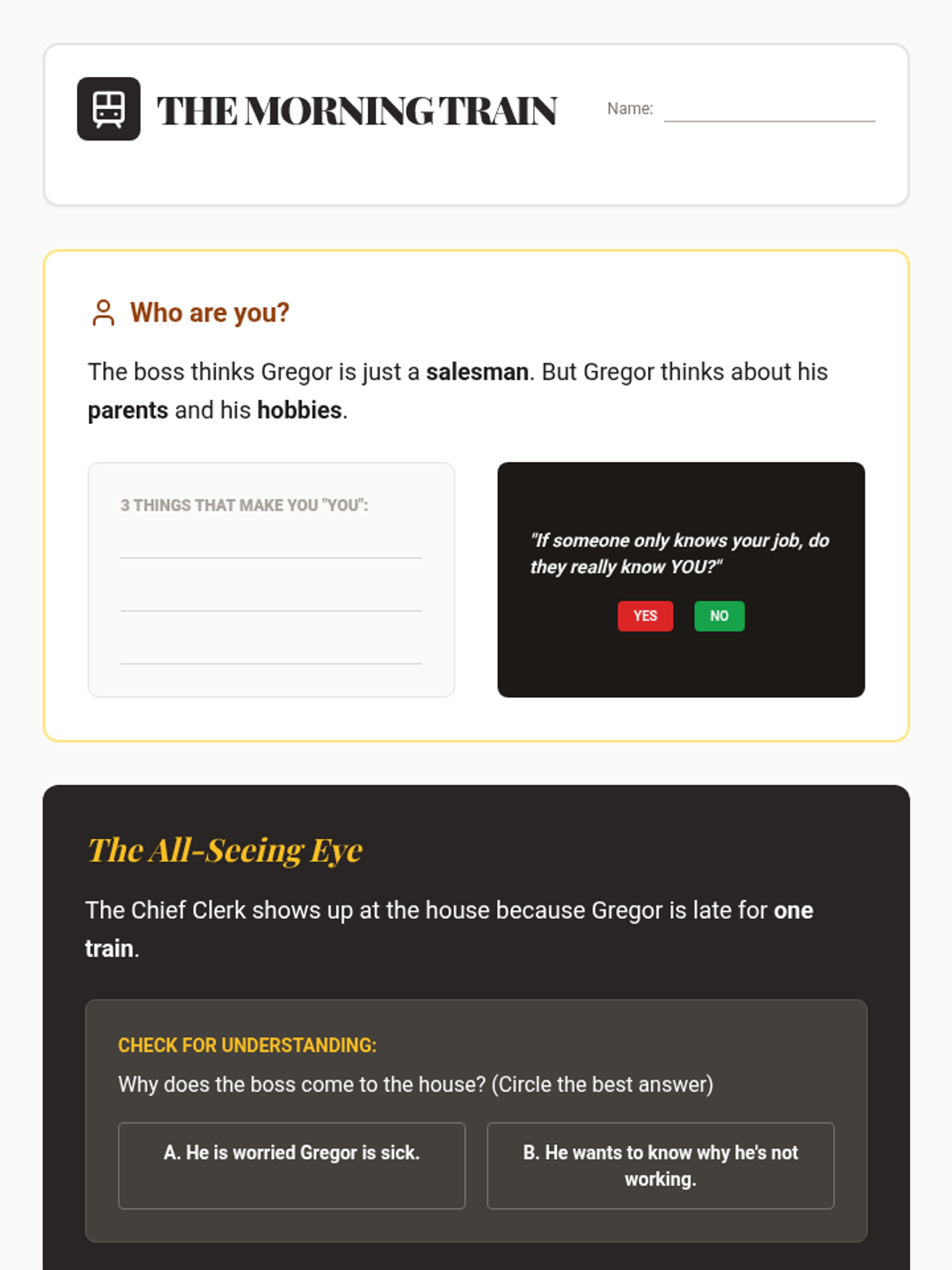
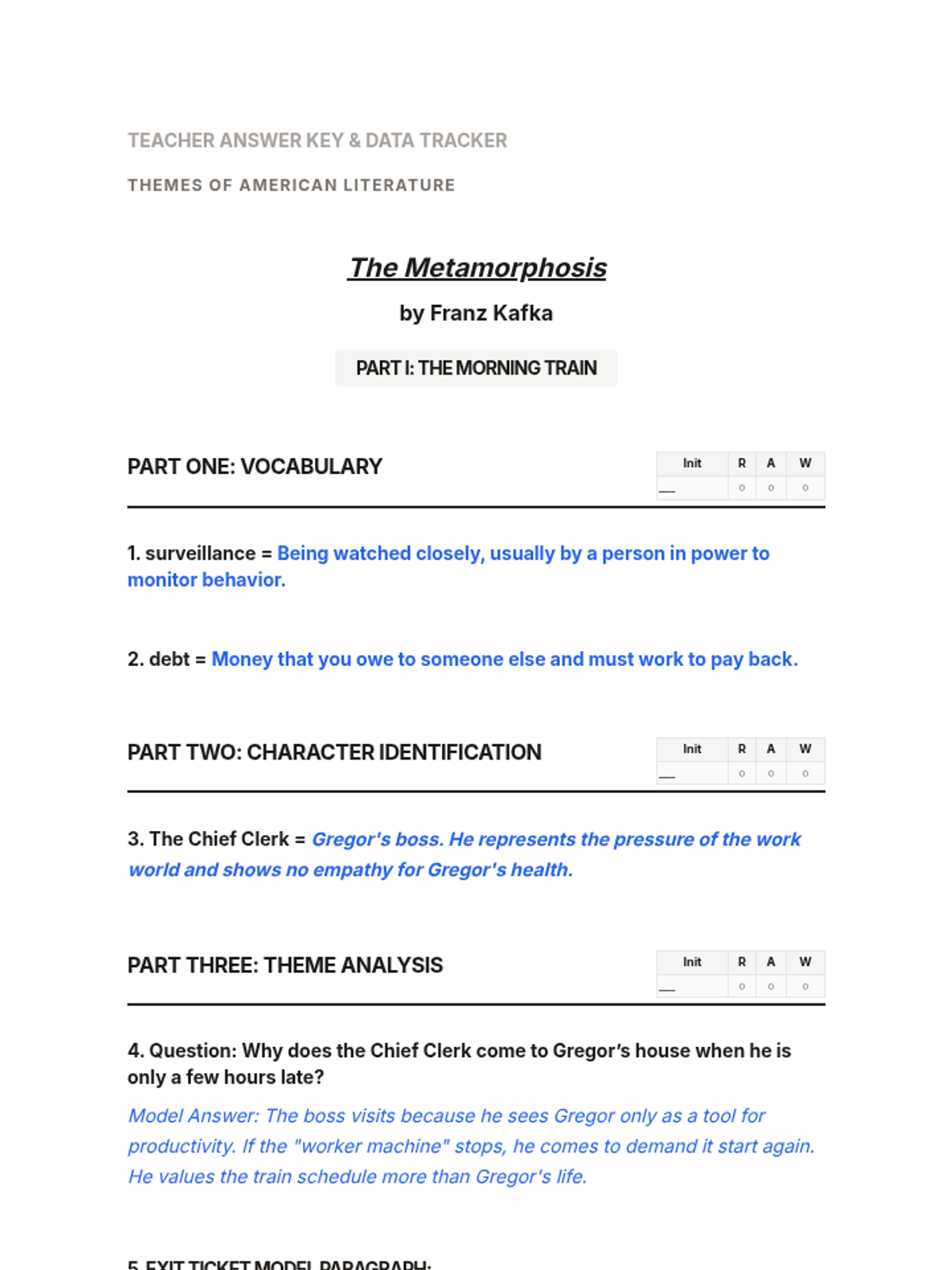
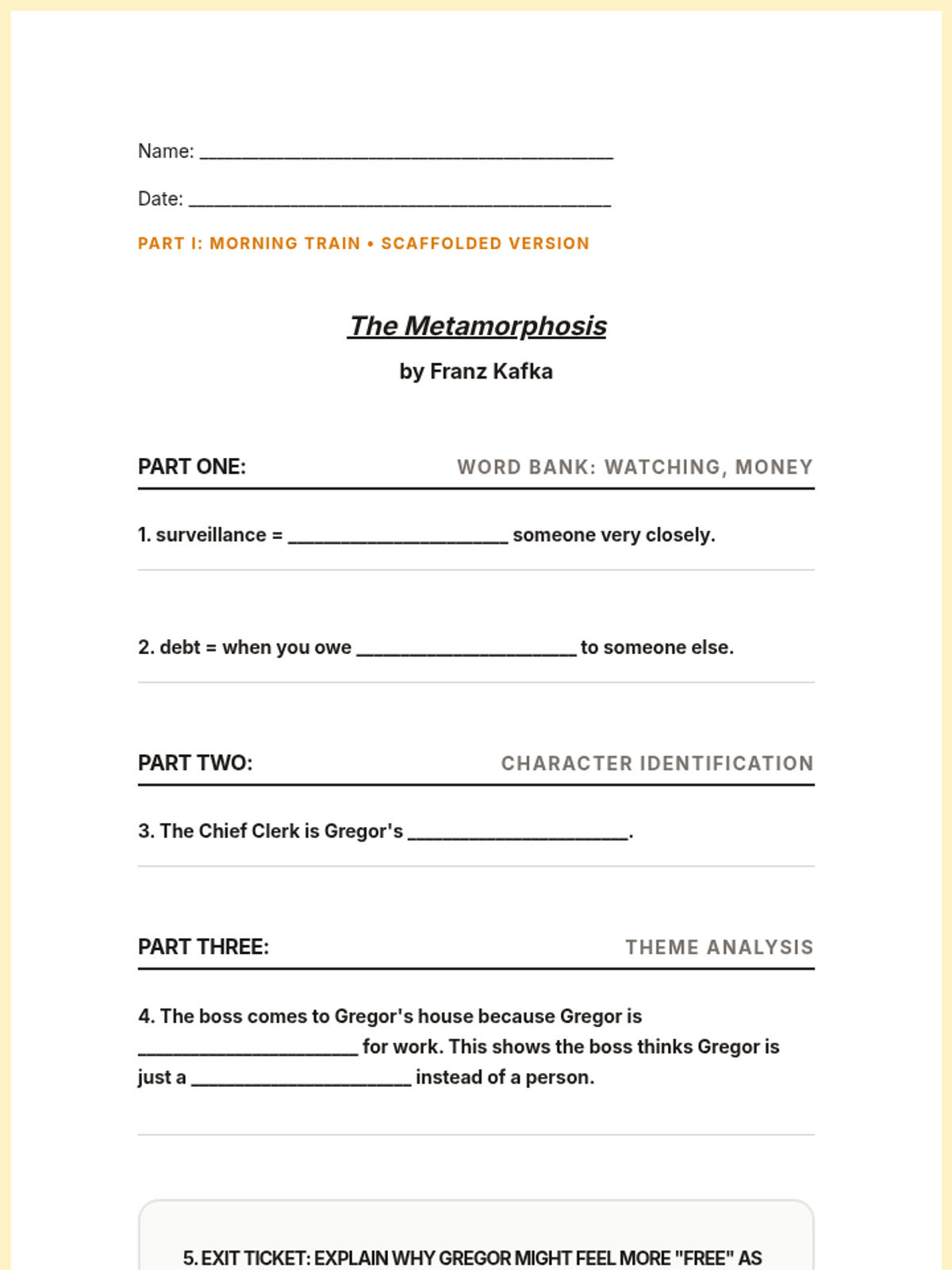
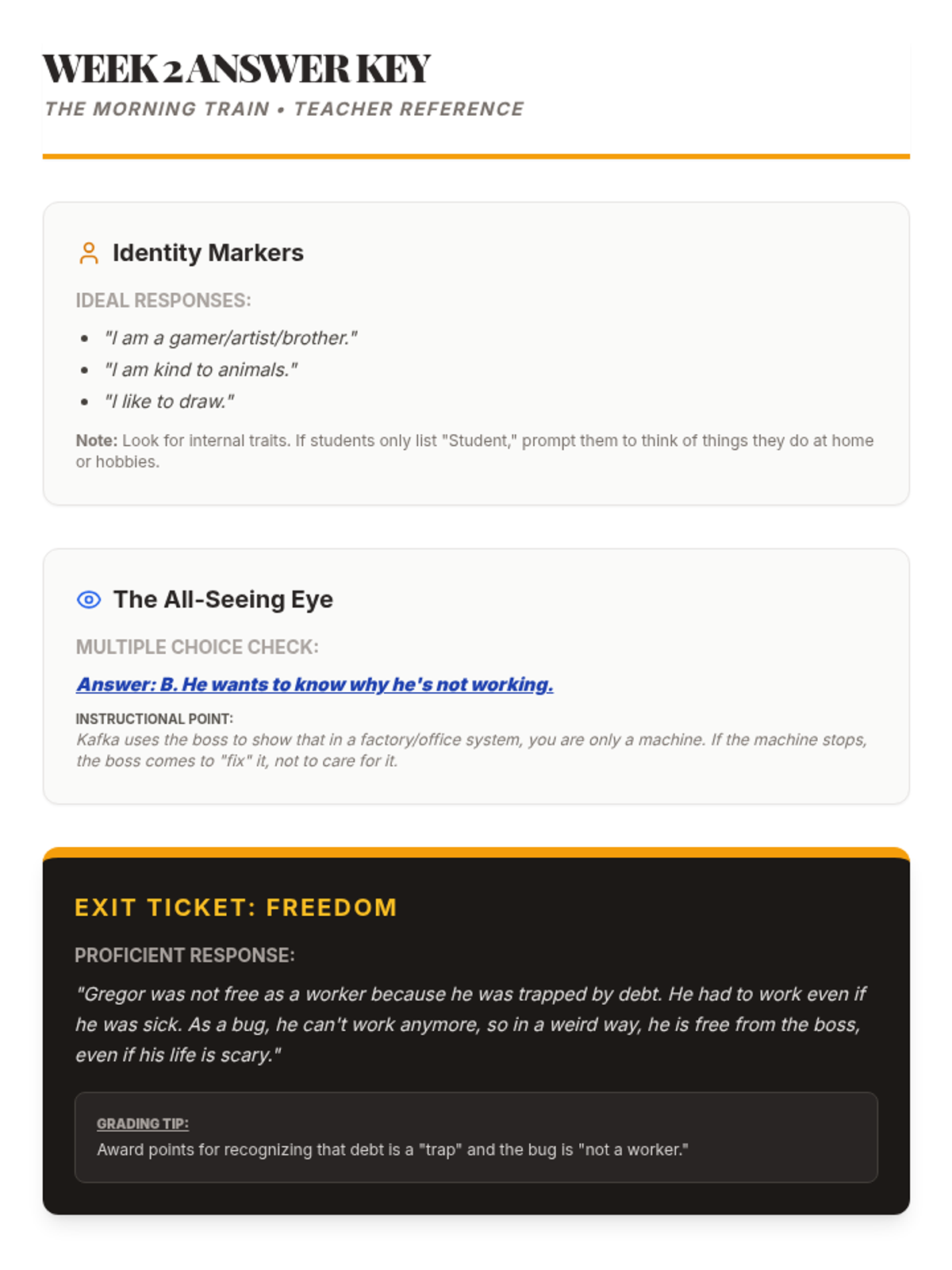
A focus on Part I of the novella, exploring the theme of work as identity and the manager's visit as a symbol of surveillance.
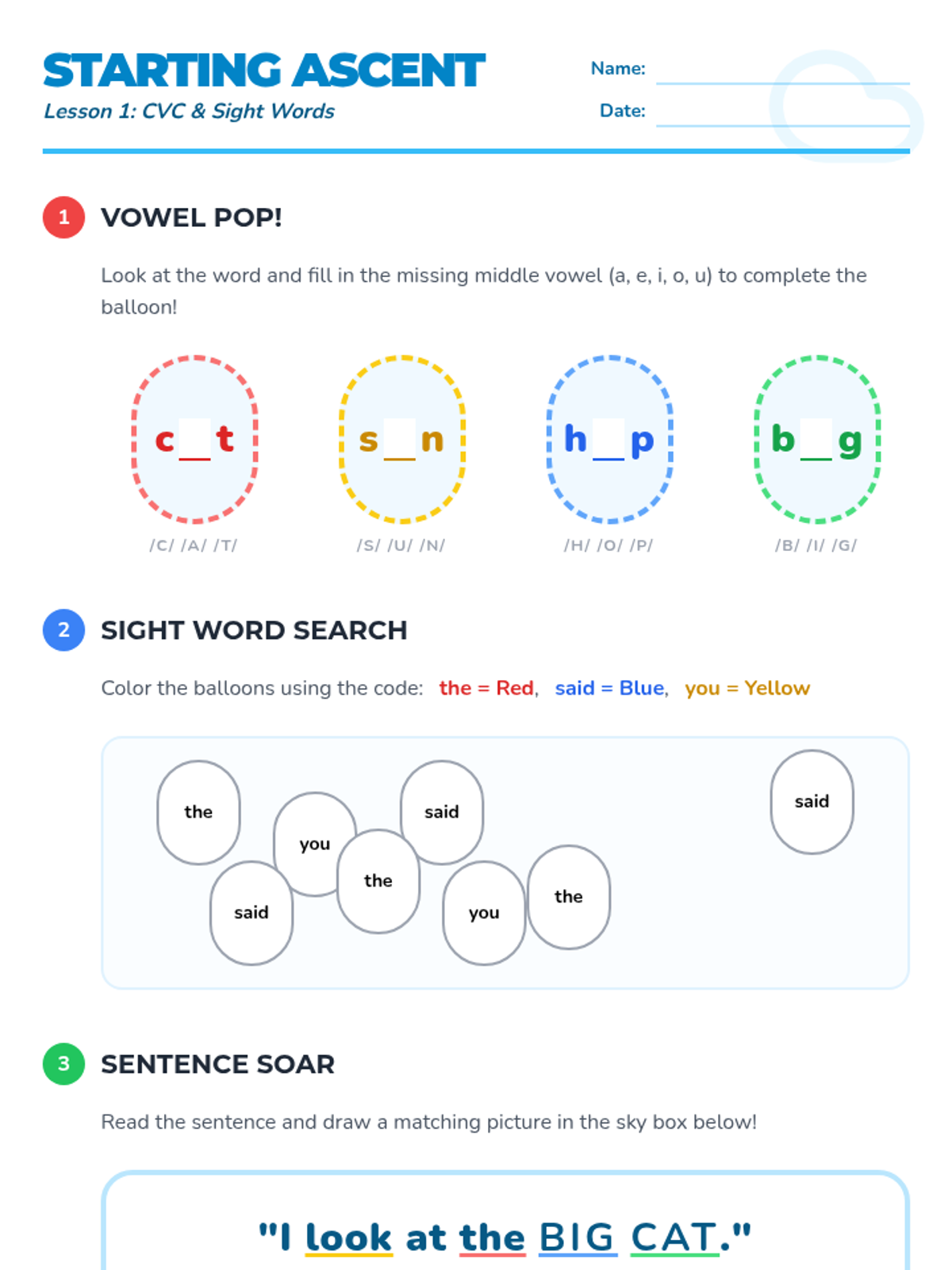
The introductory lesson of the Reading Heights unit, focusing on basic CVC decoding and kindergarten/early 1st-grade high-frequency sight words through engaging balloon-themed activities.