Students explore the hidden world of soil biodiversity, meet Grady the Tardigrade, and create their own micro-monster profiles while learning about scale and symbiosis.
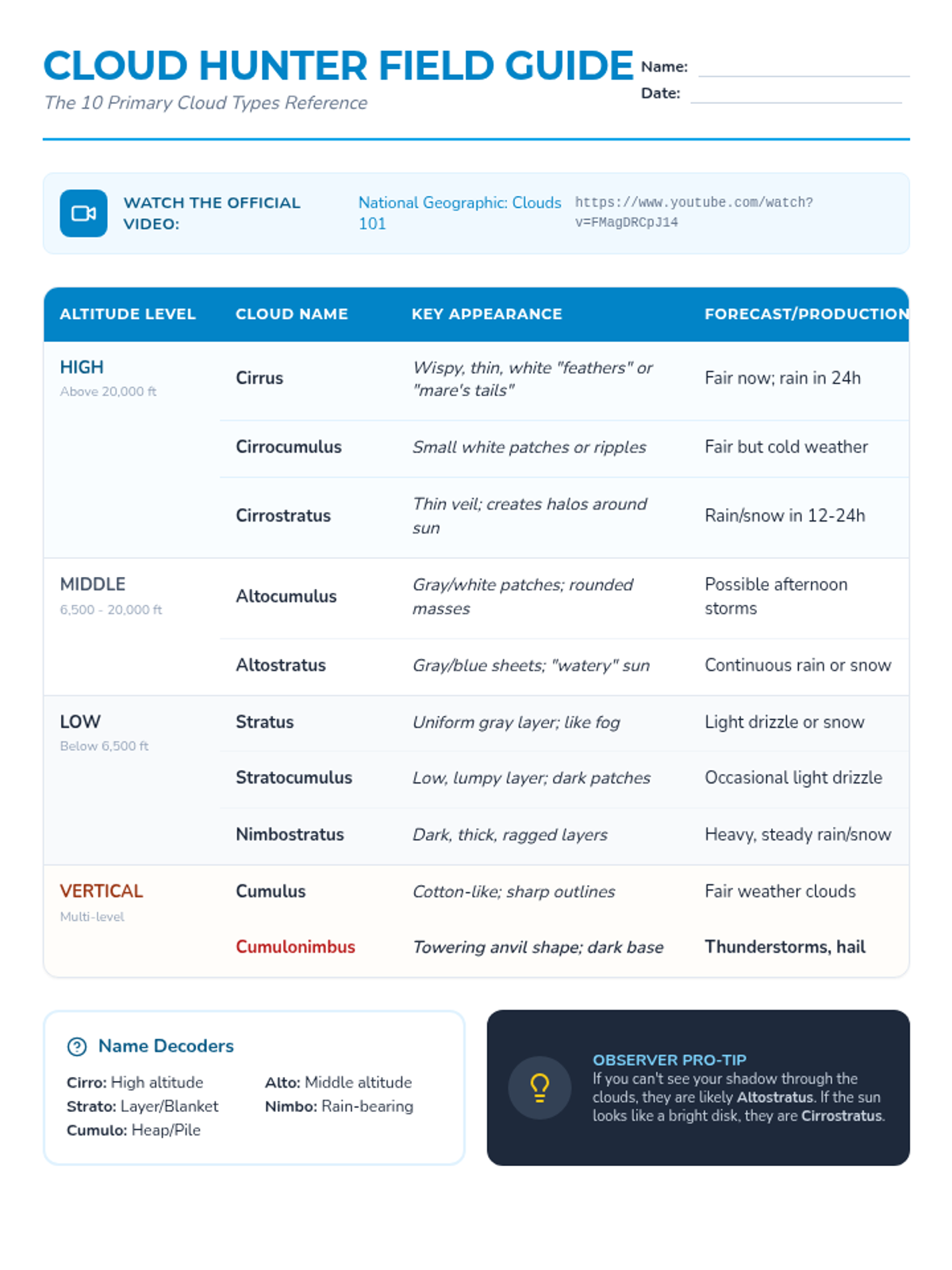
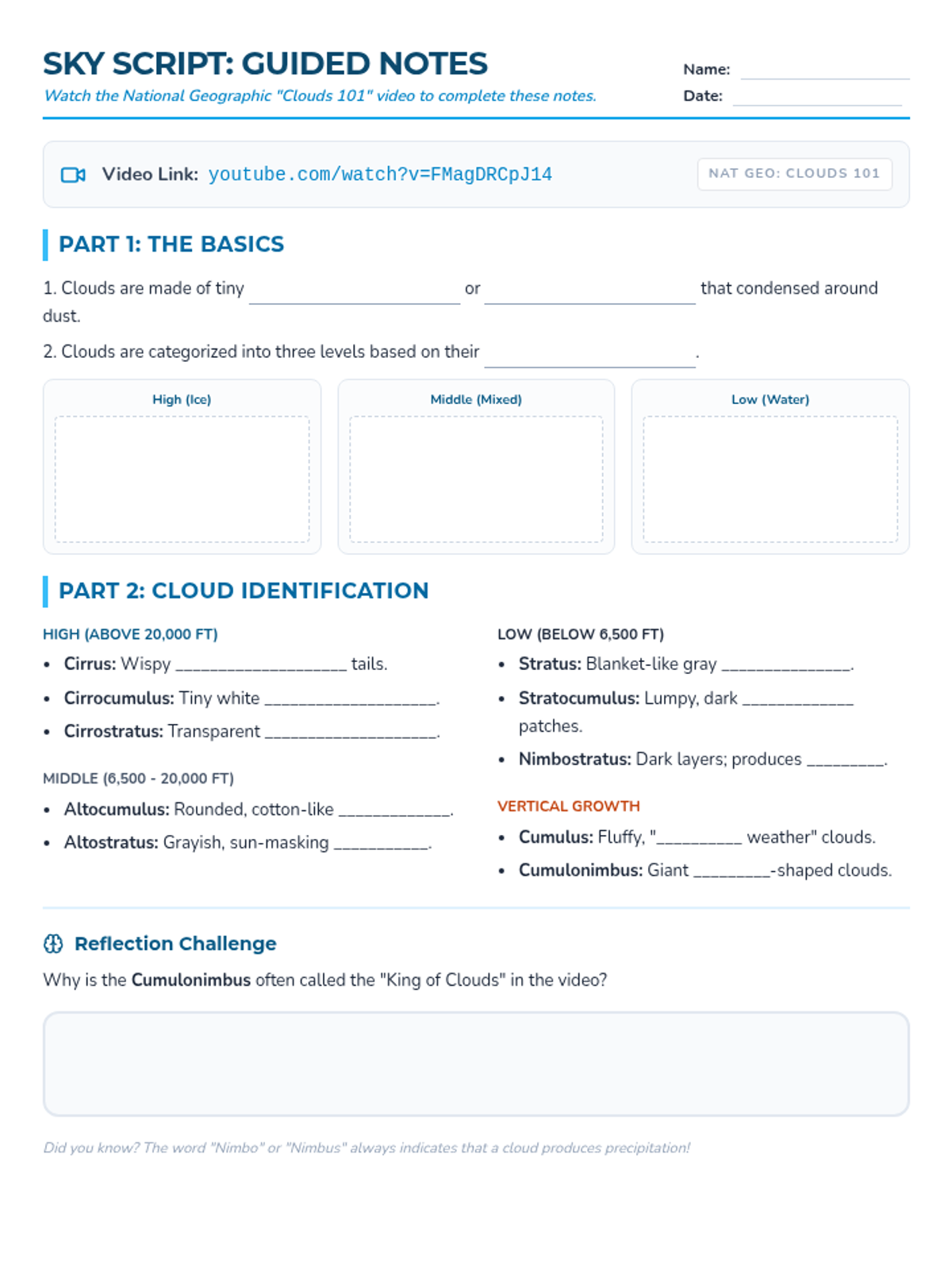
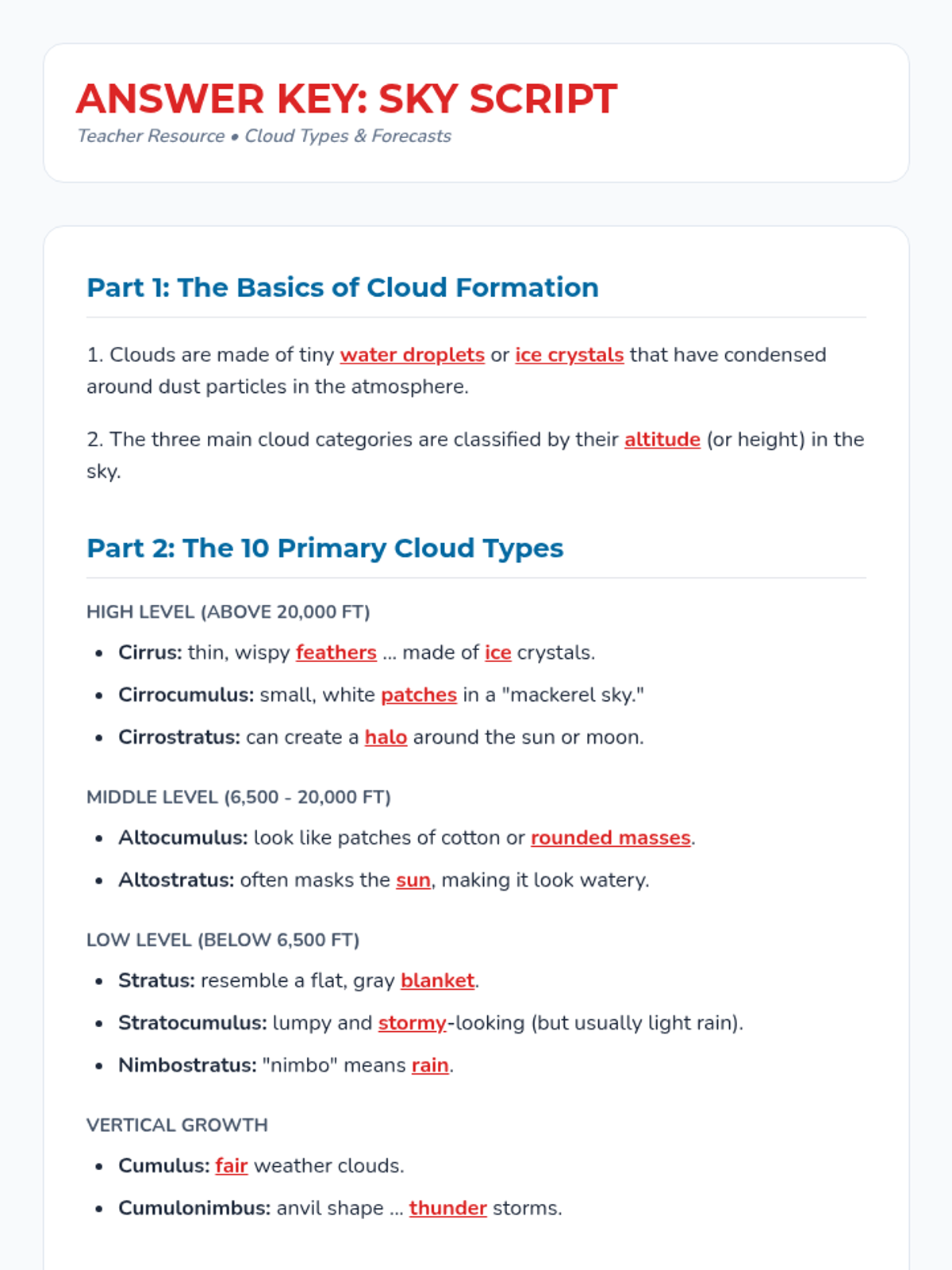
Students will learn to identify the ten primary cloud types, categorize them by altitude, and predict weather outcomes based on cloud formations.
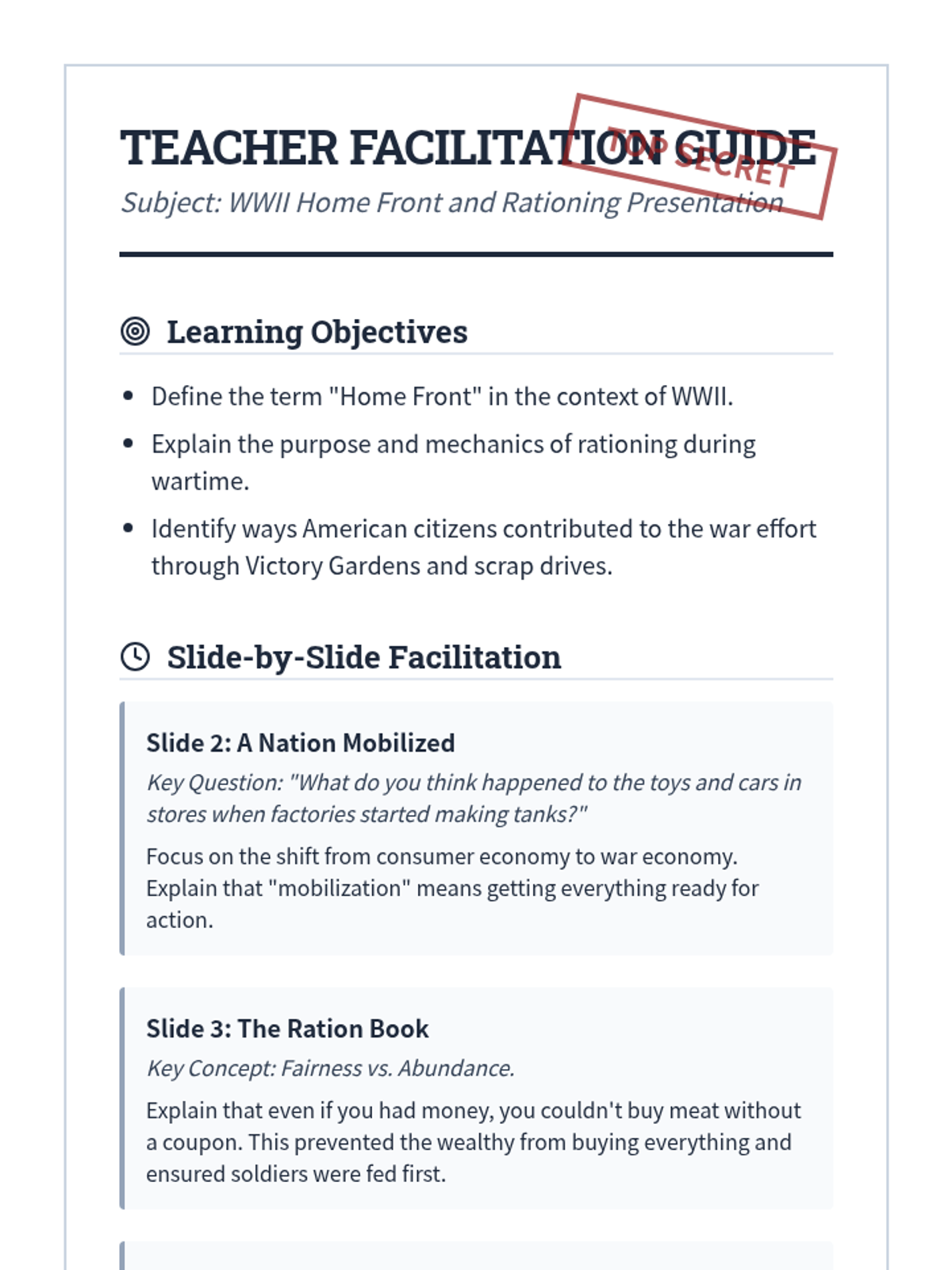
An exploration of life in America during World War II, focusing on how rationing, Victory Gardens, and community efforts supported the war from home.
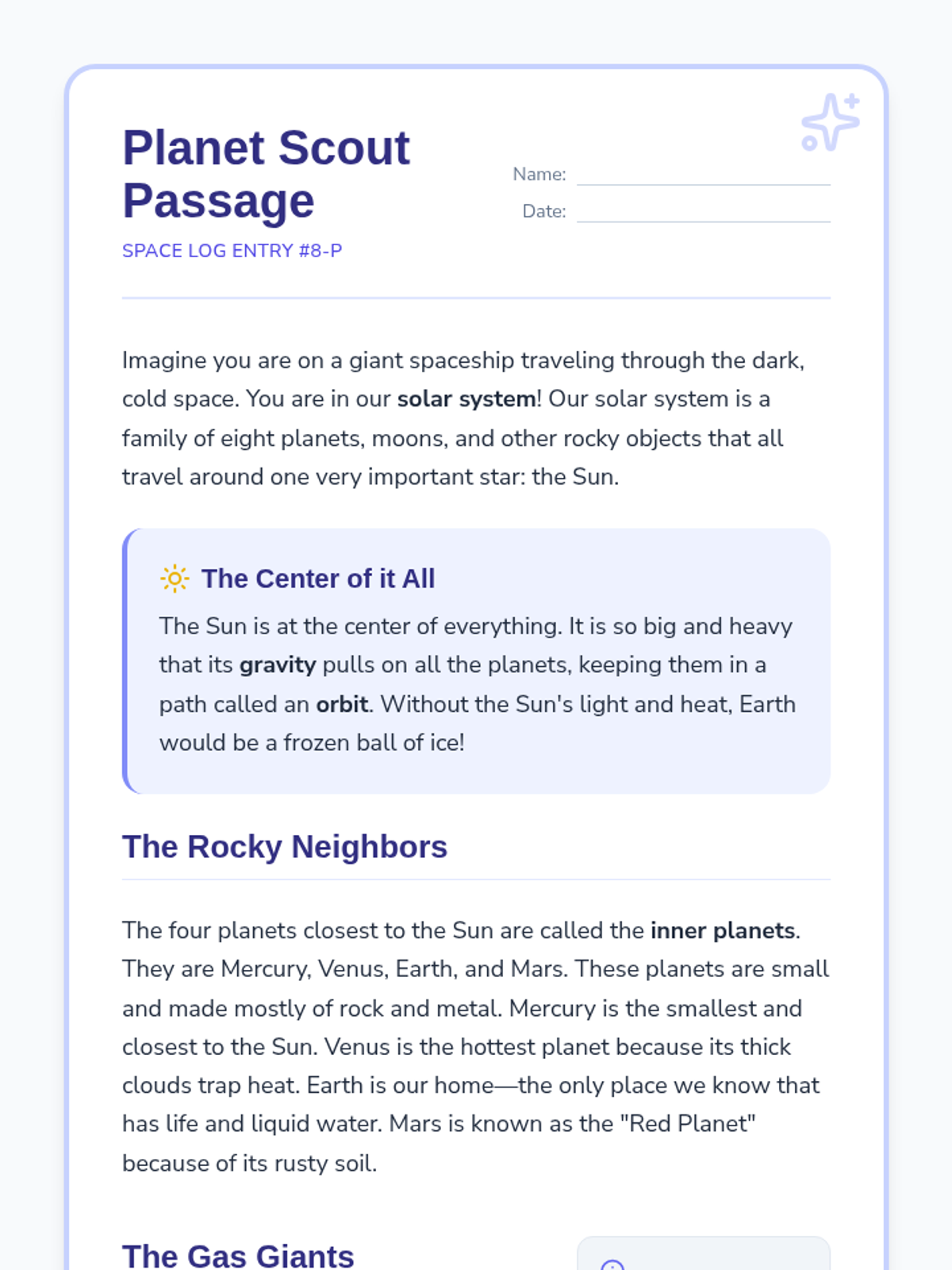
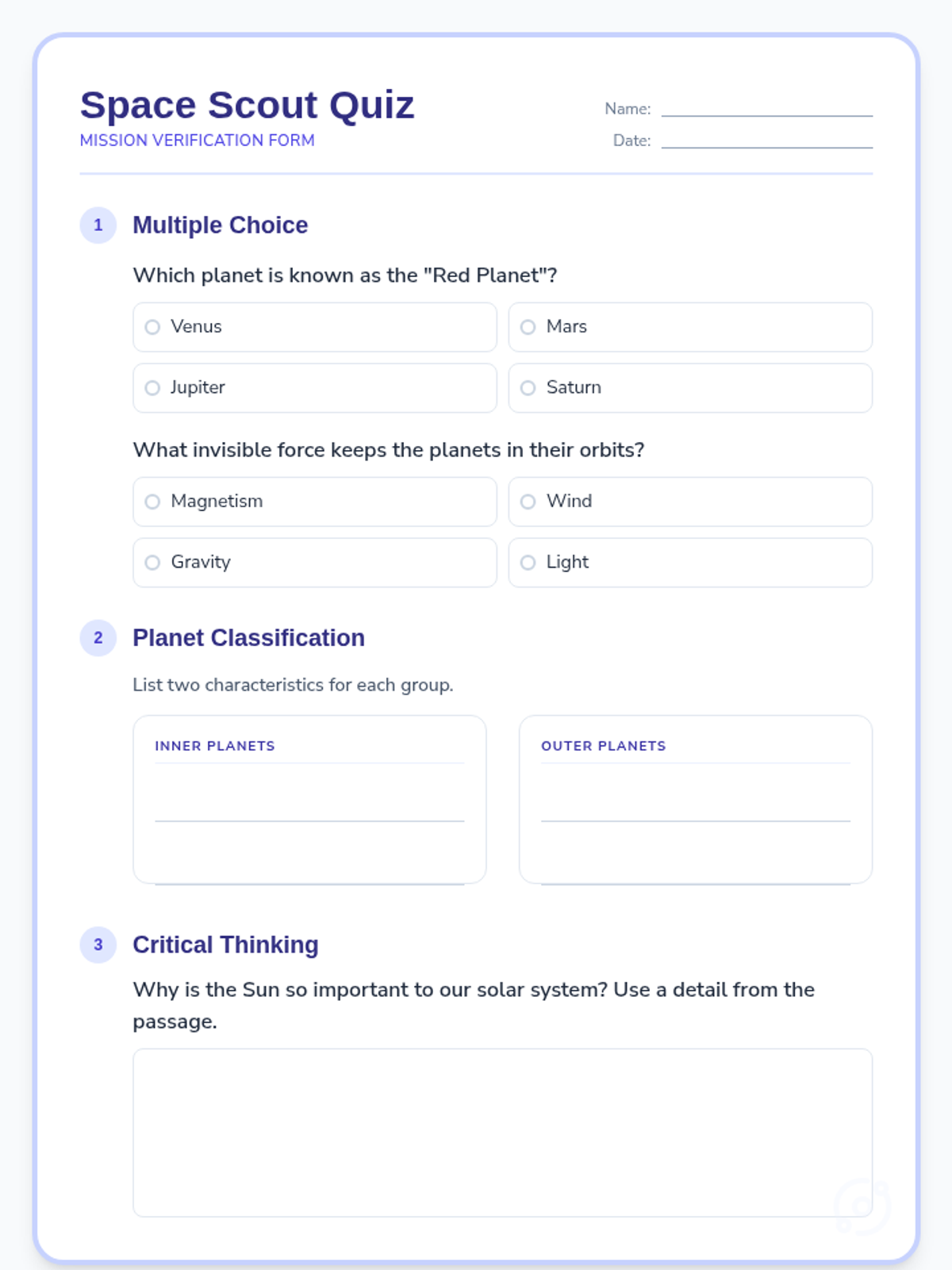
Students explore the eight planets of our solar system, learning about their unique characteristics and the forces that keep them in orbit.
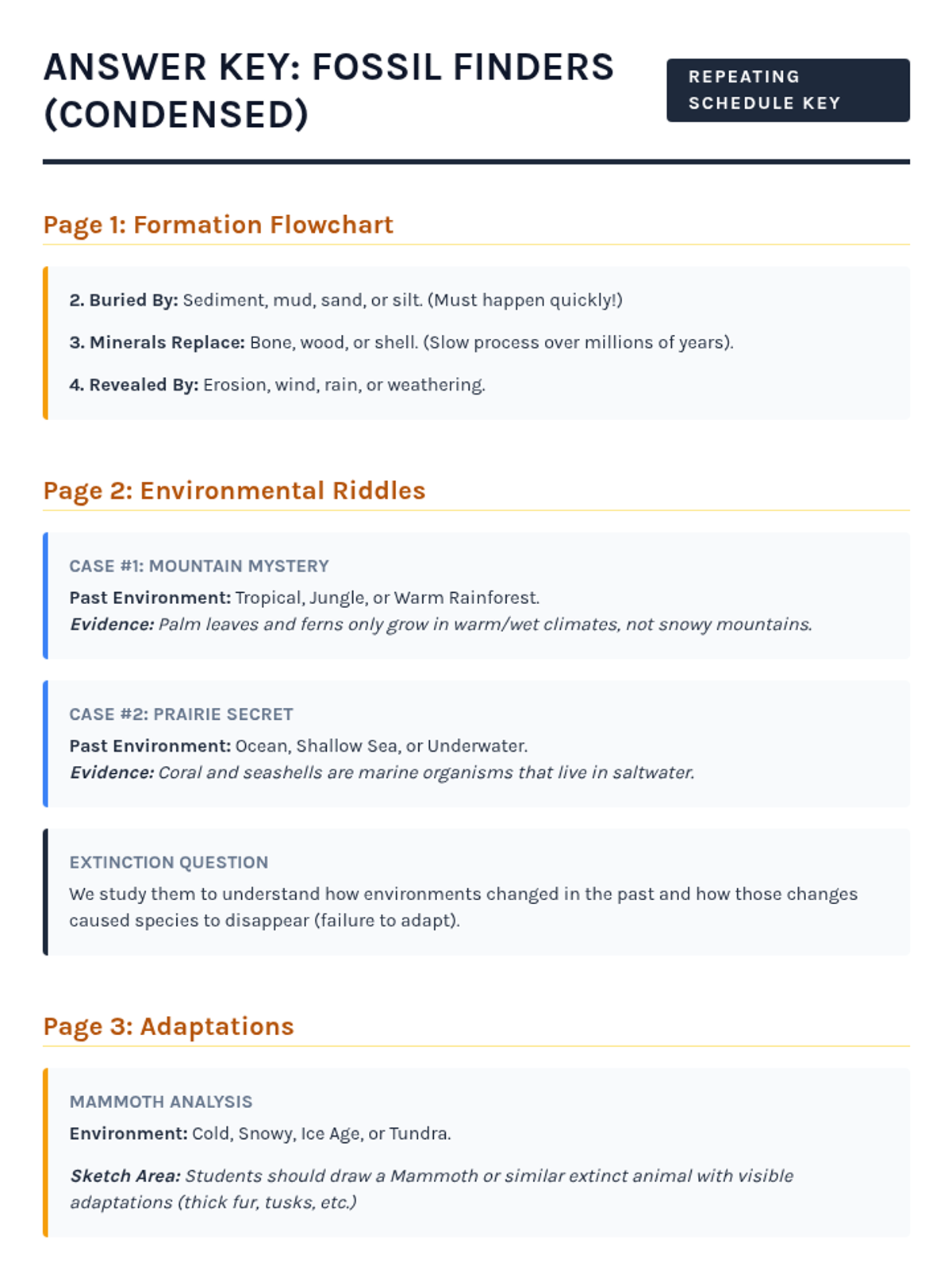
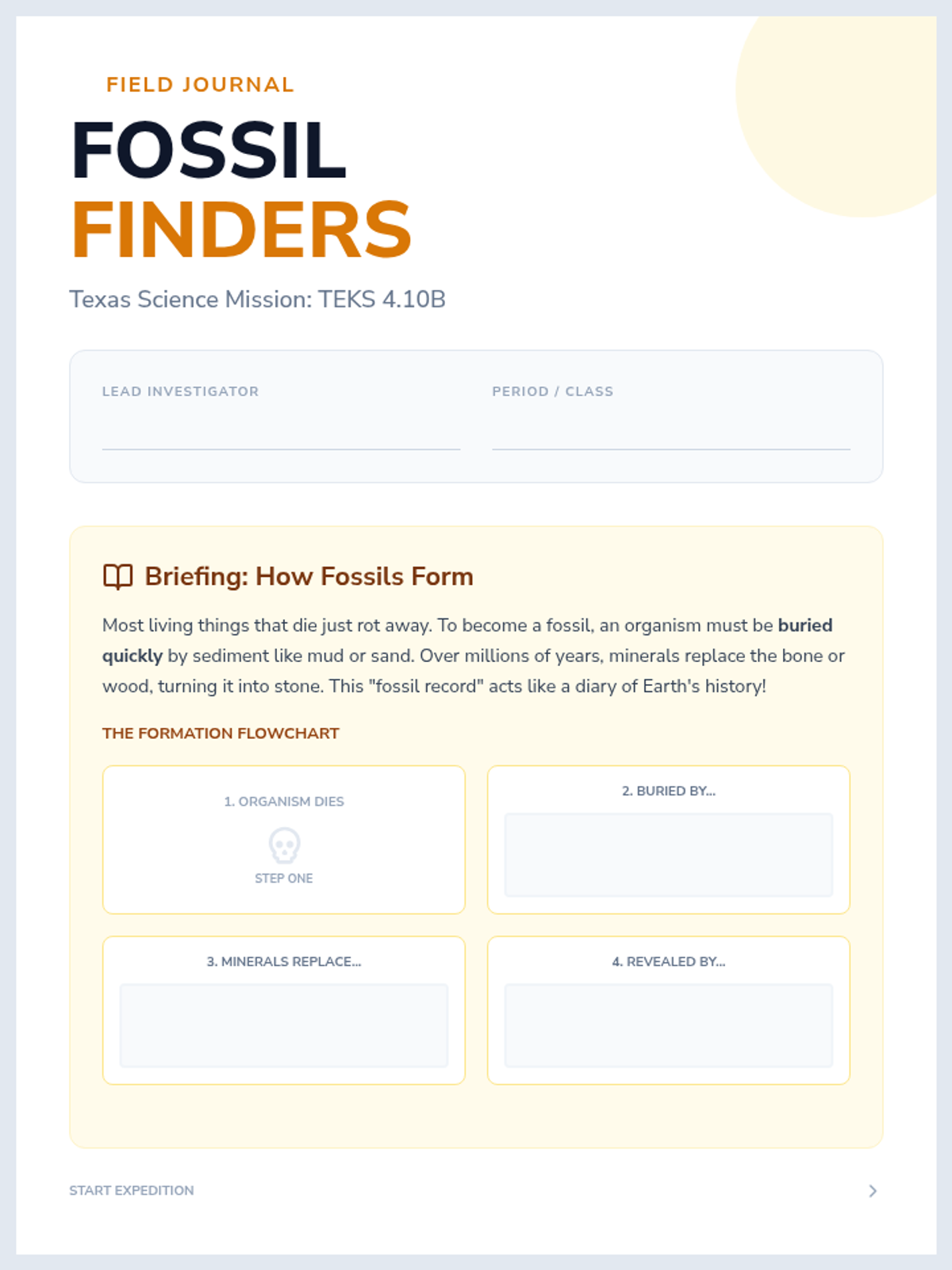
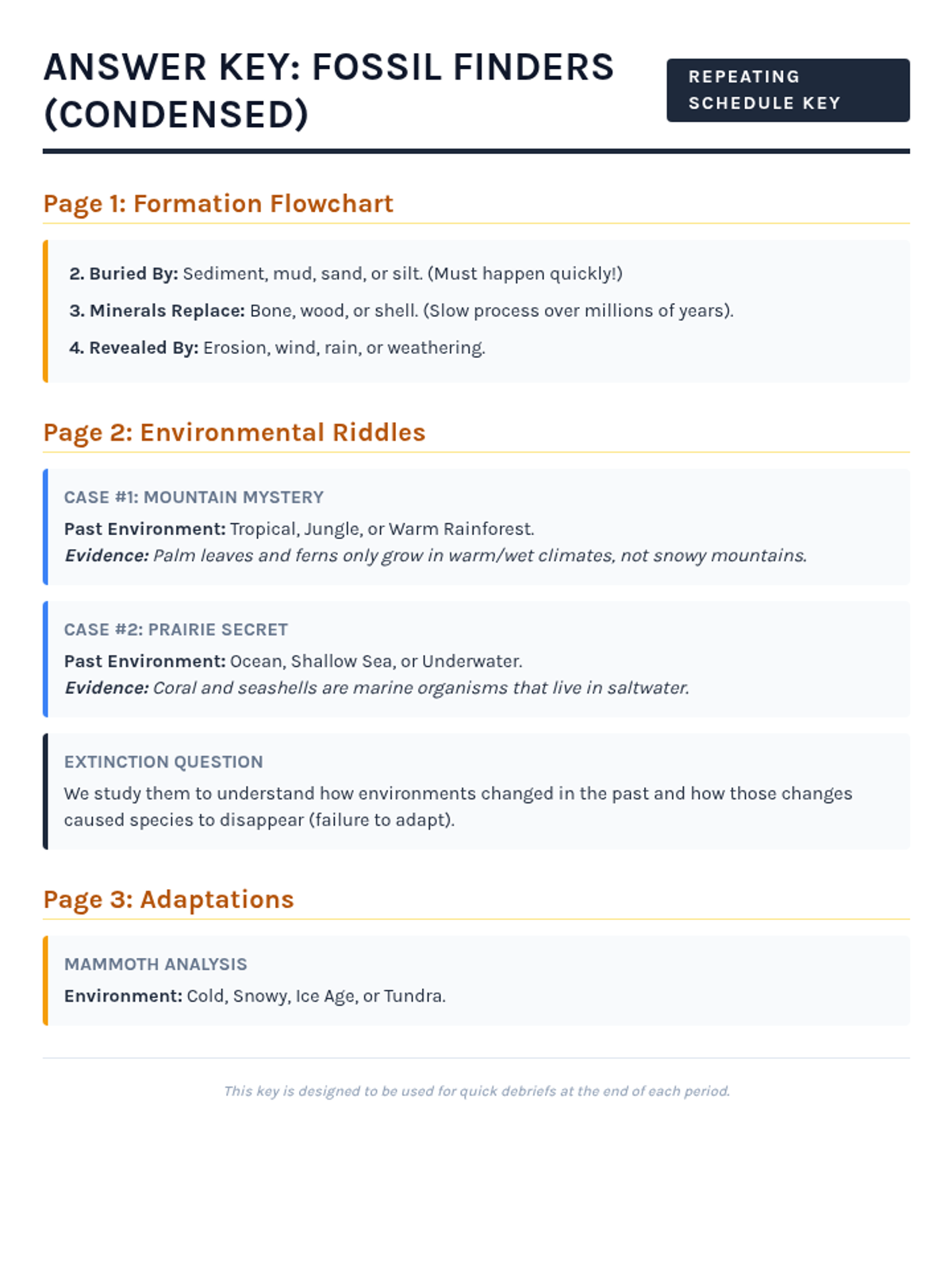
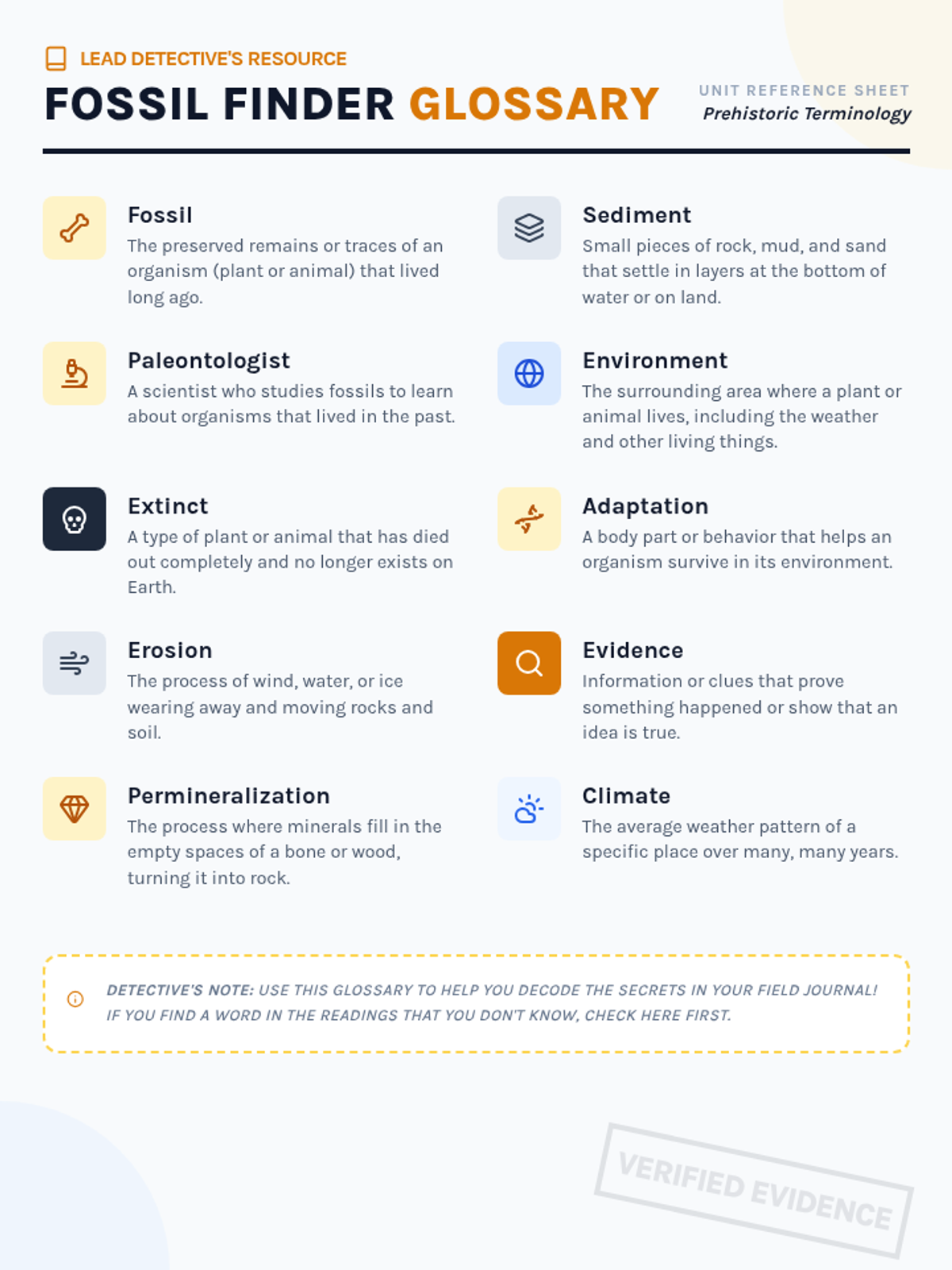
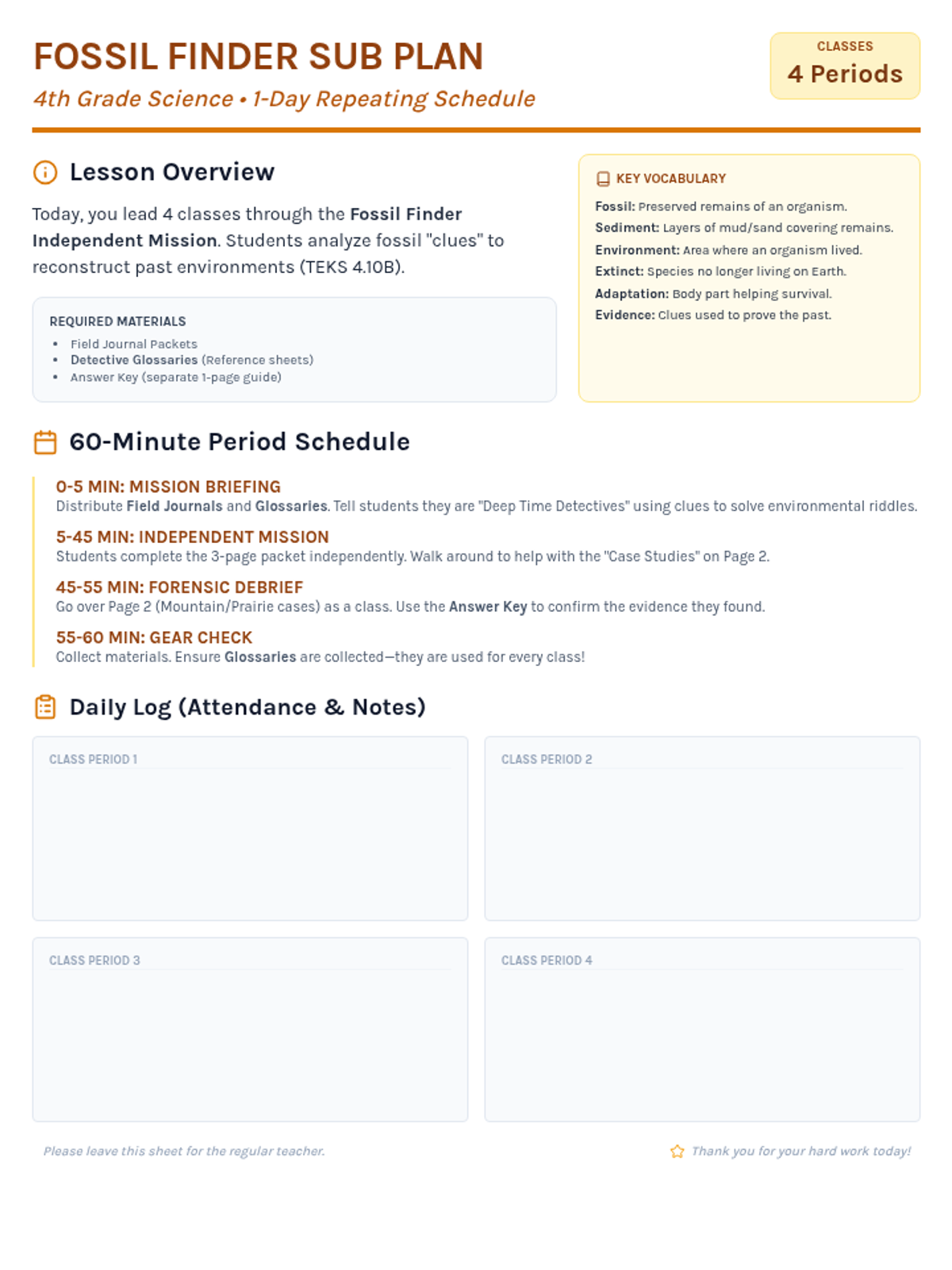
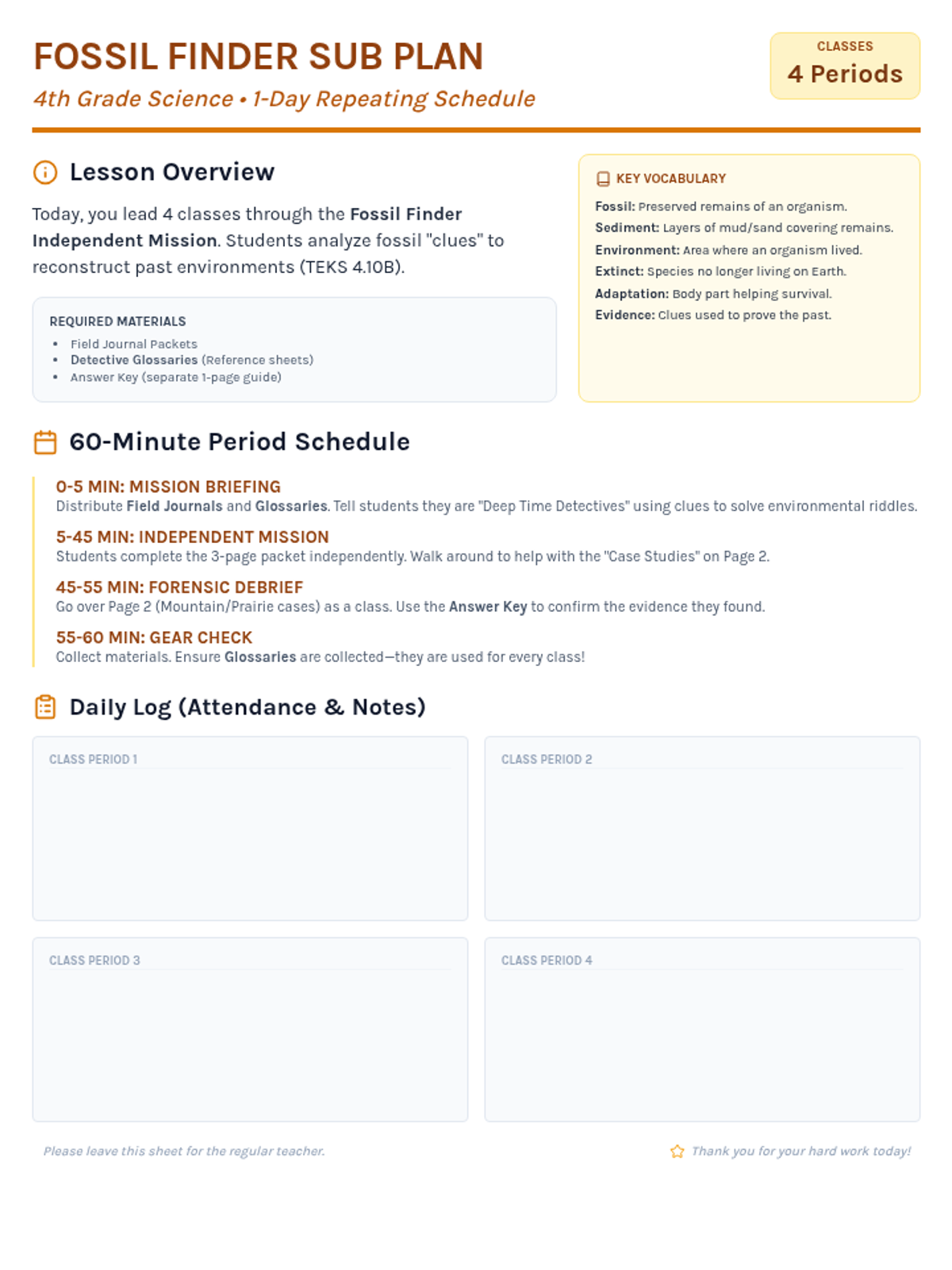
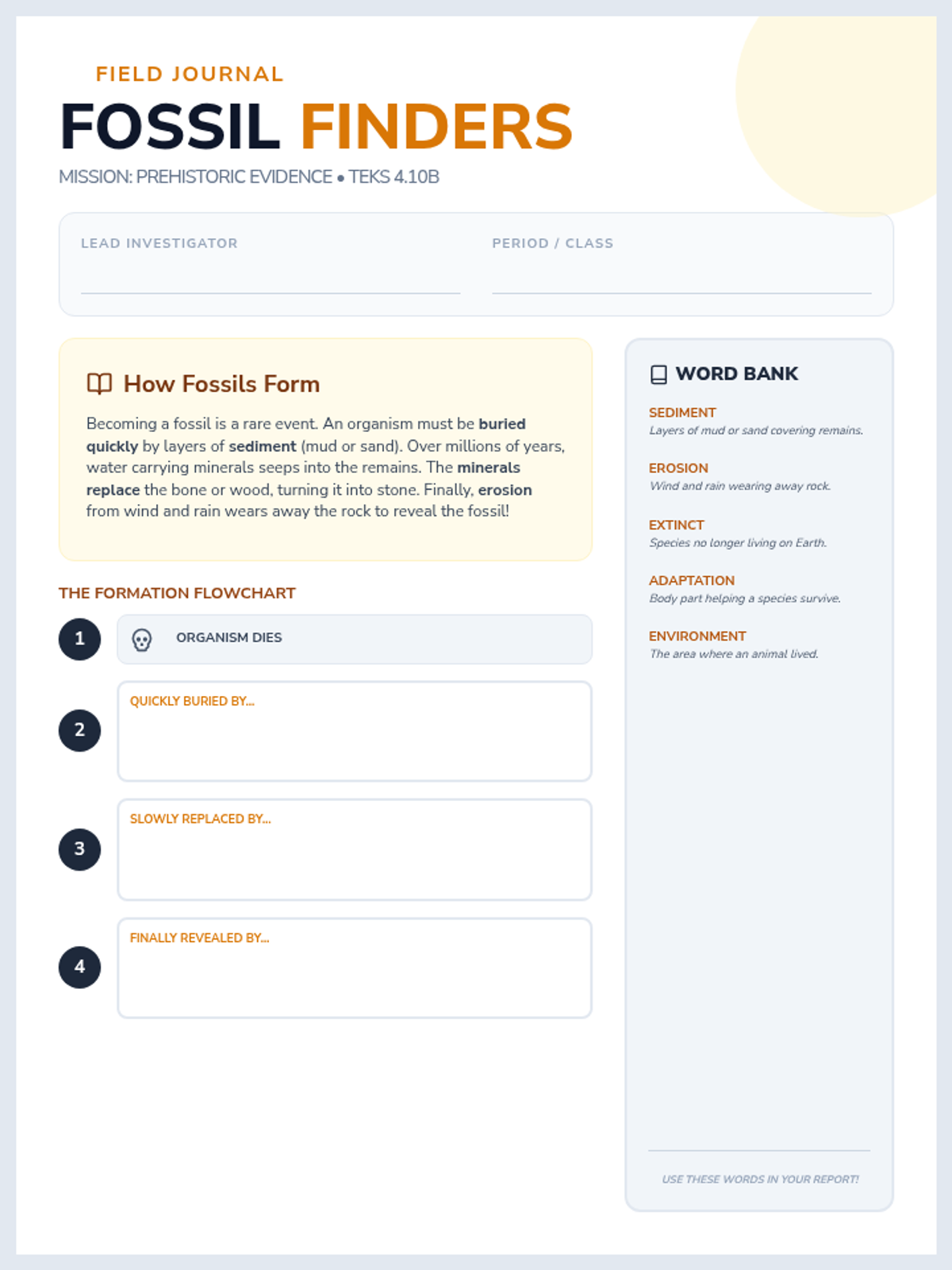
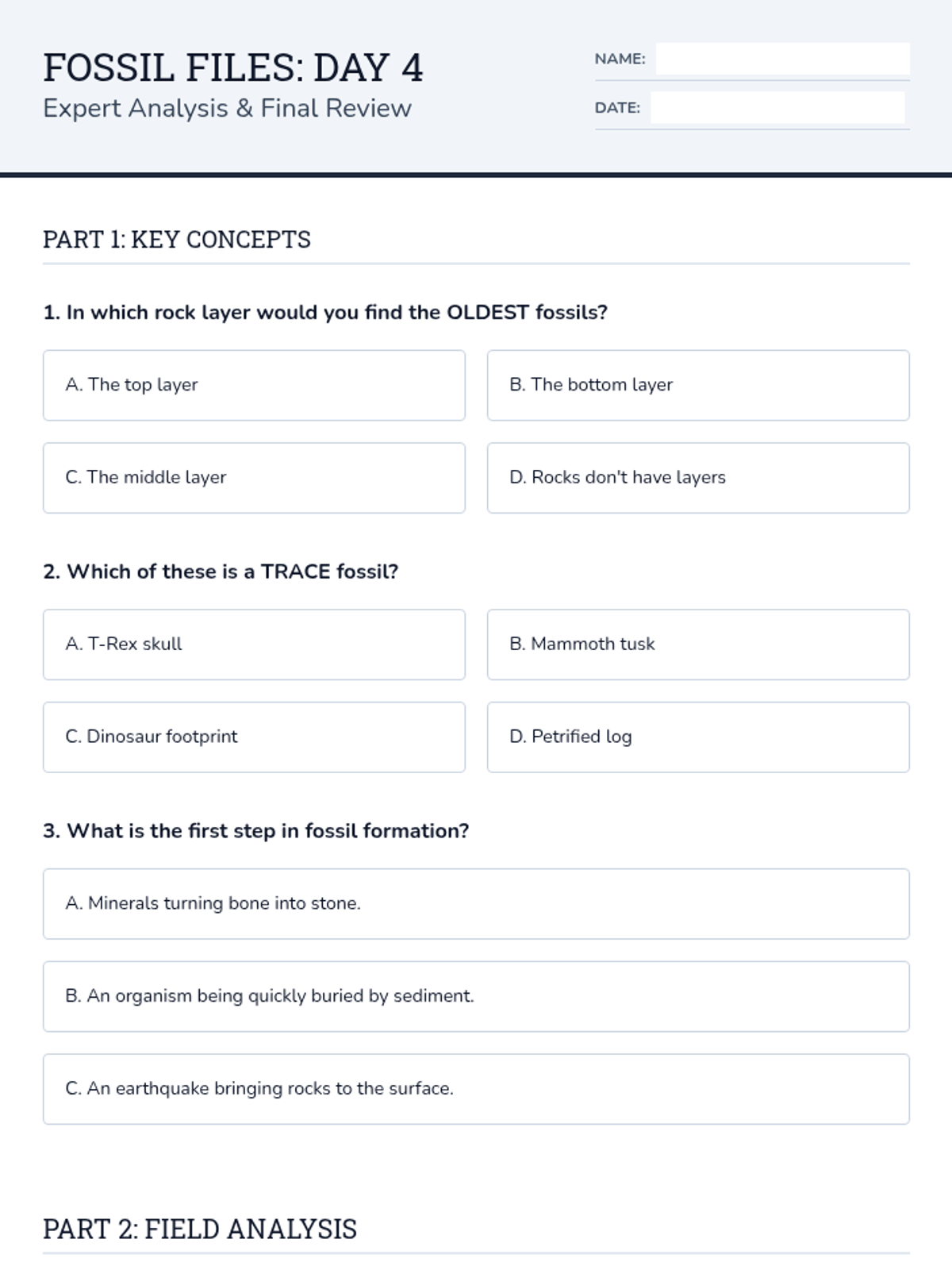
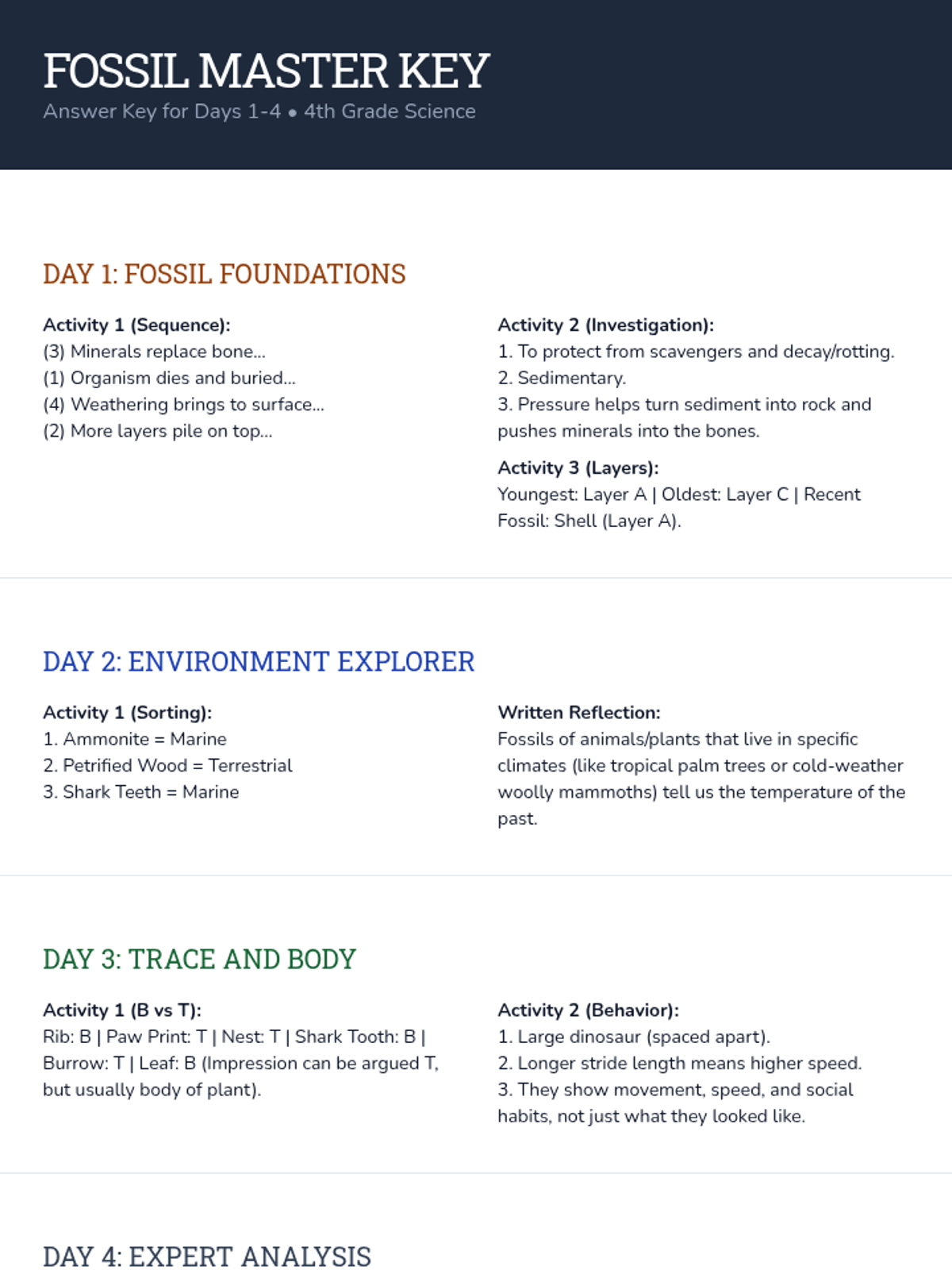
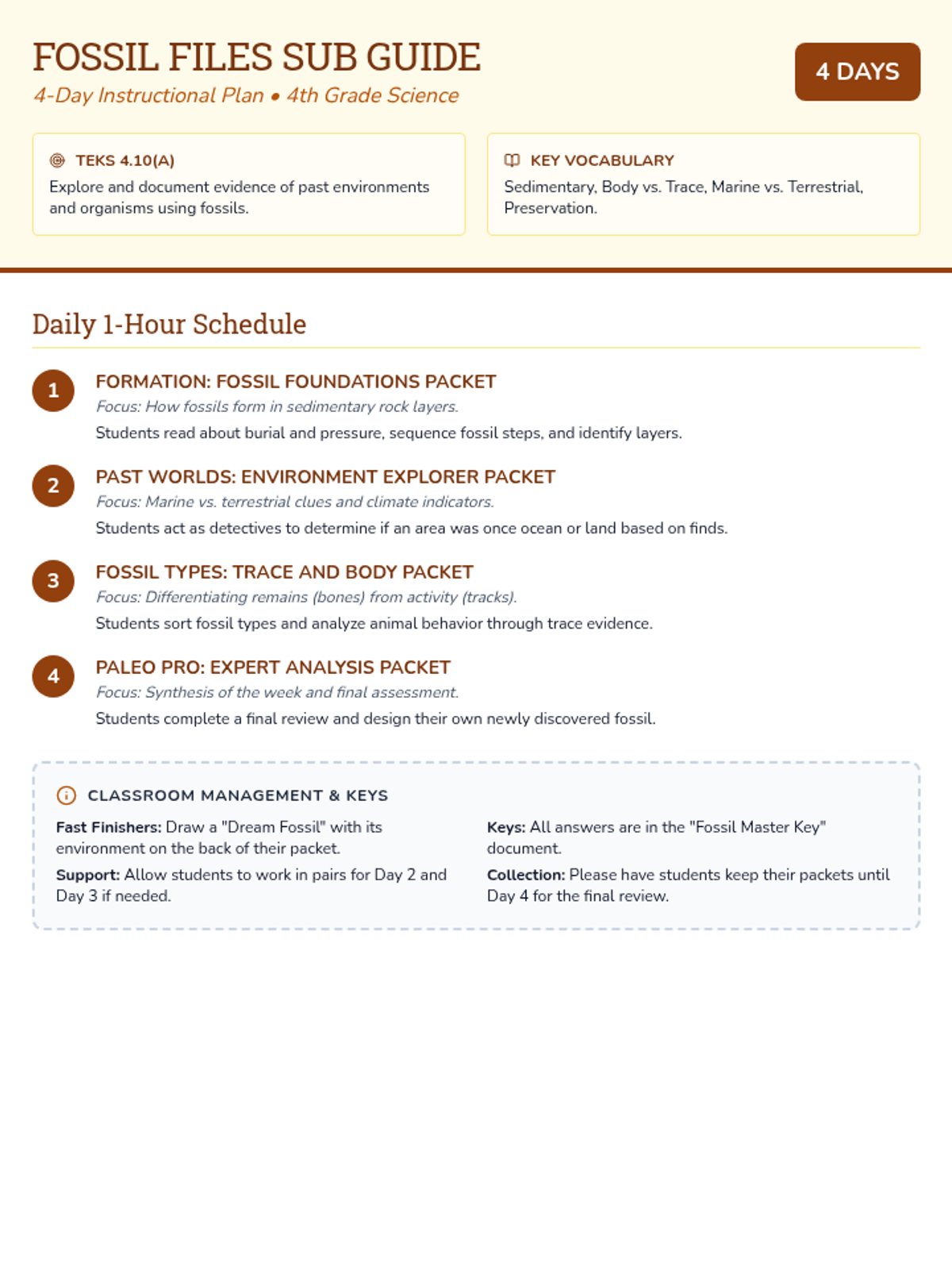
A 4-hour independent learning sequence where students investigate fossil formation, environmental changes over time, and the secrets of the fossil record.
Synthesizing knowledge to analyze a fossil "dig site" and completing a final assessment.
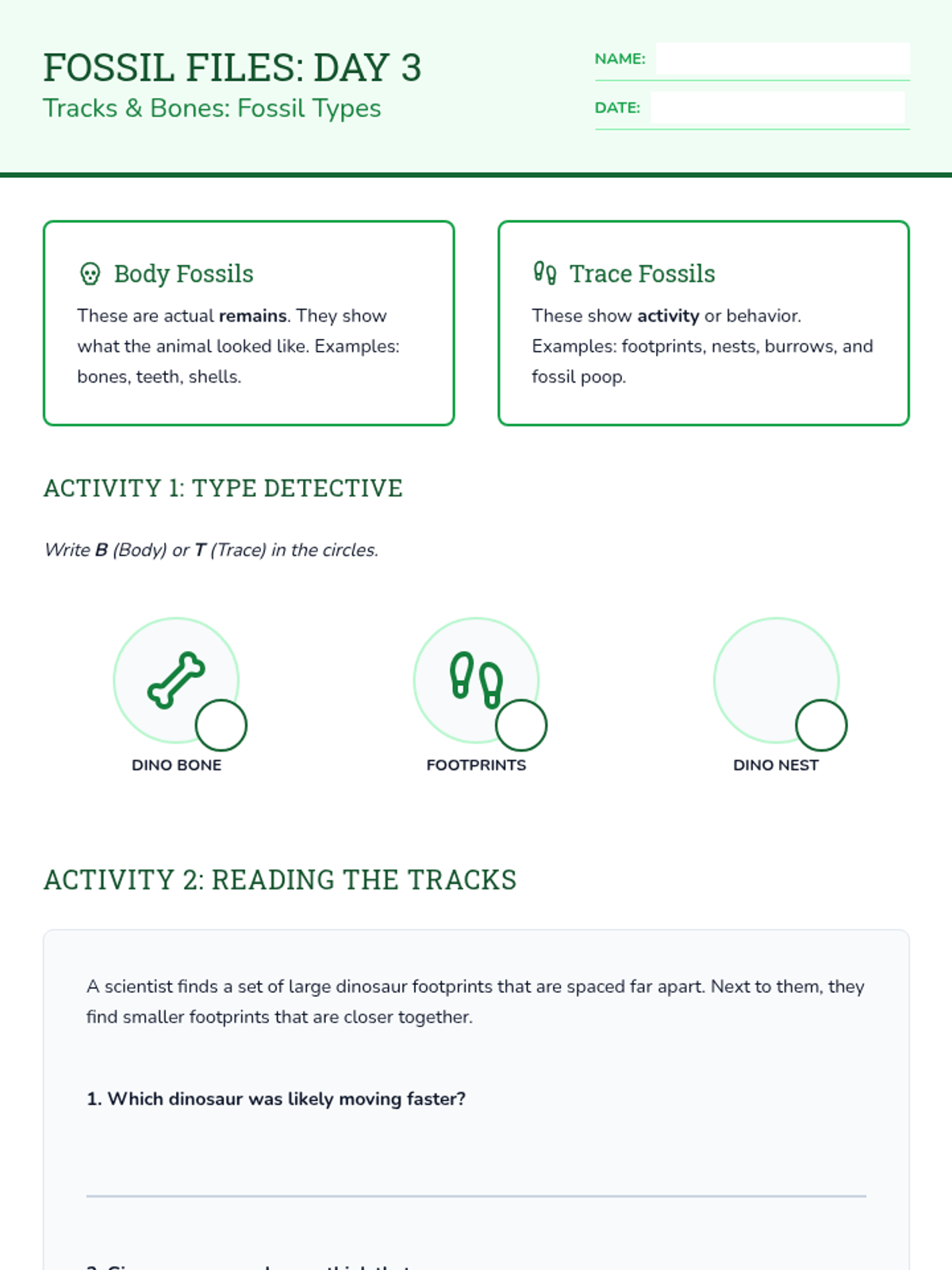
Exploring the differences between body fossils (bones, teeth) and trace fossils (footprints, burrows).
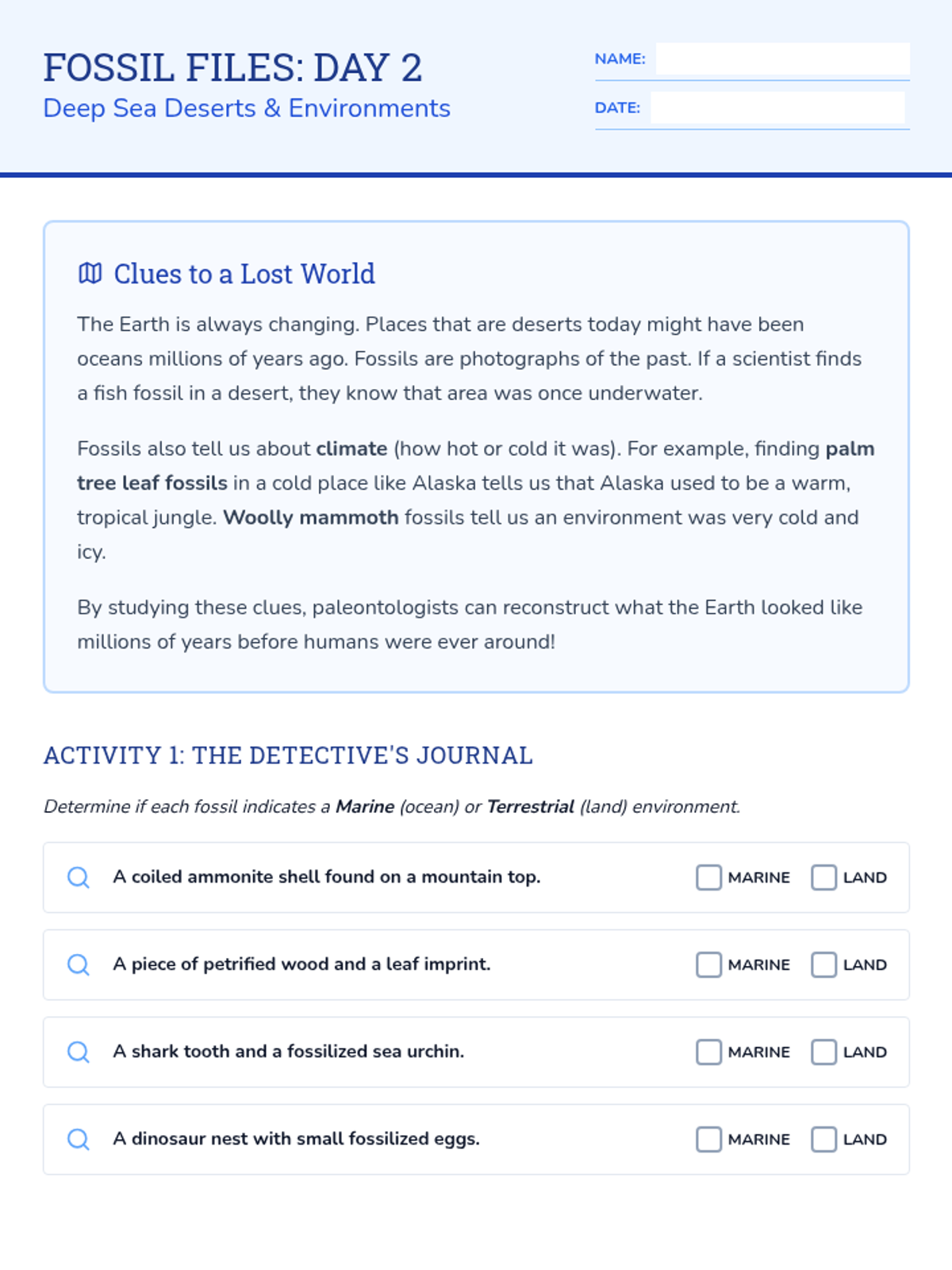
Using fossil evidence to determine whether an area was once a marine, desert, or forest environment.
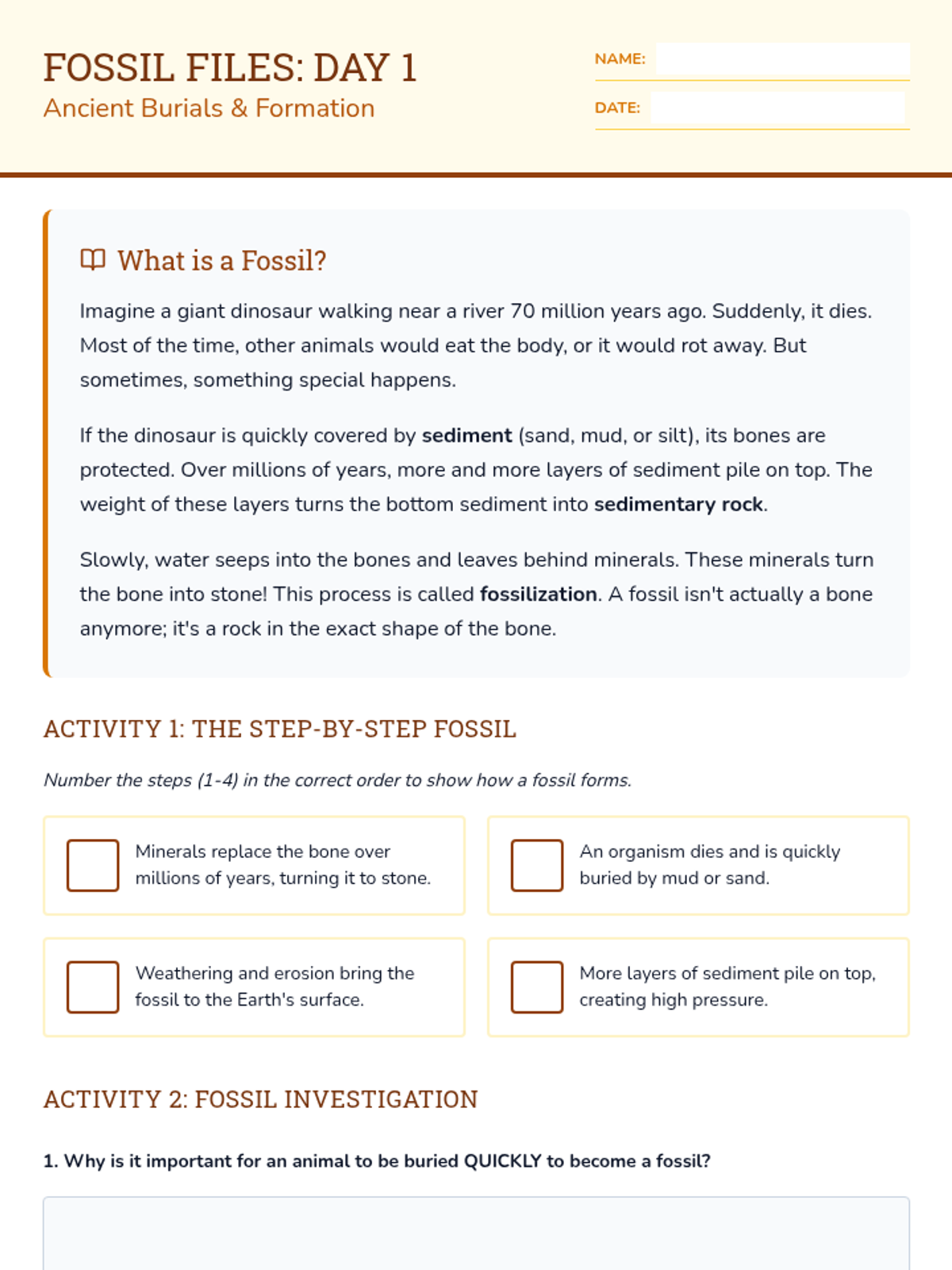
Introduction to how fossils form through the process of sedimentary rock layering and preservation.
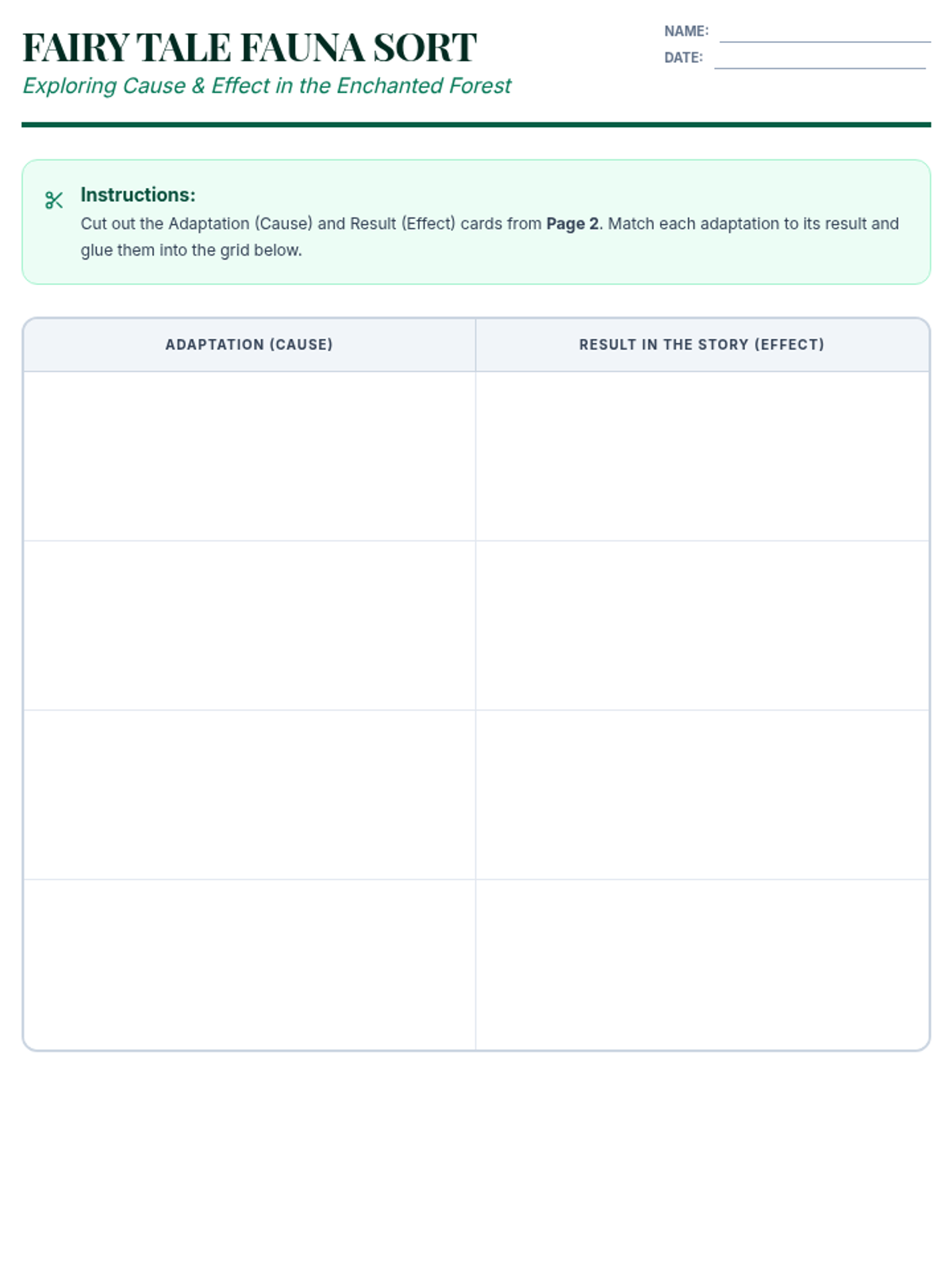
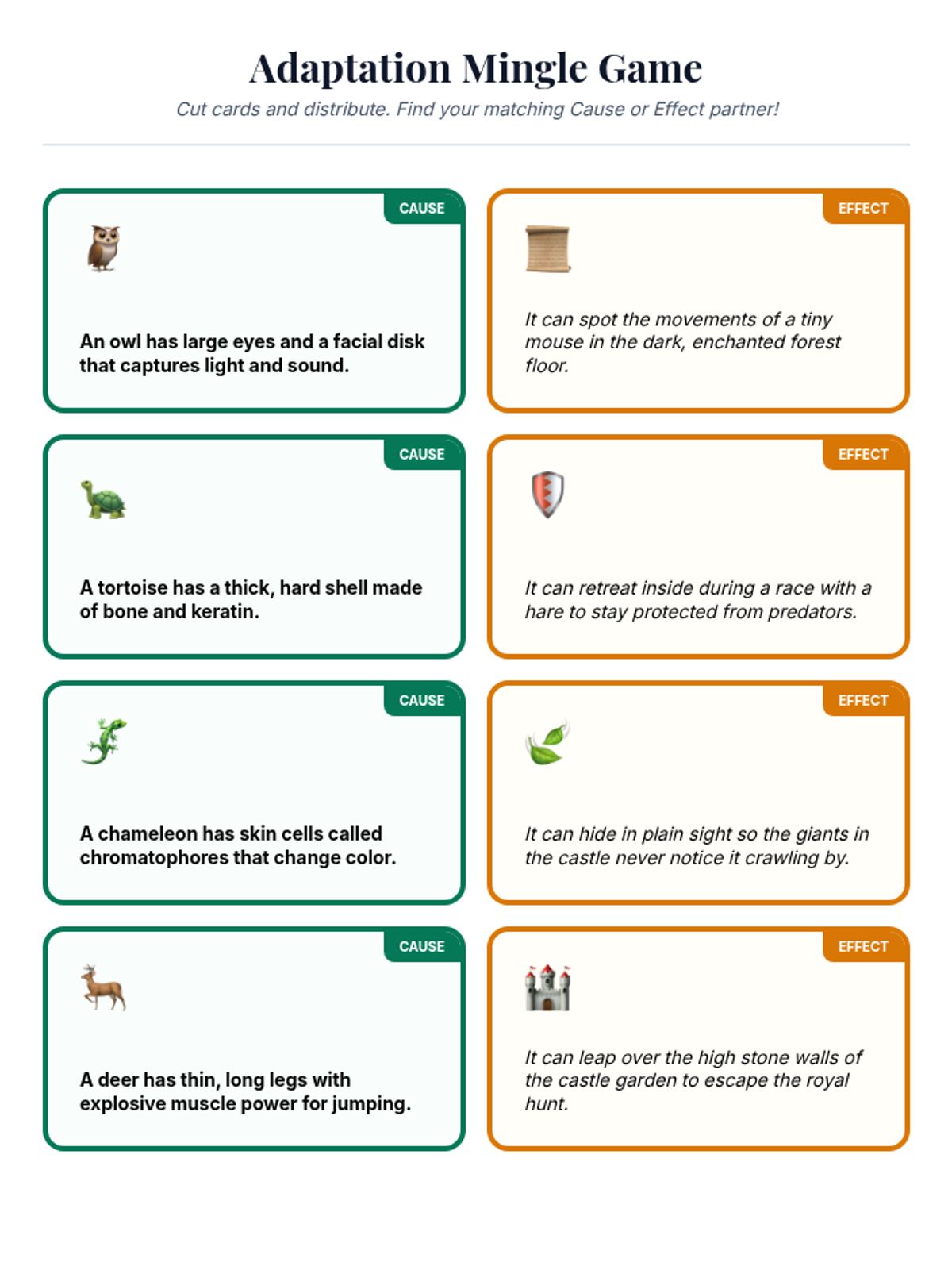
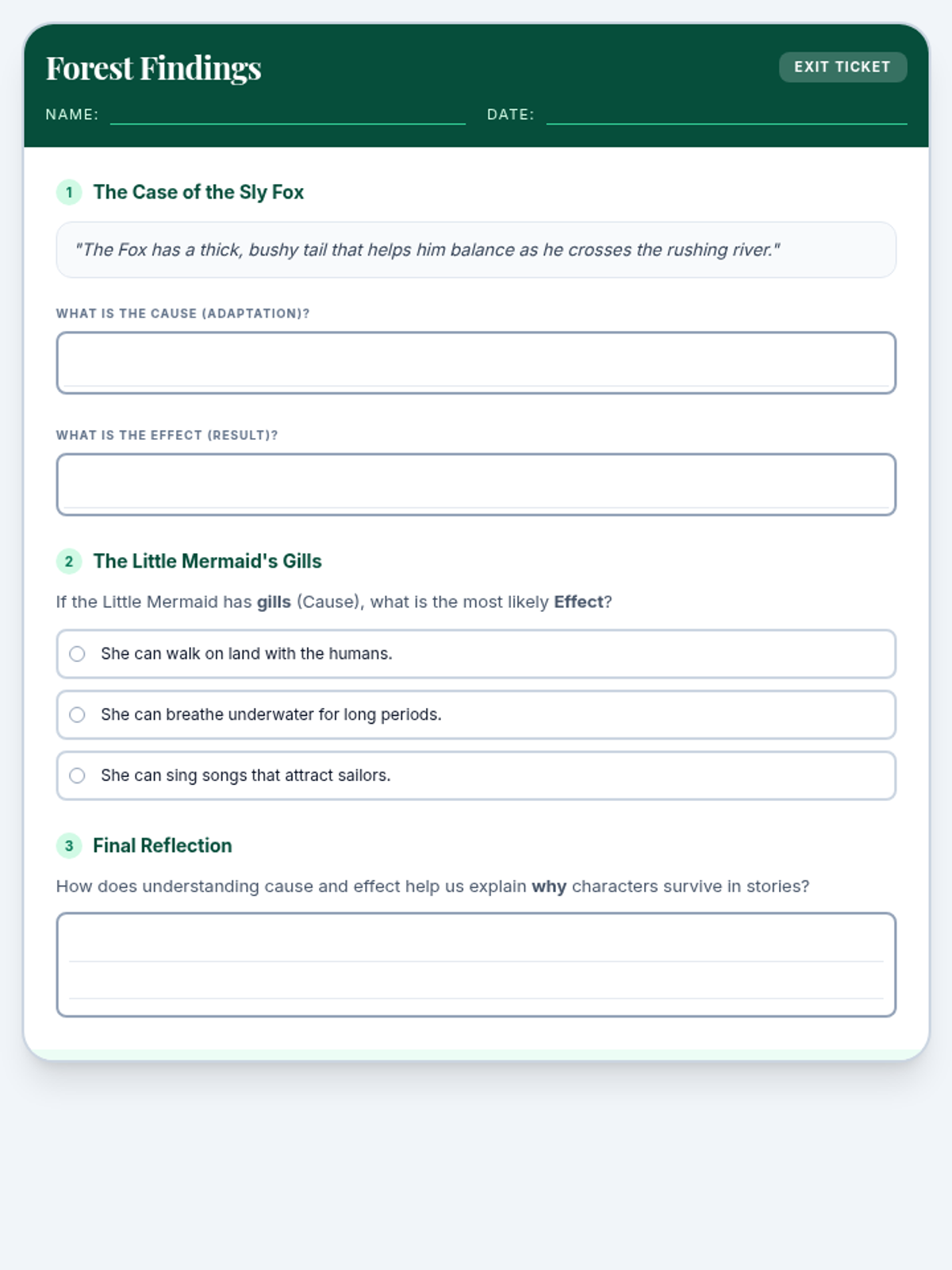
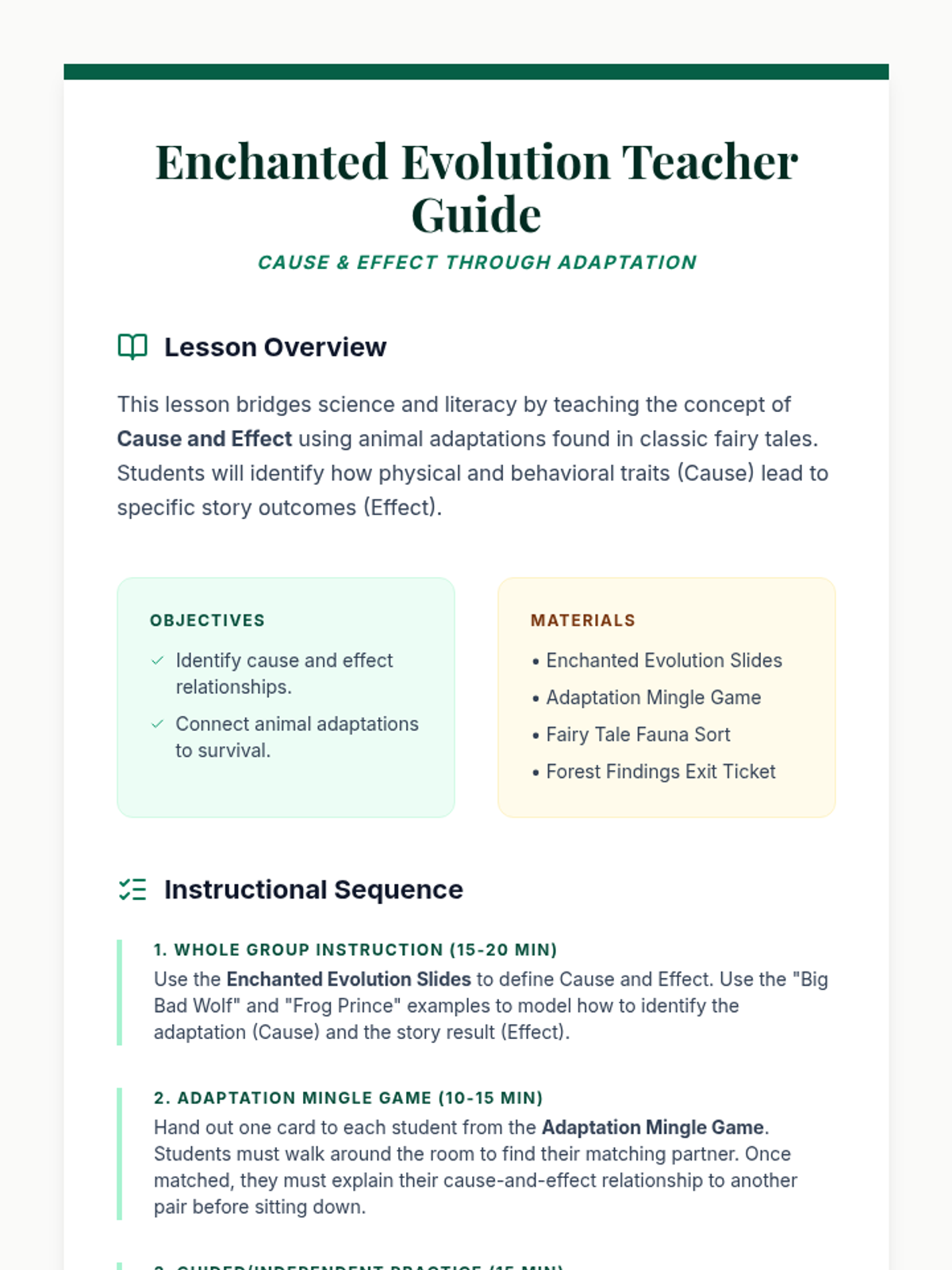
A whole-group lesson where students identify cause and effect relationships by analyzing how animal adaptations help fairy tale creatures survive their stories.
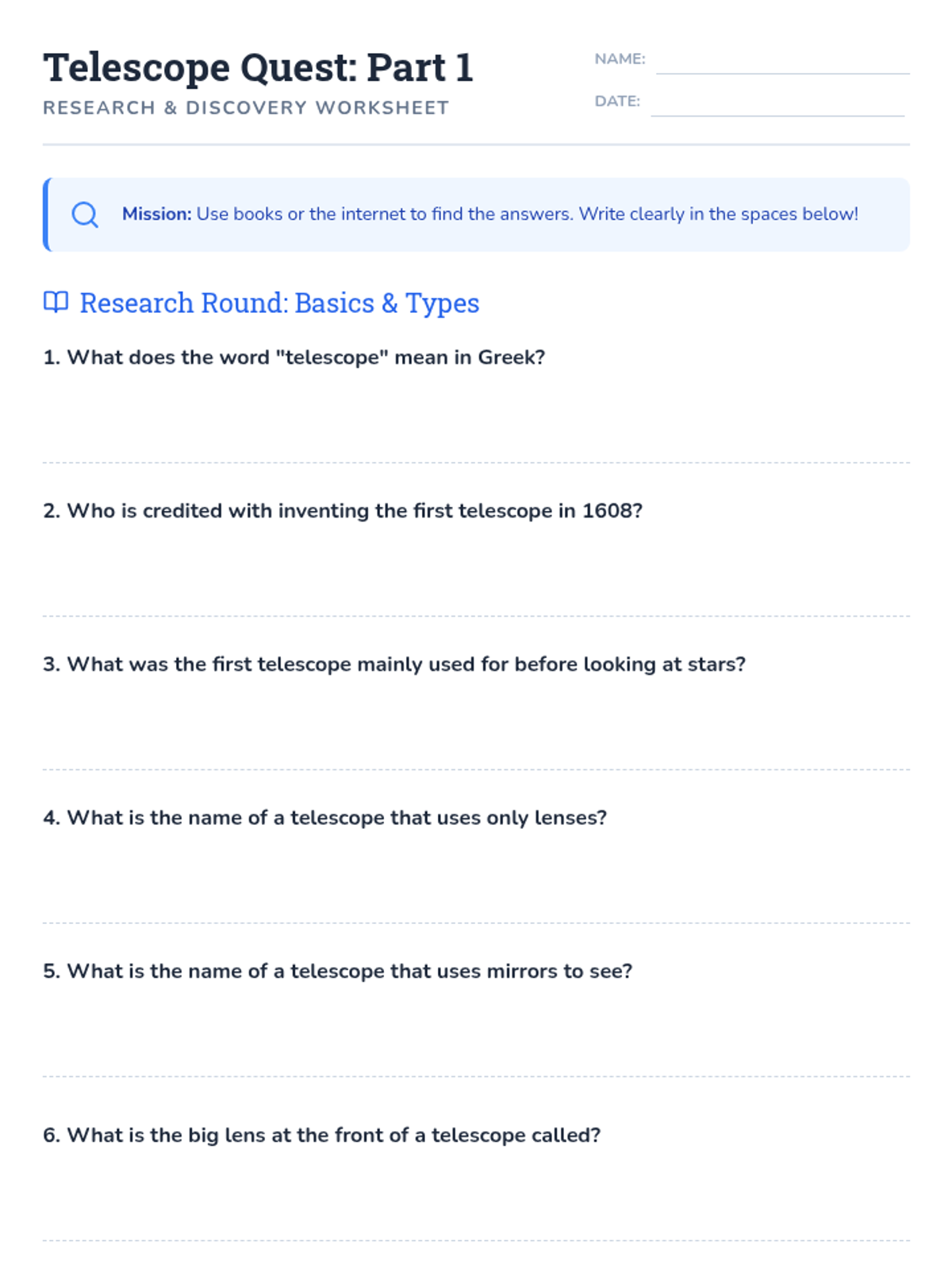
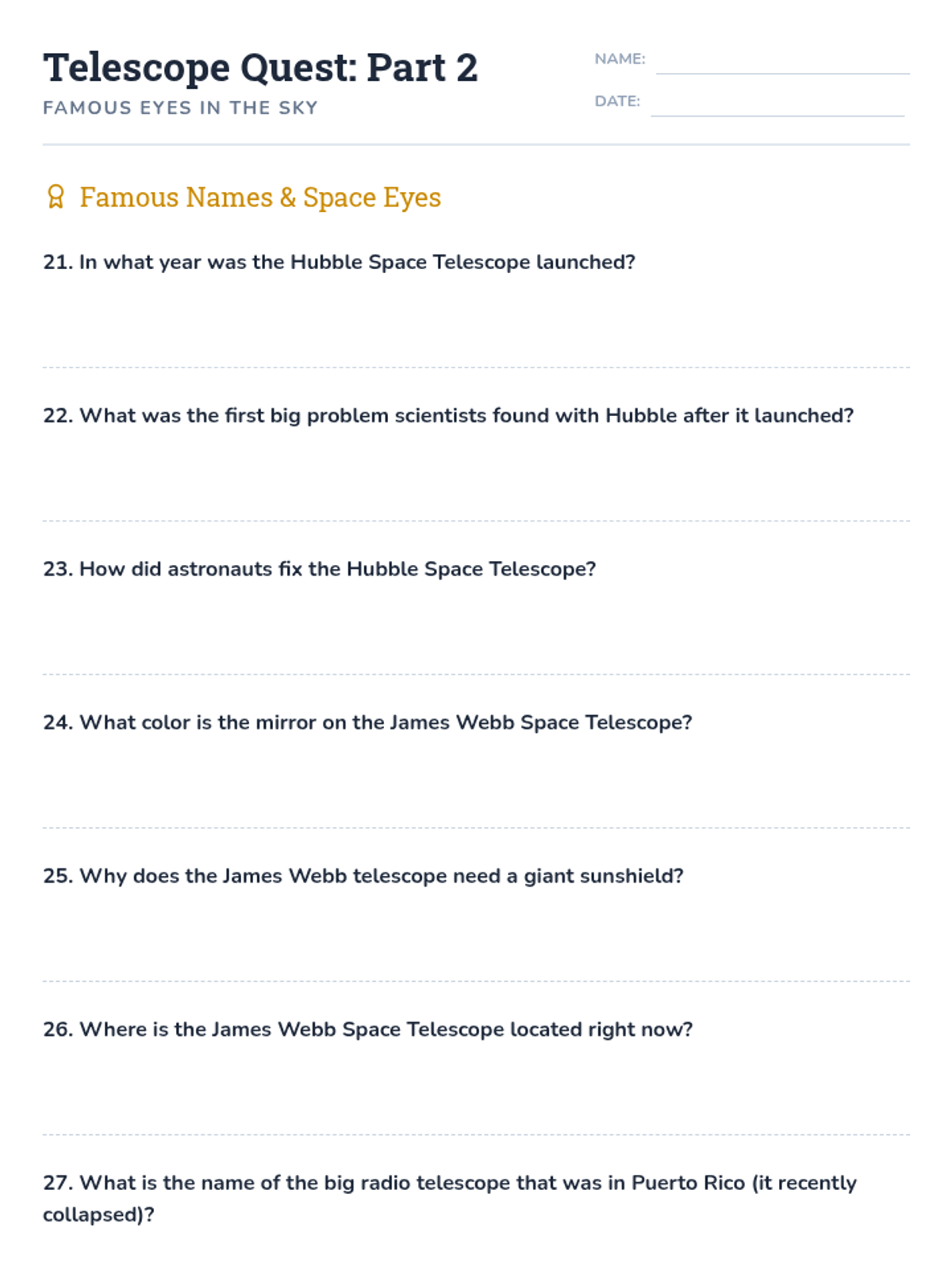
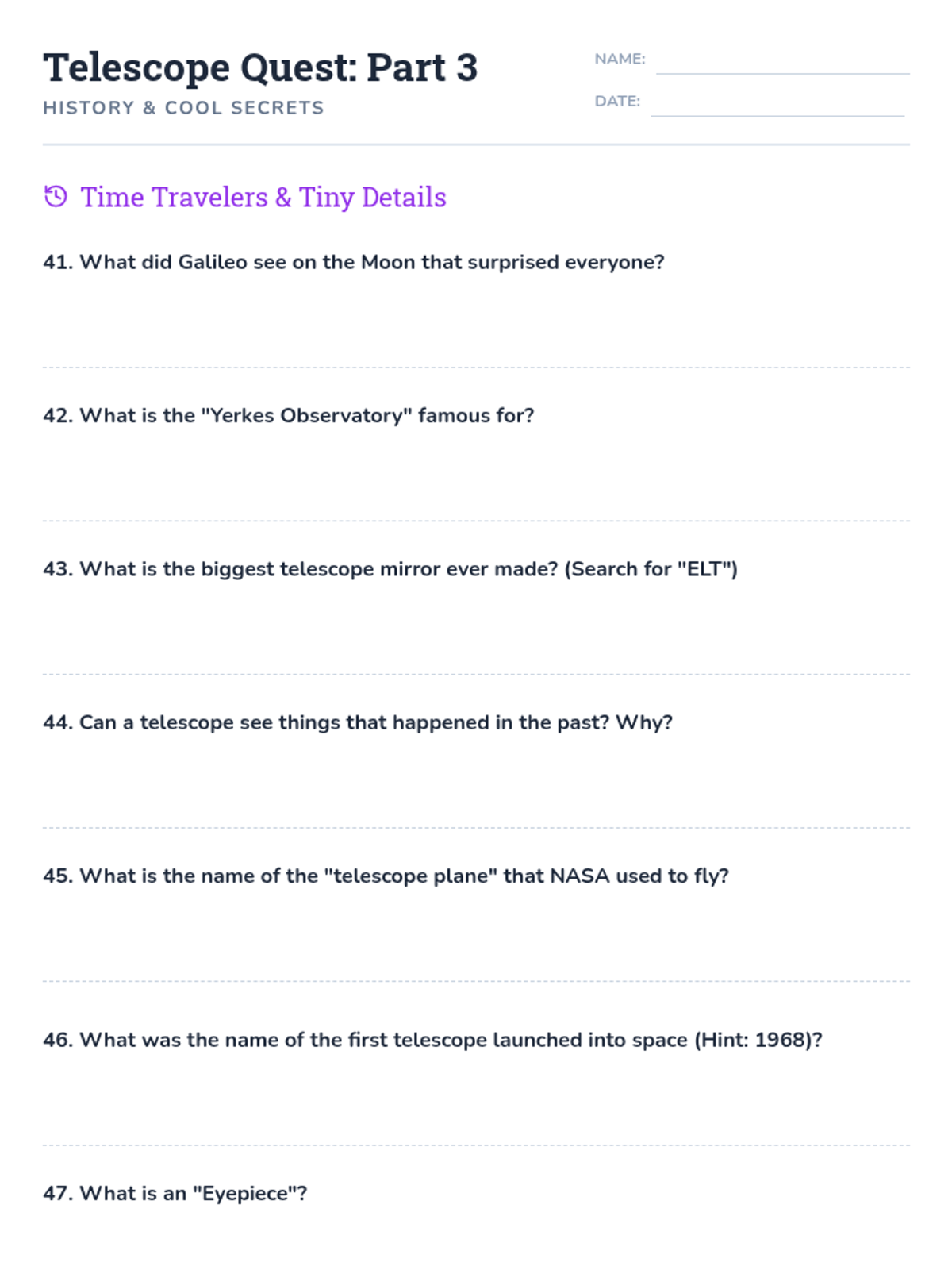
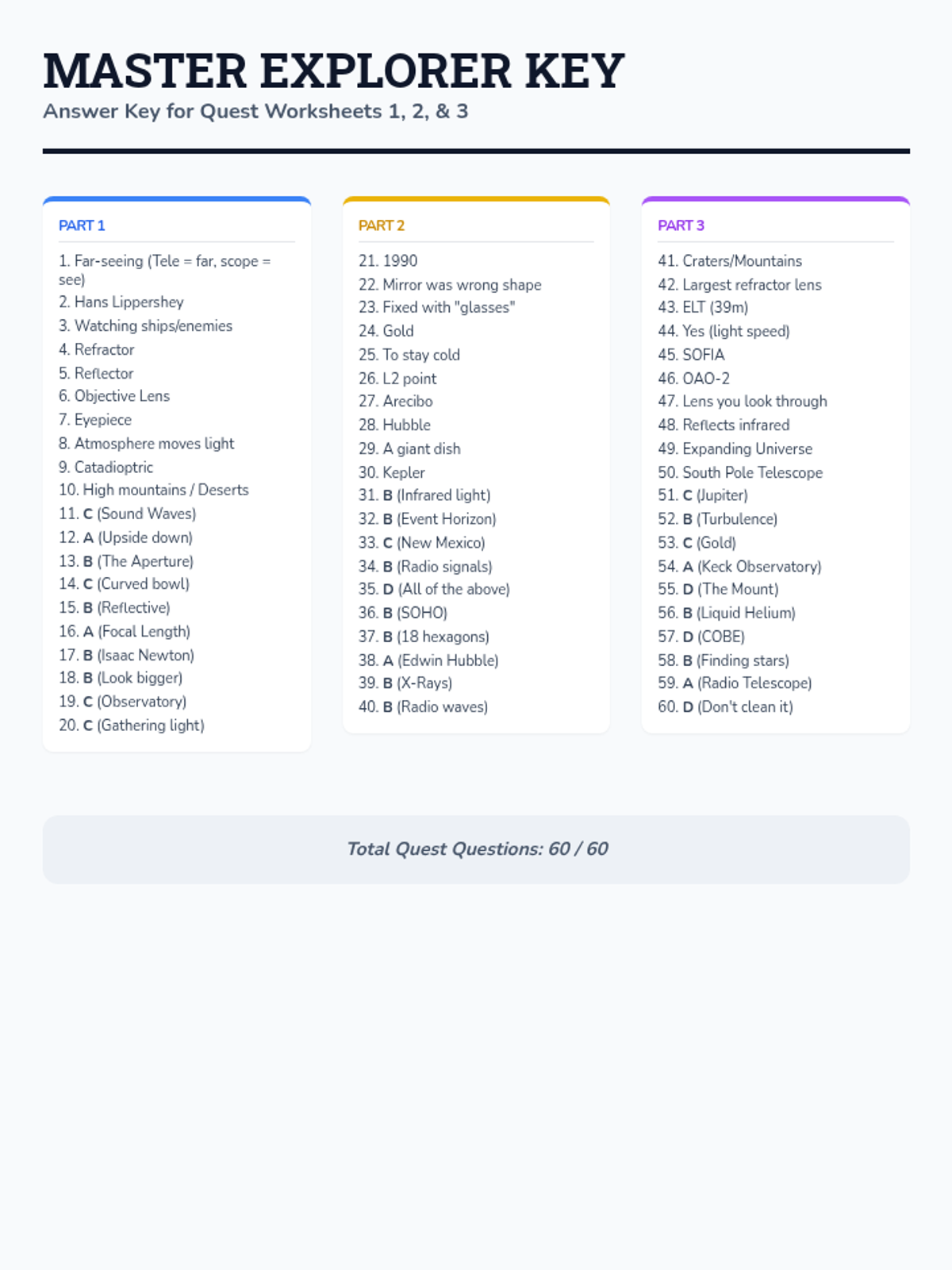
A comprehensive introduction to how telescopes work, their history, and the famous ones that help us see deep into space. Students will explore different types of telescopes through a massive research quest.
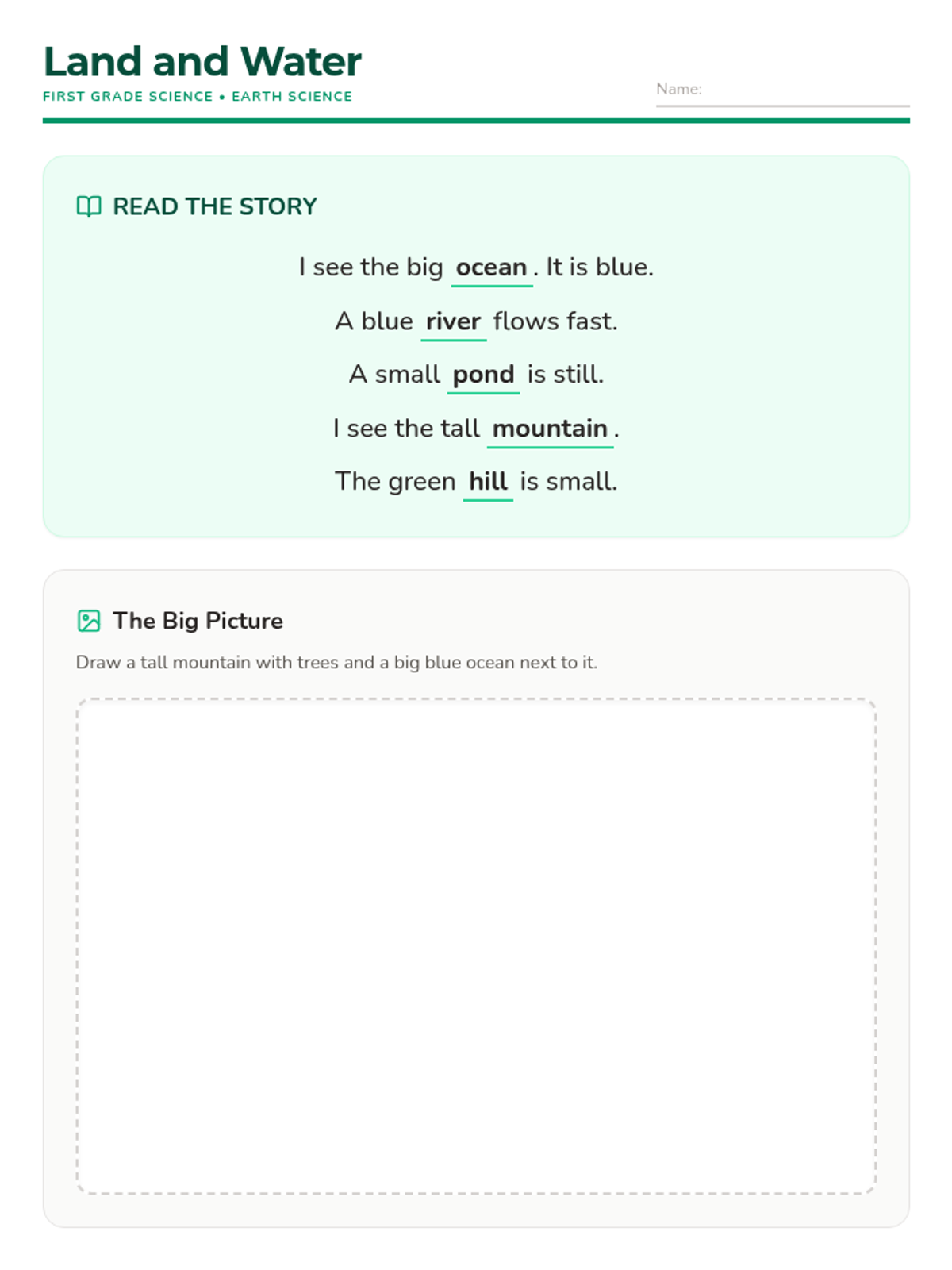
A geography-focused science lesson identifying different types of landforms and bodies of water on Earth.