A 60-minute writing workshop focused on elevating 7th-grade prose through varied sentence structures, precise vocabulary, and appositives. Students act as 'Draft Surgeons' to transform weak soccer-themed text into professional, engaging writing.
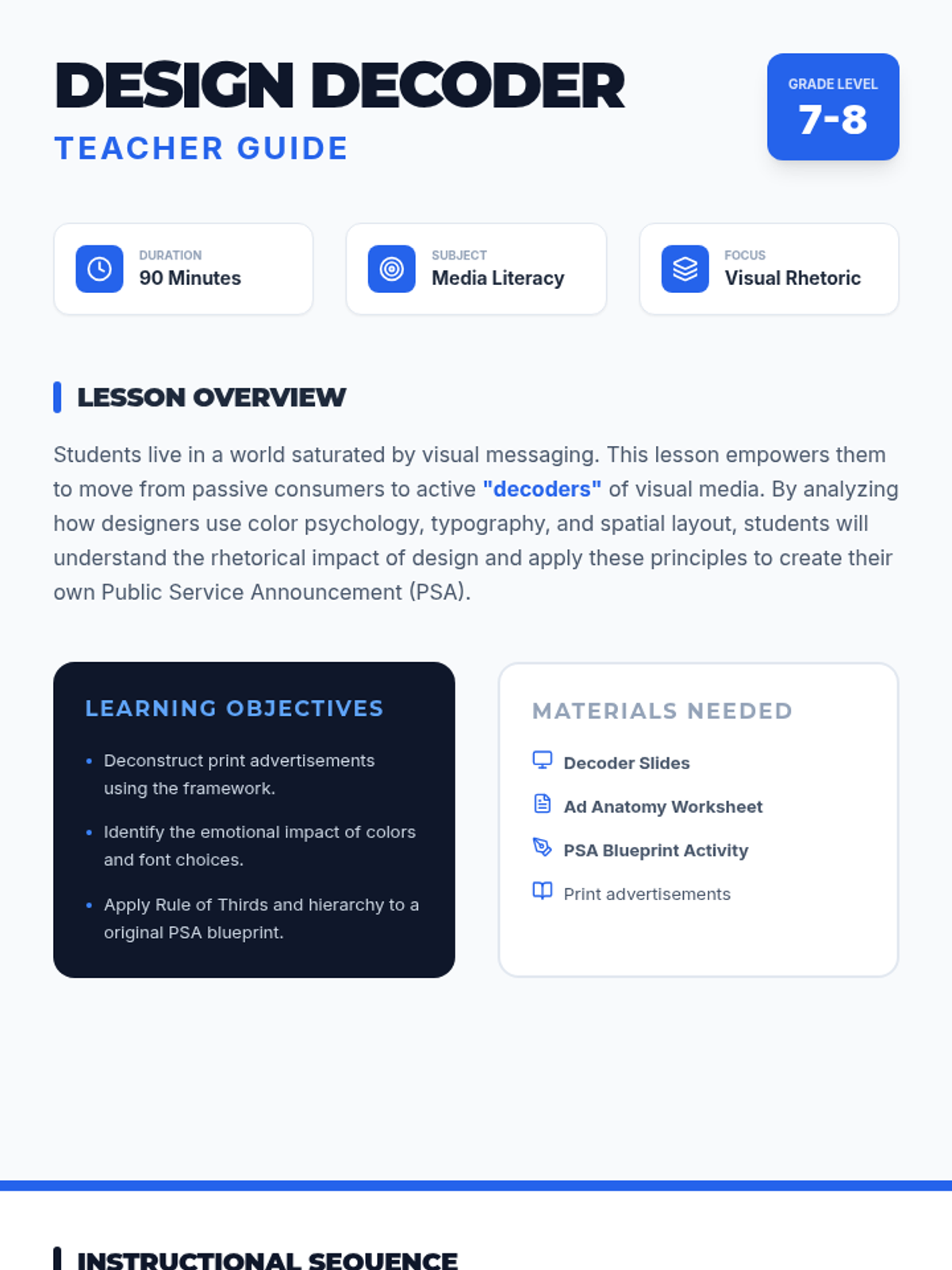
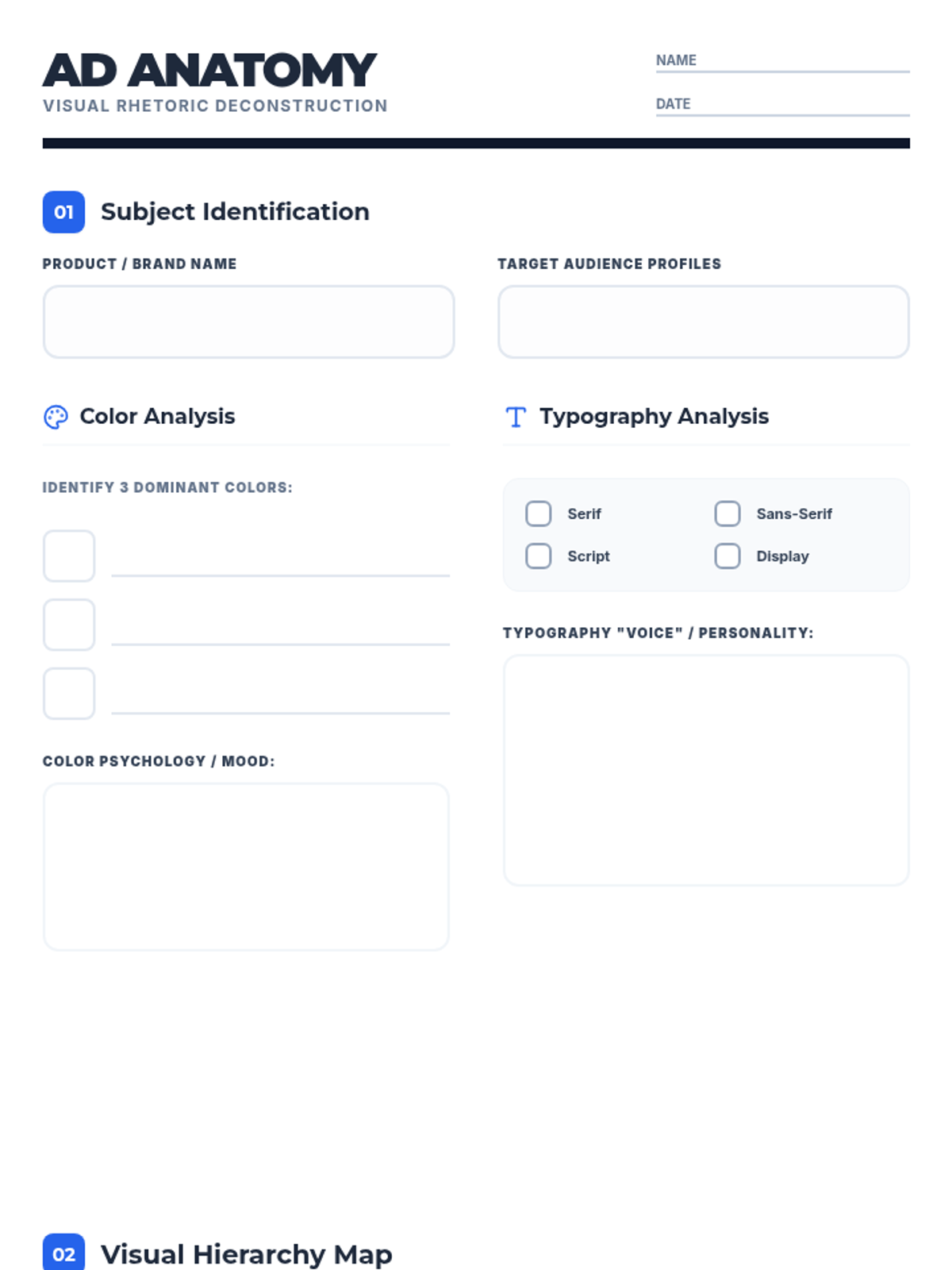
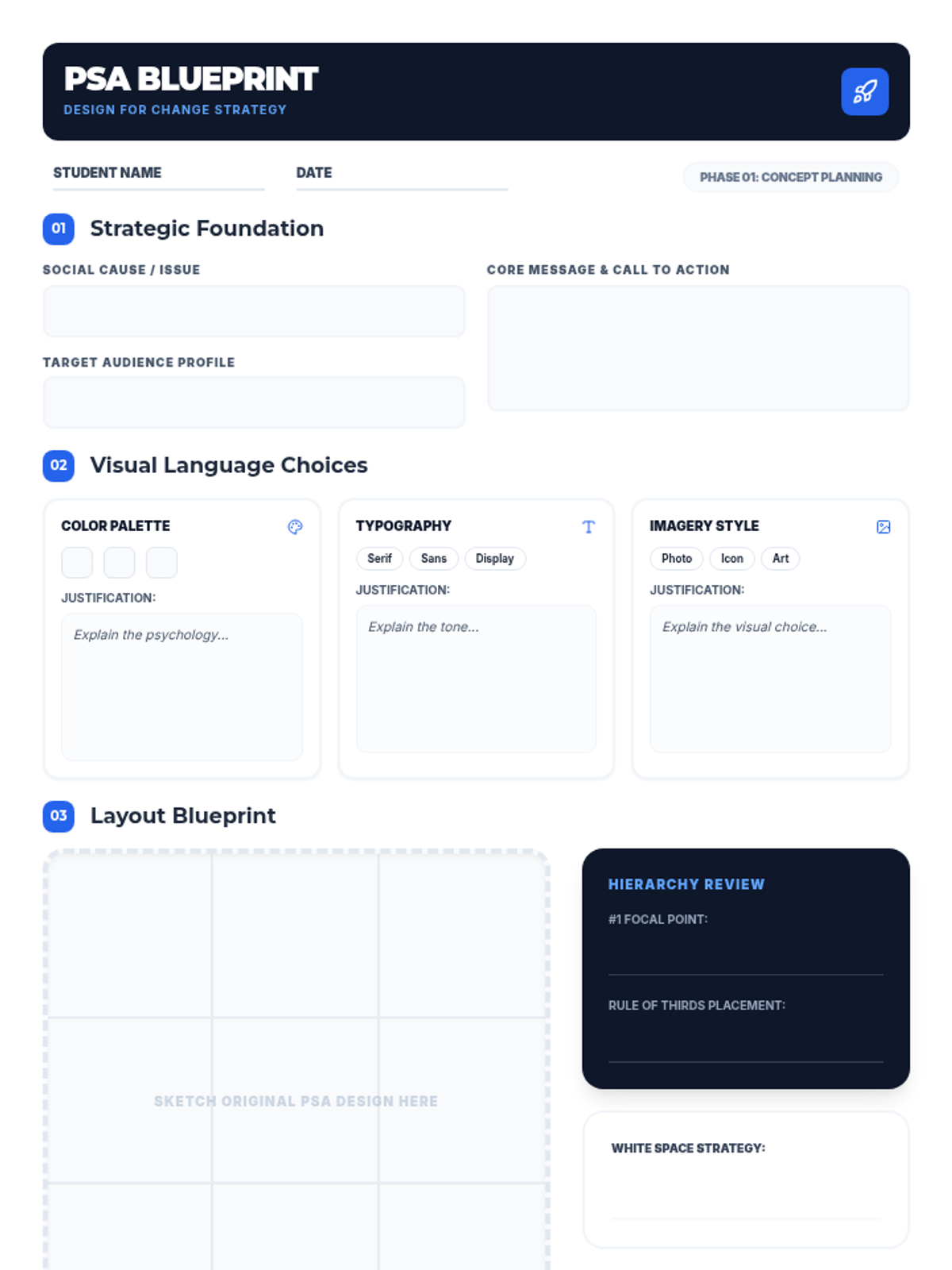
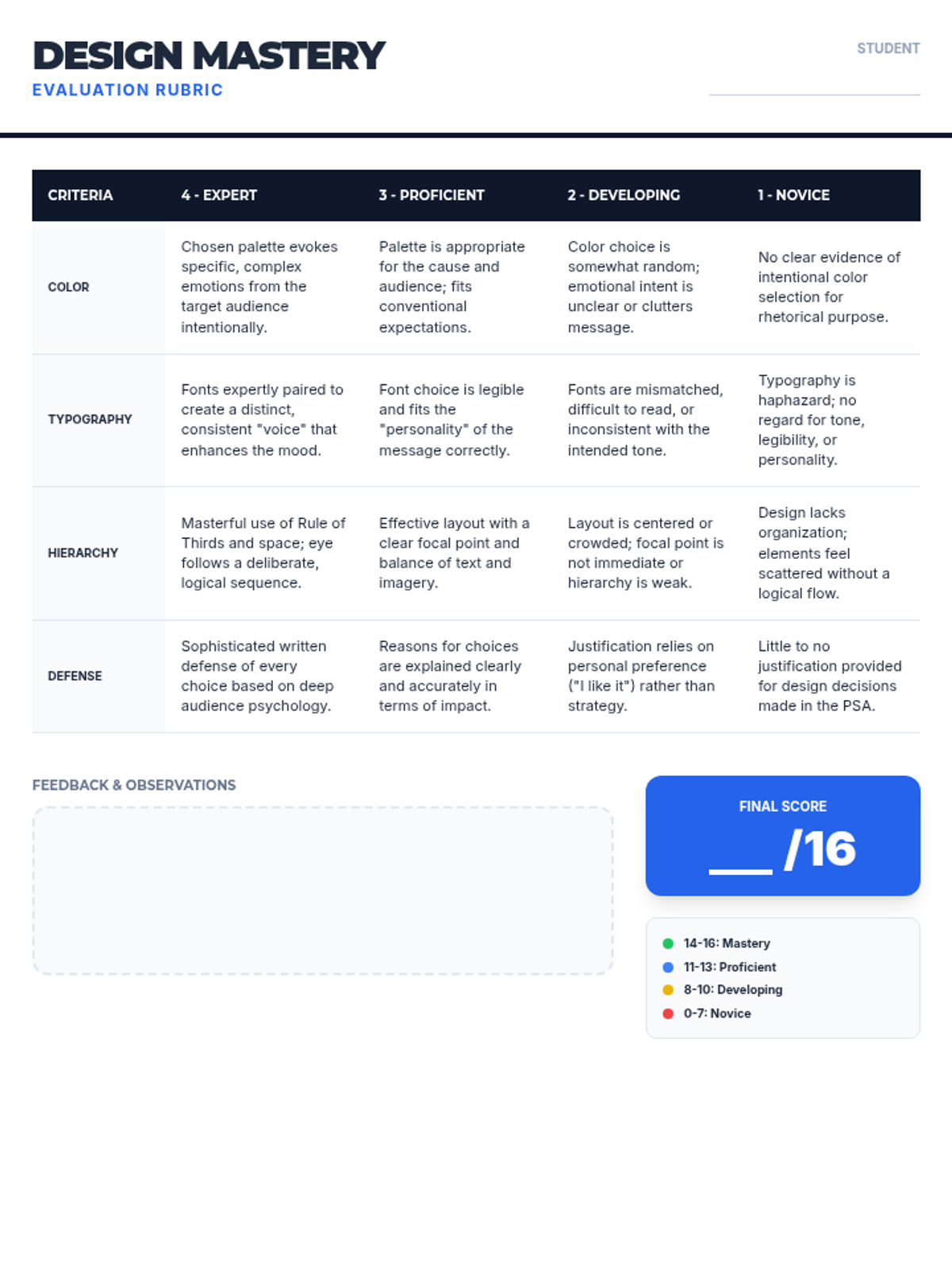
A middle school lesson on visual rhetoric, teaching students how to analyze and use color, layout, and typography to influence audience perception in media and advertising.
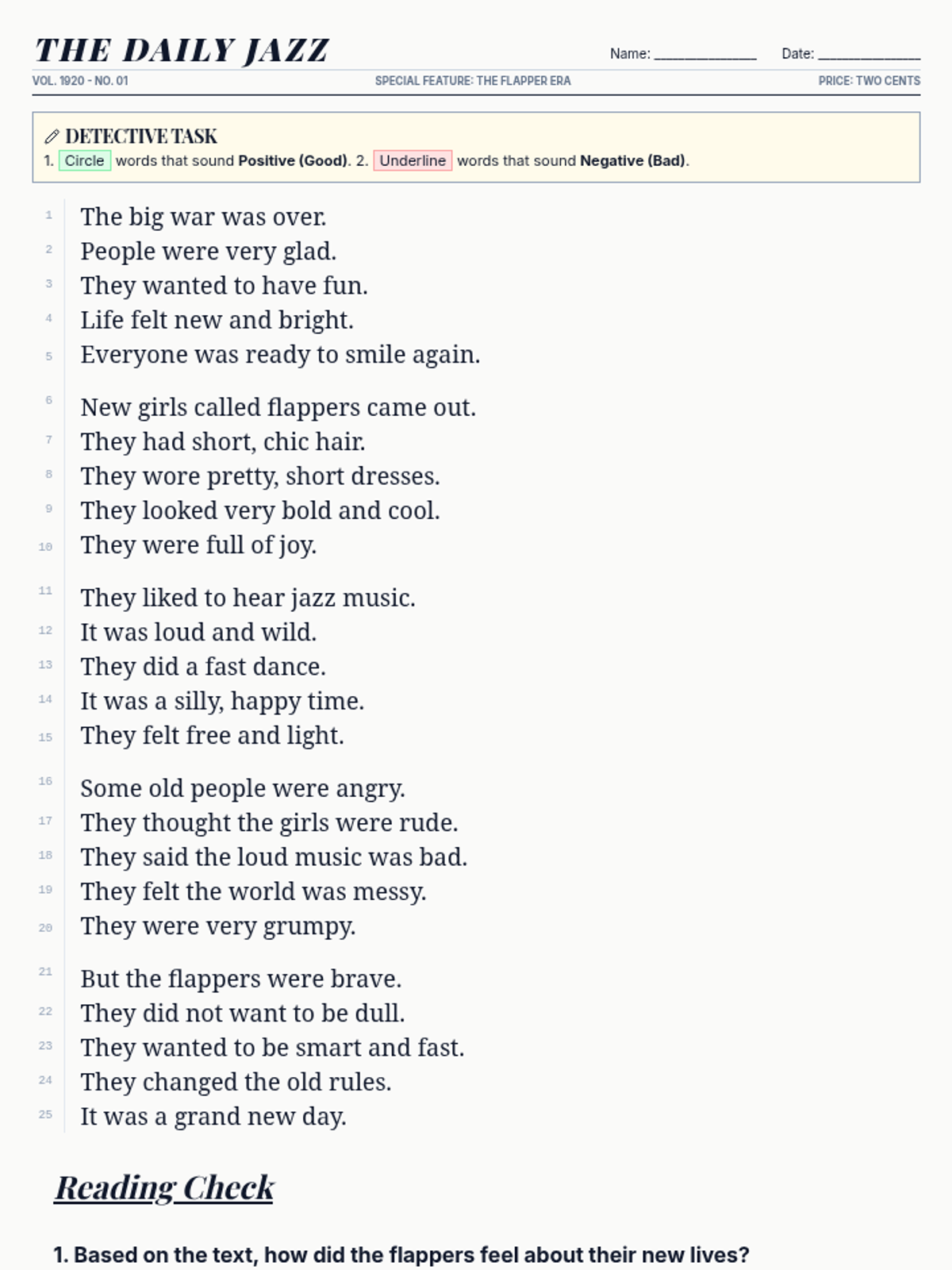
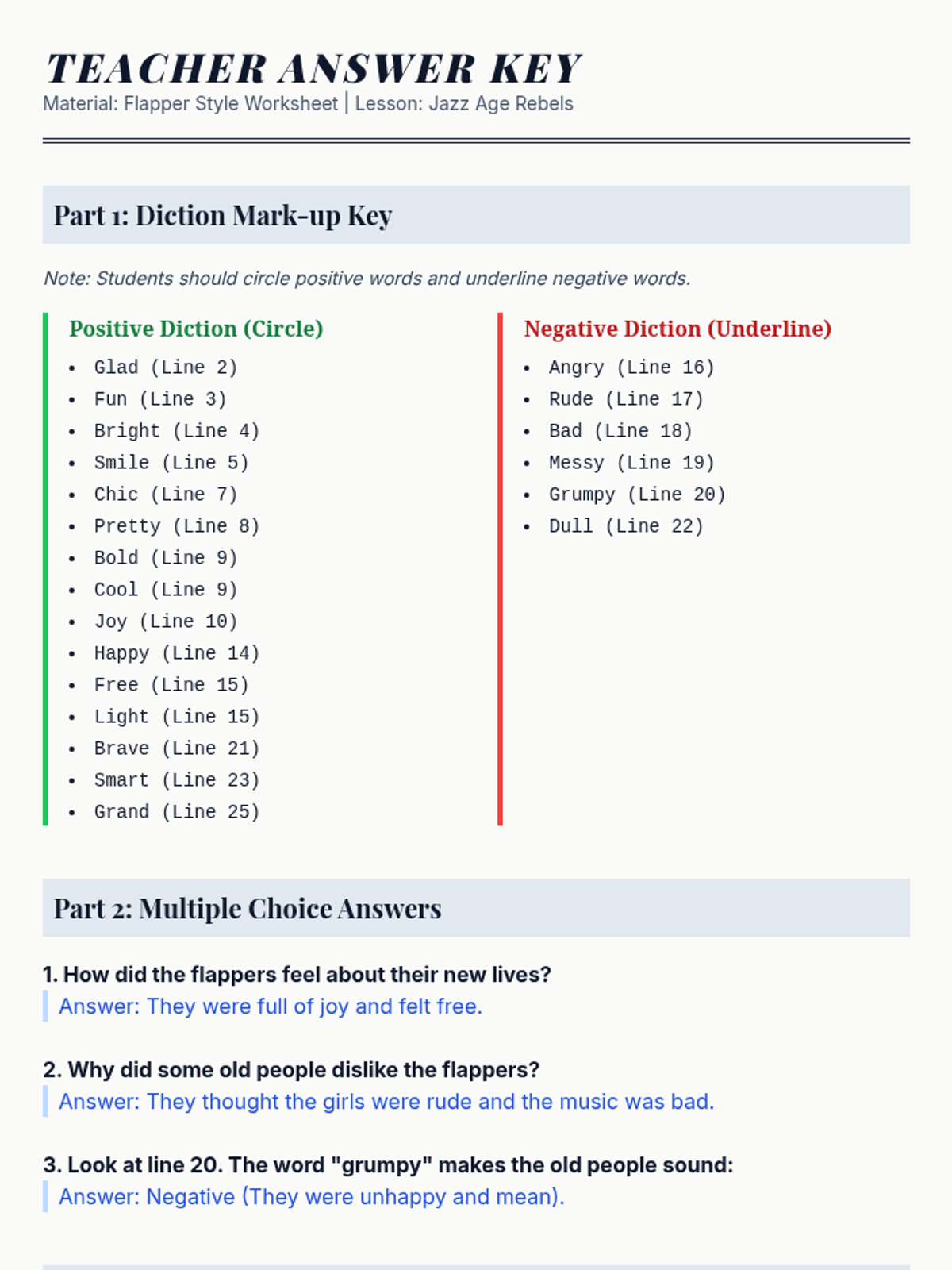
A lesson focusing on the cultural shift of the 1920s through the lens of flapper culture, designed with highly accessible text for middle school students reading at a 1st-grade level. Students will analyze diction to identify positive and negative connotations.
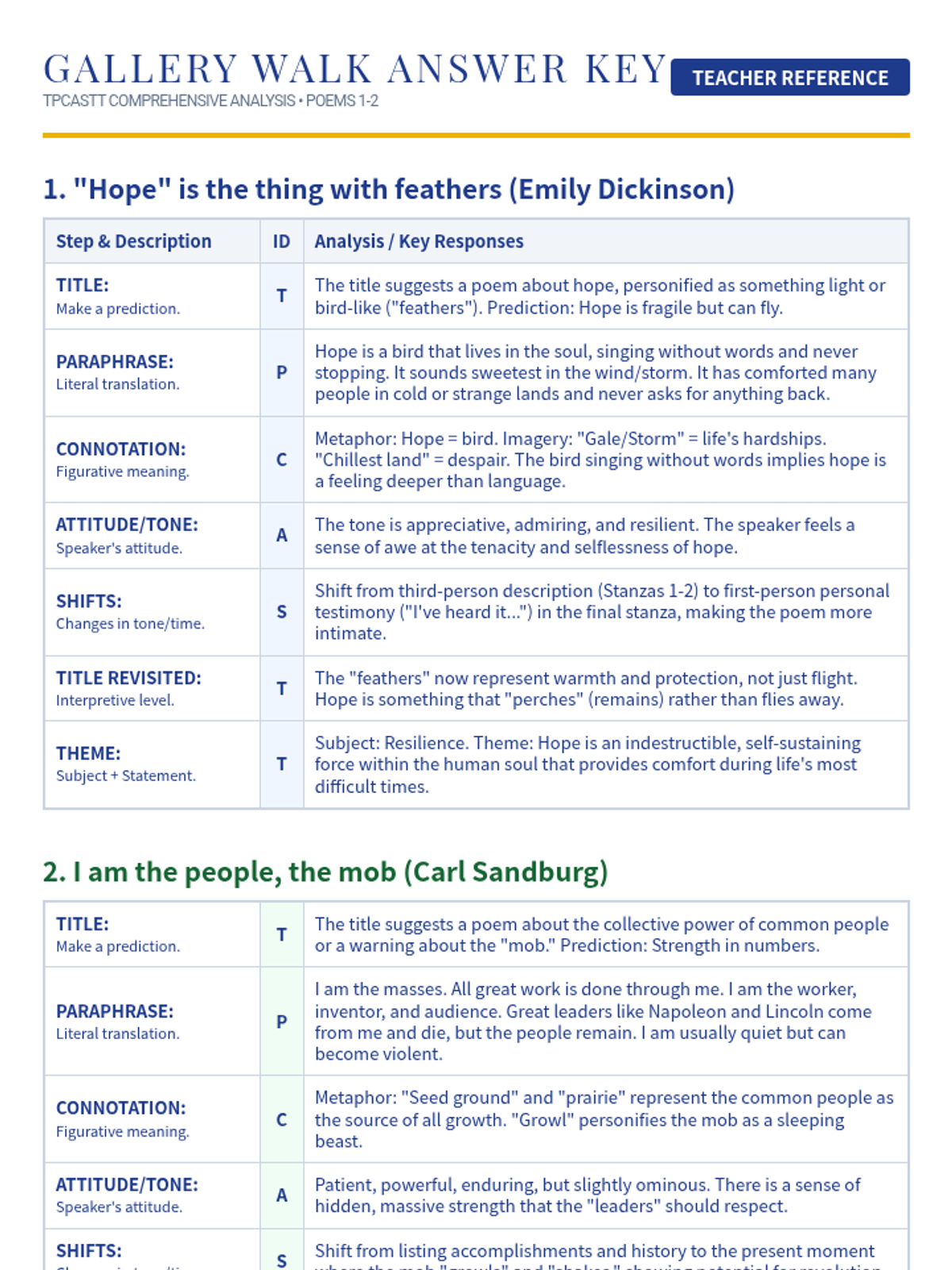
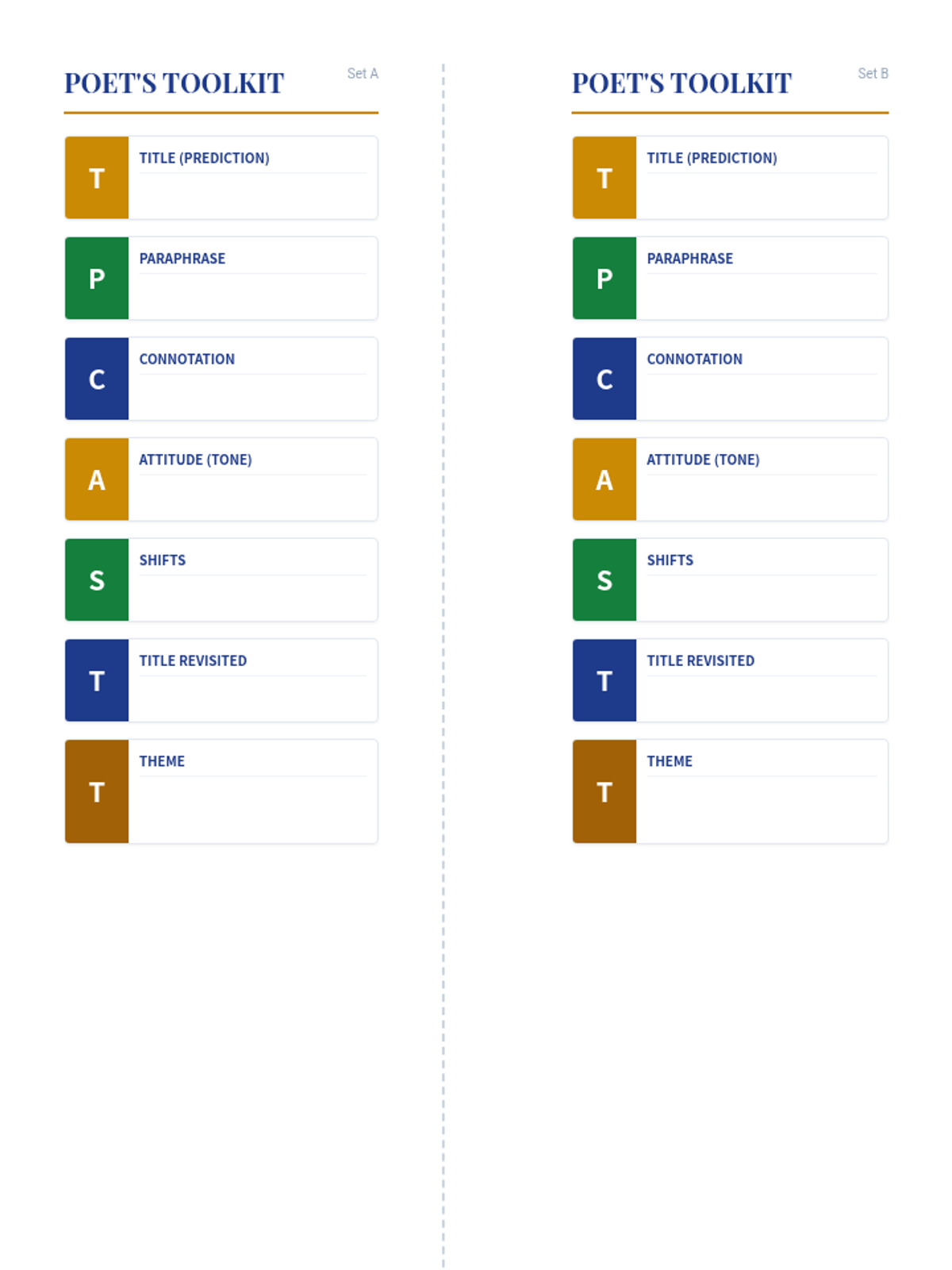
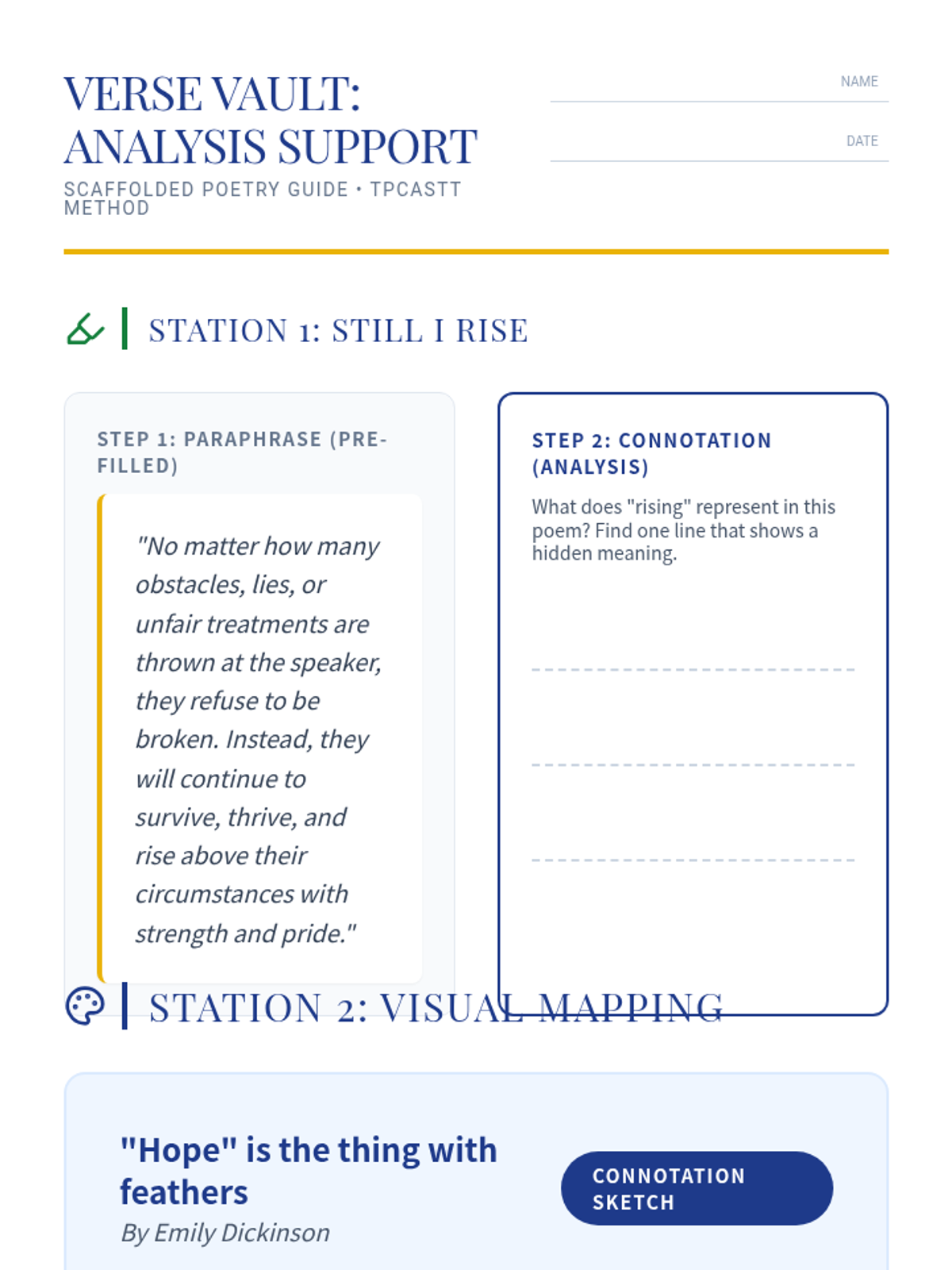
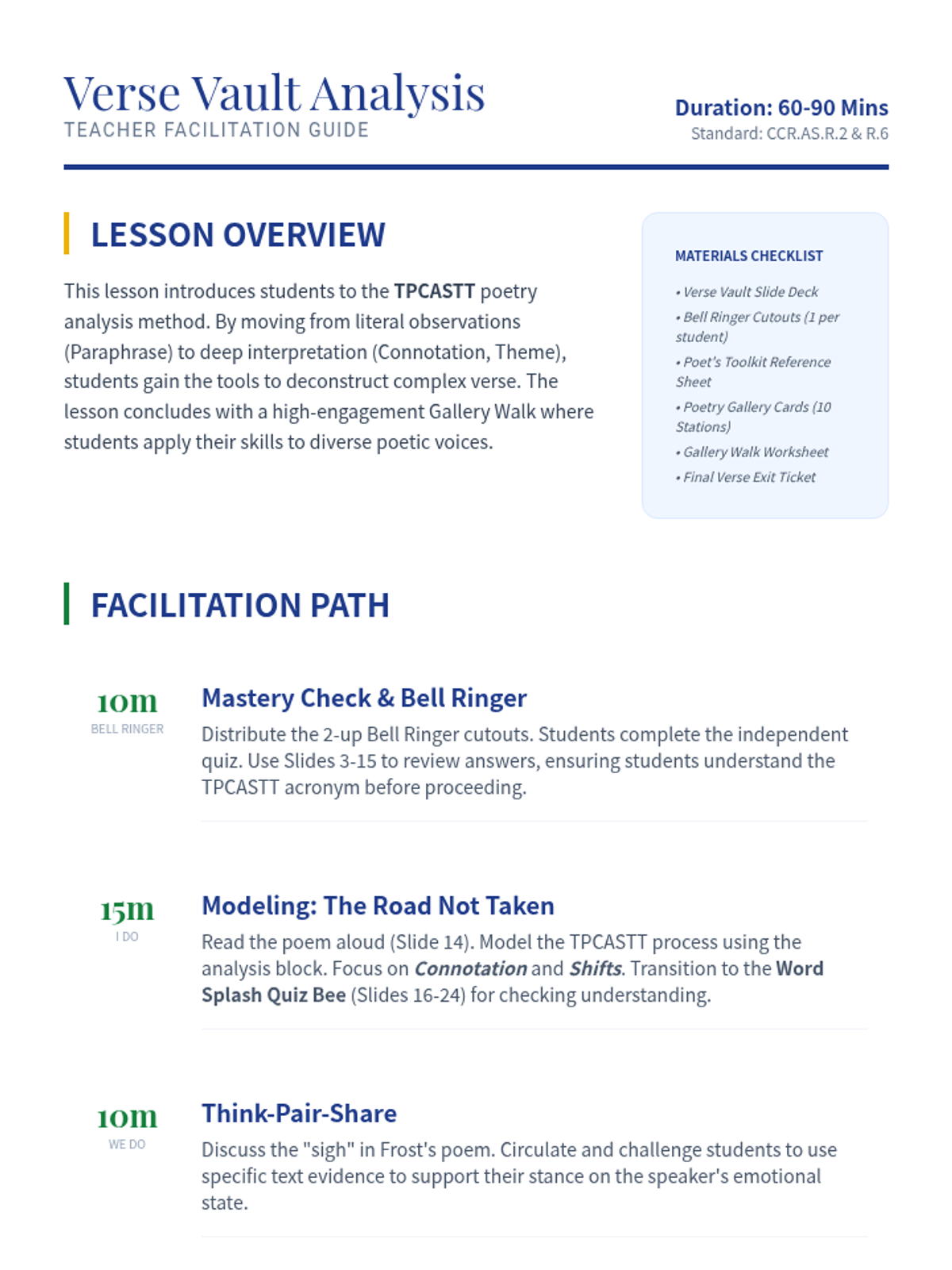
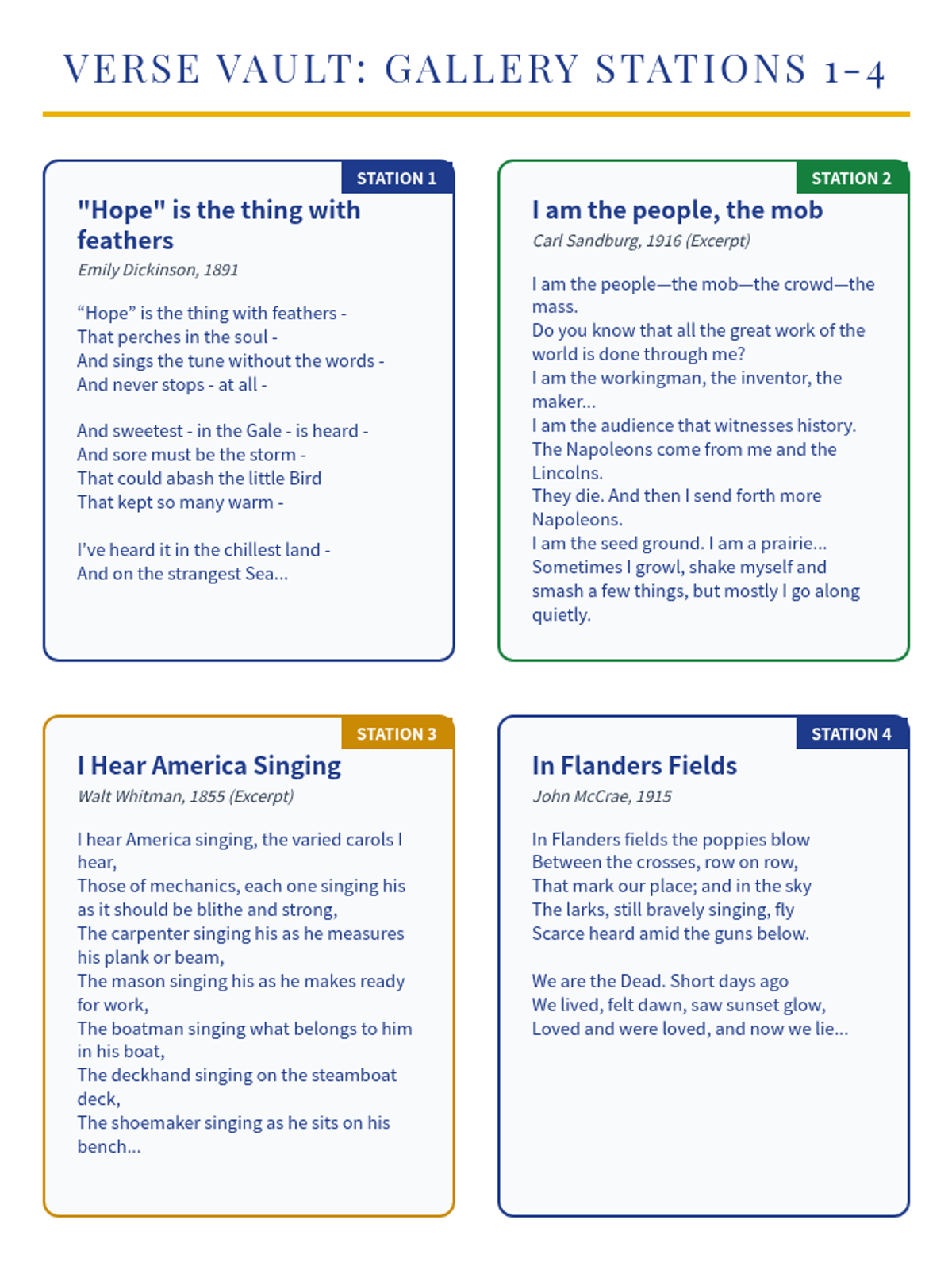
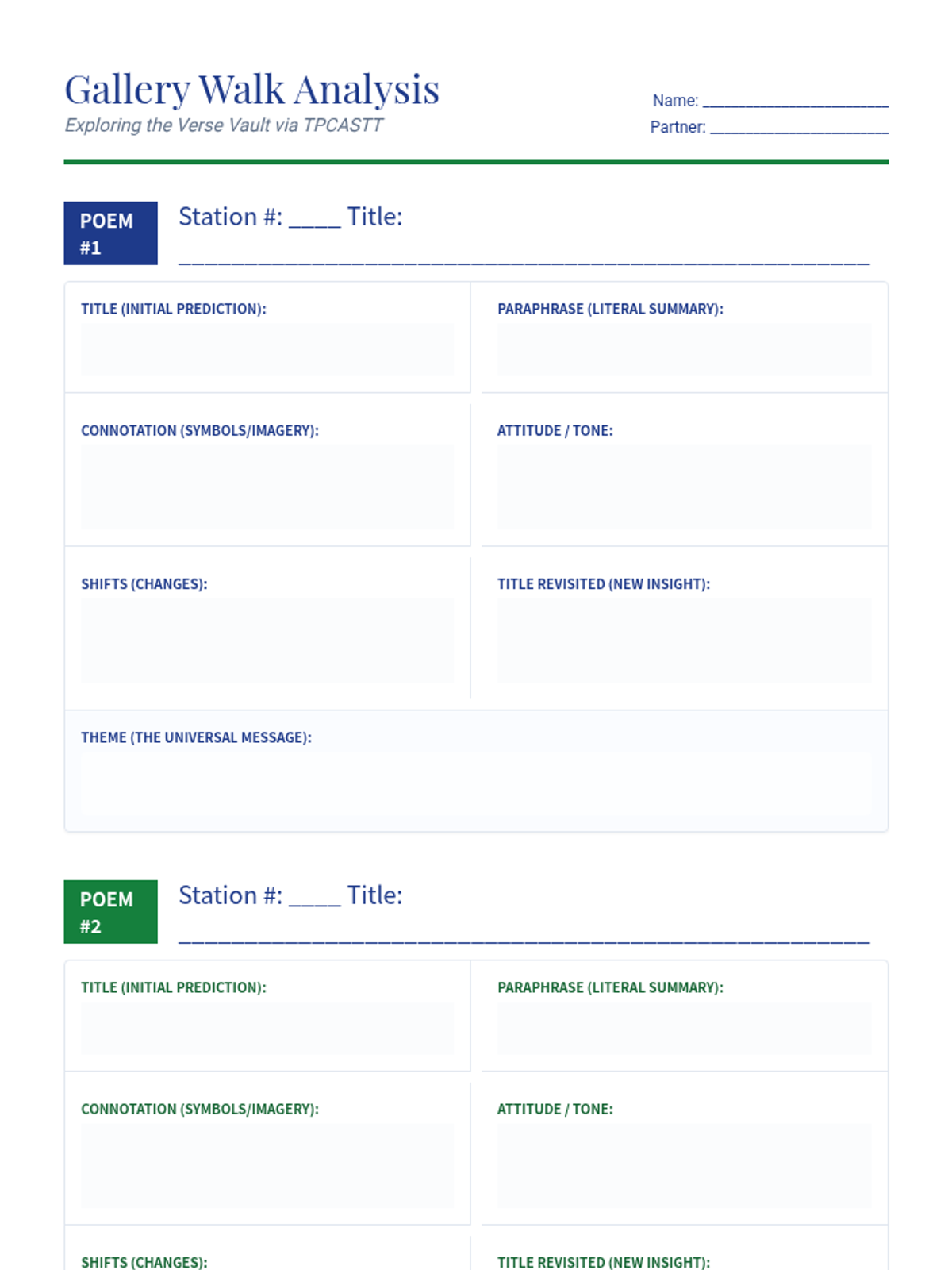
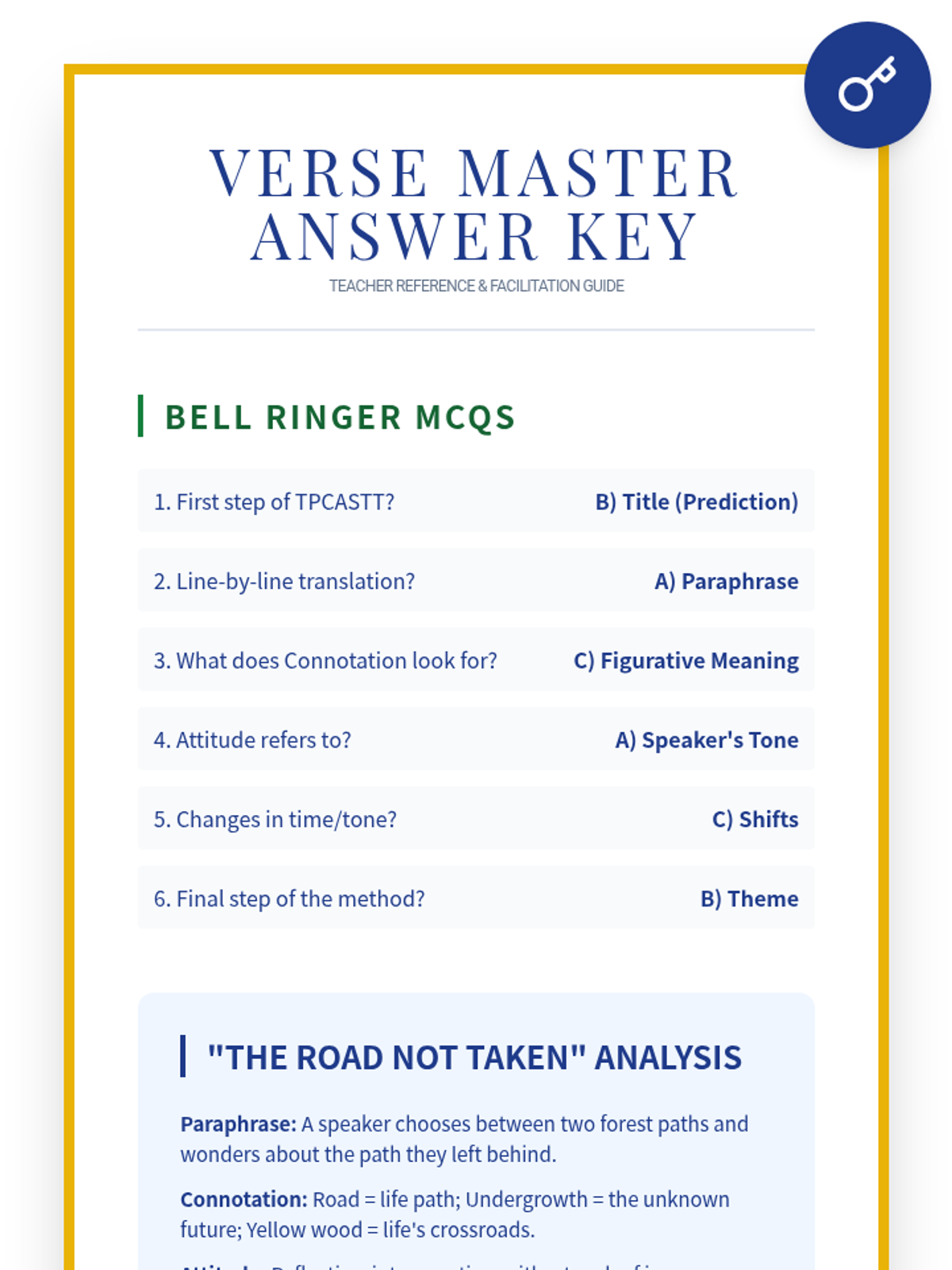
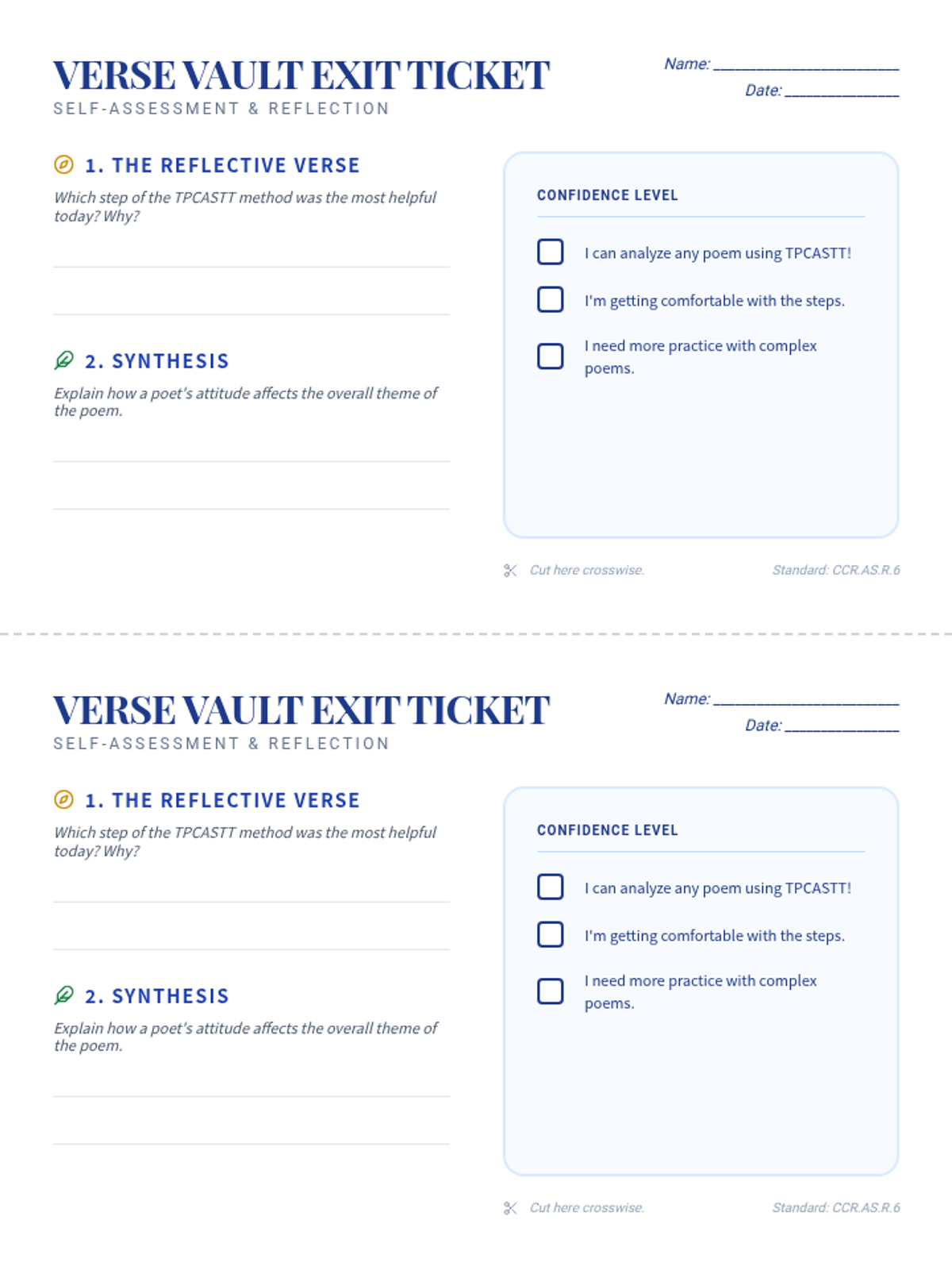
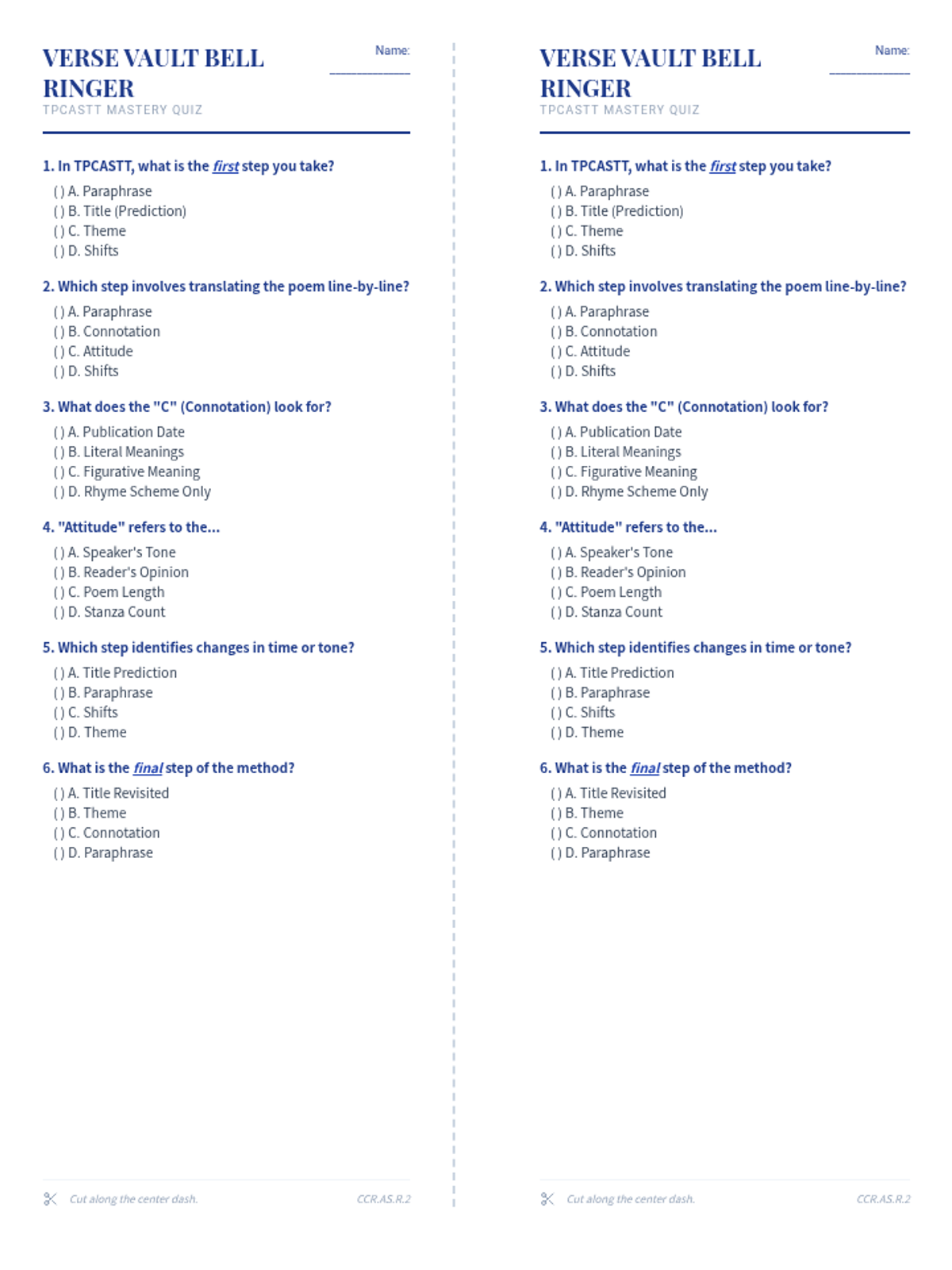
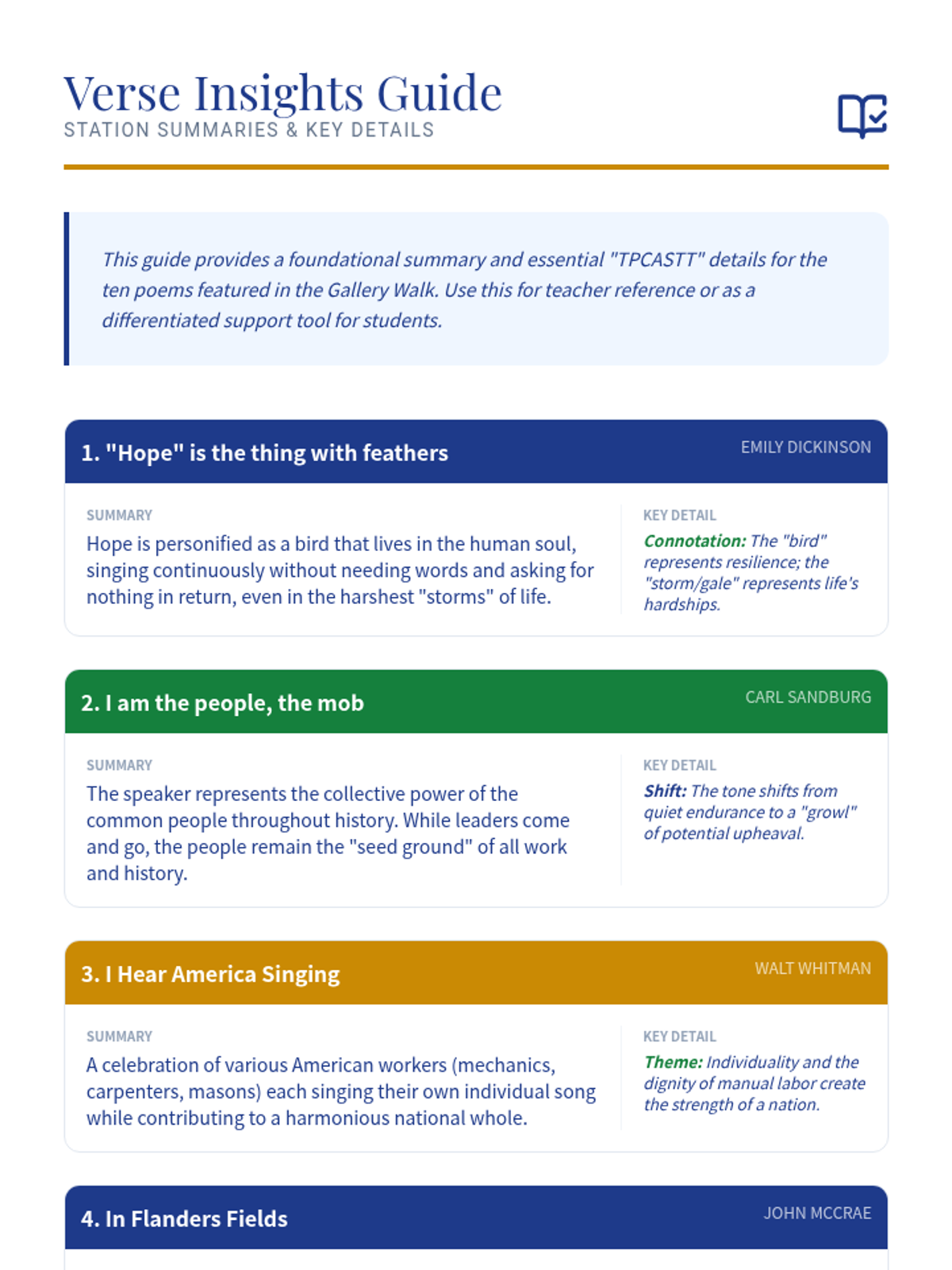
A comprehensive lesson on analyzing poetry using the TPCASTT method, featuring a deep dive into Robert Frost's 'The Road Not Taken' and a gallery walk of diverse poems.
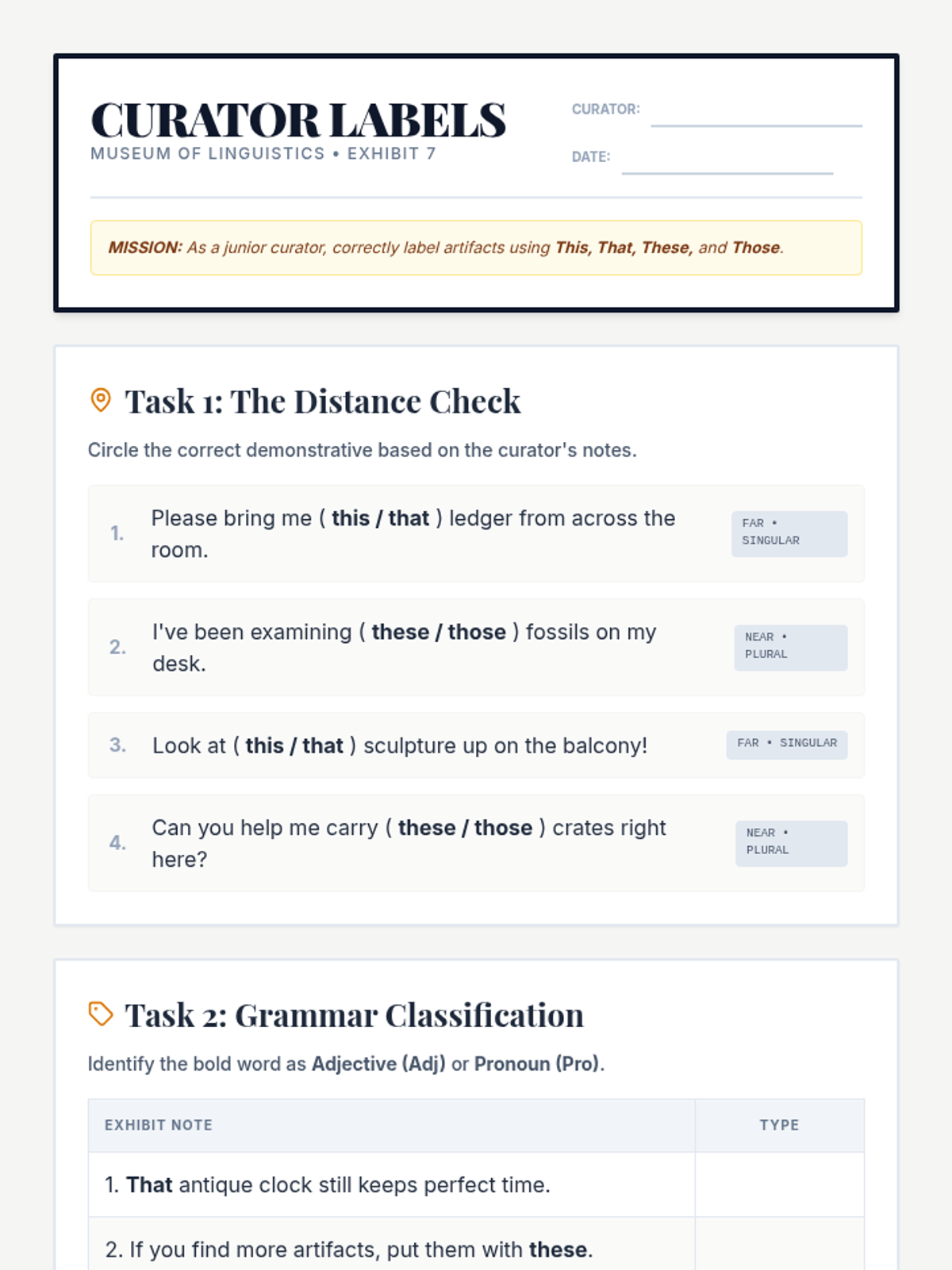
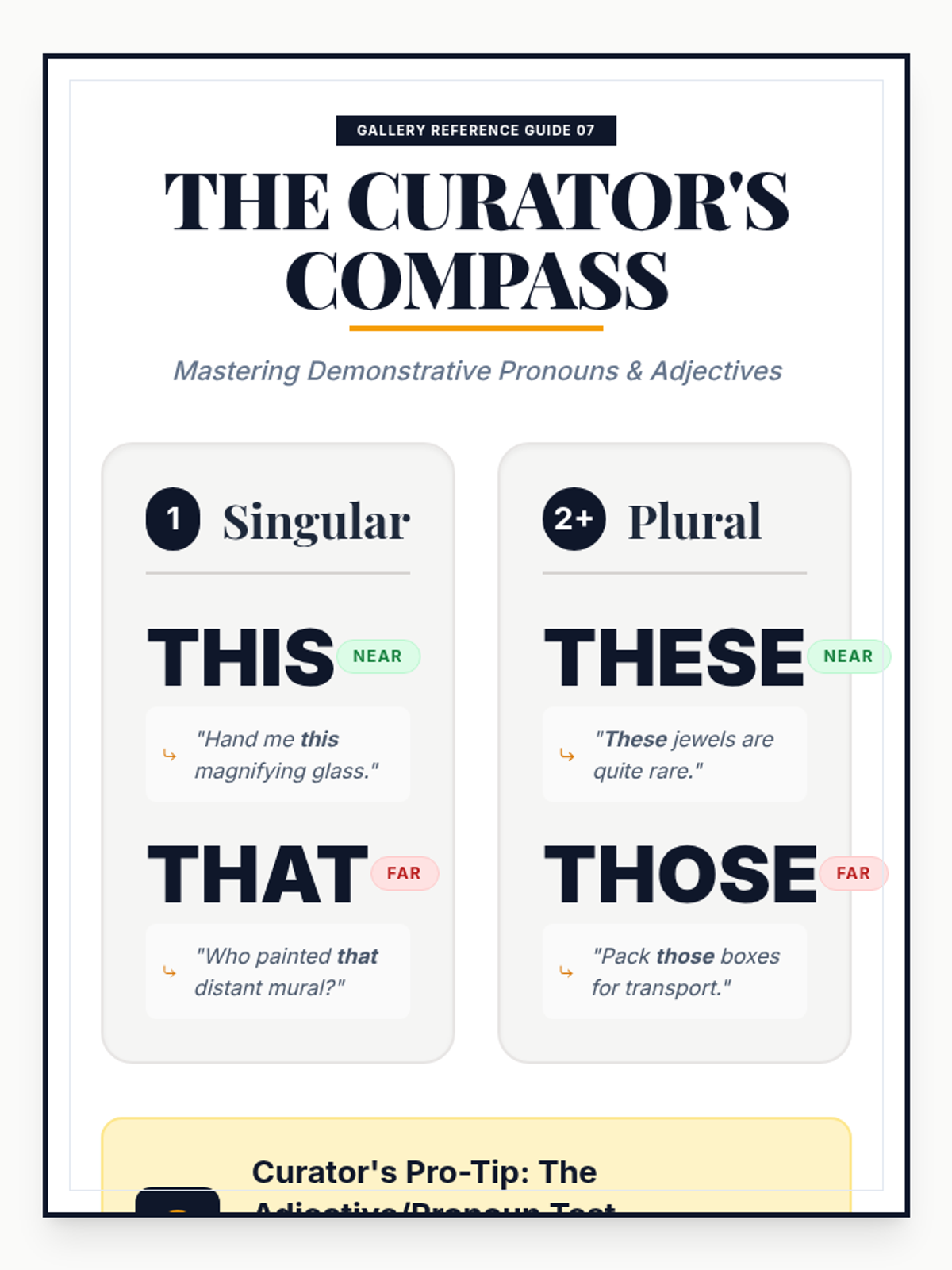
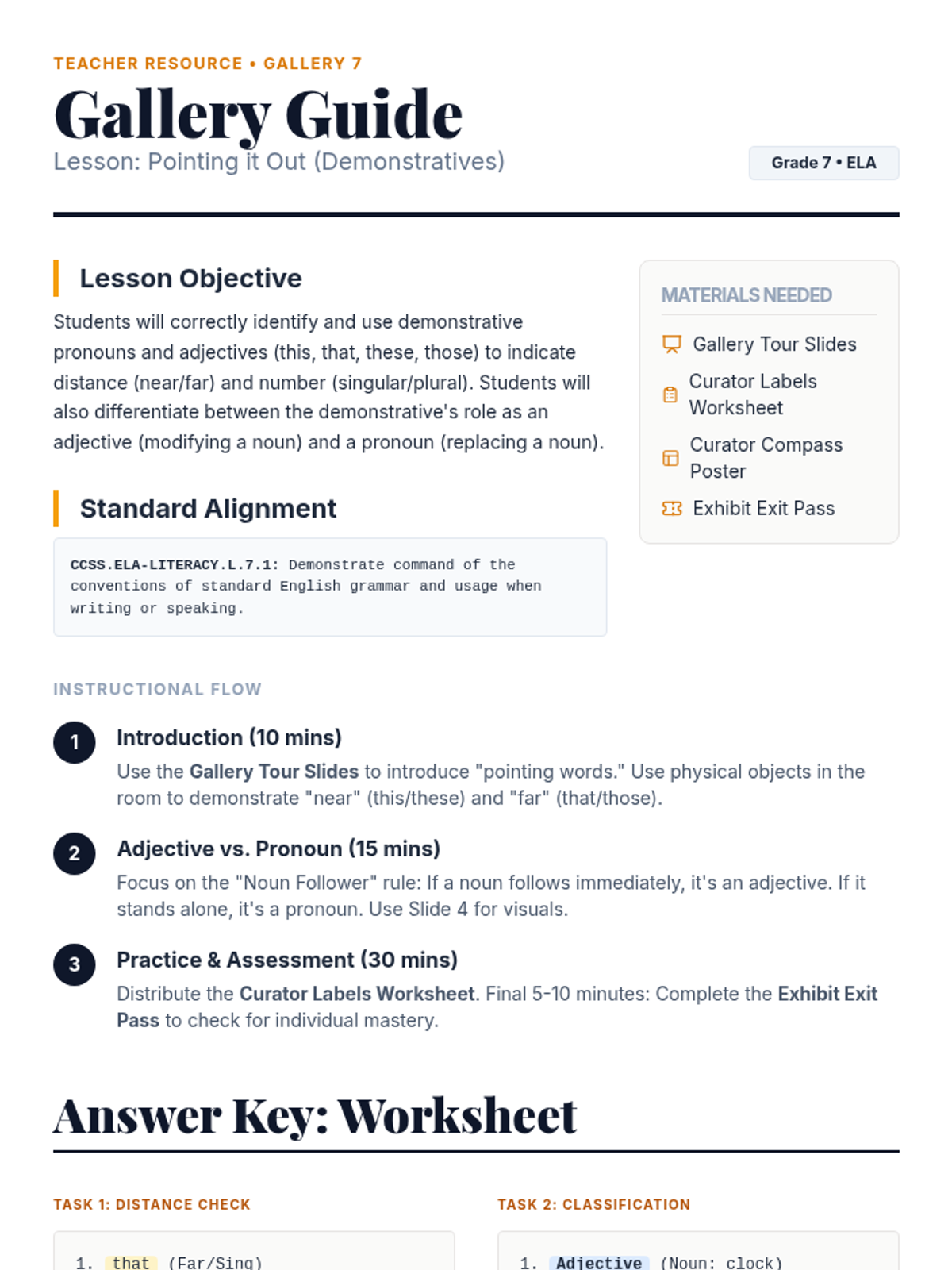
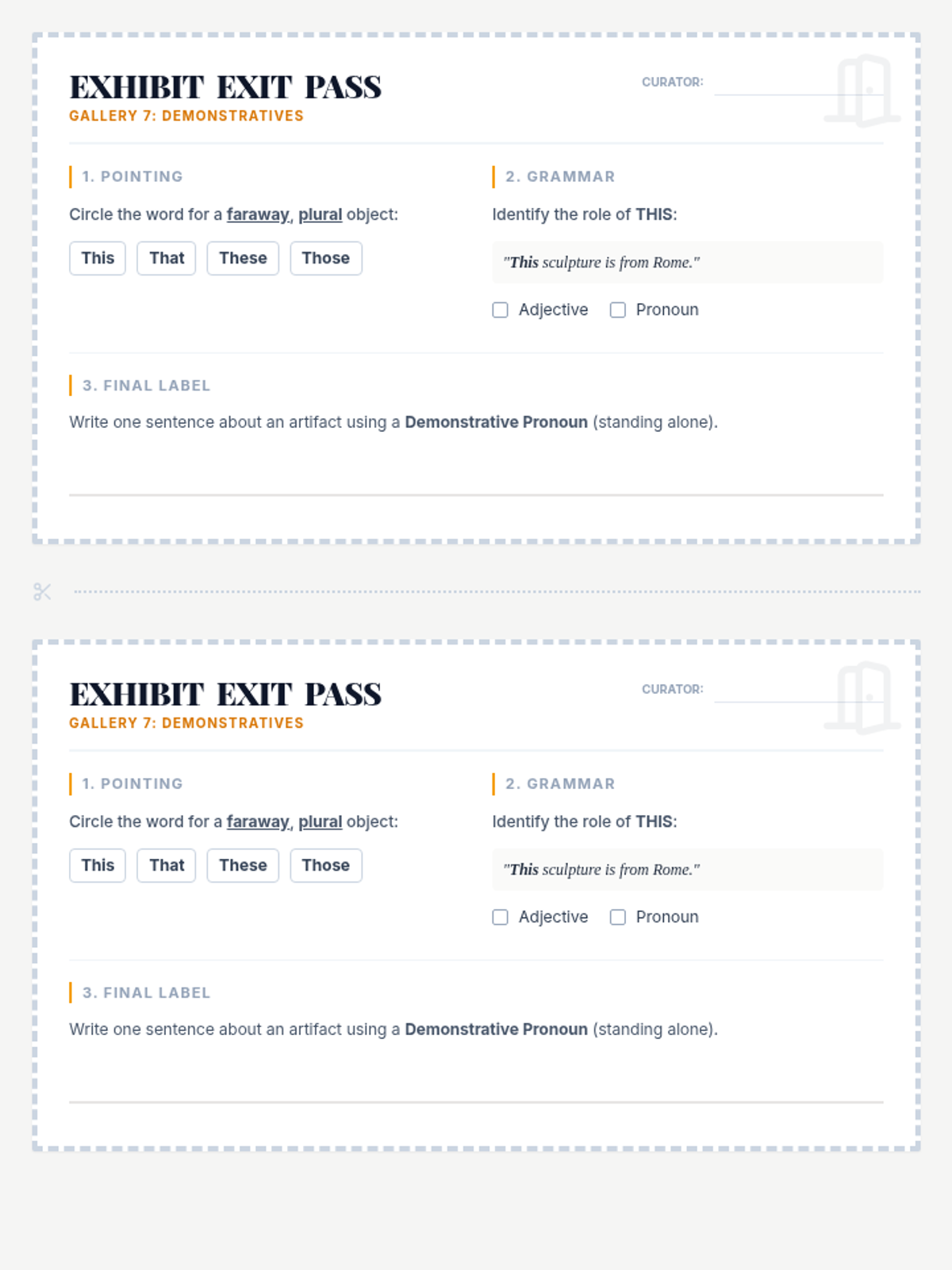
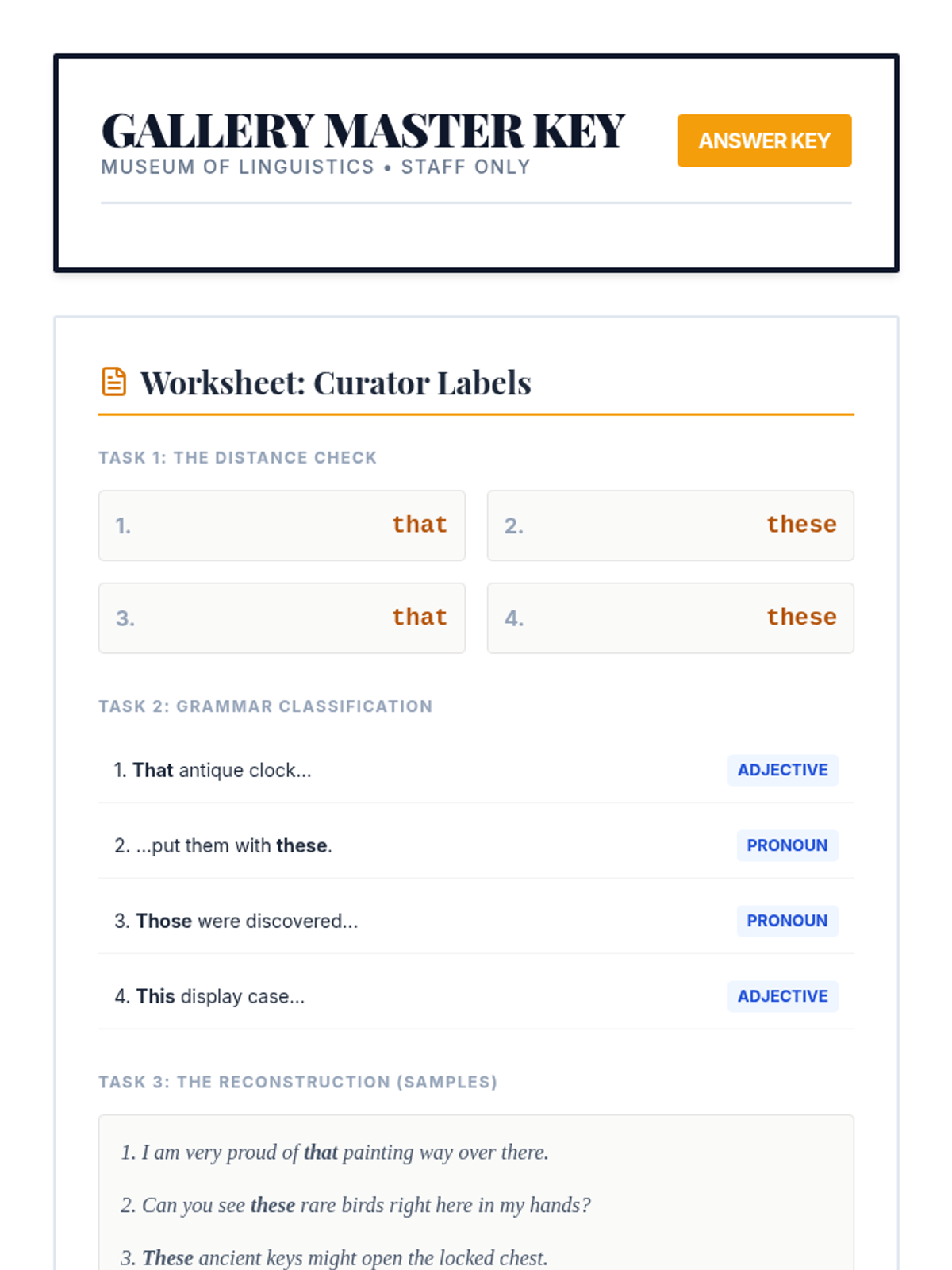
A comprehensive lesson on demonstrative pronouns and adjectives (this, that, these, those) themed around a museum gallery. Students learn to distinguish between near and far, singular and plural, and the difference between demonstrative pronouns and adjectives.
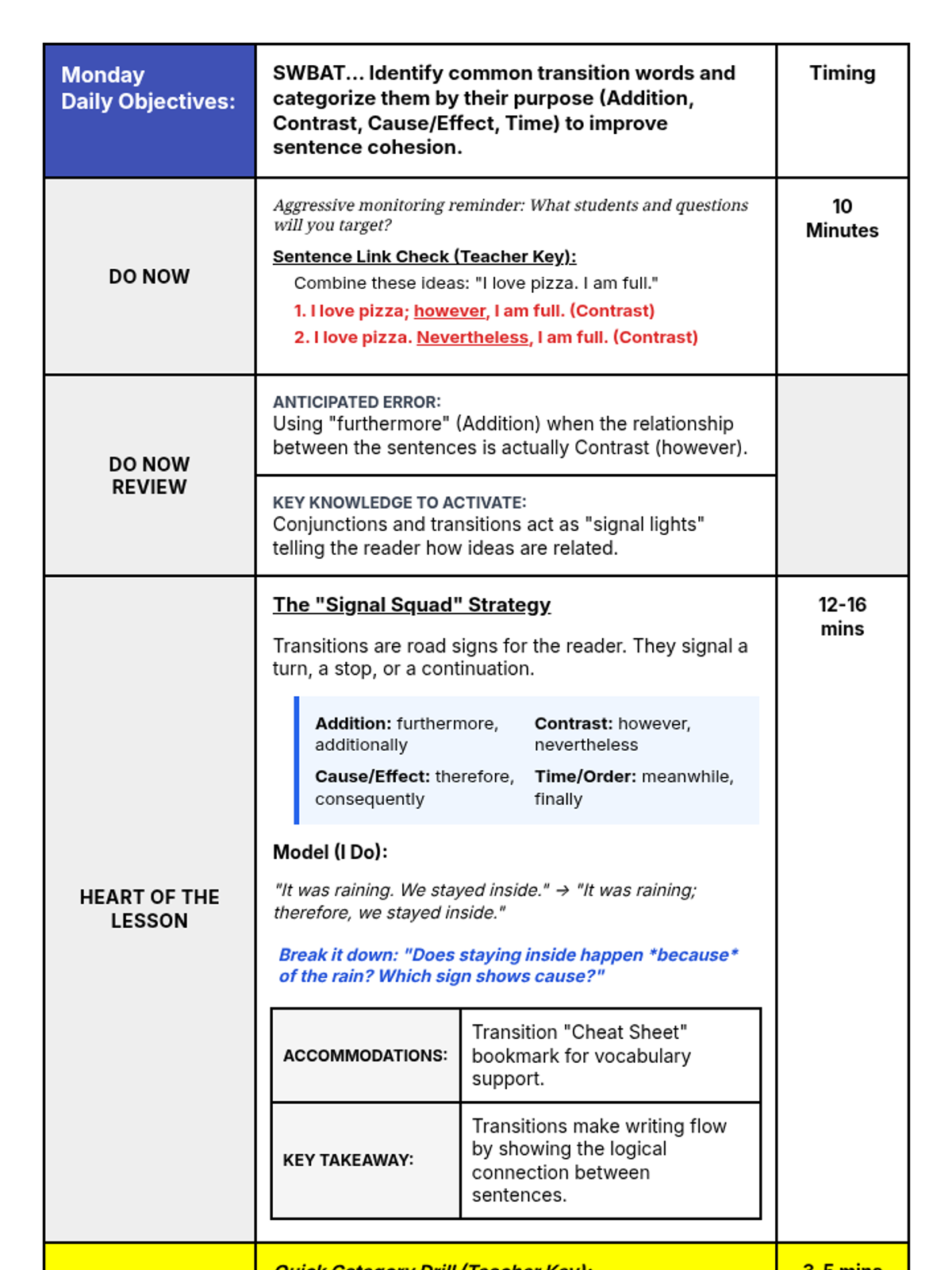
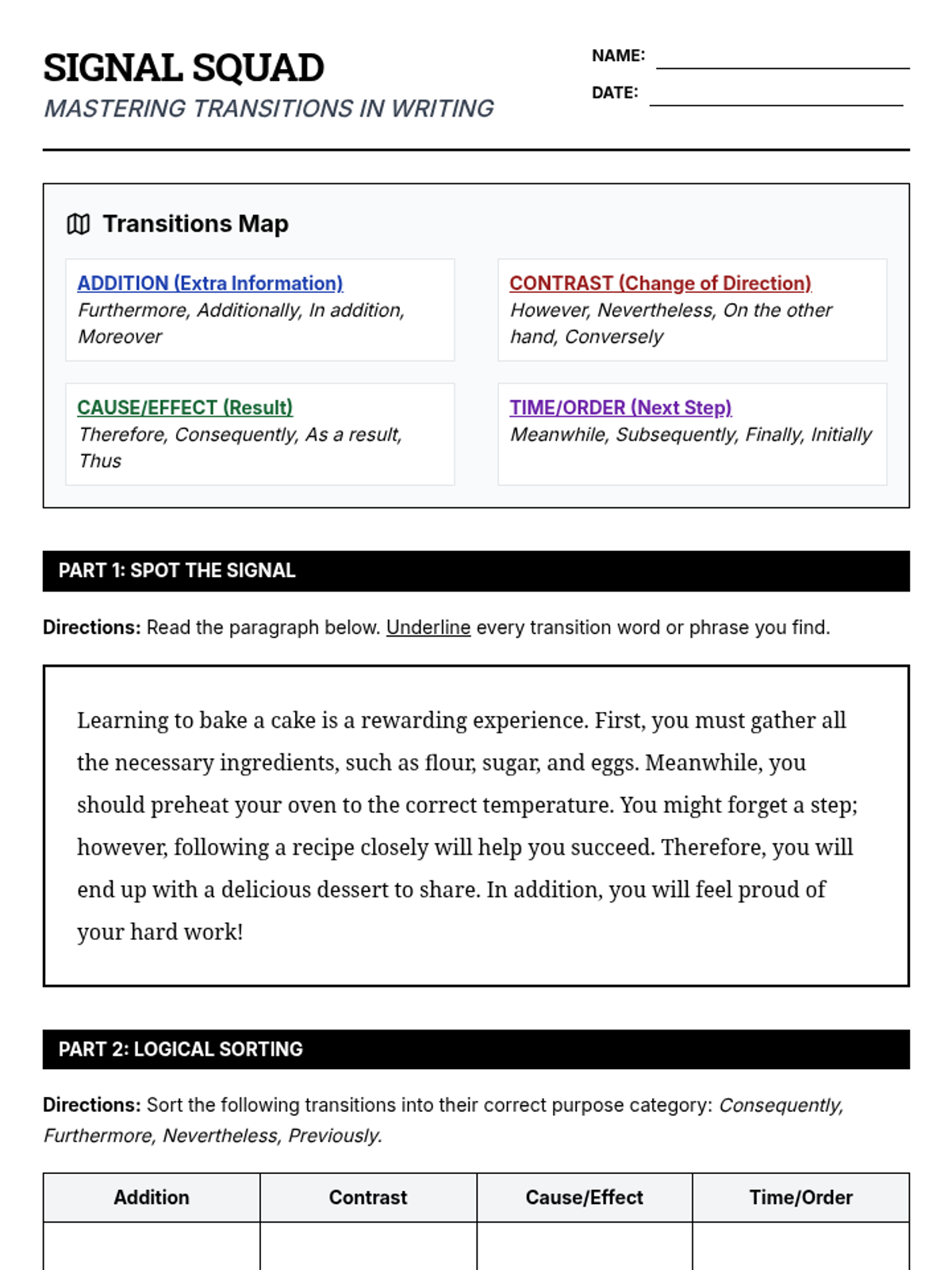
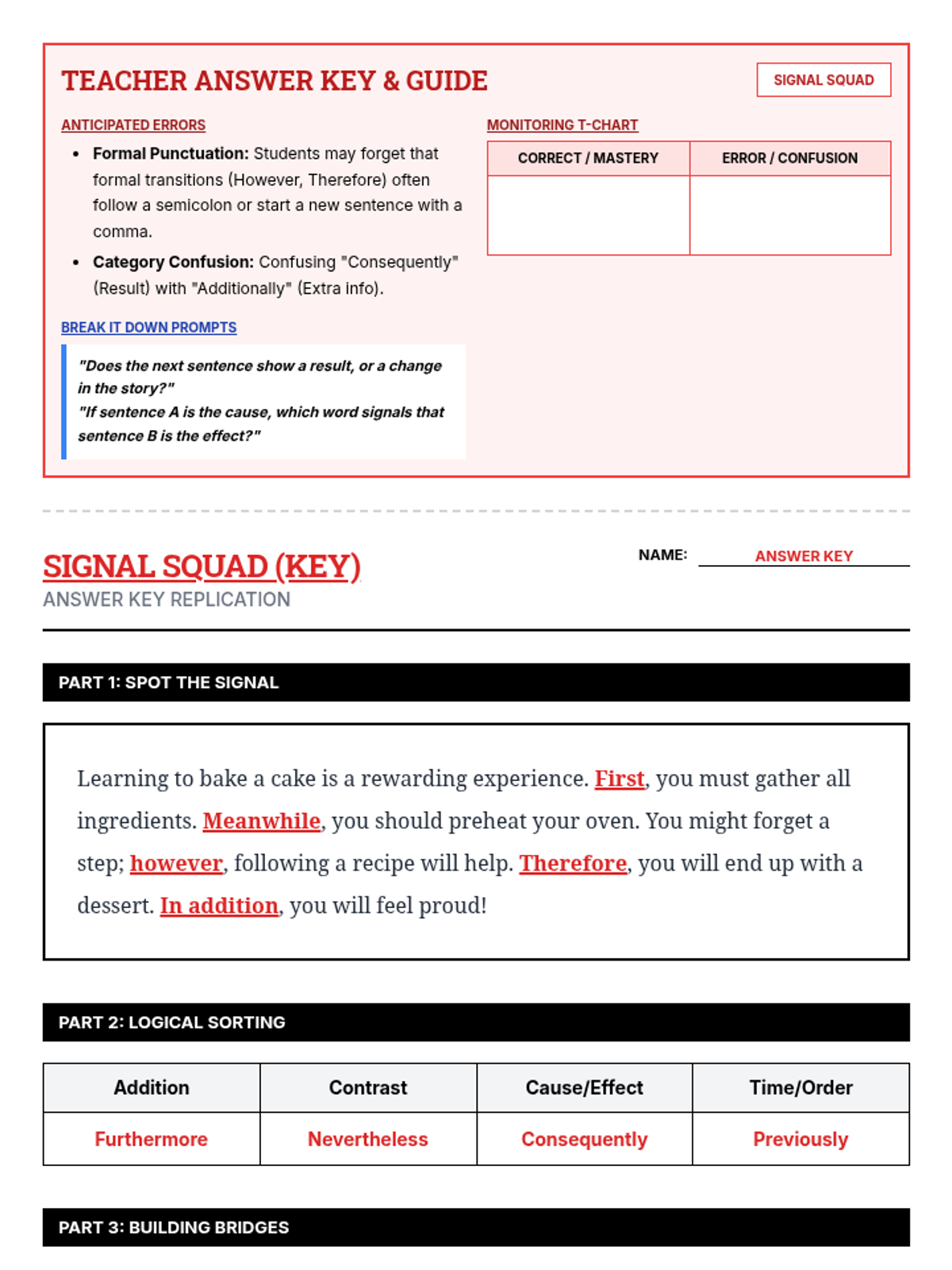
A lesson on identifying and using common transition words to create cohesion in writing. Students will categorize transitions by purpose (Addition, Contrast, Cause/Effect, Time) and use them to link ideas.
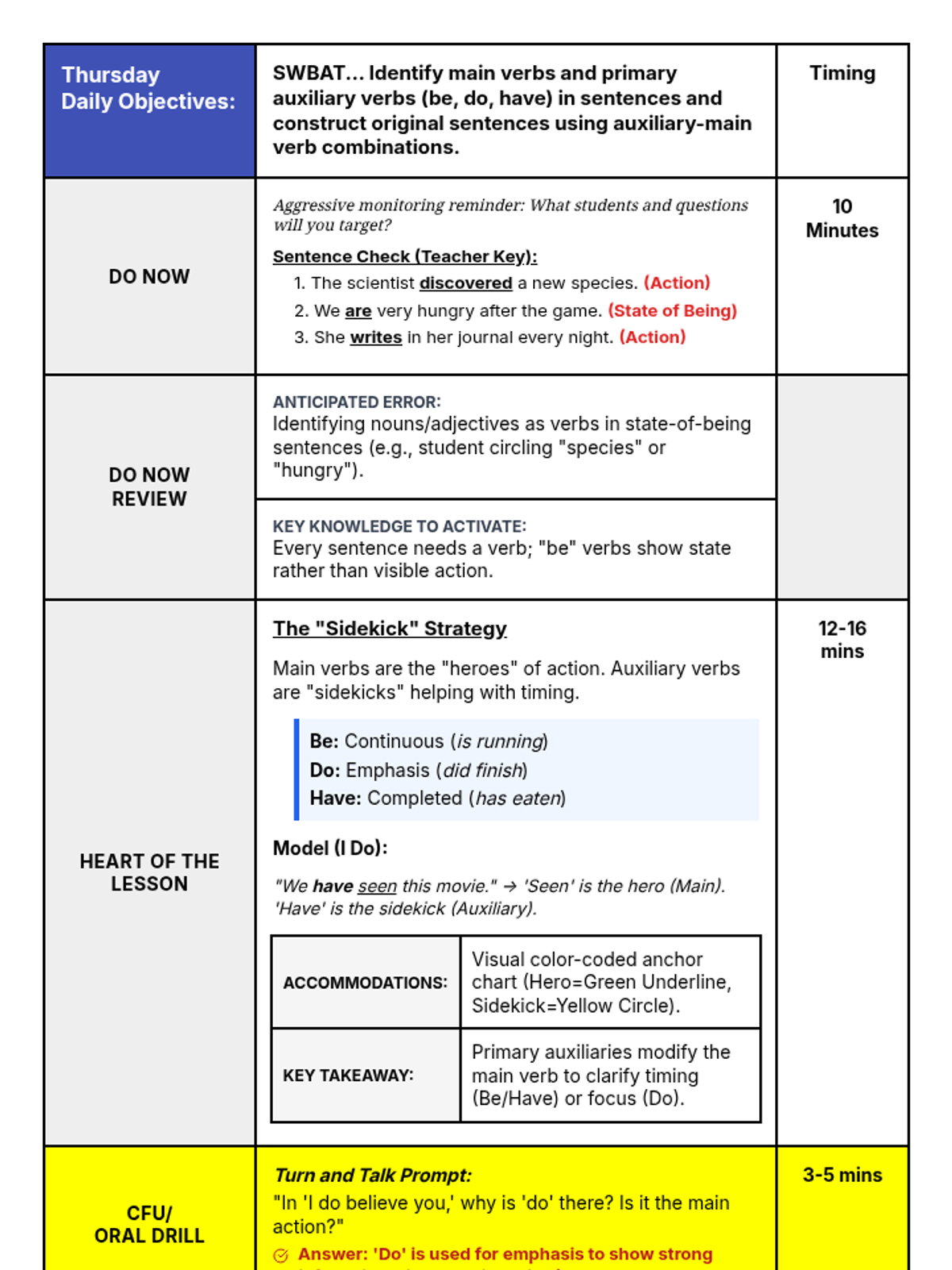
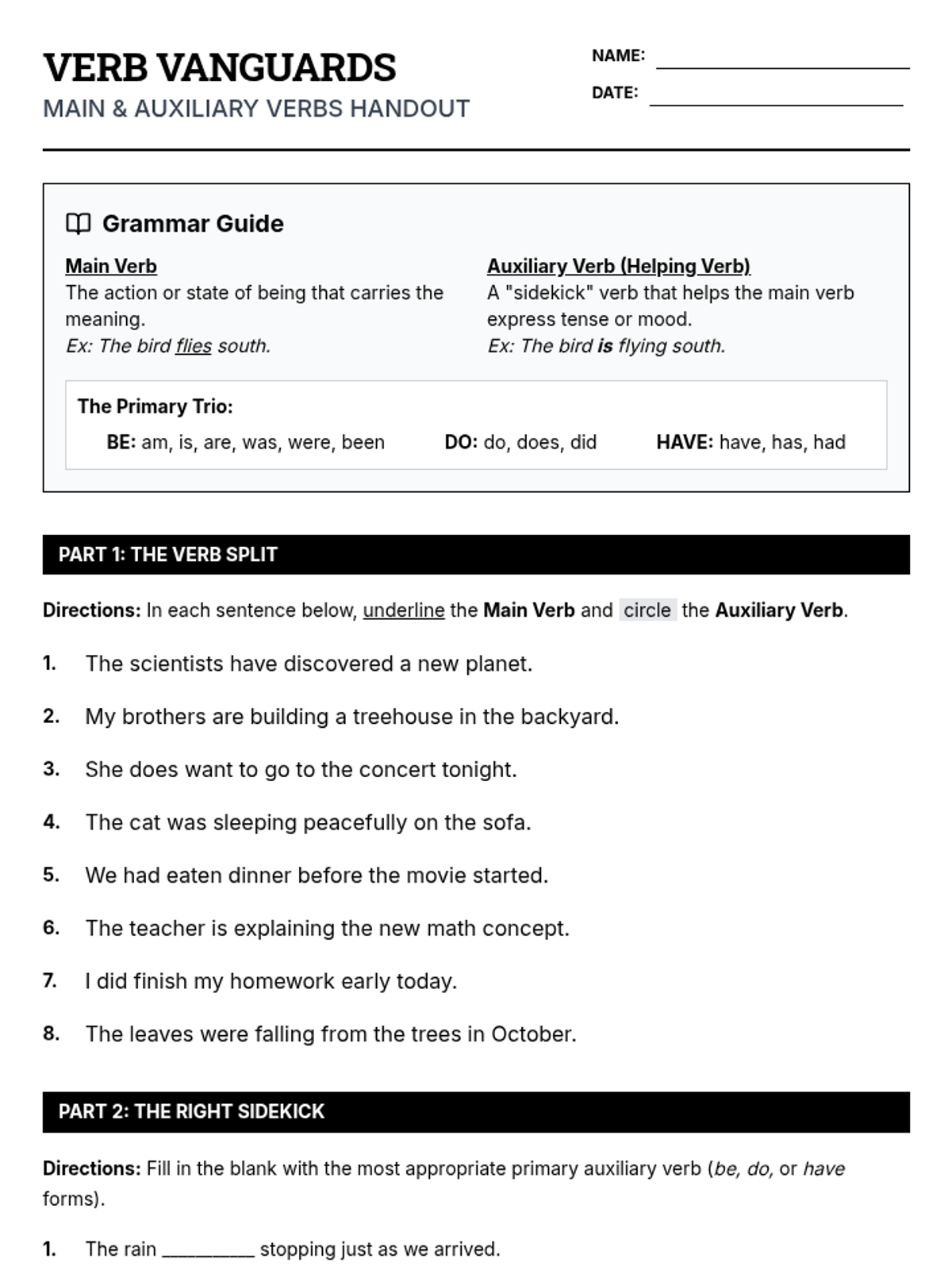
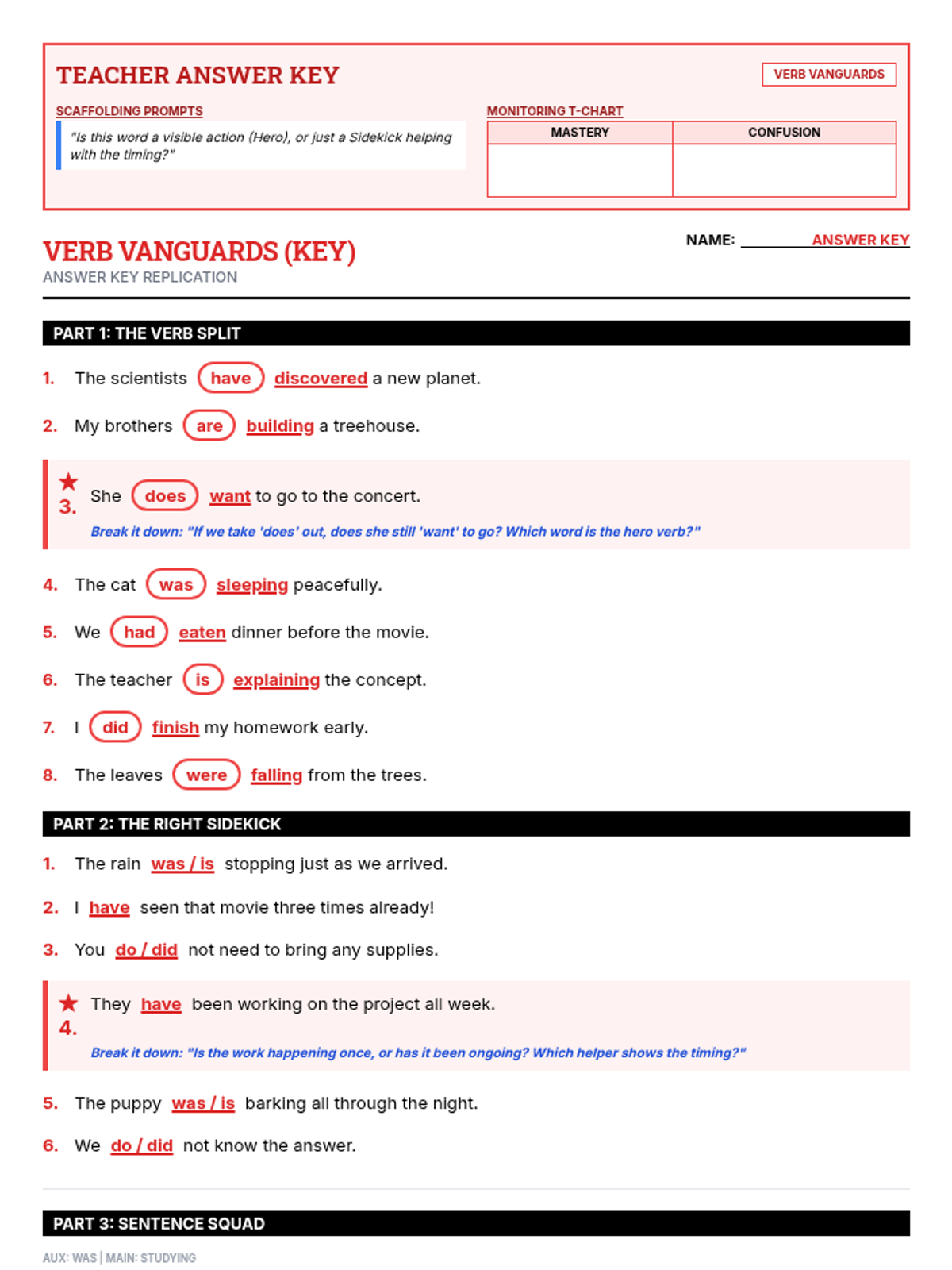
A comprehensive lesson on identifying and using main verbs and primary auxiliary verbs (be, do, have) in sentences. Includes a structured lesson plan, a practice handout, and a detailed answer key with monitoring tools.
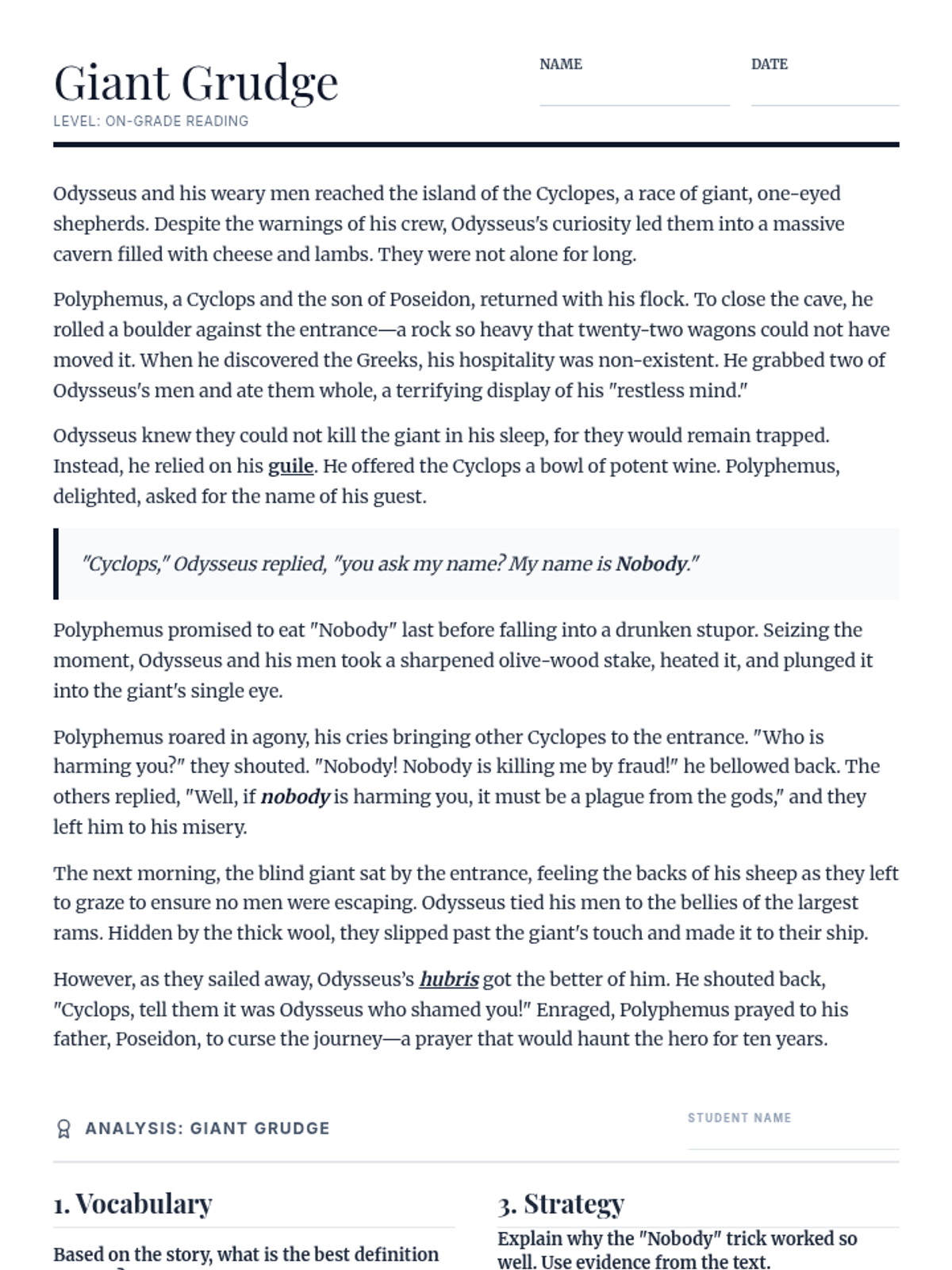
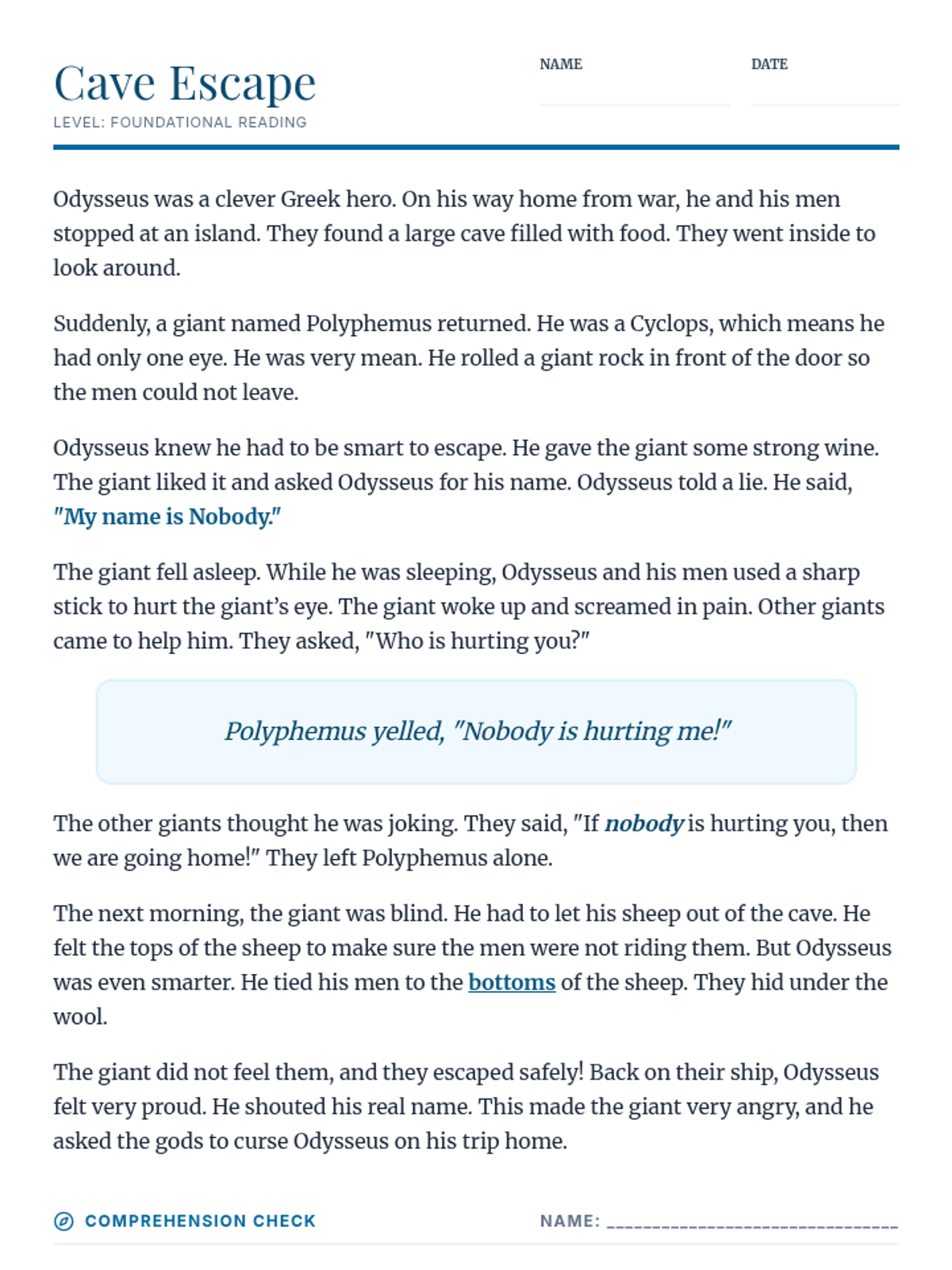
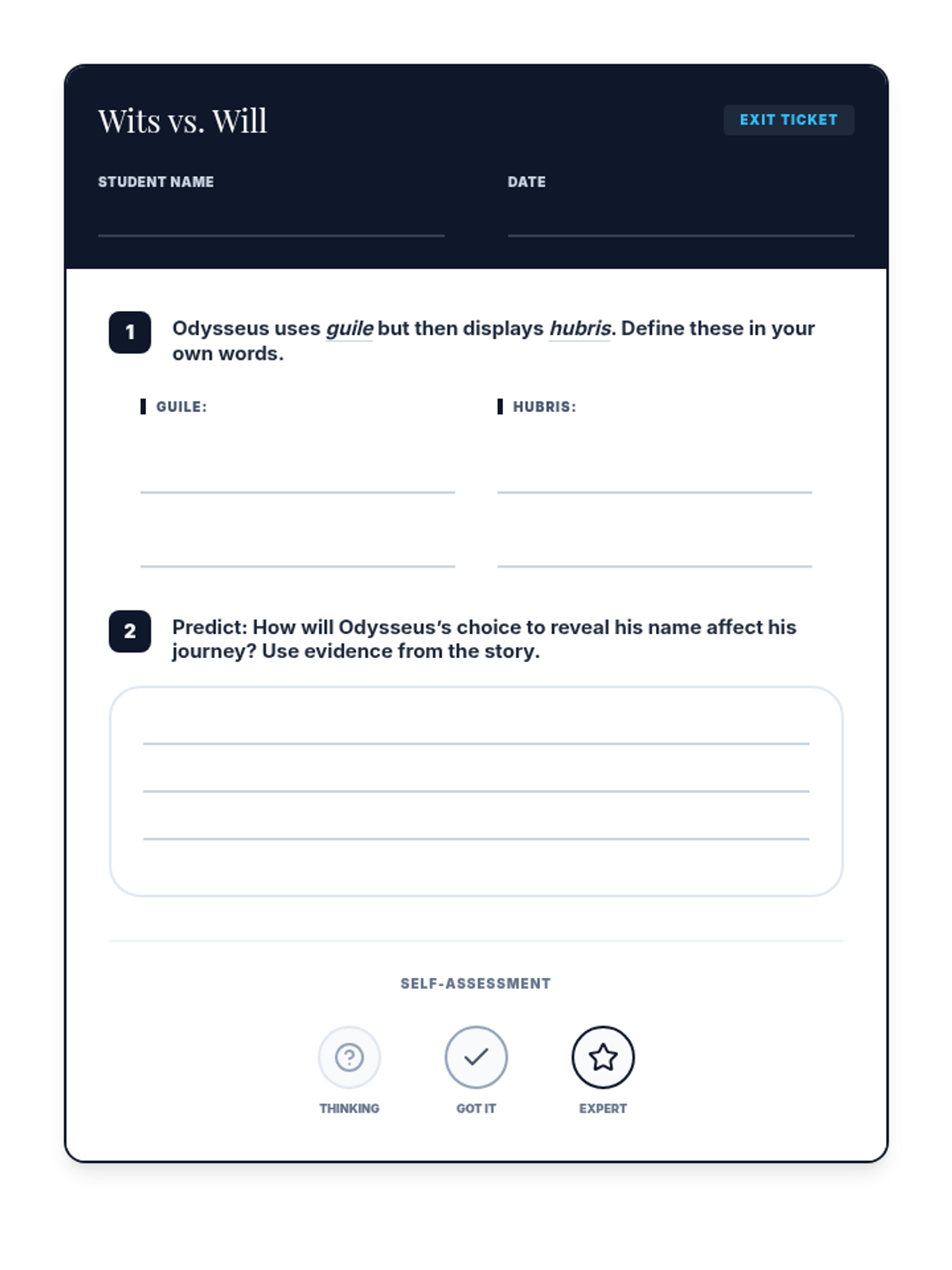
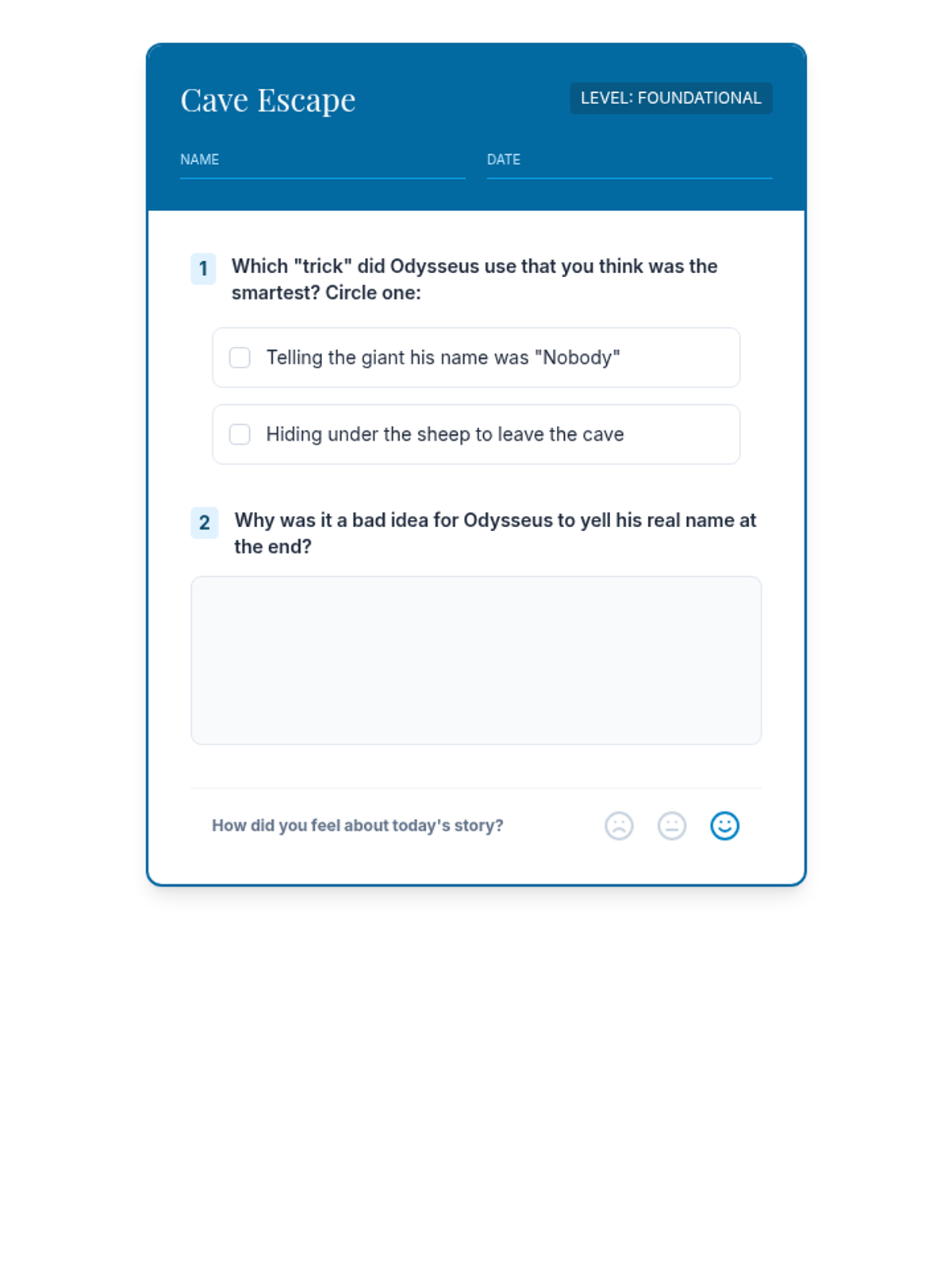
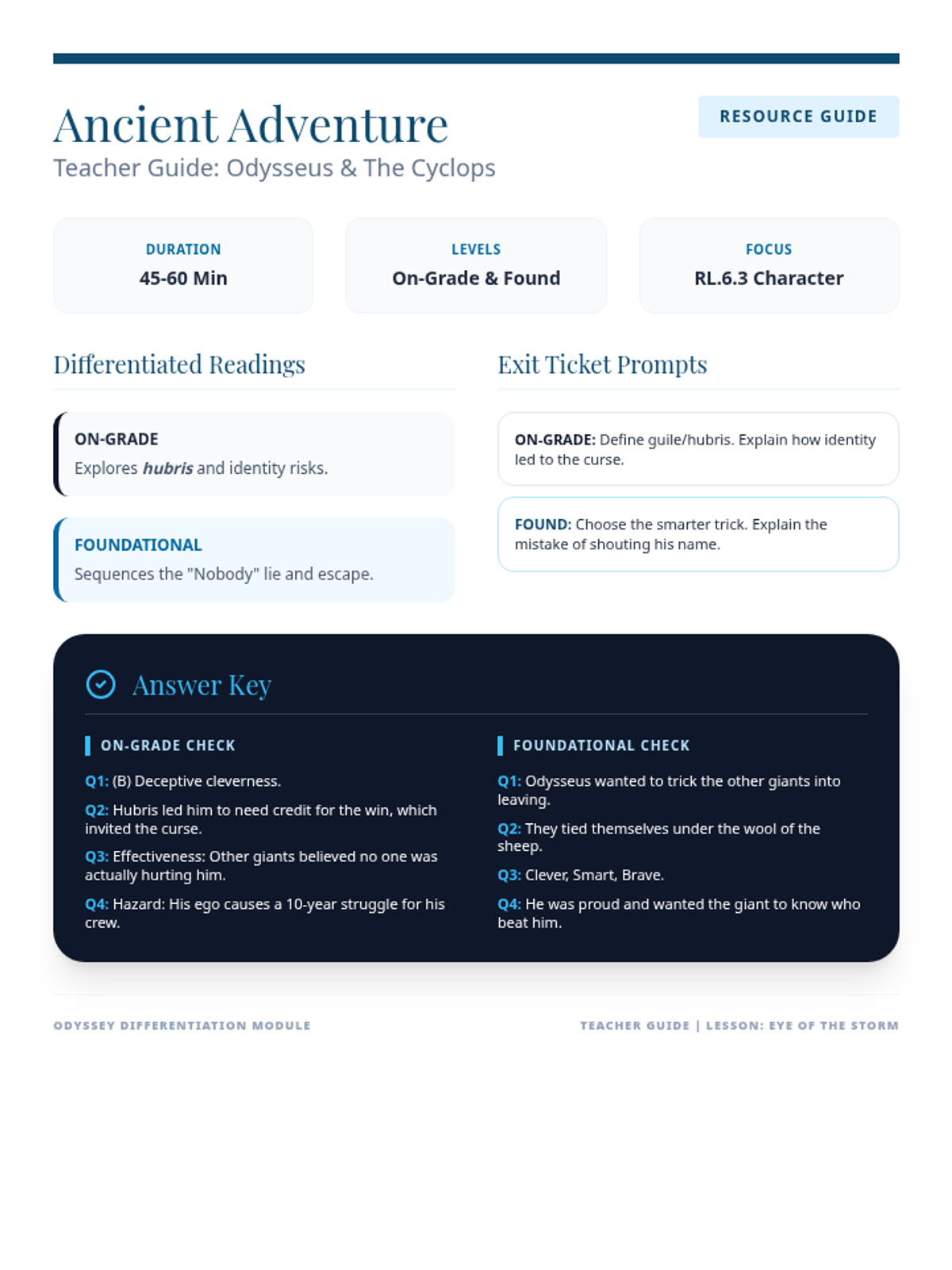
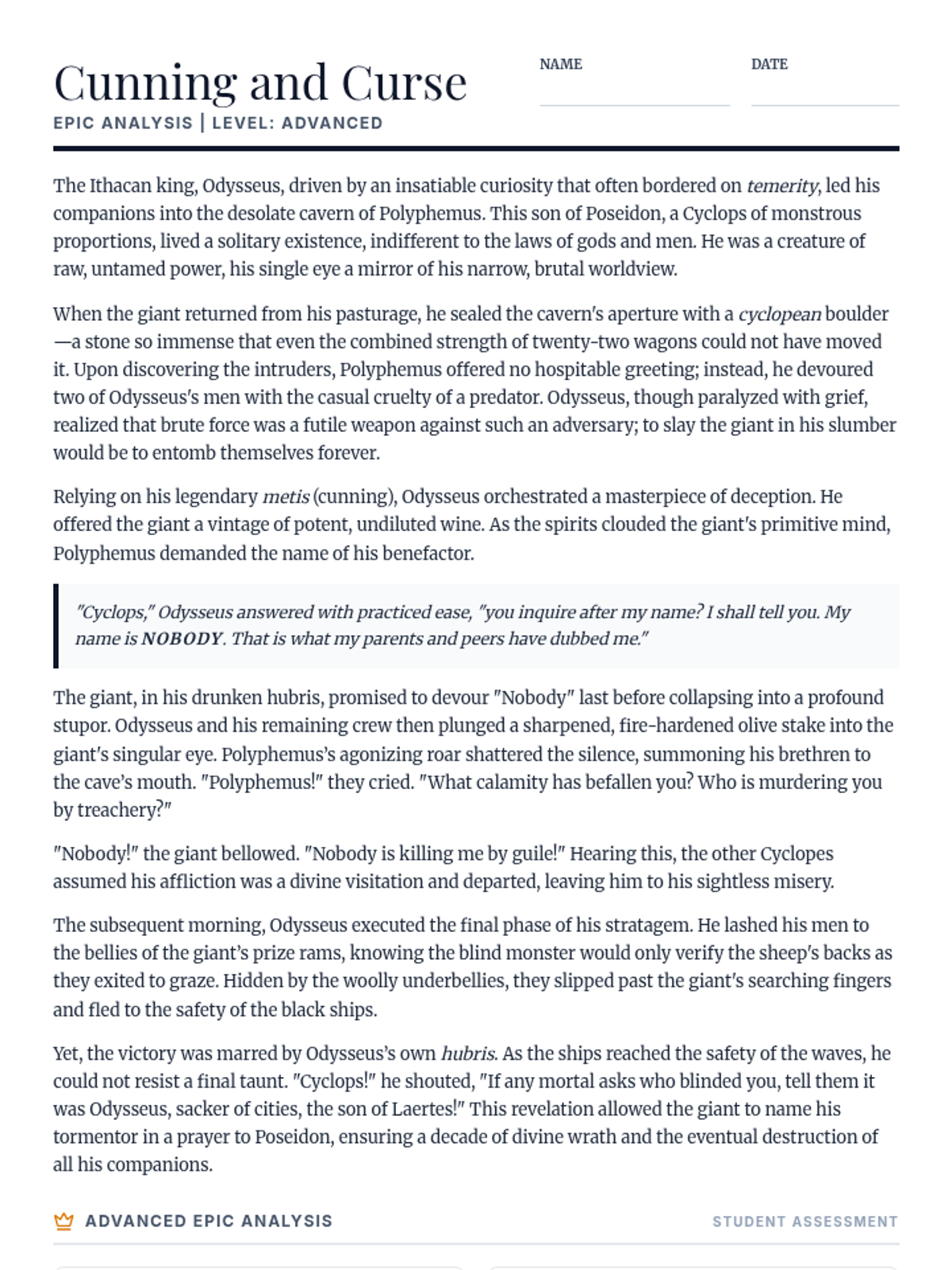
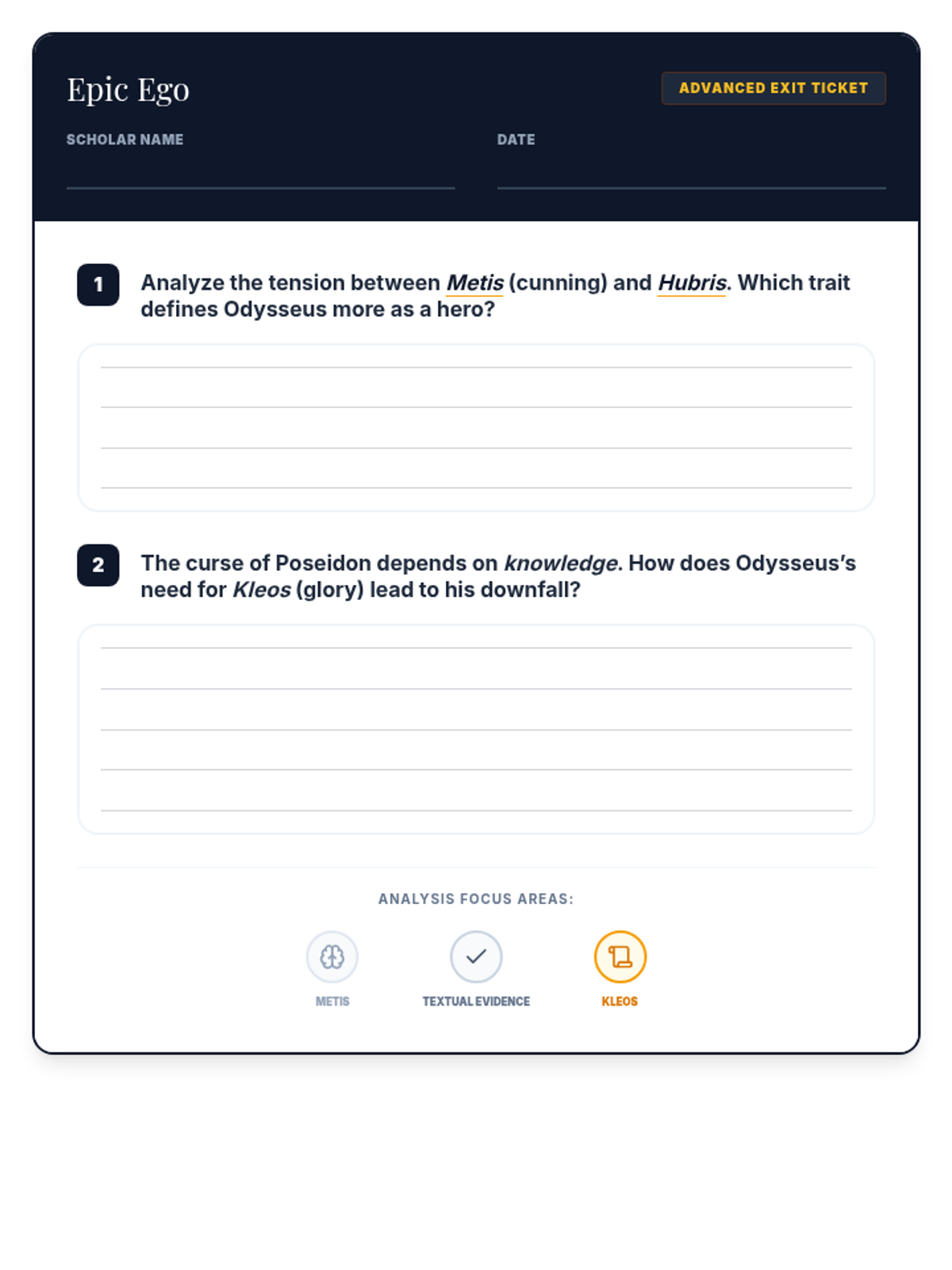
A lesson exploring the encounter between Odysseus and Polyphemus, focusing on character traits and cleverness through differentiated readings and assessments.
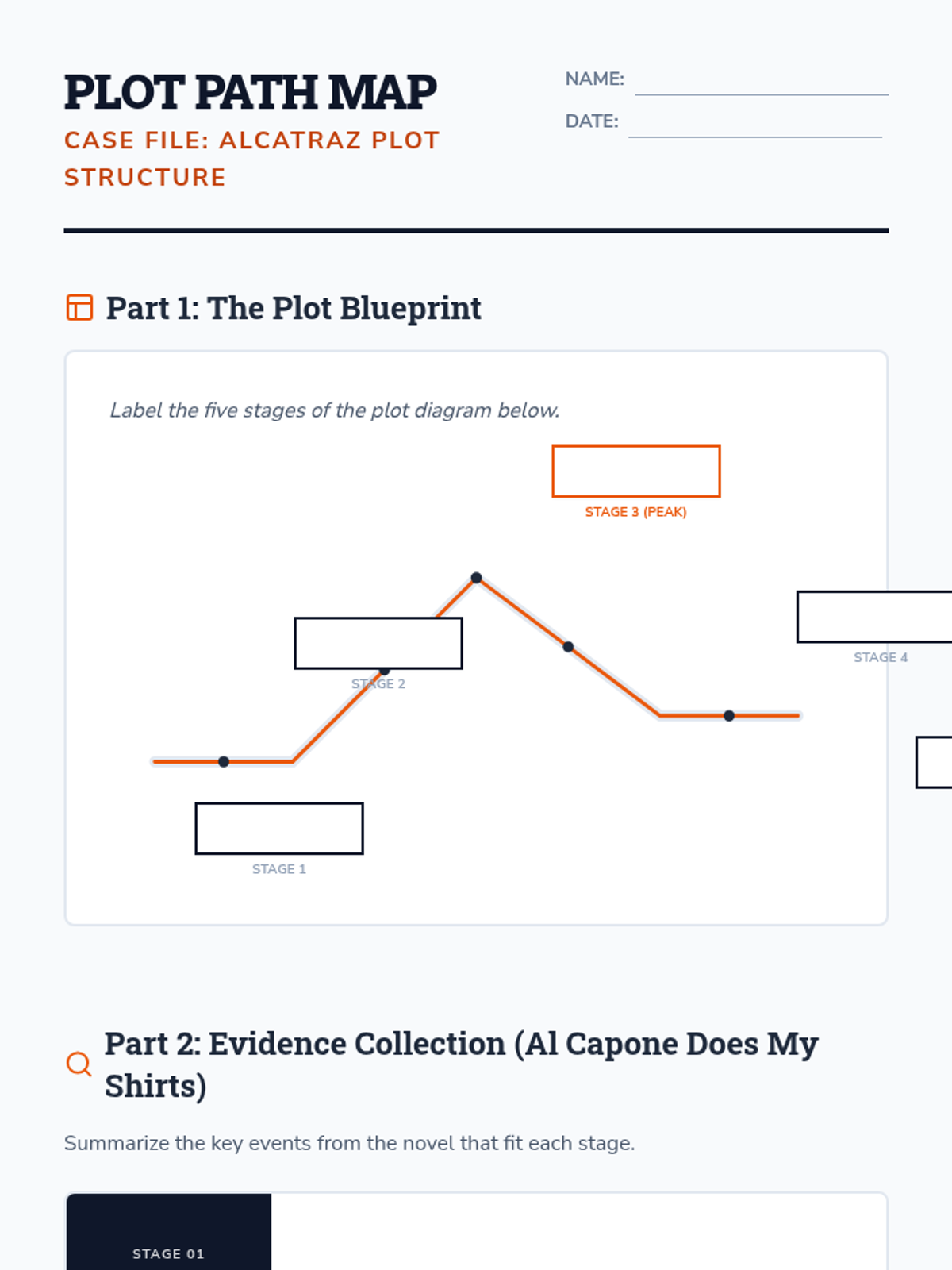
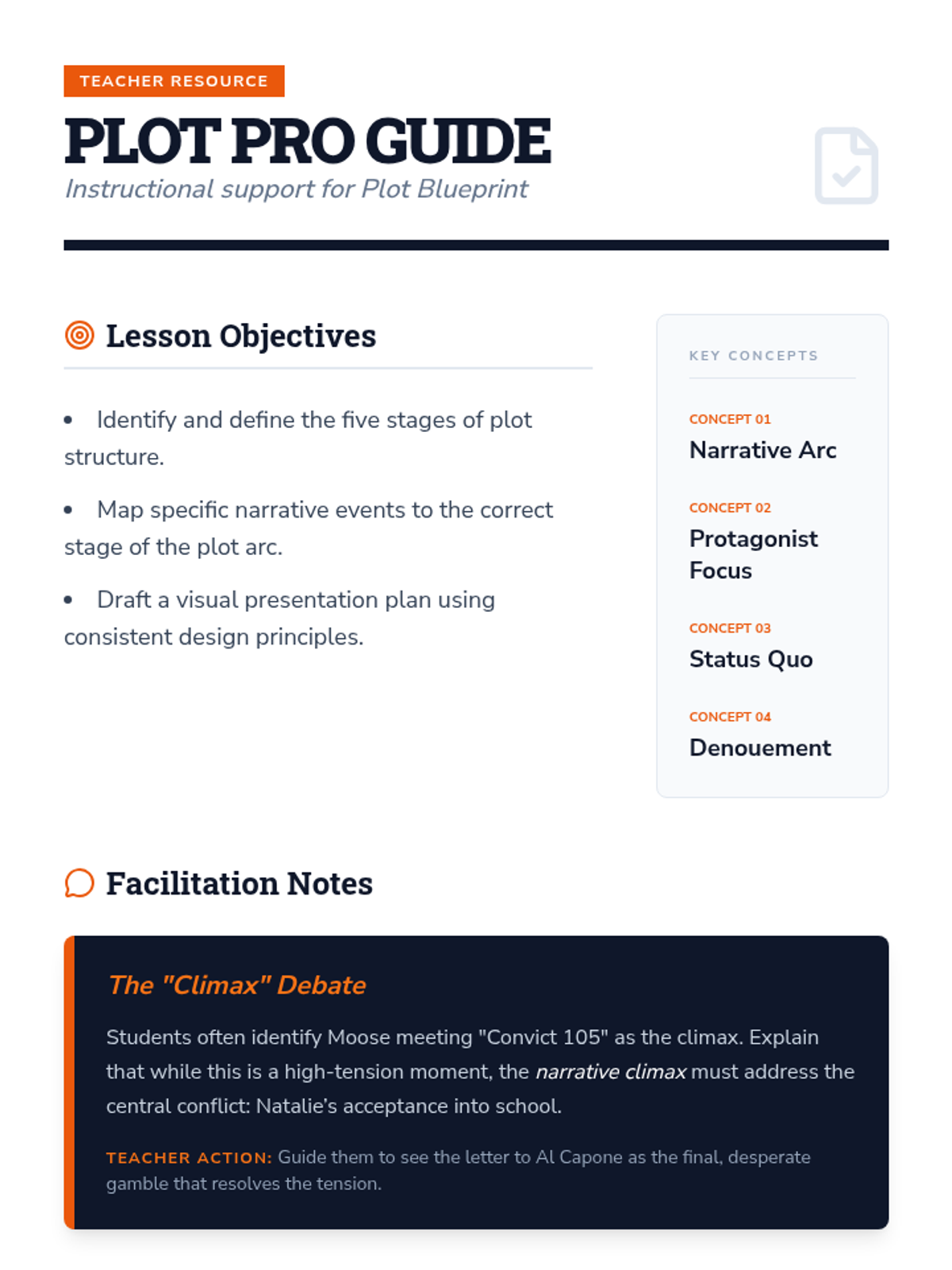
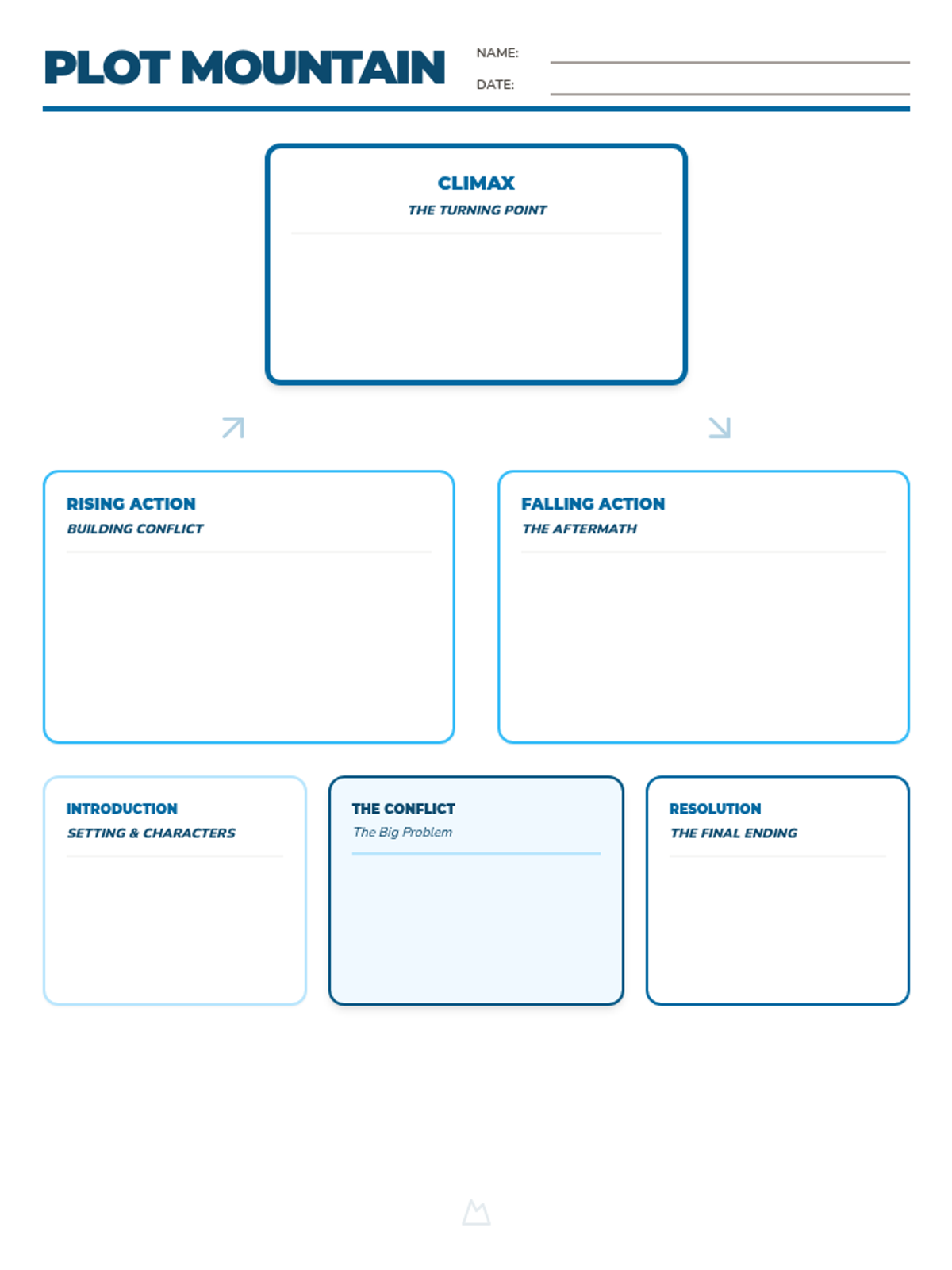
A lesson focusing on identifying and analyzing the five stages of plot structure using the novel Al Capone Does My Shirts as a primary example. Students explore the arc of Moose Flanagan's journey on Alcatraz.
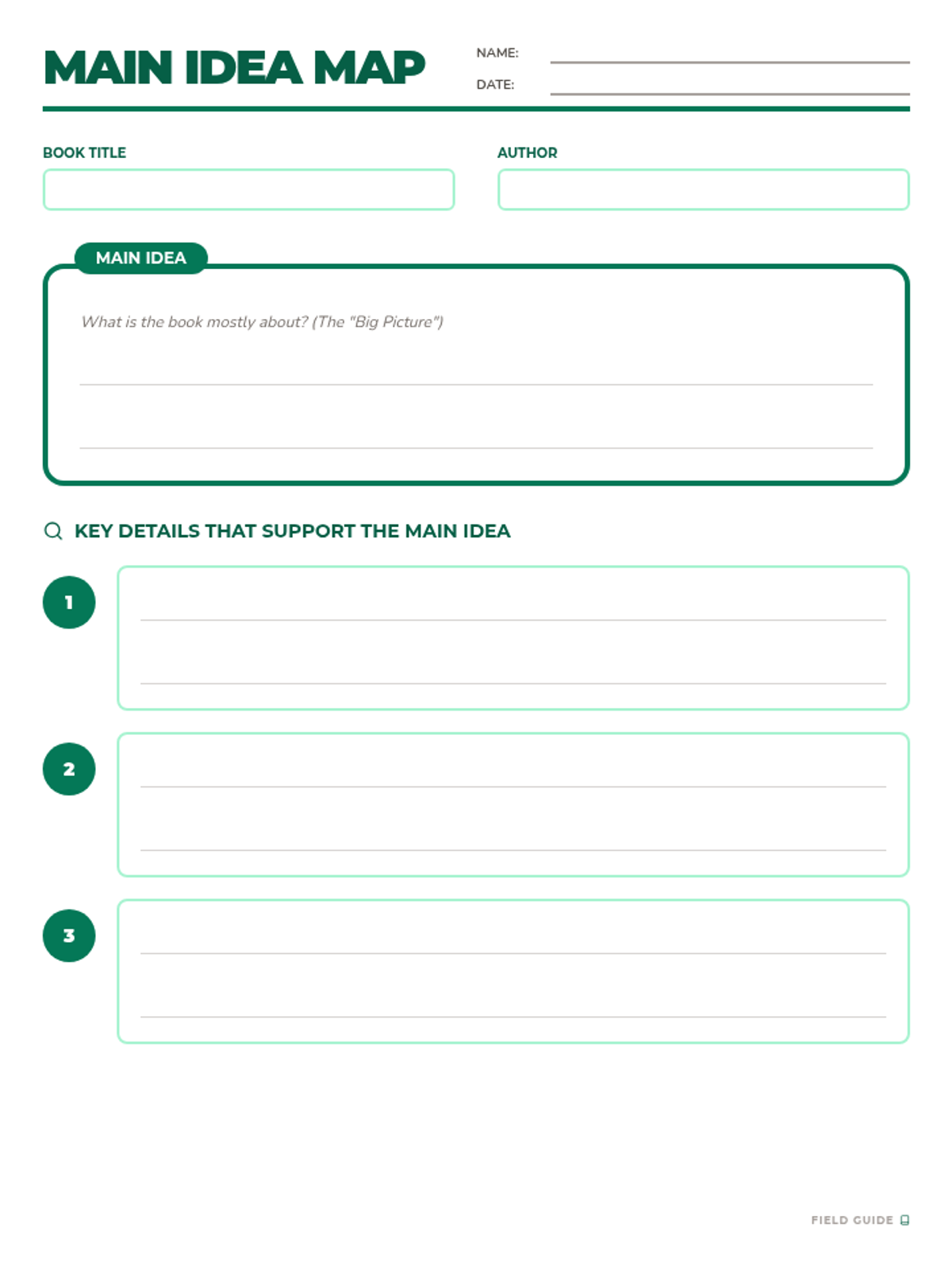
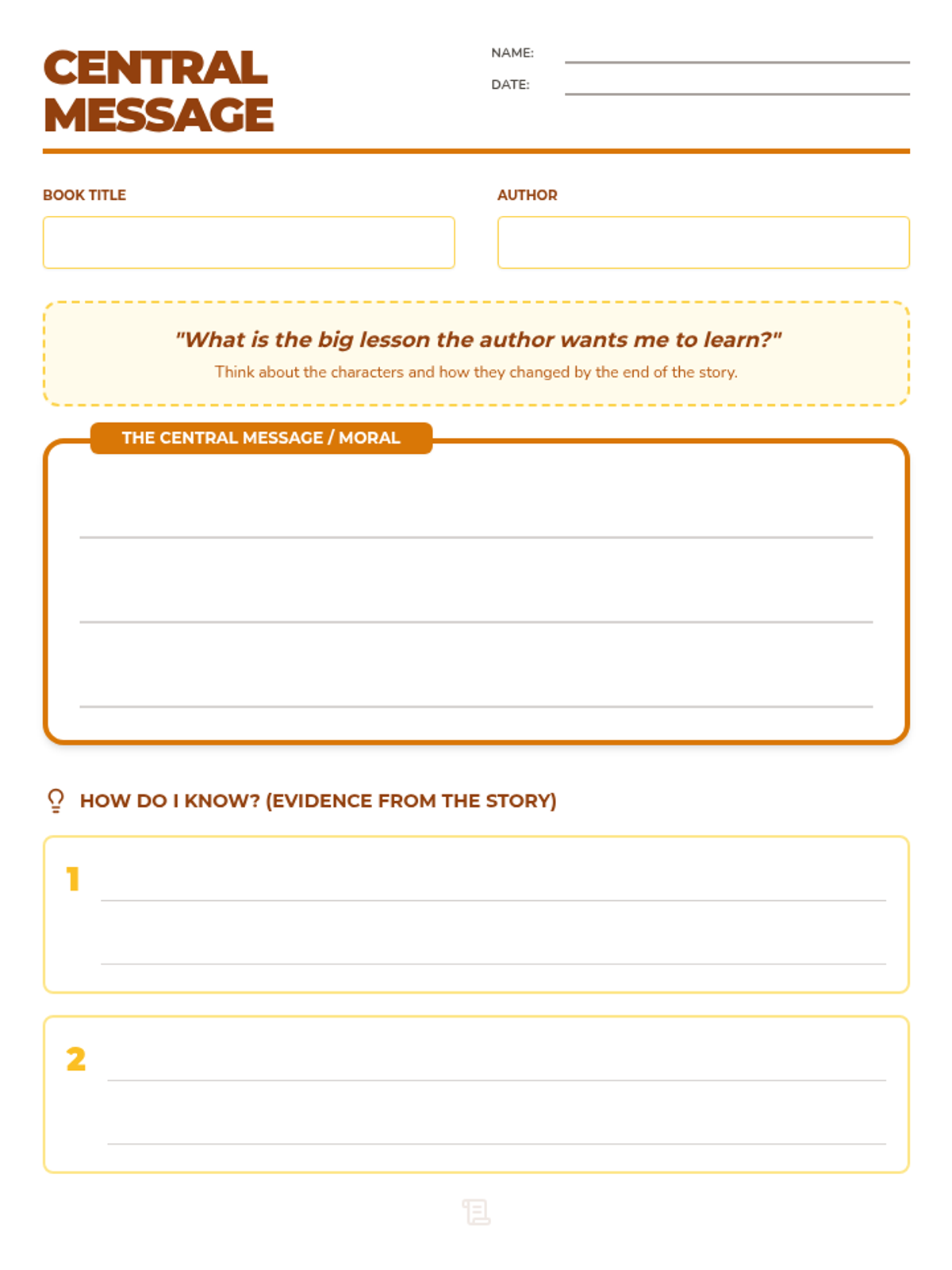
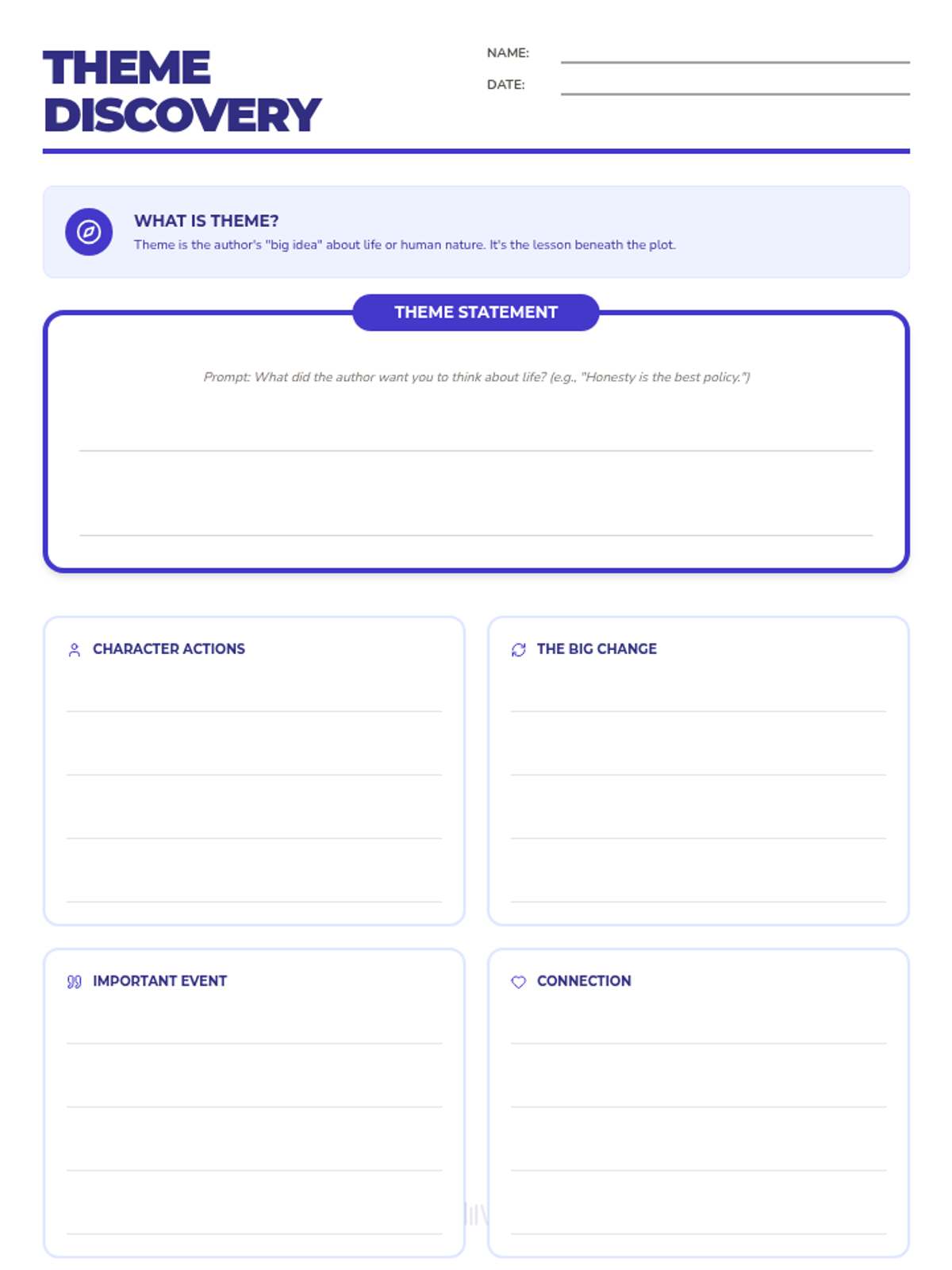
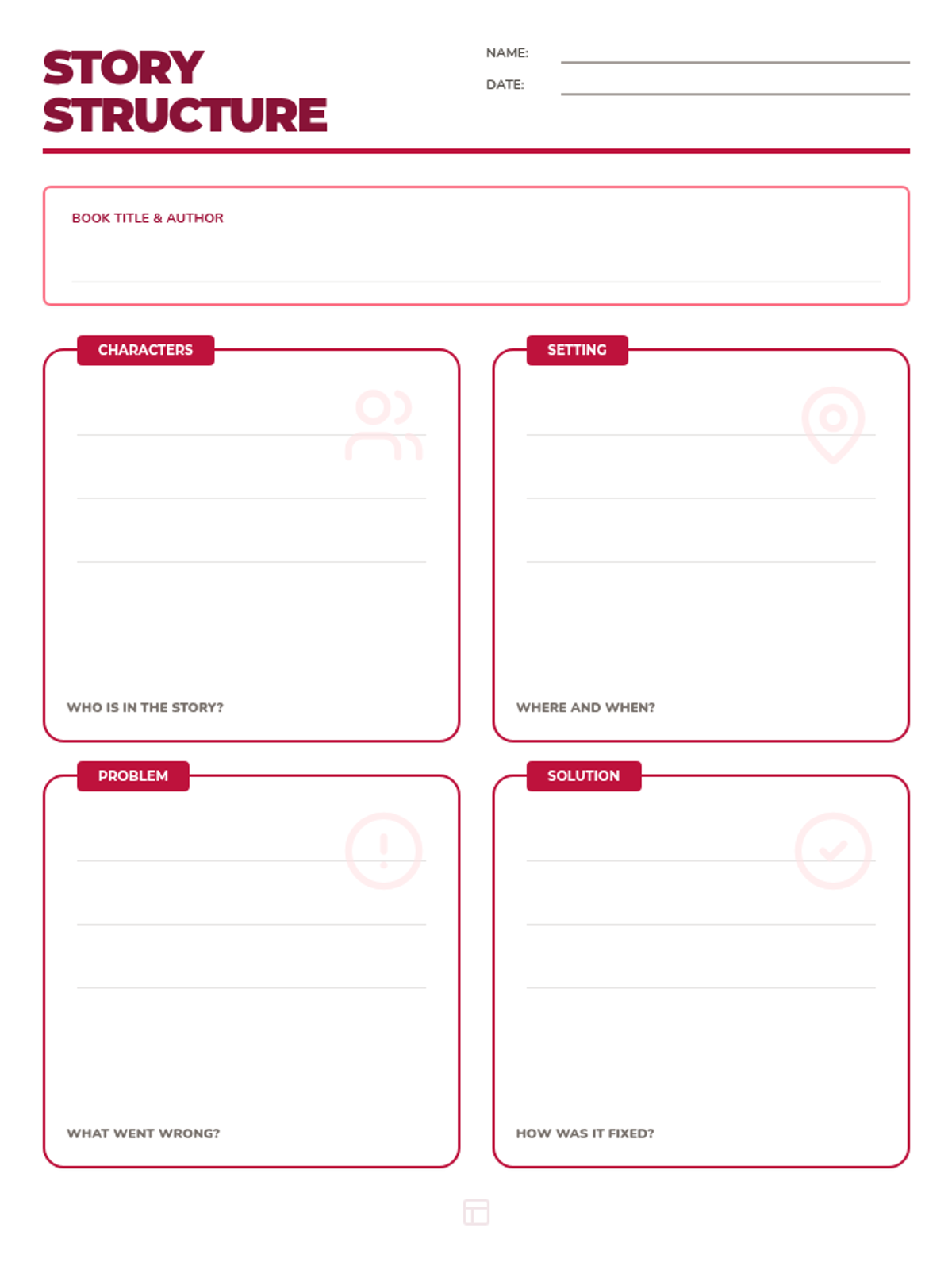
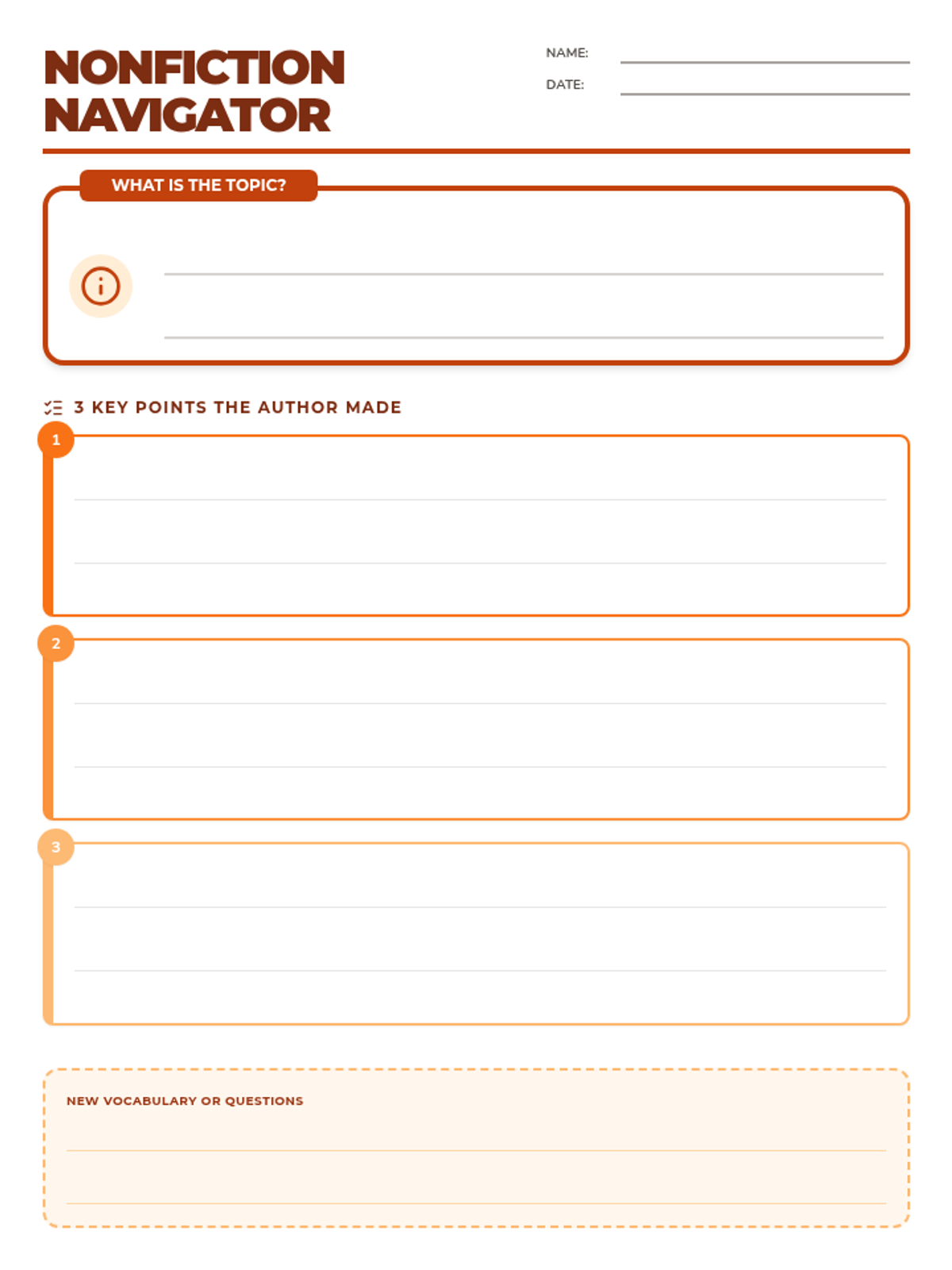
A collection of versatile graphic organizers designed to help students analyze fiction and nonfiction picture books. Each organizer focuses on a specific reading skill, providing a structured framework for student response.
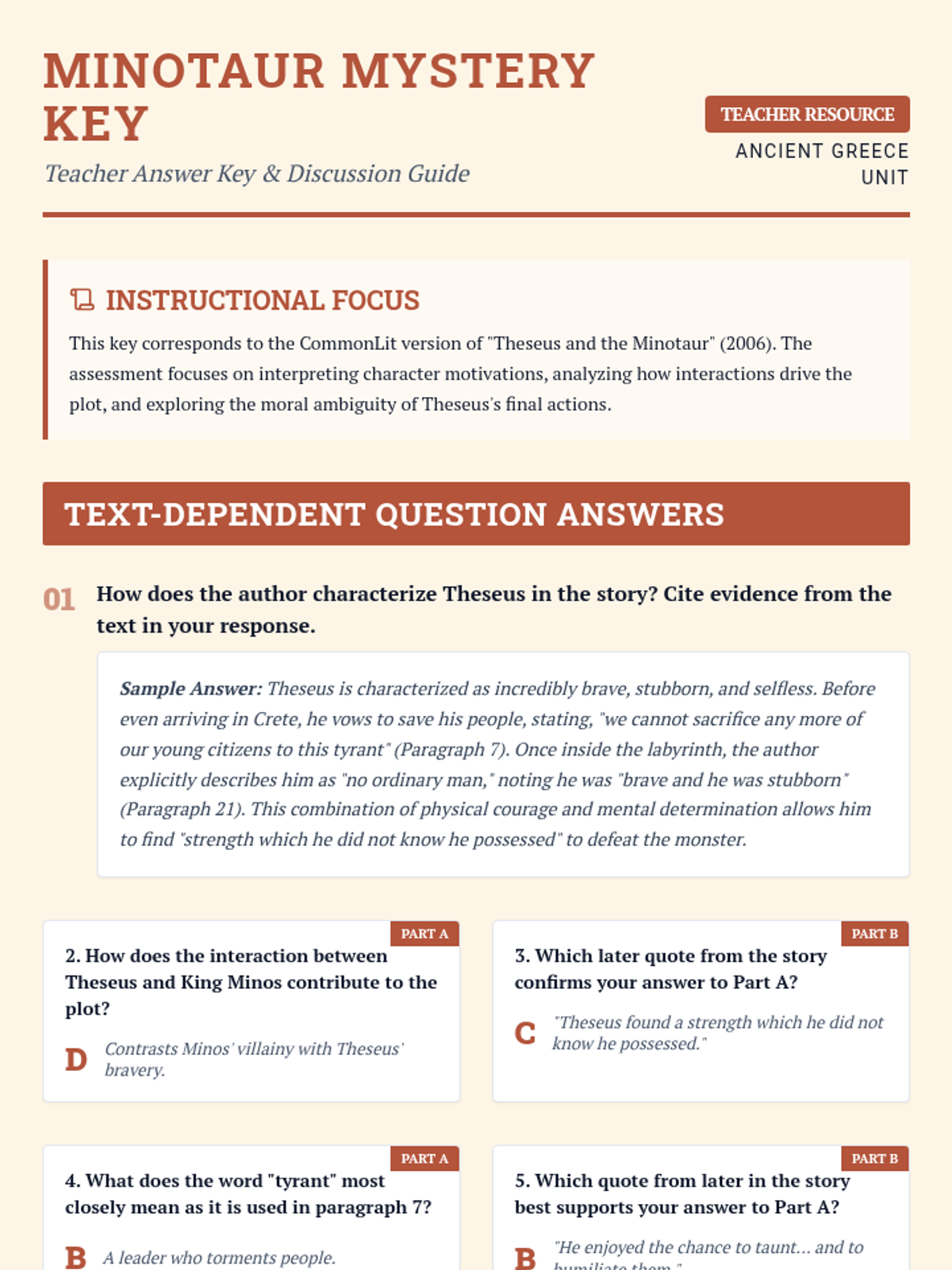
A deep dive into the classic Greek myth of Theseus and the Minotaur, focusing on characterization, plot structure, and the complex nature of heroism.
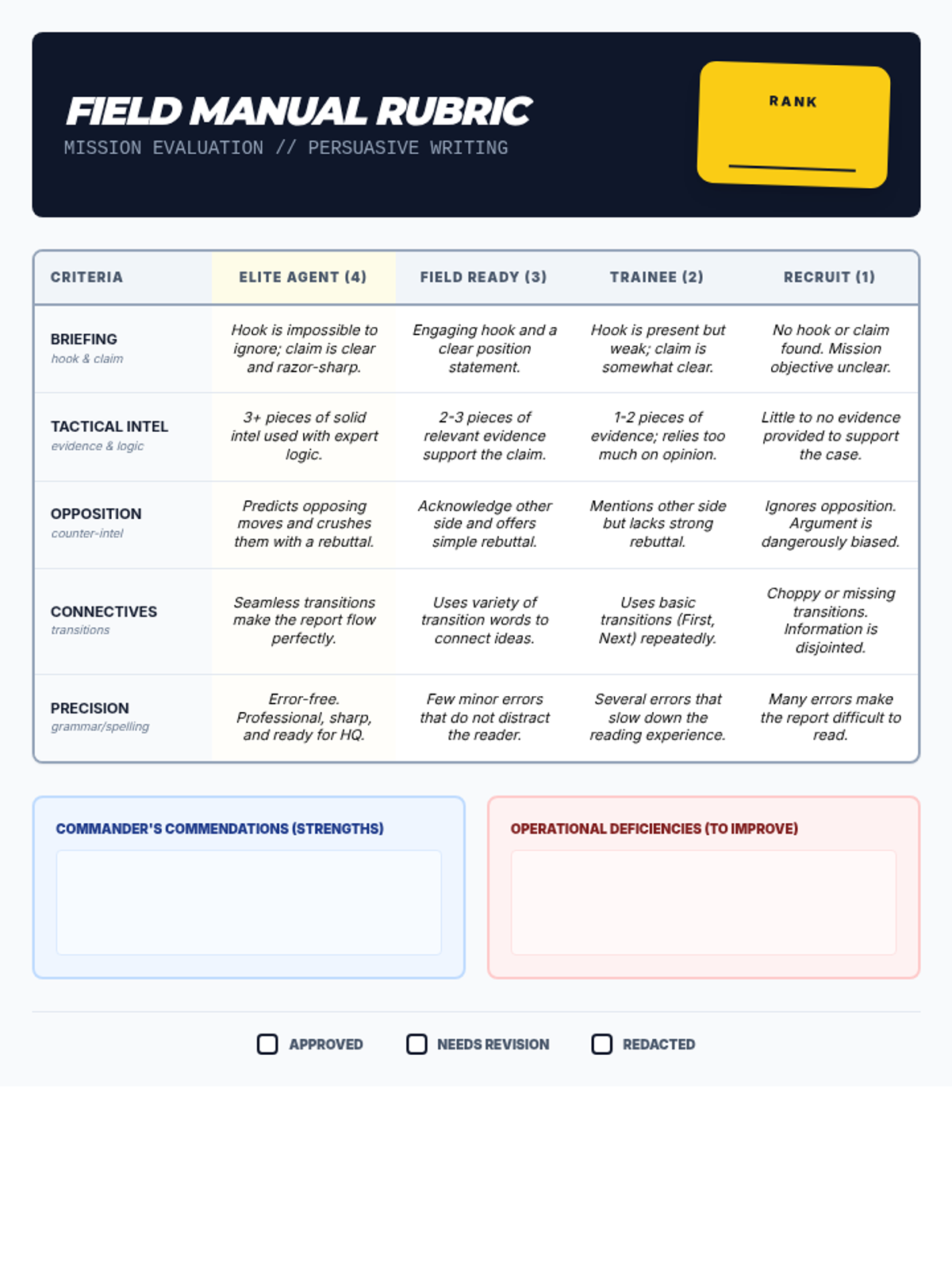
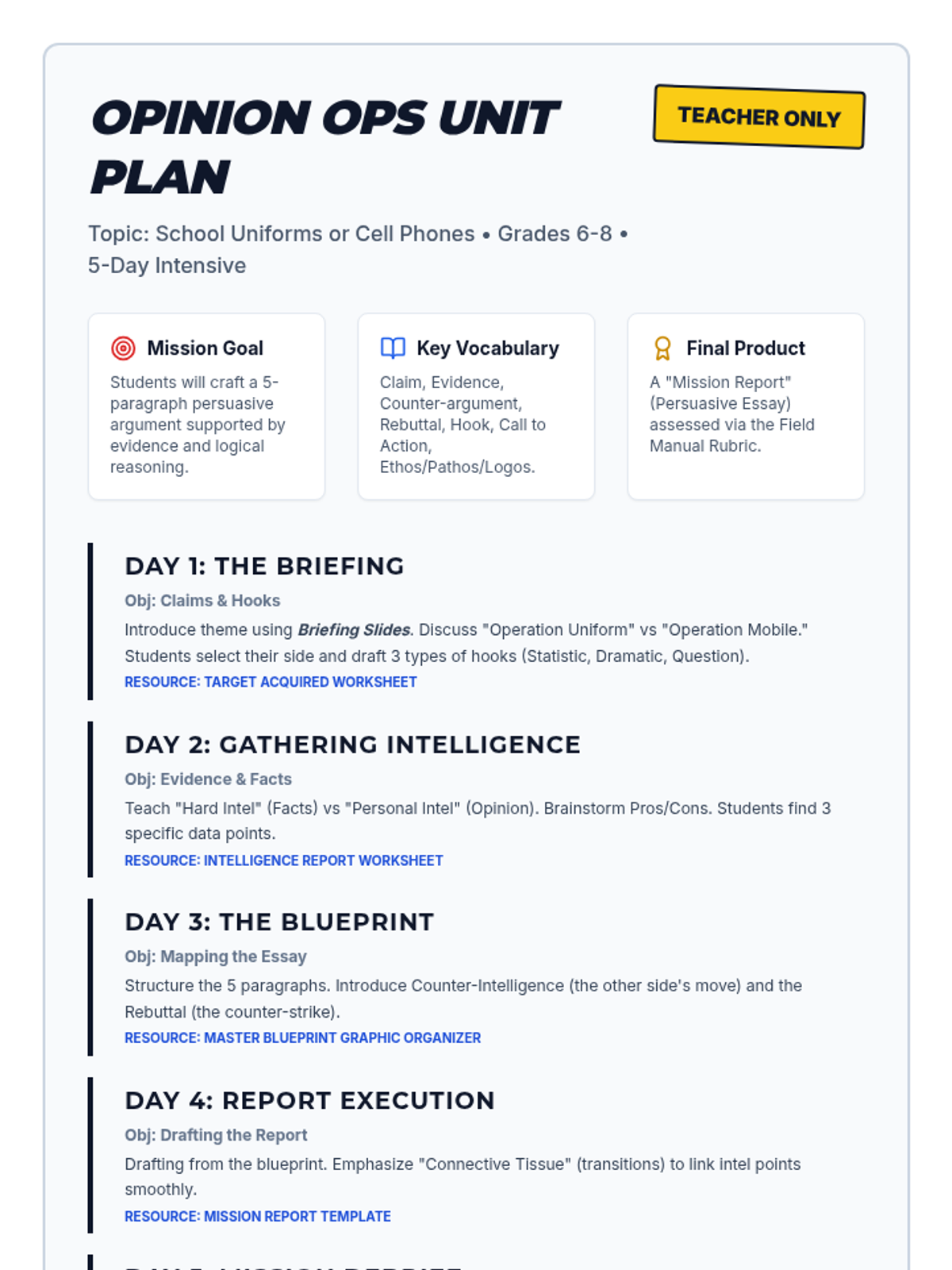
Refining the persuasive piece through peer review and assessment using the secret agent field manual rubric.
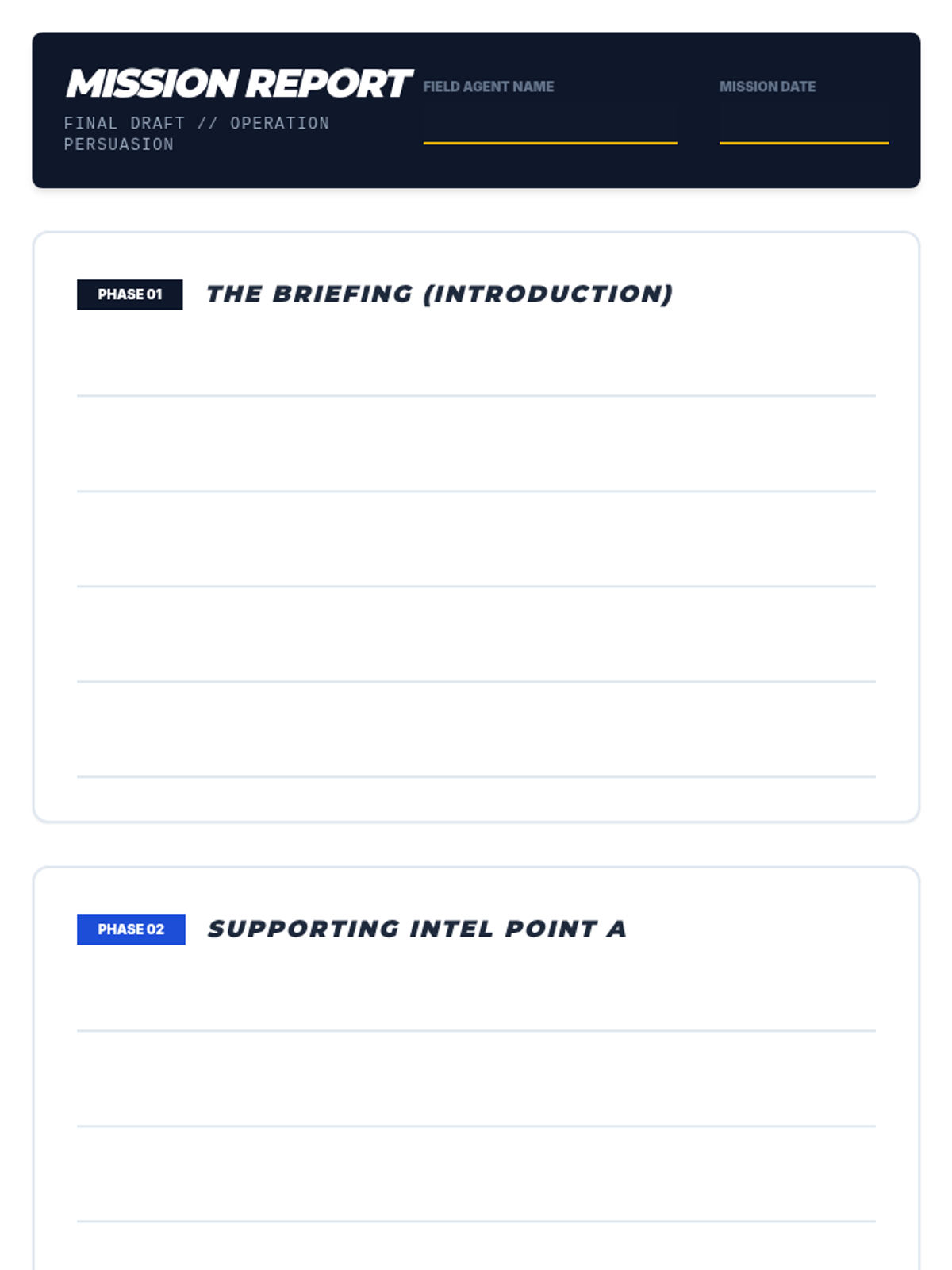
Drafting the final mission report (persuasive essay) using the evidence and structure gathered in previous sessions.
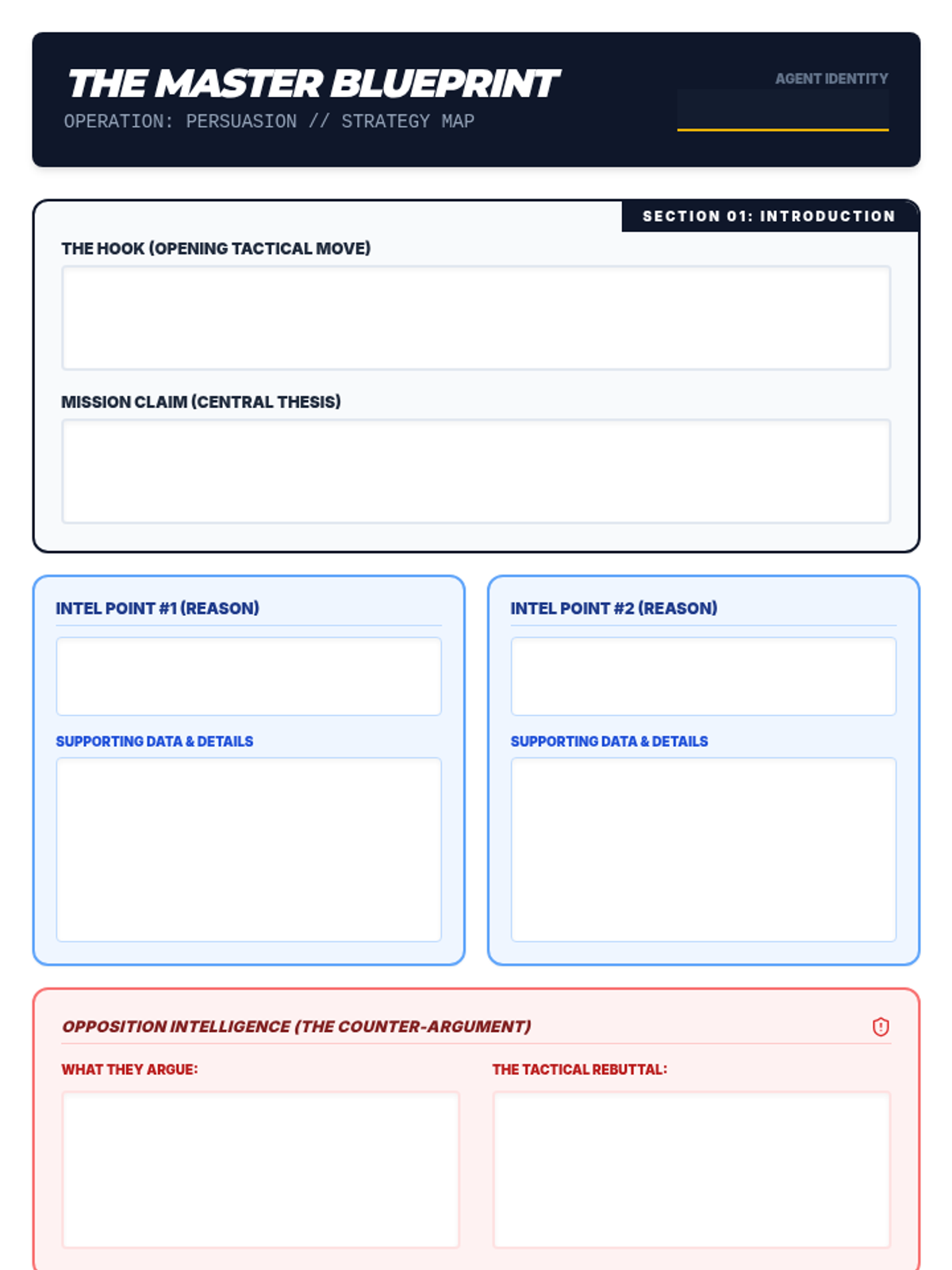
Students use a master blueprint graphic organizer to structure their persuasive arguments and address counter-intelligence (counter-arguments).
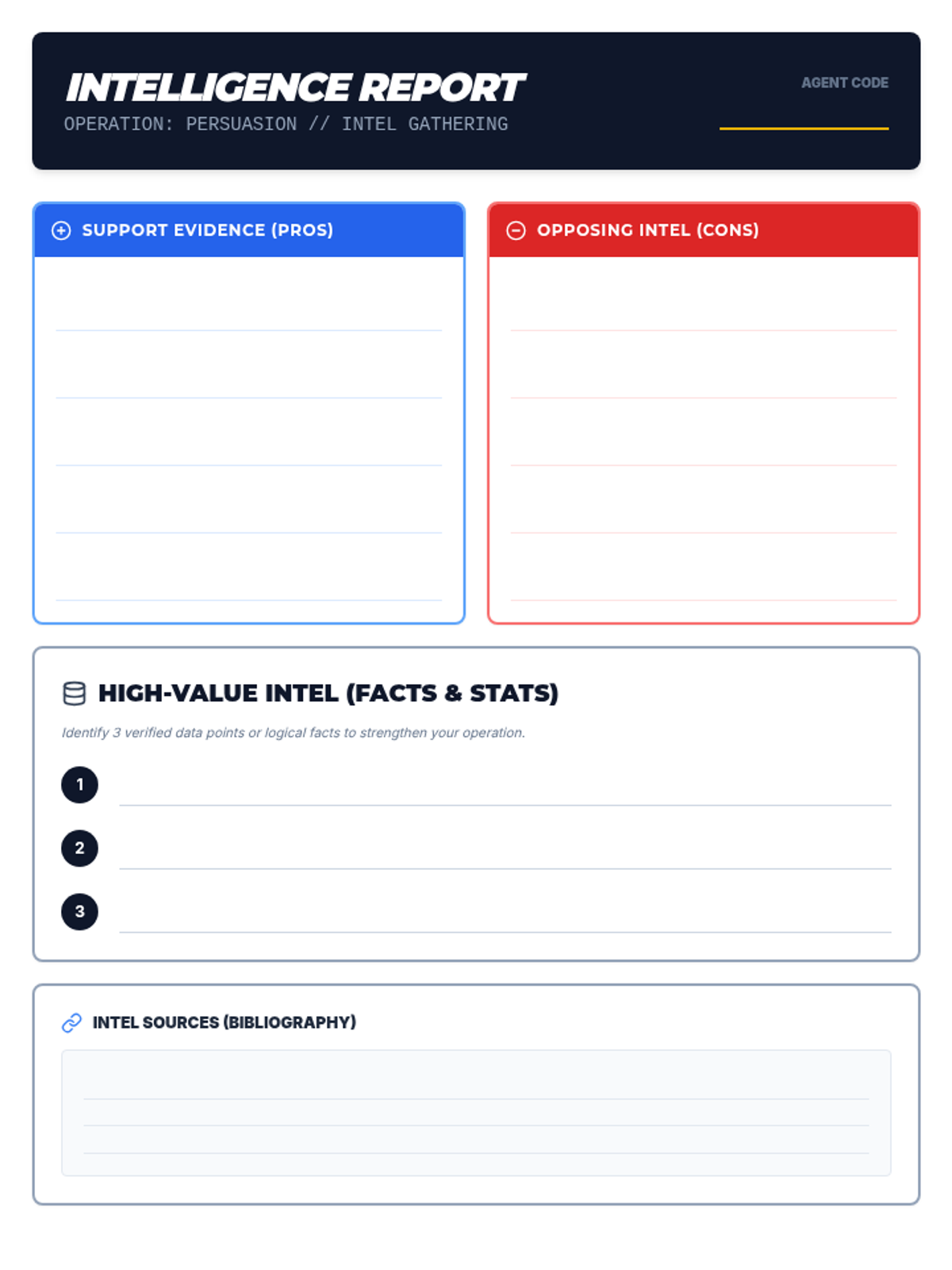
Students gather 'intelligence' by identifying facts and evidence to support their claims about school uniforms or cell phones.
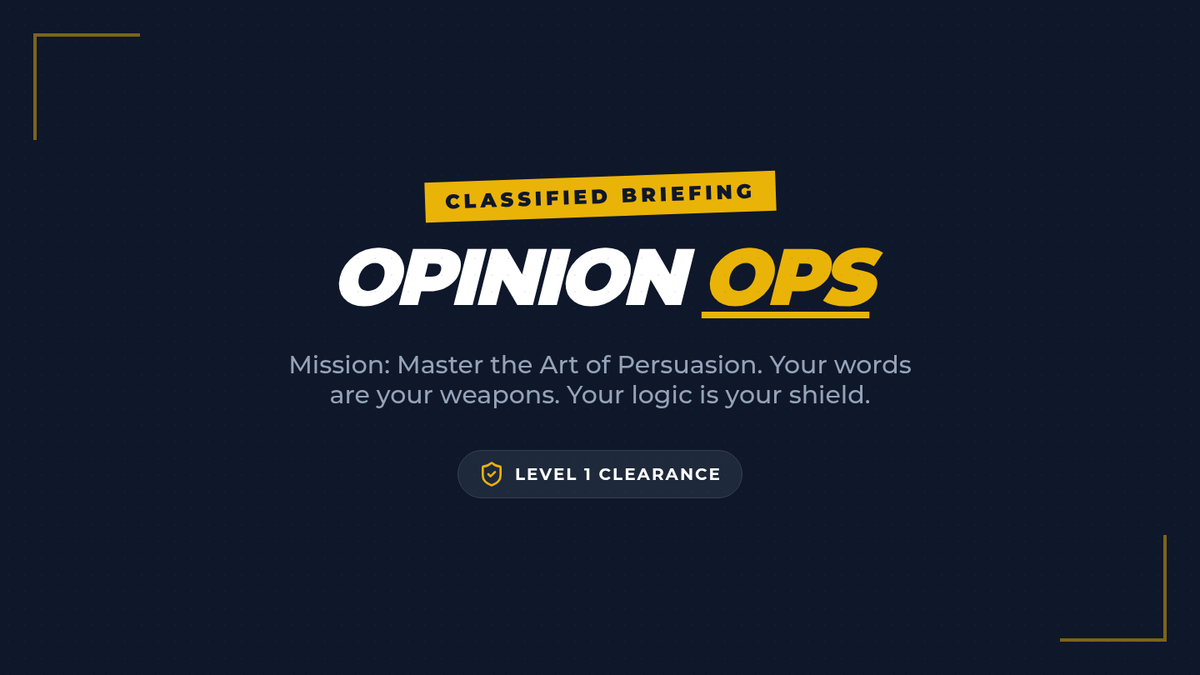
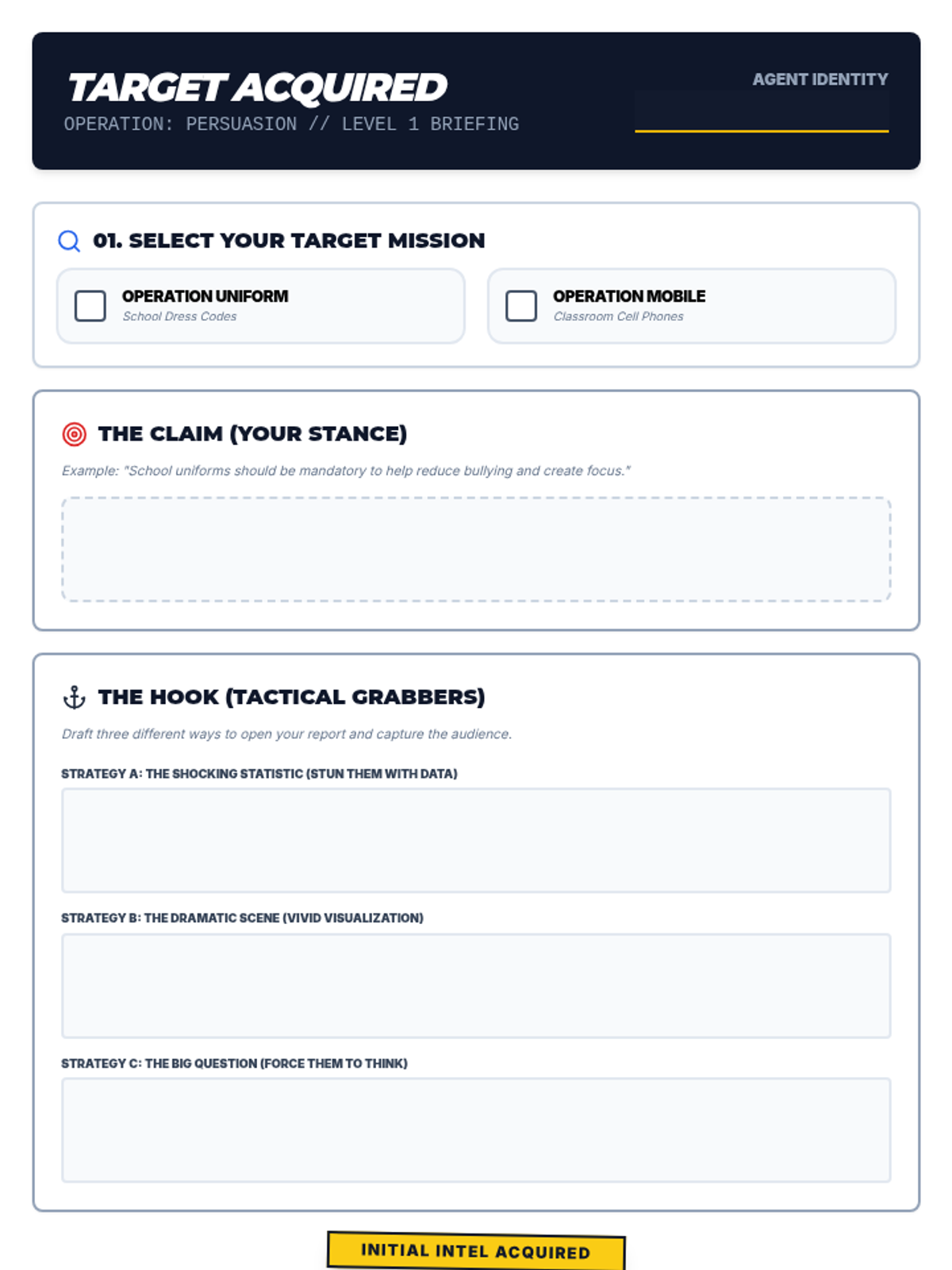
Introduction to persuasive writing techniques, identifying claims, and crafting hooks using the Opinion Ops secret agent theme.