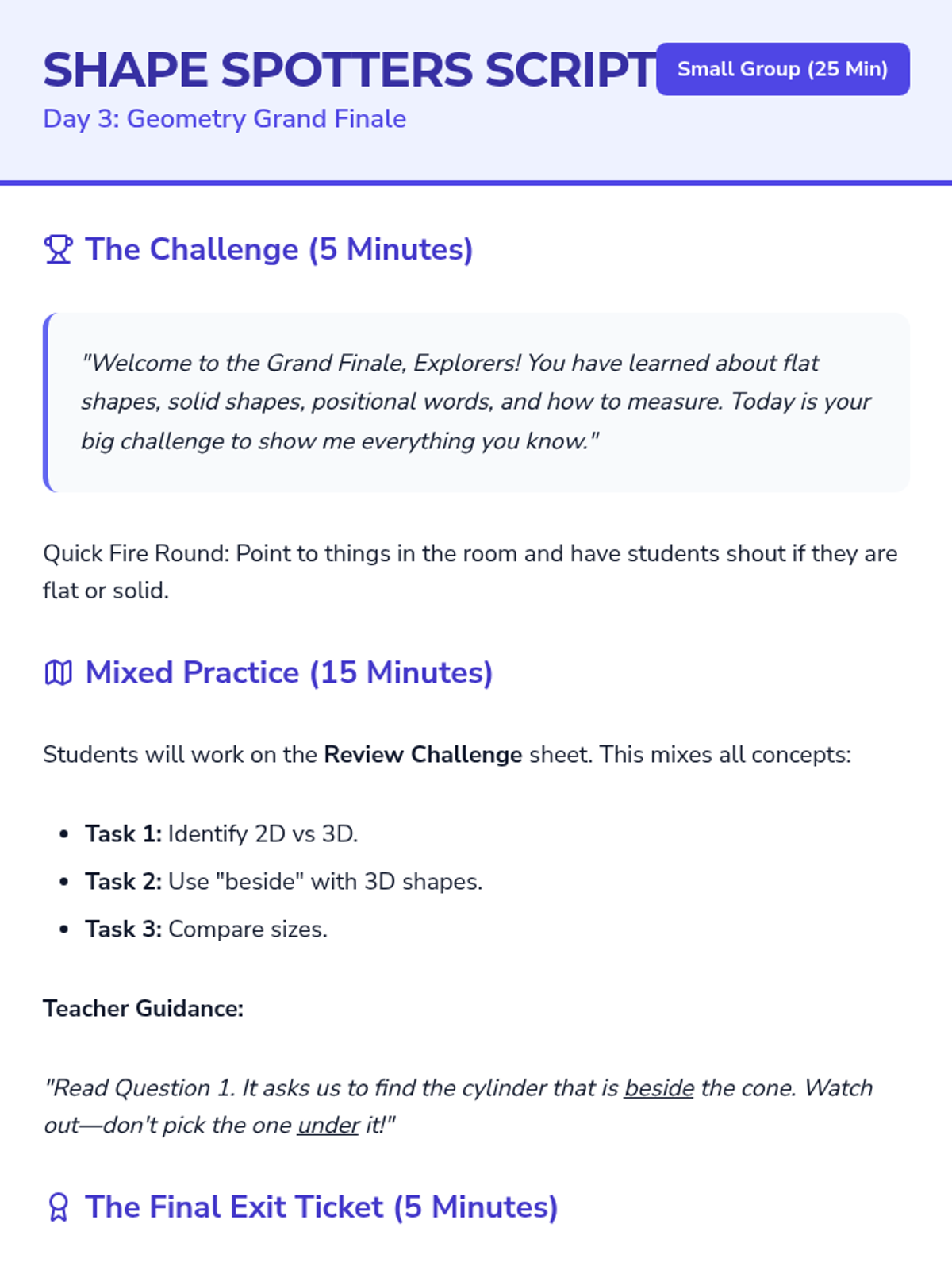
The class examines shapes of various sizes and rotations to learn that these are non-defining attributes. They discover that a triangle is still a triangle even if it is tiny or upside down.
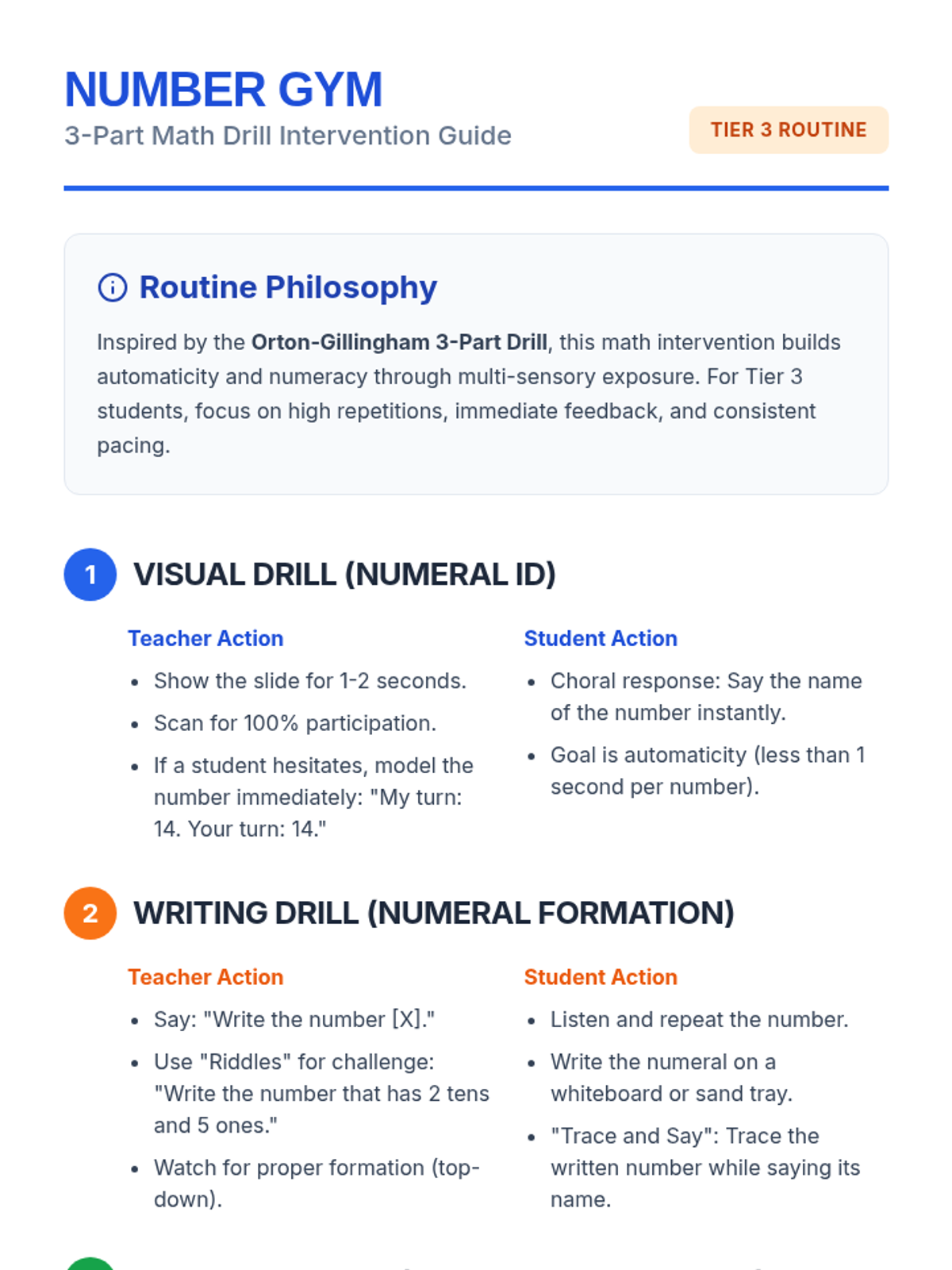
Lesson Day 21 of the Number Gym routine. Bonus round for numbers up to 40.
Lesson Day 20 of the Number Gym routine. Culminating review for numbers 0-40, identifying patterns across all taught decades.
Lesson Day 19 of the Number Gym routine. High-intensity review of number identification and writing across all four decades (0-40).
Lesson Day 18 of the Number Gym routine. Focused review of decade transitions and sequence pattern recognition for numbers up to 40.
Lesson Day 17 of the Number Gym routine. Building automaticity with numbers 0-40 through rapid-fire visual drills and sequence completion.
Lesson Day 16 of the Number Gym routine. Consolidating numbers 0-40 with a mix of visual cues and auditory writing prompts.
Lesson Day 15 of the Number Gym routine. Reaching the boundary of 40 with targeted identification and writing practice.
Lesson Day 14 of the Number Gym routine. Reinforcing numbers 0-40 with a focus on digit position and counting accuracy.
Lesson Day 13 of the Number Gym routine. Continued practice with numbers up to 40, focusing on teen/30 confusion and sequential counting.
Lesson Day 12 of the Number Gym routine. Expanding the range to numbers up to 40. Focus on identifying and writing numbers in the 30s.
Lesson Day 11 of the Number Gym routine. Bonus review day.
Lesson Day 10 of the Number Gym routine. Final practice of the 10-day circuit.
Lesson Day 9 of the Number Gym routine. Focus on visual automaticity.
Lesson Day 8 of the Number Gym routine. Intensive sequence drill practice.
Lesson Day 7 of the Number Gym routine. Practice across decades (0-30).
Lesson Day 6 of the Number Gym routine. Starting the second week with teen number focus.
Lesson Day 5 of the Number Gym routine. Reviewing the first week of numbers and sequences.
Lesson Day 4 of the Number Gym routine. Continued practice of 3-part drill with unique number combinations.
Lesson Day 3 of the Number Gym routine. Focuses on teen numbers and rounding out the first week's practice.
Lesson Day 2 of the Number Gym routine. Continued practice of the 3-part drill with new numbers.
Lesson Day 1 of the Number Gym routine. Introduces the 3-part drill.
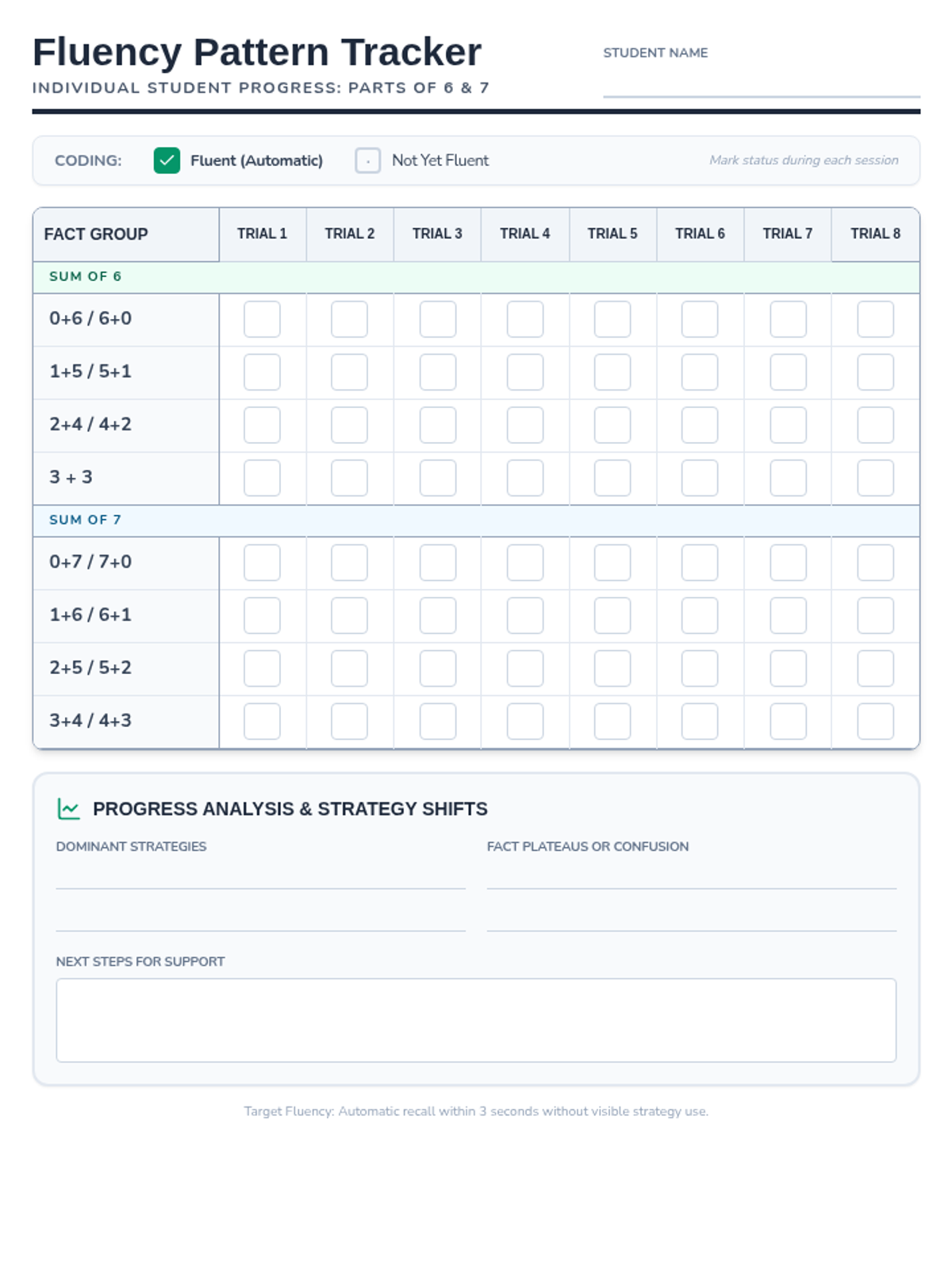
A collection of tools for tracking student progress in mastering number decompositions for 6 and 7.
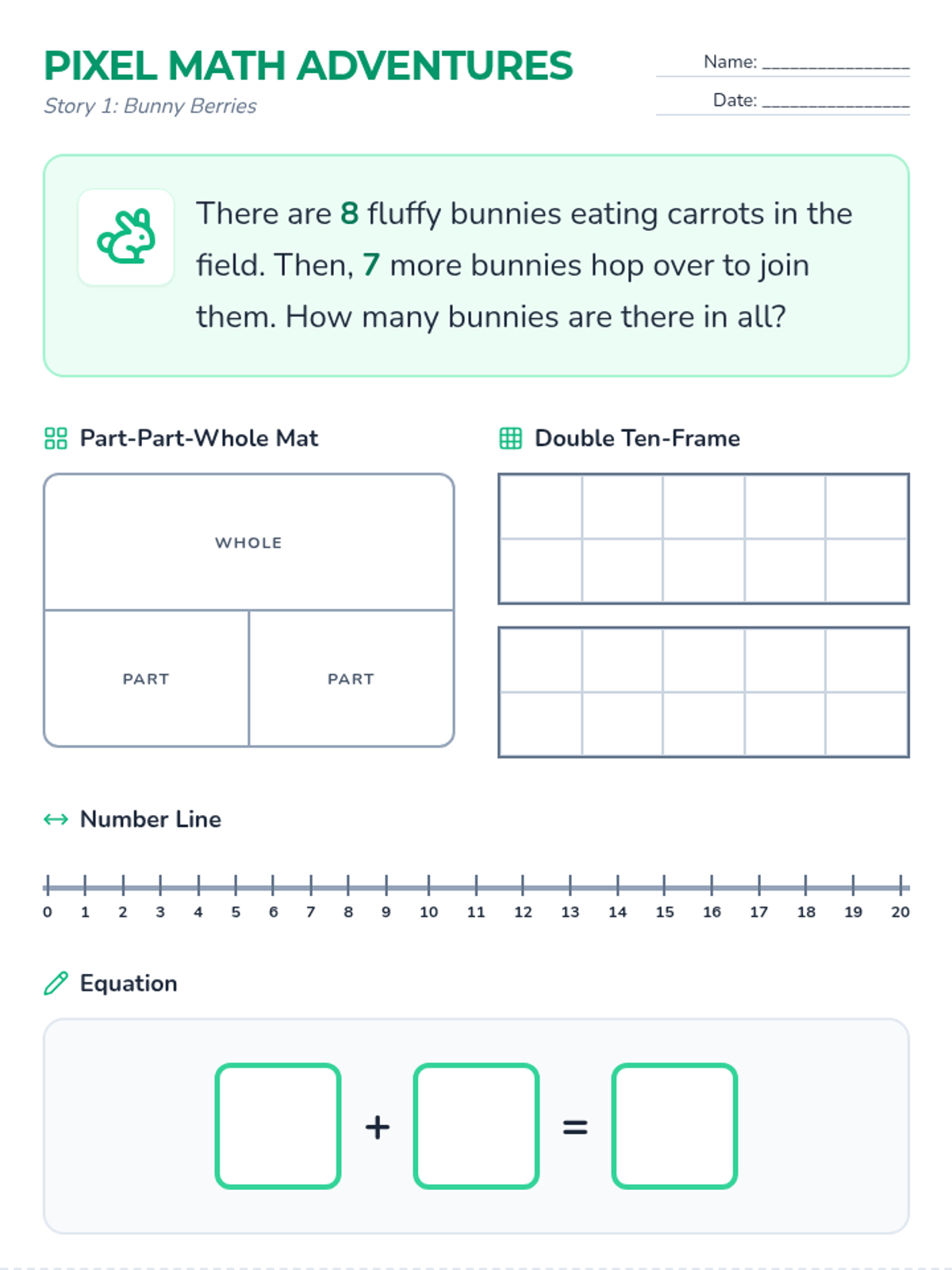
A series of interactive math story problems focused on addition and subtraction within 20, featuring themes of animals, snacks, and gaming.
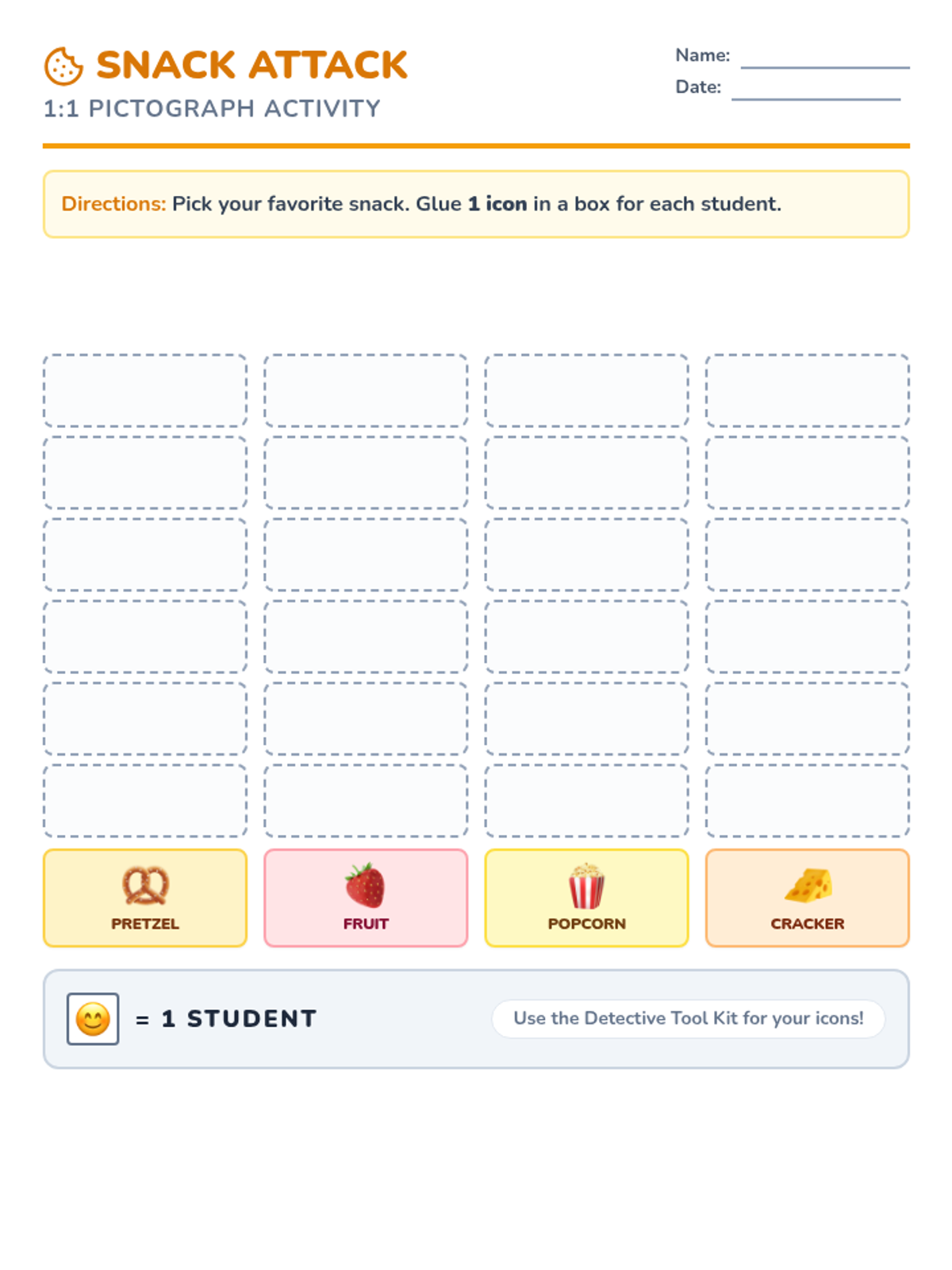
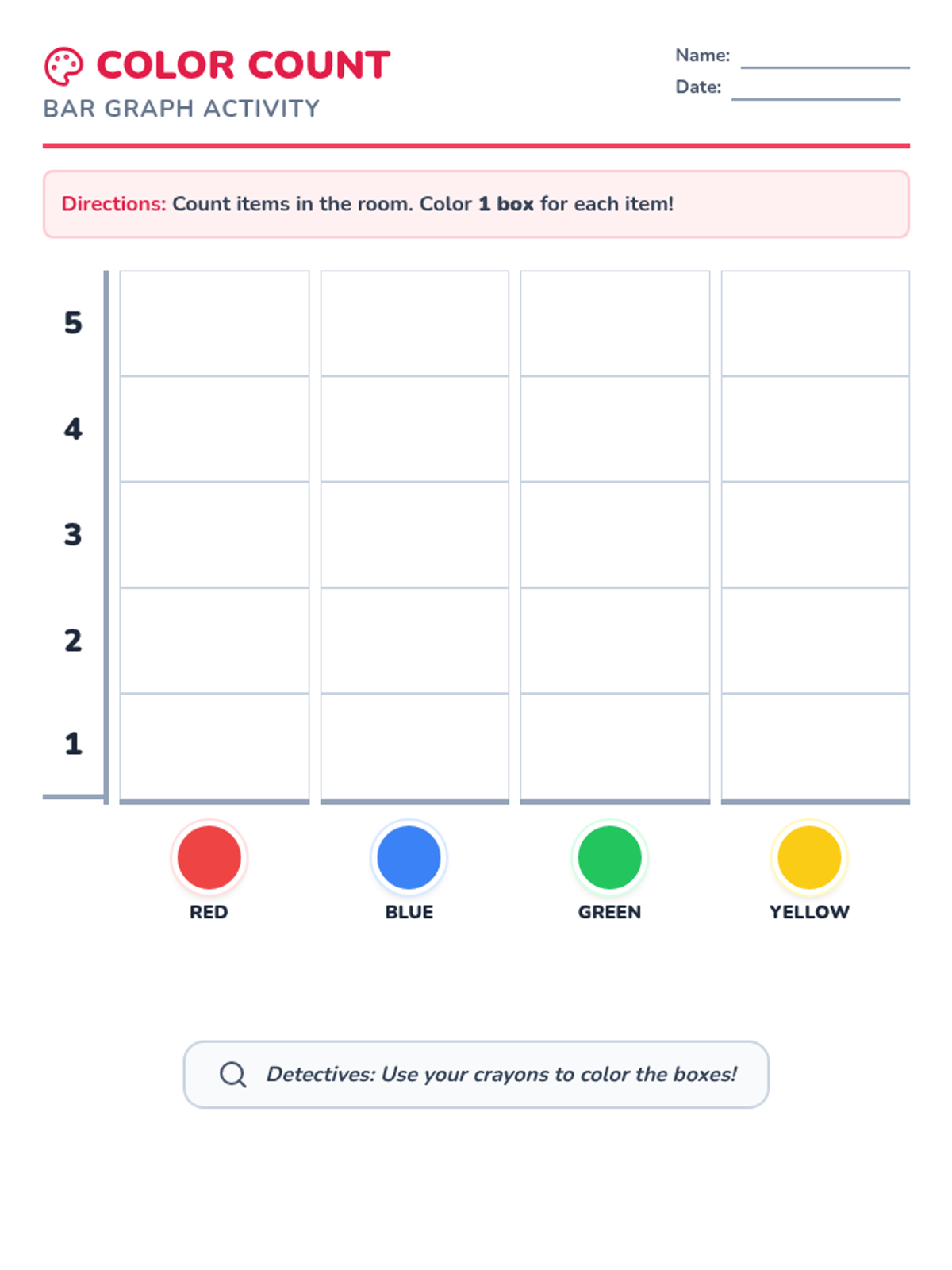
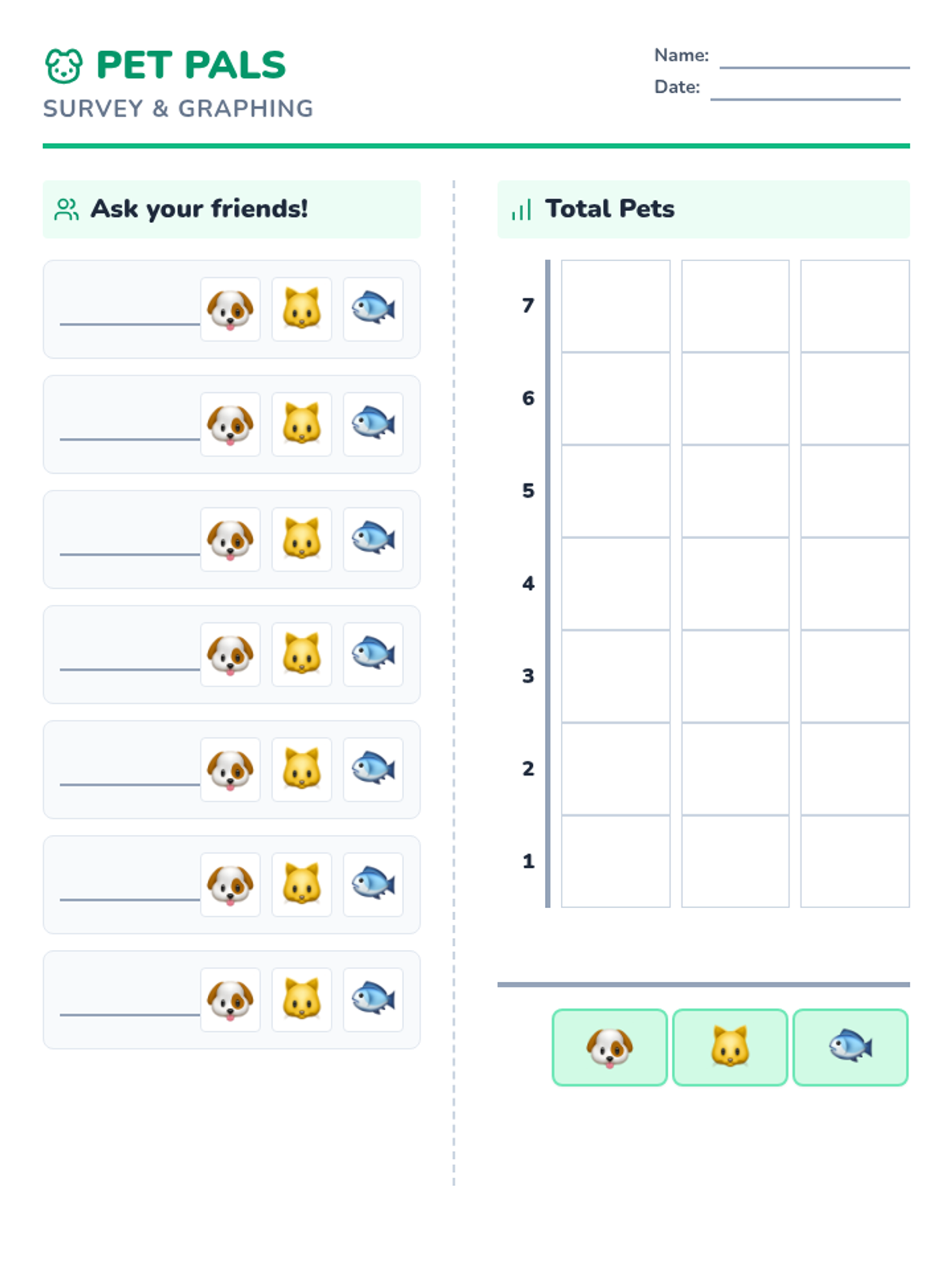
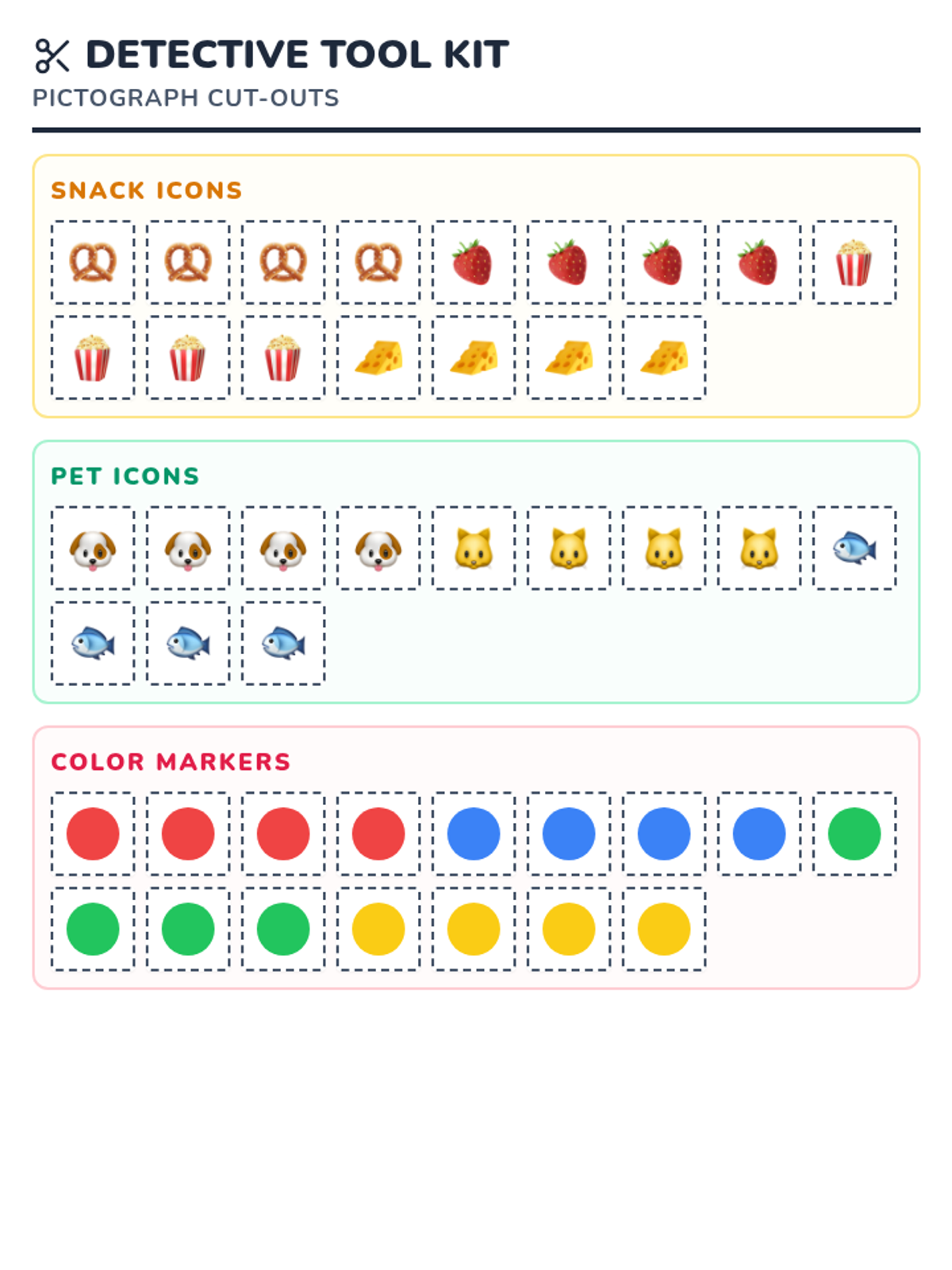
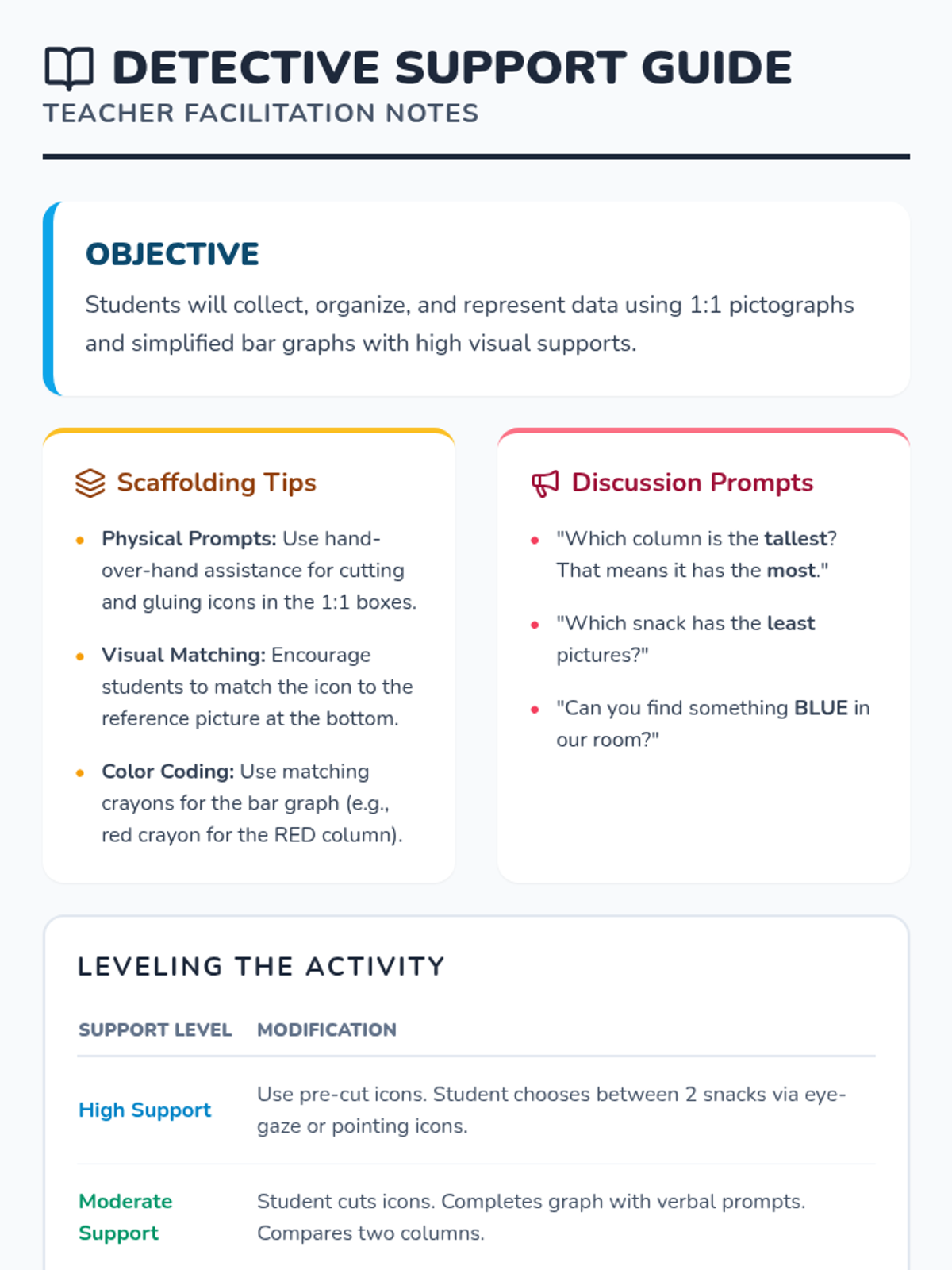
A hands-on graphing lesson designed for Essential Skills students, focusing on 1:1 pictographs and bar graphs using snack, color, and pet data with heavy visual supports.
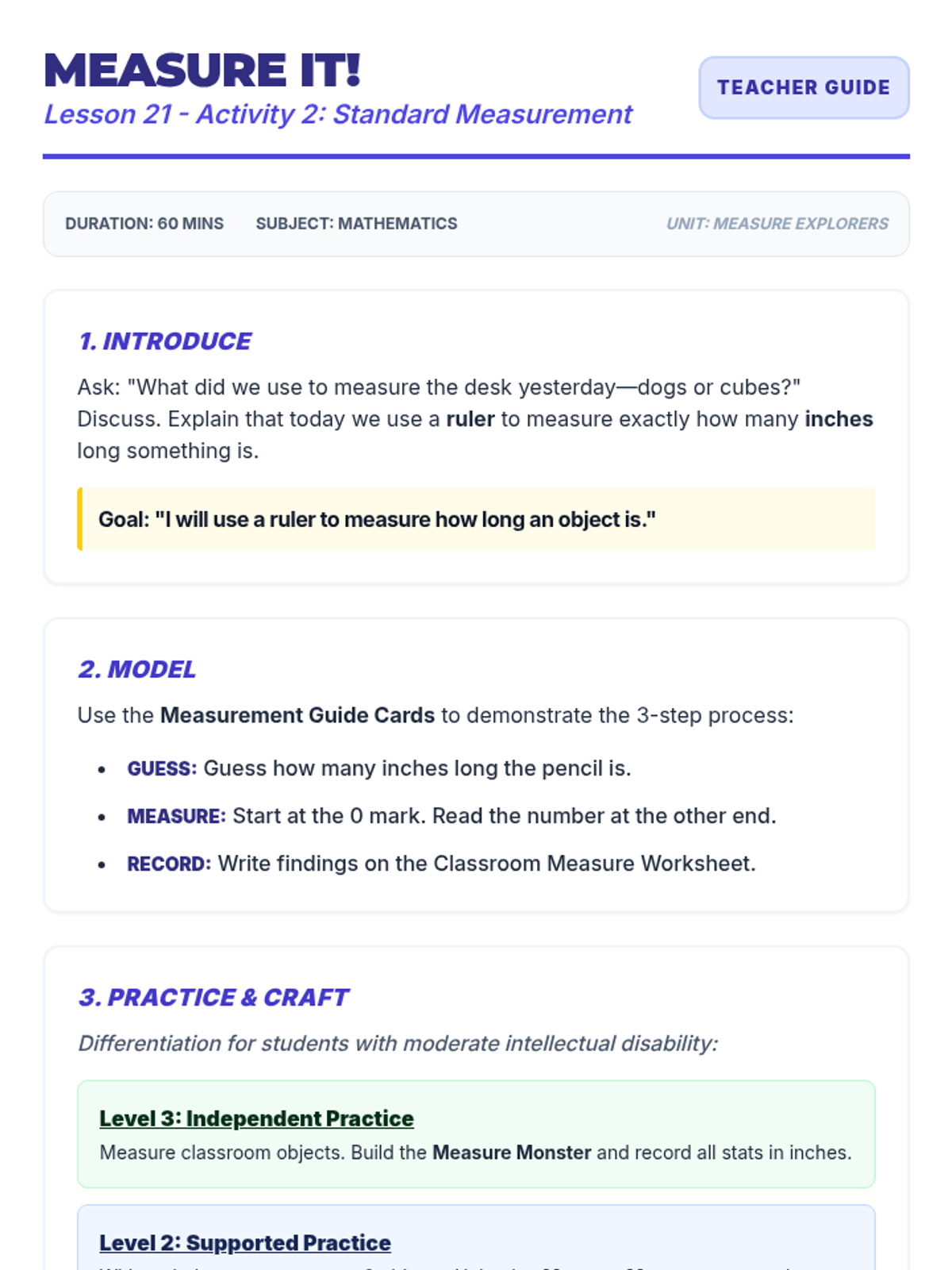
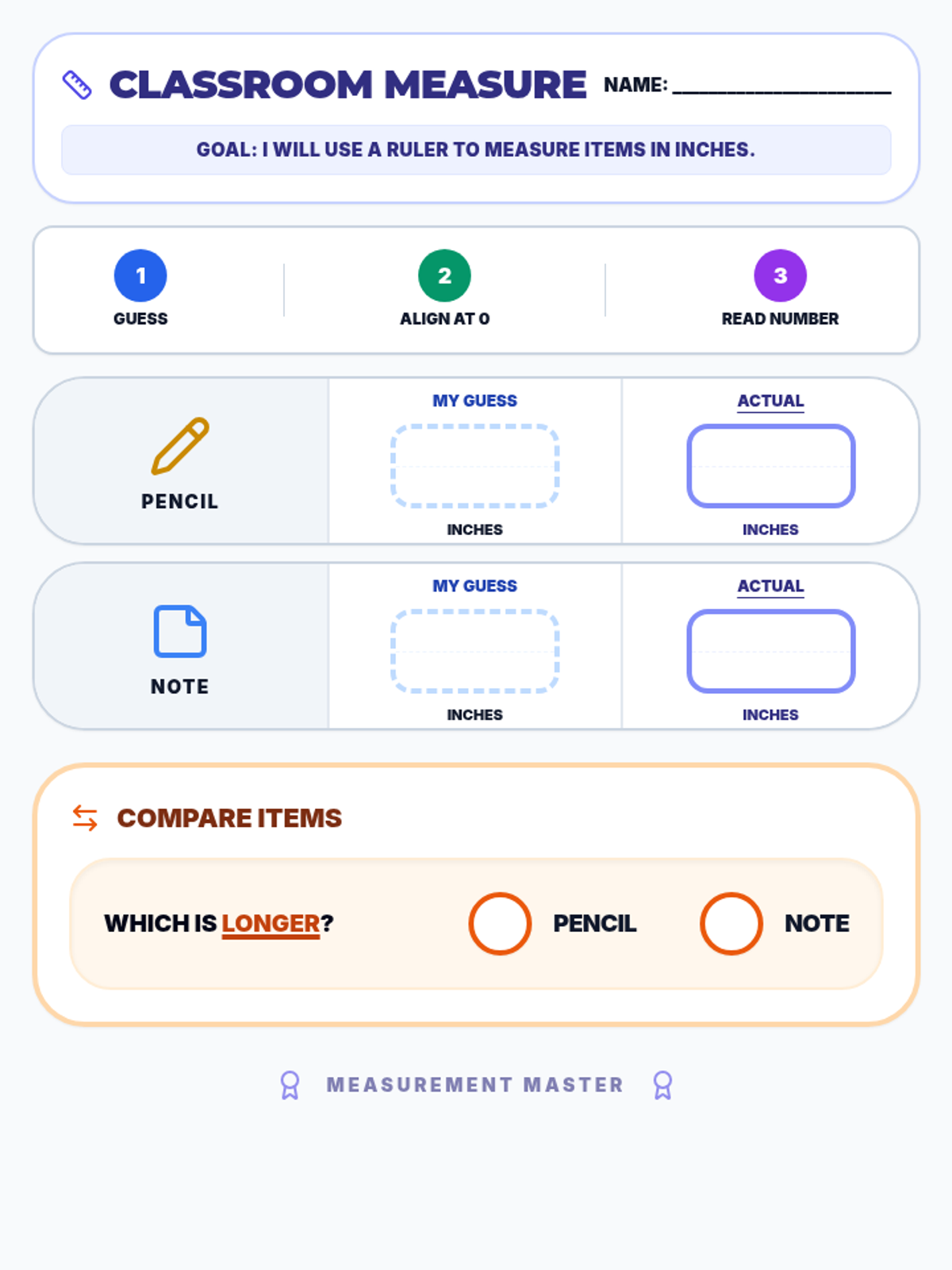
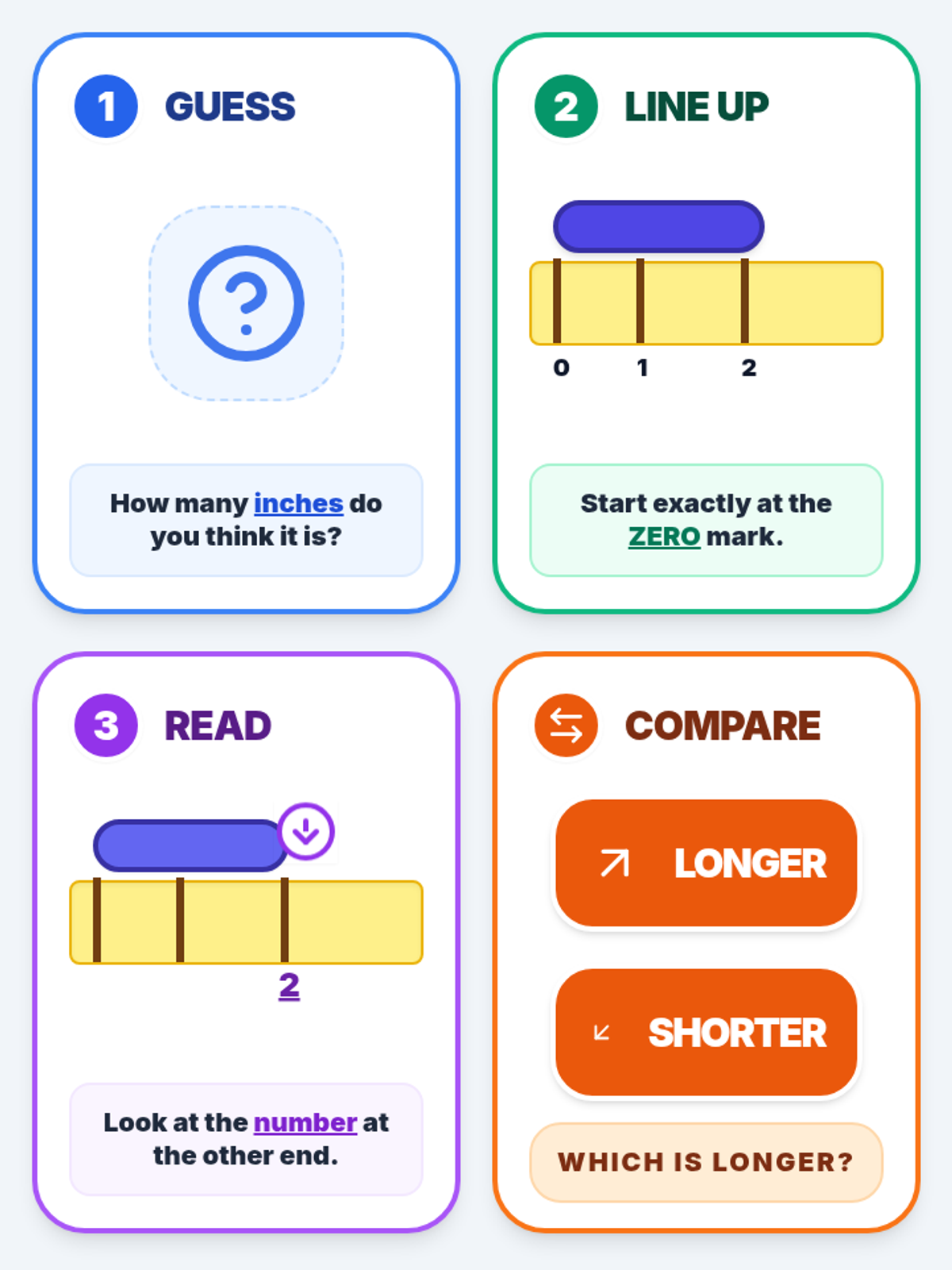
Introducing standard measurement using inches and rulers, focusing on estimating, measuring, and comparing classroom objects with tiered supports.
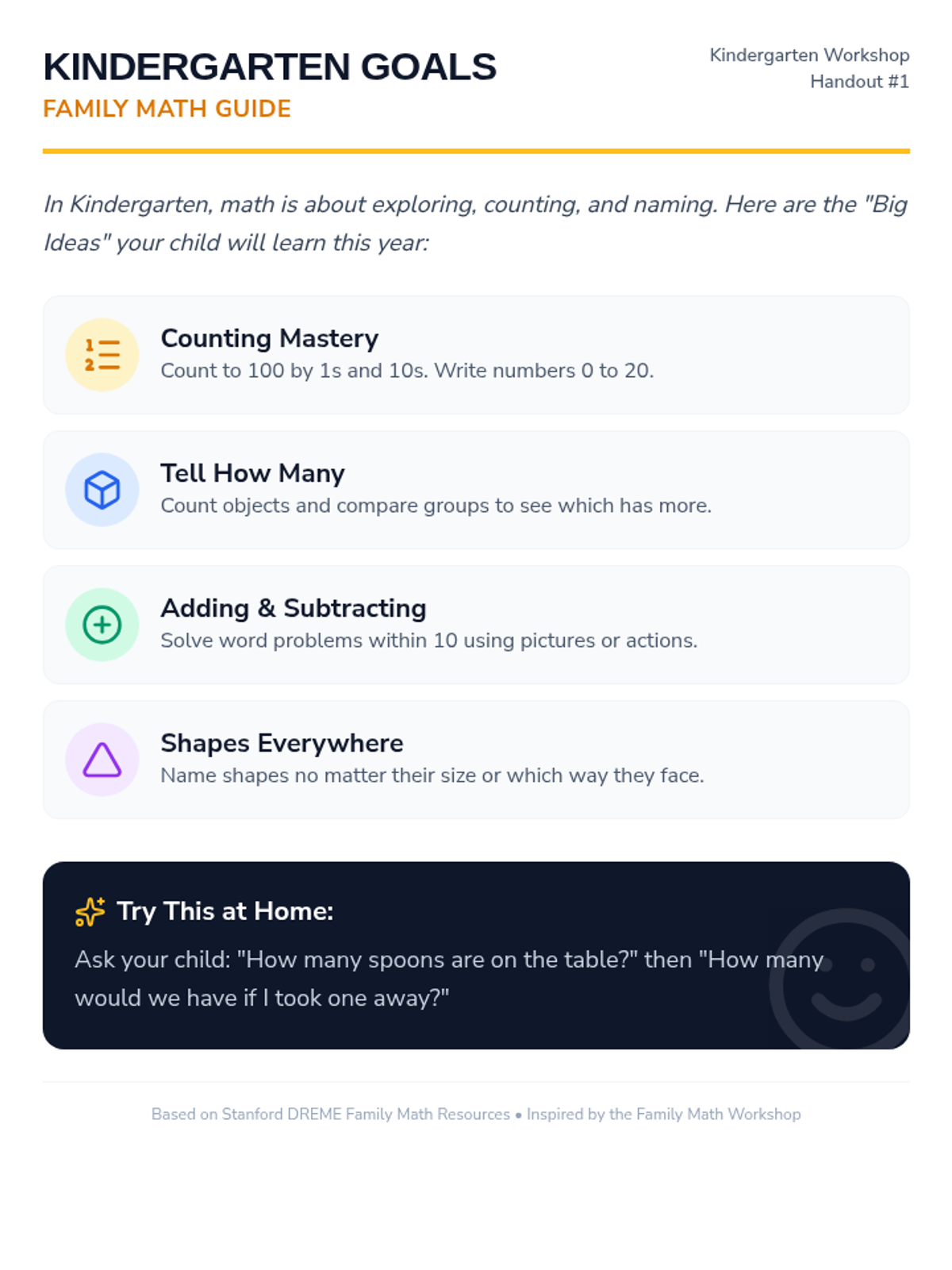
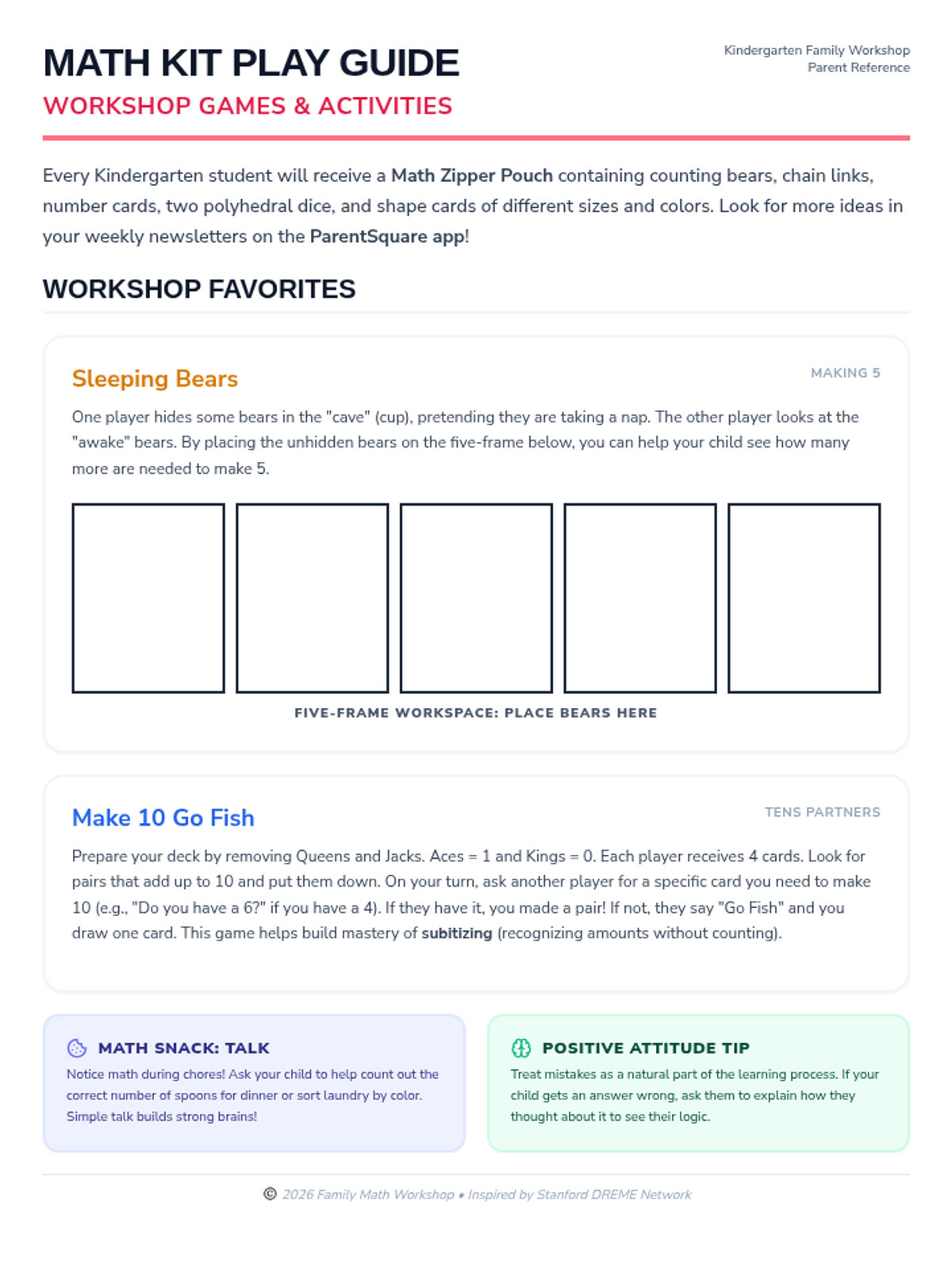
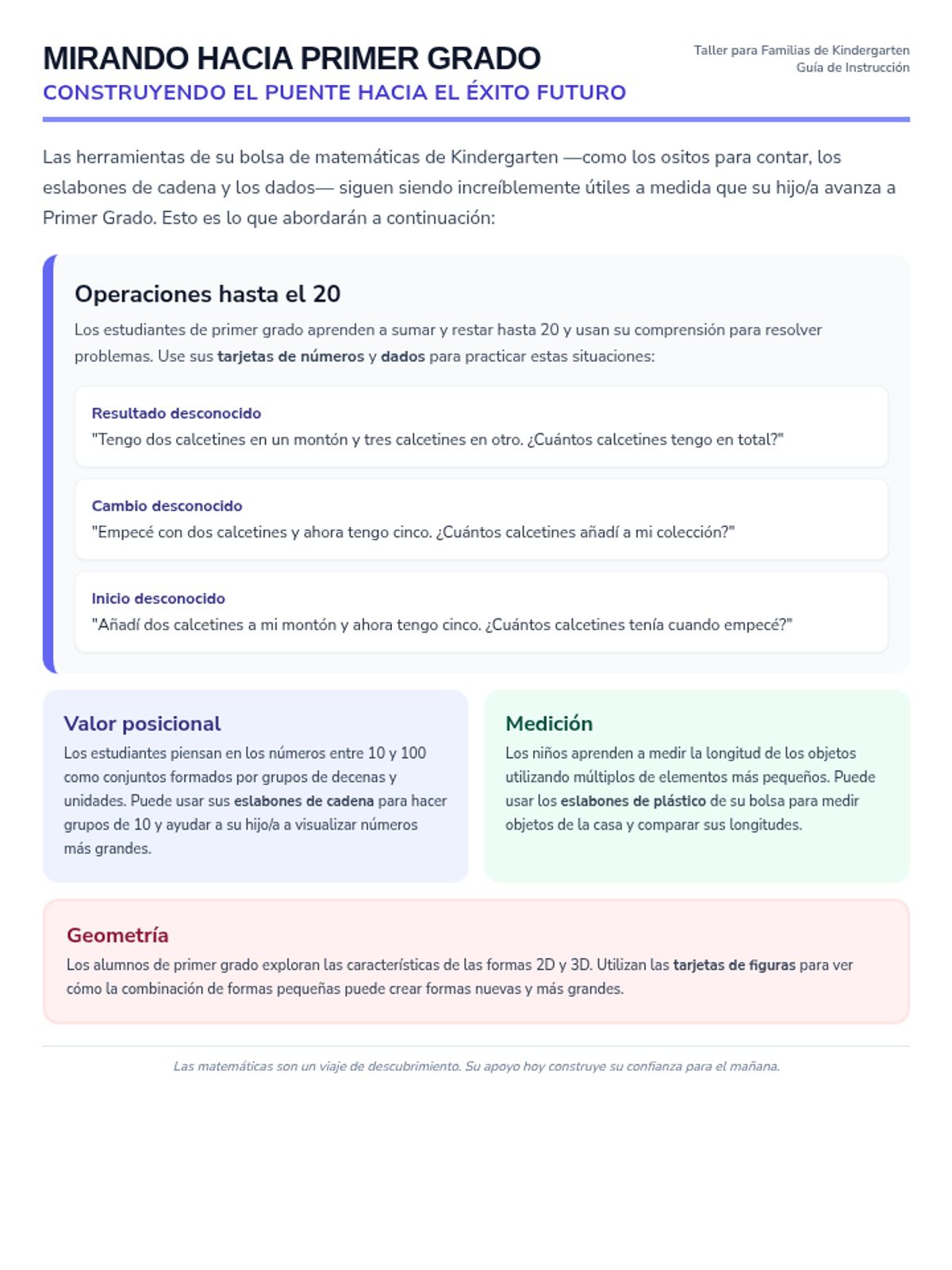
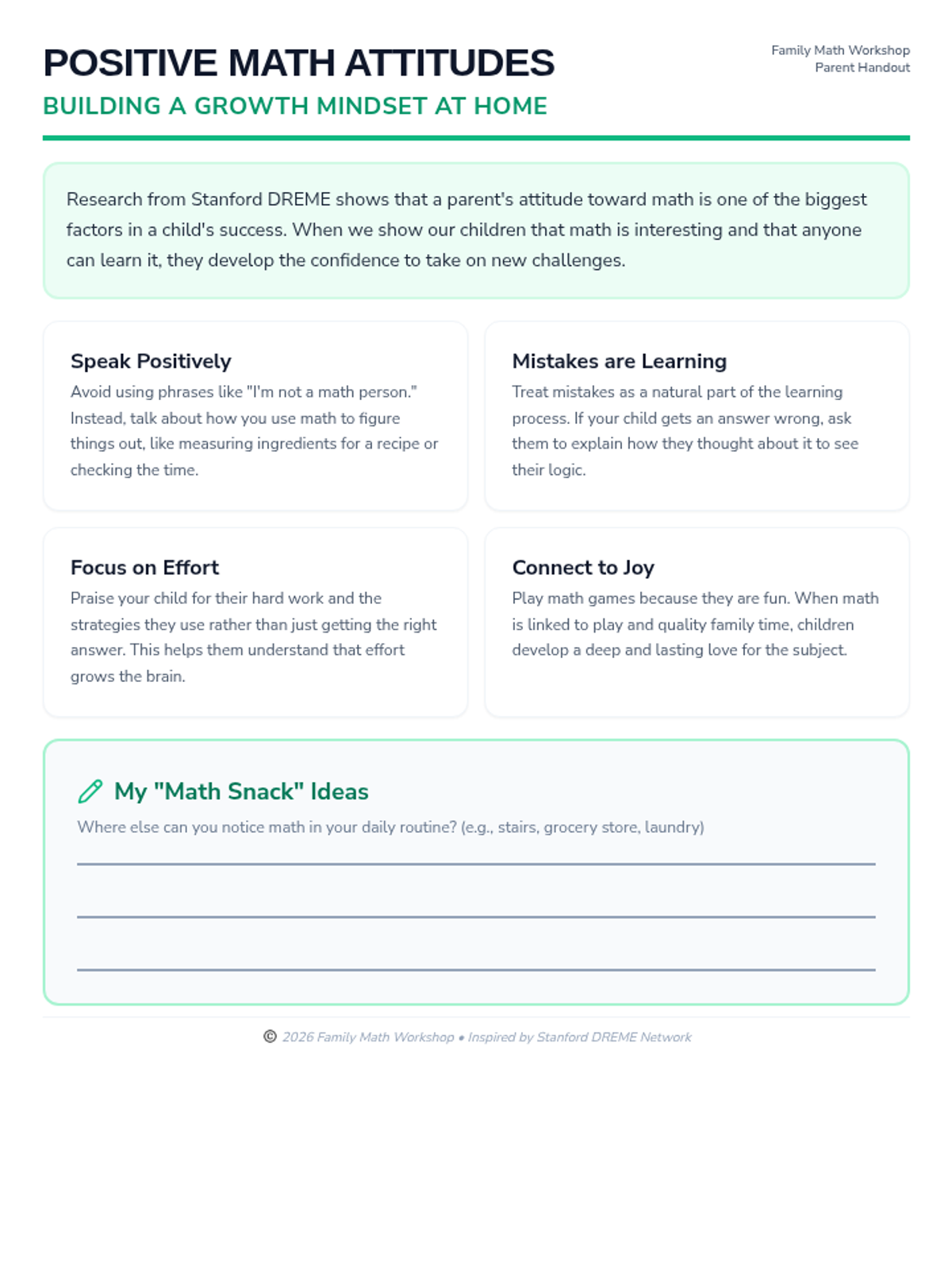
A comprehensive workshop for Kindergarten parents and guardians focused on building positive math attitudes and supporting math learning at home through play and daily routines. Based on Stanford DREME research.
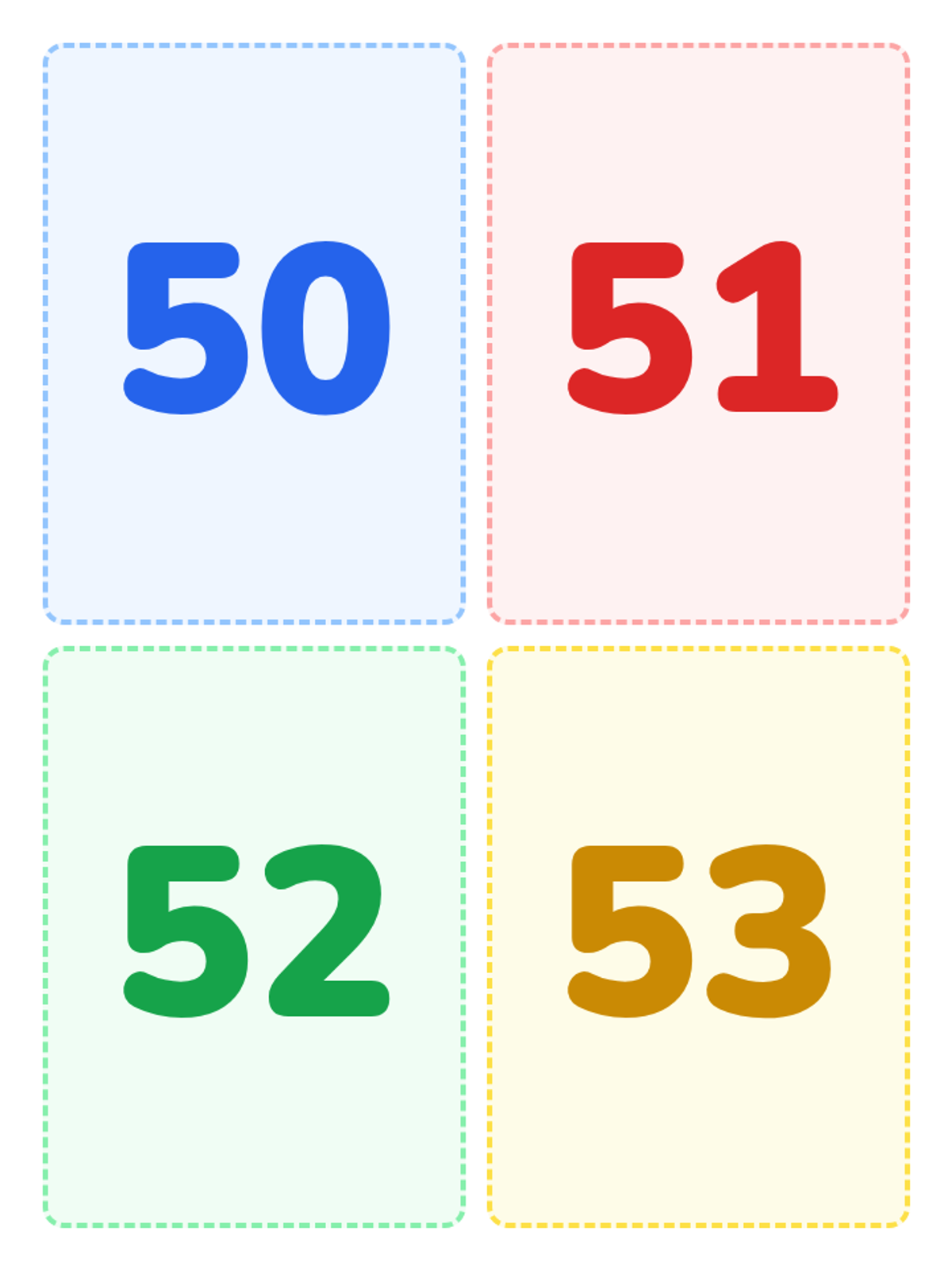
A set of resources focused on mastering numbers 50-100 through hands-on flashcard activities and games designed for kindergarten learners.
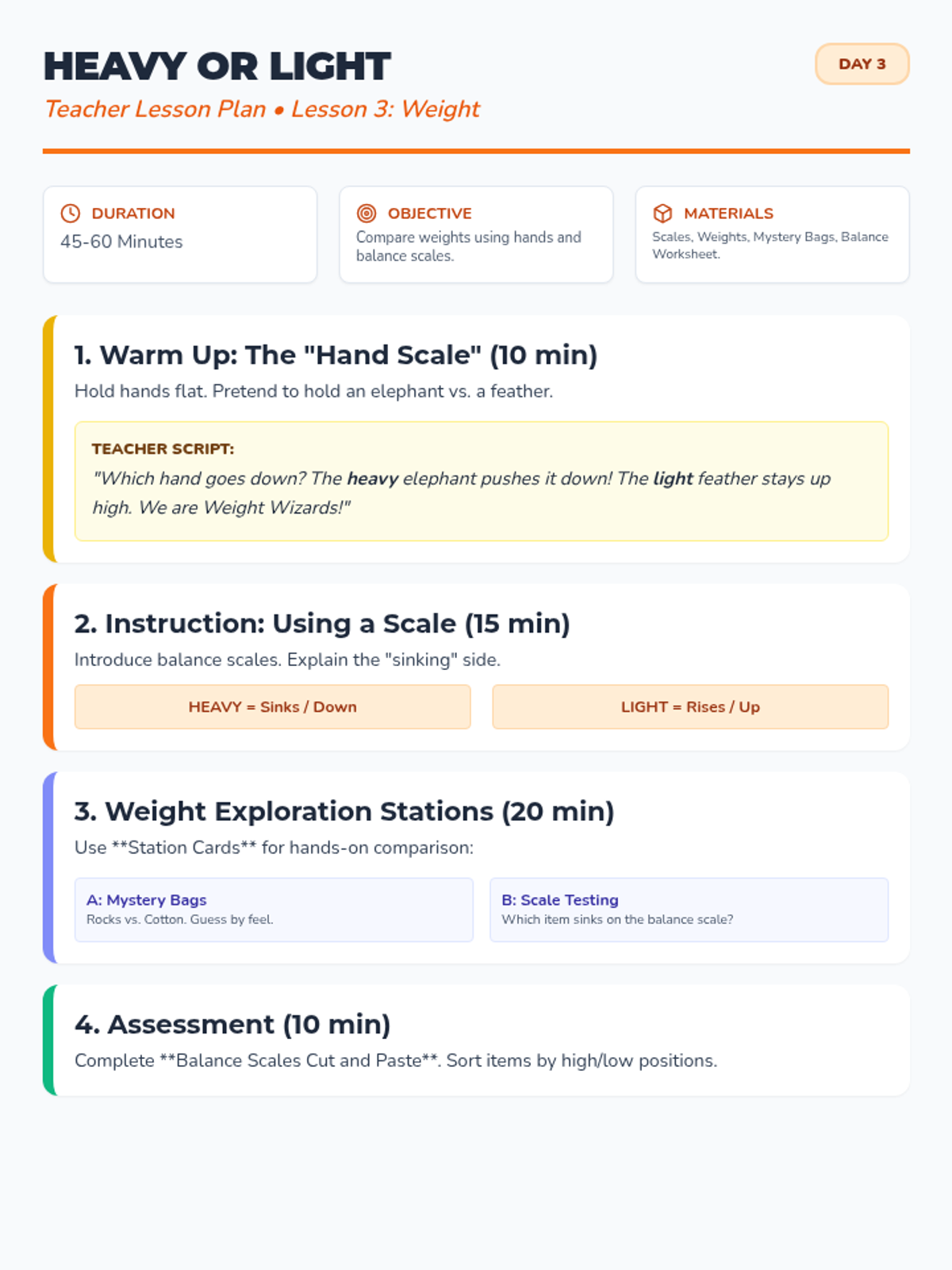
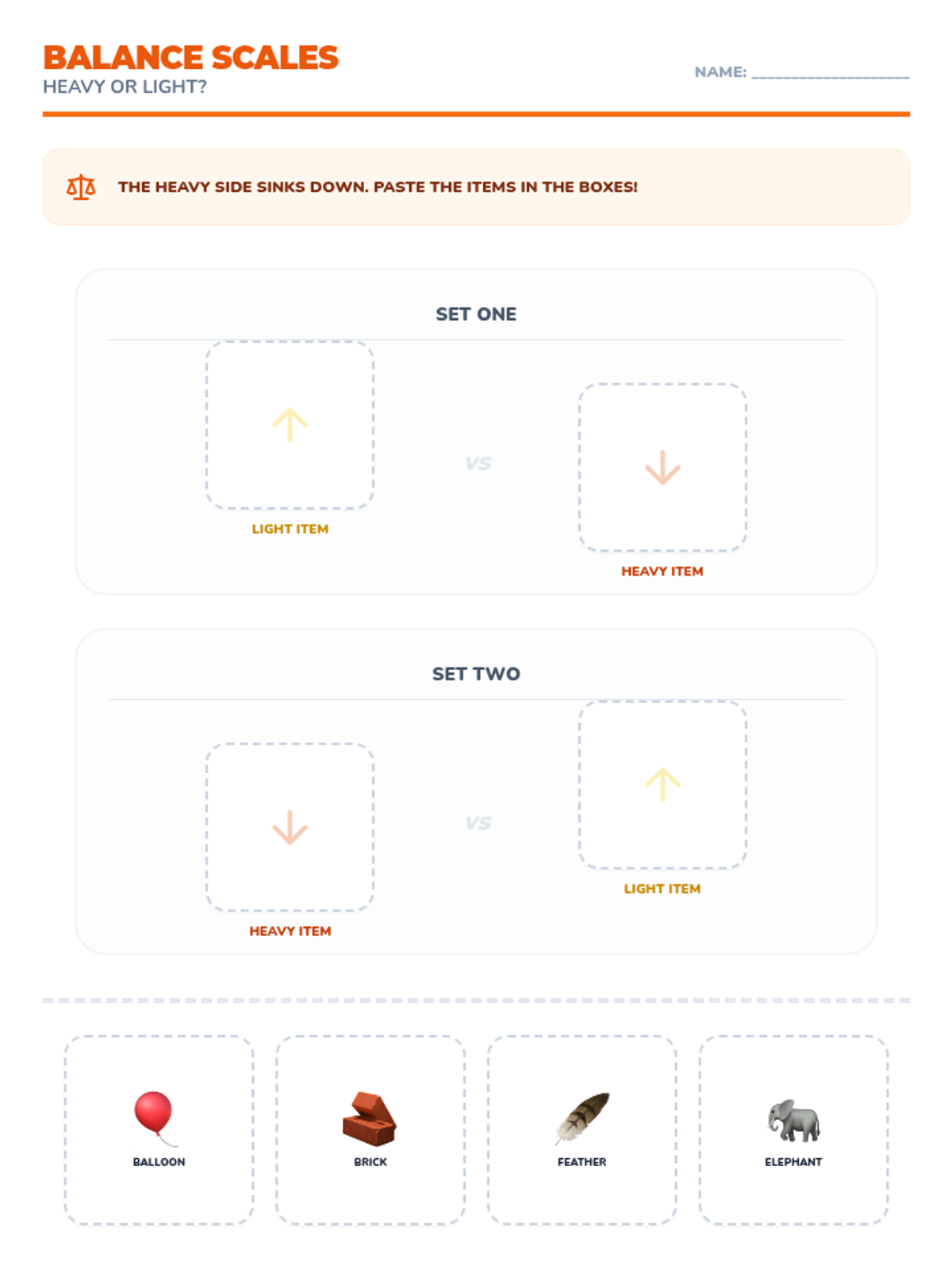
Exploring weight by comparing heavy and light objects using hands and balance scales.
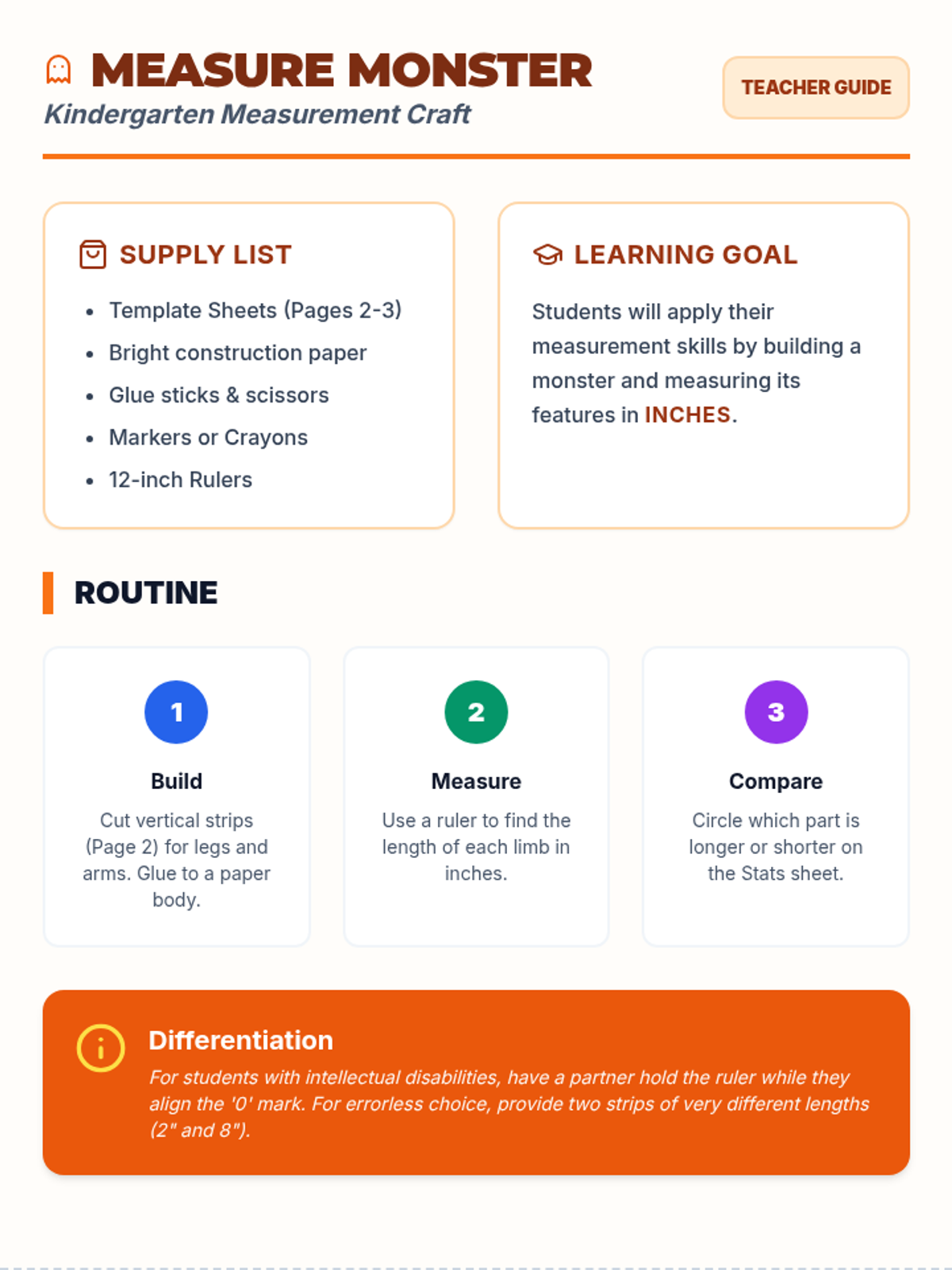
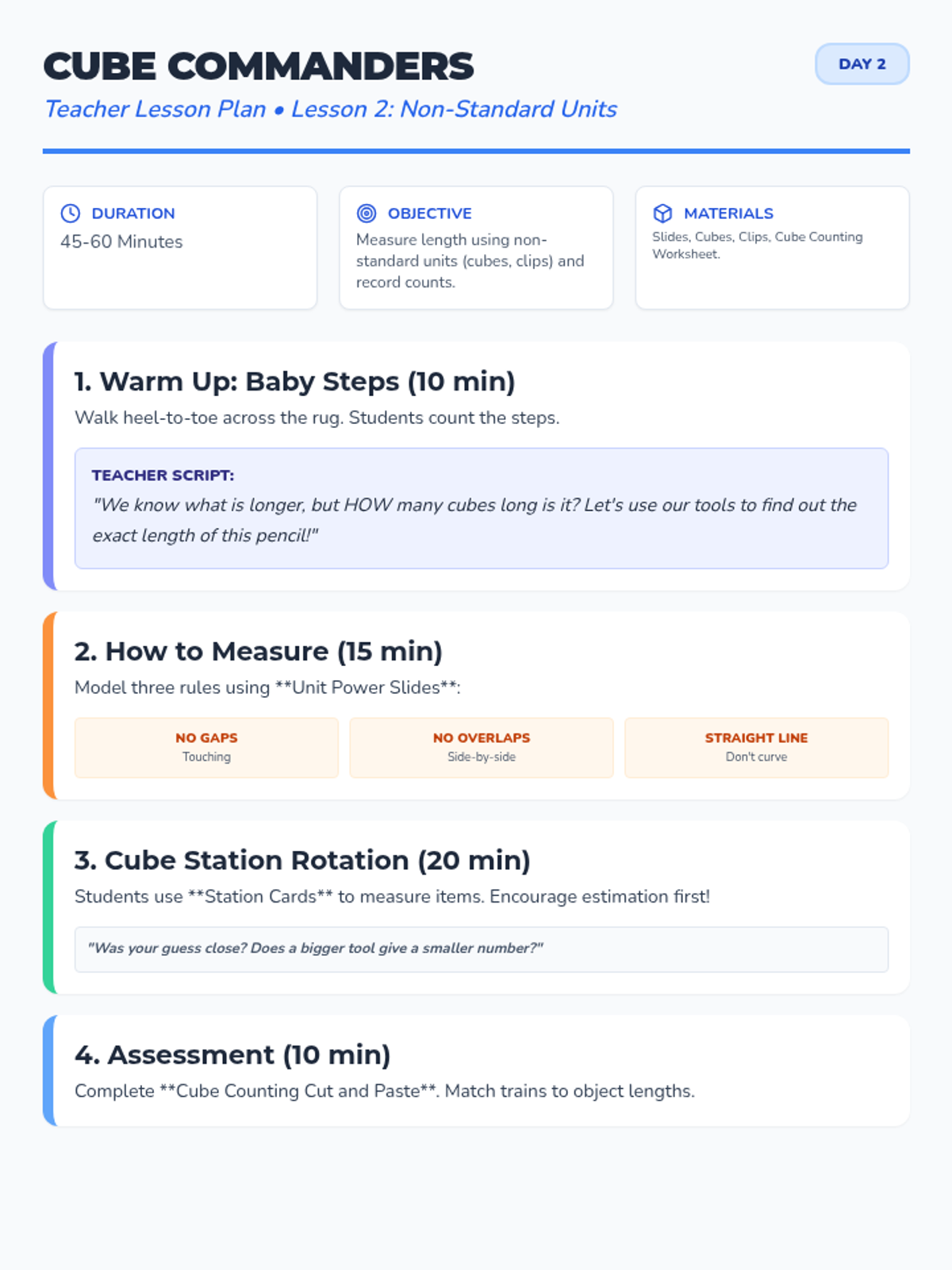
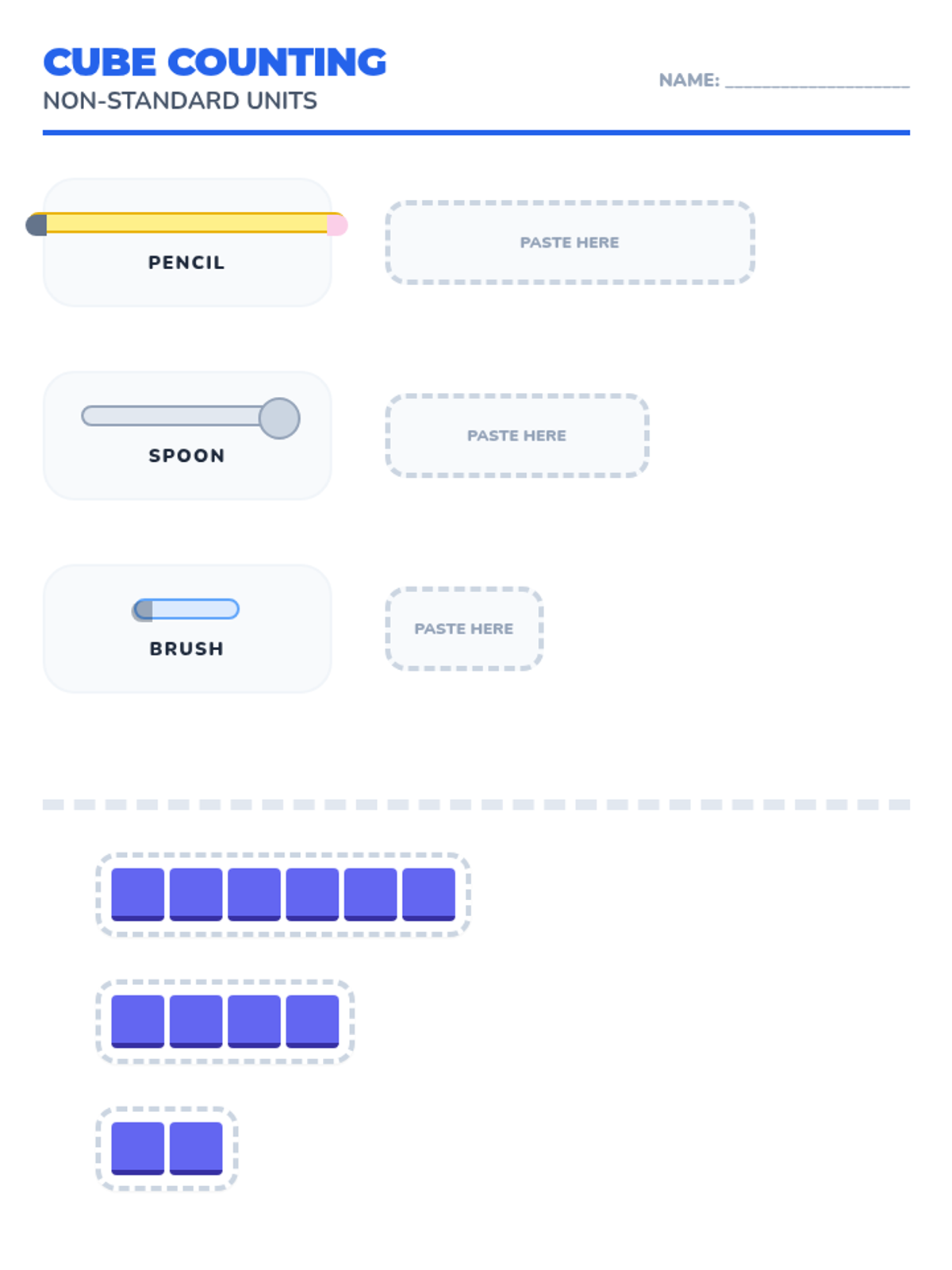
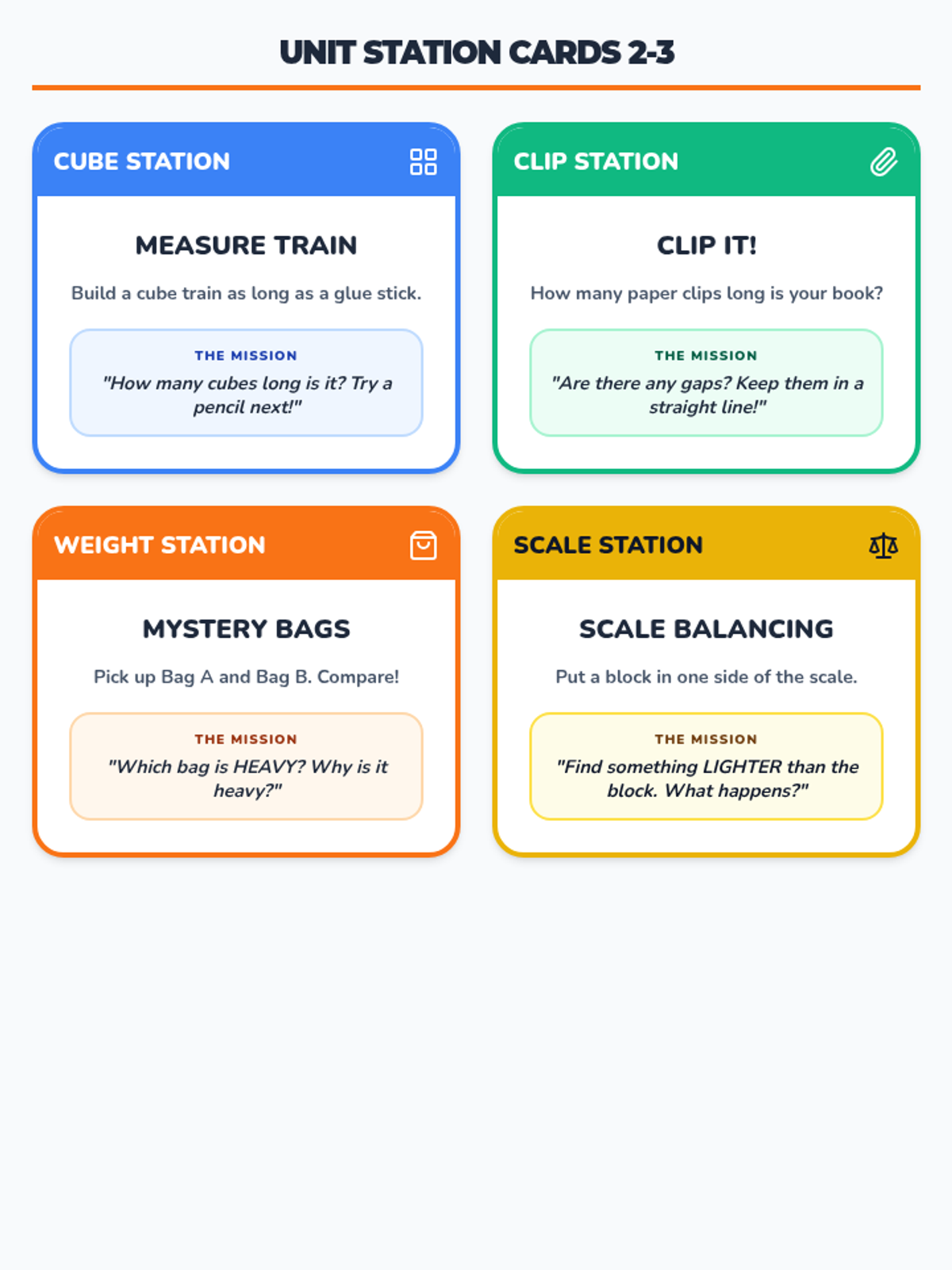
Learning to measure objects using non-standard units like snap cubes, paper clips, and handprints.
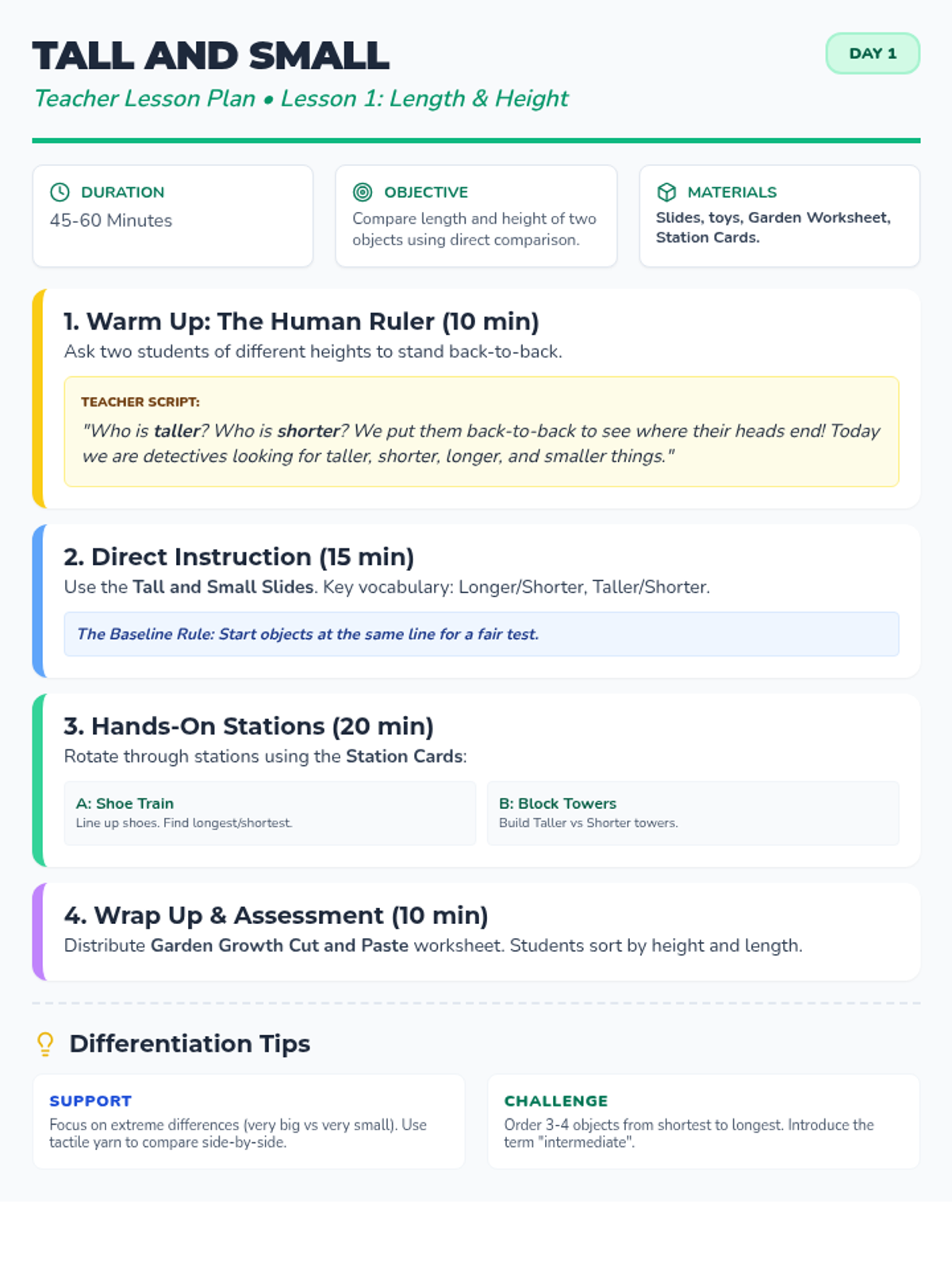
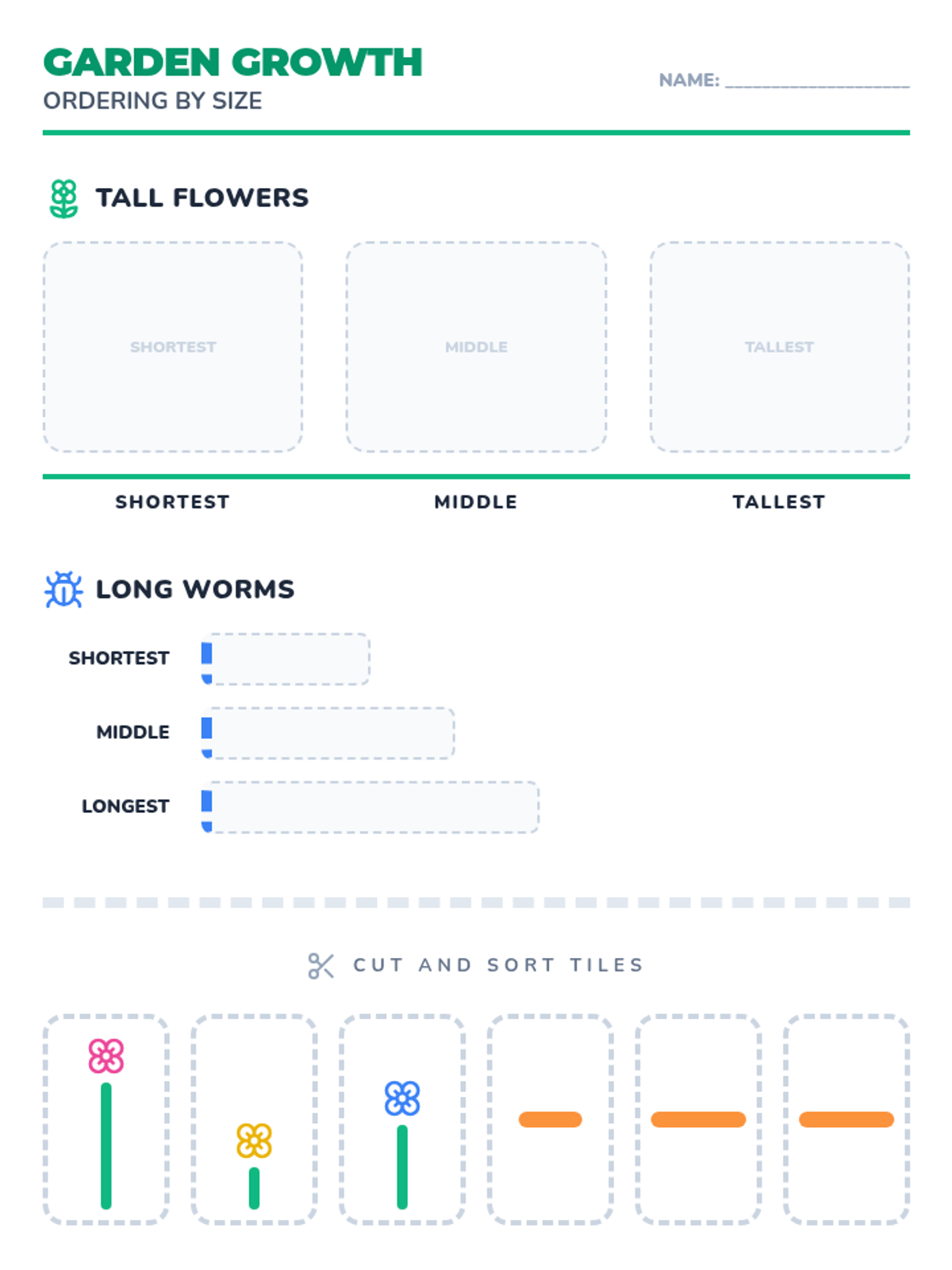
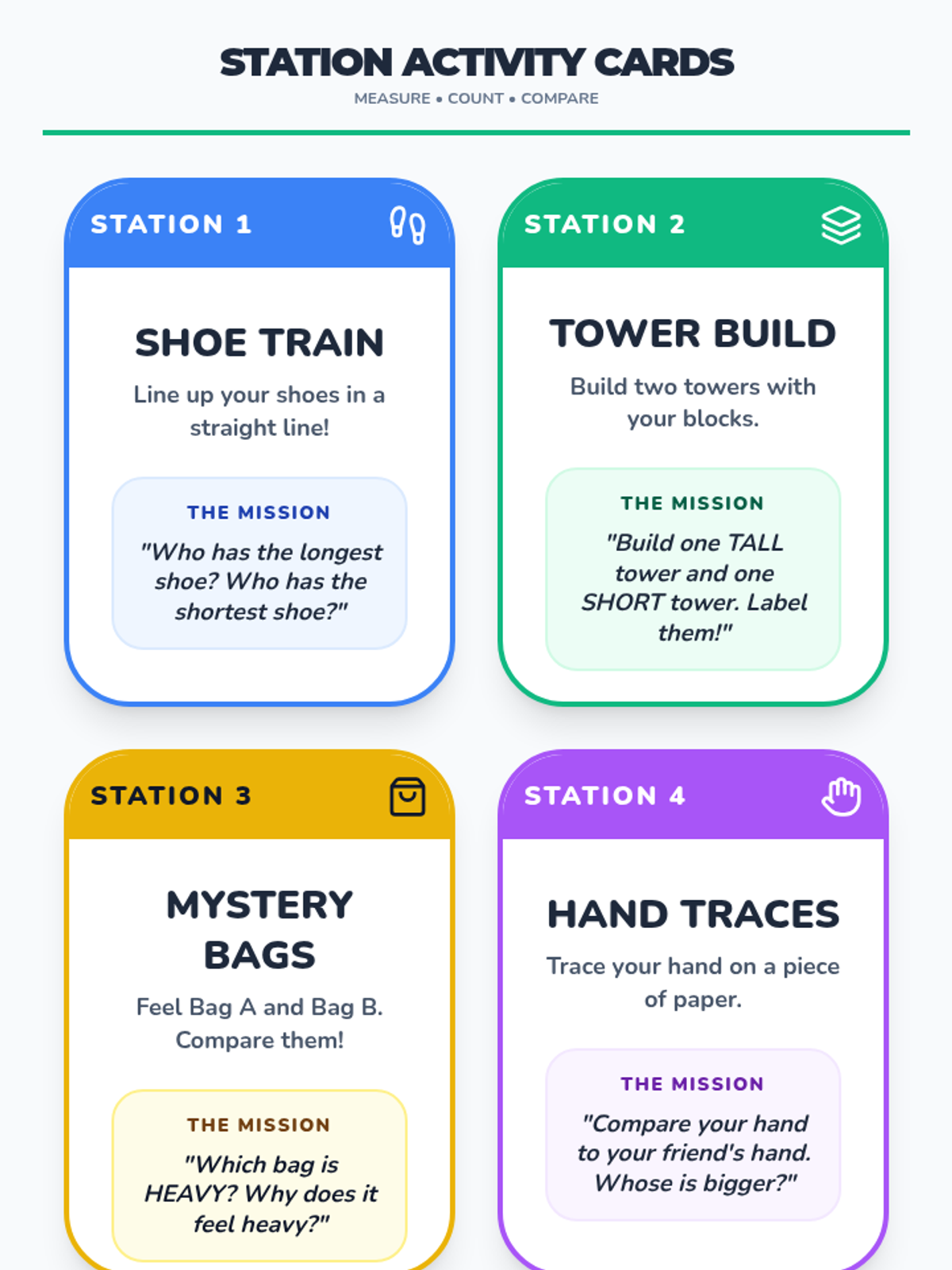
Introduction to comparing length and height using terms like 'longer', 'shorter', 'taller', and 'smaller'.
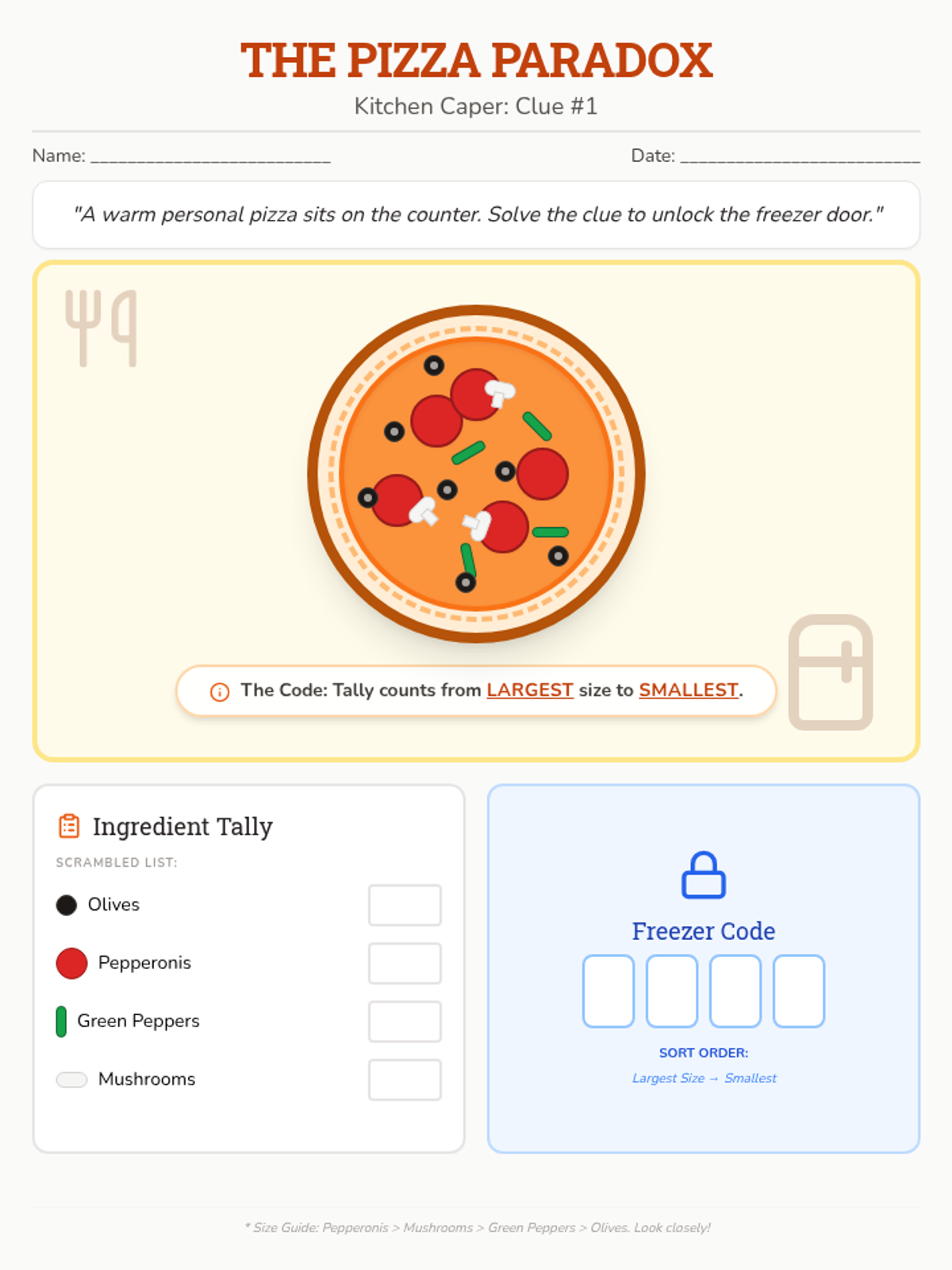
A mini-mystery centered around a kitchen scene where students use observation and logic to solve a visual puzzle.
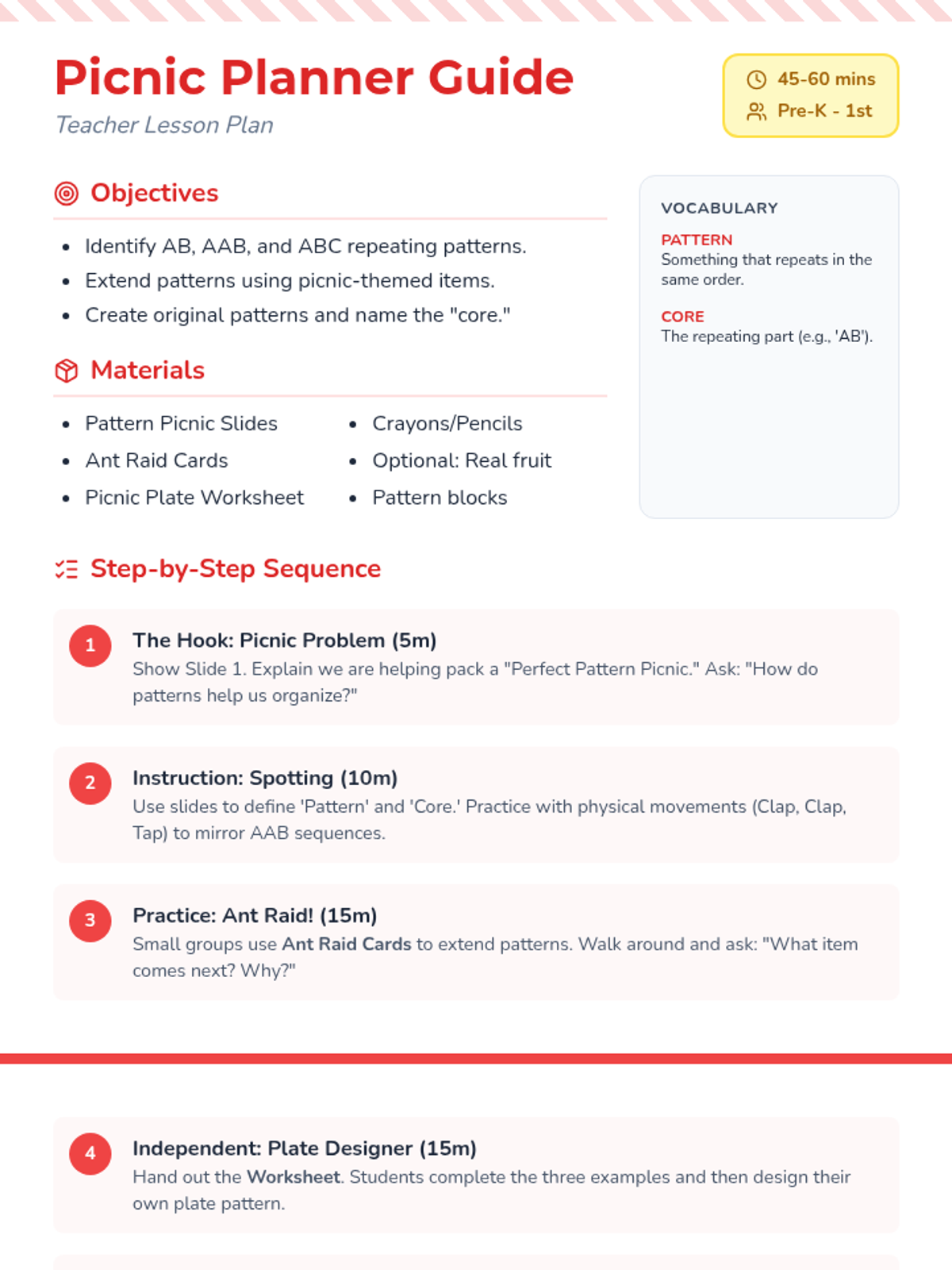
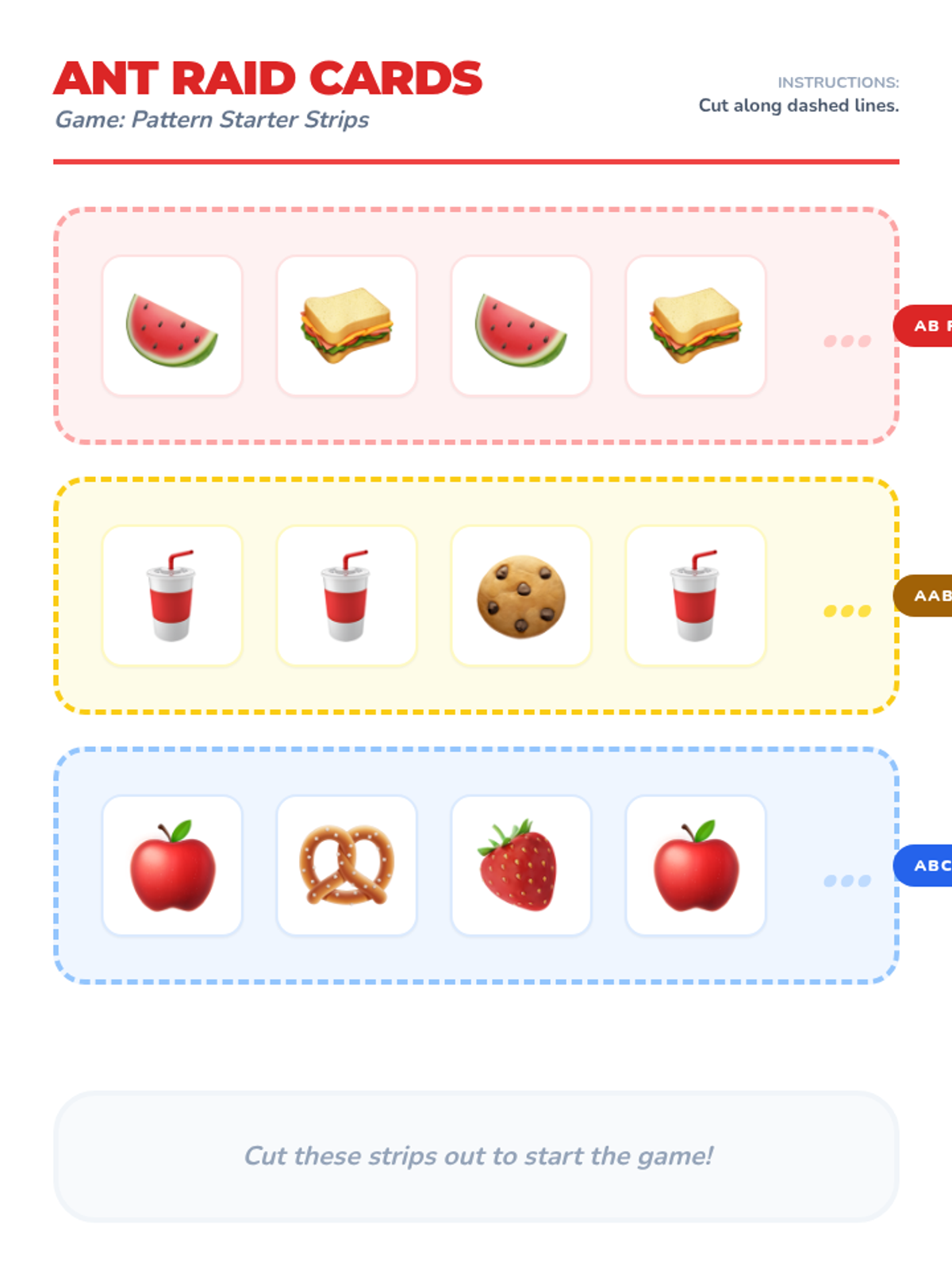
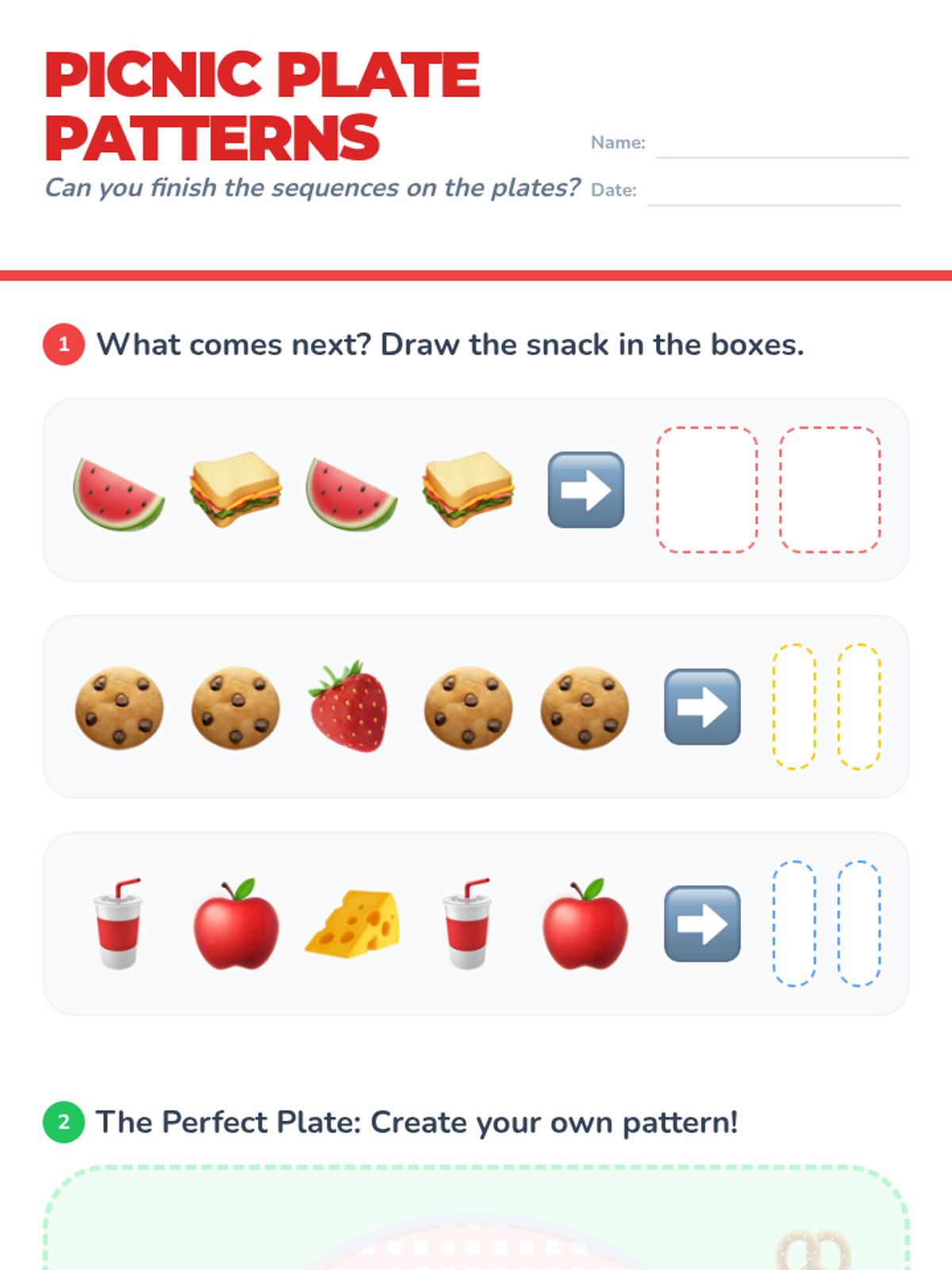
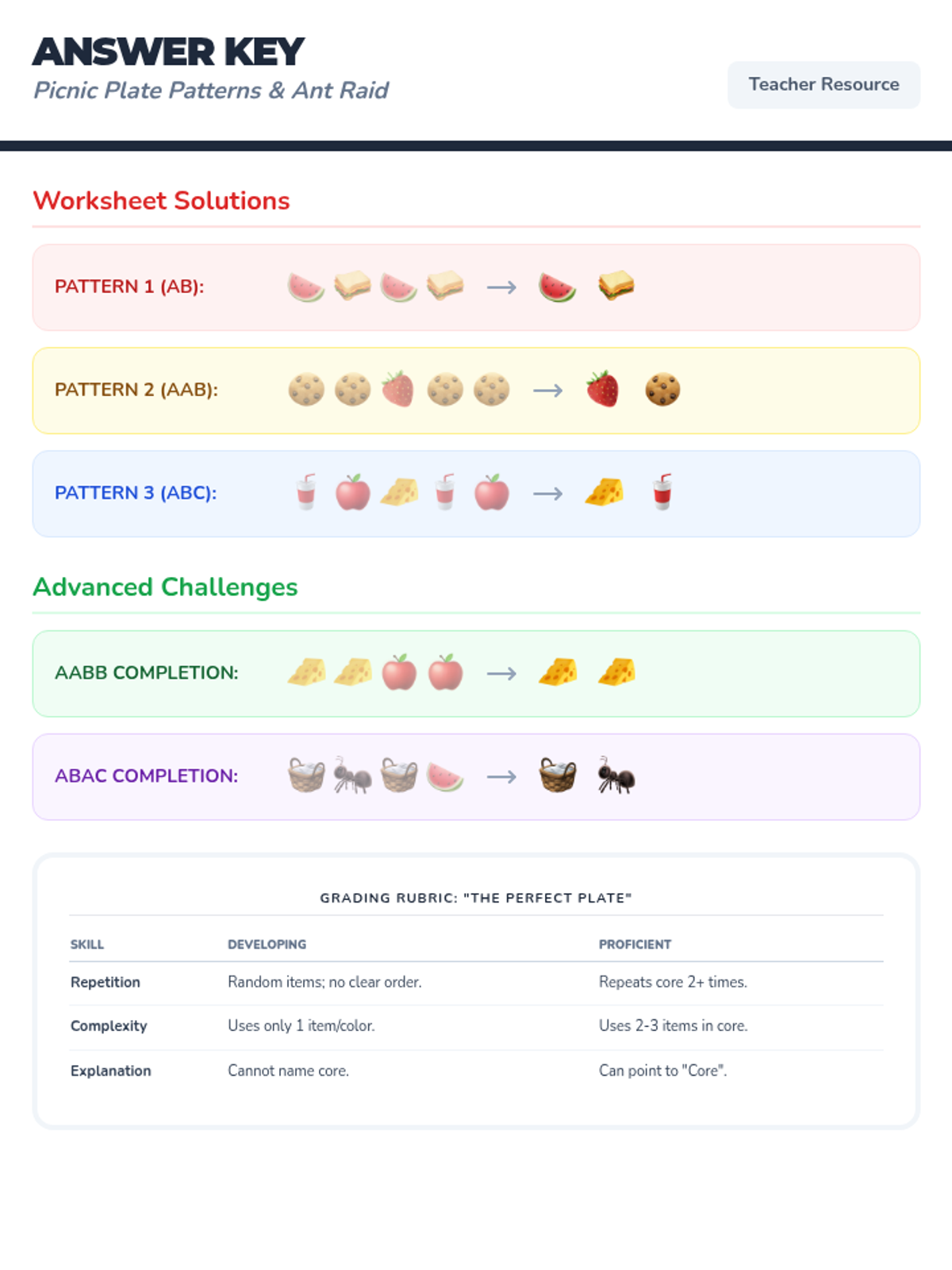
A hands-on lesson where students explore visual patterns using picnic-themed items to build early algebraic thinking skills. Students identify, extend, and create their own sequences using fruits, snacks, and picnic gear.
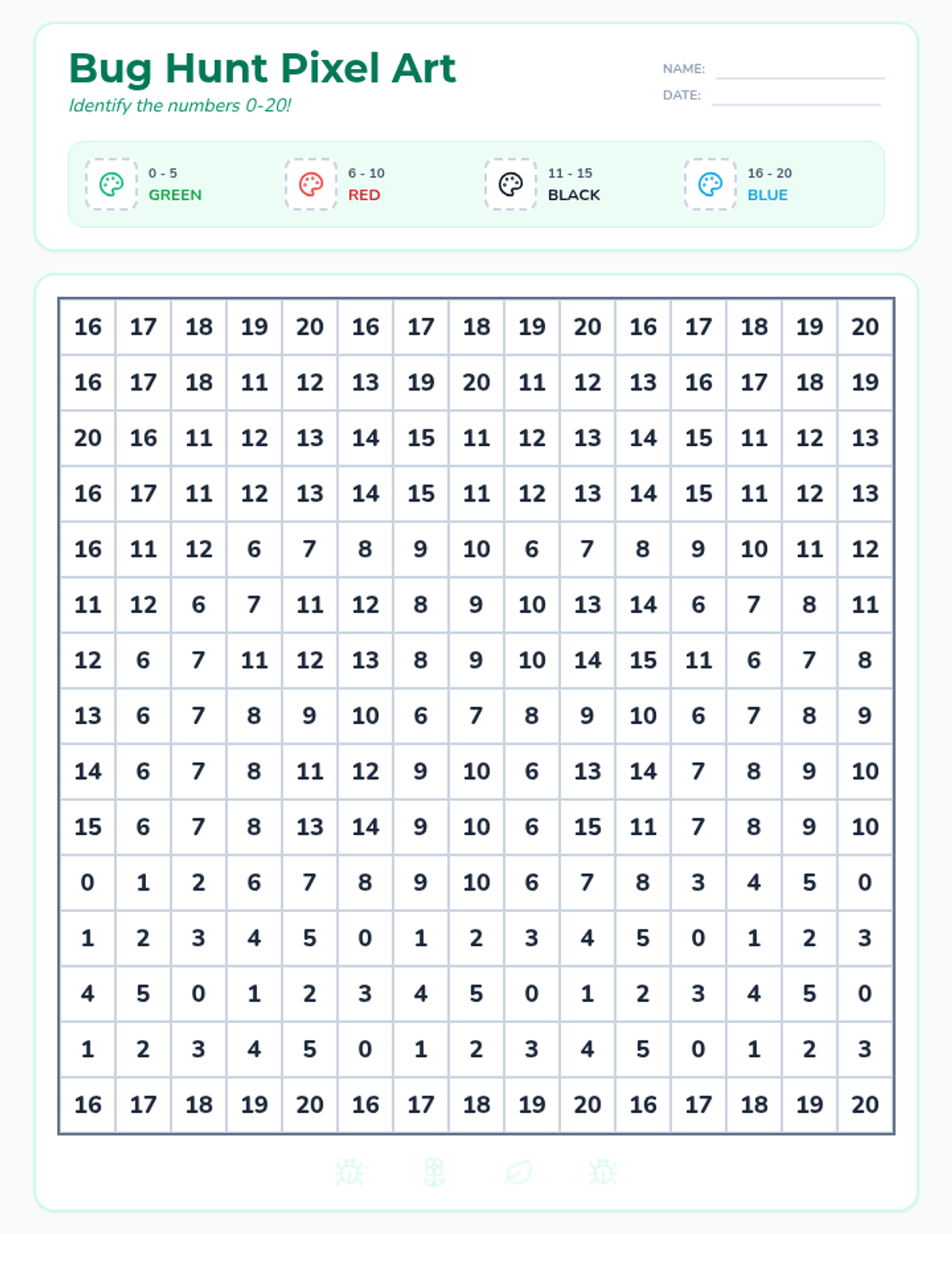
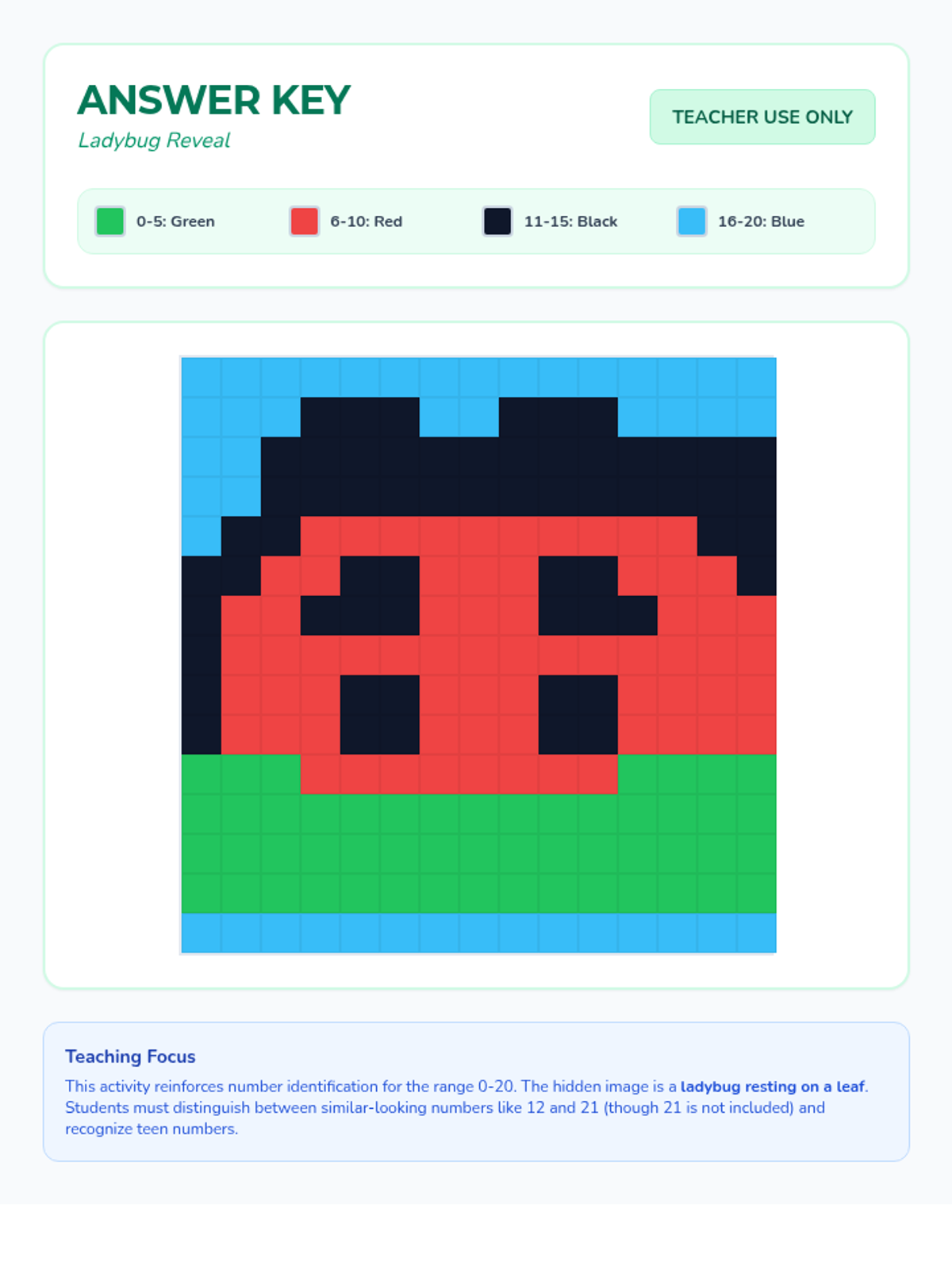
A fun, hands-on activity where students identify numbers 0-20 to reveal a hidden garden critter. Perfect for practicing number recognition and fine motor skills.
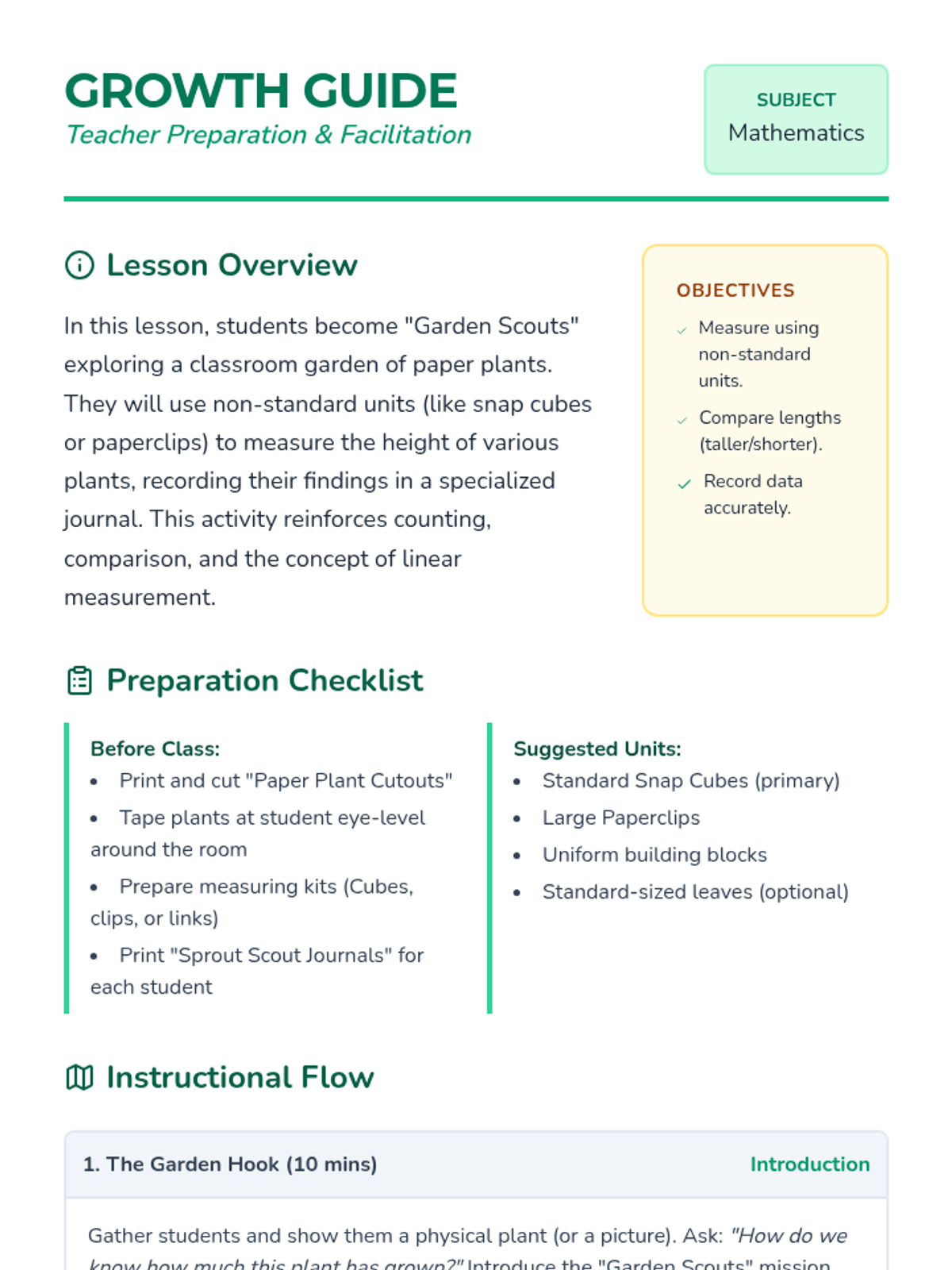
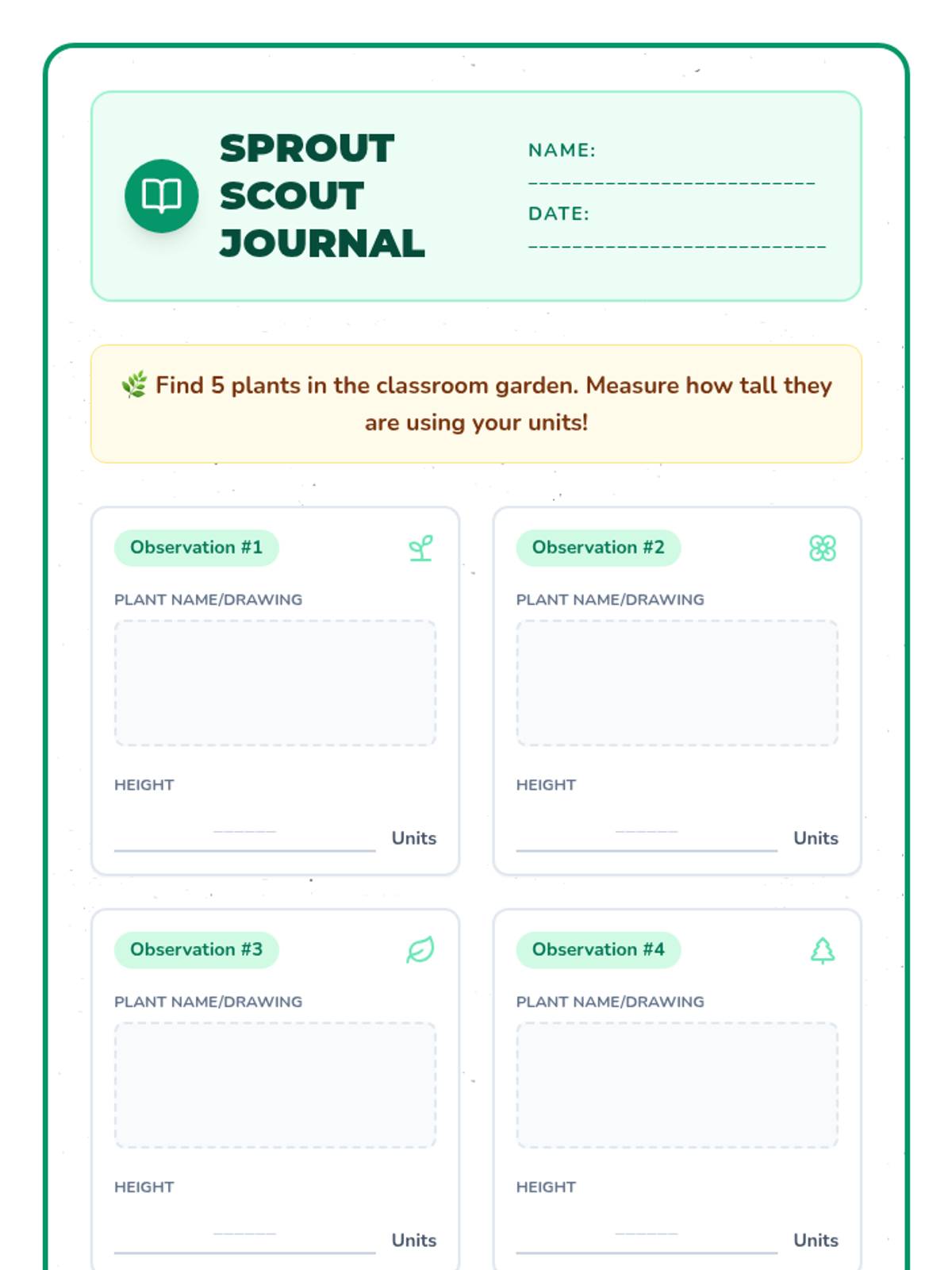
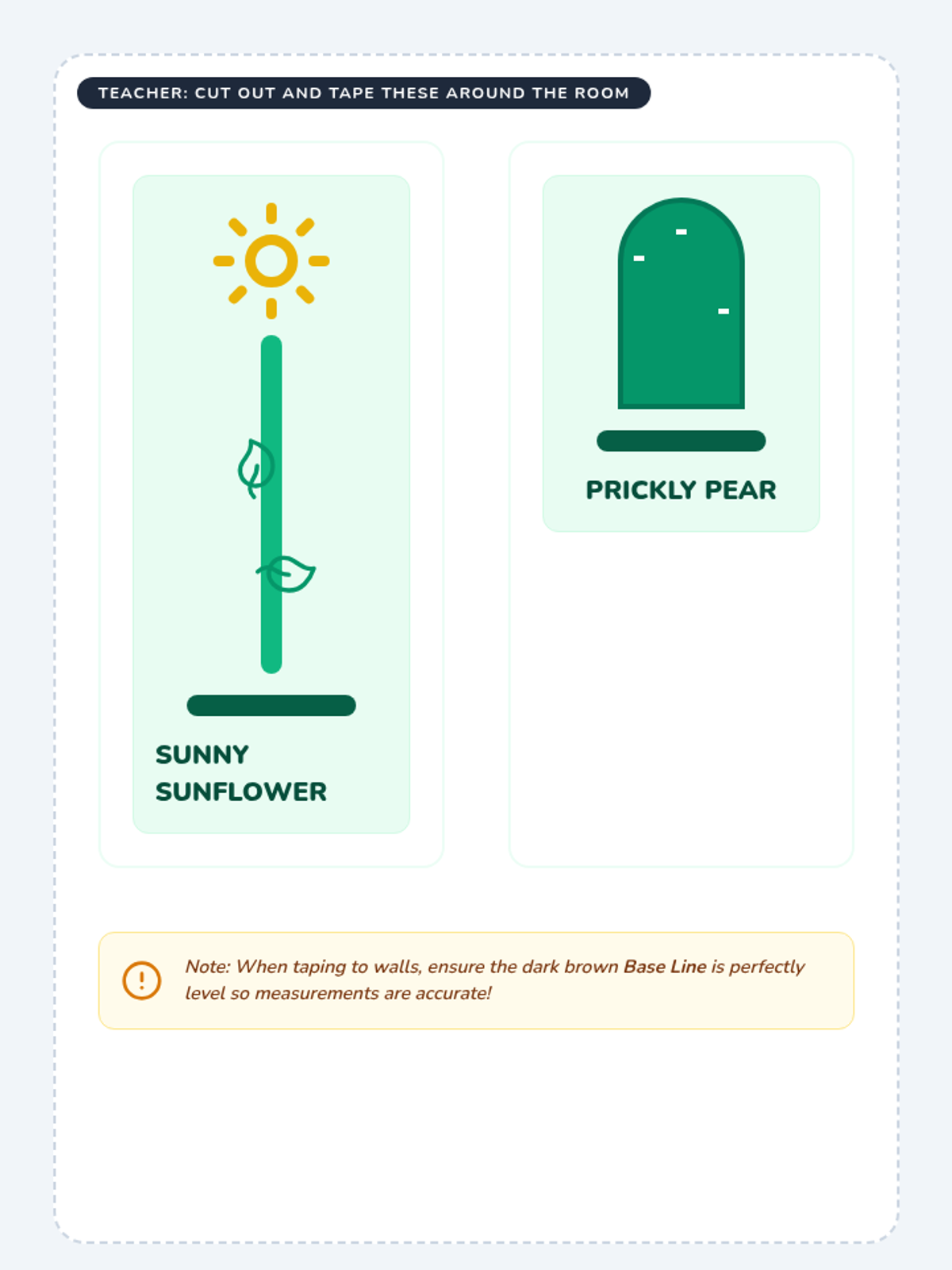
A hands-on measurement lesson where students use non-standard units to measure paper plants, fostering number sense and comparison skills through movement-based learning.
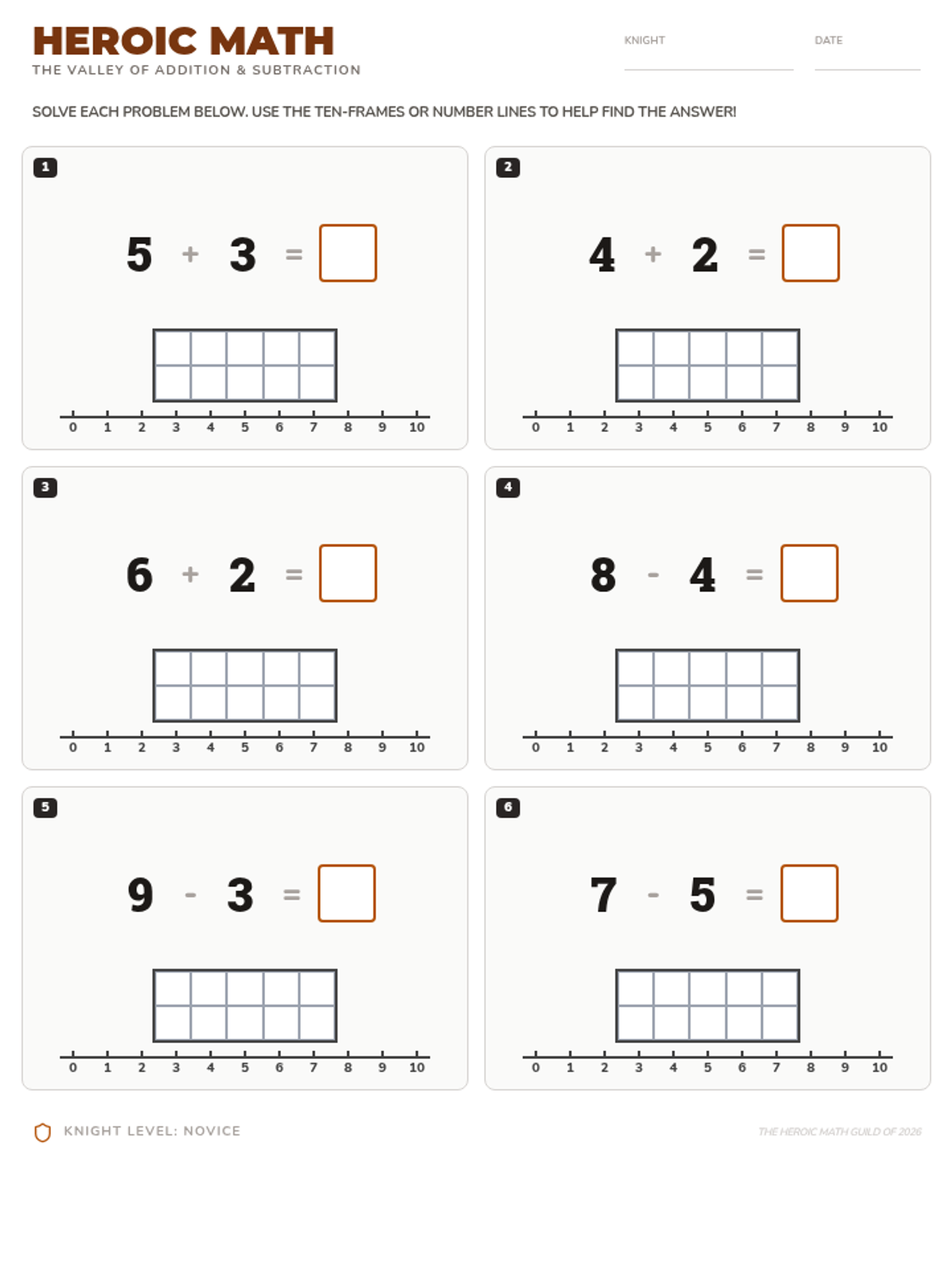
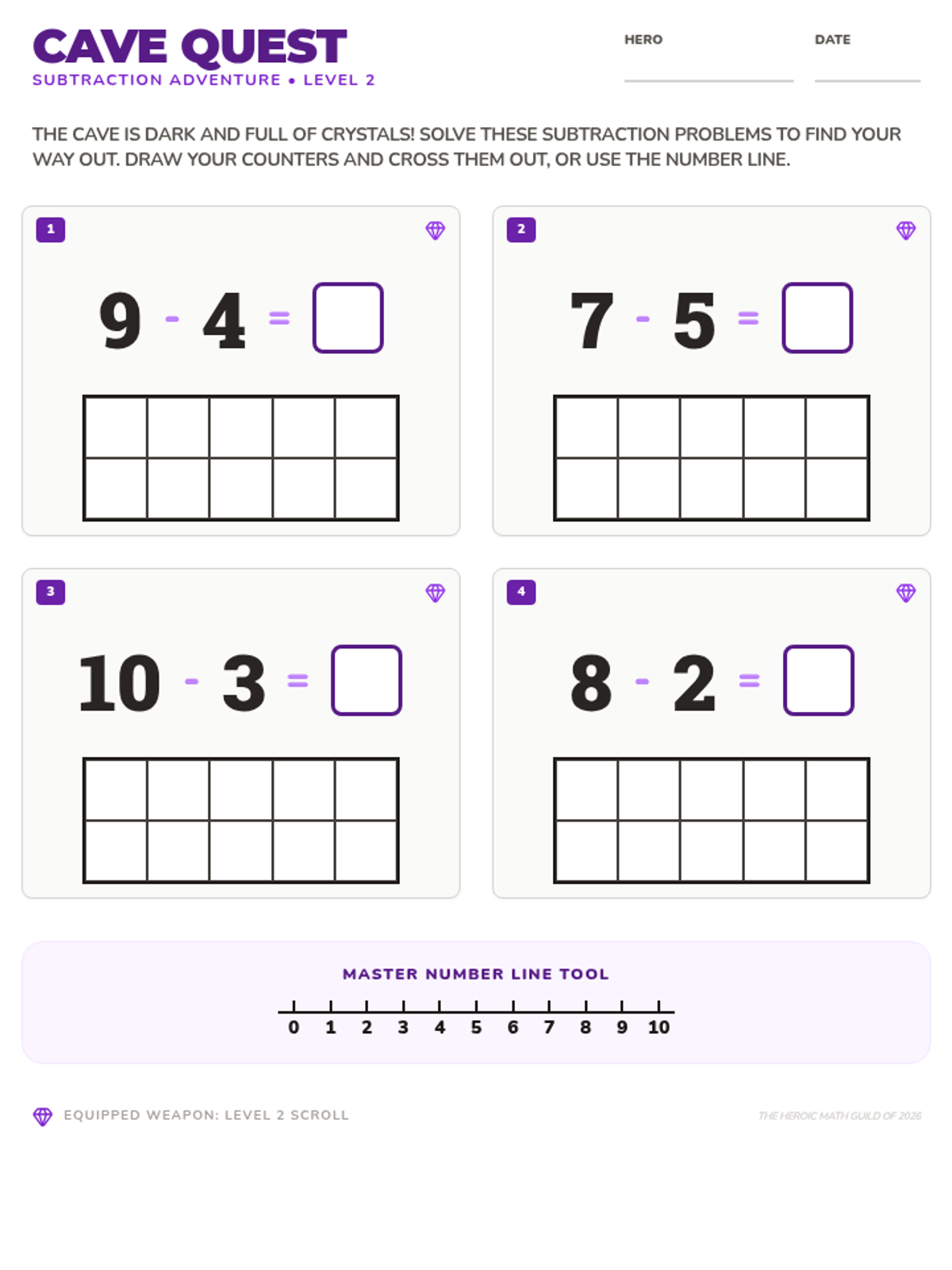
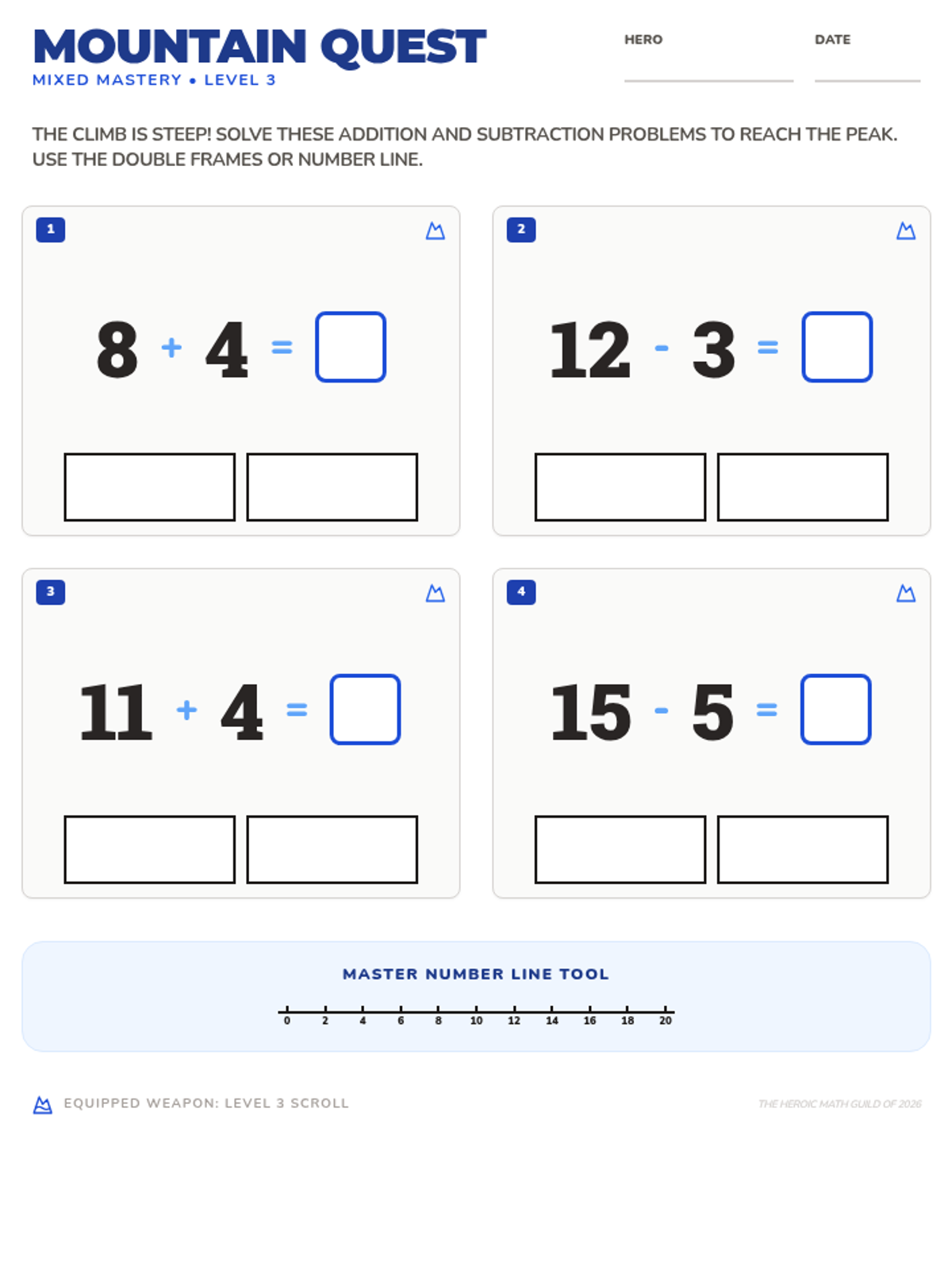
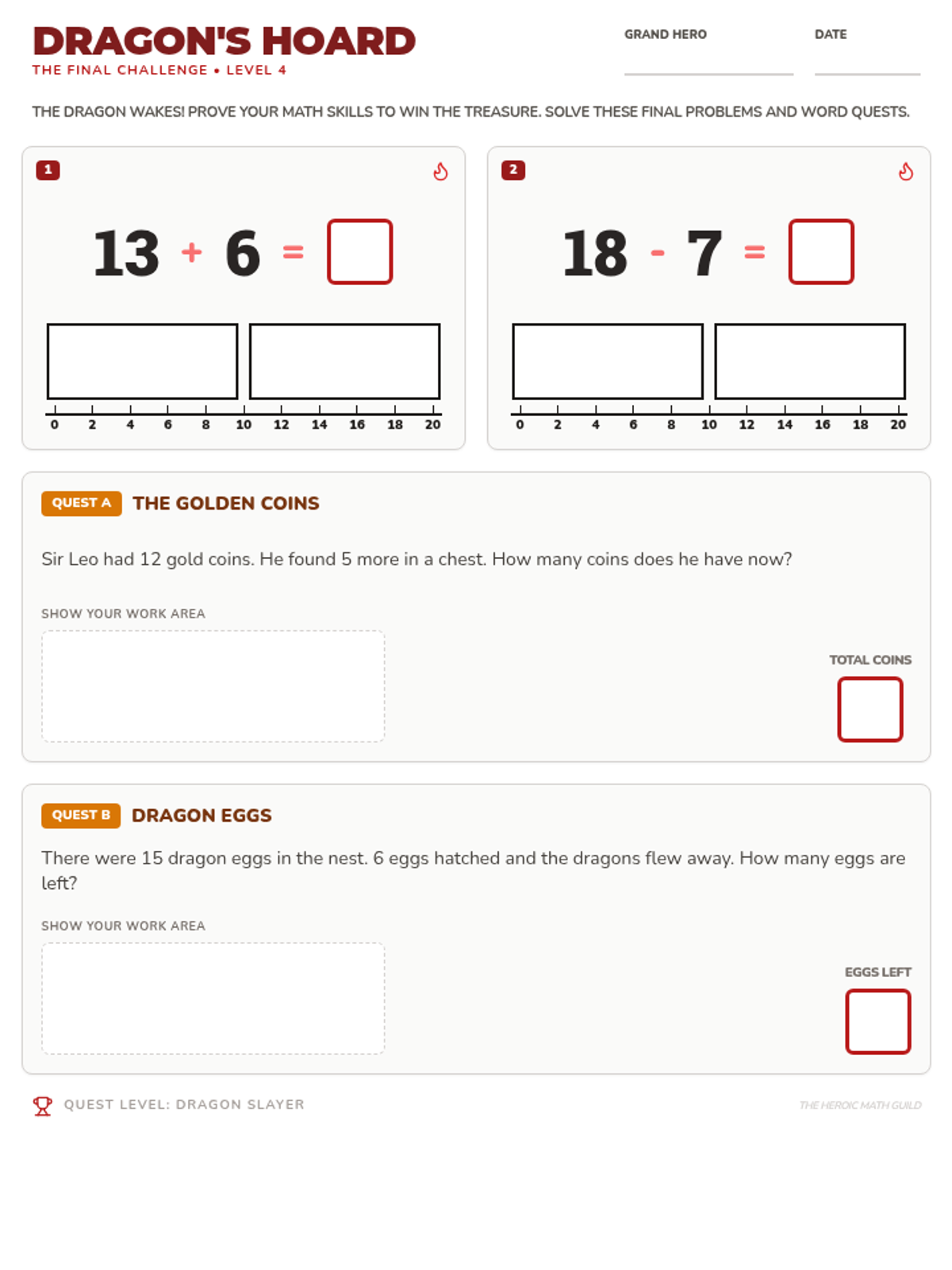
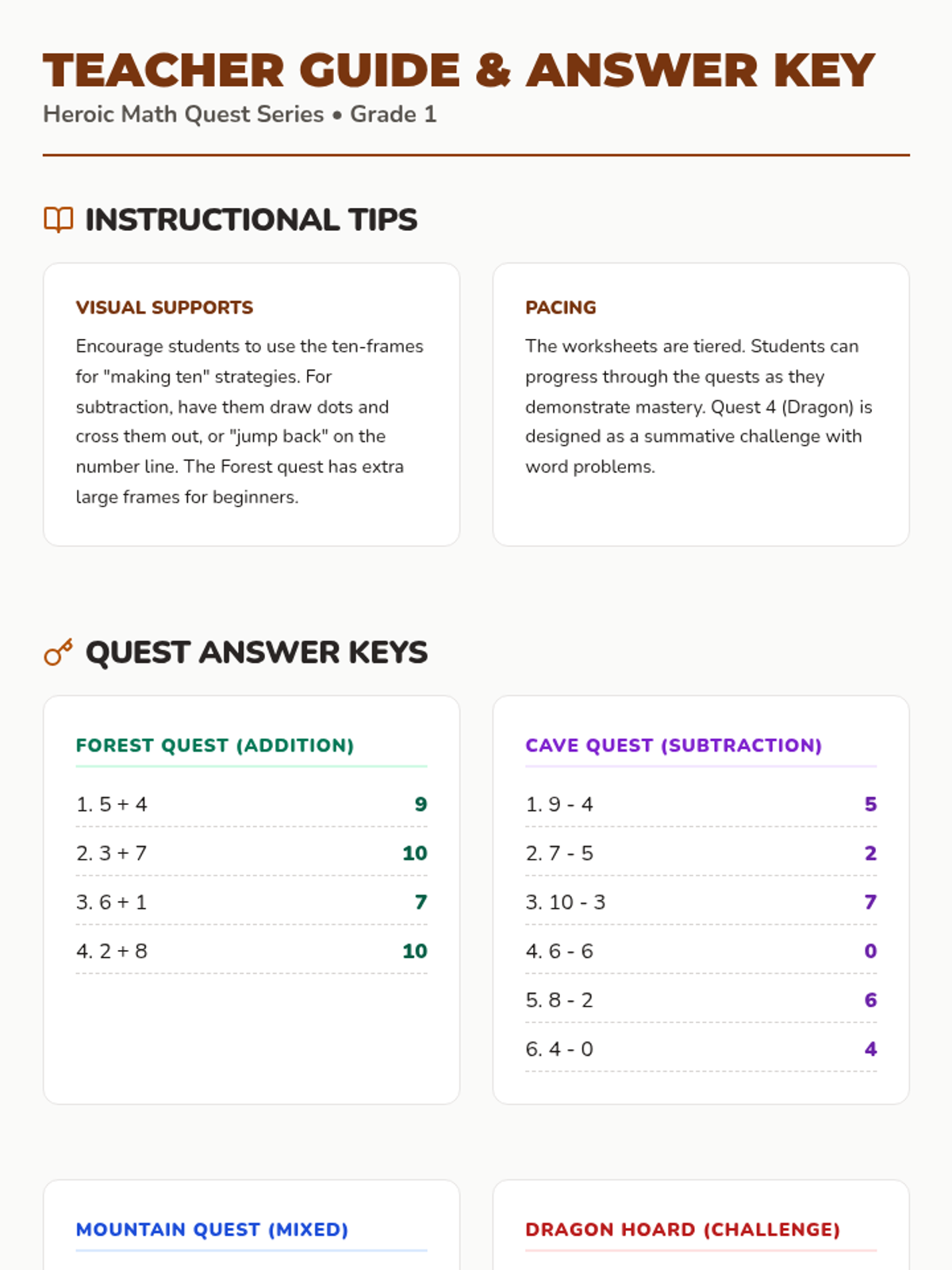
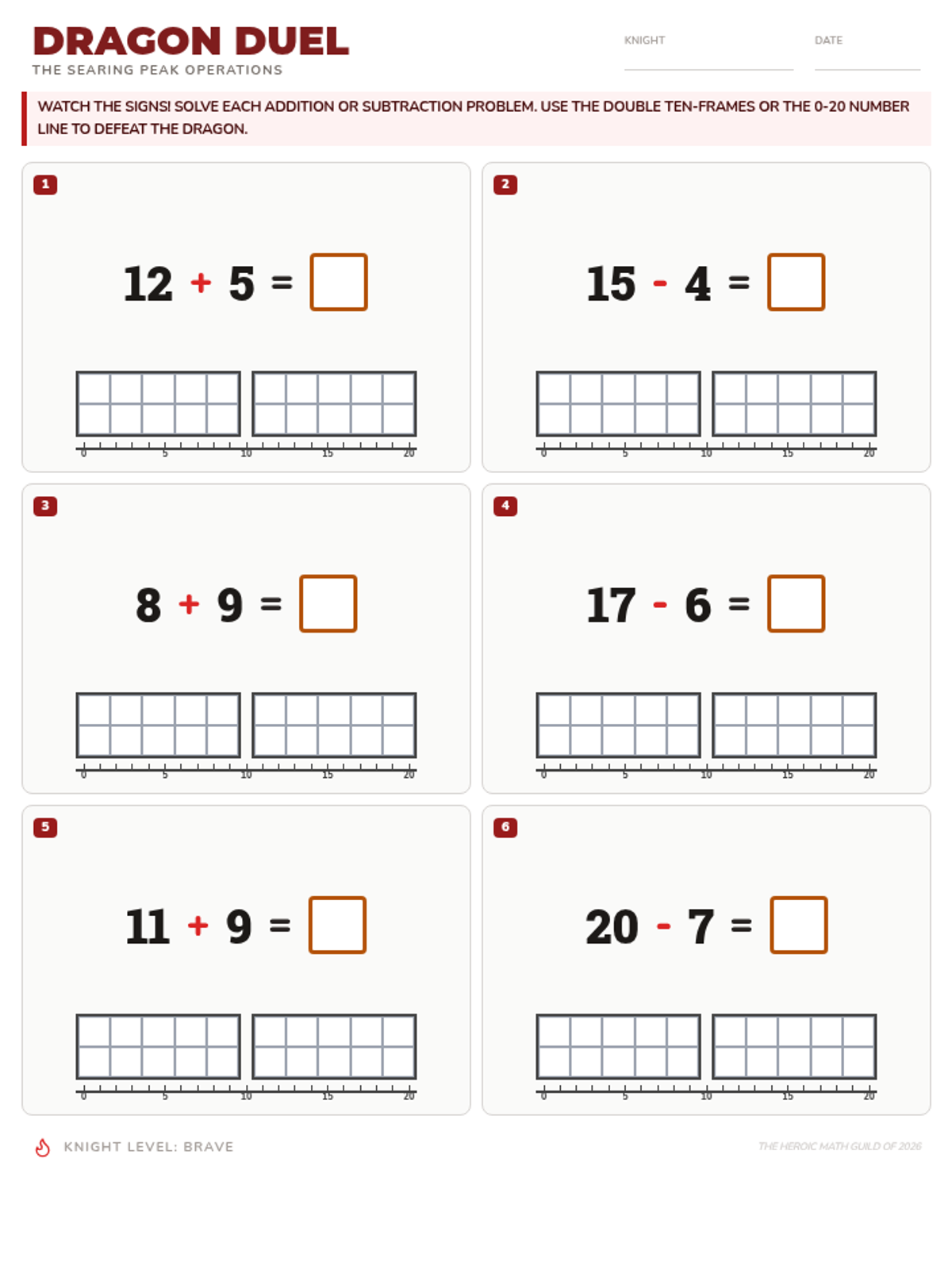
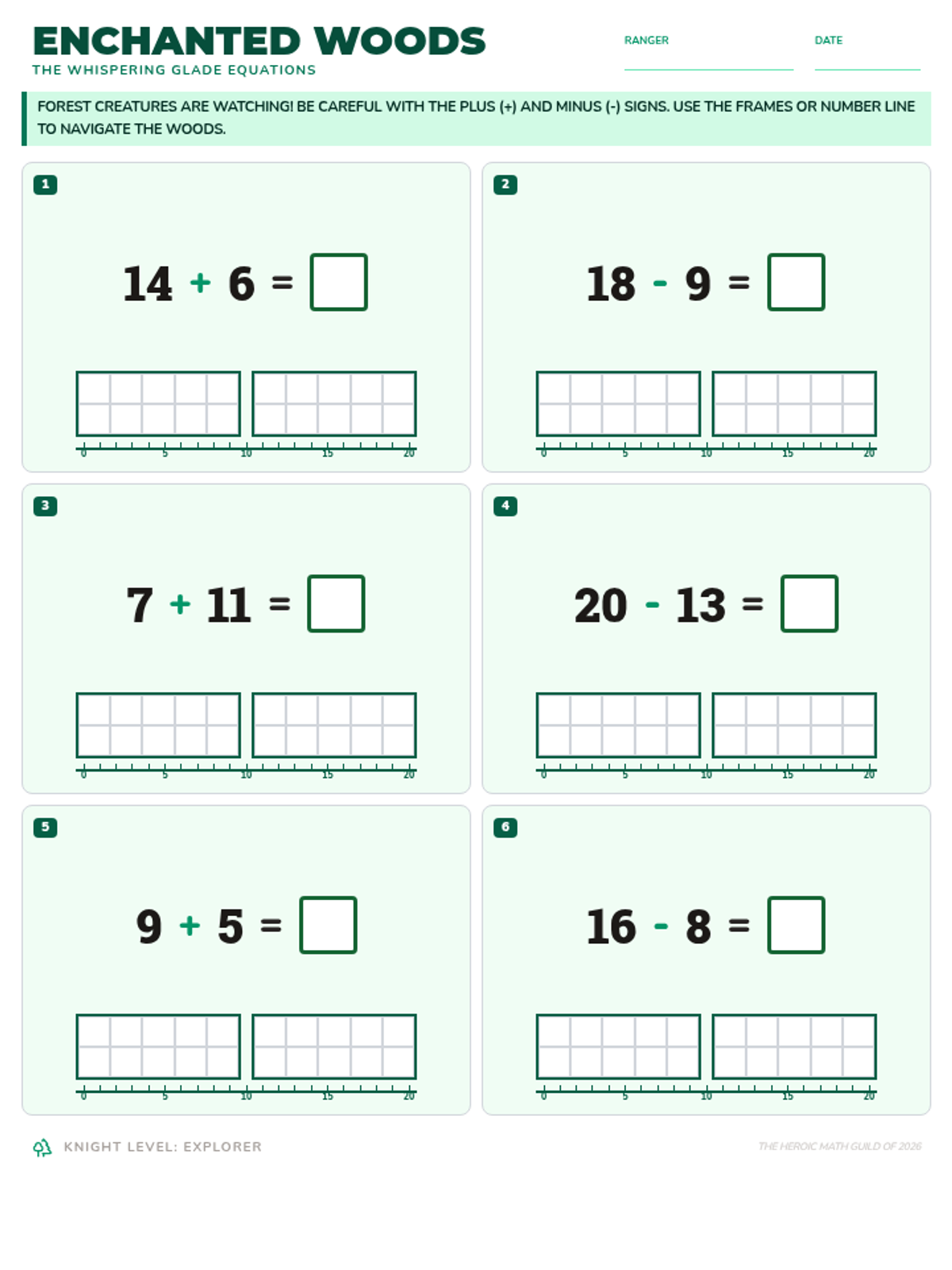
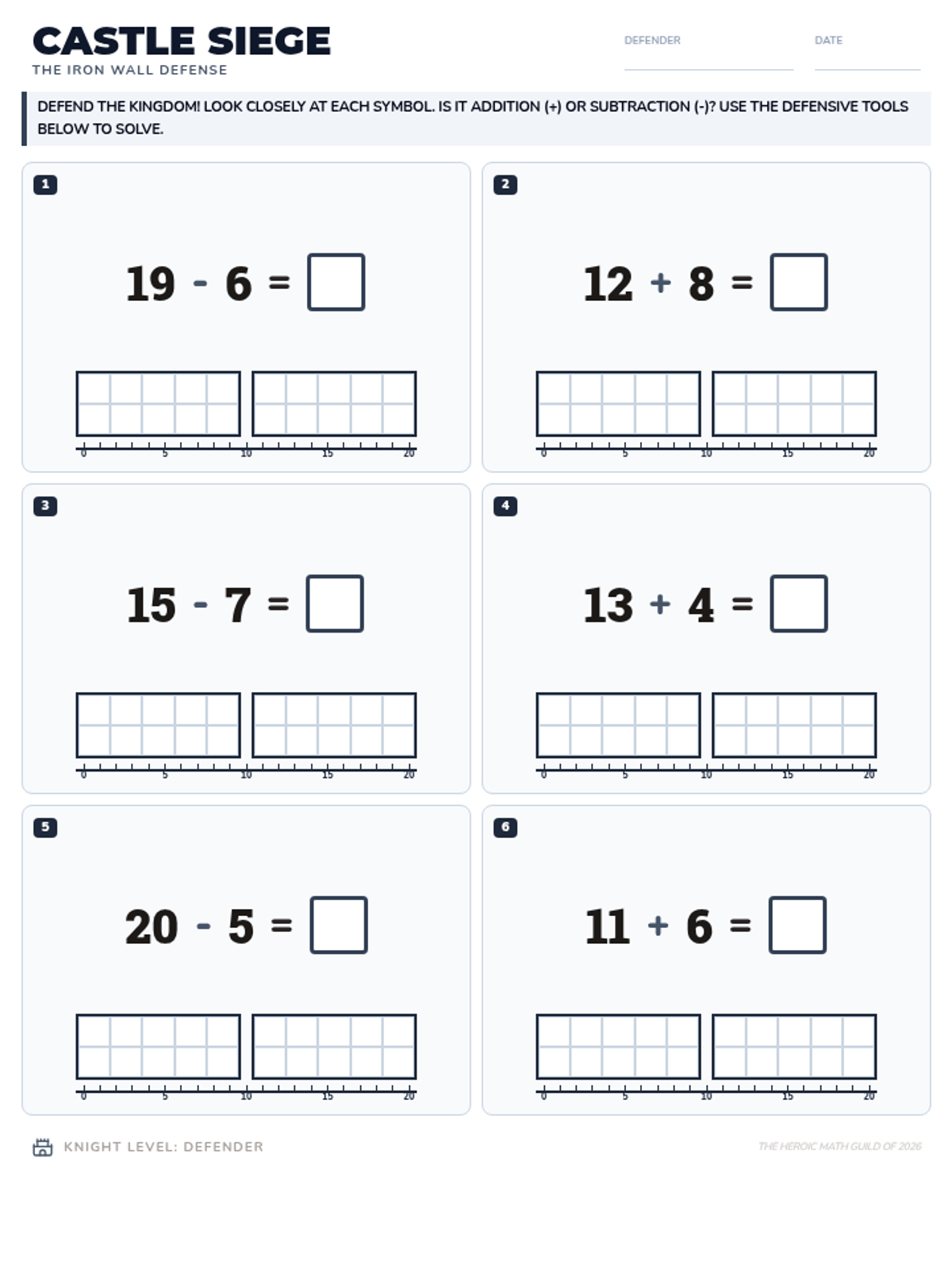
A series of math quests where students practice addition and subtraction within 20. Through medieval-themed challenges, students build fluency using ten-frames and number lines.
A series of medieval-themed math challenges focusing on addition and subtraction fluency within 20. Students use visual models like ten-frames and number lines to solve operational problems.
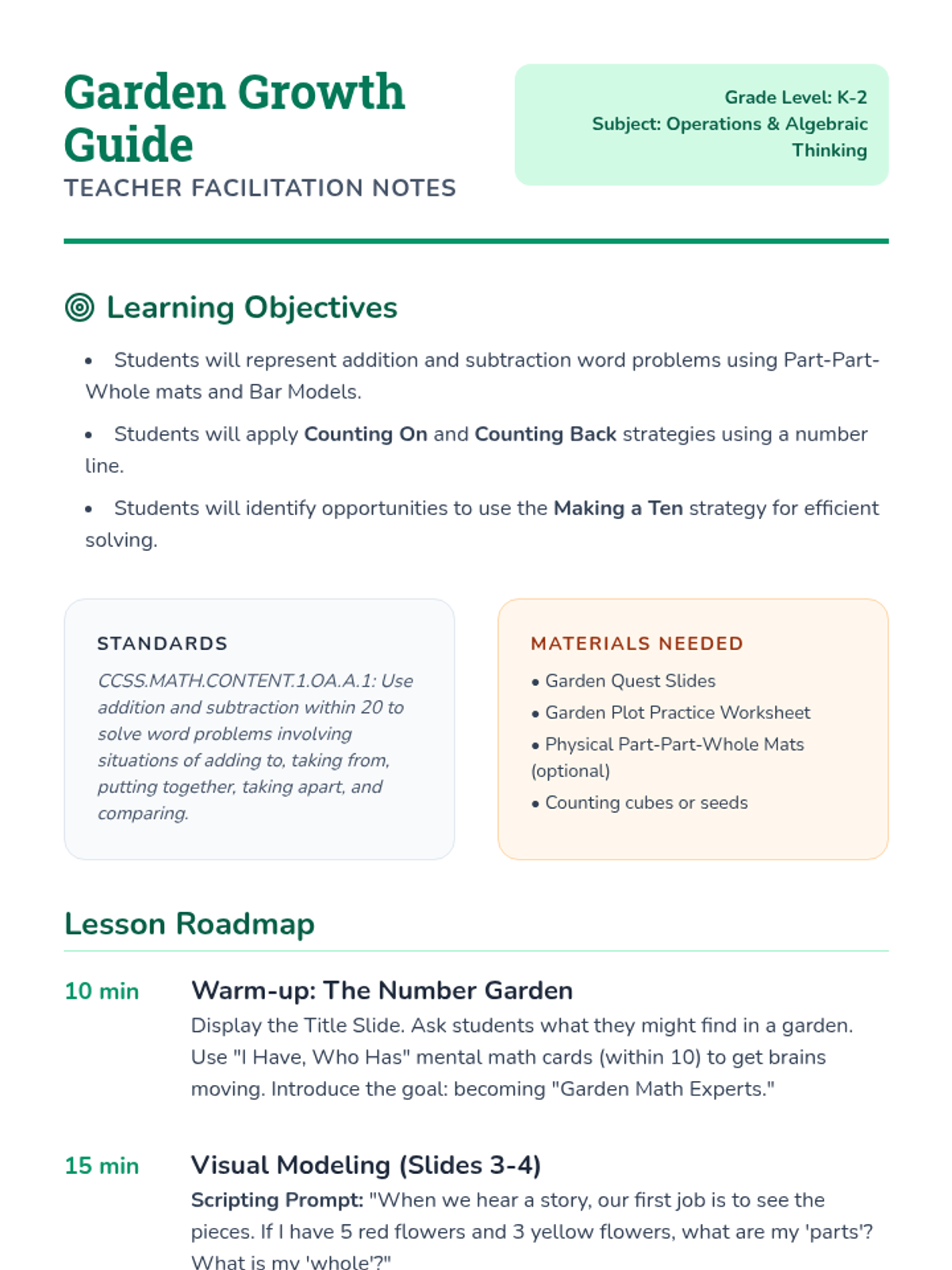
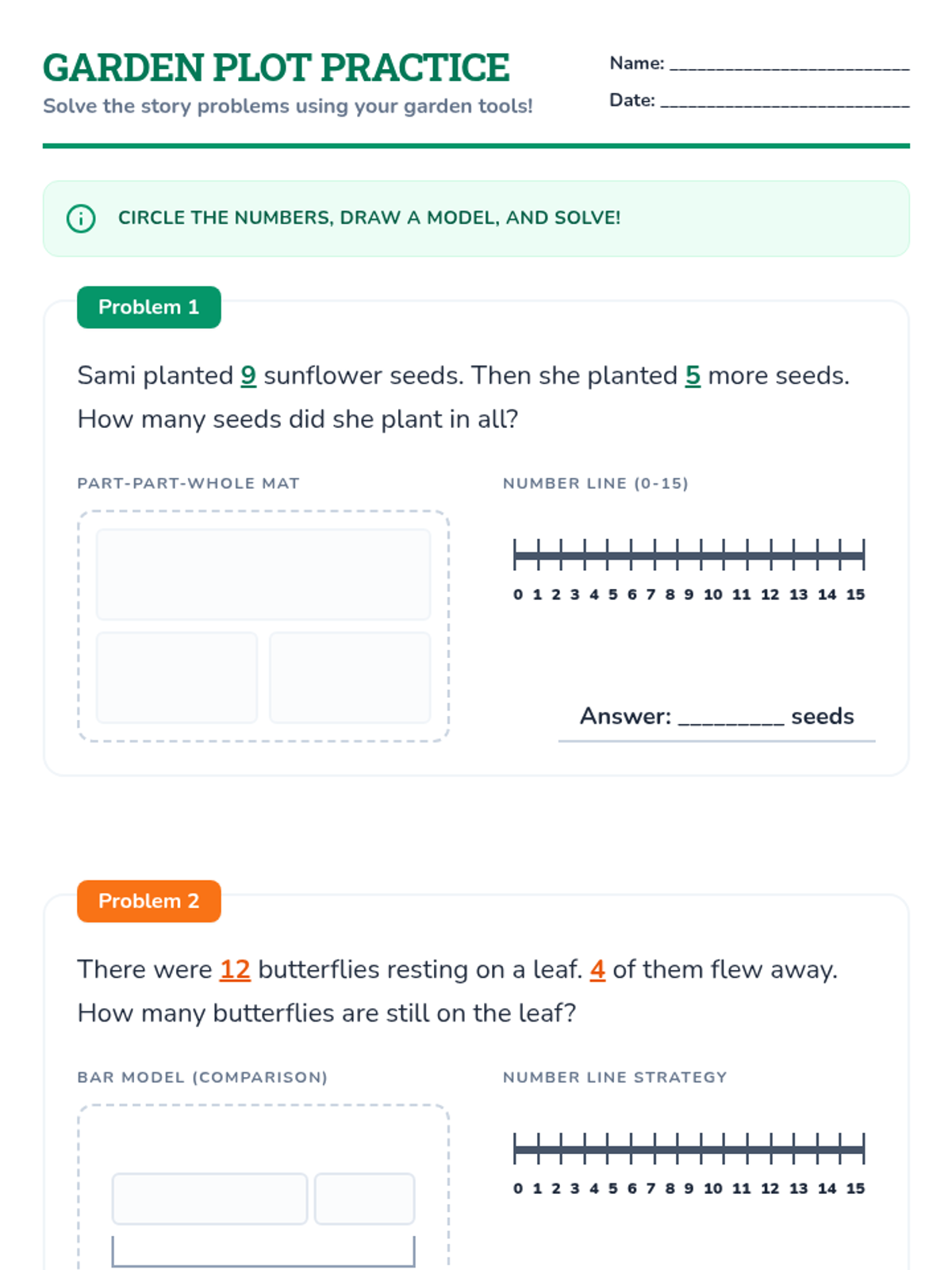
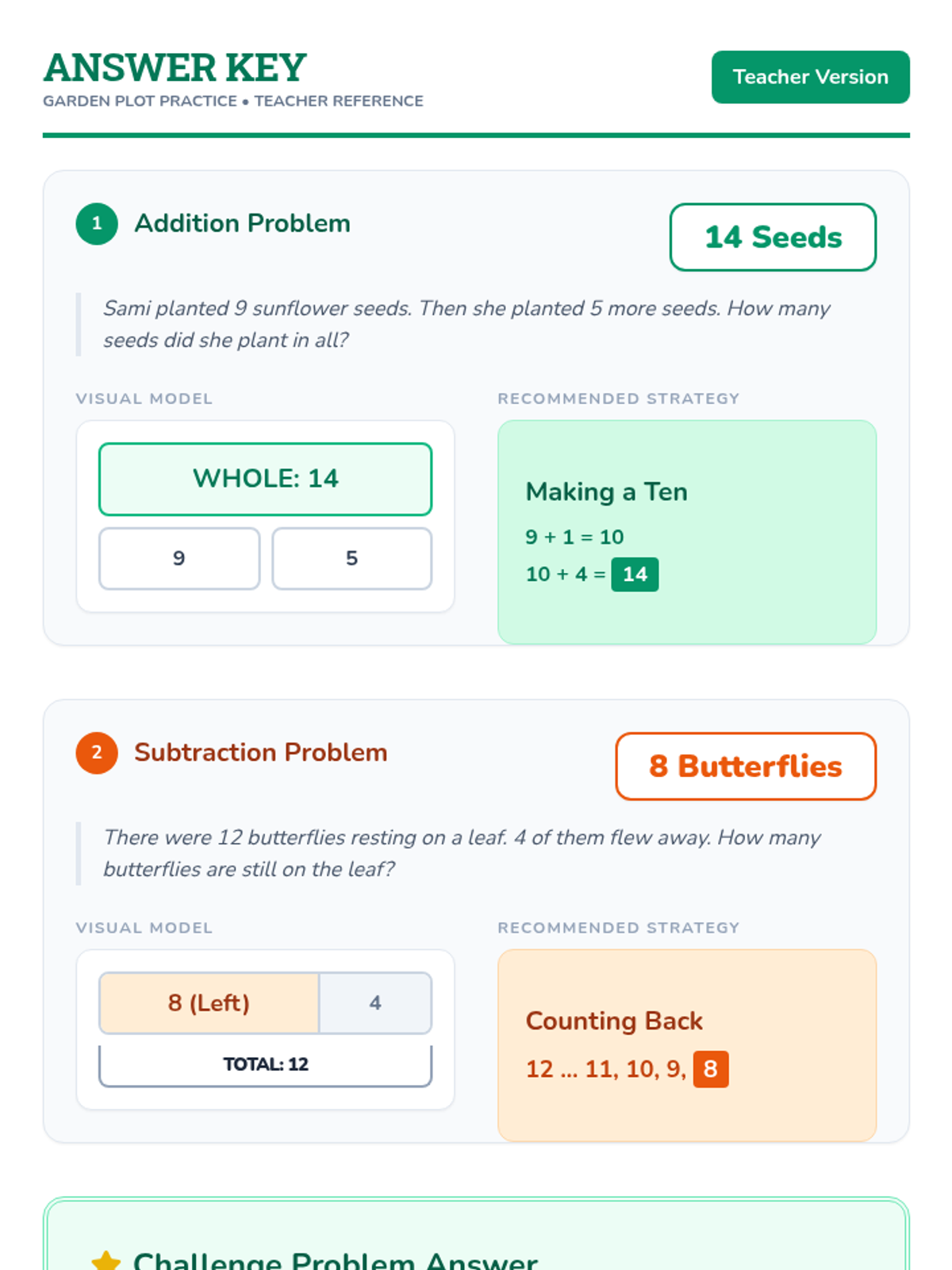
A K-2 math lesson focusing on solving addition and subtraction word problems using part-part-whole mats, bar models, and number lines, while applying counting on/back and making-a-ten strategies.
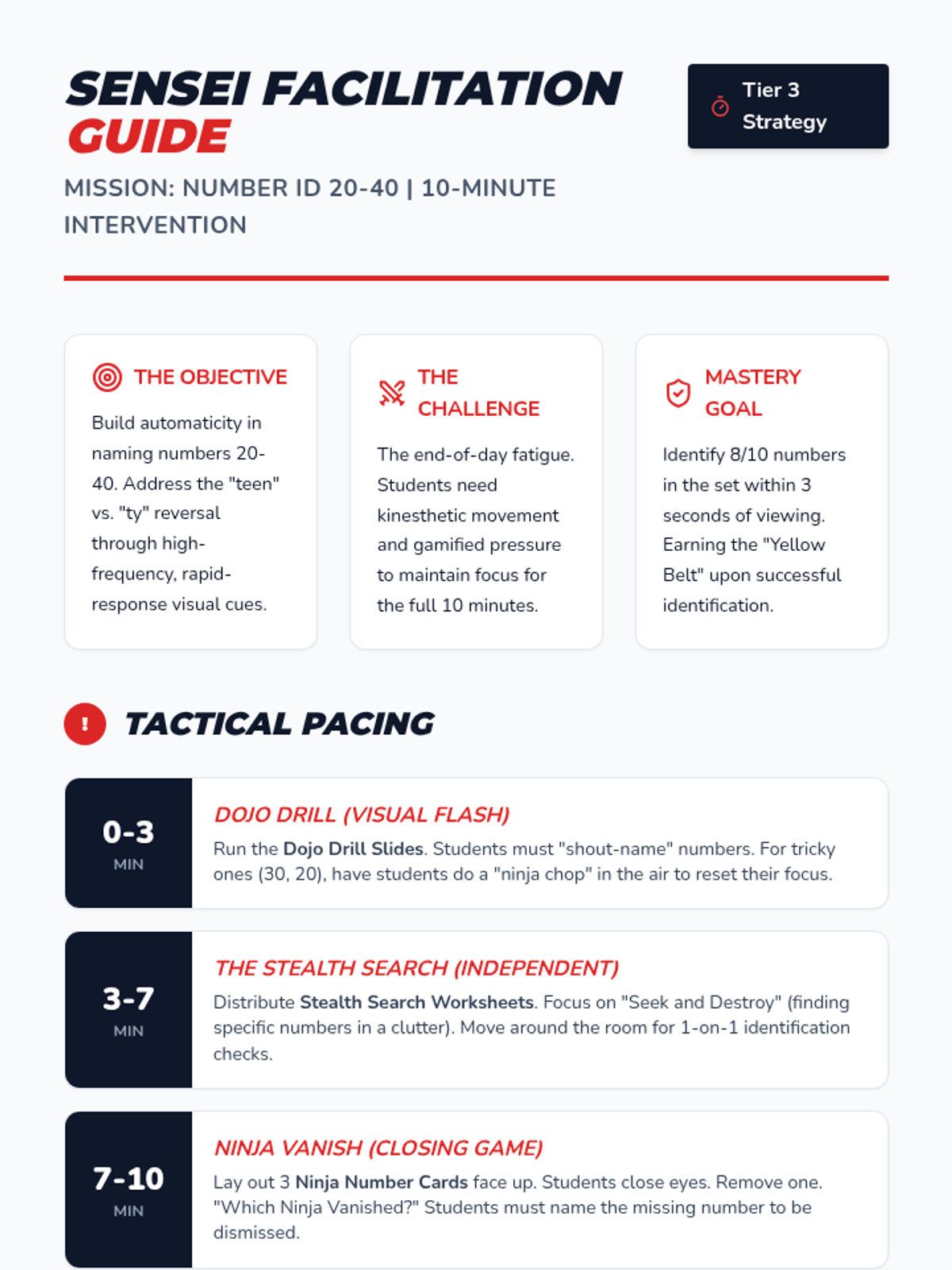
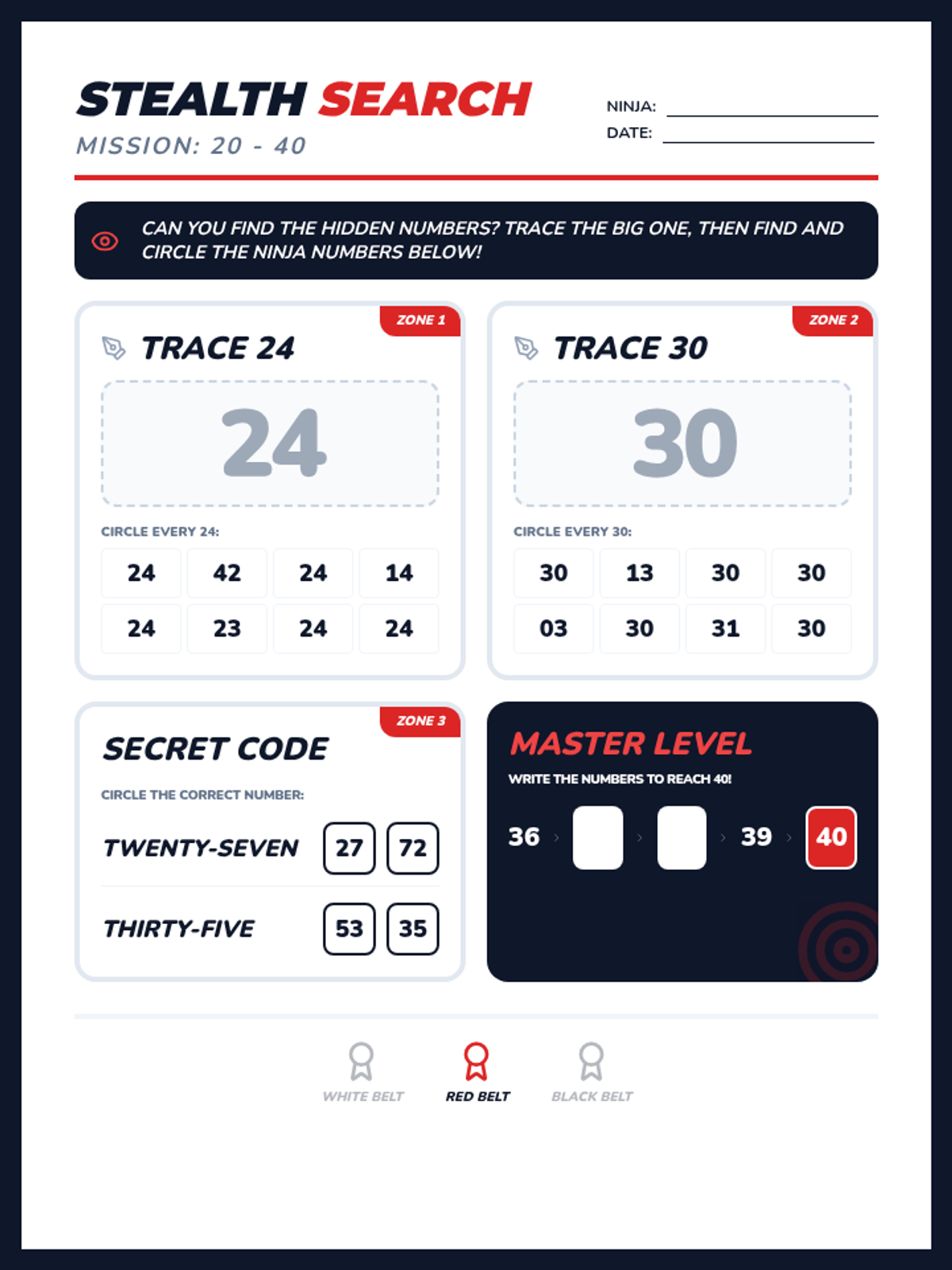
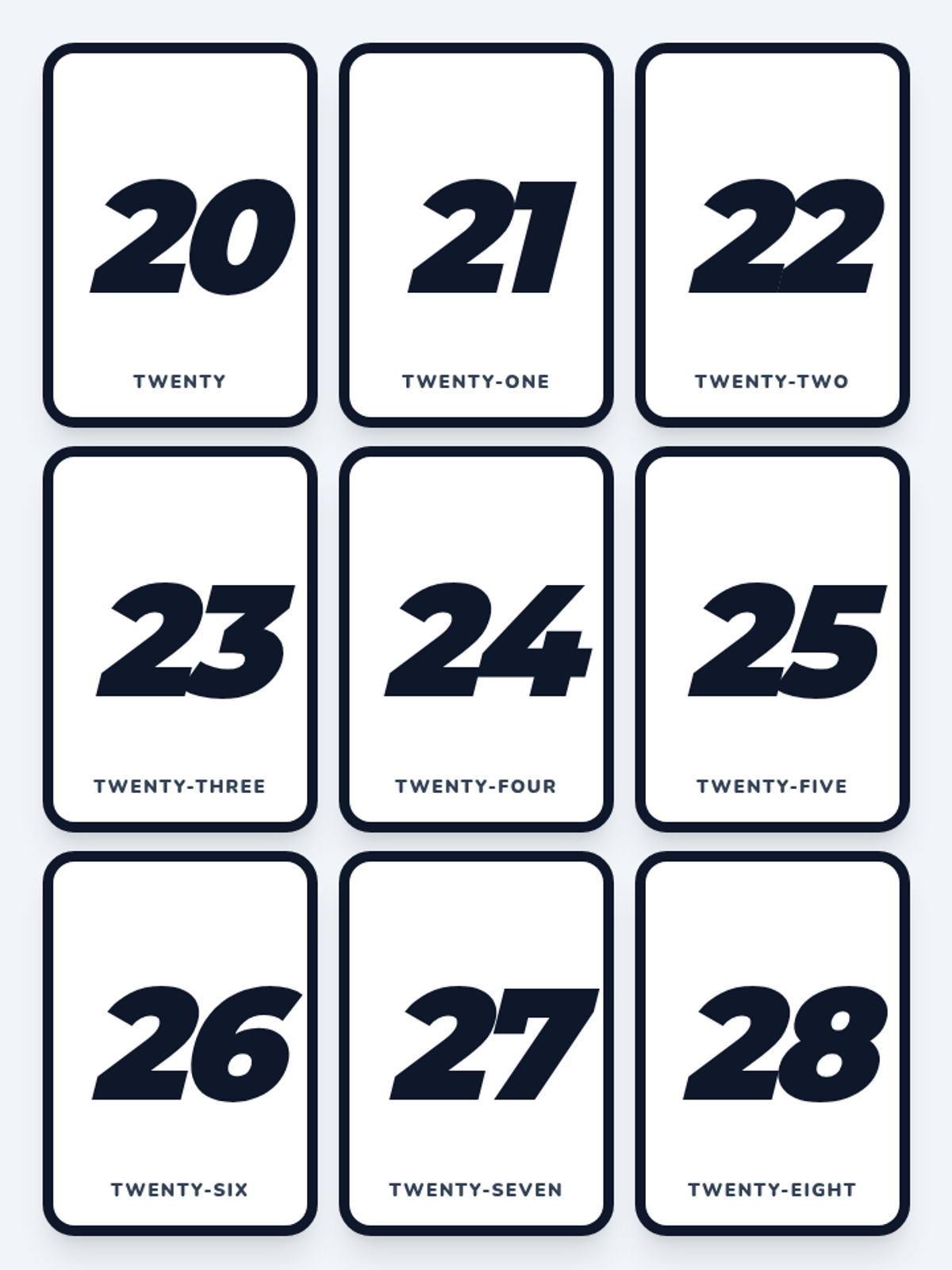
Targeted practice for identifying numbers 20-40 through rapid-fire visual drills and kinesthetic activities. Focuses on overcoming the 'teen' vs 'ty' confusion and building reliable recall.
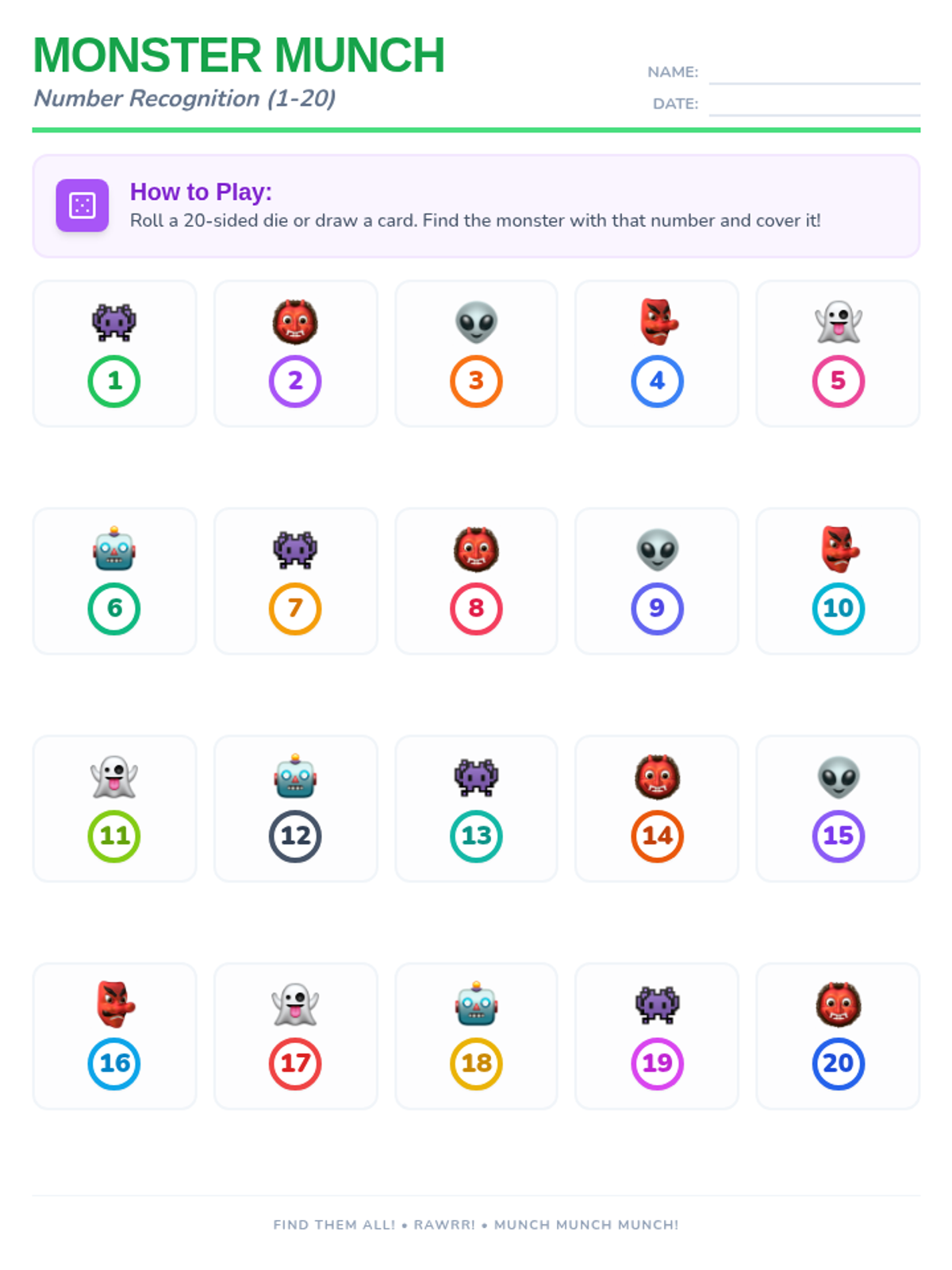
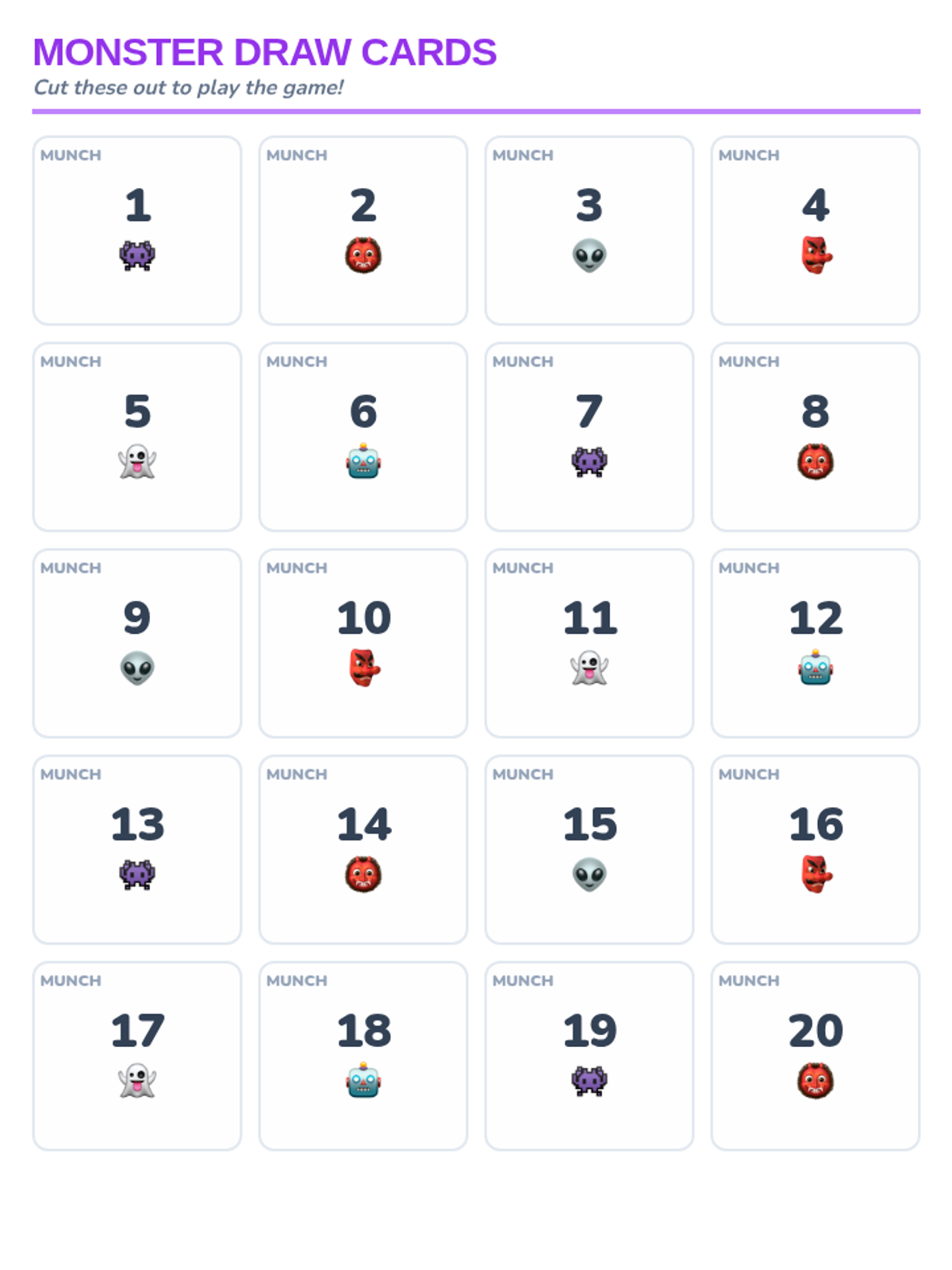
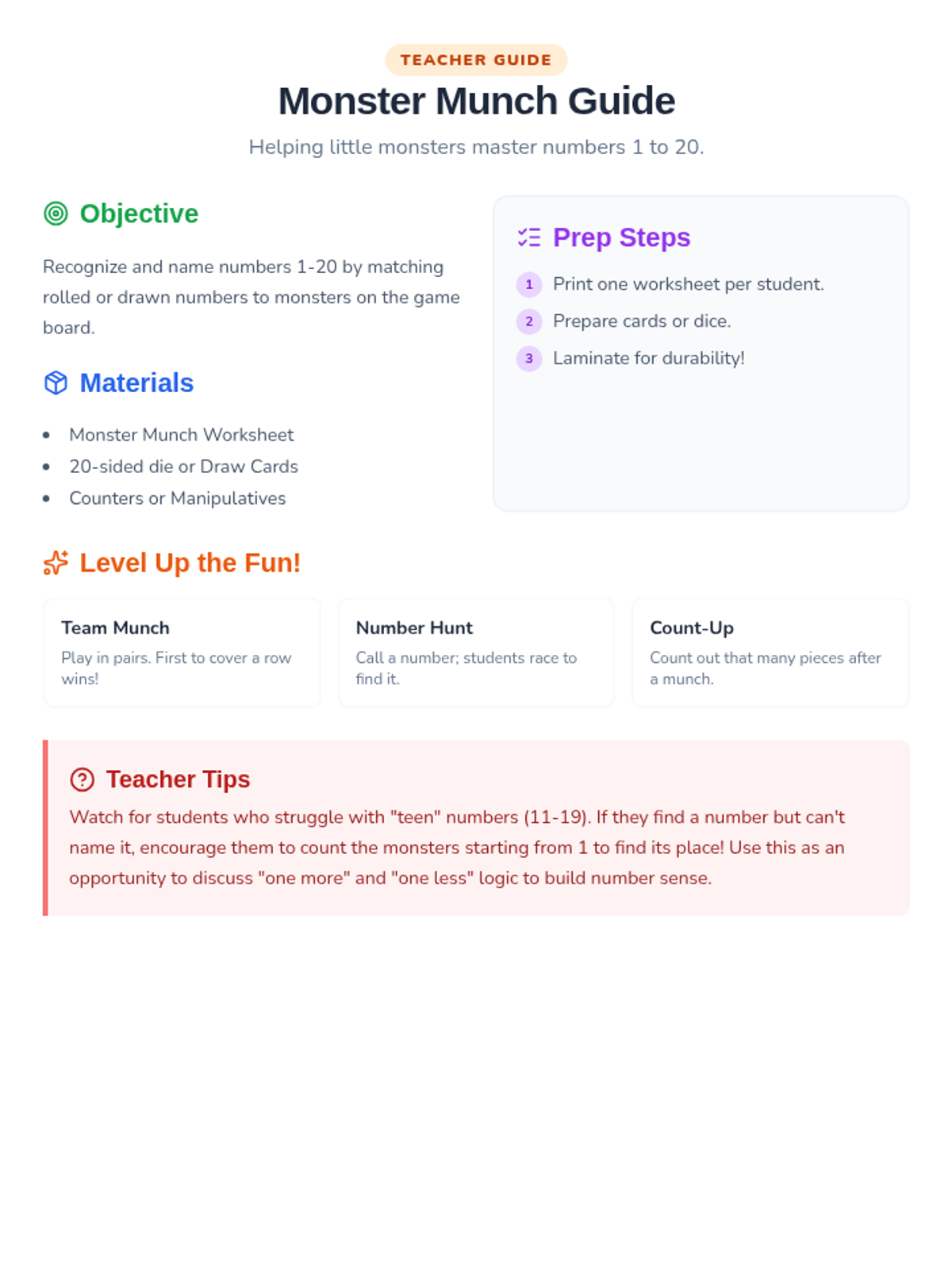
A fun, monster-themed lesson focused on identifying and naming numbers 1-20 through a hands-on 'Roll and Cover' game. Students practice subitizing and number recognition in a playful, low-stakes environment.
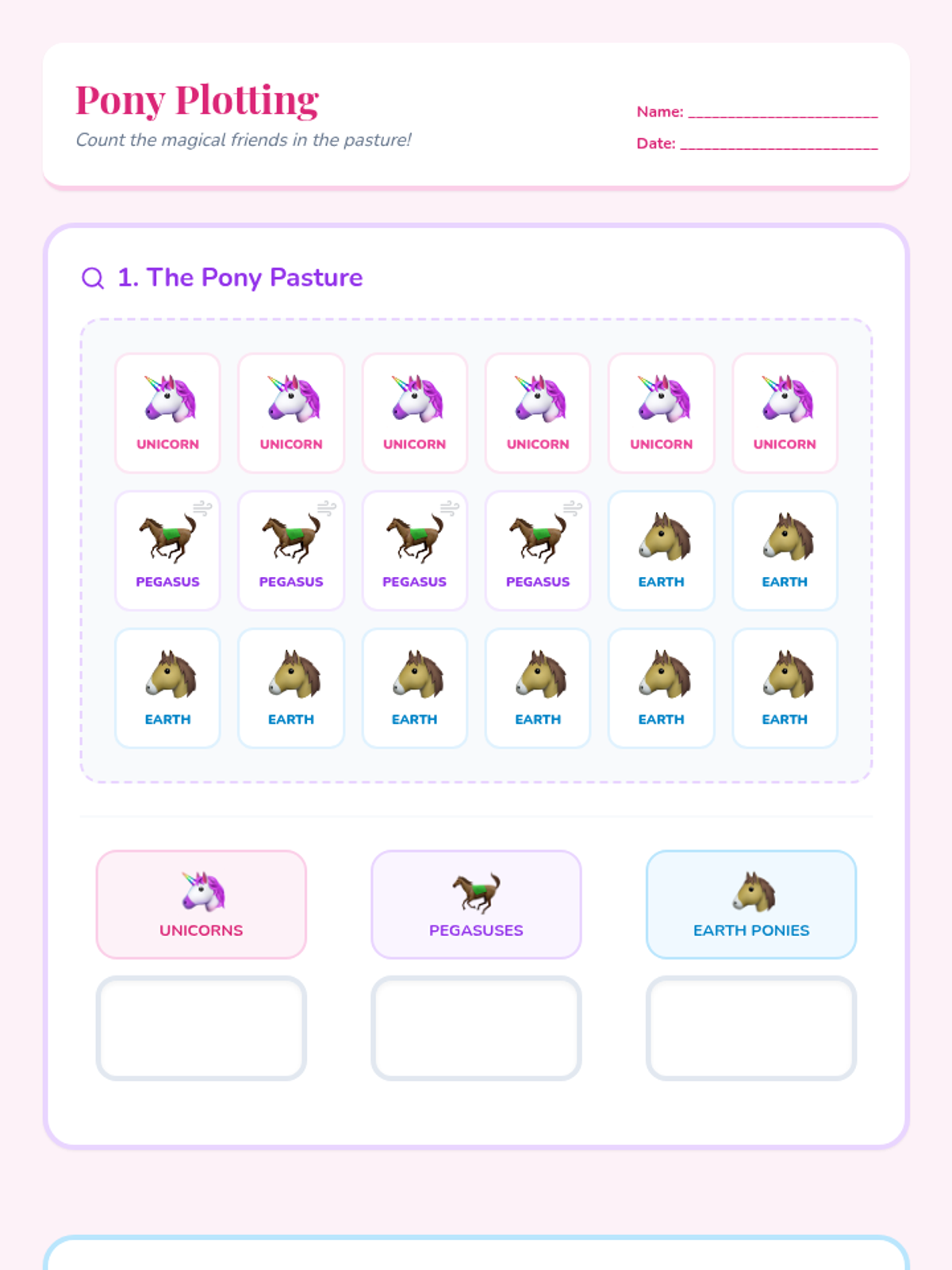
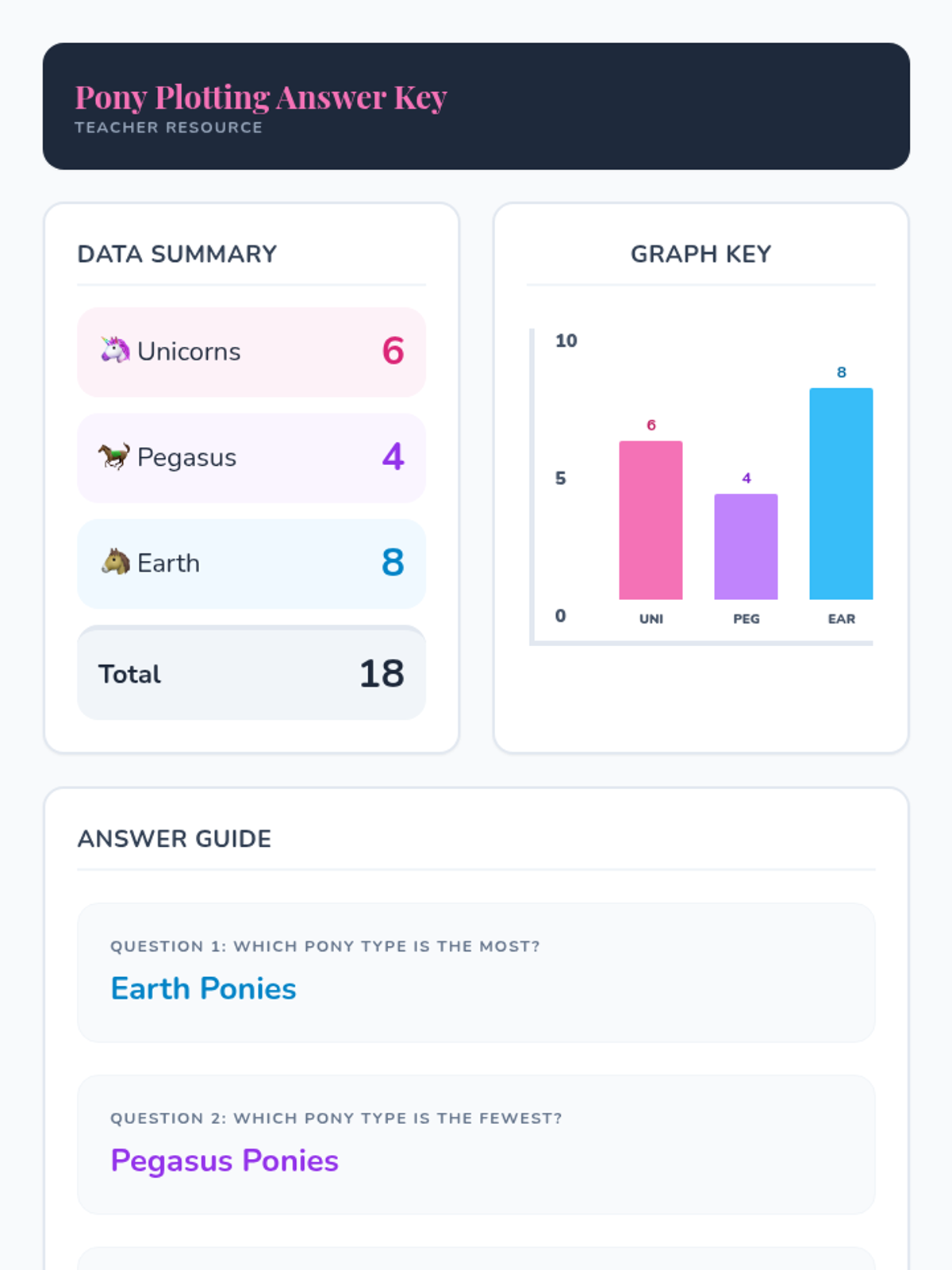
A magical math lesson where students count, sort, and graph different types of ponies to practice data representation and comparison skills.
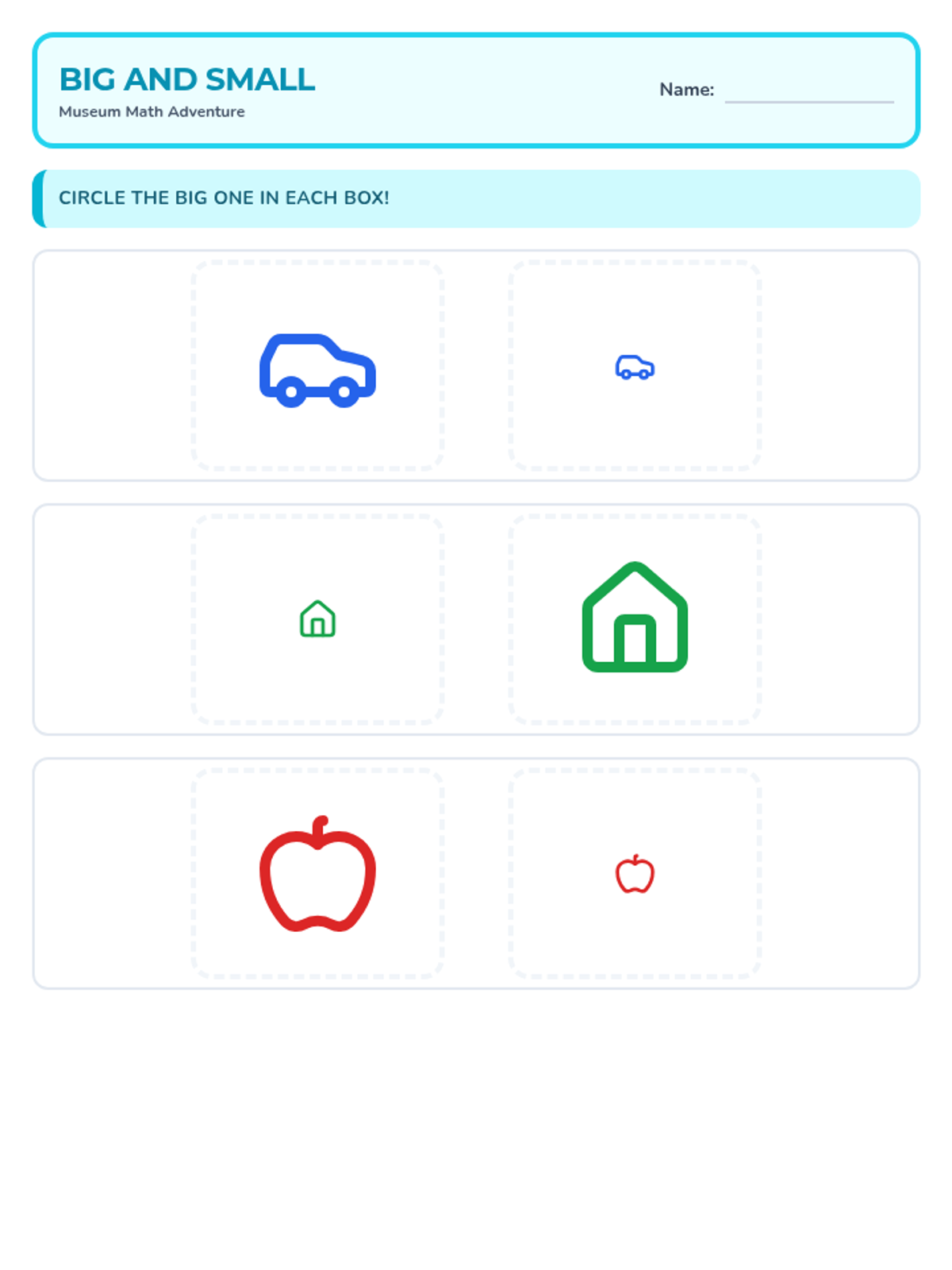
Students will explore the concepts of big, medium, and small by comparing various objects in the museum exhibits, promoting vocabulary development and visual discrimination.
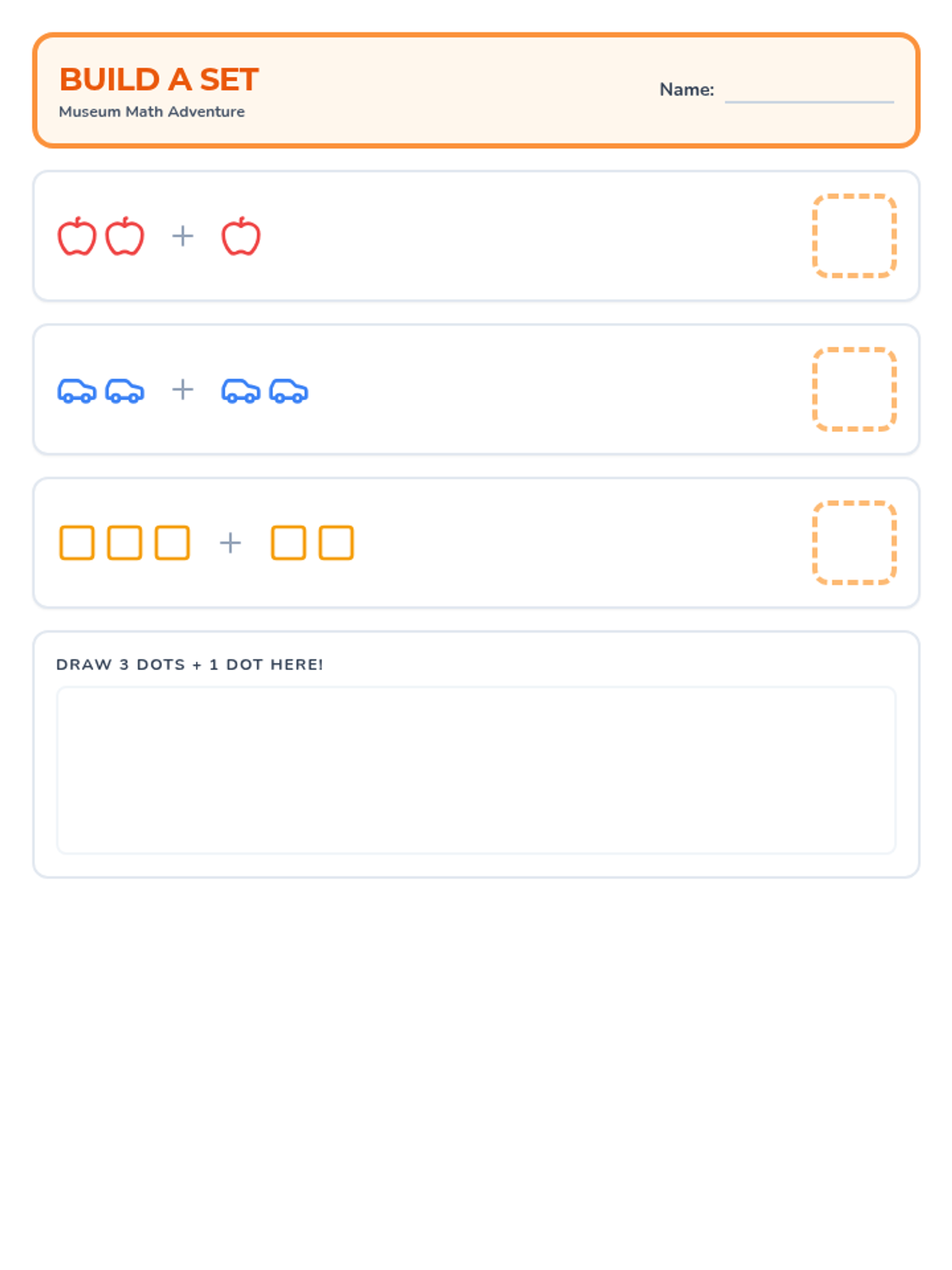
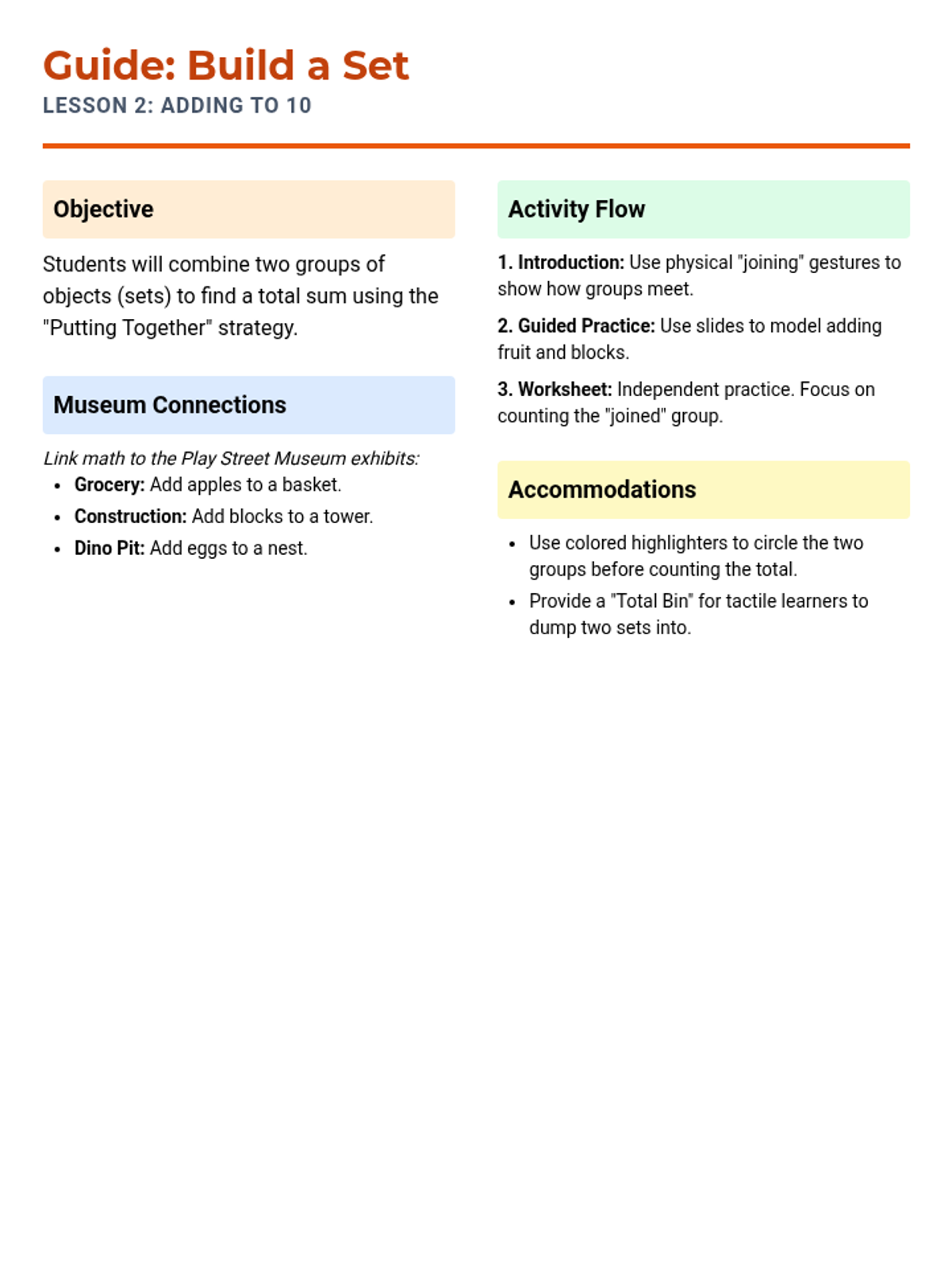
An introduction to simple addition by combining groups of museum objects, focusing on the concept of 'putting together' using visual aids and tactile play scenarios.
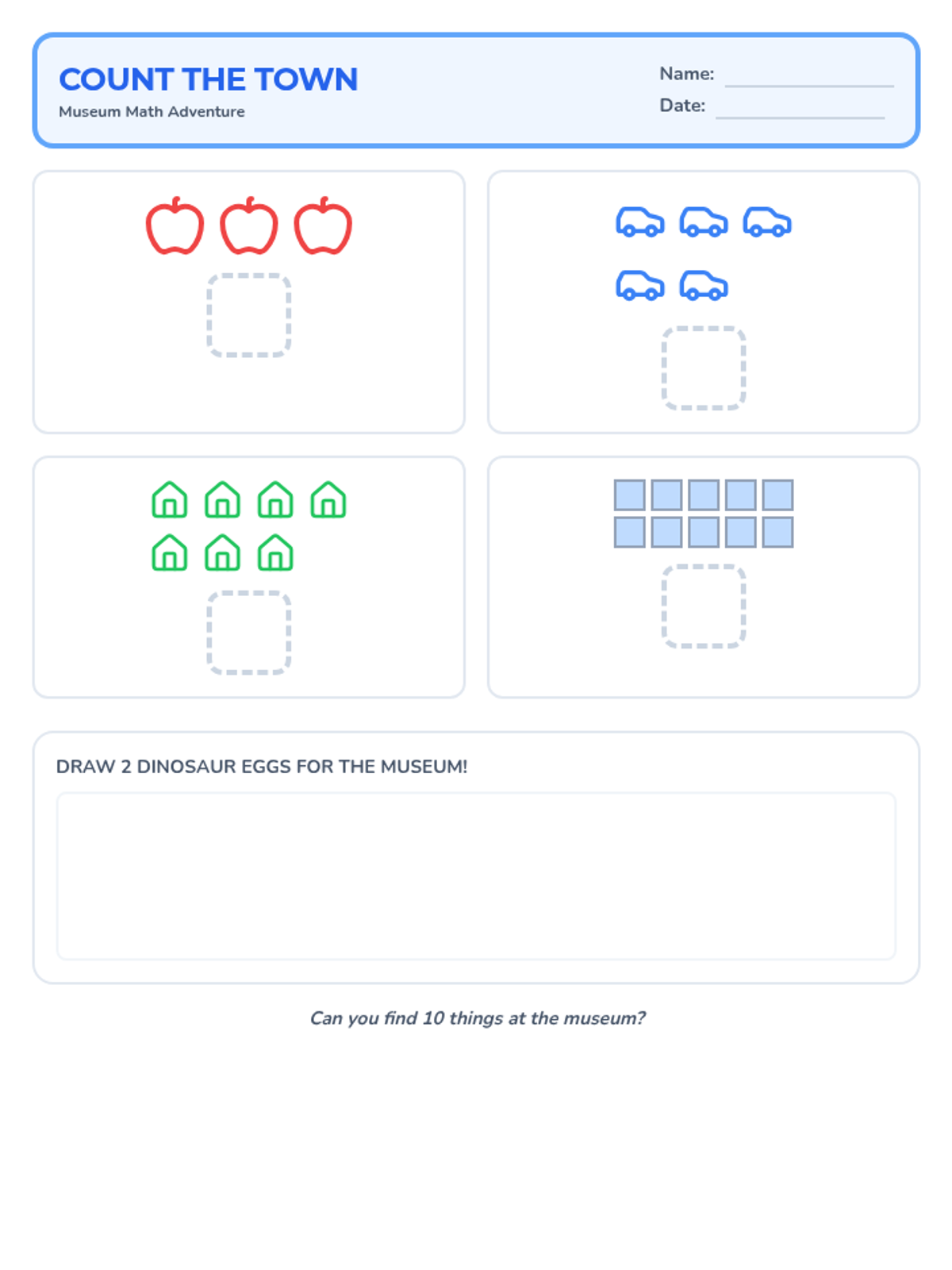
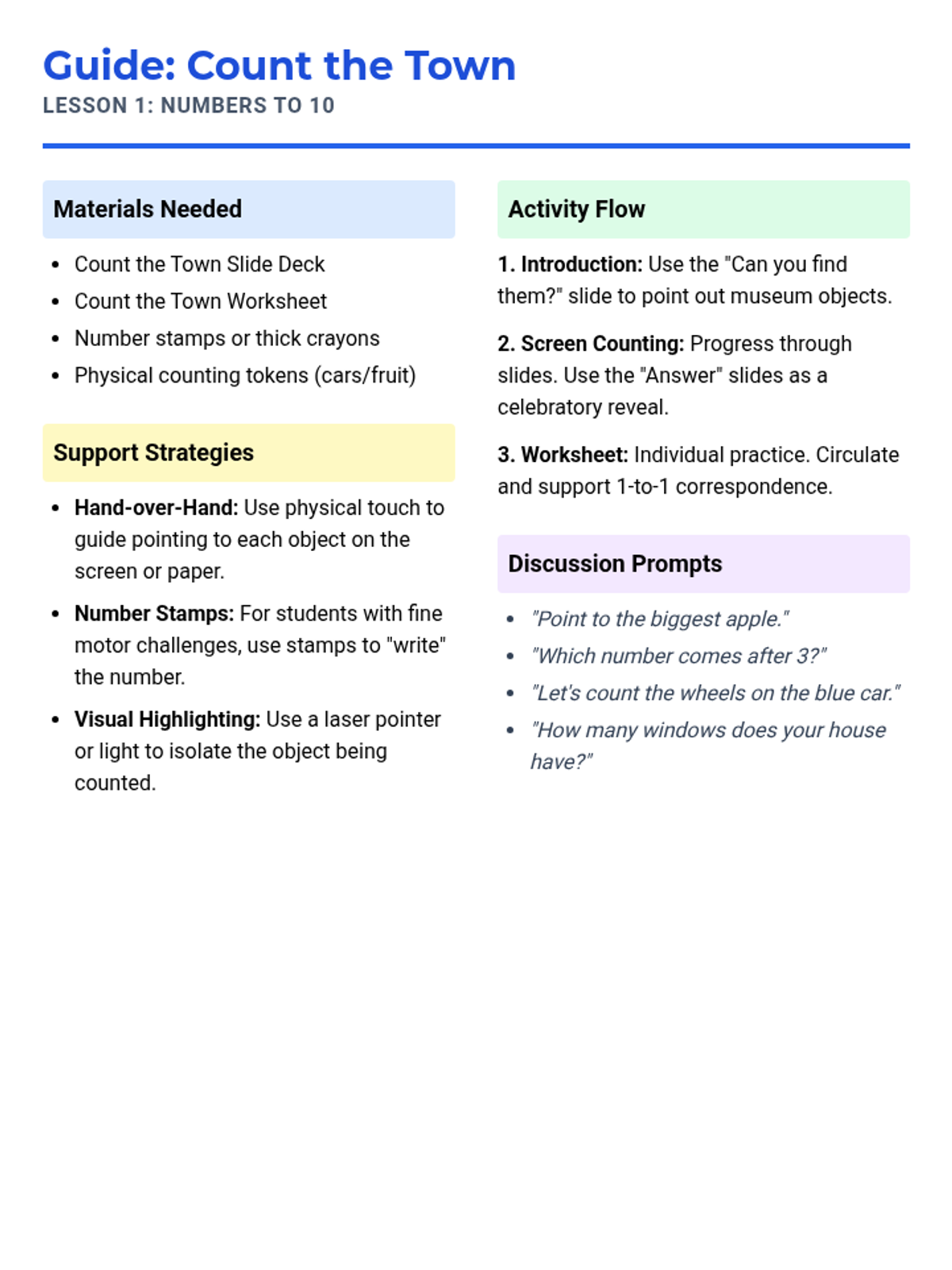
Students will practice identifying and counting numbers 1-10 using common items found in a play museum setting, such as grocery items, toy cars, and house windows.
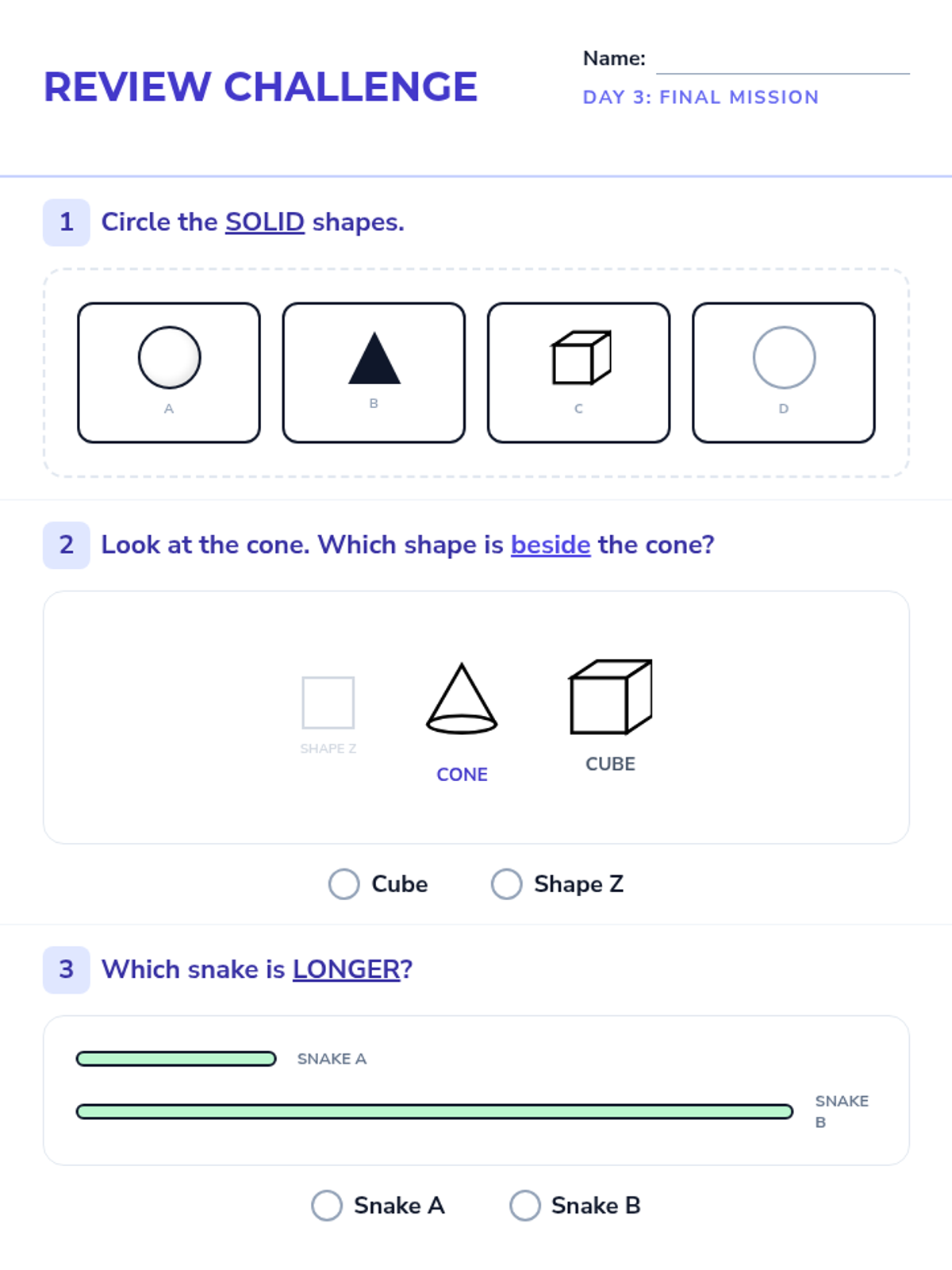
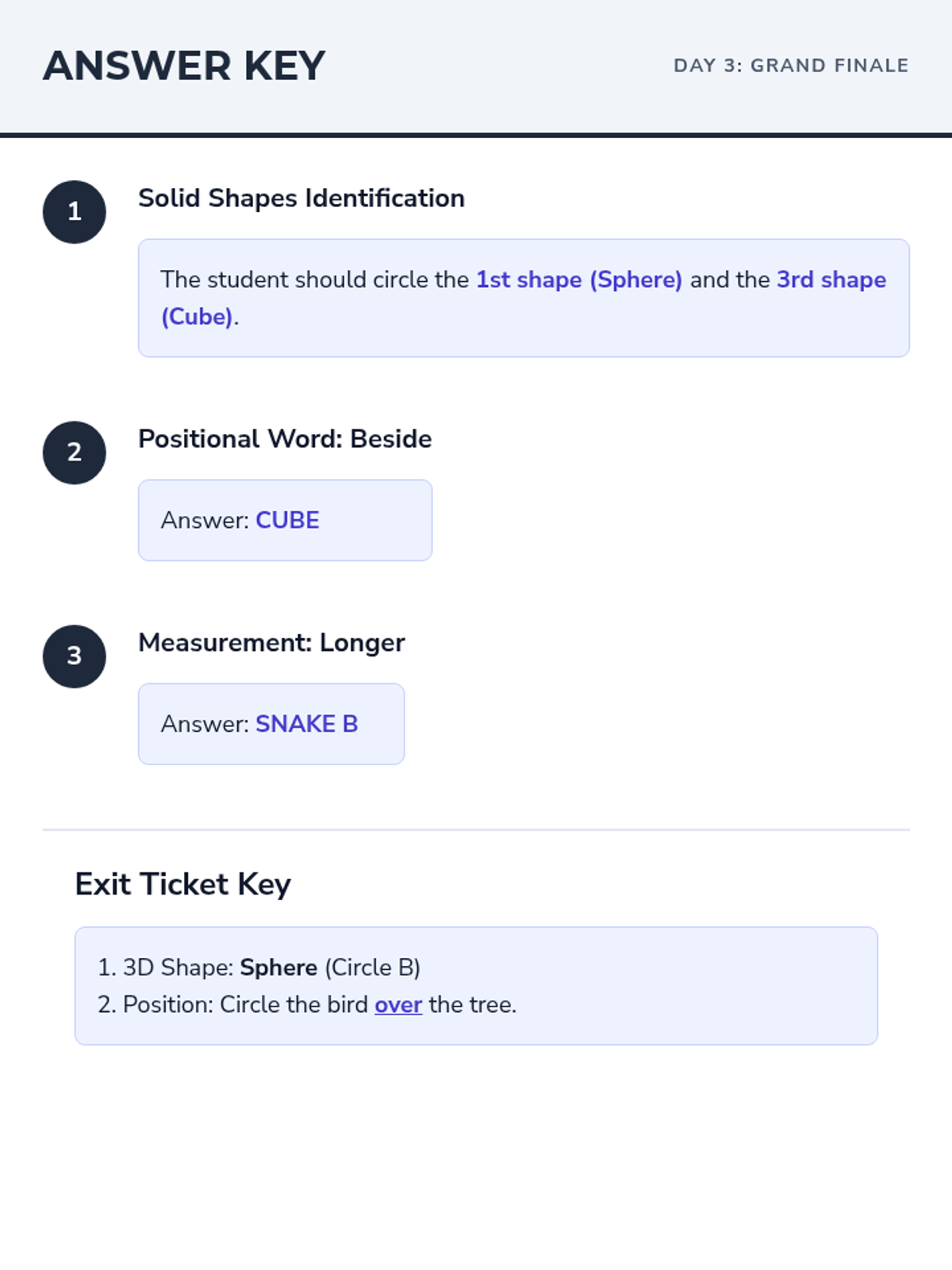
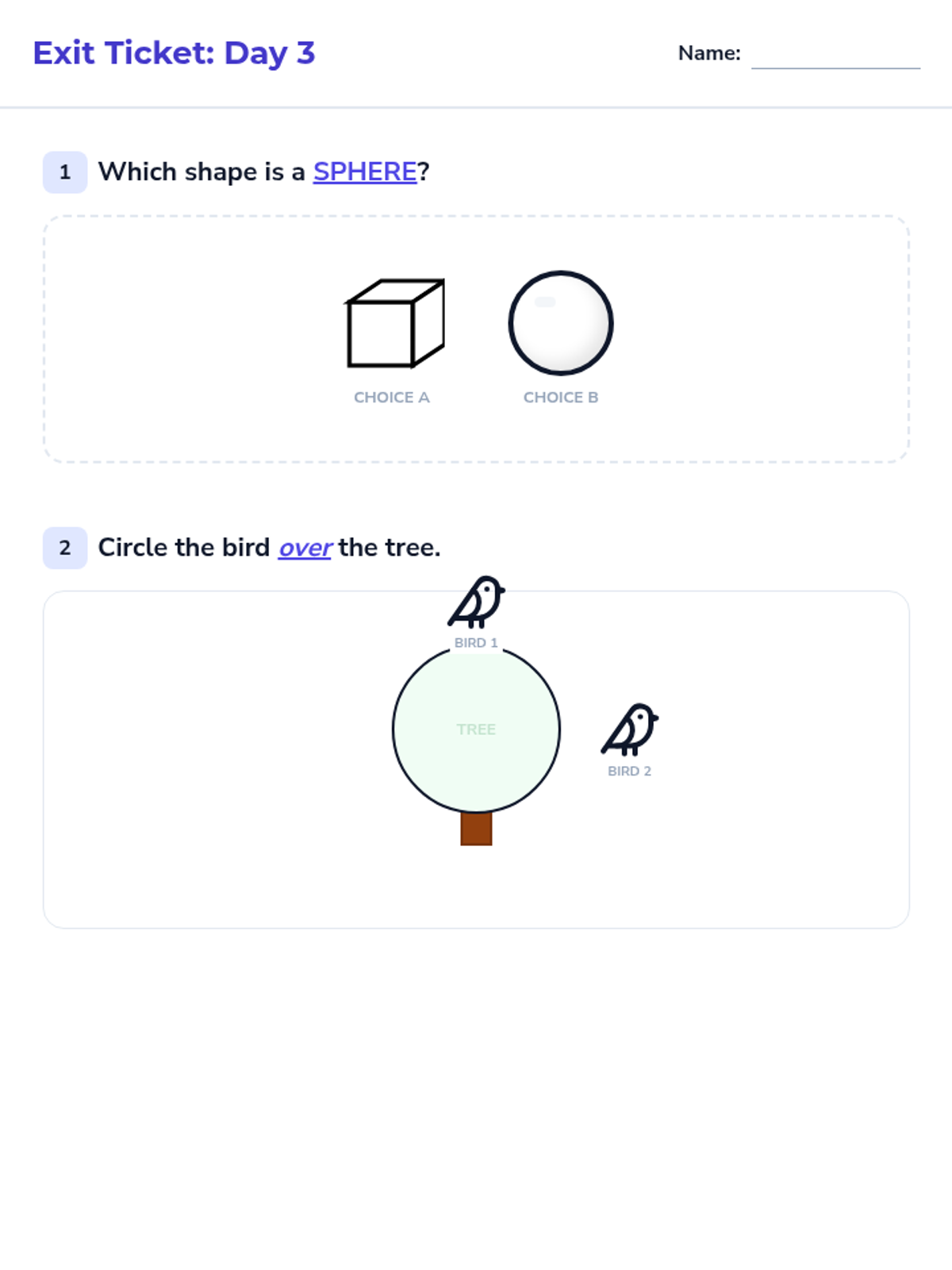
A cumulative review of 2D/3D shapes, positional words, and measurement comparisons to assess mastery.