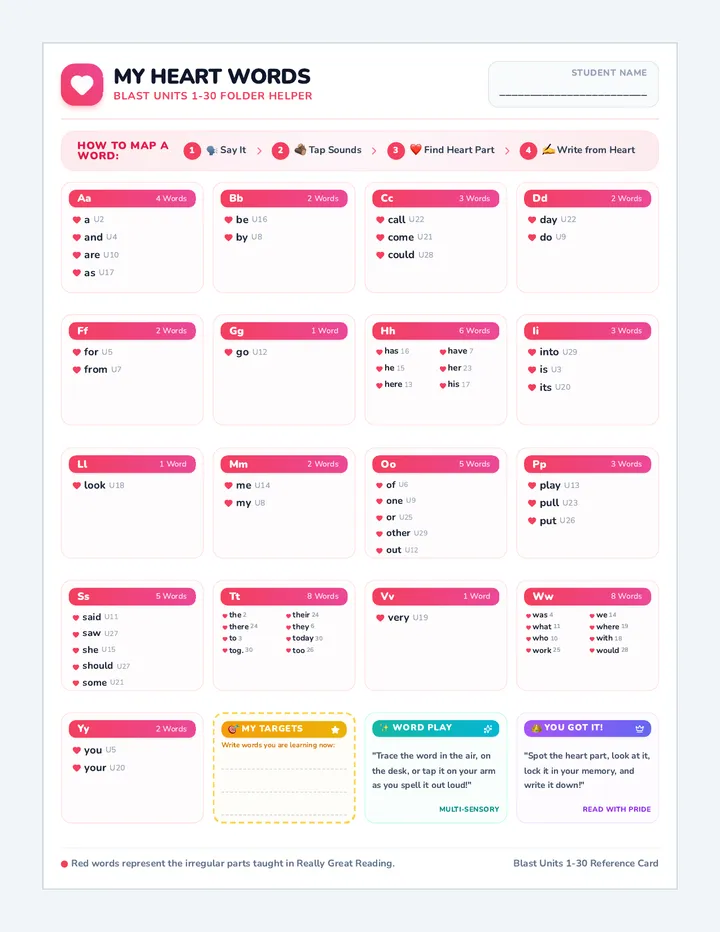
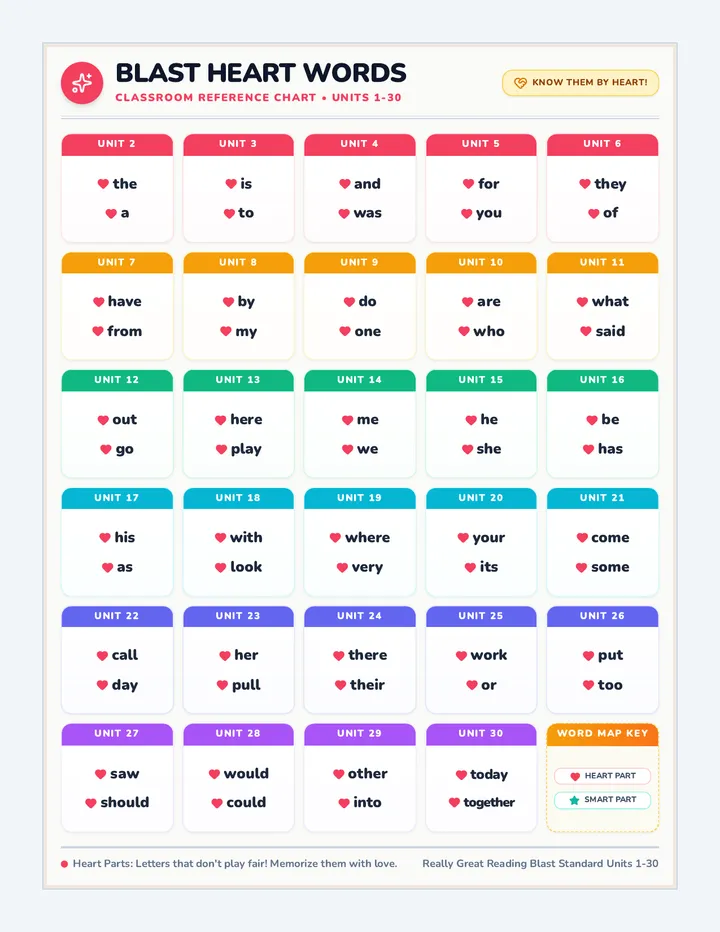
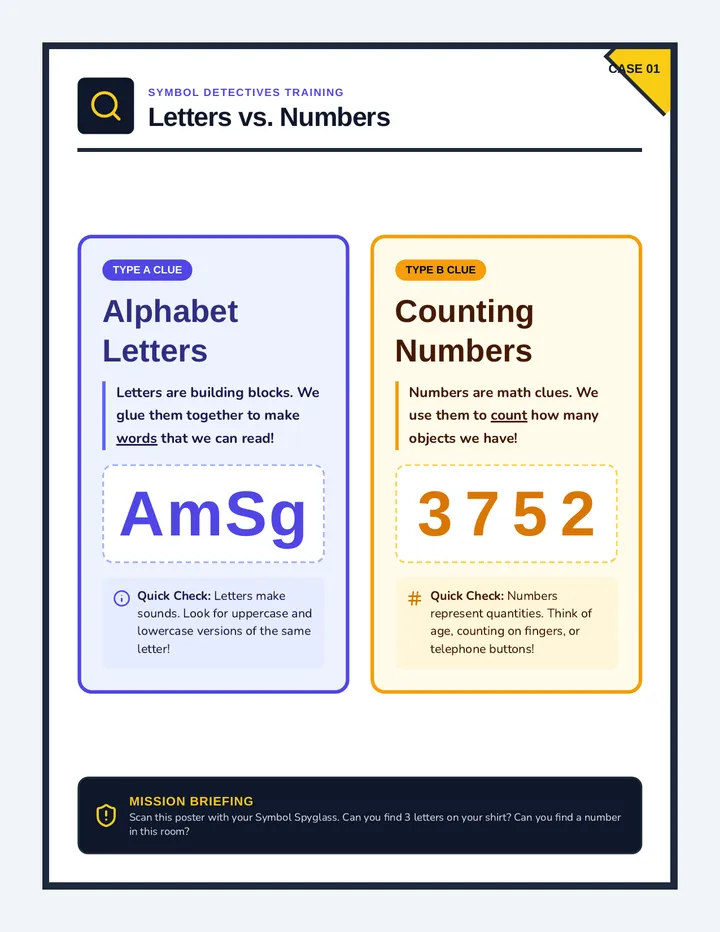
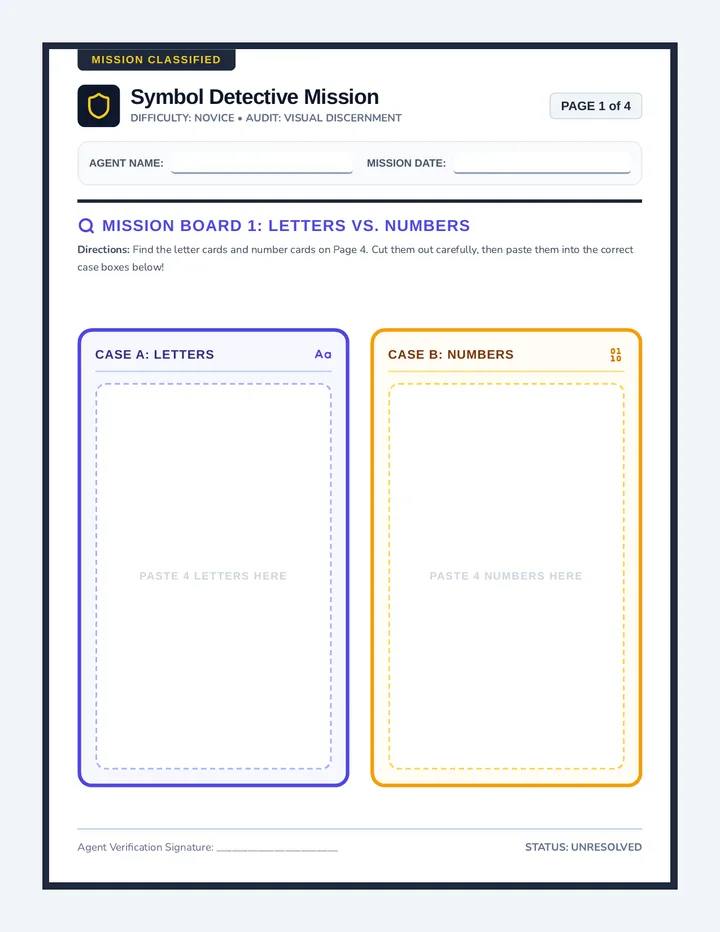
A high-energy, detective-themed lesson where students identify and read high-frequency 'rule-breaker' sight words using a rhythmic music video and a hunting activity.
A collection of short stories designed for verbal story retell, featuring story grammar elements and inferencing questions. Includes stories with kids, animals, and fantasy creatures at two different complexity levels.
A comprehensive lesson focused on teaching the silent e (VCE) rule through the 'Magic E Academy' theme, including visual instruction and hands-on practice.
A series of three ELA homework assignments based on the story 'Oakley’s Azure Acorn,' focusing on phonics, vocabulary, comprehension, and grammar.
A 20-minute mini-lesson introducing students to the basic structure of a simple sentence, focusing on identifying the subject (who or what) and the predicate (what is happening).
A fun, fast-paced card game lesson for 1st graders to practice reading and identifying Vowel-Consonant-E (VCE) words. Students match colors or vowel sounds to reinforce long vowel patterns.
A kindergarten introduction to opinion writing where students choose between a bird and a bunny, using their five senses to generate descriptive reasons and support their preferences.
A kindergarten lesson on opinion writing focusing on the debate between soccer and football, using the 5 senses to generate reasons and a specific sentence stem for writing.
A lesson focused on decoding and dividing multisyllabic words with closed syllables through a hands-on cut-and-paste activity.
A comprehensive lesson for 2nd-3rd graders on decoding unfamiliar words using context clues, prefixes, suffixes, and root words, all framed within an engaging detective theme.
A final project where students choose their own topic to write a complete 'Maker Manual'.
Students learn to add 'Pro Tips' and warnings to make their instructions more helpful for the reader.
Focuses on the importance of listing all necessary materials and tools before starting a procedure.
Students practice breaking down familiar tasks into clear steps with matching illustrations.
Students learn to identify procedural writing and use transition words (first, next, then, finally) to order steps.
A comprehensive lesson for second graders to identify the main idea and key details in texts about pollinators. Students will explore how bees, butterflies, and other creatures help plants grow.
A quiz assessing phonogram patterns (oke/ake), double consonant endings, and simple/compound sentence construction for a diverse range of primary reading levels.
A lesson focused on identifying the 'gist' of short informational texts using a detective-themed approach to help students synthesize key information into a single sentence.