A visual, tactile approach to sentence structure using color-coded "blocks" to represent parts of speech. Students learn to sculpt sentences from basic patterns to complex masterpieces, reducing cognitive load through visual patterns.
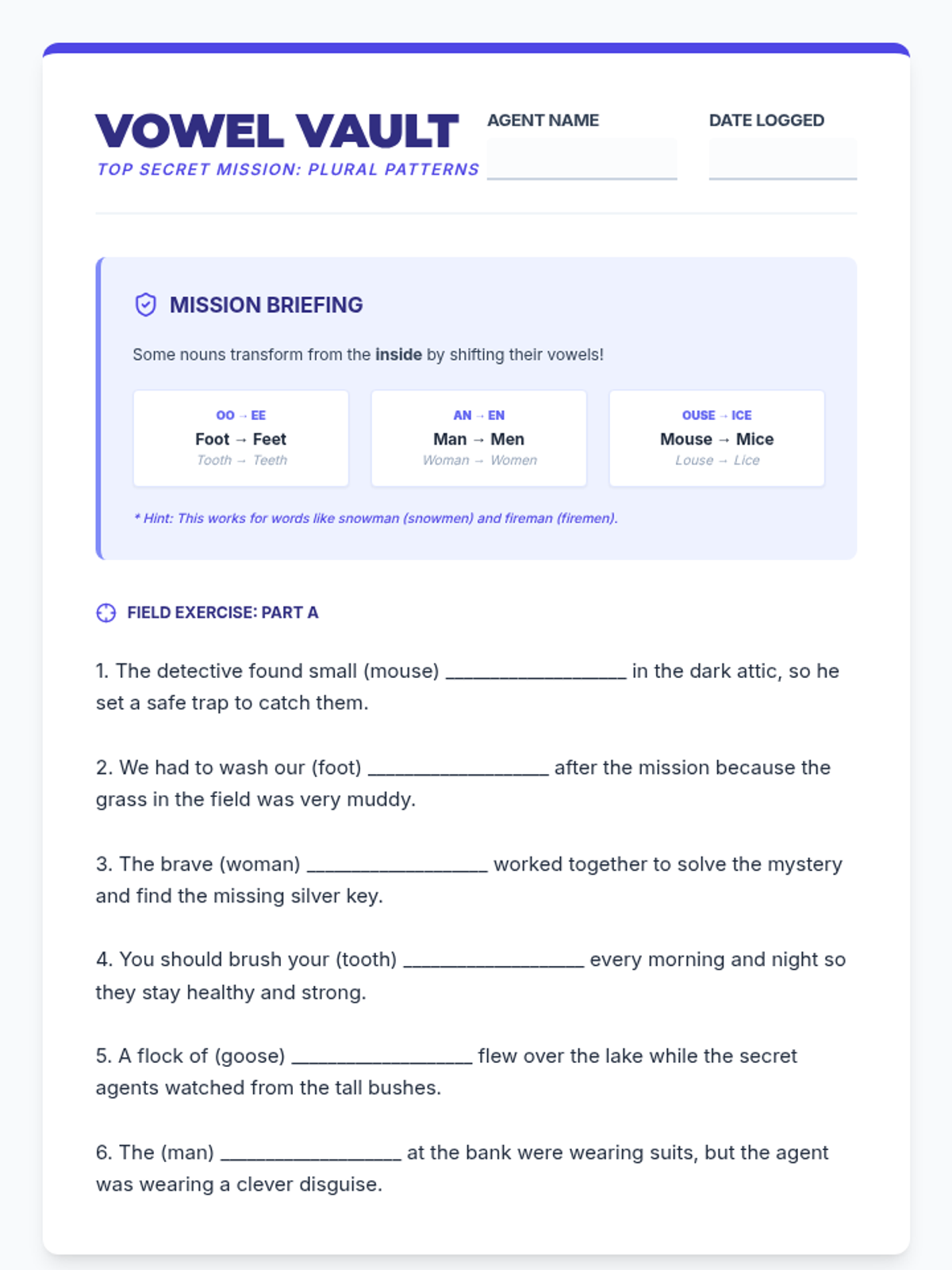
An integrated literacy lesson where students master four key reading skills: analyzing character traits, evaluating author evidence, identifying main ideas, and understanding cause and effect through an engaging 'Evidence Agency' theme.
Students will explore the complex debate surrounding wolf reintroduction in national parks, analyzing two conflicting perspectives to understand how authors shape information and support their claims with evidence.
A comprehensive ELA lesson focused on identifying main ideas in space-themed informational texts, explaining scientific procedures, and summarizing fictional narratives about friendship.
Students apply their detective skills to historical texts, focusing on chronological details and key events. Includes history passages, a summative quiz, and a teacher's answer key.
Students learn the 'QAR' (Question Answer Relationship) strategy to find explicit evidence in science-themed expository texts. Includes instructional slides, a set of science passages, and a main idea graphic organizer.
A lesson focused on enhancing inference skills using a high-interest context of game design and virtual worlds. Students will analyze character motivations and technical challenges within a Roblox-inspired narrative.
A lesson focused on developing inference skills through a high-interest text about beauty and self-expression. Students will use textual clues to draw conclusions about settings, actions, and feelings.
A focused lesson on mastering plural possessive nouns through a detective-themed investigation. Students will learn the rules for placing apostrophes with regular and irregular plural nouns.
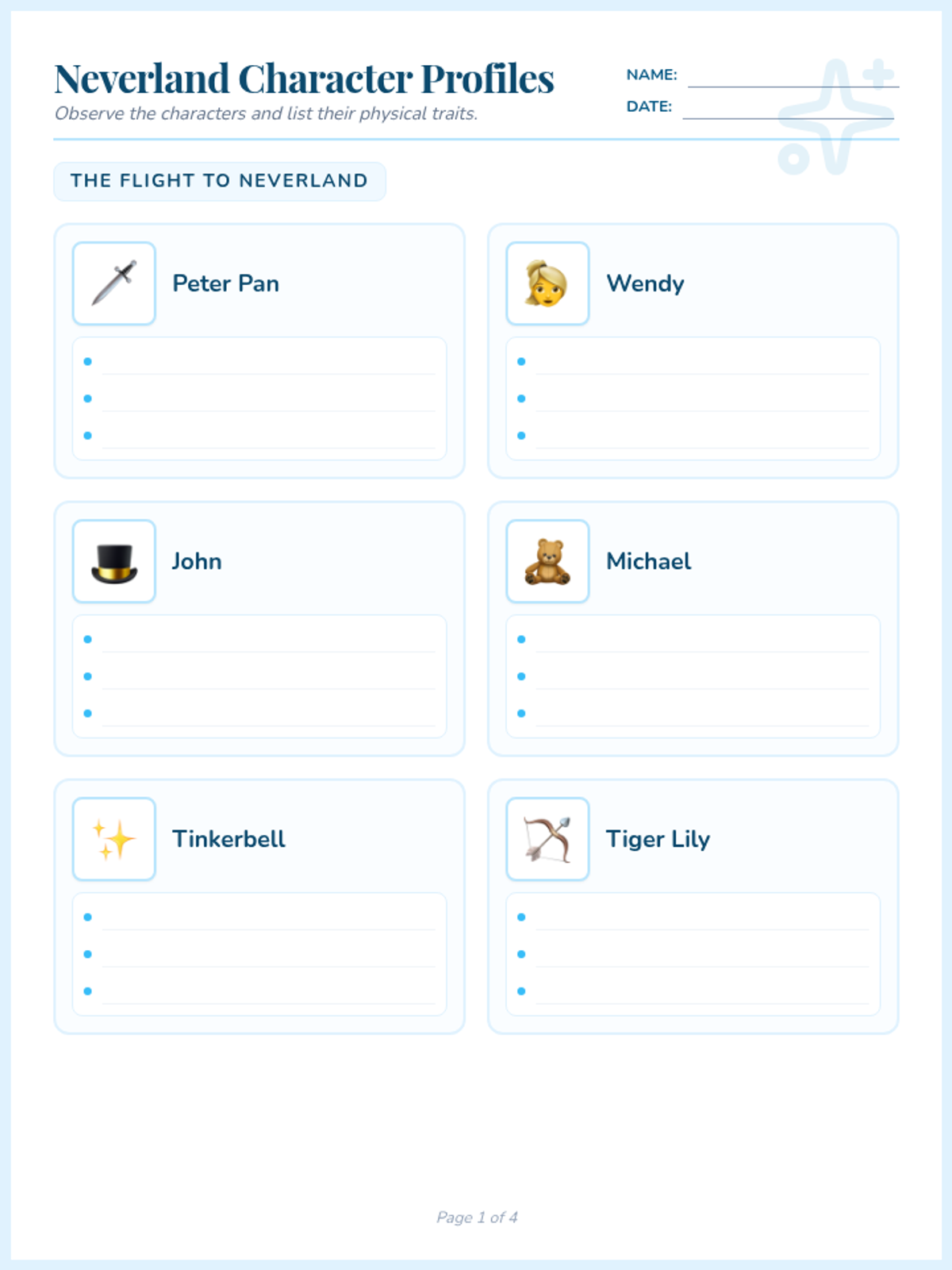
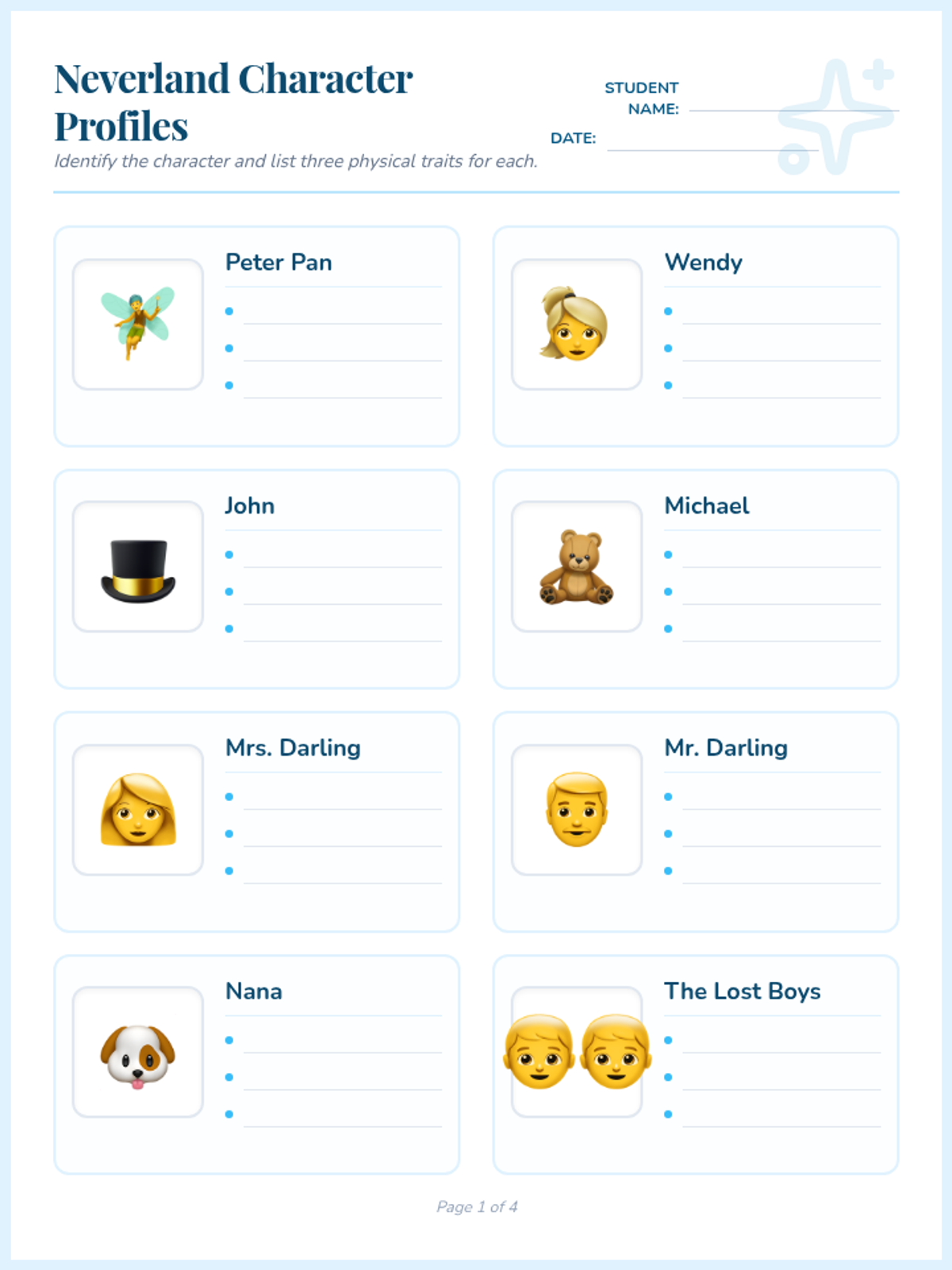
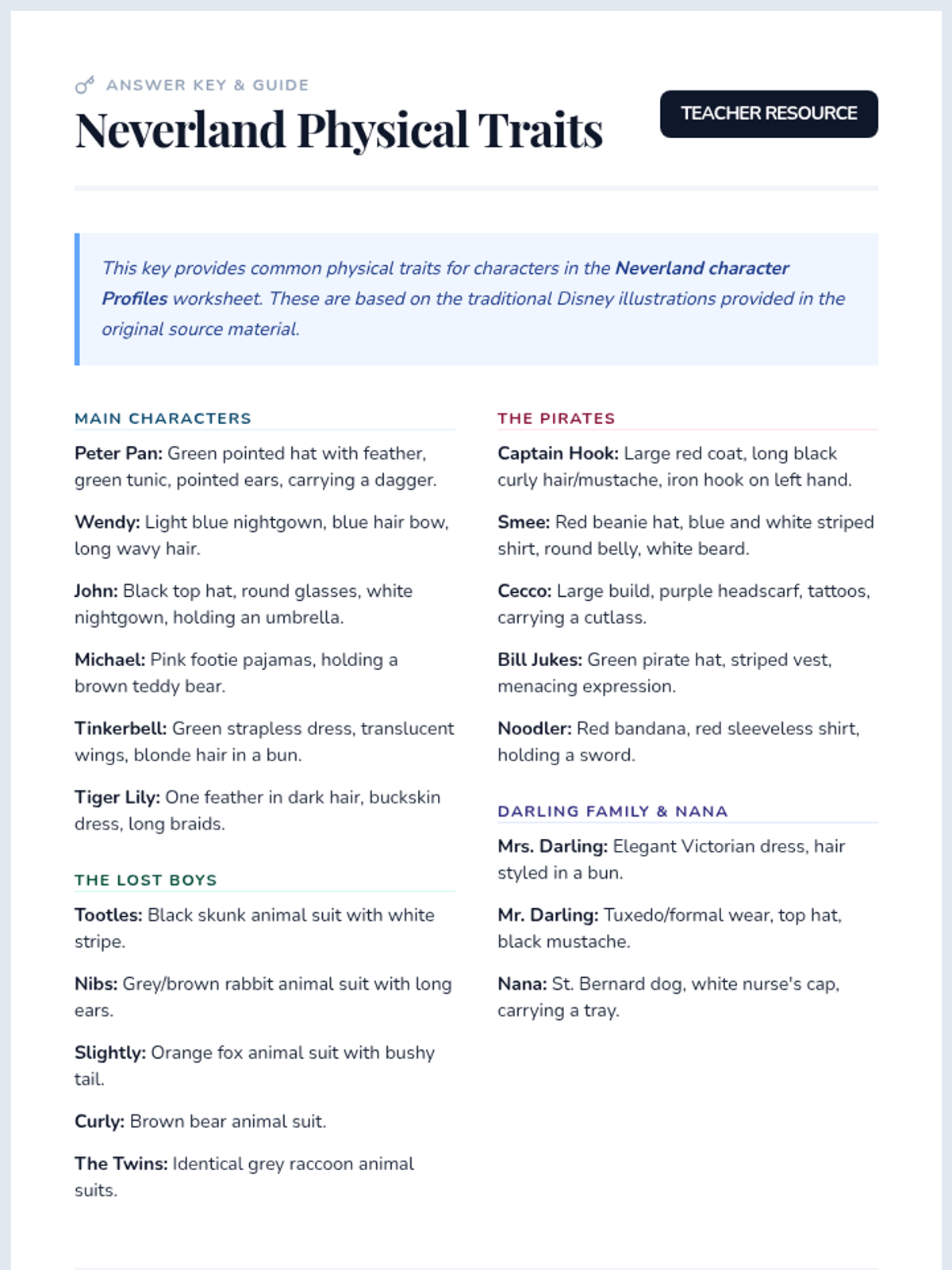
A Language Dive lesson for 3rd Grade focusing on a complex sentence from Peter Pan to analyze character traits and comparisons using "as...as". This guide is designed for new teachers to facilitate a 15-20 minute deep dive into language structure and meaning.
Students will learn about code-switching, identifying how we adjust our language (formal vs. informal) based on the audience and situation.
A high-energy, game-based lesson designed to reinforce RI.9 standards. Students engage in a multi-modal 'Double Take' challenge involving a board game, bingo, and a scavenger hunt to analyze how different authors present the same non-fiction topics.
A lesson for 4th graders comparing the picture book 'Santiago Saw Things Differently' with primary sources from Santiago Ramón y Cajal's life. Students analyze how authors use historical facts to create narrative stories and explore the intersection of art and science.
The final set of 5 reading passages for master readers, featuring 10-12 sentences with descriptive language, compound sentences, and 2nd grade vocabulary.
The third set of 5 reading passages for progressing readers, featuring 8-9 sentences with more complex details and a mix of 1st and 2nd grade sight words.
The second set of 5 reading passages for growing readers, featuring 6-7 sentences with an expanded vocabulary of 1-2 syllable words and primer/1st grade sight words.
The first set of 5 reading passages for beginning readers, featuring 4-5 simple sentences with CVC and early sight words. Topics include animals, school, healthy habits, feelings, and community helpers.
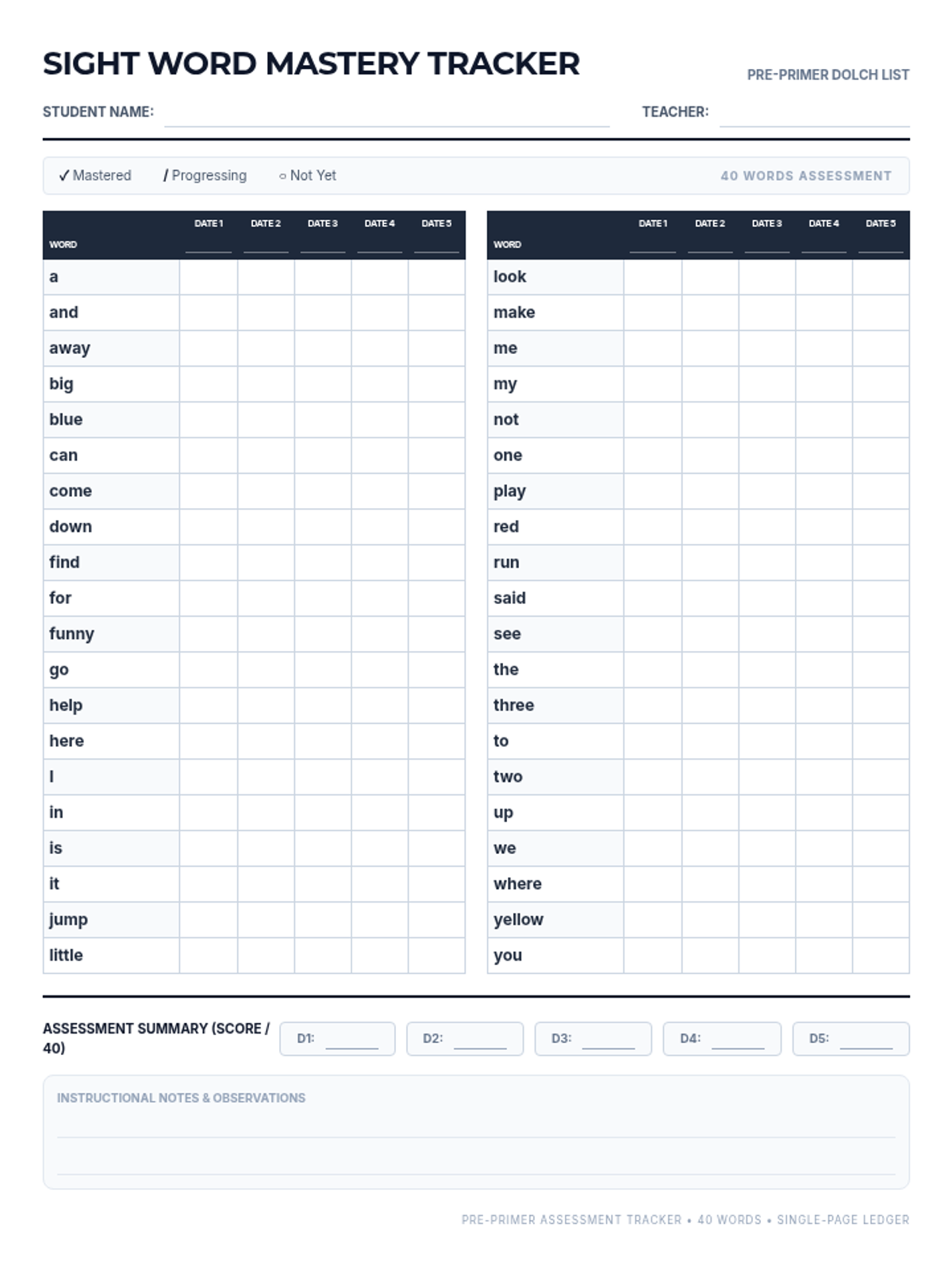
A comprehensive guide and tracking system for implementing a UFLI-aligned kindergarten decoding goal throughout the academic year.
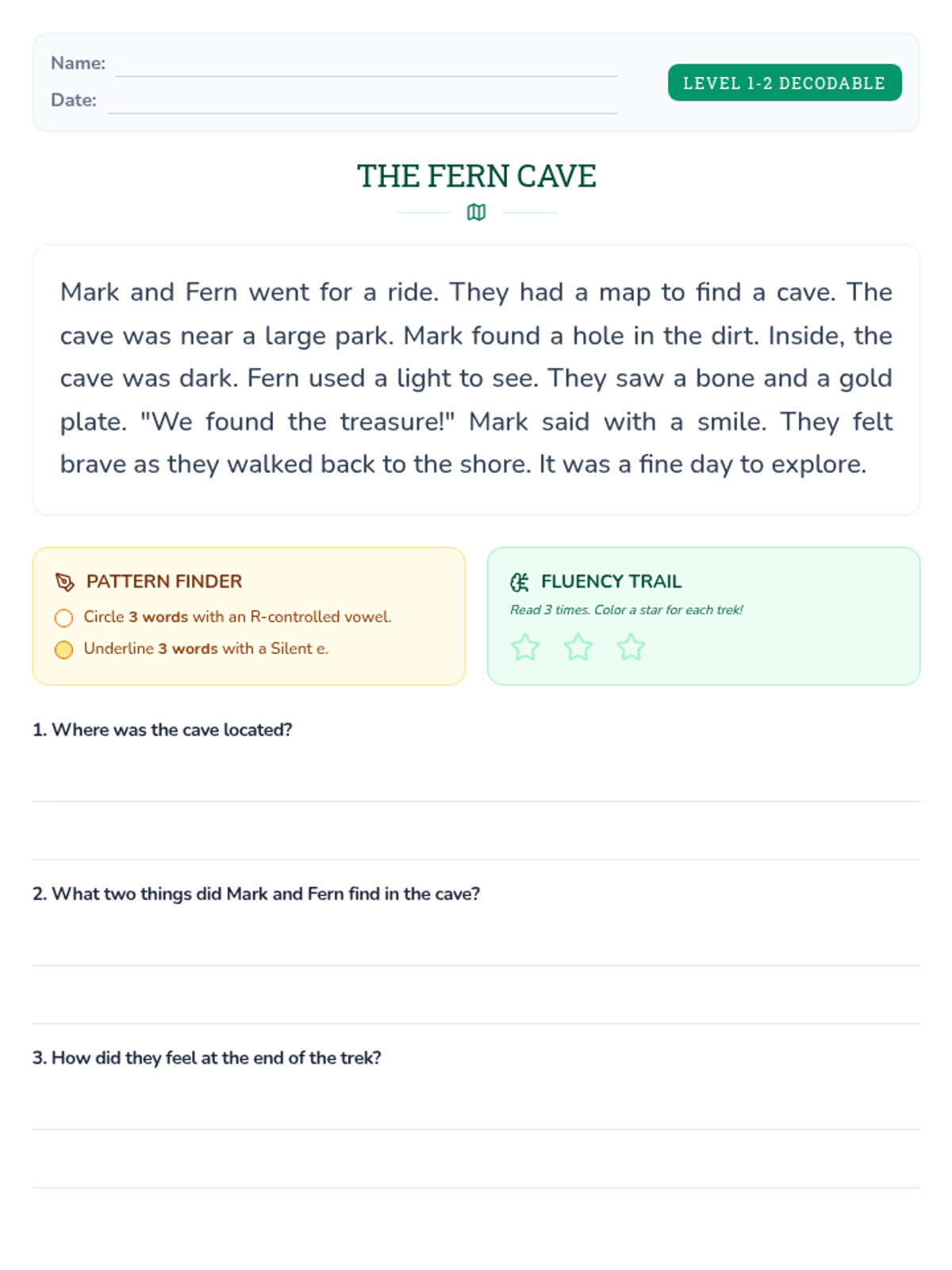
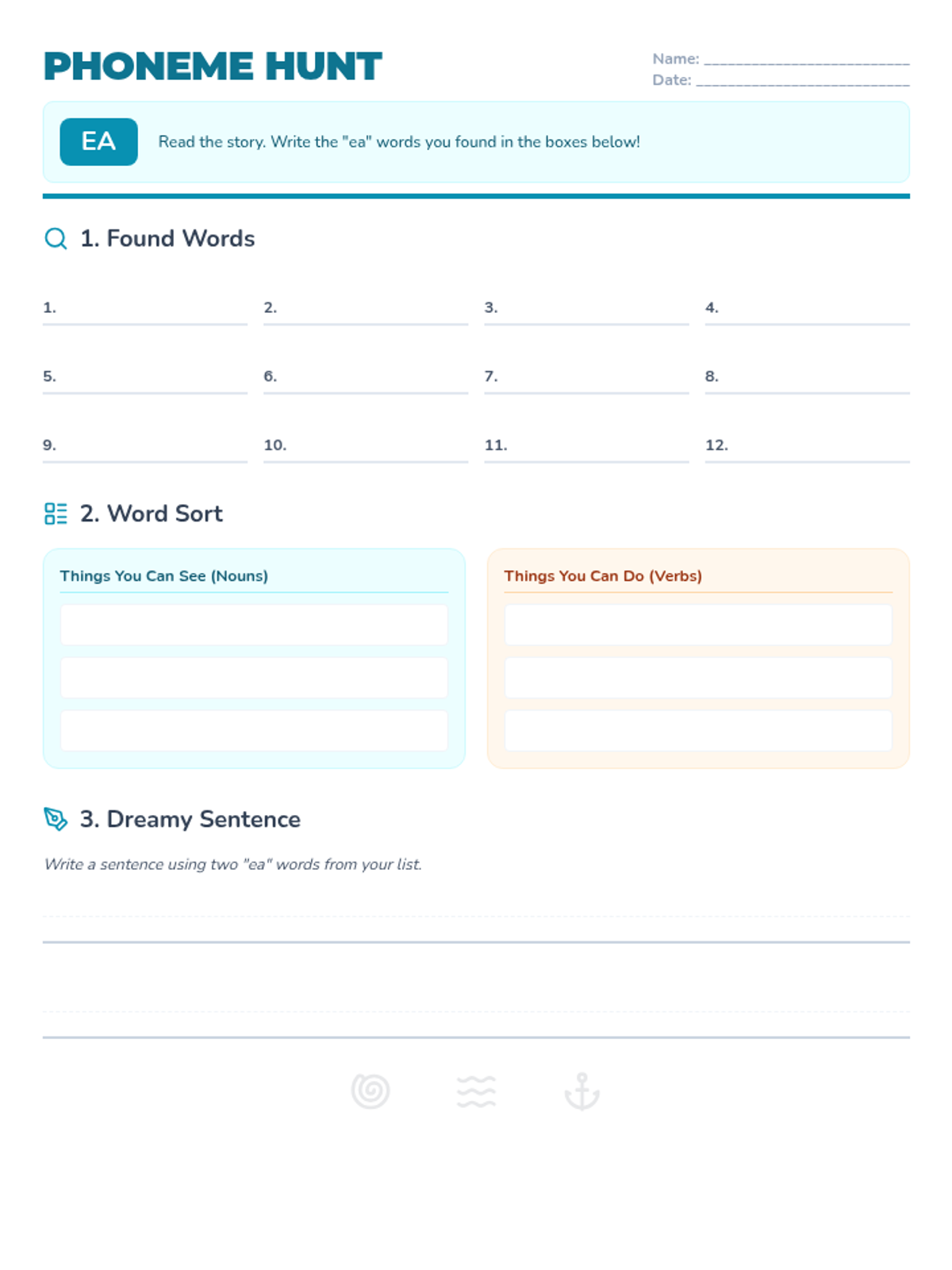
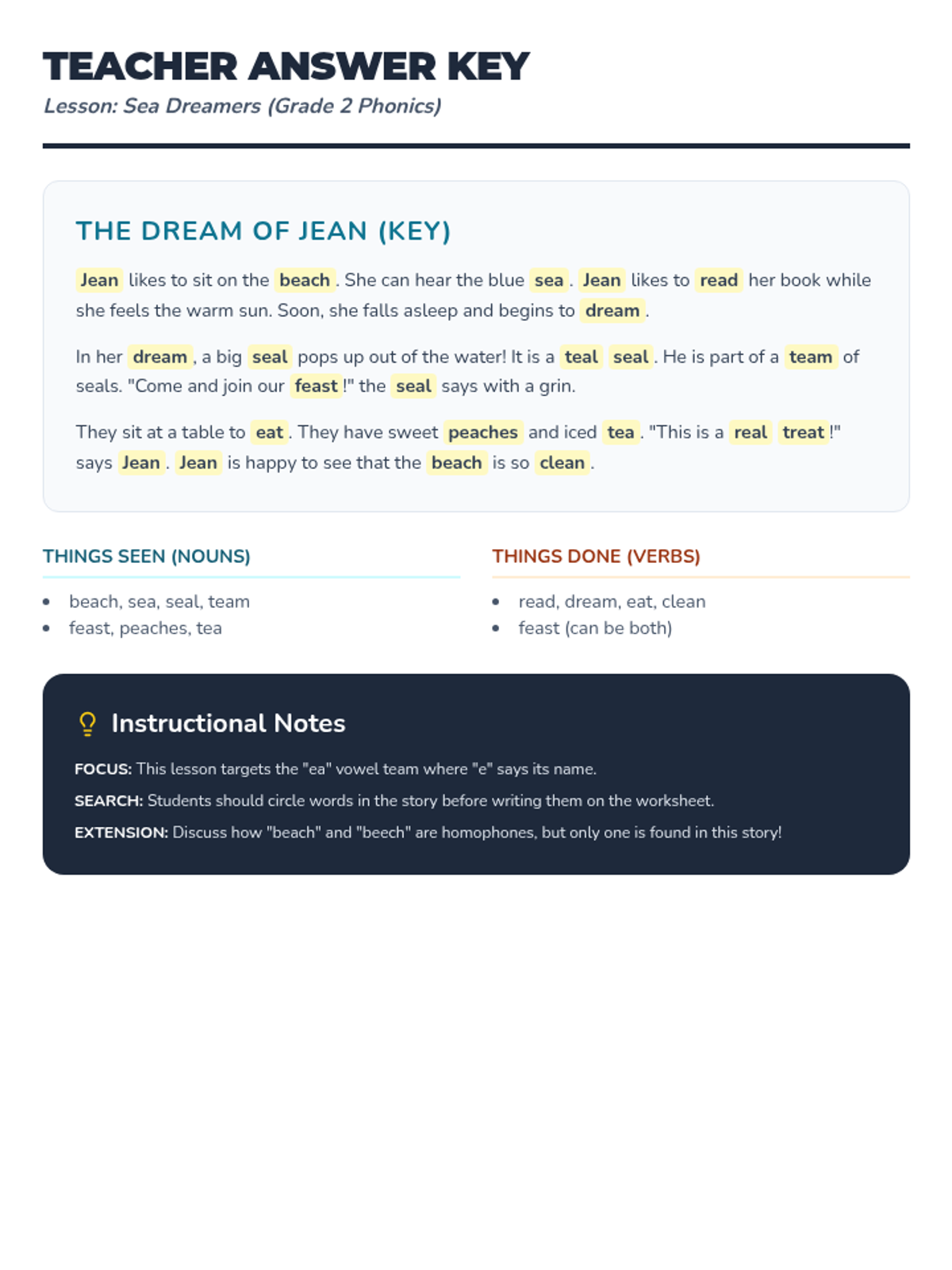
A 30-minute phonics focused lesson helping 1st graders distinguish between the /ch/ and /sh/ digraphs through sorting and reading.
A collection of resources focused on mastering the /th/ digraph through high-frequency words, reading practice, and tactile flash cards for first-grade students.
A set of 20 short articles (two for each of the 10 debate topics) to provide students with evidence for their classroom arguments.
A high-energy, tropical-themed review of main idea and supporting details, designed for the day before spring break. Students complete an 'Island Escape' challenge to 'earn' their break.
Classic fables and fairy tales retold for early readers, featuring simple morality stories about a fox, a lion, and the race between a tortoise and a hare.
Everyday reading passages covering morning routines, grocery shopping, and participating in a school play, tiered for developmental reading stages.
Seasonal reading passages focusing on autumn leaves, first snowfalls, and winter community celebrations, tailored for three different reading levels.
A collection of animal-themed reading passages featuring a pet cat, a lost rabbit, and a forest mystery, tiered for early to fluent readers.
Three tiered reading passages focusing on friendship and kindness, ranging from simple repetitive text to complex narrative structures.
A fun, introductory lesson for kindergarten students to learn about dinosaurs while practicing foundational reading skills like sight word recognition and phonics. Students will explore three different dinosaurs through short, engaging passages and interactive activities.
A kindergarten reading lesson focused on fossils, utilizing repetitive text, CVC words, and basic sequencing to build early literacy skills and comprehension.
A lesson focusing on Chapter 18 of 'The Westing Game', exploring the themes of surveillance, hidden identities, and the burgeoning relationship between Turtle Wexler and Flora Baumbach.
A 5th-grade reading comprehension lesson focused on identifying the main idea of paragraphs and a whole passage using the history and impact of Super Mario Bros.
A lesson focused on distinguishing between main ideas in informational paragraphs and central themes in short fictional stories. Students will practice identifying key details and synthesizing them into a core message.
A structured writing lesson designed for 4th-grade students on IEPs, focusing on the mechanics and structure of a narrative paragraph through an 'Adventure Quest' theme. Students will learn to construct paragraphs with a topic sentence, three supporting details, and a clincher while maintaining proper grammar and punctuation.