Students practice flipping passive sentences into active ones by identifying the buried subject and moving it to the front. This lesson focuses on the mechanical skill of syntactic manipulation to create punchier sentences.
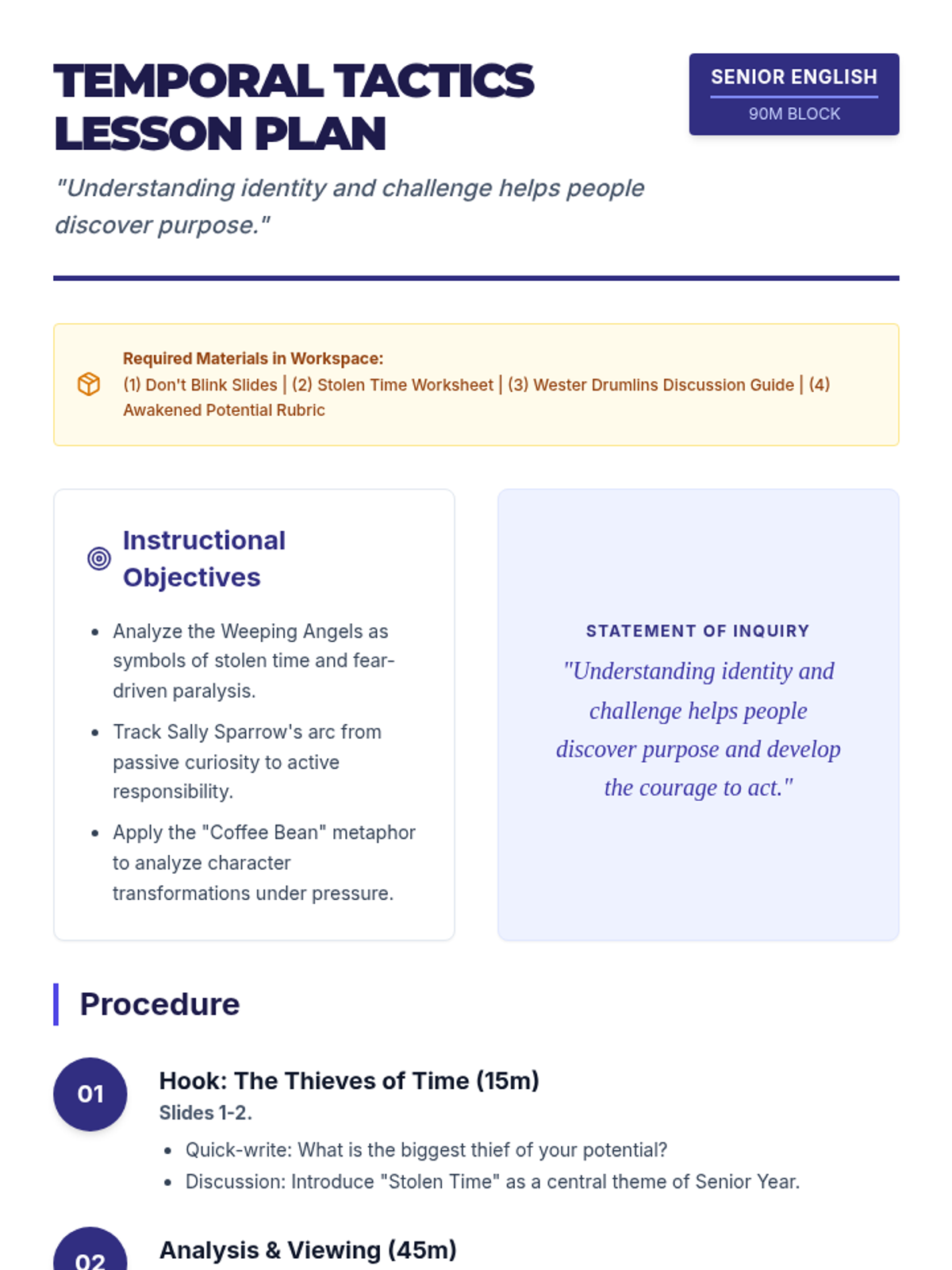
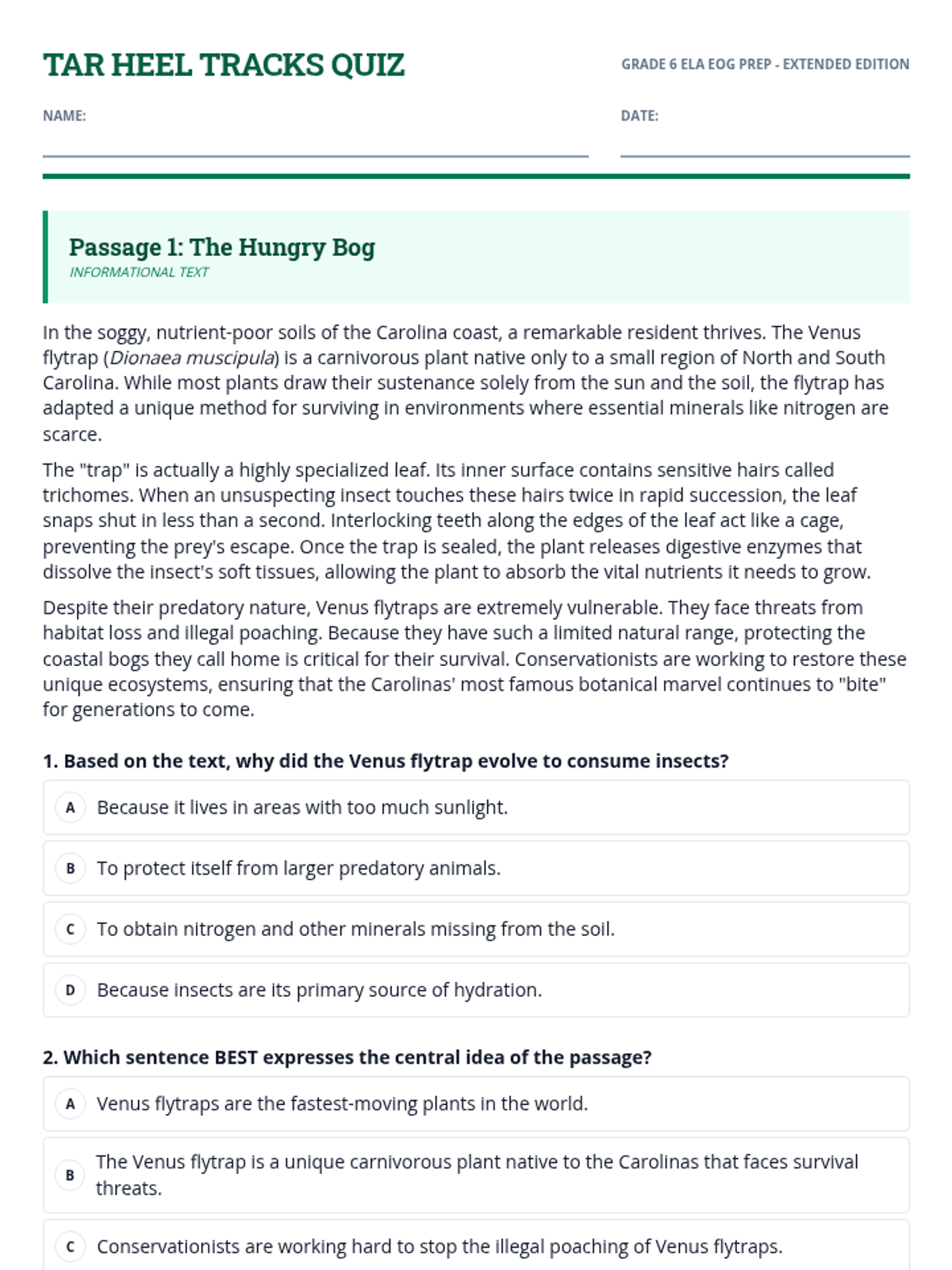
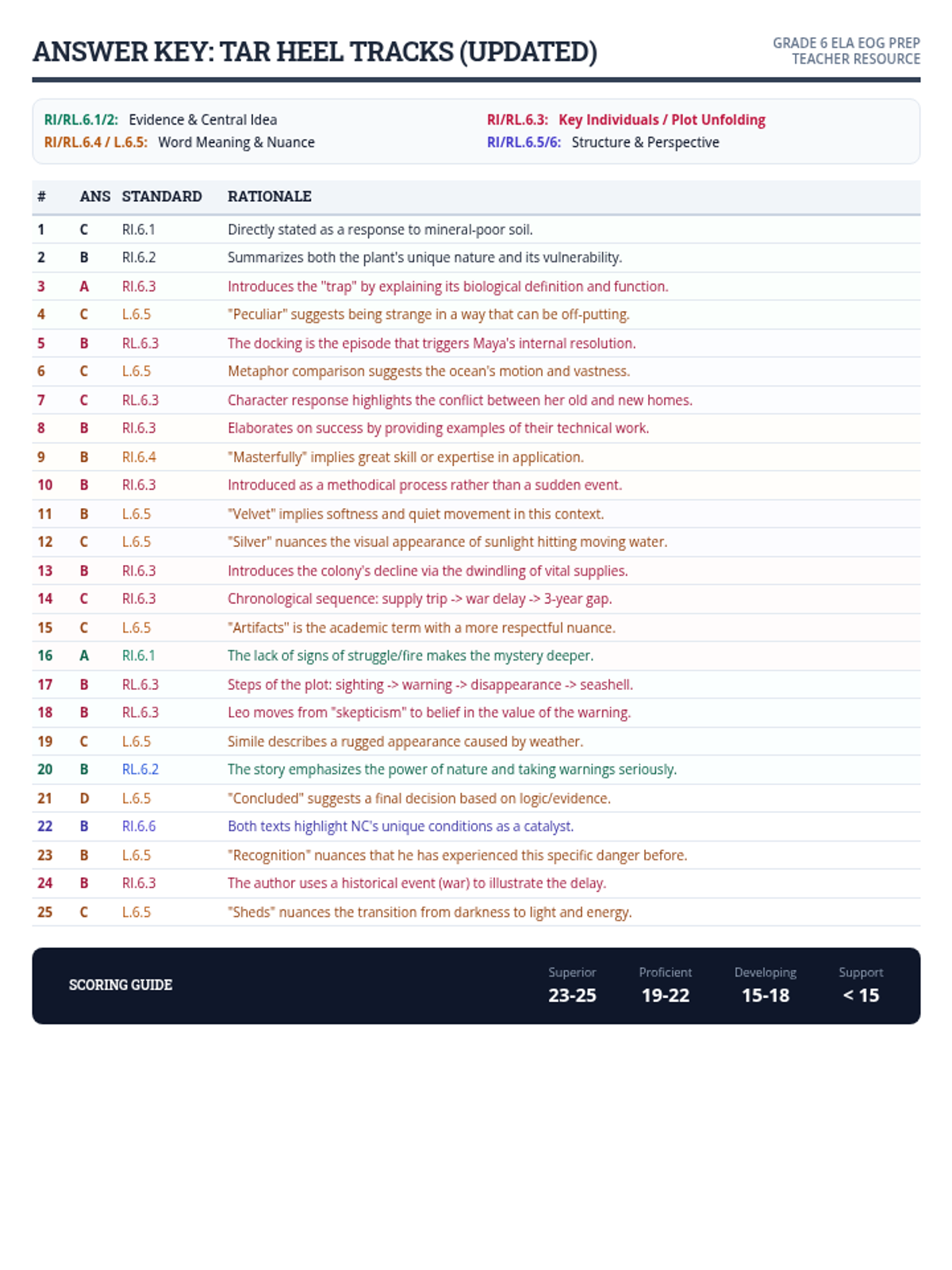
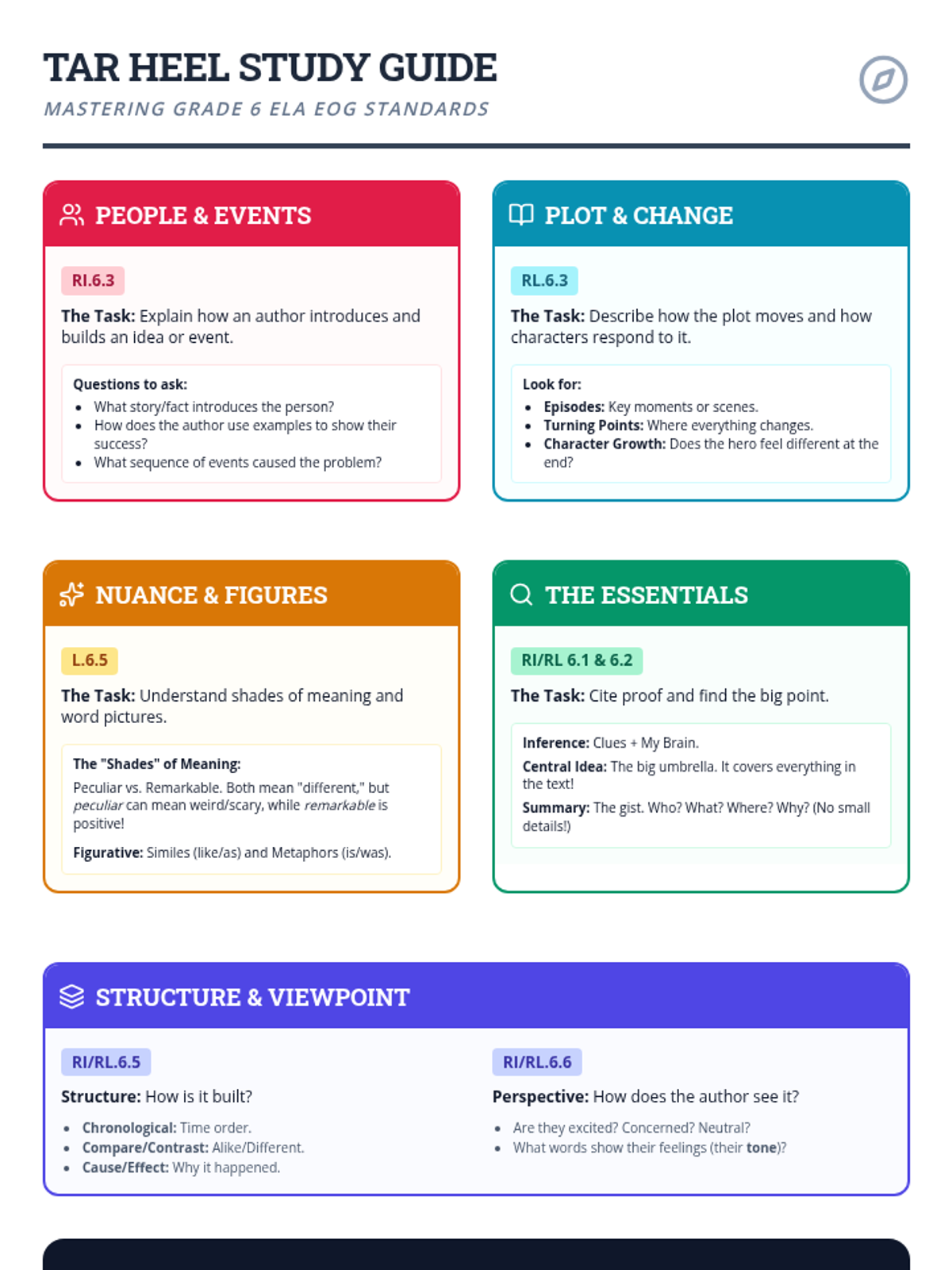
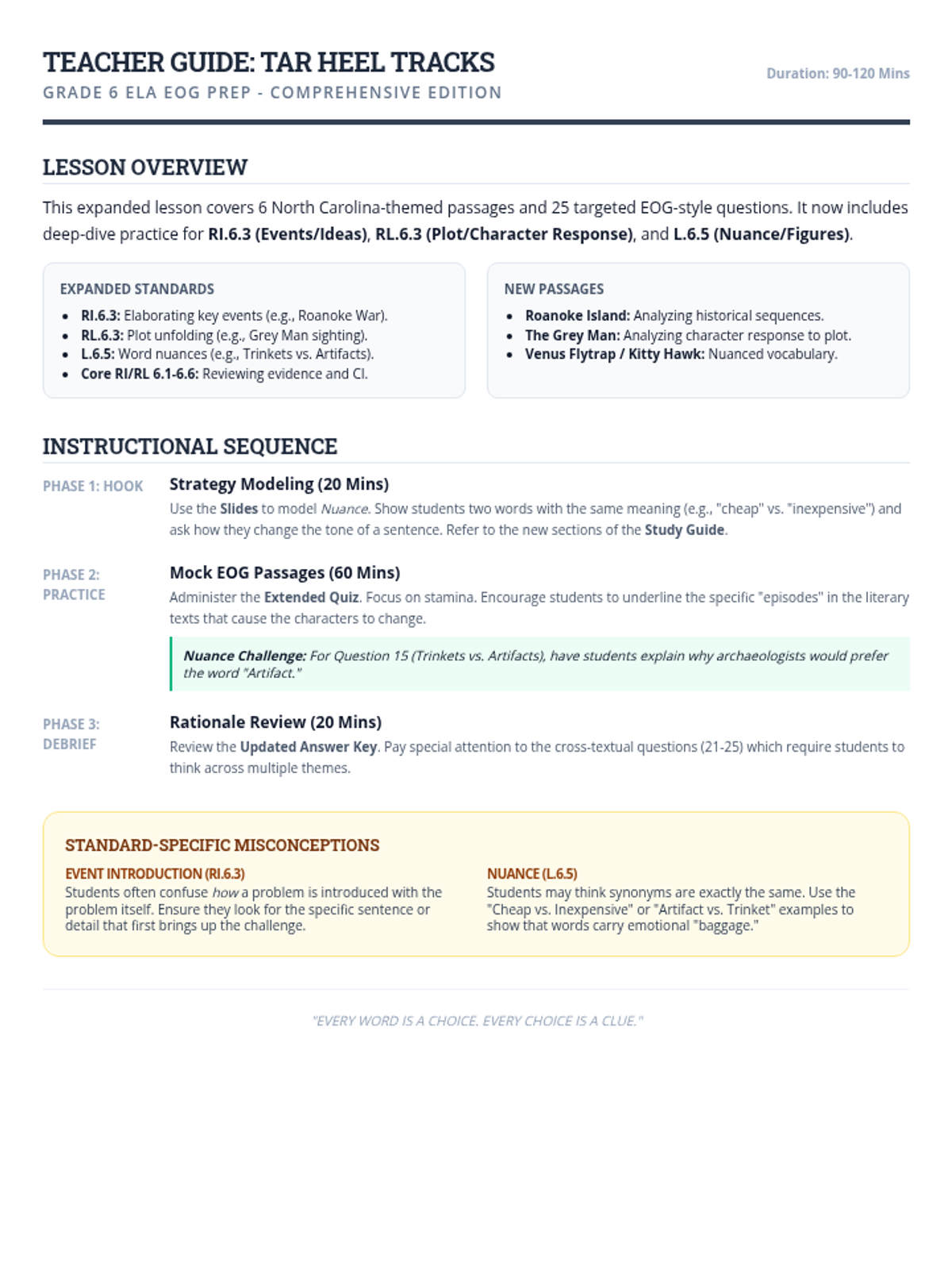
A comprehensive Grade 5 ELA review focused on analyzing character growth and transformation. Students will read three unique short stories and practice writing evidence-based responses using a structured claim-evidence-conclusion format aligned with MCAS expectations.
A lesson introducing various suffixes through the lens of women's lacrosse, featuring word analysis and a six-paragraph reading passage.
A comprehensive two-part summative assessment for the novel 'A Long Walk to Water', featuring multiple-choice questions, short responses, and a thematic comparison essay involving 'The Boy Who Harnessed the Wind' and 'MAUS'.
A mini-lesson focused on the art of explaining and analyzing evidence within an argument body paragraph, designed for 6th-grade students.
A lesson exploring how authors use everyday objects to represent deeper abstract ideas, helping students decode layers of meaning in literature.
A collection of activities and assessments focused on decoding nonsense words to build phonics fluency and blending skills for 1st grade students. Includes speed drills, sorting activities, and a progress tracker for teachers.
A simplified independent work packet about the myth of Orpheus and Eurydice, designed for middle school students at a second-grade reading level. The lesson explores the power of music, love, and the consequences of looking back through accessible texts and structured comprehension tasks.
A focused look at Chapter 19 of The Westing Game, exploring Crow's internal struggle, the evolving partnership between Denton and Chris, and Turtle's stock market strategy.
A self-paced Social Studies lesson for 6th grade focused on the Silk Road as an ancient global network, integrating rigorous primary source analysis and geography skills.
A full-length 8th-grade STAAR reading practice assessment, including 30 multiple-choice questions, two SCRs, and one ECR based on informational and fiction passages.
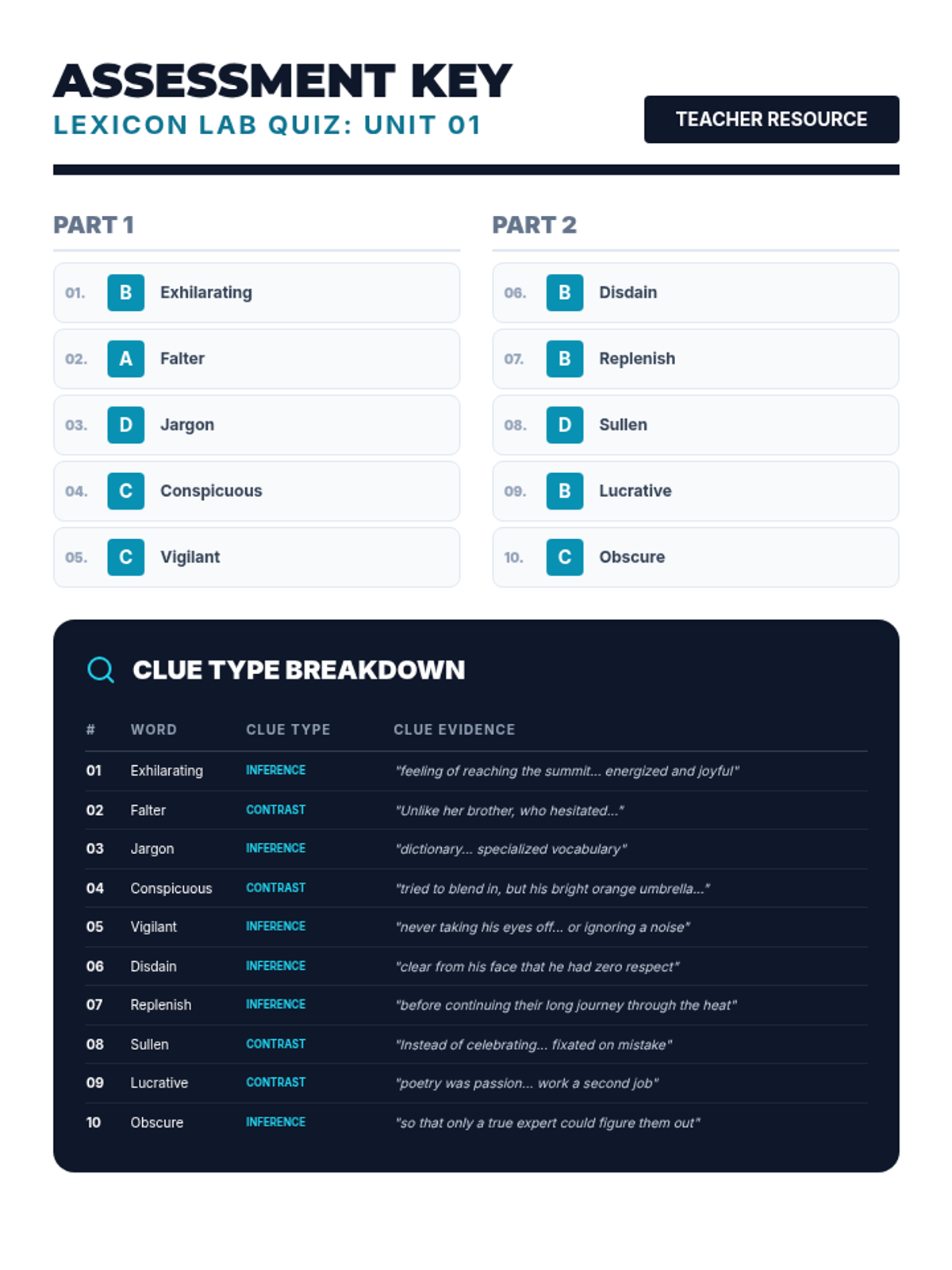
A lesson focused on teaching students how to write compelling book reviews by using specific transition phrases to connect their opinions with text-based evidence.
A rigorous informational reading and writing assignment focused on the mycorrhizal network, designed to practice SCR and ECR skills with an emphasis on organization, evidence, and sentence variety.
A foundational grammar lesson focusing on sentence structure through visual scaffolds and color-coding. Students learn to identify fragments, complete sentences, and run-ons using a 'Construction' metaphor.
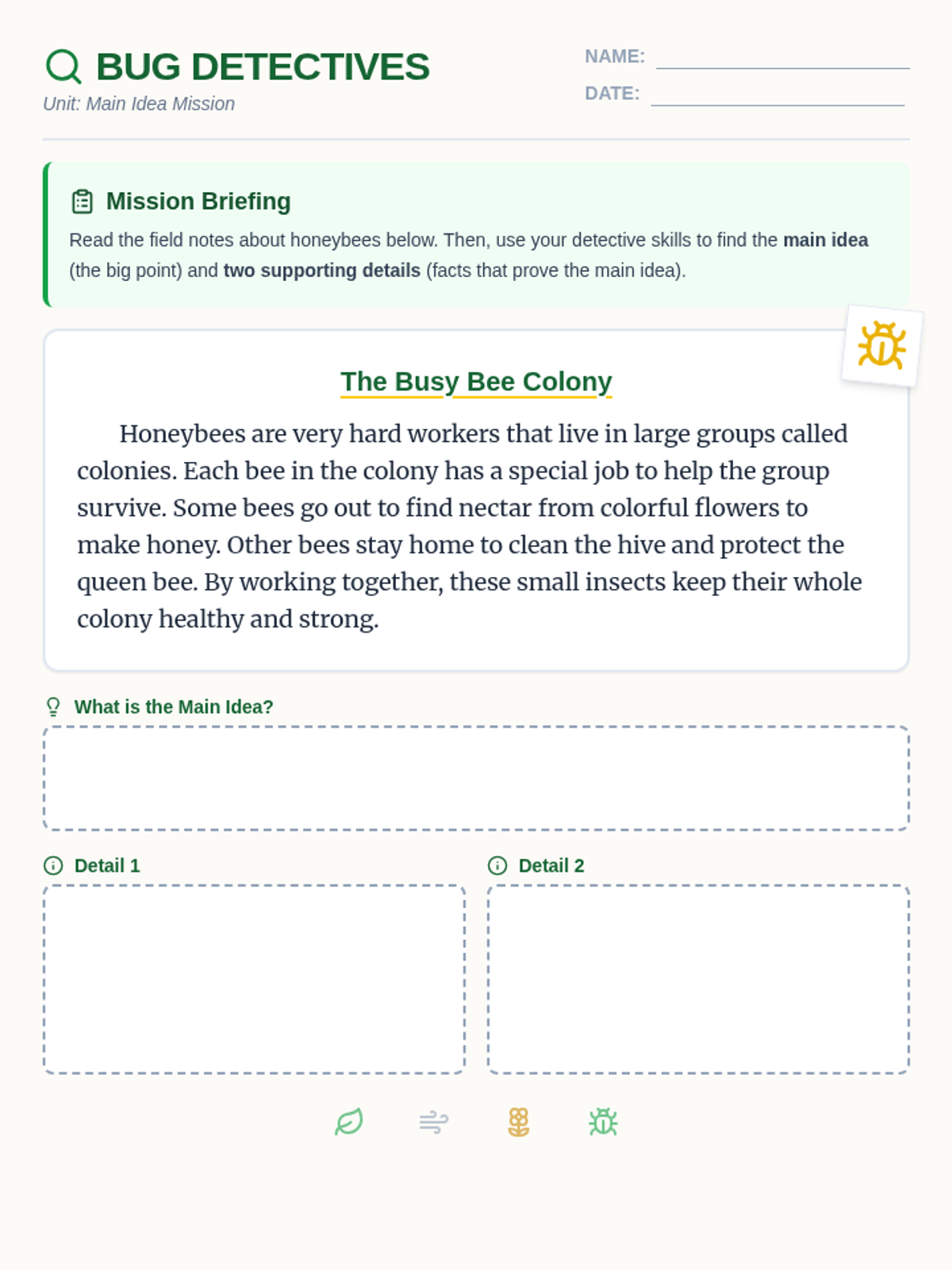
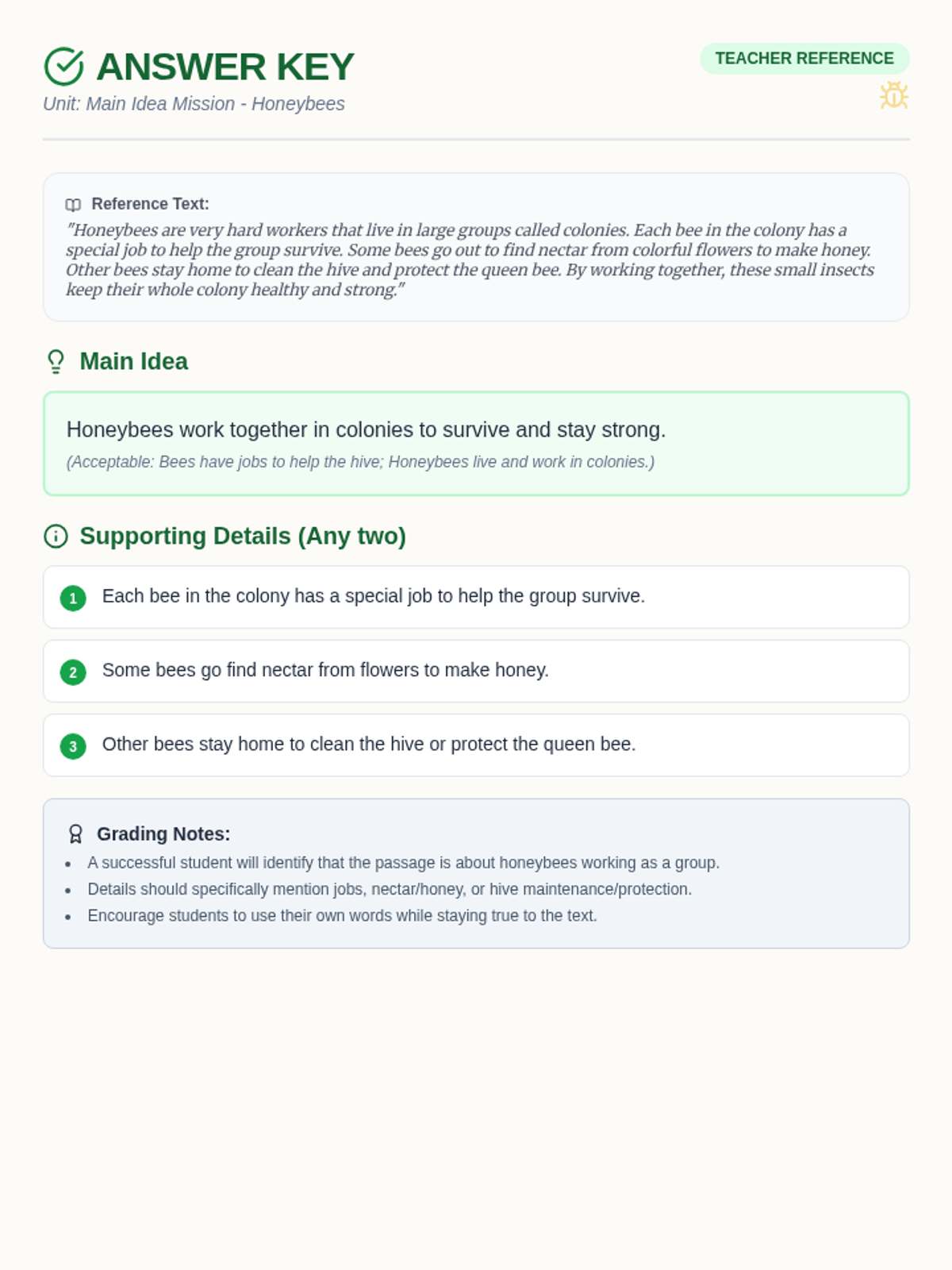
A lesson focused on identifying main ideas and supporting details in complex non-fiction texts, using an 'Information Architect' theme to visualize text structure.
A quick-start guide to mastering the three essential components of an argumentative essay introduction: the hook, the bridge, and the claim.
A lesson focused on identifying the main idea or theme of a story by analyzing character growth and turning it into a universal life lesson supported by evidence.
A comprehensive lesson on understanding semantic nuance and intensity through 'The Synonym Spectrum', focusing on emotions, movement, and weather vocabulary.
This lesson explores the nuances of academic verbs, teaching students to distinguish between different 'shades of meaning' to improve writing precision and tone.
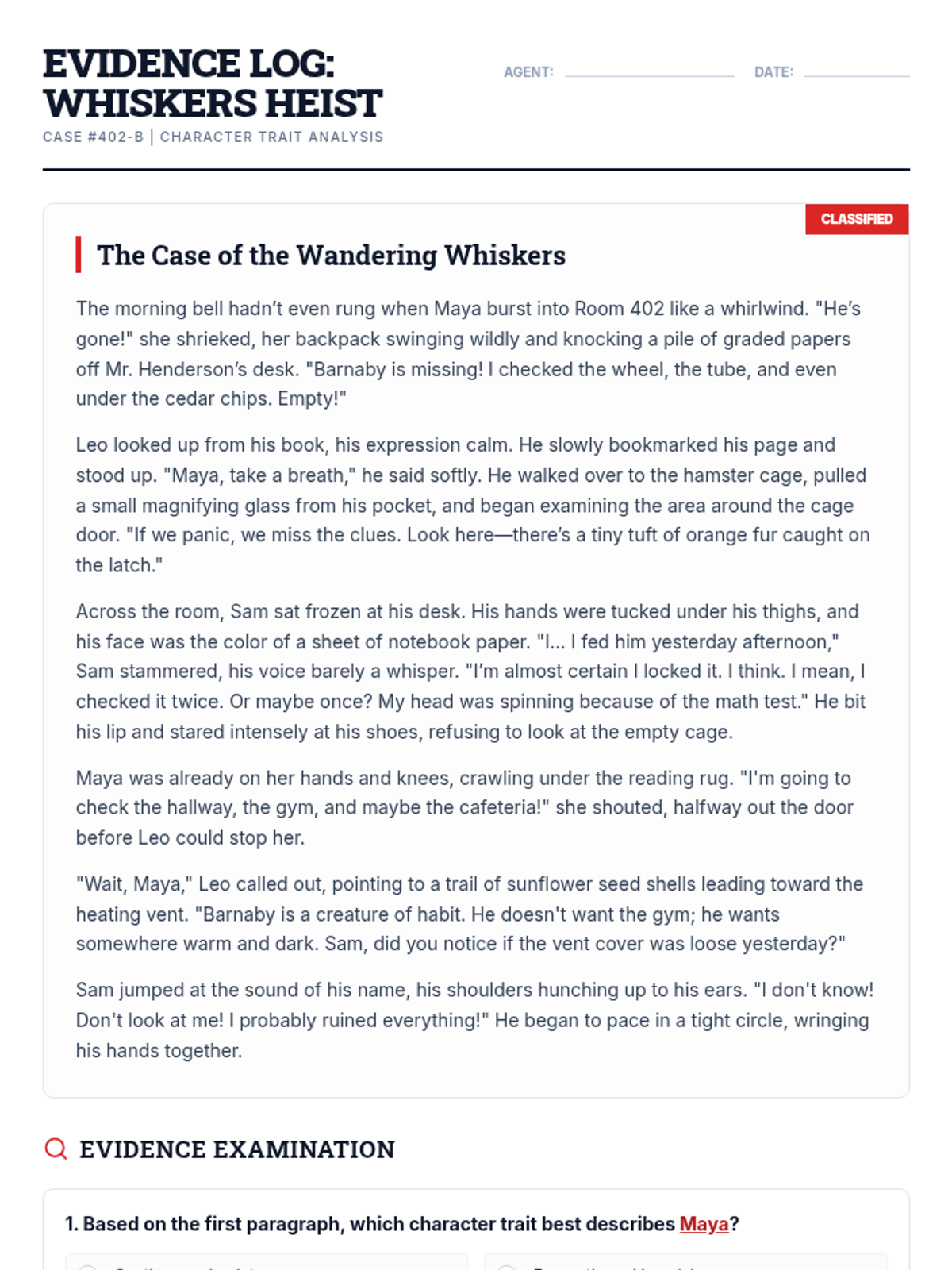
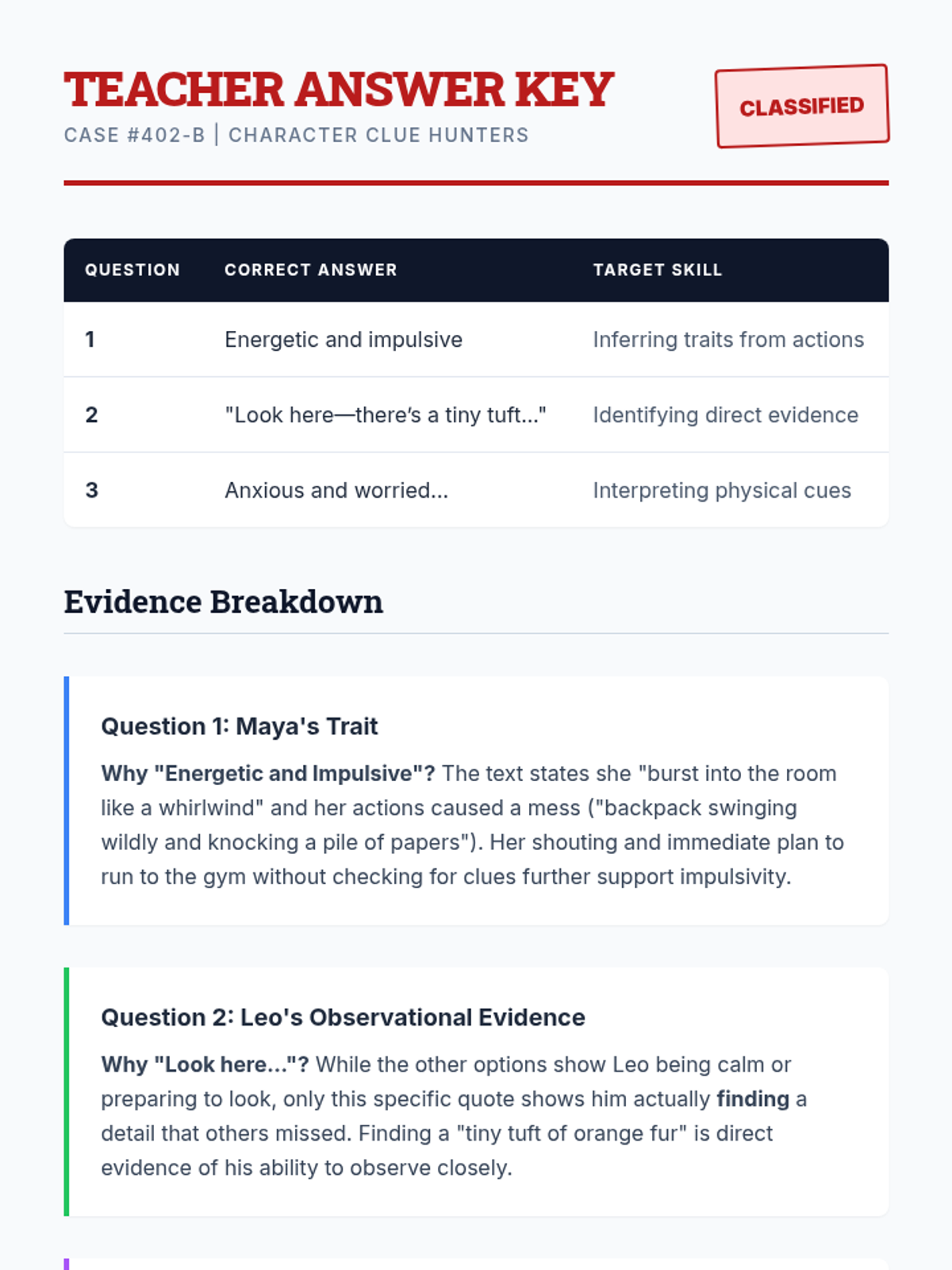
A deep-dive character analysis lesson where students perform a 'Character Autopsy' using textual evidence to map internal traits and external motivations. Students function as forensic literary analysts to uncover the 'DNA' of a protagonist or antagonist.
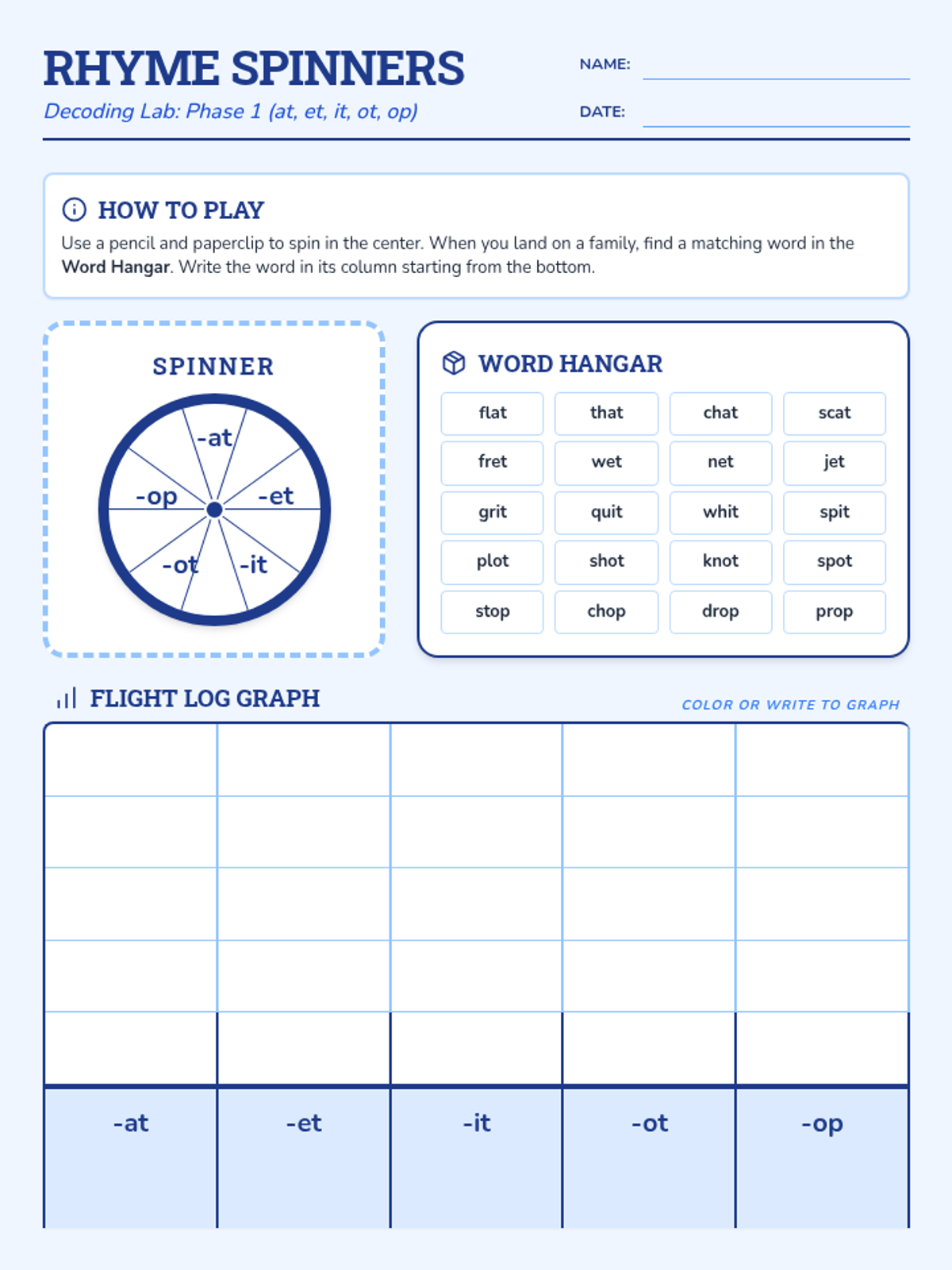
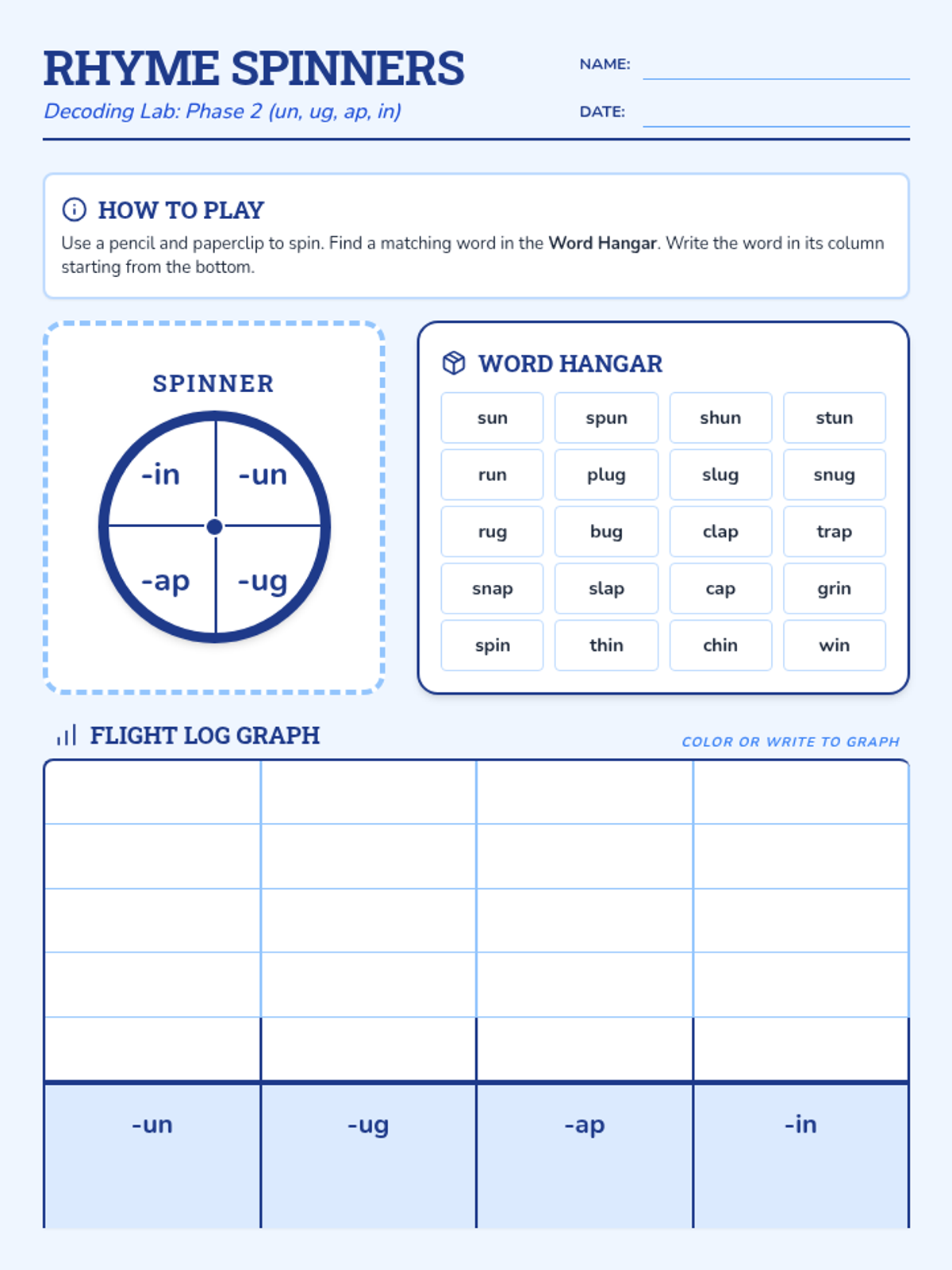
A 50-minute lesson on the academic action verb 'Synthesize.' Students learn to combine information from multiple sources to create a new, original conclusion using the 'Laboratory Mix' method.