A hands-on review of subjects and predicates using a construction-themed approach to building sentences. Includes a cut-and-paste sort, a matching game, and unscramble cards.
A 3rd-grade lesson where students become 'navigators' of non-fiction texts, learning to use headings, captions, glossaries, and indexes to find information quickly. Students will practice these skills through a seafaring-themed quest involving reading and a scavenger hunt.
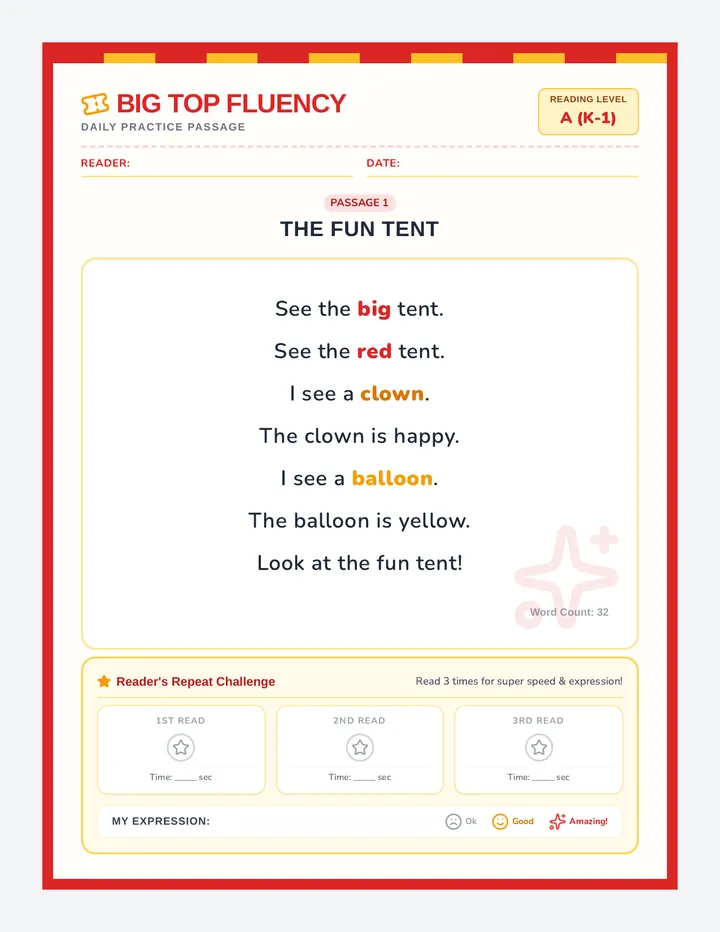
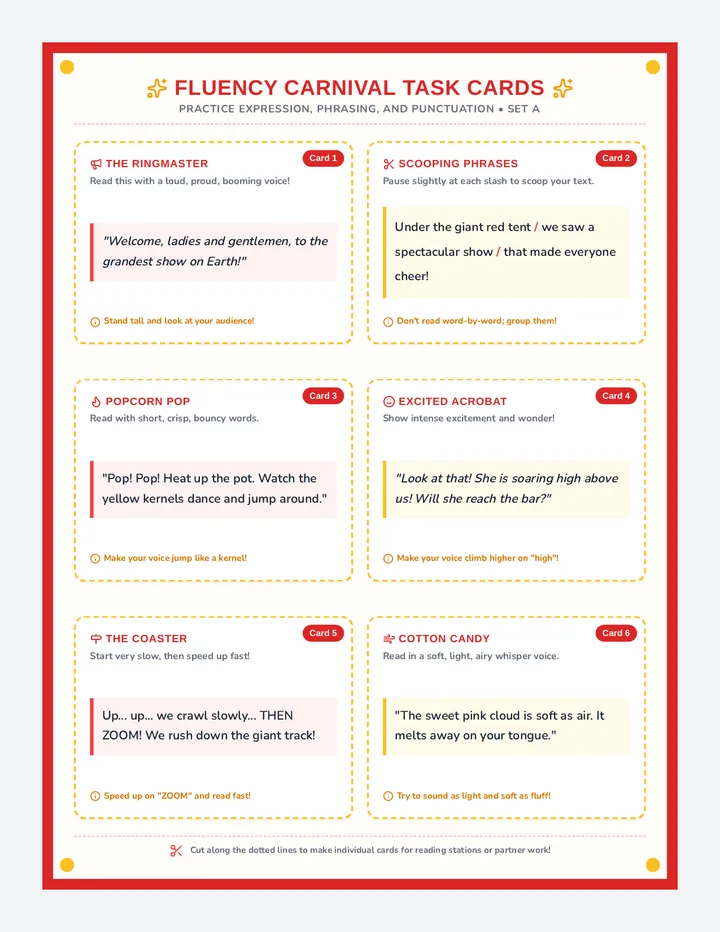
A comprehensive workshop designed to transform 3rd graders into confident performers through Readers' Theater, focusing on expression, pace, and character development.
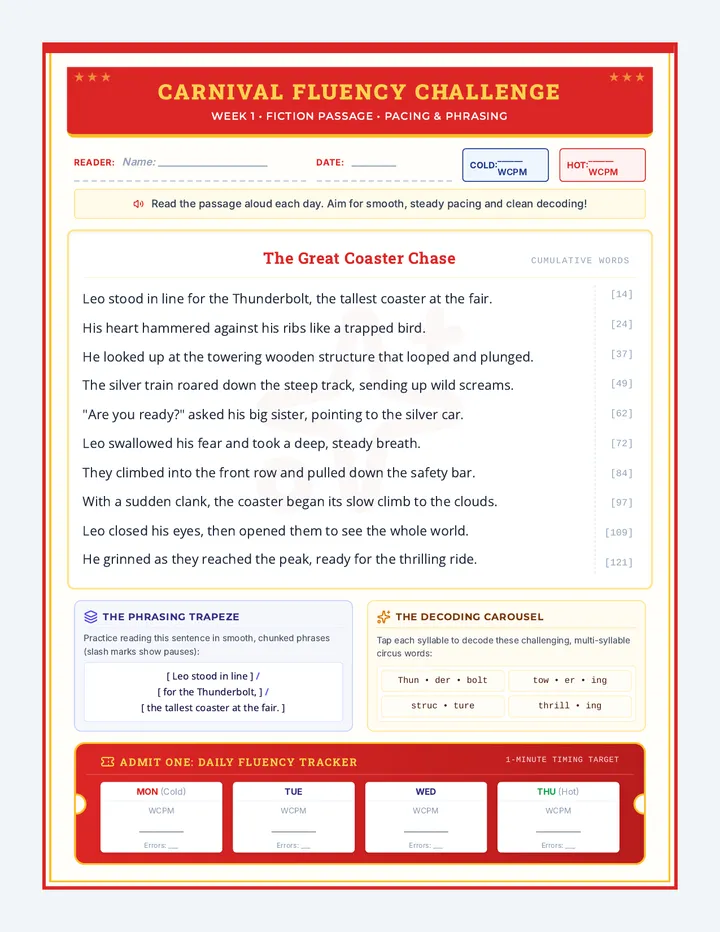
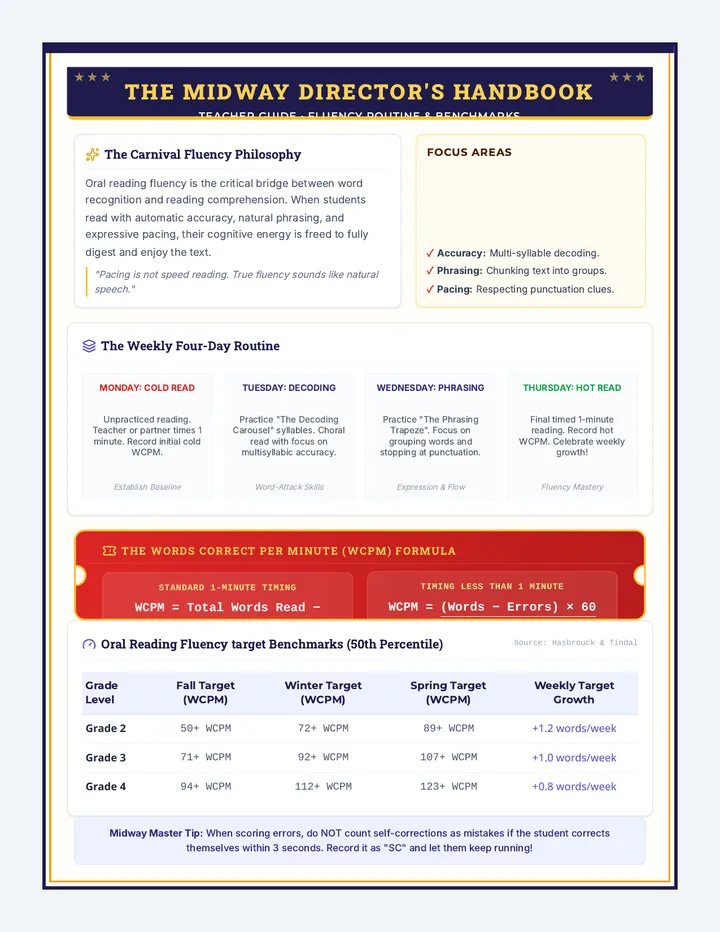
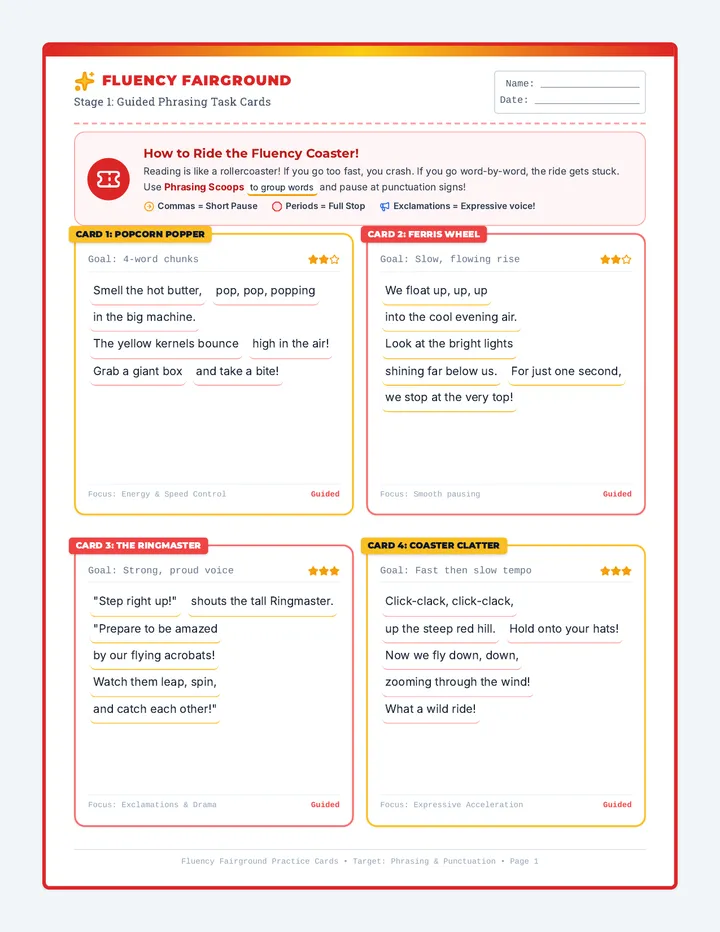
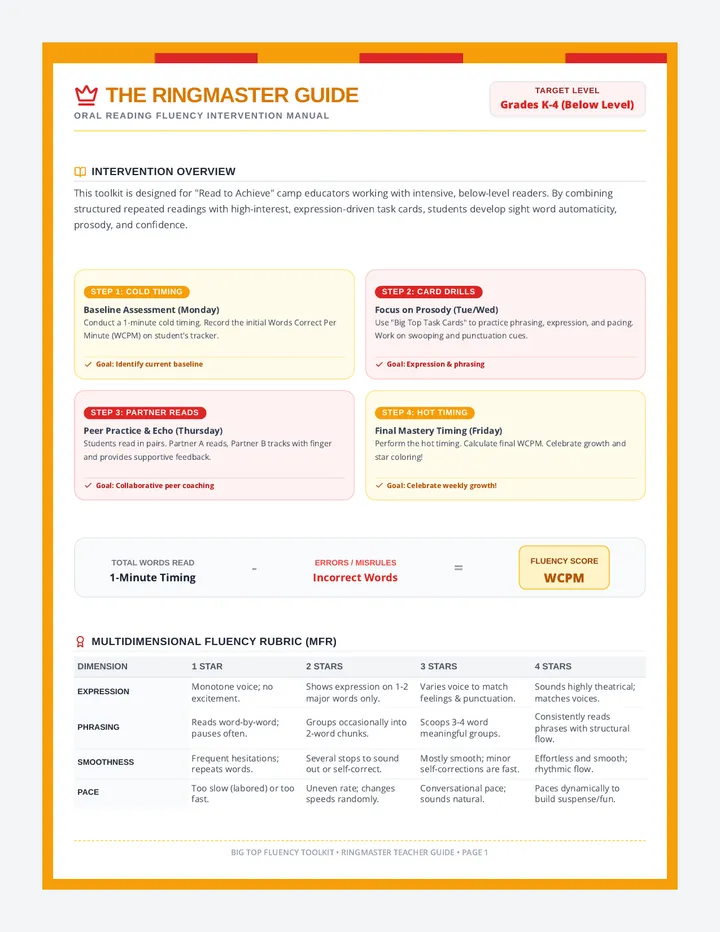
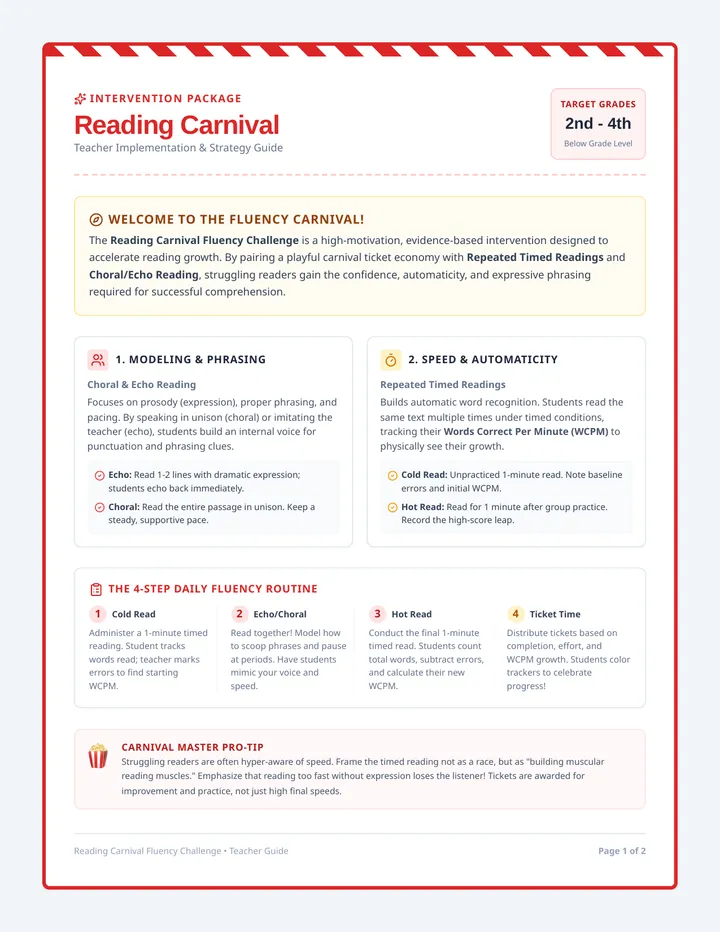
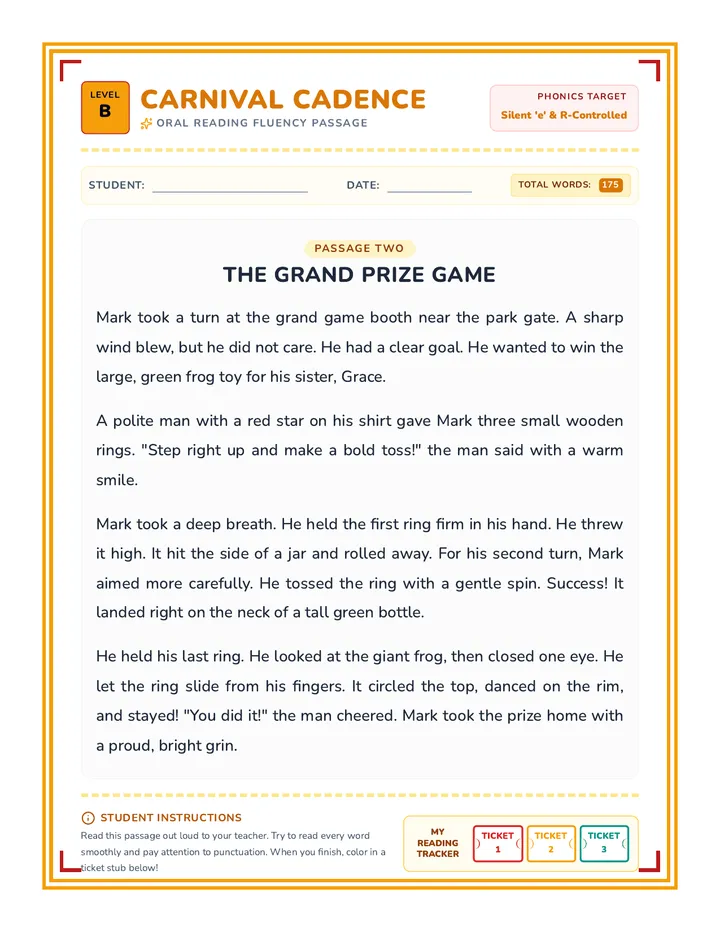
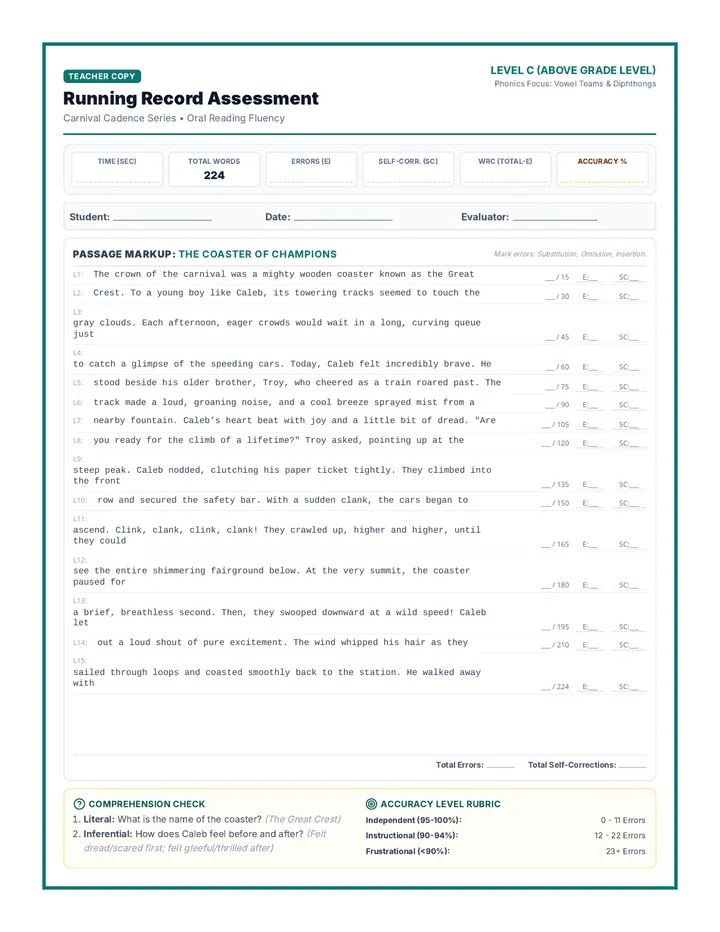
A high-energy workshop where 3rd graders transform into performers to master reading fluency, expression, and character-driven prosody. Students will move from cold readings to confident stage performances.
A high-energy, 45-minute writing lesson for grades 3-5 focused on building strong argumentative paragraphs through the metaphor of architectural design. Students analyze models, plan their 'blueprints', and construct evidence-based opinions.
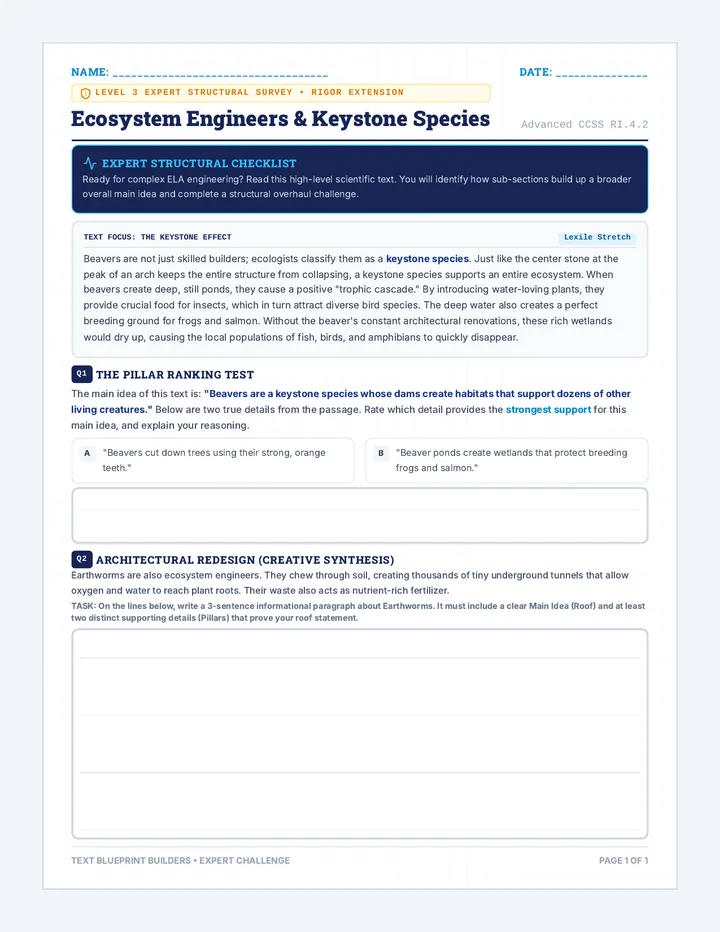
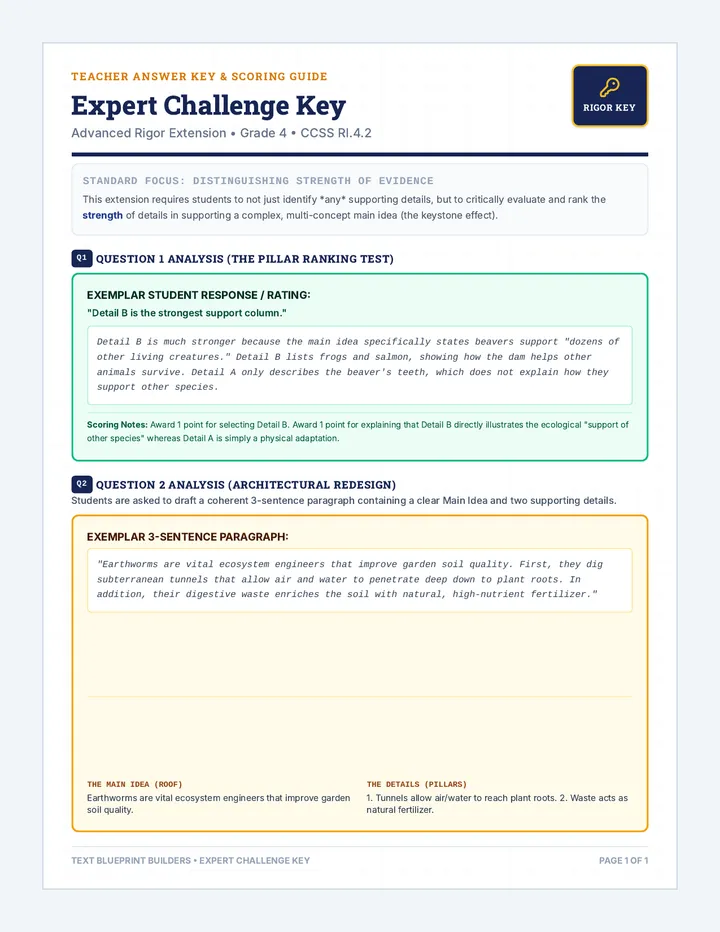
A rigorous ELA lesson for grades 3-5 focusing on informational text skills (main idea, key details, text structure) through the high-interest topic of tardigrades. Includes a teacher guide, interactive slides, and a standardized-style practice worksheet.
A comprehensive grammar lesson focused on punctuation rules tested in 3rd grade STAAR, including commas, apostrophes, and quotation marks. Students practice through error identification, multiple-choice questions, and short-passage editing.
A 3rd-grade grammar lesson focused on mastering commas and apostrophes through detective-themed practice activities aligned with STAAR standards.
A quick probe into subject, object, and possessive pronouns for second graders, featuring a visual warm-up and a focused assessment worksheet.
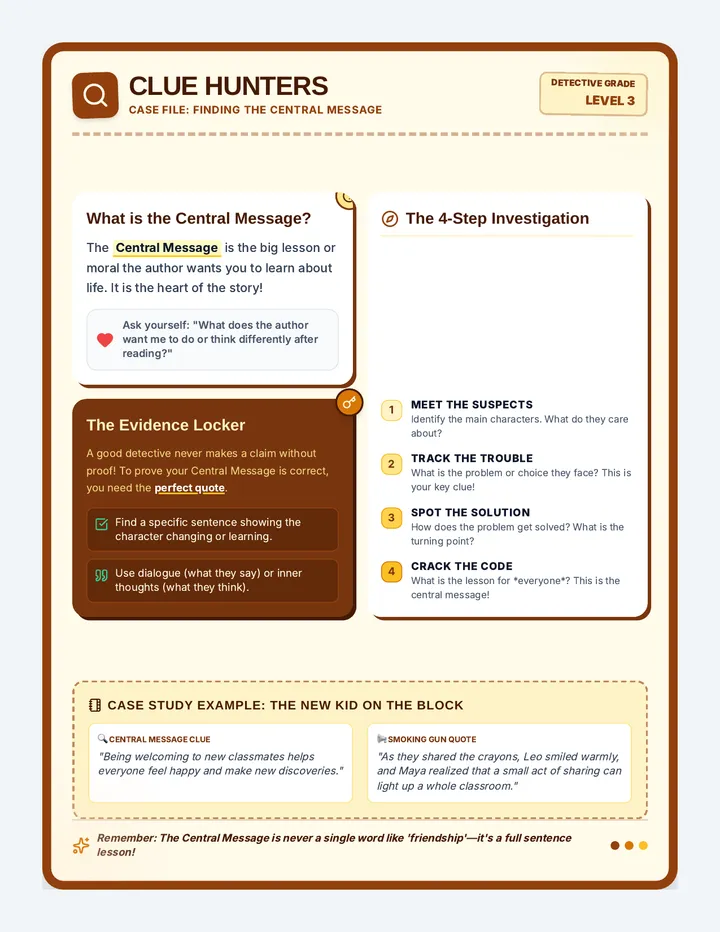
A high-impact, 45-minute reading comprehension lesson for grades 3-5 using UDL principles. Students act as 'Clue Catchers' to analyze a rich short text through close reading, collaborative discussion, and choice-based expression.
A comprehensive ELA lesson for grades 3-5 focusing on using graphic organizers to master story elements and reading comprehension. Students take on the role of 'Story Architects' to deconstruct narratives and build deep understanding.
A collection of engaging puzzle activities based on the book "Hero Law Enforcement Dogs" by Jennifer Boothroyd, focusing on vocabulary and key facts about K9 units.
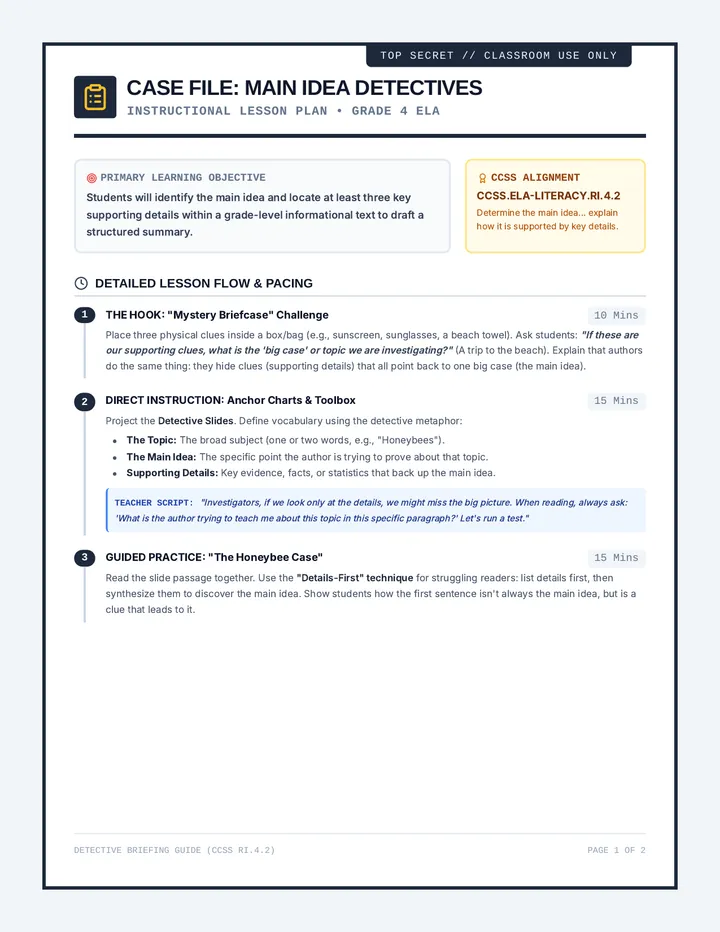
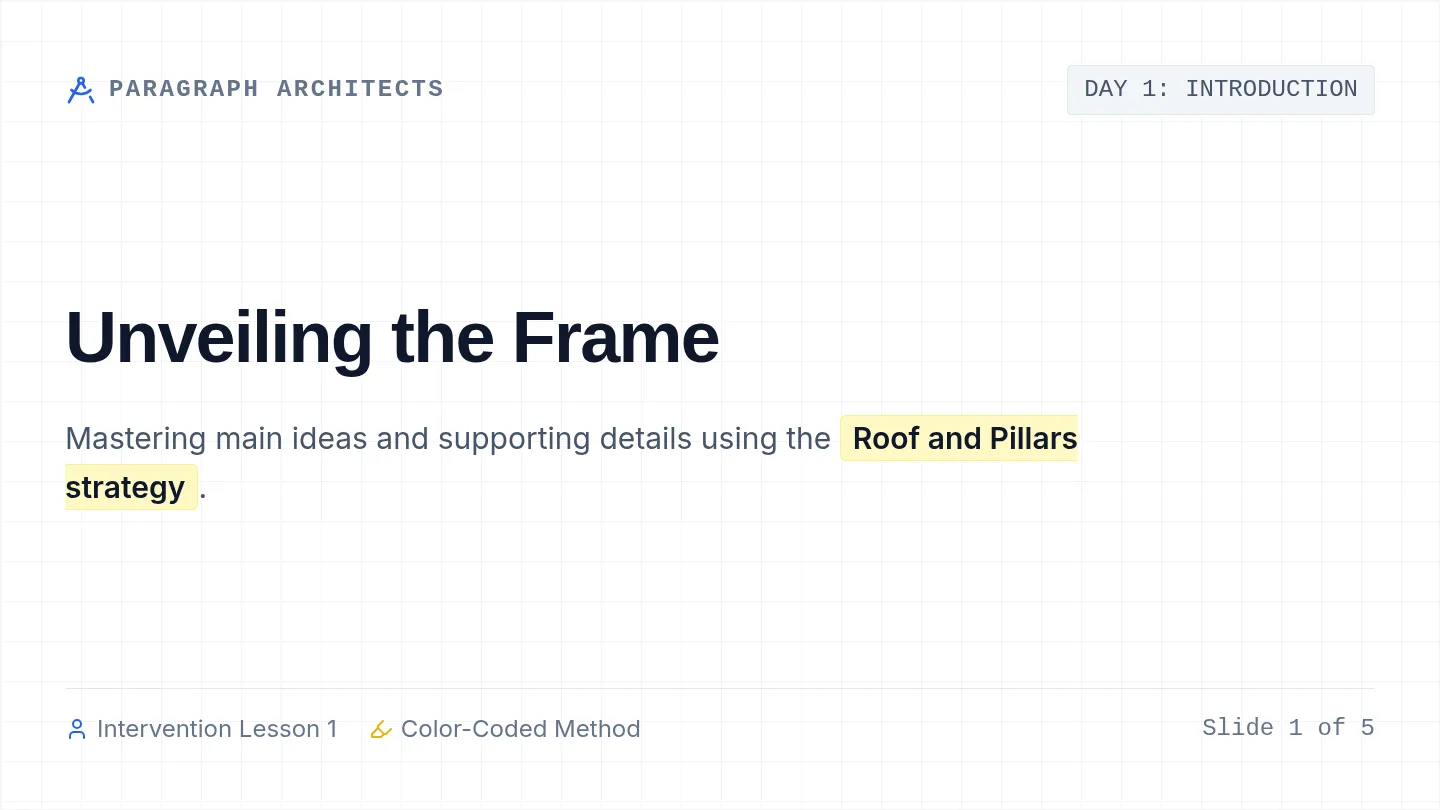
A detective-themed lesson teaching students how to identify the main idea and supporting details in informational texts. Students act as 'Idea Investigators' to solve cases by finding textual evidence.
Students continue their detective work by comparing two desert arachnids: the Bark Scorpion and the Desert Blonde Tarantula. They focus on identifying specific adaptations and hunting behaviors while practicing comparing and contrasting skills.
A cumulative quick check assessment covering both claim identification and feature analysis.
Analyzing graphic features such as diagrams, maps, and captions to explain their purpose in conveying information.
Exploring print features like boldface, italics, and bullets to understand how authors organize and emphasize information.
Applying claim identification skills to a longer, grade-level argumentative passage with STAAR-aligned assessment.
Introduction to identifying the author's claim in argumentative texts using short, evidence-based snippets.
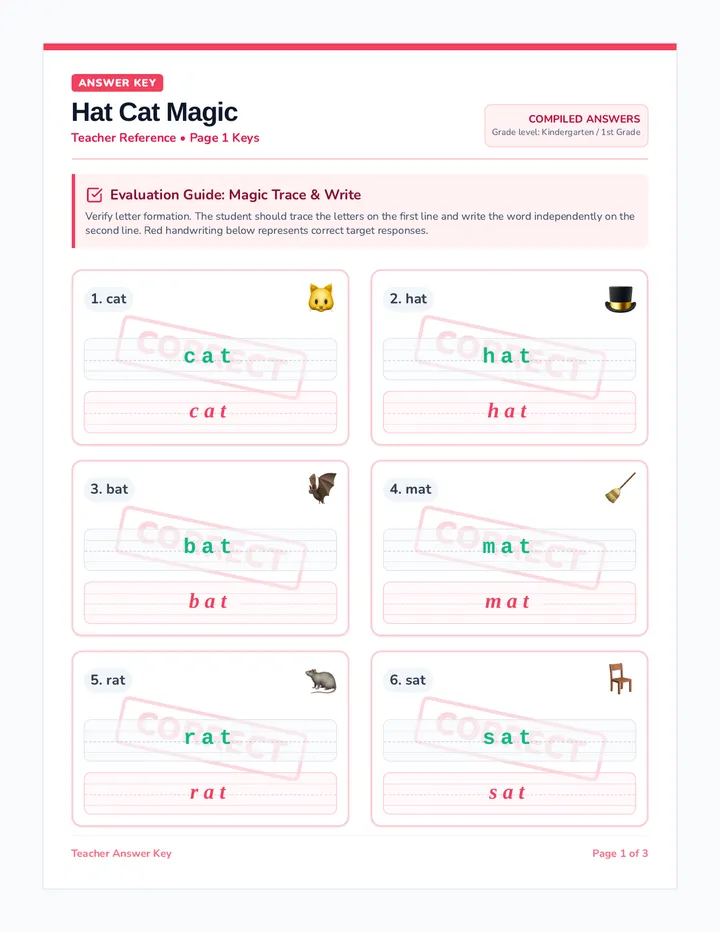
A comprehensive series of morning work activities for 1st grade students, including handwriting practice and foundational math skills like addition and subtraction up to 10.
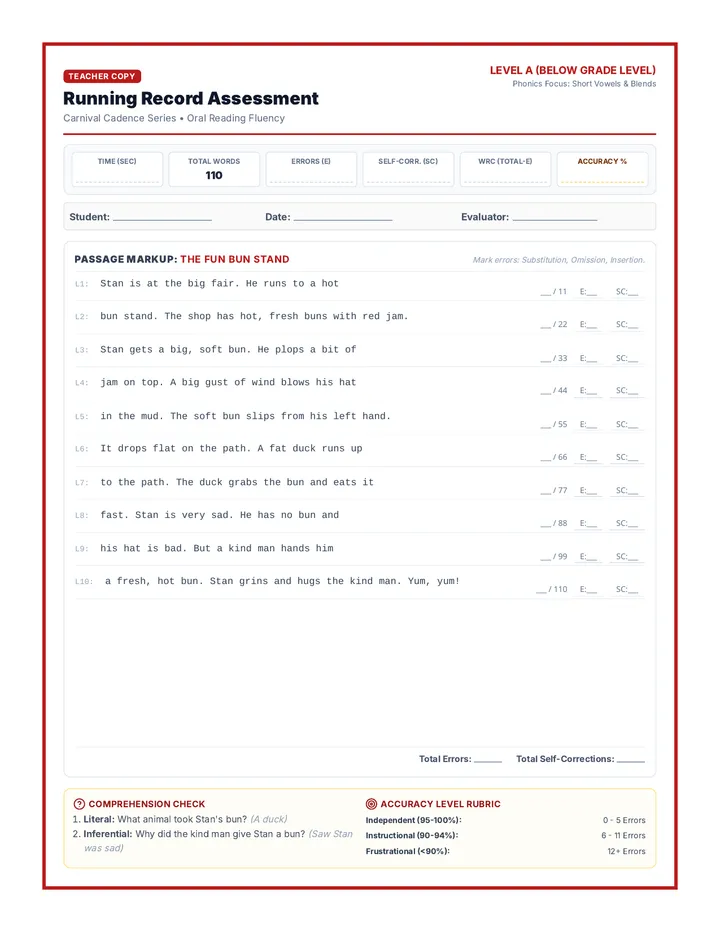
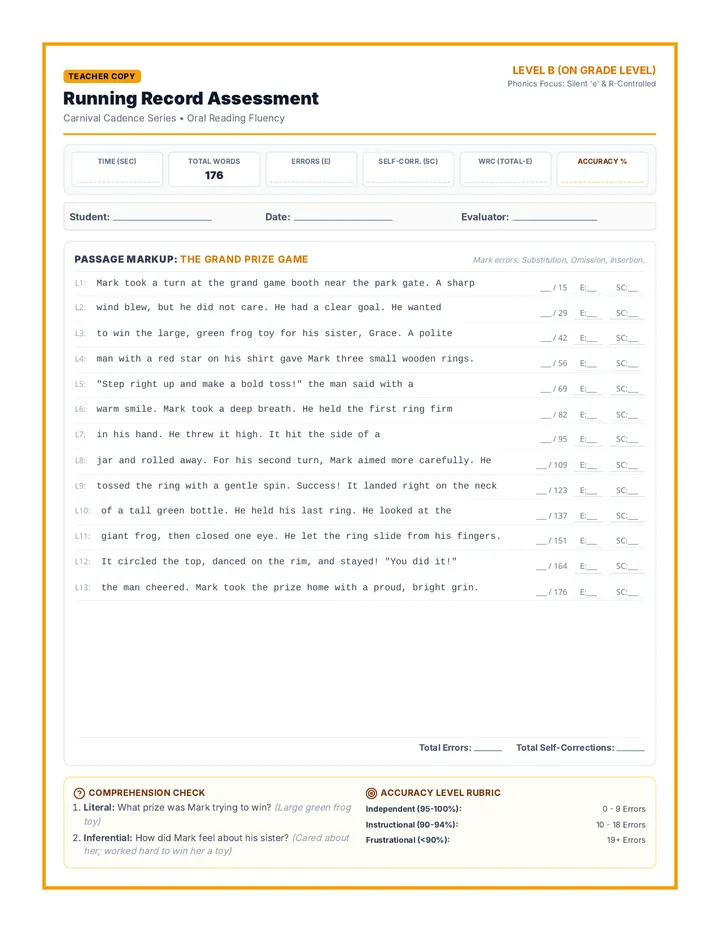
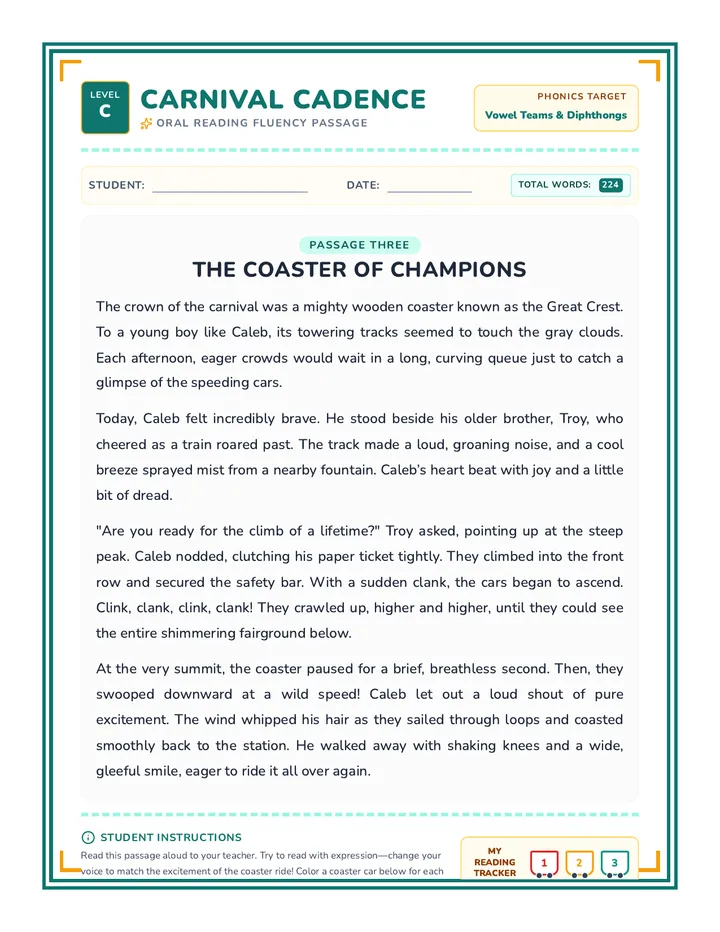
A collection of high-interest reading comprehension worksheets focusing on short stories, news articles, and leveled reader passages for grades 3-5. students practice inferences, sequencing, and vocabulary acquisition.
A mini-assessment focused on identifying first and third-person points of view through sentence analysis and open-ended reflection.
A 4th-grade lesson focusing on identifying main ideas and summarizing informational texts using engaging stories from the American Revolution, such as secret spies and midnight rides.
An introductory lesson on the '-ed' suffix, teaching students to identify base words and recognize the three different sounds (/t/, /d/, and /id/) that '-ed' can make.
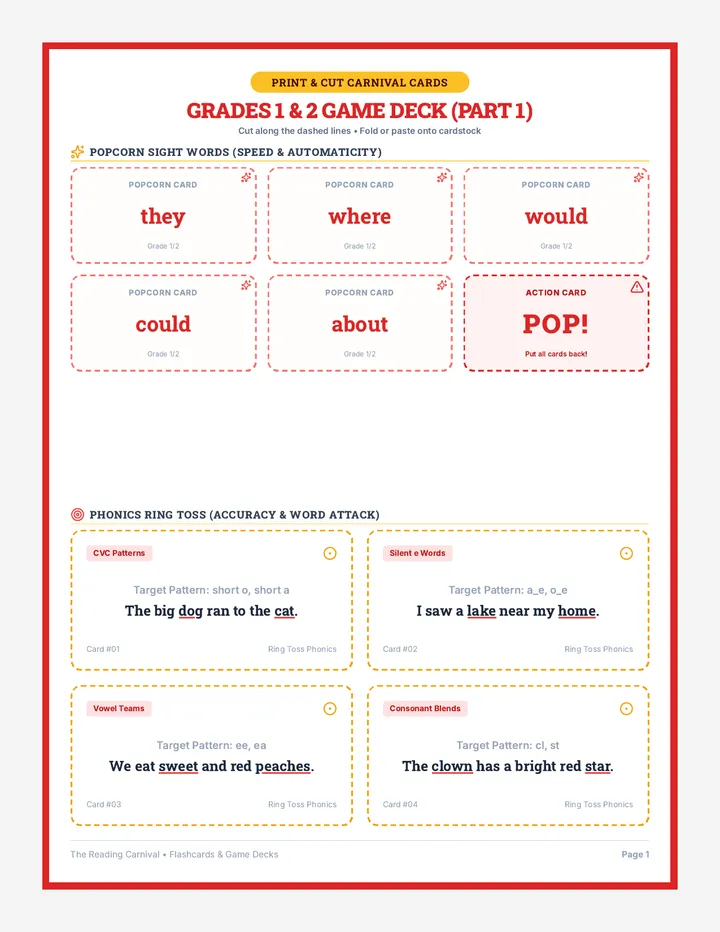
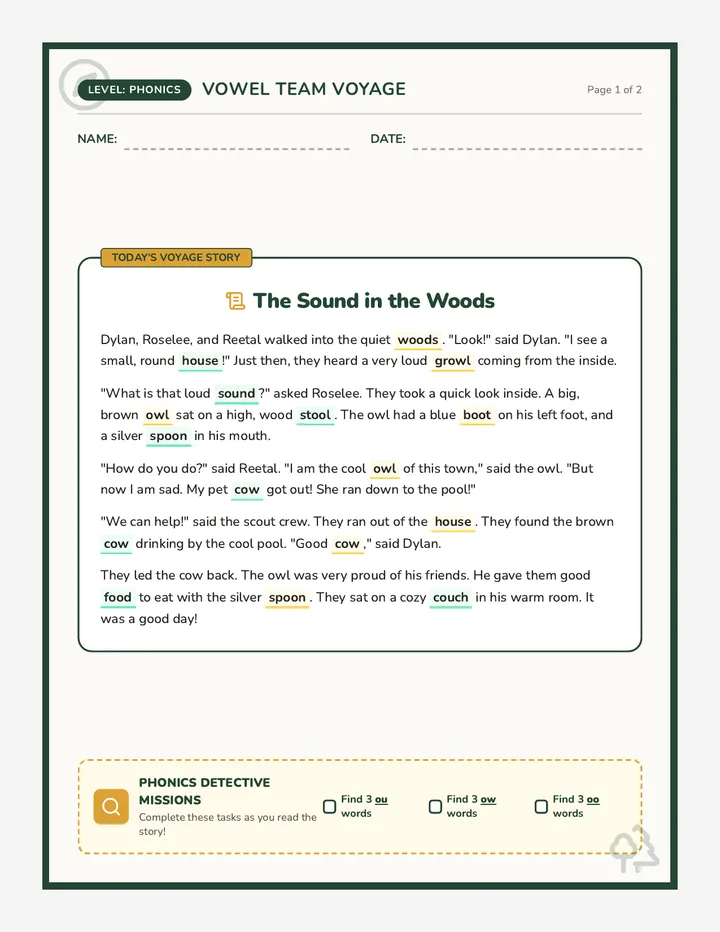
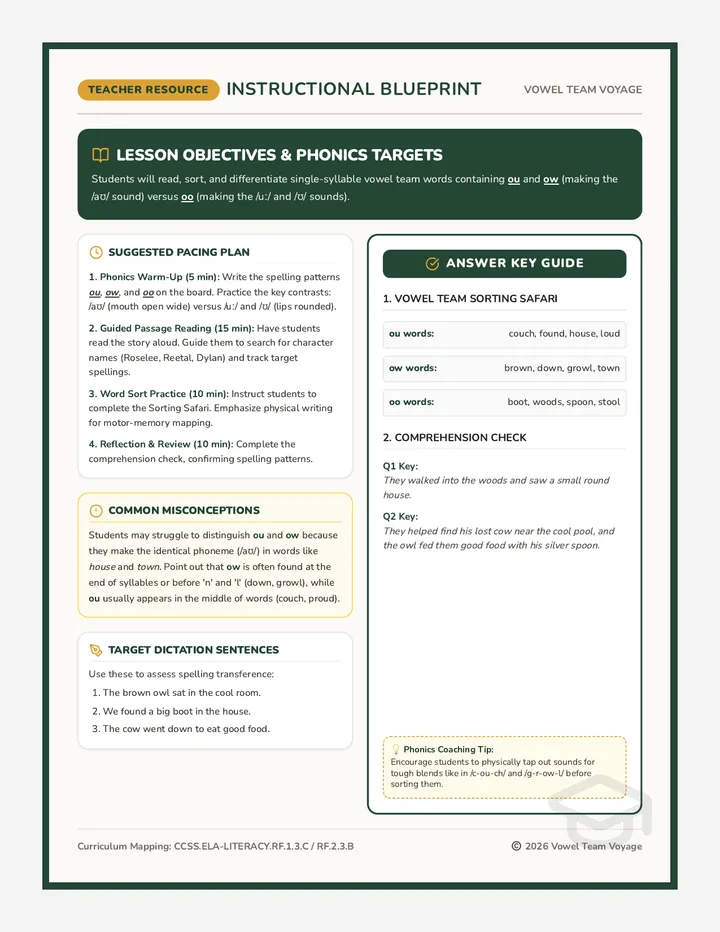
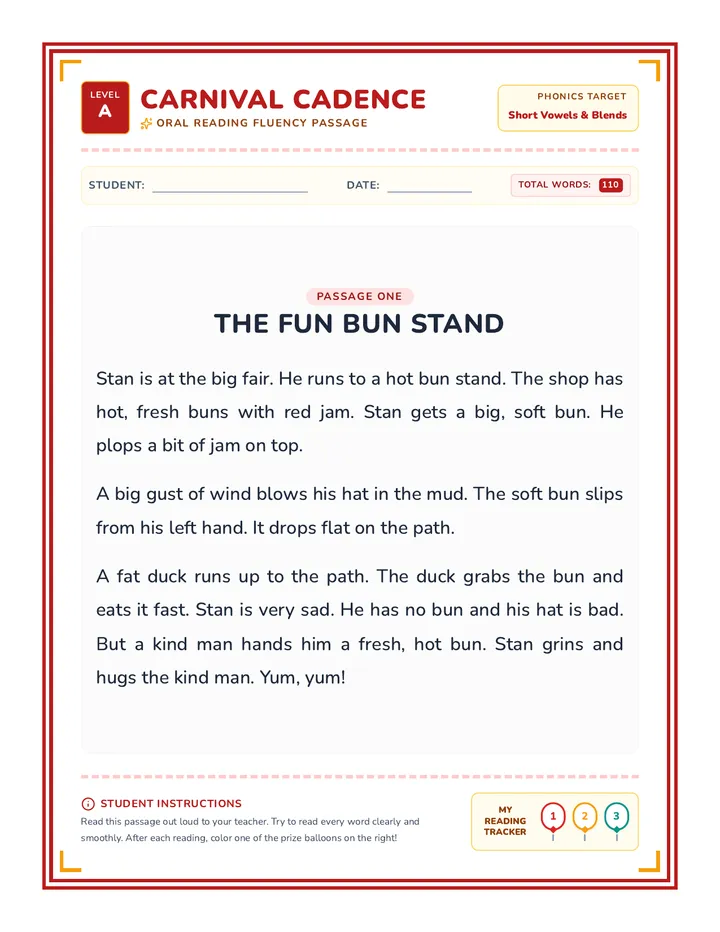
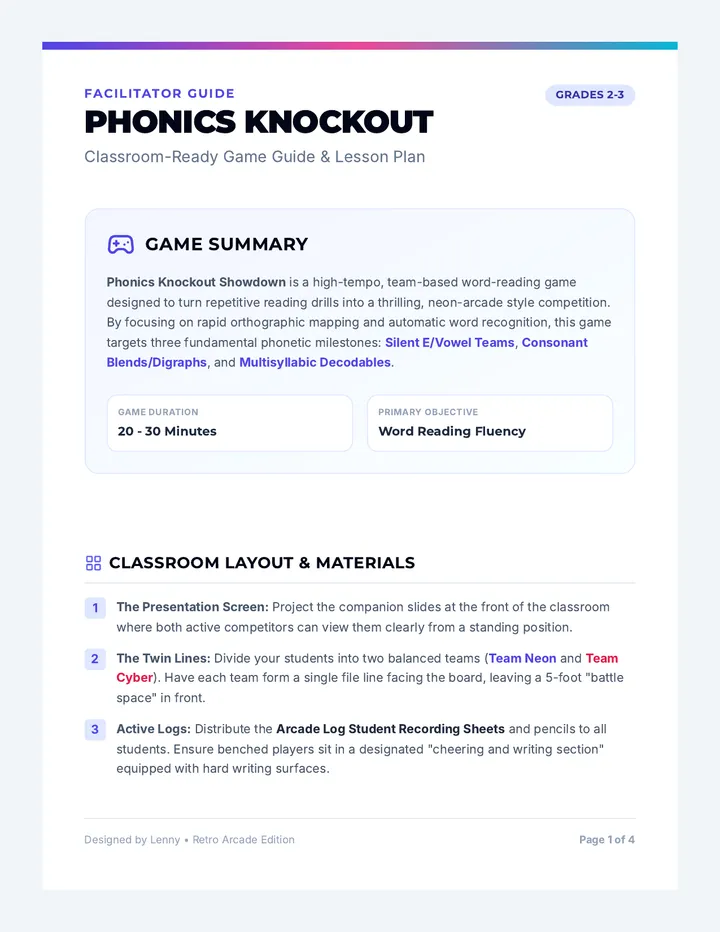
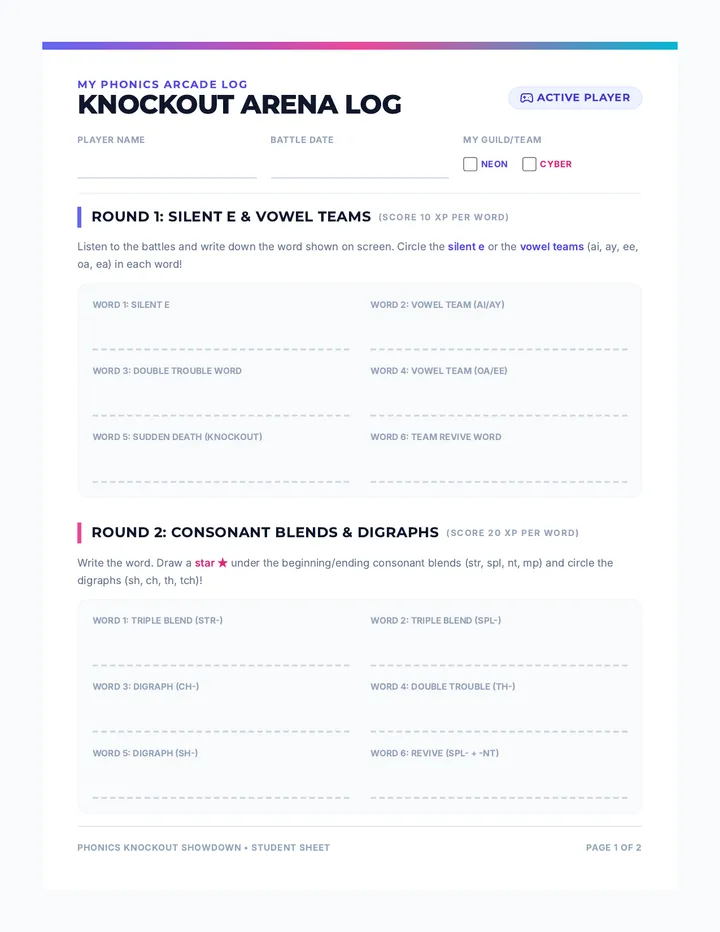
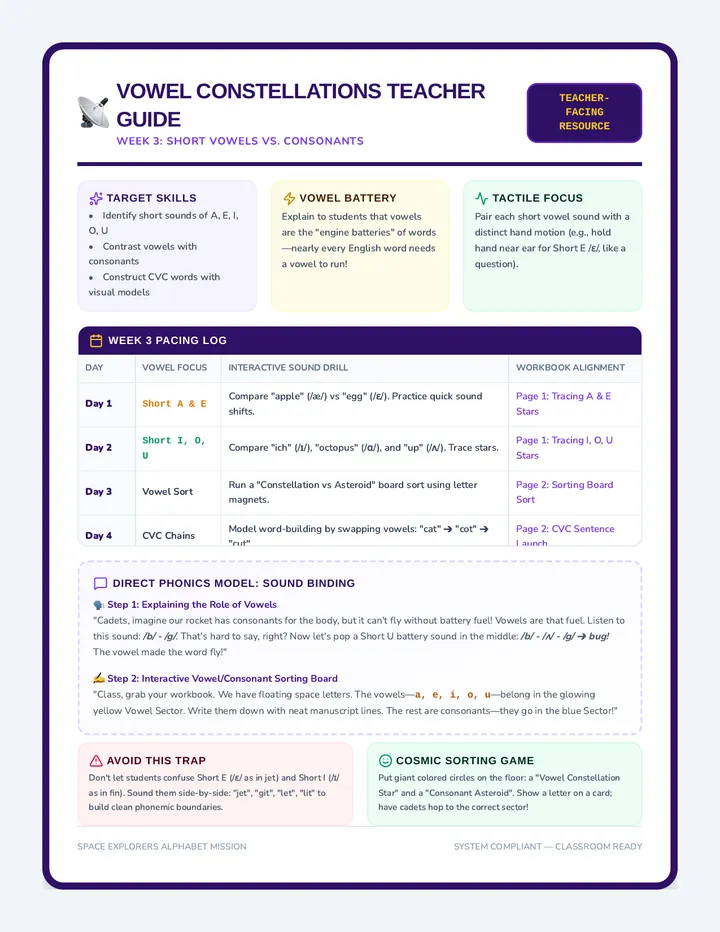
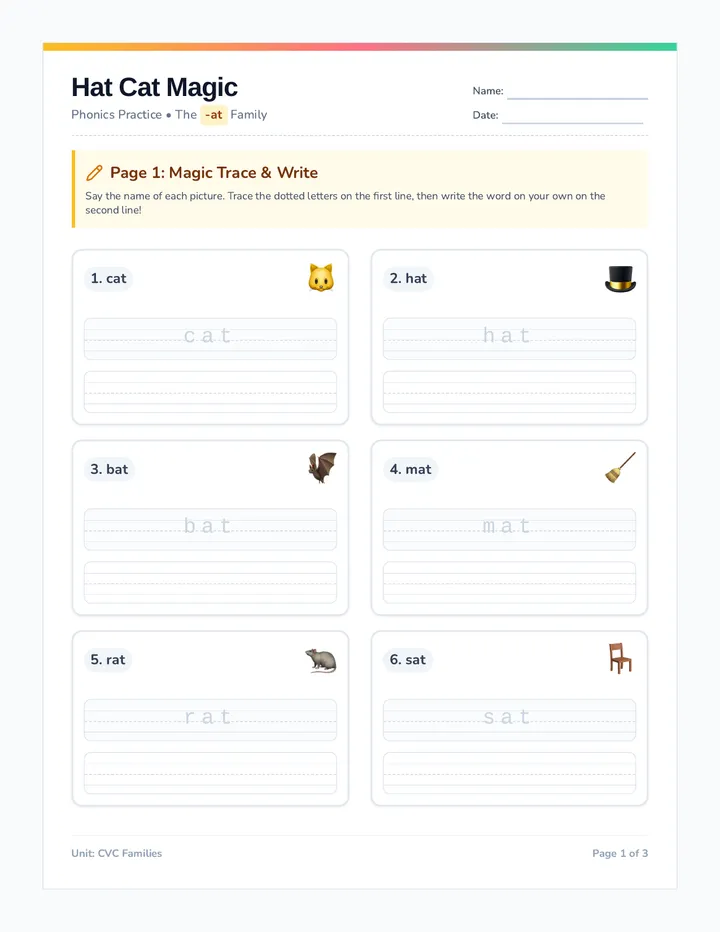
A targeted phonics and vocabulary lesson designed to help 3rd graders master CVC decoding, differentiate between short and long vowels (Silent E), and recognize common digraphs through visual support and active sorting.
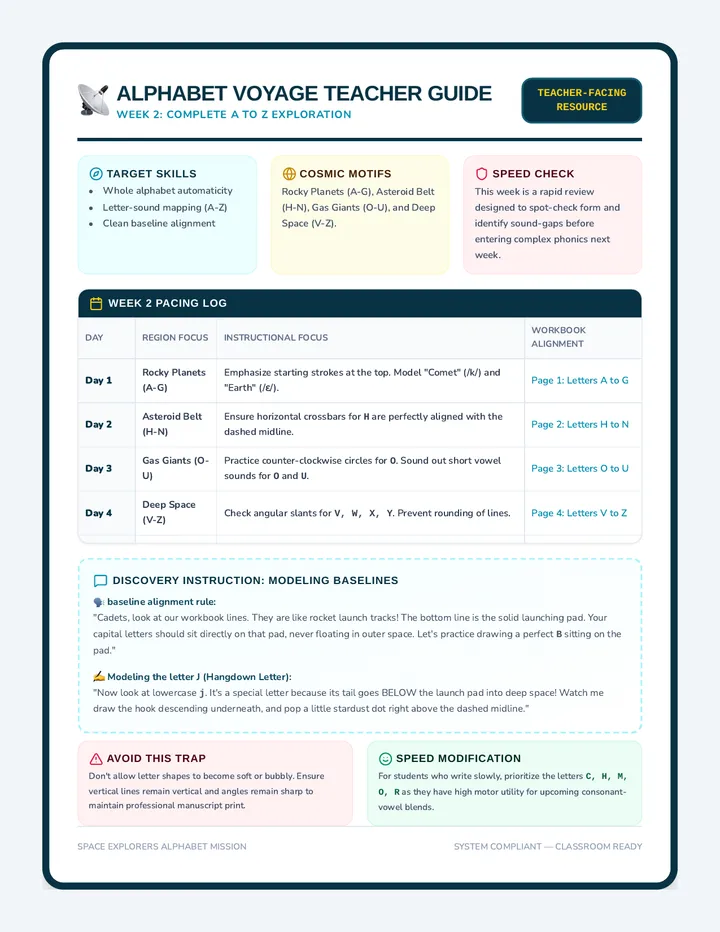
A foundational phonics lesson that introduces and reinforces all consonant sounds and short vowel sounds through interactive "Safari" themed activities. Students will practice letter identification, sound production, and sound sorting.
A modified introduction to Don Quixote for students at a 1st-grade reading level, focusing on character traits and story-specific vocabulary through visual aids and simplified text.
A vocabulary lesson focused on using context clues within fantasy and adventure stories to define unknown words, designed for 3rd grade.
A lesson focused on analyzing the classic fable 'The Tortoise and the Hare', with a specific emphasis on character traits, motivations, and the central moral.
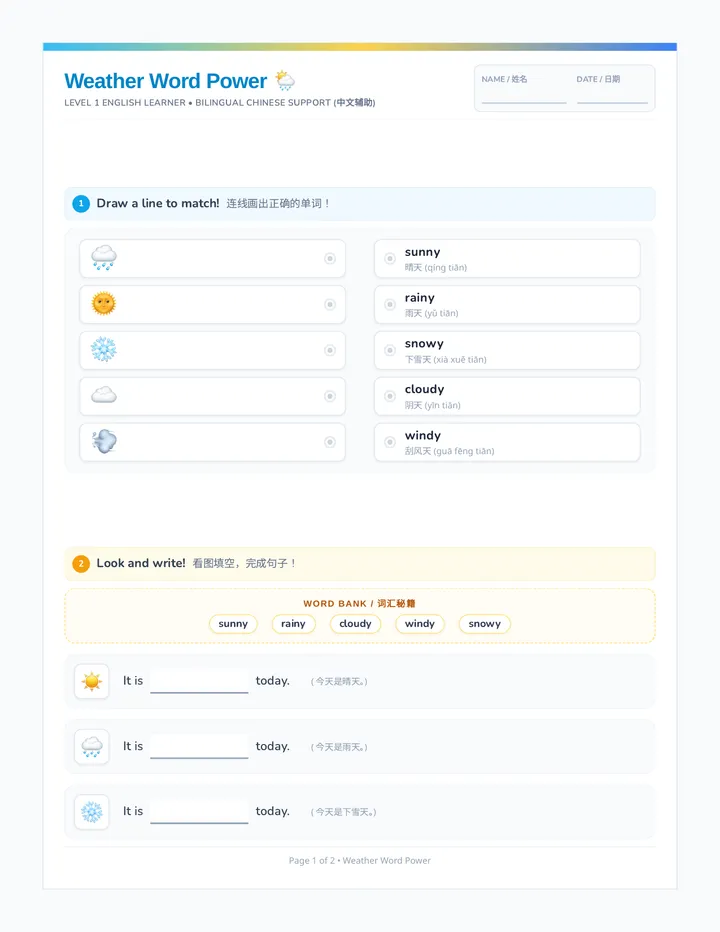
A lesson focused on practicing pre-primer sight words through the engaging theme of outer space exploration. Students use a word bank to complete simple sentences about planets, stars, and rockets.
A 1st-grade lesson focused on time zones and sentence elaboration. Students learn that it's different times in different places while practicing adding descriptive details to their spoken sentences.
In this lesson, students practice uppercase and lowercase letter formation and word accuracy using Zelda-themed vocabulary like 'Hero', 'Quest', and 'Shield'.
A reading comprehension lesson centered around March Madness, featuring a versatile worksheet that can be used with any basketball-related text.
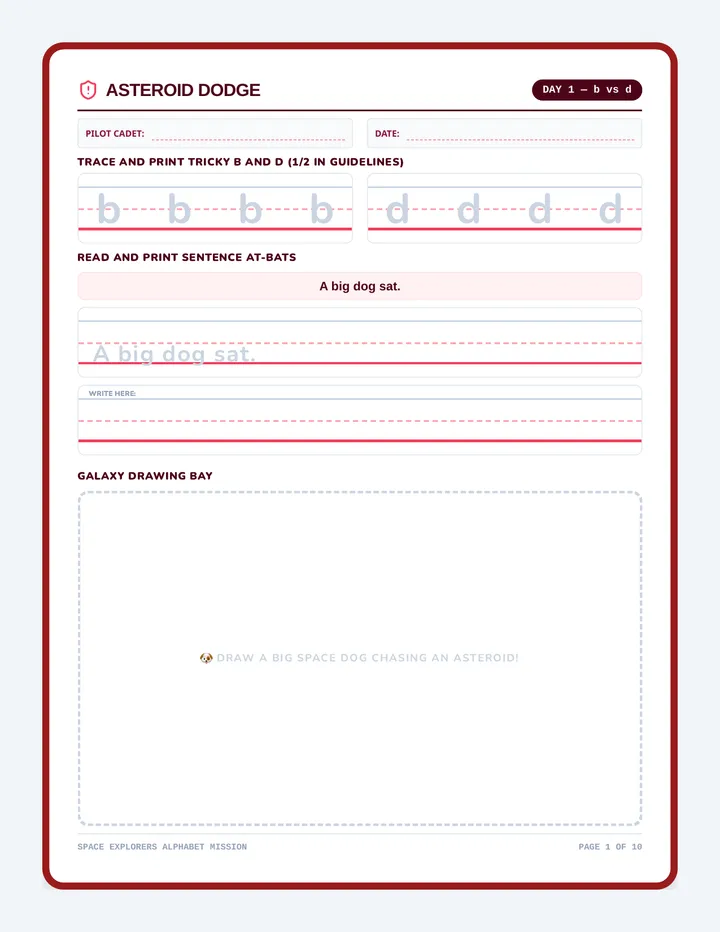
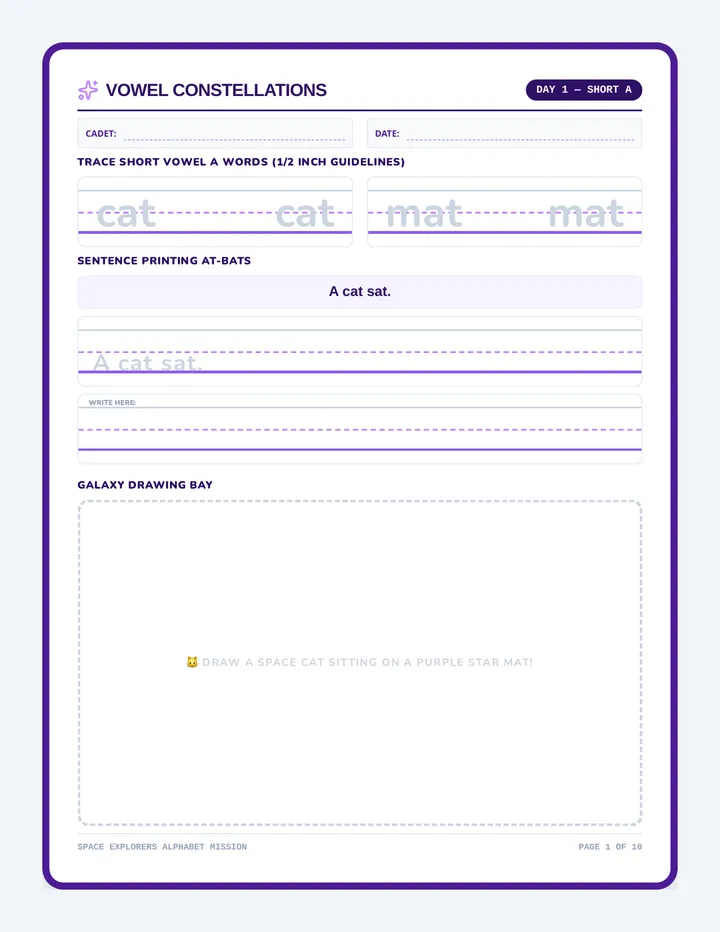
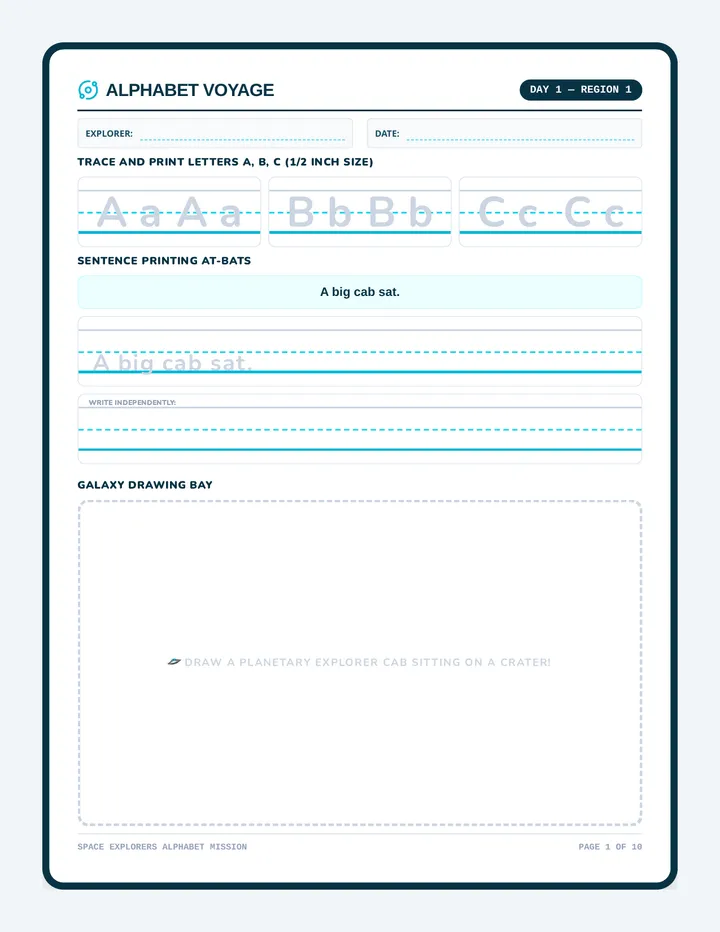
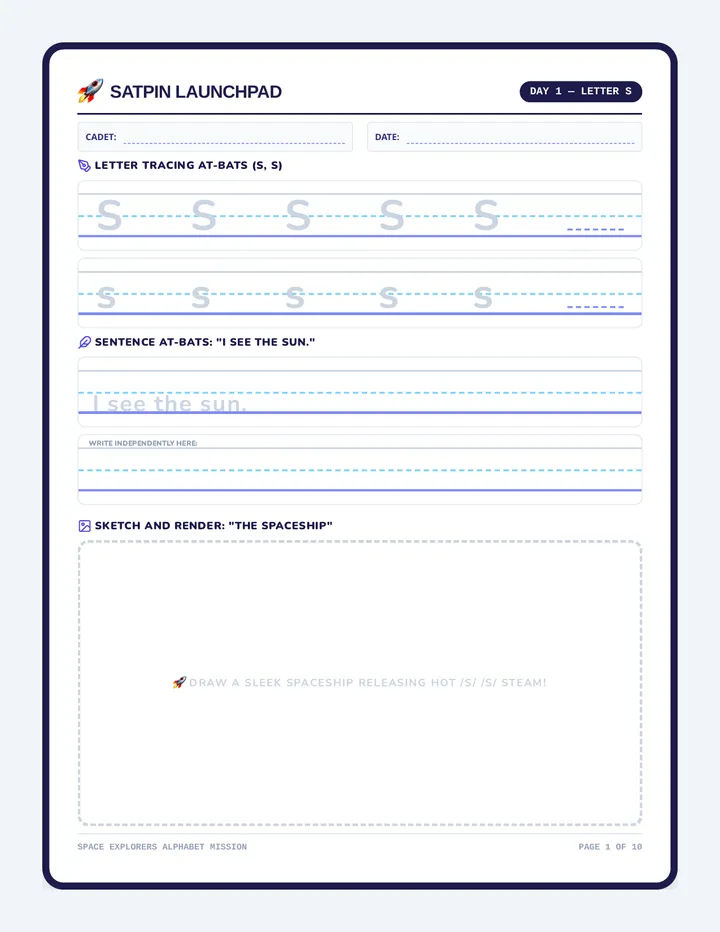
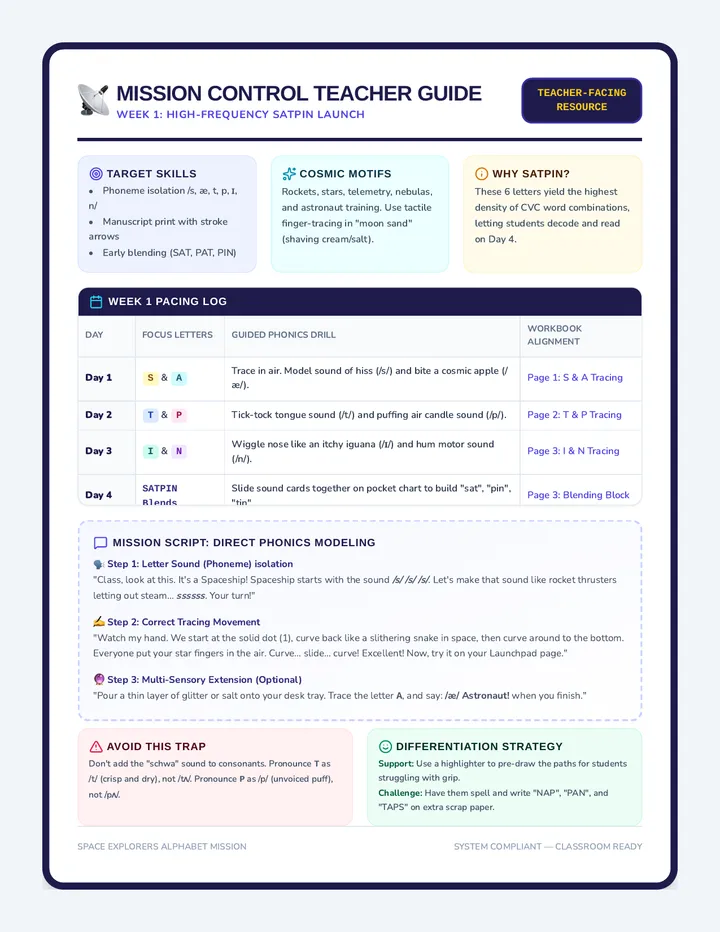
A foundational lesson introducing the lowercase letters 's' and 'a'. Includes multisensory routines, oral language drills, and letter formation practice.
A synthesis lesson where students apply their knowledge of structures and features to STAAR-aligned passages, practicing critical thinking and evidence-based responses.
Students analyze the use of print and graphic features (bold print, captions, sidebars, charts) across genres to determine why authors include them and how they impact the reader (TEKS 4.10C).
Students explore informational text features, specifically diagrams and pronunciation guides, to understand how they support the reader's comprehension (TEKS 4.9Dii).