A 60-minute exploration of the four seasons for 4th graders, focusing on their unique characteristics and environmental impact. Students engage through discussion, visual aids, and personal reflection.
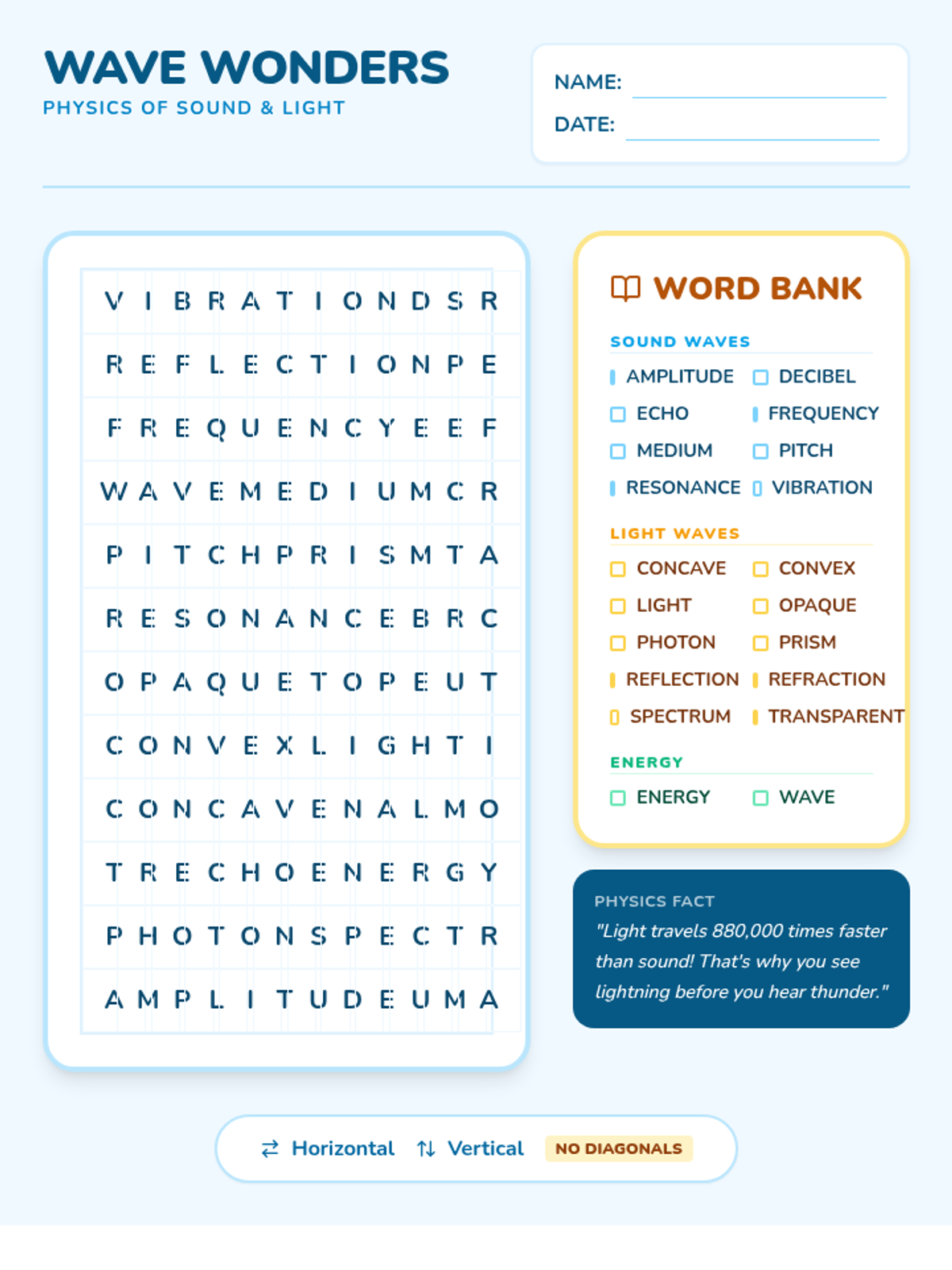
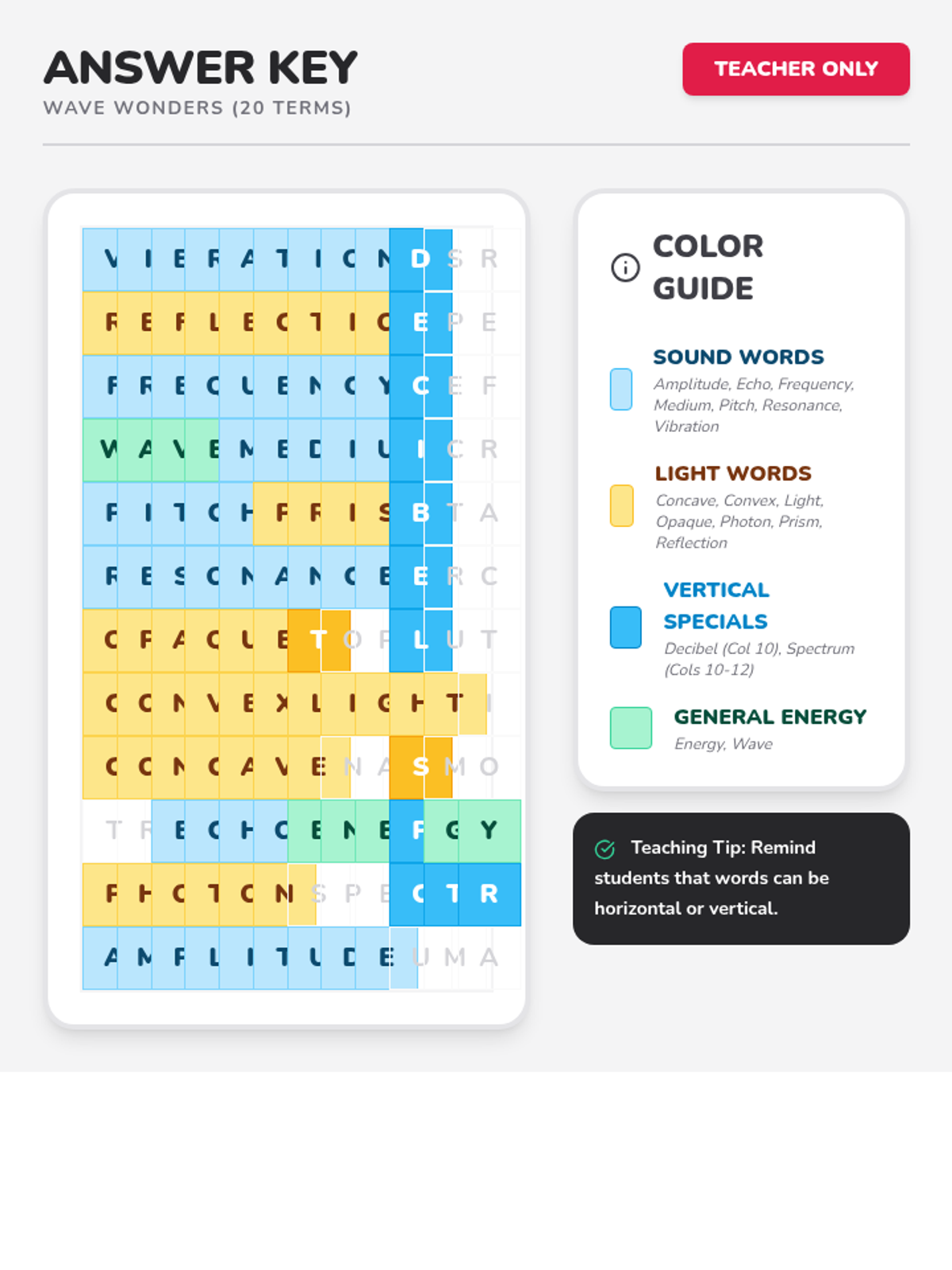
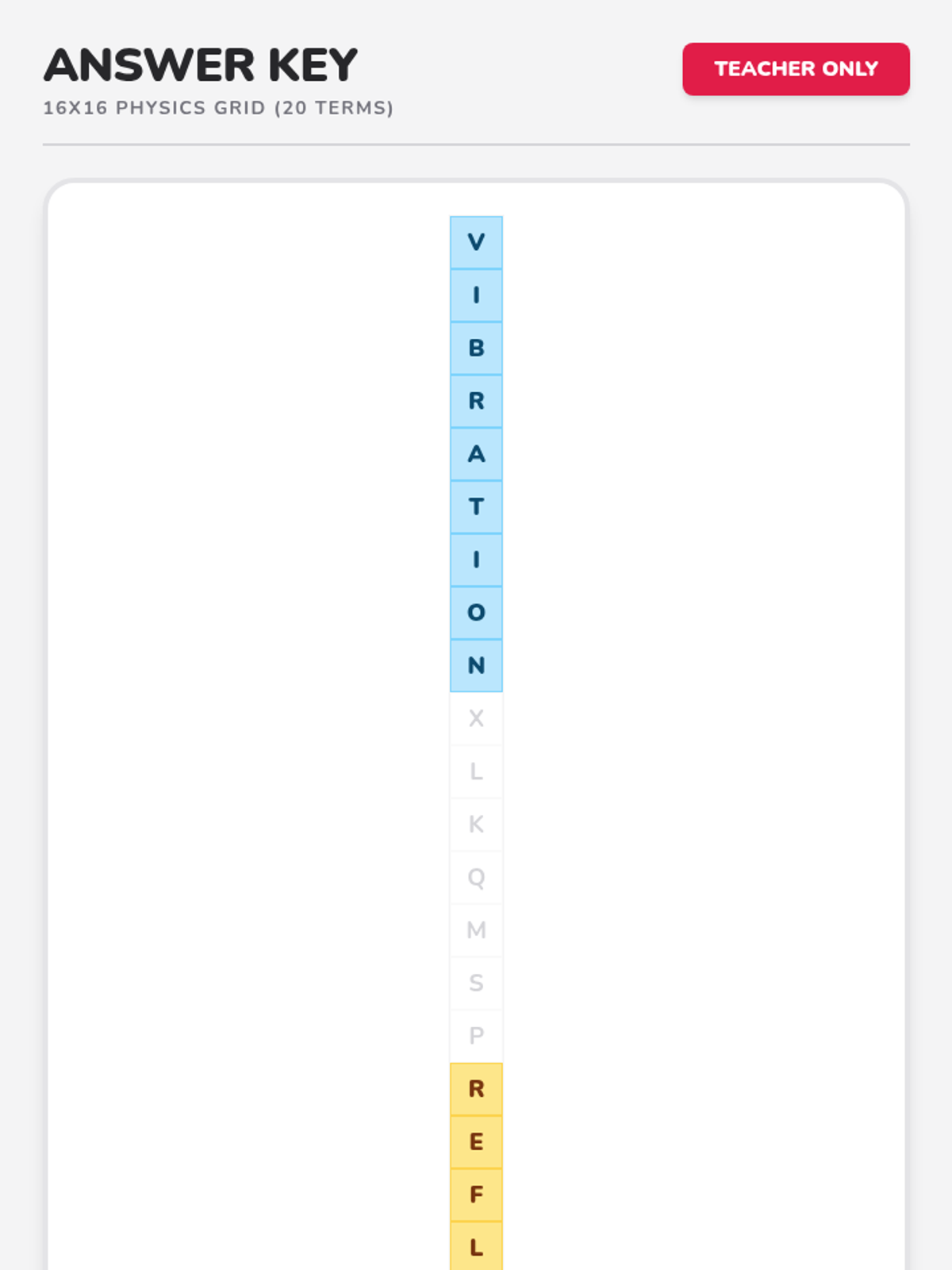
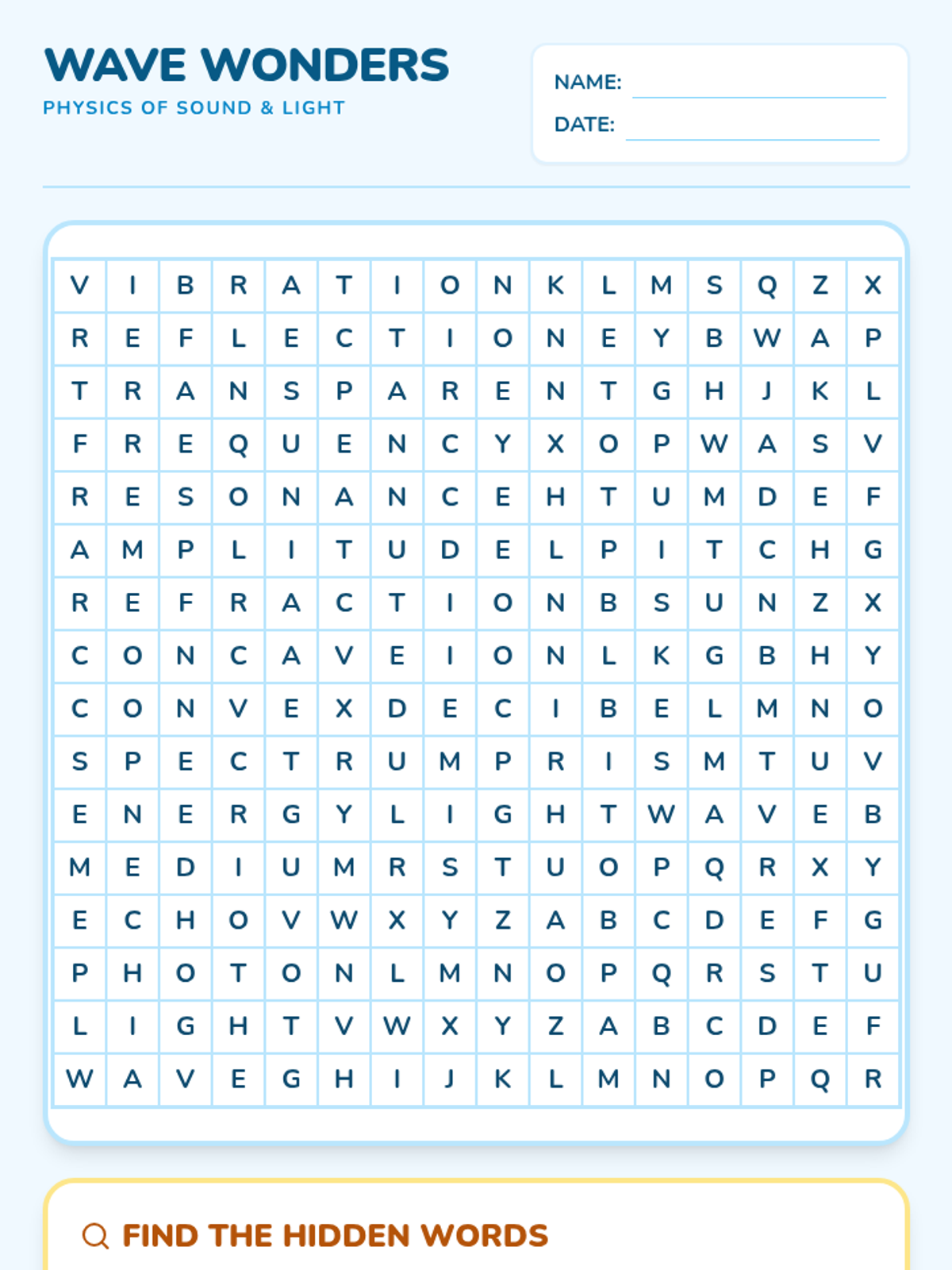
An introductory exploration of the physics of sound and light through vocabulary reinforcement and visual aids.
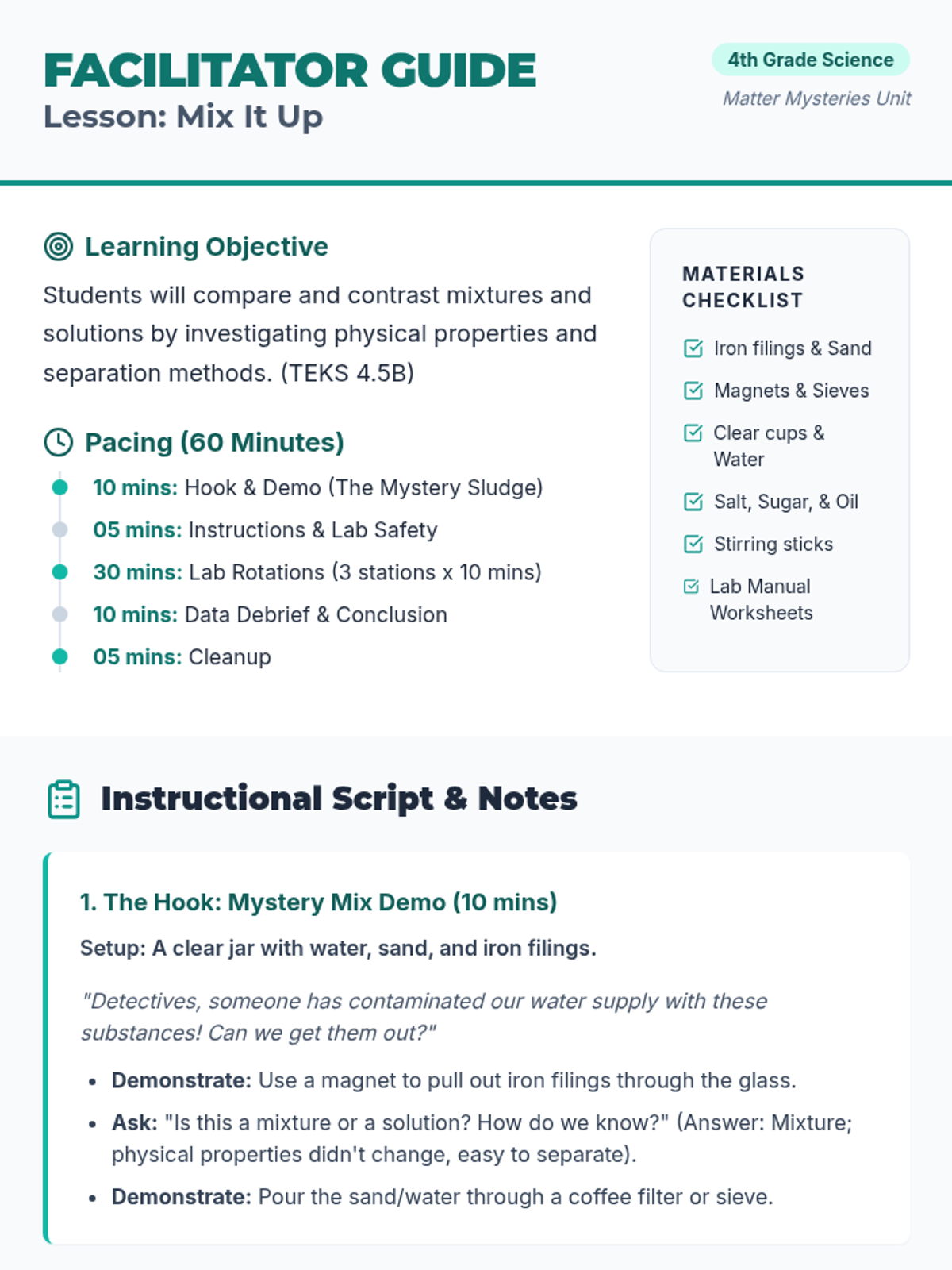
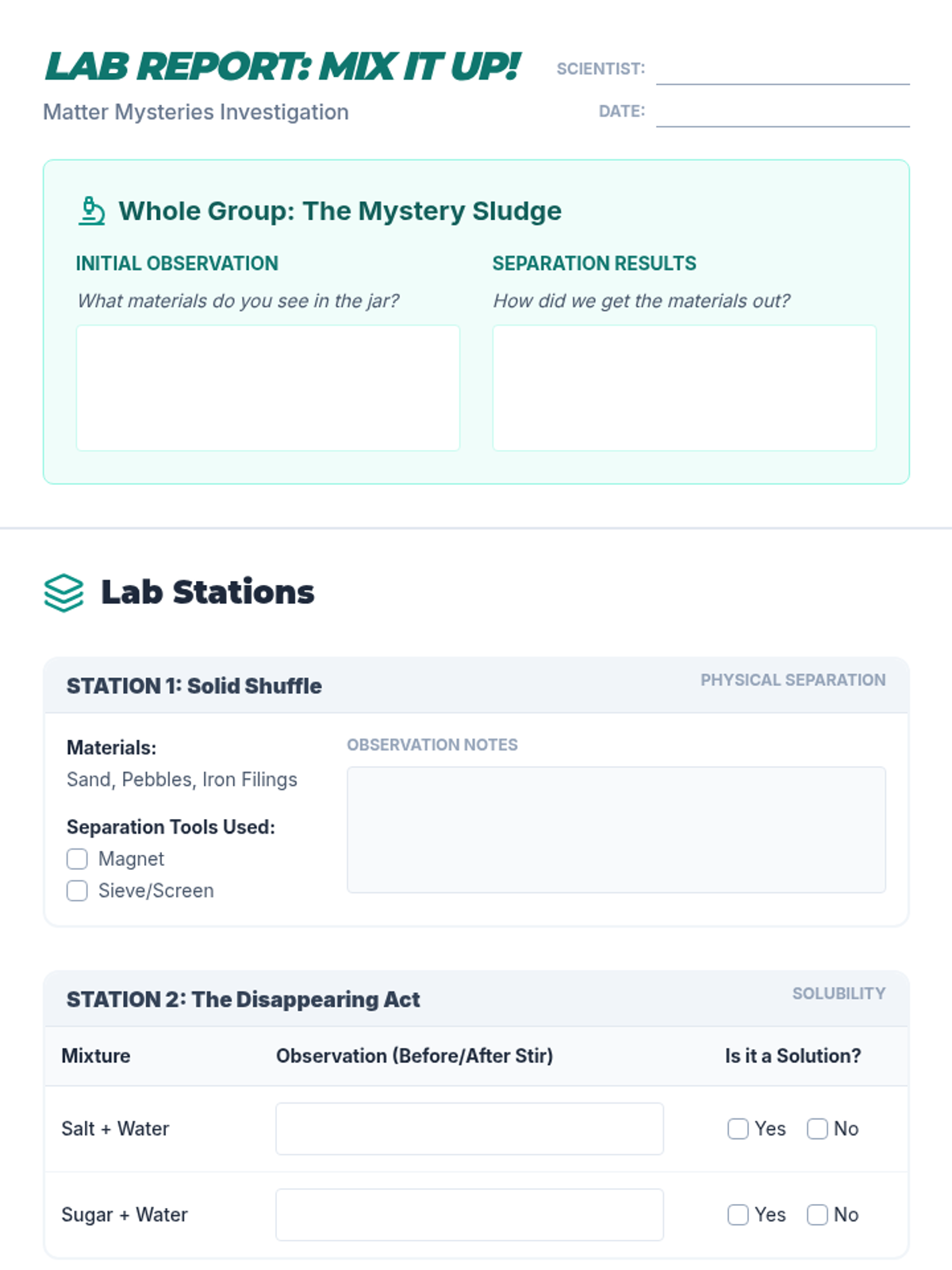
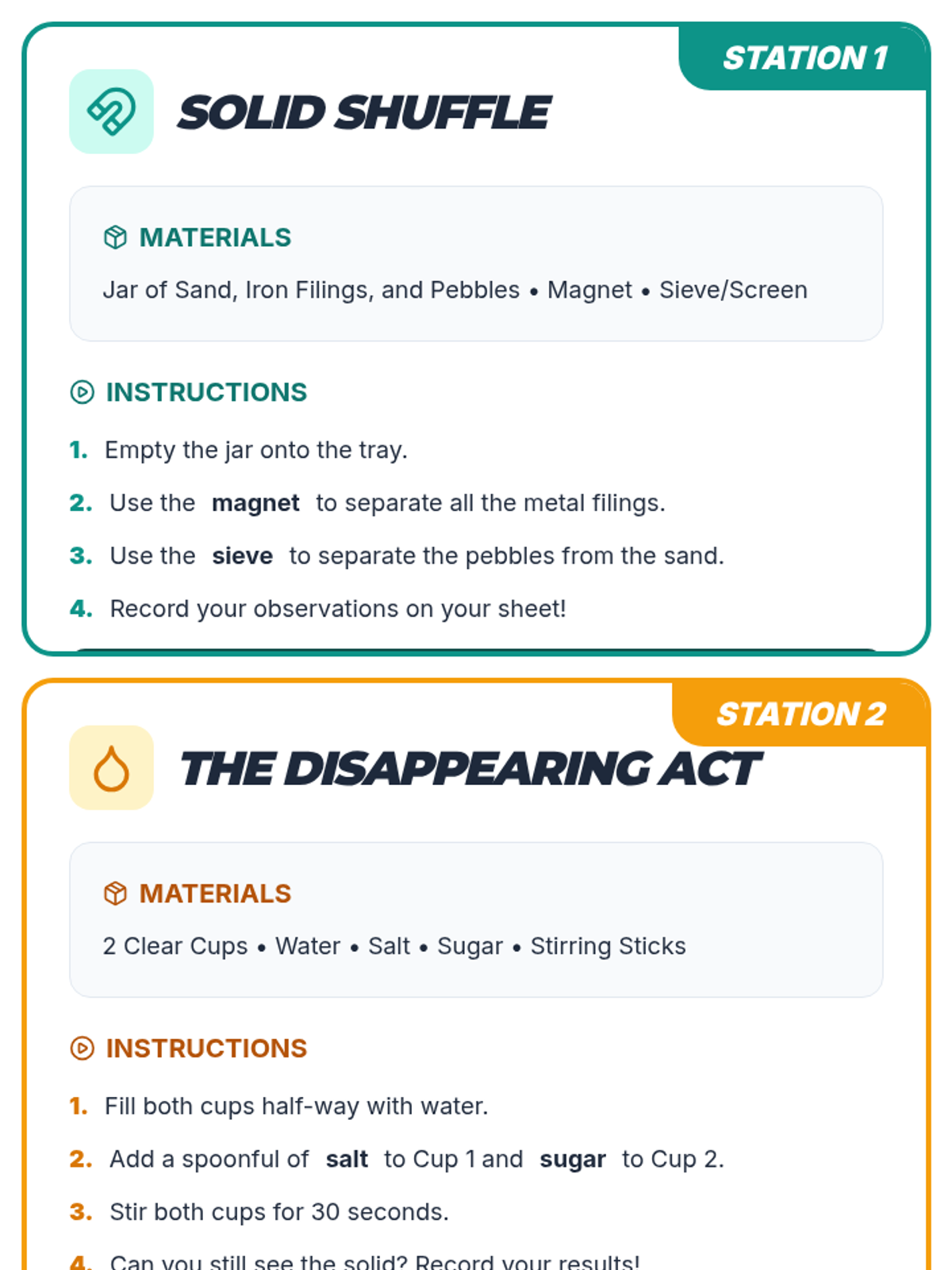
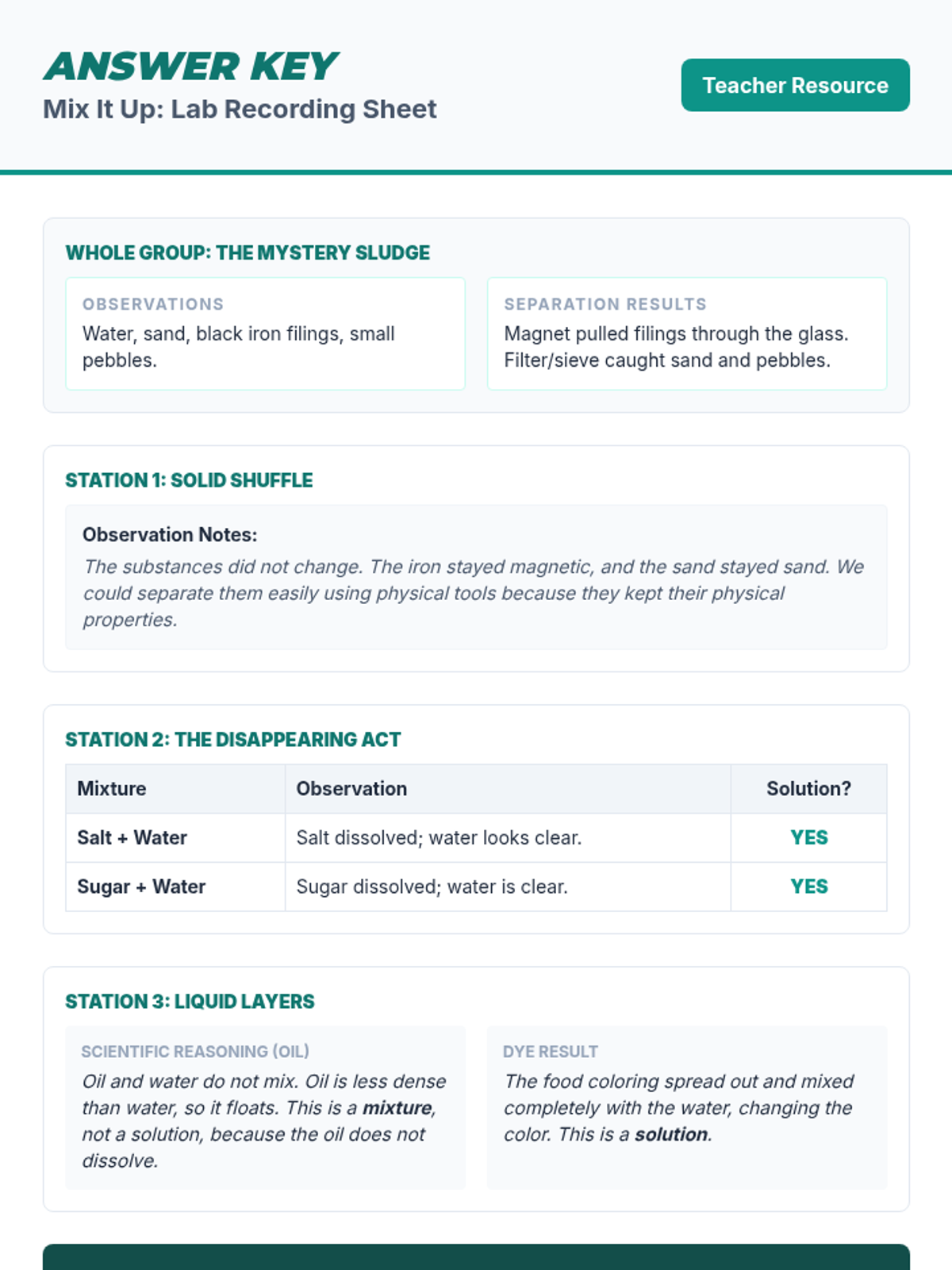
A hands-on exploration of physical properties where students investigate, create, and separate mixtures and solutions. Students will participate in whole-group demonstrations and small-group lab stations to master TEKS 4.5(B).
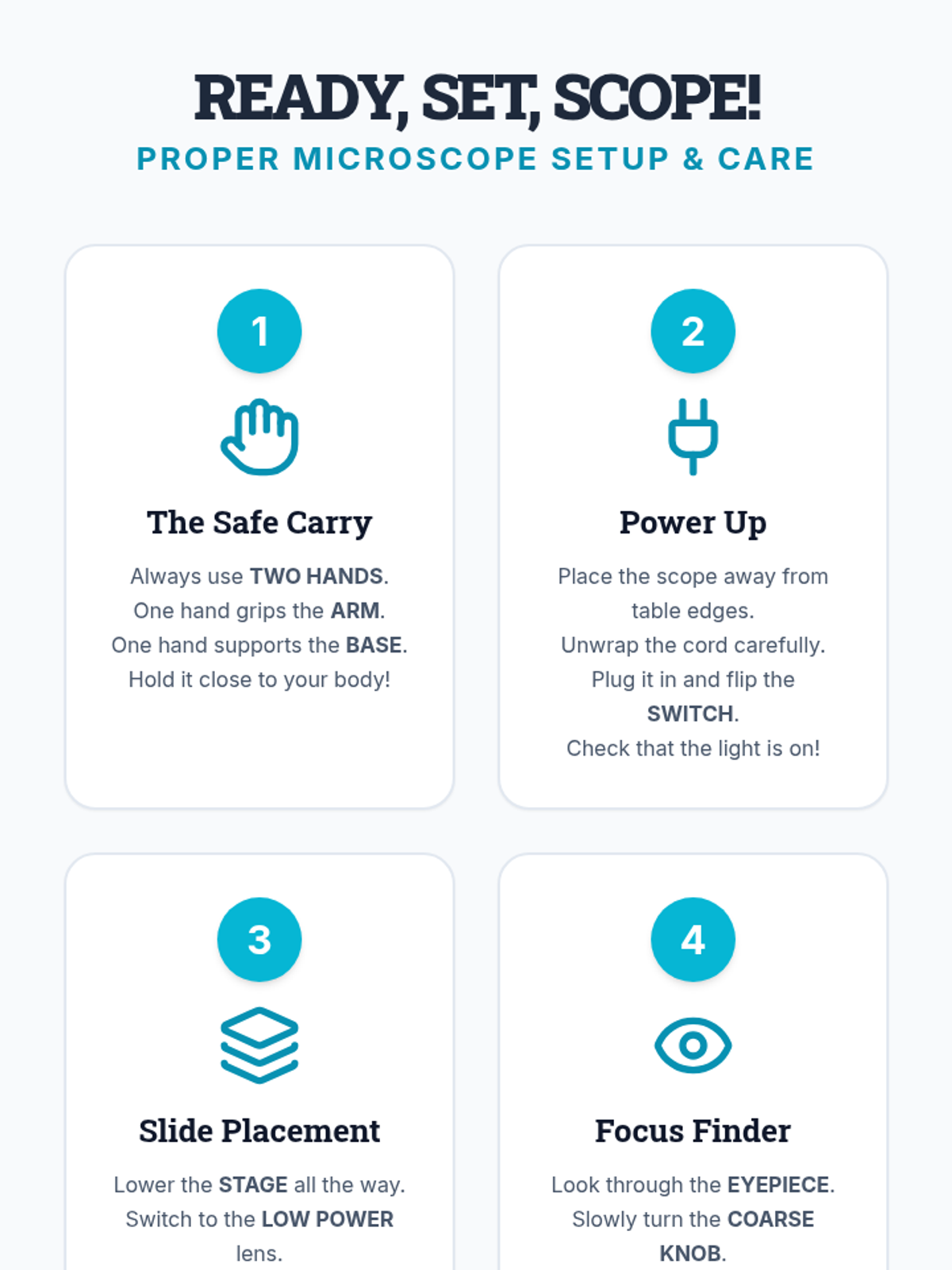
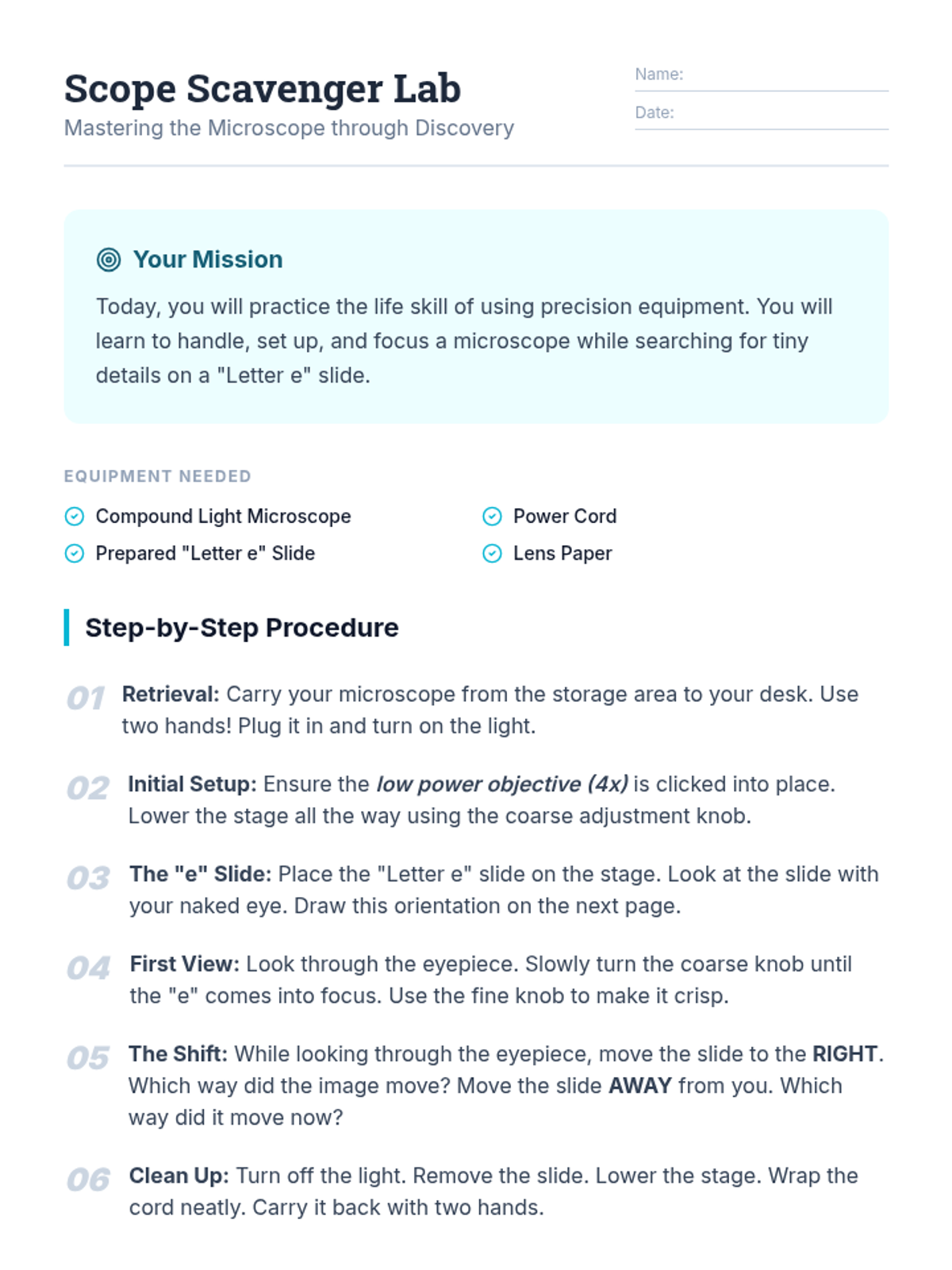
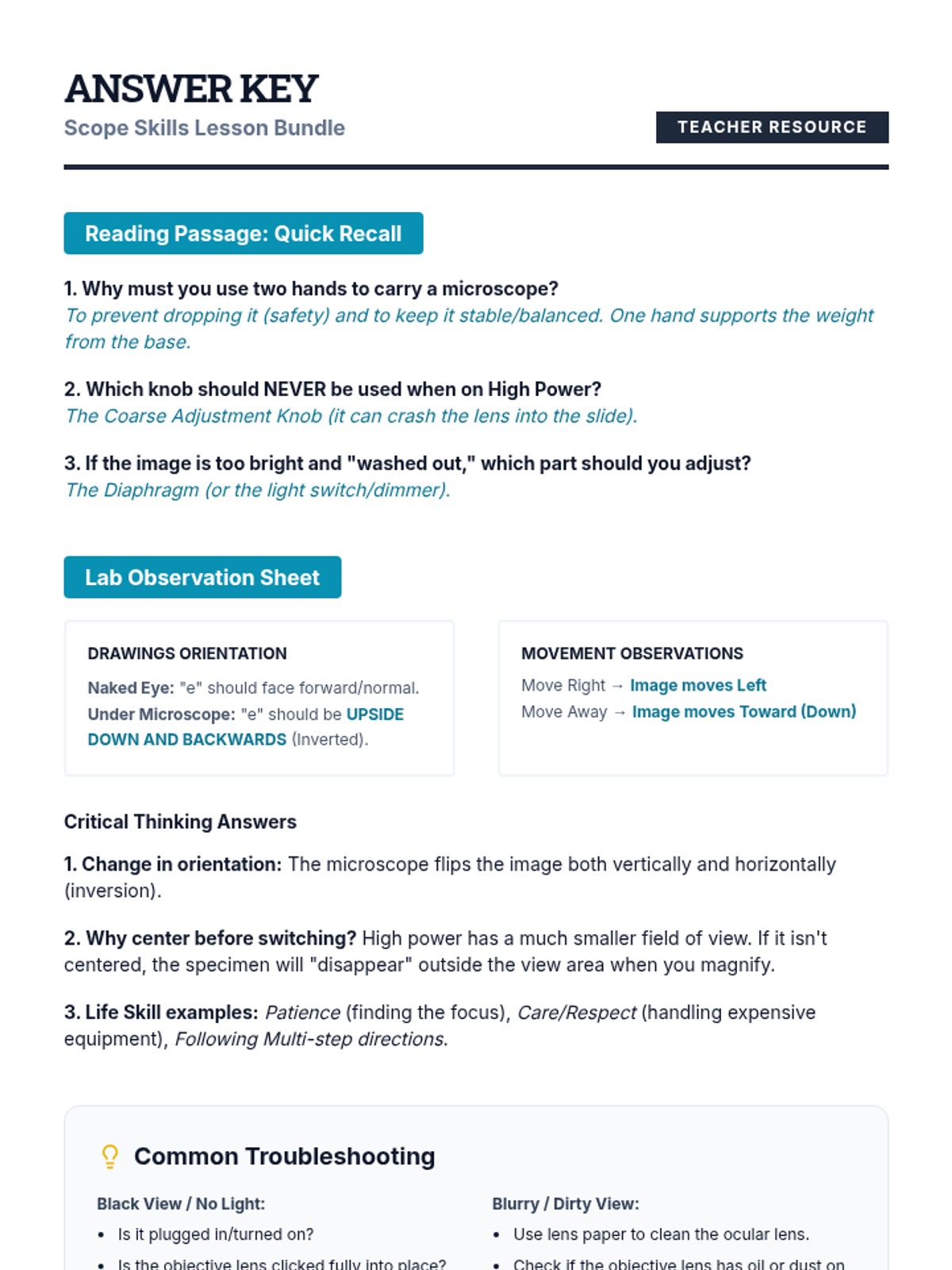
A foundational lesson on compound light microscopes, focusing on parts identification, proper handling, and the step-by-step process of focusing on a specimen. Students develop essential lab safety and precision skills.
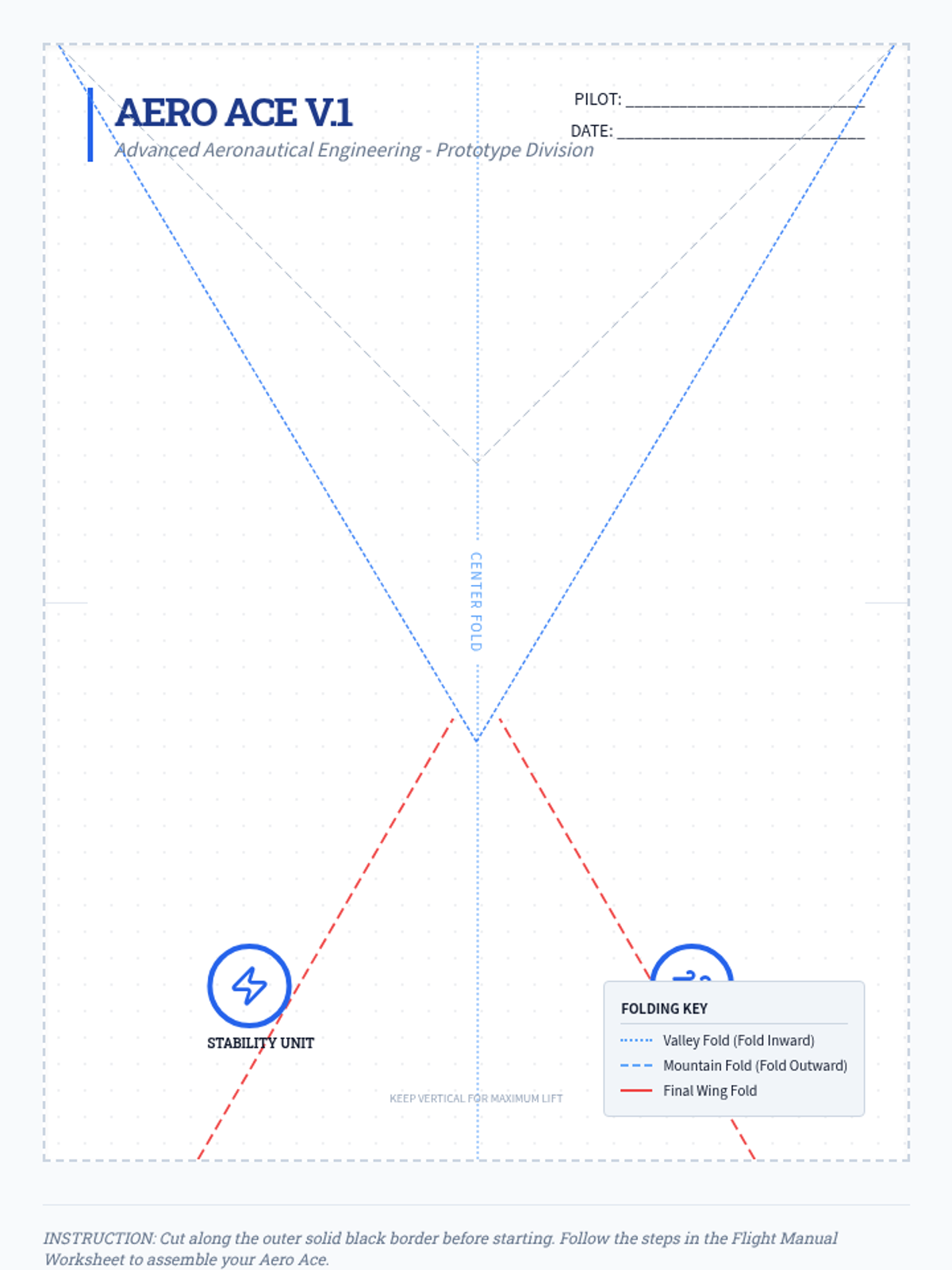
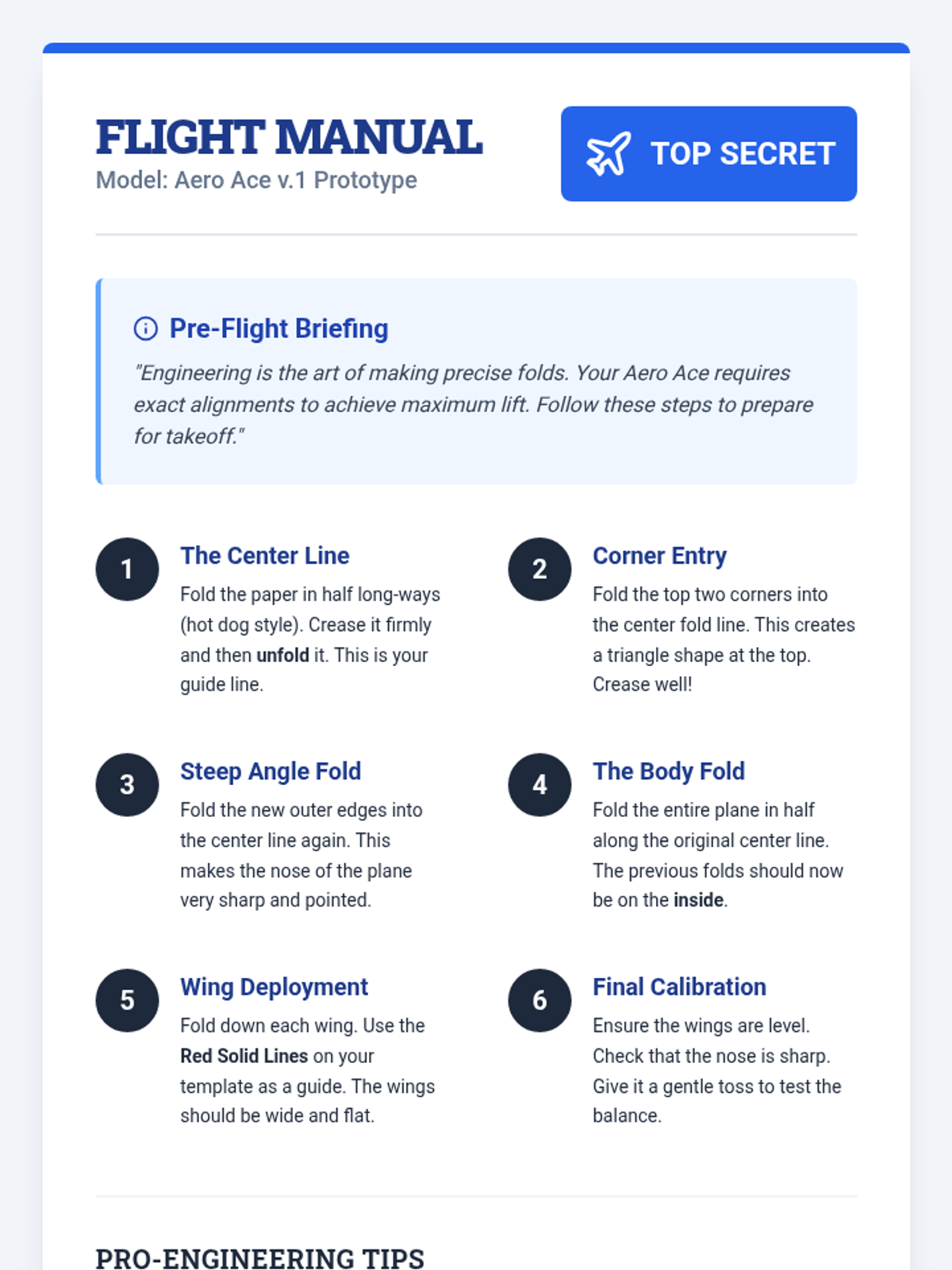
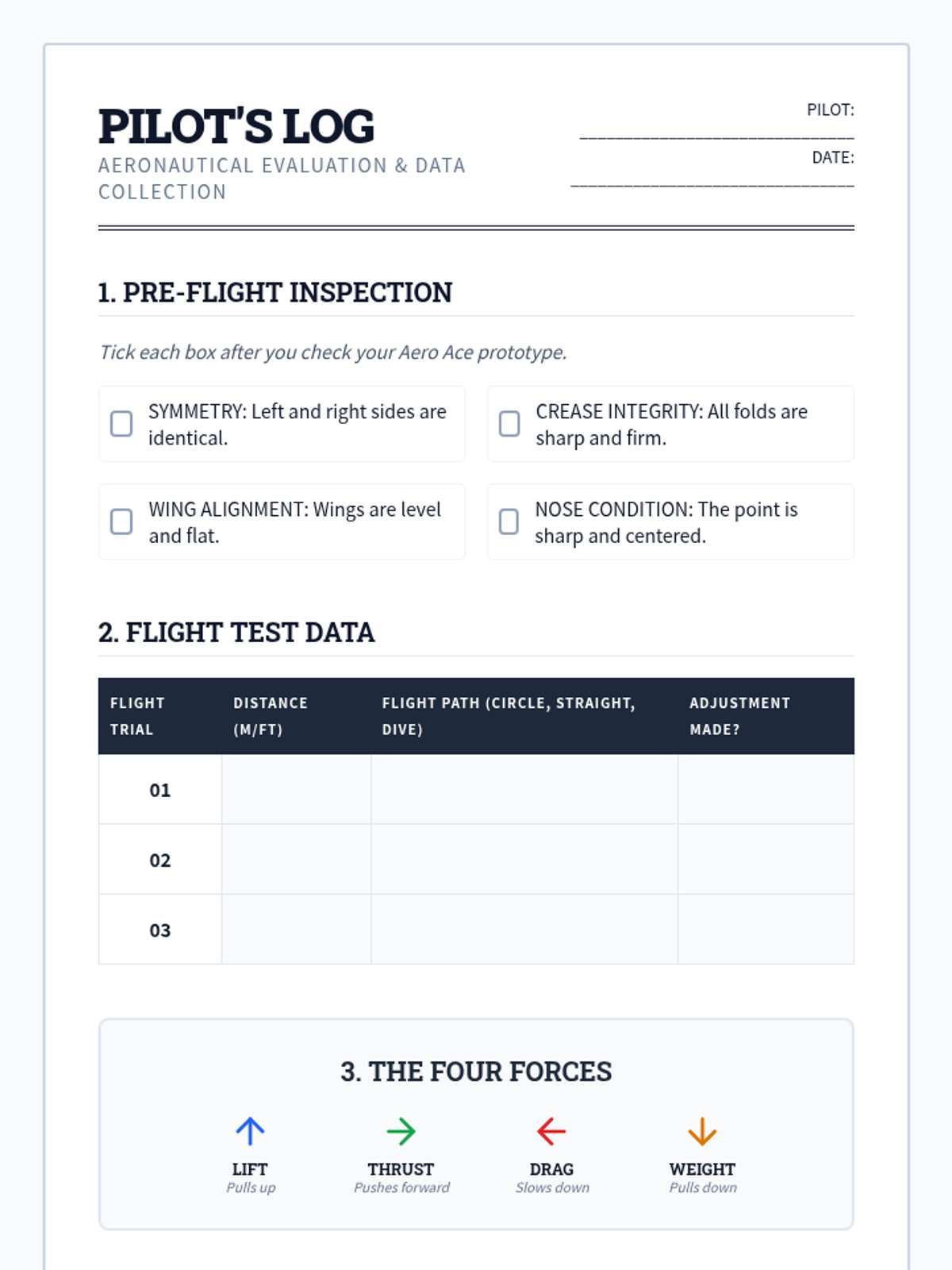
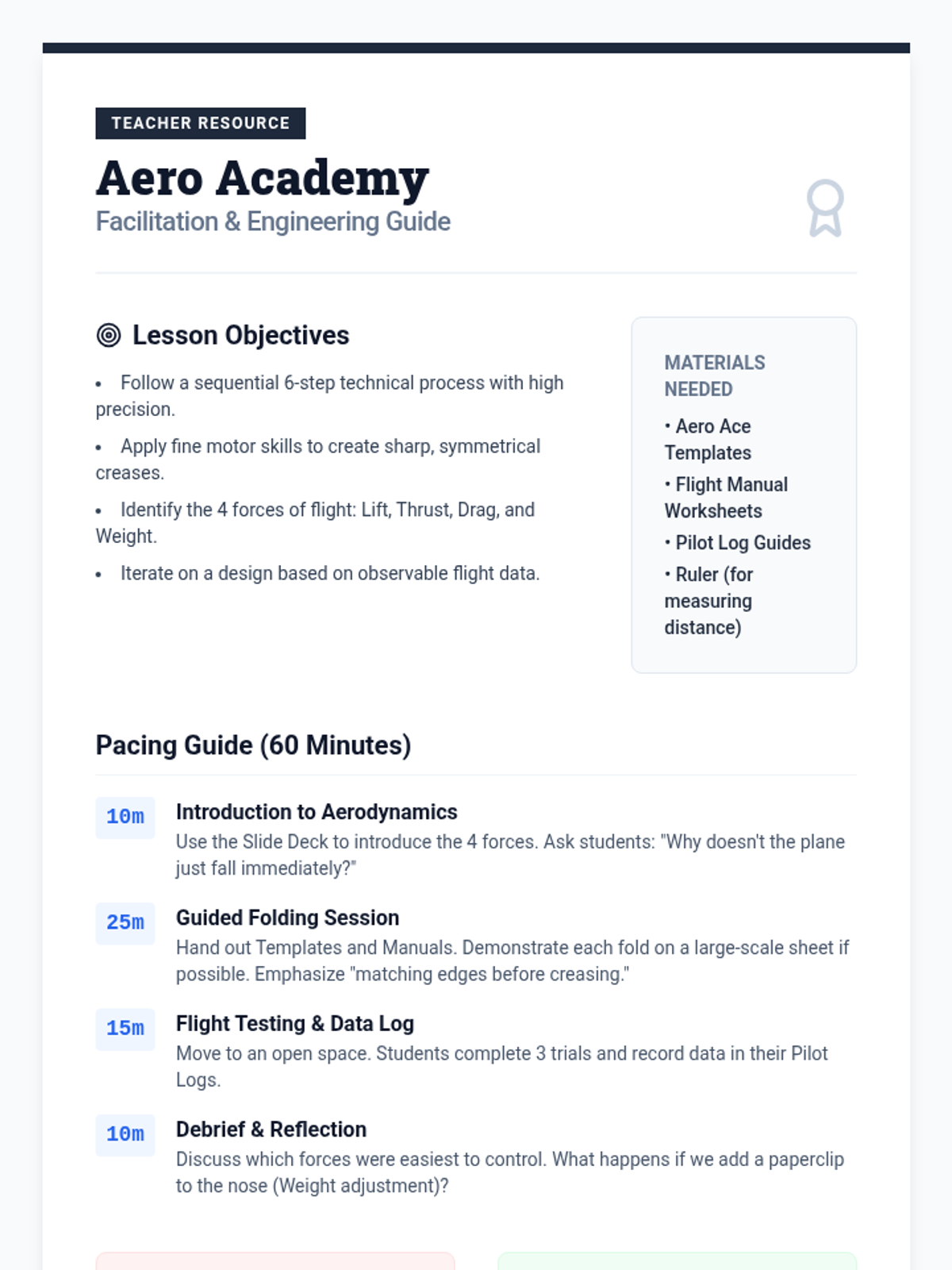
A hands-on engineering lesson where students follow precise directions to fold a high-performance paper airplane while learning the four forces of flight.
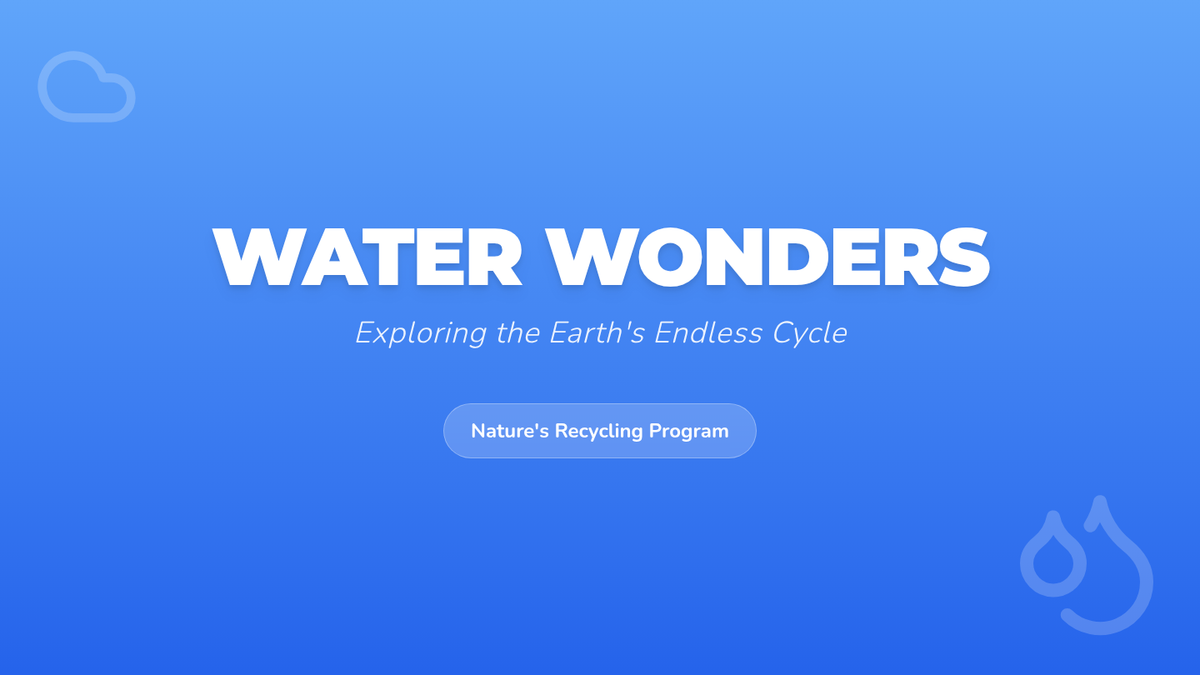
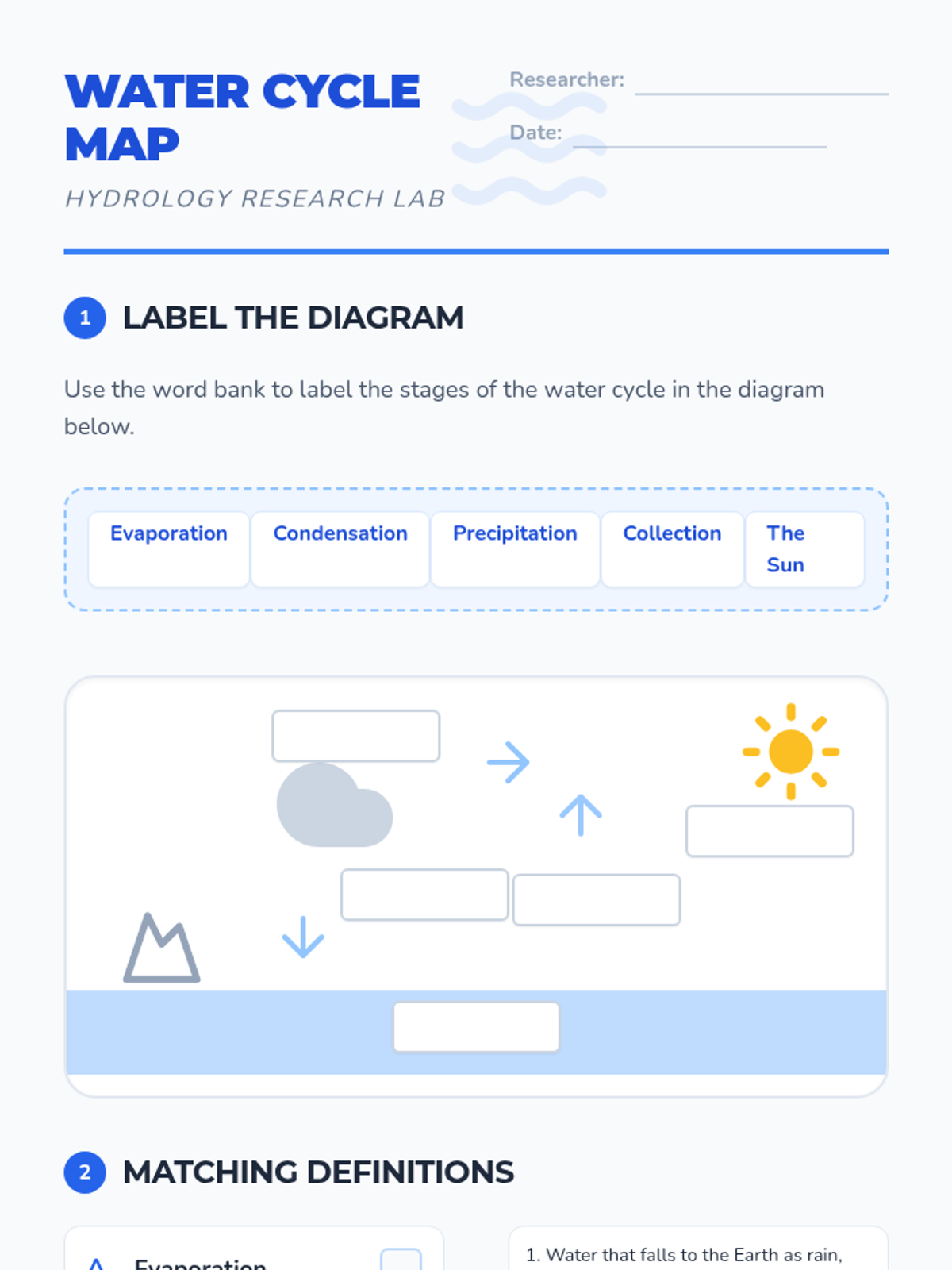
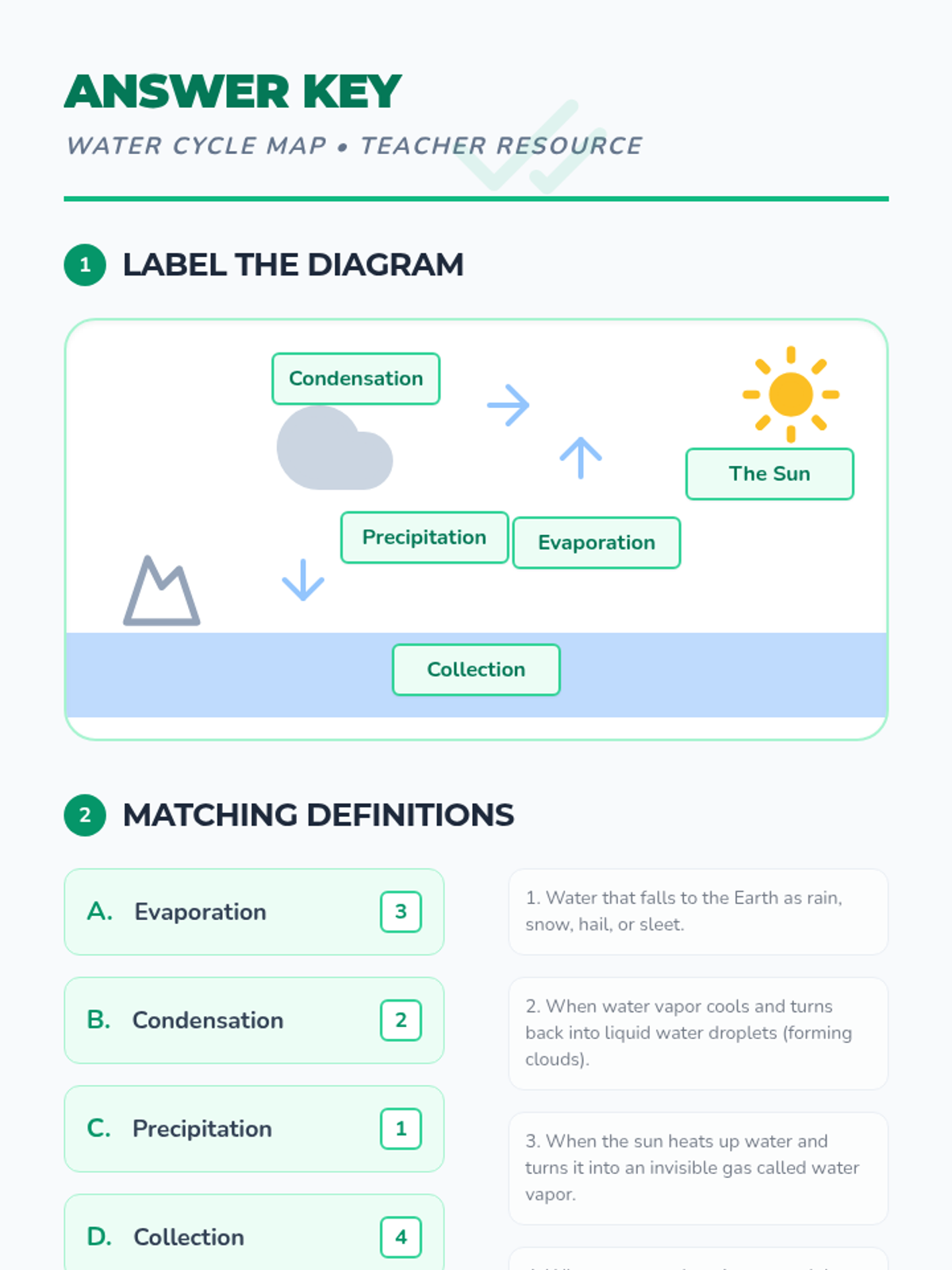
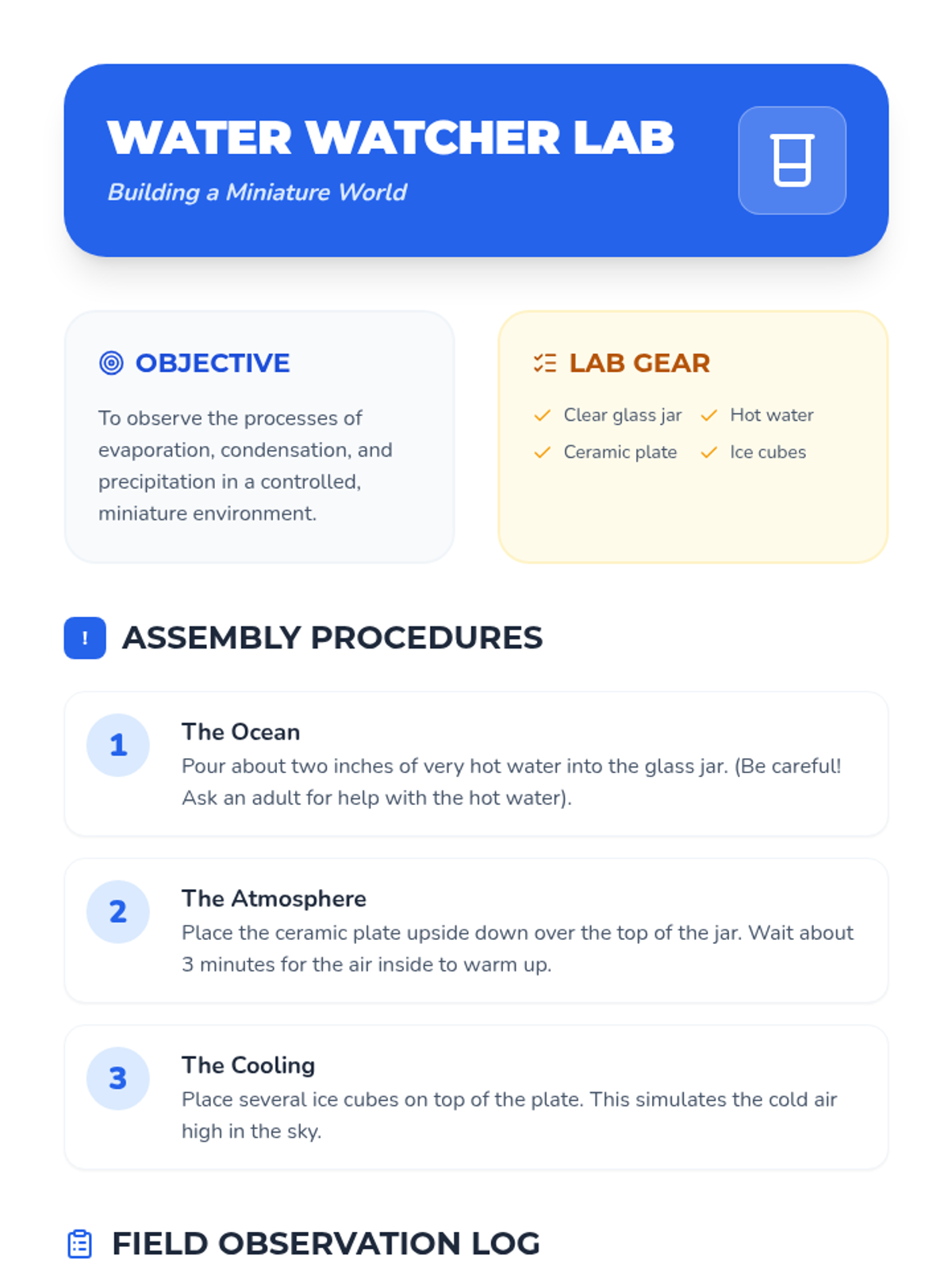
An introductory lesson on the continuous movement of water on, above, and below the surface of the Earth, focusing on the four main stages: evaporation, condensation, precipitation, and collection.
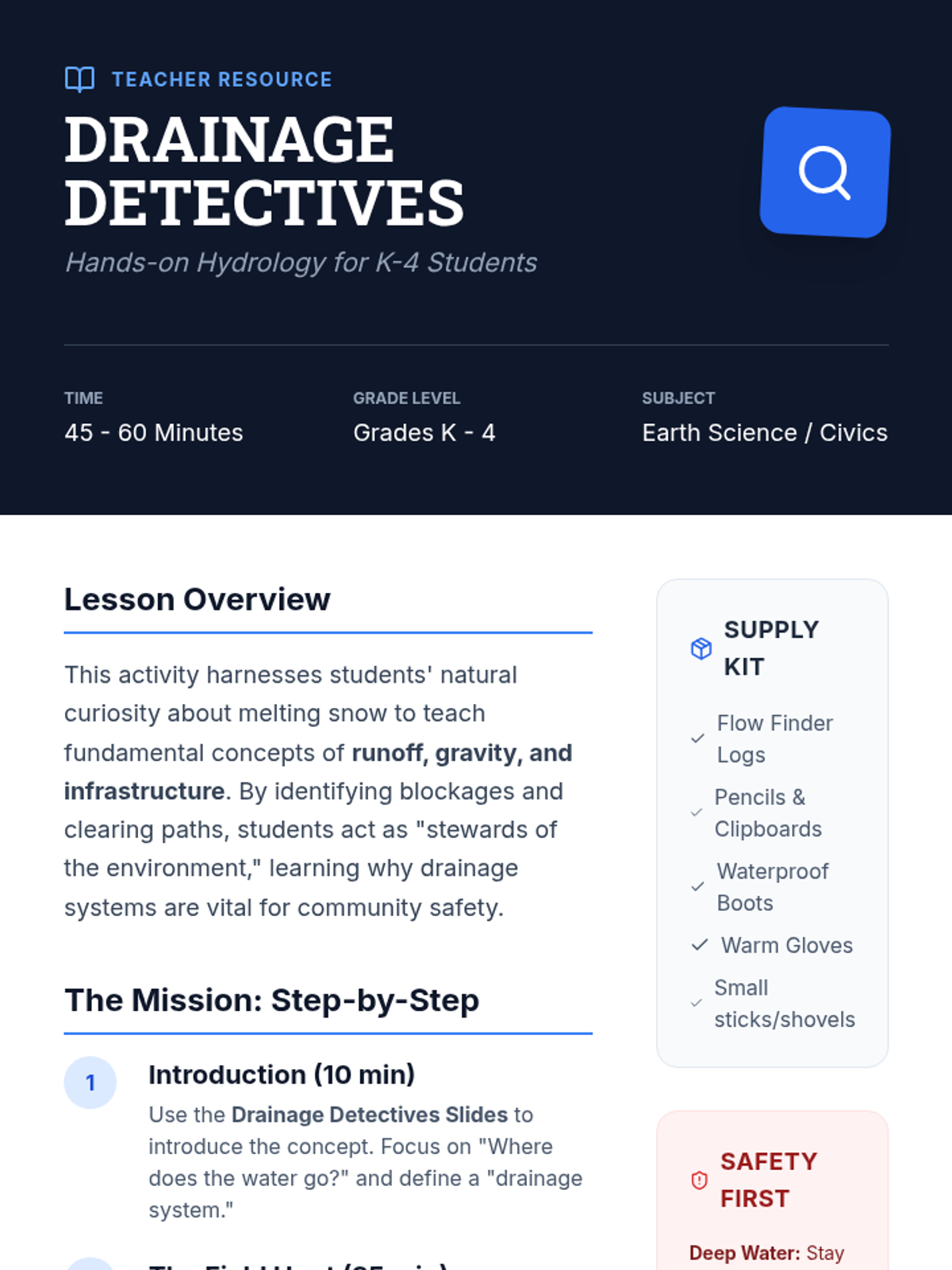
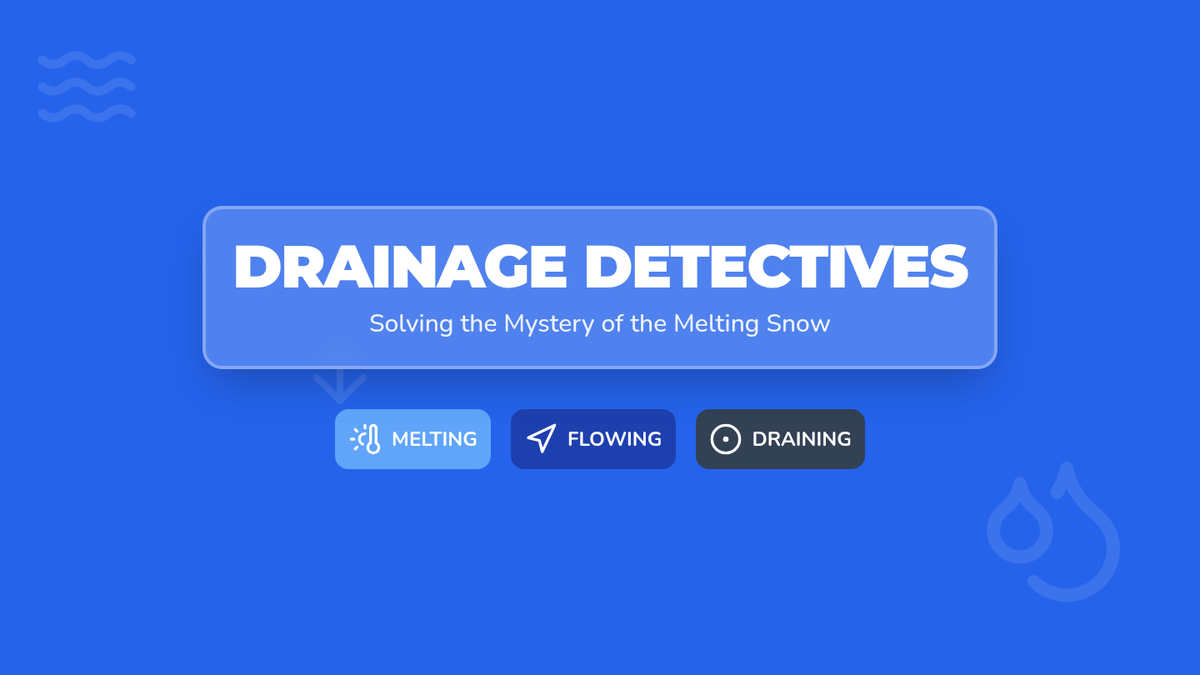
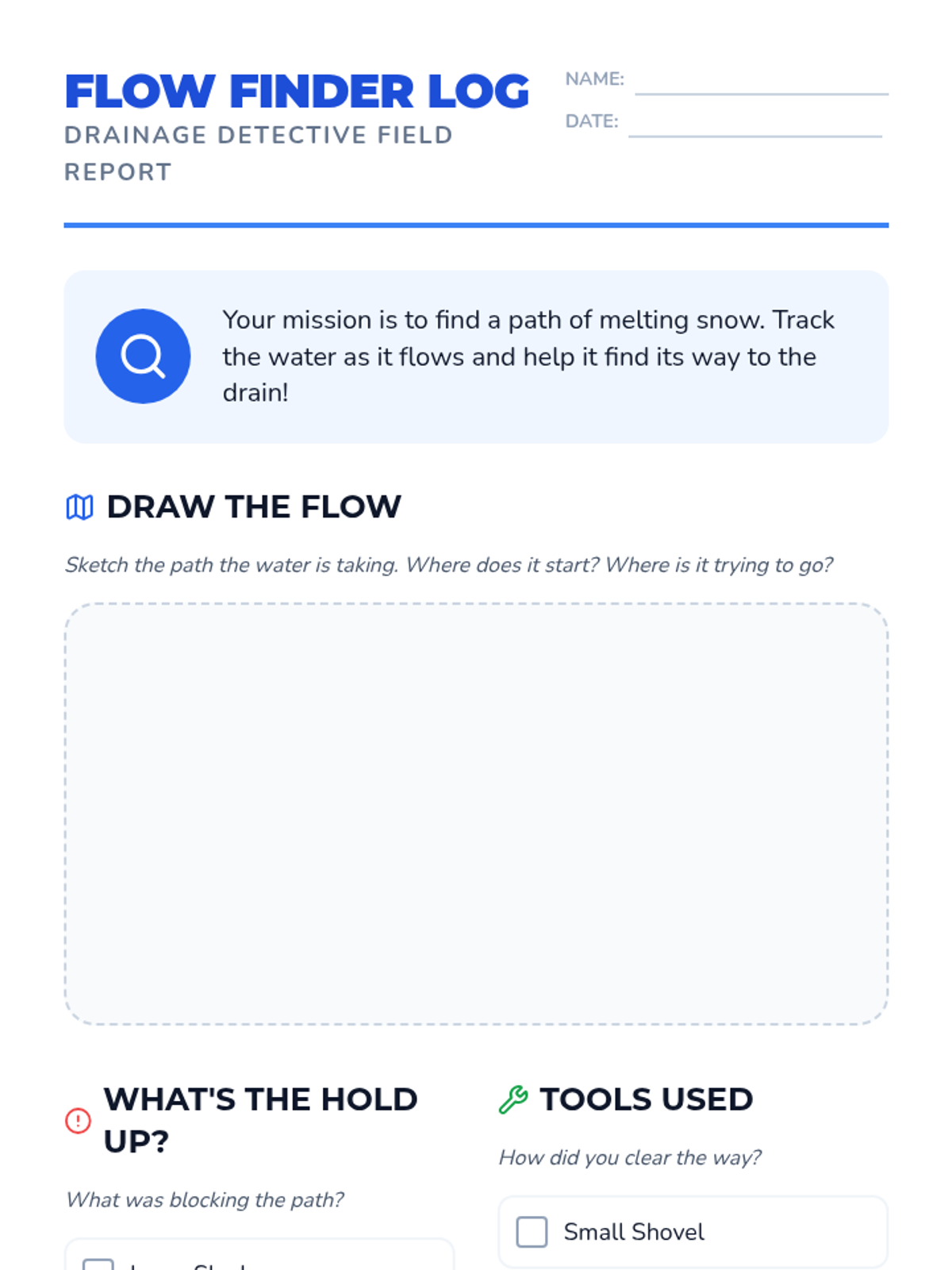
In this hands-on lesson, students explore the science of runoff and drainage by observing melting snow. They'll learn why drains are essential for preventing floods and how to keep water flowing safely through their environment.
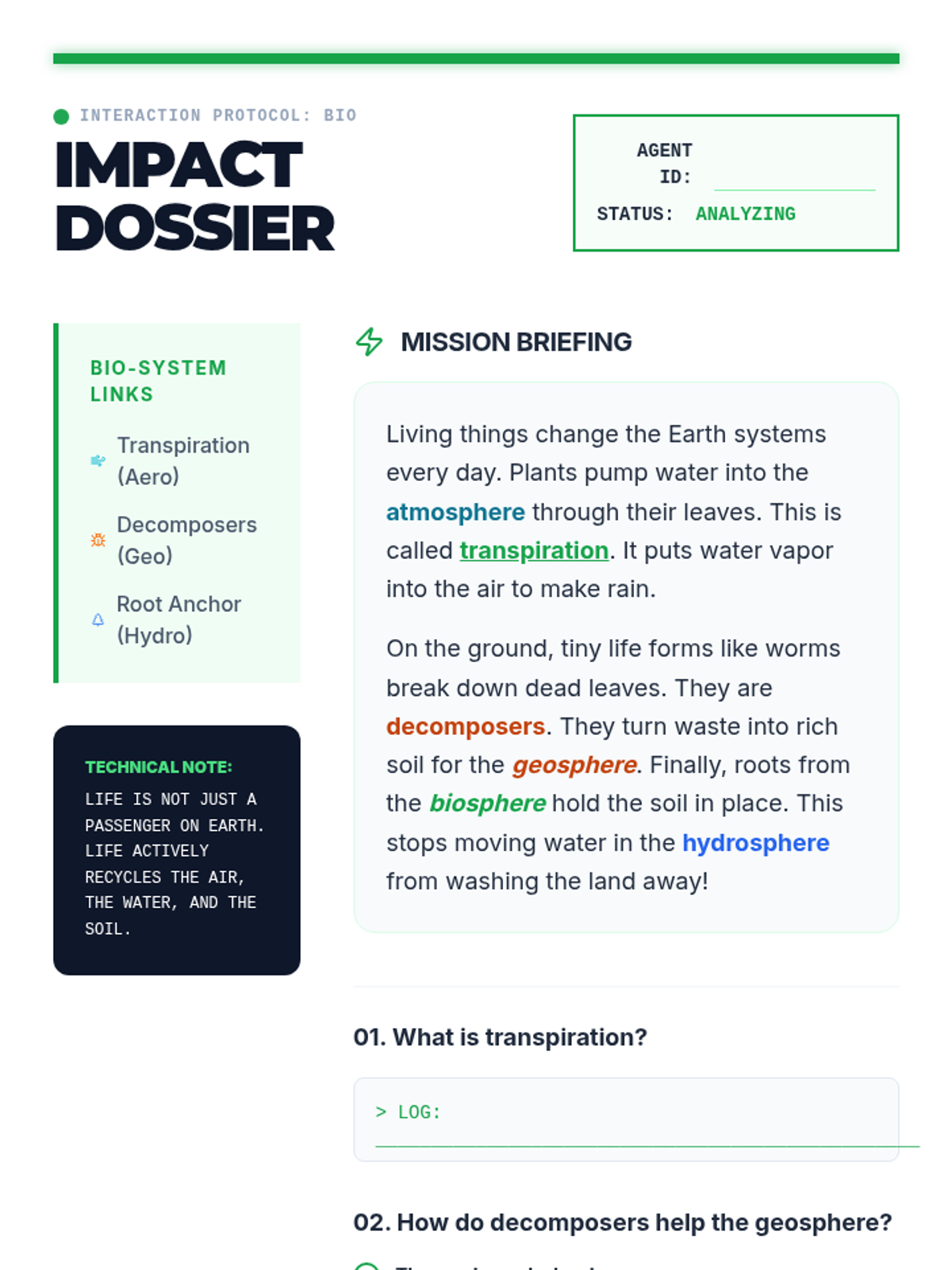
Students analyze how living things change their environment through processes like transpiration and decomposition.
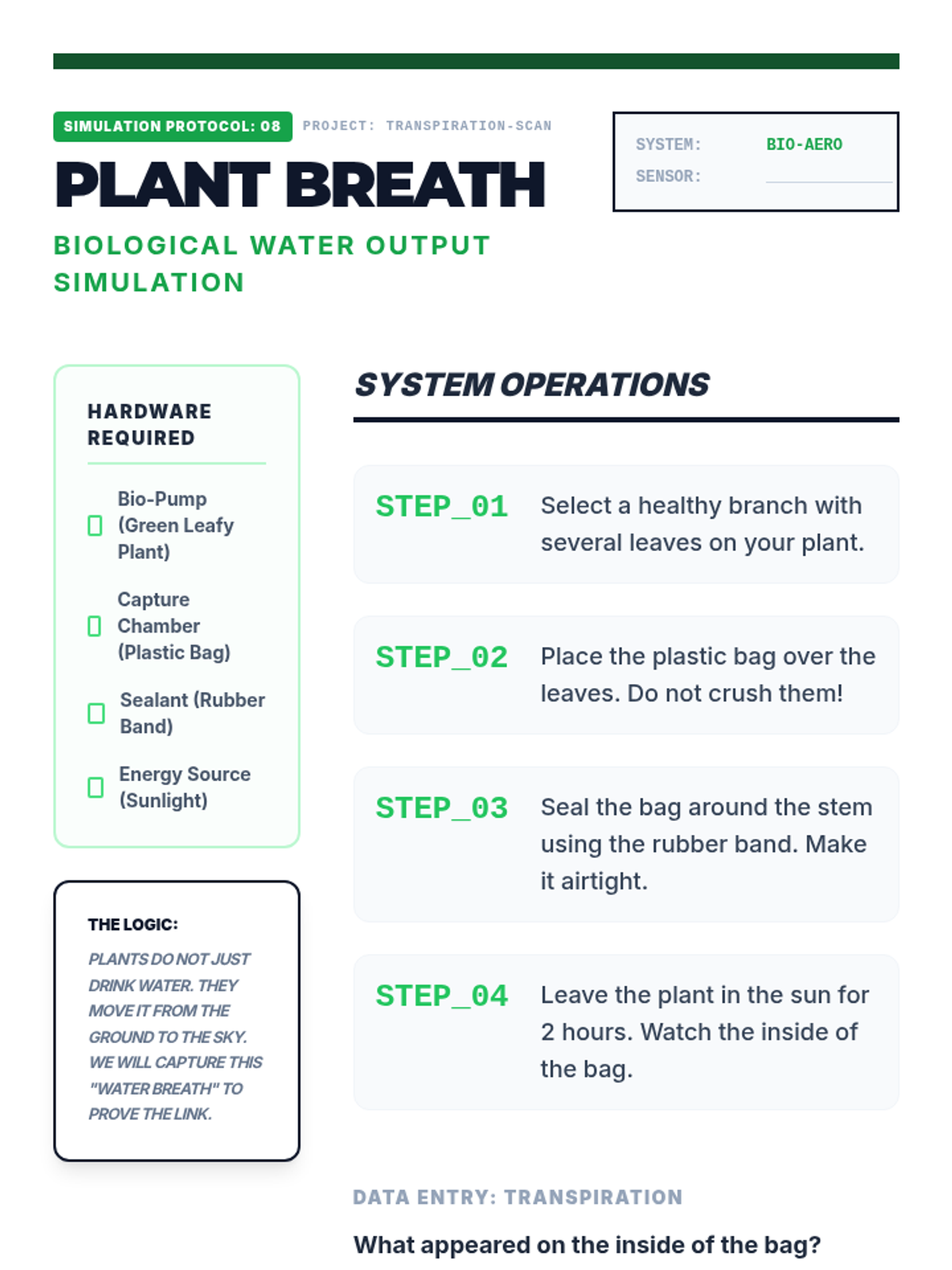
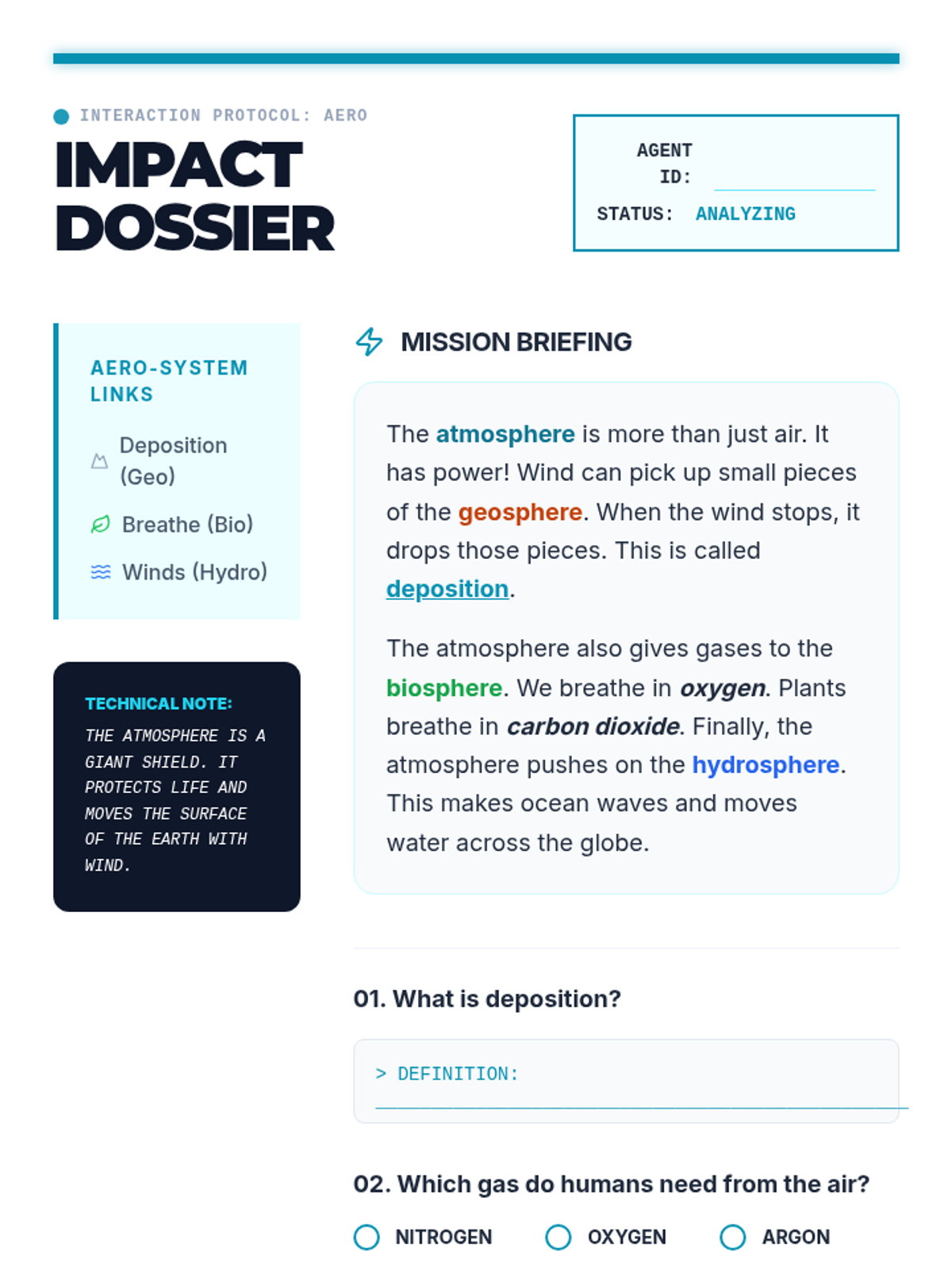
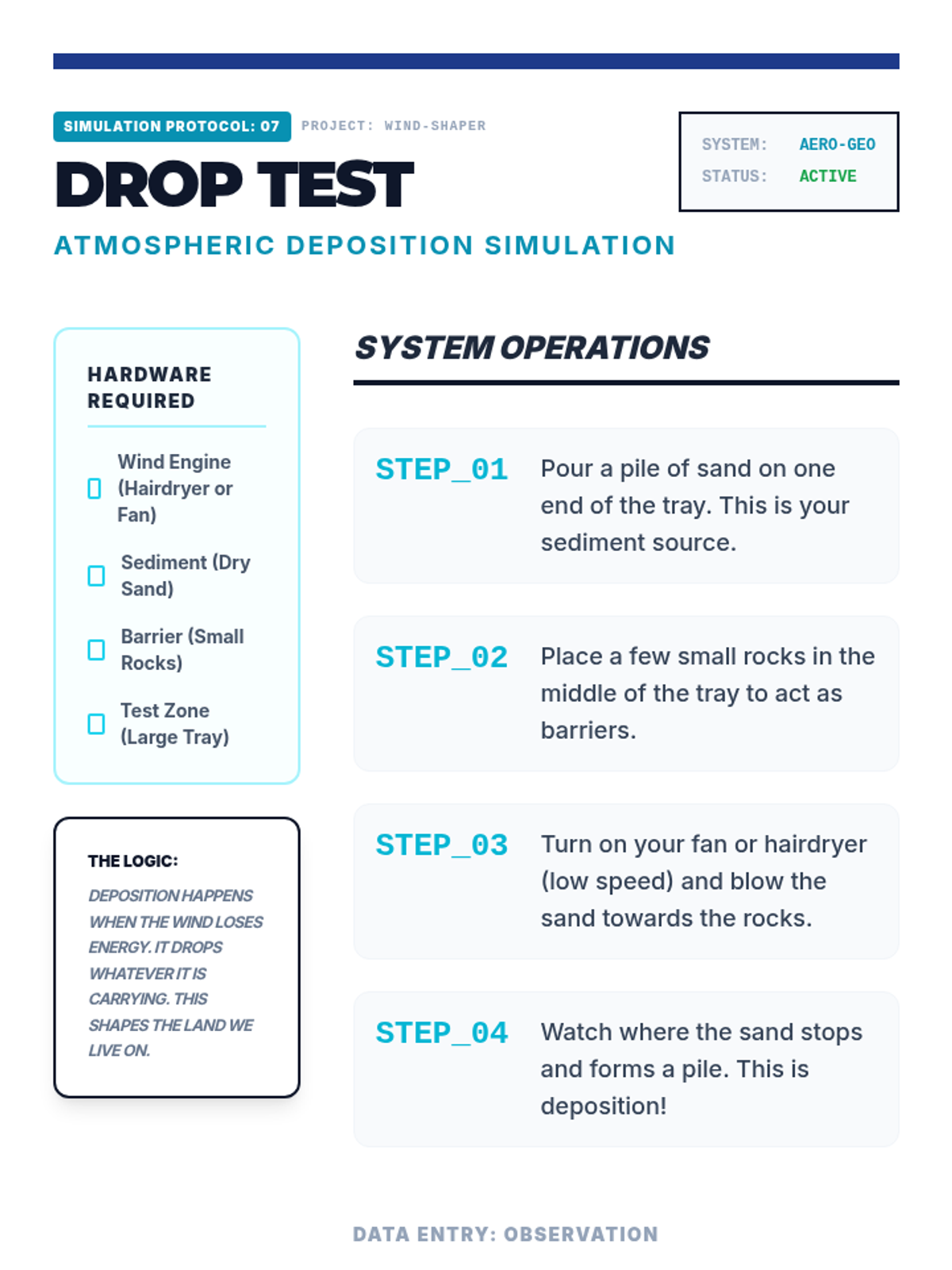
Students investigate how the atmosphere interacts with Earth's surface through deposition and how it provides essential gases for the biosphere.

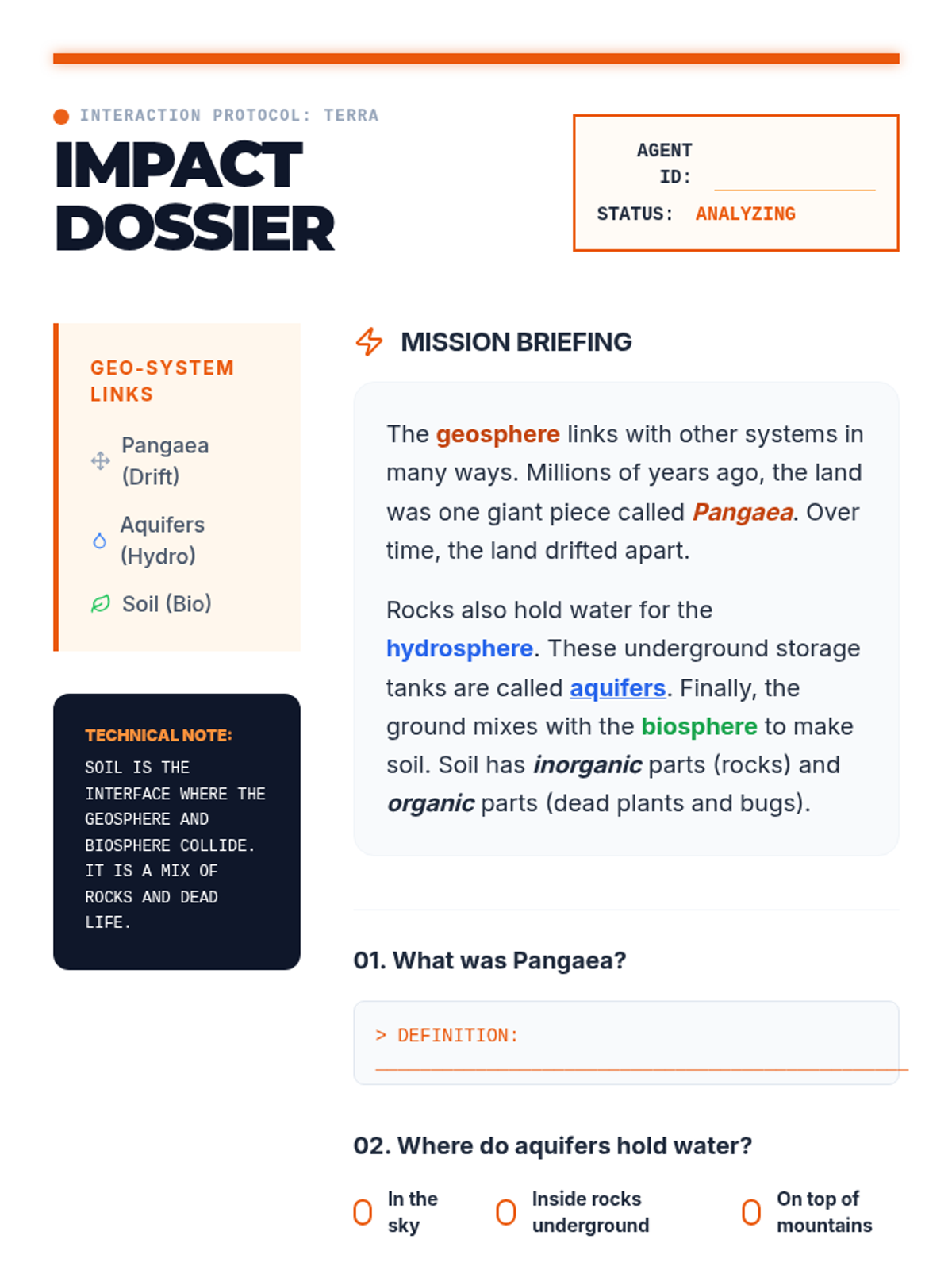
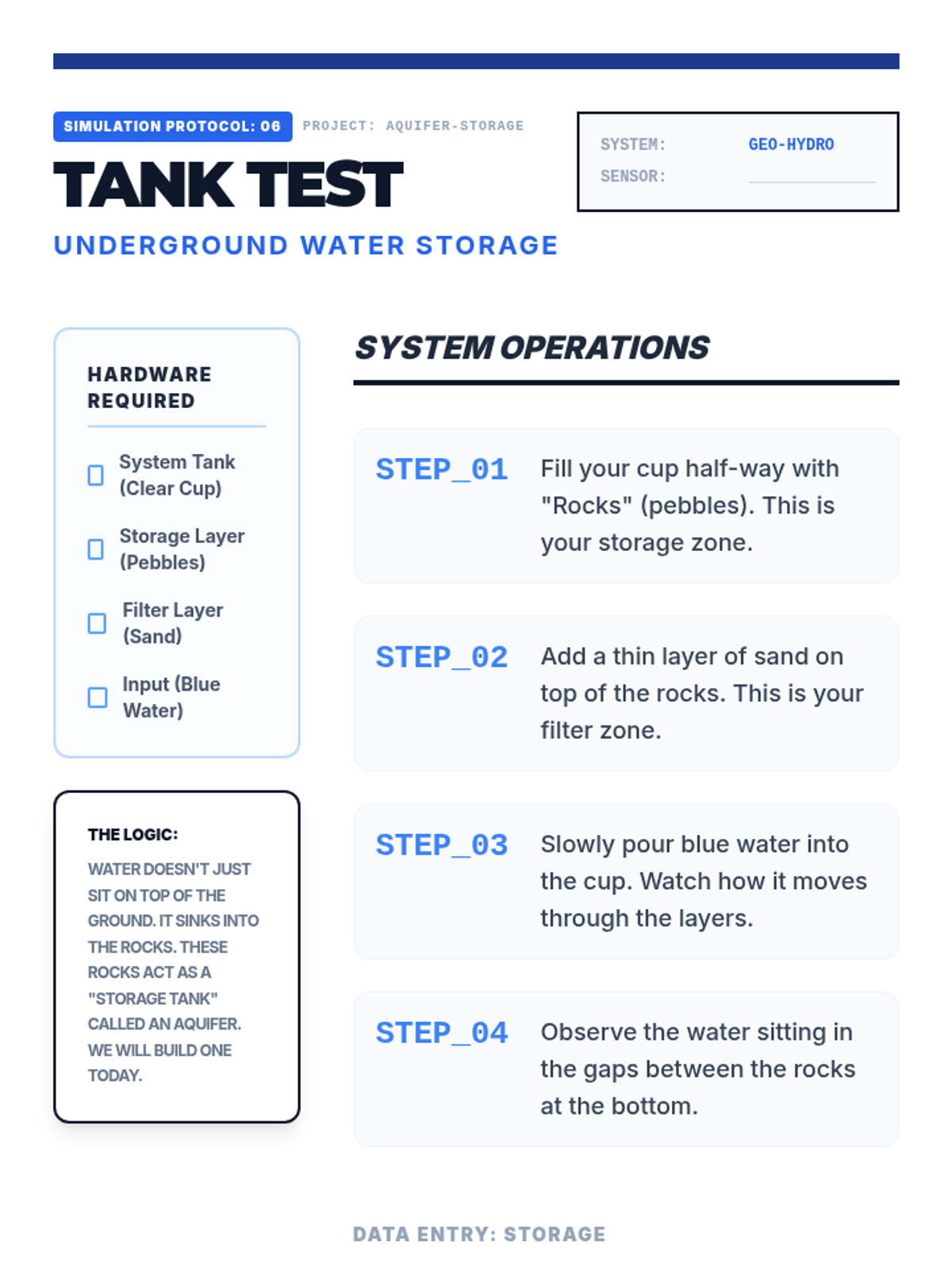
Students explore how the geosphere interacts with other systems, including the movement of continents (Pangaea), the formation of aquifers, and the role of organic materials in soil.
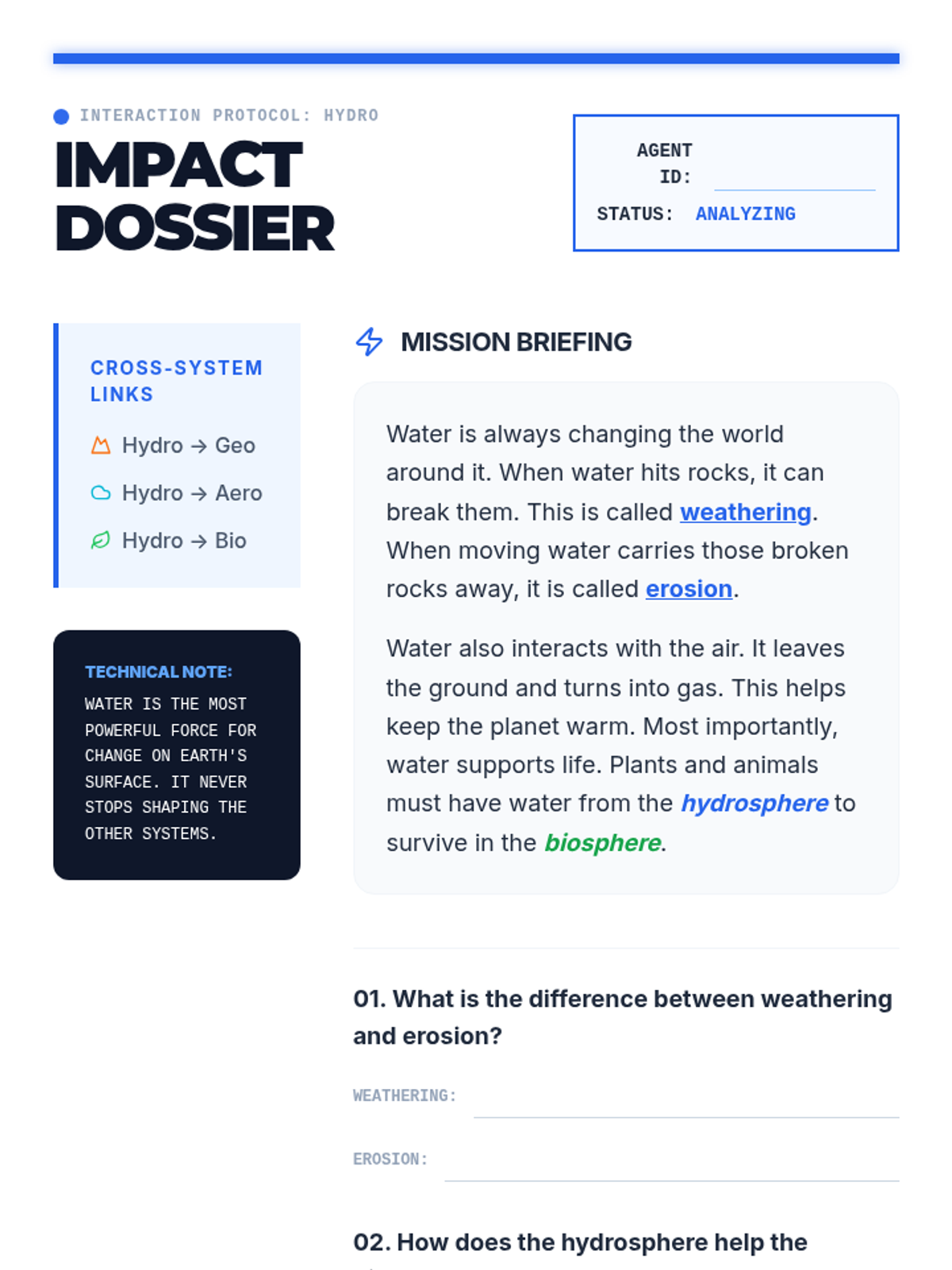
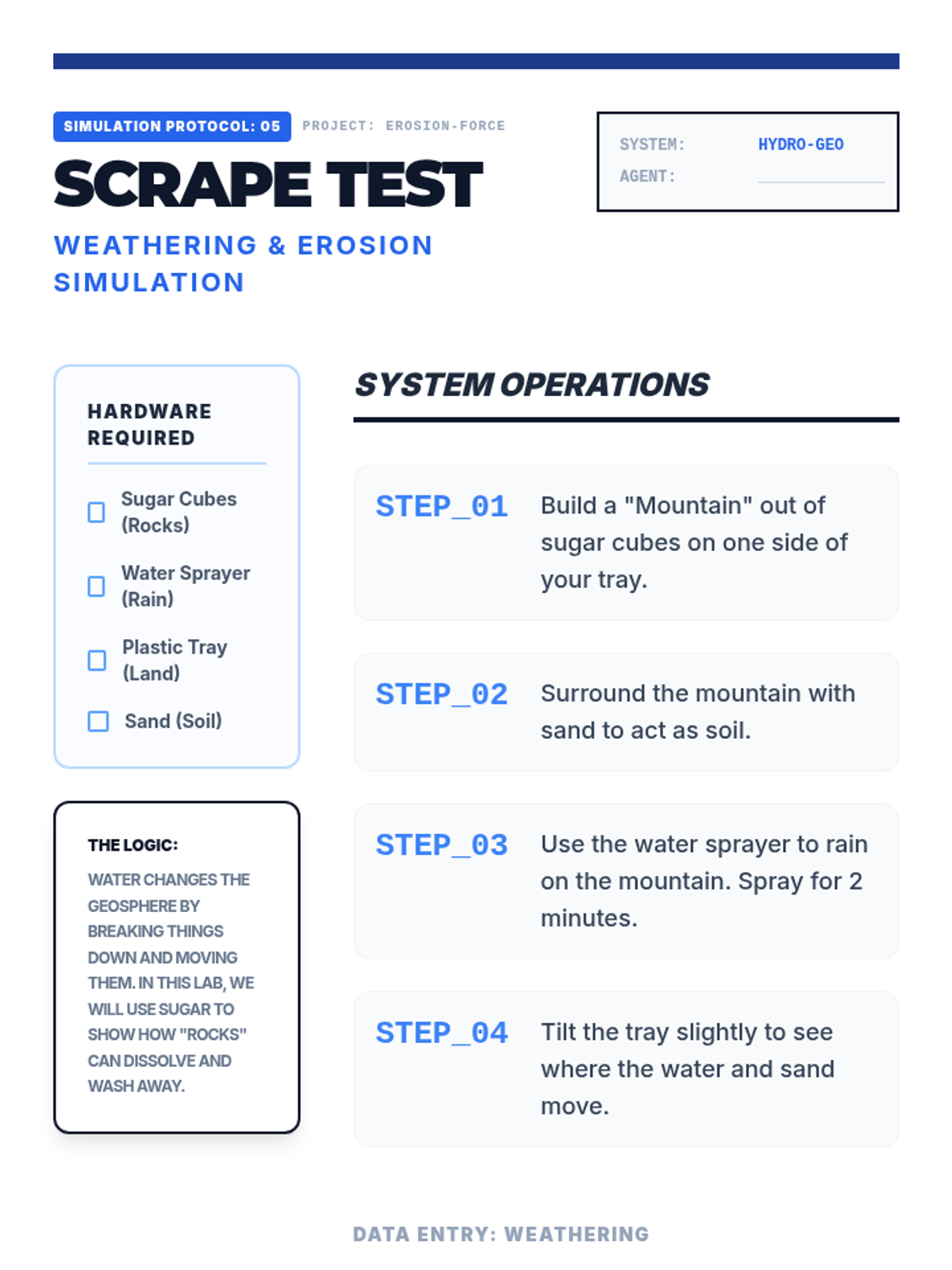
Students analyze how the hydrosphere interacts with other systems through weathering, erosion, and supporting life.
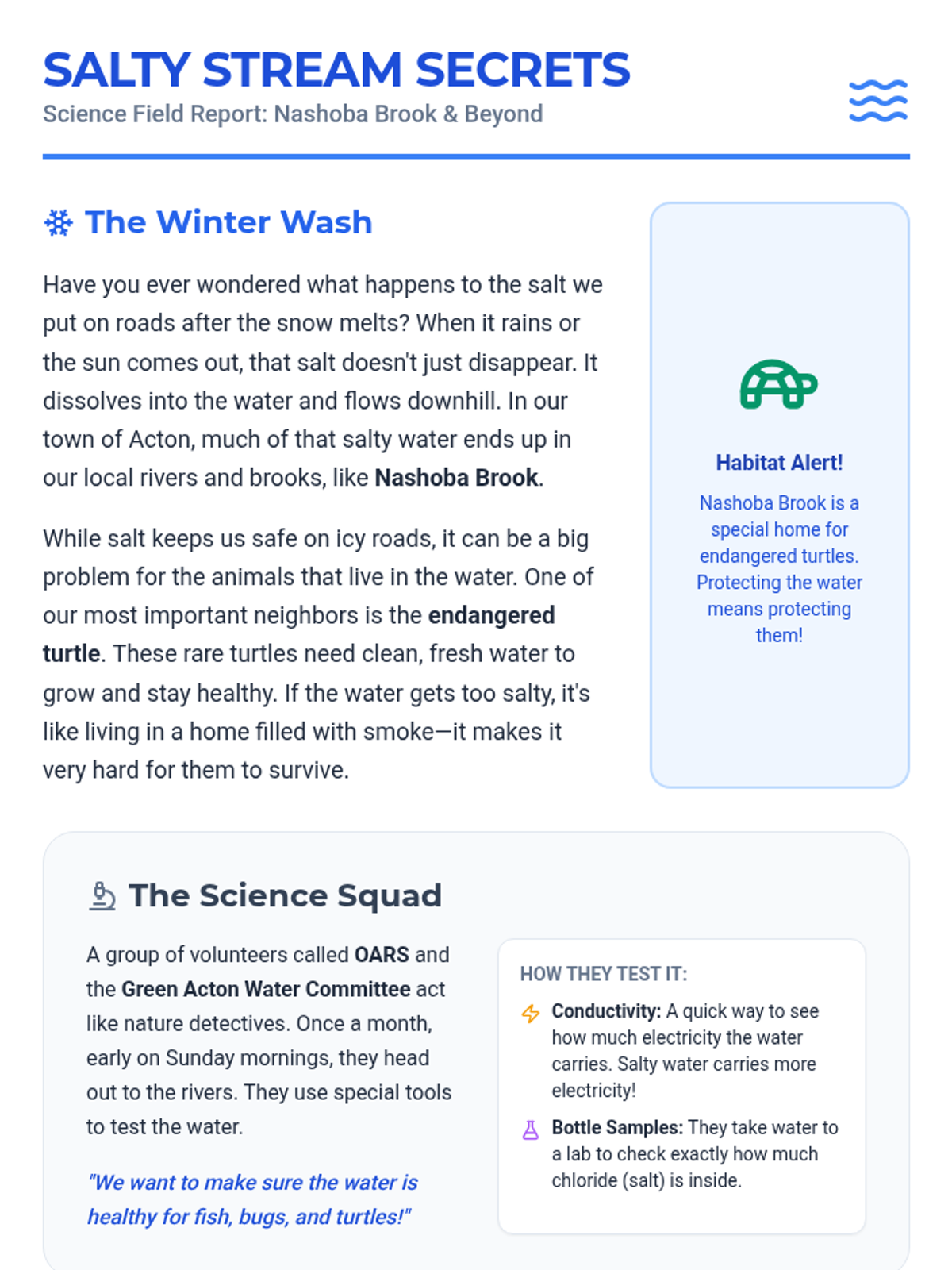
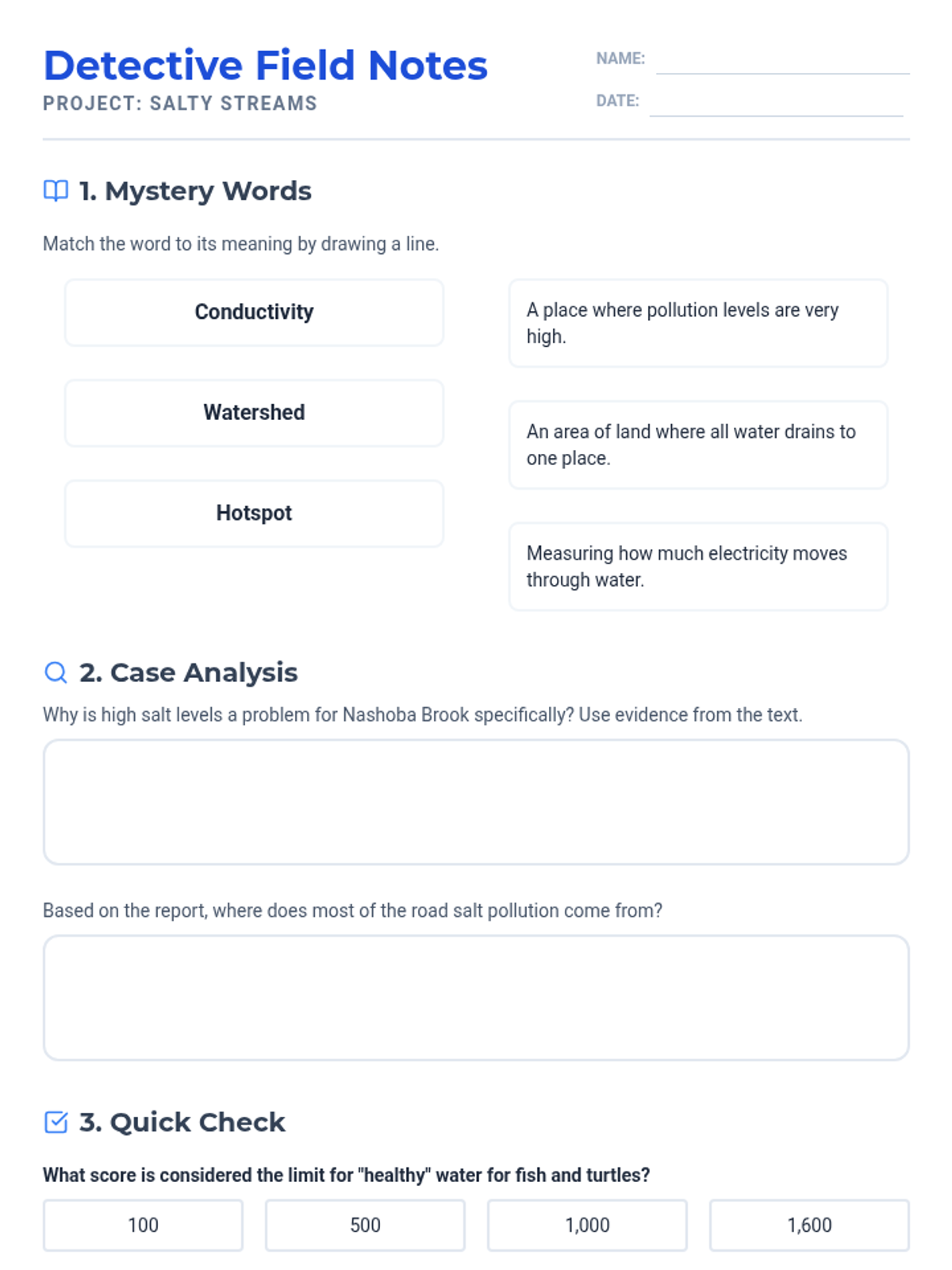
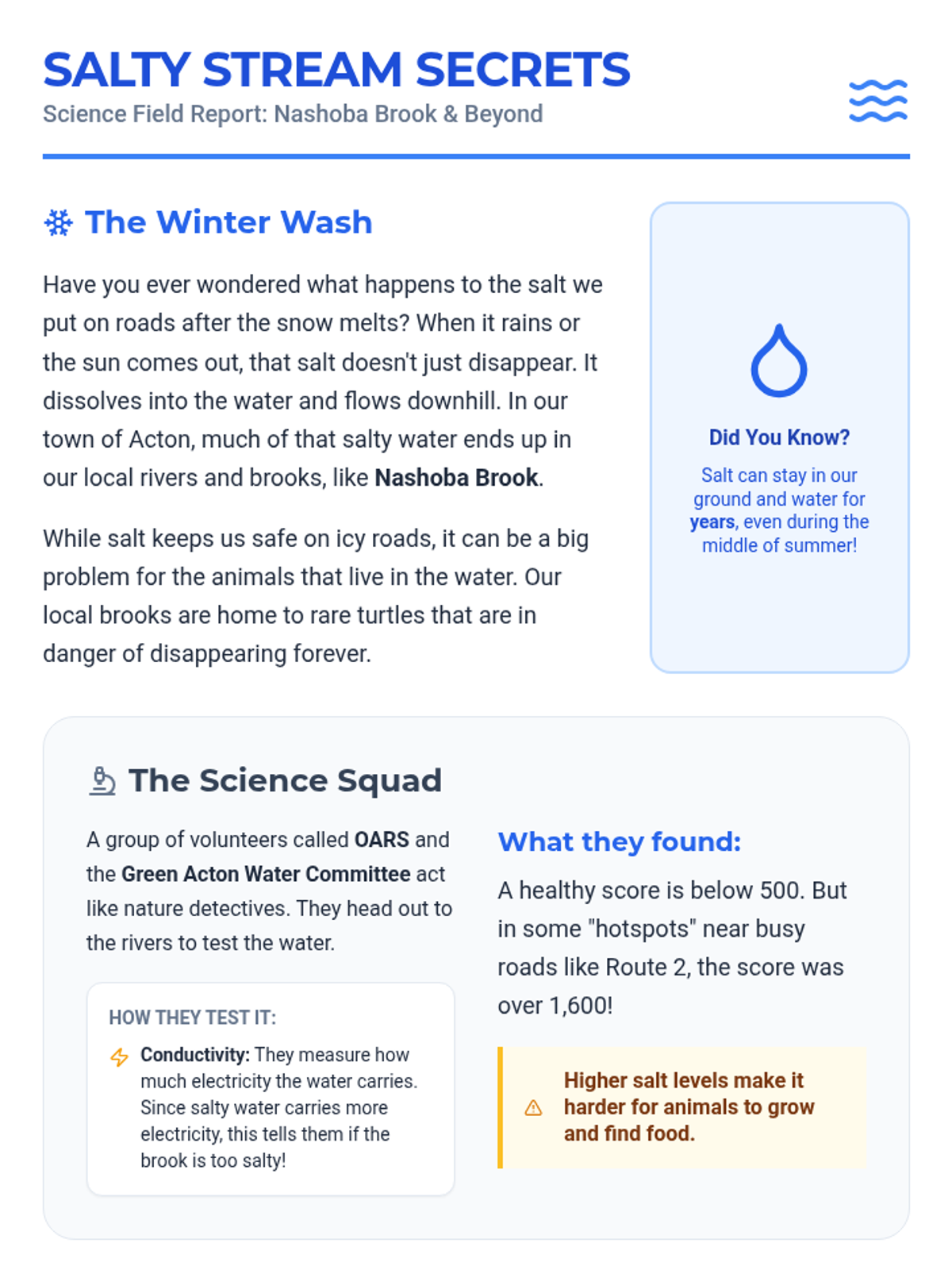
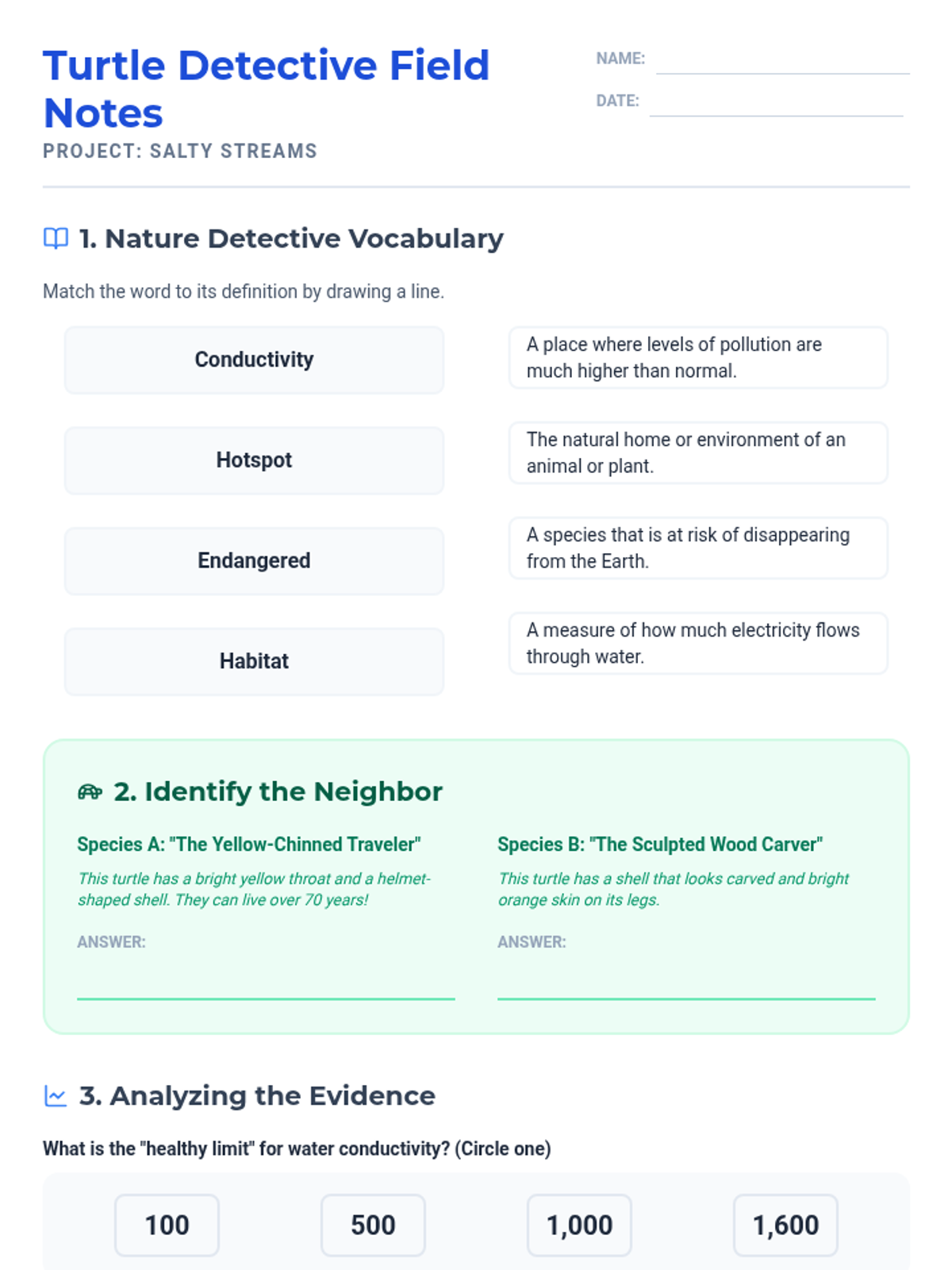
A lesson exploring the impact of road salt on local waterways, specifically focusing on how salt levels in Nashoba Brook affect endangered turtle habitats. Students will learn how community scientists measure water quality and what the data tells us about protecting our environment.
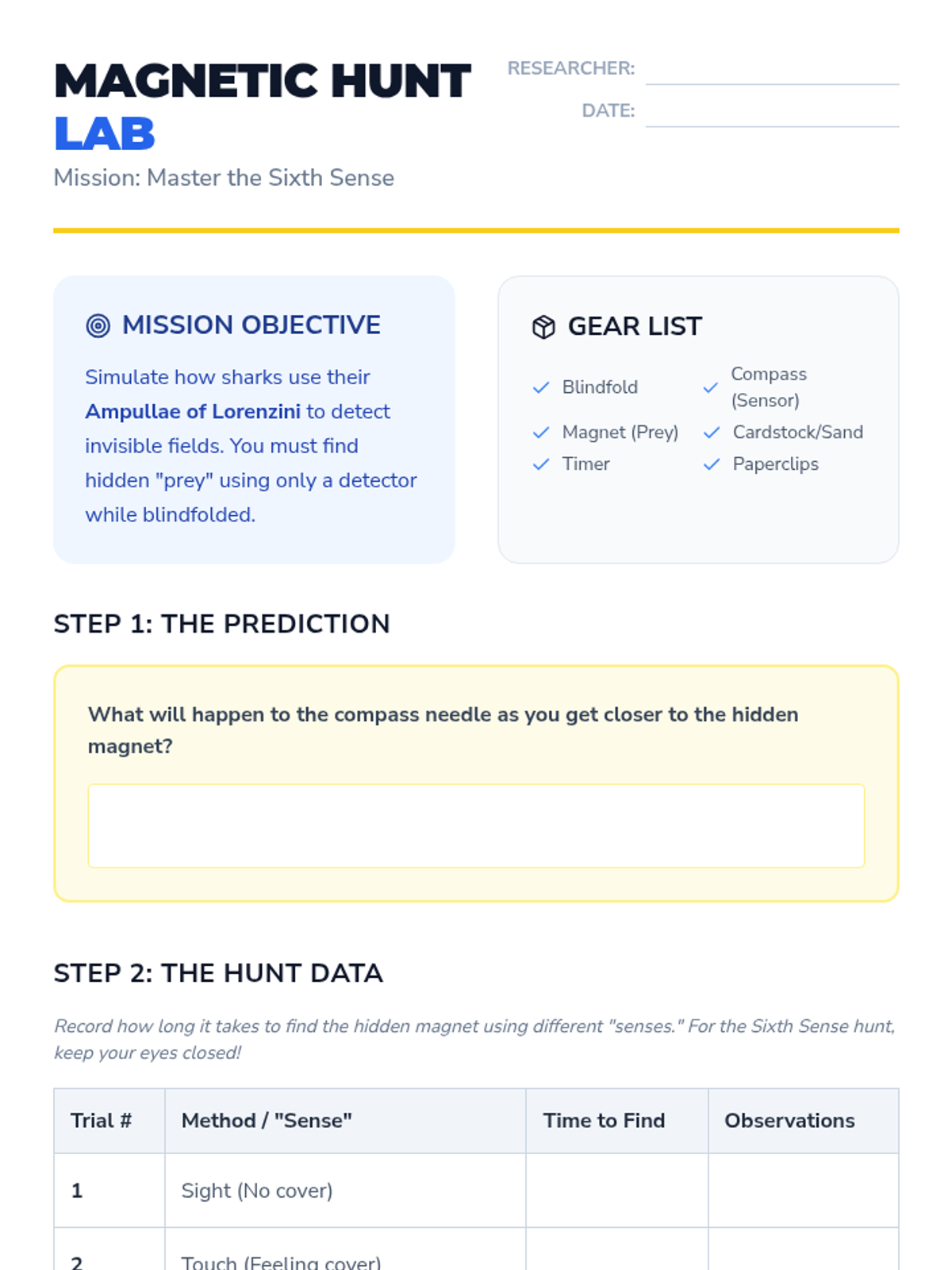
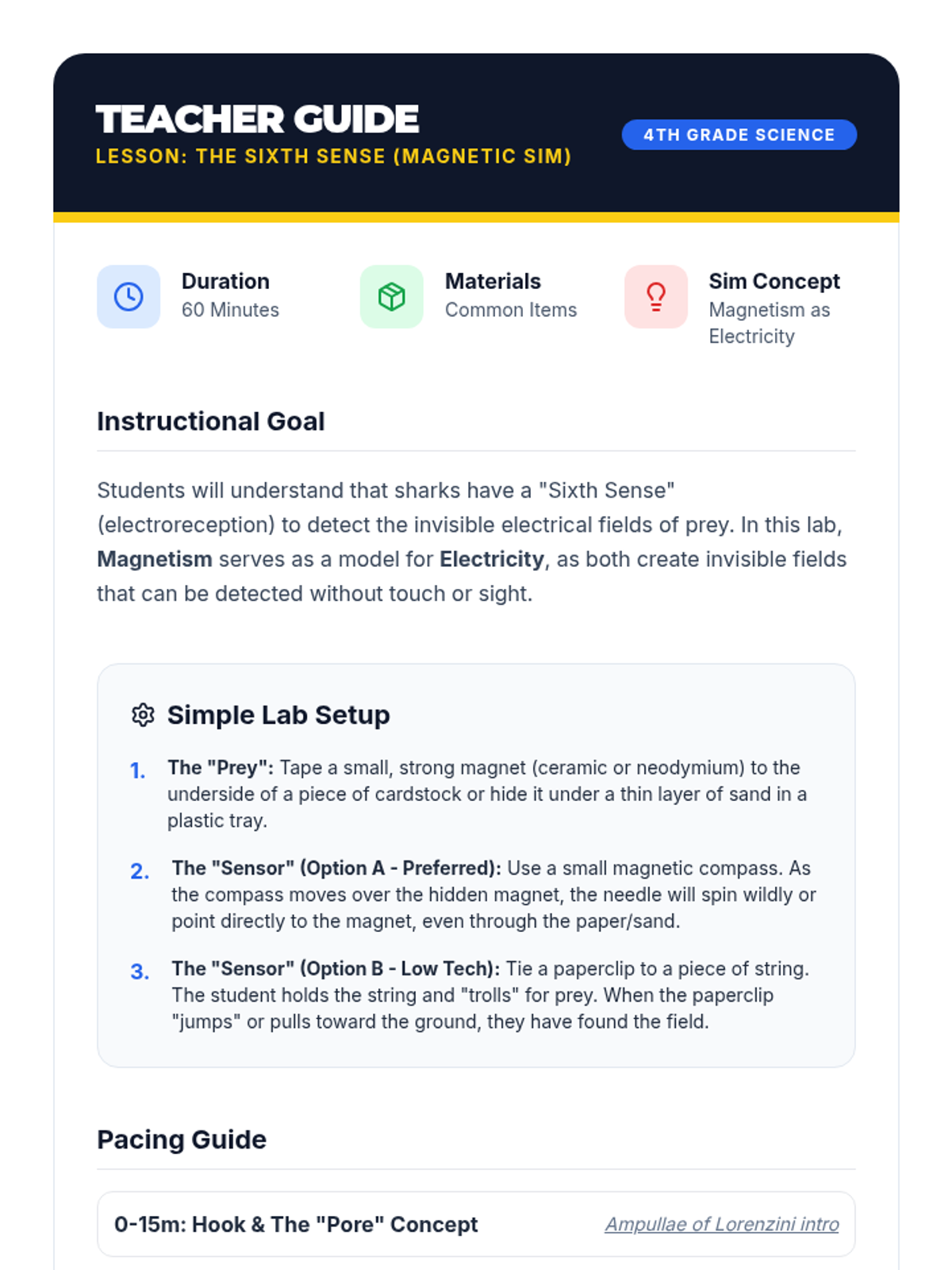
In this 60-minute lab-focused lesson, students explore the Ampullae of Lorenzini, the specialized electroreceptors that allow sharks to detect the tiny electrical pulses produced by living prey. through hands-on simulation, students will understand how sharks 'see' with electricity even when their other senses are blocked.