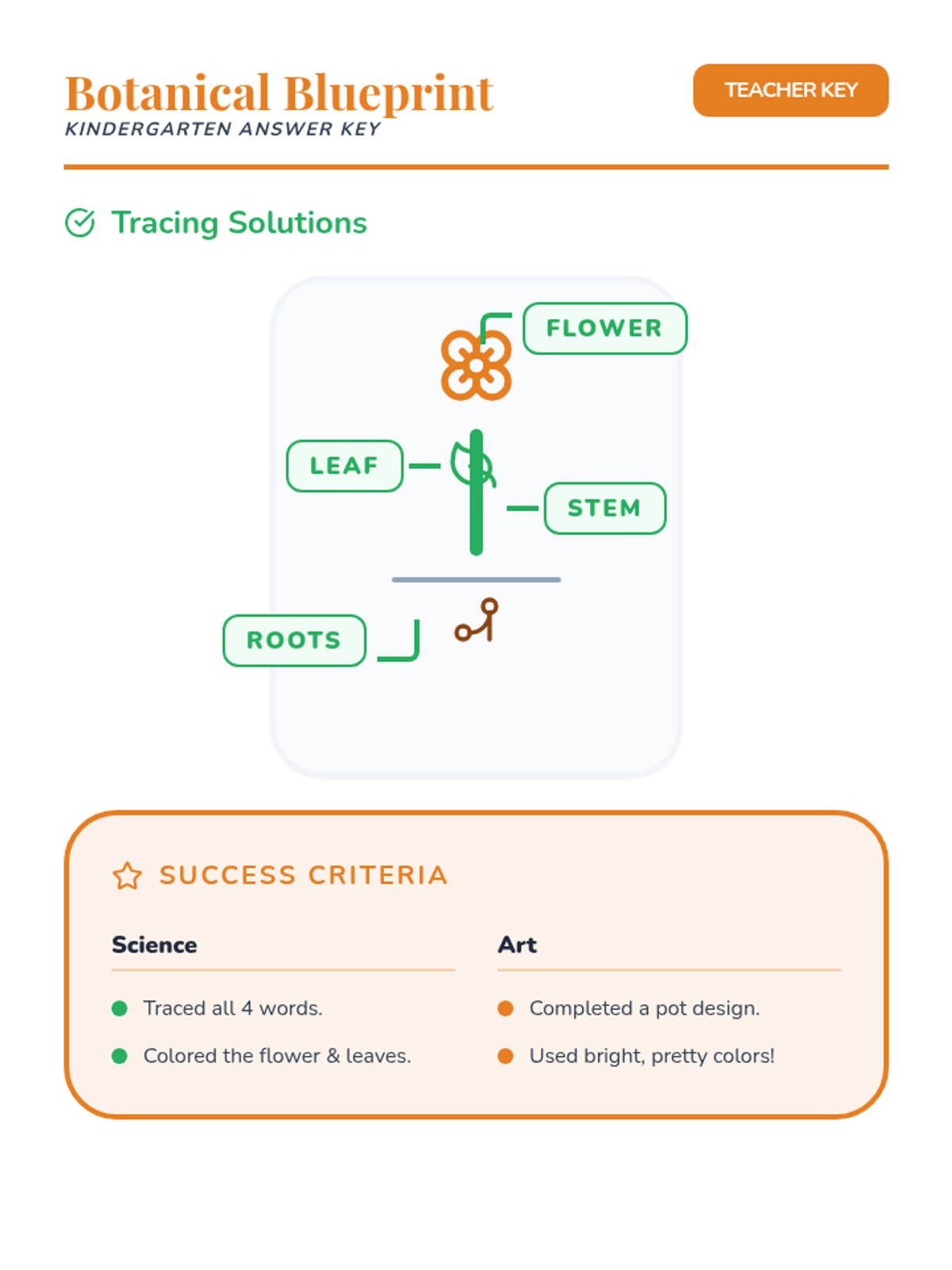
A hands-on exploration of physical properties where students investigate, create, and separate mixtures and solutions. Students will participate in whole-group demonstrations and small-group lab stations to master TEKS 4.5(B).
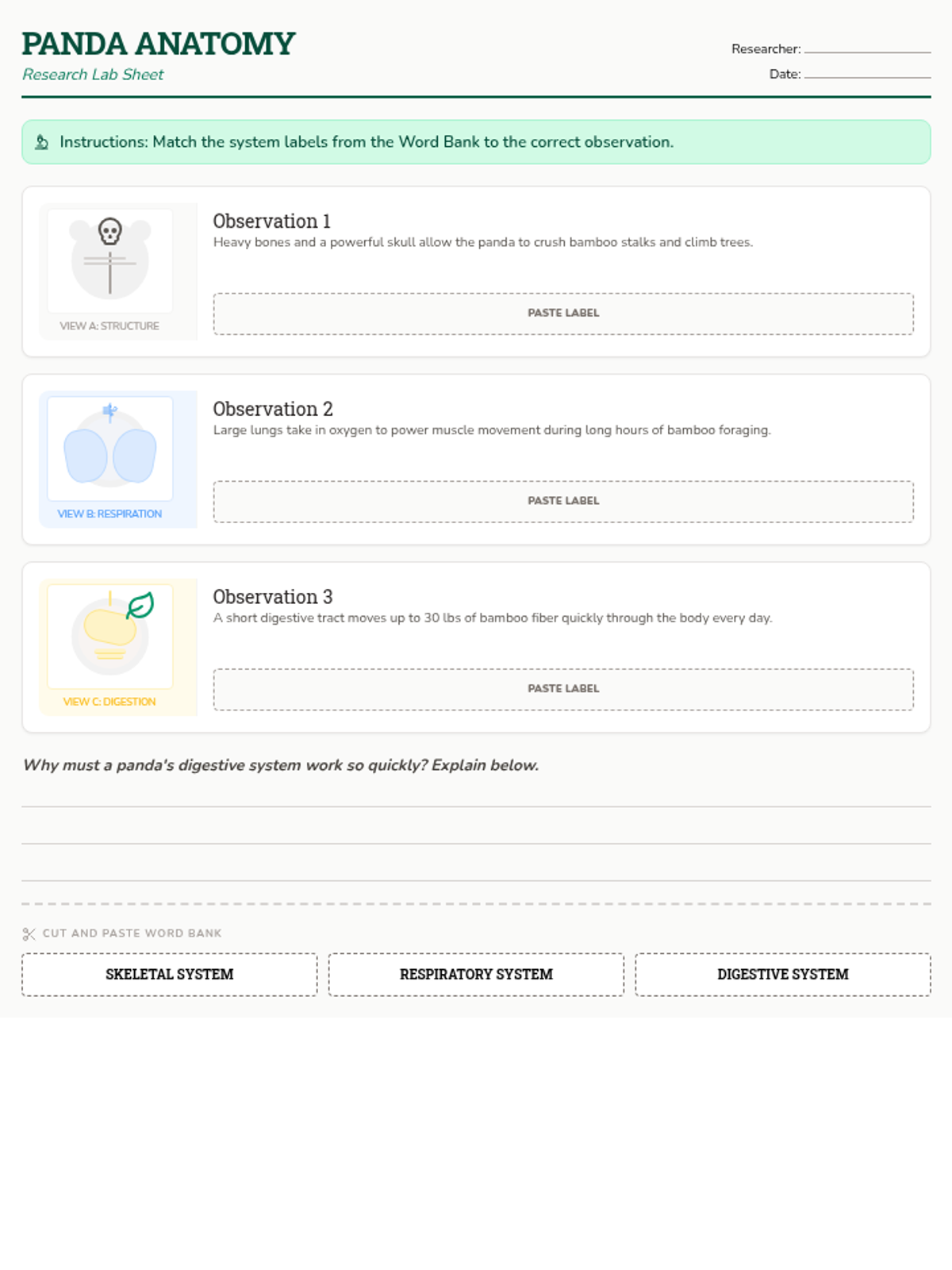
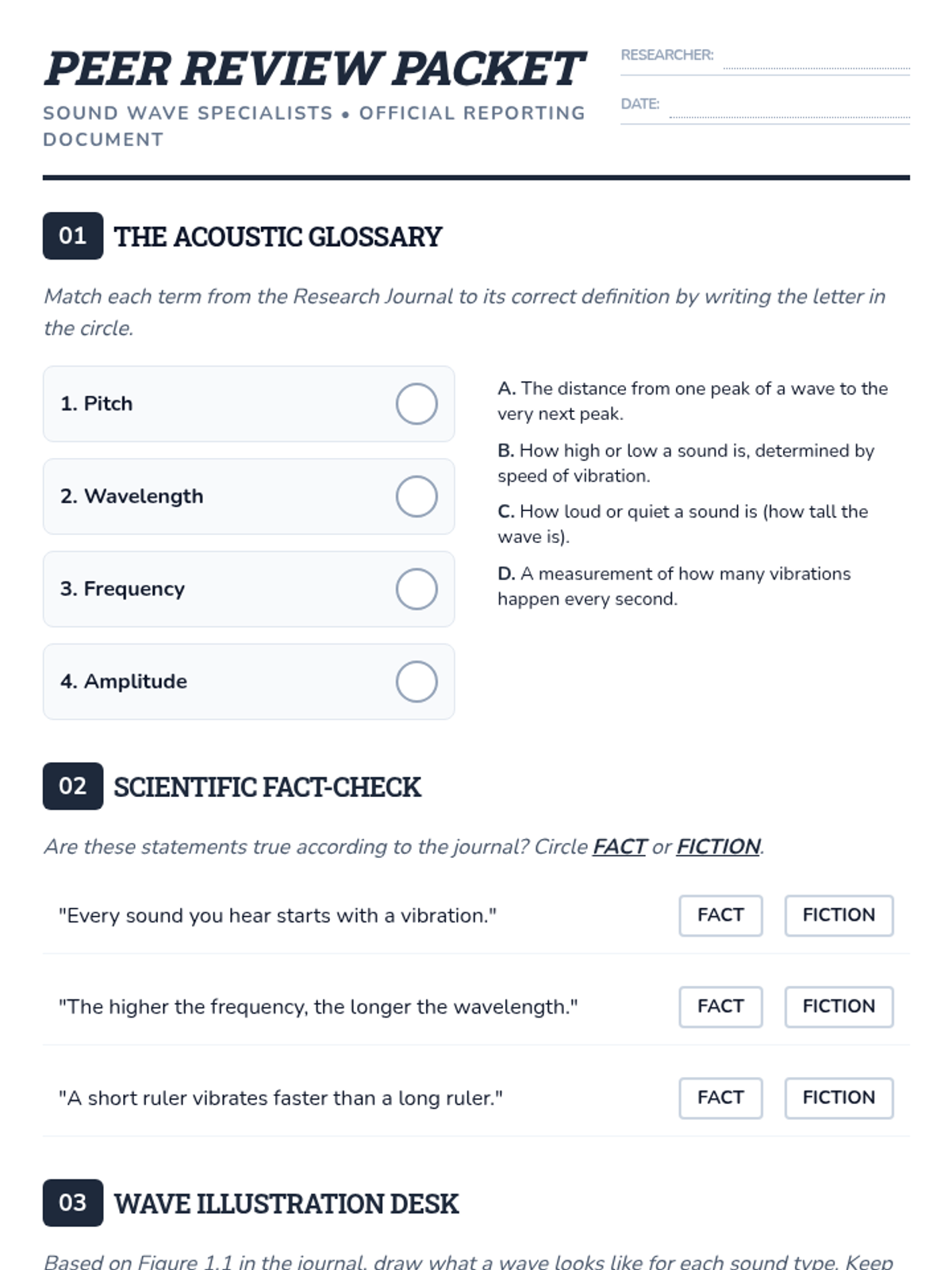
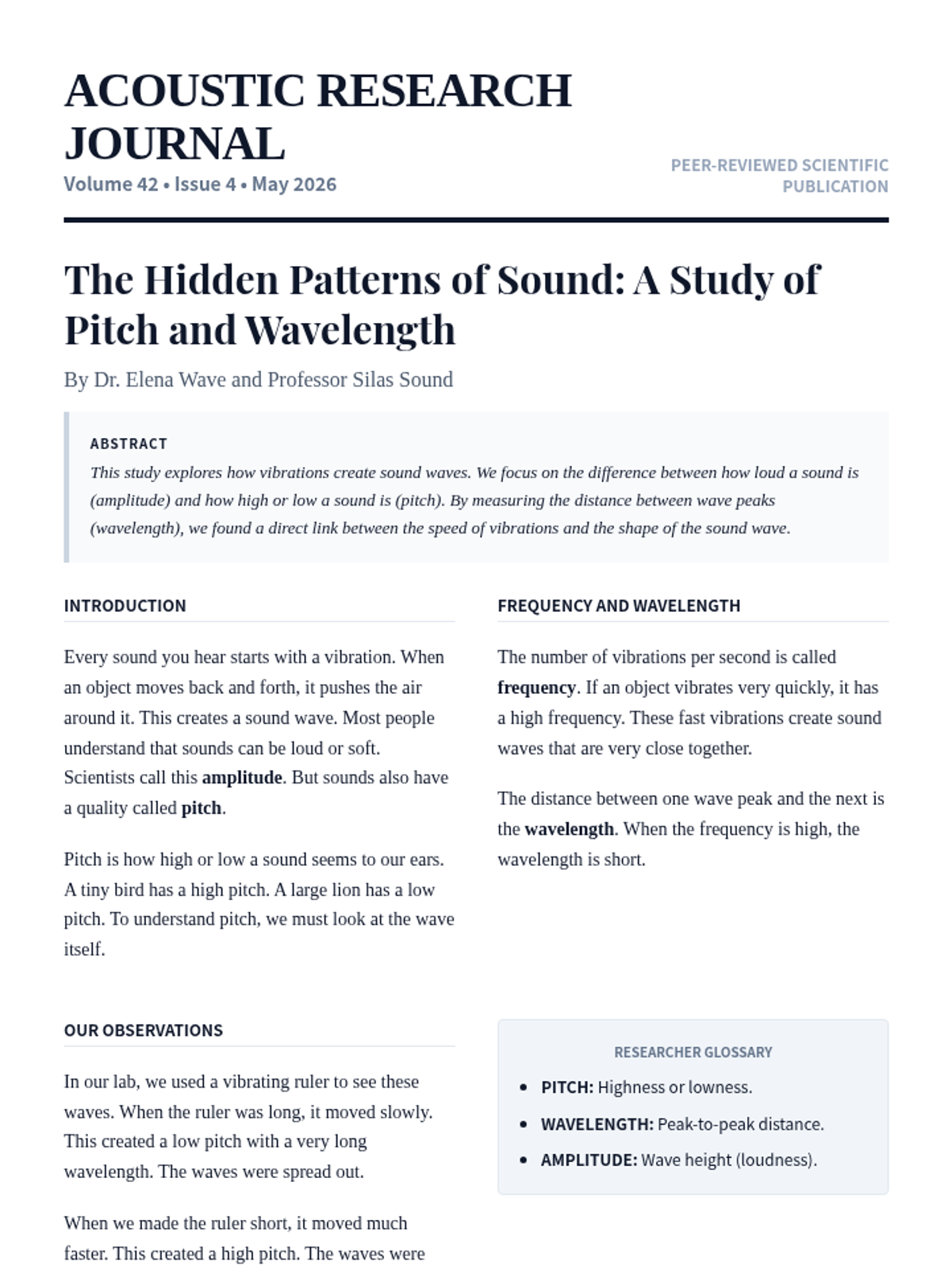
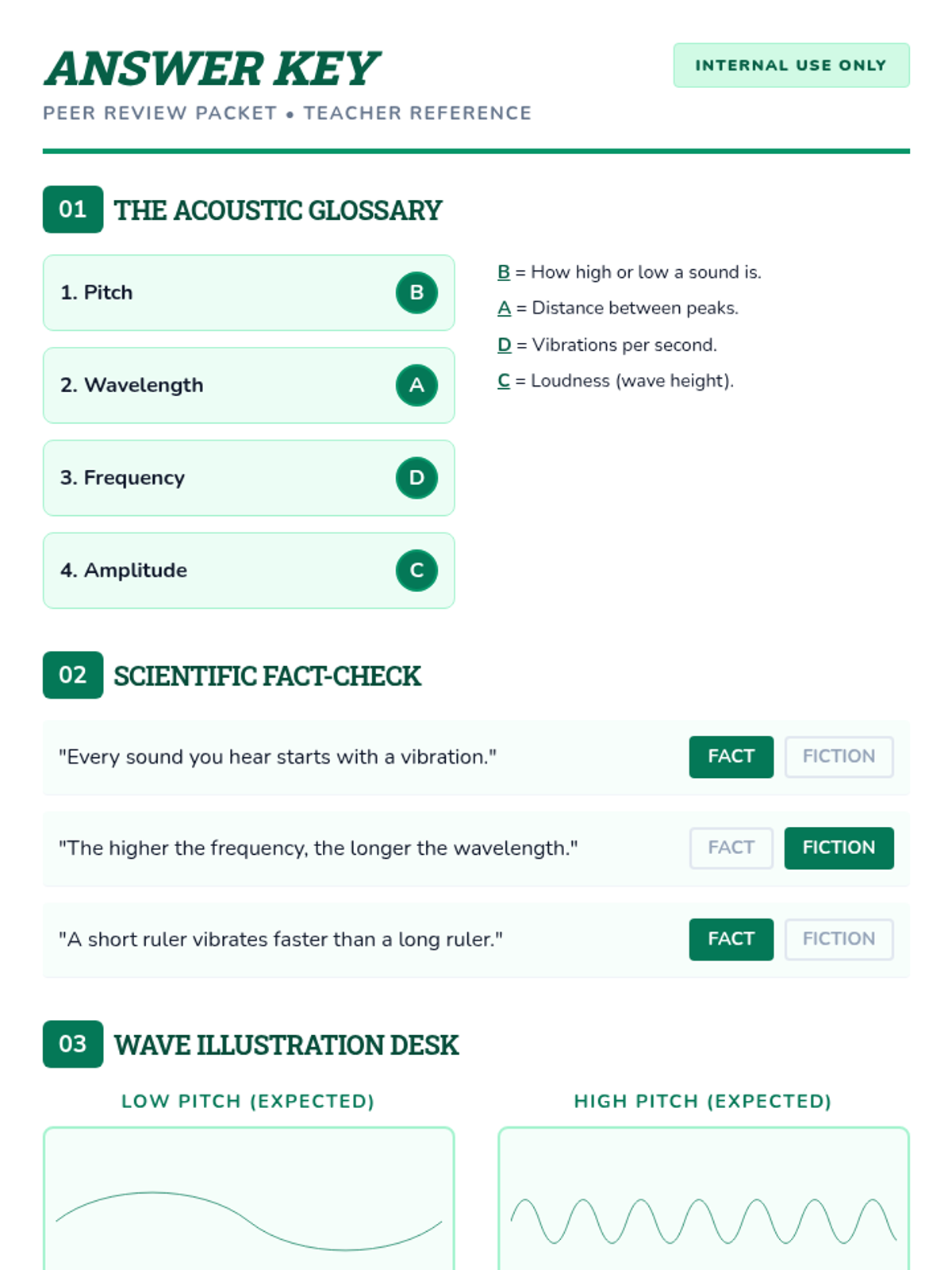
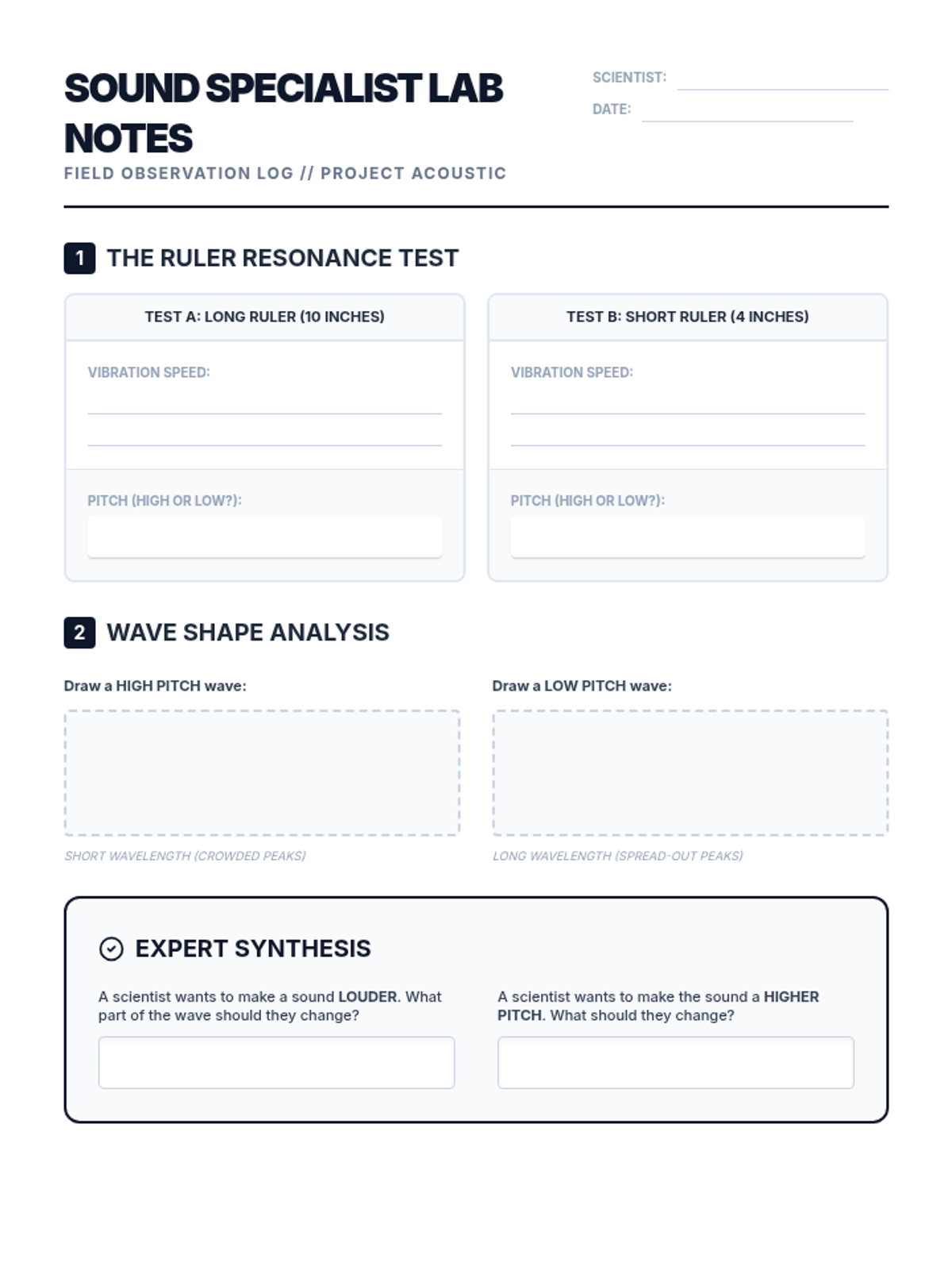
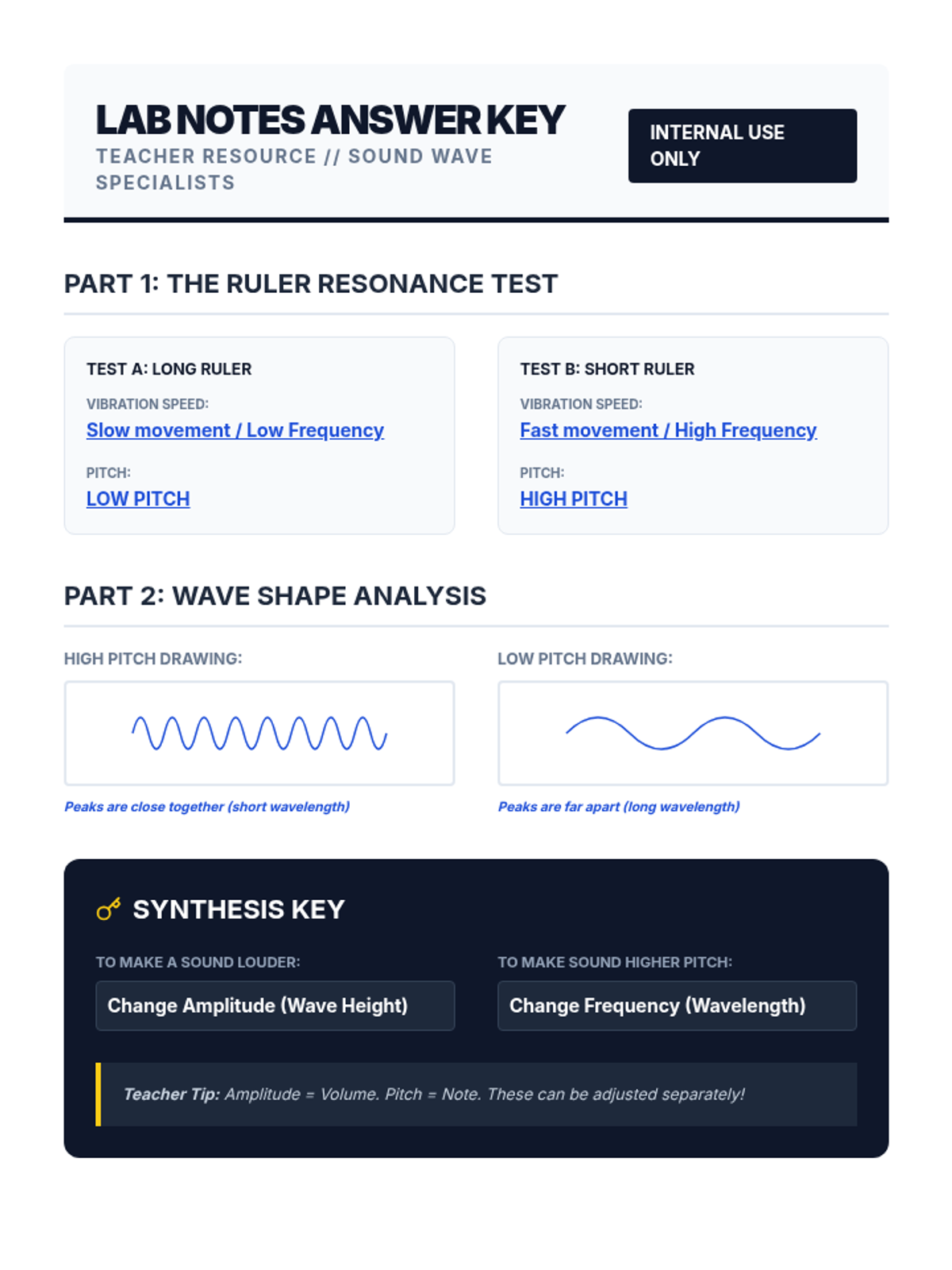
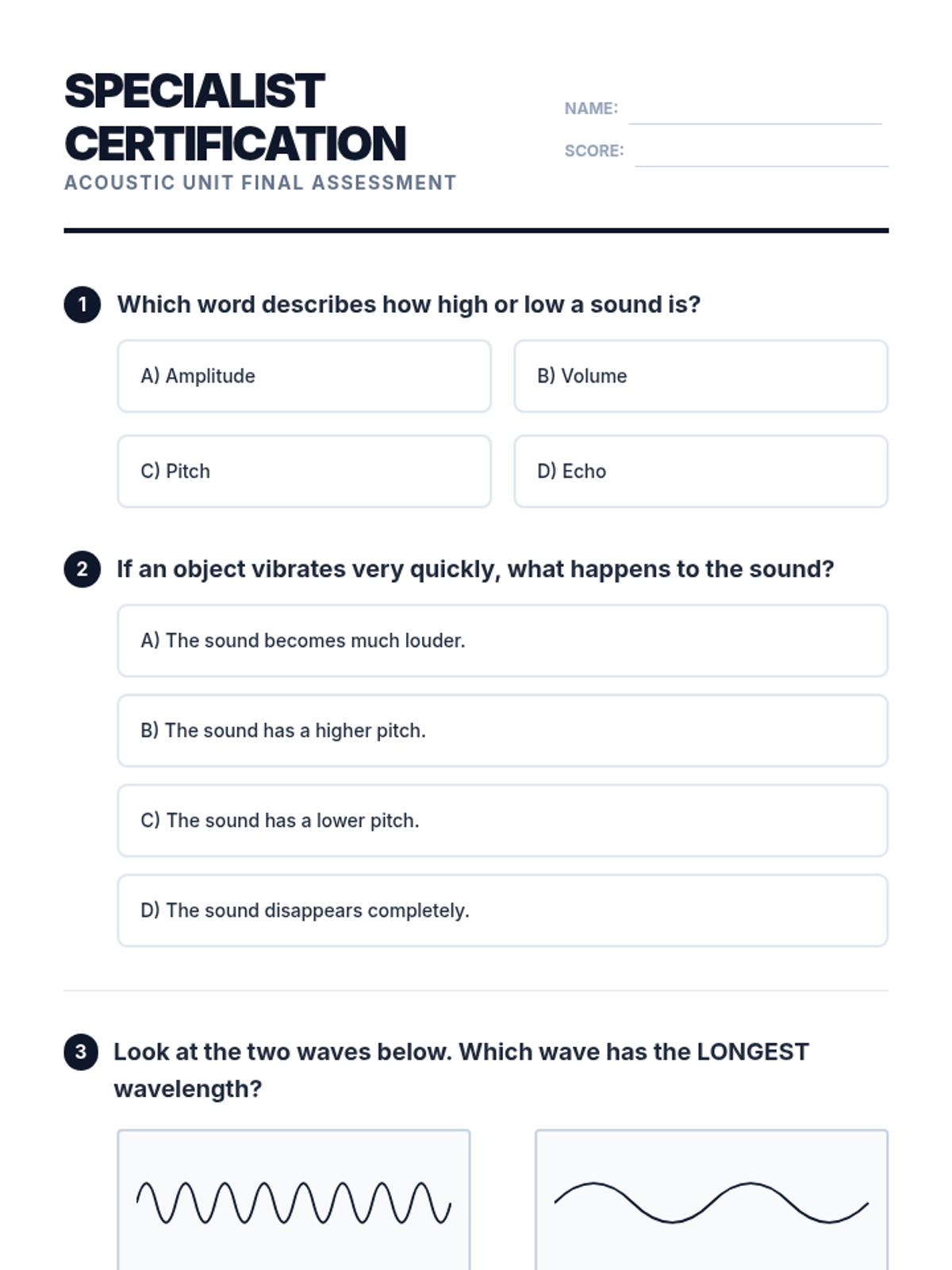
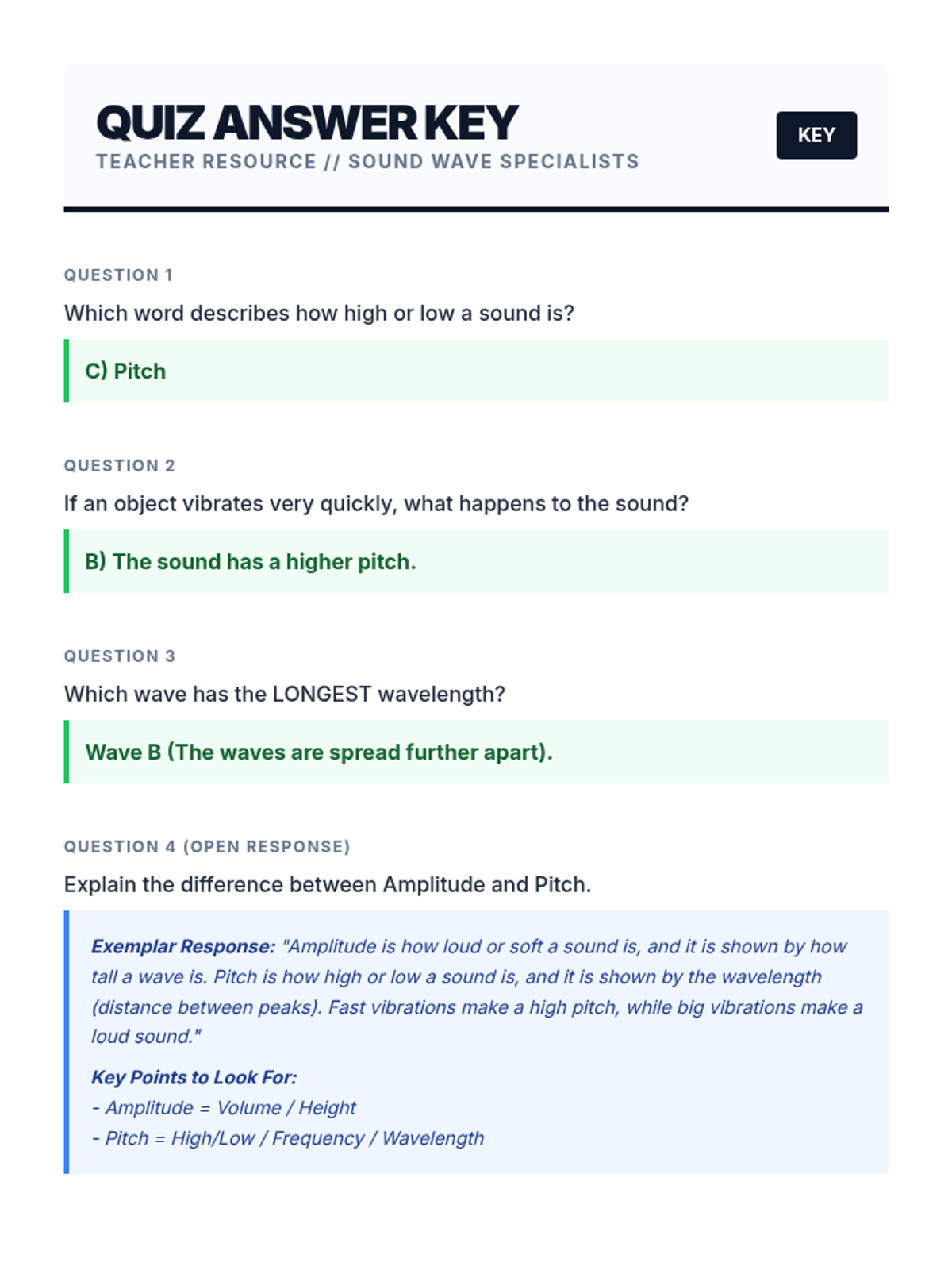
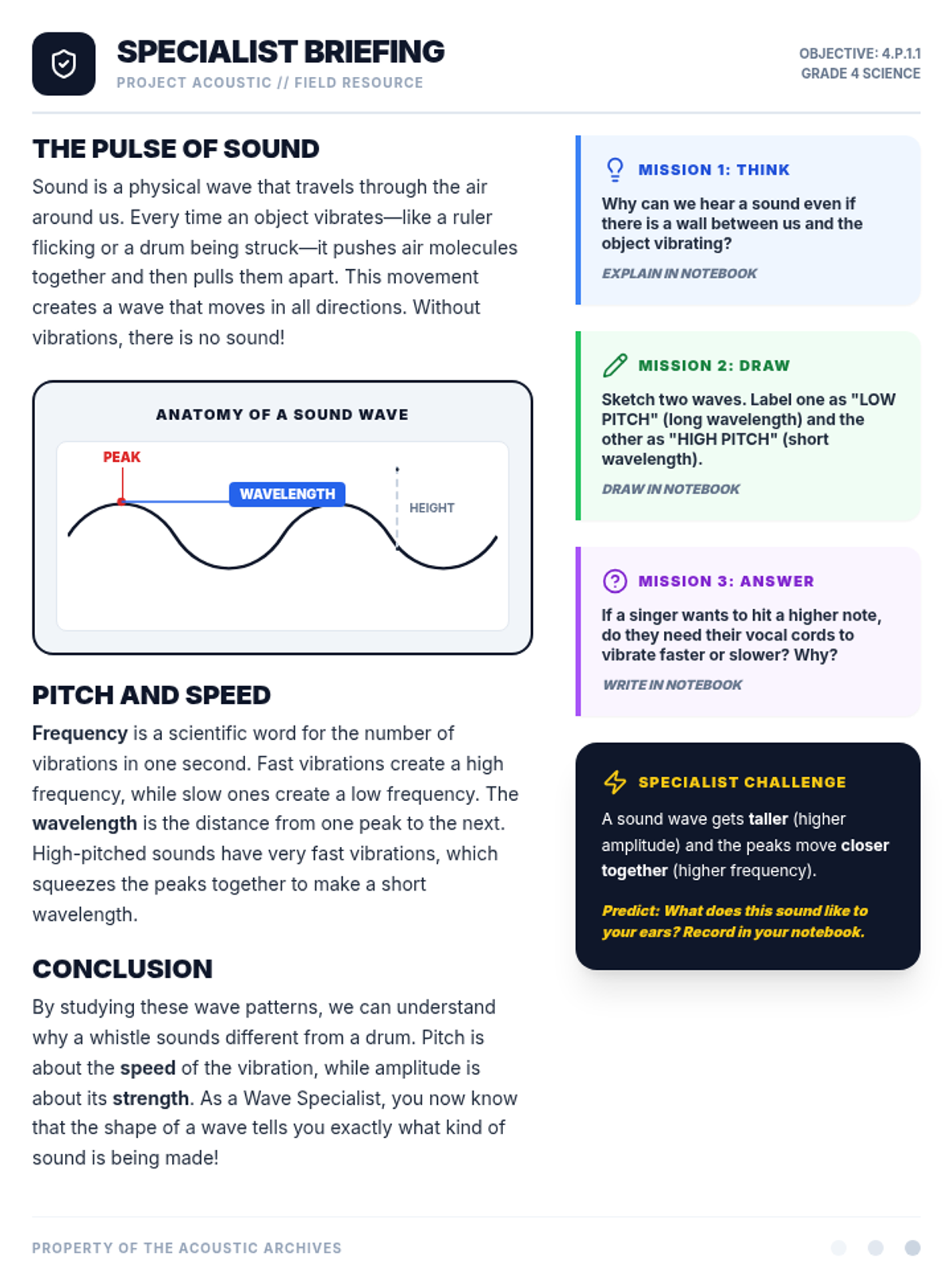
An introductory exploration of the physics of sound and light through vocabulary reinforcement and visual aids.
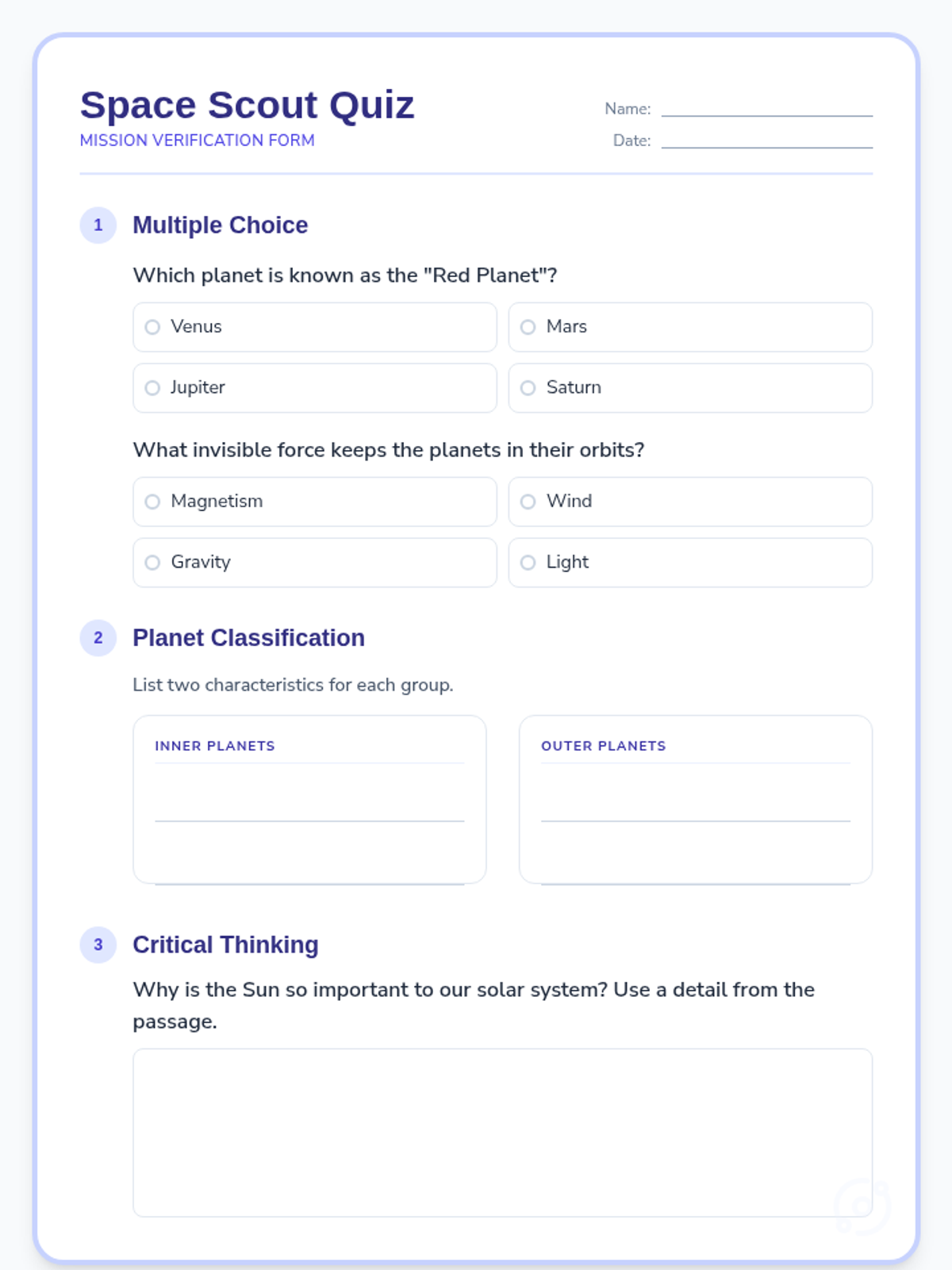
A foundational lesson on compound light microscopes, focusing on parts identification, proper handling, and the step-by-step process of focusing on a specimen. Students develop essential lab safety and precision skills.
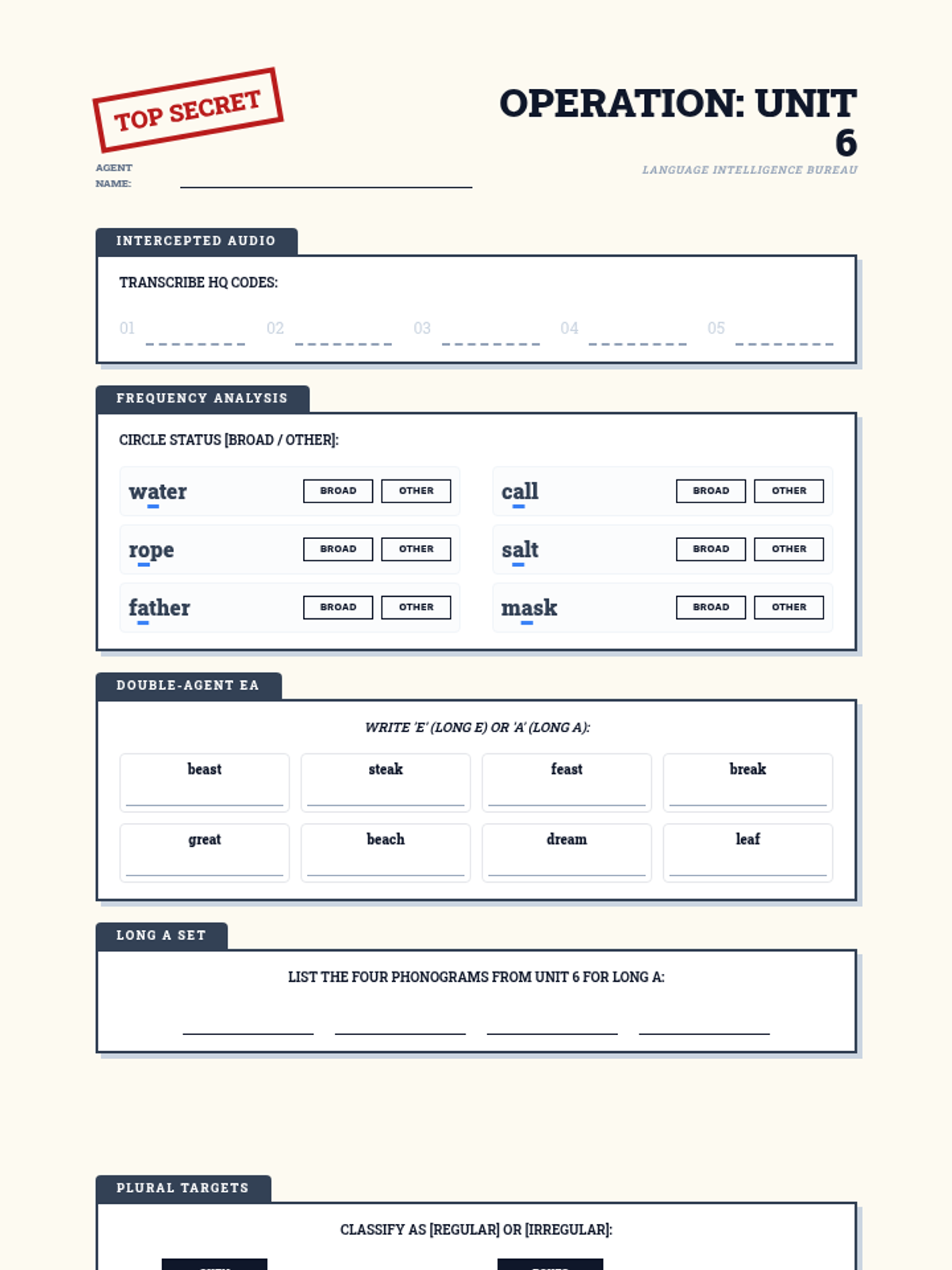
A hands-on engineering lesson where students follow precise directions to fold a high-performance paper airplane while learning the four forces of flight.
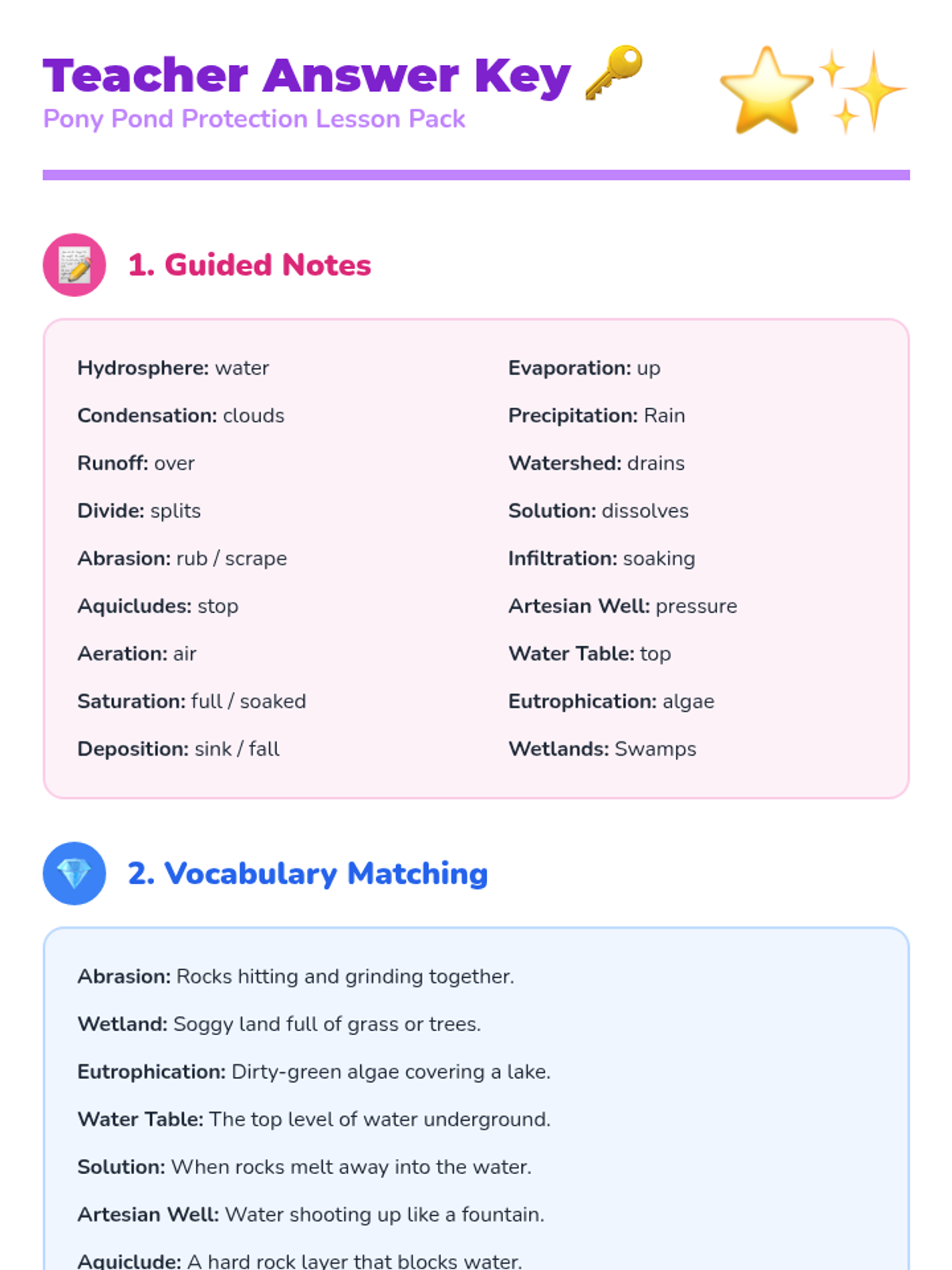
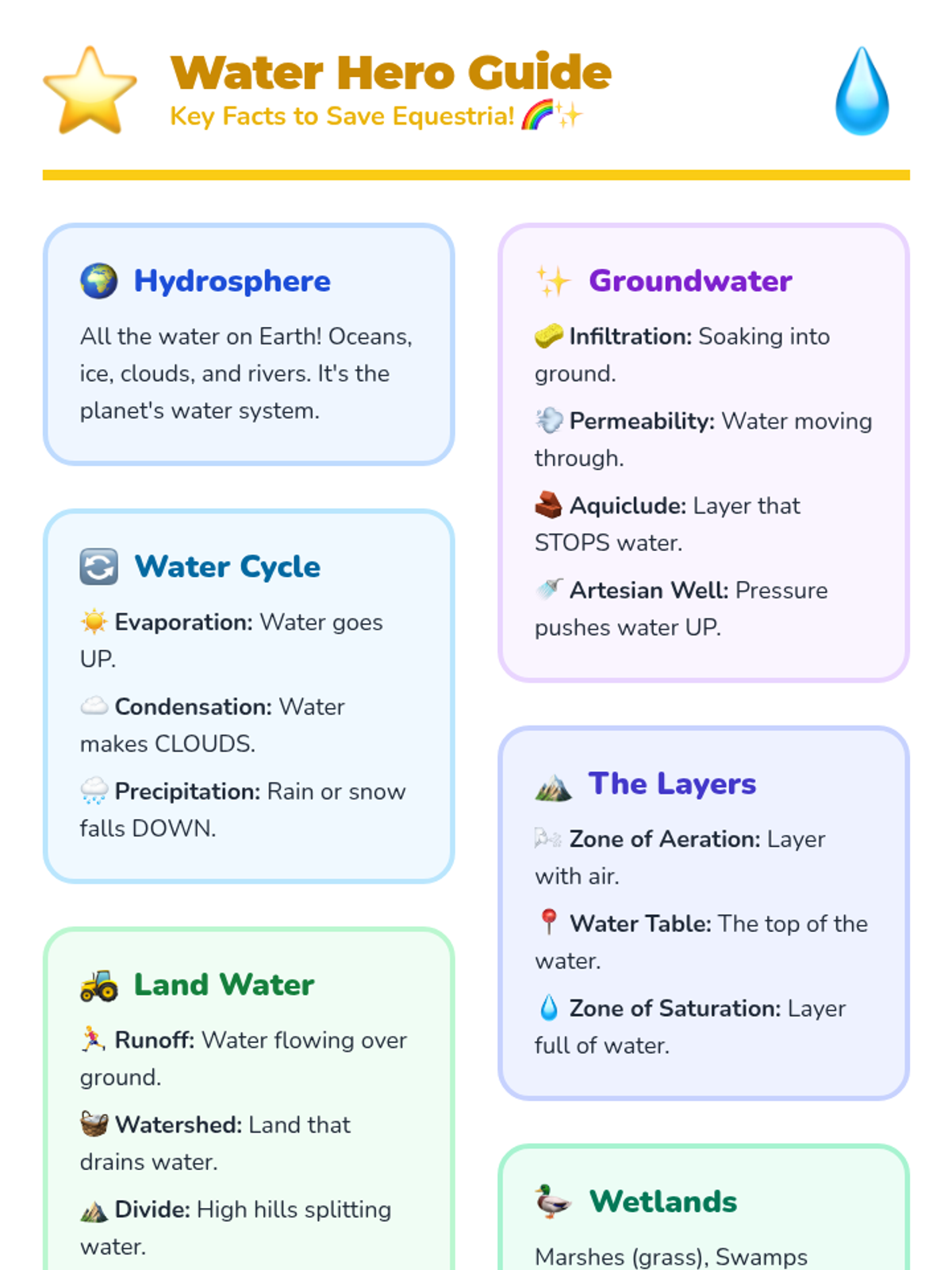
An introductory lesson on the continuous movement of water on, above, and below the surface of the Earth, focusing on the four main stages: evaporation, condensation, precipitation, and collection.
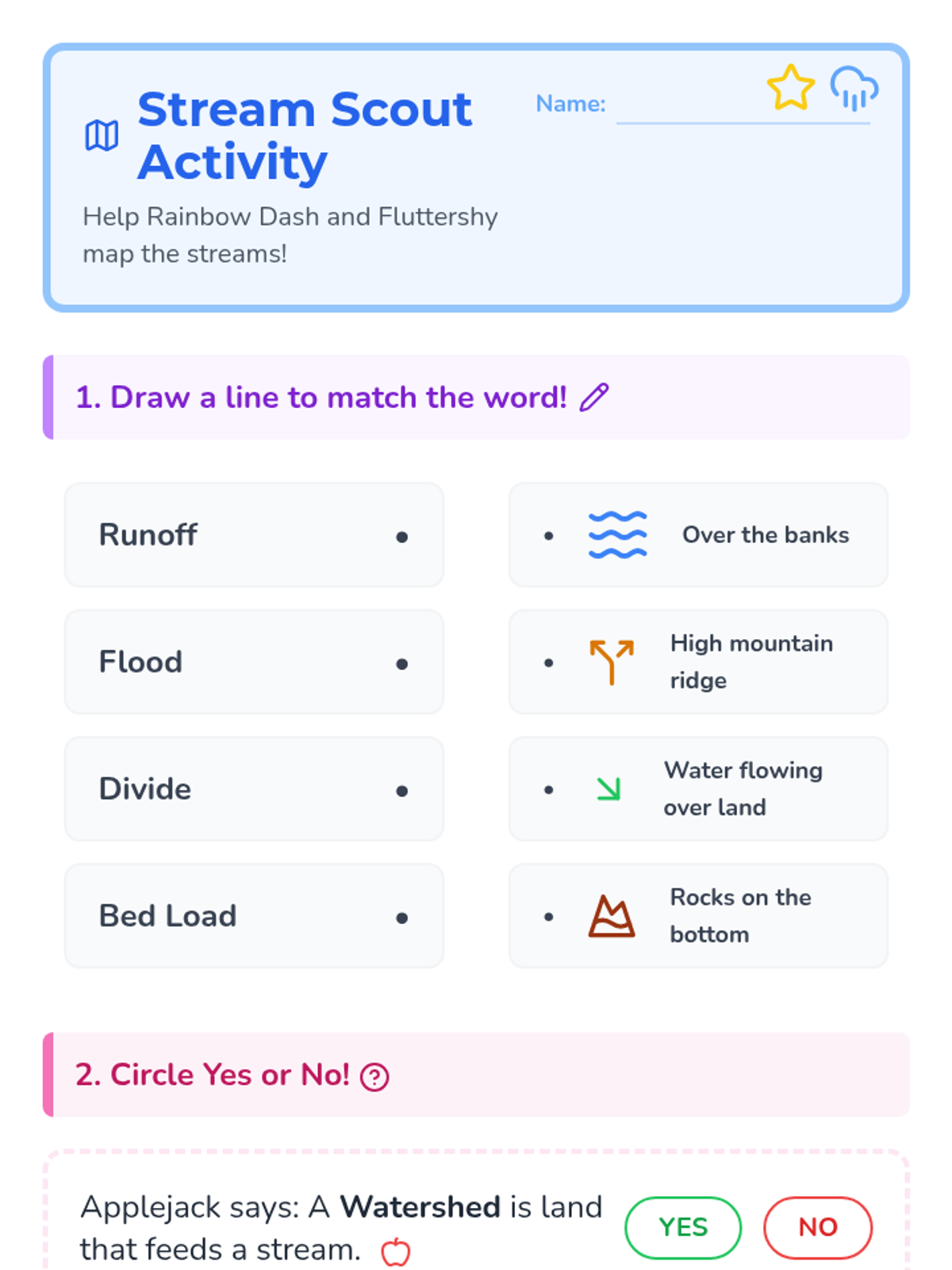
In this hands-on lesson, students explore the science of runoff and drainage by observing melting snow. They'll learn why drains are essential for preventing floods and how to keep water flowing safely through their environment.
Students analyze how living things change their environment through processes like transpiration and decomposition.
Students investigate how the atmosphere interacts with Earth's surface through deposition and how it provides essential gases for the biosphere.
Students explore how the geosphere interacts with other systems, including the movement of continents (Pangaea), the formation of aquifers, and the role of organic materials in soil.
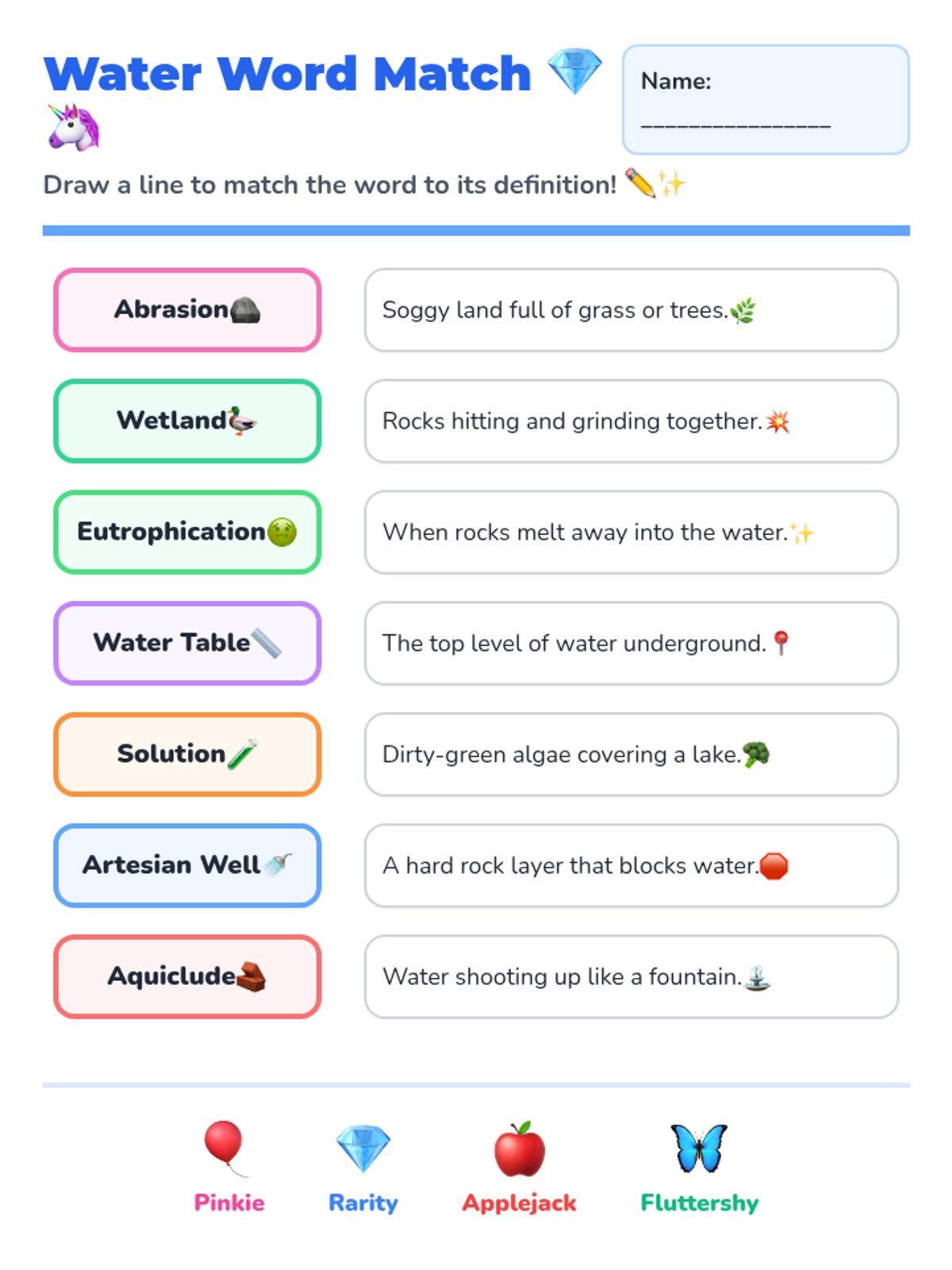
Students analyze how the hydrosphere interacts with other systems through weathering, erosion, and supporting life.
A lesson exploring the impact of road salt on local waterways, specifically focusing on how salt levels in Nashoba Brook affect endangered turtle habitats. Students will learn how community scientists measure water quality and what the data tells us about protecting our environment.
In this 60-minute lab-focused lesson, students explore the Ampullae of Lorenzini, the specialized electroreceptors that allow sharks to detect the tiny electrical pulses produced by living prey. through hands-on simulation, students will understand how sharks 'see' with electricity even when their other senses are blocked.
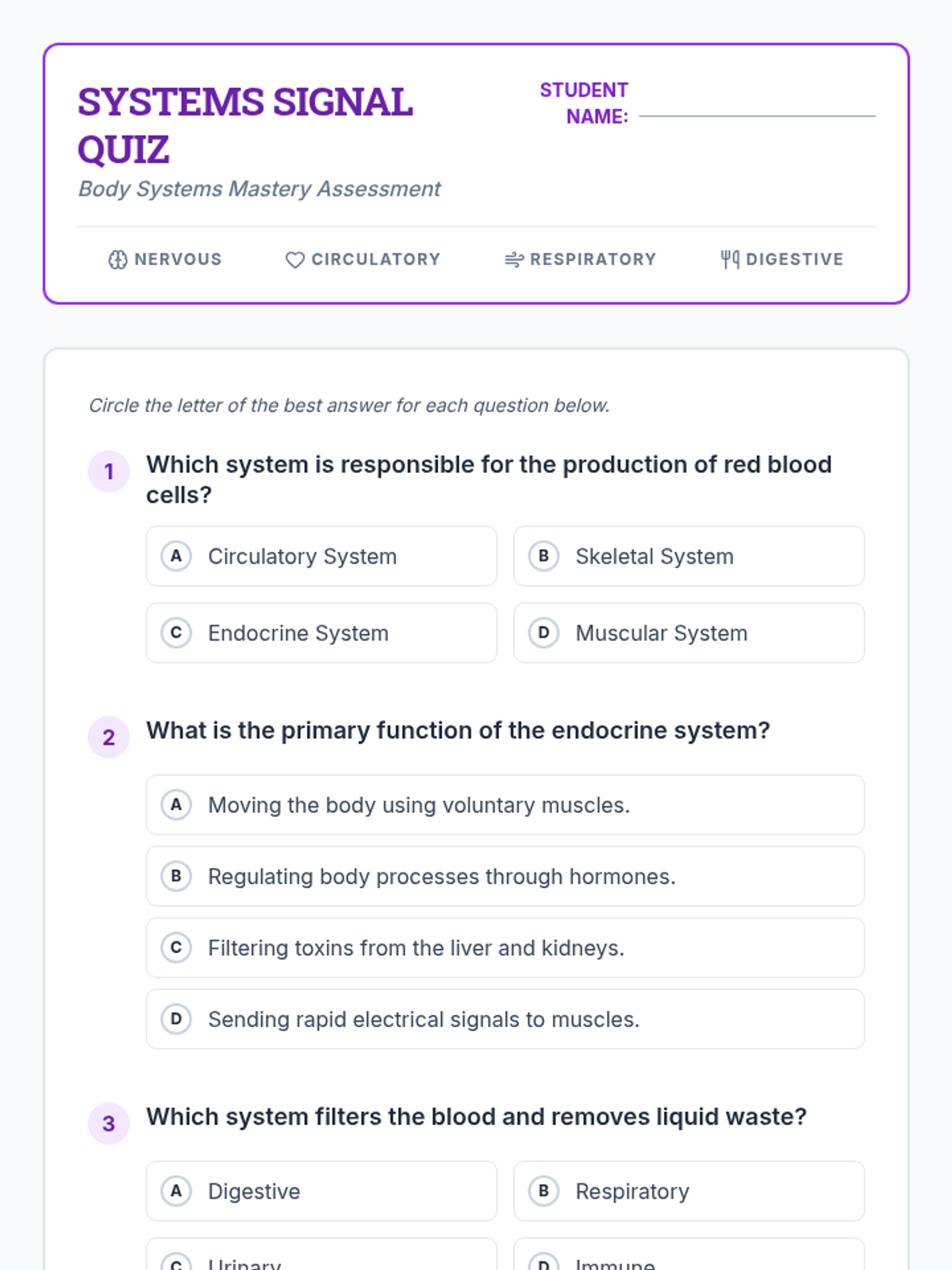
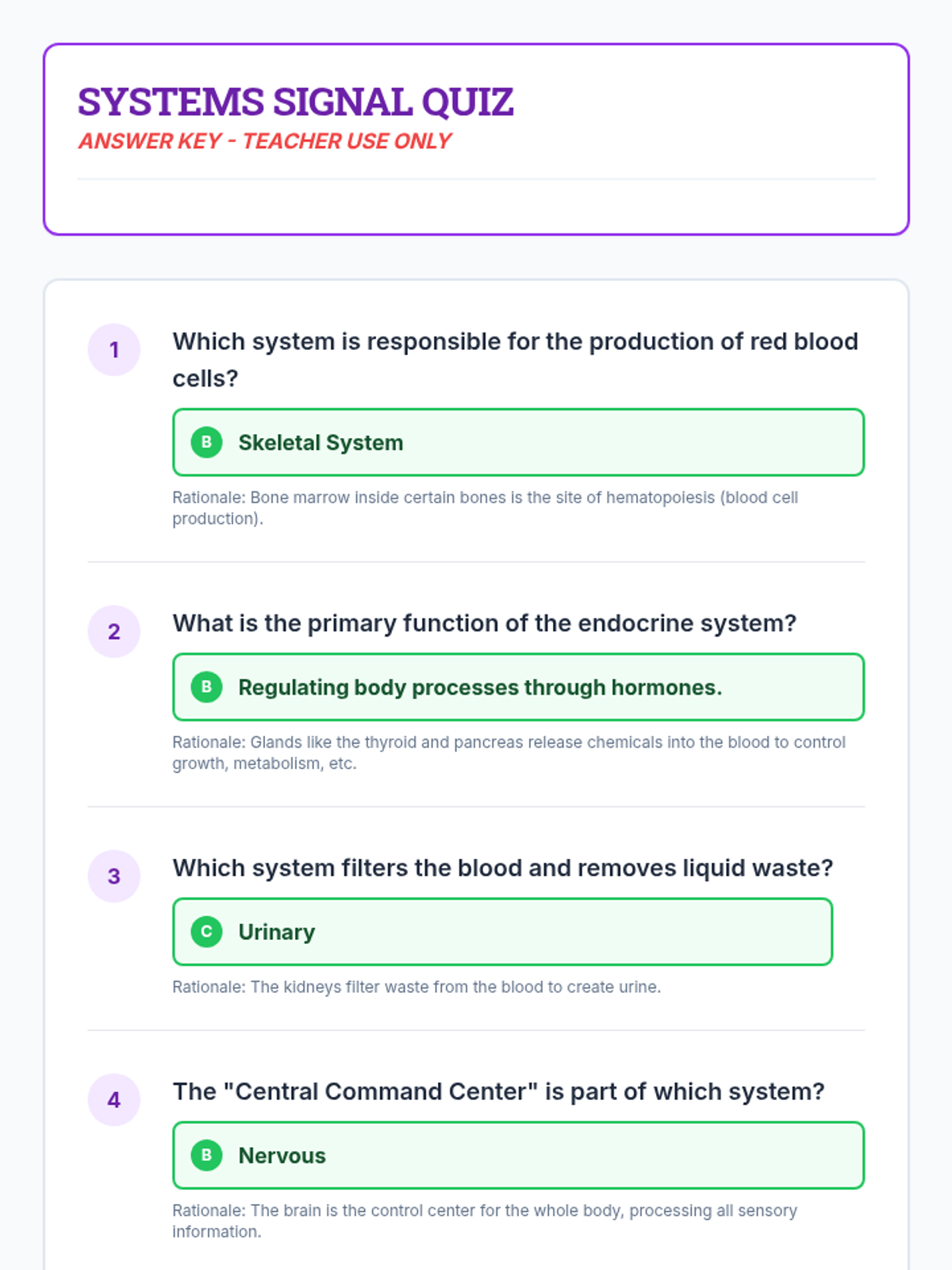
Students explore the biosphere, identifying how life exists in various environments and how living things interact with other Earth systems.
Students investigate the atmosphere, exploring the layers of air that protect Earth and the composition of gases necessary for life.
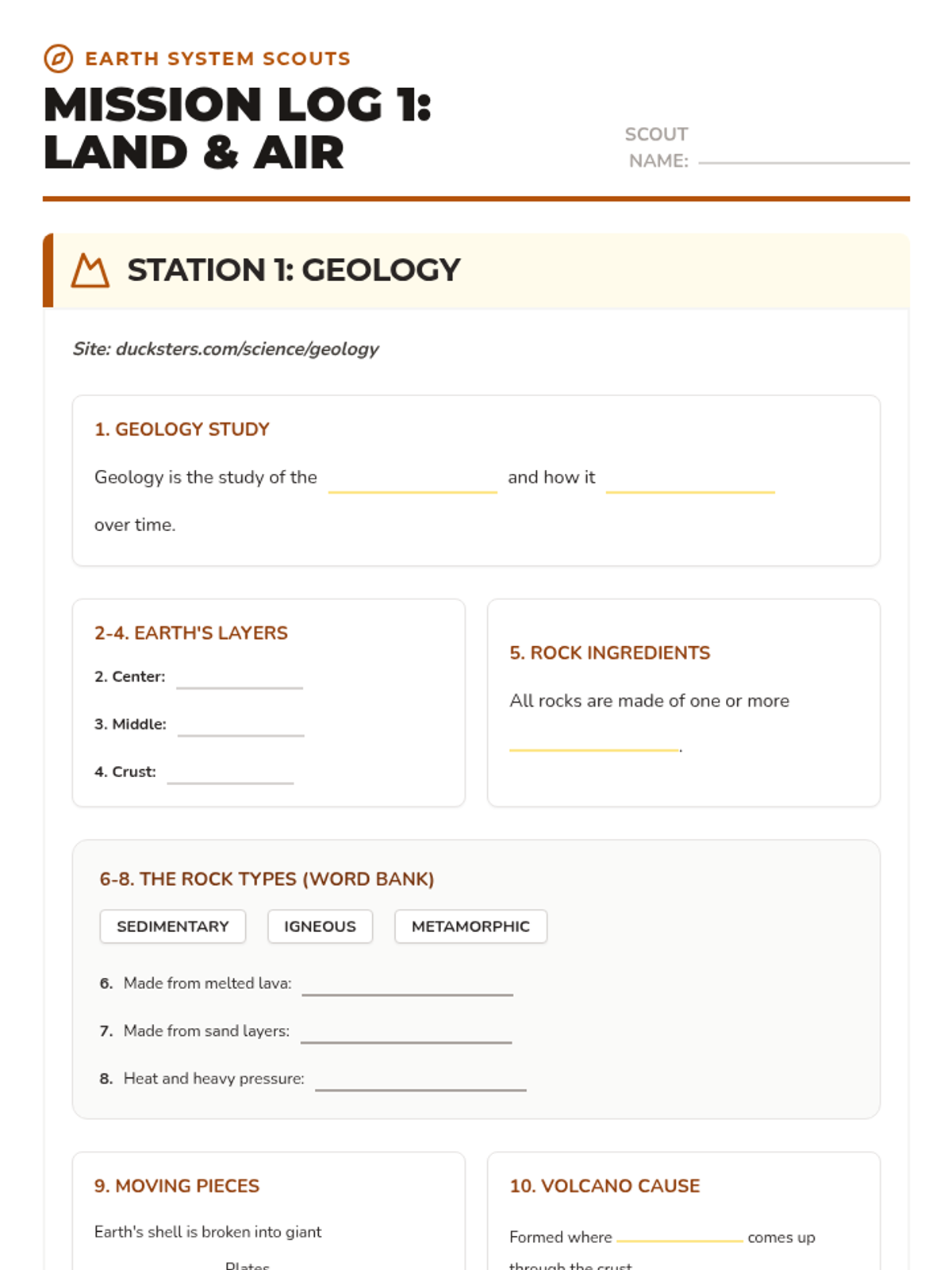
Students analyze the geosphere, exploring Earth's interior layers and the solid crust that forms the foundation of our planet's systems.
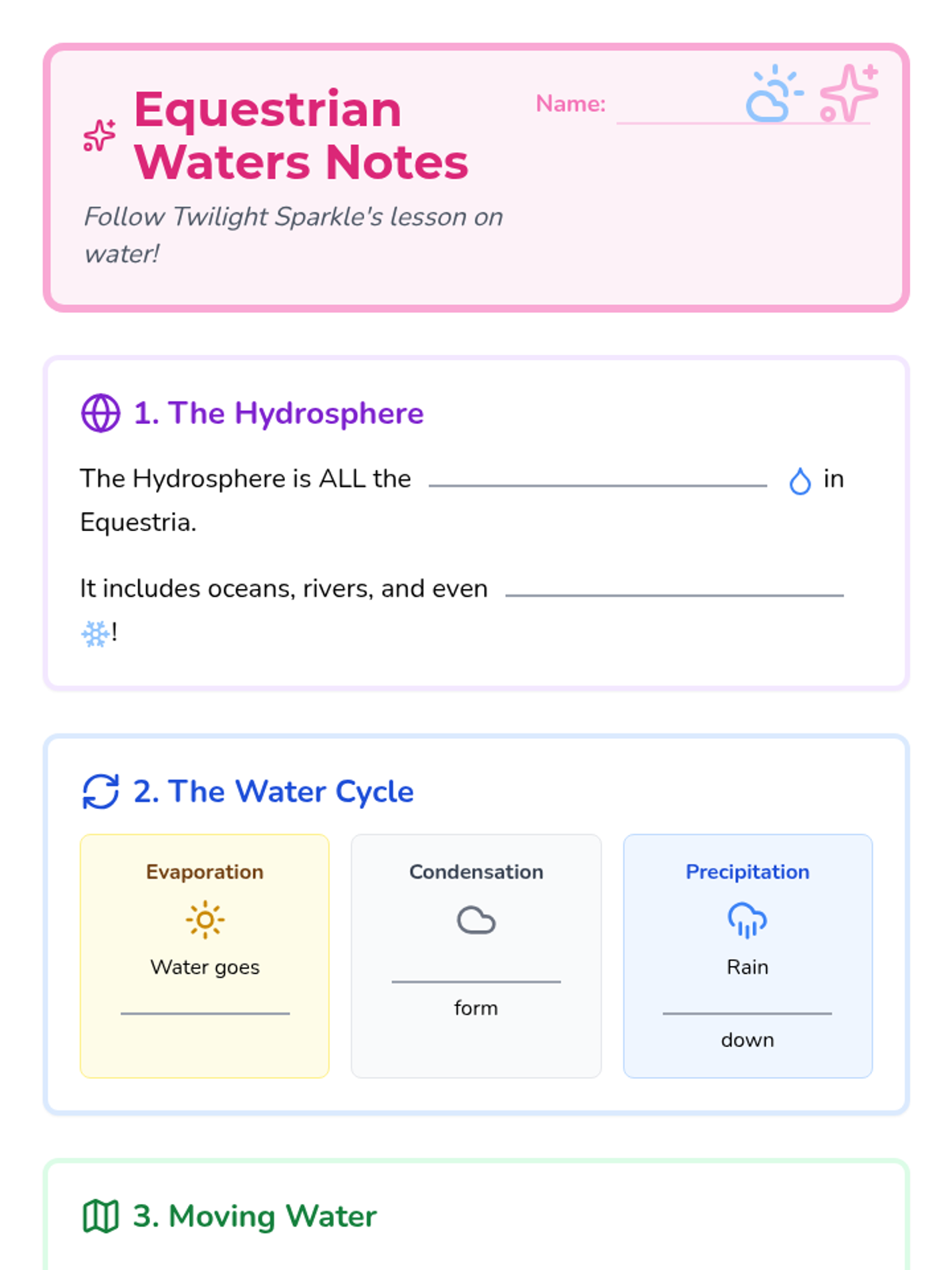
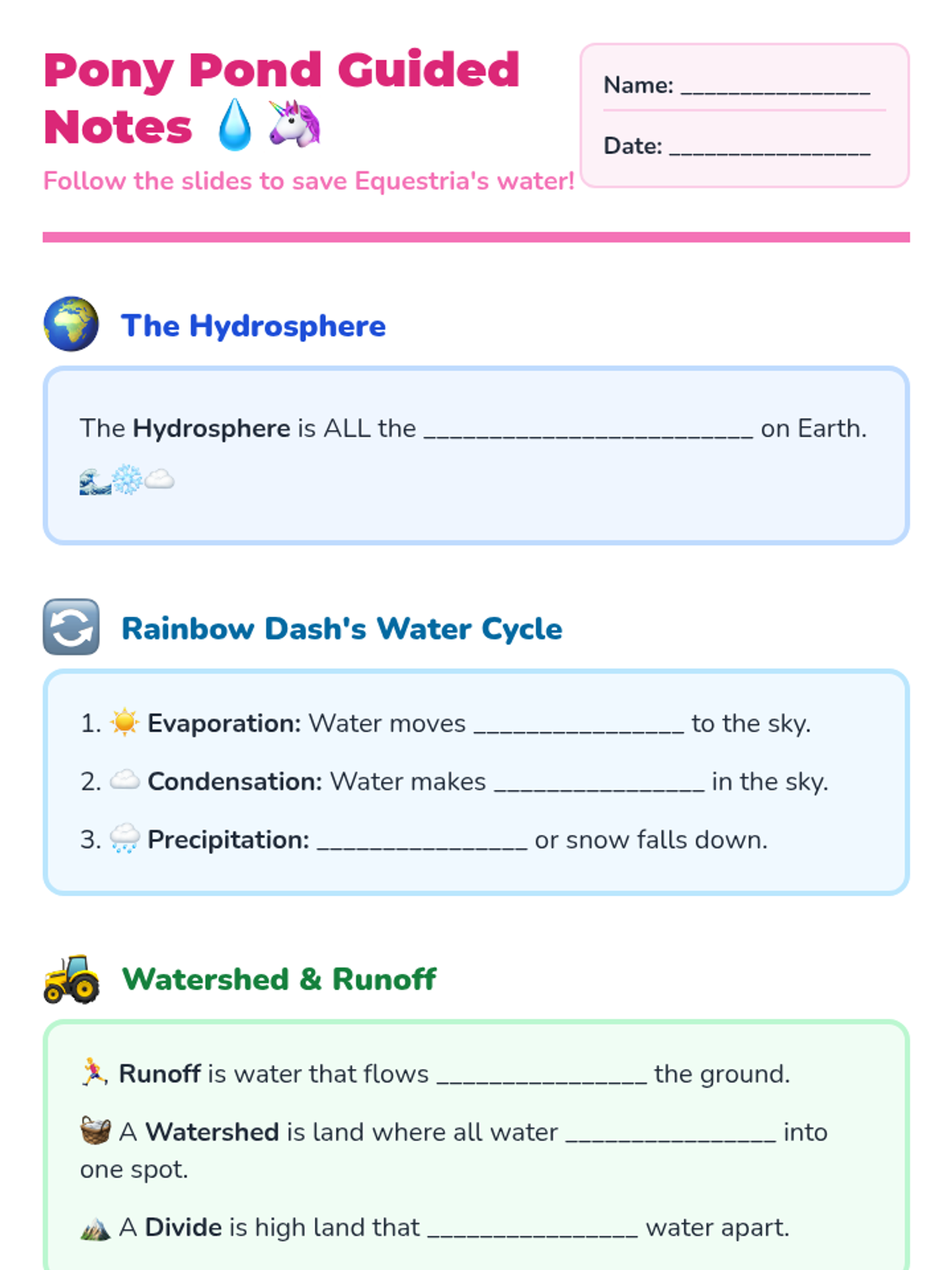
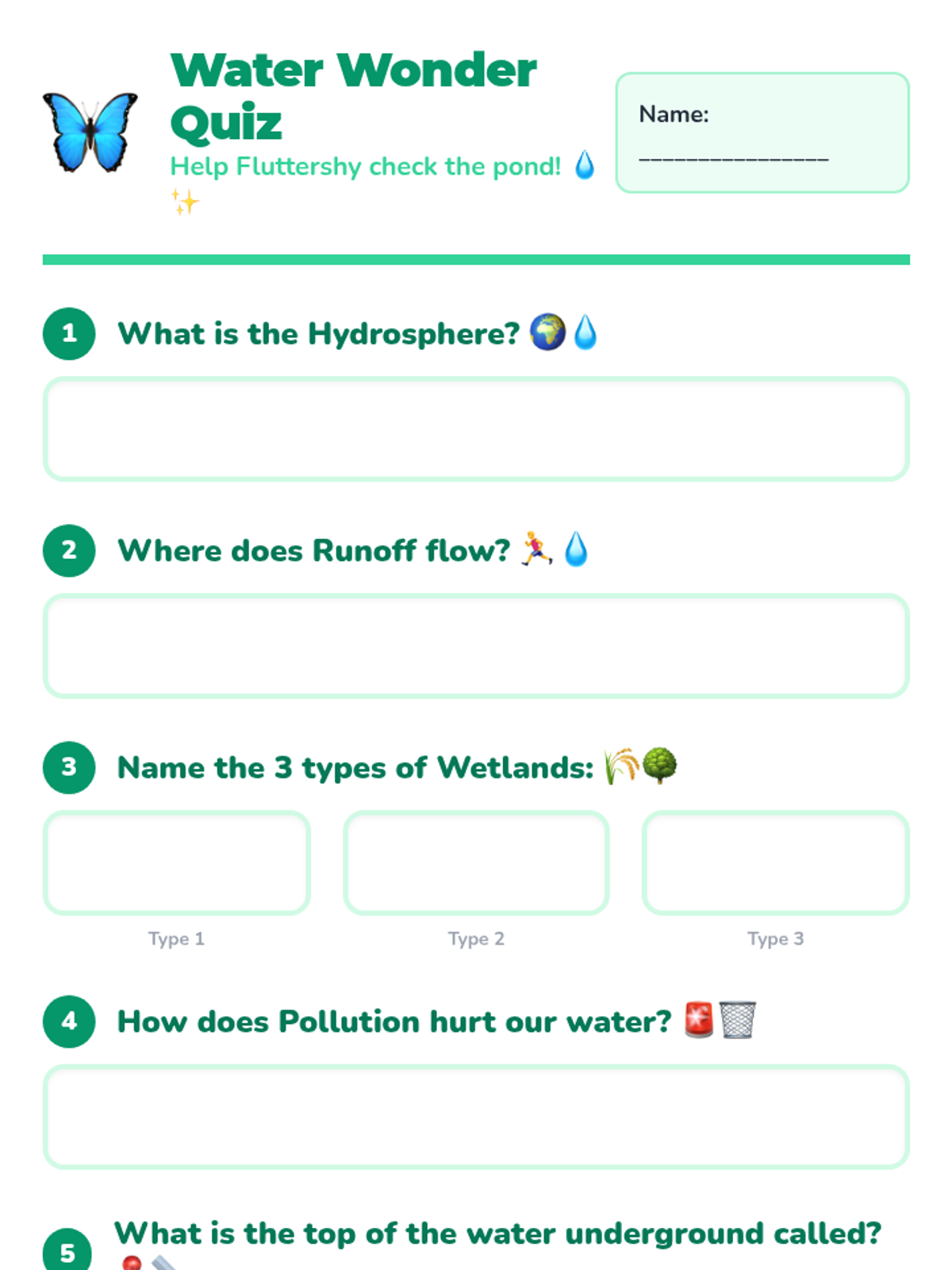
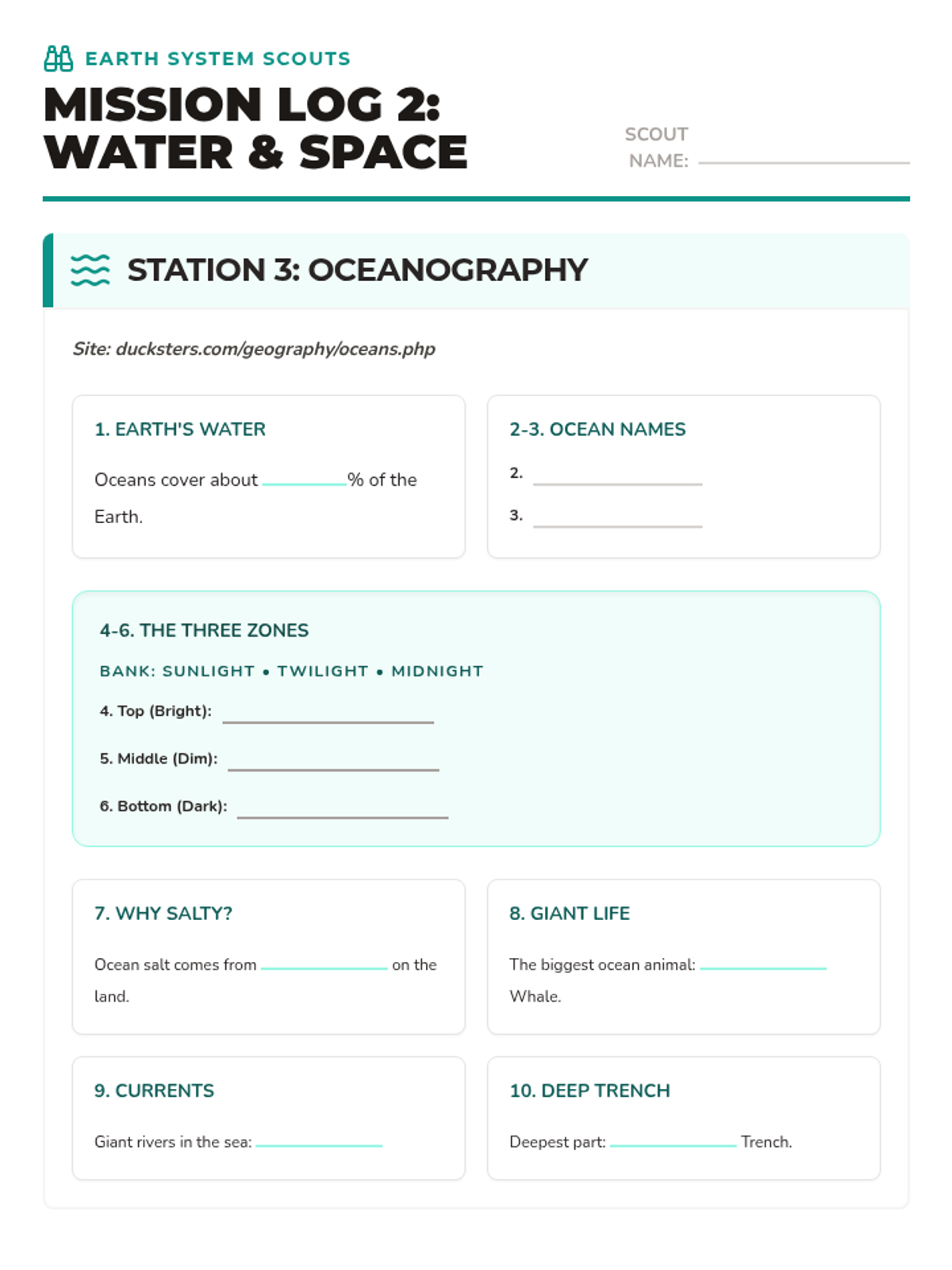
Students explore the hydrosphere, identifying where water is found on Earth and how it moves through the water cycle through drawing and hands-on experiments.
A comprehensive exploration of how the human brain and body grow from birth through age 16, focusing on neurological pathways, emotional regulation, and developmental milestones.
Students design and build a STEM leprechaun trap inspired by 'How to Catch a Leprechaun', focusing on multi-step directions and problem-solving through the engineering design process.
A hands-on engineering lesson where students design and plan their own complex Rube Goldberg machines to accomplish simple tasks using simple machines.
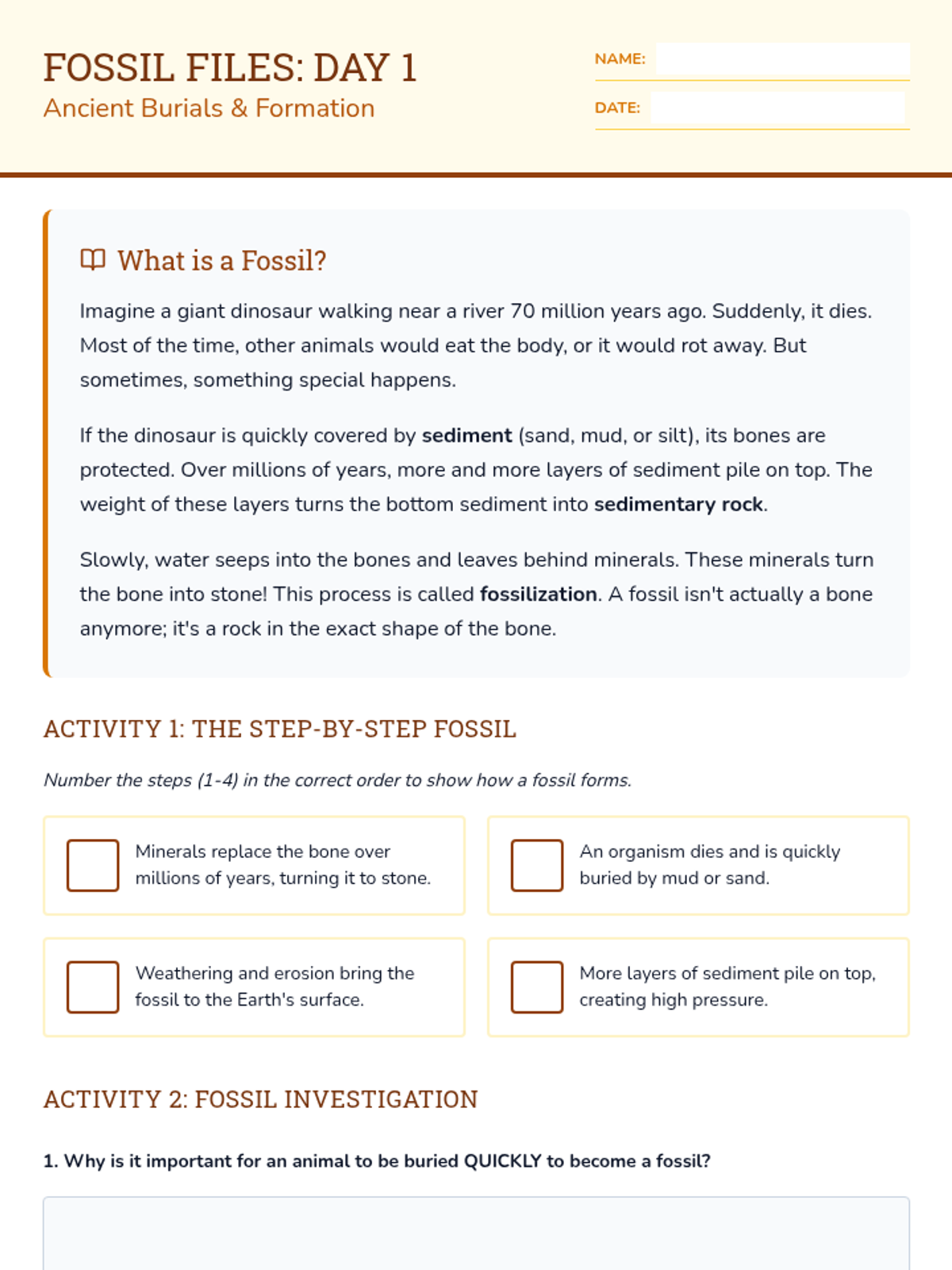
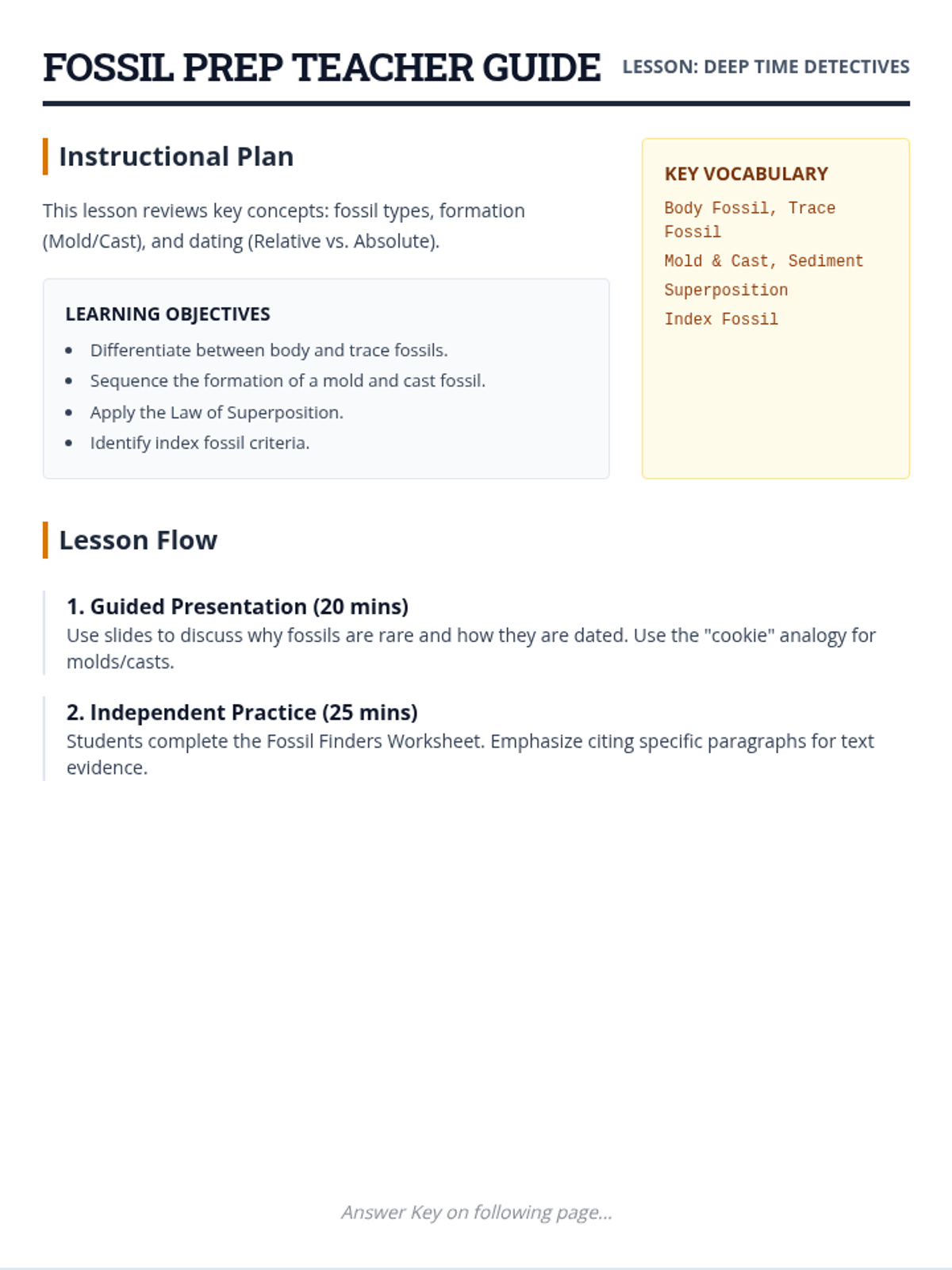
A comprehensive lesson exploring the rock cycle, weathering processes, sediment characteristics, and the practical human uses of Earth's geological resources.
An in-depth exploration of the metamorphosis of frogs, from eggs to adult amphibians, designed for 4th-grade scientists. Students will engage with reading passages, diagrams, and hands-on sorting to master the biological stages of life.
An inquiry-based exploration of the four forces of flight—lift, weight, thrust, and drag—through the lens of aerospace engineering. Students design, test, and iterate on paper gliders to observe aerodynamic principles in action.
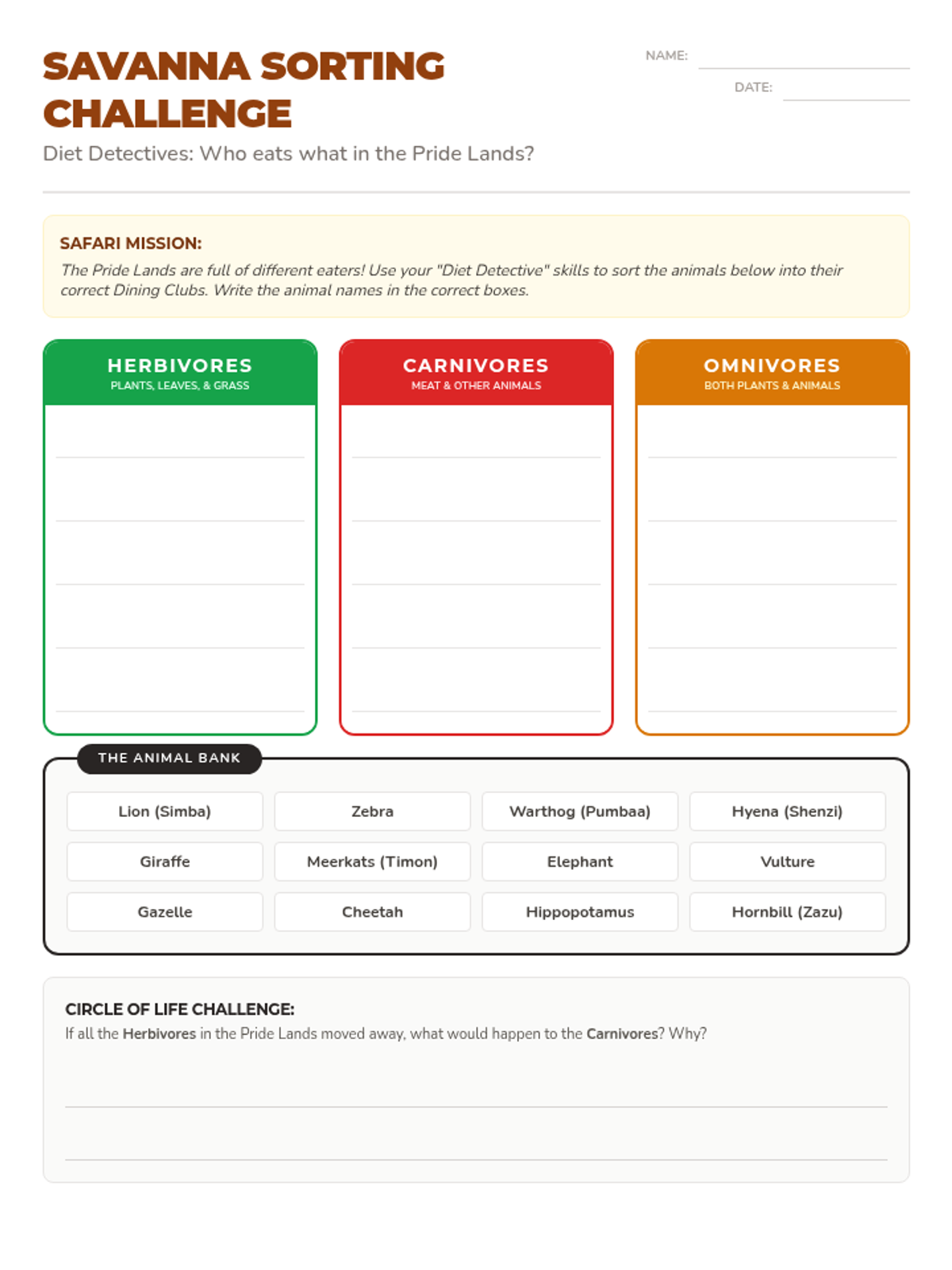
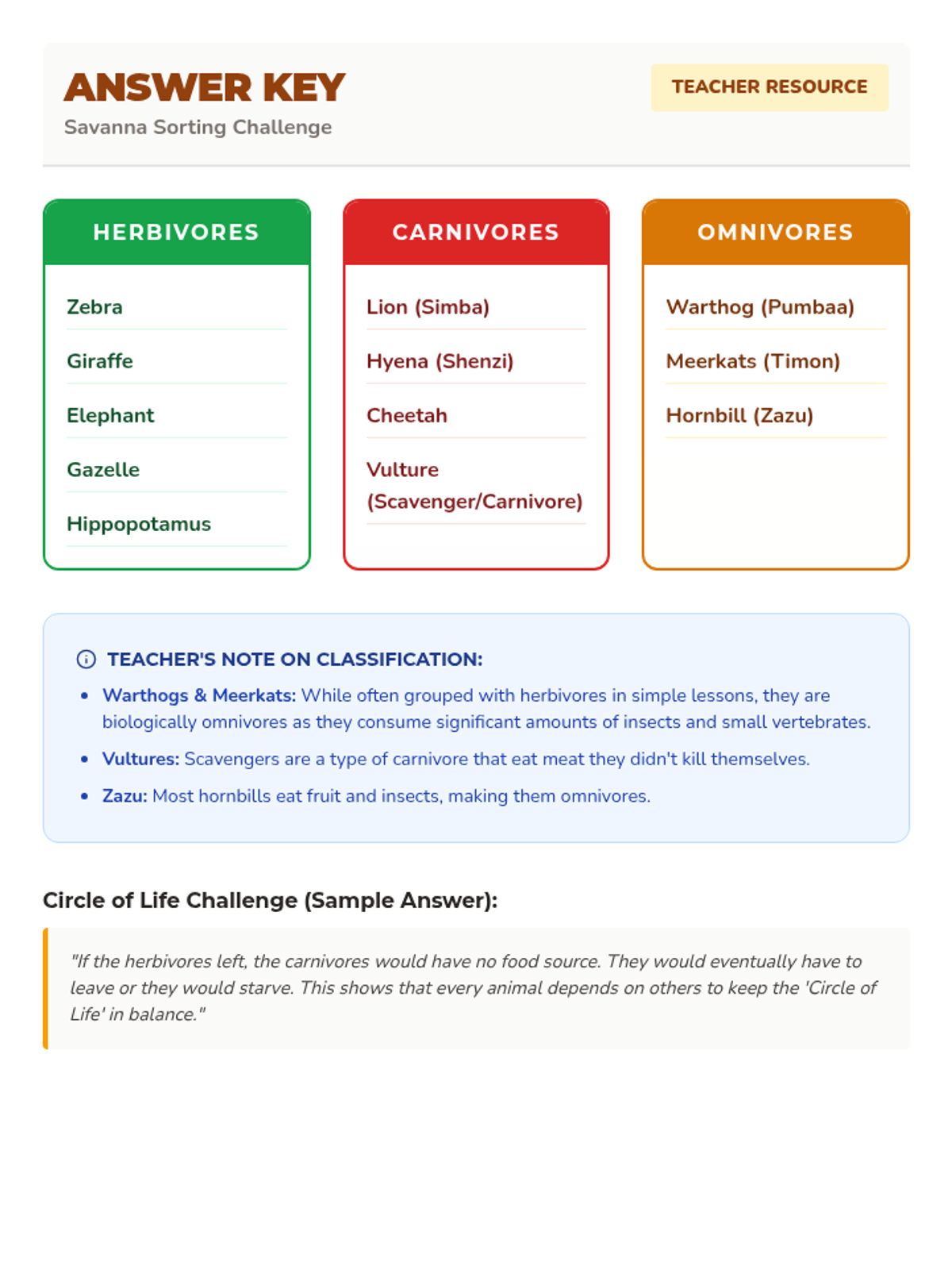
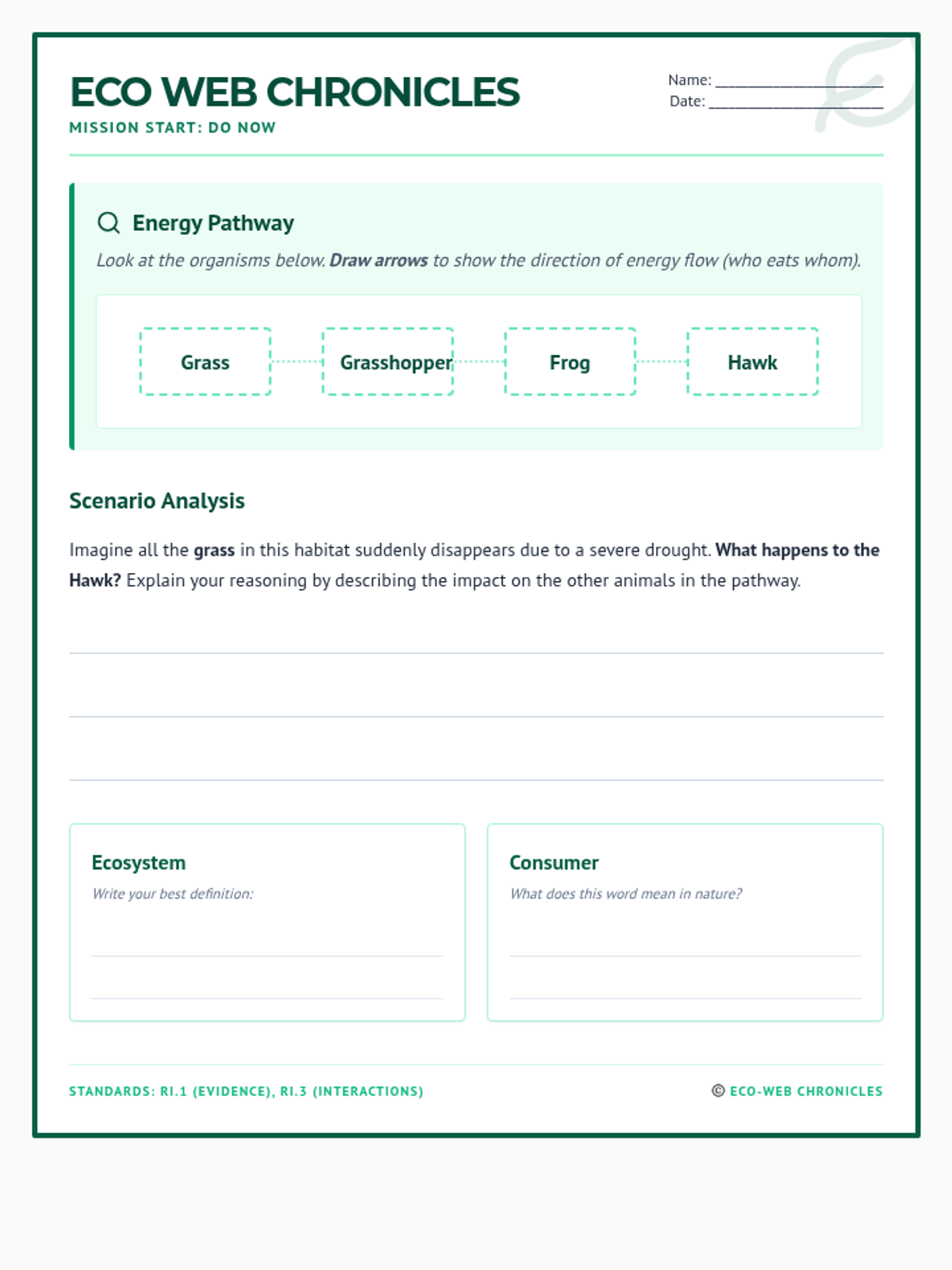
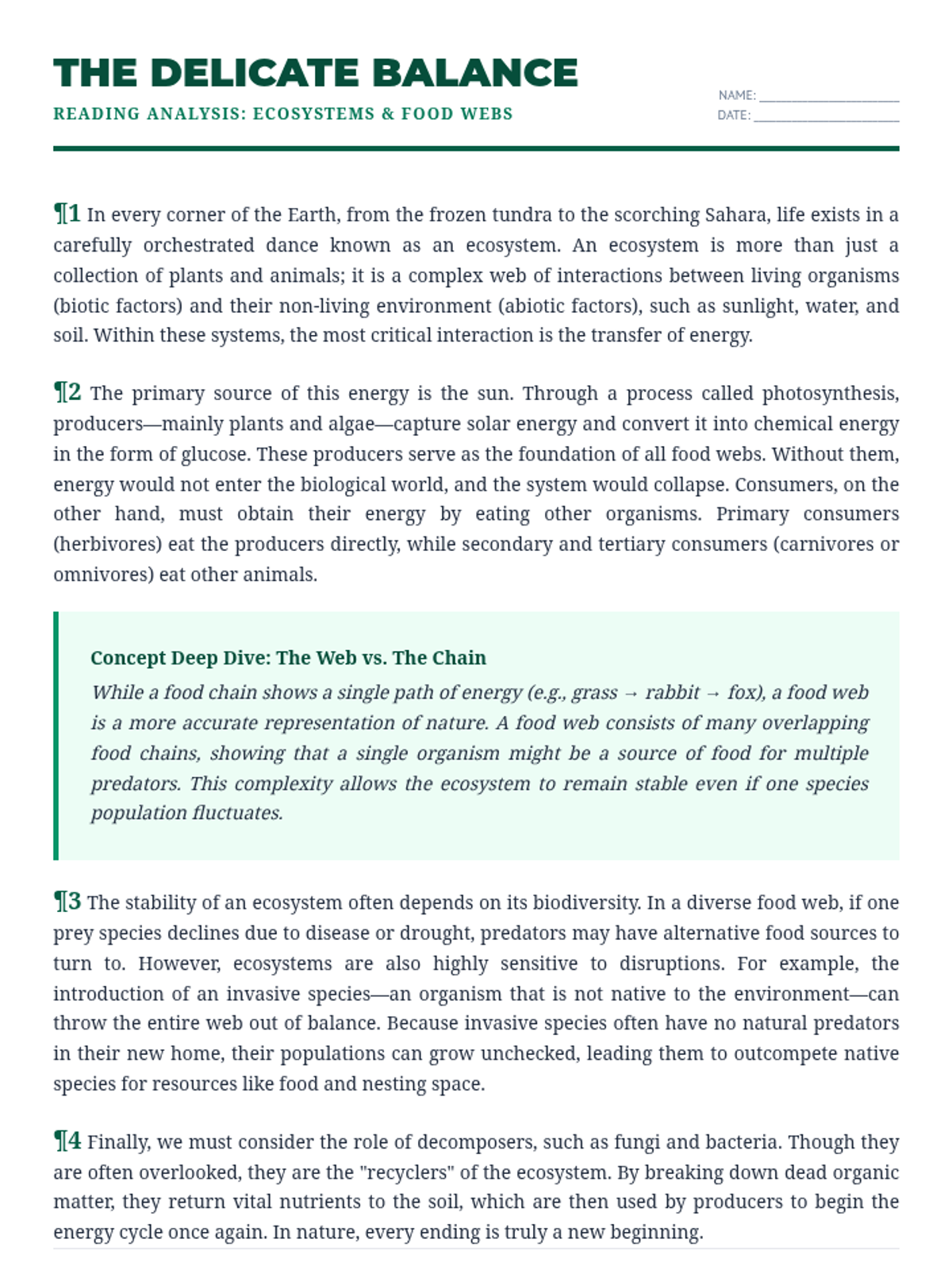
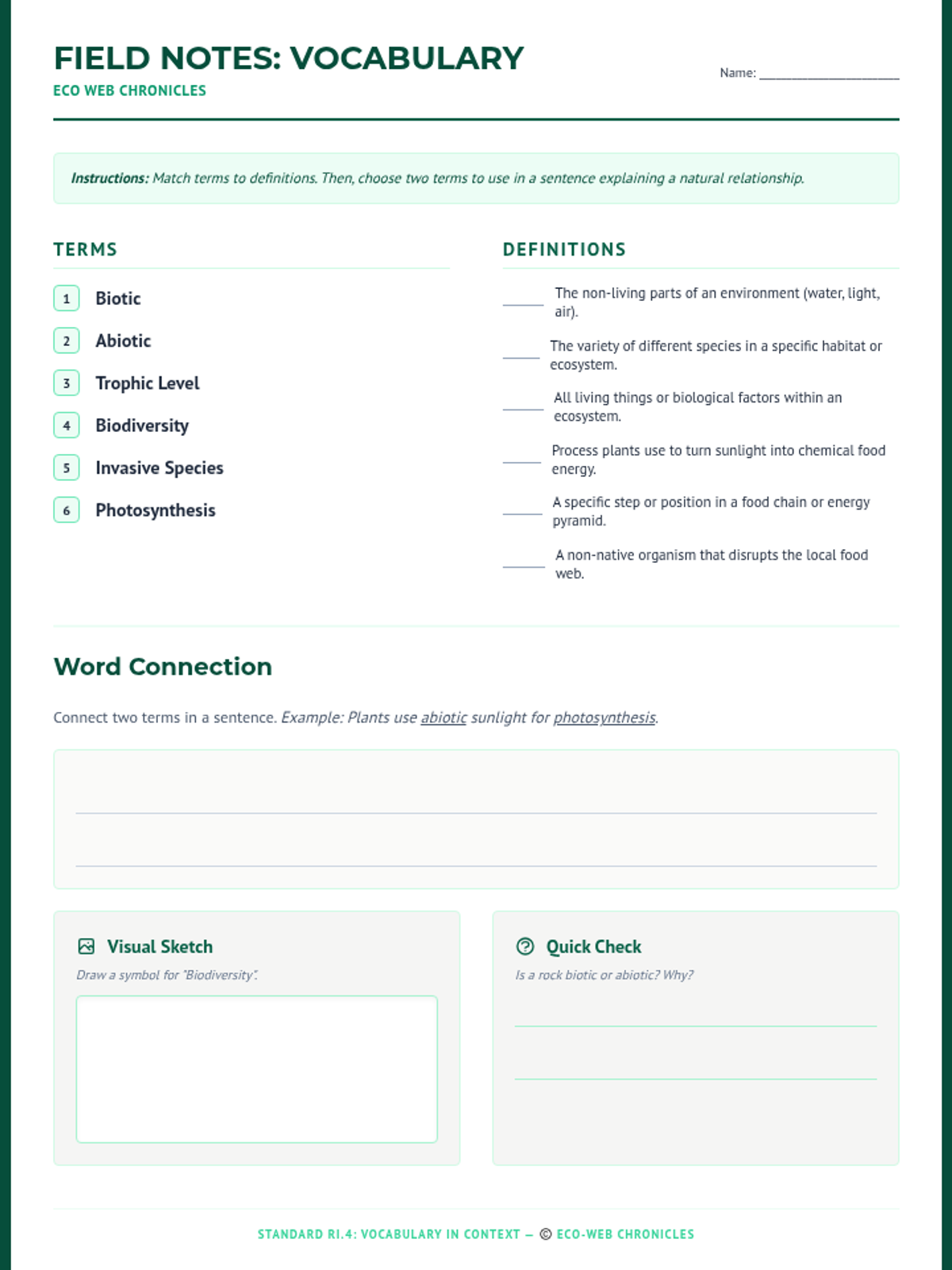
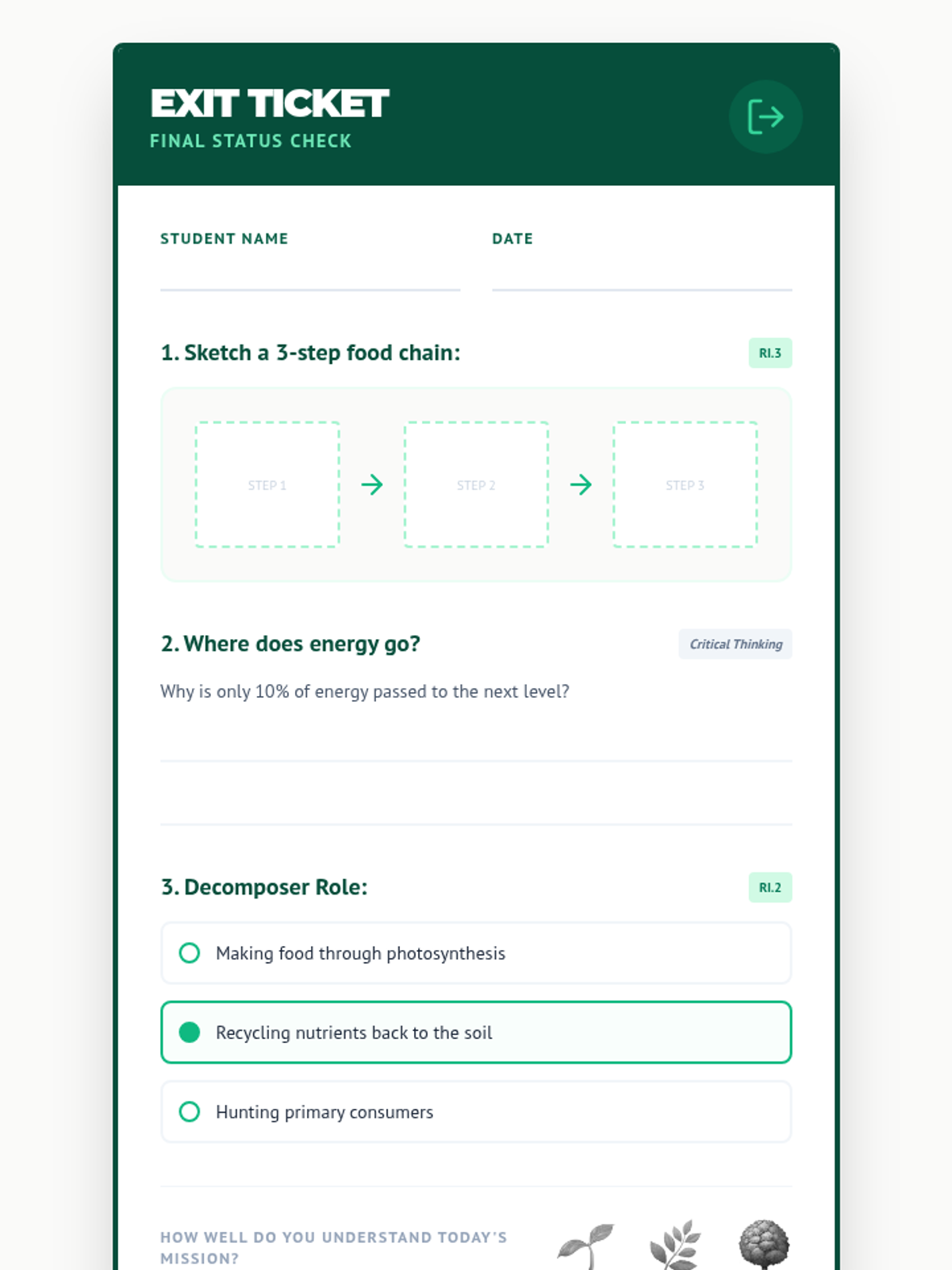
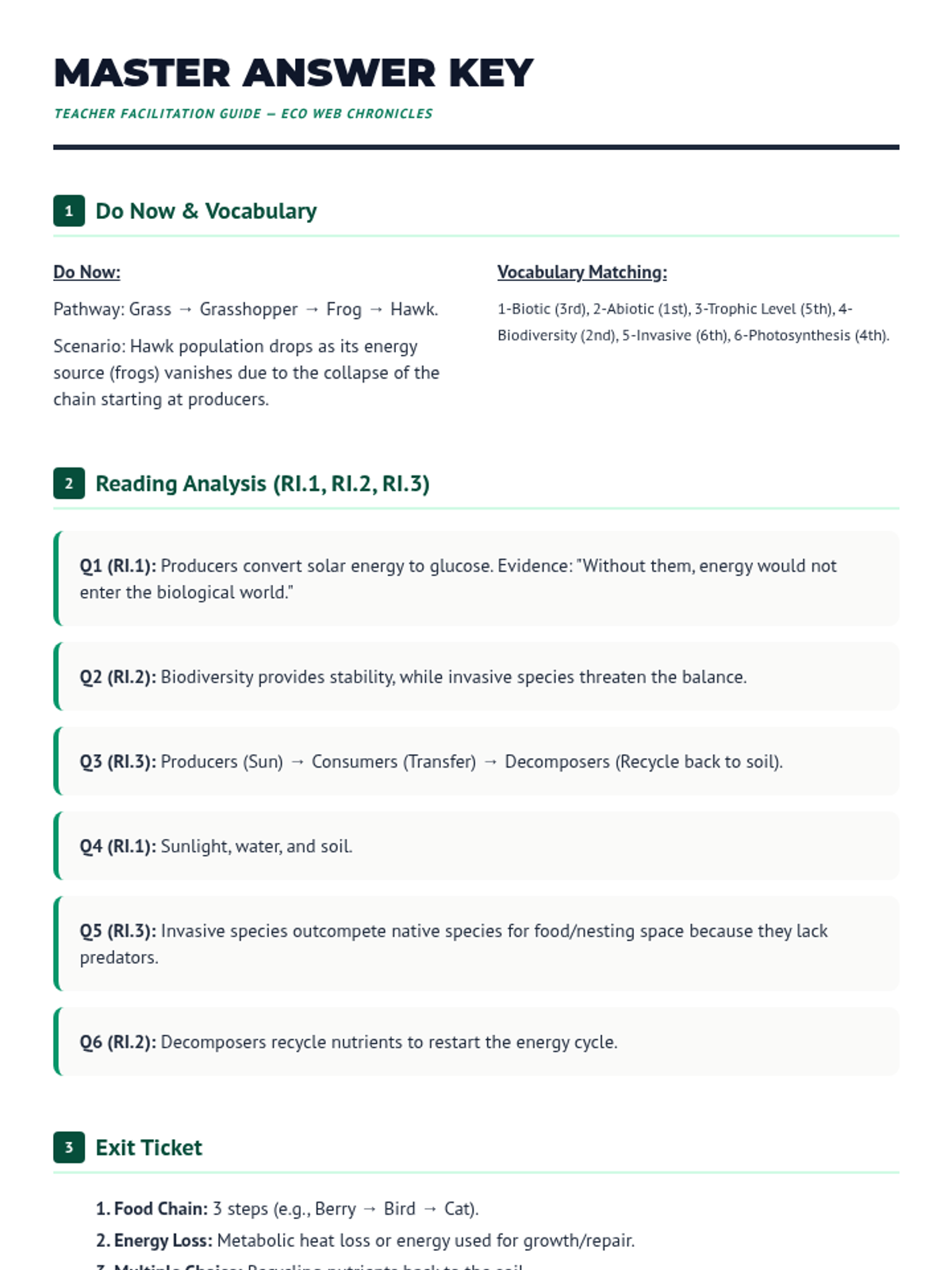
A lesson focused on identifying the roles of producers, consumers, and decomposers within an ecosystem through visual aids and hands-on sorting, designed for MCAS Alt portfolio evidence.
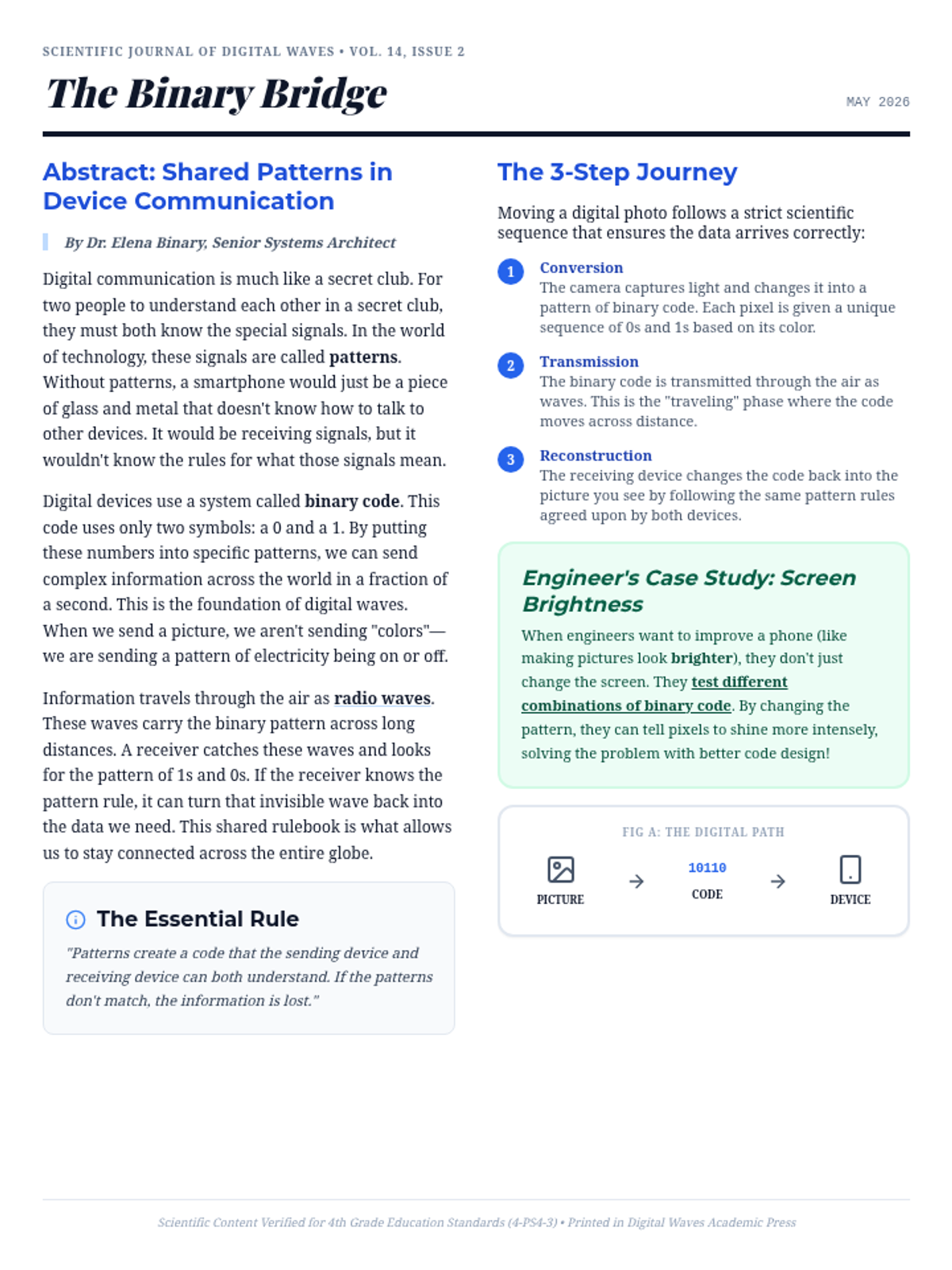
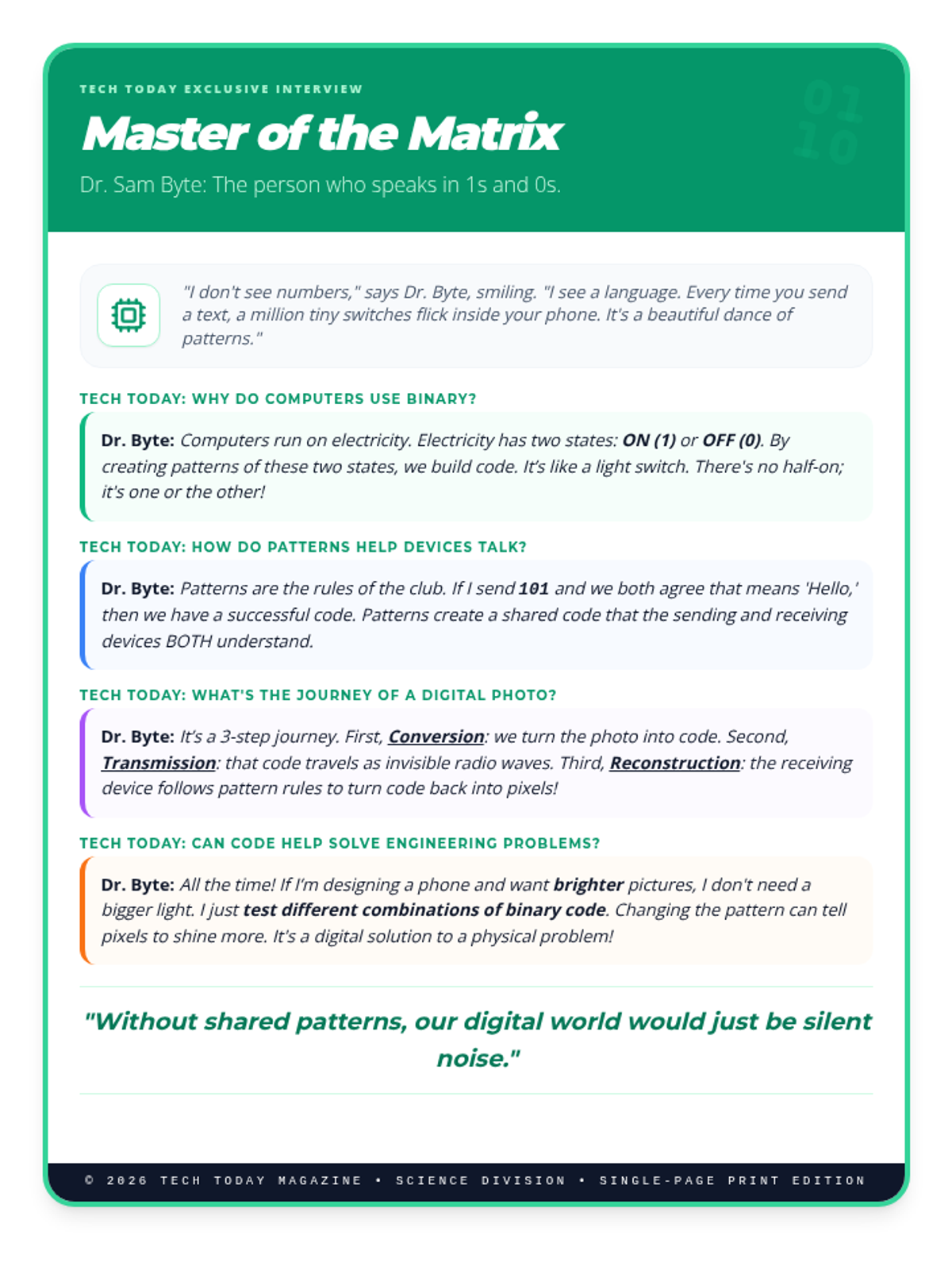
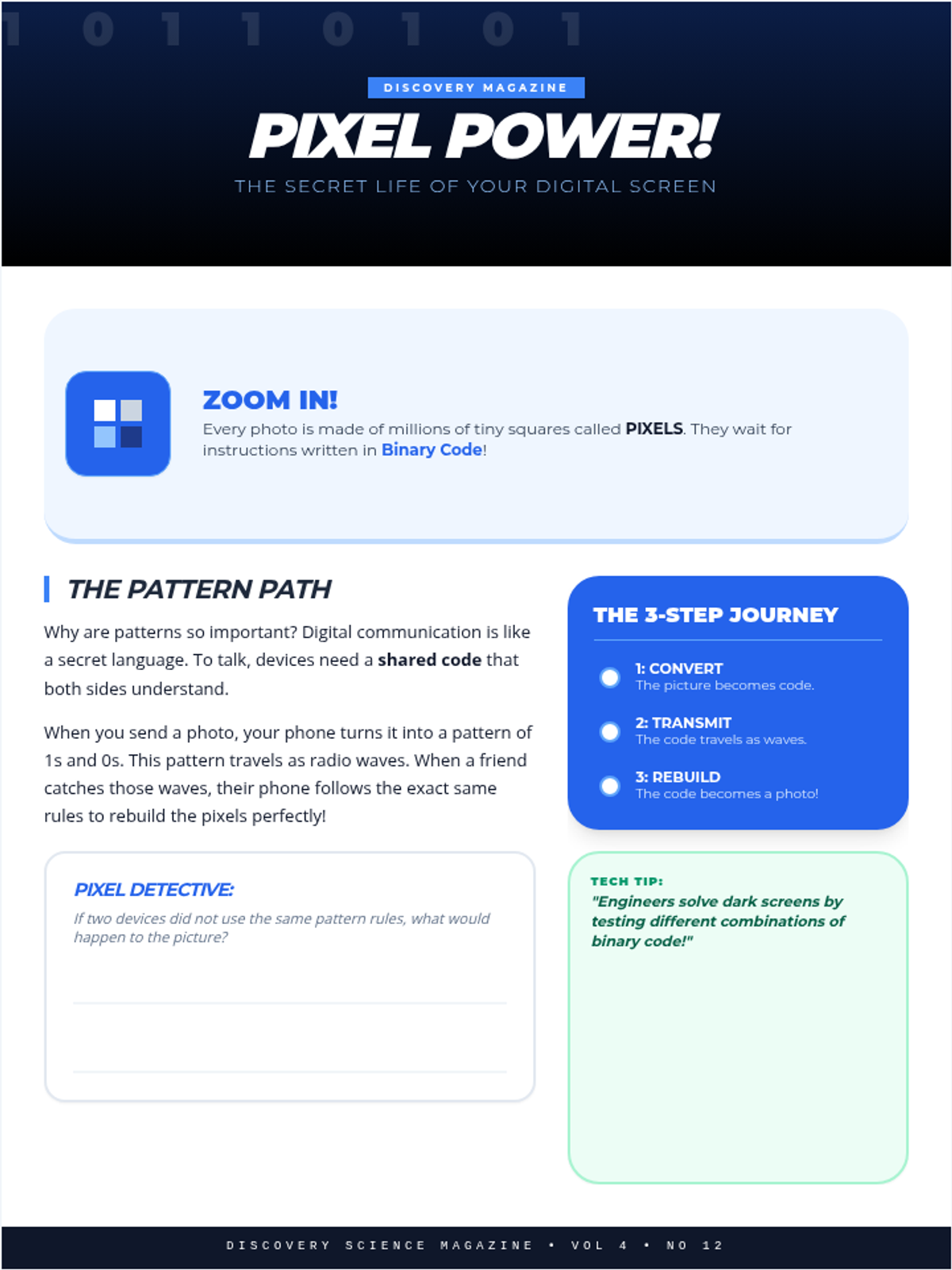
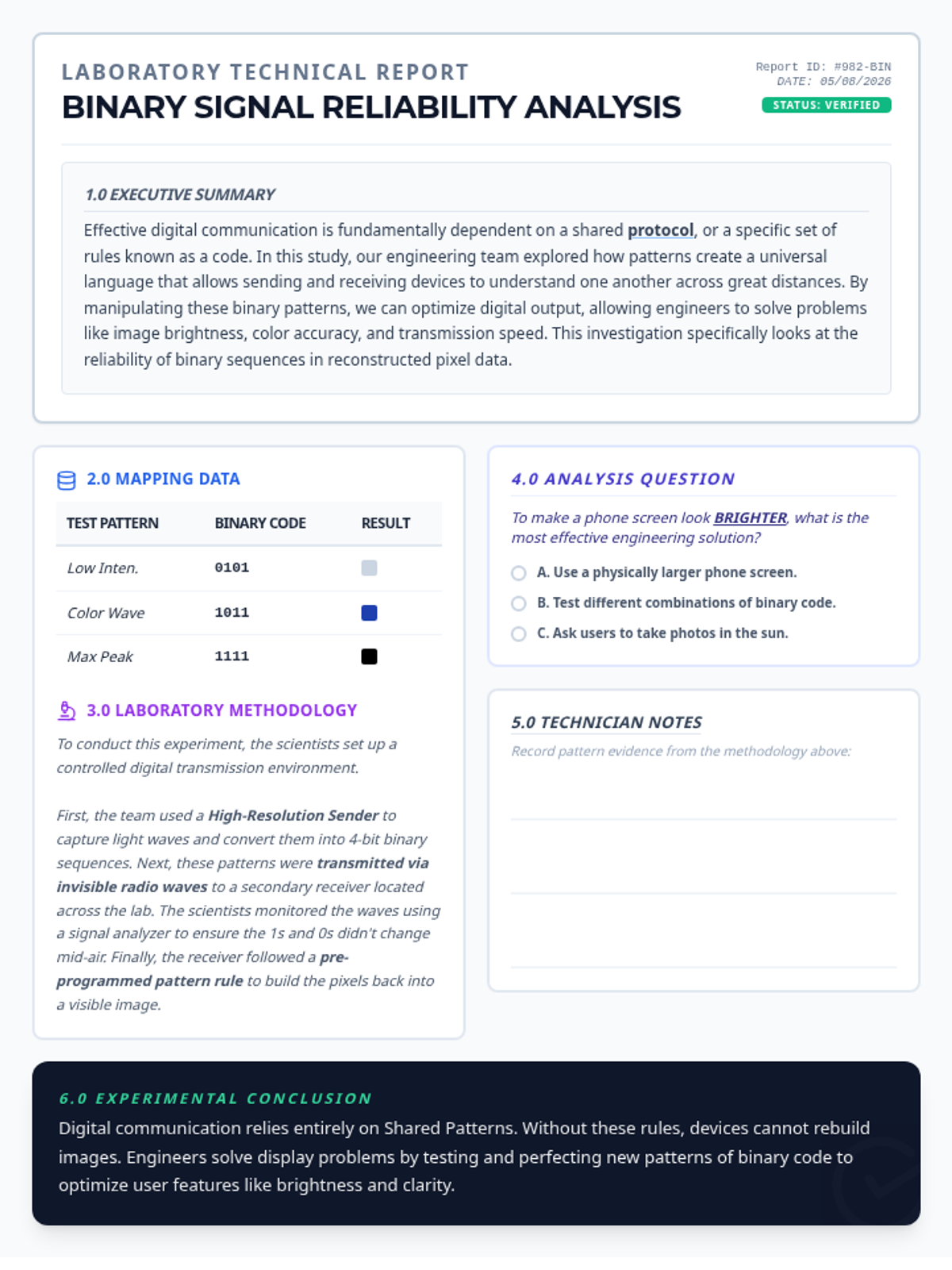
A foundational lesson on cybersecurity for elementary students, focusing on identifying personal information and learning the 'Ask First' rule for online sharing.
A comprehensive lesson exploring the unique stages of mammal life cycles, focusing on humans and dogs, with differentiated activities for 4th-grade students.
A comprehensive lesson on the water cycle, covering evaporation, condensation, precipitation, runoff, and absorption through visual aids and tiered practice.
A comprehensive introduction to biomimicry where students explore how nature's best designs solve human challenges, culminating in a creative engineering project.
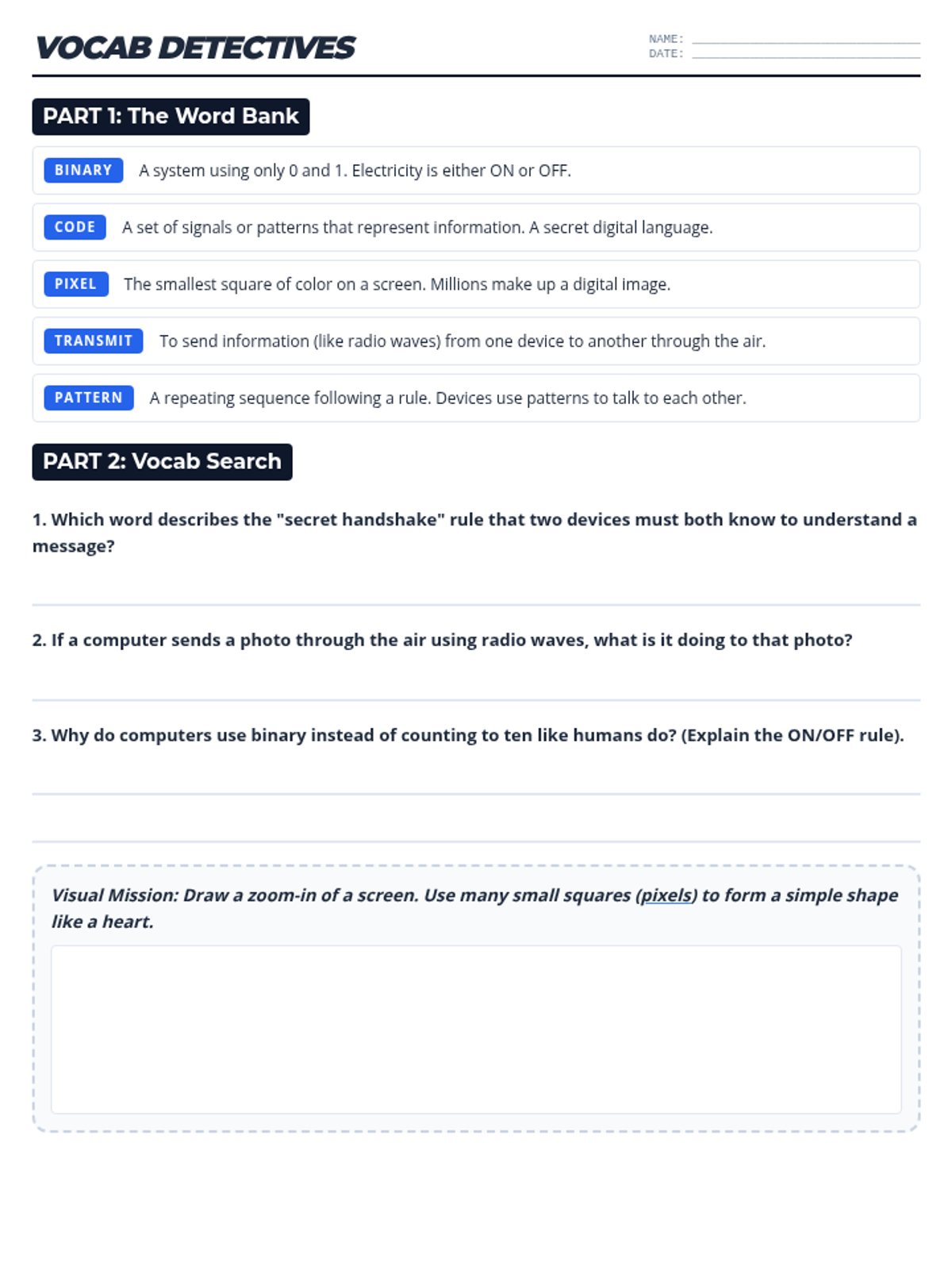
Students explore the Input-Process-Output (IPO) model by deconstructing everyday smart devices and designing their own tech solutions to classroom challenges. This lesson bridges the gap between physical hardware and programmatic logic through hands-on analysis and creative problem-solving.
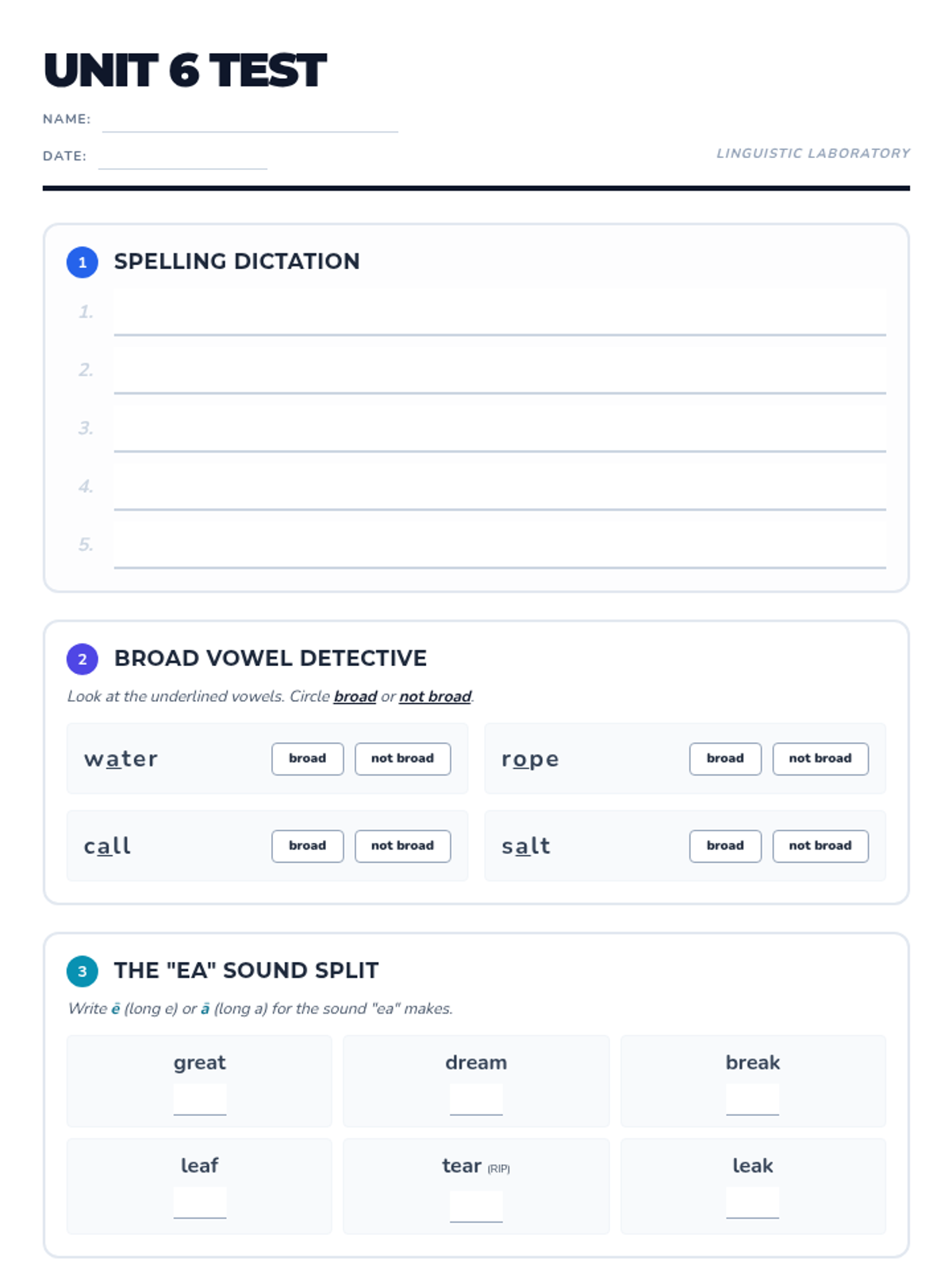
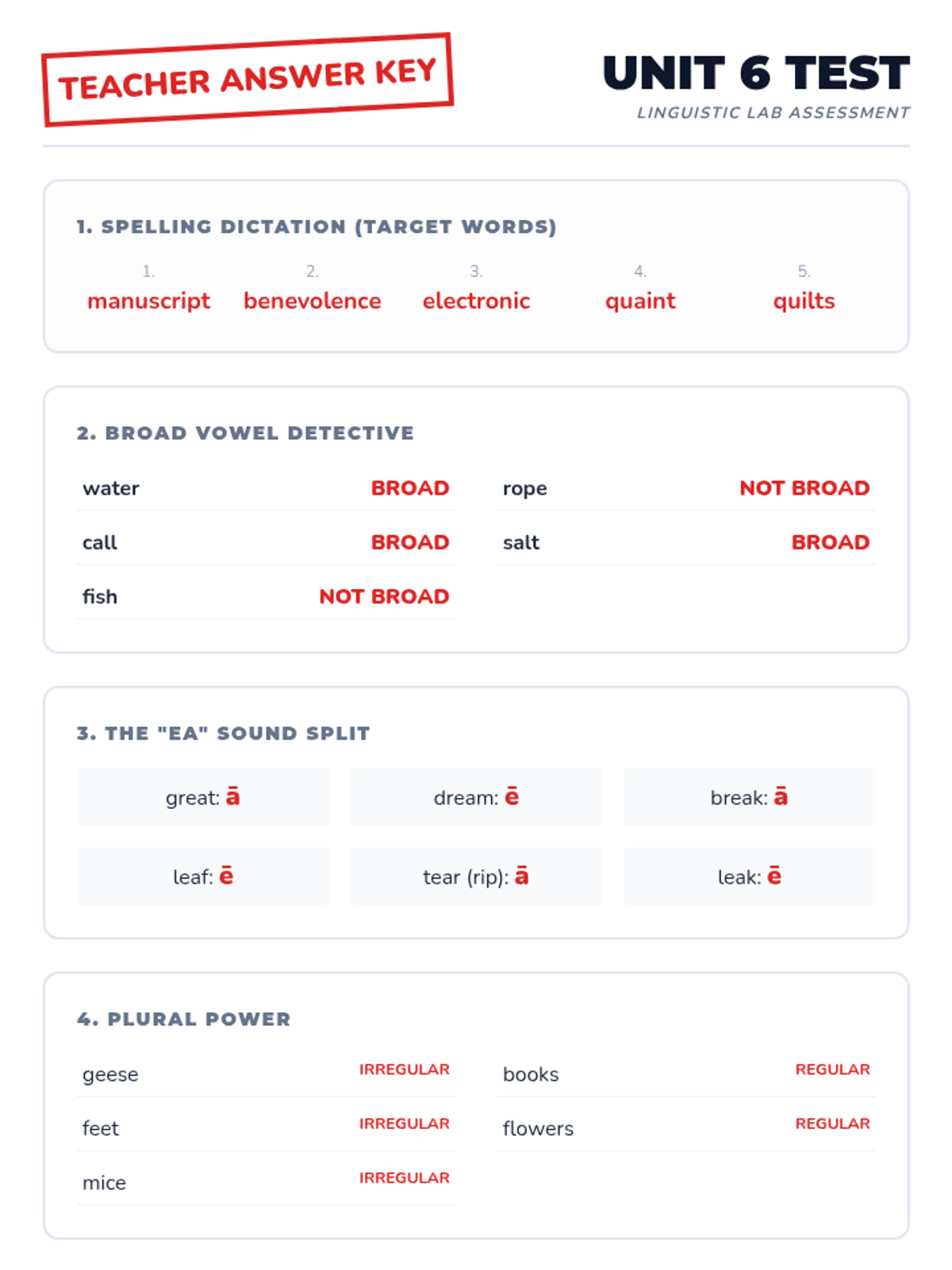
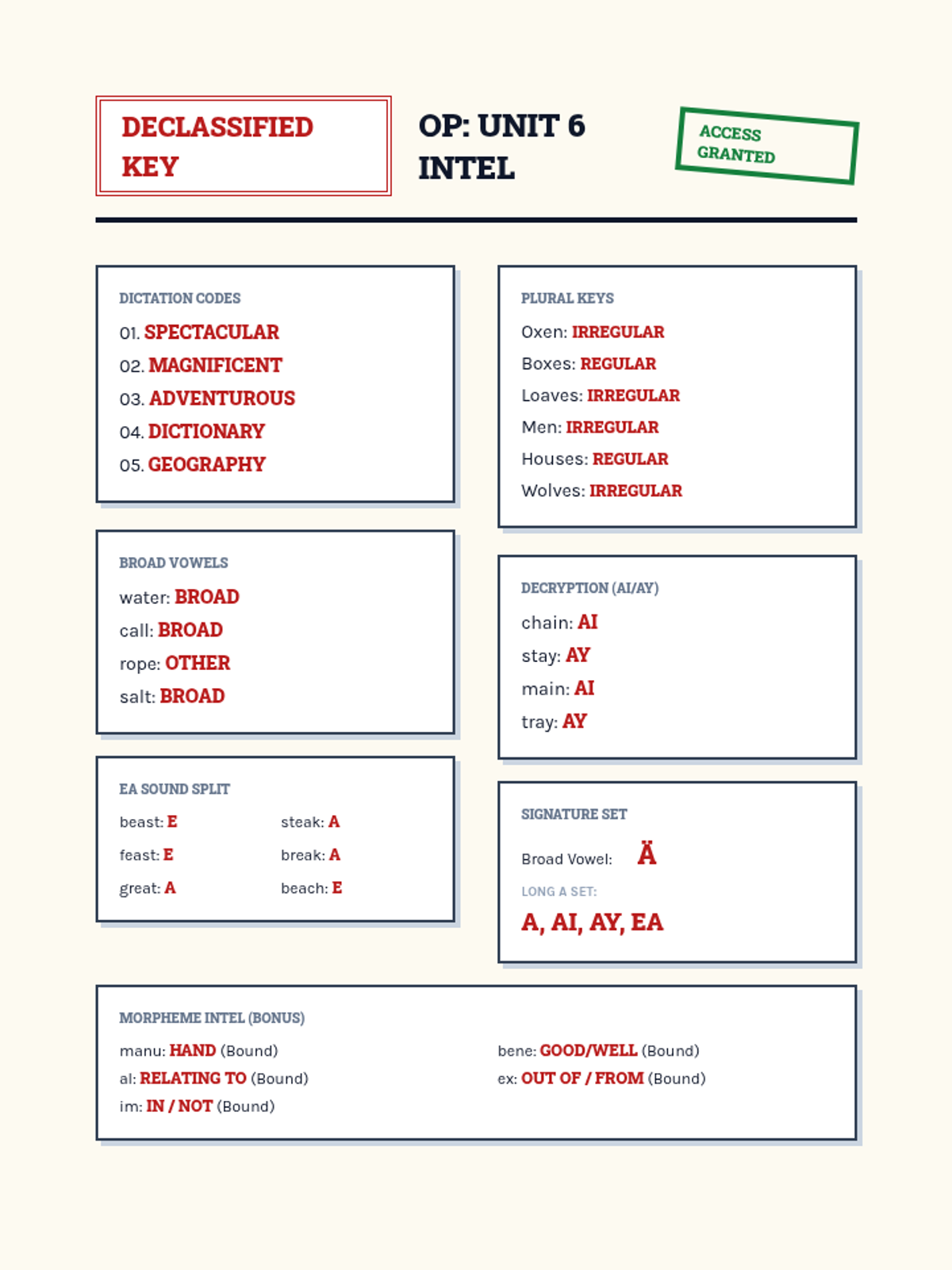
A comprehensive set of Science of Reading based activities focusing on geological vocabulary through phoneme-grapheme mapping, syllable division, and morphological analysis.
A fast-paced, 20-minute lesson introducing students to the essential physical buttons and ports found on modern computers, focusing on identification and function.
A foundational look at robot anatomy, exploring how sensors, actuators, and controllers work together to create a functional machine.
Mise en pratique des connaissances pour résoudre un défi complexe de navigation et d'interaction.
Introduction à l'algorithmique et à la programmation par blocs pour diriger un robot à travers des missions précises.
Comprendre le schéma de fonctionnement d'un robot : capter, traiter, agir. Découverte des différents capteurs et actionneurs.
Identifier ce qu'est un robot, le distinguer d'une simple machine et découvrir les domaines d'application de la robotique.
An advanced physics-based engineering unit for grades 4-5. Students take on the role of 'Roller Coaster Tycoons' to design gravity-powered coasters and braking systems, emphasizing variable testing, energy transfer, and safety criteria.
A fun-filled junior engineering lesson for grades 1-3. Students act as 'Thrill Seekers' to design steep, safe slides and sturdy ticket booths for a new amusement park, focusing on surface properties, friction, and structural stability.
An advanced disaster relief engineering unit for grades 4-5. Students design precision supply drop crates to protect medical gear and modular flood barrier systems to save a model town, emphasizing experimental variables and cost-to-performance criteria.
A high-energy junior engineering lesson for grades 1-3. Students join the 'Storm Rescue Team' to design unsinkable rafts for flood rescues and wind-resistant shelters for high-wind emergencies, focusing on material properties and modeling.