A comprehensive lesson on savanna animal adaptations, featuring a reading passage and comprehension activities focused on how animals survive the extreme seasons of the African plains.
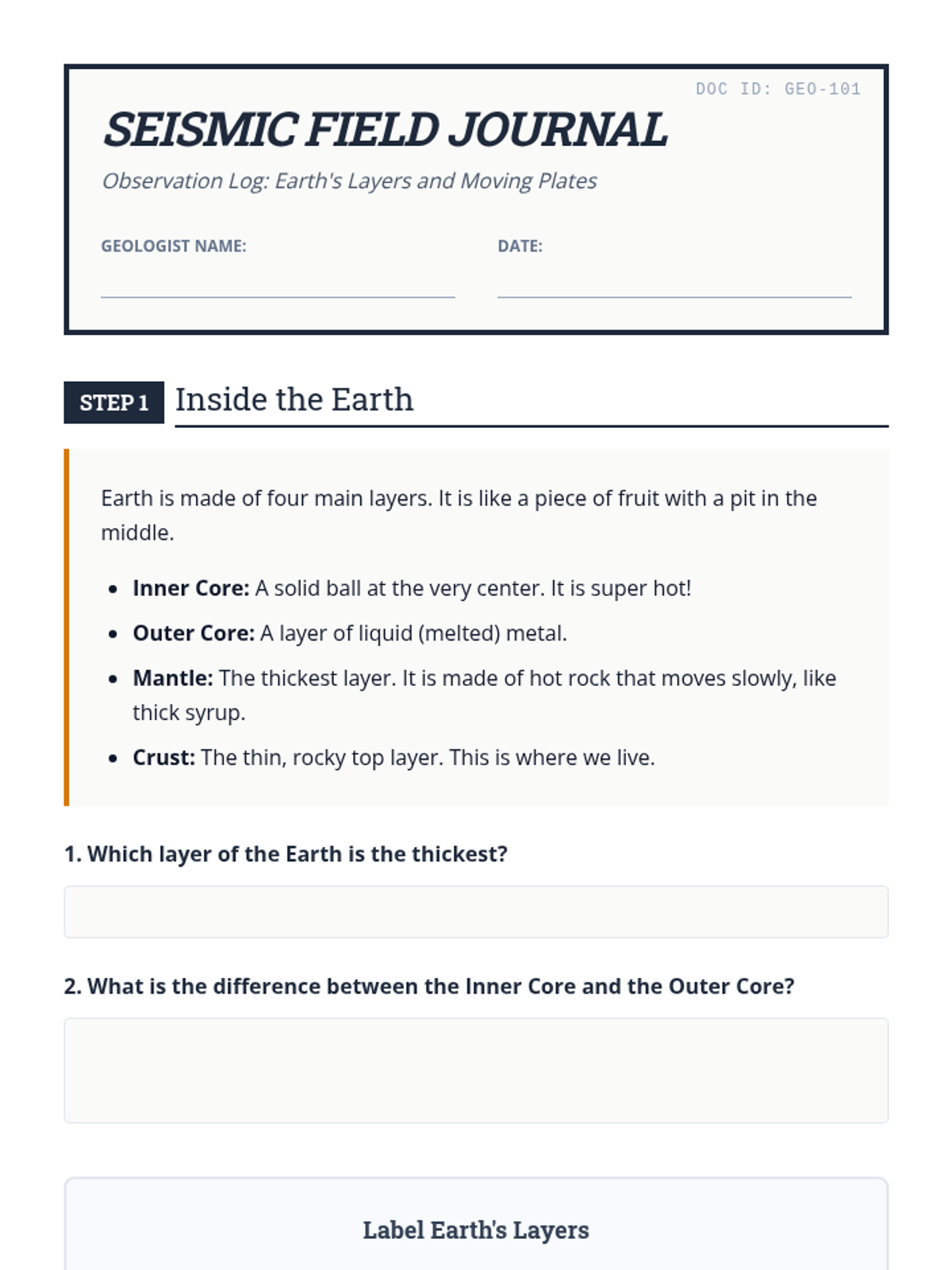
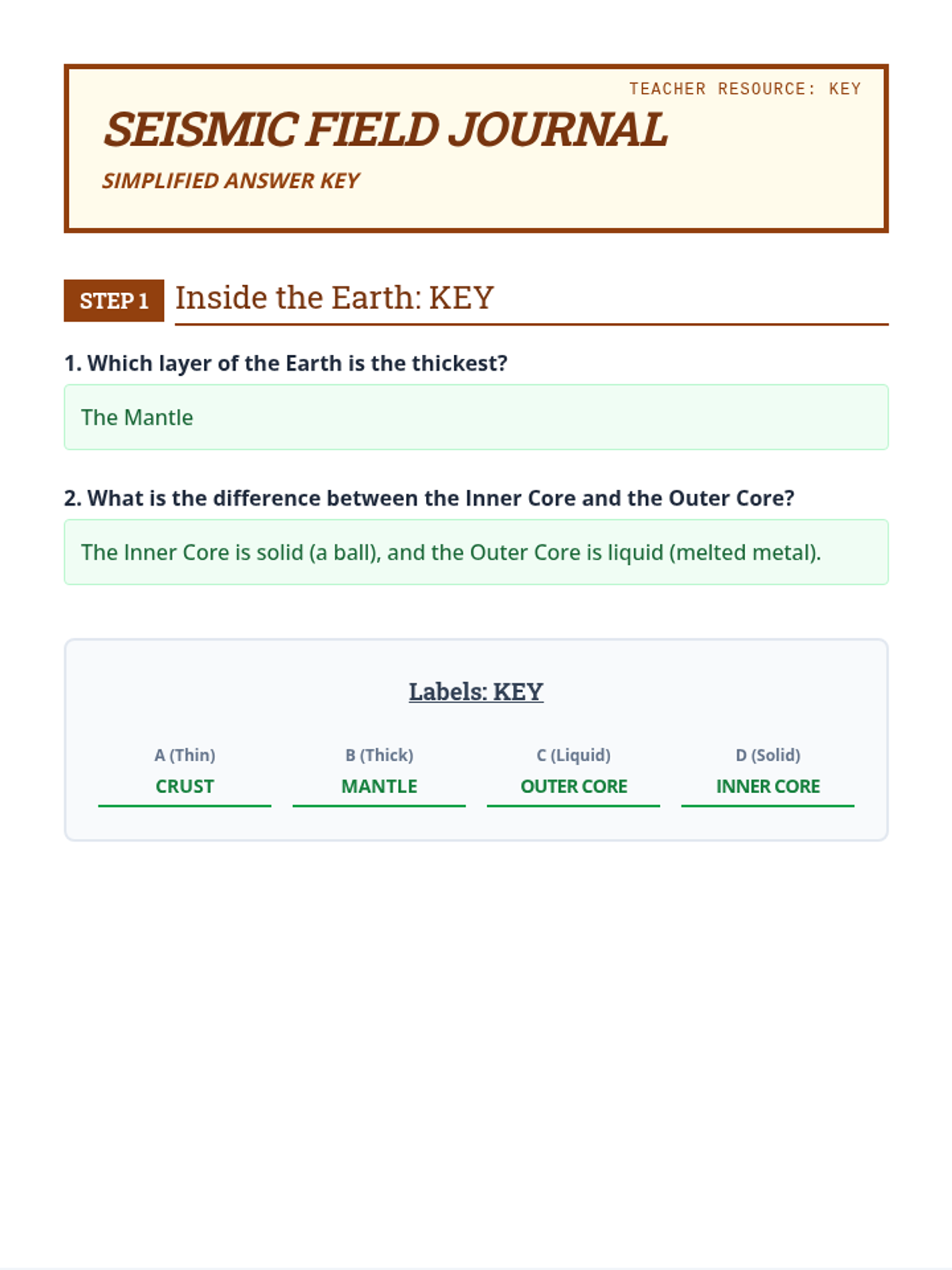
A comprehensive lesson exploring Earth's internal structure and the dynamic movements of tectonic plates at different boundaries. Students will learn to identify Earth's layers and explain the geological features created by plate interactions.
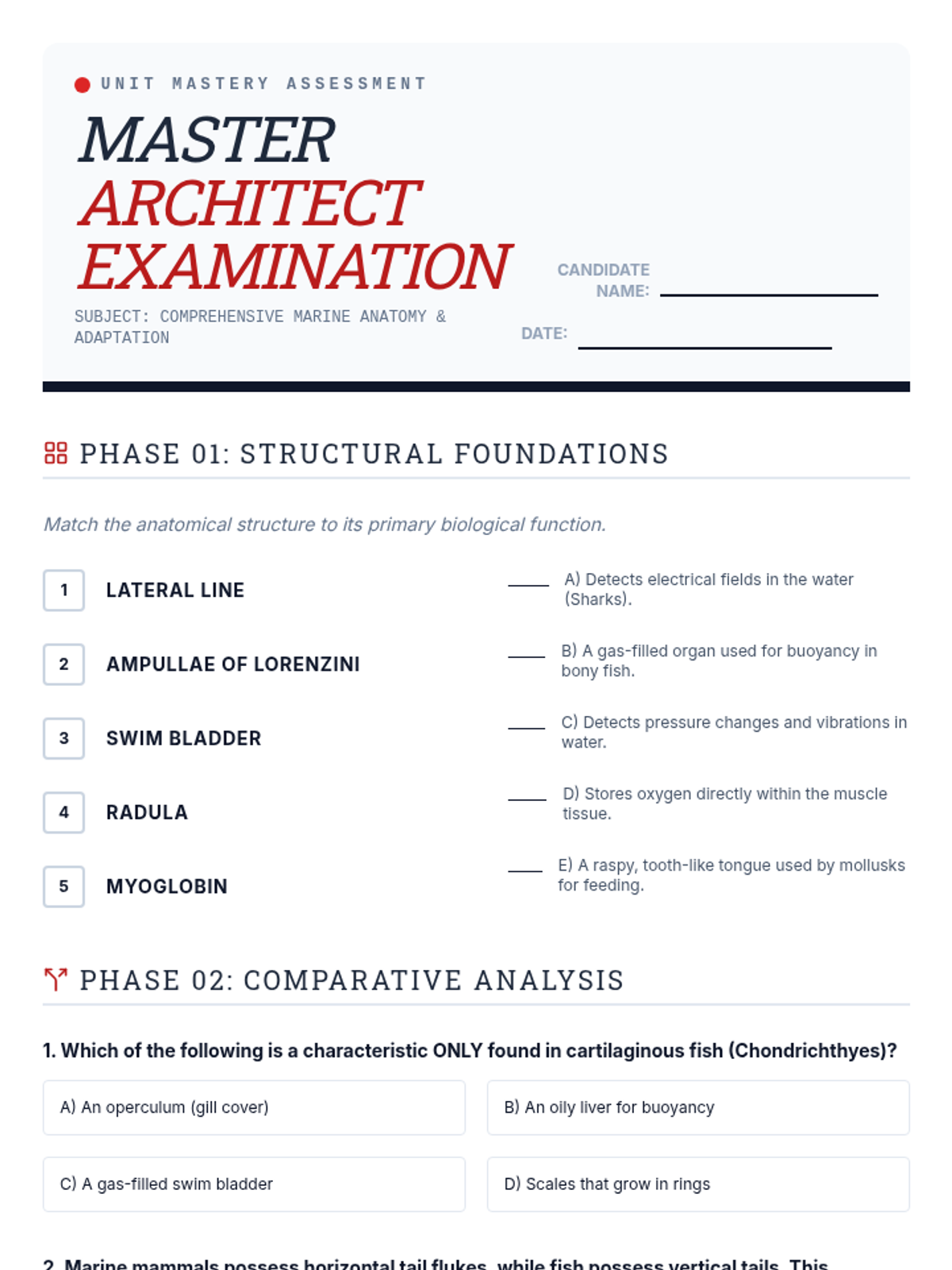
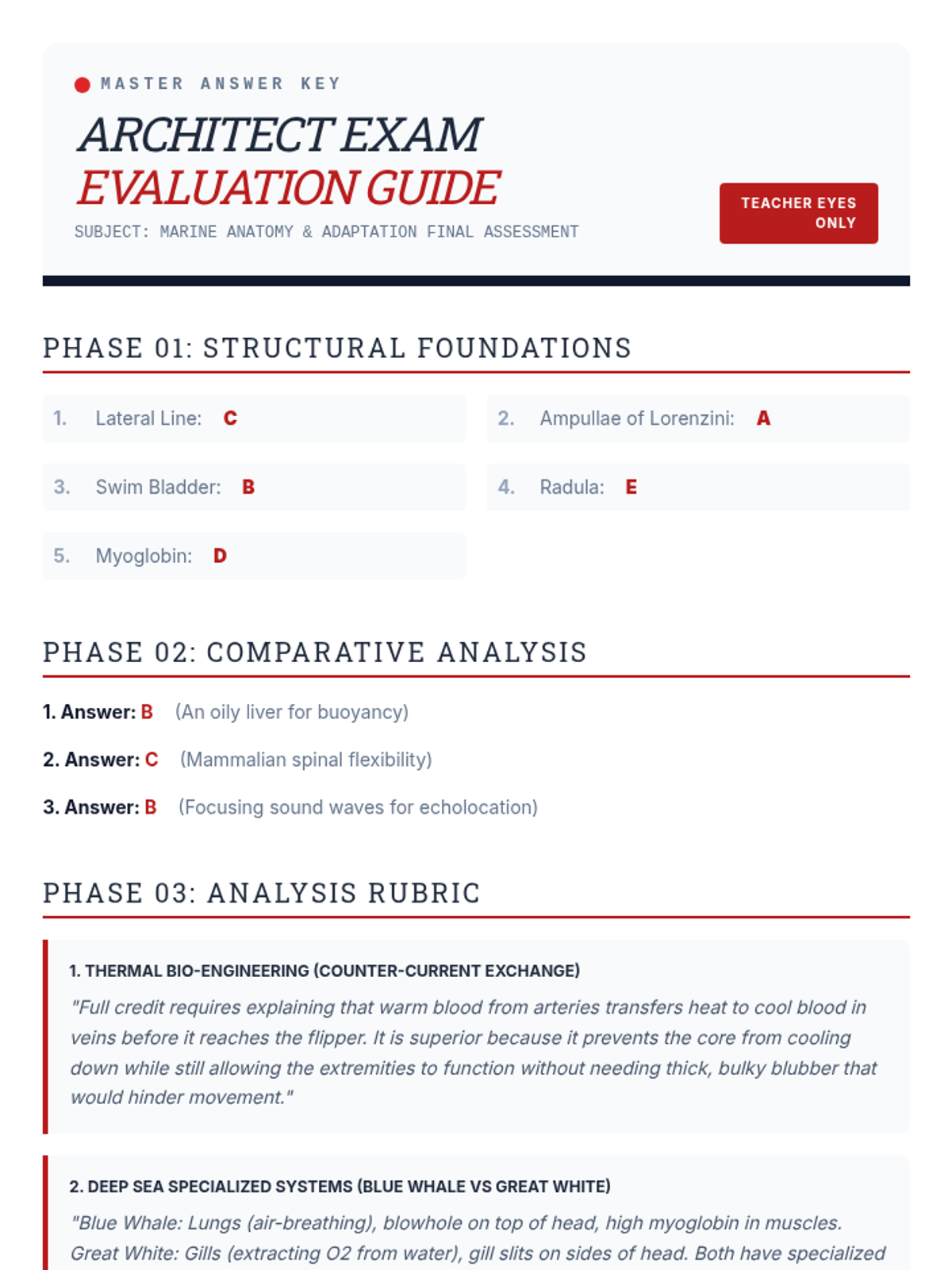
A comprehensive final assessment for the Ocean Architects unit, evaluating student understanding of marine anatomy, specialized biological adaptations, and the comparative differences between major oceanic groups.

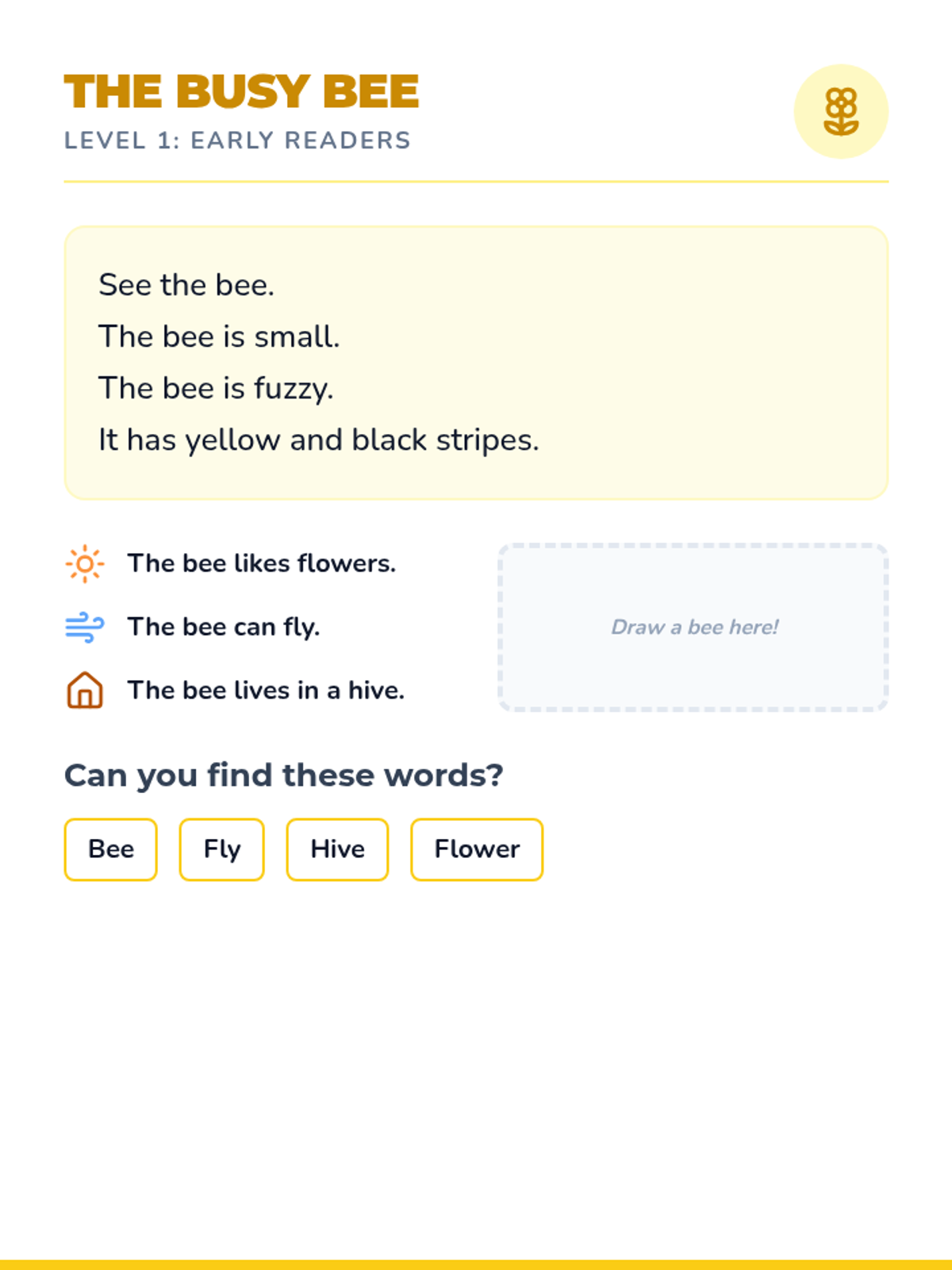
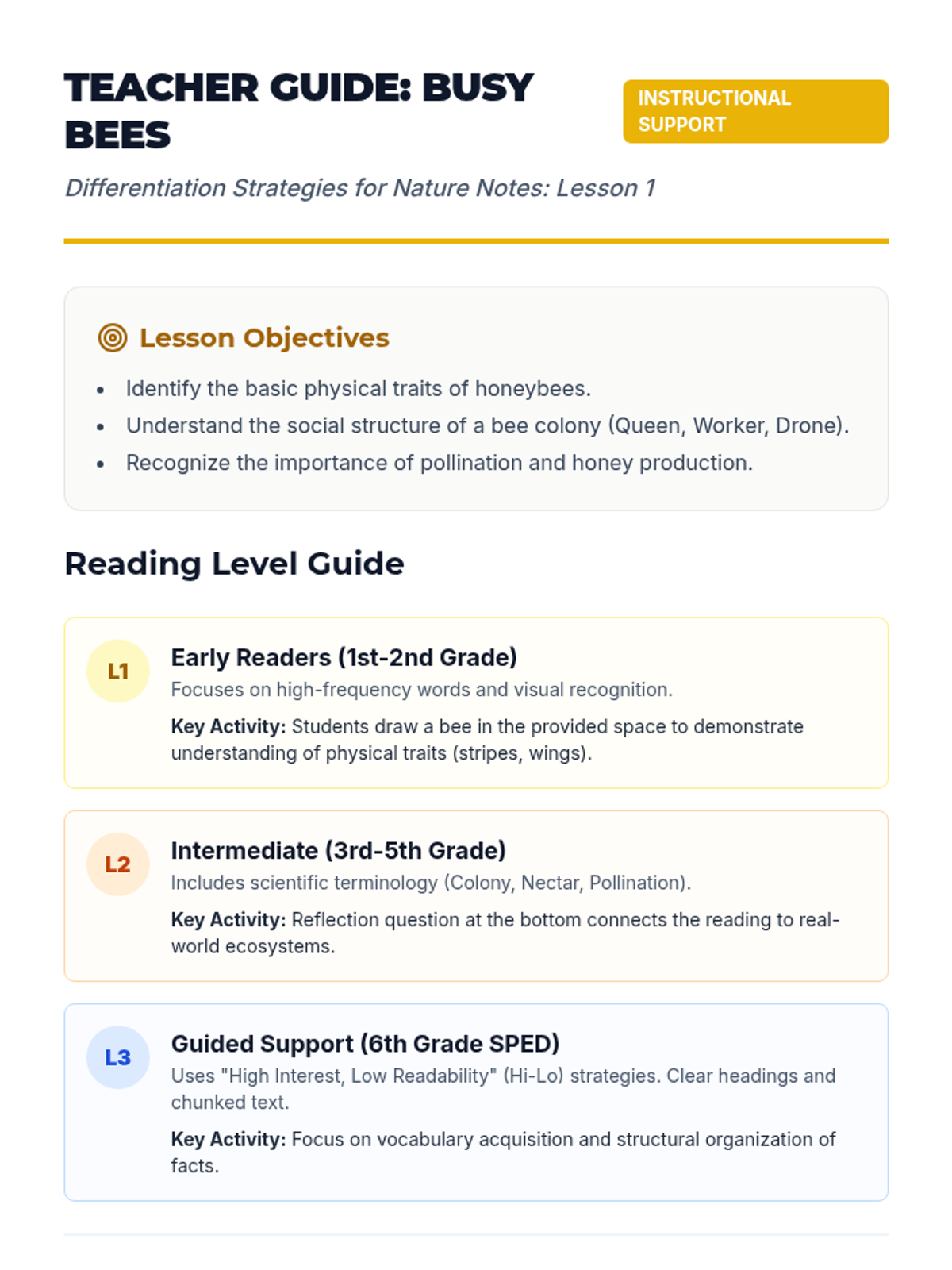
An introductory lesson on honeybees featuring differentiated reading passages and activities tailored for 1st-6th grade reading levels.
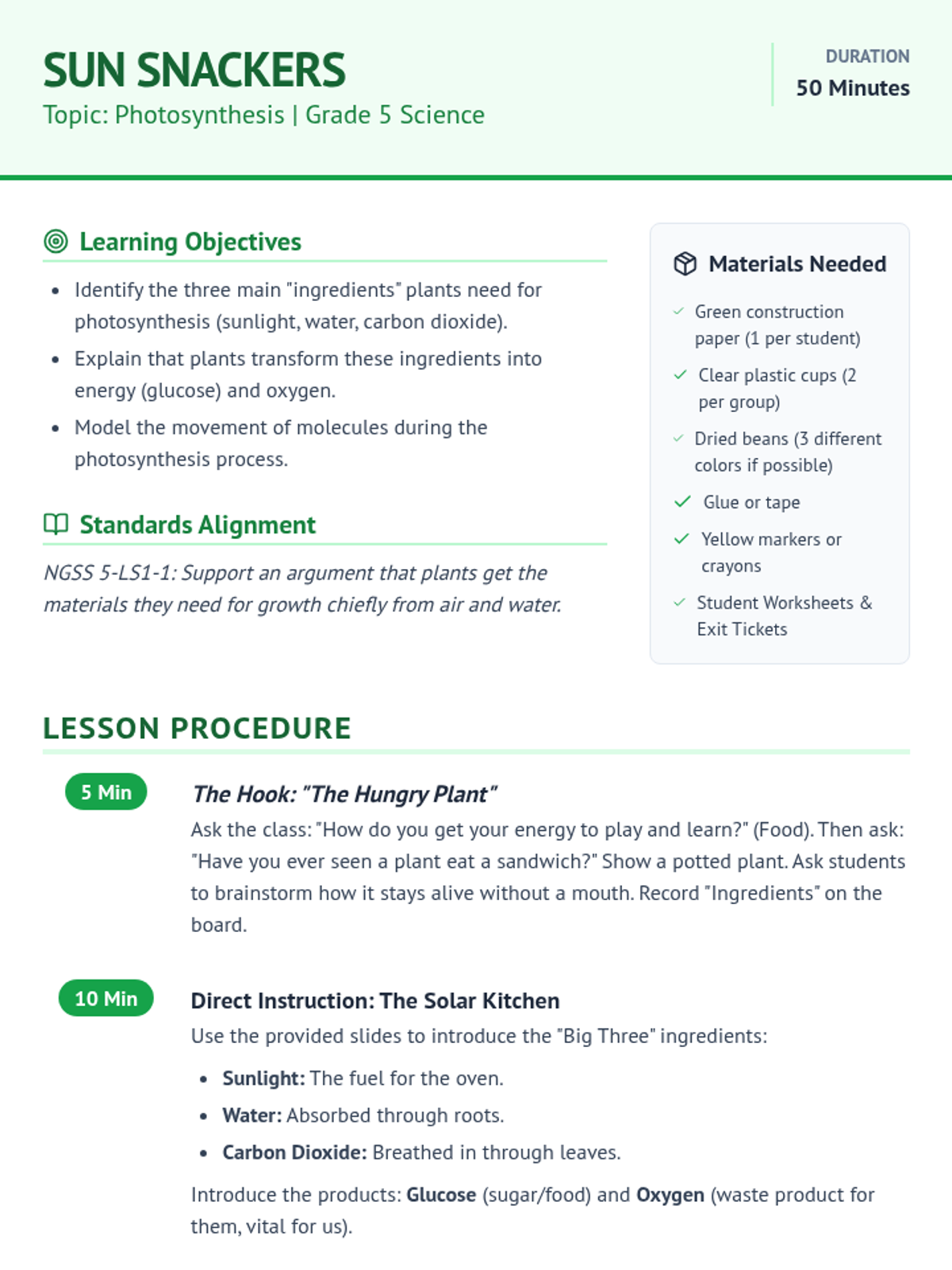
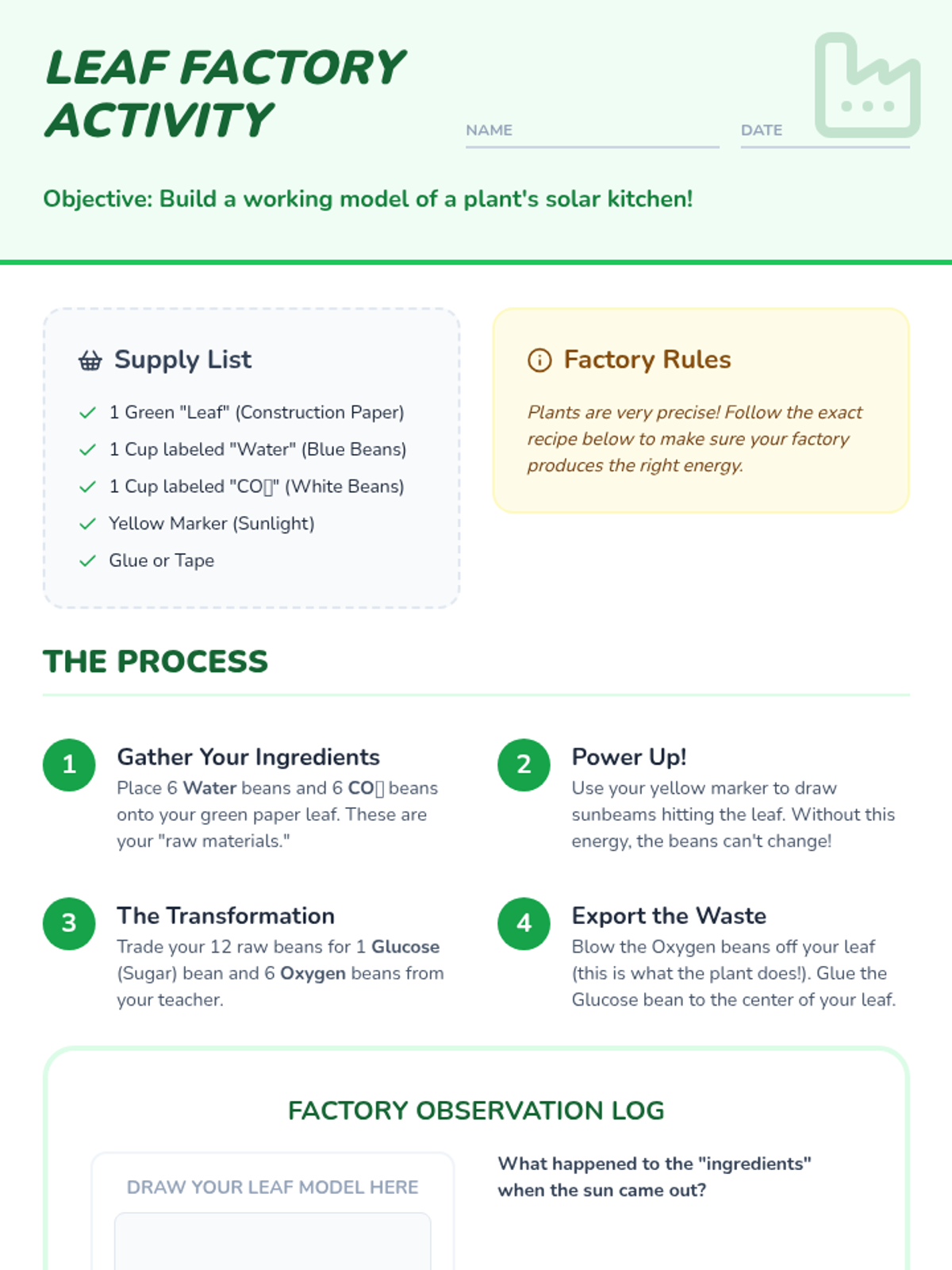
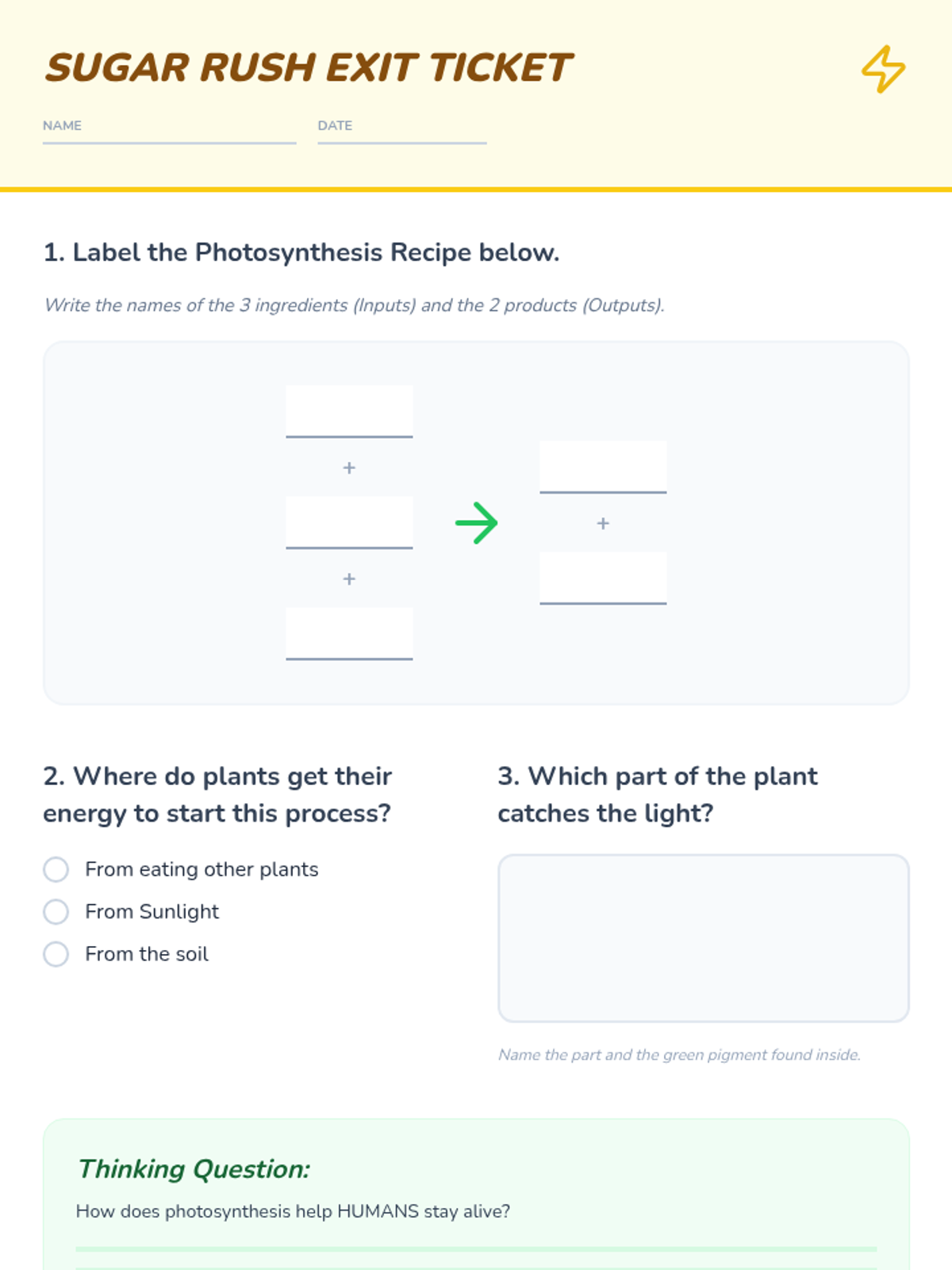
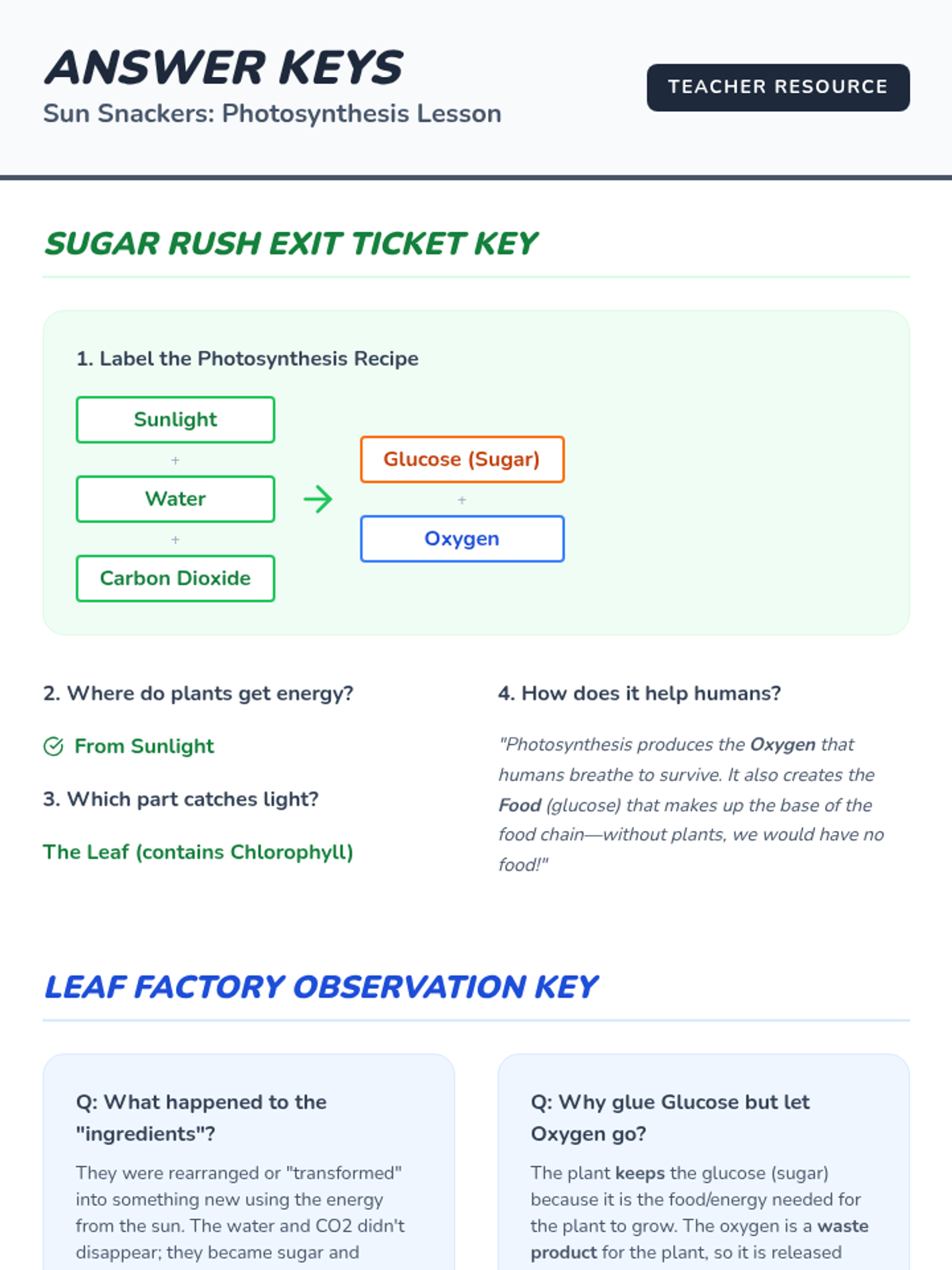
A comprehensive 50-minute science lesson where students model the process of photosynthesis using common classroom materials to understand how plants transform light, water, and air into food.
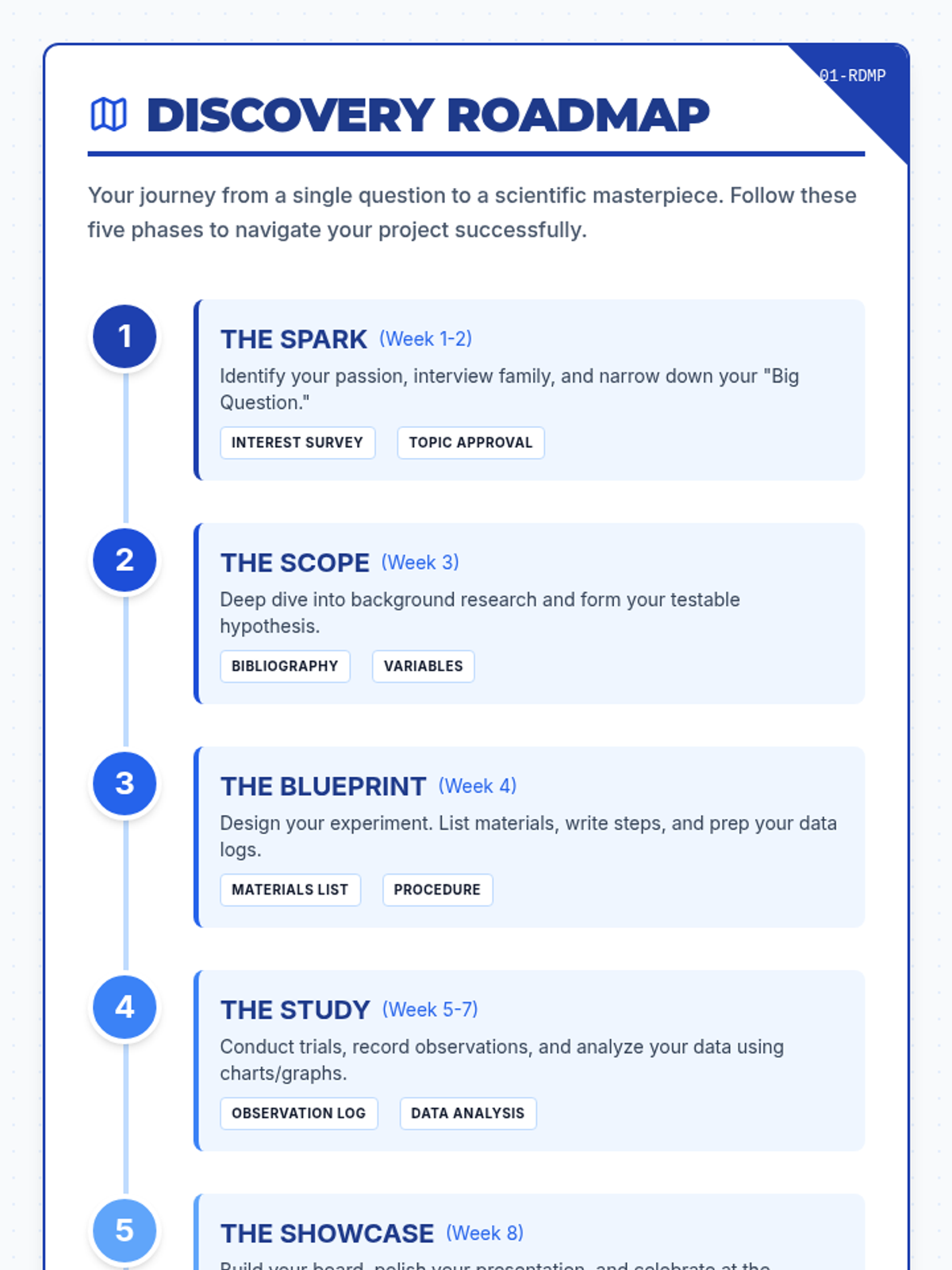
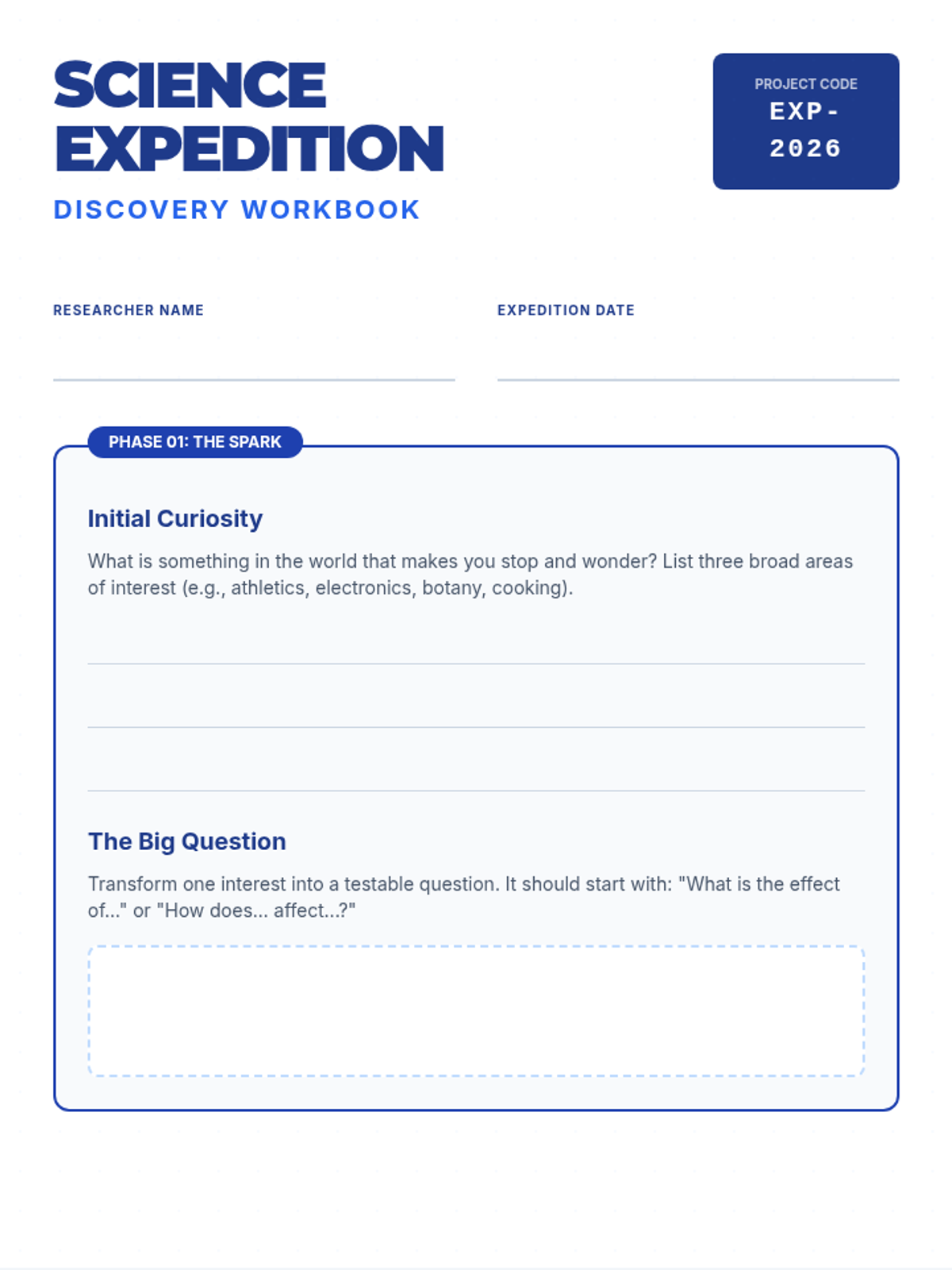
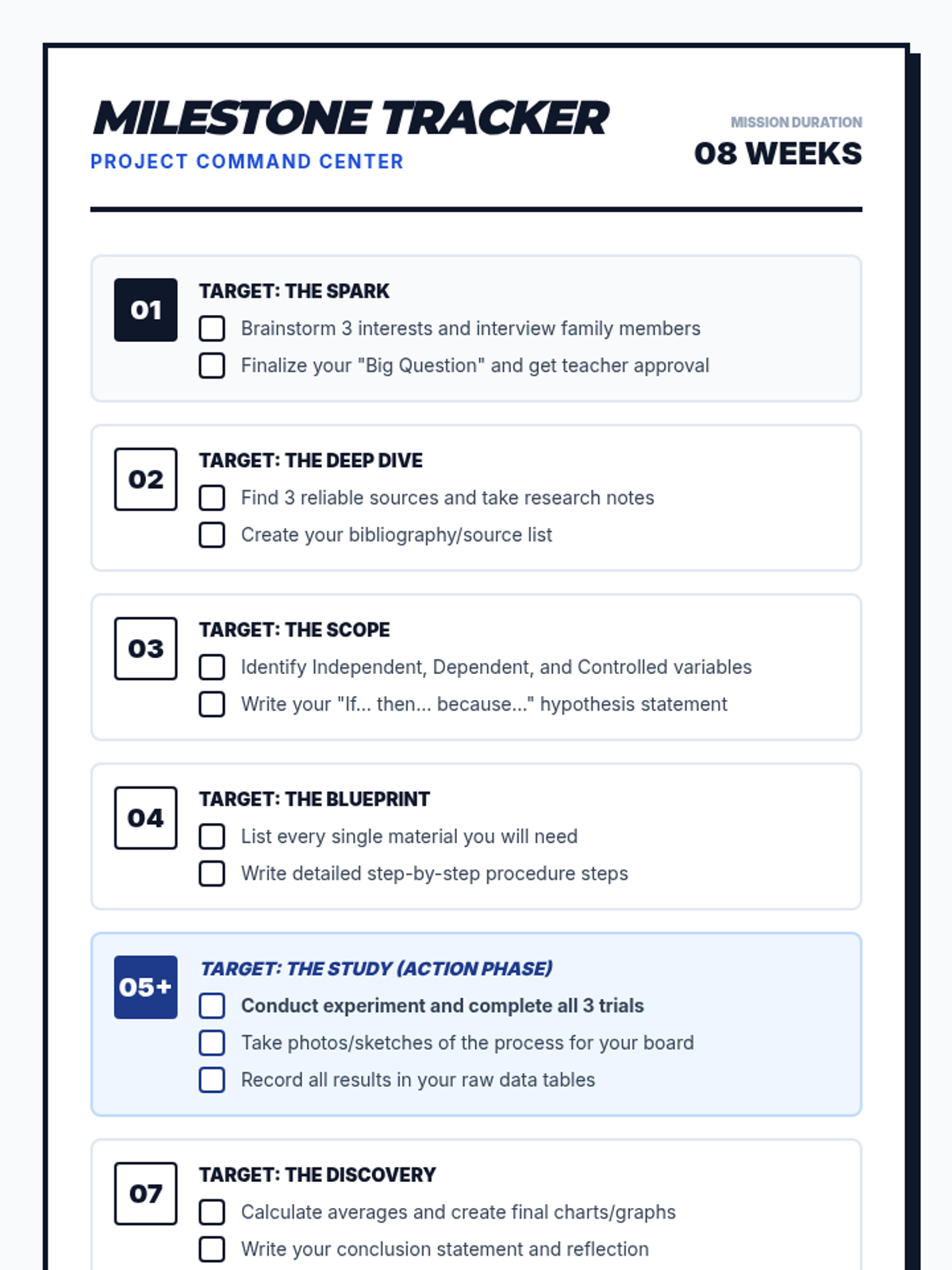
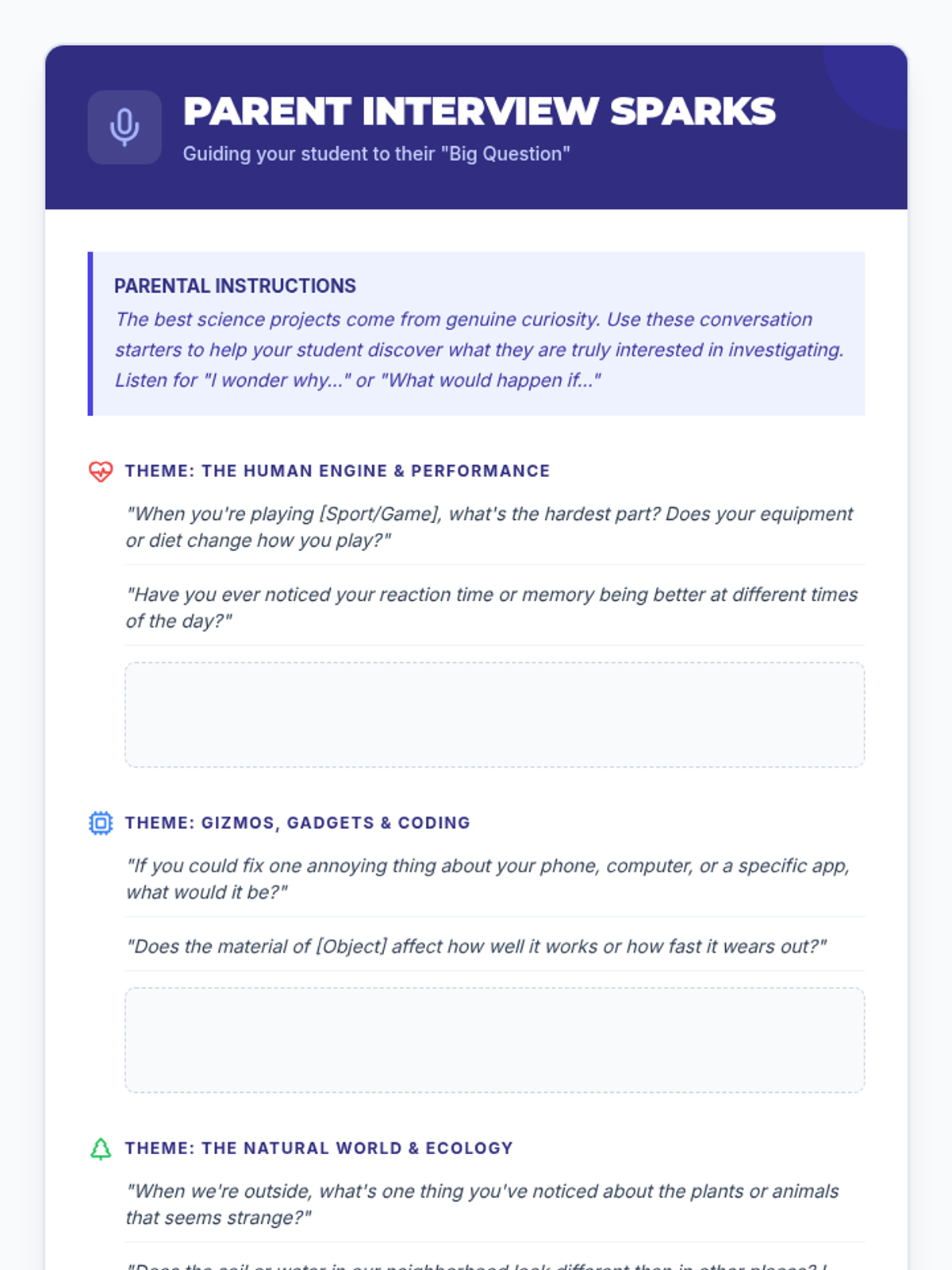
A comprehensive guide for middle school students to navigate their final year science project, from initial brainstorming to the final exhibition. includes a roadmap, a detailed workbook, progress trackers, and a parent interview guide to spark inspiration.
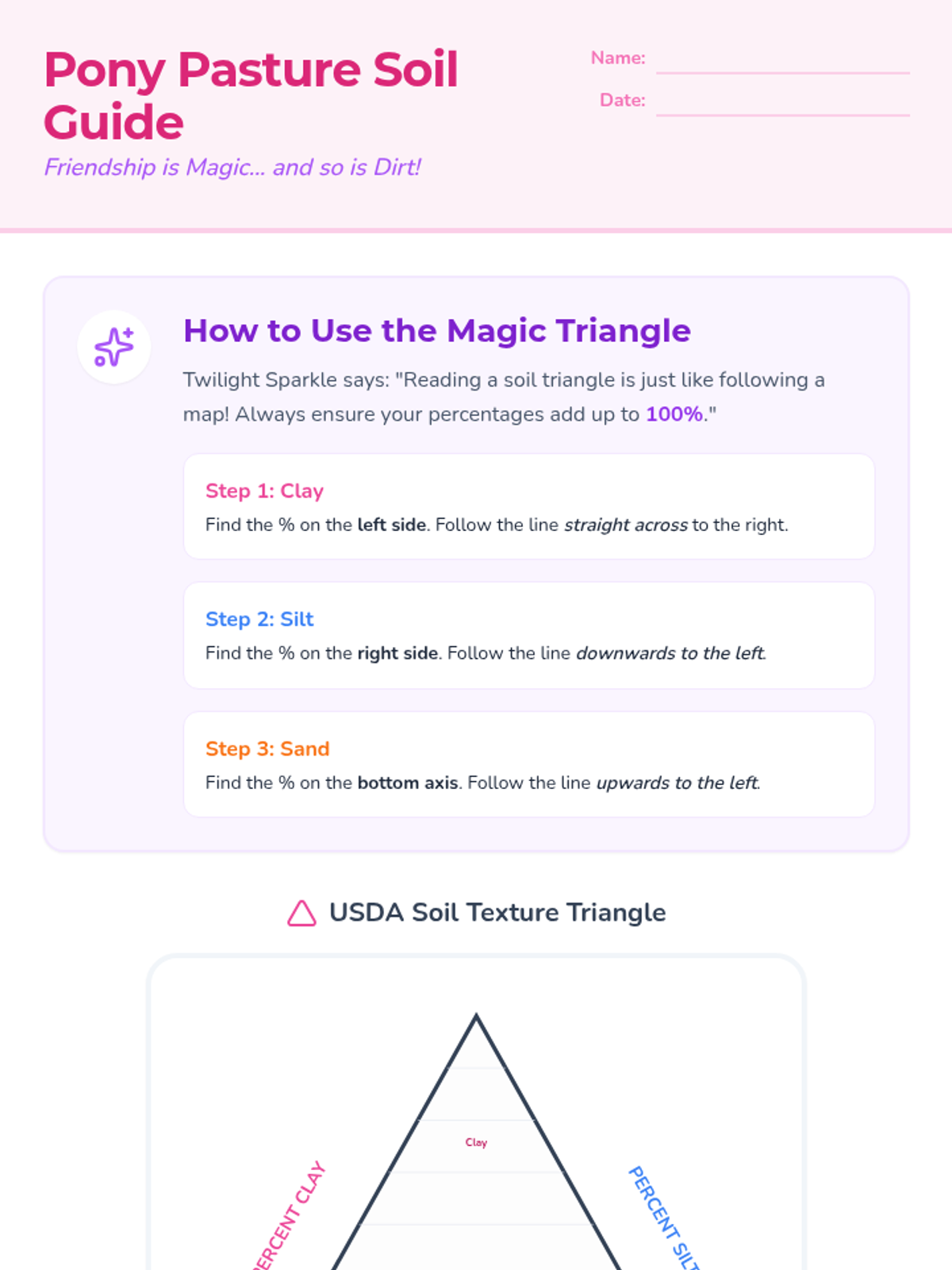
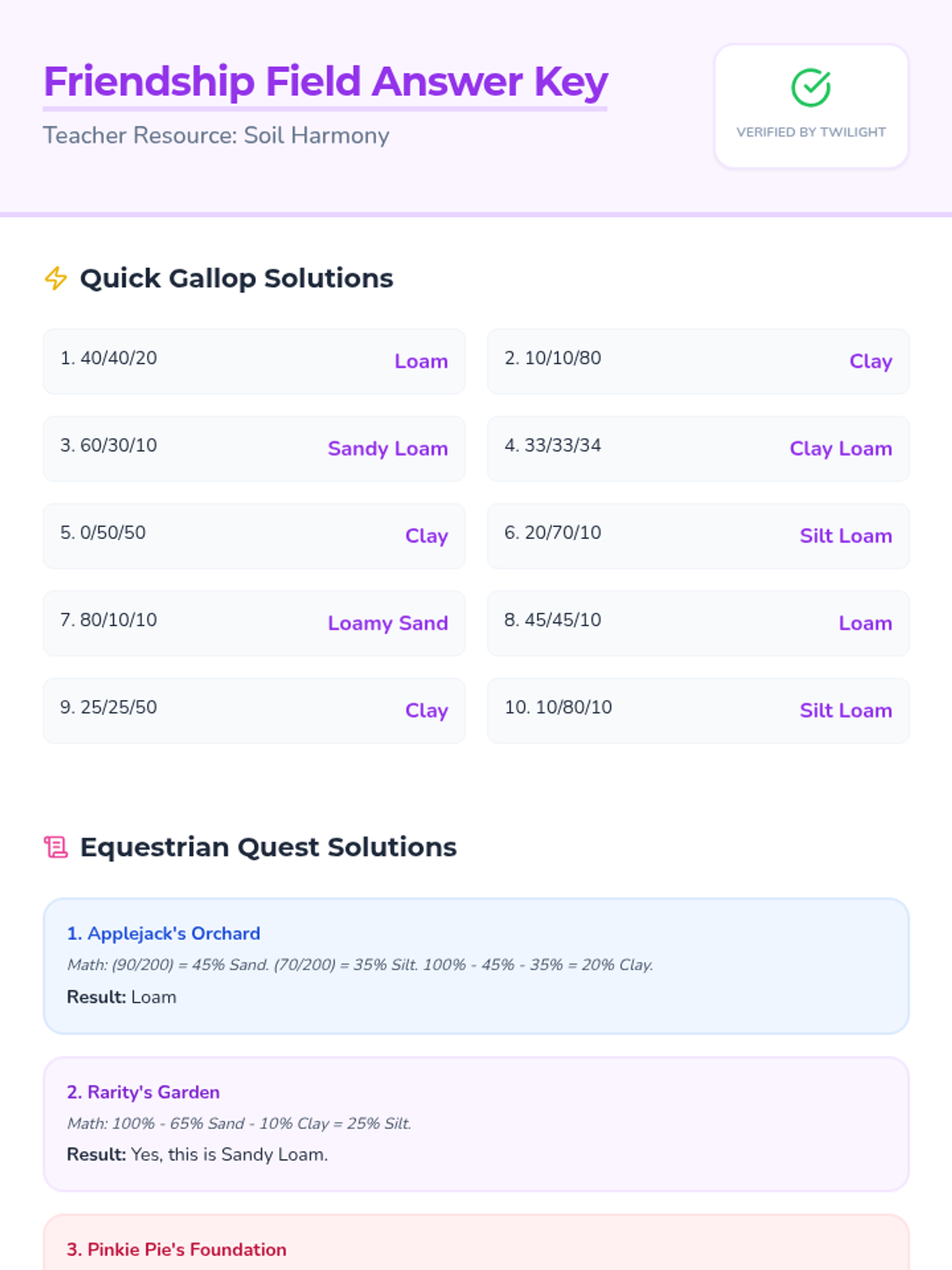
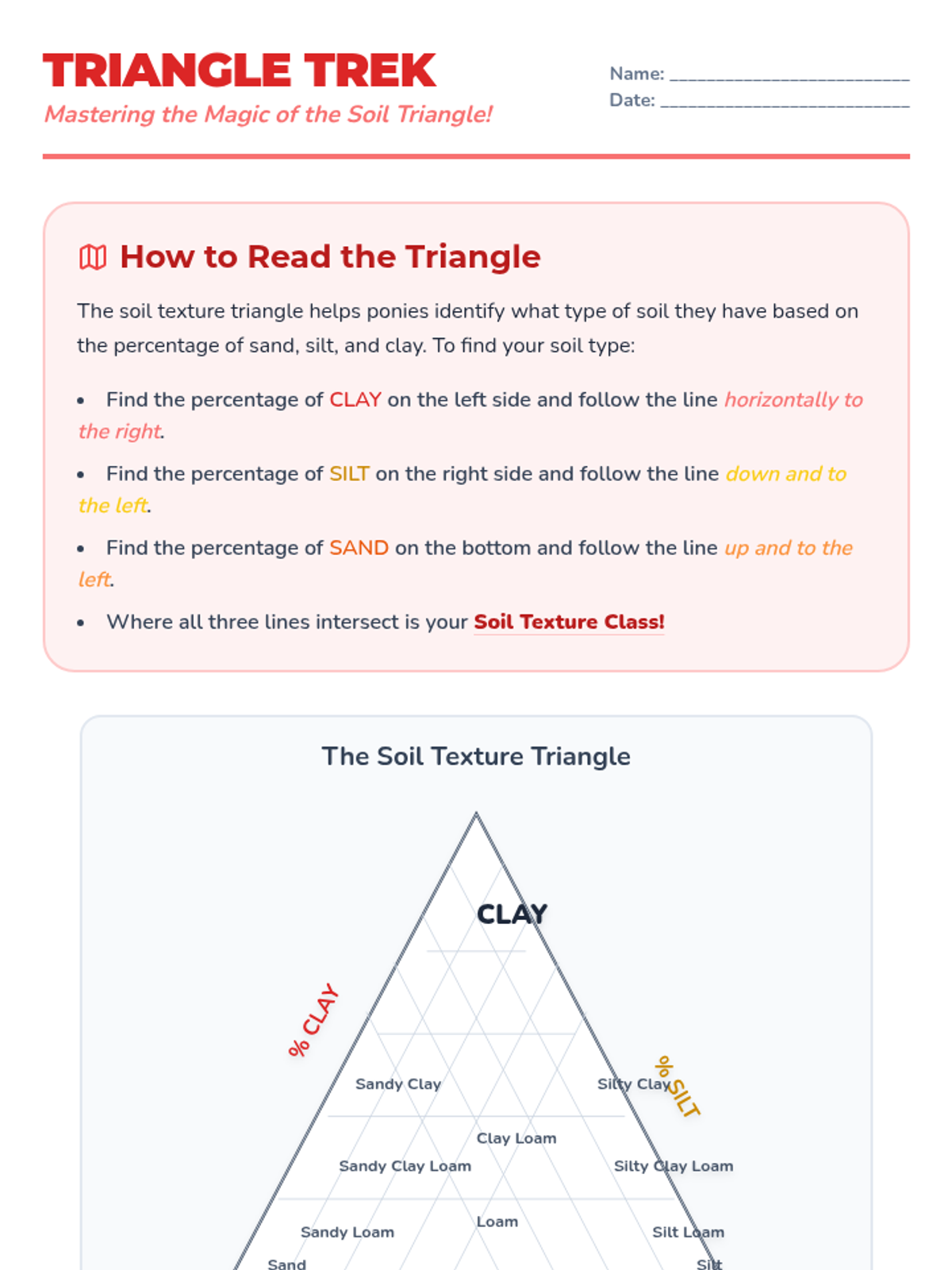
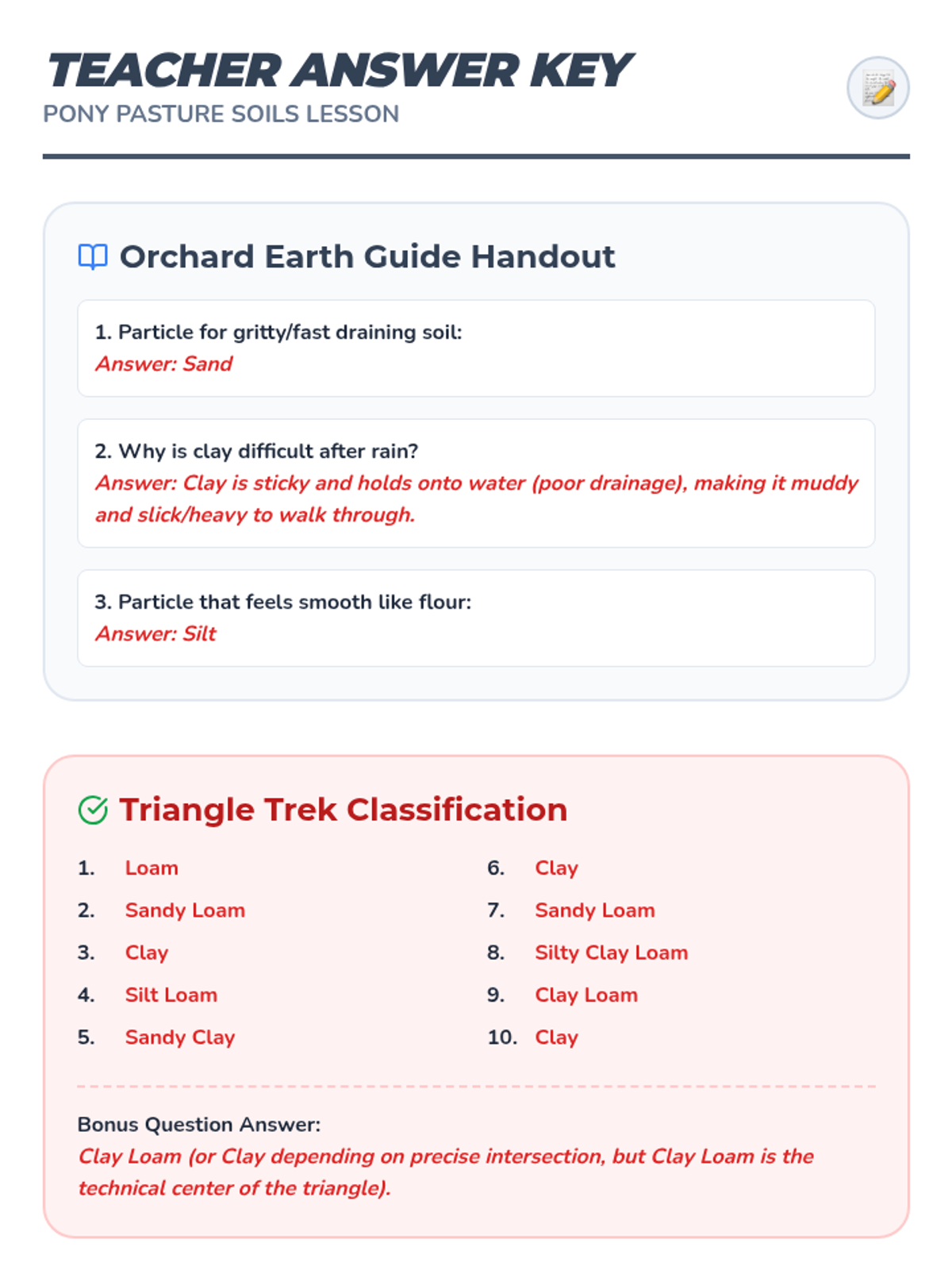
A magical introduction to soil classification using the soil texture triangle, featuring the ponies of Equestria to guide students through percentages and classification.
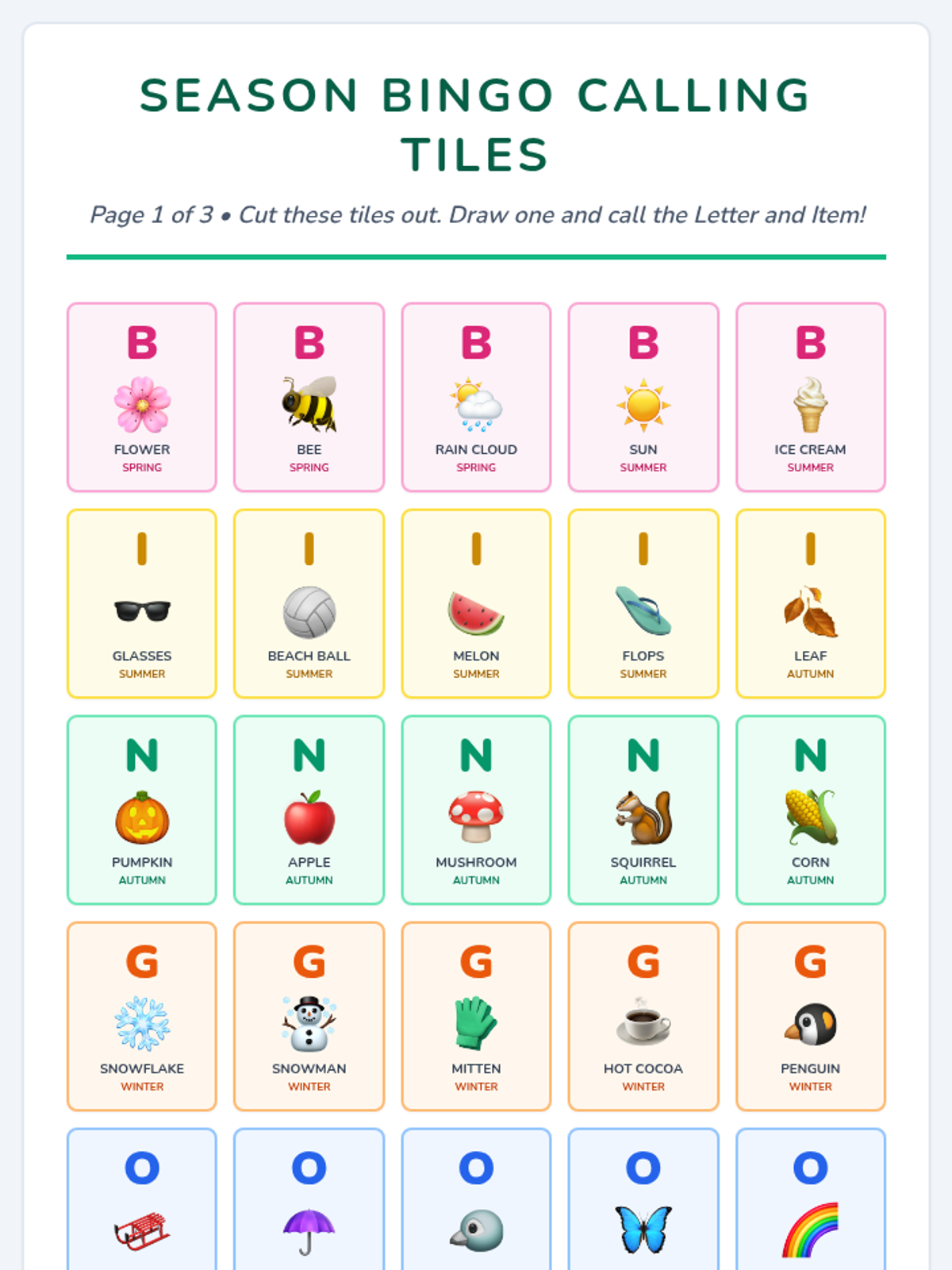
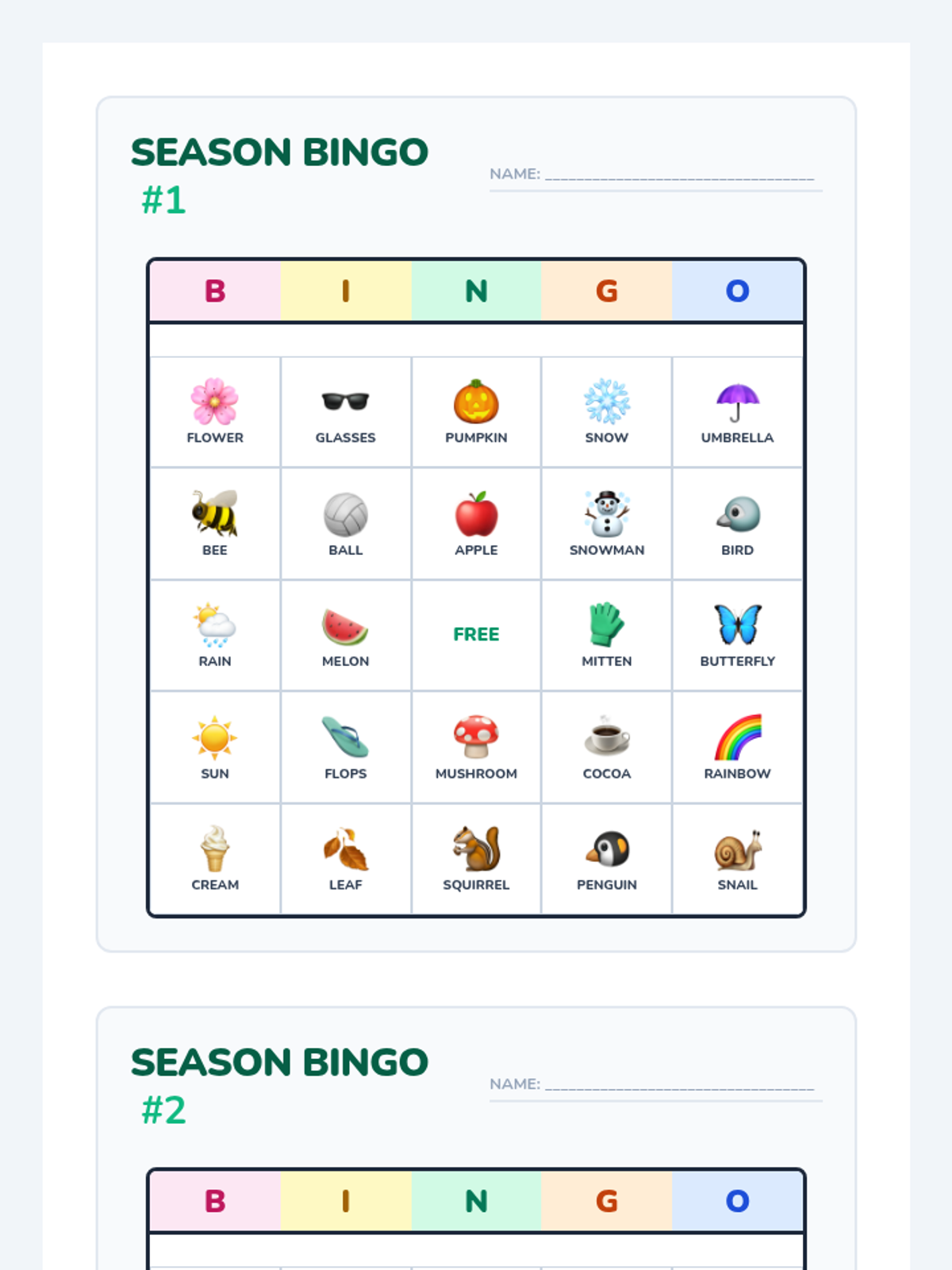
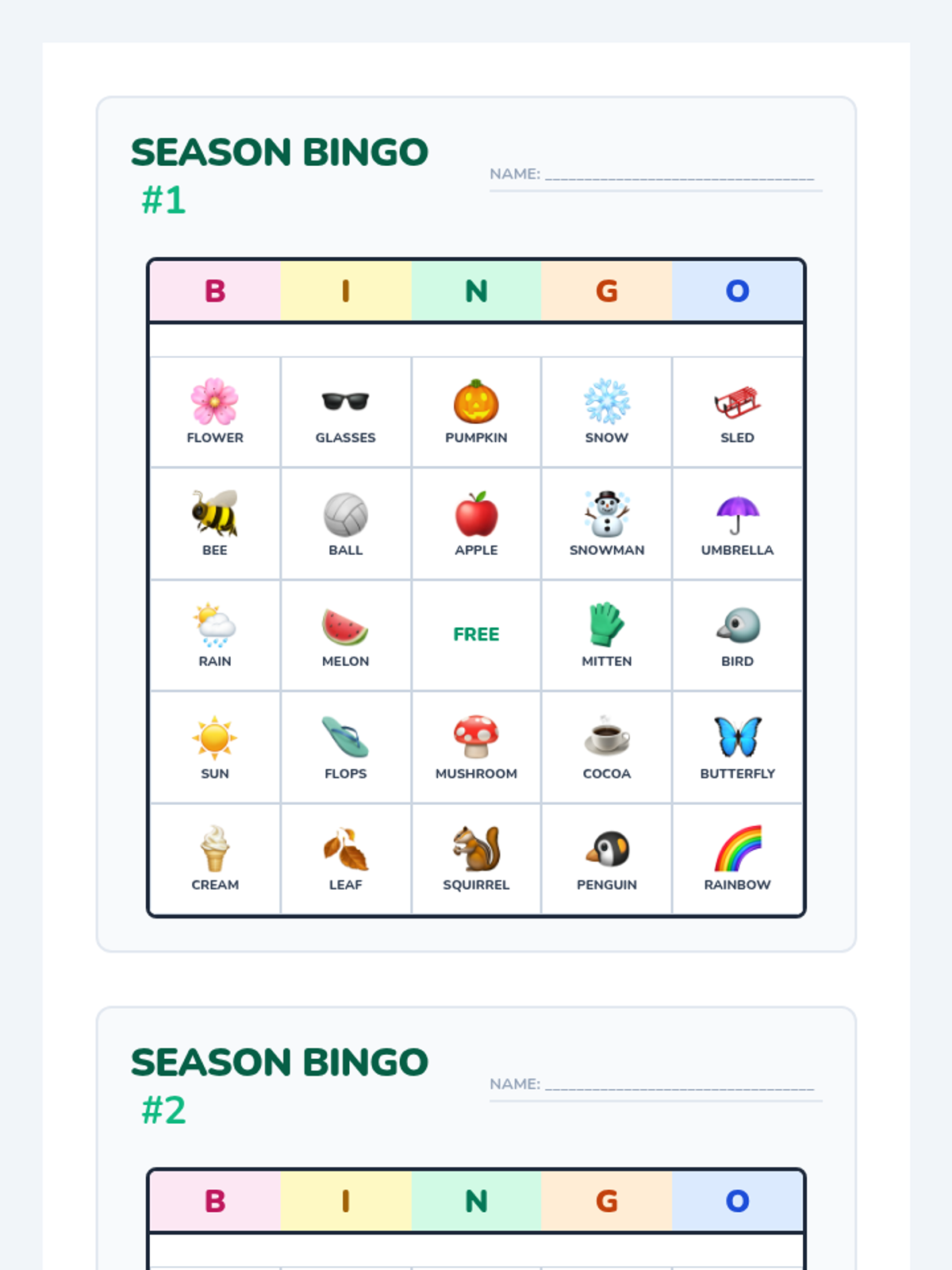
A fun, interactive lesson introducing elementary students to the four seasons through observation and play. Students will identify key characteristics of spring, summer, autumn, and winter using visual cues and interactive bingo.
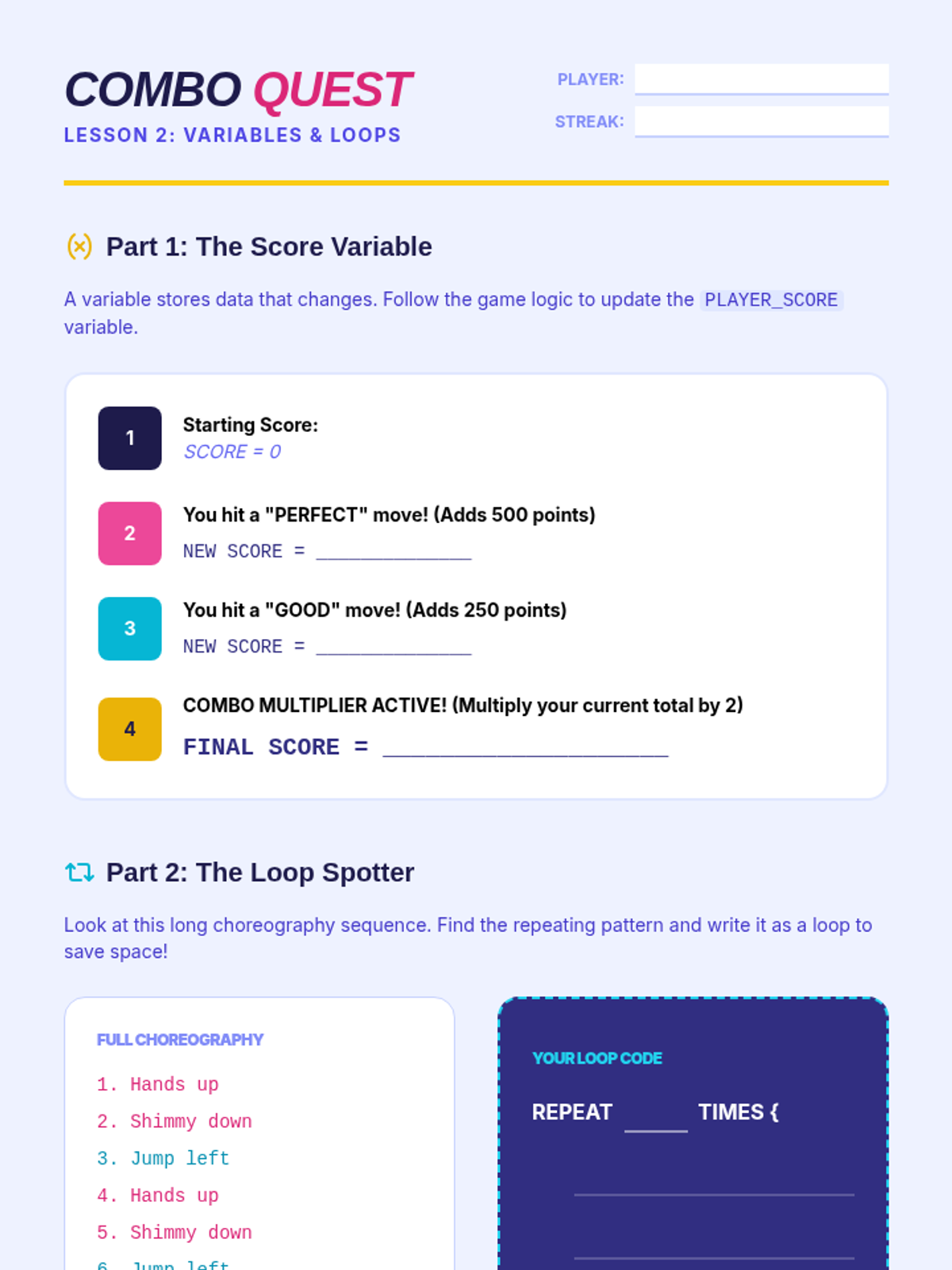
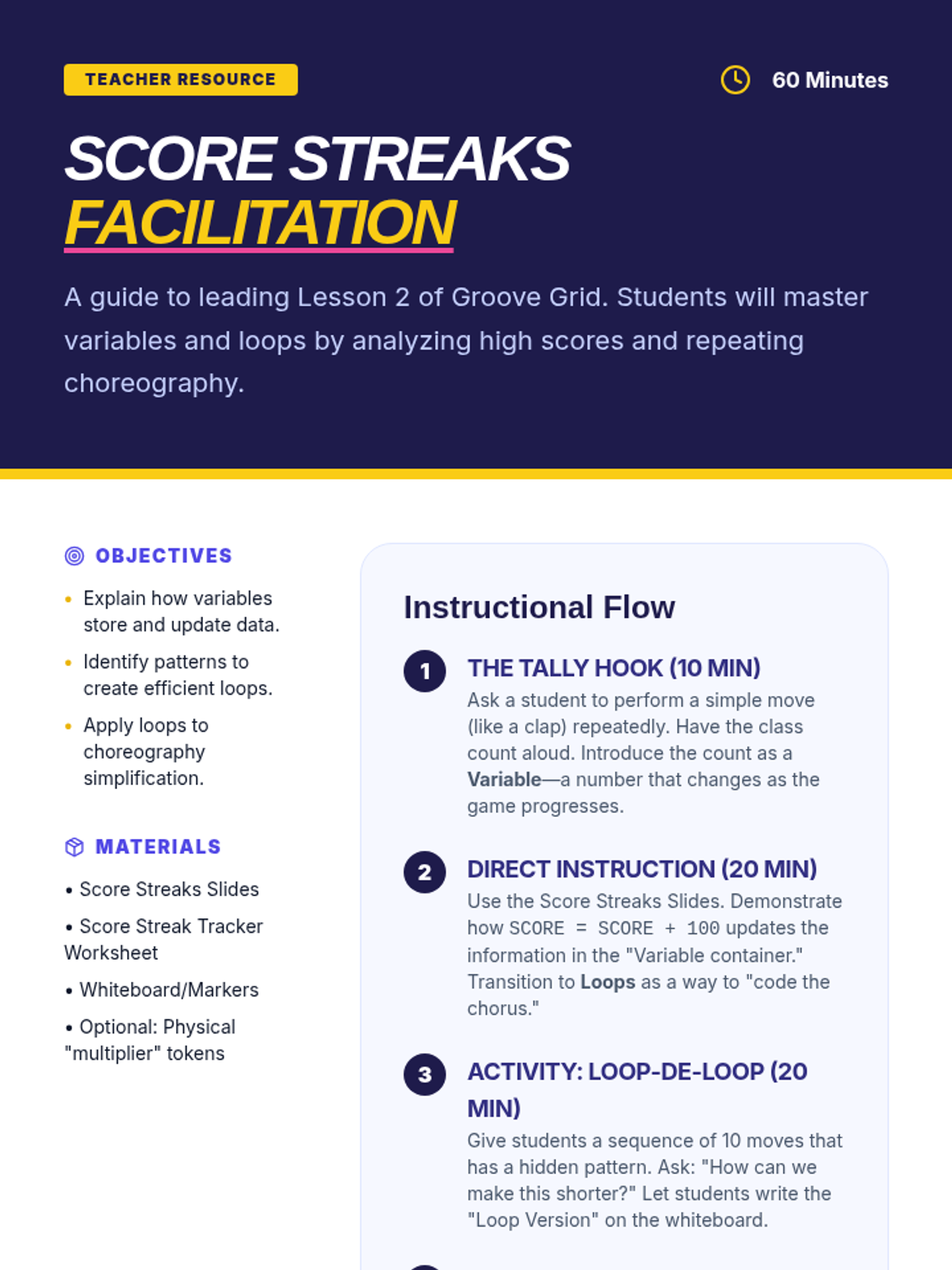
Students explore variables and loops through dance game scoring systems, combo streaks, and repeating choreography patterns.
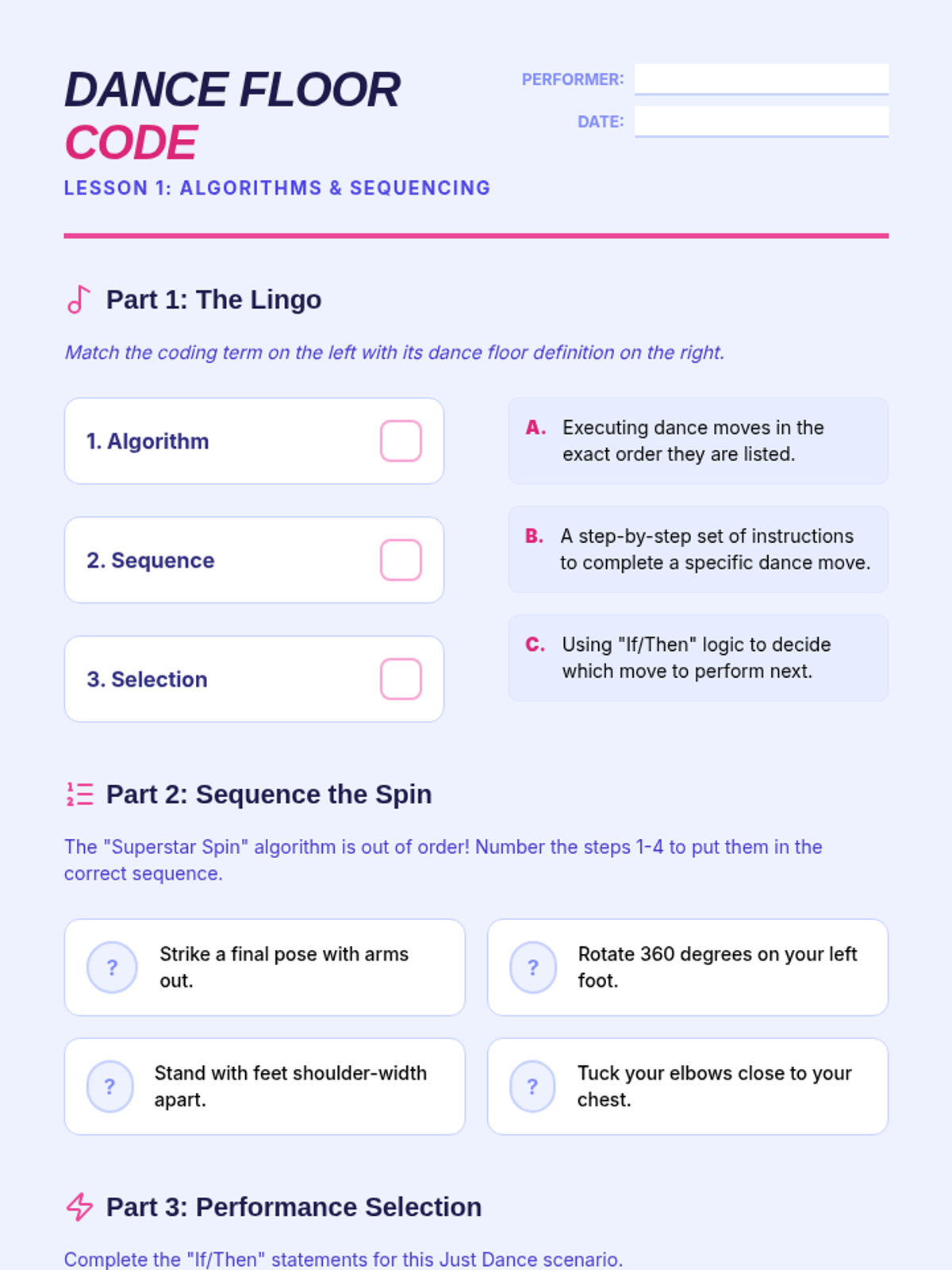
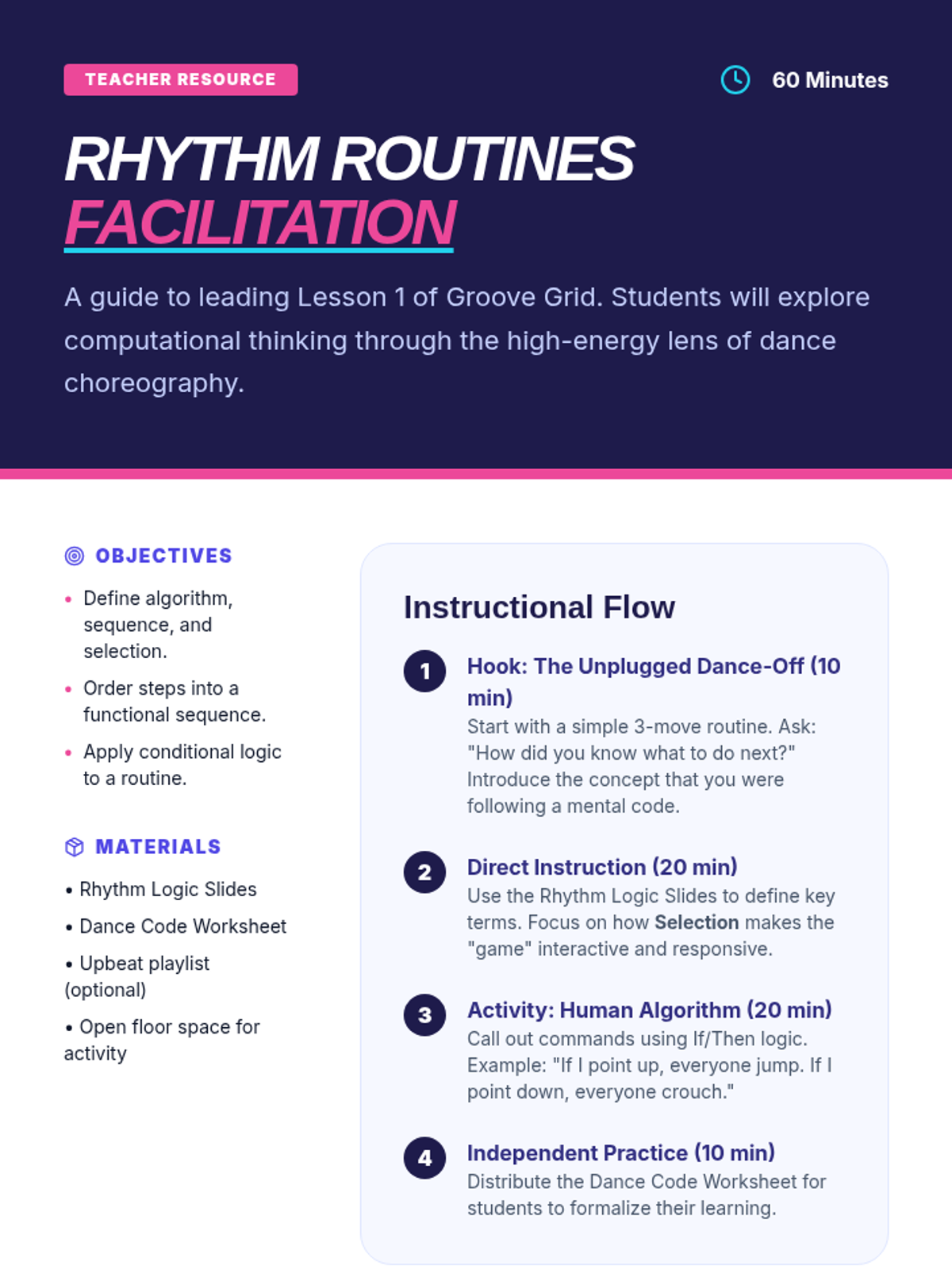
Students learn the basics of computational thinking, focusing on algorithms and sequencing by designing dance routines and step sequences.
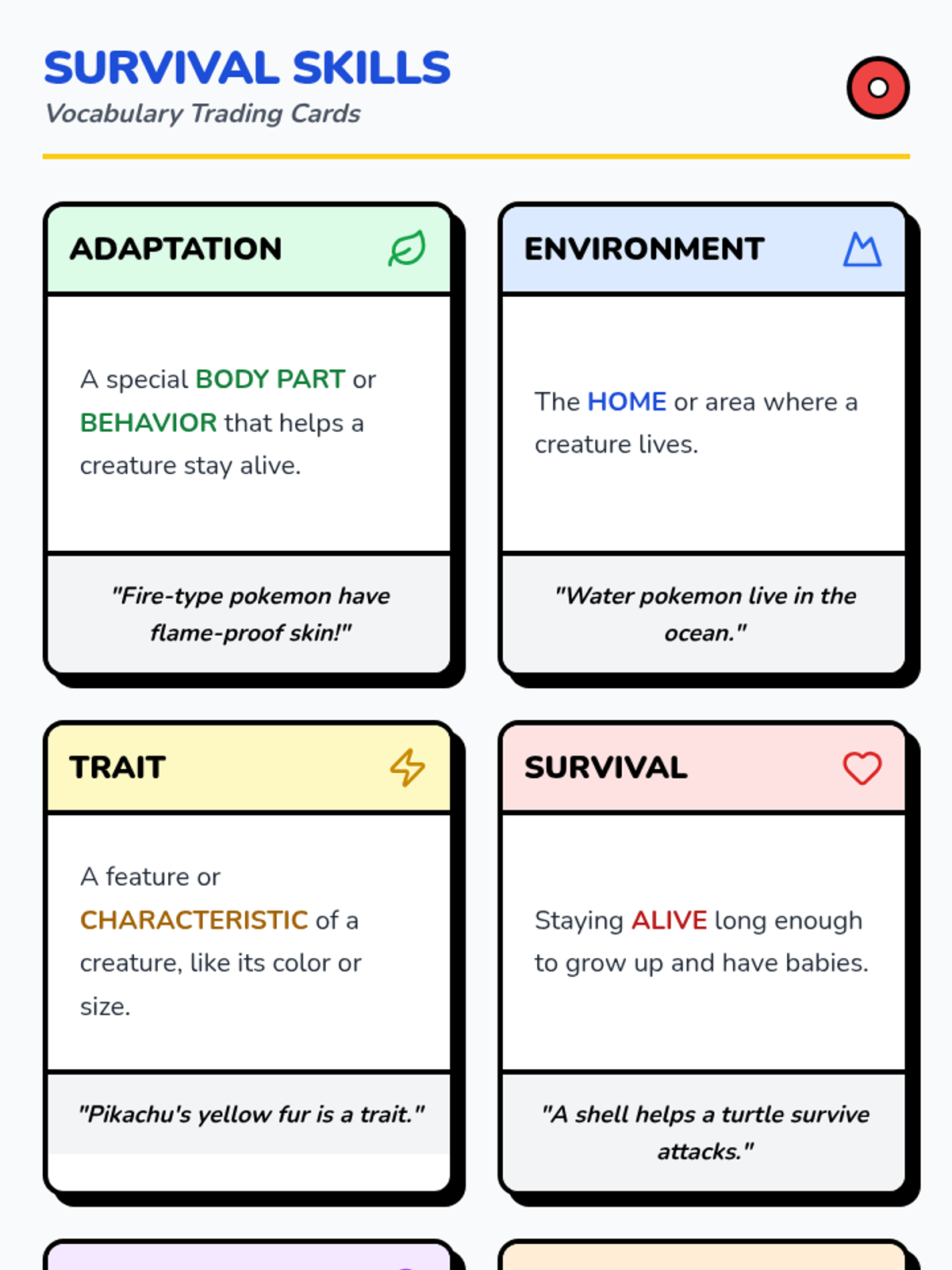
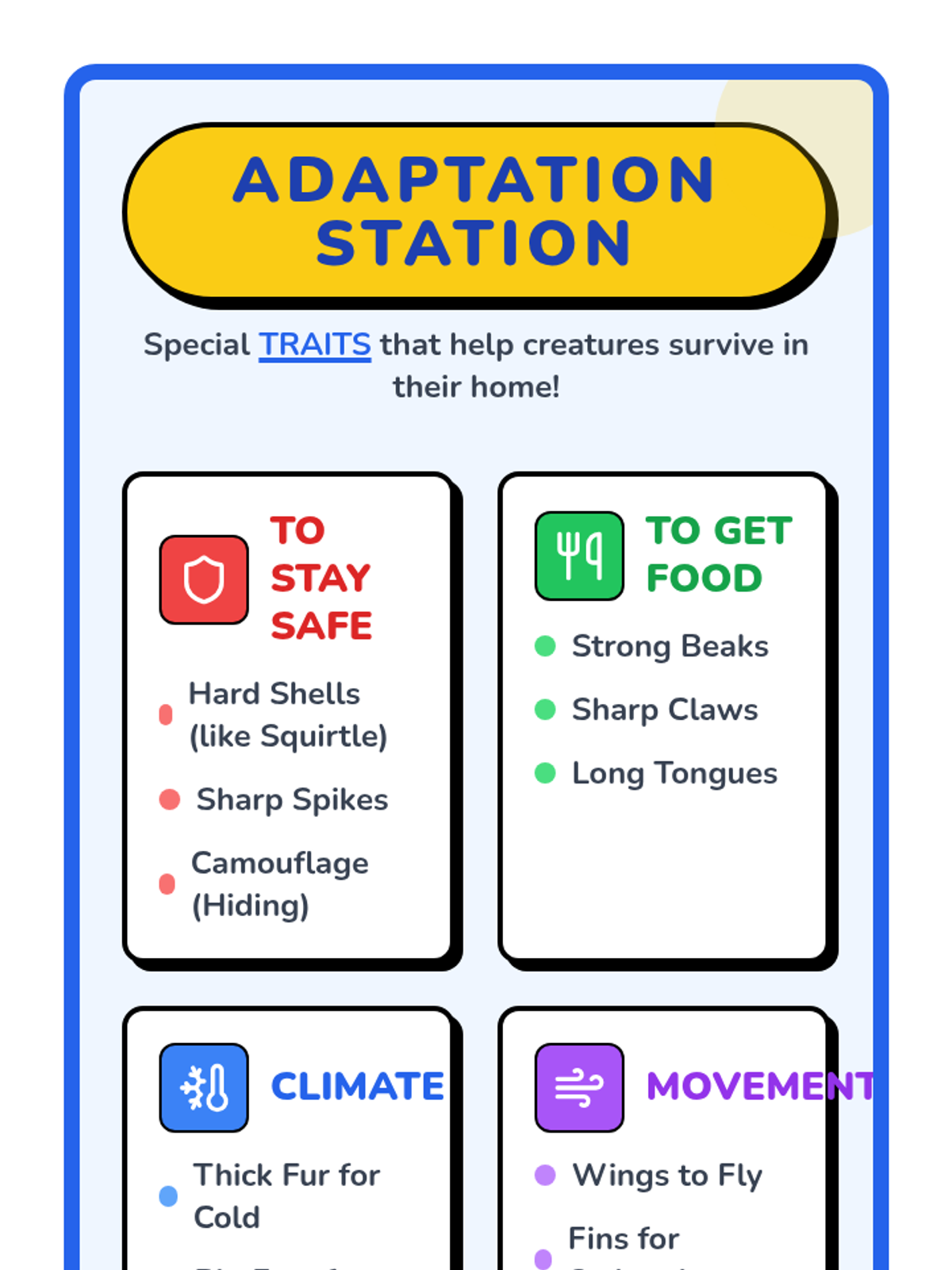
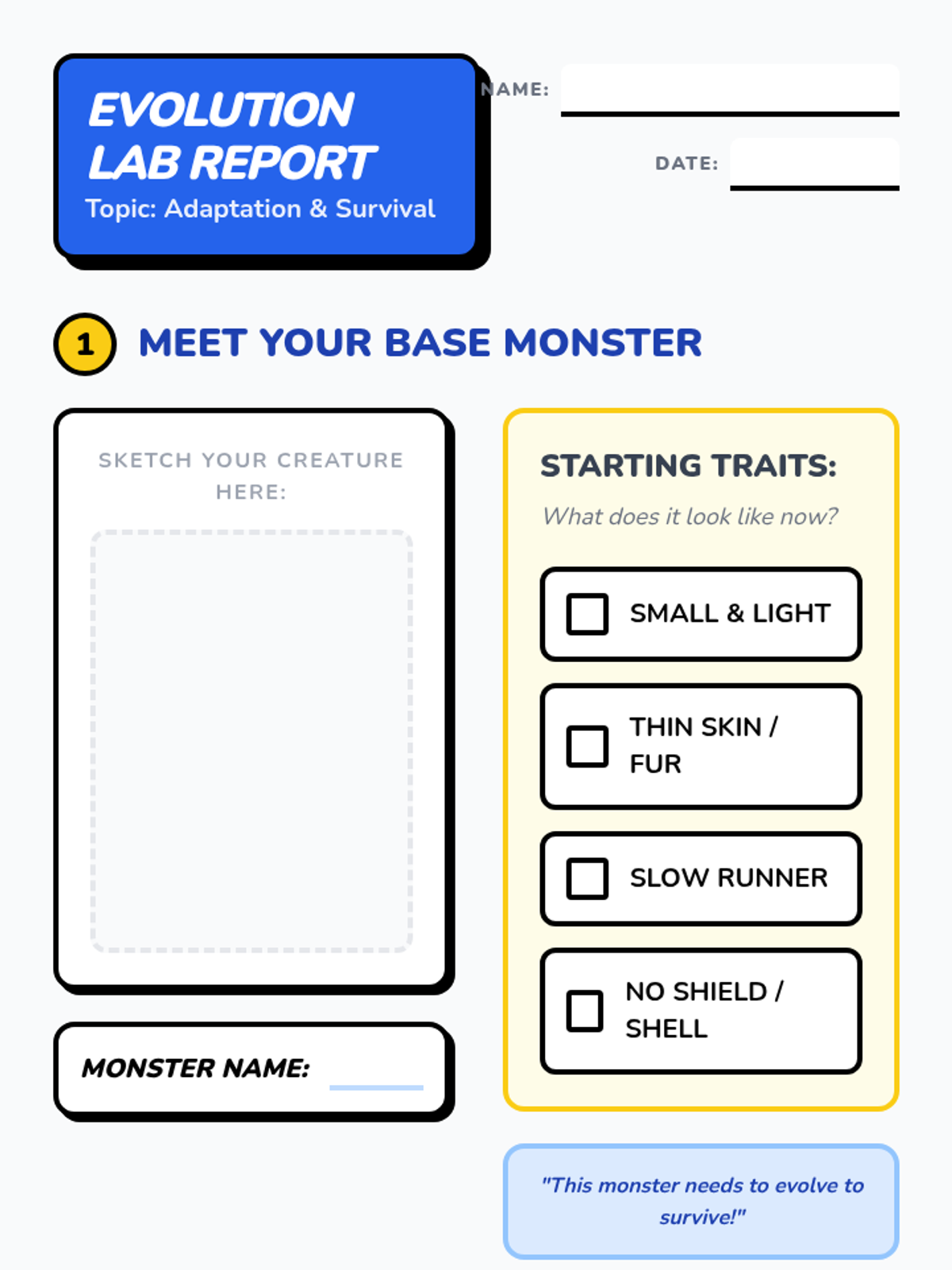
This lesson uses the familiar concept of Pokémon evolution to teach special education students about biological adaptations and natural selection. Students will explore how traits help organisms survive in different environments and design their own adapted creatures.
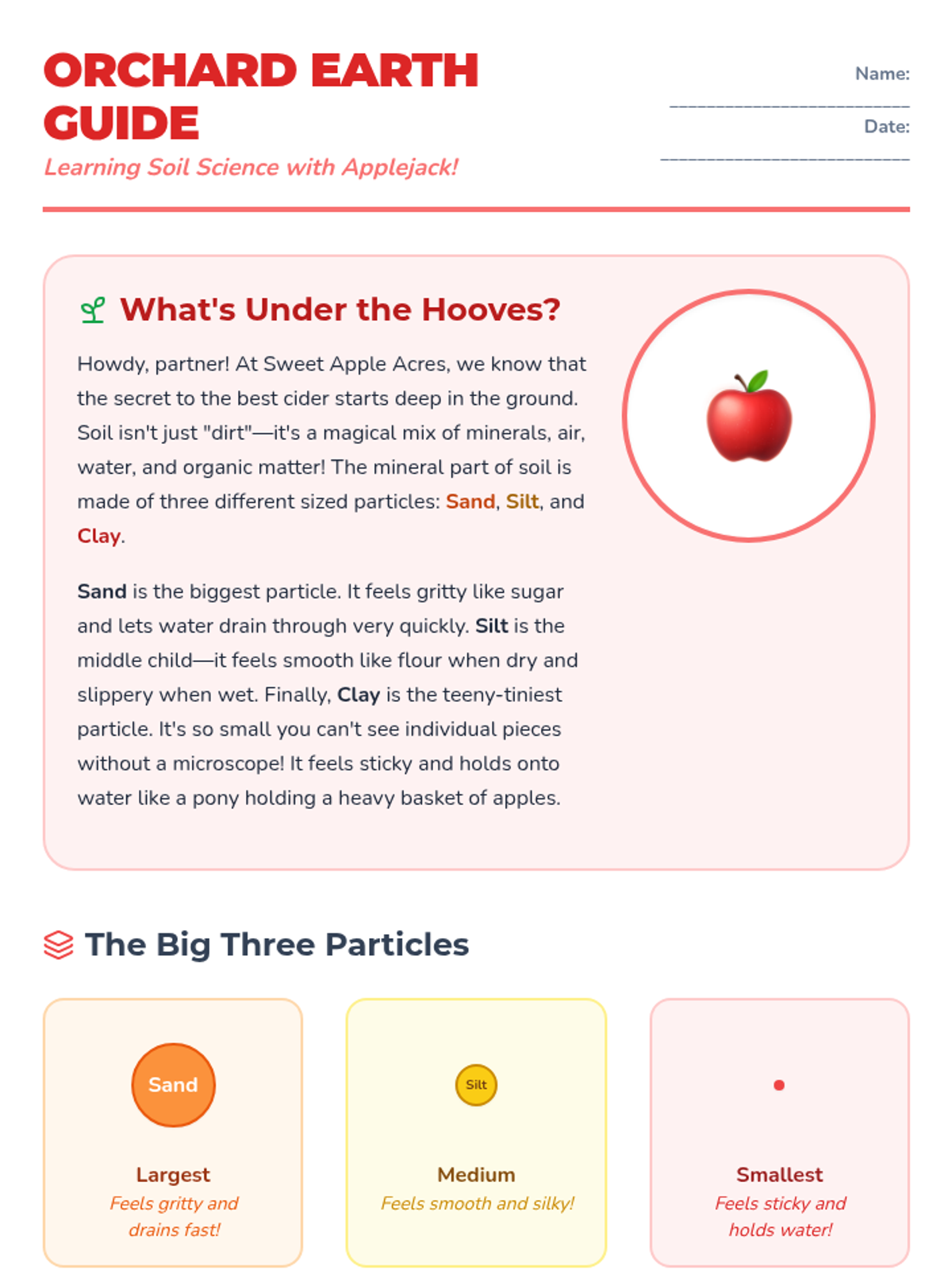
Explore the magic of soil texture with Applejack! This lesson teaches students how to identify sand, silt, and clay, and how to master the soil texture triangle to classify different types of earth.
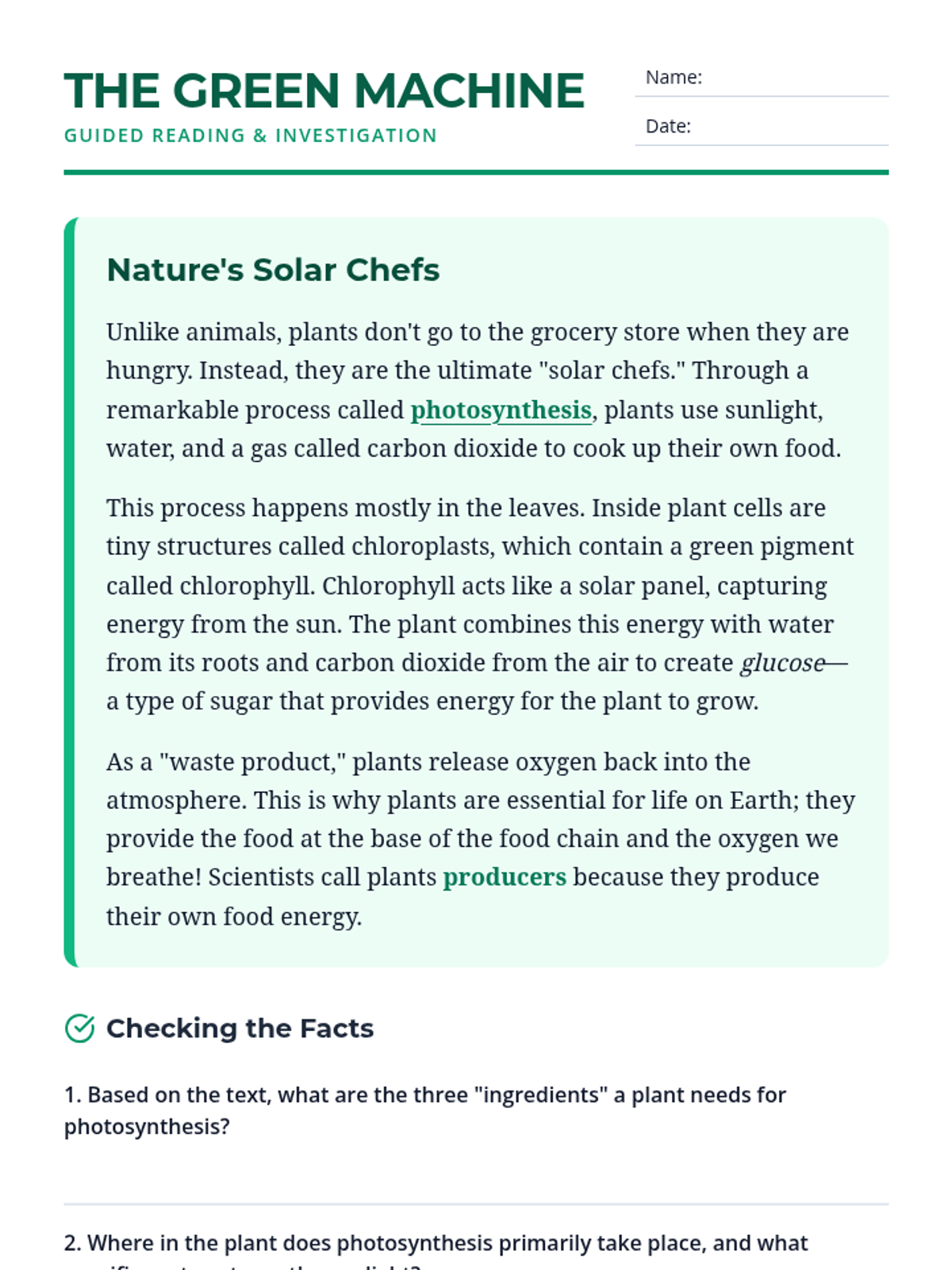
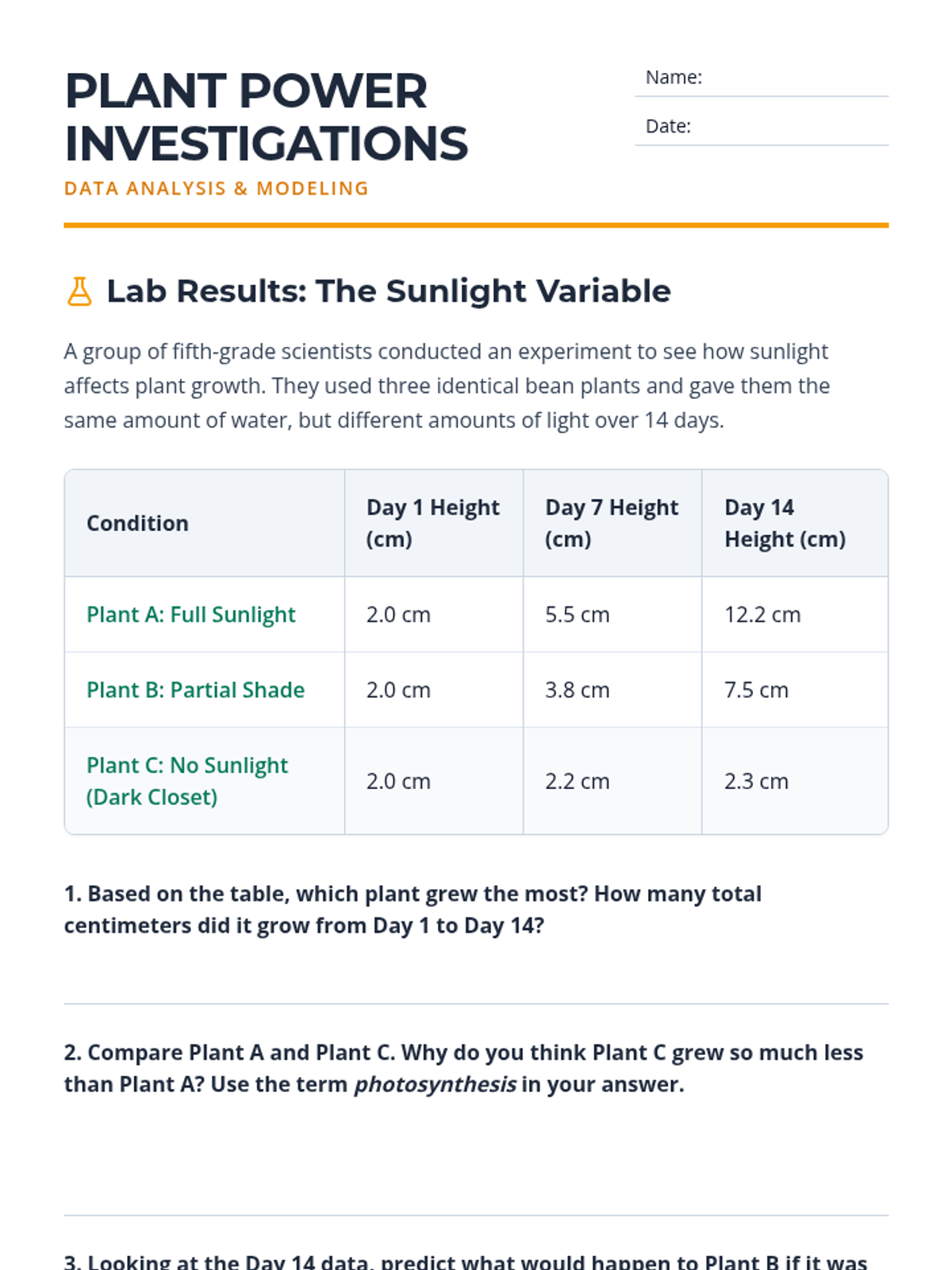
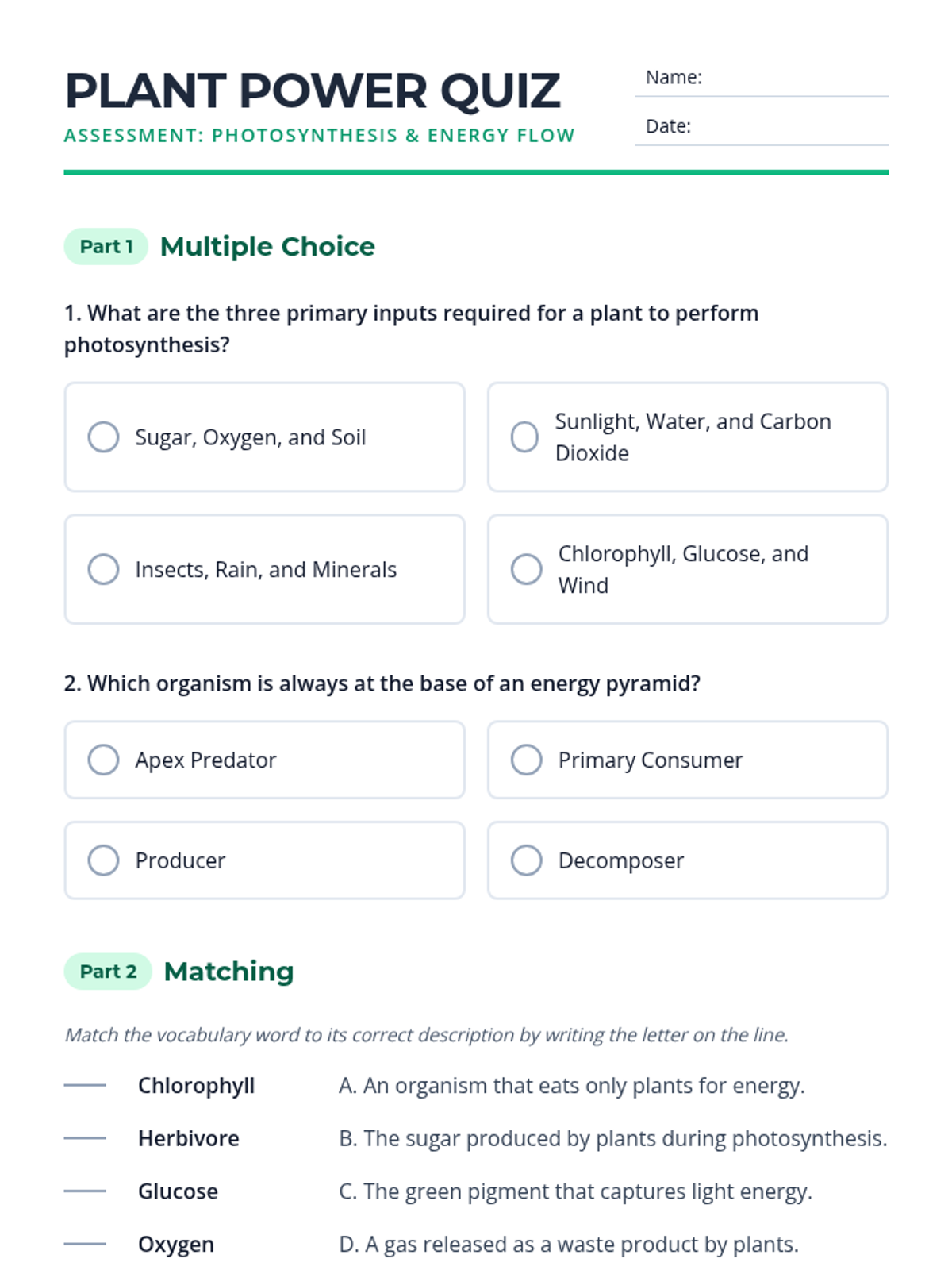
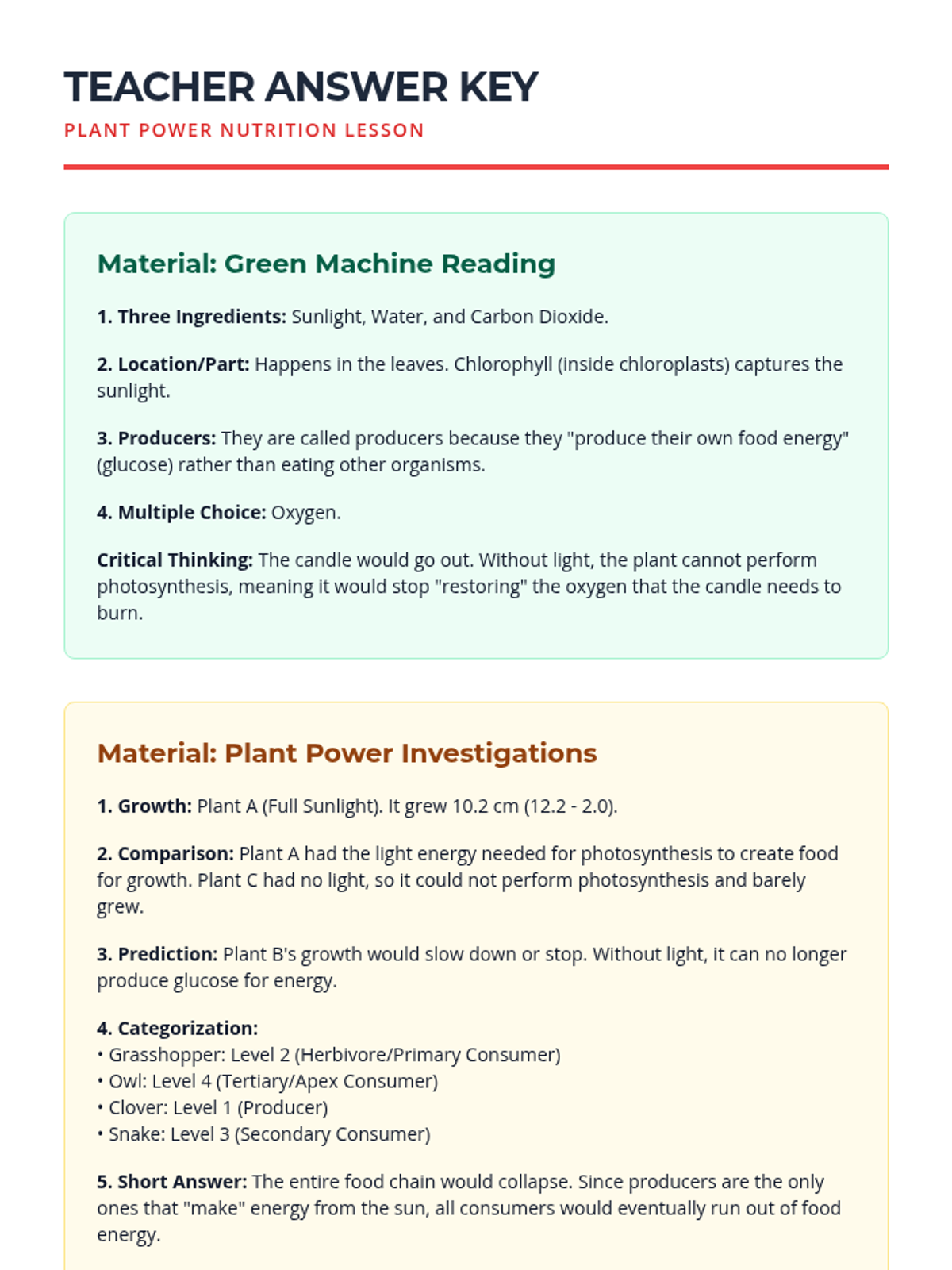
A comprehensive lesson for 5th graders exploring how plants create their own food through photosynthesis and their role as producers in energy pyramids. Students will analyze experimental data and practice identifying consumer levels in food webs.
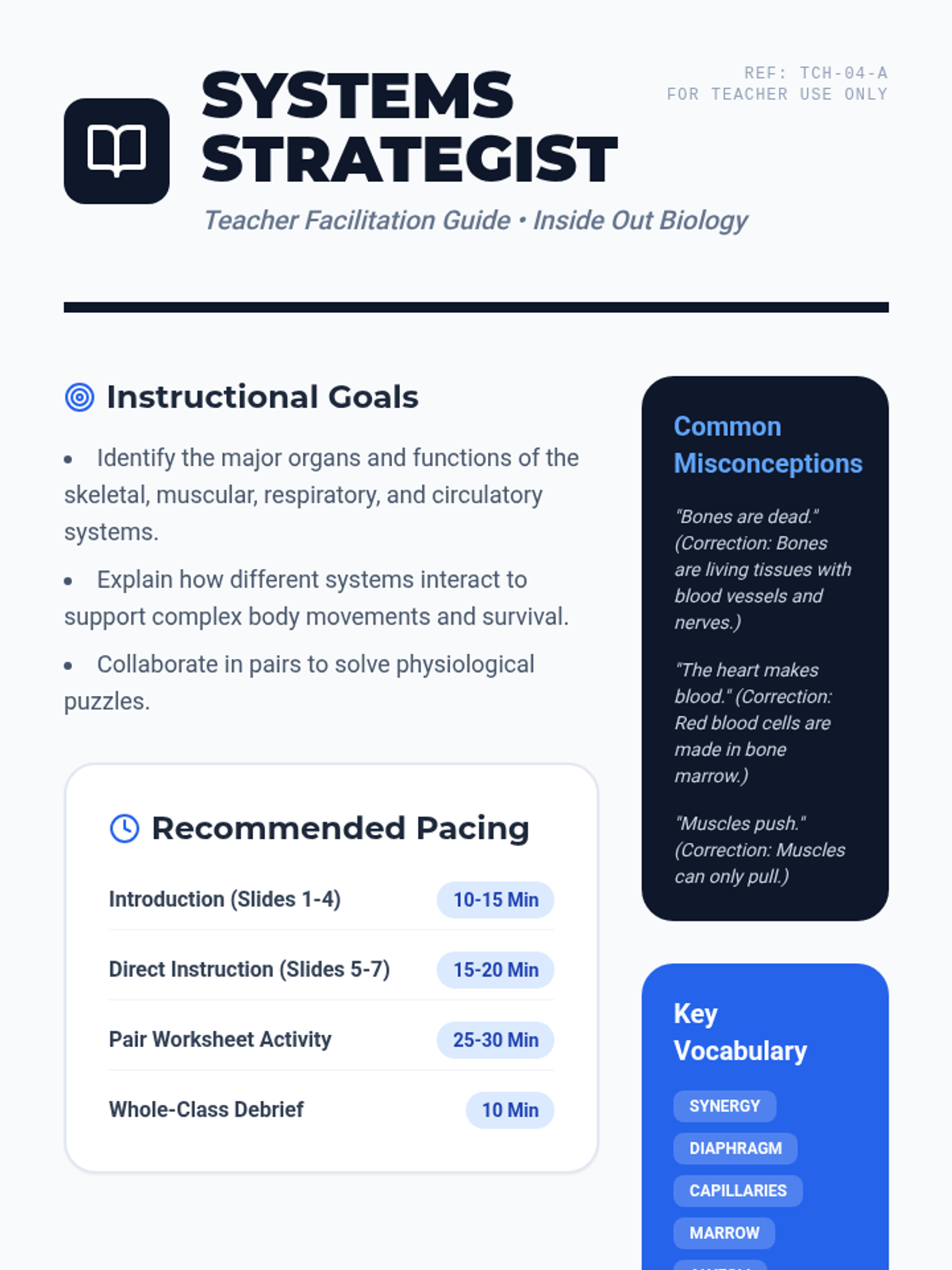
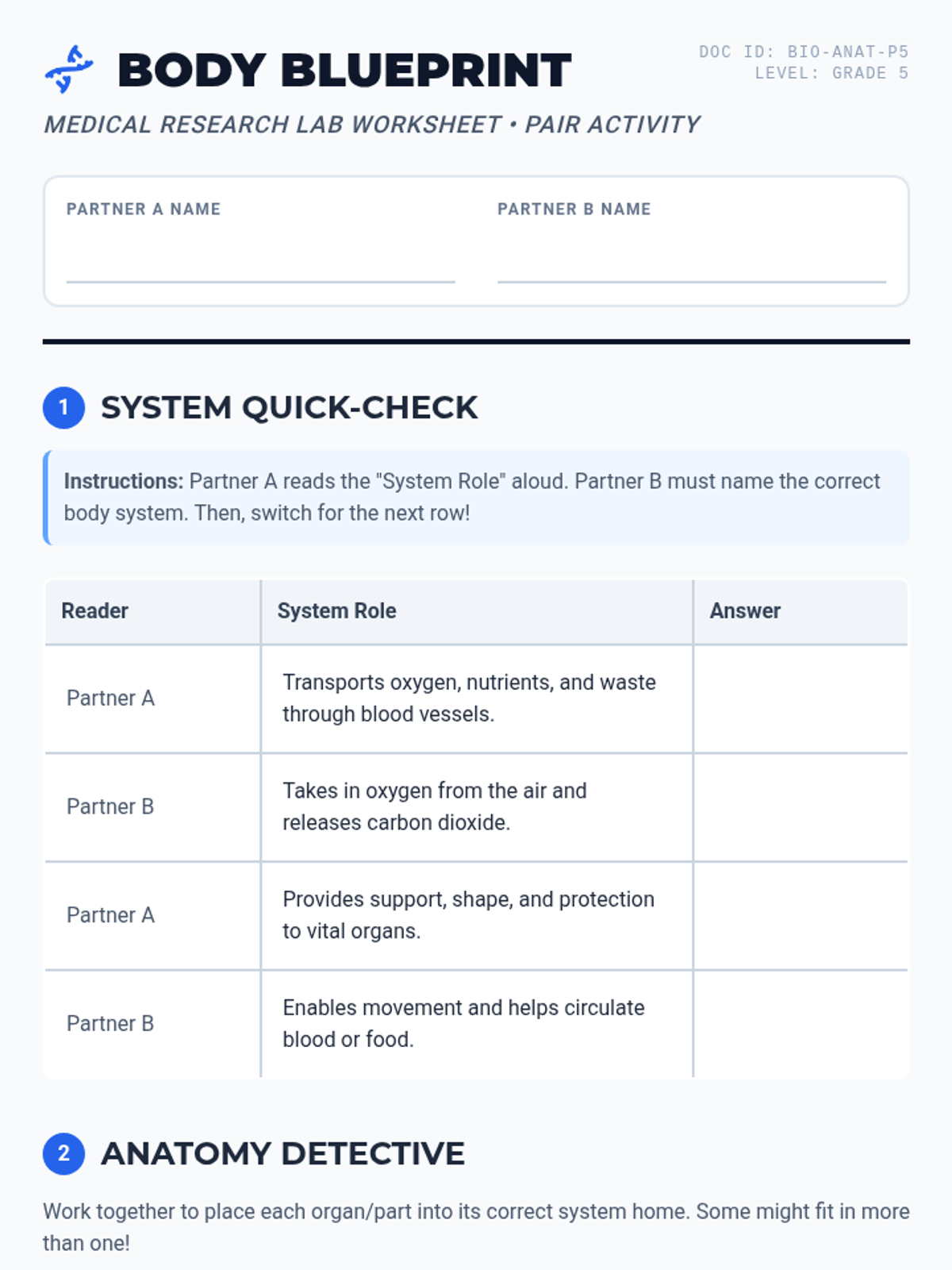
A deep dive into the major human body systems, focusing on how they interact to keep us alive and moving. Students will explore the skeletal, muscular, respiratory, circulatory, and digestive systems through collaborative activities.