Explore the magic of soil texture with Applejack! This lesson teaches students how to identify sand, silt, and clay, and how to master the soil texture triangle to classify different types of earth.
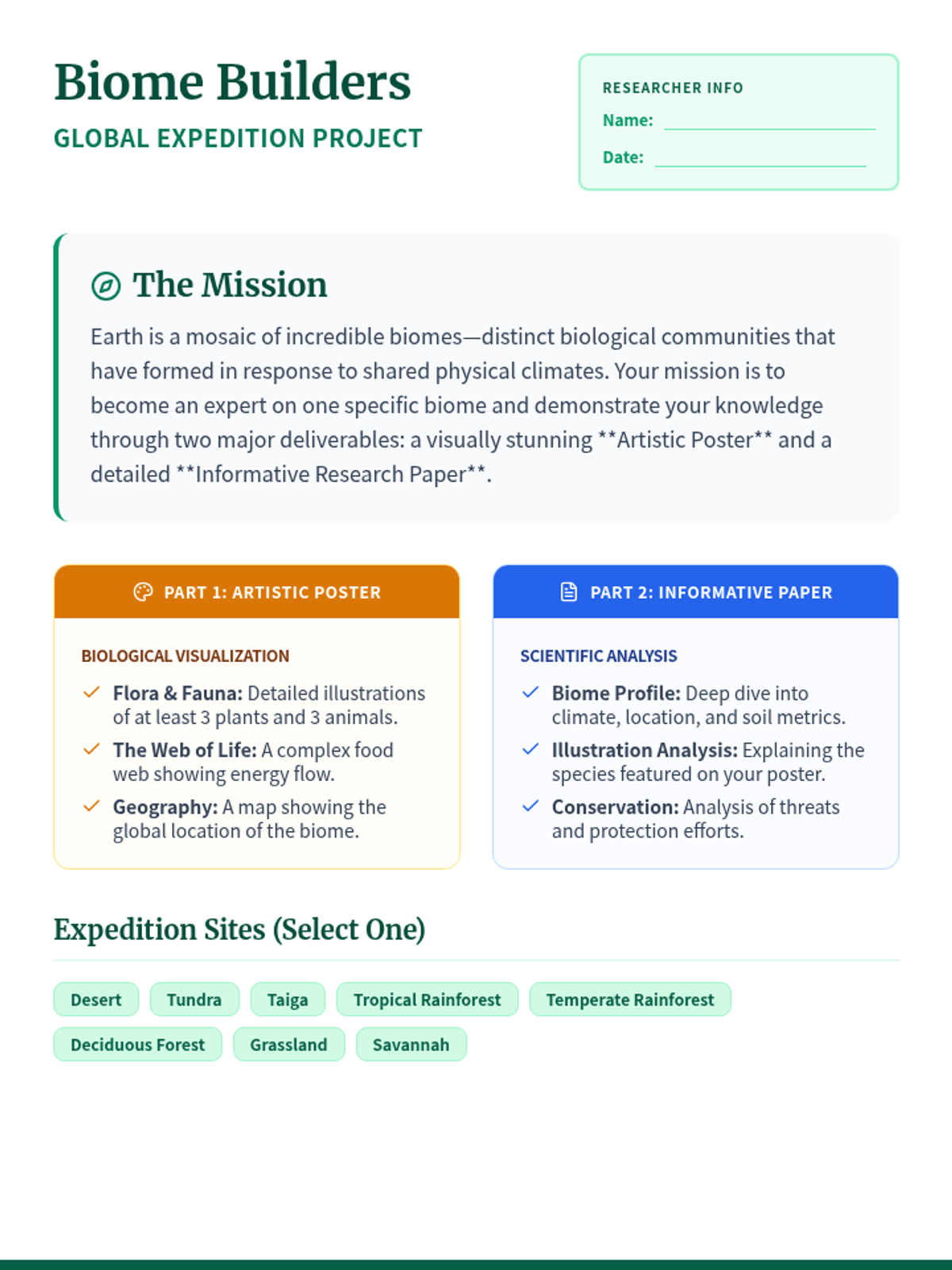
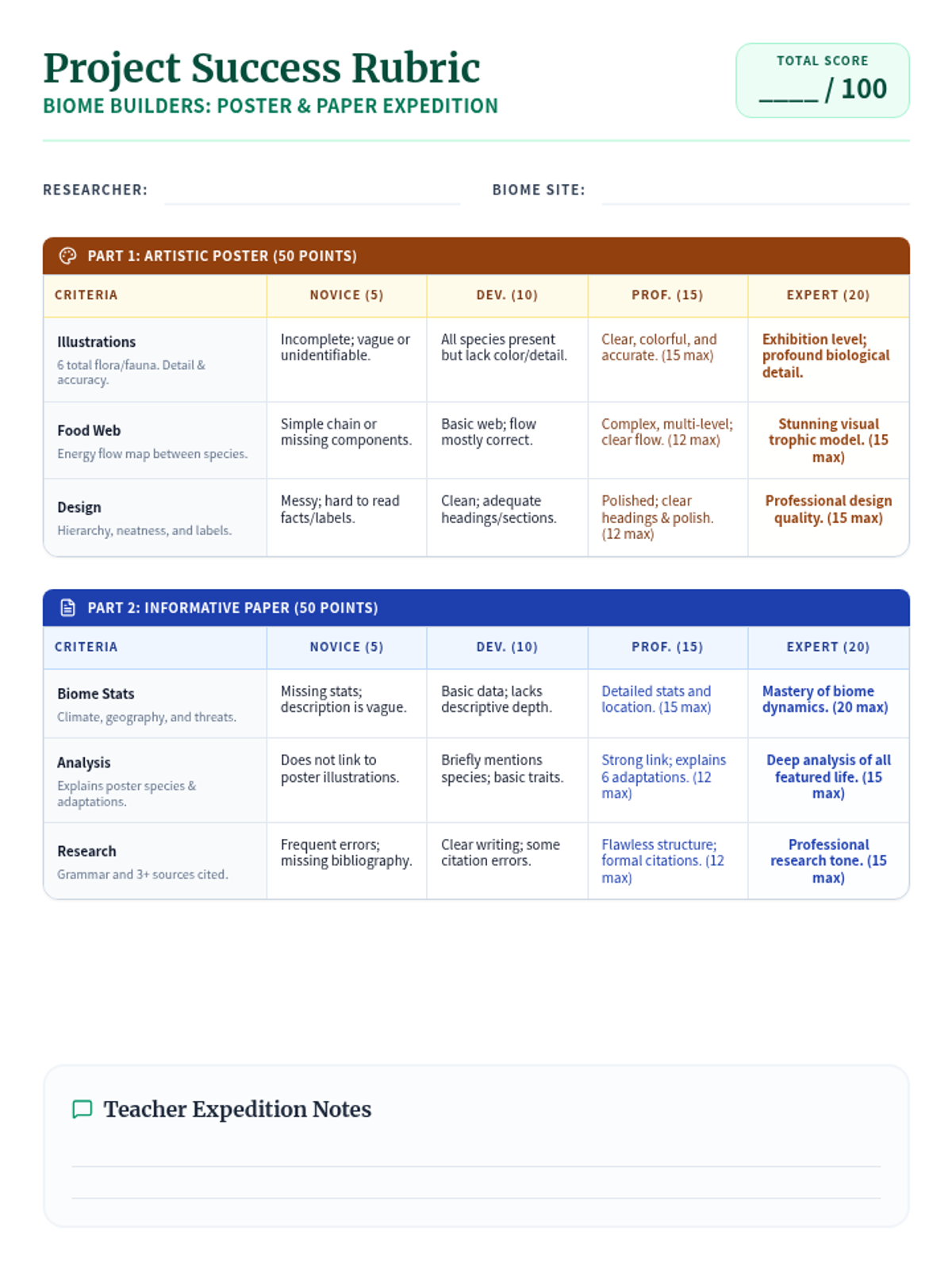
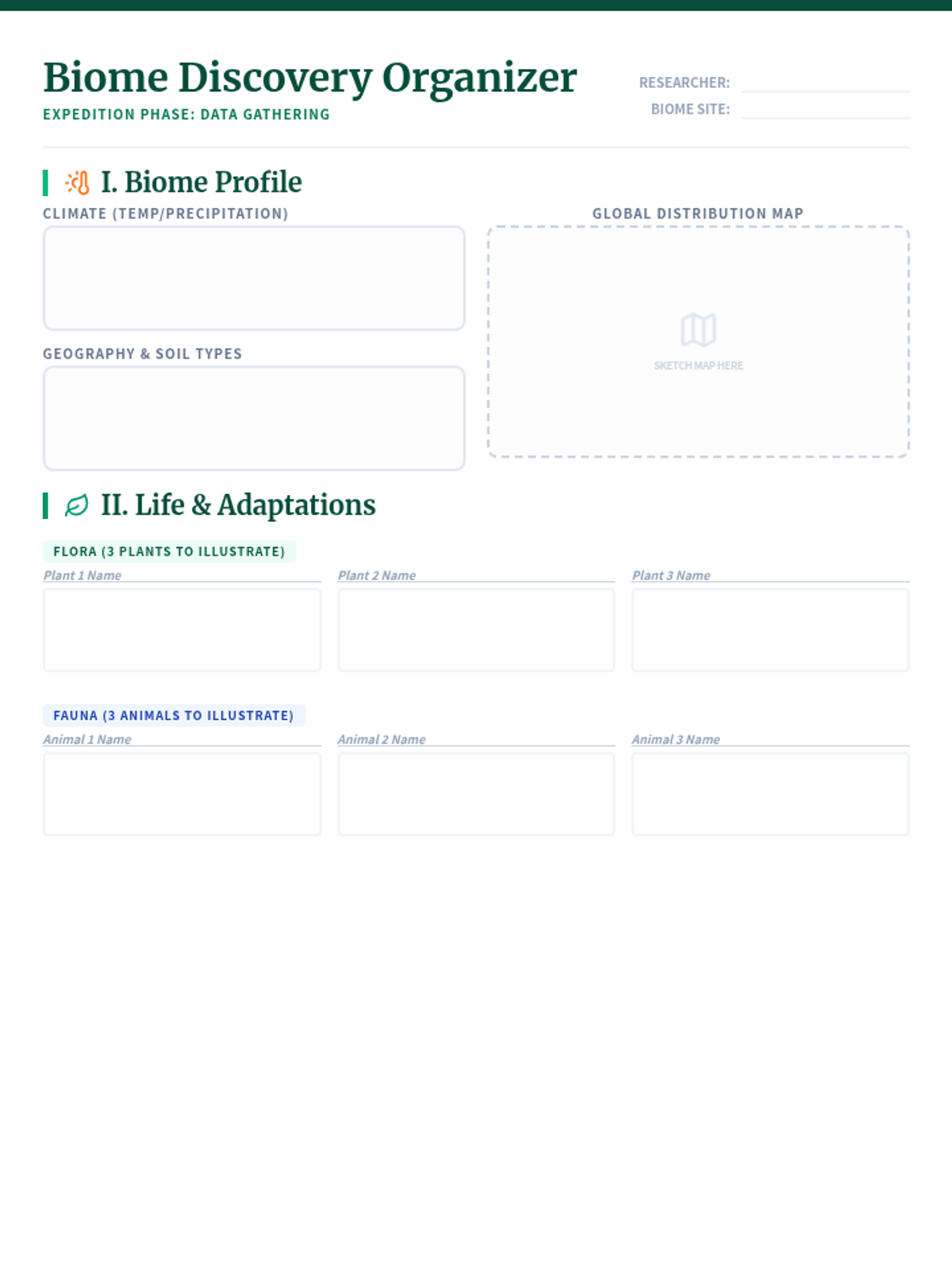
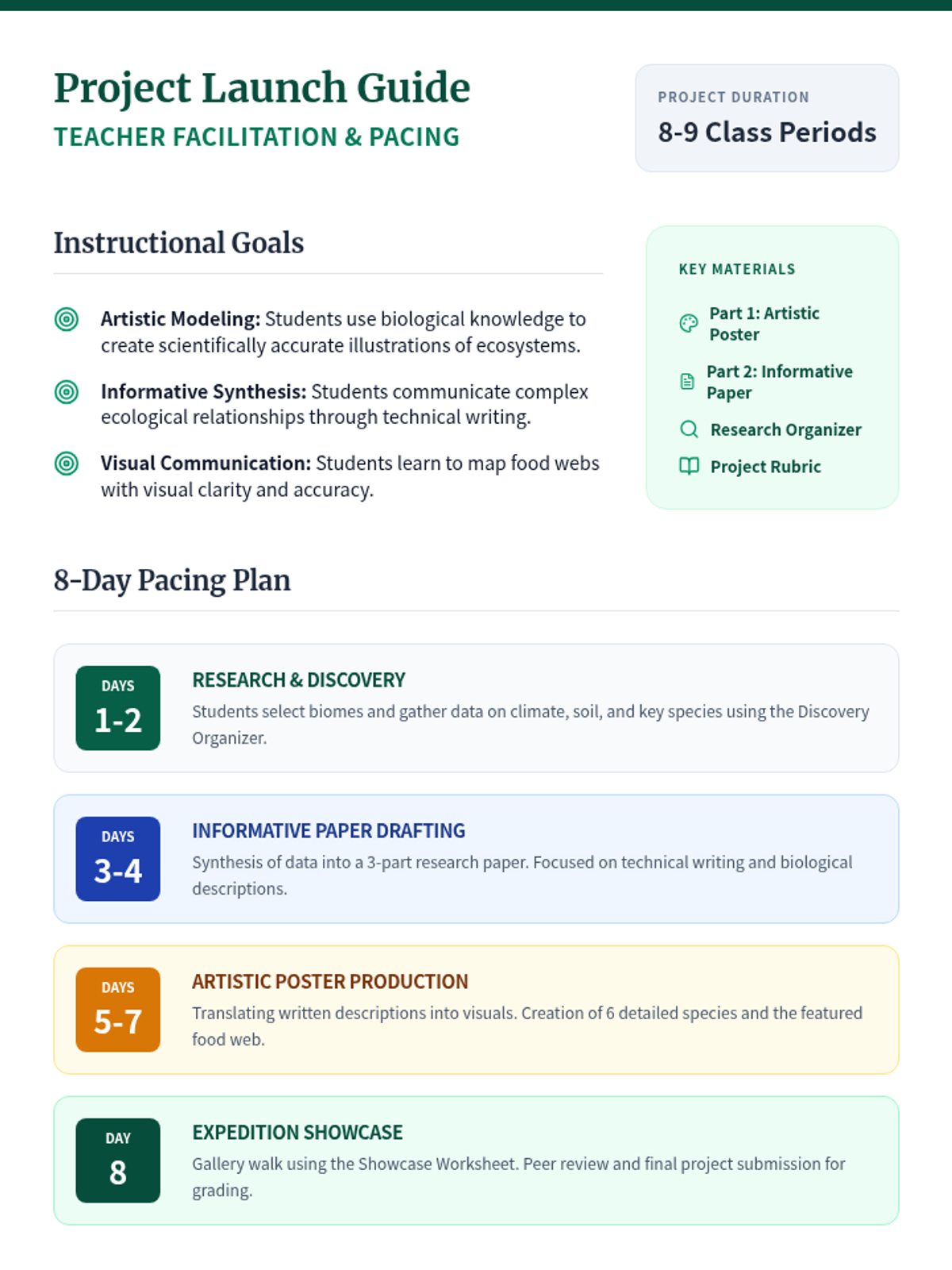
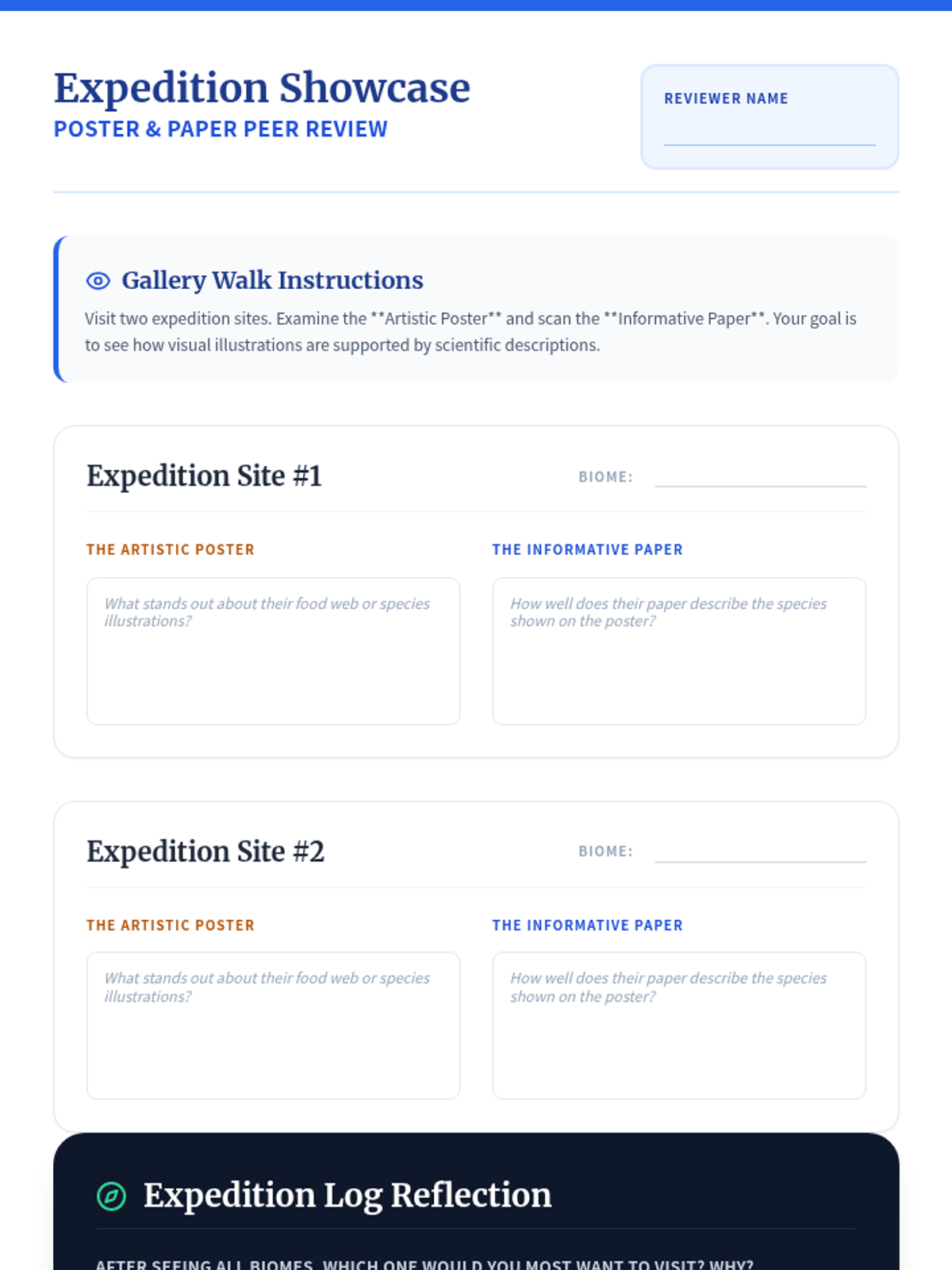
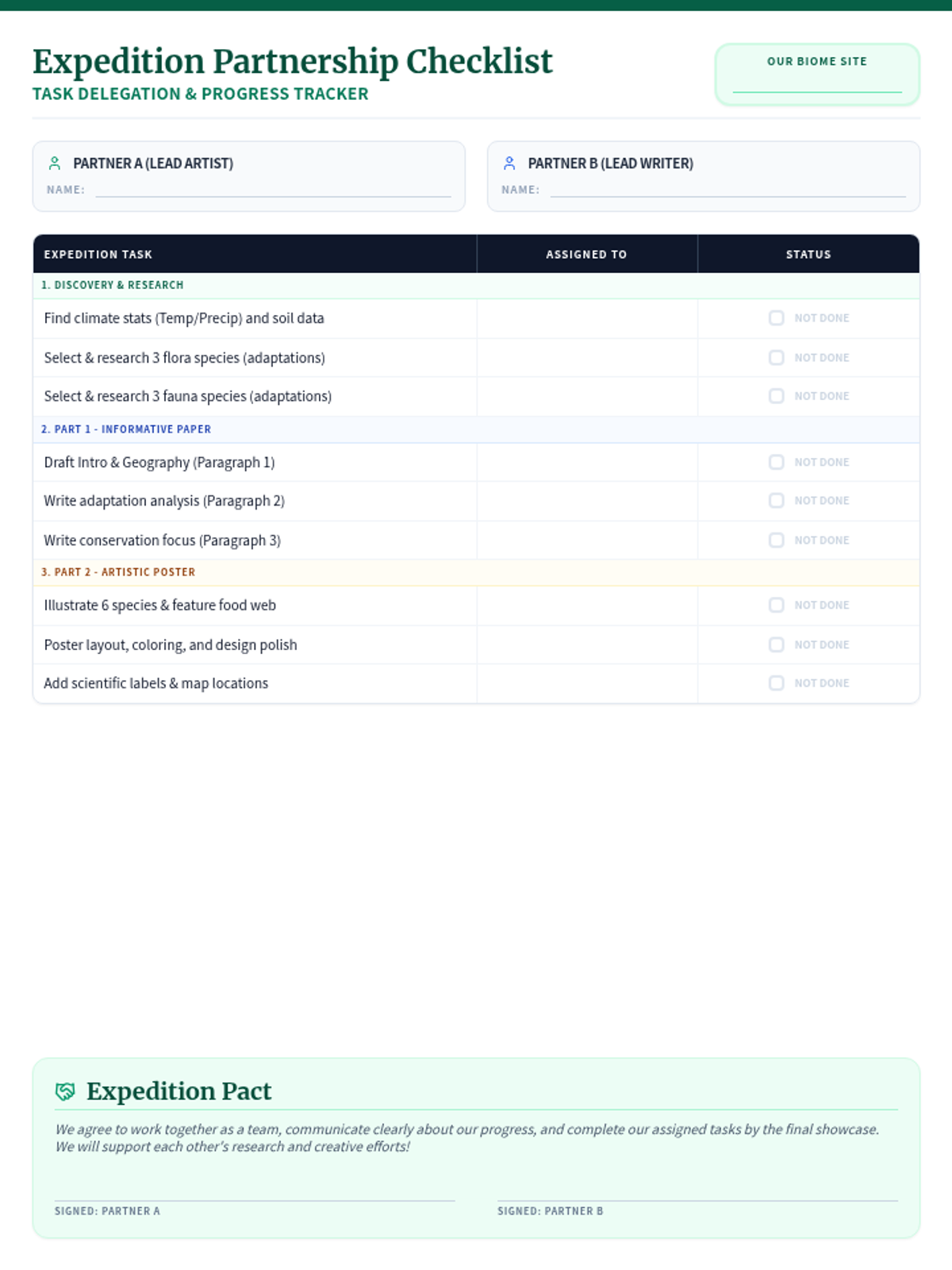
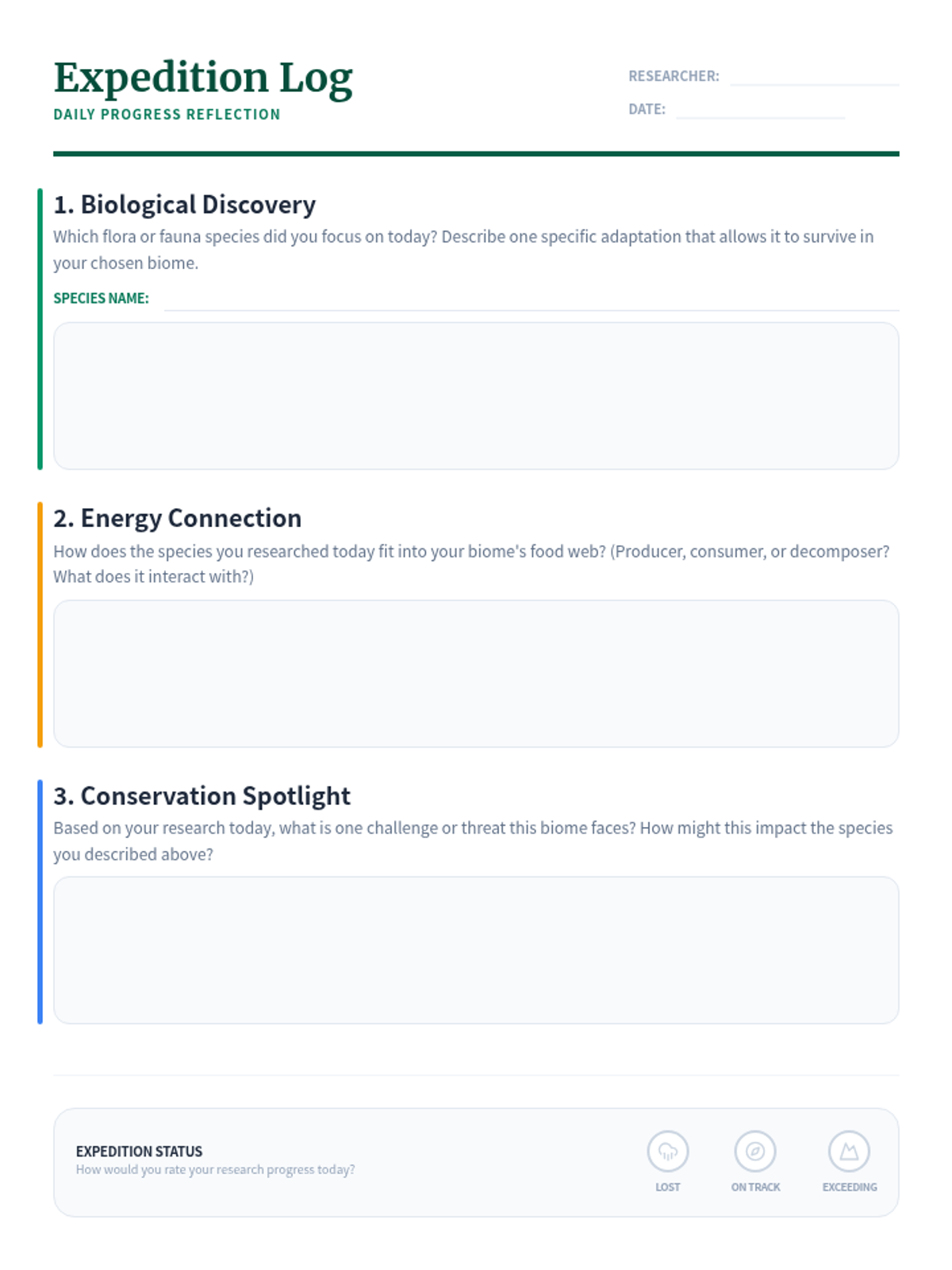
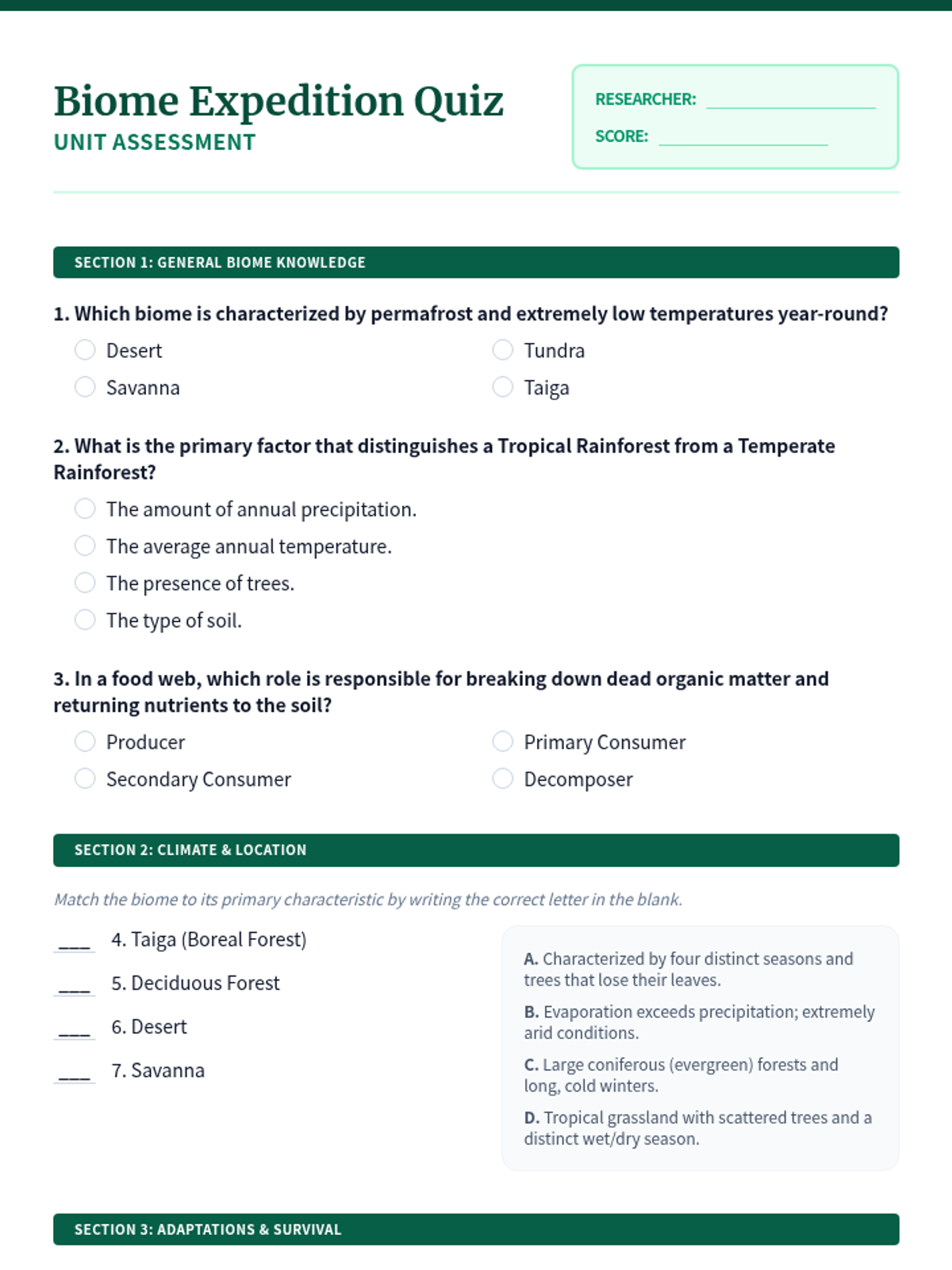
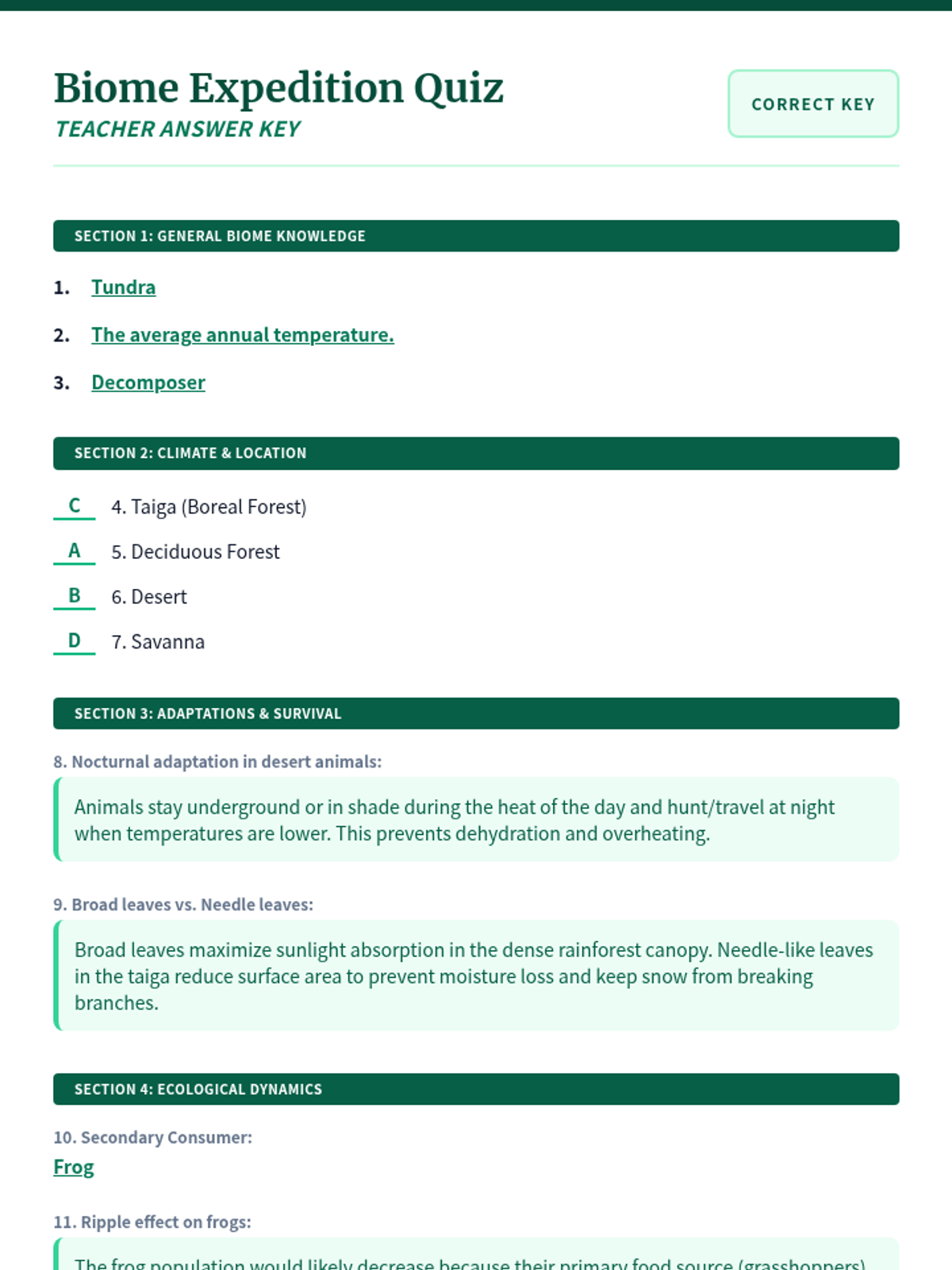
A creative project-based lesson where students research and design an educational poster about a specific global biome, focusing on adaptations, food webs, and conservation. Now expanded to include an informative research paper component.
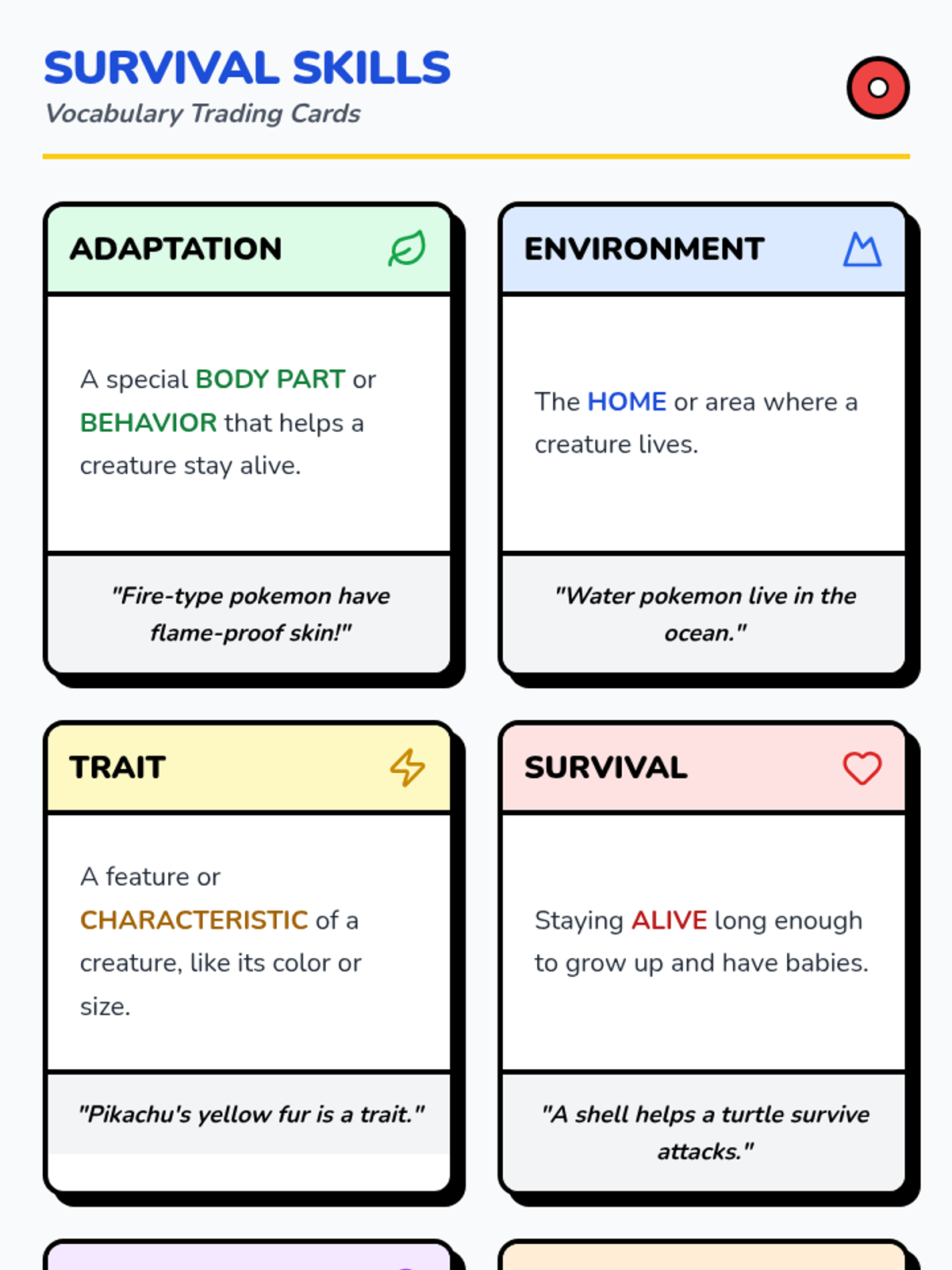
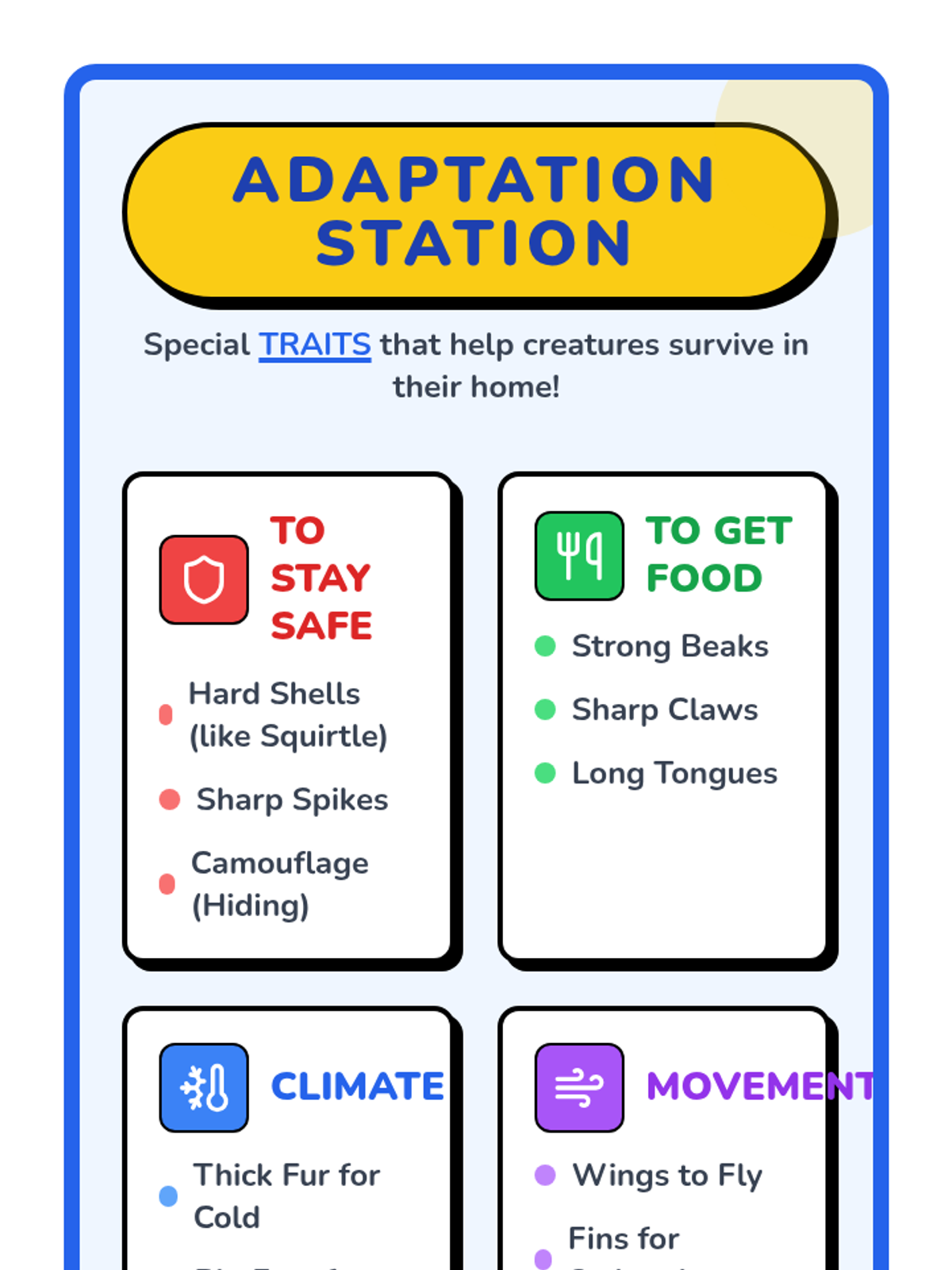
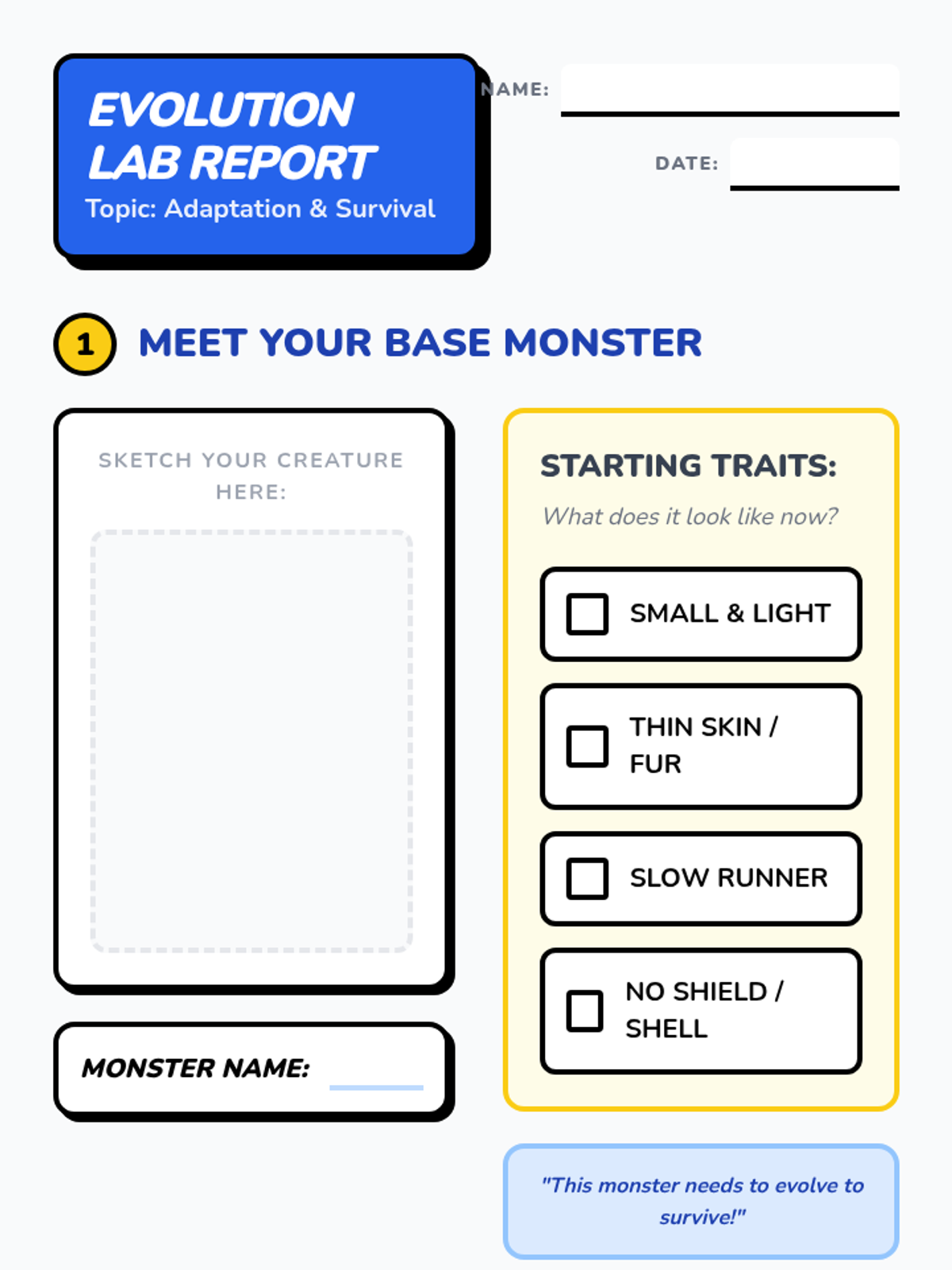
This lesson uses the familiar concept of Pokémon evolution to teach special education students about biological adaptations and natural selection. Students will explore how traits help organisms survive in different environments and design their own adapted creatures.
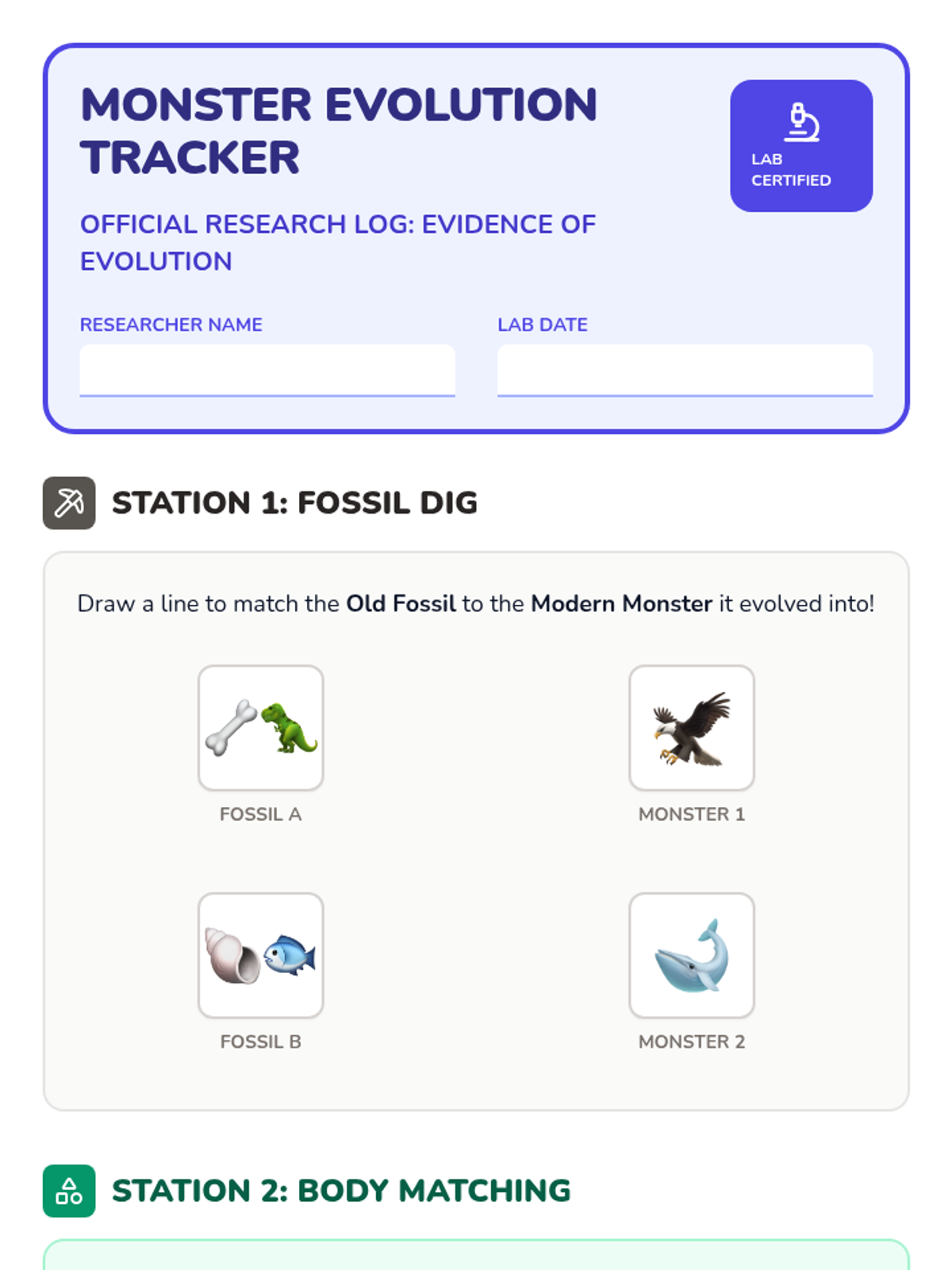
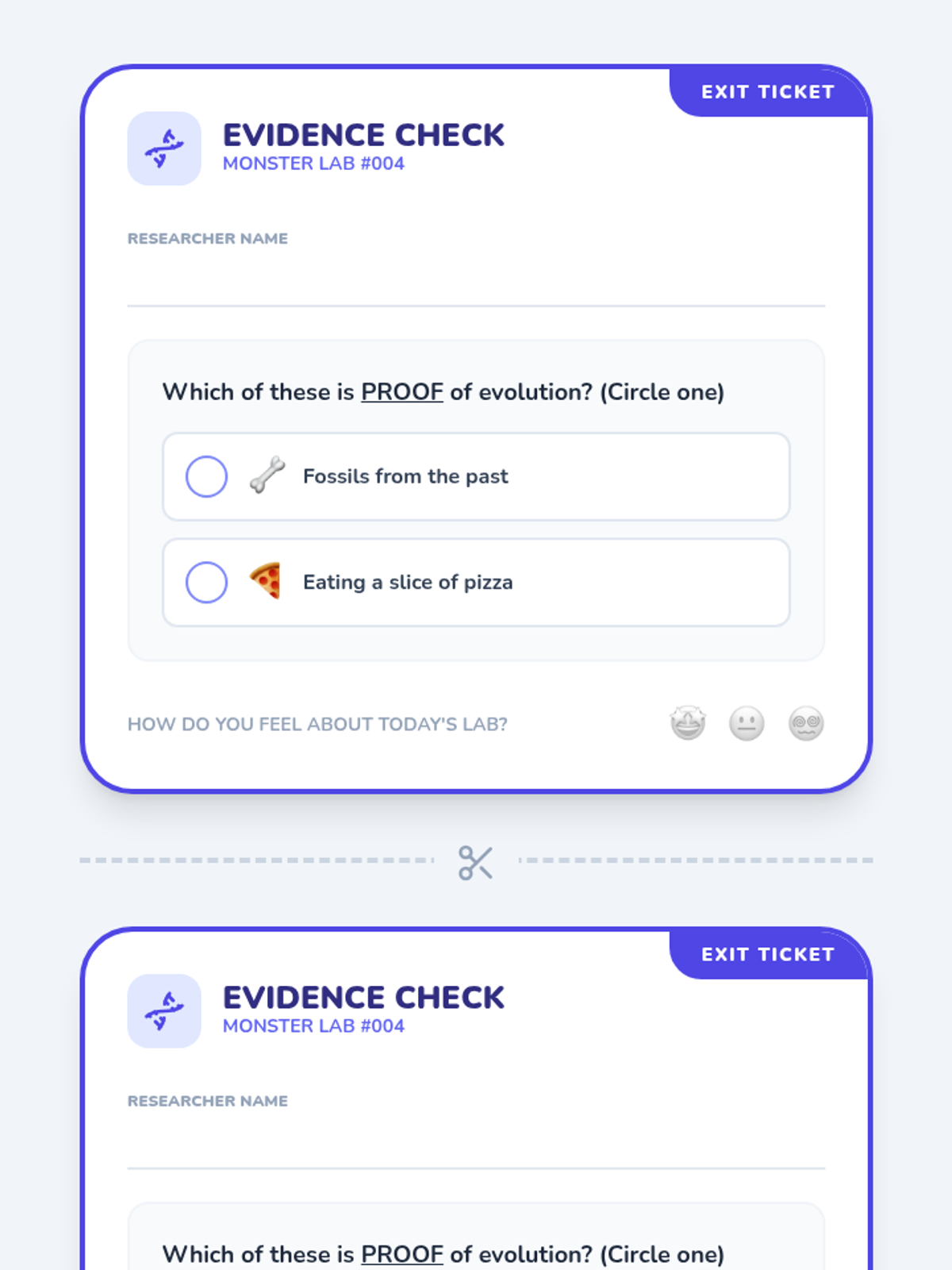
An engaging special education lesson exploring the evidence of evolution through the lens of pocket monsters. Students examine fossils, body structures, and DNA to understand how monsters change over time.
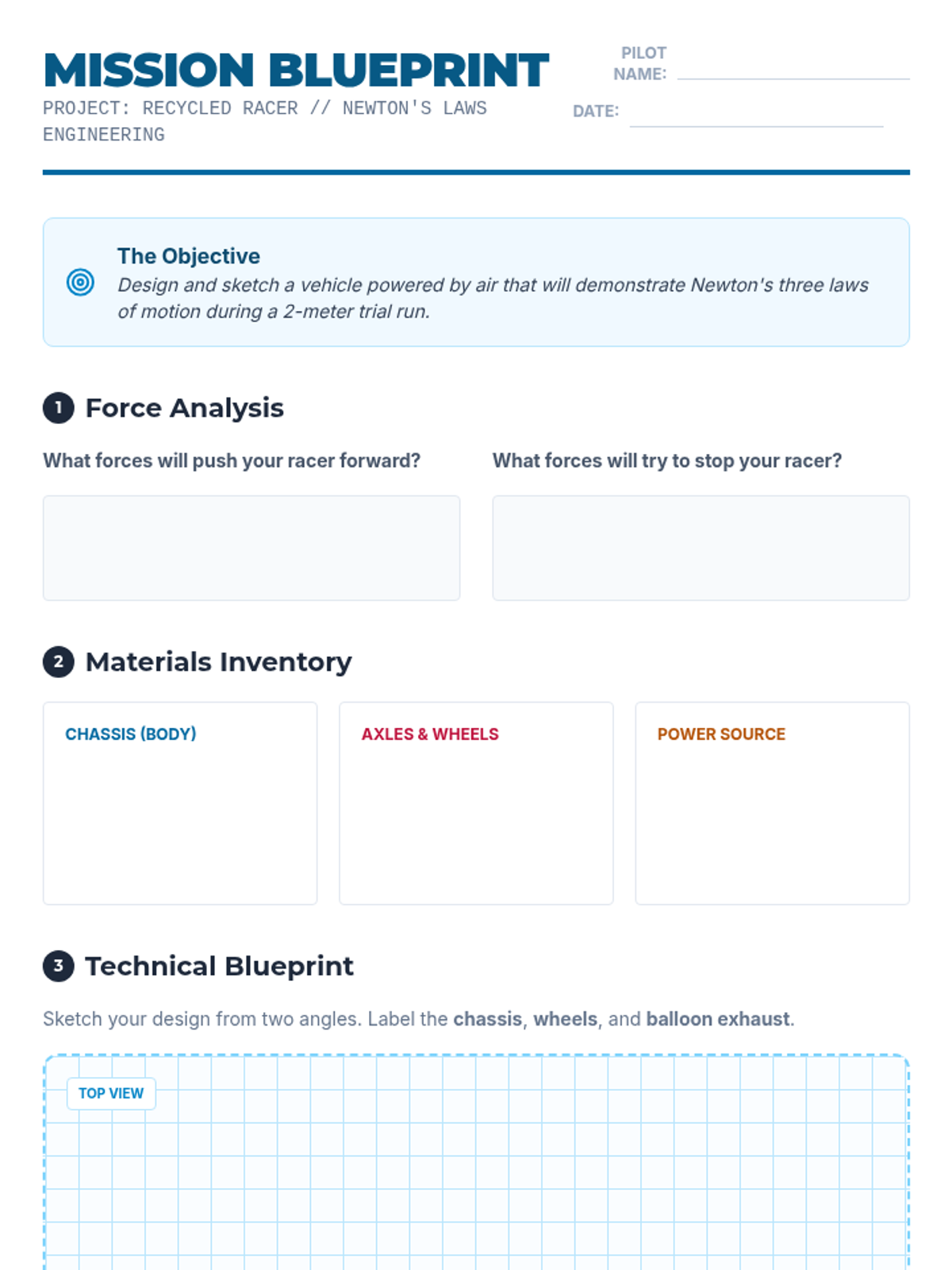
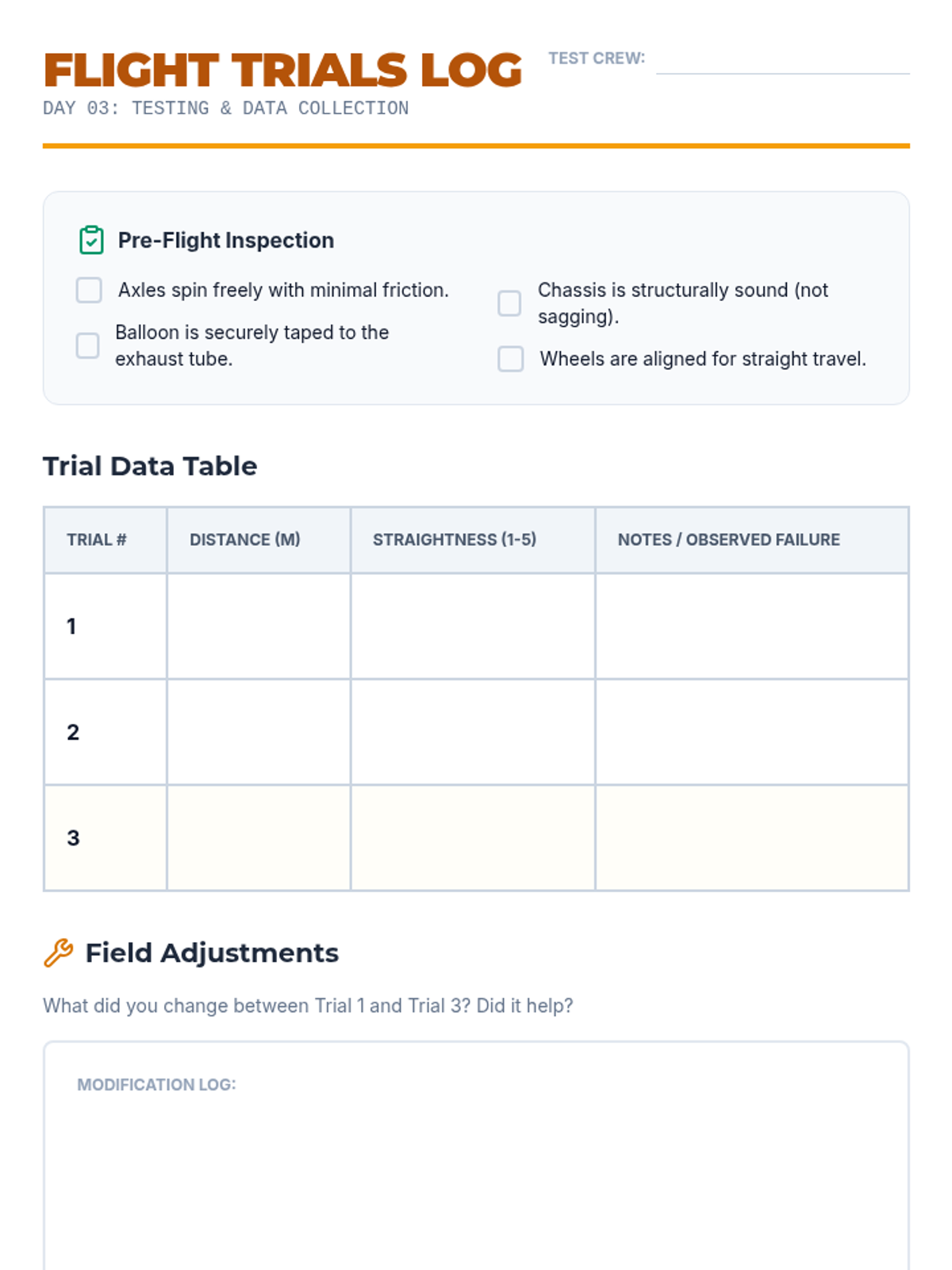
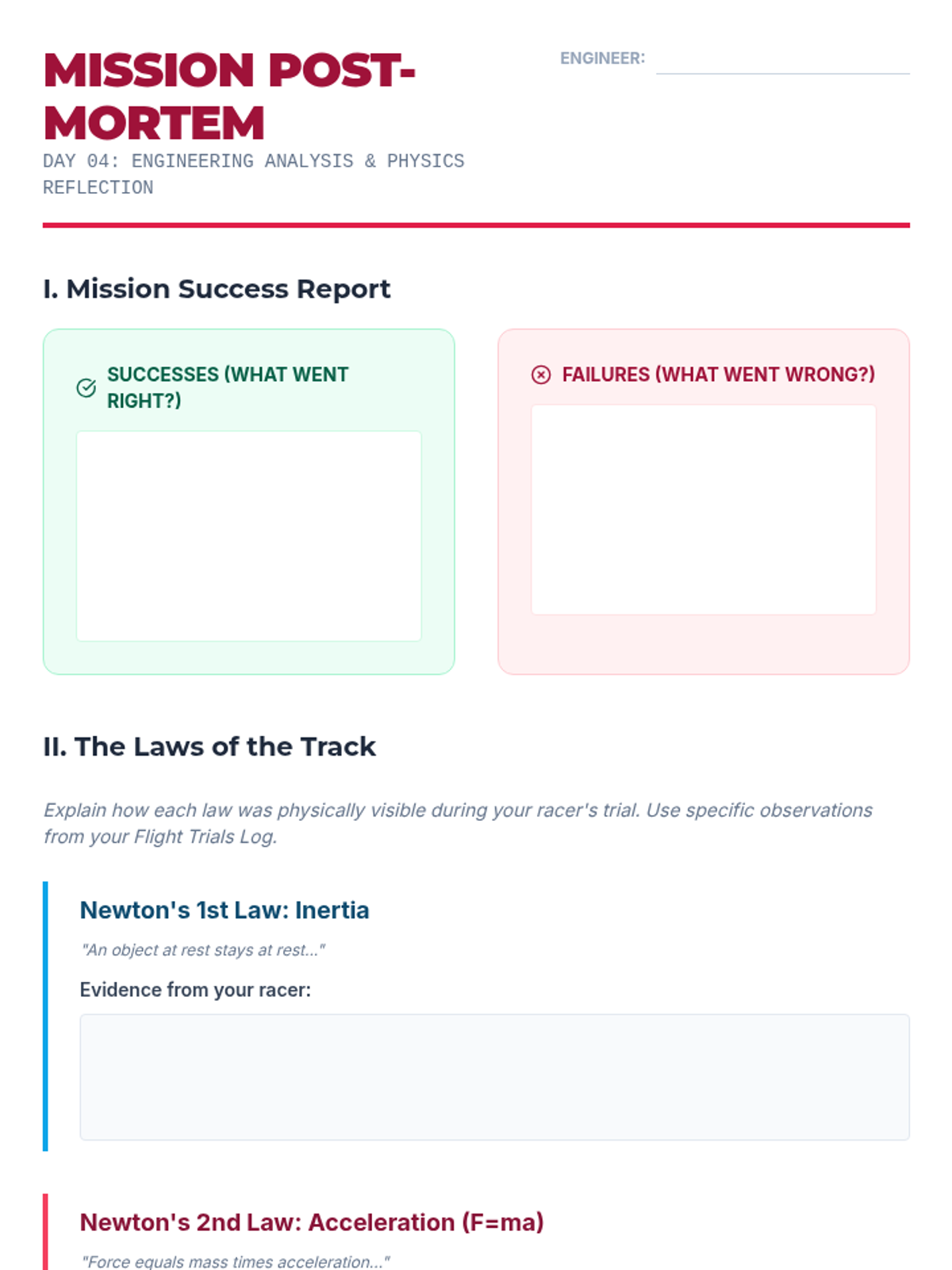
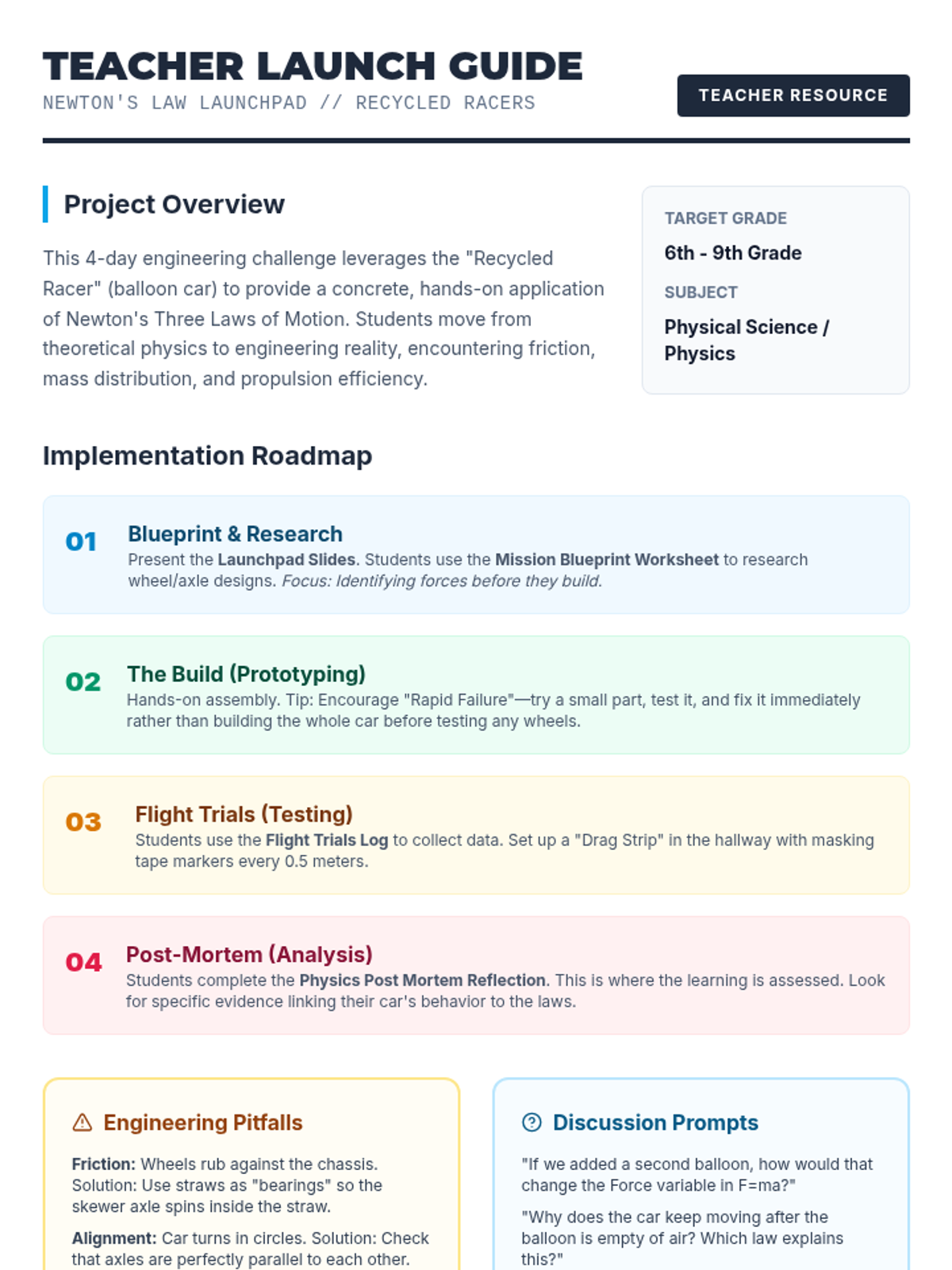
A 4-day hands-on engineering challenge where students design and build a device that demonstrates Newton's three laws of motion using low-cost recycled materials. Students progress through research, blueprinting, prototyping, testing, and a final reflection on the physics at play.
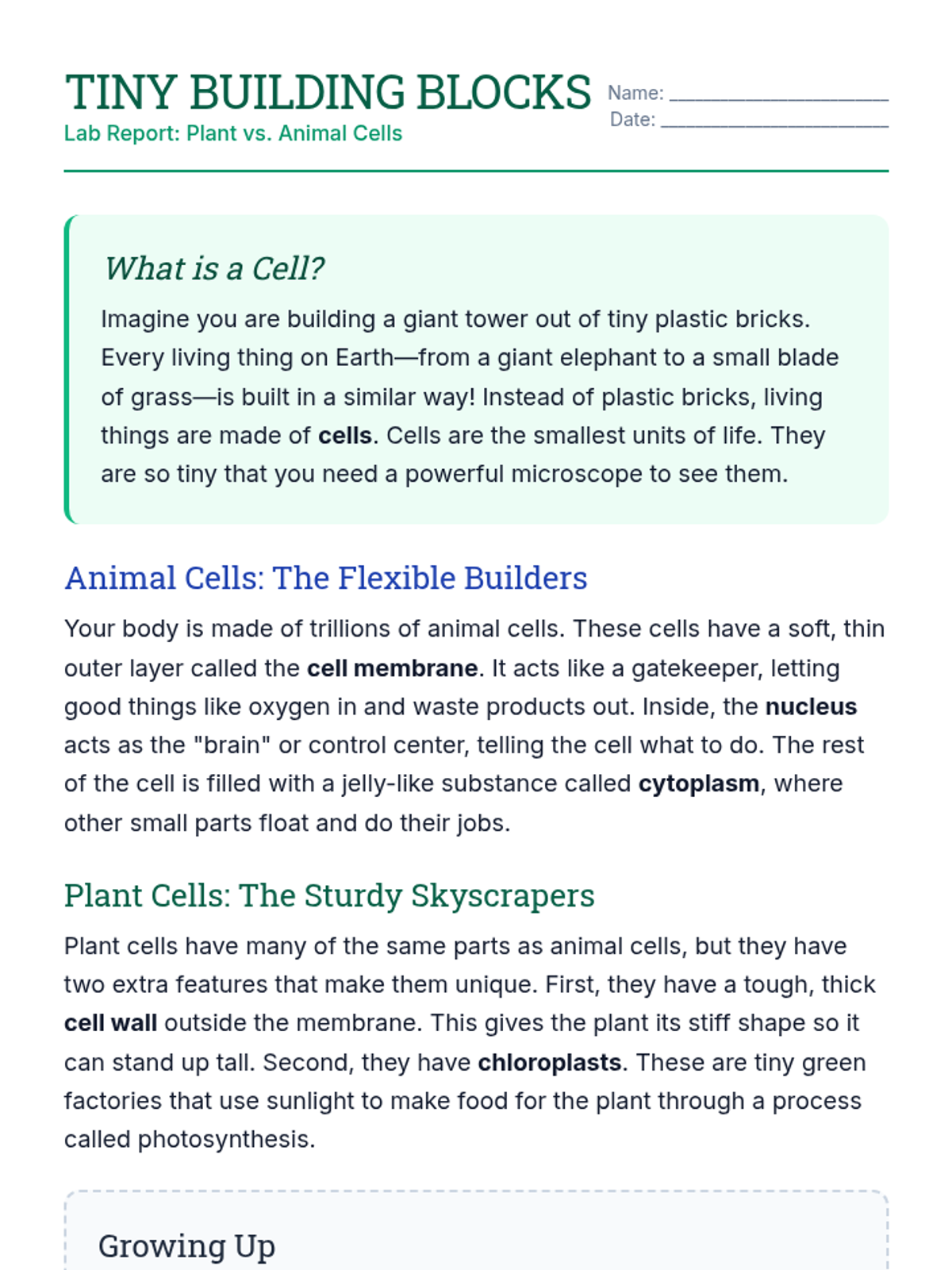
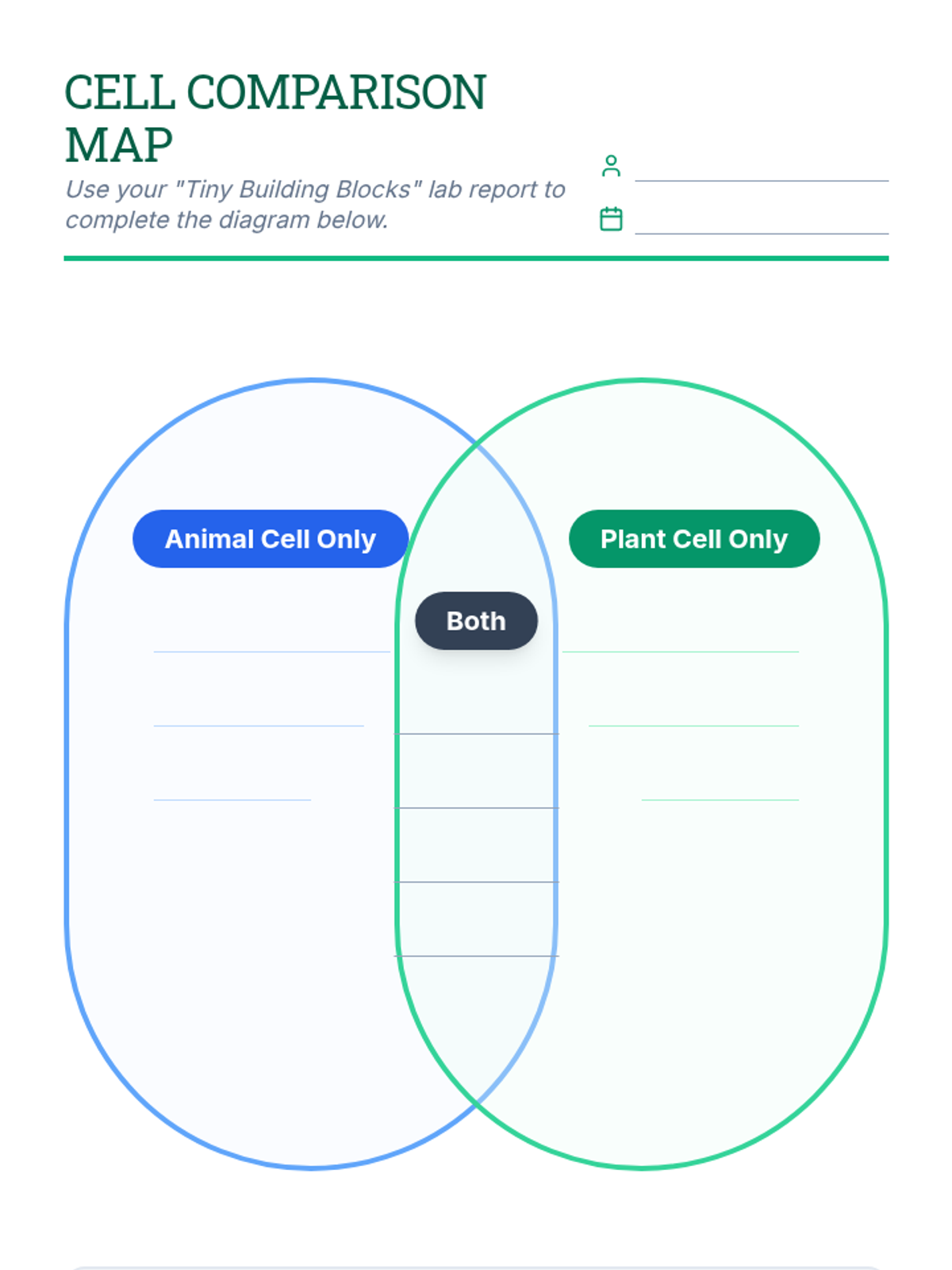
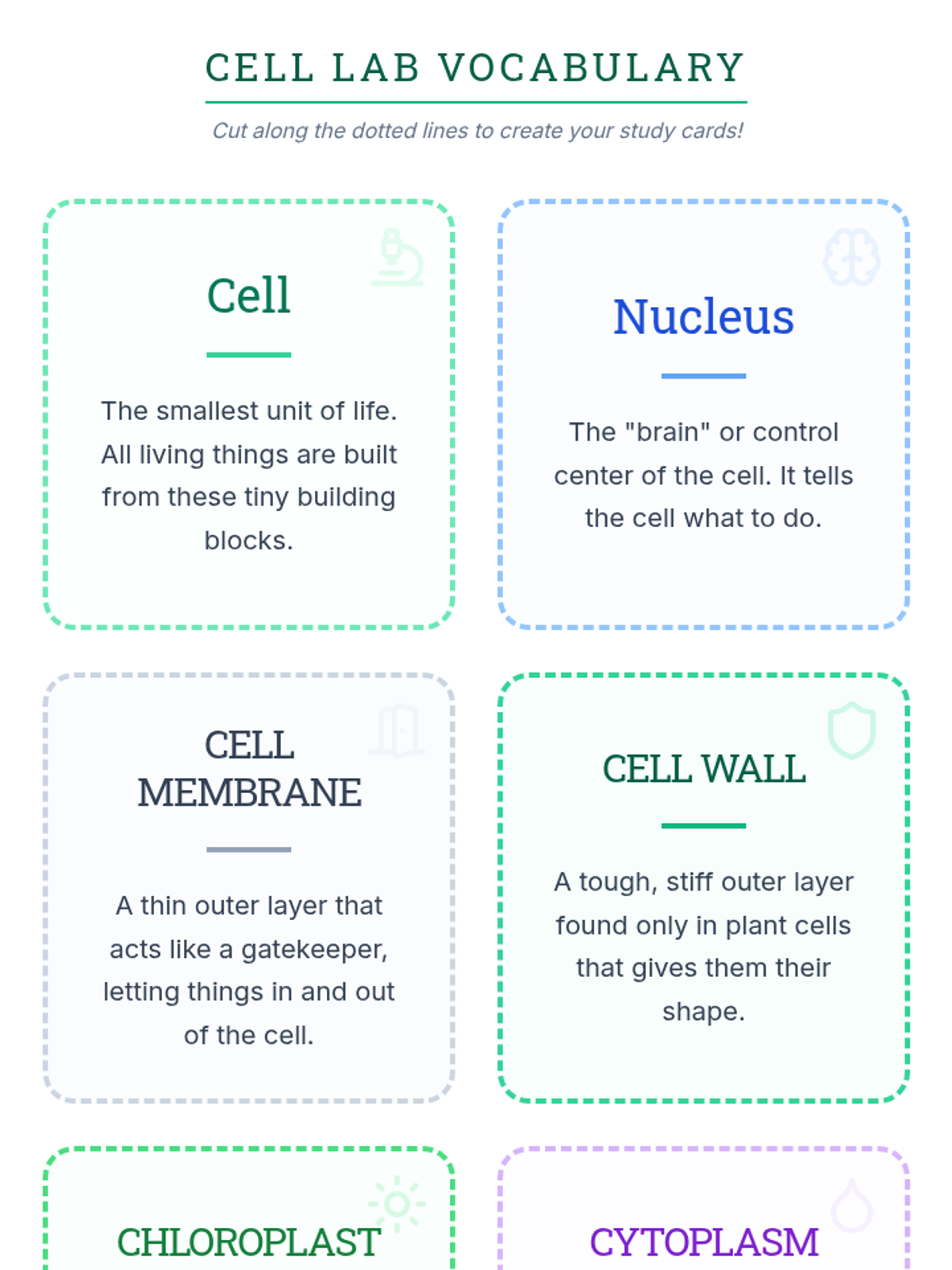
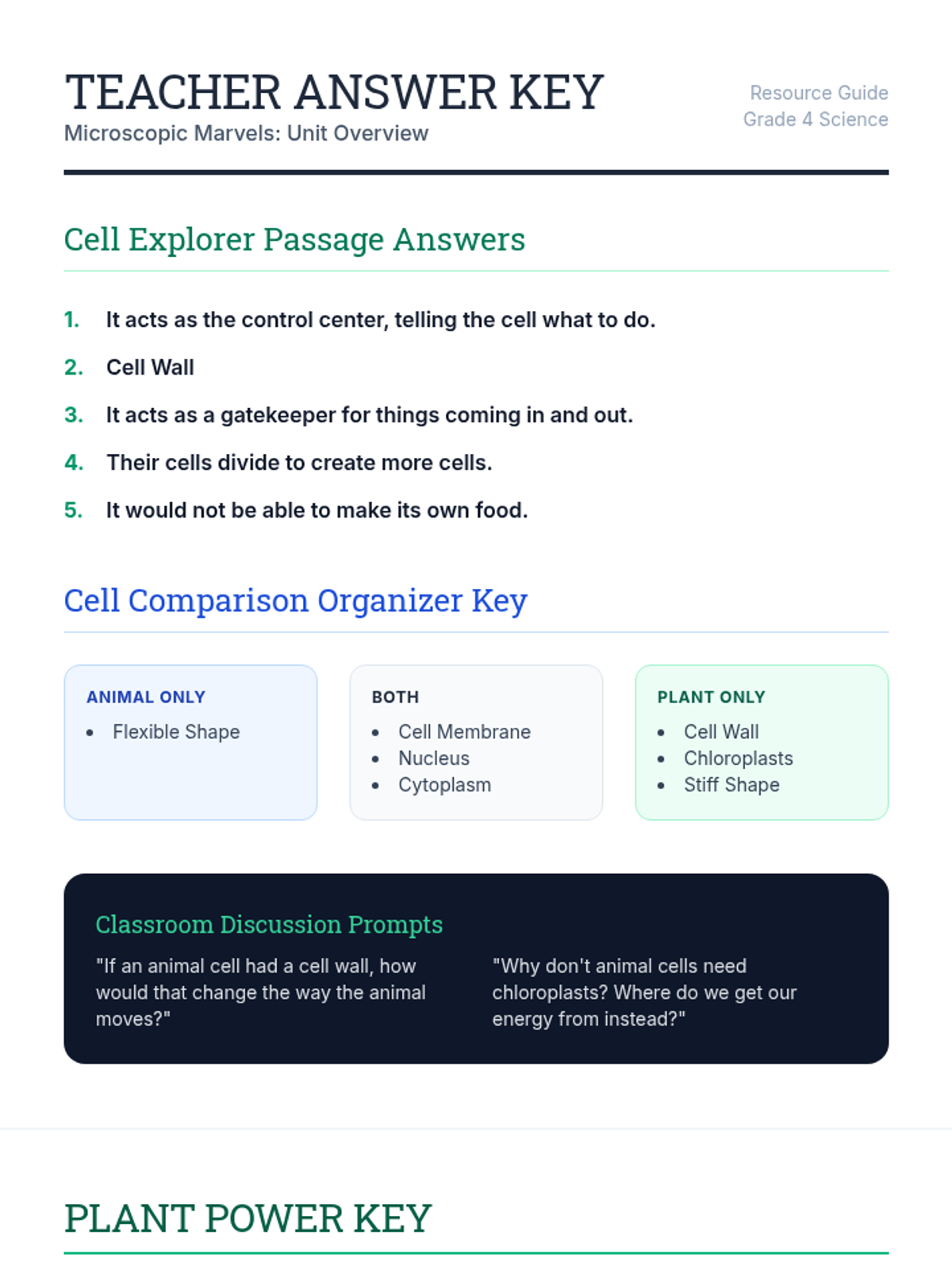
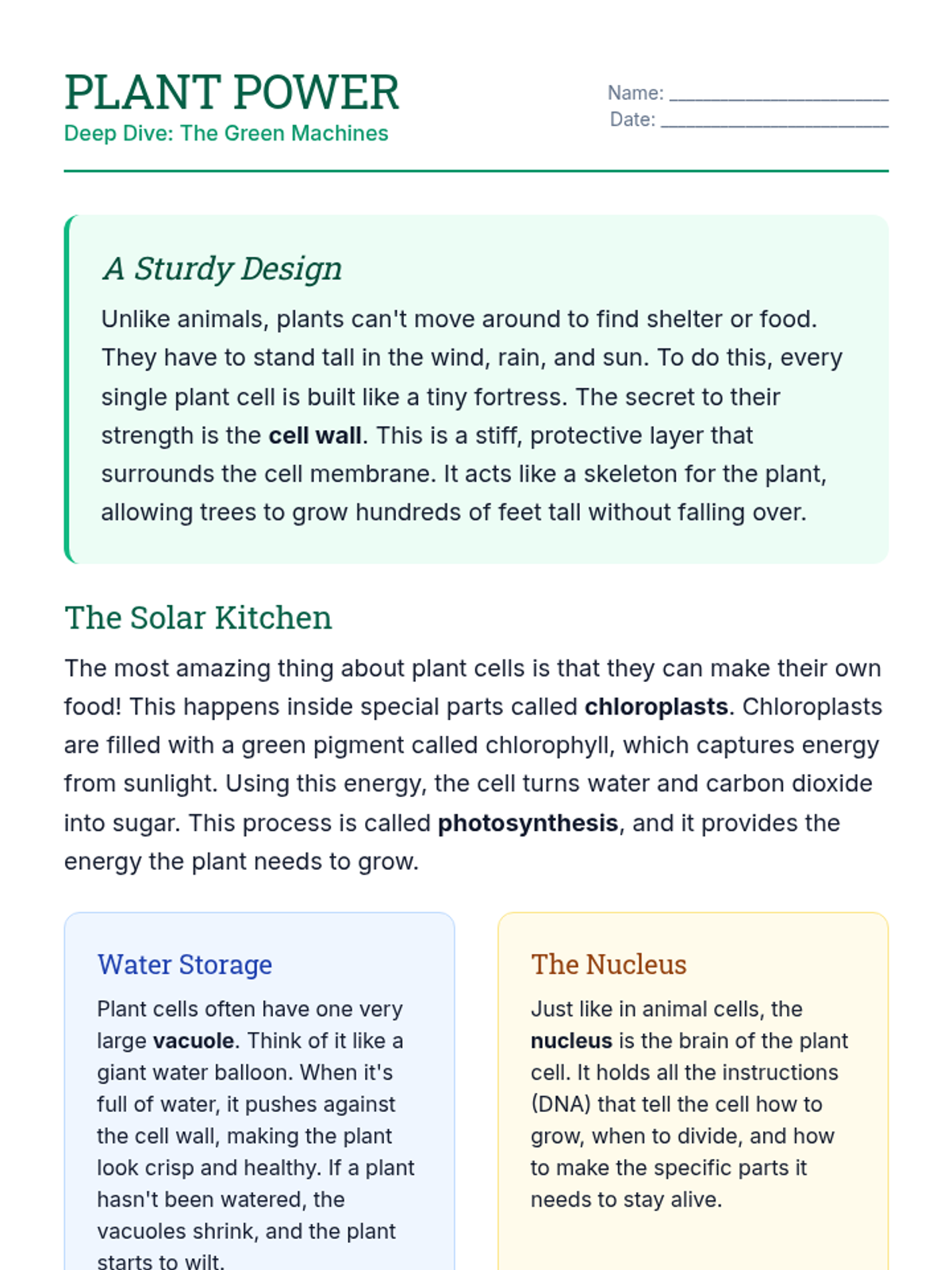
A comprehensive lesson for 4th graders to explore the fundamental building blocks of life: plant and animal cells. Students will identify key organelles, compare cell types, and understand how cells contribute to the growth and function of living things.
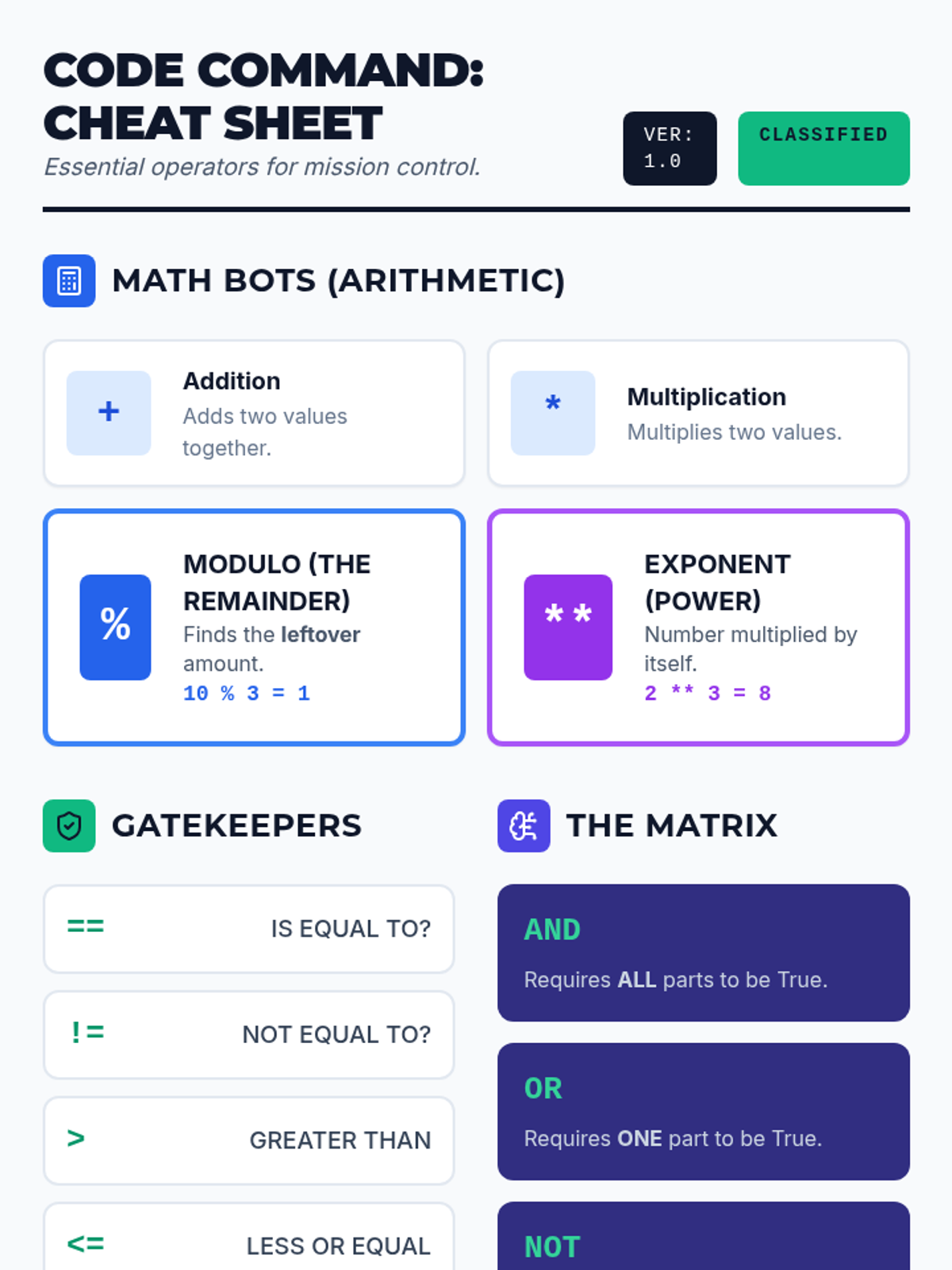
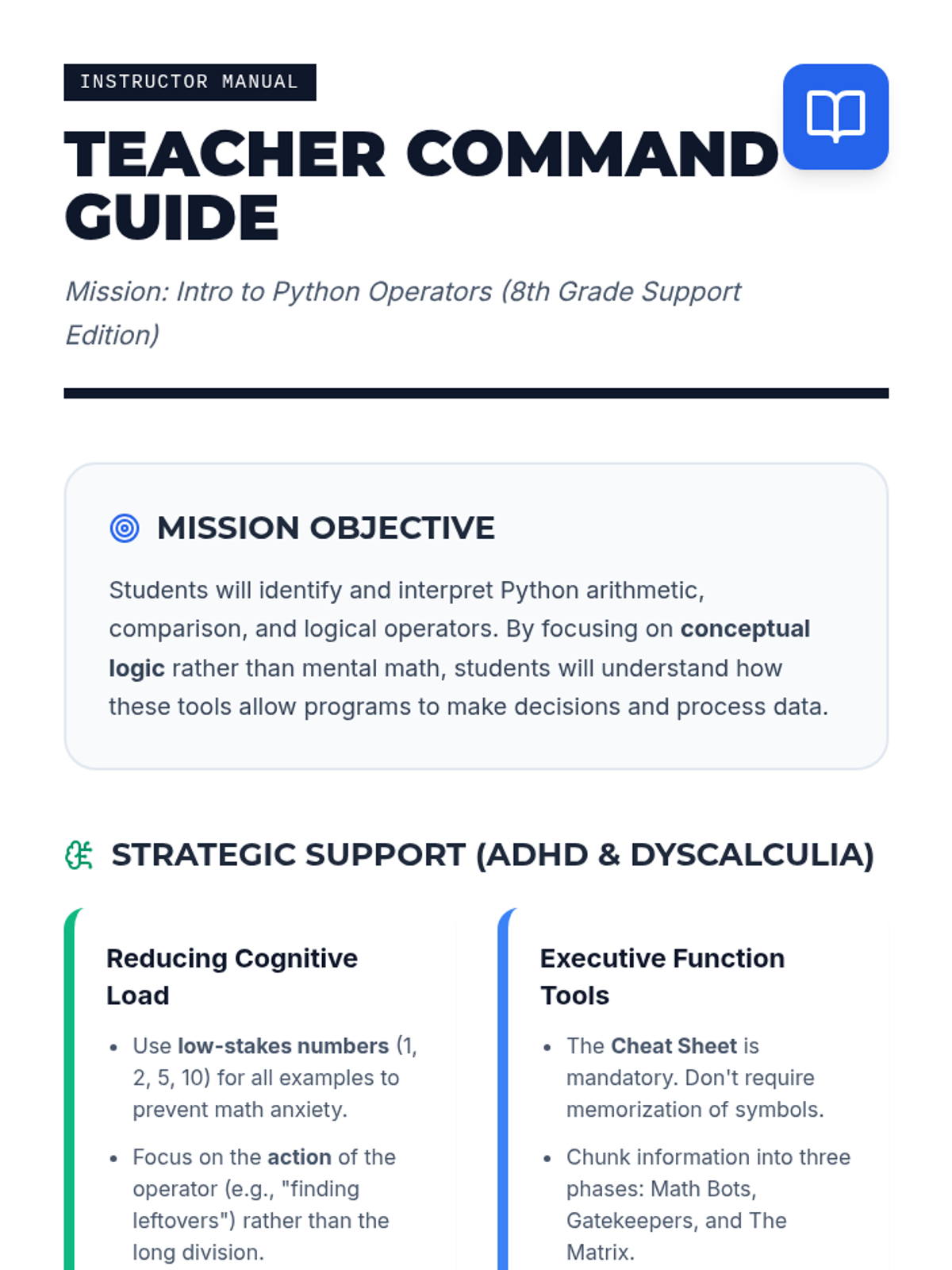
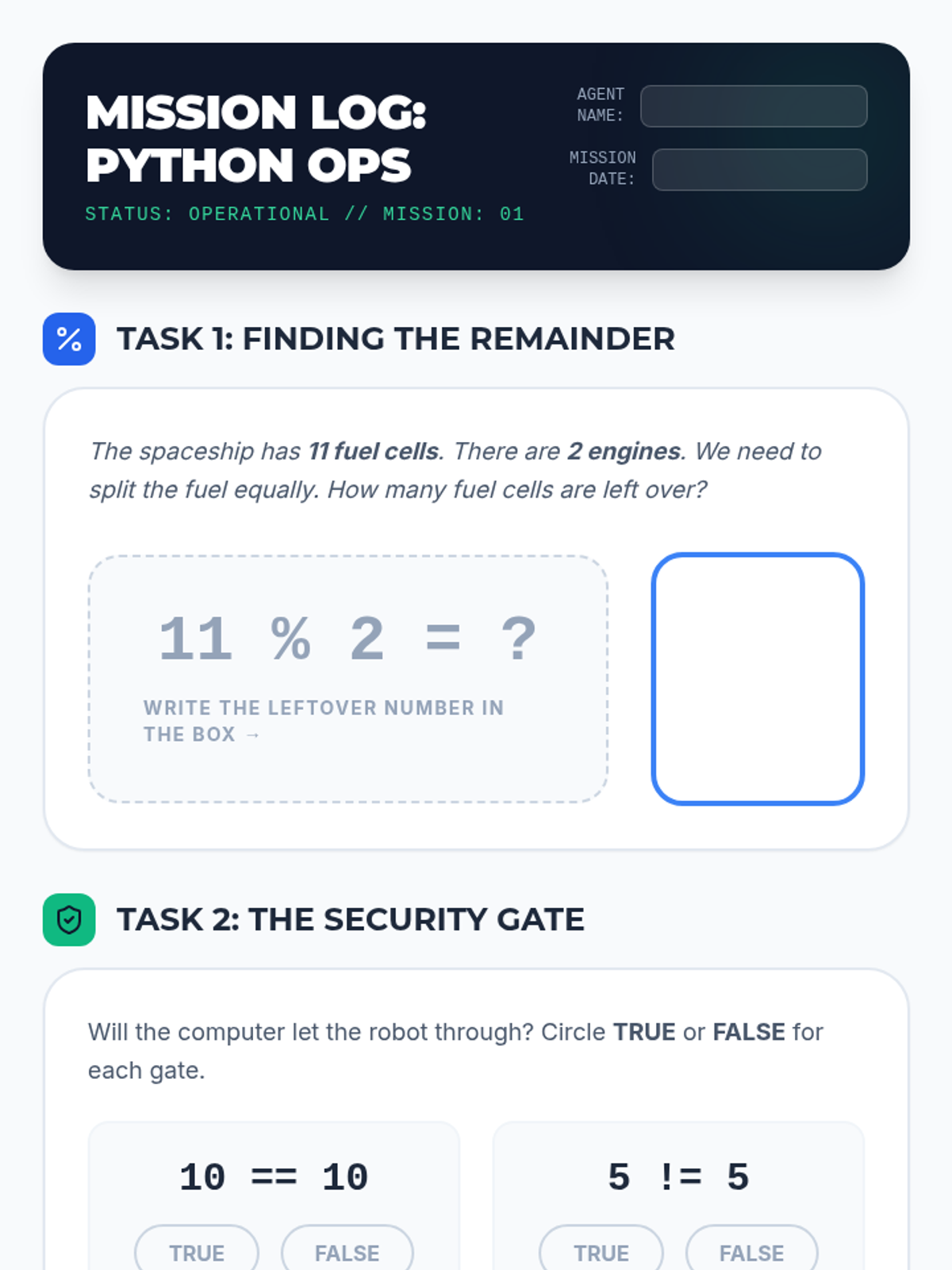
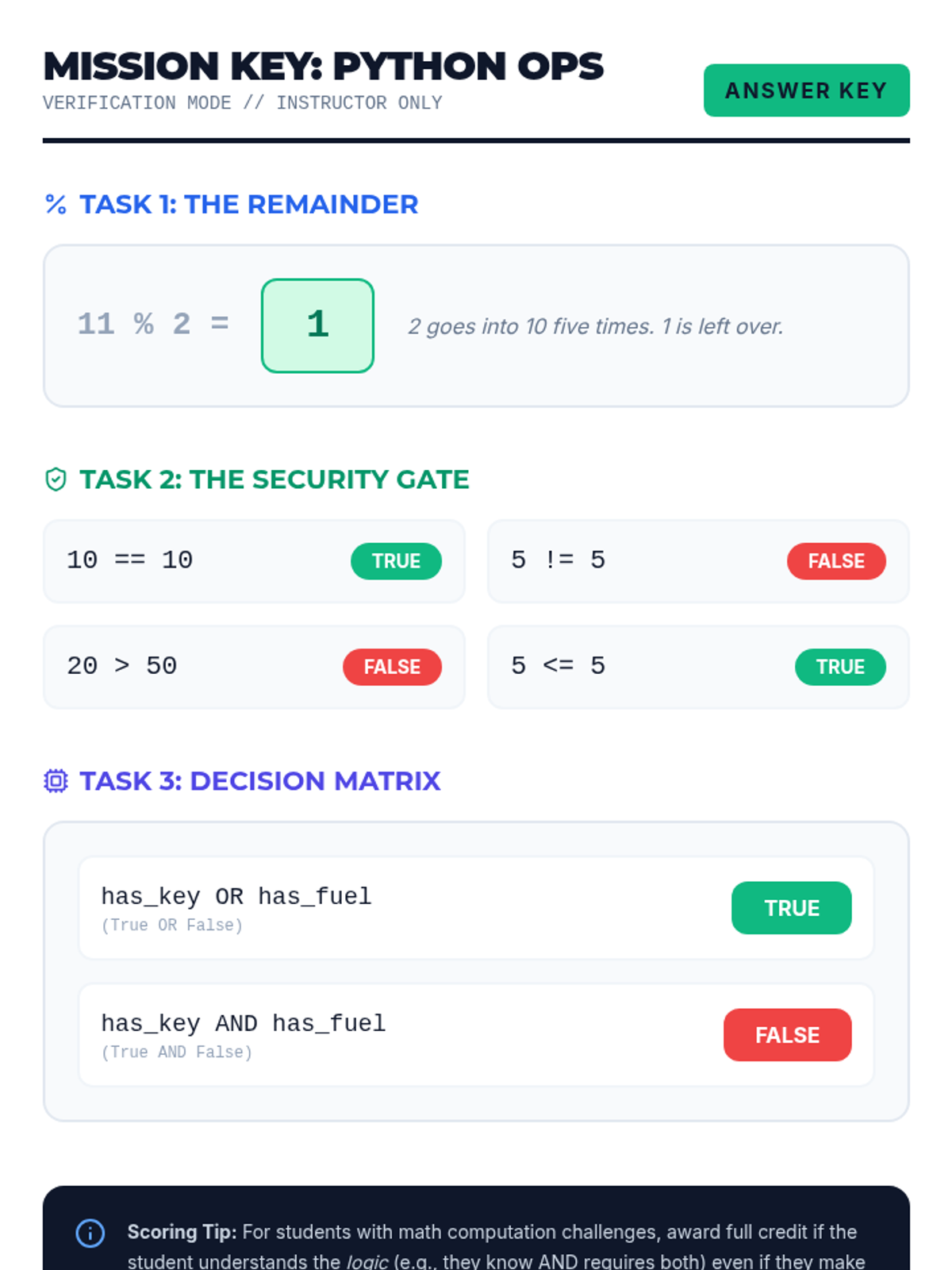
An introductory lesson on Python operators designed for 8th-grade students with ADHD and math challenges. The lesson focuses on conceptual understanding through visual analogies and 'Code Command' mission-based tasks, minimizing complex mental arithmetic.
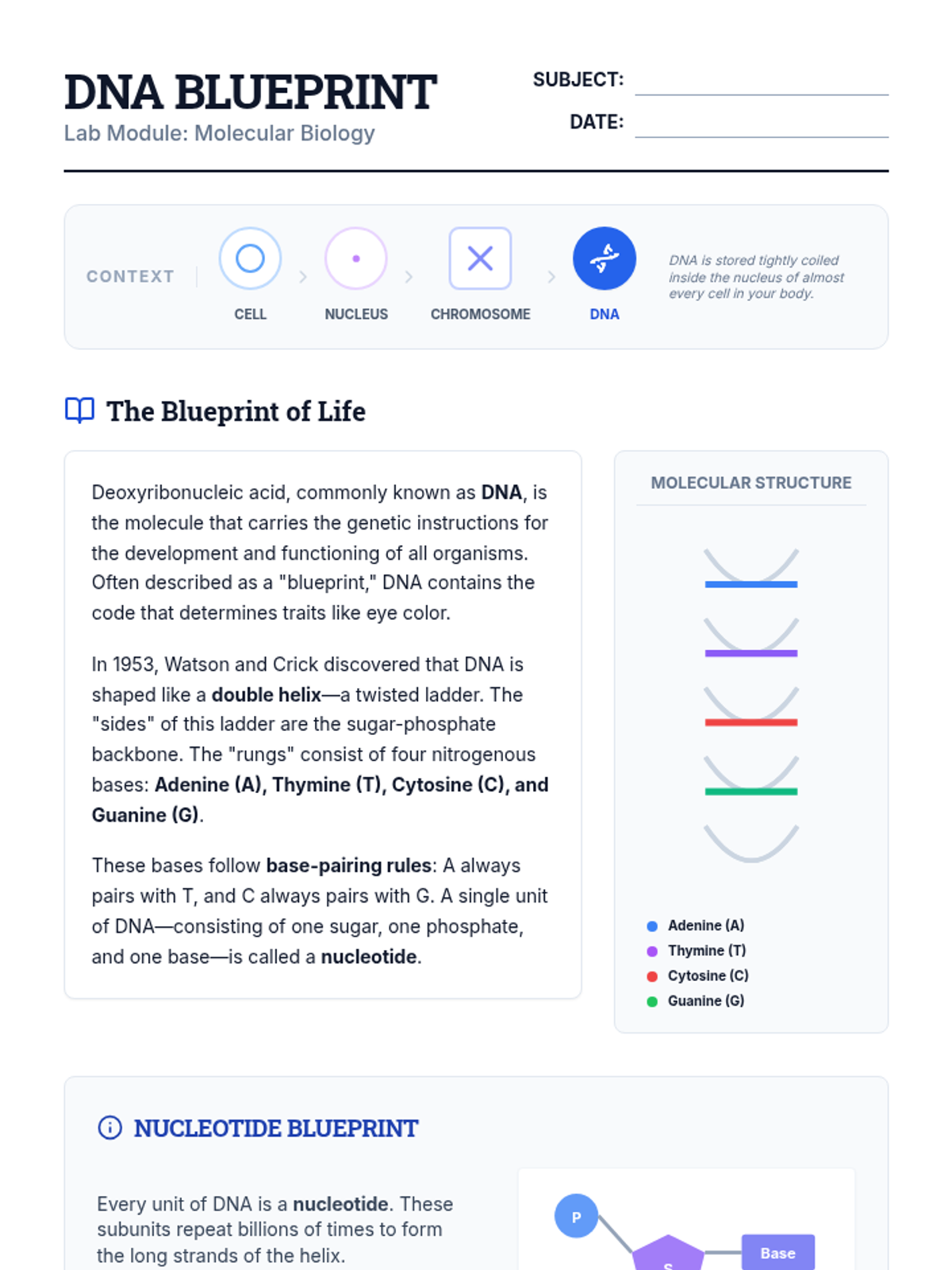
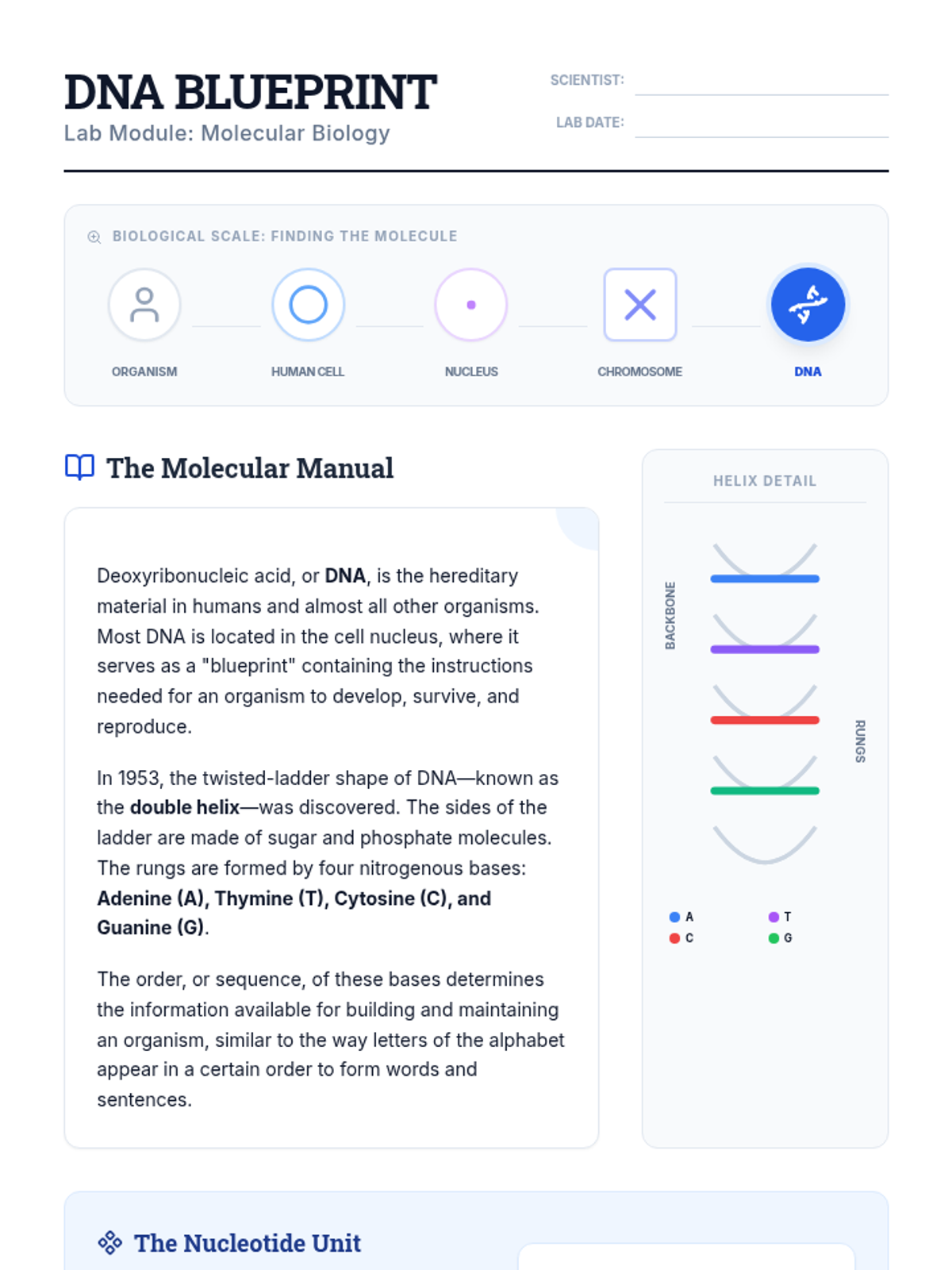
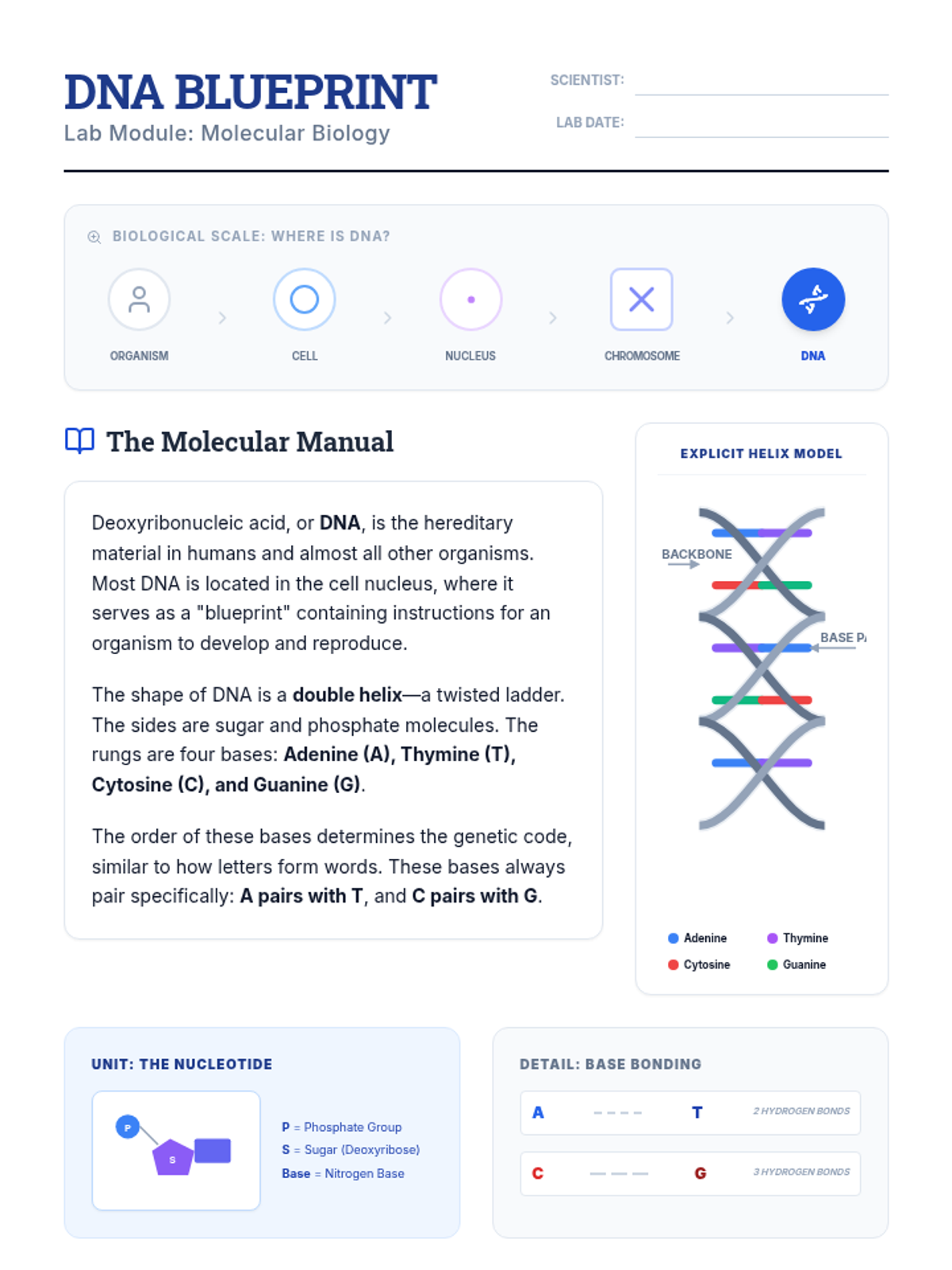
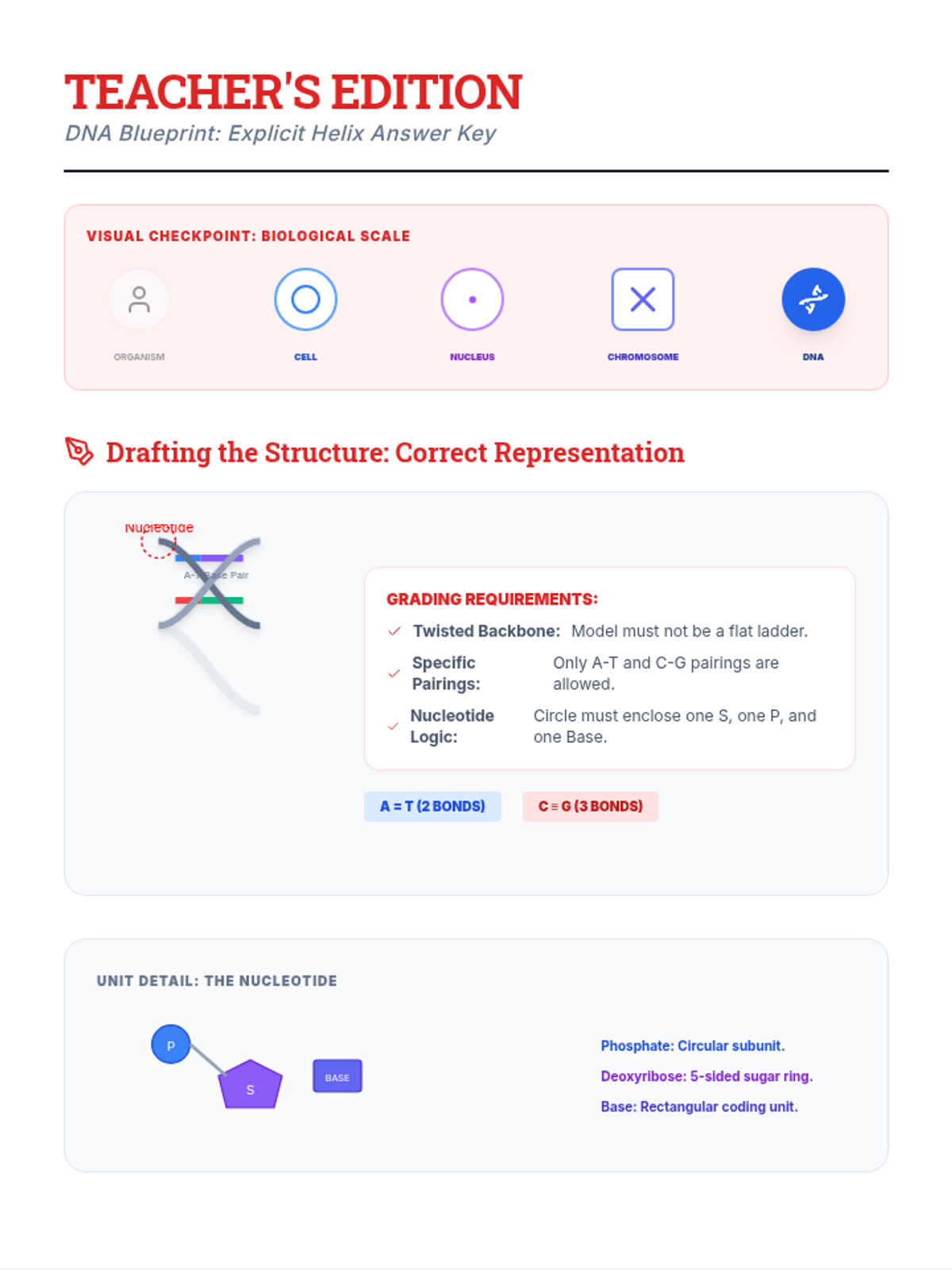
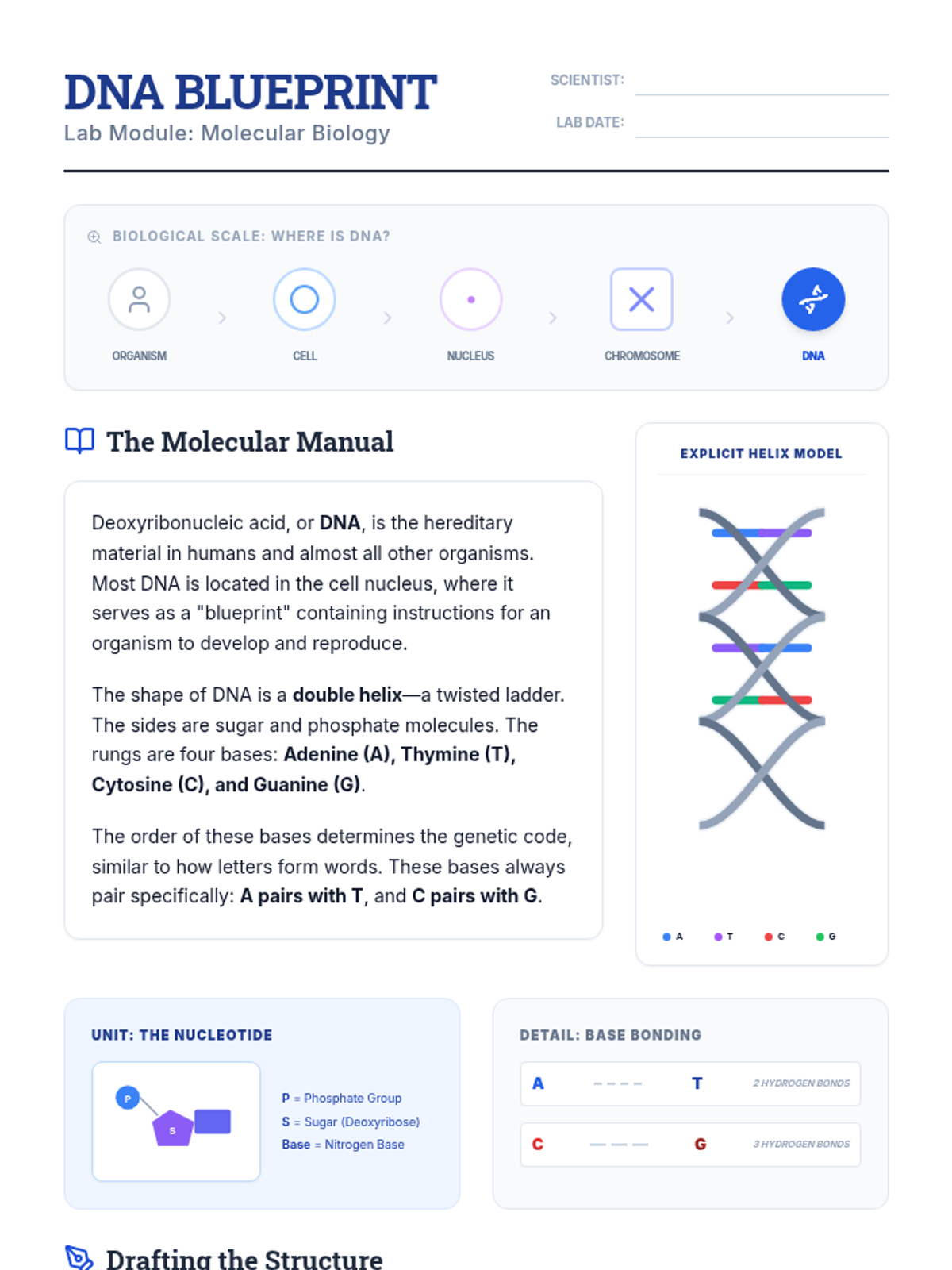
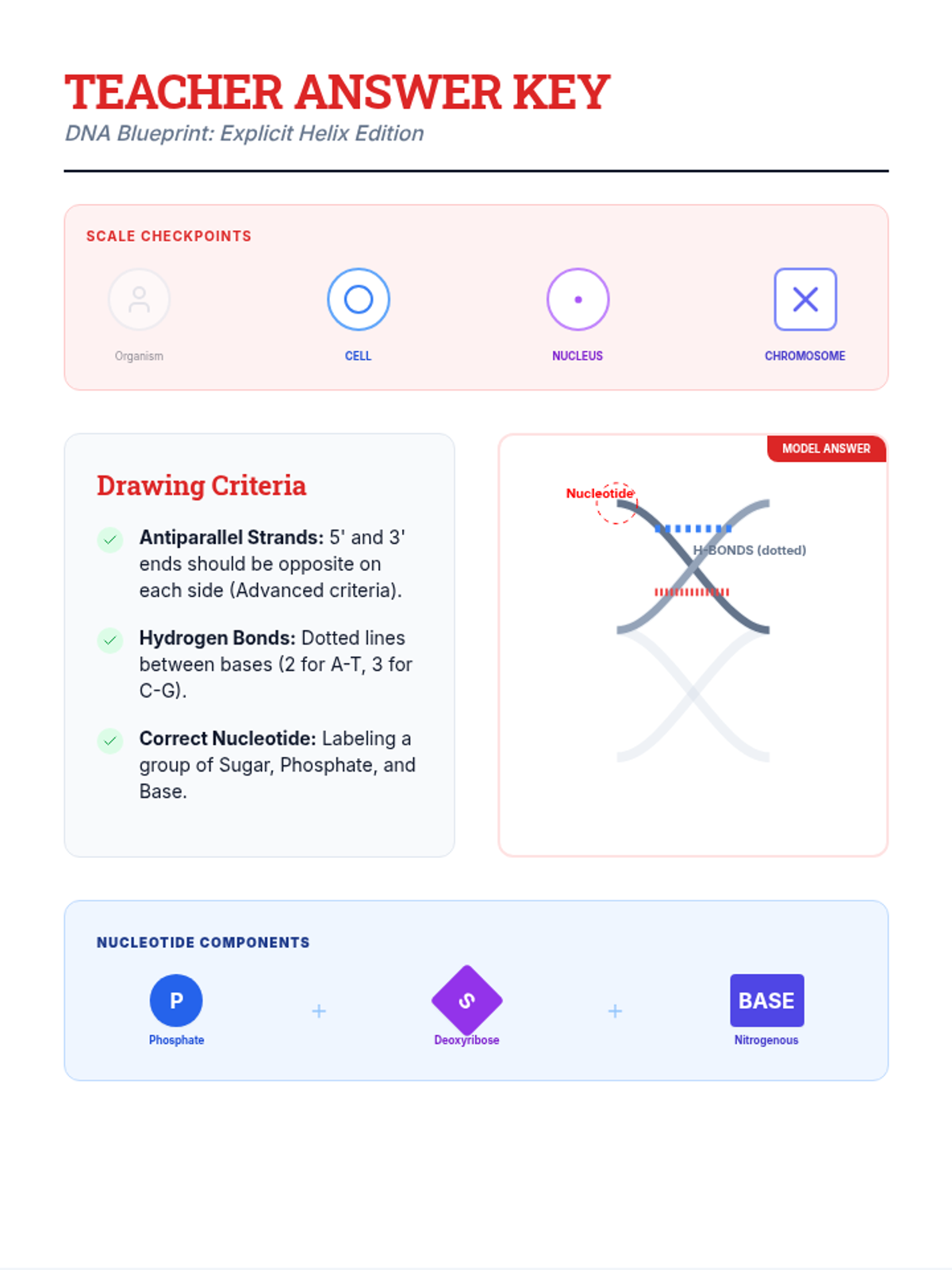
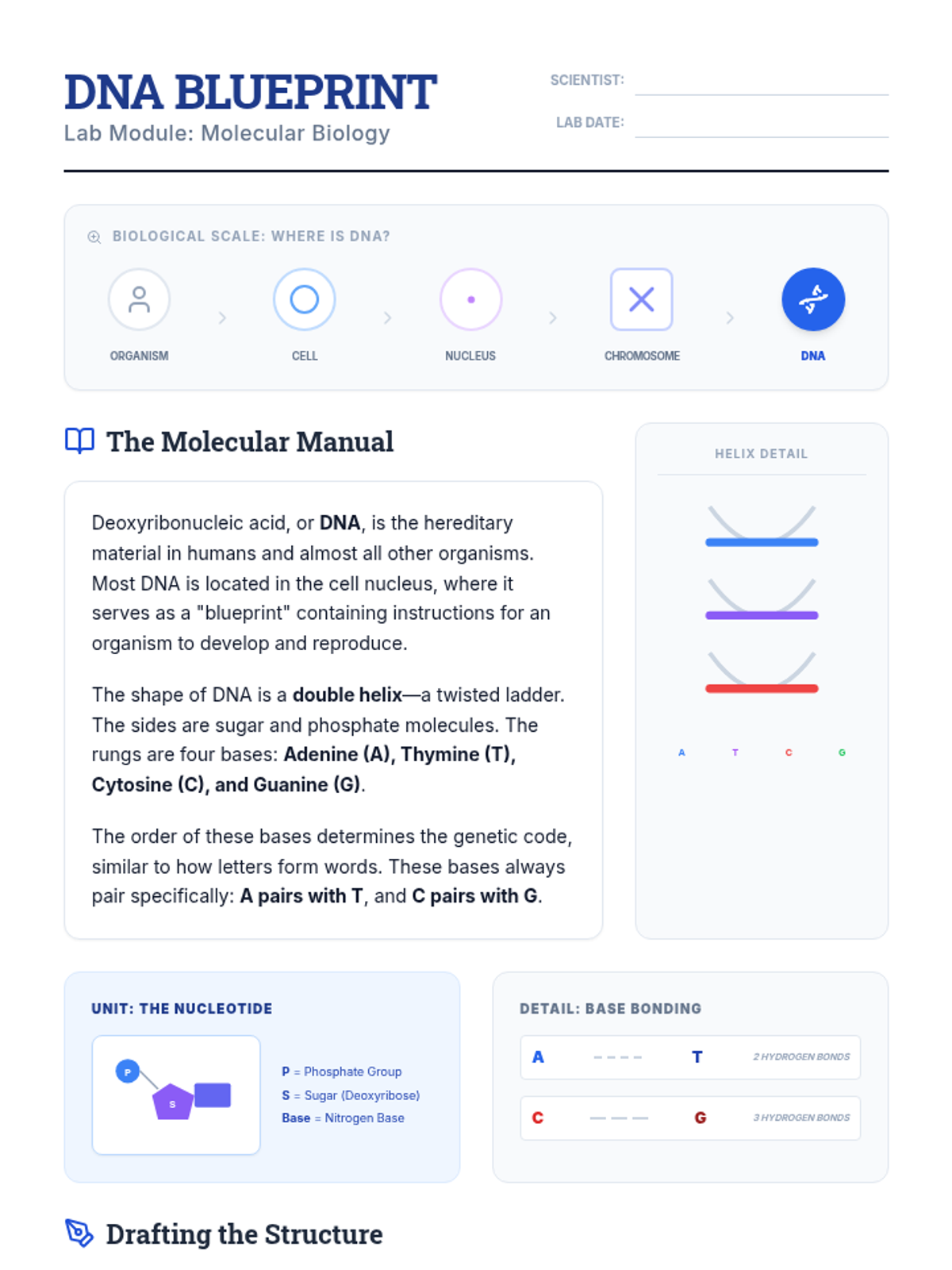
A comprehensive introduction to the structure and function of DNA, featuring reading passages, diagramming activities, and assessment questions.
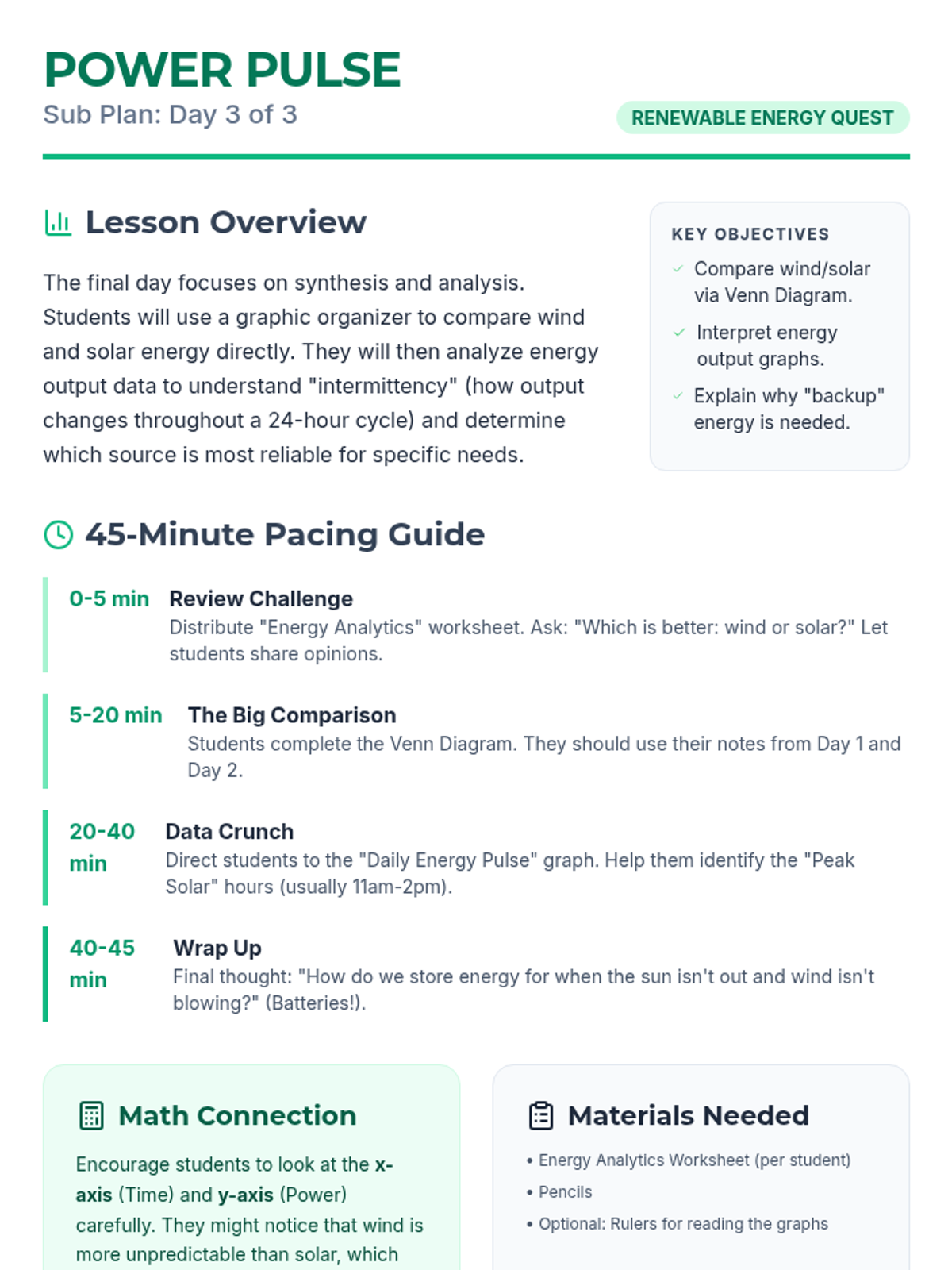
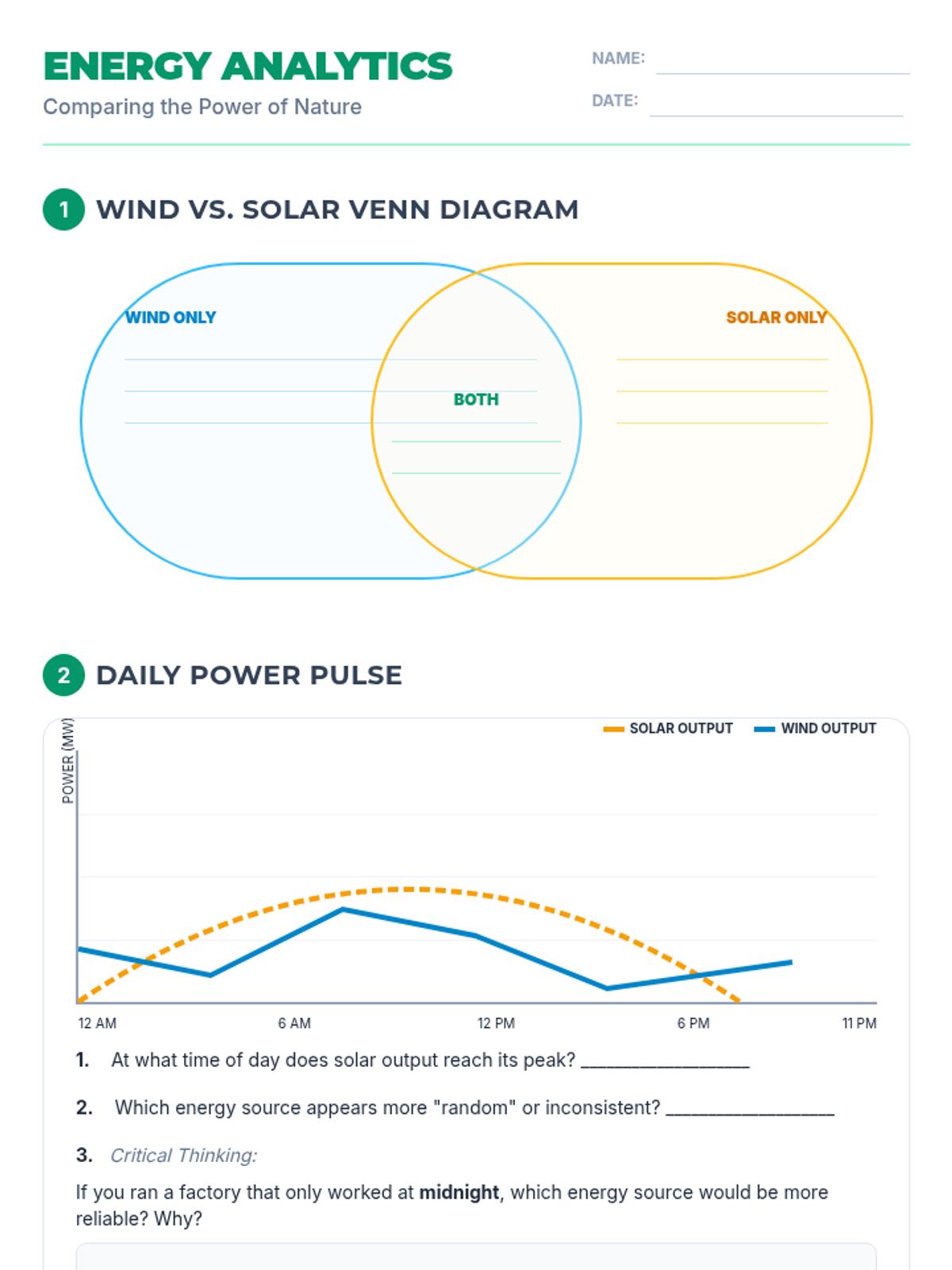
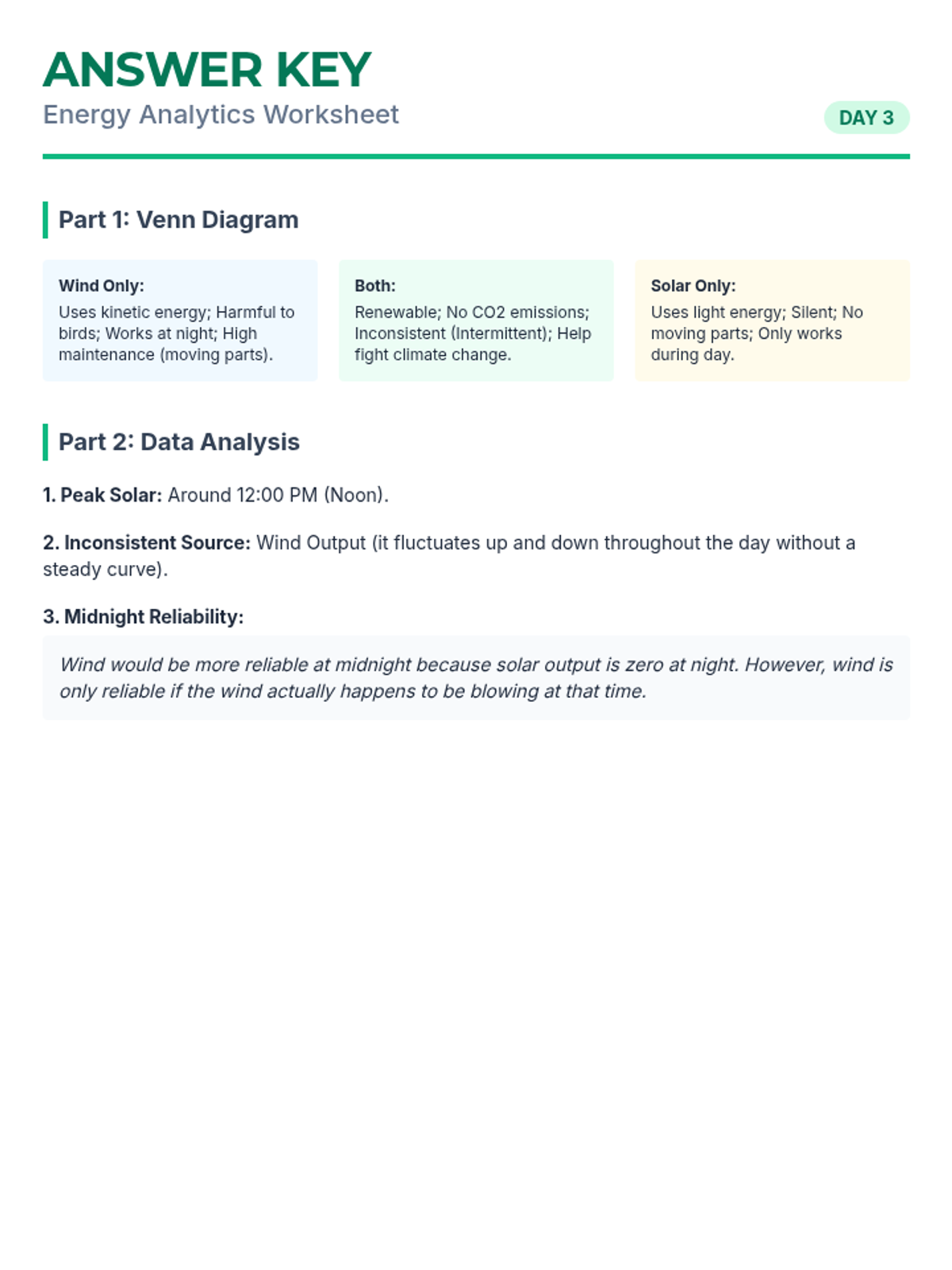
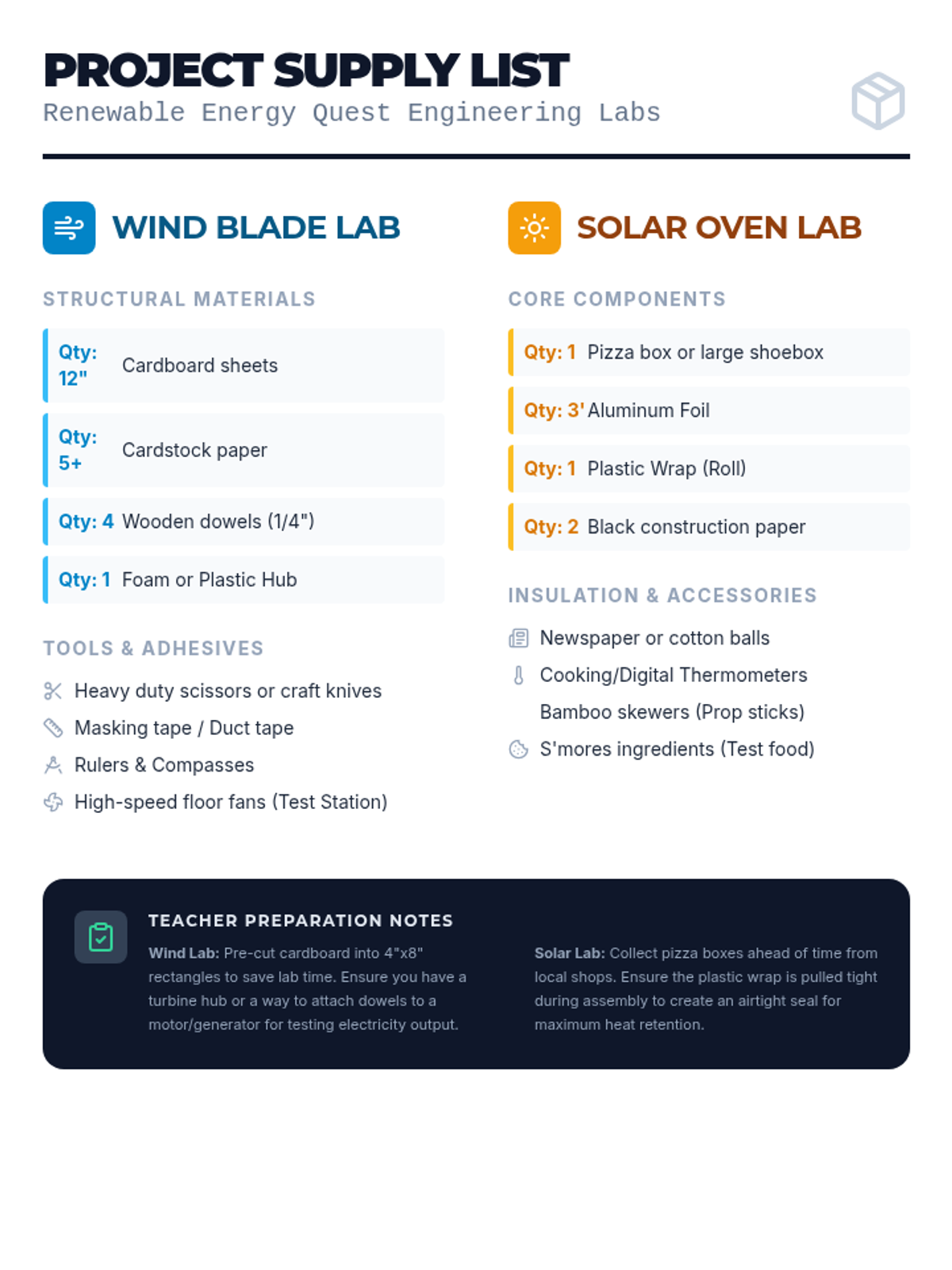
A culminating lesson where students compare wind and solar energy using graphic organizers and analyze real-world energy output data to understand reliability and efficiency.
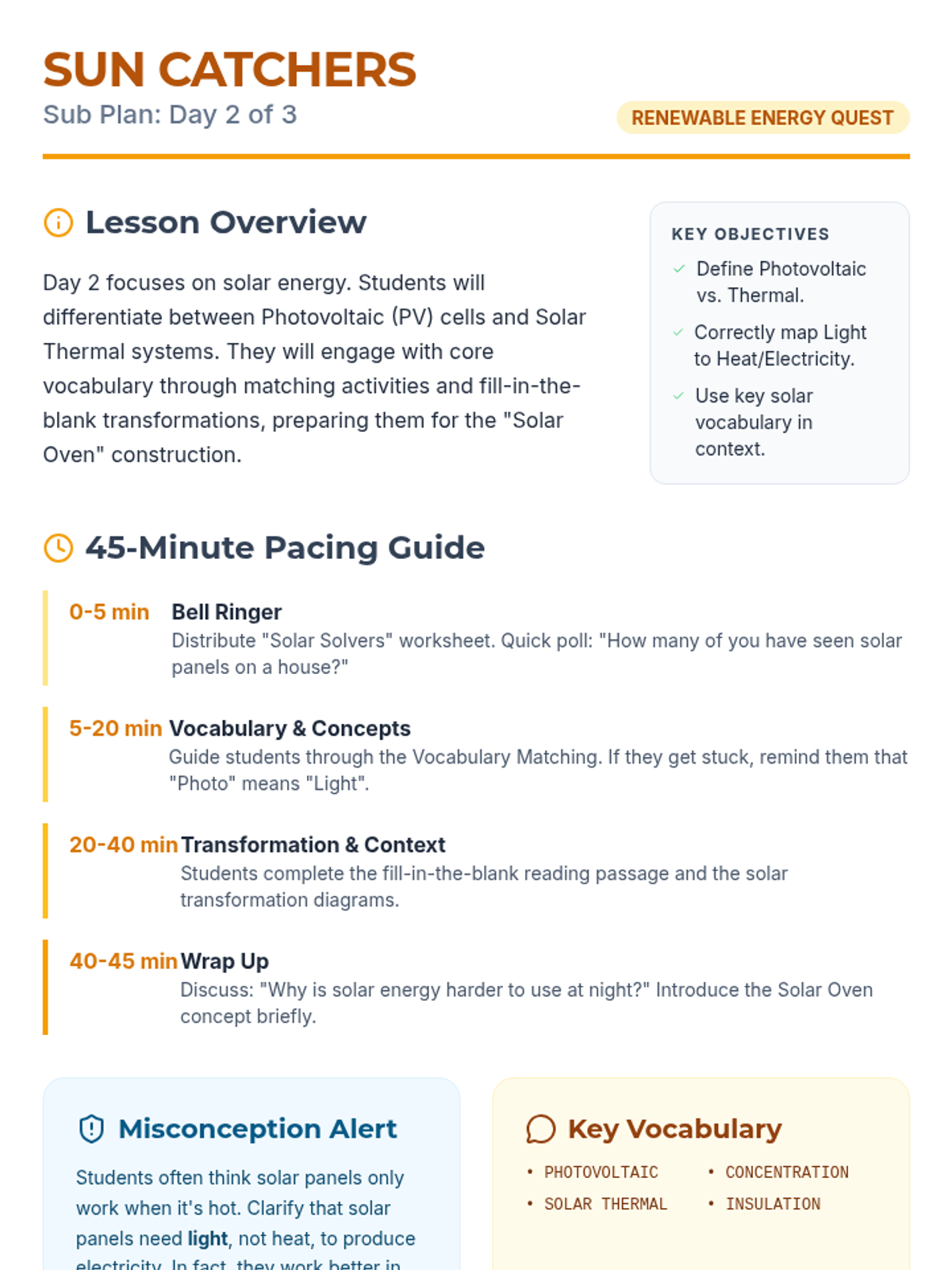
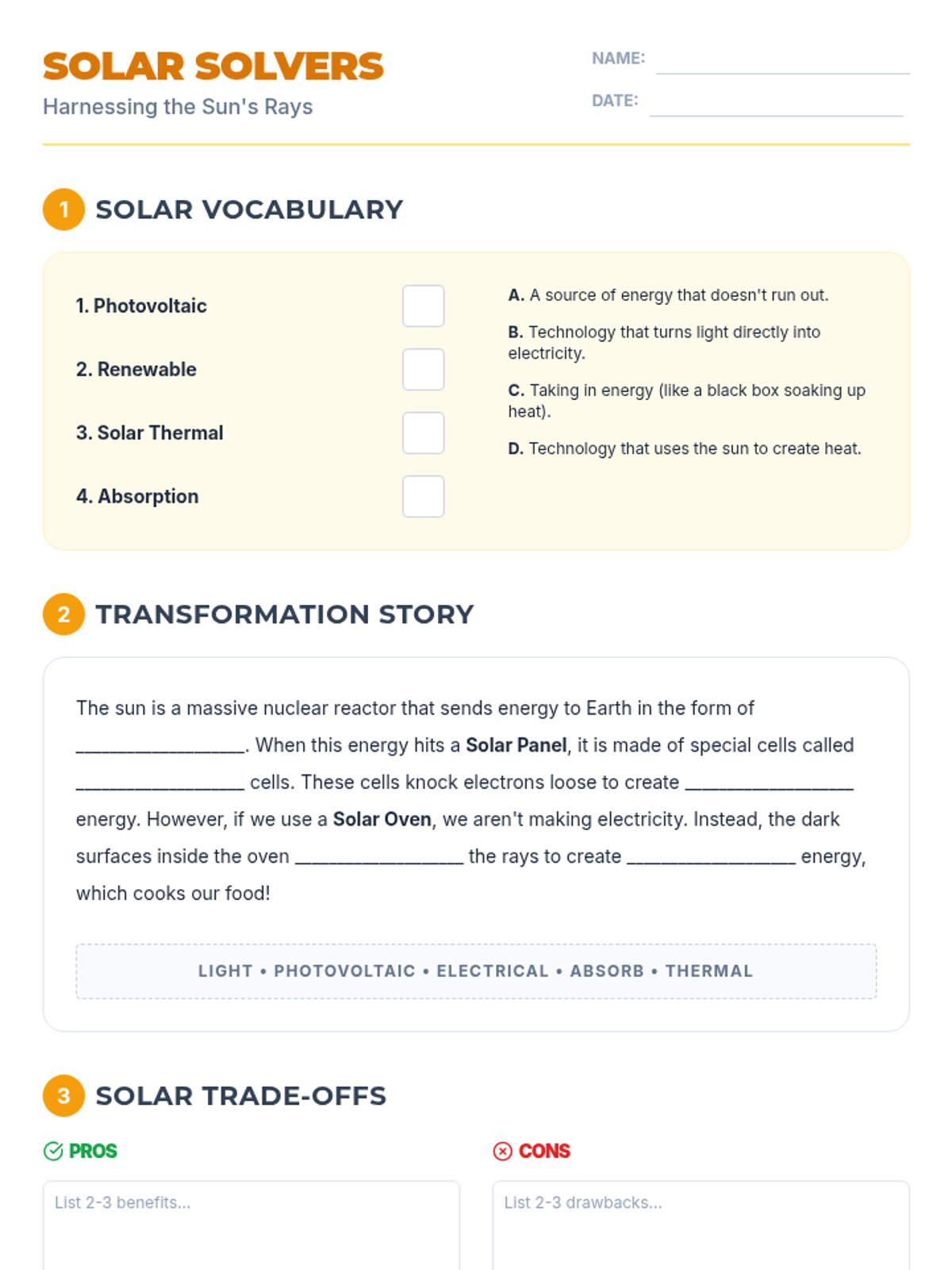
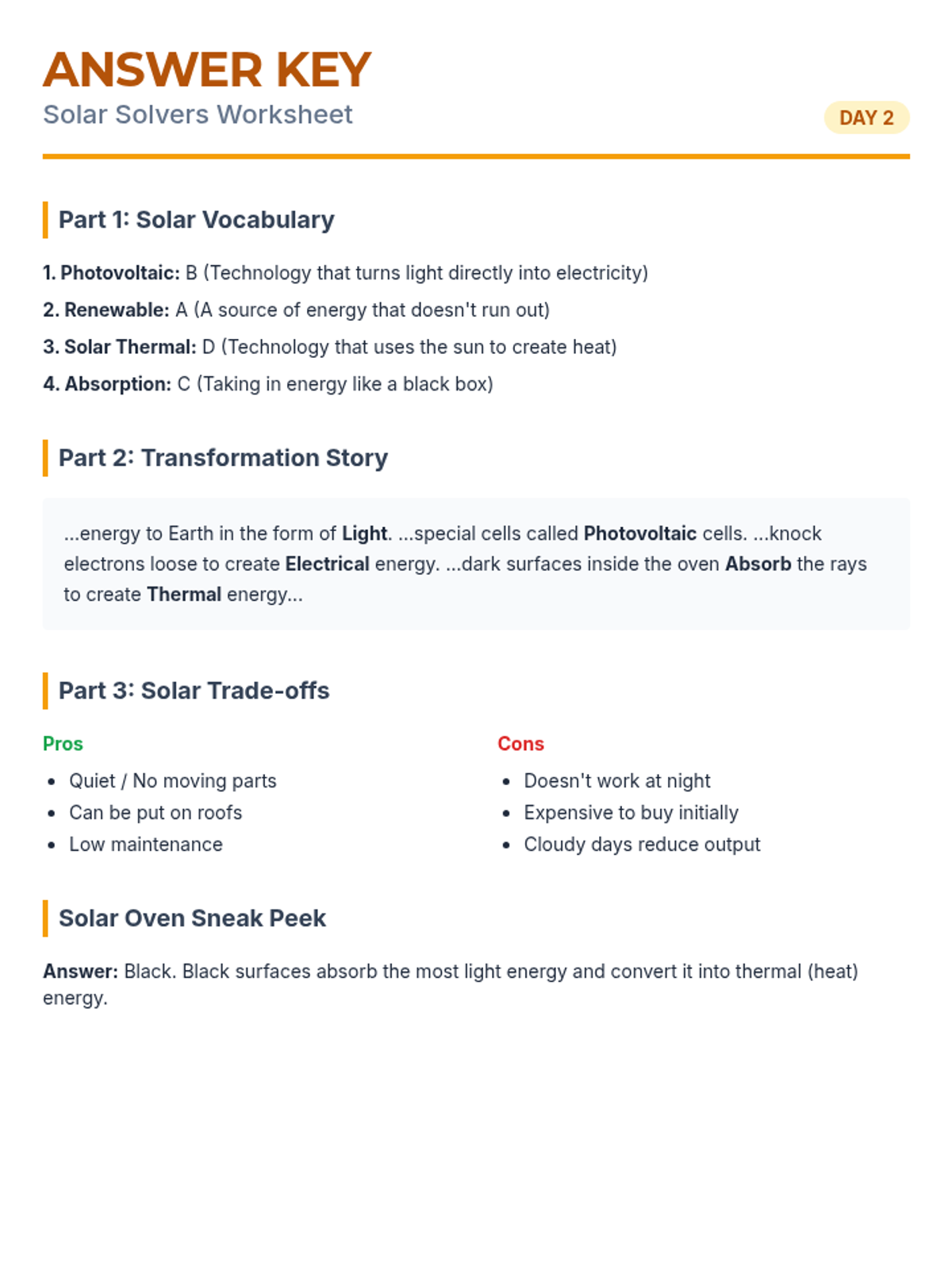
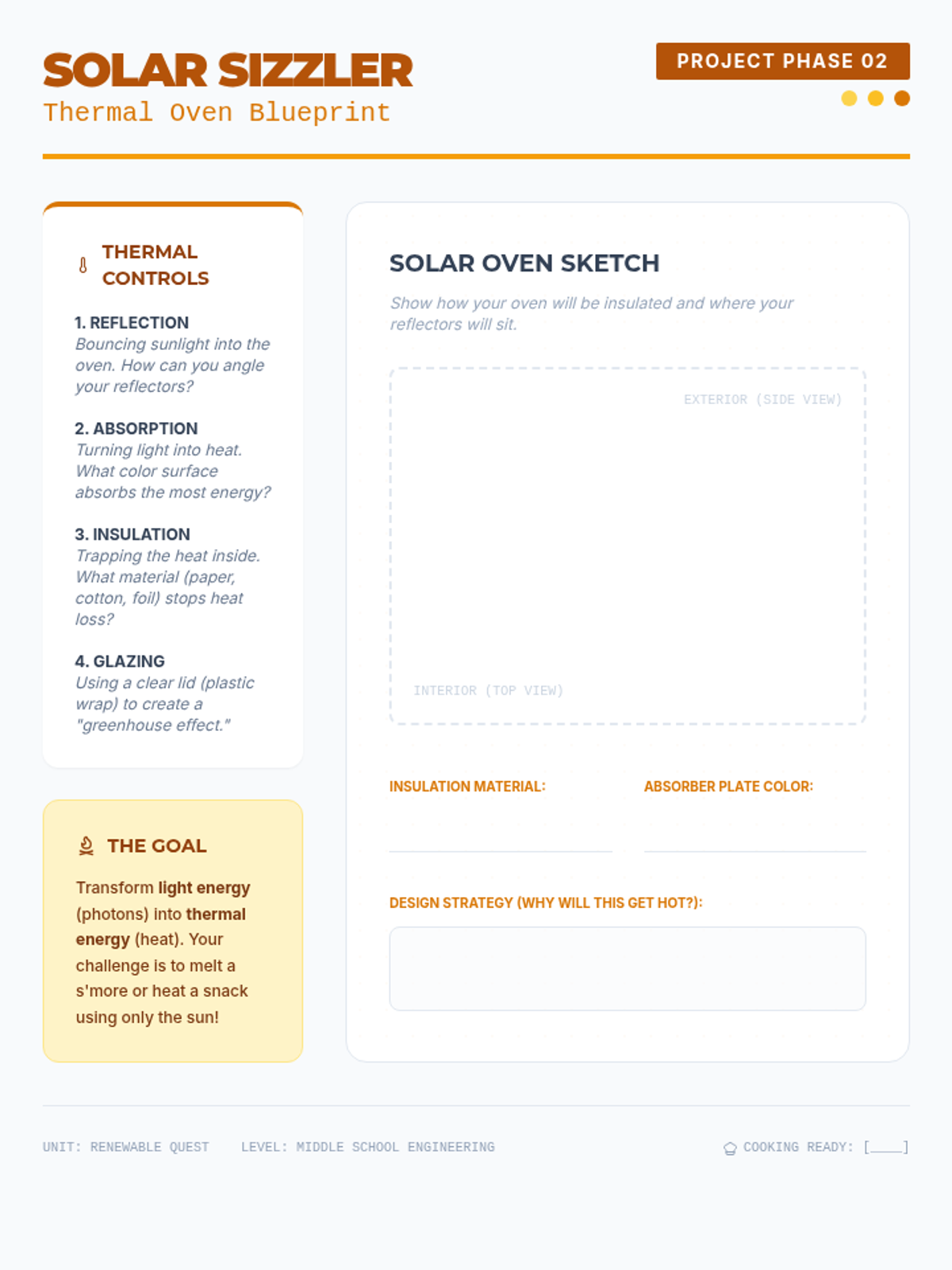
A lesson exploring solar energy technology, including photovoltaic and thermal systems, energy transformation from light to heat/electricity, and solar energy vocabulary.
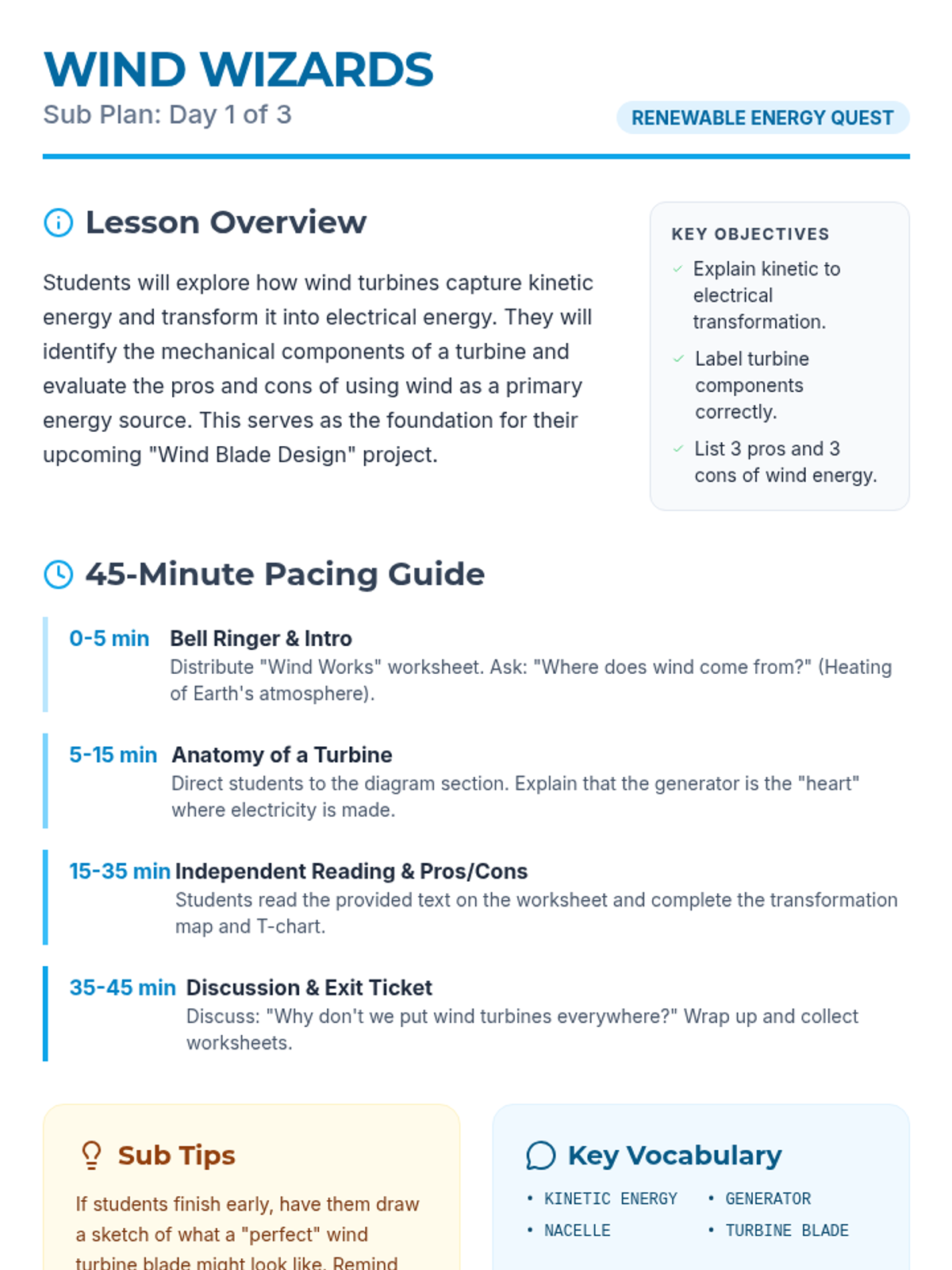
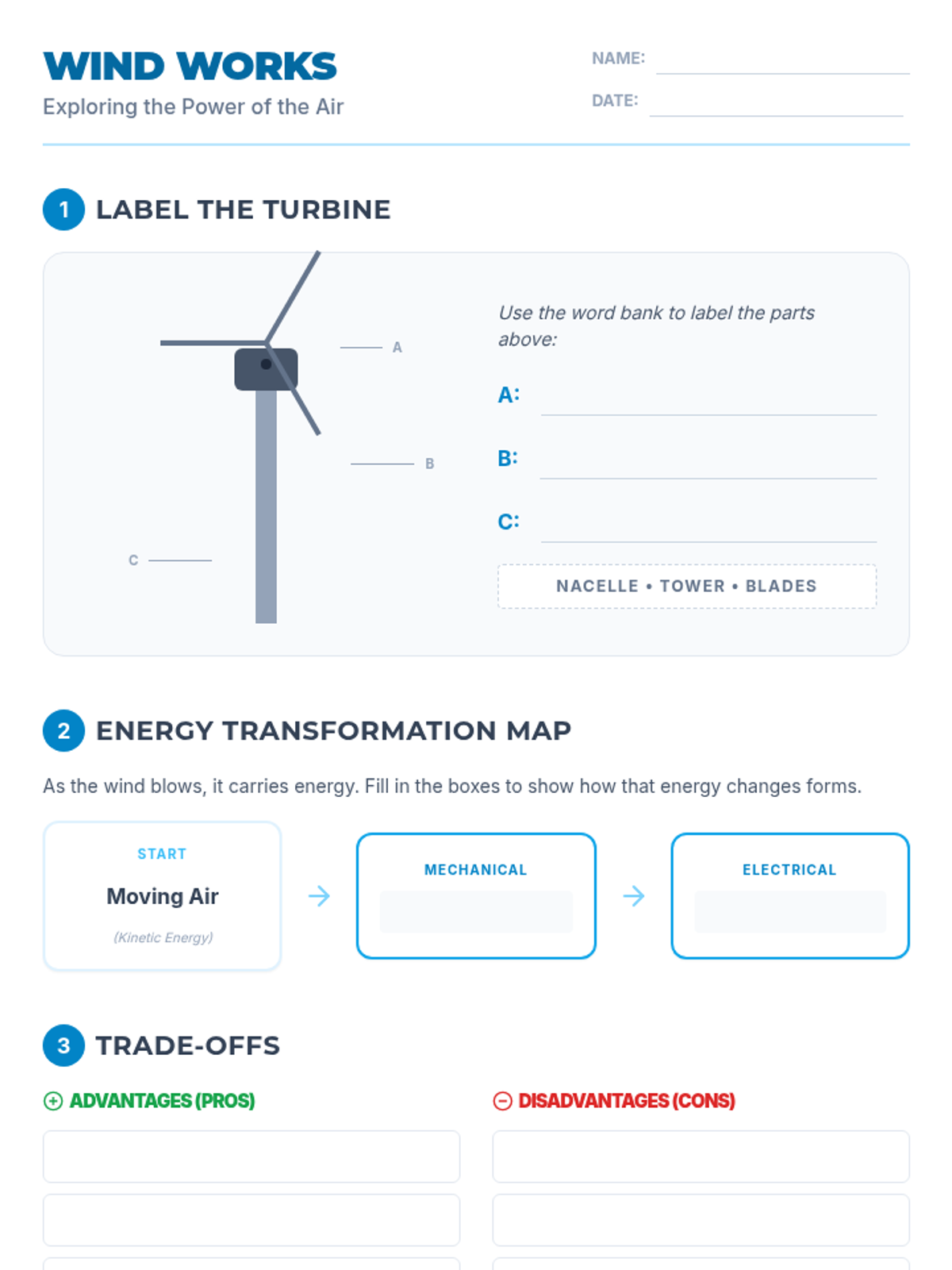
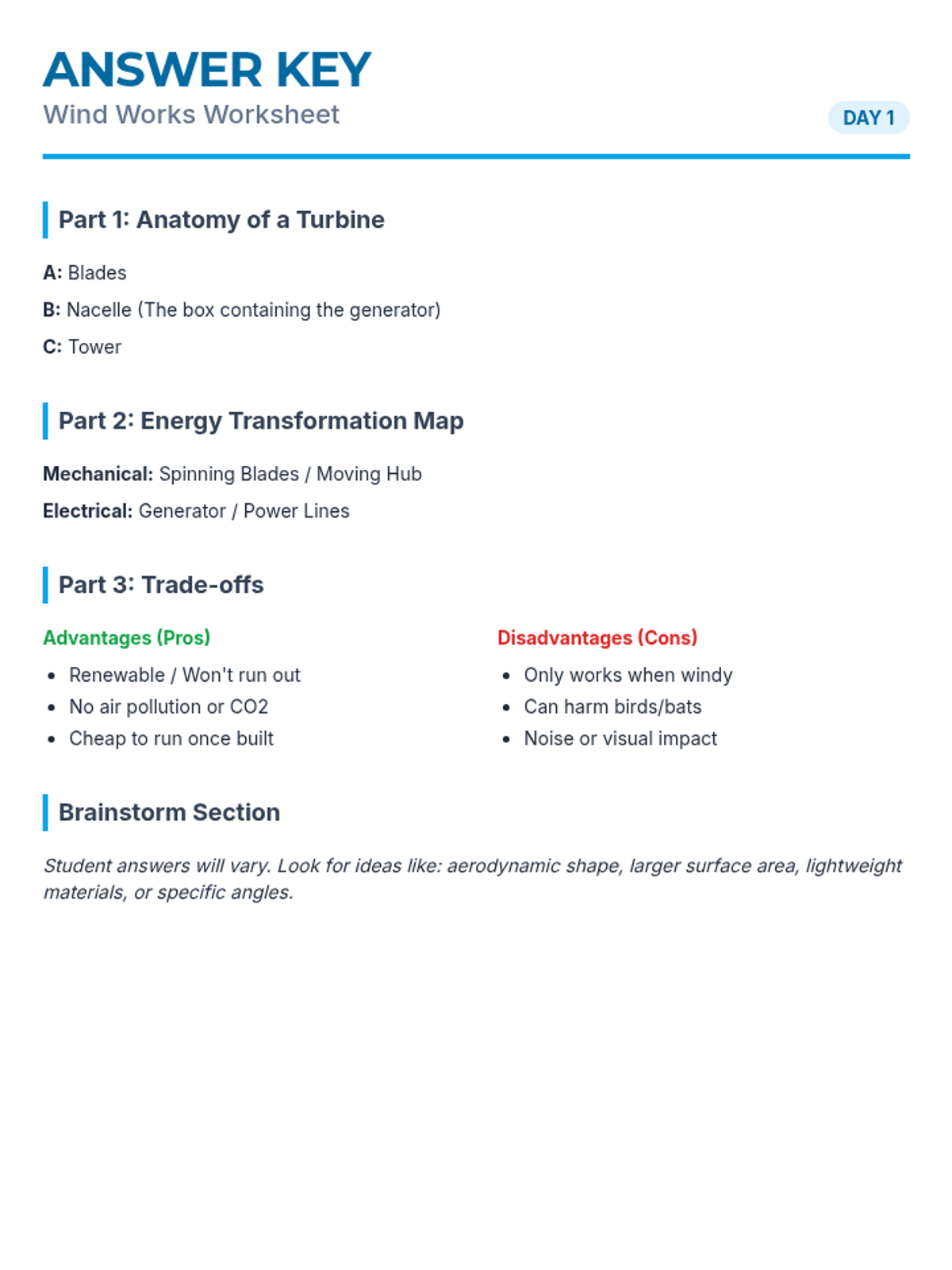
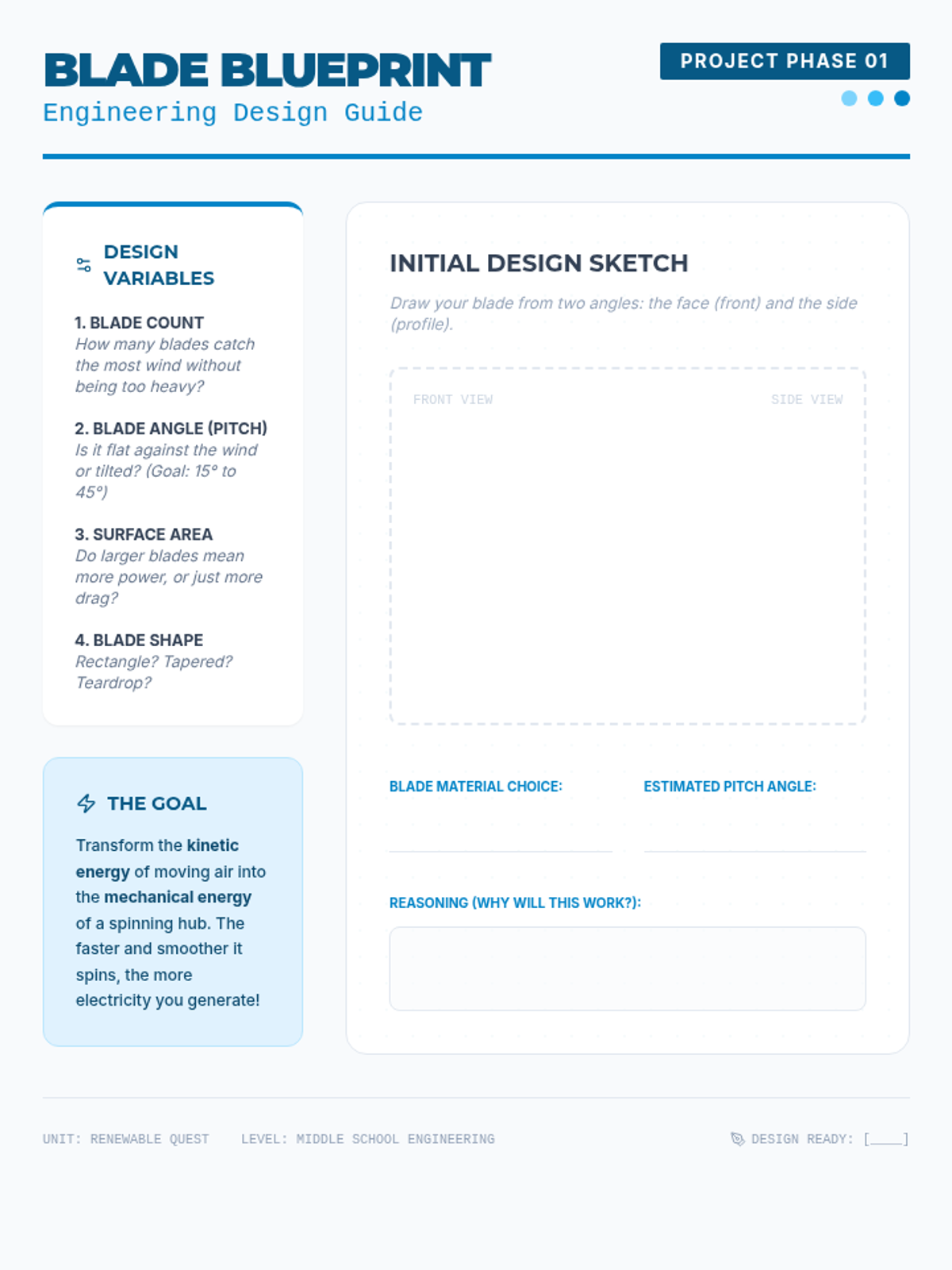
An introductory lesson on wind energy focusing on the mechanics of turbines, energy transformations from kinetic to electrical, and the trade-offs of wind power.
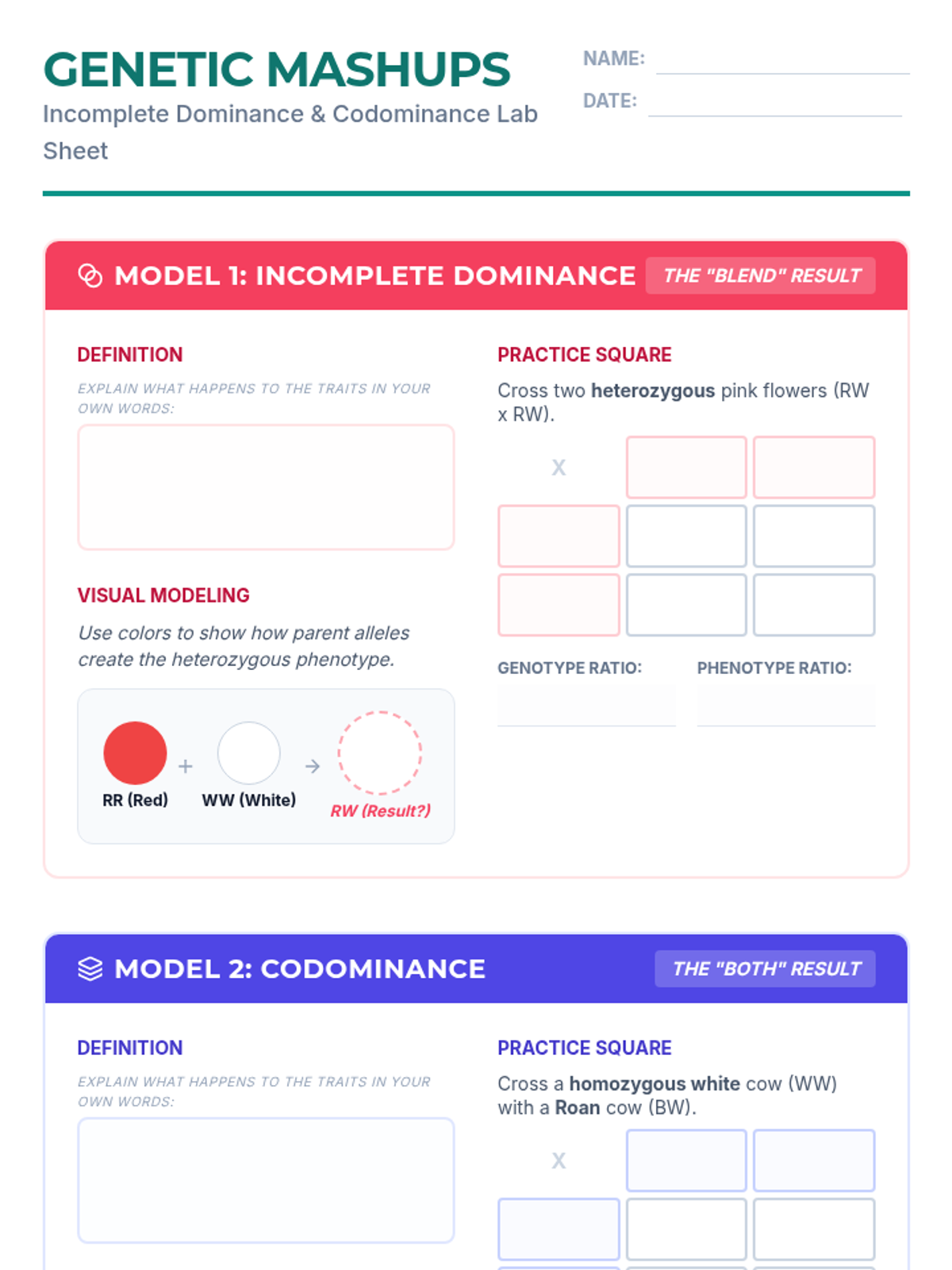
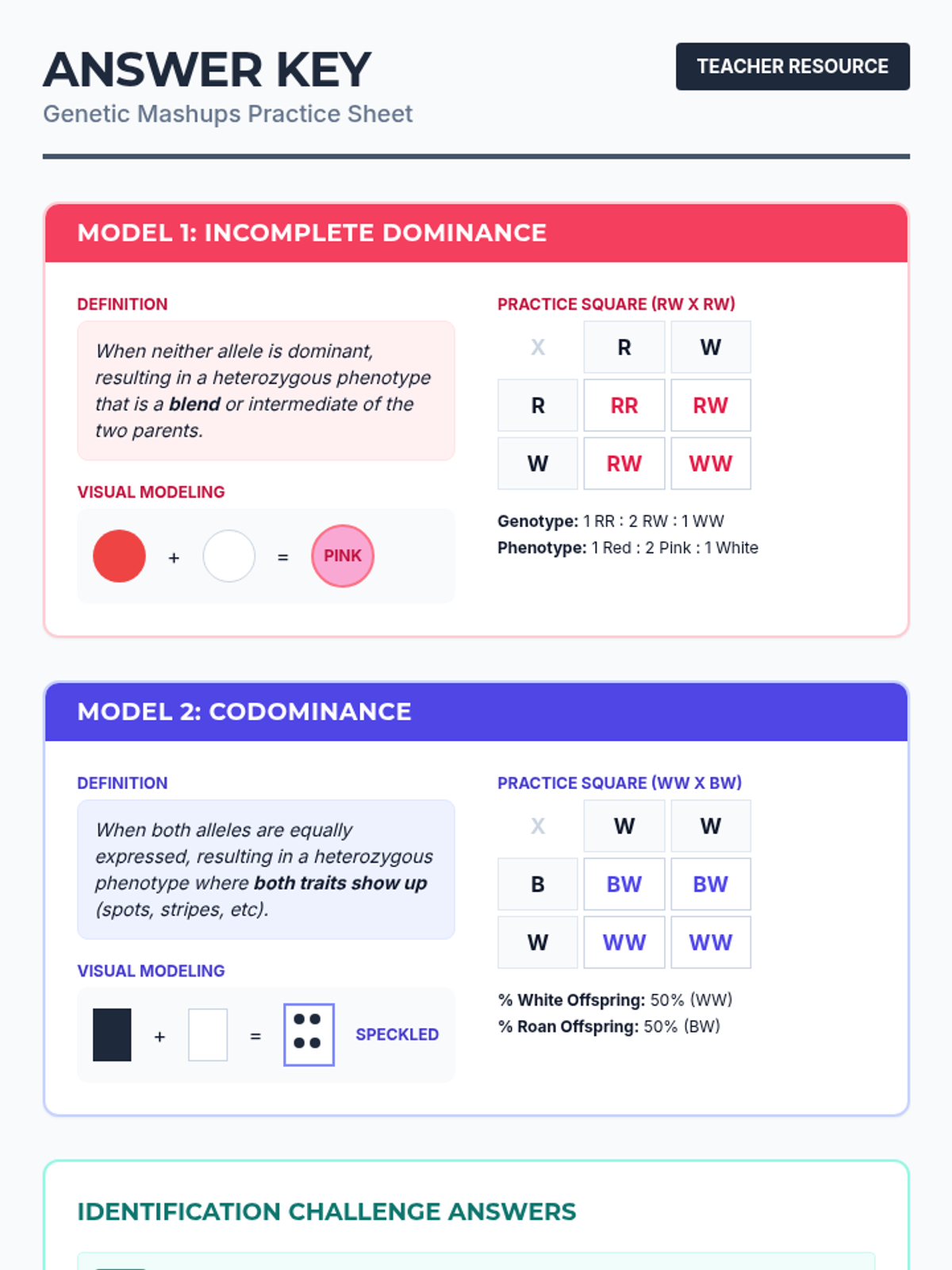
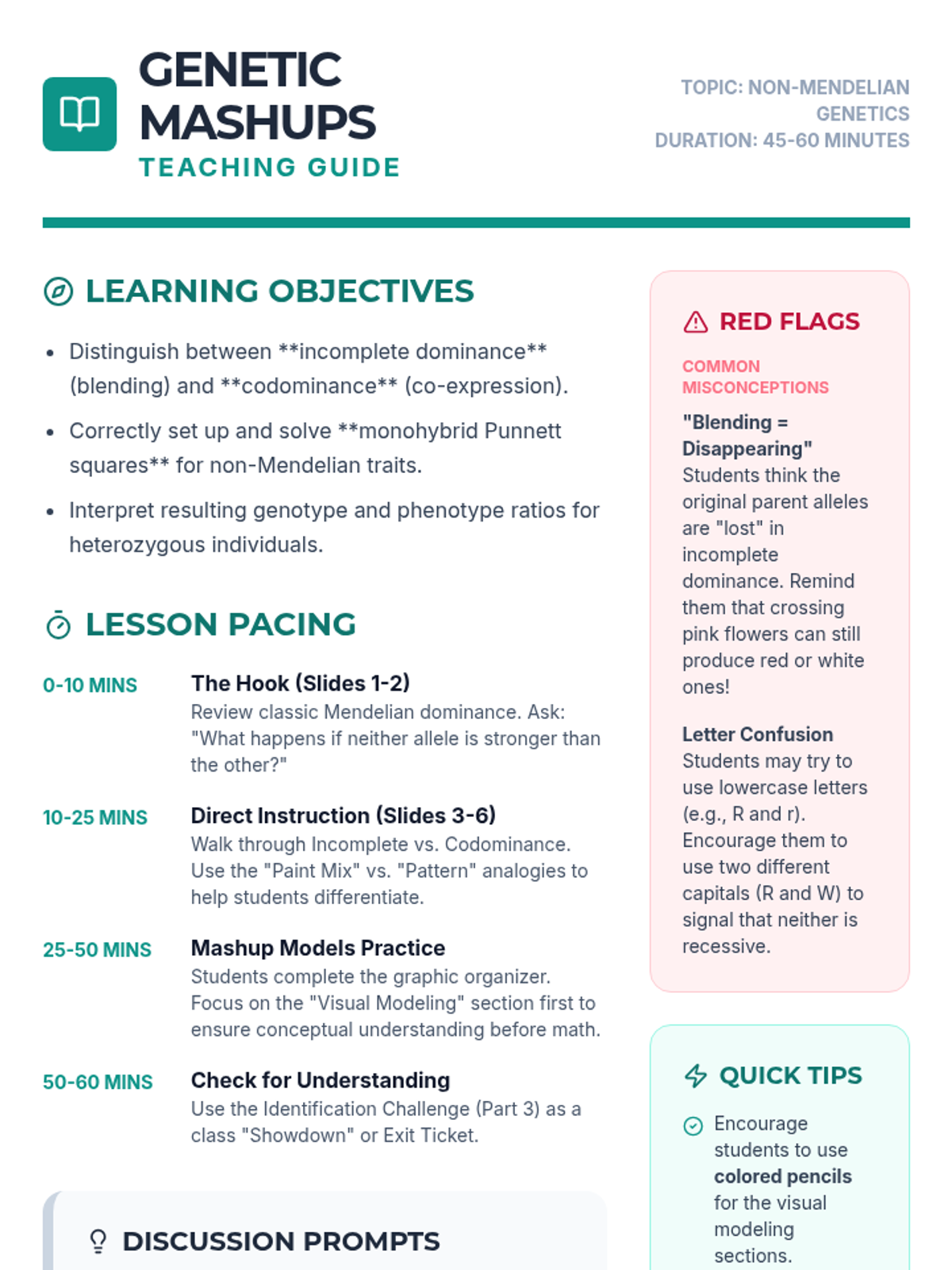
A lesson exploring non-Mendelian inheritance patterns, specifically focusing on how alleles interact in incomplete dominance and codominance through visual modeling and Punnett squares.
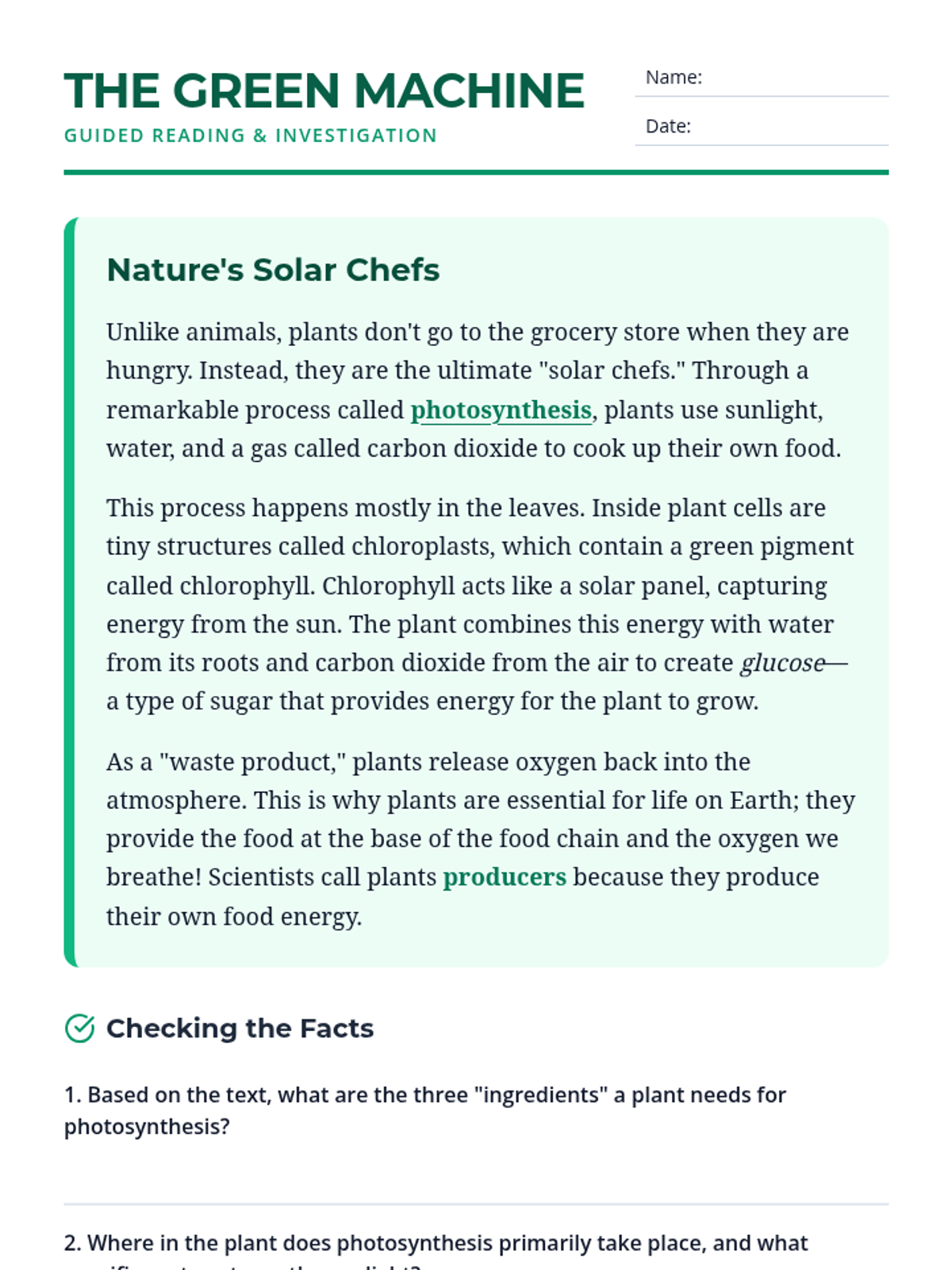
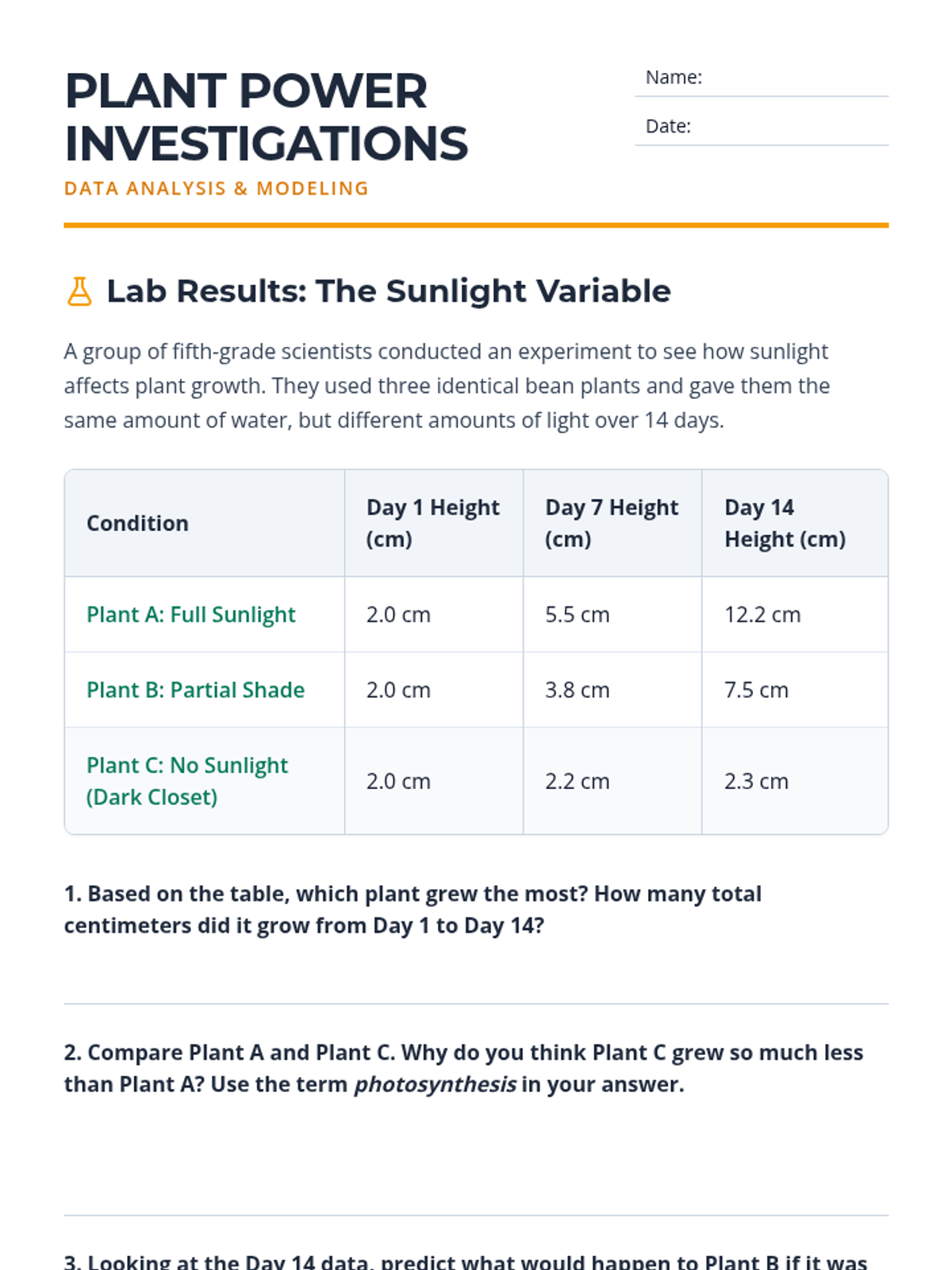
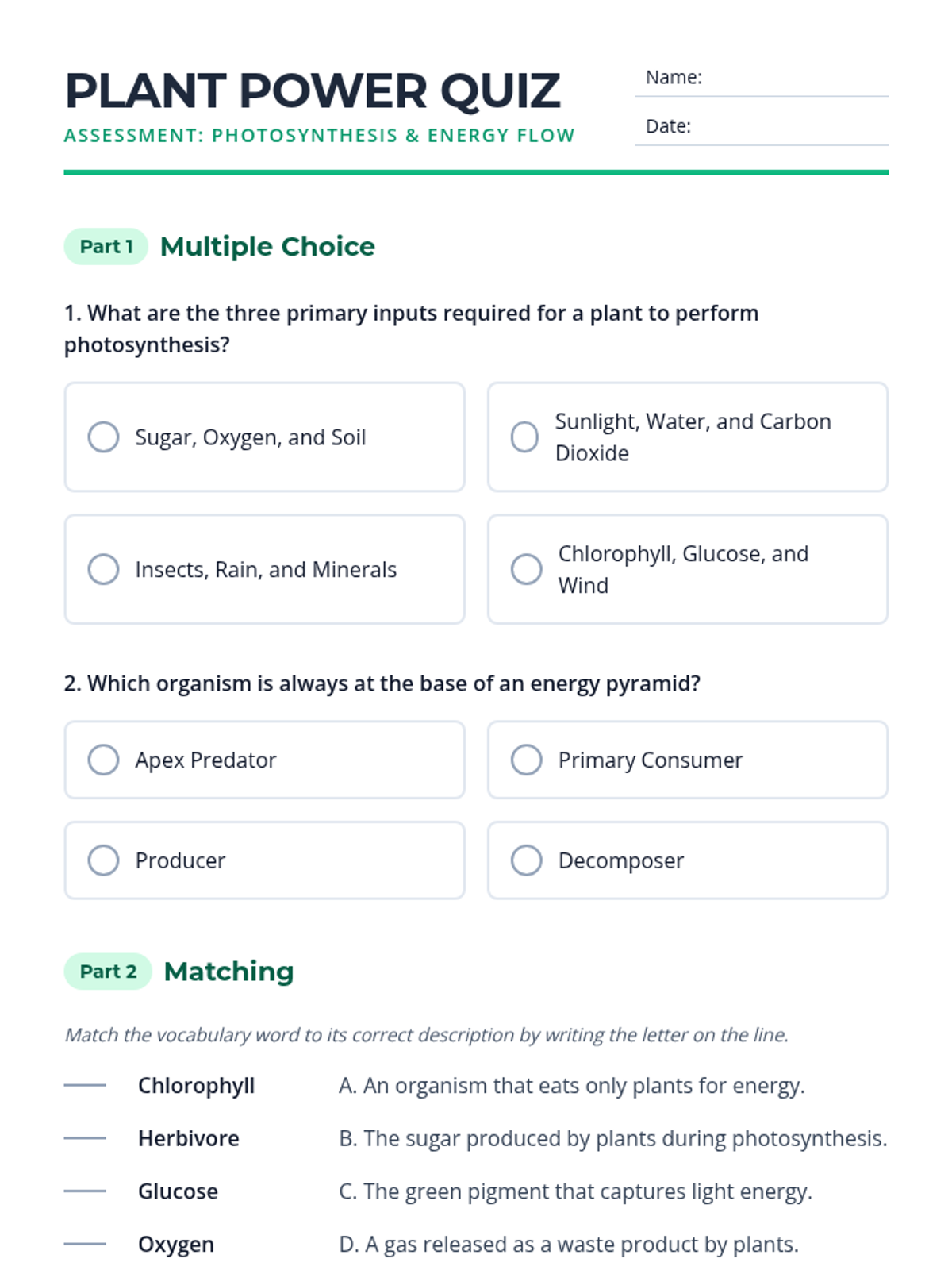
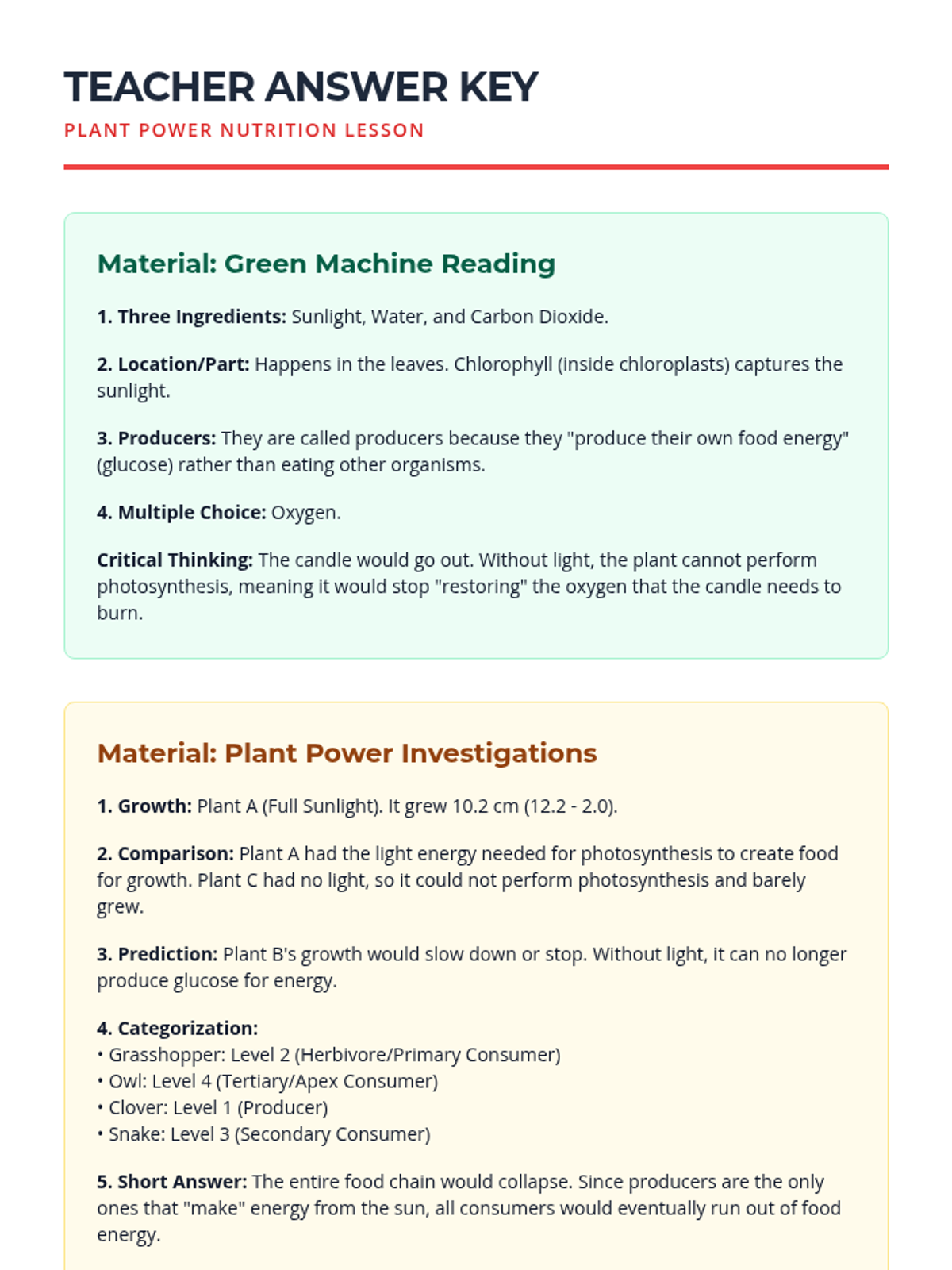
A comprehensive lesson for 5th graders exploring how plants create their own food through photosynthesis and their role as producers in energy pyramids. Students will analyze experimental data and practice identifying consumer levels in food webs.
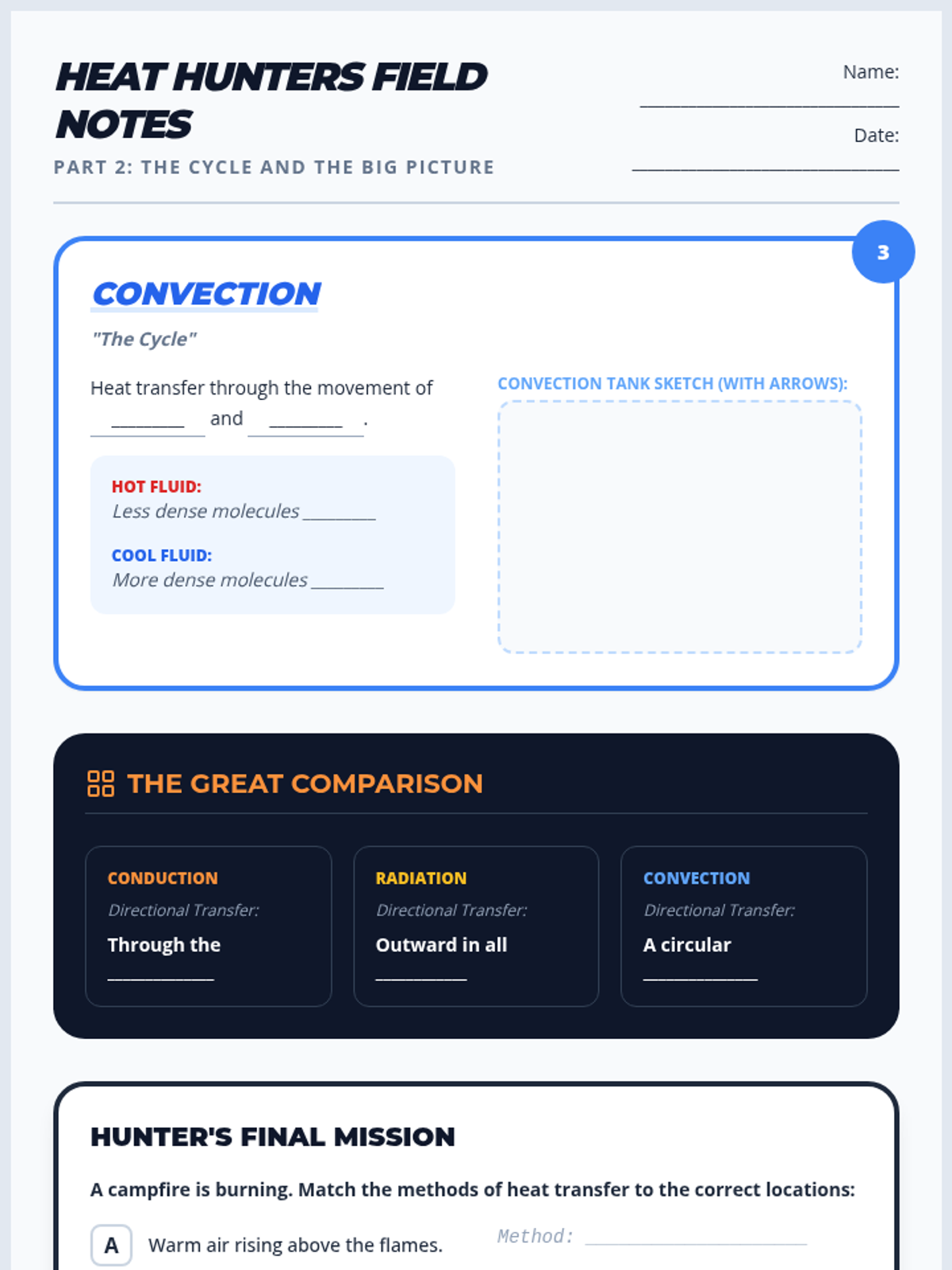
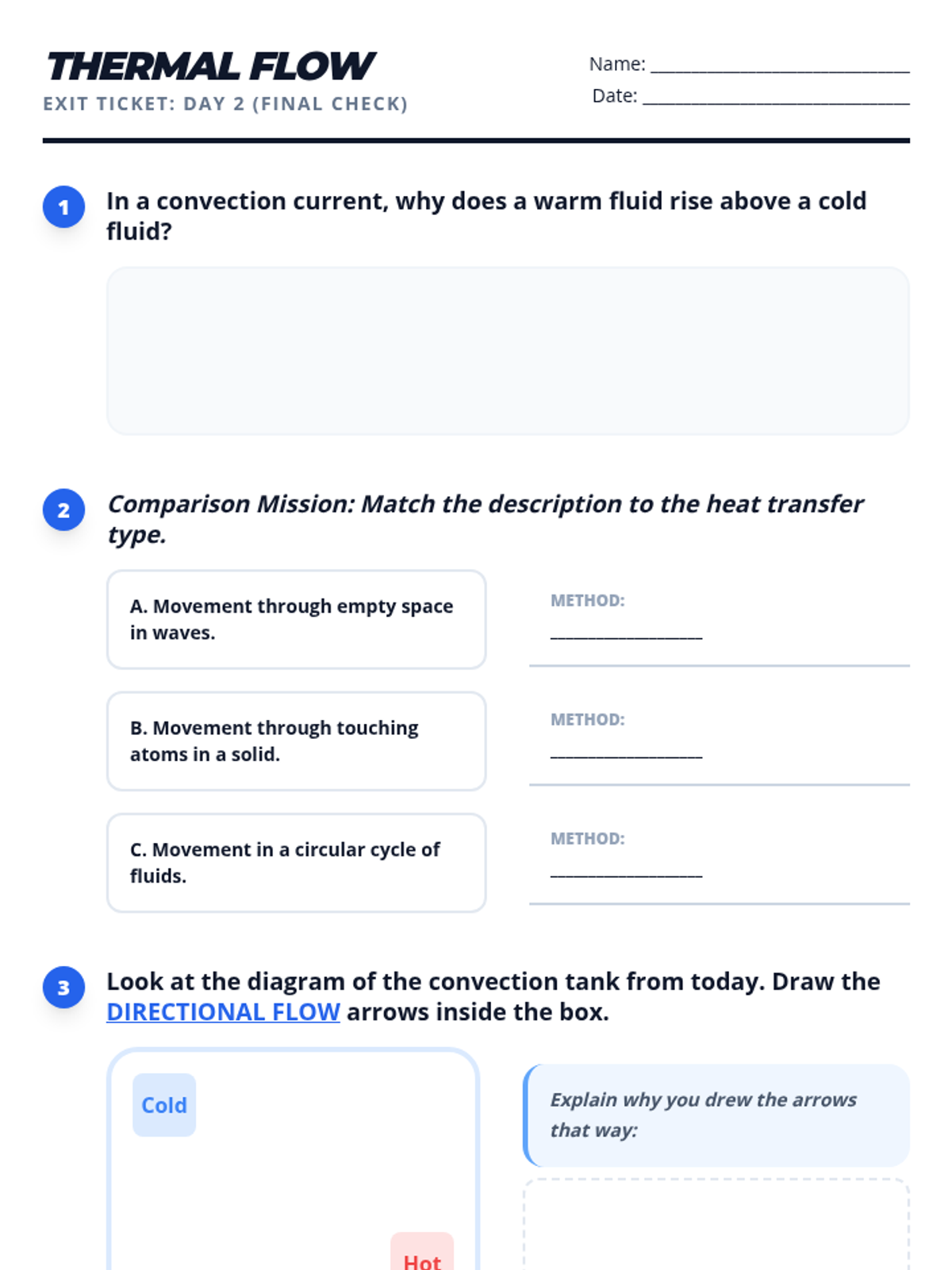
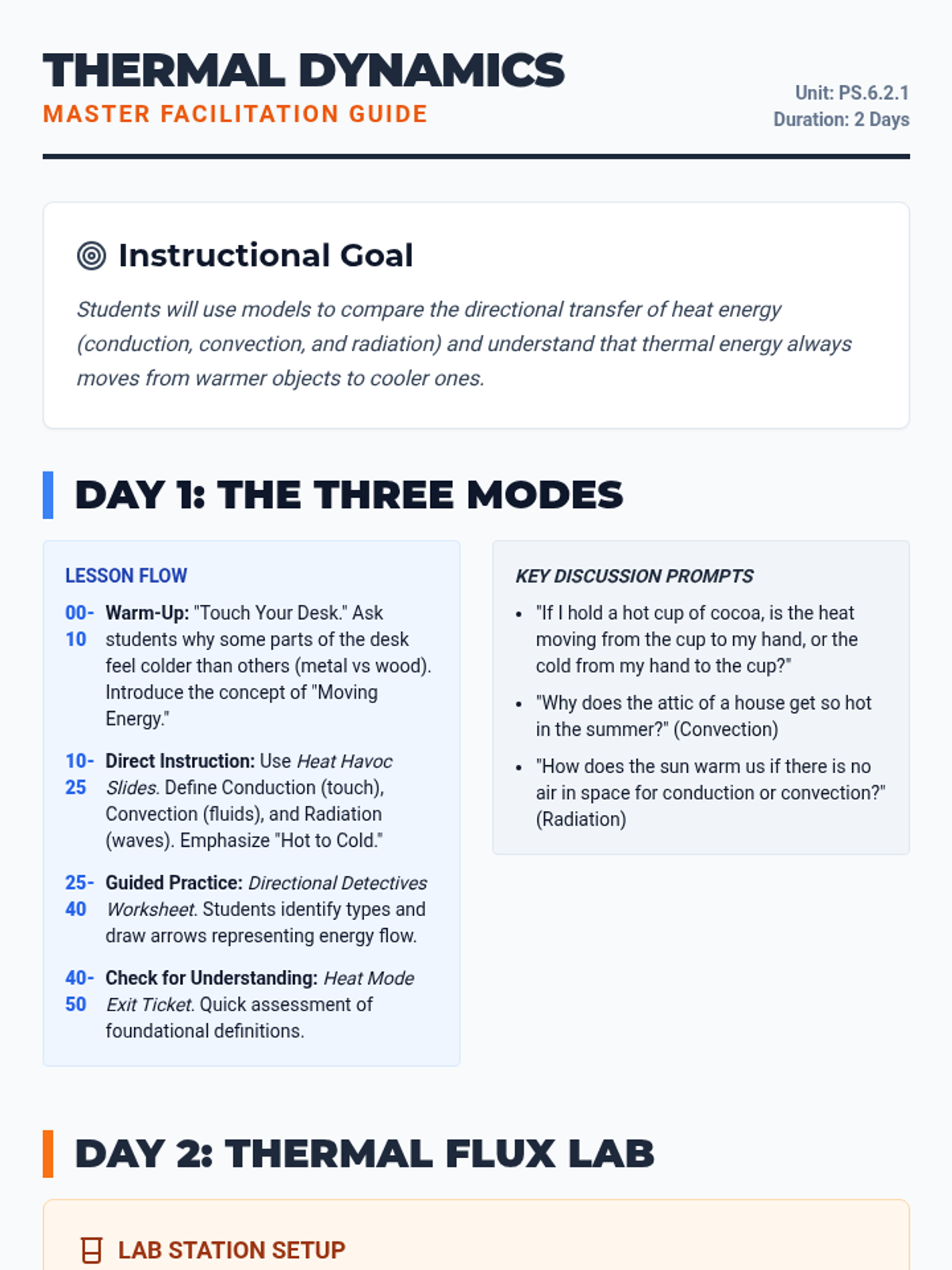
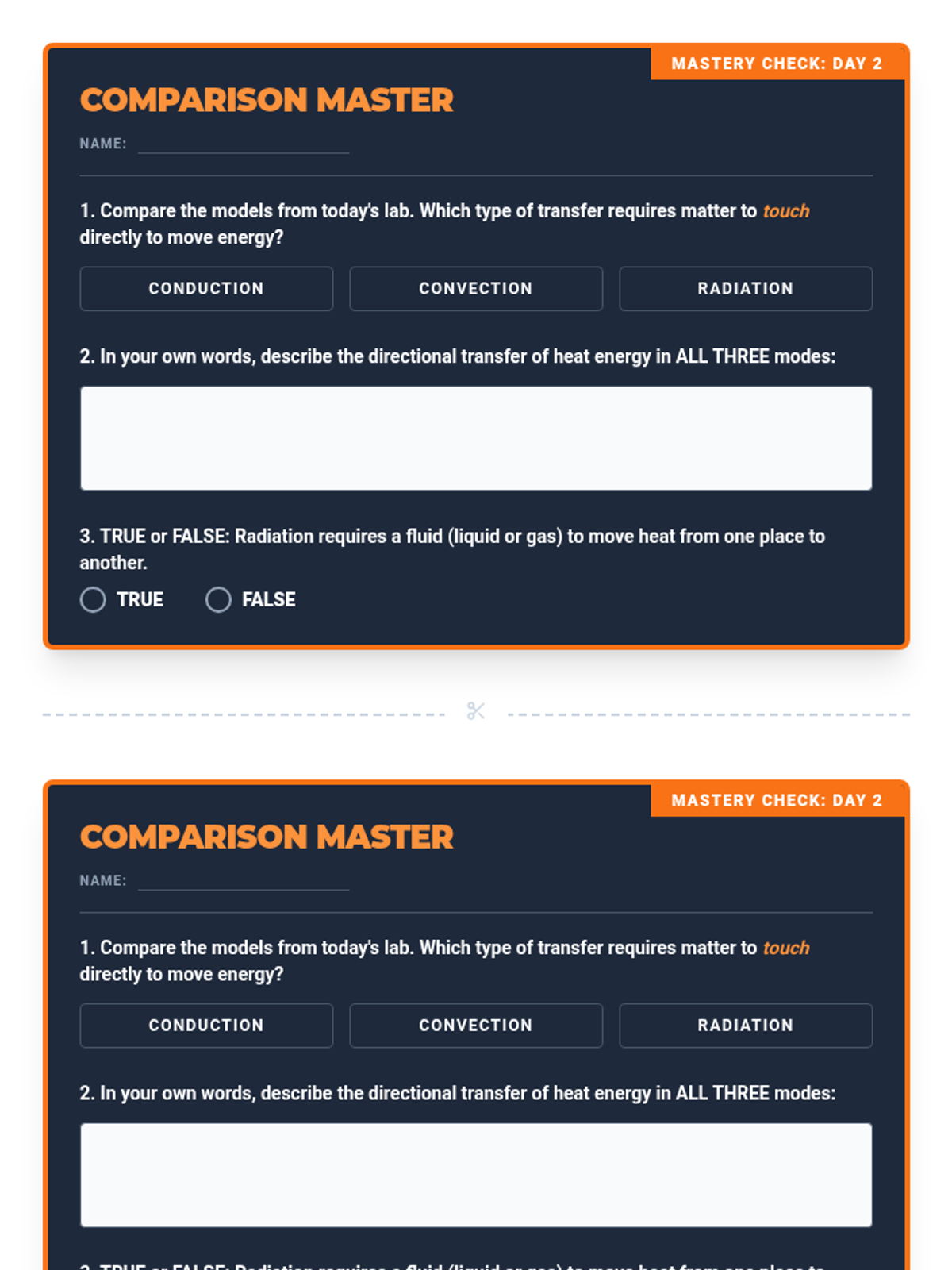
Exploration of convection currents in fluids and a final comparison of all three heat transfer methods. Includes a teacher-led demonstration of convection in water and a summary activity.
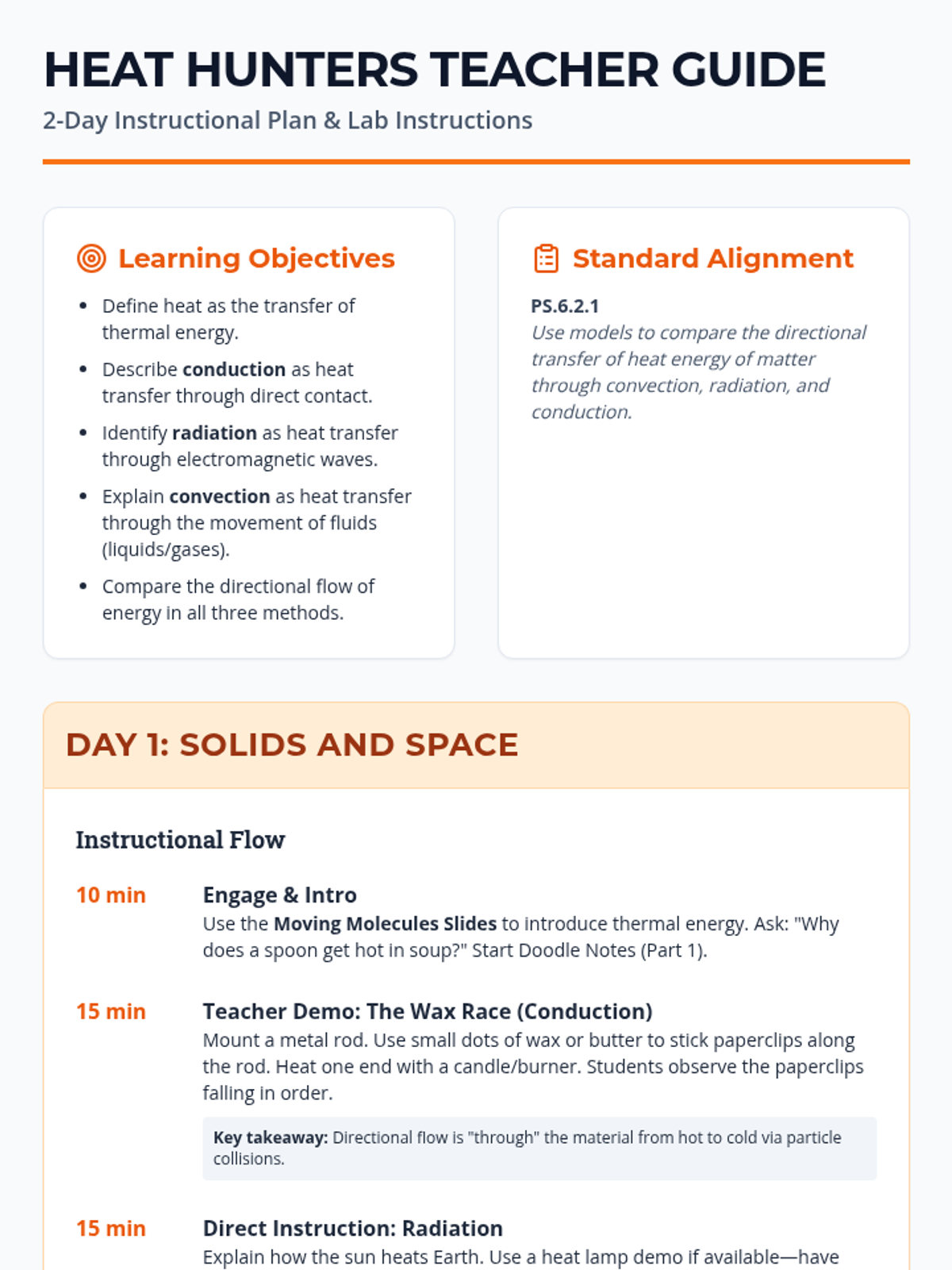
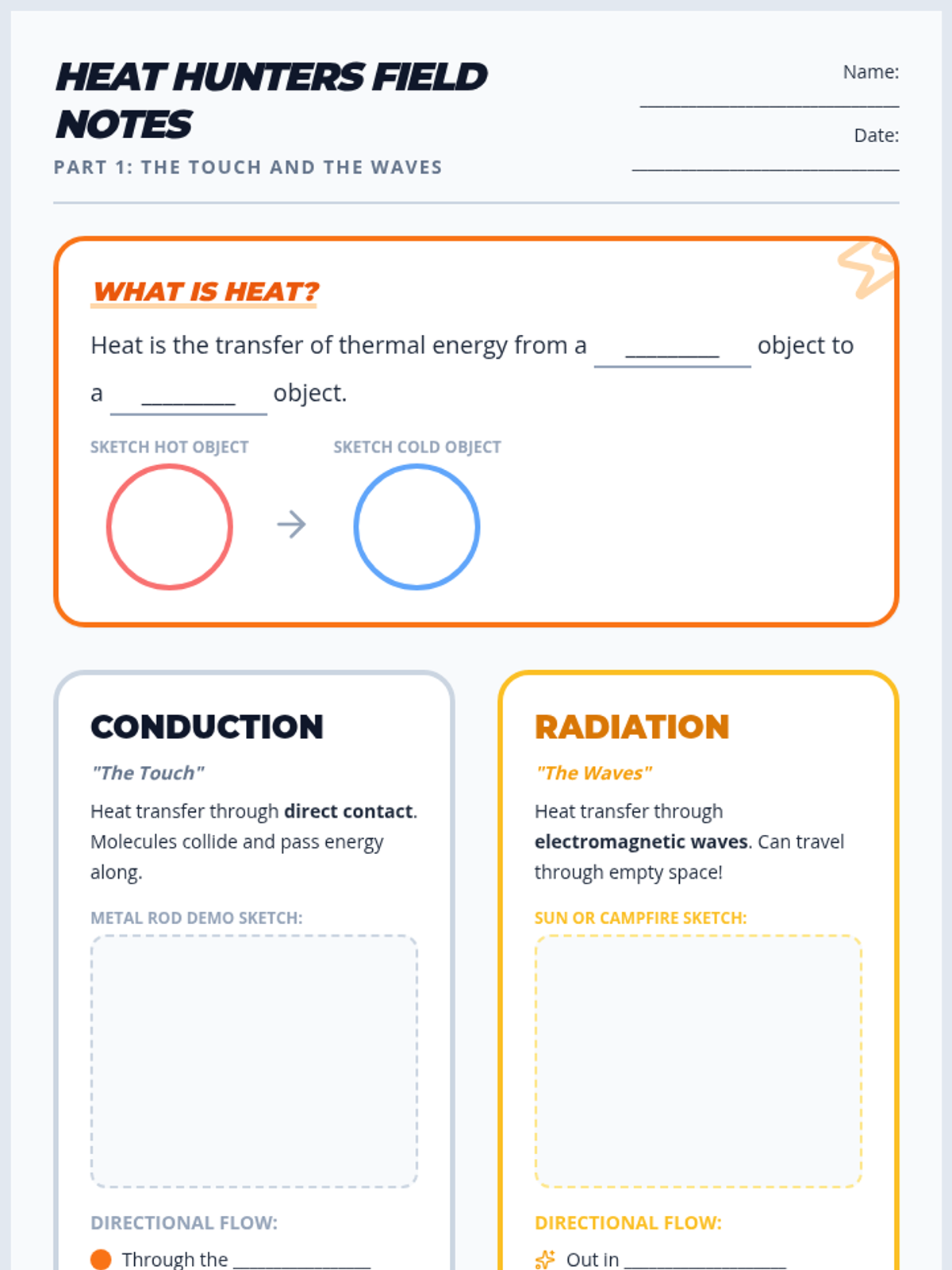
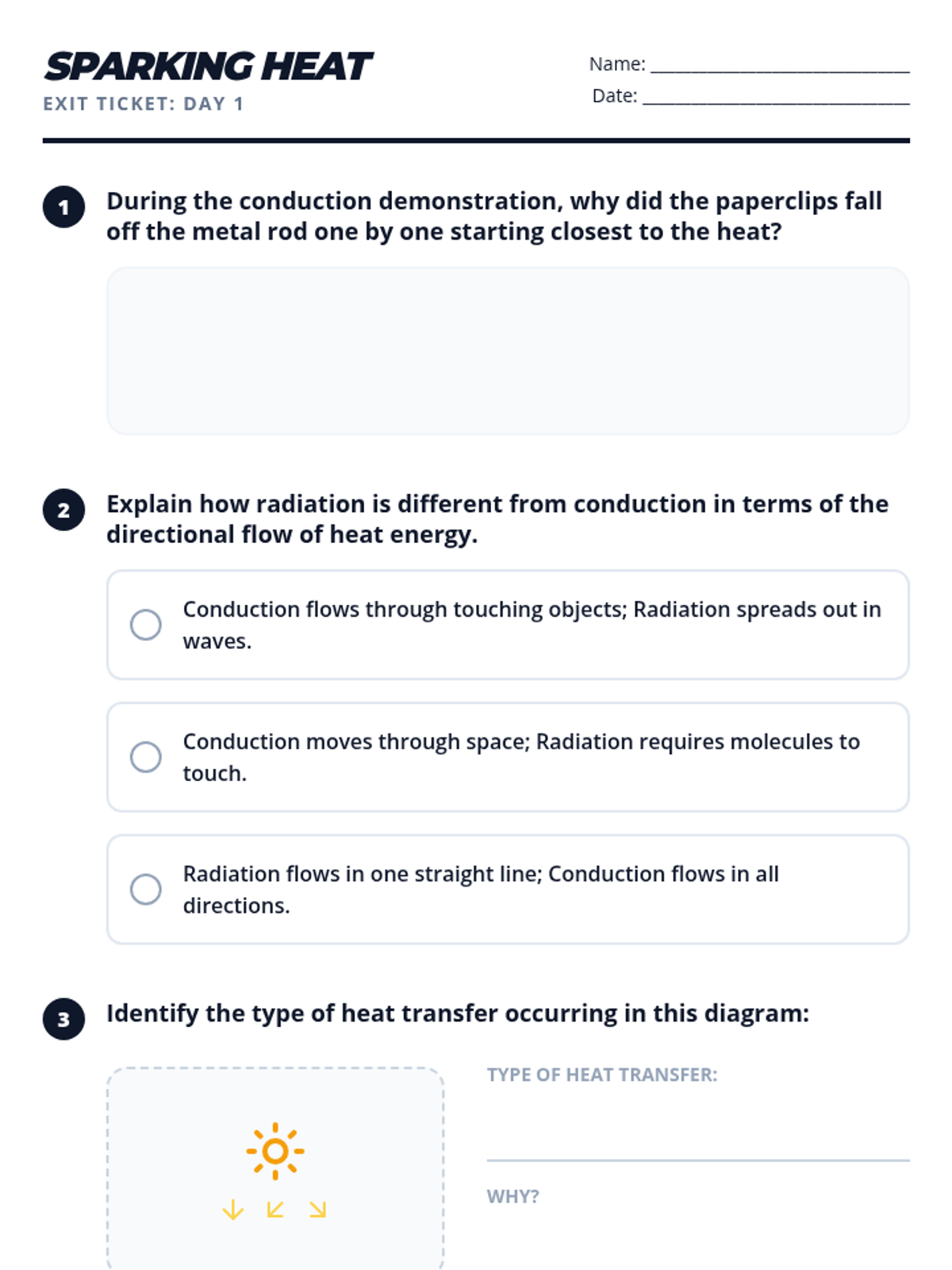
Introduction to thermal energy and the mechanisms of conduction and radiation. Includes a teacher-led demonstration of heat traveling through solids and radiant energy from a light source.
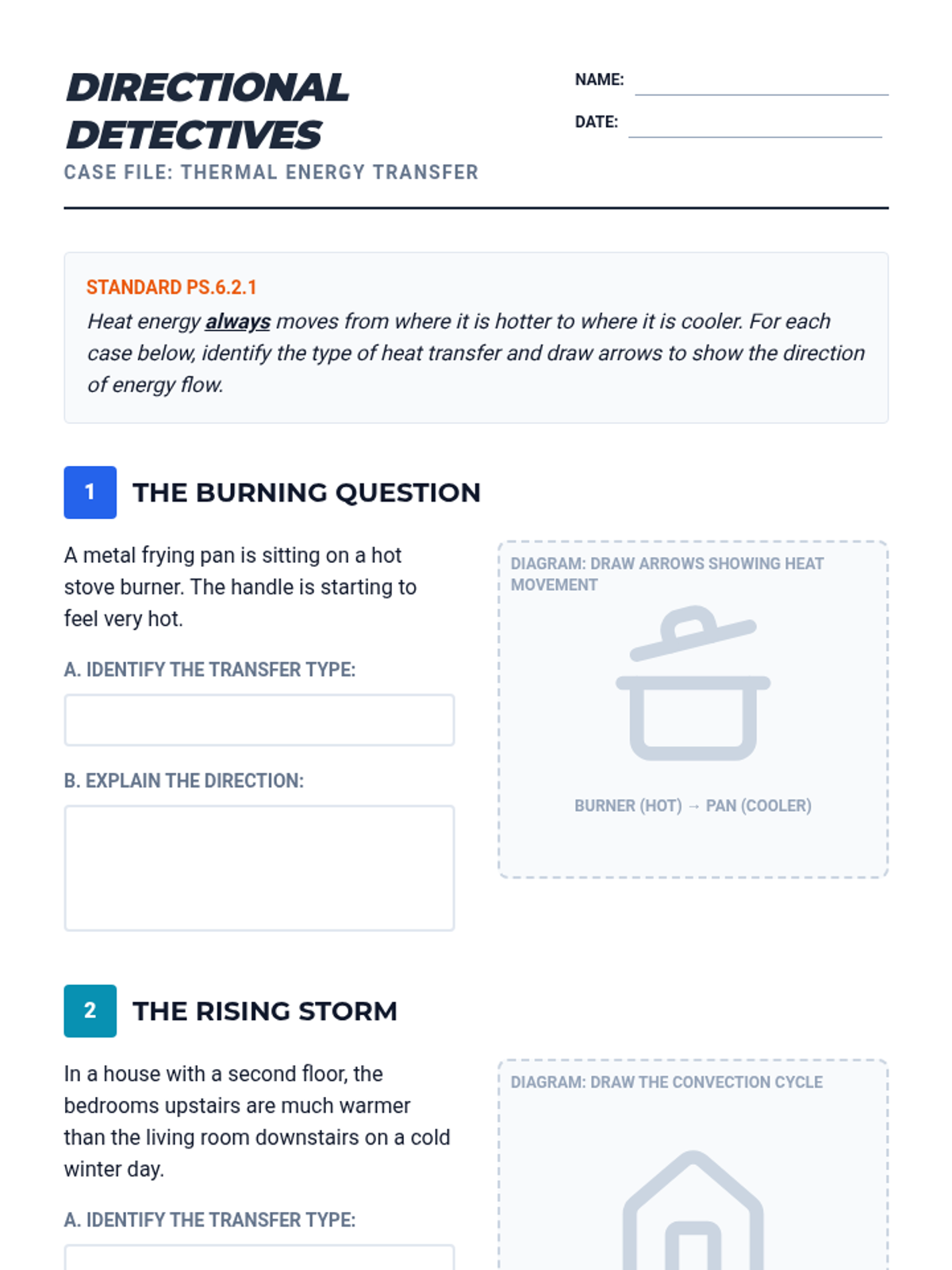
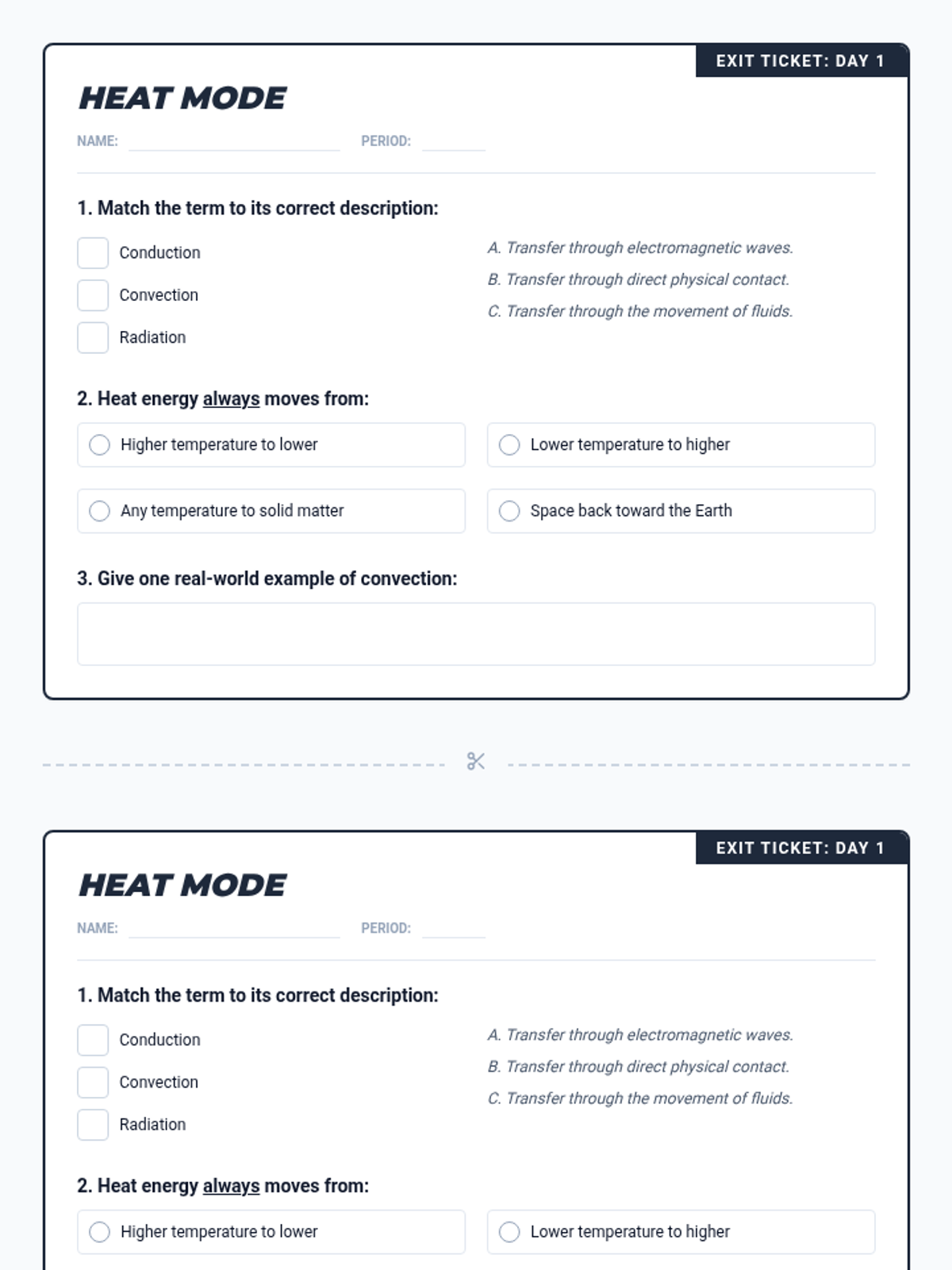
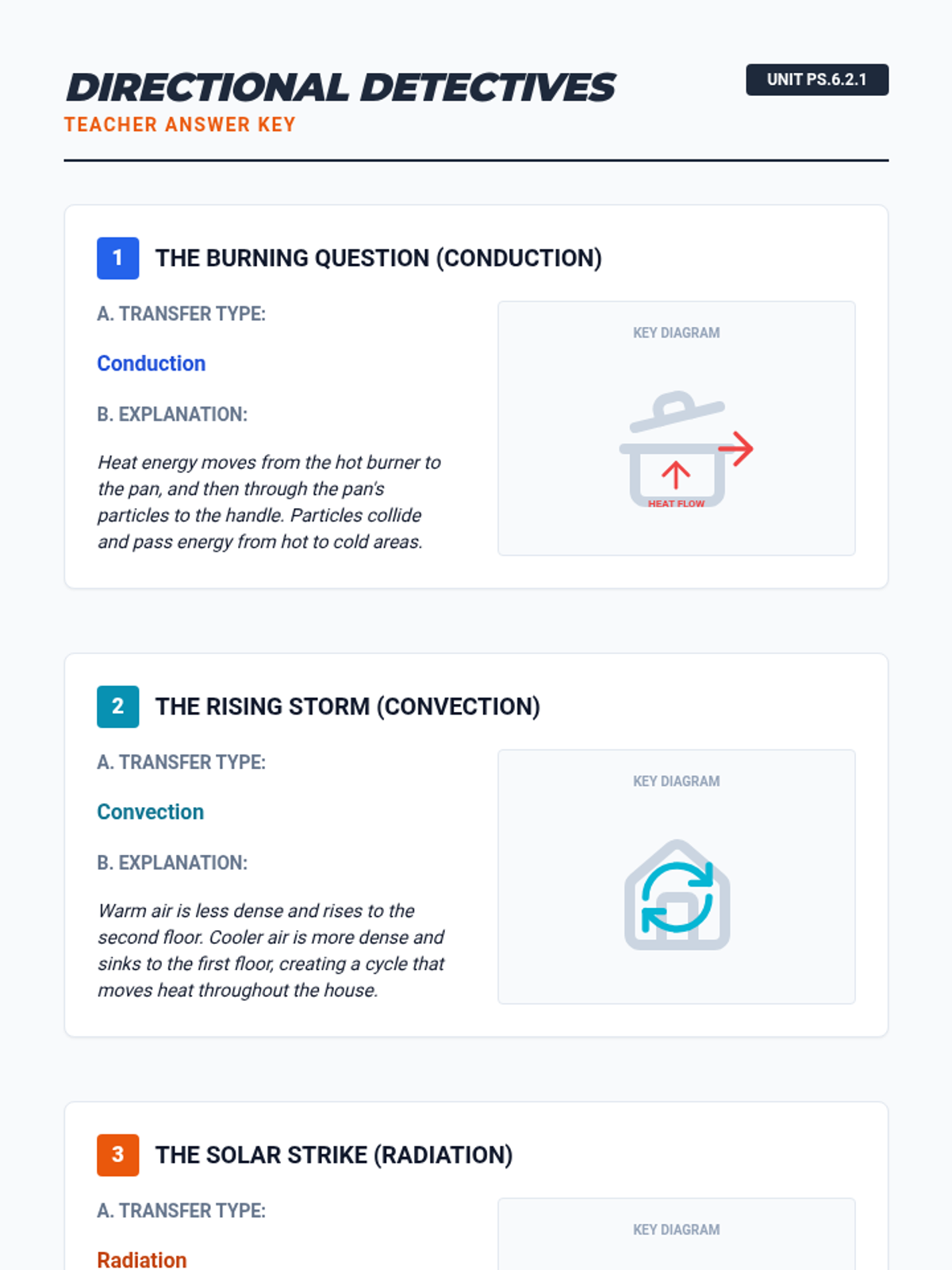
Students identify the three types of heat transfer and explain how thermal energy moves from warmer matter to cooler matter using real-world examples.
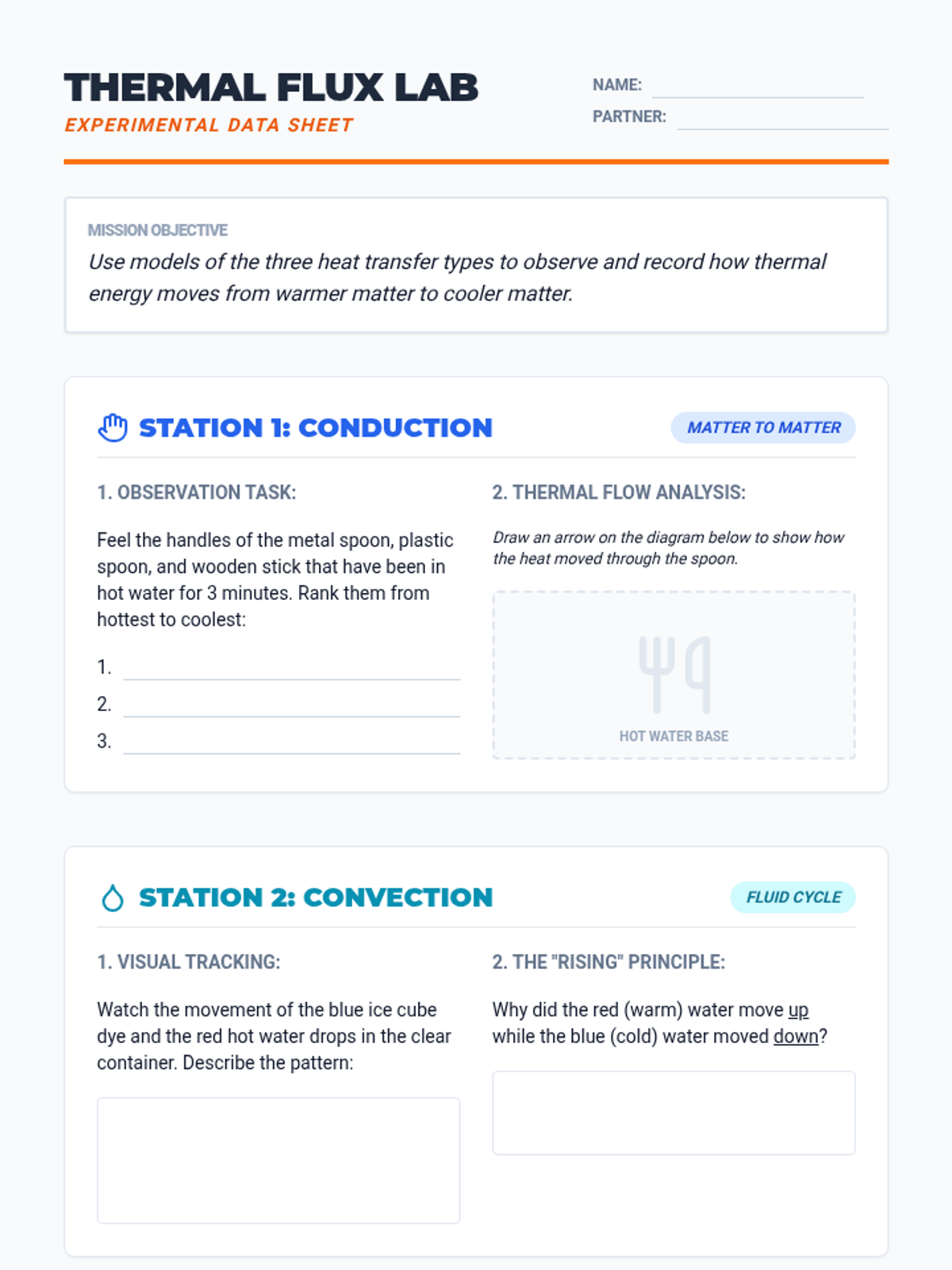
Students apply their knowledge of heat transfer through a hands-on lab experiment involving three stations representing conduction, convection, and radiation. They will collect data and compare the efficiency and direction of heat transfer in each model.
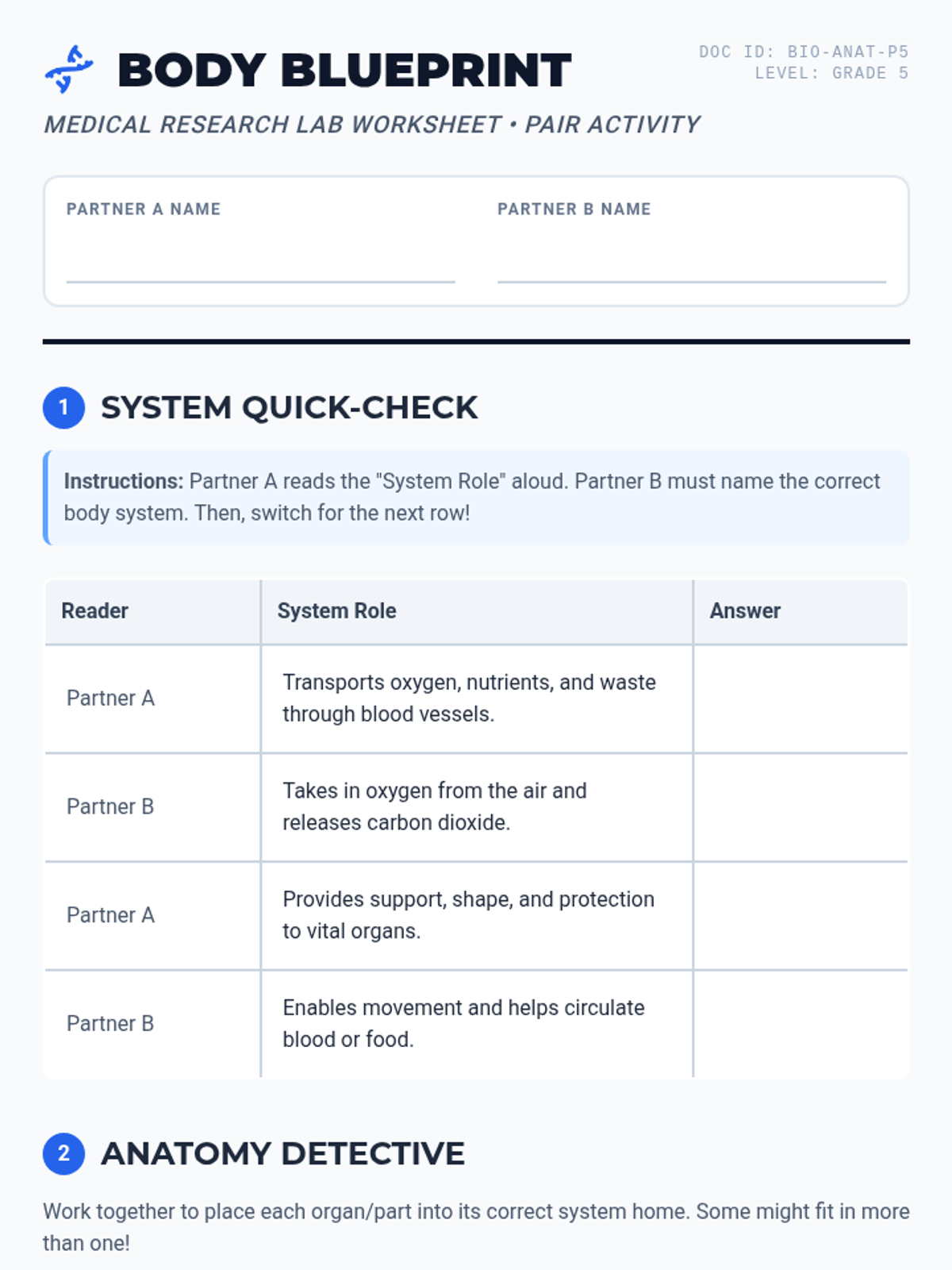
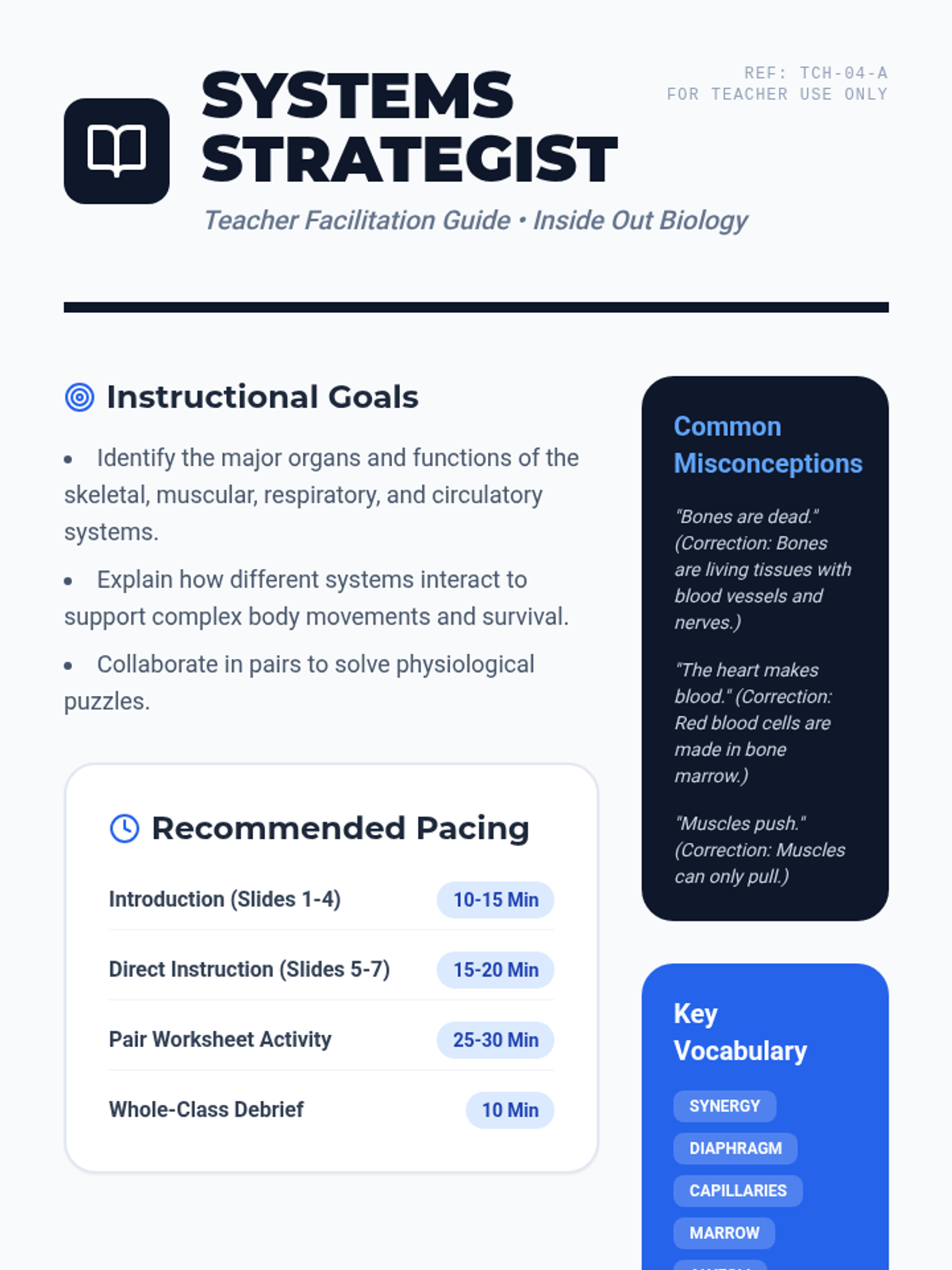
A deep dive into the major human body systems, focusing on how they interact to keep us alive and moving. Students will explore the skeletal, muscular, respiratory, circulatory, and digestive systems through collaborative activities.
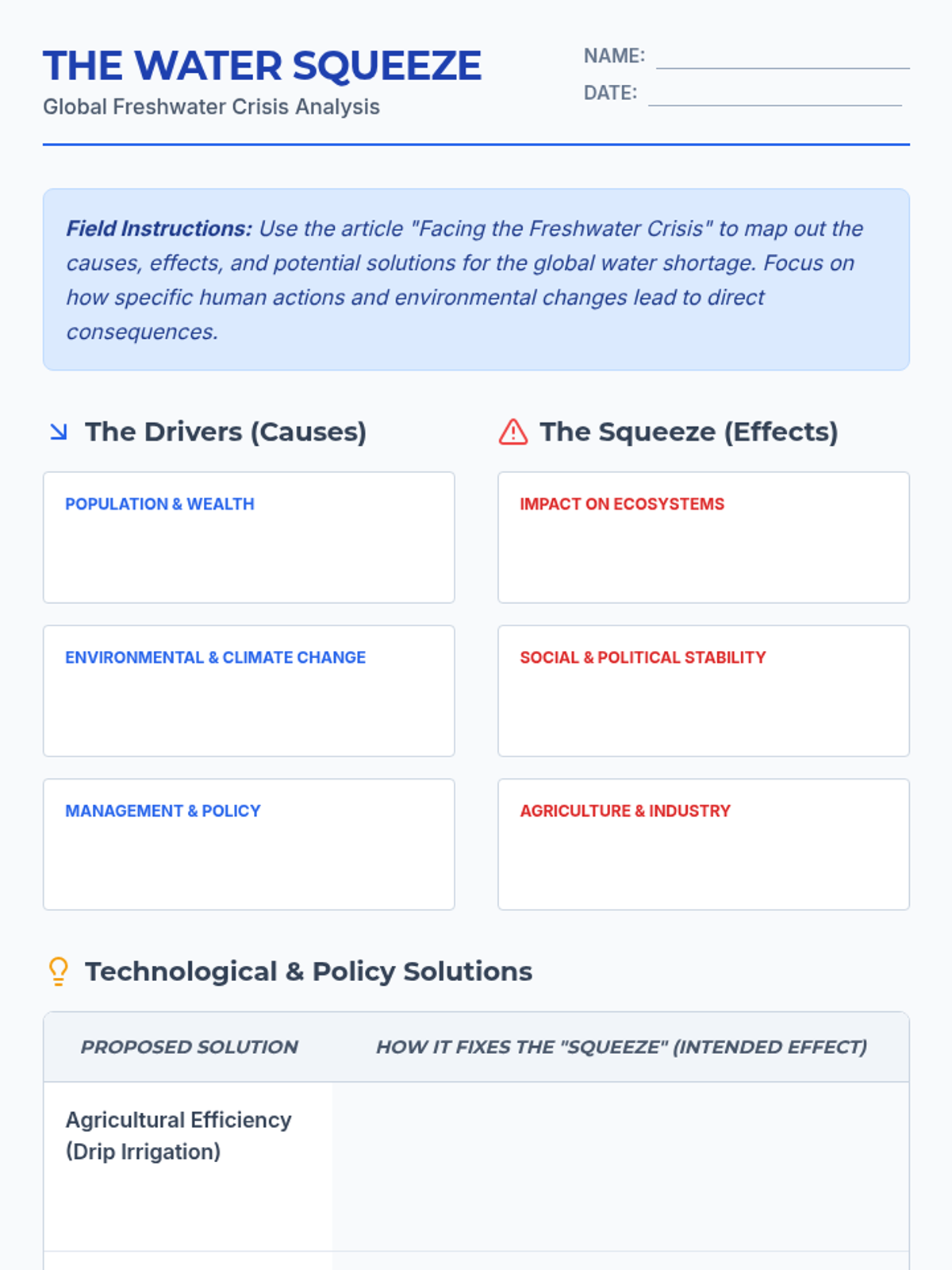
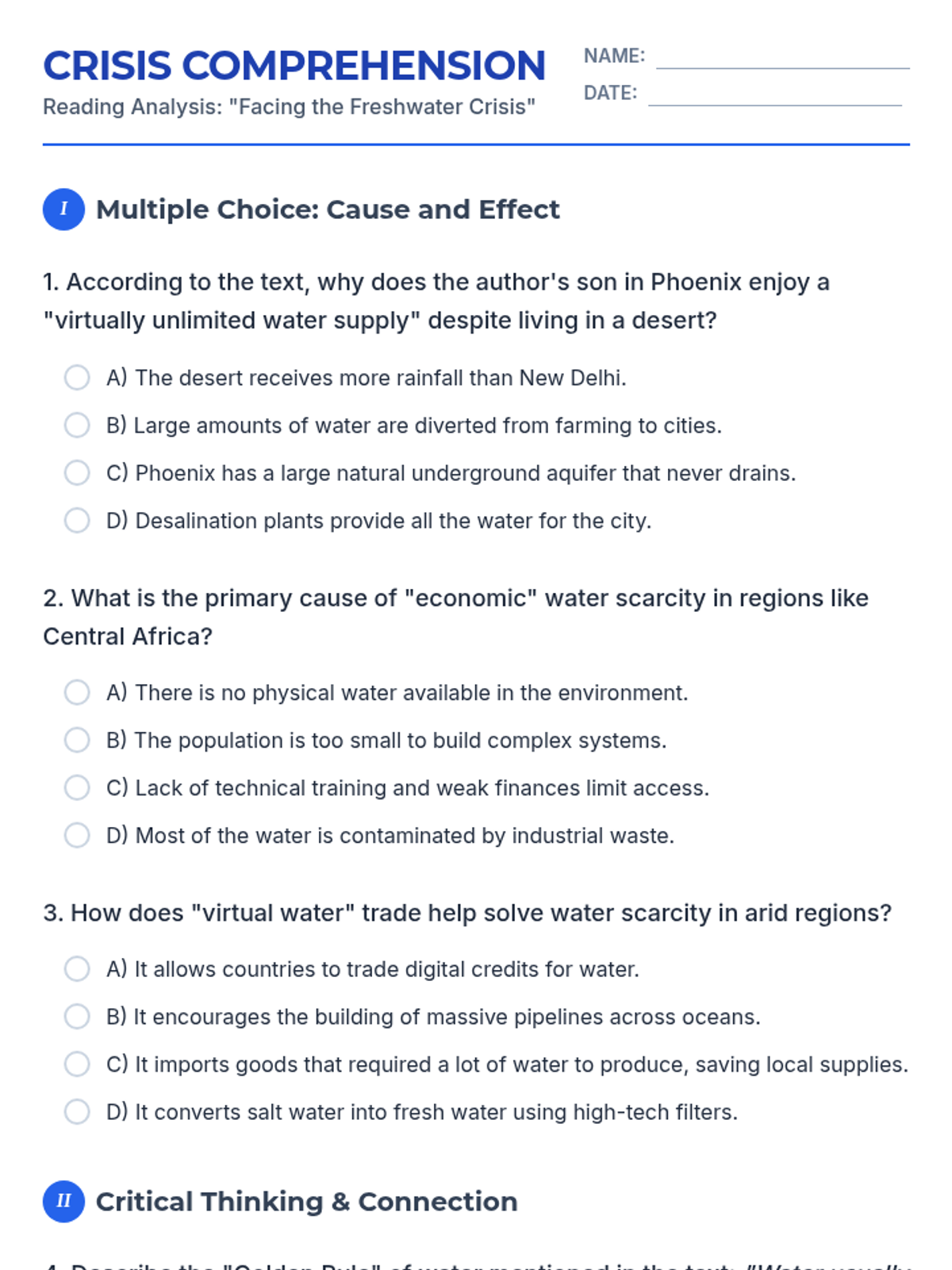
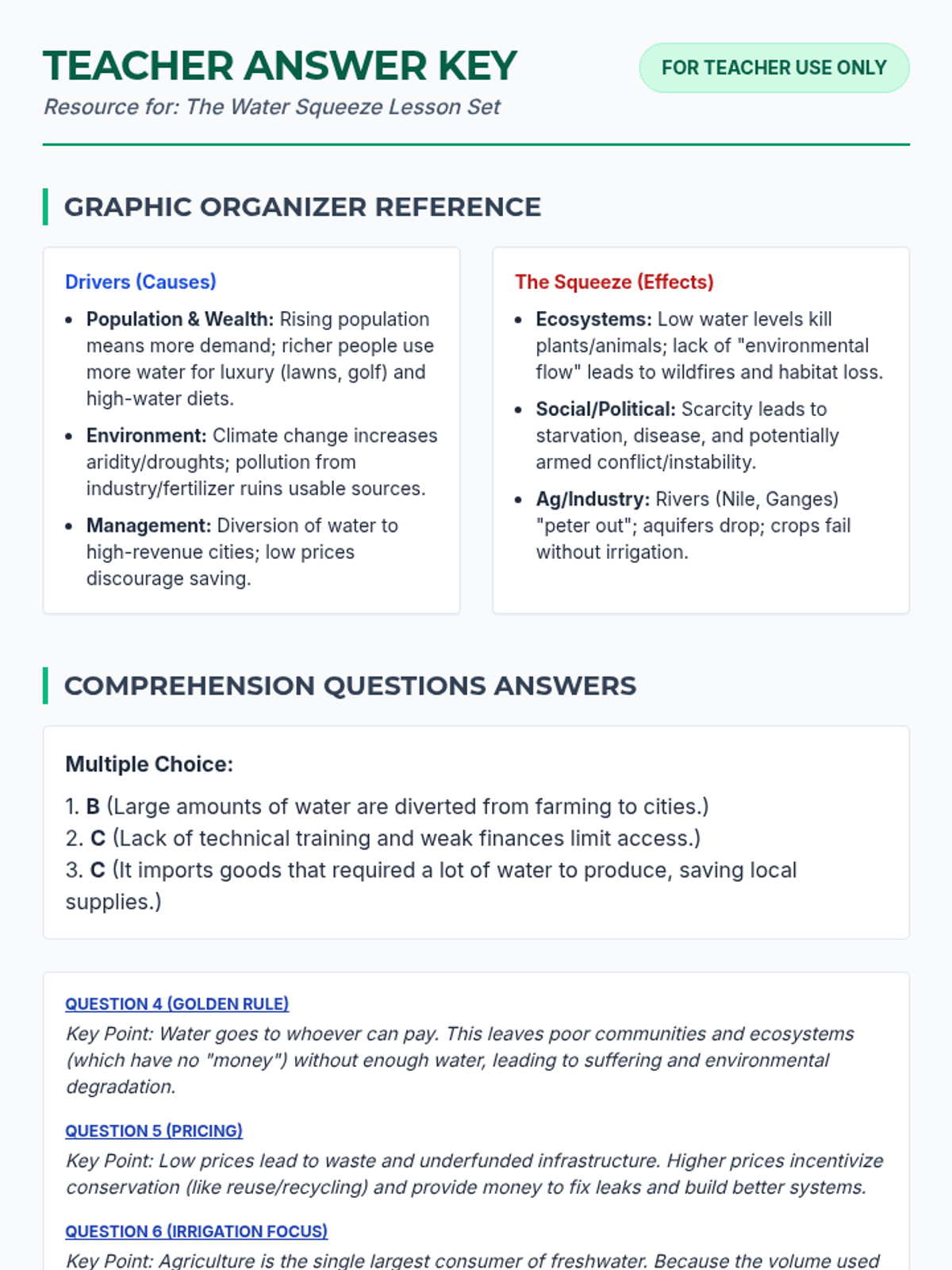
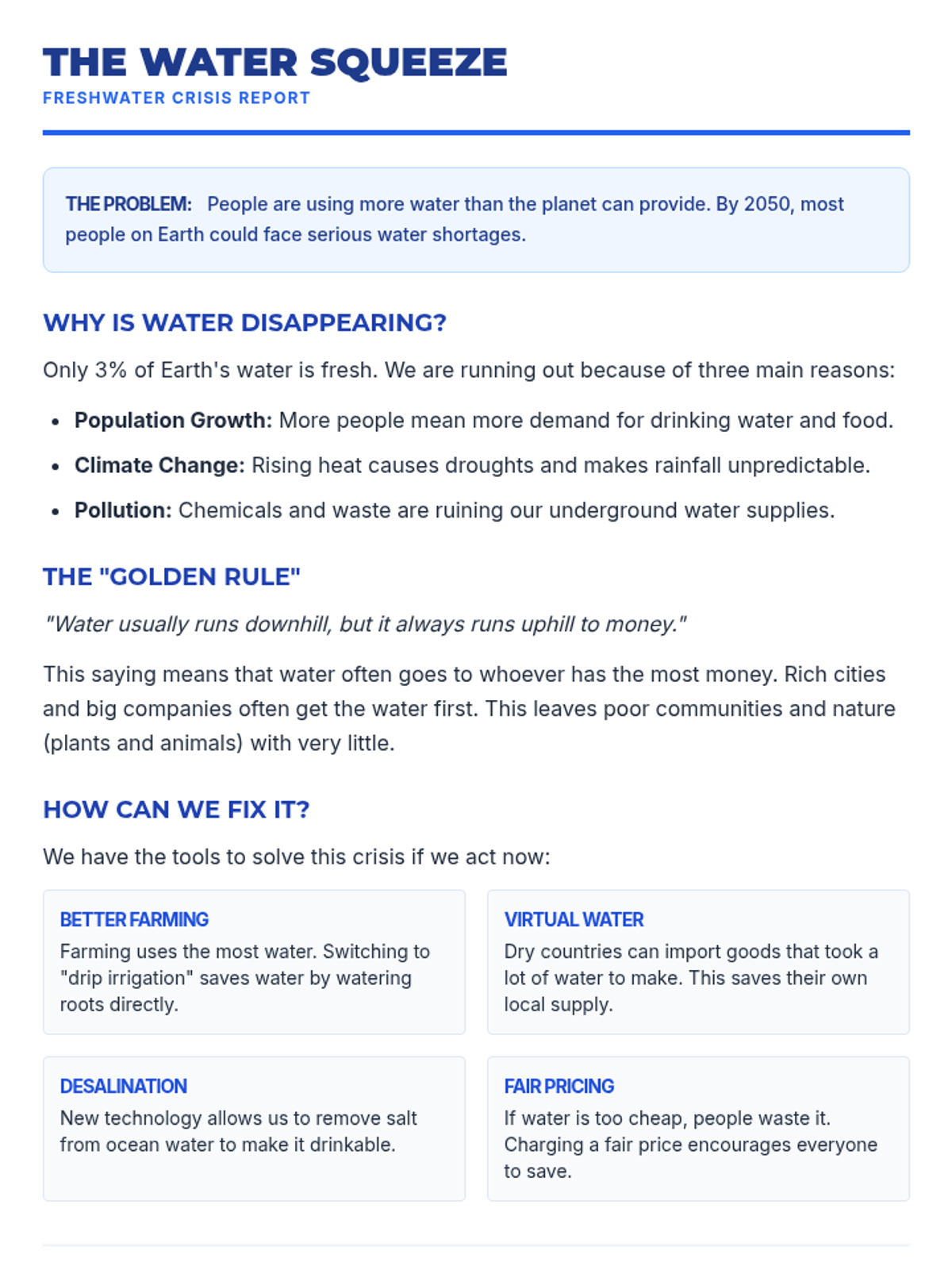
A comprehensive set of materials focusing on the global freshwater crisis, designed to help students identify cause-and-effect relationships within complex environmental systems. Students will analyze the drivers of water scarcity, its global impact, and potential technological and policy solutions.
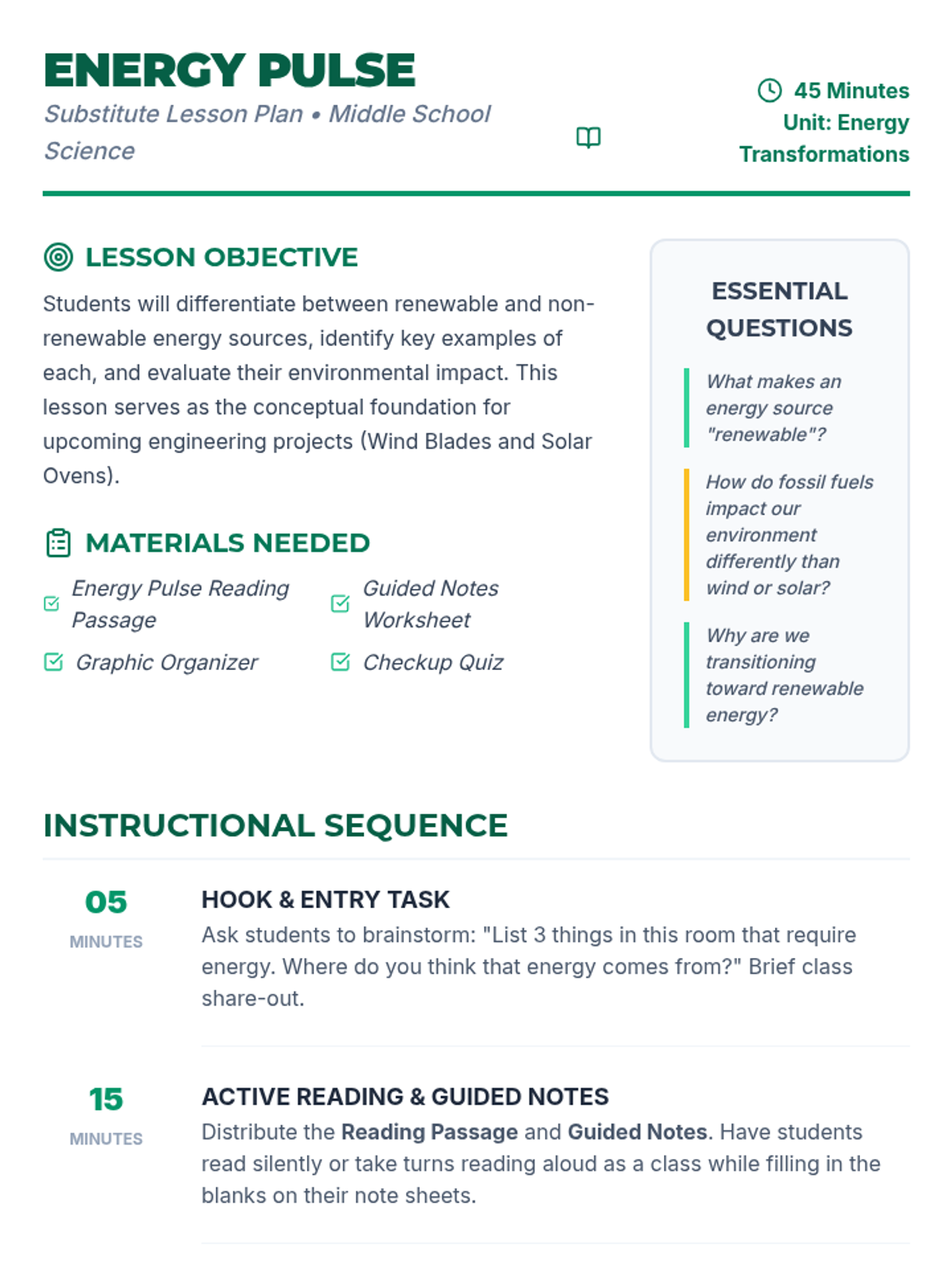
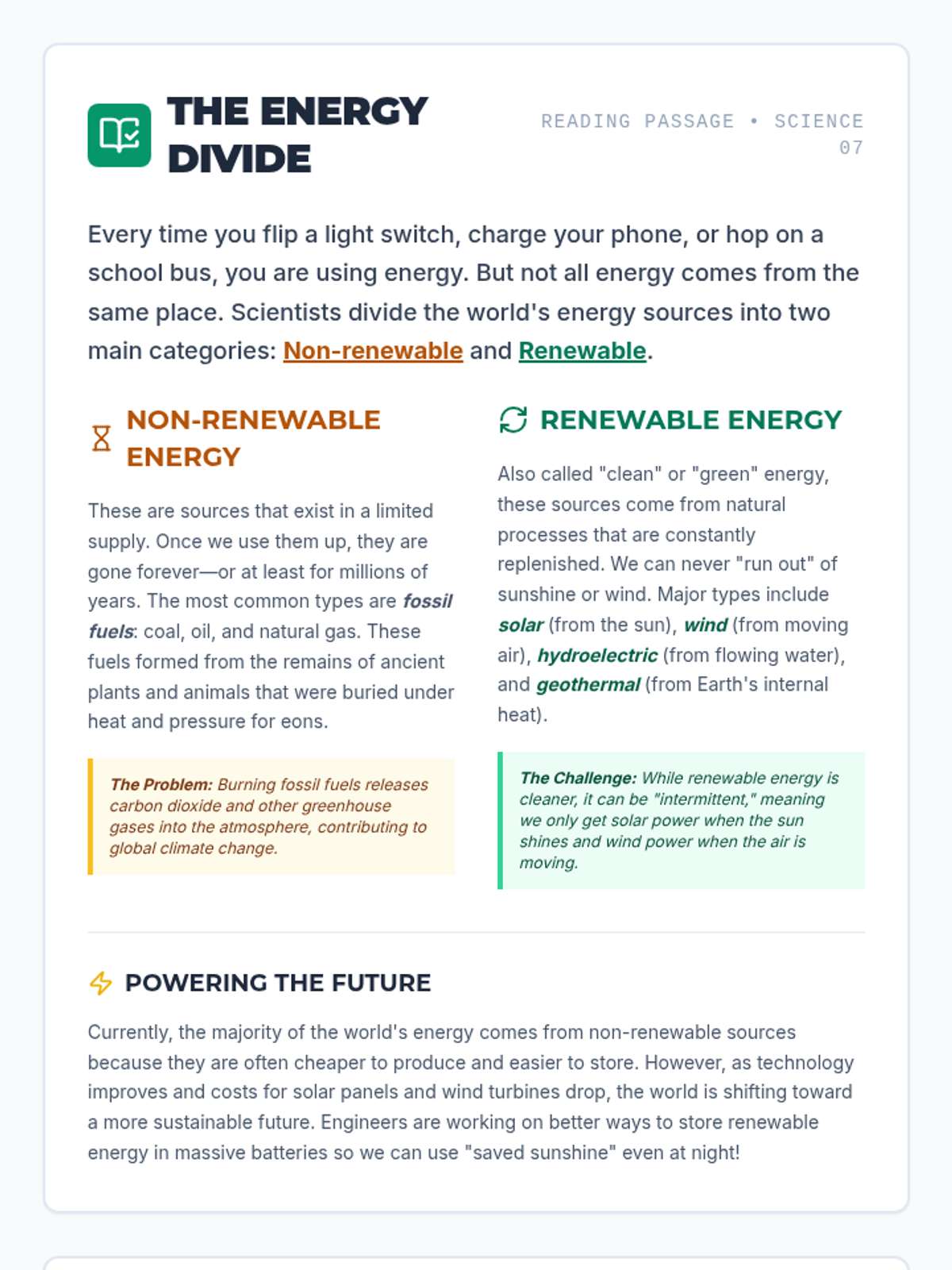
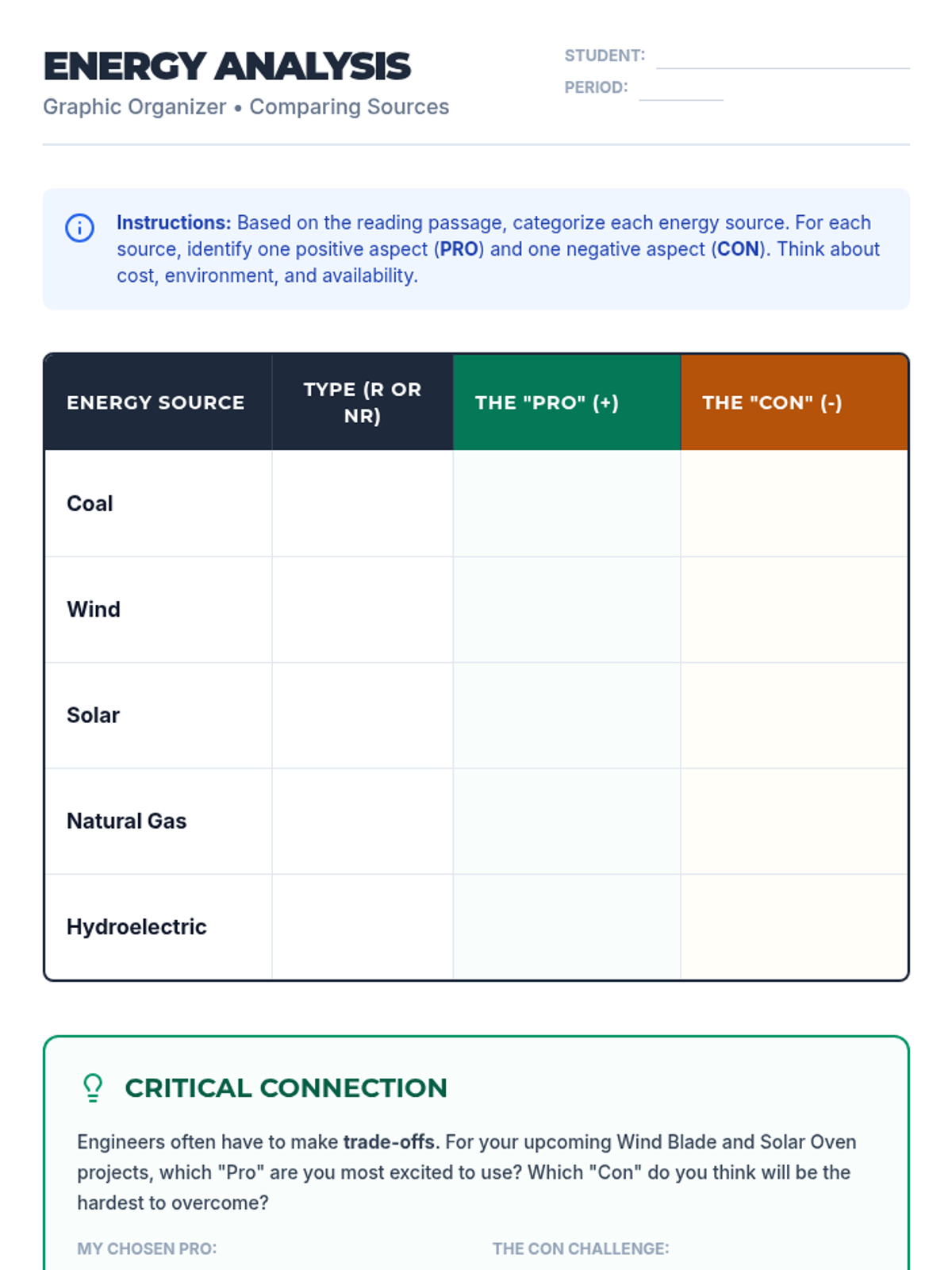
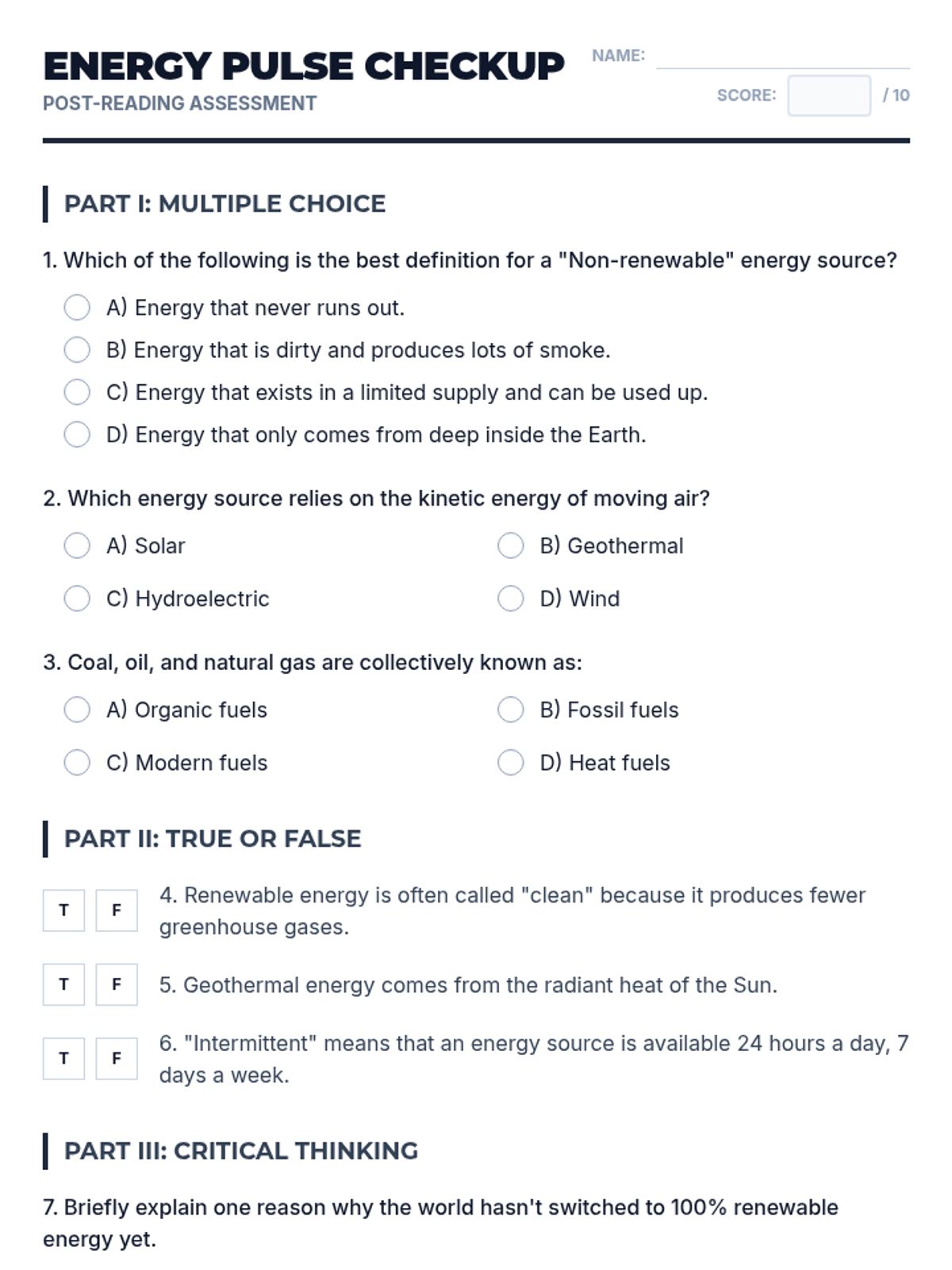
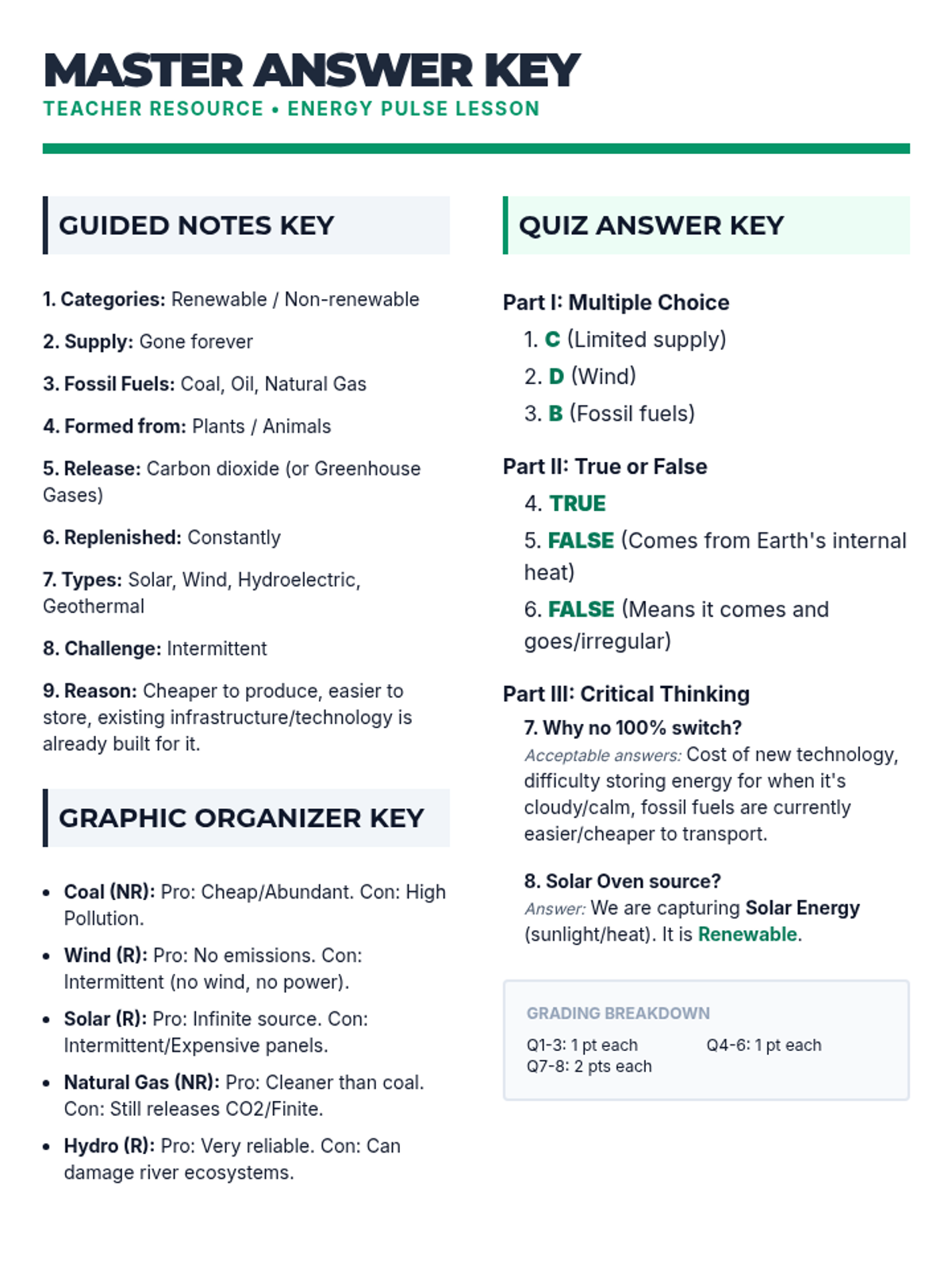
A comprehensive 45-minute introductory lesson on renewable and non-renewable energy sources, designed for a substitute teacher. This lesson prepares middle school students for hands-on engineering projects like wind blades and solar ovens.
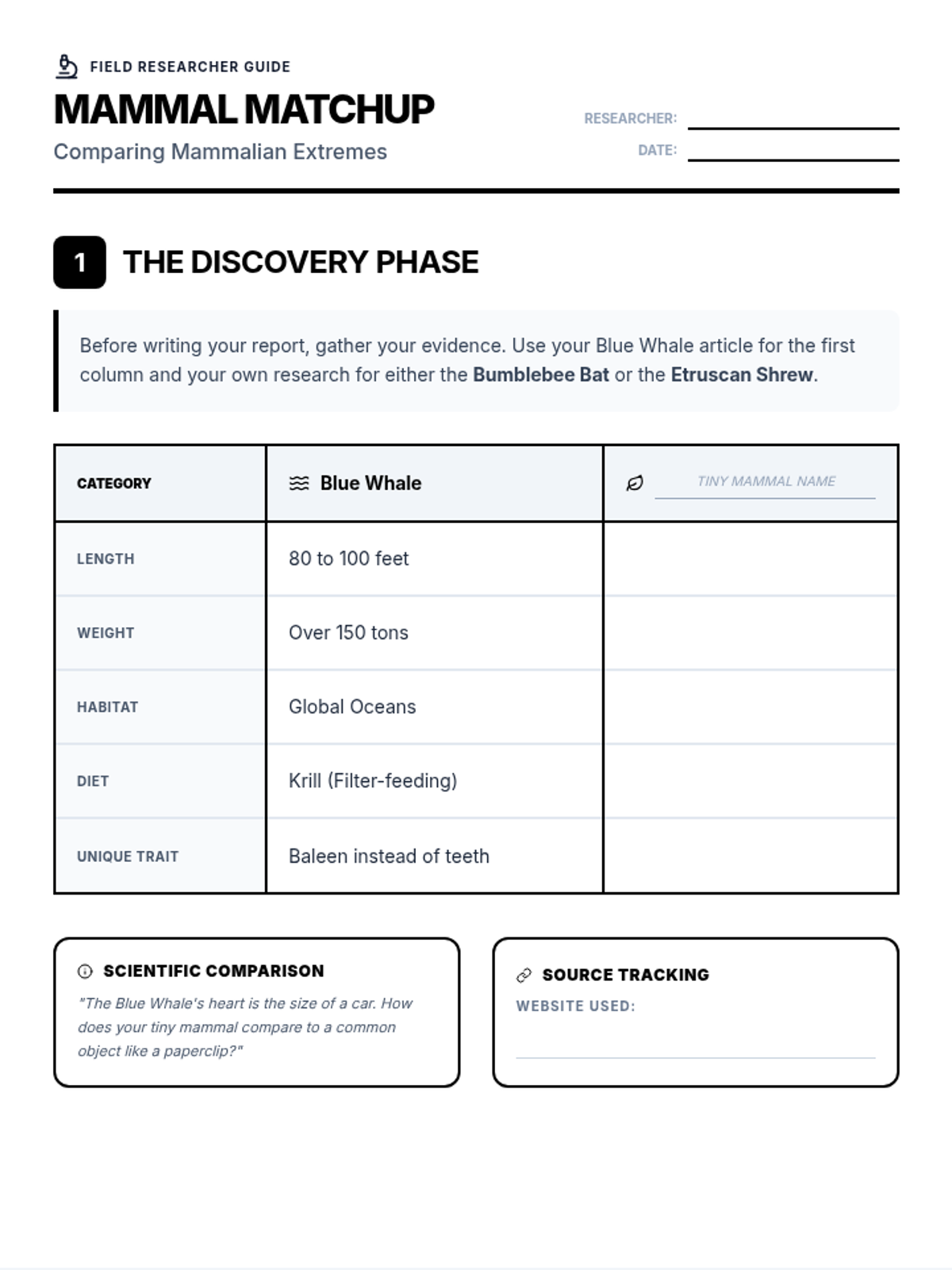
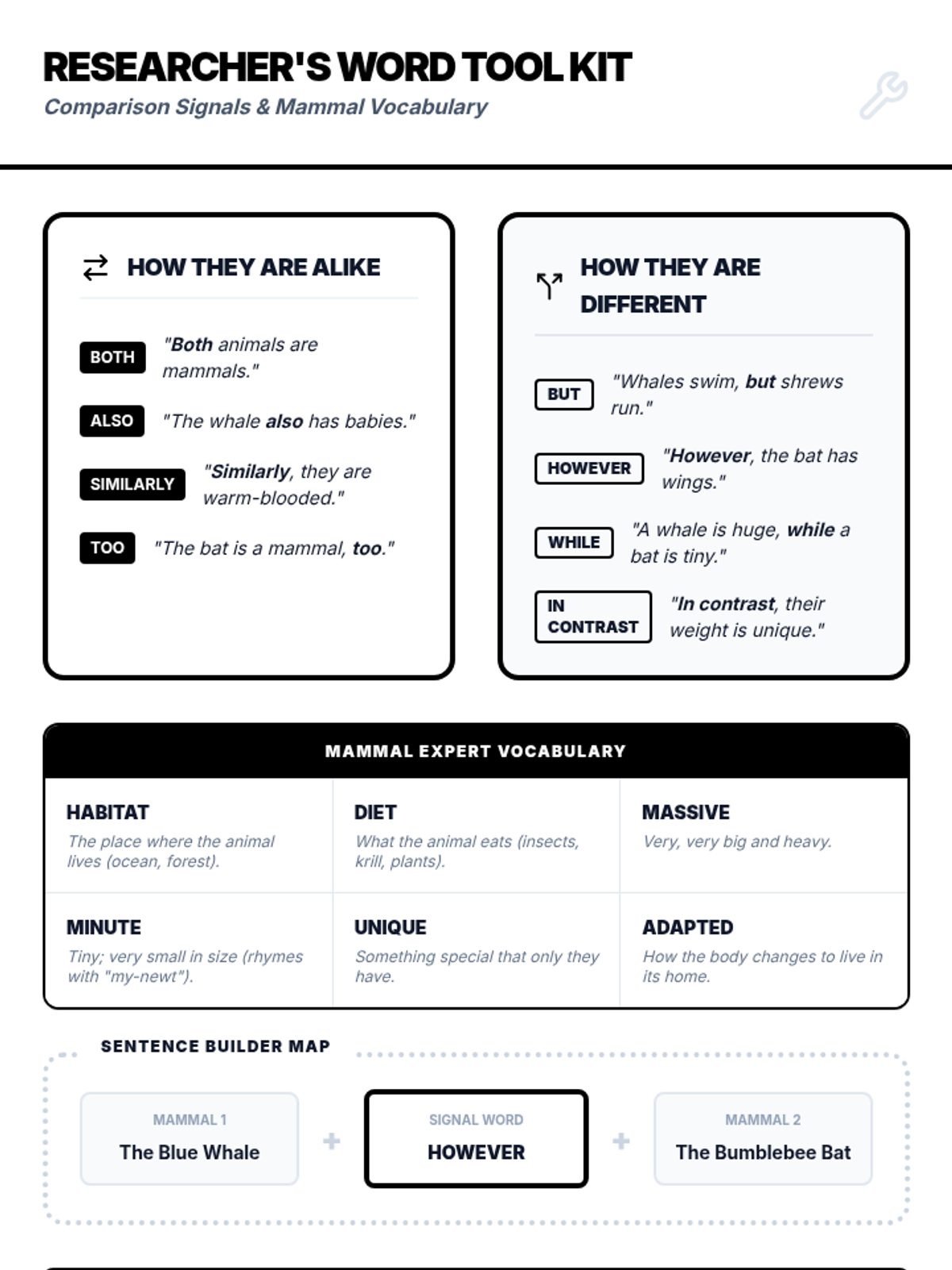
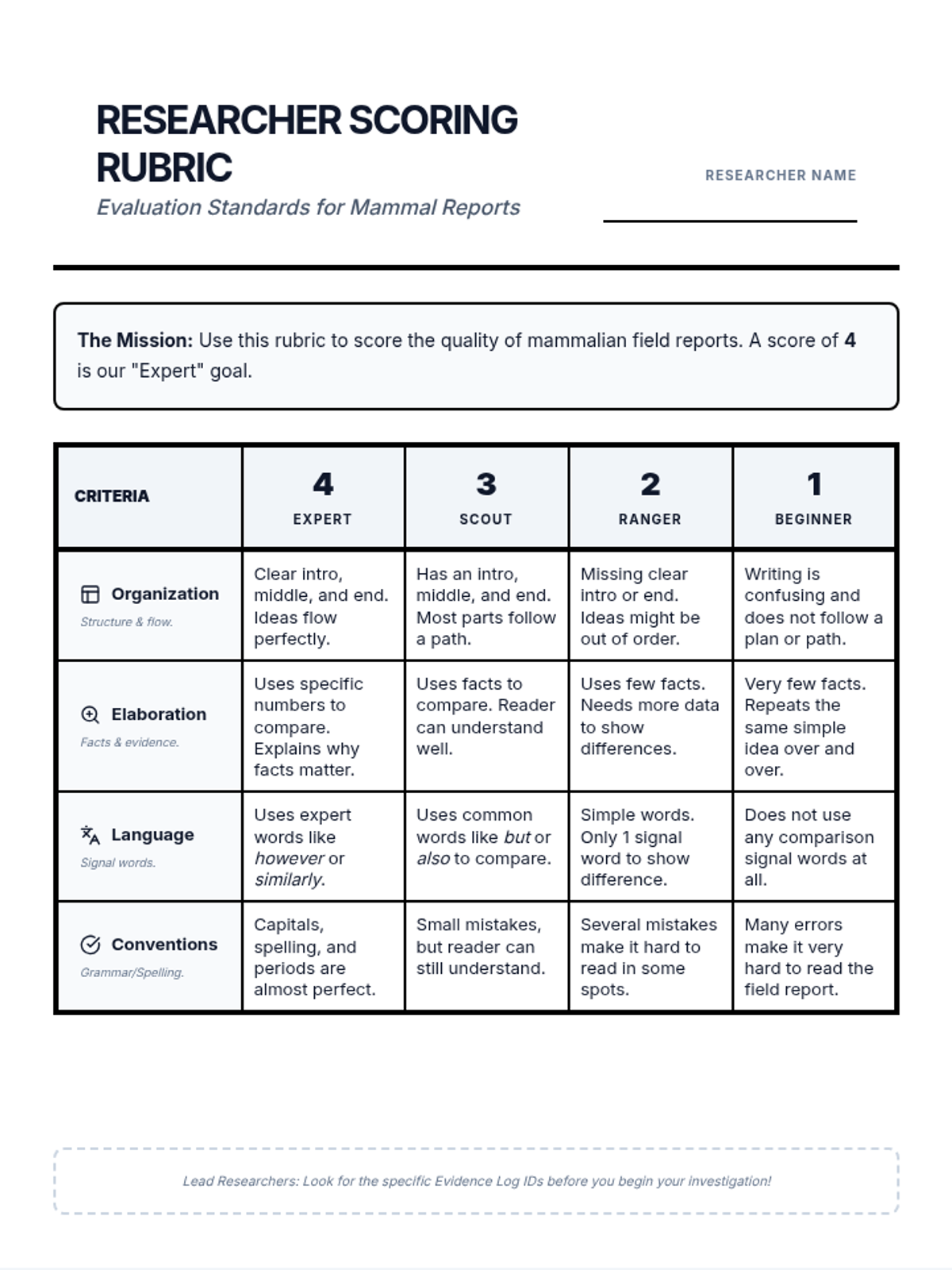
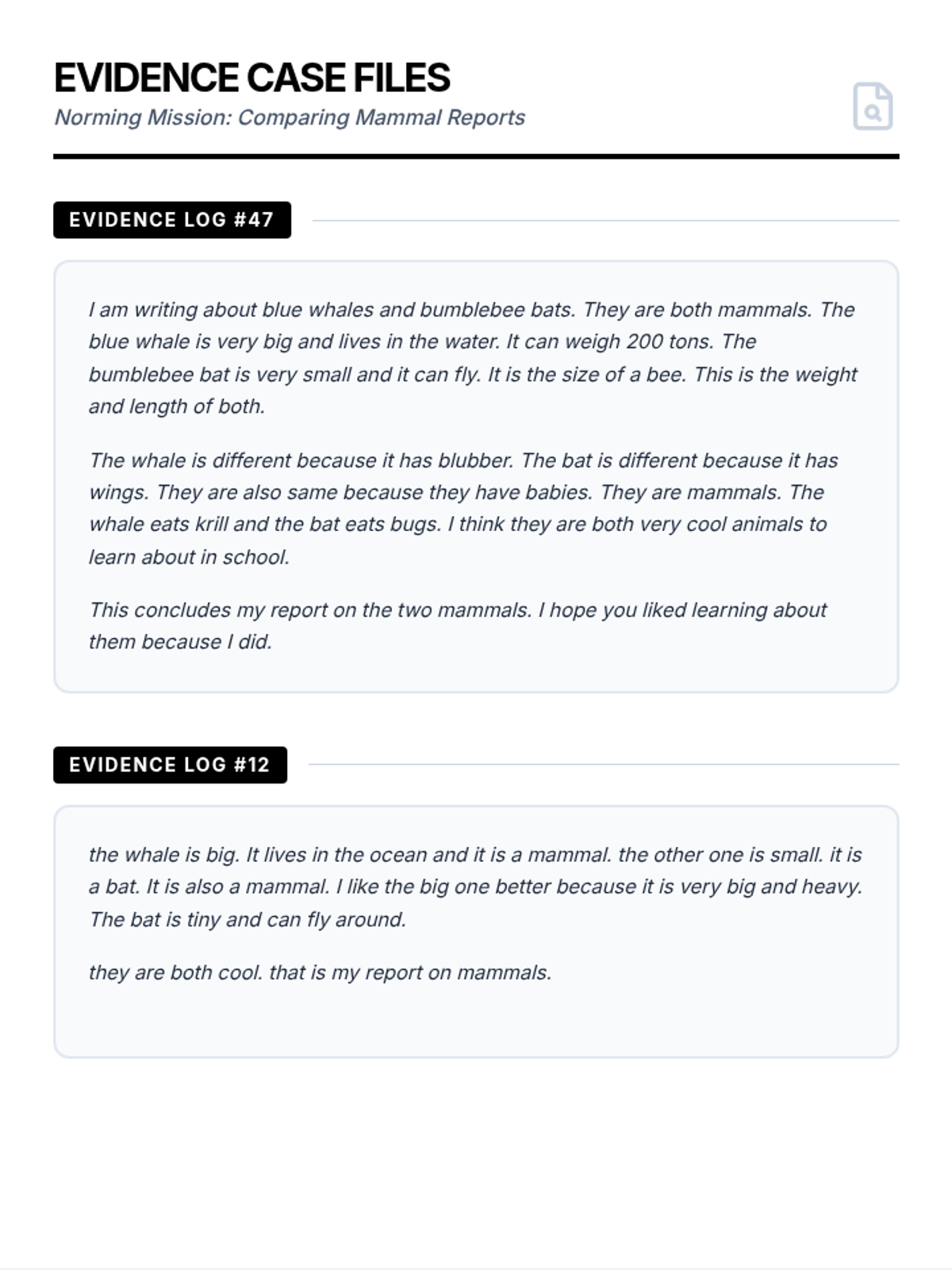
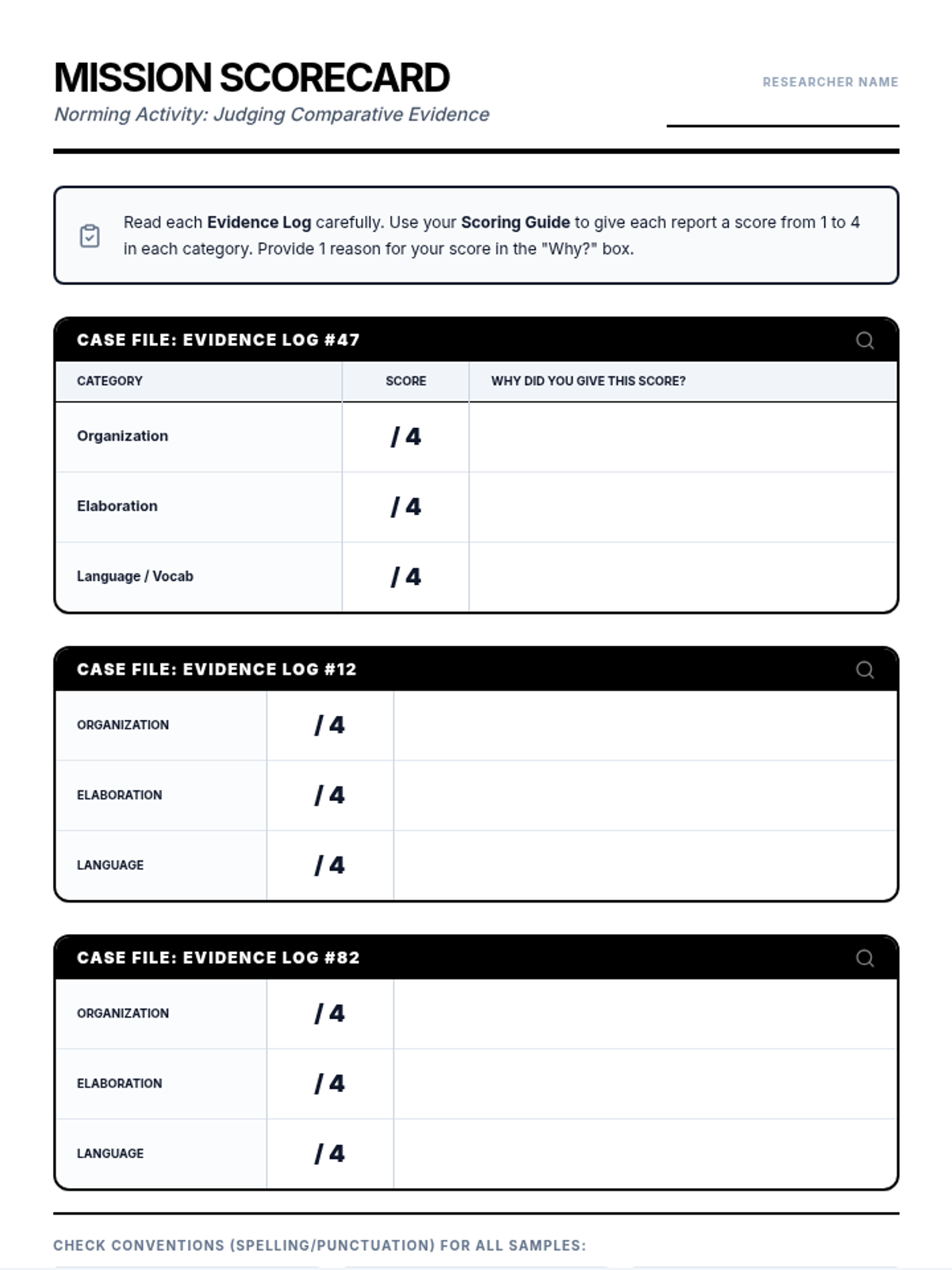
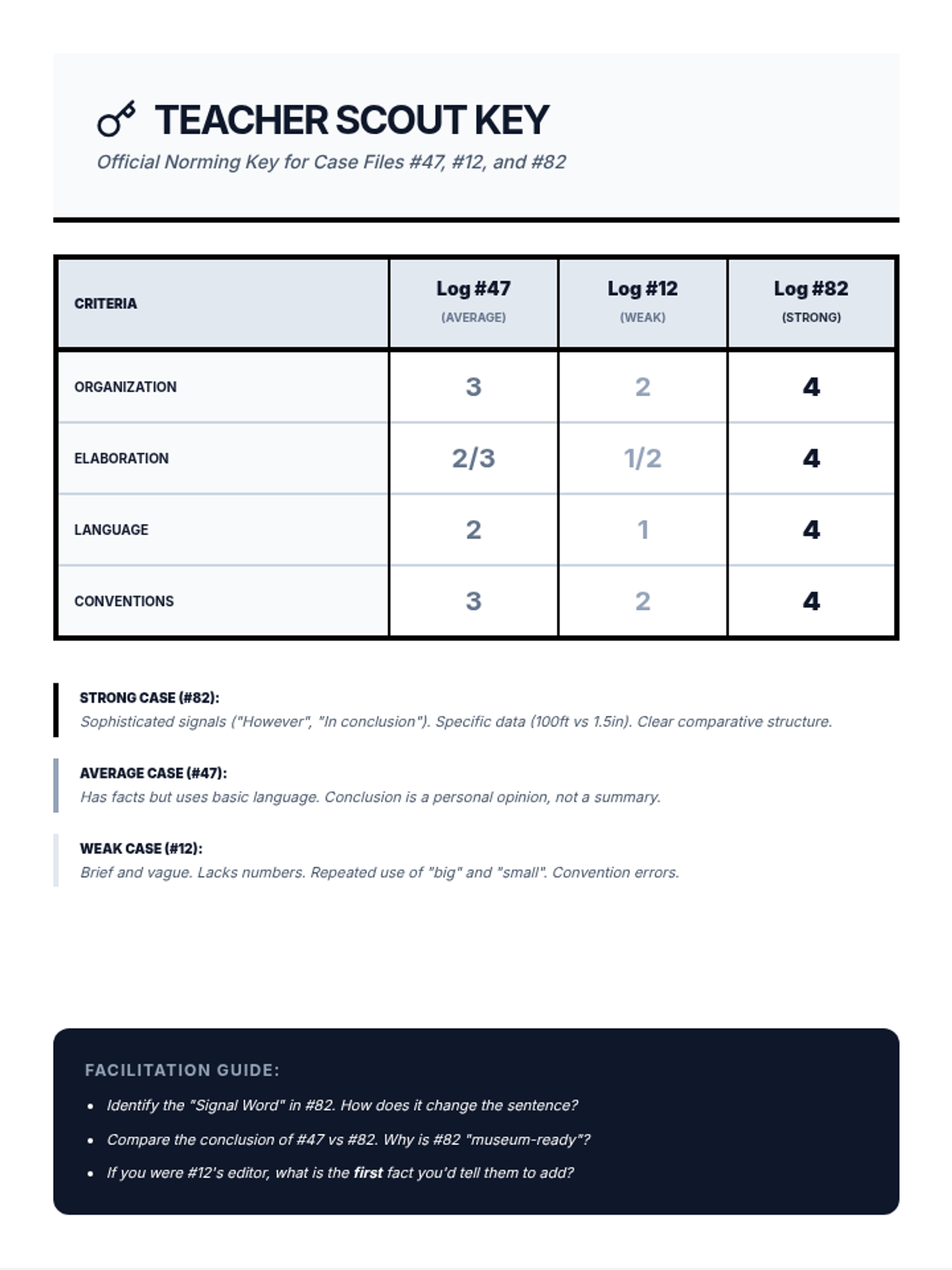
This lesson focuses on comparing the world's largest mammal, the blue whale, with some of the world's smallest mammals. Students will use the provided informational text and conduct their own research to create a comparative report.
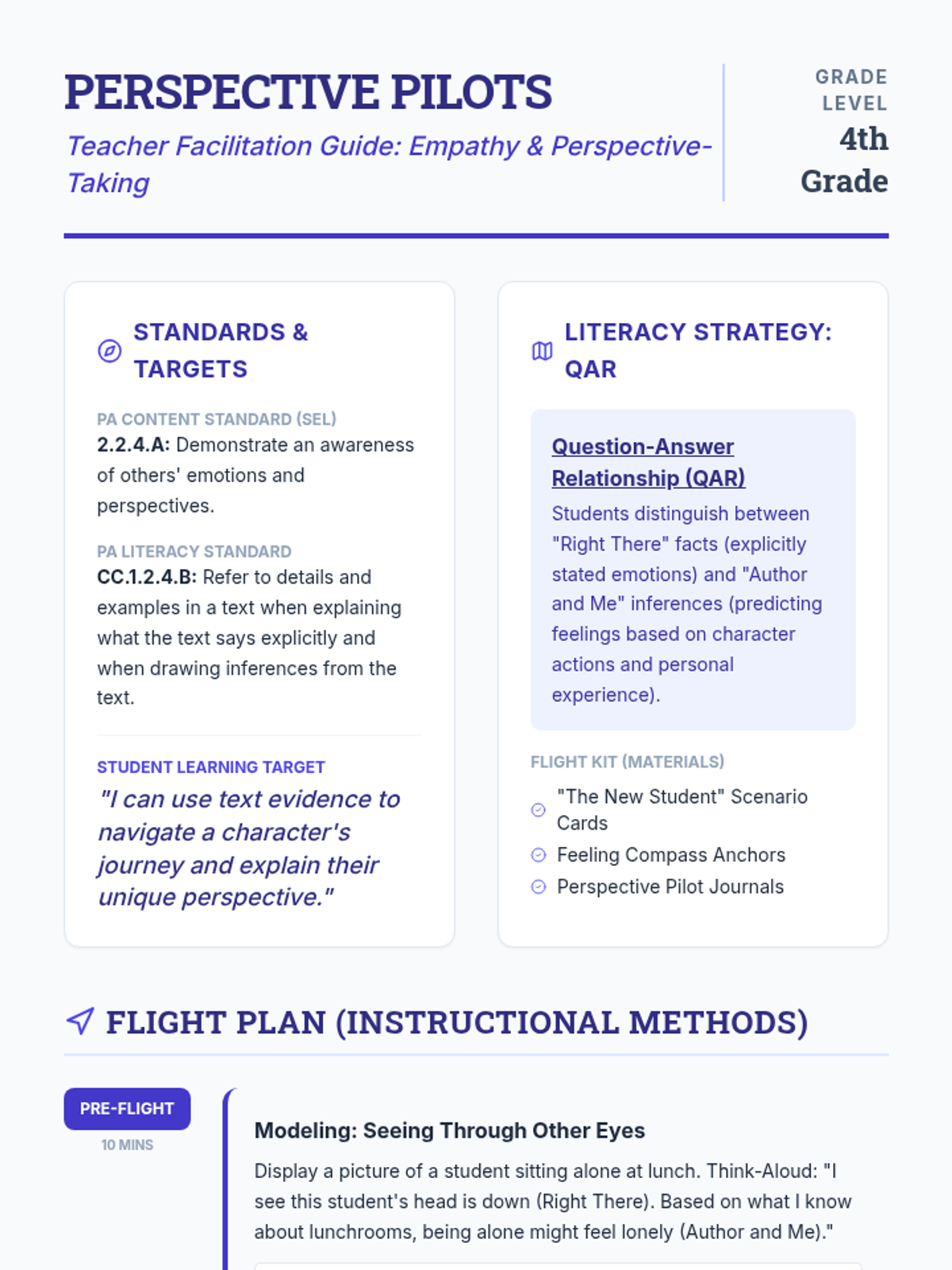
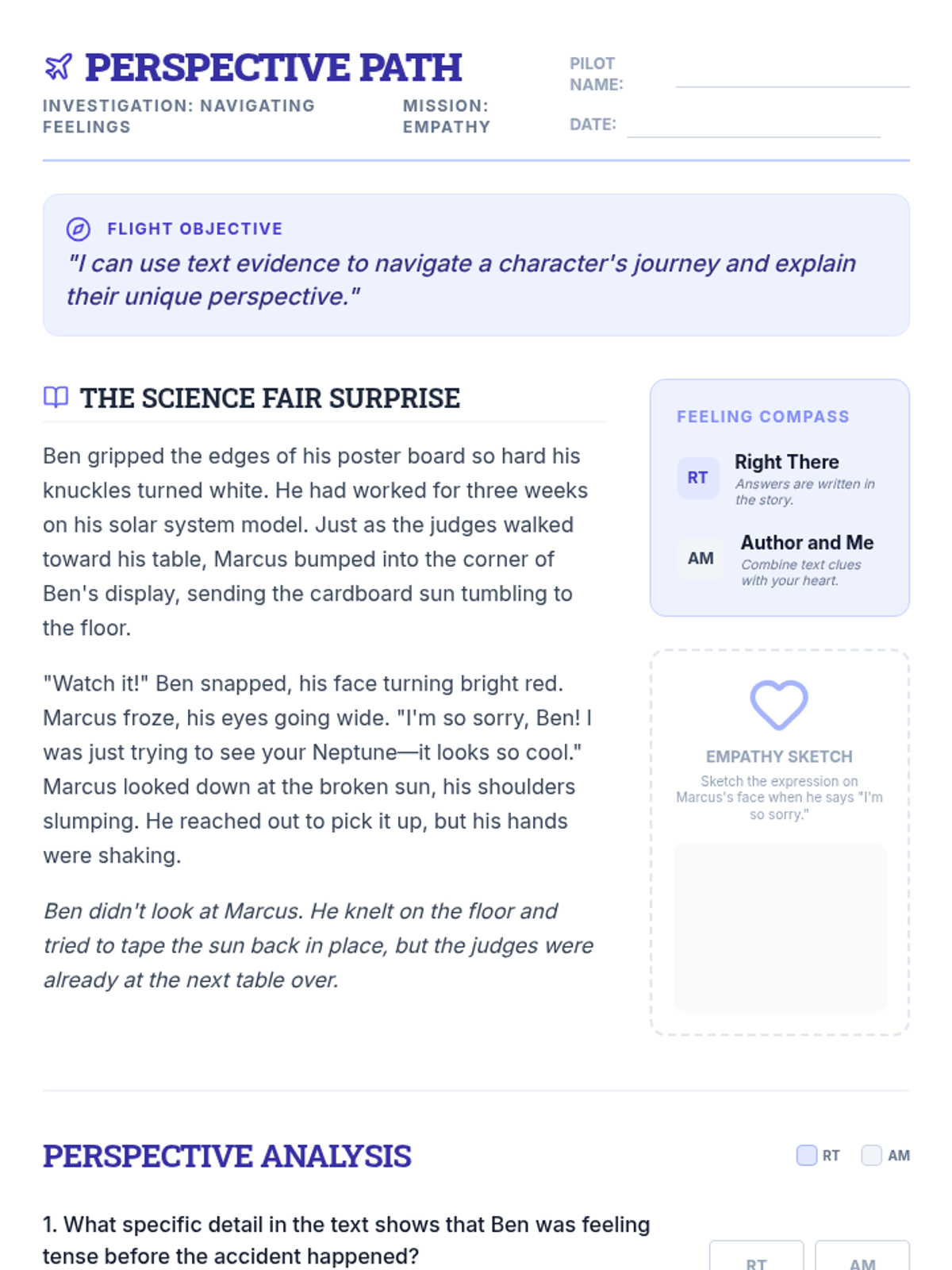
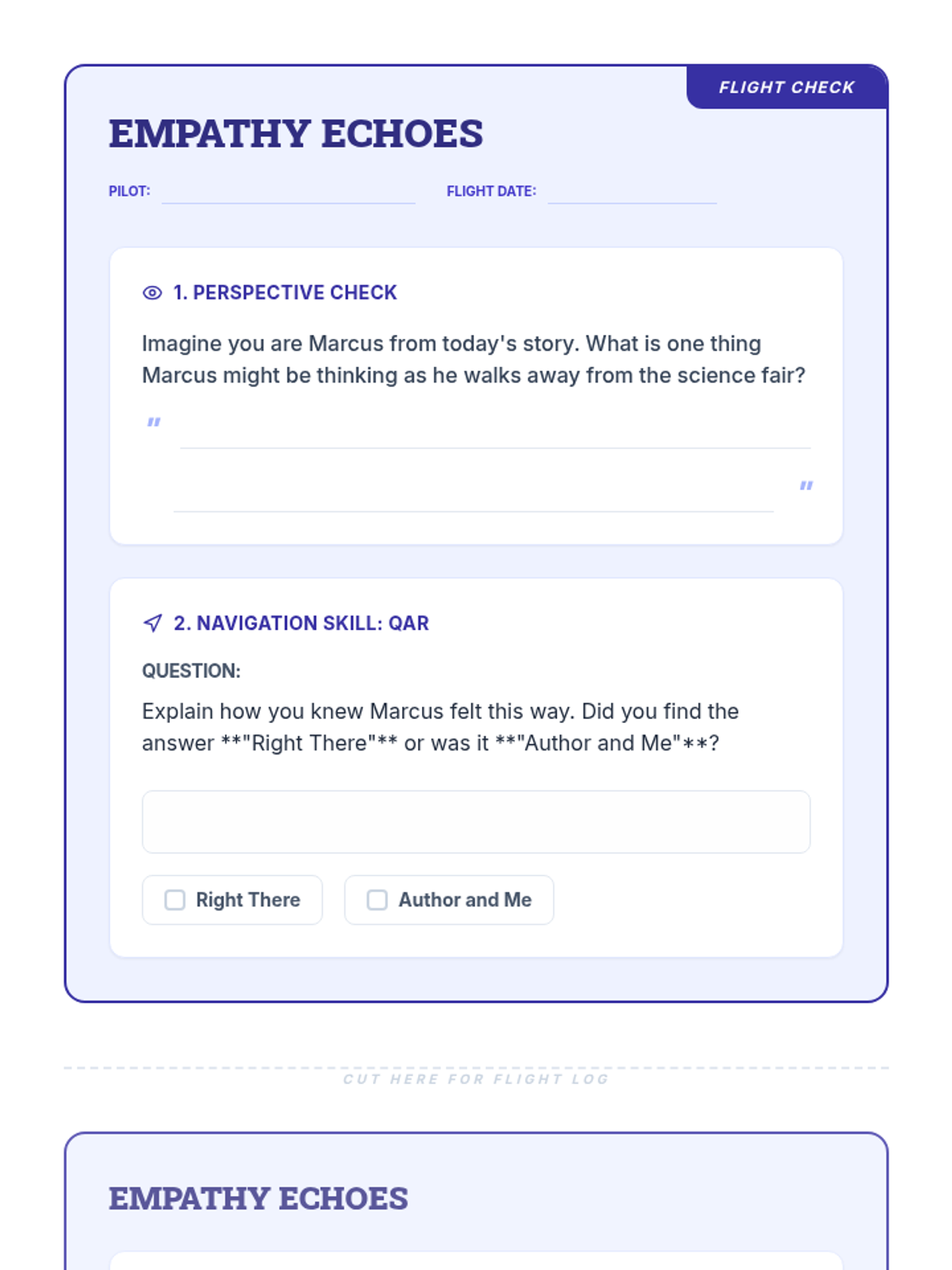
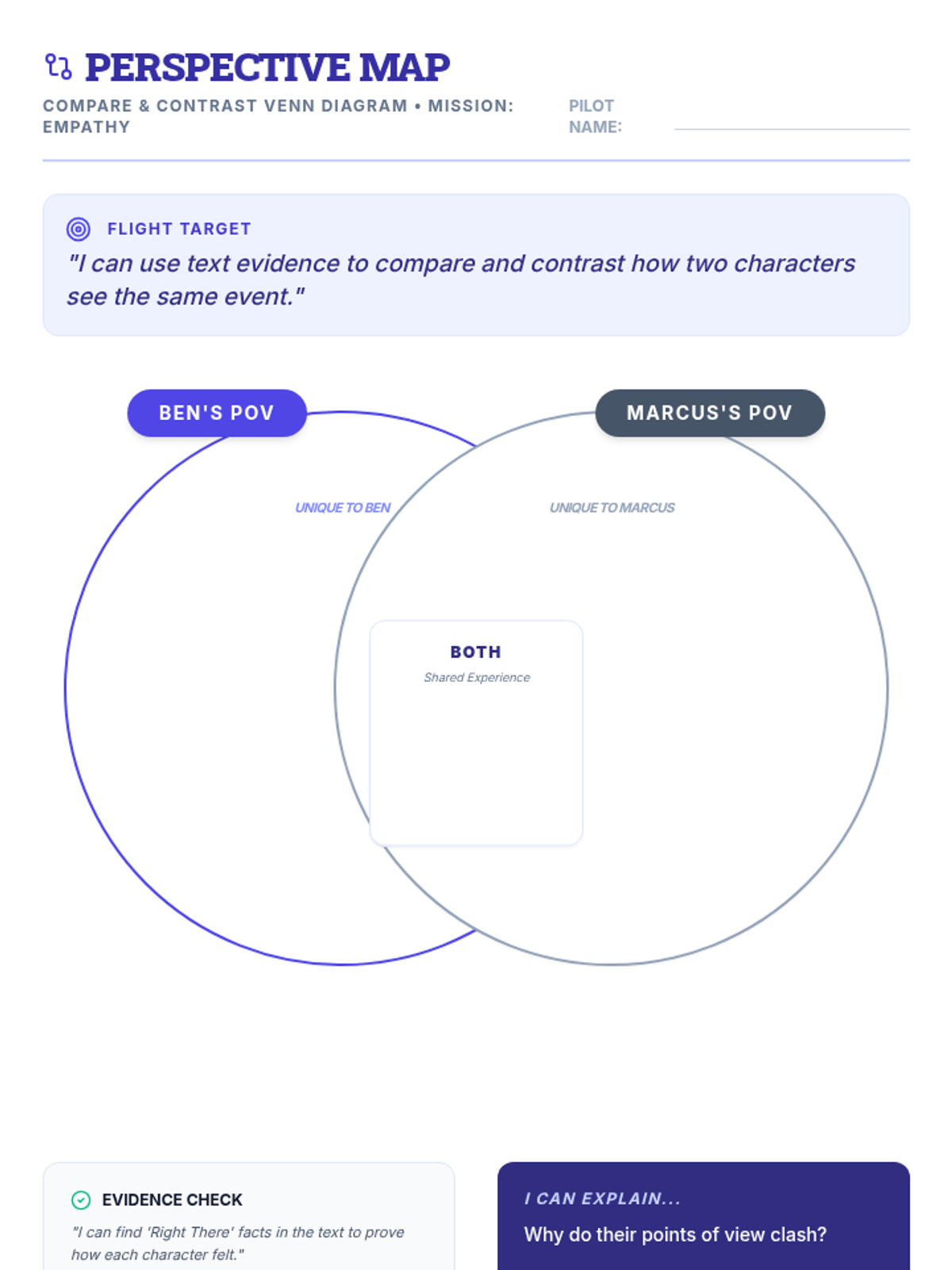
A 4th-grade social-emotional learning lesson focusing on empathy and perspective-taking using the QAR (Question-Answer Relationship) literacy strategy. Students learn to identify emotions and understand others' viewpoints by citing textual evidence.
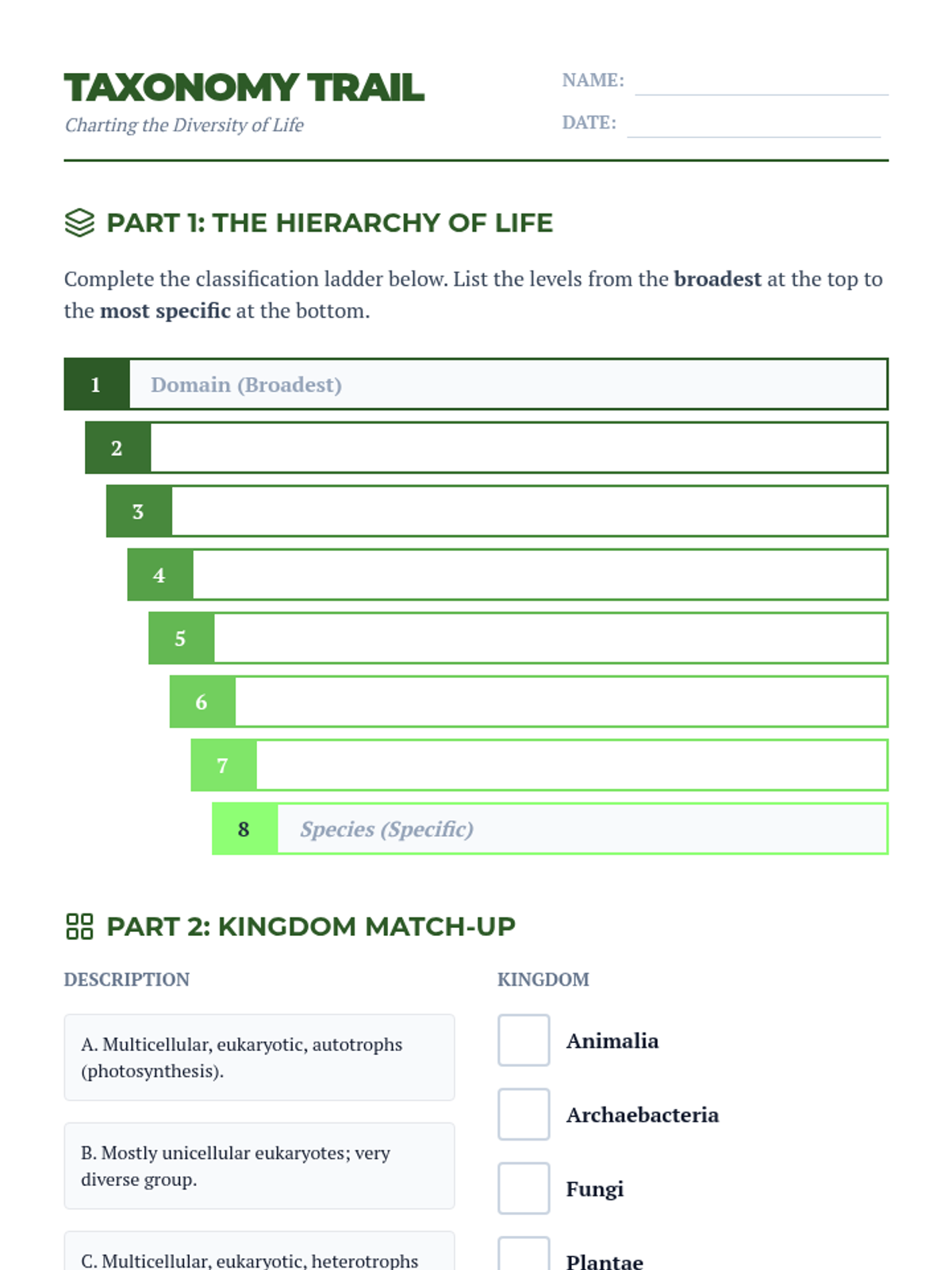
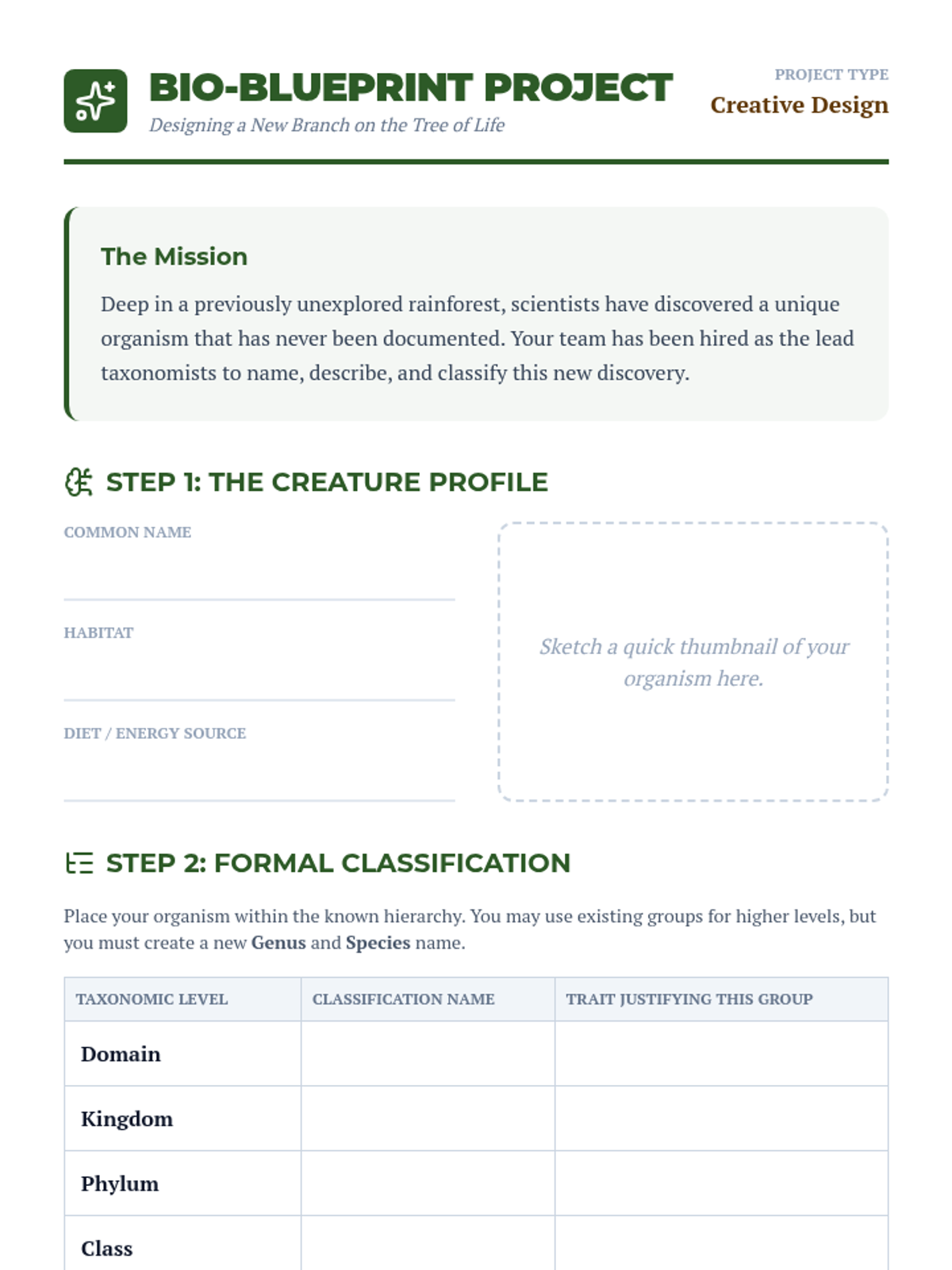
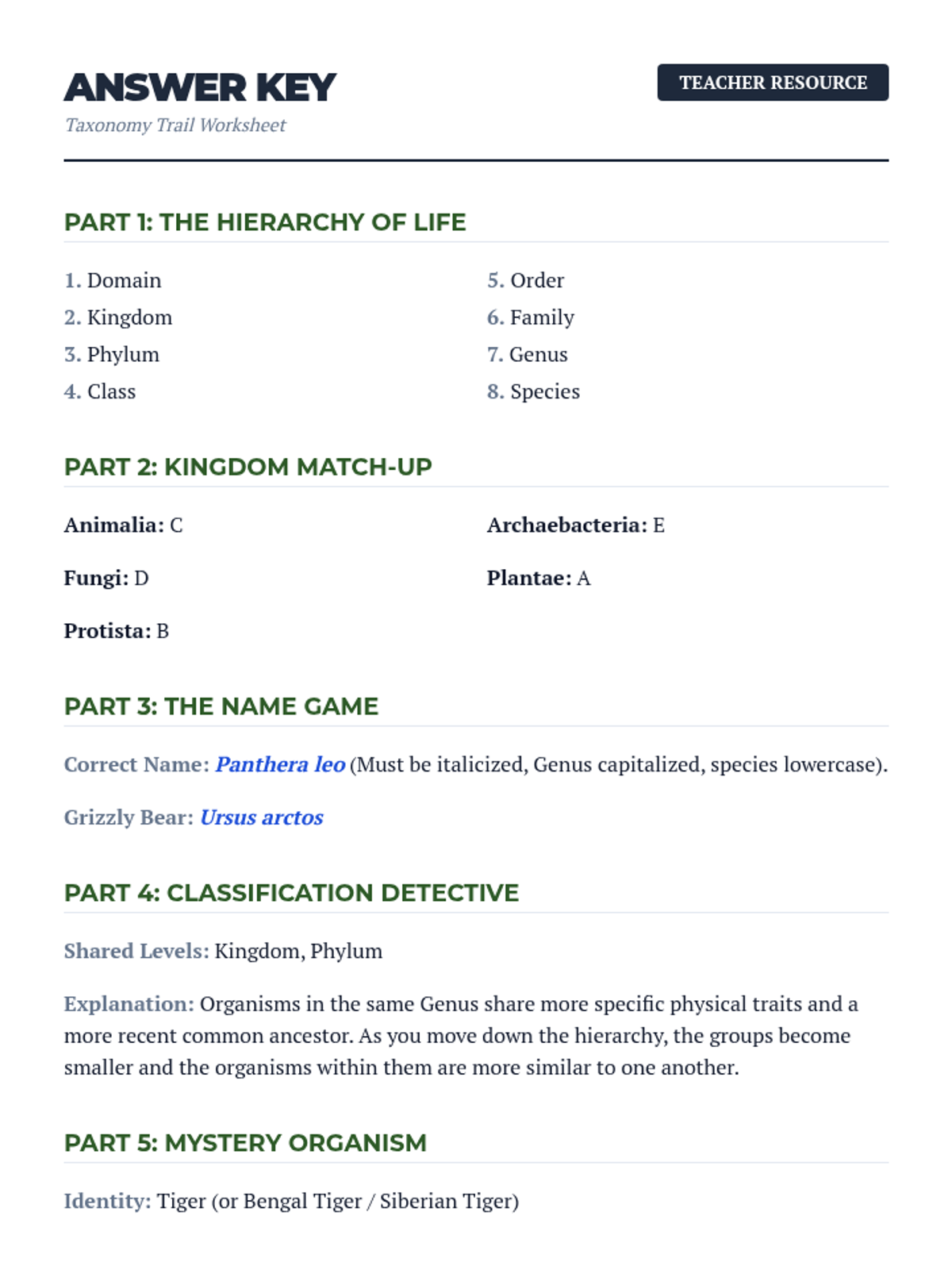
An introduction to biological classification, covering the three domains of life, the six kingdoms, and the hierarchical levels of taxonomy from domain to species.
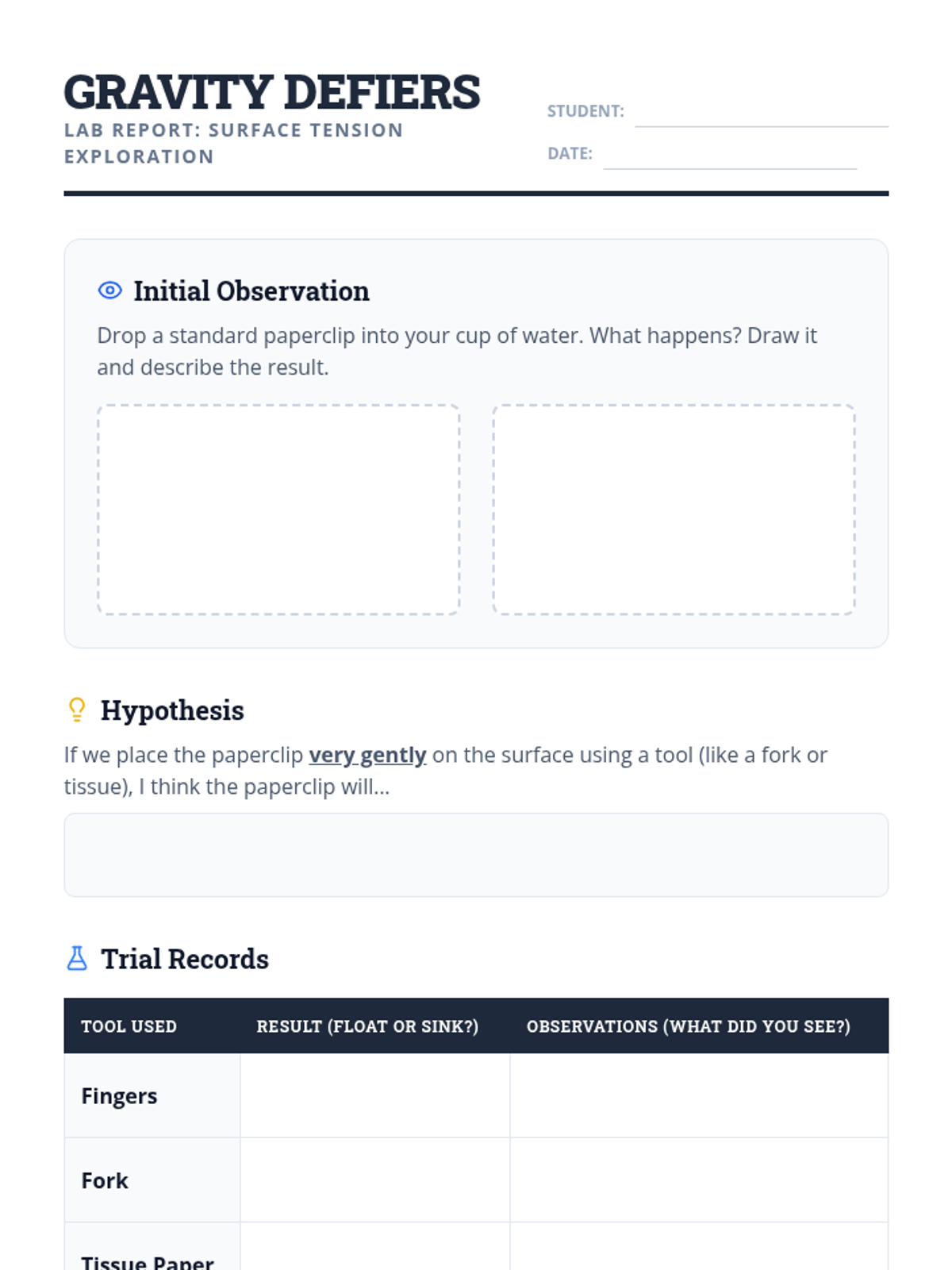
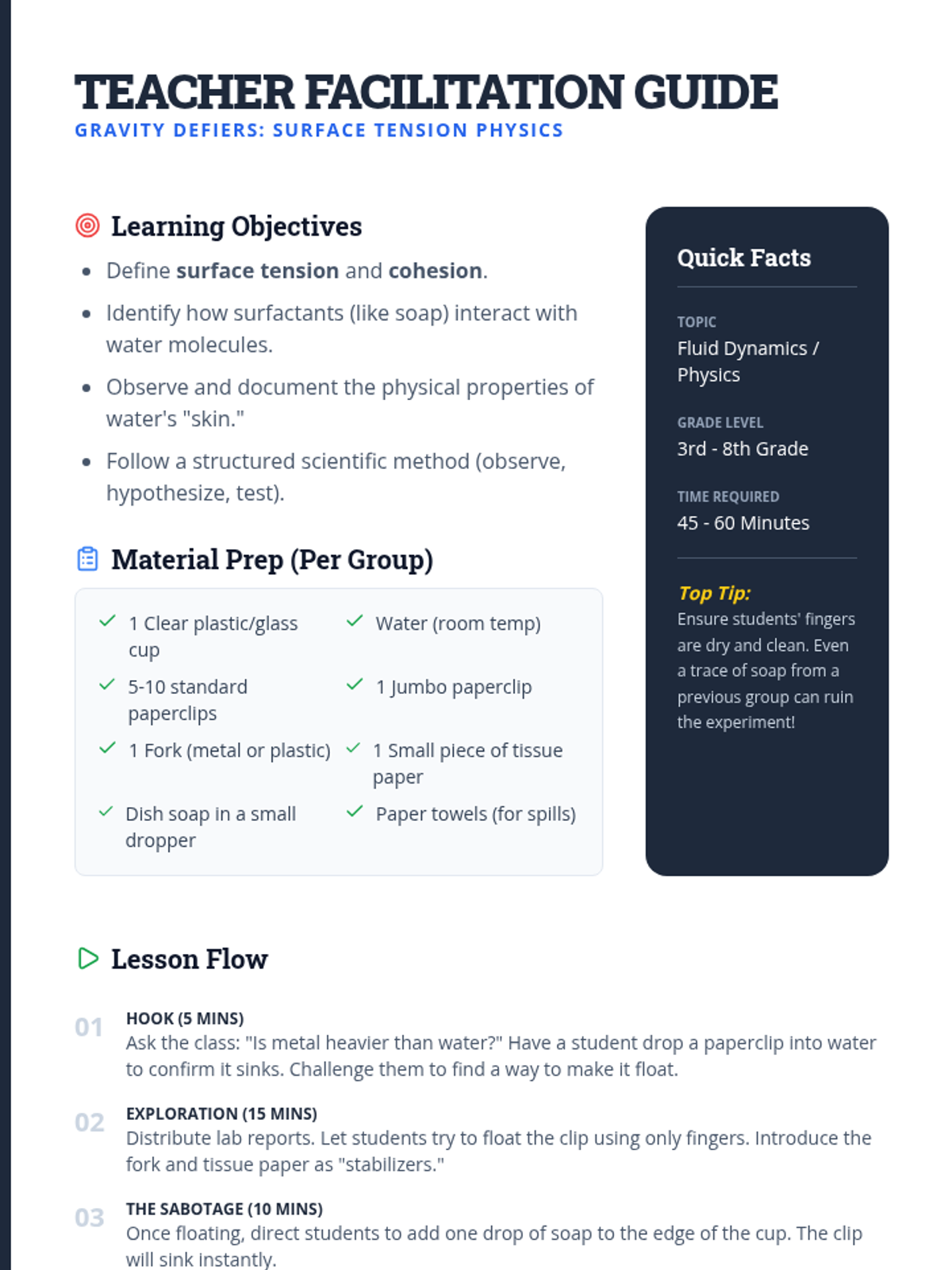
A hands-on exploration of surface tension using paperclips and water. Students challenge the law of gravity by making metal float and then investigate what breaks the 'skin' of water.
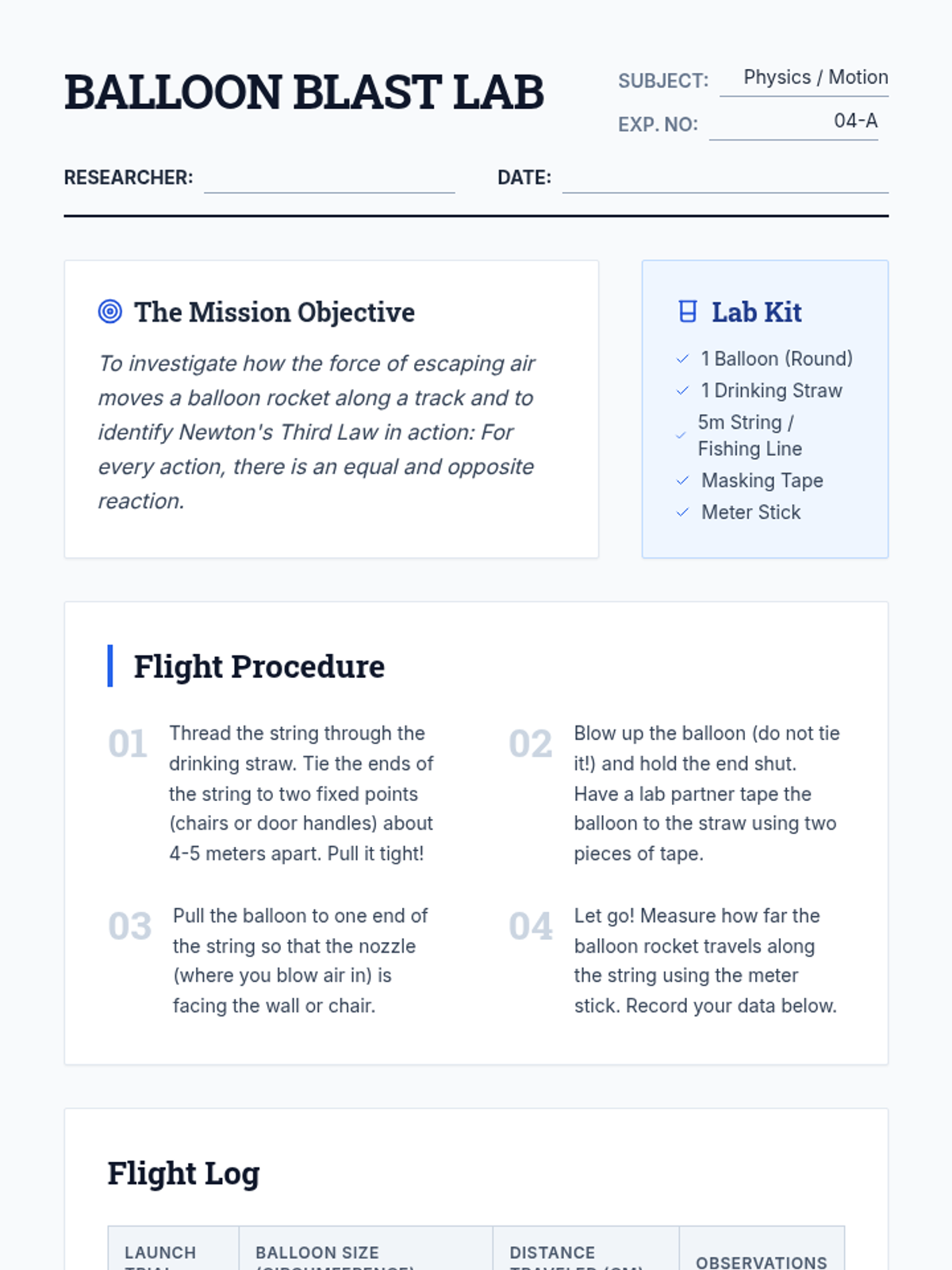
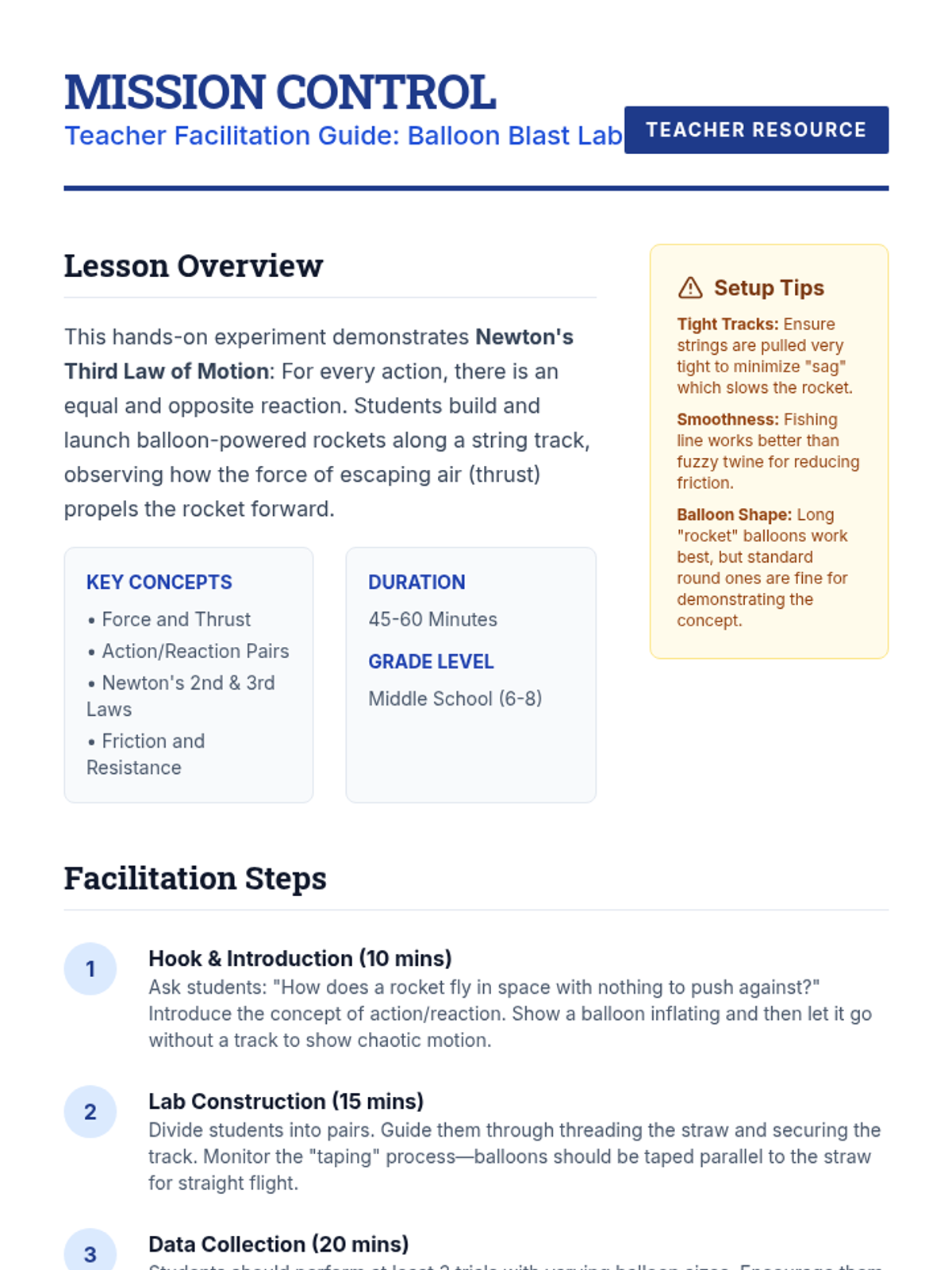
An interactive exploration of Newton's Laws of Motion through hands-on experimentation with balloon-powered rockets. Students will investigate how force impacts distance and velocity.
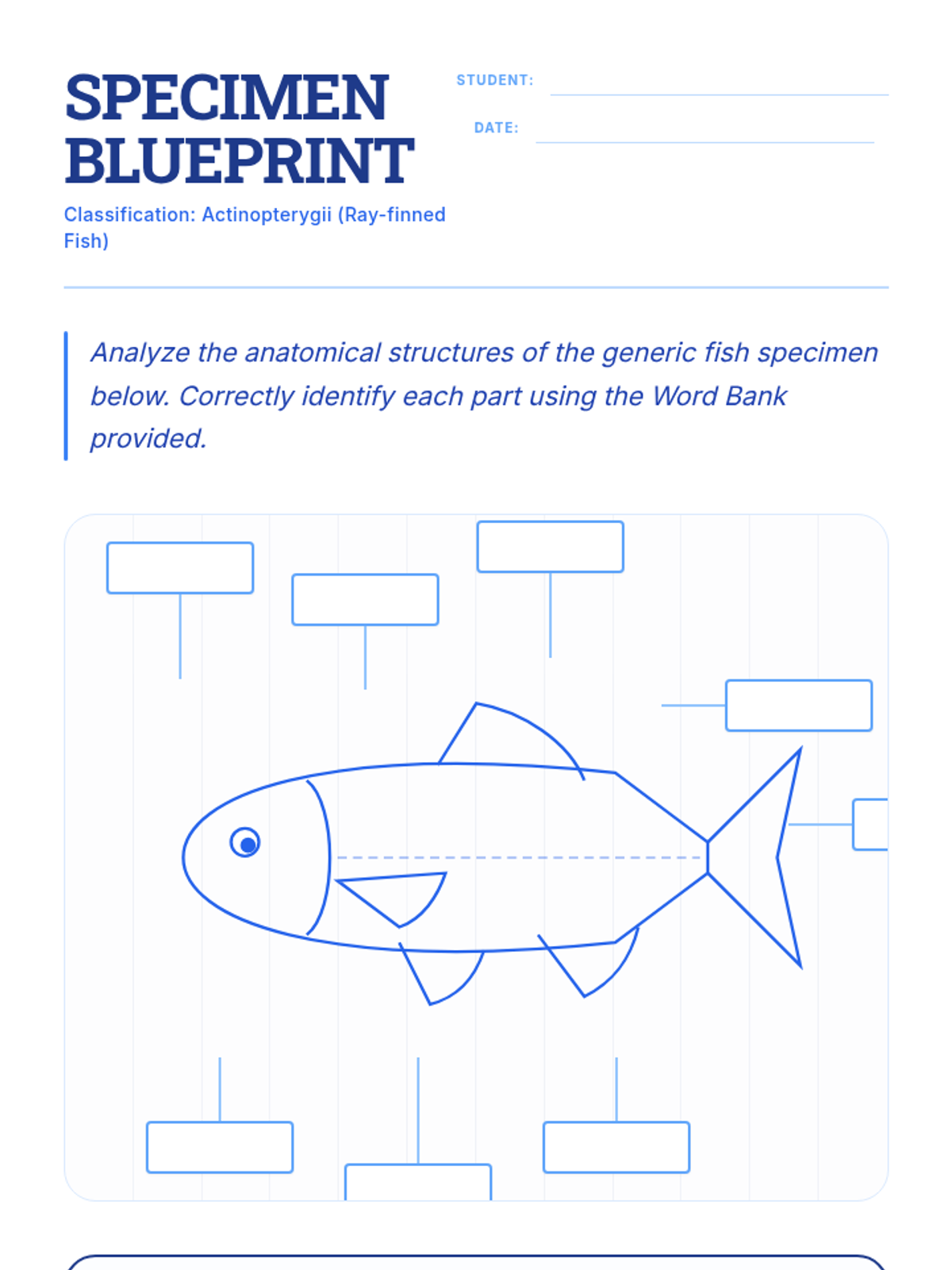
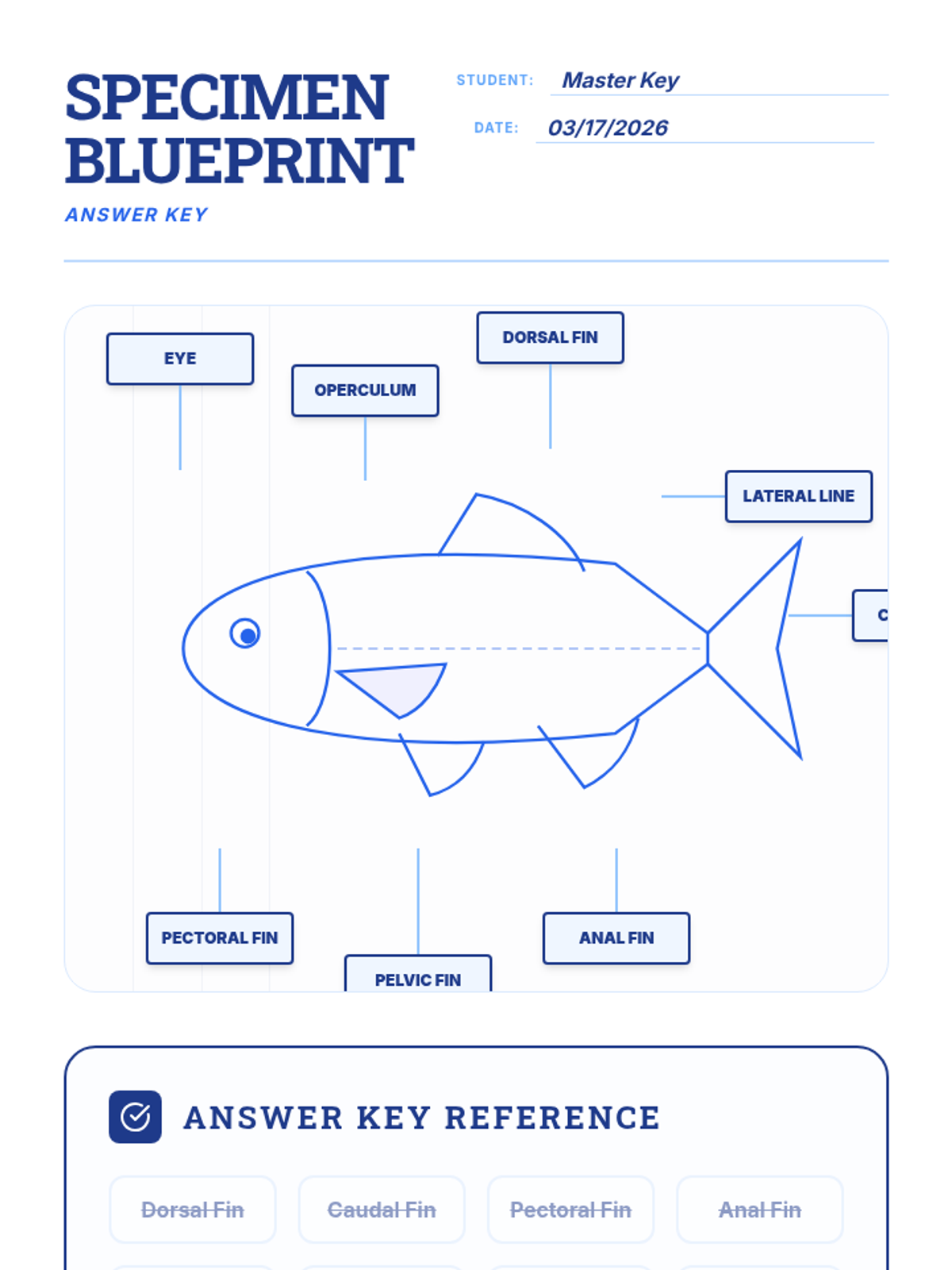
A lesson focusing on the external anatomy of ray-finned fish using a technical blueprint aesthetic. Students will identify key structures like fins, the lateral line, and the operculum.
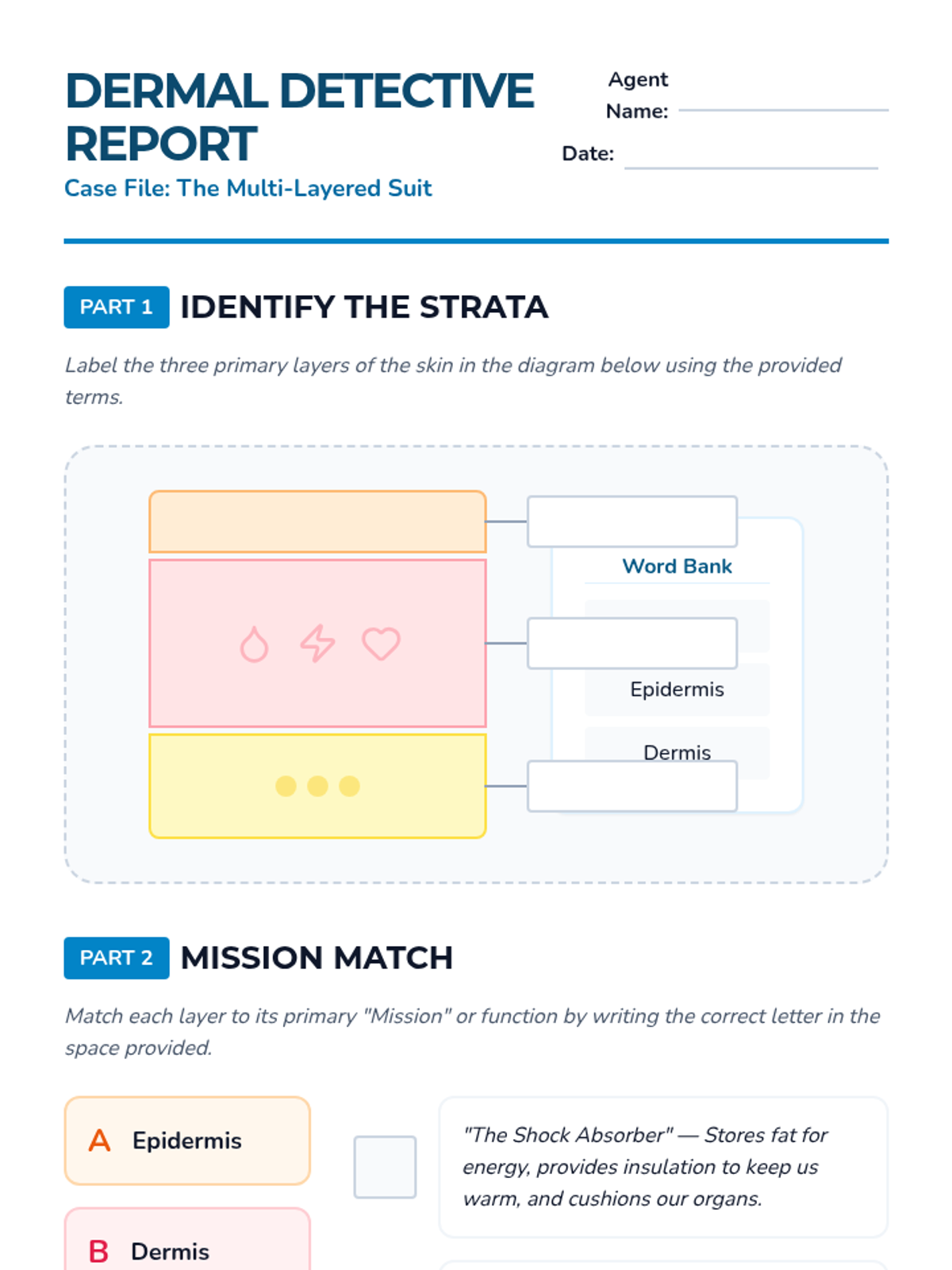
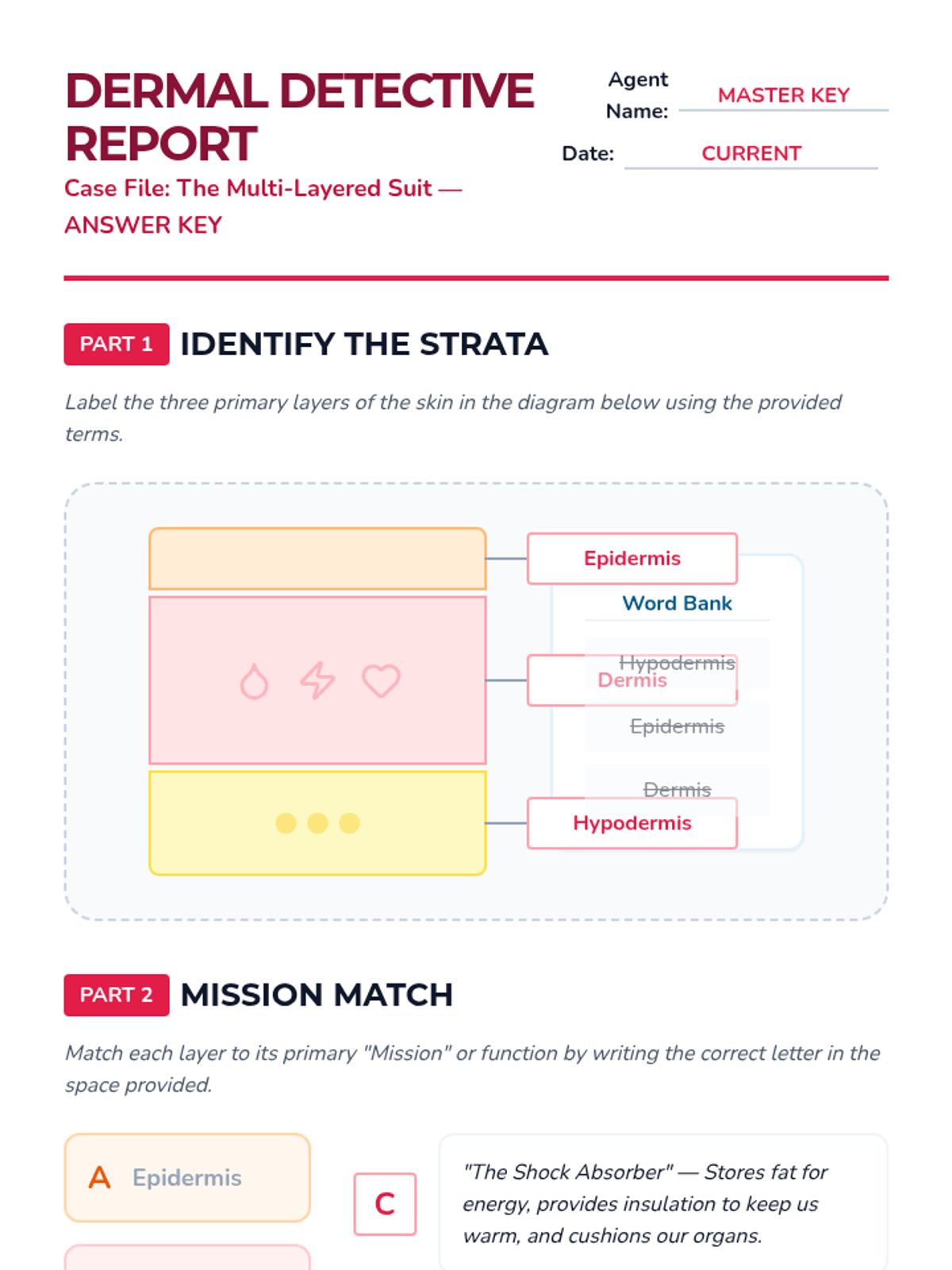
A focused exploration of human skin anatomy, teaching students to identify and describe the three primary layers: epidermis, dermis, and hypodermis. Students will investigate the unique functions and structures within each layer through visual aids and matching activities.
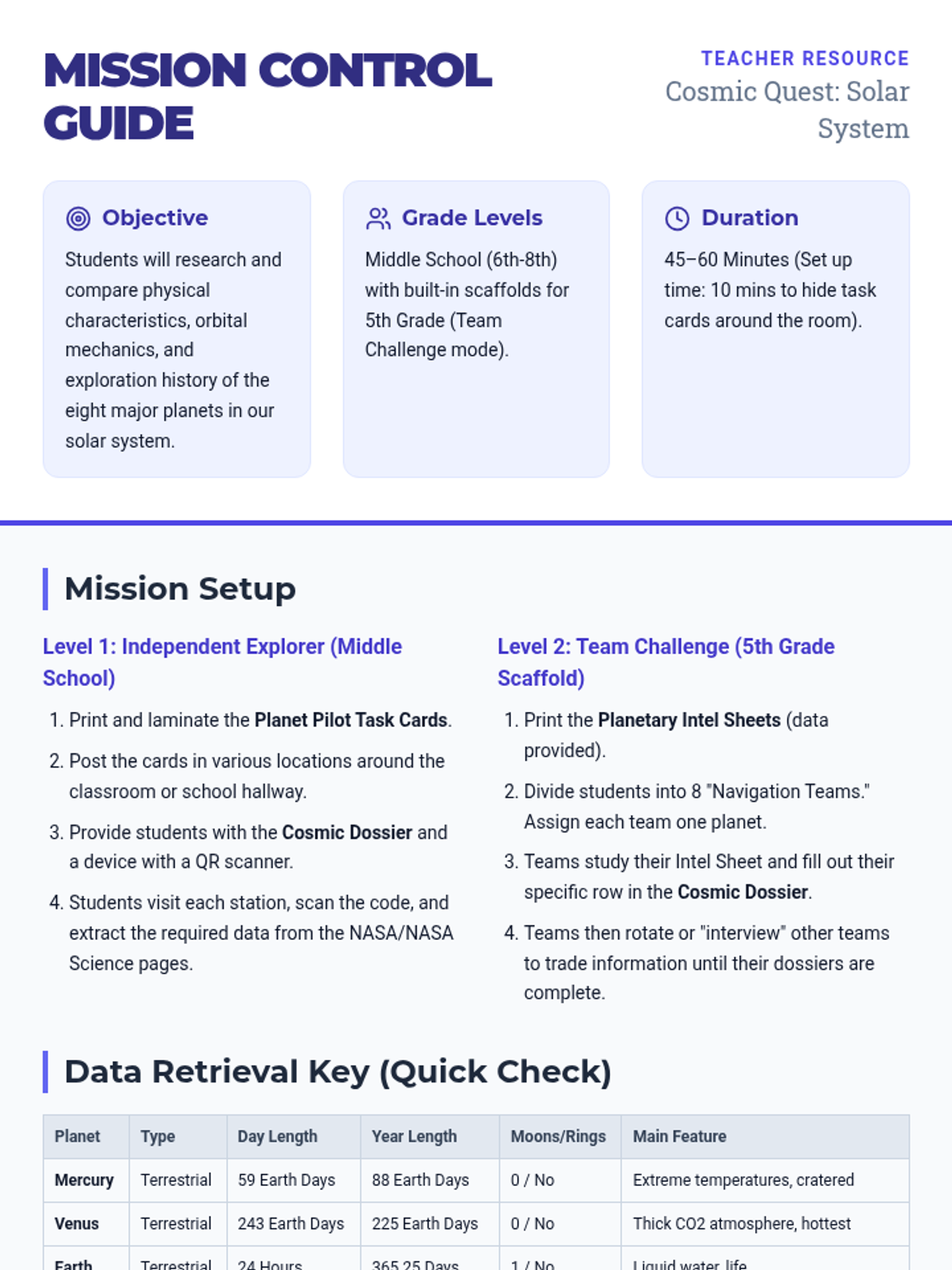
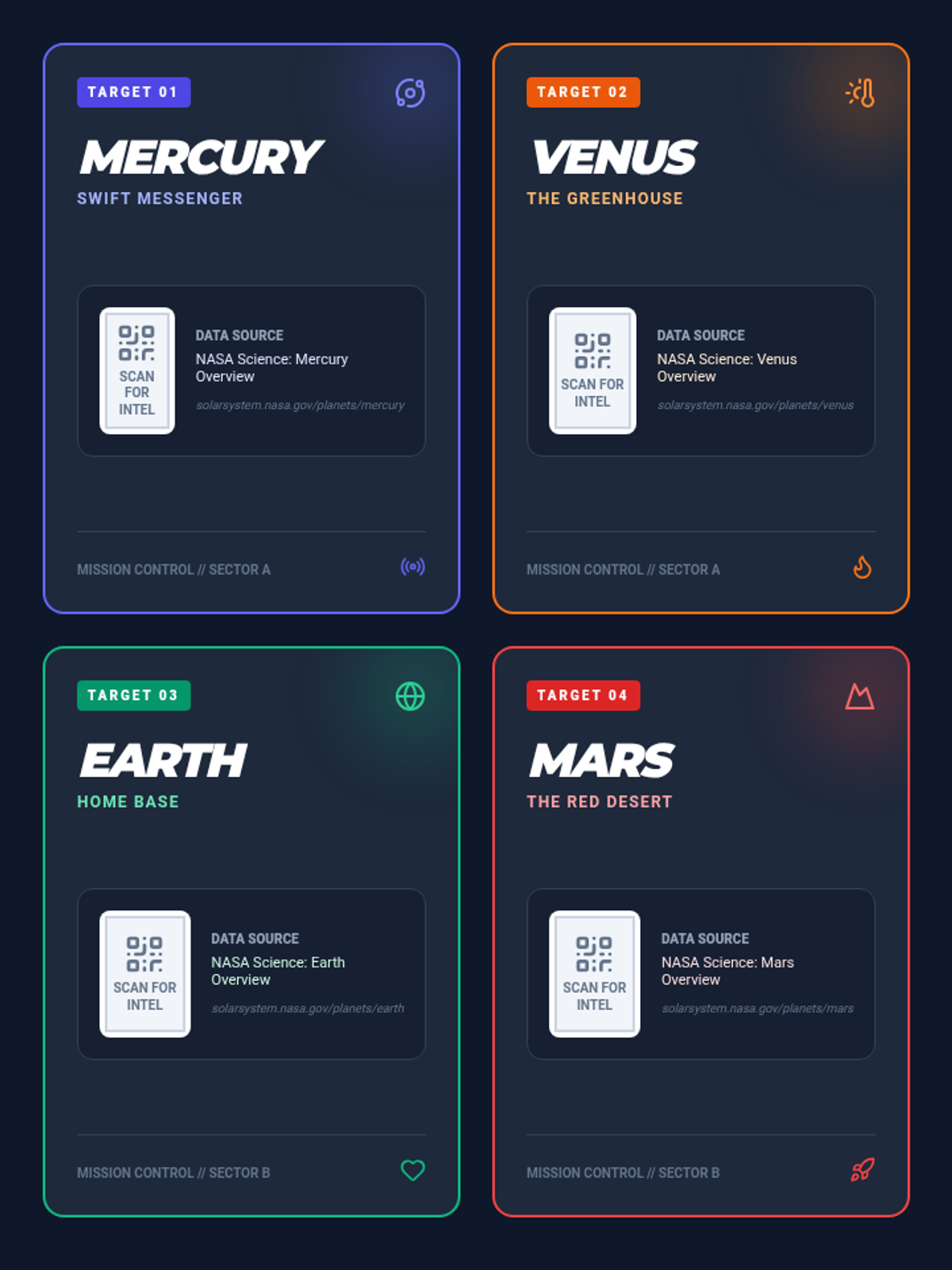
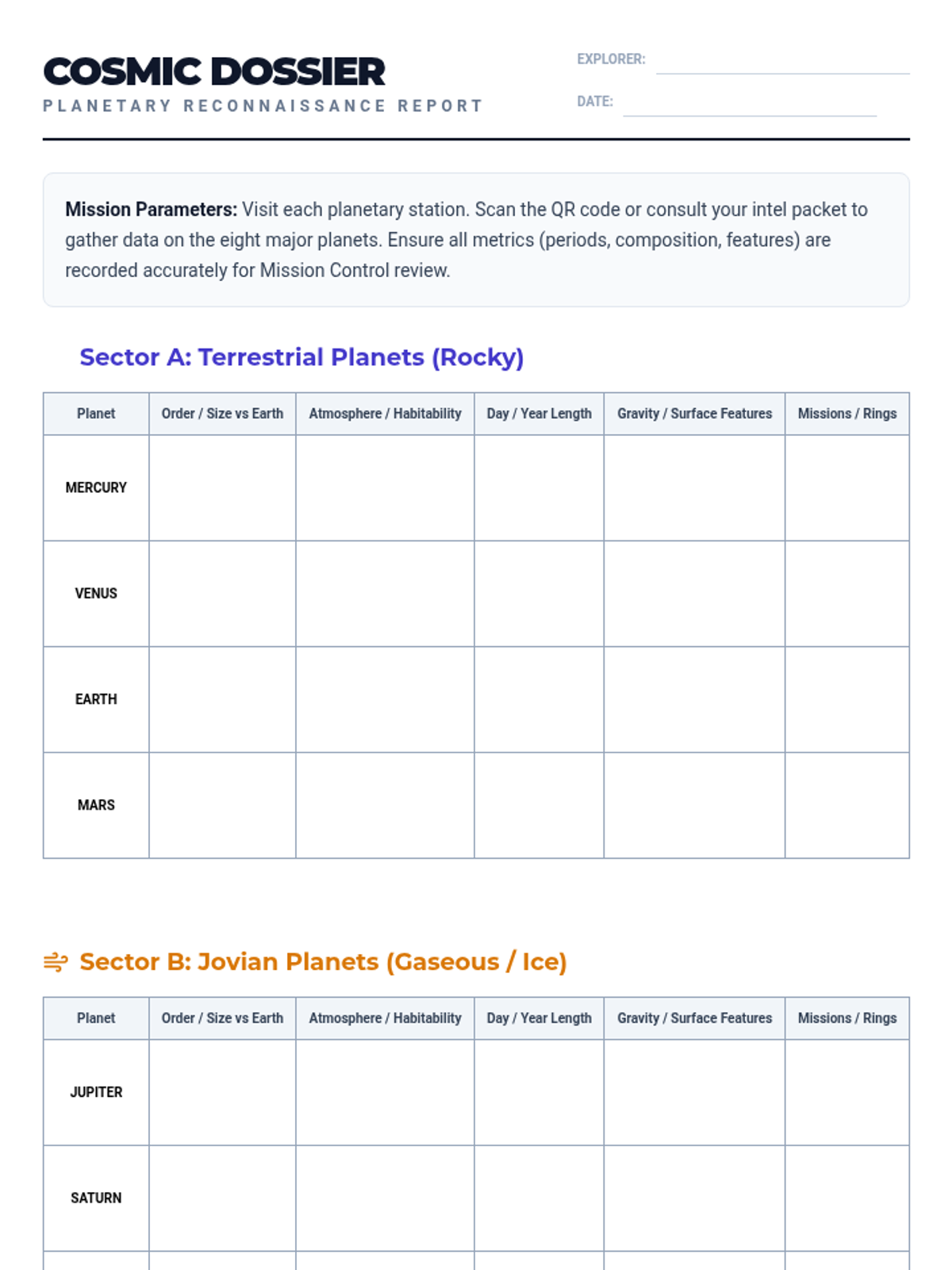
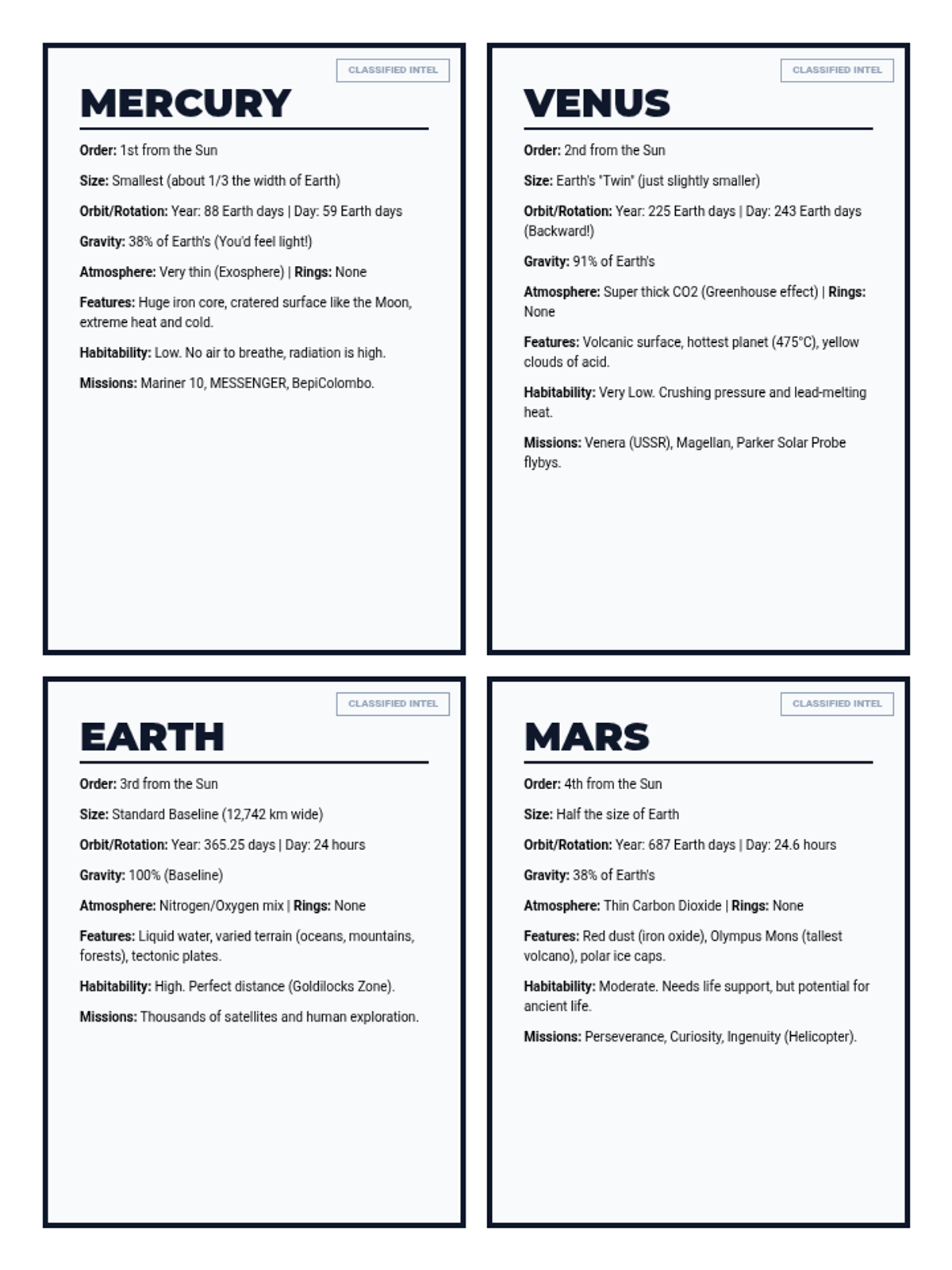
An immersive solar system scavenger hunt where students act as space explorers gathering vital planetary data through QR-coded task cards or pre-vetted intel sheets.
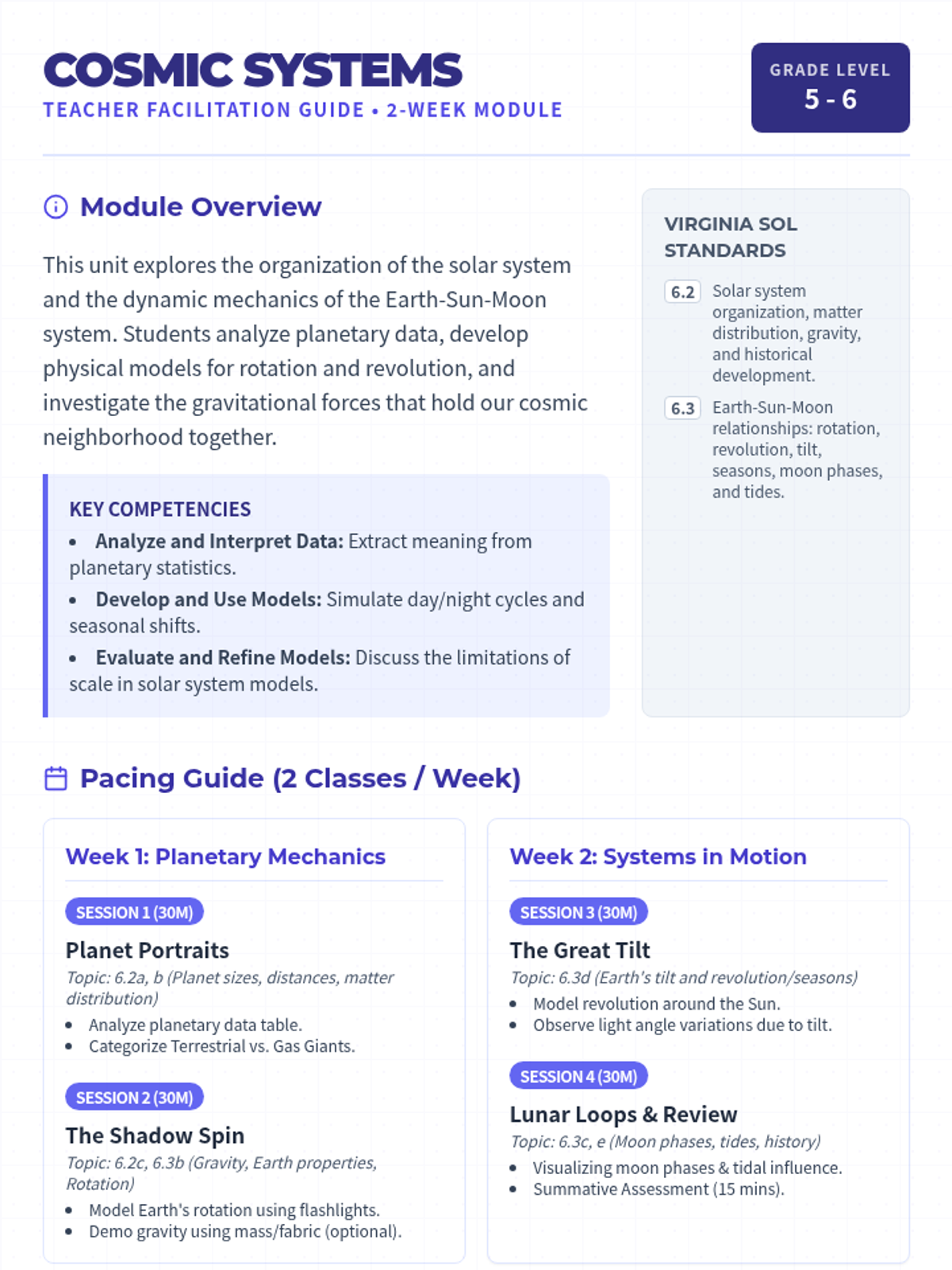
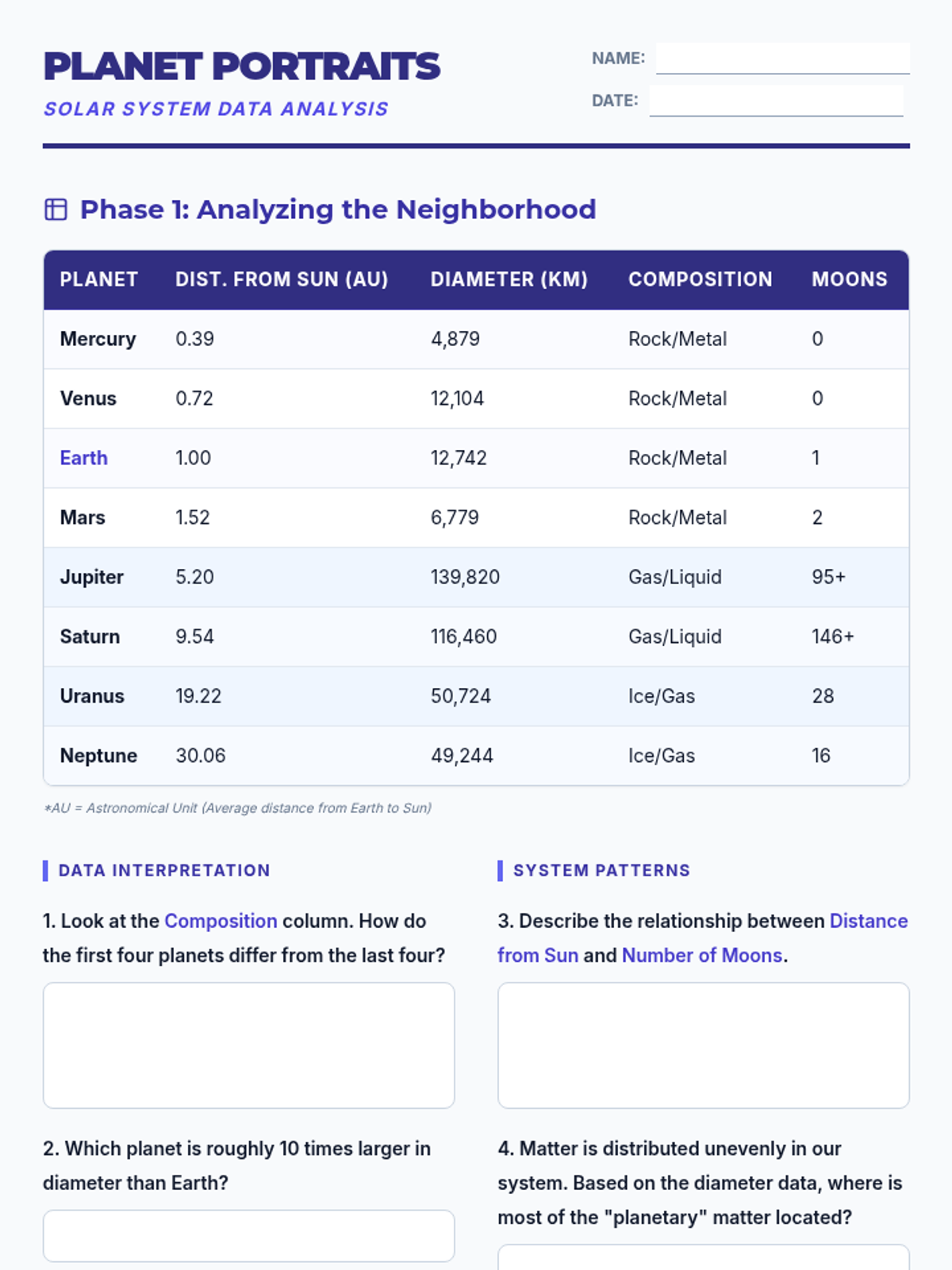
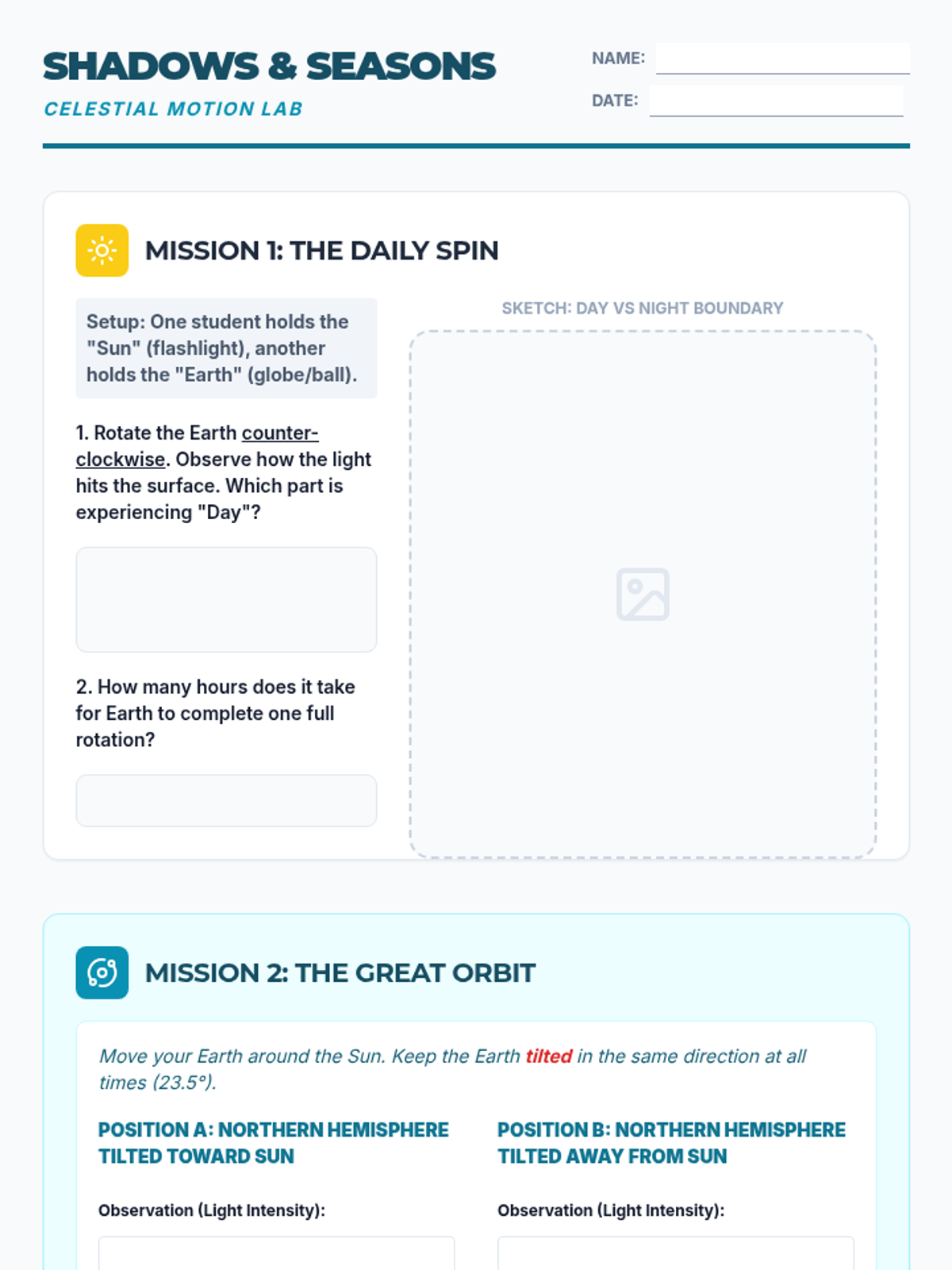
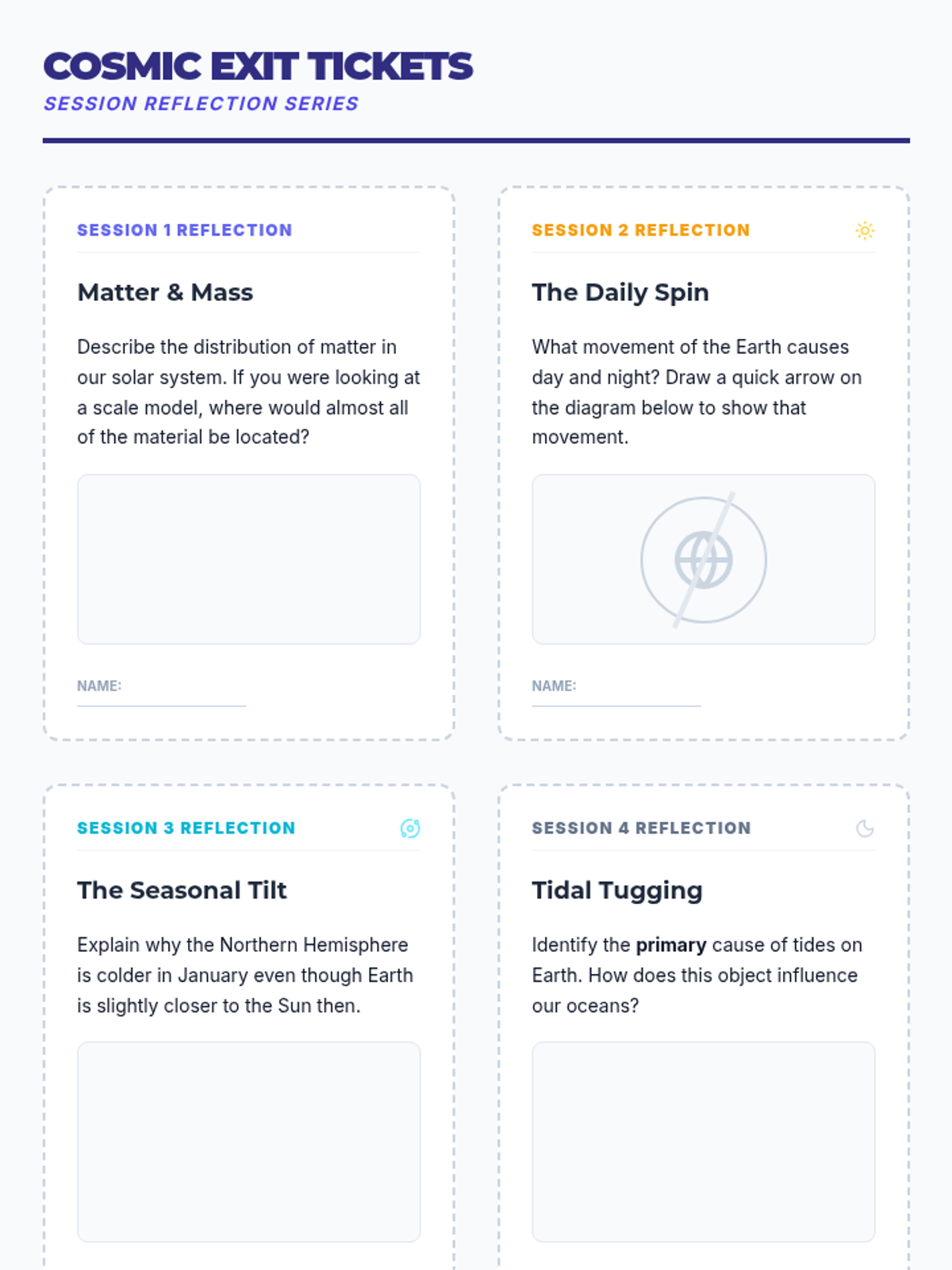
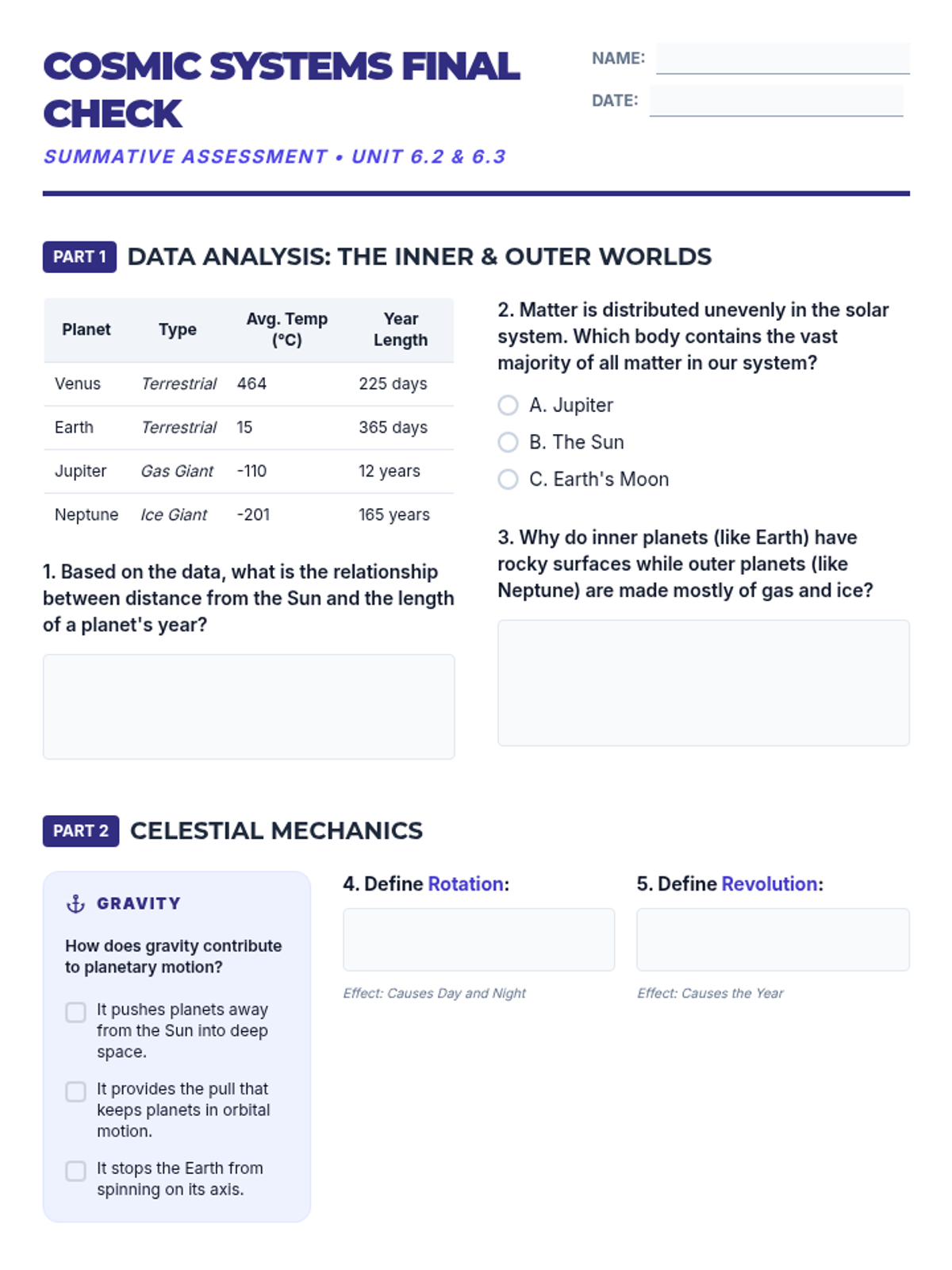
A comprehensive lesson exploring solar system organization, planet properties, and the celestial interactions between the sun, Earth, and moon through modeling and data analysis.
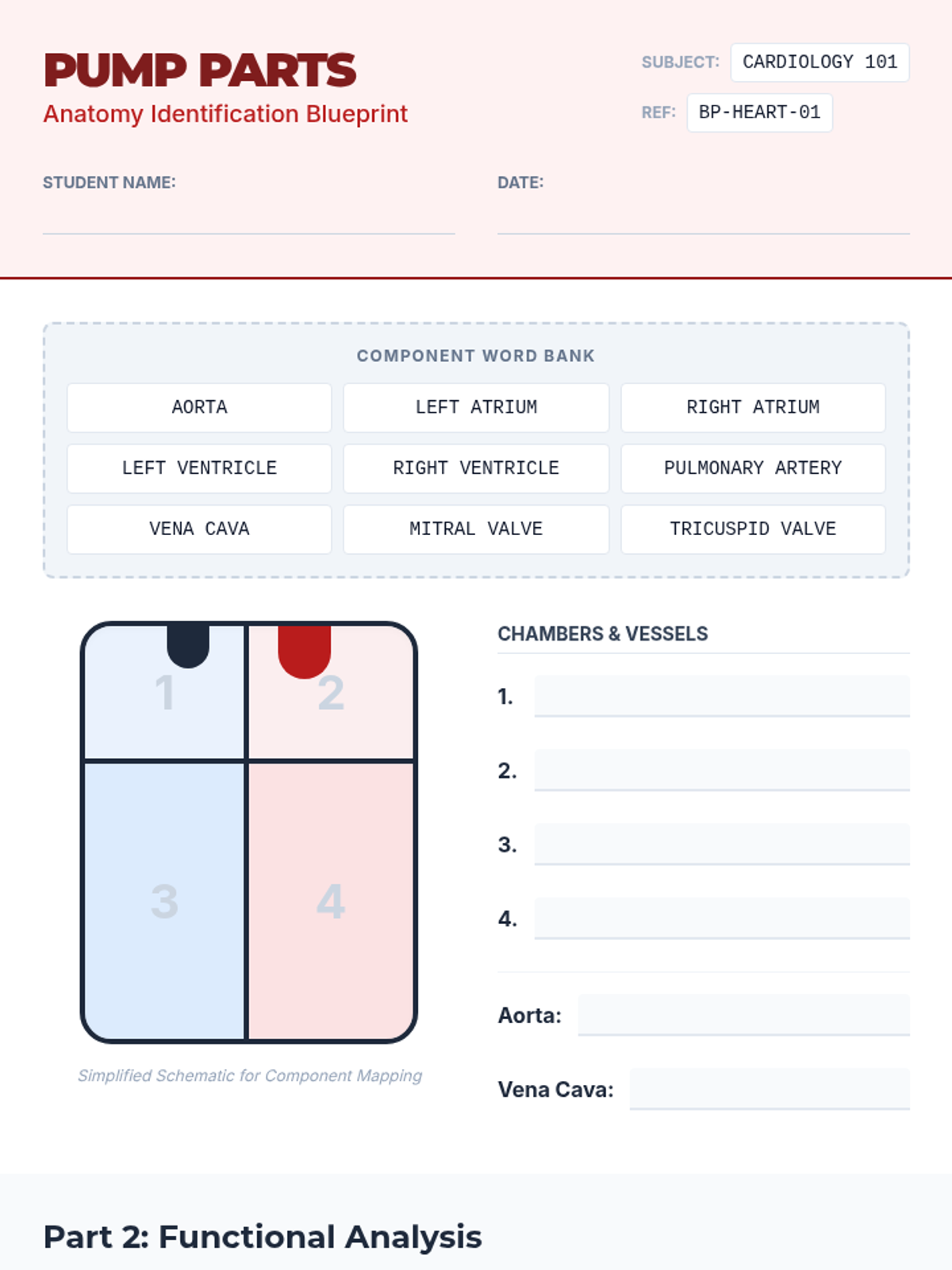
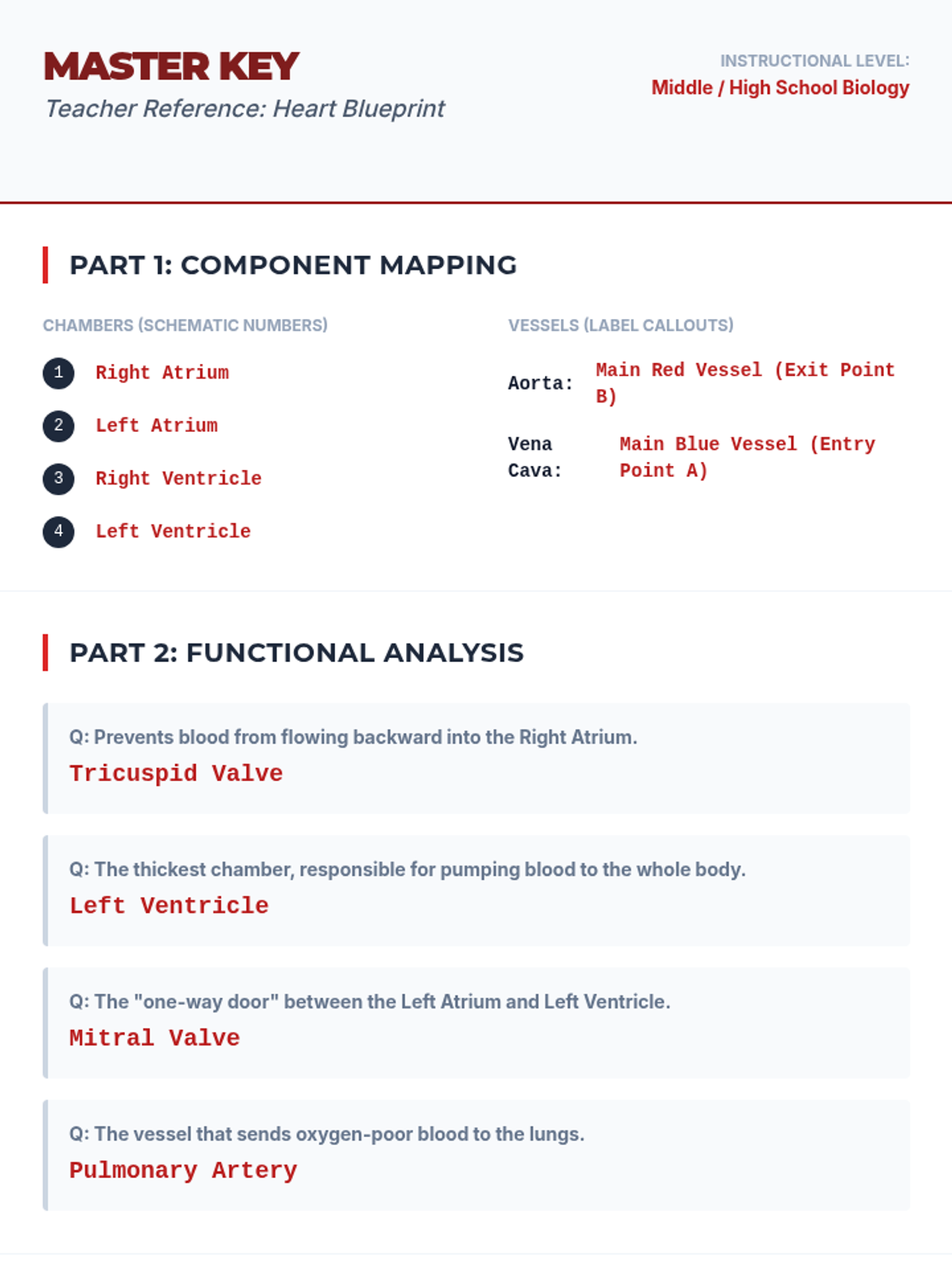
An exploration of the human heart's anatomy, focusing on identifying key structures and understanding the path of blood flow through chambers and valves.
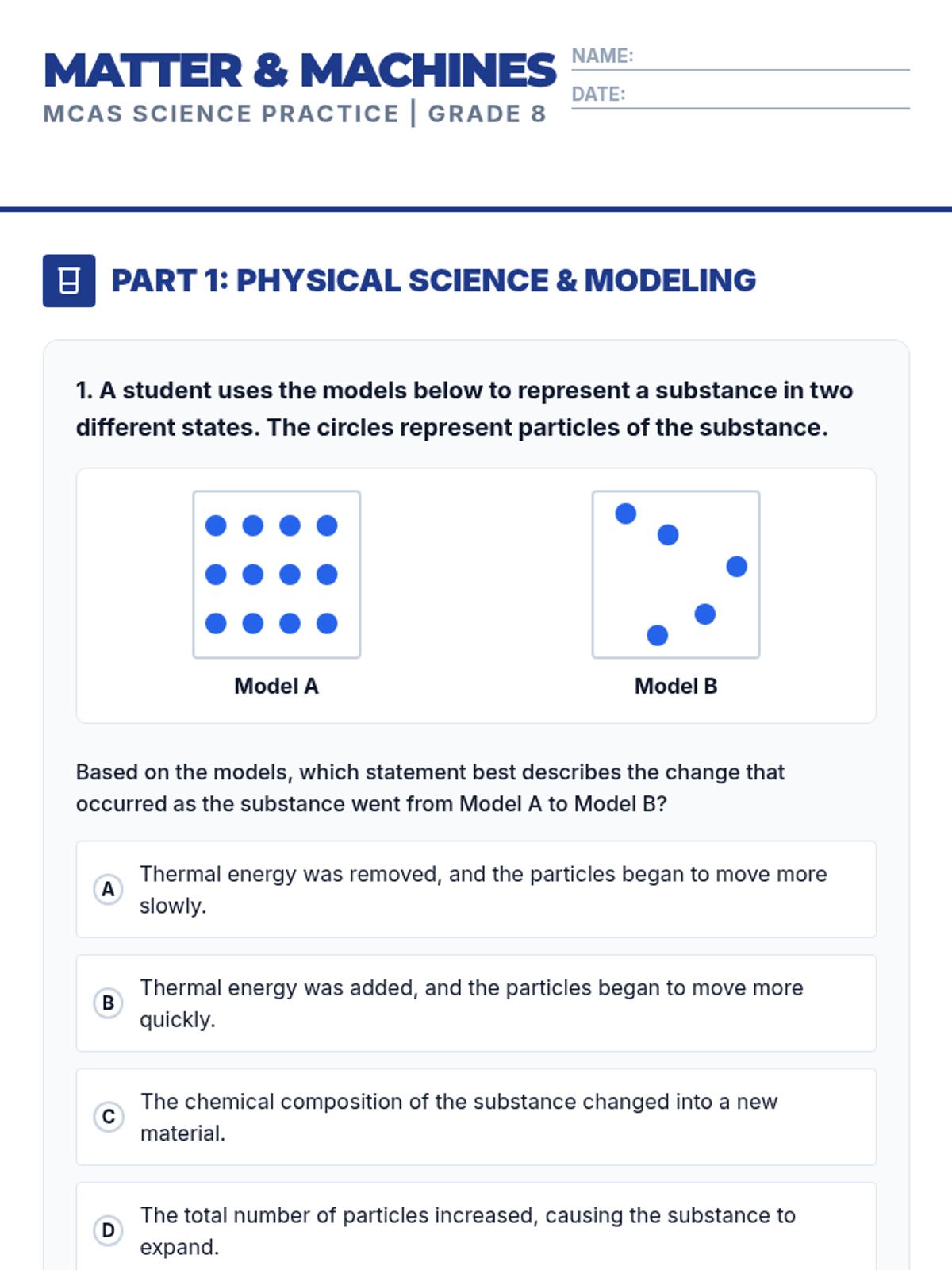
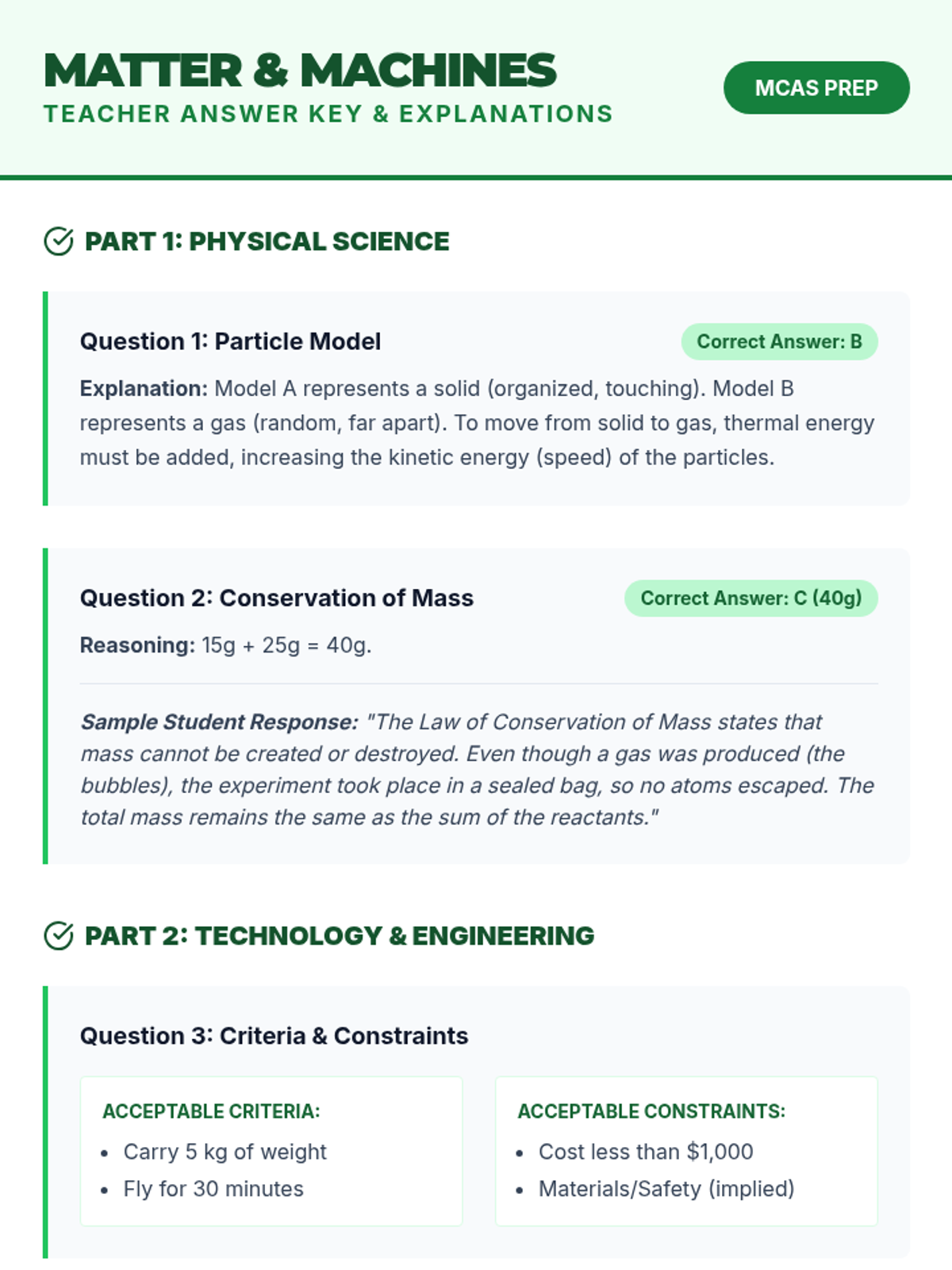
This lesson prepares 8th-grade students for the Massachusetts MCAS Science exam, focusing on physical science, chemistry, and technology/engineering through model-based reasoning and experimental design analysis.
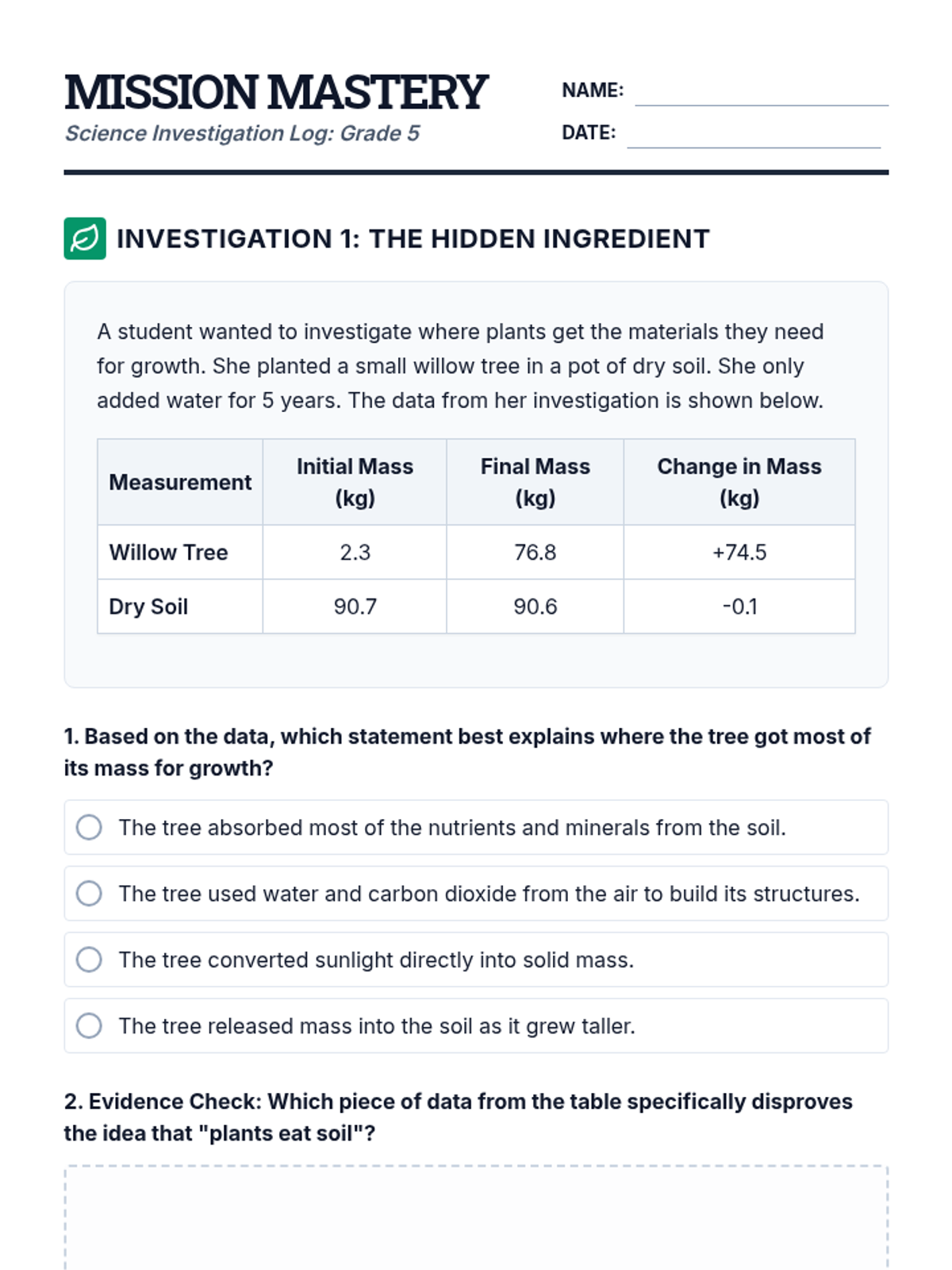
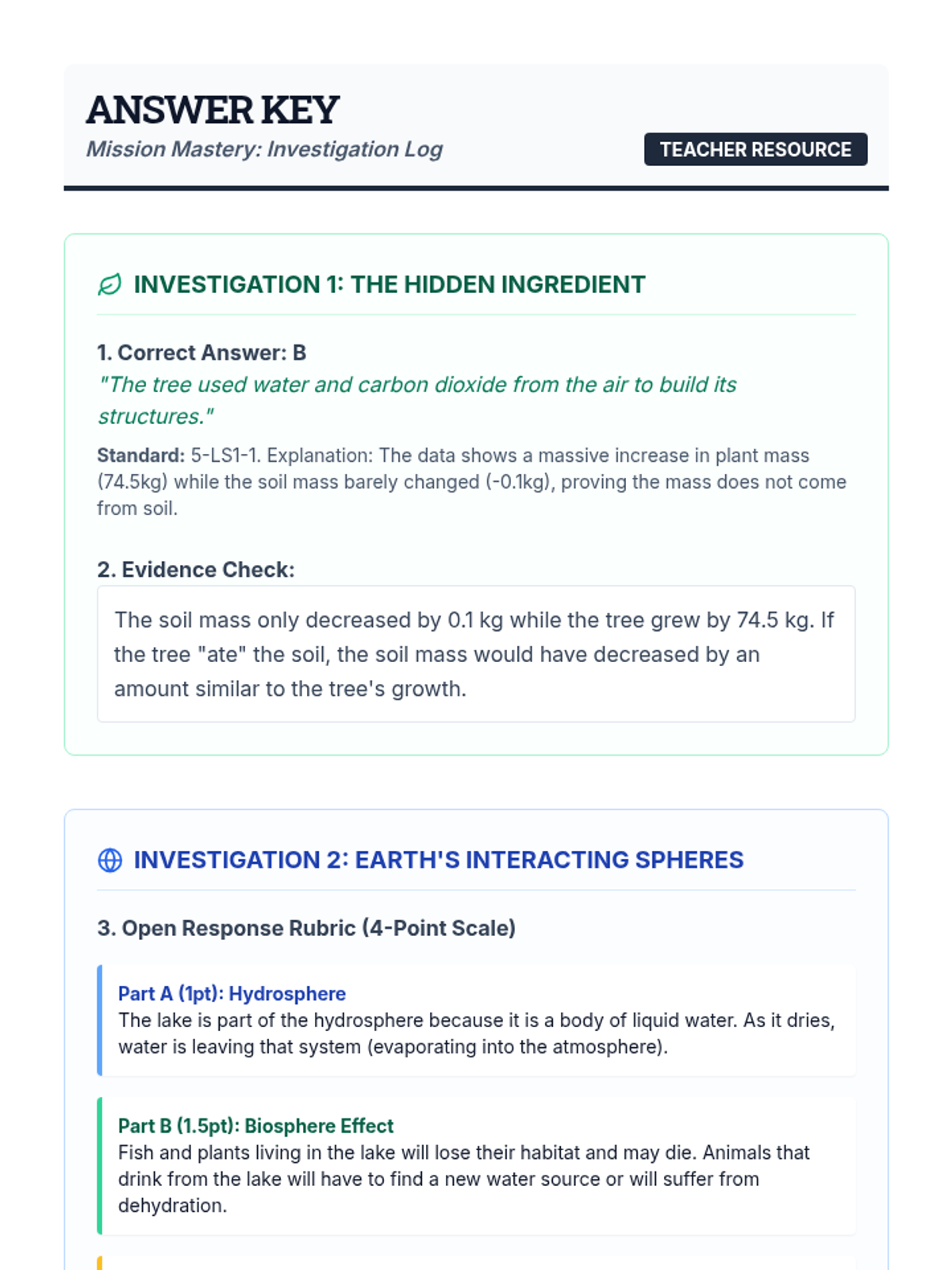
A comprehensive MCAS prep lesson focusing on 5th-grade Life and Earth Science standards, featuring data analysis, investigation scenarios, and open-response practice.
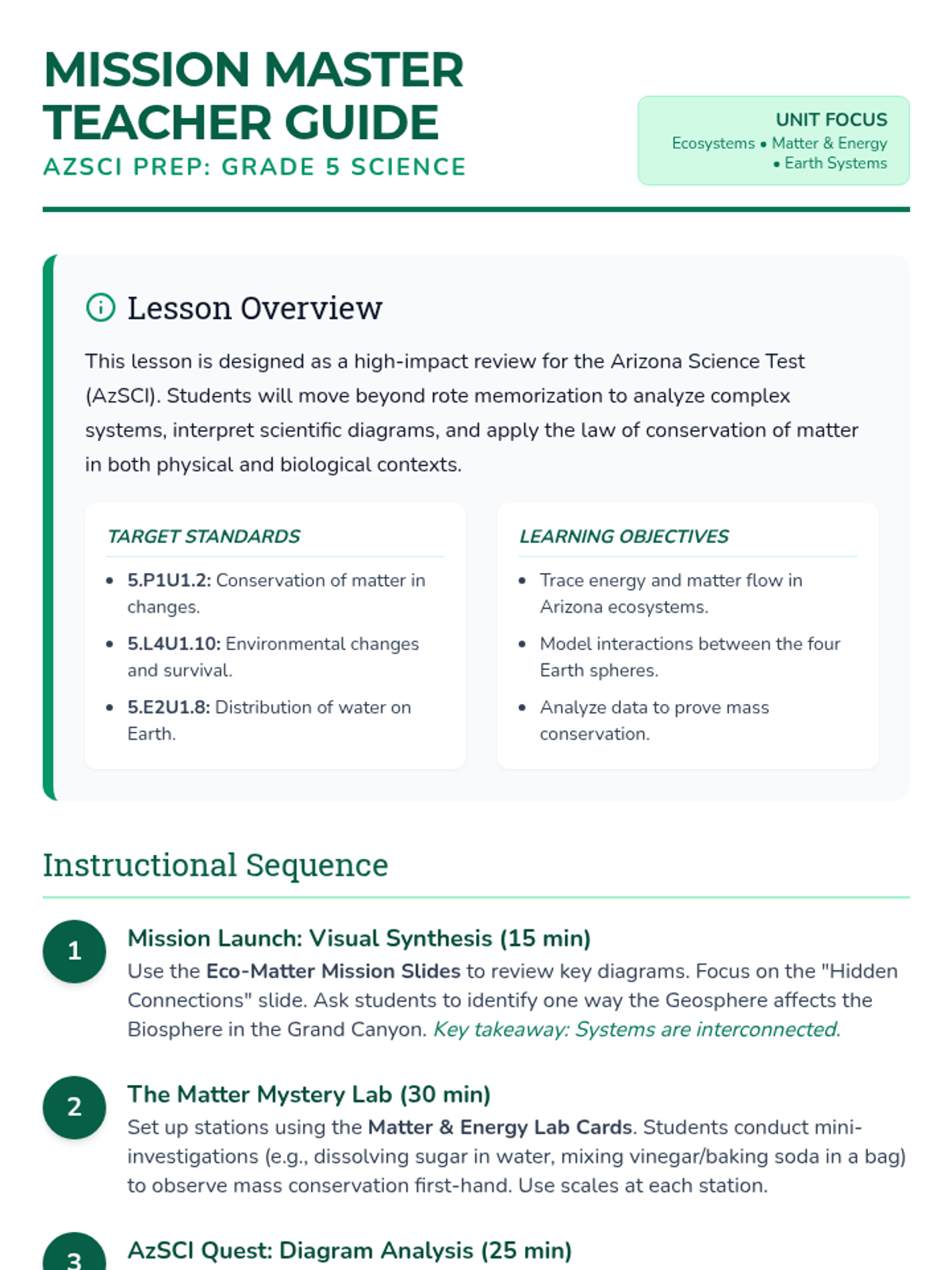
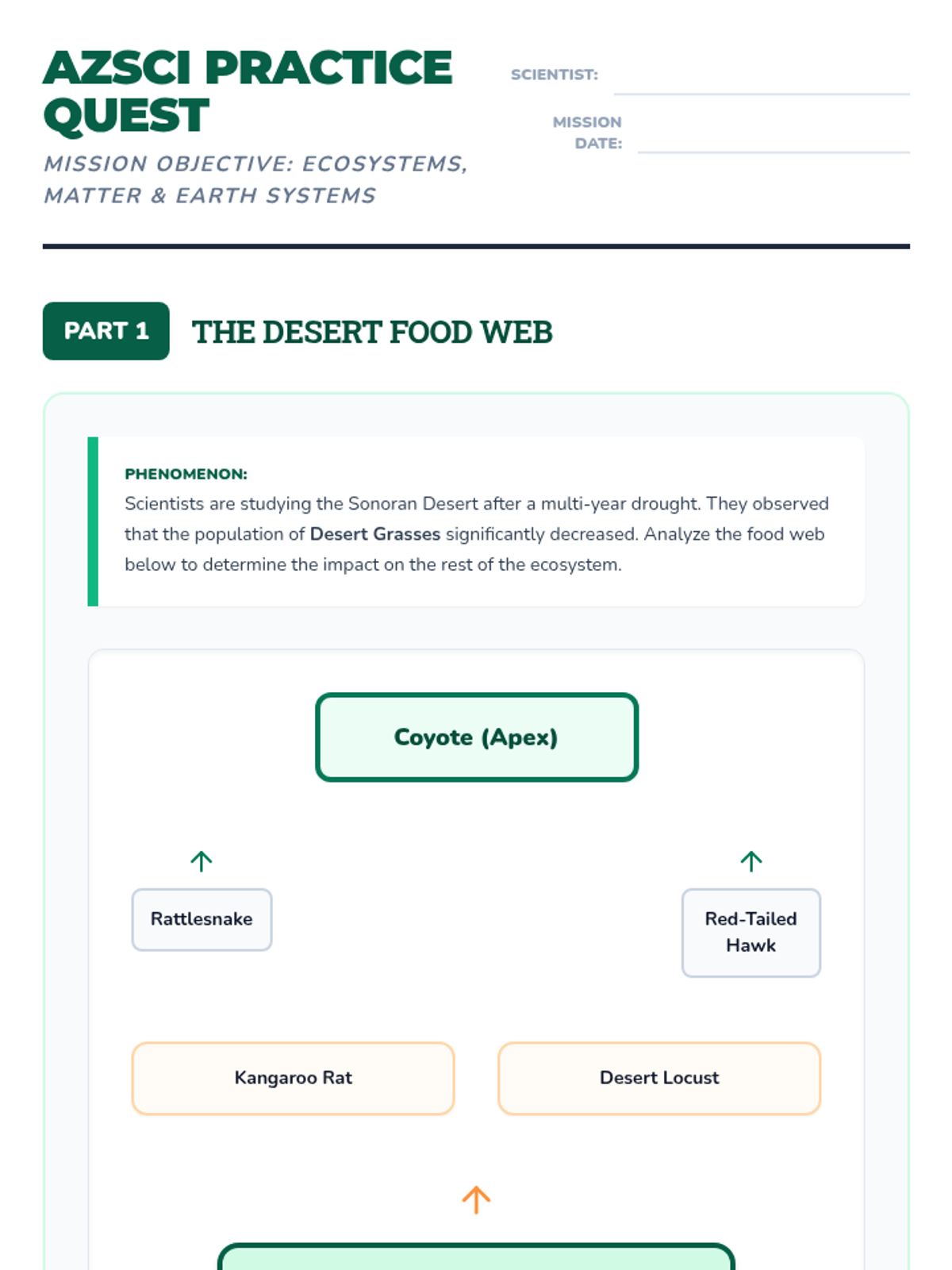
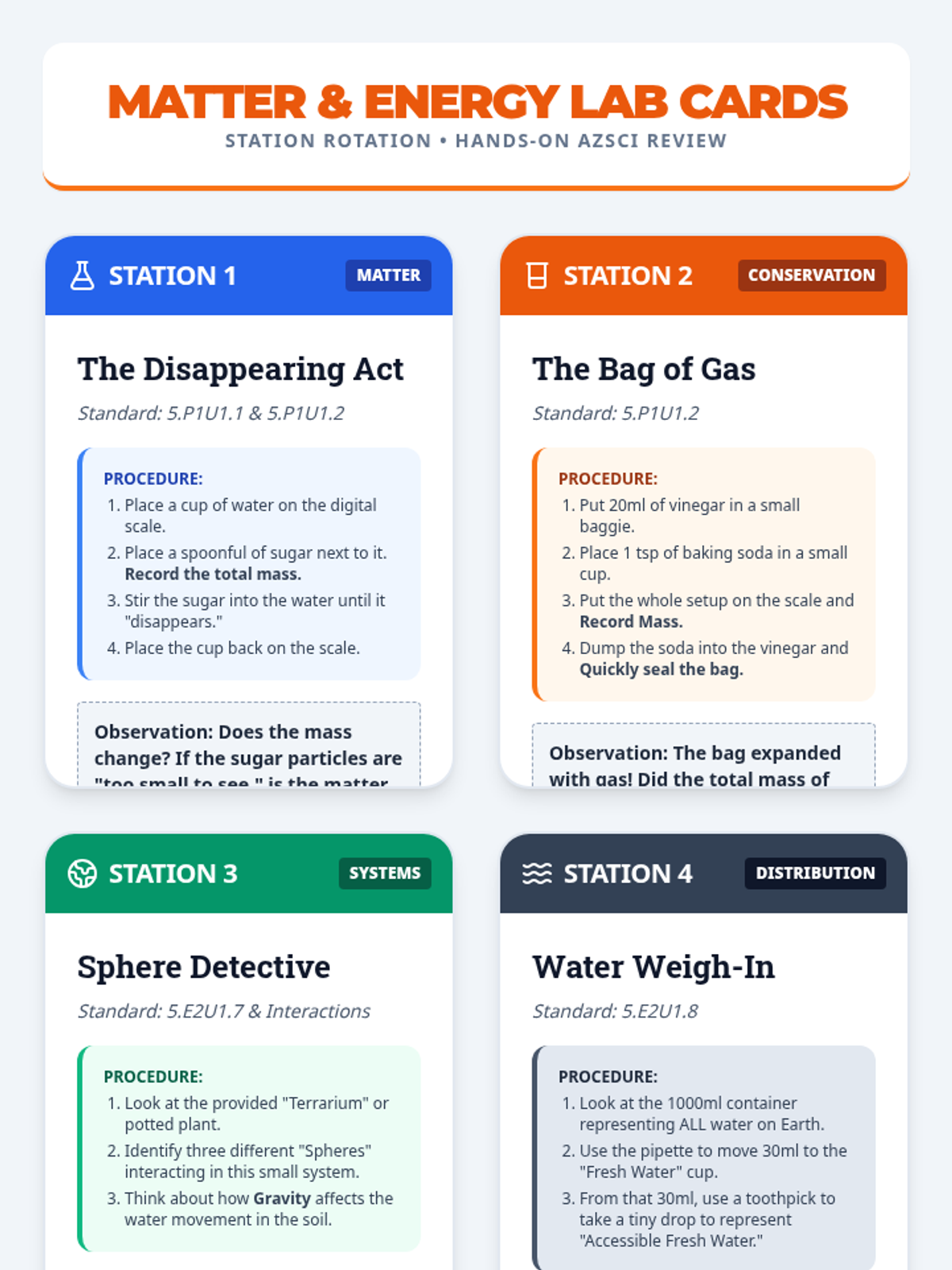
A comprehensive AzSCI prep lesson for 5th grade covering ecosystems, matter and energy, and Earth systems through diagram analysis and hands-on review.
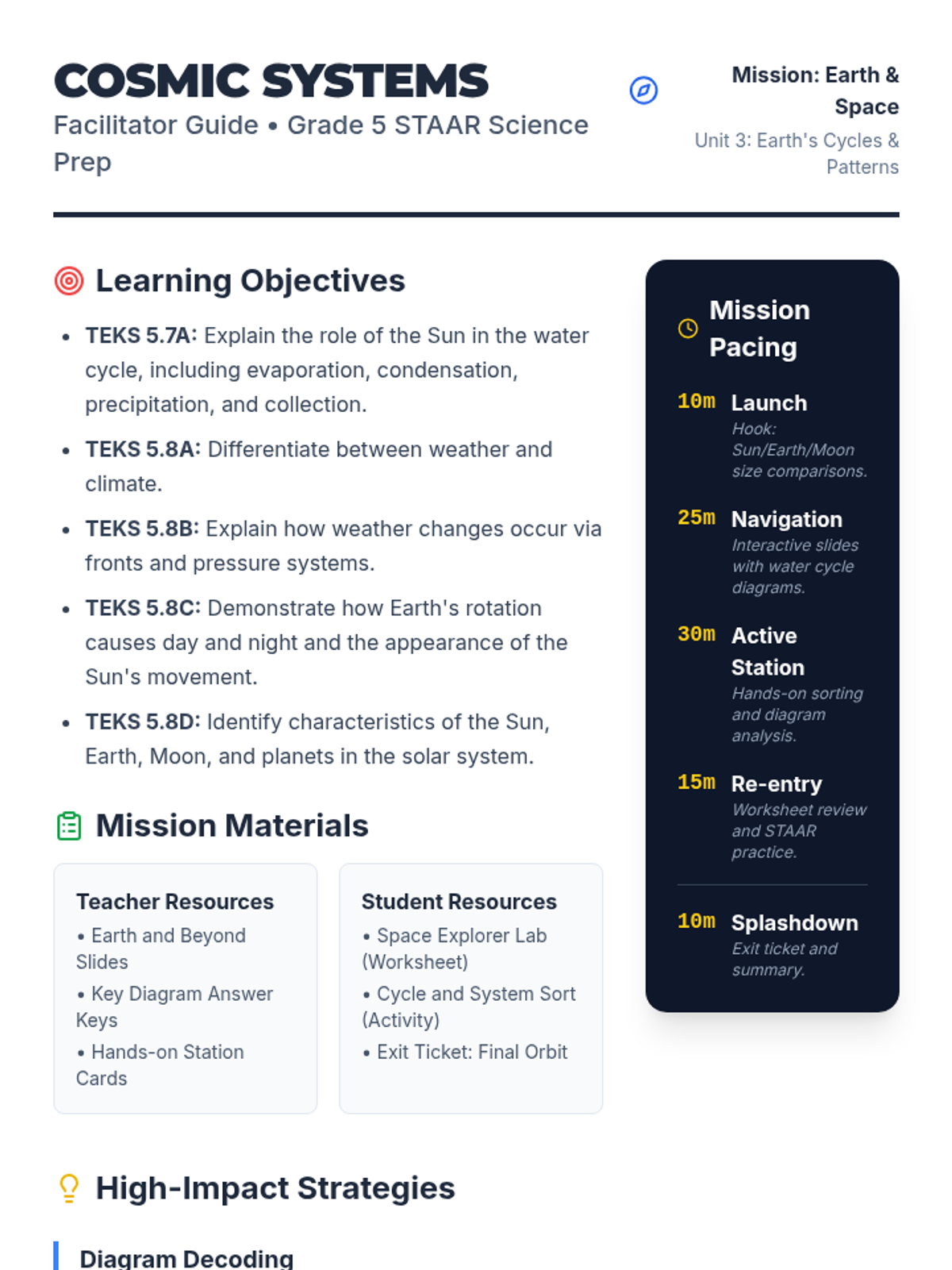
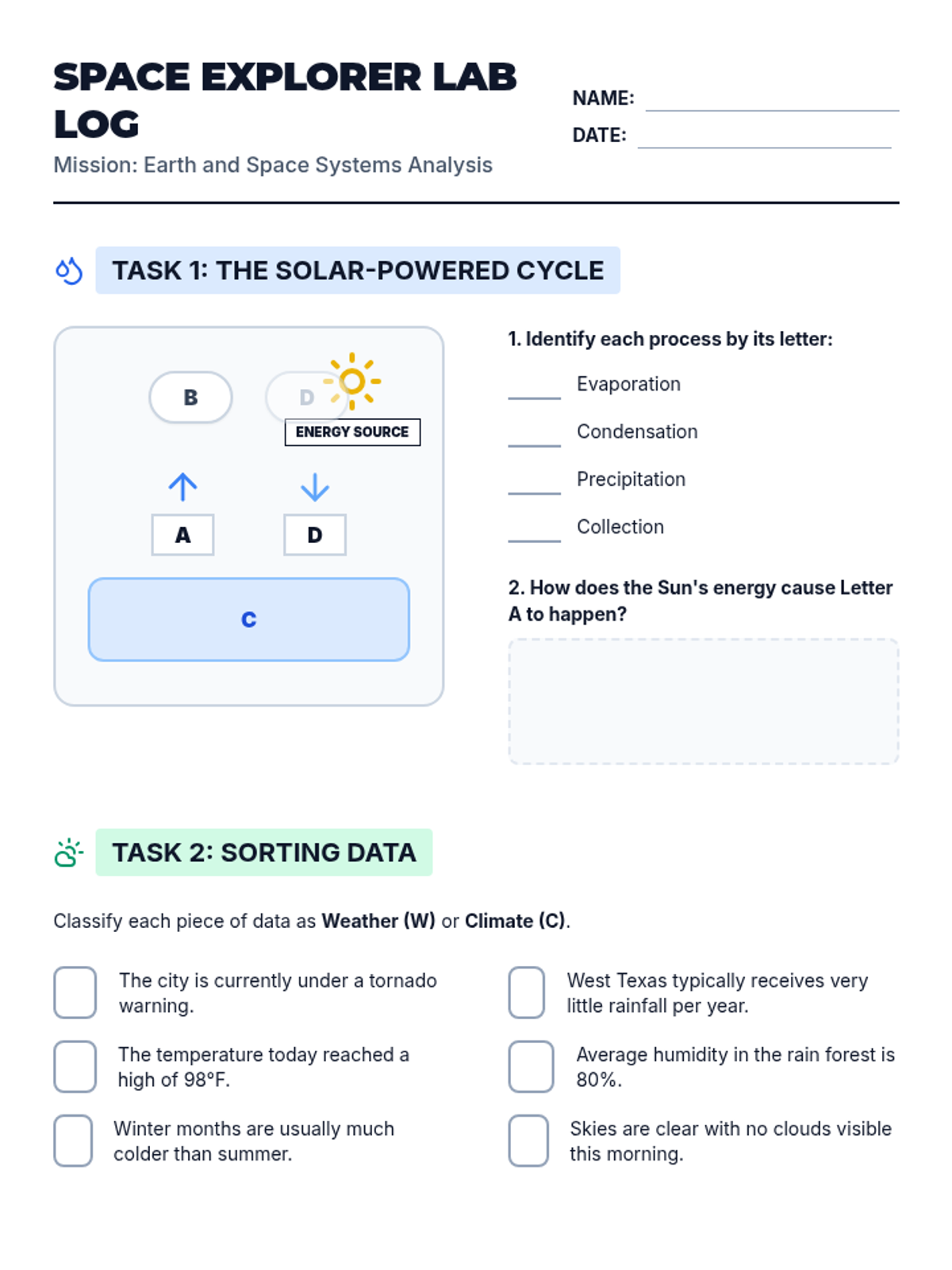
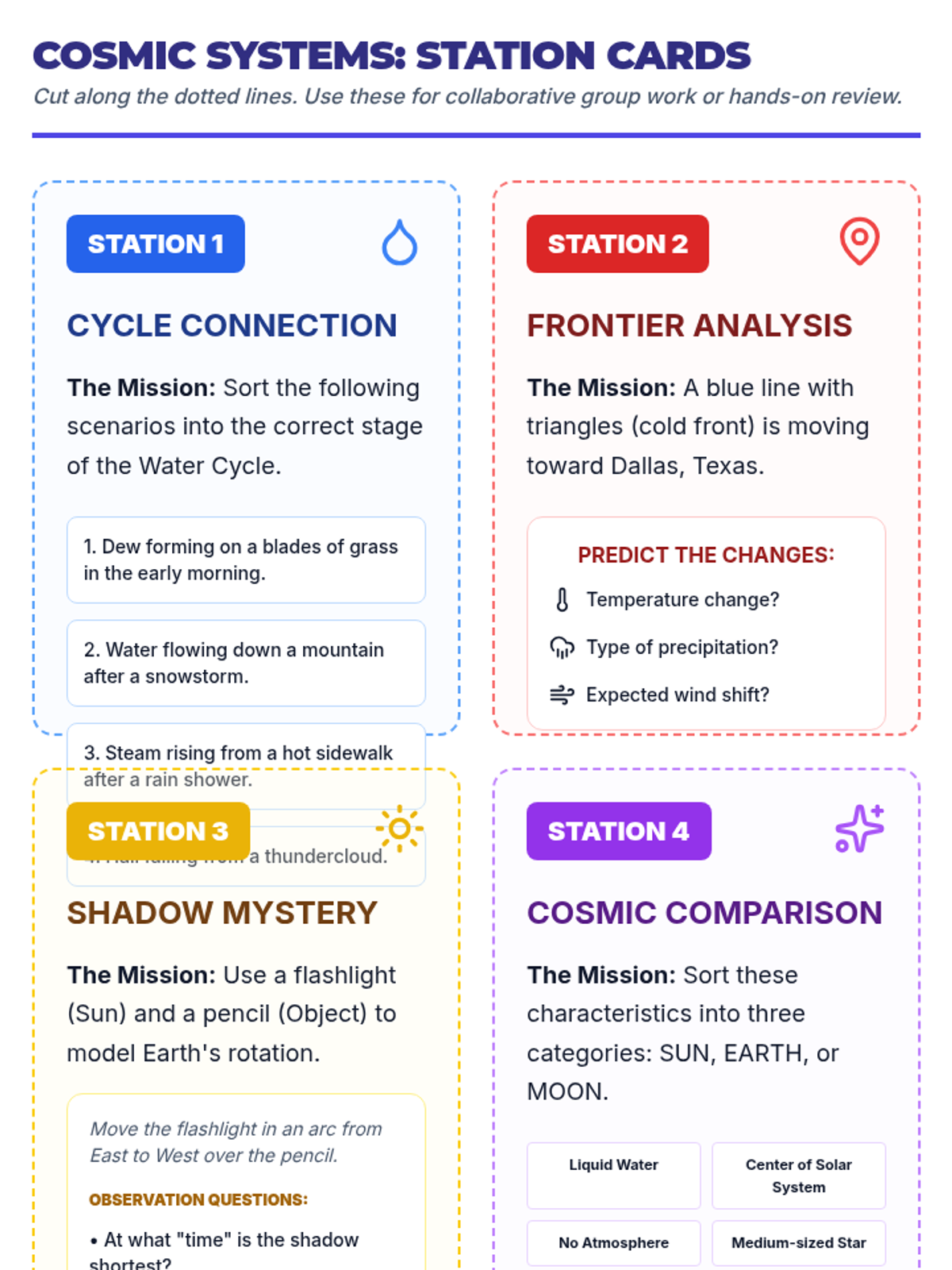
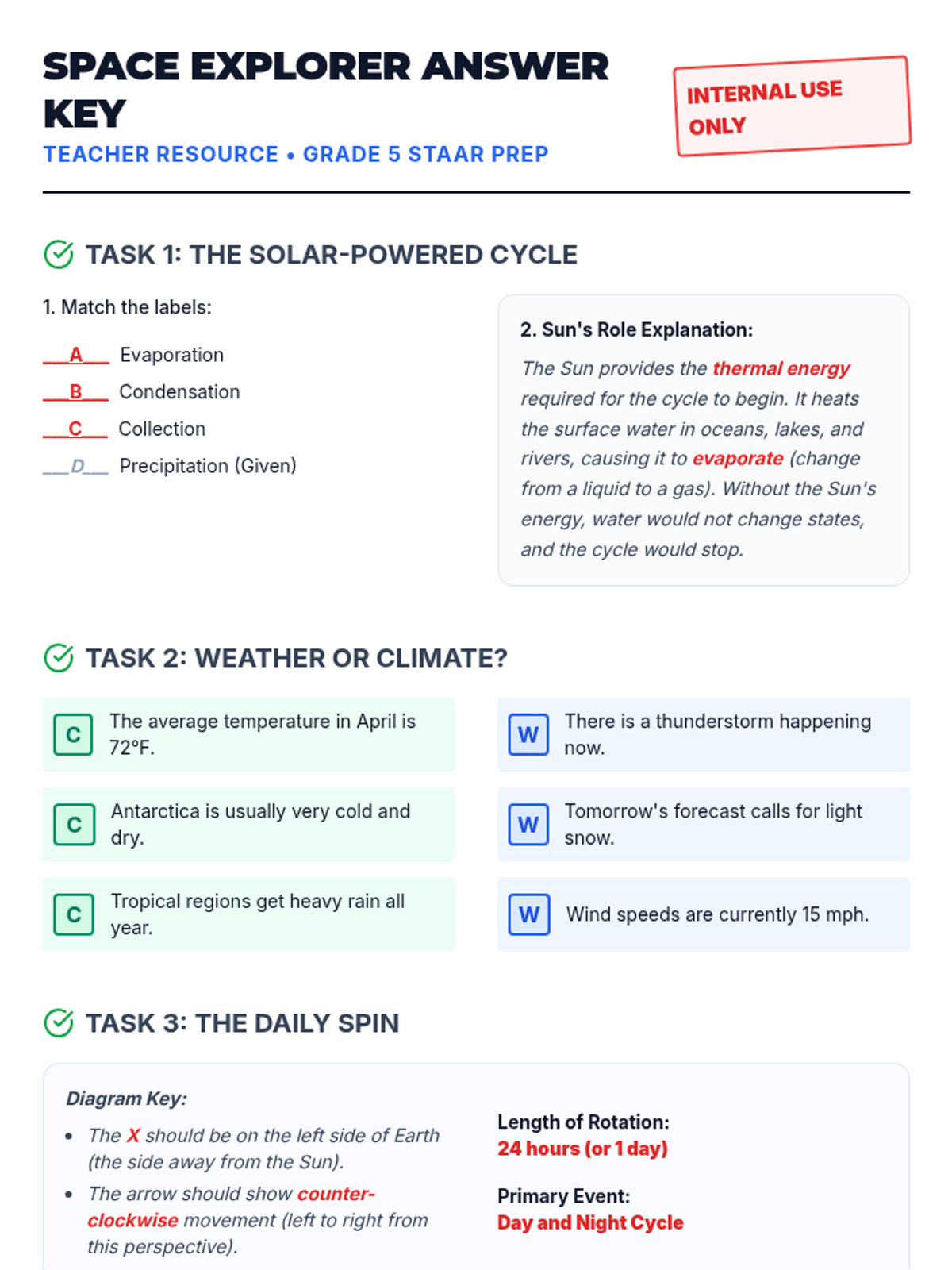
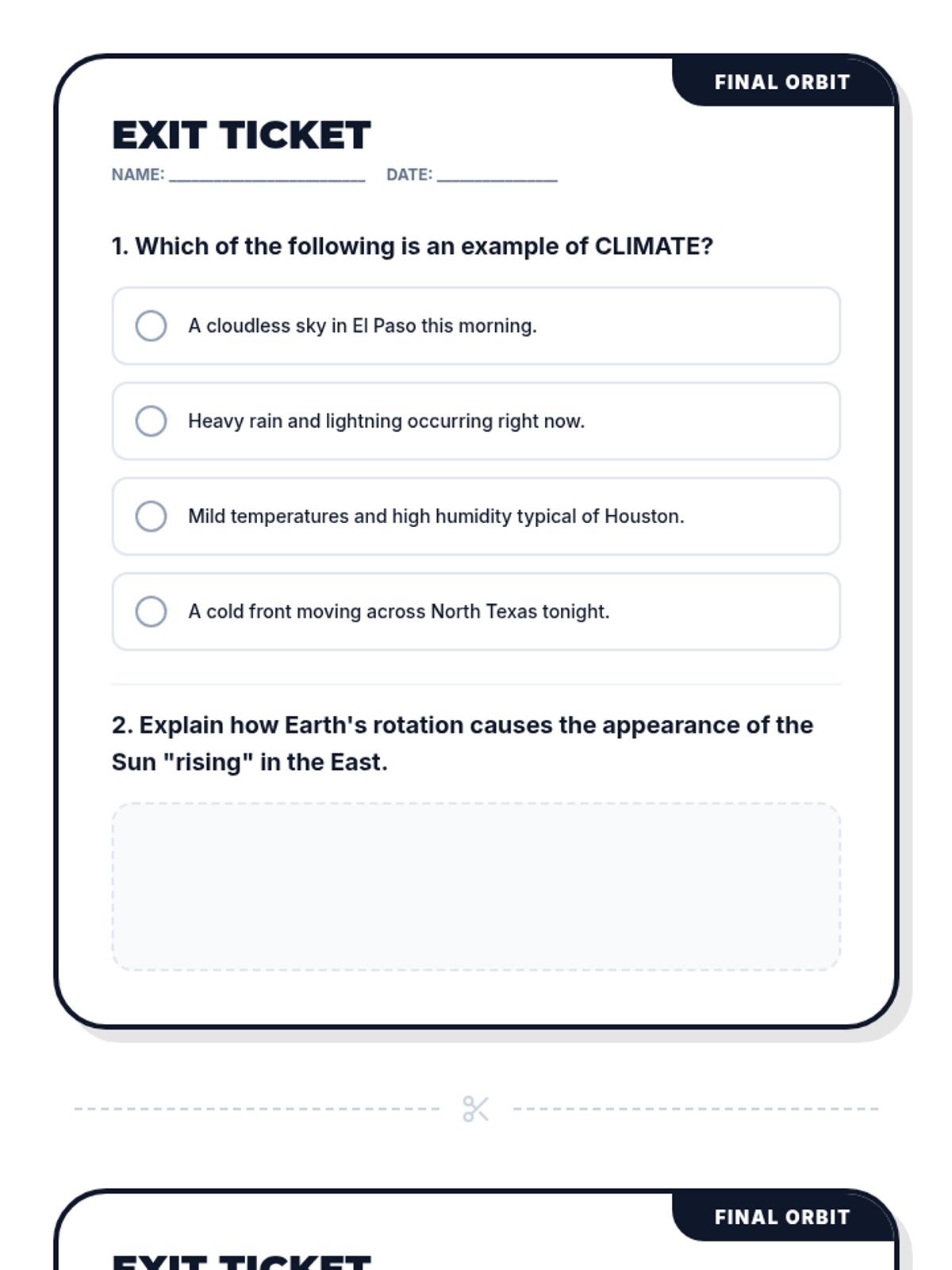
A comprehensive 5th grade STAAR Science prep lesson covering the water cycle, weather patterns, and the solar system through diagram analysis and hands-on review.
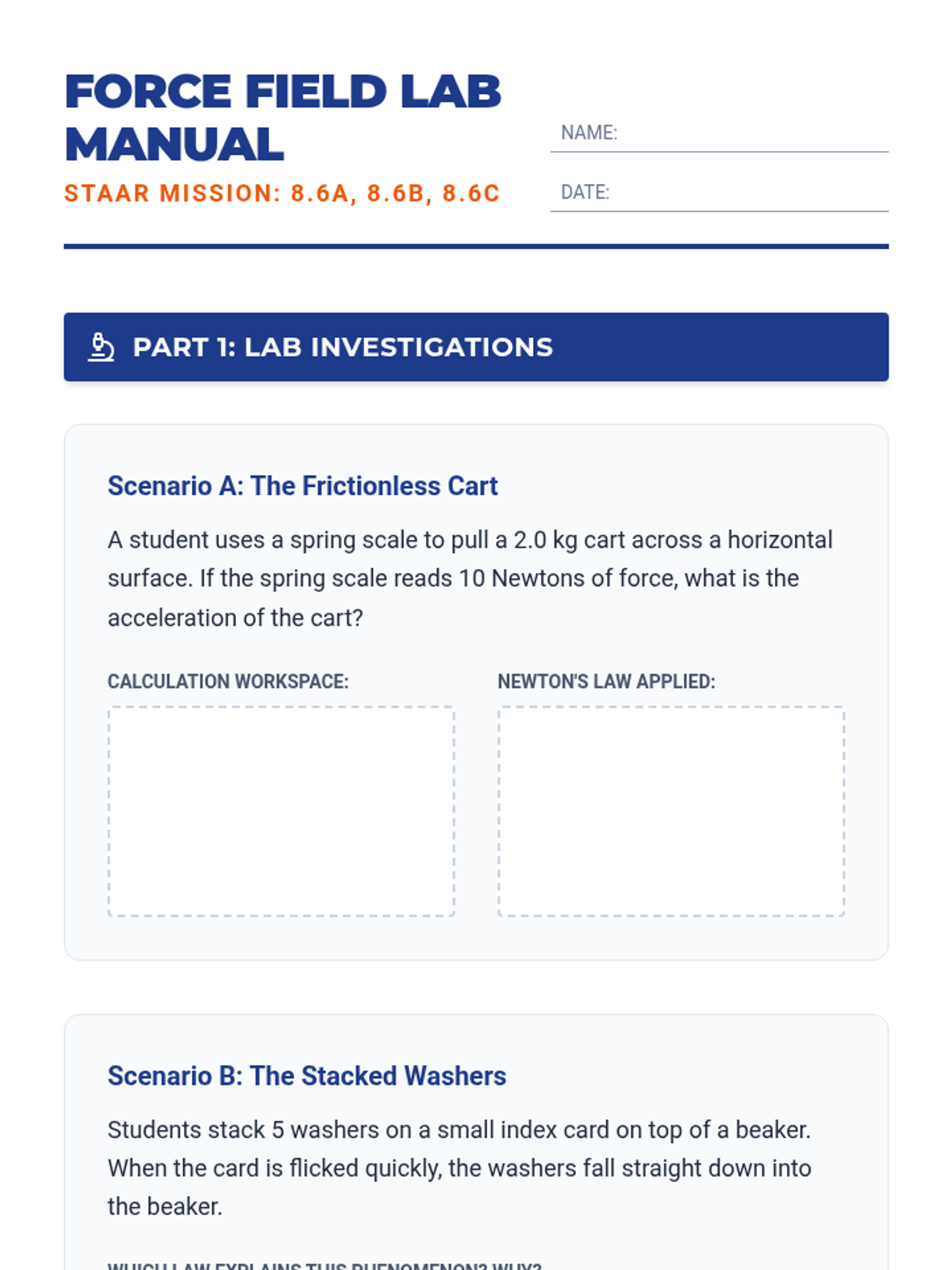
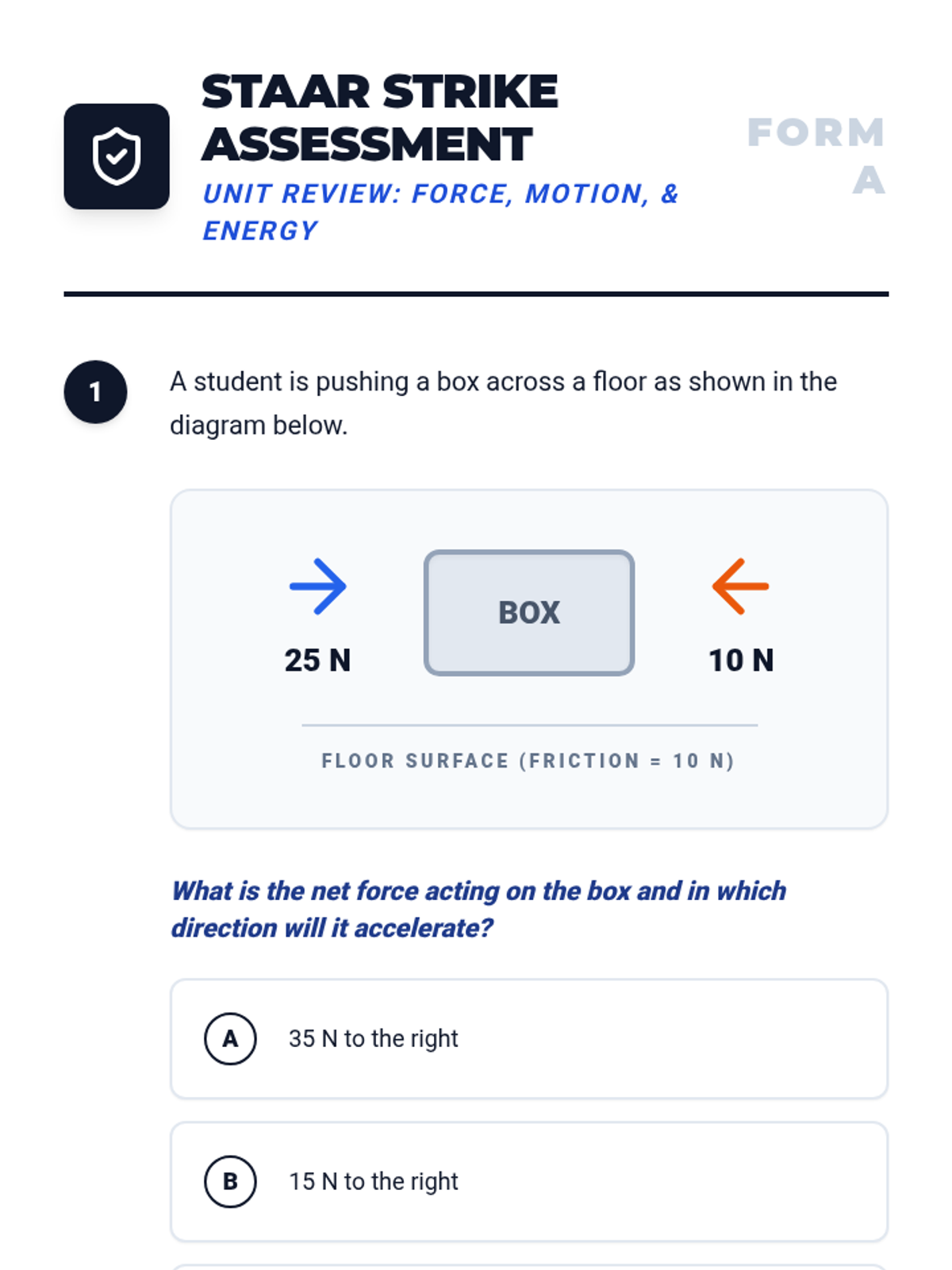
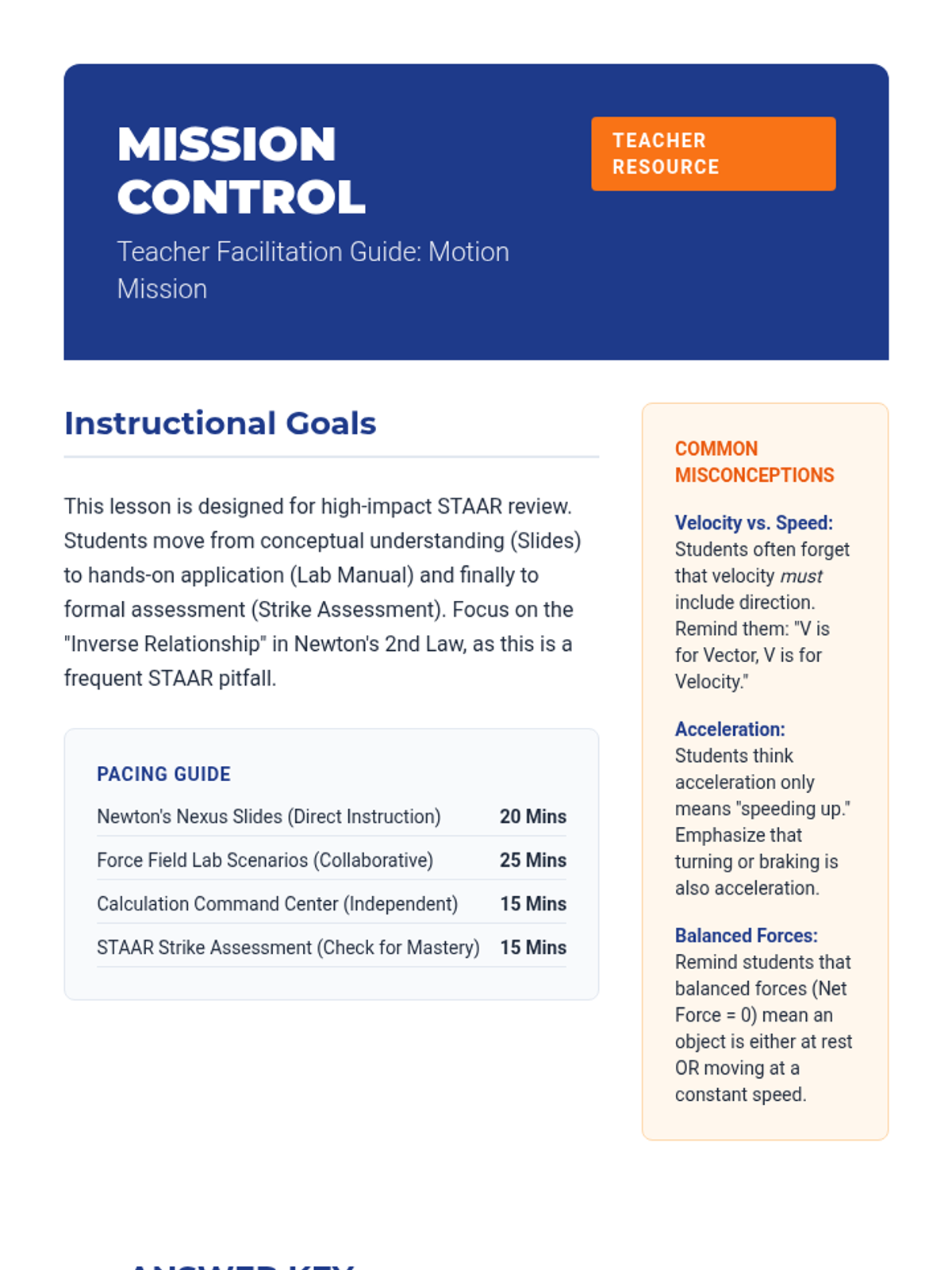
A comprehensive 8th-grade STAAR review lesson focusing on Newton's Laws, force, motion, and energy calculations. Students will engage with lab scenarios, visual models, and practice questions aligned to Texas TEKS 8.6A, 8.6B, and 8.6C.
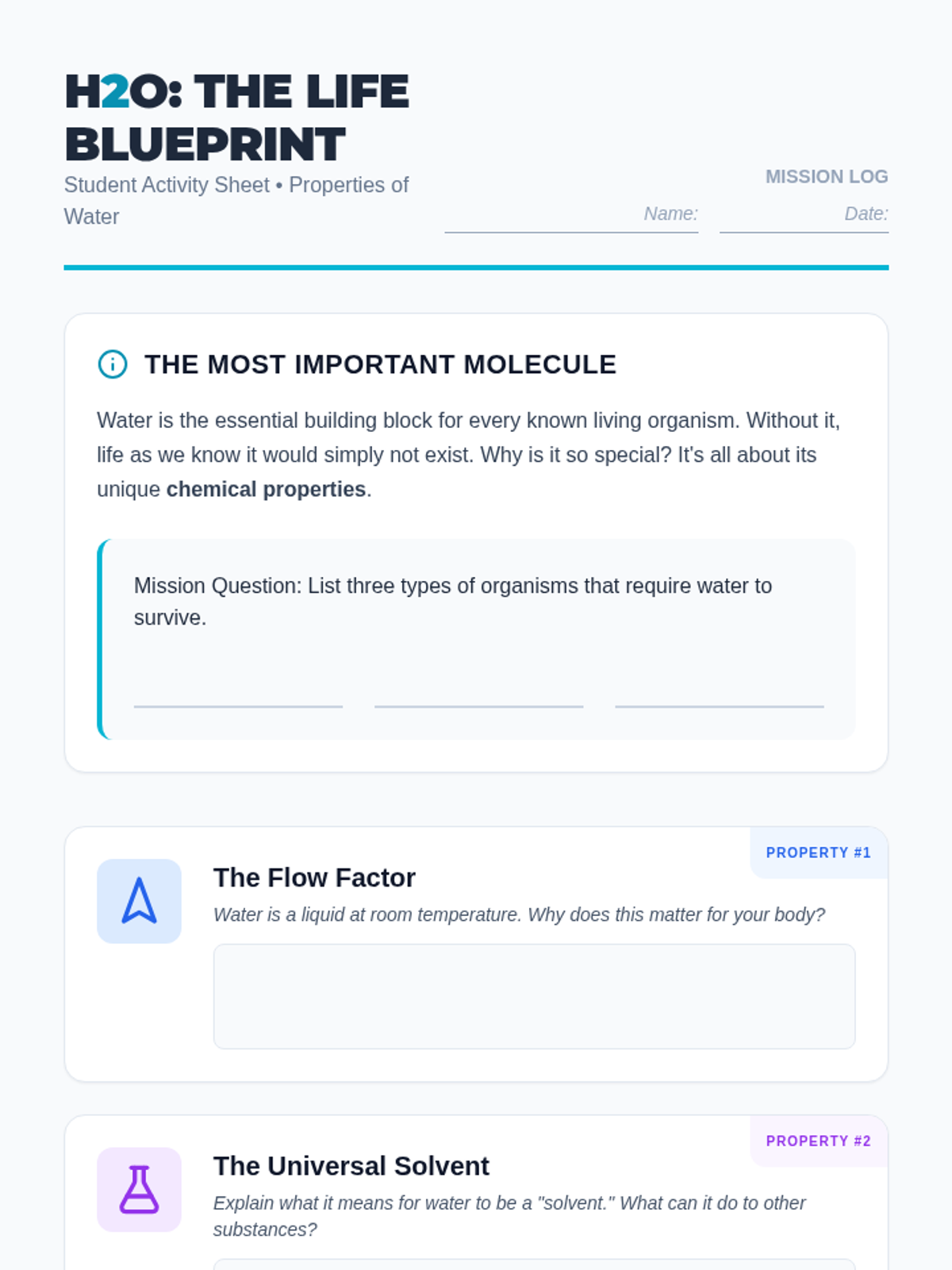
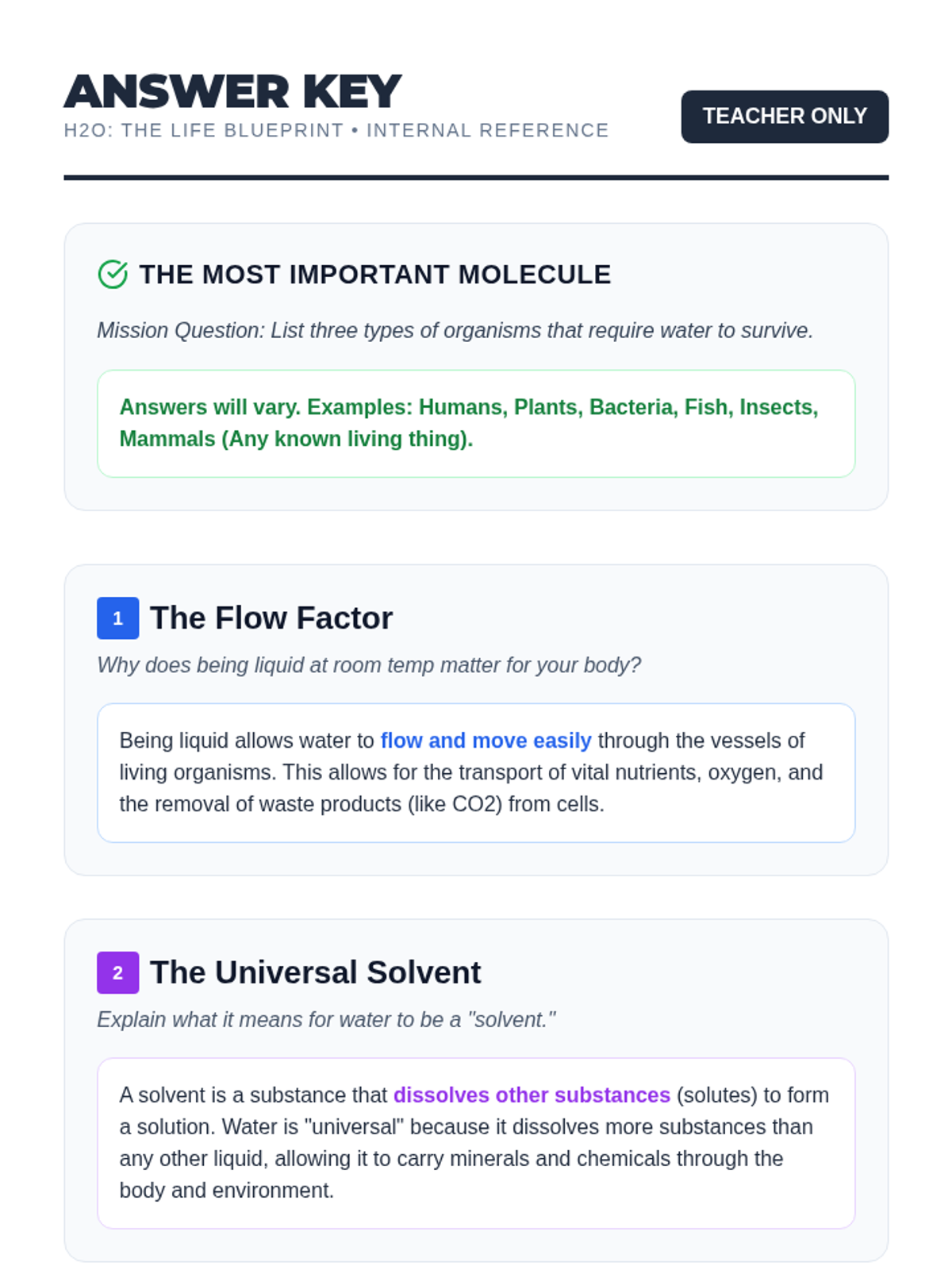
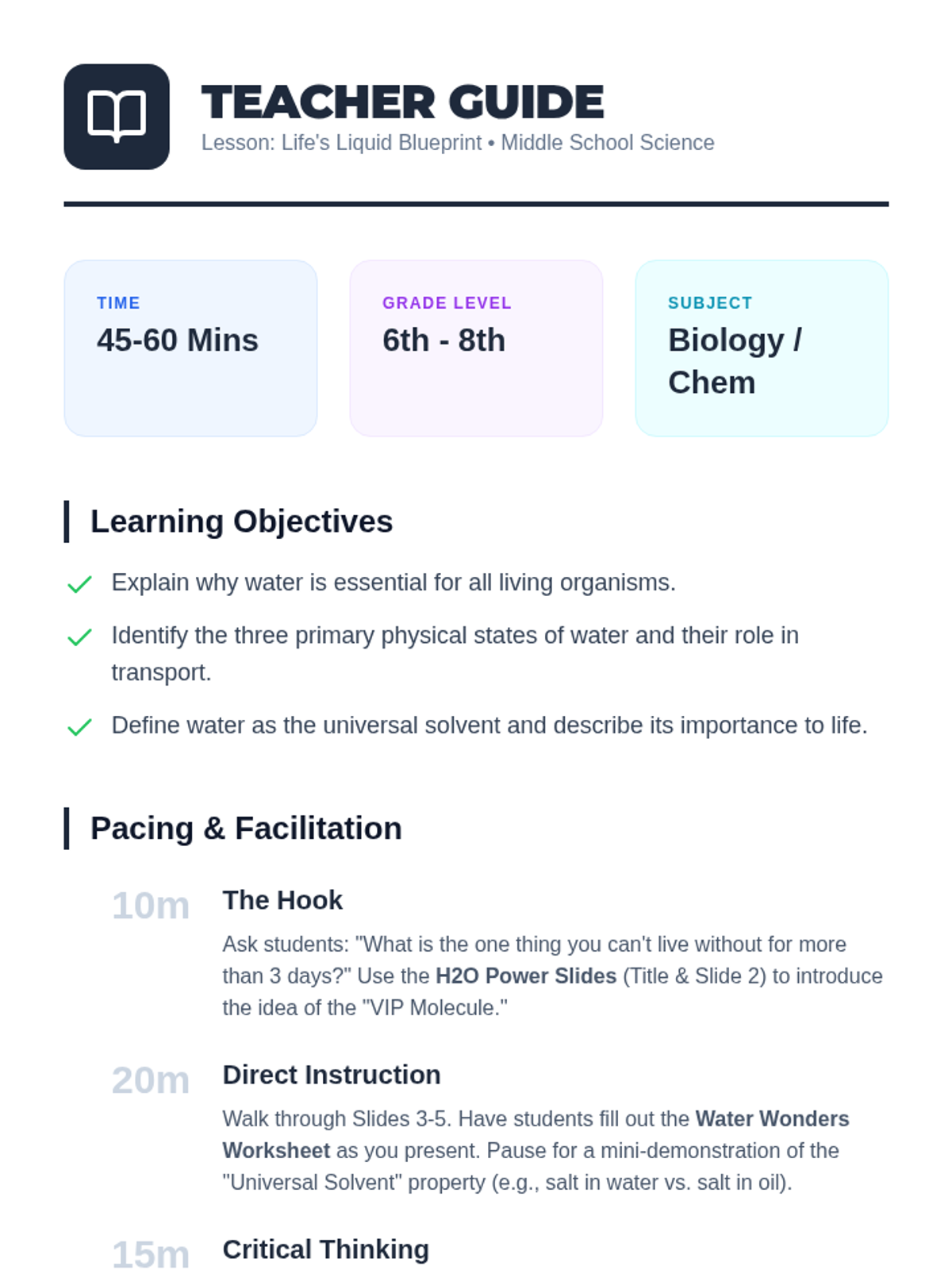
A dynamic lesson exploring the unique chemical properties of water and why it is the essential building block for all life on Earth.
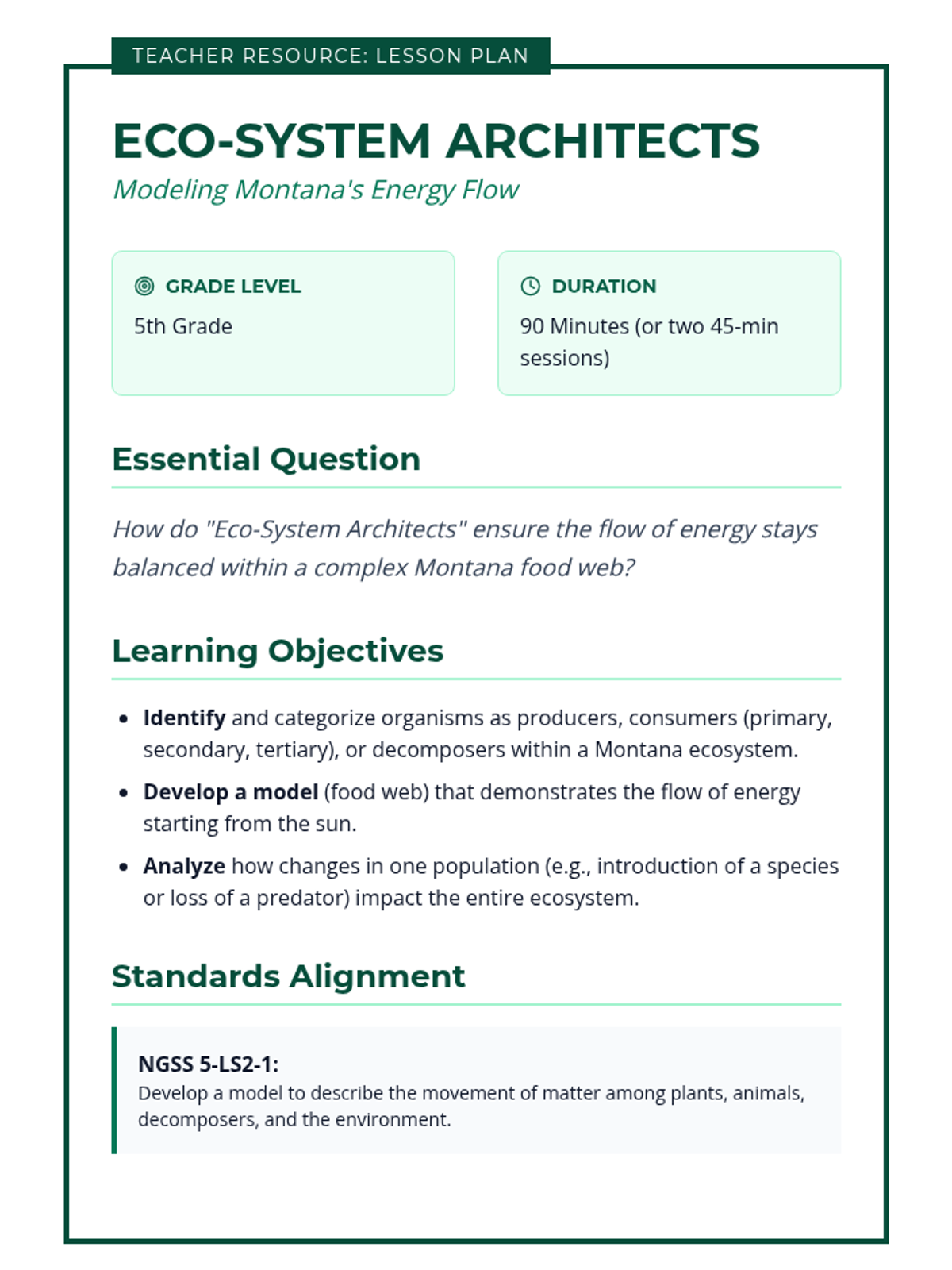
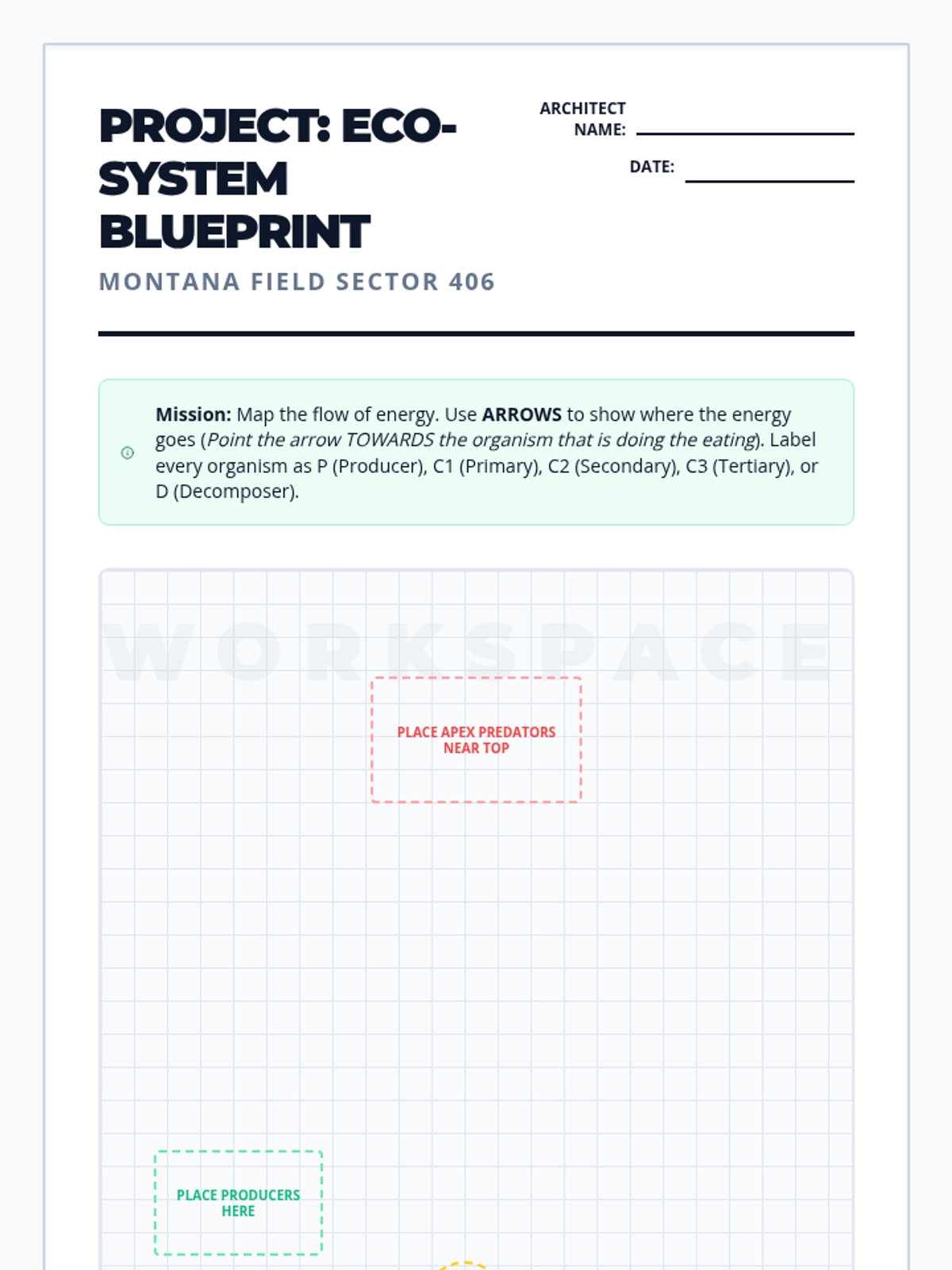
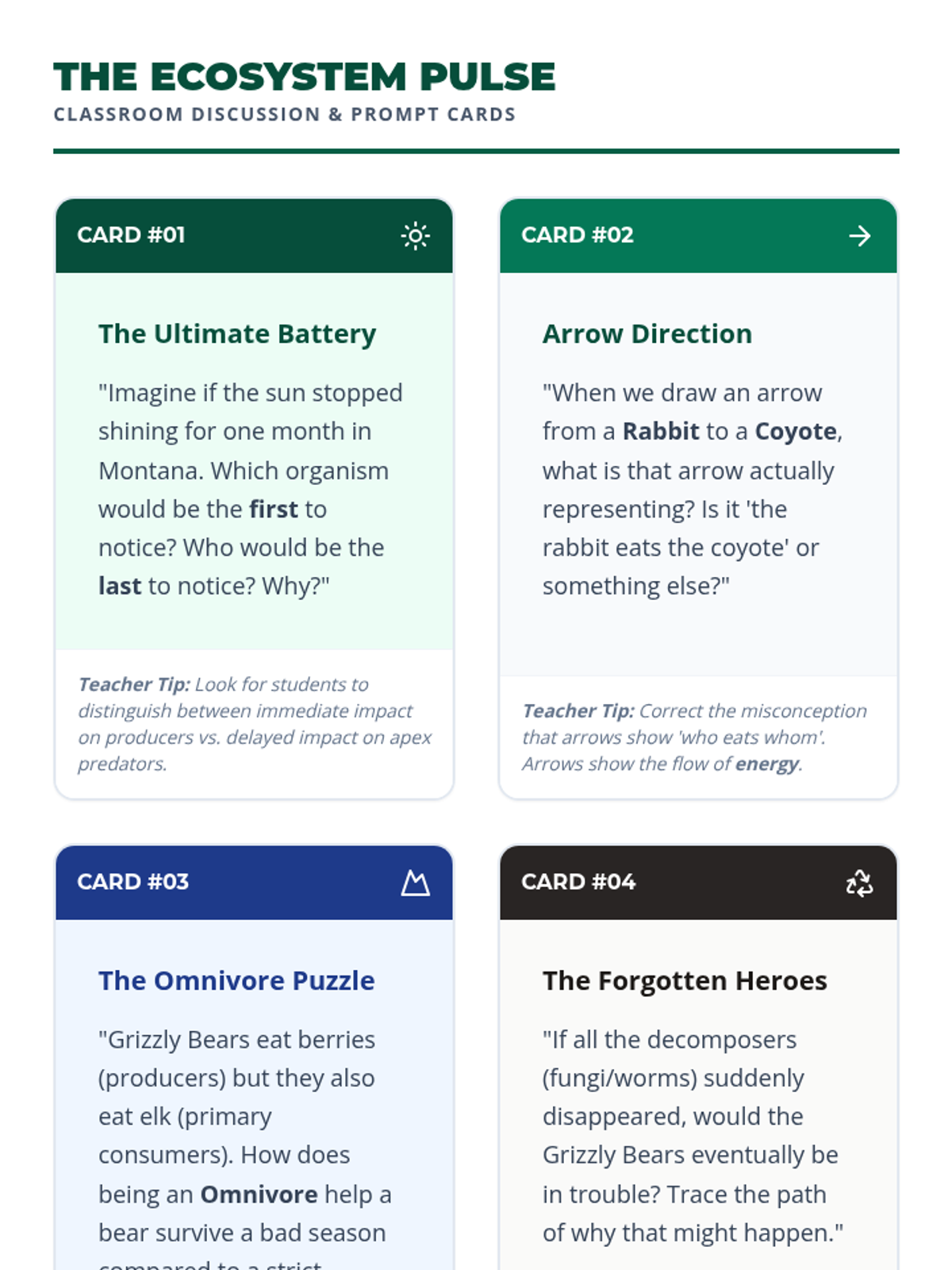
Fifth grade students act as environmental engineers to model energy flow in Montana ecosystems. They identify roles within food webs and predict the impacts of population changes on biological communities.

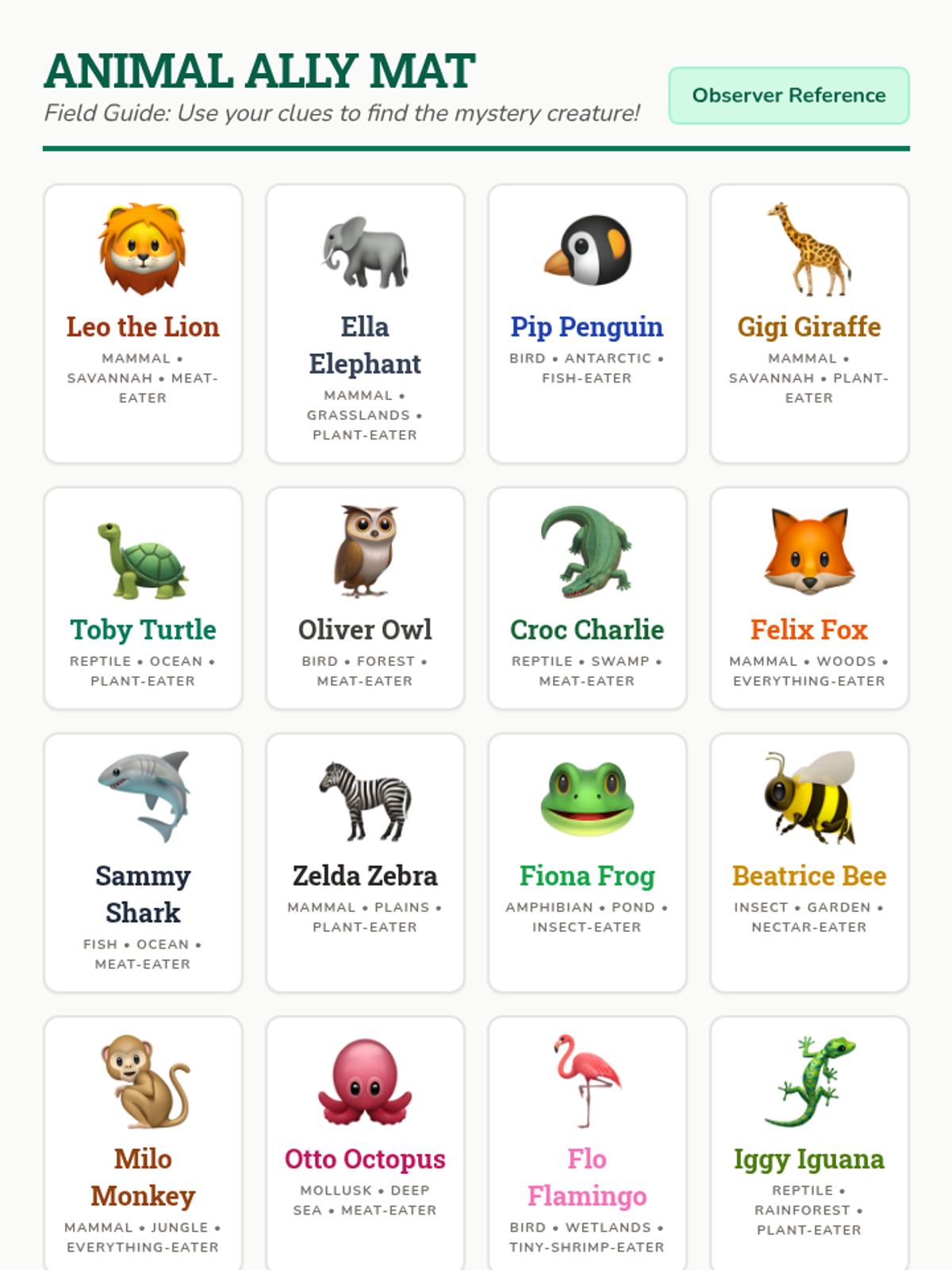
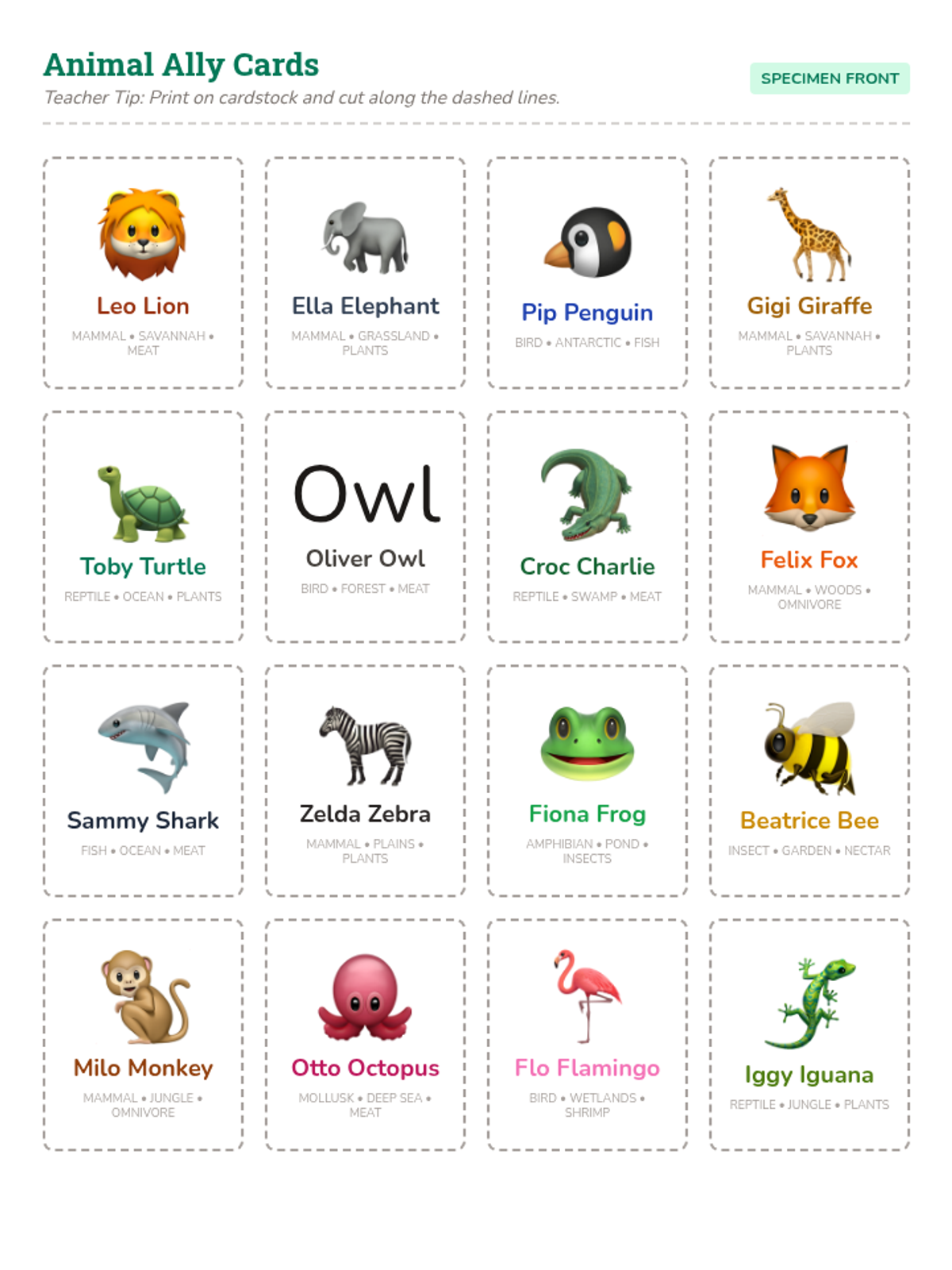
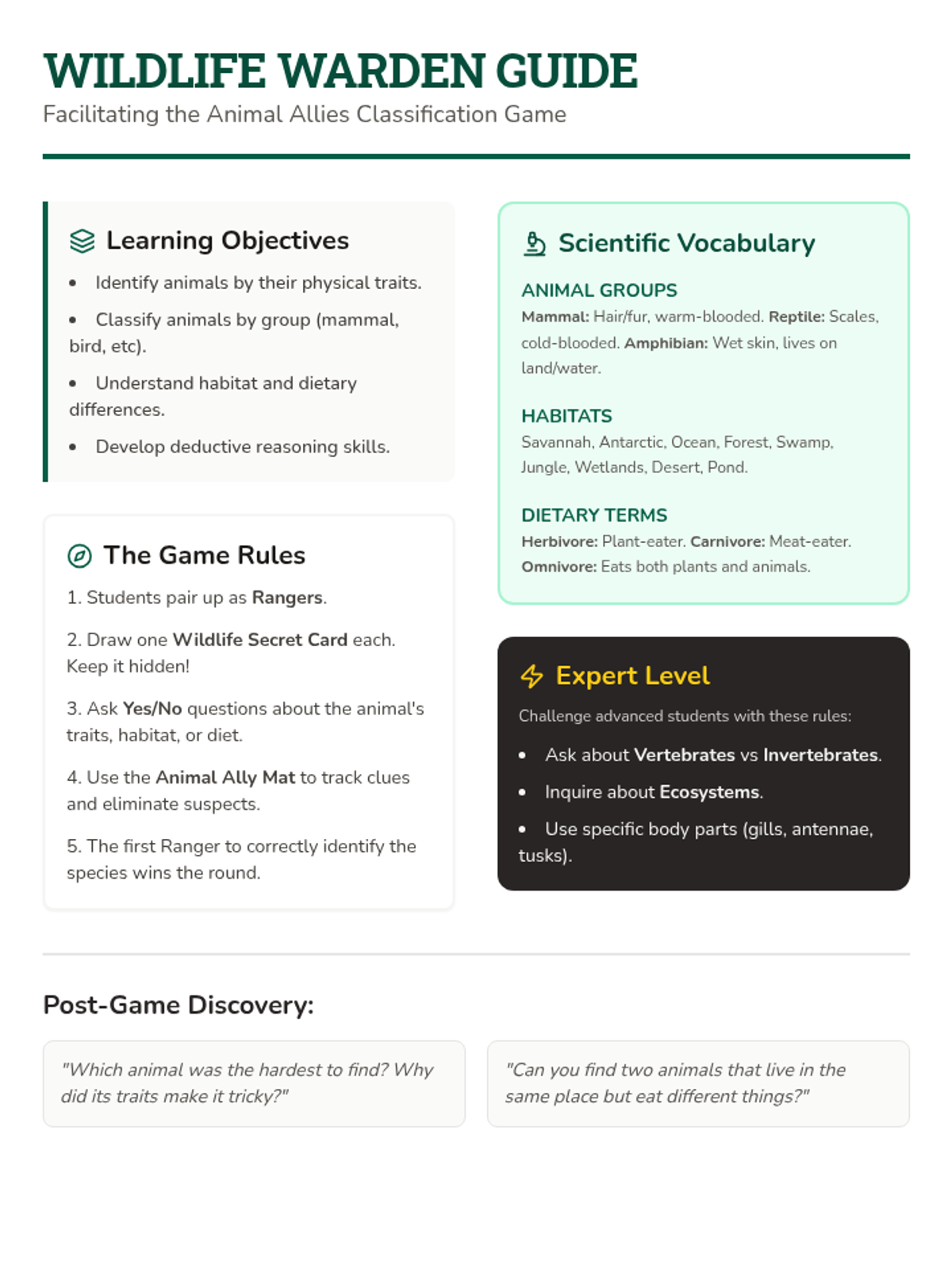
An engaging 'Guess Who' style game where students use descriptive language and biological traits to identify mystery animals. Focuses on classification, habitats, and physical characteristics.
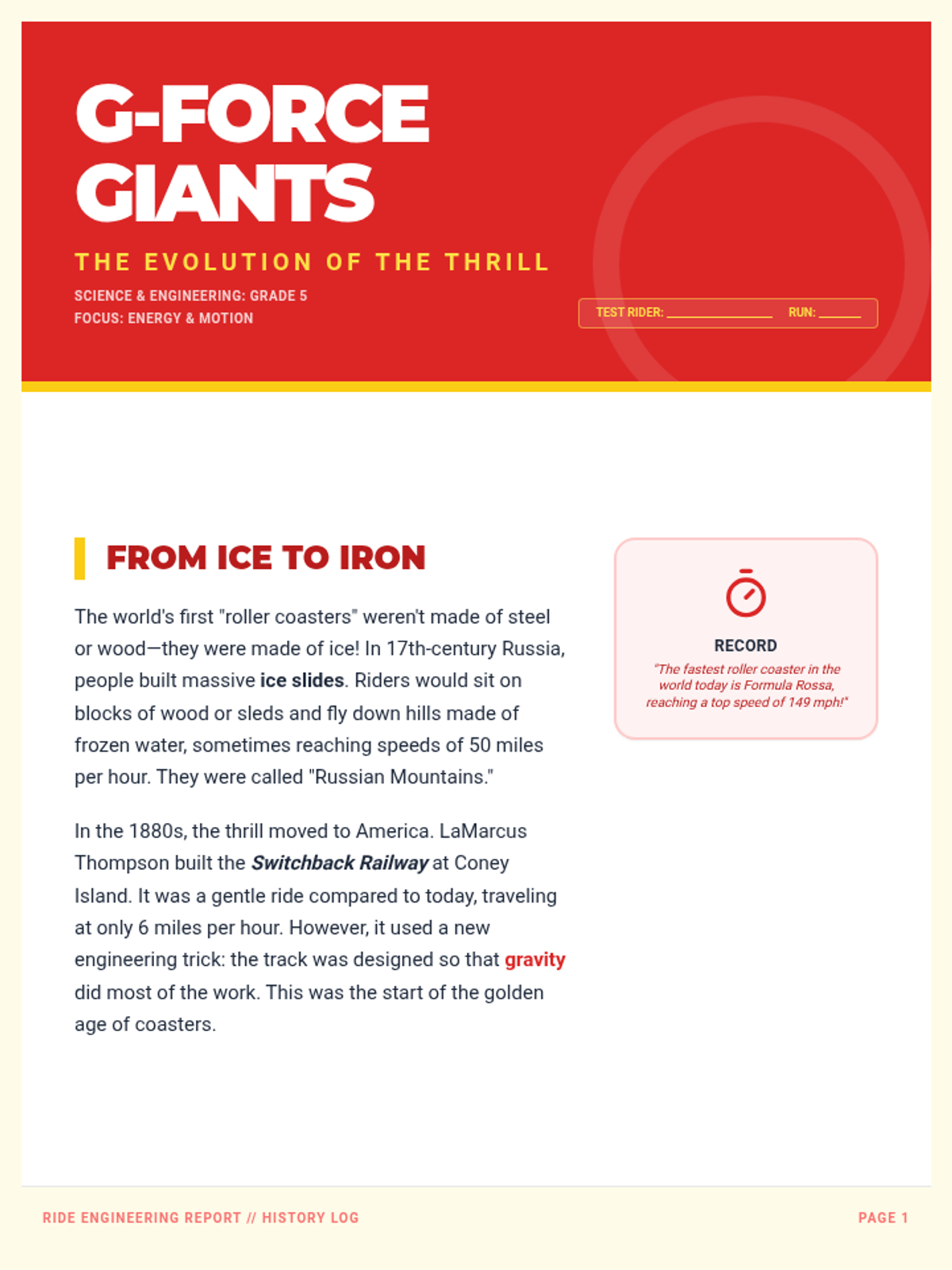
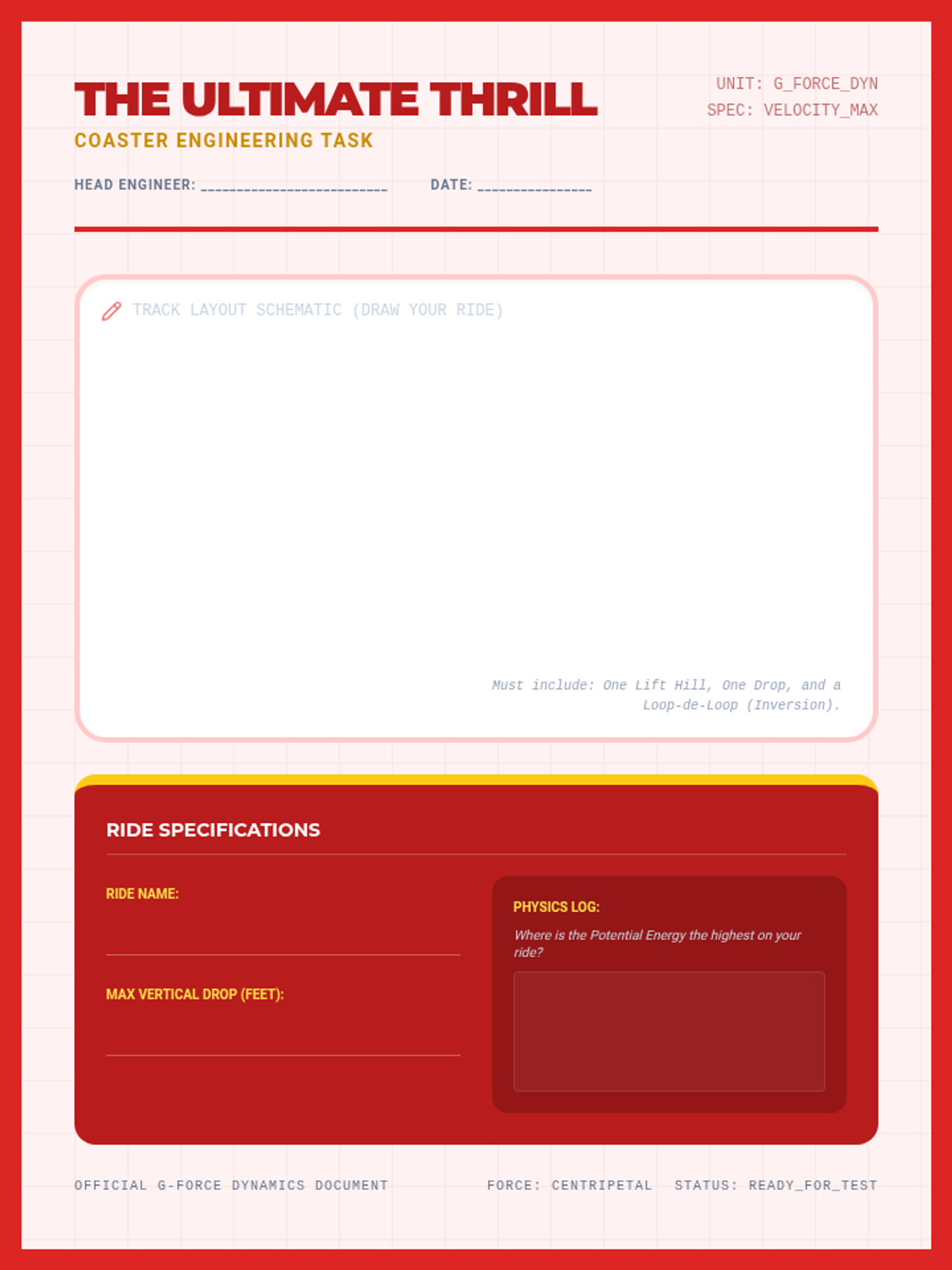
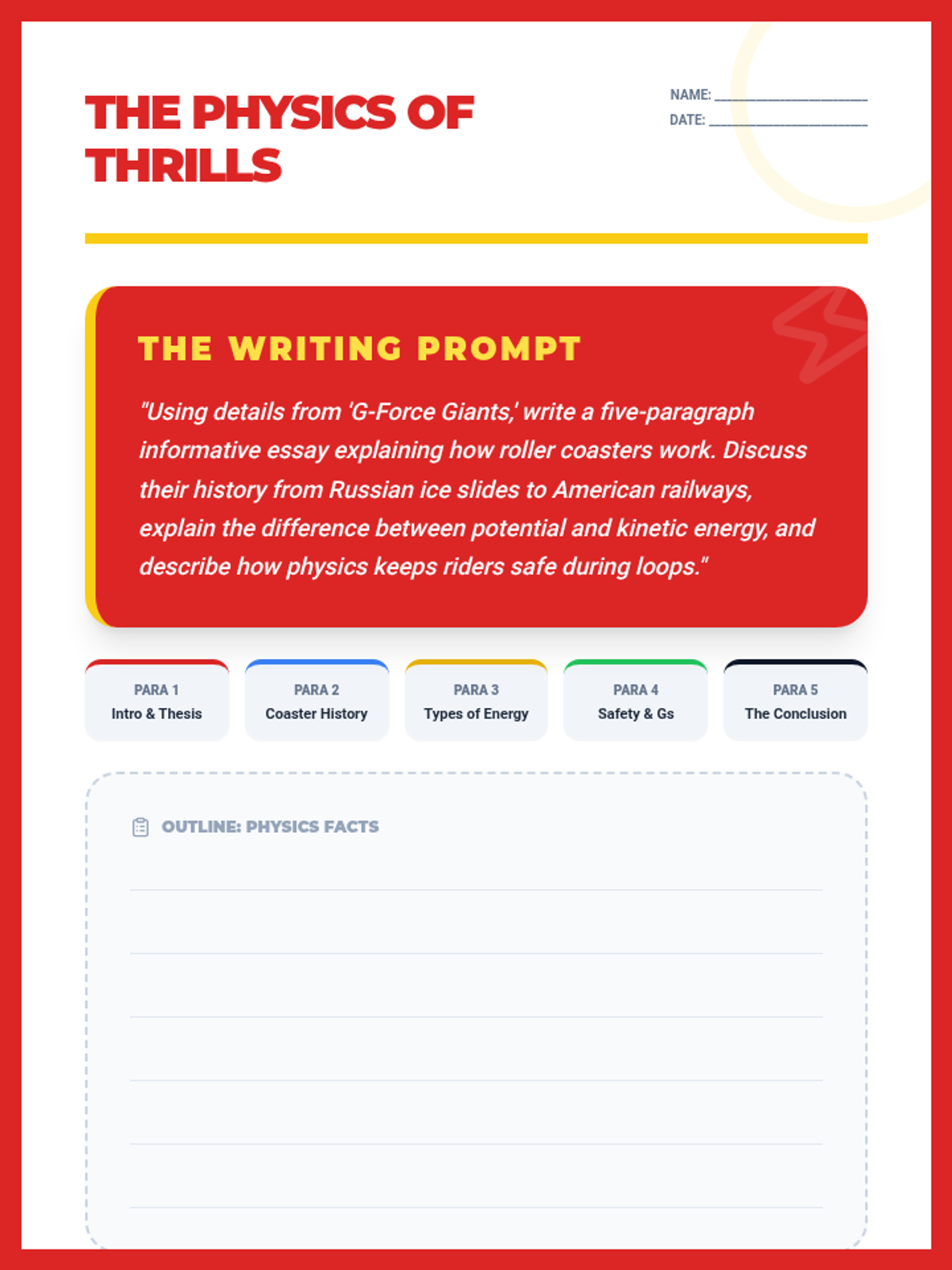
An informative unit for 5th graders exploring the history and physics of roller coasters, from early Russian ice slides to modern g-force engineering.