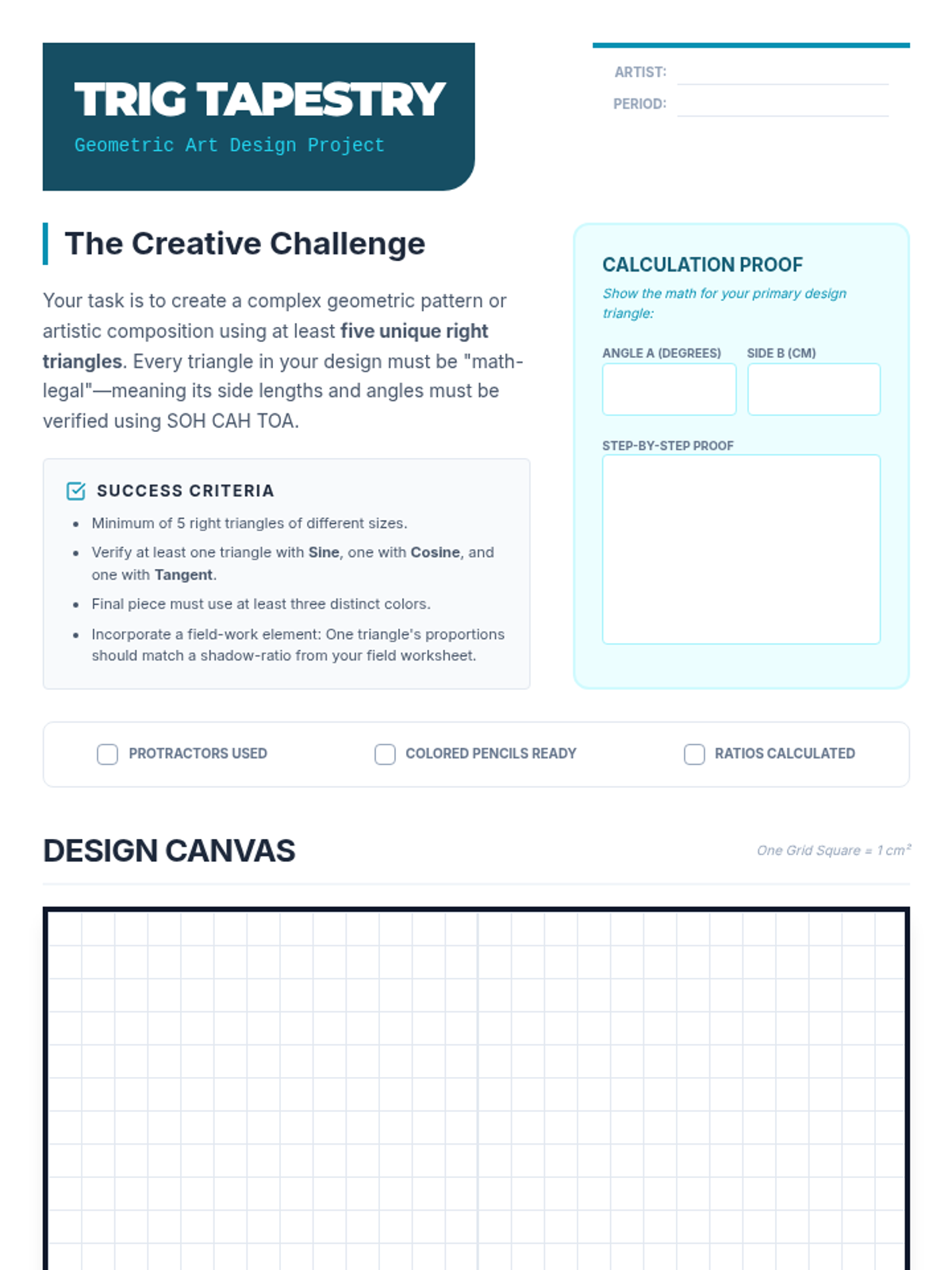
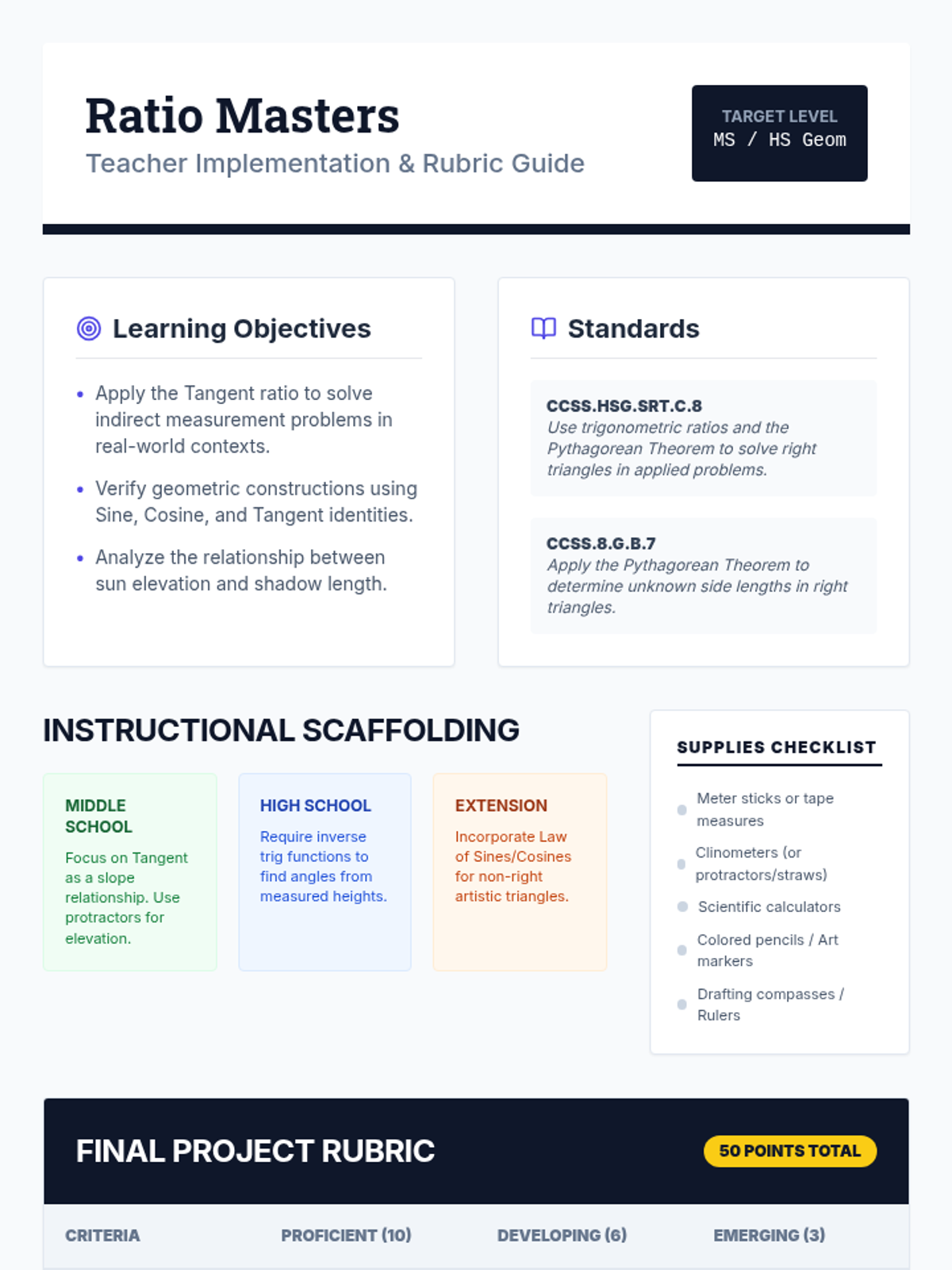
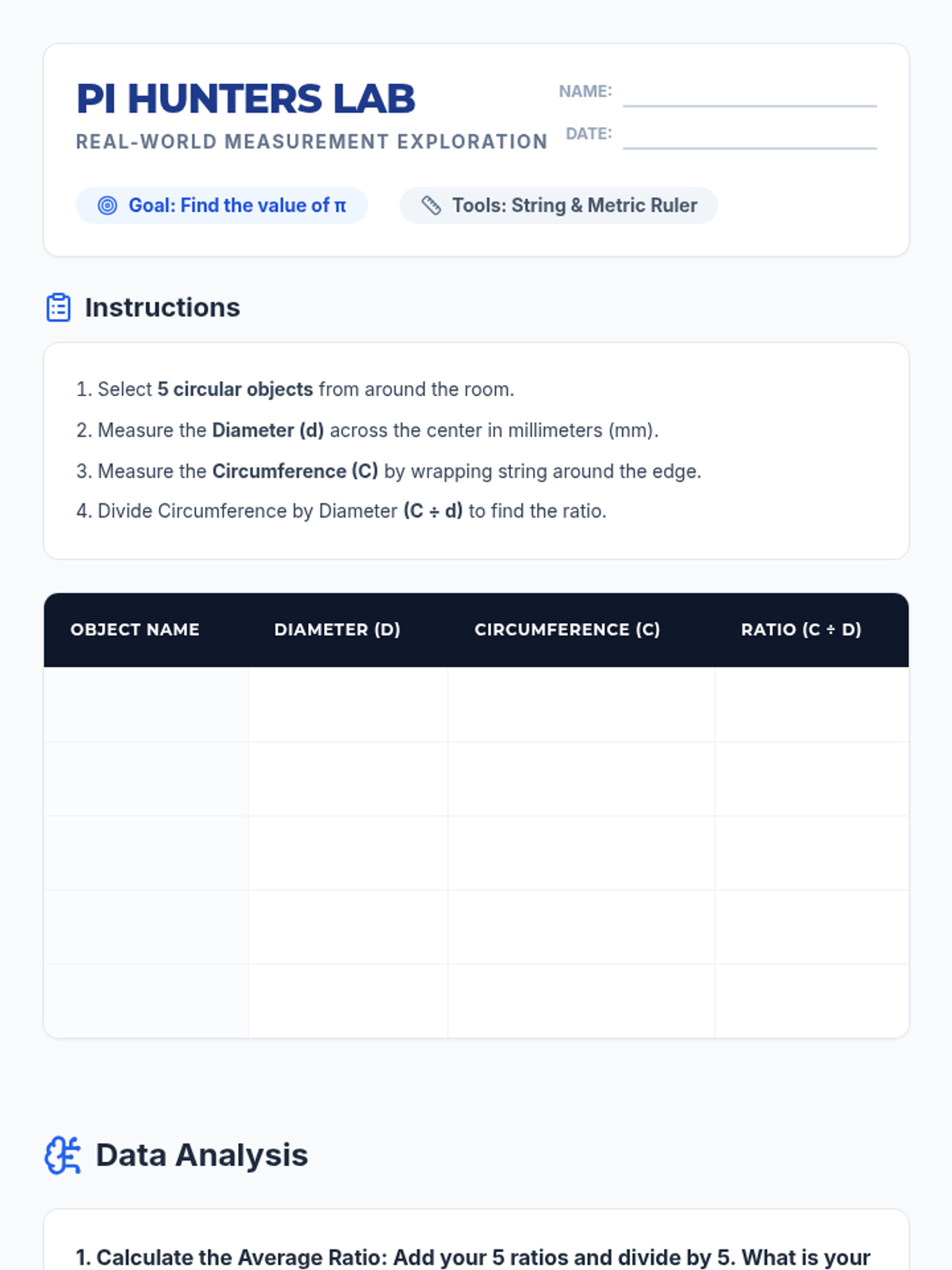
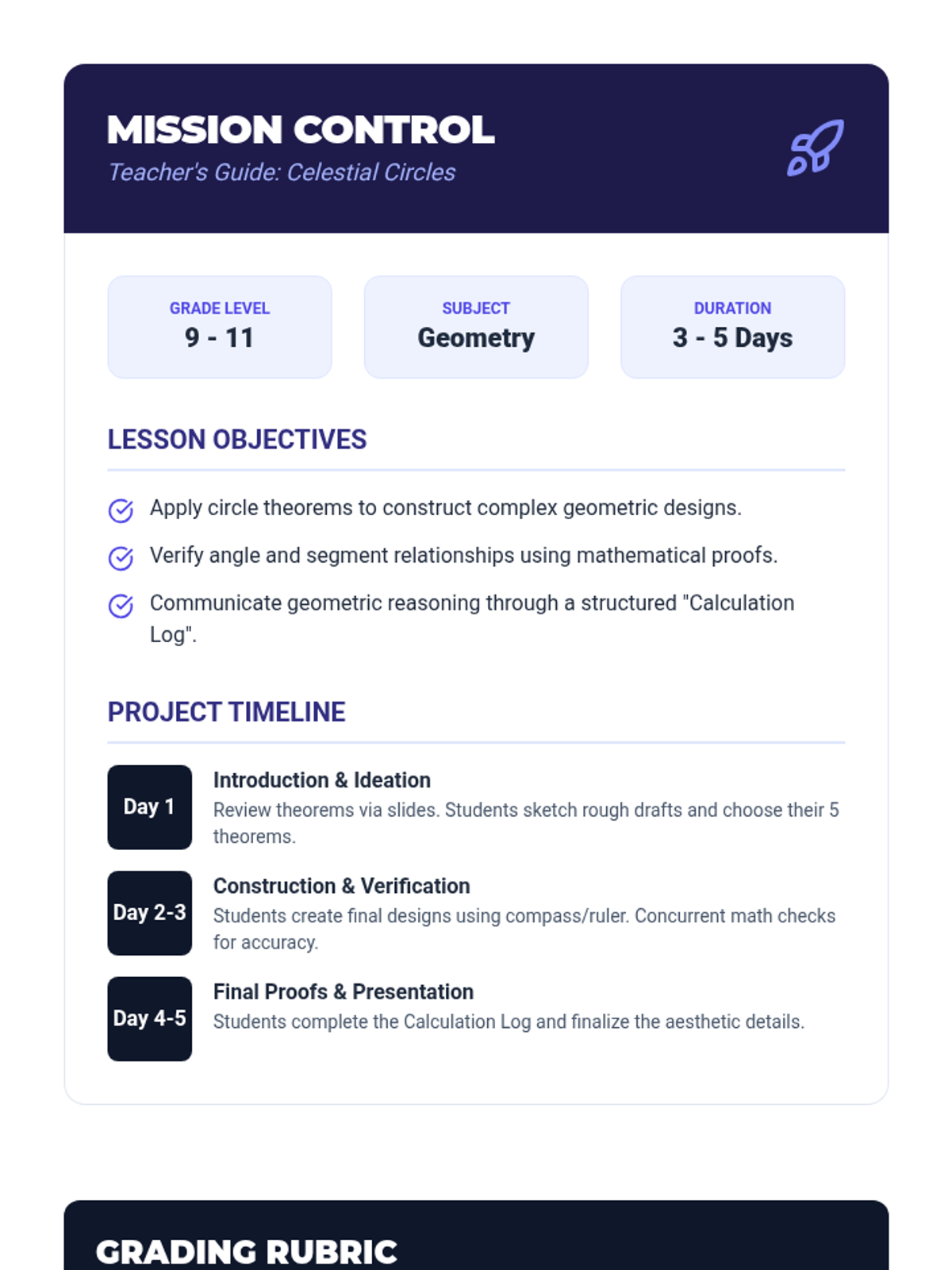
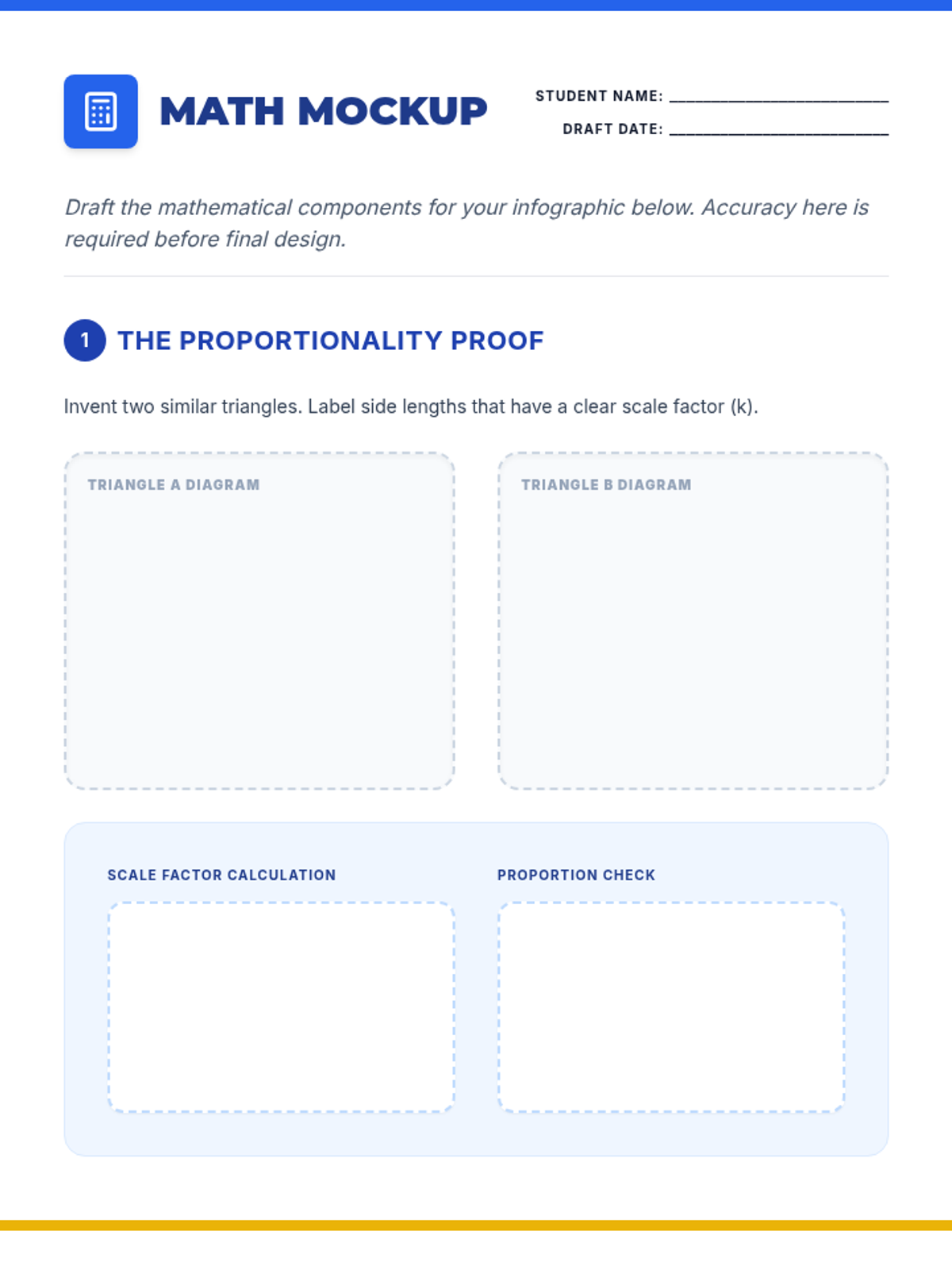
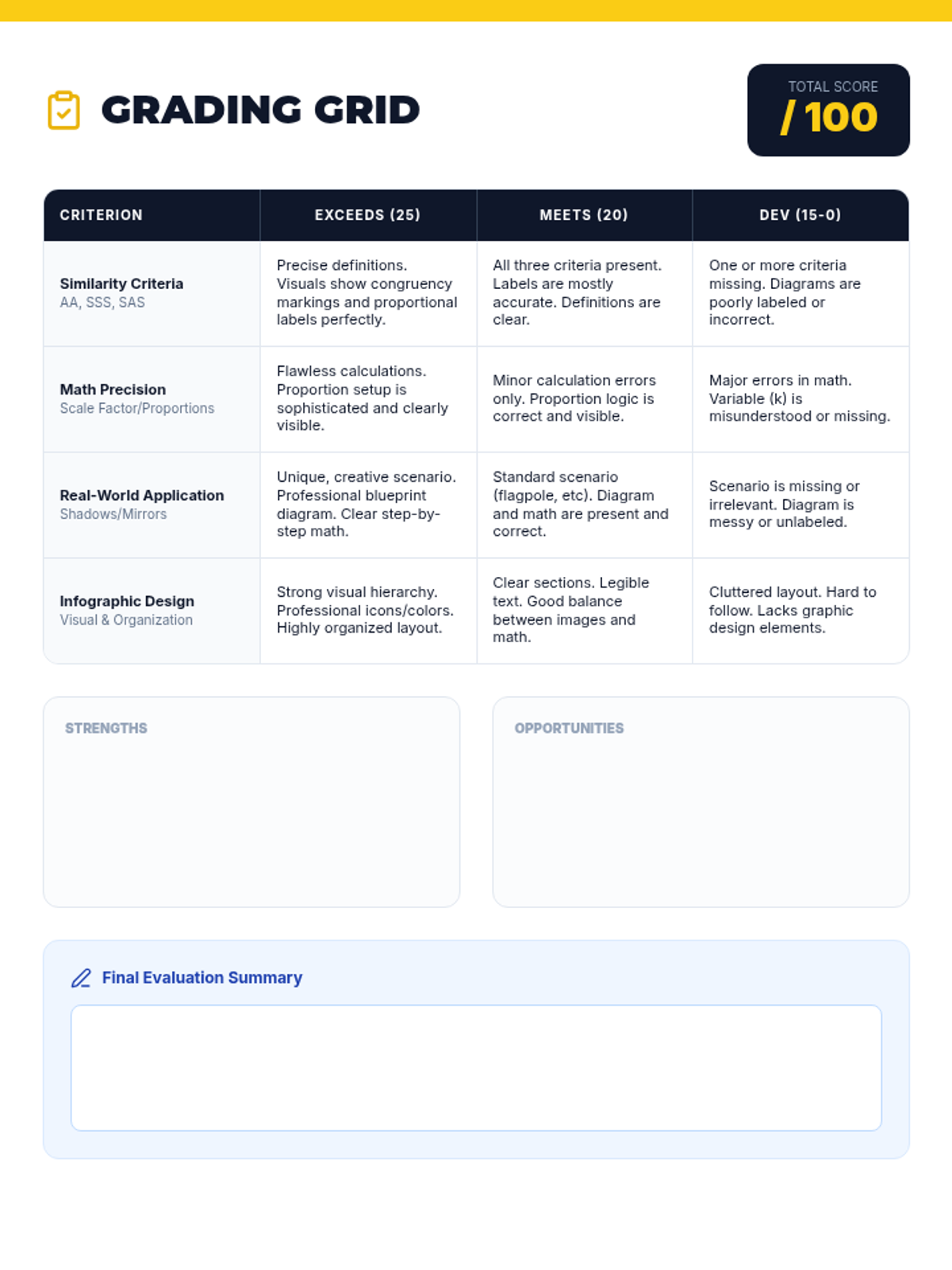
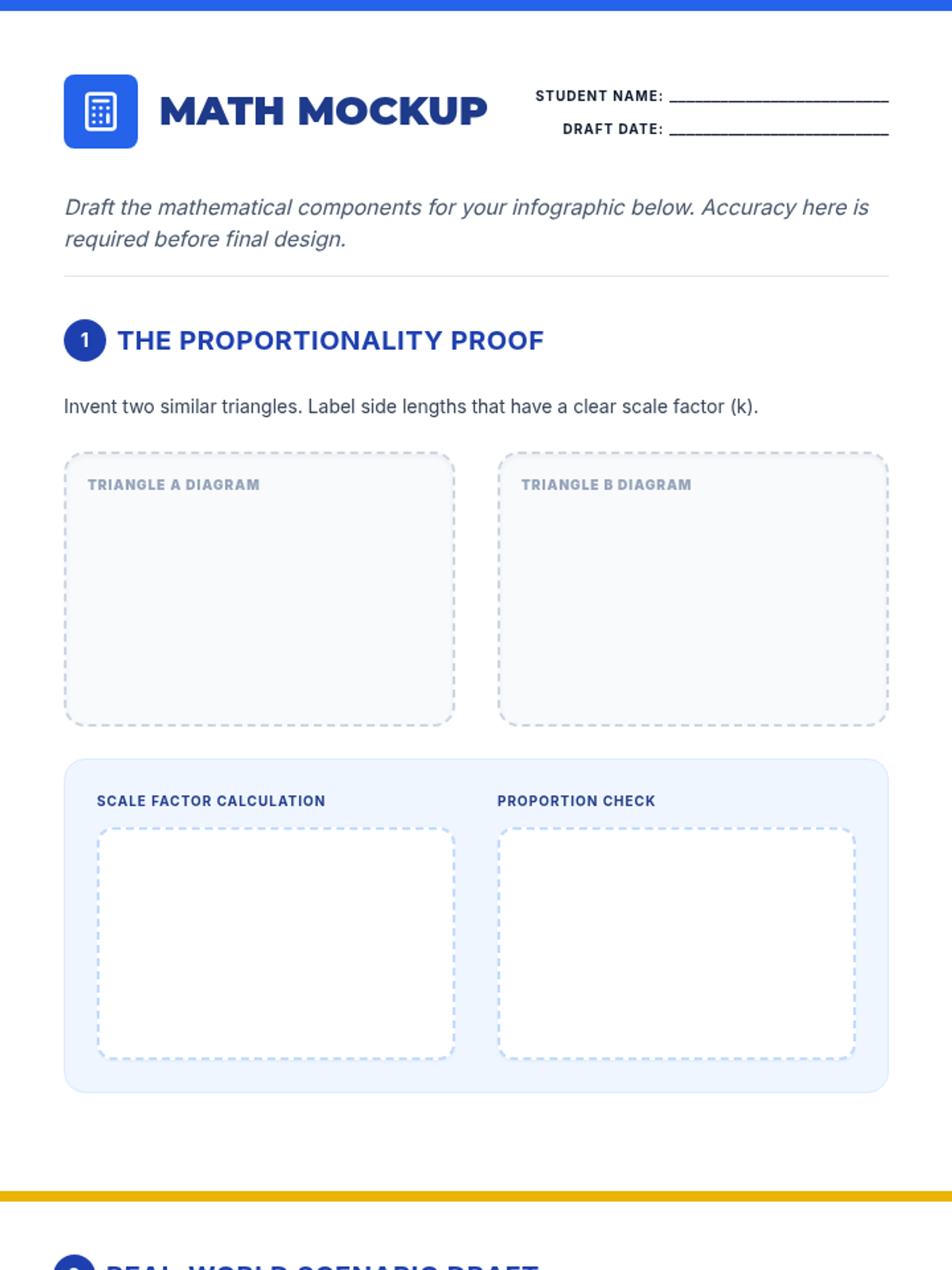
Students investigate the Vesica Piscis as the geometric origin of irrational ratios. They will construct root rectangles (sqrt 2, 3, 5) and understand their historical application in proportional design.
A hands-on lesson focusing on the recognition and application of mathematical symbols in numbers and operations through a collaborative Tarsia puzzle activity.
A comprehensive lesson on supplementary and complementary angles, focusing on definitions, identification, and calculating unknown values in geometric diagrams.
An introductory lesson on division where students learn to share items into equal groups through a fun bakery-themed narrative.
A comprehensive 10th-grade geometry lesson focusing on the five ways to prove a quadrilateral is a parallelogram, featuring coordinate geometry and formal proofs.
A comprehensive lesson covering the seven fundamental properties of parallelograms, based on the instructional video by Mr. Dallas. Students will learn definitions, congruence, supplementary angles, and diagonal relationships.
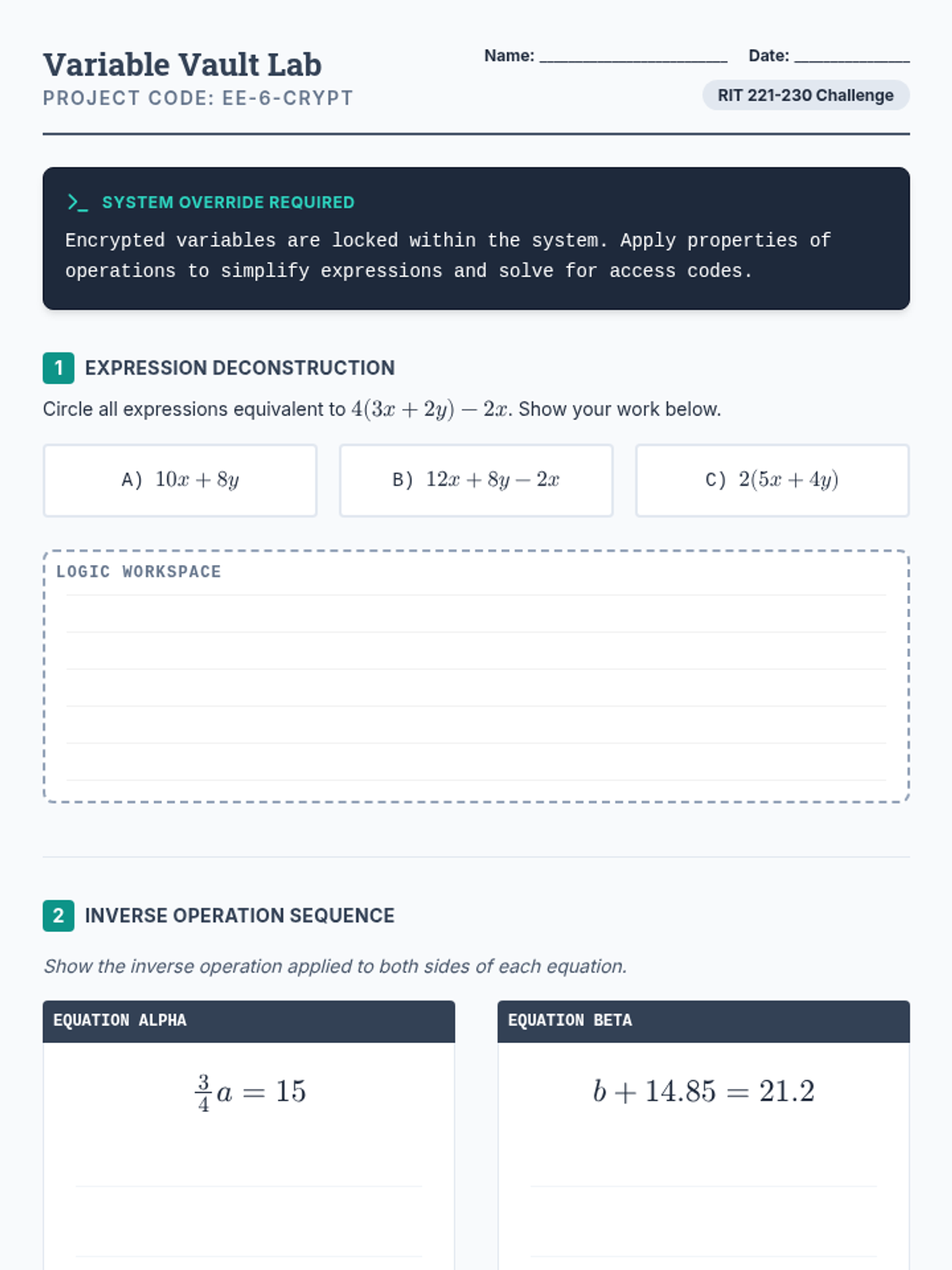
A foundational lesson on solving one-step algebraic equations using inverse operations, featuring a comprehensive reference guide and practice opportunities.
A comprehensive lesson on graphing linear equations using the slope-intercept form ($y = mx + b$). Students will learn to identify key components of the equation and translate them into visual lines on a coordinate plane.
A 15-25 minute exploration into how ancient navigators used fixed points (the North Star) and the repeating patterns of the universe (microcosms, macrocosms, and symmetry) to navigate without modern technology.
A 15-30 minute exploration of how ancient Phoenicians used the macrocosm of the stars to navigate the microcosm of their ships, featuring the root words micro/macro/cosmos and the mathematics of rotational symmetry.
A middle school math lesson exploring proportional reasoning through real-world scaling, mapping, and budgeting scenarios. Students use visual models and multiple pathways to solve authentic problems.
A comprehensive lesson on solving one-step inequalities using addition and subtraction, featuring a visual anchor chart, guided notes for instruction, and a practice worksheet with number line graphing.
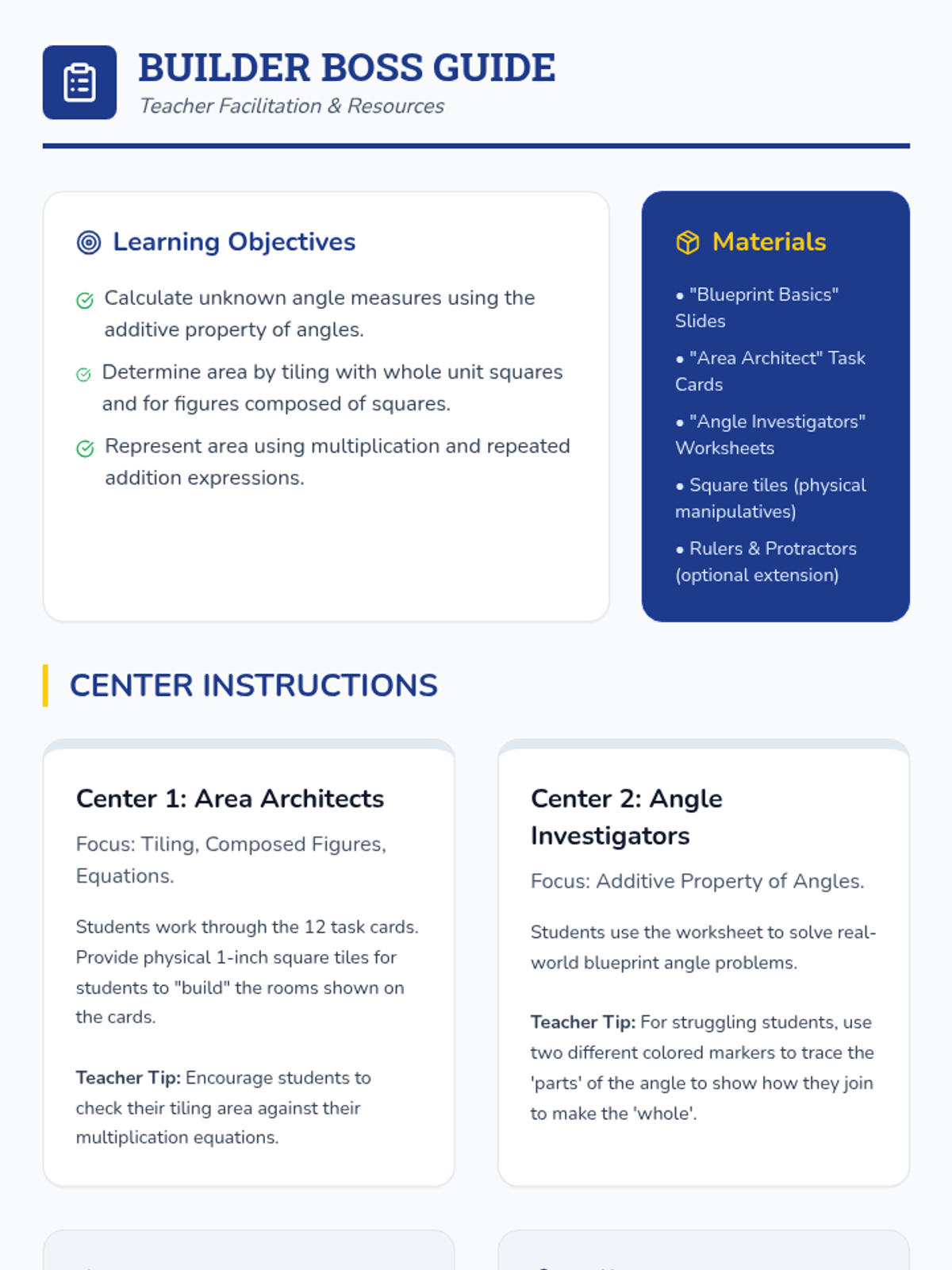
A collection of 4th-grade Illustrative Mathematics center planning resources, including a visual reference and a CSV data export.
A comprehensive guide to solving quadratic equations using various factoring techniques, including GCF, difference of squares, and trinomials.
A collection of ocean-themed math activities focused on counting, identifying numbers 1-20, and developing one-to-one correspondence through task cards and a matching game.
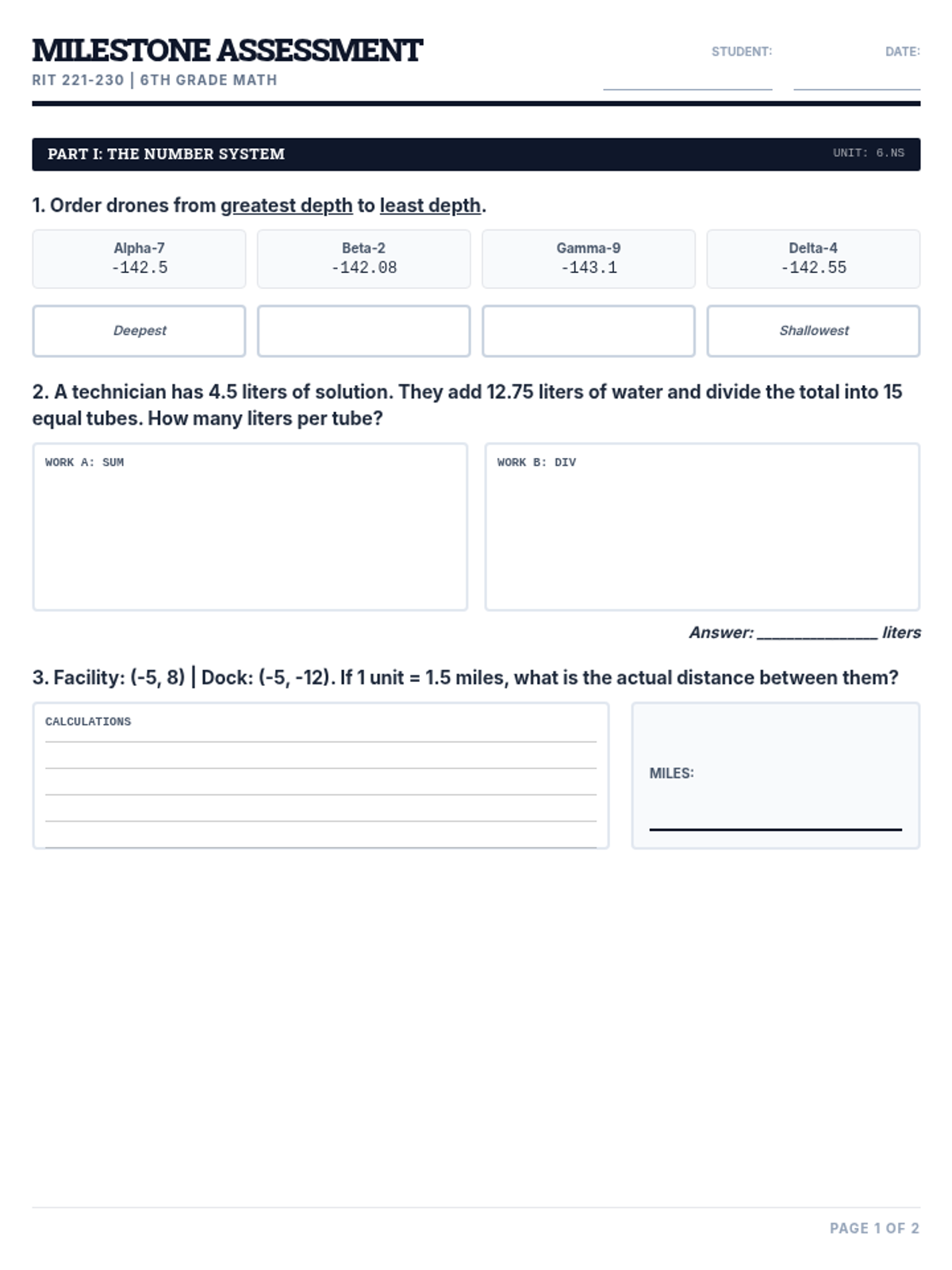
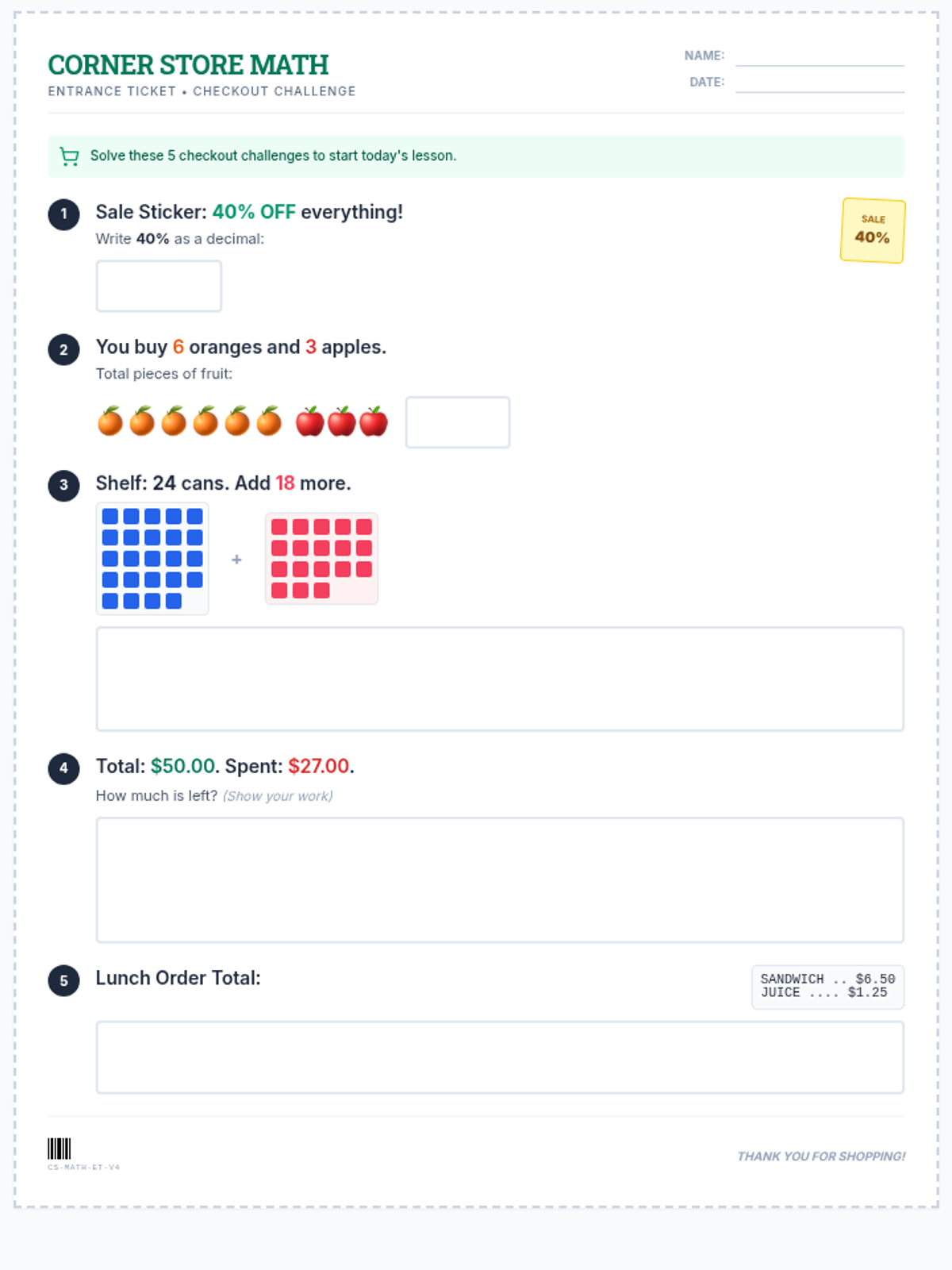
A comprehensive review lesson that synthesizes all the skills learned in the Real World Math series. Students will complete a final assessment covering multi-digit operations, decimals, fractions, and percentages through a variety of workplace and financial scenarios.
Understanding the power of percentages in finance and data. Students will solve for parts, wholes, and percentages in contexts like sales tax, interest rates, discounts, and performance statistics.
Developing a strong grasp of fractions in practical contexts such as construction, cooking, and time management. This lesson covers simplifying, adding/subtracting with unlike denominators, and multiplying/dividing fractions.
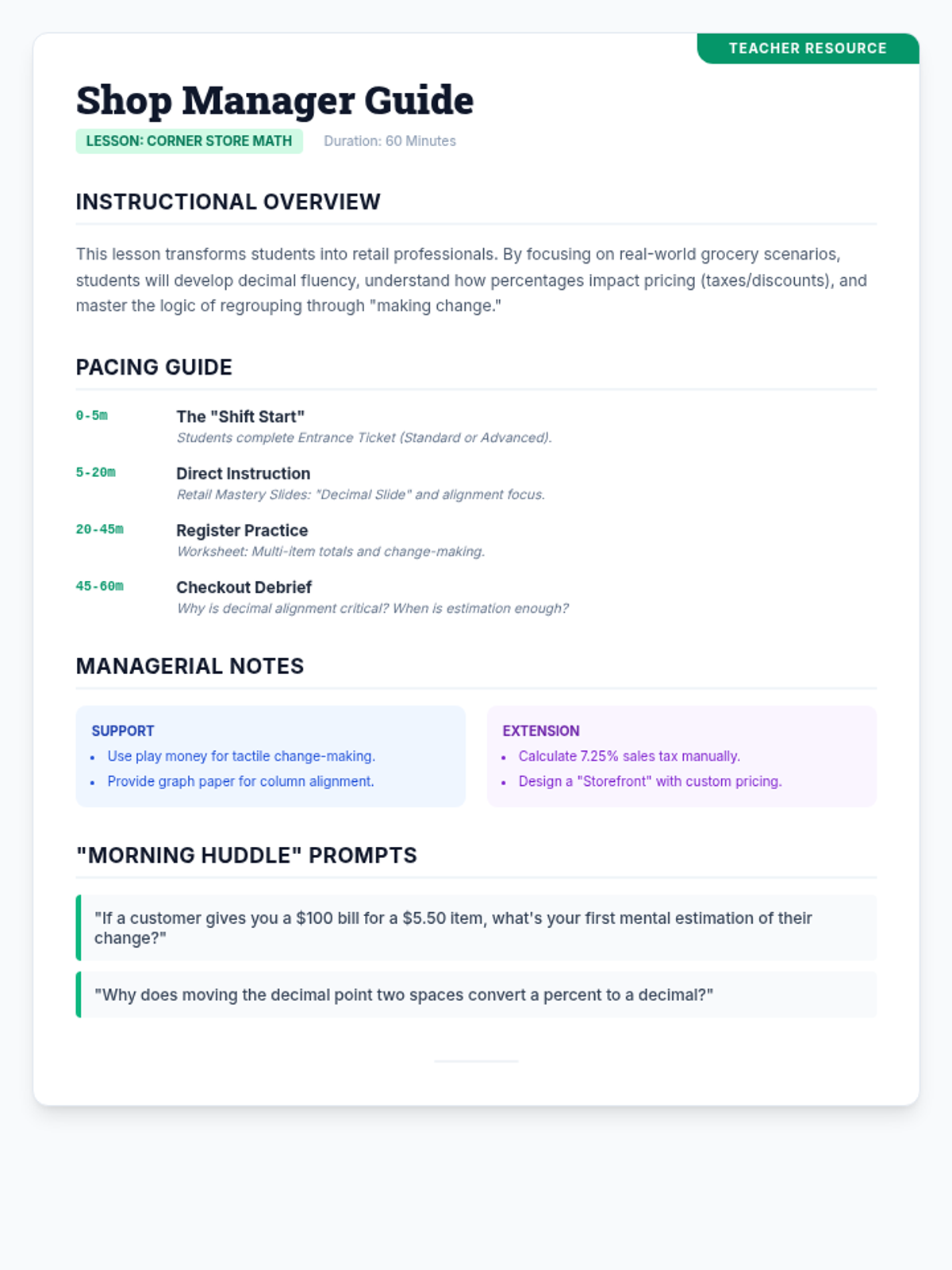
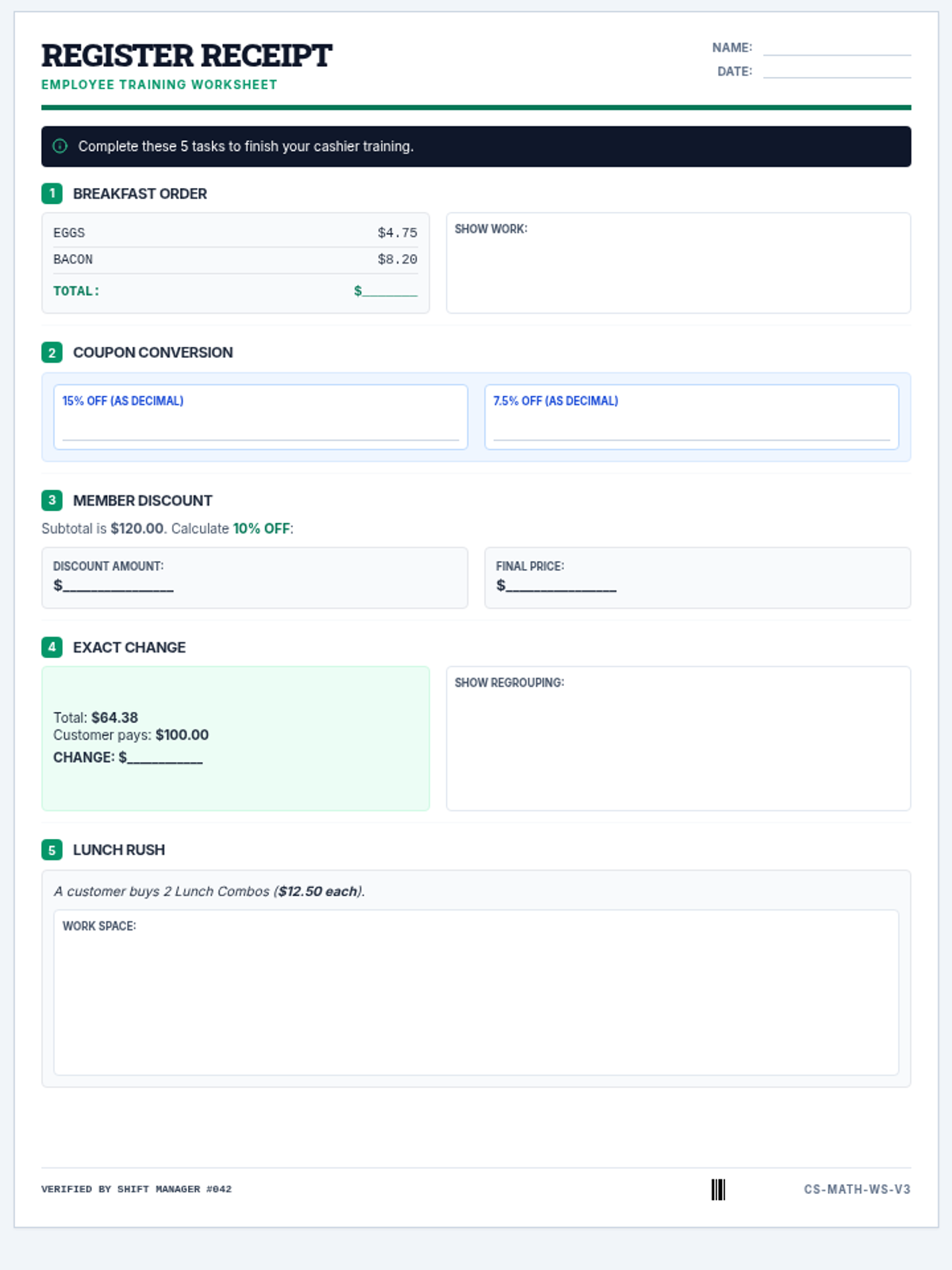
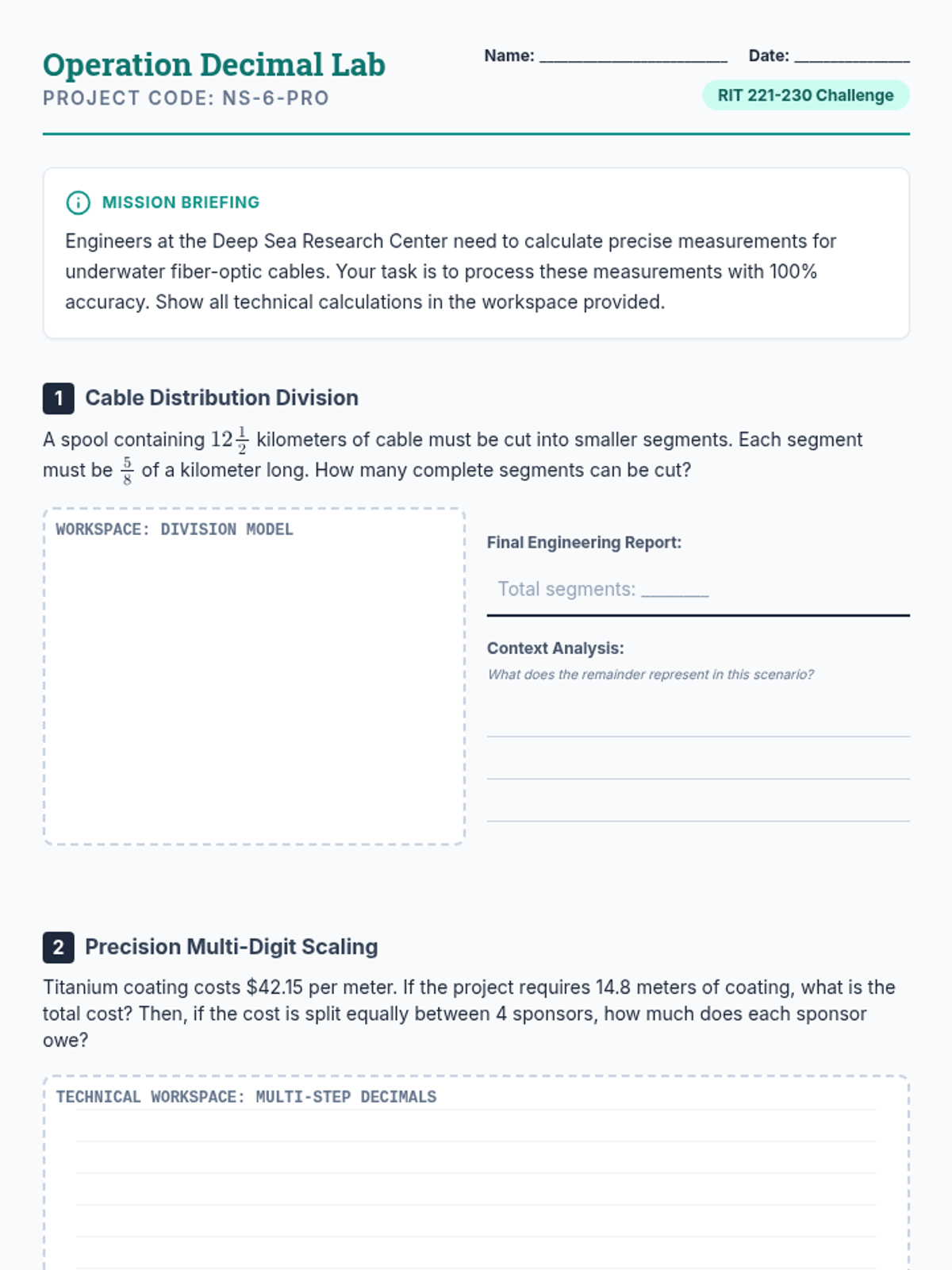
Mastering decimals through the lens of currency and precise measurements. Students learn to add, subtract, multiply, and divide decimals to calculate unit prices, handle cash transactions, and interpret technical specifications.
A foundational lesson on multi-digit multiplication and division focused on workplace budgeting and large-scale inventory management. Students will practice these operations through realistic scenarios like calculating monthly revenue and distributing supplies across departments.
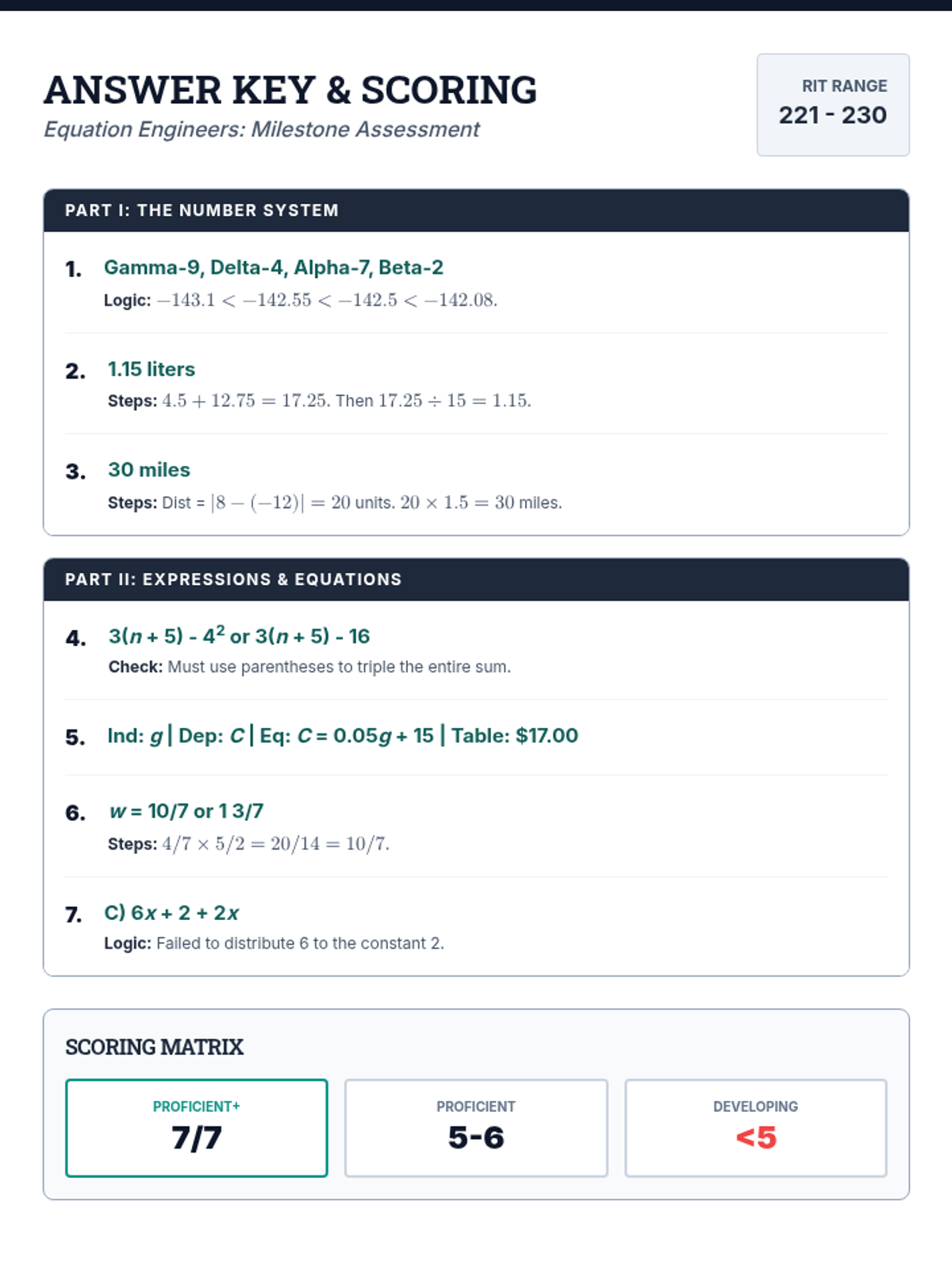
Teacher answer keys for the Real World Math series.
Instructional slides for the Real World Math series.