Students will explore the Indo-European language family by identifying cognates across English, Hindi, Spanish, and Persian, tracing their origins back to migrations from the Russian Steppe.
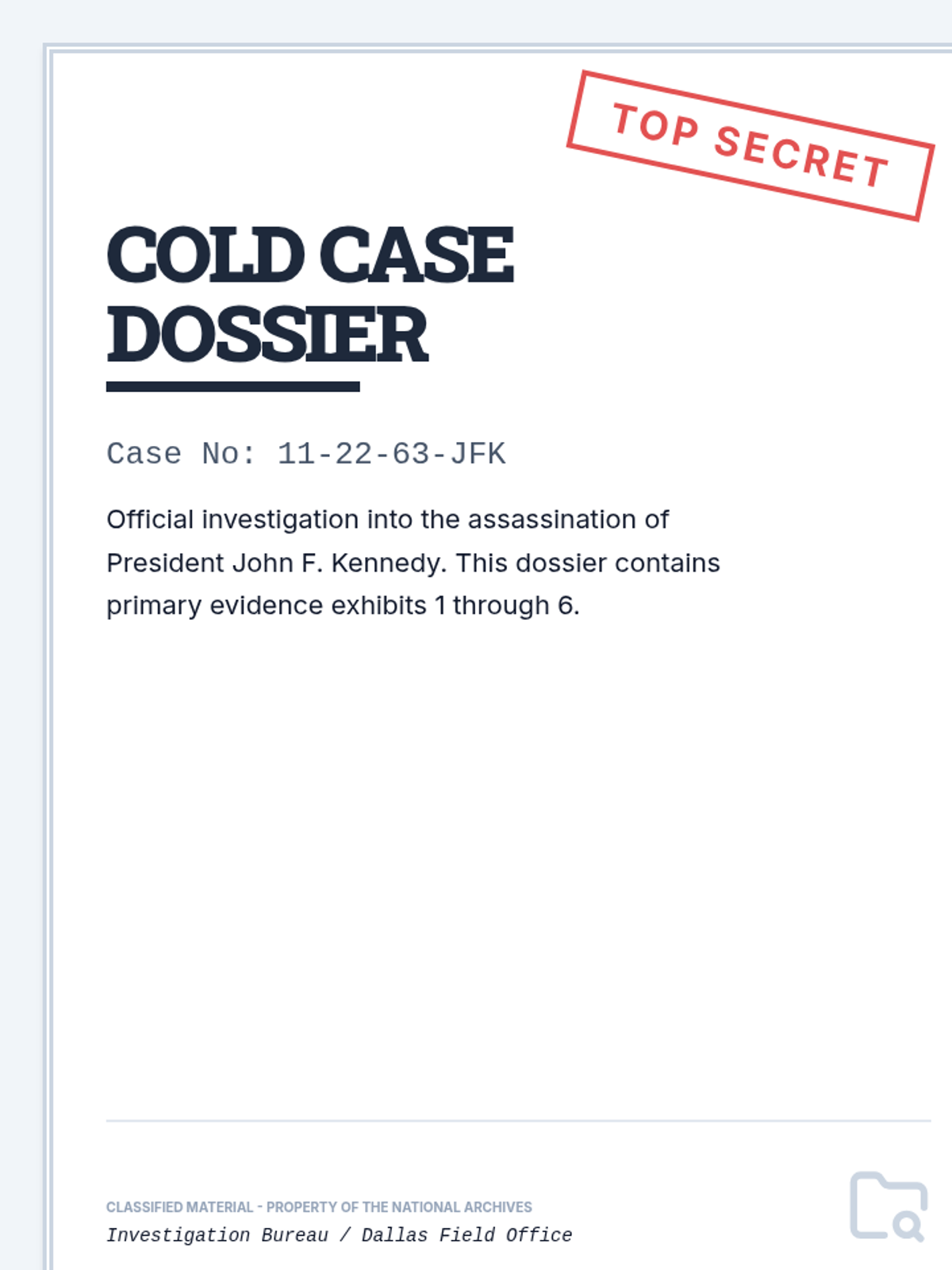
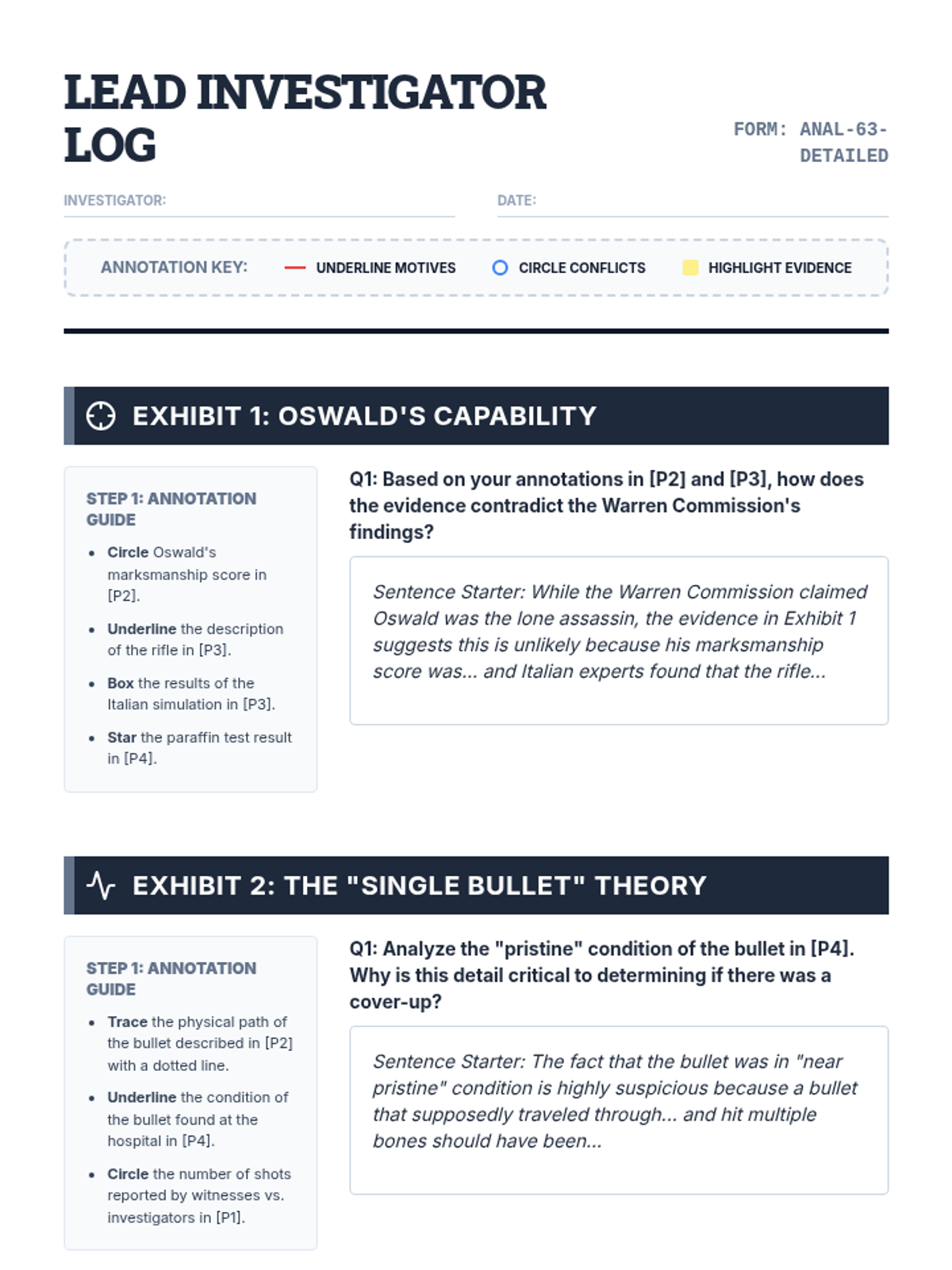
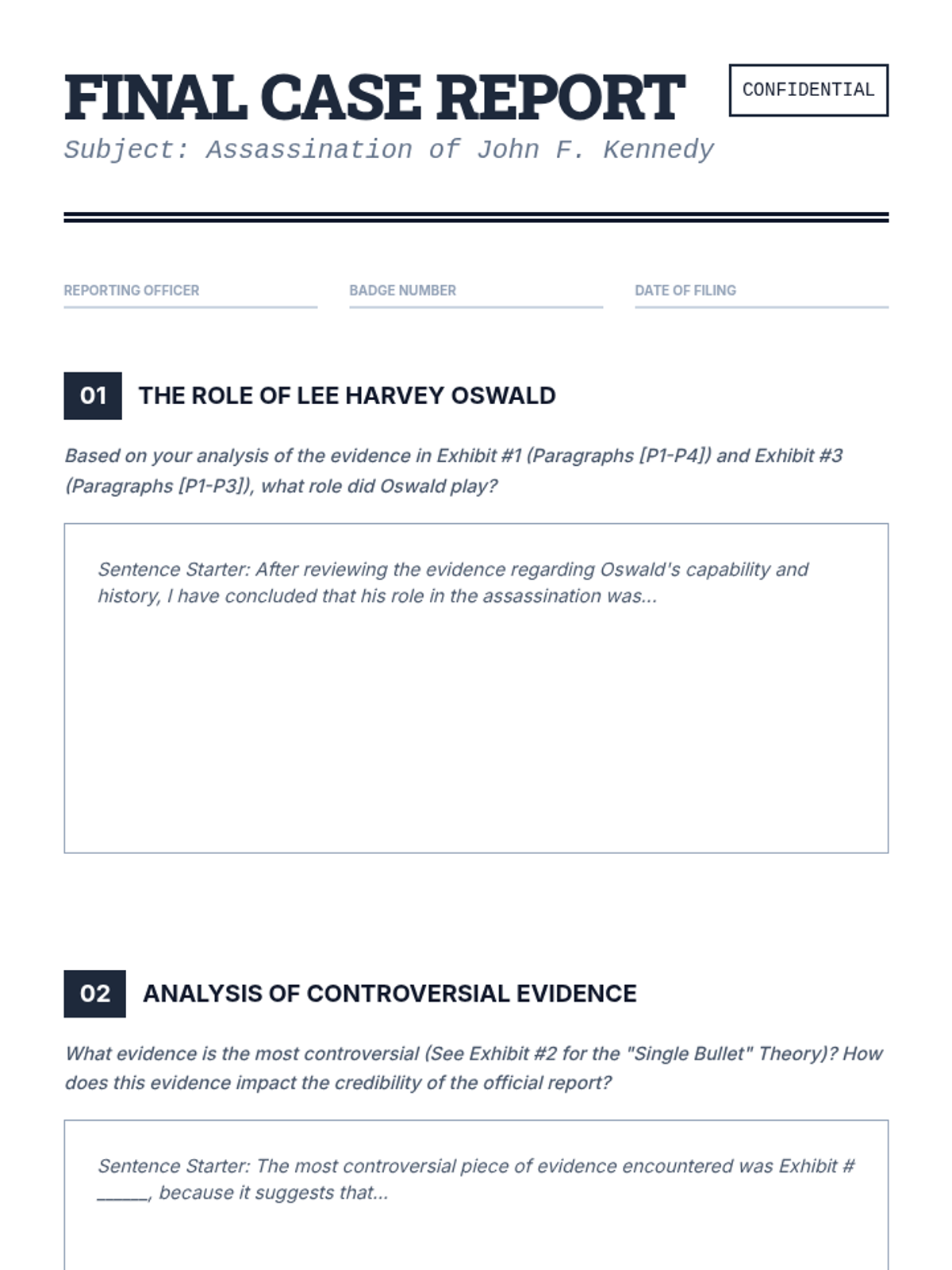
A deep-dive investigation into the JFK assassination where students analyze six exhibits of evidence to evaluate conspiracy theories and the official Warren Commission findings. Students act as lead investigators to determine if the assassination was a cover-up.
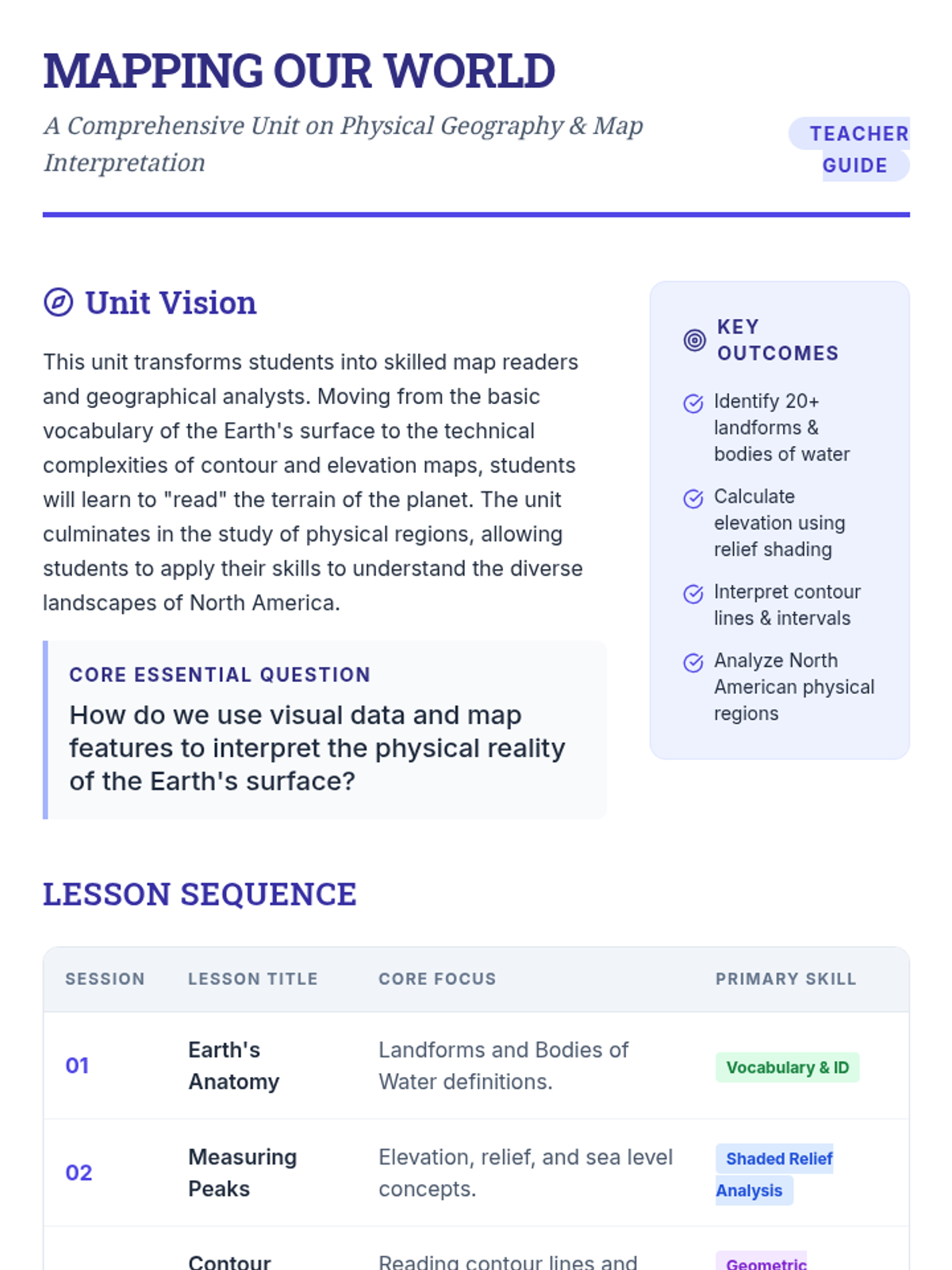
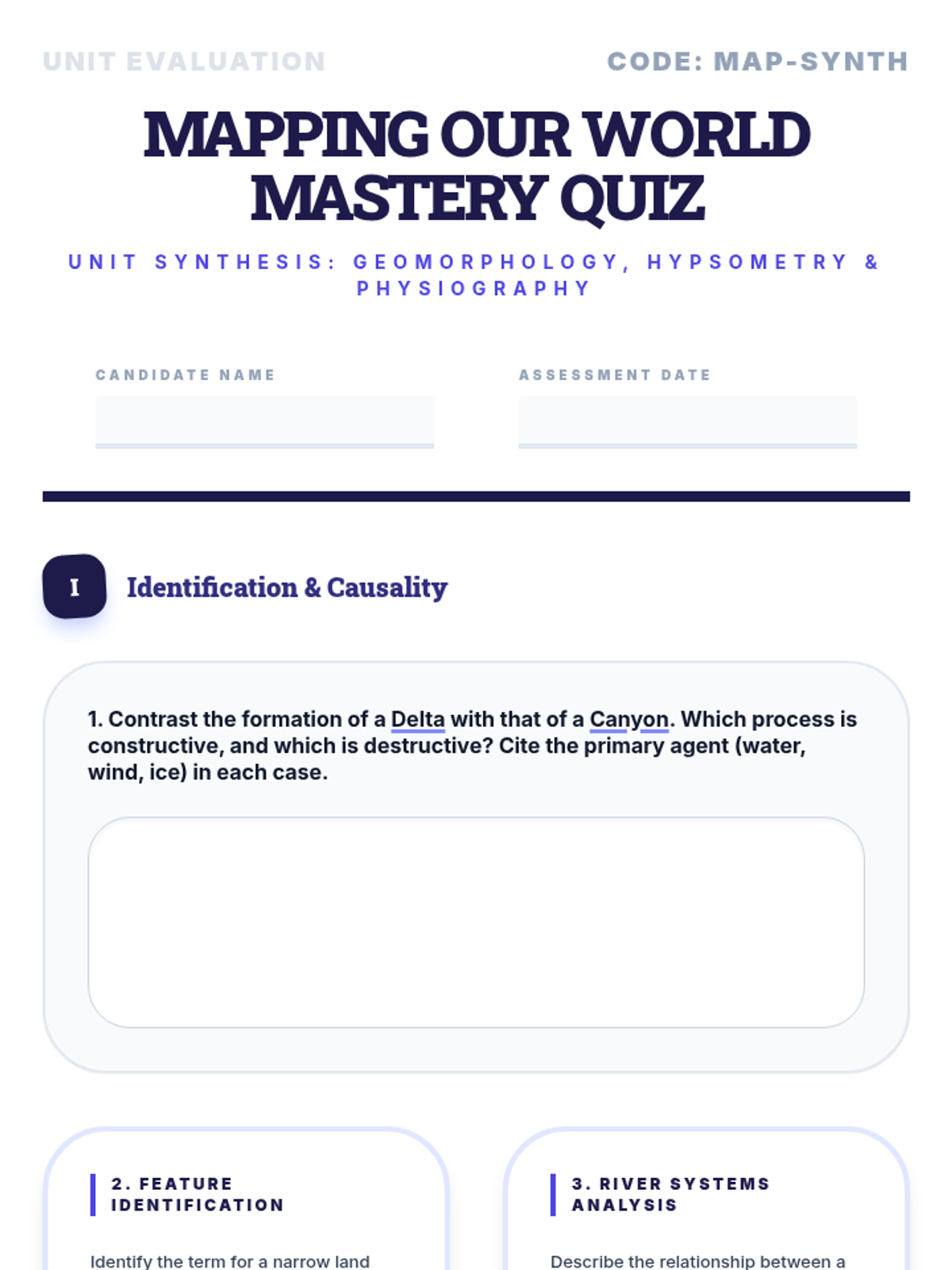
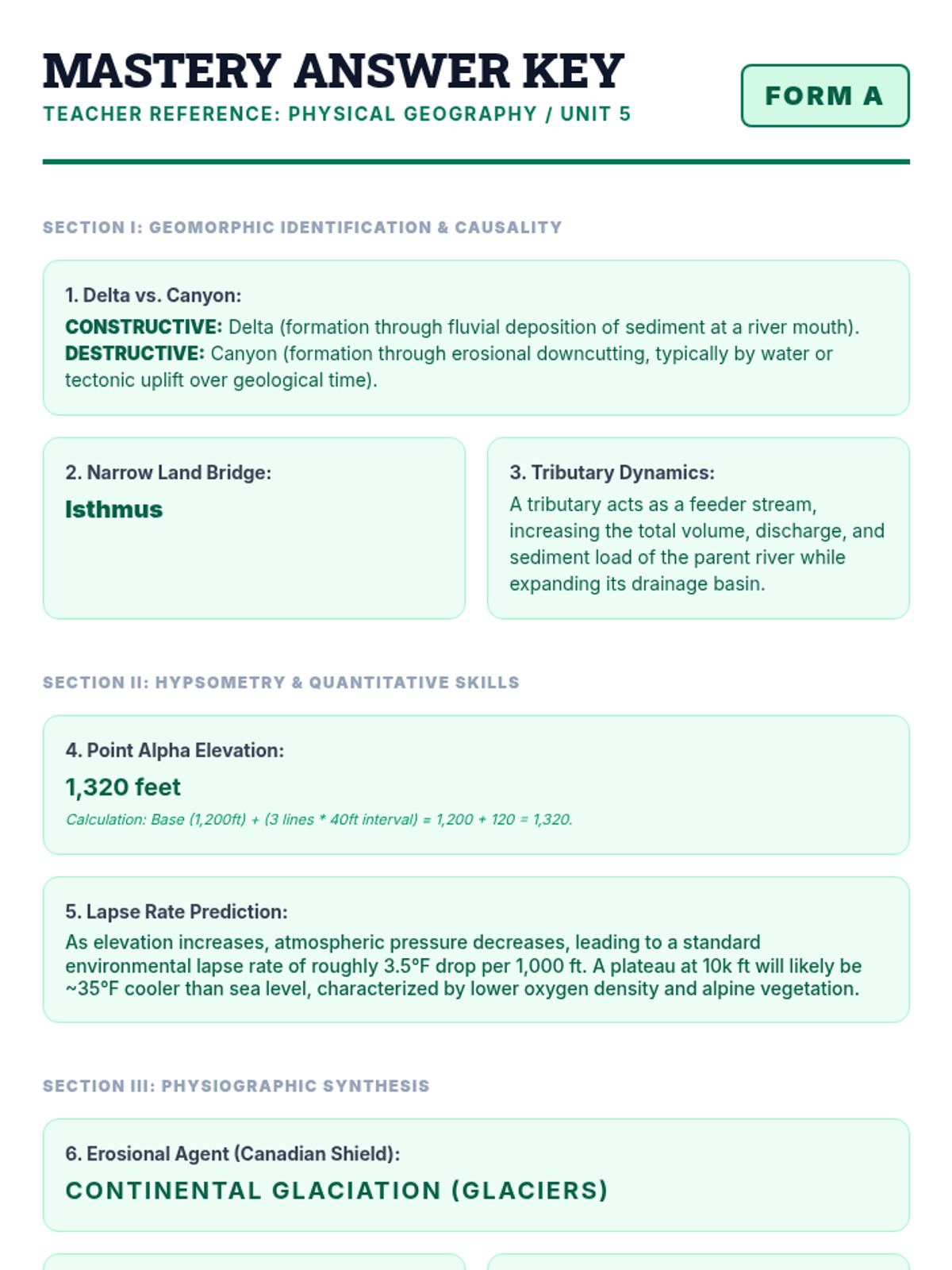
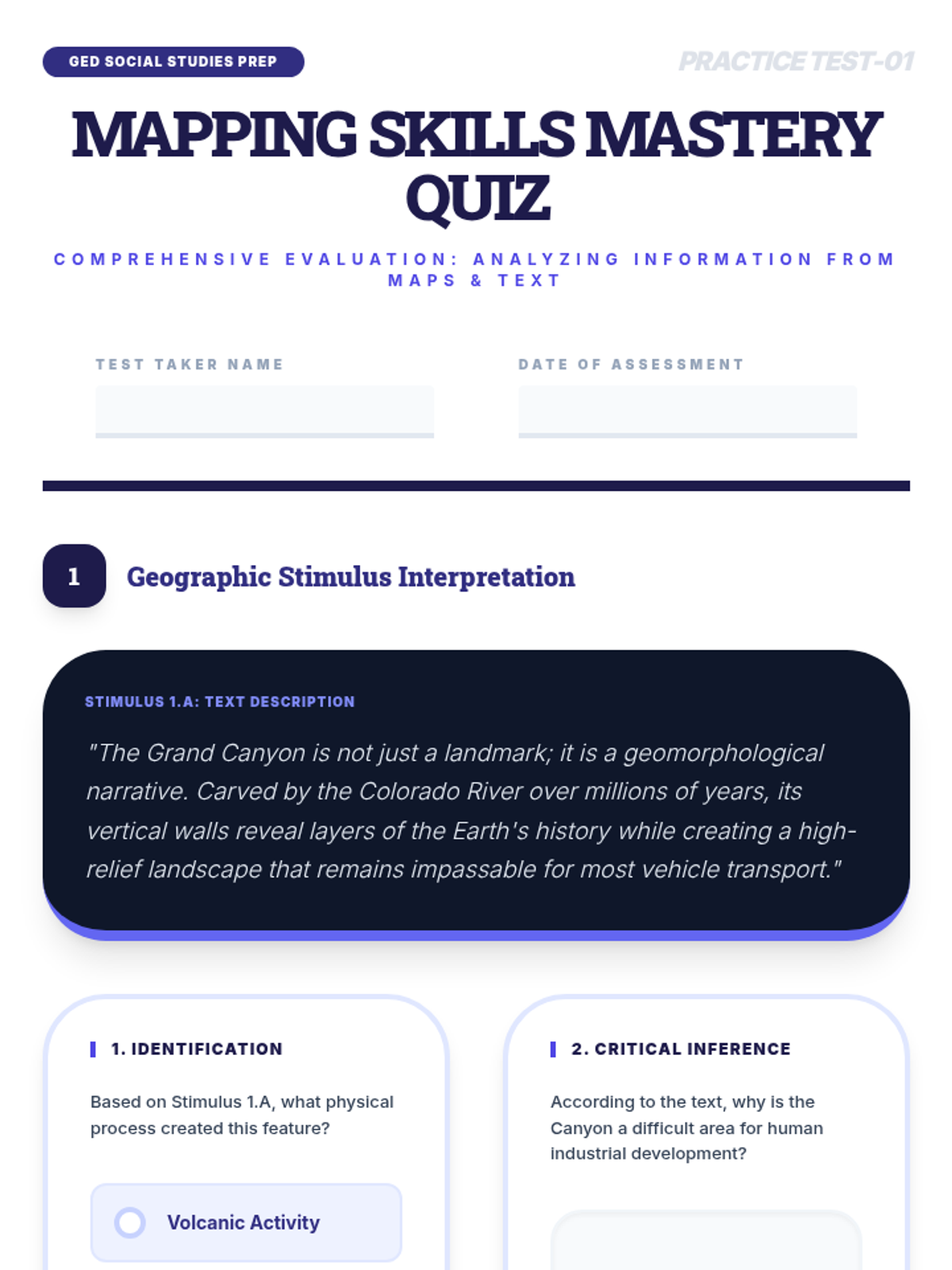
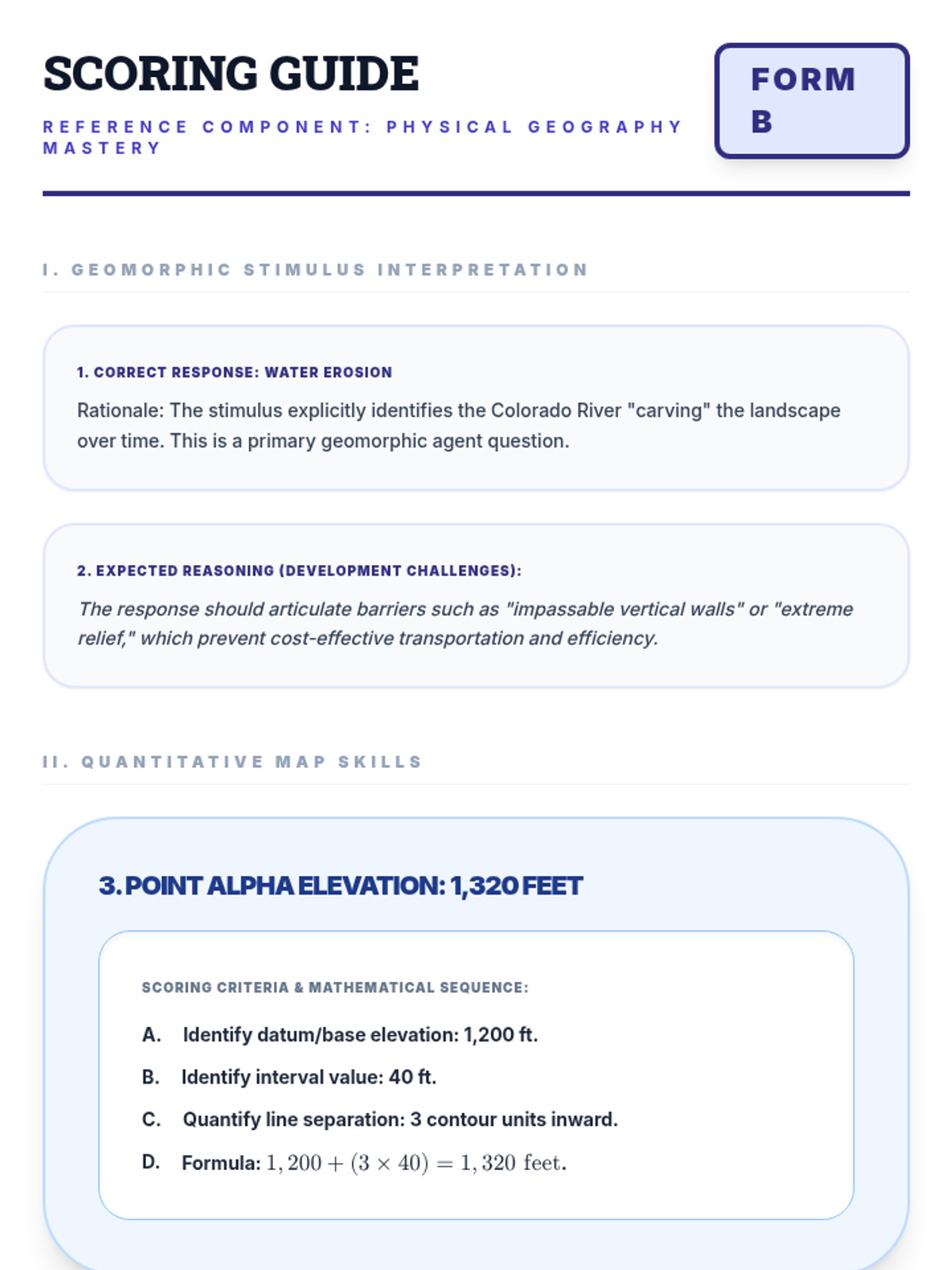
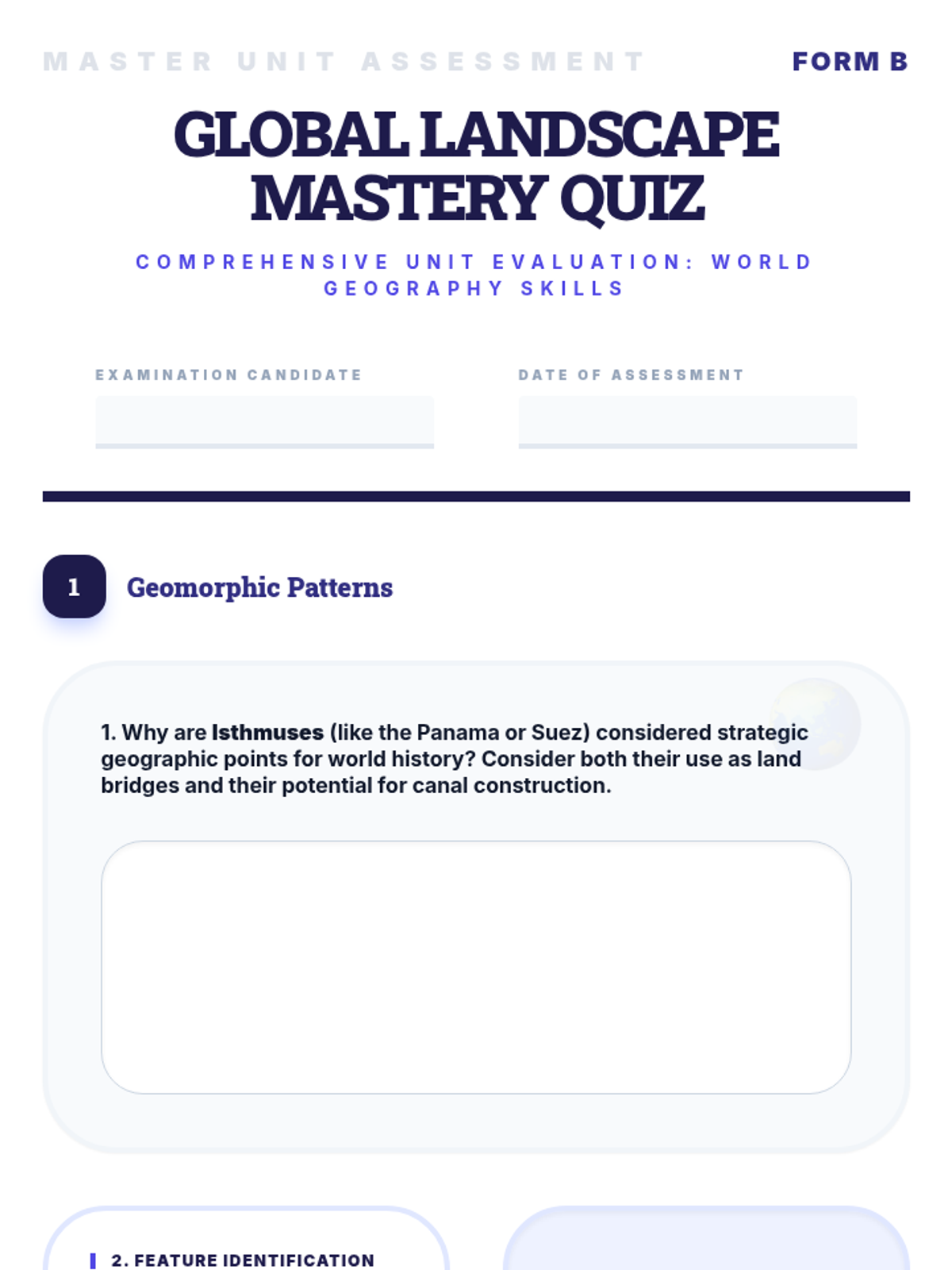
A final assessment and review lesson to verify student mastery of the unit's geography skills.
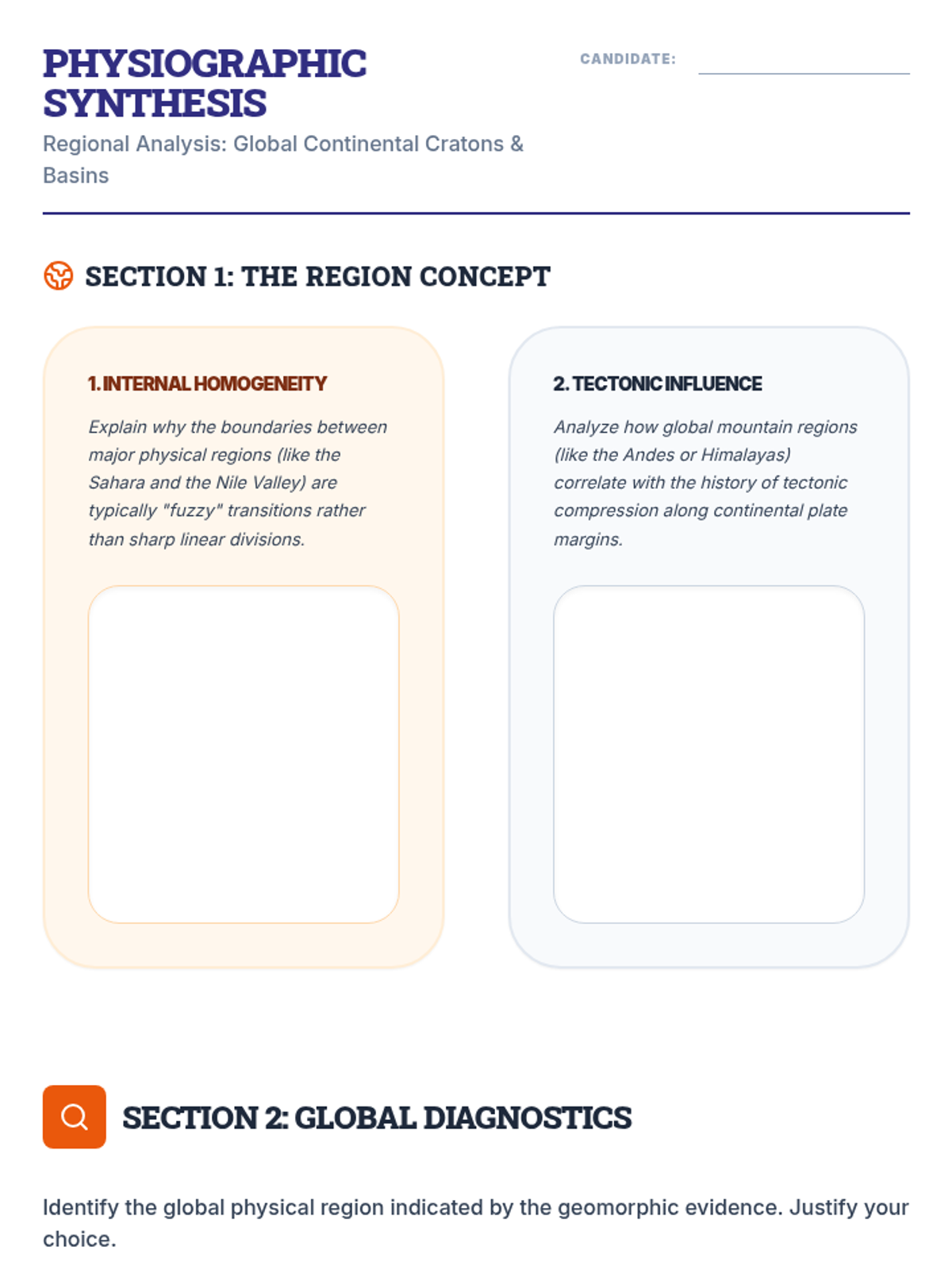
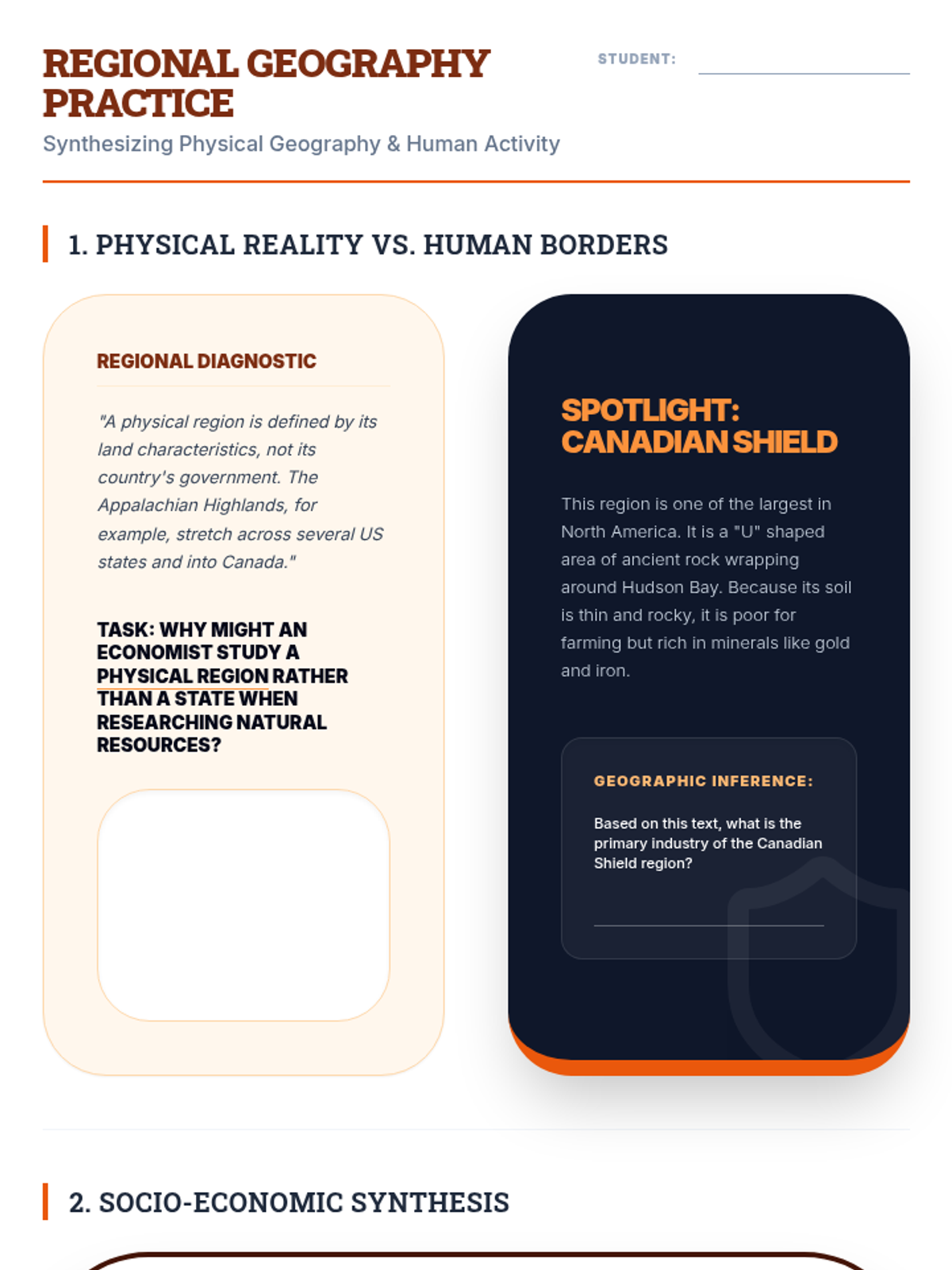
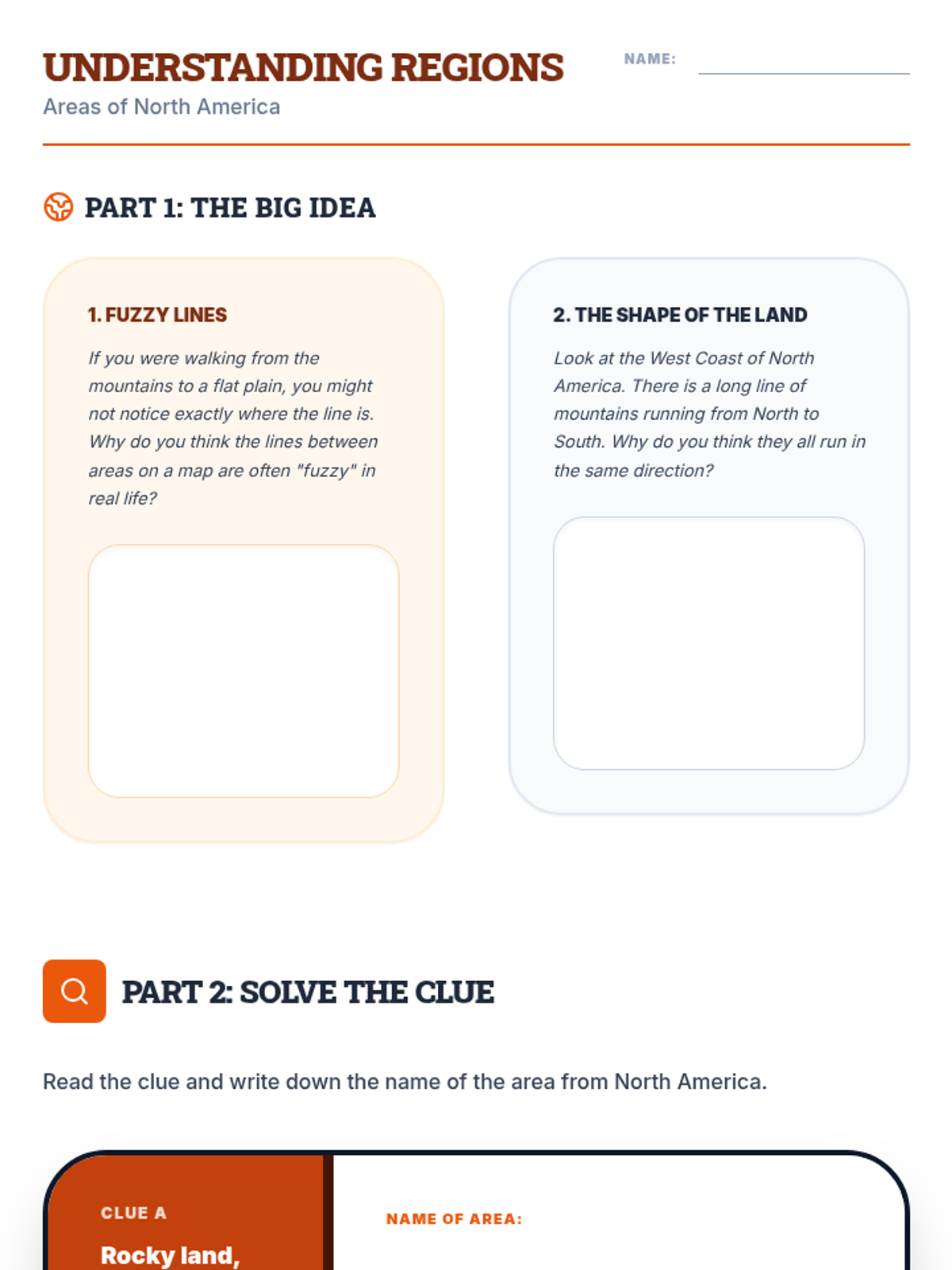
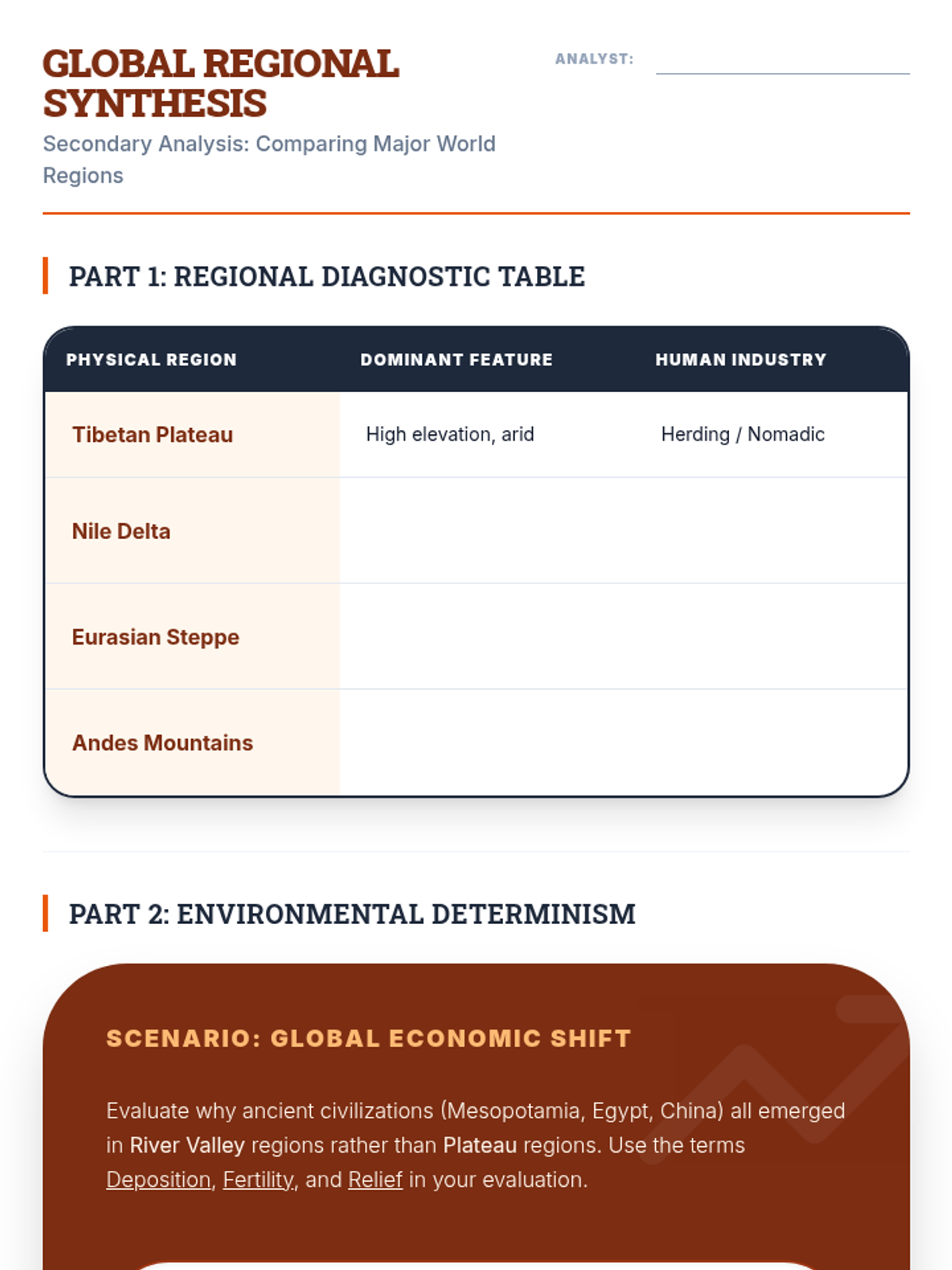
Analyzing the major physical regions of the world and their impact on human settlement and activity.
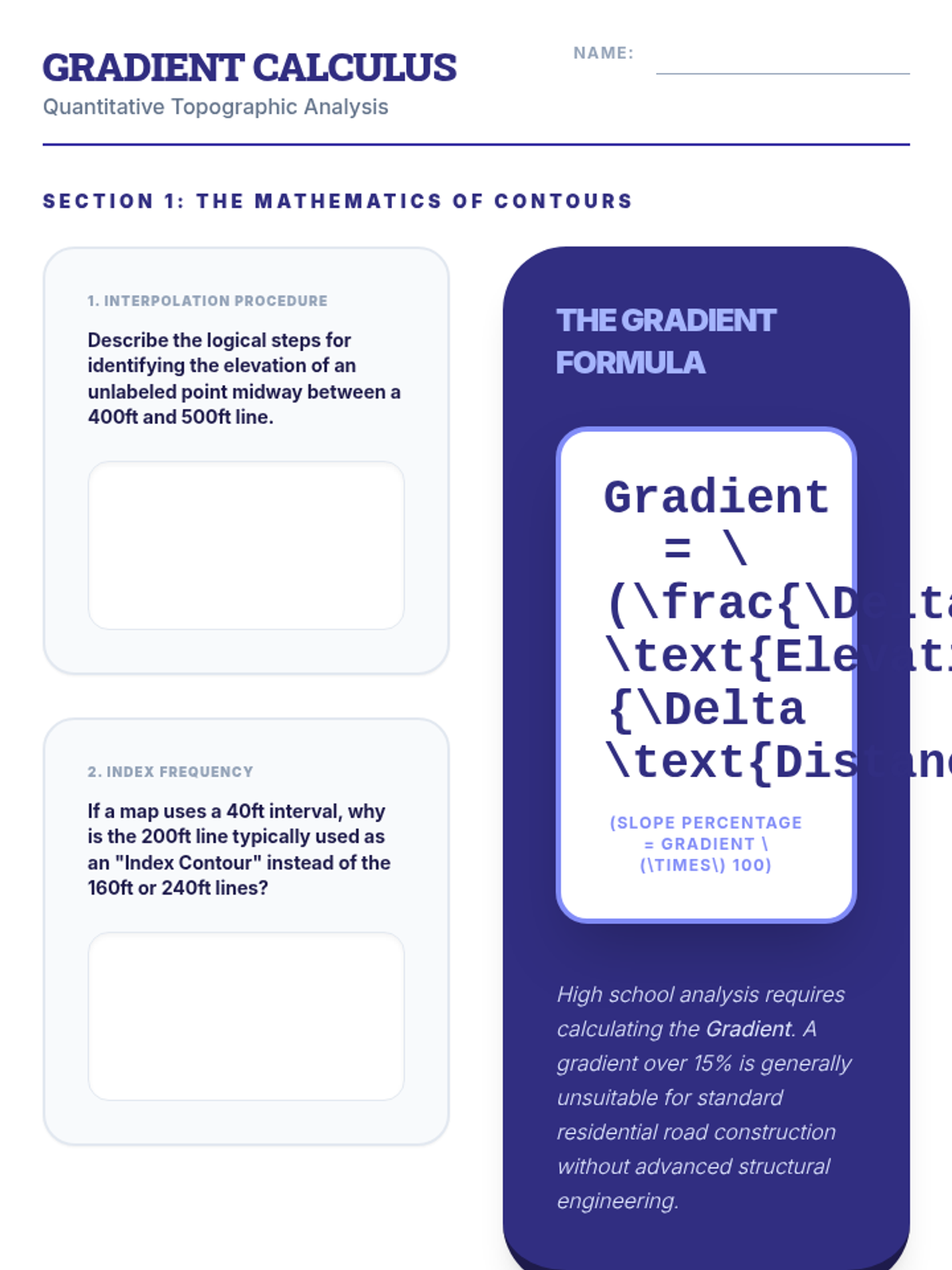
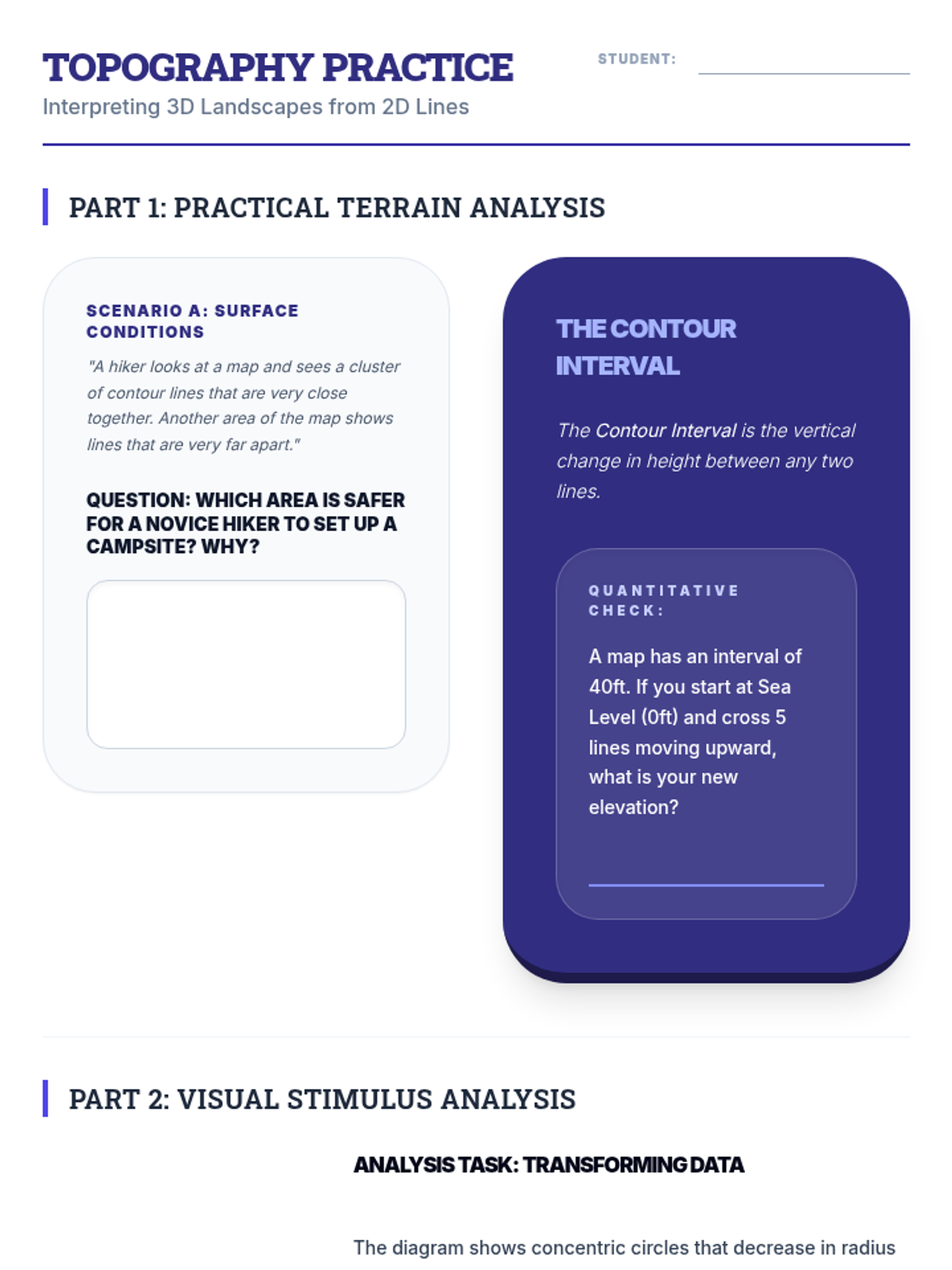
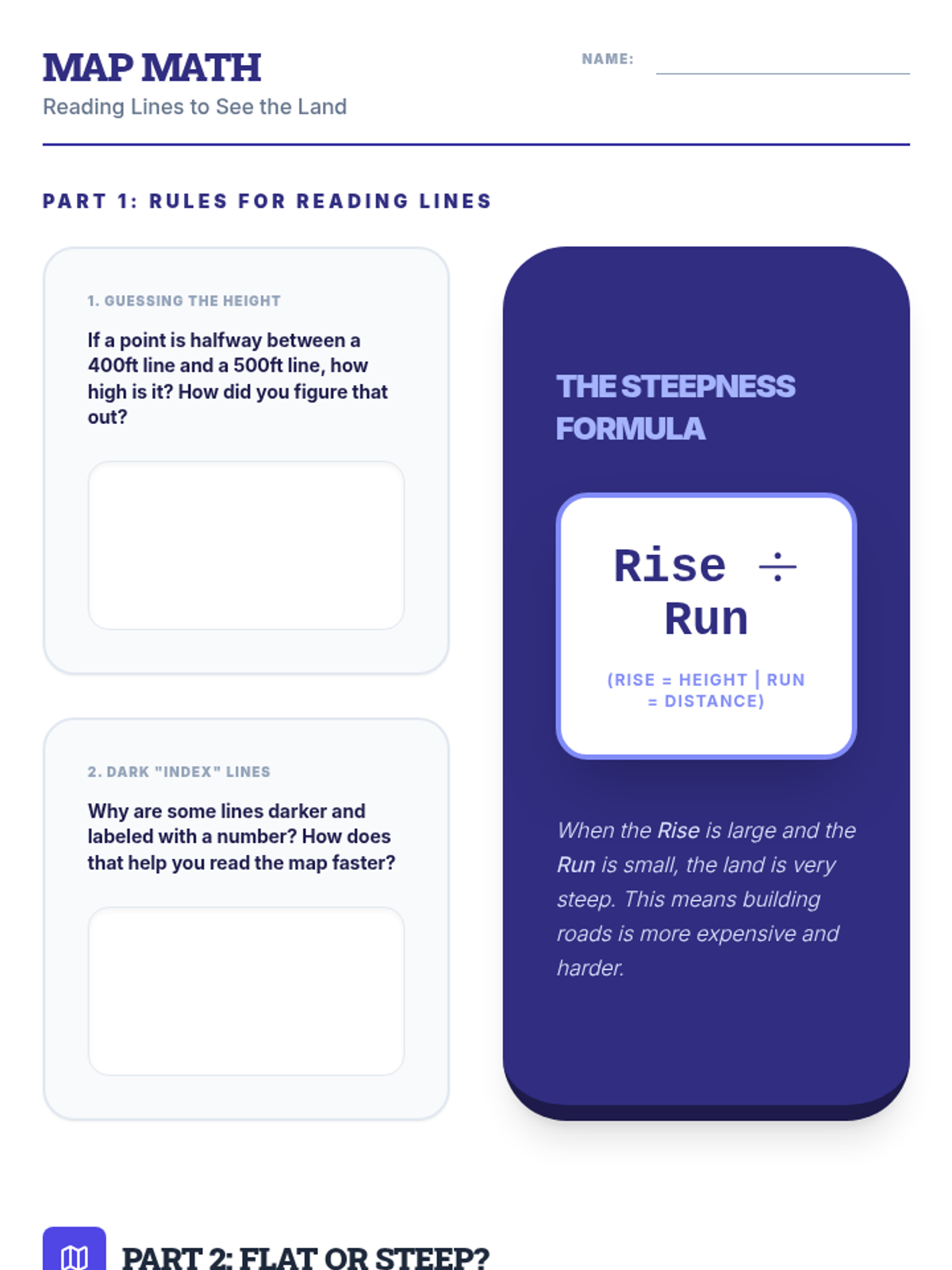
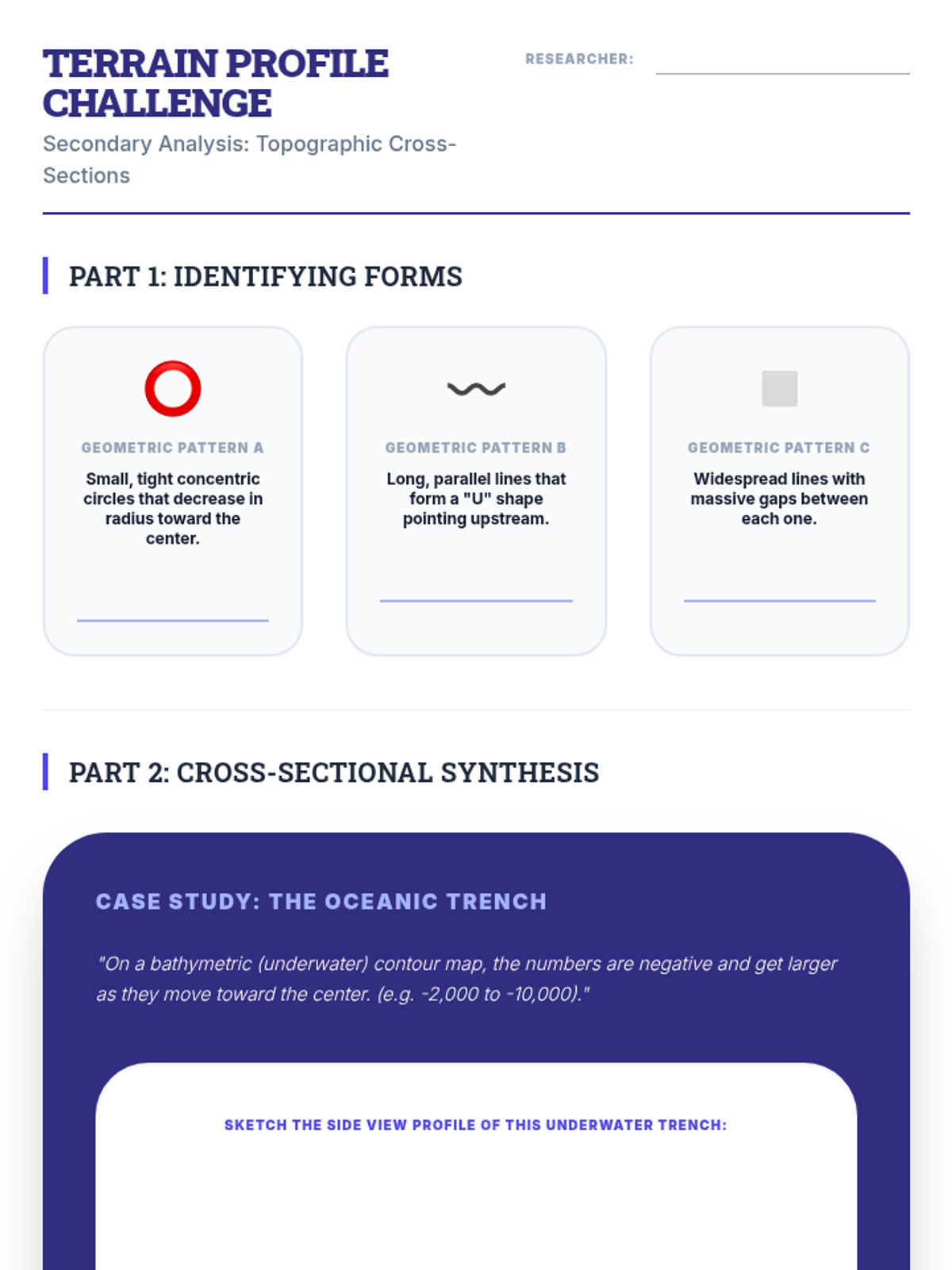
Using contour maps to visualize 3D terrain and calculate gradients across various global landscapes.
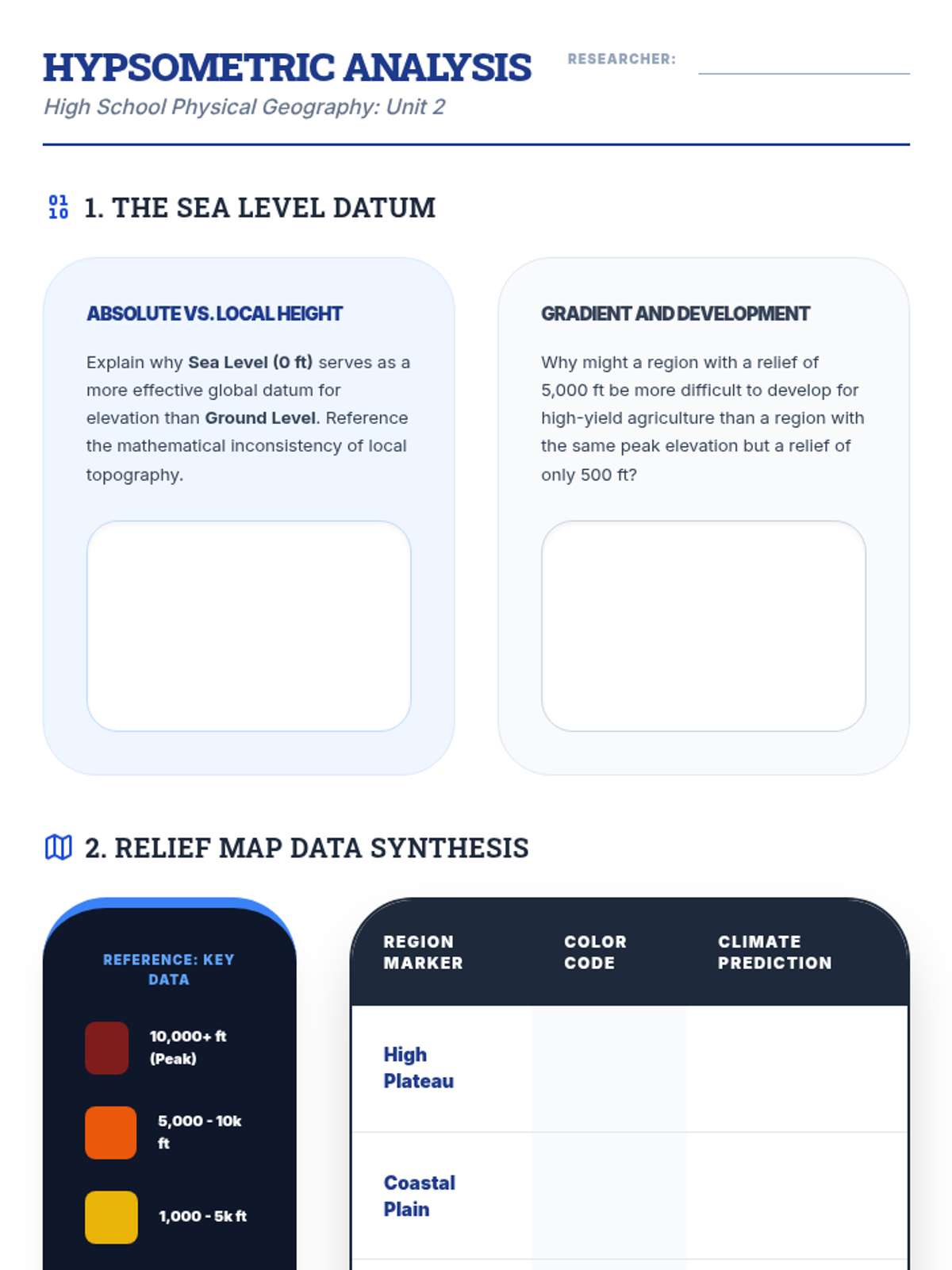
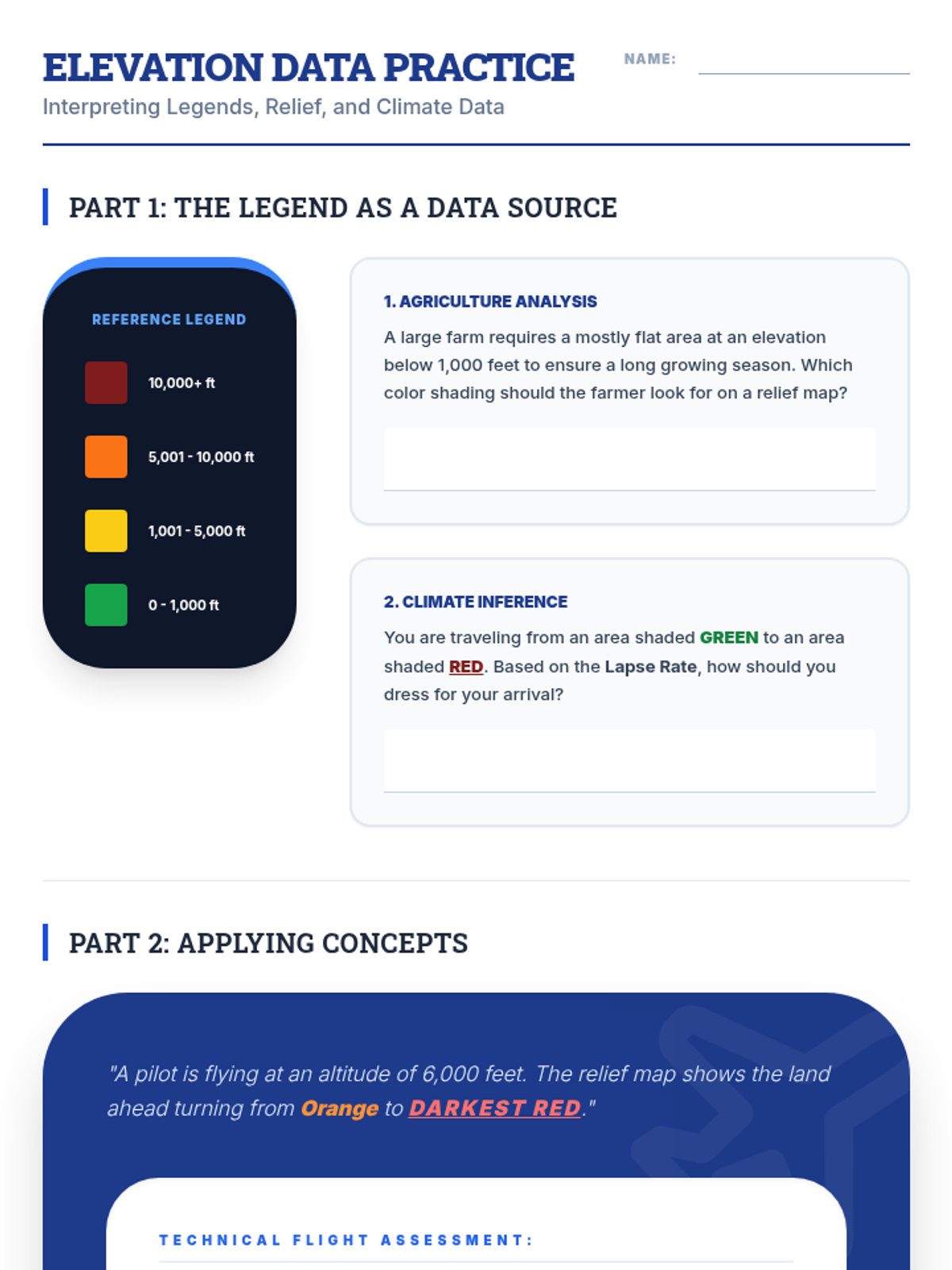
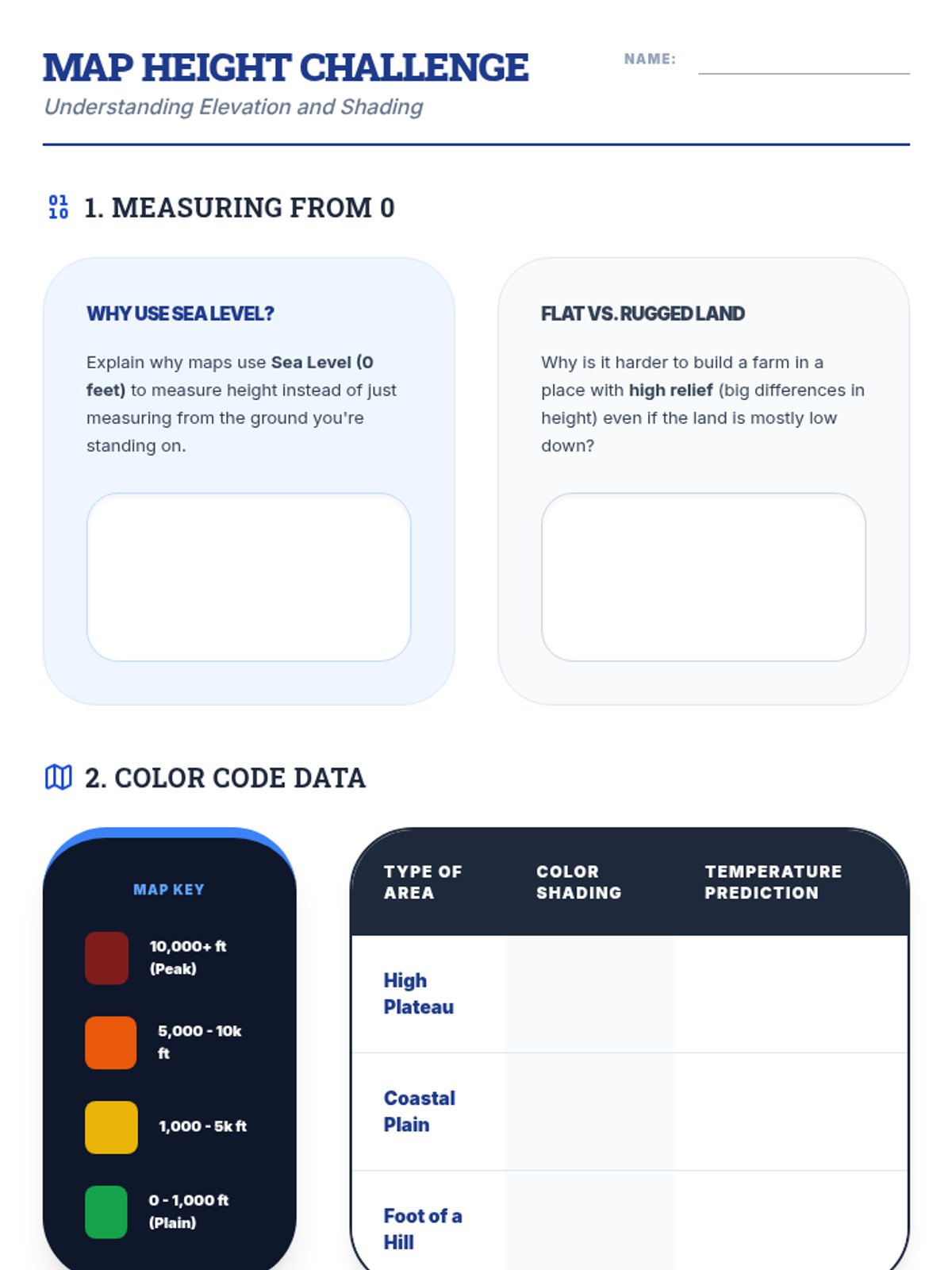
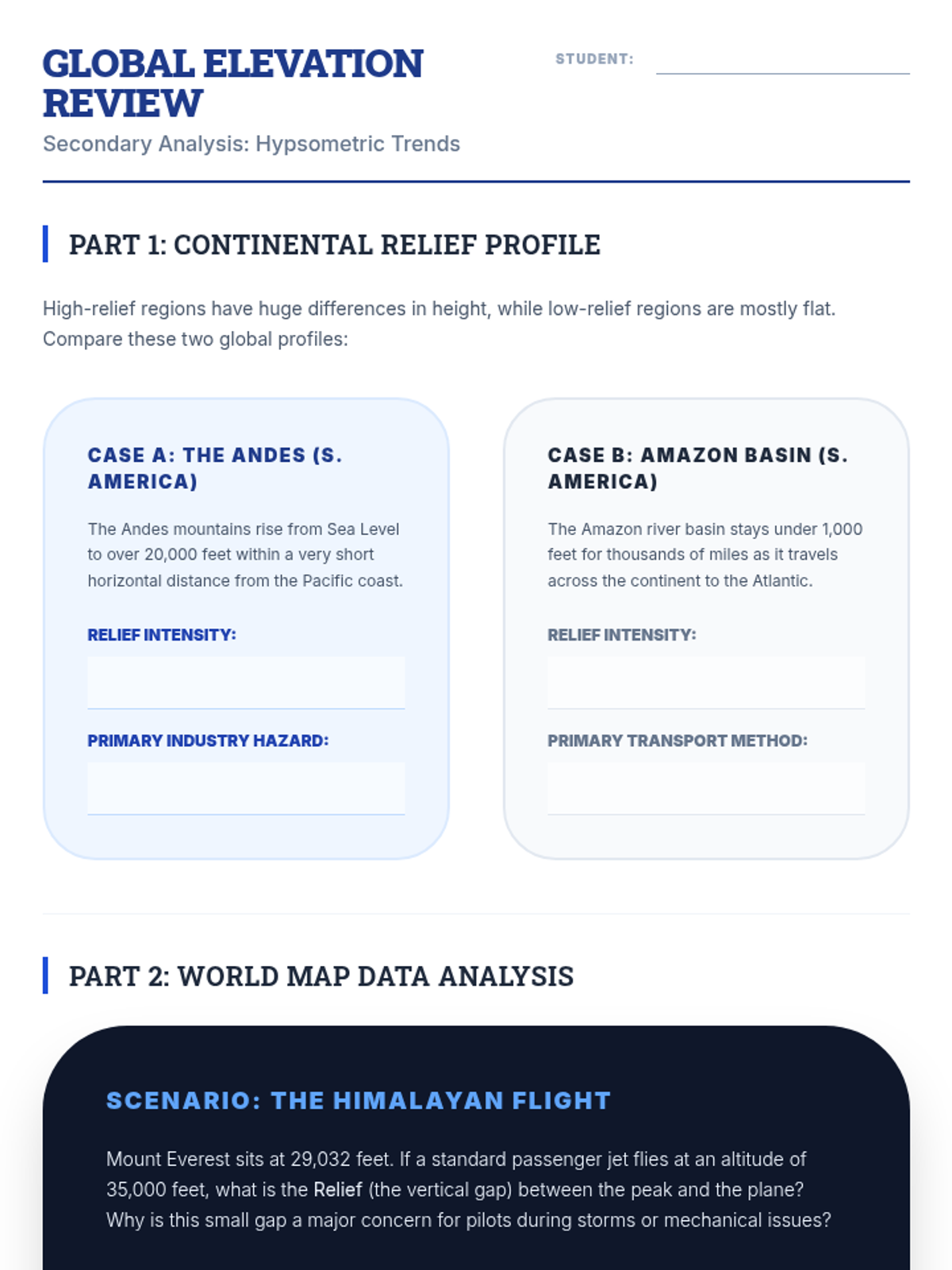
Mastering the use of relief shading and elevation data to interpret global mountain ranges and basins.
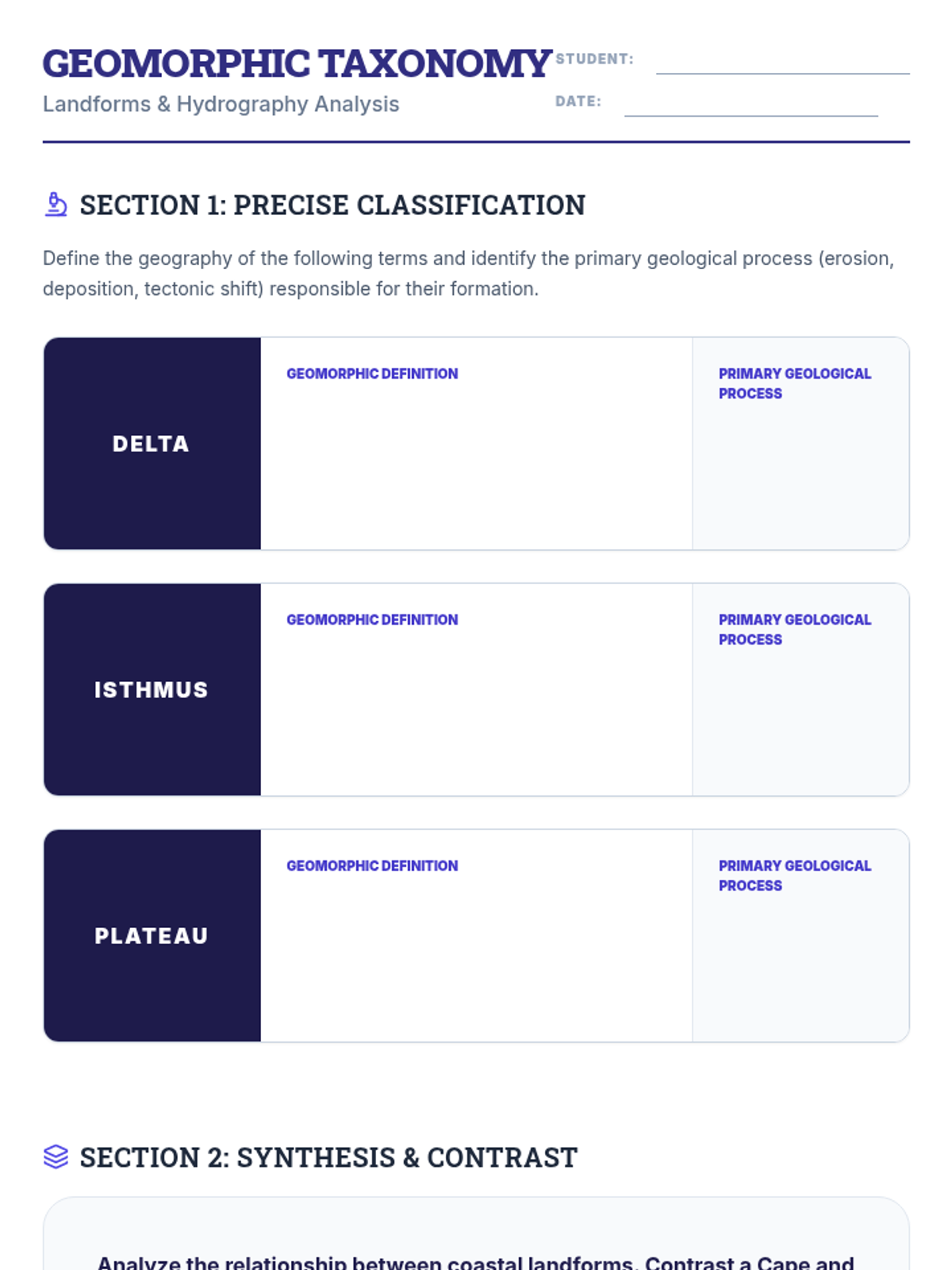
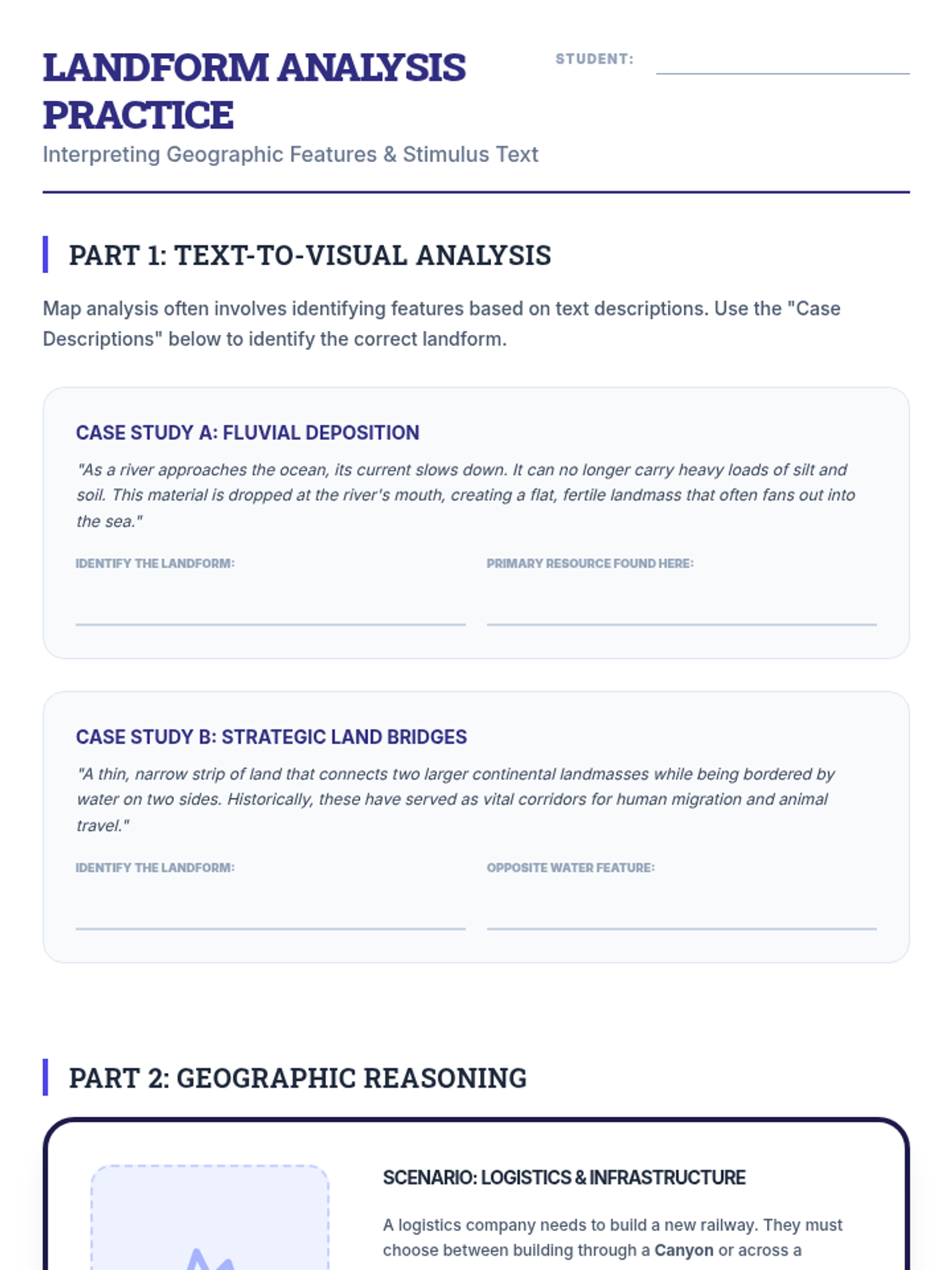
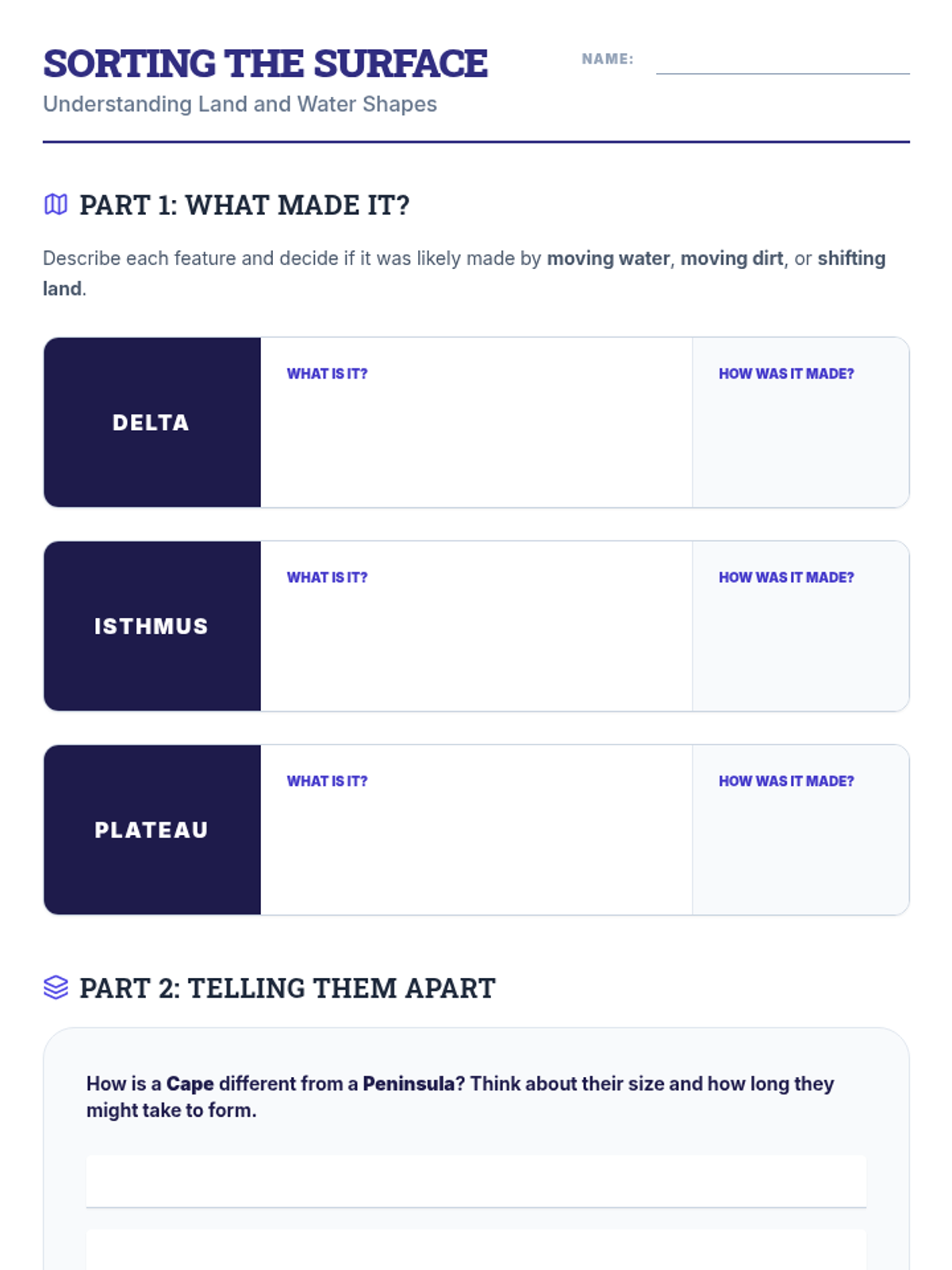
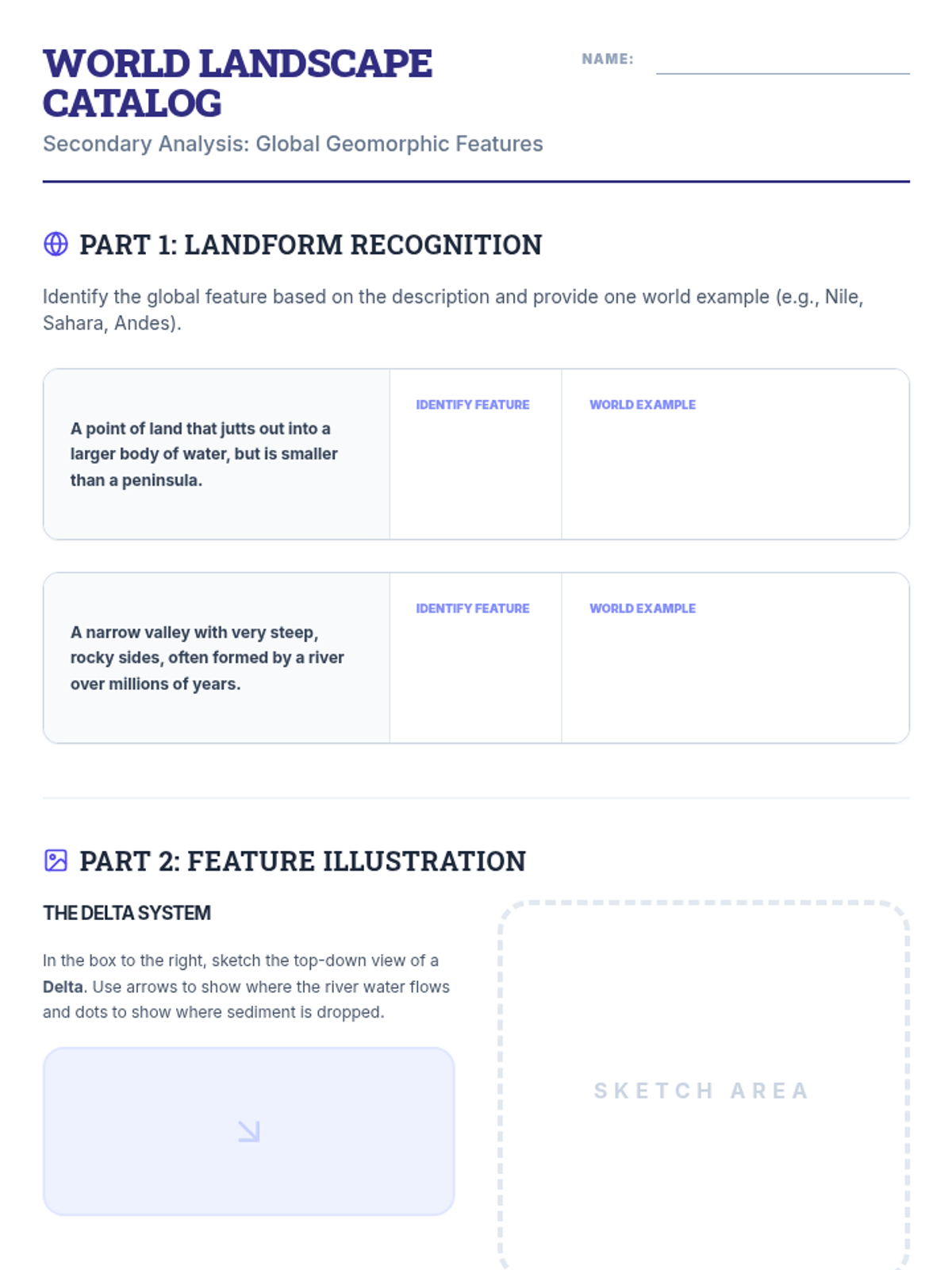
Identification of major landforms and bodies of water found across the seven continents.
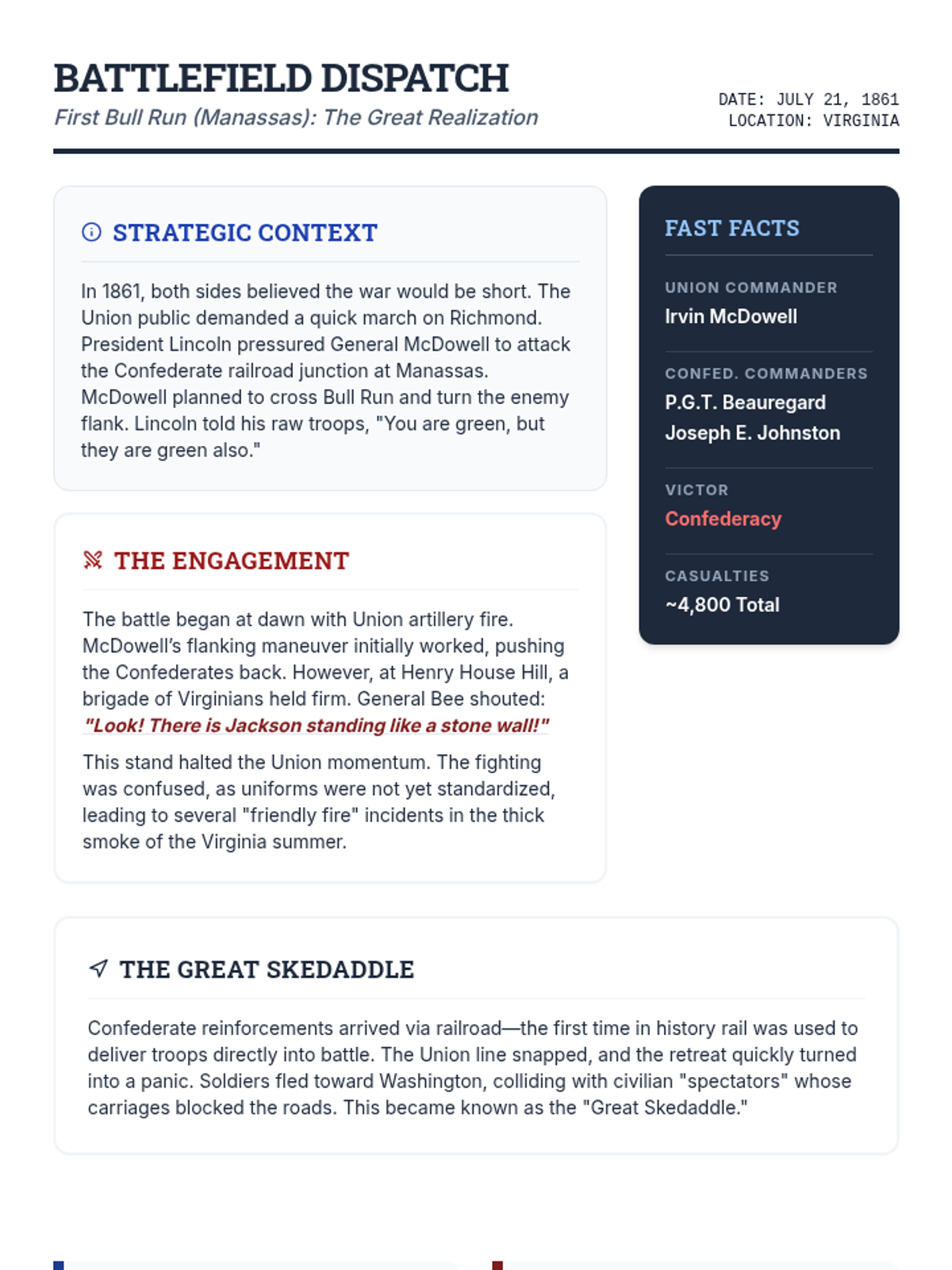
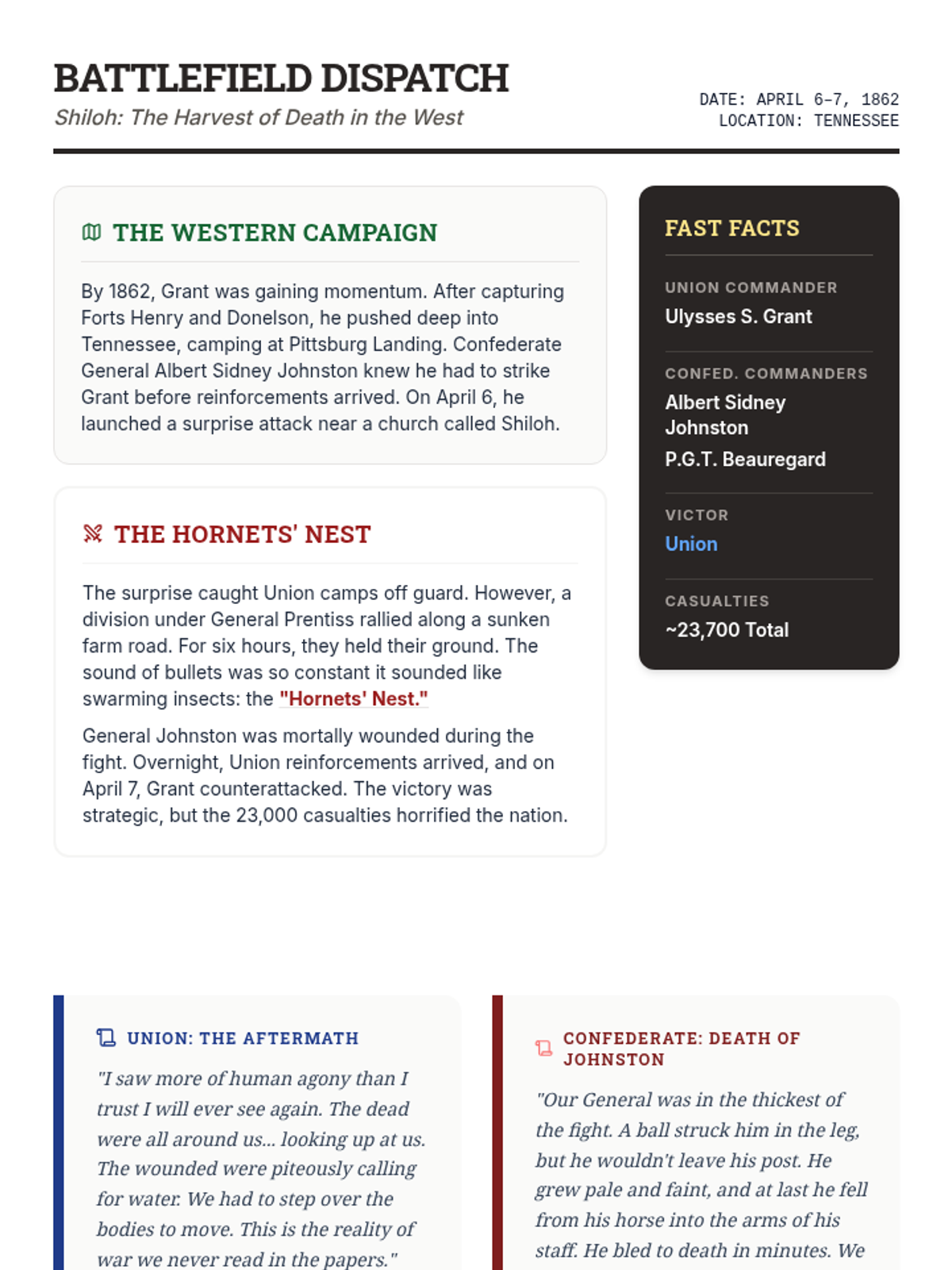
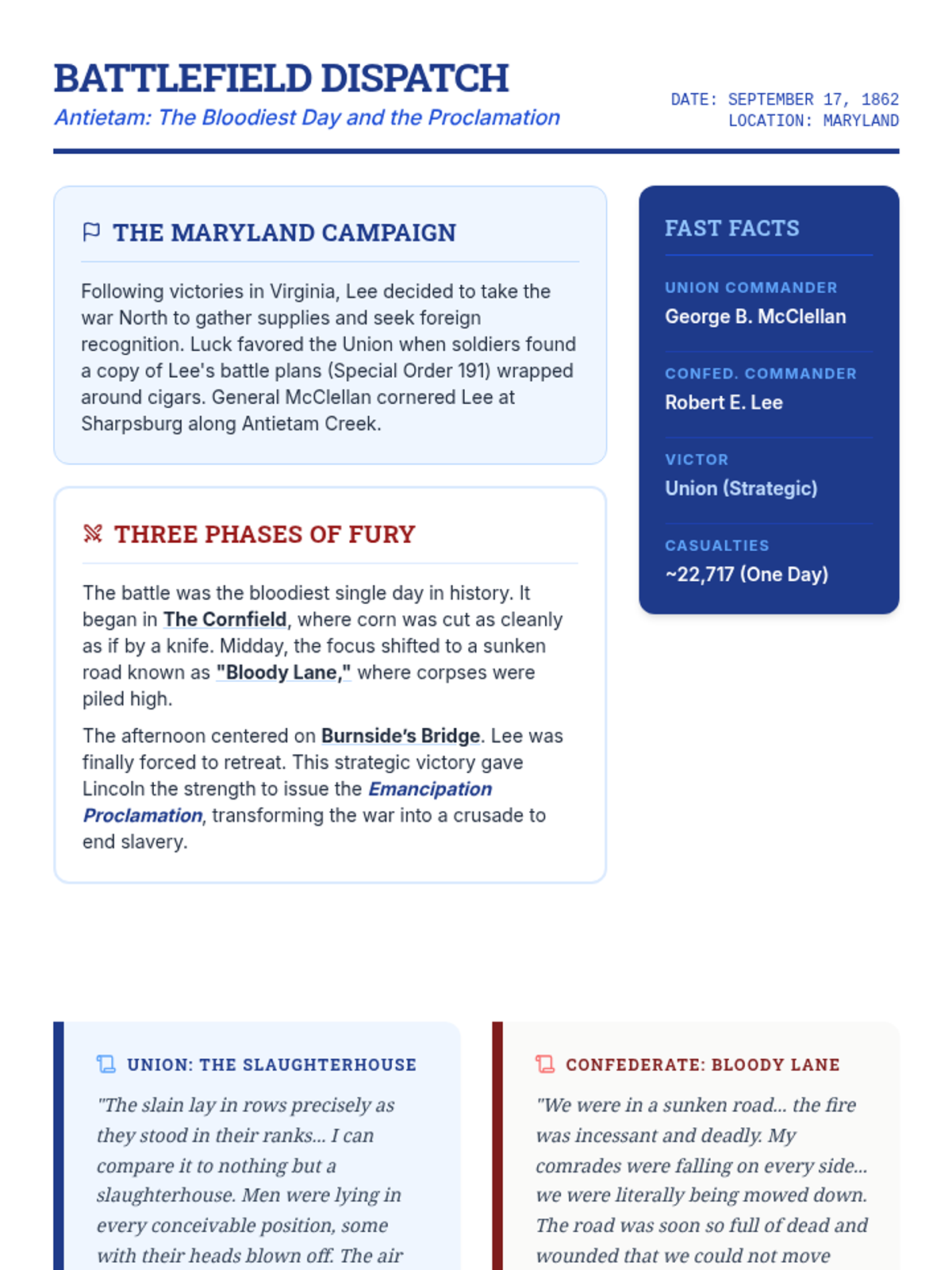
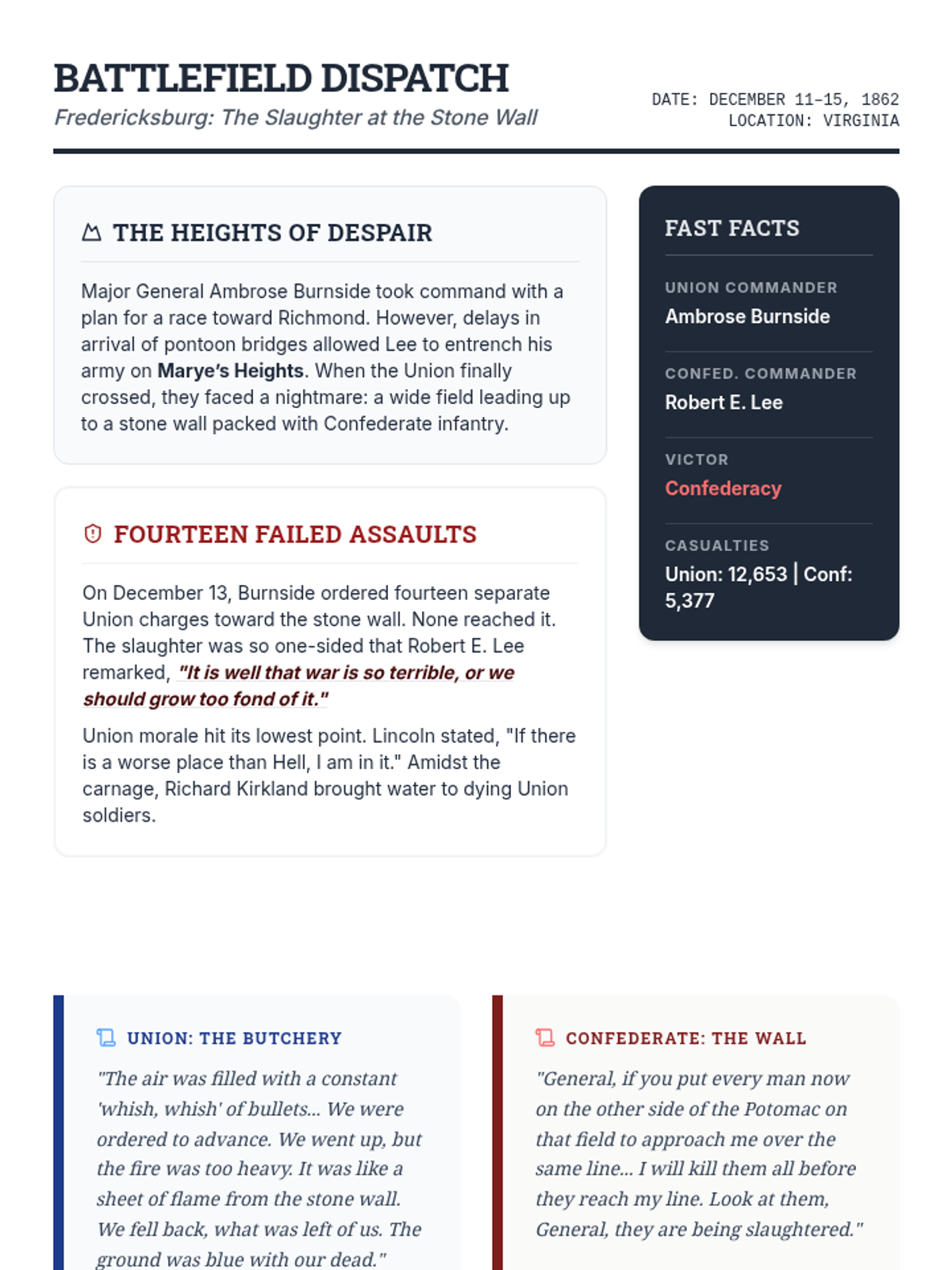
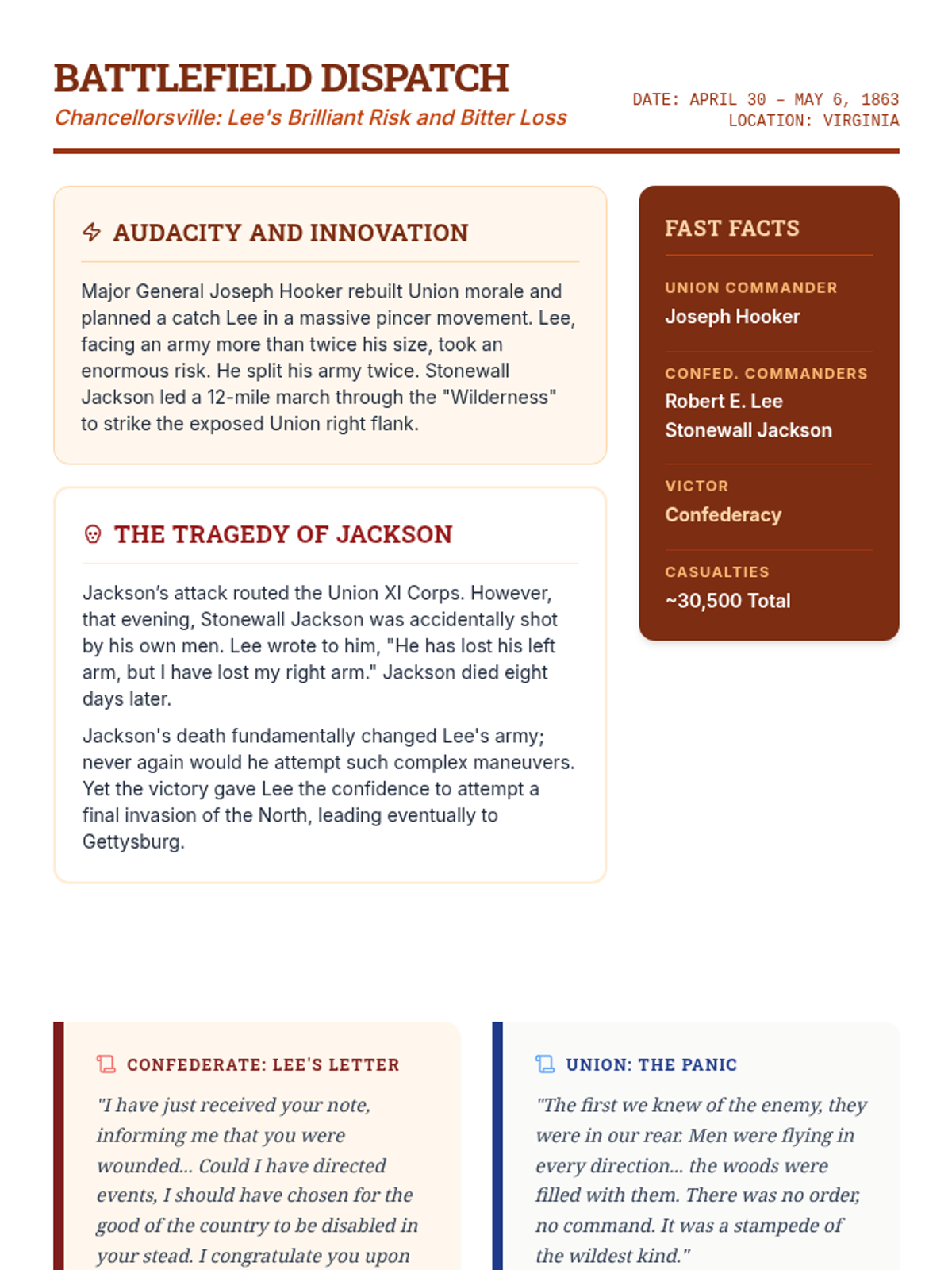
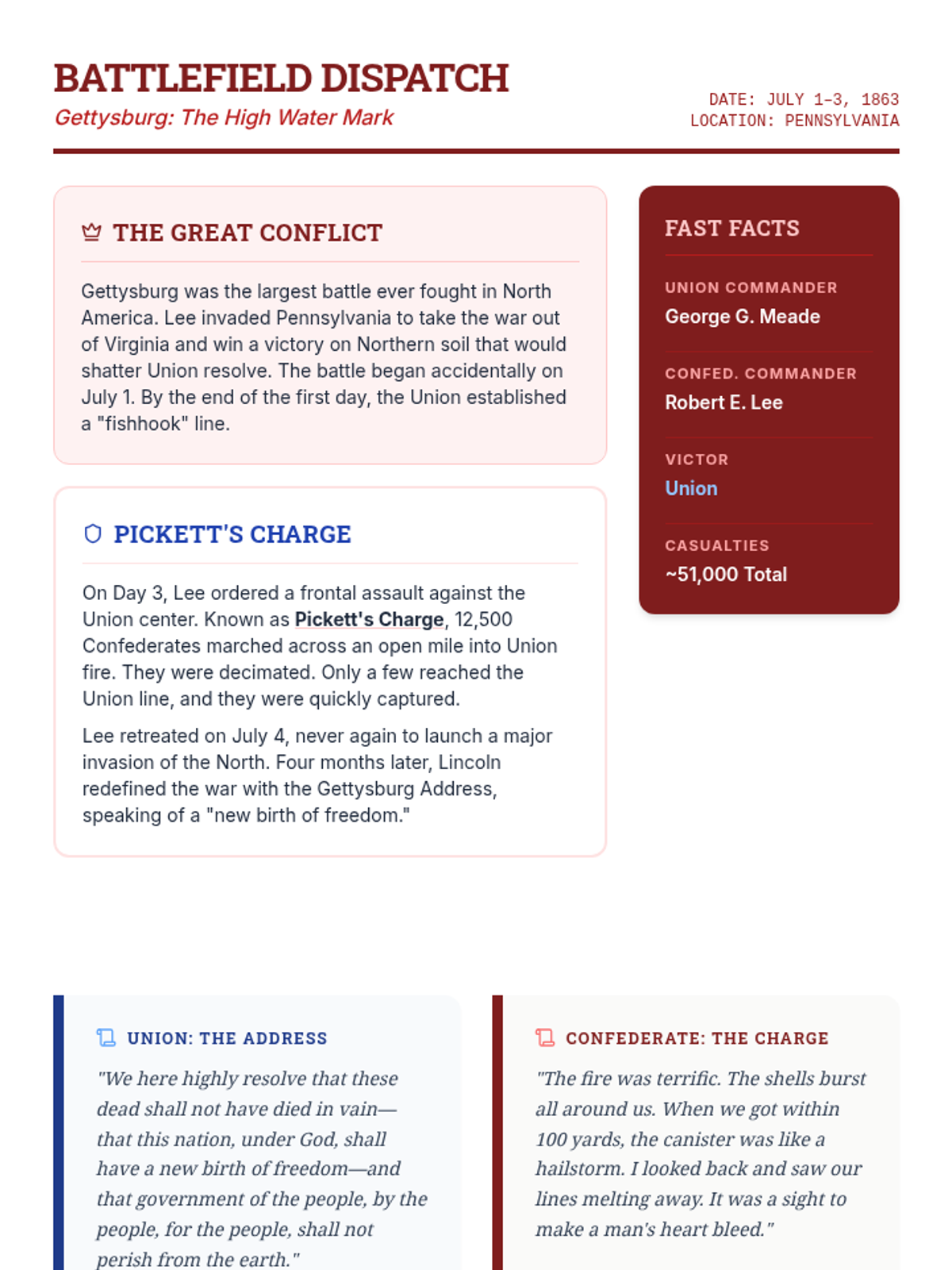
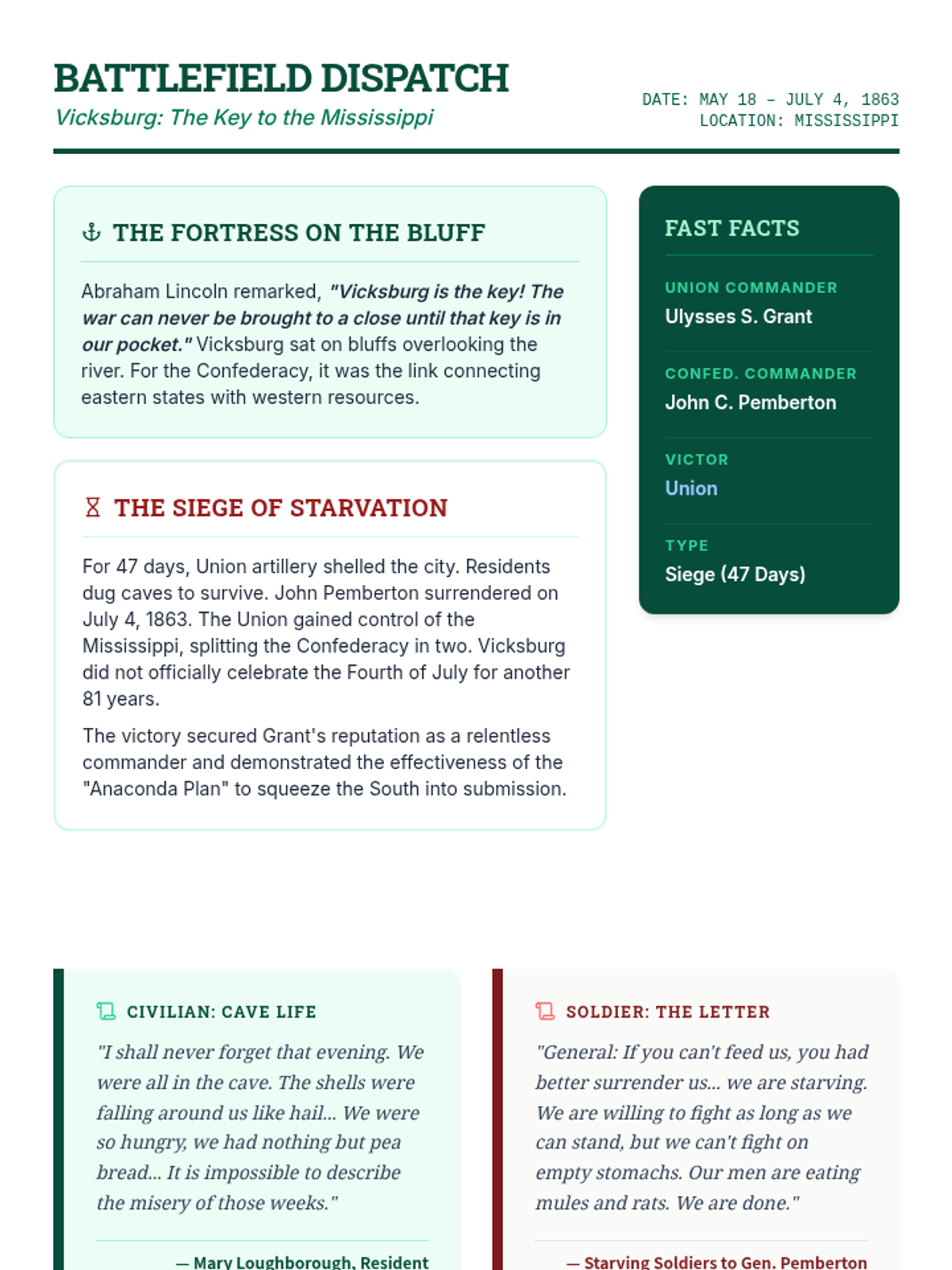
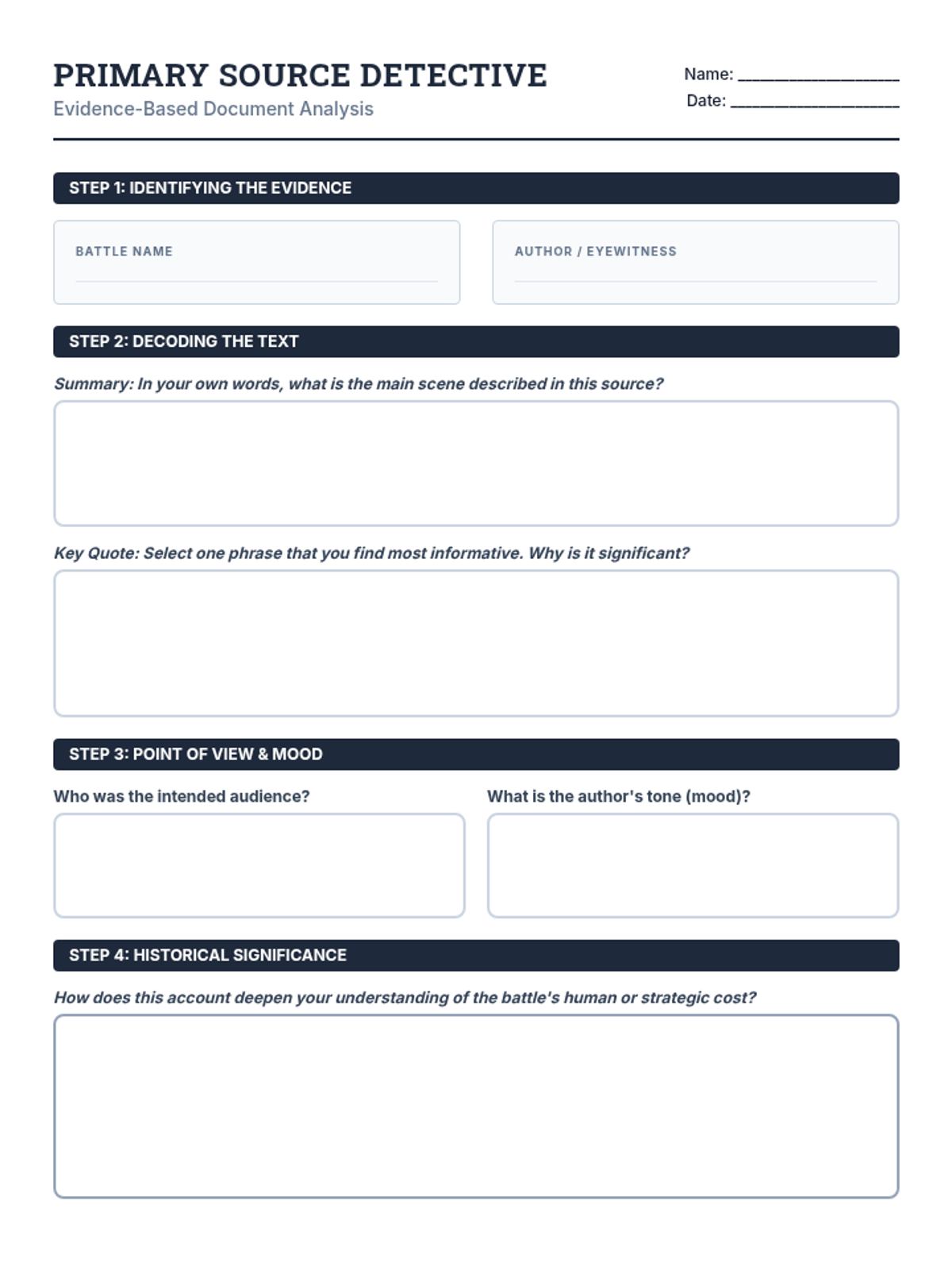
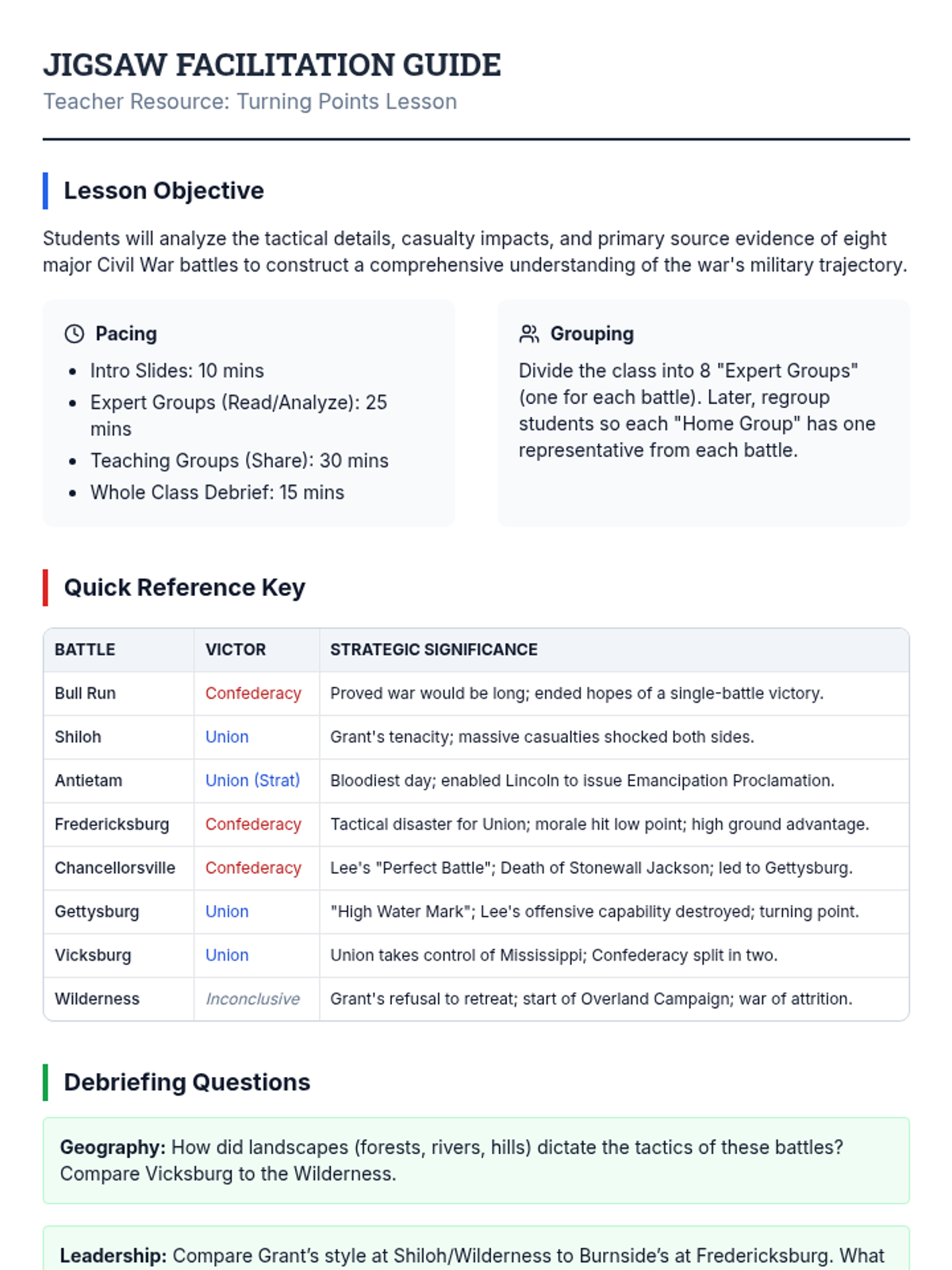
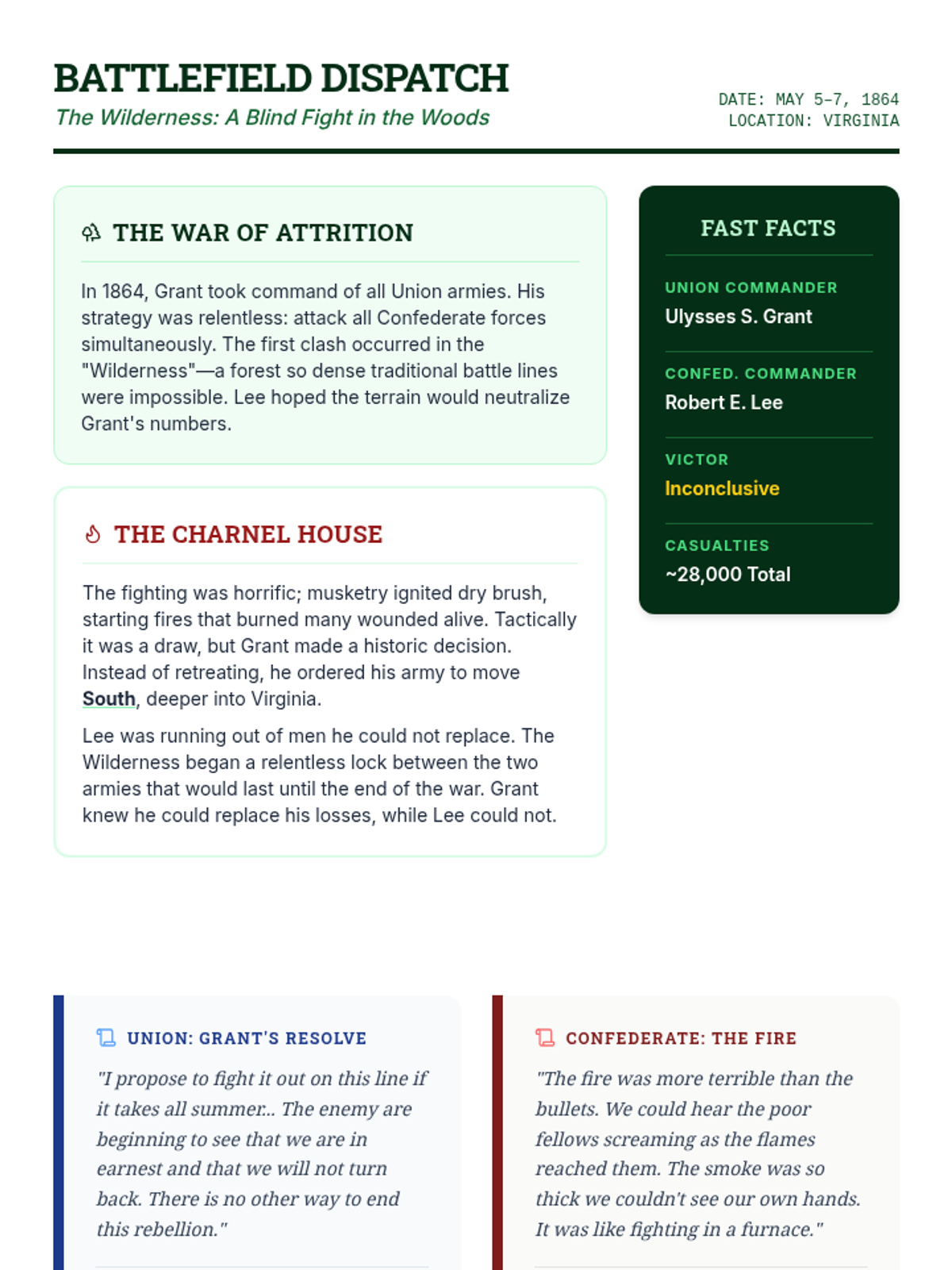
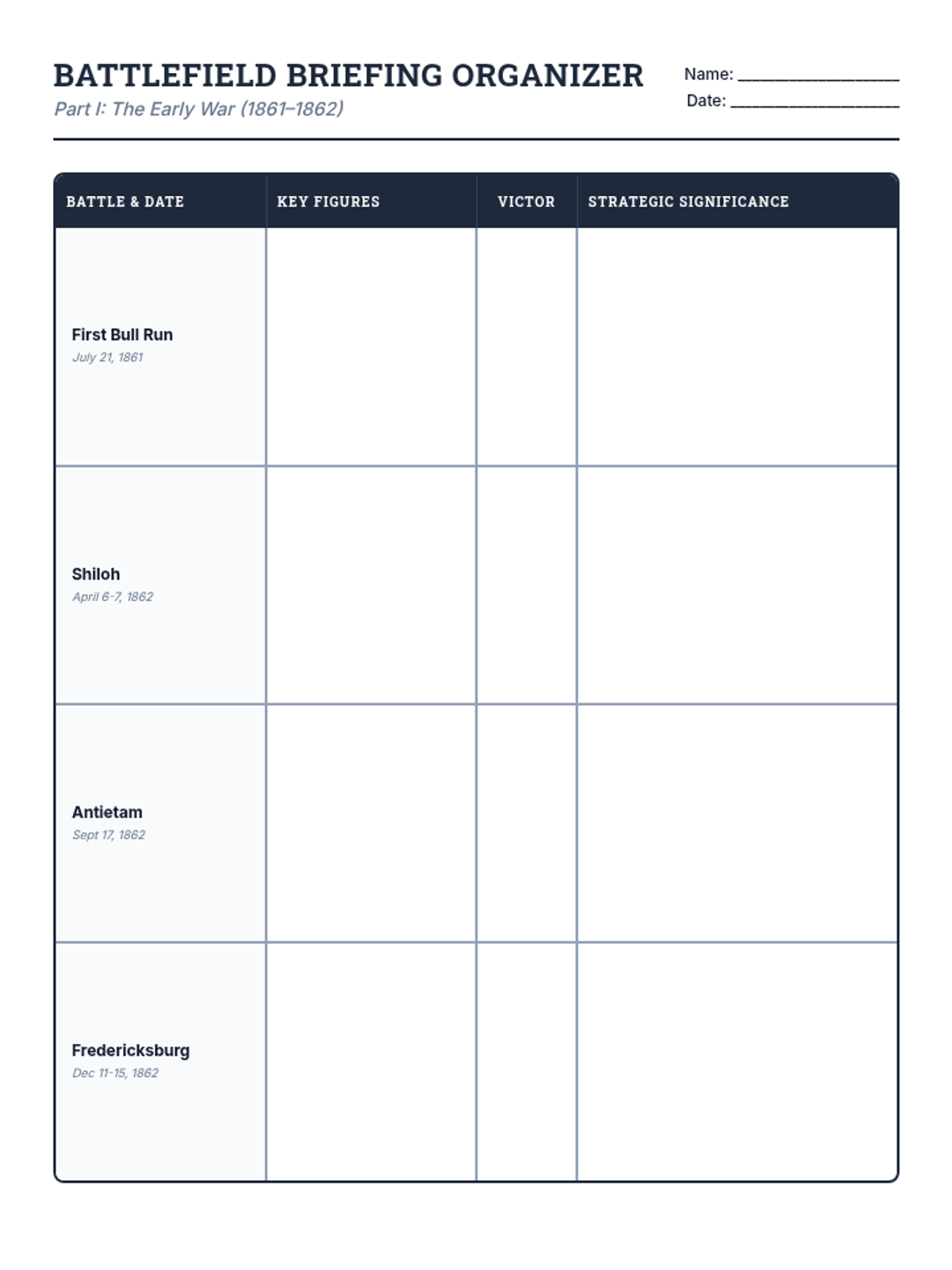
Students will examine eight major battles of the American Civil War using a jigsaw strategy to build a collective understanding of military strategy, casualty impacts, and the soldier's experience.
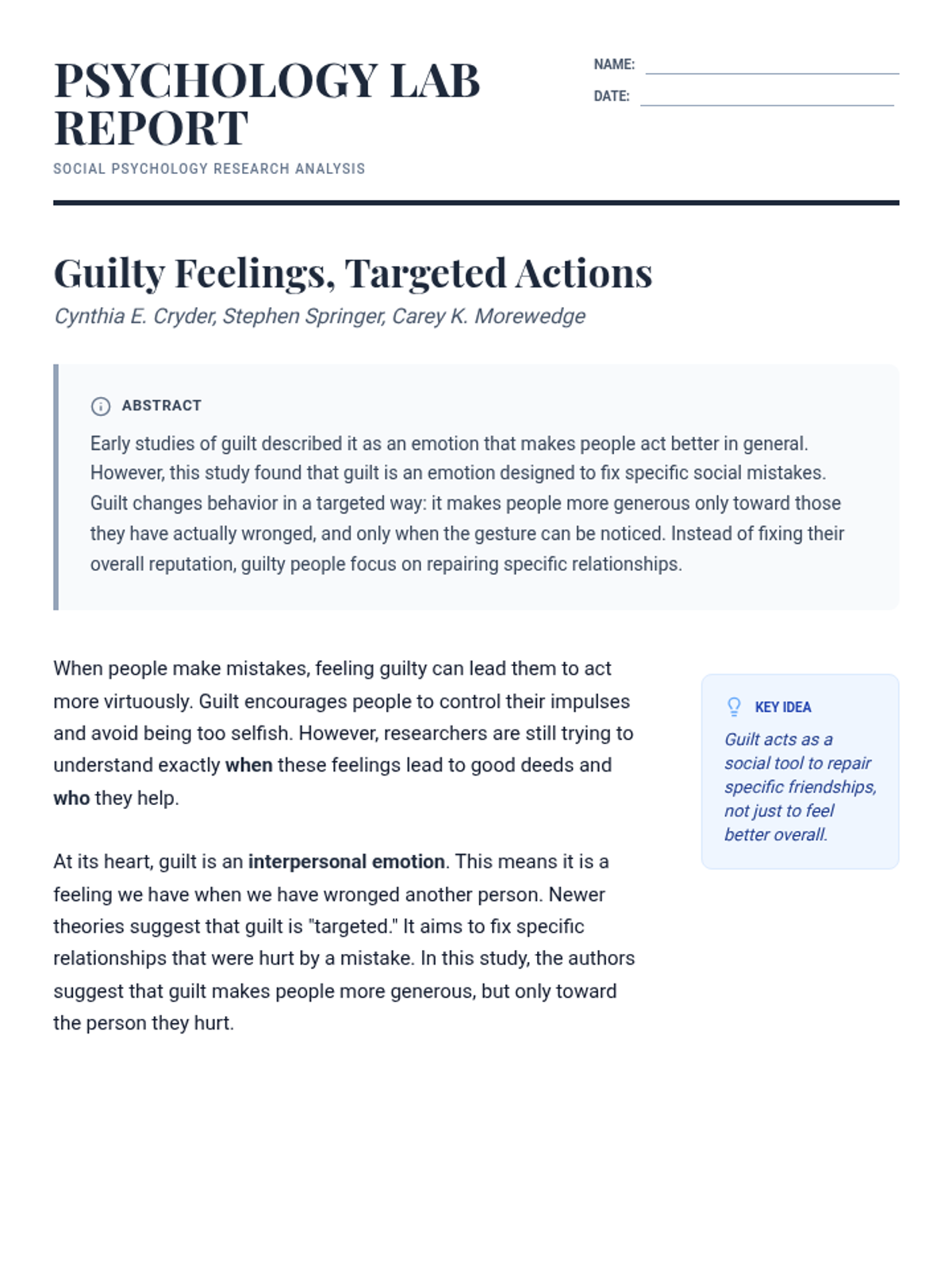
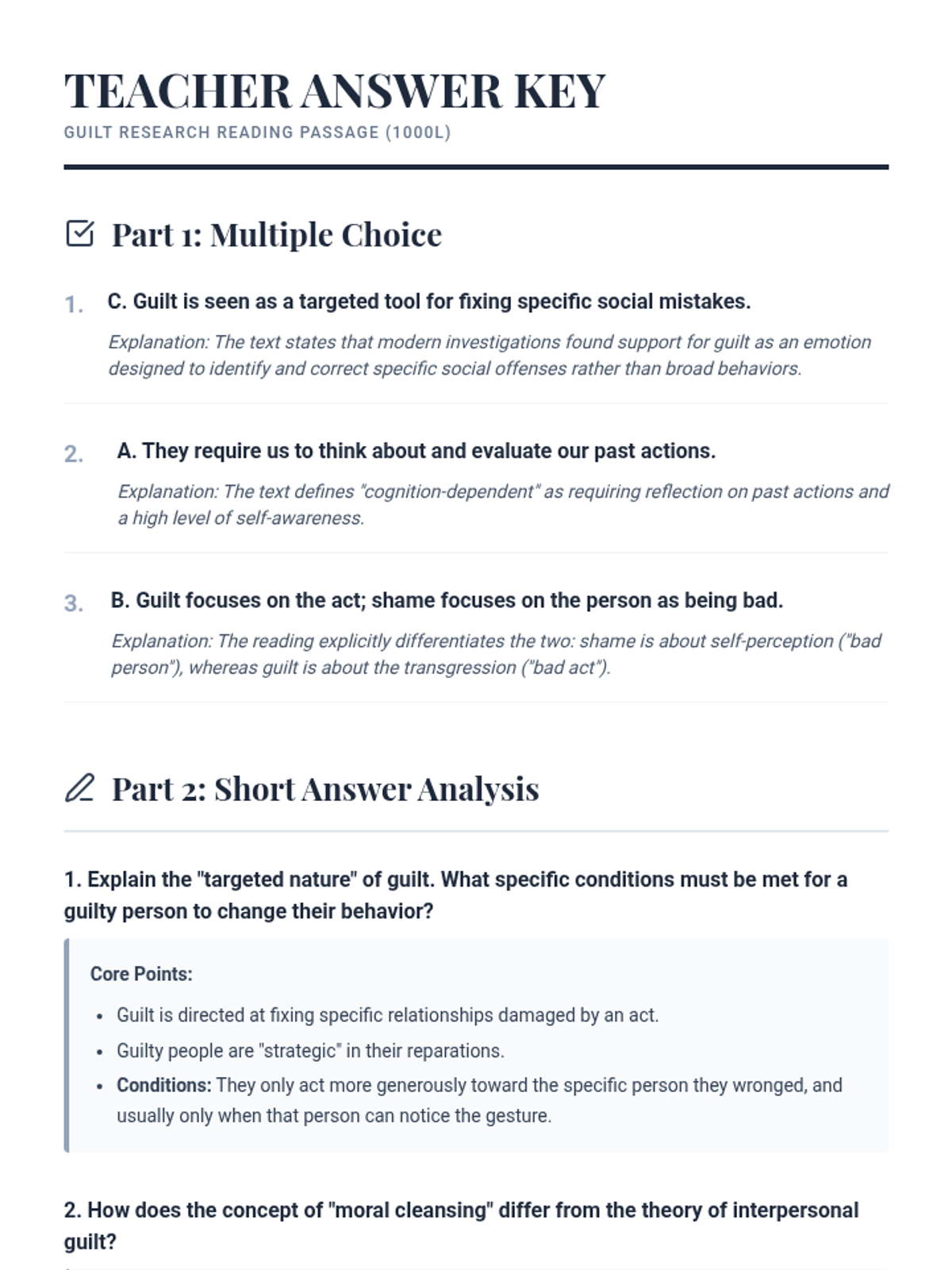
This lesson explores the psychological nature of guilt as a targeted interpersonal emotion, comparing it to shame and regret through a study of five behavioral experiments.
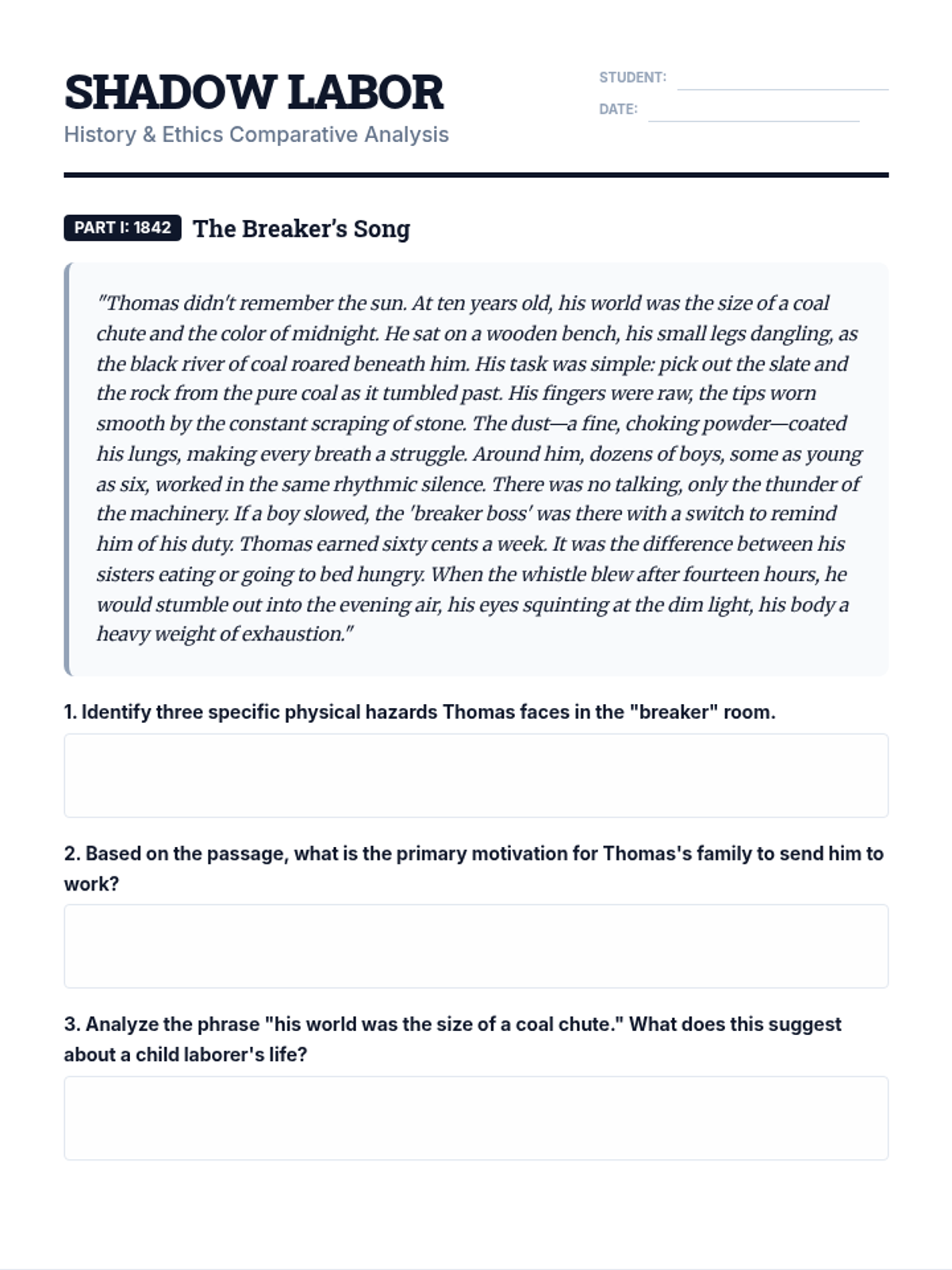
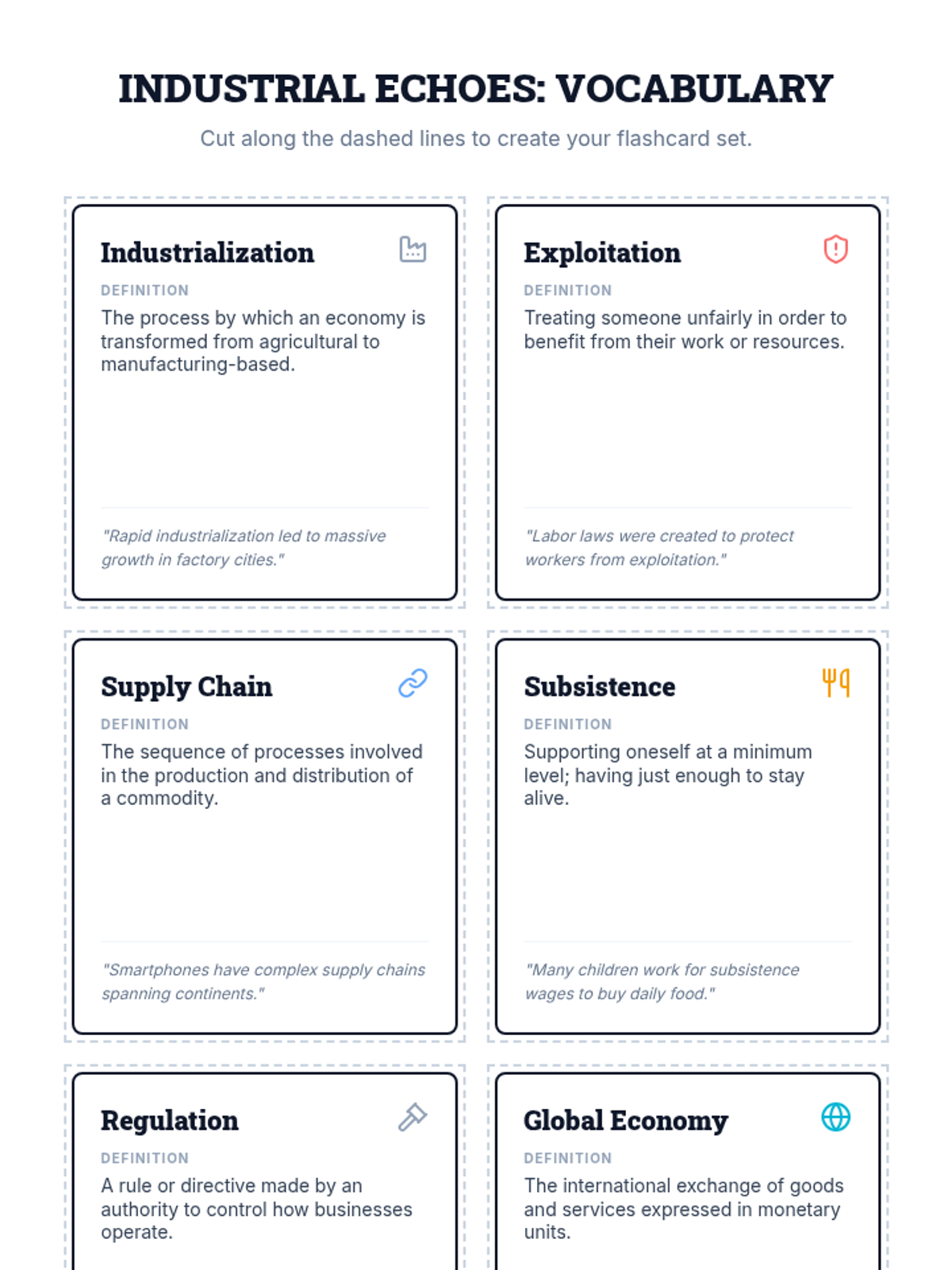
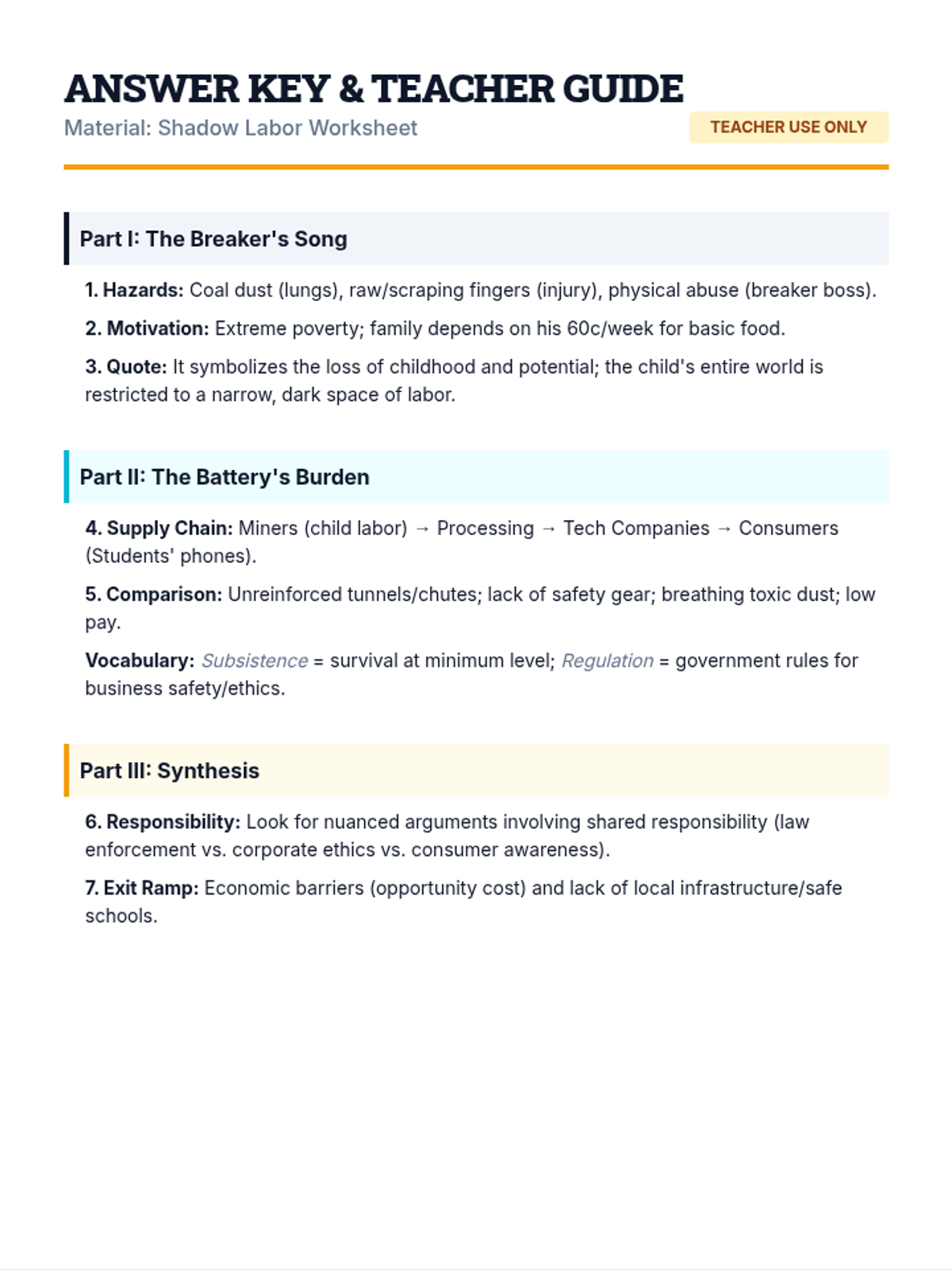
Students compare historical accounts of child labor from the Industrial Revolution with modern-day case studies in global industries. The lesson focuses on identifying patterns of exploitation and the evolution of labor laws.
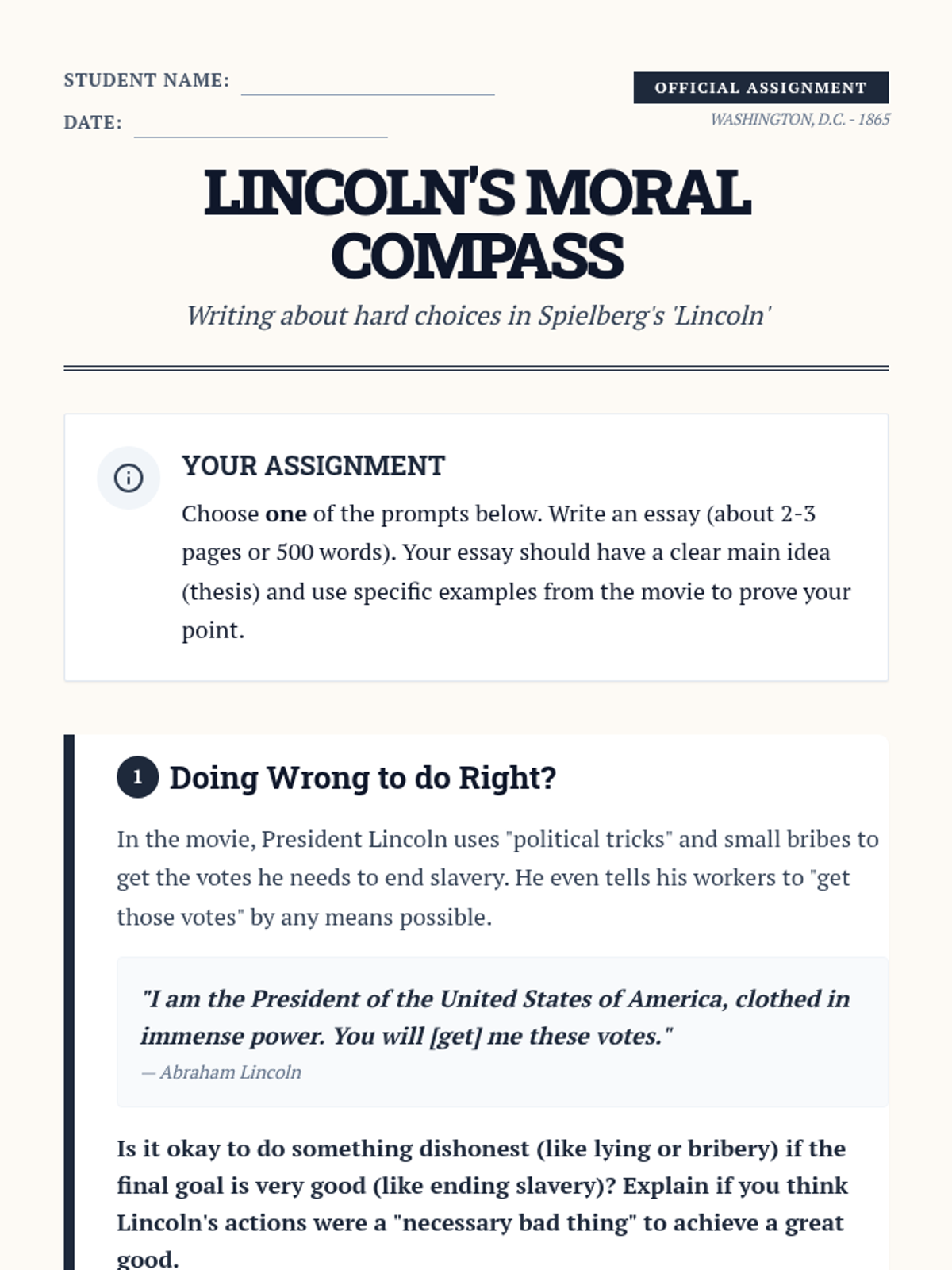
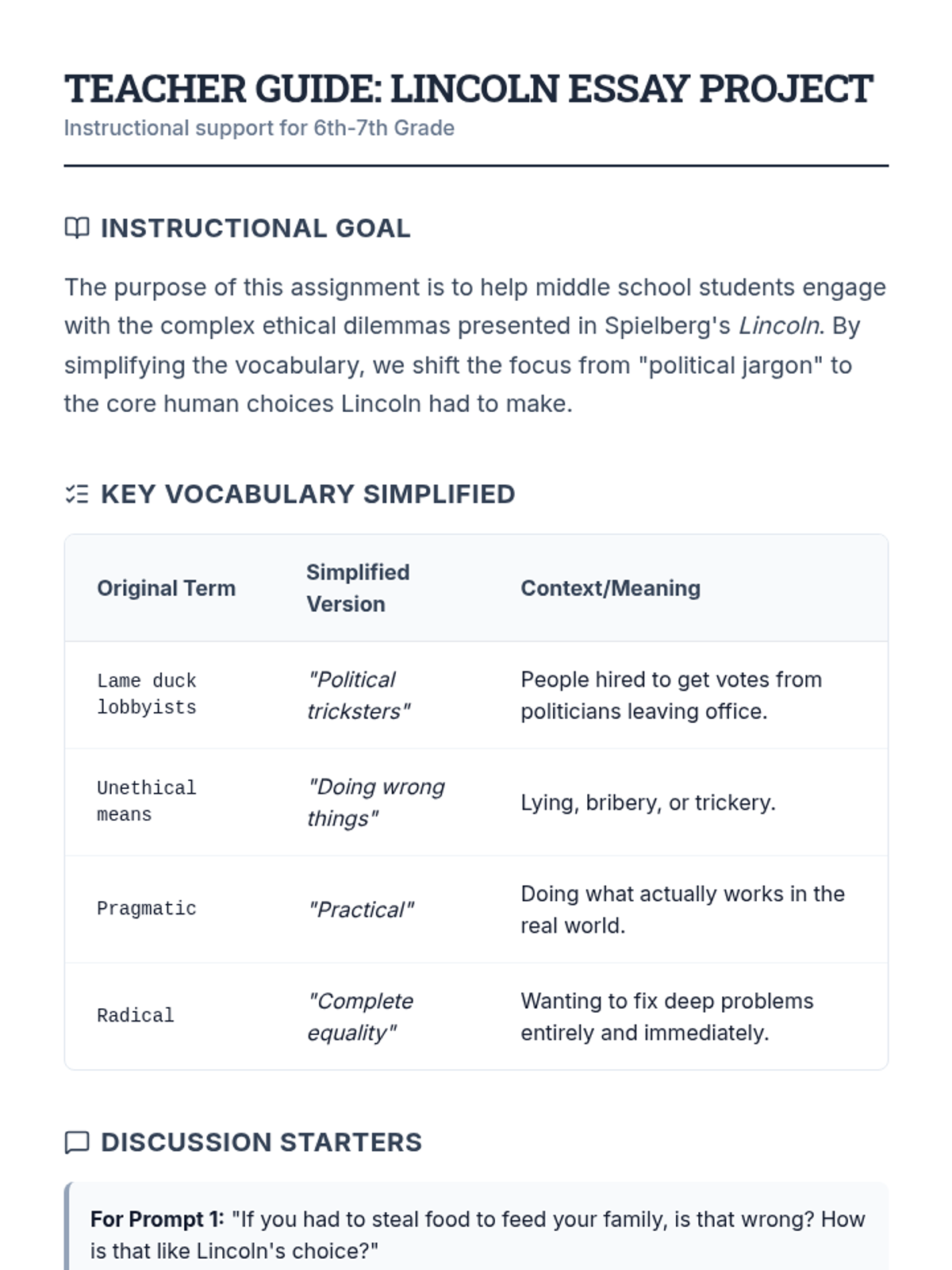
Students explore the ethical and personal challenges faced by Abraham Lincoln during the passage of the 13th Amendment, focusing on simplified versions of complex historical and political themes.