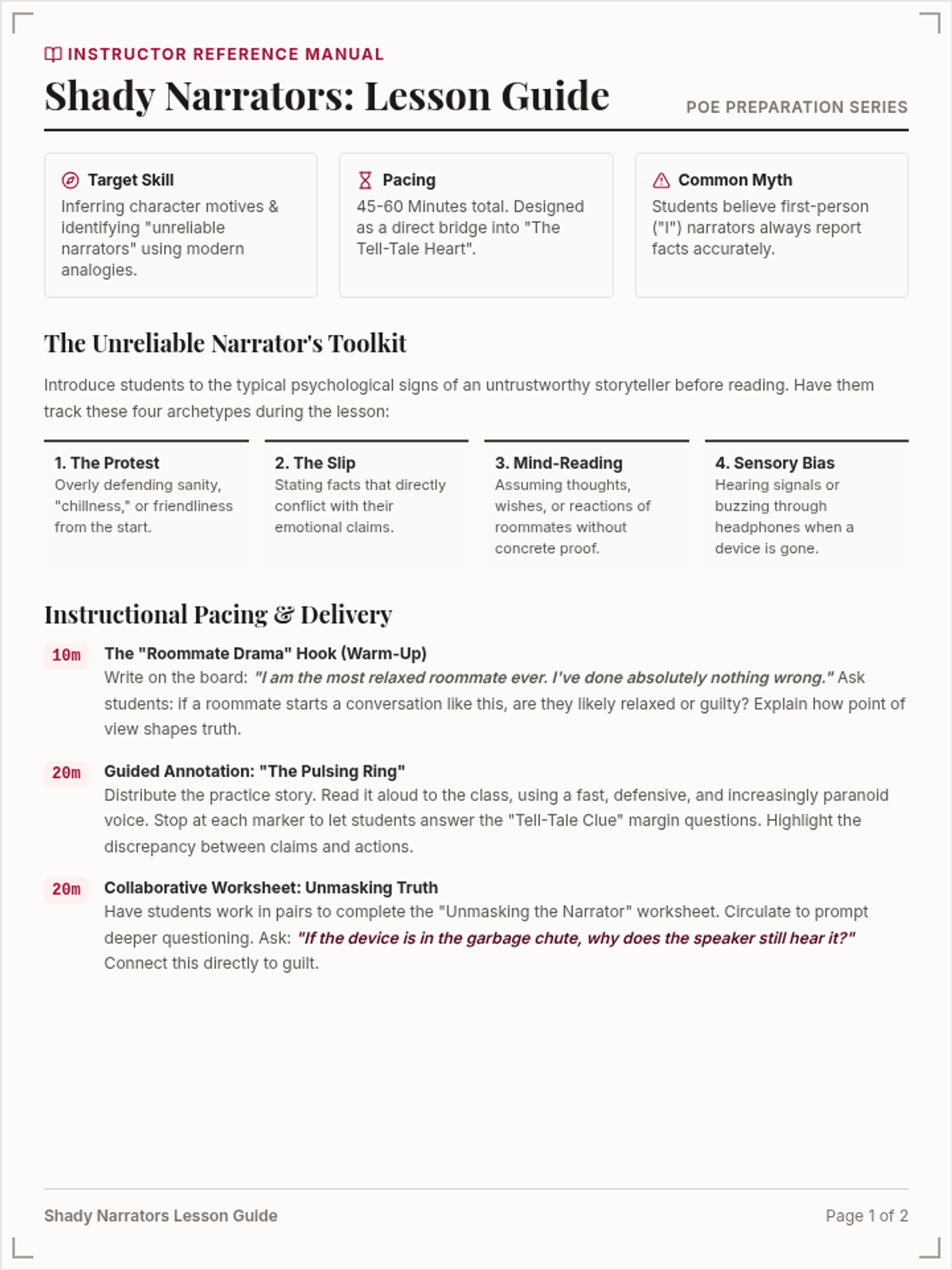
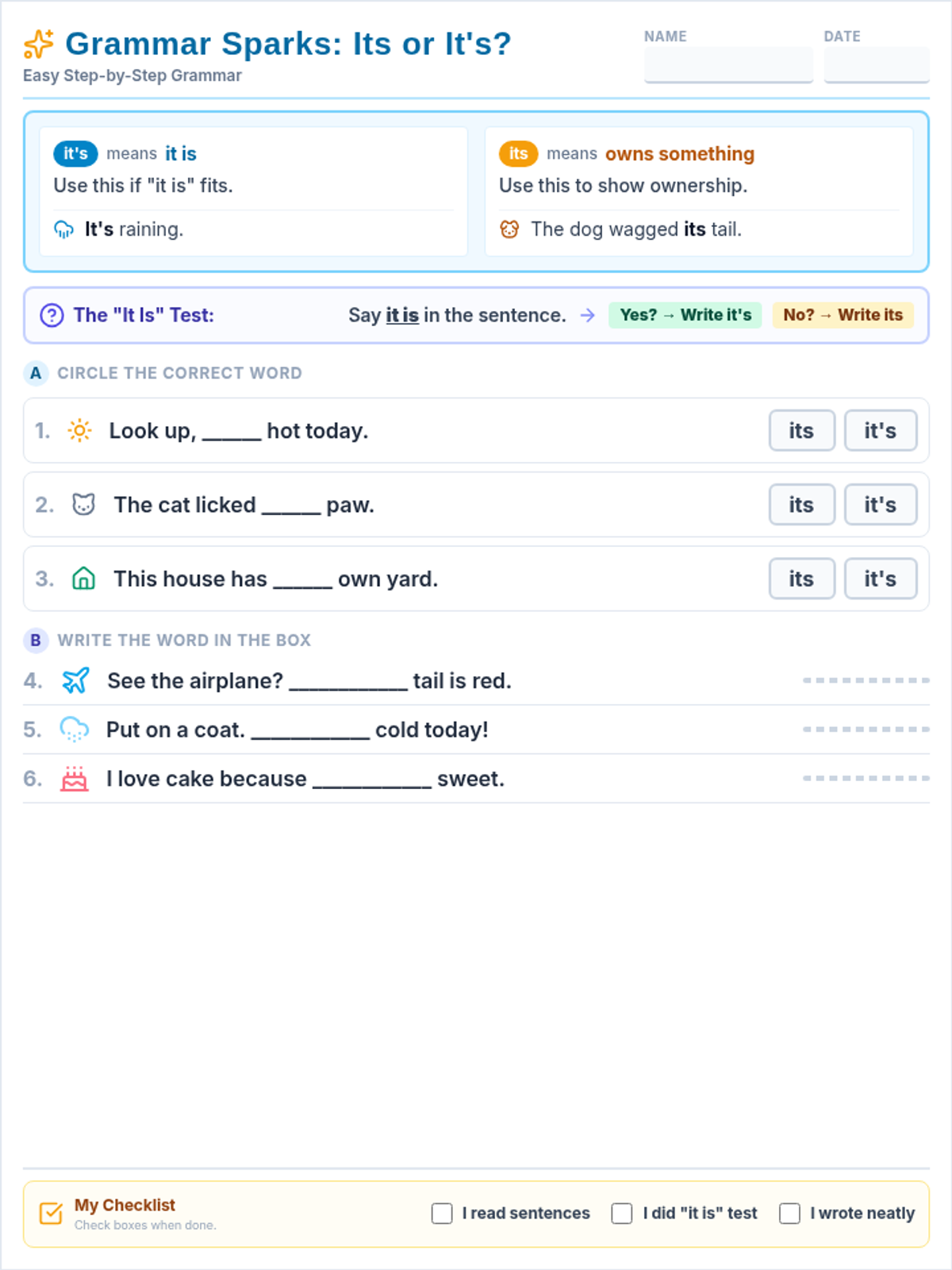
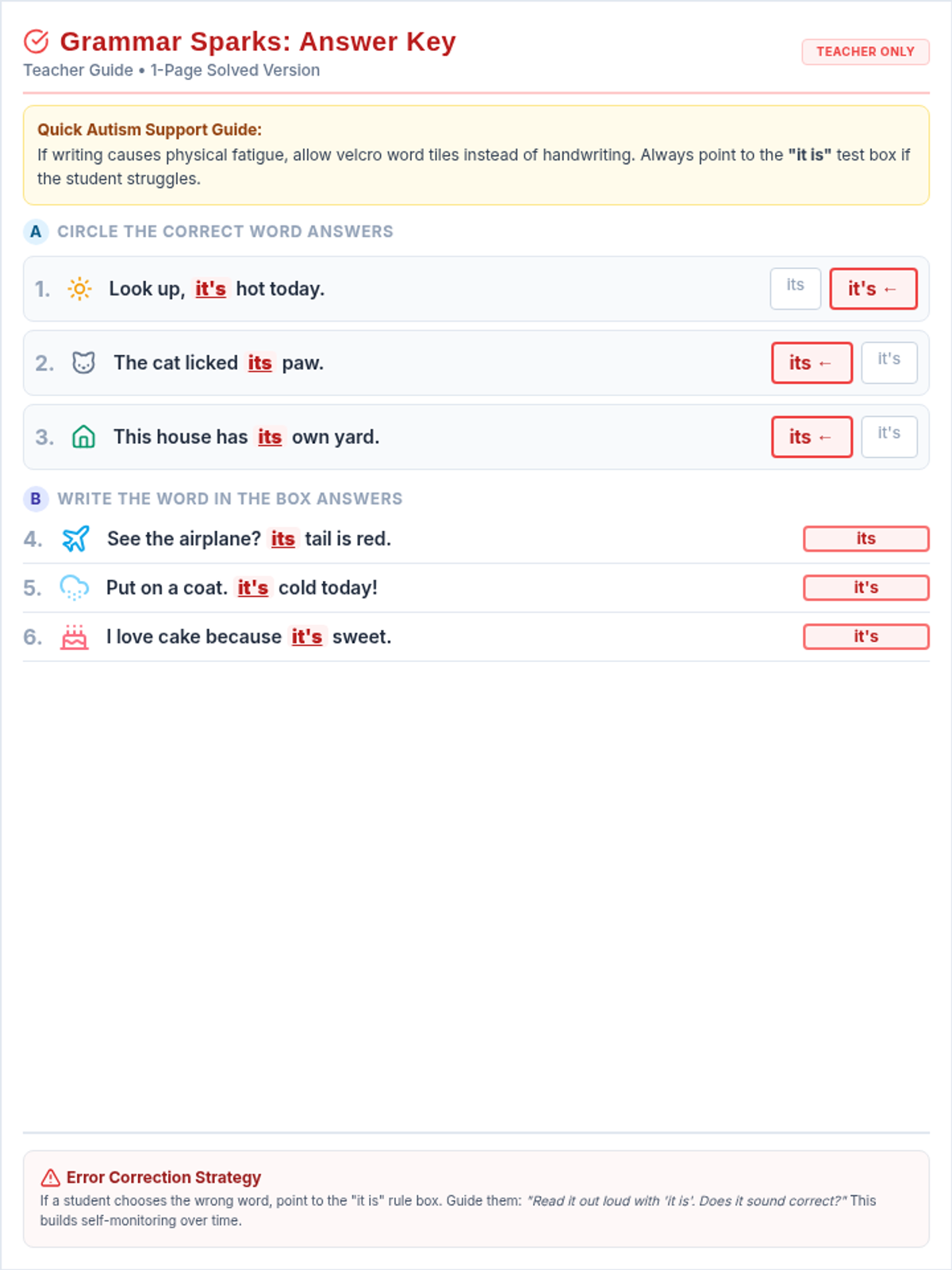
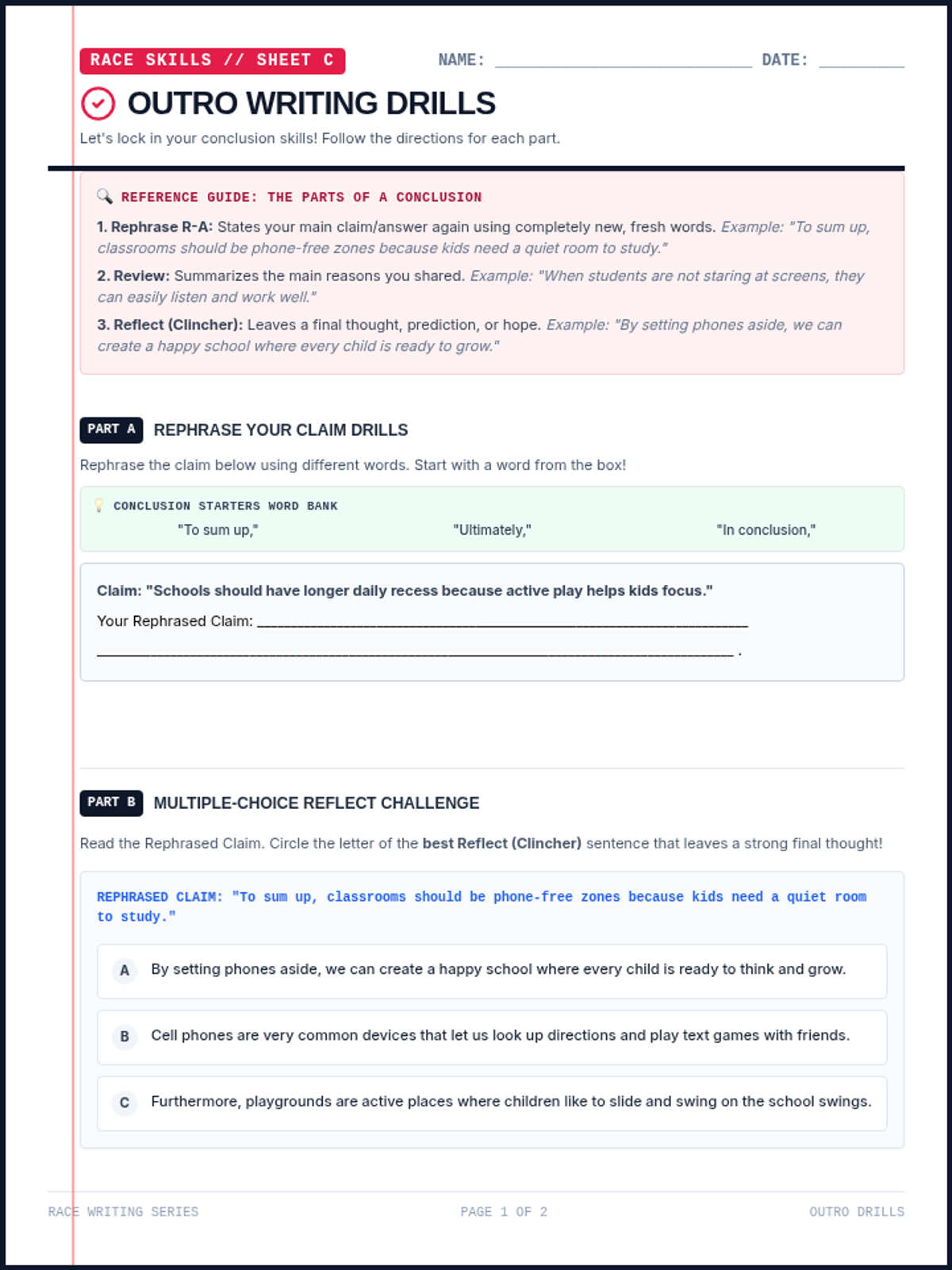
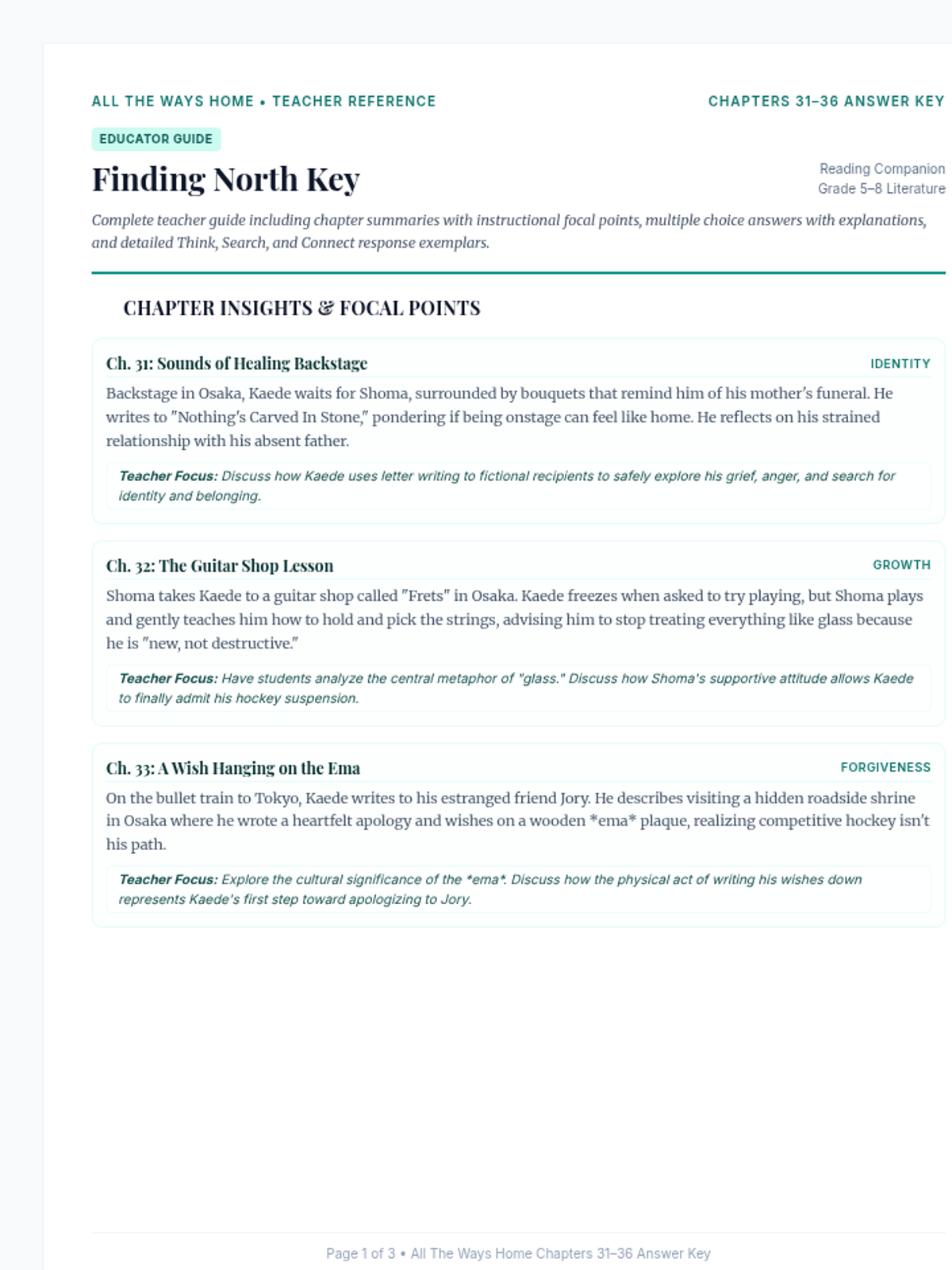
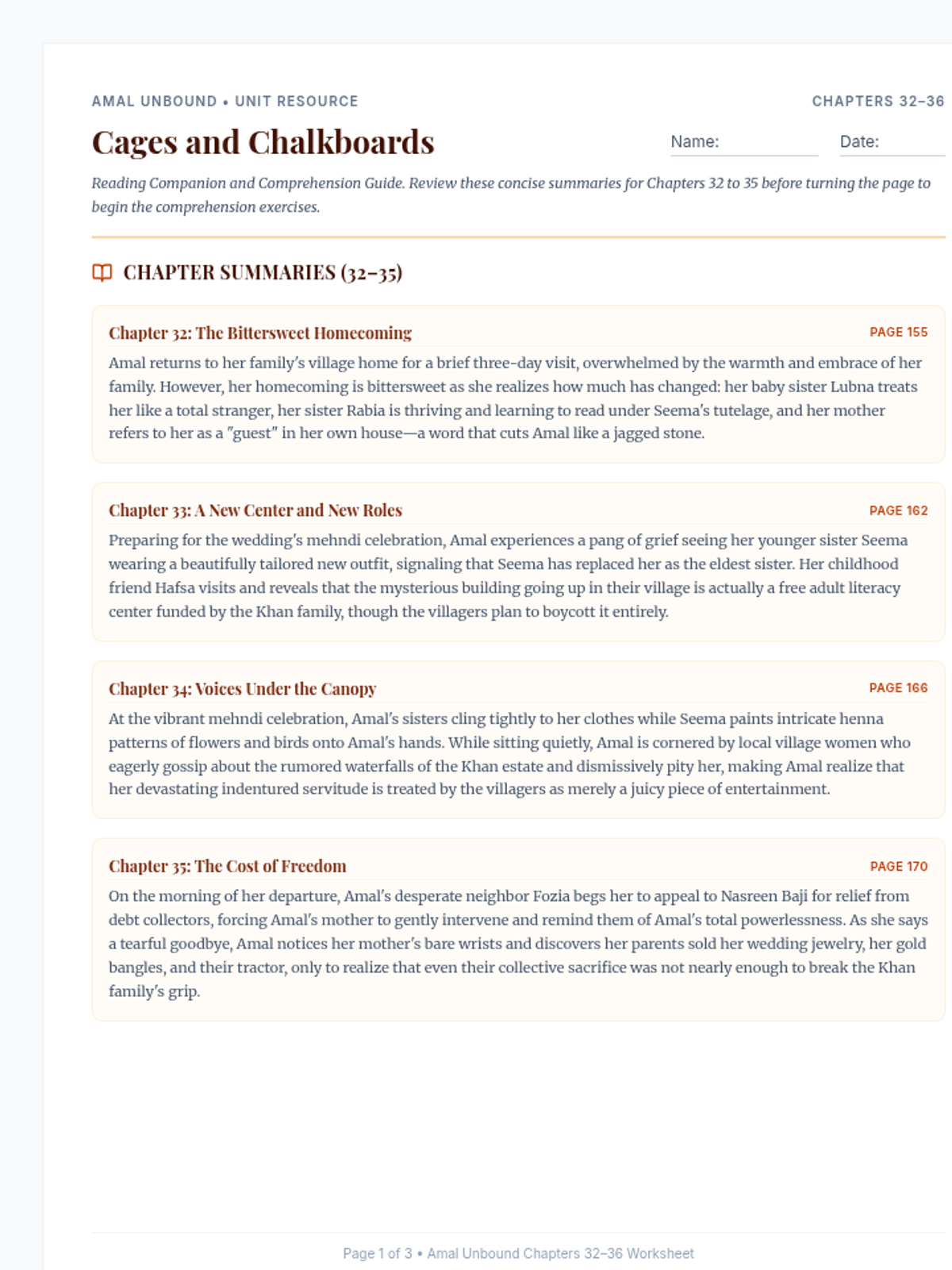
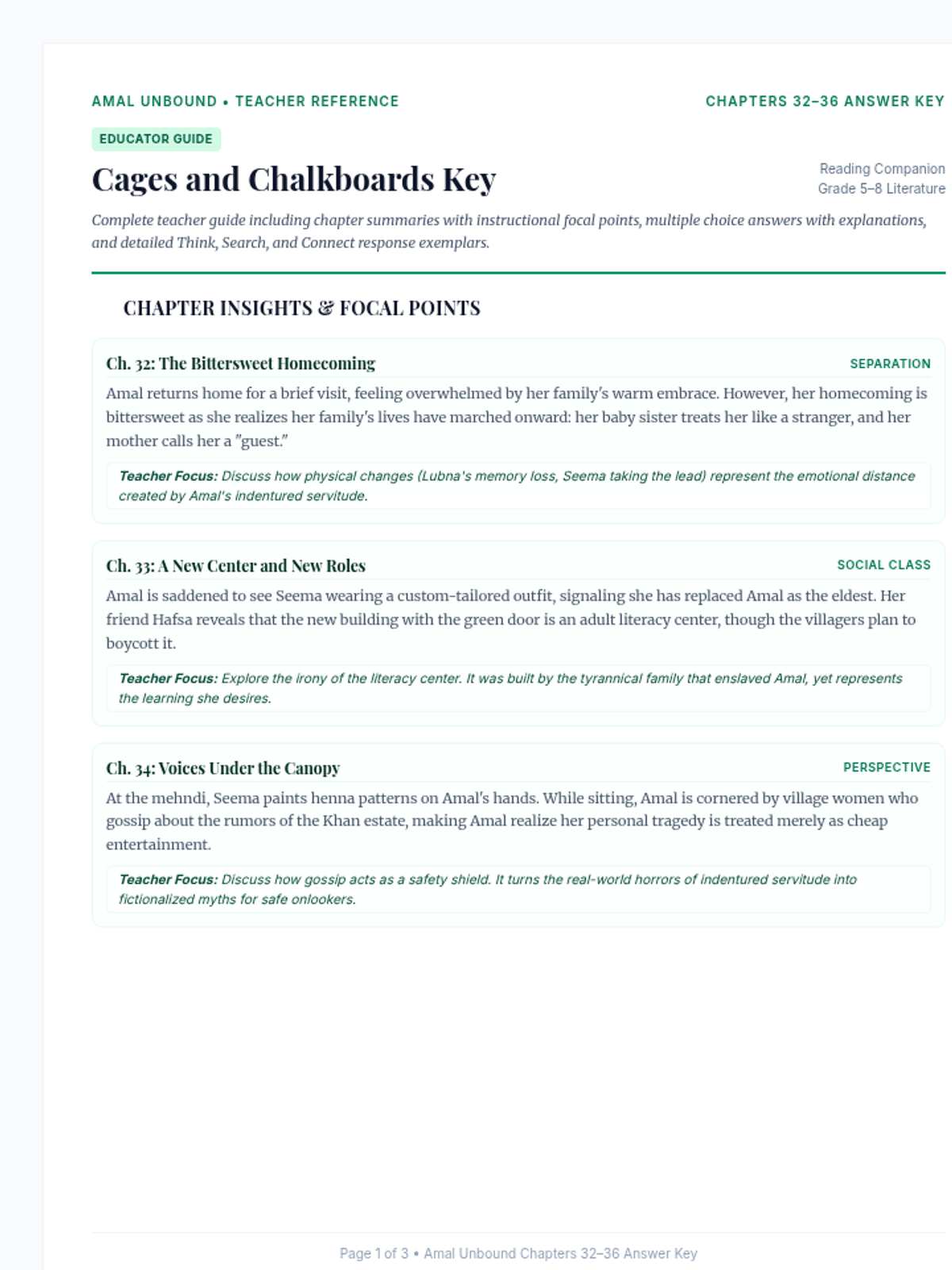
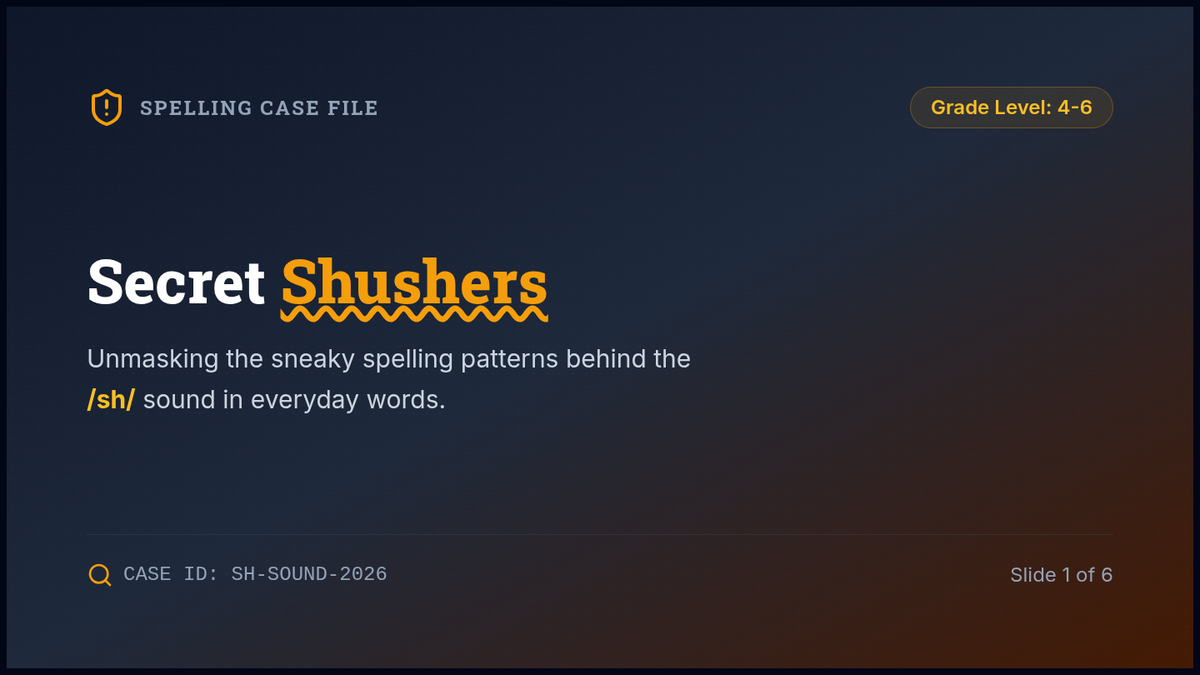
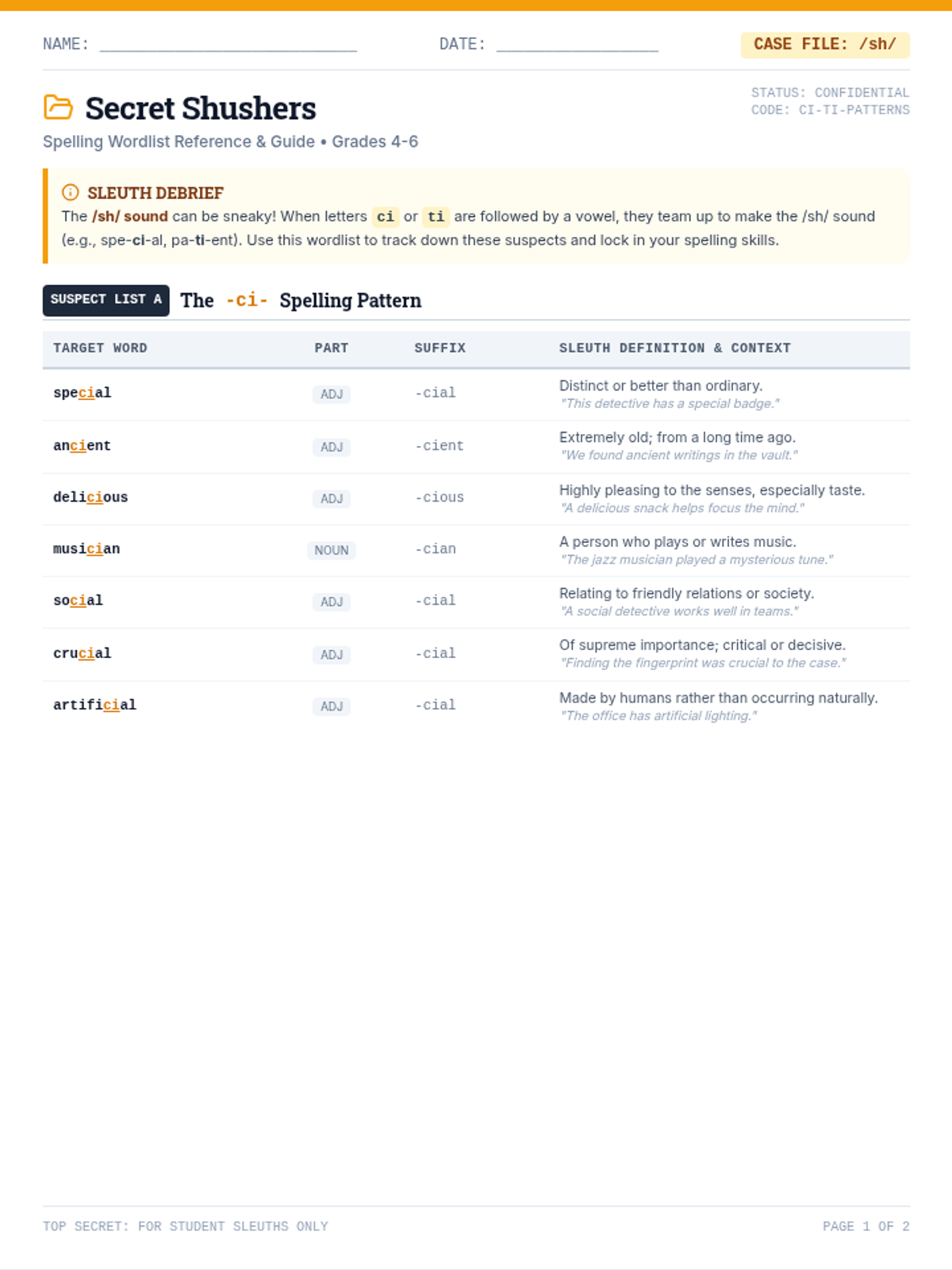
A lesson focused on building semantic networks by exploring Latin roots in technology and Greek roots in science, helping students decode modern terminology.
An engaging indoor Easter activity for students to practice reading comprehension and problem-solving through rhyming riddles. The lesson includes printable clue strips designed to fit inside plastic eggs and a teacher's master key for setup.
A lesson designed to help students identify 'Right There' questions in text and use specific marking strategies (starring, underlining, and highlighting) to locate evidence directly within the passage.
A strategy-focused lesson teaching students three specific ways to collect text evidence (notetaking, annotating, and underlining) to improve performance on standardized tests, including a practice passage about monarch butterflies.
A comprehensive English 1 EOC-aligned lesson focusing on literary analysis, evidence-based questioning, and argumentative writing strategies. Students analyze a high-stakes literary excerpt and practice the specific question types found on the Texas state exam.
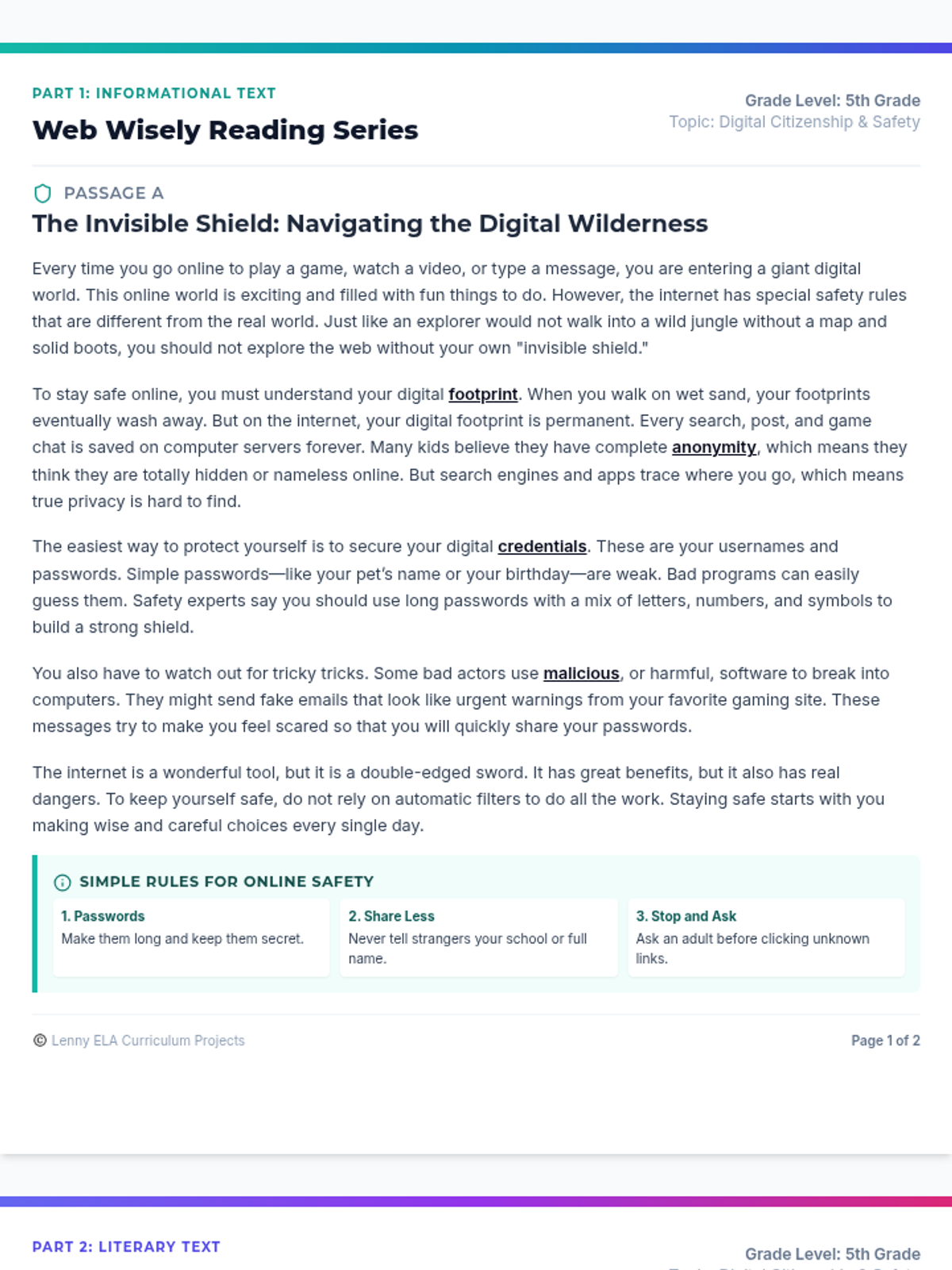
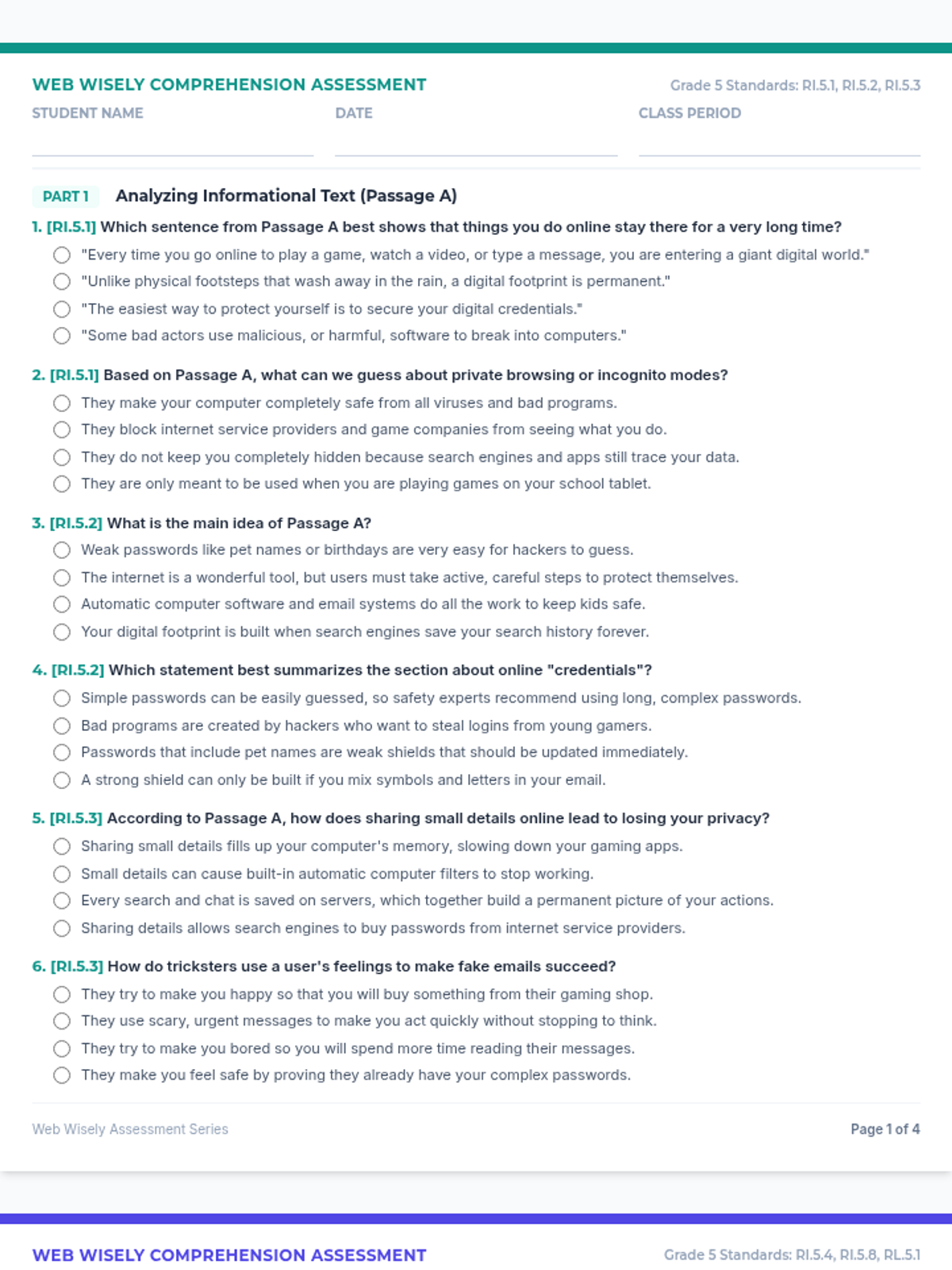
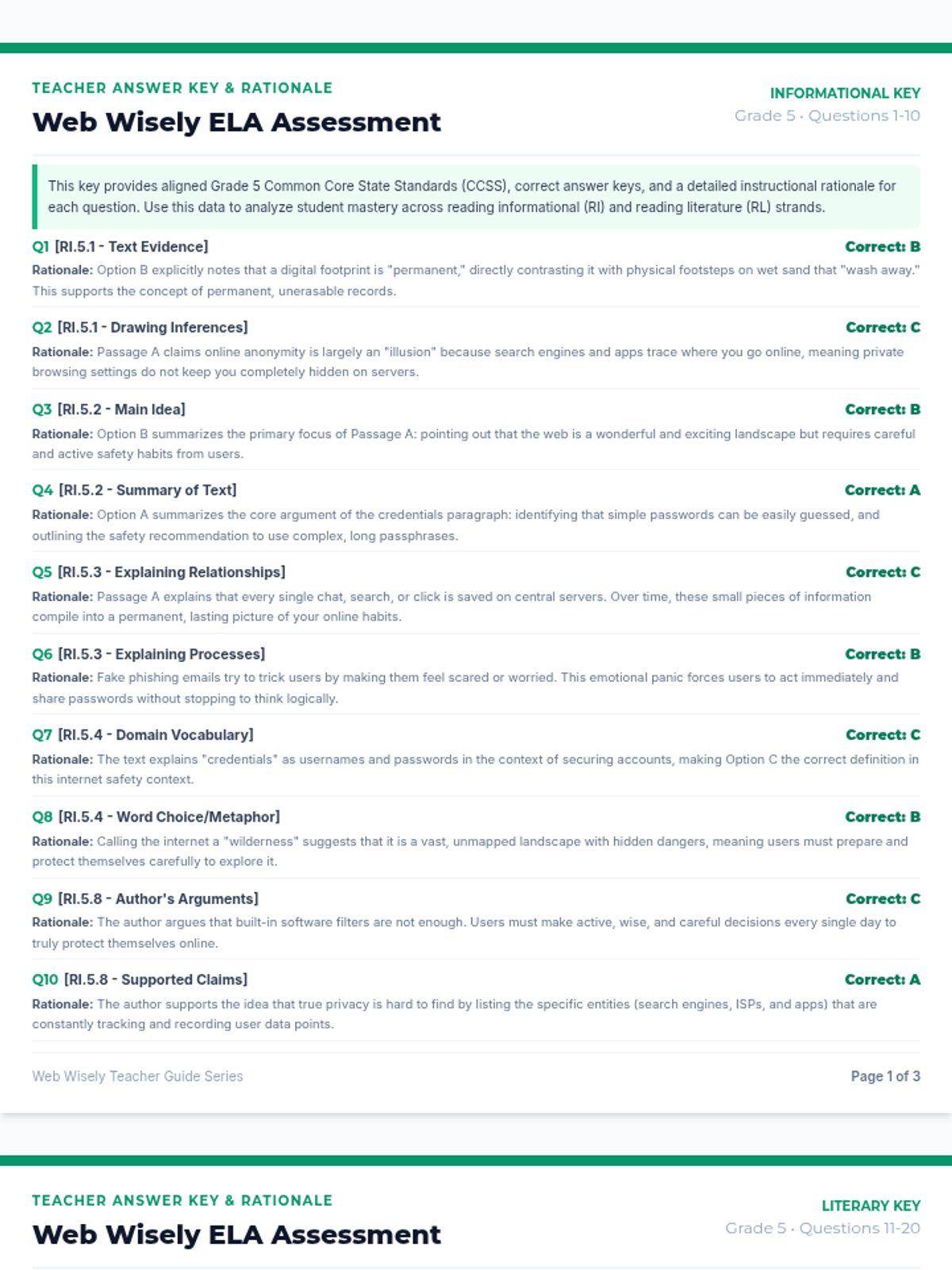
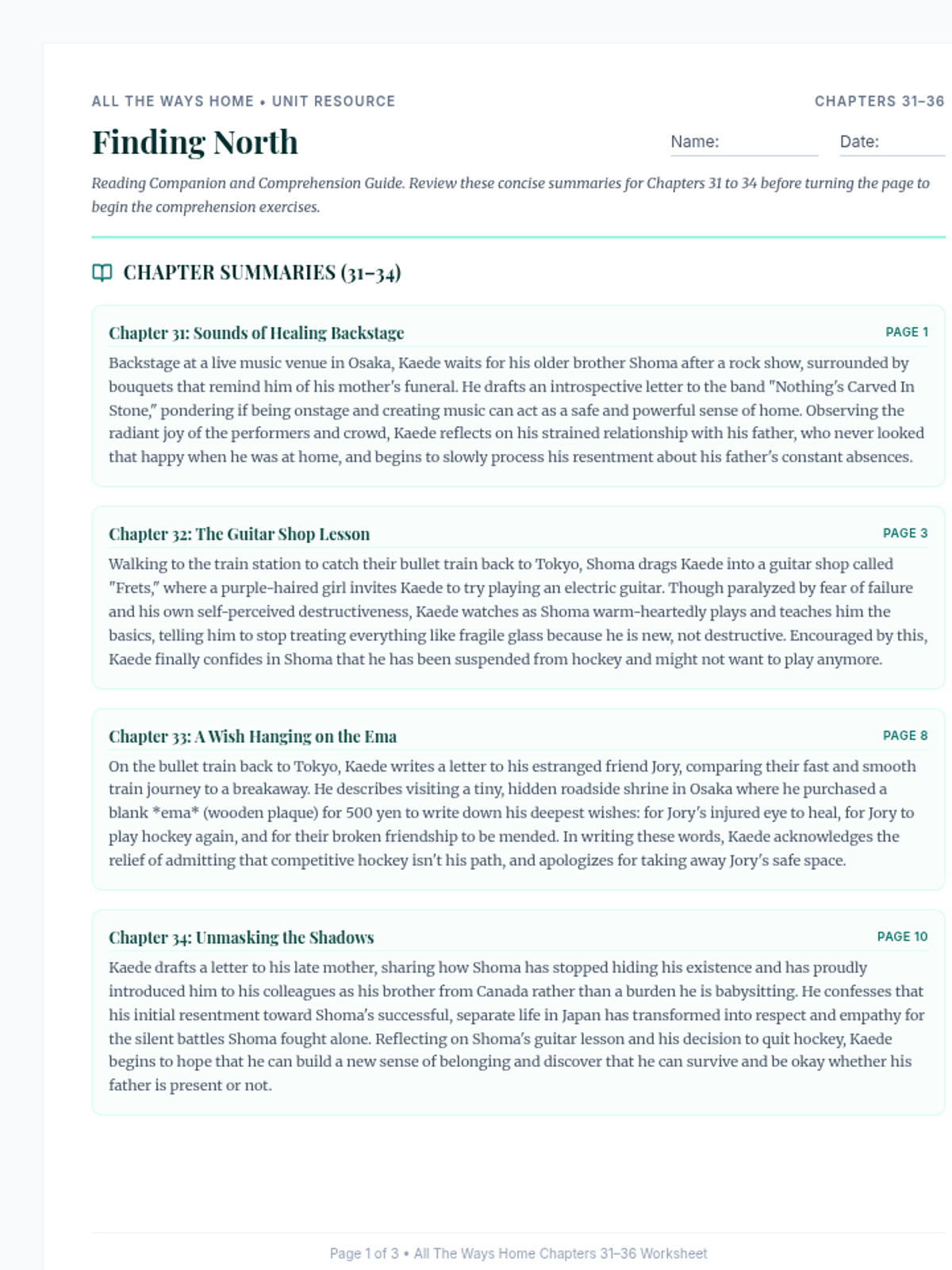
A practice assessment focused on revising and editing skills for the Texas English 1 EOC, featuring a passage on environmental conservation. Students will practice sentence combining, clarity, and grammatical corrections in a STAAR-aligned format.
A high-flying exploration of kites that integrates long 'i' phonics patterns and multisyllabic decoding strategies for upper elementary and middle school students.
A multi-sensory lesson for 6th-grade emergent bilinguals that uses "The Dirt Book" to explore poetry structure and the underground ecosystem, culminating in a hands-on "dirt dessert" activity.
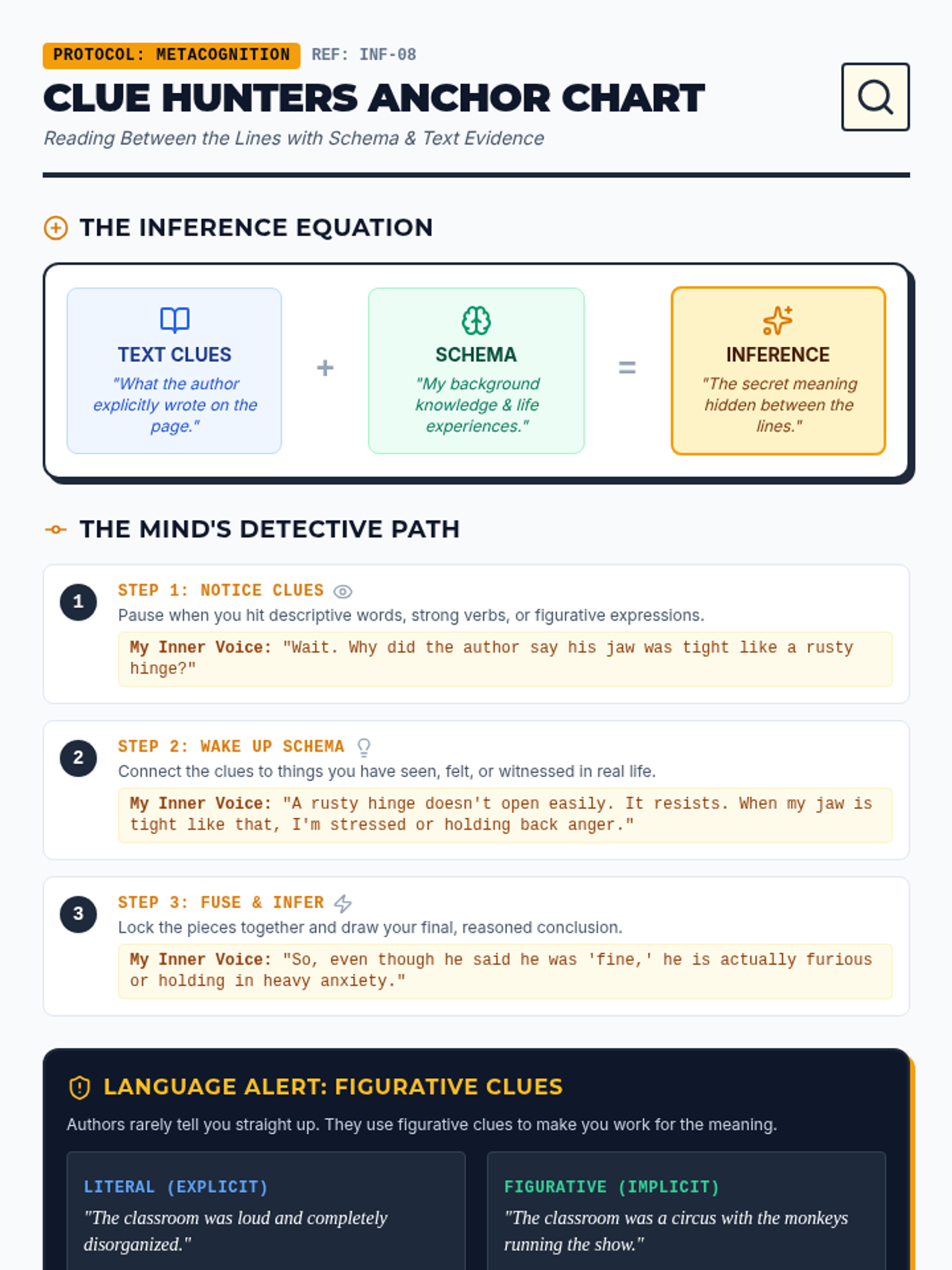
A high-stakes station-based escape room where students apply English 2 inferencing TEKS to solve a noir-style mystery. Students analyze dialogue, visual clues, and literary devices to crack the code.
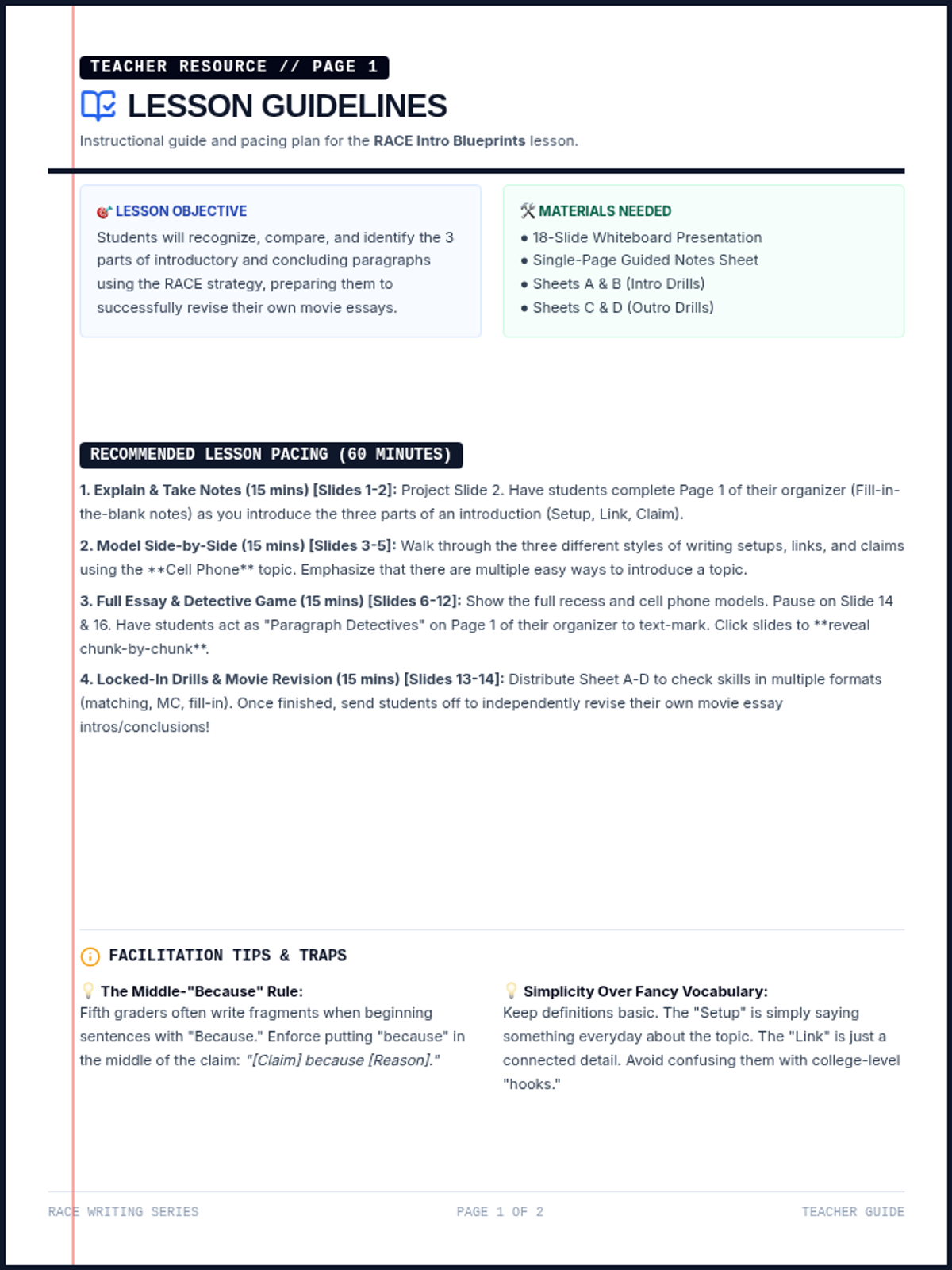
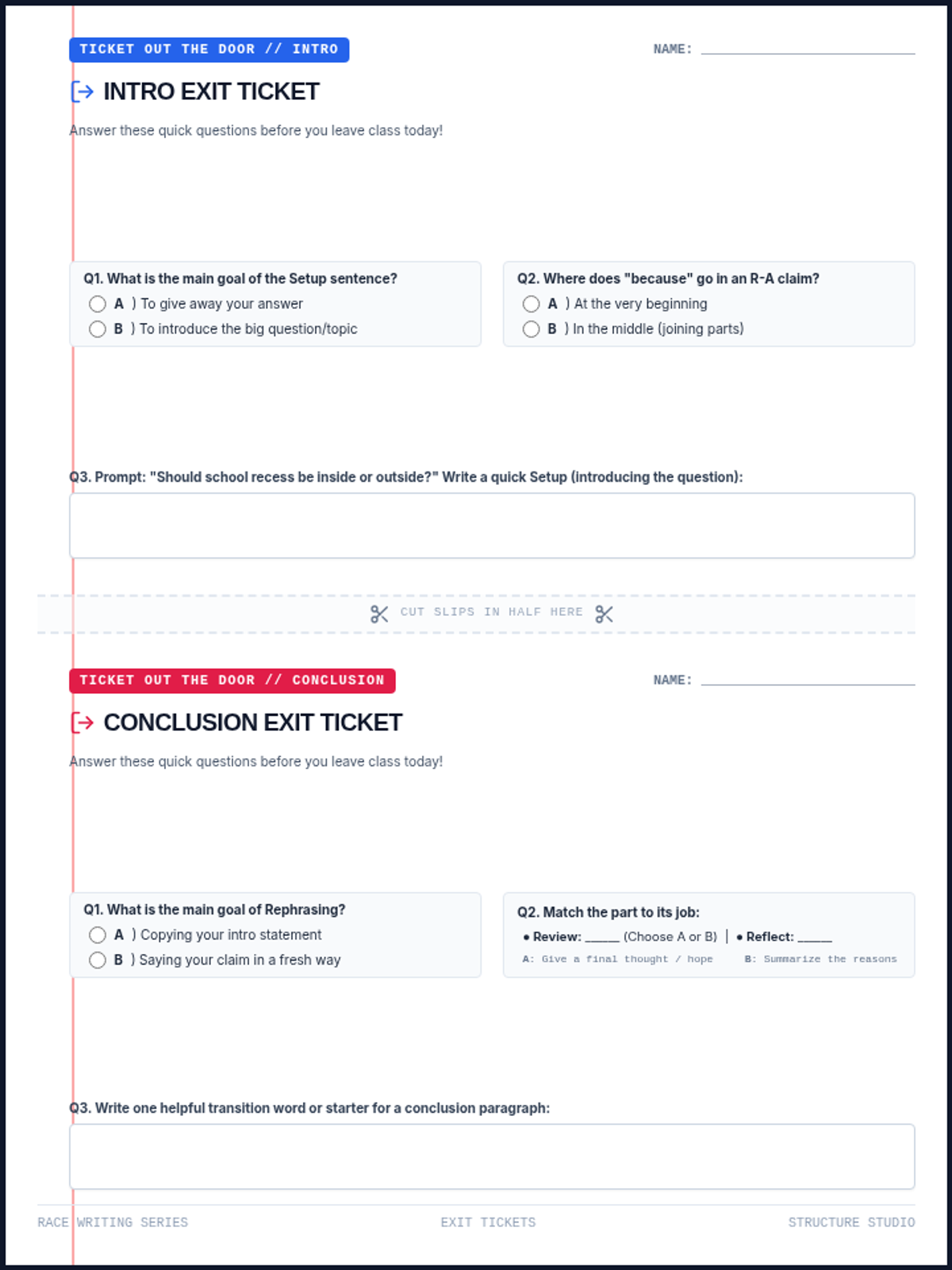
A comprehensive review of the RACE writing strategy, focusing on analyzing author's purpose and figurative language through guided instruction and highly-scaffolded practice.
Students explore the 'Valley of Ashes' in Chapter 2 of *The Great Gatsby*, analyzing its symbolic function and the real-world environmental science of coal ash. They will begin designing a bioremediation plan to 'reclaim' the valley, mirroring themes of social restoration.
An investigation into the Boston Tea Party, focusing on identifying main ideas and evidence within primary and secondary accounts of the 1773 protest.
An analysis of the discovery of Duncan's murder and the subversion of the natural order in Act 2, Scenes 3-4, featuring the Latin root 'rupt' and a review of CVCe (Silent E) vowel patterns.
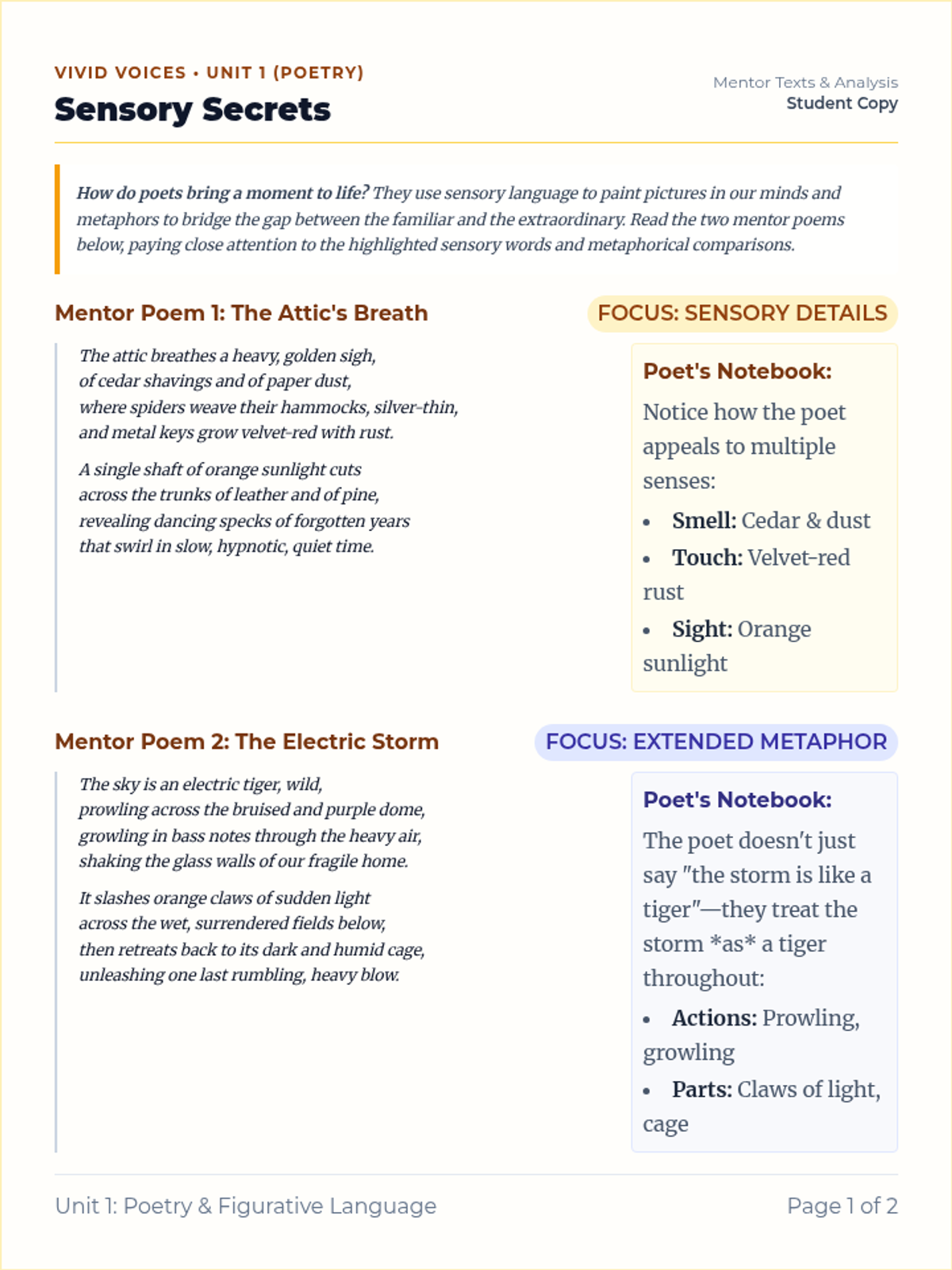
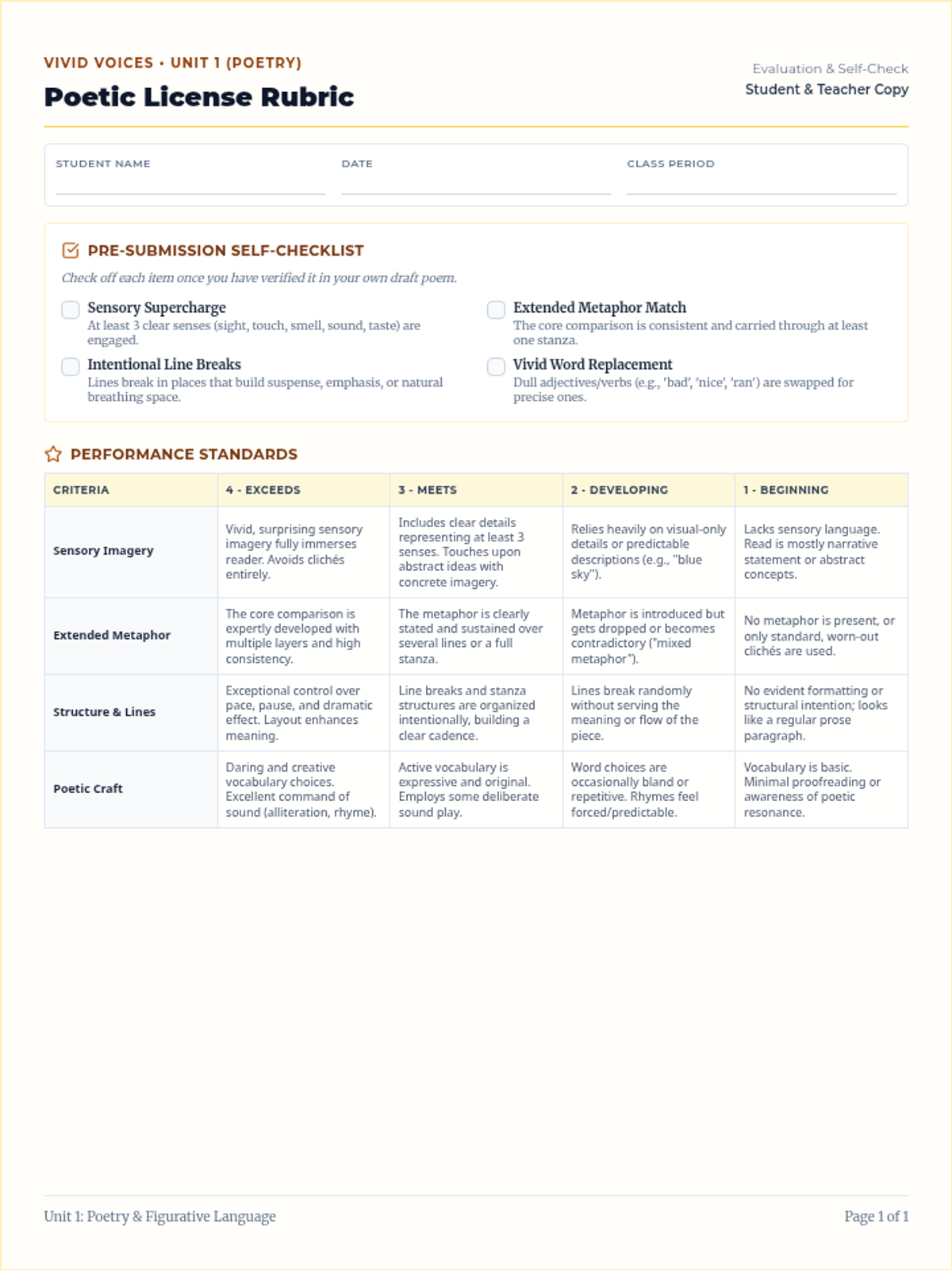
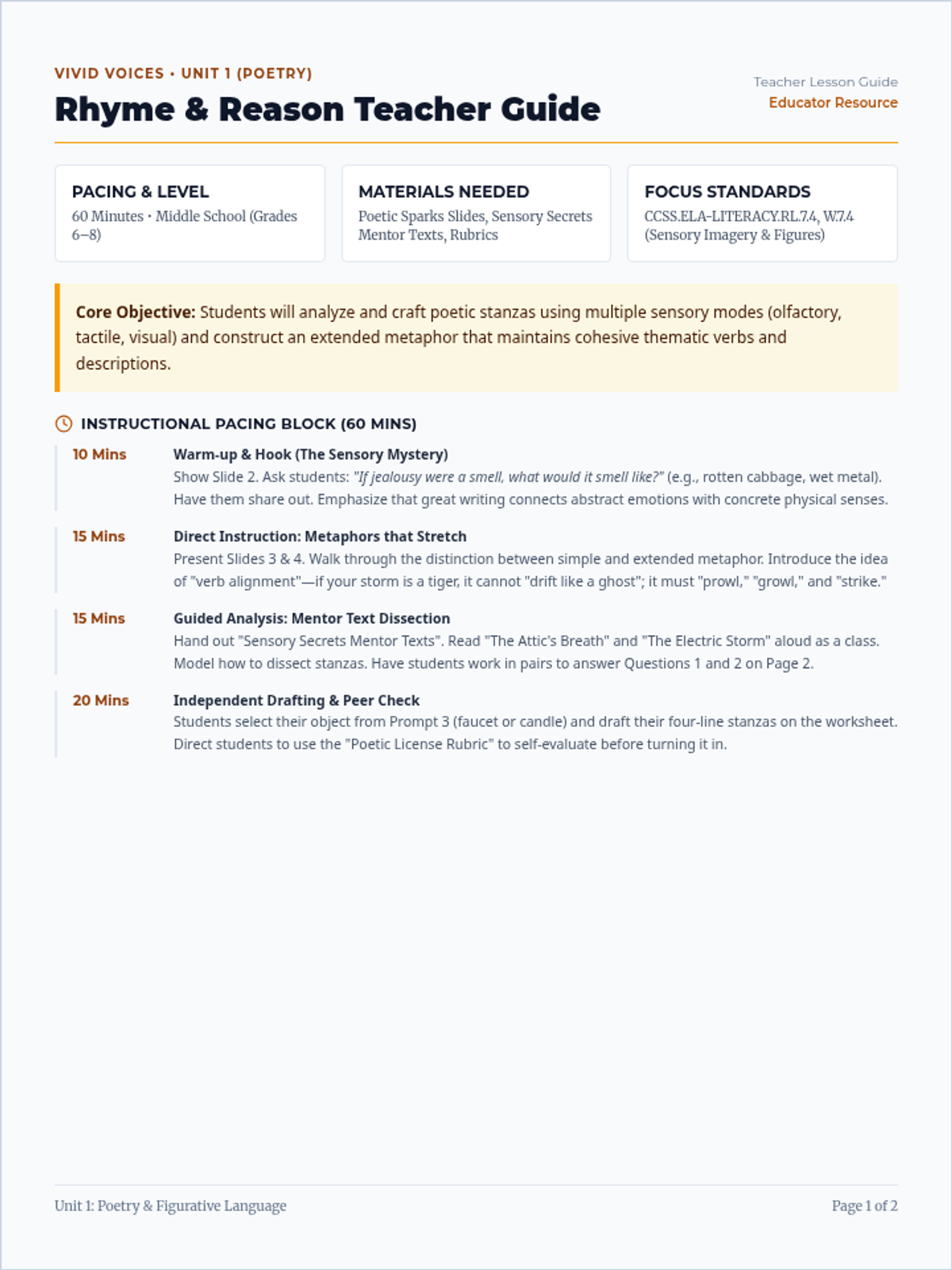
A comprehensive ESL-focused lesson exploring poetry through the works of Langston Hughes, Maya Angelou, Pablo Neruda, and Sandra Cisneros, with a focus on similes and metaphors across four 10-minute skill-based activities.
A station-rotation lesson themed around animal crackers that integrates zoology and conservation vocabulary through reading, writing, speaking, and a STEM challenge. Designed for 6th-grade students to practice multimodal literacy skills while exploring animal ethics and habitat preservation.
A lesson focused on equipping 7th-grade students with the tools to evaluate the reliability and accuracy of information sources using the R.E.A.L. framework.
This lesson explores the historical layers of the English language, focusing on how invasions by the Celts, Vikings, and French shaped the vocabulary and grammar we use today. Students will trace the timeline from Old English to the Norman Conquest.
A comprehensive 60-minute STAAR review lesson centered on text analysis of 'The Bass, The River, and Sheila Mant' through high-intensity station rotations.
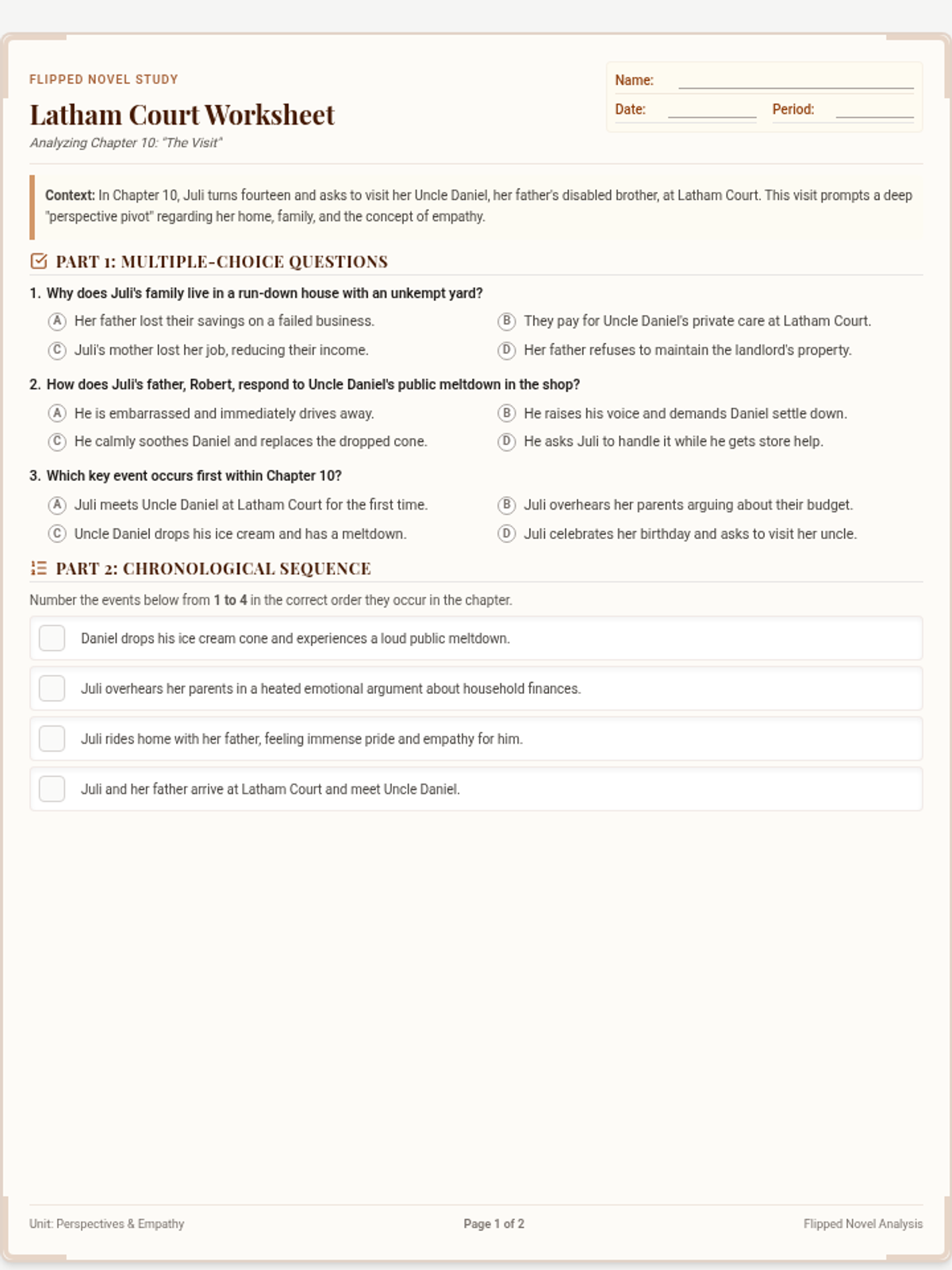
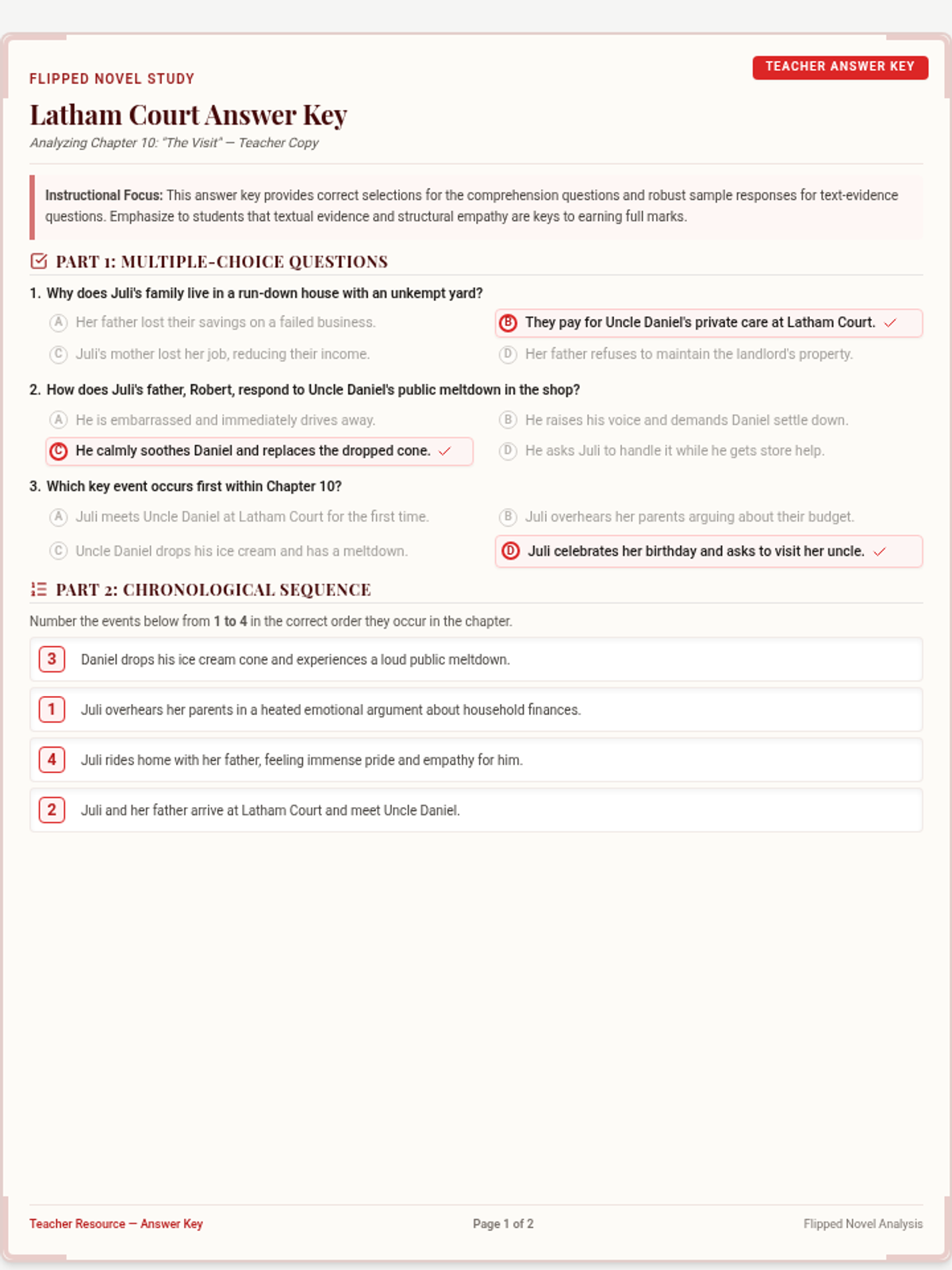
An introductory lesson to S.E. Hinton's The Outsiders, focusing on characterization. Students explore the Greaser and Soc identities through the lens of Ponyboy's descriptions in Chapter 1.
A reading intervention lesson focused on decoding VCCV pattern words within the context of the solar system. Students practice syllable division, sentence fluency, and reading a cohesive paragraph about the planets.
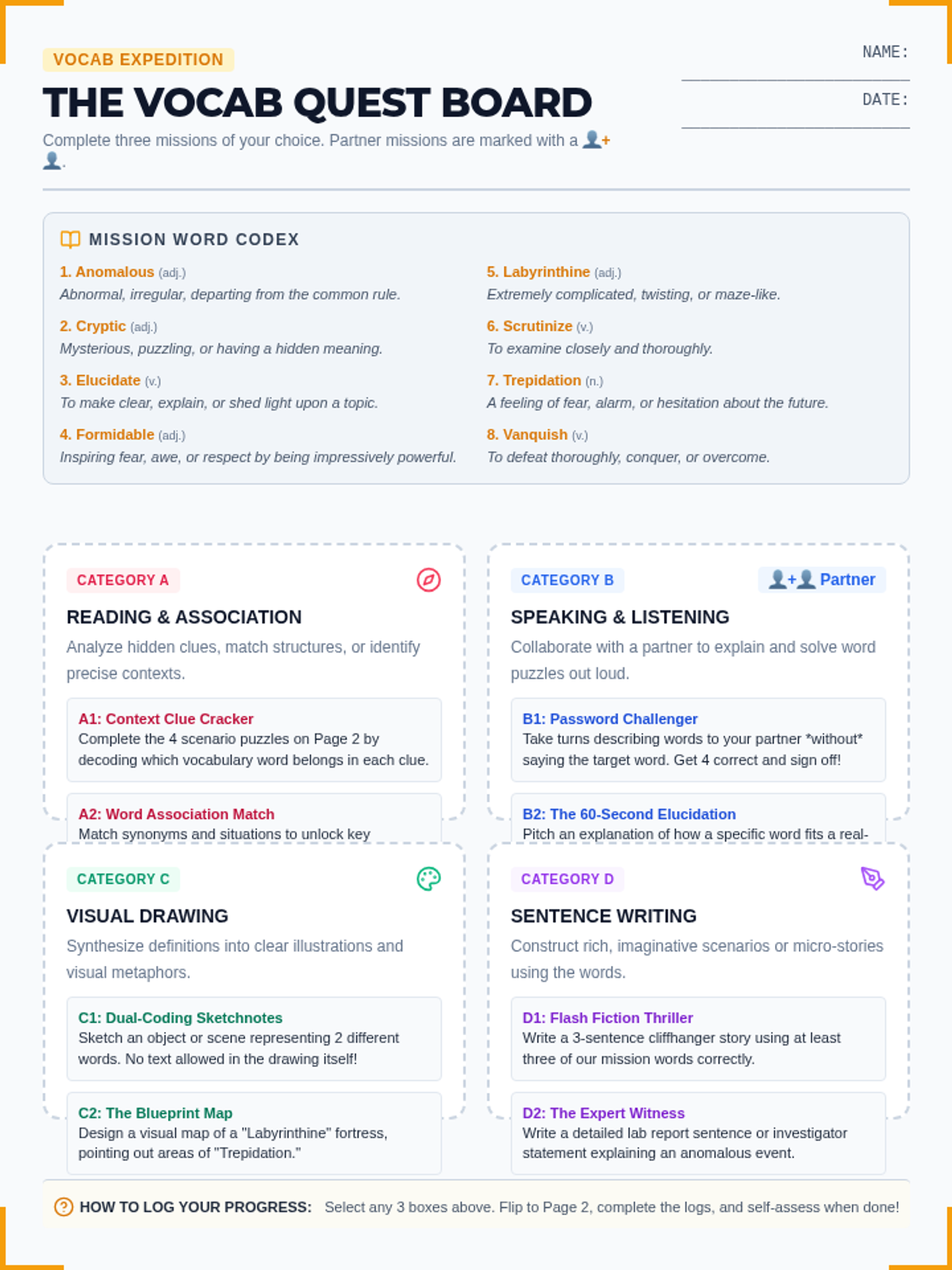
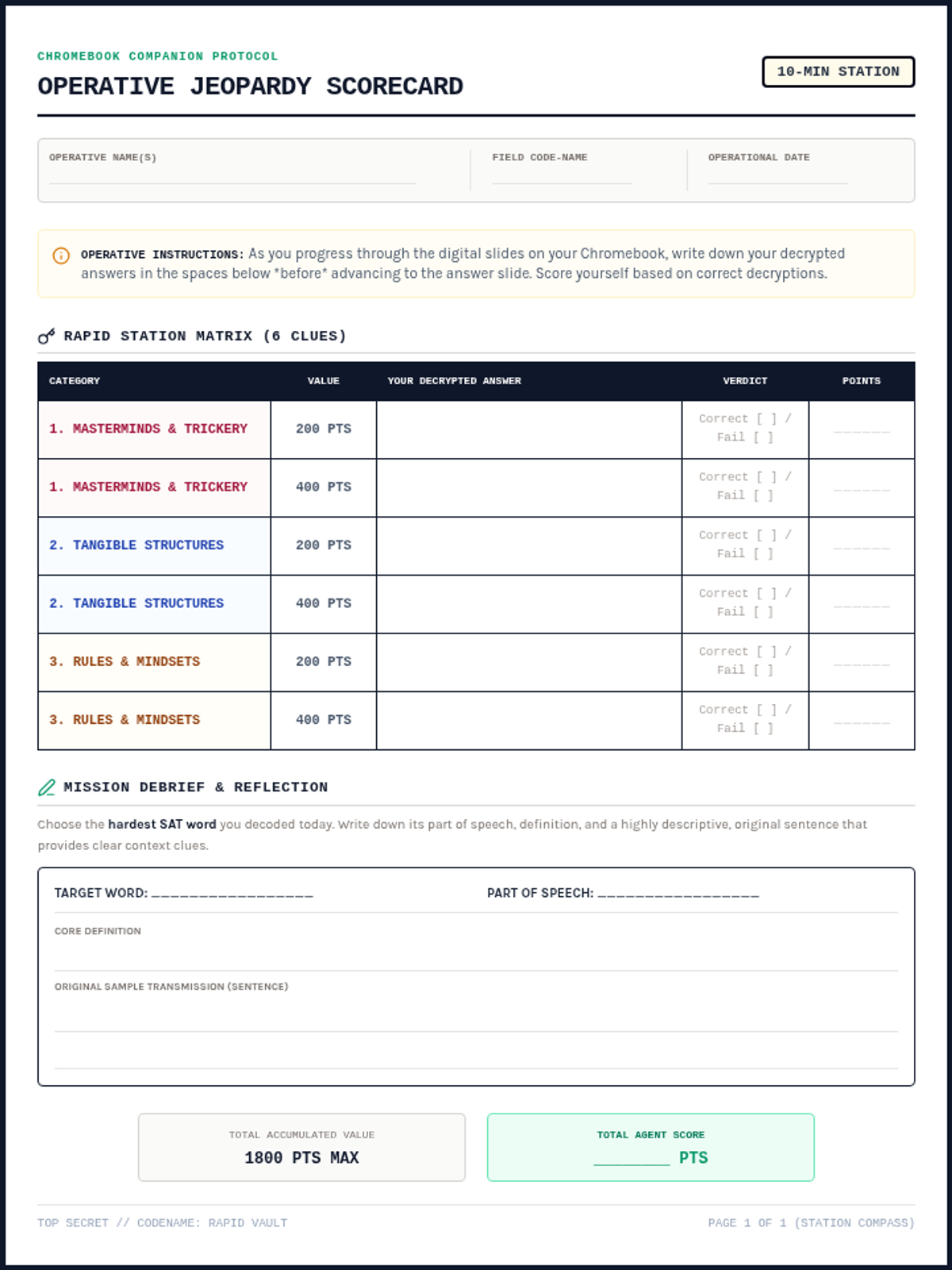
A comprehensive vocabulary building course designed to master fifteen sophisticated words through weekly deep-dives, context analysis, and creative application.
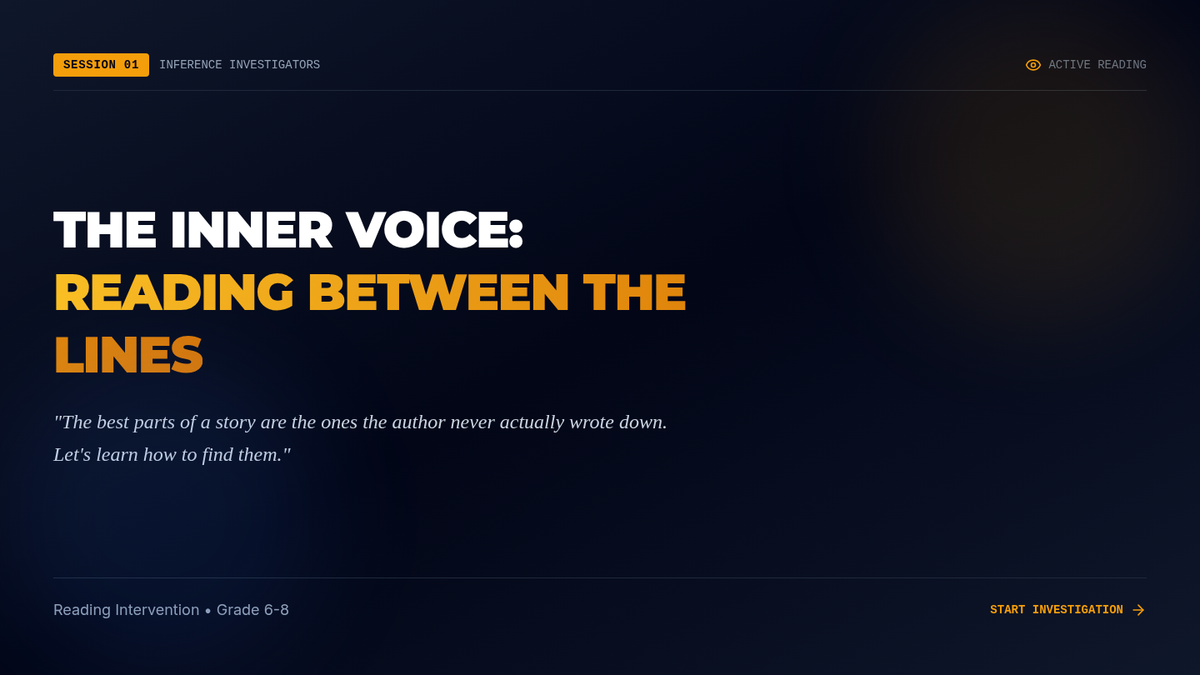
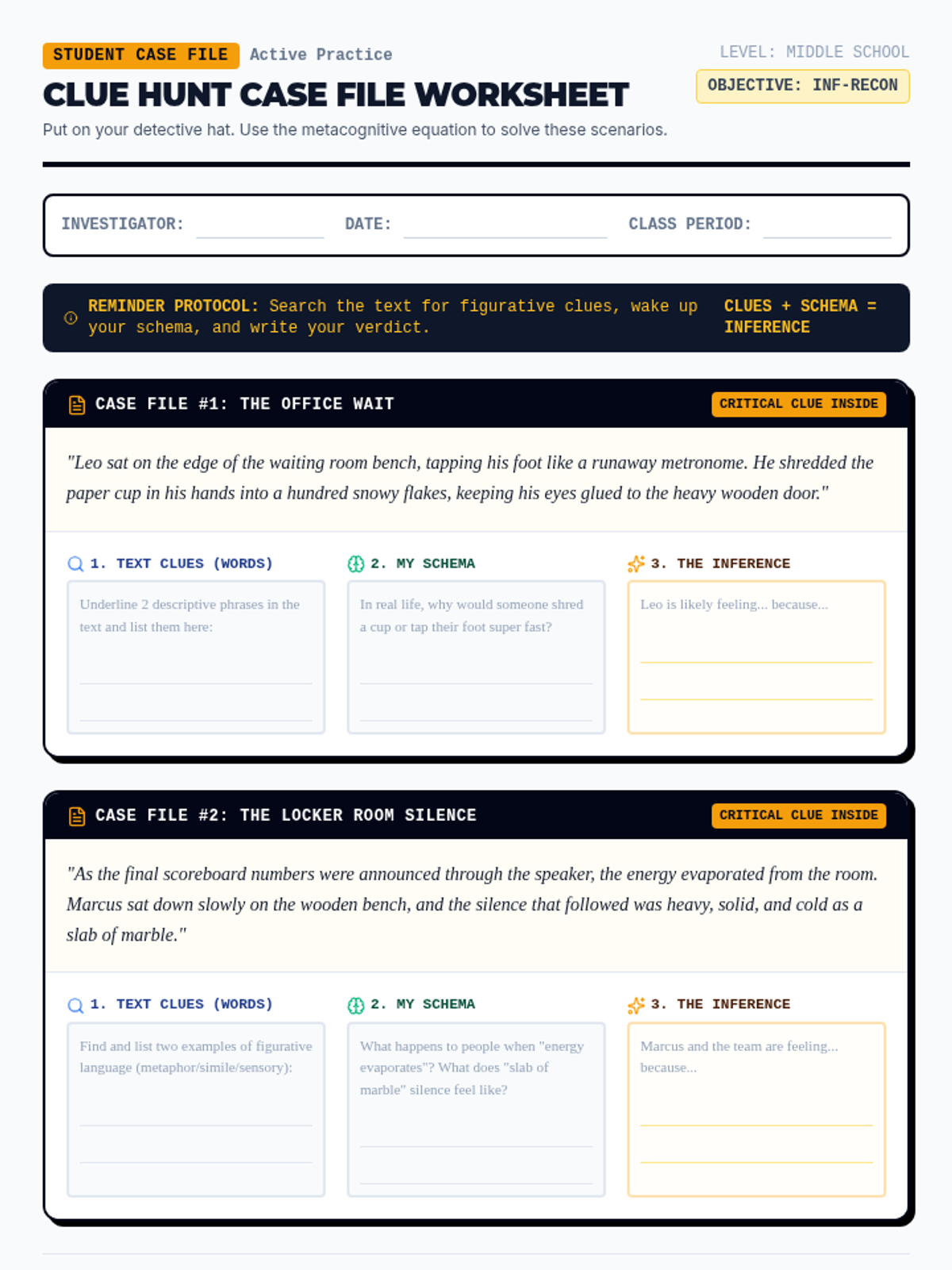
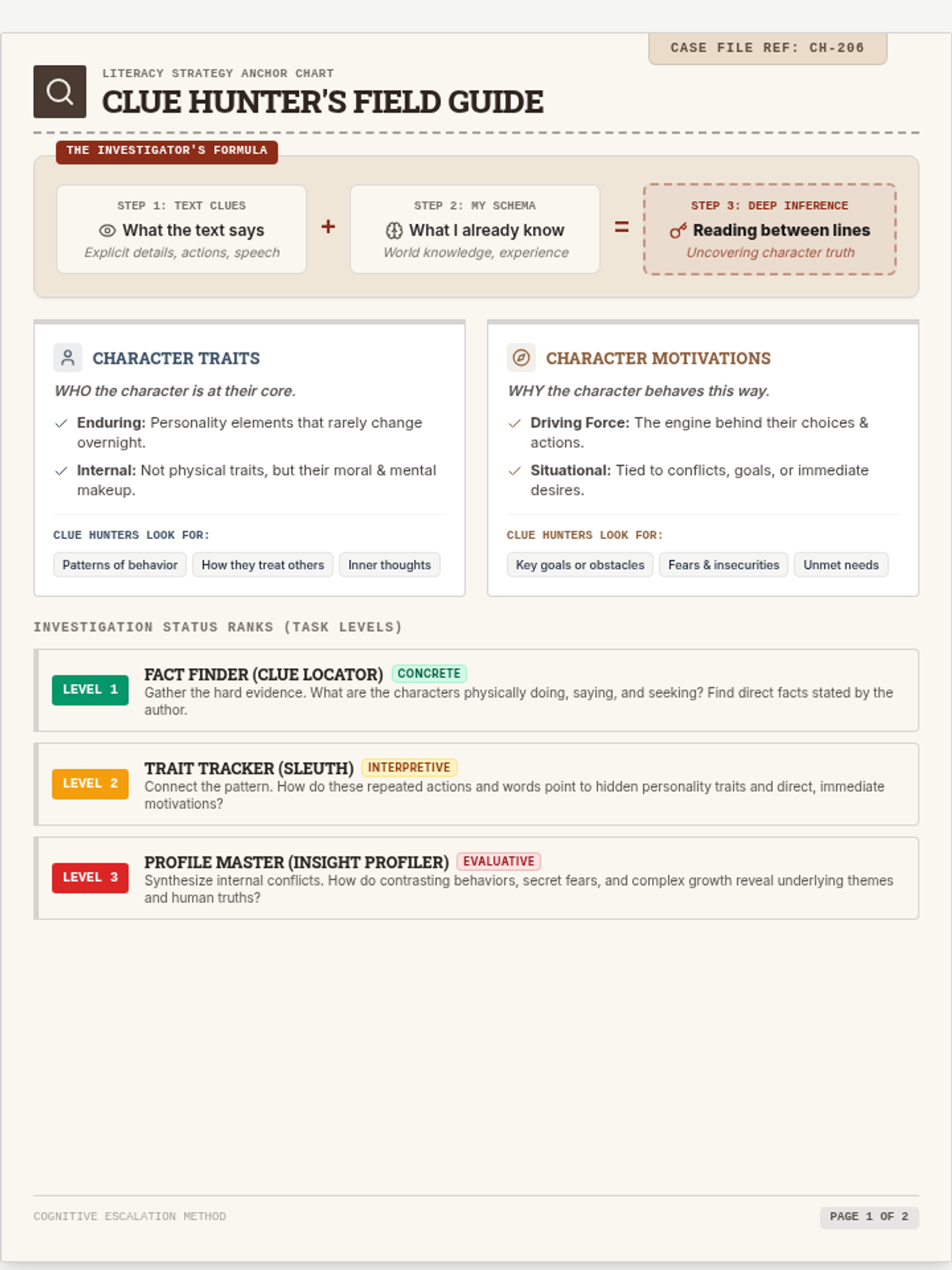
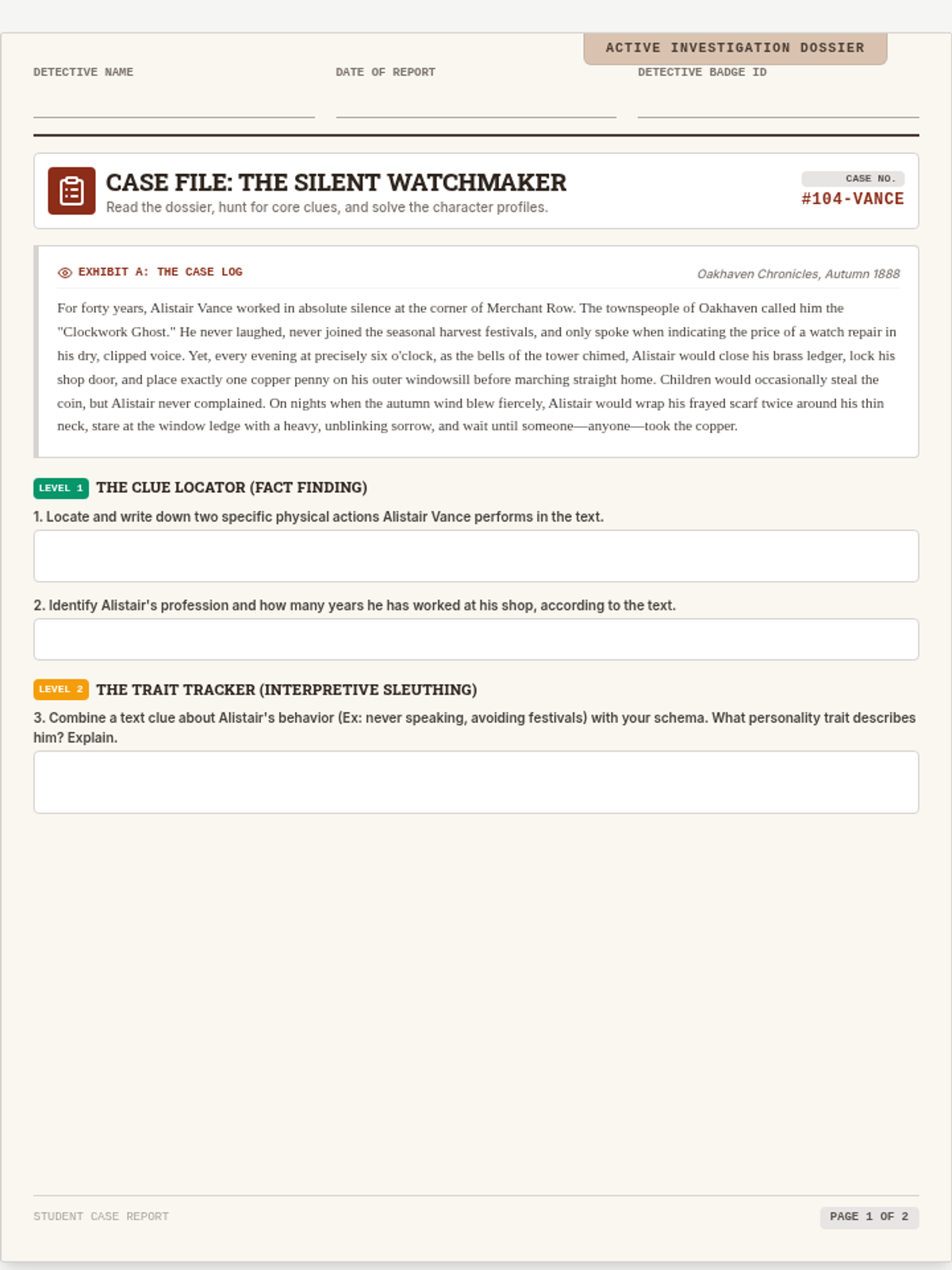
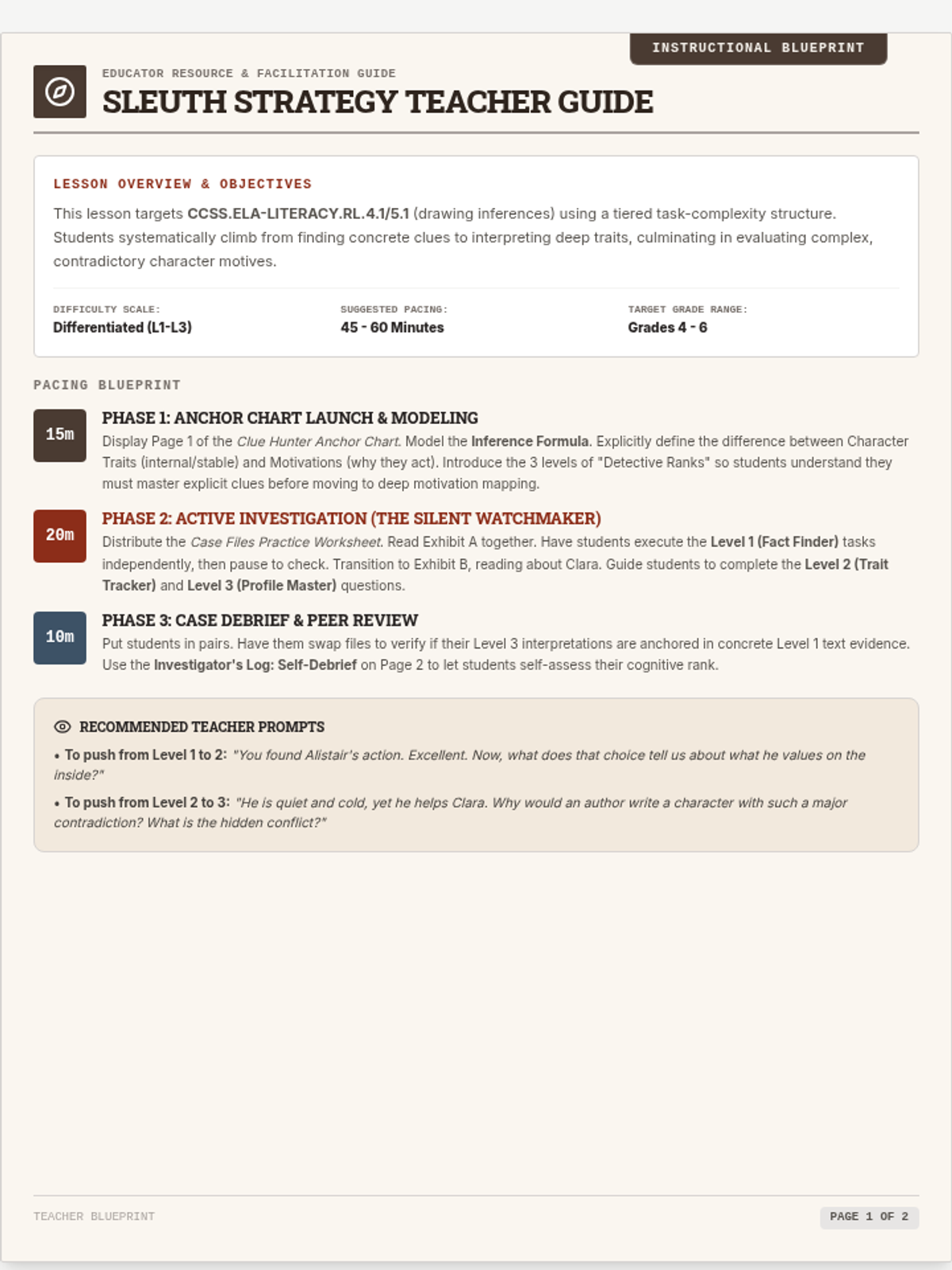
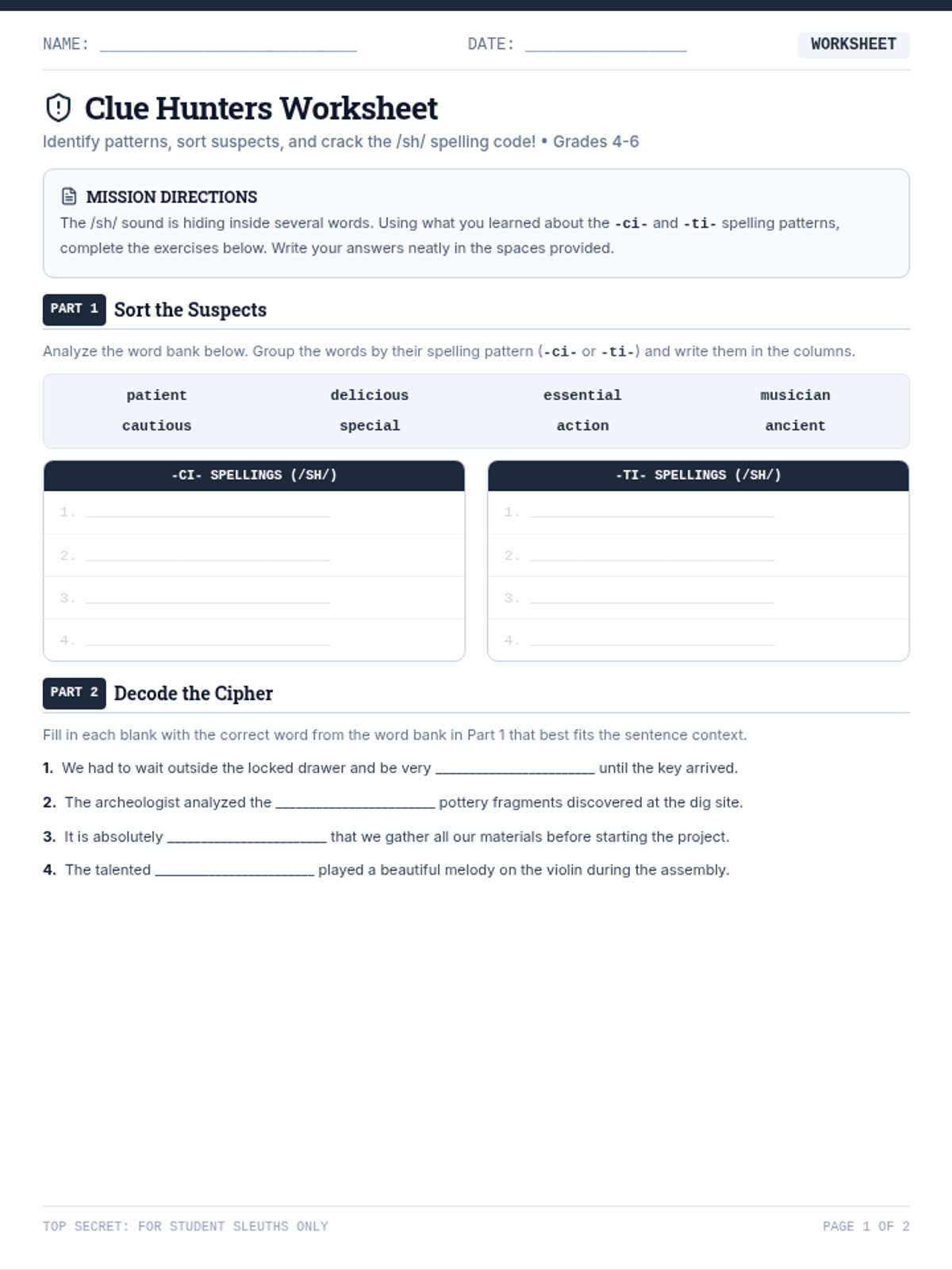
A lesson focused on identifying claims and supporting evidence within short persuasive paragraphs using a detective-themed approach. Students learn to distinguish between what an author wants them to believe (claim) and why they should believe it (evidence).
Summative writing assessment where students independently write a complete, MLA-cited, and reasoned informative paragraph on a choice of familiar topics.
Collaborative peer-review session using a structured quality control checklist. Students evaluate and provide feedback on CER structure and MLA formatting.
Students use a comprehensive graphic organizer to assemble a complete 6-8 sentence paragraph. The lesson guides the full drafting process with visual and formulaic support.
Focuses on concluding sentences that mirror the topic sentence using synonyms. Students ensure a polished finish to their paragraphs about sports and interests.
Teaches the strategic use of transition words to create logical flow between CER components. Students apply smooth pathways to writing about personal interests.
Instruction on the 'Reasoning' component of CER. Students learn to explain the logical connection between evidence and claims using job skills as a thematic context.
Introduces the specific mechanics of MLA in-text citations. Students learn to give credit to sources using fashion-themed evidence and the (Author Page) format.
Teaches students how to distinguish facts from opinions and select relevant evidence from text sources. Students use automotive technology as a thematic base for finding 'bricks'.
Focuses on crafting clear, focused topic sentences (Claims) using the 'Topic + Main Idea' formula. Students practice anchoring their writing in the popular topic of soccer.
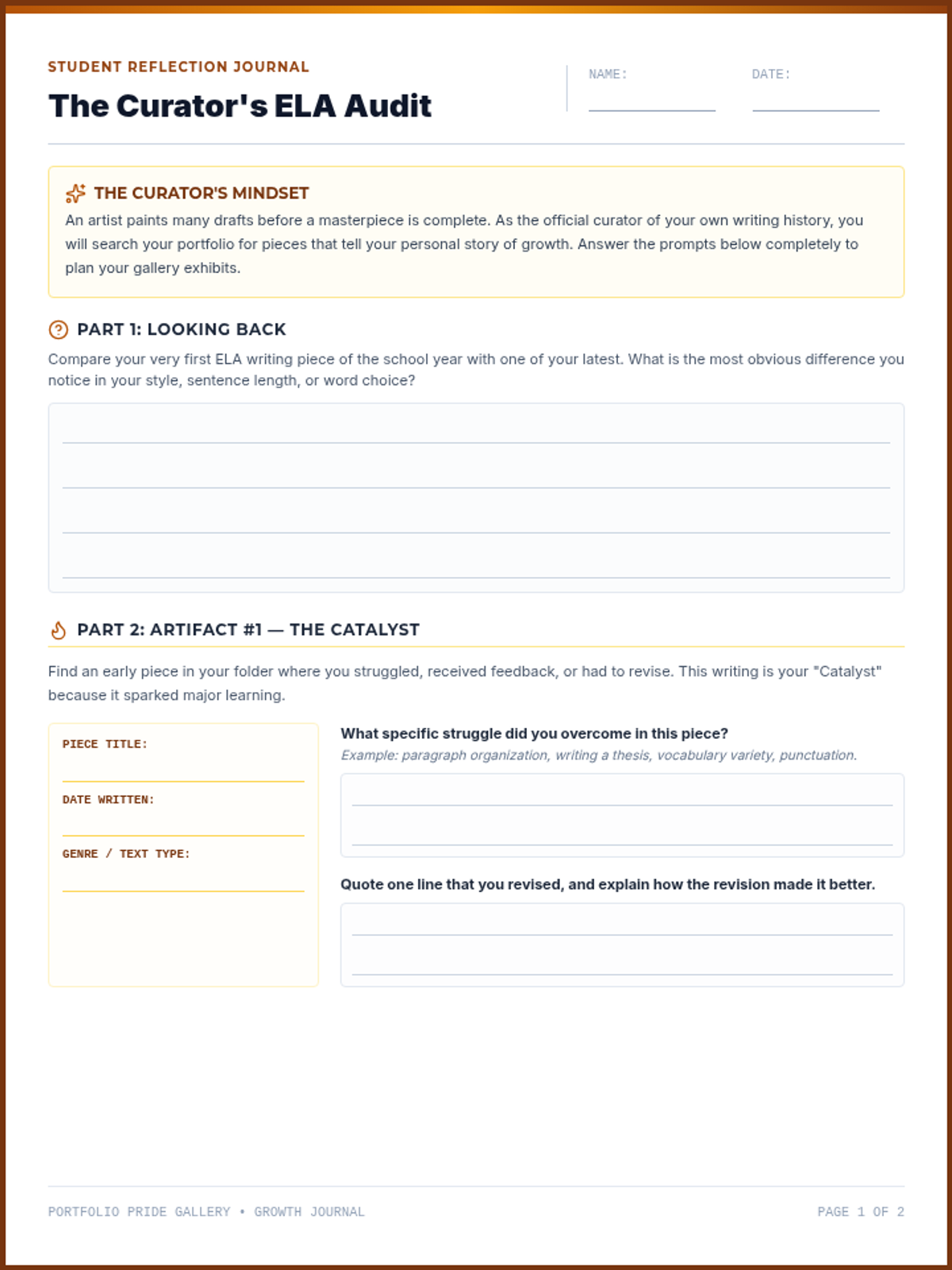
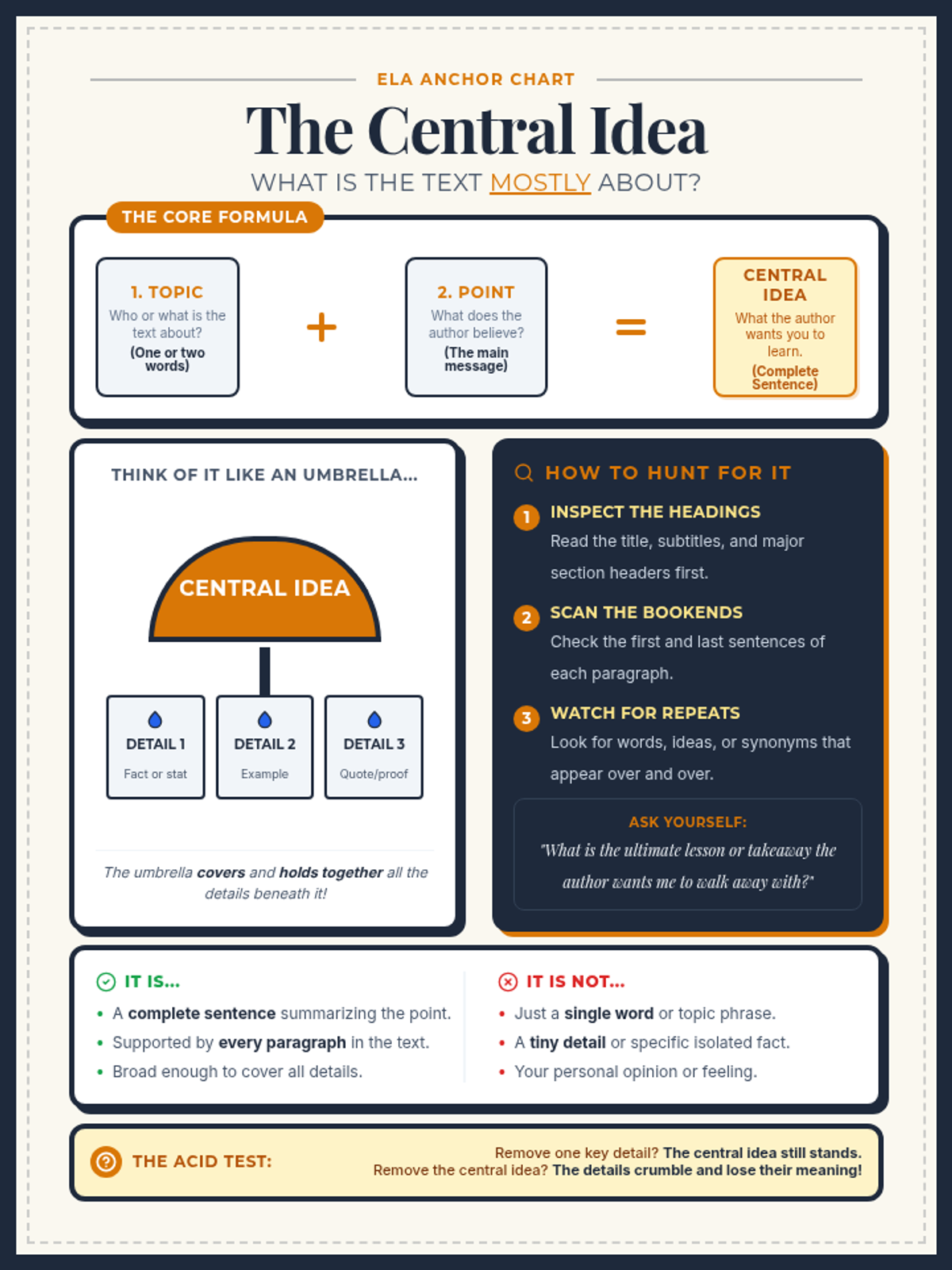
Introduction to the Claim-Evidence-Reasoning (CER) structure of an informative paragraph using mentor texts about personal hobbies. Students learn to identify and define the three core components of a strong paragraph.
The mystery concludes as students use cause-and-effect inferences to understand the final vocabulary words and solve the clock's puzzle.
The first session introduces the story and focuses on using synonym and antonym context clues to define unknown words. Students will help Elias explore a dusty attic.
Elias discovers the mysterious clock, requiring students to use logic and definition clues to understand words related to the clock's strange behavior.
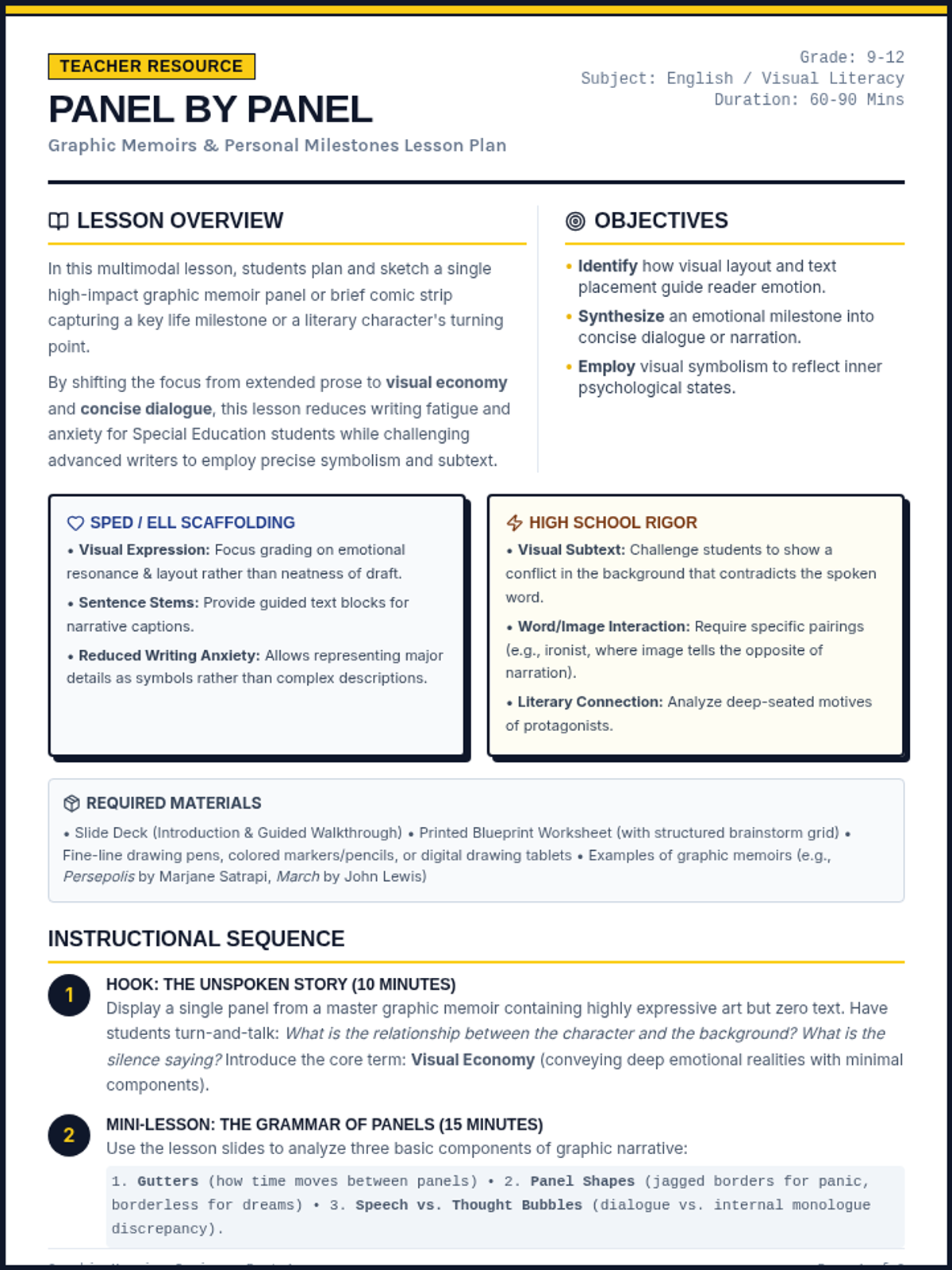
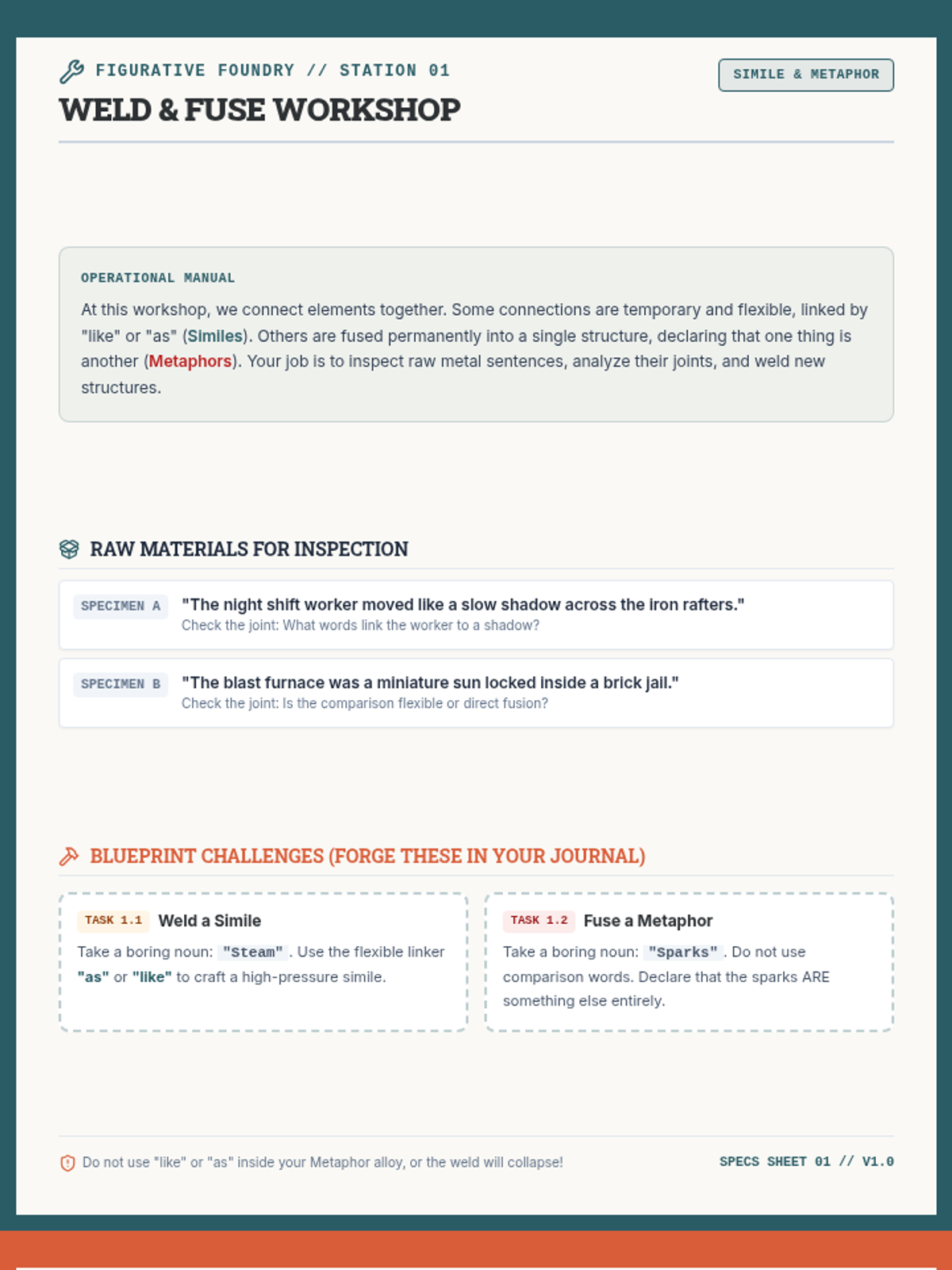
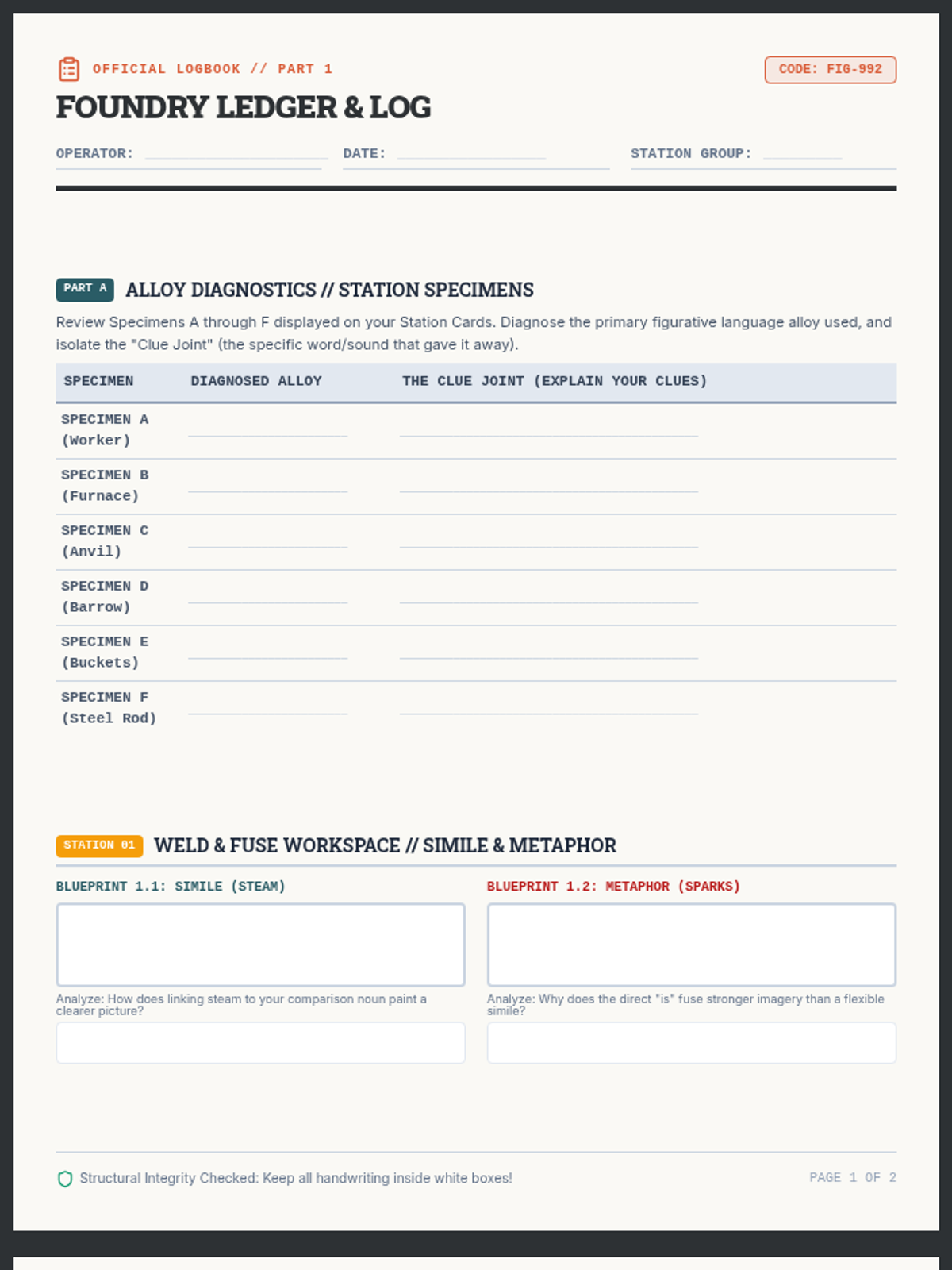
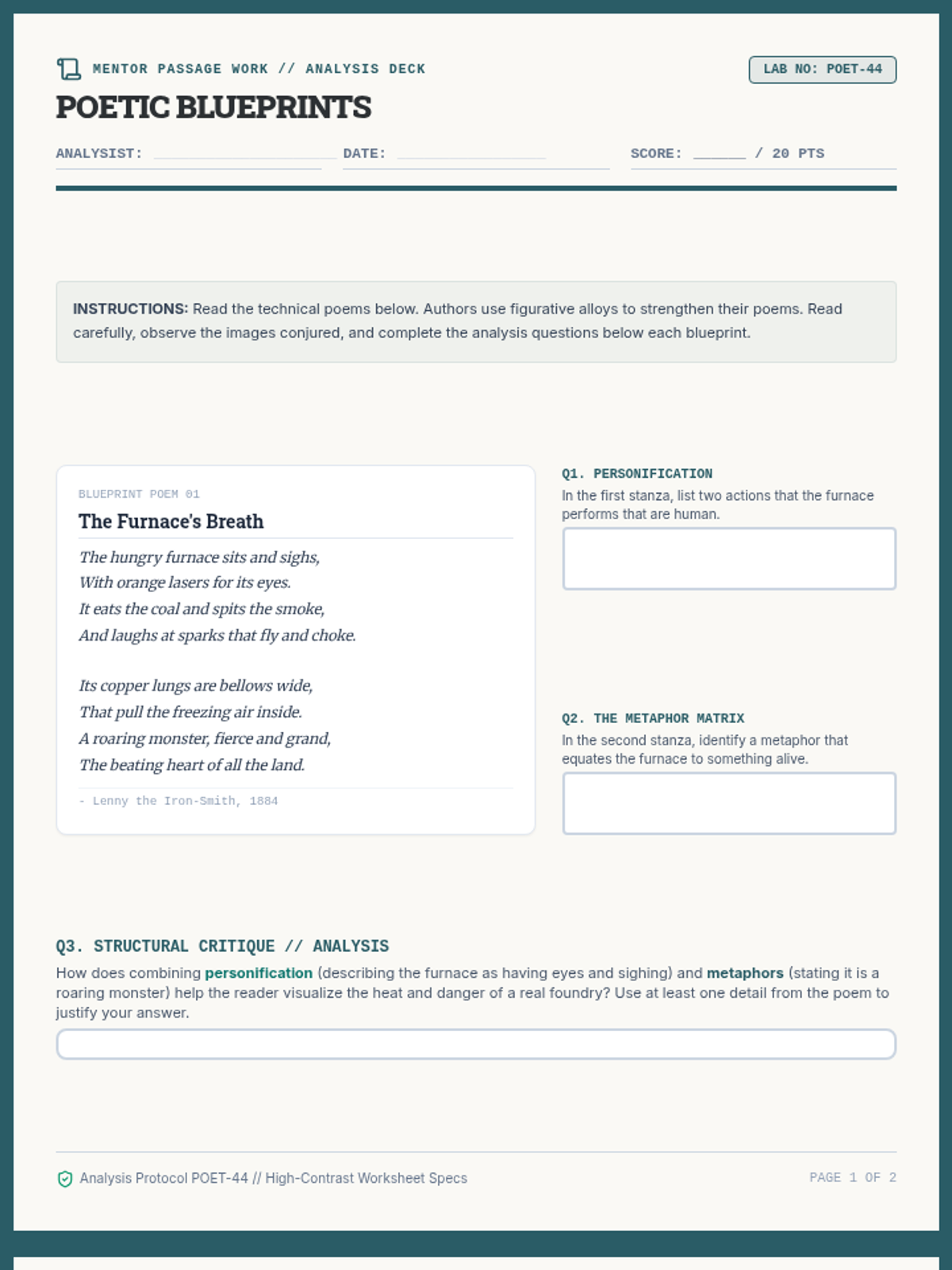
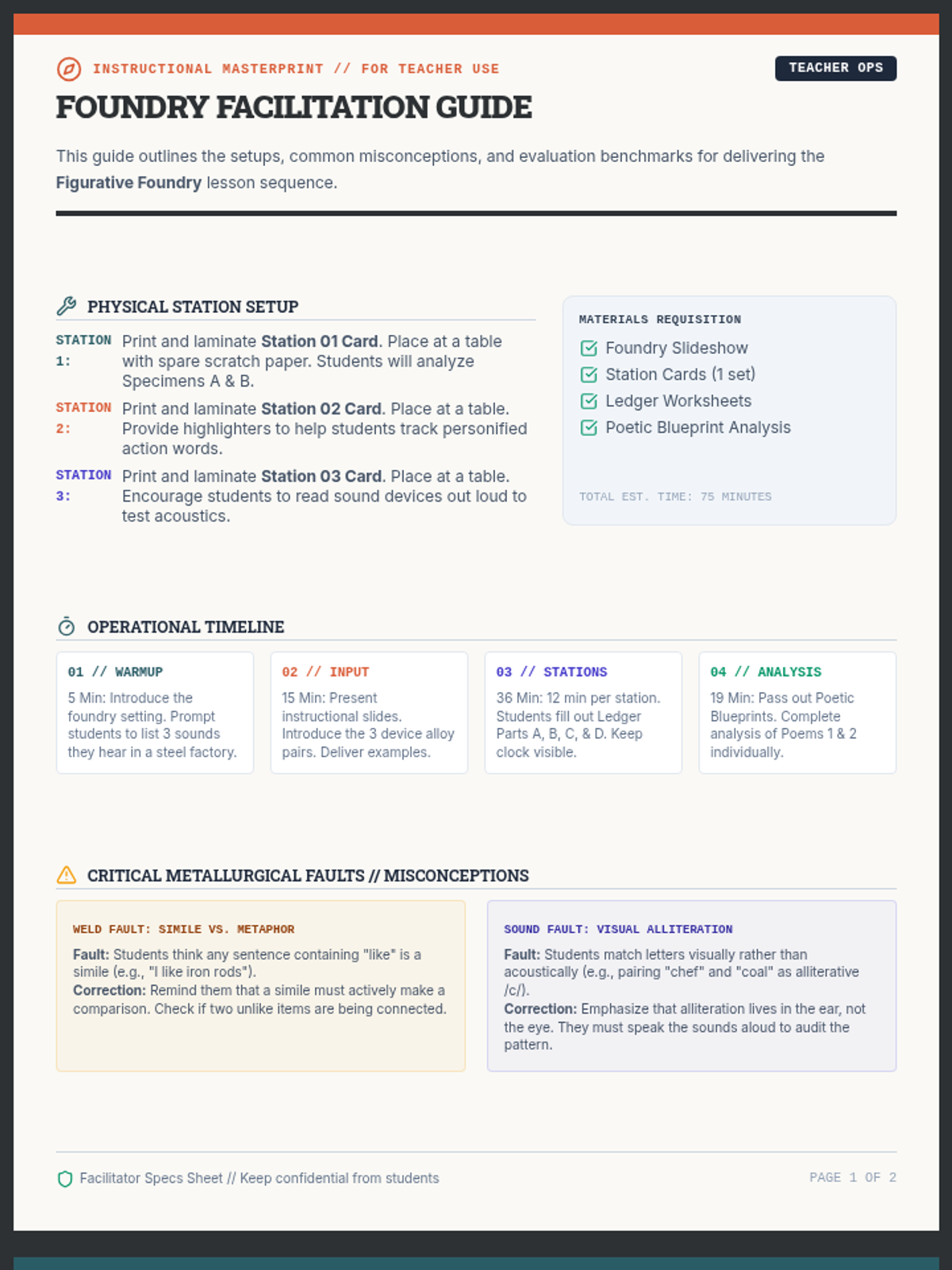
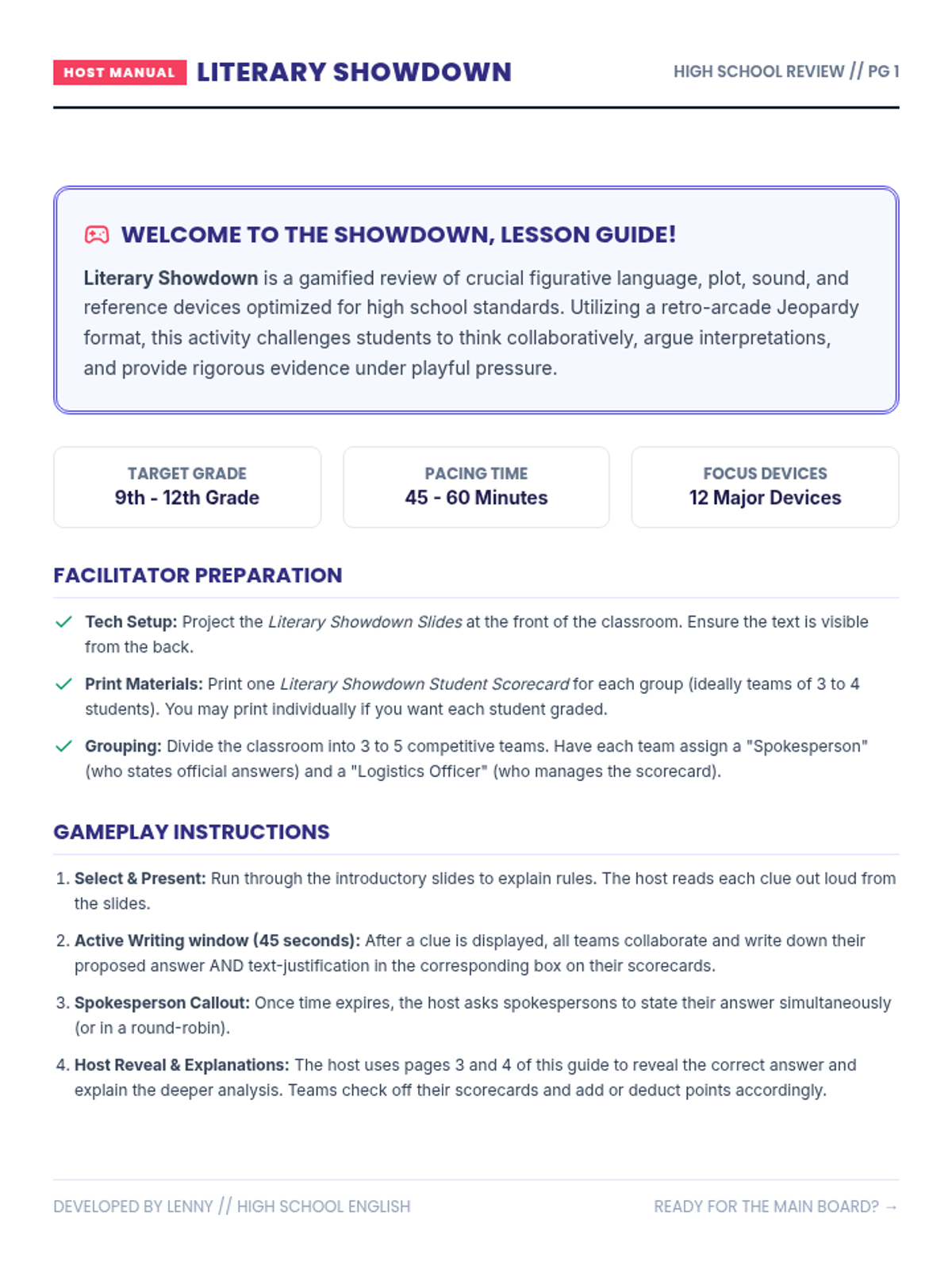
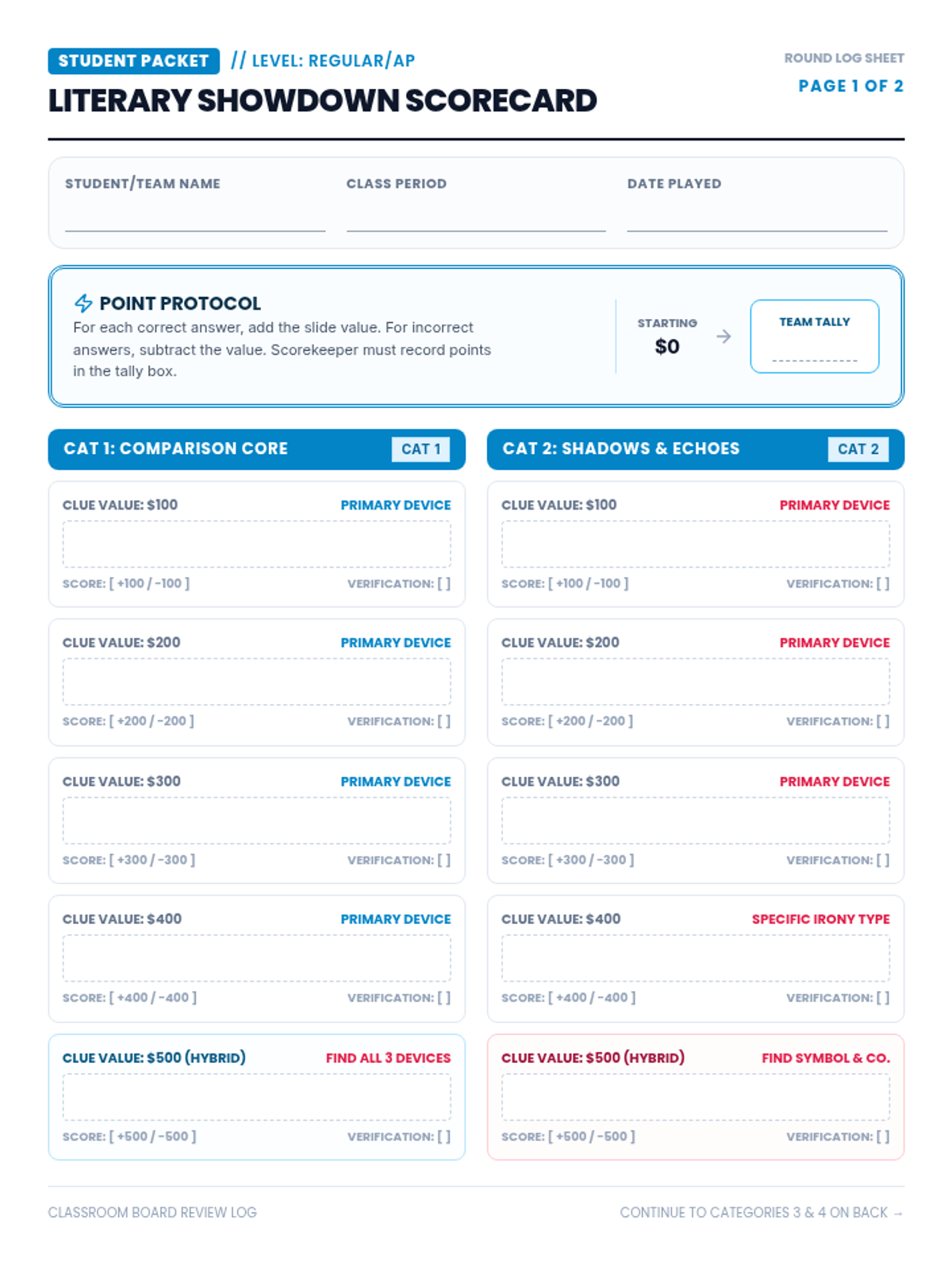
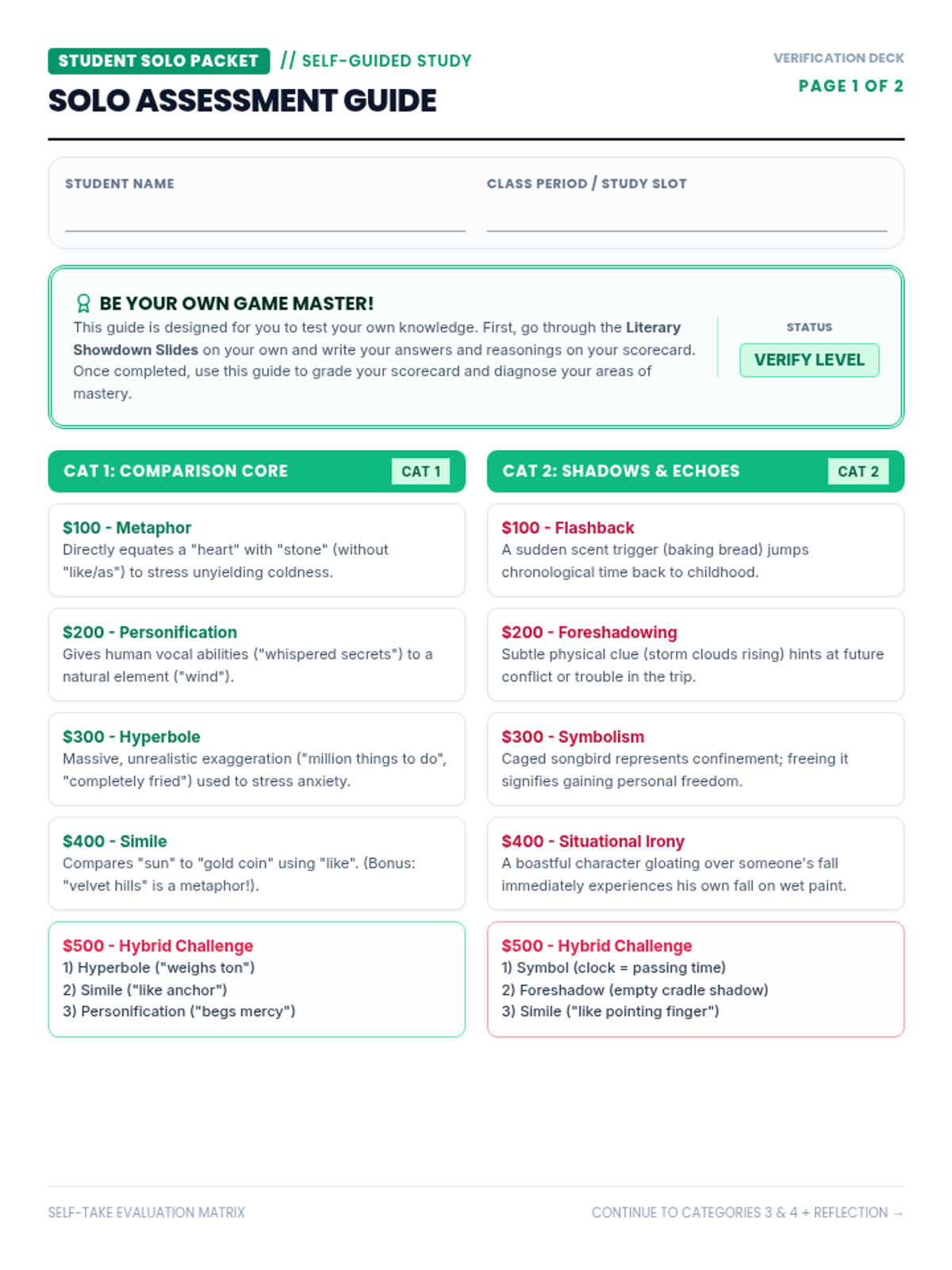
A complete lesson covering similes, metaphors, idioms, personification, hyperbole, onomatopoeia, alliteration, oxymoron, and symbolism through direct instruction and guided practice.
A foundational lesson for high school freshmen to master academic vocabulary through morphology. Students learn to deconstruct and build words using common academic prefixes and suffixes.