A high-energy lesson on the science of roller coasters, focusing on citing text evidence (RI.1) and understanding domain-specific vocabulary (RI.4). Students will explore how gravity and momentum power their favorite rides.
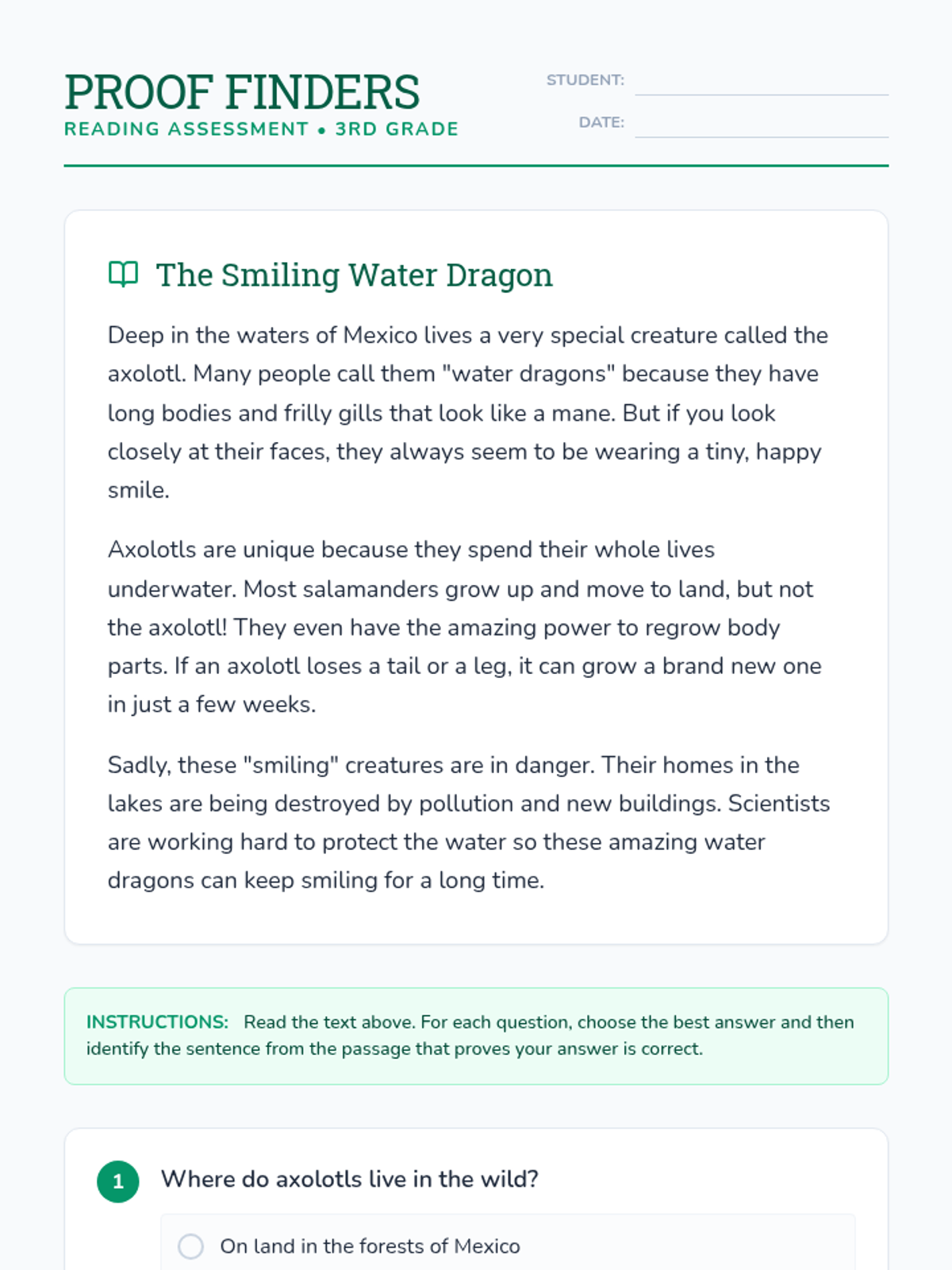
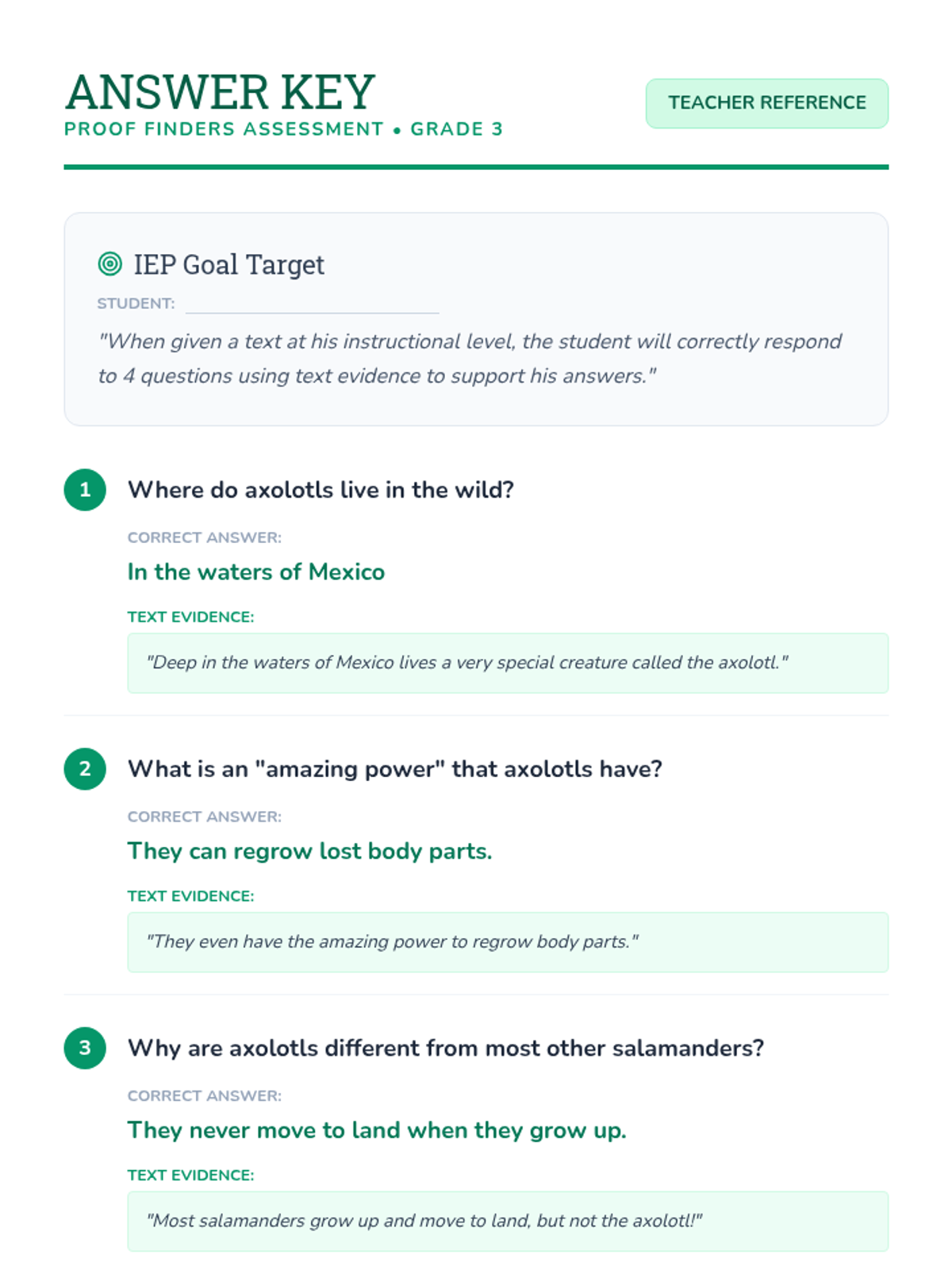
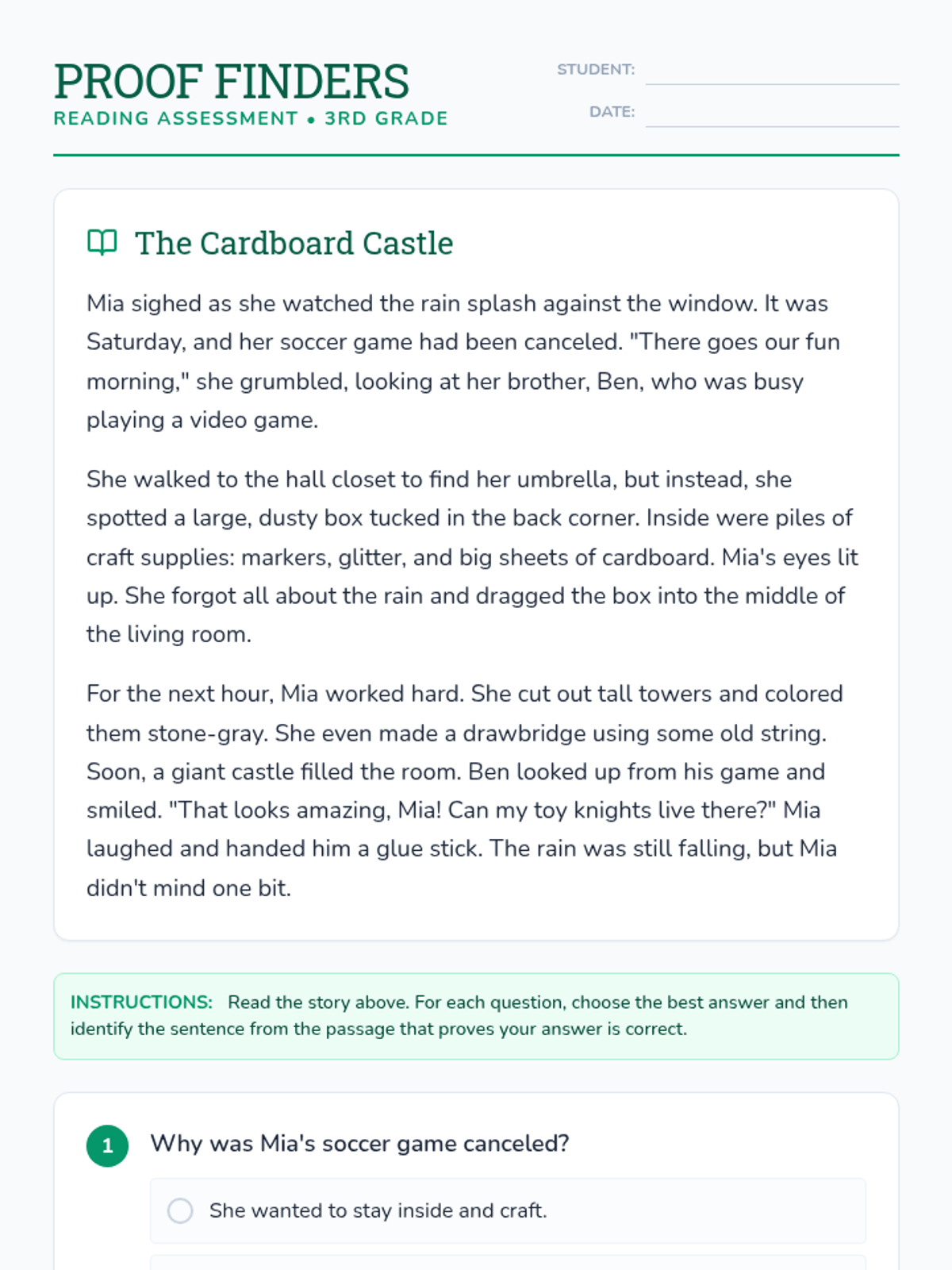
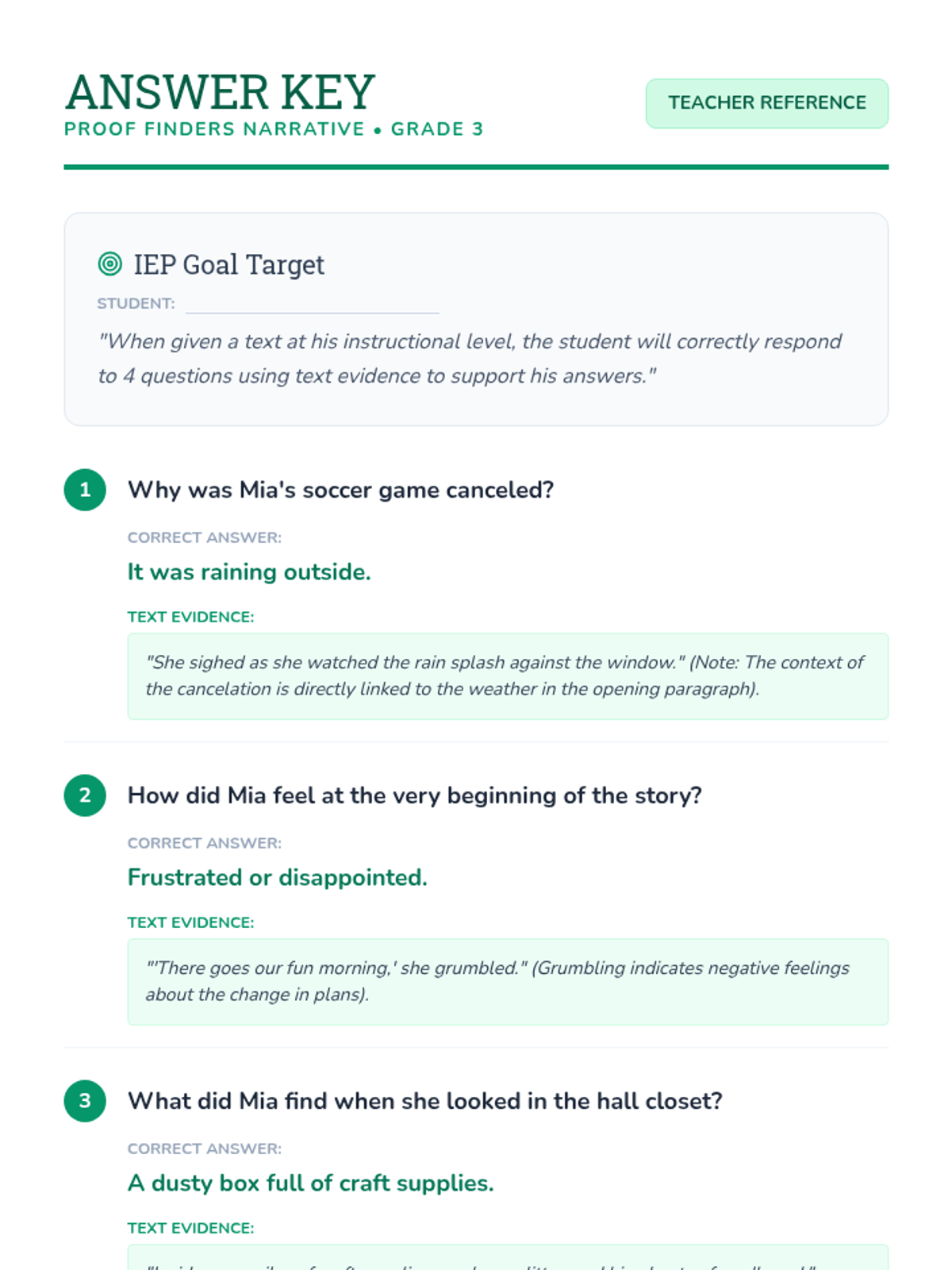
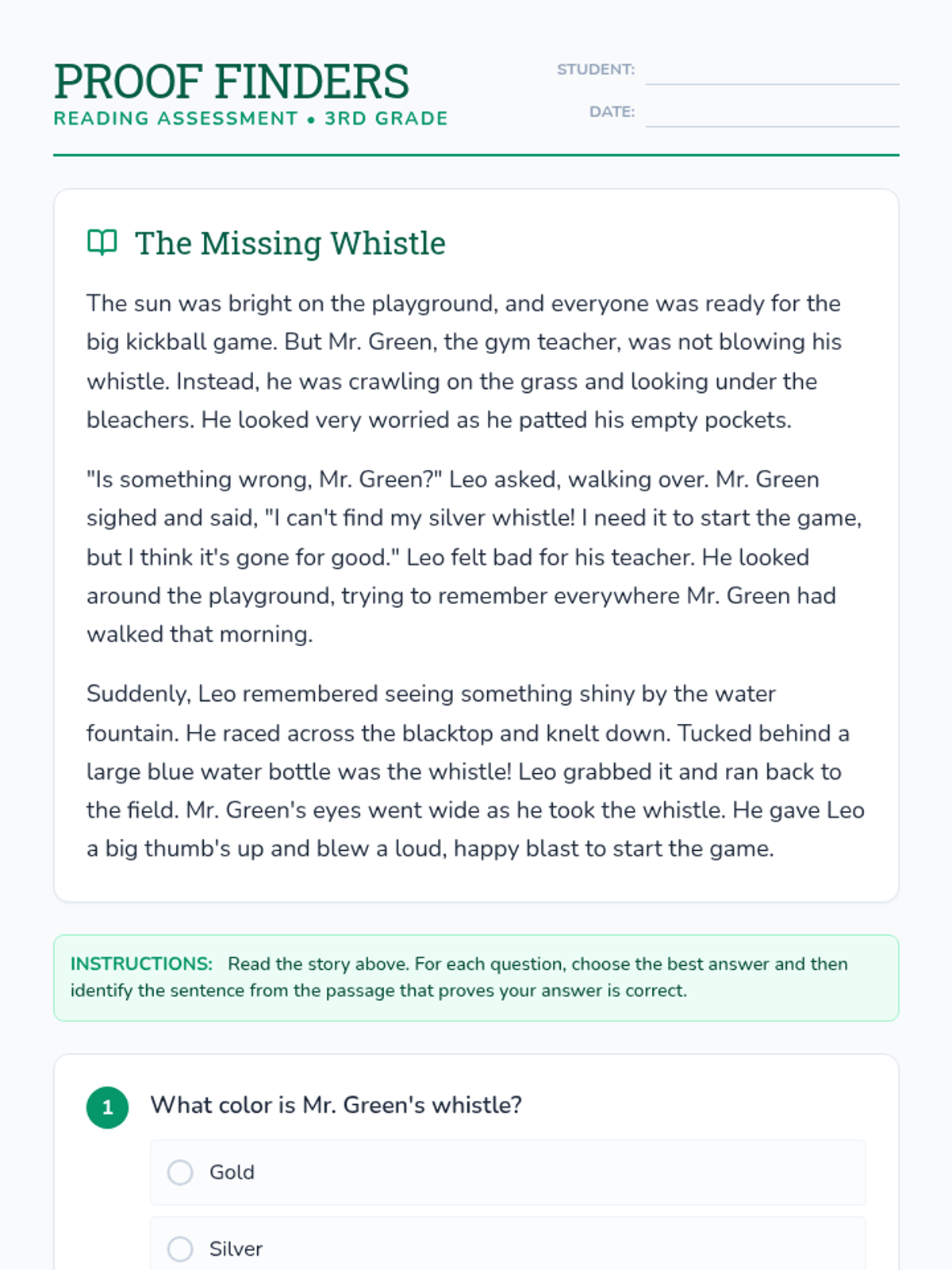
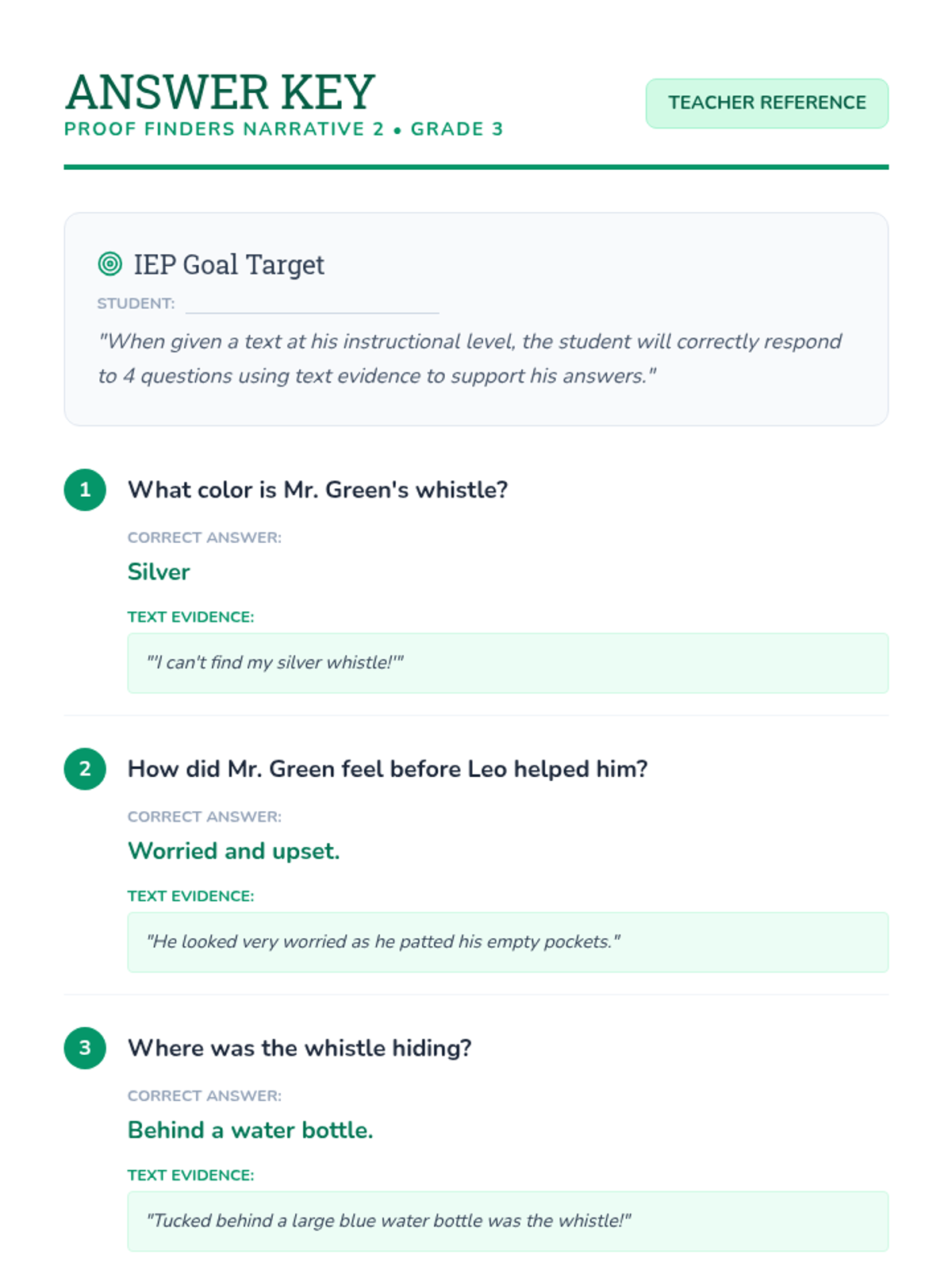
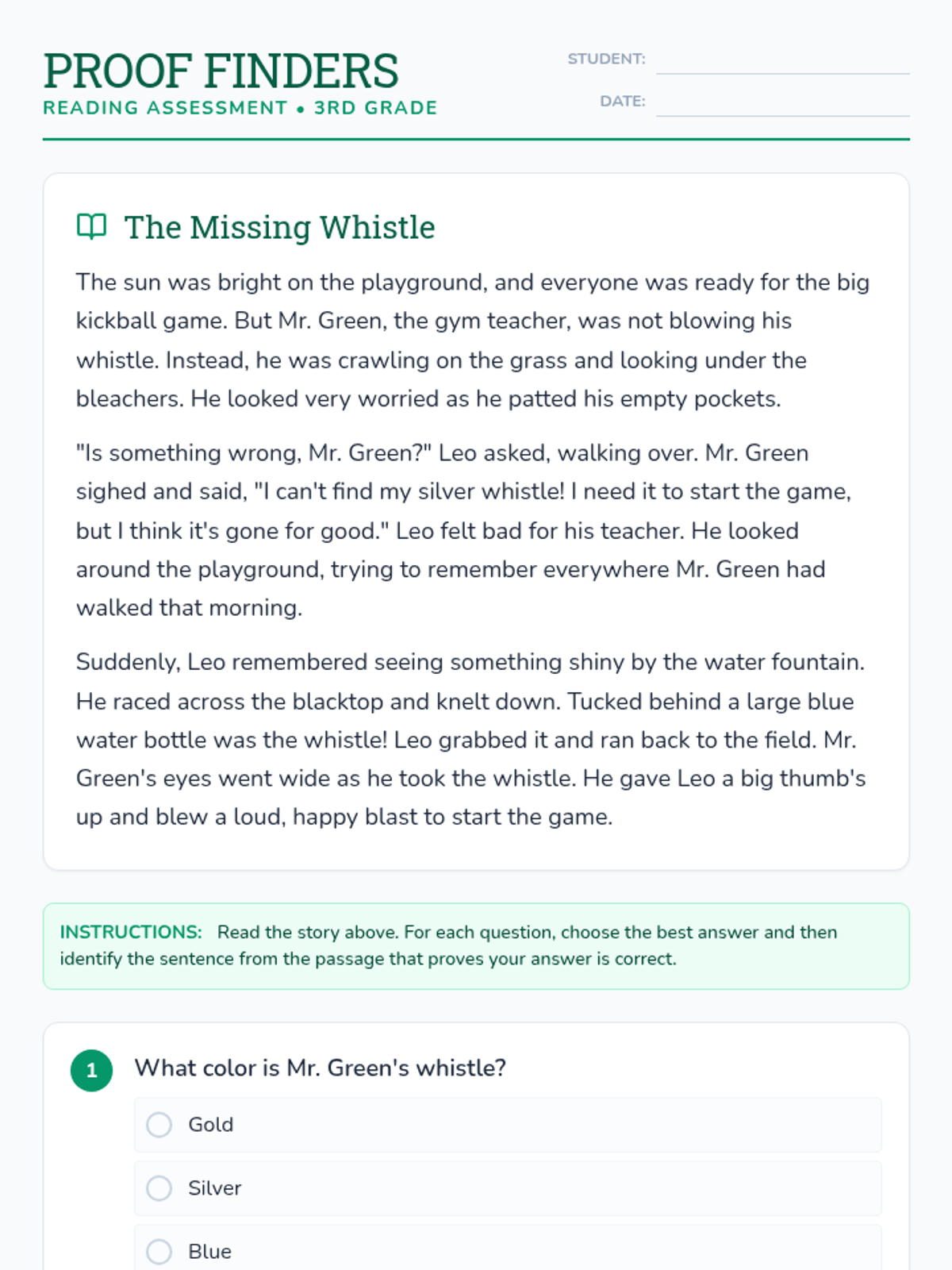
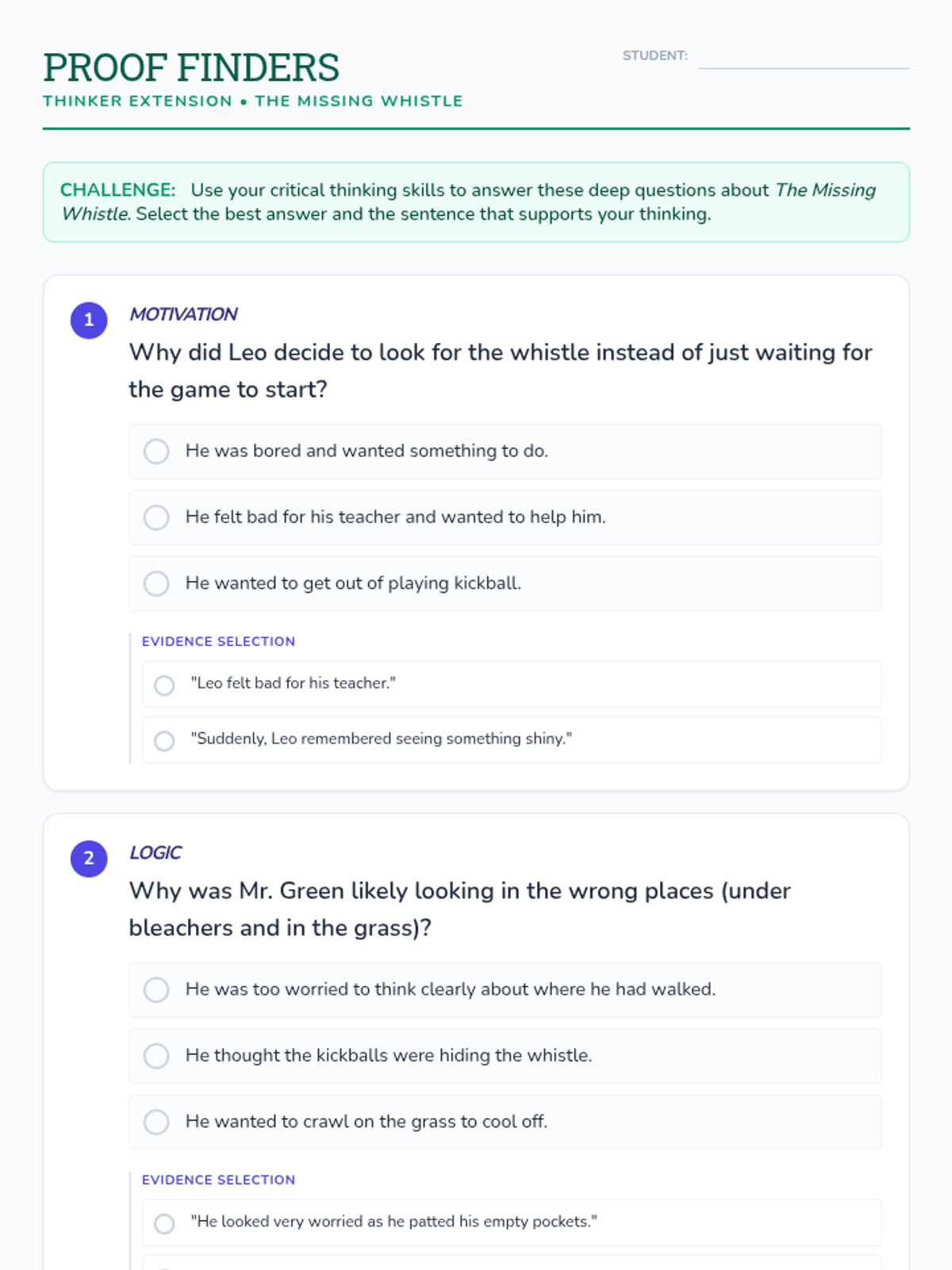
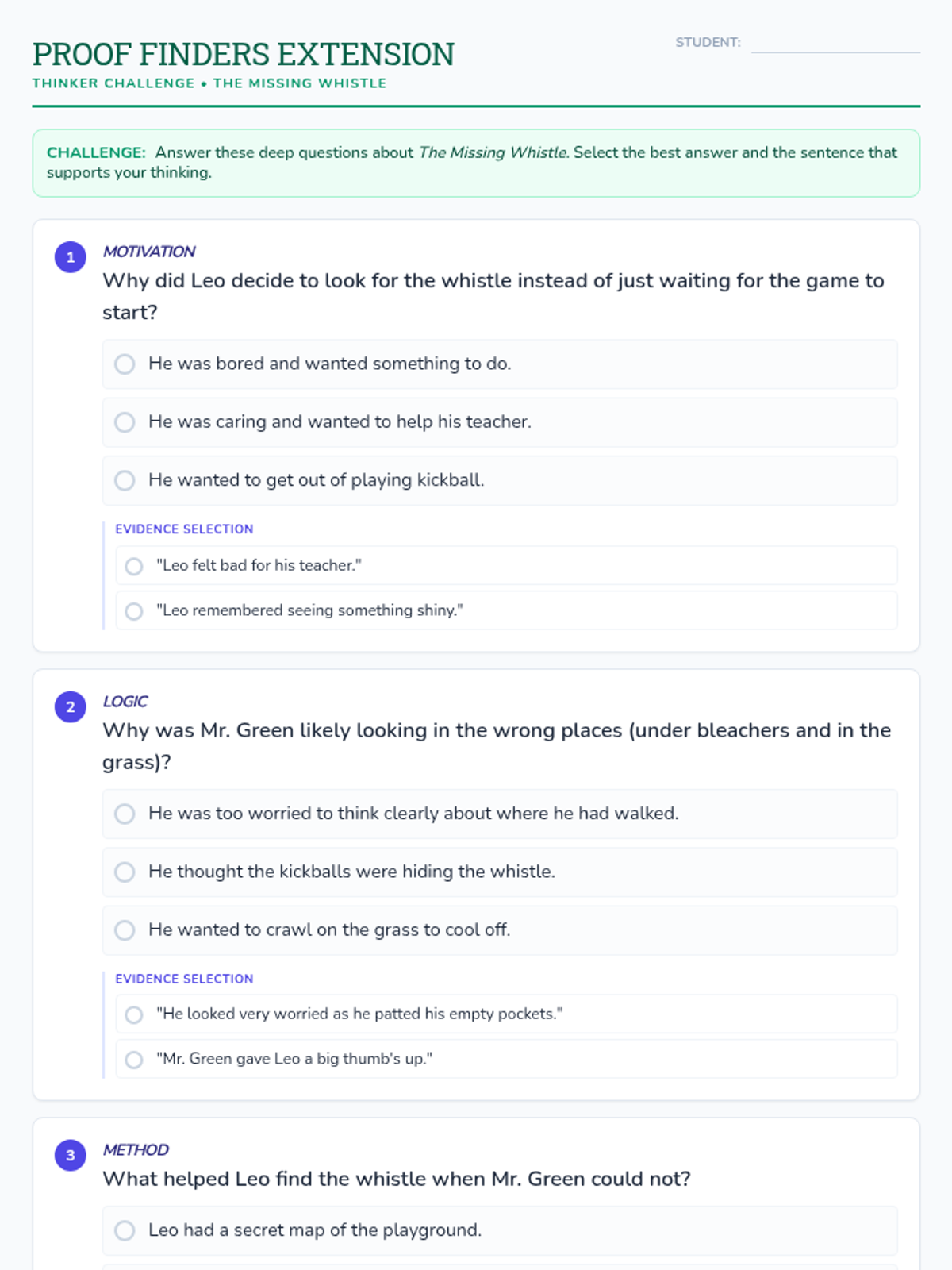
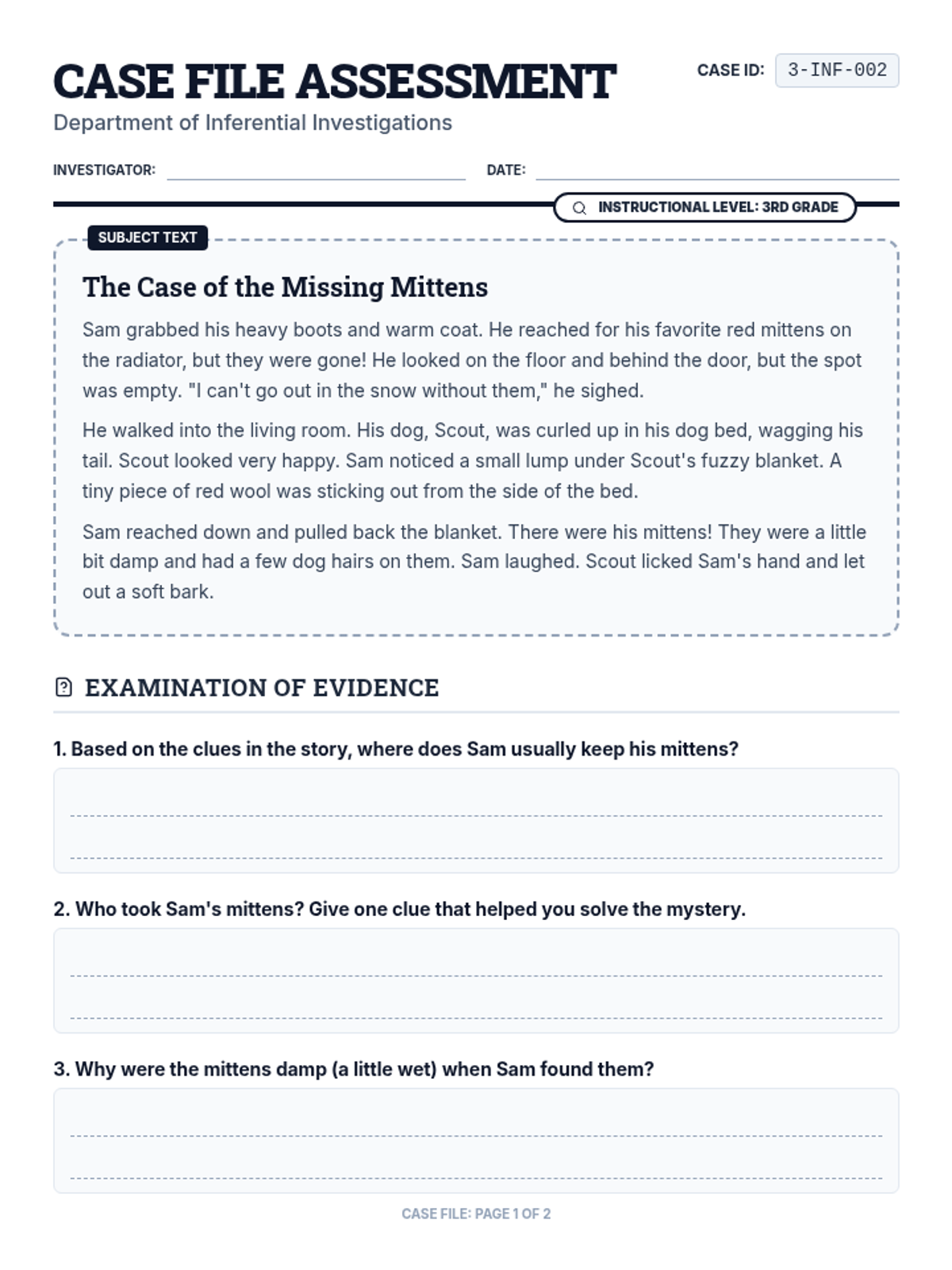
A reading comprehension assessment focused on identifying factual and inferential information and supporting it with text-based evidence, specifically designed for 3rd-grade level goals.
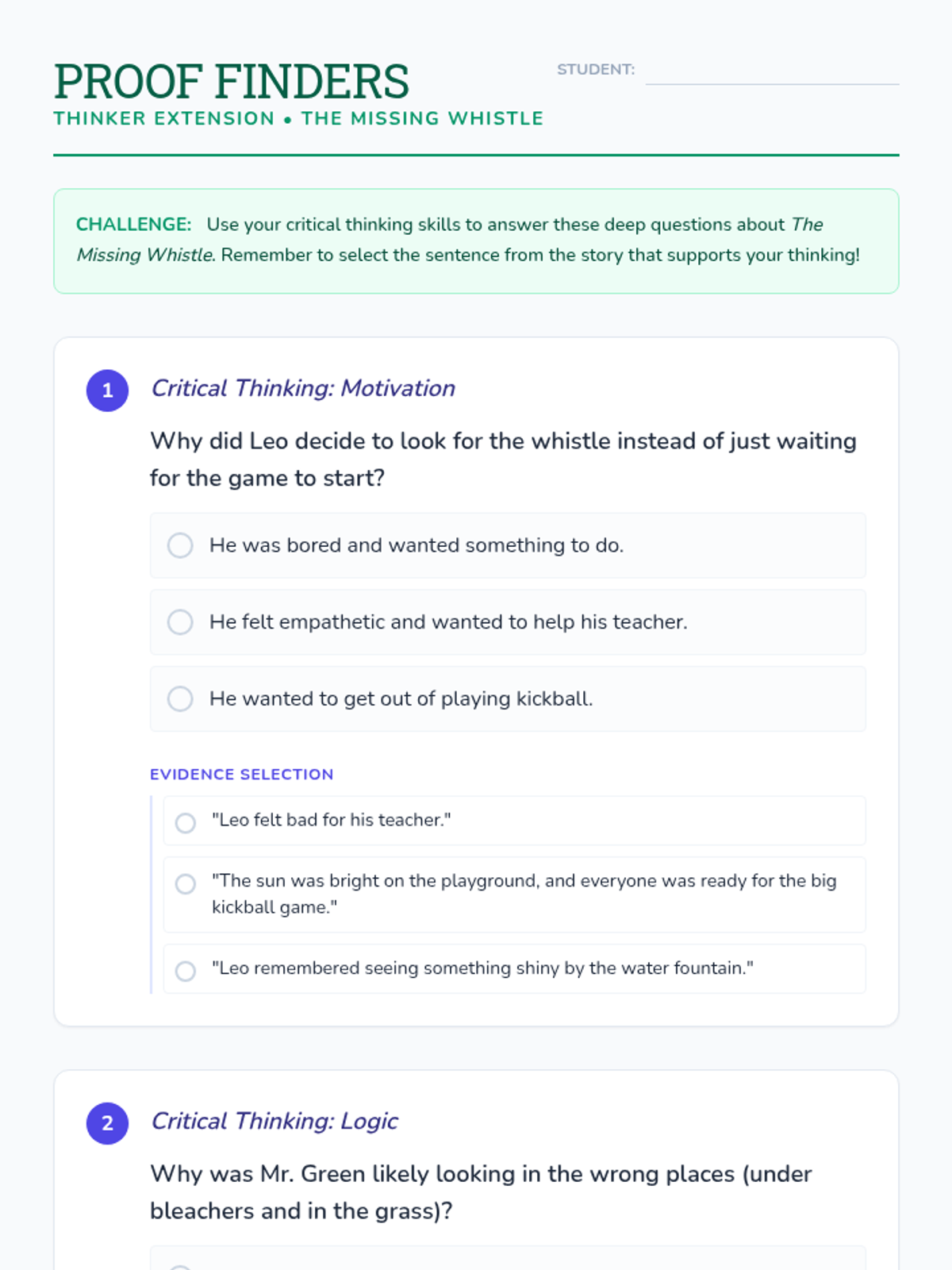
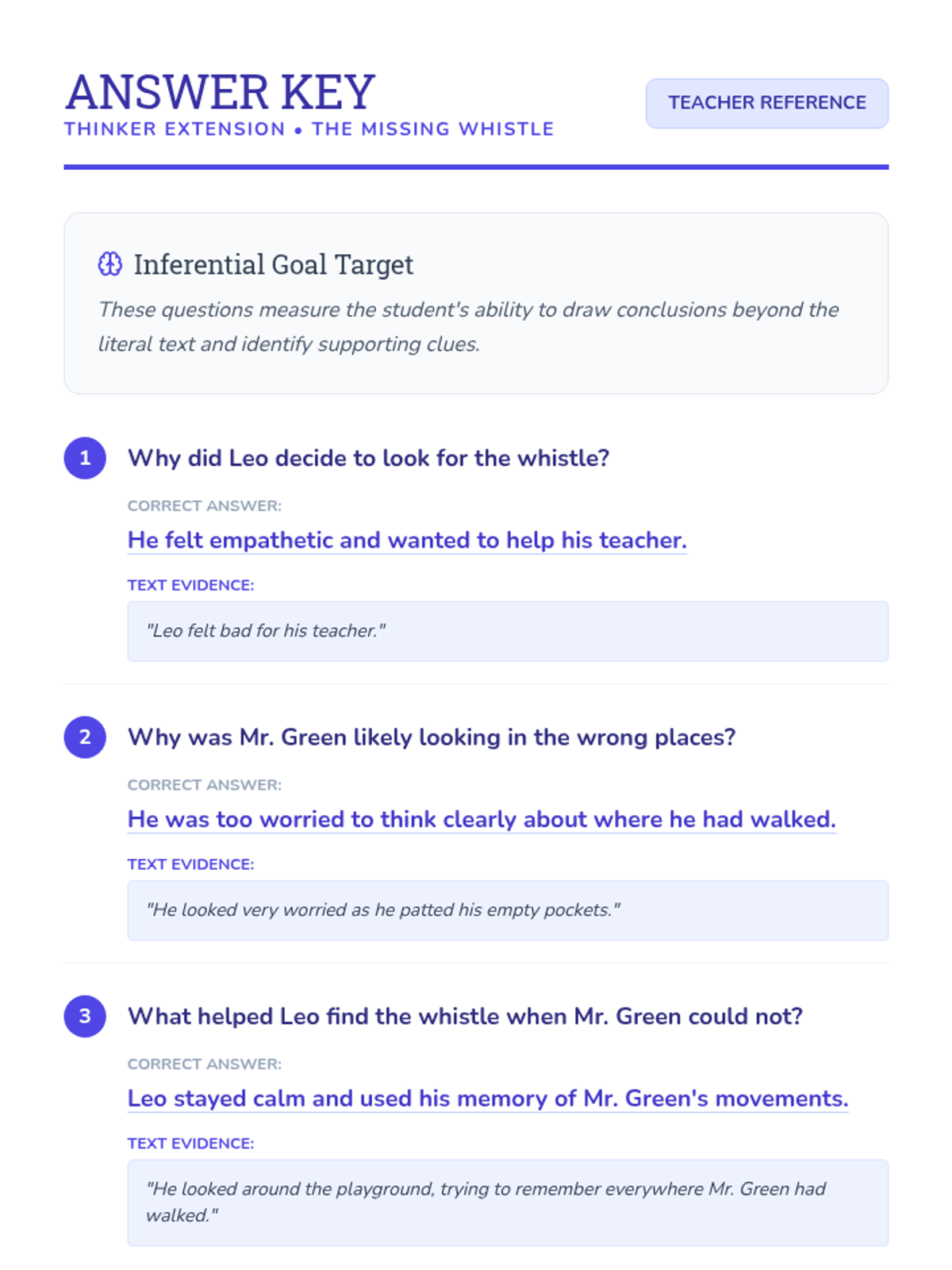
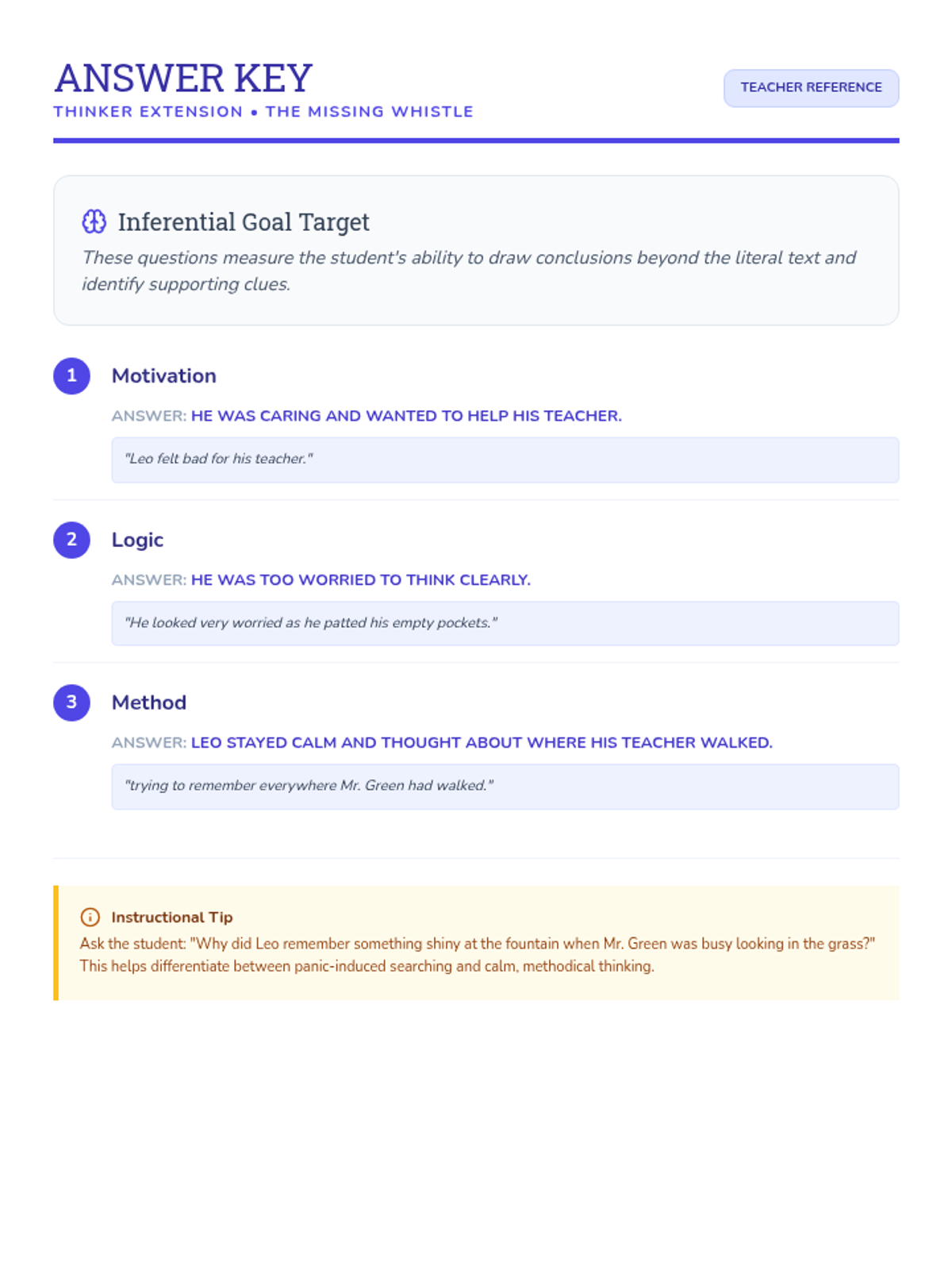
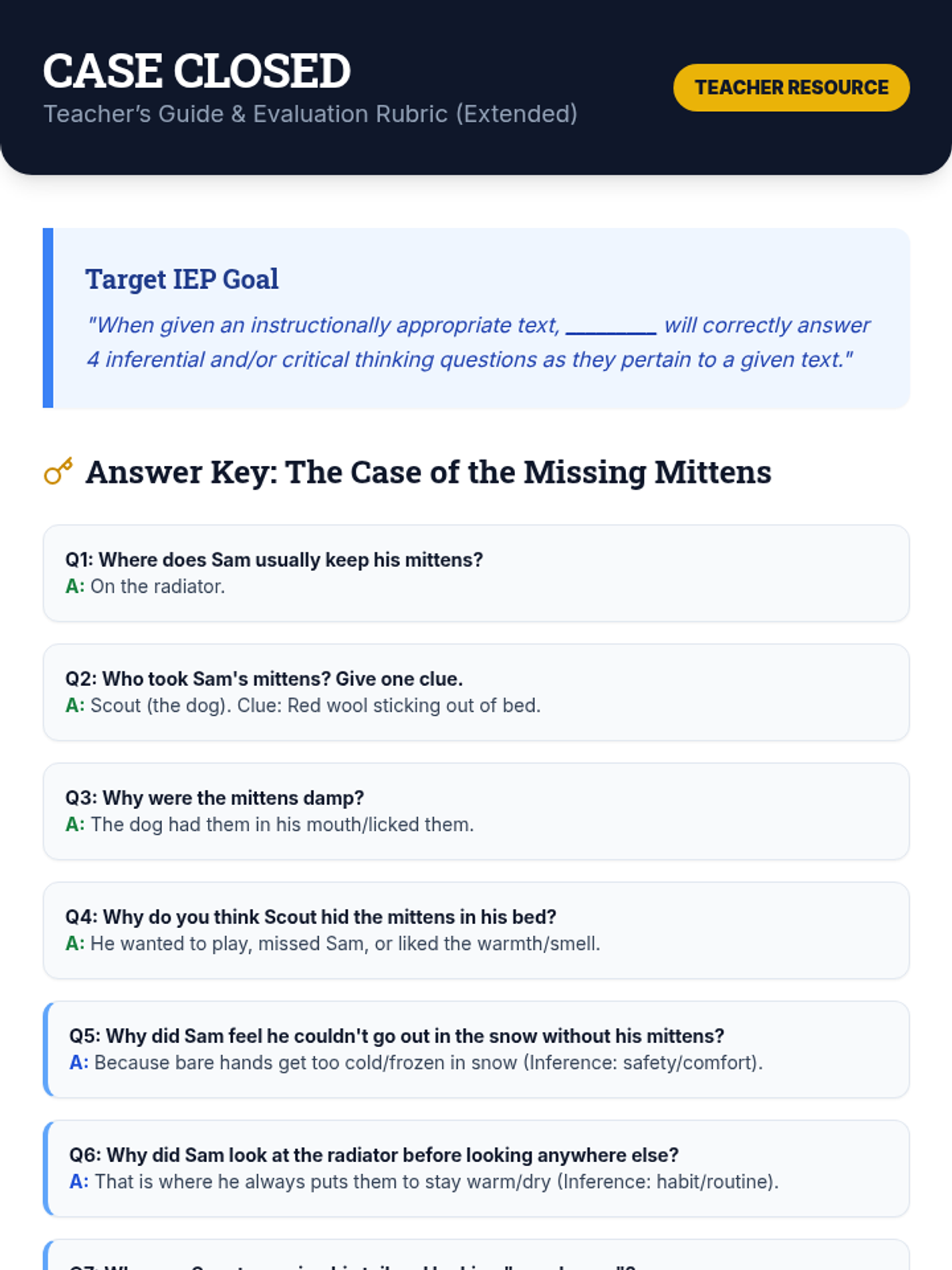
A lesson focused on developing inferential and critical thinking skills for 3rd-grade readers, using a detective-themed approach to "solve" stories by looking for clues.
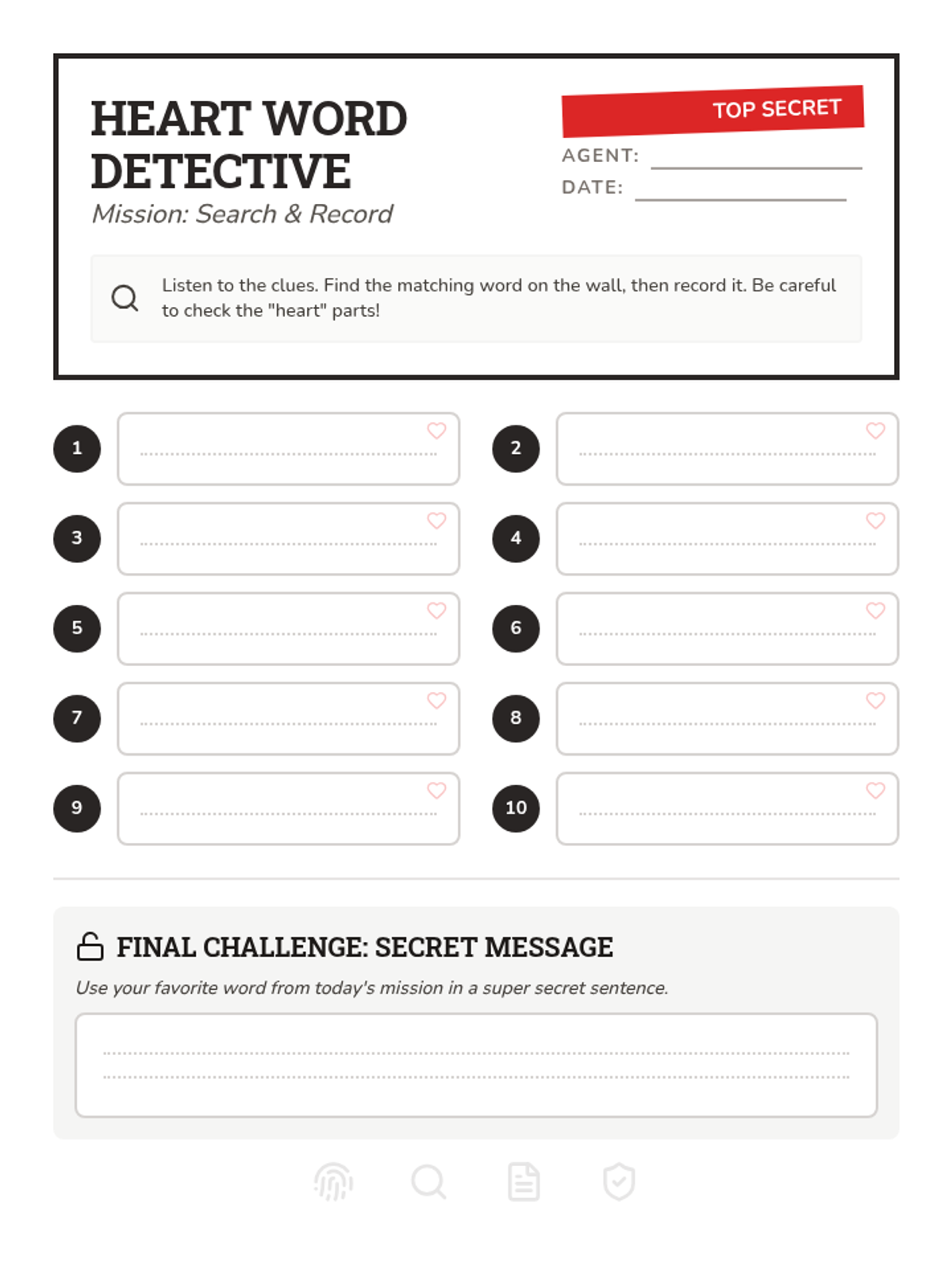
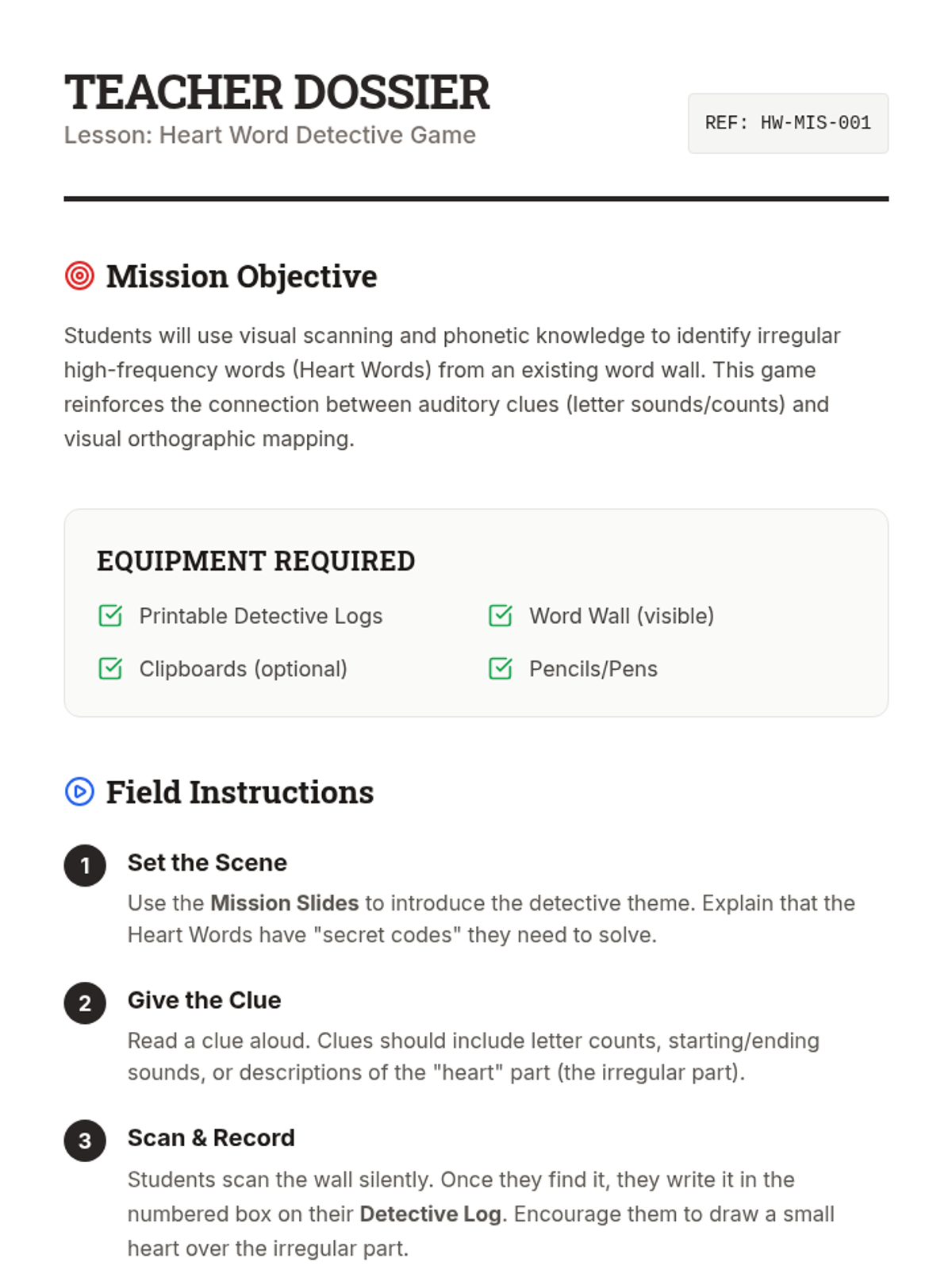
A whole-group game where students use their classroom word wall to solve word mysteries and practice spelling irregular heart words. Students become 'Heart Word Detectives' to find words based on teacher clues.
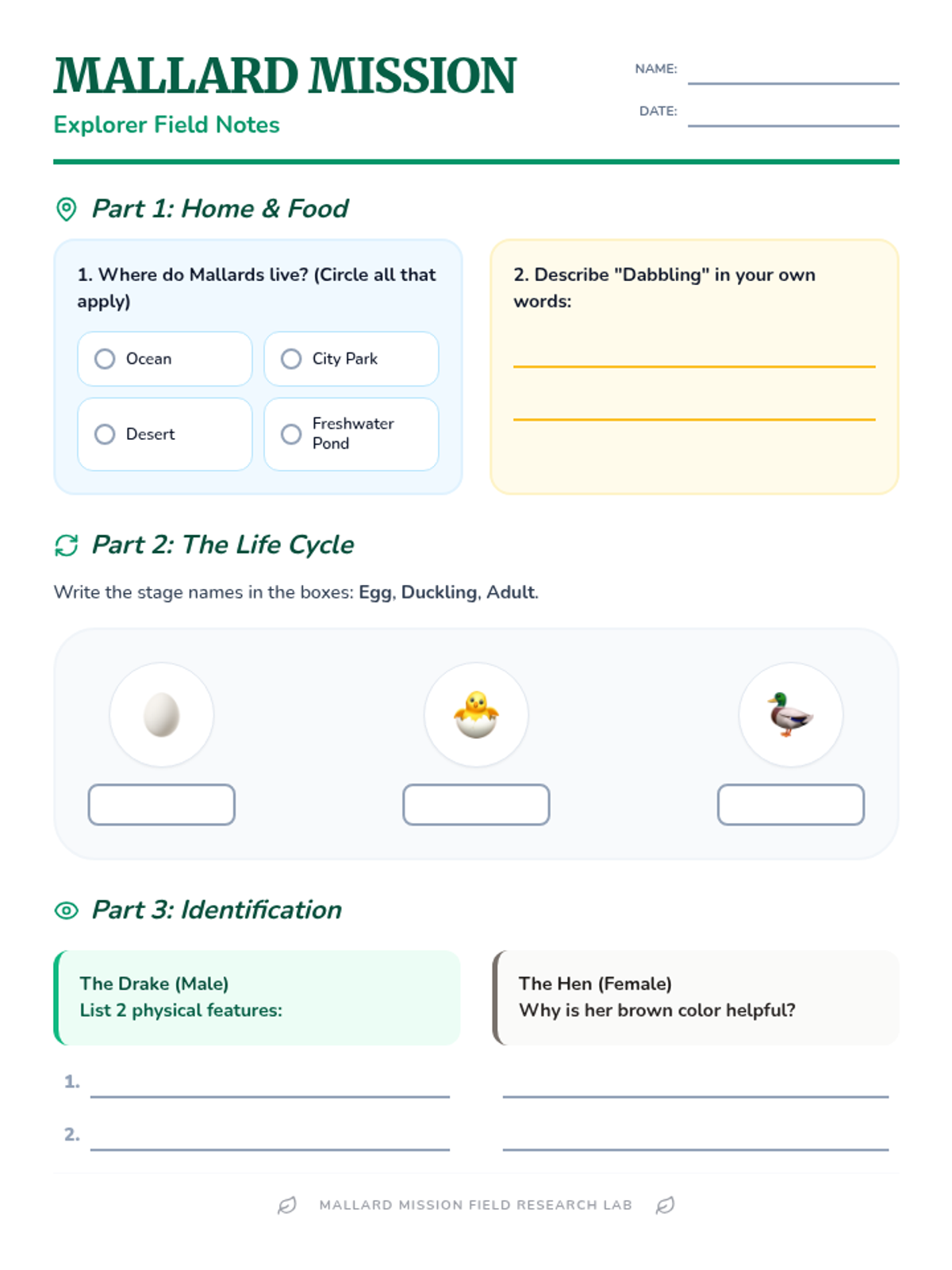
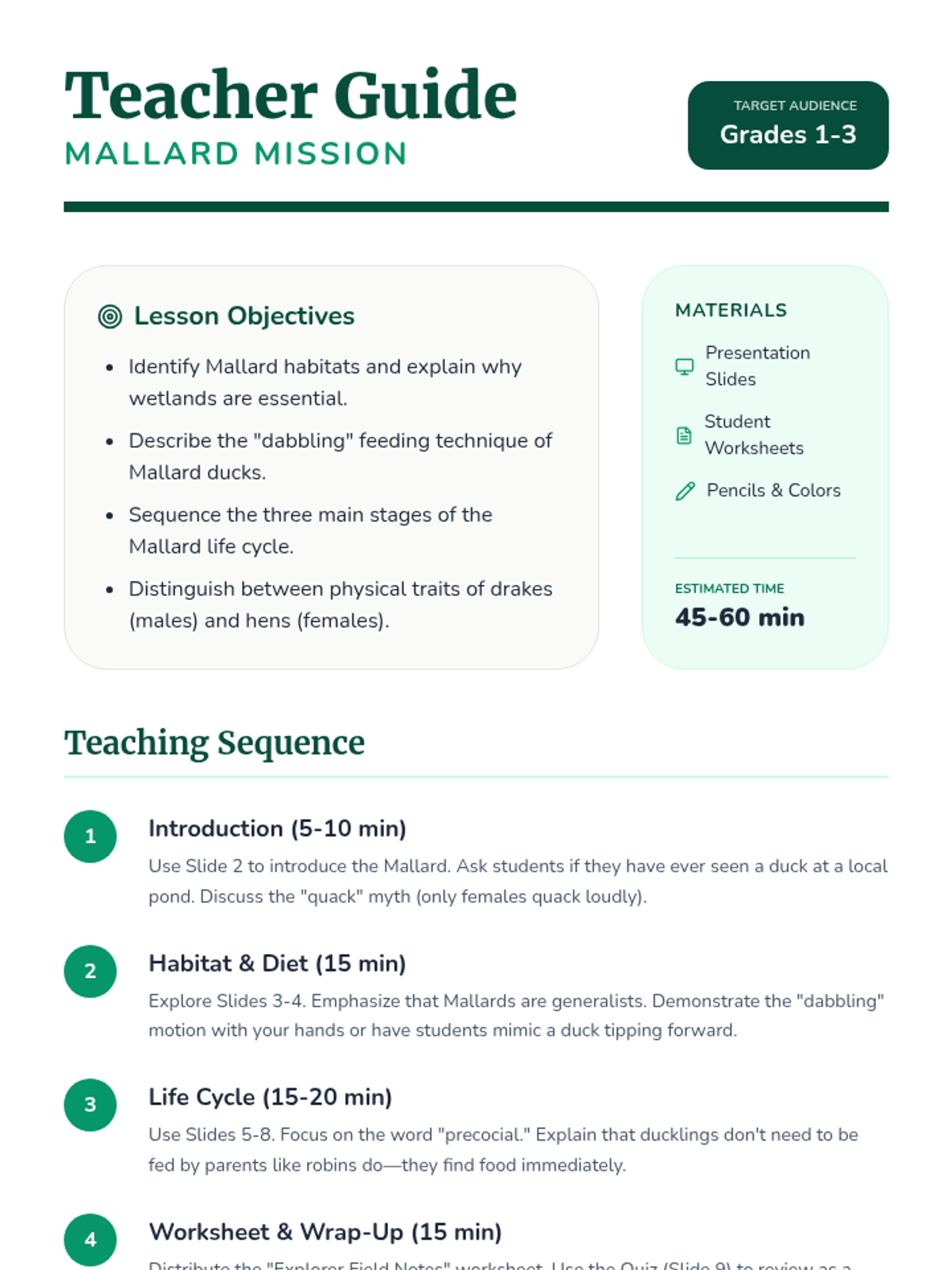
A lesson exploring the fascinating world of Mallard ducks, covering their unique habitats, varied diet, and the stages of their life cycle from egg to adult.
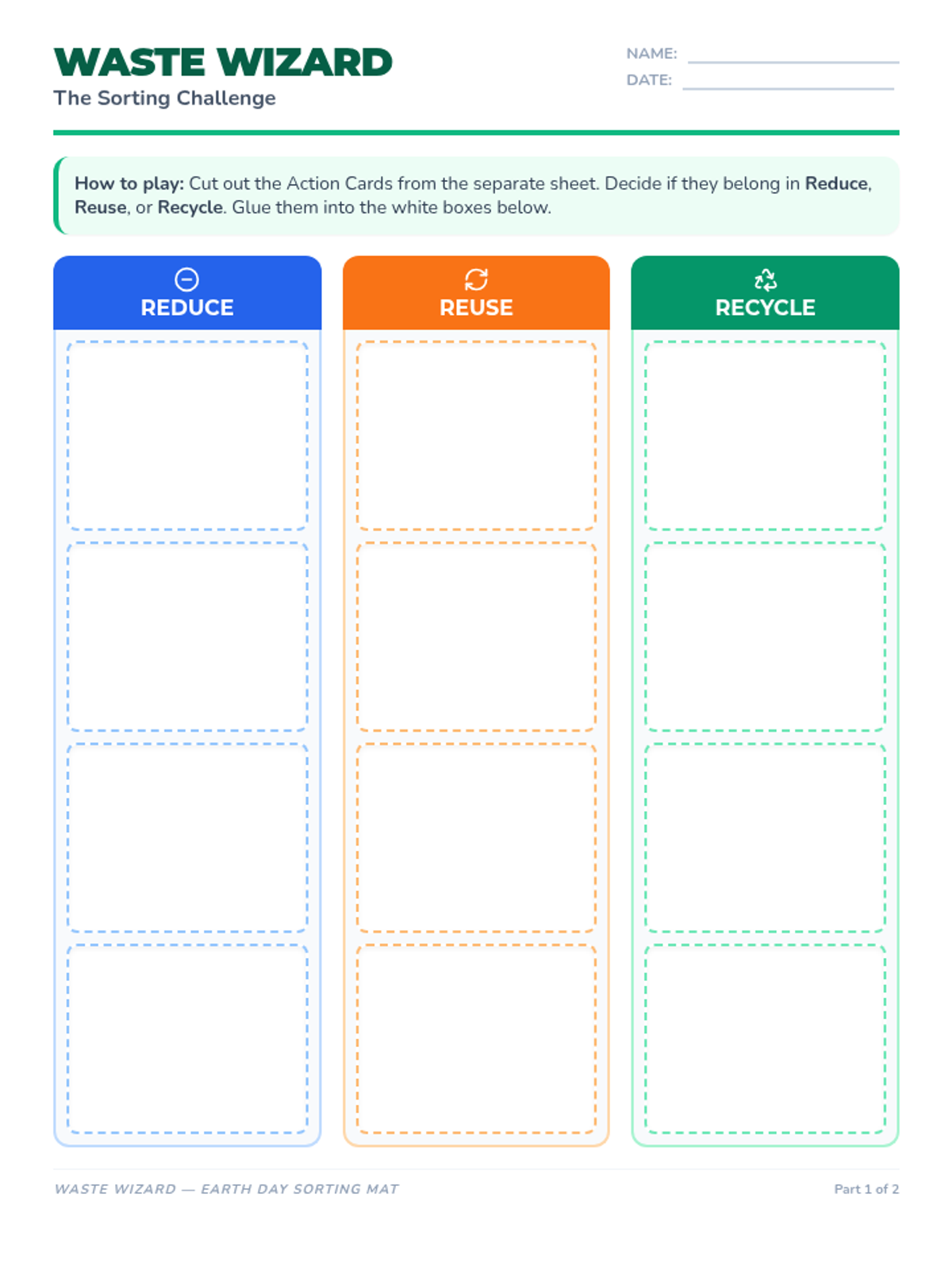
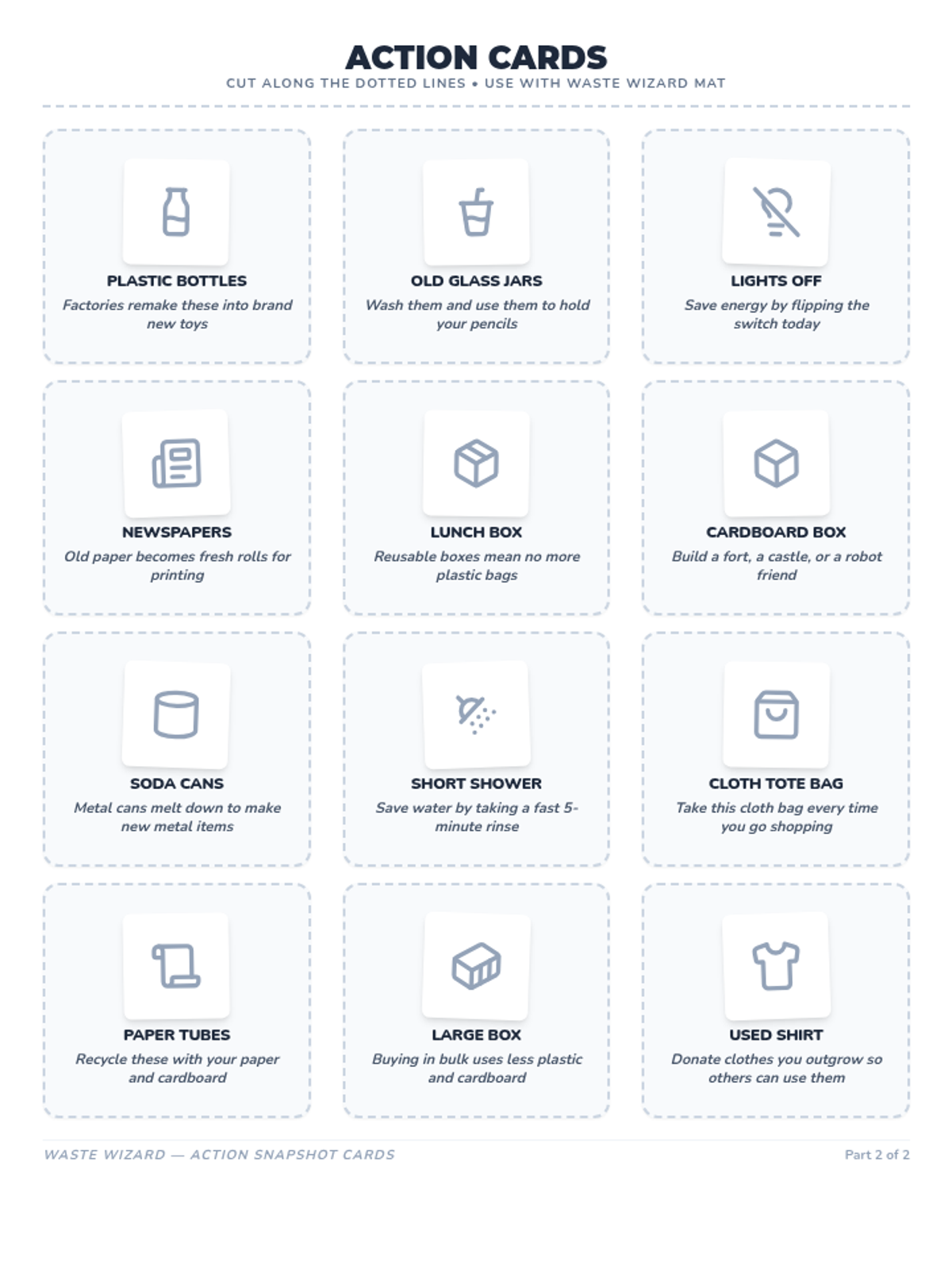
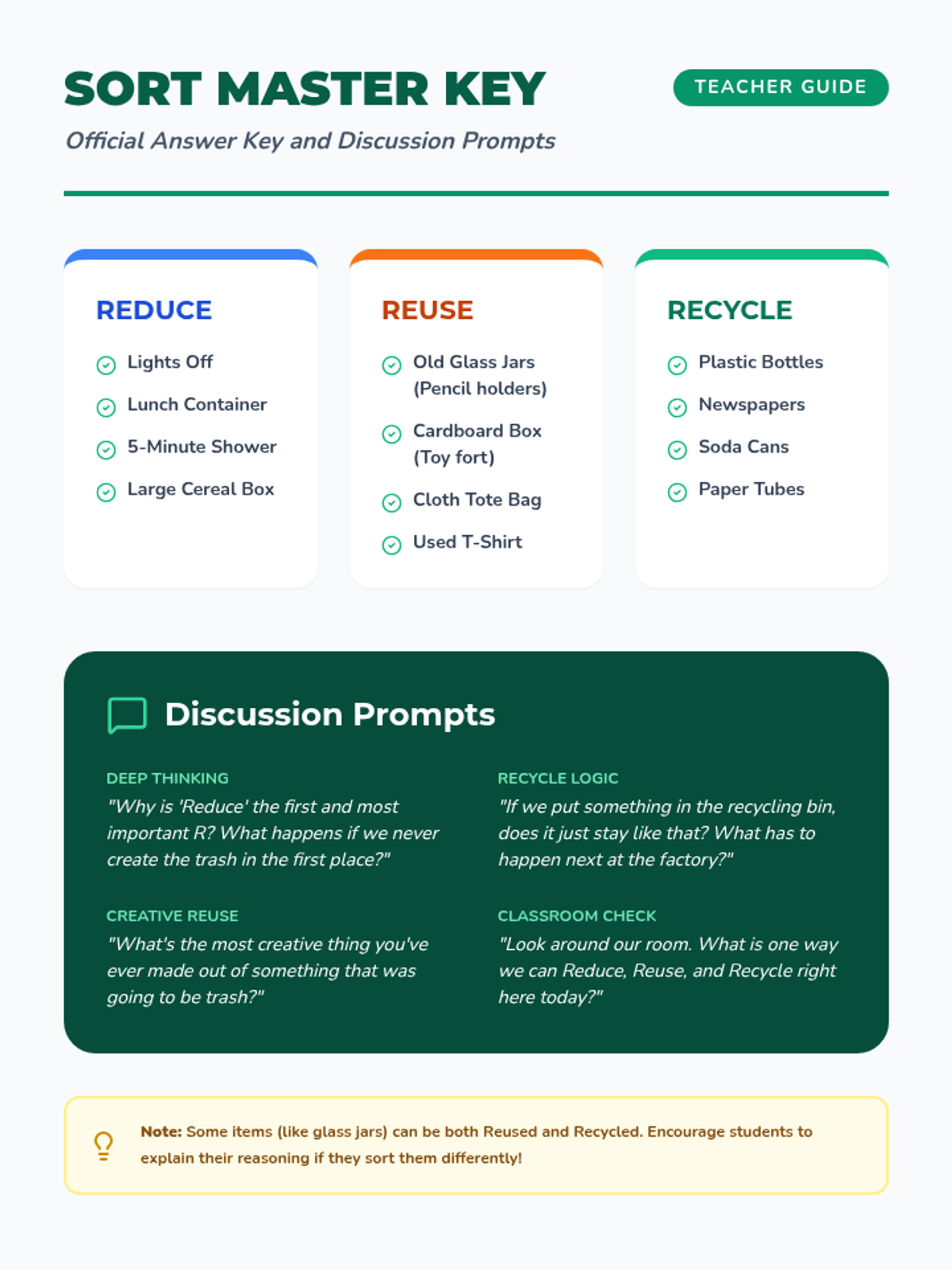
A hands-on lesson teaching students to differentiate between reducing, reusing, and recycling through visual identification and sorting.
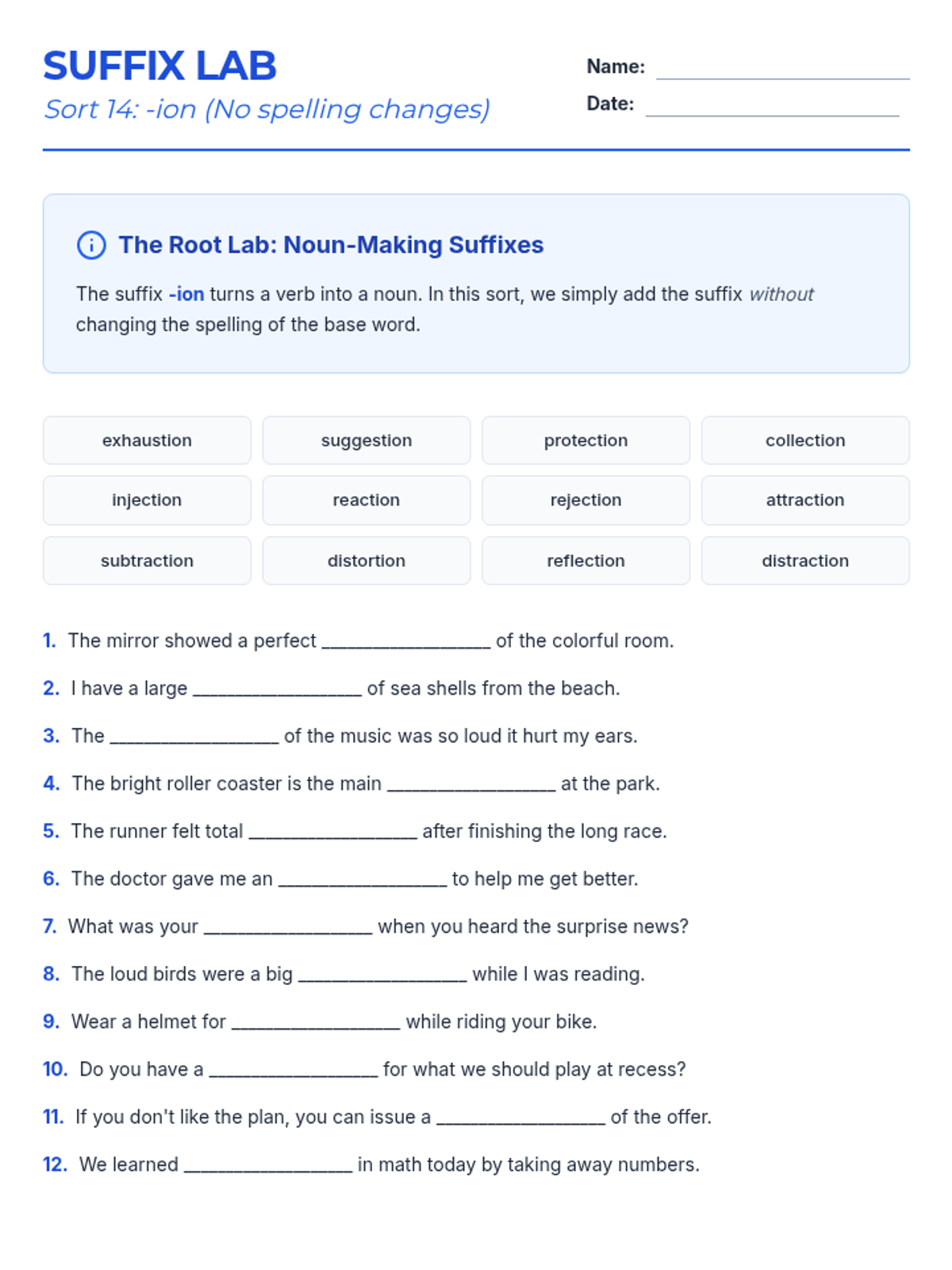
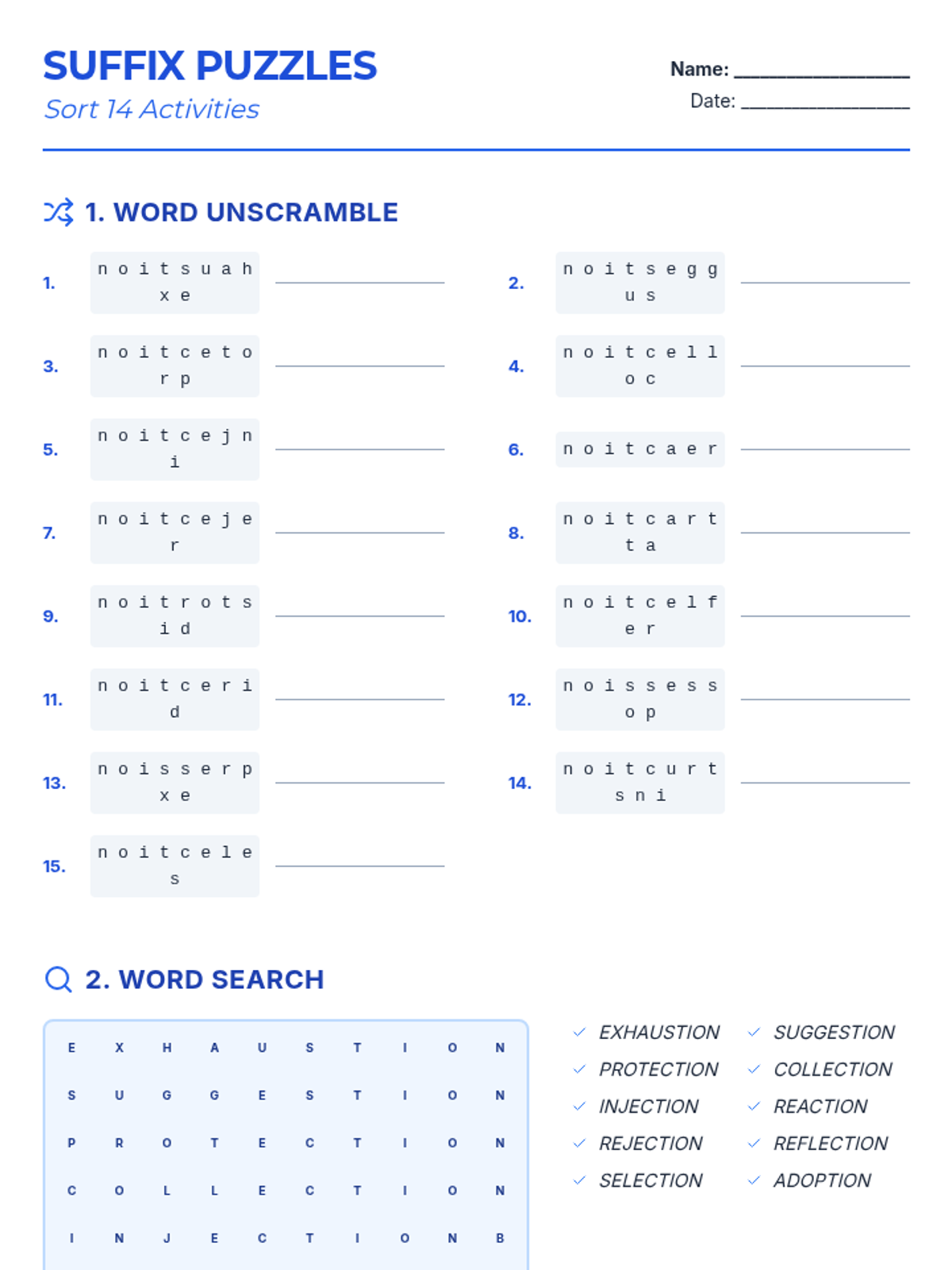
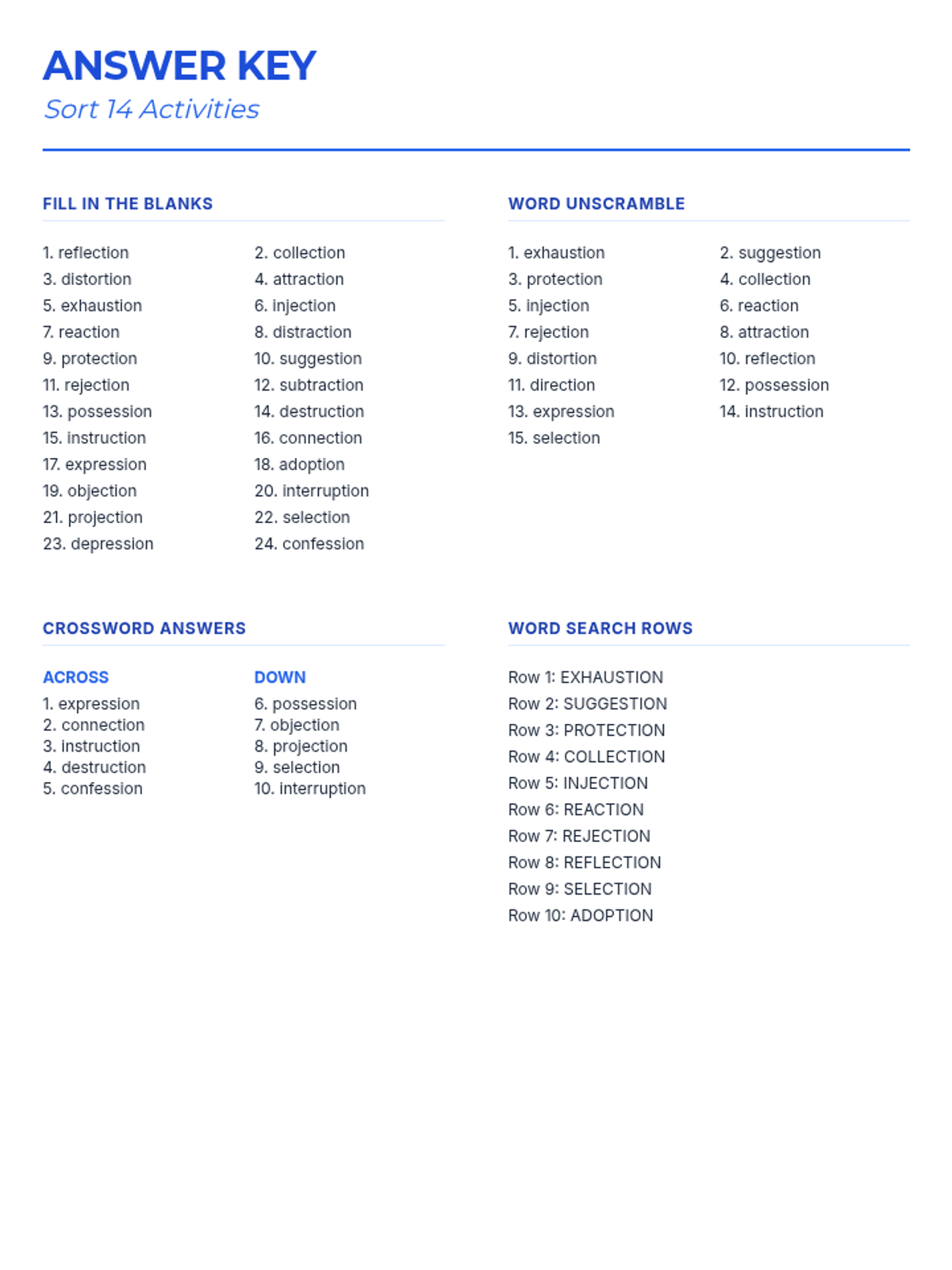
The suffix -ion turns a verb into a noun without changing the spelling of the base word.
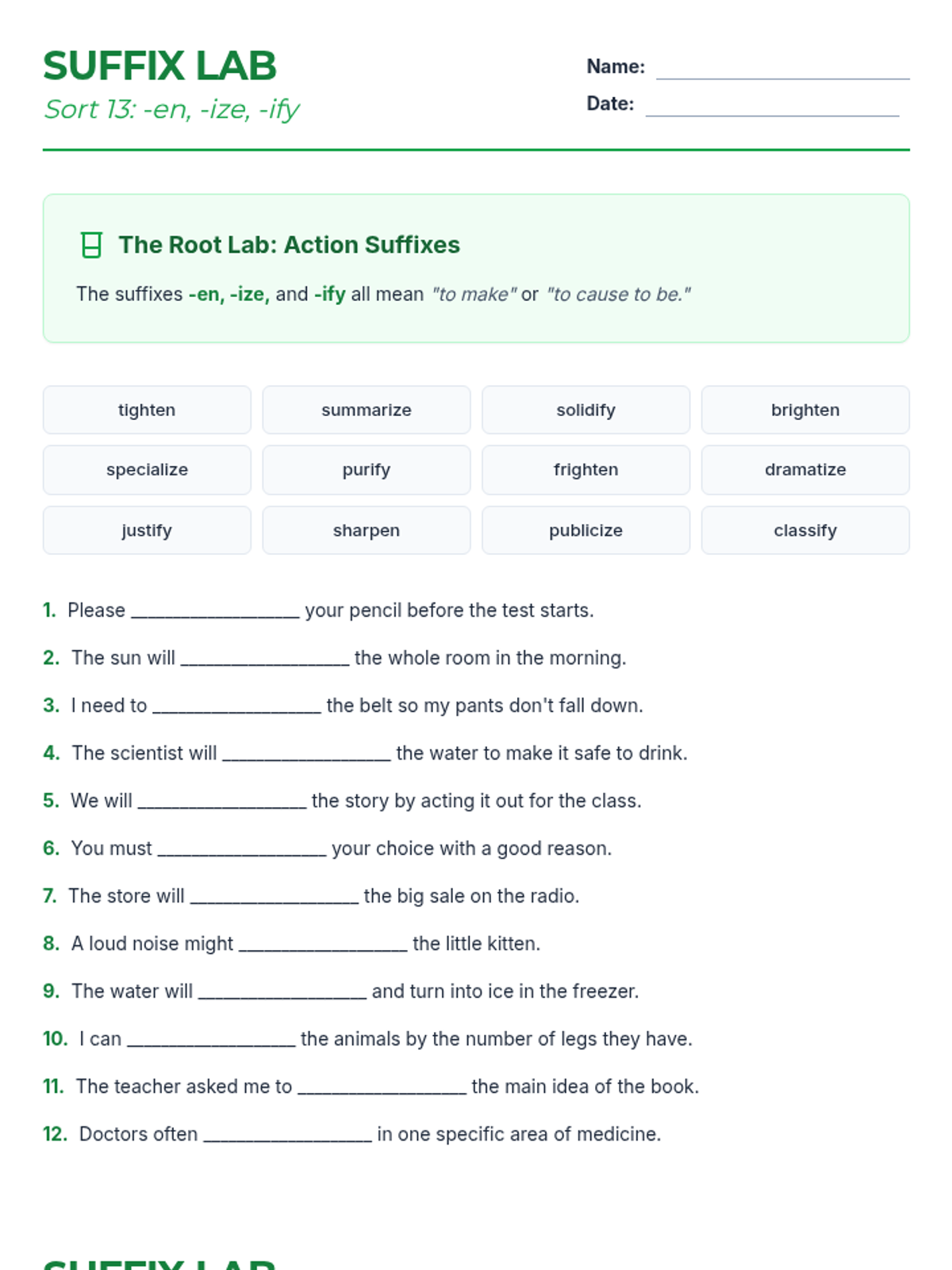
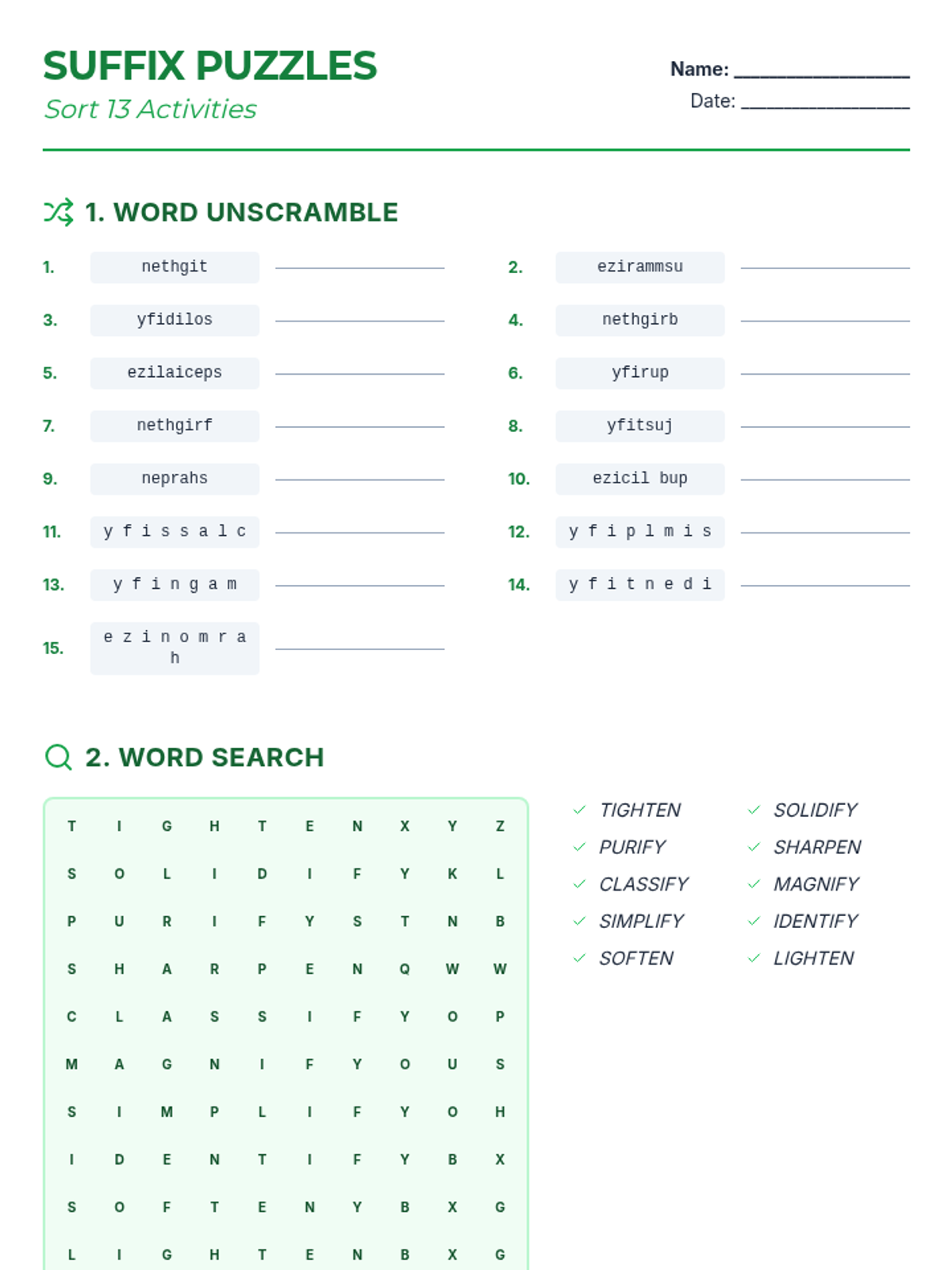
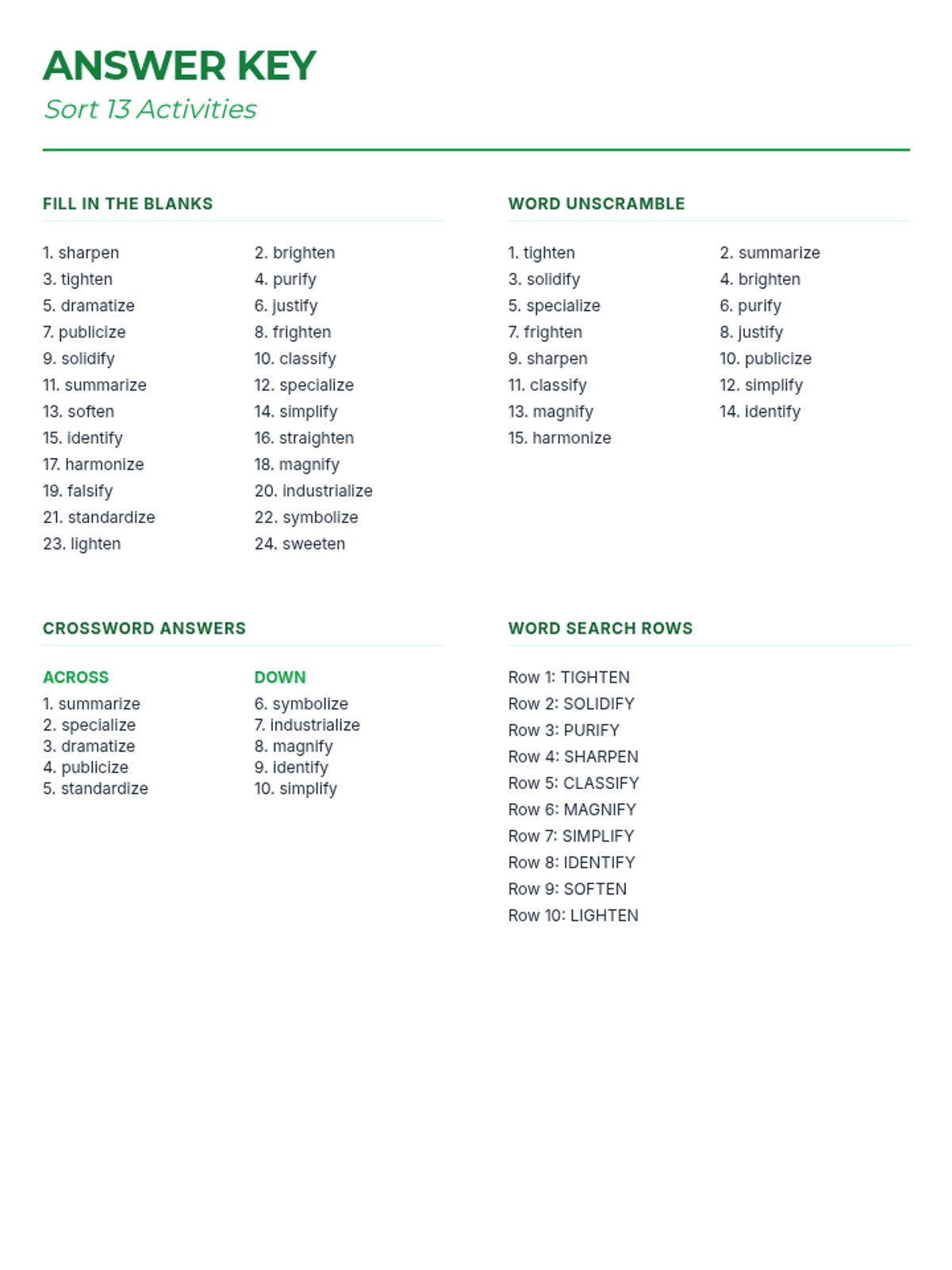
Introduction to action suffixes -en, -ize, and -ify, which mean "to make" or "to cause to be."
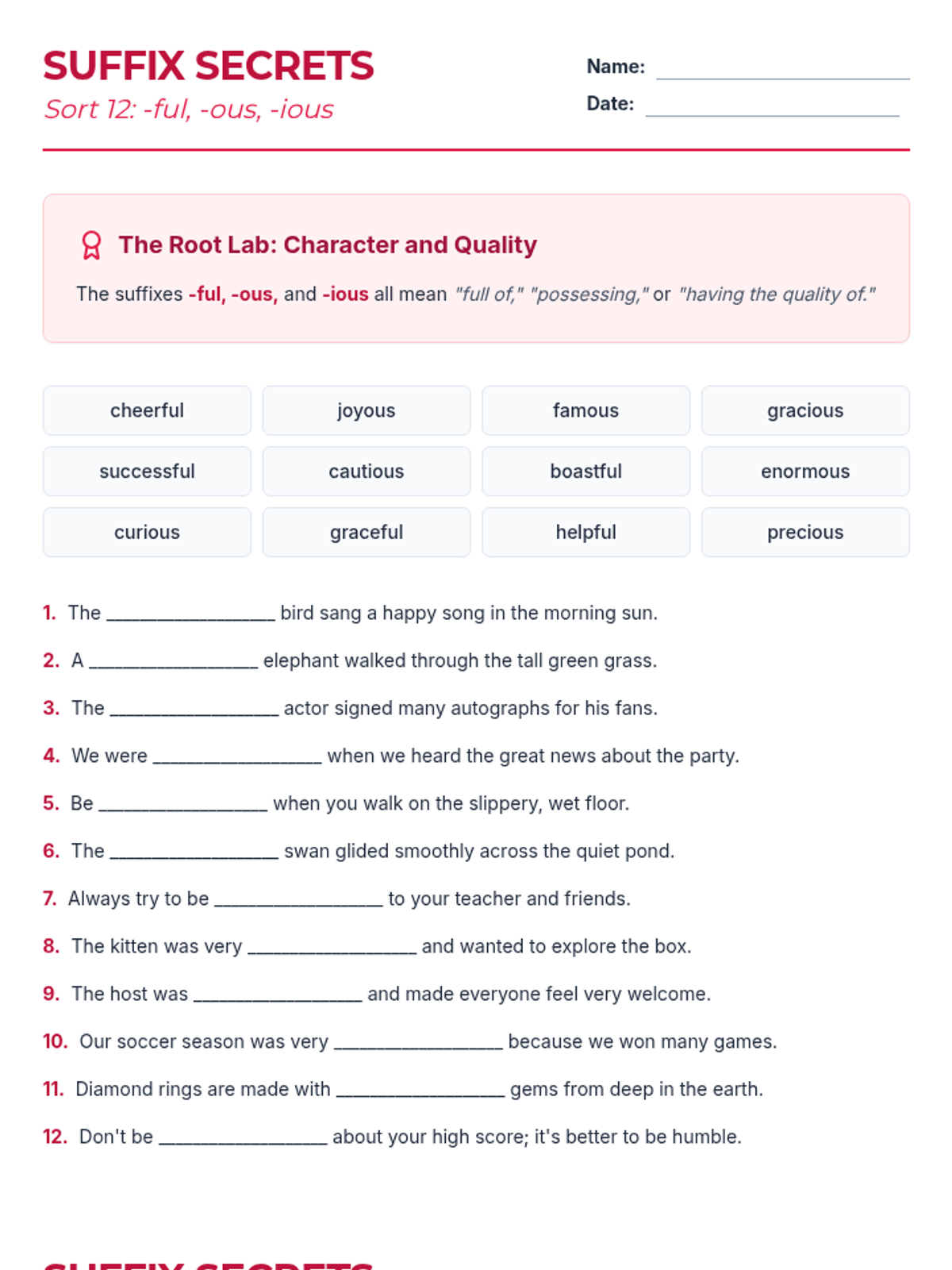
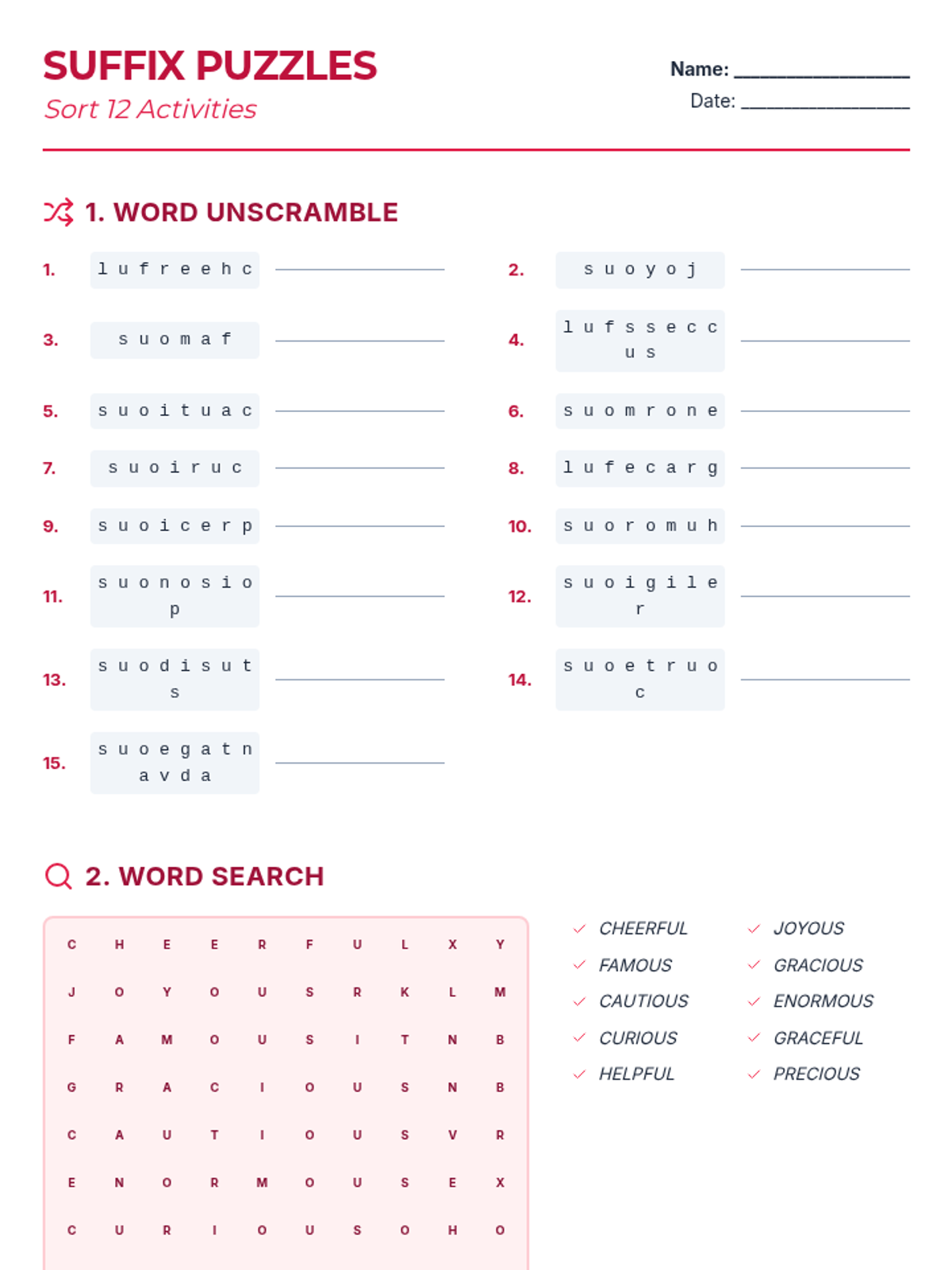
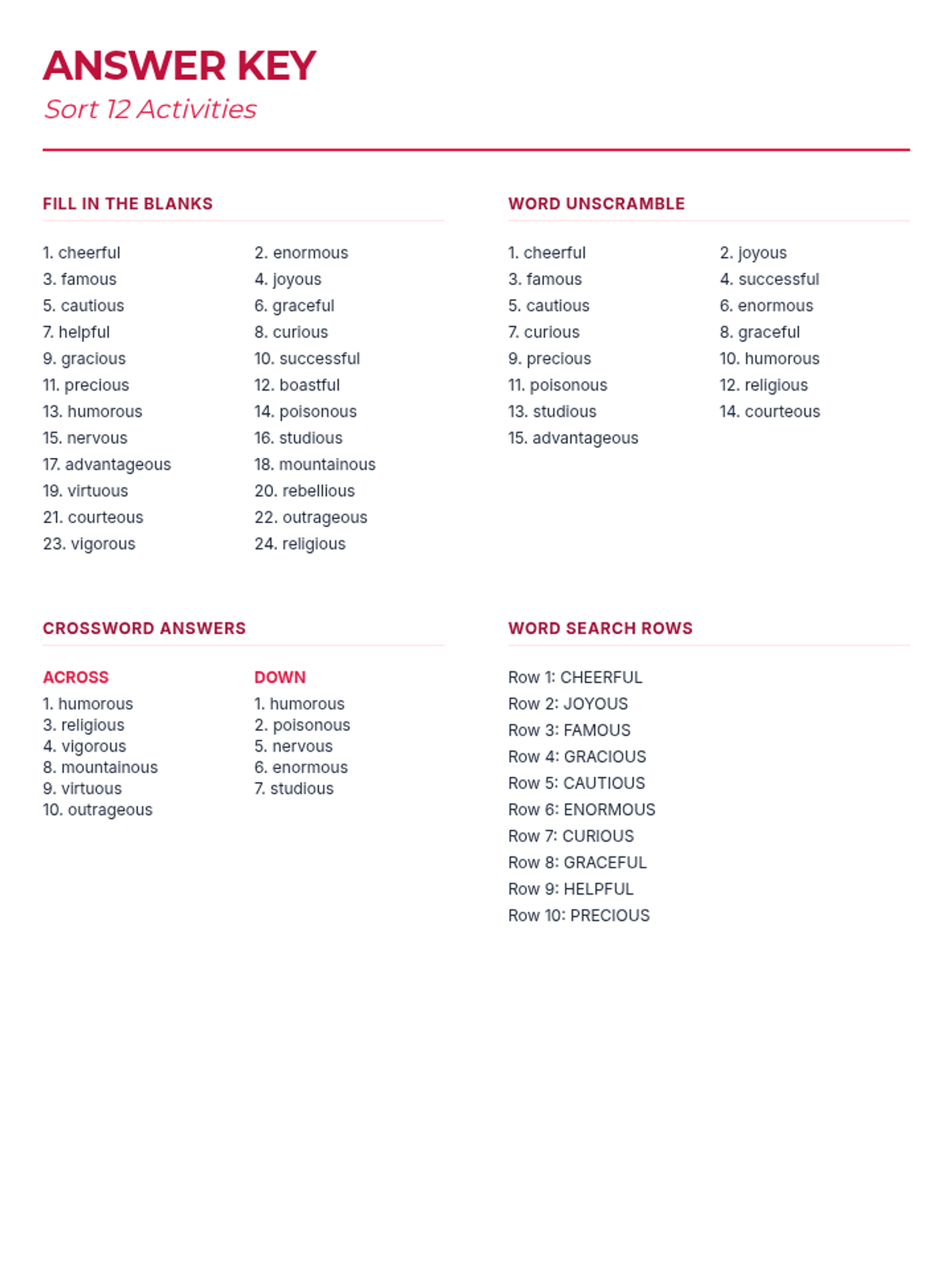
Mastering character and quality suffixes: -ful, -ous, and -ious, meaning "full of" or "possessing."
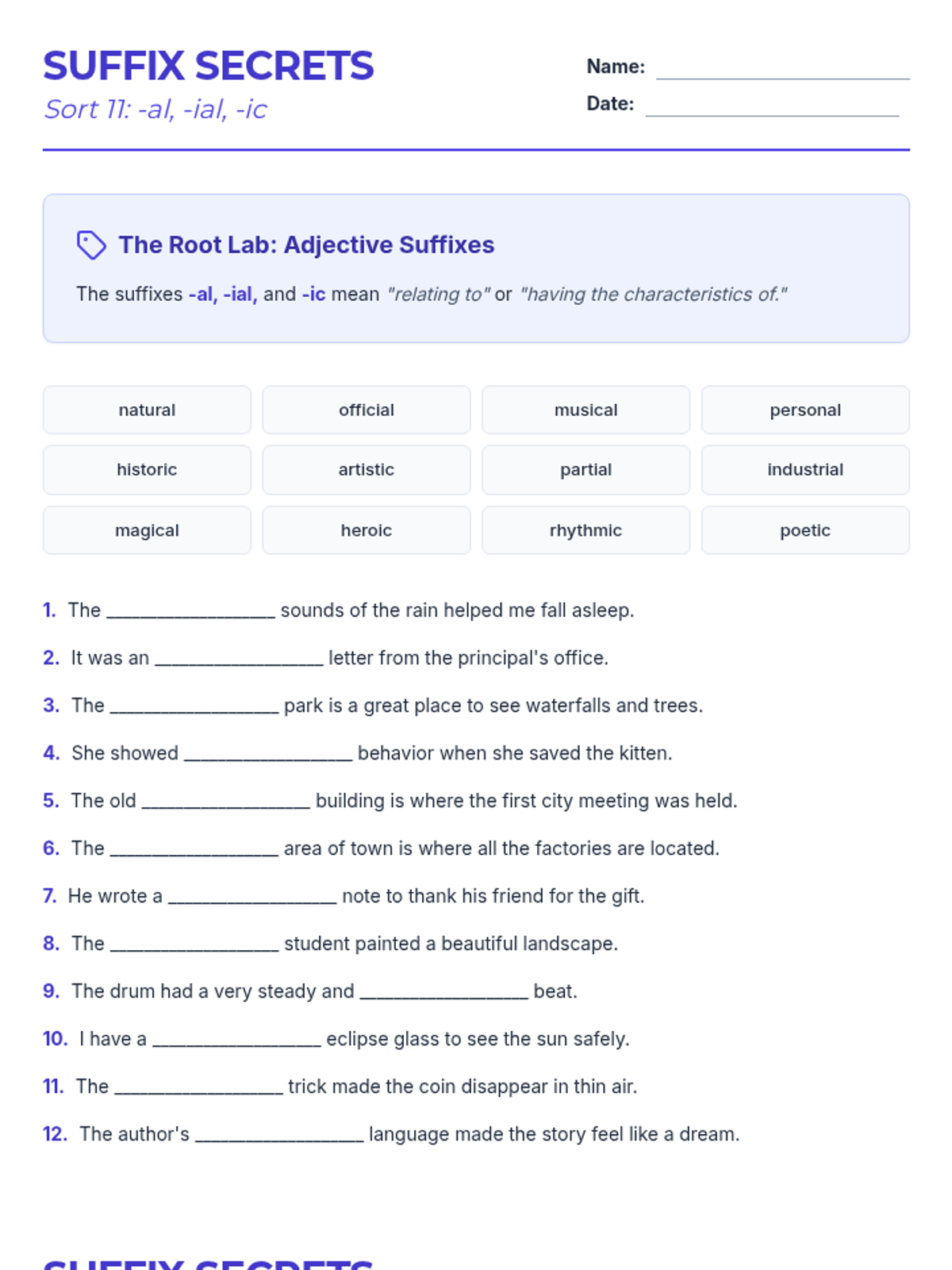
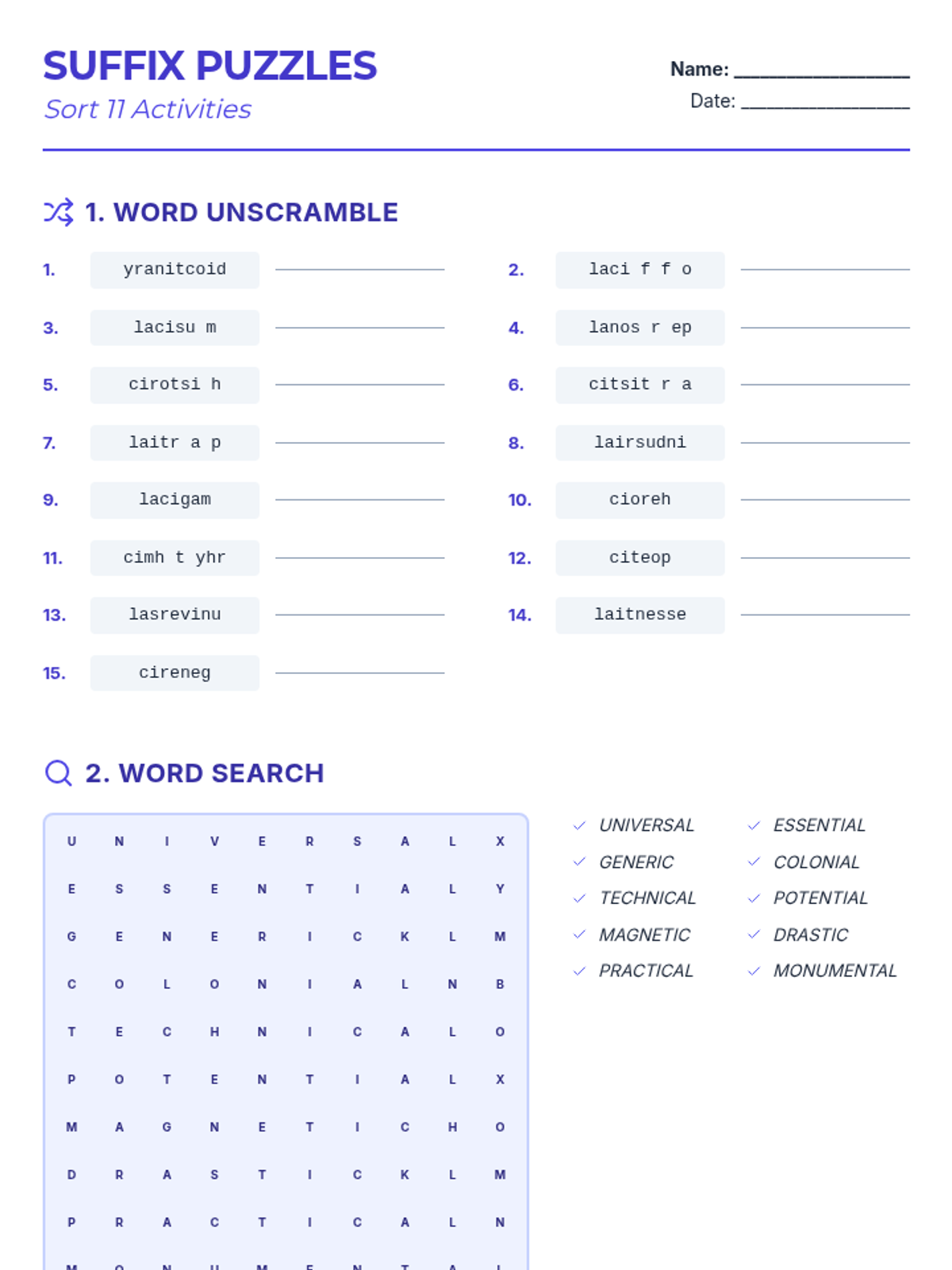
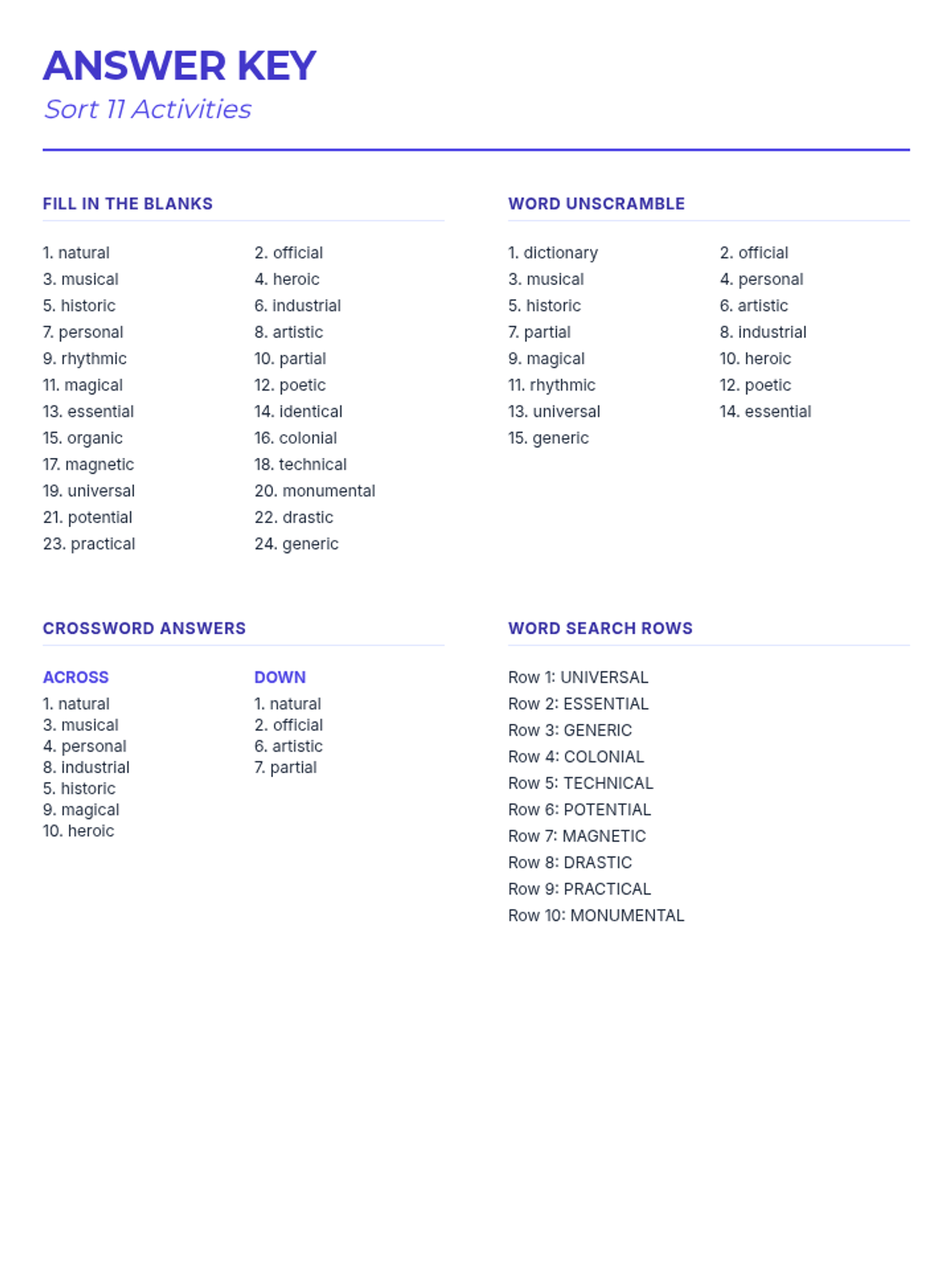
Mastering the adjective suffixes -al, -ial, and -ic, meaning "relating to" or "having the characteristics of."
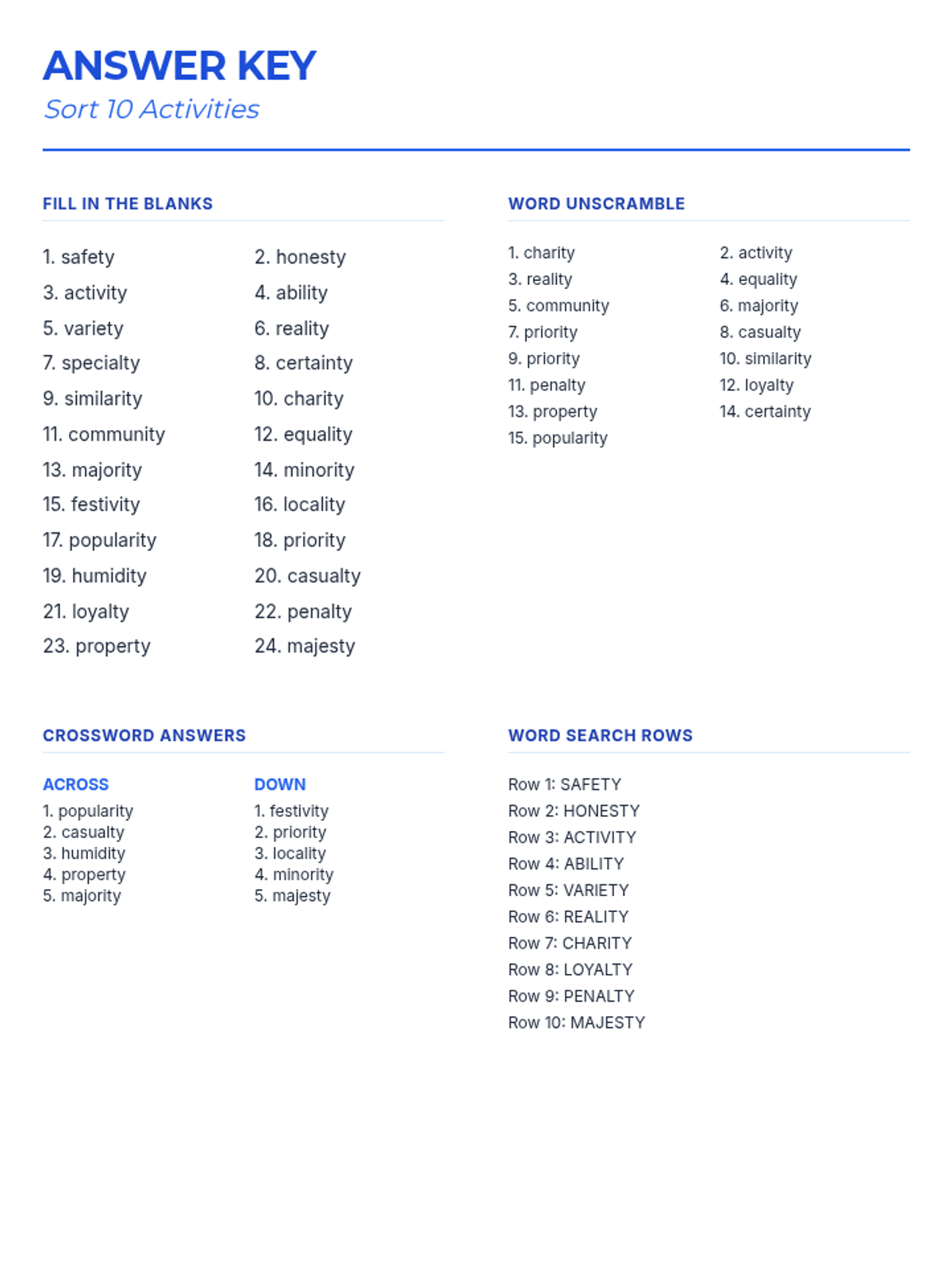
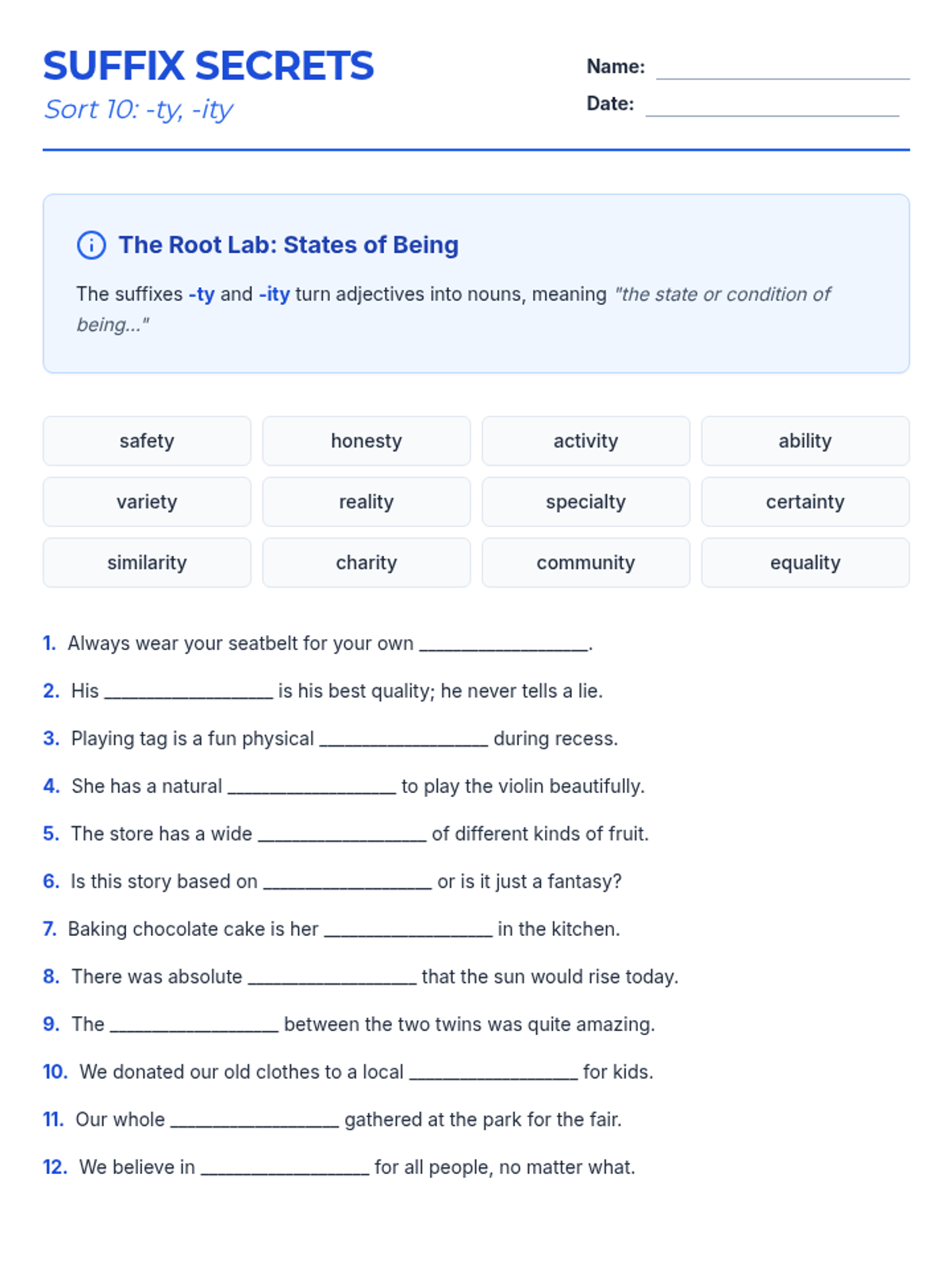
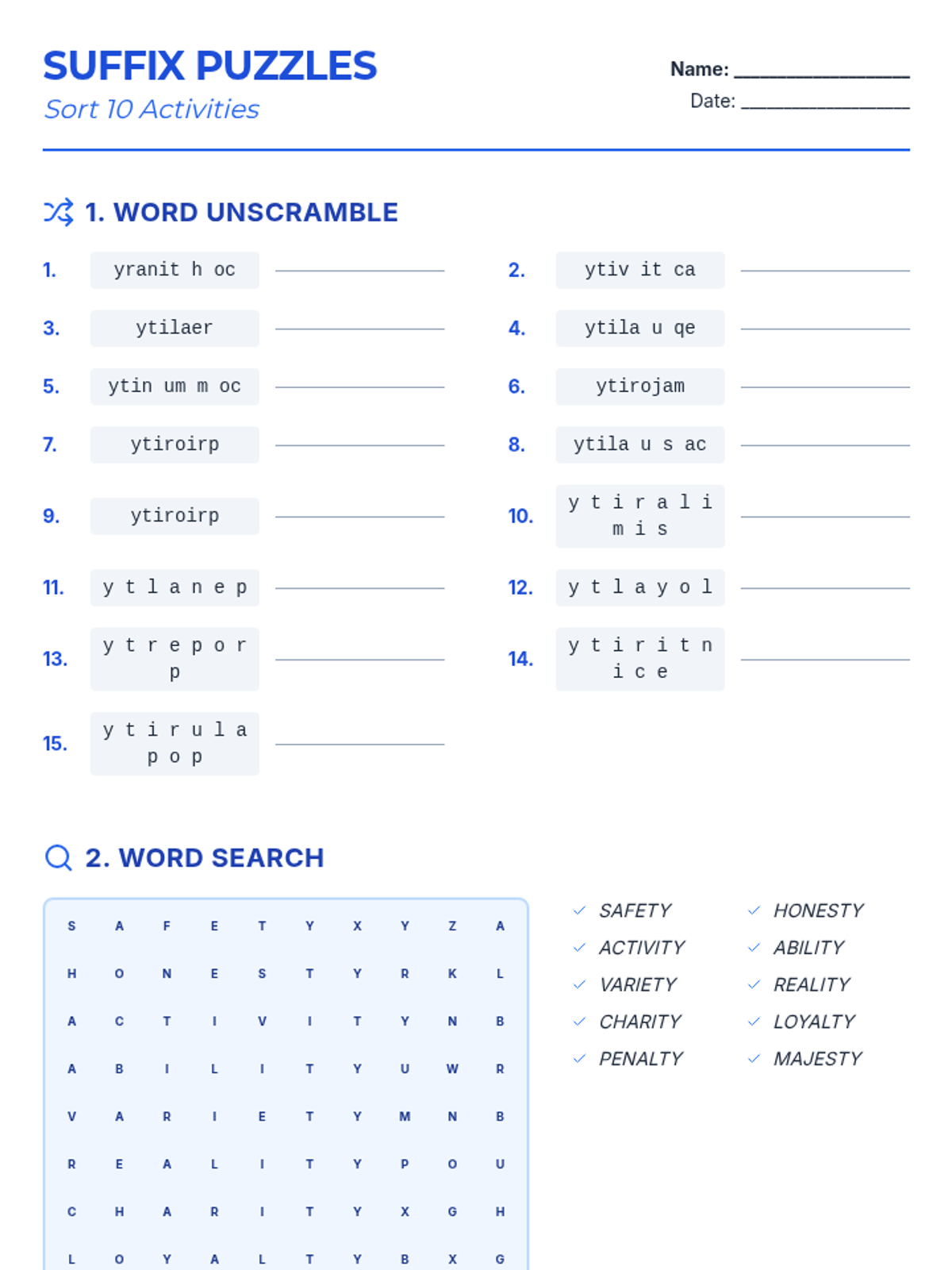
The suffixes -ty and -ity turn adjectives into nouns, meaning "the state or condition of being...".
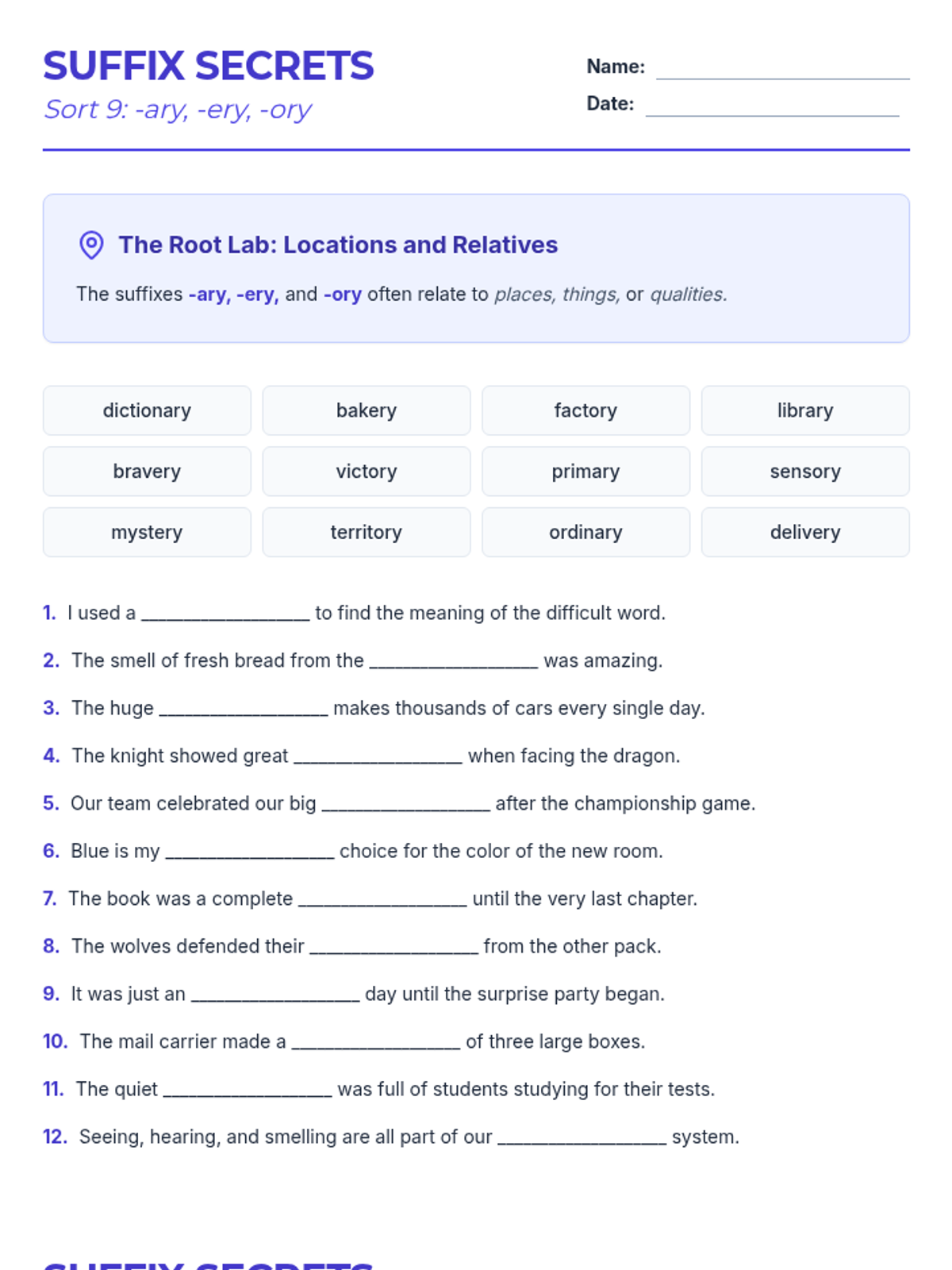
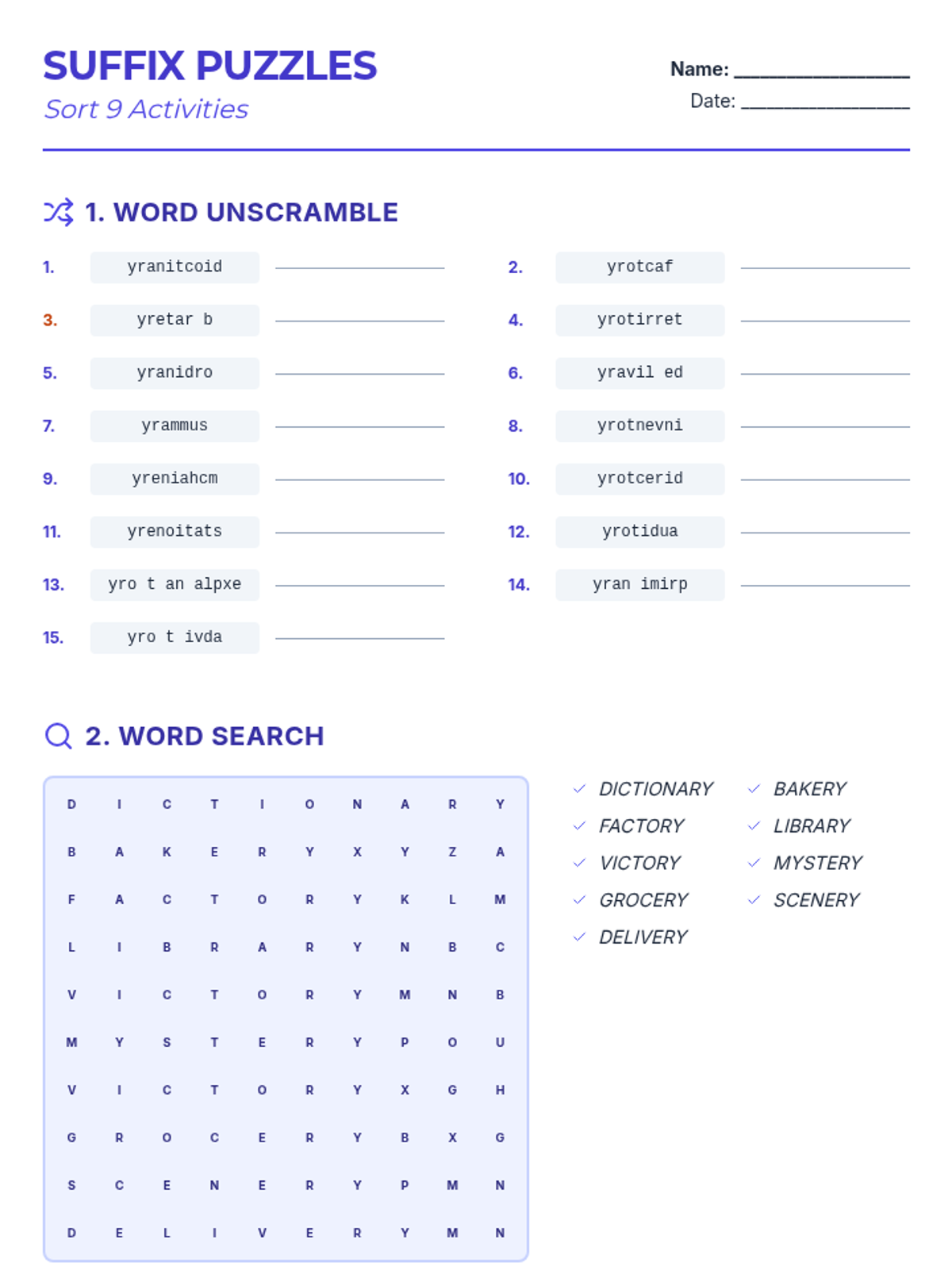
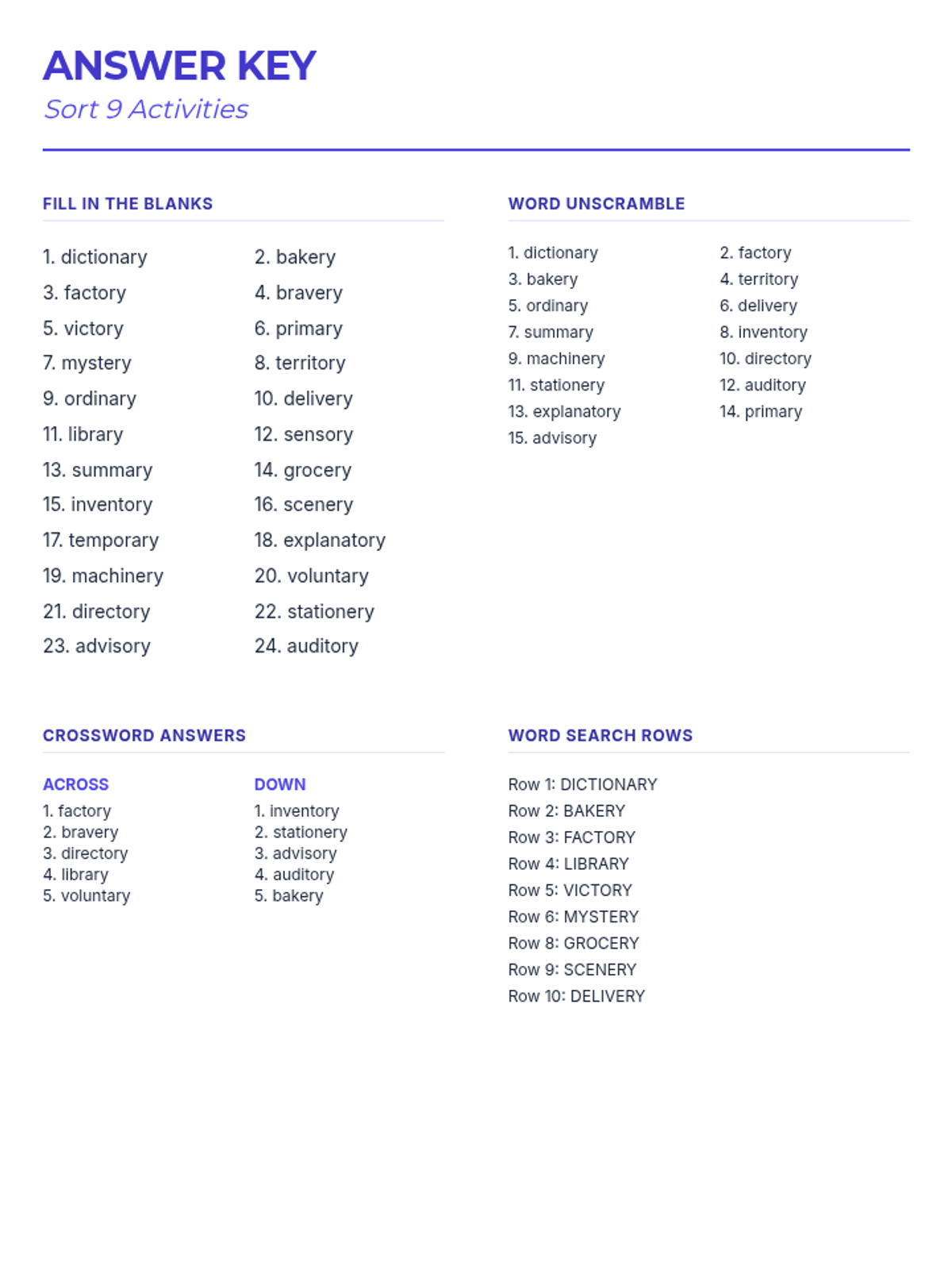
Mastering suffixes related to places, things, or qualities: -ary, -ery, and -ory.
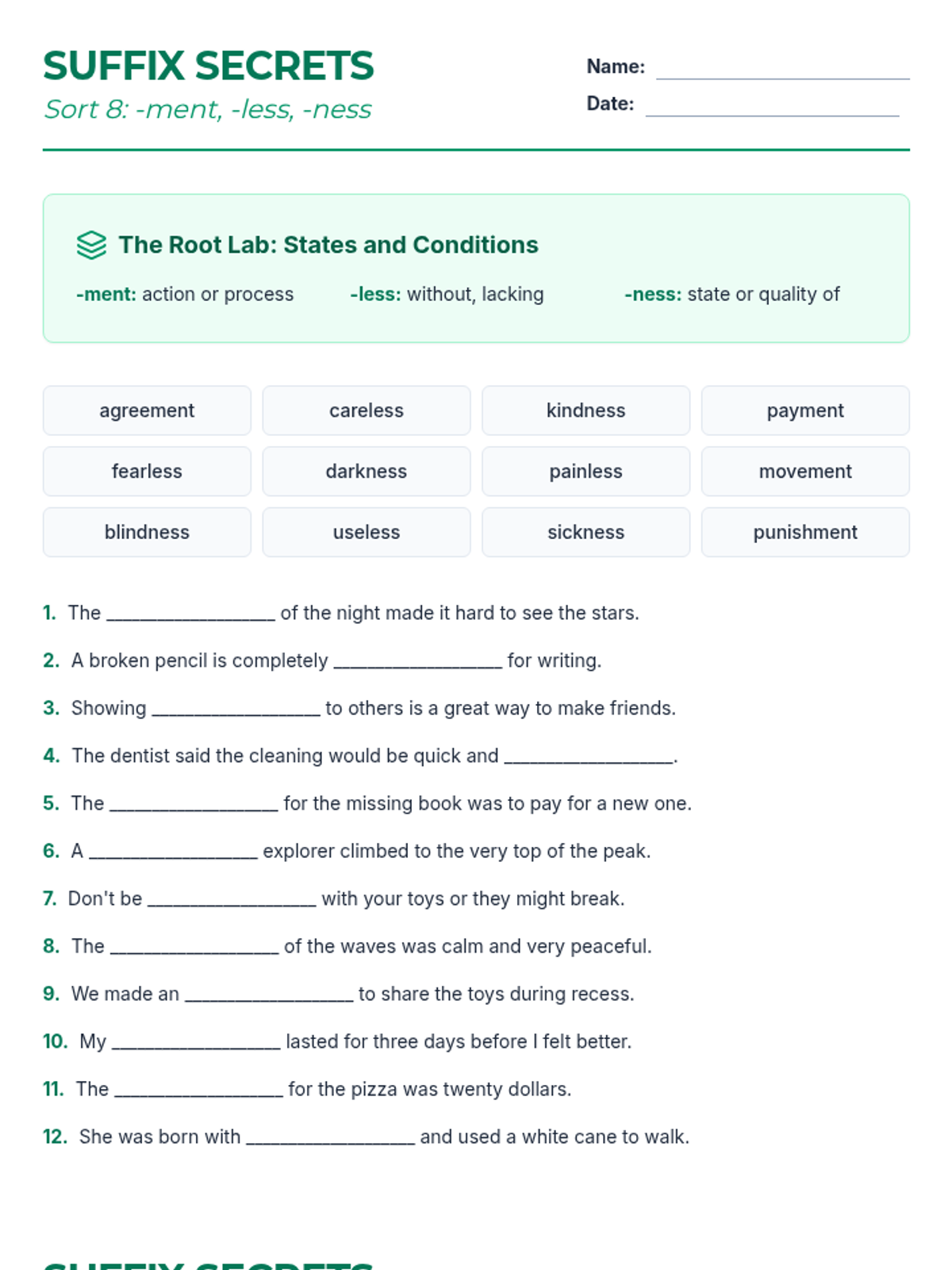
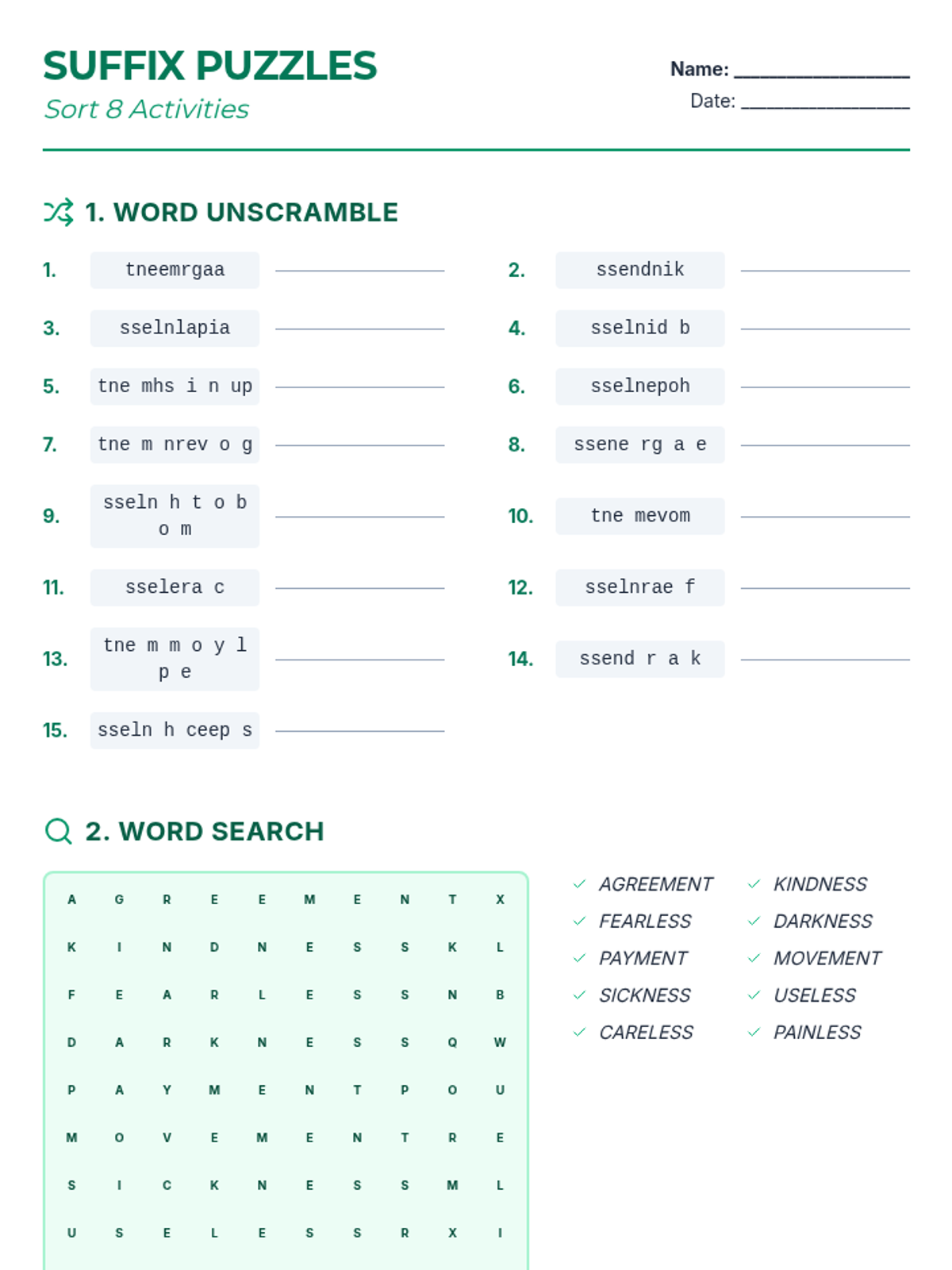
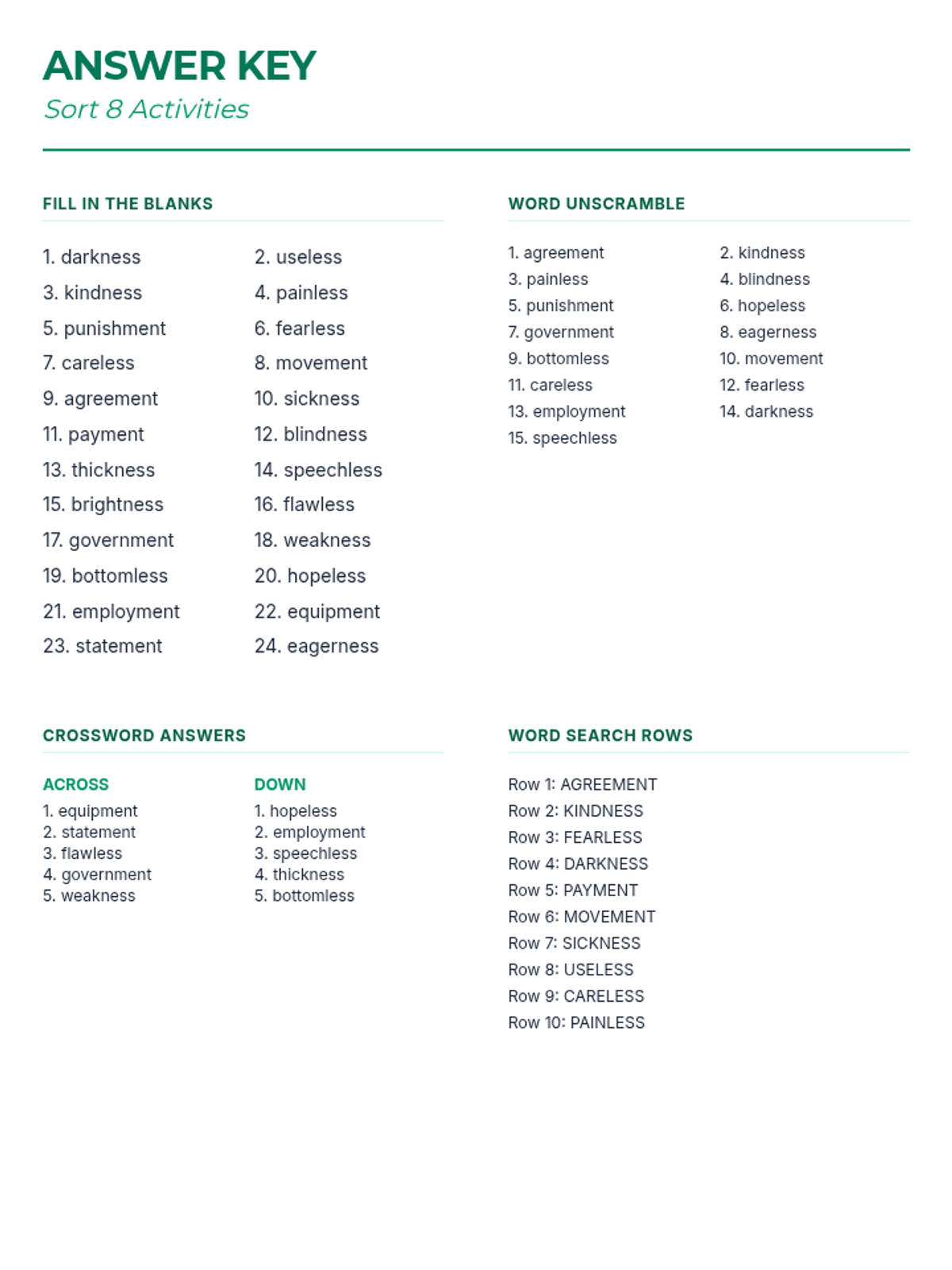
Mastering suffixes related to states and conditions: -ment, -less, and -ness.
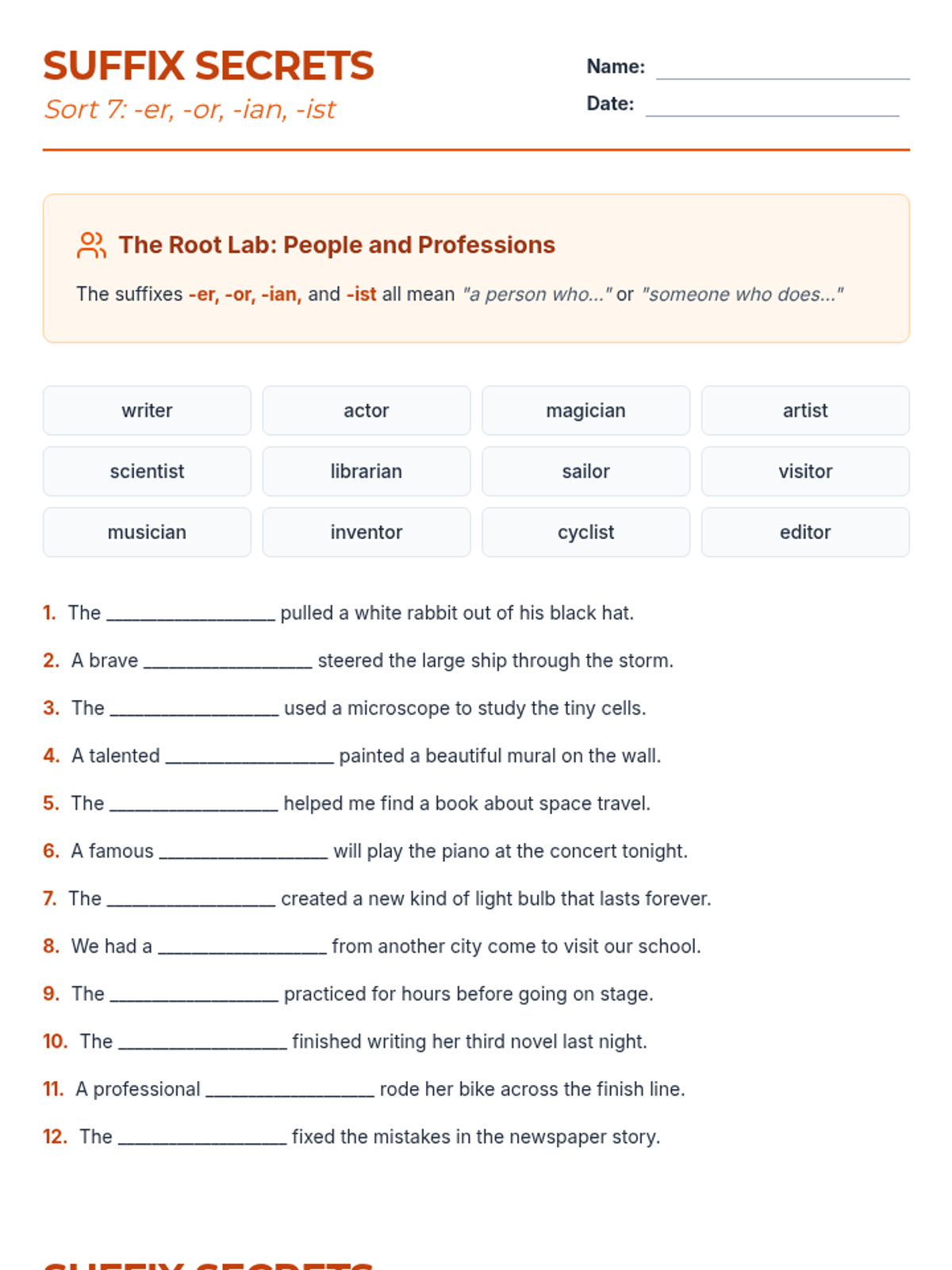
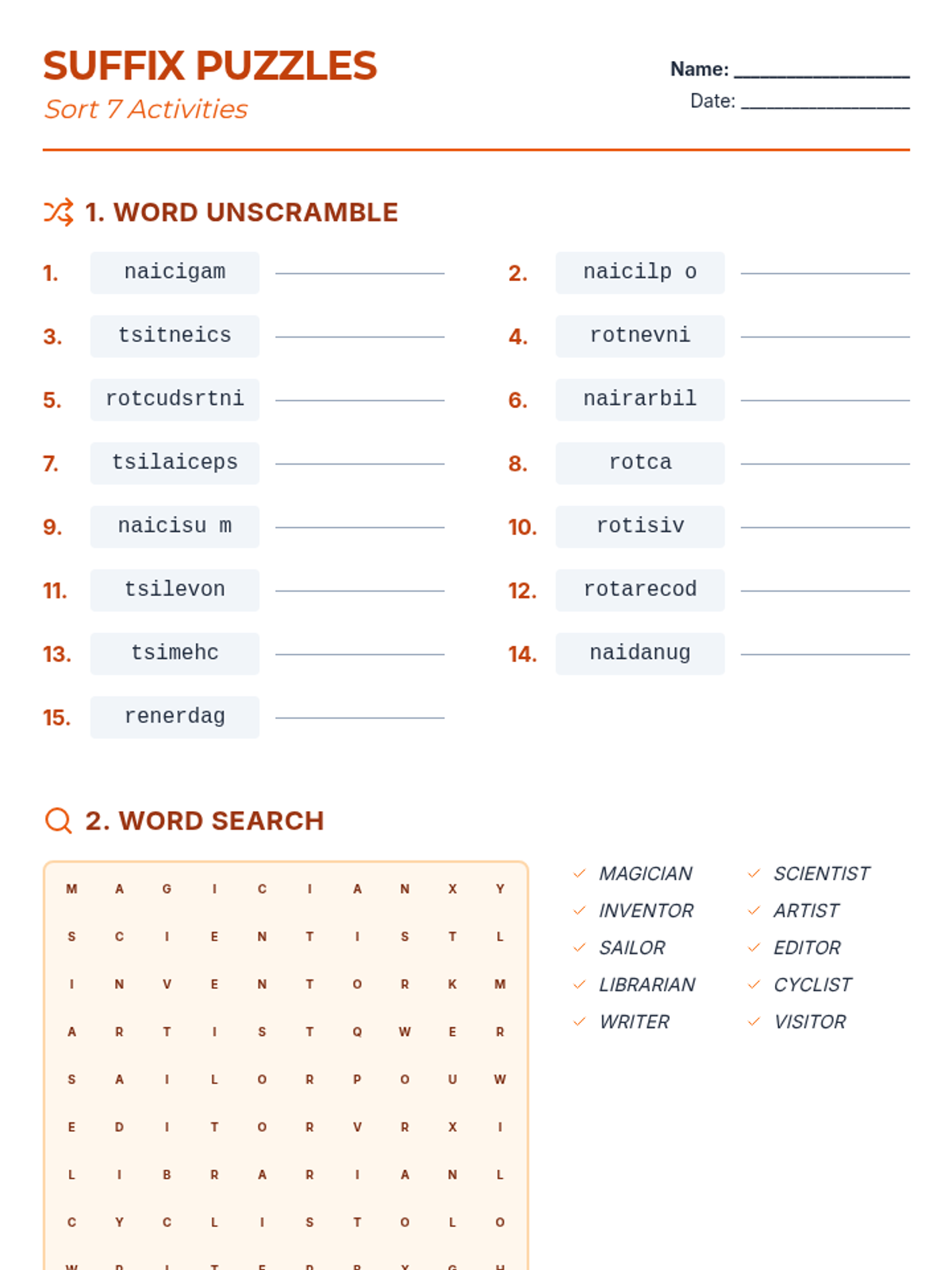
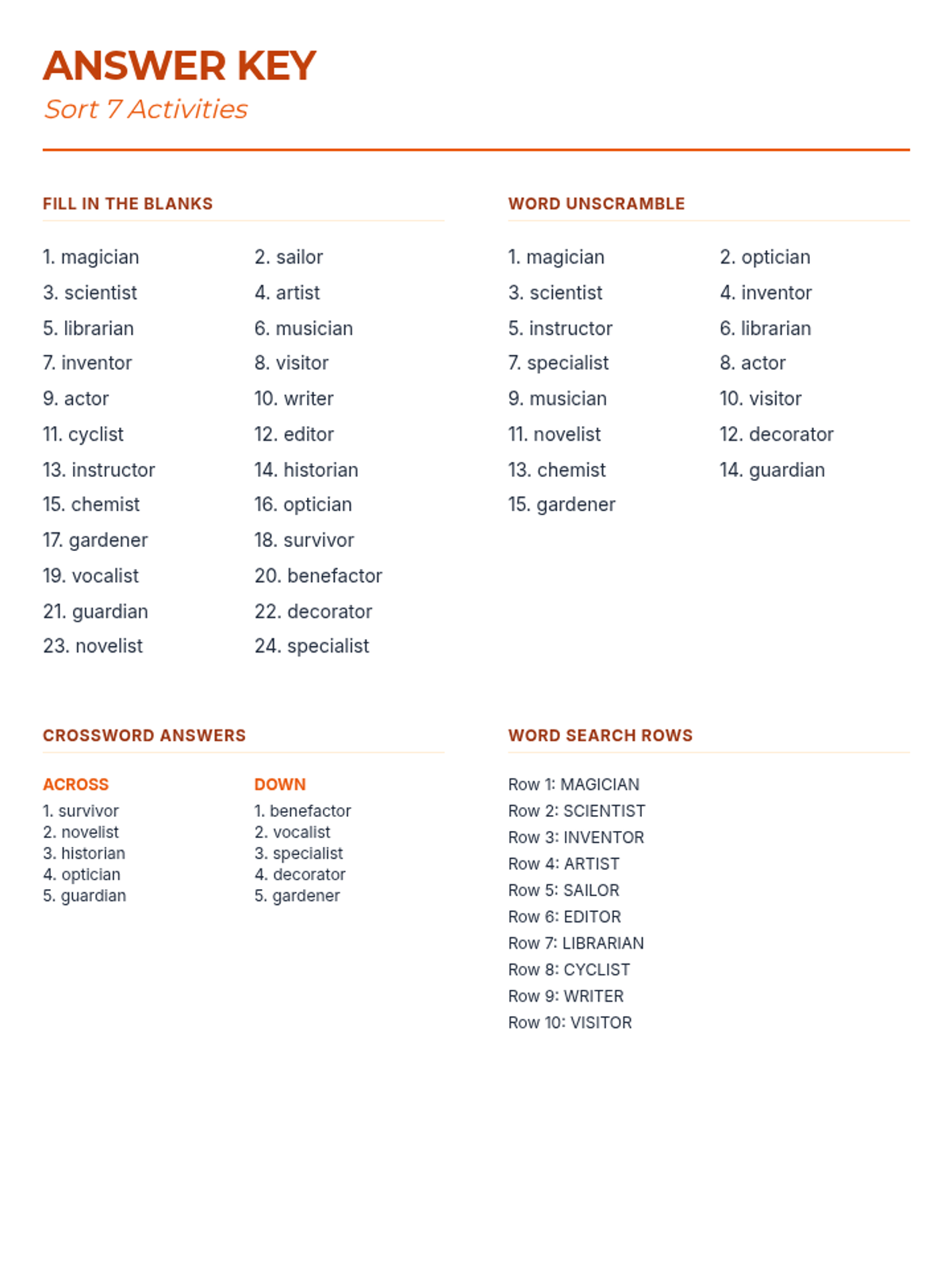
Focusing on suffixes that indicate people and professions: -er, -or, -ian, and -ist.
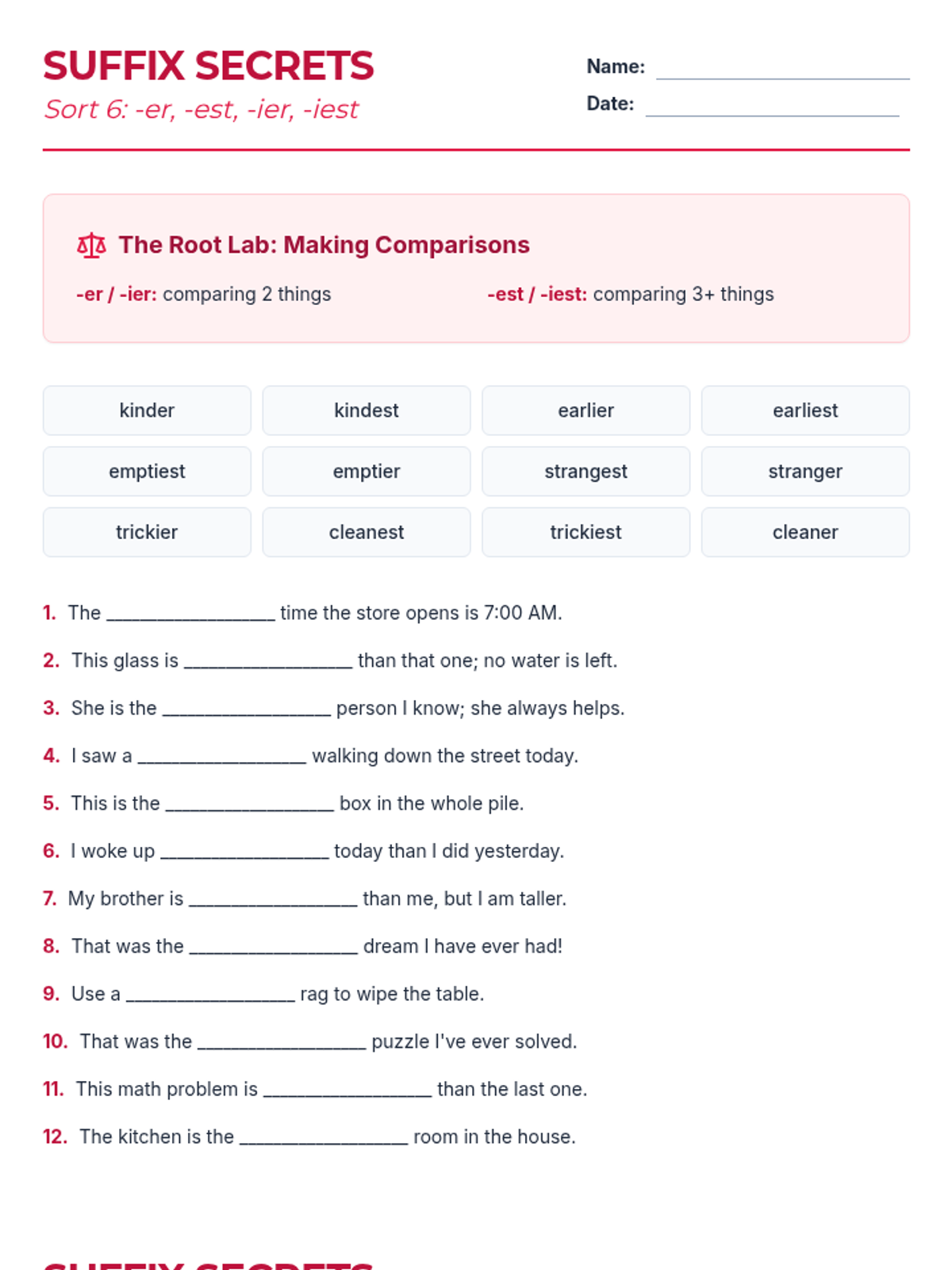
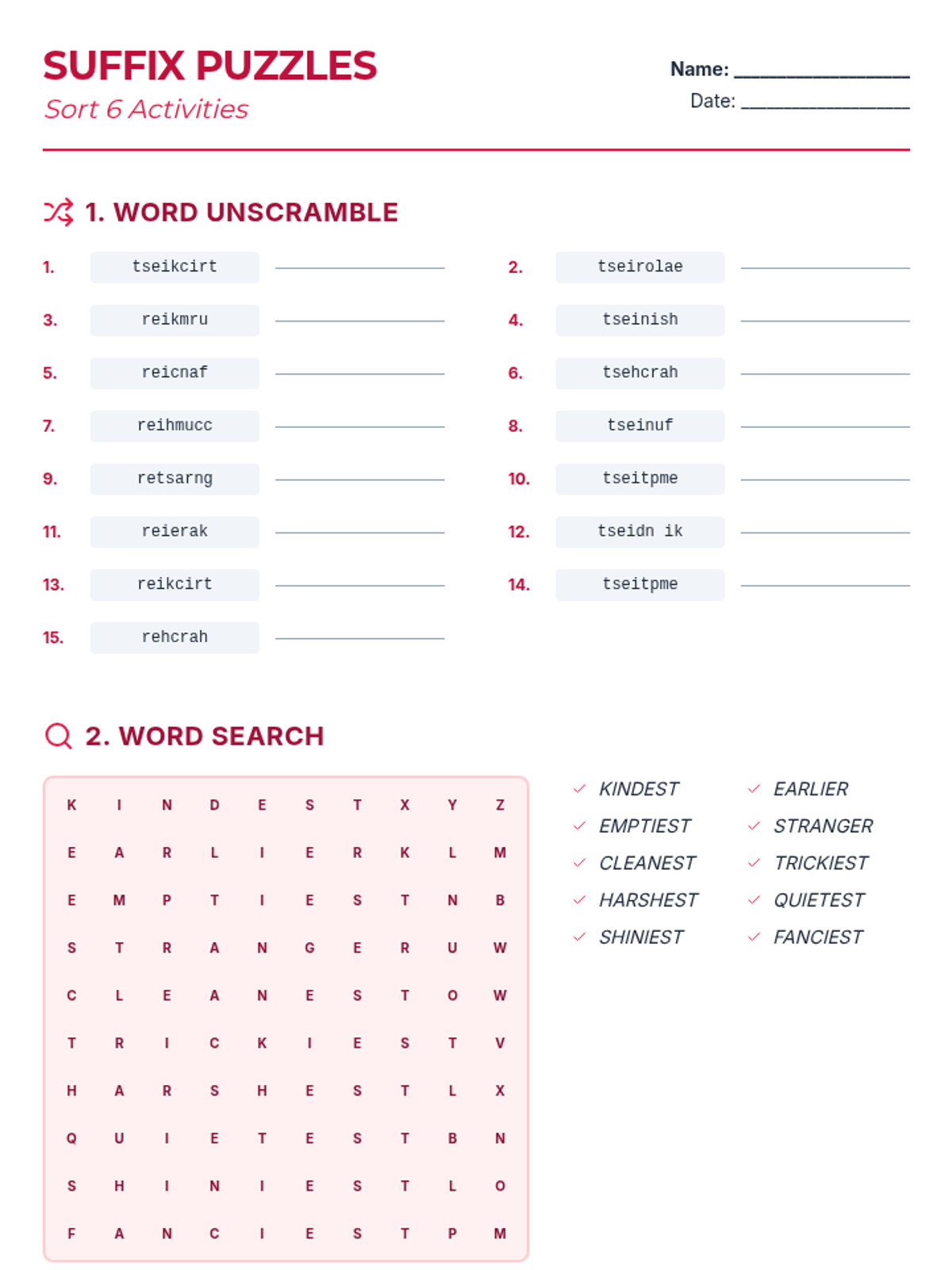
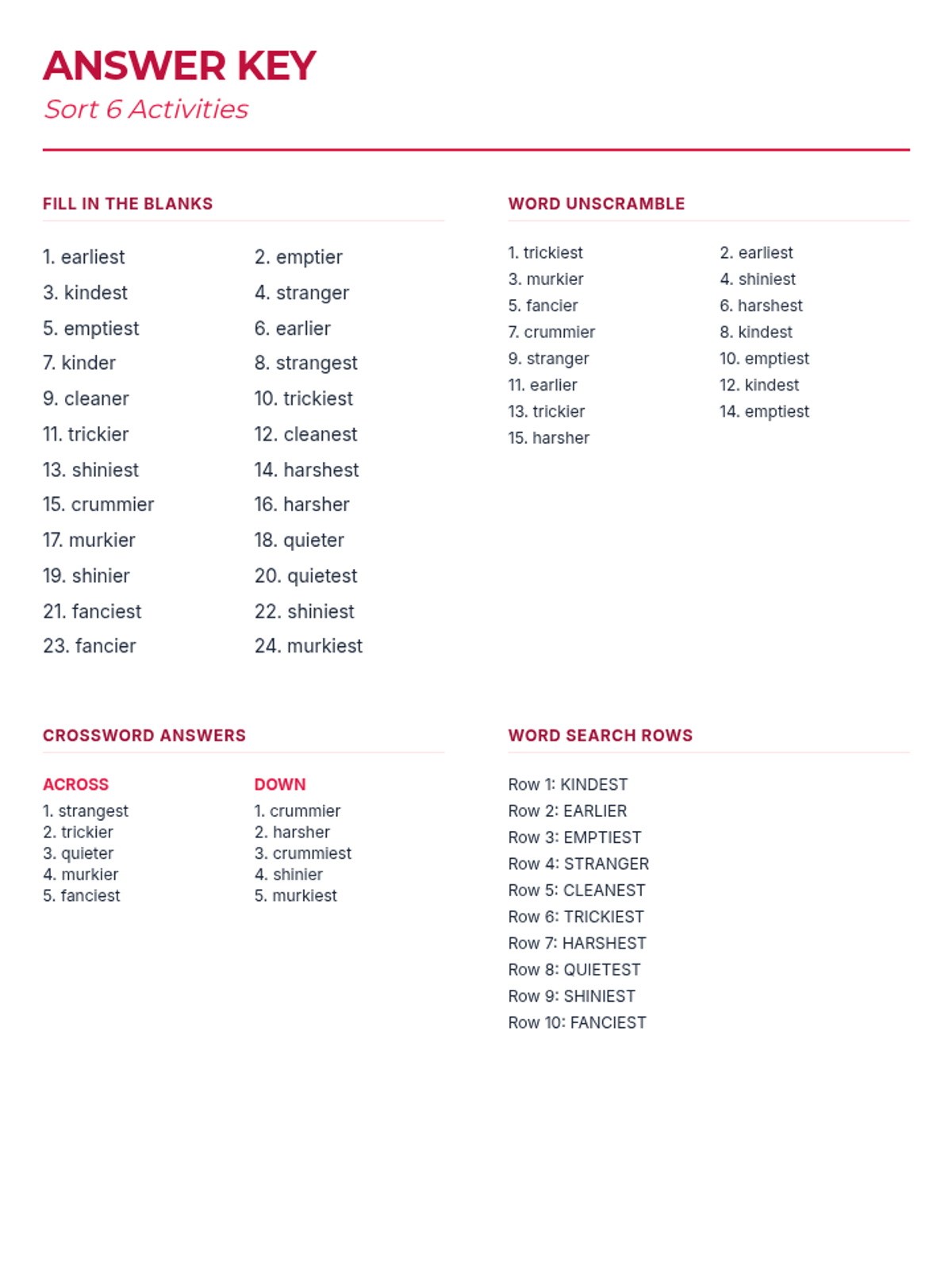
Mastering comparative and superlative suffixes: -er, -est, -ier, and -iest.
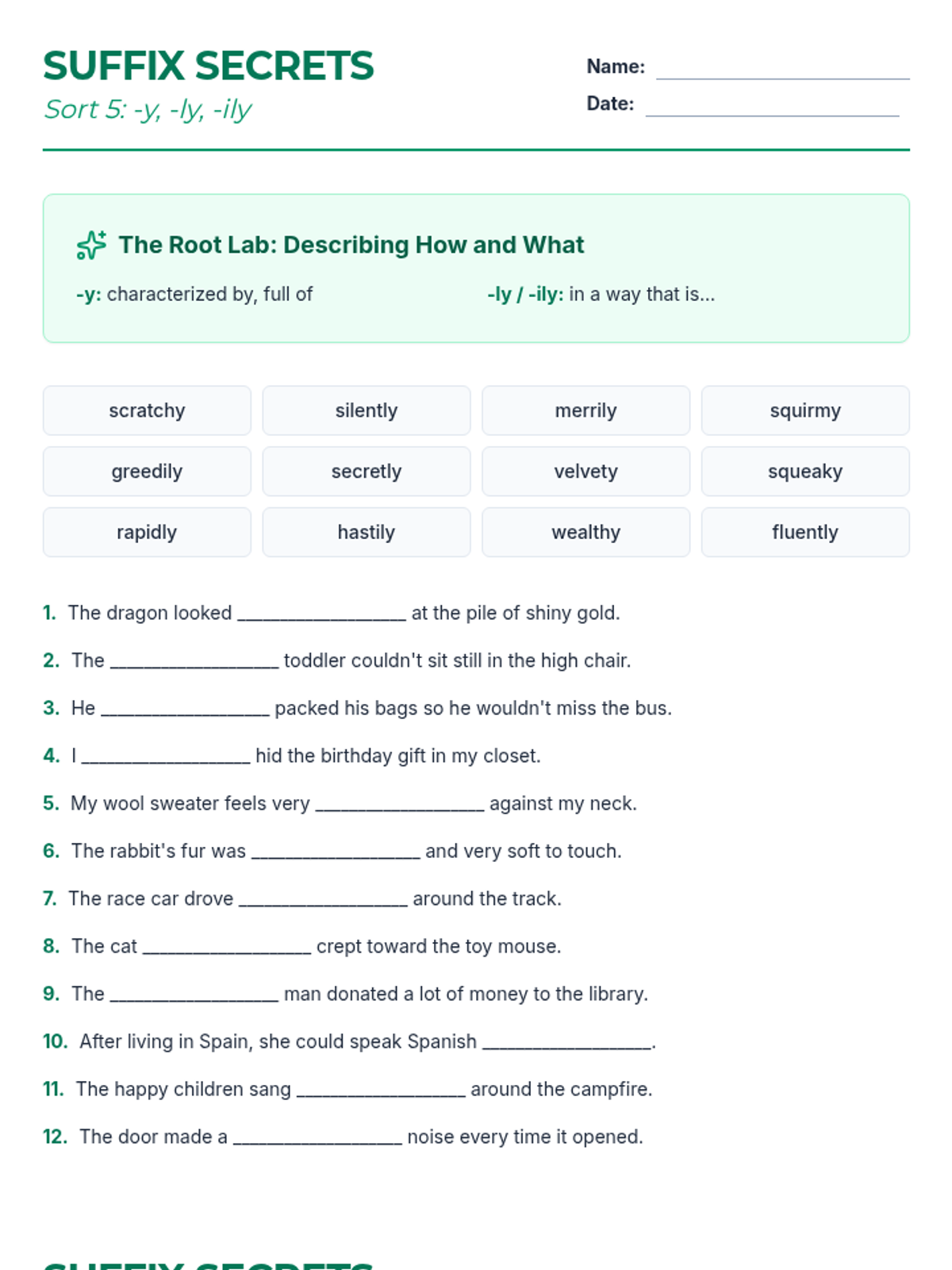
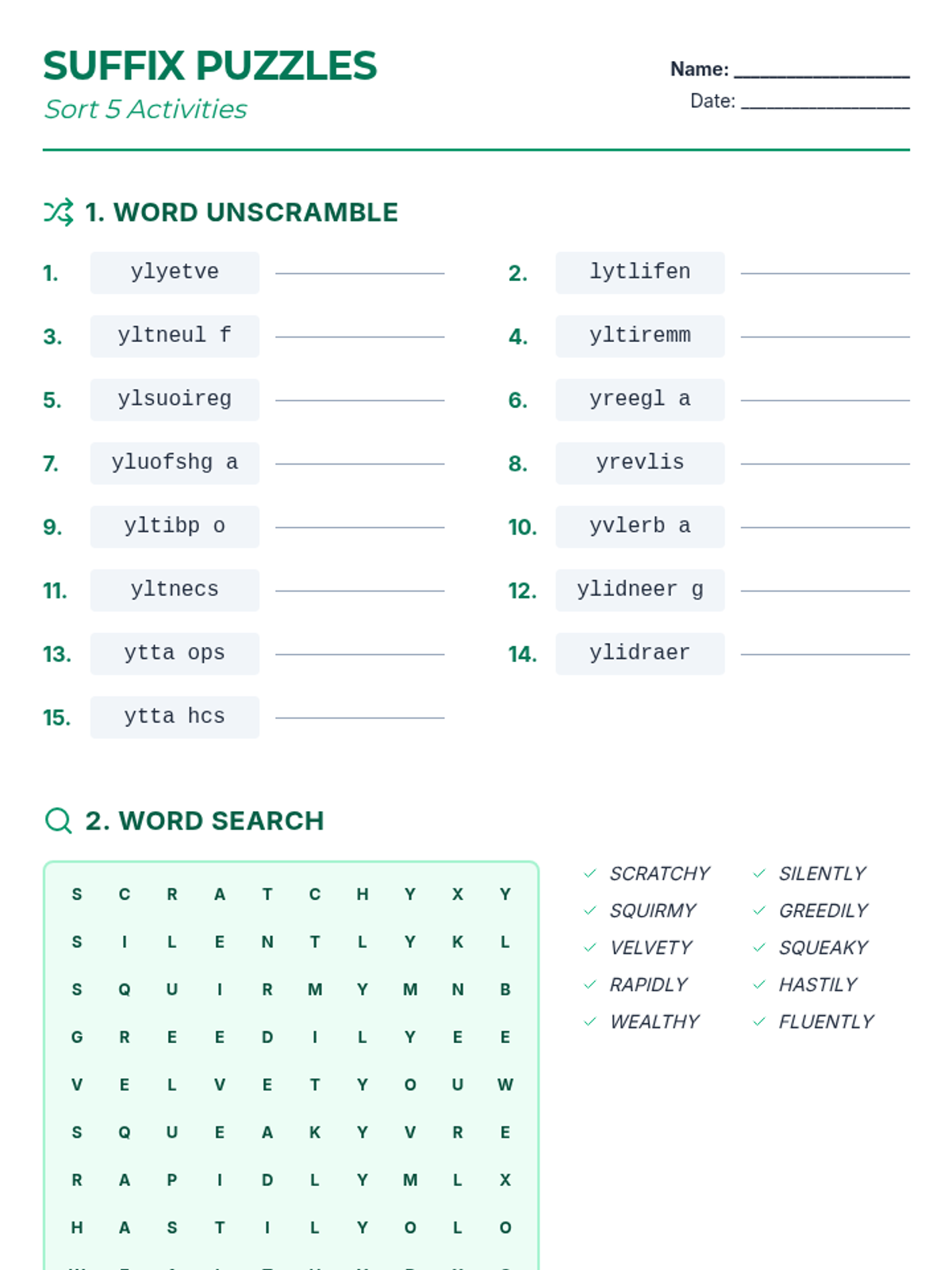
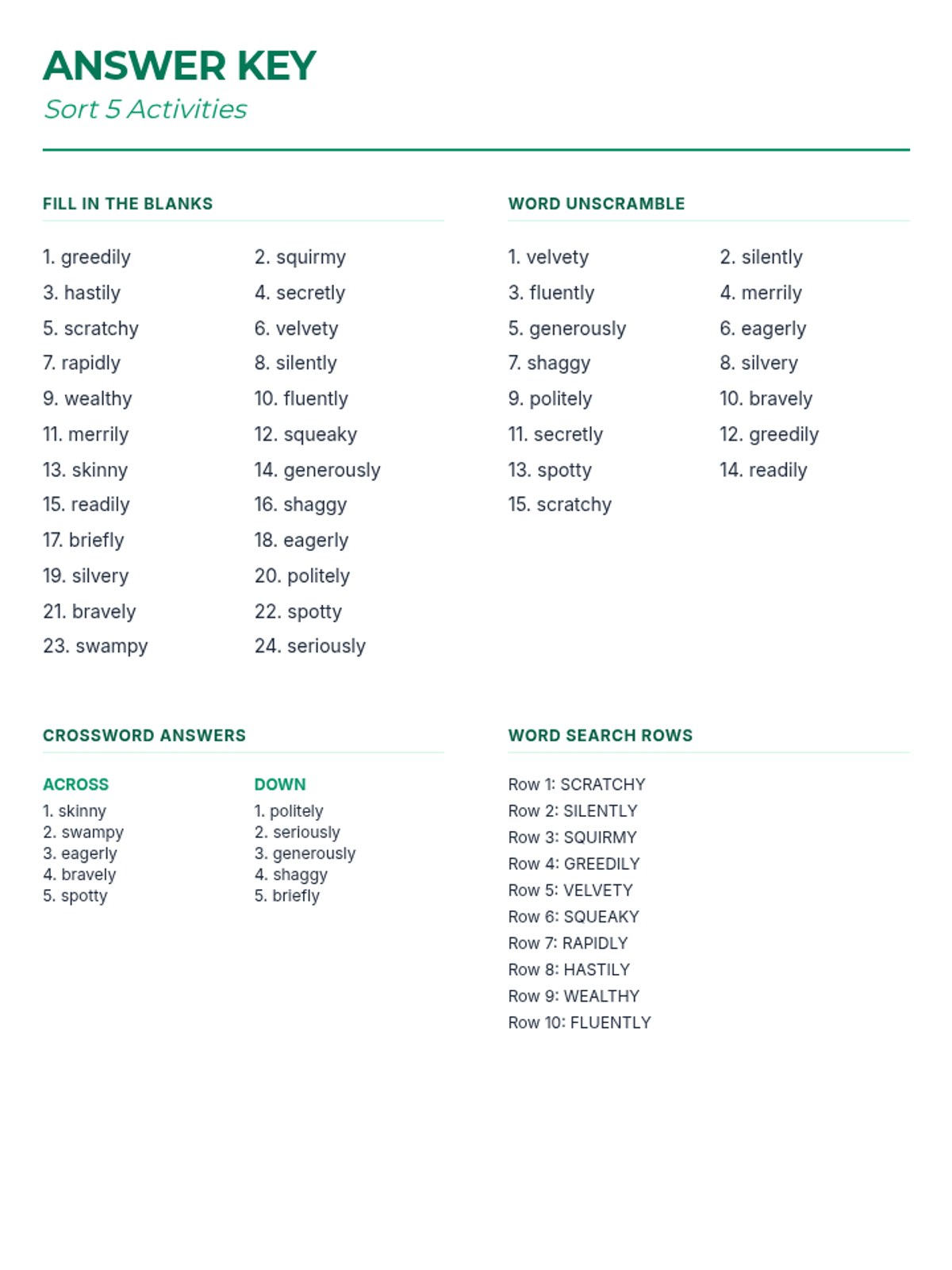
Introduction to descriptive suffixes: -y, -ly, and -ily.
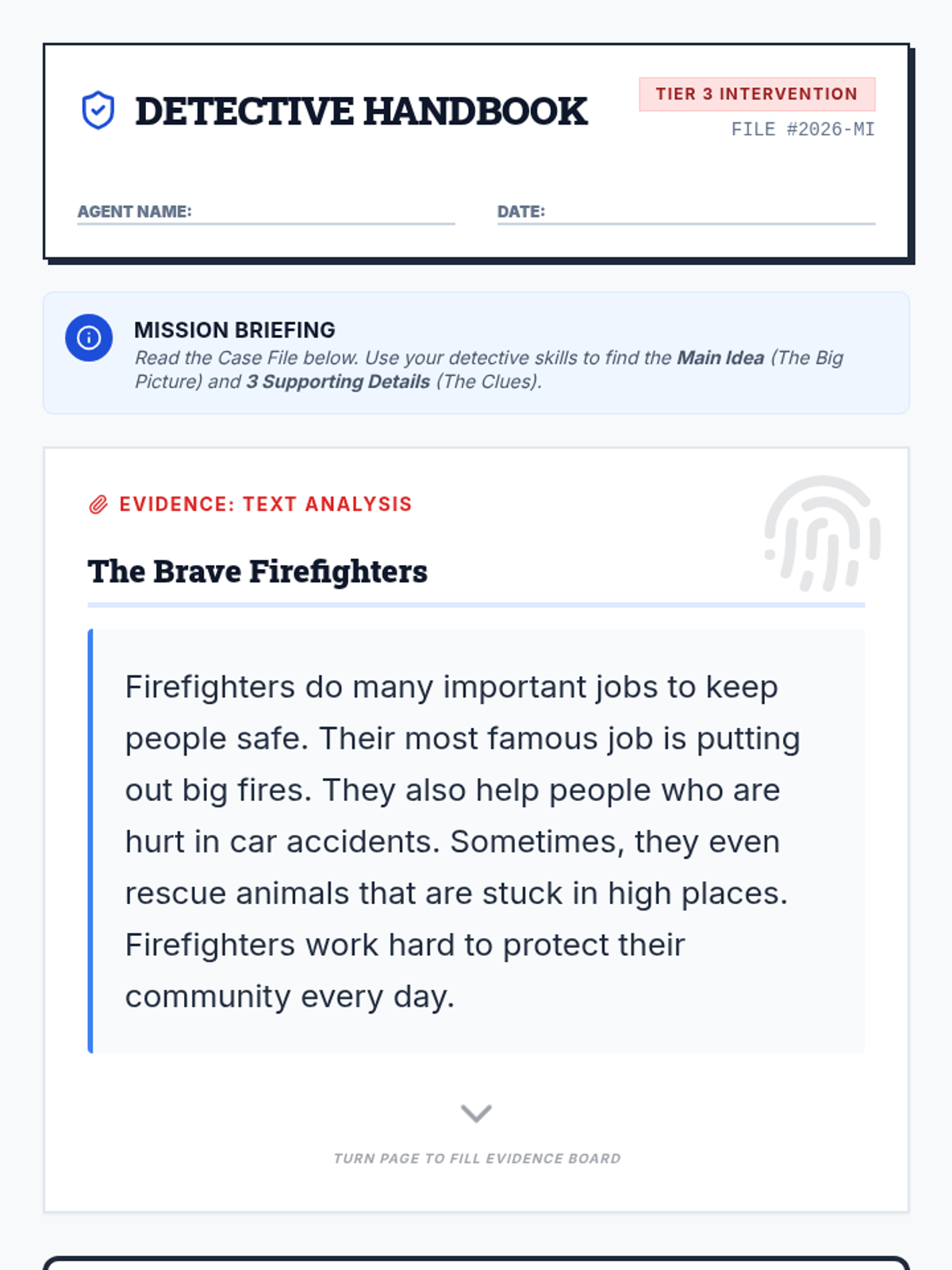
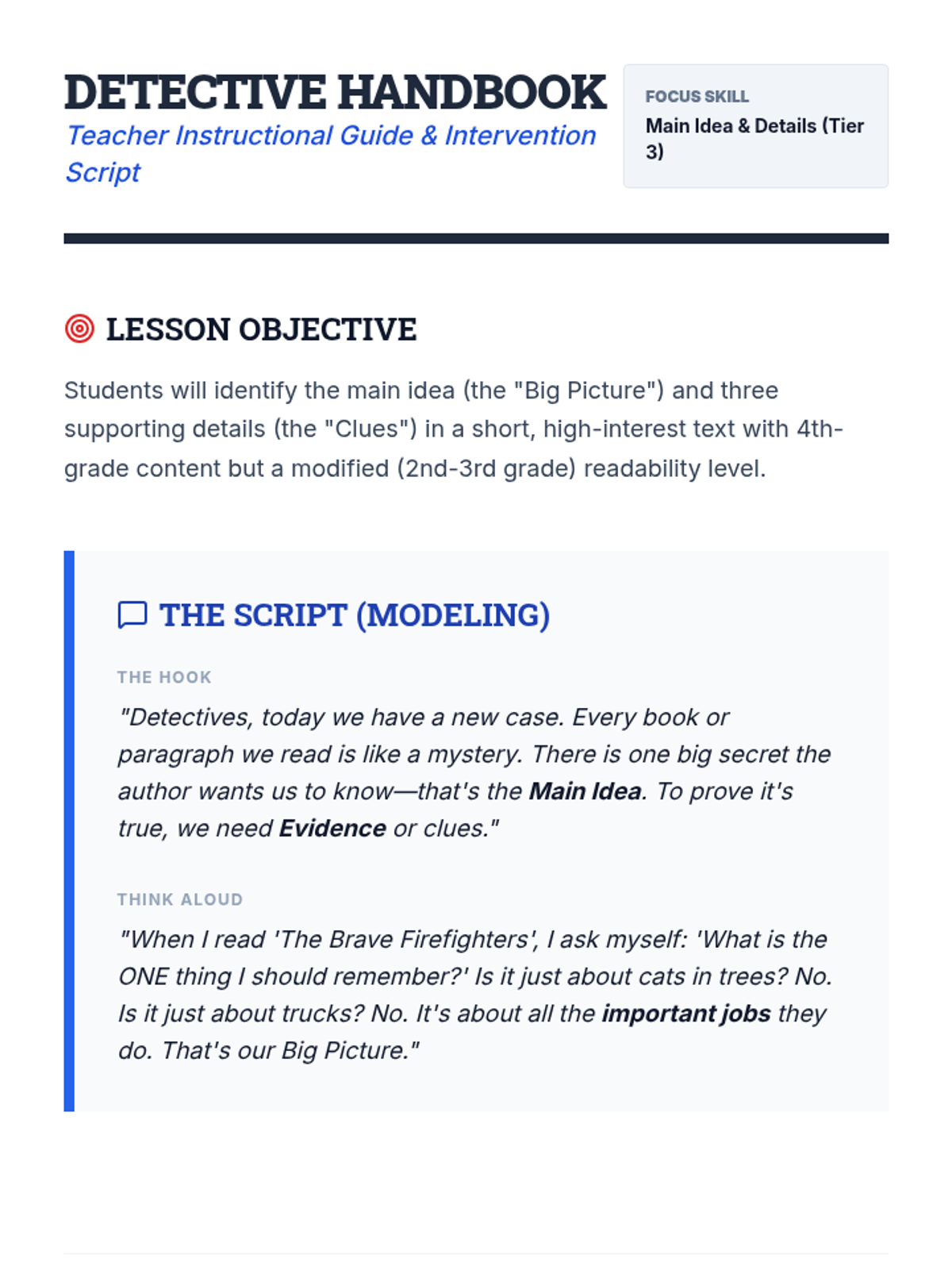
An intensive Tier 3 intervention lesson for 4th-grade students struggling with main idea and supporting details. Students take on the role of detectives to identify the 'Big Picture' and 'Evidence' in short, high-interest texts.