Students explore the djembe and talking drums of West Africa, learning how drums can mimic human speech and layering simple rhythms to create polyphonic textures.
A 30-minute Valentine's Day paper craft lesson where second-grade students create their own 'Love Bug' creatures using heart-shaped templates to practice fine motor skills and creativity.
A fun and engaging 30-minute craft session where young students create their own 'Love Bug' characters using paper shapes. This lesson focuses on fine motor skills, shape recognition, and creative expression.
A block-building music lesson where students 'craft' rhythms, 'survive' rapid direction changes, and explore Orff percussion through a pixelated world theme. Includes singing, dancing, and body percussion activities.
A high-energy, low-pressure 15-minute music lesson designed to engage disengaged students and build vocal confidence through rhythm and stealth games. This lesson moves from non-verbal rhythmic games to collective vocalizing to bypass the fear of singing.
A short, impactful drama lesson centered around a school assembly script about Ruby Bridges. Students explore themes of bravery and segregation through performance, visual storytelling, and personal reflection.
An interactive, game-based lesson where students use body percussion to perform quarter notes, eighth notes, and quarter rests at varying tempos.
A 2nd grade music and science integration lesson where students investigate how vibrations produce sound and classify musical instruments by their vibrating parts.
A collaborative art lesson where 1st and 2nd-grade students explore the concept of community by creating a layered mural of rainforest animals based on their habitats.
A music and science integration lesson where students analyze animal classifications and write their own verses for the 'Animal Song' using AABB rhyme schemes.
A hands-on art and science lesson where students explore the anatomical structures of fungi through clay modeling and painting, using visual references from nature.
A creative art lesson focused on positive and negative space through the lens of Kirigami snowflake cutting. Students create a dual-image composition using both their snowflake and the leftover scraps to explore spatial relationships.
A visual arts and science lesson where students explore the concept of fog as a 'cloud on the ground' through watercolor painting and sponge-dabbing techniques.
A music lesson where students compose and perform a new verse for 'Going Green Song' about environmental issues in their own school.
Students explore how the brain uses patterns and expectations to process music, learning about the 'tonic' and 'resolution' through a rhythmic composition game.
A music and literacy lesson where elementary students learn about musical resolution by connecting it to narrative arcs in stories. Students will use the concept of the 'tonic' note to create soundscapes for specific story prompts.
Students will explore the biological and neurological connection between music and the human body, learning about brain patterns, the tonic, and physiological reactions like increased heart rate and blood flow.
Students explore the concept of tempo and rhythm through a catchy song about the solar system, using rhythm sticks to match shifting speeds.
A fun, interactive music lesson where students use a balloon analogy to understand how vocal folds create different pitches and how breath control changes volume. Includes a slide presentation, a comprehensive teacher guide, and a student activity sheet.
An art and science integration lesson where students explore the Aurora Borealis through scientific inquiry and chalk pastel landscapes. Students learn about Earth's magnetic field and solar particles before recreating the shimmering sky.
Students explore the intersection of science and art by using homemade or primary watercolors to create original artwork, focusing on the magic of color mixing to create secondary colors.
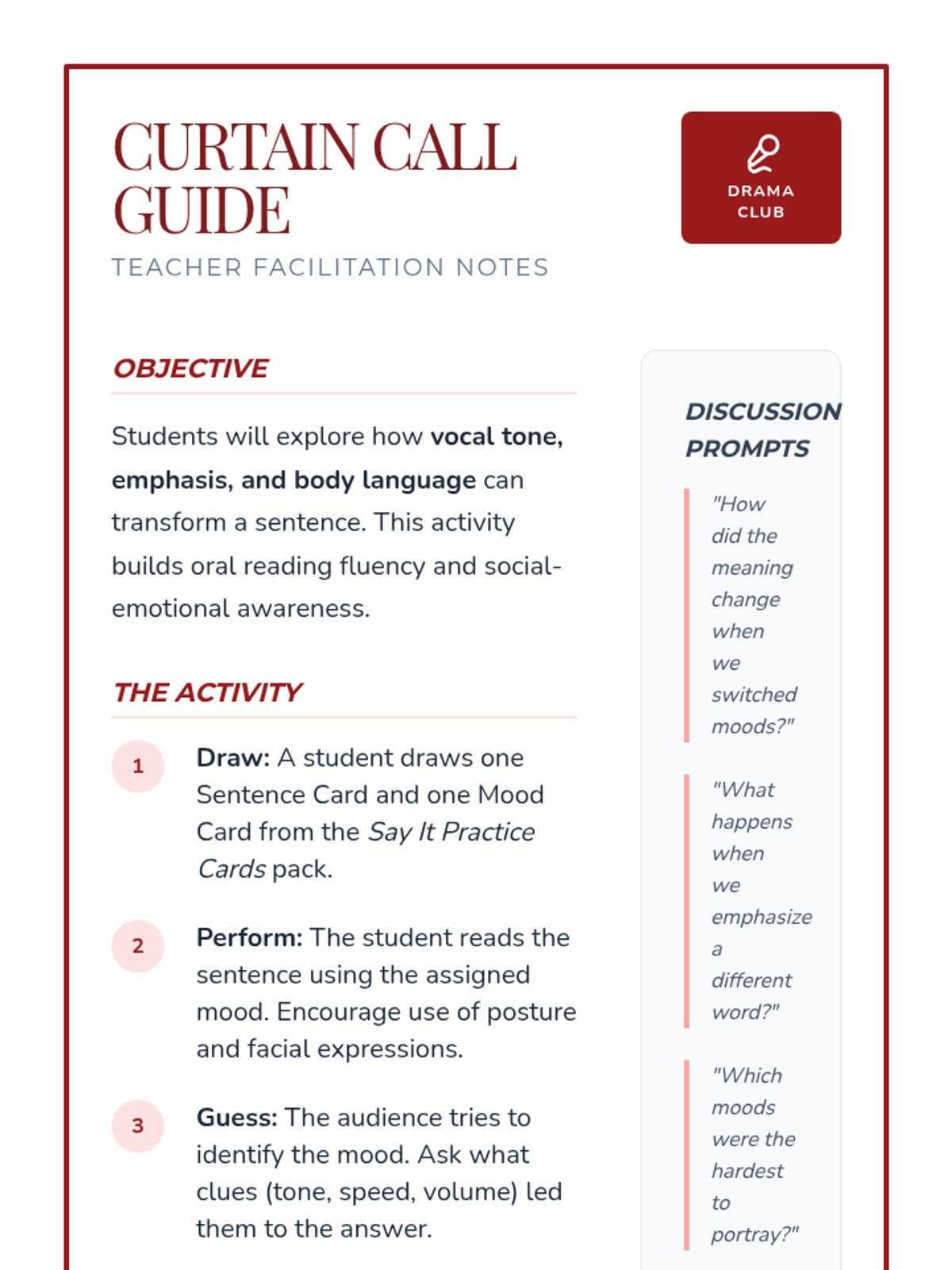
Students become weather reporters in this ELA and Drama lesson, learning the scientific requirements of a blizzard and performing a 'Breaking News' broadcast using domain-specific vocabulary.
An integrated Art and Science lesson for 2nd-4th grade focusing on bioluminescence and high-contrast art. Students explore the 'Midnight Zone' of the ocean through the lens of the Anglerfish, culminating in a scratch-art activity that mimics the glowing lure against a dark background.
A hands-on STEAM lesson where students explore the physical transformation of Ivory soap through heat, then use the resulting 'cloud' material to create sensory soap dough sculptures. Students practice observation, descriptive language, and tactile art skills.
A creative art and social studies lesson where 2nd-grade students explore the anatomy of US currency and design their own unique bank notes. Students identify key features like portraits, denominations, and intricate borders before creating their own masterpiece.