Students act as biological detectives to solve the classification of the Red Panda. By synthesizing morphological and genetic data, they practice evidence-based reasoning to place this unique animal within the tree of life.
Cette leçon explore le fonctionnement de l'intelligence artificielle appliquée à un distributeur de croquettes intelligent. Les élèves découvrent l'apprentissage supervisé pour distinguer les chiens des chats en utilisant l'interface Vittascience.
Une séquence complète sur l'utilisation des robots dans les missions de sauvetage et de secours, comprenant vocabulaire technique, lecture et atelier d'écriture.
A comprehensive review of introductory chemistry lab concepts including pH calculations, organic nomenclature, functional group identification, and laboratory testing procedures.
Une évaluation complète sur les interactions et les forces pour le niveau 4ème, incluant des diagrammes objets-interactions et des tracés de vecteurs.
A 90-minute investigation into how genetic mutations and chromosomal abnormalities lead to human disorders. Students act as 'genetic consultants' to analyze karyotypes, pedigrees, and mutation types.
A comprehensive 90-minute lesson on DNA, genes, chromosomes, and genetic crosses. Students explore the 'Blueprint of Life' through chunked instruction, Think-Pair-Share discussions, and hands-on modeling stations.
A 5-block (10 period) investigation into the human genome, focusing on patterns of inheritance, chromosomal disorders, and molecular biotechnology through the lens of polydactyly.
A comprehensive lesson exploring the three primary types of symbiotic relationships: mutualism, commensalism, and parasitism. Students analyze animal interactions through task cards, case studies, and visual organizers.
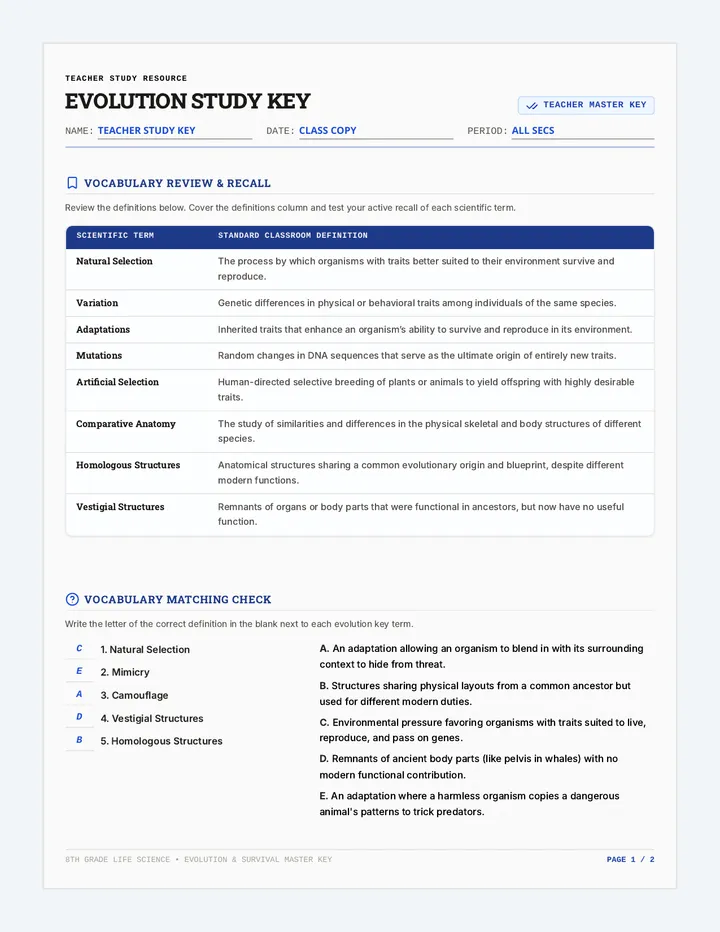
A comprehensive lesson on structural and behavioral adaptations across various biomes, including specialized survival strategies like hibernation, migration, camouflage, and mimicry.
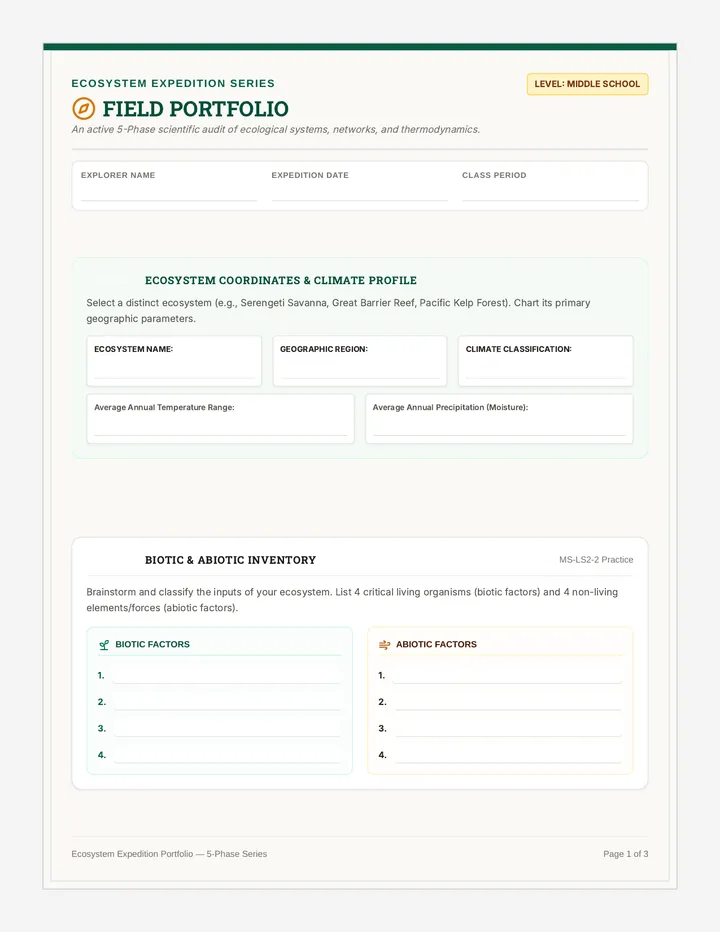
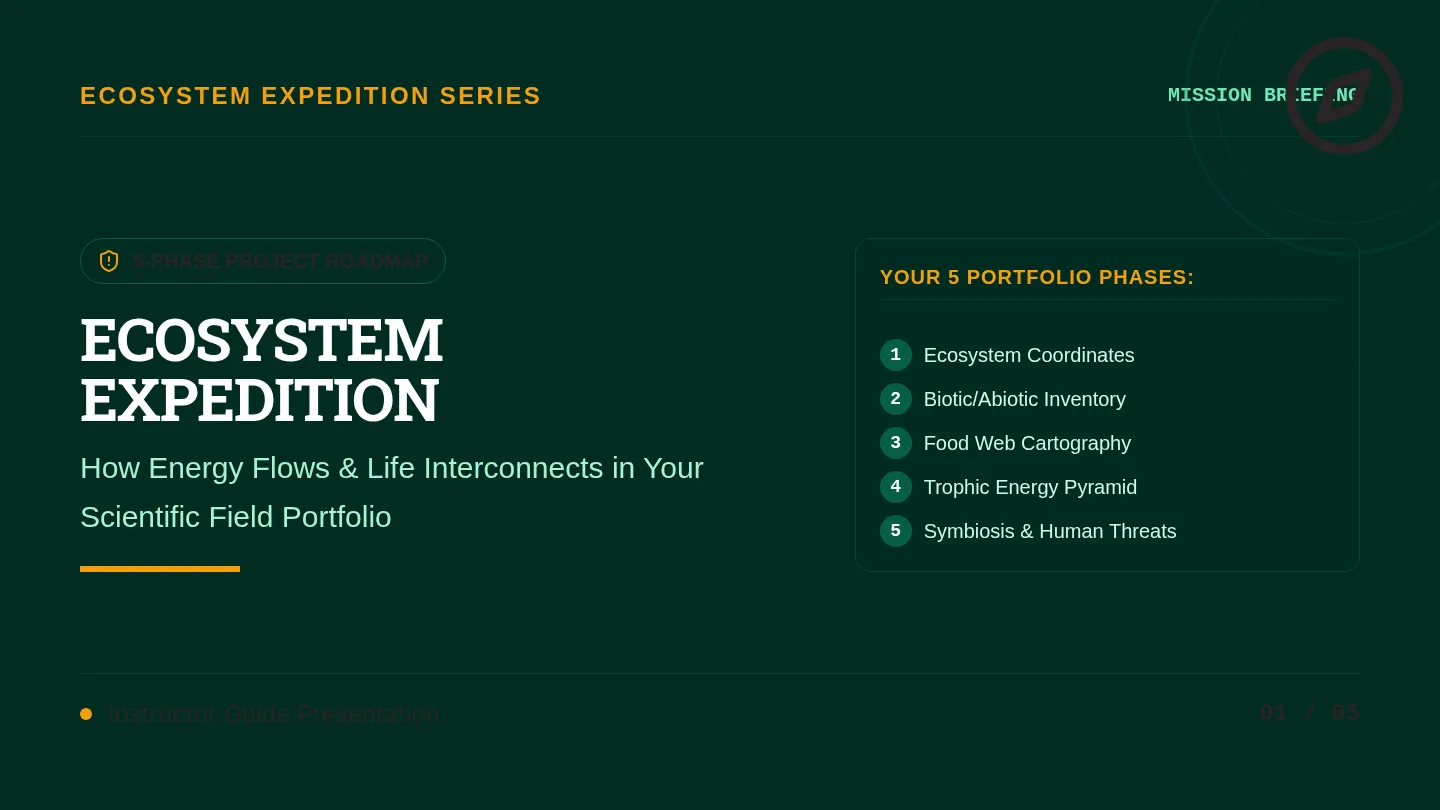
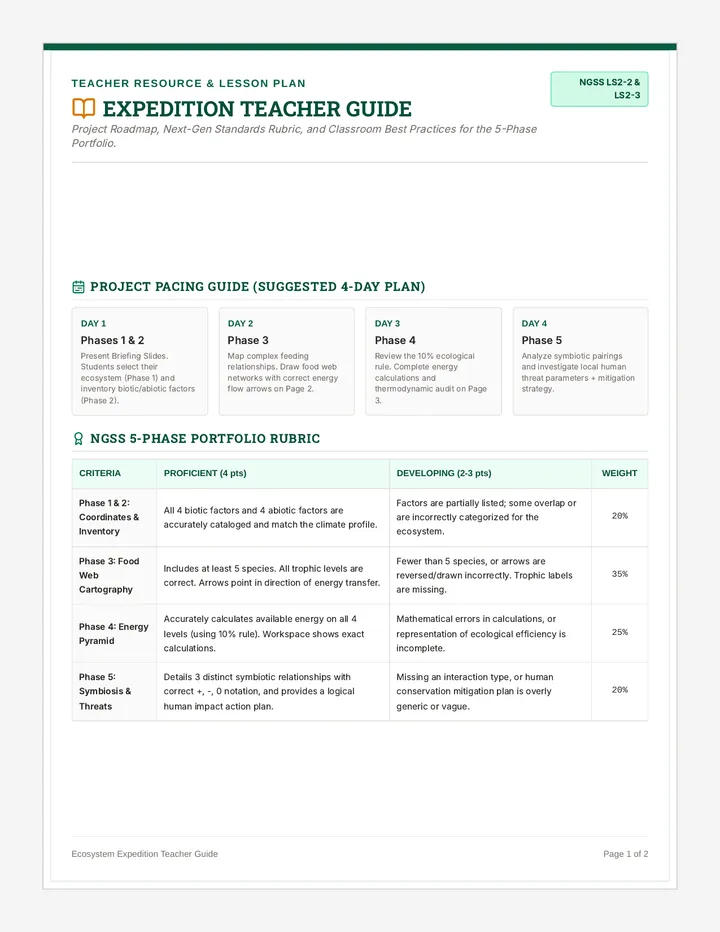
A foundational lesson exploring how energy moves through ecosystems, focusing on trophic levels, the 10% rule, and the complex connections in terrestrial and aquatic food webs.
Teachers learn to break complex tasks into smaller, manageable steps using classroom routines and Iowa Core standards as examples.
A critical examination of how systemic inequities influence environmental health outcomes, focusing on Flint's water and urban air quality. Students analyze data and develop advocacy products to promote environmental justice.