A lesson focused on modeling real-world scenarios using rational functions and solving them through graphing and algebraic techniques. Students analyze distance-speed-time relationships and cost-efficiency models.
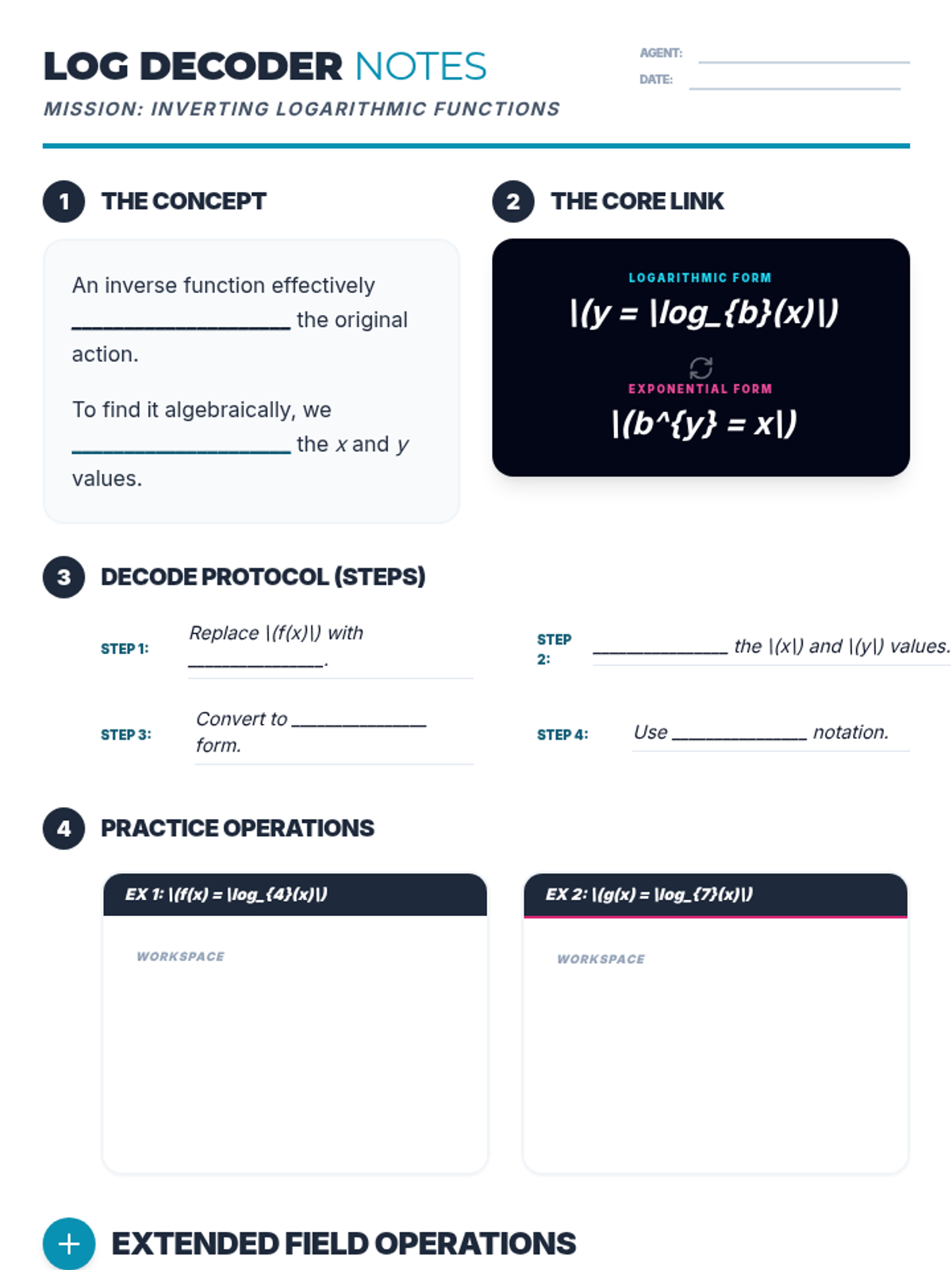
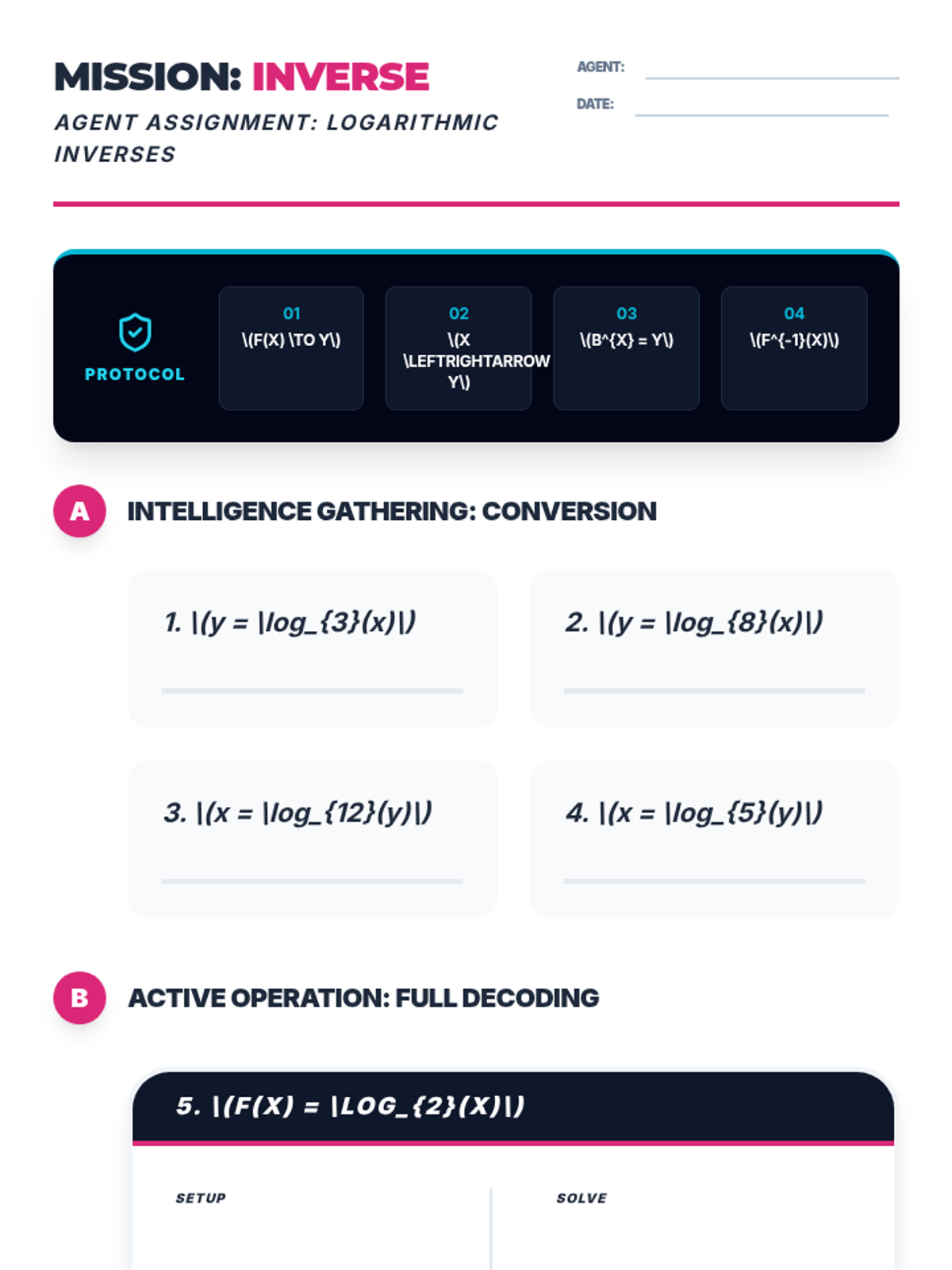
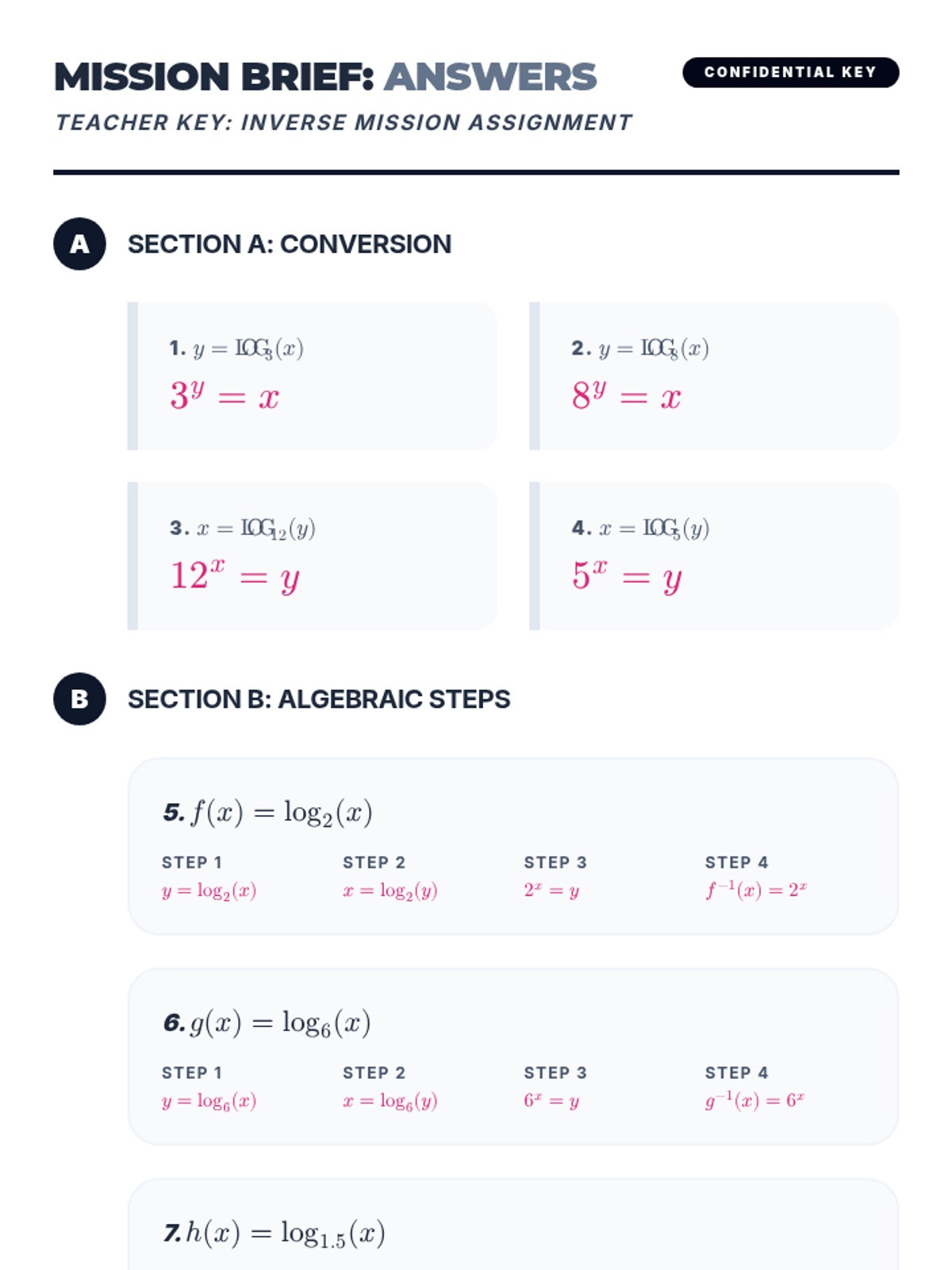
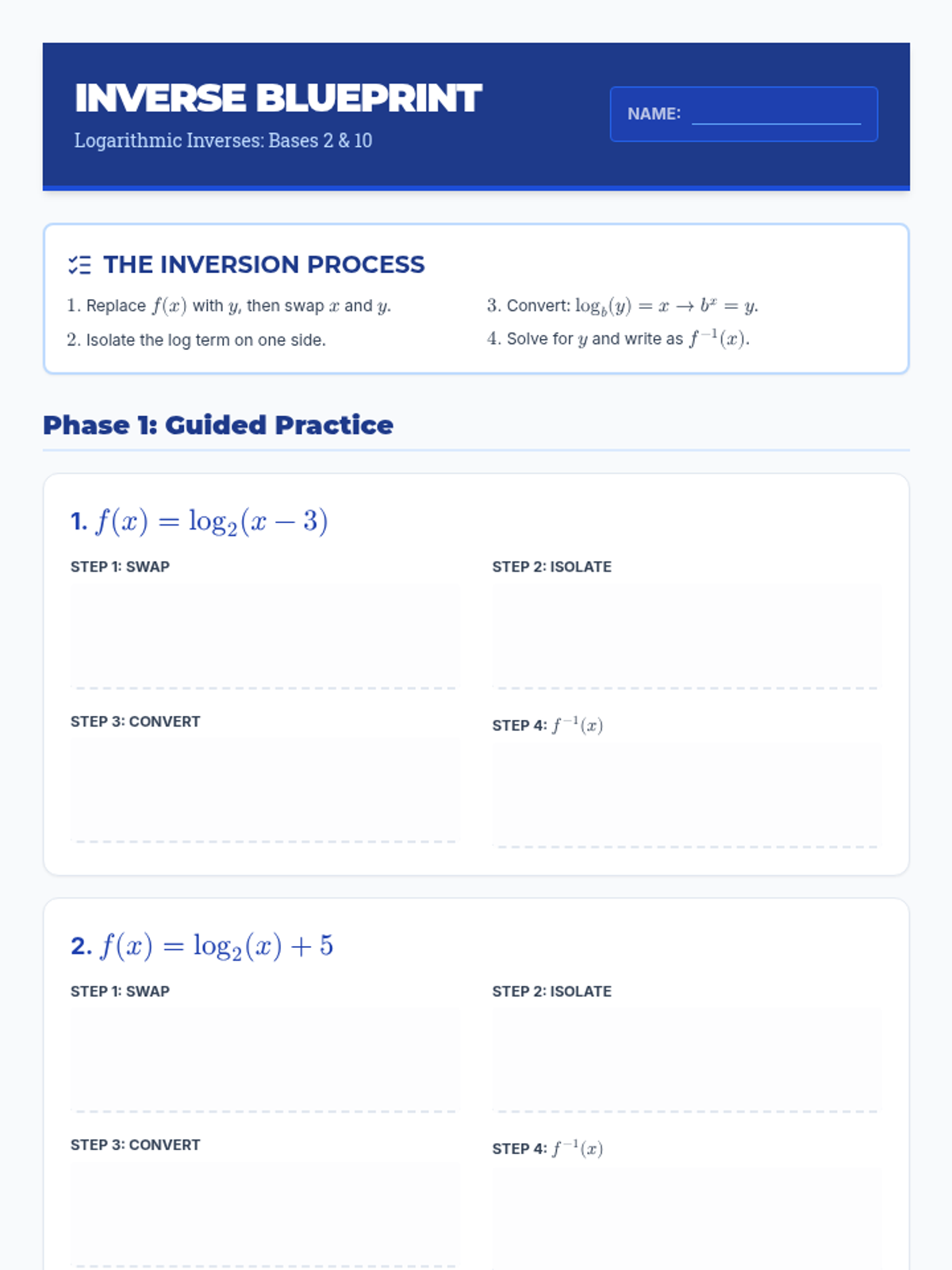
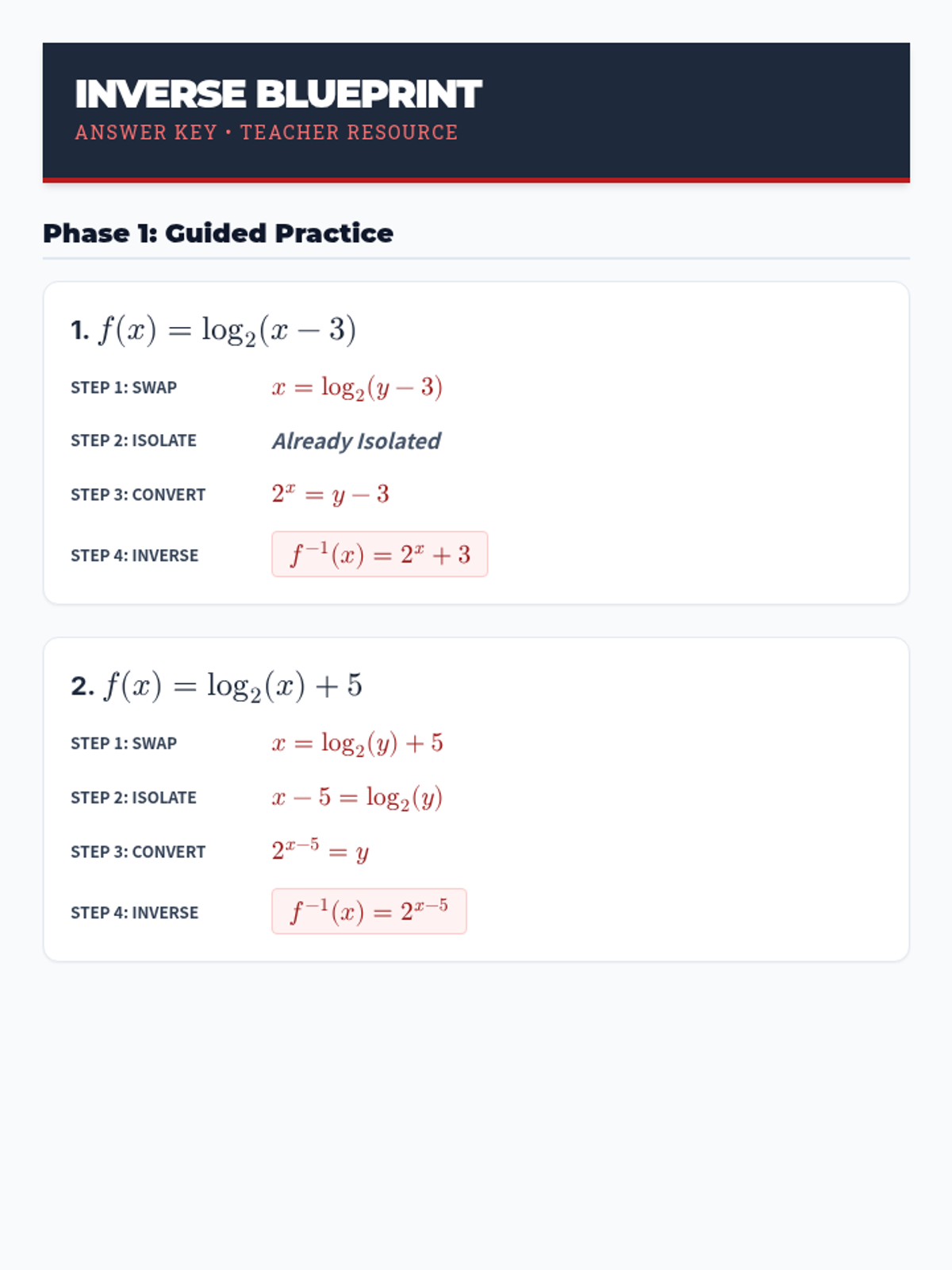
A lesson covering the step-by-step process of finding the algebraic inverse of basic logarithmic functions with various bases.
A focused lesson on finding the inverse of basic logarithmic functions using algebraic steps, specifically focusing on base 10 and base 2.

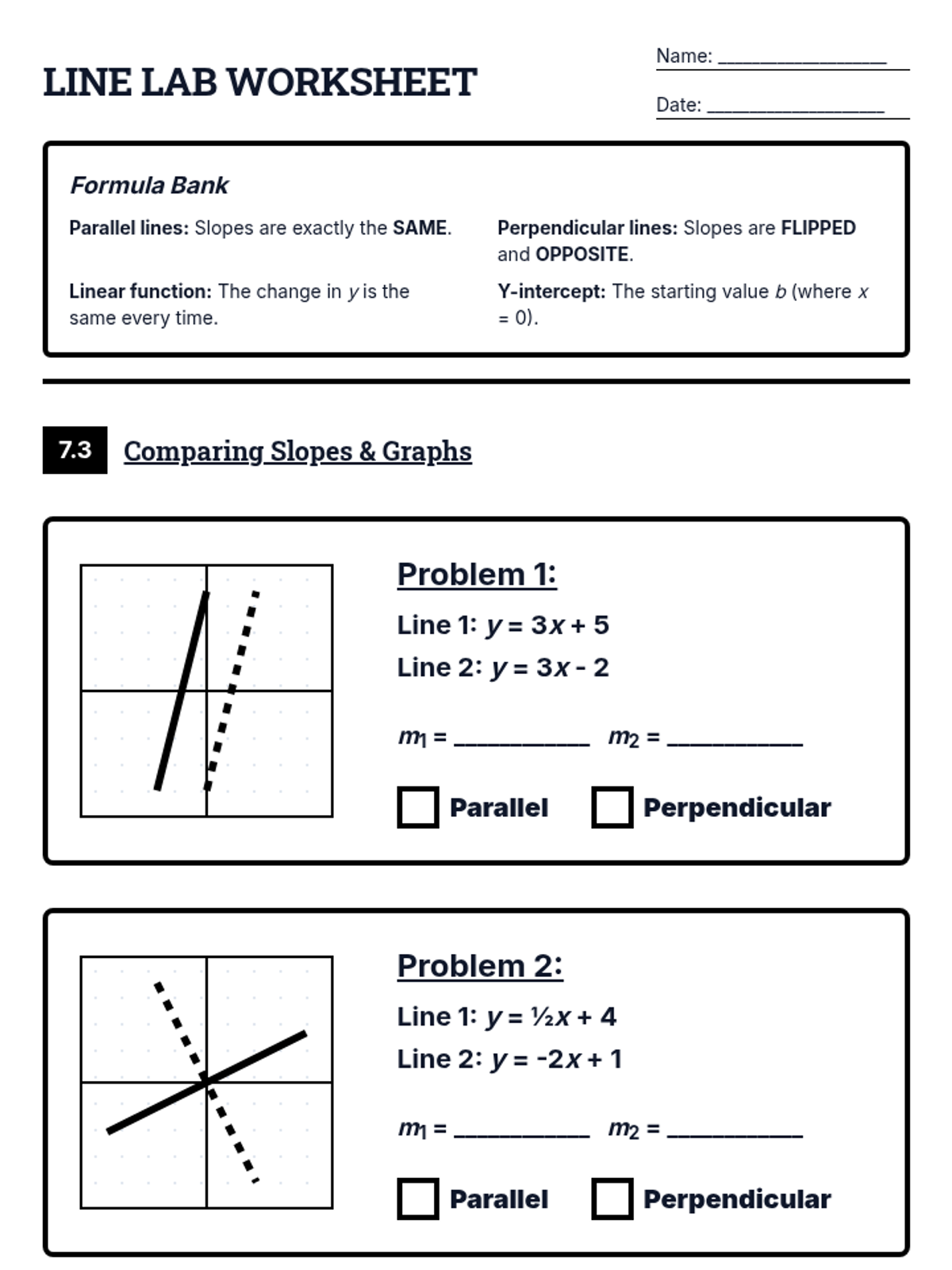
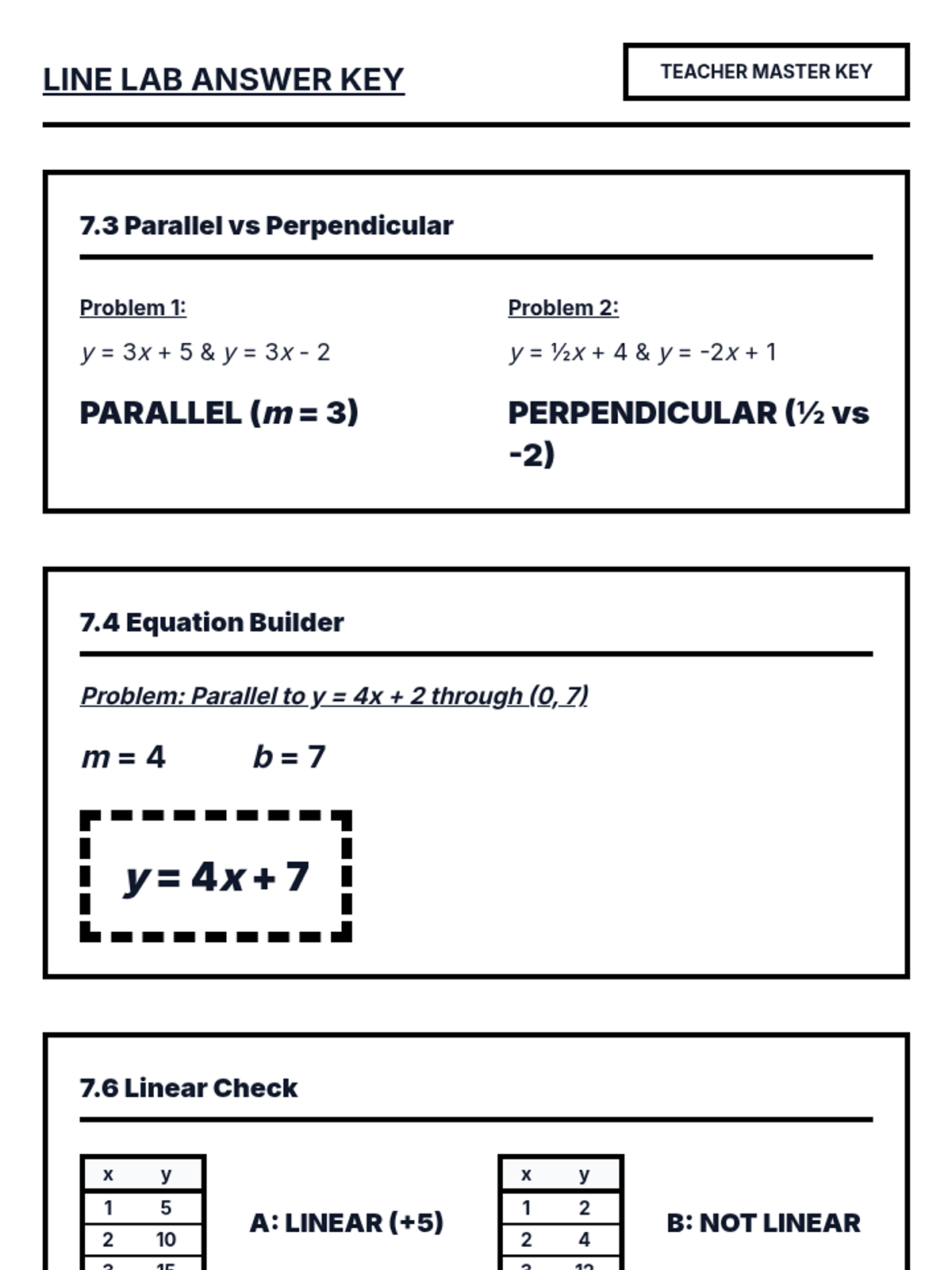
A comprehensive lesson on linear relationships, covering parallel and perpendicular lines, writing equations, and interpreting linear models in real-world contexts, specifically scaffolded for students with IEPs.
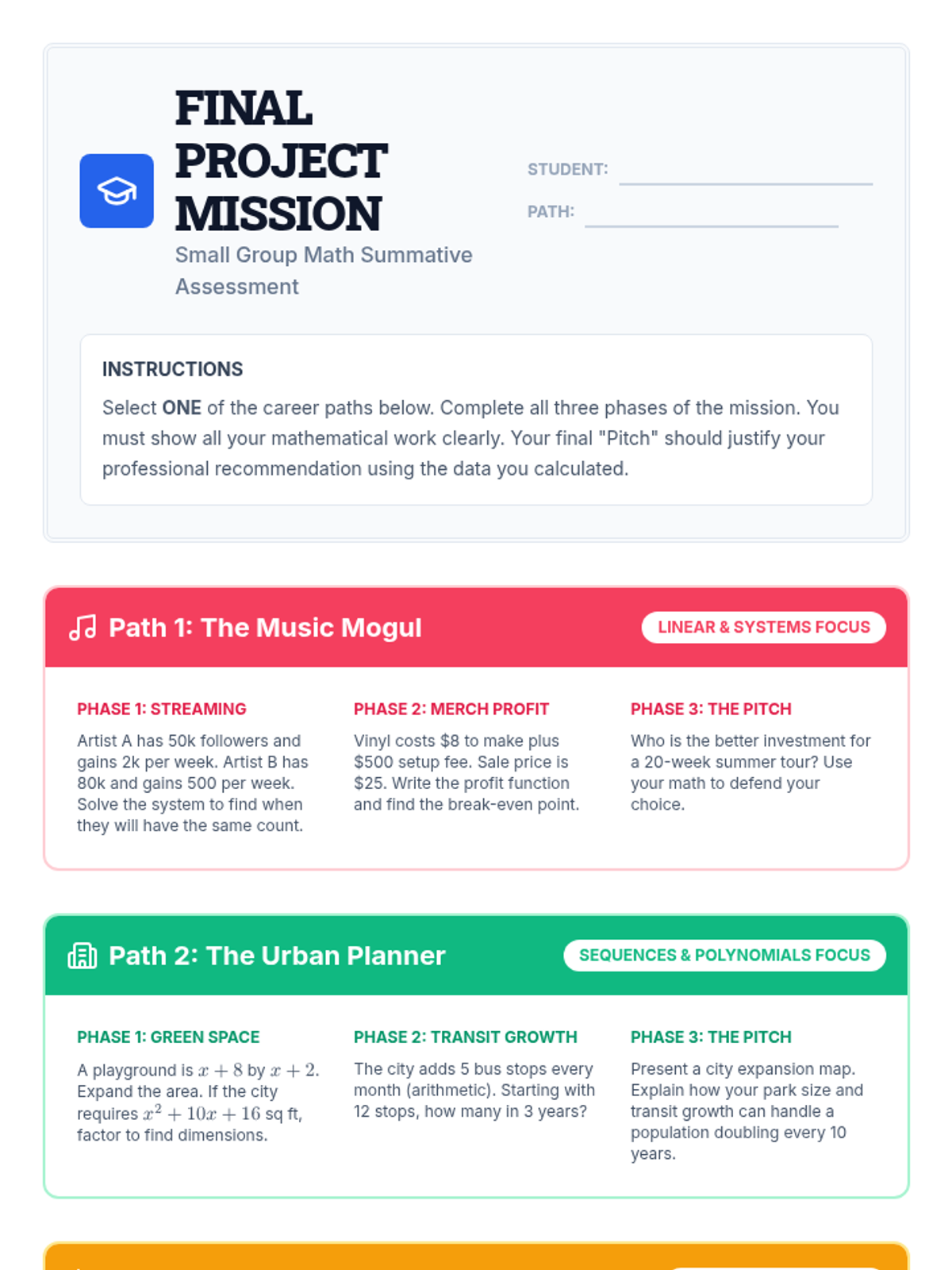
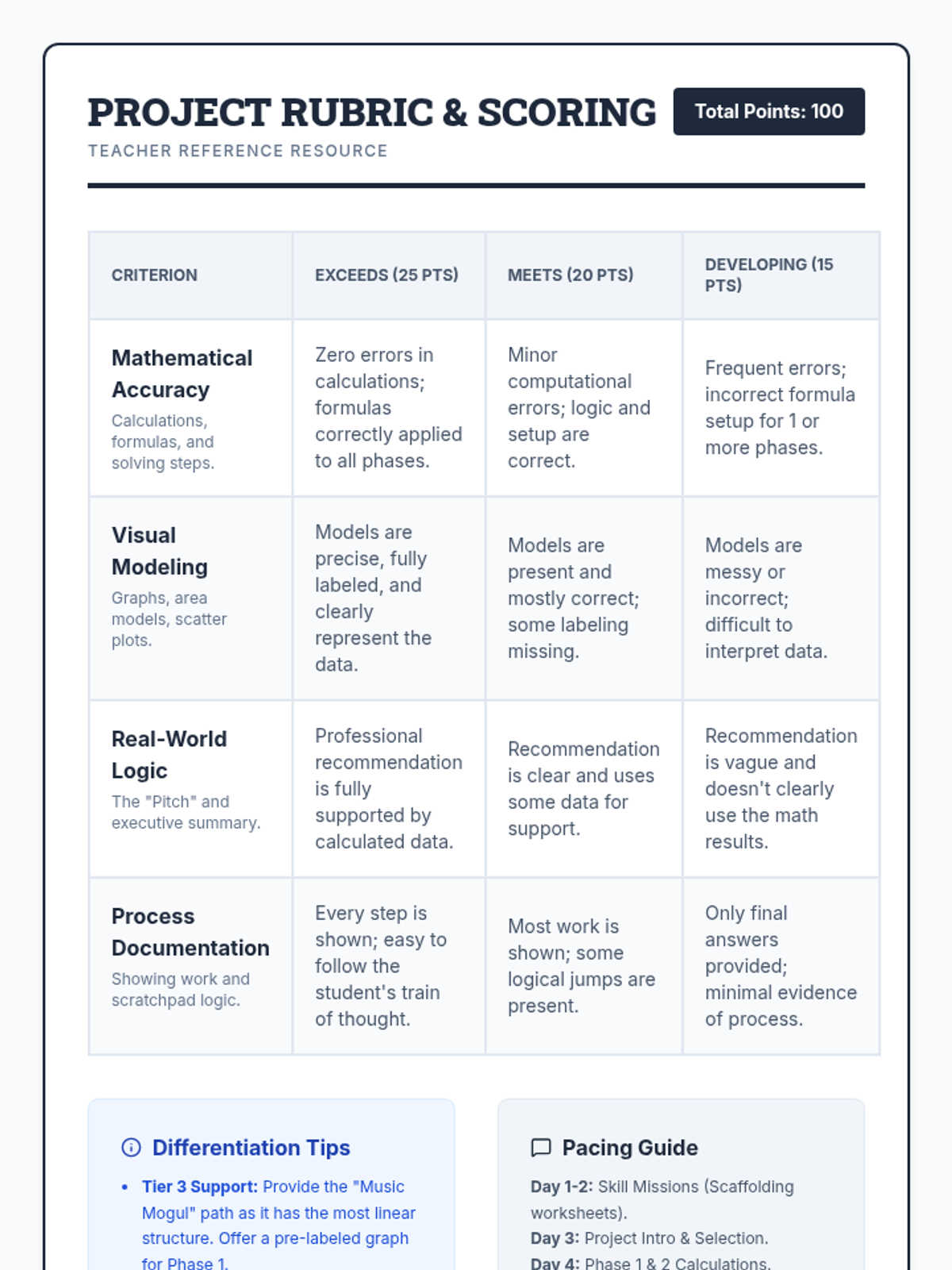
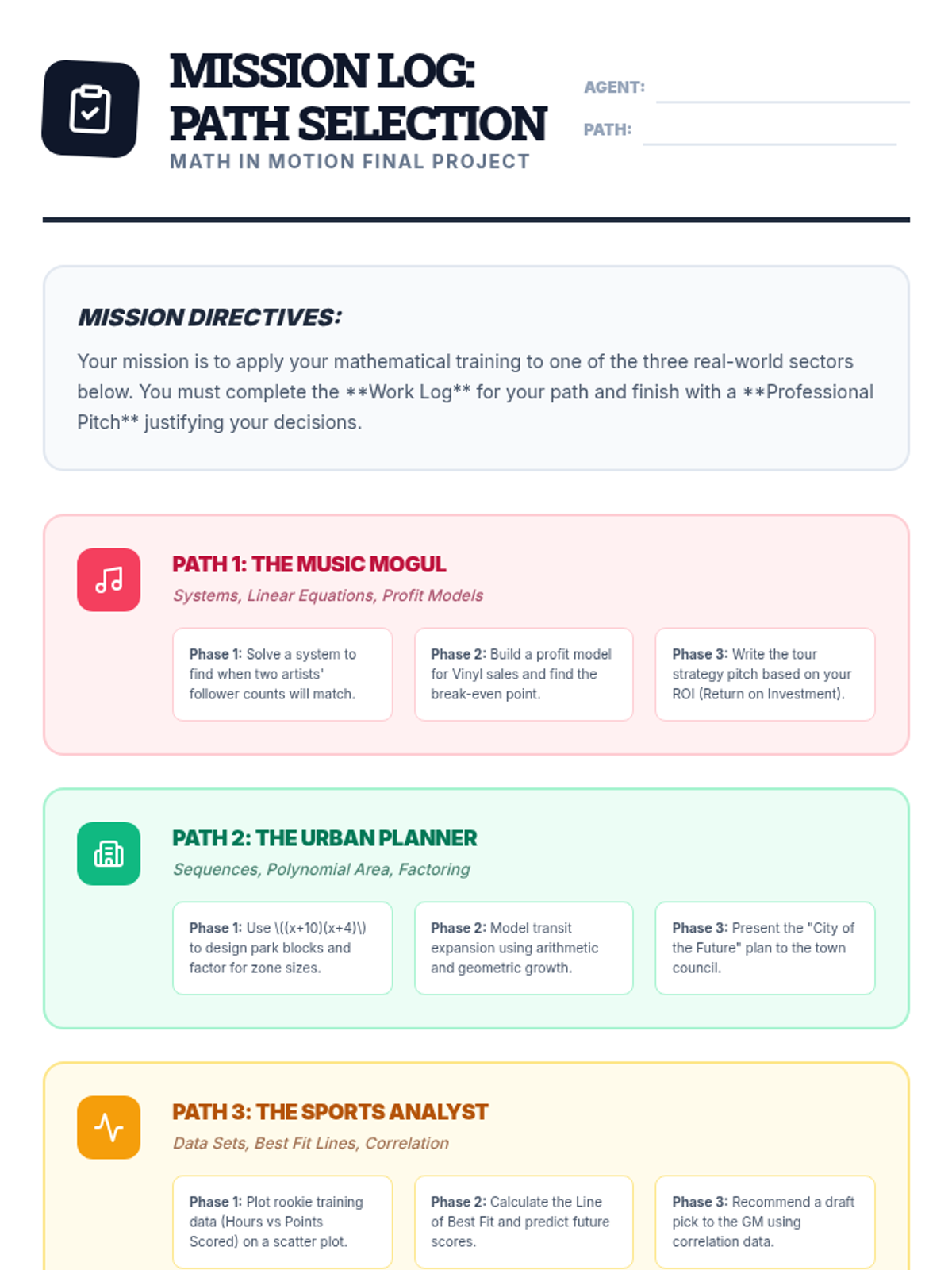
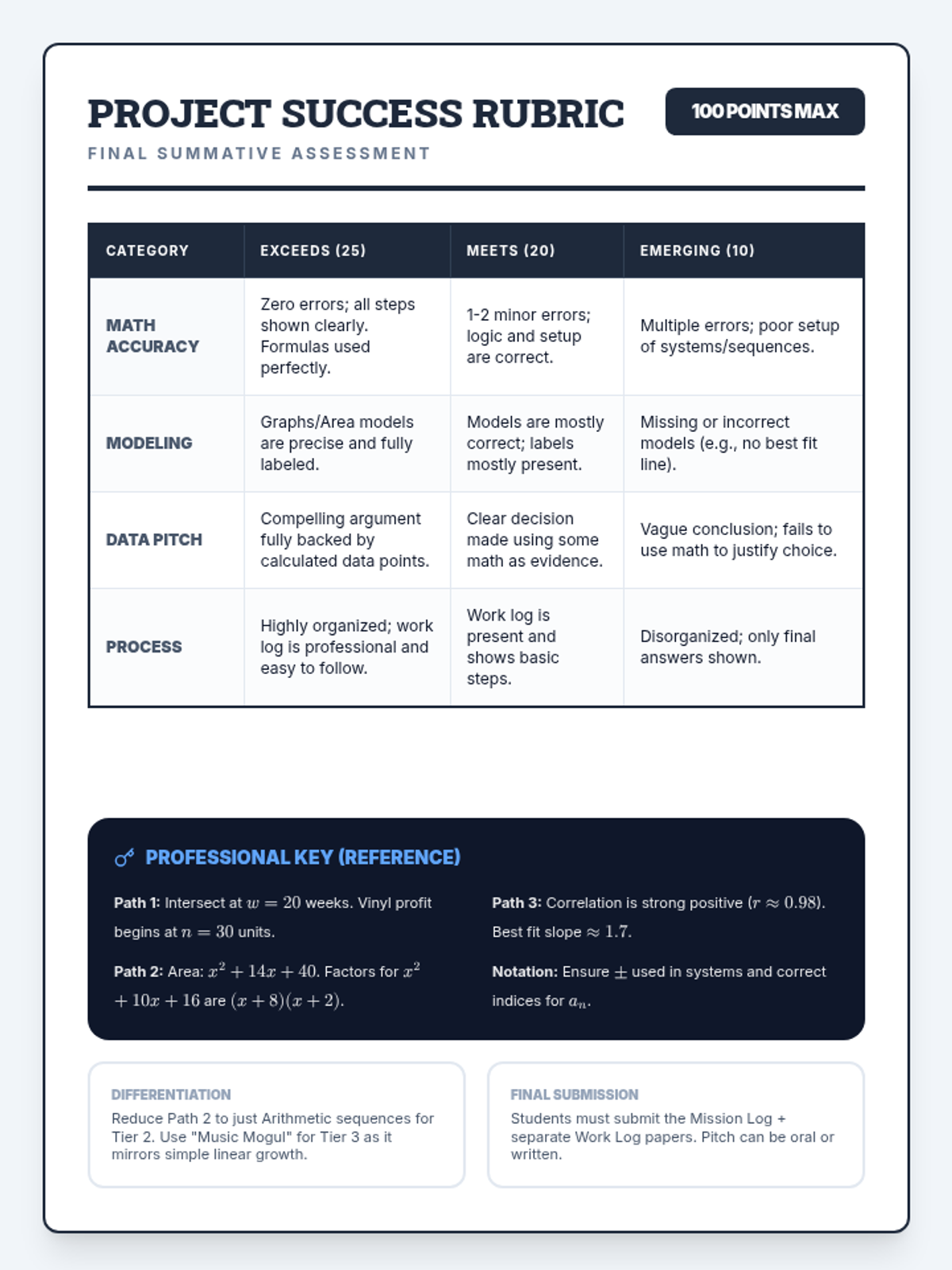
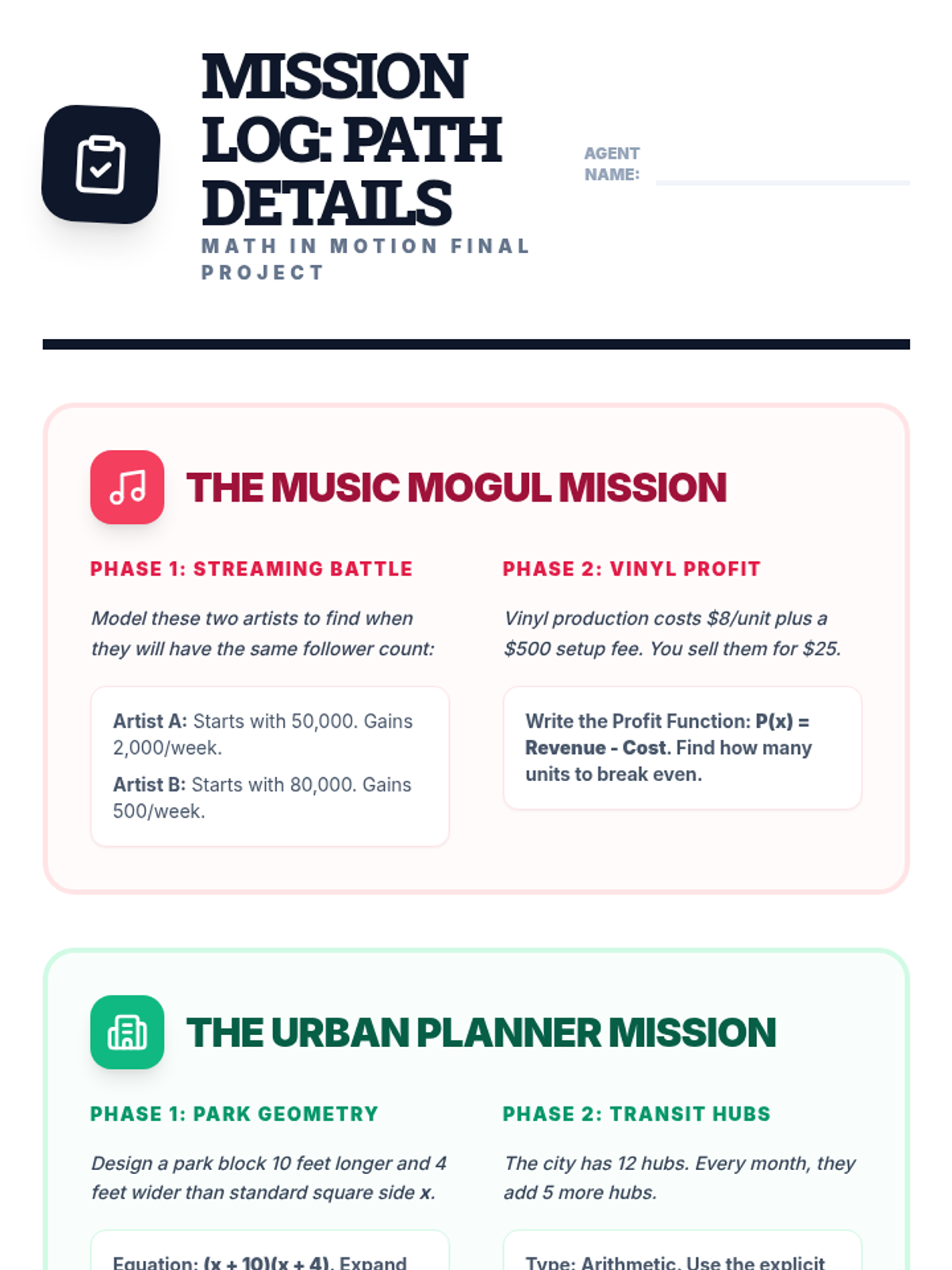
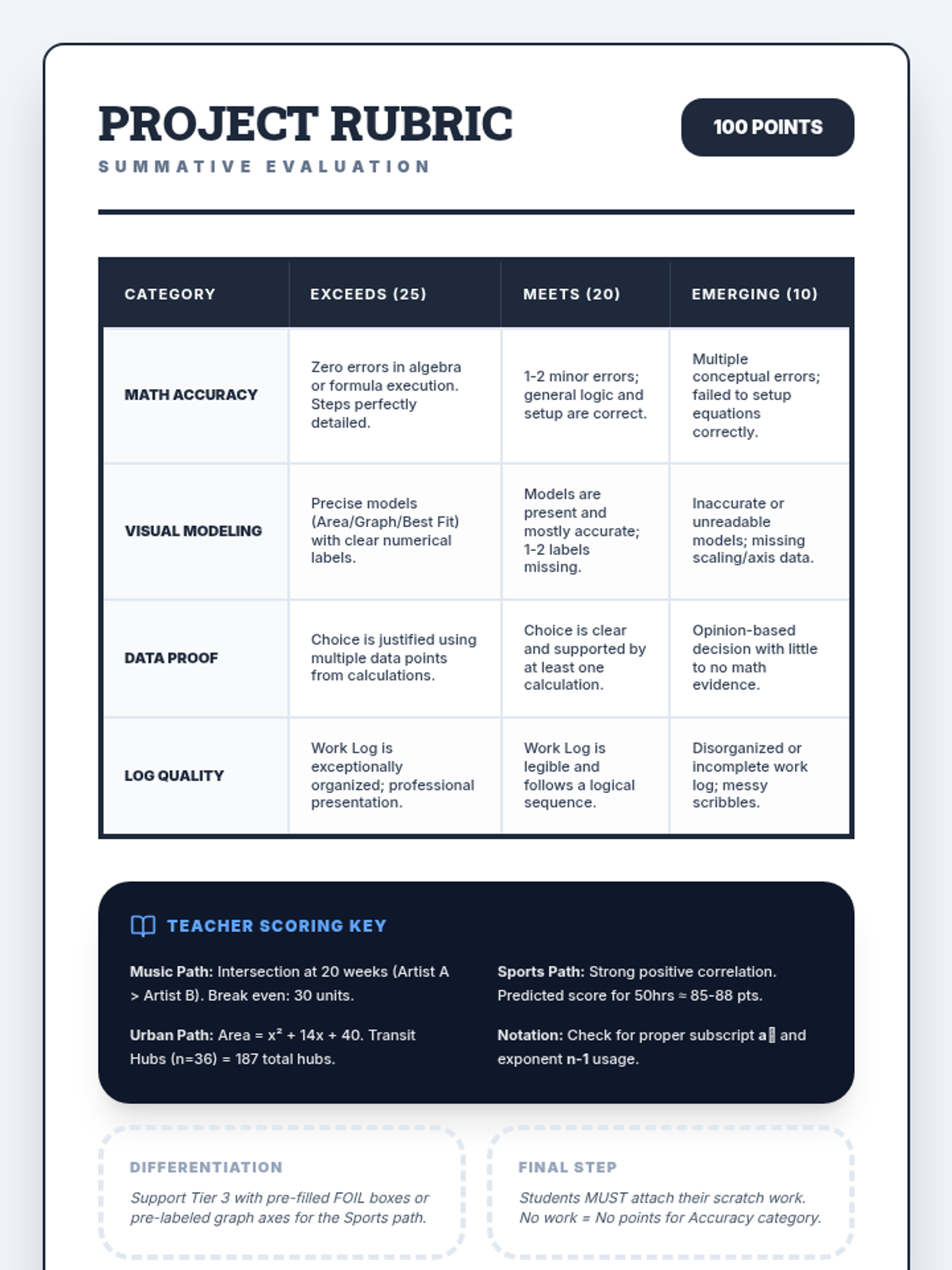
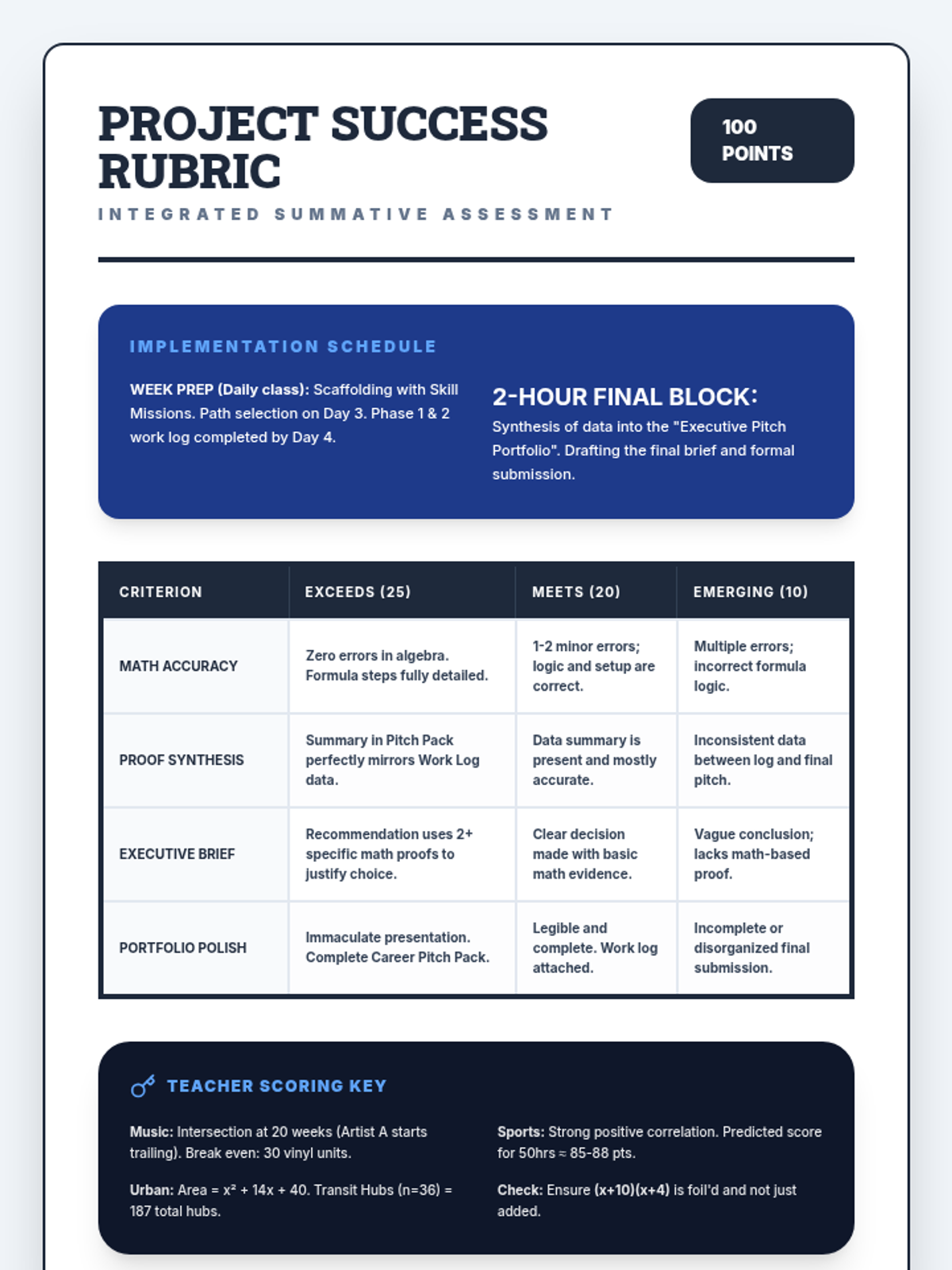
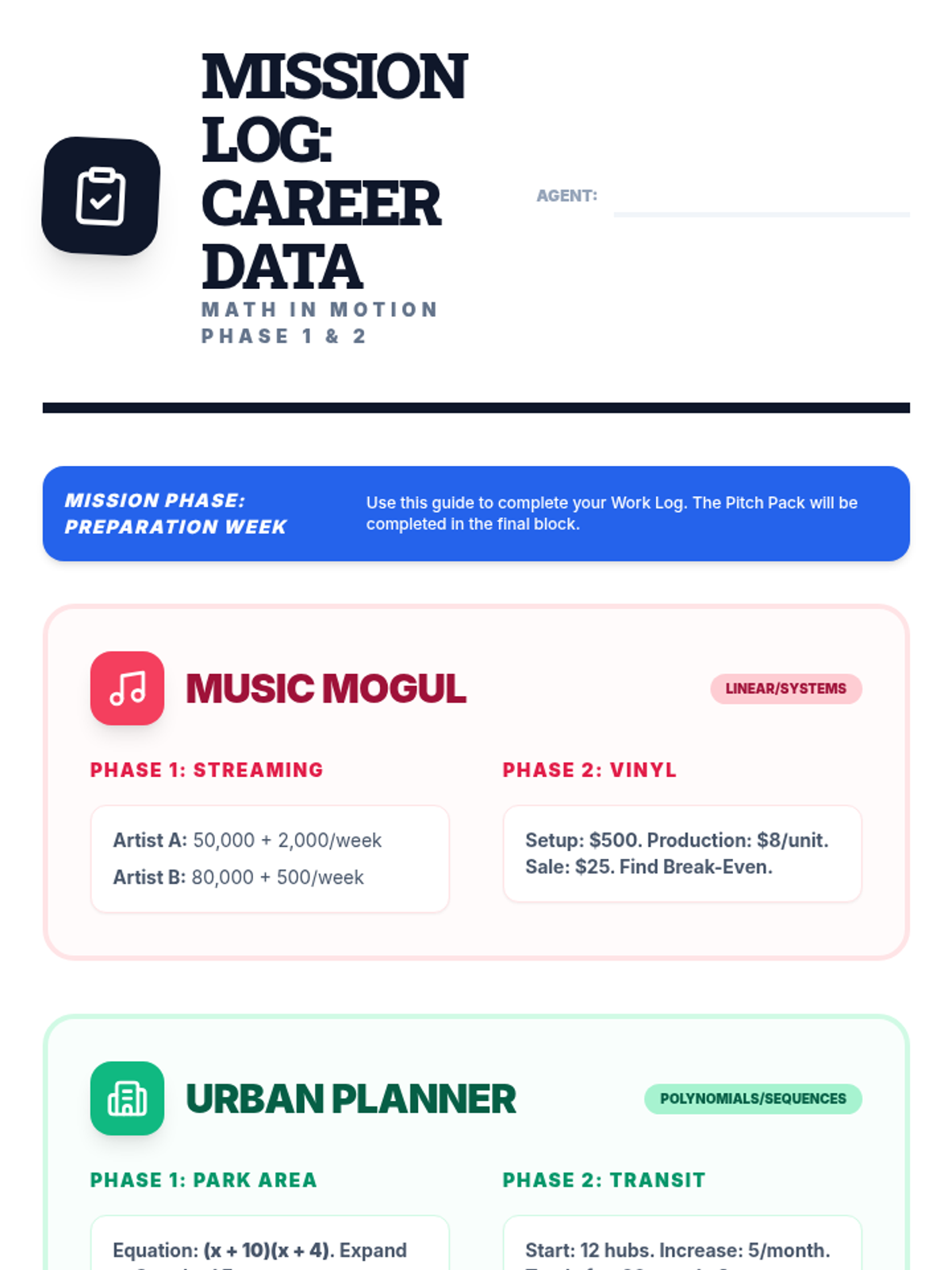
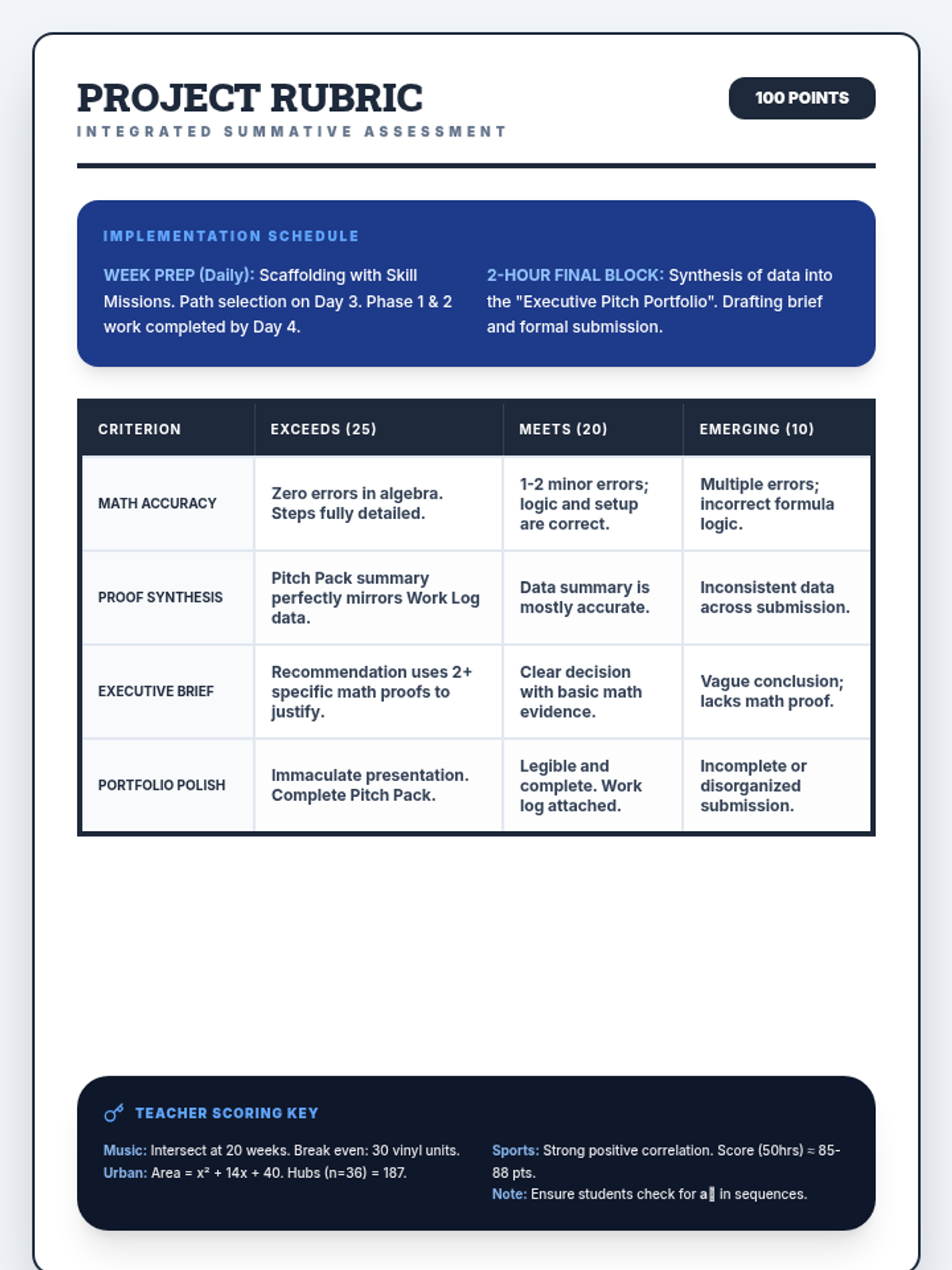
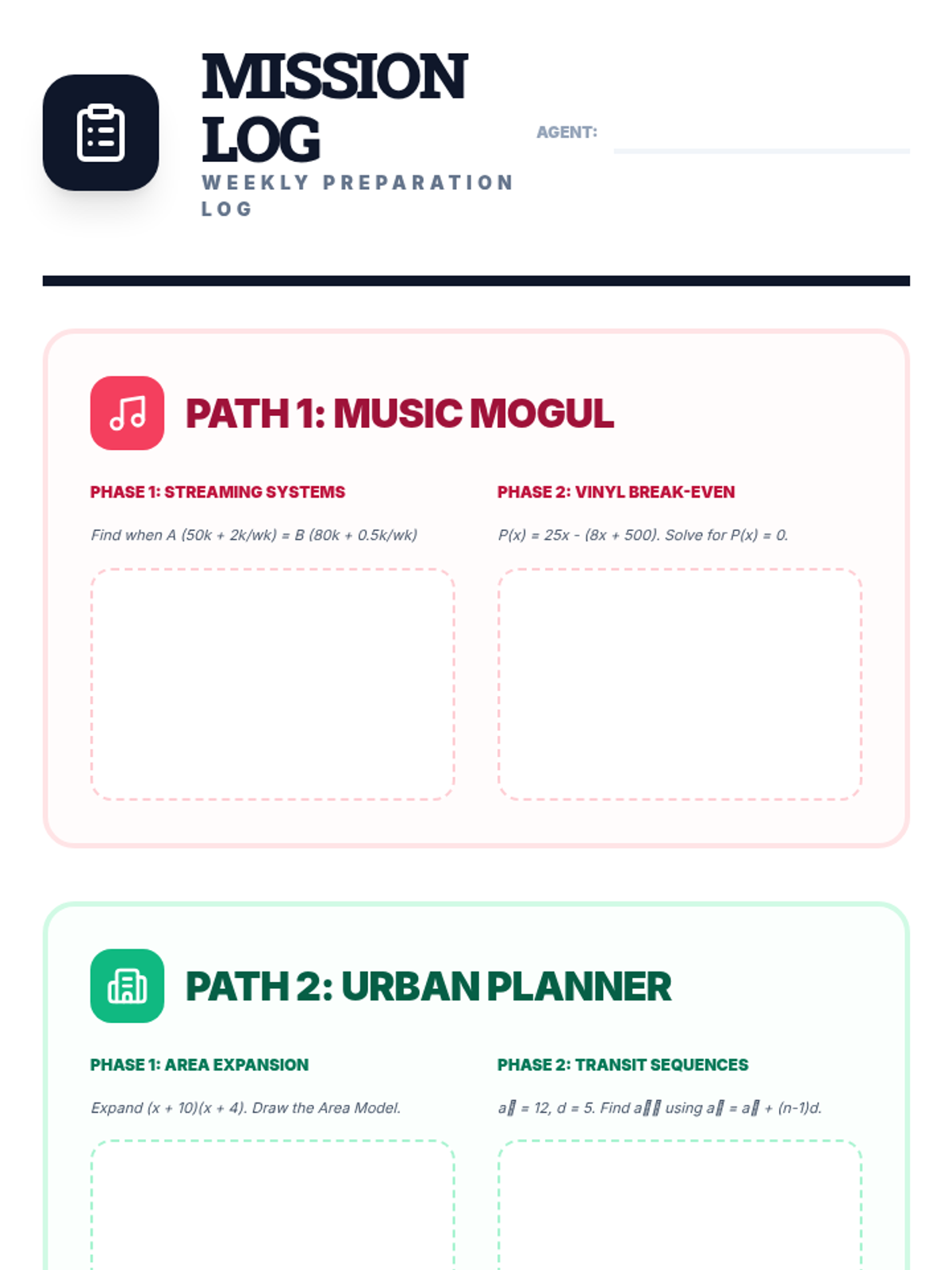
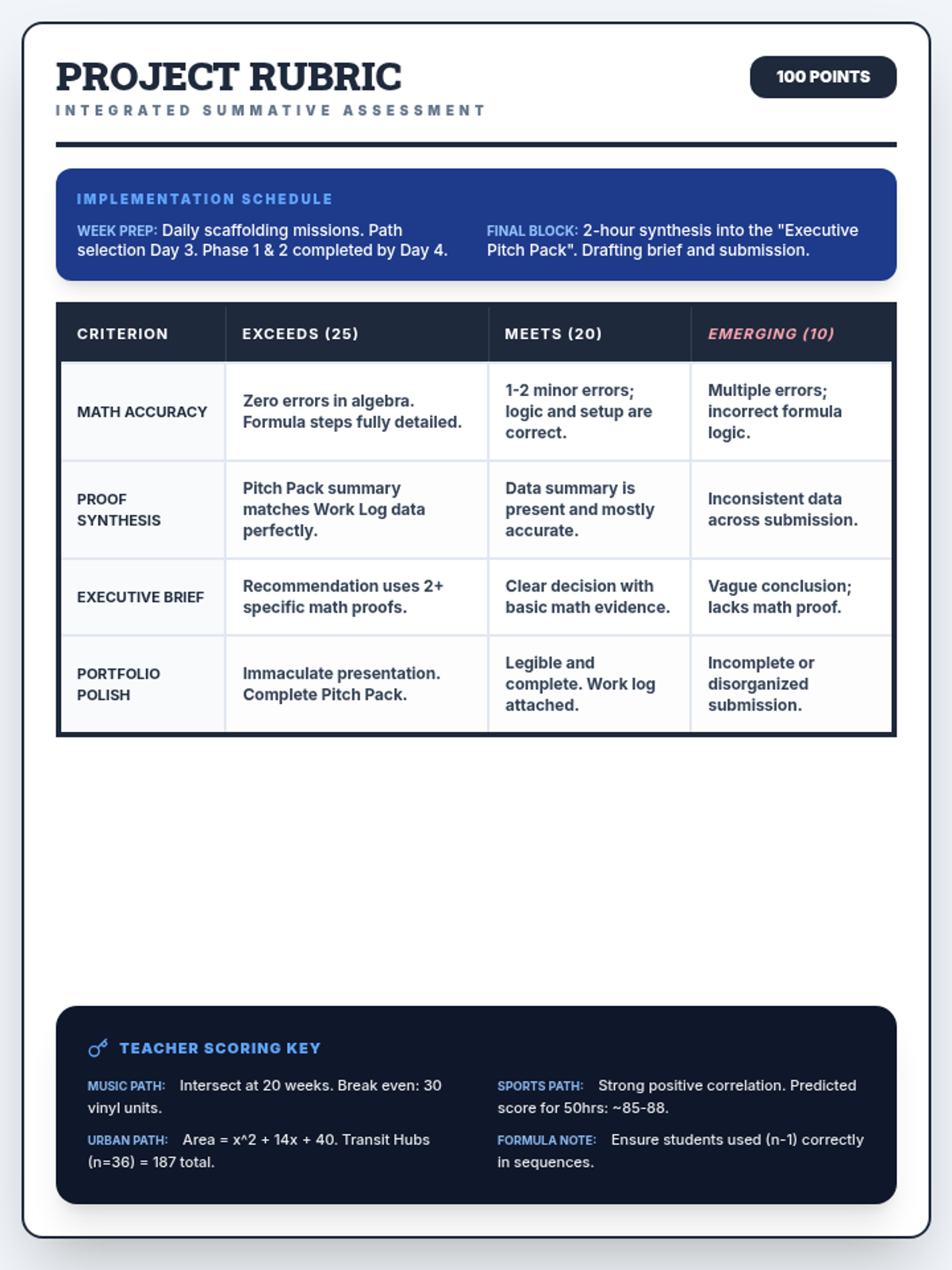
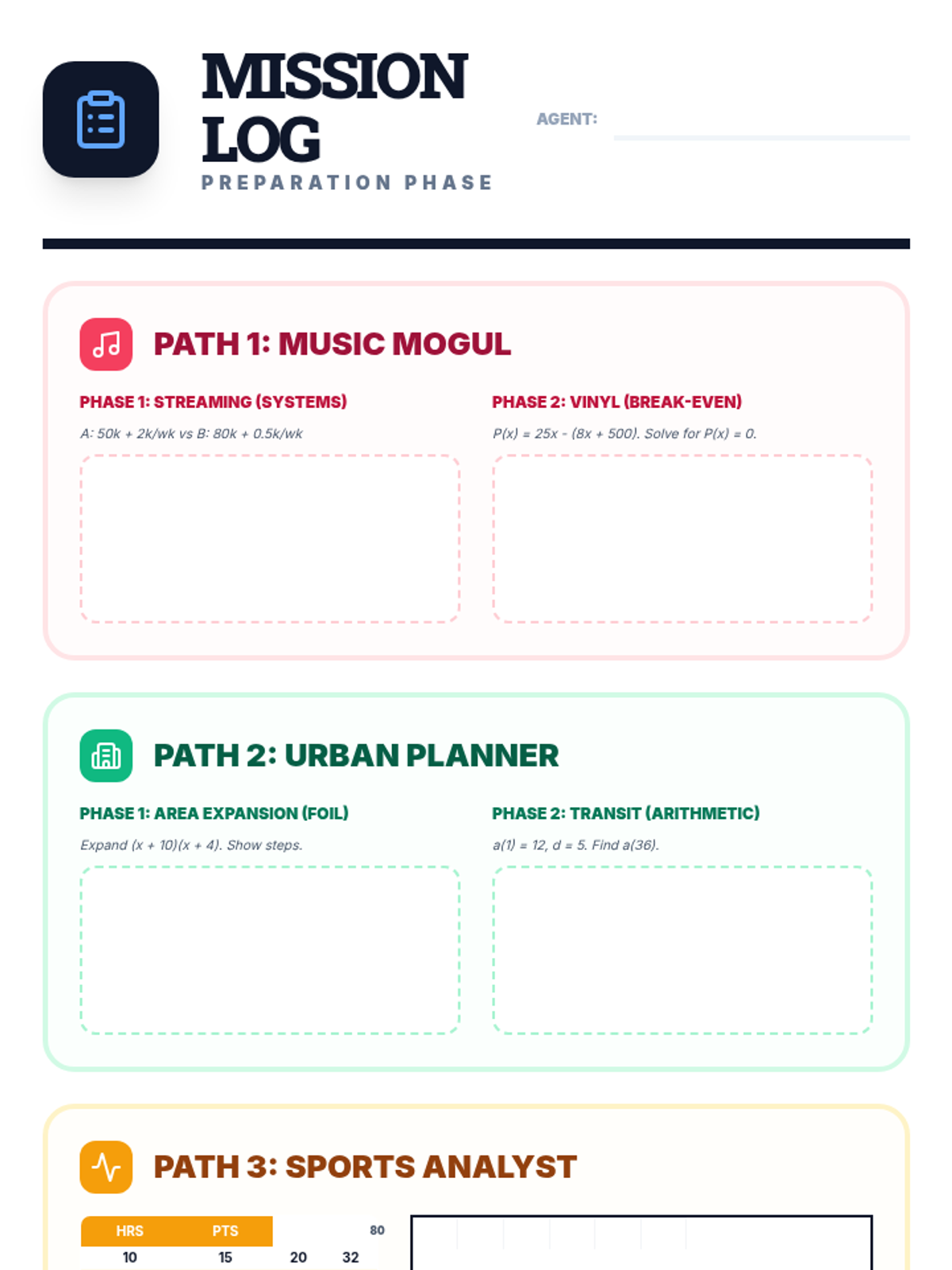
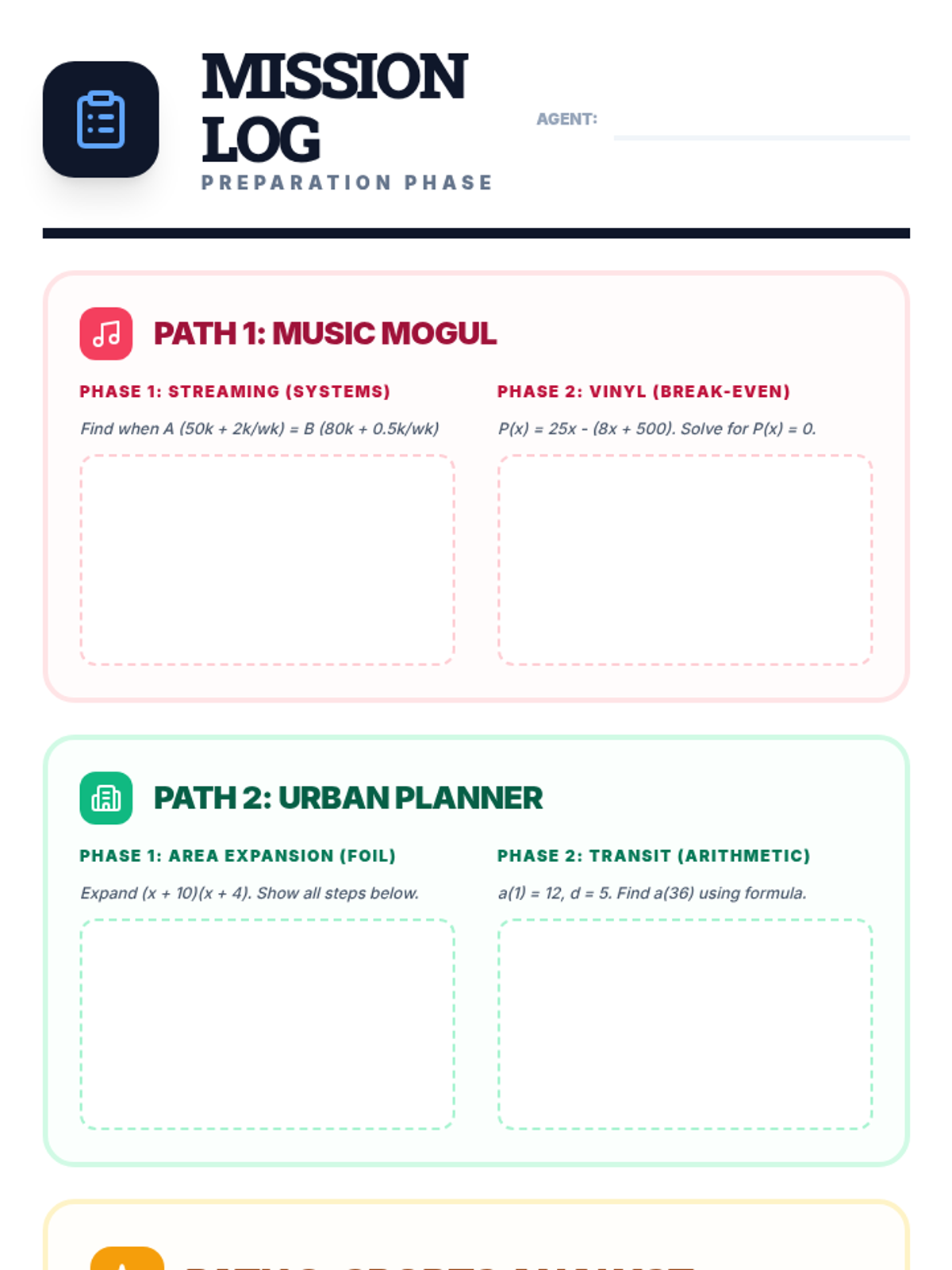
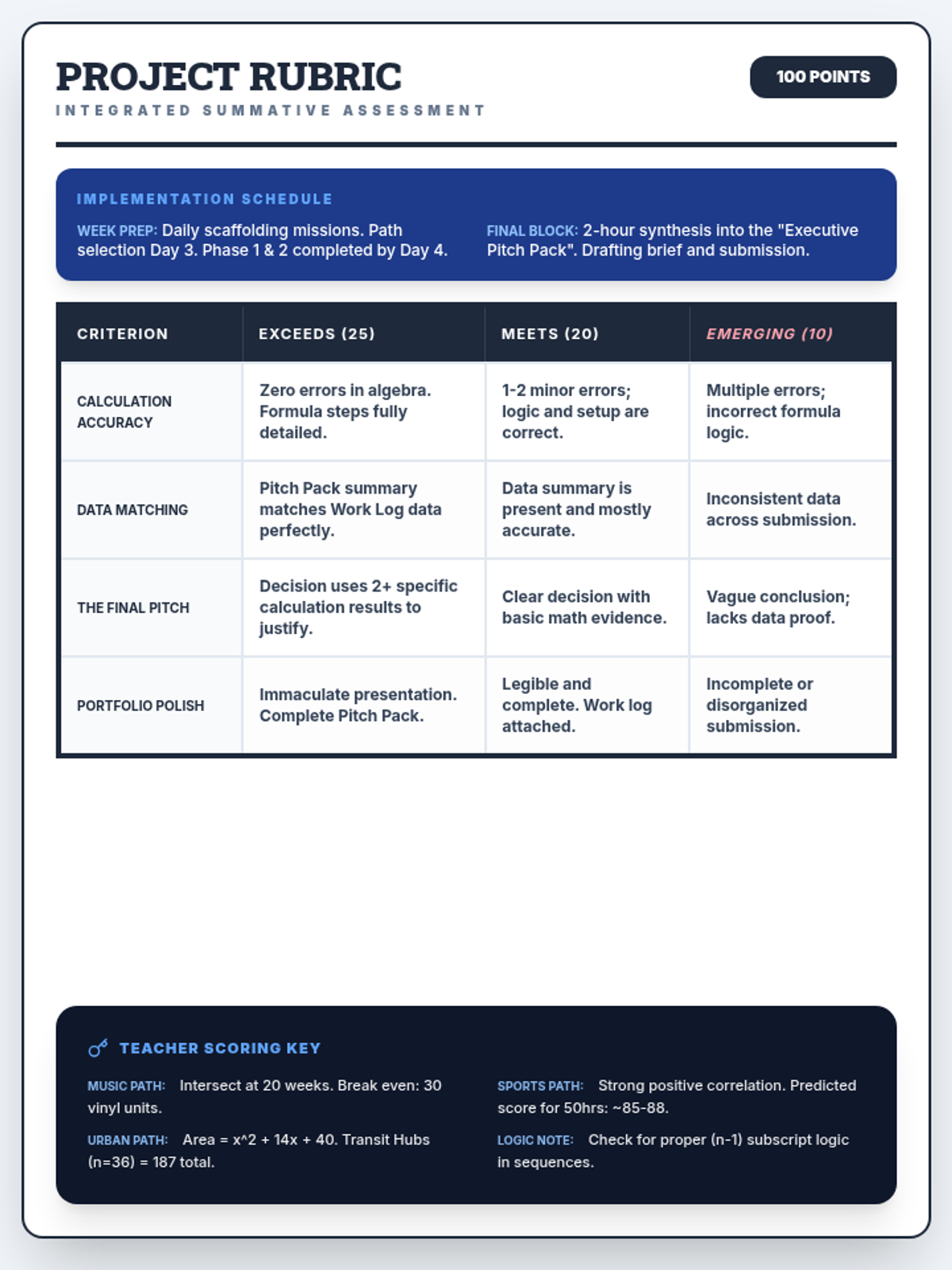
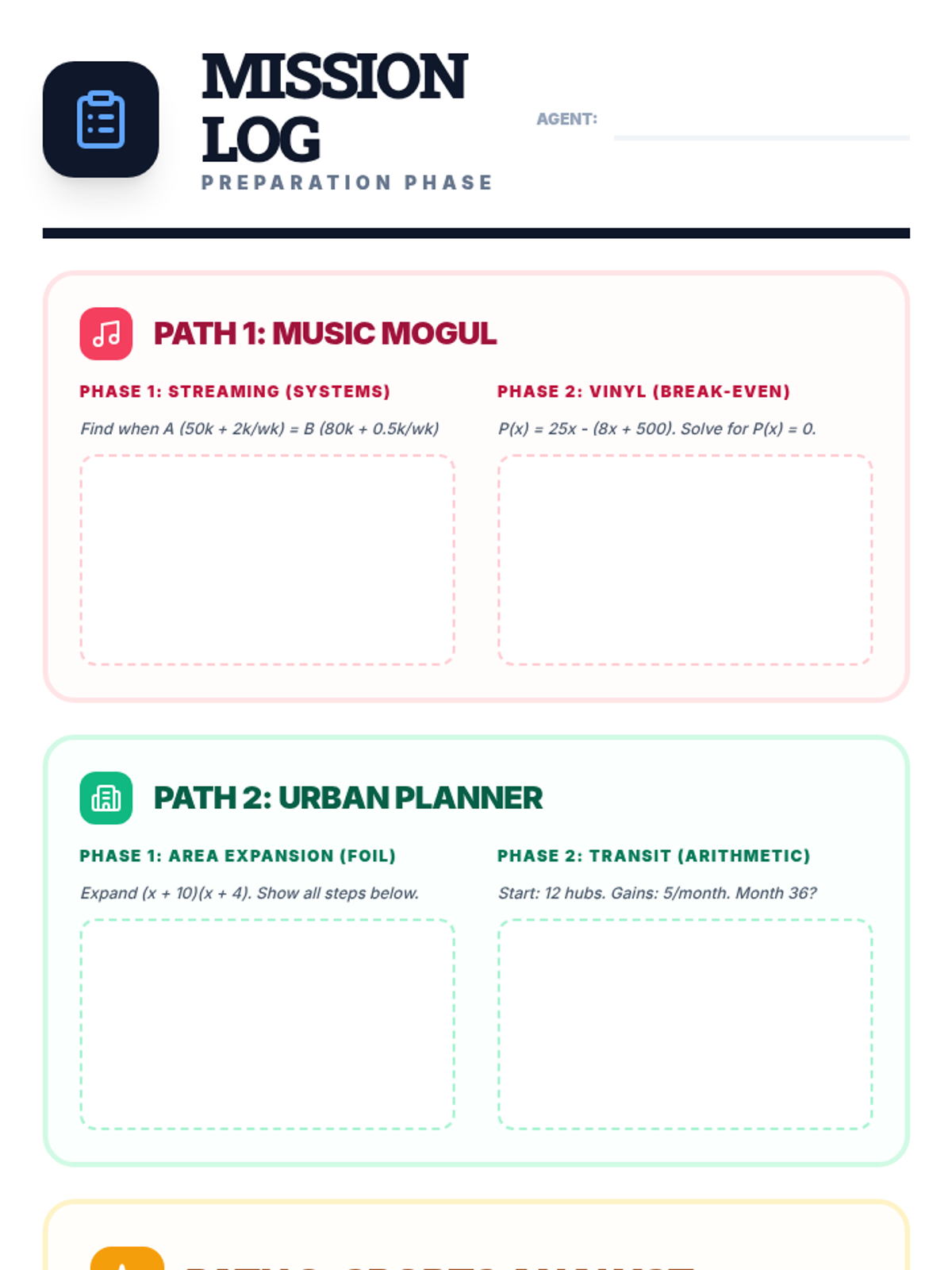
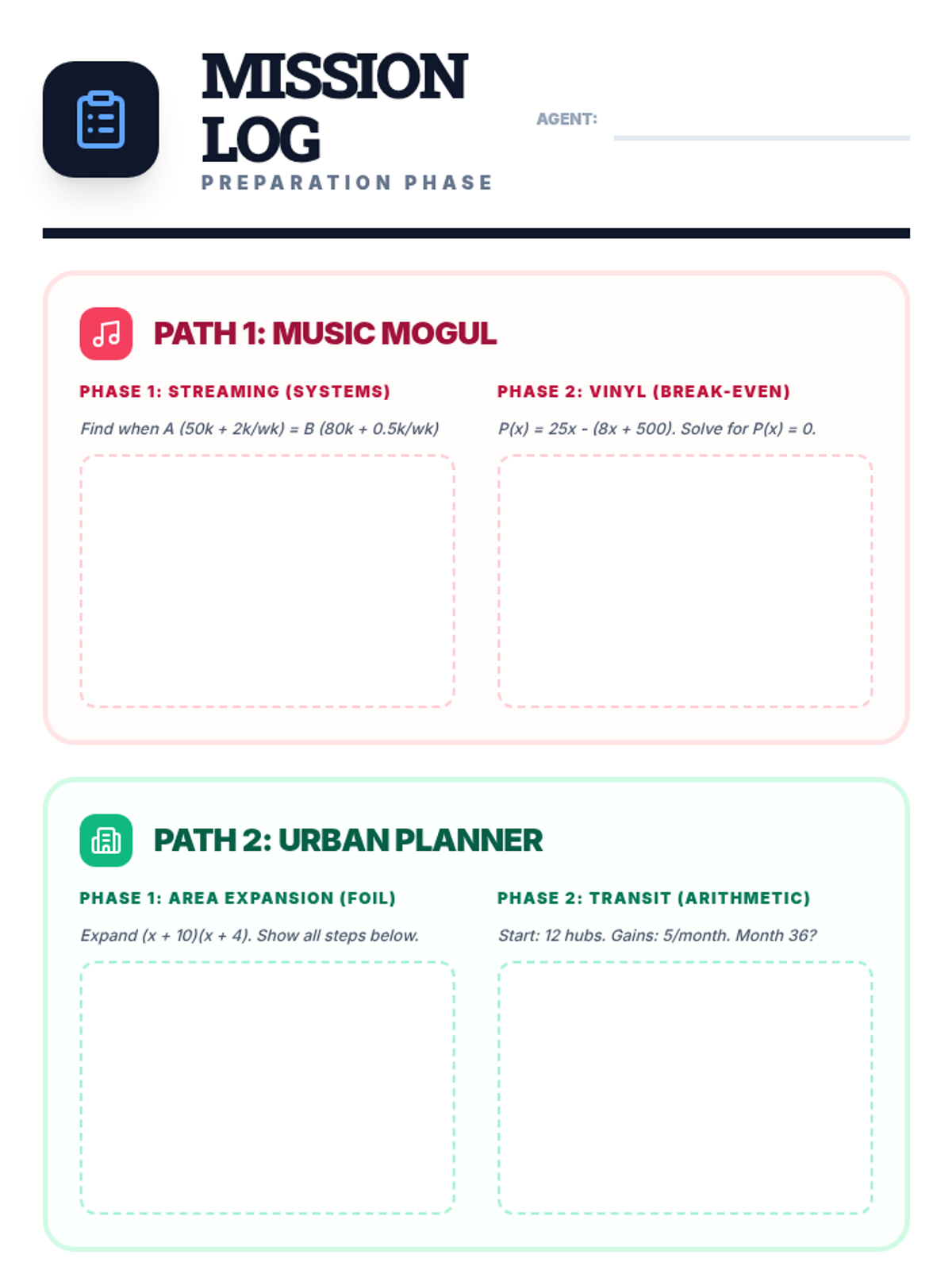
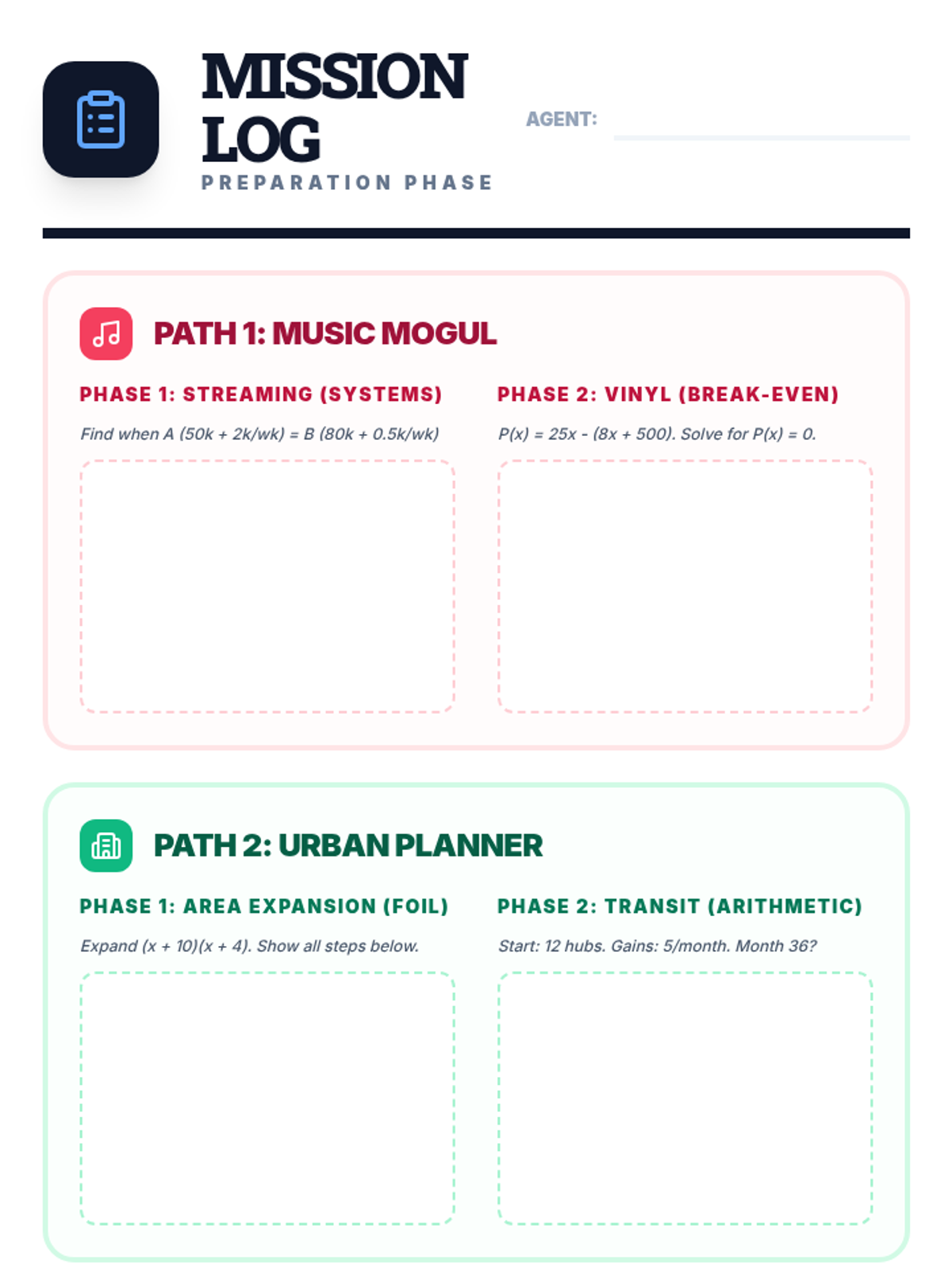
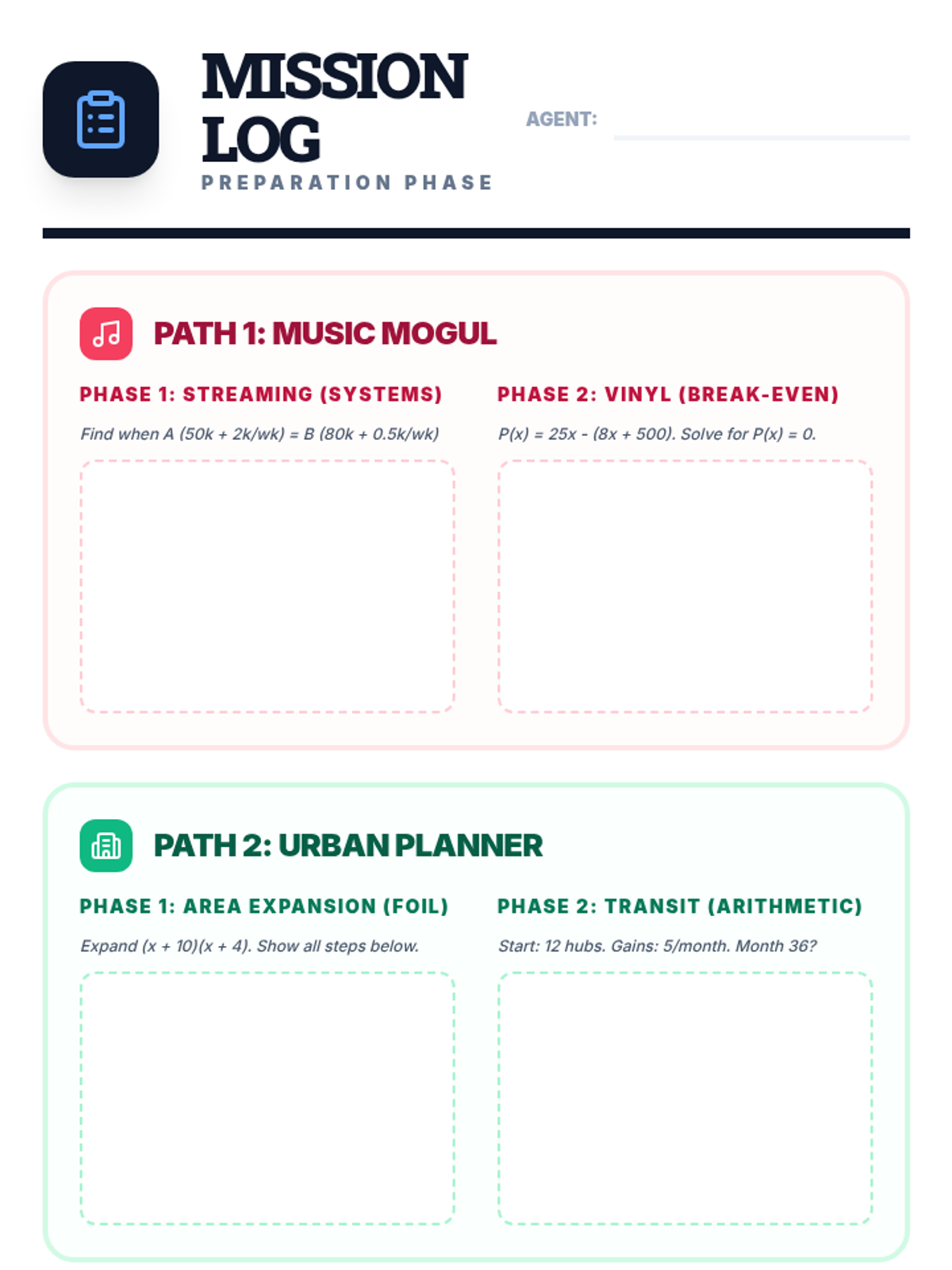
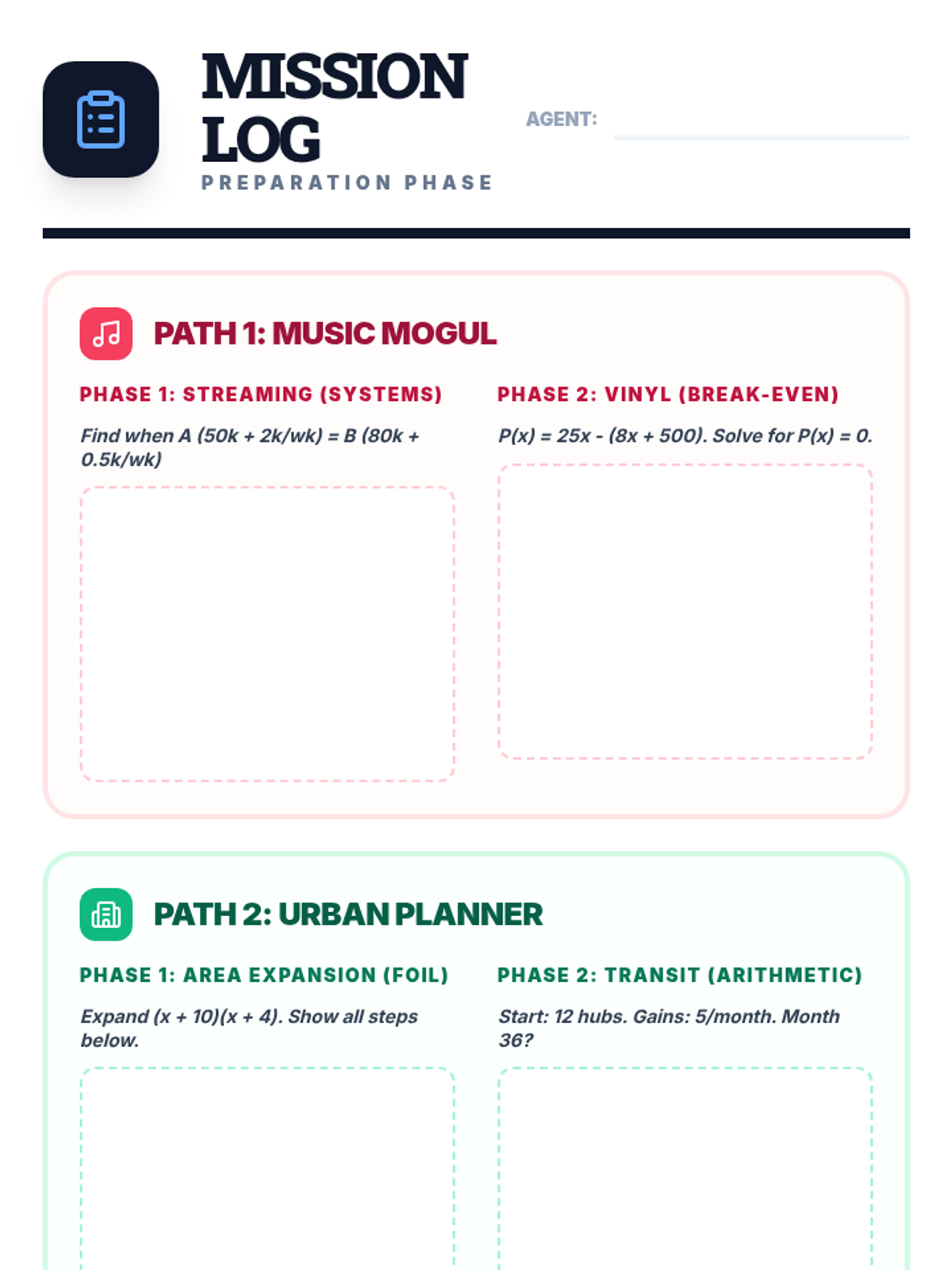
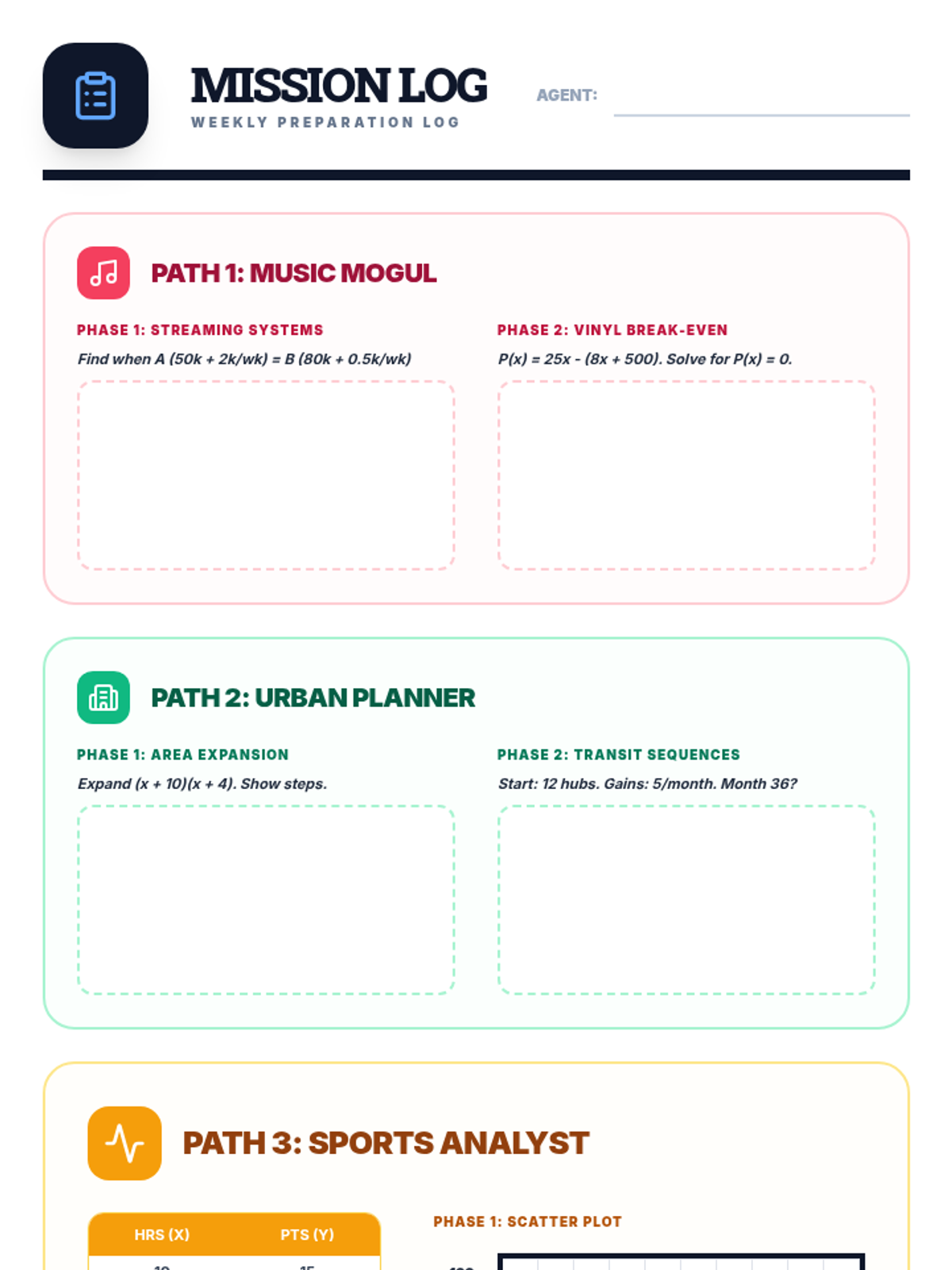
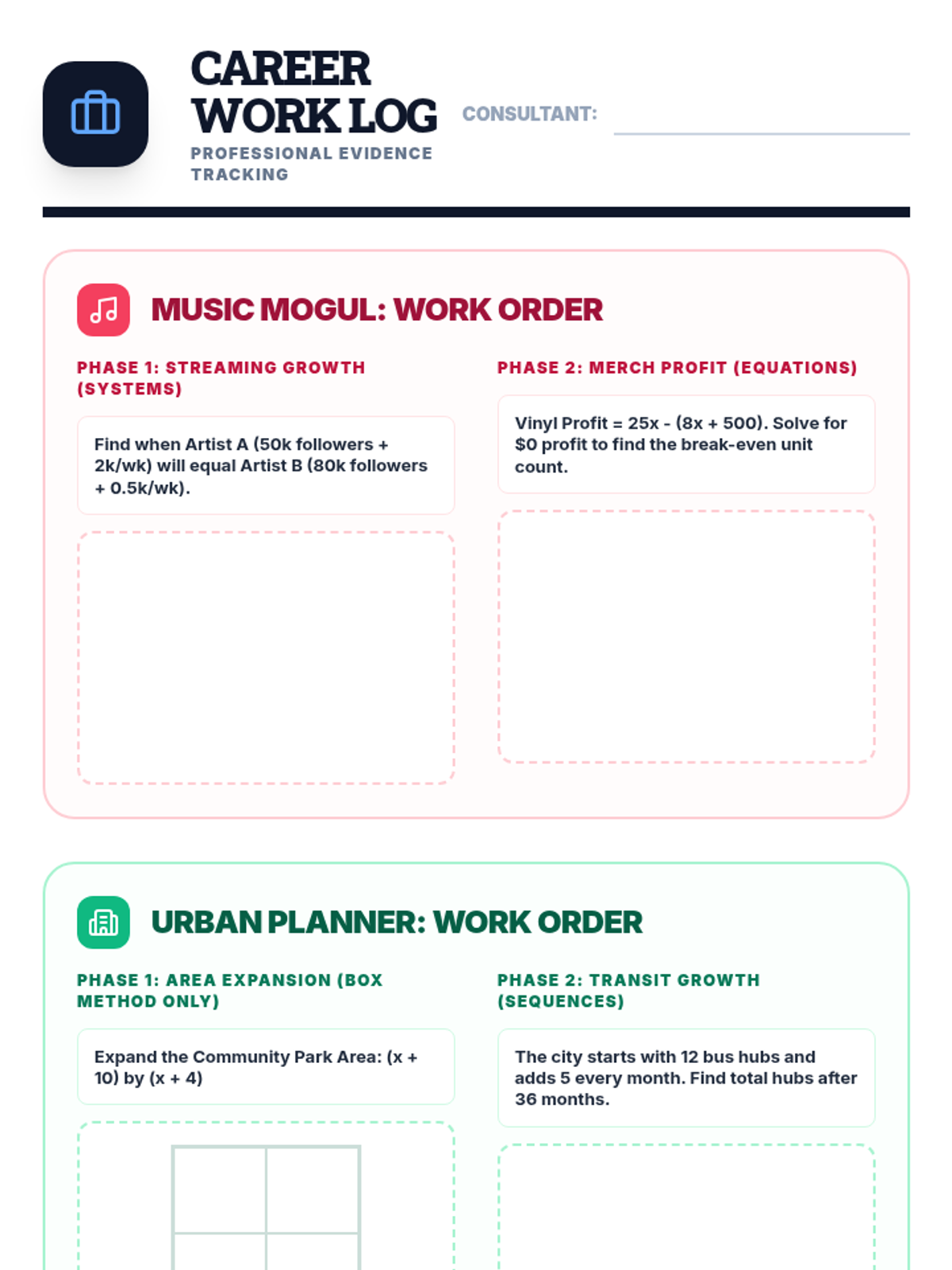
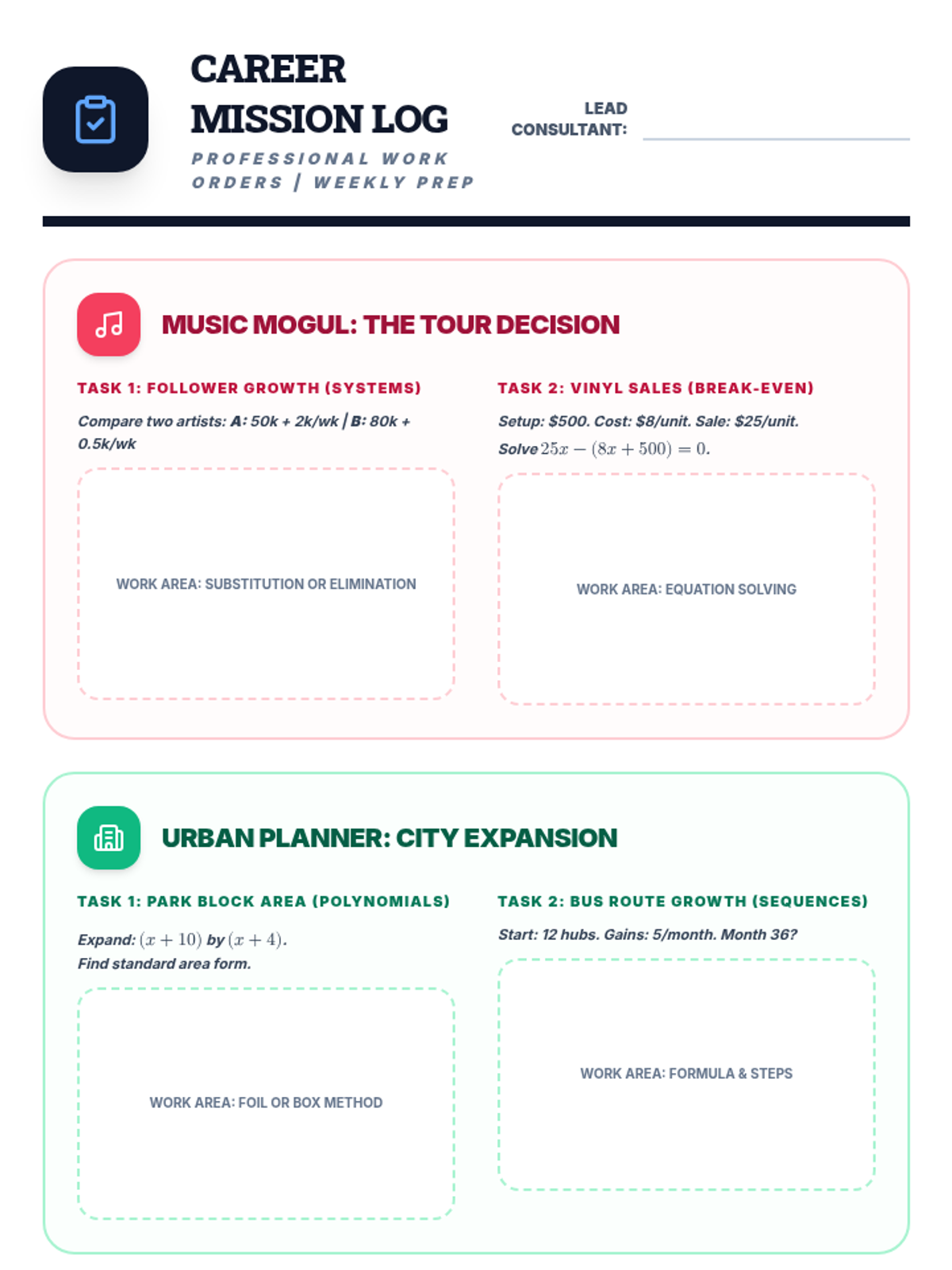
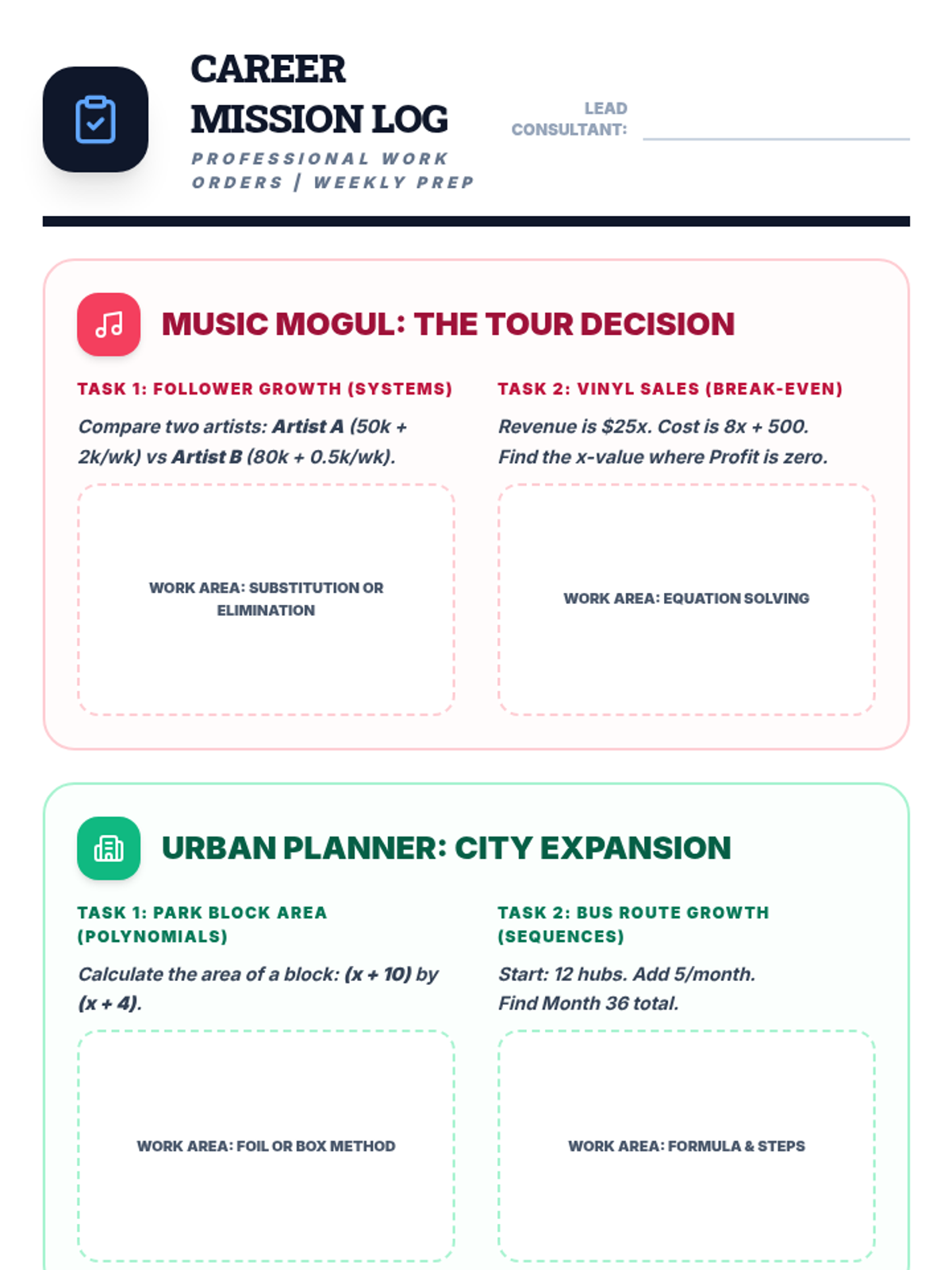
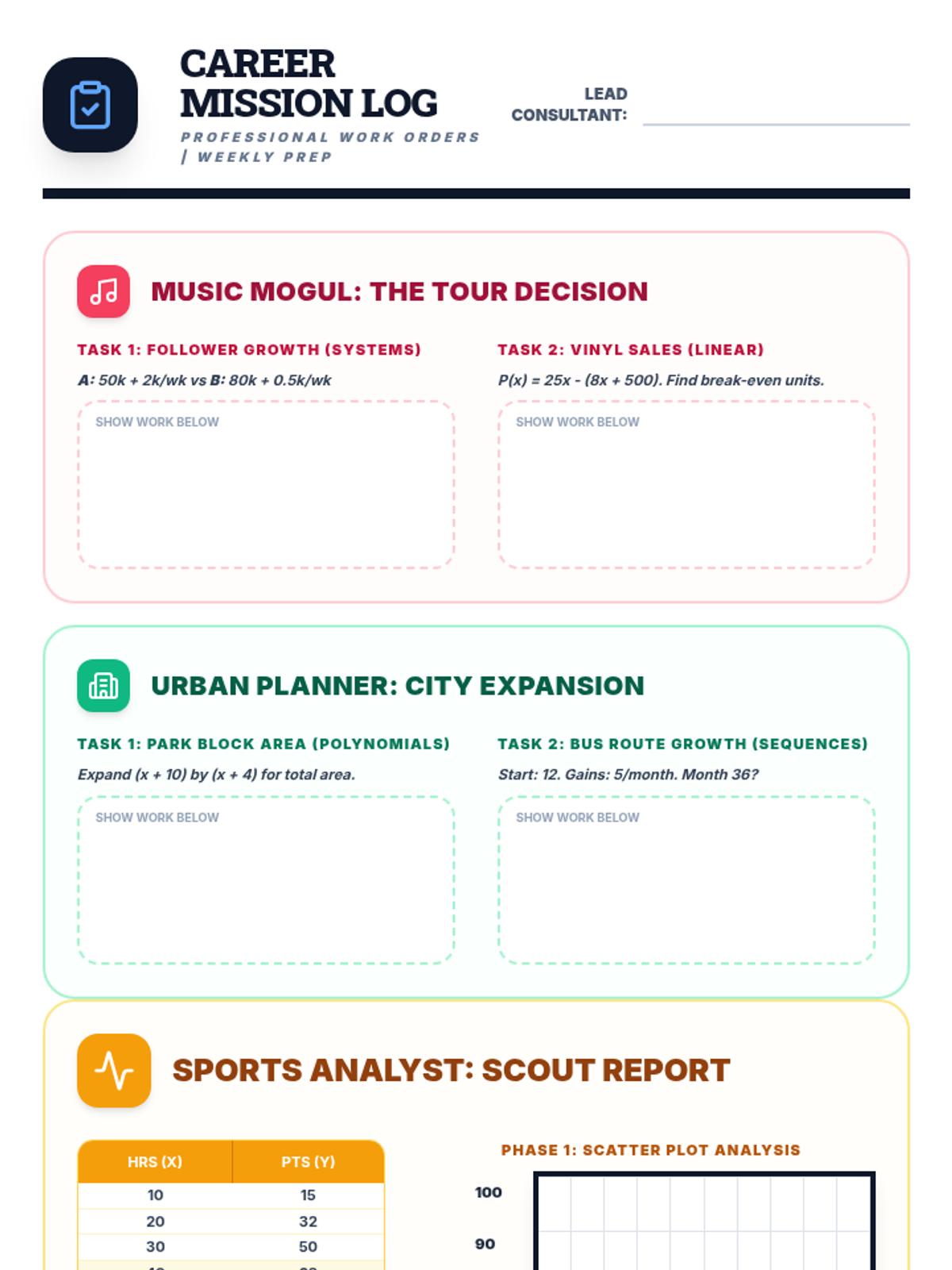
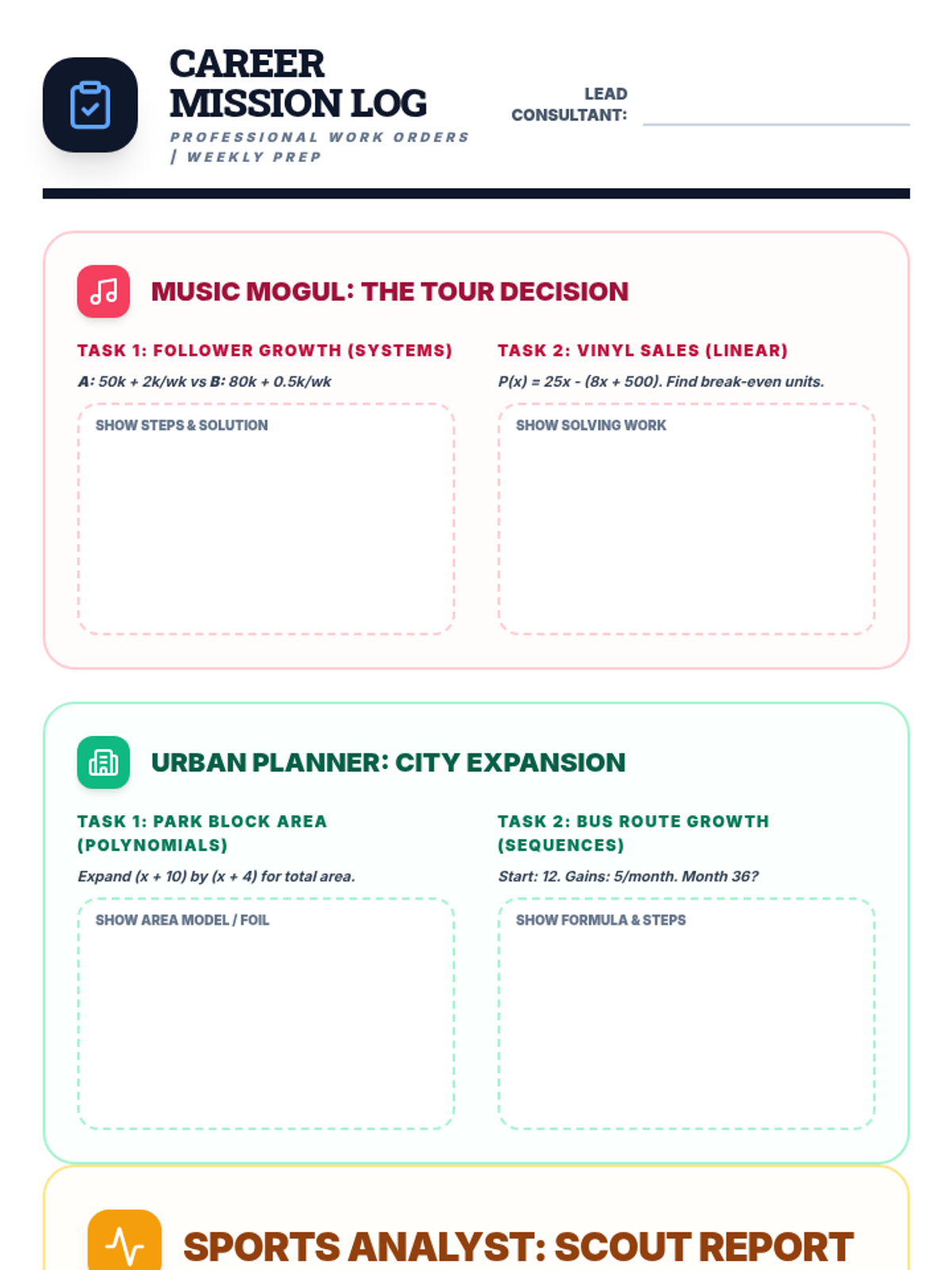
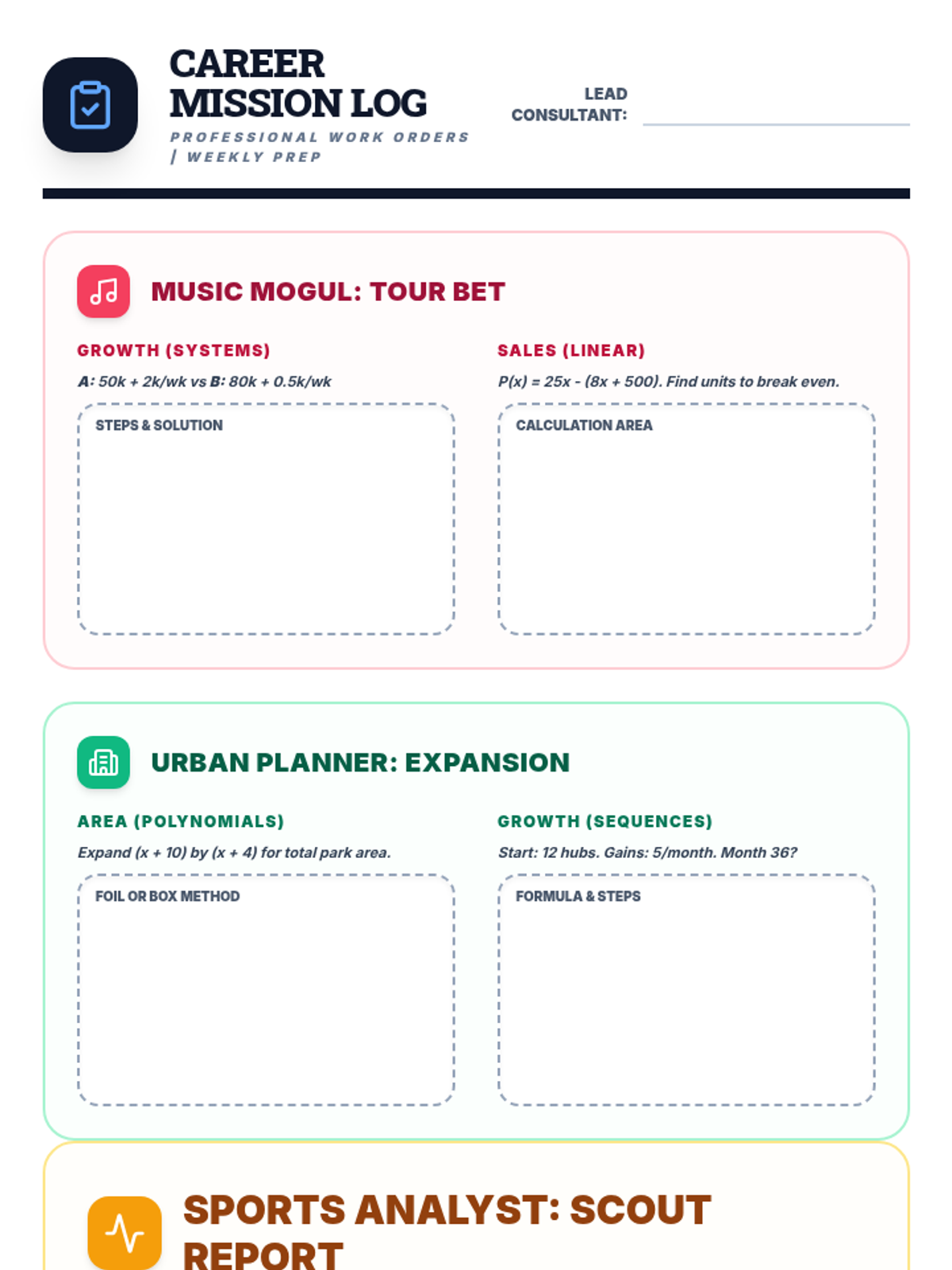
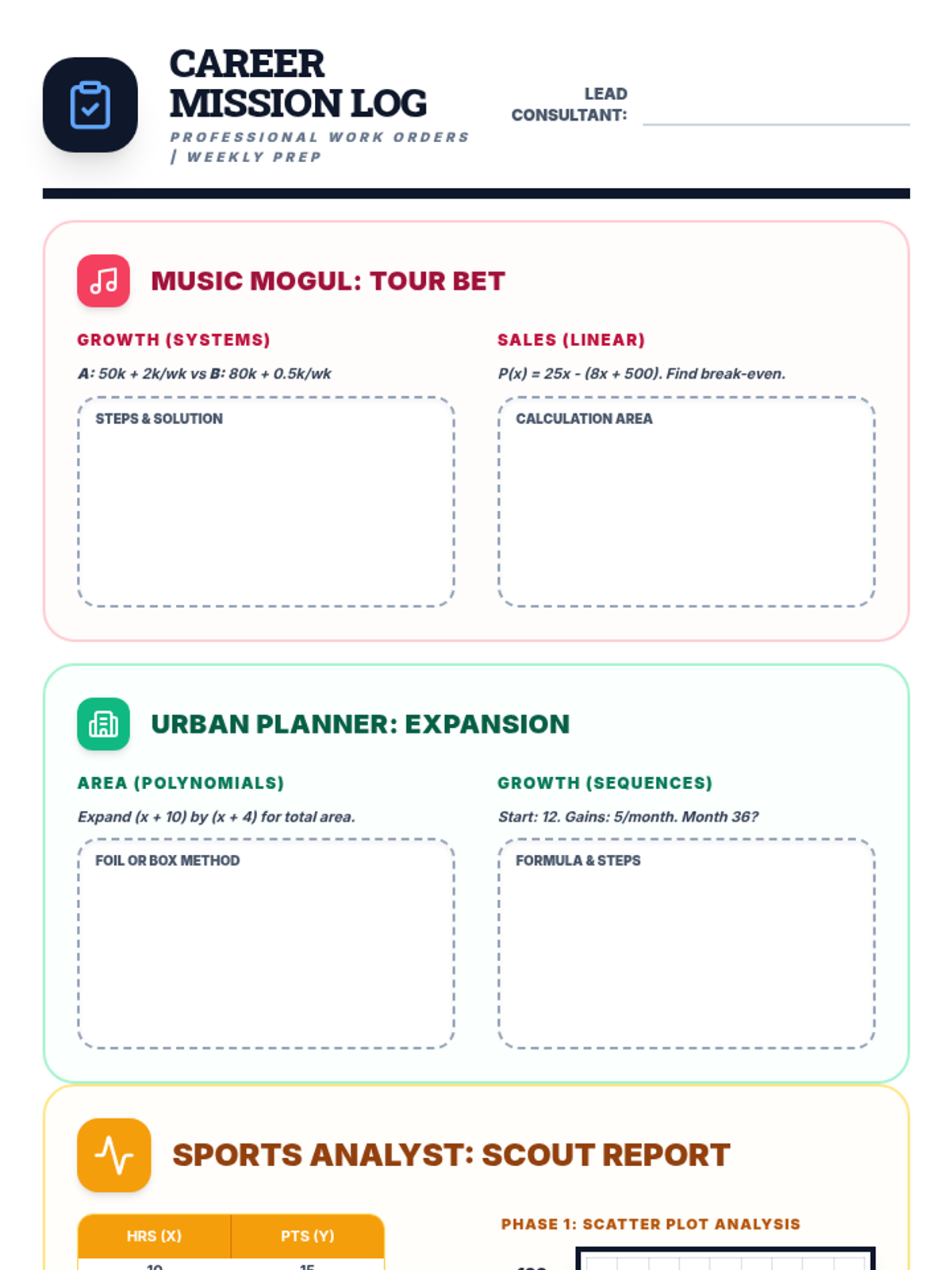
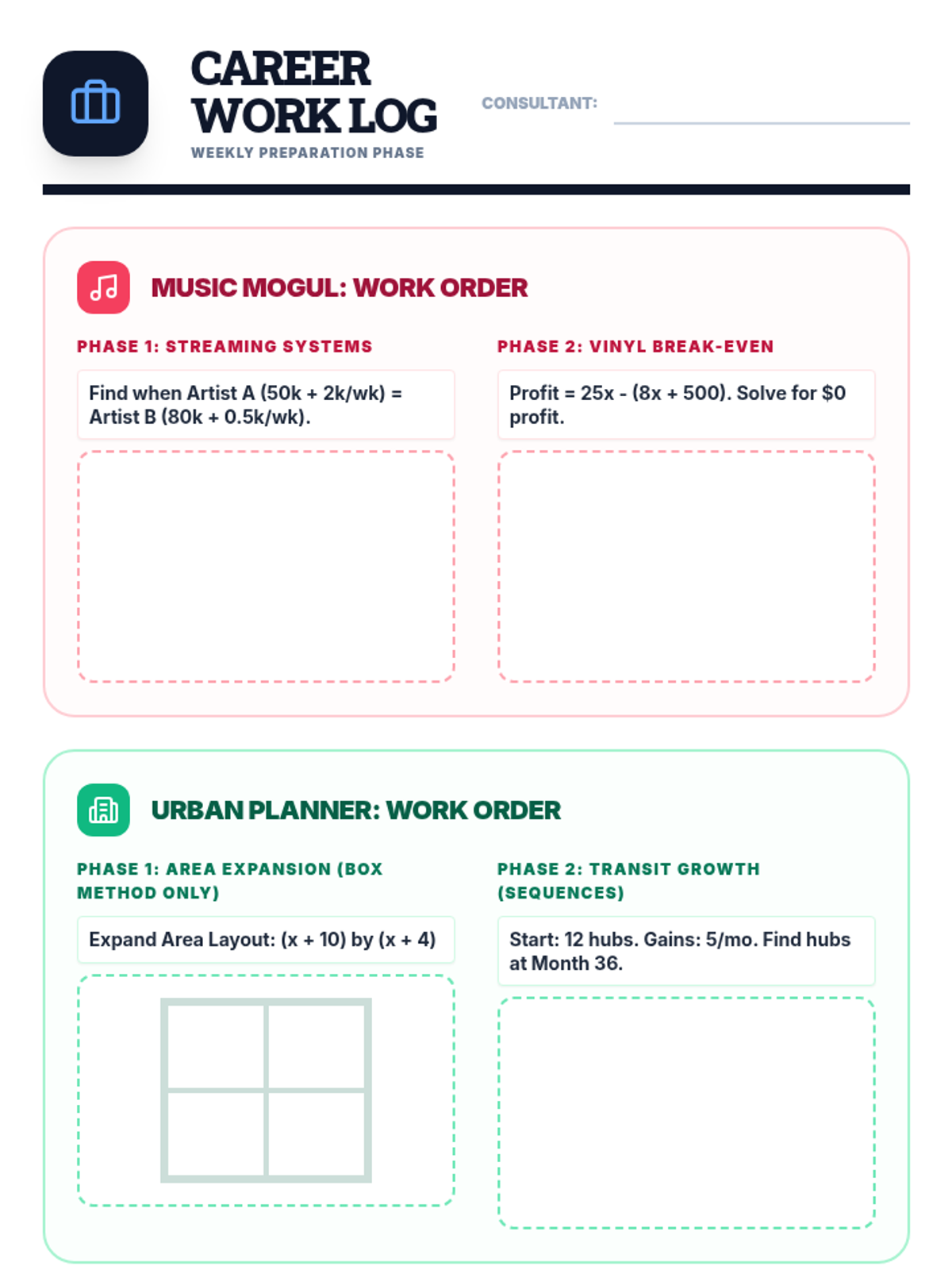
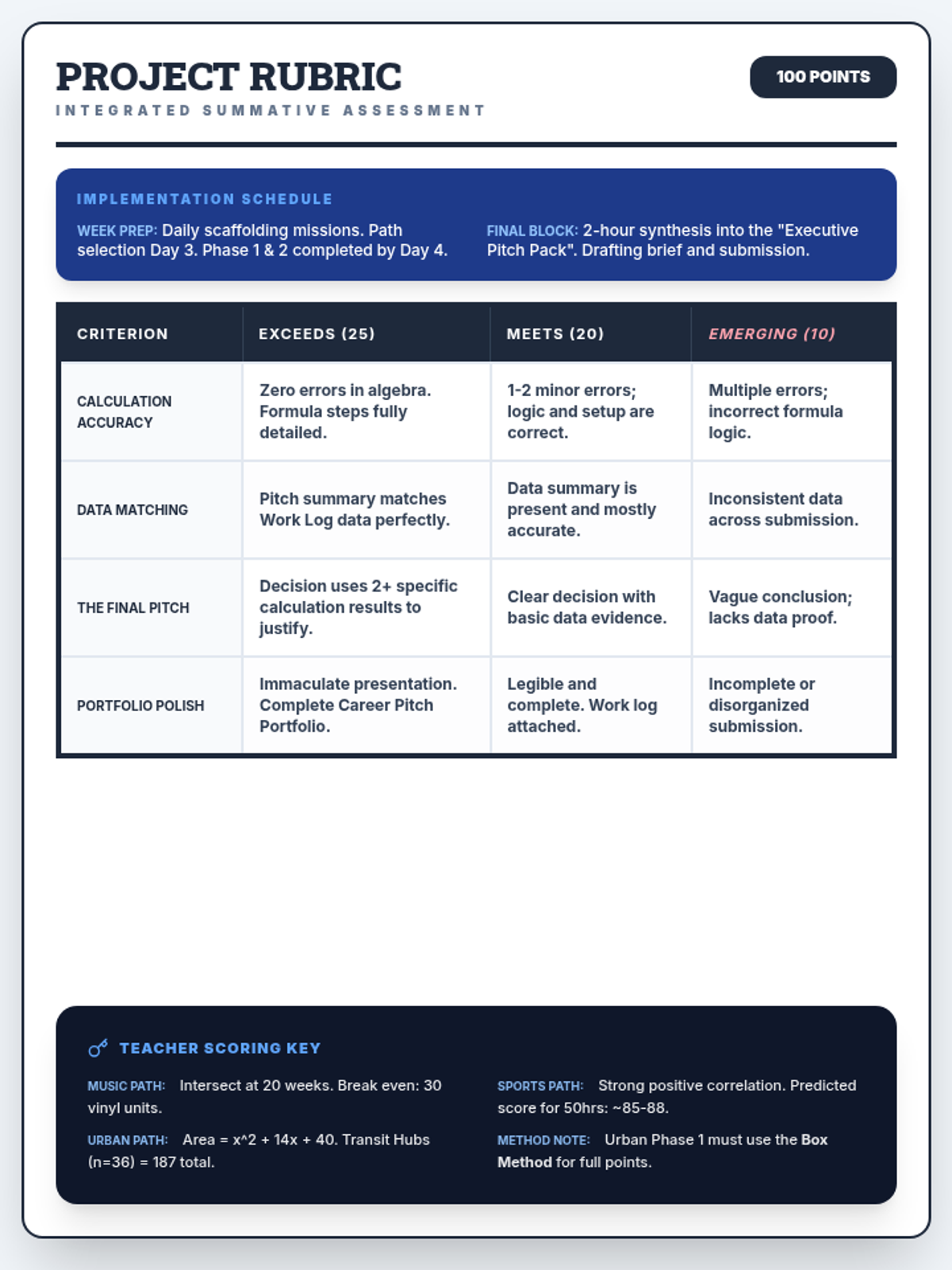
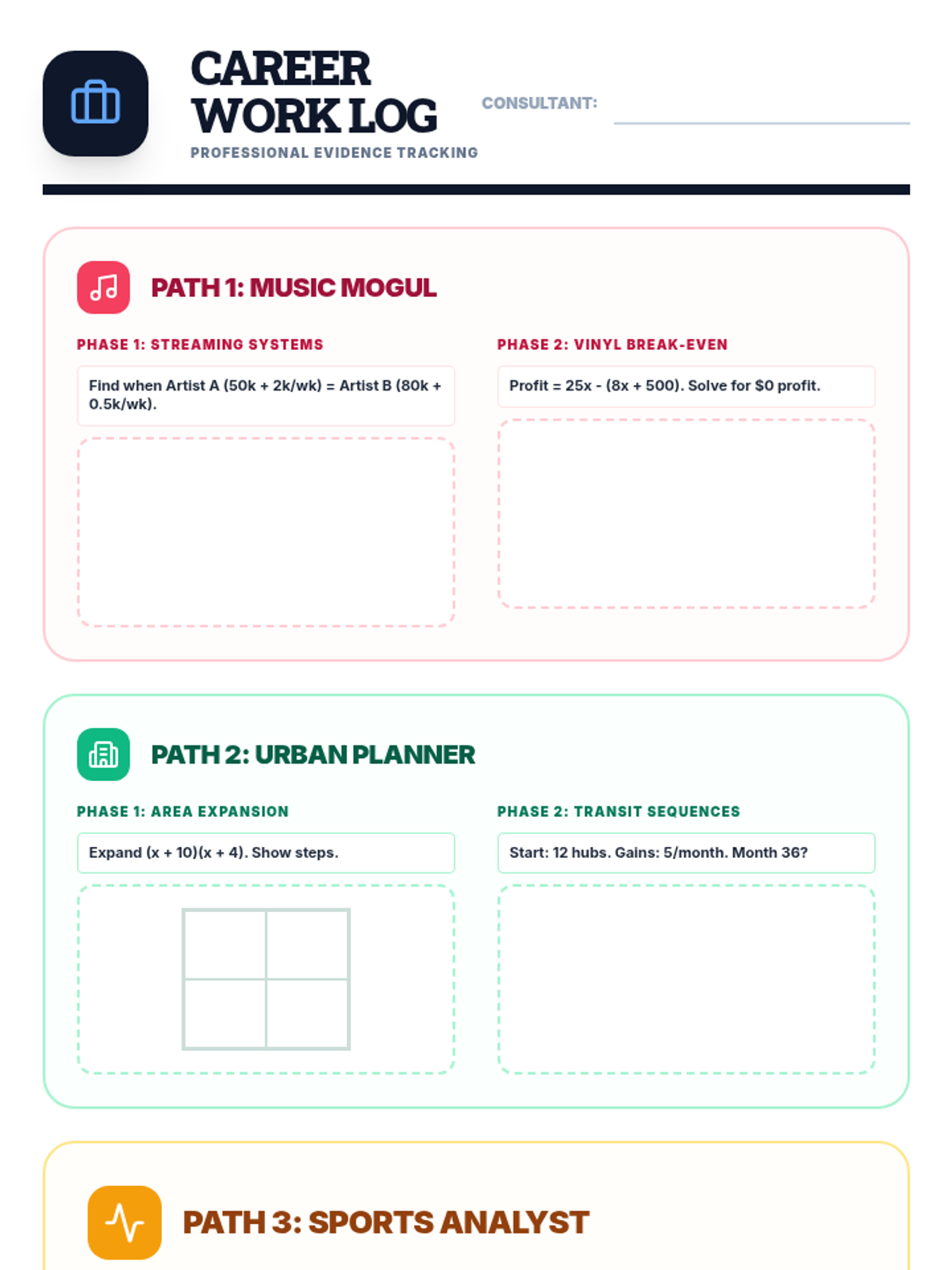
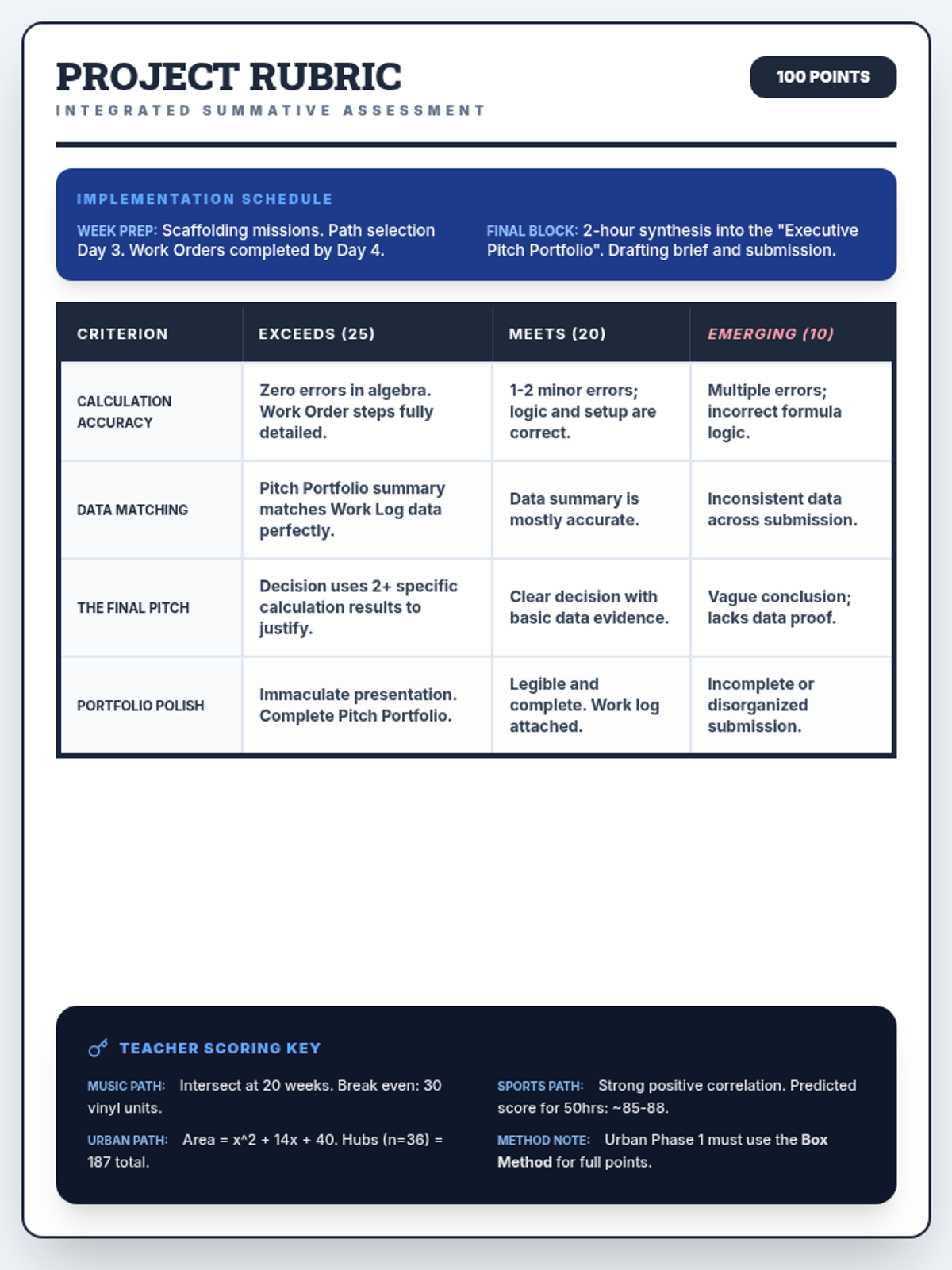
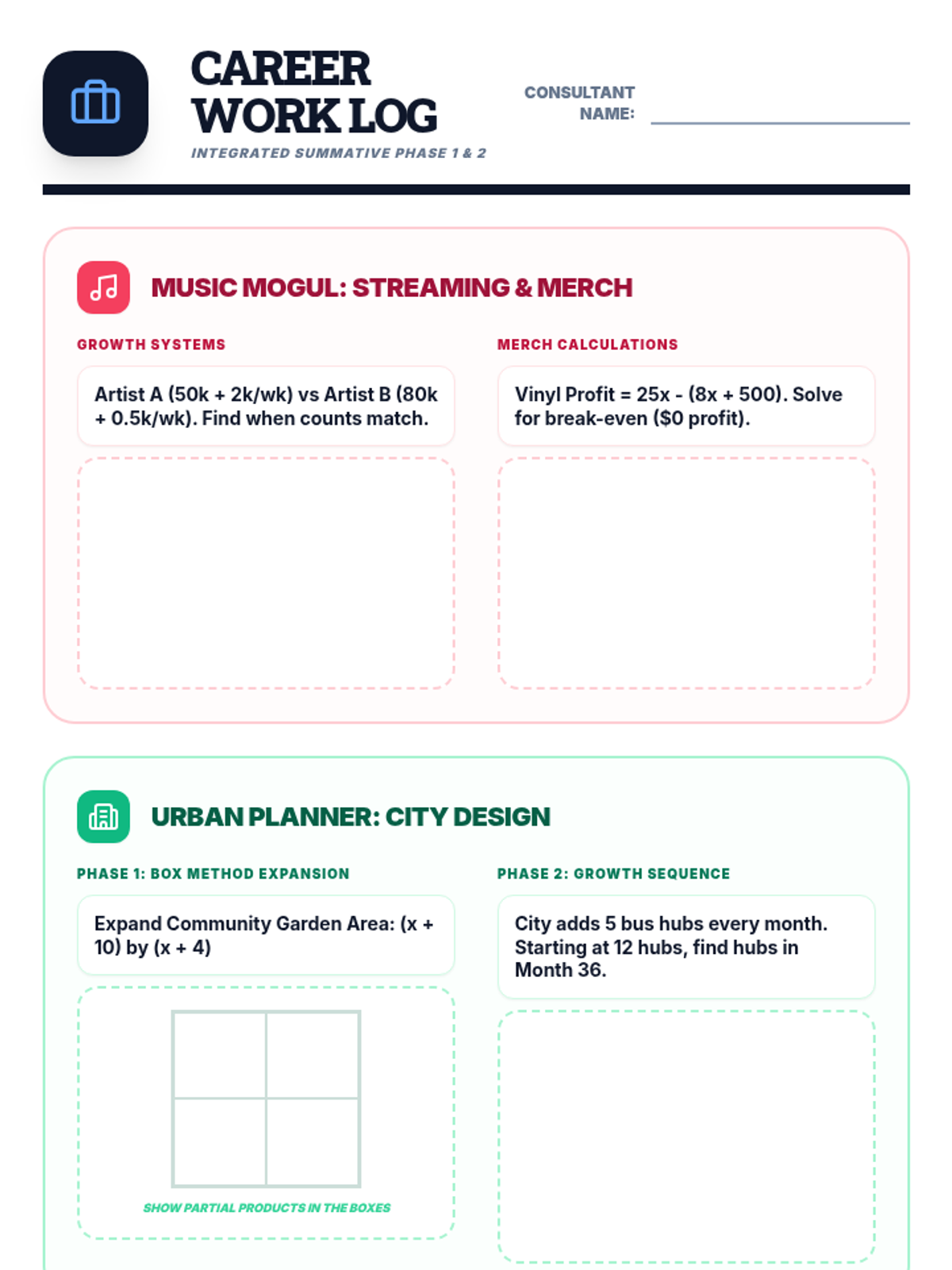
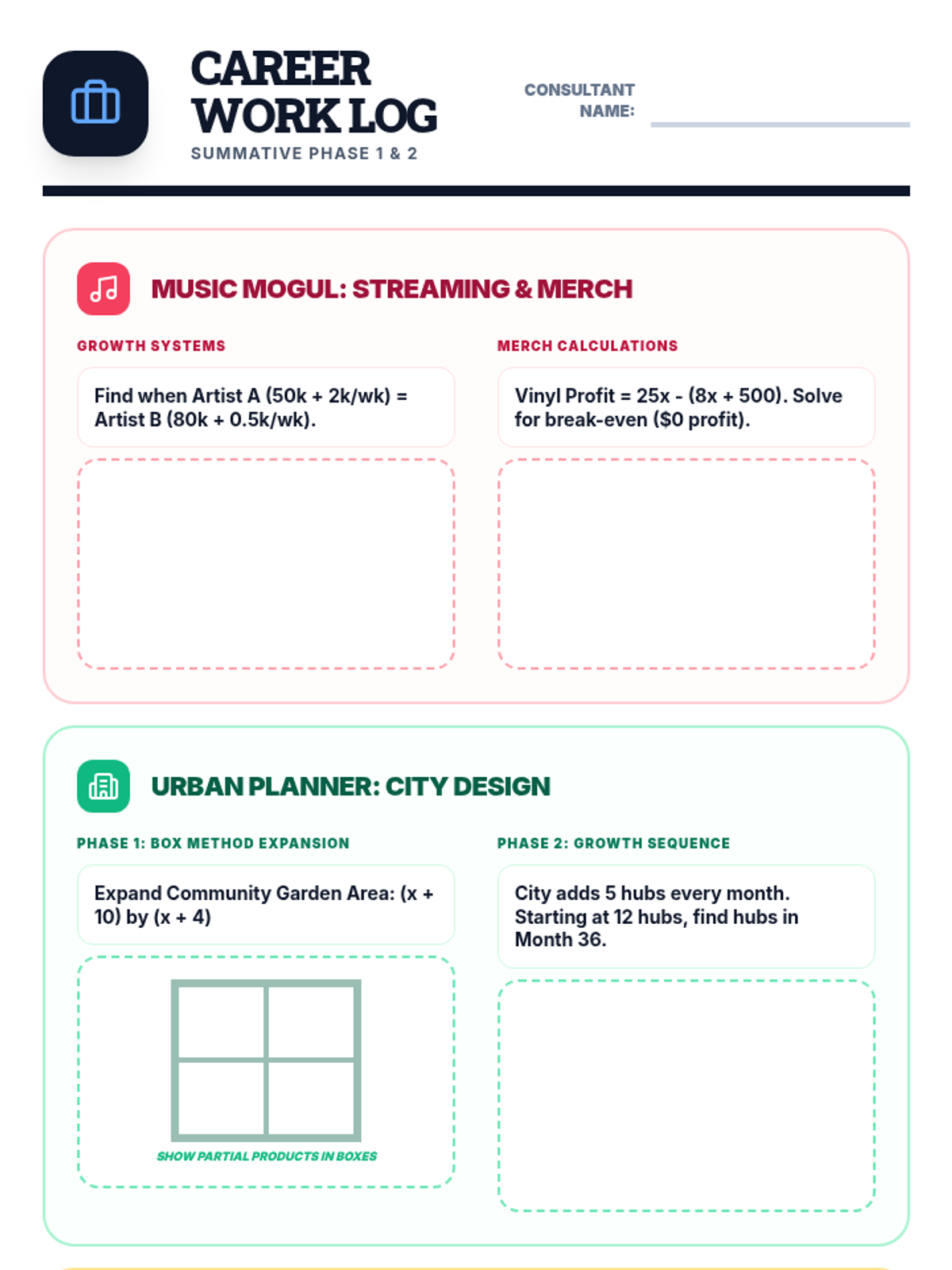
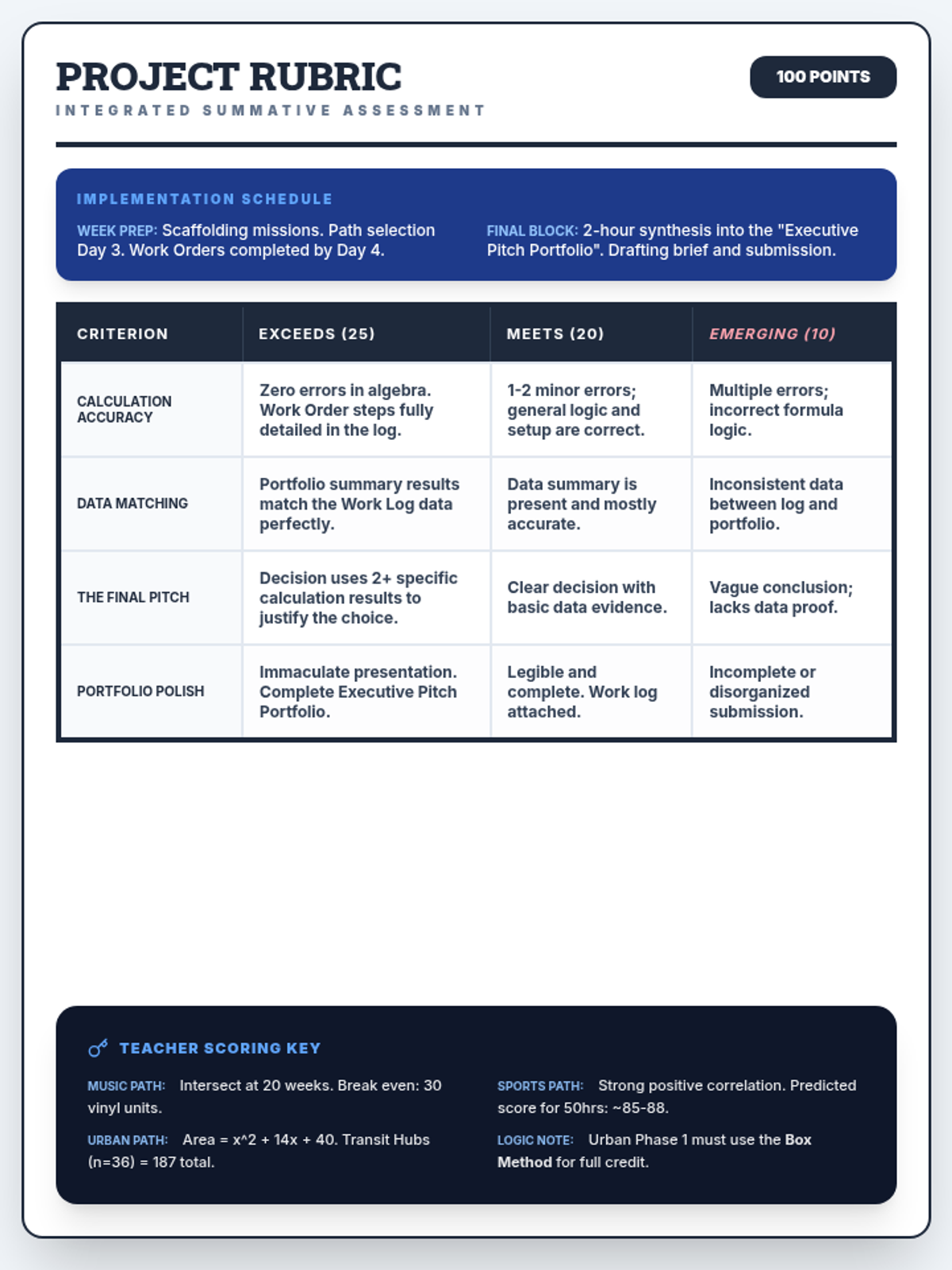
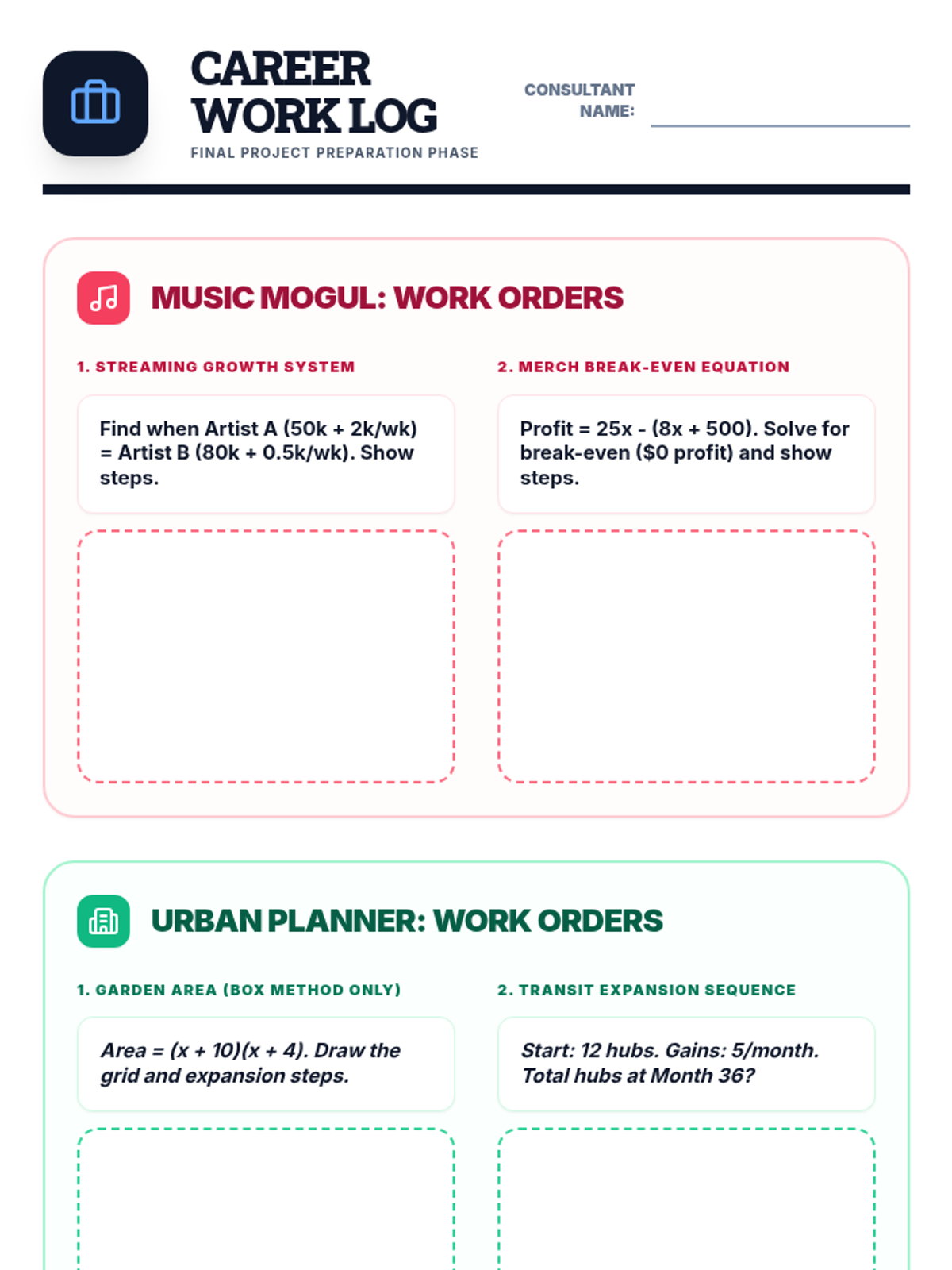
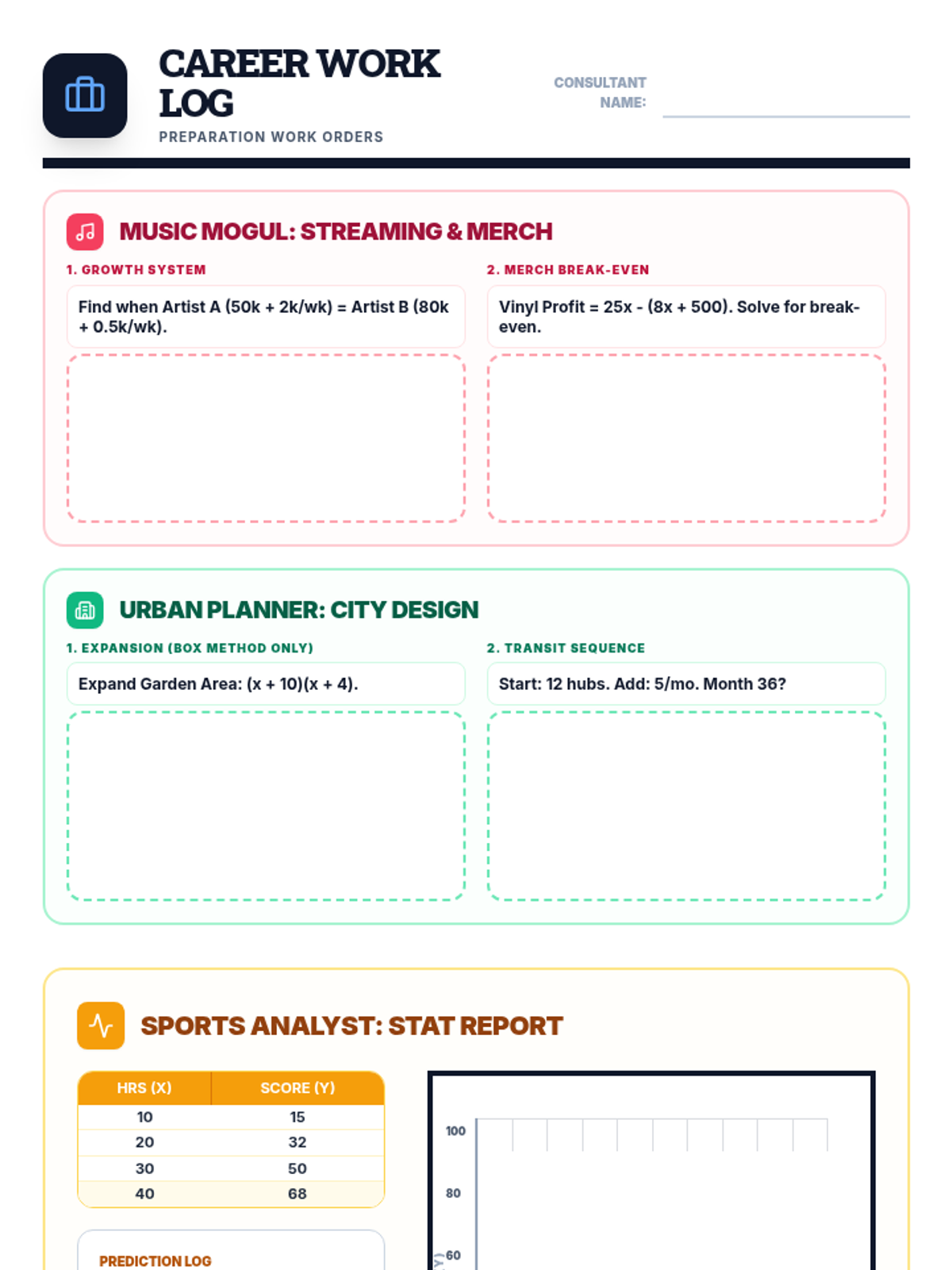
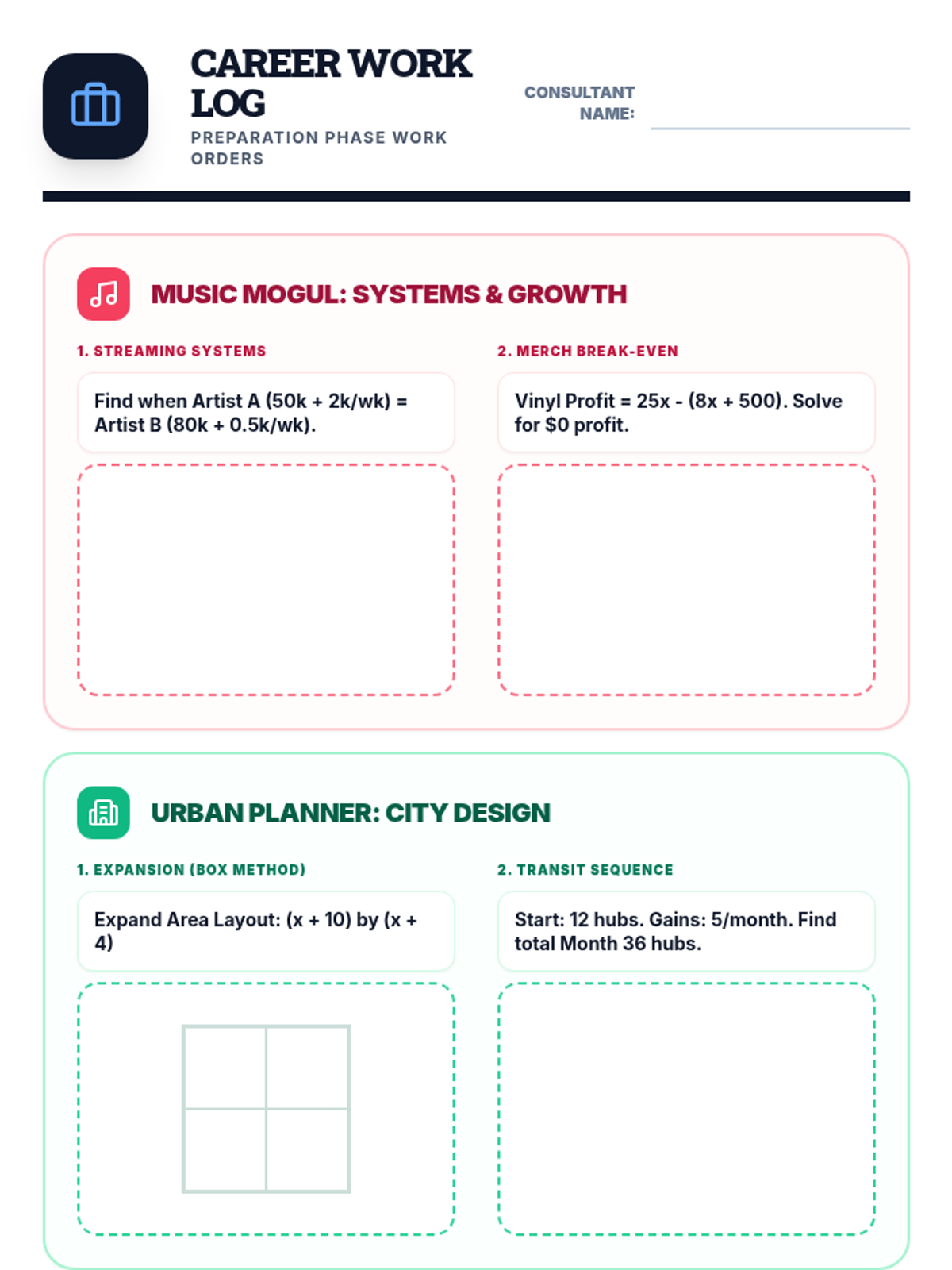
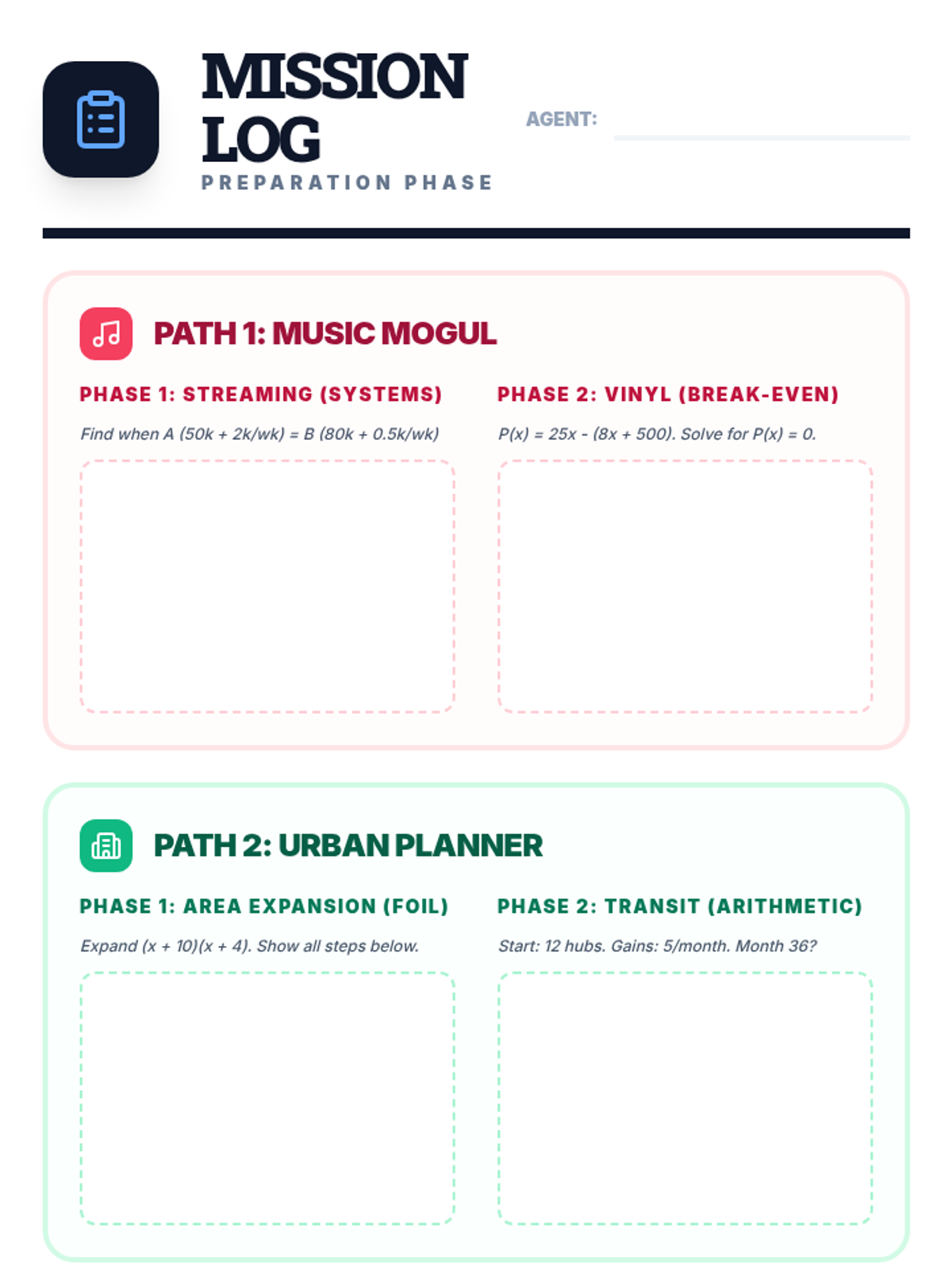
The final project phase where students select one of three real-world career paths (Music Mogul, Urban Planner, or Sports Analyst) to apply their mathematical knowledge in a summative assessment.
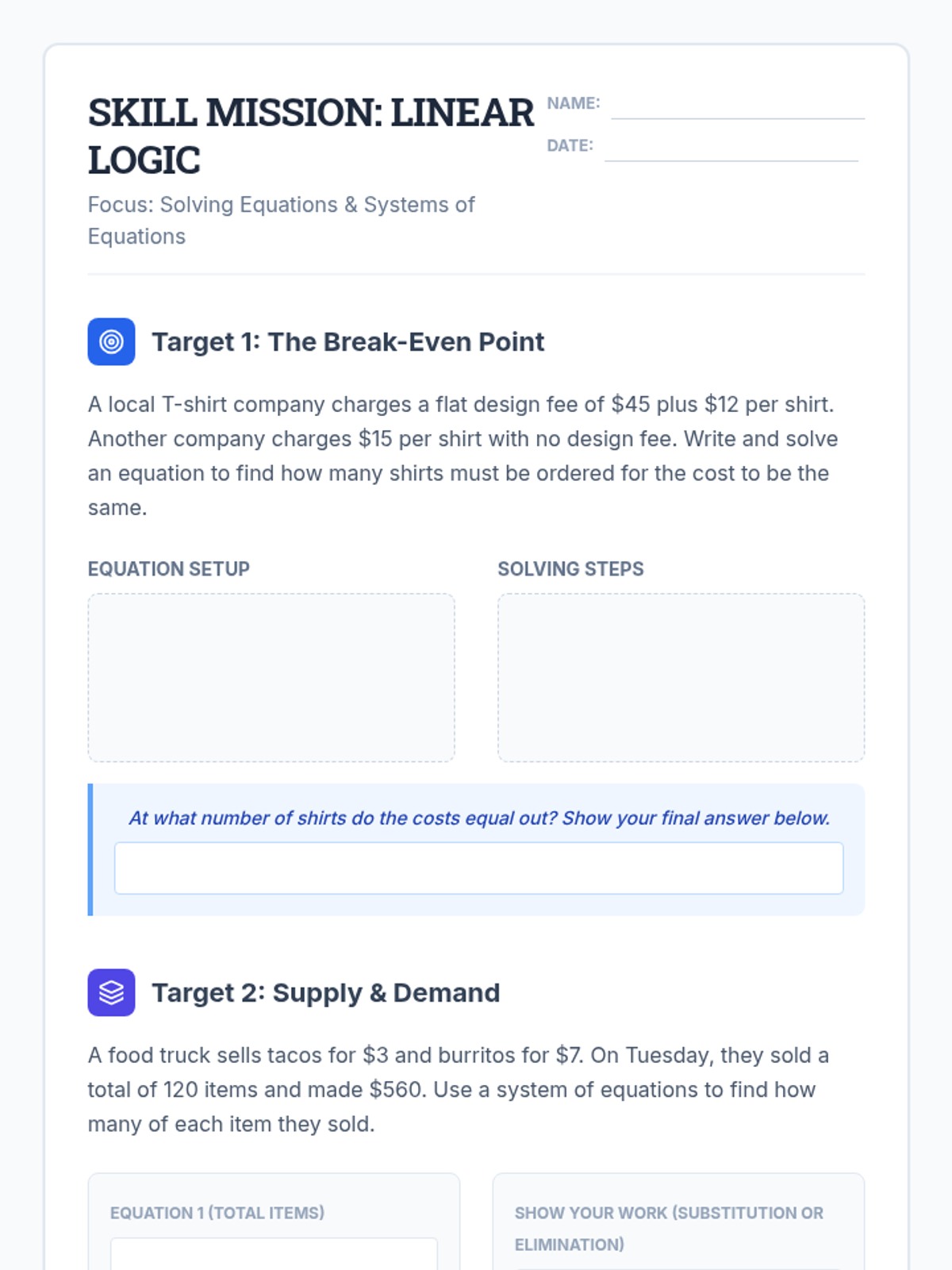
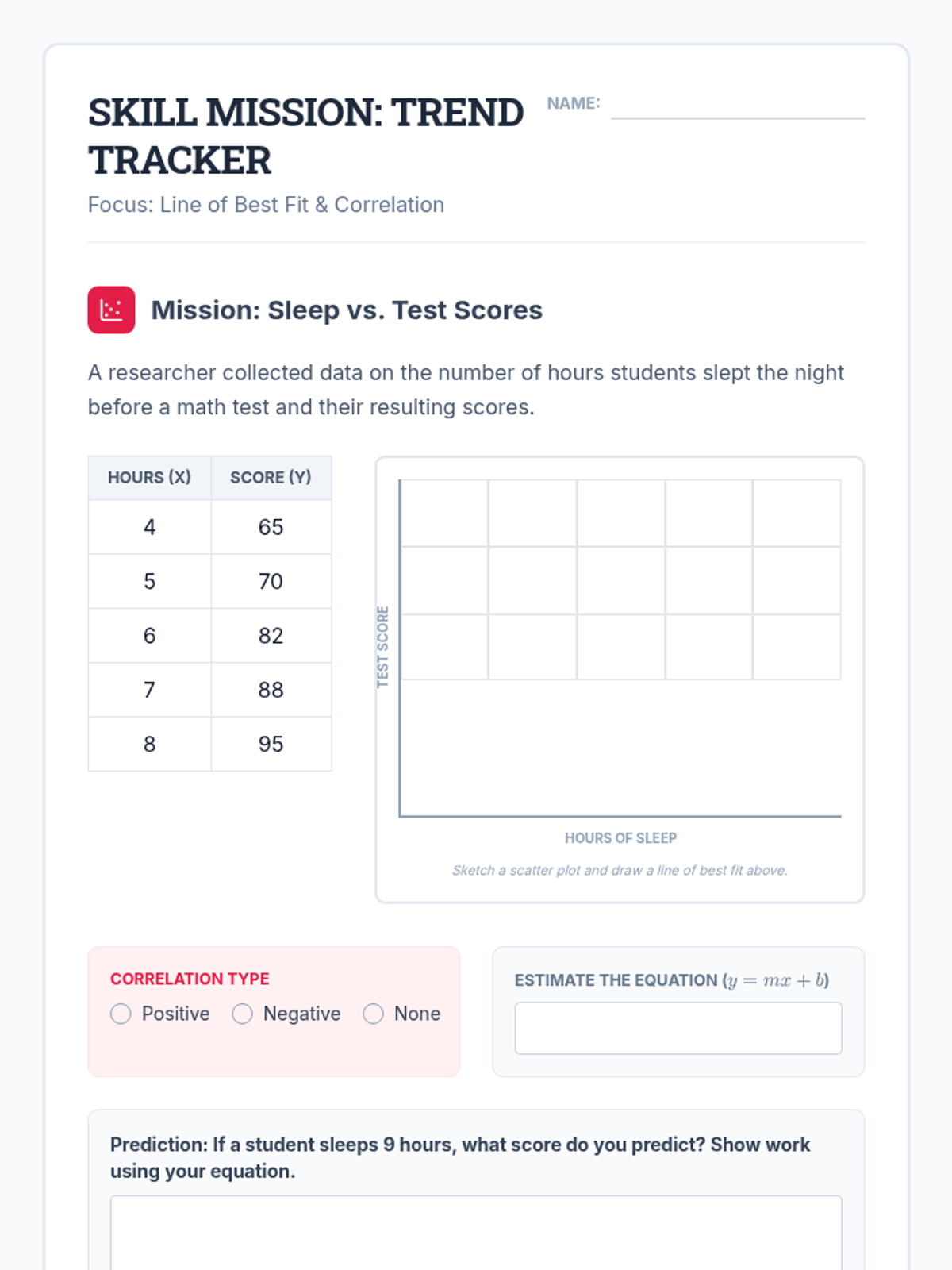
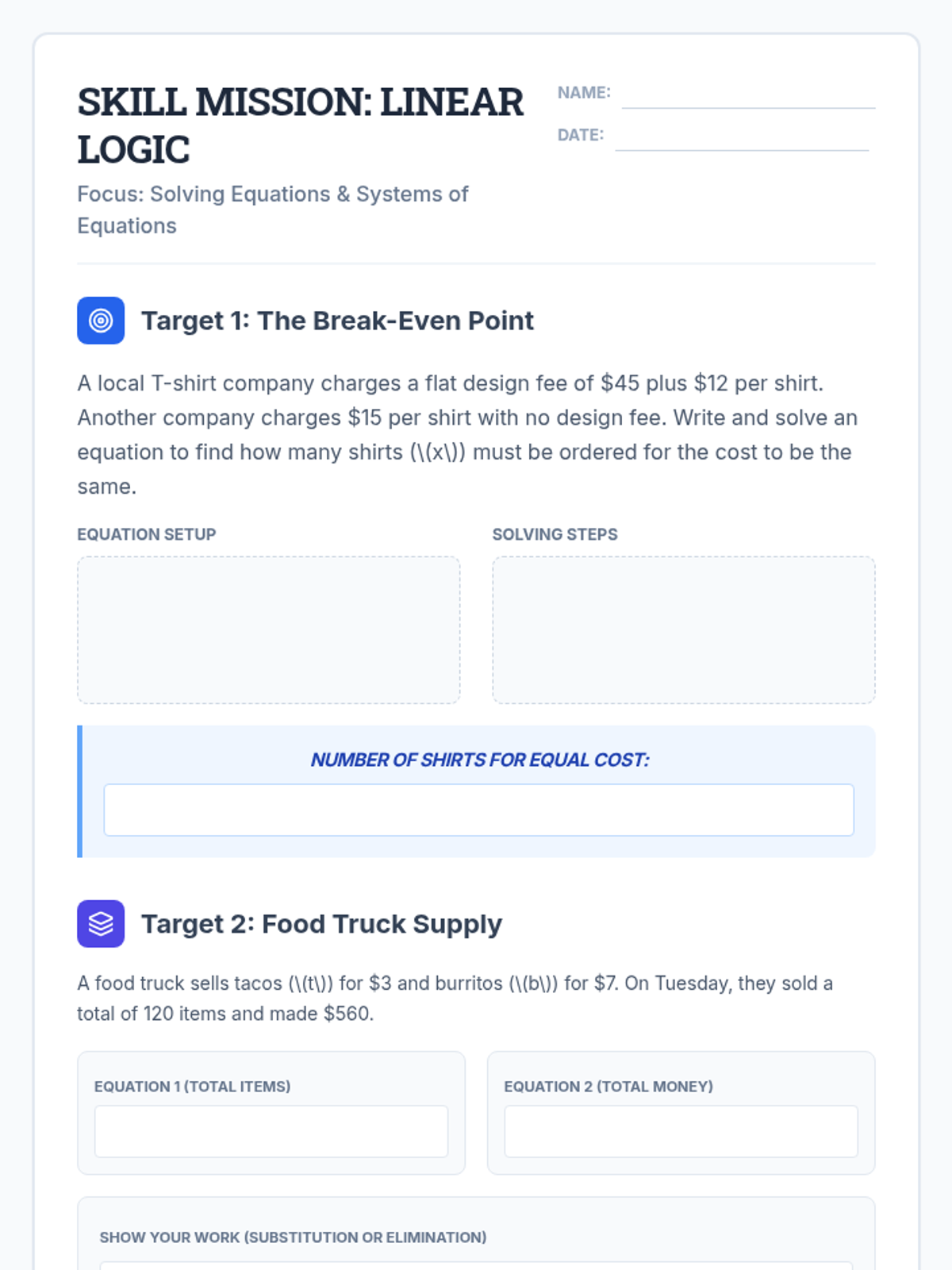
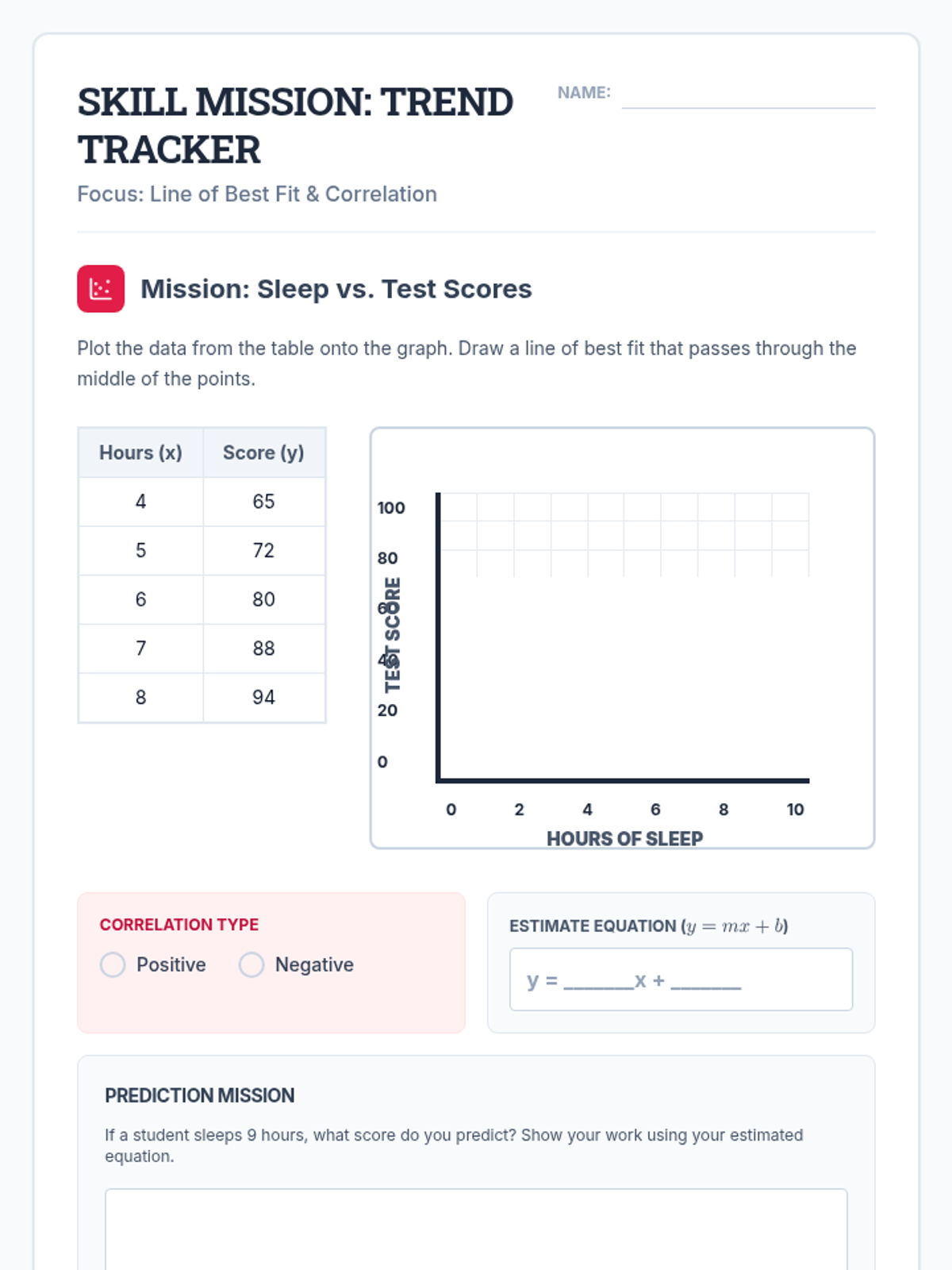
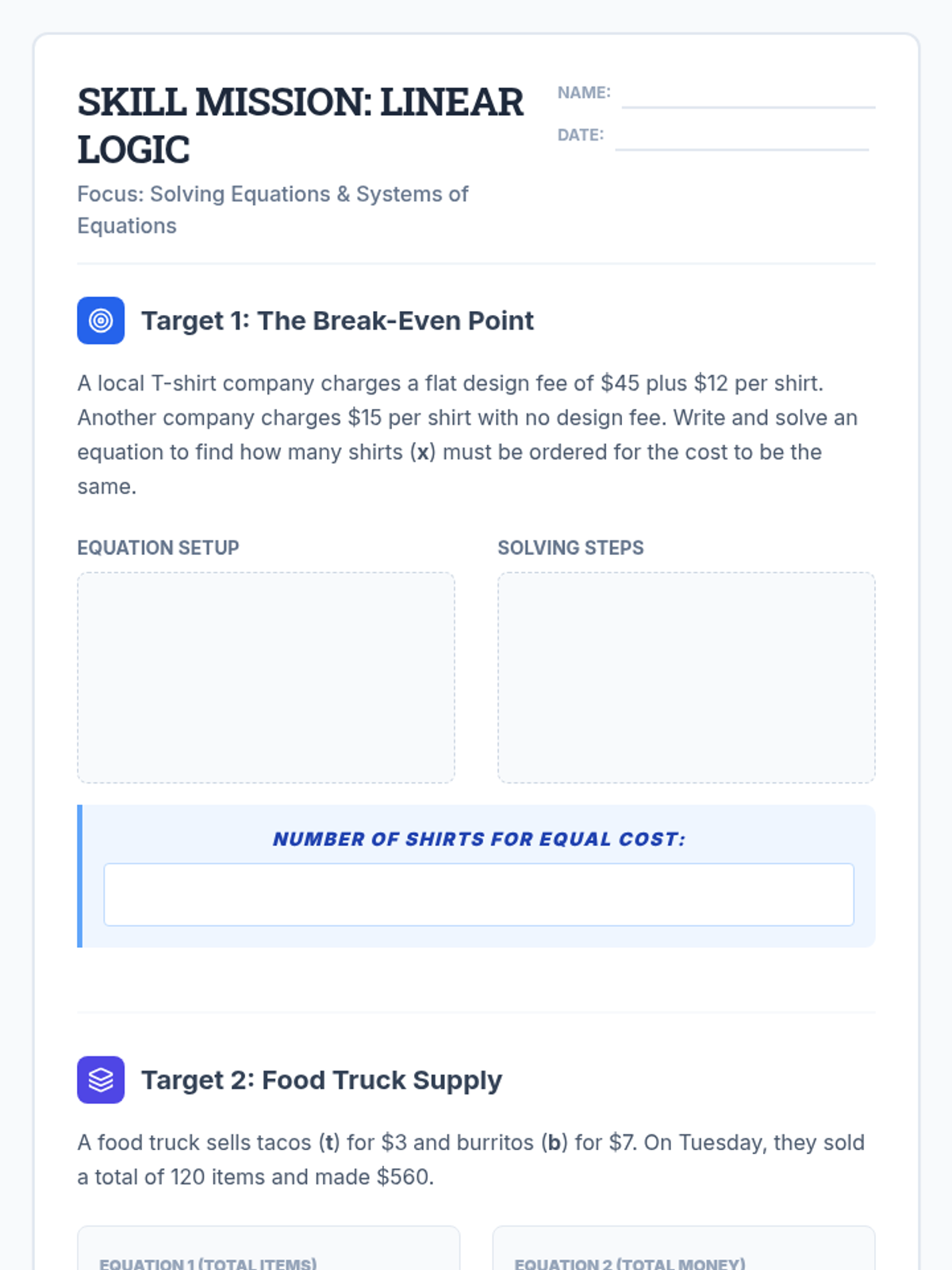
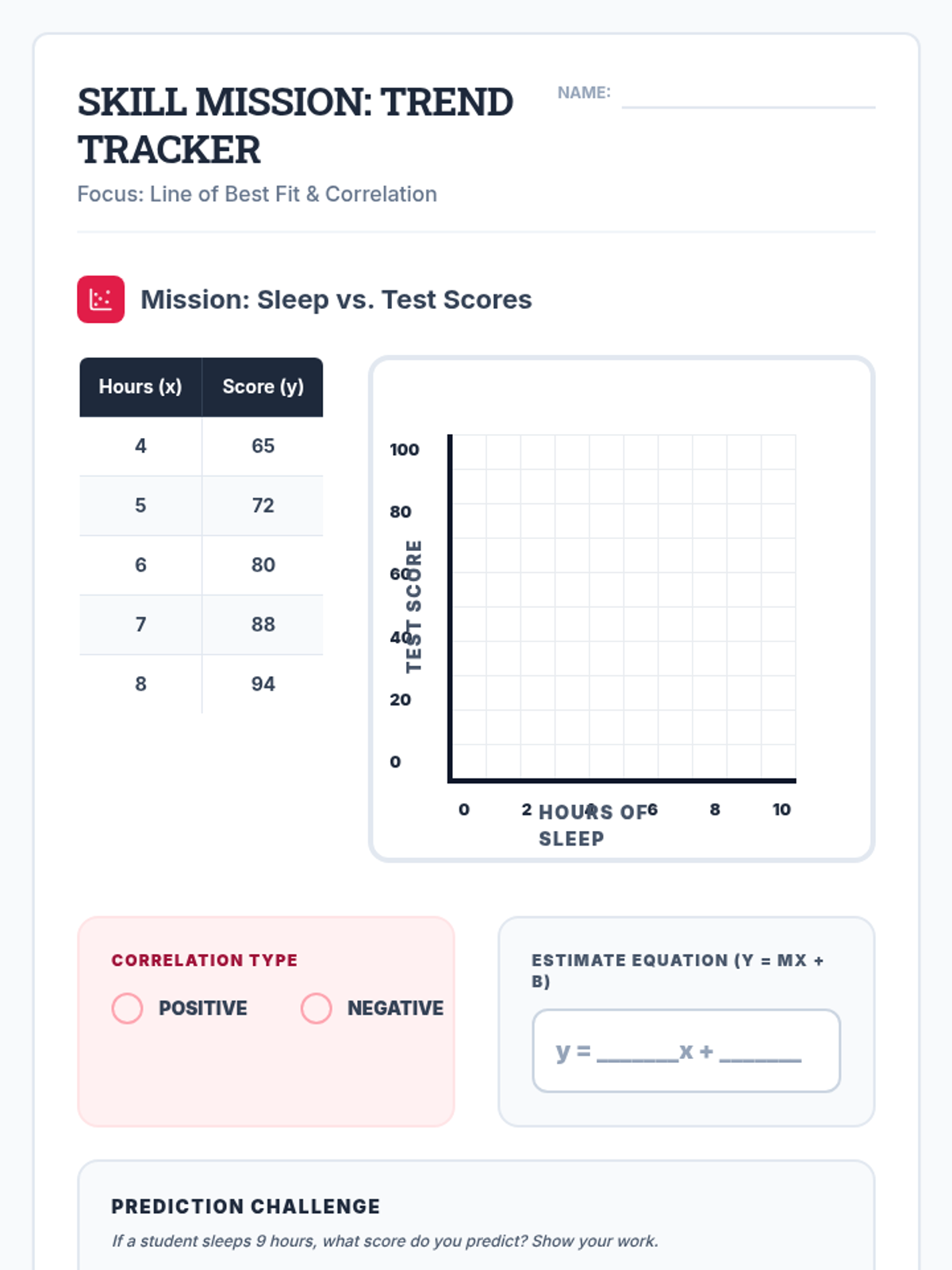
Scaffolded practice activities ('Skill Missions') that review key concepts: linear equations, systems, sequences, lines of best fit, and factoring. These activities ensure students have the foundational skills needed for their final project.
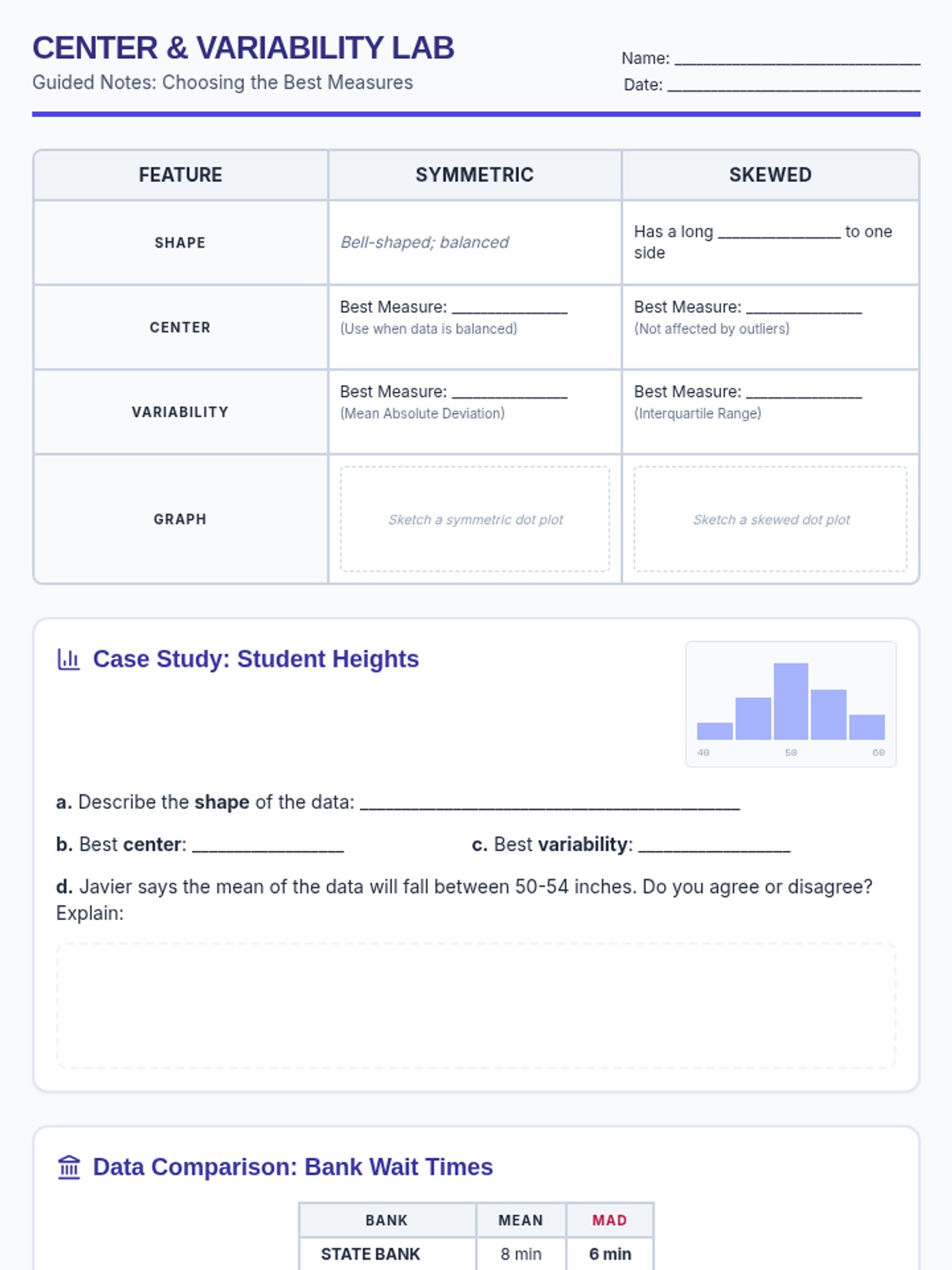
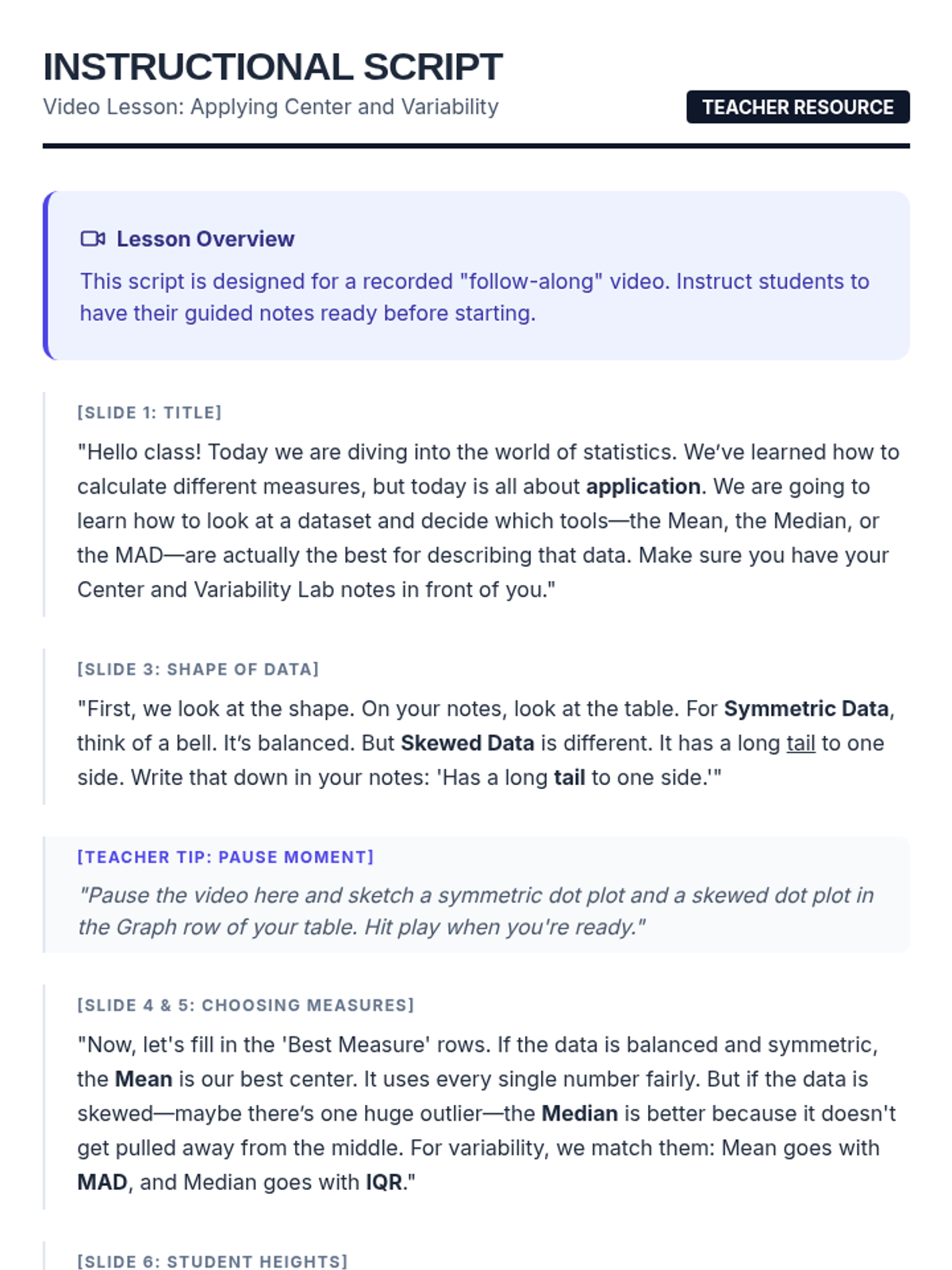
Students learn to select and apply appropriate measures of center and variability based on data distribution (symmetric vs. skewed), with real-world practice comparing wait times and student heights.
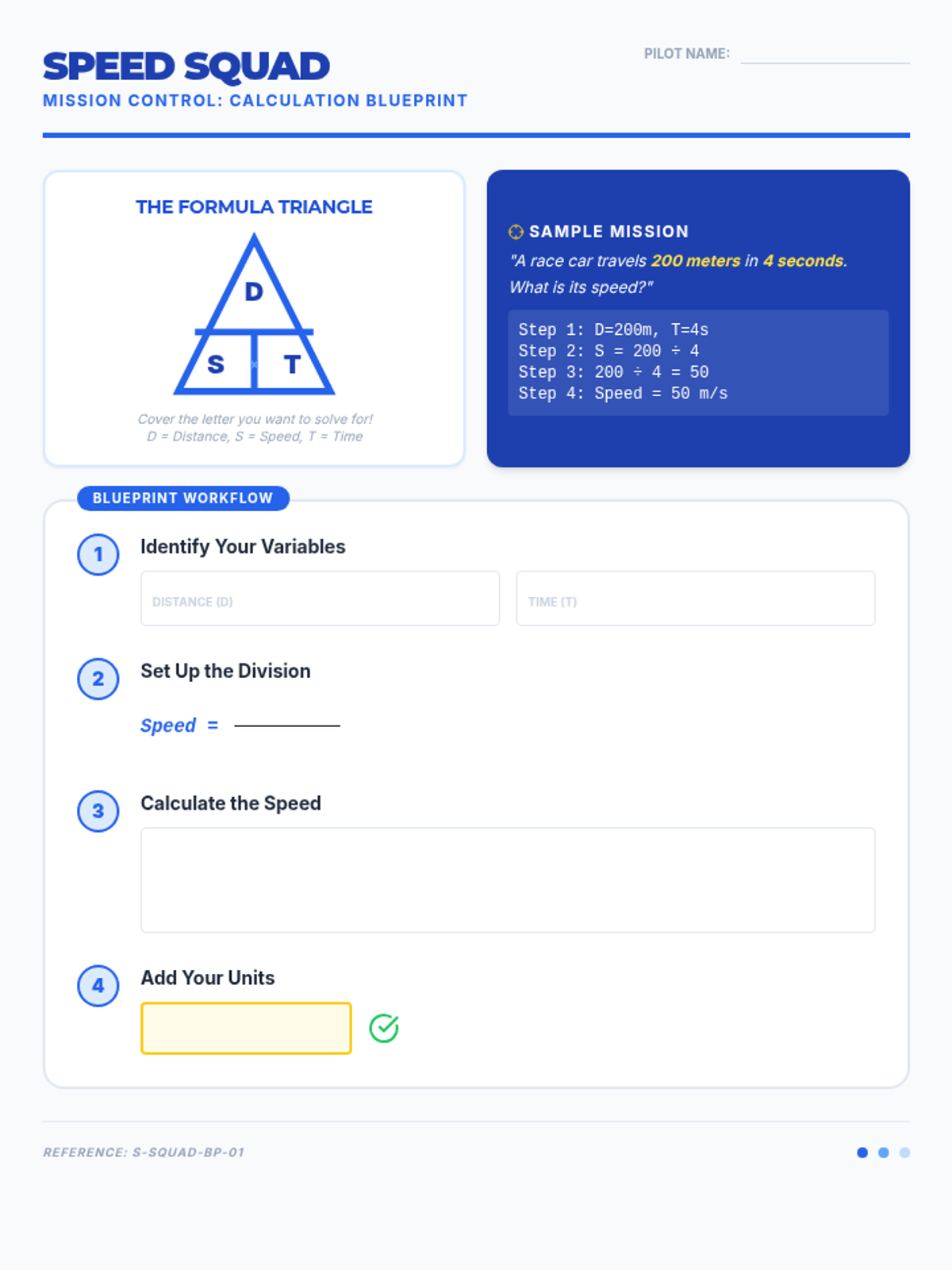
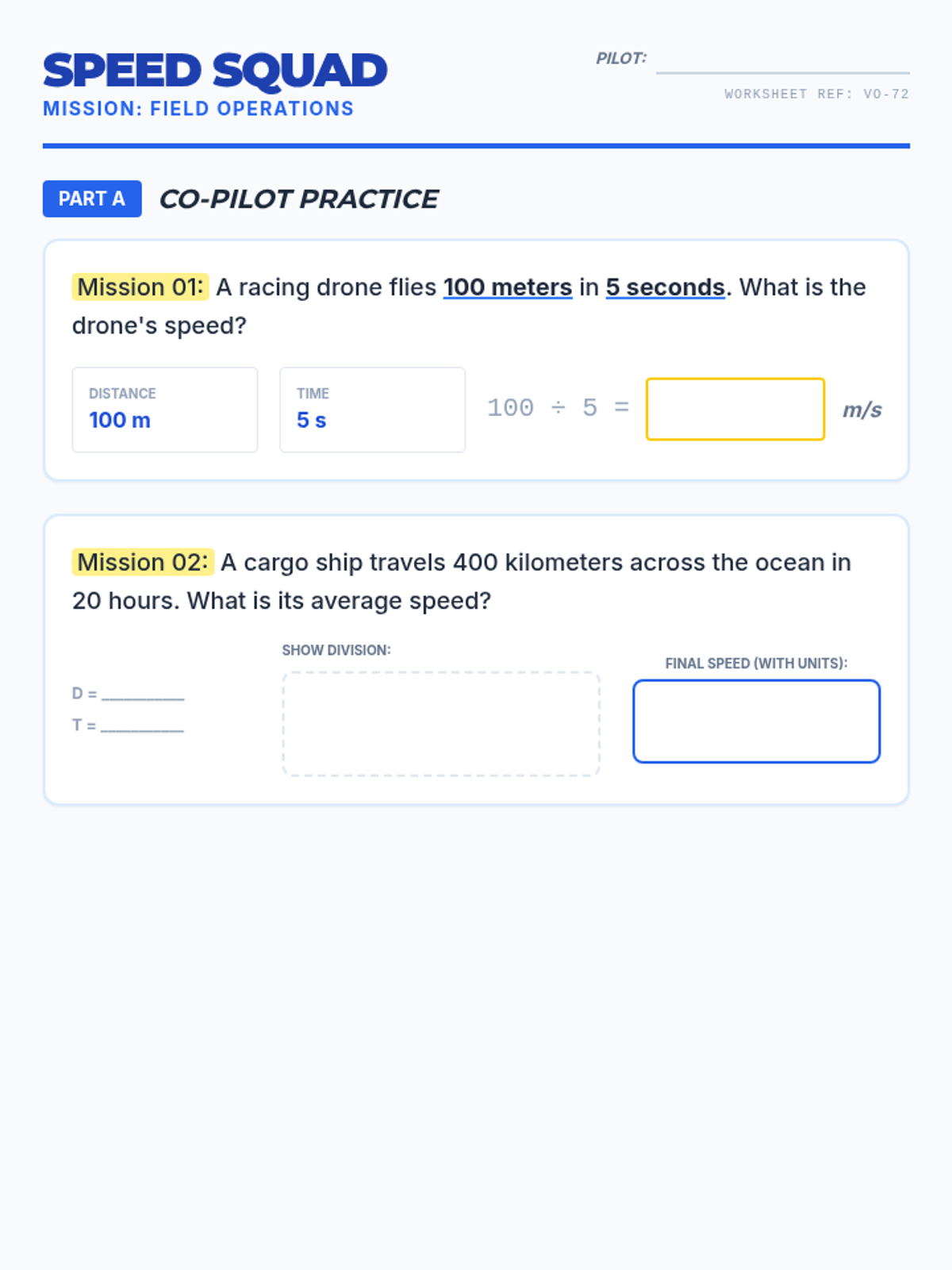
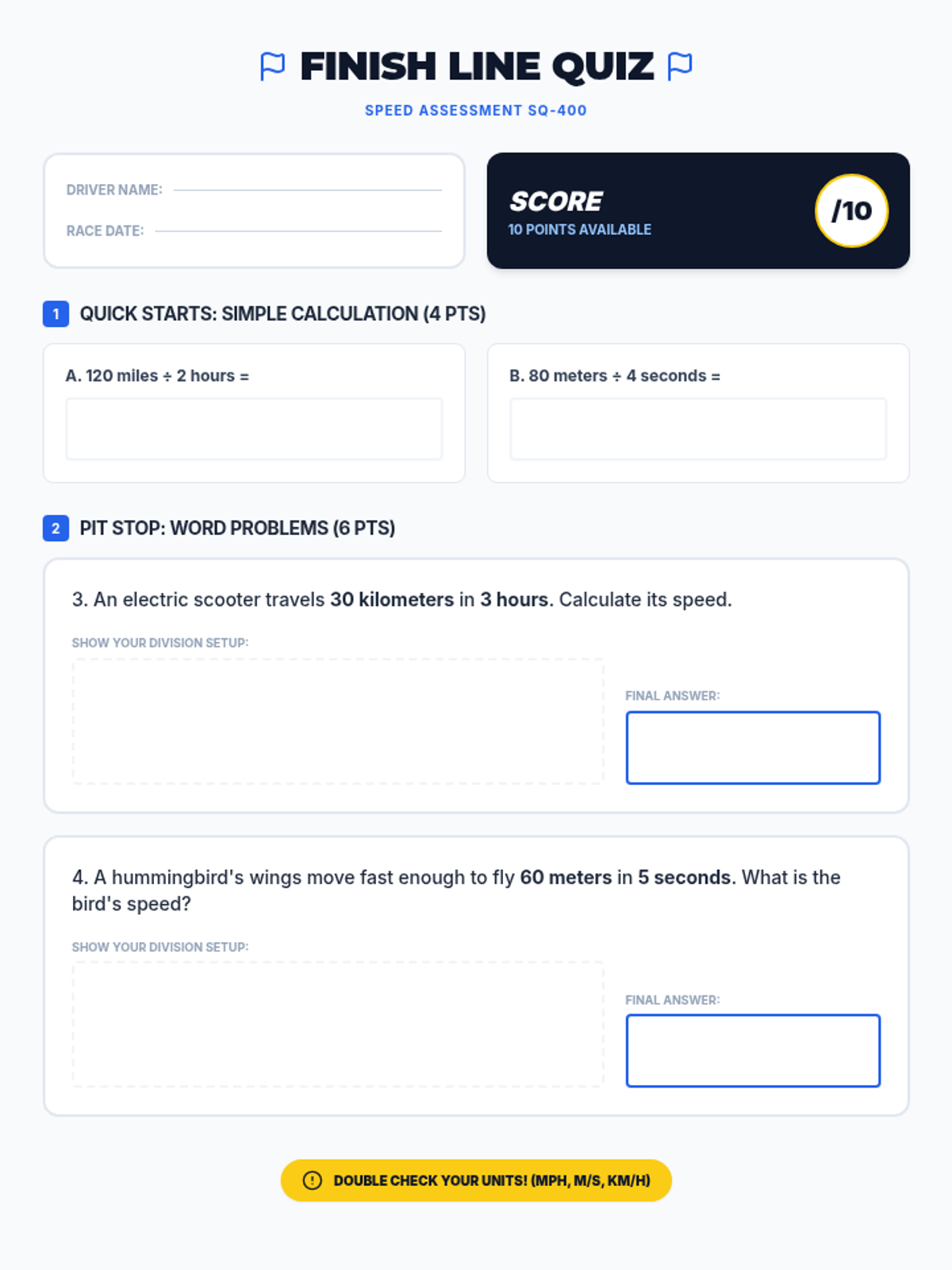
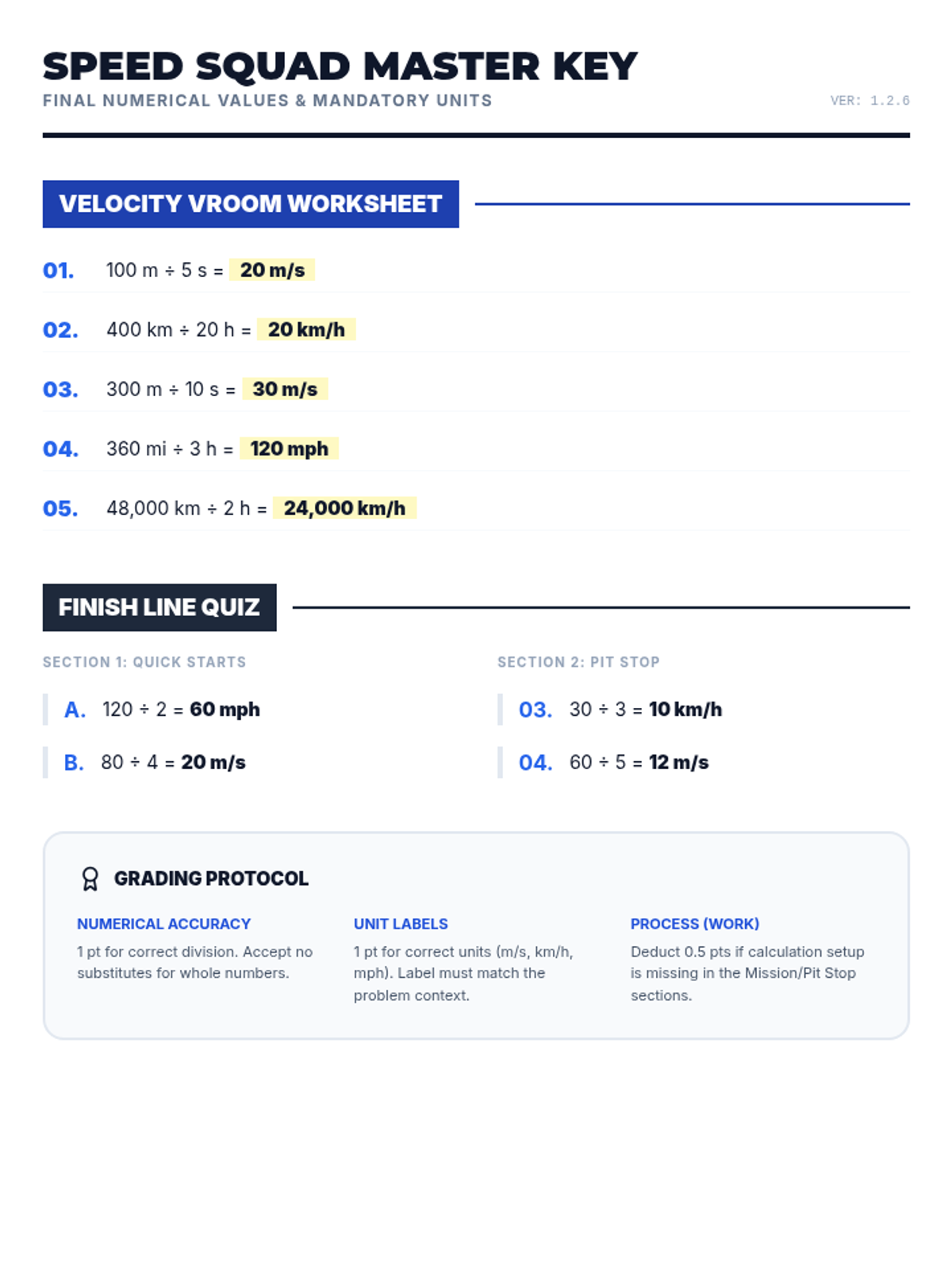
A comprehensive introduction to calculating speed using the formula Speed = Distance ÷ Time. This lesson uses a racing-themed framework to guide students through identifying units, setting up calculations, and solving whole-number word problems.
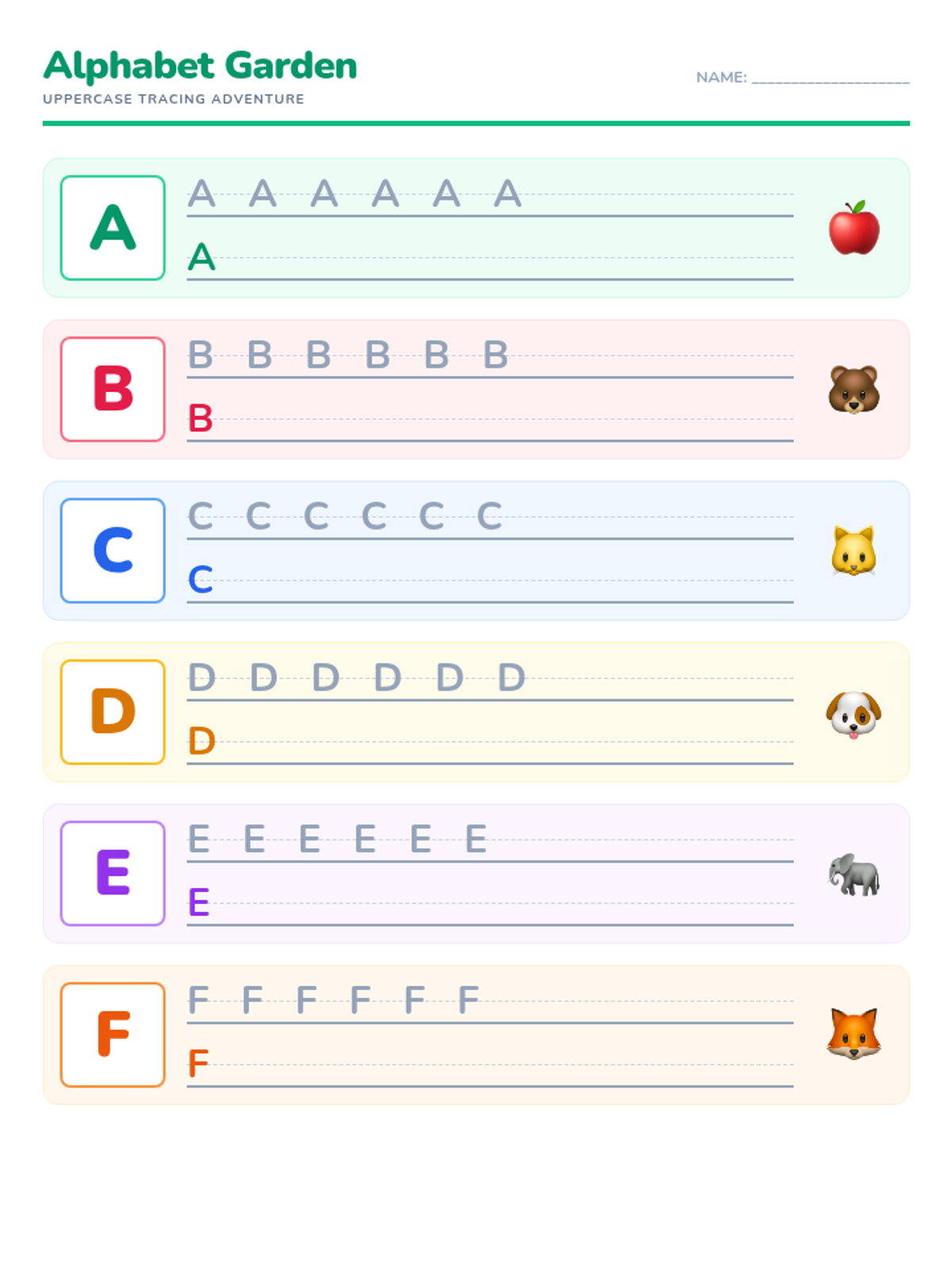
A foundational journey through the uppercase alphabet, focusing on stroke order, pen control, and letter recognition for early learners.
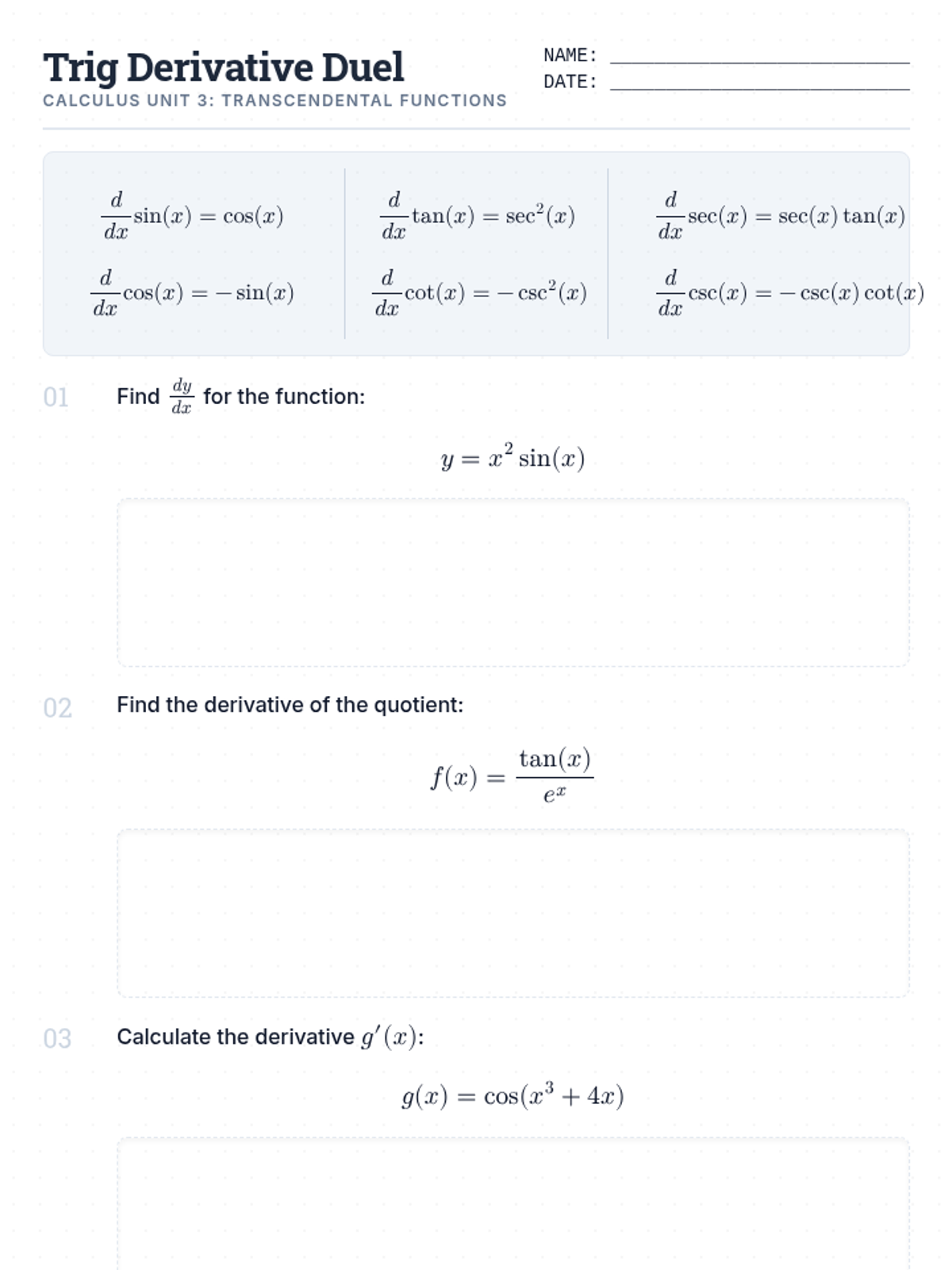
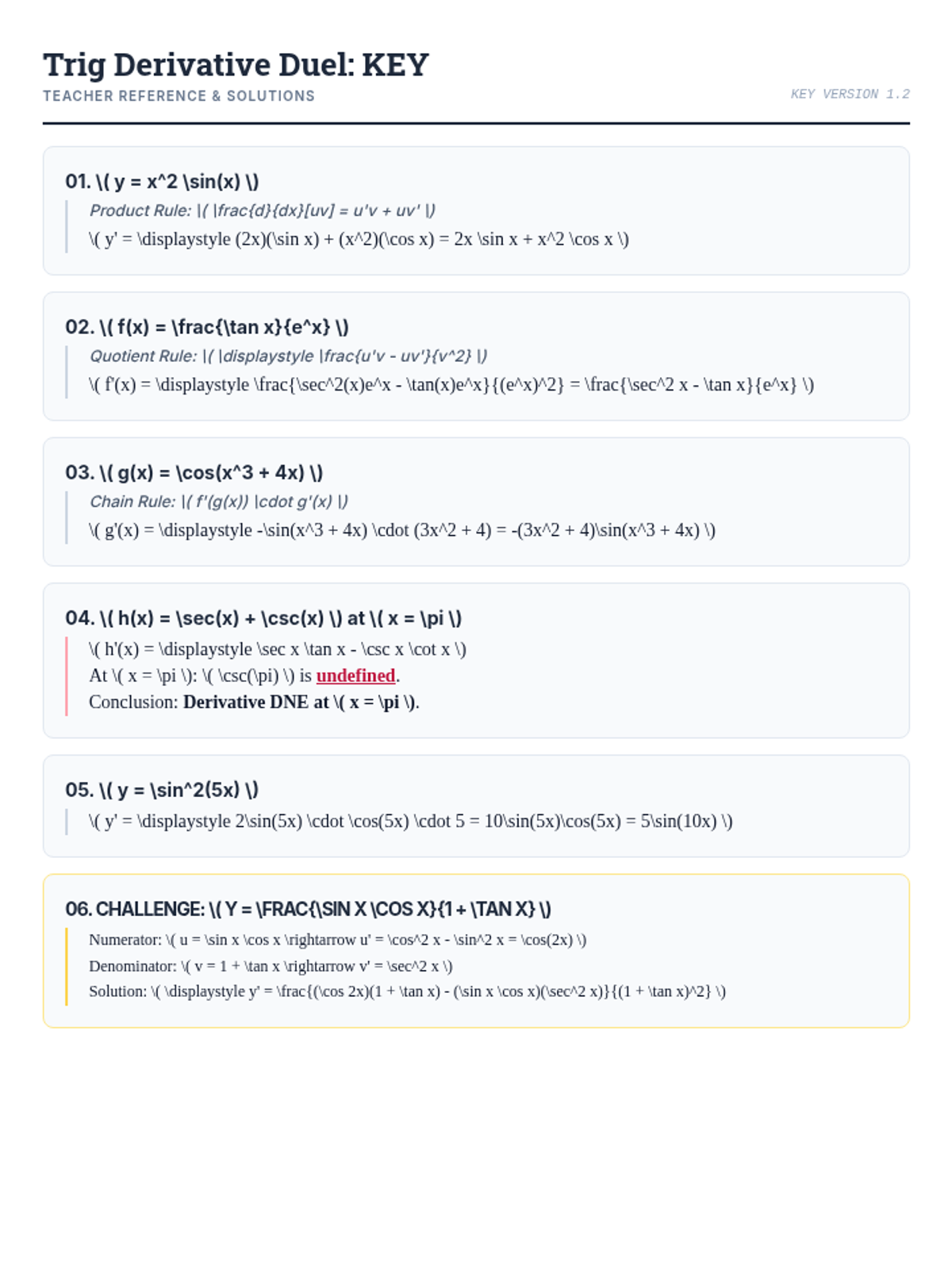
Master the derivatives of the six trigonometric functions through visual explanation and structured practice, including chain rule and product rule applications.
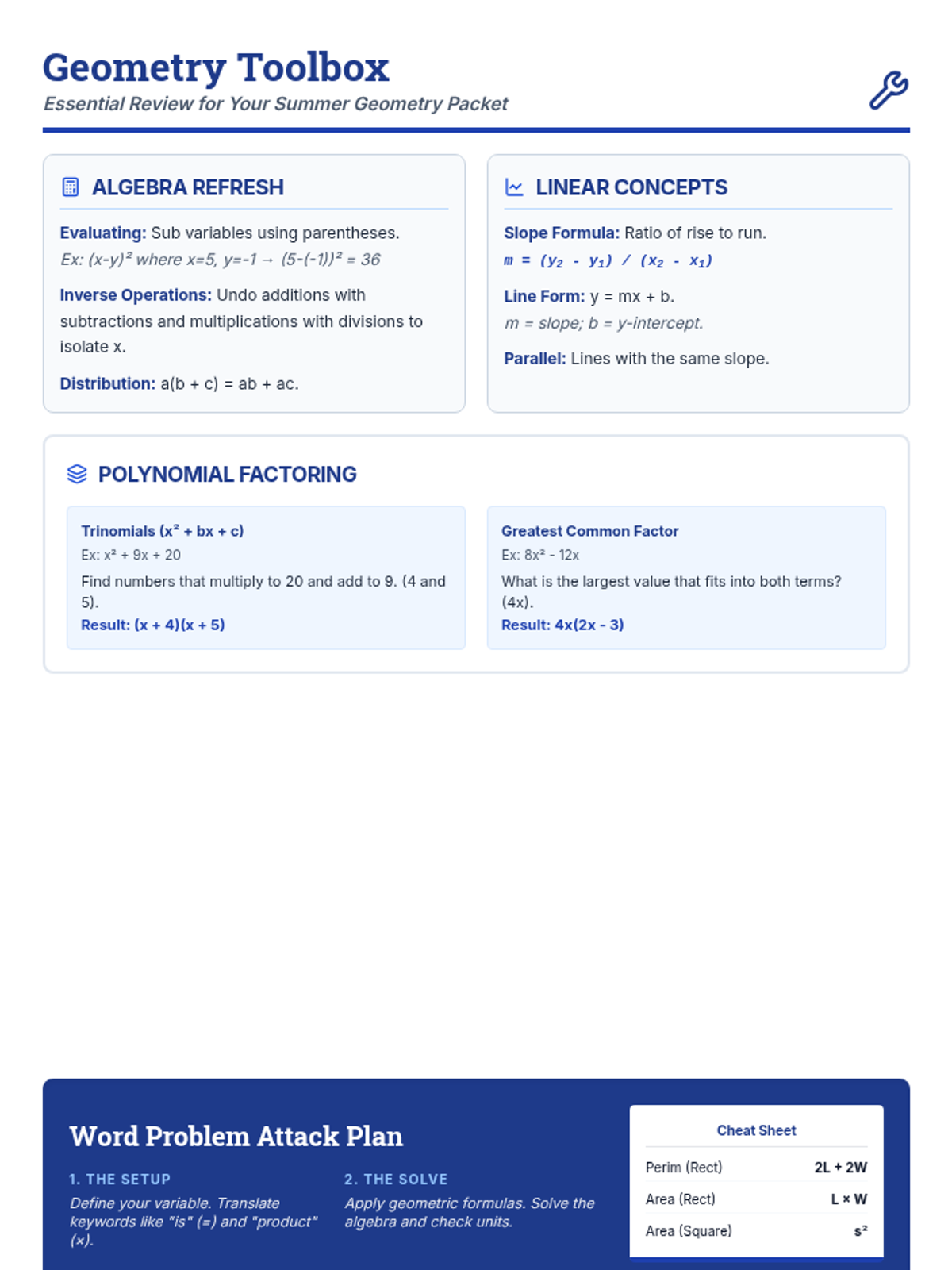
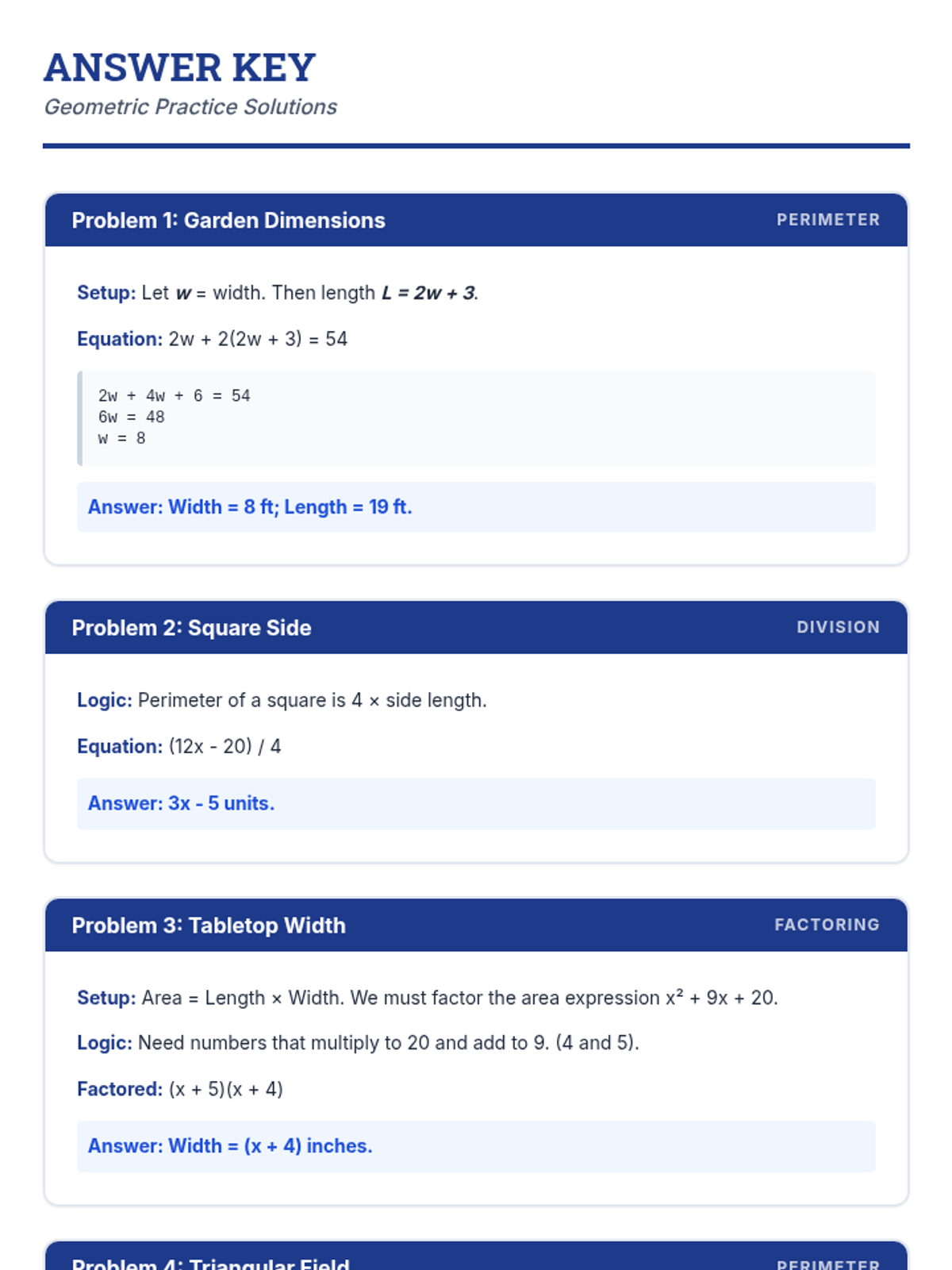
A collection of resources to support students completing their summer geometry packet, focusing on algebra foundations and geometric word problem applications.
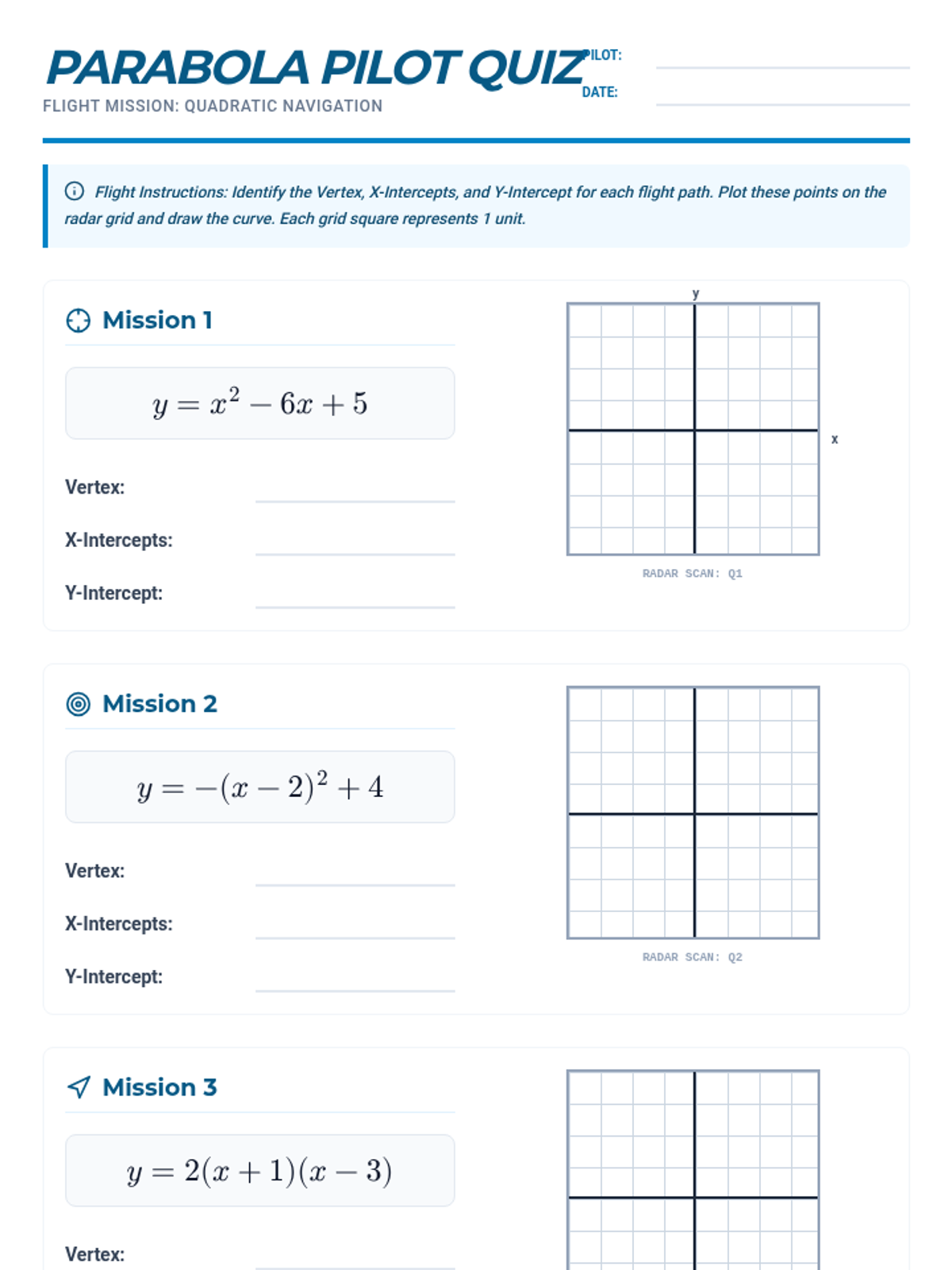
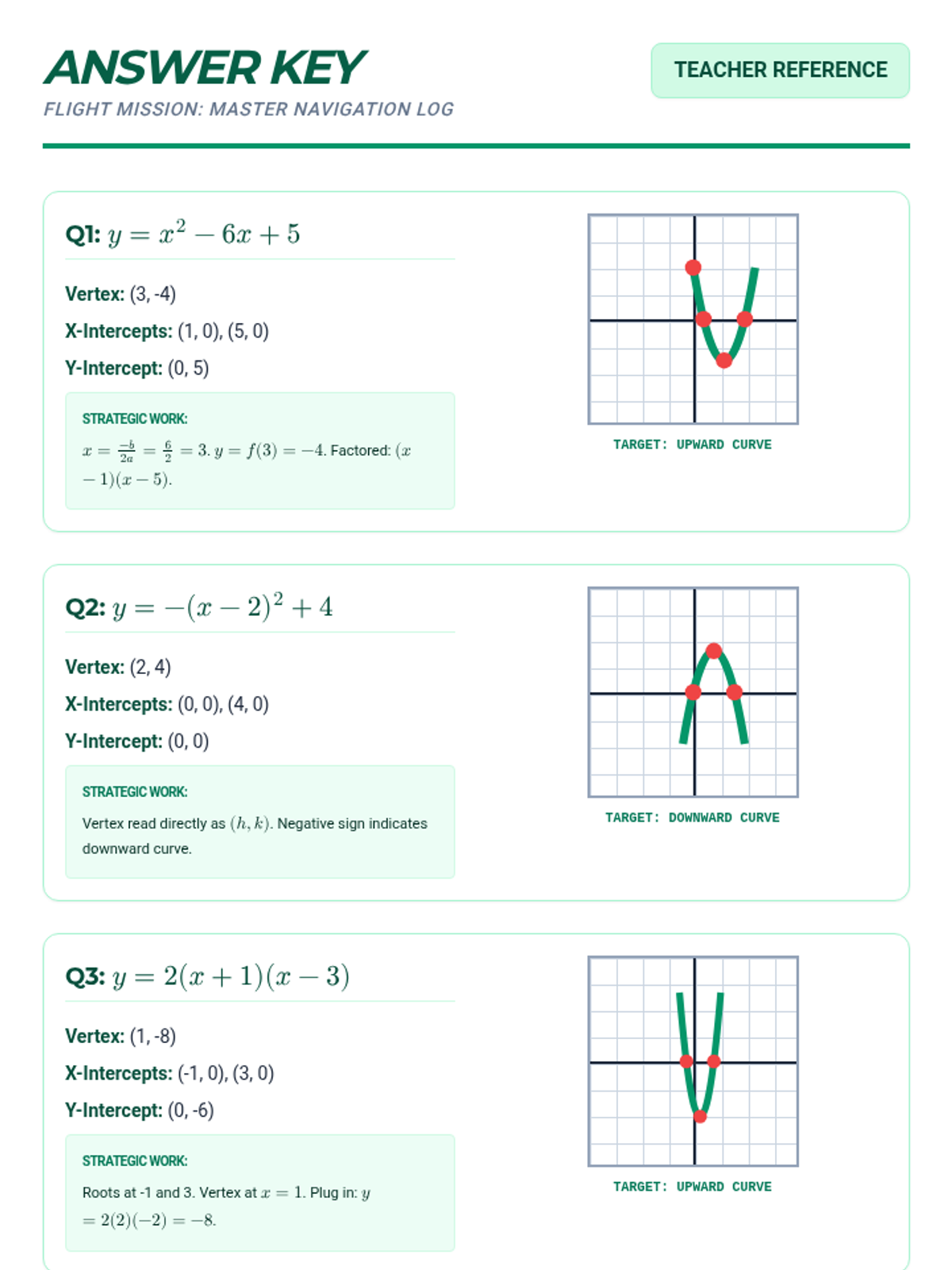
A lesson focused on identifying key features (vertex, intercepts) and graphing quadratic equations across standard, vertex, and factored forms.