A comprehensive introduction to calculating speed using the formula Speed = Distance ÷ Time. This lesson uses a racing-themed framework to guide students through identifying units, setting up calculations, and solving whole-number word problems.
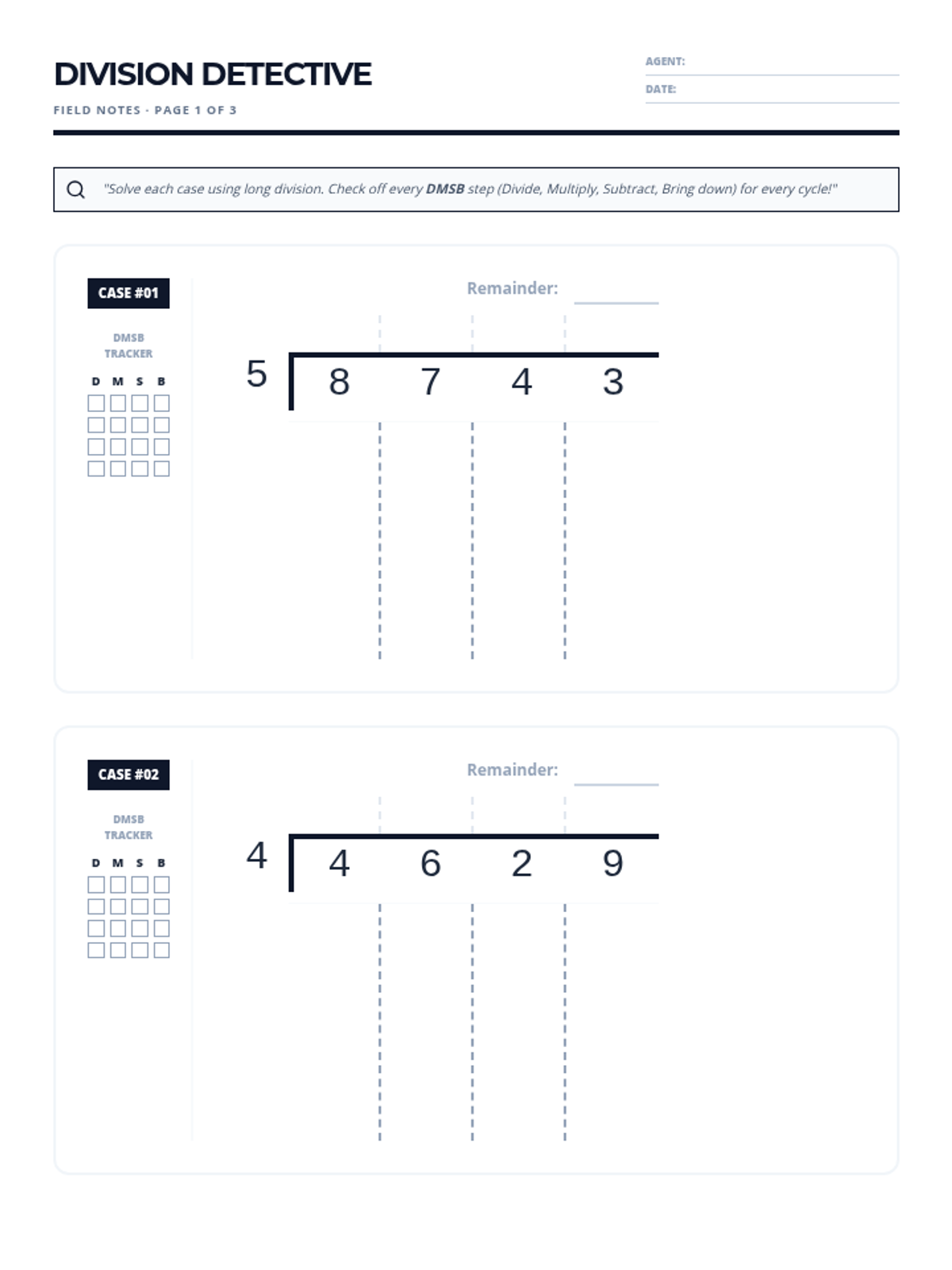
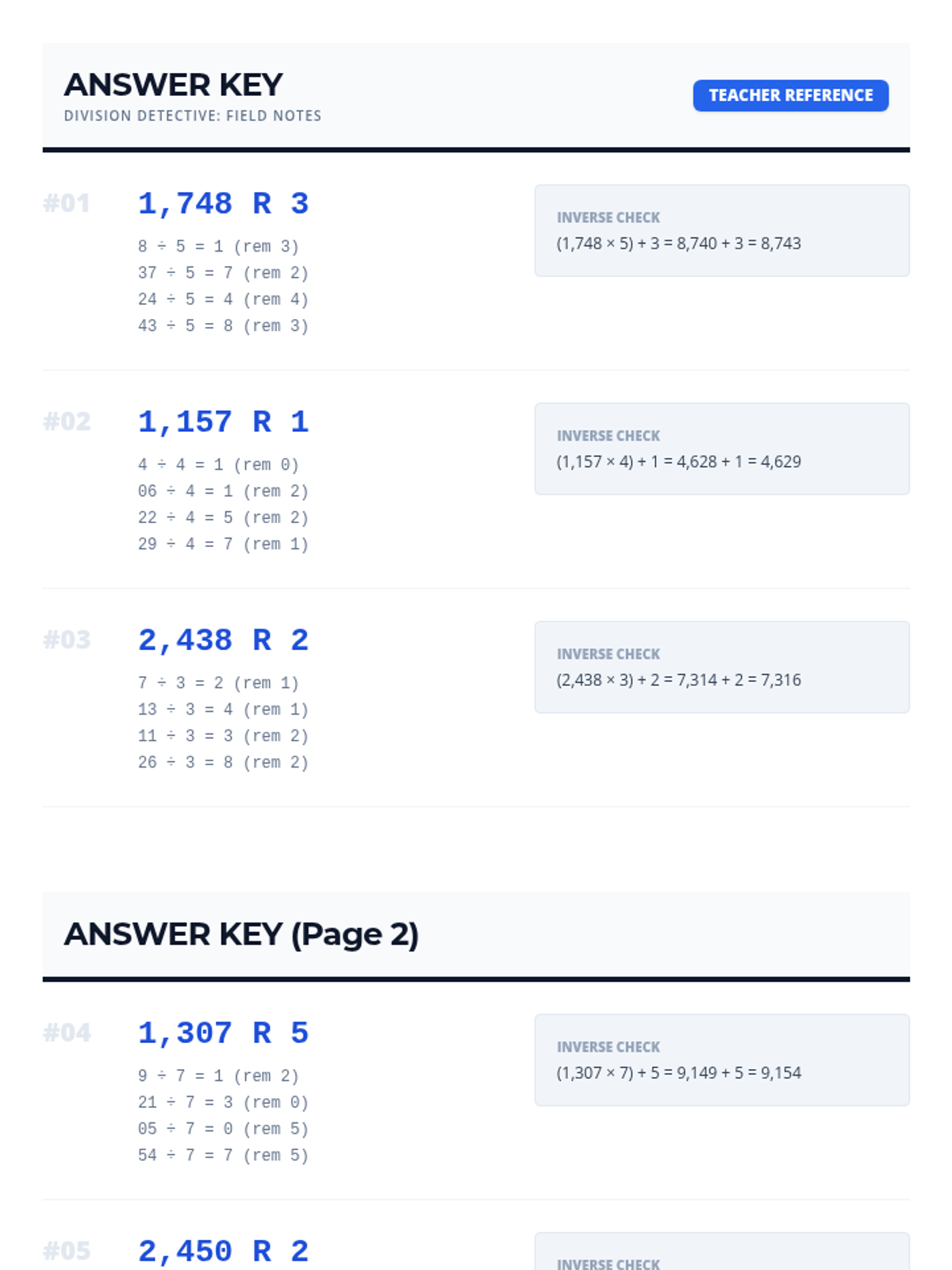
A detective-themed math lesson focused on long division of 4-digit numbers by 1-digit divisors, featuring guided practice and clear procedural scaffolds.
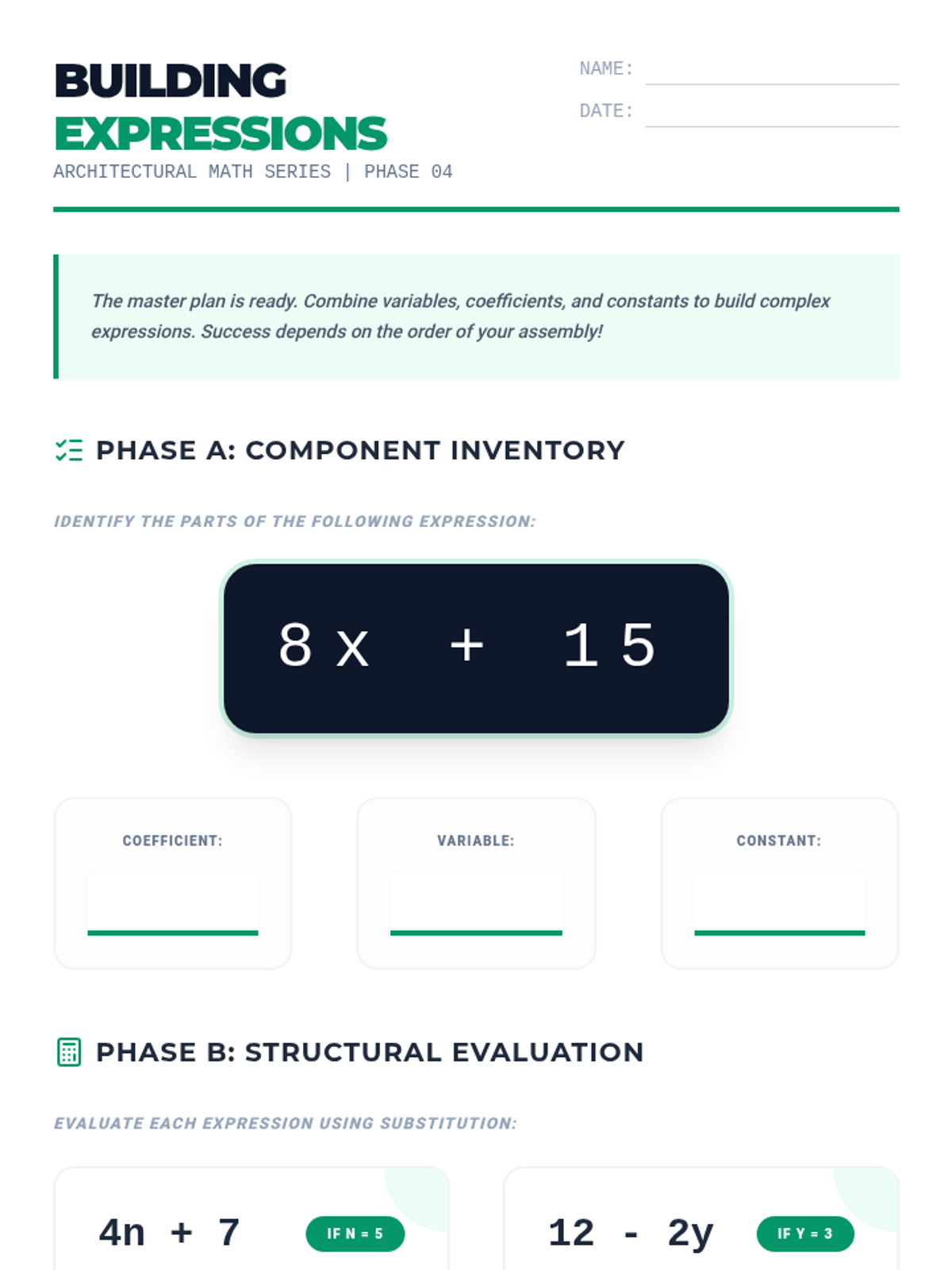
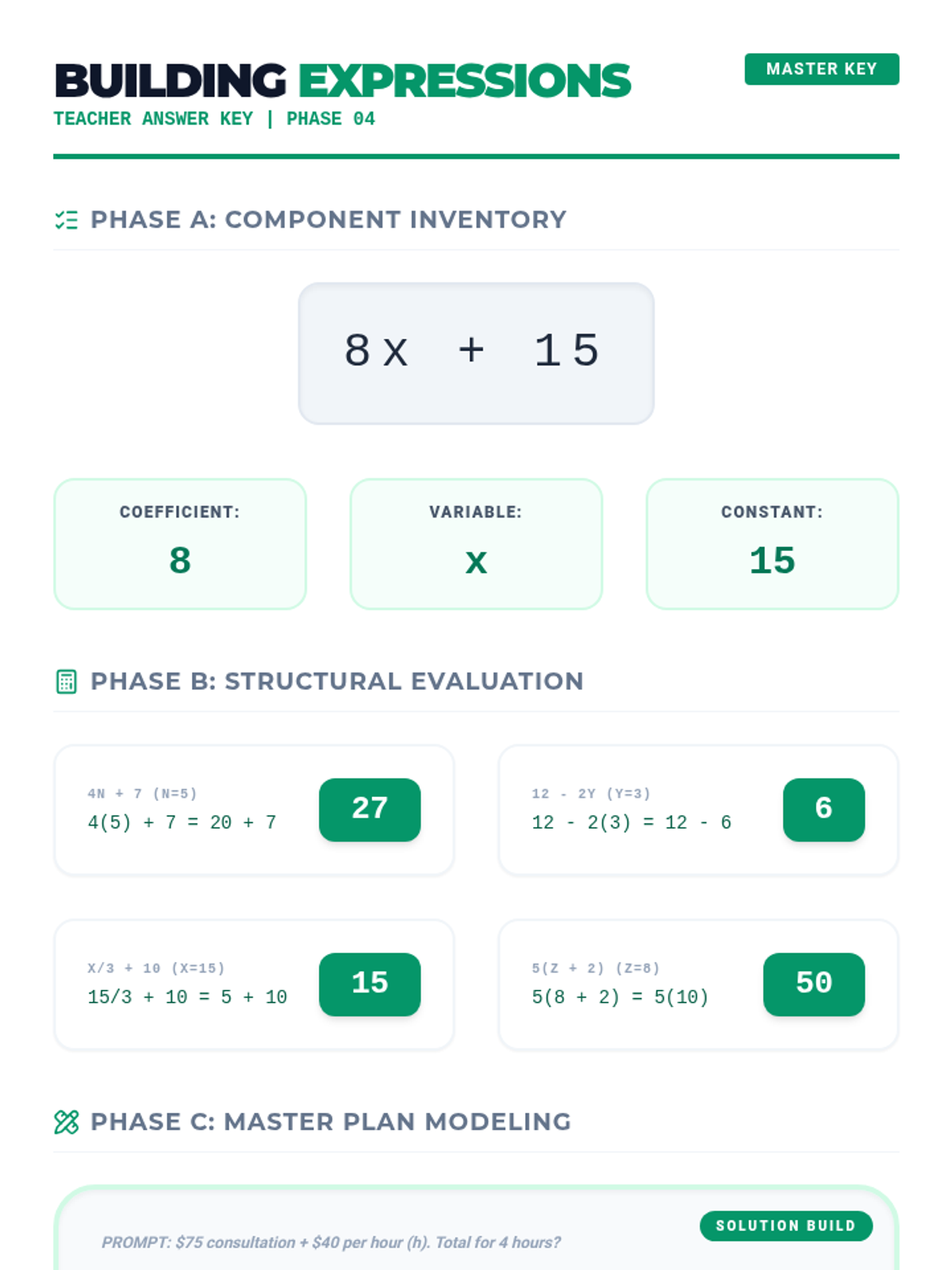
Assembling full algebraic expressions and equations, learning to manipulate variables like architectural components.
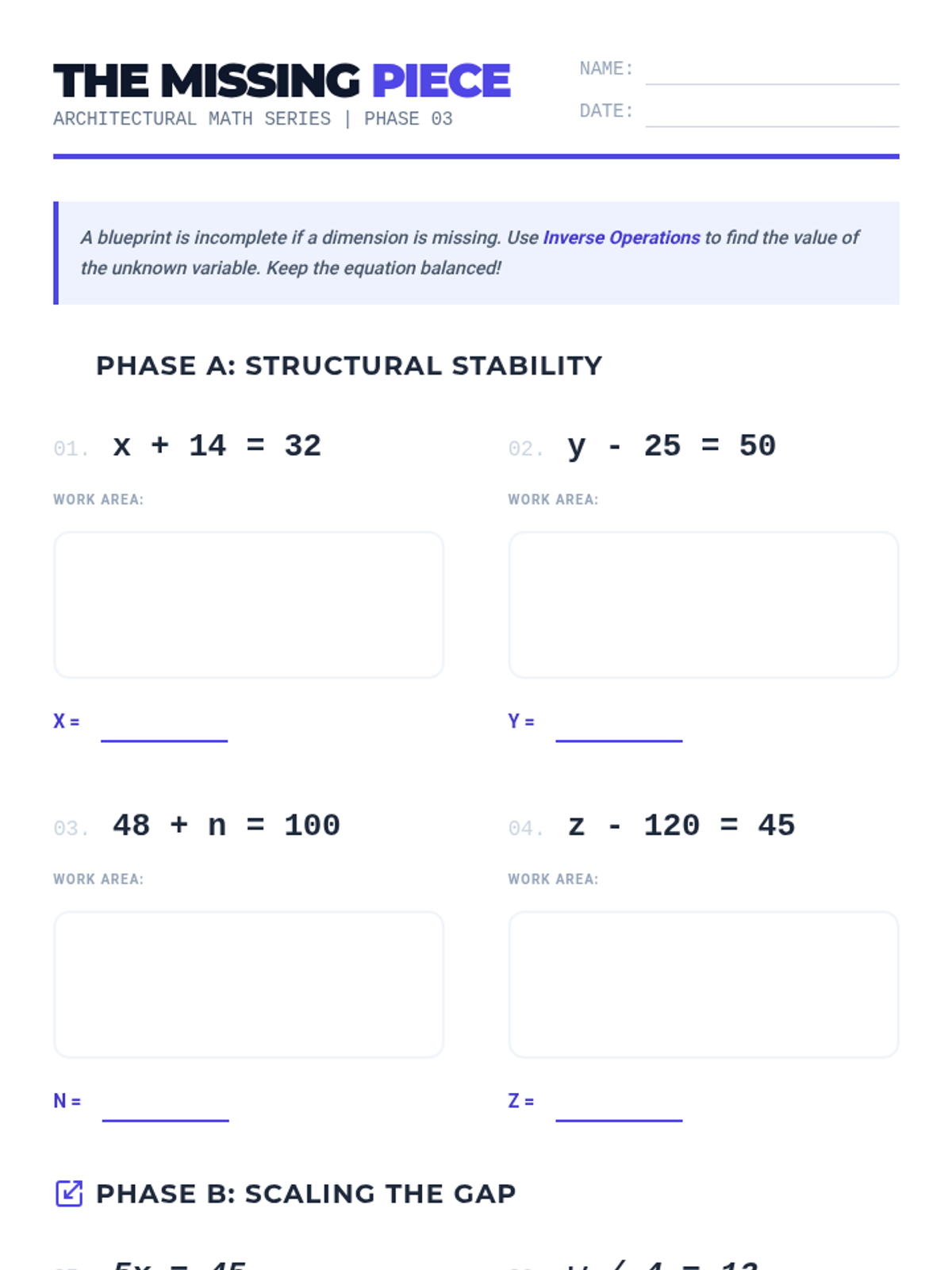
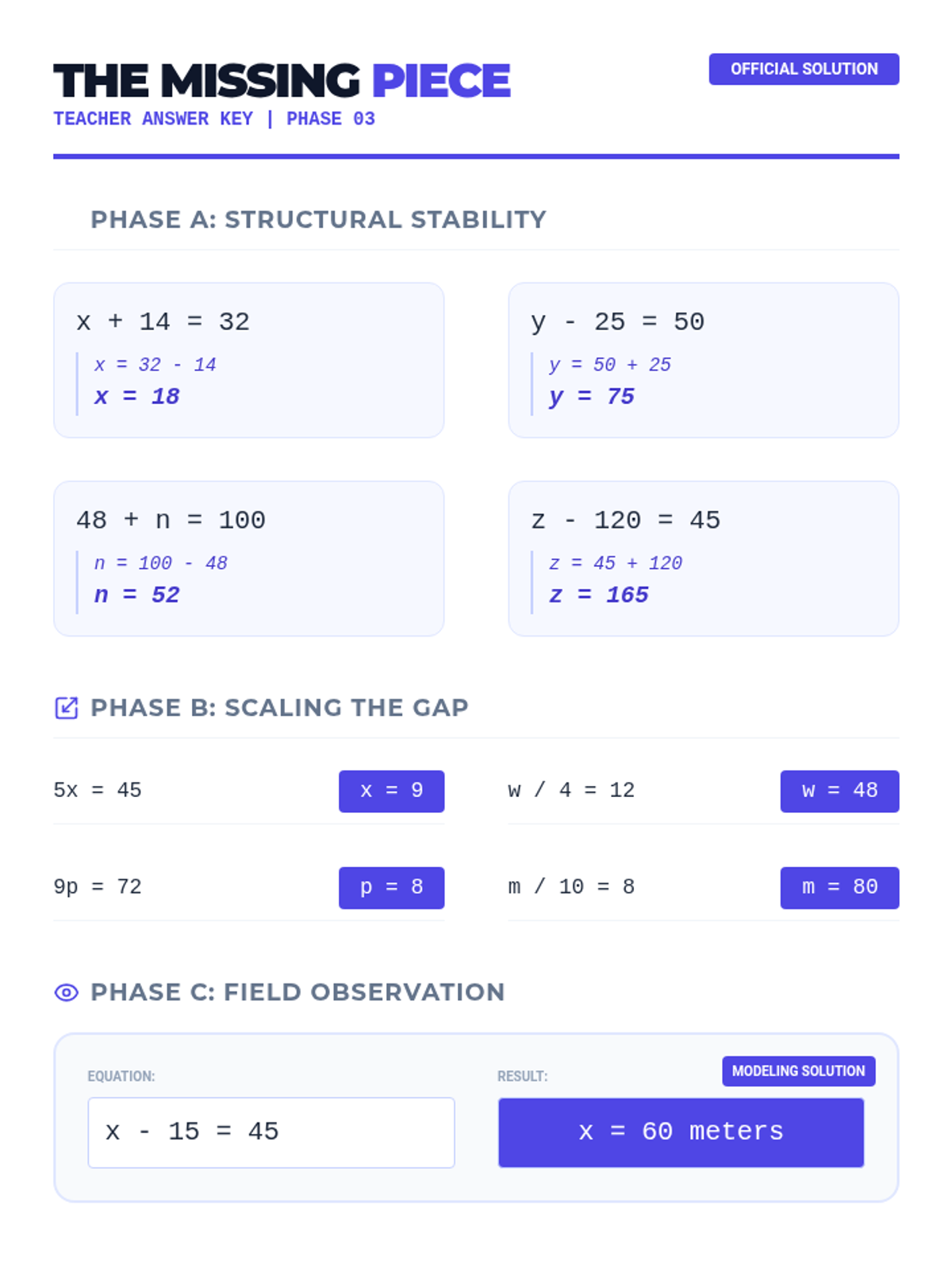
Introducing the concept of the unknown as a structural gap that needs to be filled, shifting from arithmetic to early algebraic thinking.
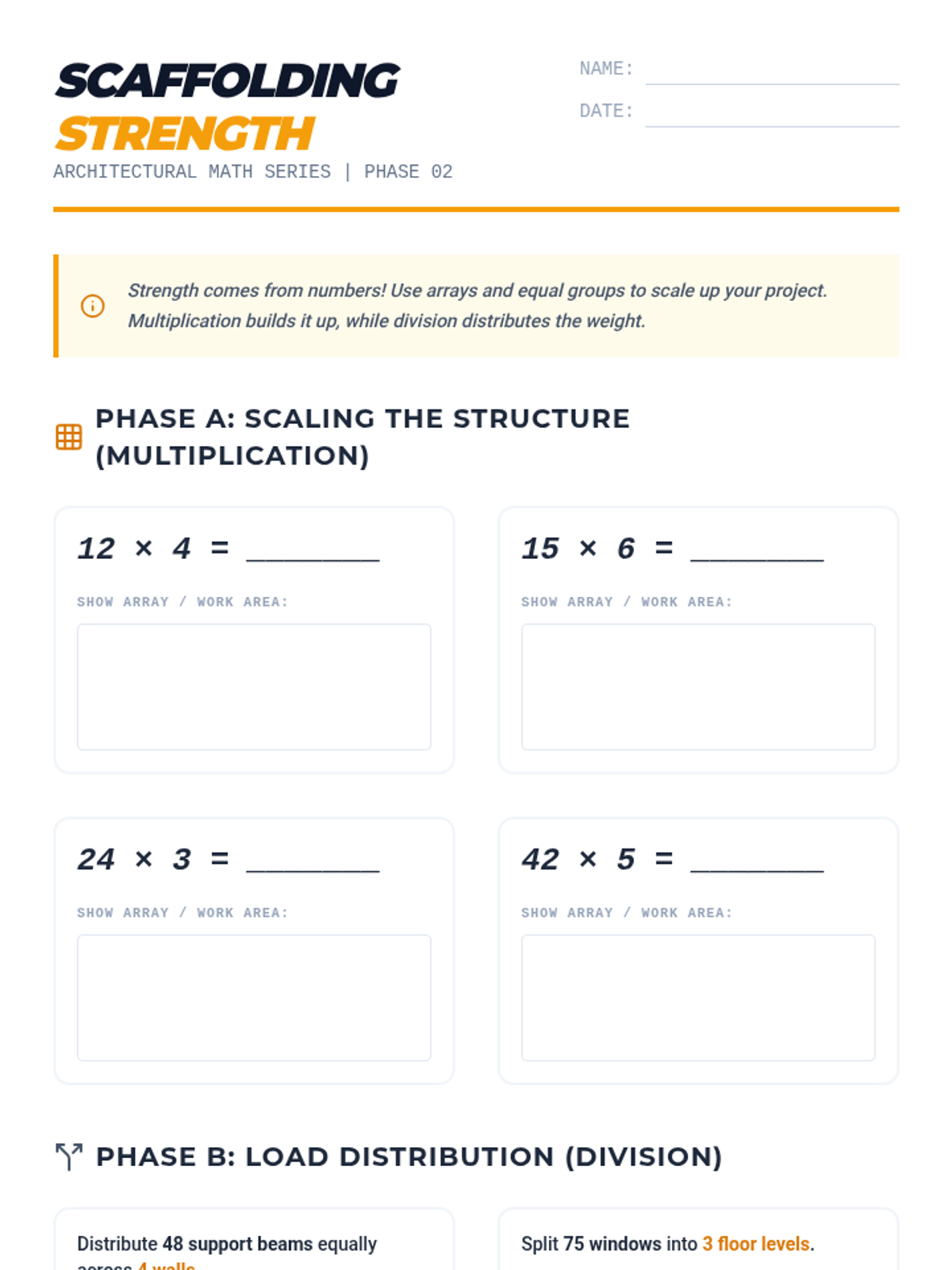
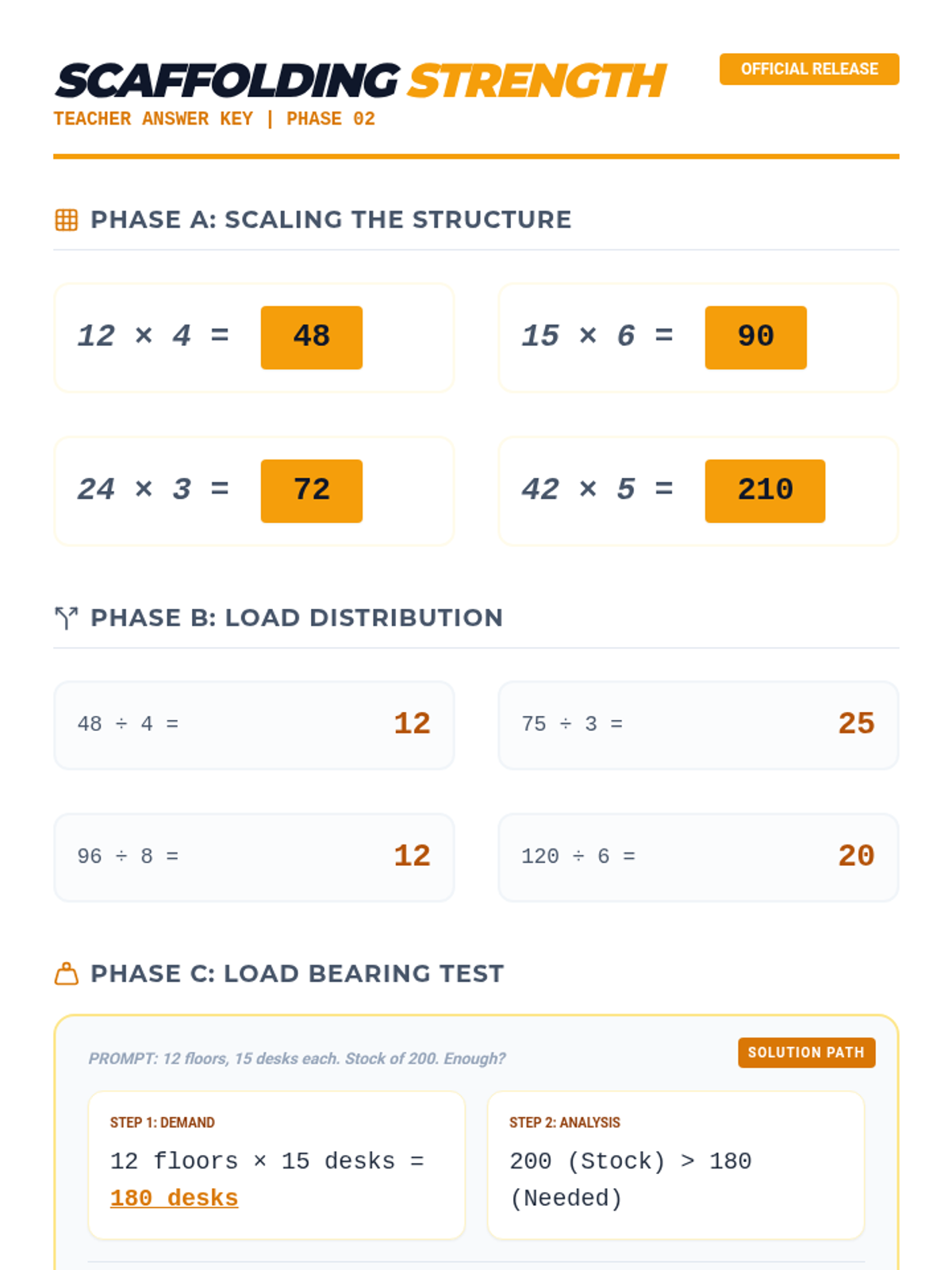
Scaling up operations with multiplication and division, exploring arrays and equal groups as the scaffolding for complex math.
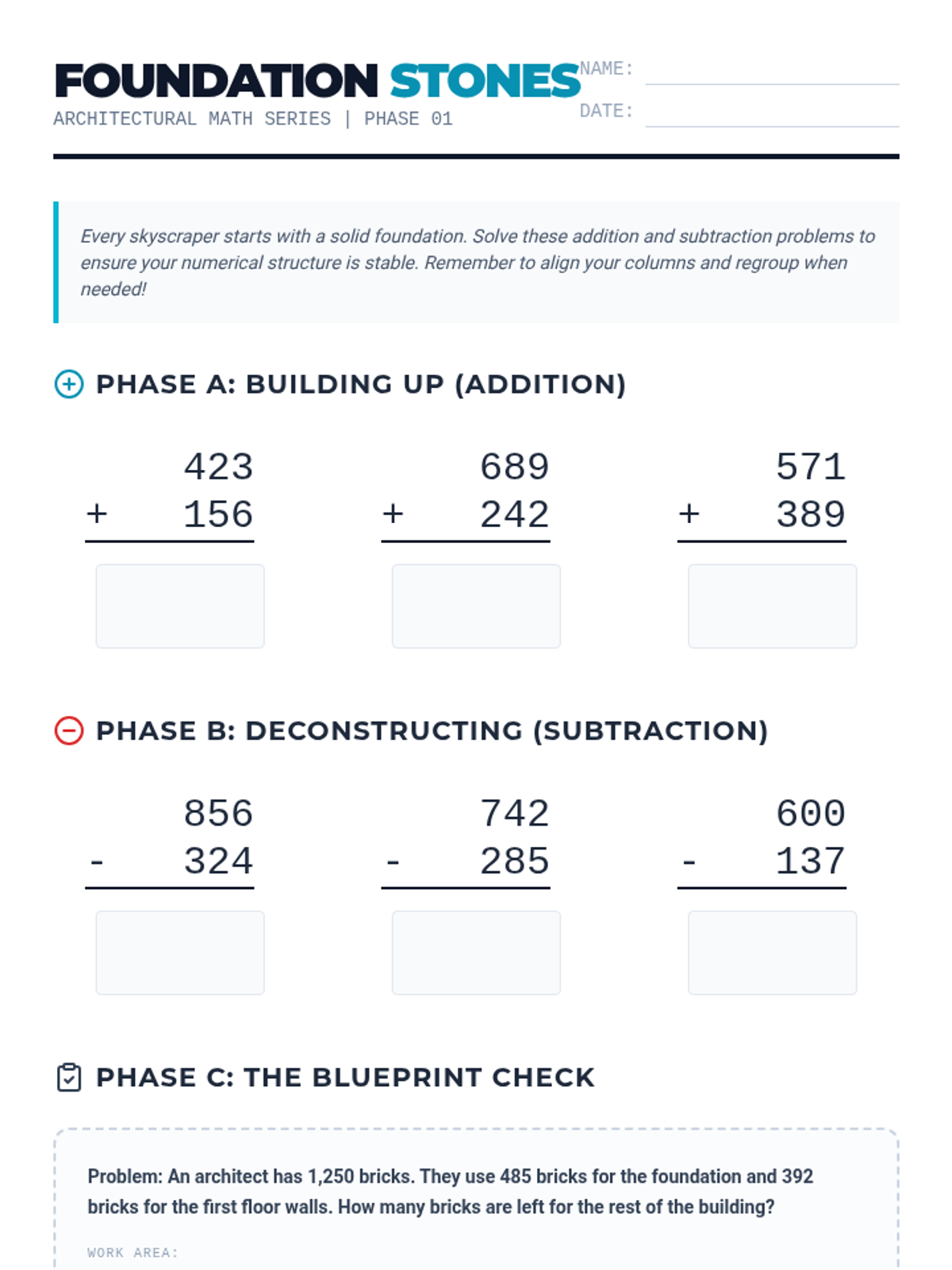
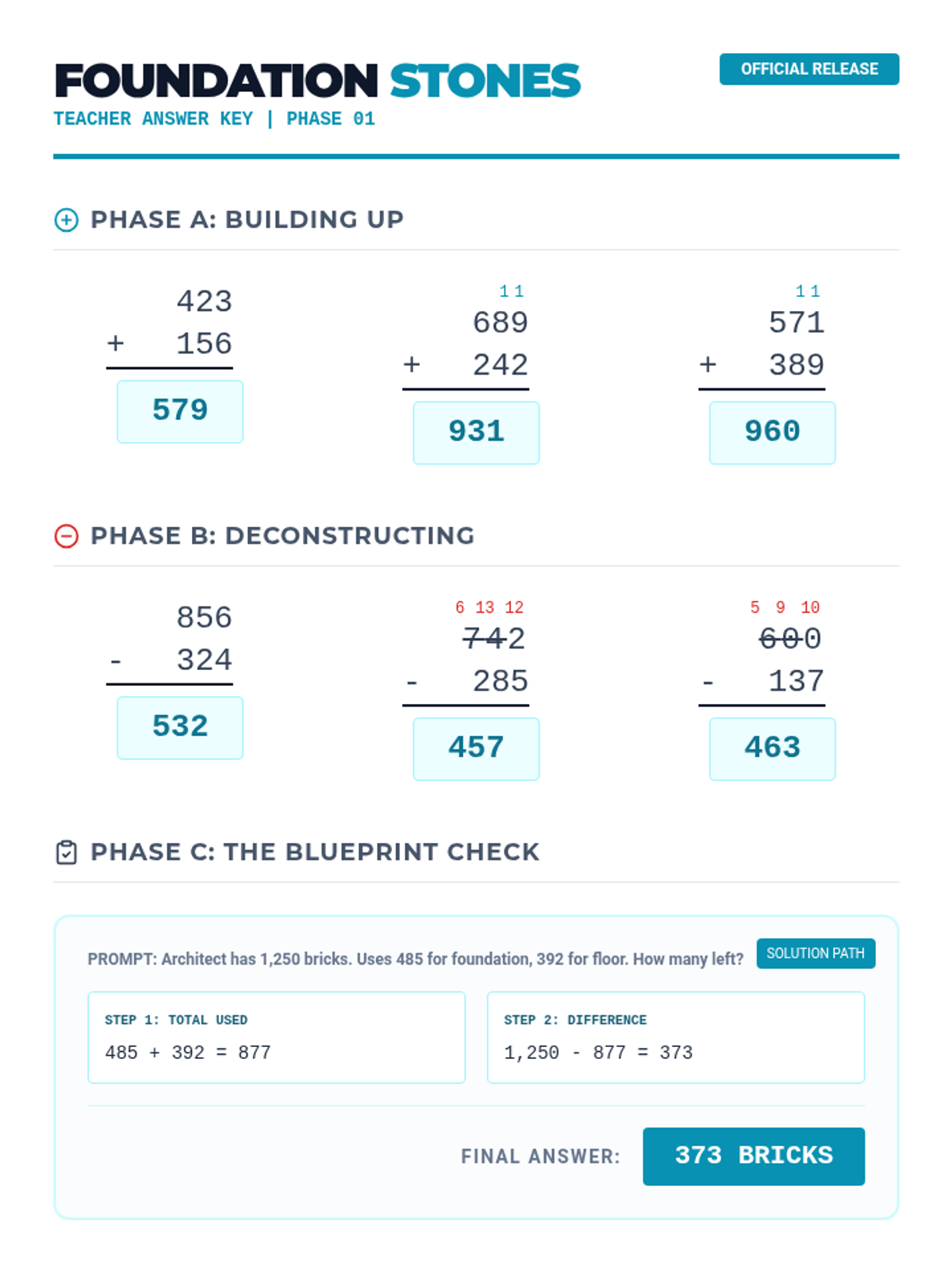
Mastering the core mechanics of addition and subtraction using place value and architectural grouping strategies.
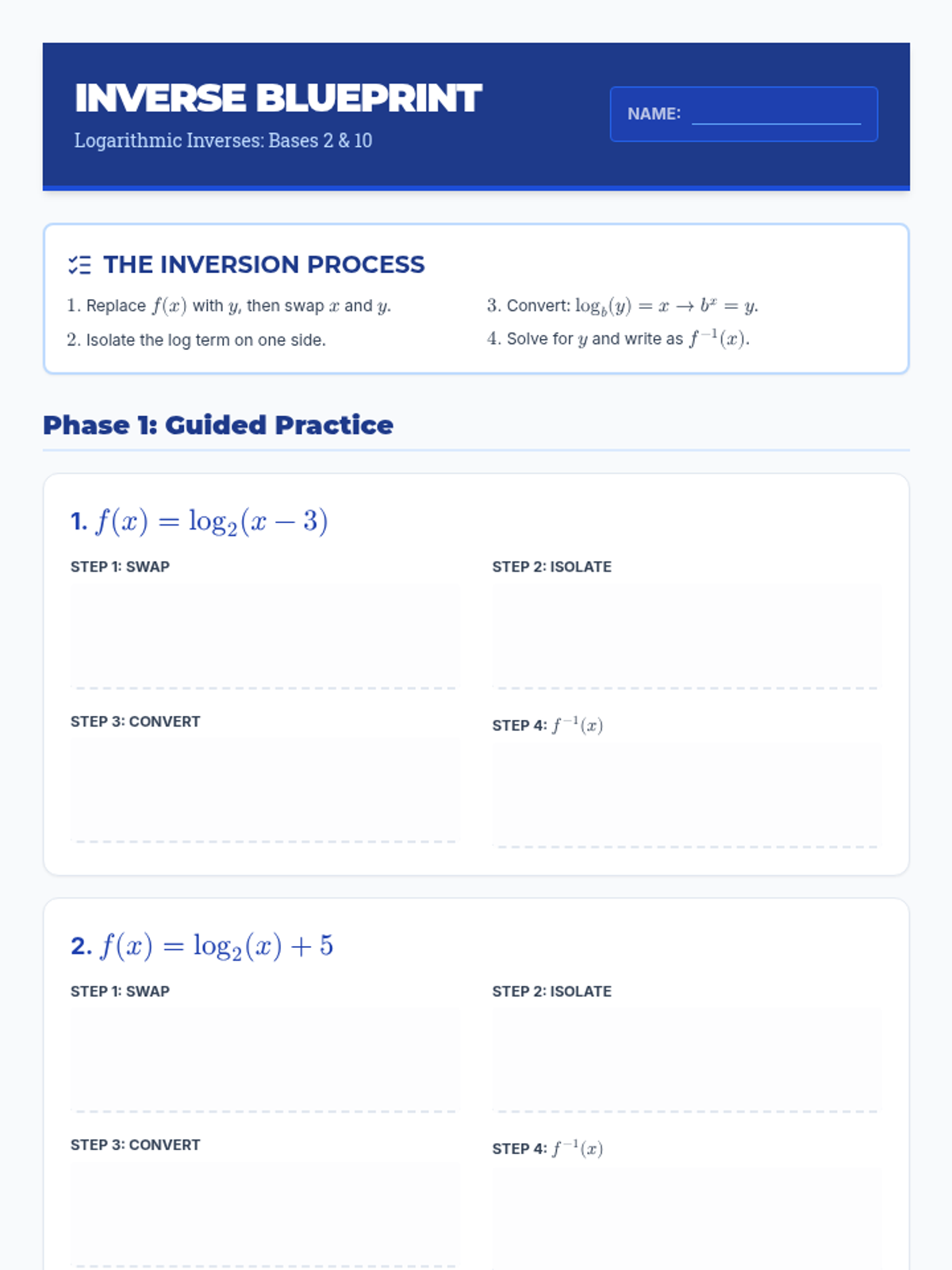
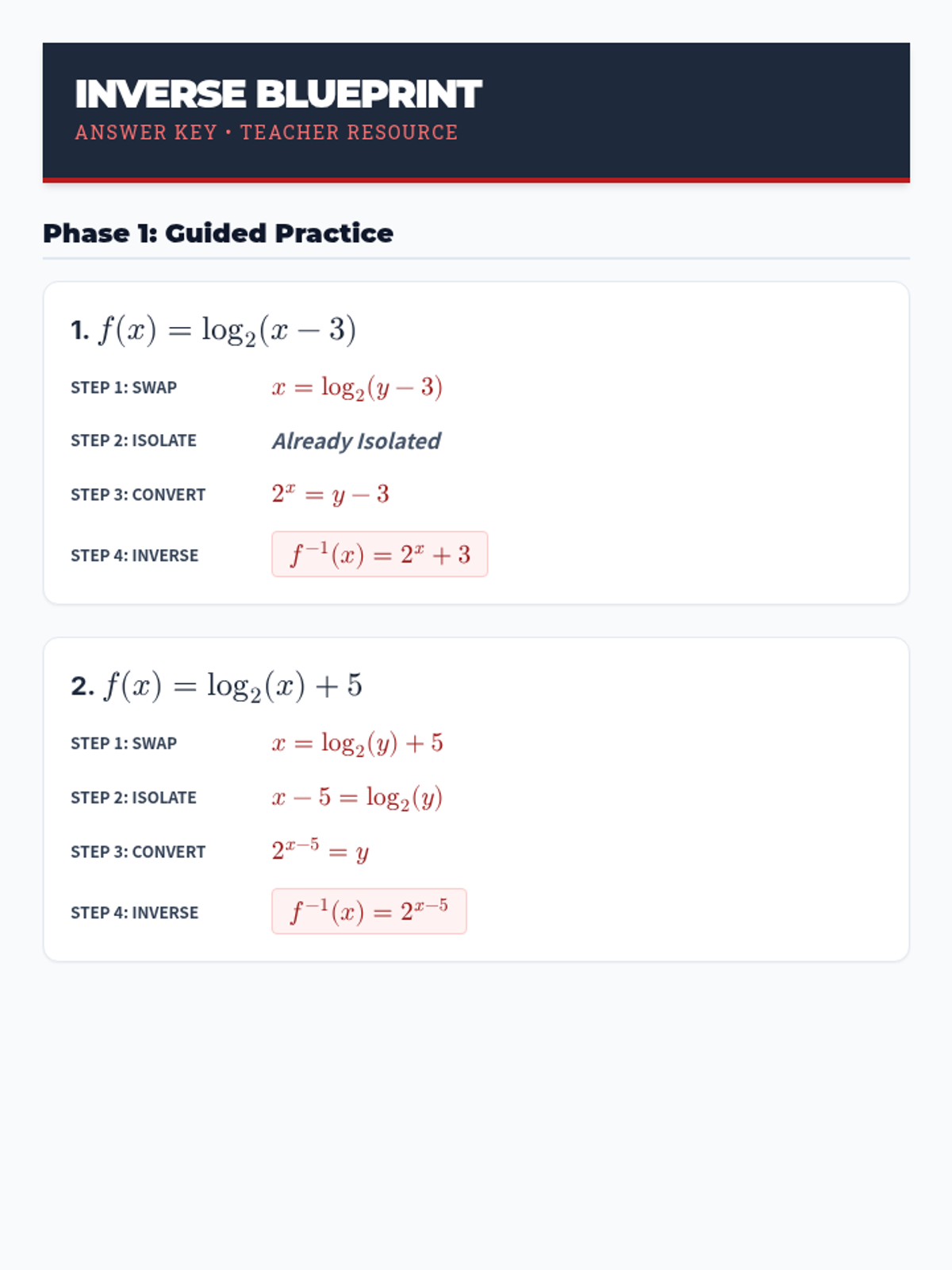
A focused lesson on finding the inverse of basic logarithmic functions using algebraic steps, specifically focusing on base 10 and base 2.

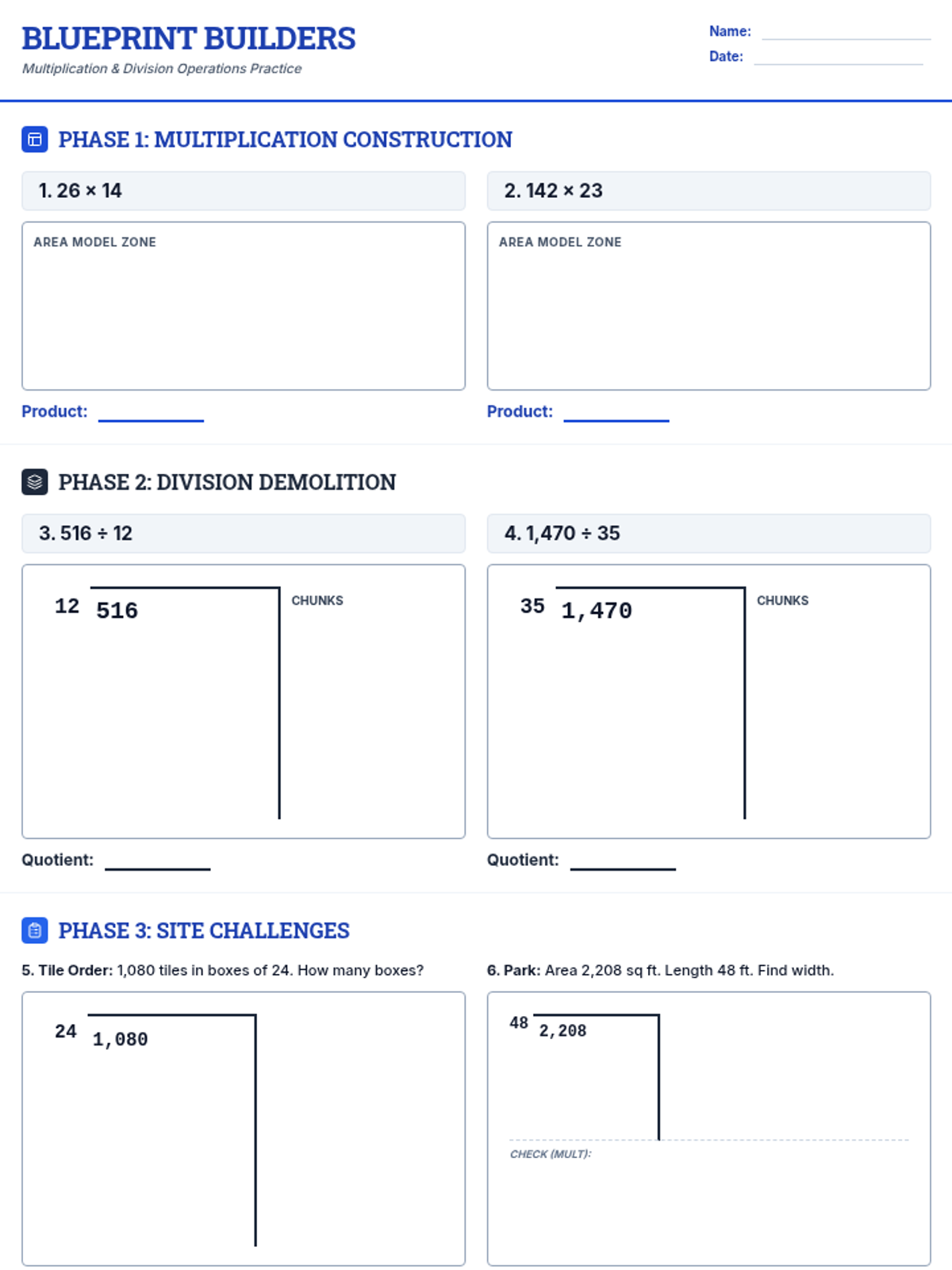
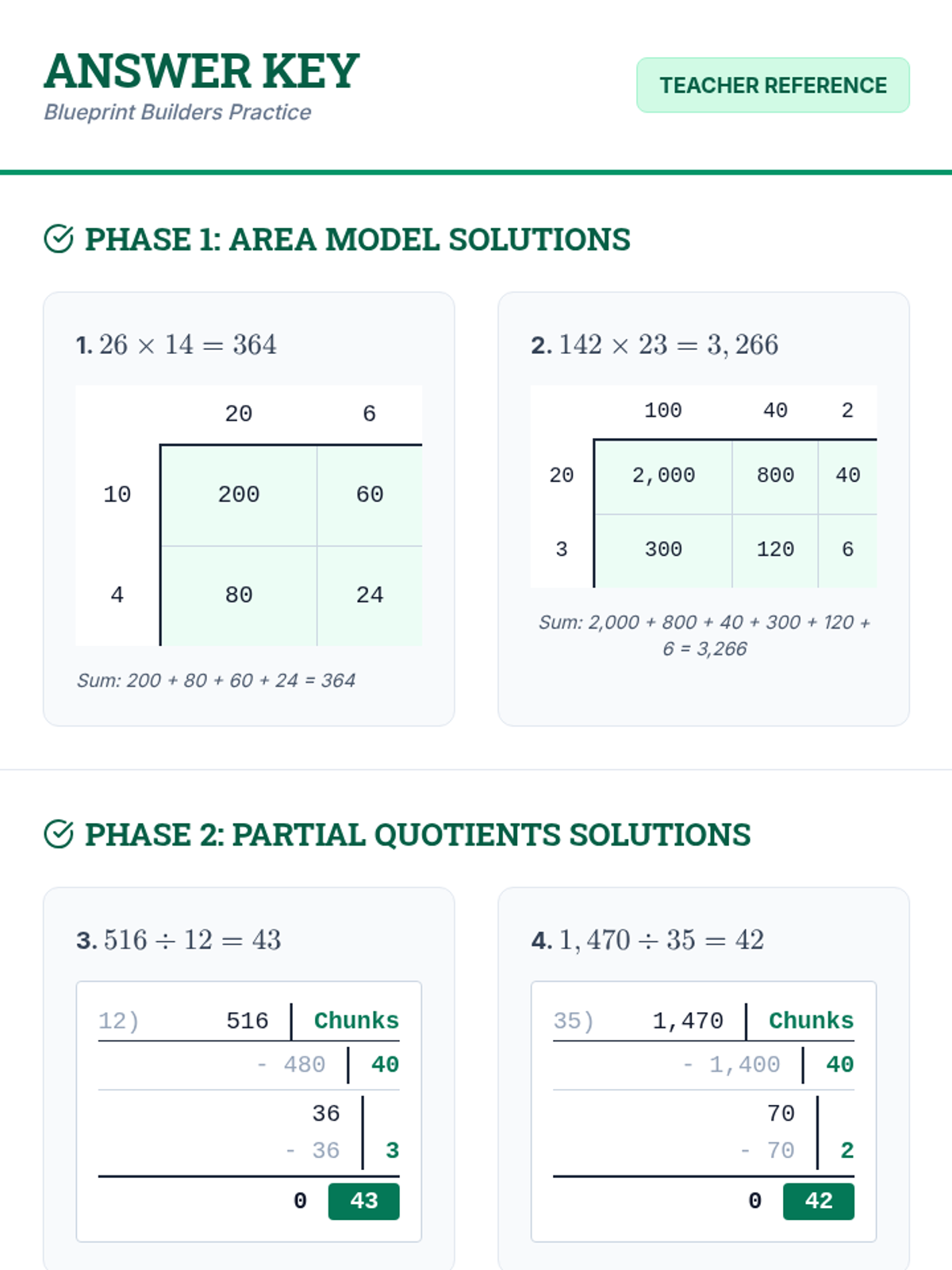
A comprehensive lesson on multi-digit multiplication and division using area models and partial quotients, highlighting the inverse relationship between these operations.
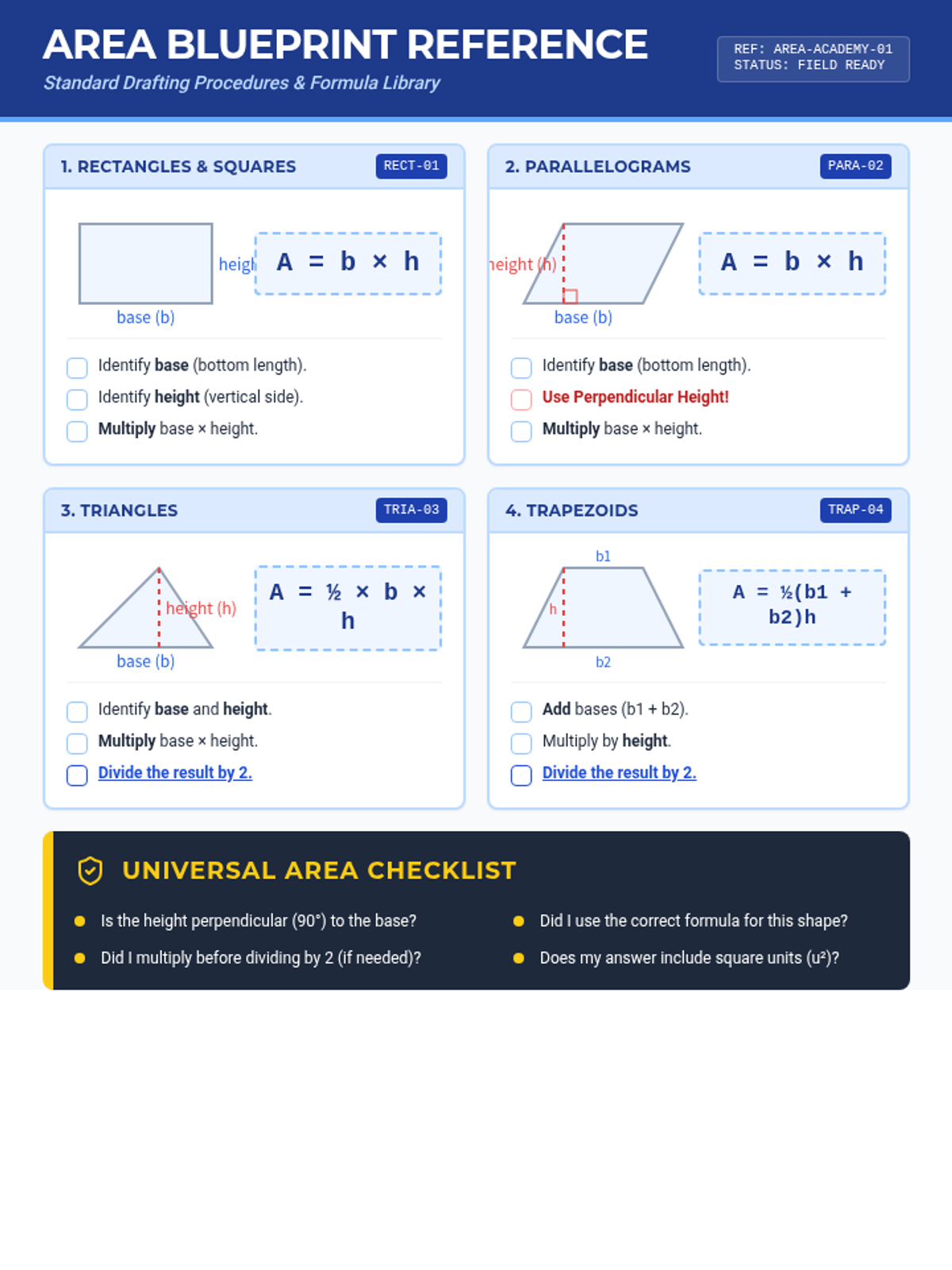
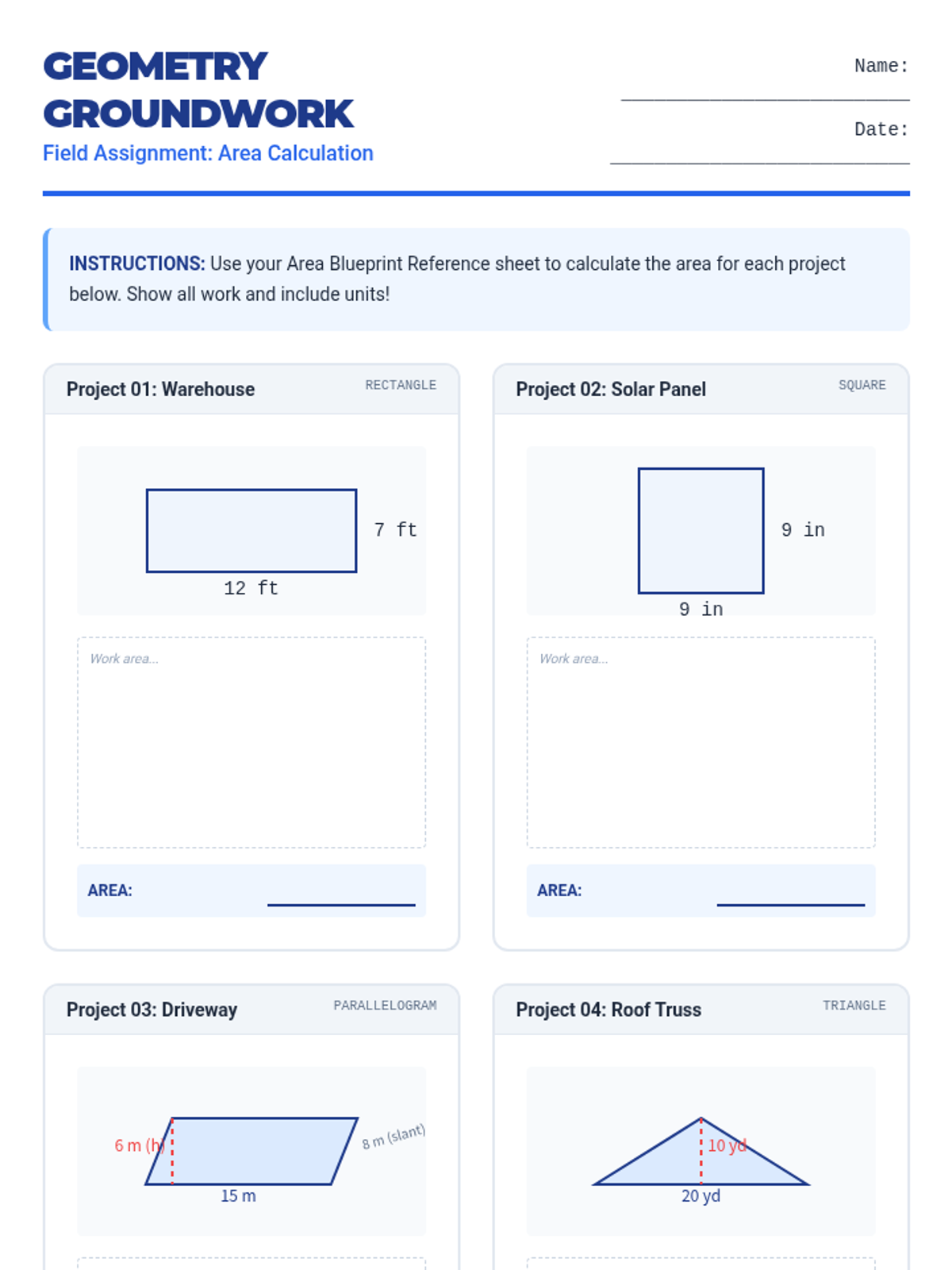
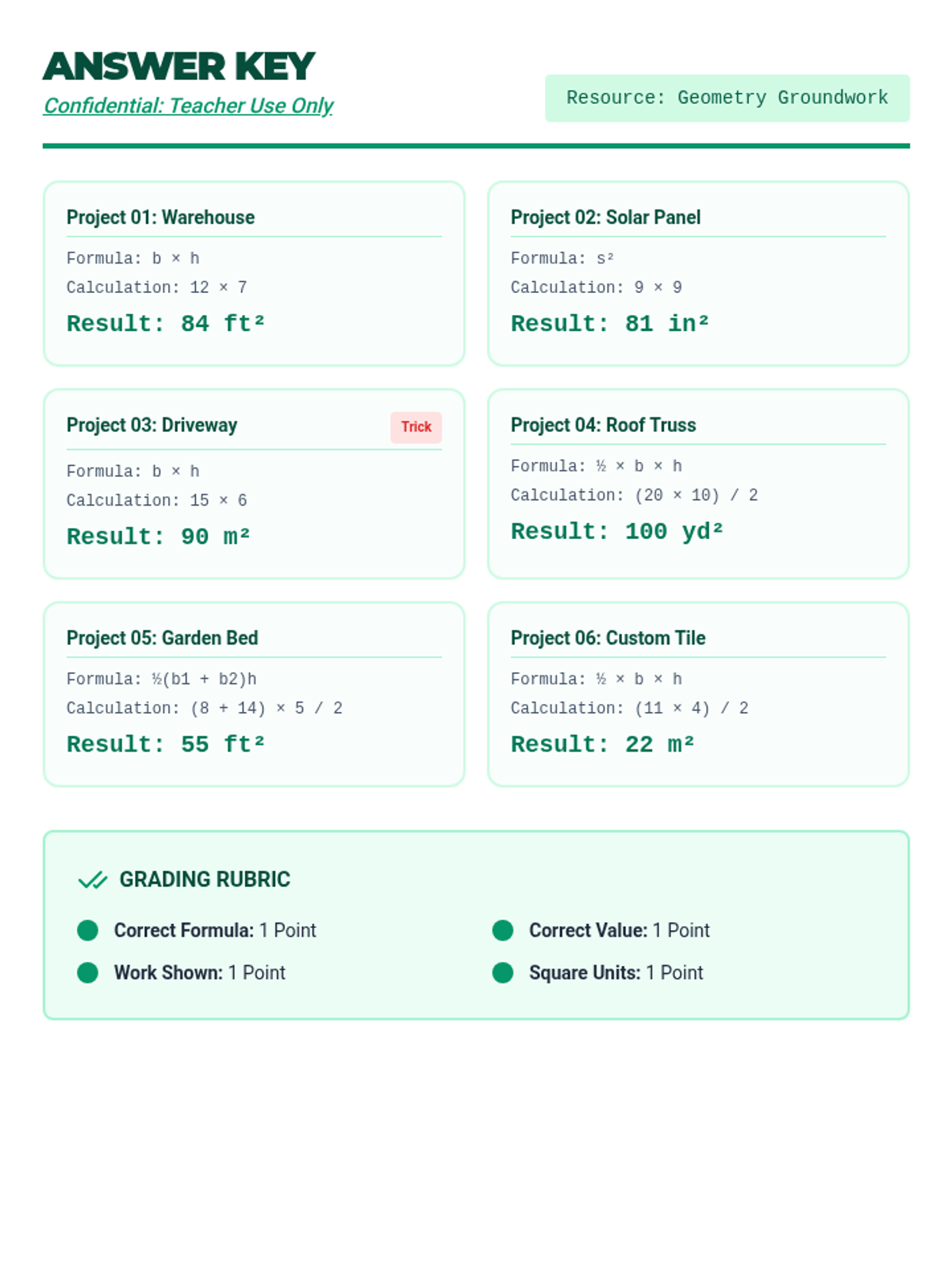
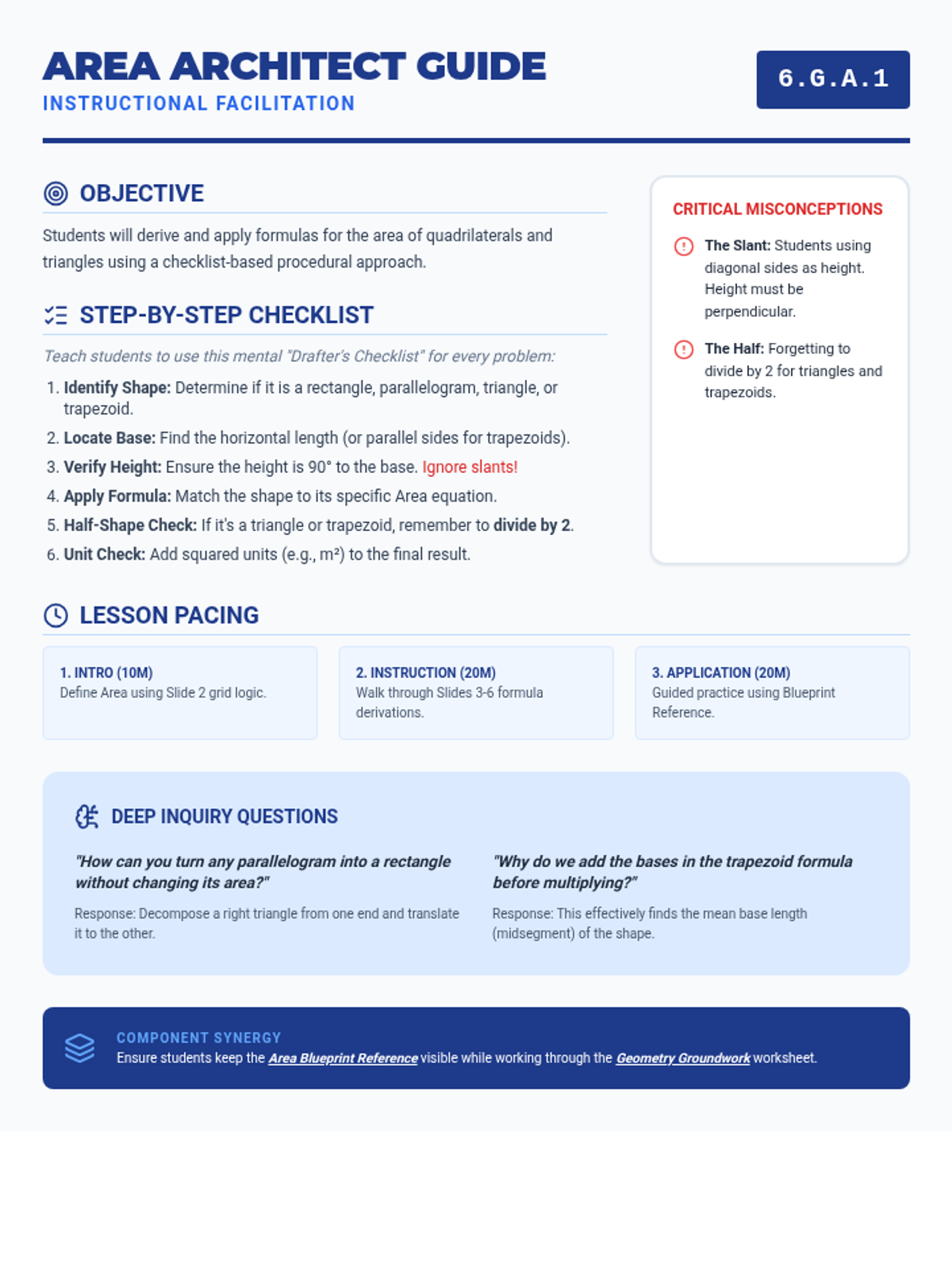
Students will learn to identify base and height dimensions and apply formulas to find the area of various quadrilaterals and triangles using step-by-step checklists.
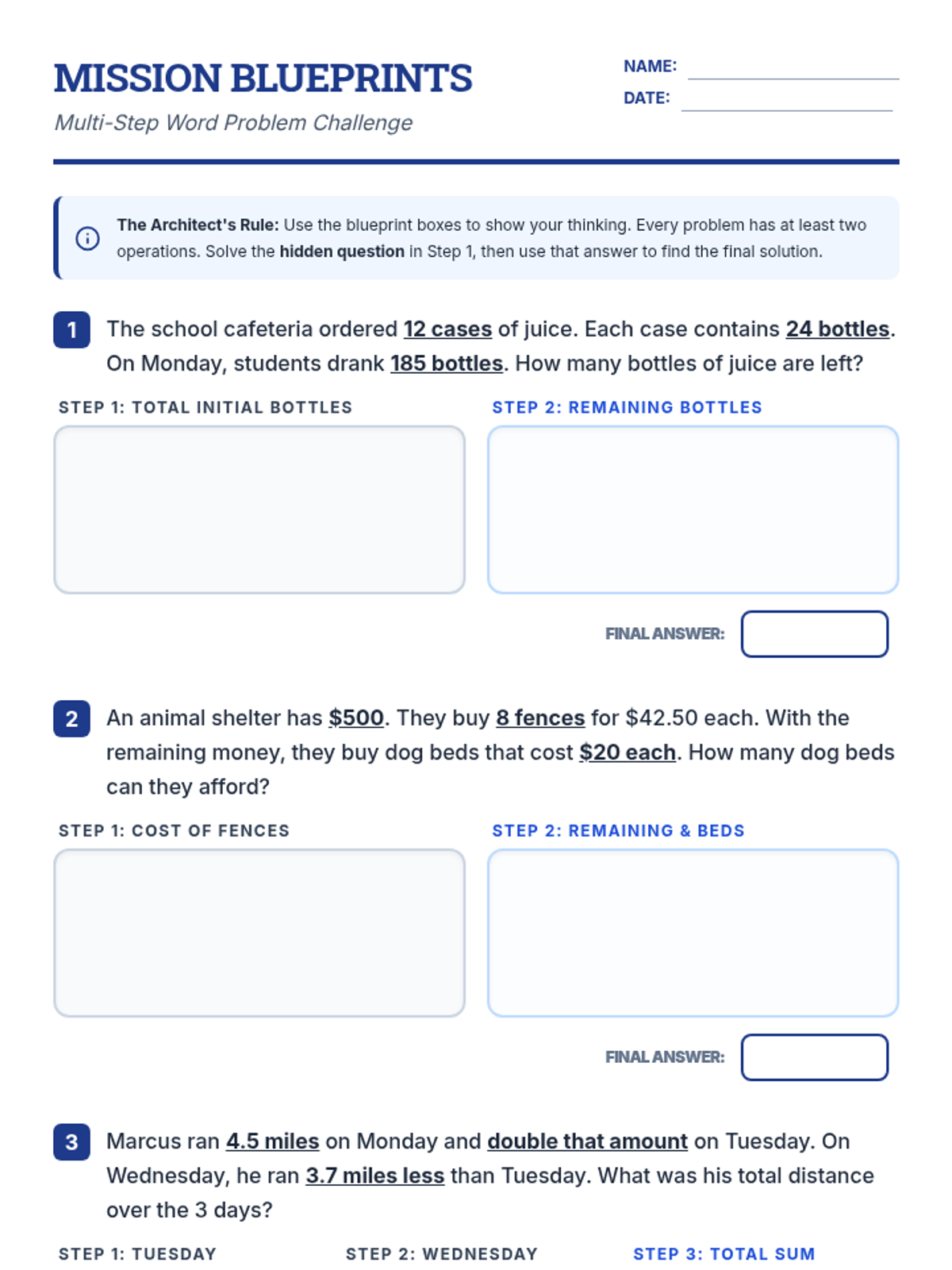
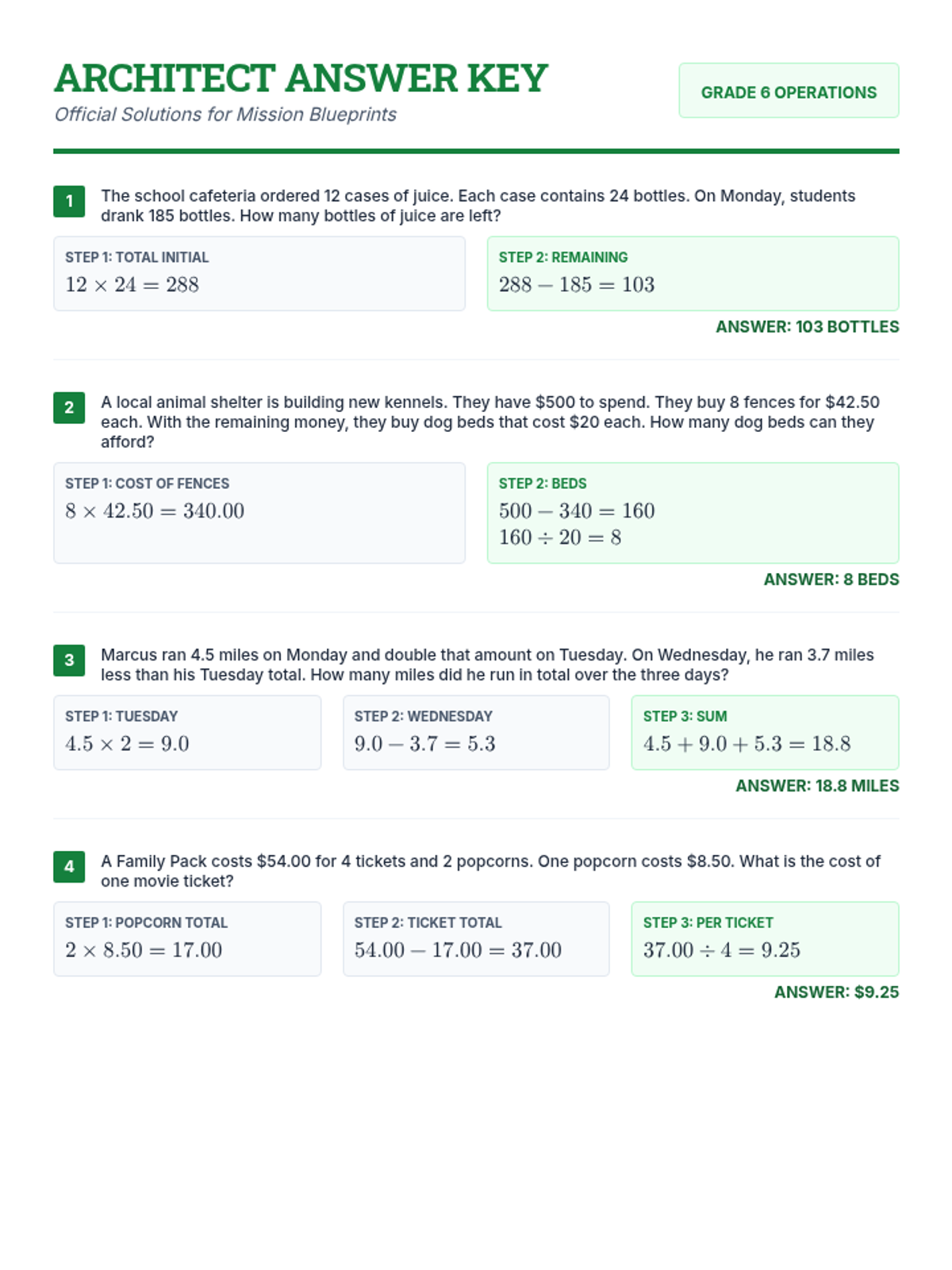
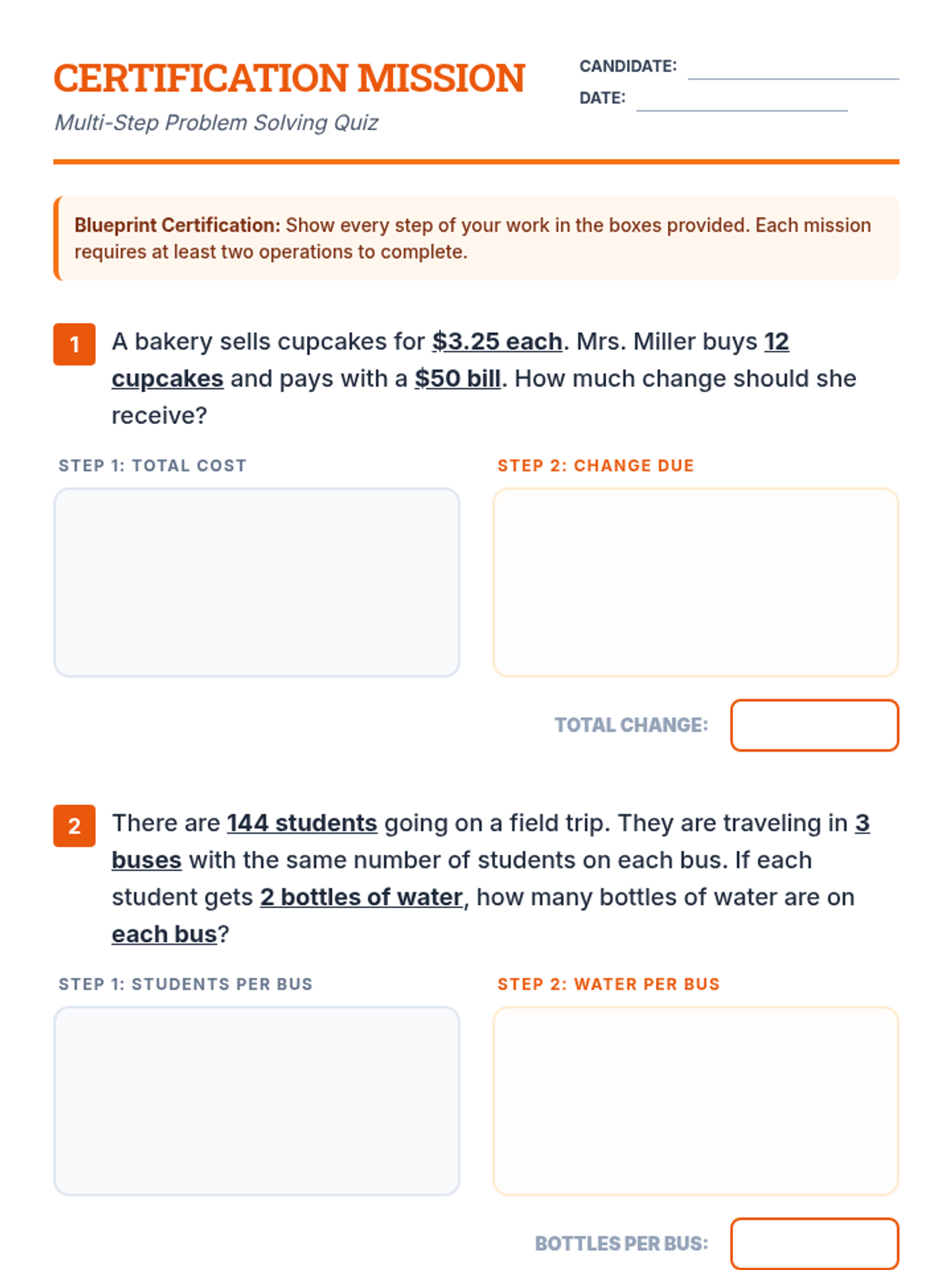
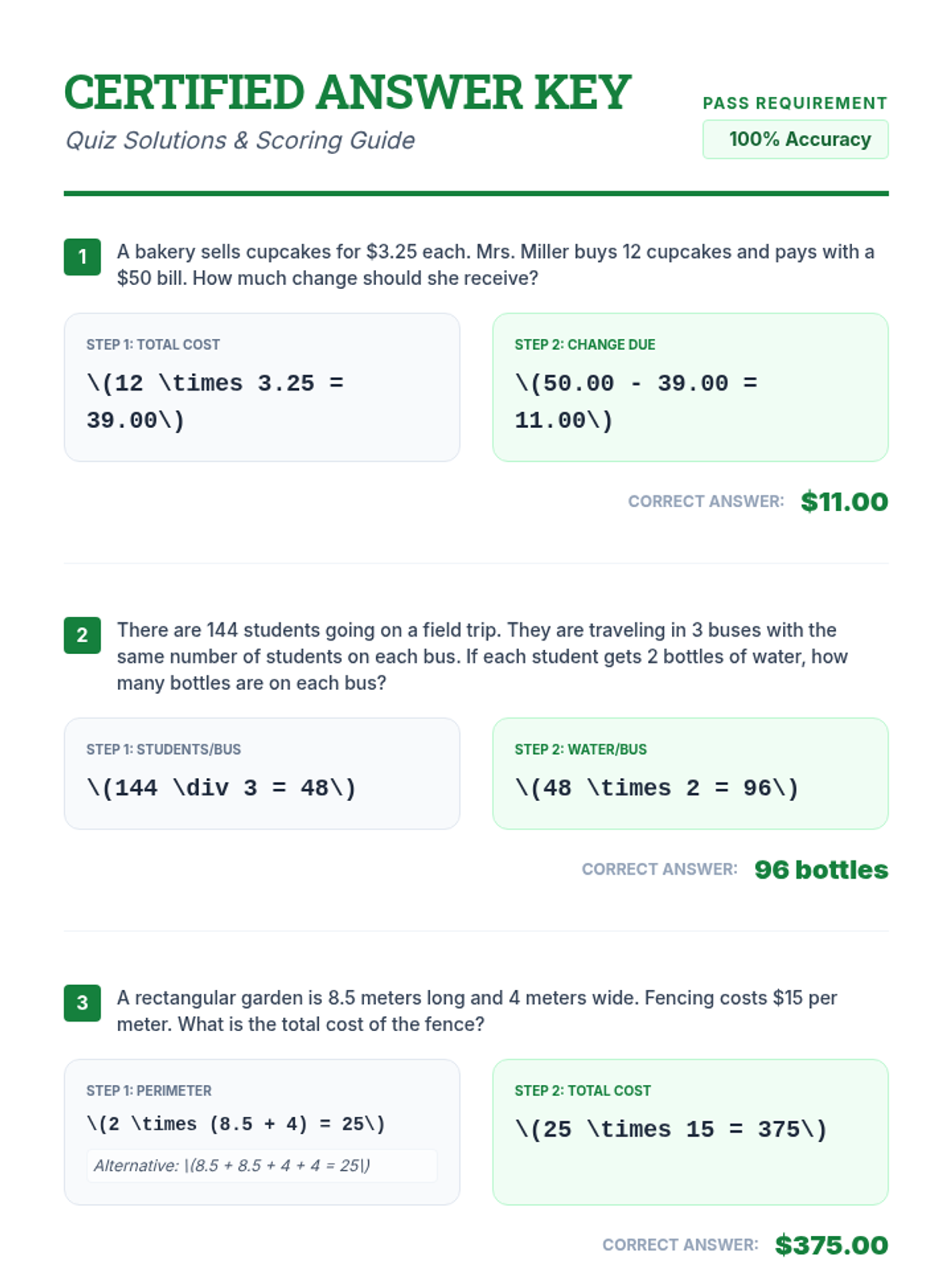
Students learn to use graphic organizer 'blueprints' to decompose multi-step word problems involving addition, subtraction, multiplication, and division into manageable steps.
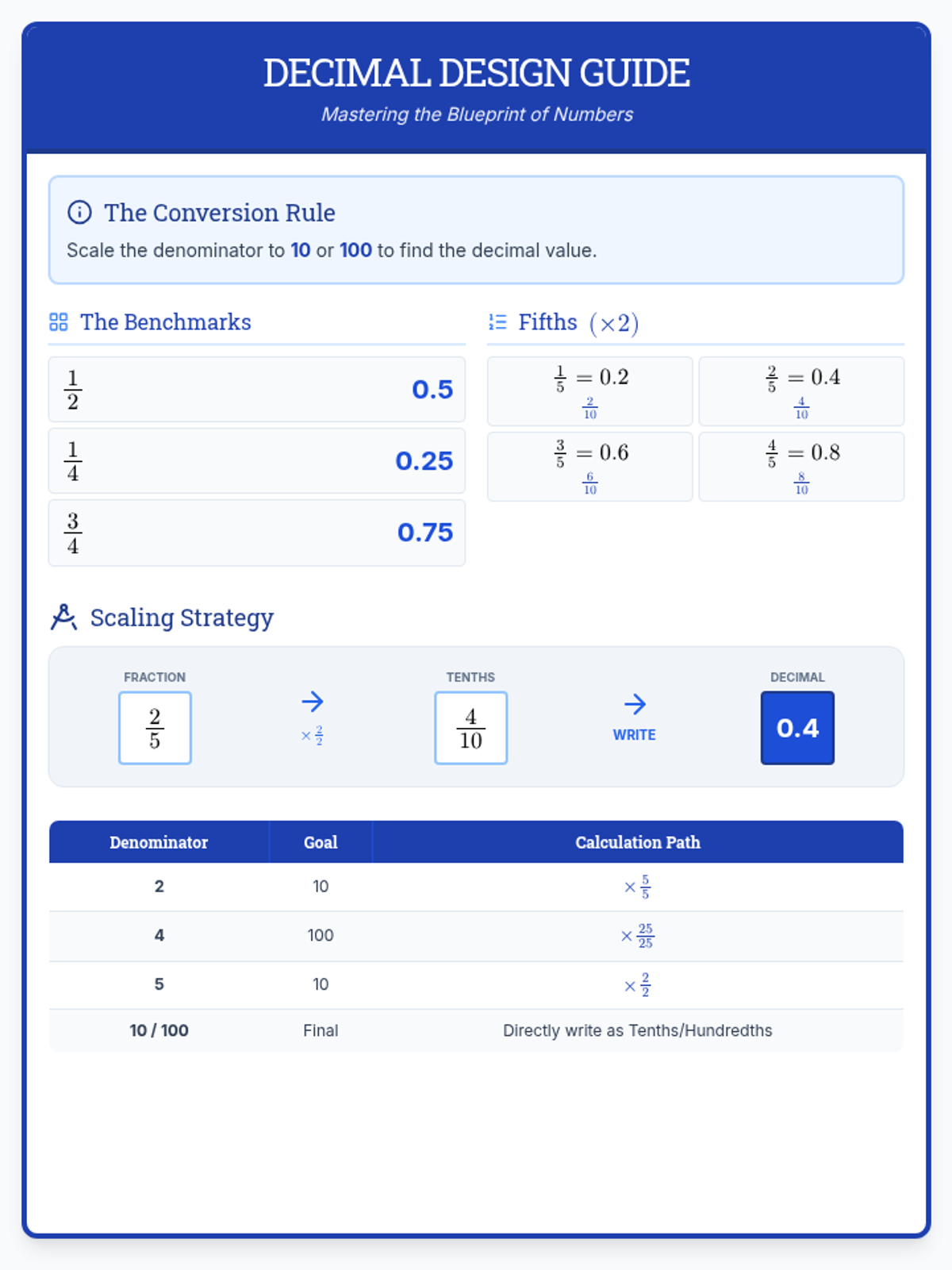
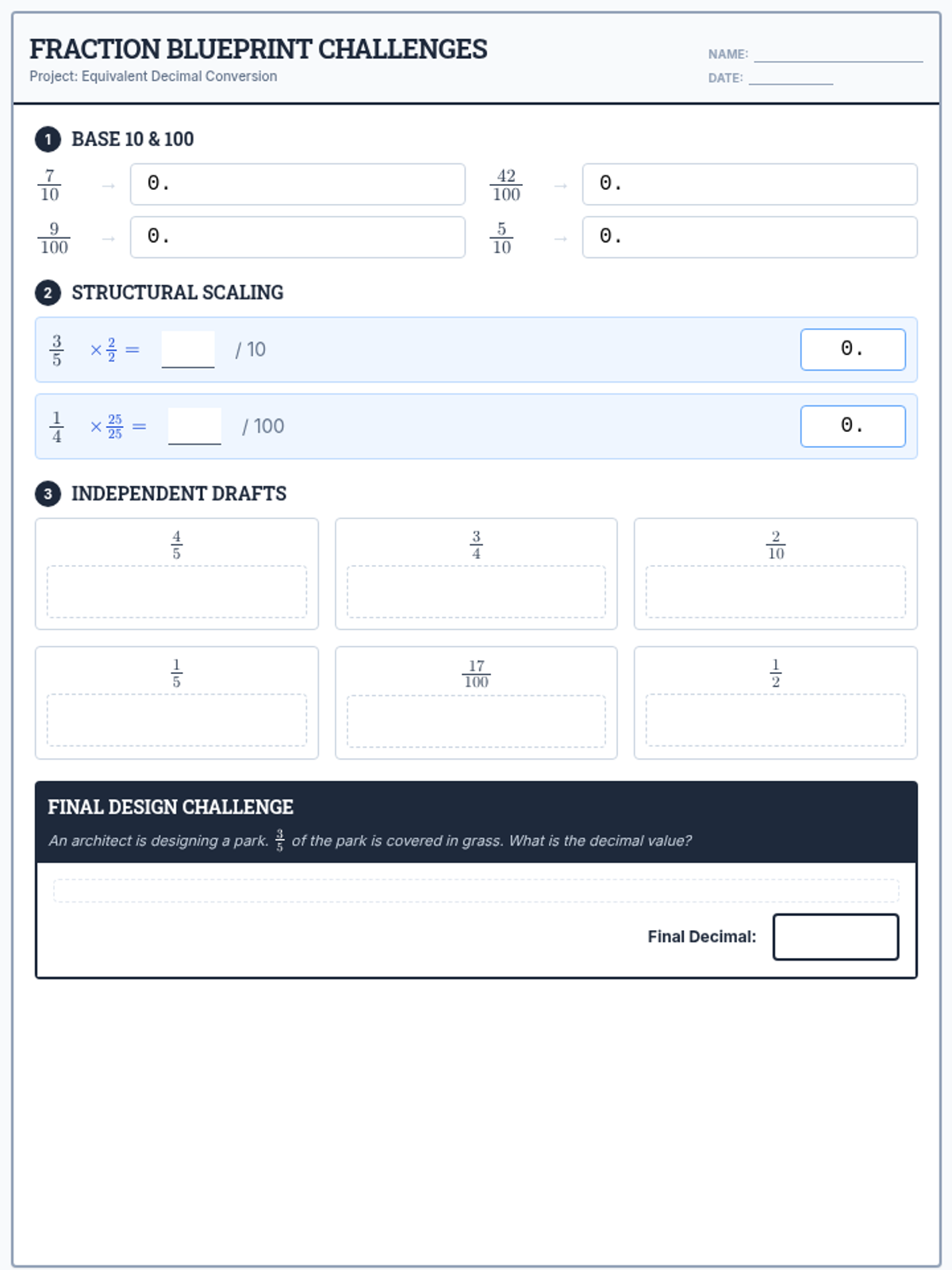
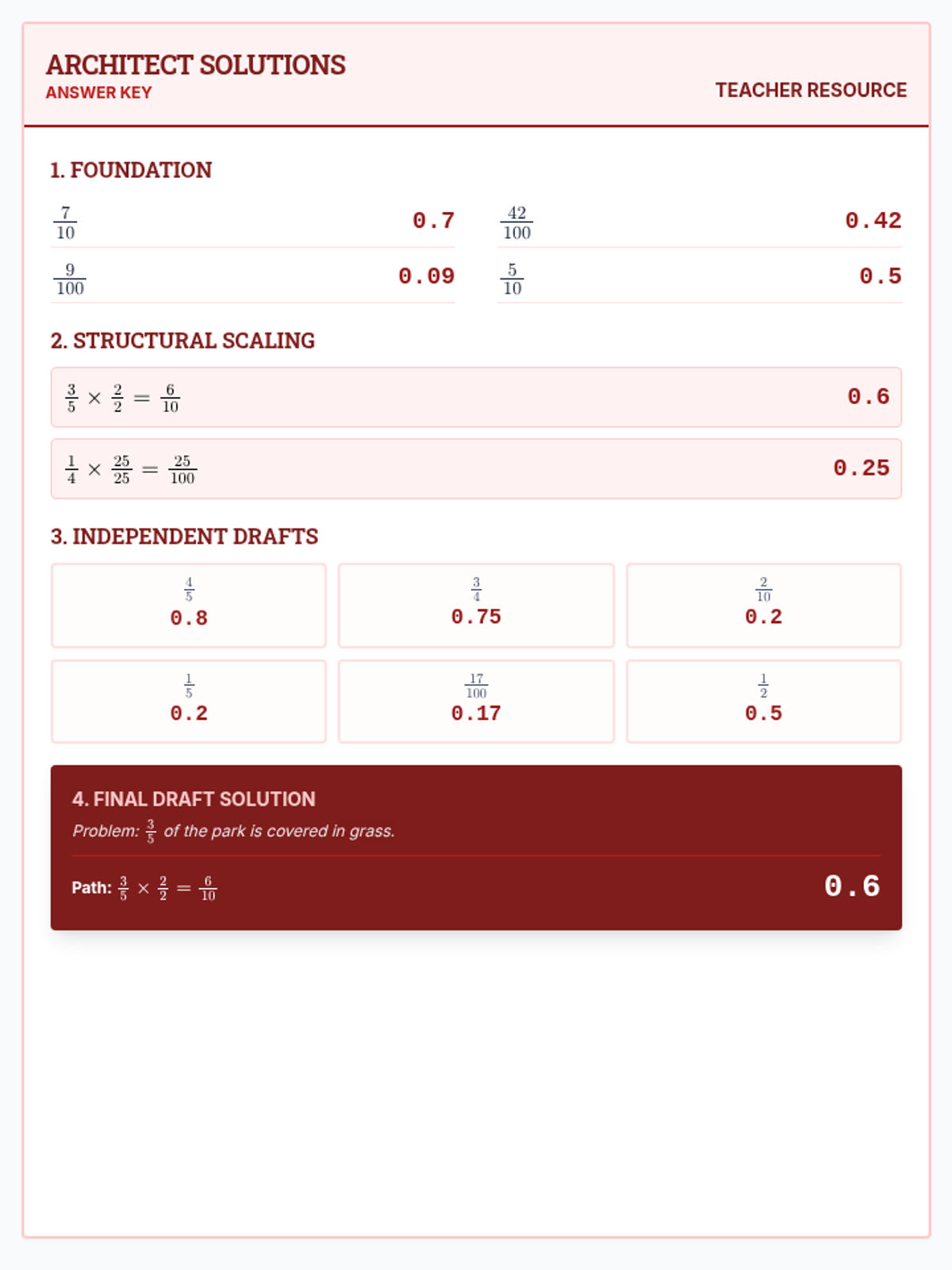
A focused lesson on converting common fractions with denominators of 2, 4, 5, 10, and 100 into their decimal equivalents through visual models and scaling strategies.
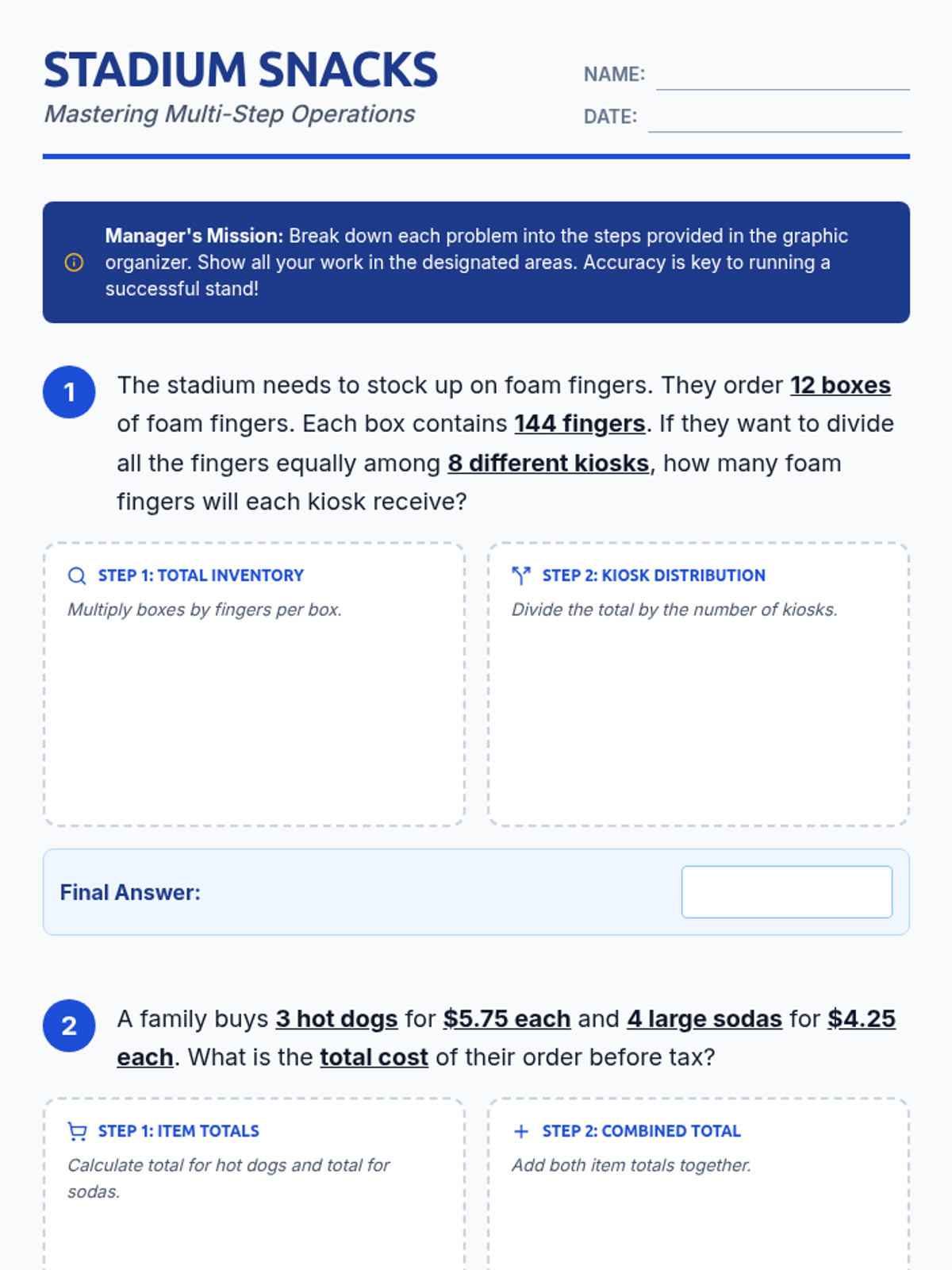
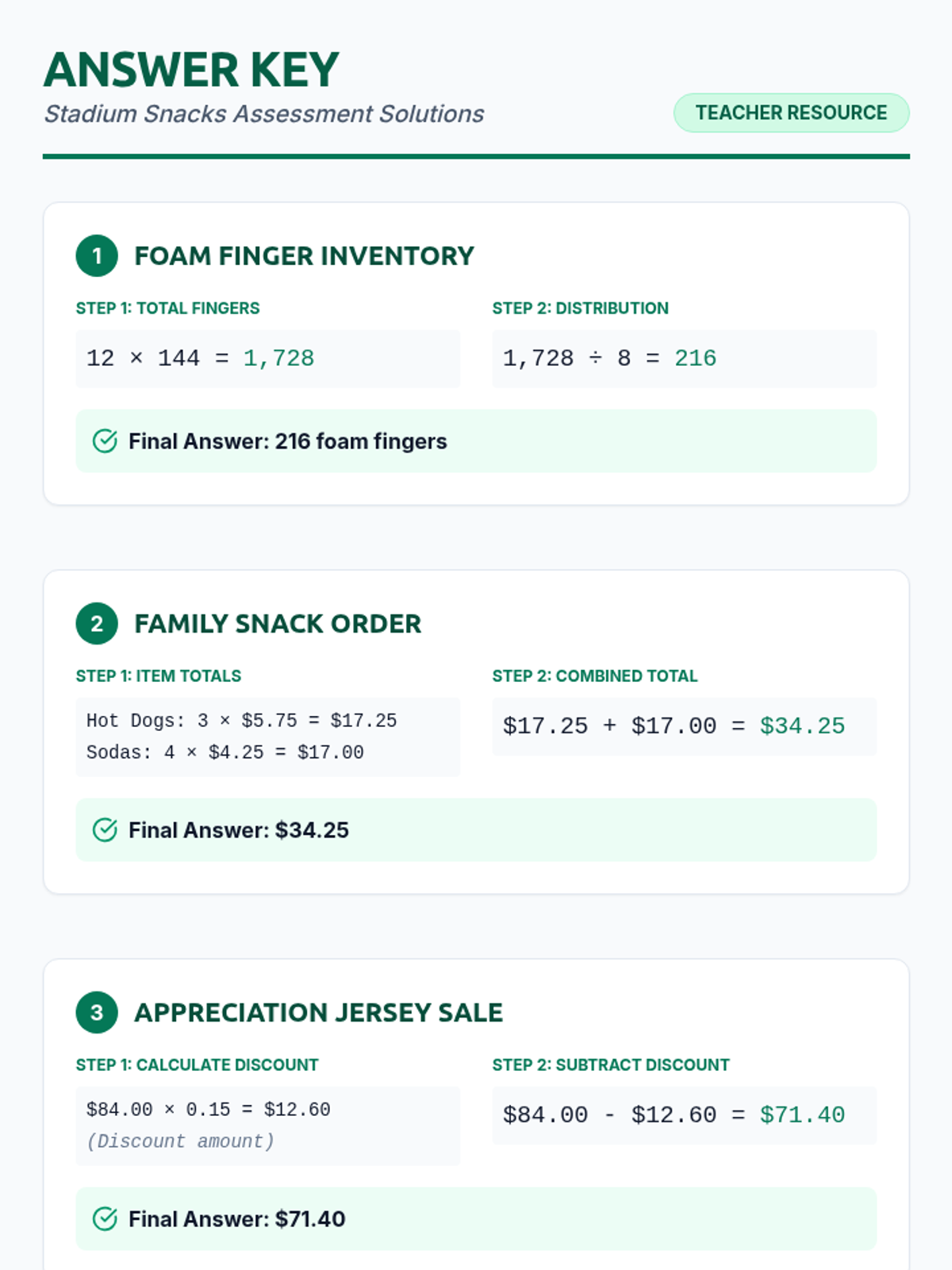
A multi-step math assessment focused on decimals, percentages, and whole number operations within a stadium concession stand theme. Students use graphic organizers to break down complex problems into manageable steps.
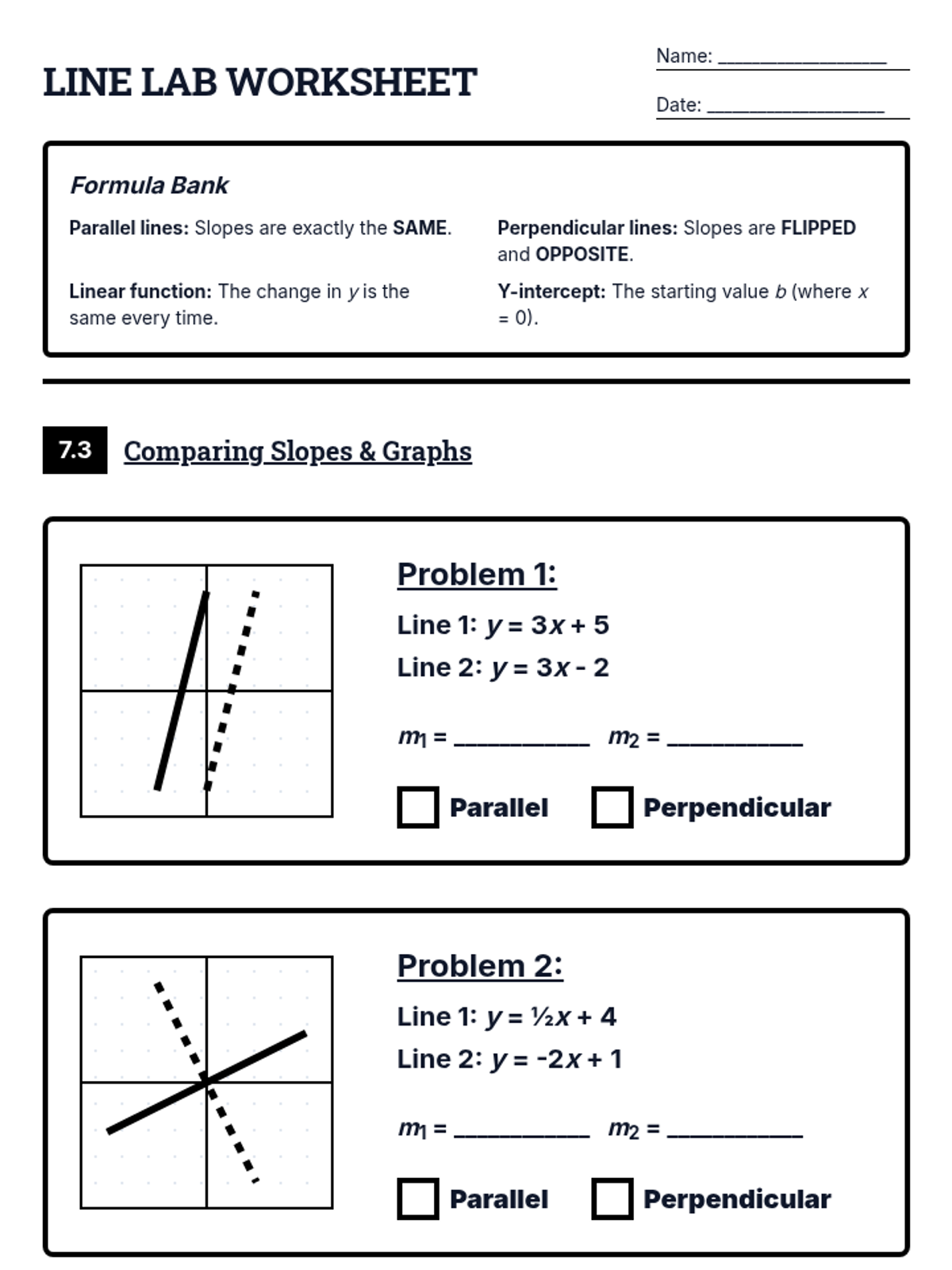
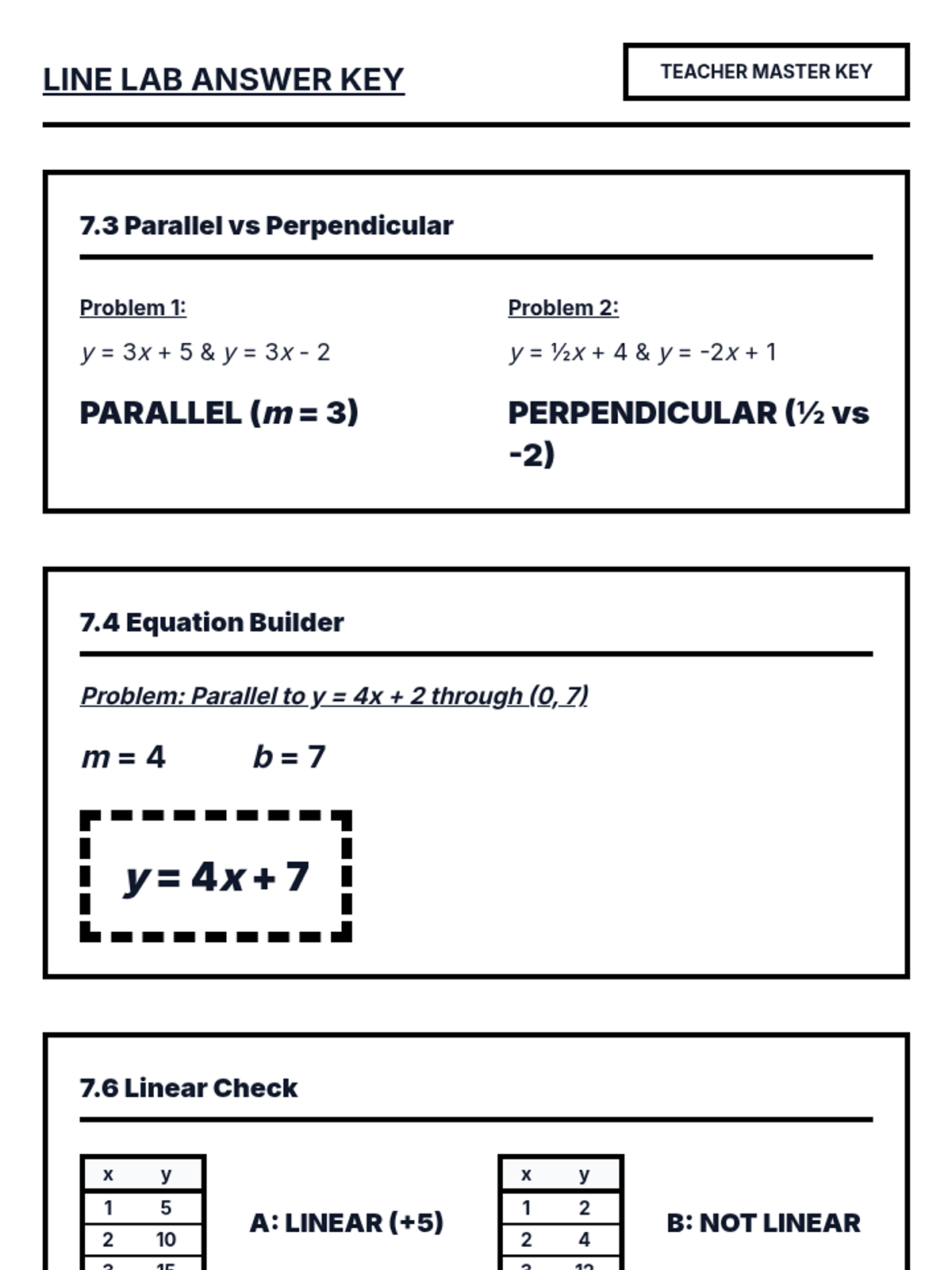
A comprehensive lesson on linear relationships, covering parallel and perpendicular lines, writing equations, and interpreting linear models in real-world contexts, specifically scaffolded for students with IEPs.
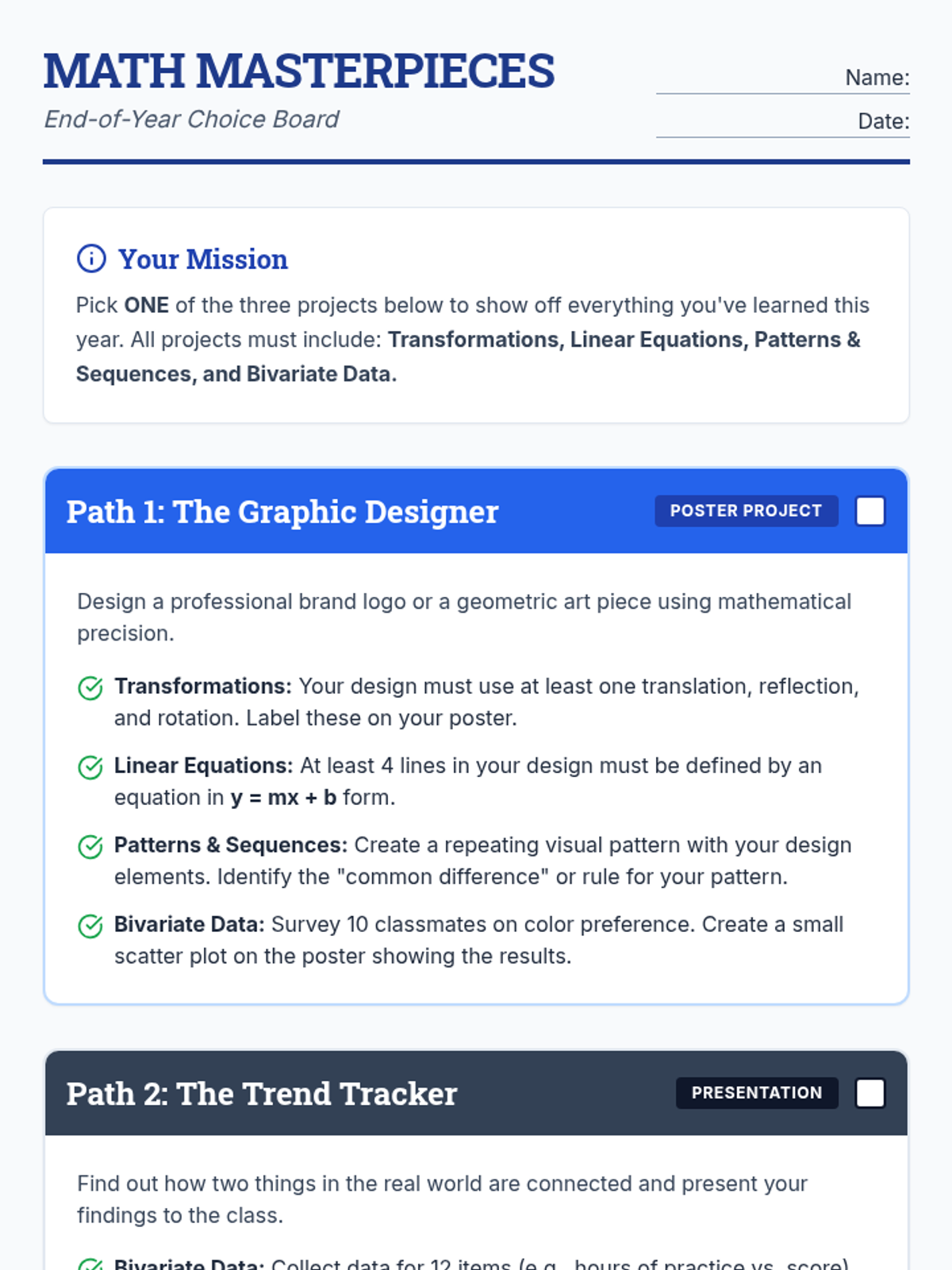
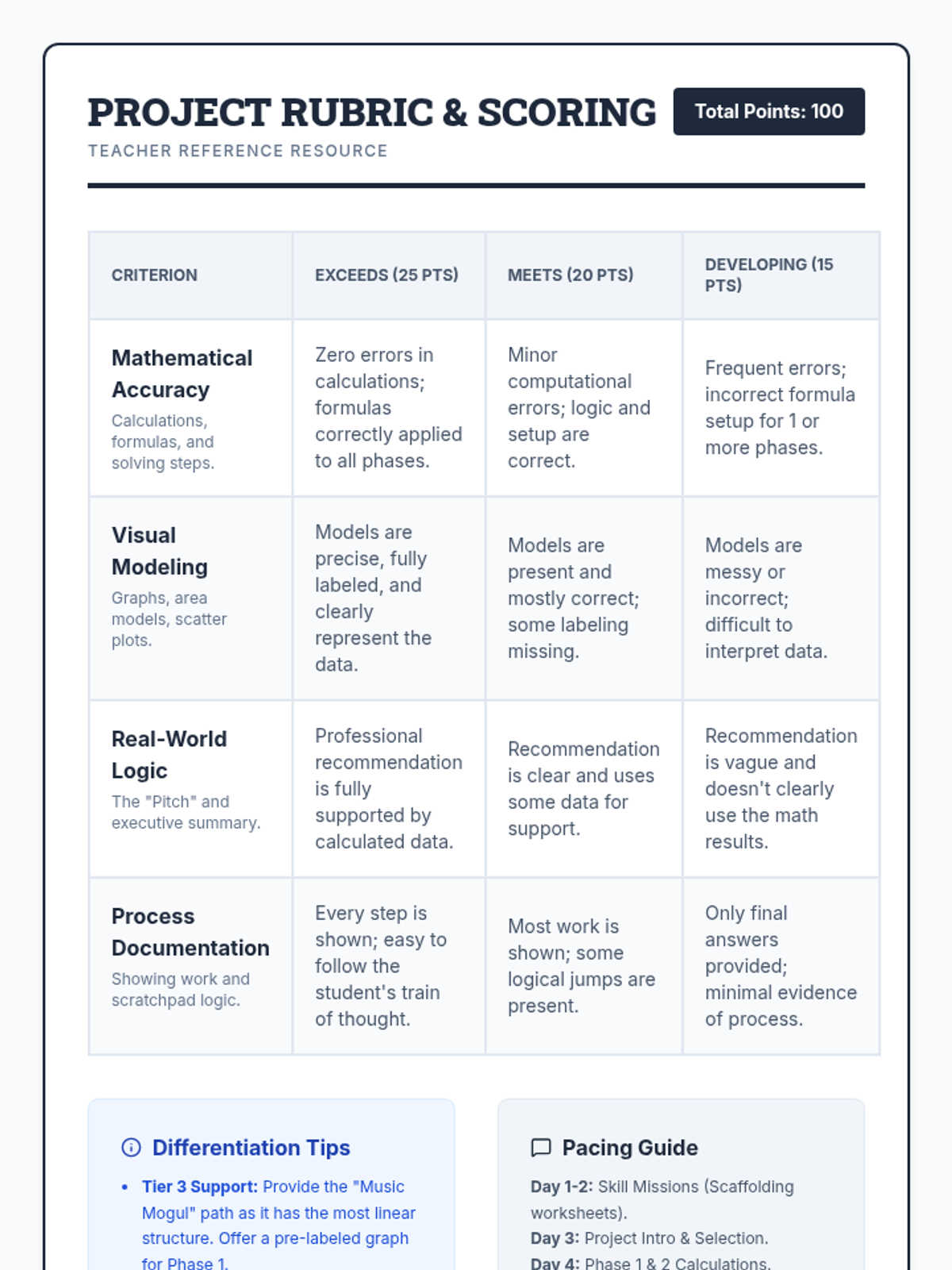
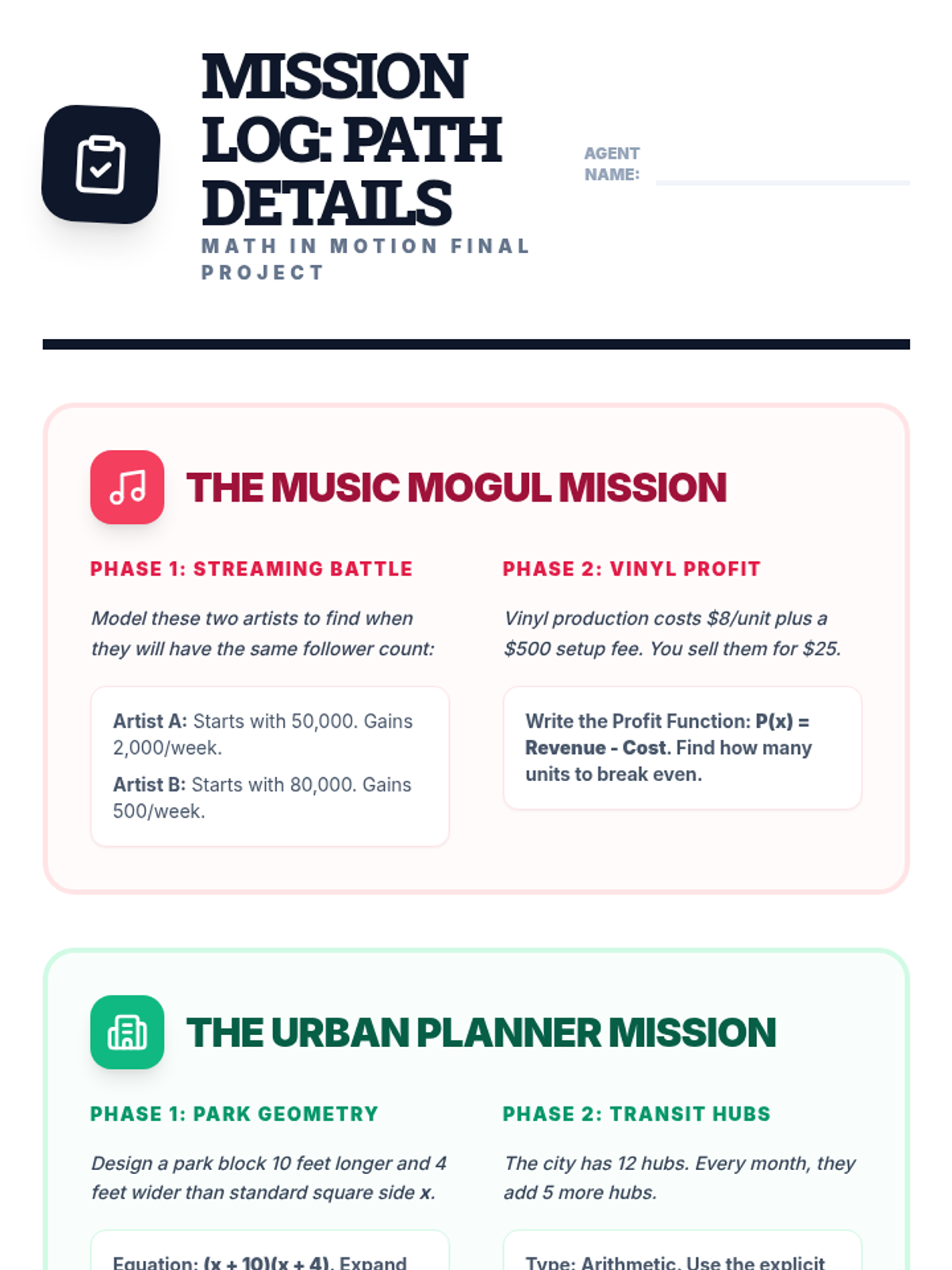
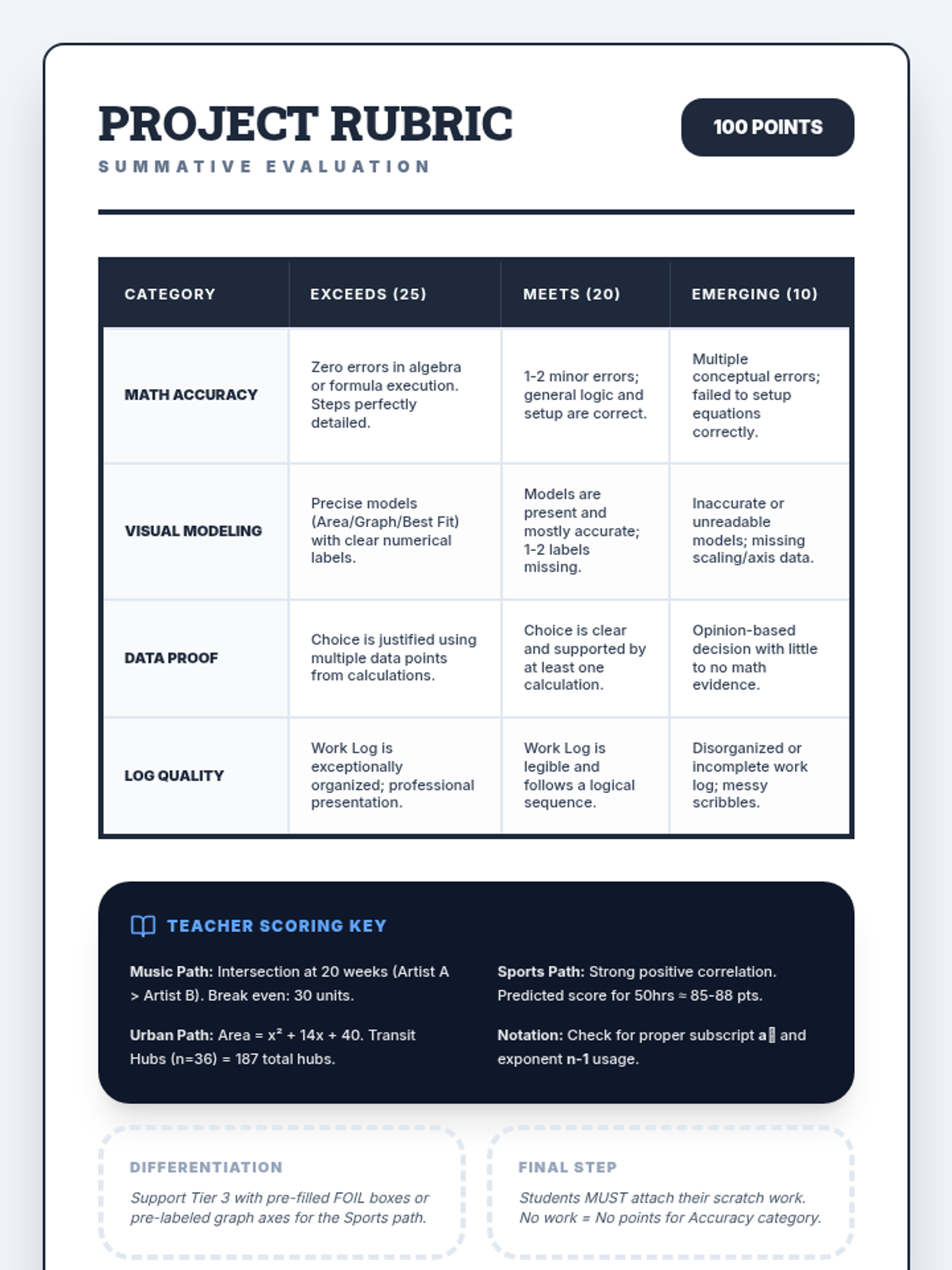
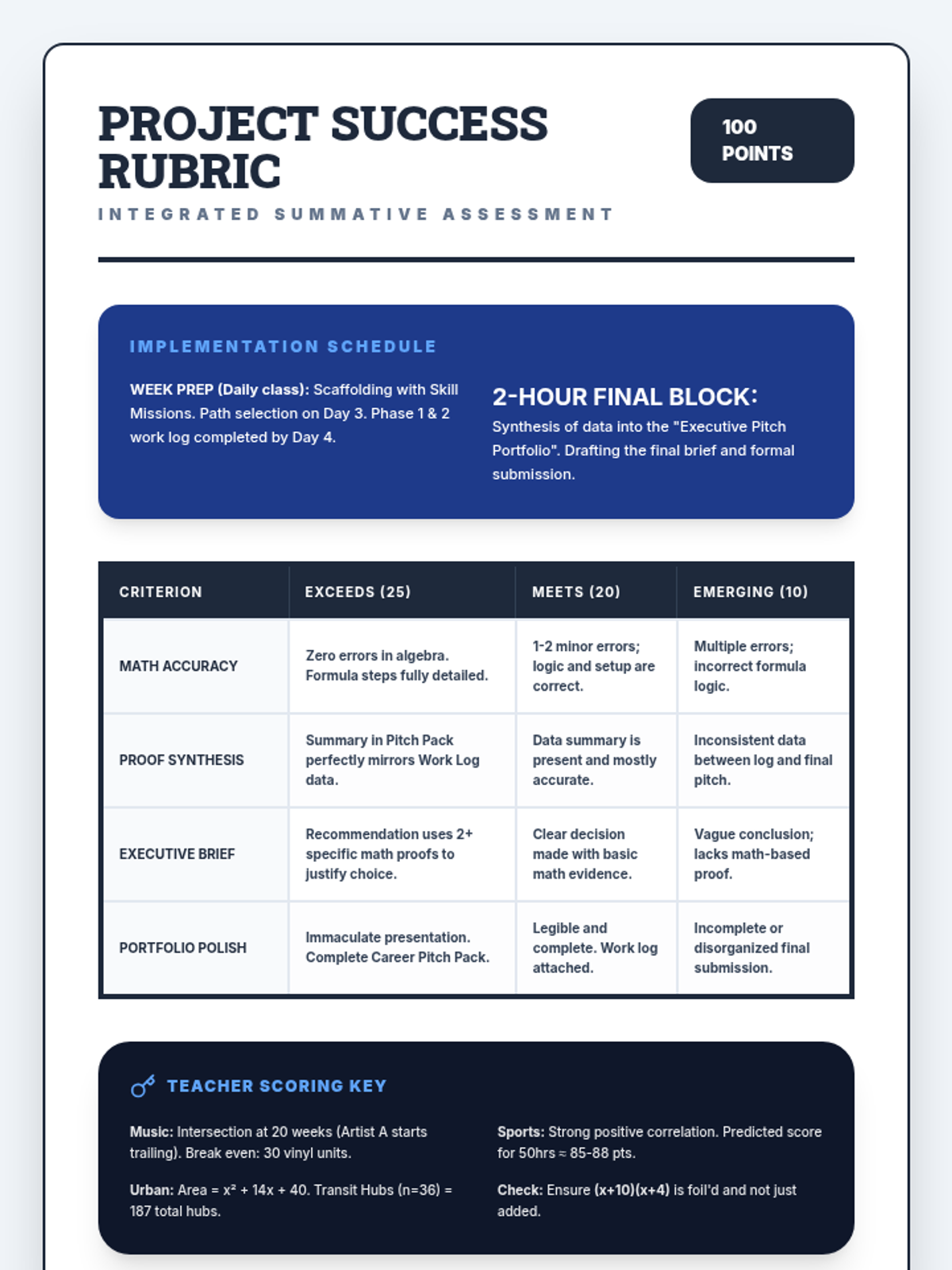
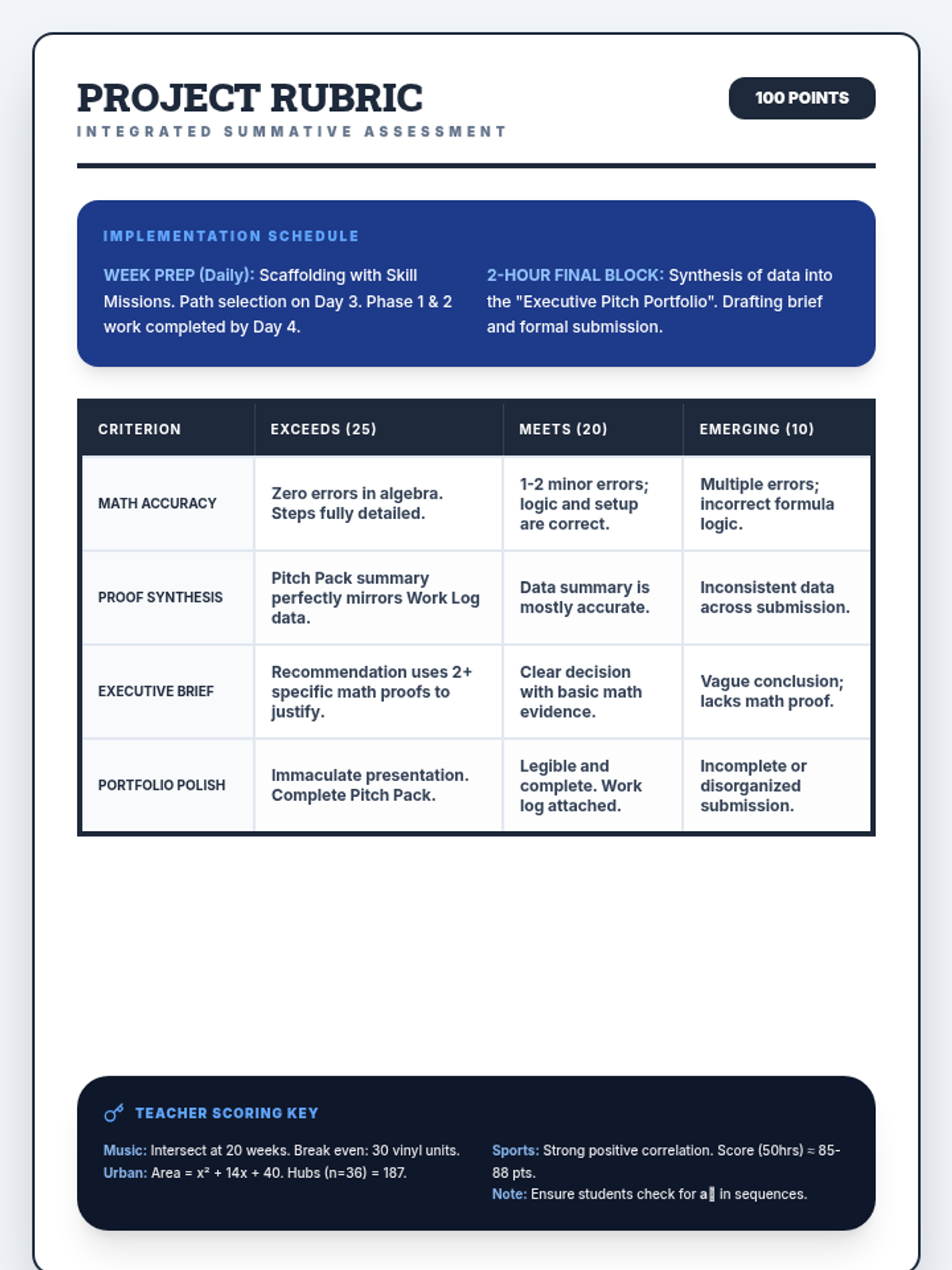
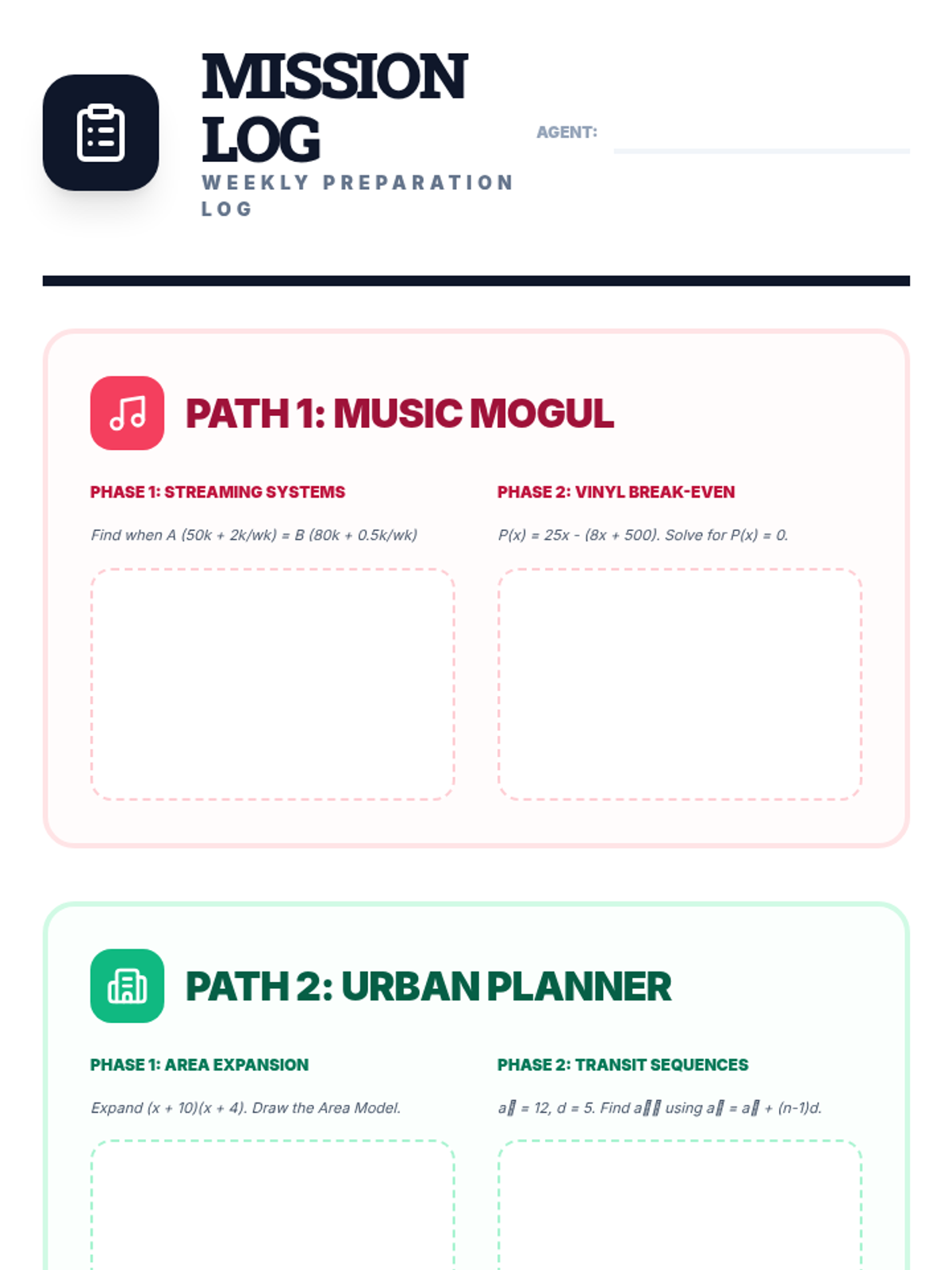
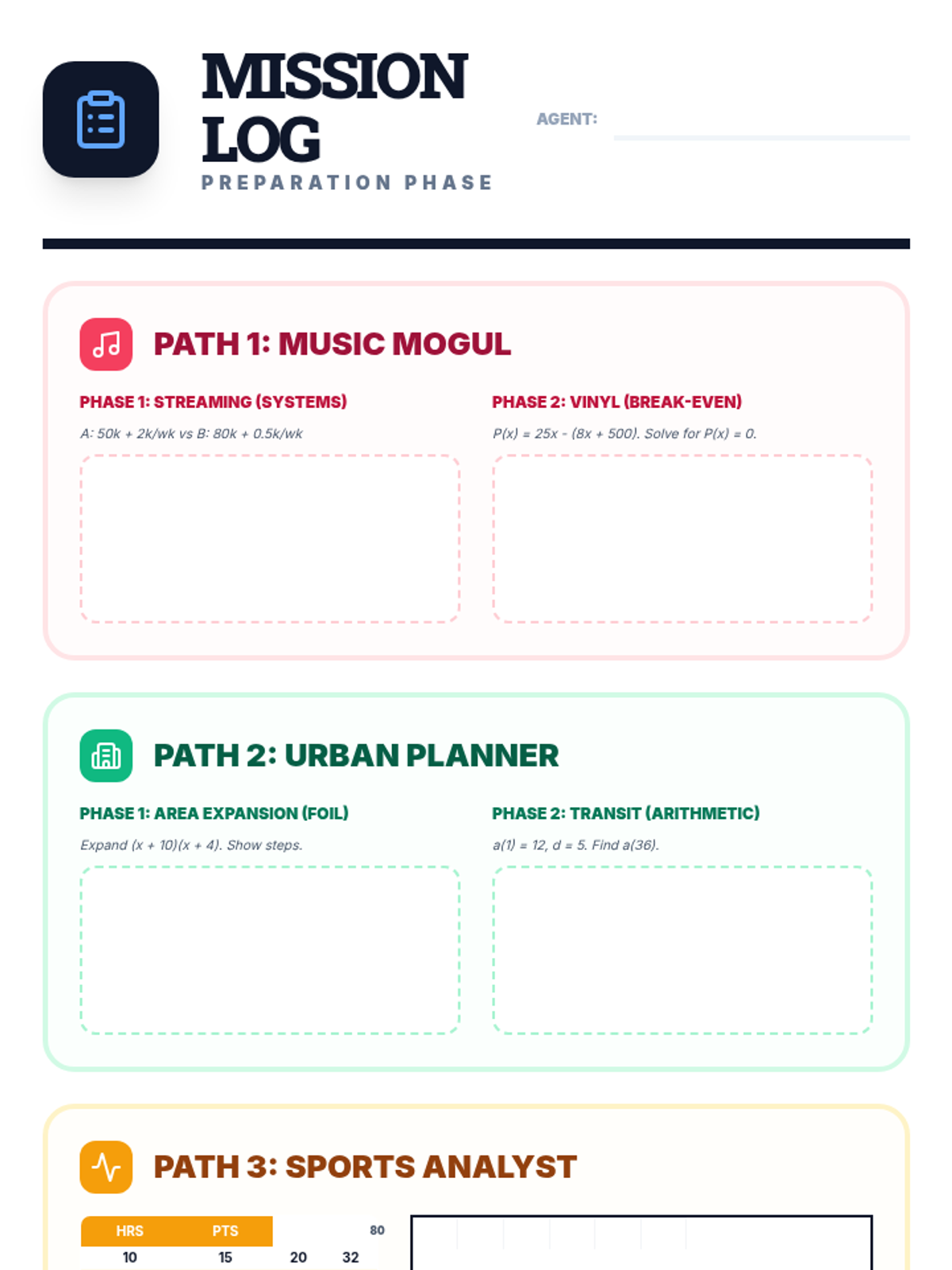
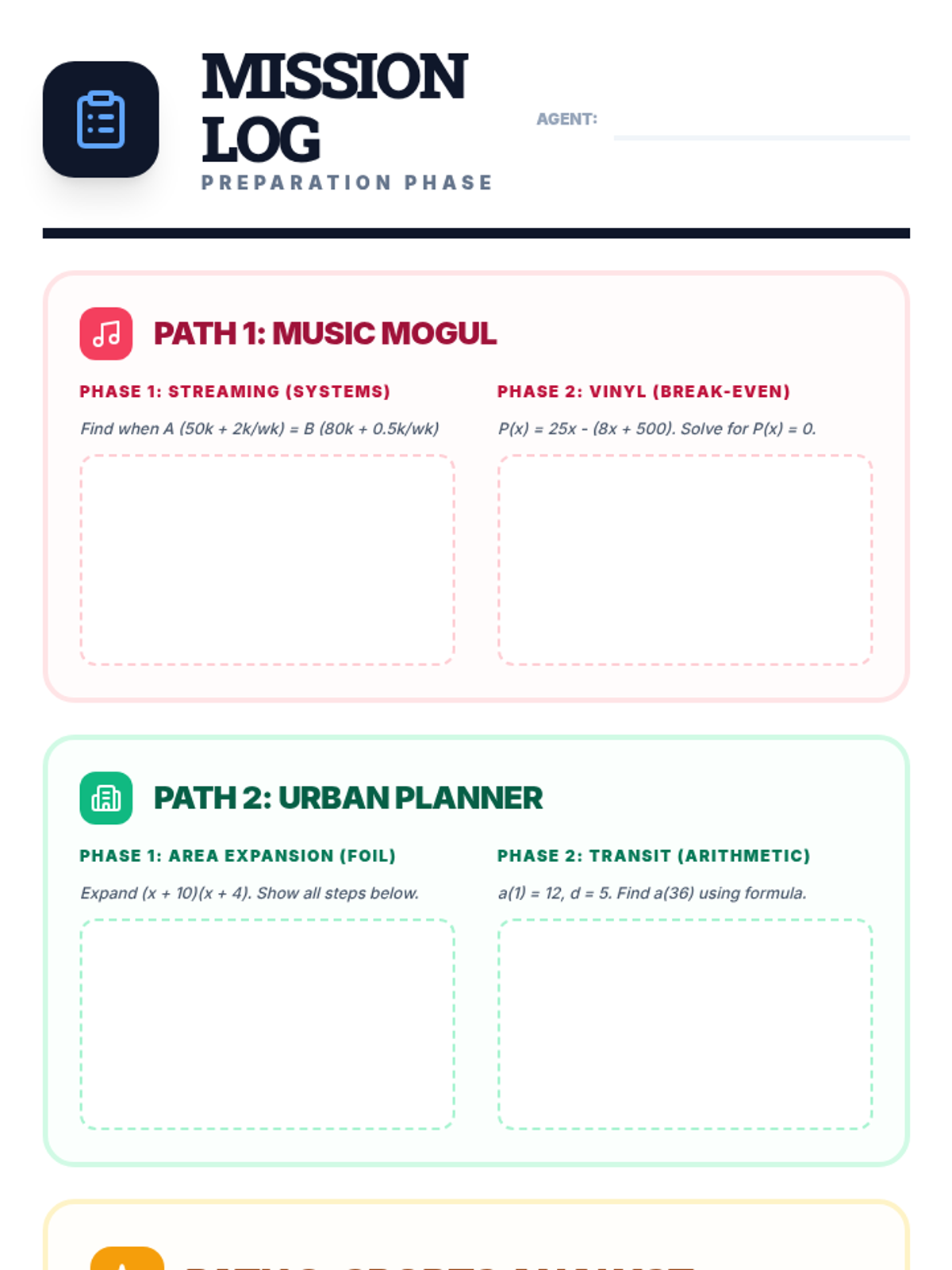
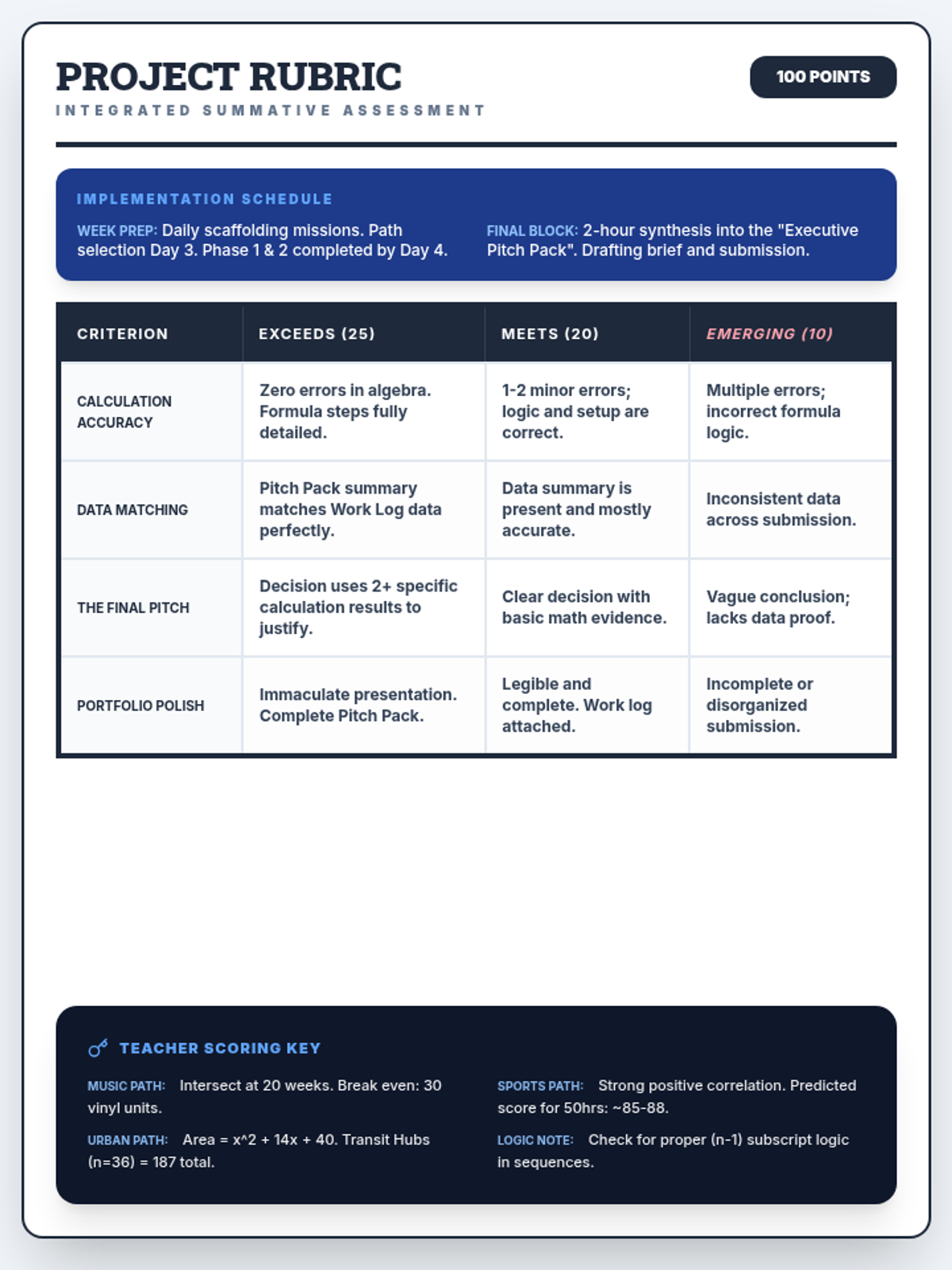
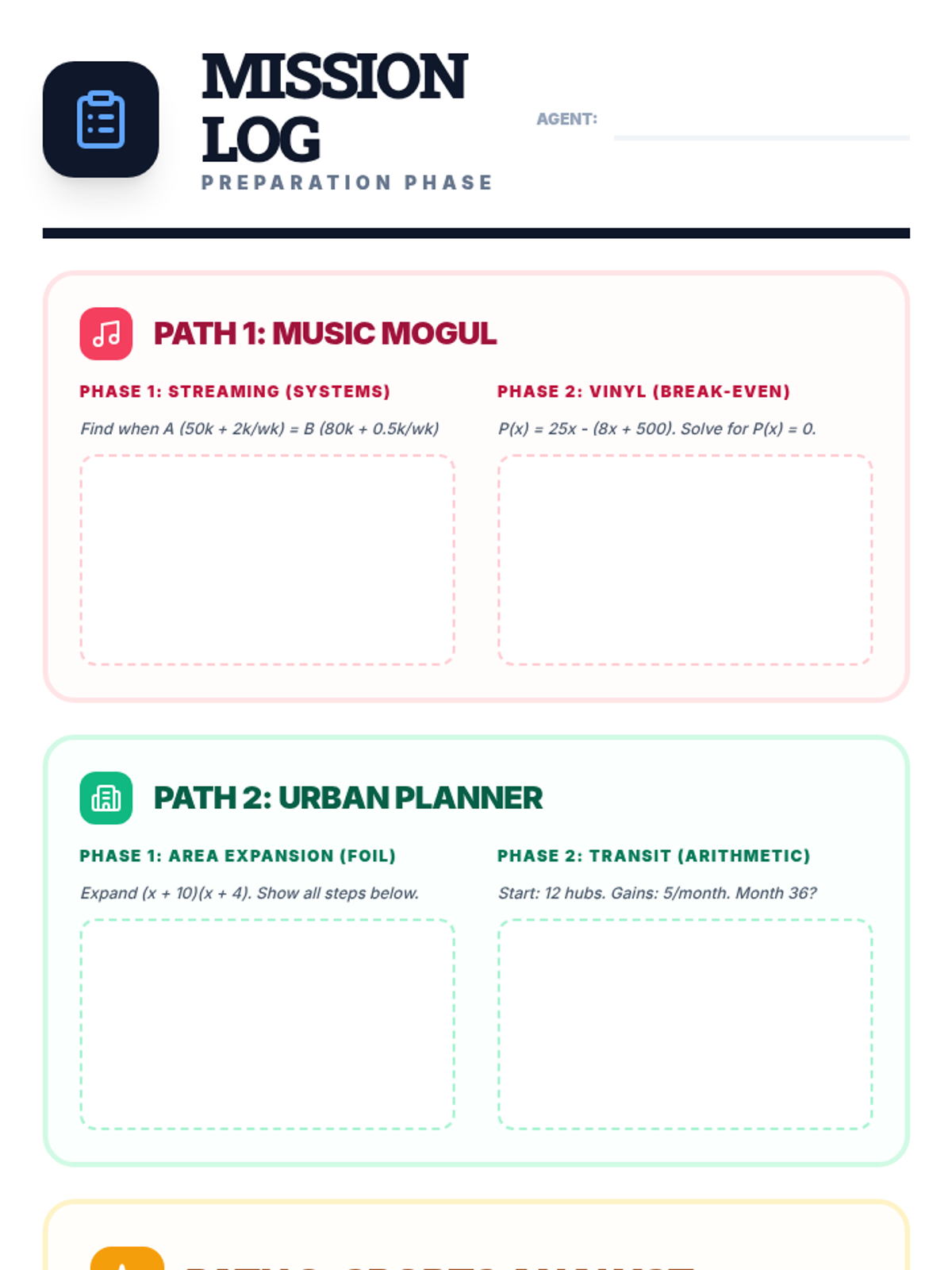
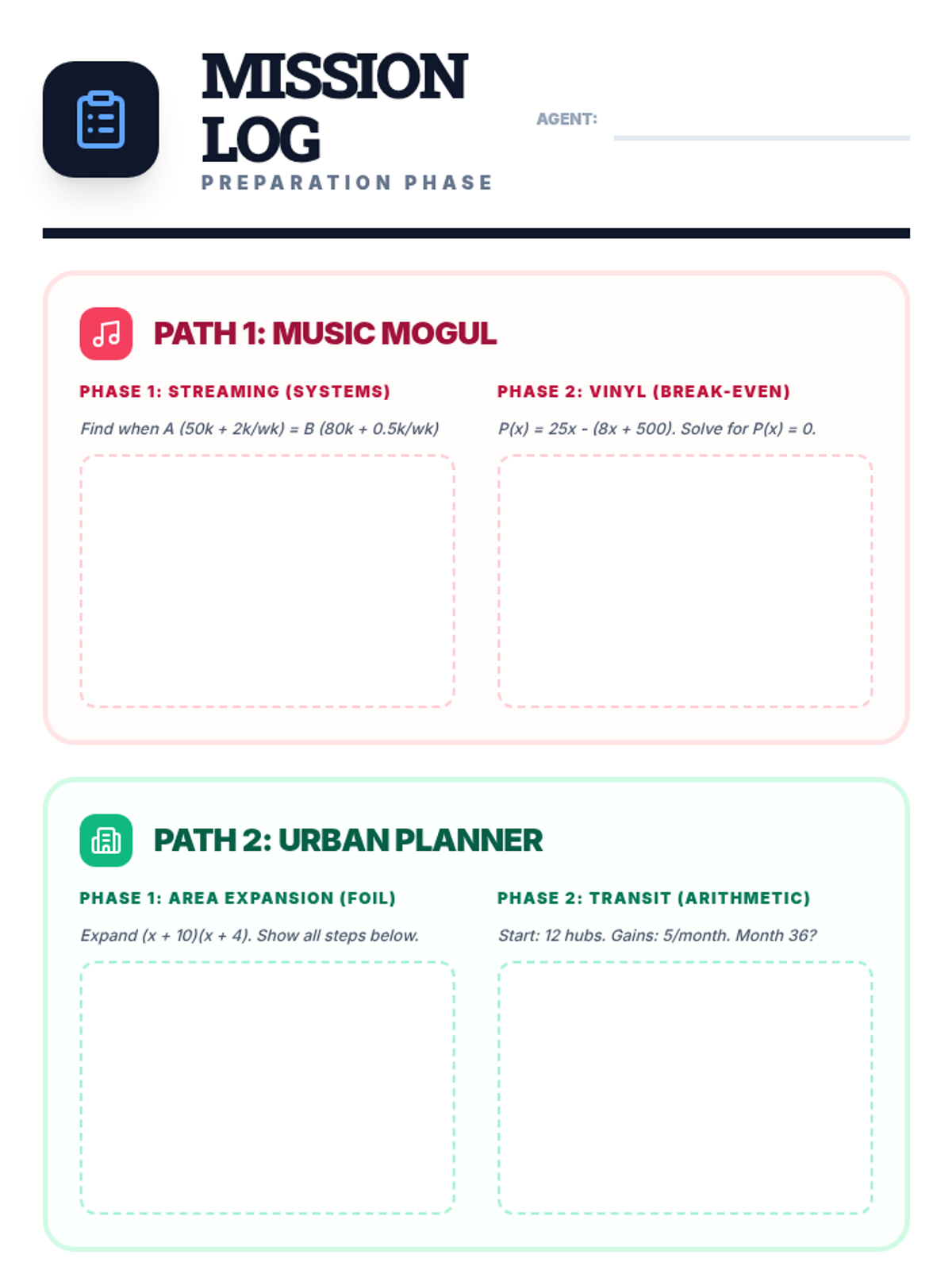
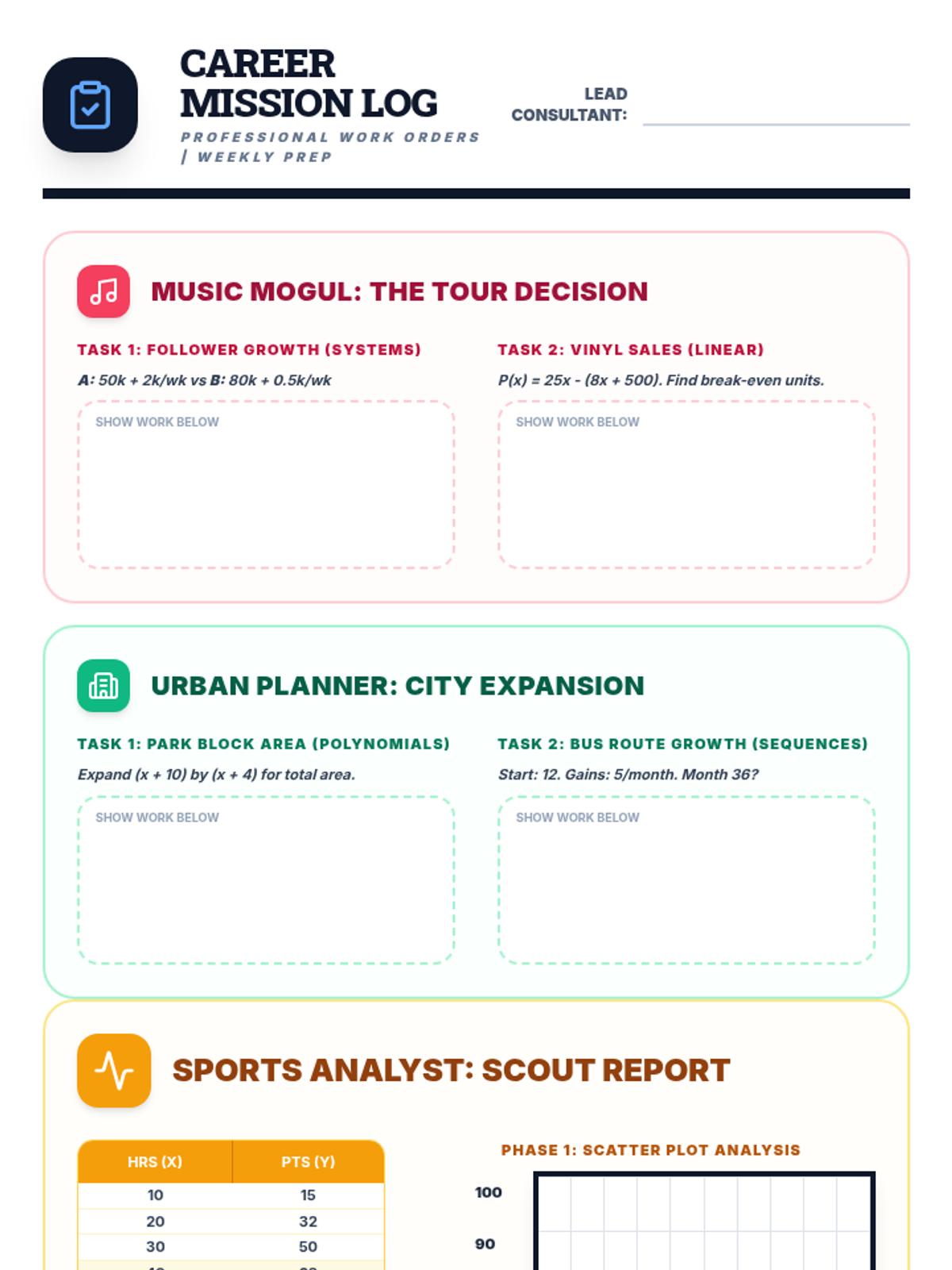
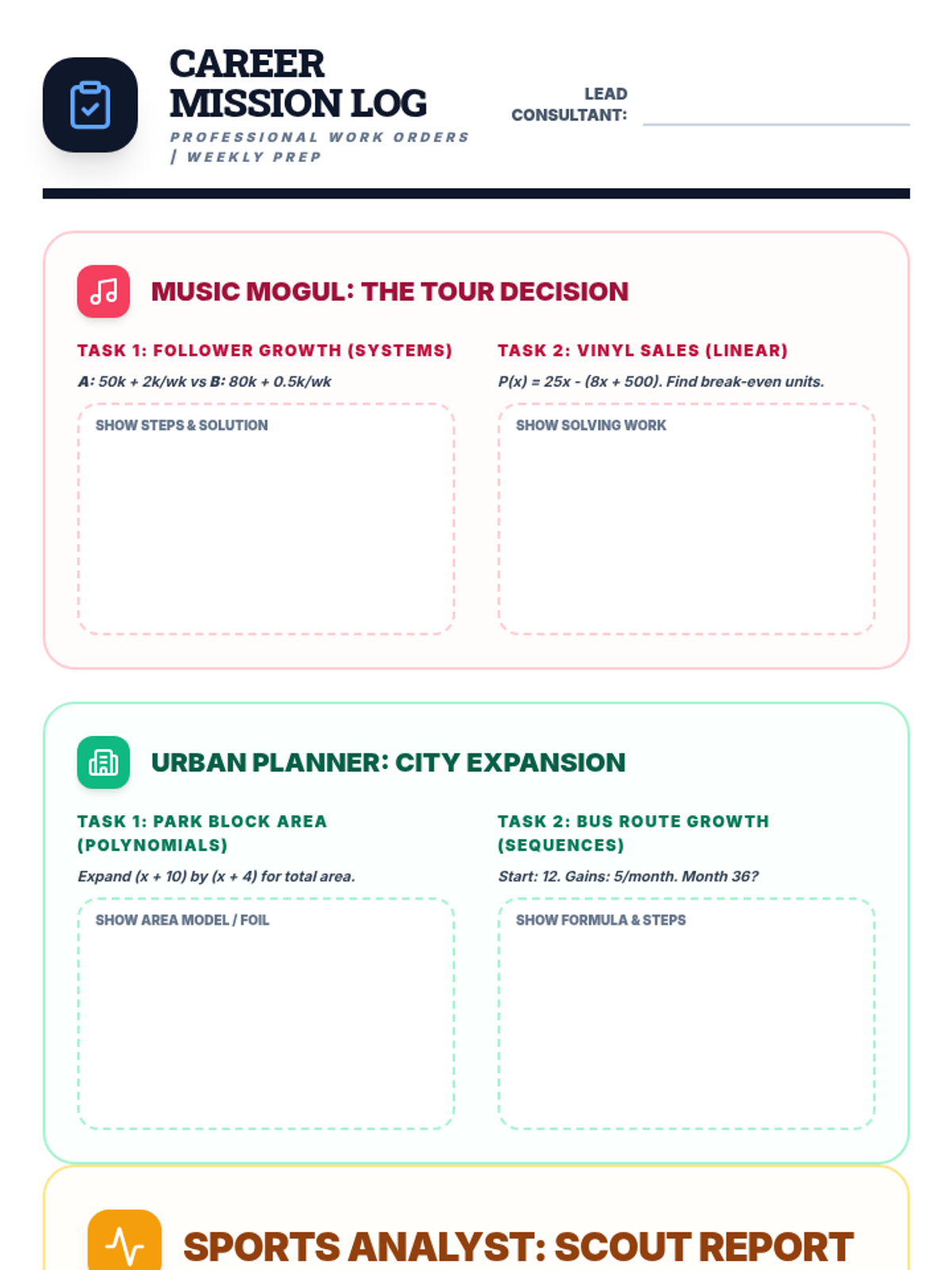
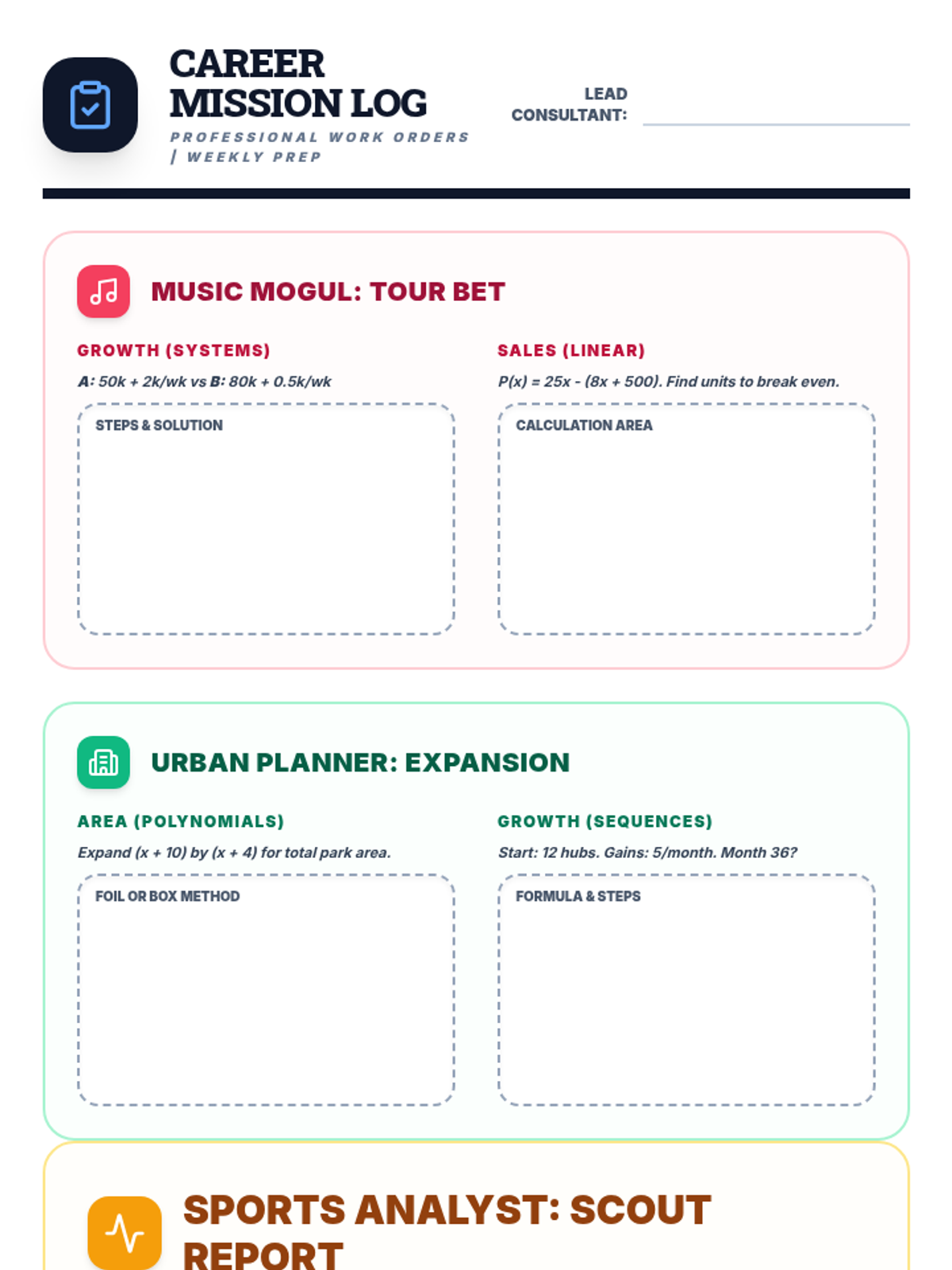
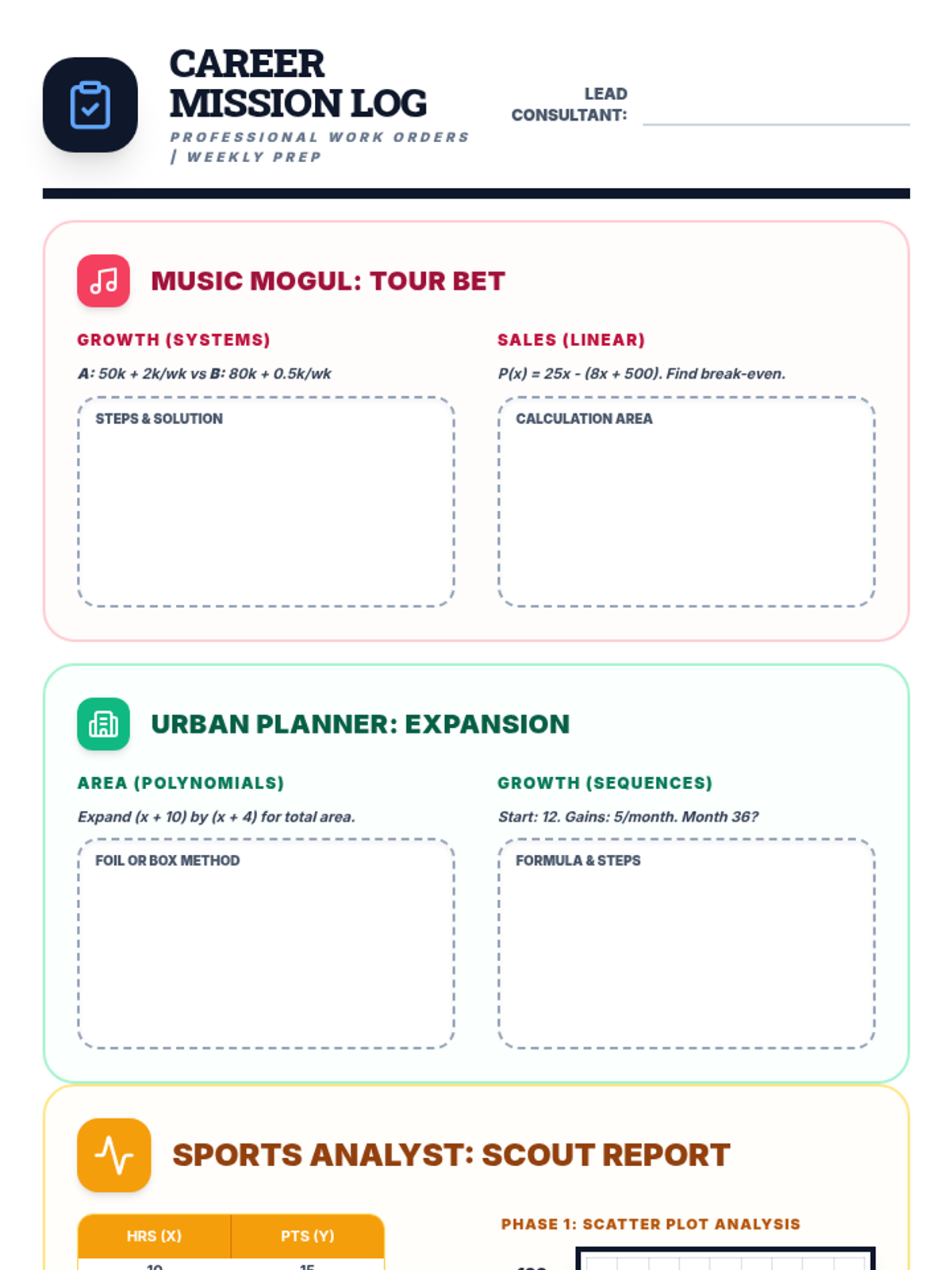
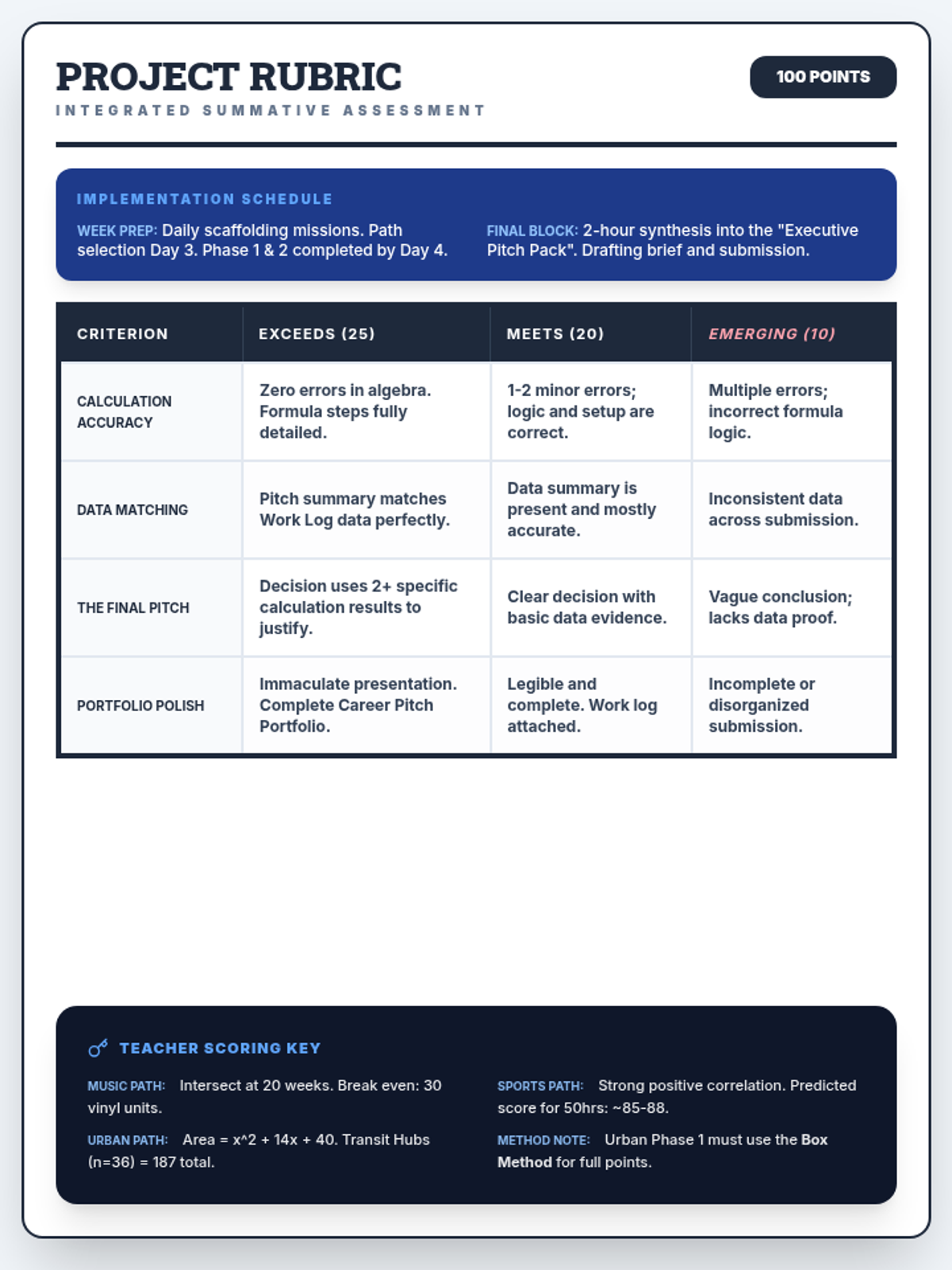
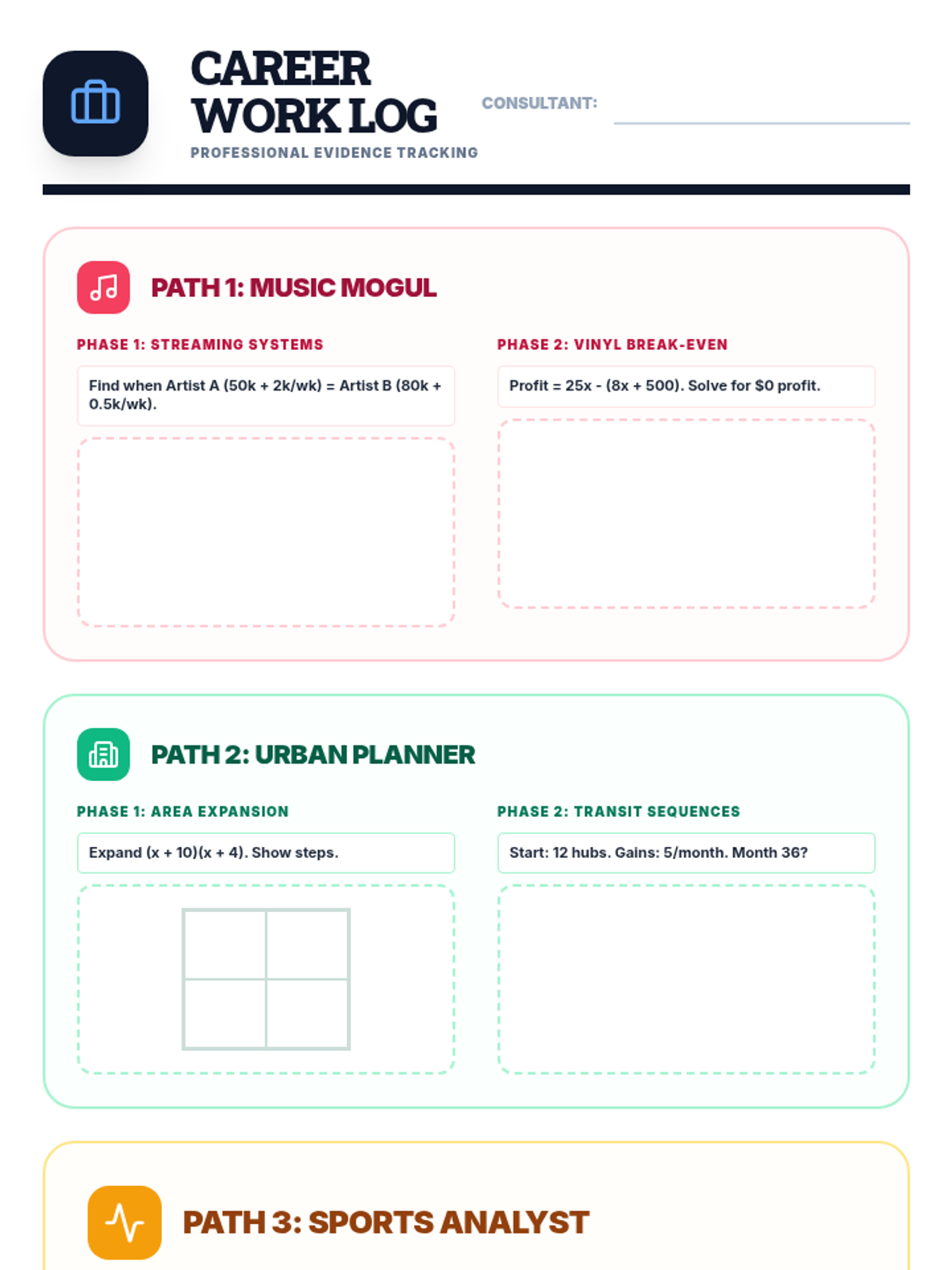
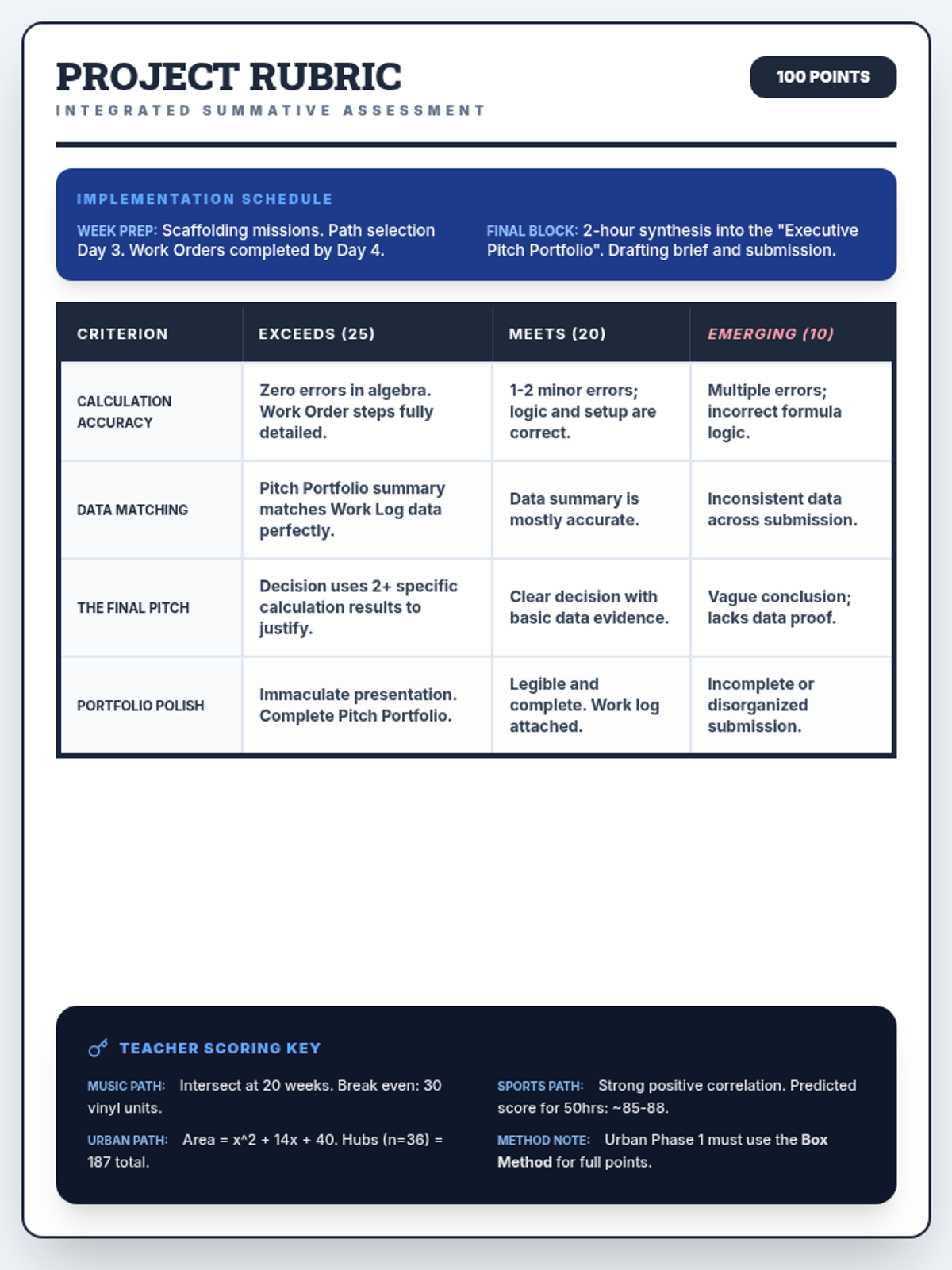
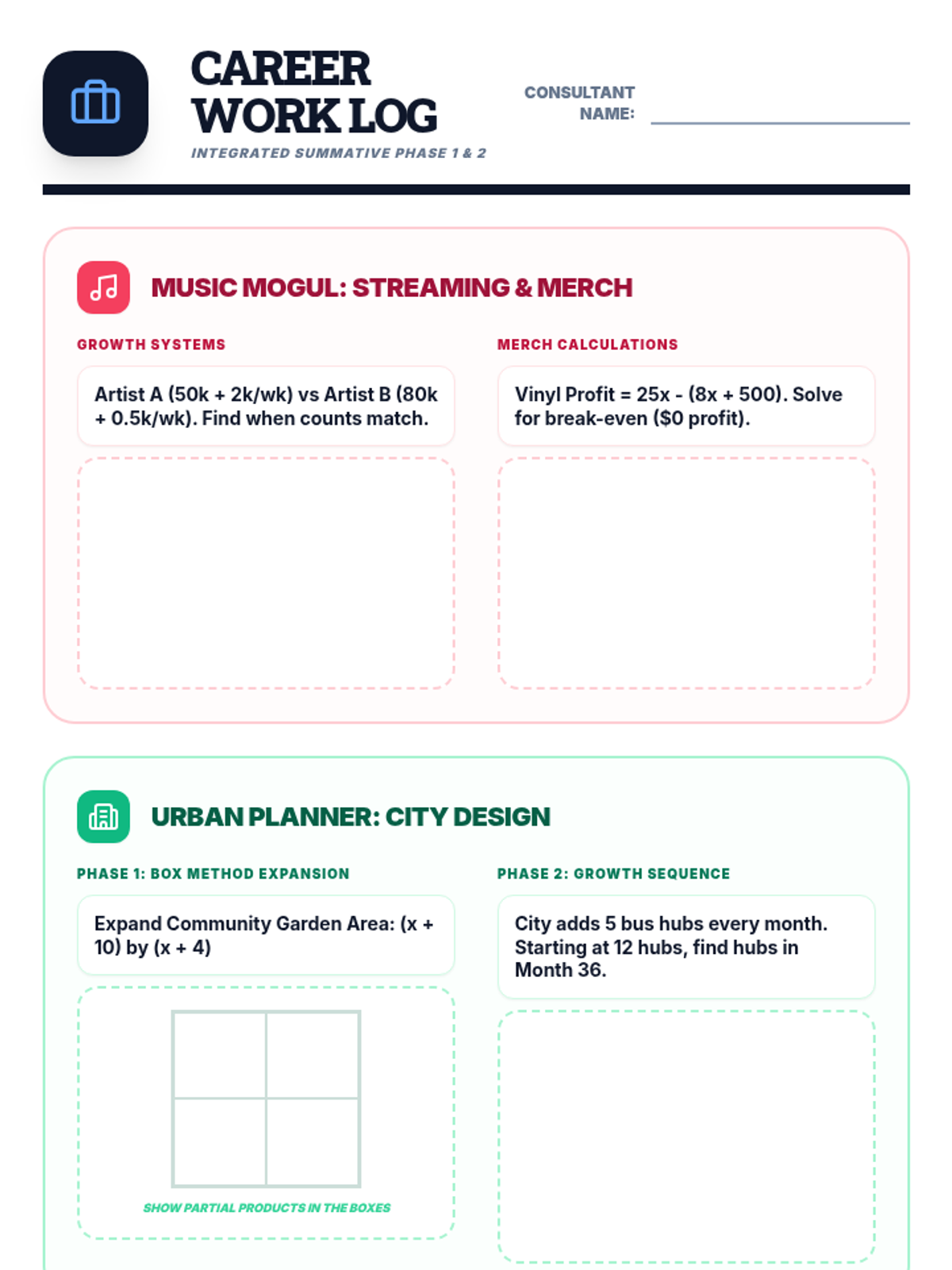
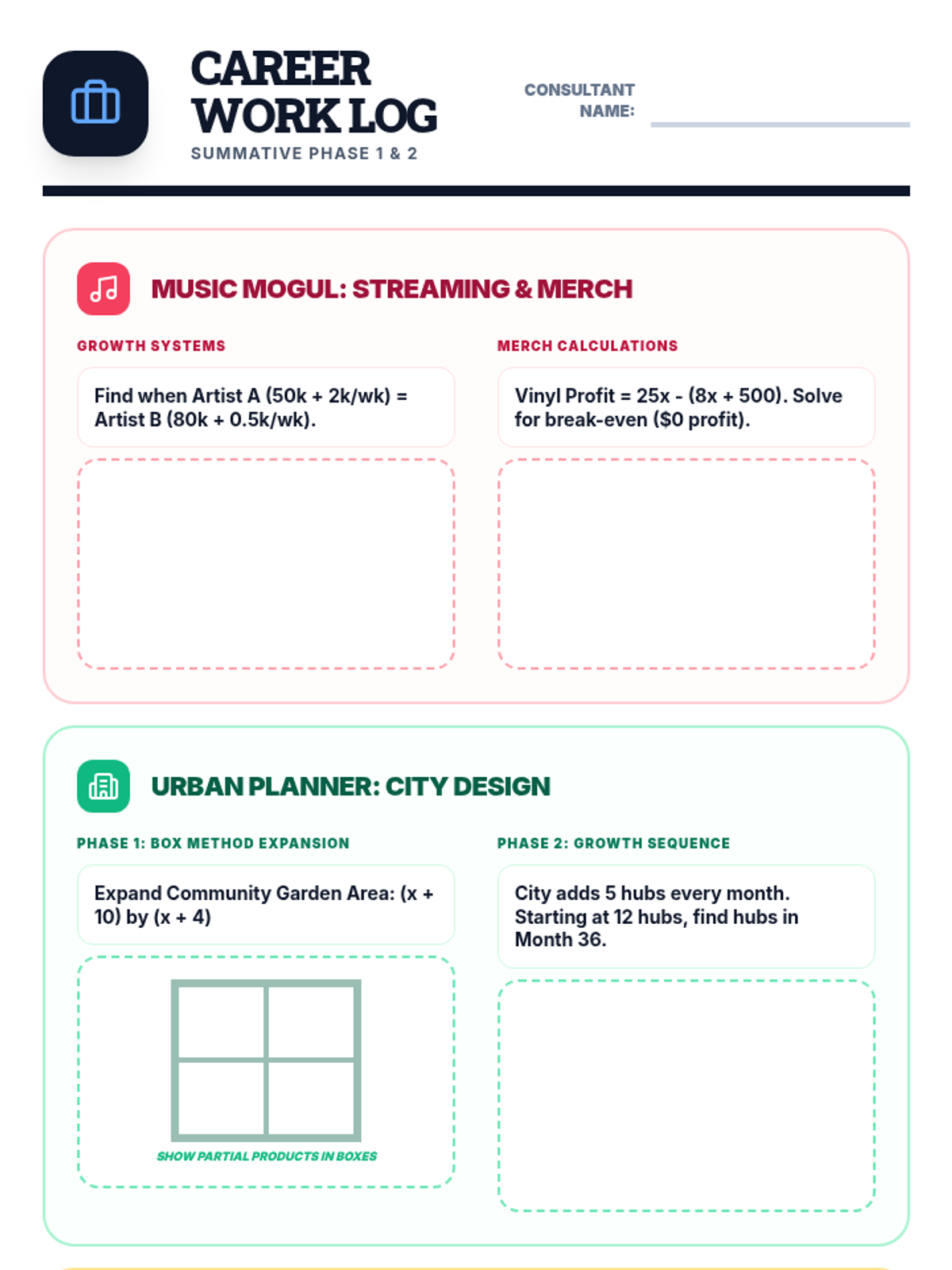
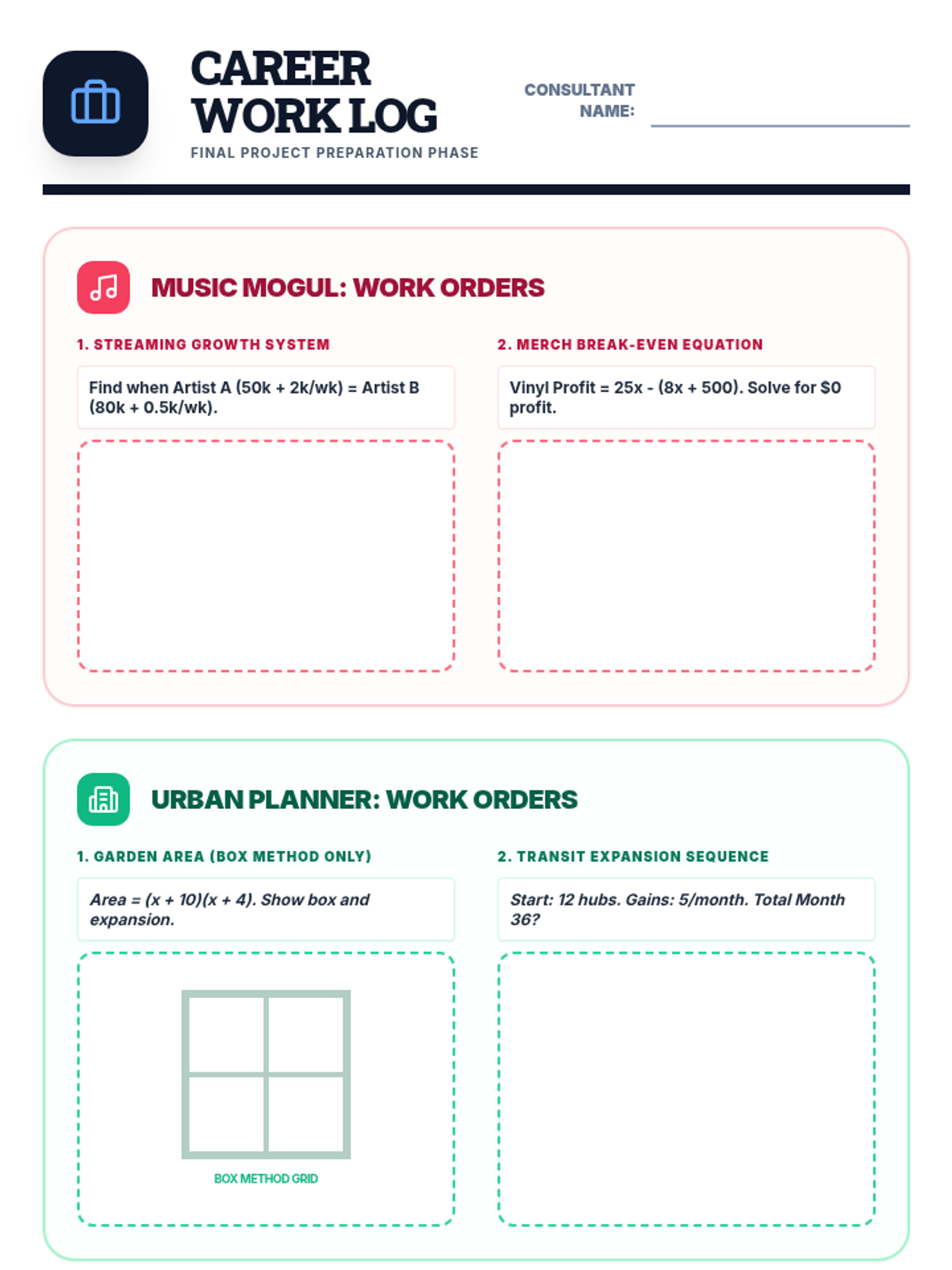
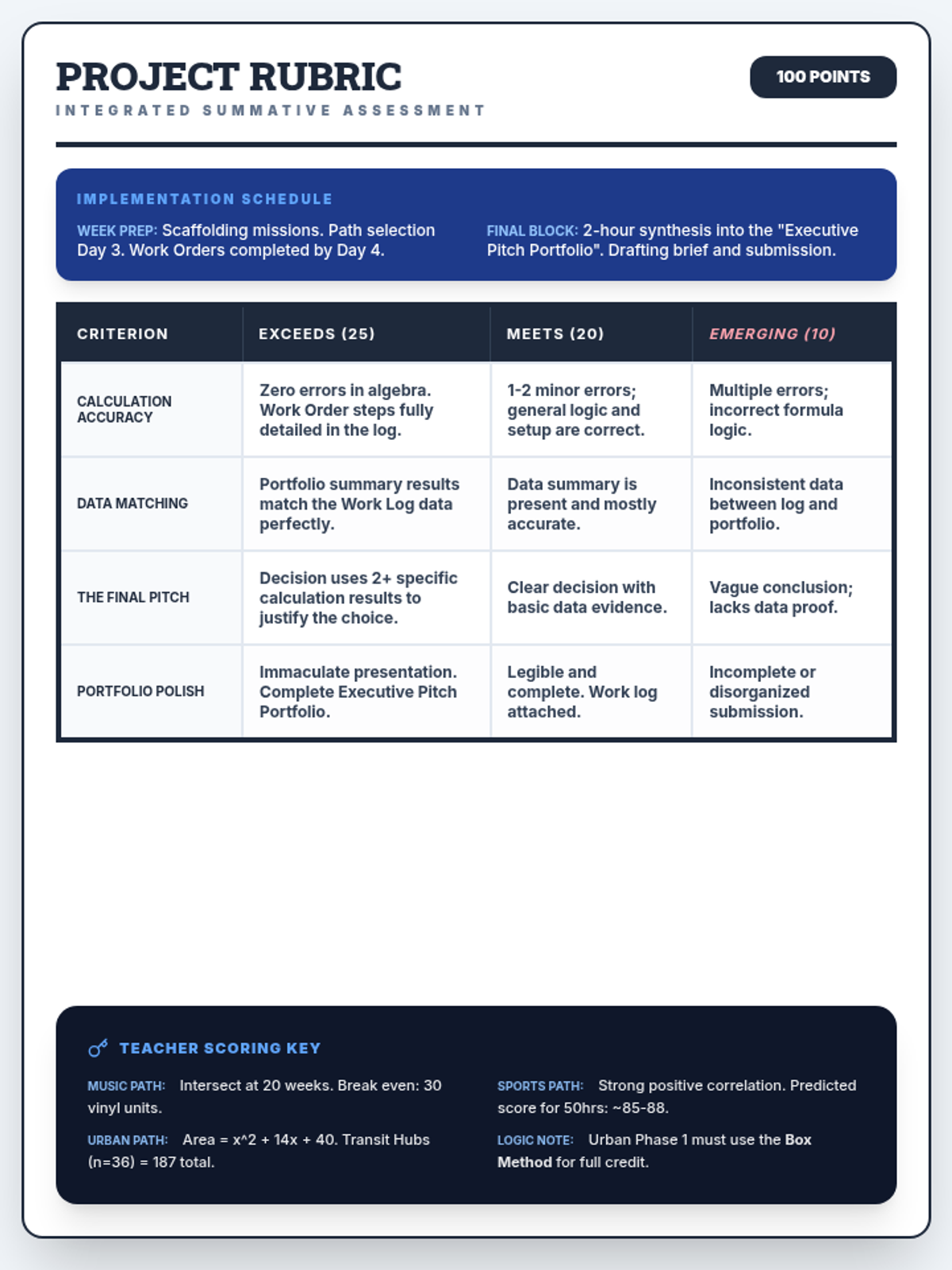
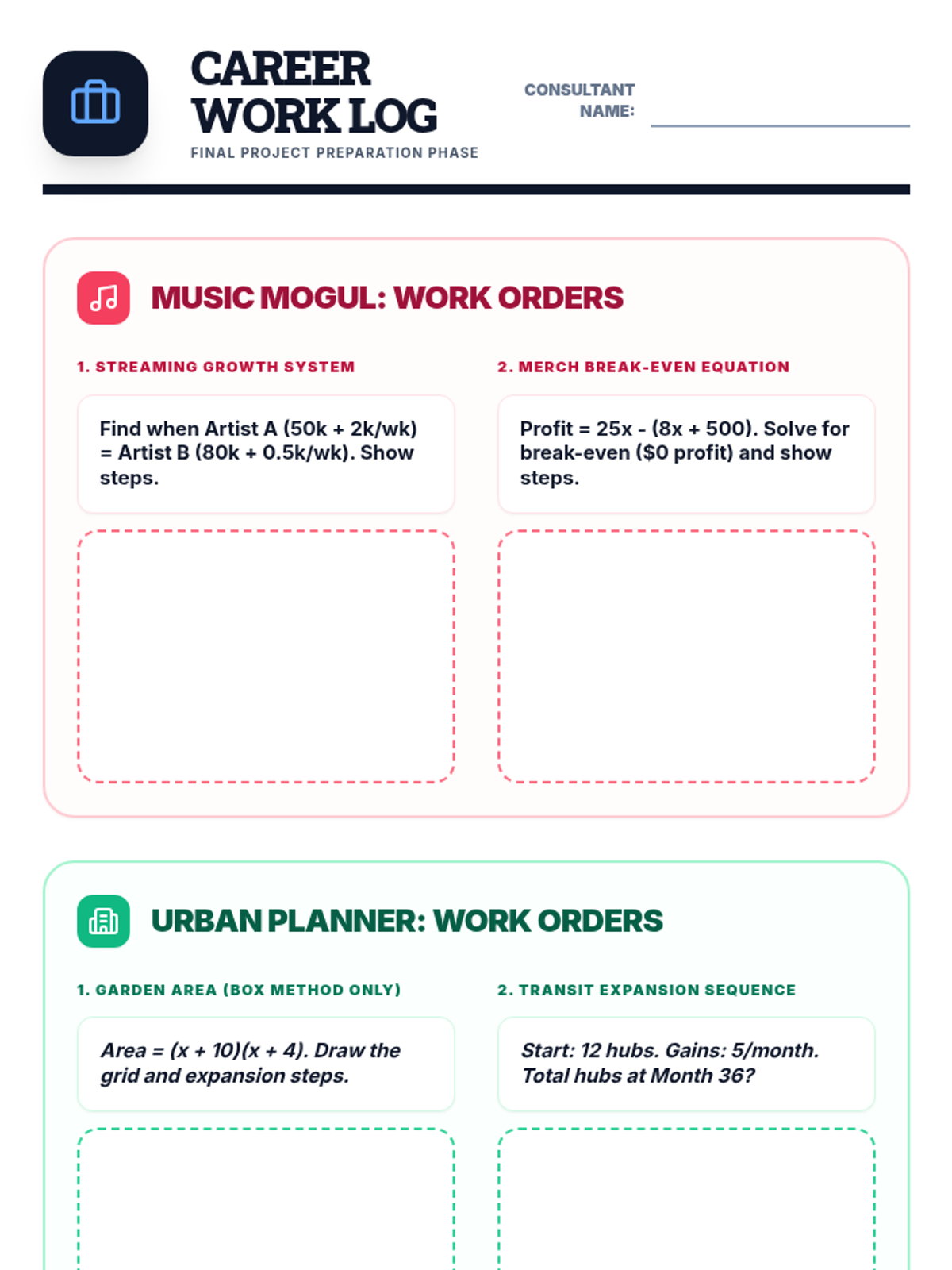
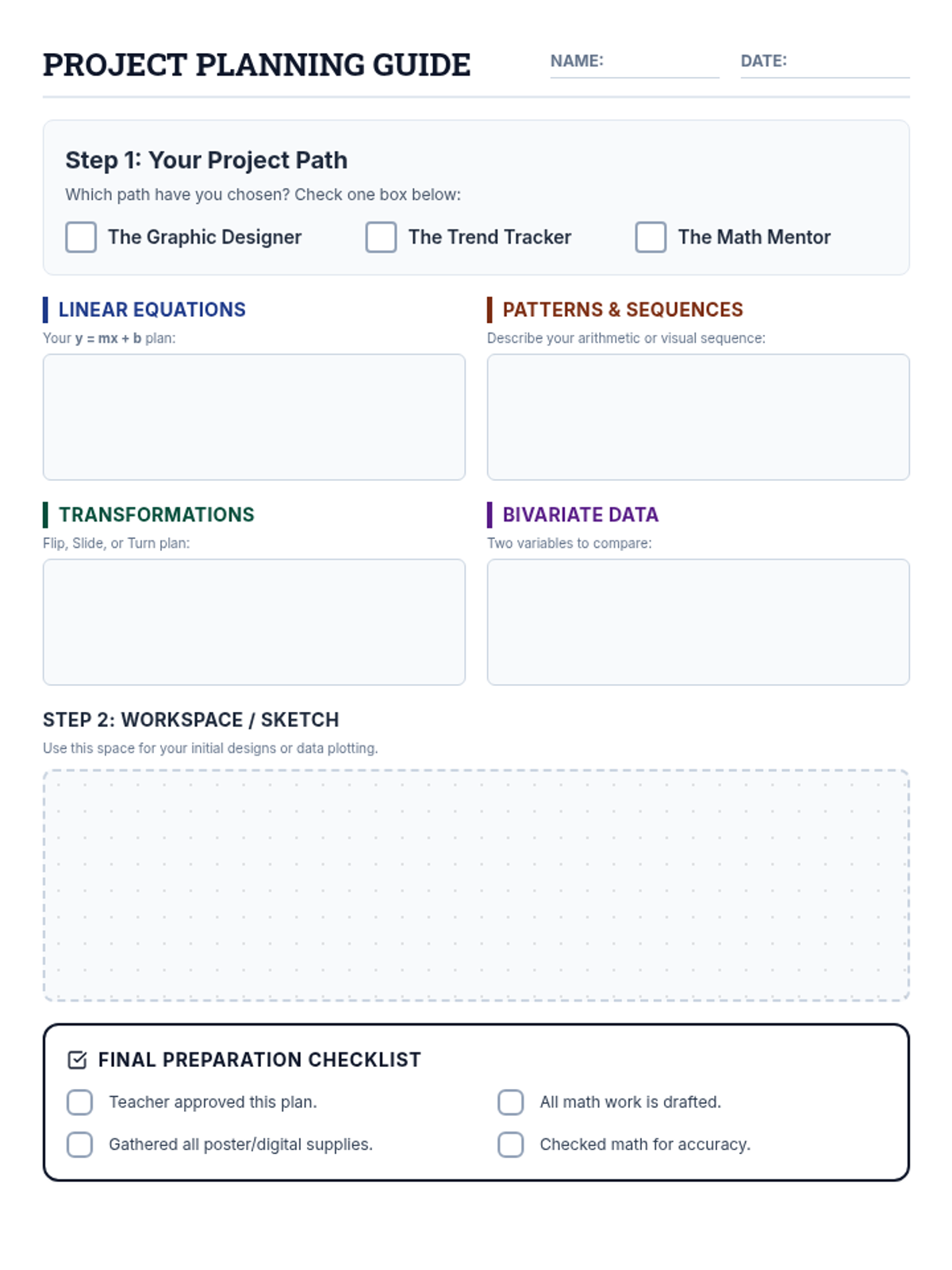
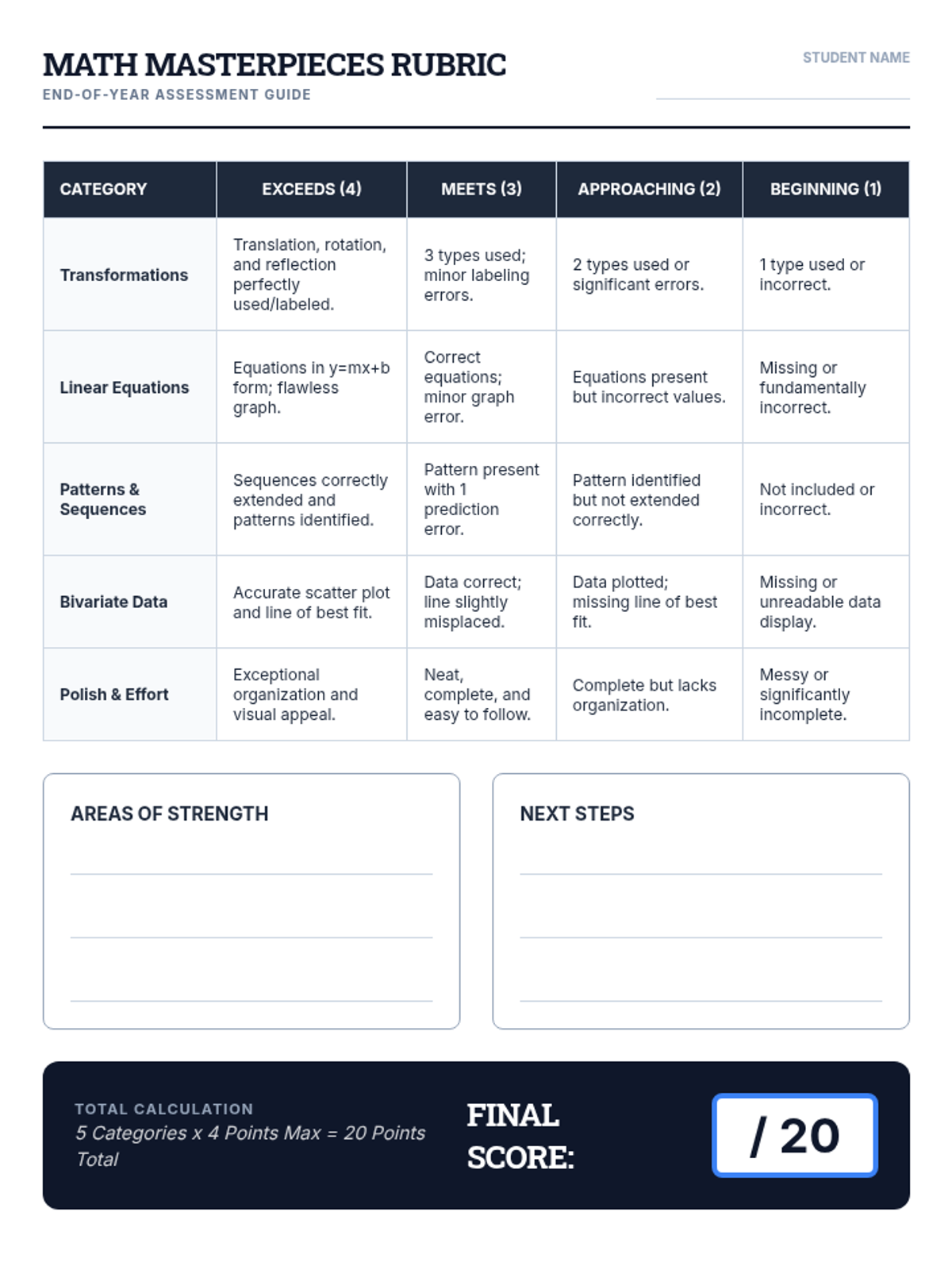
A creative end-of-year project where students choose between three paths to demonstrate mastery of transformations, linear equations, exponents, and bivariate data. Designed with scaffolded options for 8th-grade students.
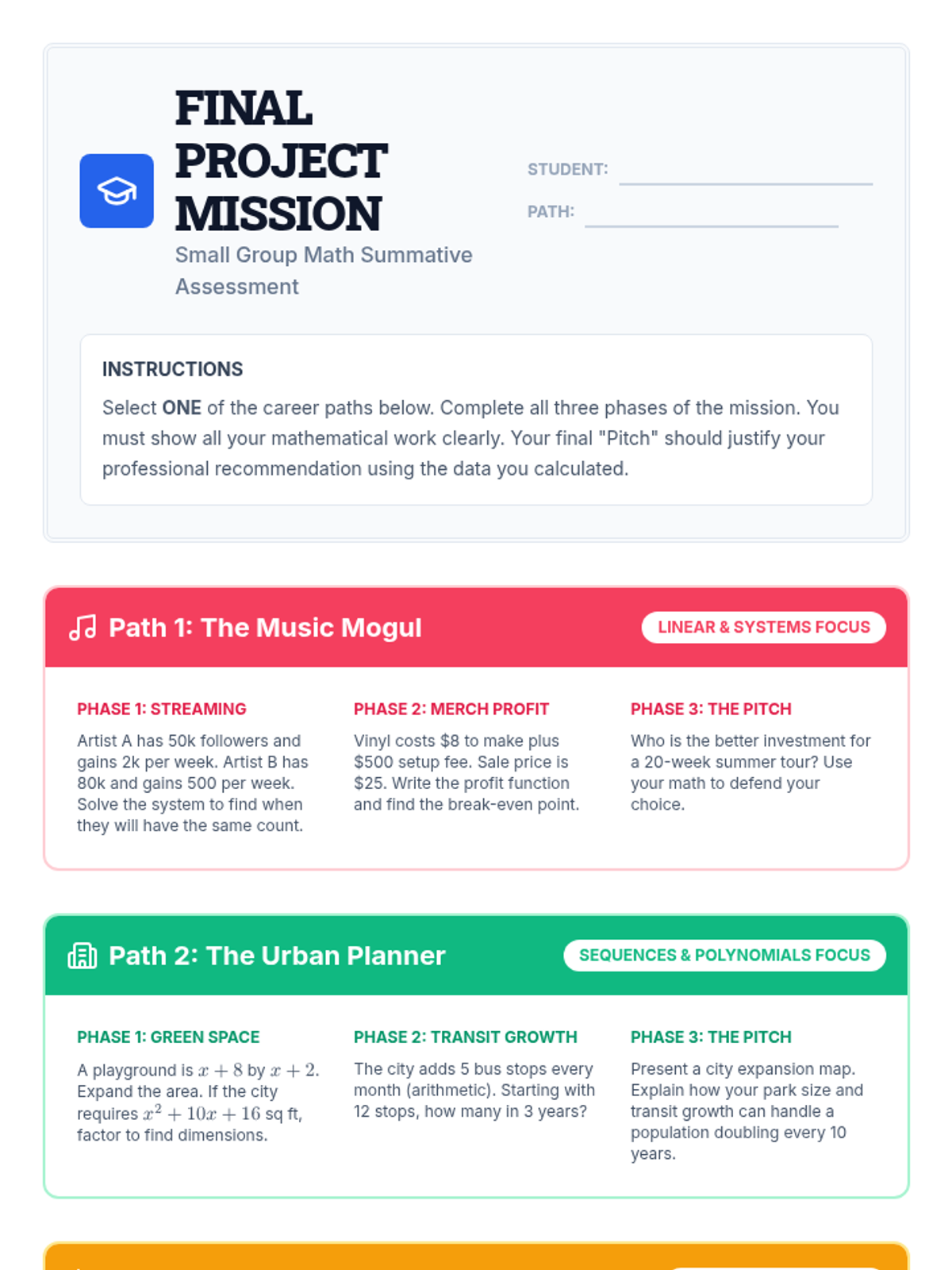
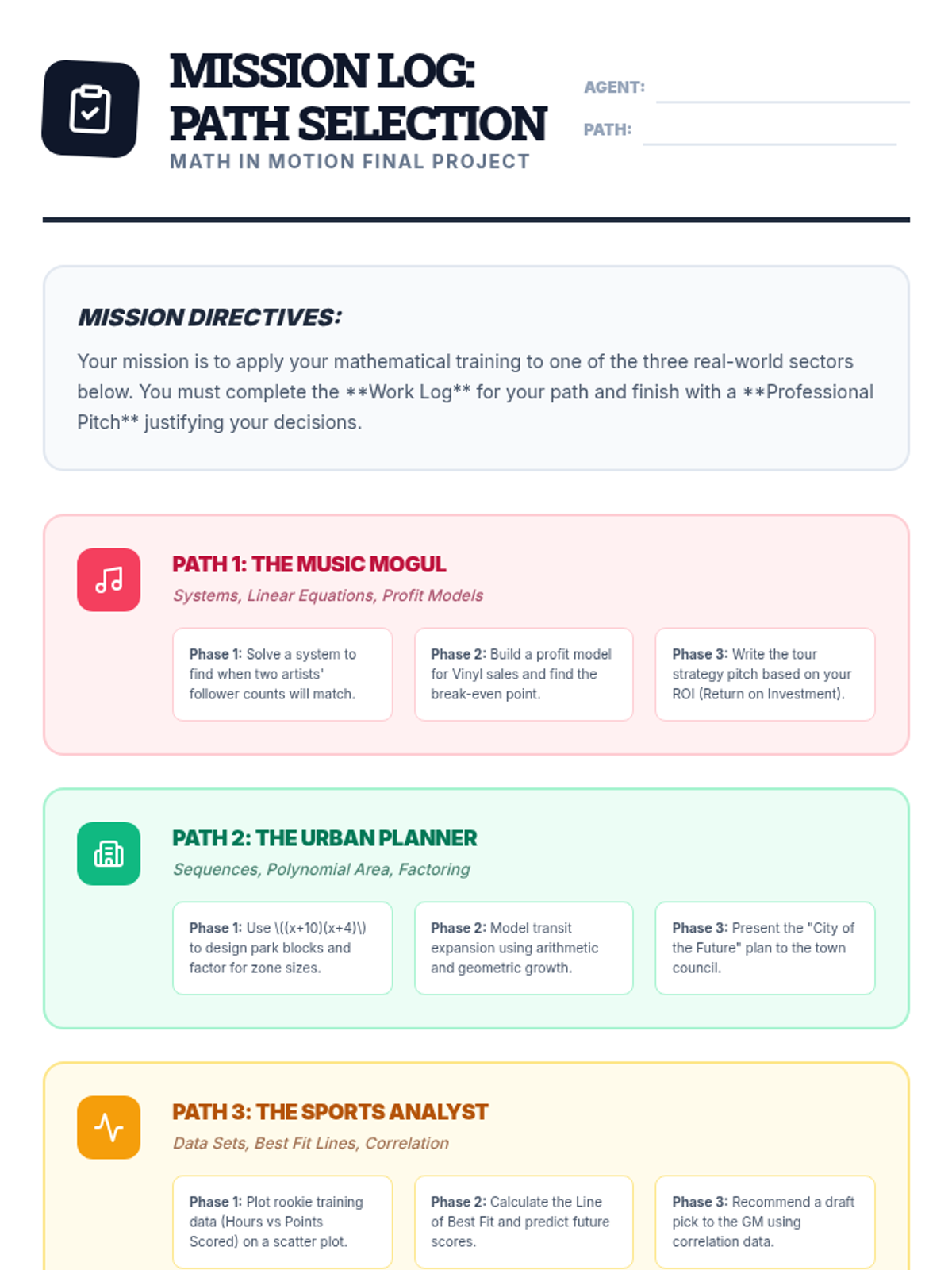
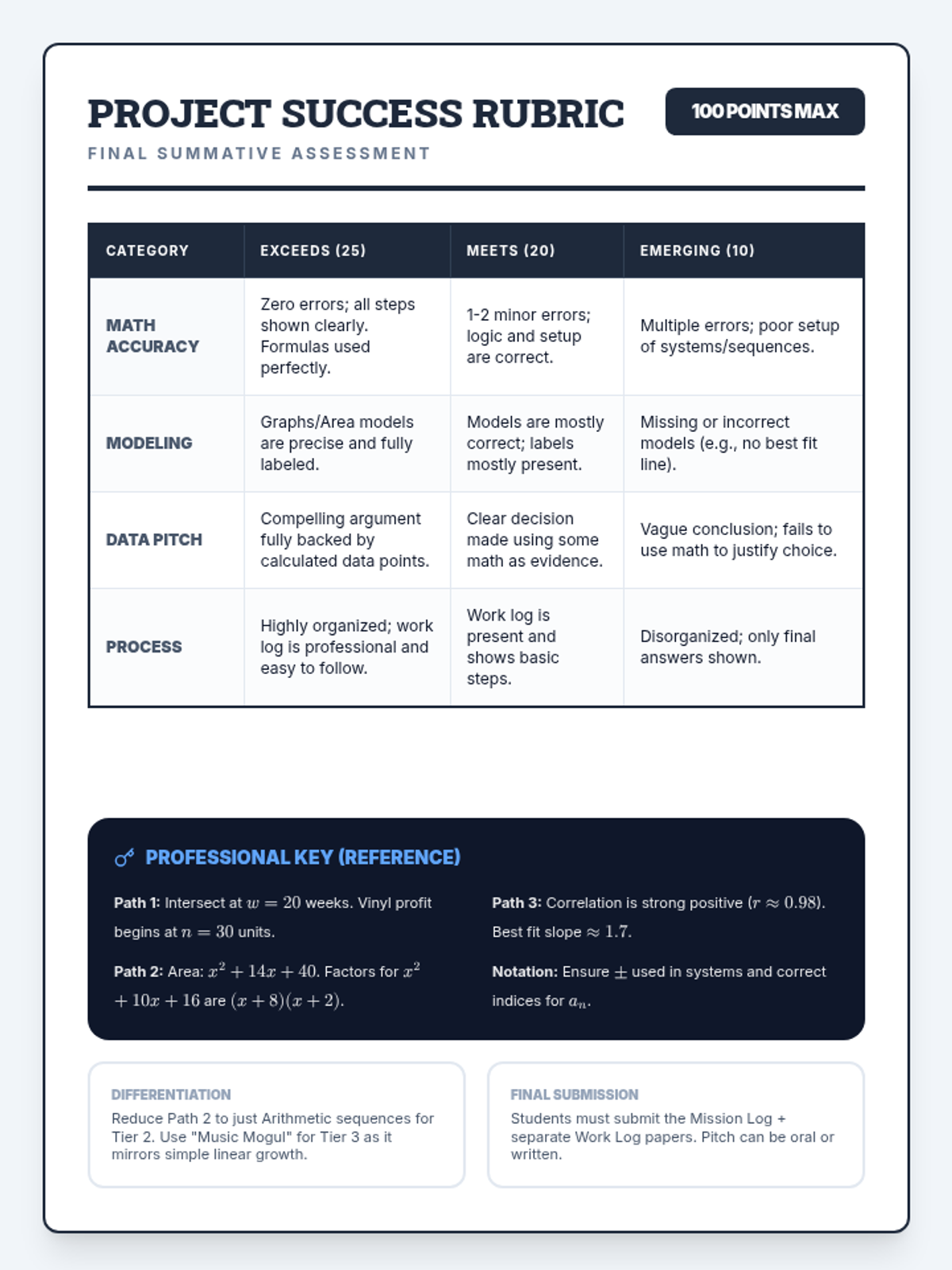
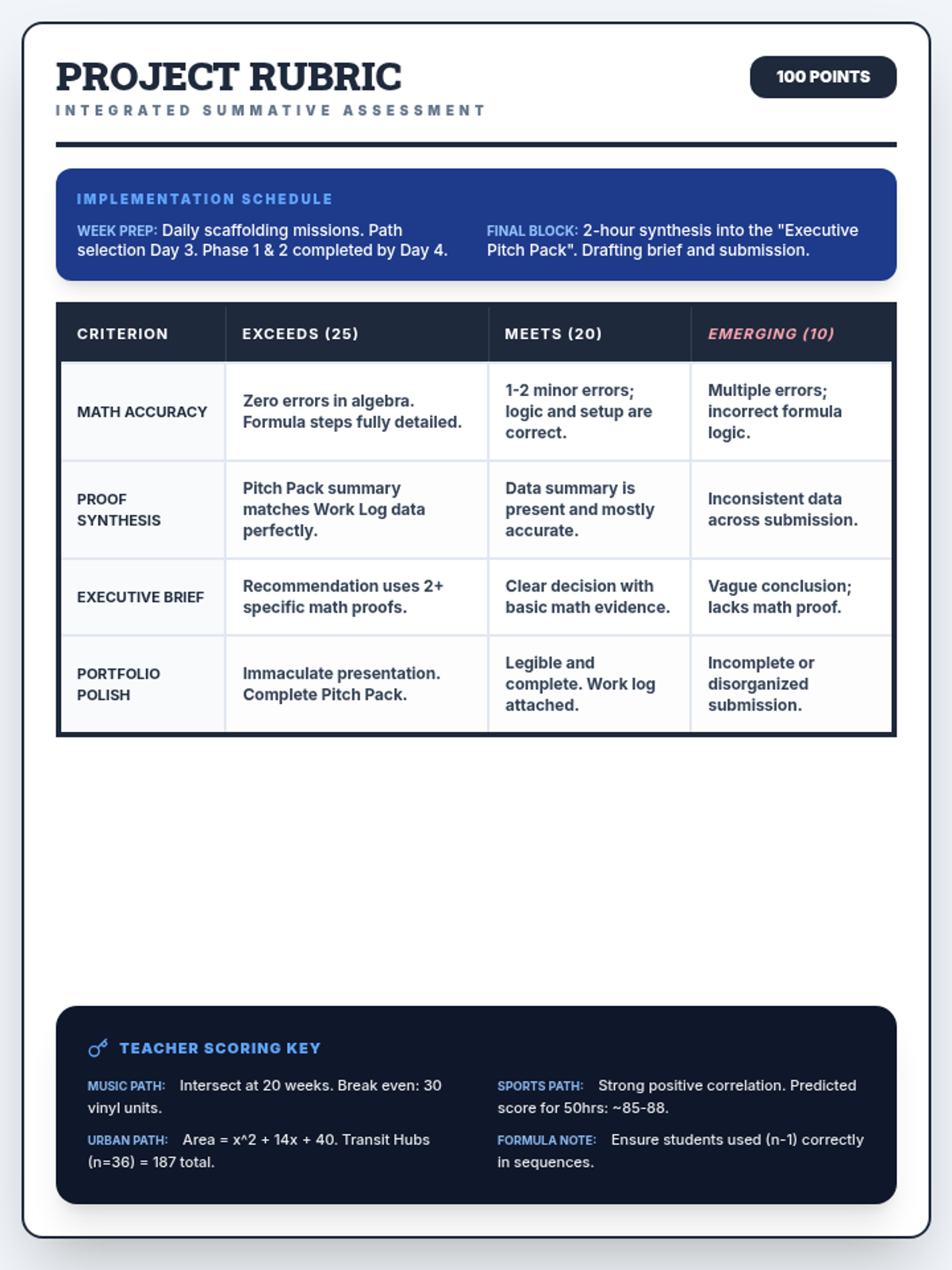
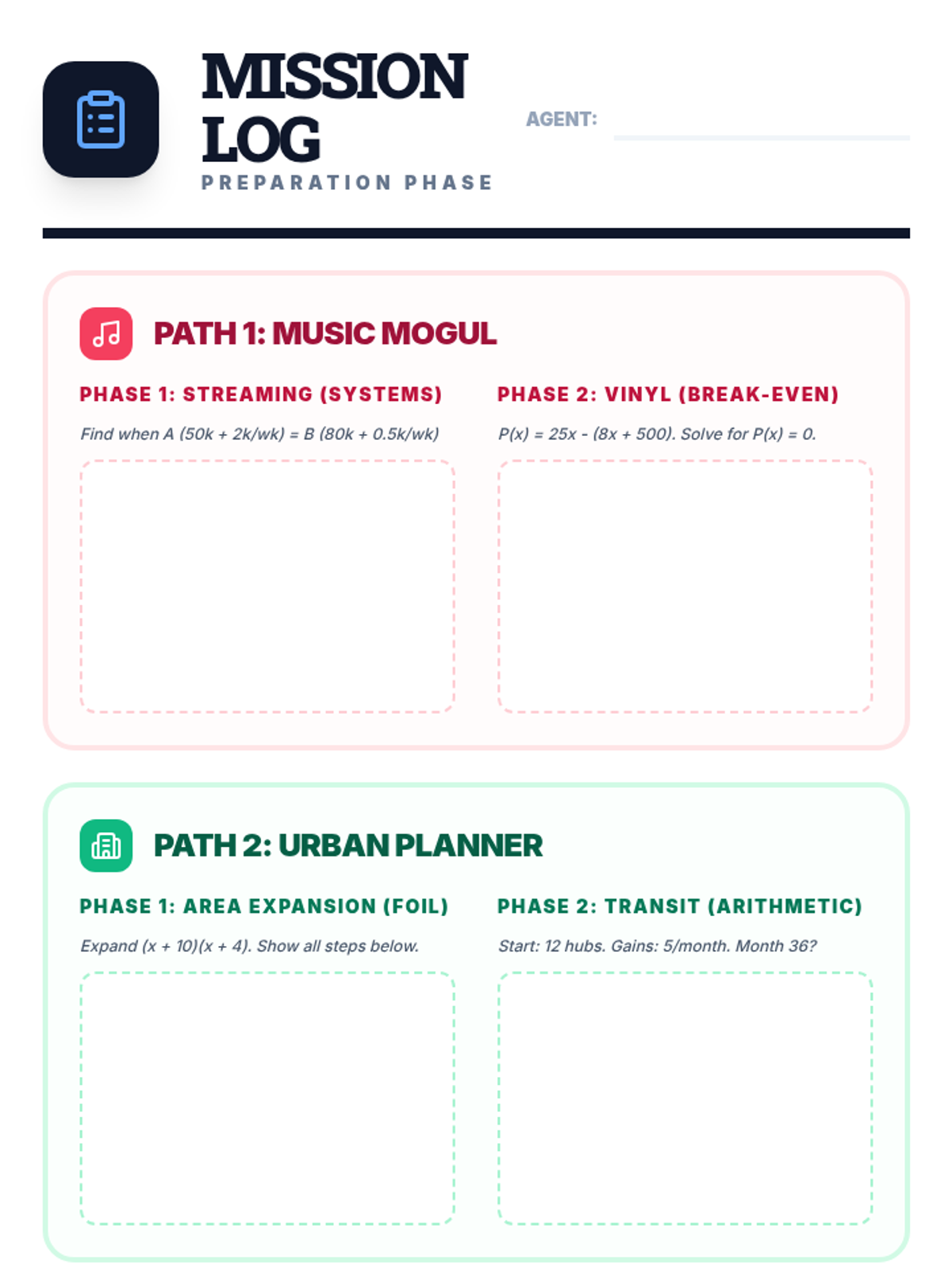
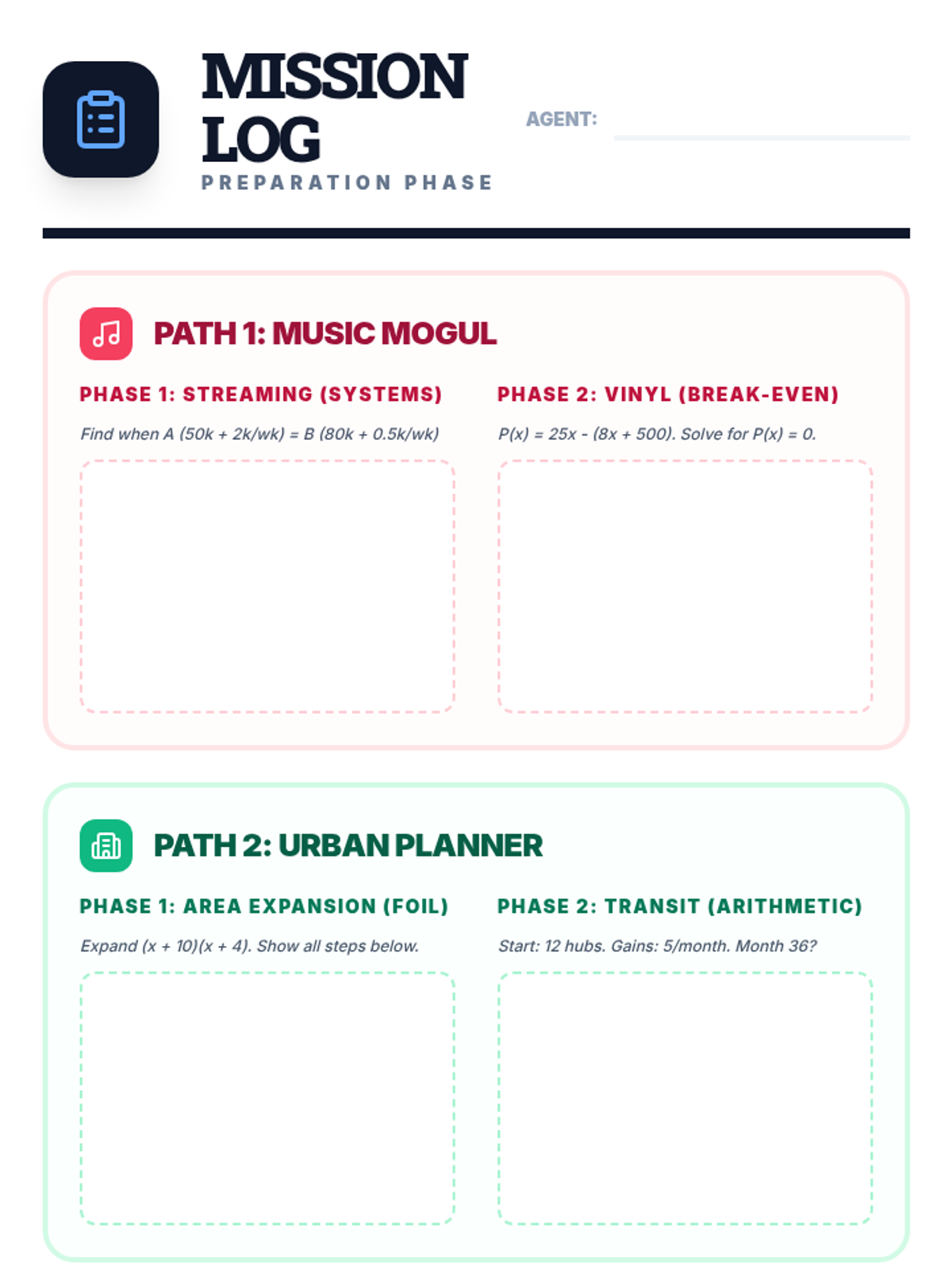
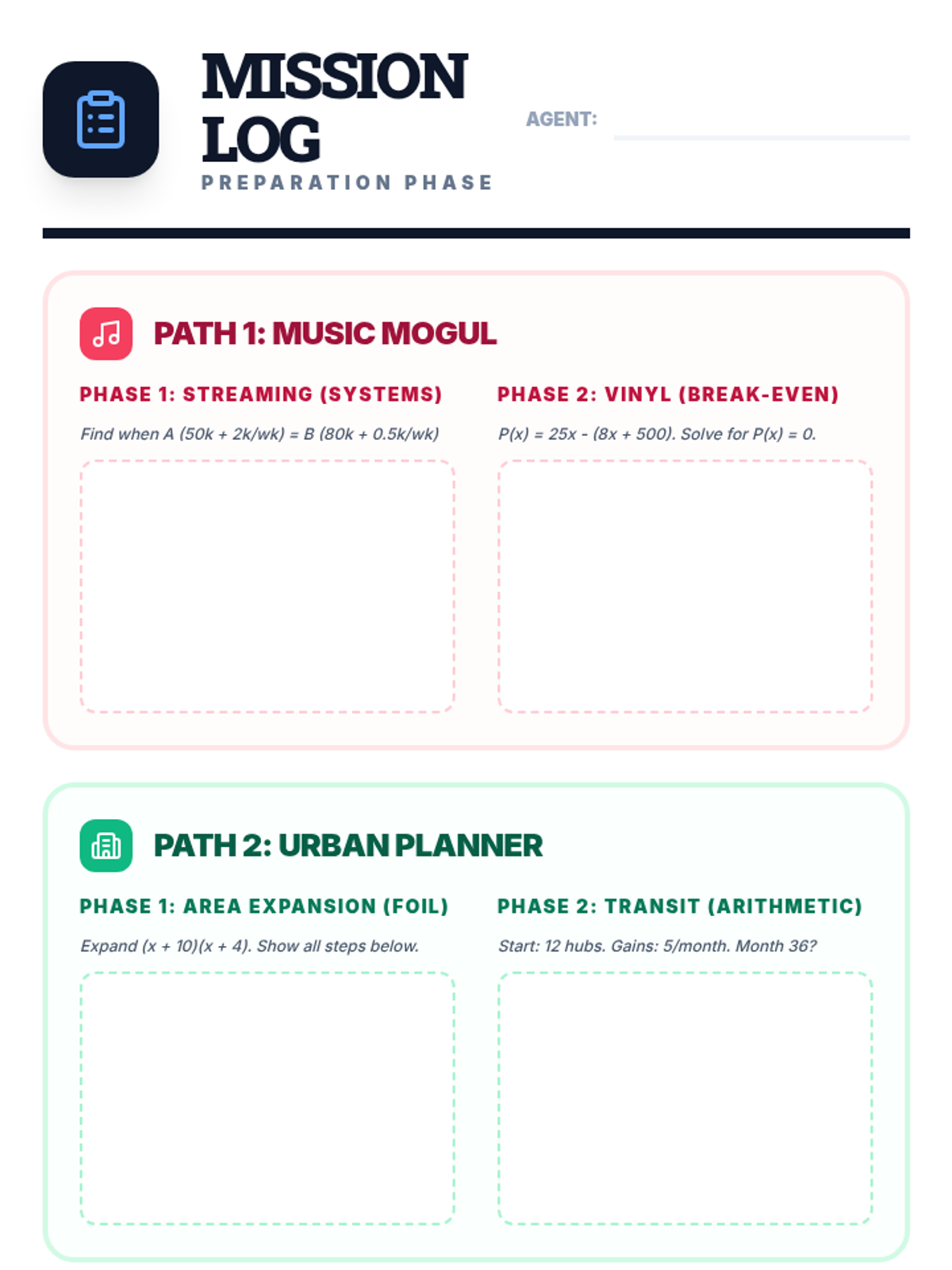
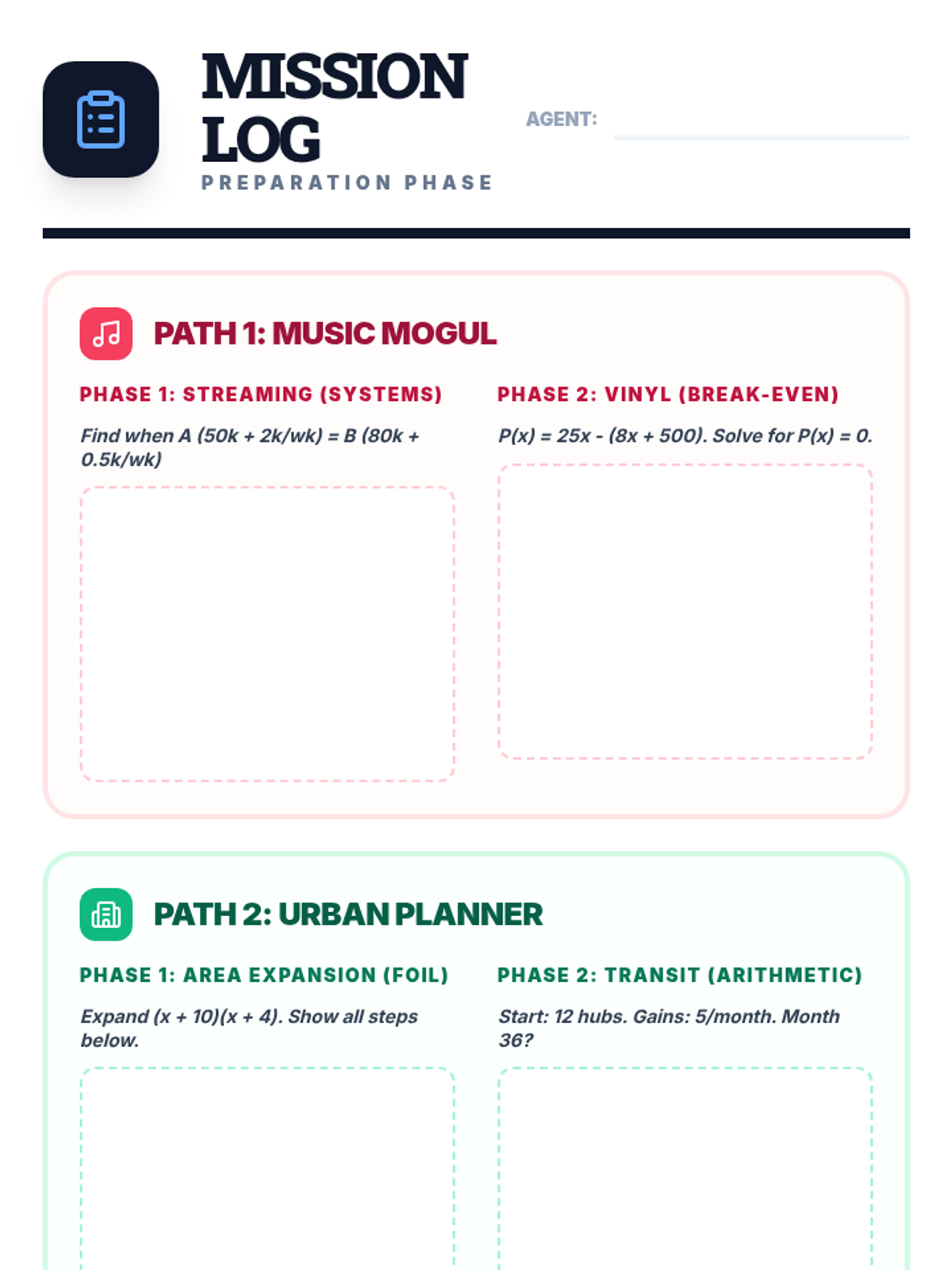
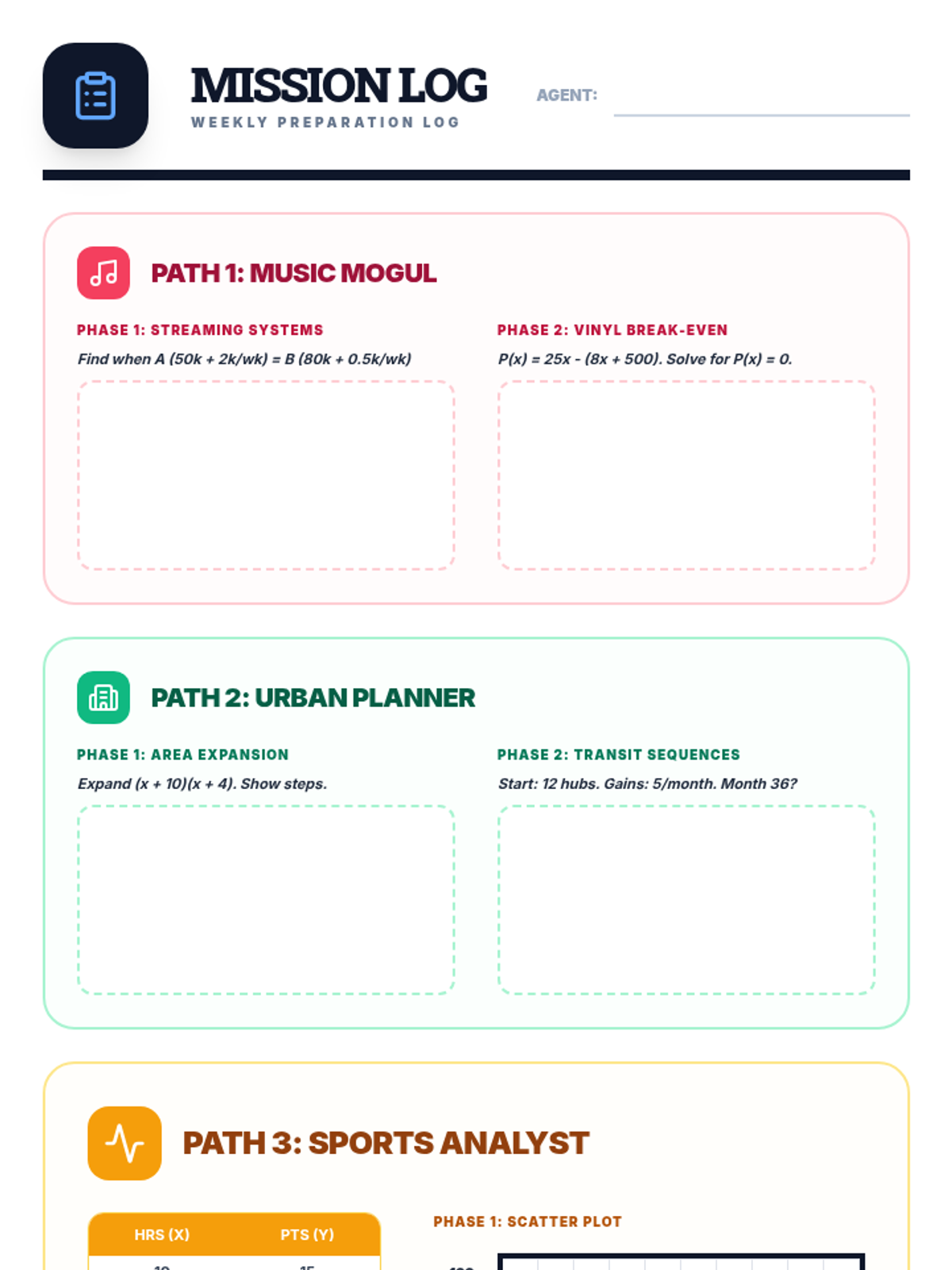
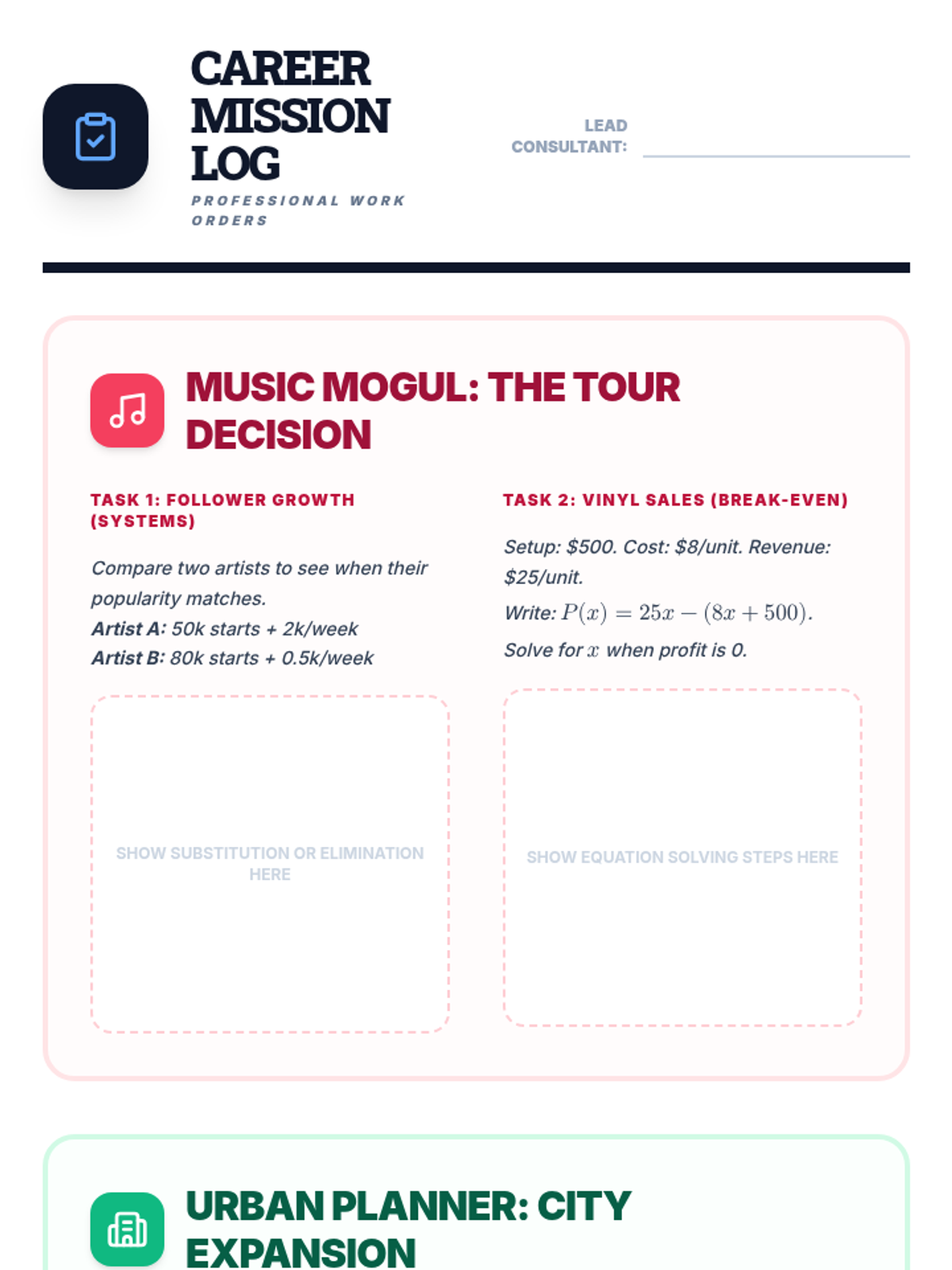
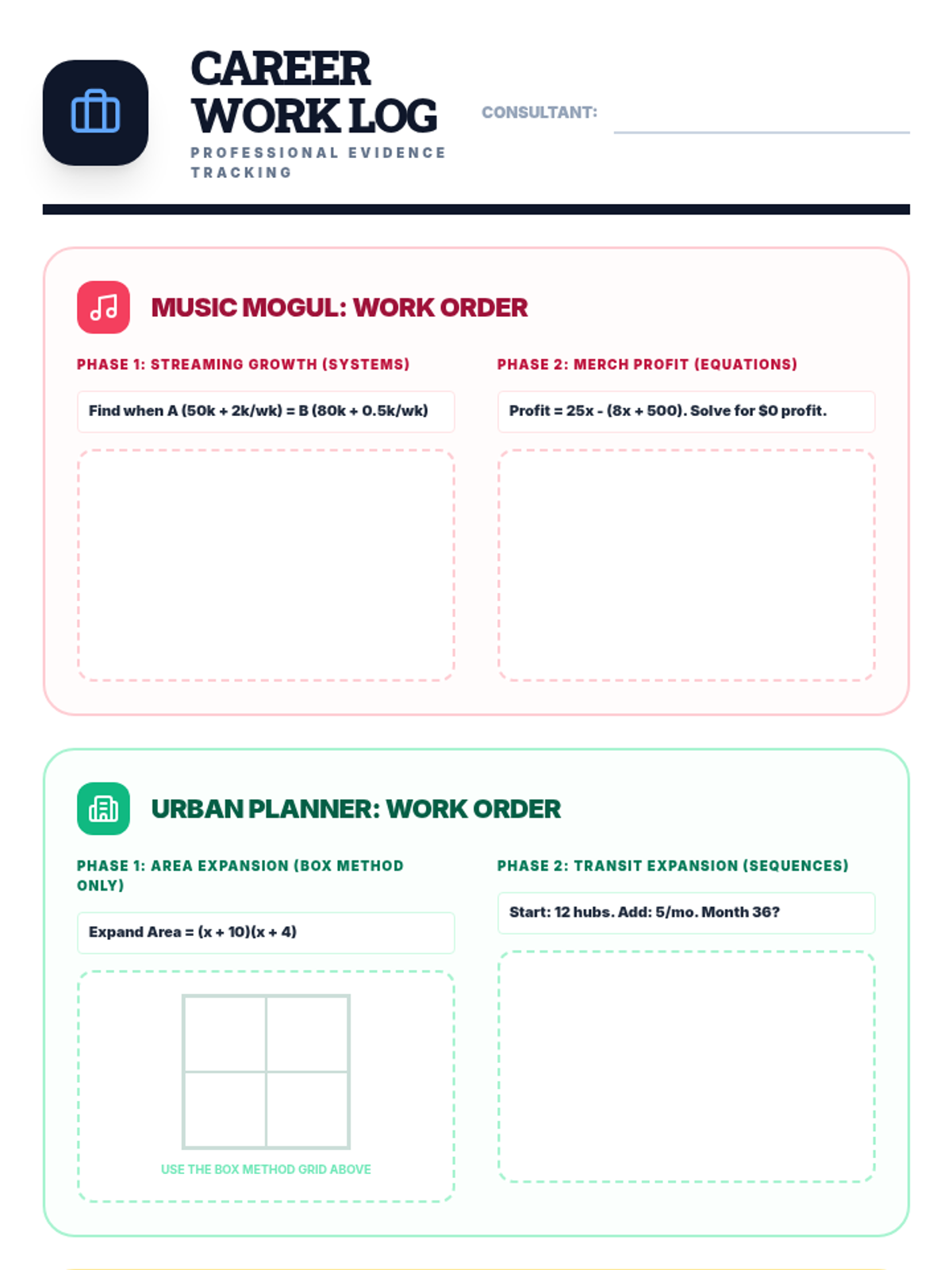
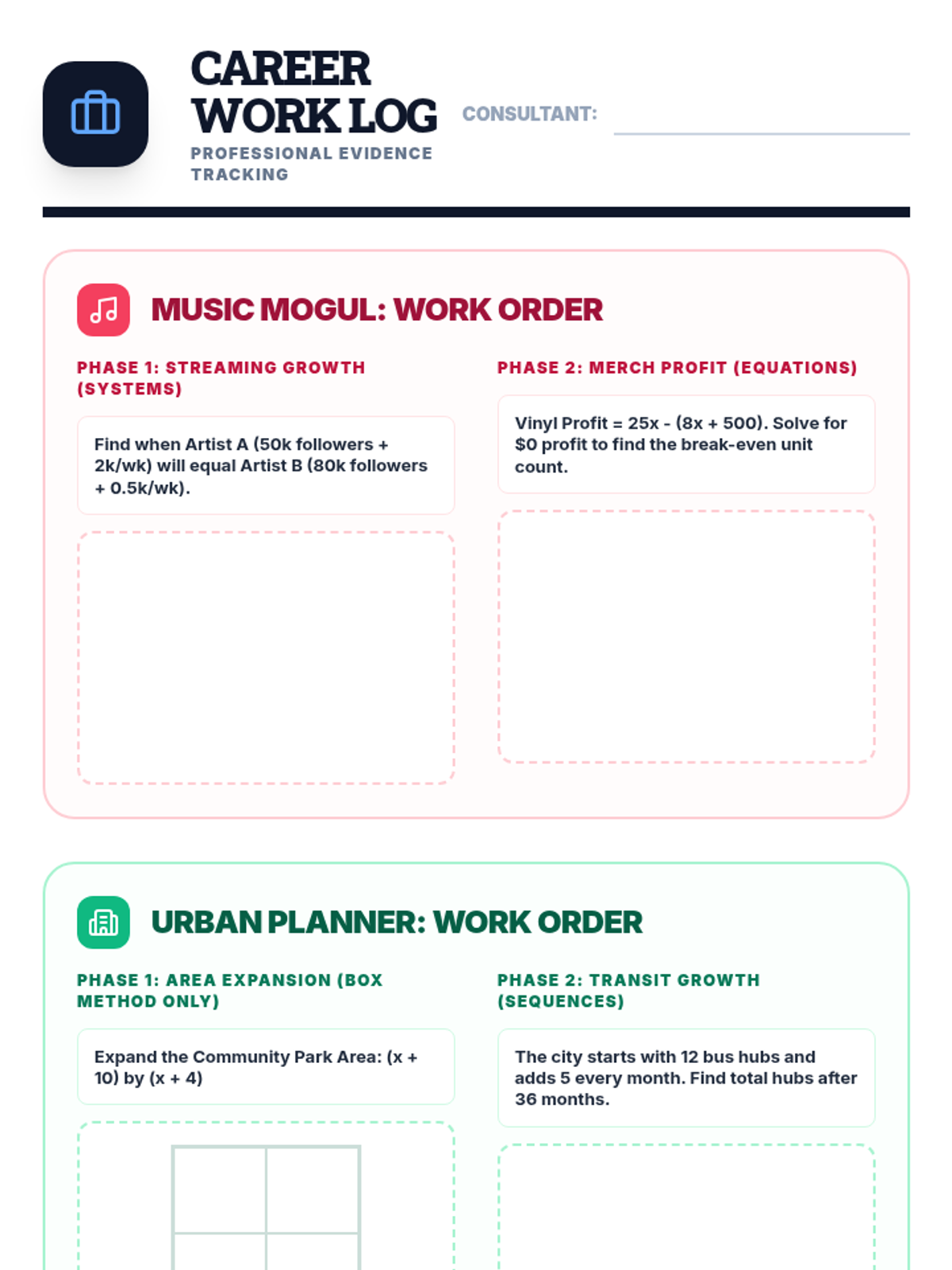
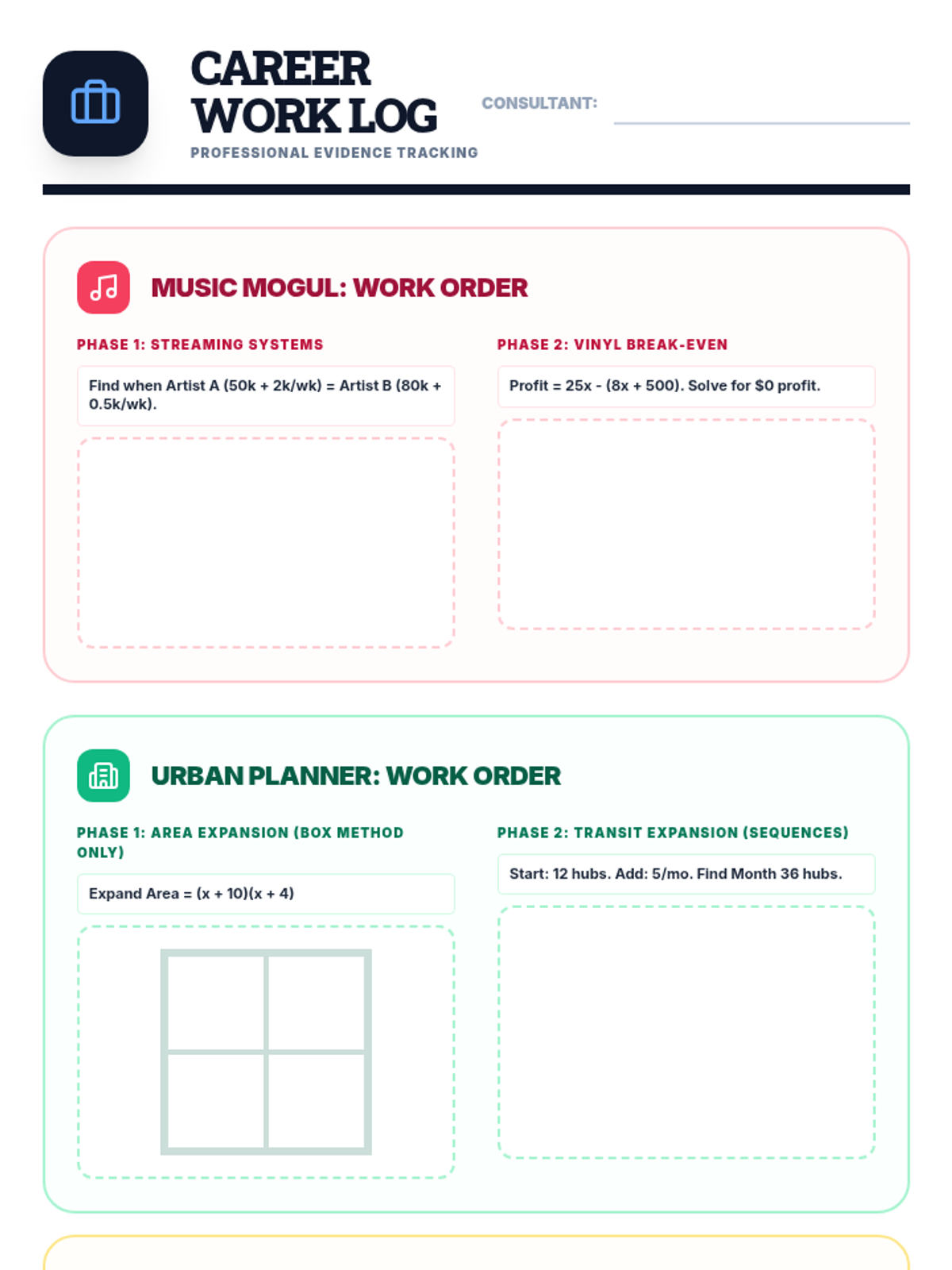
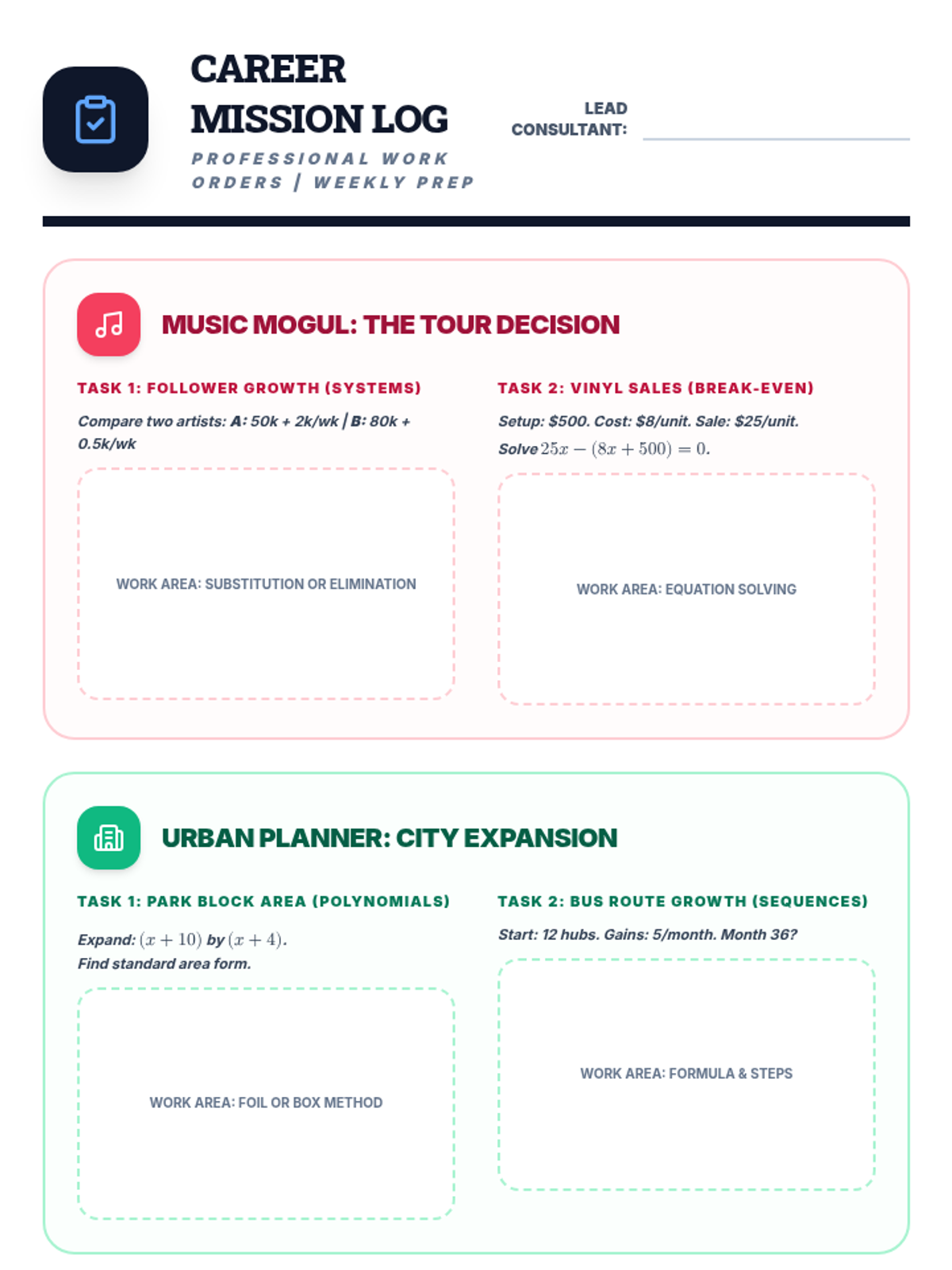
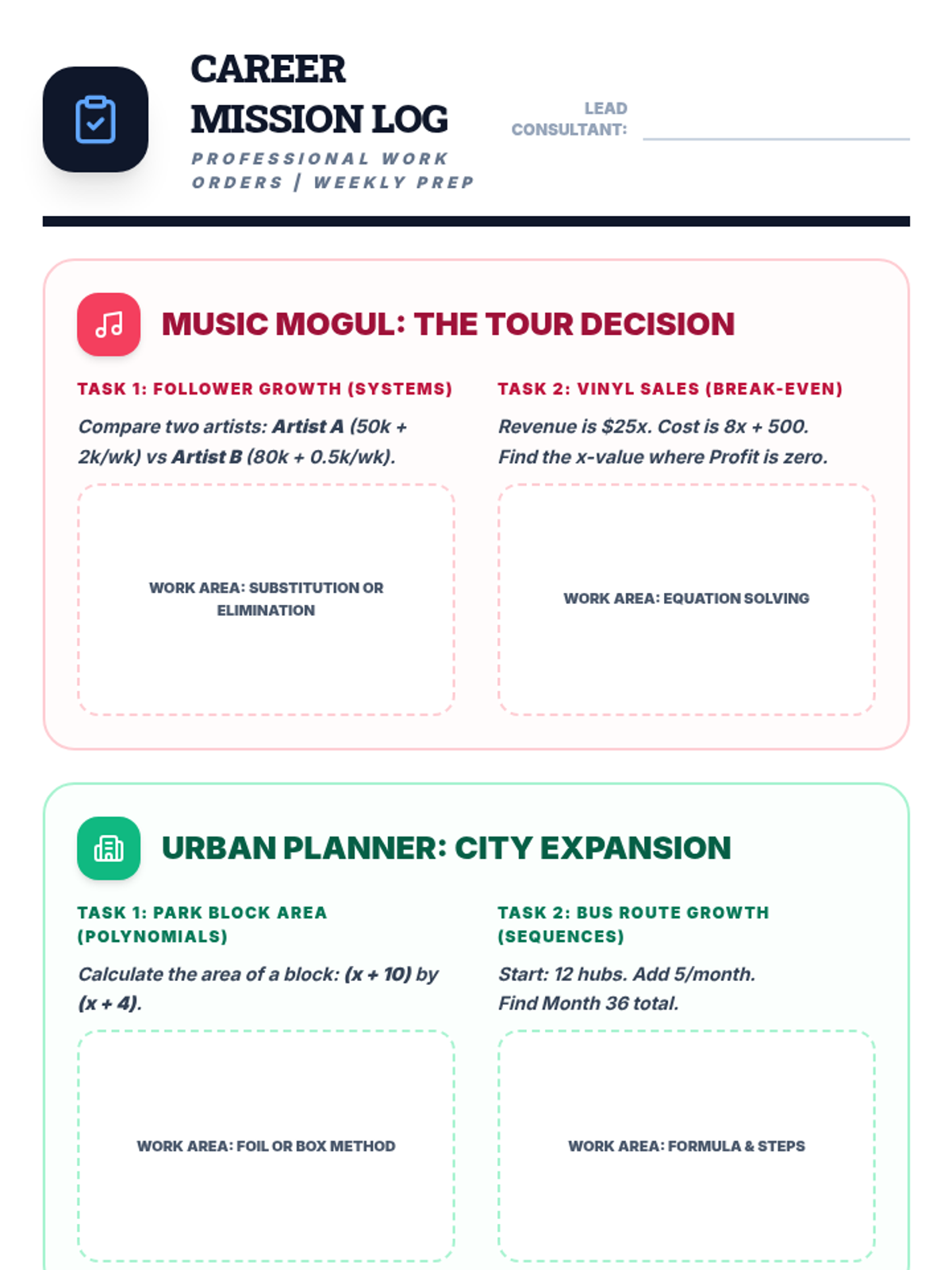
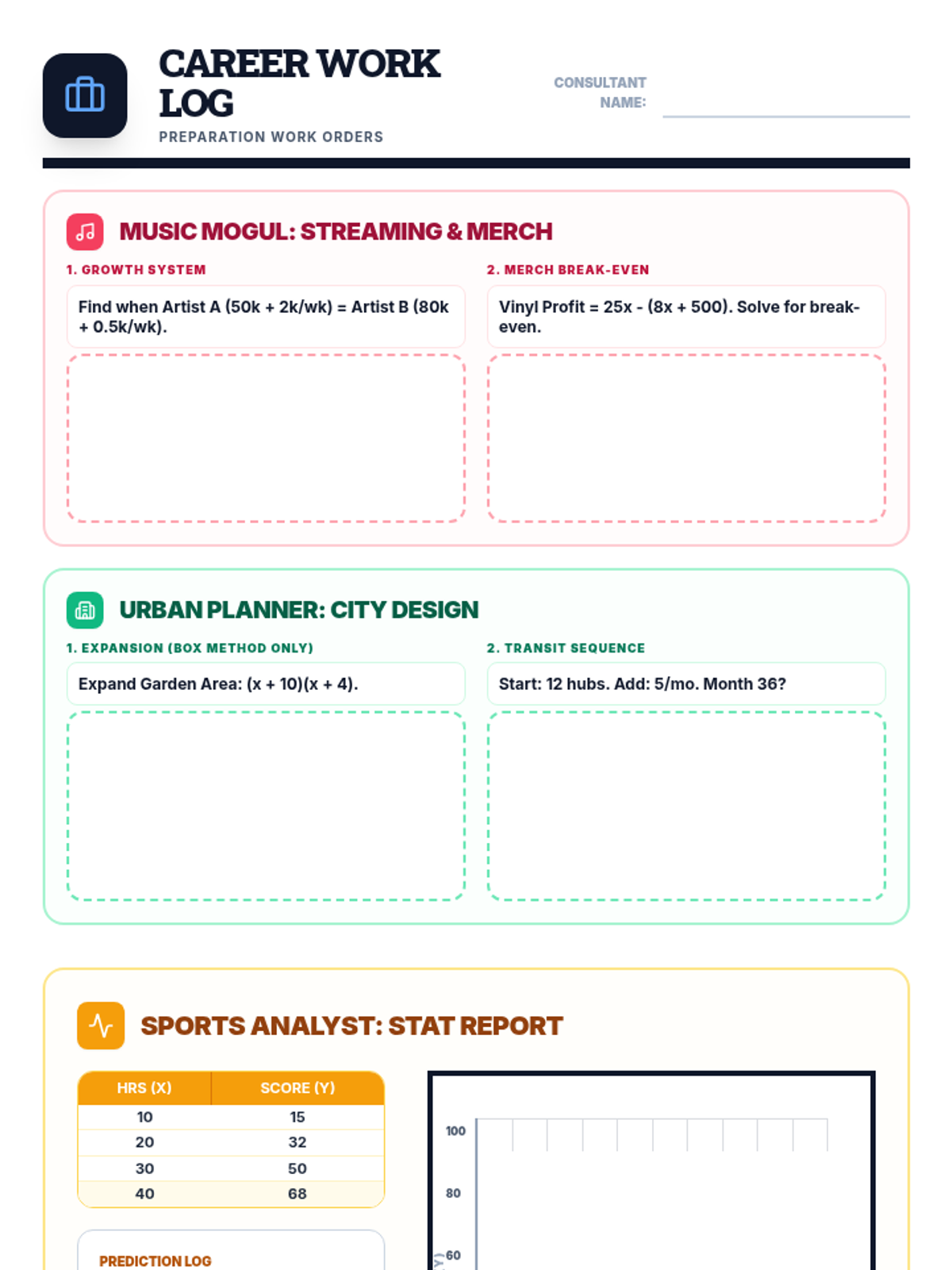
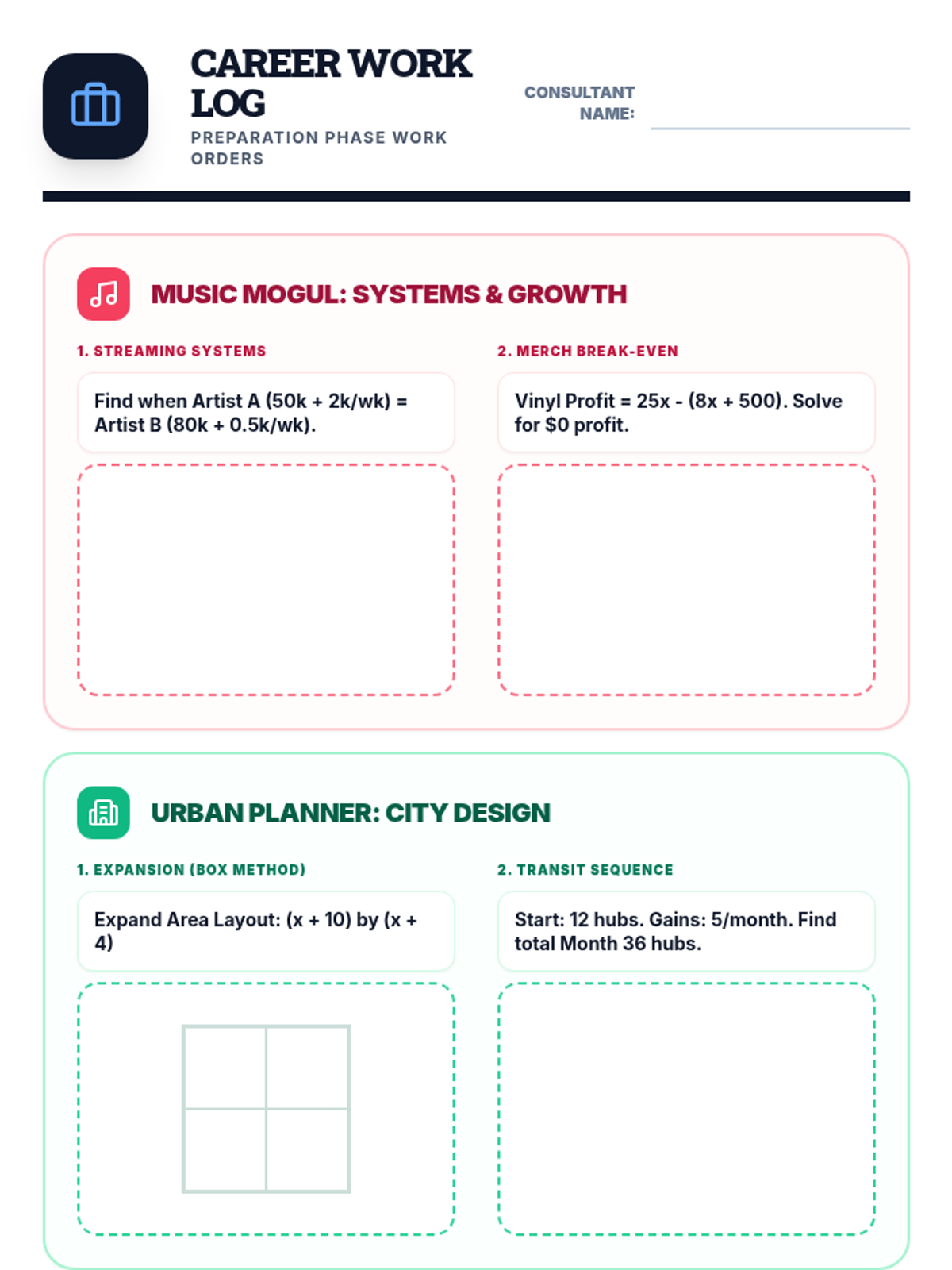
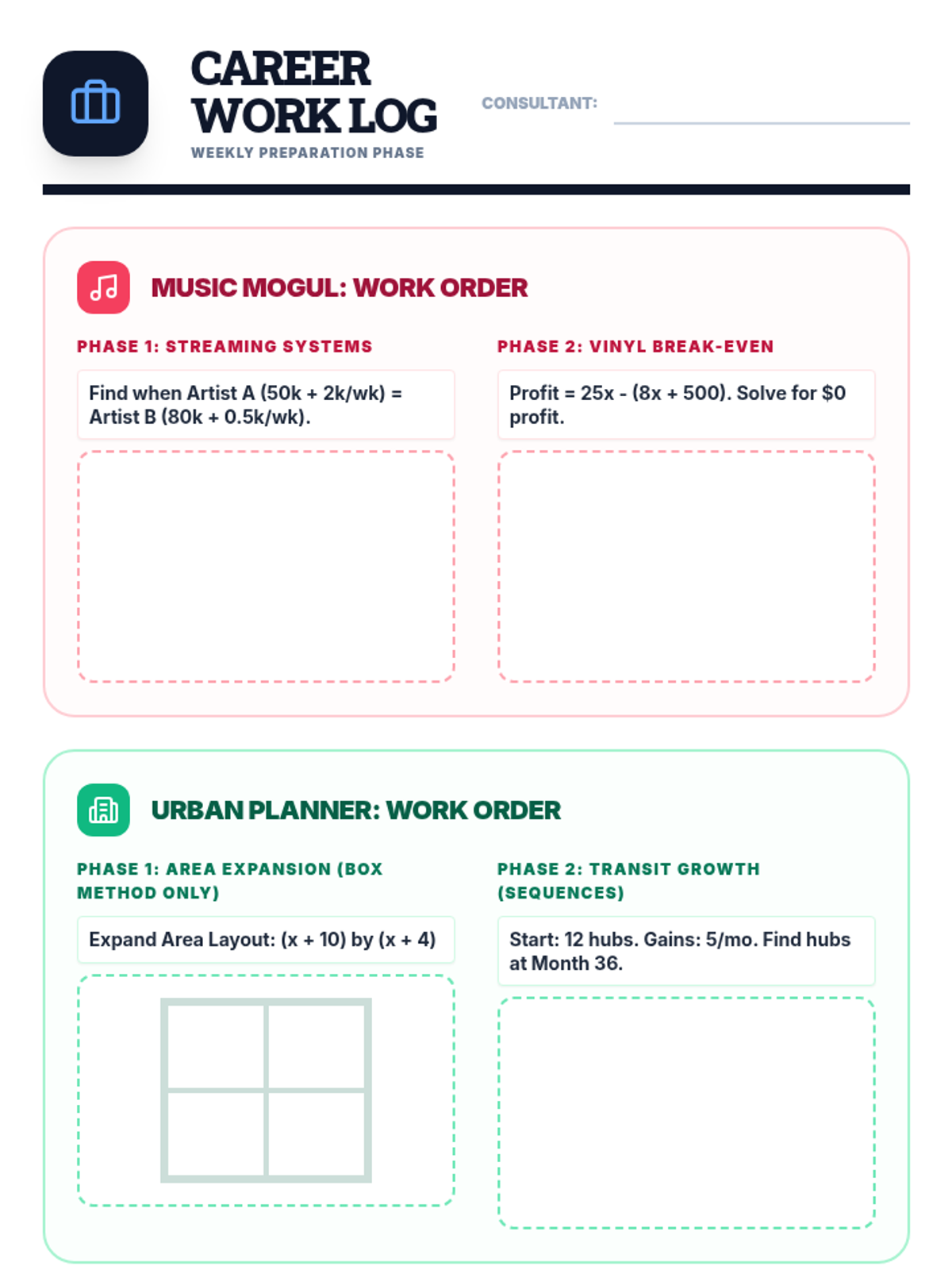
The final project phase where students select one of three real-world career paths (Music Mogul, Urban Planner, or Sports Analyst) to apply their mathematical knowledge in a summative assessment.