A comprehensive writing unit designed for newcomer multilingual learners to draft a fictional story about a clever rabbit. This lesson includes vocabulary building, structured planning with a brain frame, and scaffolded drafting.
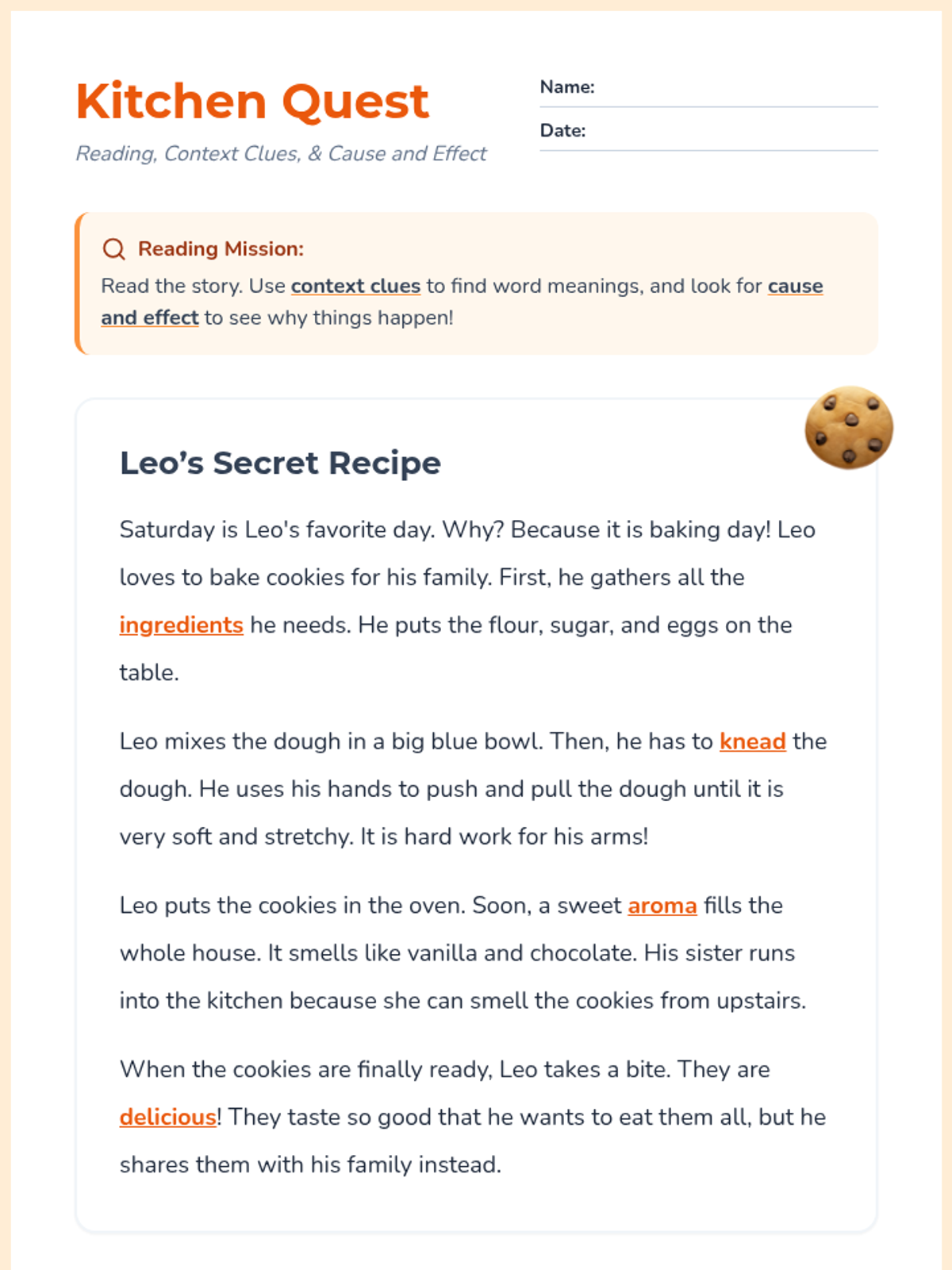
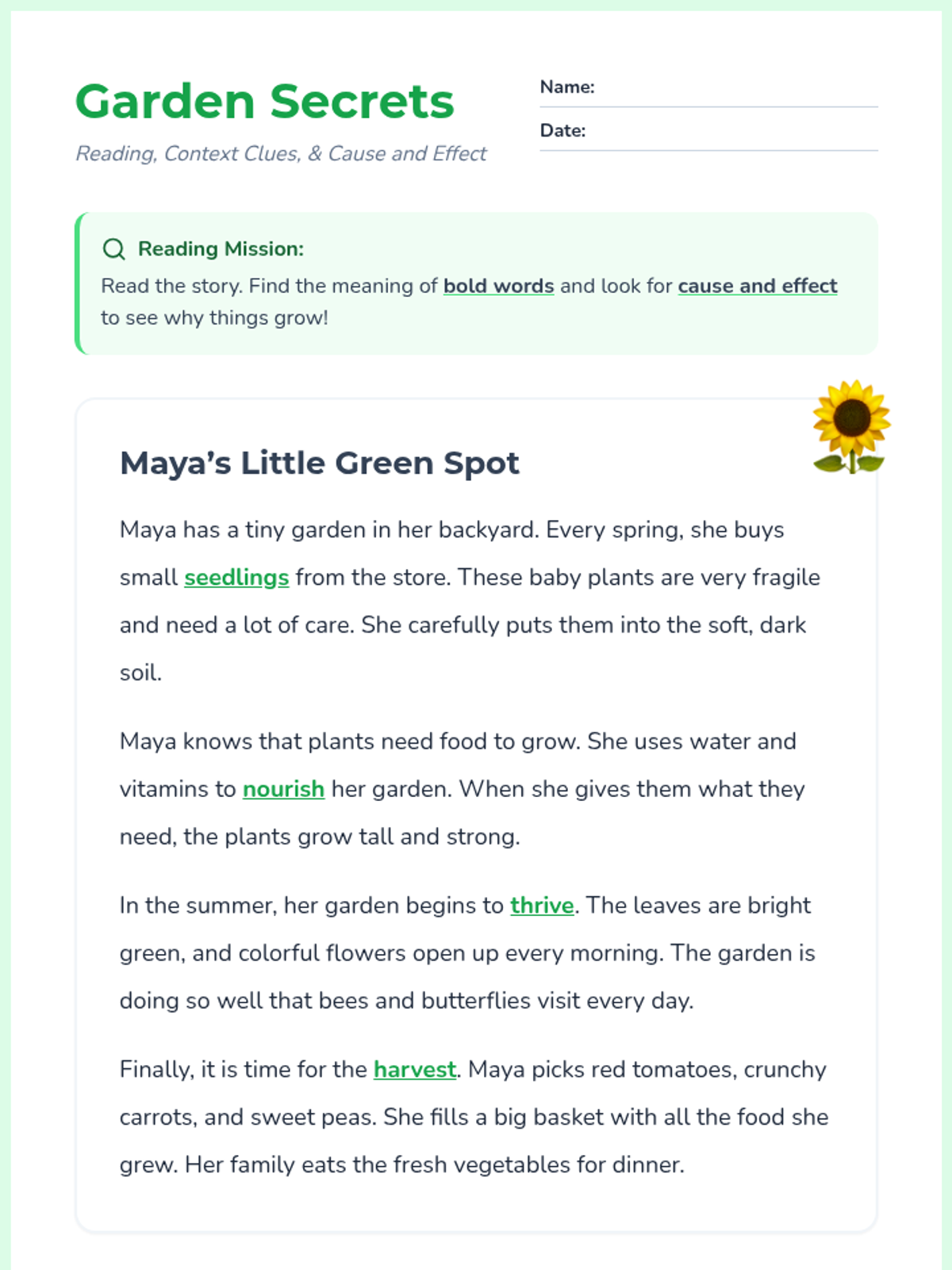
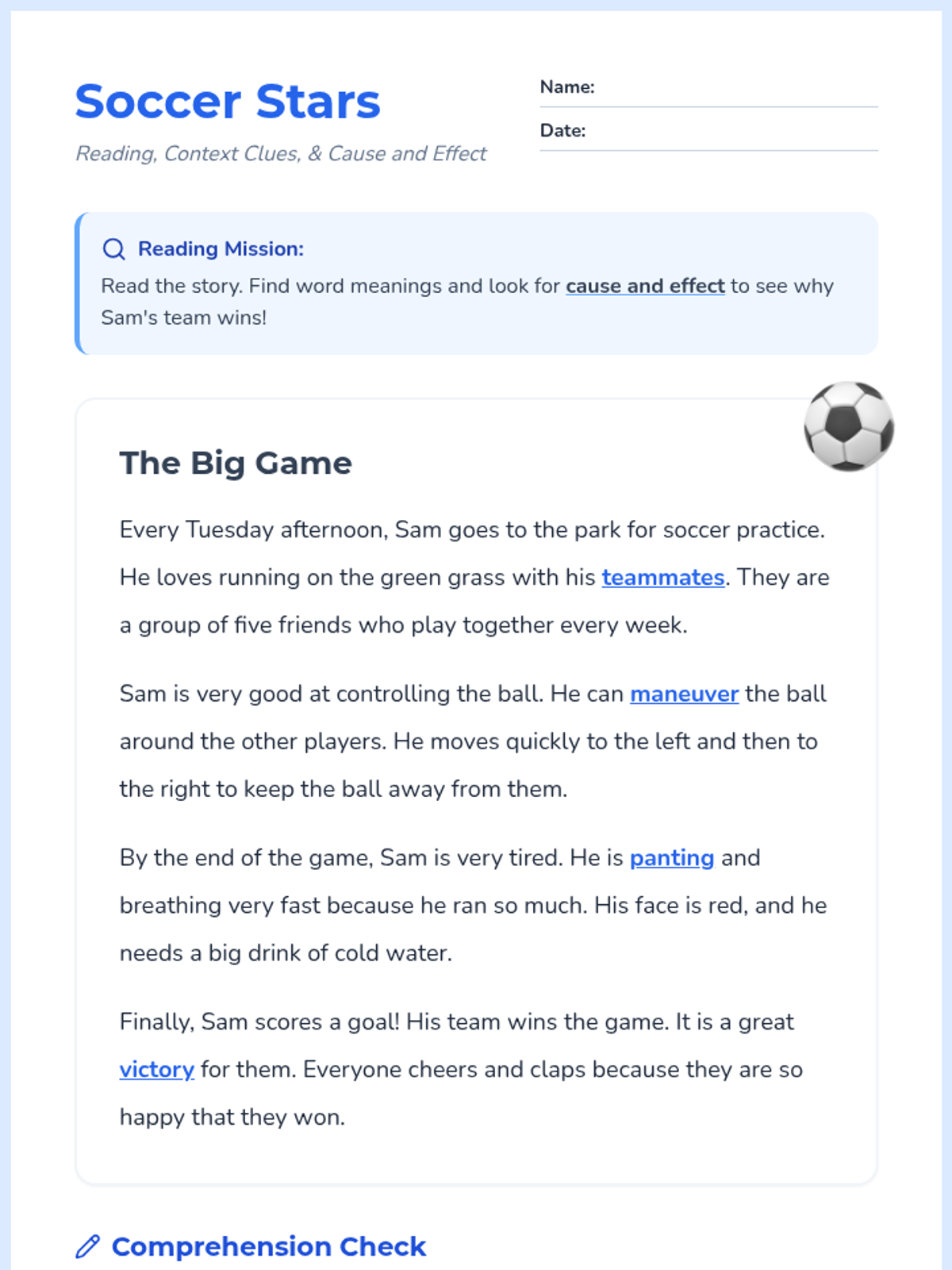
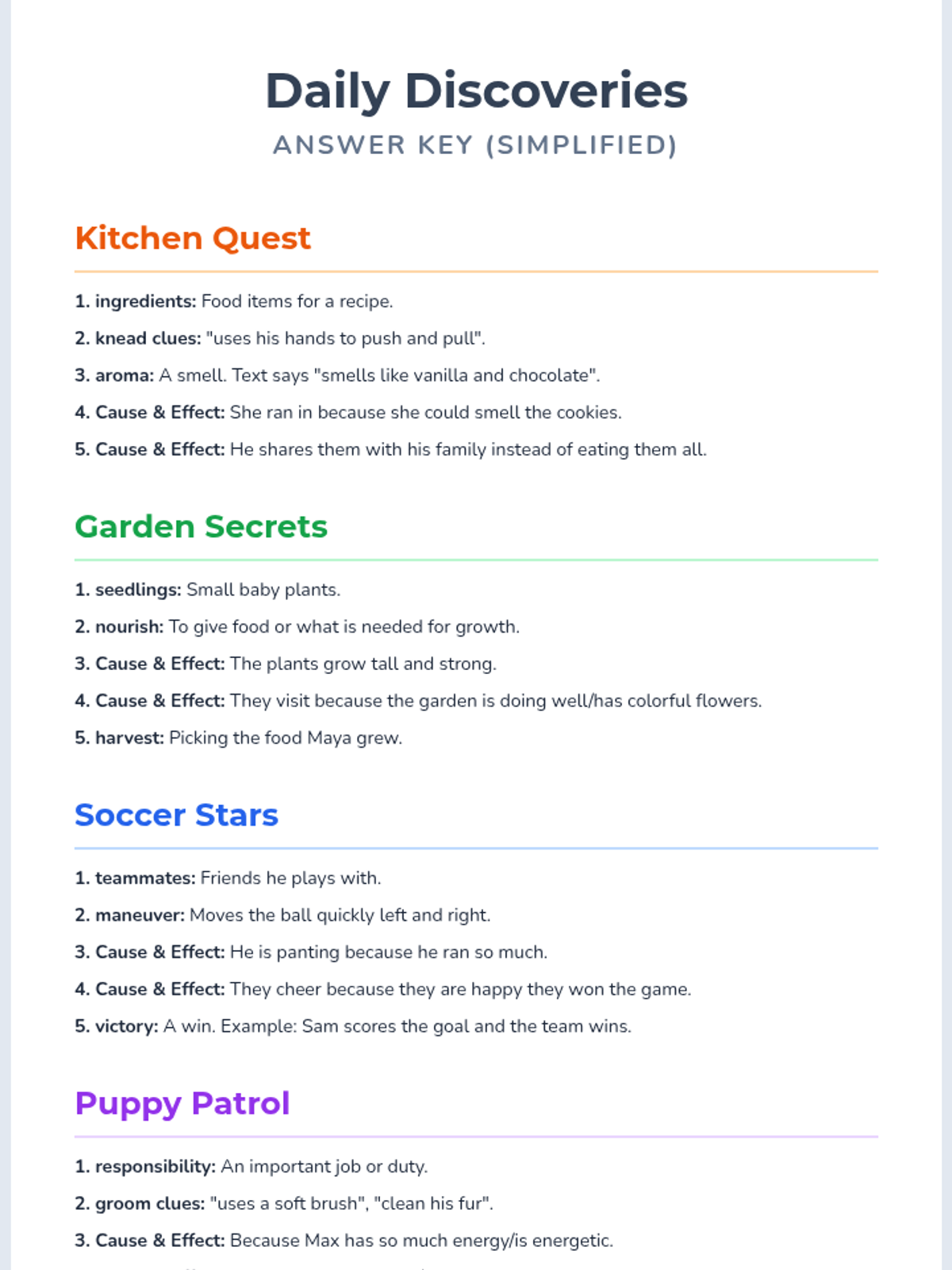
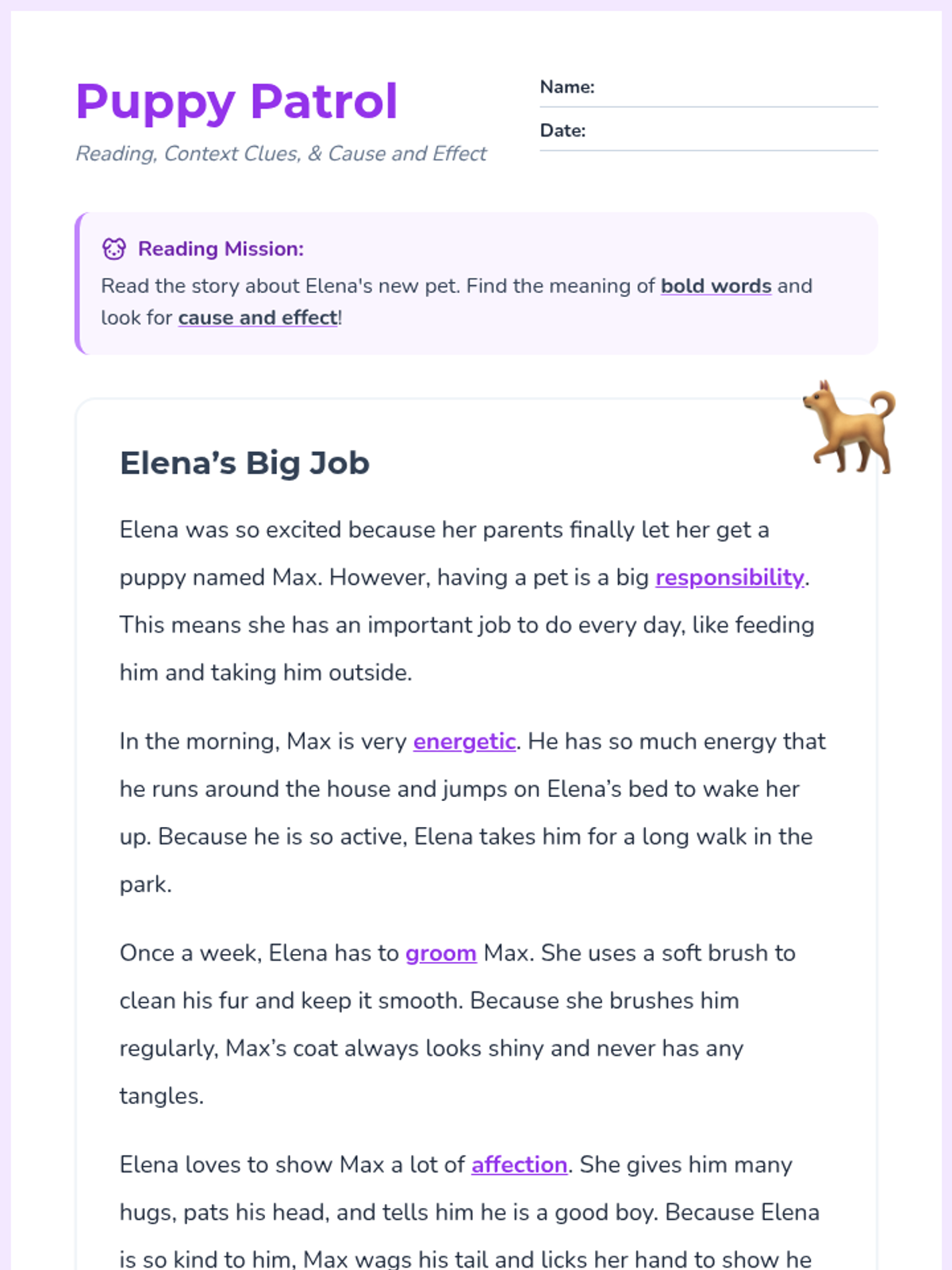
A series of reading comprehension worksheets for 4th grade English Learners focusing on daily life and hobbies. Students practice using context clues to identify the meaning of new vocabulary within engaging, relatable stories.
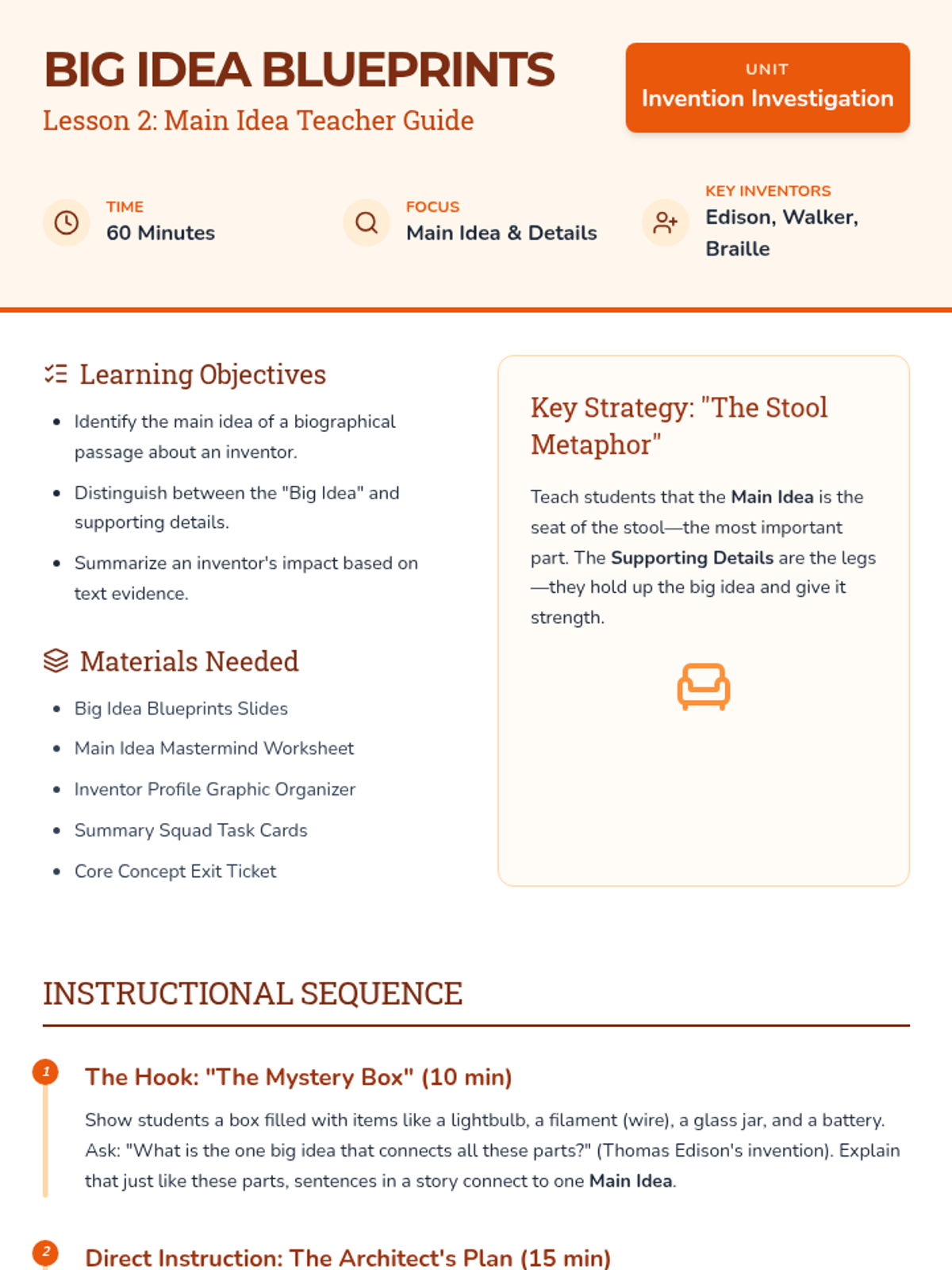
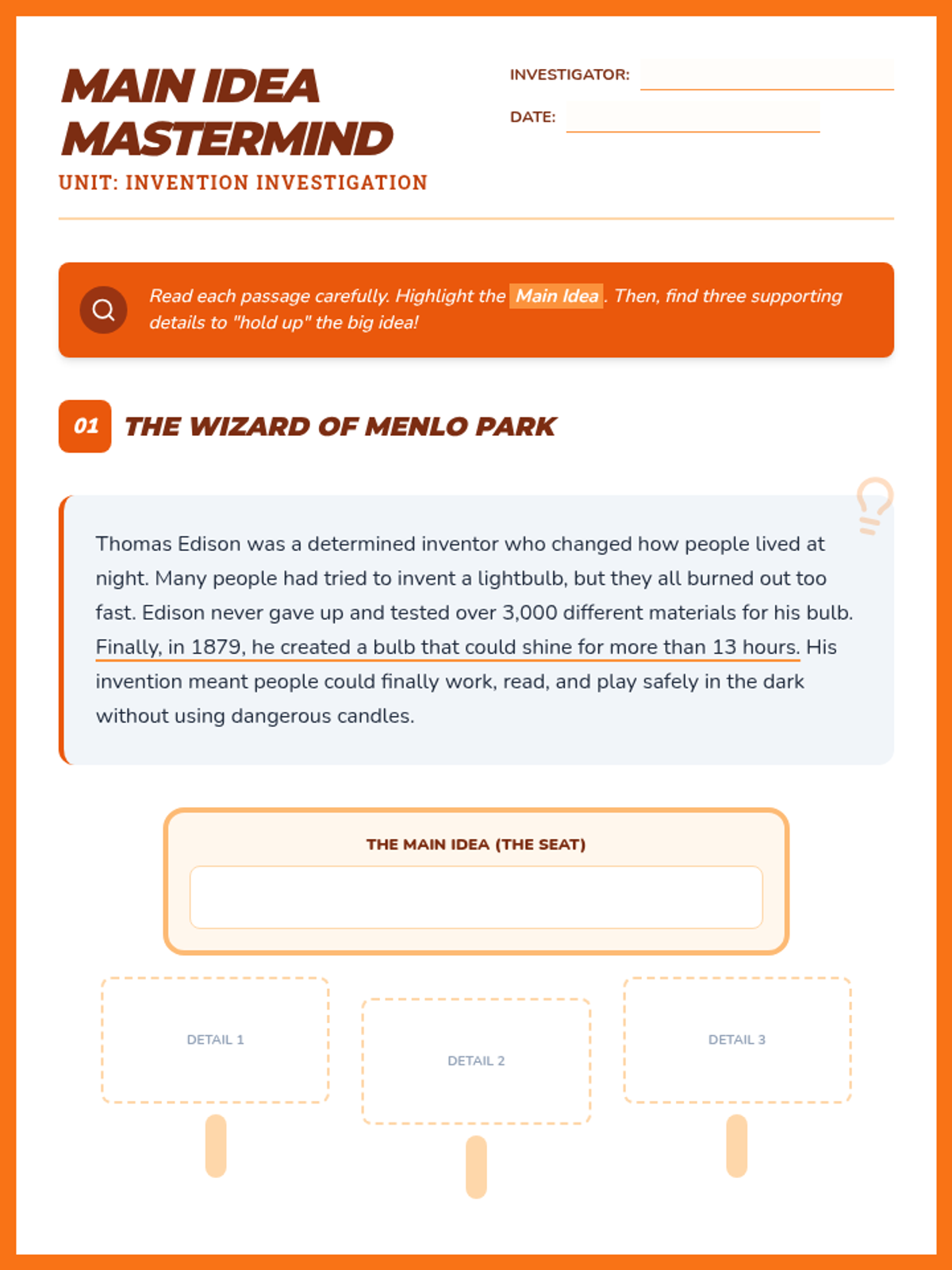
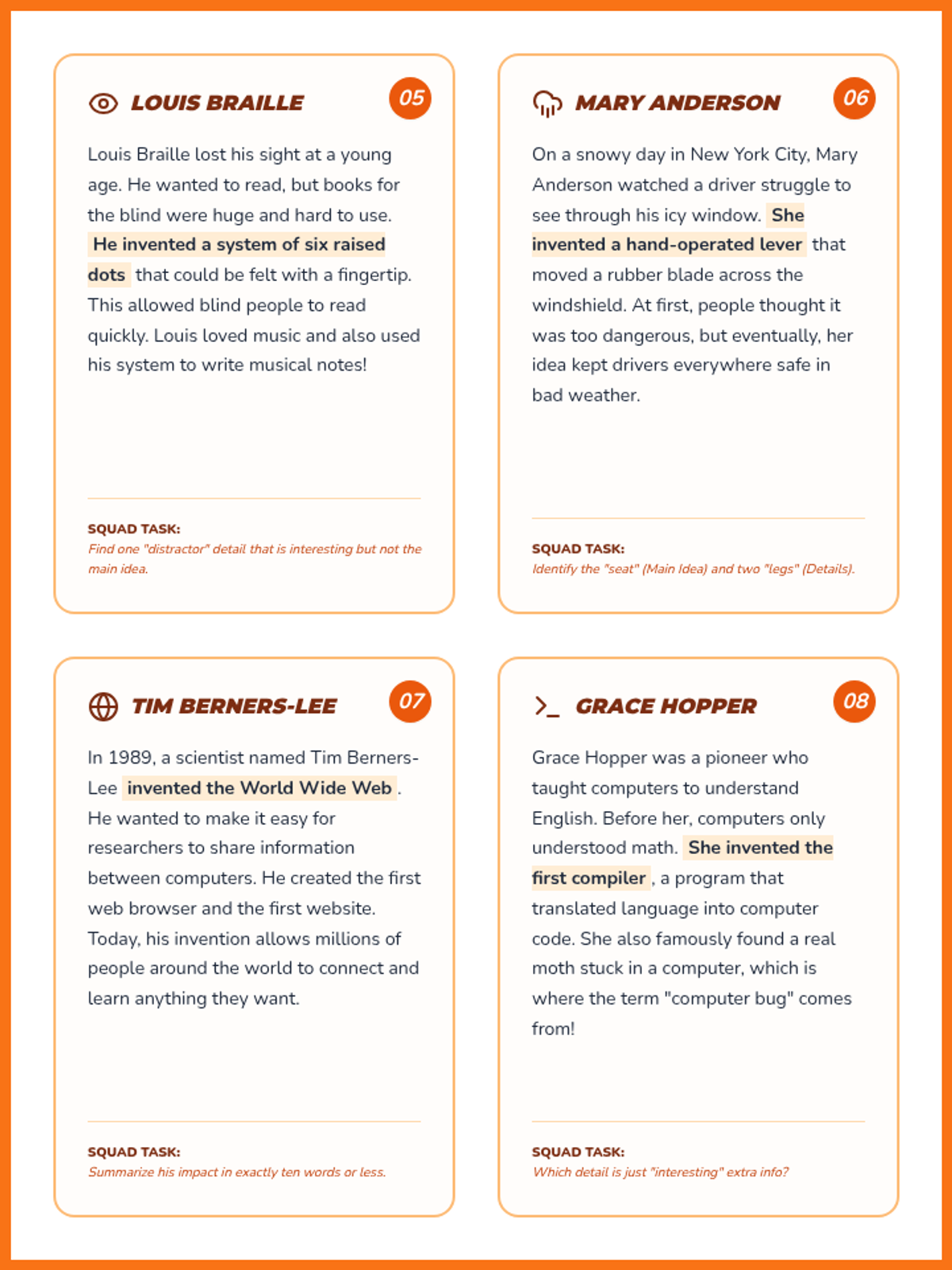
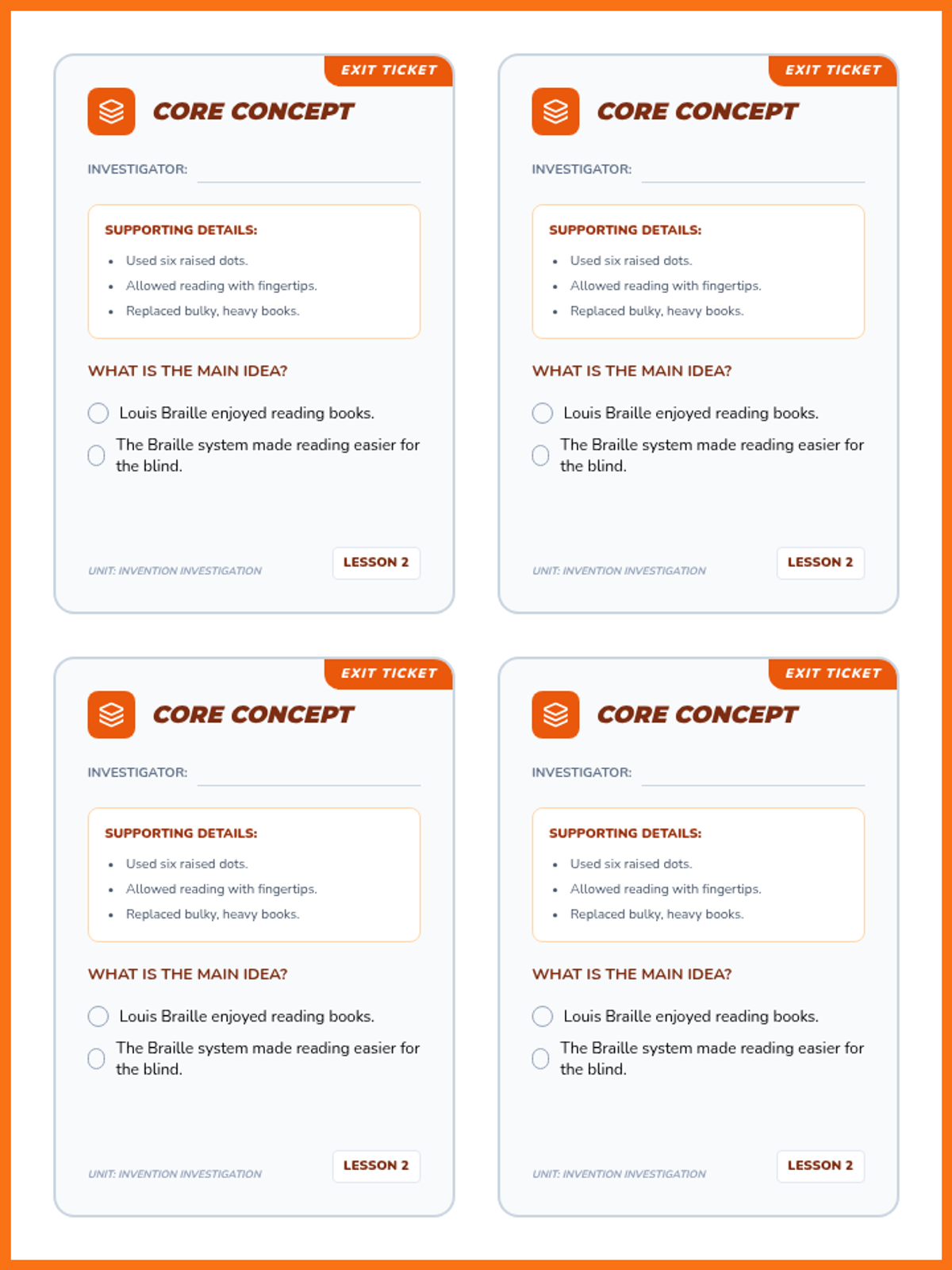
Students will learn to identify the main idea and supporting details in biographical texts about famous inventors, synthesizing information to understand their overall impact.
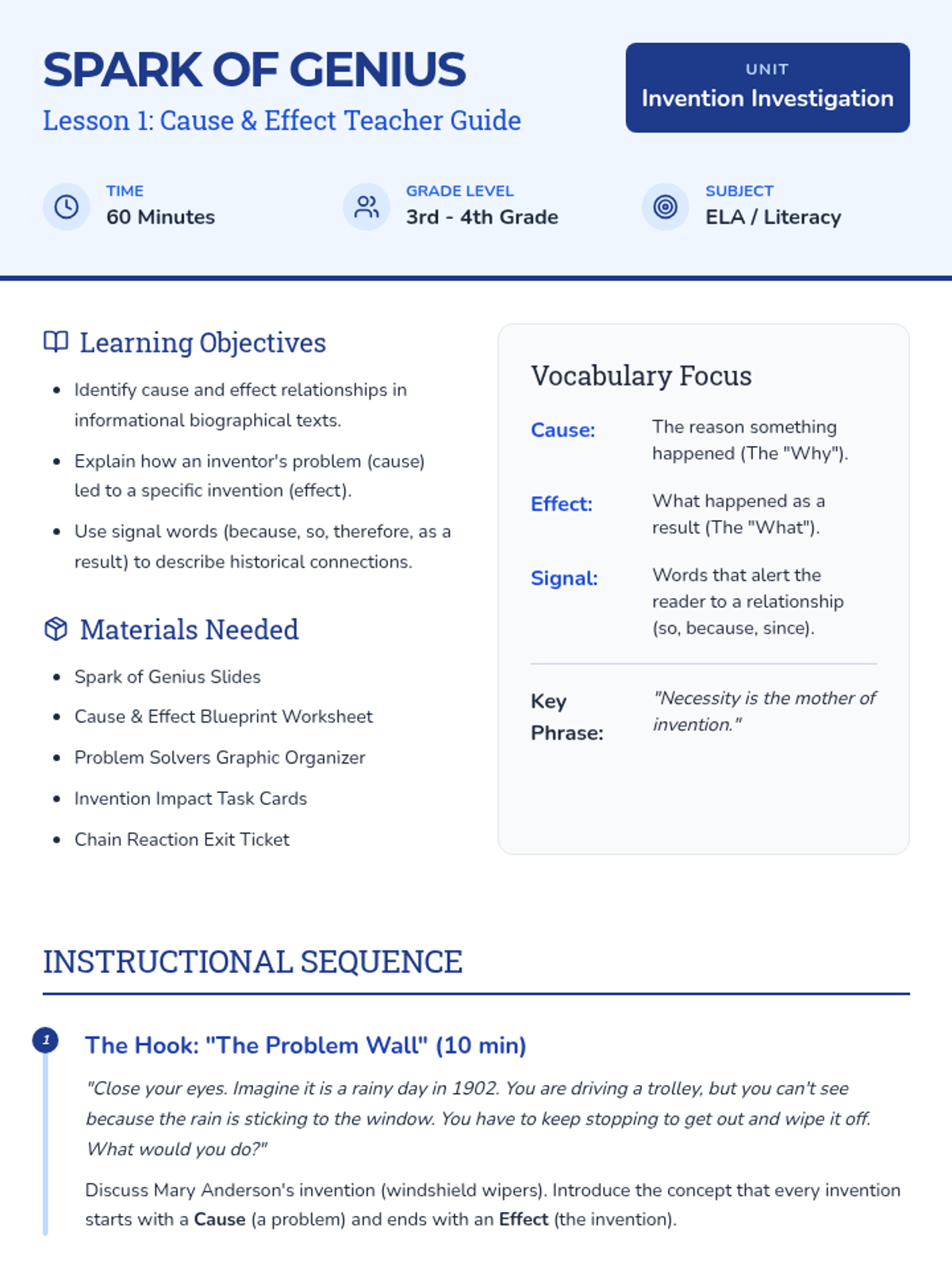
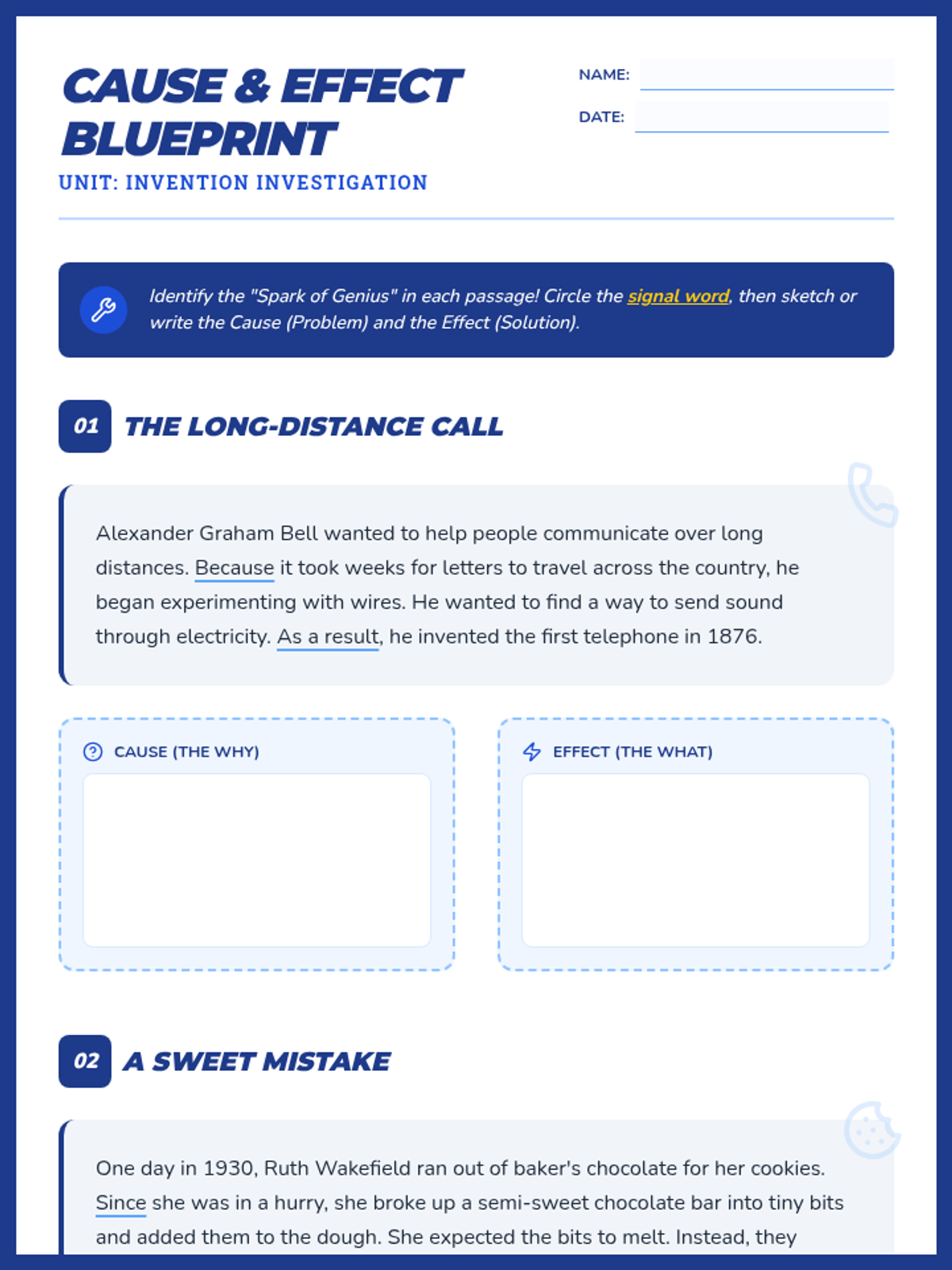
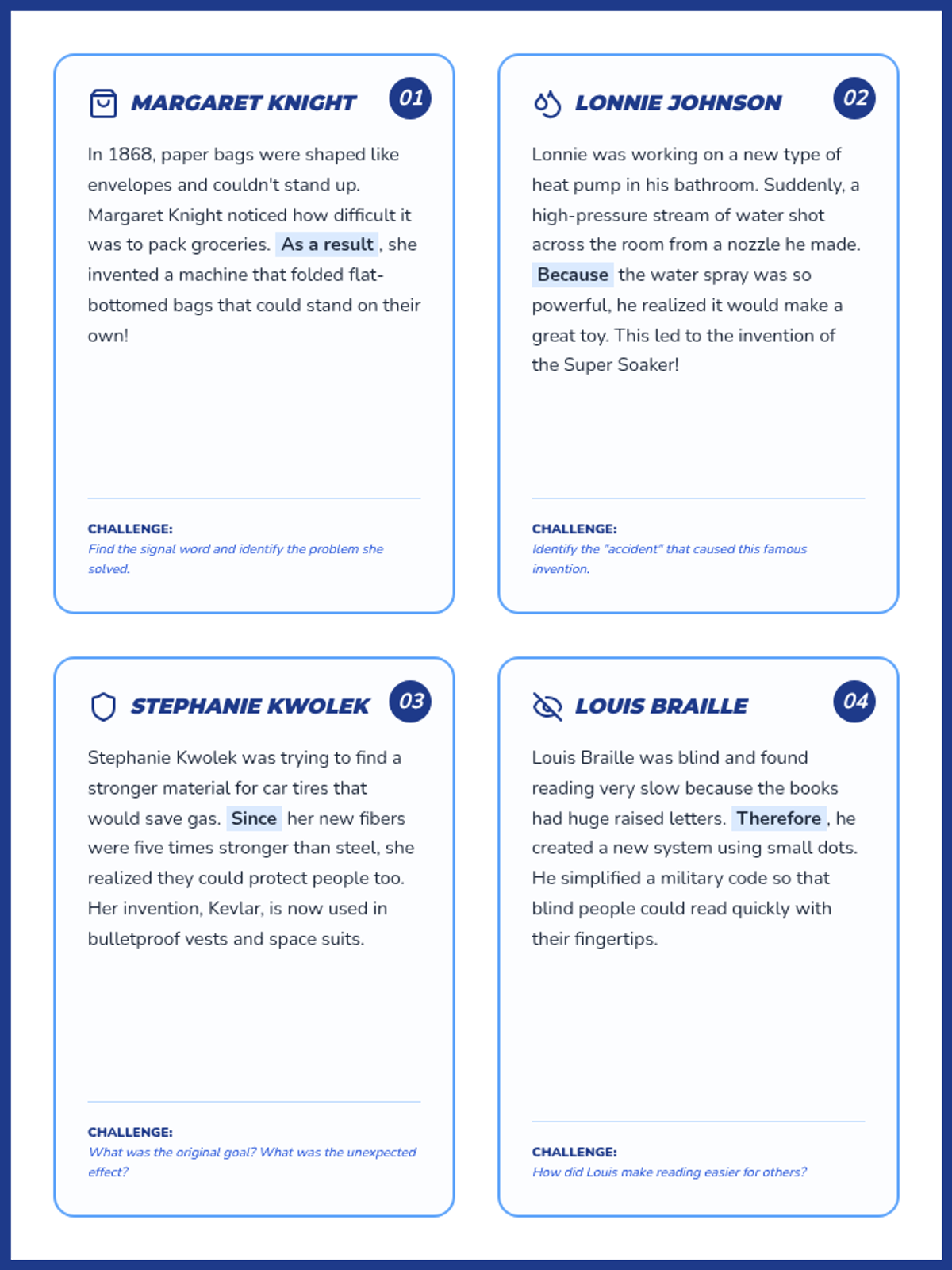
Students will explore how inventors identified problems (causes) and developed solutions (effects), using real-world examples like the lightbulb and the windshield wiper.
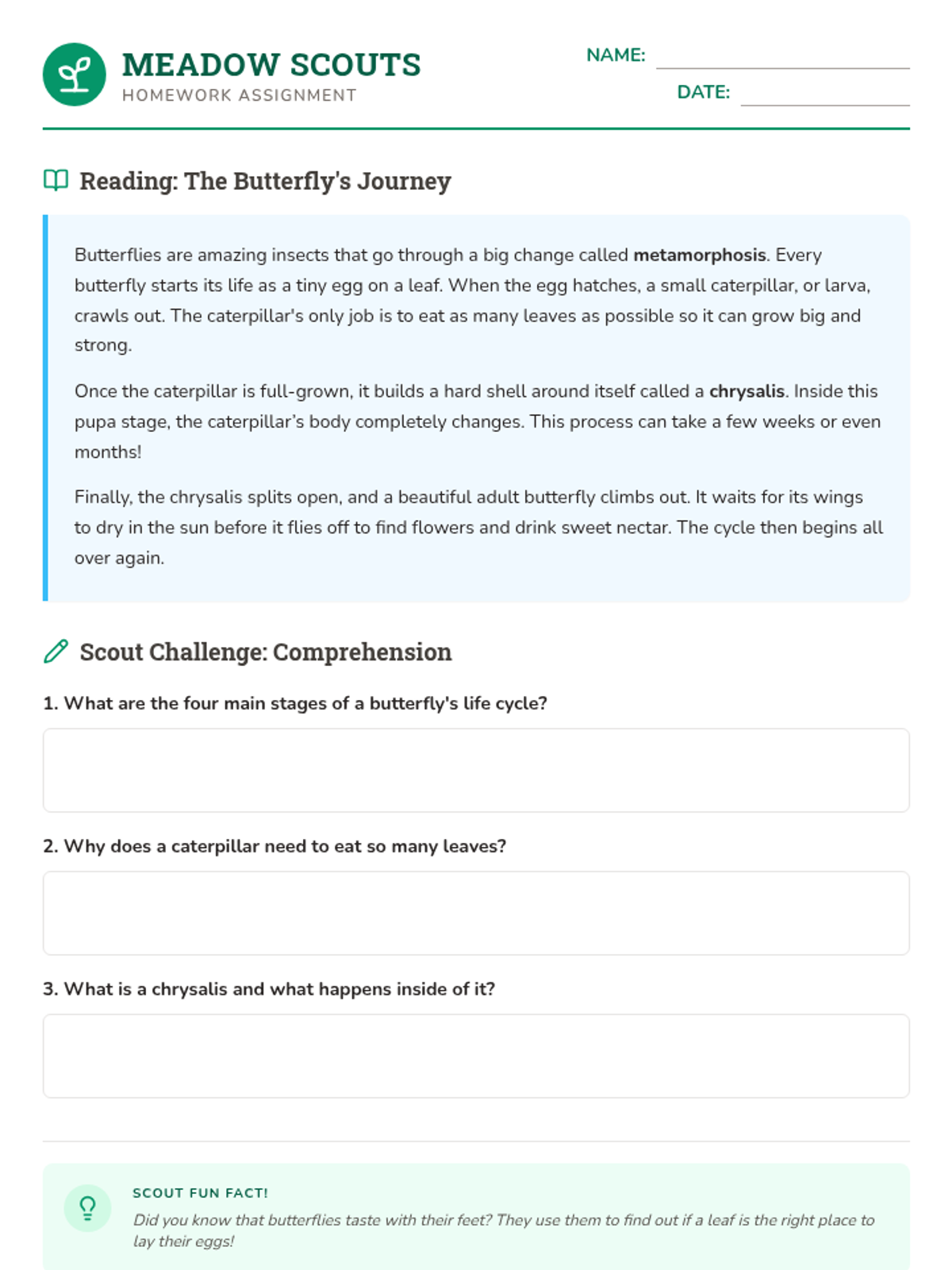
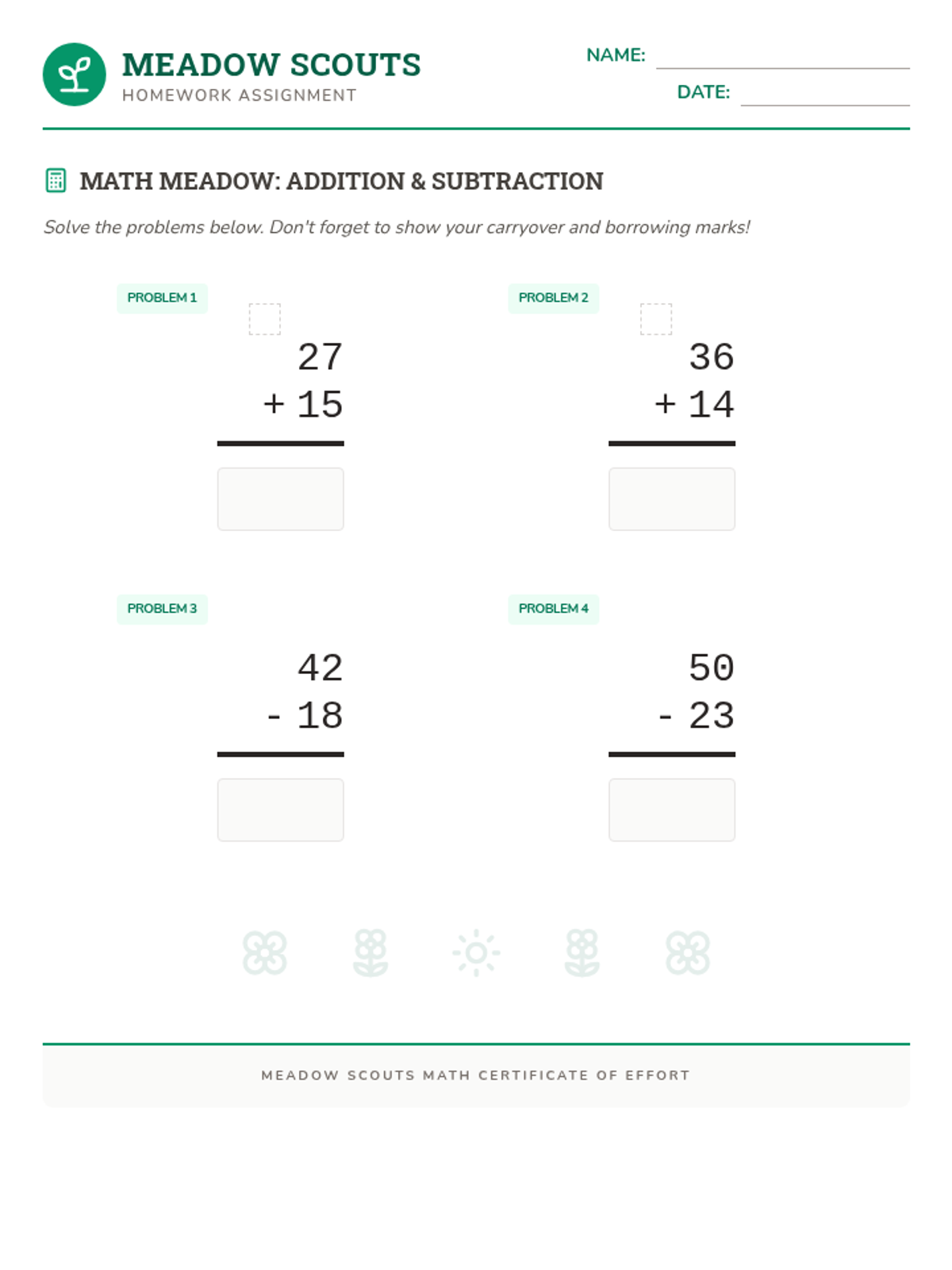
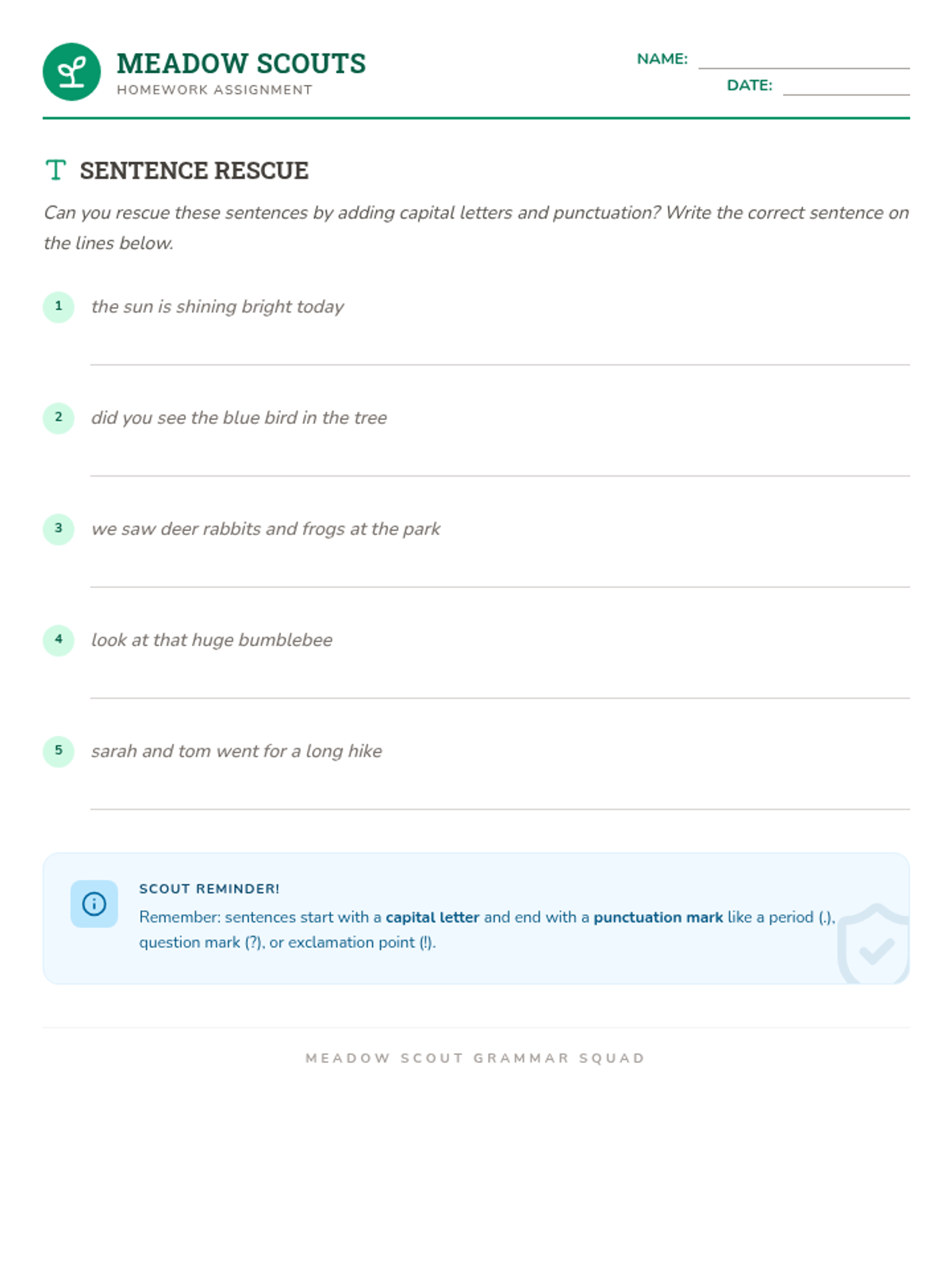
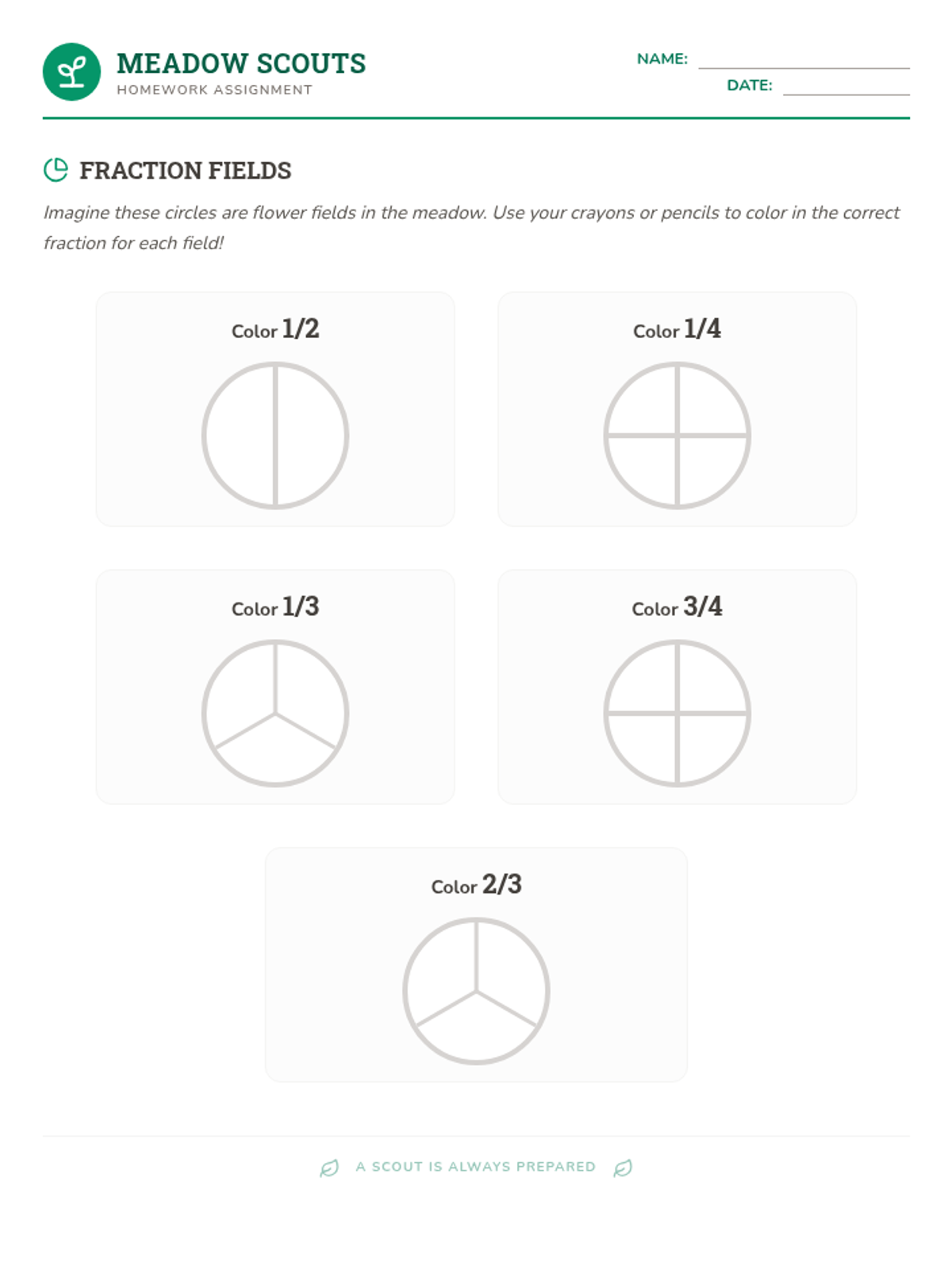
A collection of foundational homework worksheets covering reading comprehension, arithmetic, grammar, and basic fractions with a nature-inspired 'Meadow Scouts' theme.
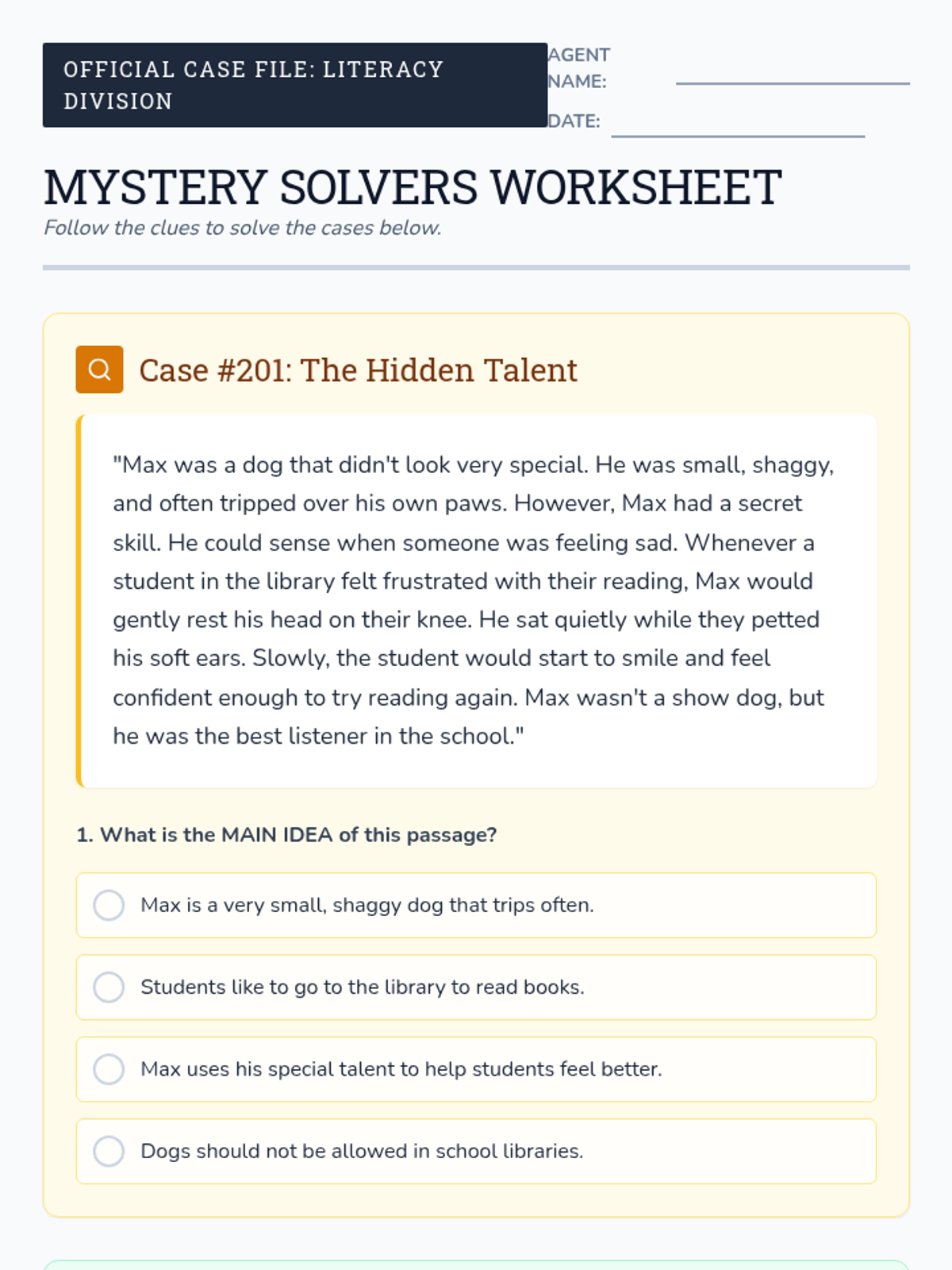
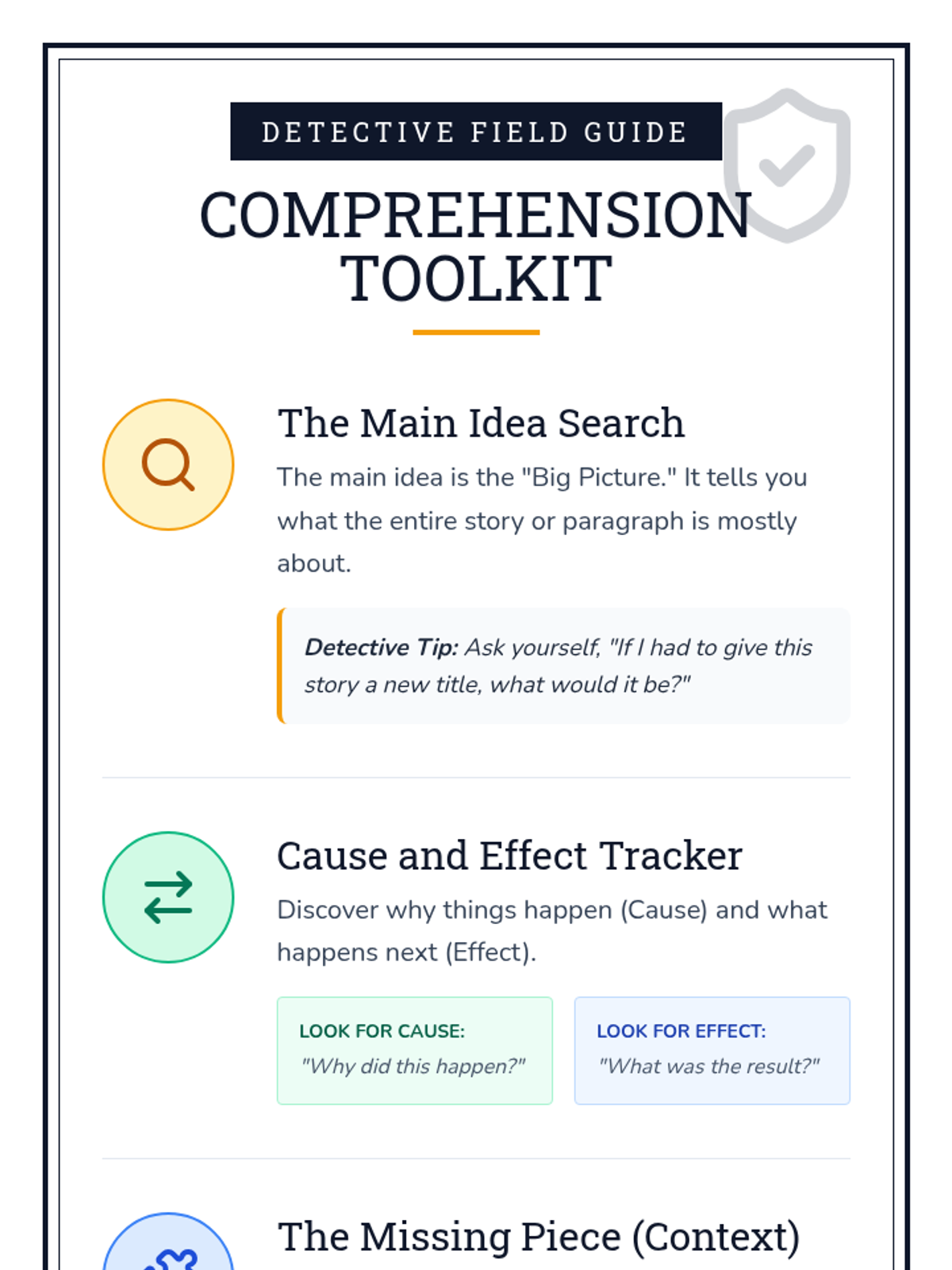
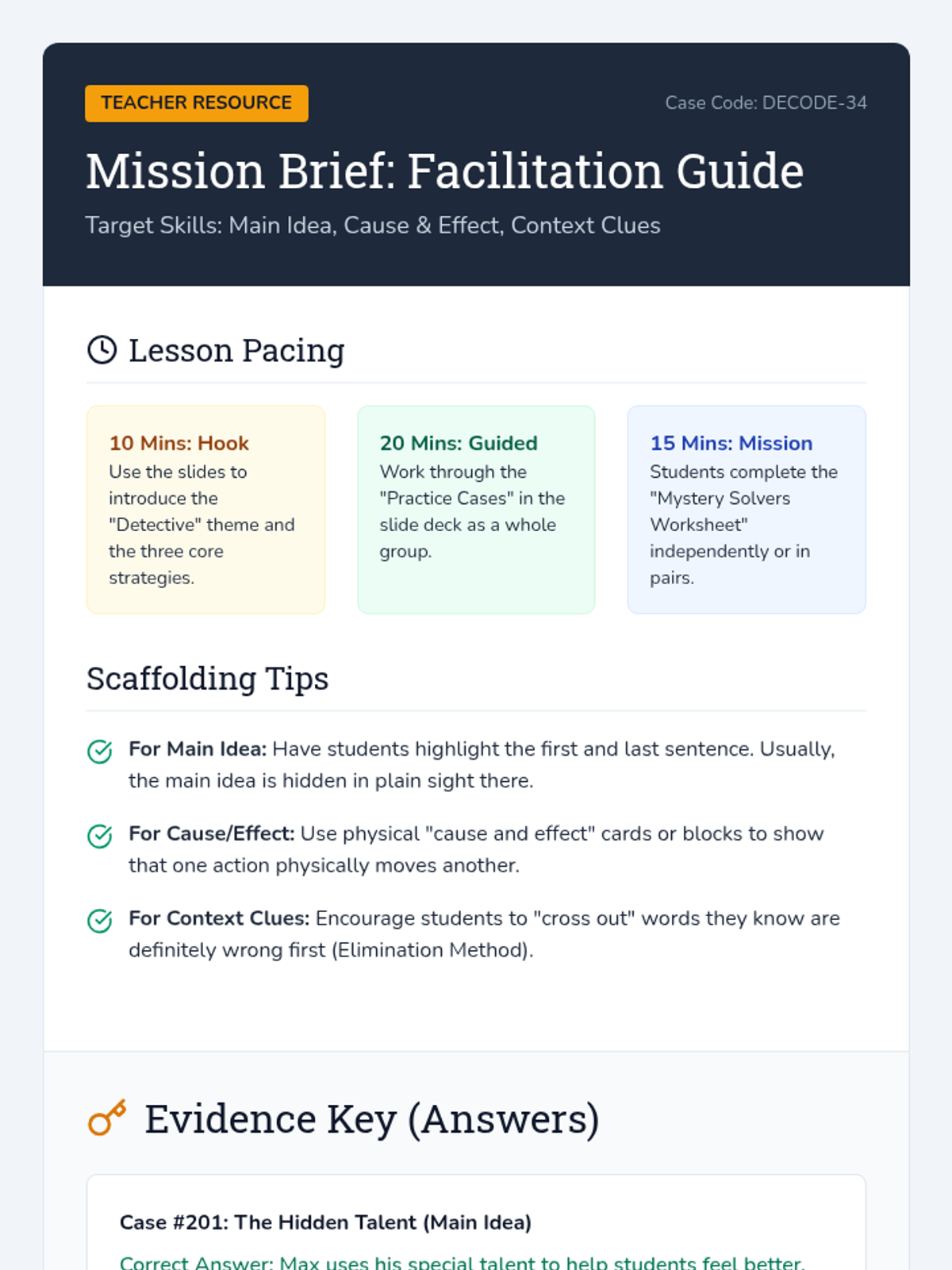
A reading intervention lesson designed to help 3rd and 4th graders master main idea, cause and effect, and sentence completion through a detective-themed series of activities. Students act as 'Reading Detectives' to uncover clues and solve literacy mysteries.
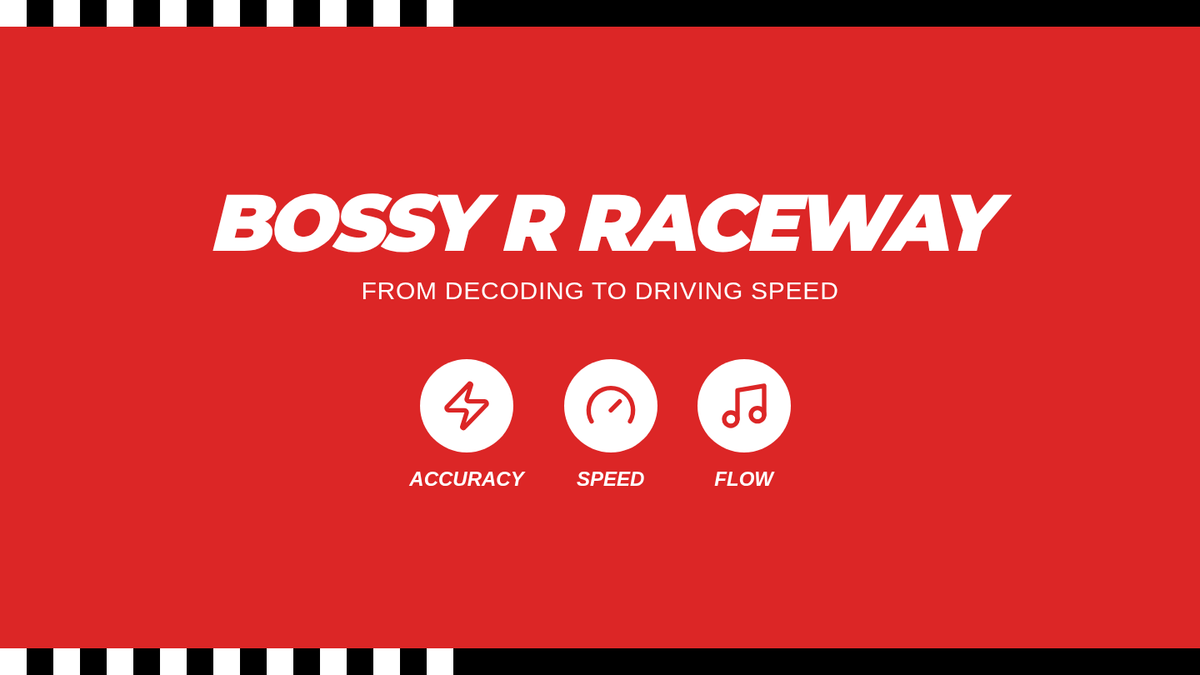
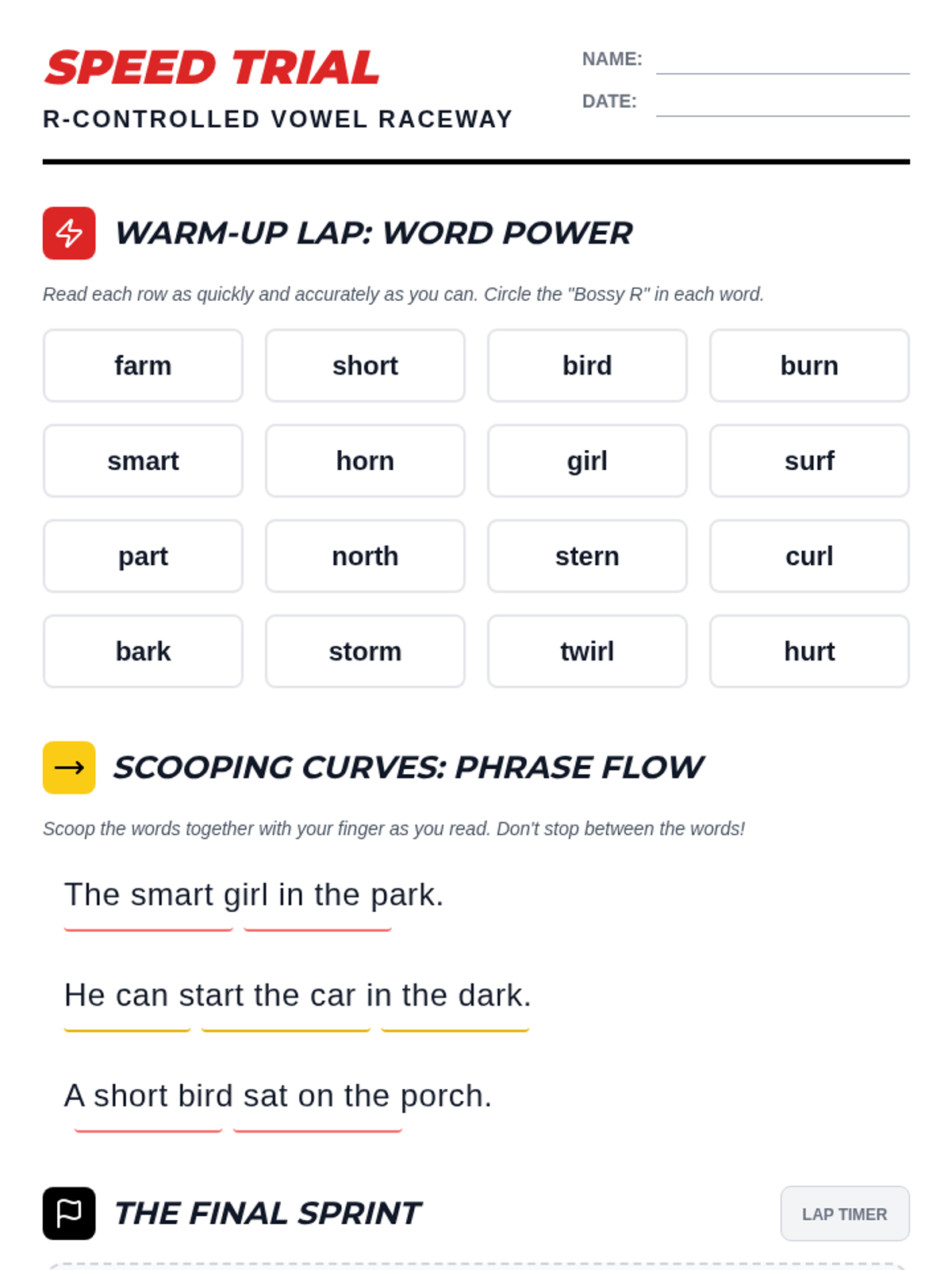
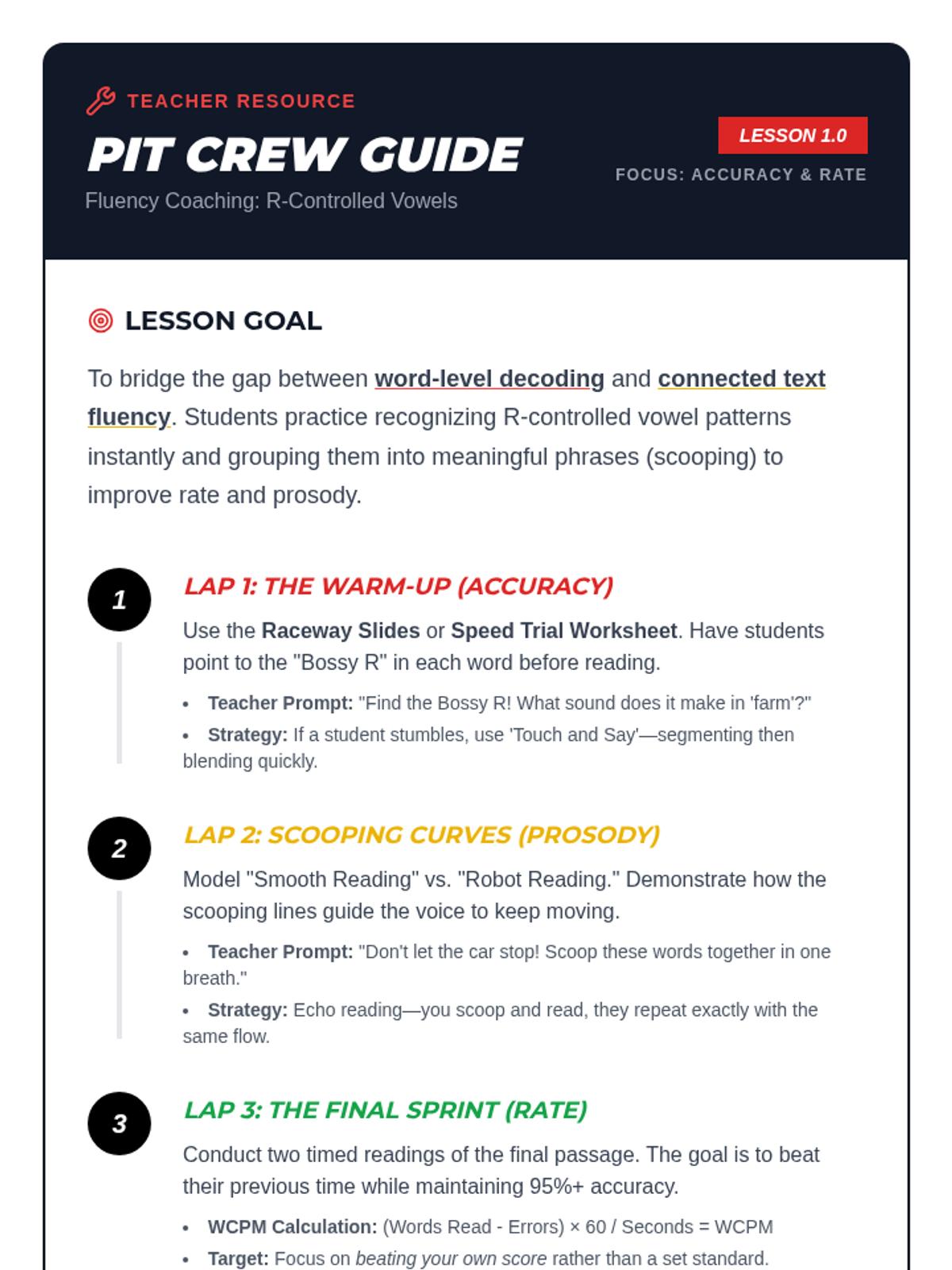
A bridge between decoding and fluent reading, this lesson focuses on mastering R-controlled vowels through speed drills, phrase scooping, and repeated reading of short, engaging passages. Students will shift from individual sound isolation to smooth, connected reading.
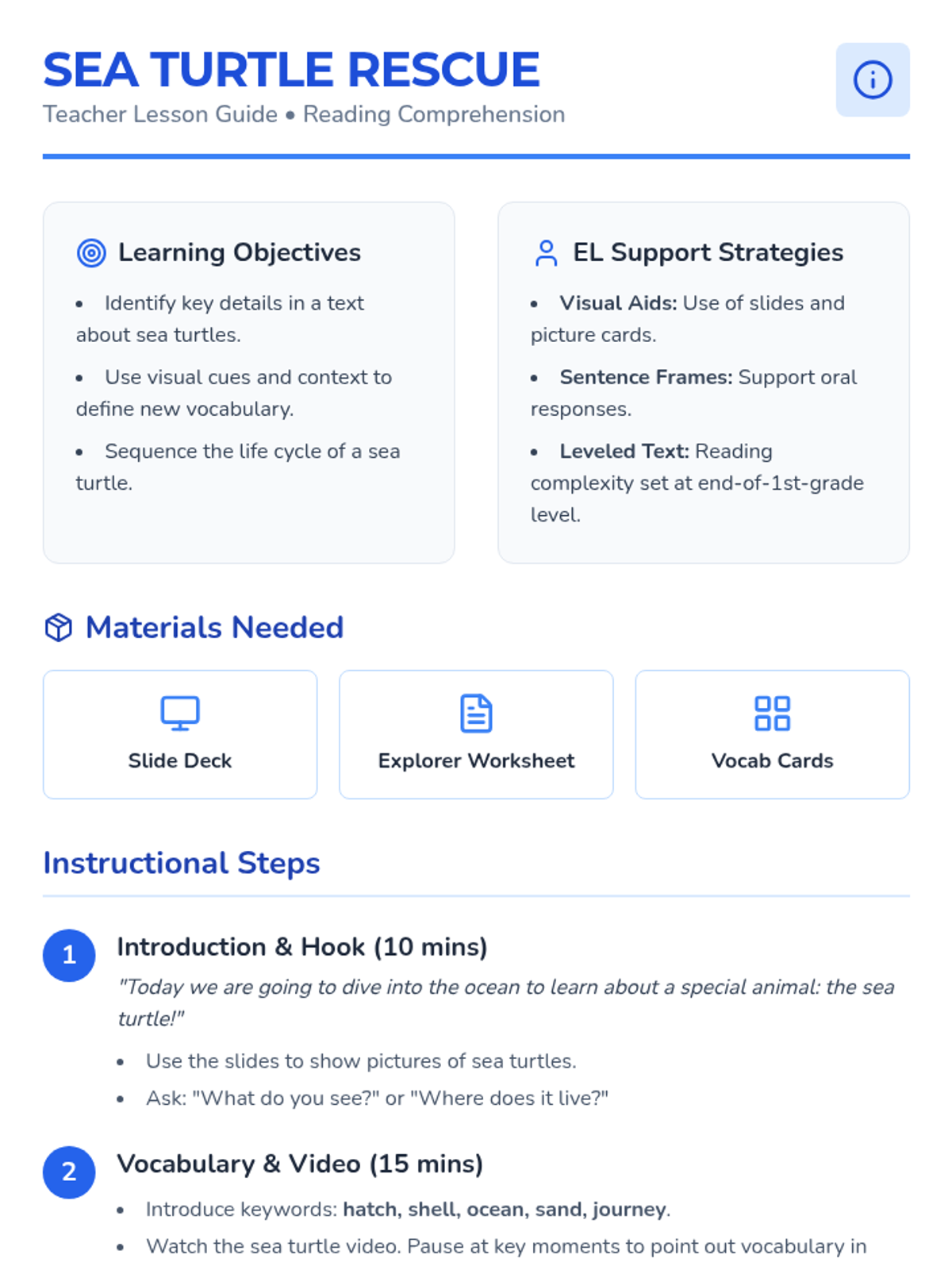
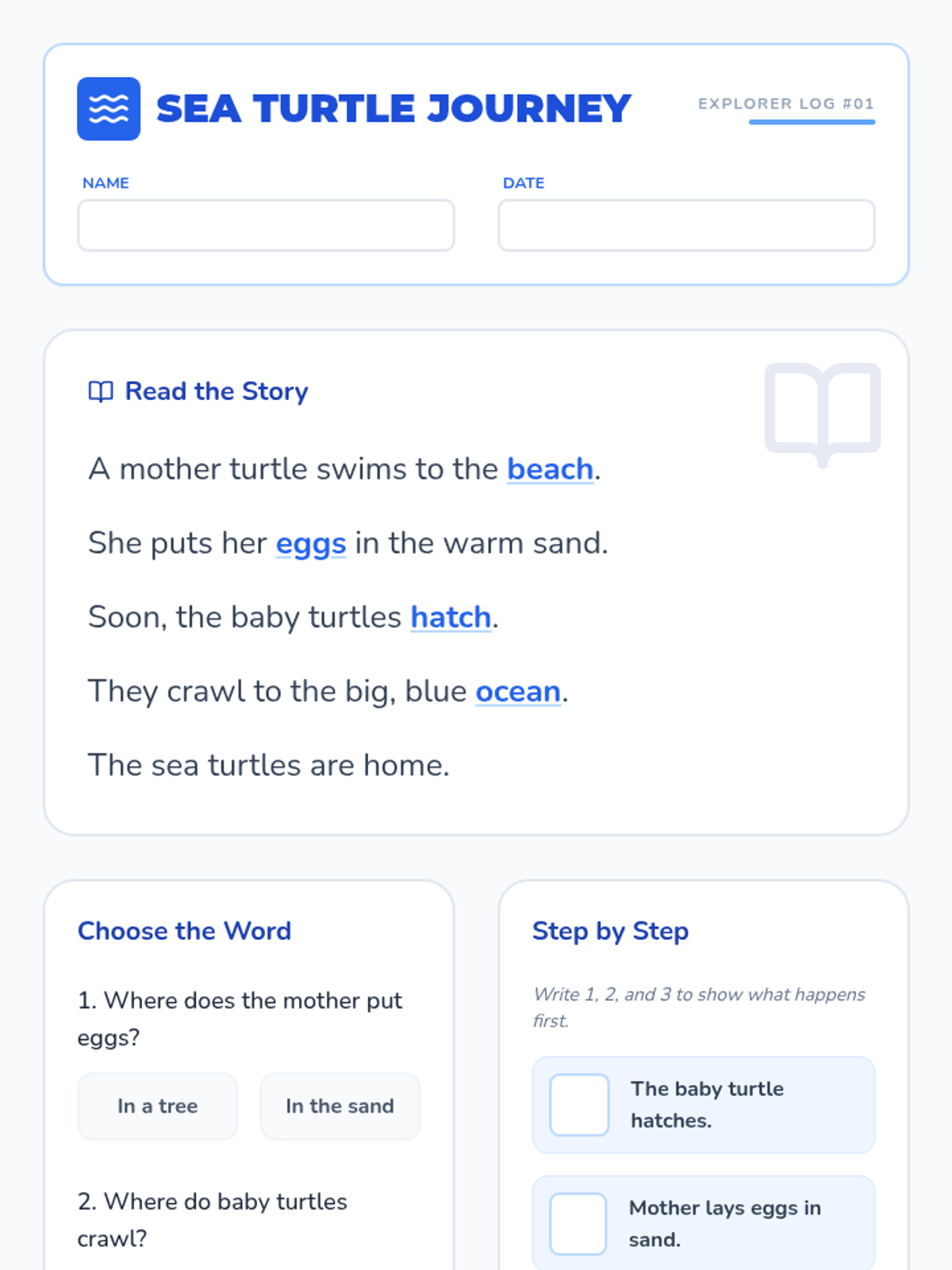
A reading comprehension lesson for 4th-grade EL students focusing on sea turtles, using visual supports and leveled text to build vocabulary and understanding of life cycles.
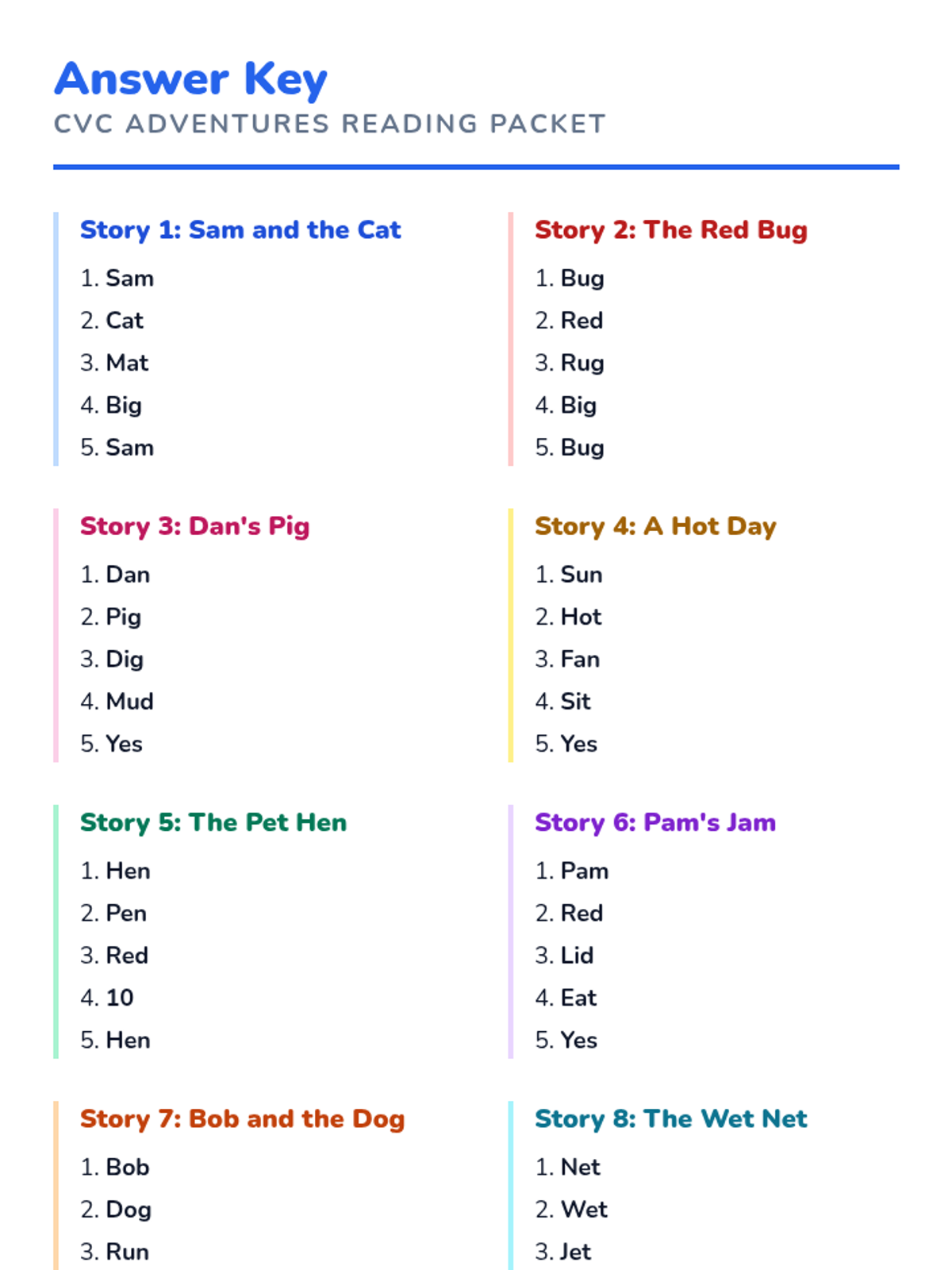
A collection of 10 short stories designed for beginning readers, focusing on CVC words and high-frequency sight words with visual comprehension support.
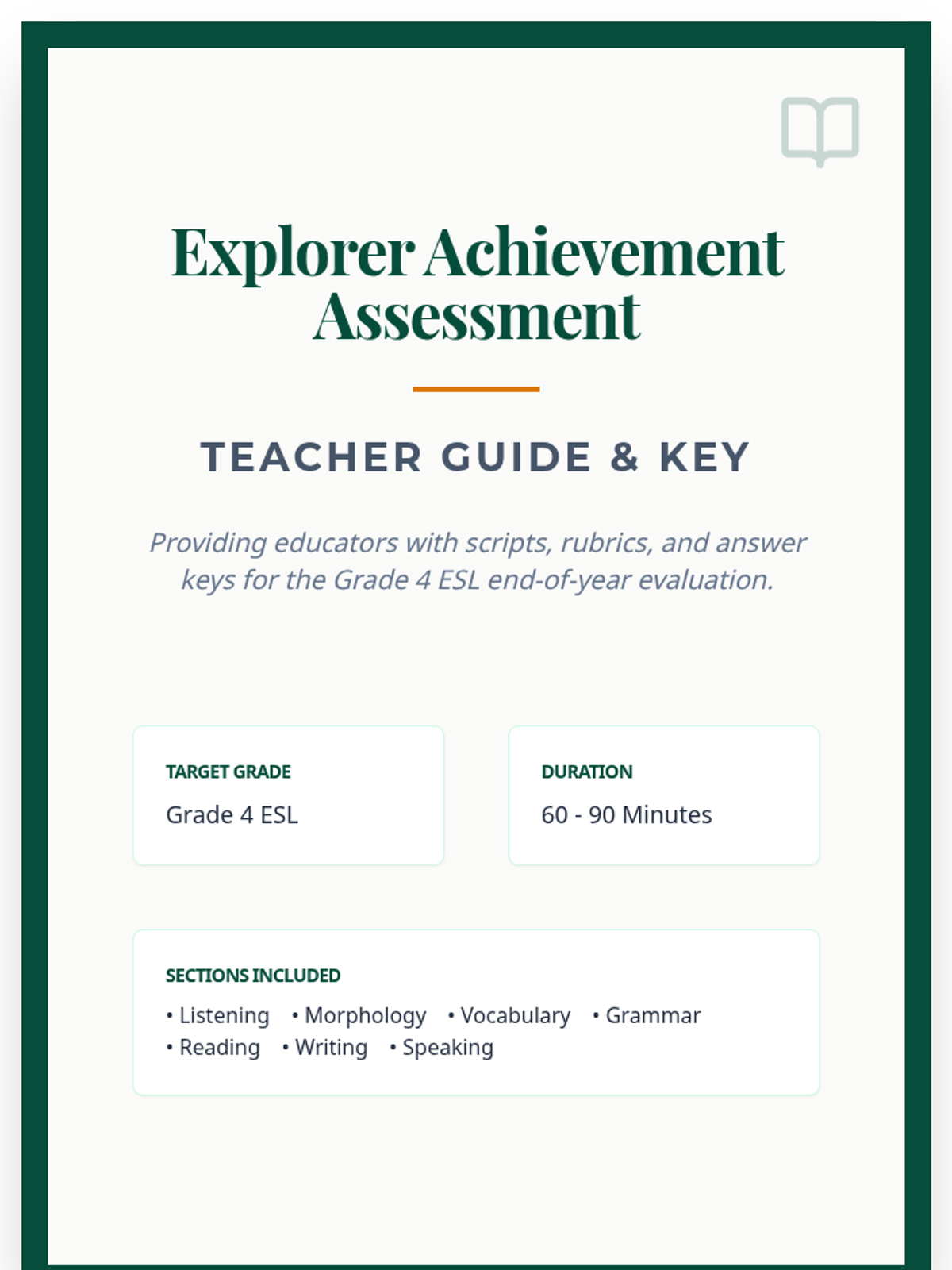
A comprehensive end-of-year assessment for Grade 4 ESL students, covering morphology, vocabulary, grammar, reading, writing, speaking, and listening.
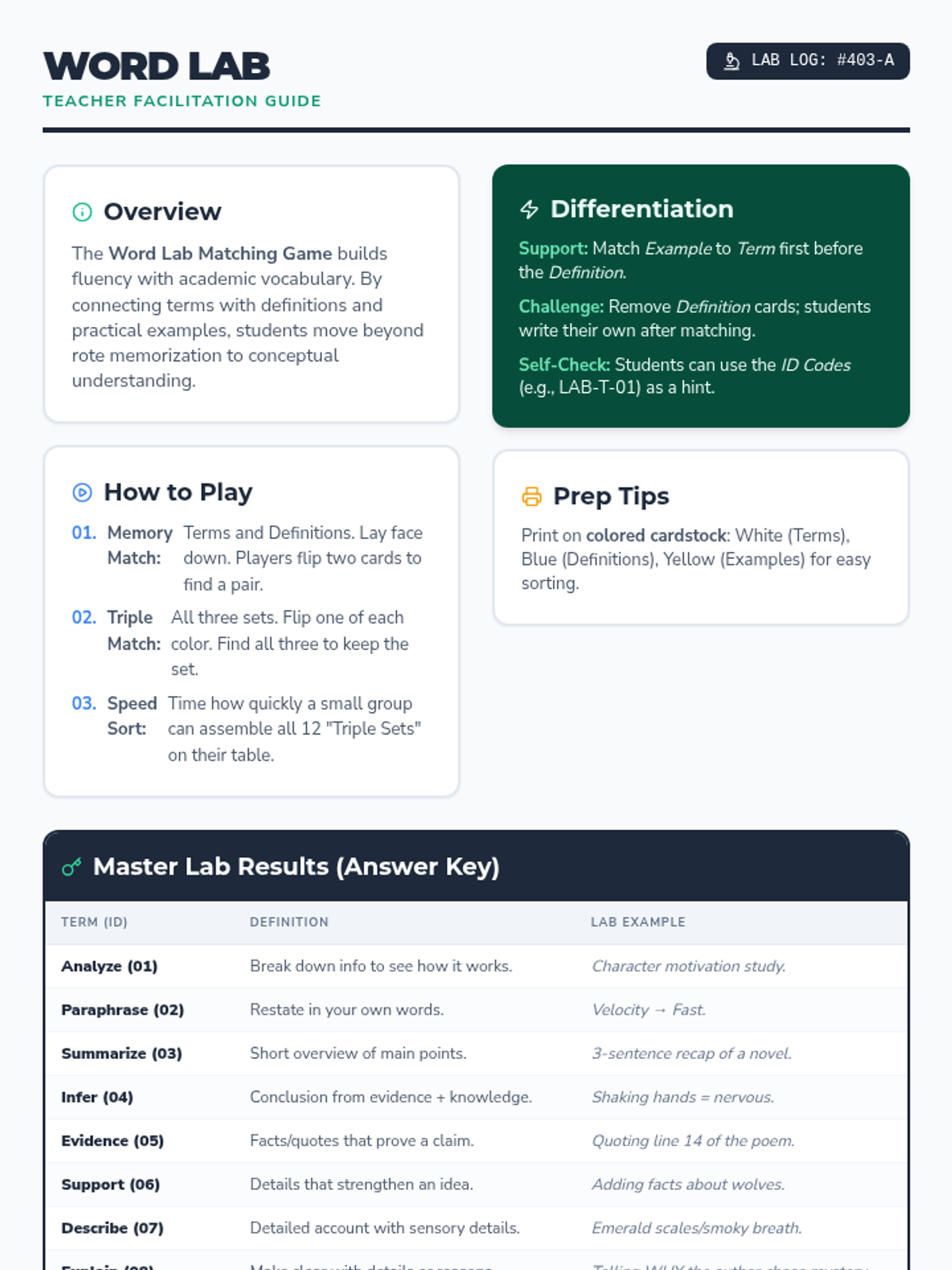
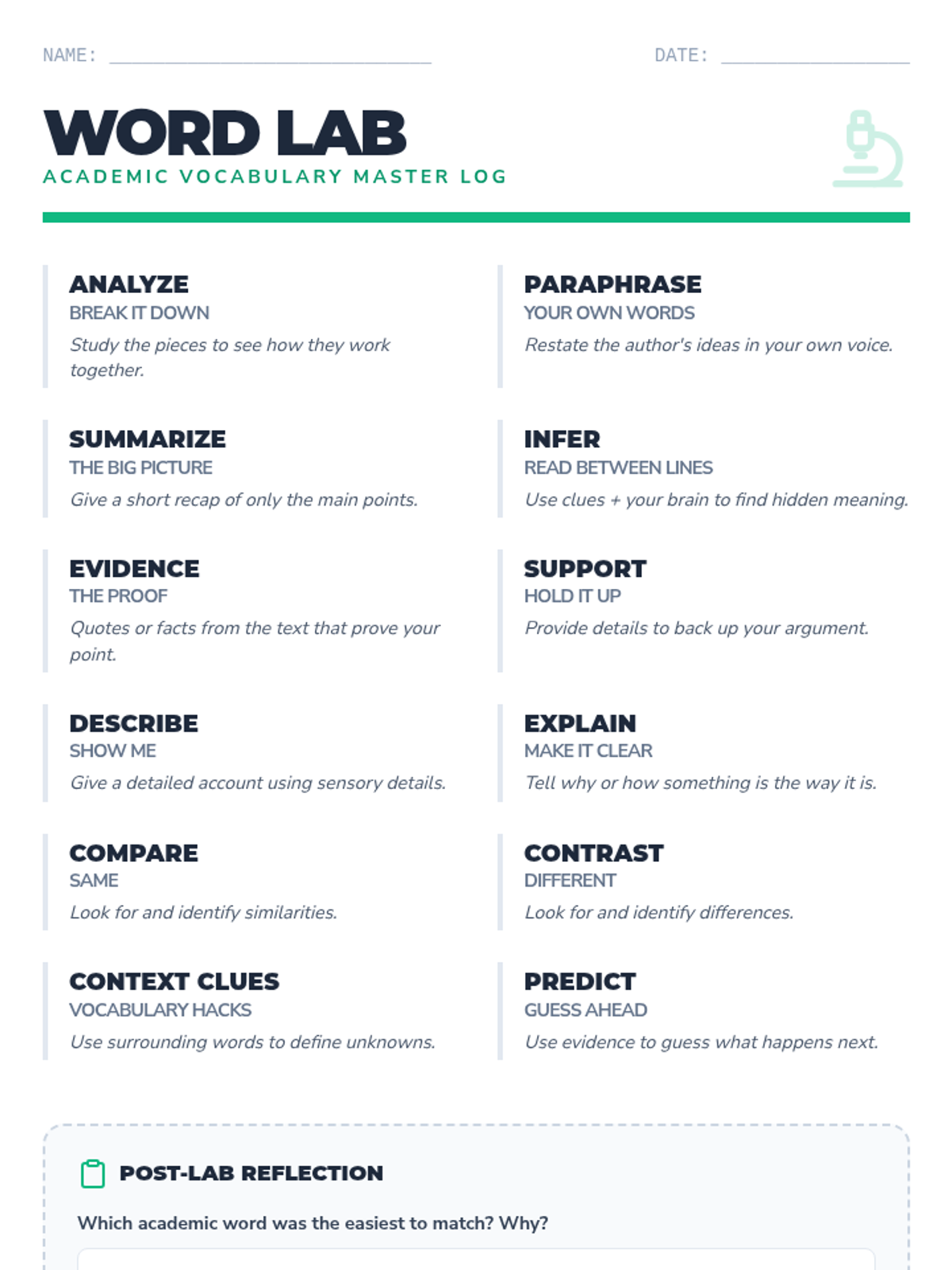
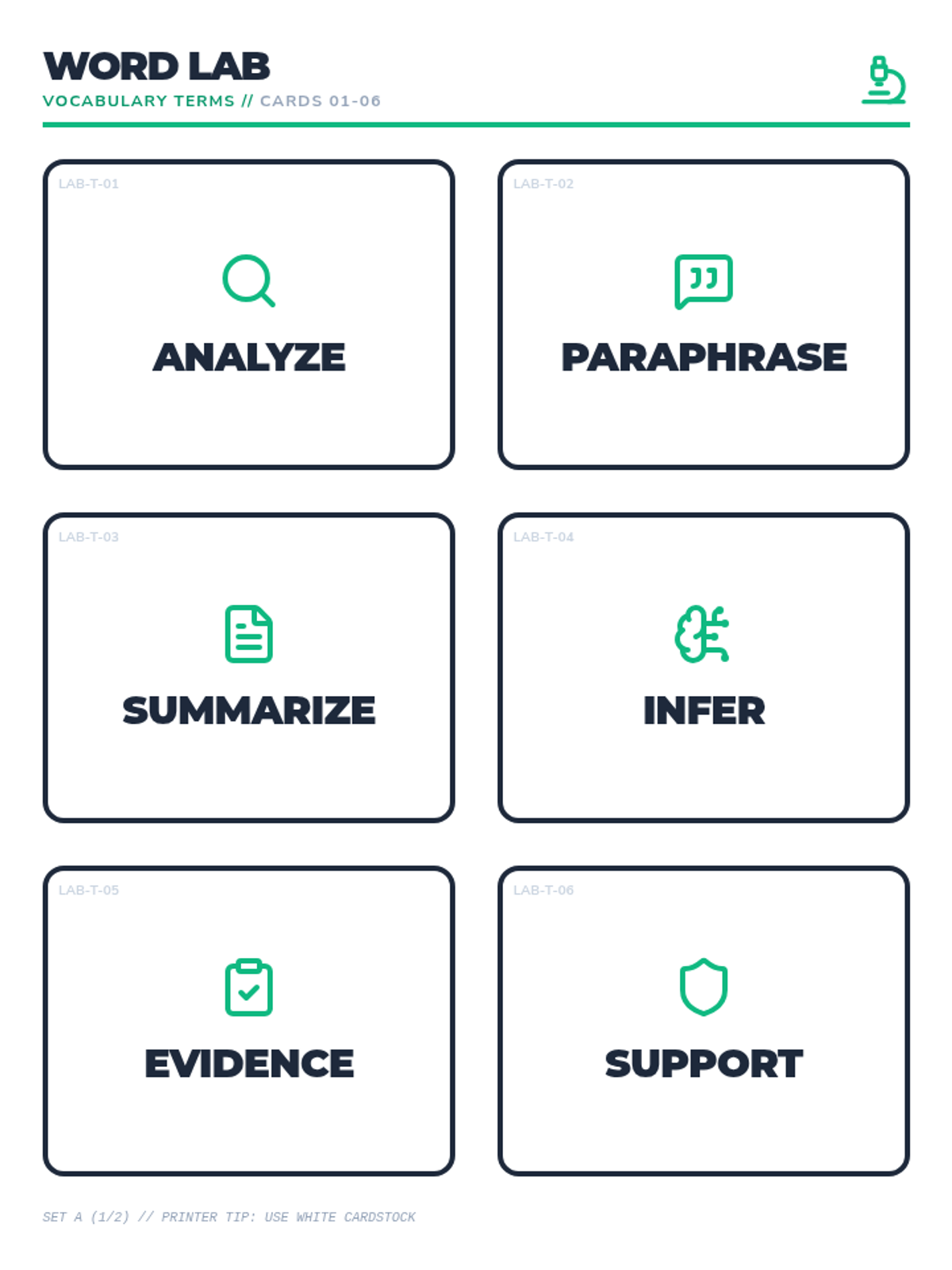
A lesson focused on mastering academic vocabulary used in reading comprehension questions. Students will learn to distinguish between common analytical verbs and concepts through a hands-on matching game and reference guides.
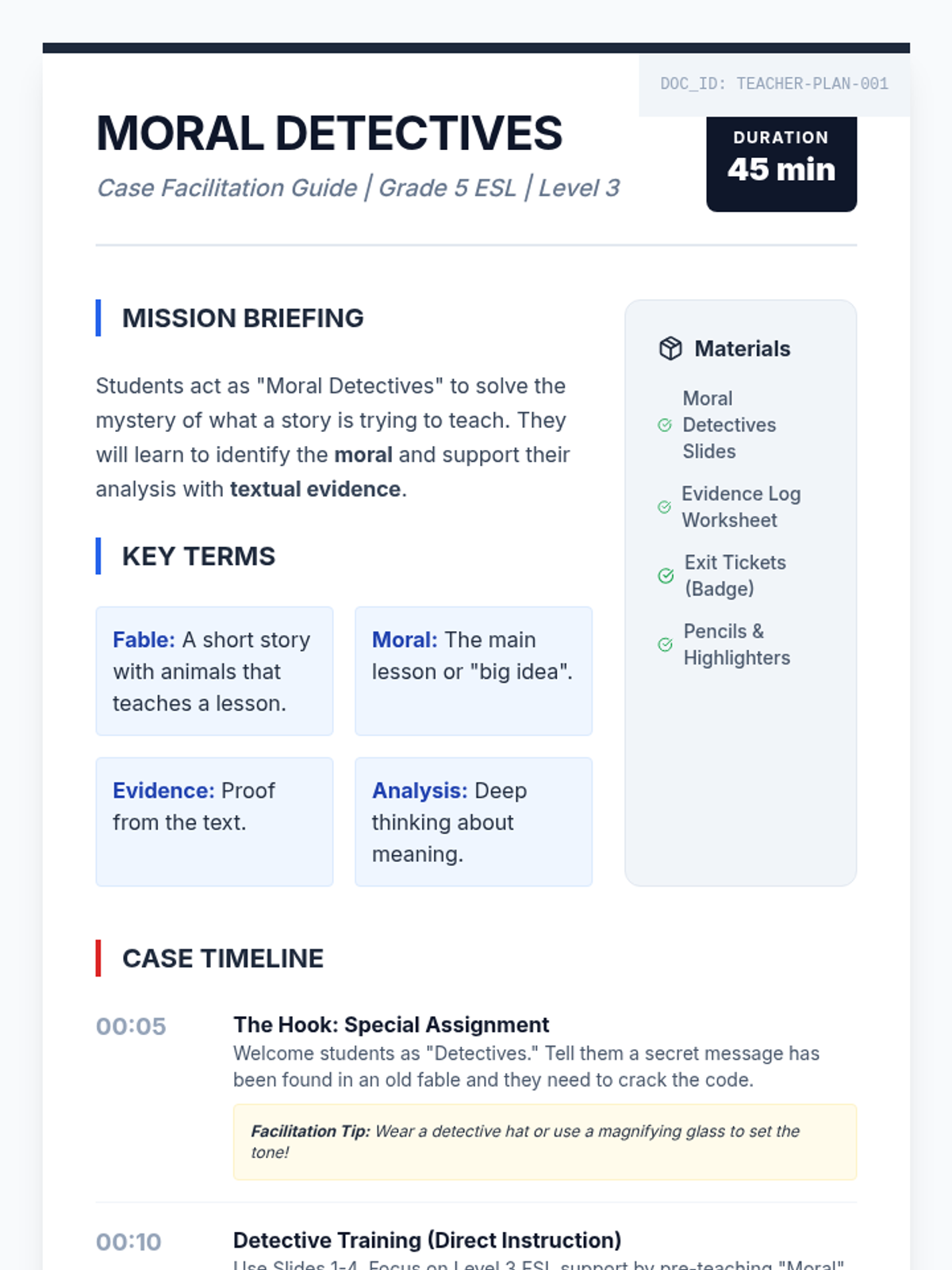
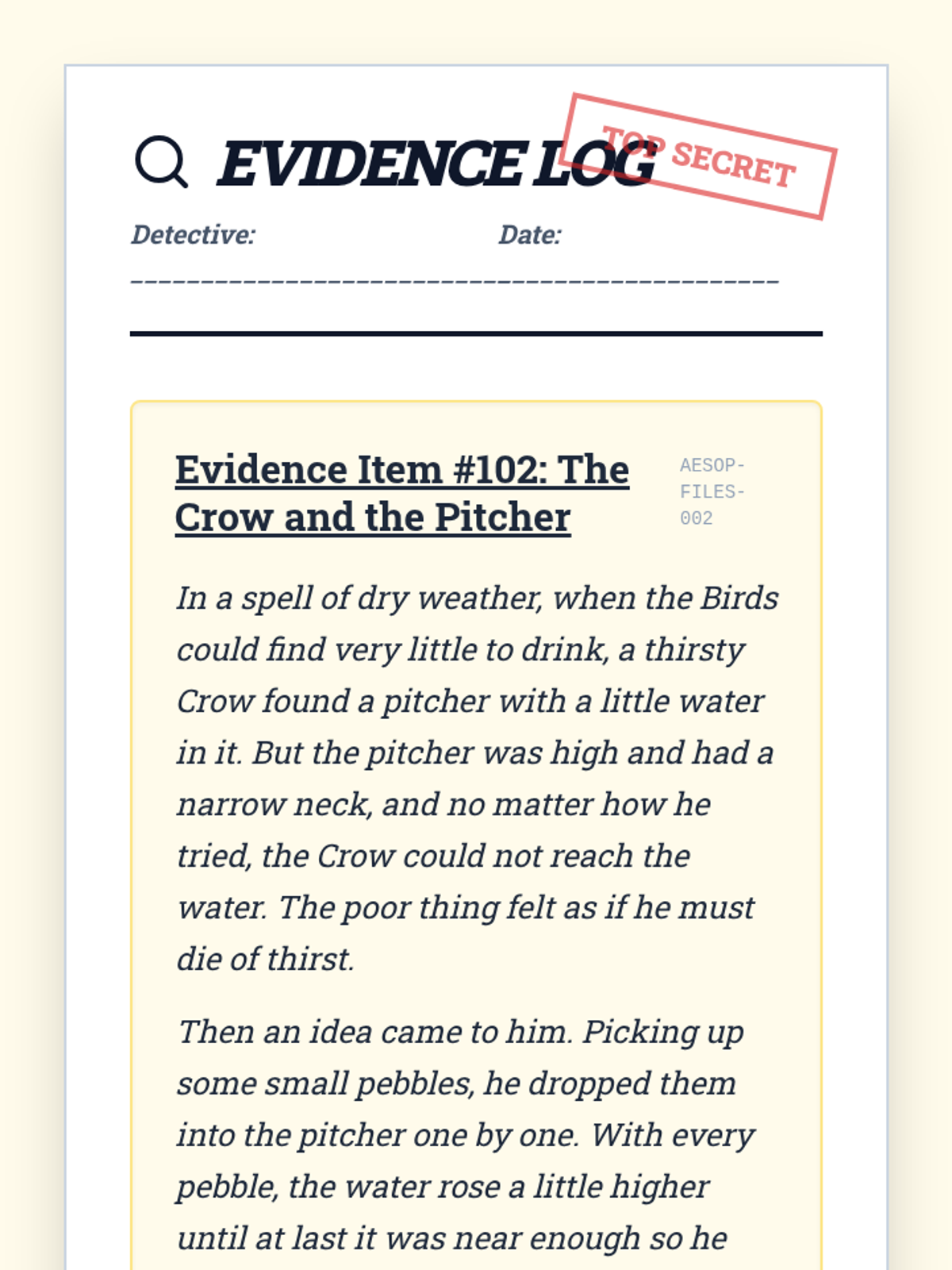
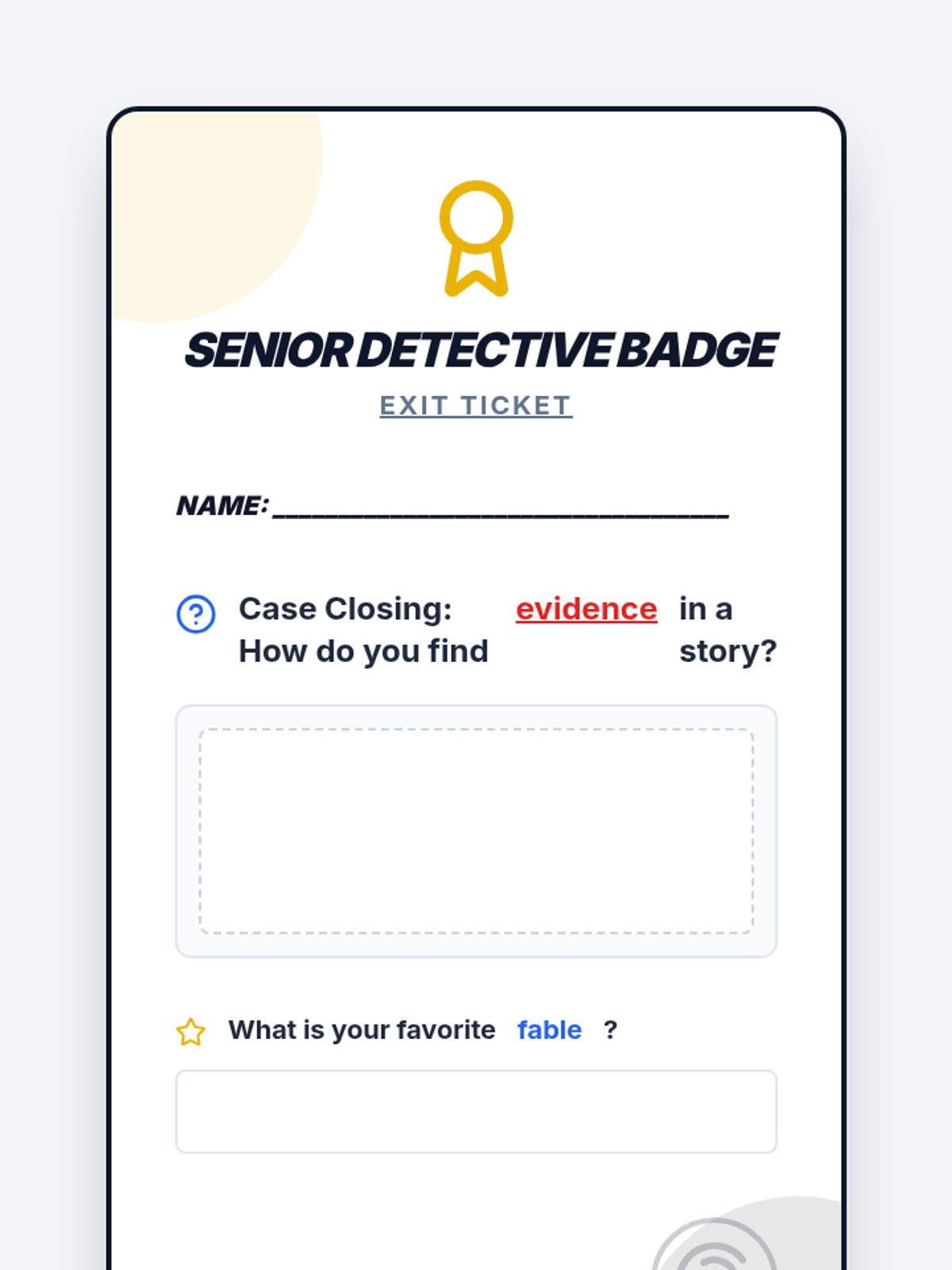
A 45-minute Grade 5 ESL lesson focused on identifying the moral of a fable and supporting it with textual evidence using a 'Moral Detective' theme. Students analyze 'The Lion and the Mouse' to practice drawing evidence from literary texts.
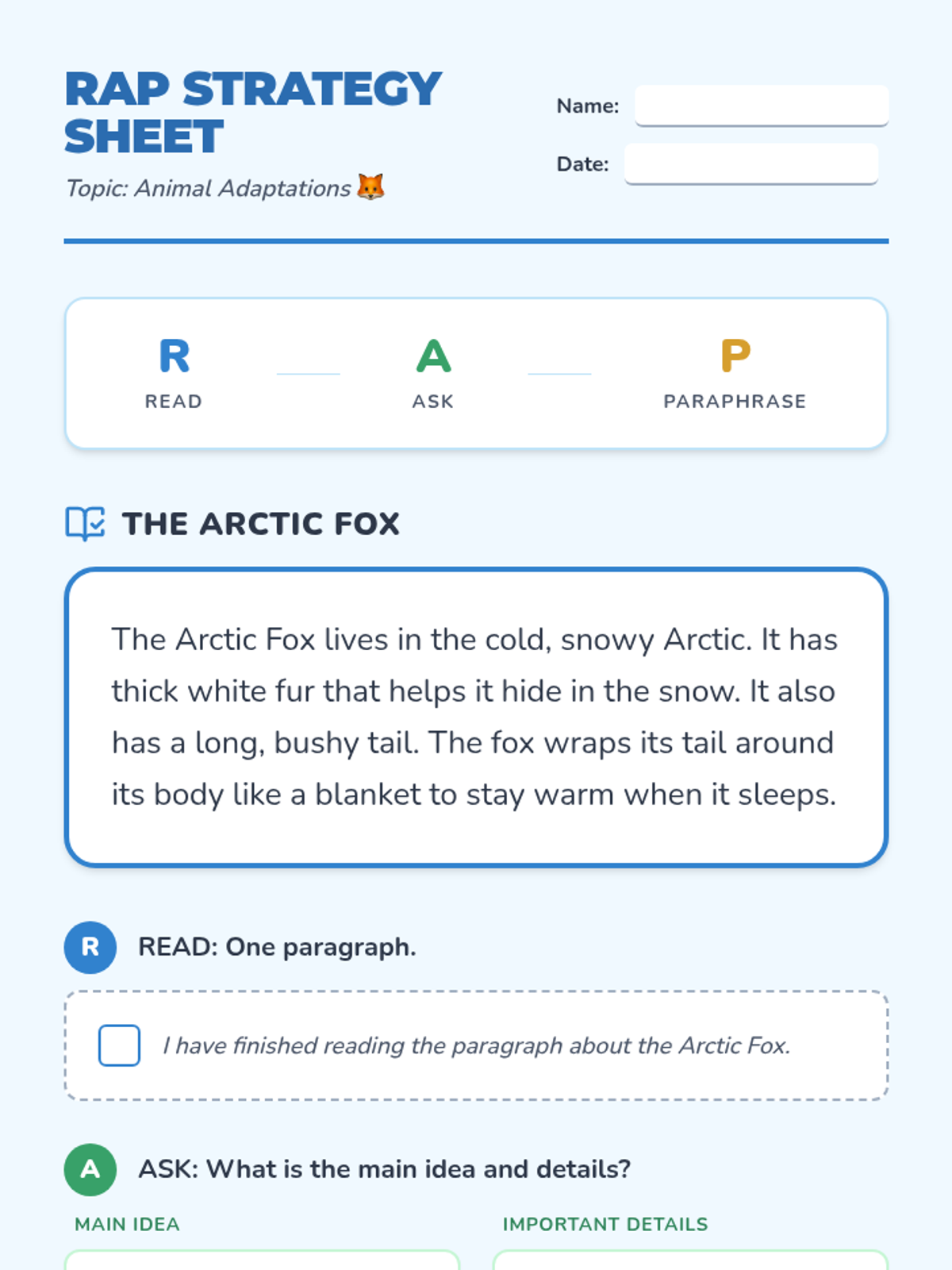
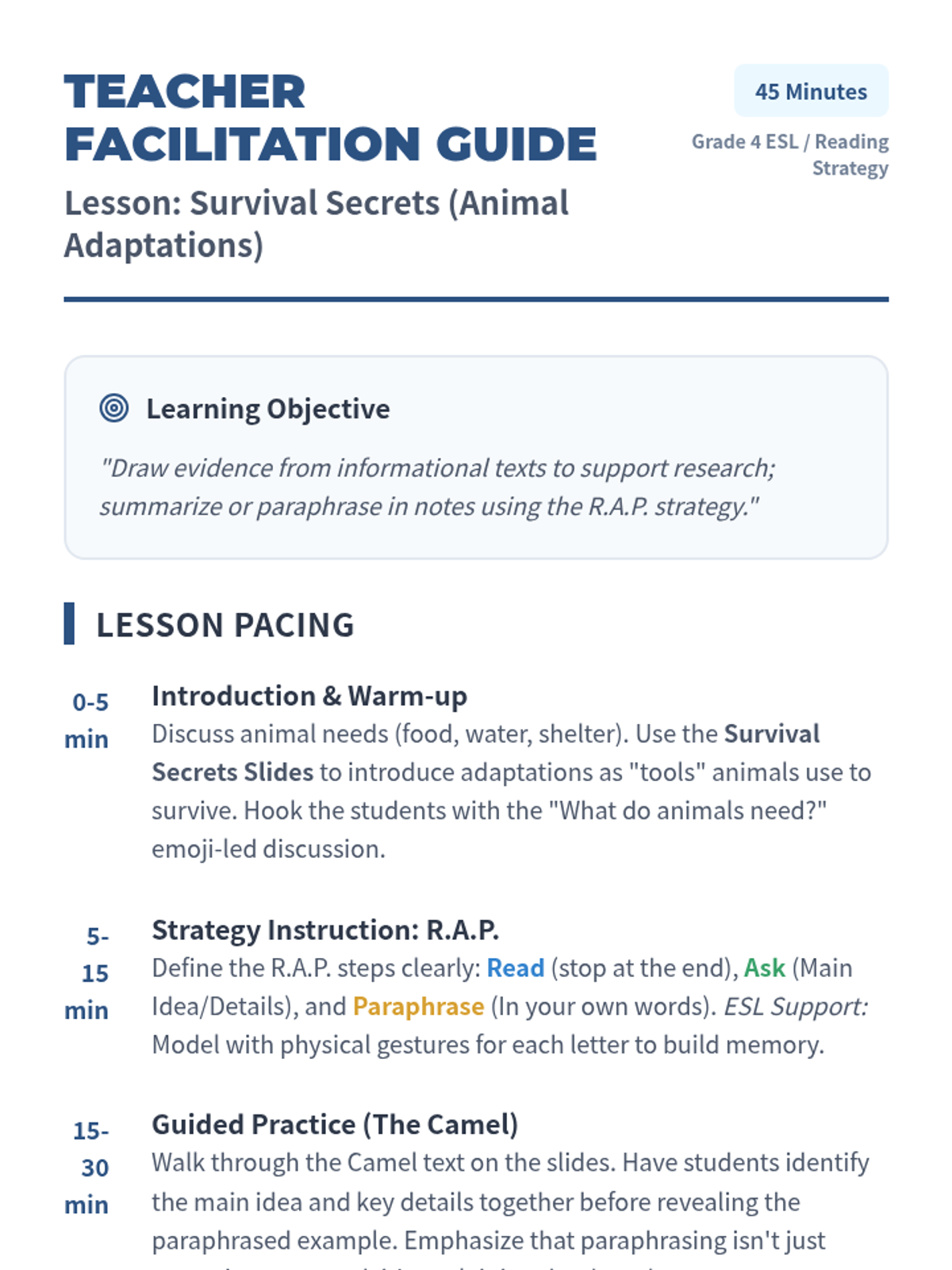
A 45-minute ESL lesson for 4th graders focused on using the R.A.P. (Read, Ask, Paraphrase) strategy to understand animal adaptations. Students will learn to identify main ideas and details while practicing their summarizing skills with informational texts about unique animal survival traits.
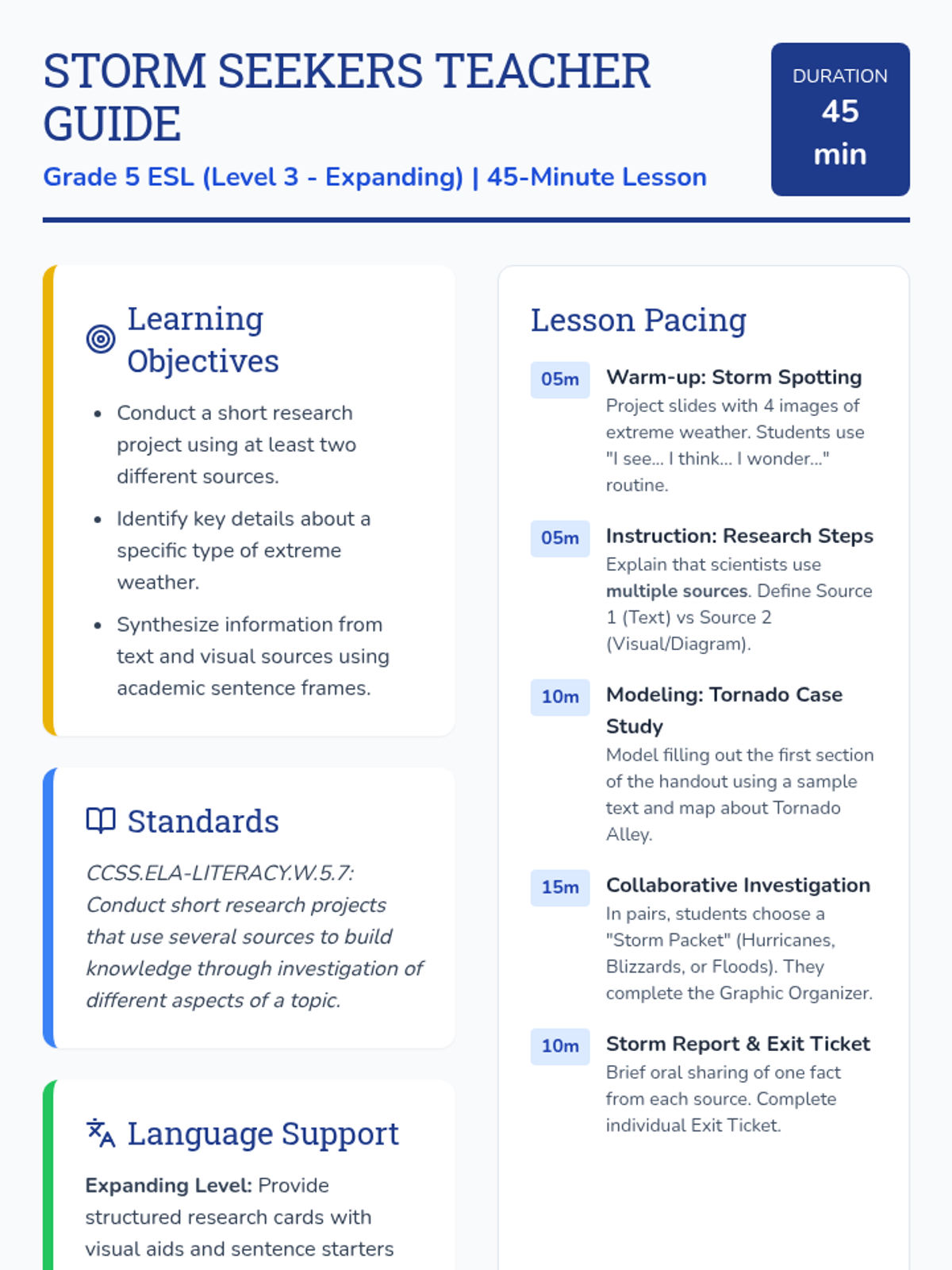
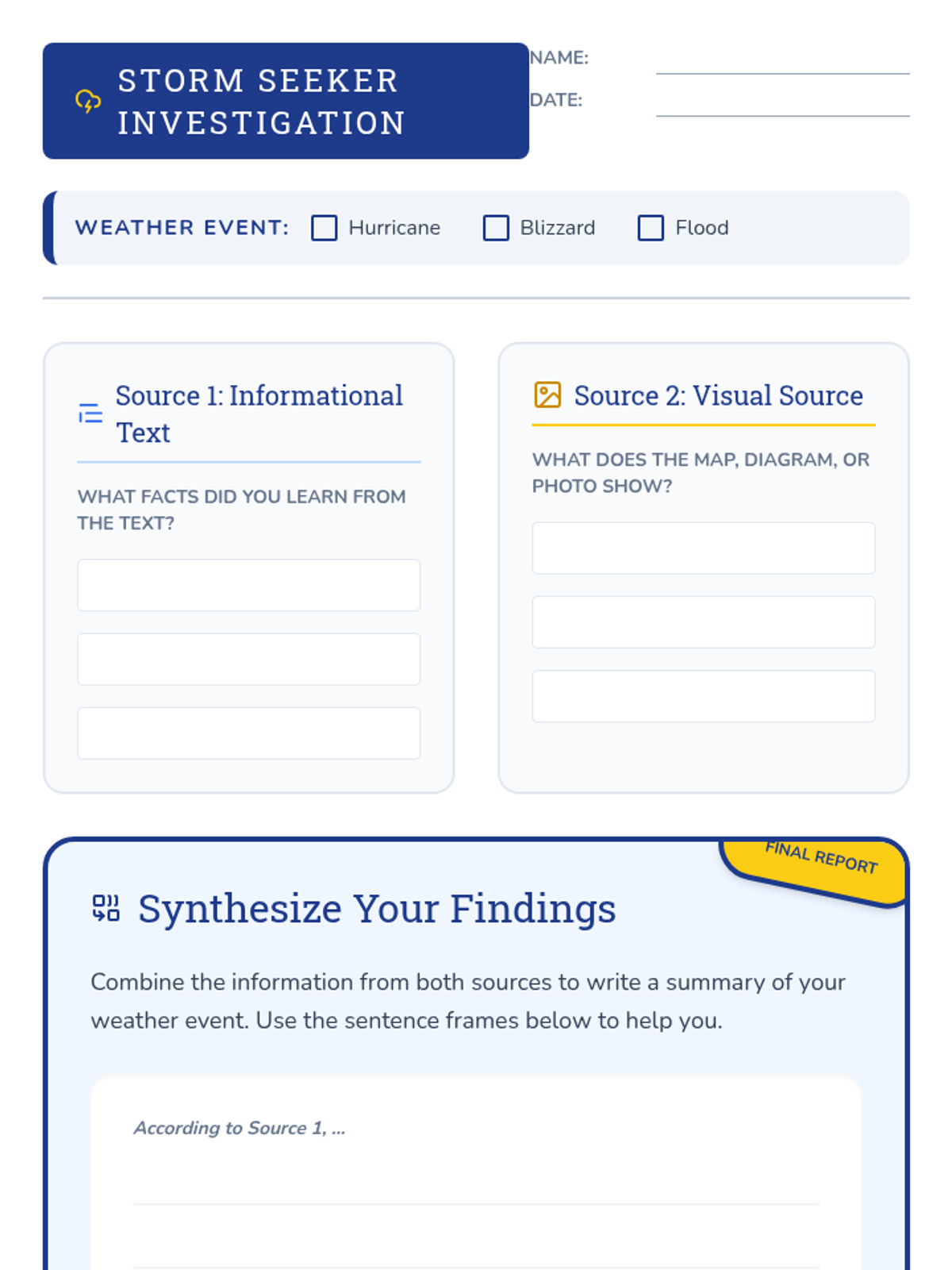
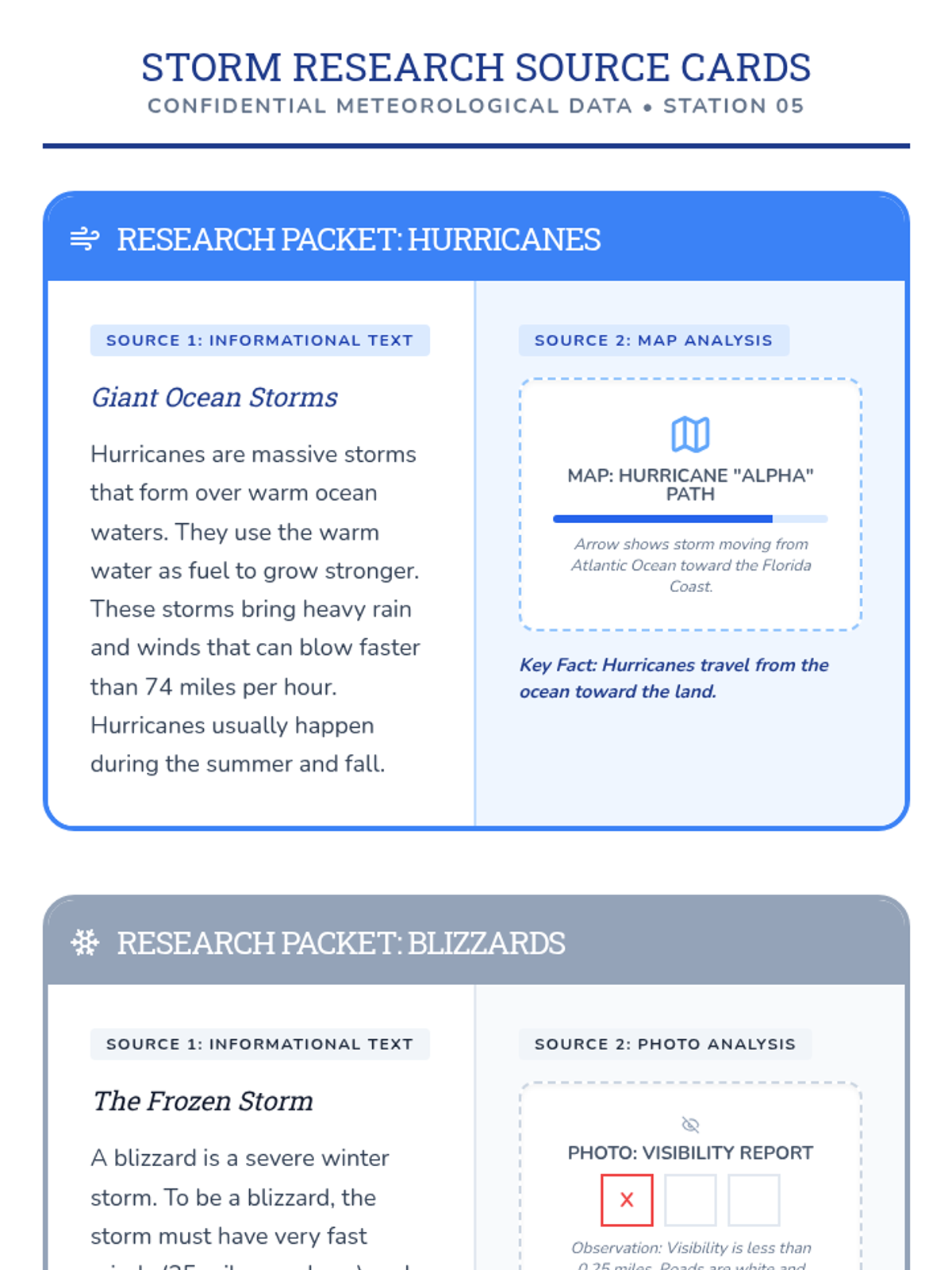
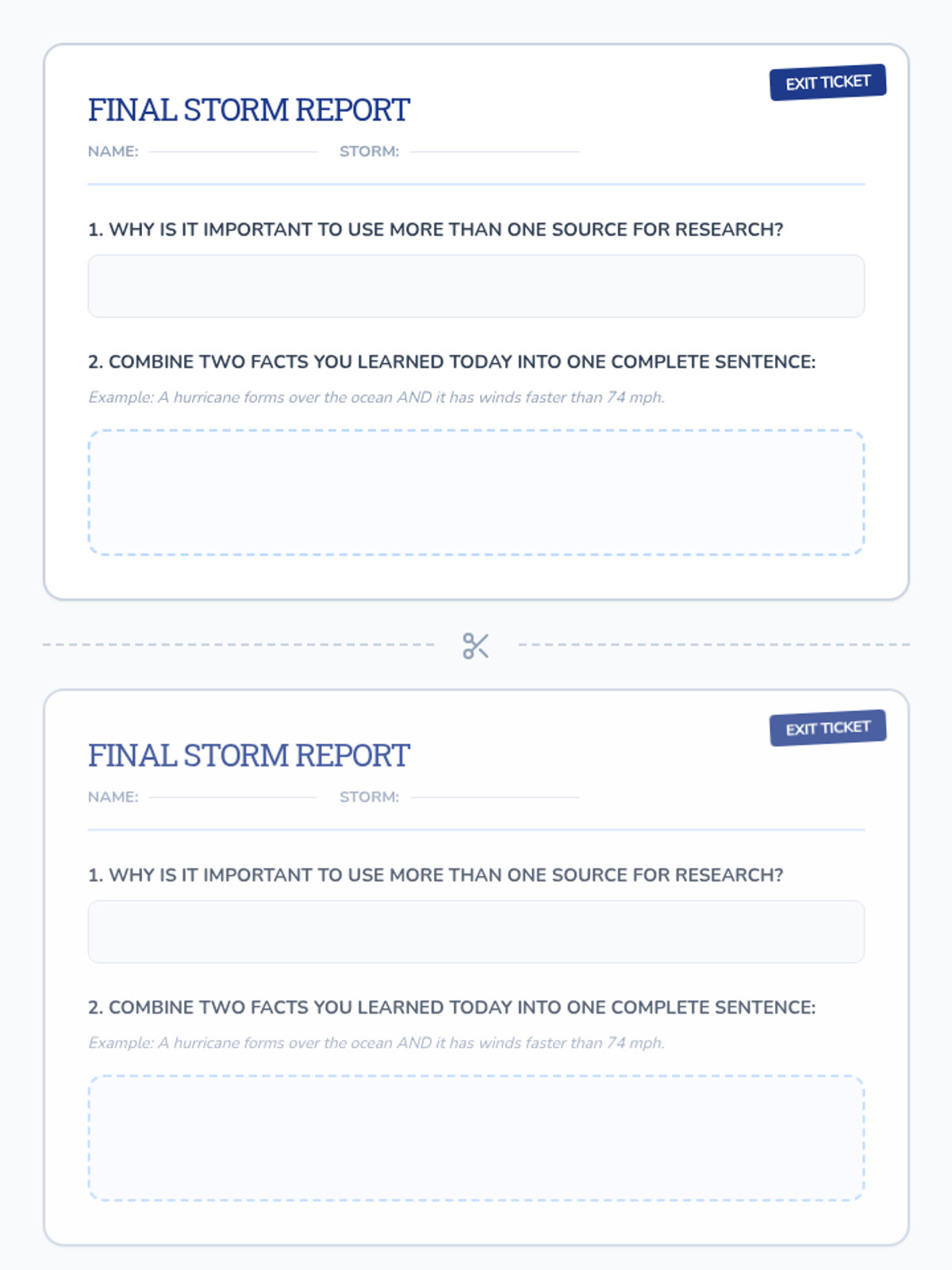
A 45-minute grade 5 ESL lesson focused on researching extreme weather using multiple sources. Students investigate tornadoes, hurricanes, or blizzards to build knowledge through structured investigation.
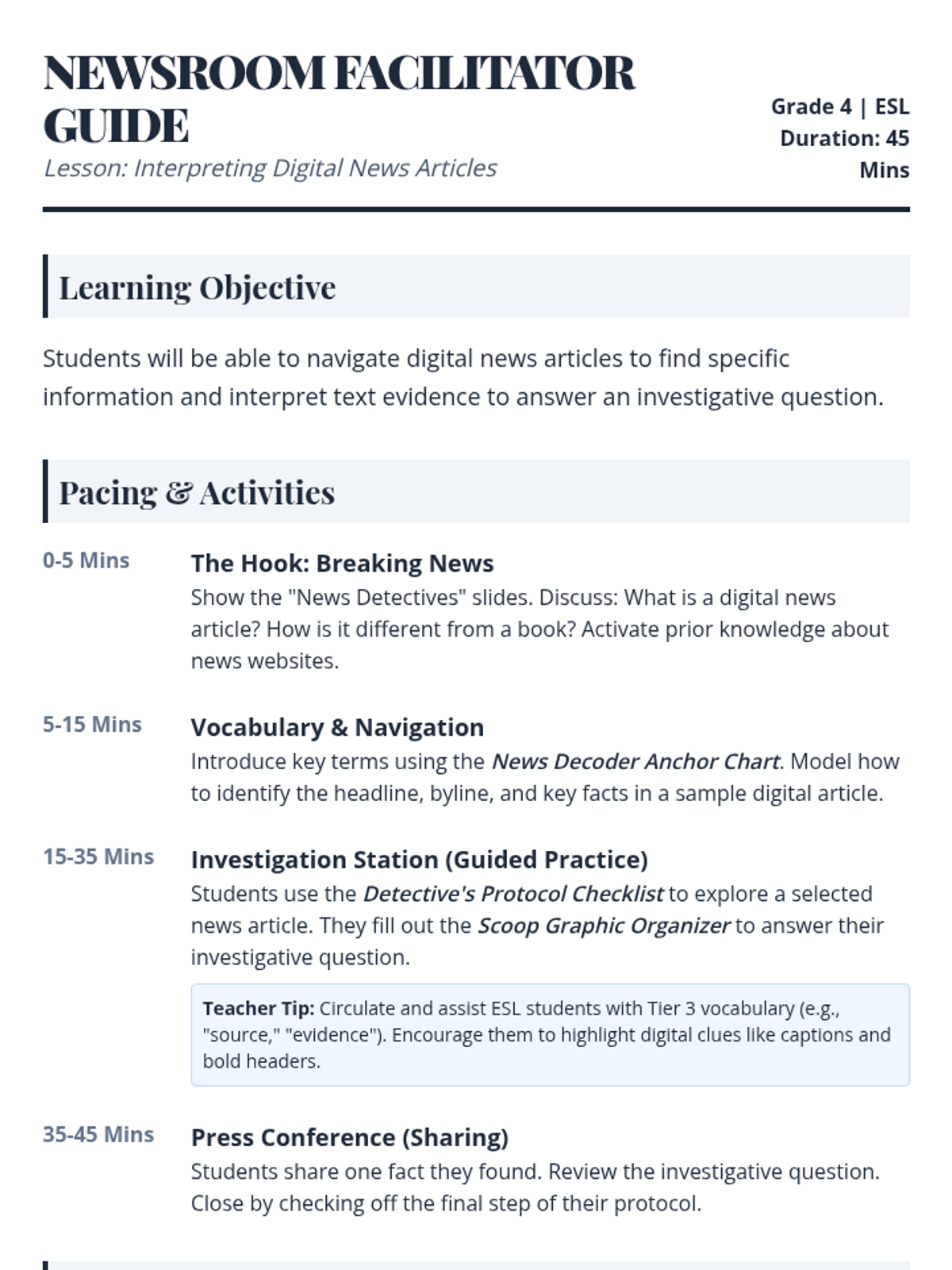
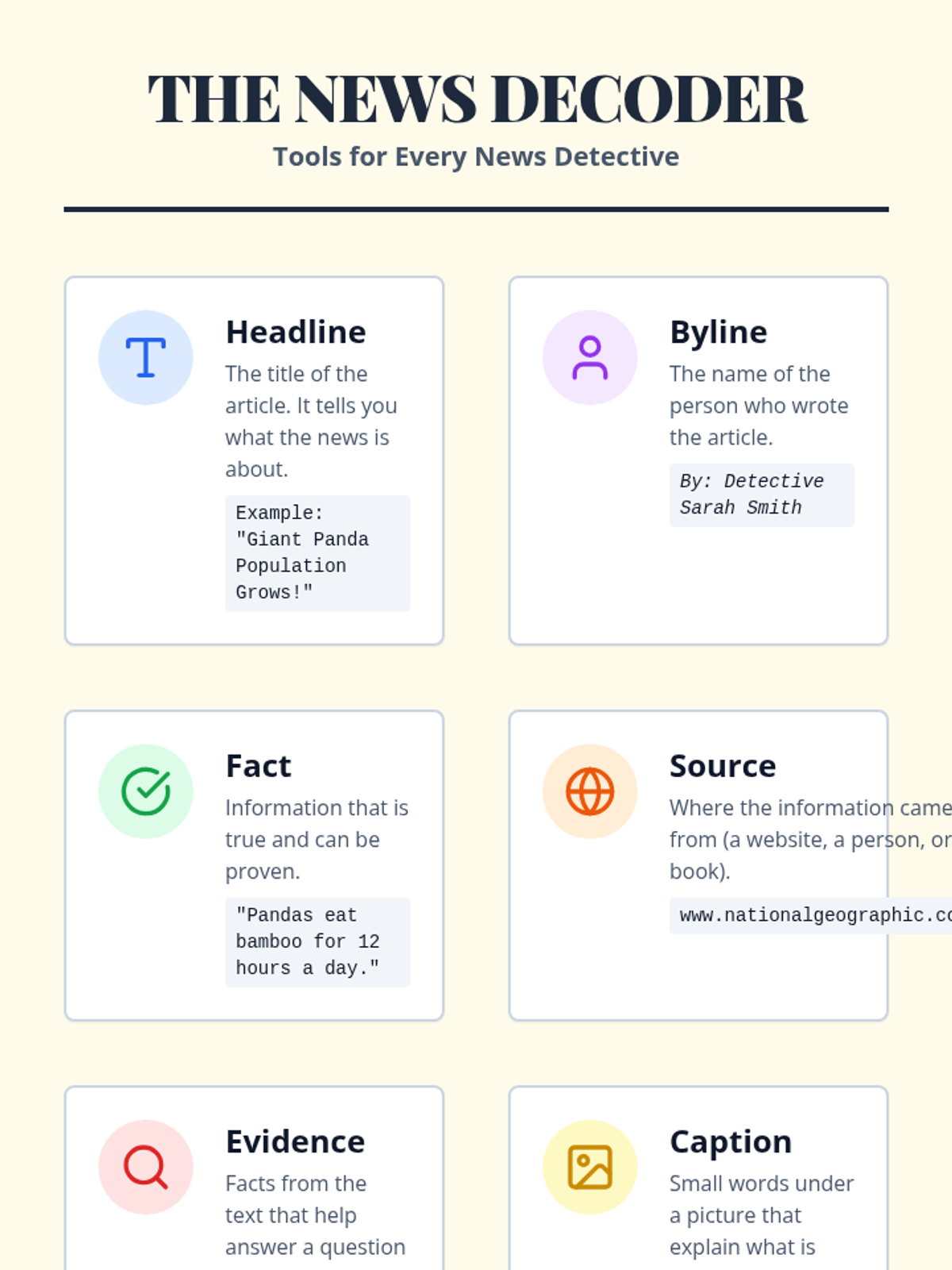
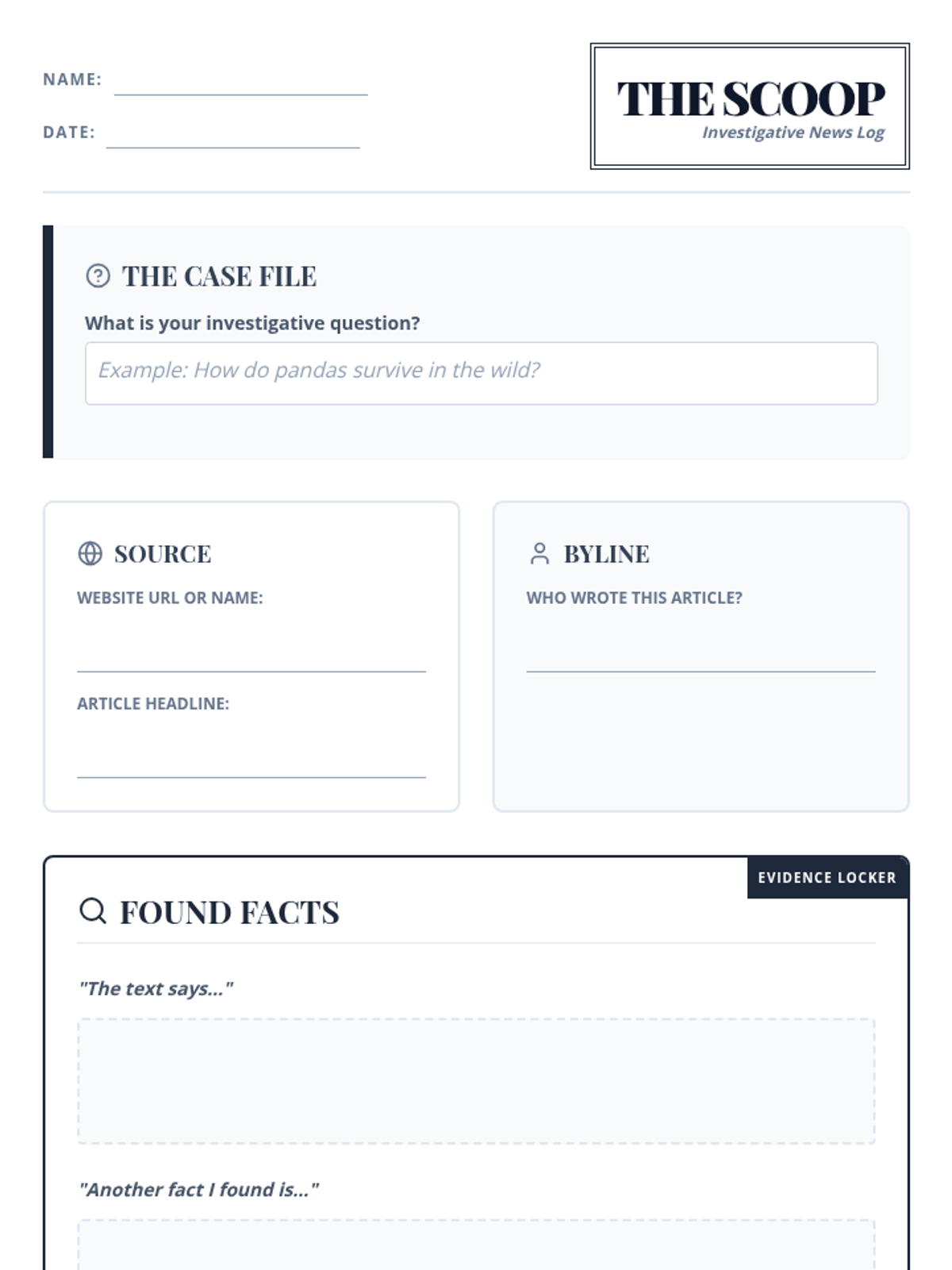
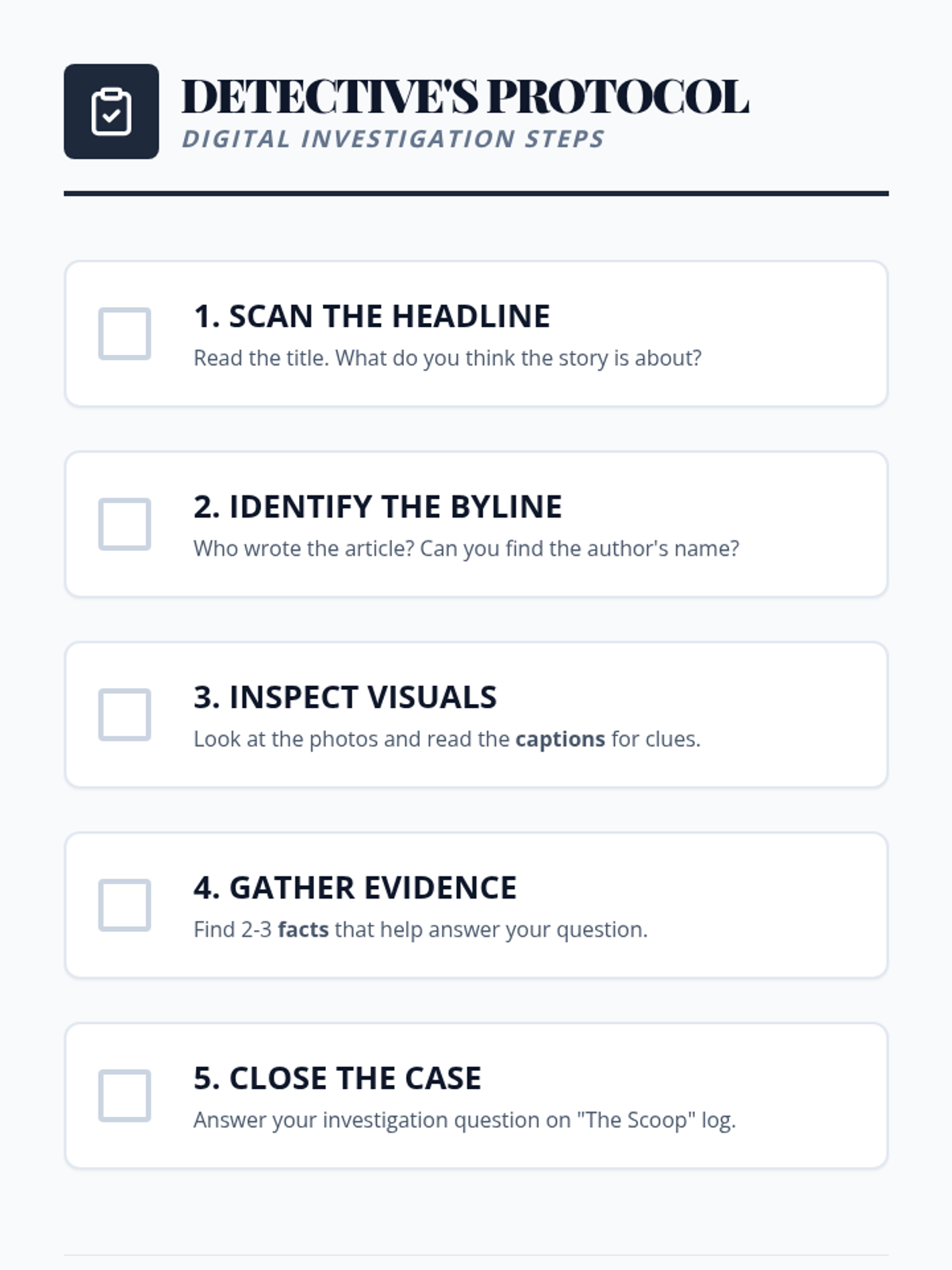
A 45-minute Grade 4 ESL lesson focused on interpreting information from digital news articles. Students learn to navigate digital news features, identify key facts, and answer investigation questions using text evidence.
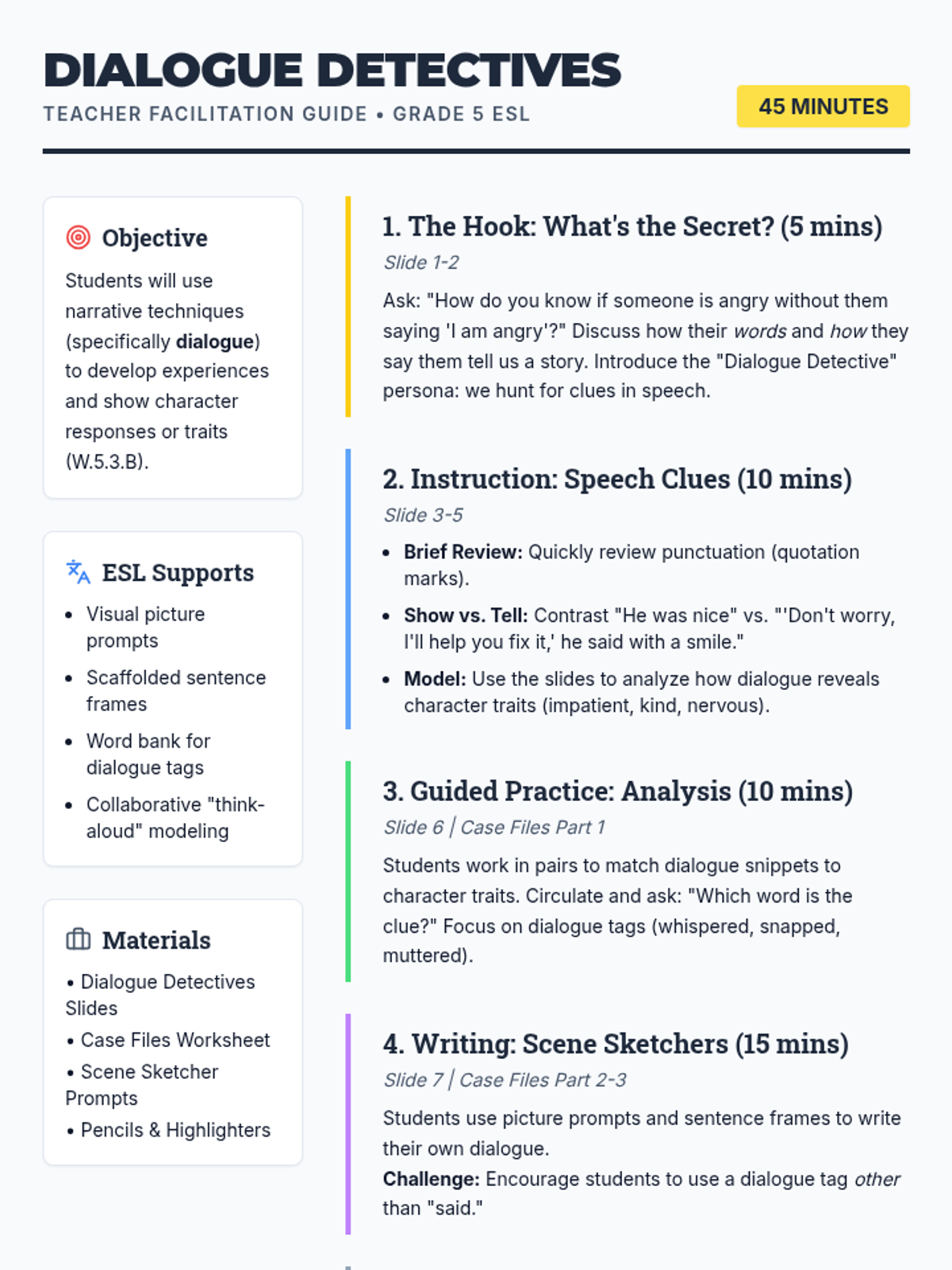
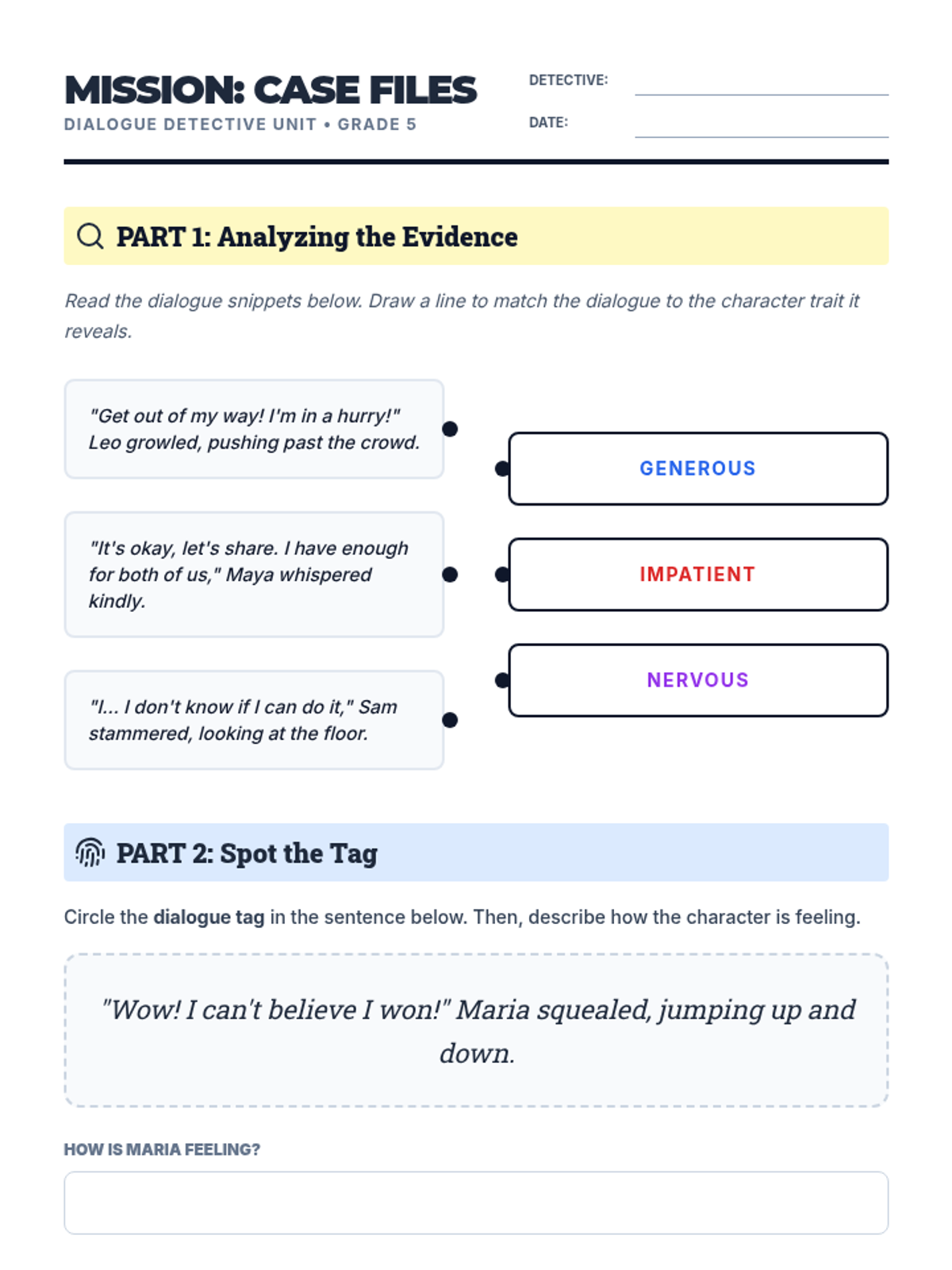
A 45-minute Grade 5 ESL lesson focused on using dialogue to reveal character traits and emotions. Students act as 'Dialogue Detectives' to analyze speech and write their own character-revealing conversations.
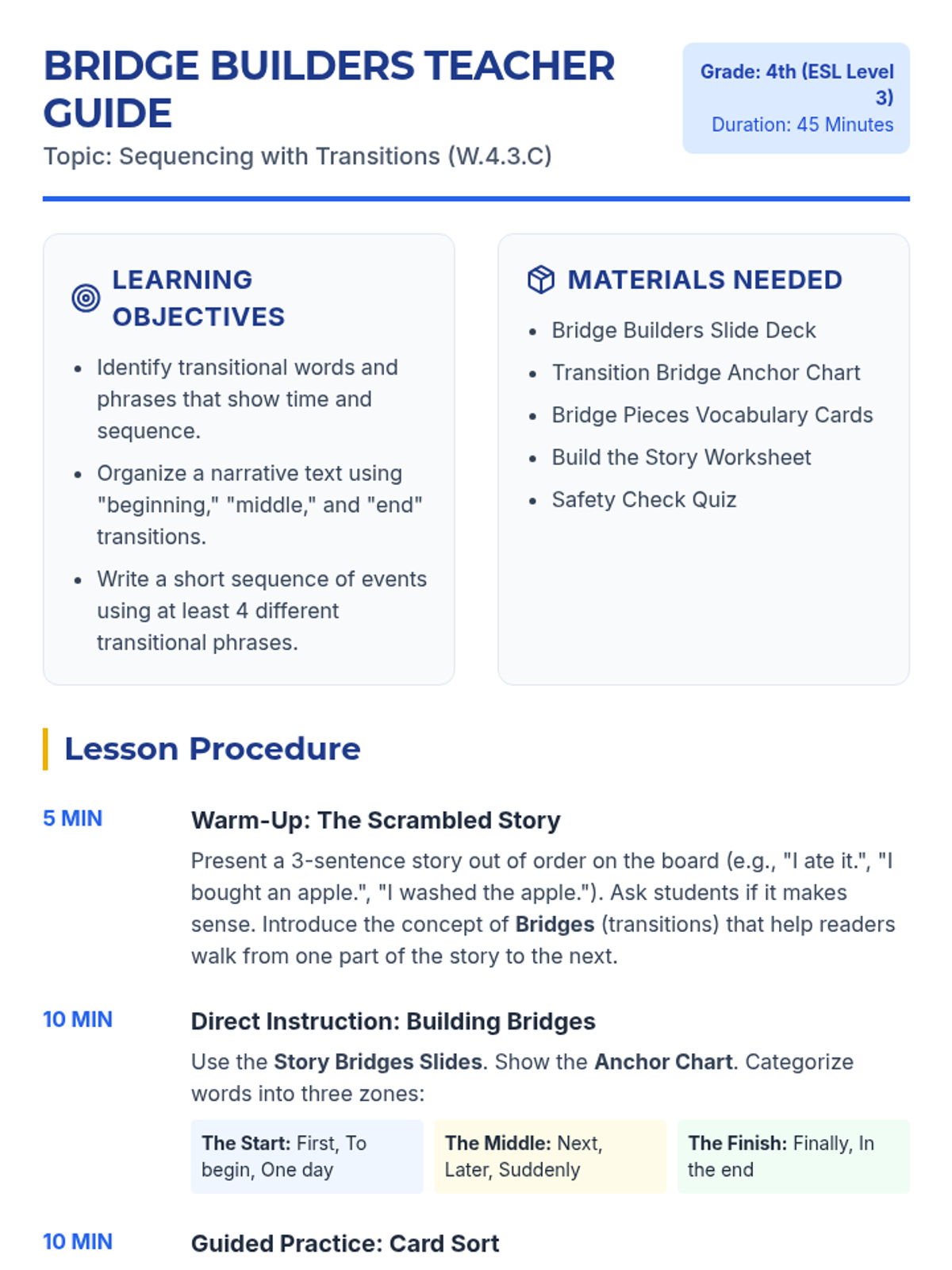
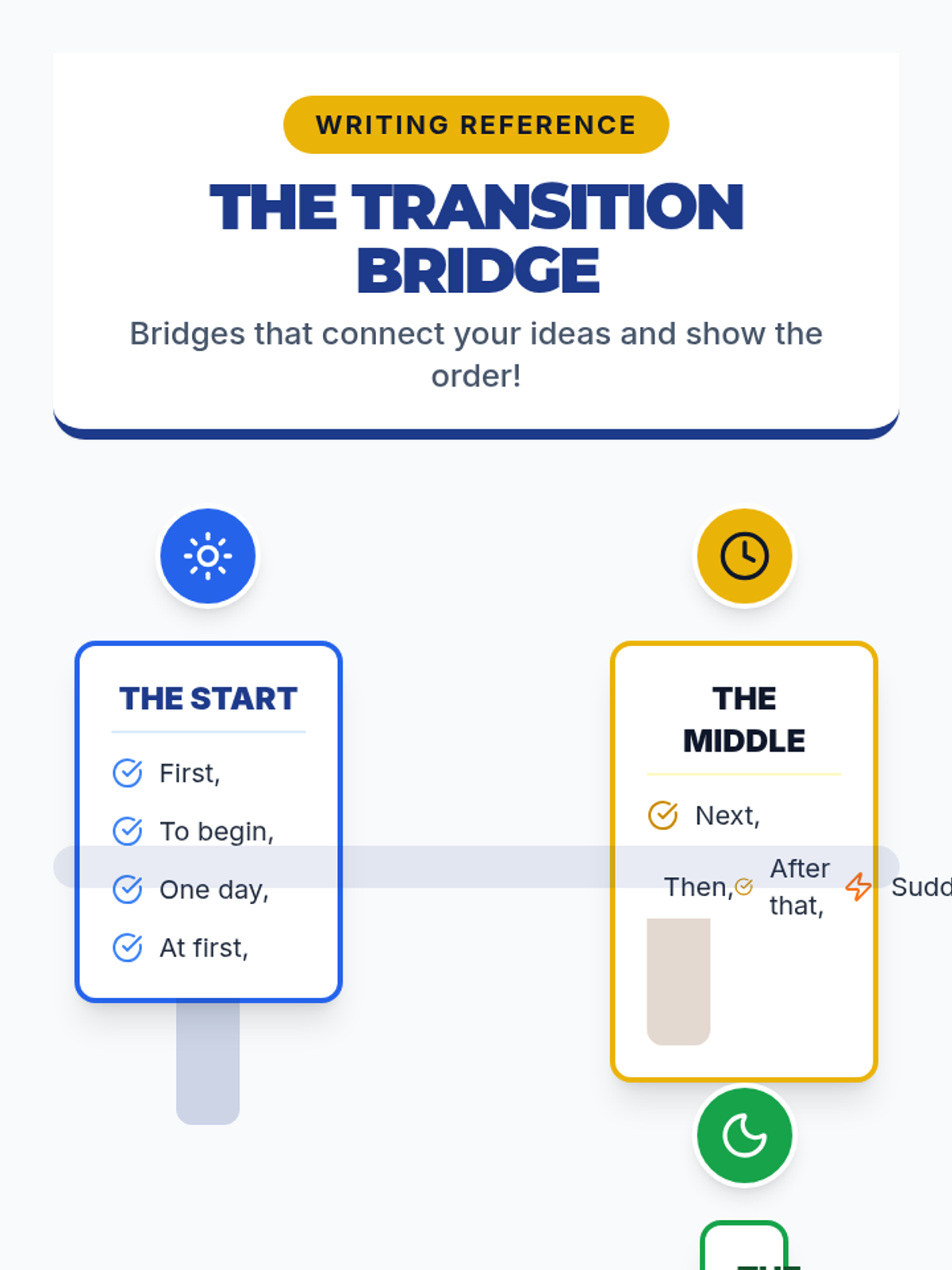
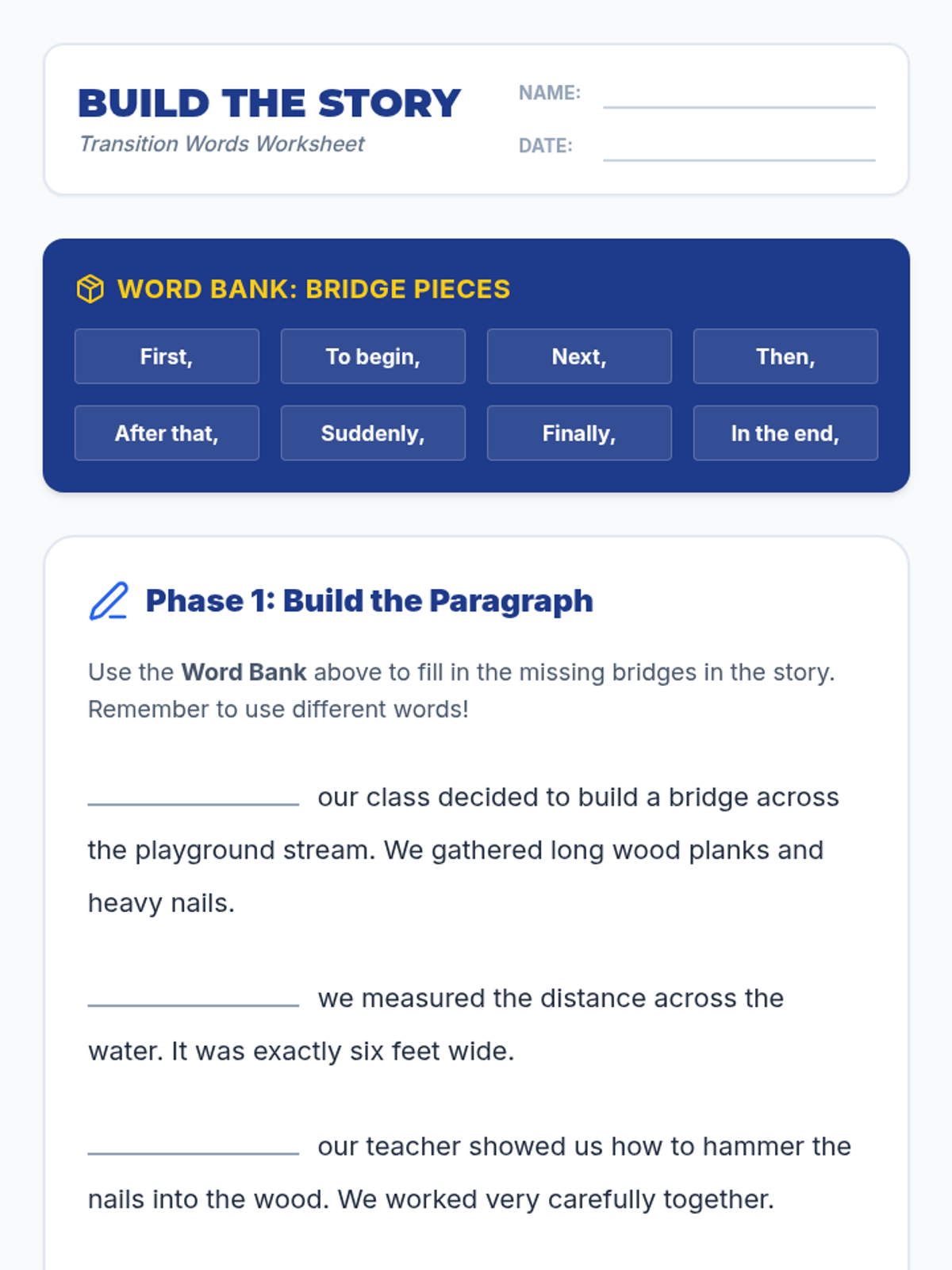
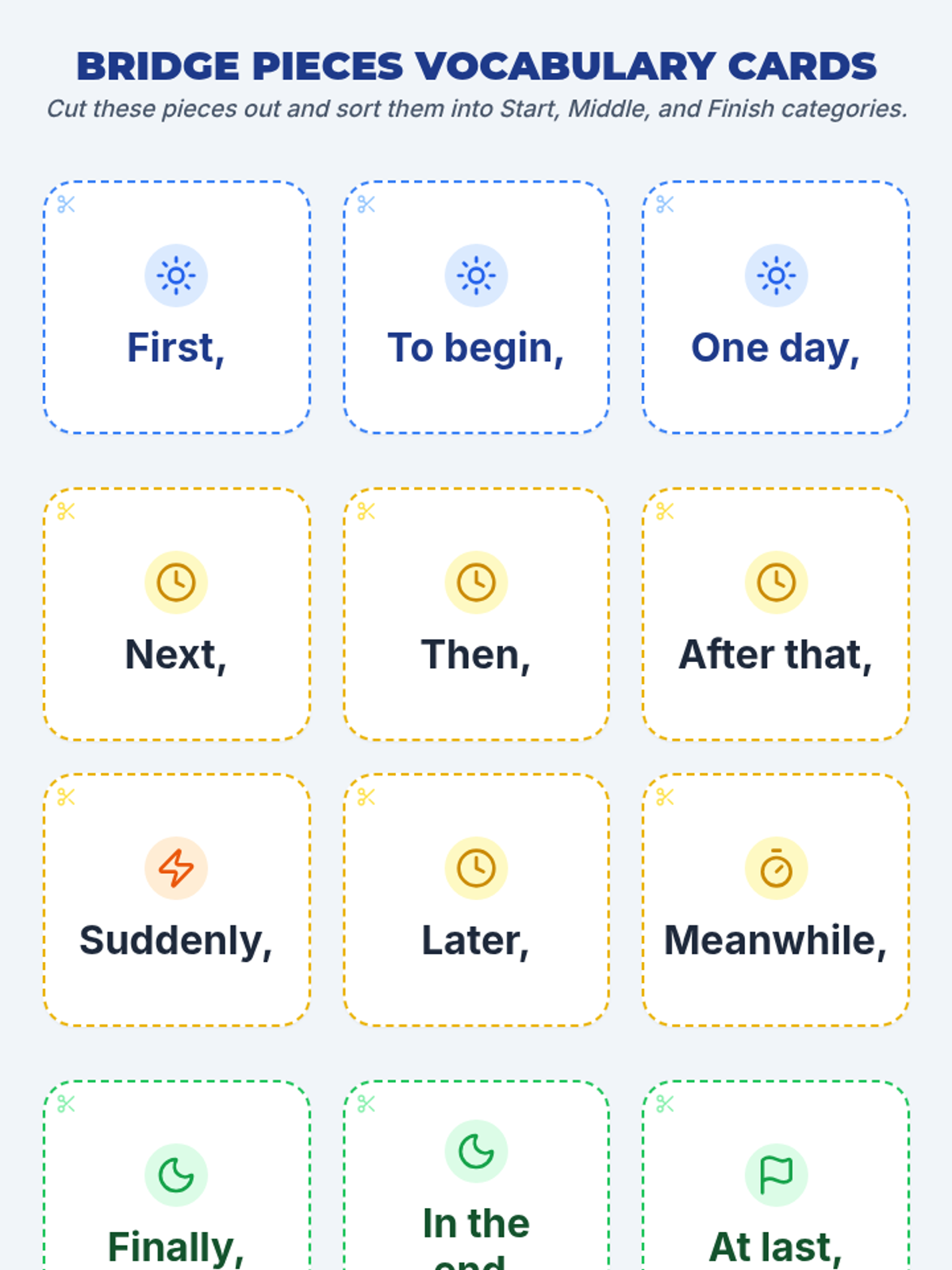
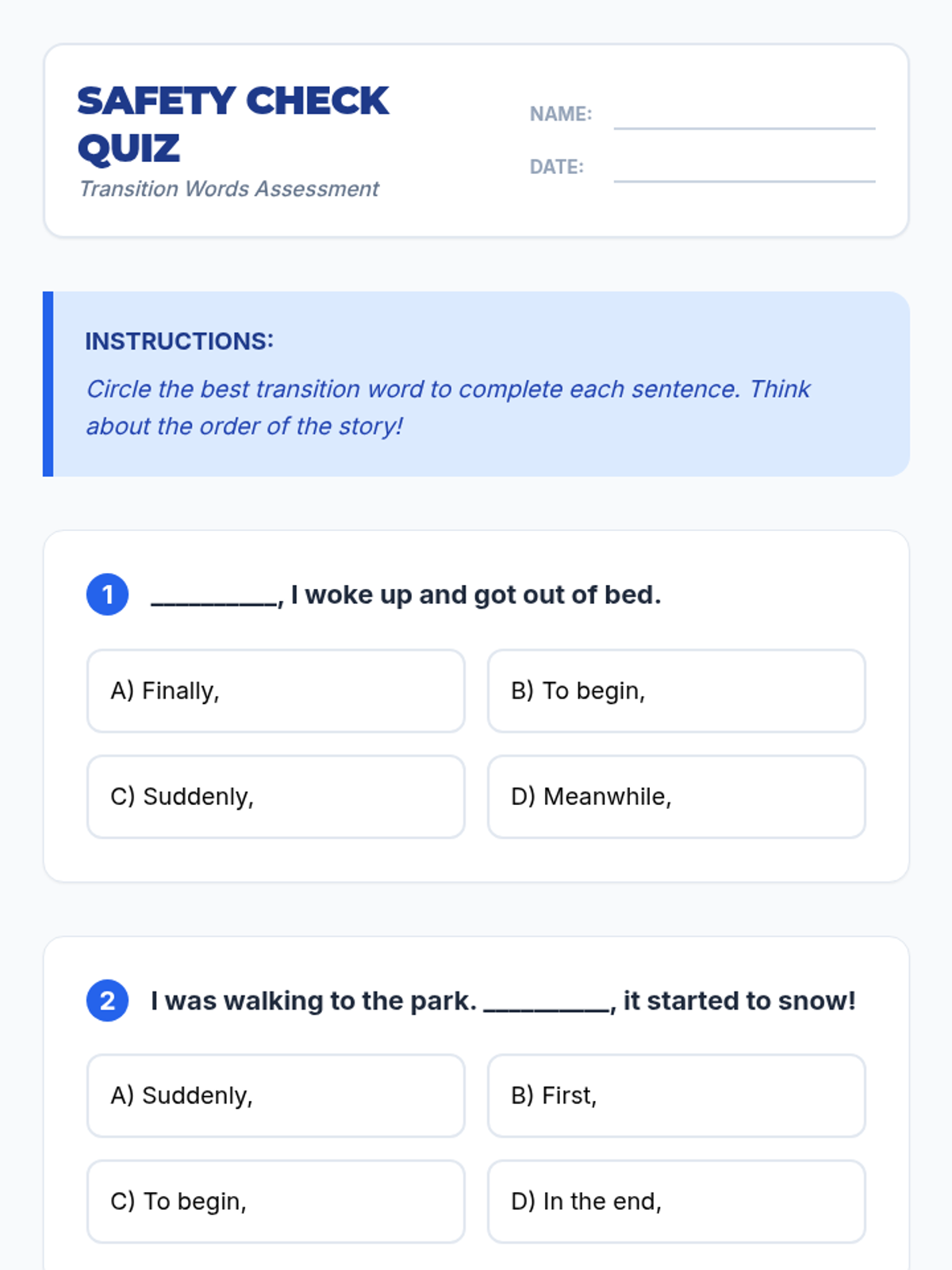
A 45-minute ESL lesson for 4th graders focused on using transitional words and phrases to sequence events, themed around building bridges between ideas.
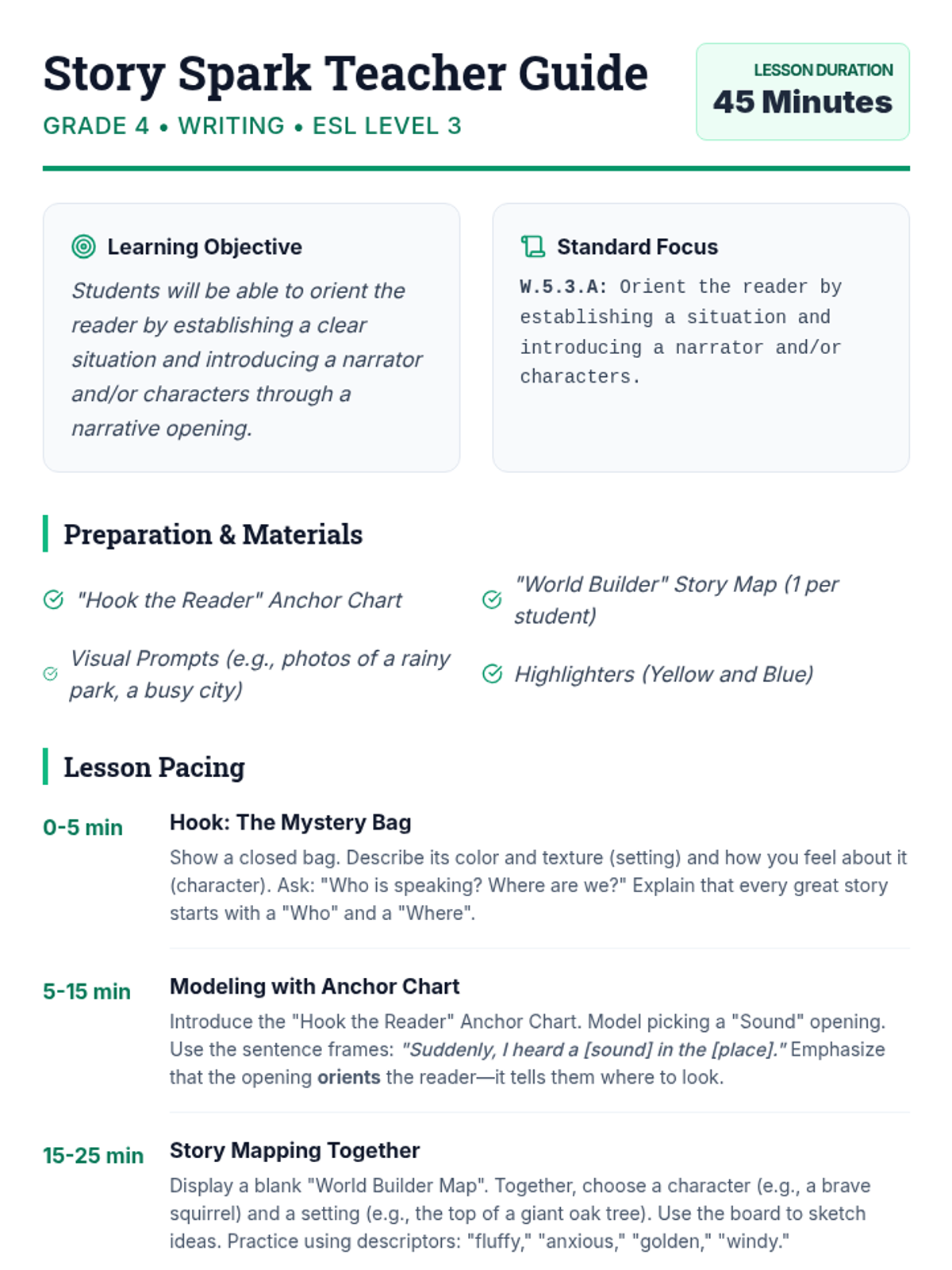
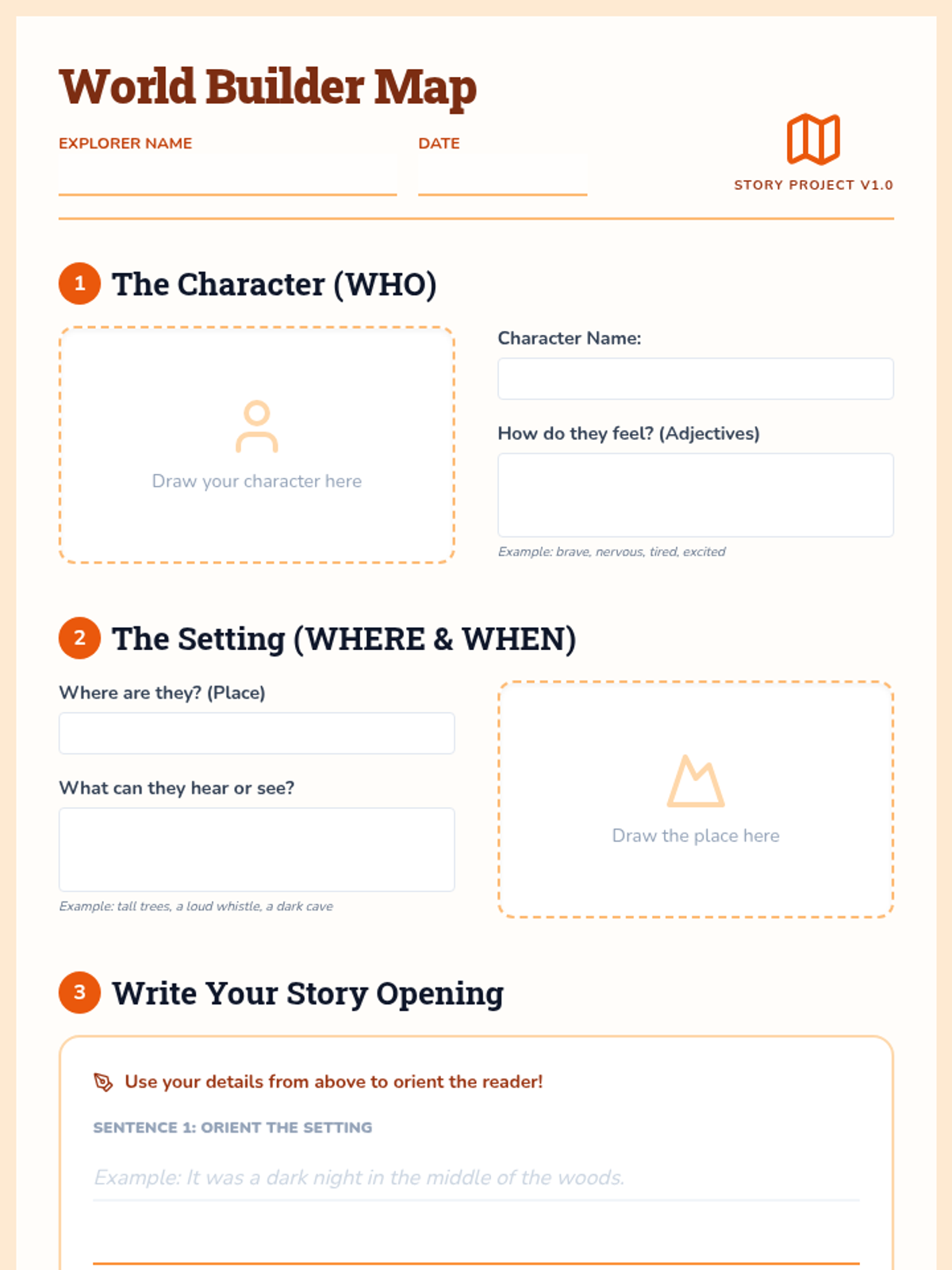
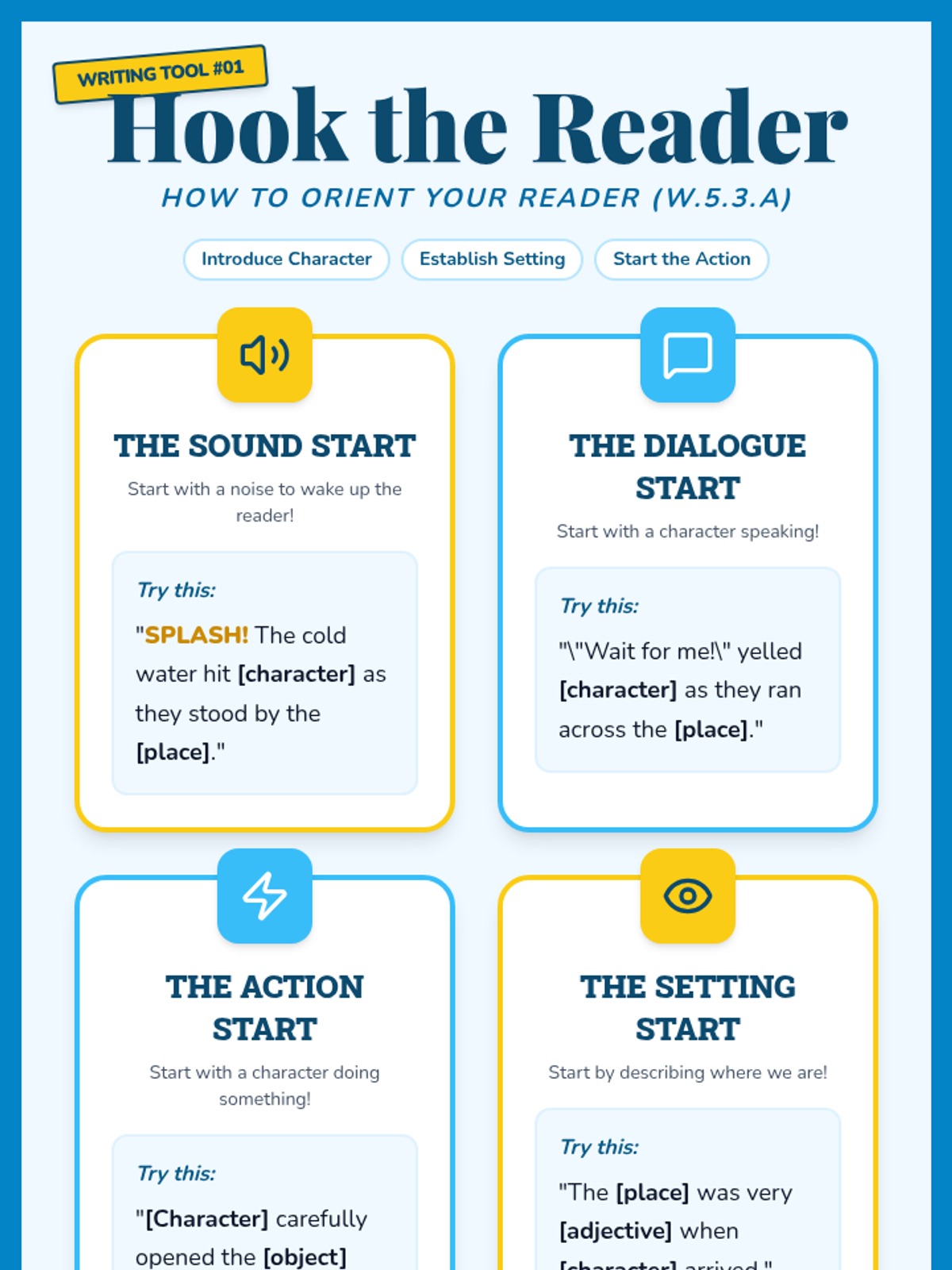
A 45-minute writing lesson for Grade 4 ESL students (Level 3) focused on establishing characters and settings to orient the reader. Students will use sentence frames and visual maps to craft the beginning of a narrative.
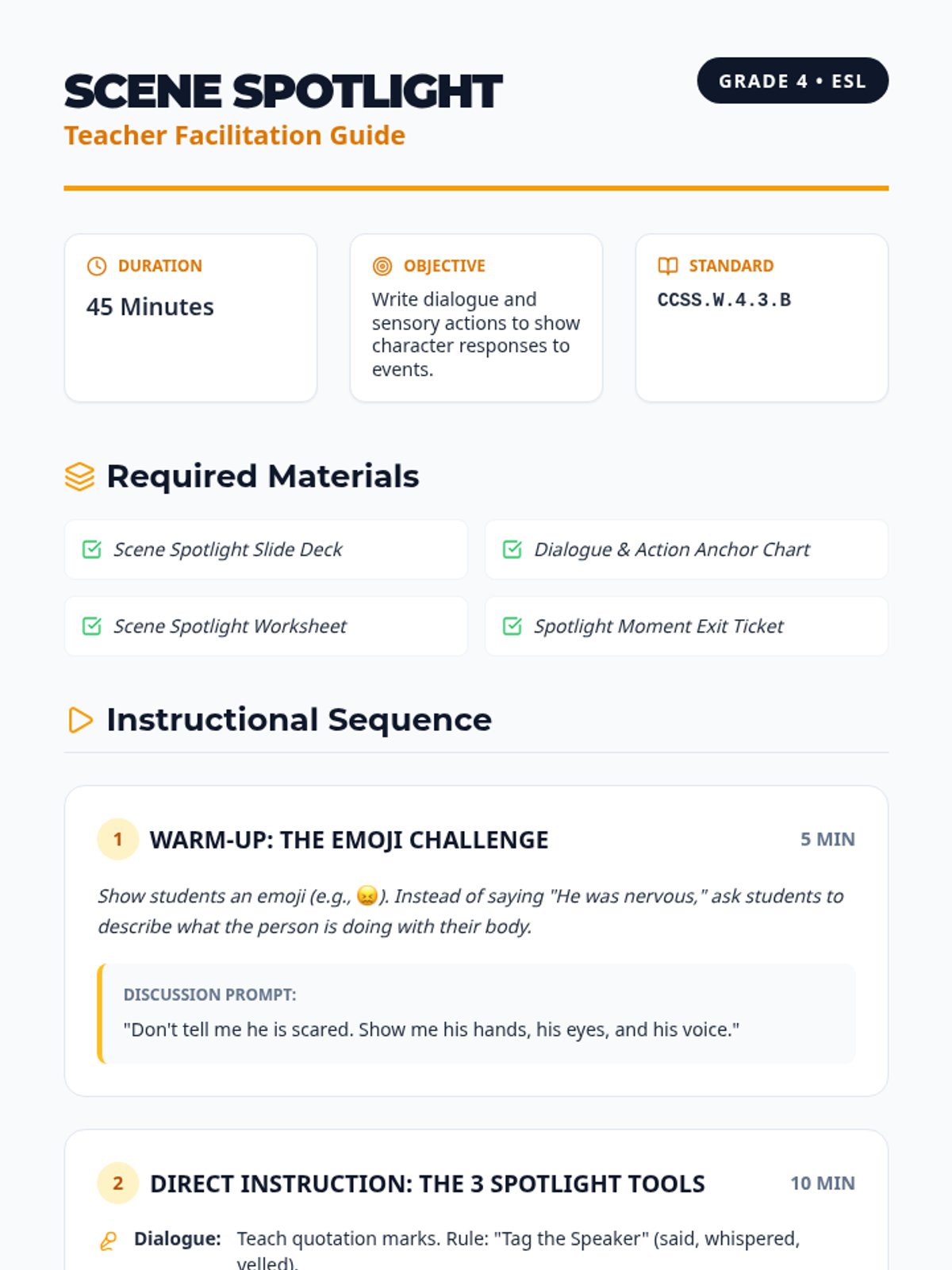
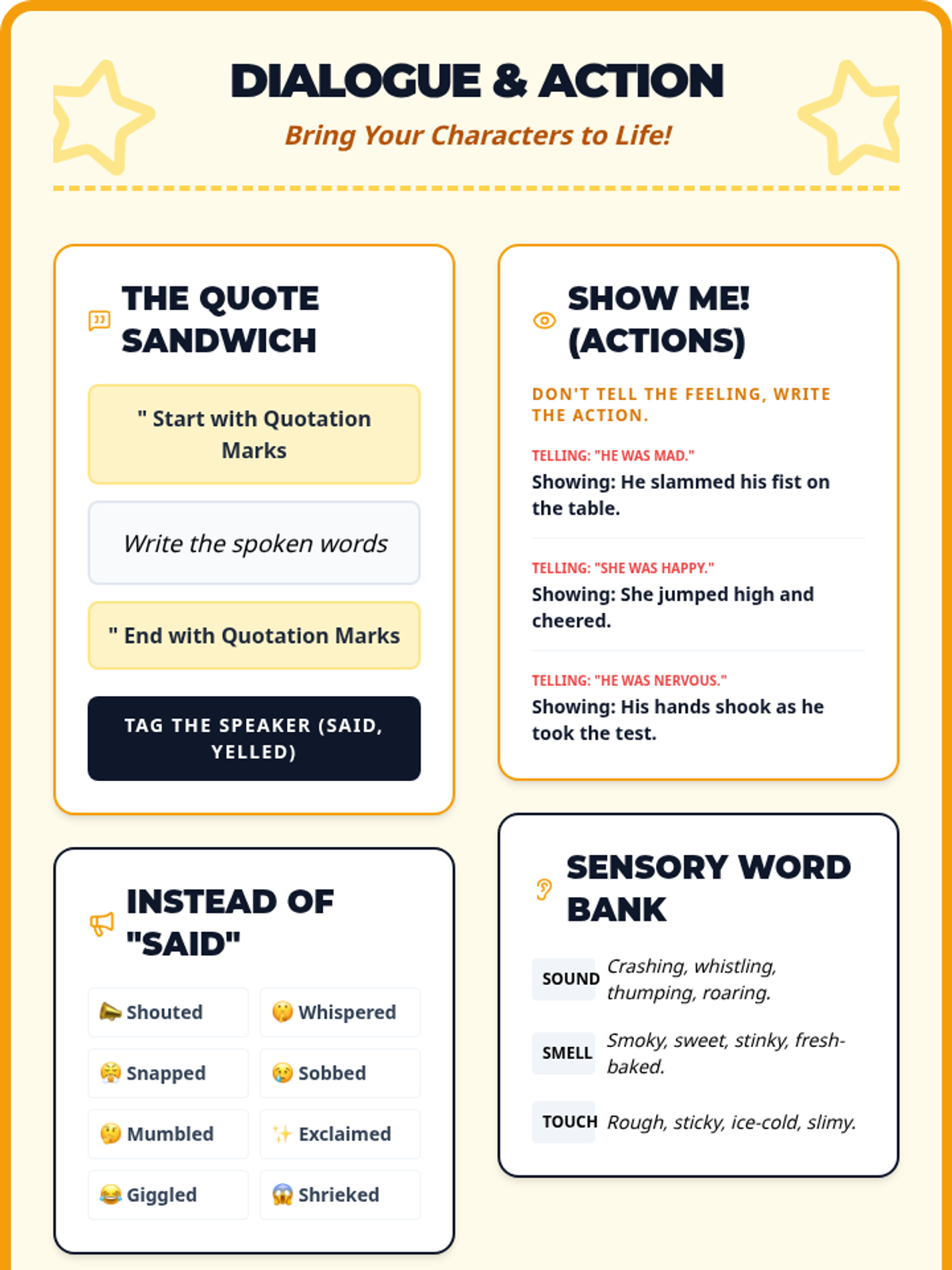
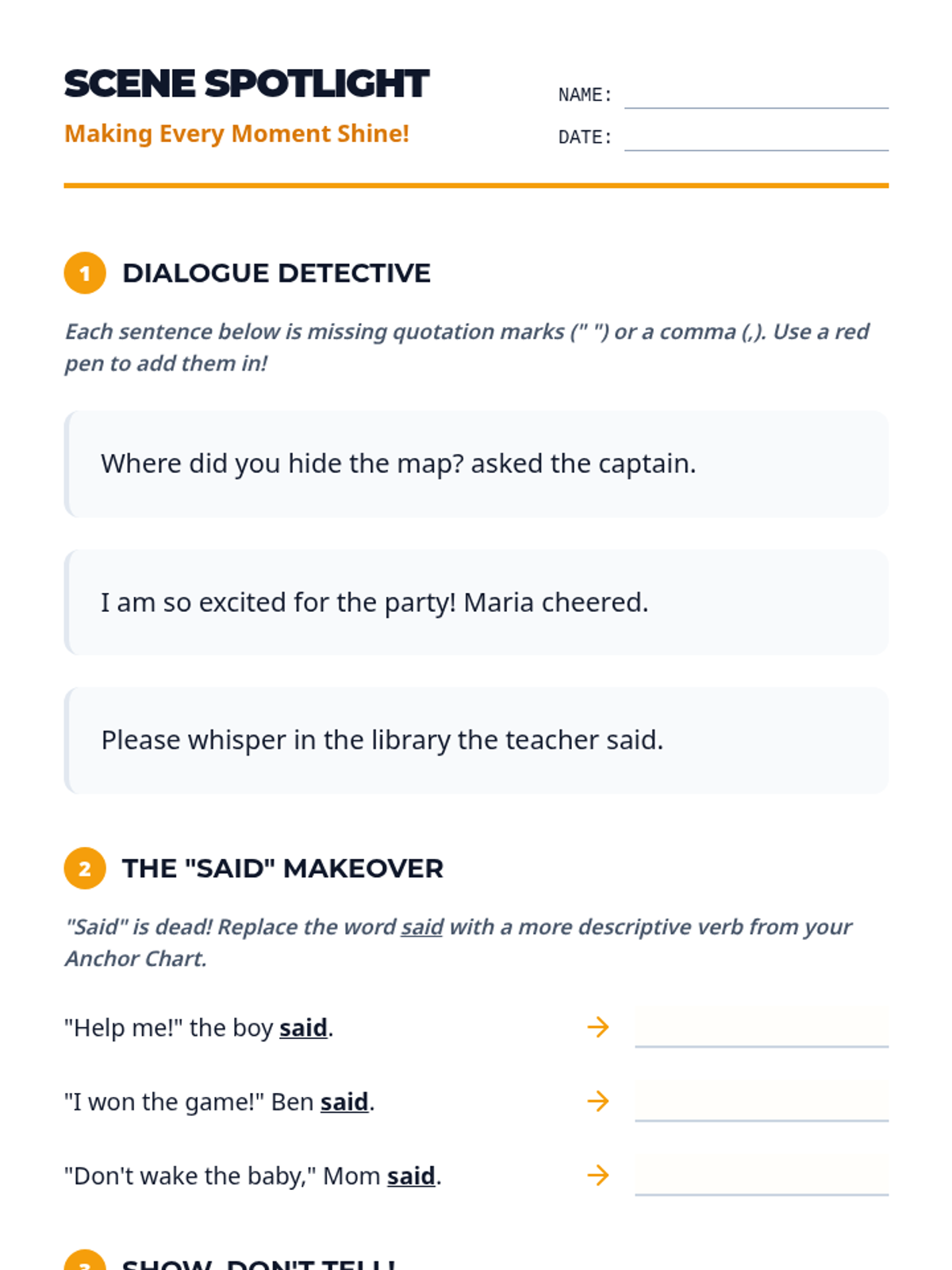
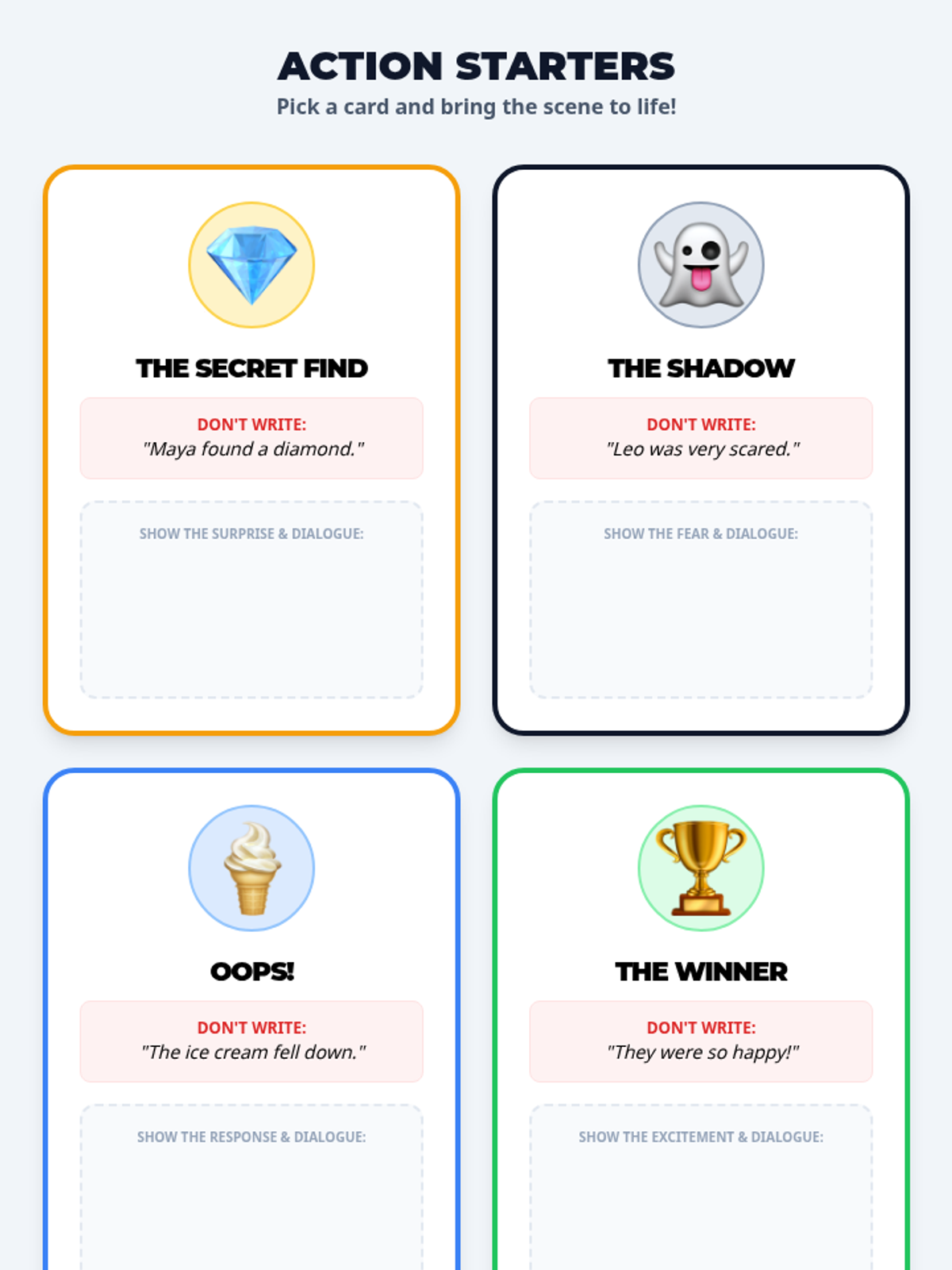
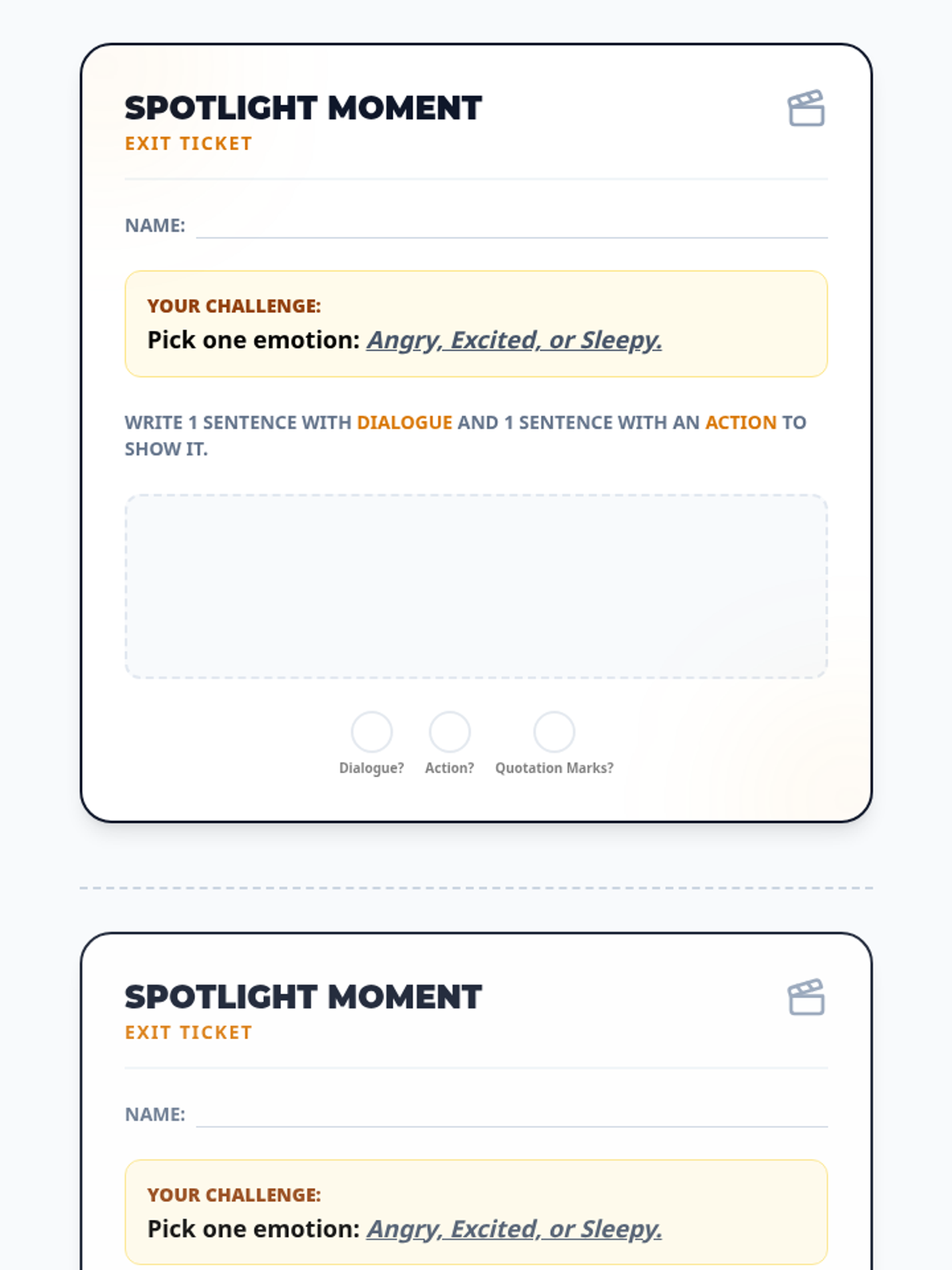
A 45-minute Grade 4 ESL lesson focused on CCSS W.4.3.B, teaching students to use dialogue, sensory details, and 'show, don't tell' actions to bring characters and scenes to life.