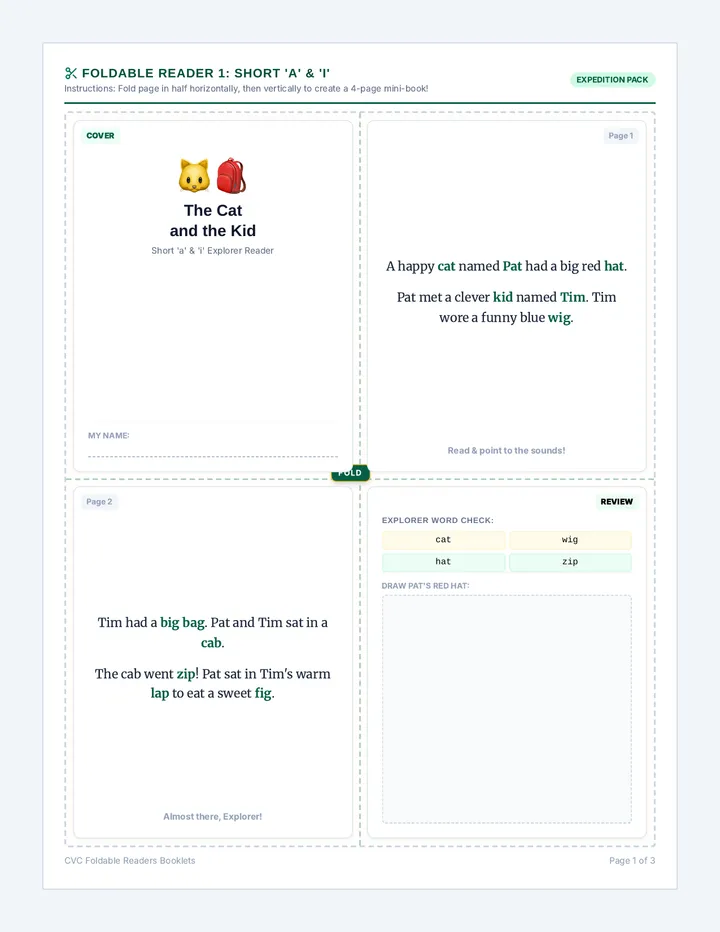
Students participate in a verbal relay where they must change a statement into a question, practicing oral sentence manipulation and fluency.
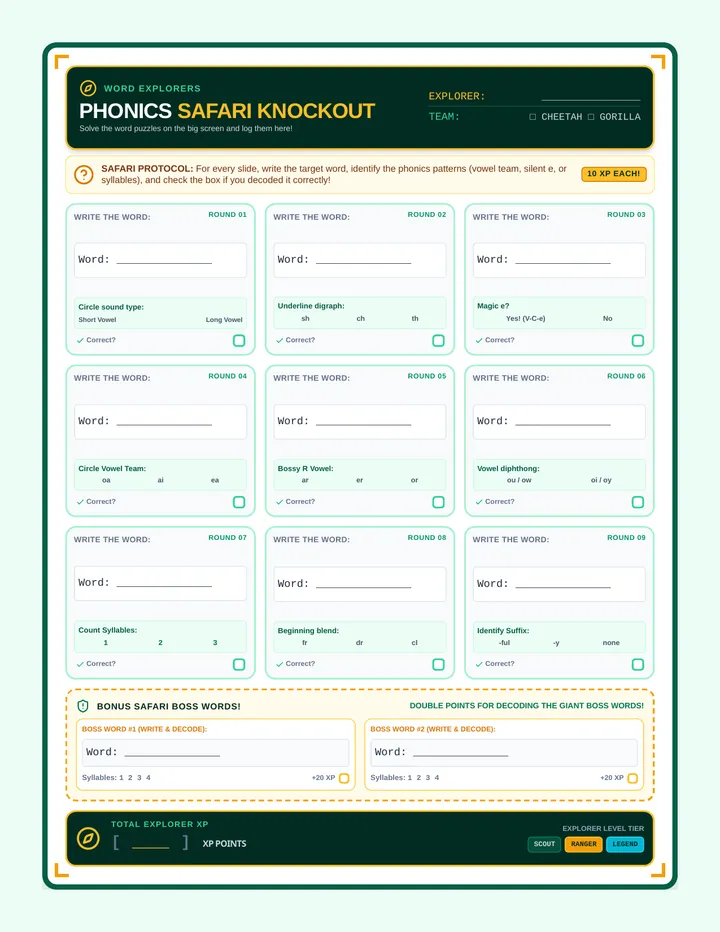
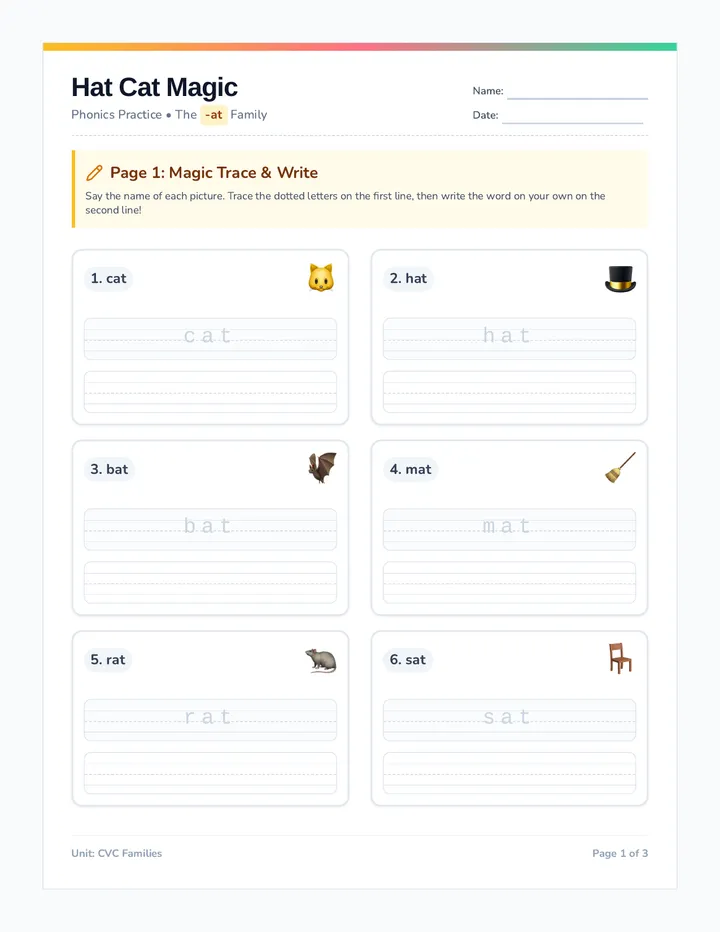
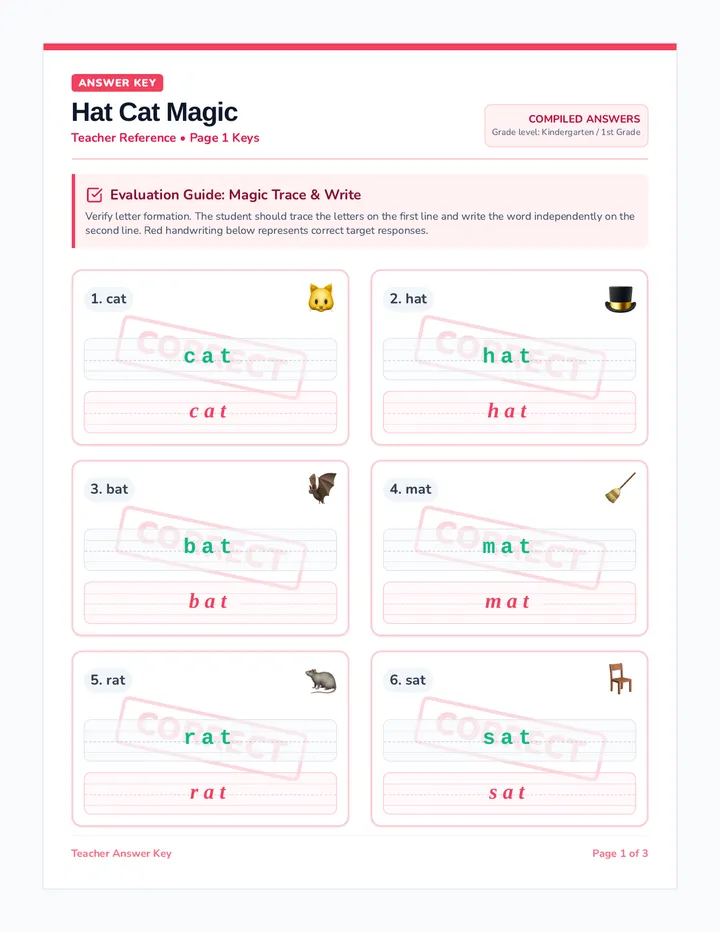
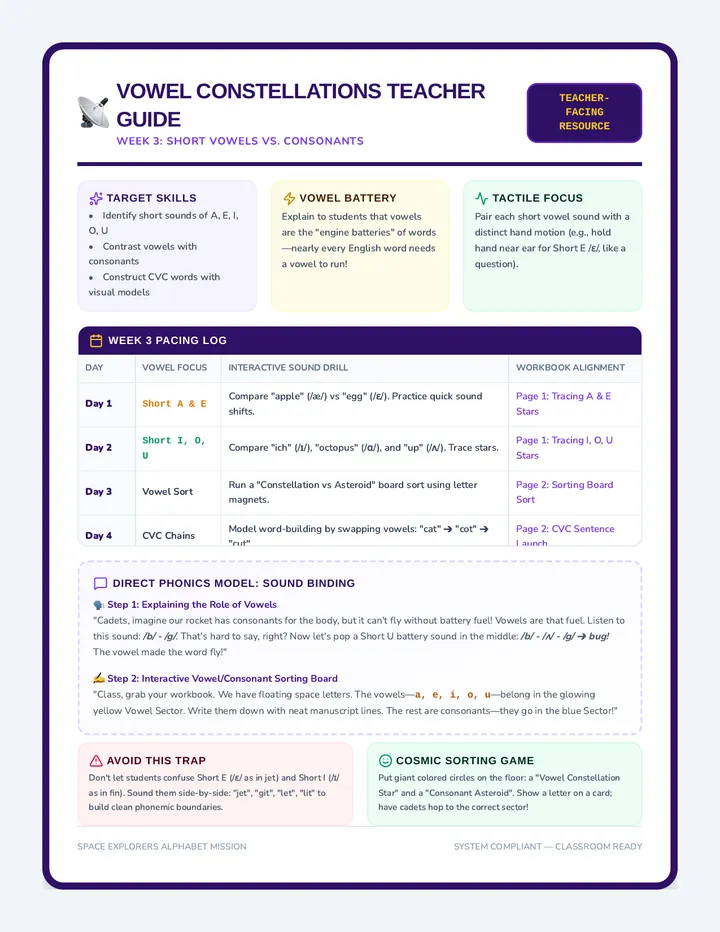
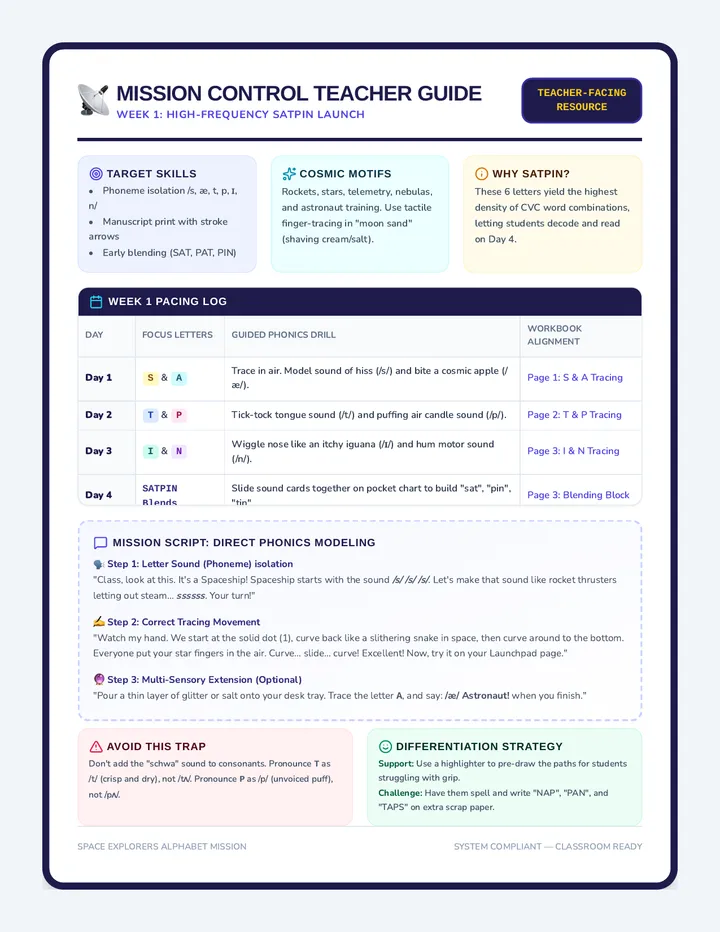
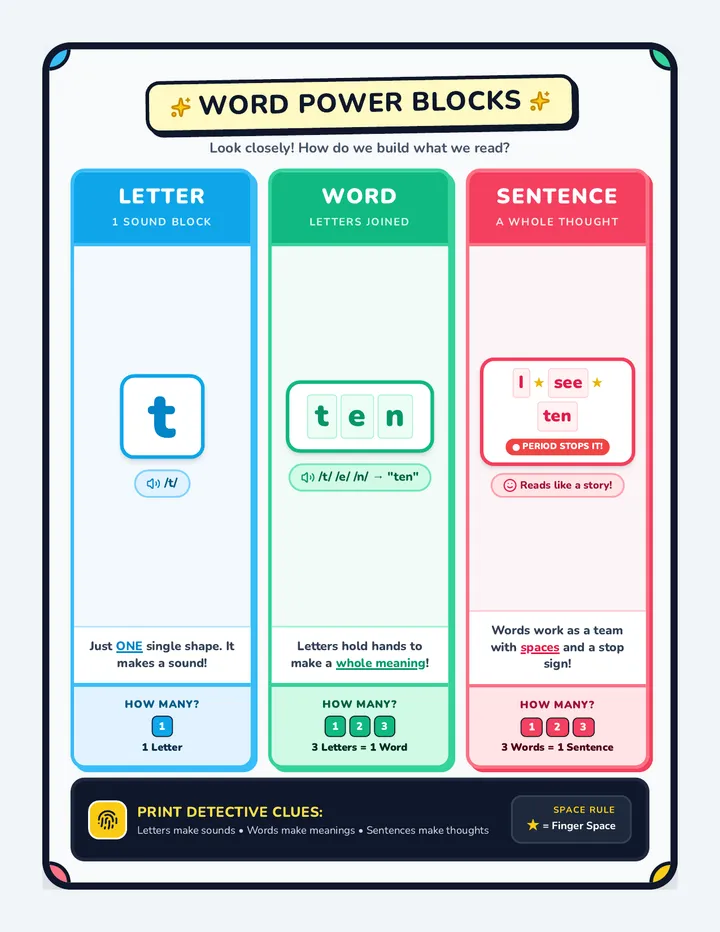
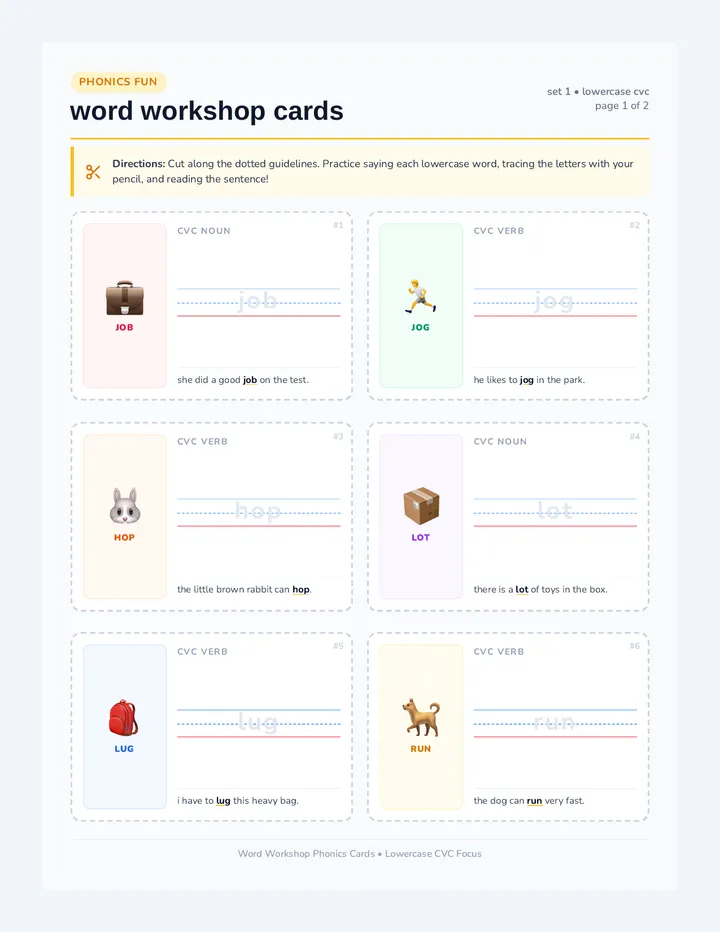
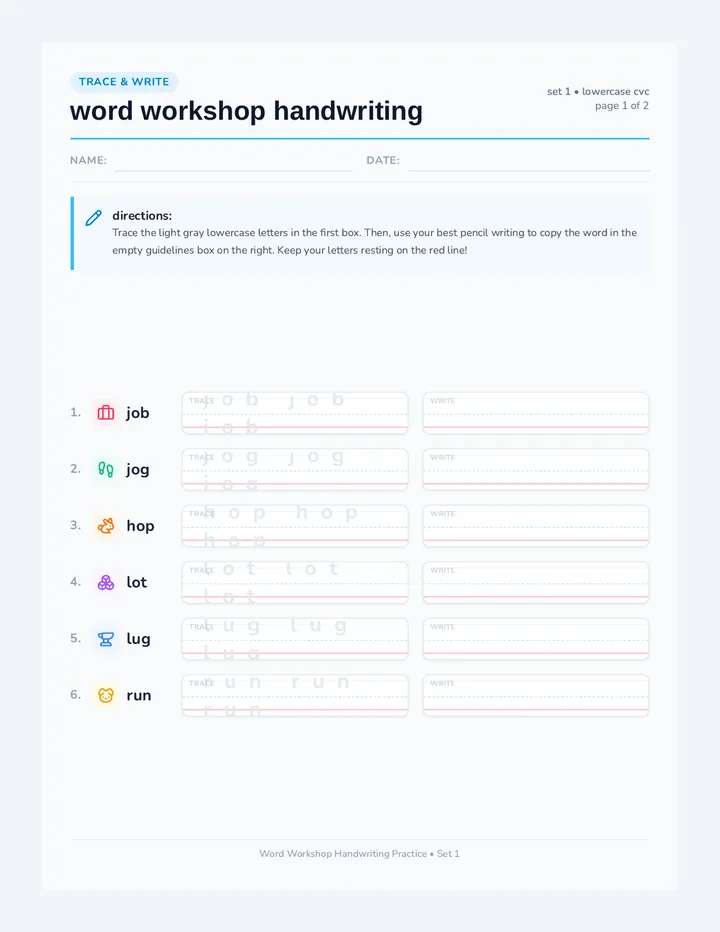
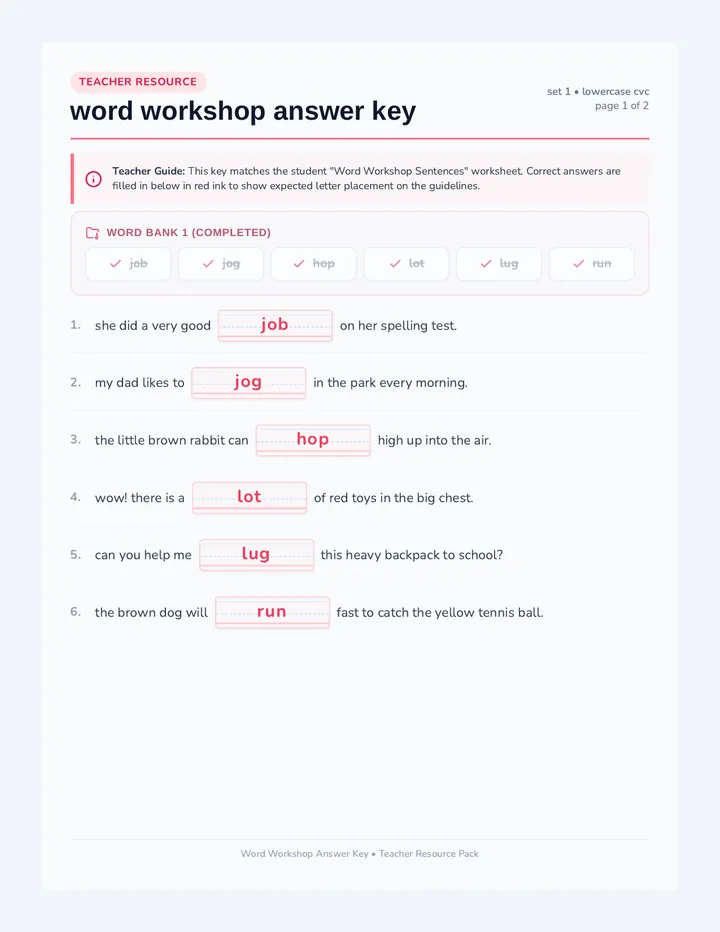
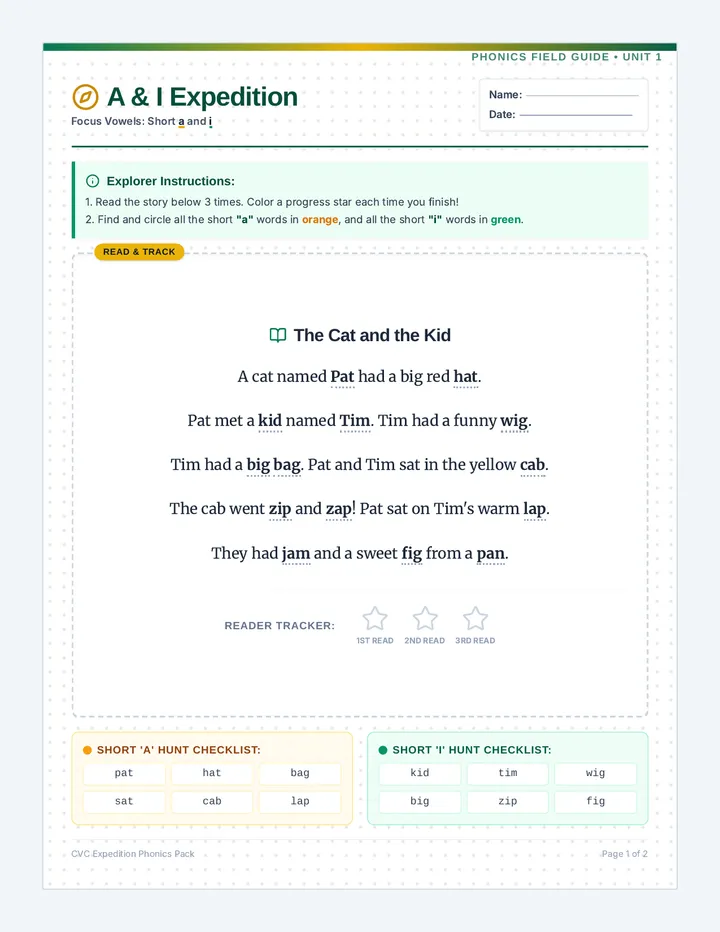
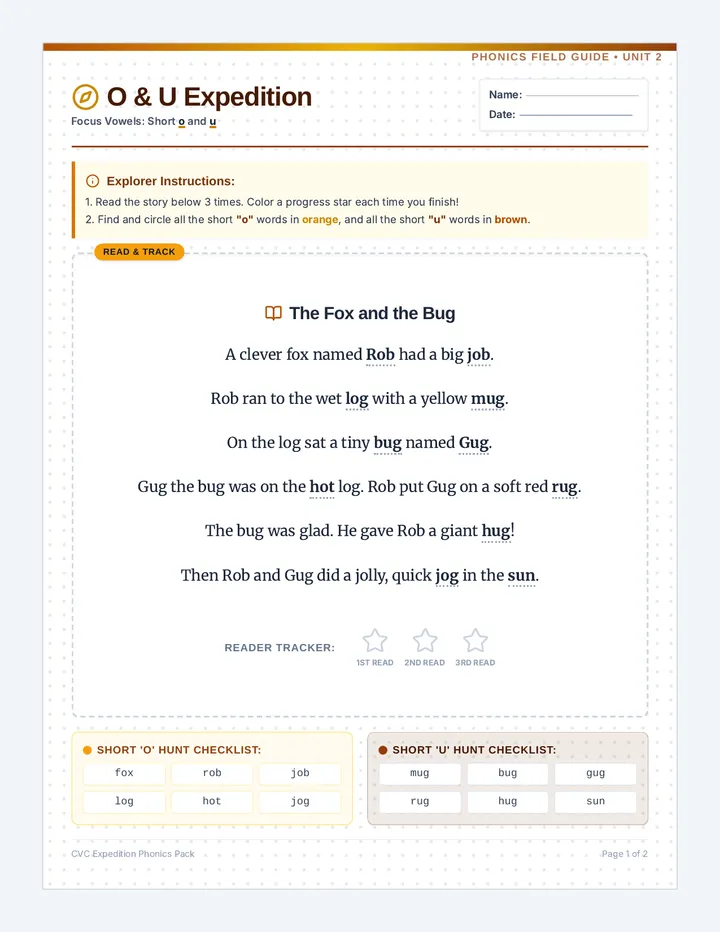
A hands-on phonics lesson where students build CVC words using a 'Word Workshop' theme. This lesson focuses on identifying sounds and blending them within word families.
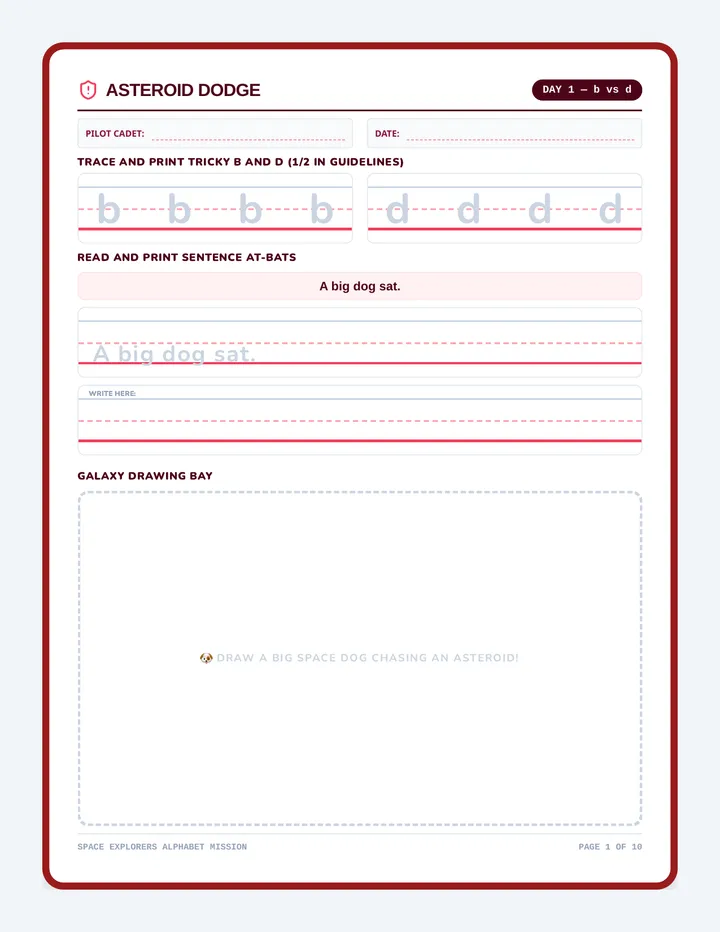
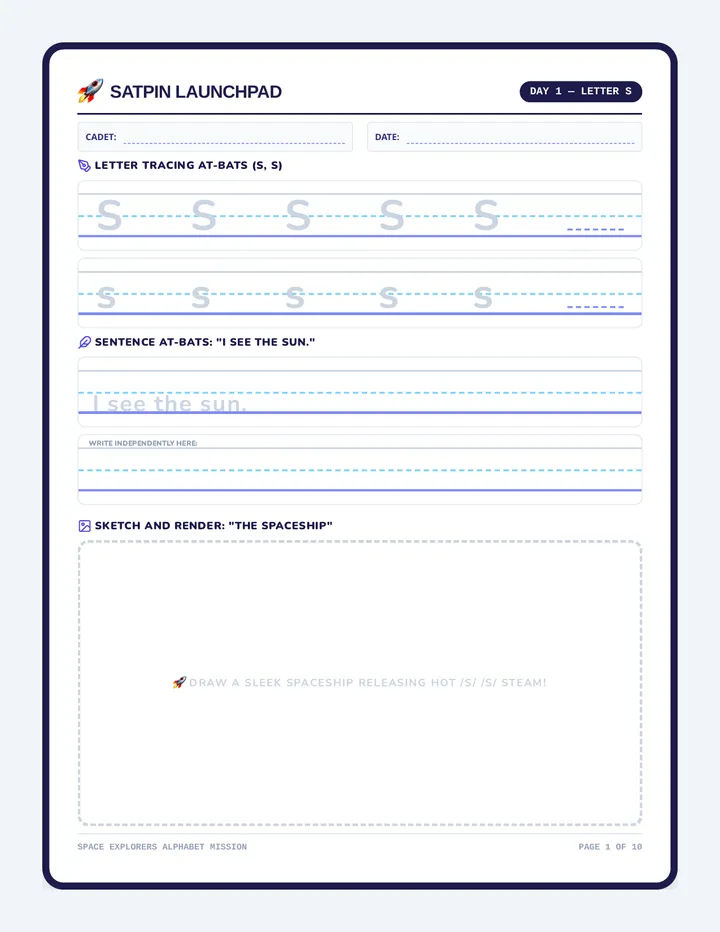
A comprehensive phonics and handwriting foundation for kindergarteners, focusing on uppercase and lowercase letter formation and letter recognition through engaging puzzles and mazes.
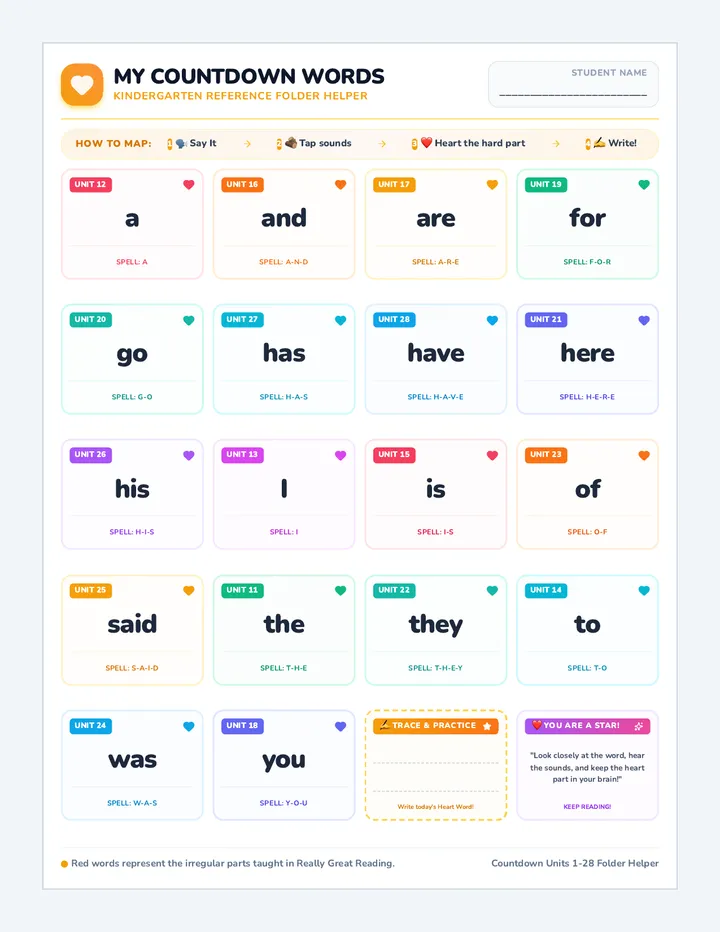
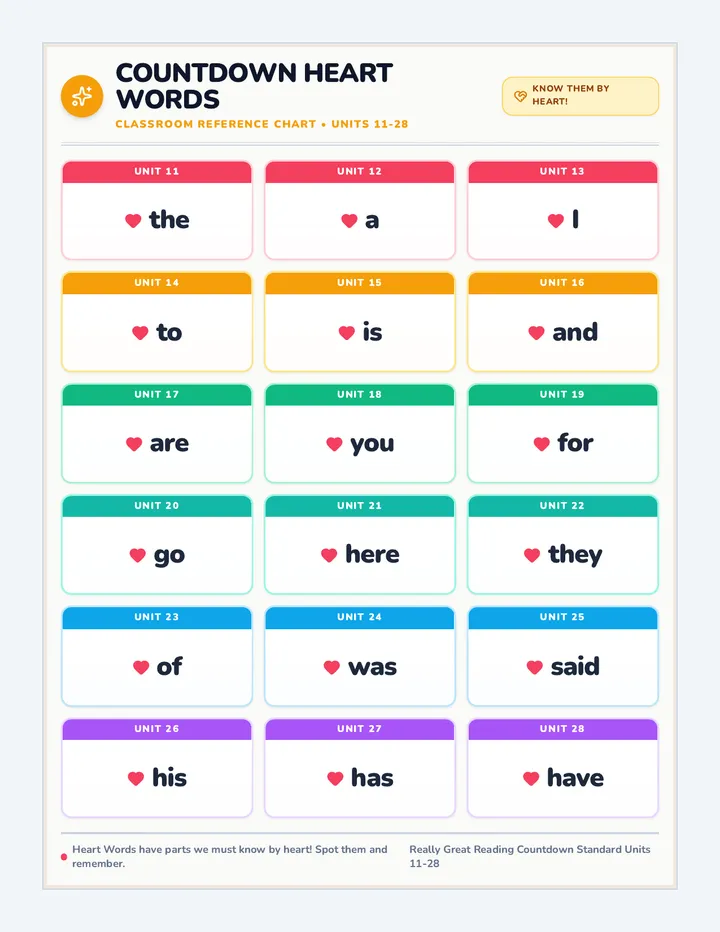
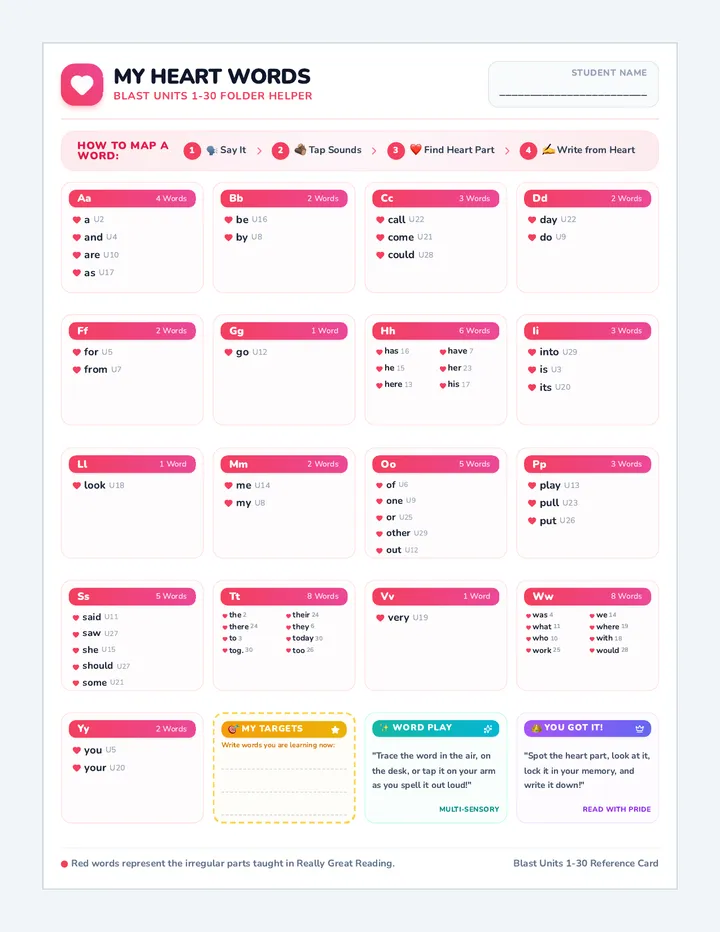
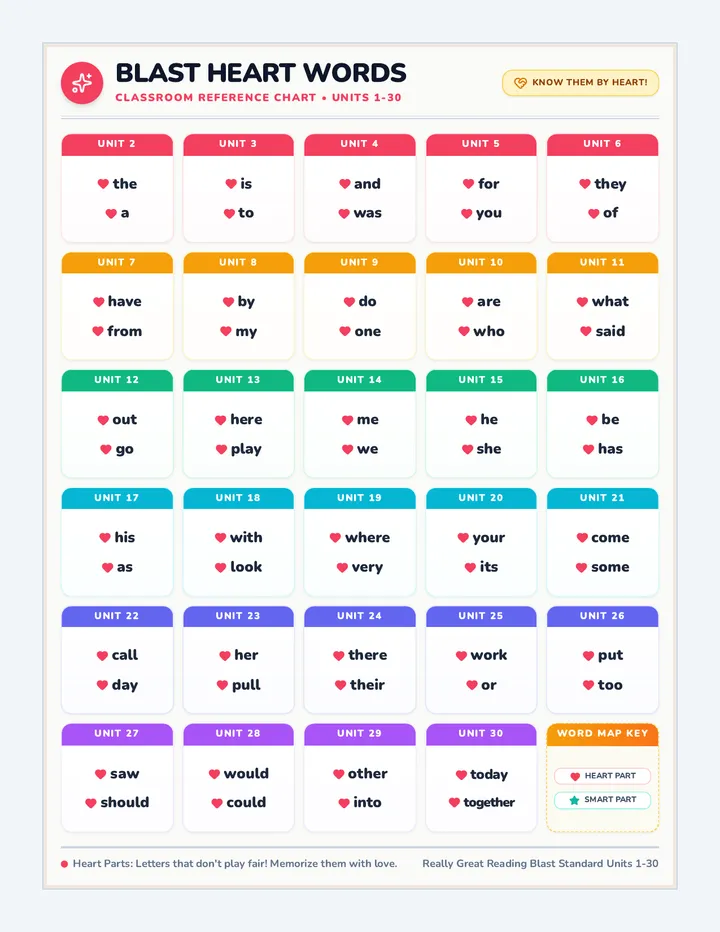
A comprehensive set of foundational literacy materials focused on 27 key sight words and nouns, covering word recognition, handwriting, sentence structure, and phonics.
A lively, kinesthetic lesson where K-3 students personify punctuation marks through movement and creative writing to understand how they shape the voice of a sentence.
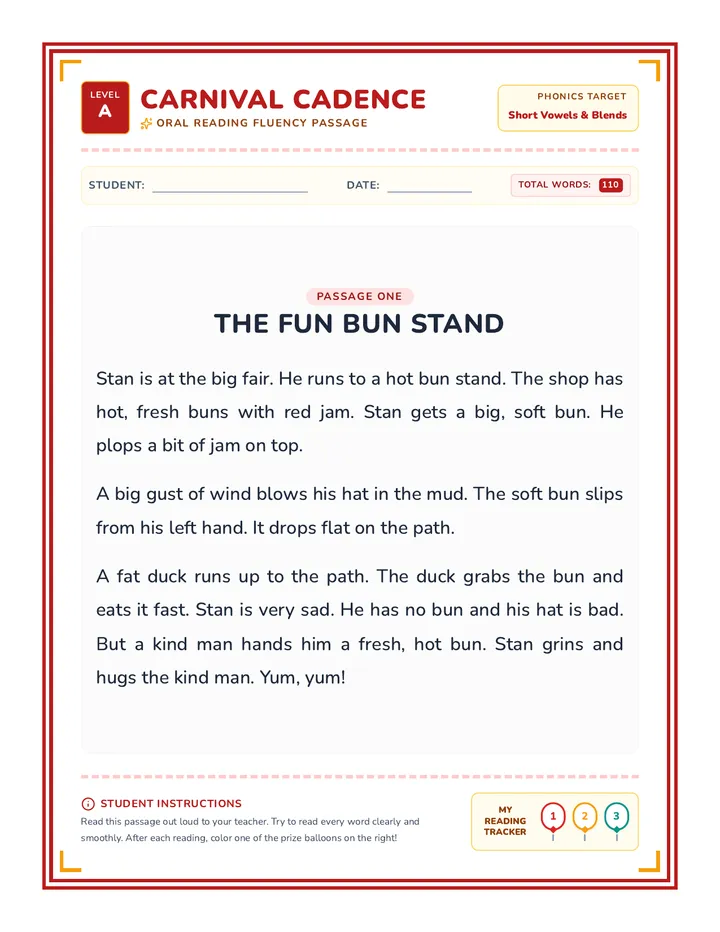
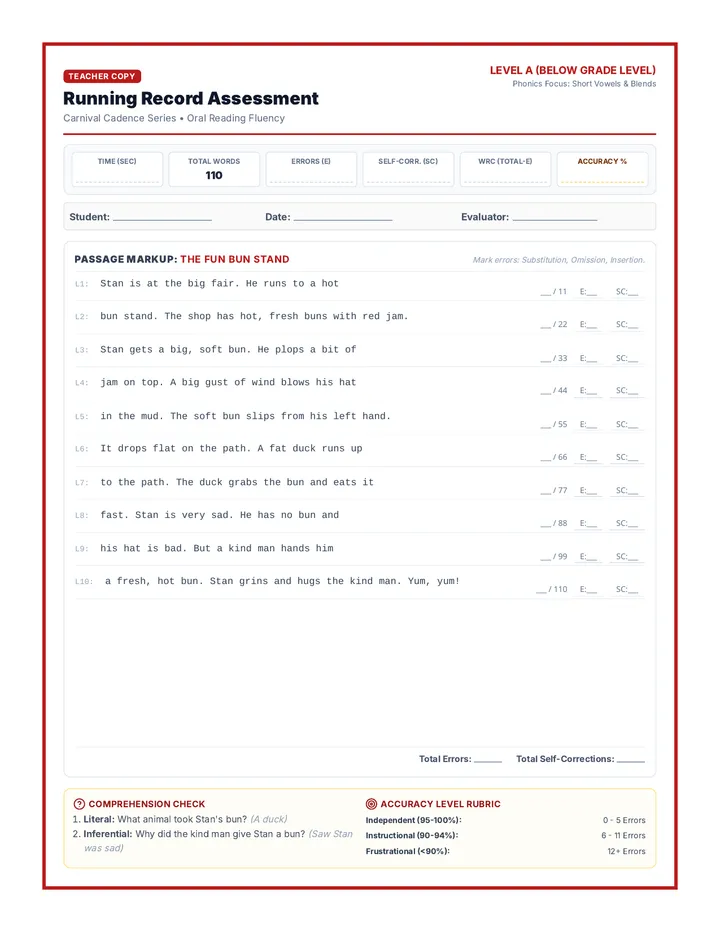
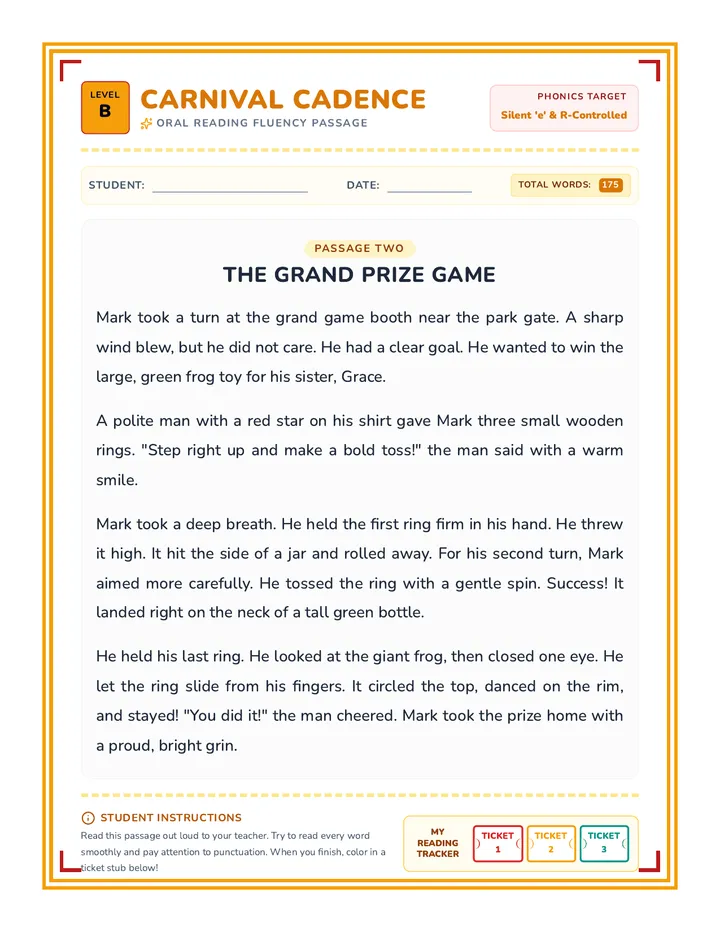
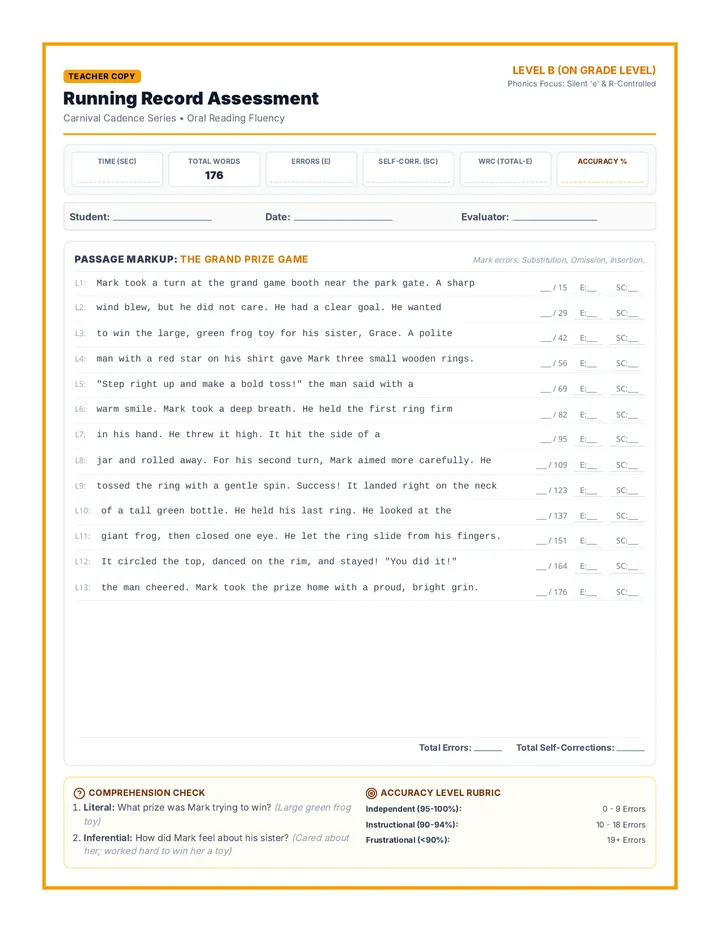
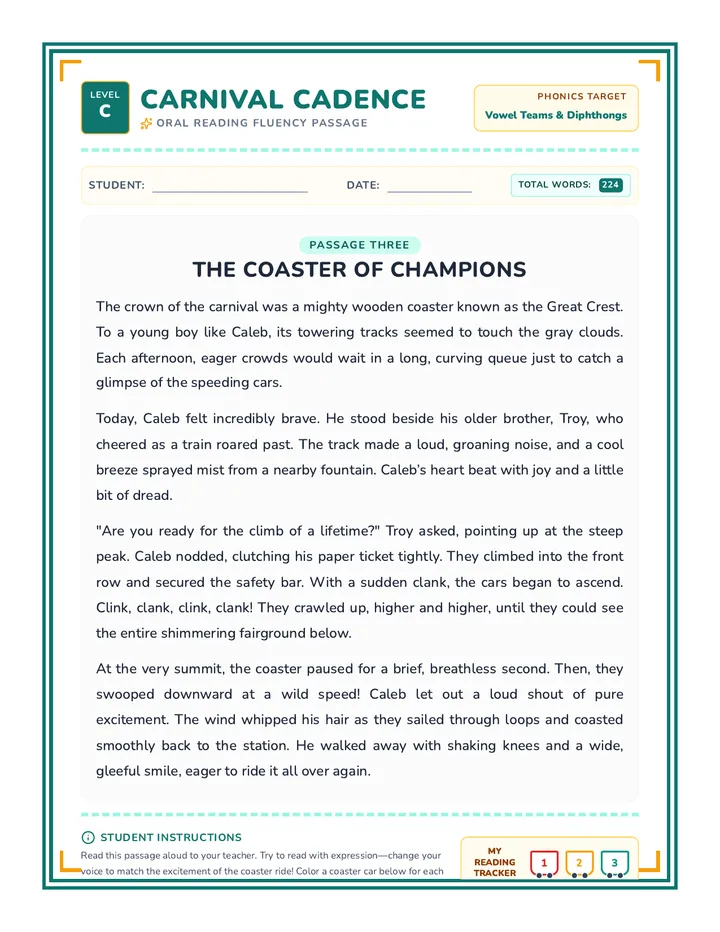
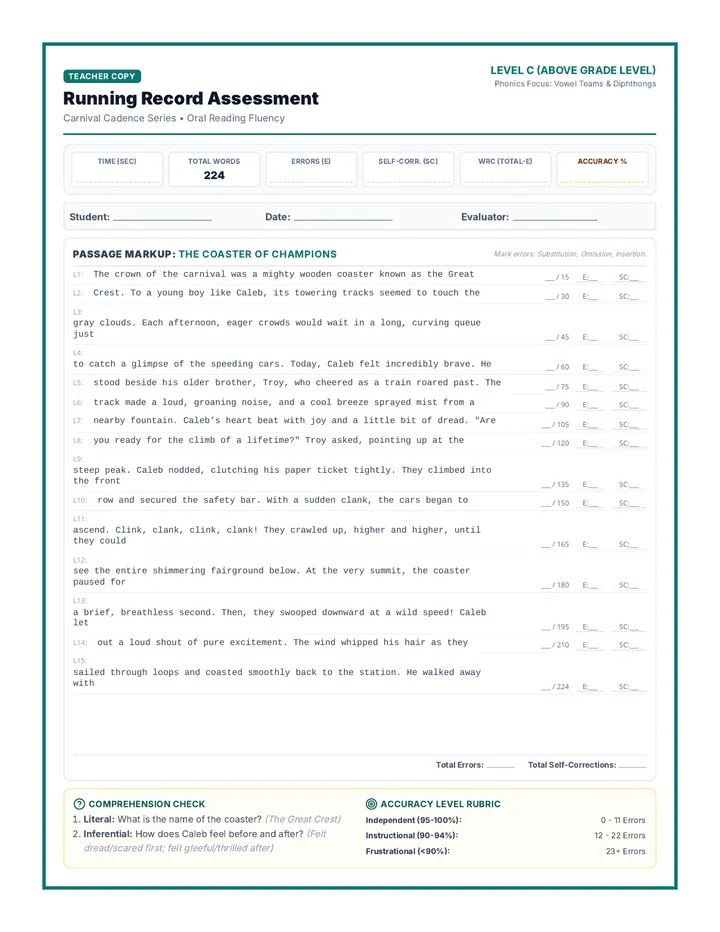
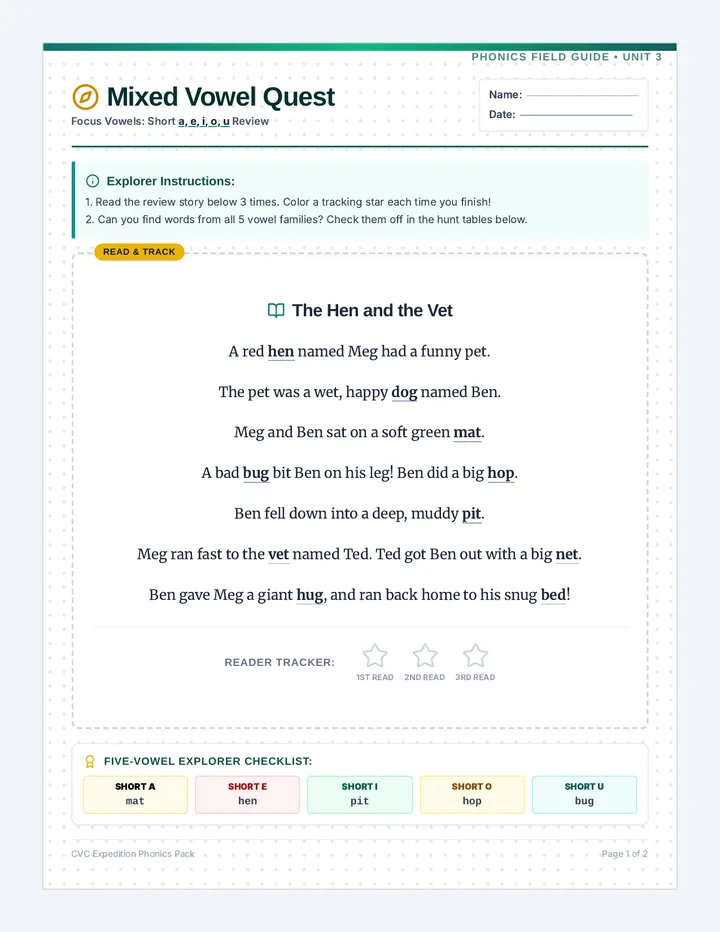
A foundational literacy lesson focusing on decoding CVC and CVCE words through a short story about a boy and his pet. Students will practice reading fluency and inferring character feelings based on story events.
A foundational literacy lesson for K-1 students focused on identifying the main idea and supporting details using a 'Story Detective' theme.
Capstone simulation. Students apply all 11 strategies to solve a complex text-based 'Maze' and earn their Thought Tracker Mastery.
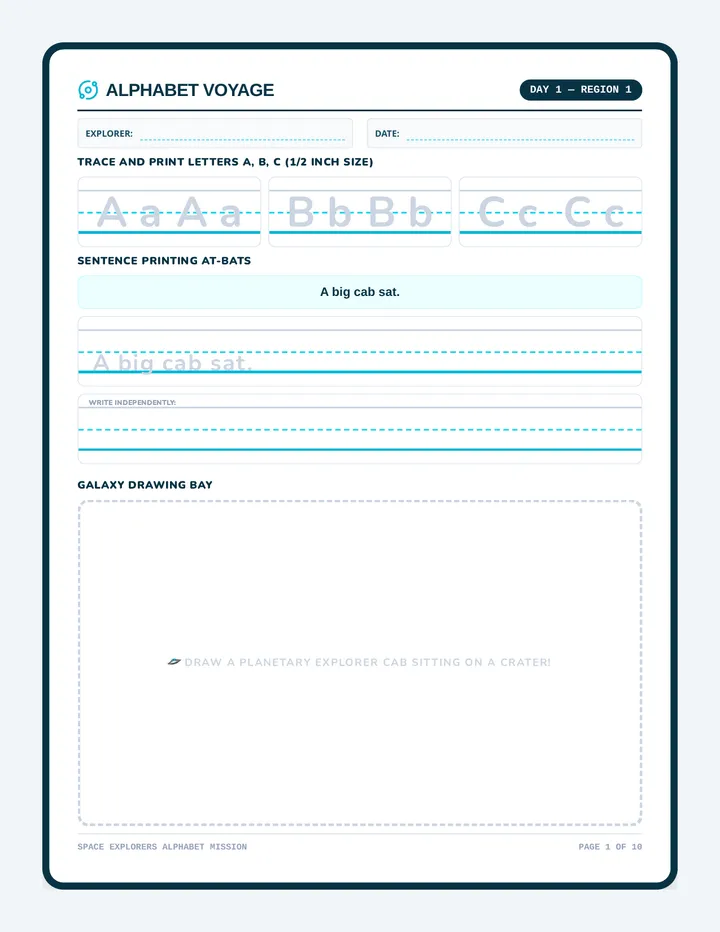
Metacognitive choice. Students practice deciding which 'Mind Tool' (Inference, Visualization, Questioning) is best for specific text challenges.
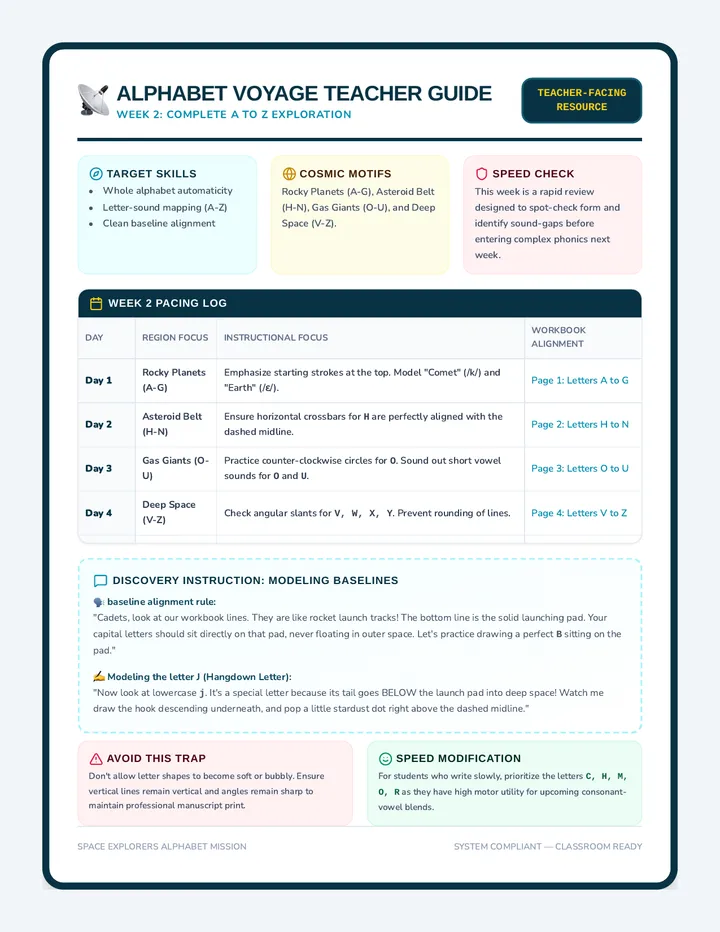
Masters the 'Click or Clunk' monitoring technique. Students learn to identify when meaning breaks down and which tool to use for a 'fix-up'.
Identifies text structures (Cause/Effect, Sequence) as 'Brain Blueprints' that help organize incoming data.
Uses Arthur Evans' deductive reasoning techniques. Students solve logic puzzles by eliminating impossibilities within a text.
Directly inspired by the Reading Detective series. Students learn to cite page, line, and word clues to prove their reasoning.
Focuses on Synthesis. Students track how their 'Thought Map' changes from the first page to the final sentence.
Introduces the 'Curiosity Compass' to generate Thick and Thin questions, moving from literal facts to deep inquiry.