Examine the coordinated resistance of the Pueblo Revolt of 1680, analyzing the military strategy and cultural unity required to successfully expel Spanish colonizers from New Mexico.
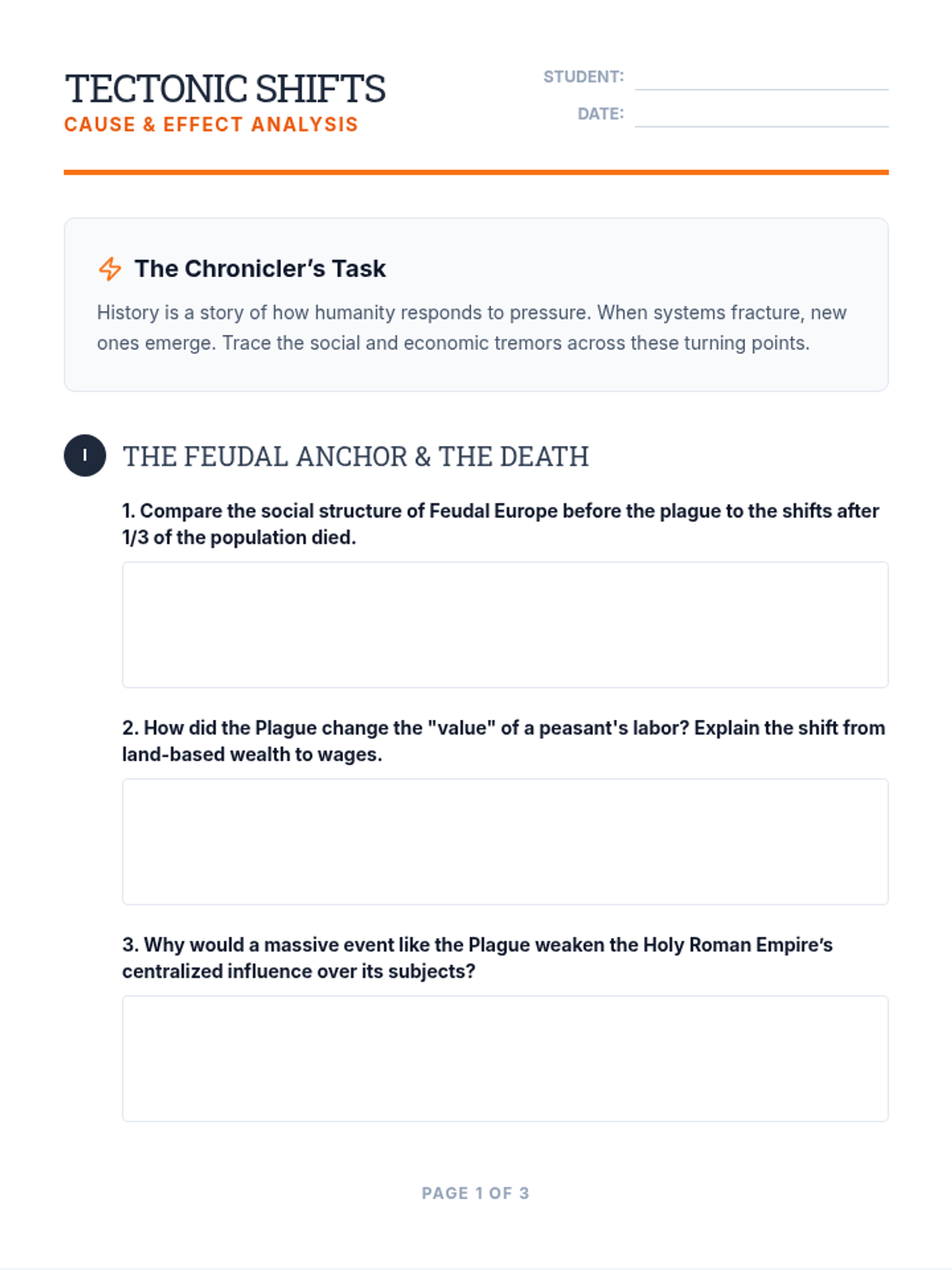
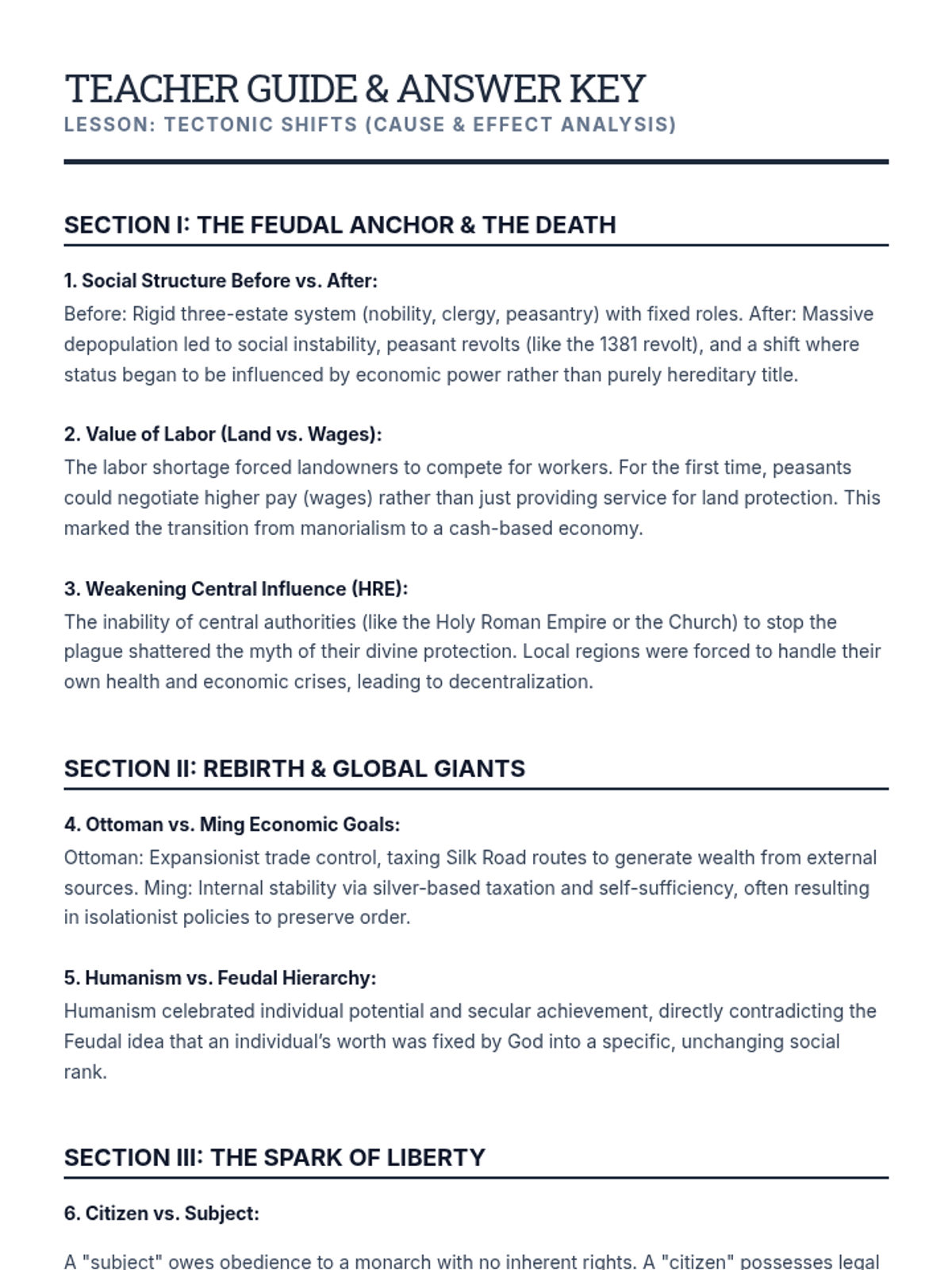
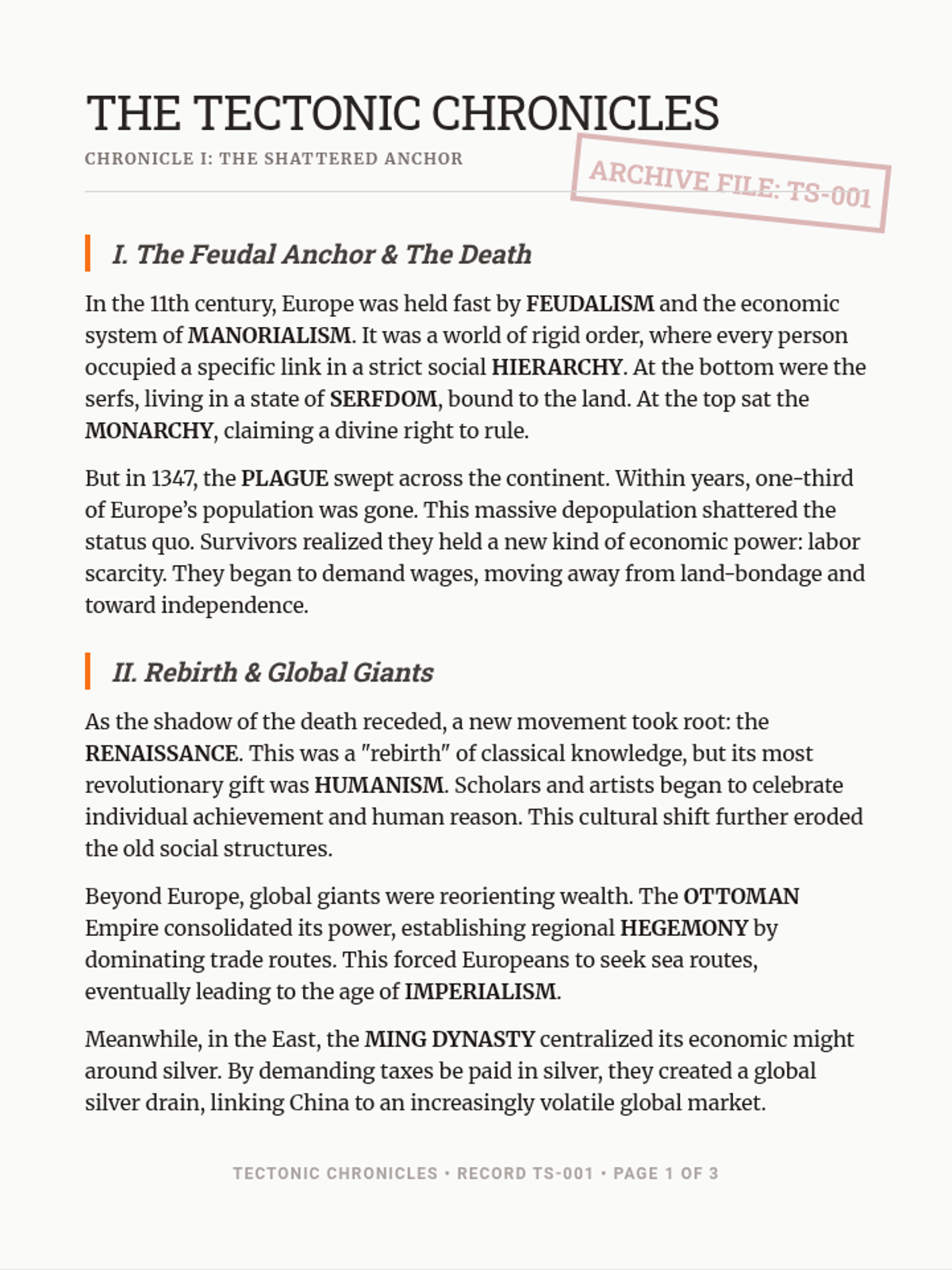
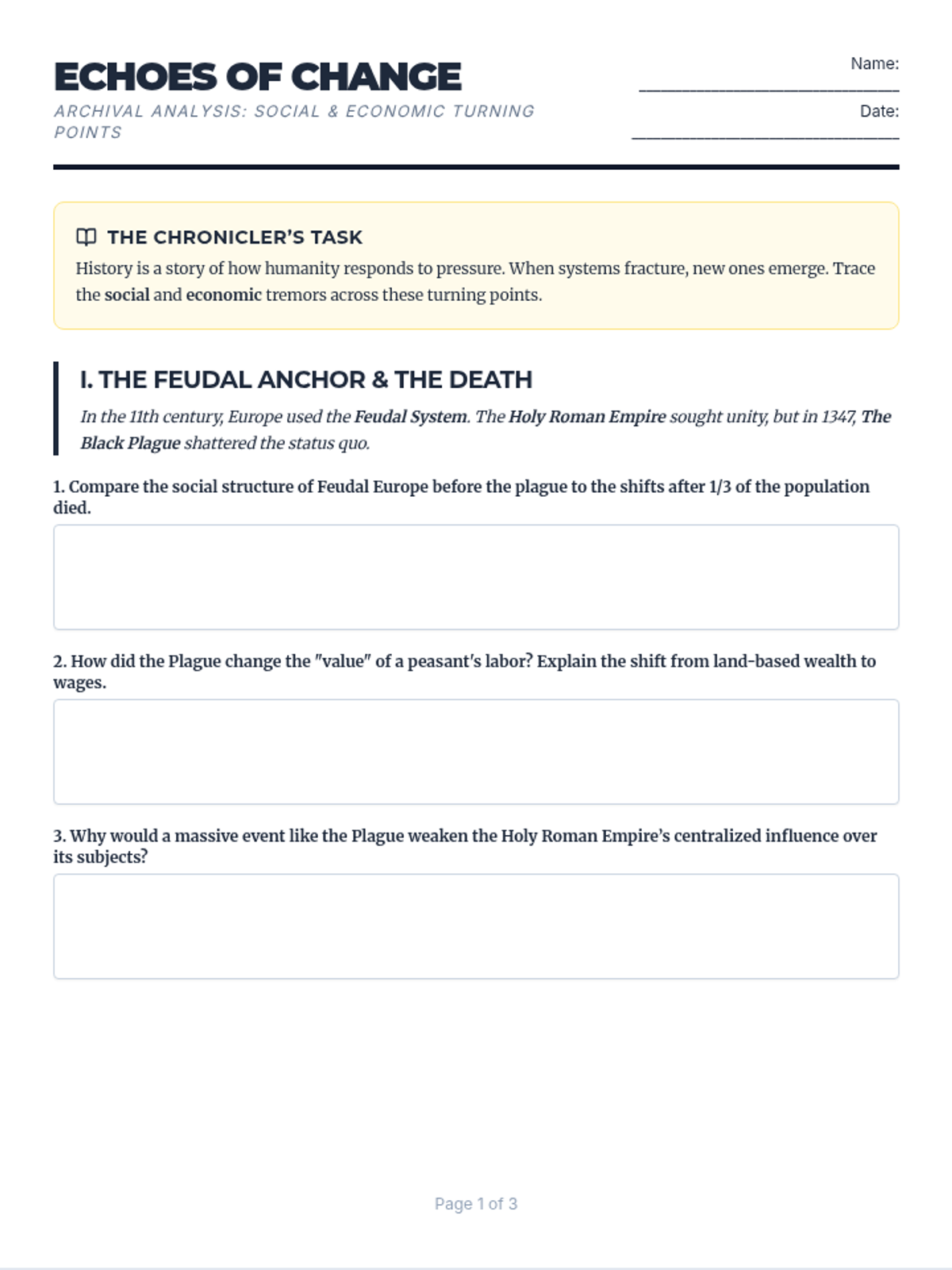
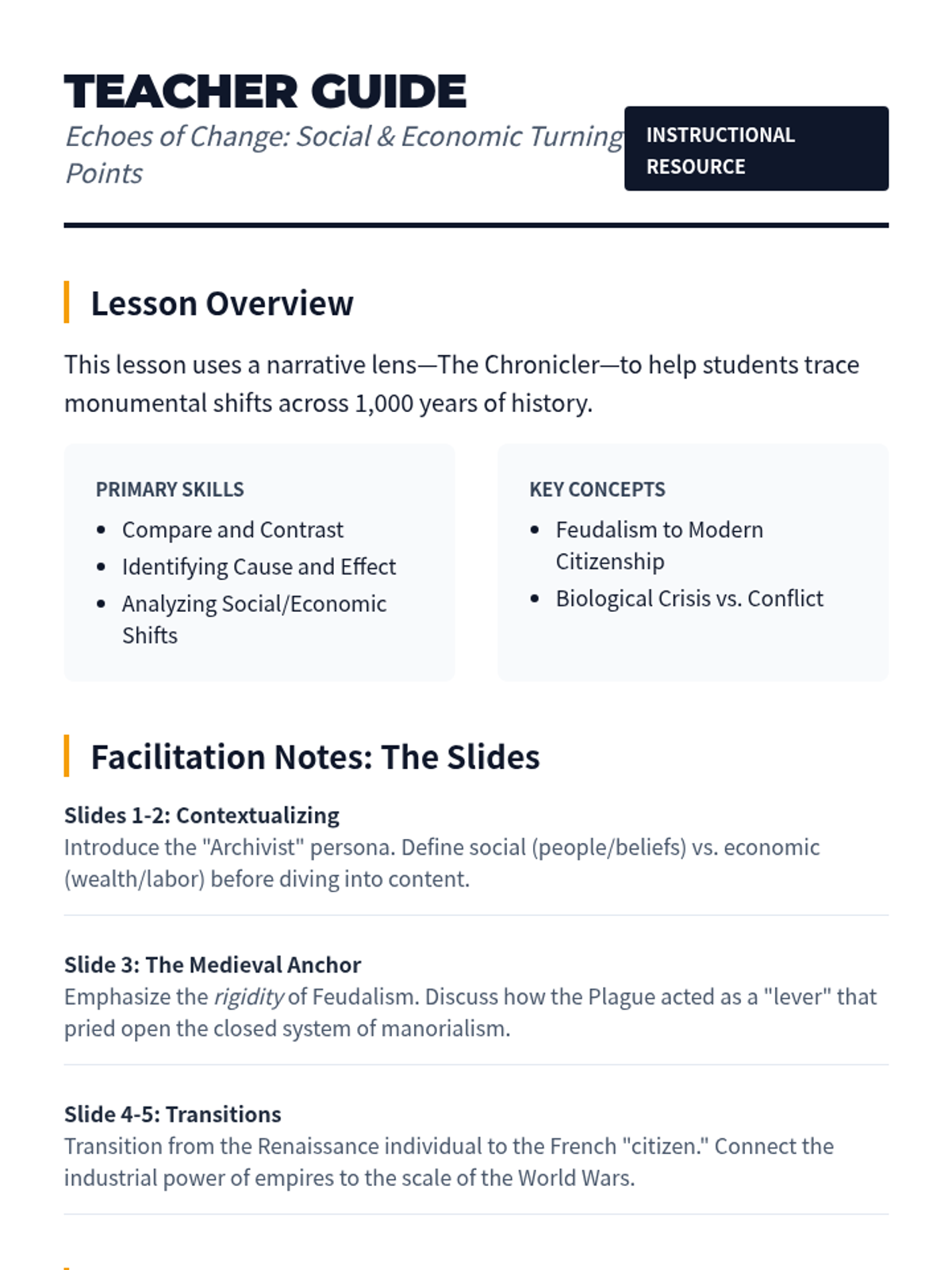
A comprehensive lesson focusing on historical cause and effect, tracing how social and economic pressures triggered major turning points from the Middle Ages to the 20th century.
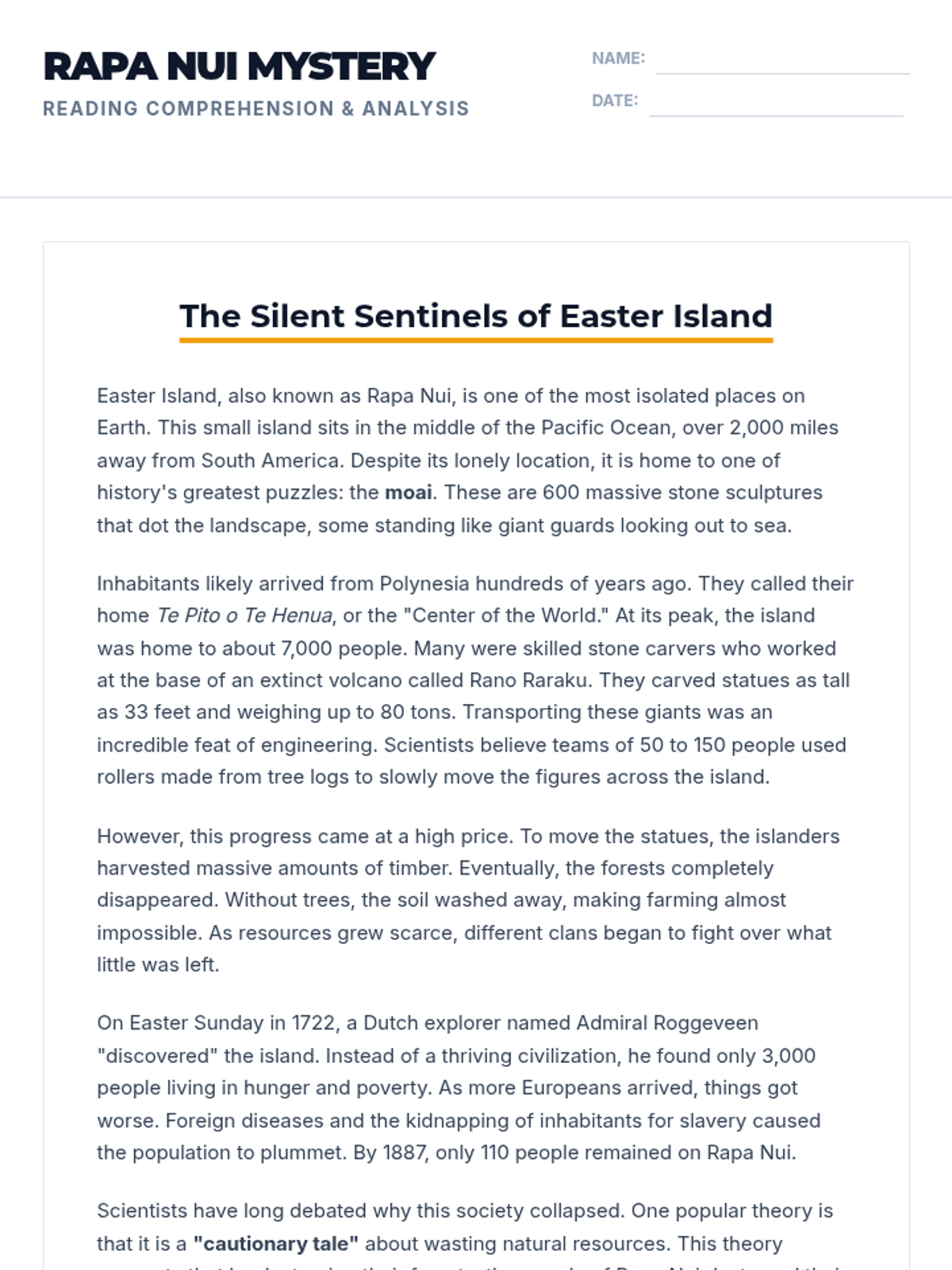
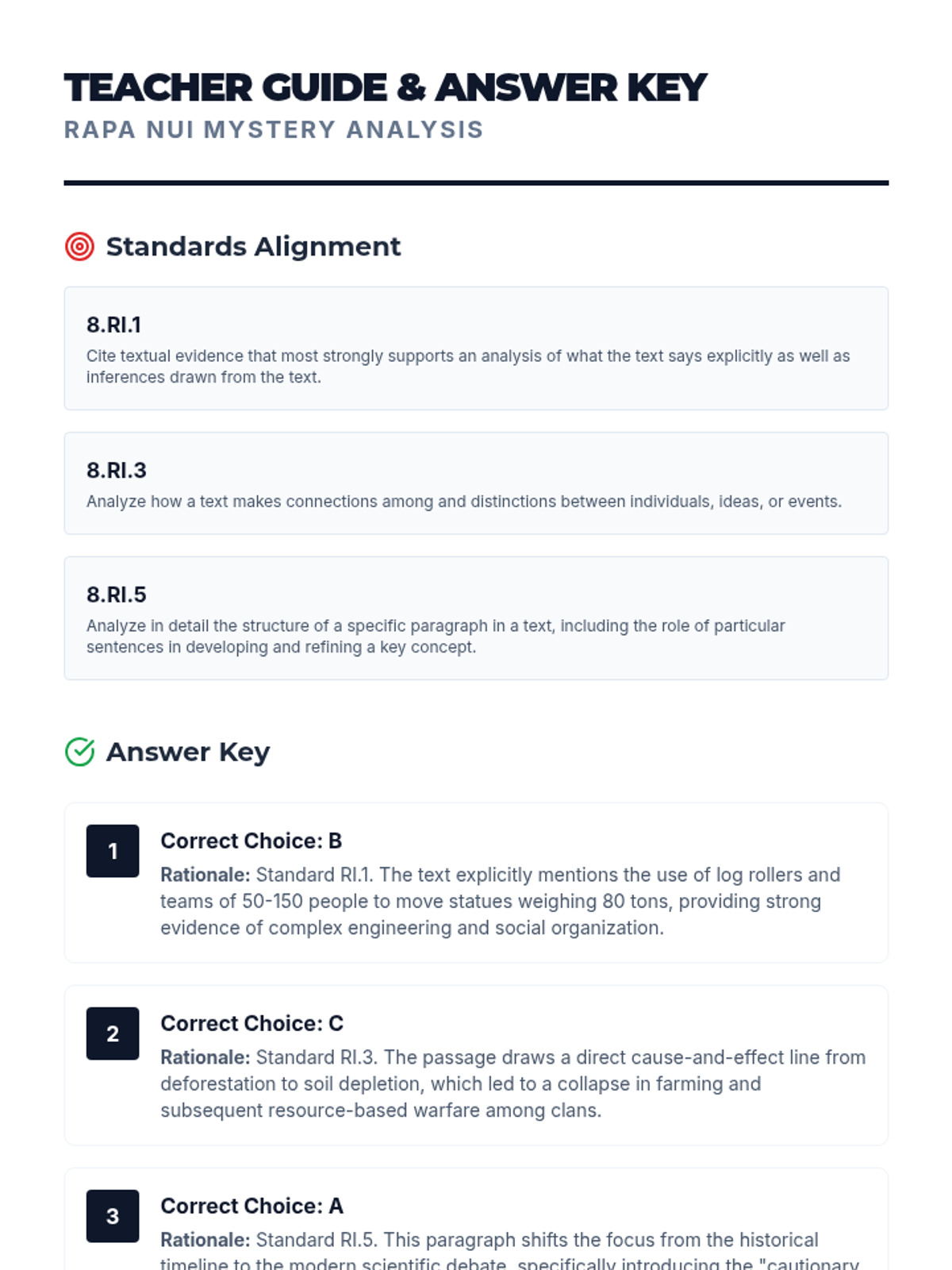
A comprehensive lesson exploring the mystery of Easter Island, focusing on evidence-based inferences, structural analysis, and the connections between historical events. Students will analyze the environmental and social factors that led to the decline of Rapa Nui's civilization.
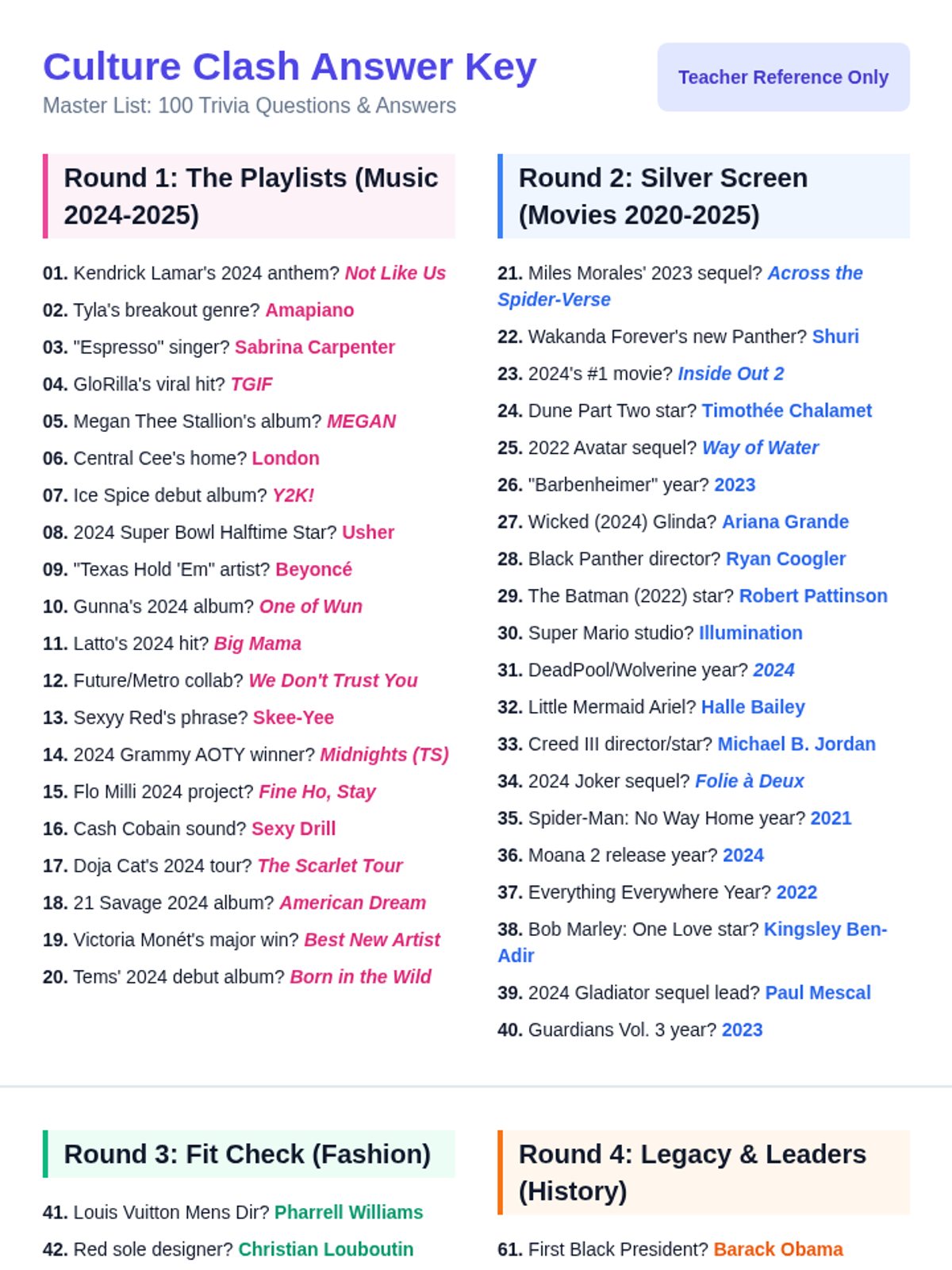
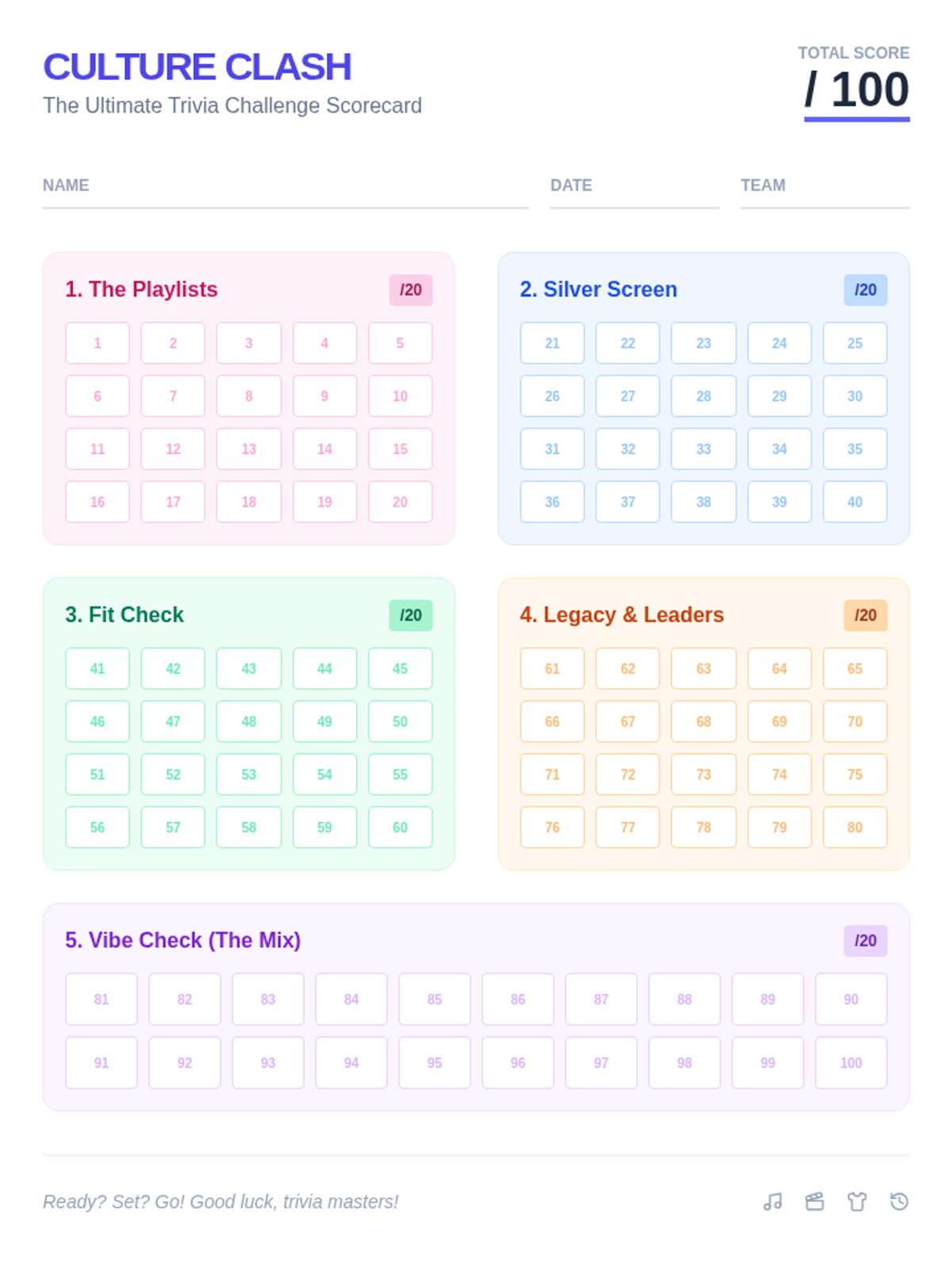
A high-energy, 100-question trivia game designed for middle school students, covering modern music, movies, fashion, and black history. The lesson promotes cultural literacy and engagement through a competitive game format.
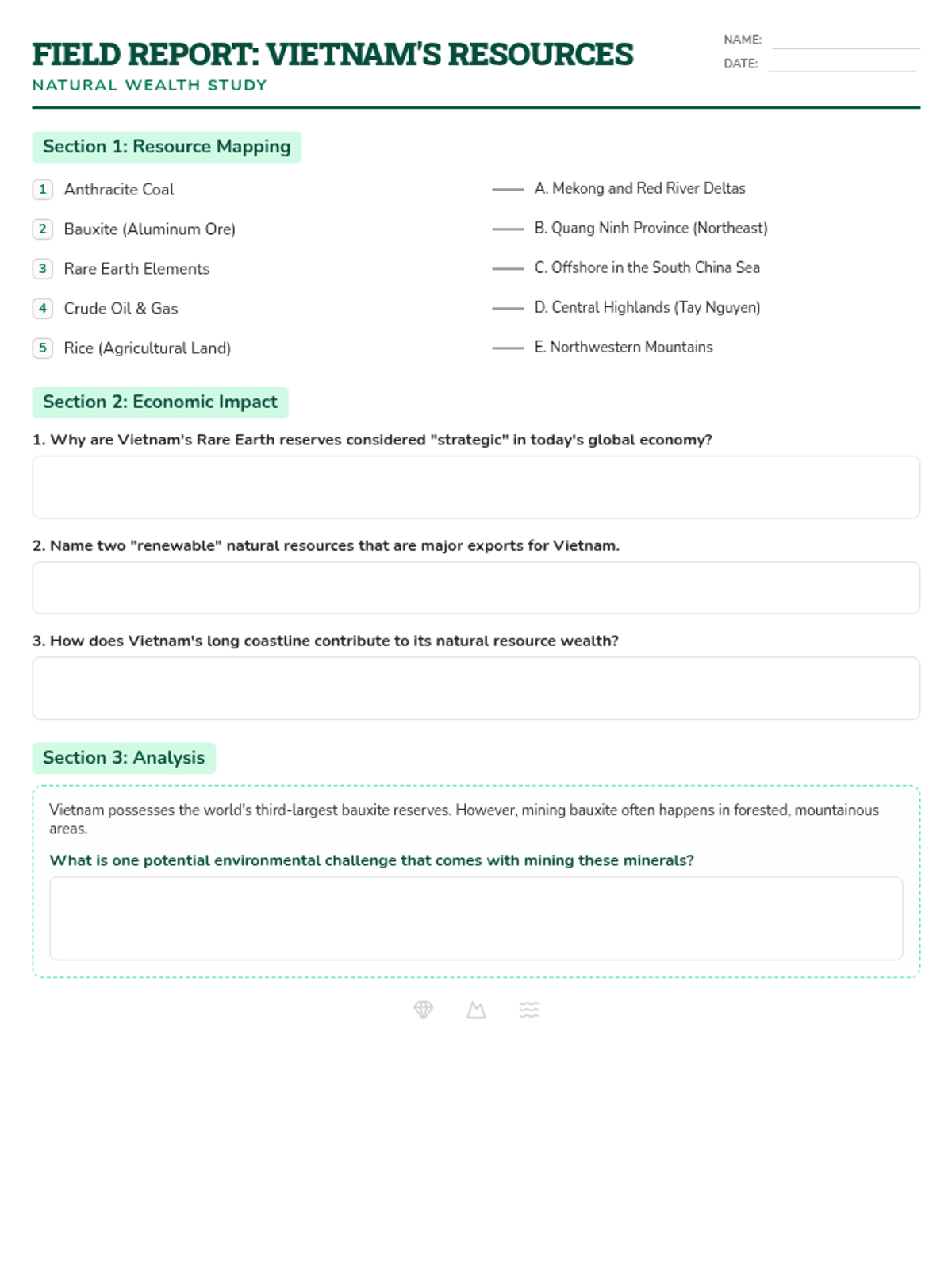
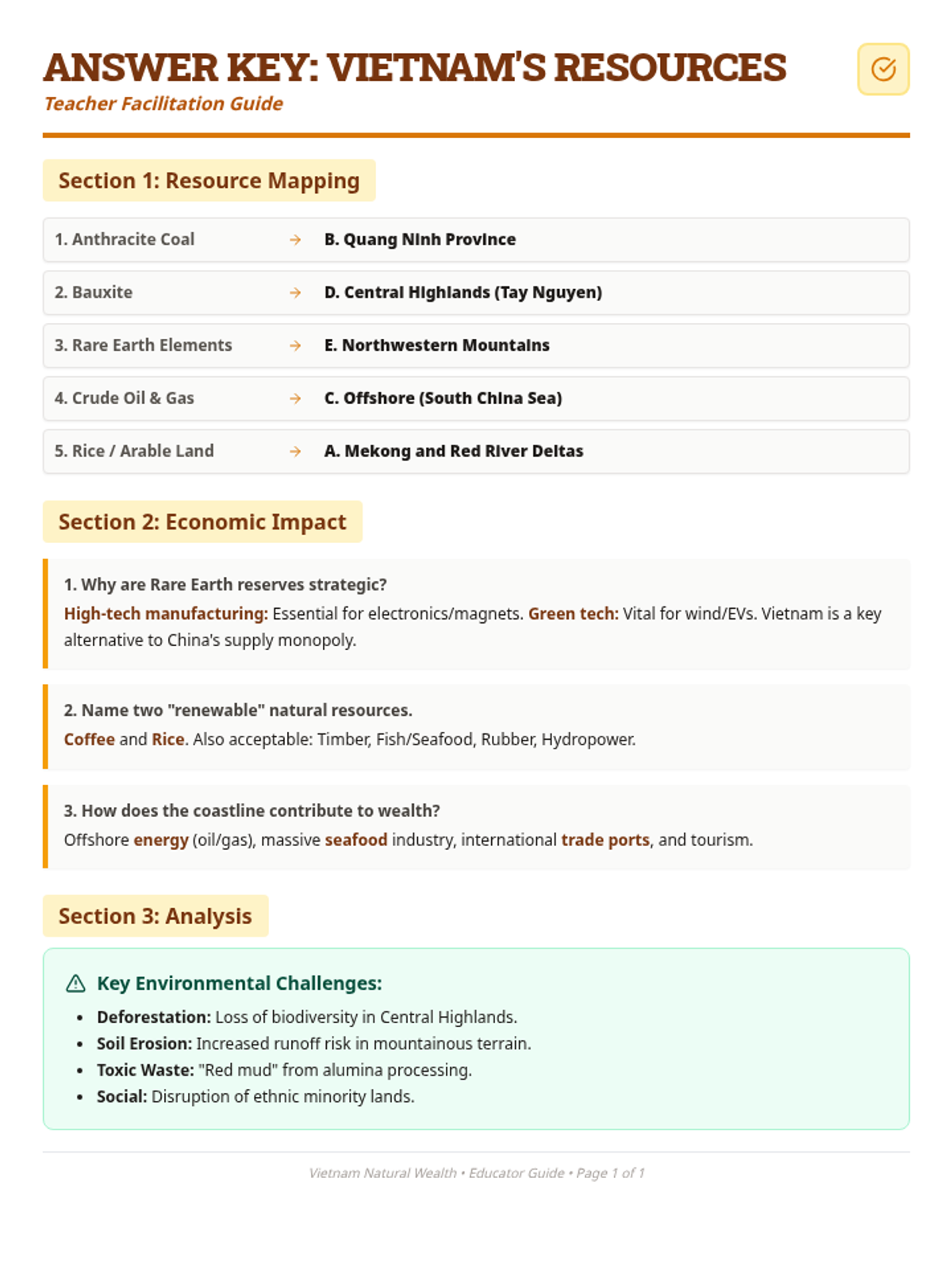
This lesson explores Vietnam's primary natural resources, including minerals, energy sources, and agricultural land, highlighting their geographic distribution and economic importance.
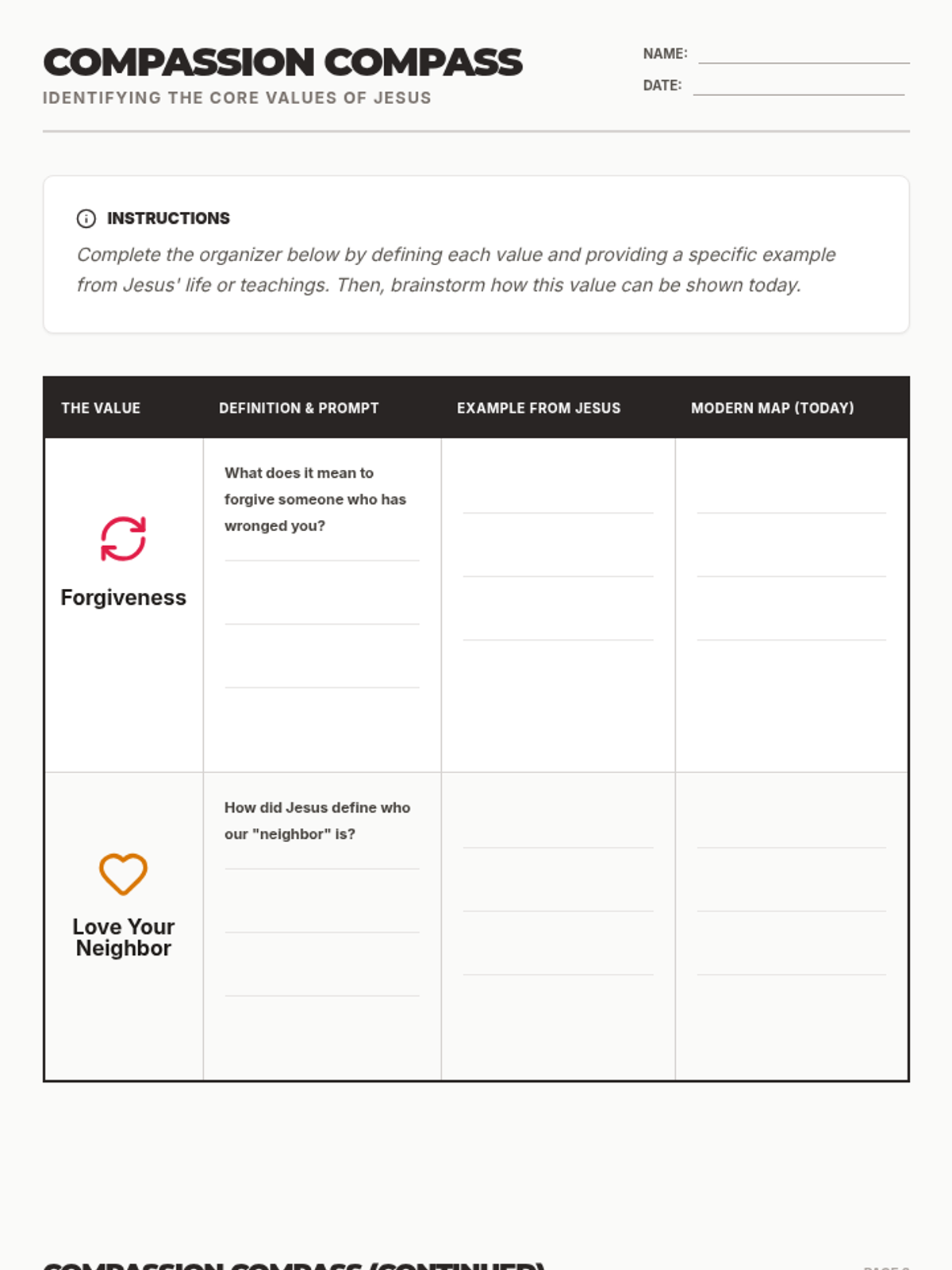
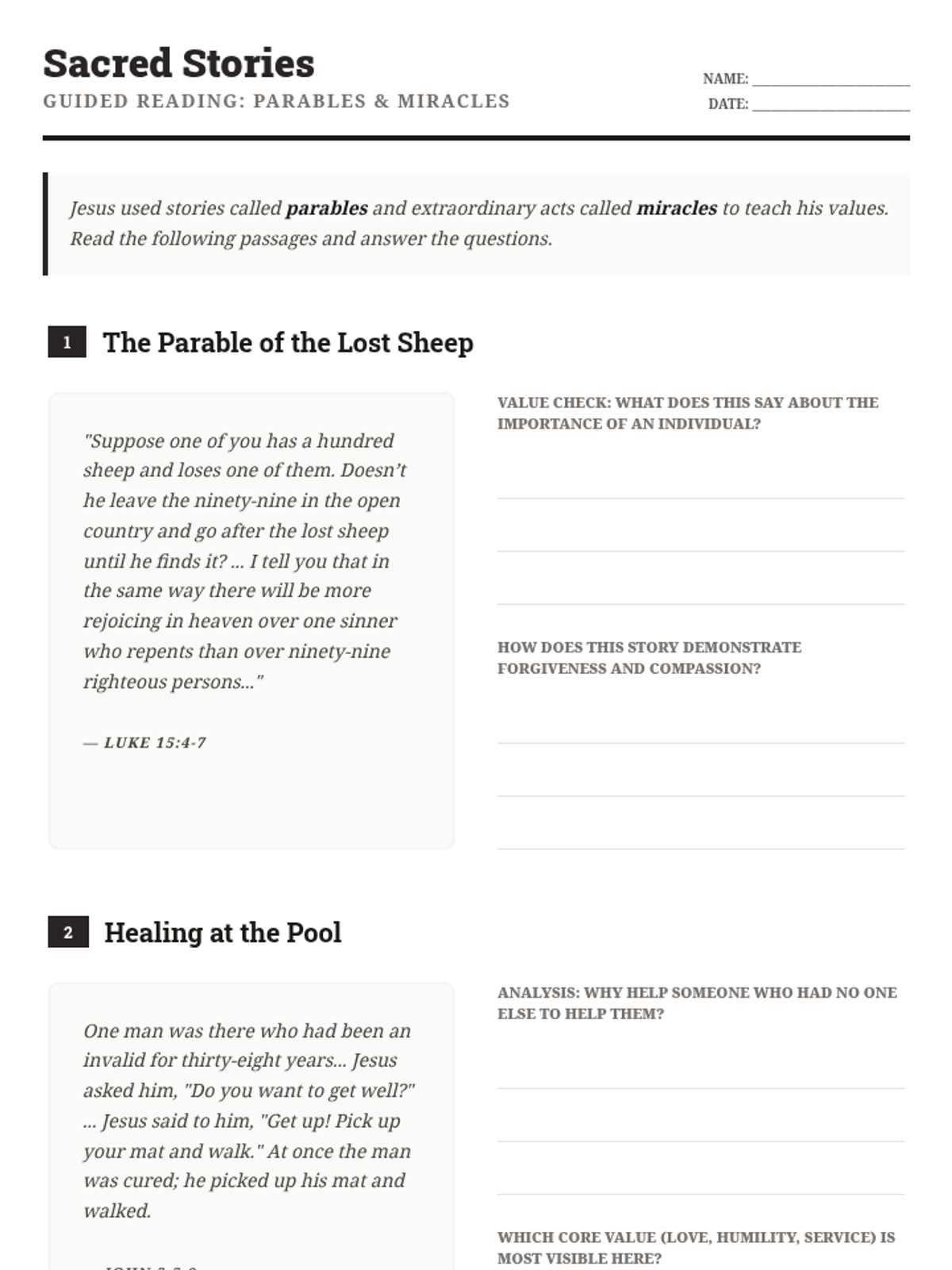
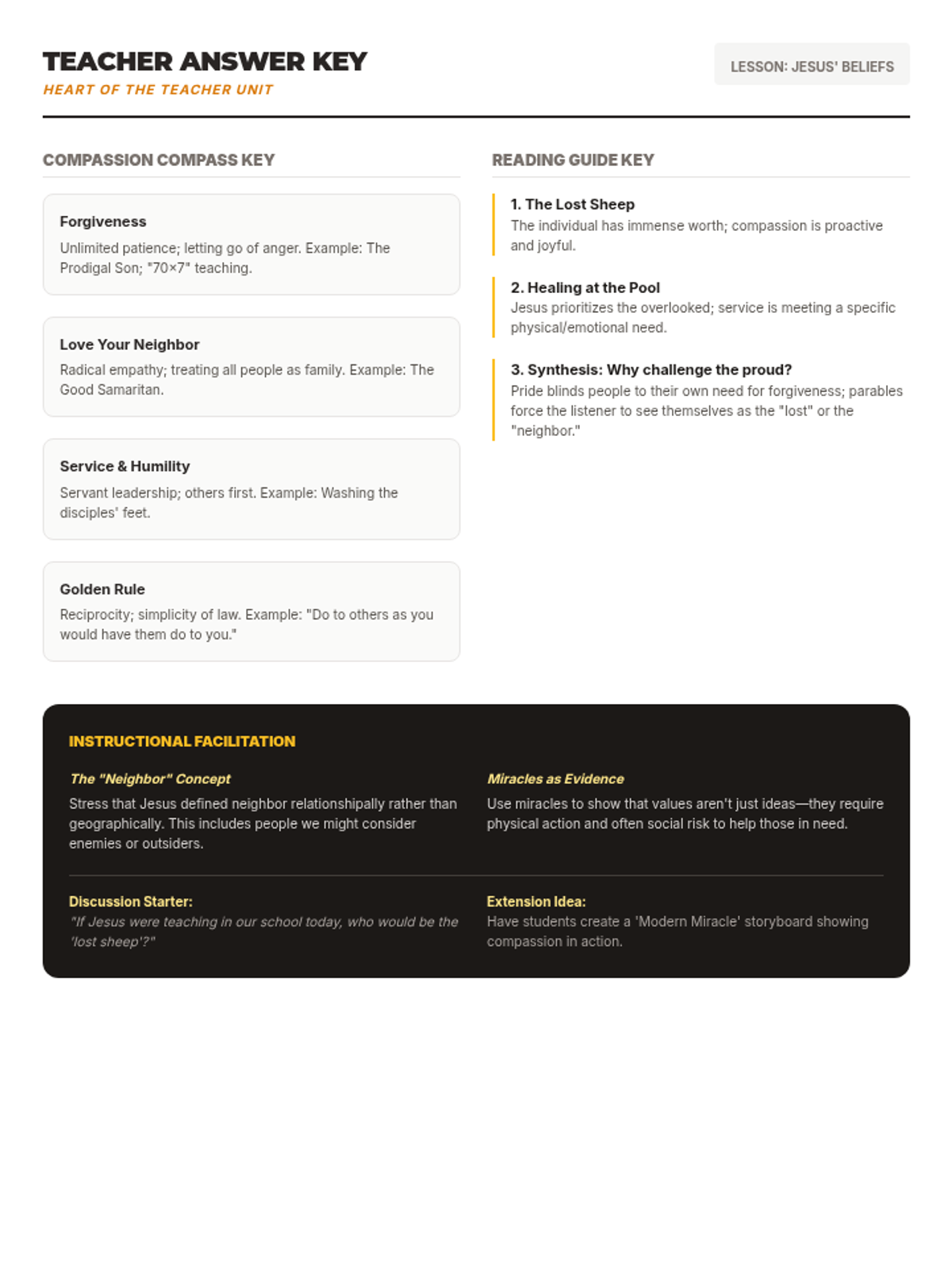
A lesson exploring the core values and beliefs of Jesus, focusing on compassion, forgiveness, humility, and service through parables and miracles.
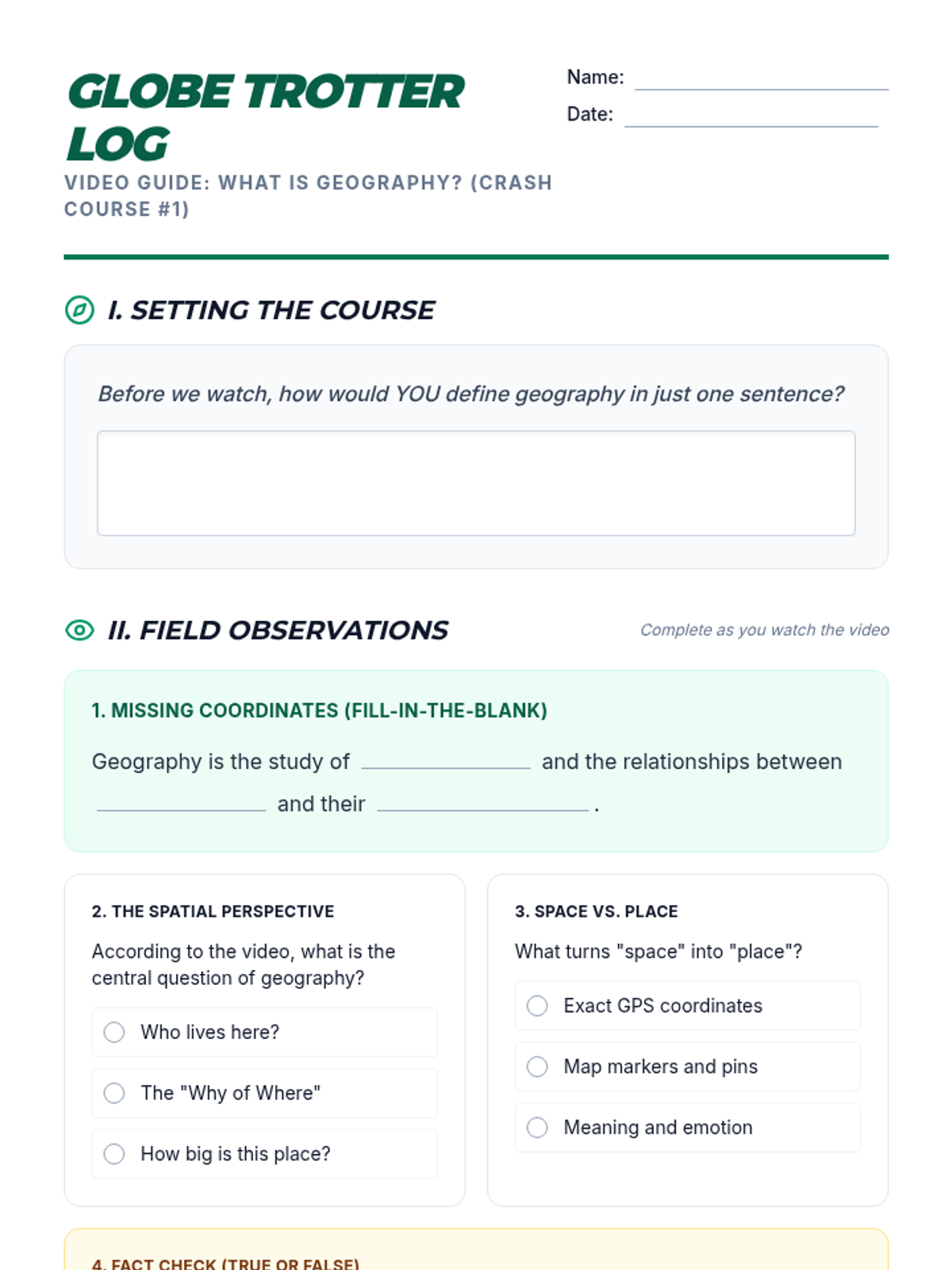
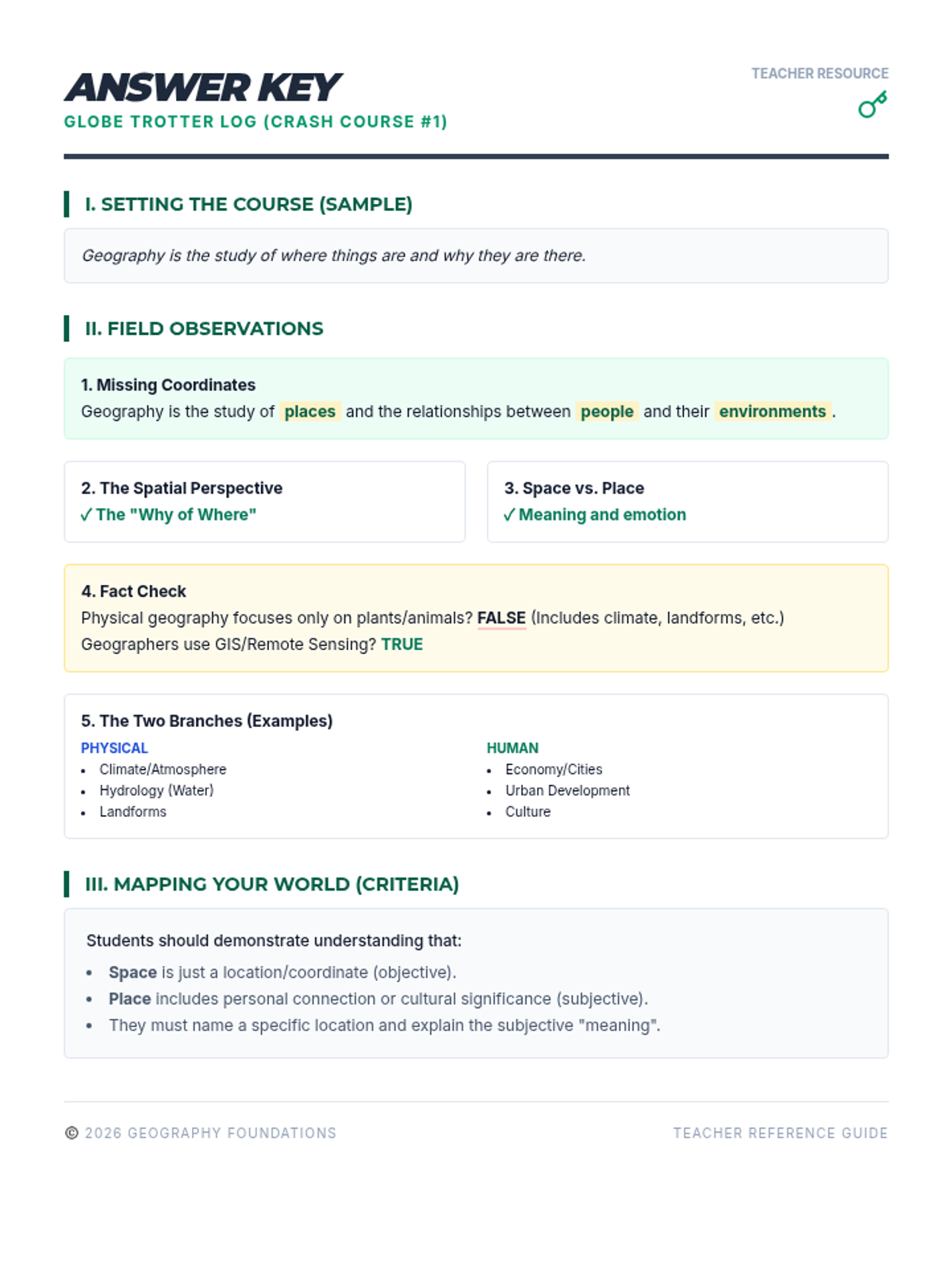
An introductory lesson exploring the core concepts of geography, including the spatial perspective, the difference between physical and human geography, and the fundamental 'why of where' based on Crash Course Geography #1.
A comprehensive exploration of world-shaping historical events from the Middle Ages to the 20th century, focusing on the social and economic shifts that defined humanity's path. Students will use a narrative framework to analyze and compare the impact of plagues, empires, and revolutions.
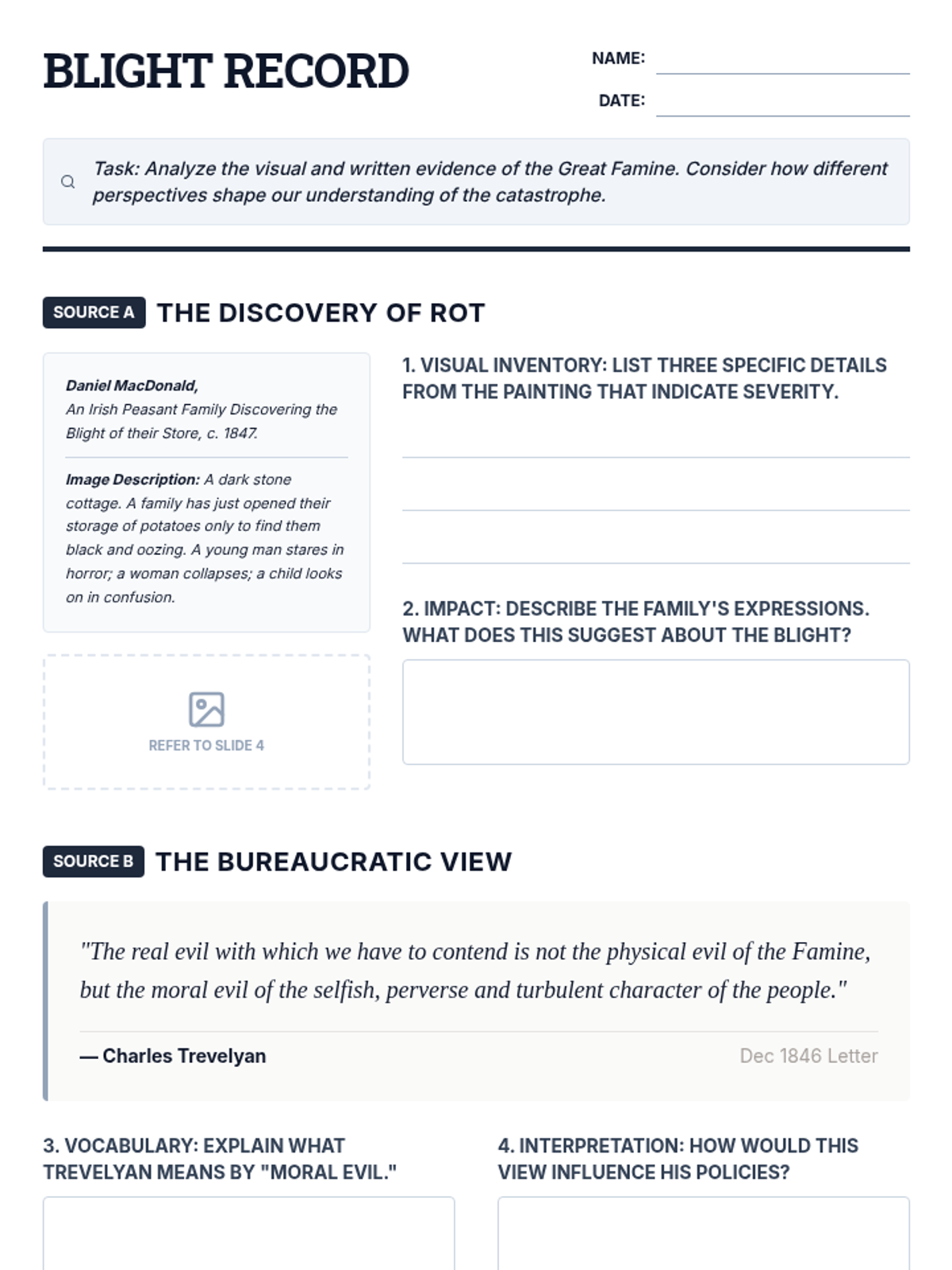
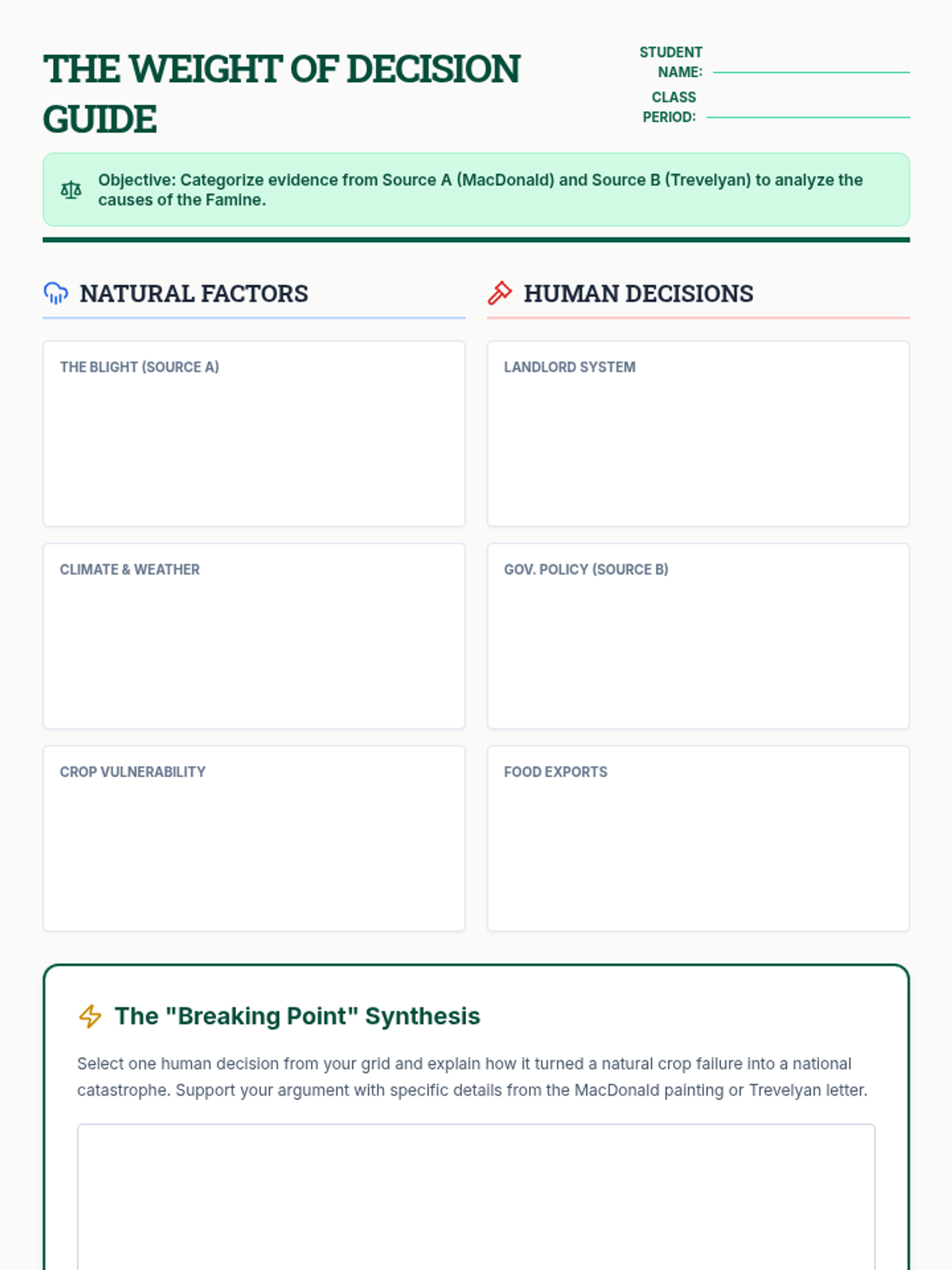
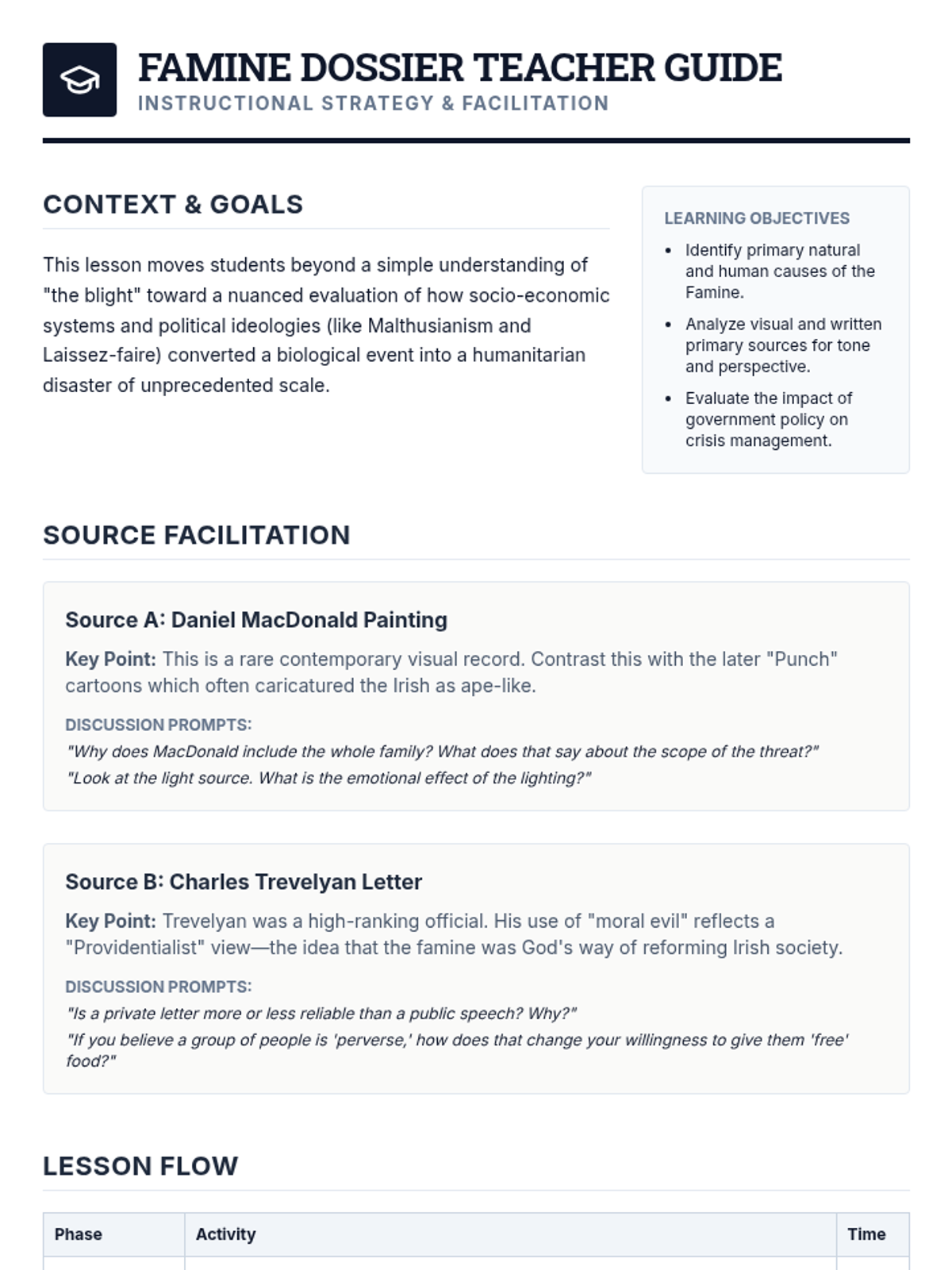
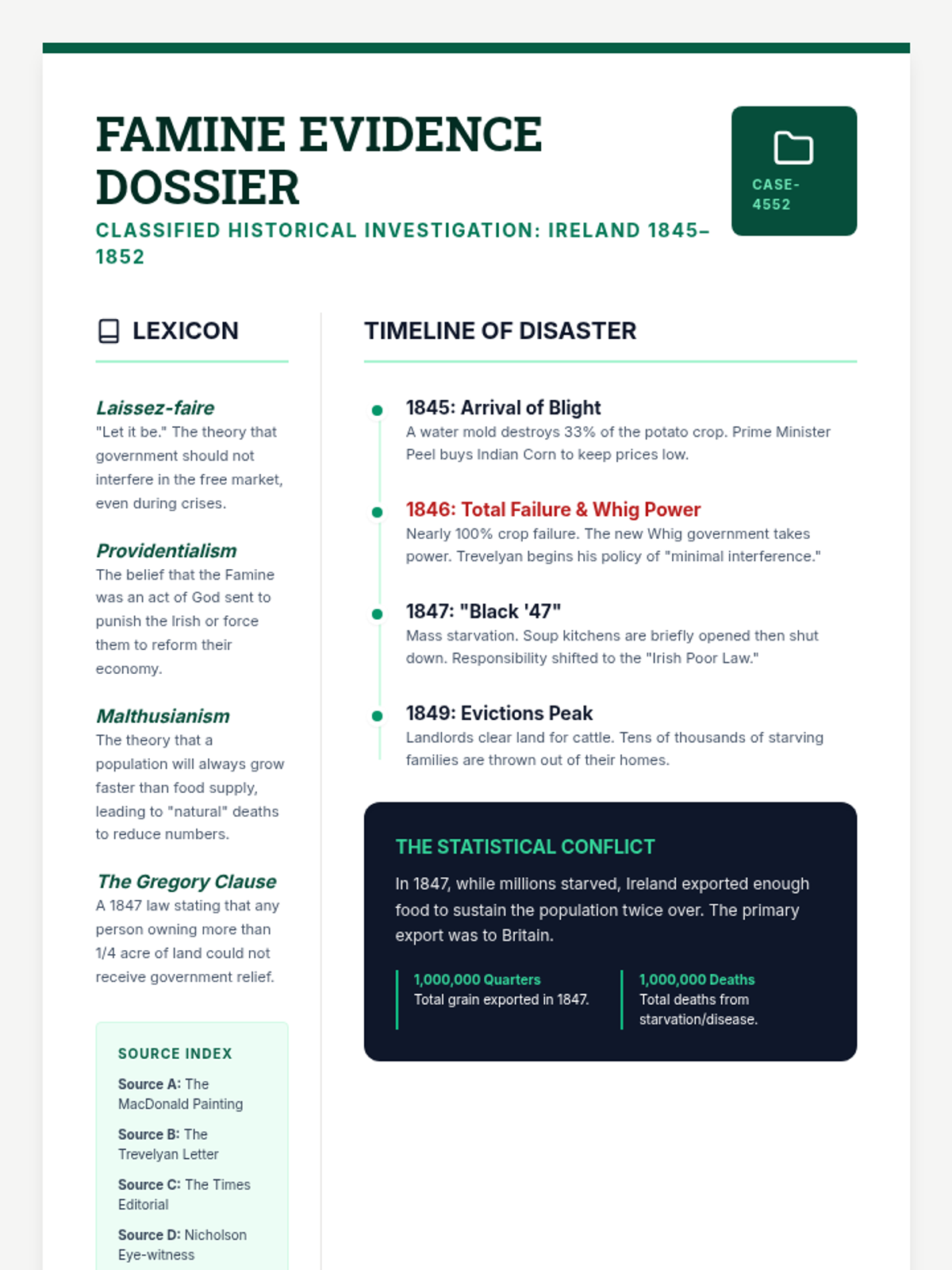
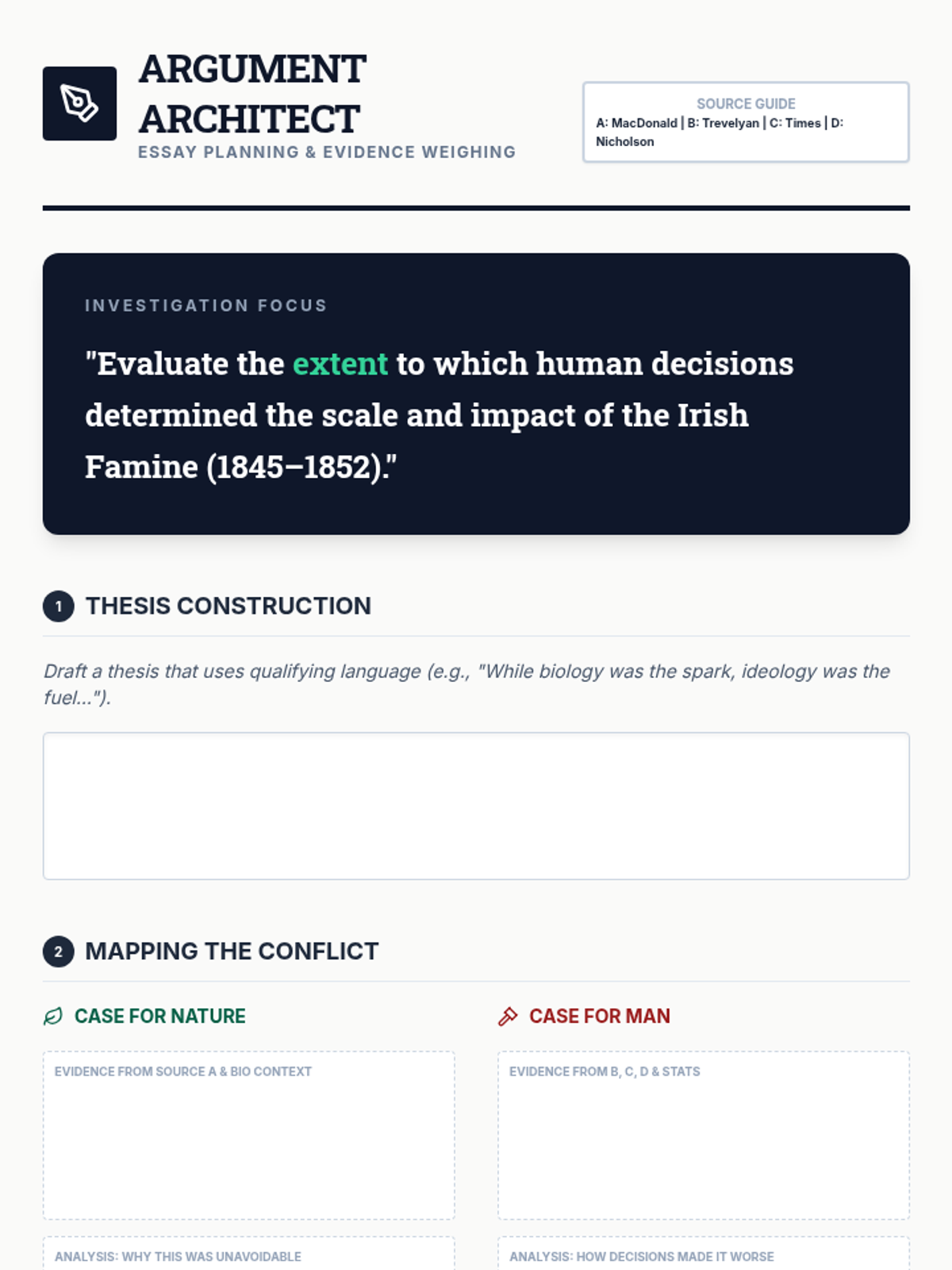
A comprehensive investigation into the Great Irish Famine, examining the intersection of biological catastrophe and political decision-making. Students analyze primary sources to evaluate the relative weight of natural and human factors in the tragedy.
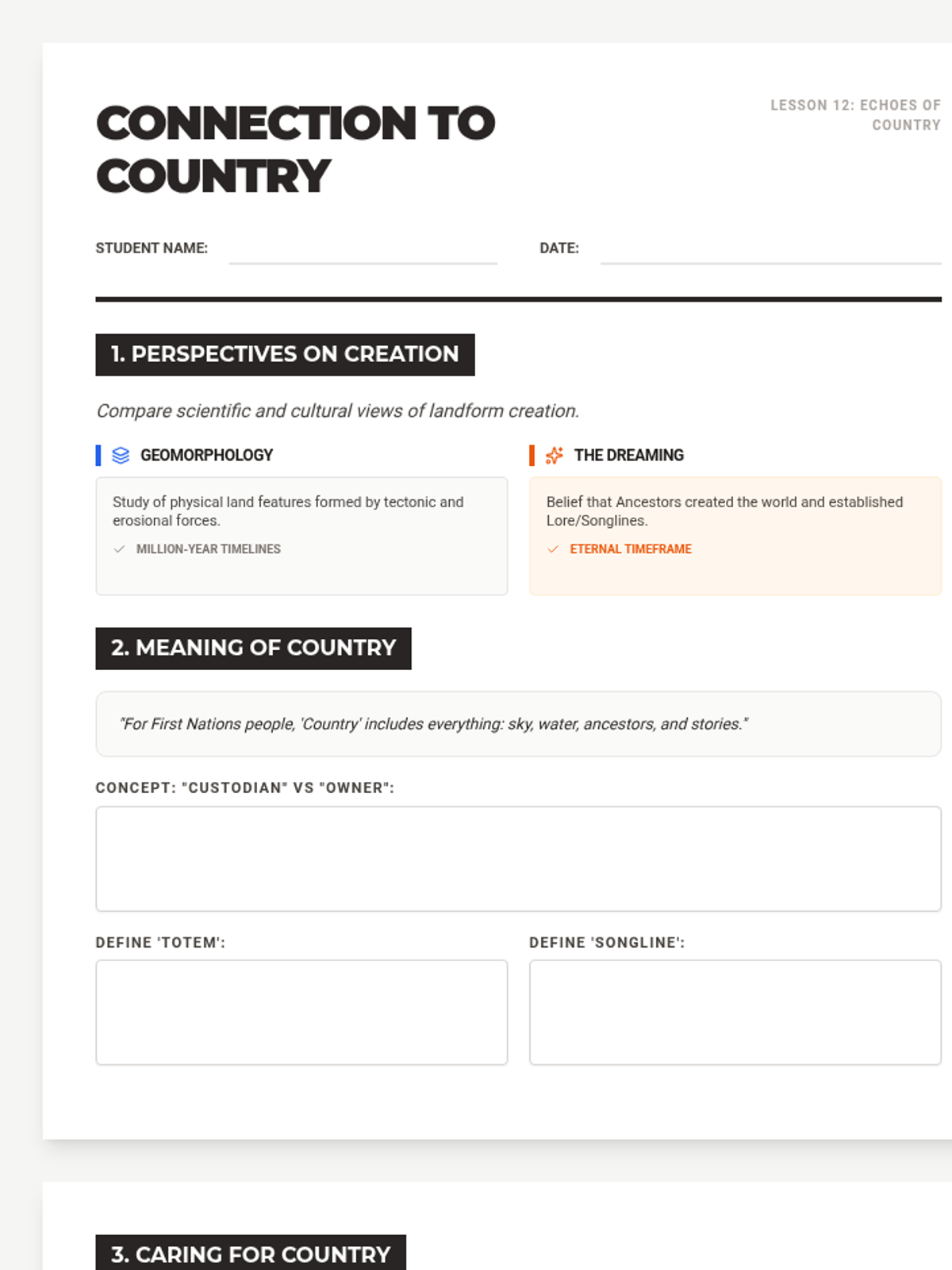
Explores the deep spiritual and cultural connection First Nations Australians have with the land, comparing geomorphological creation with Dreamtime stories and investigating traditional 'Caring for Country' land management practices.
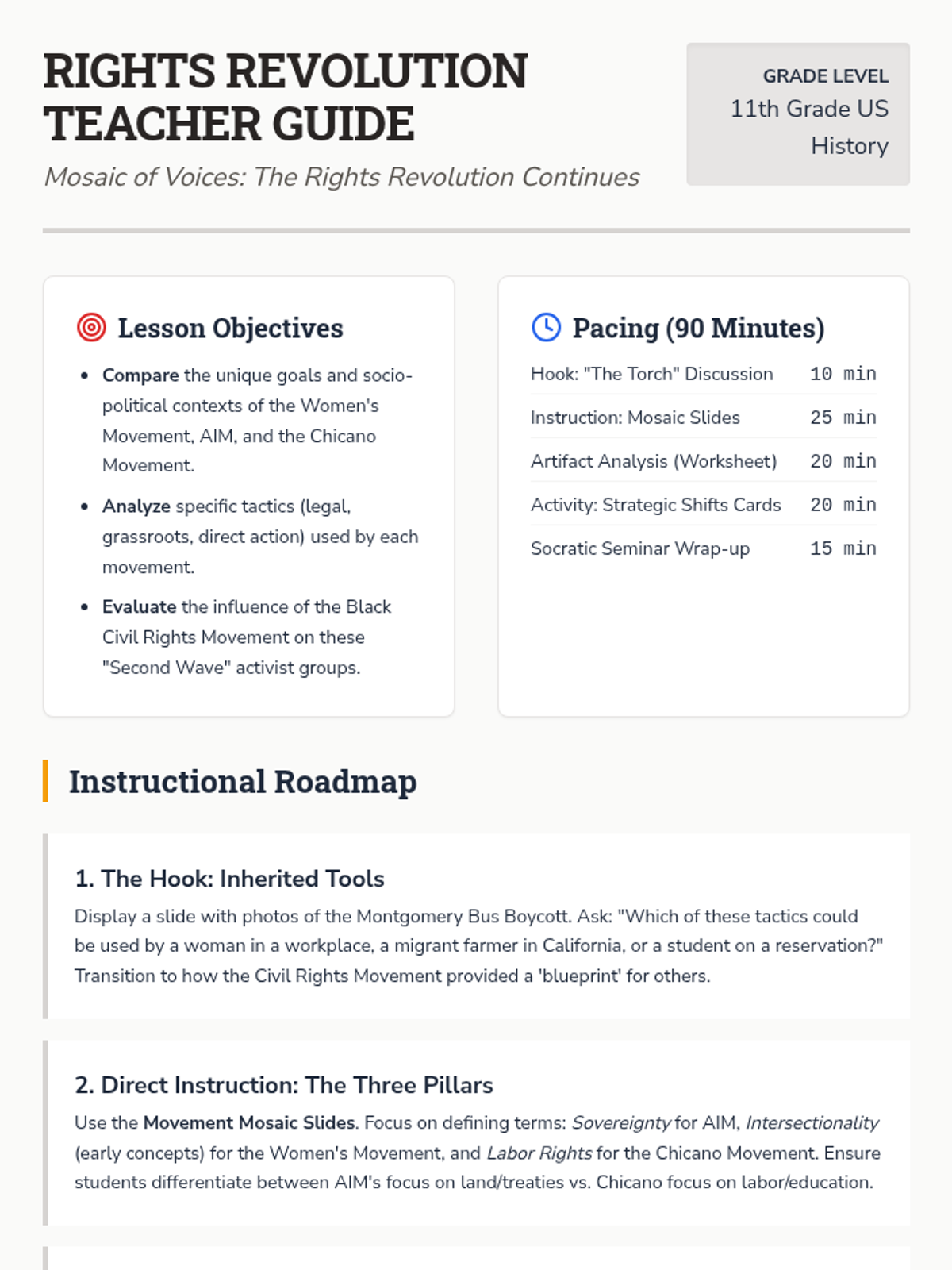
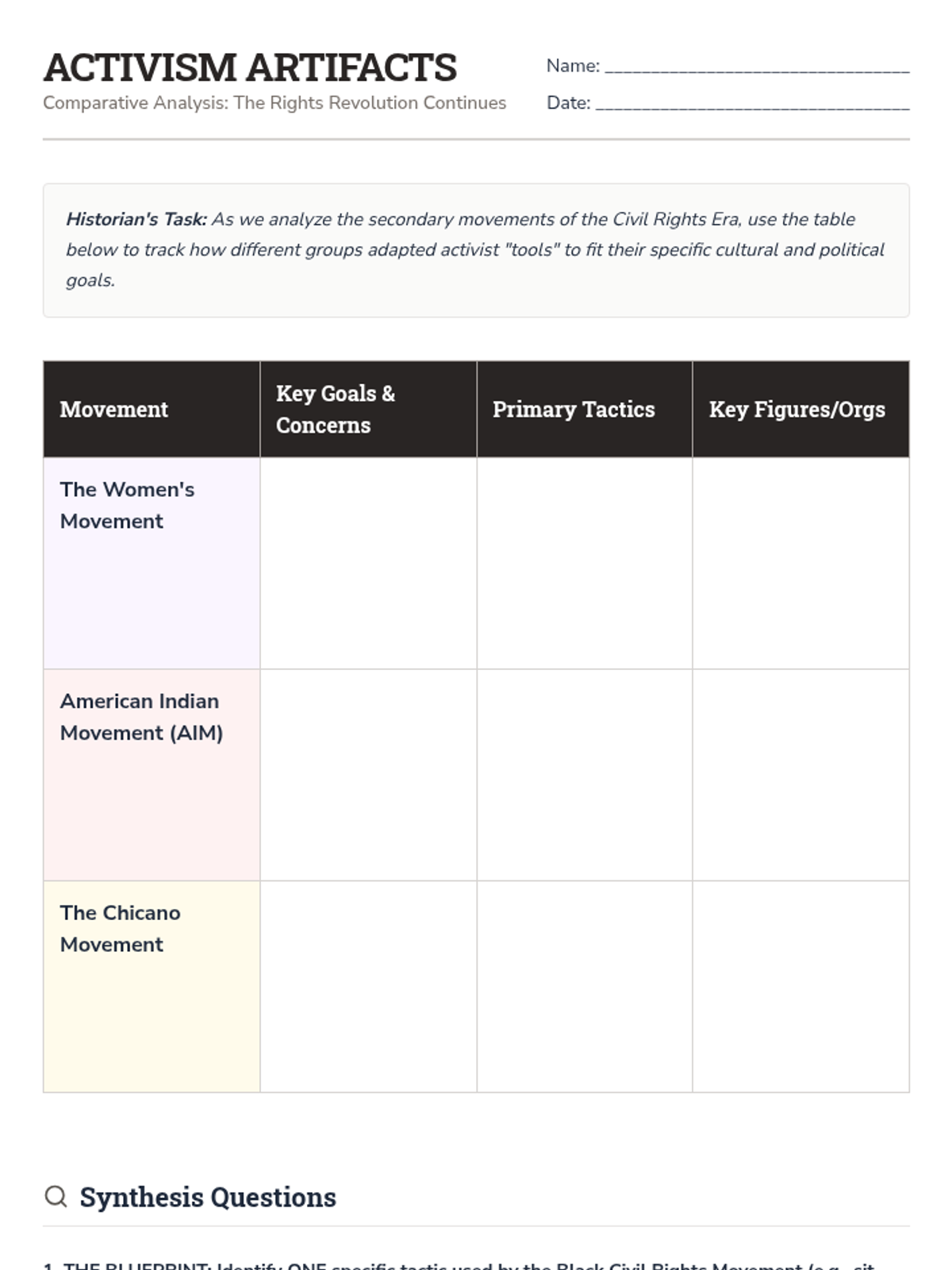
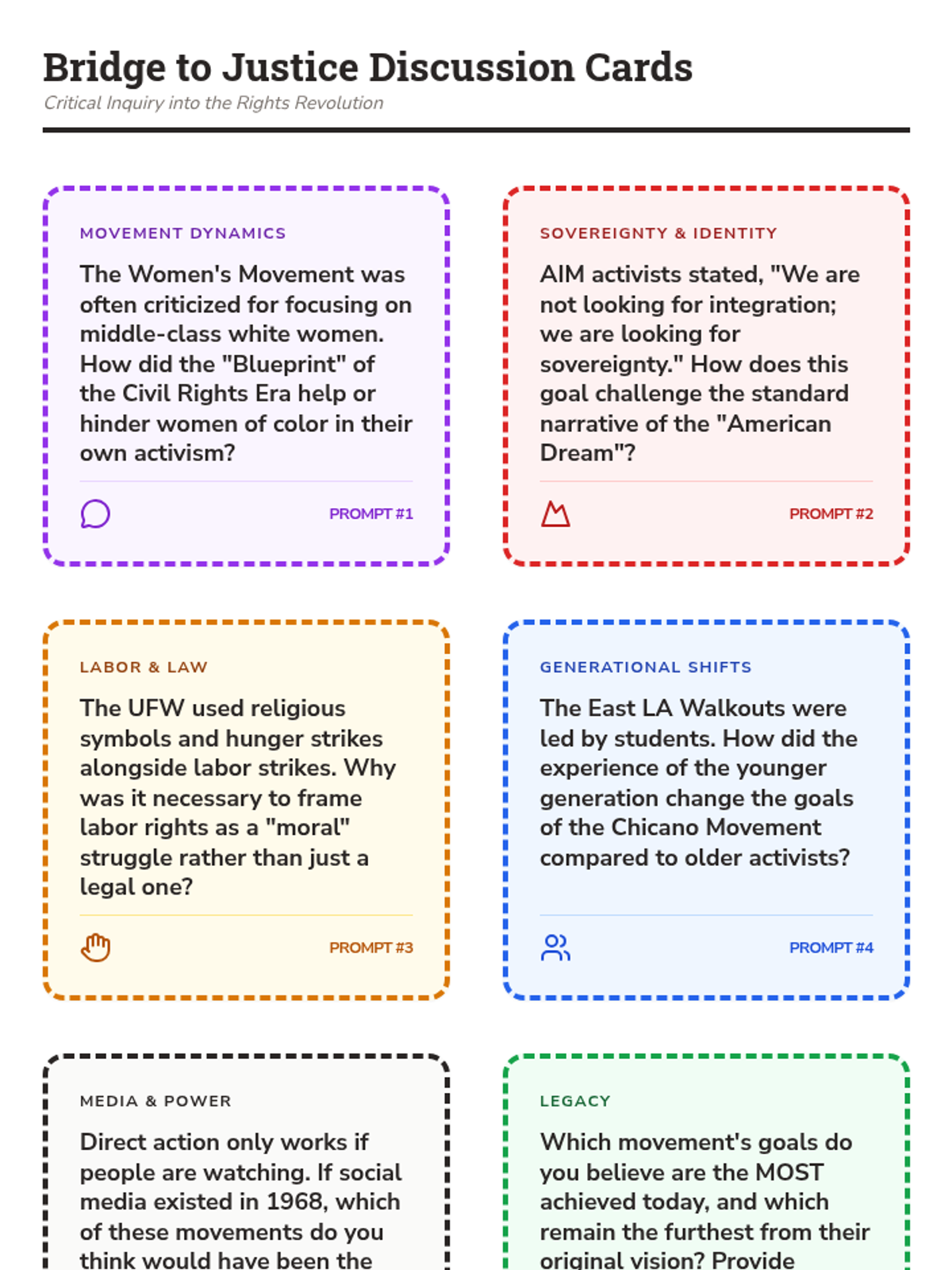
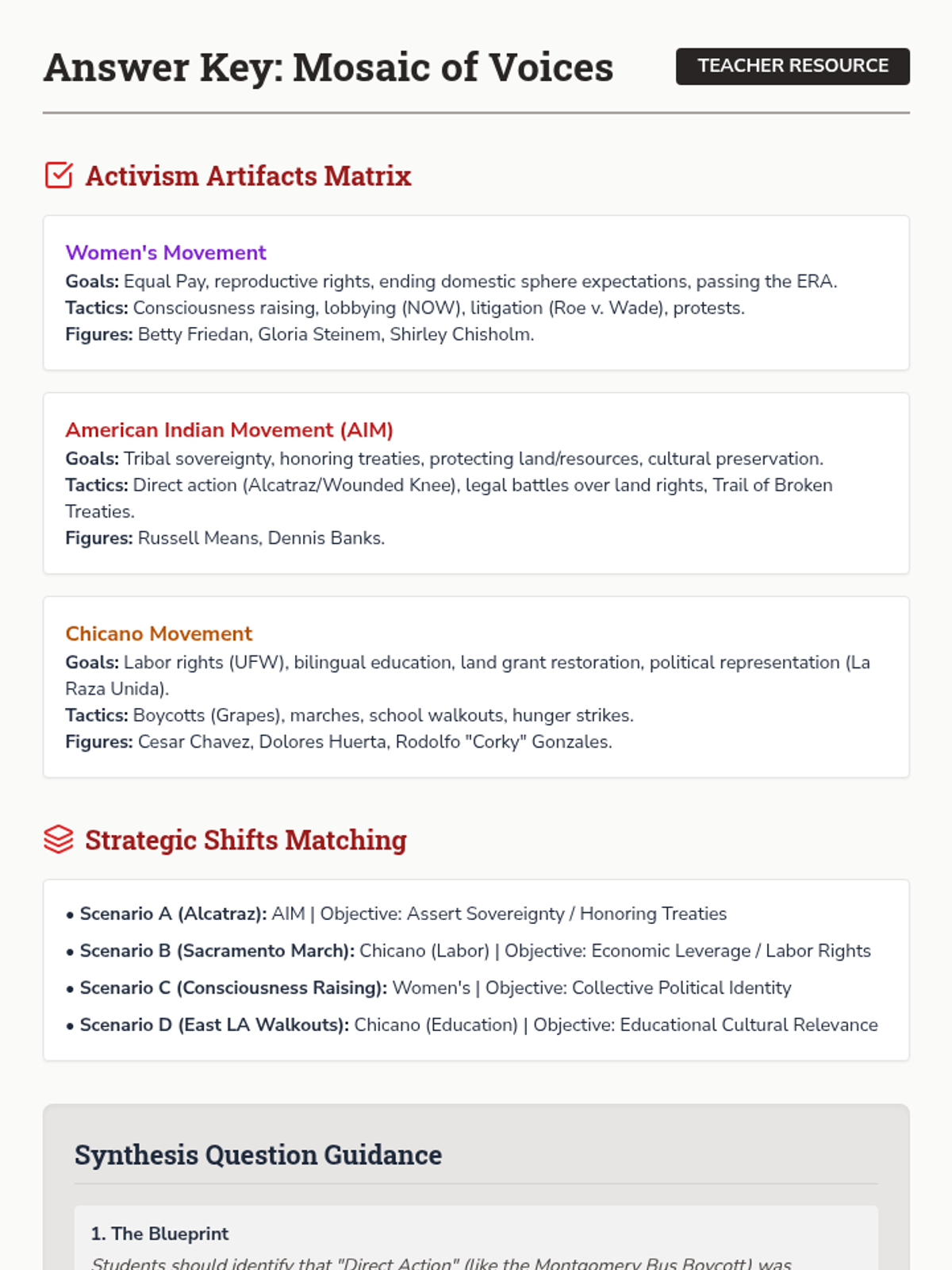
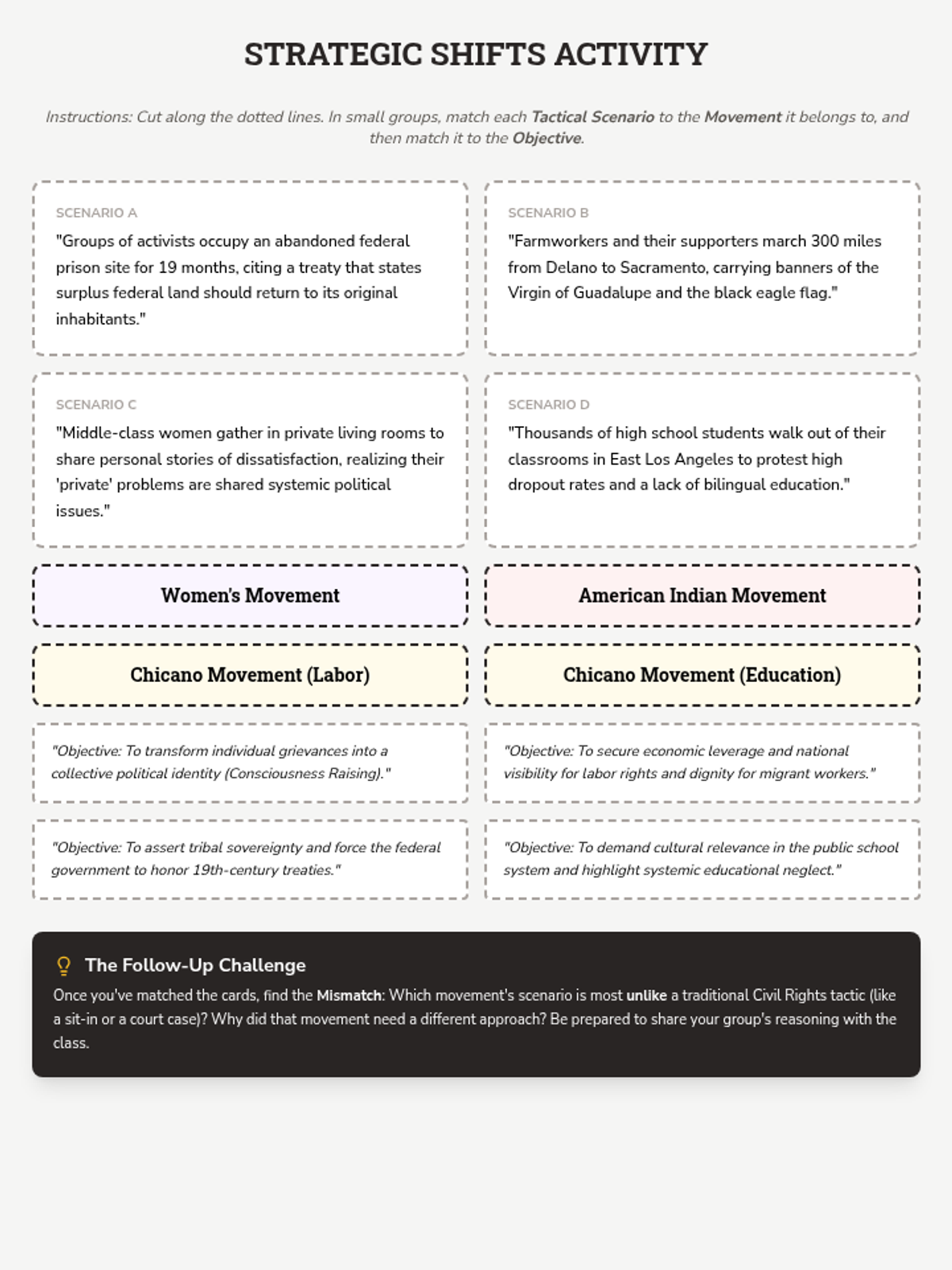
An 11th-grade history lesson comparing the Women's, American Indian, and Chicano Movements. Students analyze their unique goals and tactics while identifying how they adapted the strategies of the Black Civil Rights Movement.