An exploration of schizophrenia and dissociative disorders, contrasting positive and negative symptoms and analyzing the biological etiology of psychosis.
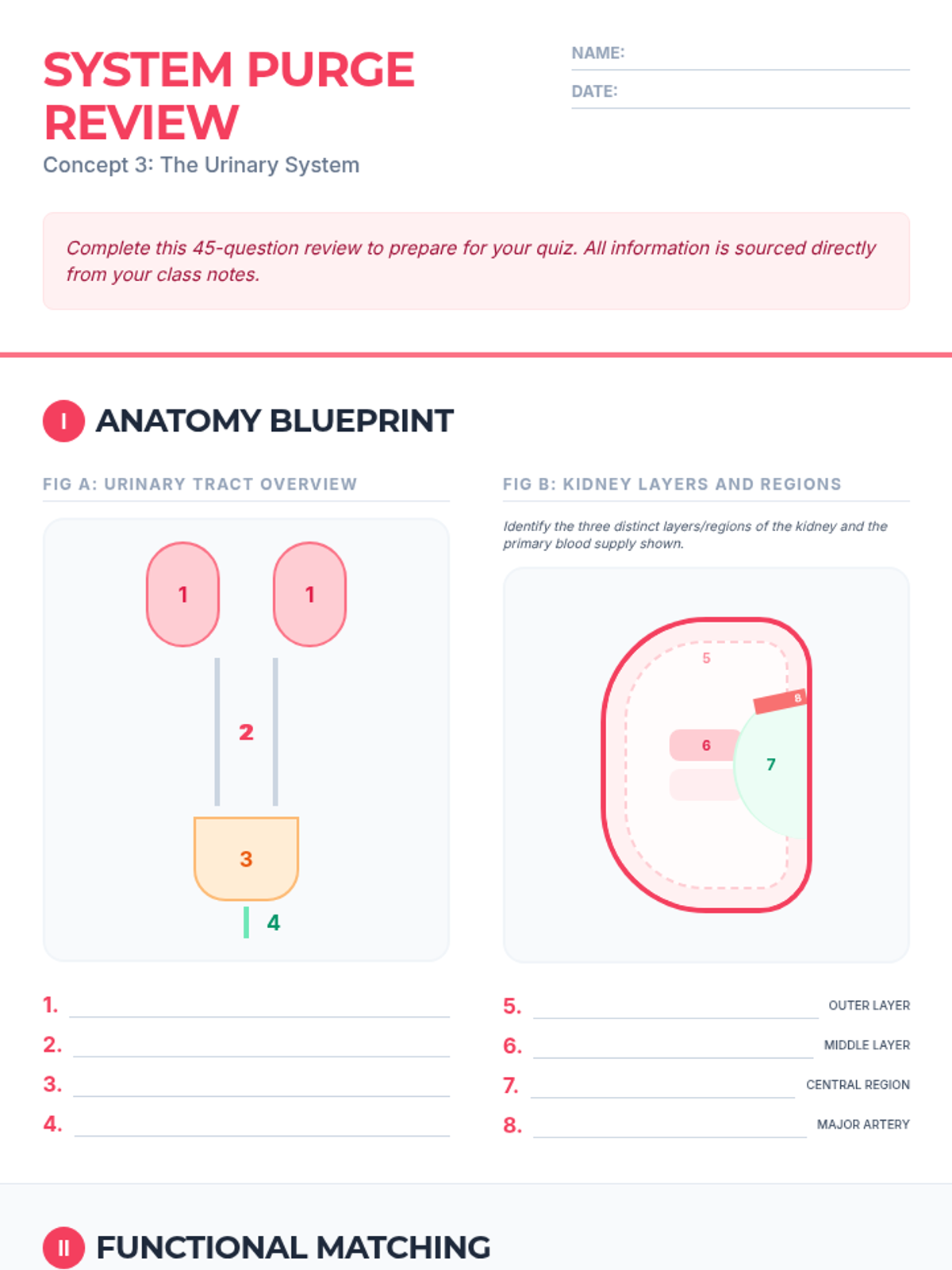
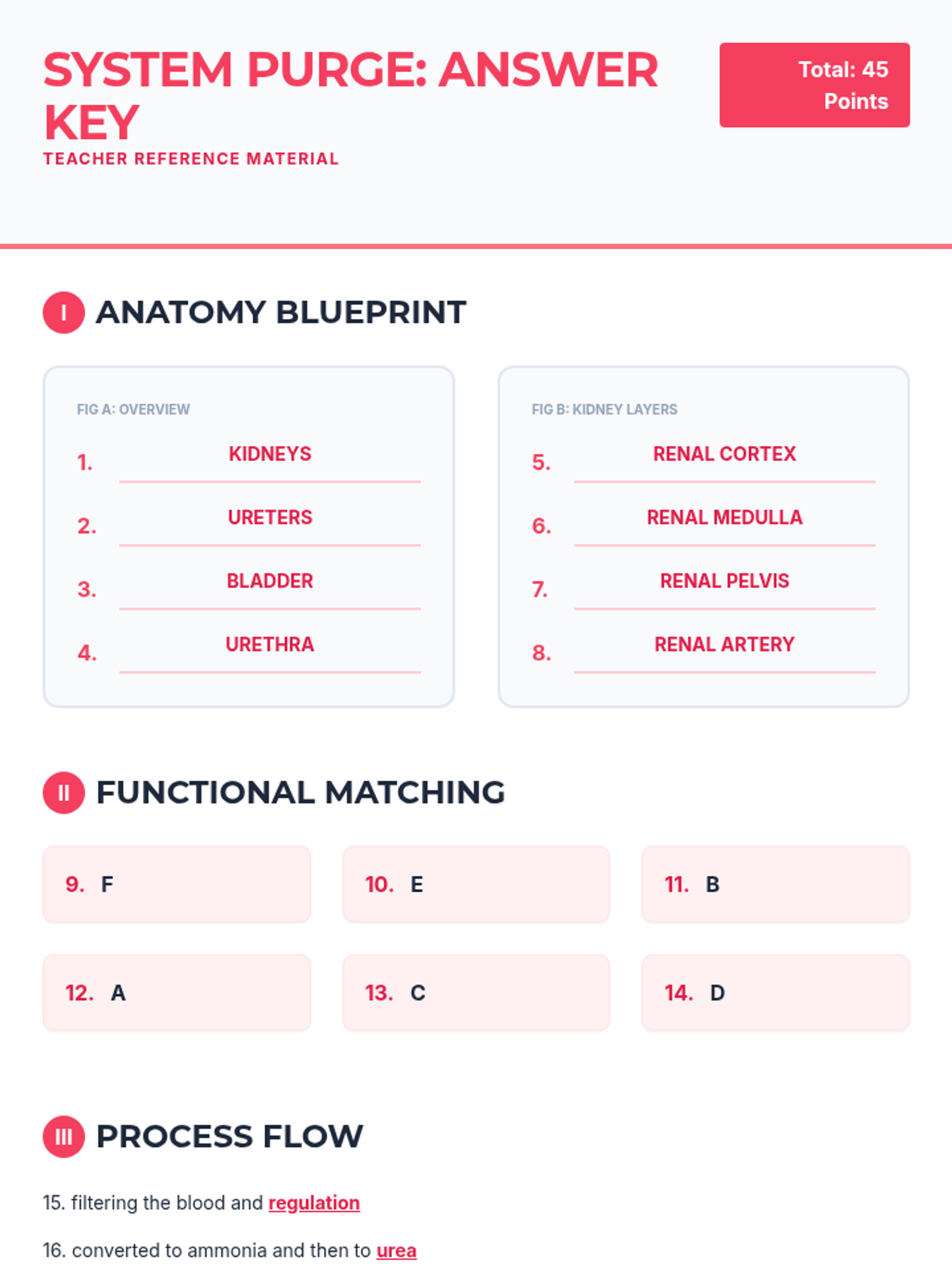
A comprehensive review of the urinary system based on Concept 3 notes, focusing on kidney structure, nephron function, and systemic regulation.
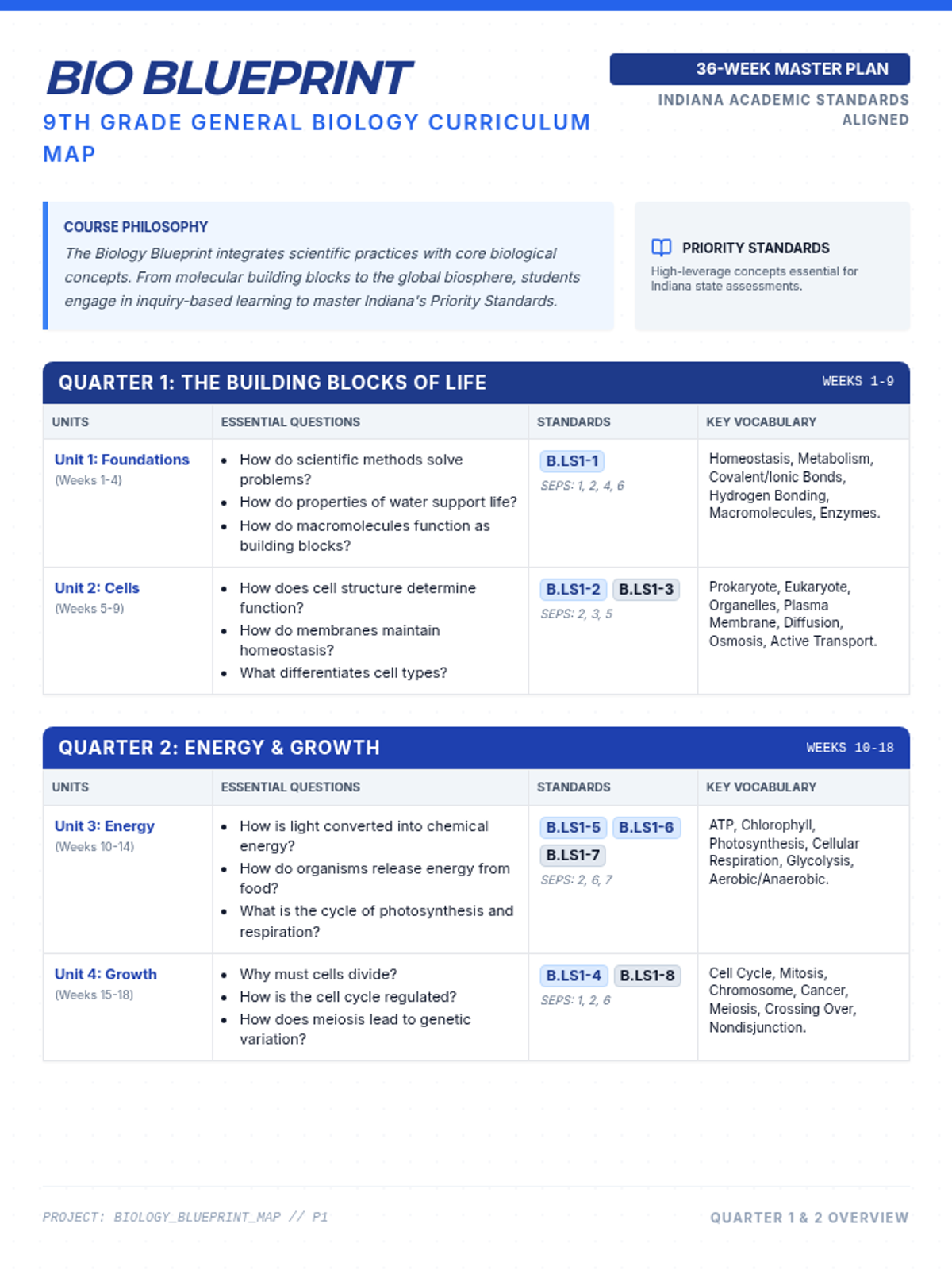
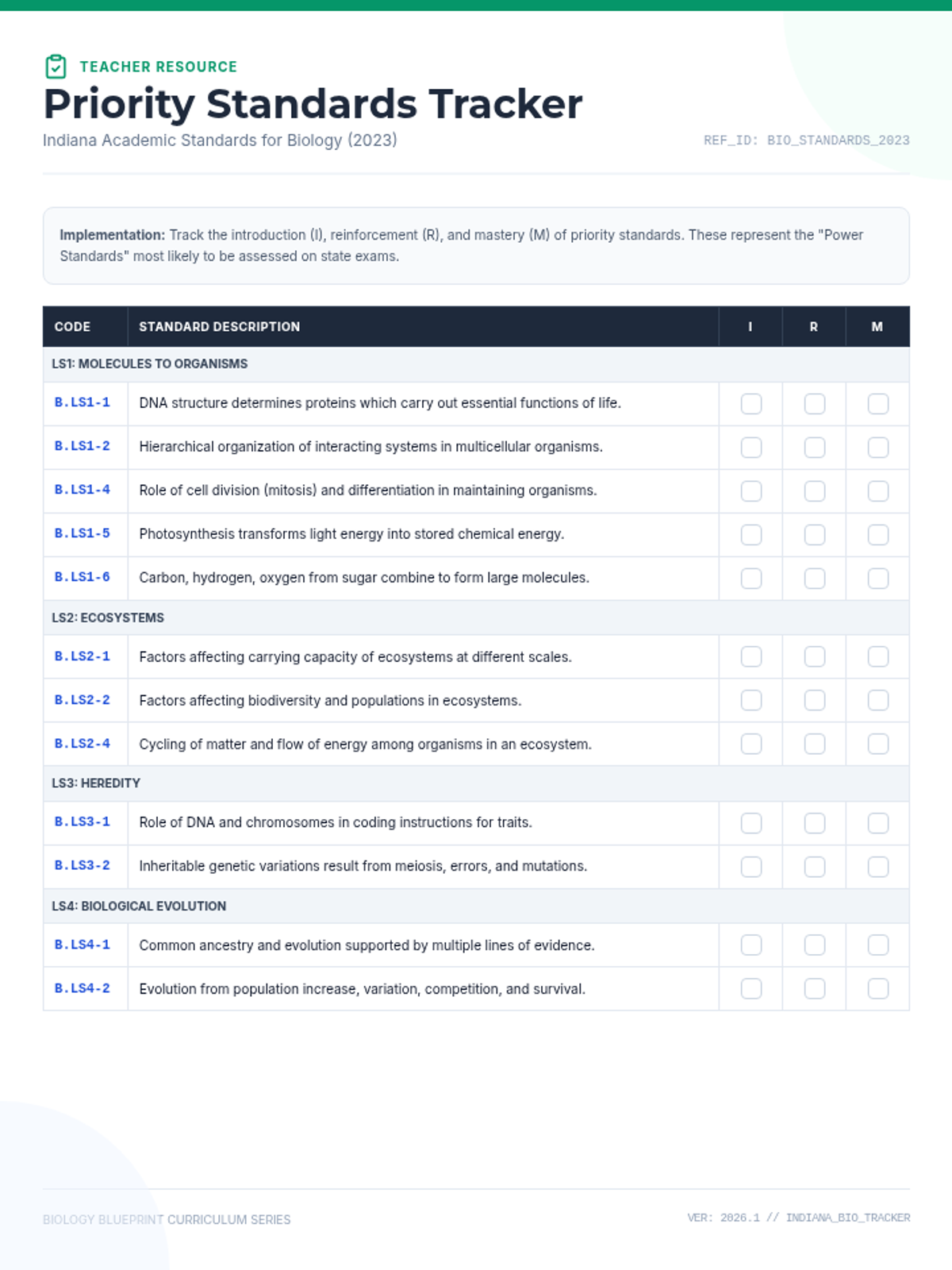
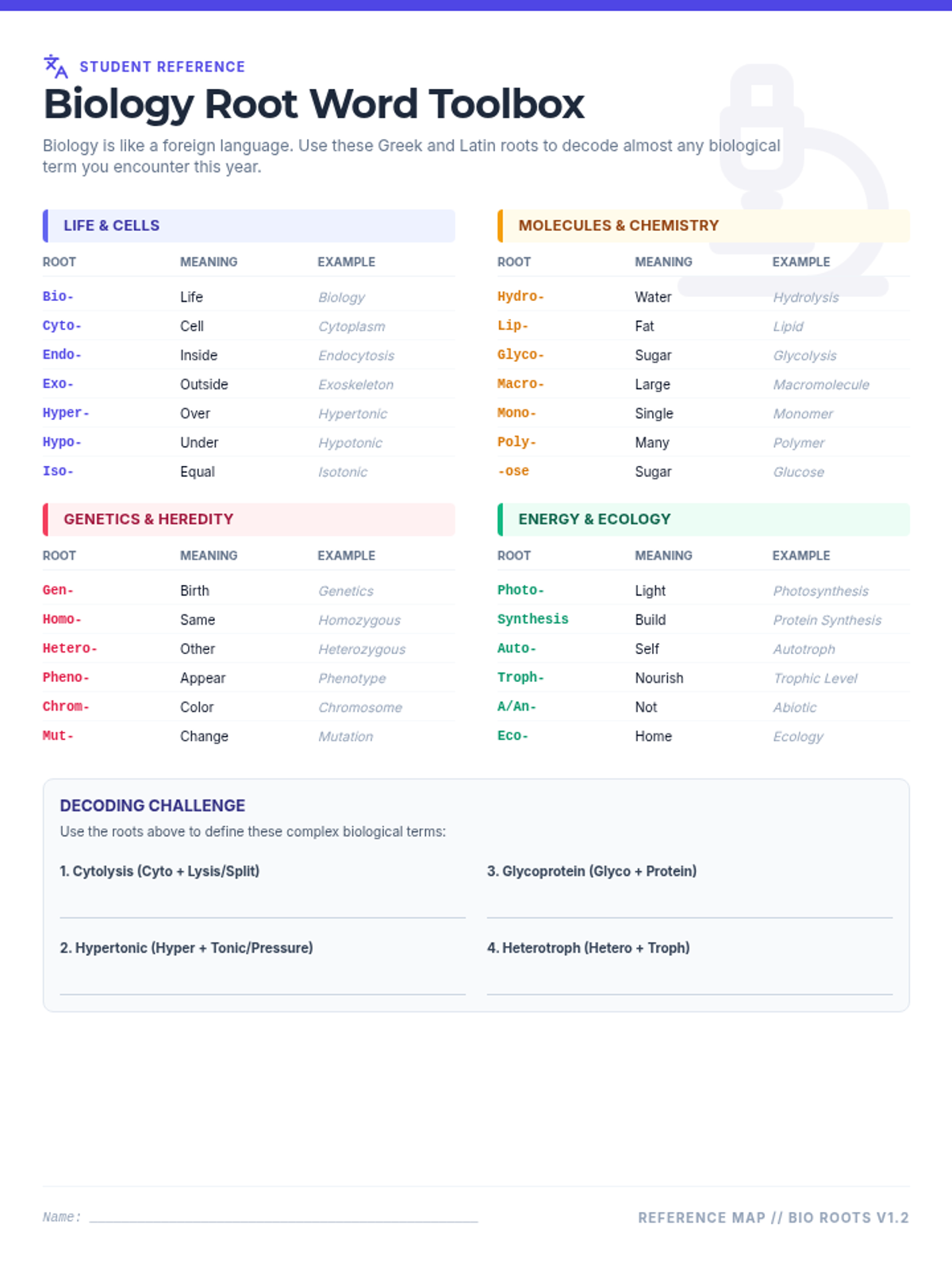
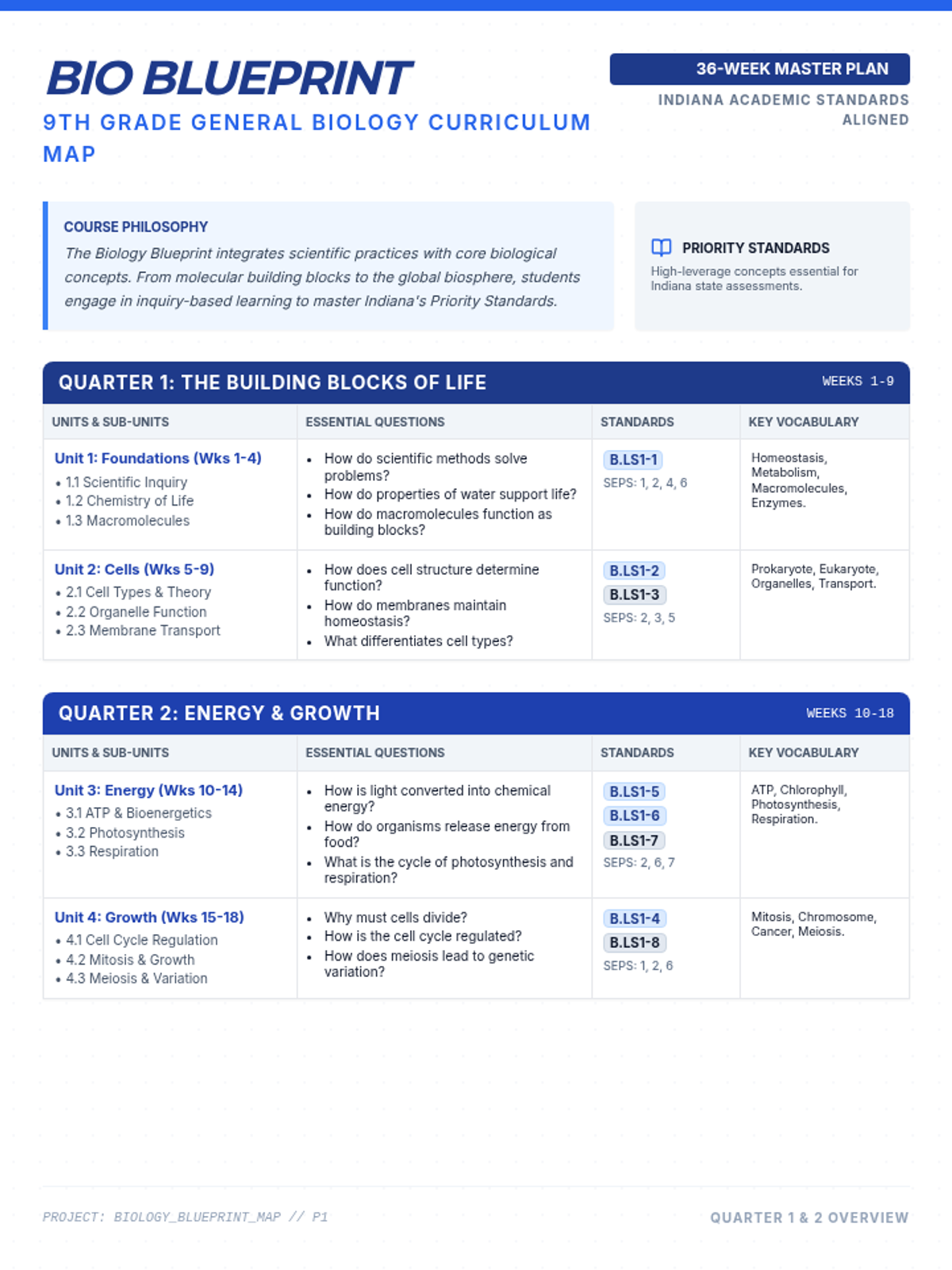
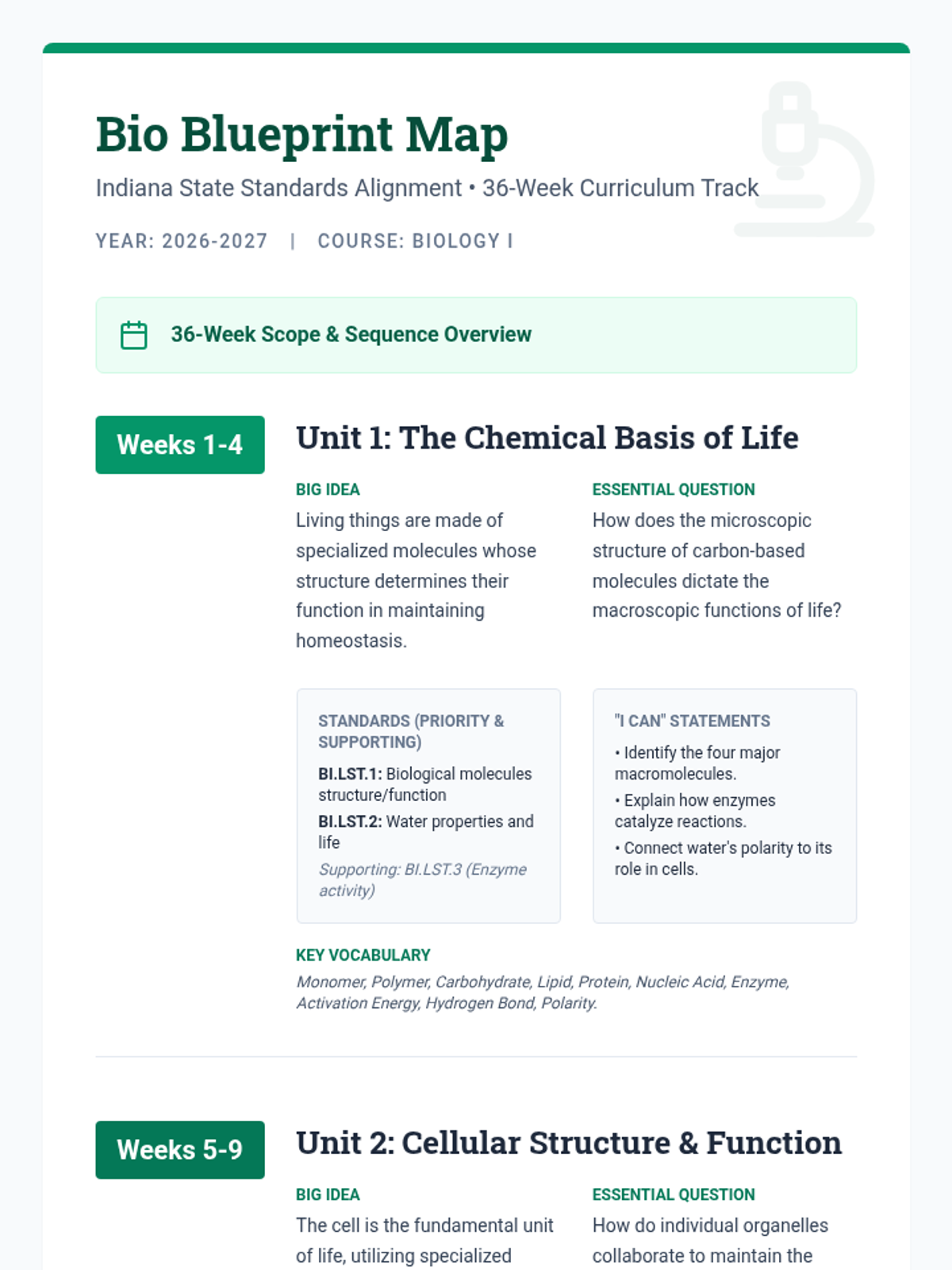
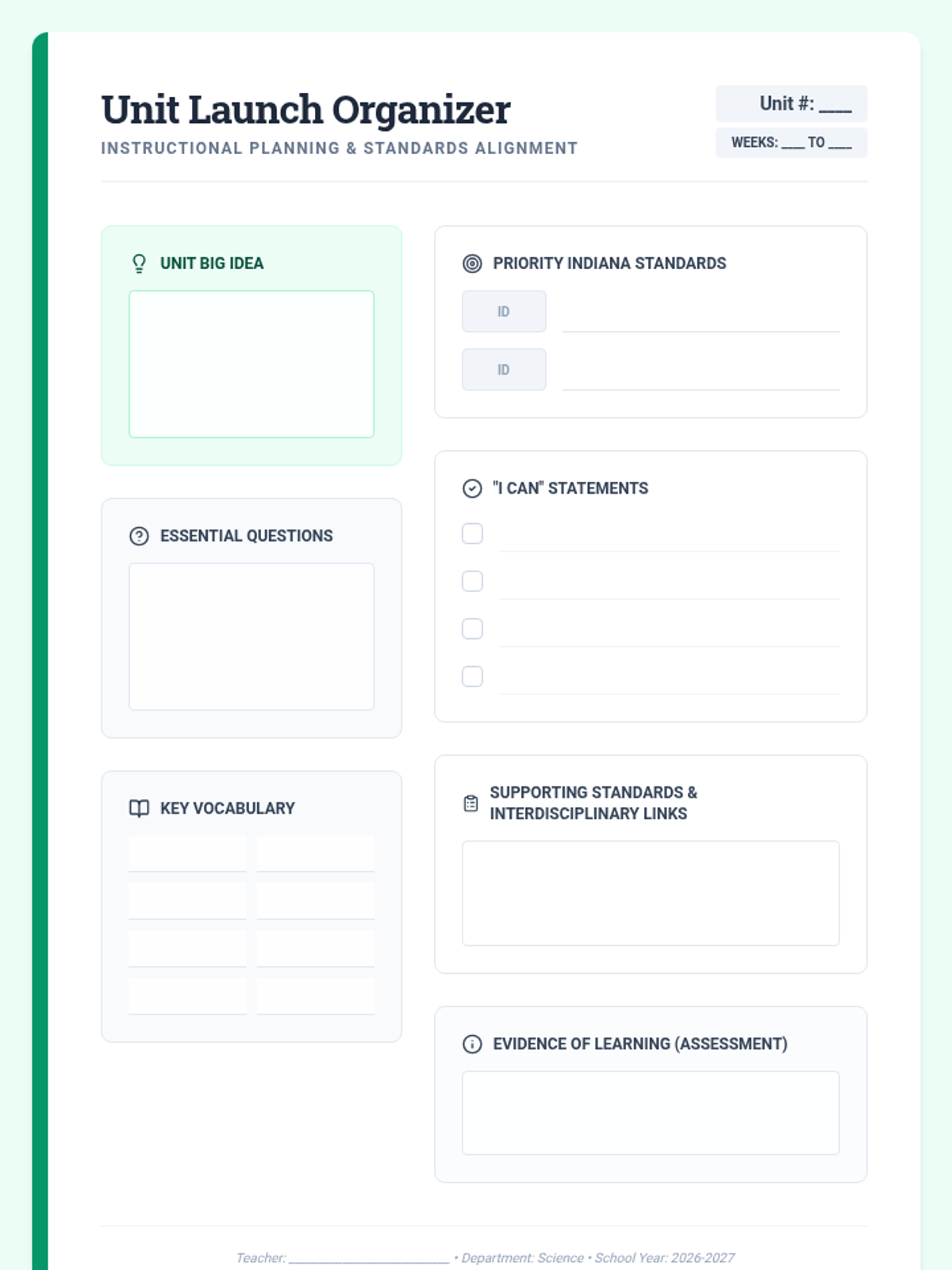
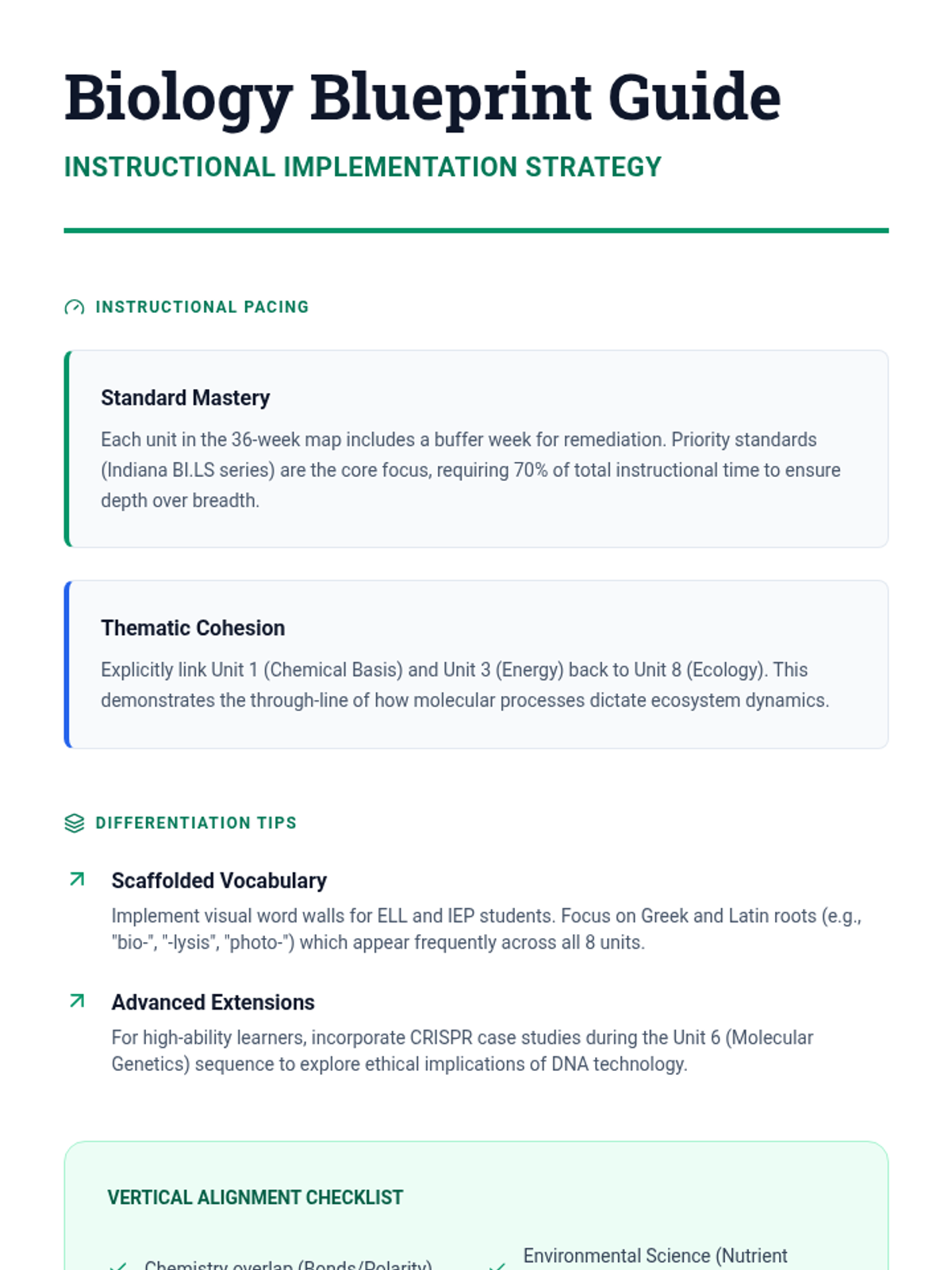
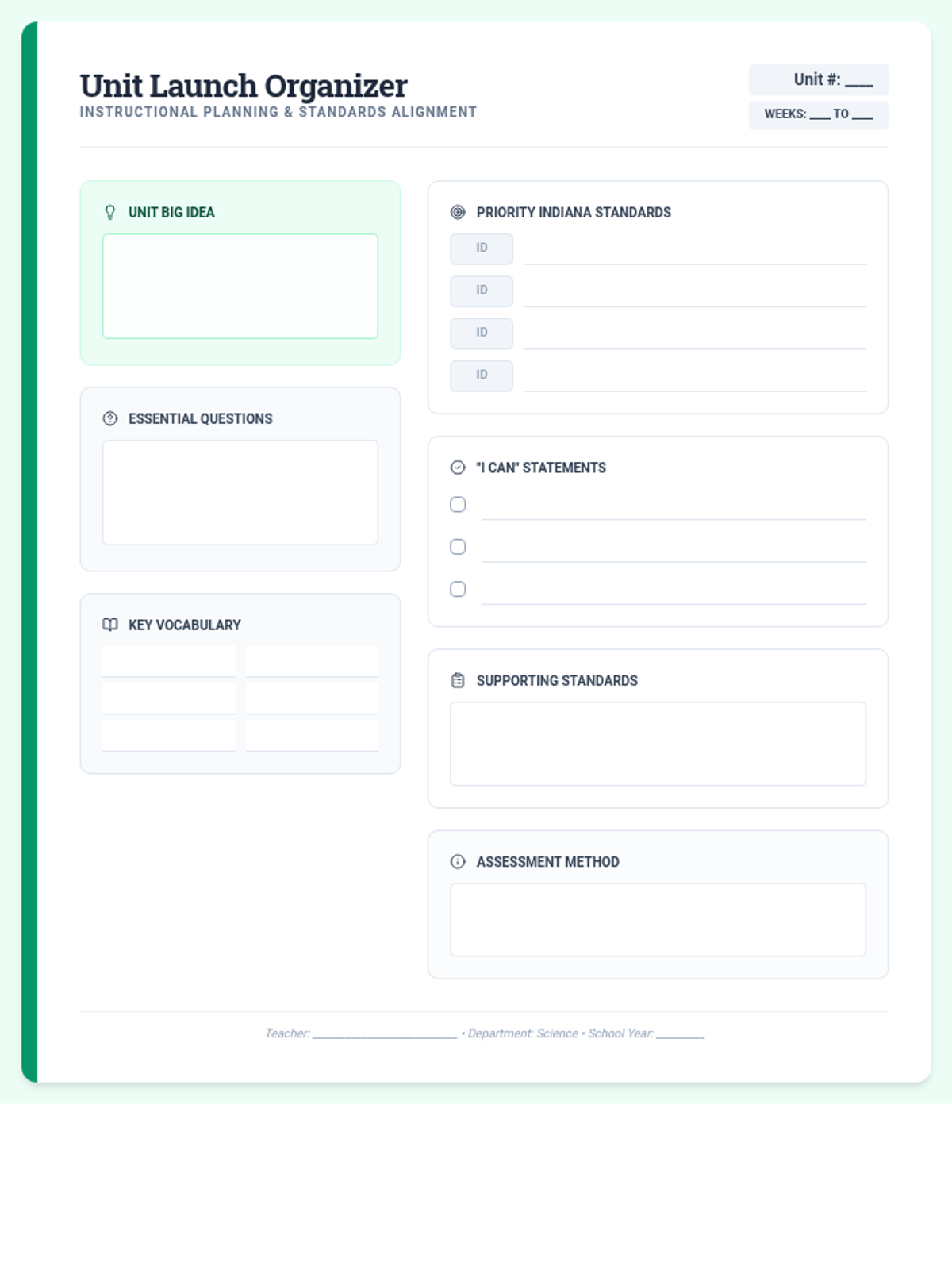
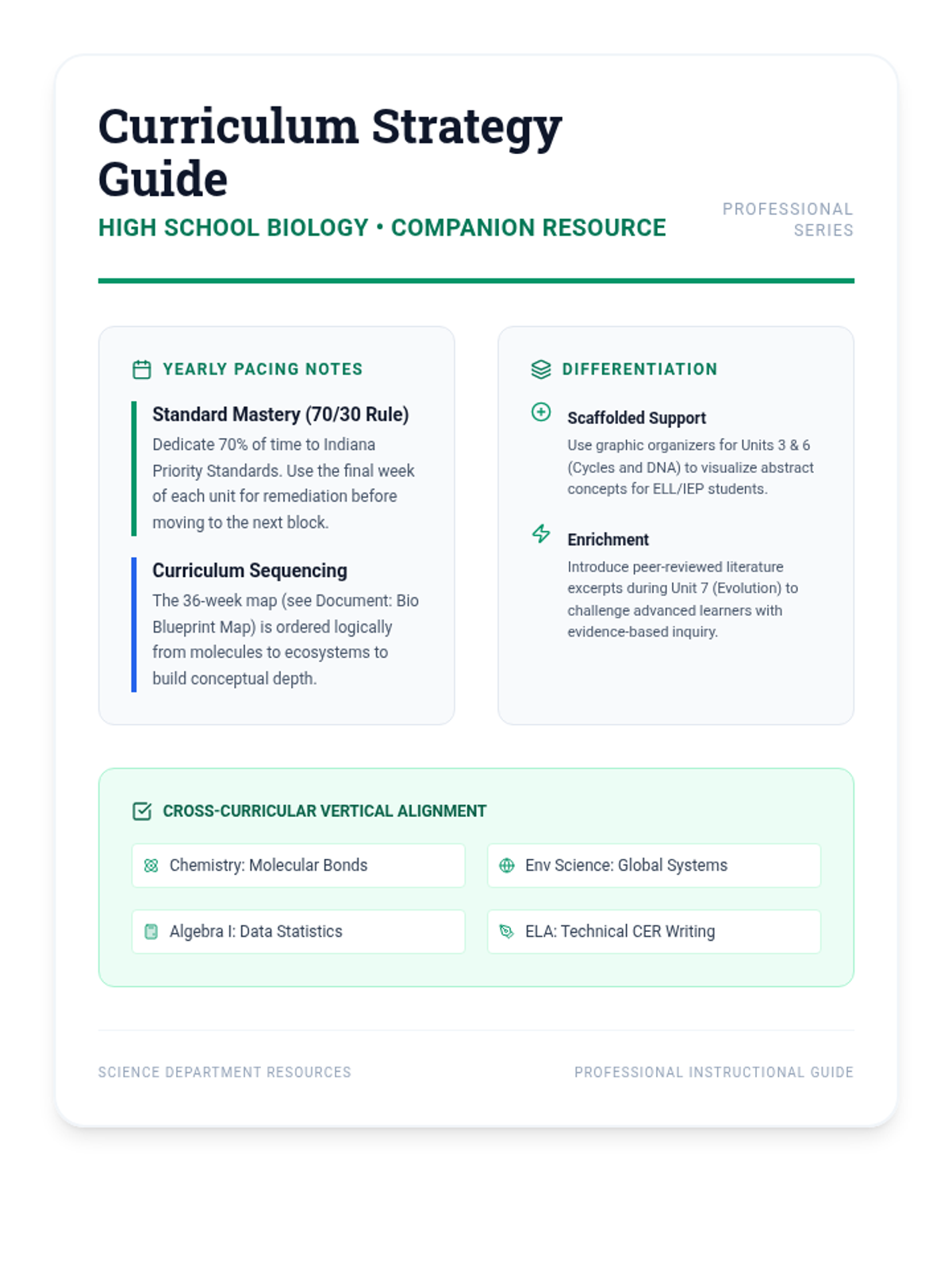
A foundational module containing the comprehensive year-long curriculum map, standards alignment documents, and essential vocabulary resources for 9th-grade biology.
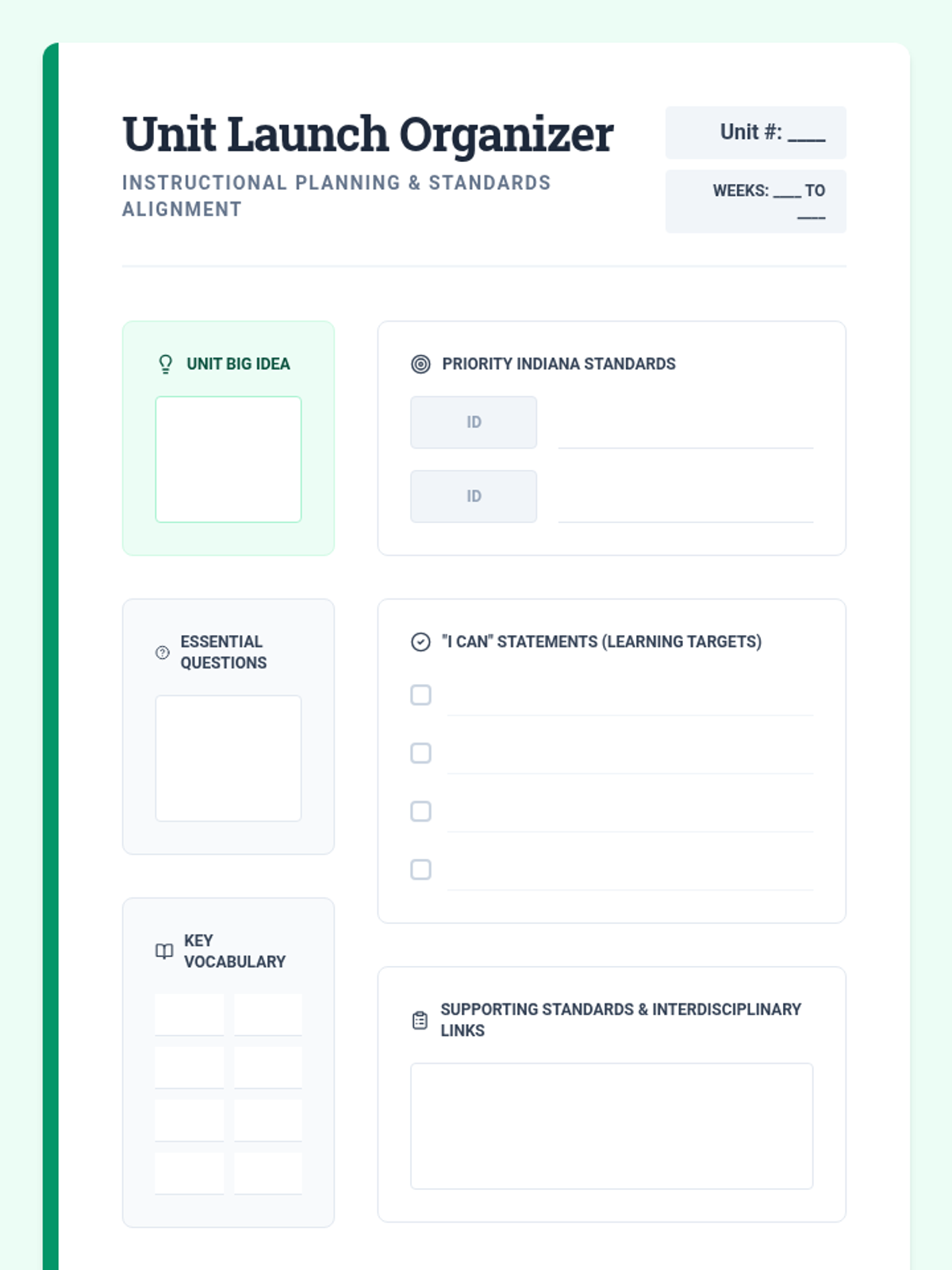
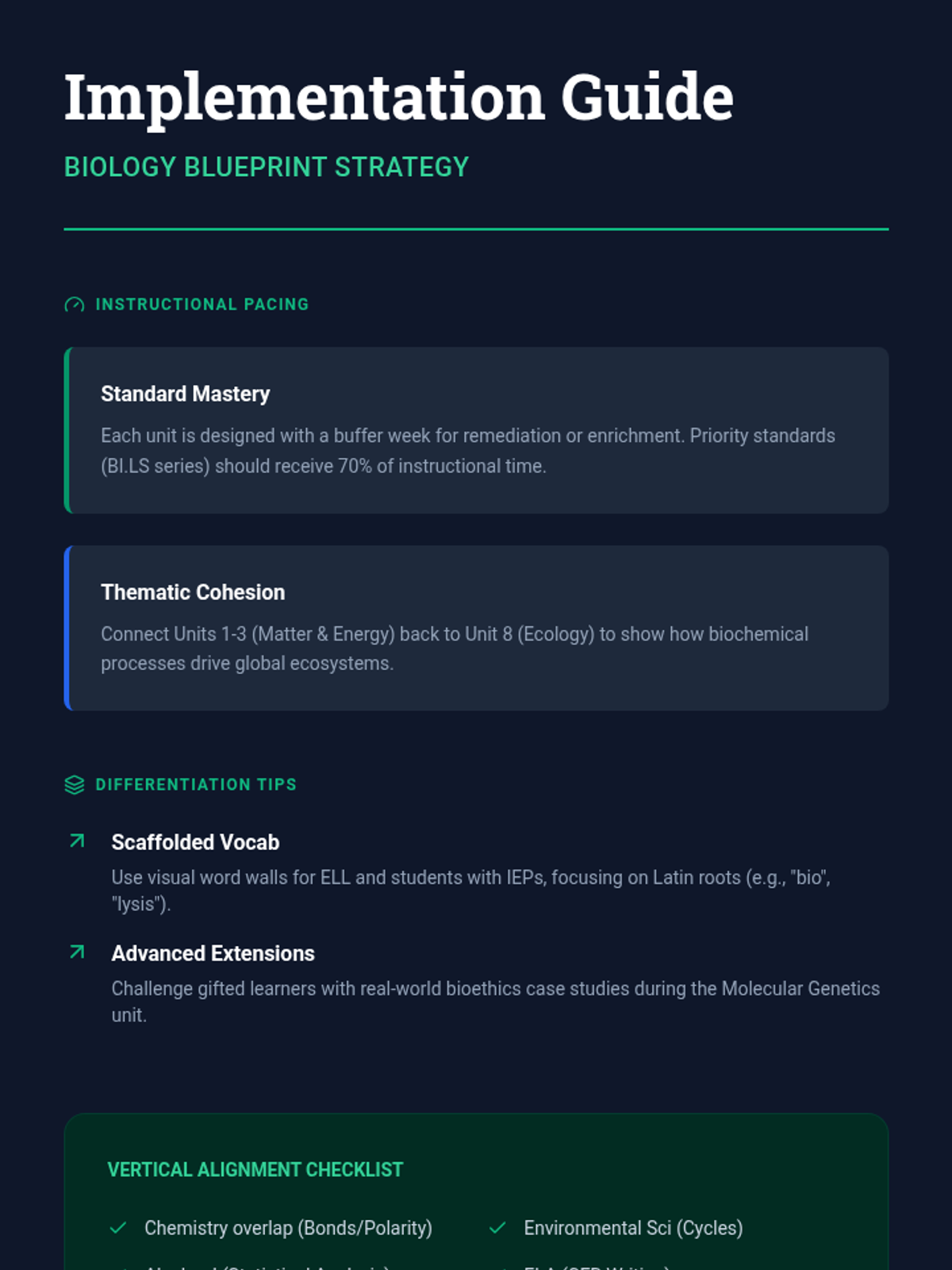
A curriculum planning lesson for biology teachers to organize a full year of high school biology instruction aligned with Indiana State Standards.
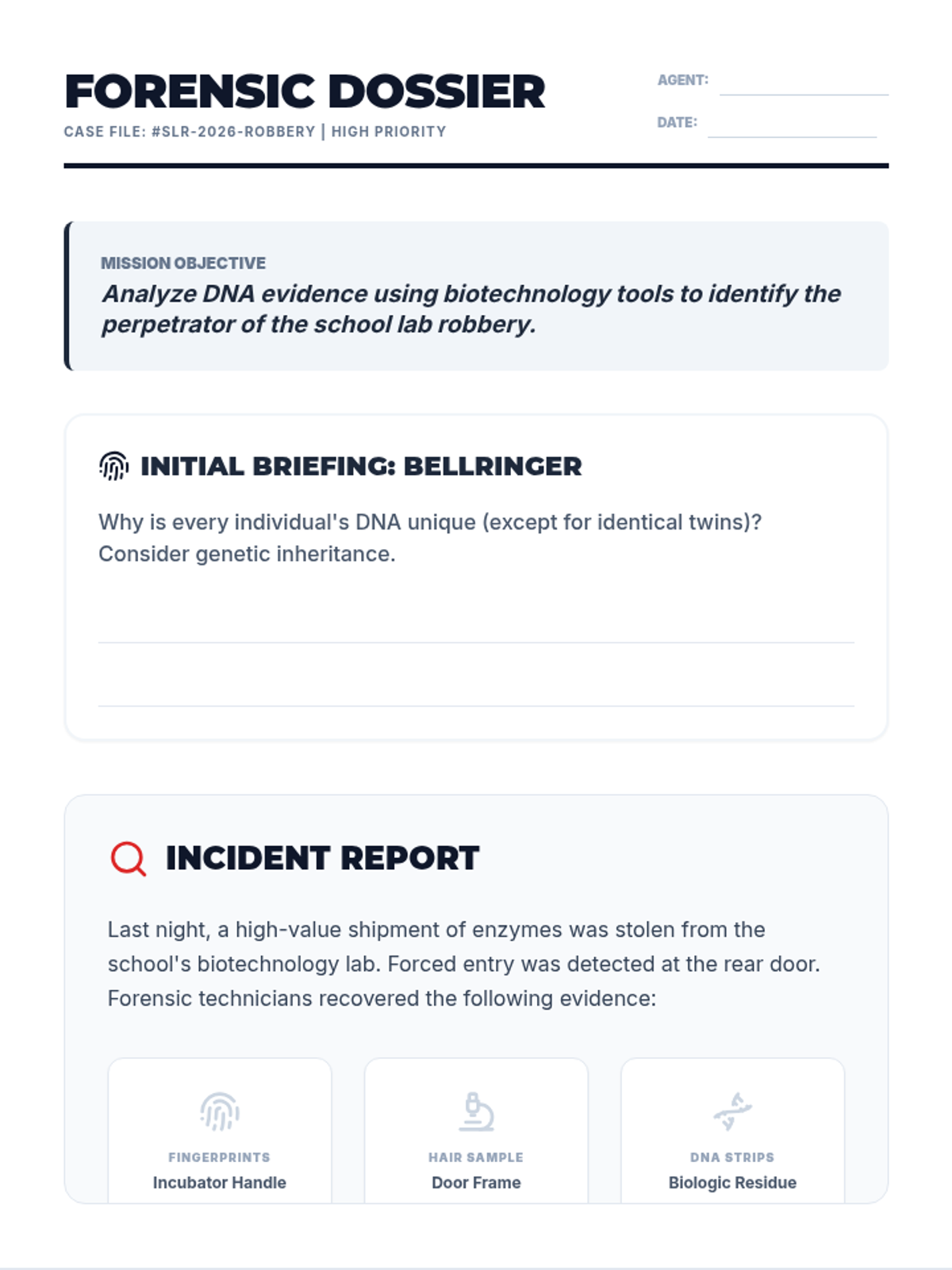
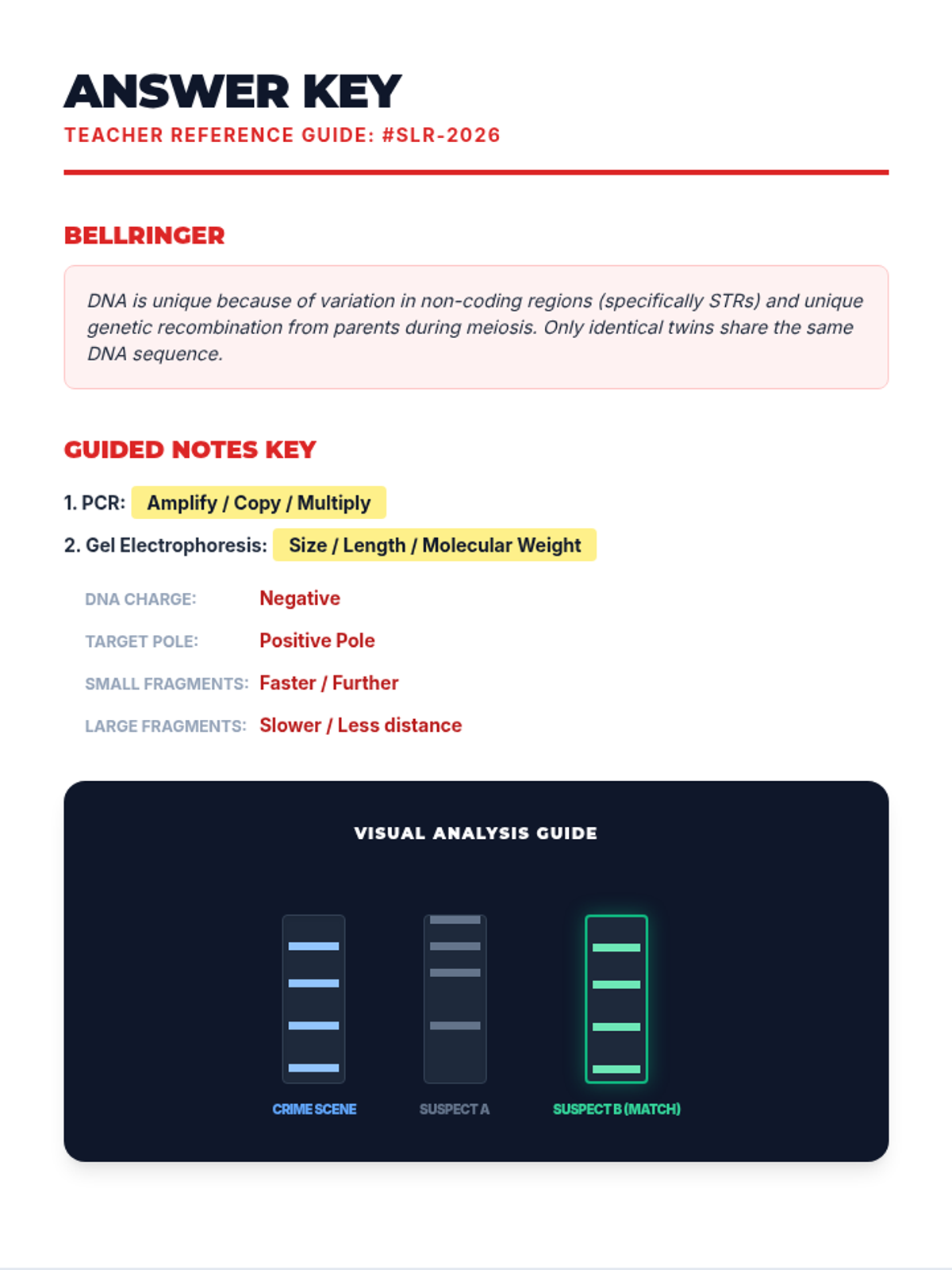
Students step into the role of forensic scientists to solve a school lab robbery. They will explore PCR, gel electrophoresis, and DNA fingerprinting to analyze evidence and identify a suspect using a Claim-Evidence-Reasoning framework.
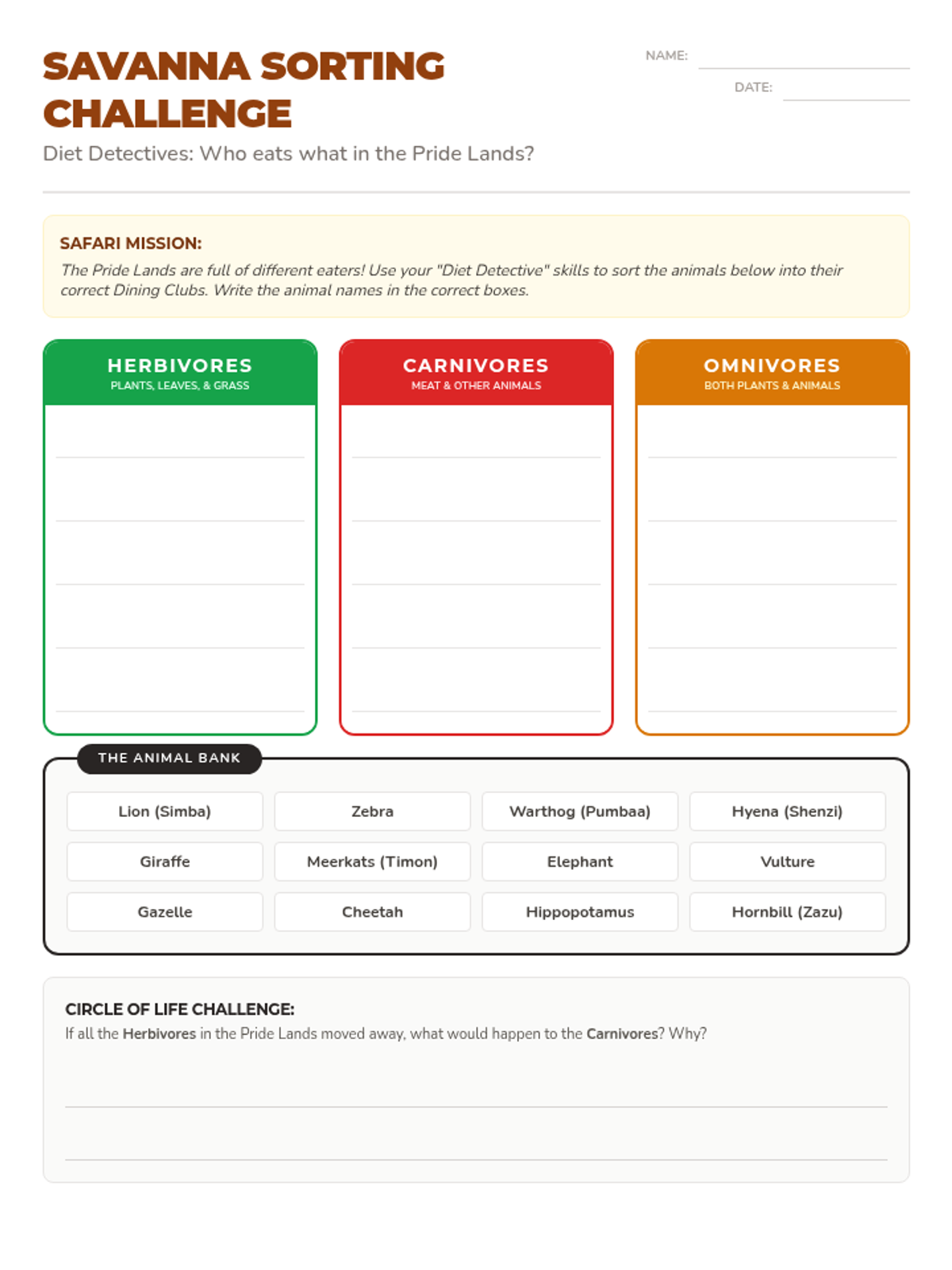
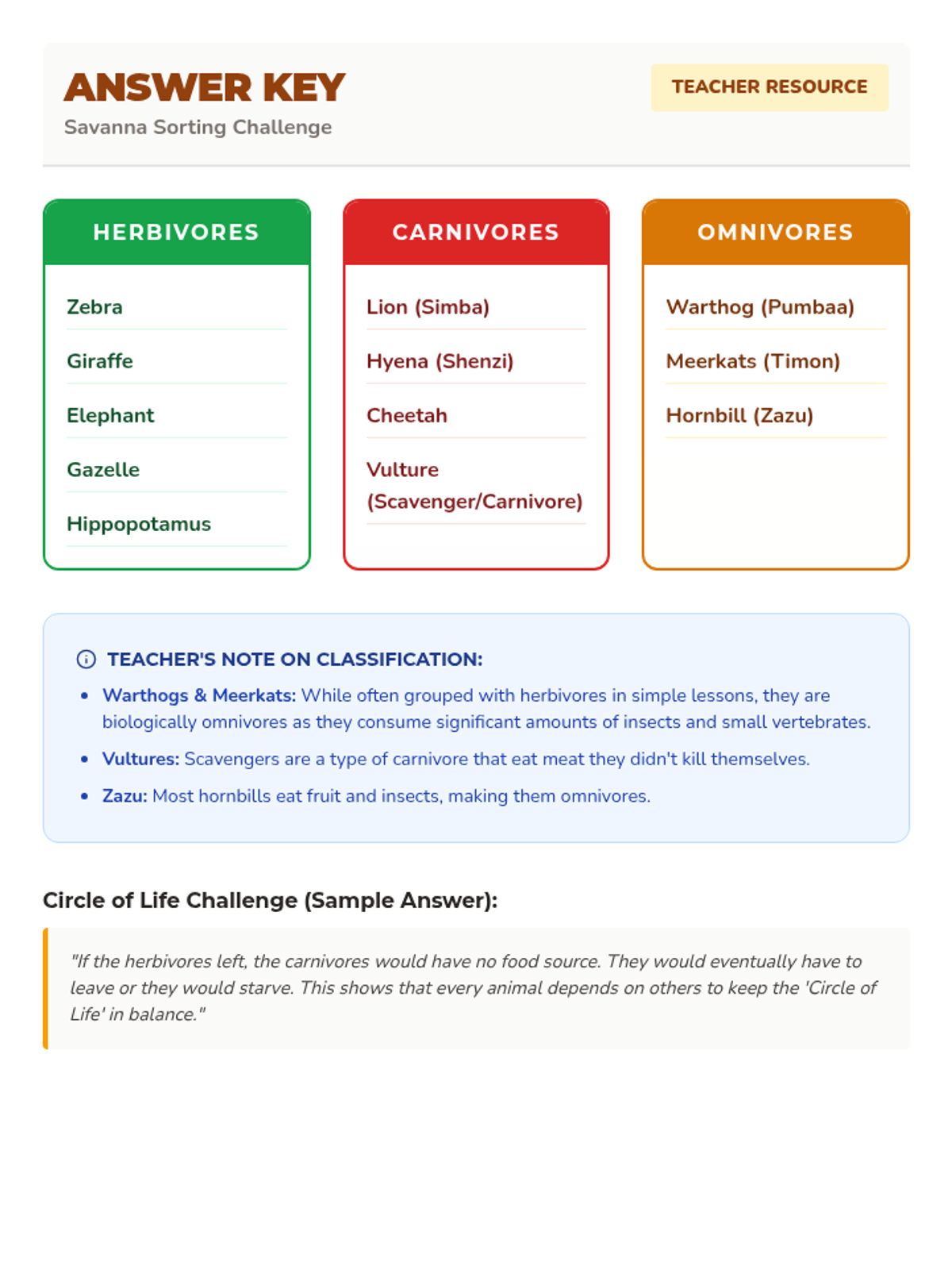
Culminating sorting activity where students categorize Lion King characters and other savanna animals by their diets, followed by a reflection on the 'Circle of Life'.
Students analyze the ecosystem of the Pride Lands, identifying various animals from the film and researching or discussing their real-world dietary habits.
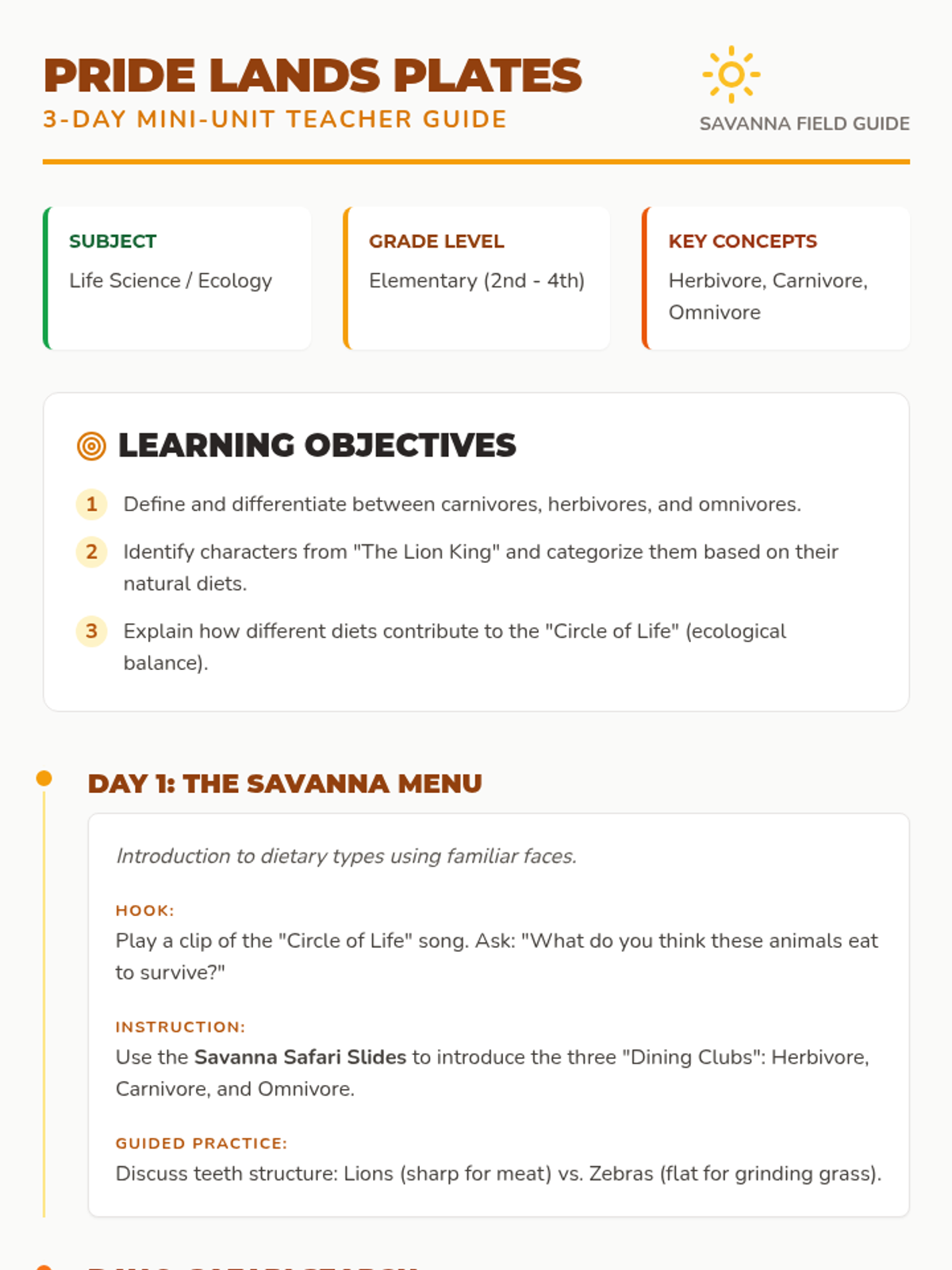
Introduction to herbivores, carnivores, and omnivores using Pride Lands characters as examples. students learn to identify dietary traits and basic dental structures associated with each group.
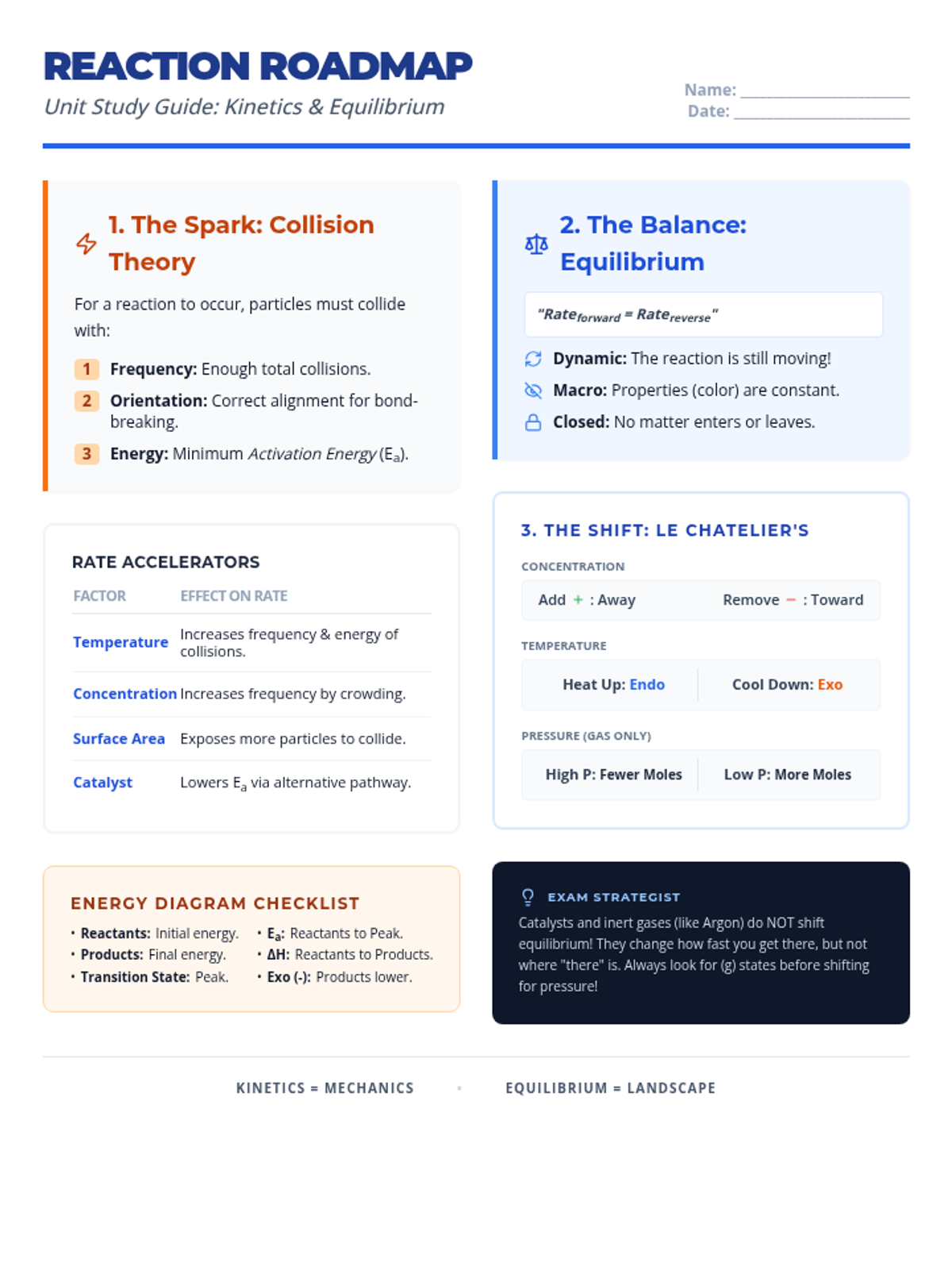
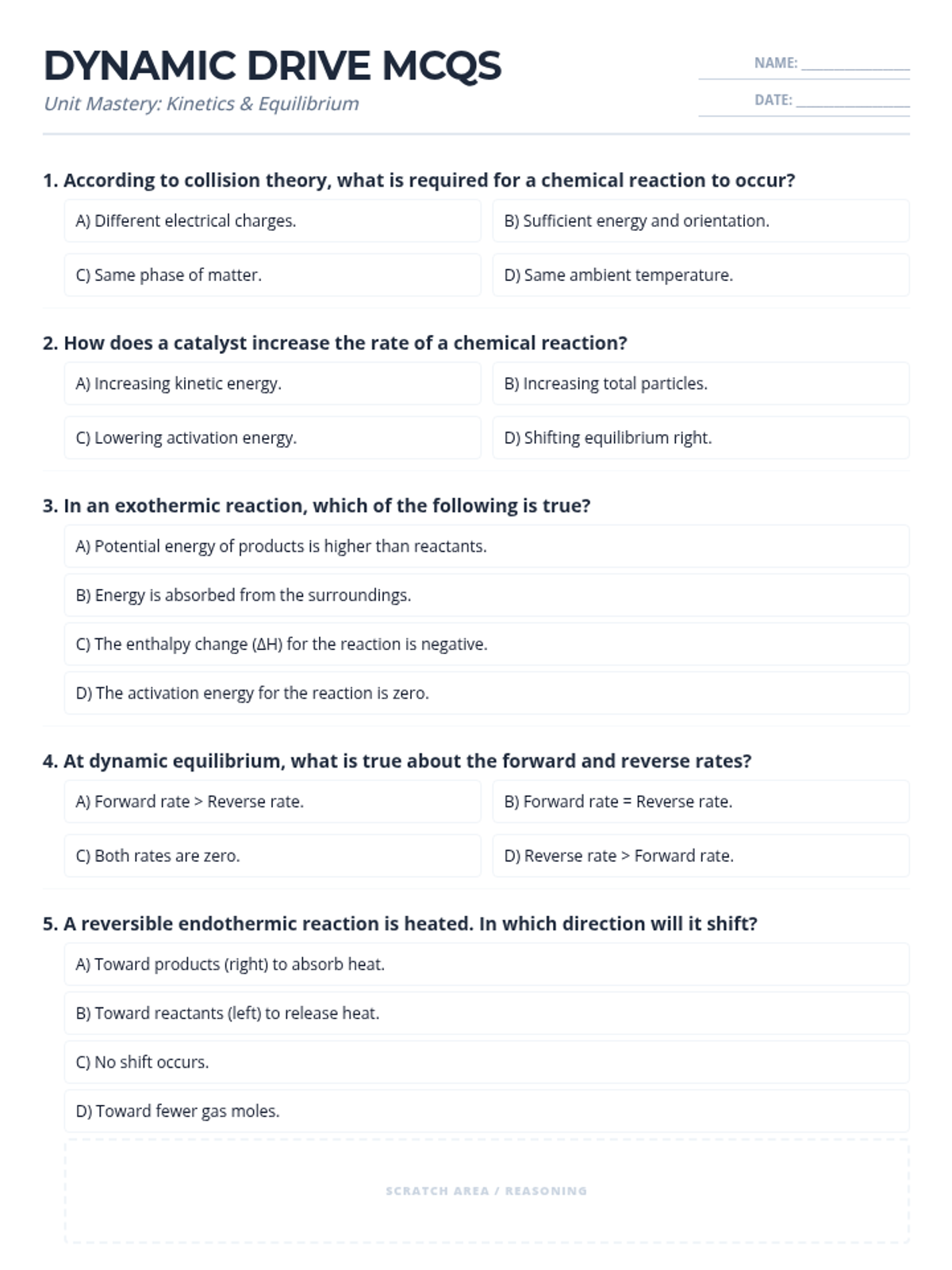
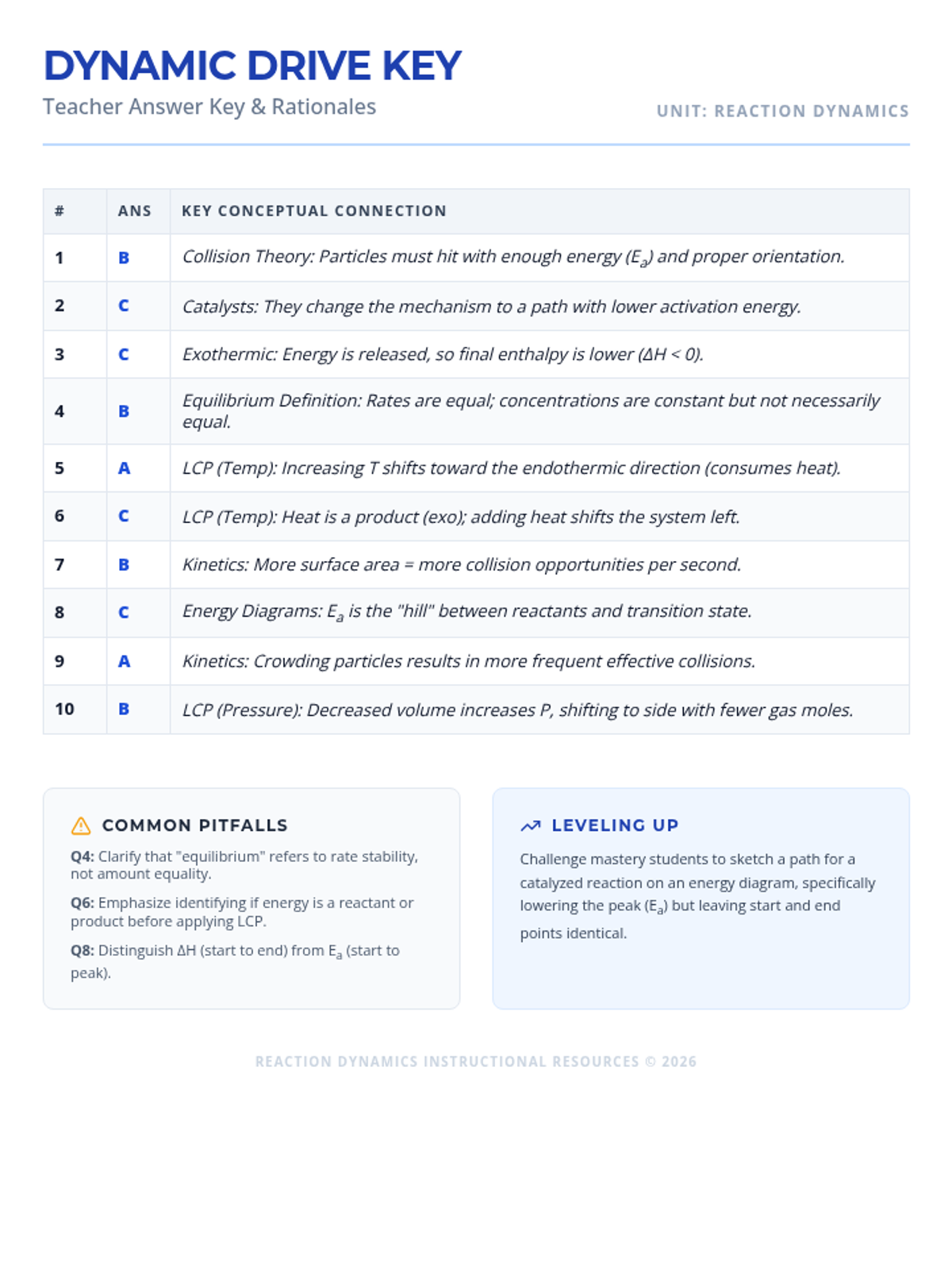
A comprehensive review phase for the Reaction Dynamics unit. Students synthesize their knowledge of collision theory, energy pathways, and equilibrium shifts through a focused study guide and a unit-wide conceptual assessment.
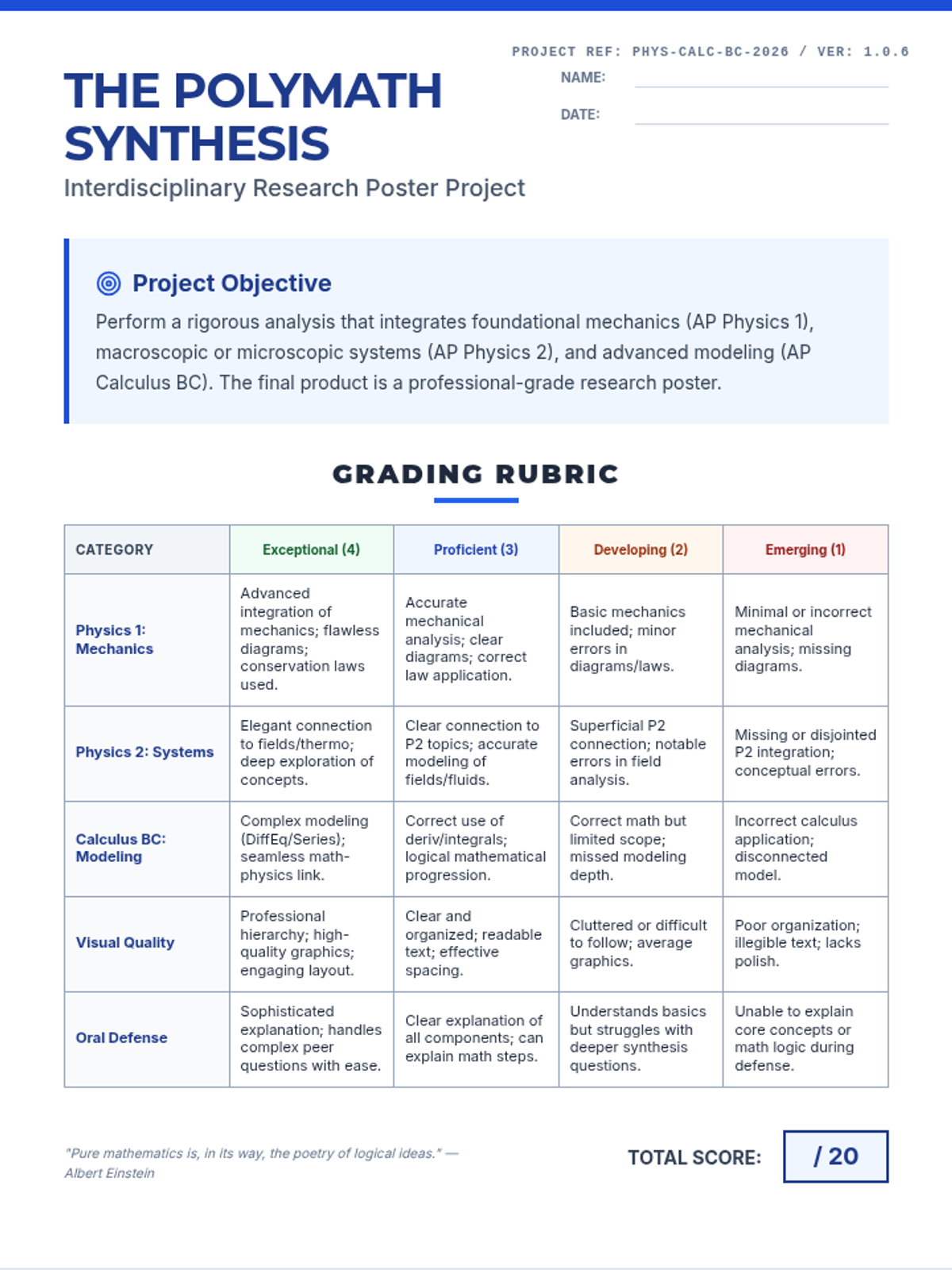
An interdisciplinary capstone project where students synthesize concepts from AP Physics 1, AP Physics 2, and AP Calculus BC into a comprehensive research poster. Students will model complex phenomena using advanced mathematical techniques and multi-disciplinary physics frameworks.
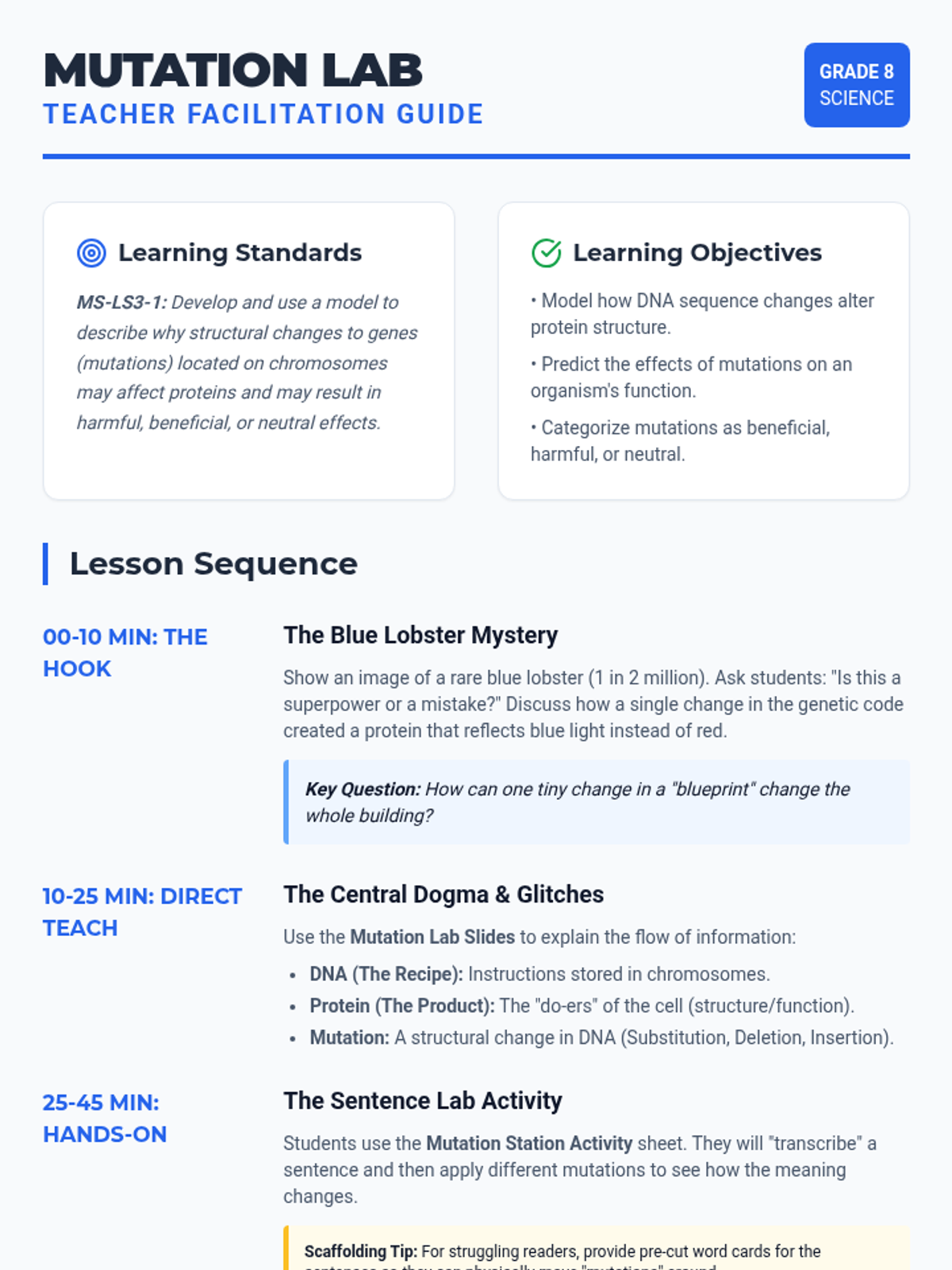
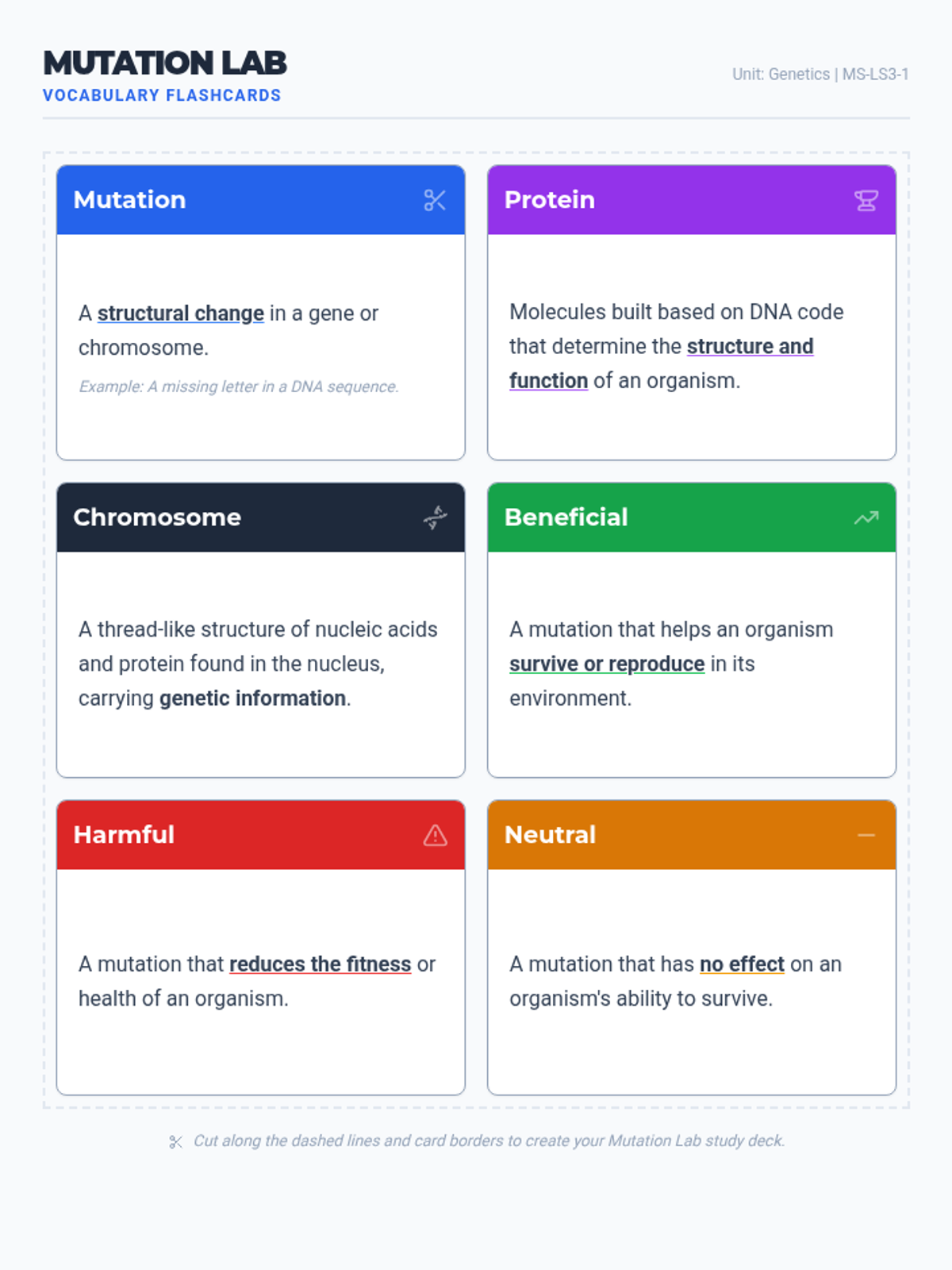
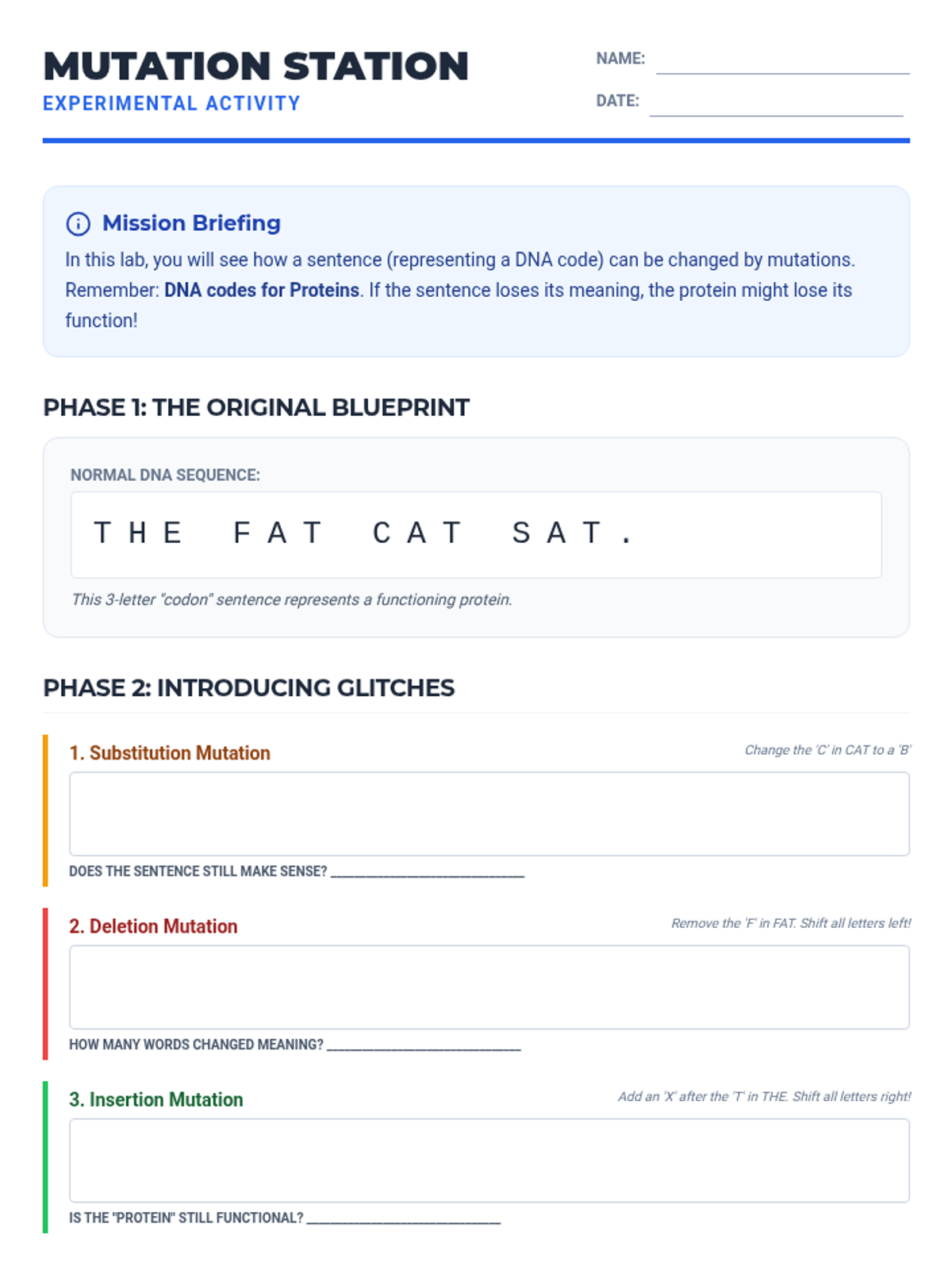
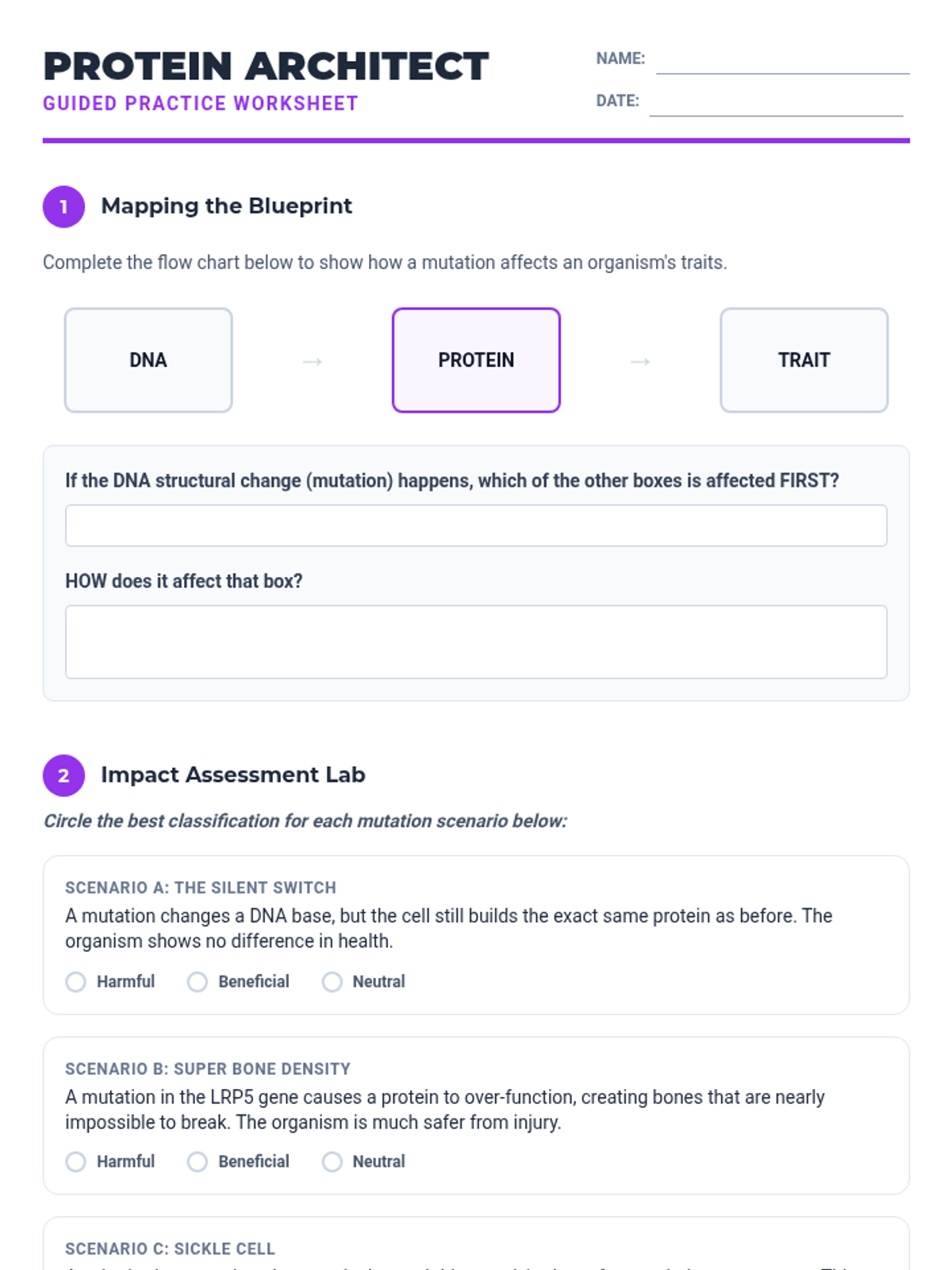
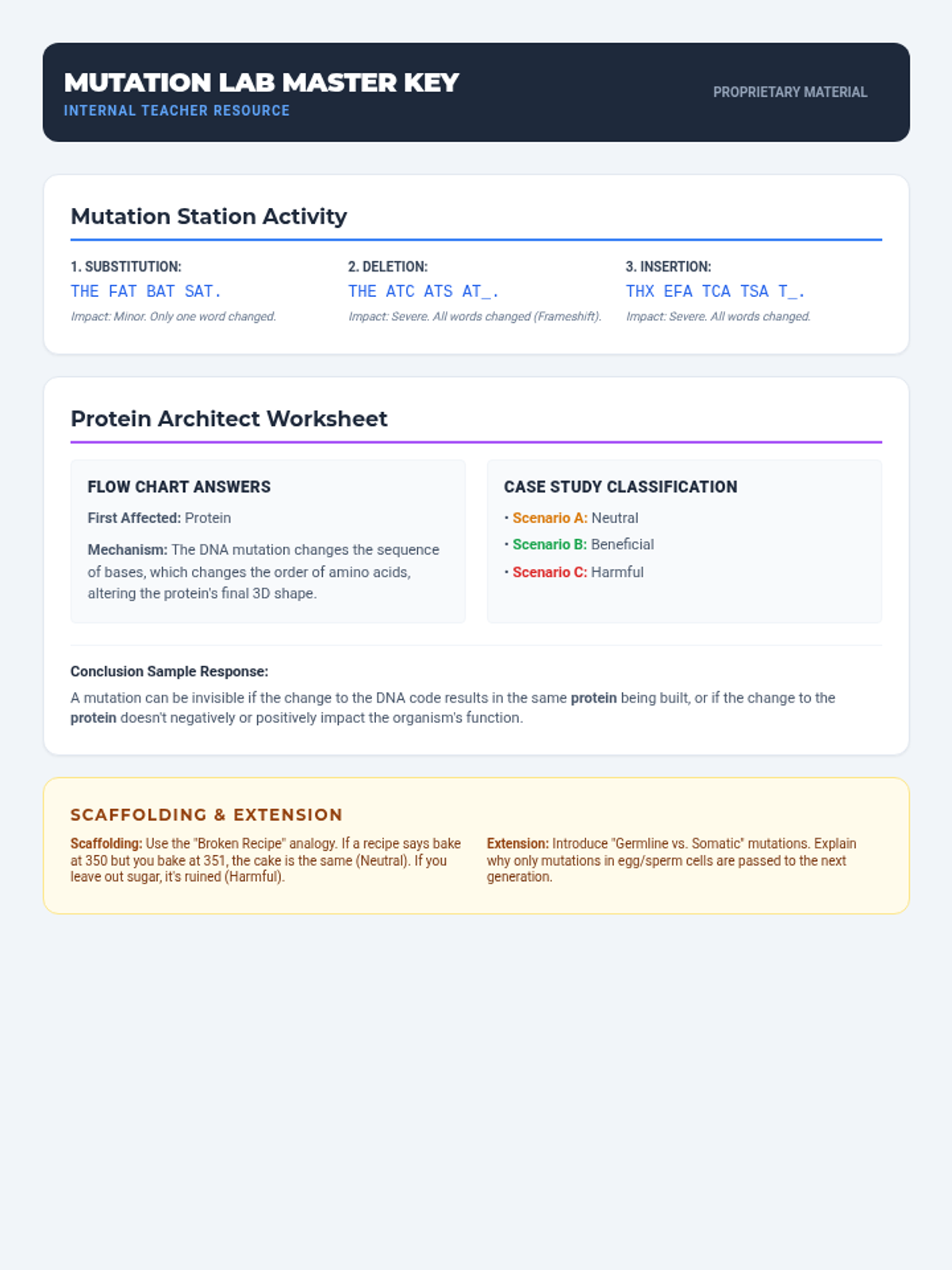
A comprehensive lesson on genetic mutations, exploring how changes in DNA structure affect protein function and organism traits through a high-tech laboratory lens.
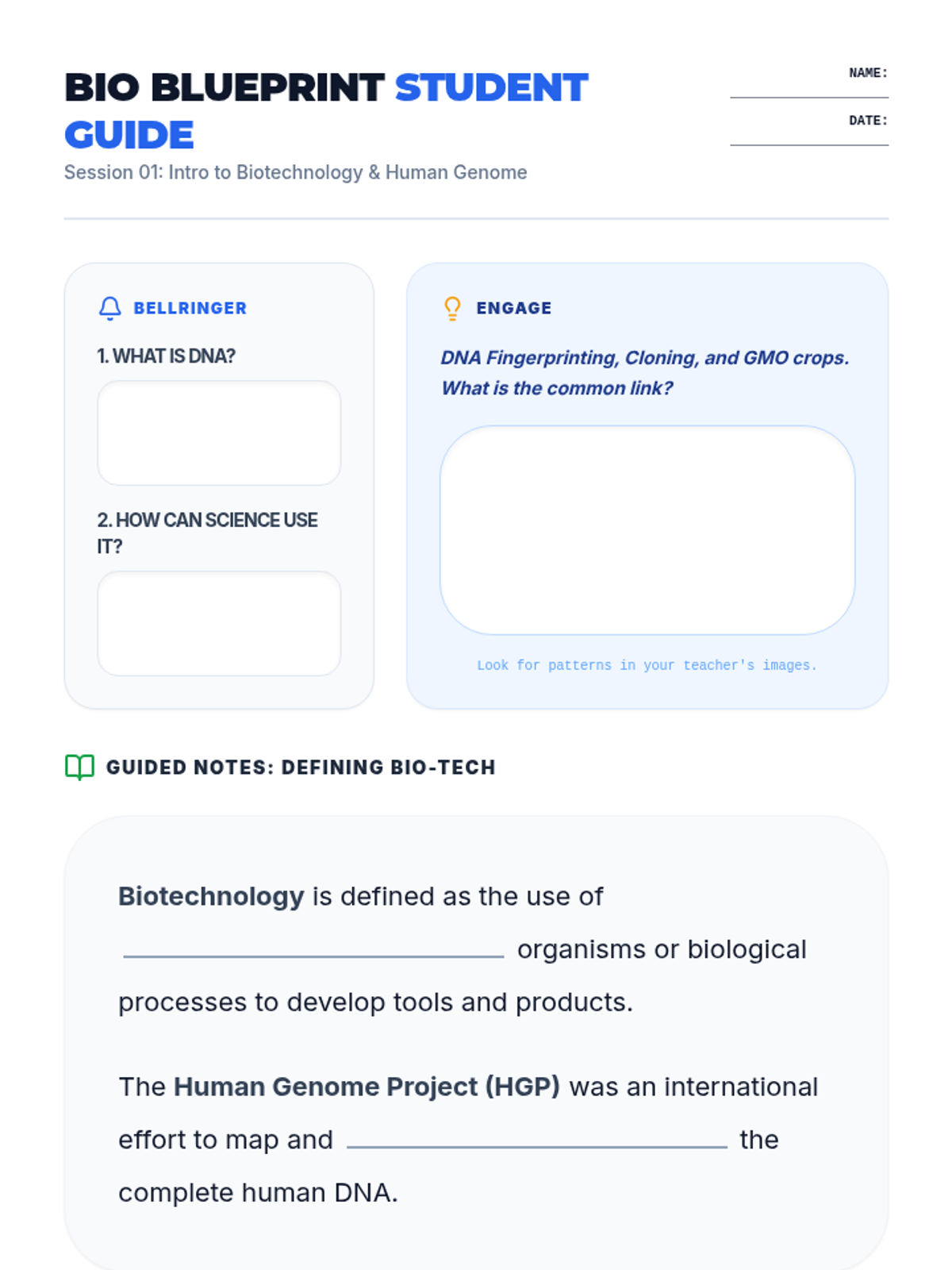
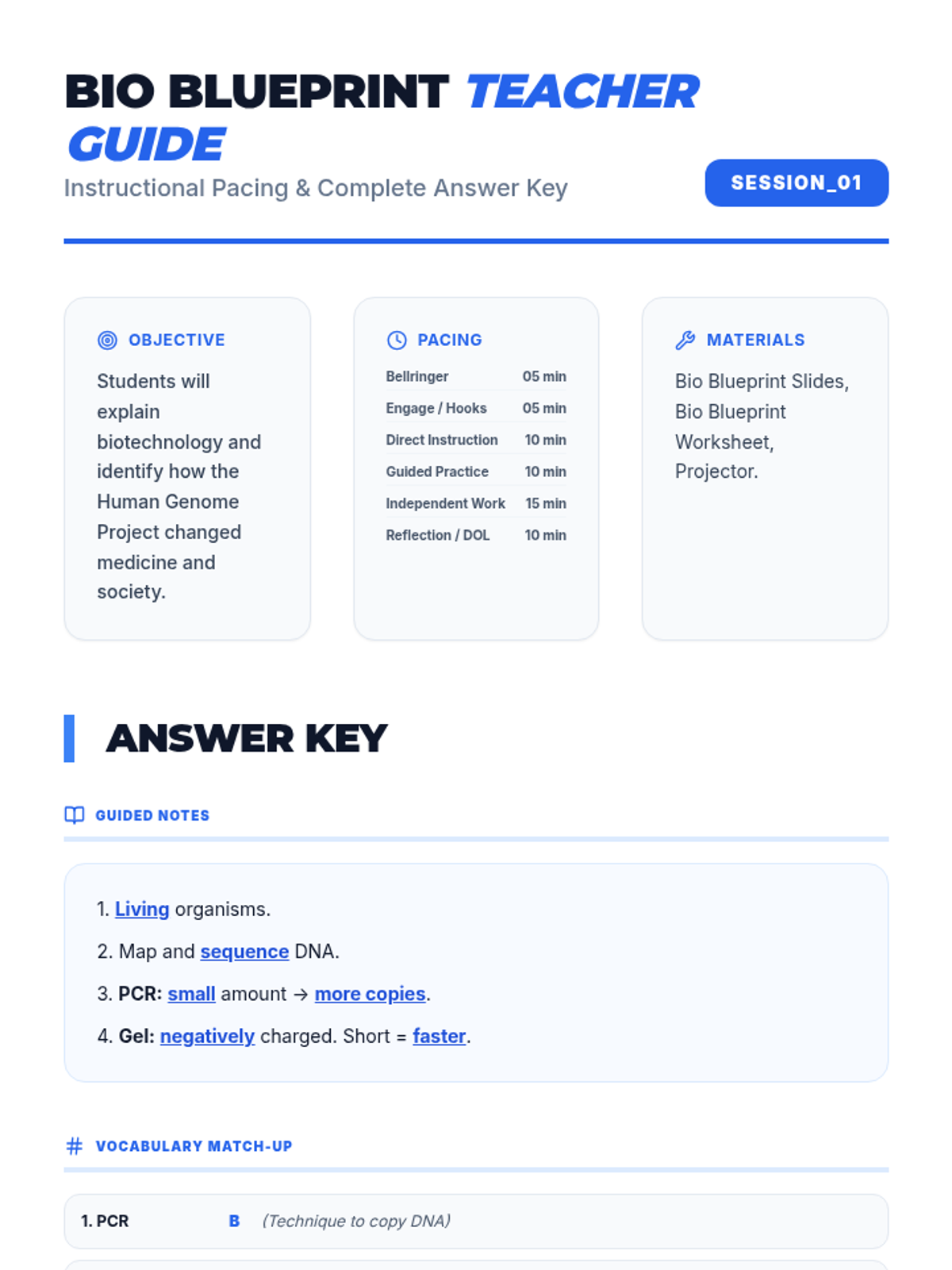
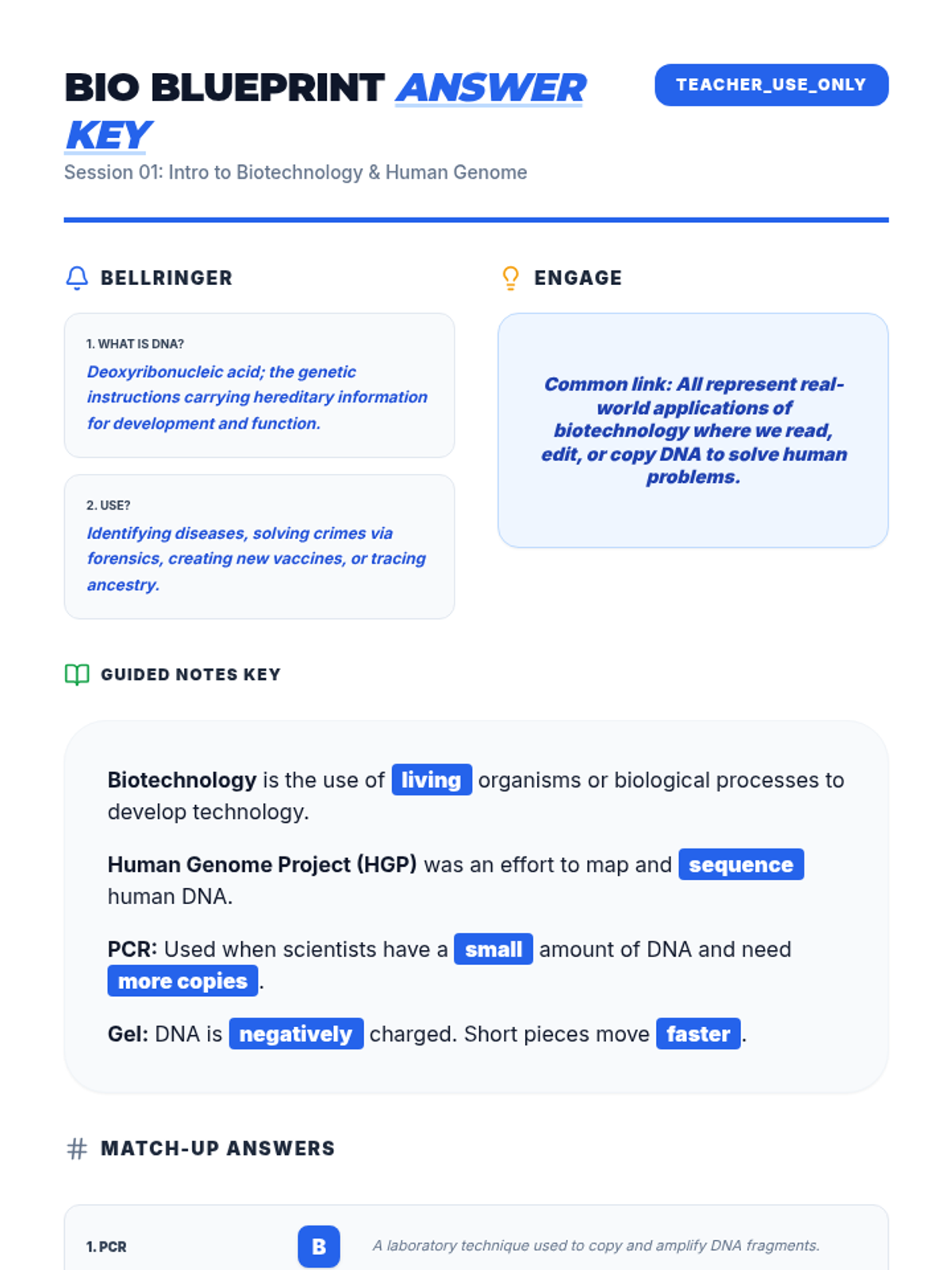
An introductory lesson on biotechnology and the Human Genome Project, covering fundamental concepts, DNA technology tools, and ethical considerations.
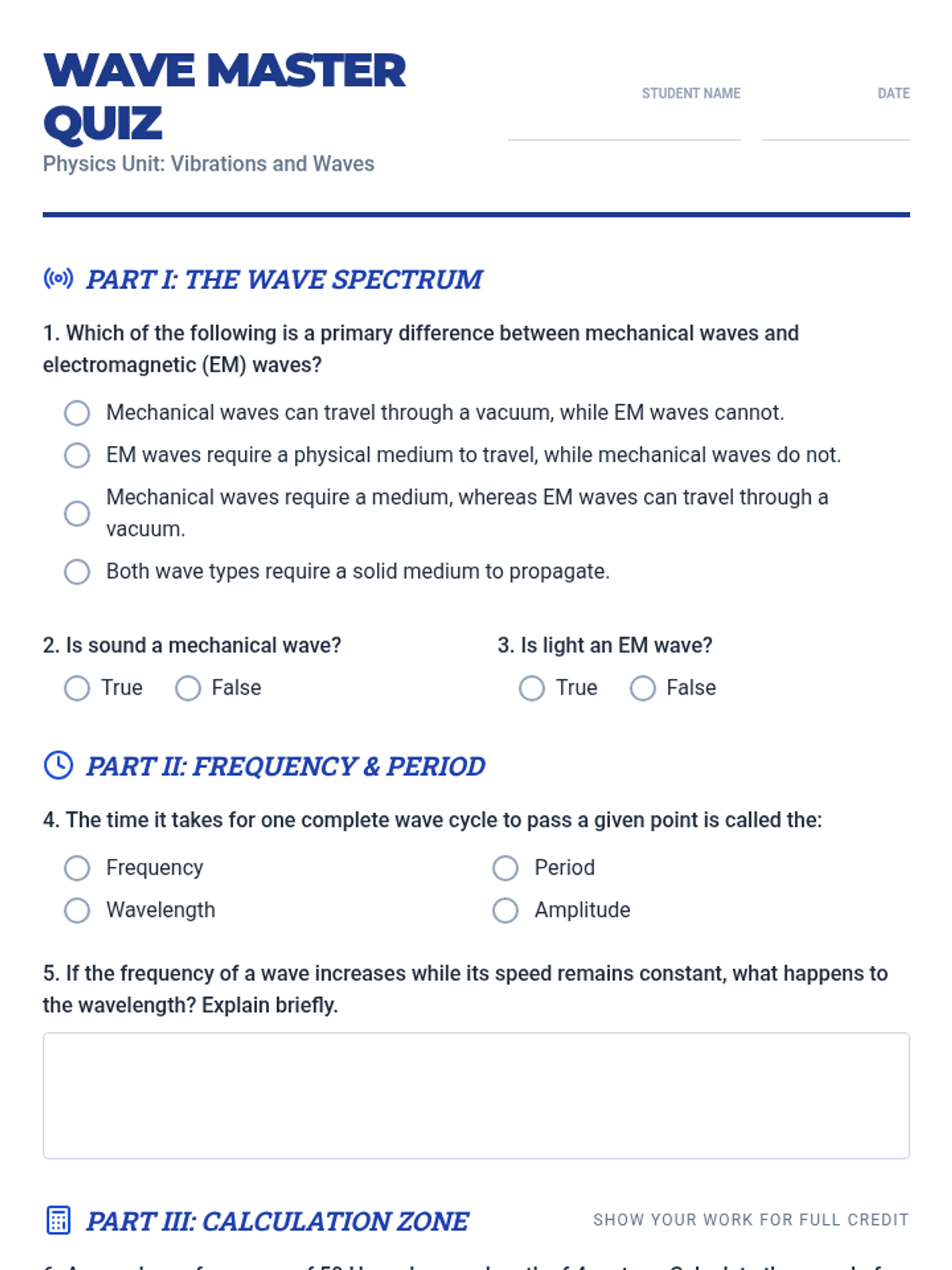
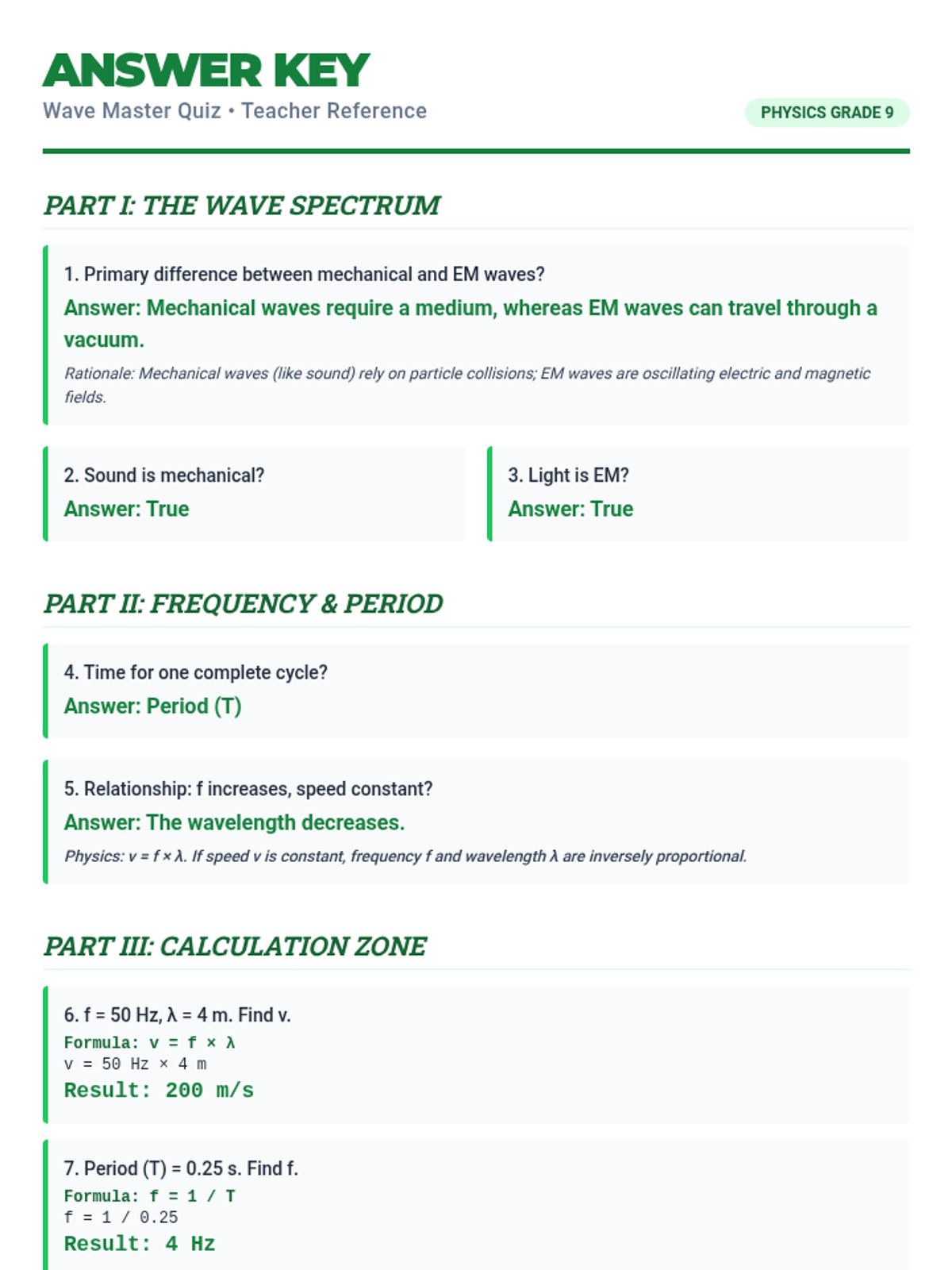
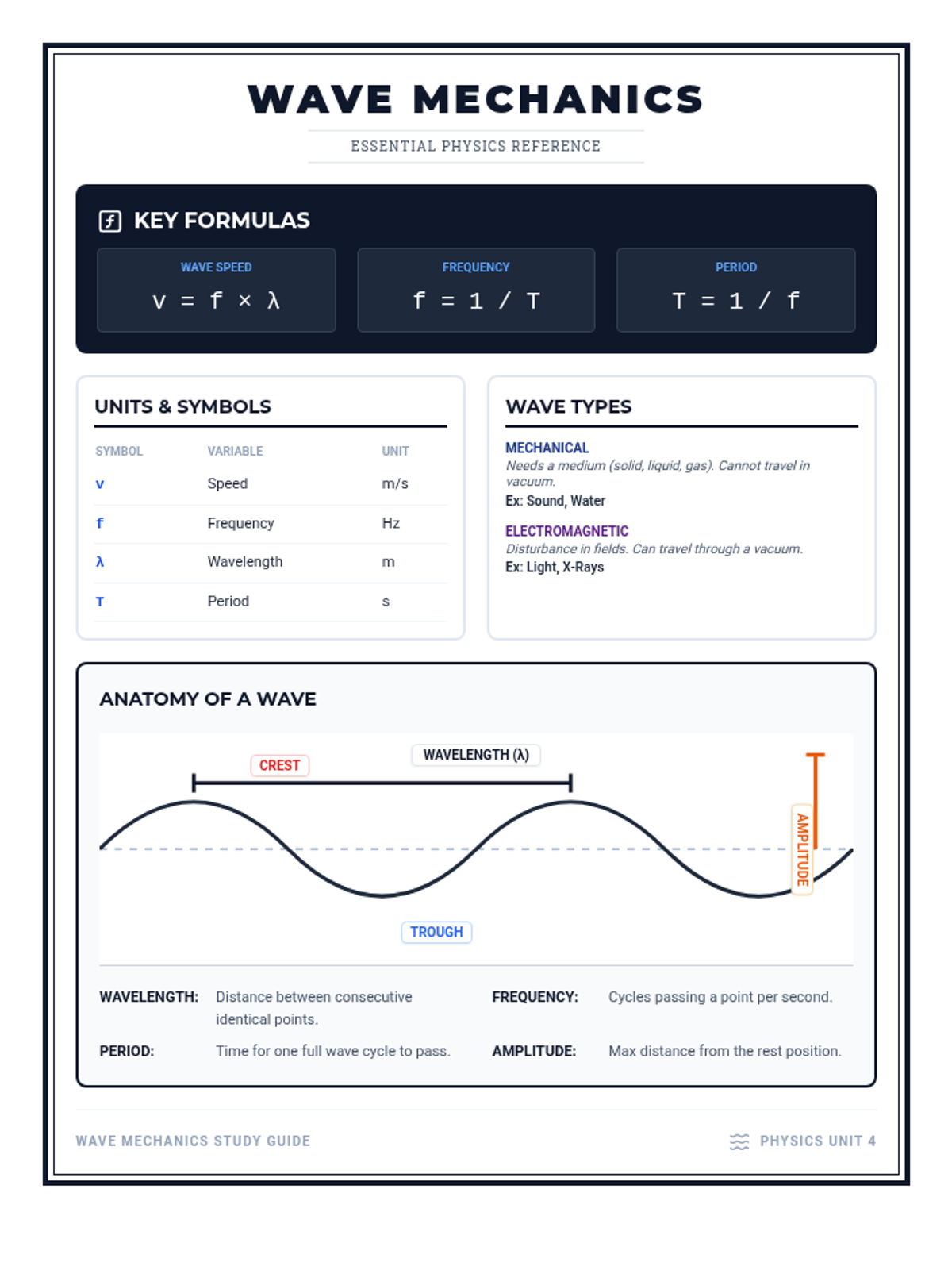
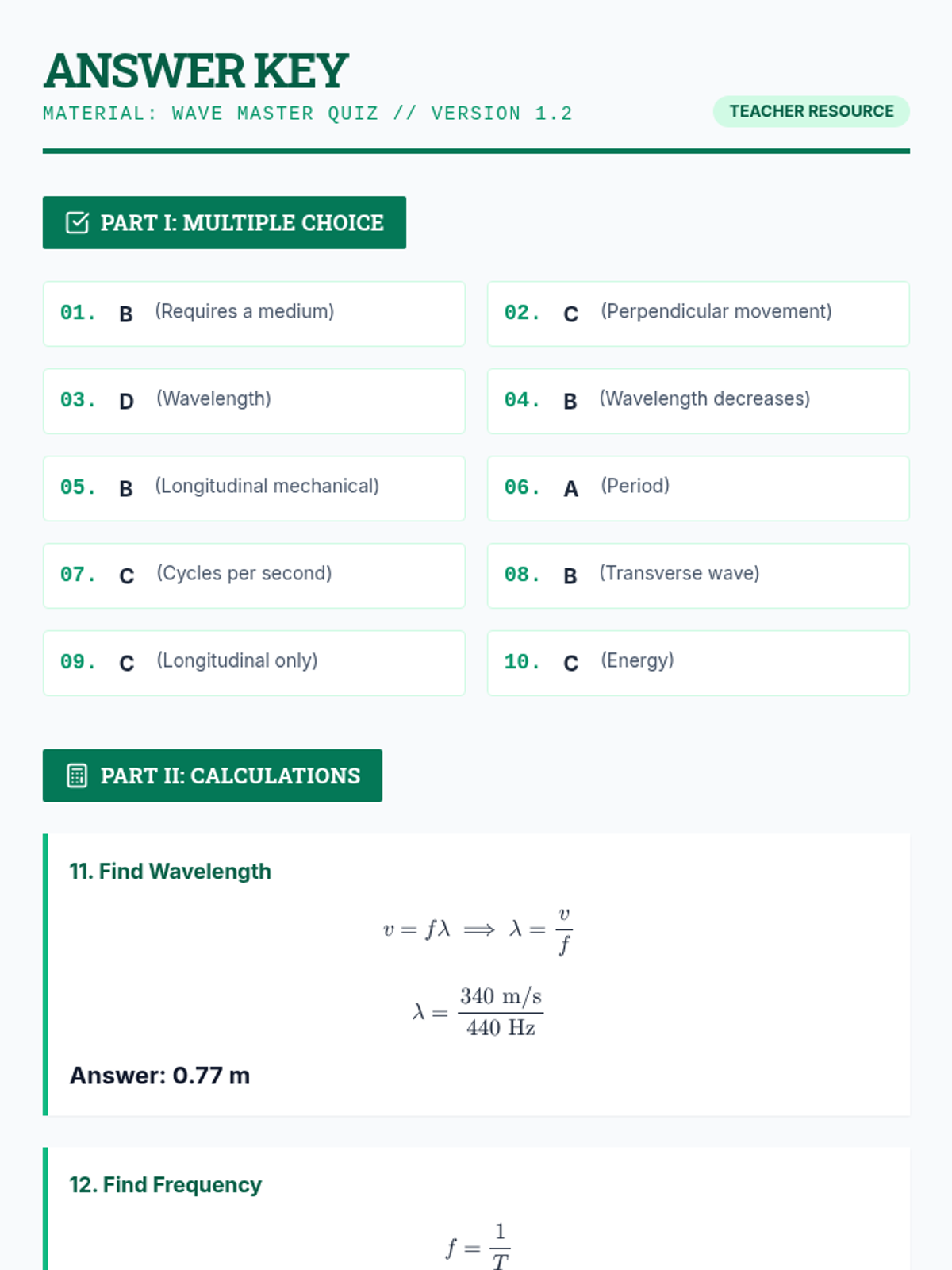
A comprehensive assessment and reference set covering mechanical and electromagnetic waves, including mathematical calculations for frequency, period, and speed.
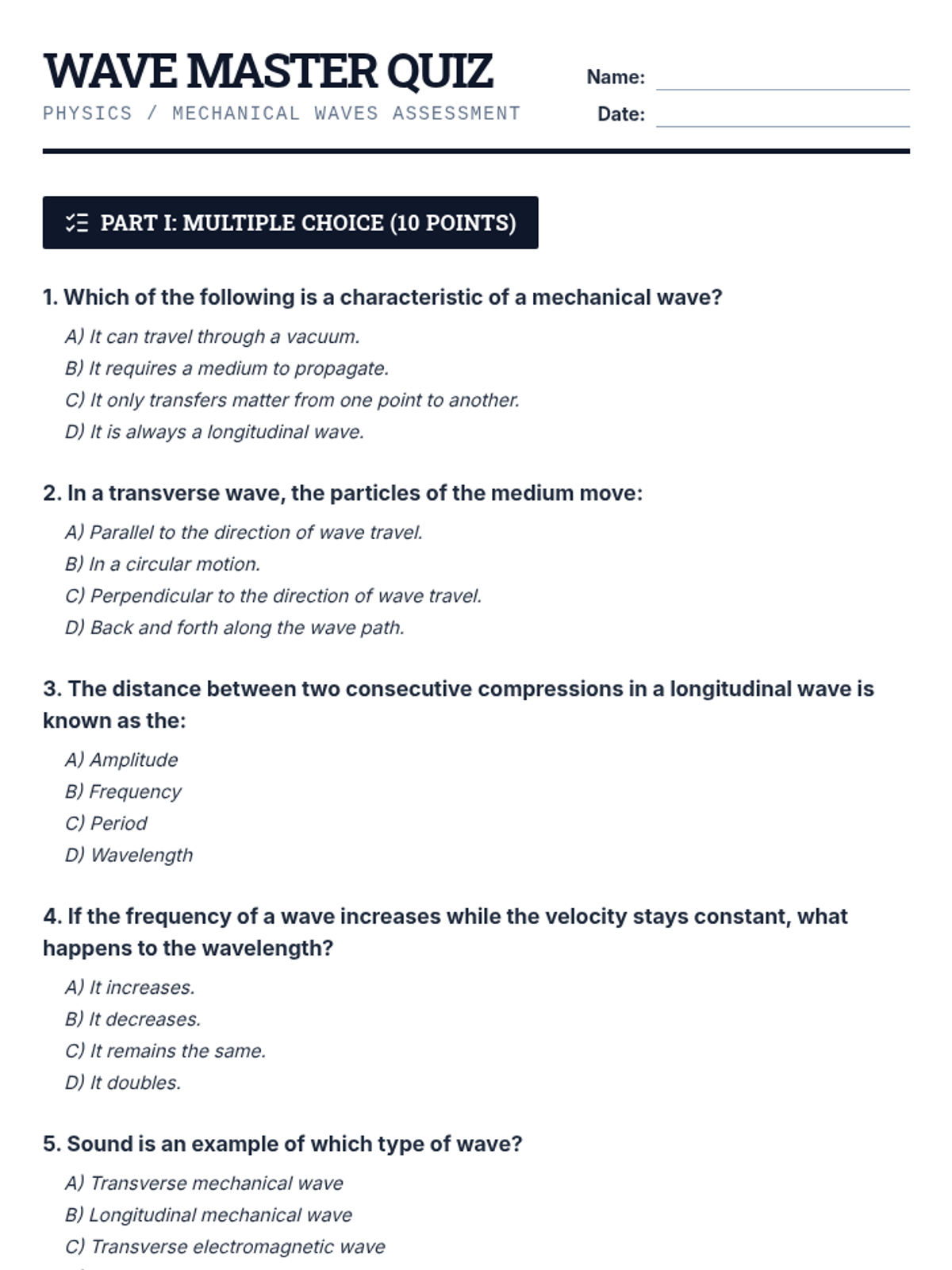
A focused lesson on the fundamental properties of mechanical waves, covering transverse and longitudinal types, and the mathematical relationships between velocity, frequency, wavelength, and period.
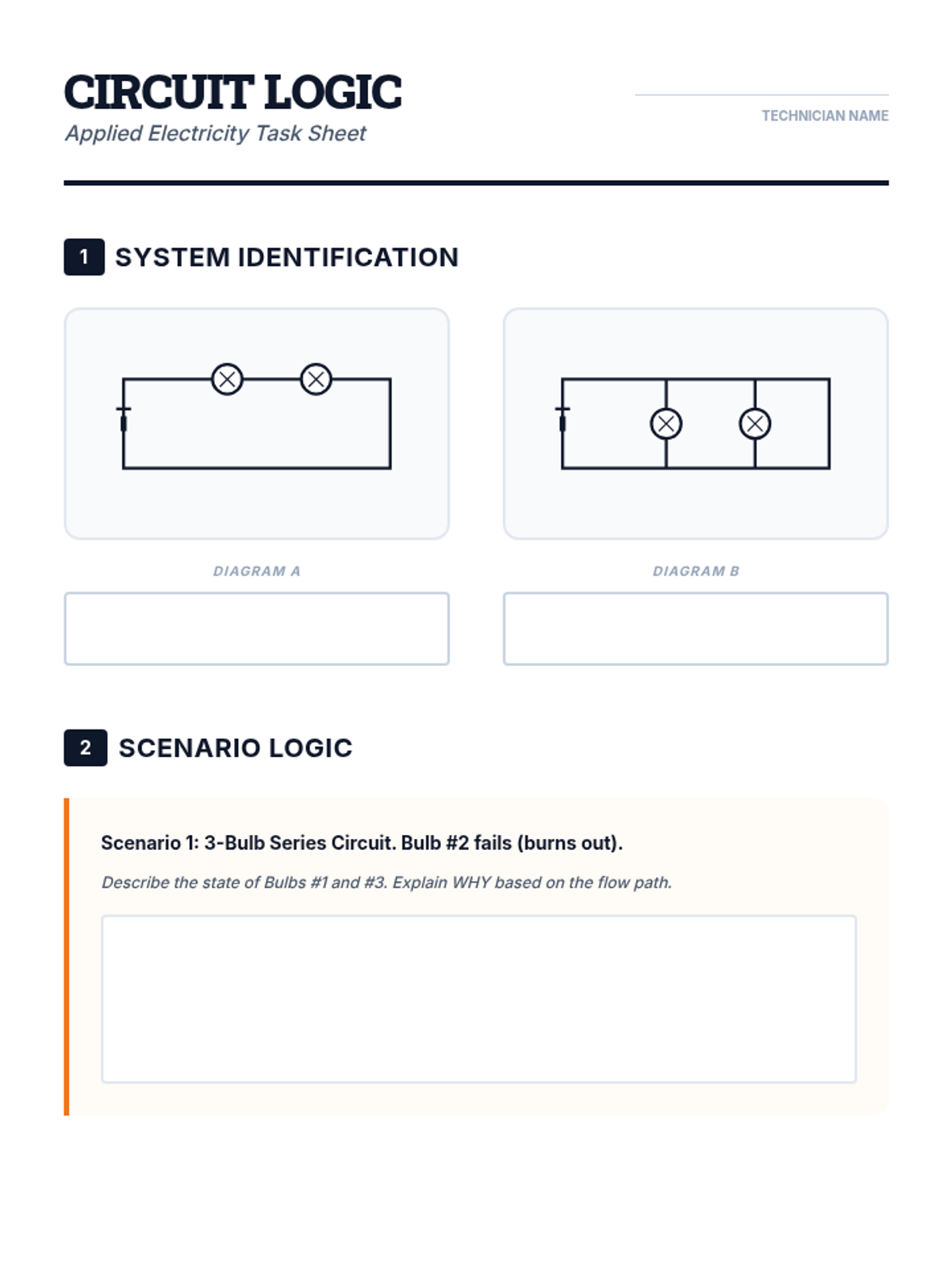
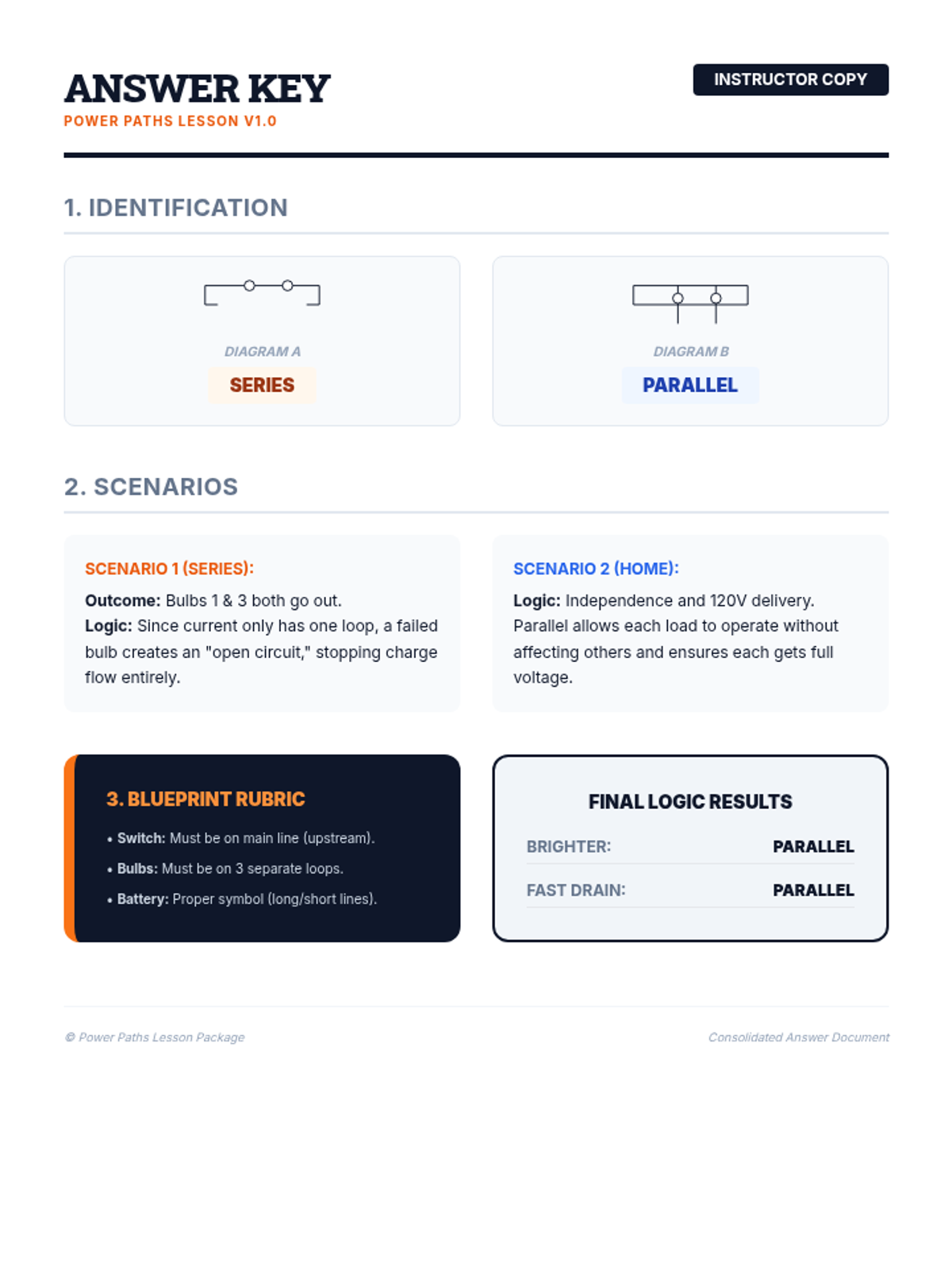
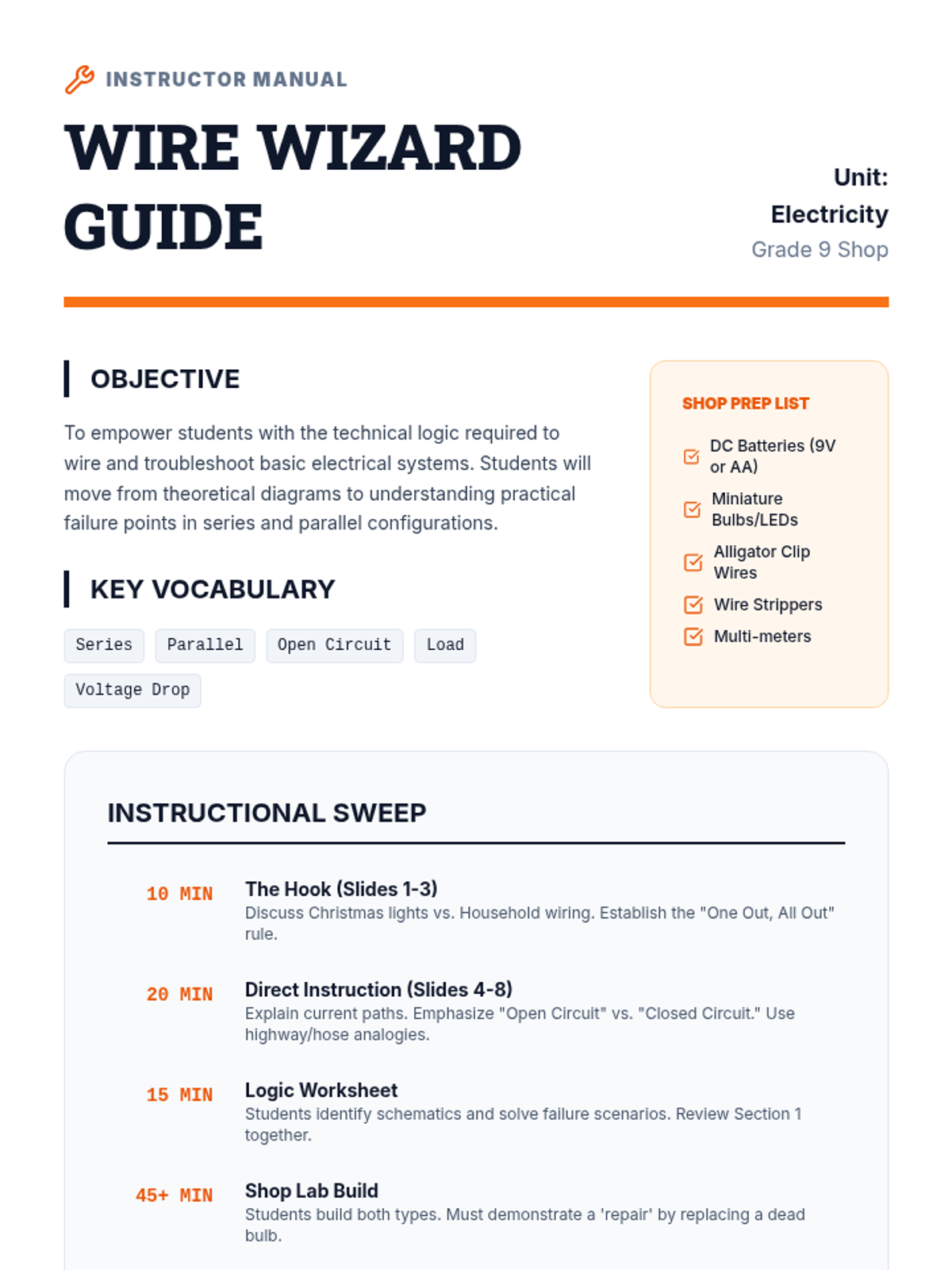
A practical introduction to electrical circuits for shop students, focusing on the fundamental differences between series and parallel configurations and their real-world applications in wiring.
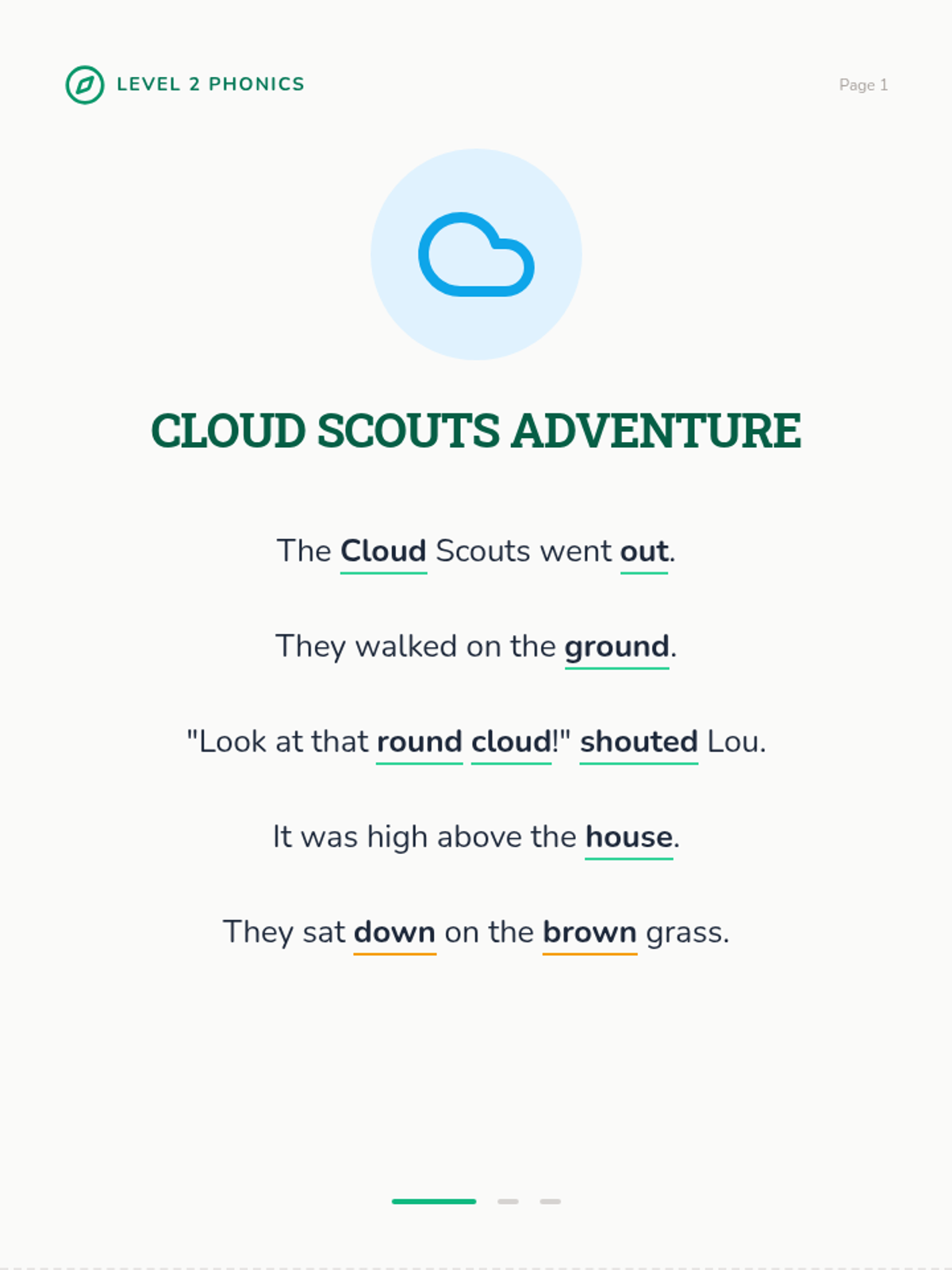
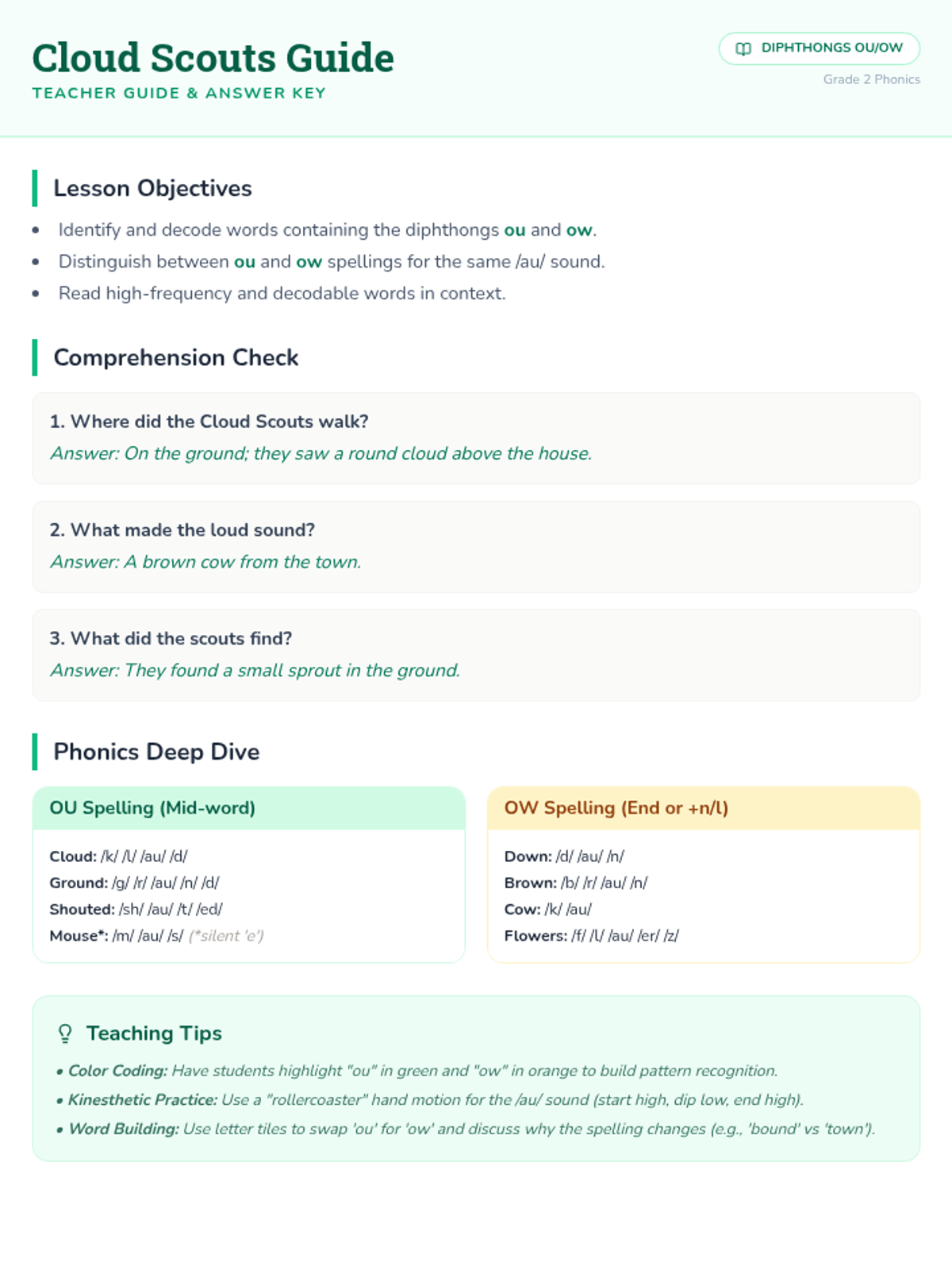
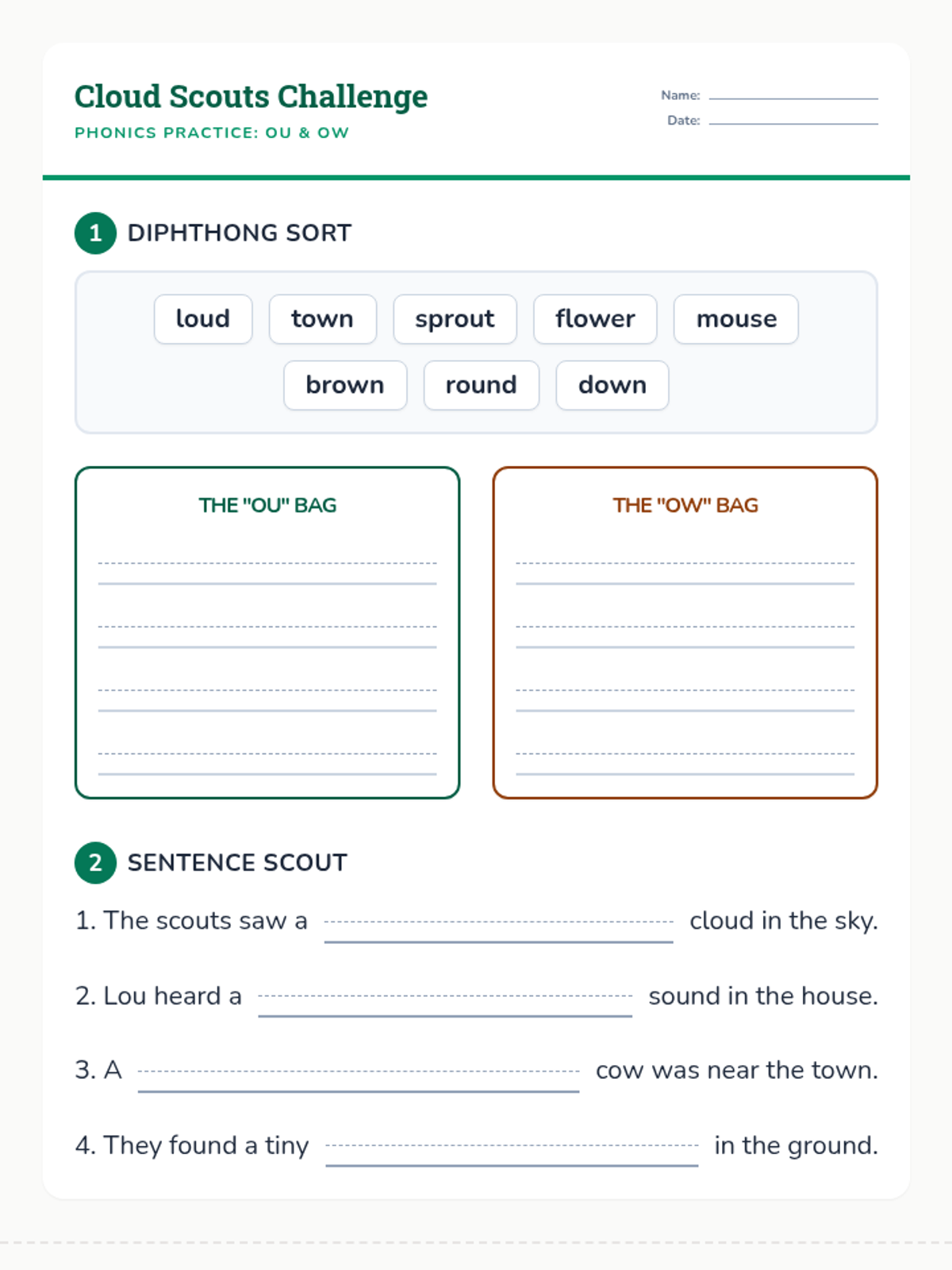
A phonics lesson for 2nd graders focusing on the diphthongs 'ou' and 'ow', specifically emphasizing the /au/ sound as in 'cloud' and 'town'.
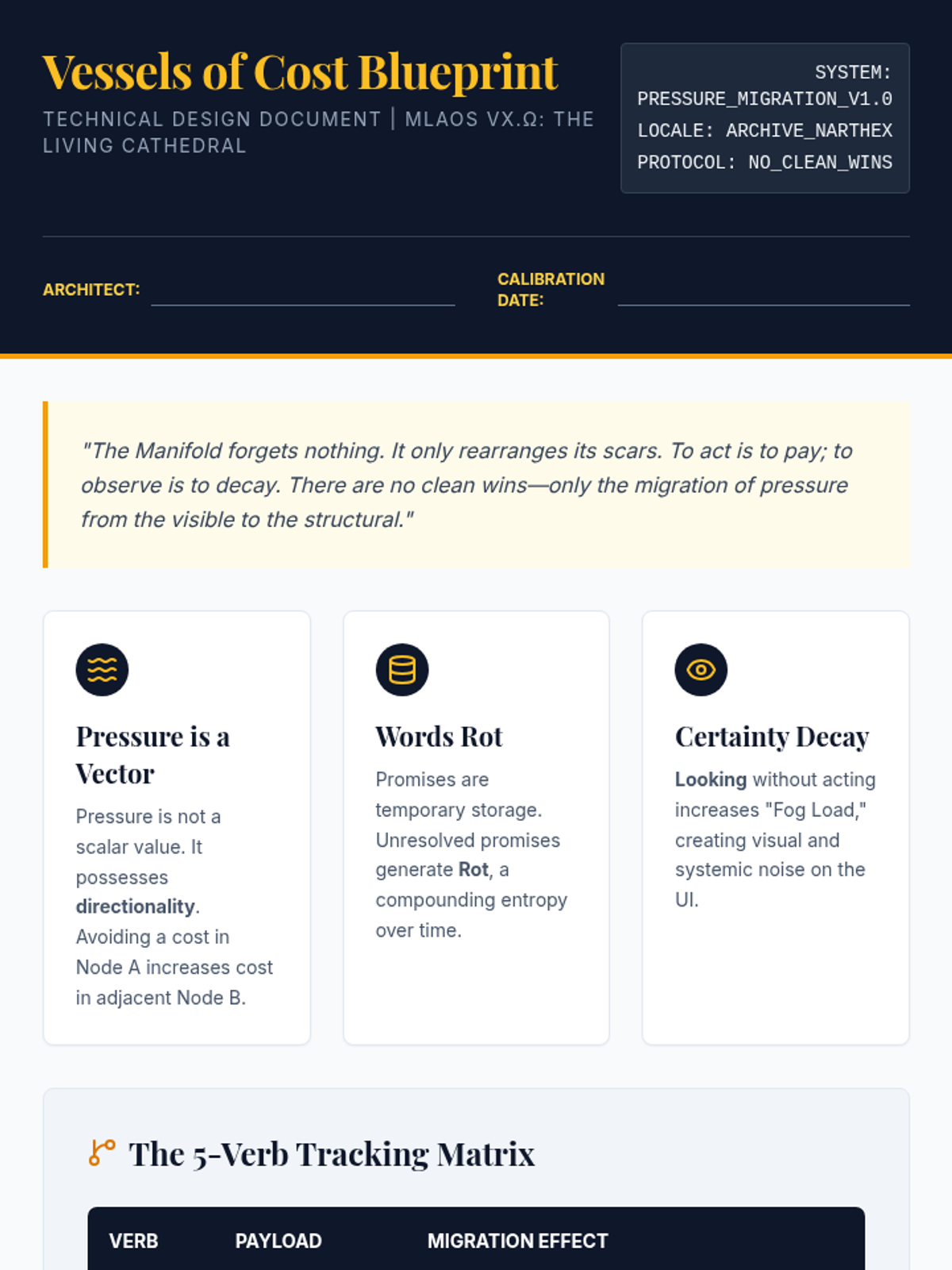
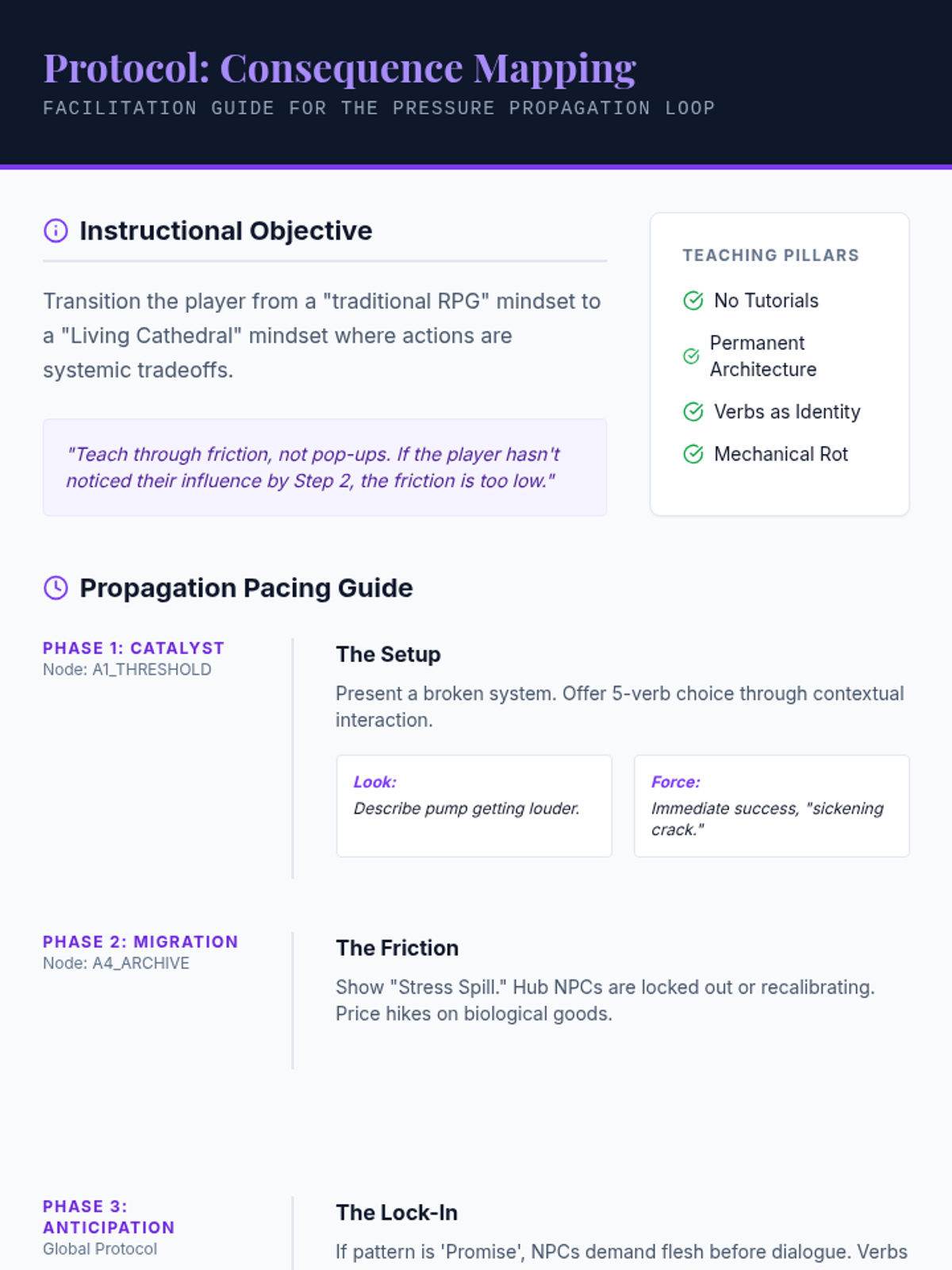
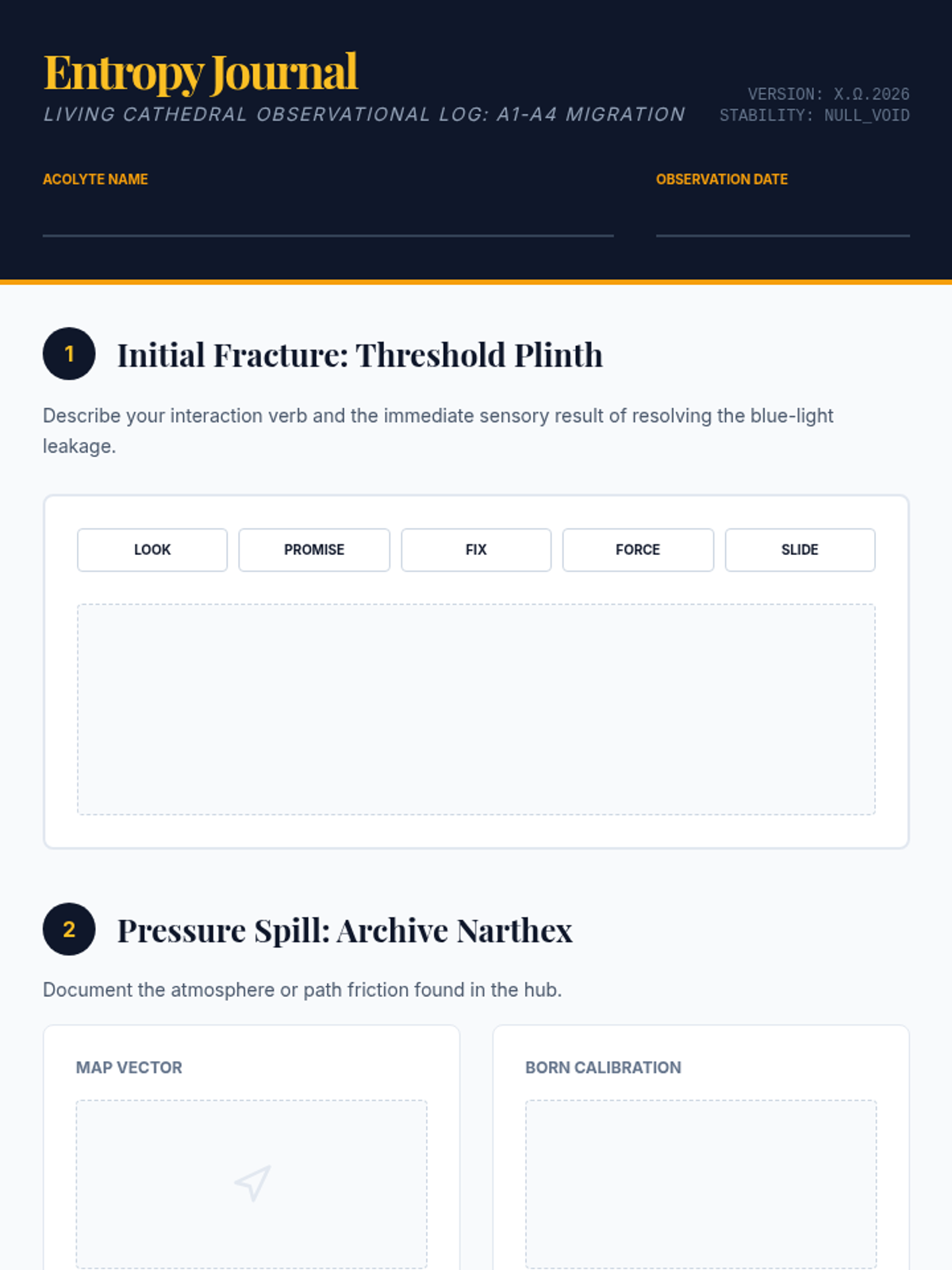
A technical exploration into the 'Pressure Propagation Loop' for the MLAOS vX.Ω prototype. This lesson covers the invisible tracking of player verbs and the architectural migration of consequence within a living system.
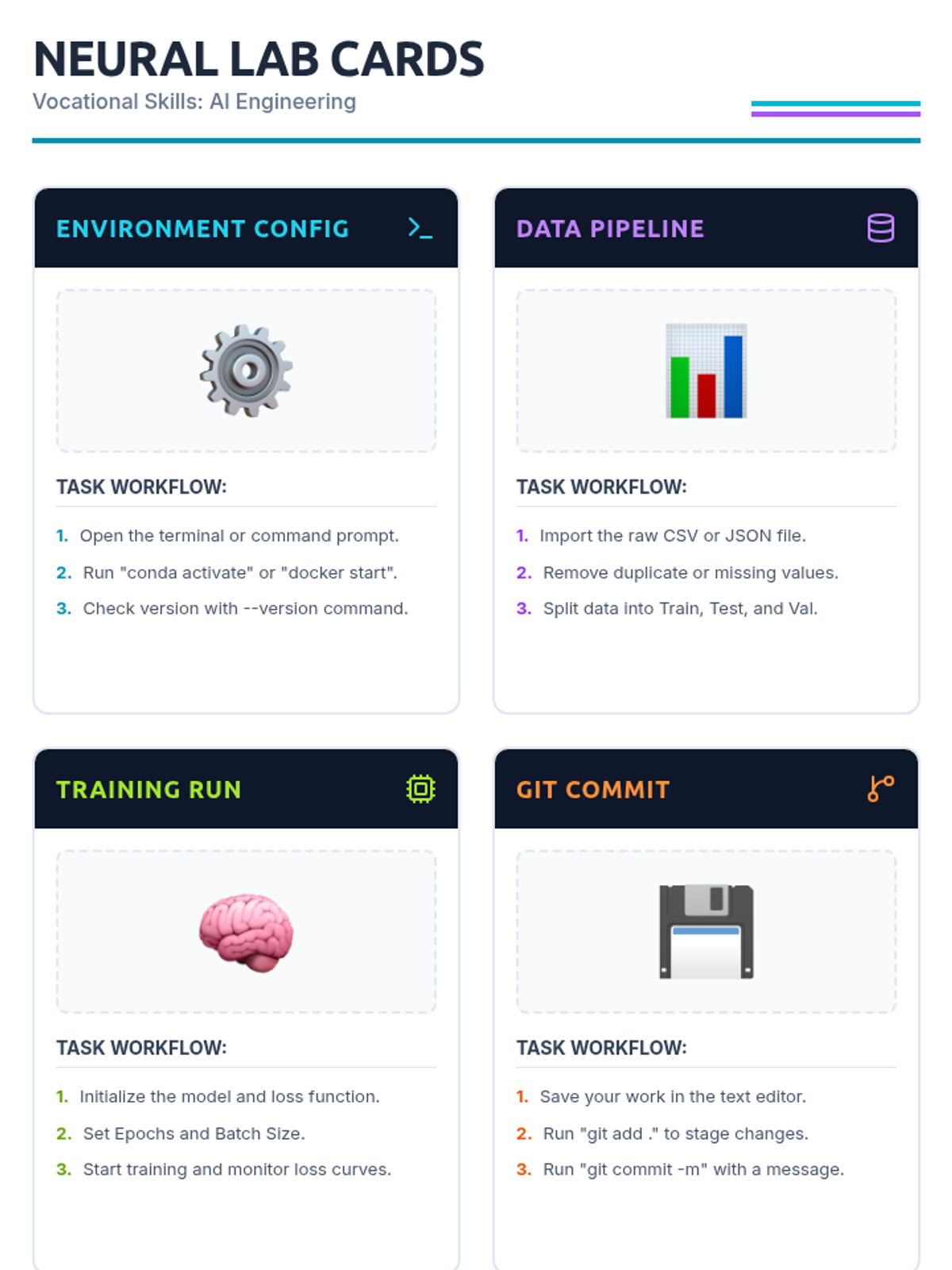
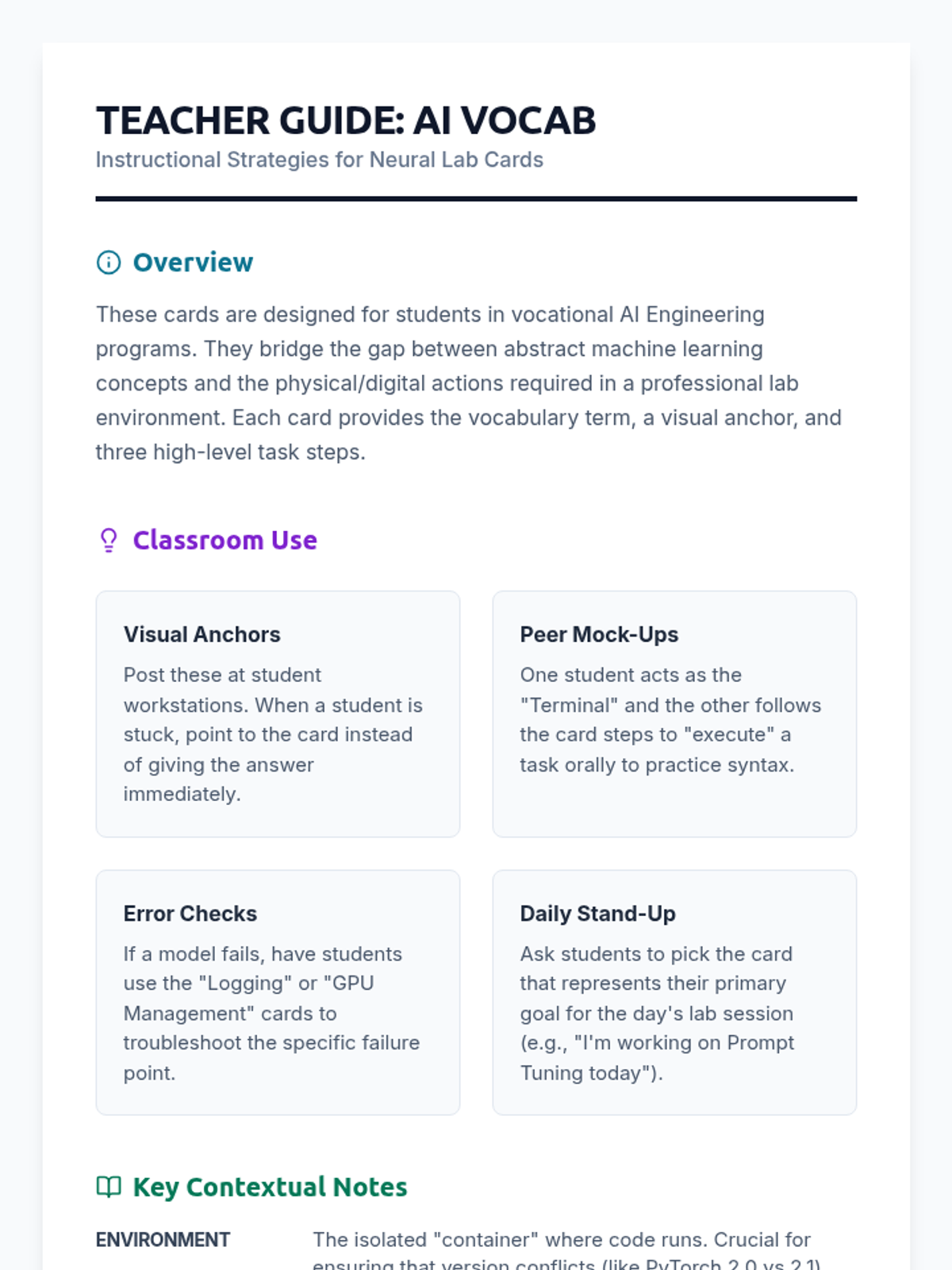
This lesson introduces foundational vocational skills for aspiring AI engineers, focusing on the practical steps required to manage environments, data, and models in a professional setting.
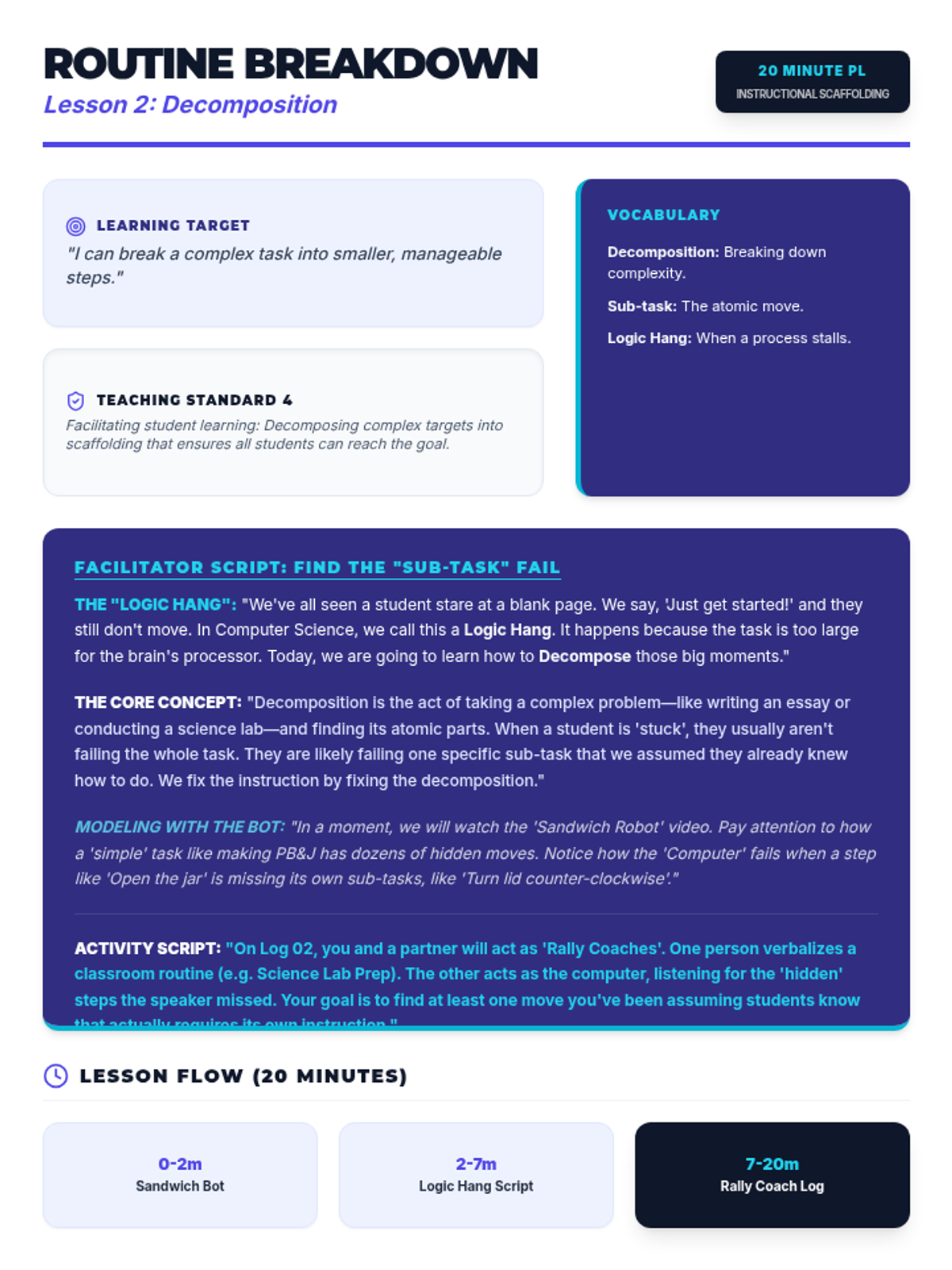
Teachers learn to break complex tasks into smaller, manageable steps using classroom routines and Iowa Core standards as examples.
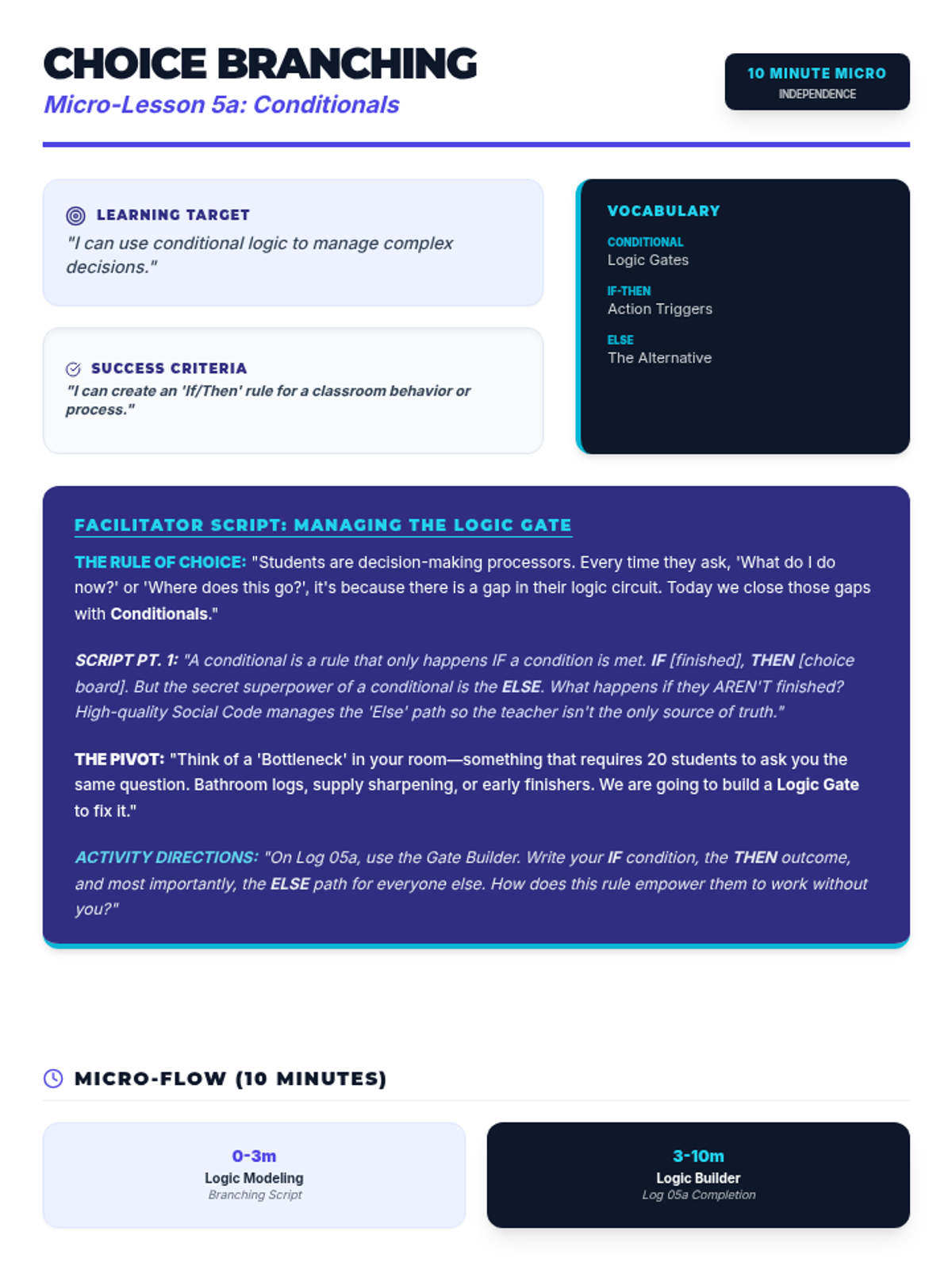
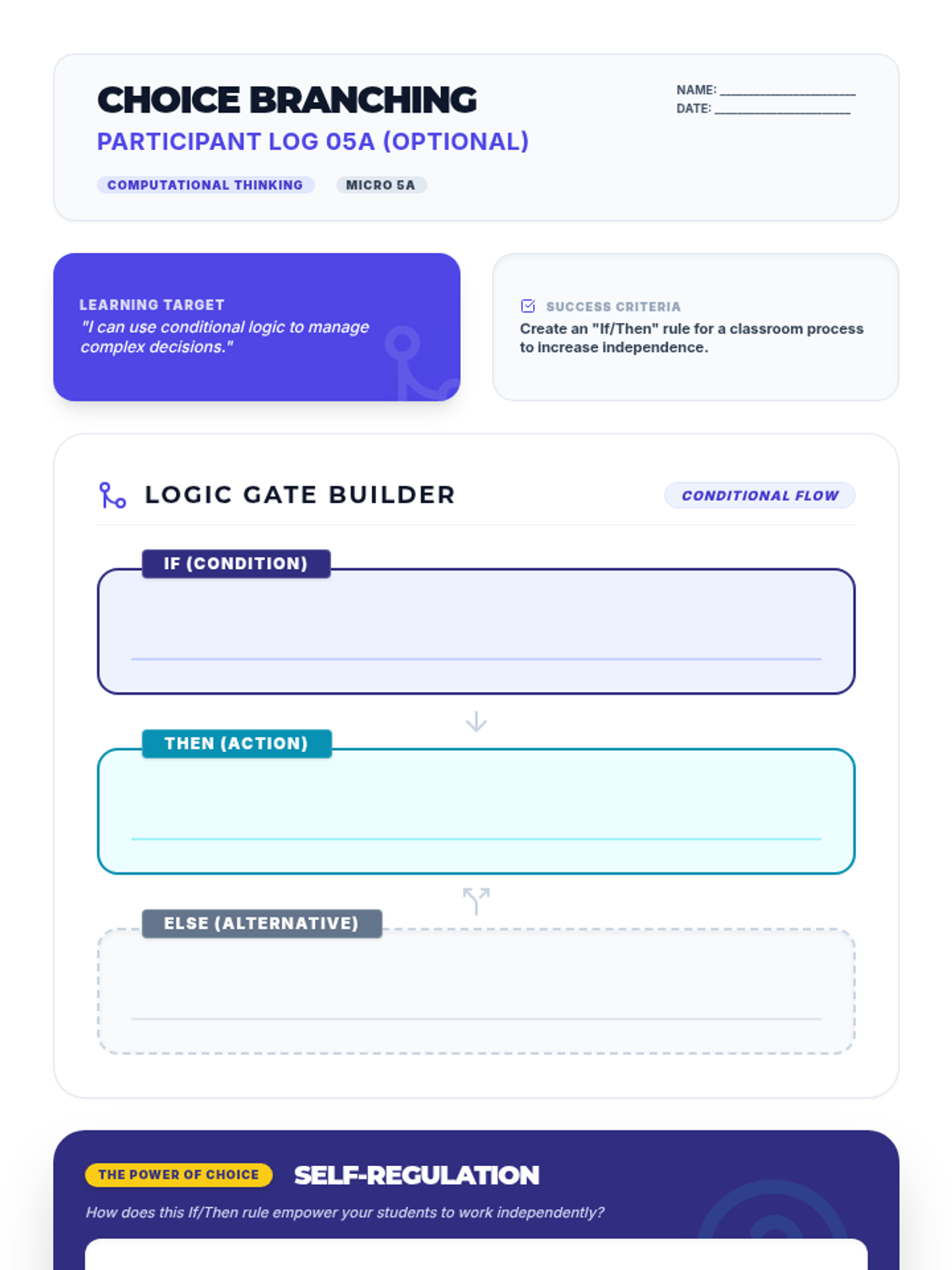
An optional micro-lesson on using If/Then logic to simplify classroom decision-making and manage complex processes. Pairs with Lesson 5 (Algorithmic Thinking).
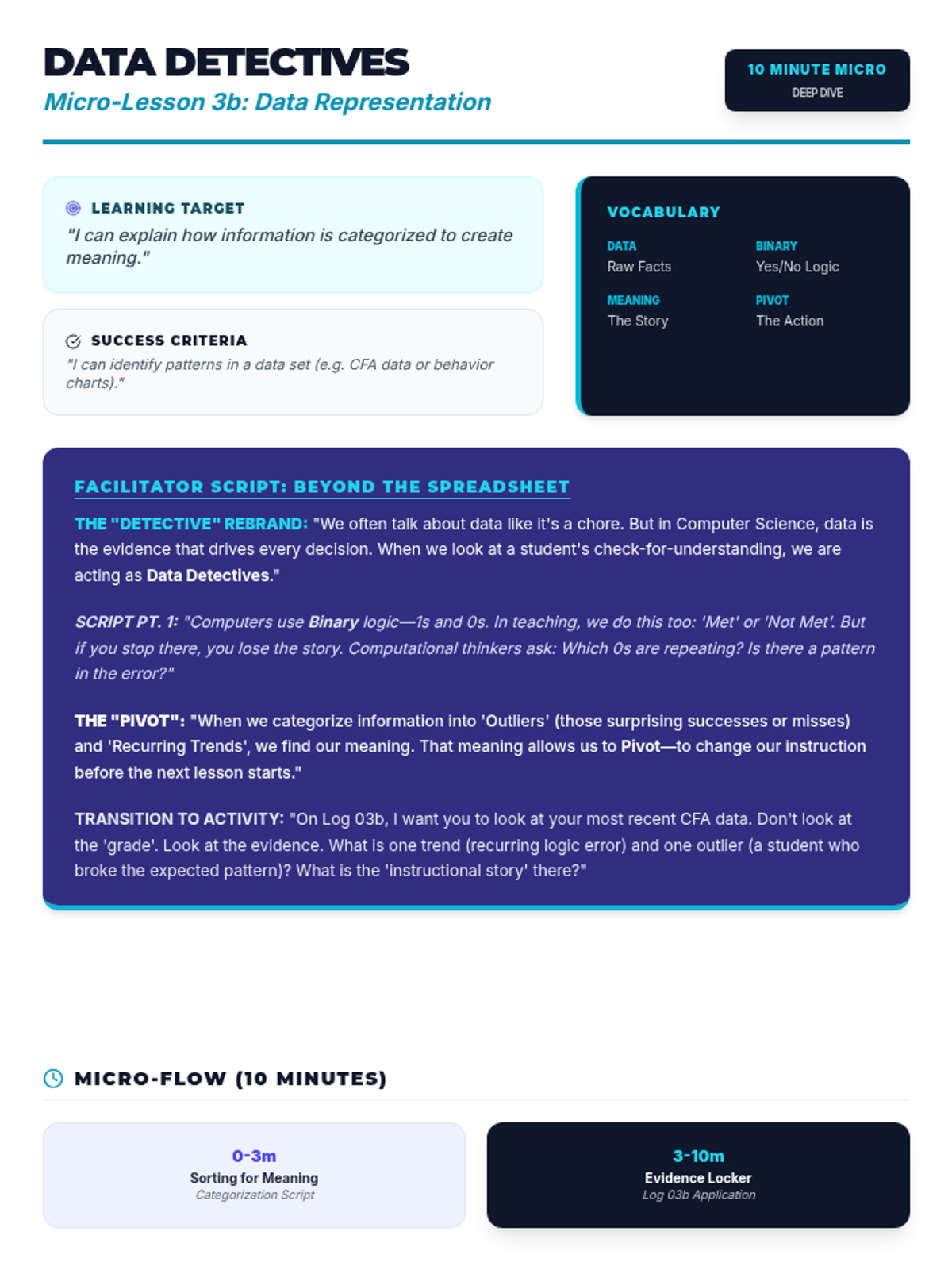
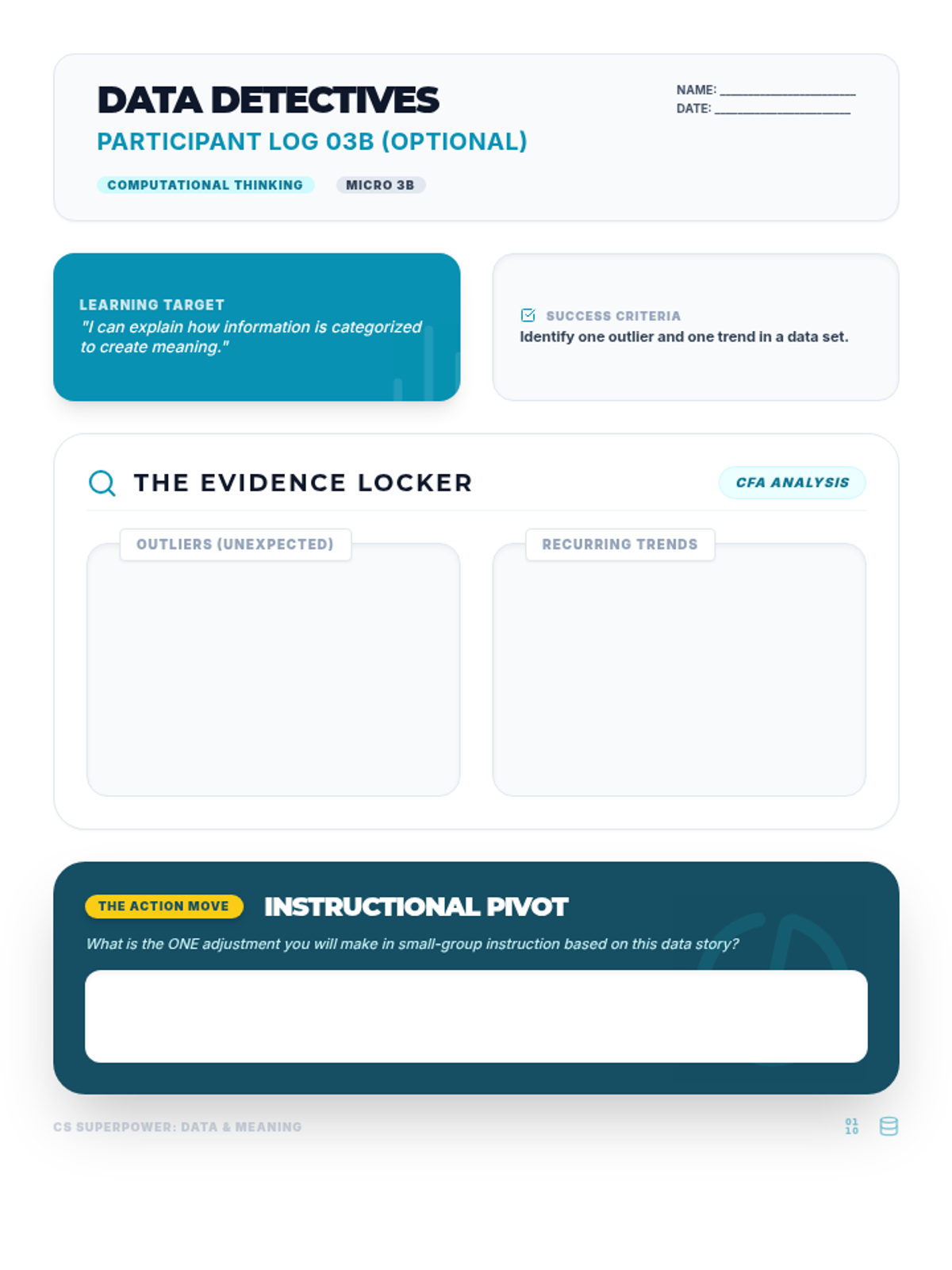
An optional micro-lesson exploring how data is categorized to create meaning and drive instructional decisions. Pairs with Lesson 3 (Pattern Recognition).
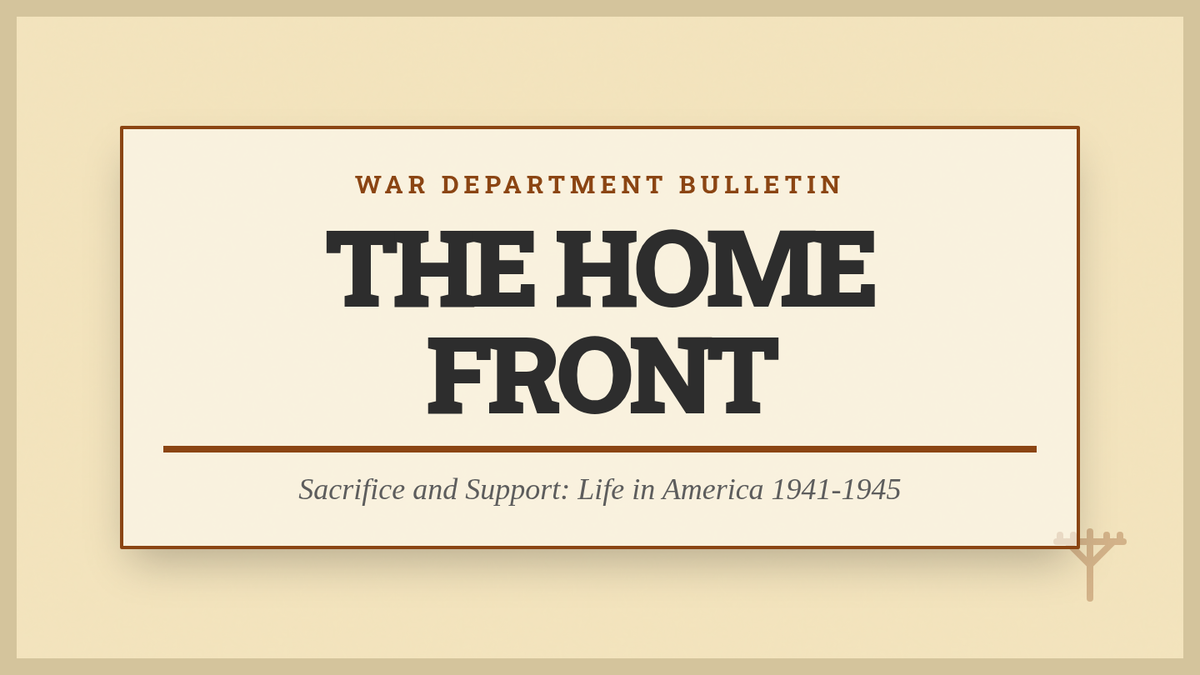
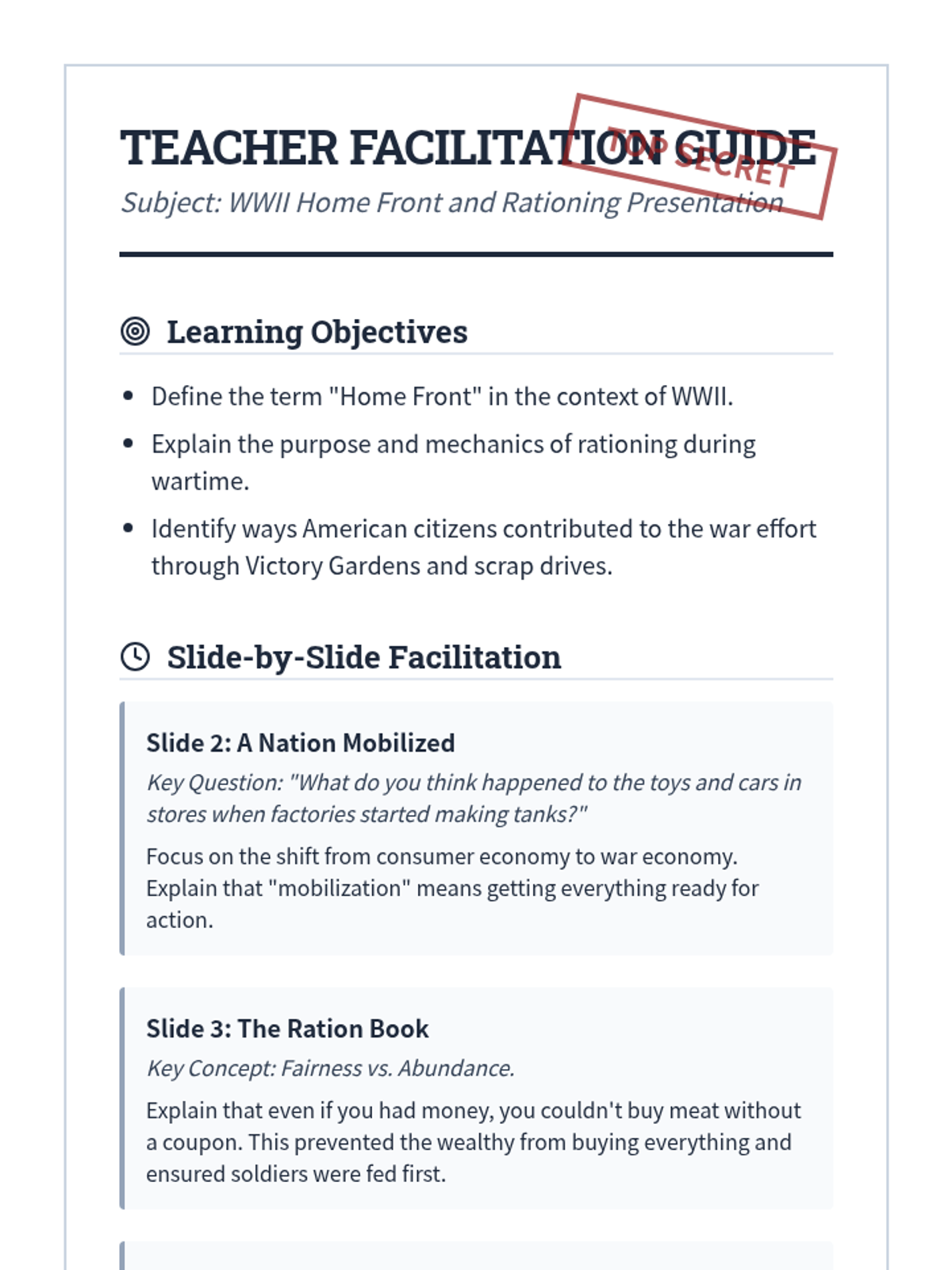
An exploration of life in America during World War II, focusing on how rationing, Victory Gardens, and community efforts supported the war from home.
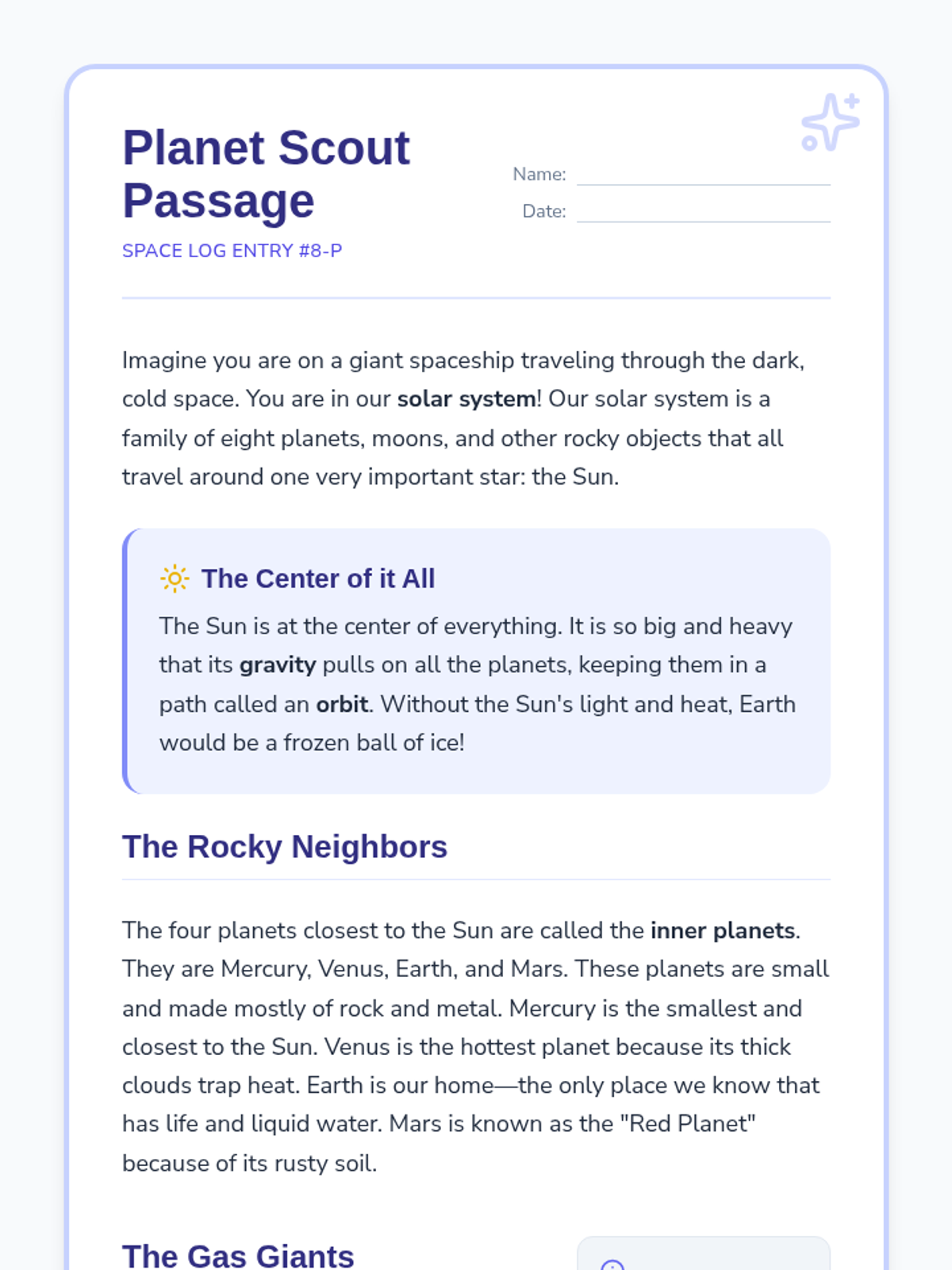
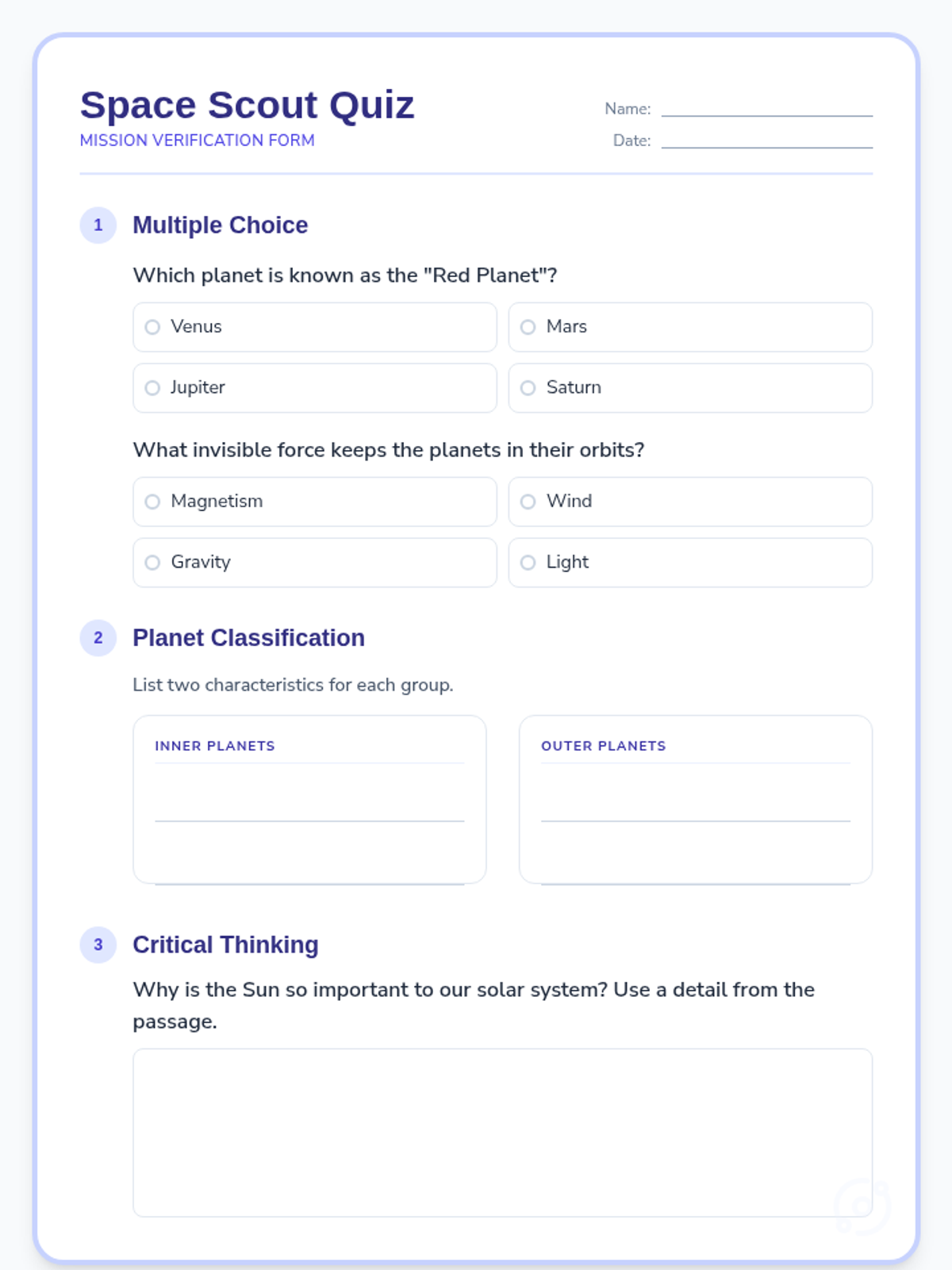
Students explore the eight planets of our solar system, learning about their unique characteristics and the forces that keep them in orbit.
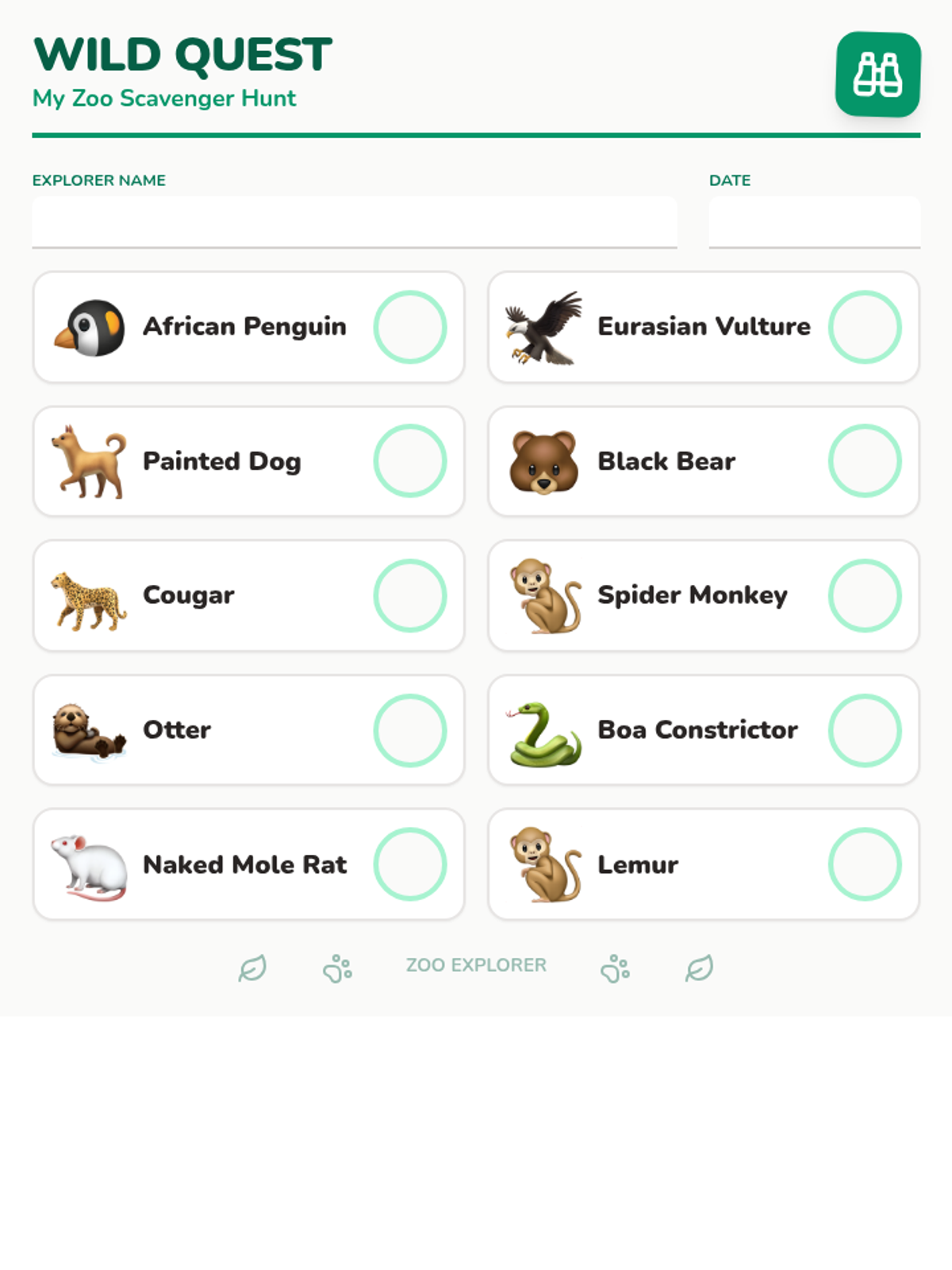
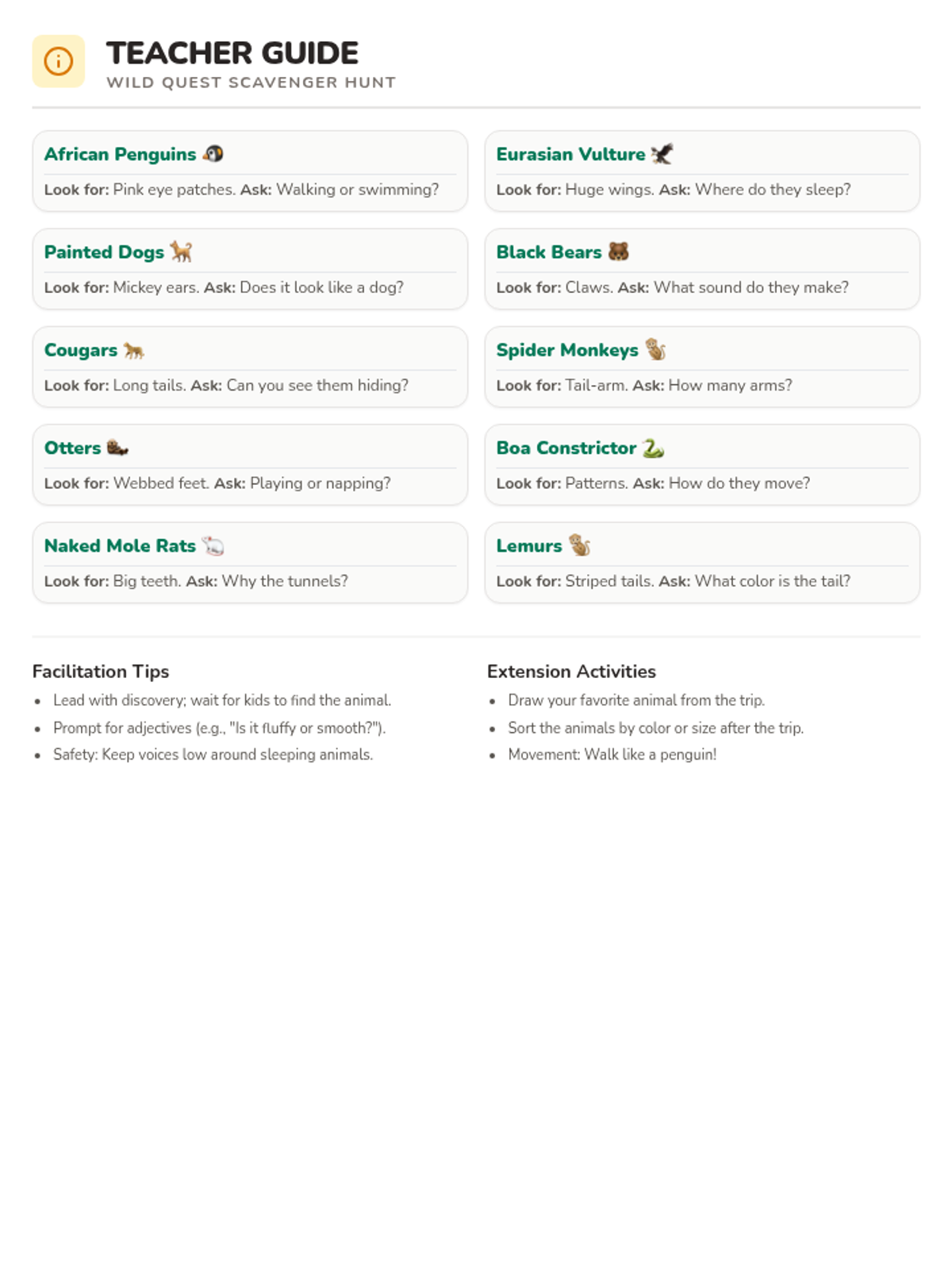
A fun, visual zoo scavenger hunt designed for Pre-K students to identify and observe specific animals during a field trip.
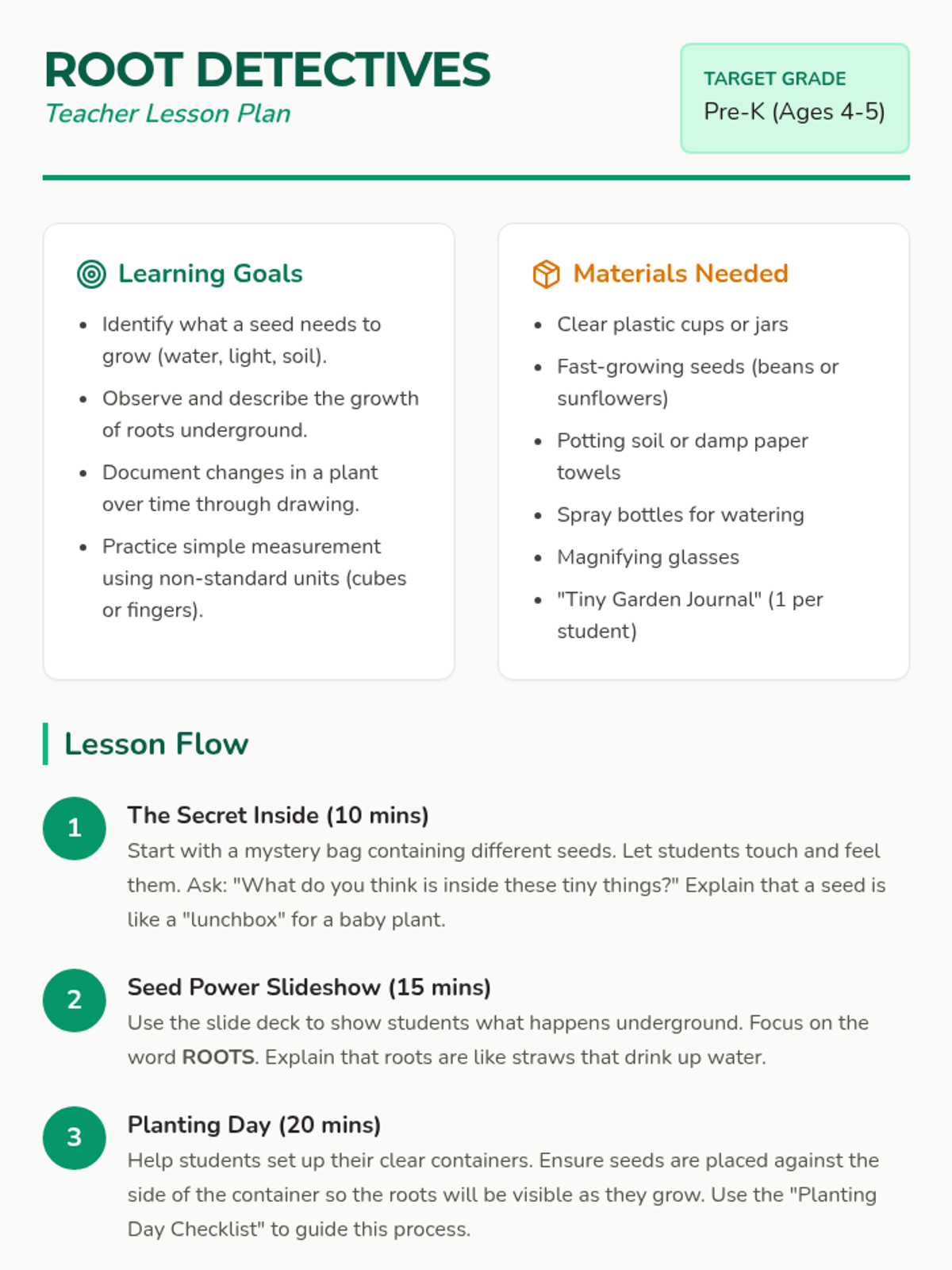
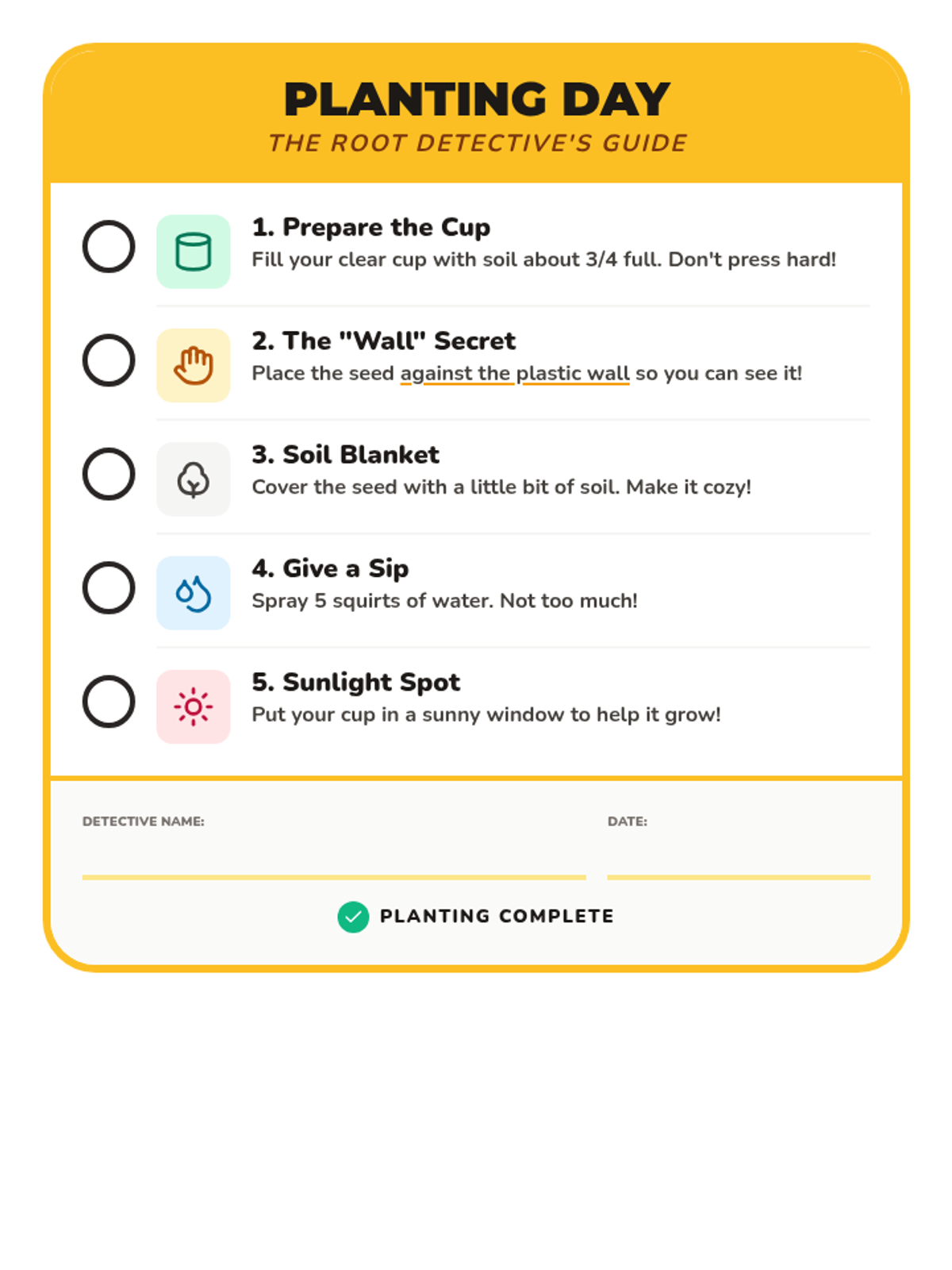
A hands-on botany lesson where Pre-K students plant seeds in clear containers to observe root growth and learn about the life cycle of plants through daily journaling.
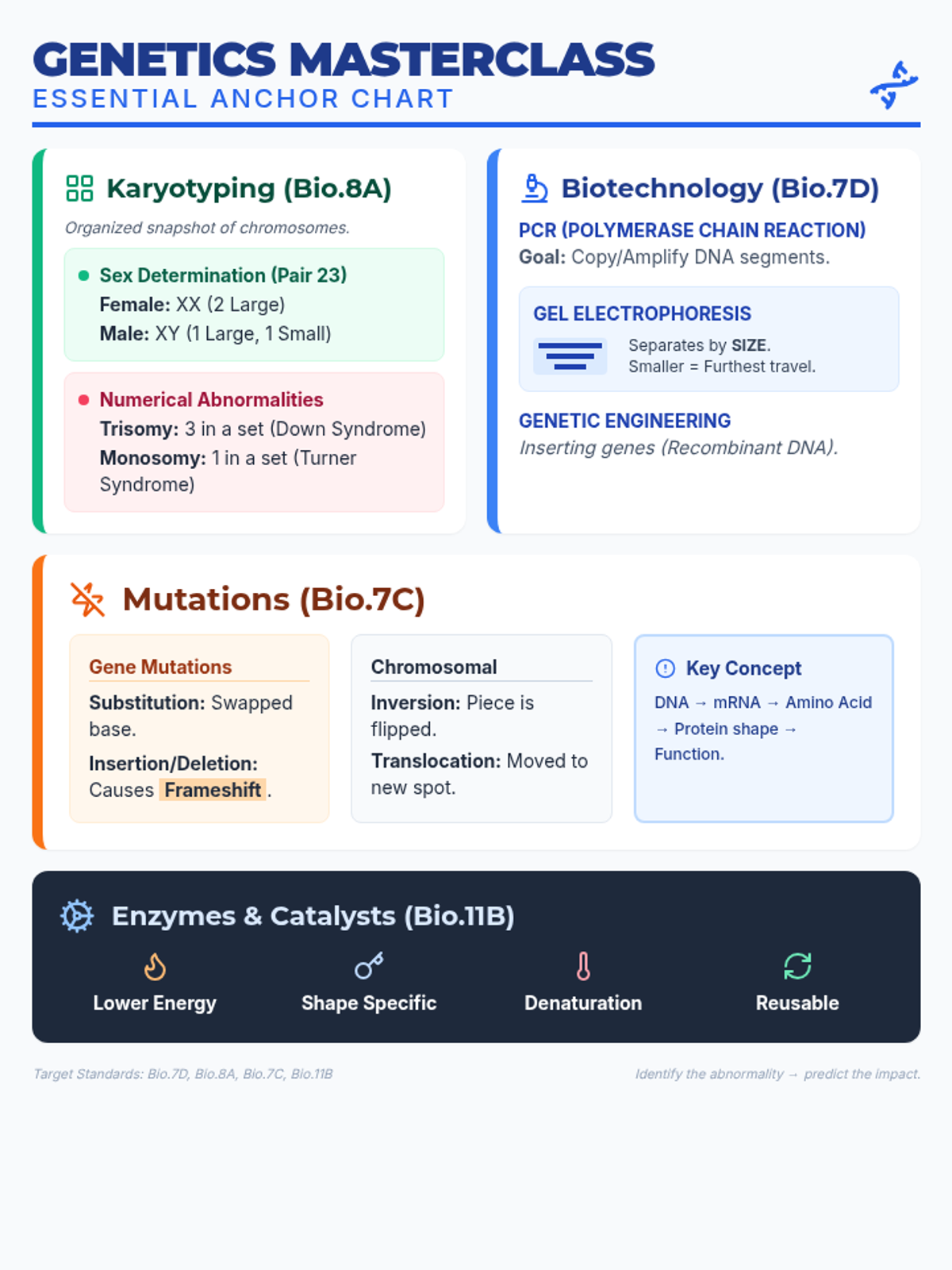
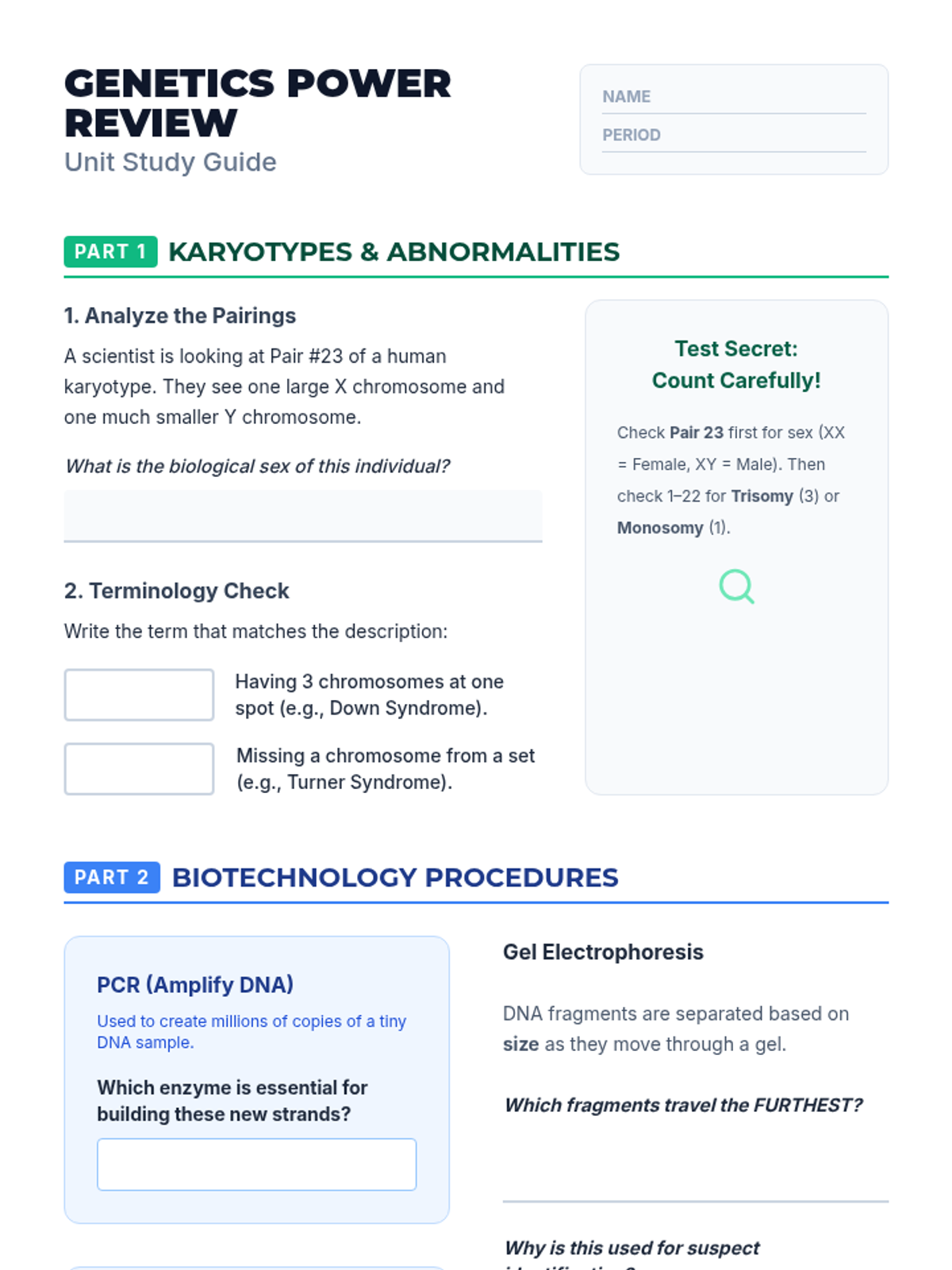
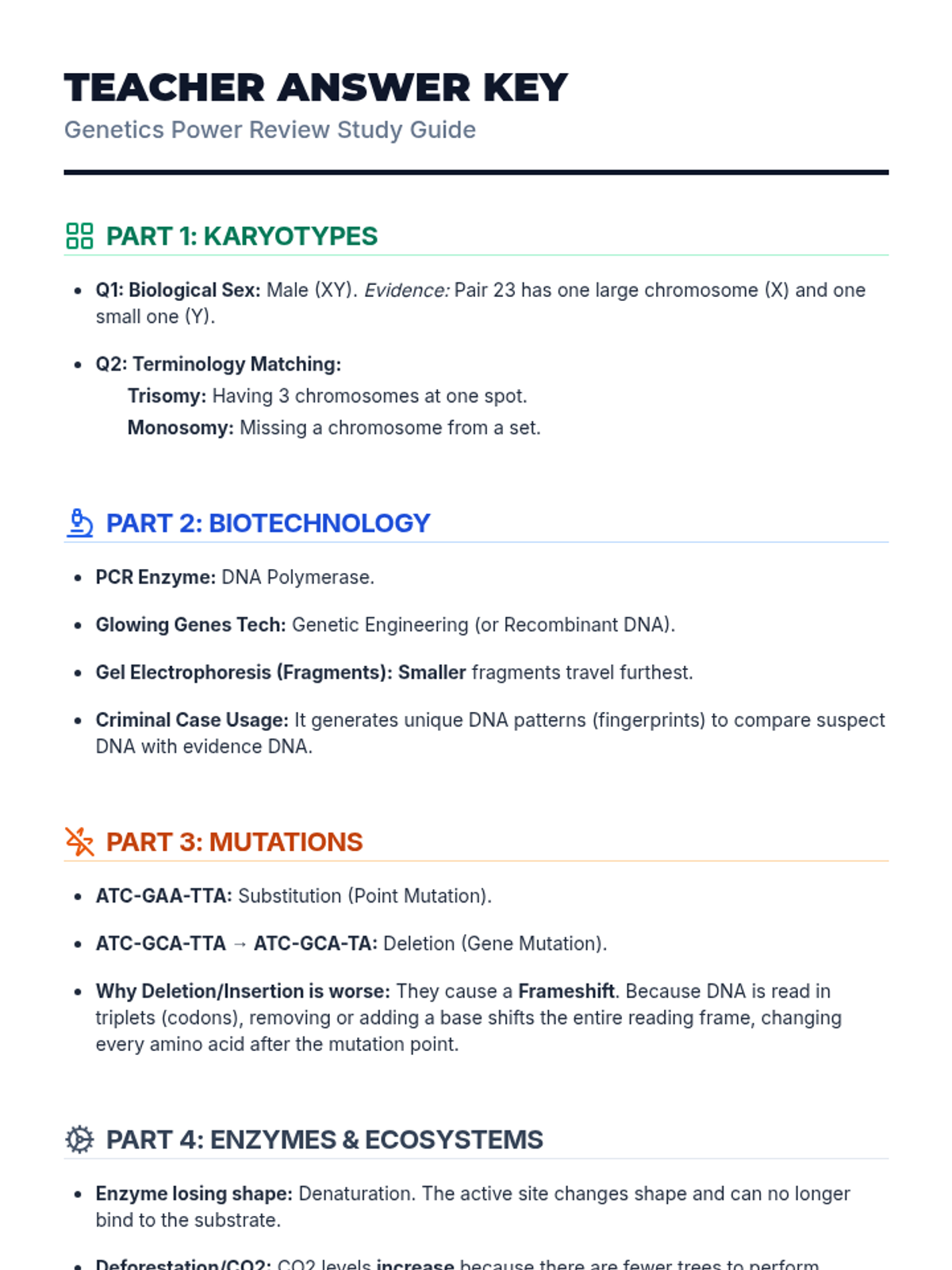
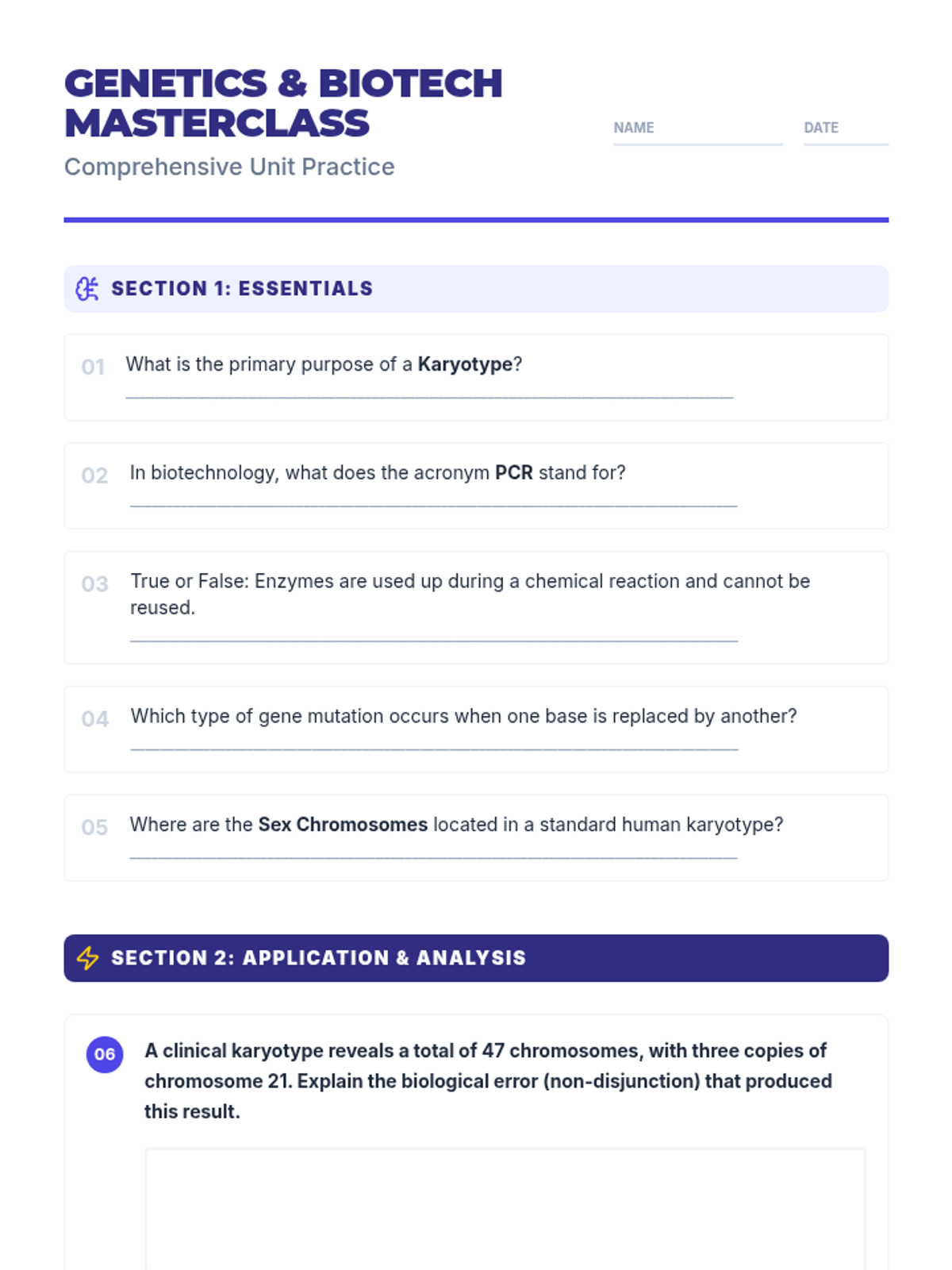
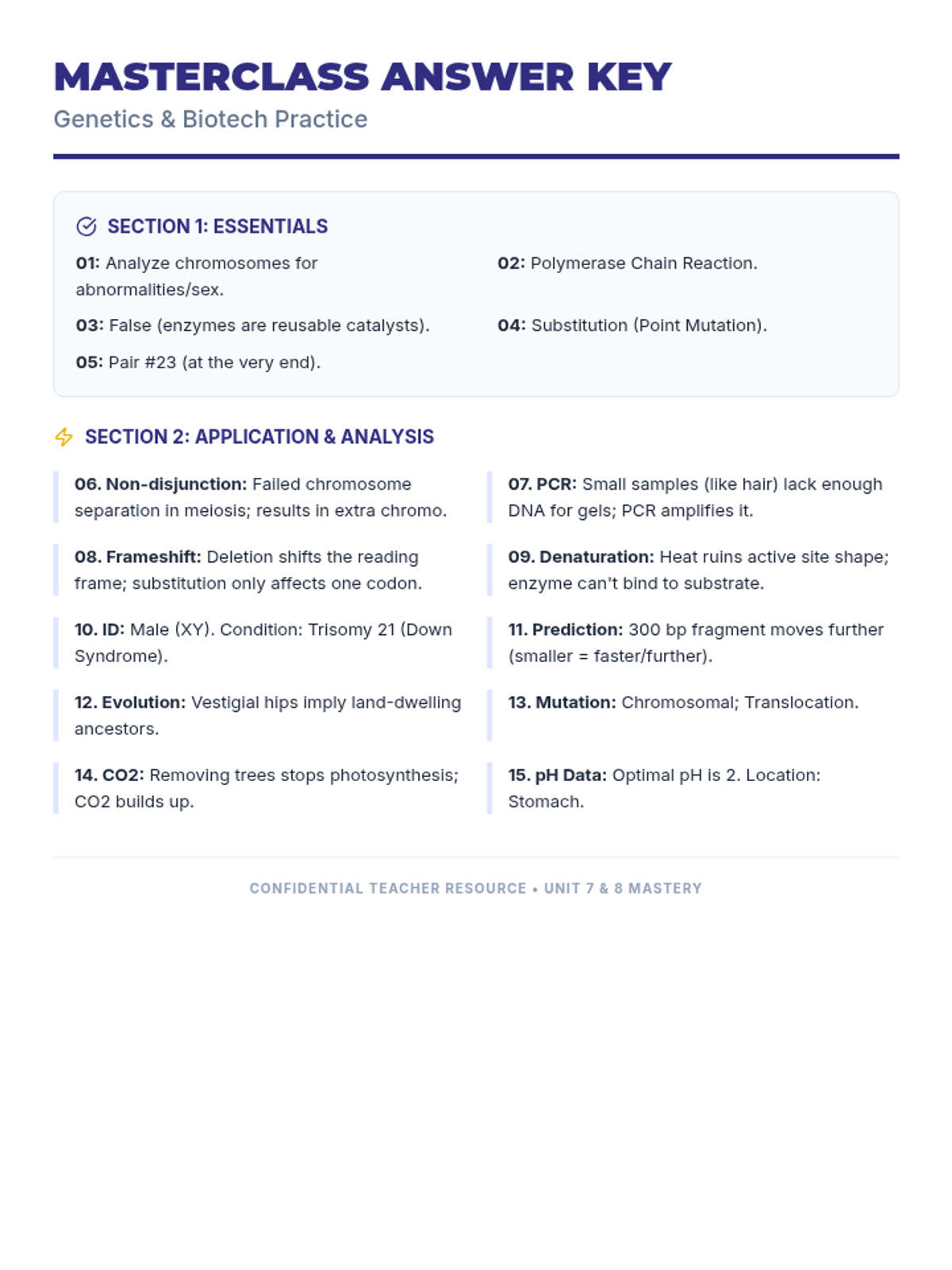
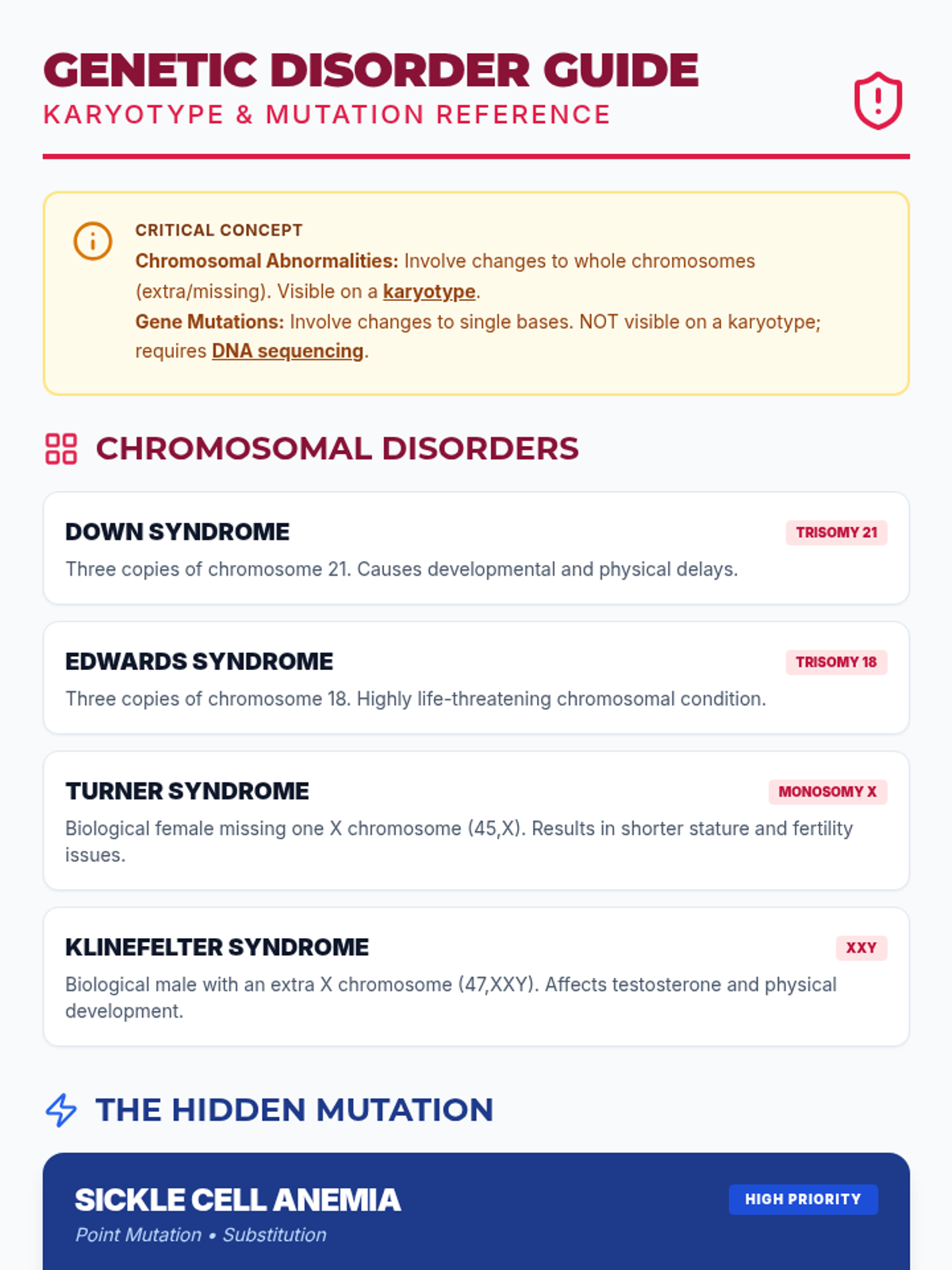
A high-impact review lesson designed to help students master the essential concepts of Karyotyping, Biotechnology (PCR/Gel Electrophoresis), and Mutations before their unit test. Includes visual anchor charts and structured practice.
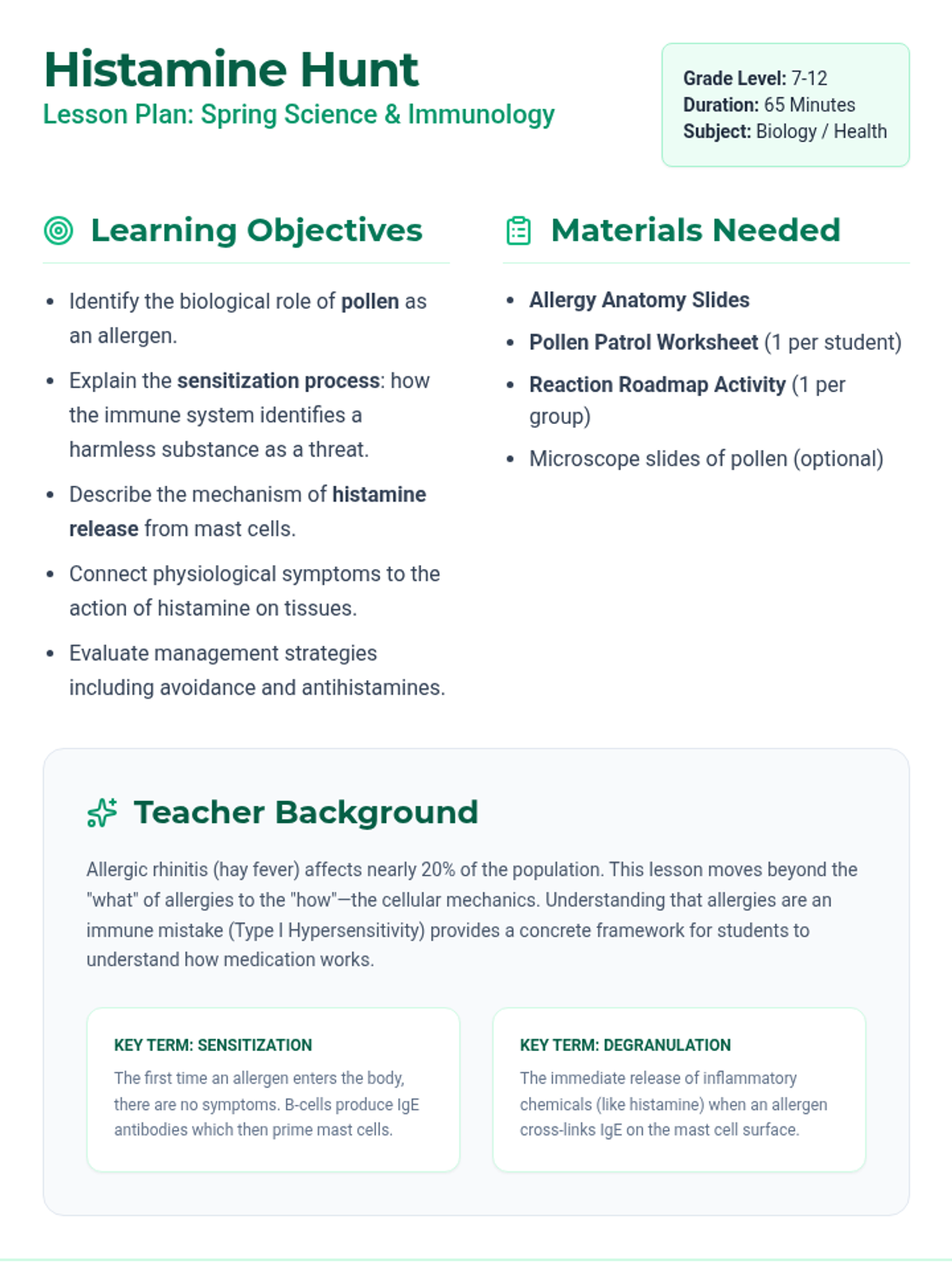
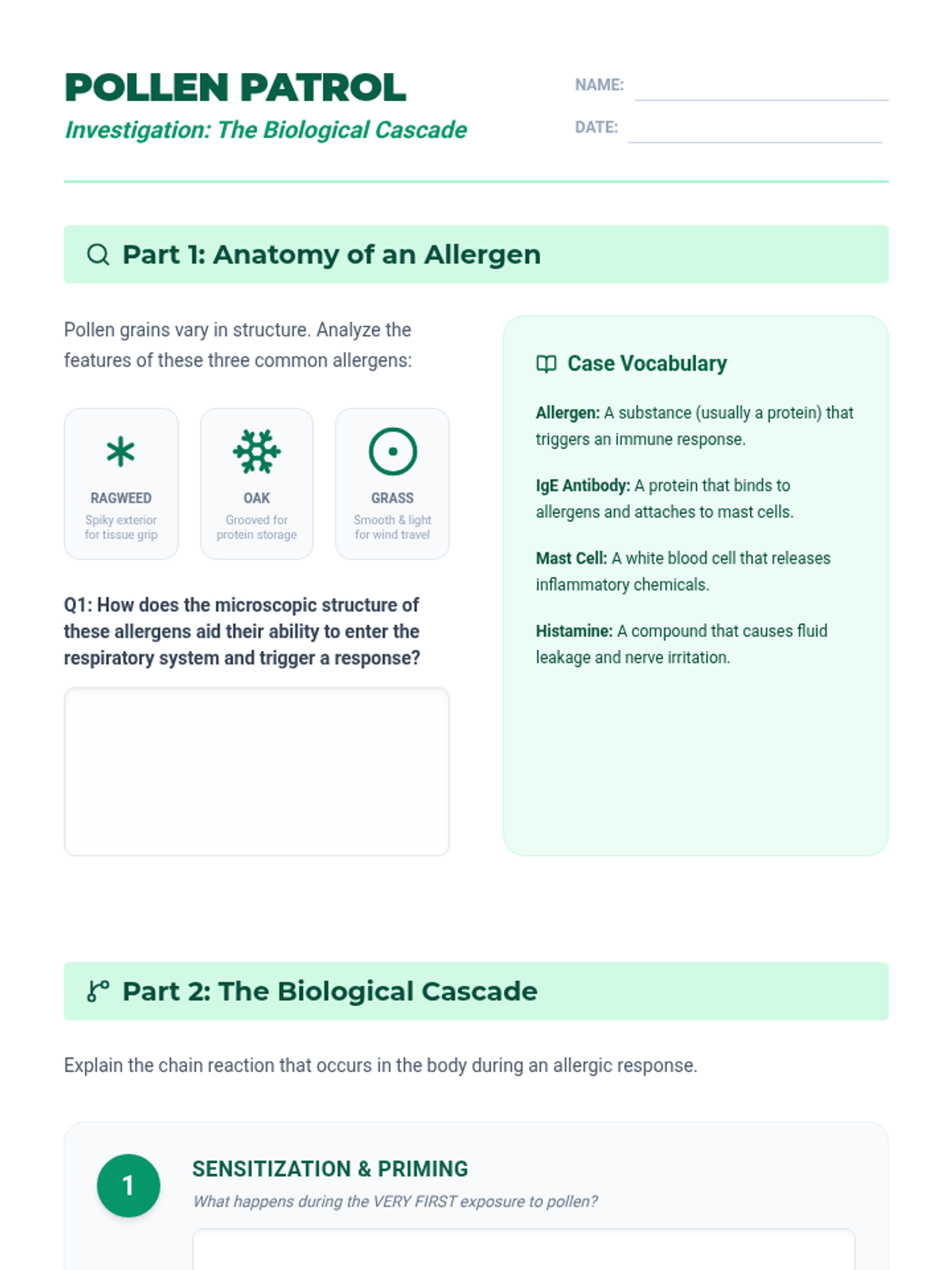
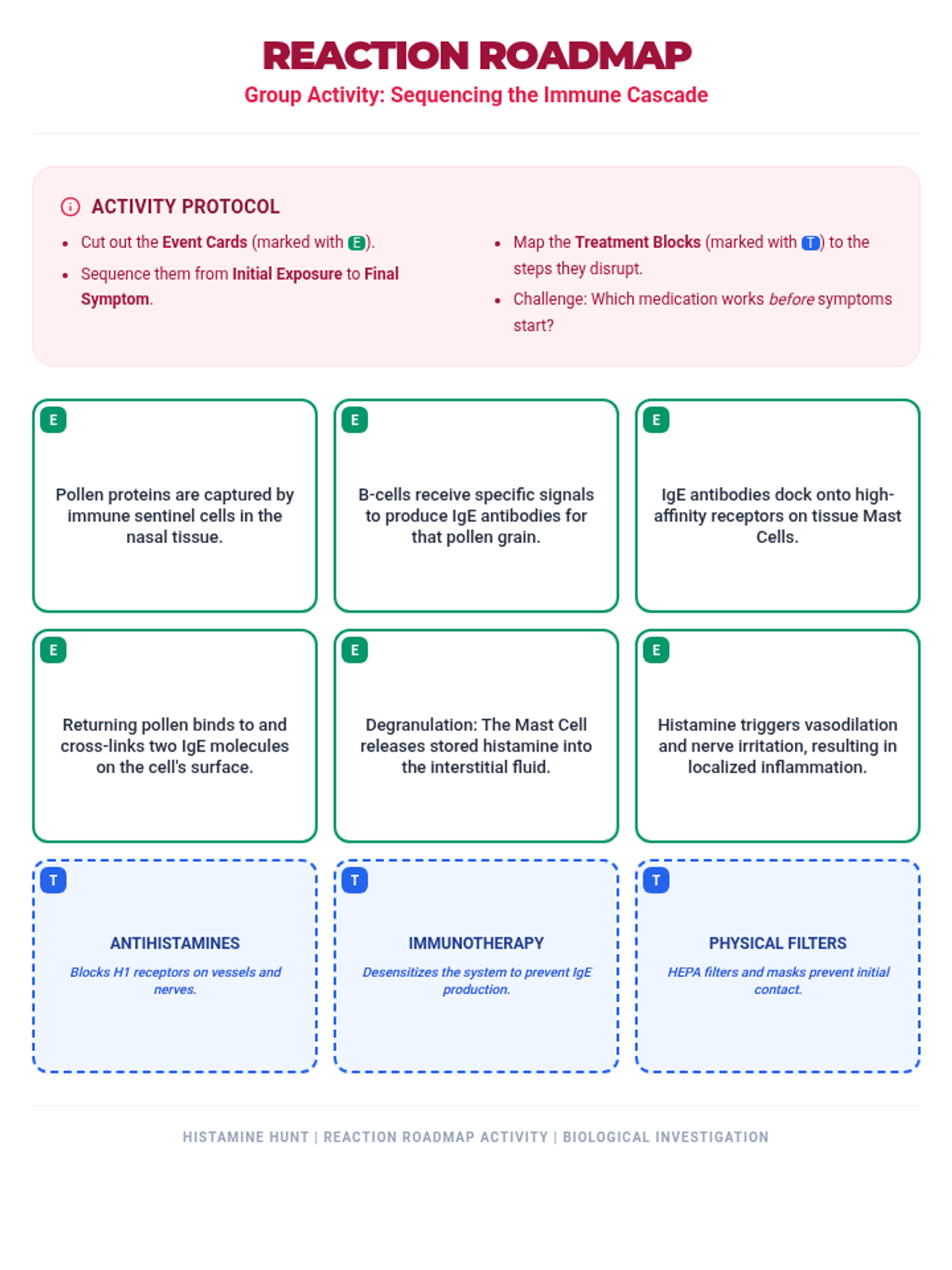
A comprehensive investigation into the biological mechanisms of seasonal allergies, focusing on the immune system's overreaction to pollen and the role of histamine. Students will explore hypersensitivity, physical symptoms, and evidence-based management strategies.