Focuses on the proof and application of Menelaus' Theorem regarding collinear points on the edges of a triangle. Students utilize similar triangles and auxiliary lines to derive the product of ratios.
A focused assessment lesson on dividing by four, helping fourth graders achieve automaticity with facts up to 48 divided by 4.
A hands-on measurement station where students measure objects to the nearest quarter-inch and represent their findings on a line plot.
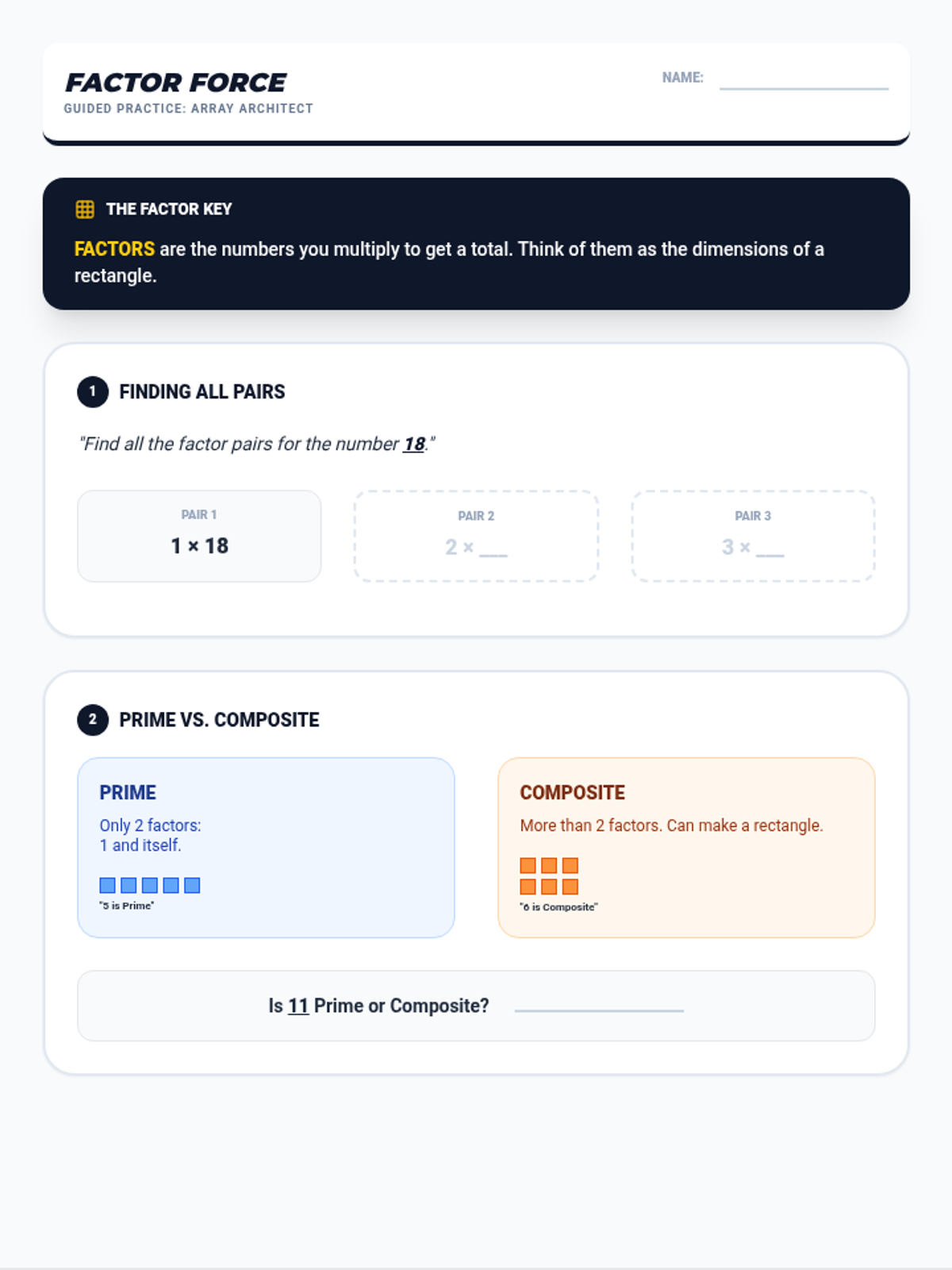
A foundational lesson for 3rd-grade students in self-contained SPED or Tier 2 intervention, focusing on the conceptual link between multiplication and division using visual arrays. Students act as 'Array Architects' to build and deconstruct rectangular models.
A fun, safari-themed lesson focused on mastering basic subtraction facts within 20 through practice and repetition.
A deep dive into higher-level mathematical notation, focusing on calculus, set theory, and Greek symbols through a complex Tarsia challenge.
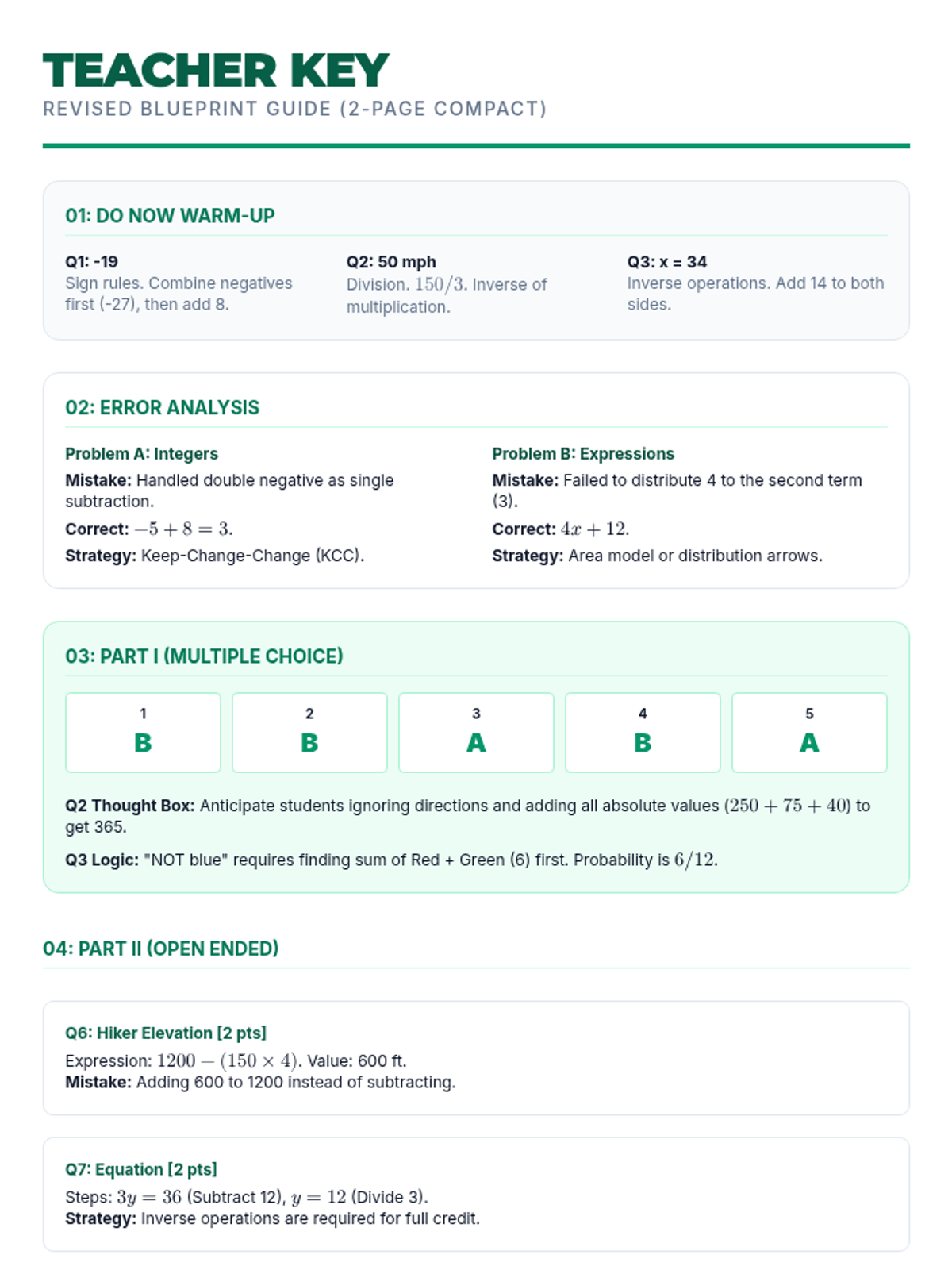
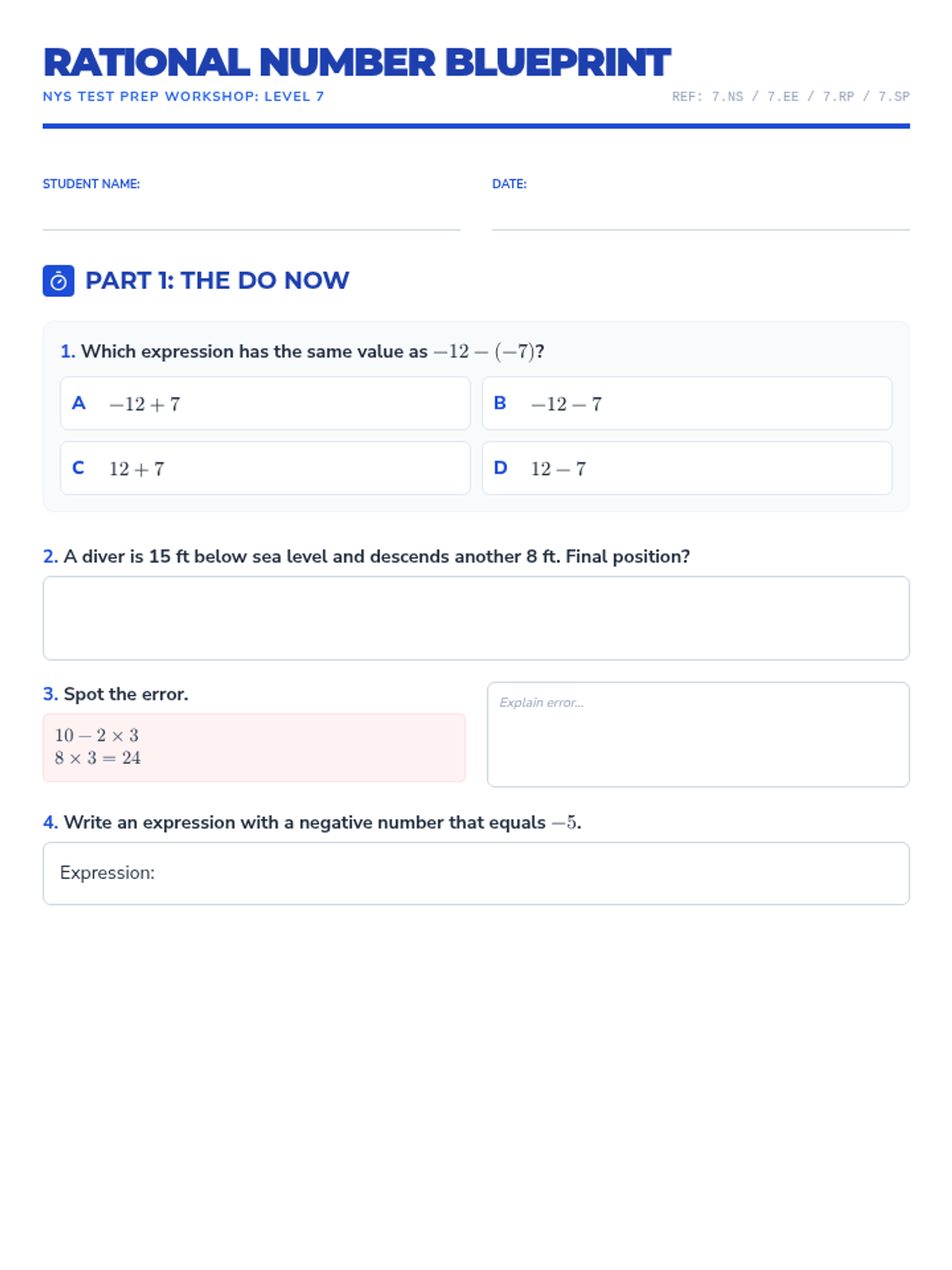
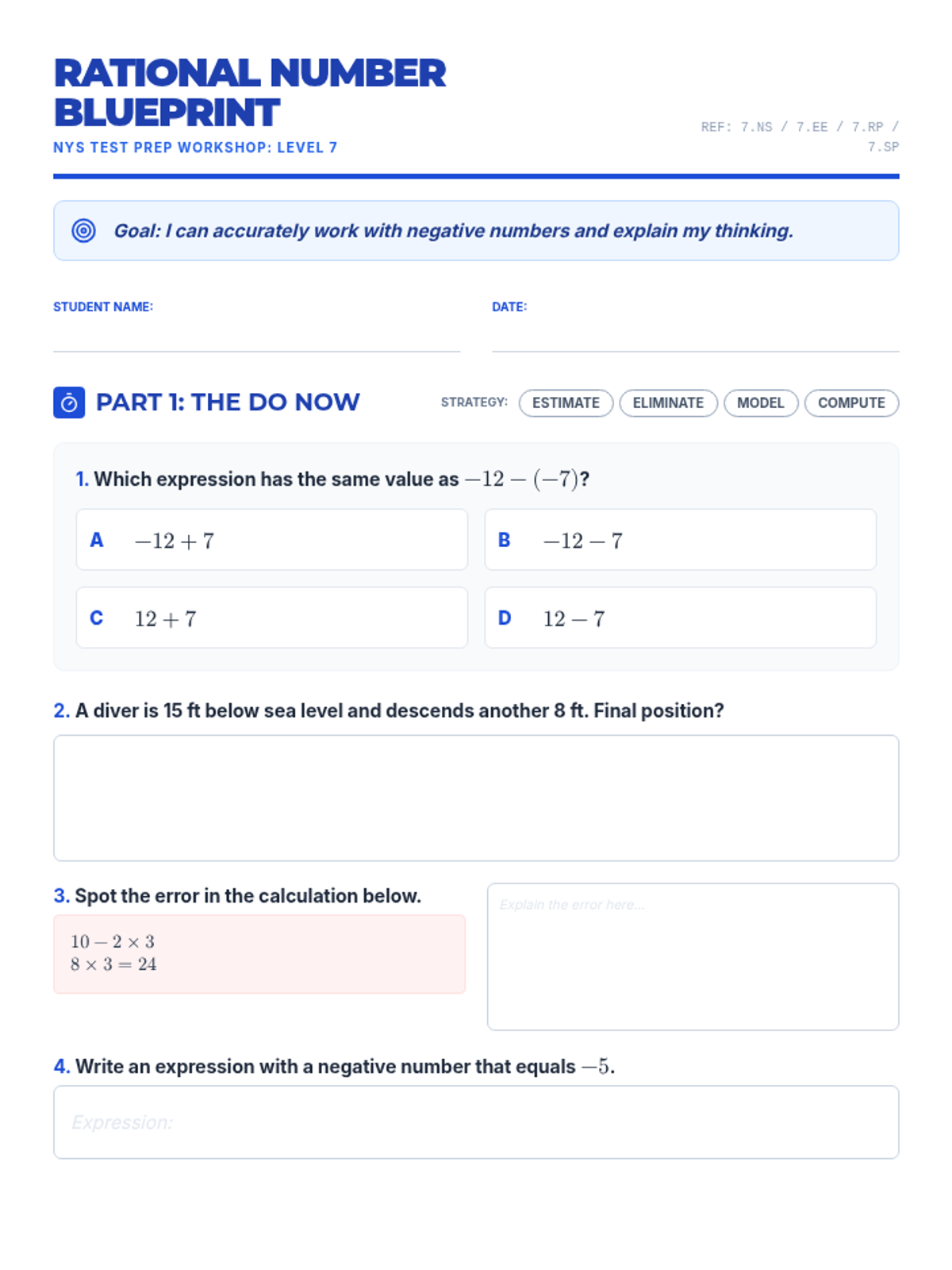
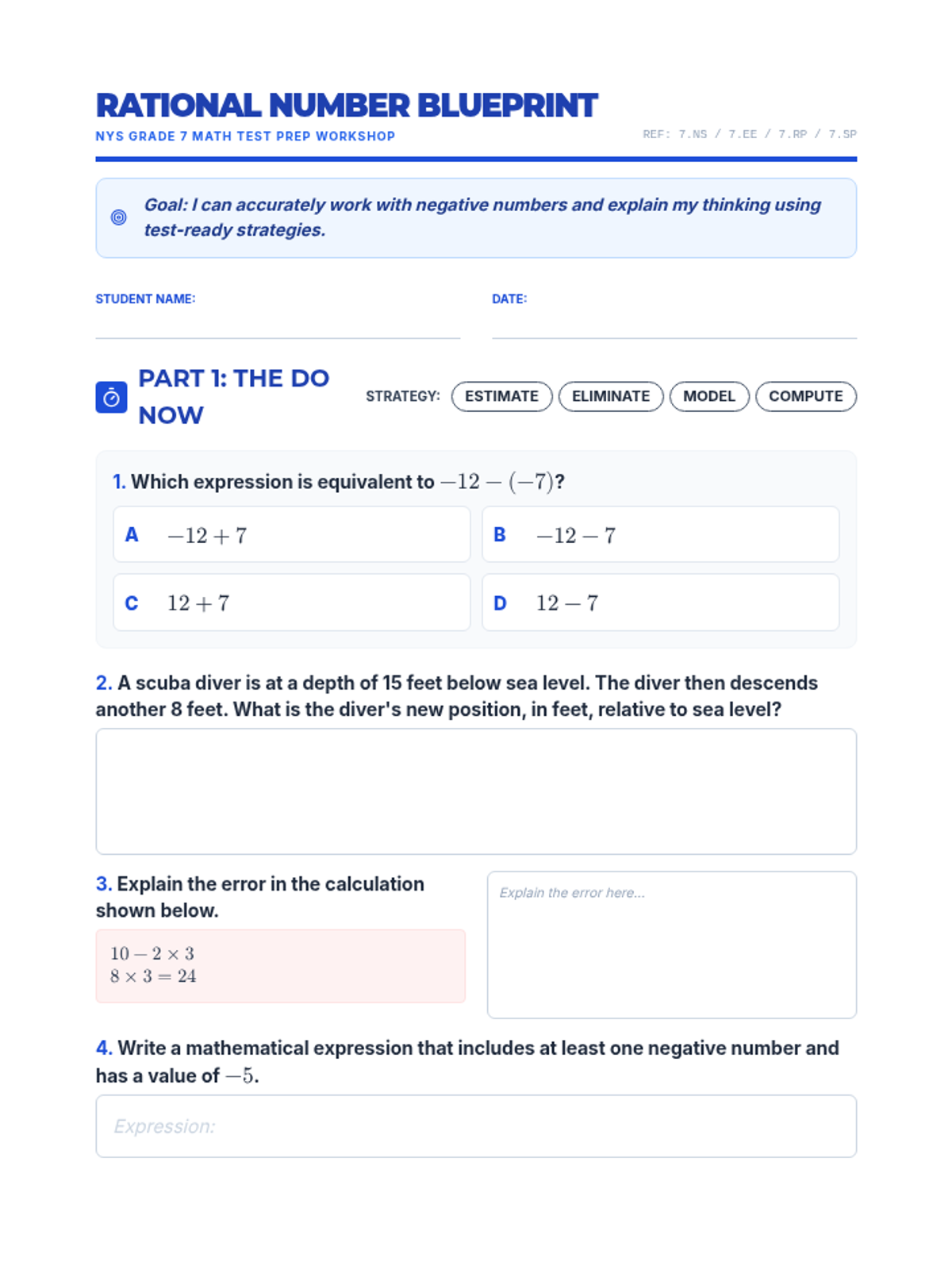
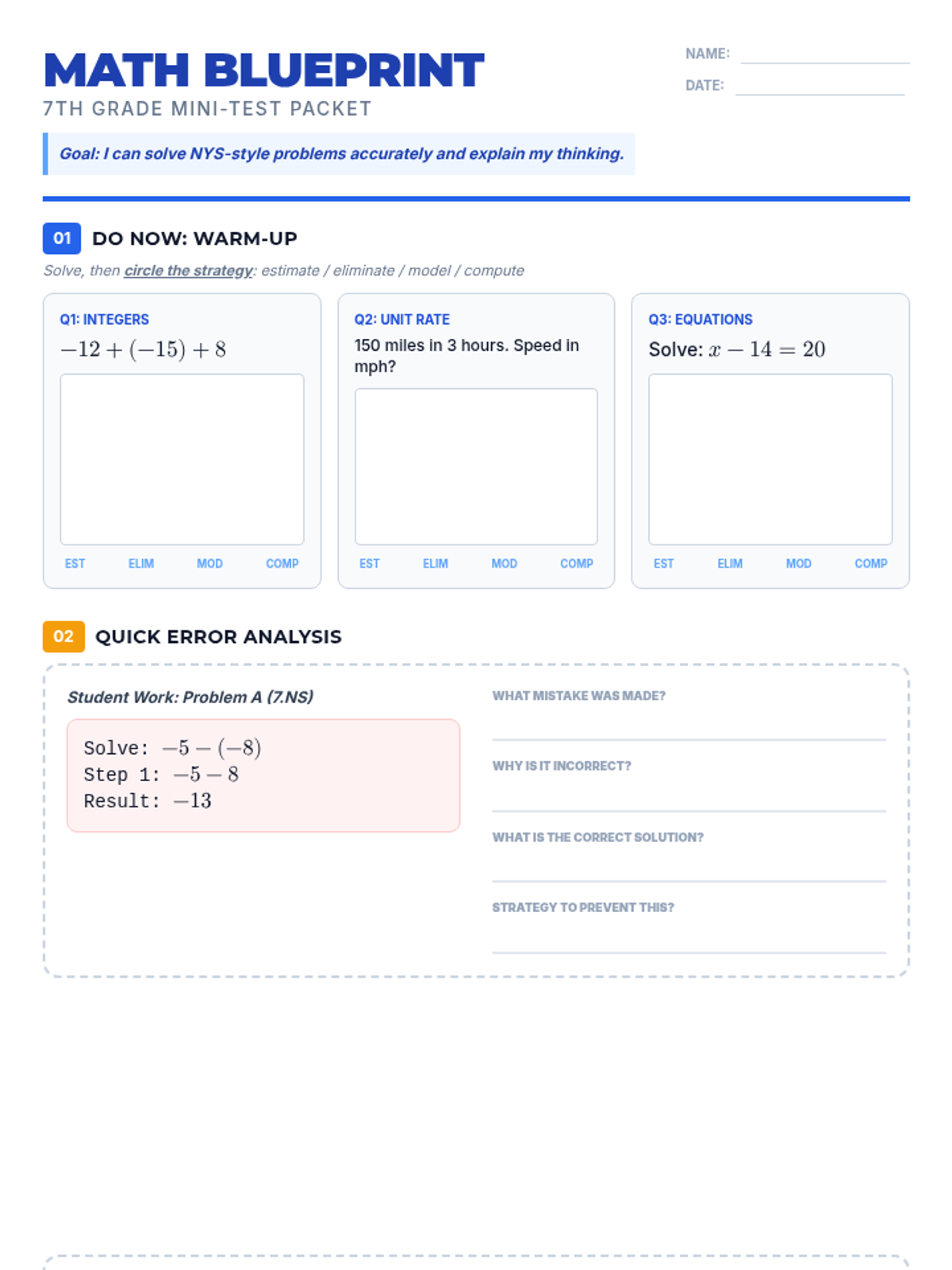
An introductory lesson on solving one-step equations using inverse operations across all four operations. Students will learn to 'undo' operations to isolate variables through the metaphor of a construction blueprint.
A hands-on lesson focusing on the recognition and application of mathematical symbols in numbers and operations through a collaborative Tarsia puzzle activity.
An introductory lesson on division where students learn to share items into equal groups through a fun bakery-themed narrative.
A middle school math lesson exploring proportional reasoning through real-world scaling, mapping, and budgeting scenarios. Students use visual models and multiple pathways to solve authentic problems.
A collection of 4th-grade Illustrative Mathematics center planning resources, including a visual reference and a CSV data export.
A collection of ocean-themed math activities focused on counting, identifying numbers 1-20, and developing one-to-one correspondence through task cards and a matching game.
A comprehensive review lesson that synthesizes all the skills learned in the Real World Math series. Students will complete a final assessment covering multi-digit operations, decimals, fractions, and percentages through a variety of workplace and financial scenarios.
Understanding the power of percentages in finance and data. Students will solve for parts, wholes, and percentages in contexts like sales tax, interest rates, discounts, and performance statistics.
Developing a strong grasp of fractions in practical contexts such as construction, cooking, and time management. This lesson covers simplifying, adding/subtracting with unlike denominators, and multiplying/dividing fractions.
Mastering decimals through the lens of currency and precise measurements. Students learn to add, subtract, multiply, and divide decimals to calculate unit prices, handle cash transactions, and interpret technical specifications.
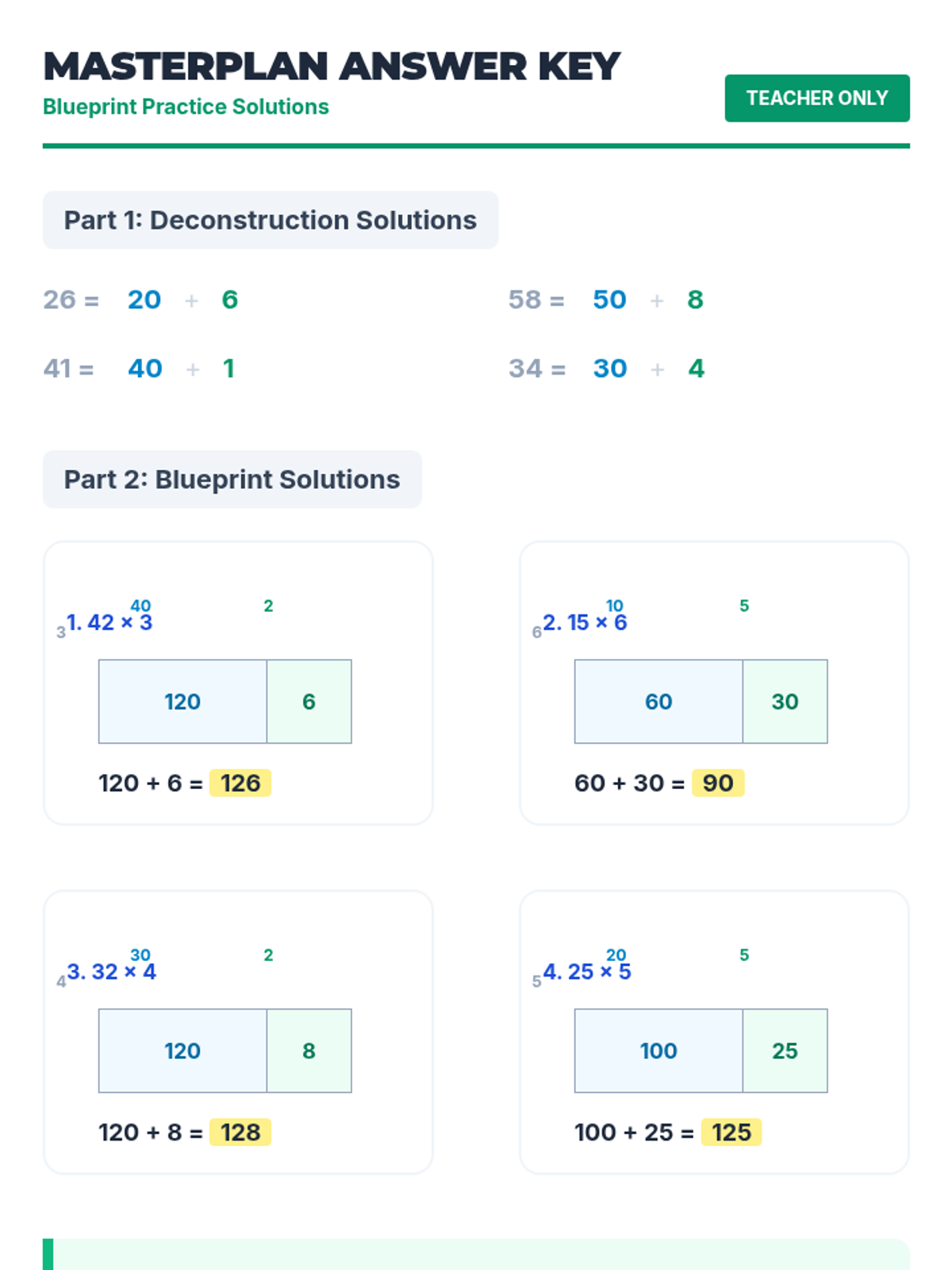
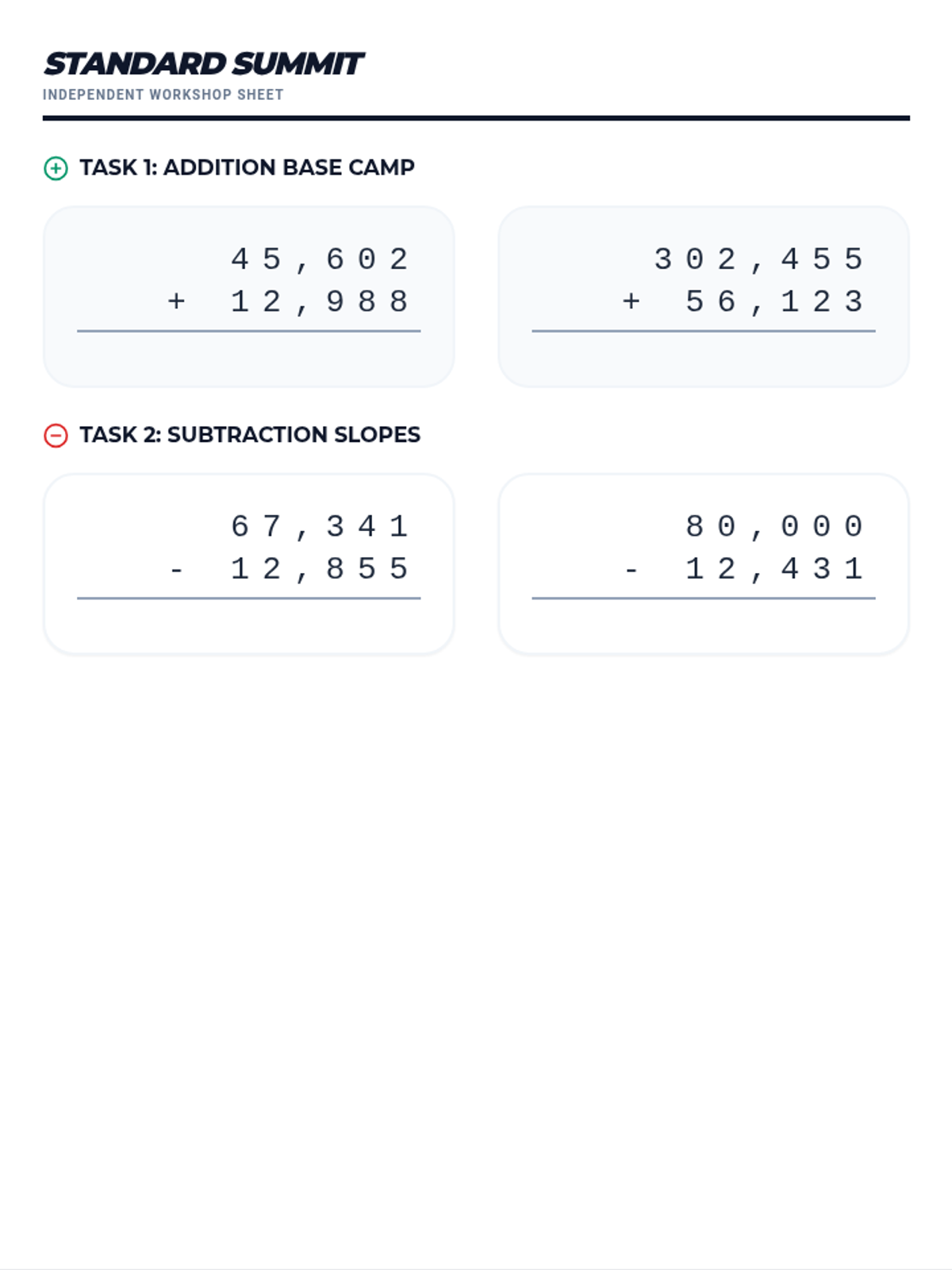
A foundational lesson on multi-digit multiplication and division focused on workplace budgeting and large-scale inventory management. Students will practice these operations through realistic scenarios like calculating monthly revenue and distributing supplies across departments.
Teacher answer keys for the Real World Math series.
Instructional slides for the Real World Math series.
Extends number sense to 100, emphasizing place value (tens and ones), magnitude comparison, and identifying patterns in the 100-chart.
Develops the ability to compose and decompose numbers within 20, focusing on the power of 10 and building basic addition/subtraction fact fluency.
Focuses on identifying numbers to 20, mastering 1:1 correspondence through physical and visual counting, and developing perceptual subitizing skills.
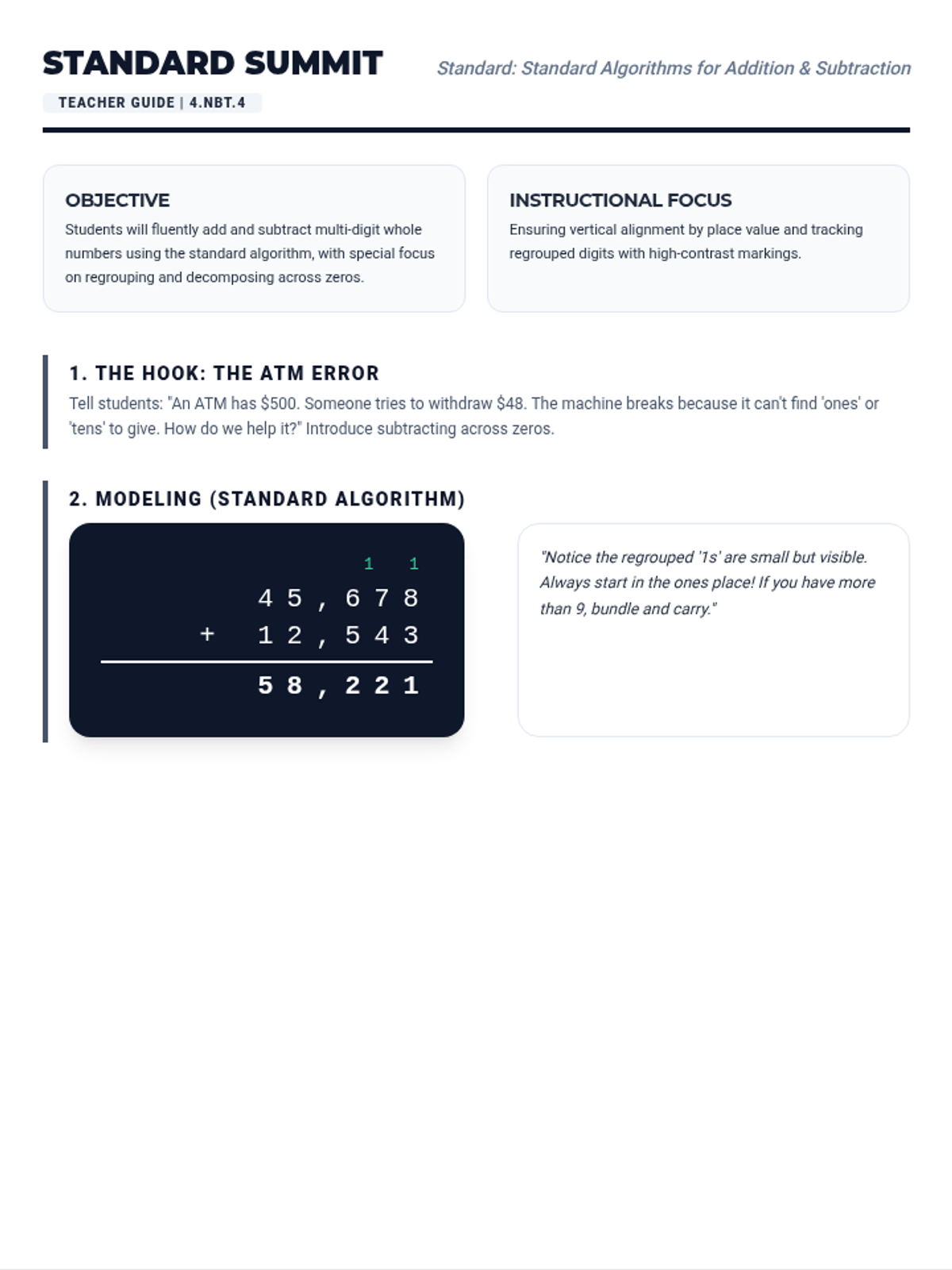
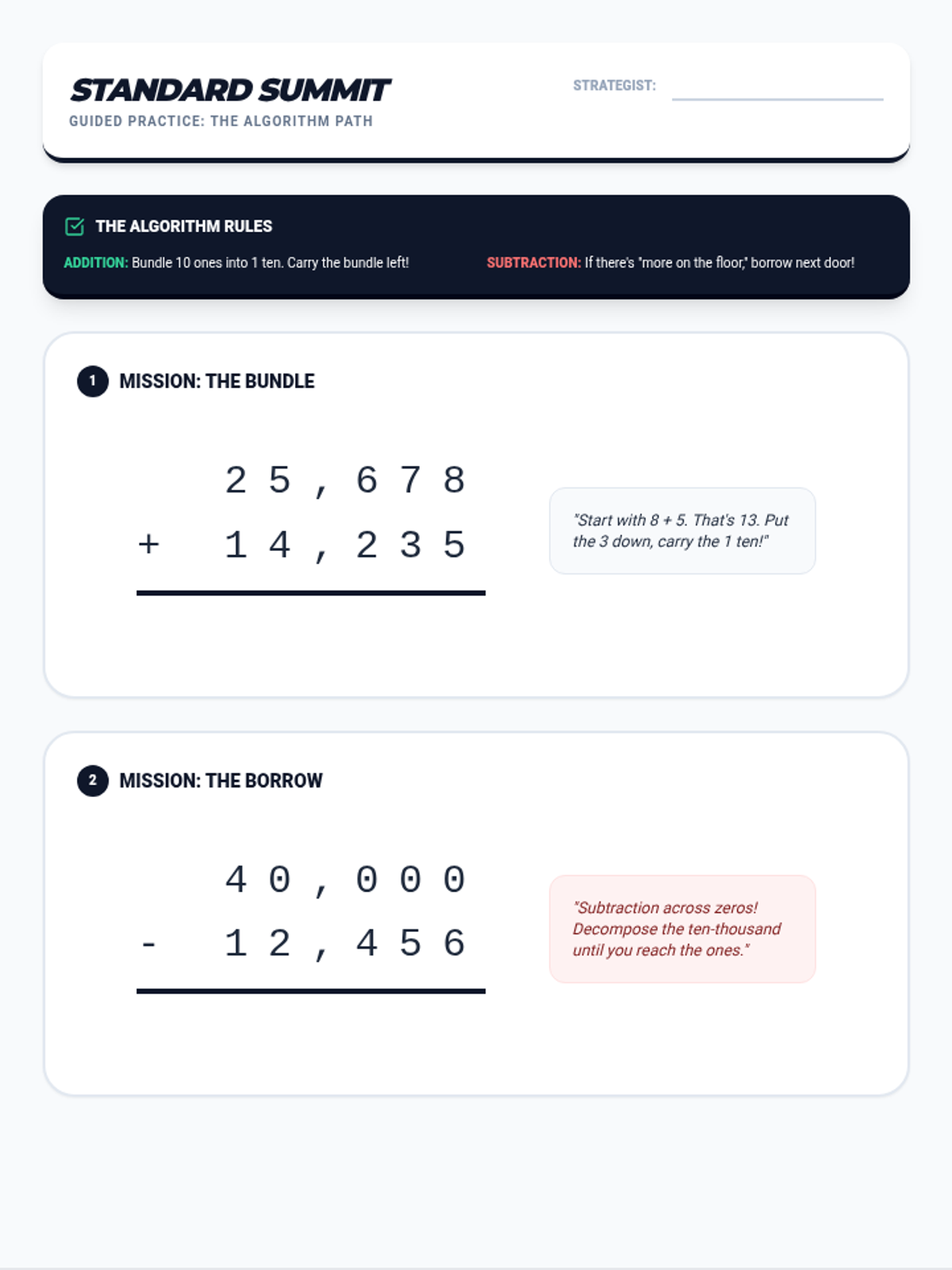
A comprehensive lesson on 3-digit by 1-digit division using the standard algorithm, themed around a detective investigation. includes a lesson plan, slides, anchor chart, and tiered worksheets.
Master the art of solving real-world rational function equations, focusing on clinical drug concentration models and rate-based applications. Students will learn to translate verbal scenarios into rational equations and apply algebraic techniques to find precise solutions.
A collection of teacher-facing tools including scoring keys, result interpretation guides, and class-wide data tracking charts to help educators act on diagnostic findings.
A diagnostic assessment for 5th-grade students focusing on decimal operations, powers of 10, multi-digit division, and adding/subtracting fractions with unlike denominators.
A diagnostic assessment for 4th-grade students targeting multi-digit multiplication and division, place value to 1,000,000, fraction equivalence, and basic decimal notation.