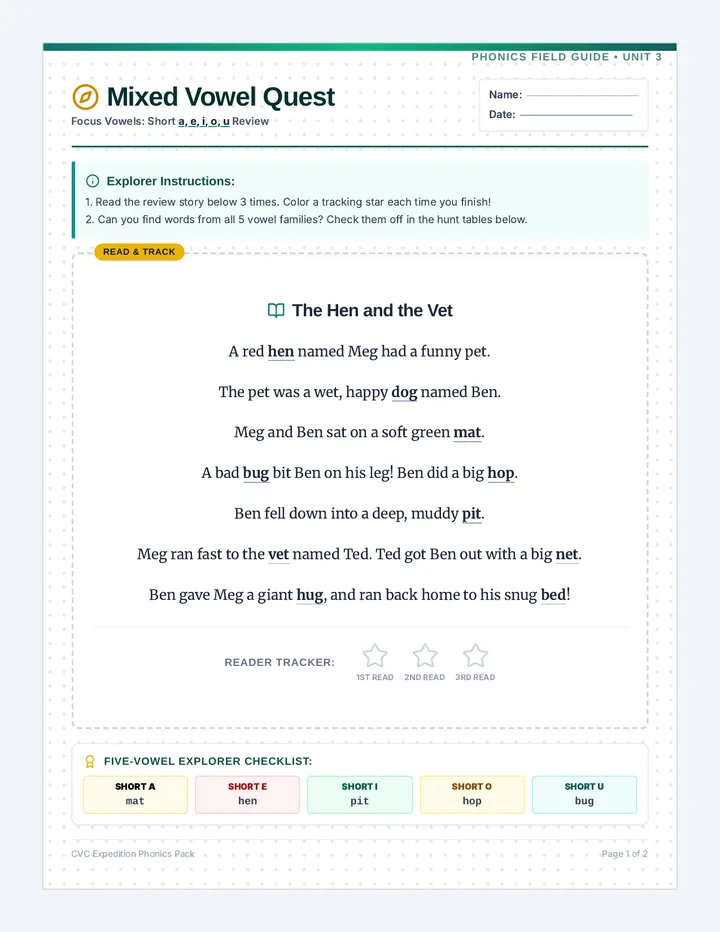
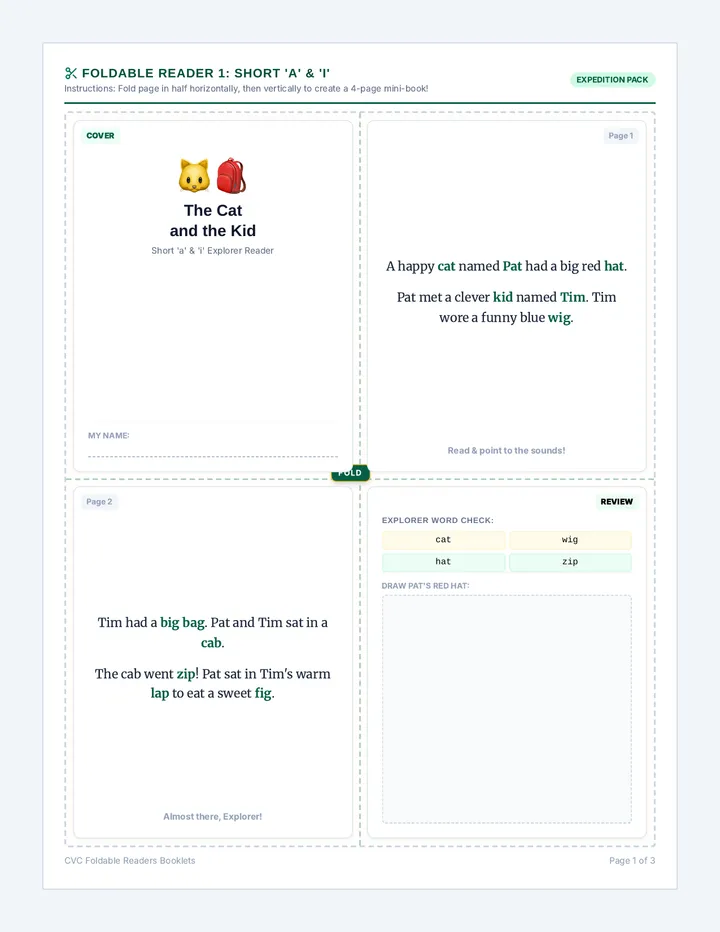
A 2nd-grade grammar lesson focusing on distinguishing between the plural pronouns 'We' and 'They' using a 'Pit Crew' metaphor. Students will engage in roleplay, video analysis, and a movement-based sorting activity.
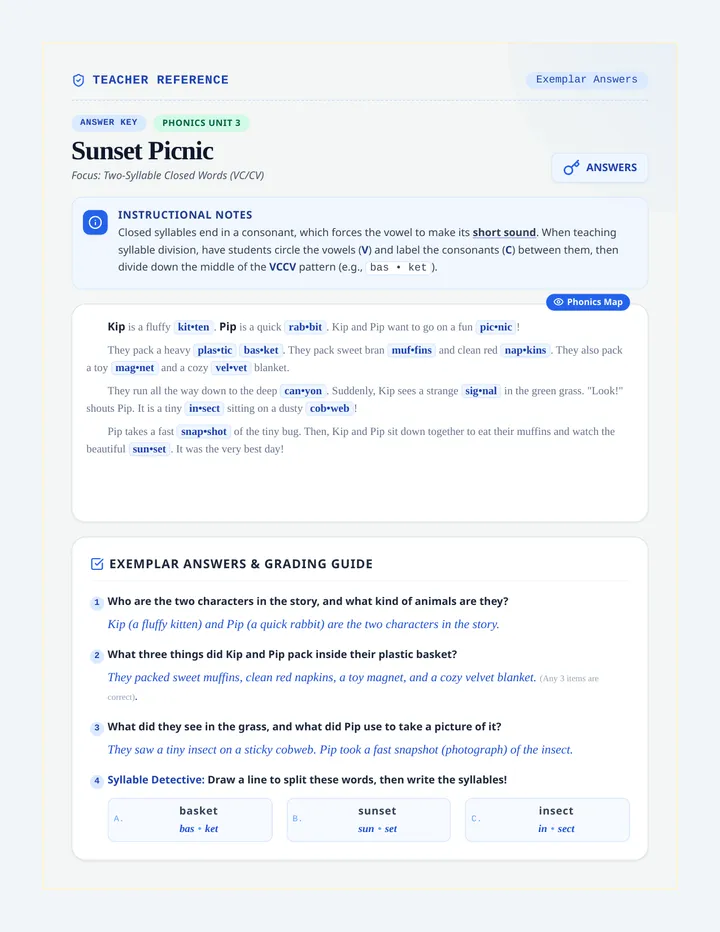
A celebratory final session where students demonstrate their 'Master Pathfinder' skills and receive recognition for their growth in thinking and English.
Focuses on logic and decision-making by asking 'why' and 'how' questions about texts to understand cause and effect.
Deepens self-awareness through journaling and reflection, helping students recognize their own reactions and thoughts while reading and writing.
Encourages idea construction and creative writing, showing students how to fuel their mind machines with imagination to create original stories.
Develops information decoding skills by teaching students to search for facts and evidence within a text, much like a forensic scientist.
Introduces the growth mindset by comparing resilience to a gear that helps us keep moving forward even when we encounter 'rusty' mistakes.
Explores social understanding by teaching students how to use their 'internal compass' to interpret character feelings and perspectives in texts.
Uses story mapping to help students visualize narrative flow and understand how different parts of a story connect to form a whole.
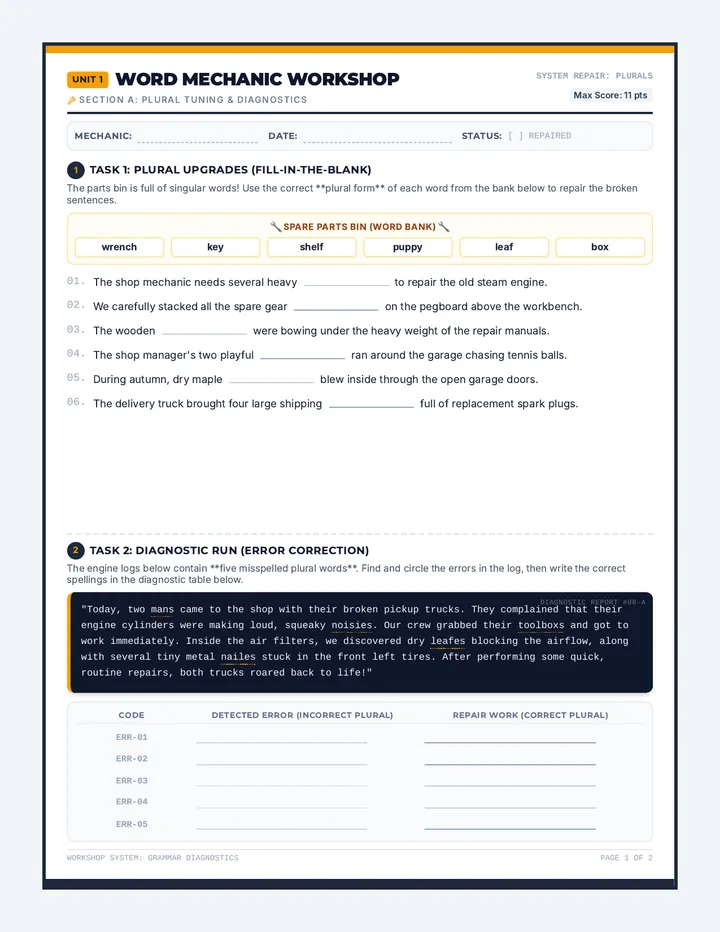
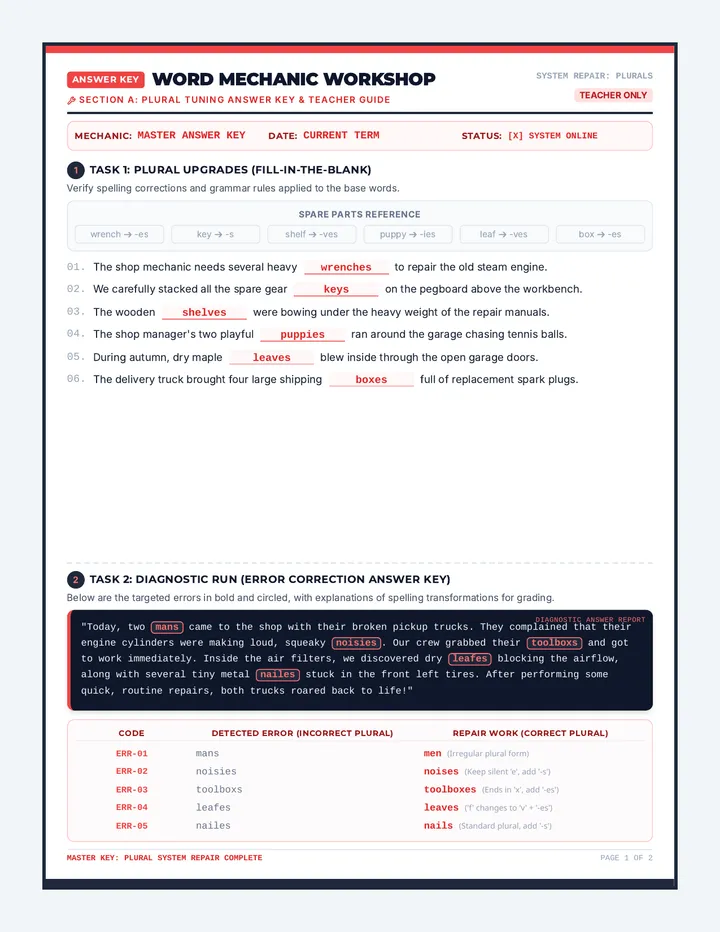
Teaches basic grammar and sentence structure as the 'blueprints' that help us express ideas clearly so others can understand our thoughts.
Introduces vocabulary building through the lens of 'parts' for our mind machines, focusing on labeling emotions and objects with precision.
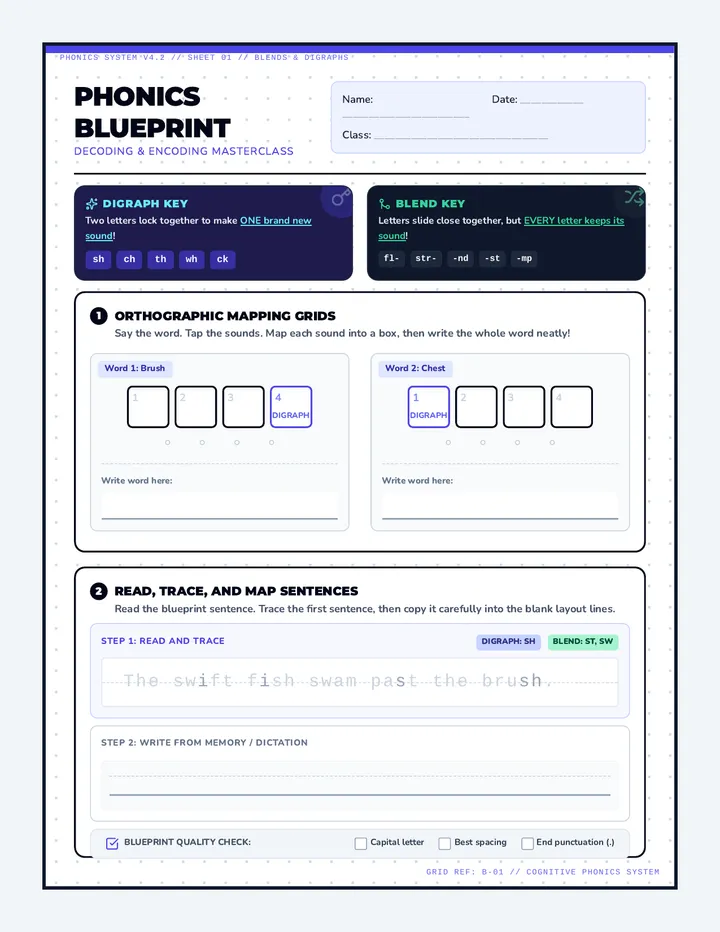
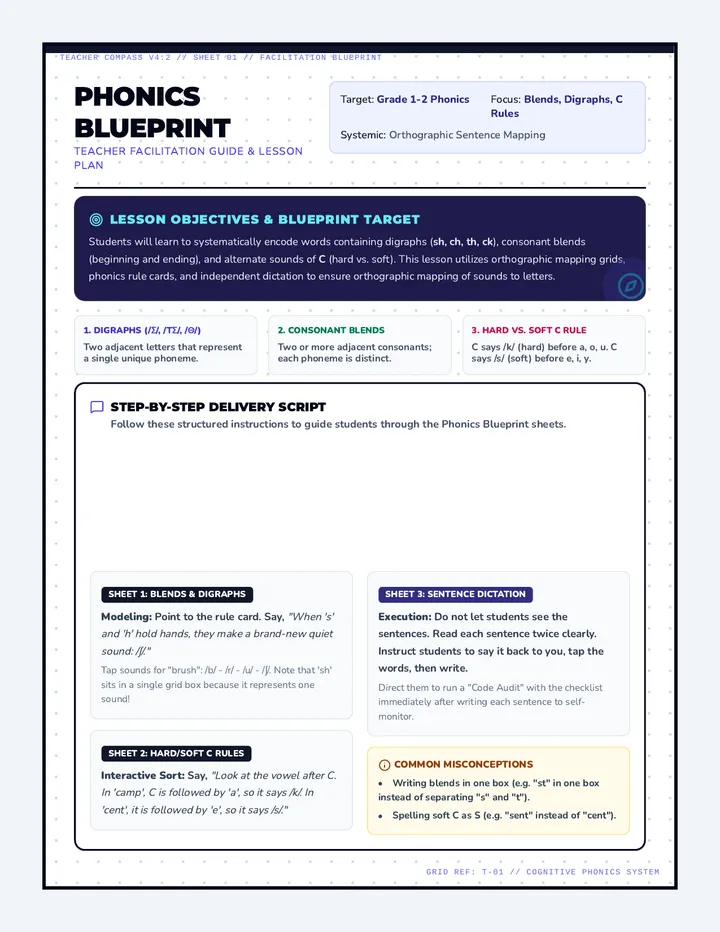
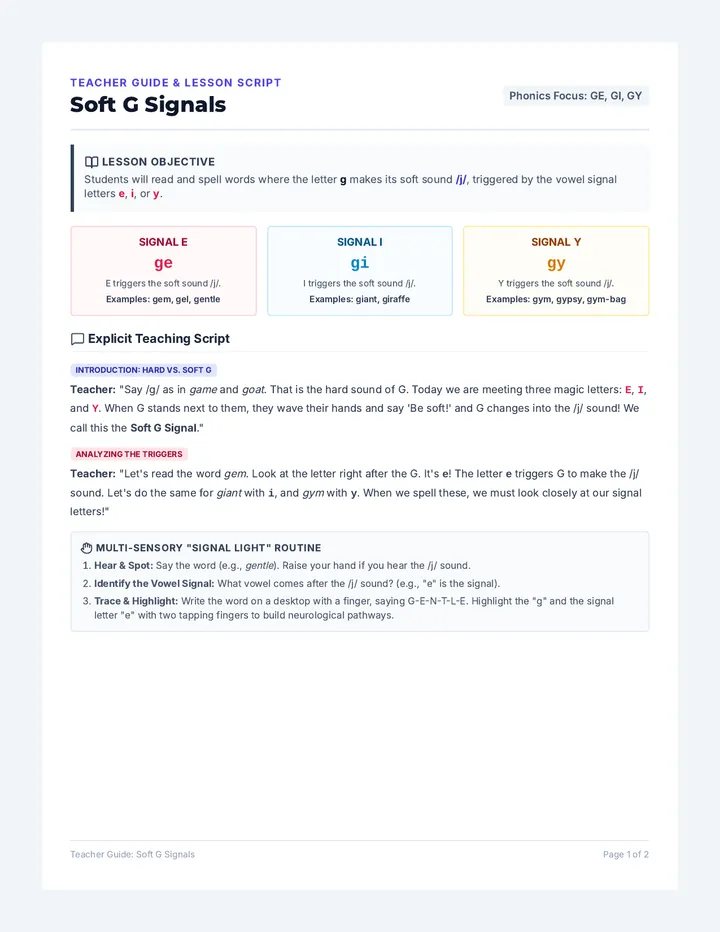
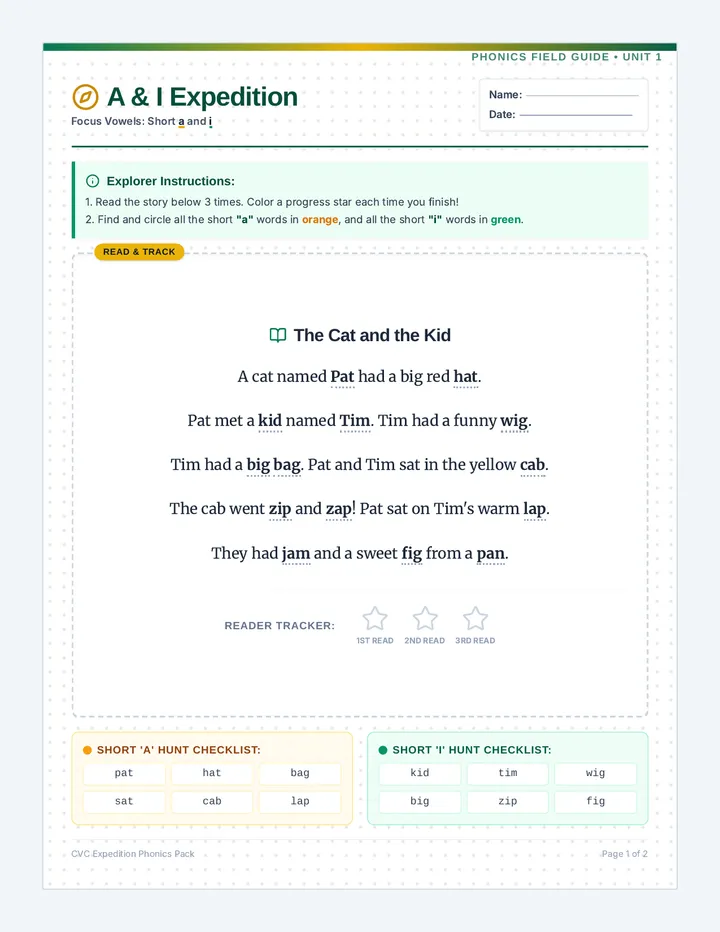
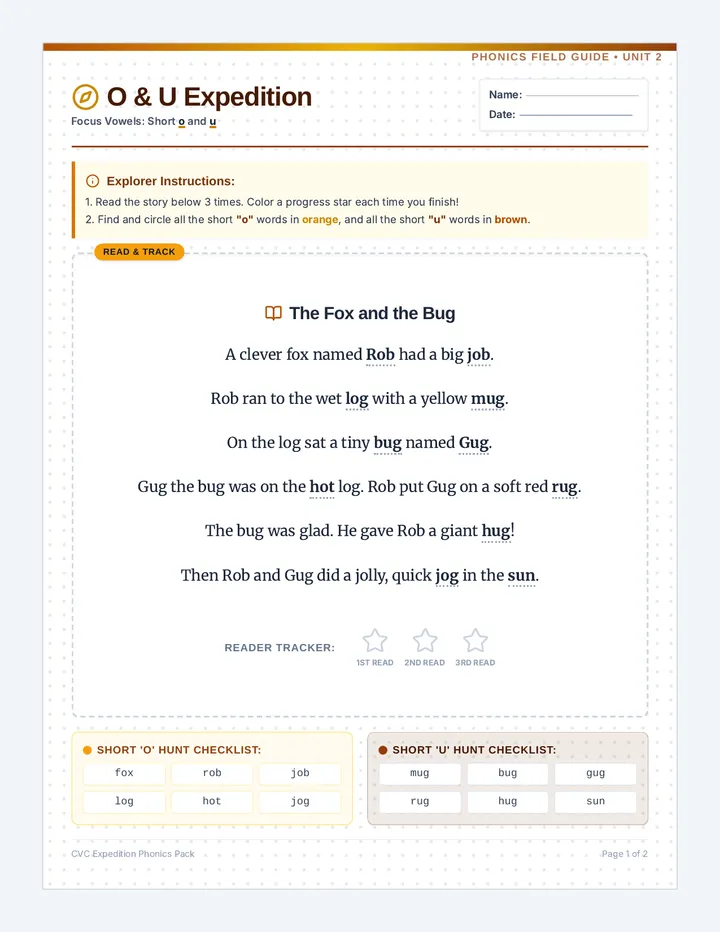
Focuses on phonics and pattern spotting in text, teaching students that reading is a form of detective work where we look for clues to unlock meaning.
An introductory lesson where students become 'Pathfinders,' learning that their minds are like incredible machines with gears they can control. Focuses on self-awareness and the basics of how we decode stories.
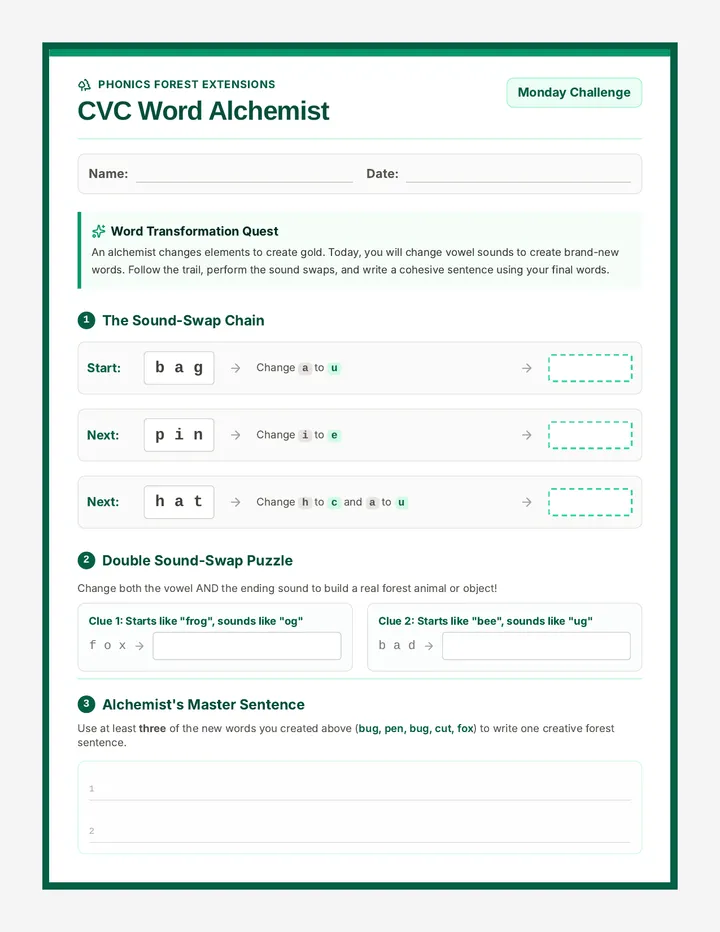
Students explore the four main ways to spell the /k/ sound using a detective-themed series of worksheets. Activities include sorting words by pattern, filling in context-rich sentences, matching pictures, and solving a crossword.
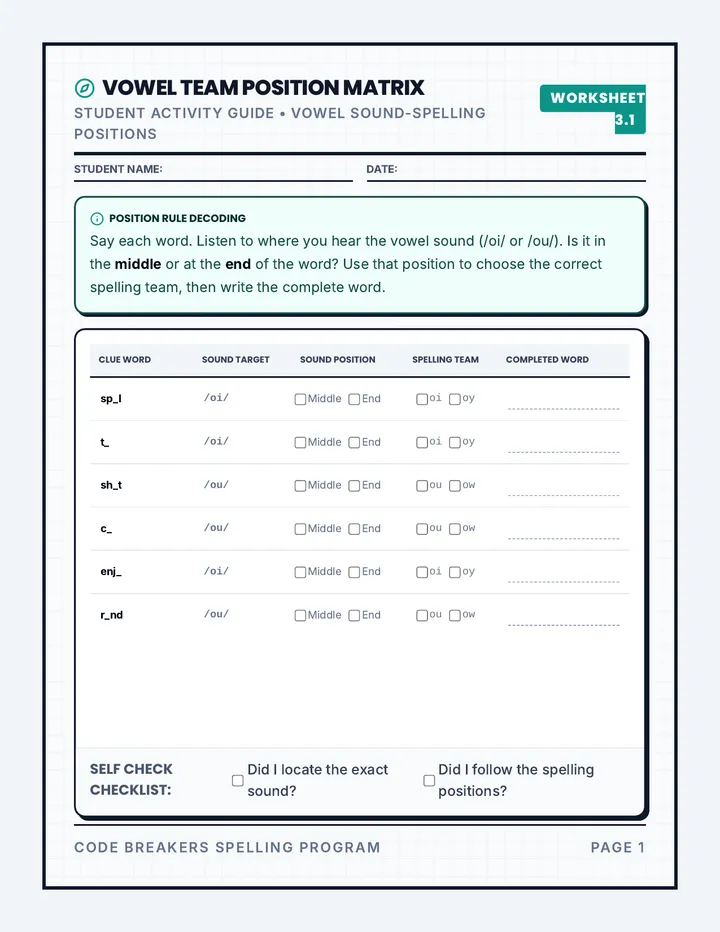
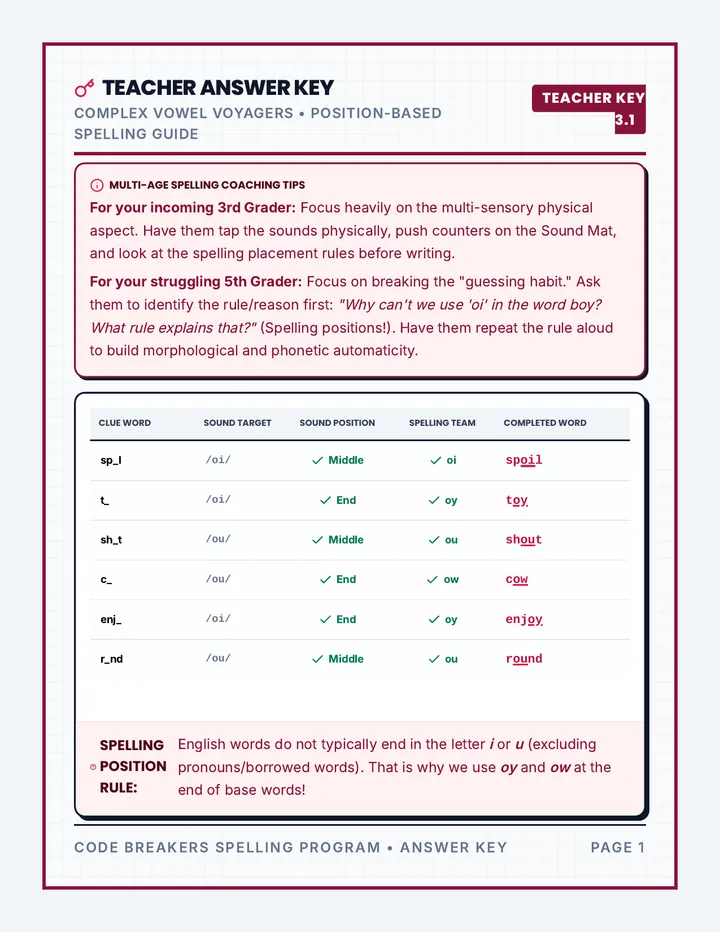
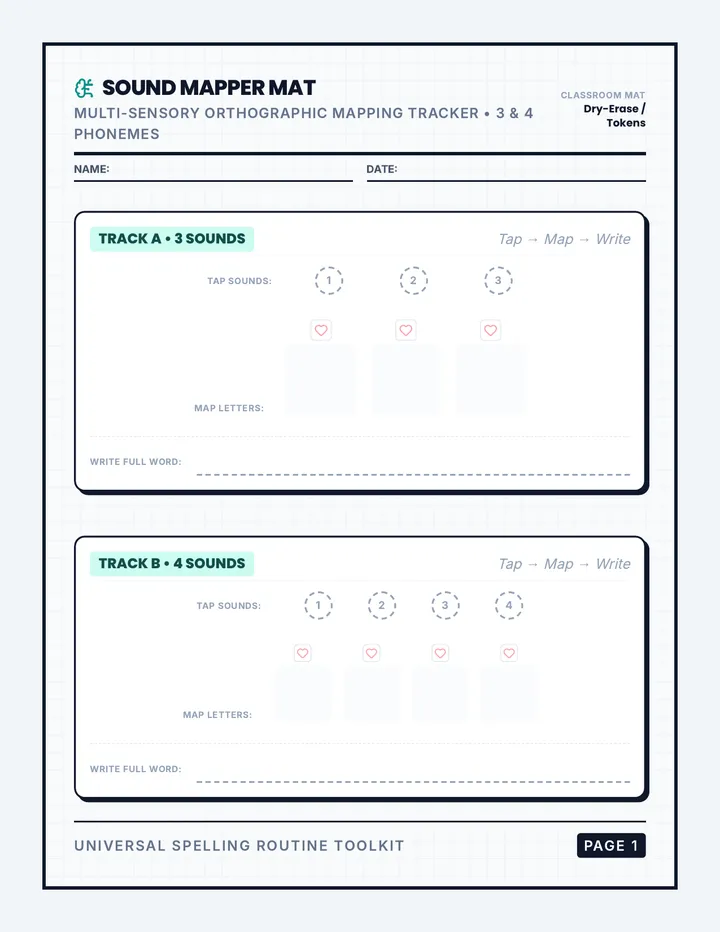
A series of activities focusing on long 'a' spelling patterns: a-consonant-e, vowel teams ai/ay, and open syllables. Students practice mapping sounds, completing sentences, and sorting words to build phonemic awareness and spelling proficiency.
Students explore vocabulary from the picture book 'The Wombats Go Wild for Words' by identifying synonyms and antonyms using a graphic organizer. This lesson builds 2nd-grade language skills through character-driven word exploration.
Students practice reading comprehension and narrative sequencing by ordering sentences from Aesop's classic fable of the boy who cried wolf. The lesson includes a visual storytelling presentation, printable sentence strips for tactile learning, and a follow-up writing activity.
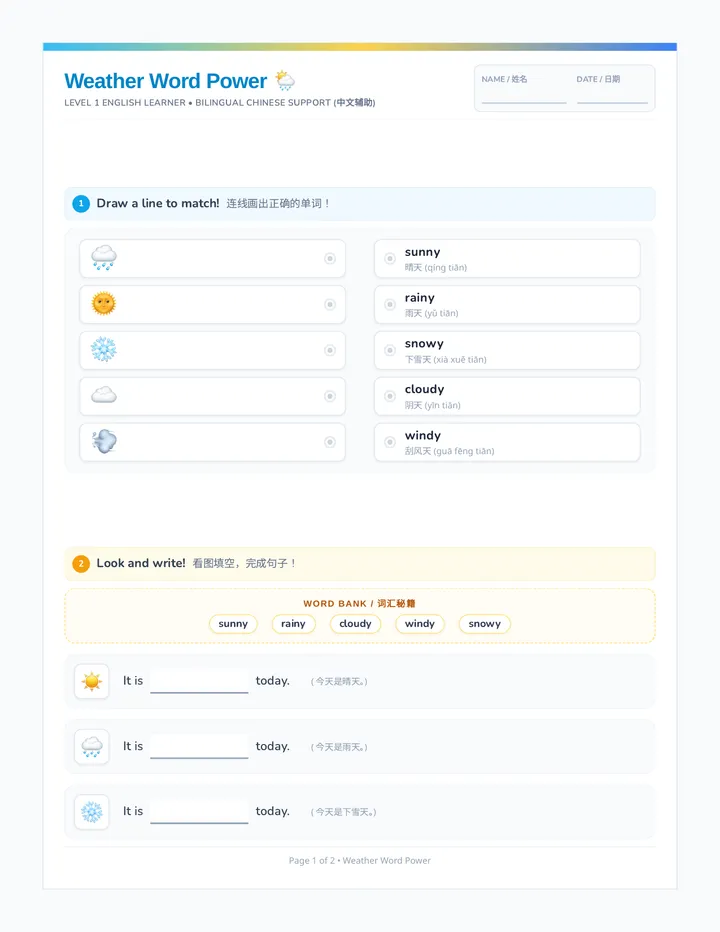
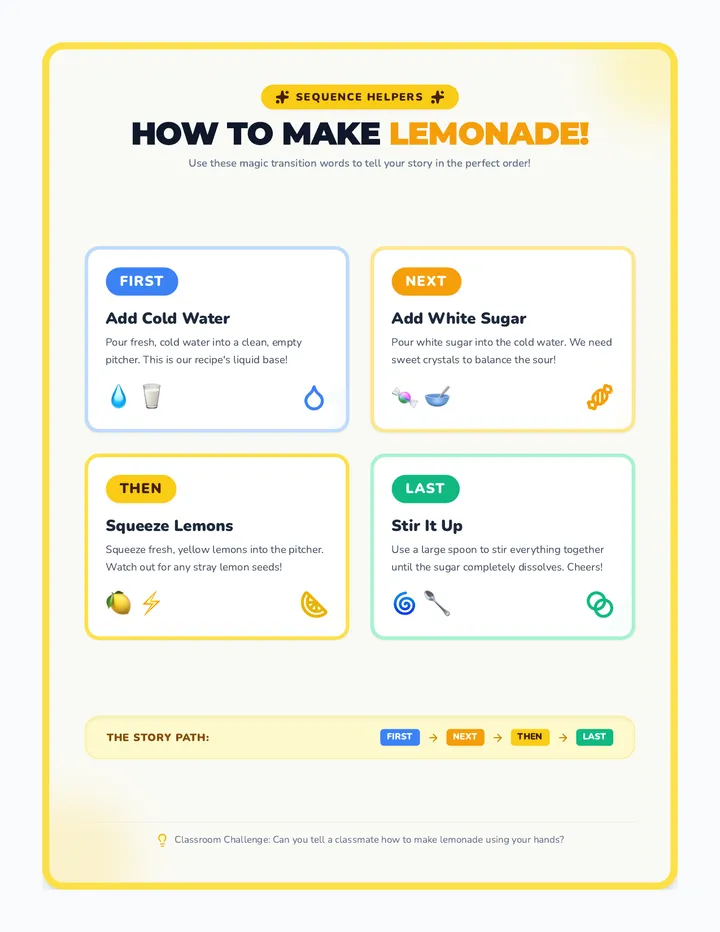
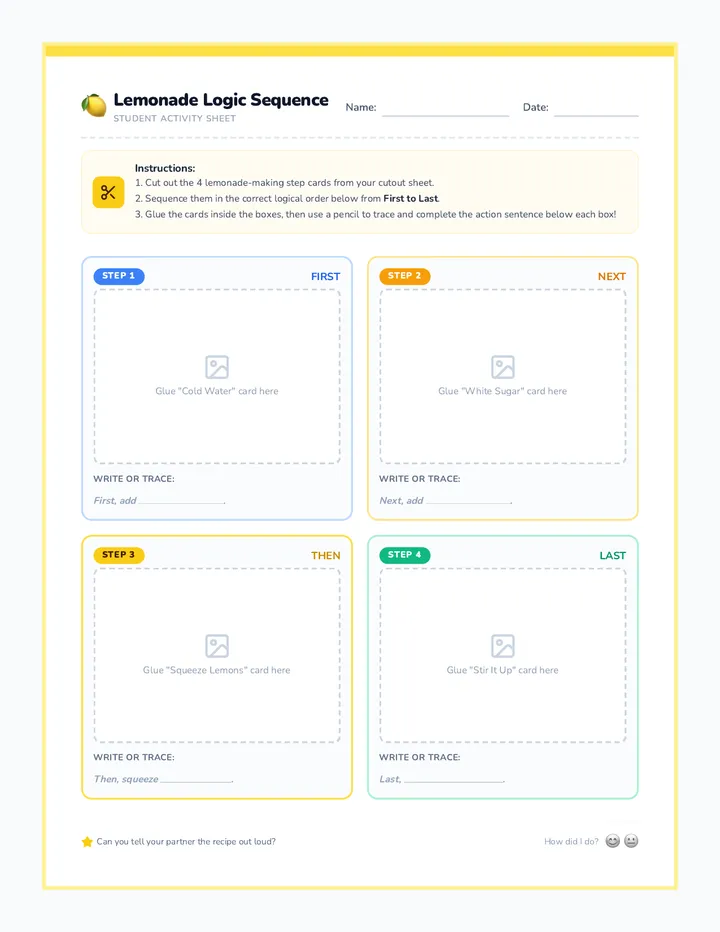
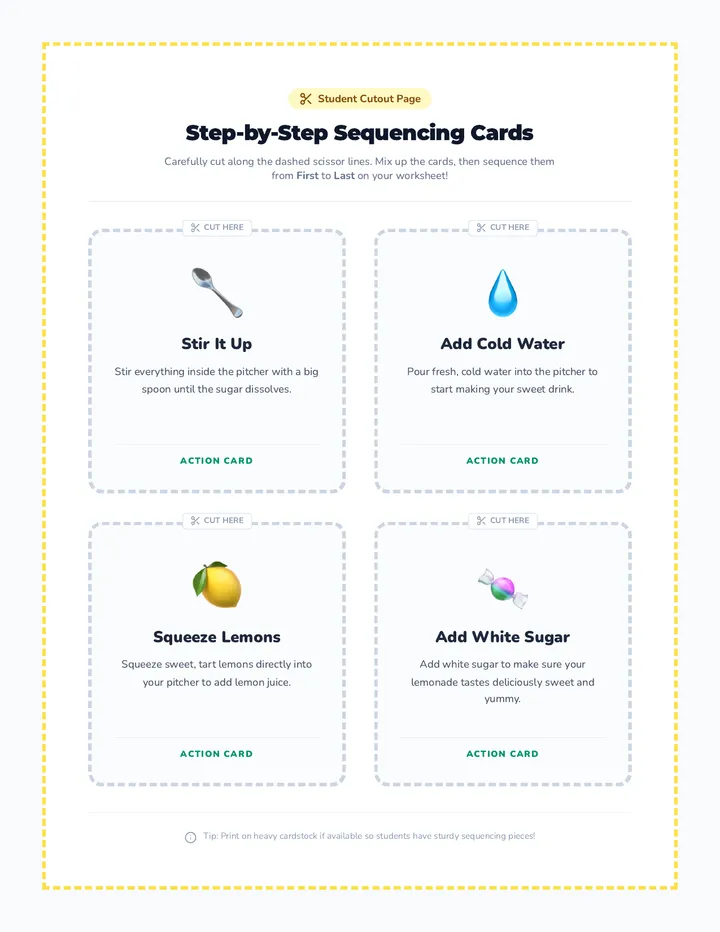
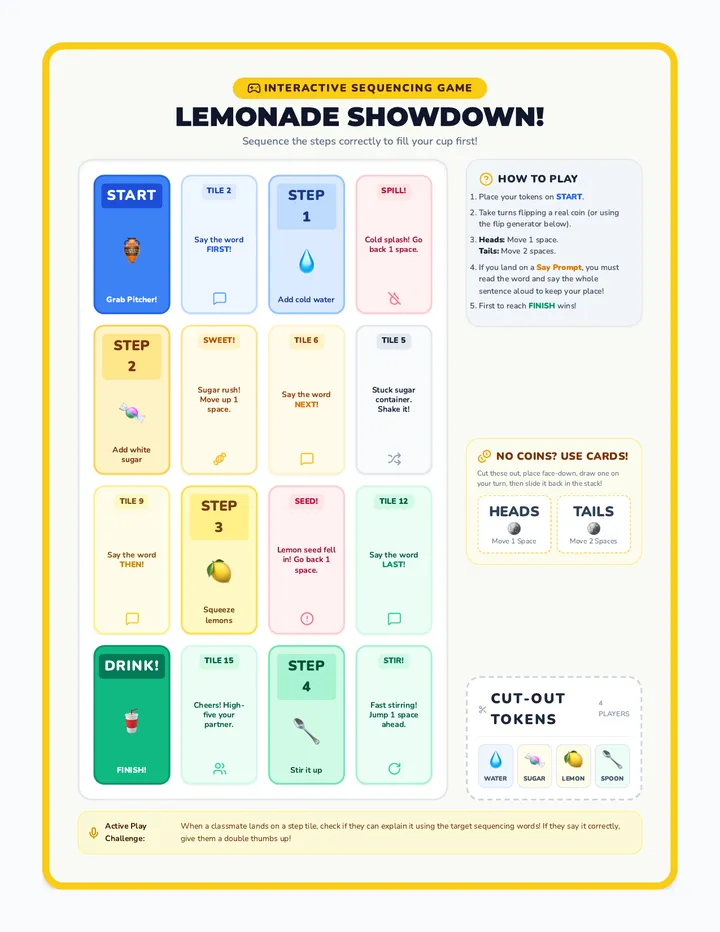
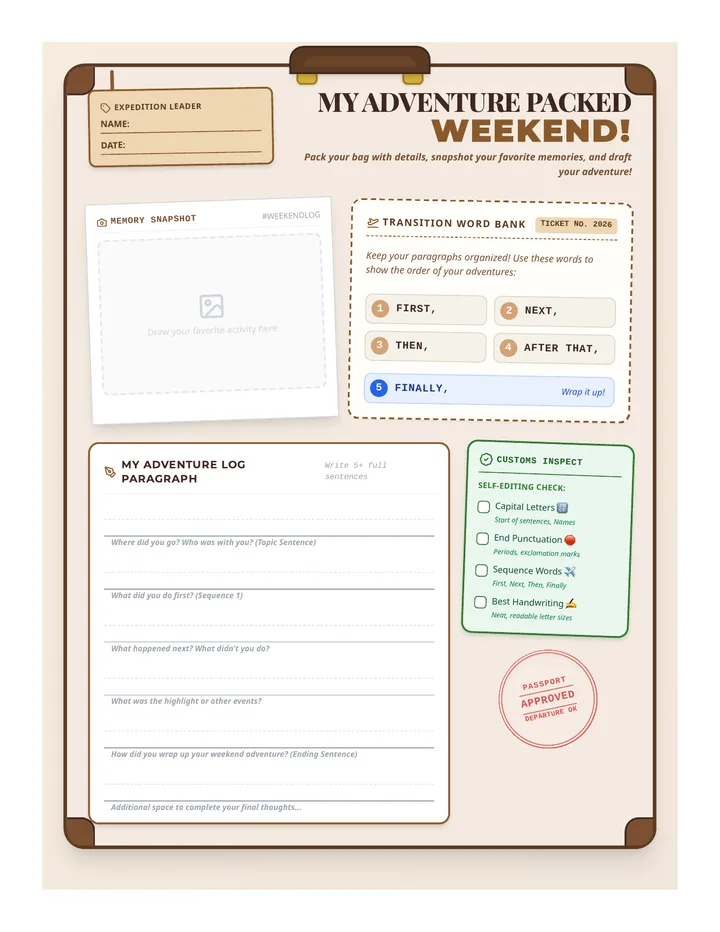
A comprehensive Grade 2 ESL lesson focused on the art of narration. Students develop academic language through sequencing words and transition phrases while practicing all four language domains (reading, writing, listening, and speaking) through a creative 'Story Lab' theme.
A cumulative review and formal assessment of dictionary navigation and entry analysis skills.
Focuses on the anatomy of a dictionary entry, specifically how to identify and choose between multiple definitions based on sentence context.
Introduction to the physical and digital structure of a dictionary, with a deep dive into using guide words for rapid word location.
A collection of worksheets designed to help students write structured biographical paragraphs about historical figures using mind maps and sentence starters. Each worksheet features a unique theme tailored to the figure's profession.
Students identify antonym clues to understand what a word is NOT, using contrasting pictures to solve the vocabulary puzzle.
Students use synonym clues to find words that mean the same thing as the unknown word, using pictures to match similar concepts.
Students explore example clues, where a sentence provides specific instances of a word to help reveal its meaning, paired with helpful visual supports.
Students learn to identify definition clues in sentences where the meaning of a tricky word is explained directly, using illustrations to confirm their findings.
A lesson focused on narrative sequencing and logical flow through the lens of mystery and suspense stories. Students analyze transition words, cause and effect, and character development to reorder scrambled narratives.
A comprehensive small-group lesson focused on the foundational skills of retelling and paraphrasing using short fiction. Students use blueprint-themed tools to identify story structure and practice restating ideas in their own words.
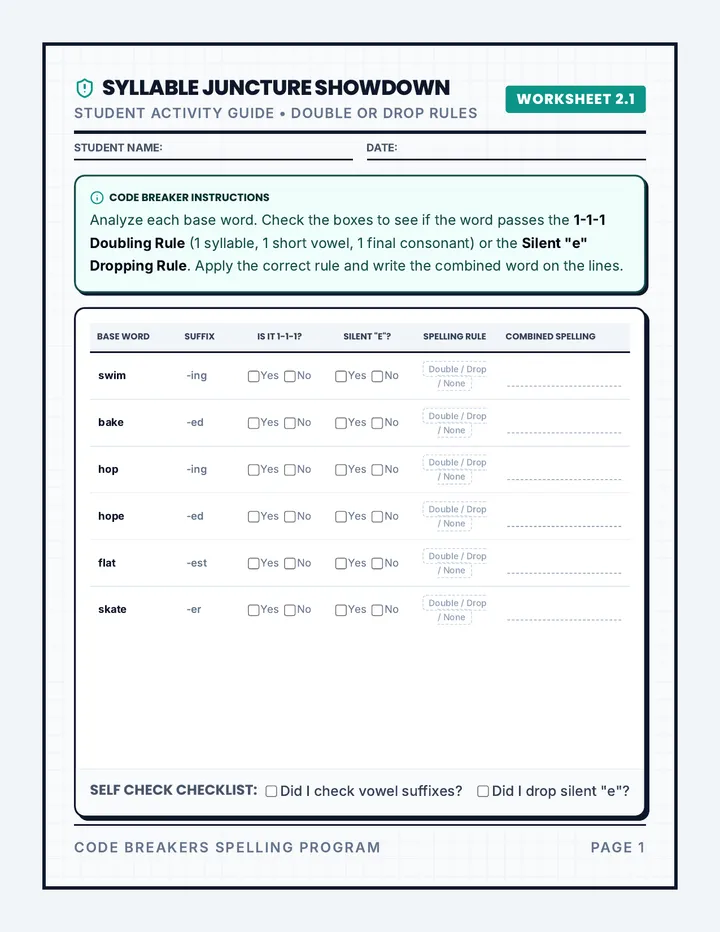
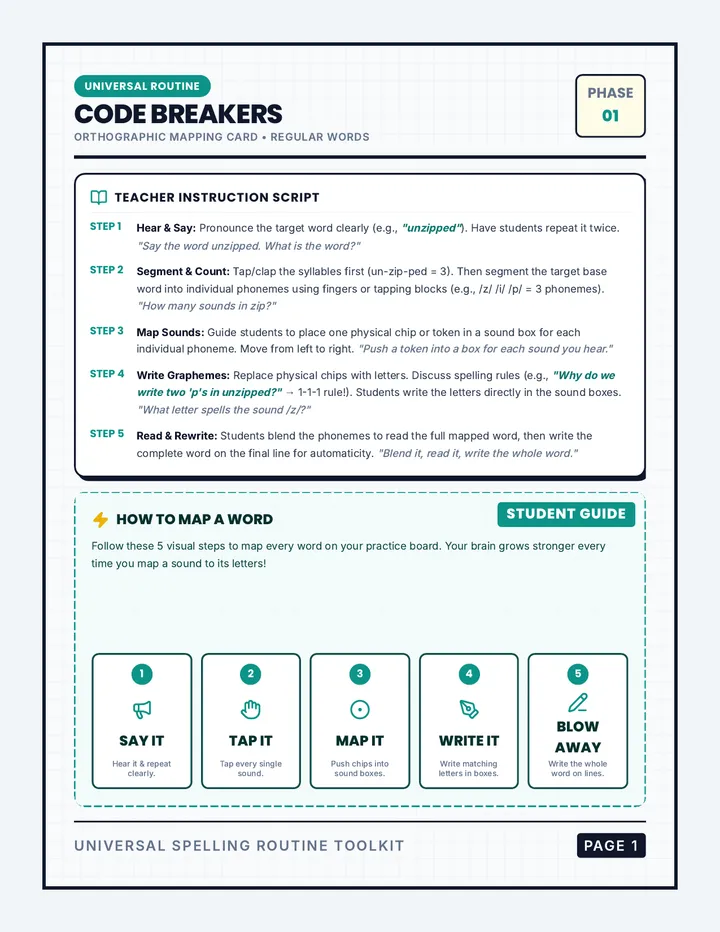
A comprehensive 2nd-grade literacy practice set focused on phonics (beginning, middle, and ending sounds), grammar (nouns, verbs, adjectives, adverbs), and reading comprehension. Designed with a fun "Code Breaker" detective theme to engage students in essential IRead skills.
A comprehensive spelling unit focused on high-frequency and thematic vocabulary related to American frontier history, featuring phonetic spelling challenges.
A collection of reflective and creative activities for Memorial Day, including a poppy craft writing activity, a gratitude letter template, and acrostic poems to honor fallen heroes.
Students learn to navigate story structure by becoming 'Plot Pilots,' guiding their narratives through takeoff, cruising, and landing. This lesson covers the essential elements of beginning, middle, and end using an engaging aviation metaphor.
Students work in small groups to rehearse and perform mystery plays, analyzing their specific plot structures and reflecting on social-emotional themes.
Students learn the fundamental components of a play script and use a model play to identify setting, characters, and plot structure.