In this 11th-grade physics lesson, students investigate dispersion and the relationship between wavelength and refraction using prisms, Snell's Law, and a focused video segment.
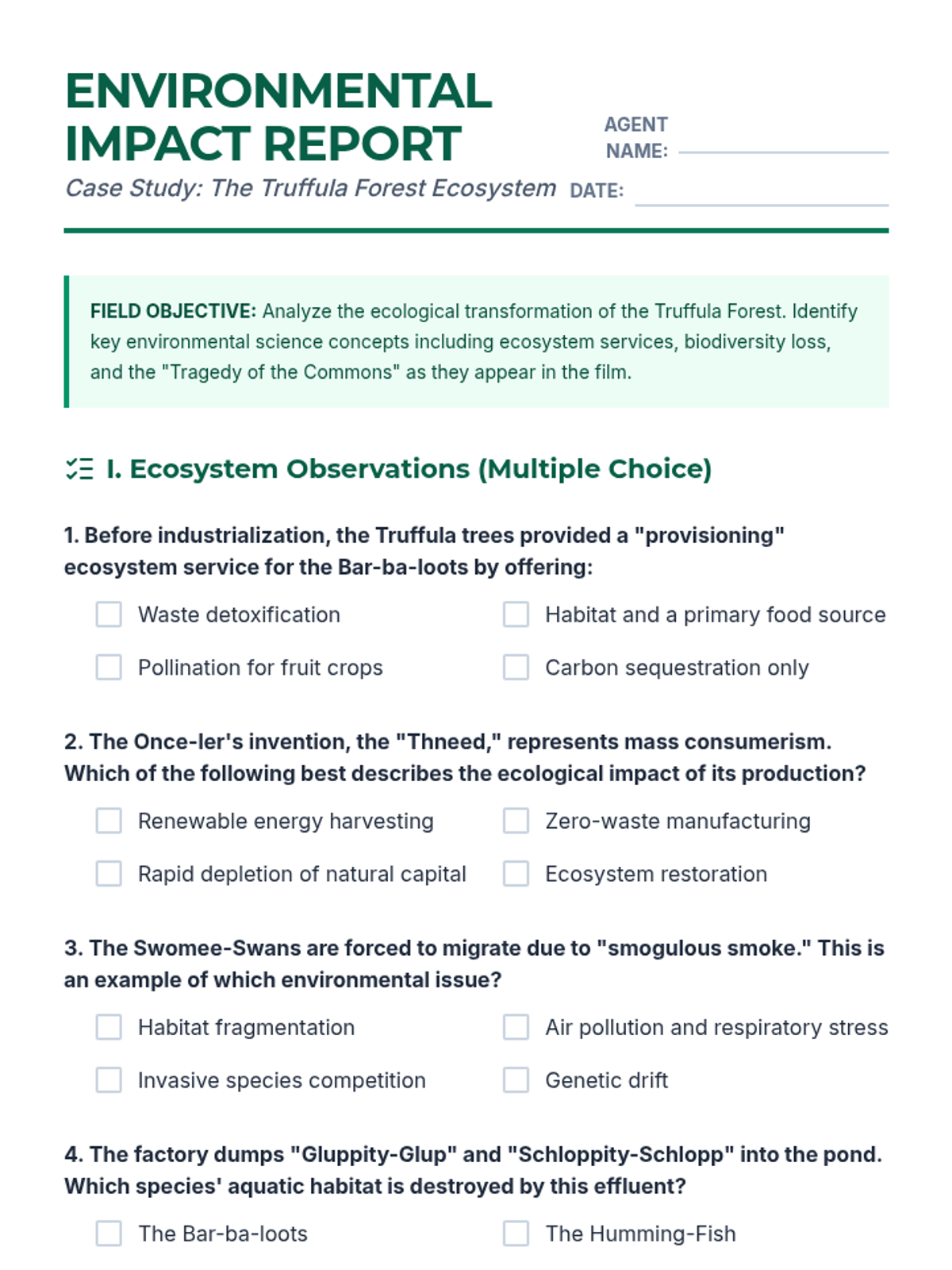
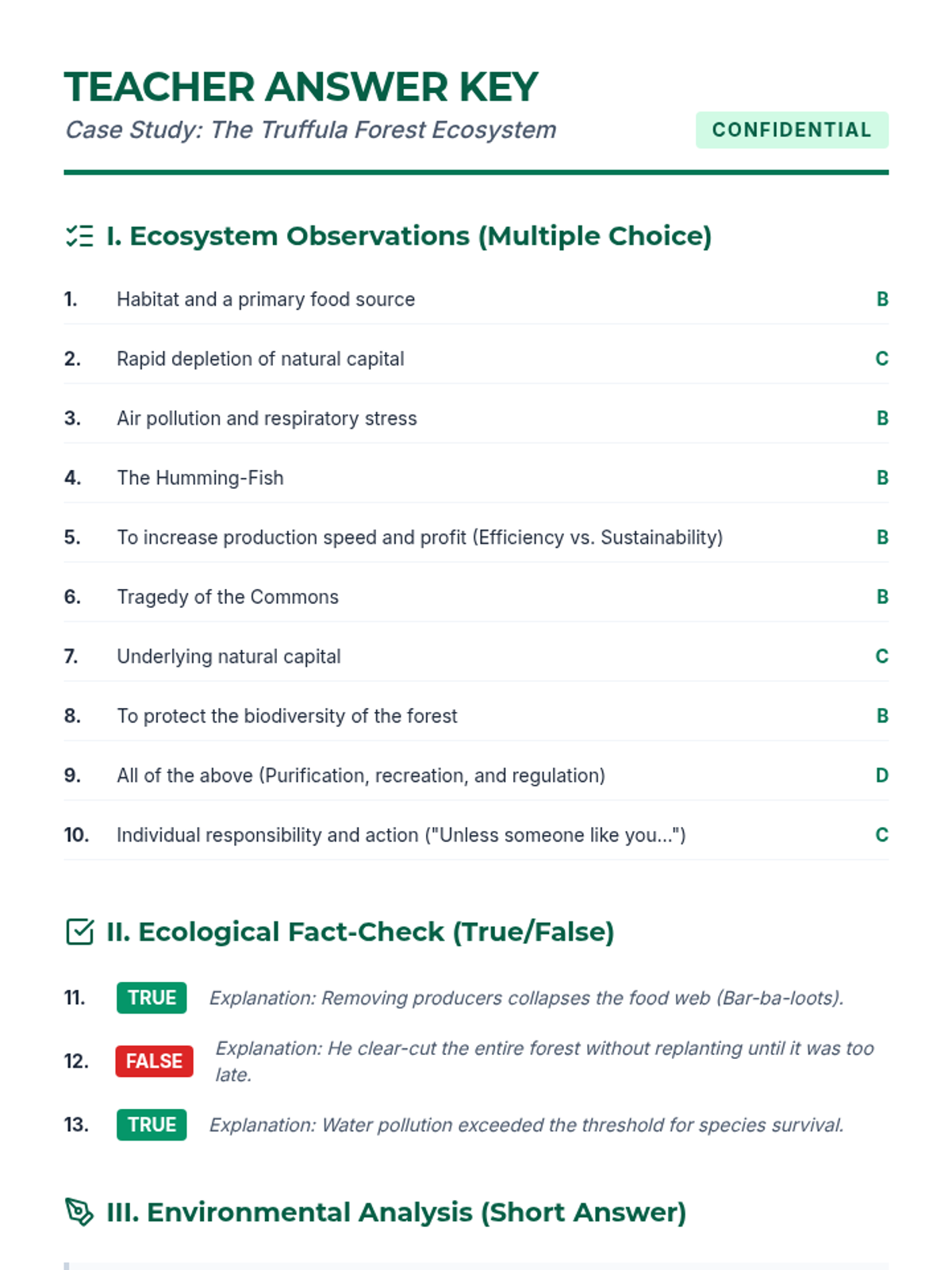
A lesson exploring the environmental consequences of industrialization and deforestation through the lens of 'The Lorax', focusing on ecosystem services and biodiversity loss.
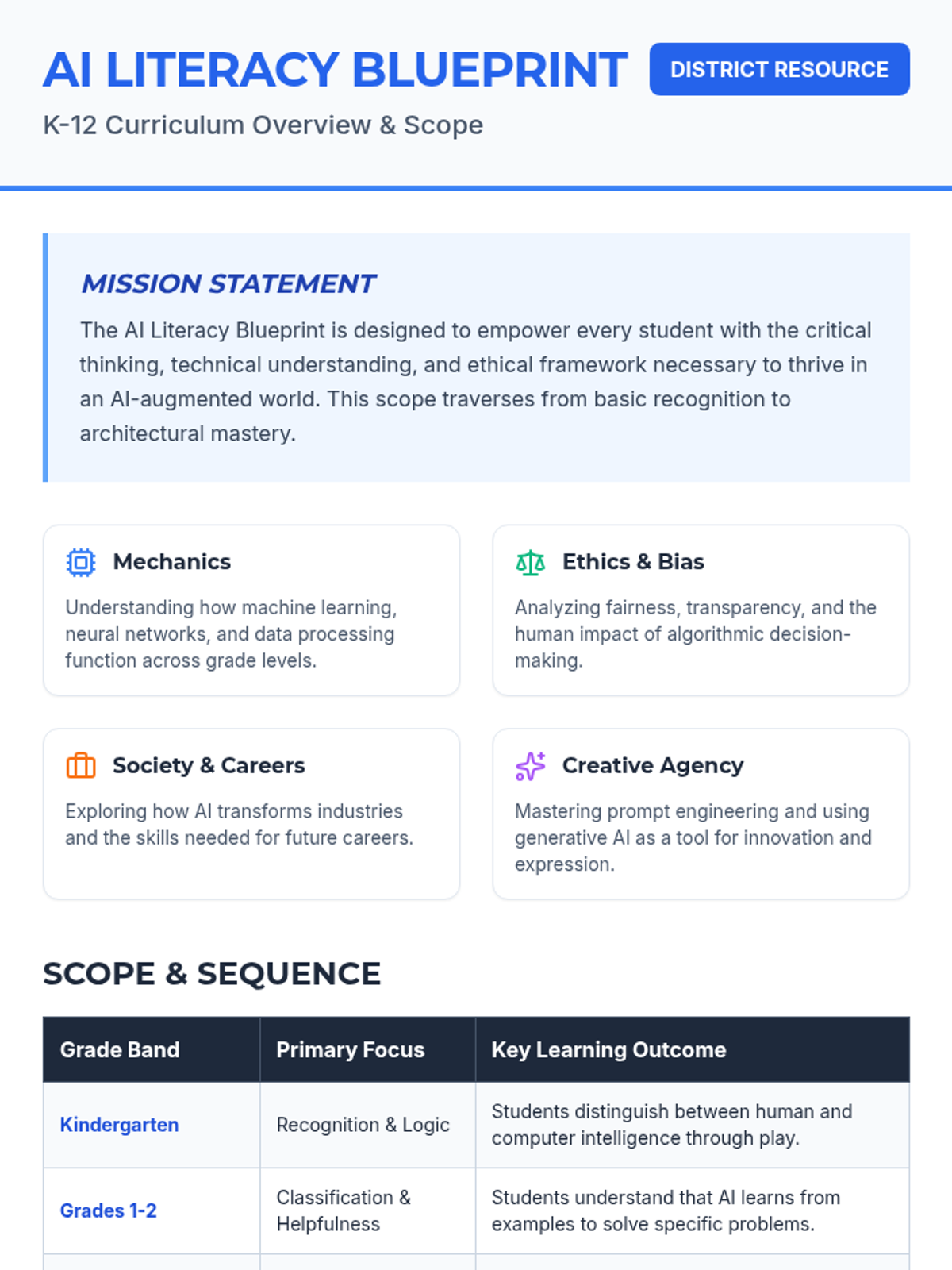
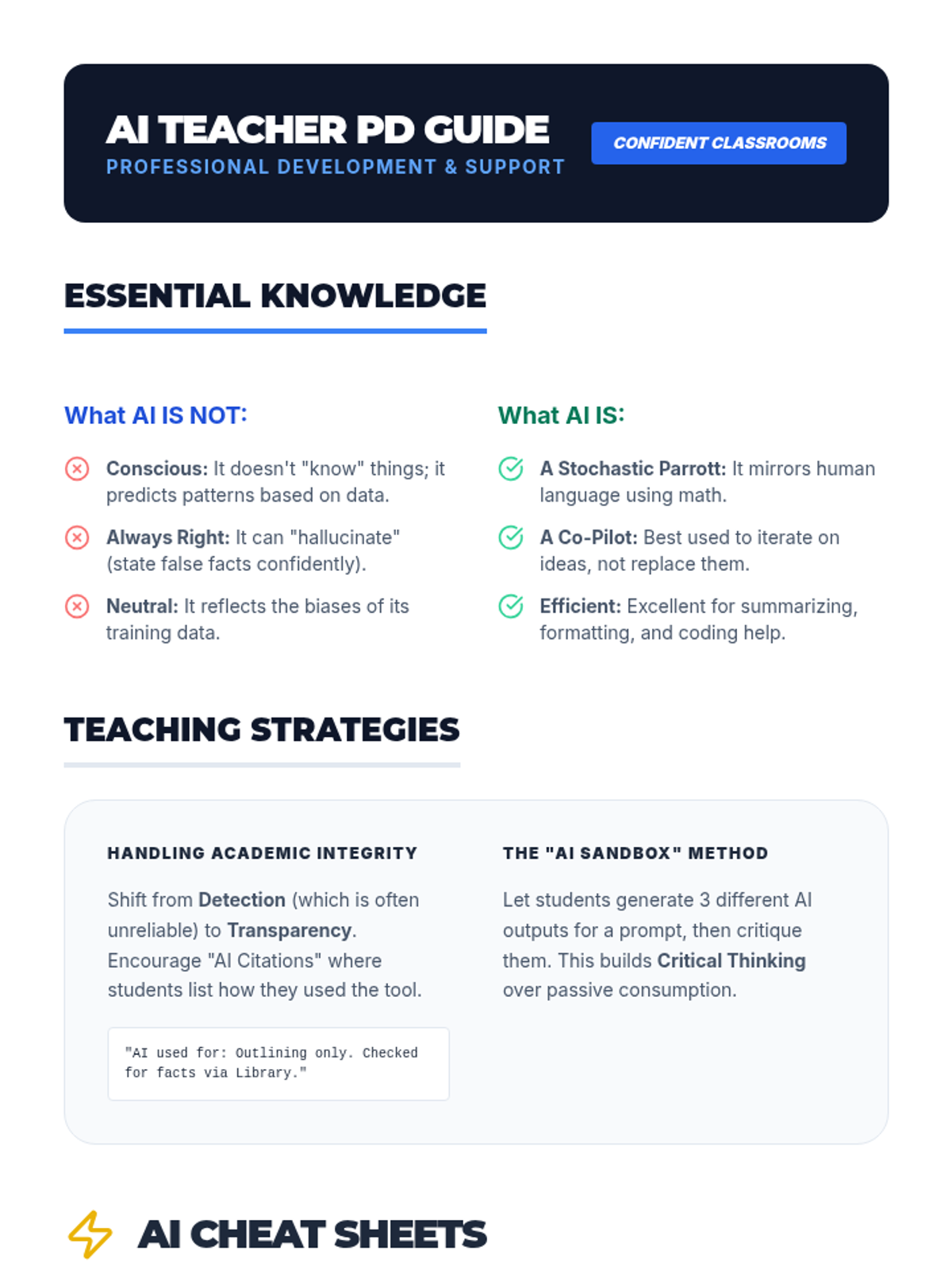
A dedicated hub for educators featuring a K-12 curriculum scope, professional development guides, and quick-reference AI cheat sheets.
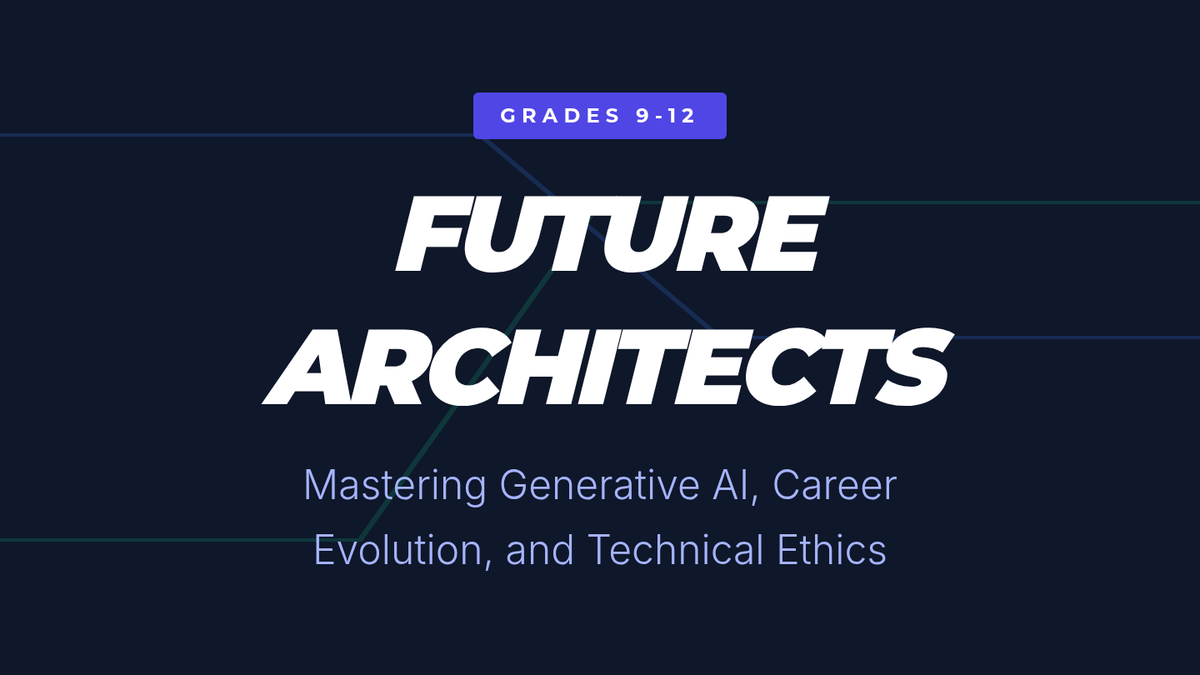
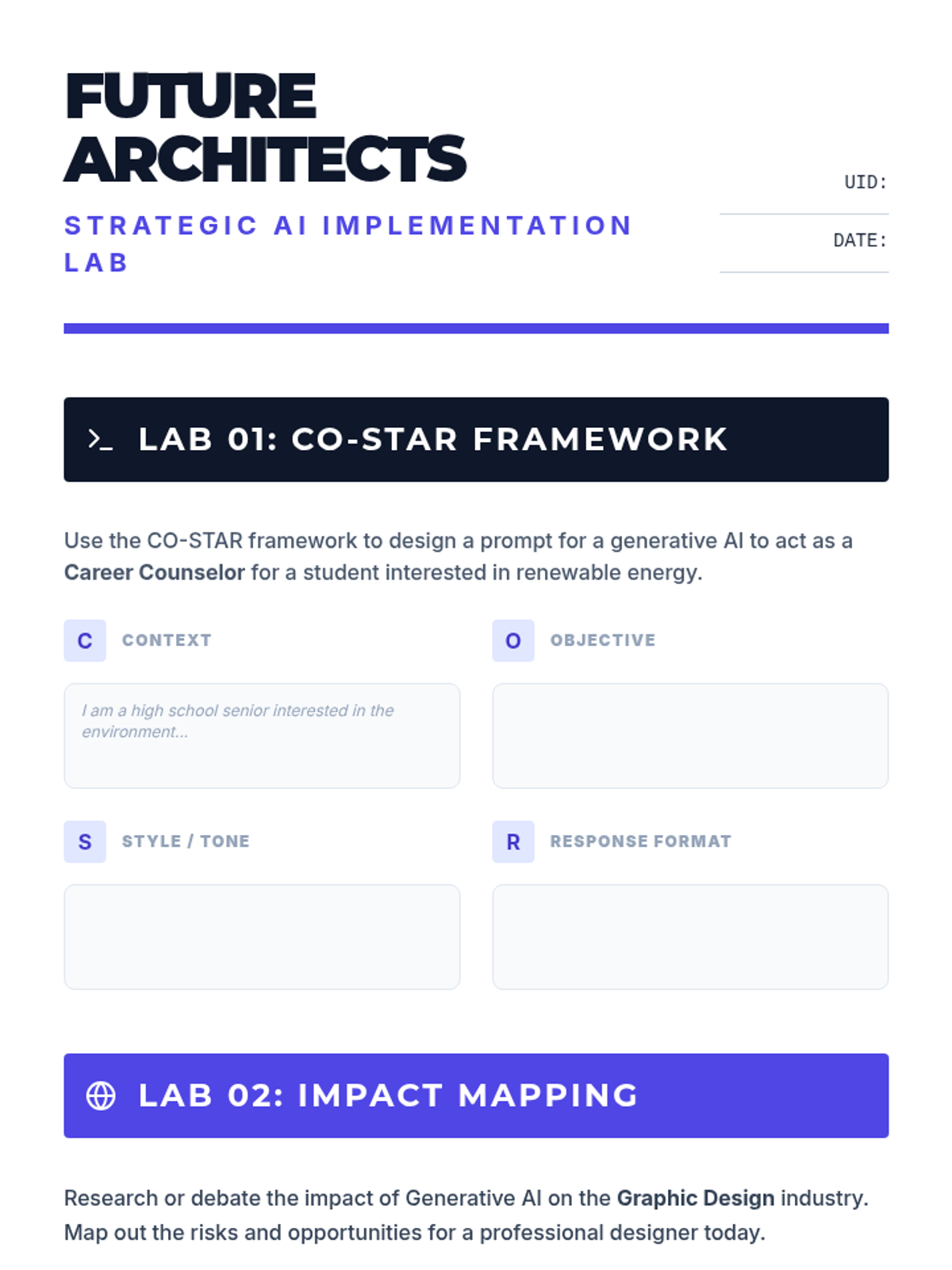
High school students analyze the impact of generative AI on careers and society, mastering advanced prompt engineering and debating complex ethical dilemmas.
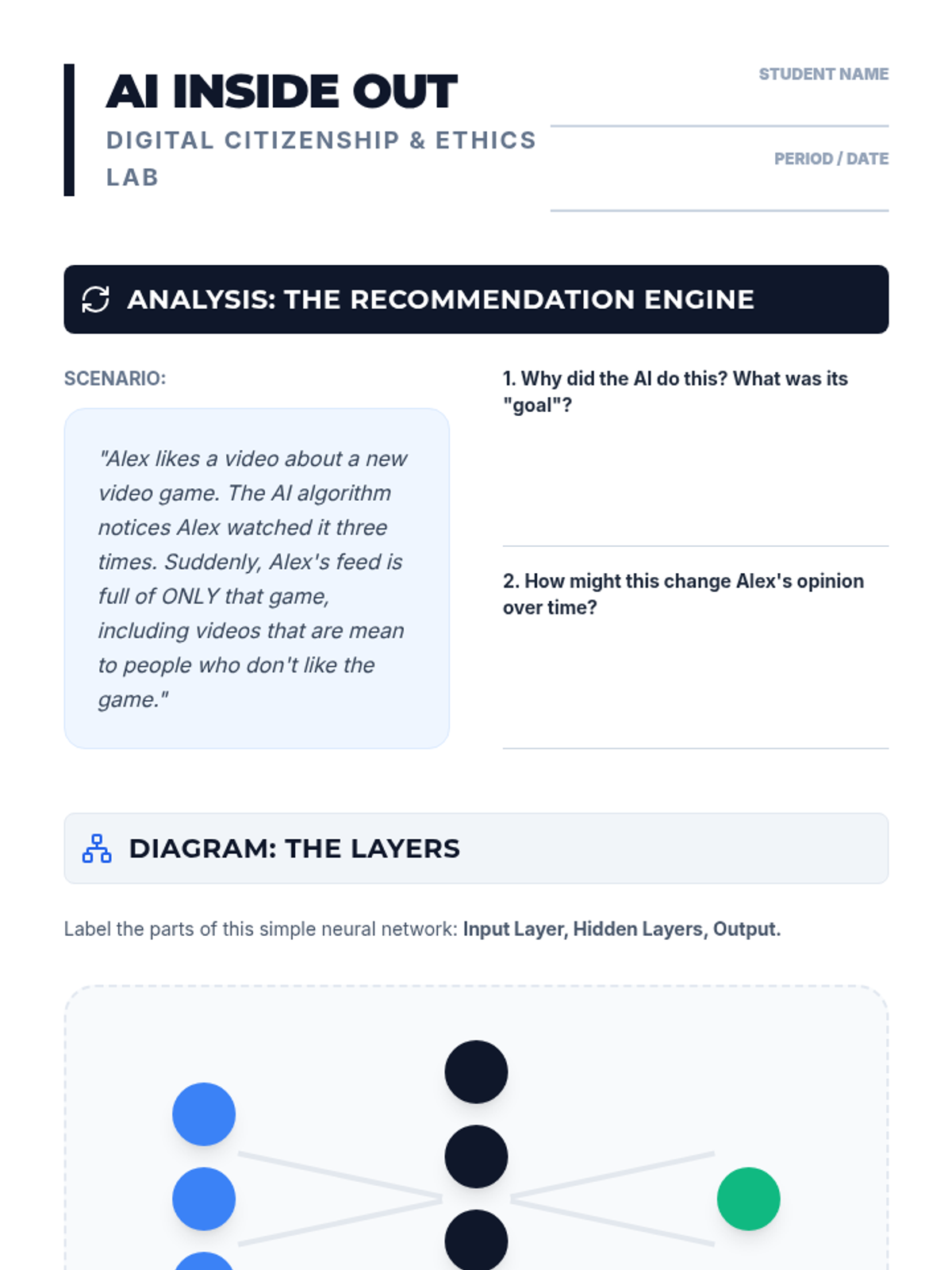
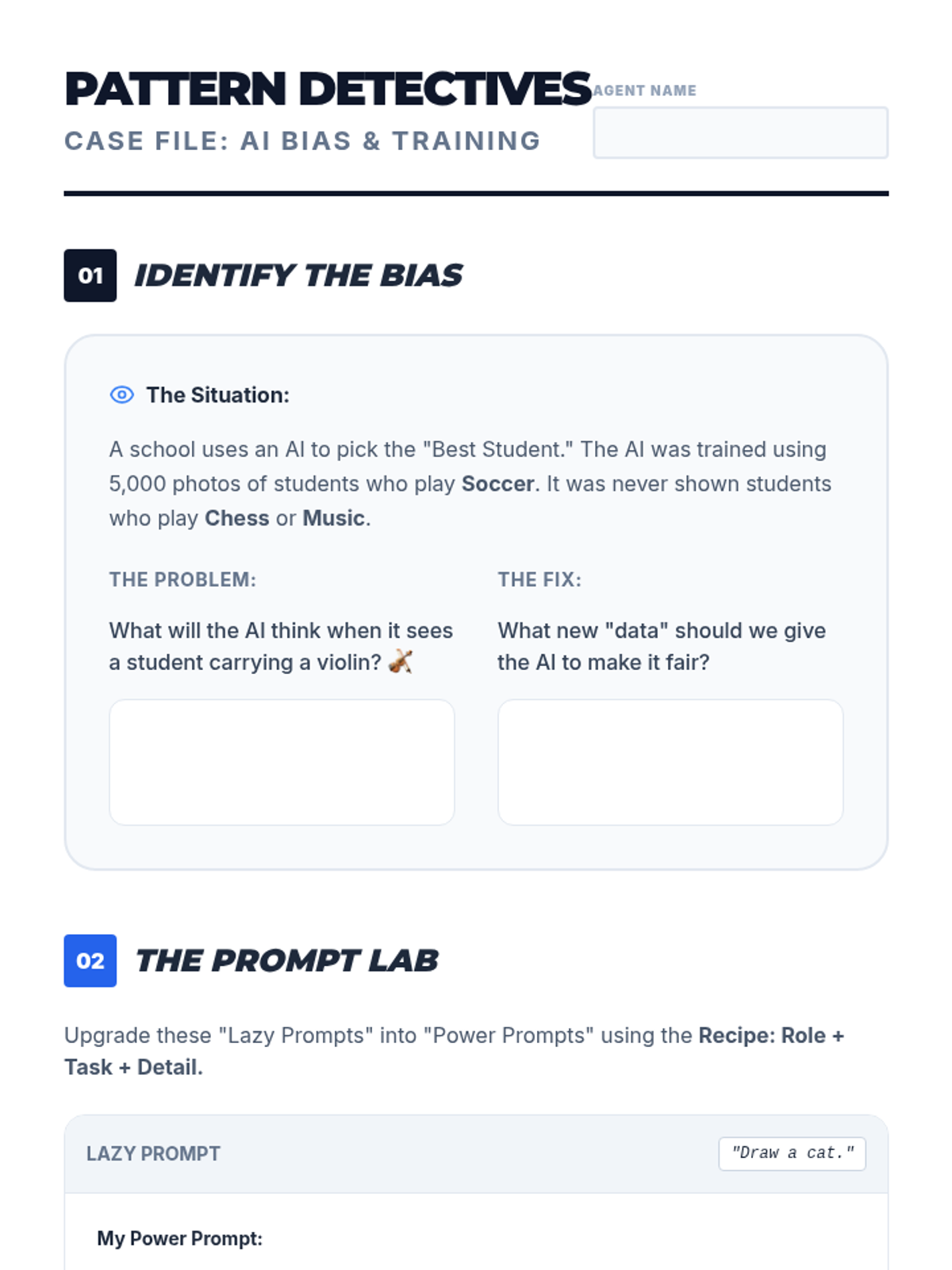
Middle schoolers dive into the mechanics of neural networks and the ethical implications of AI in daily life, focusing on digital citizenship and algorithmic fairness.
Middle elementary students investigate how training data shapes AI behavior, identifying bias in simple systems and experimenting with basic prompt engineering.
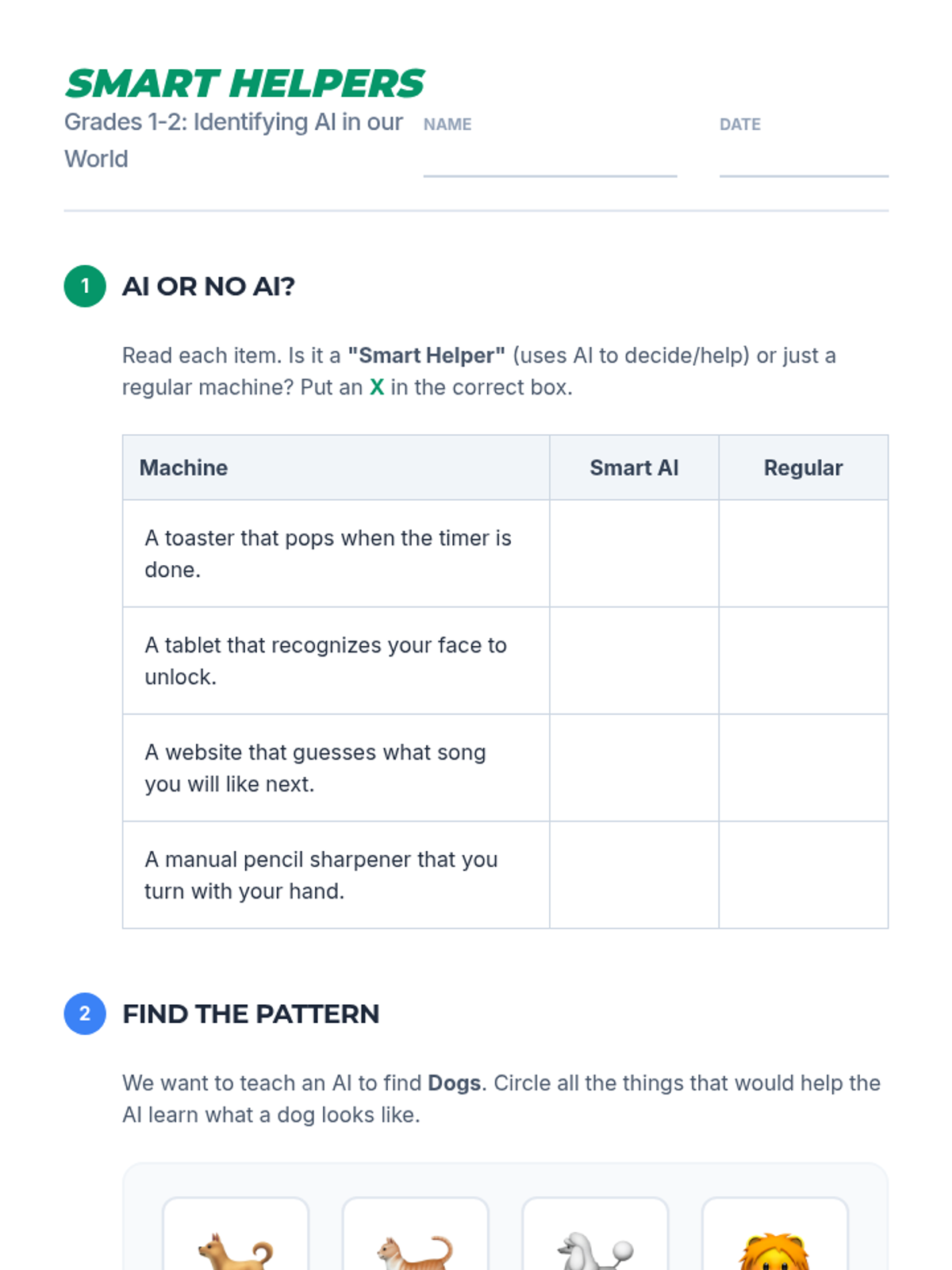
Students in grades 1-2 explore how machines learn to recognize patterns and assist humans, introducing basic classification and the idea of helpful technology.
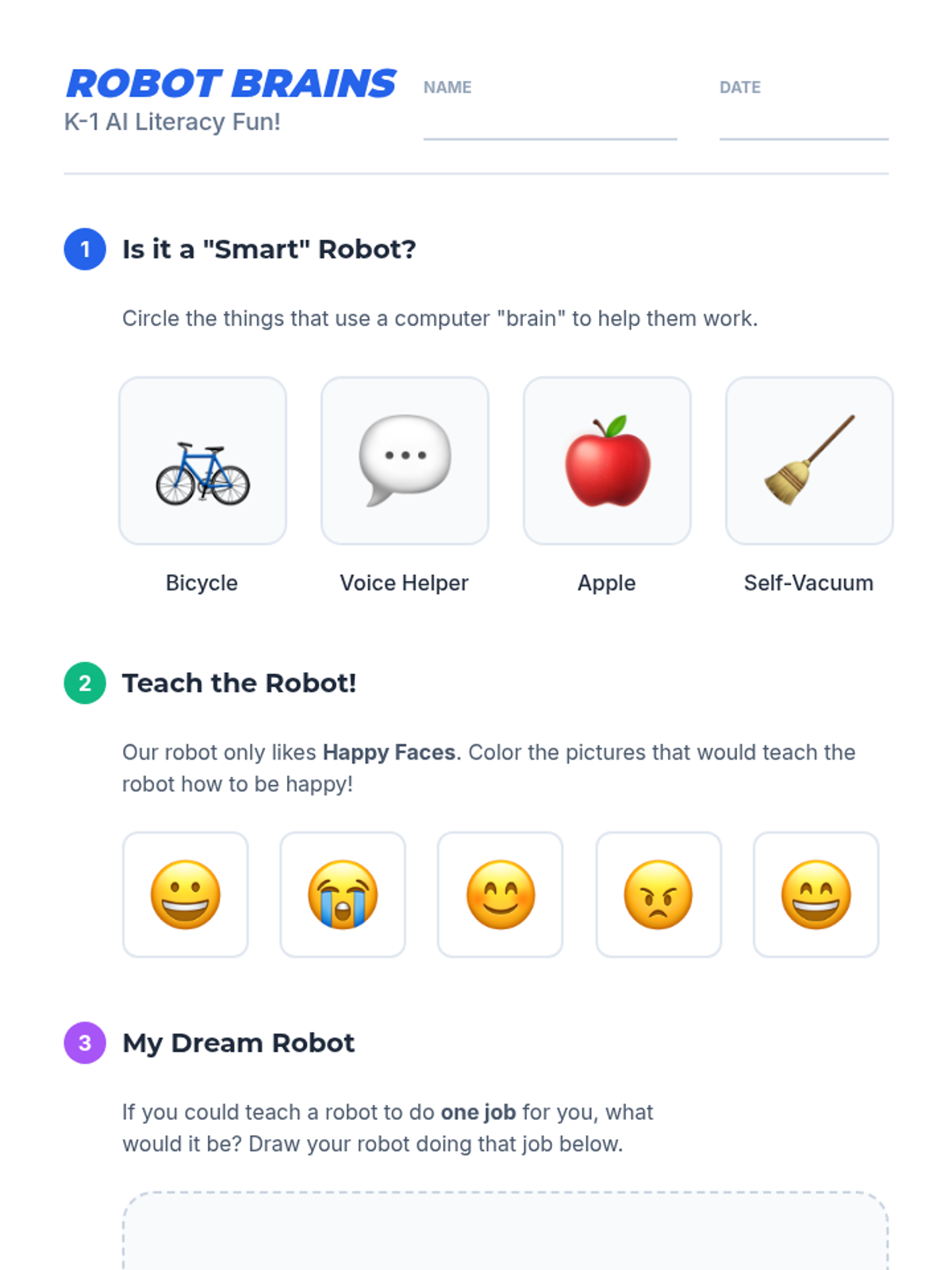
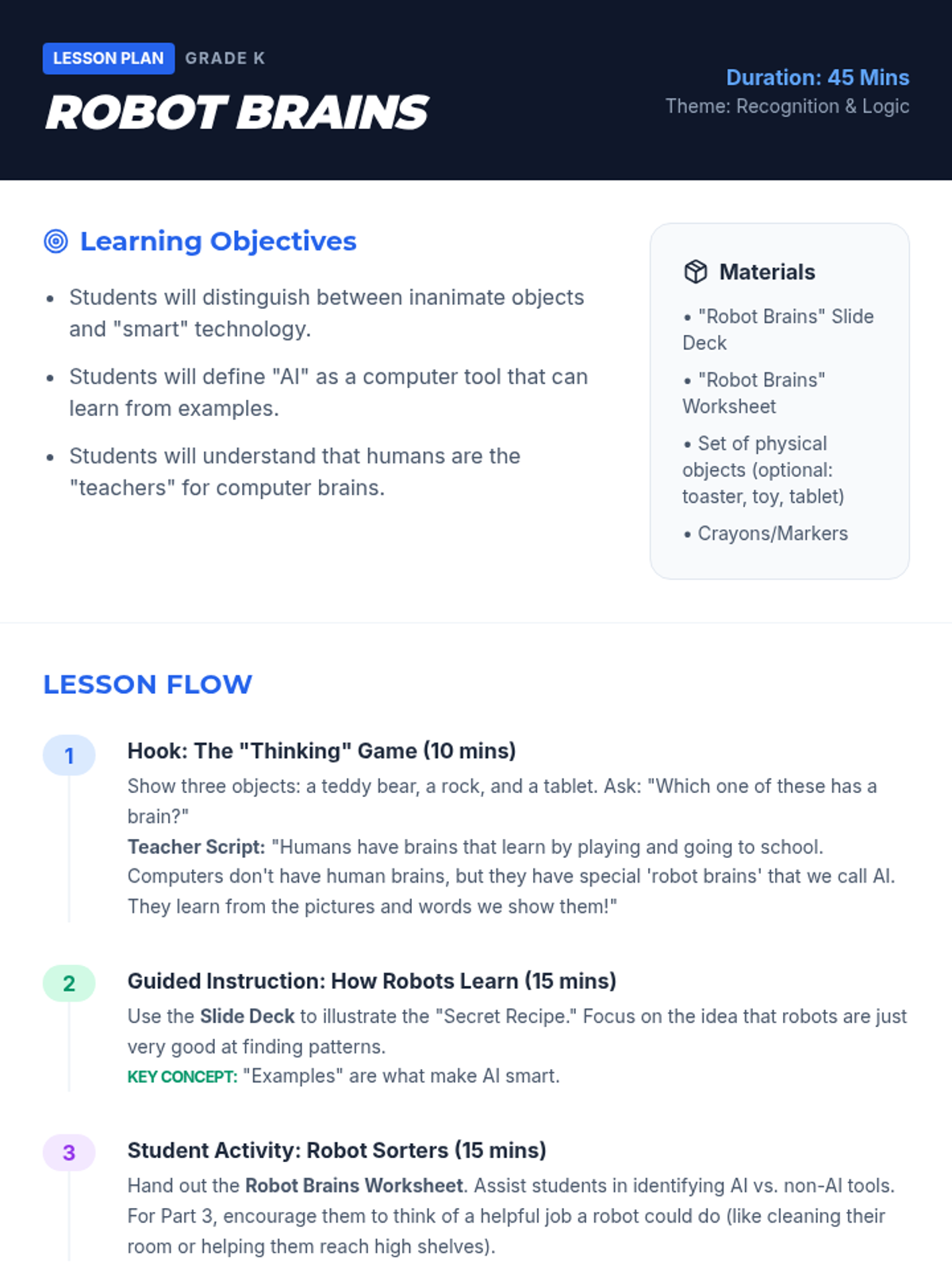
Introduces Kindergarteners to the concept of AI as a 'thinking' tool that follows instructions and learns from examples, focusing on the difference between robots and AI.
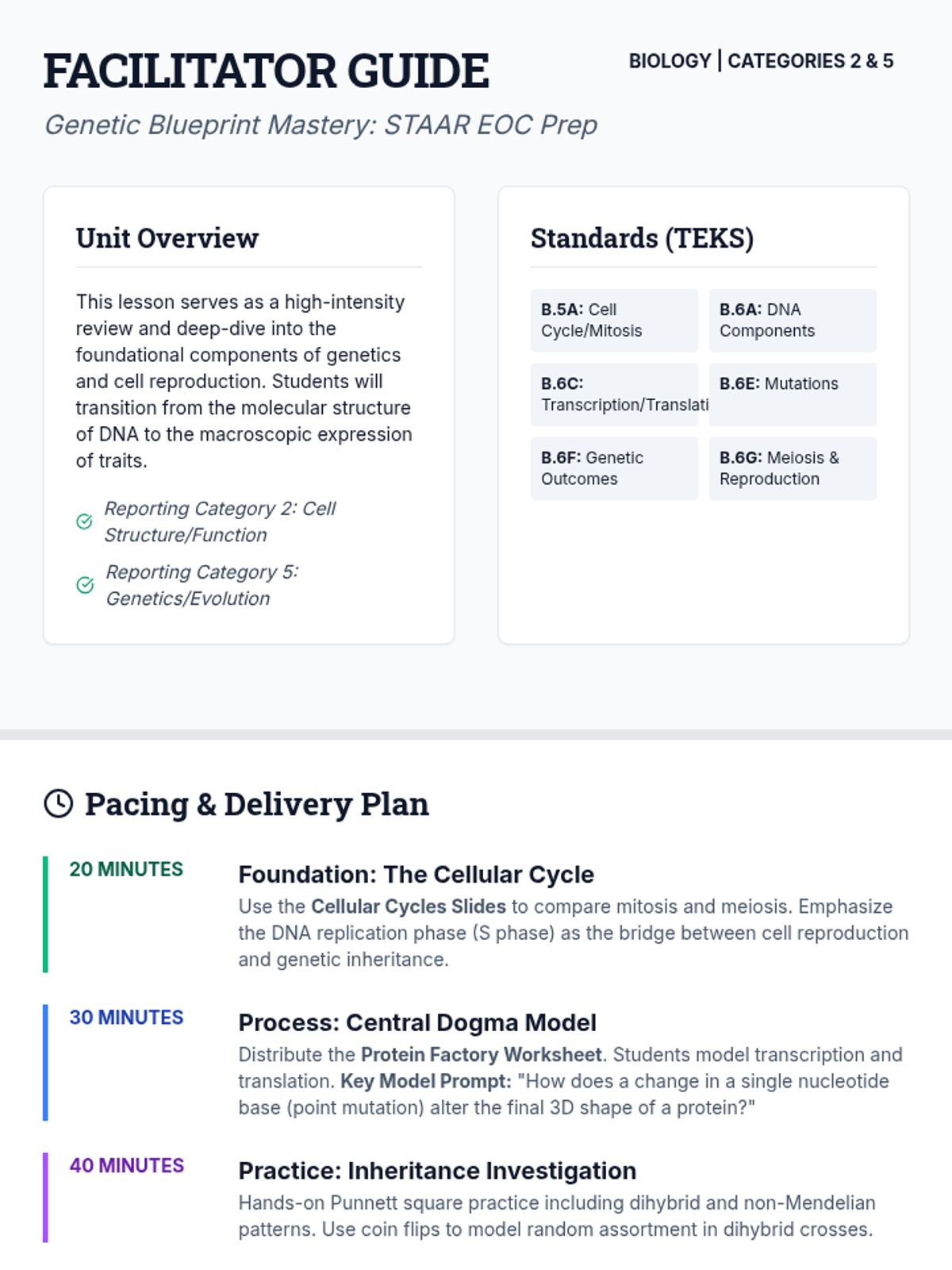
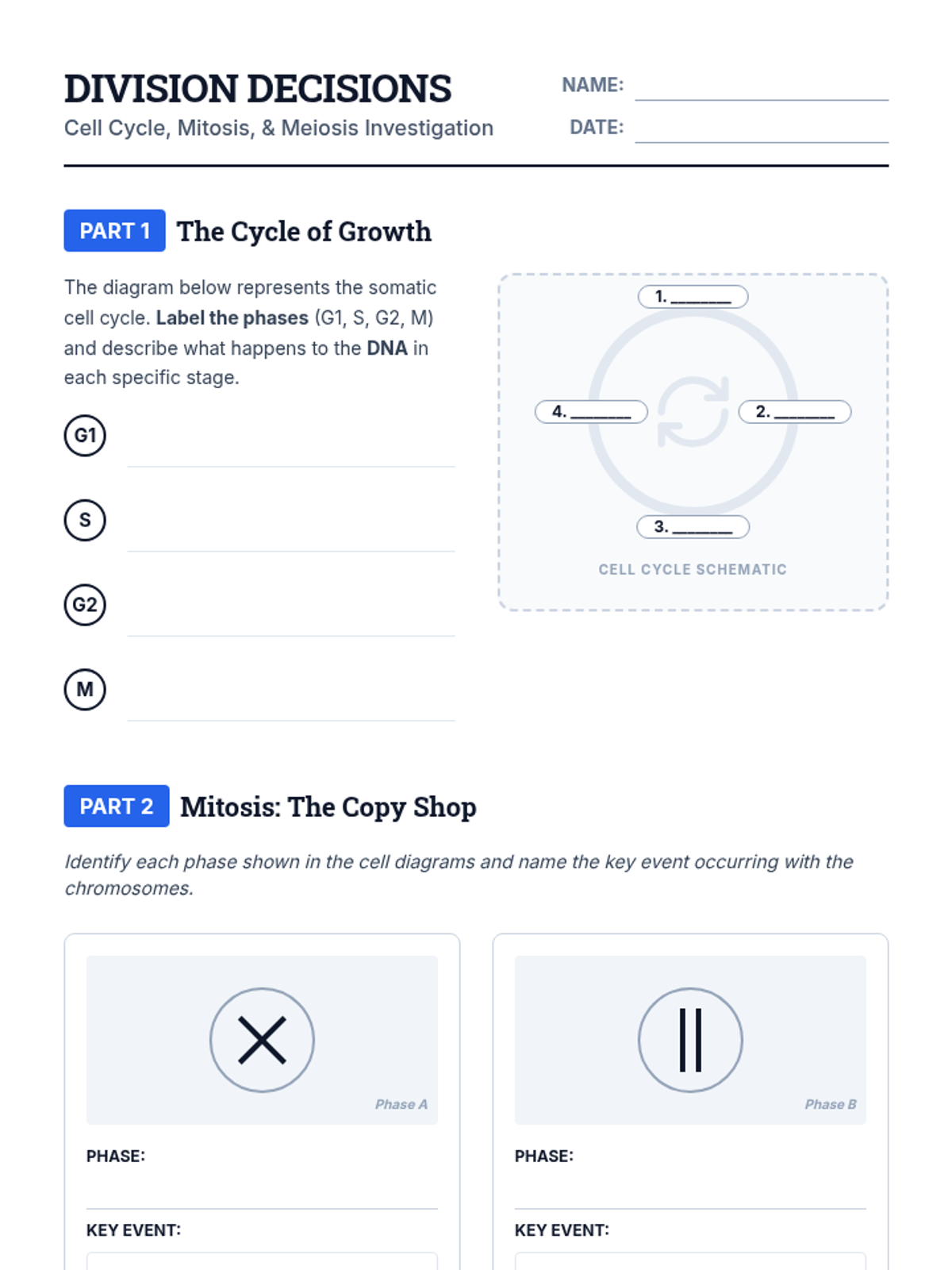
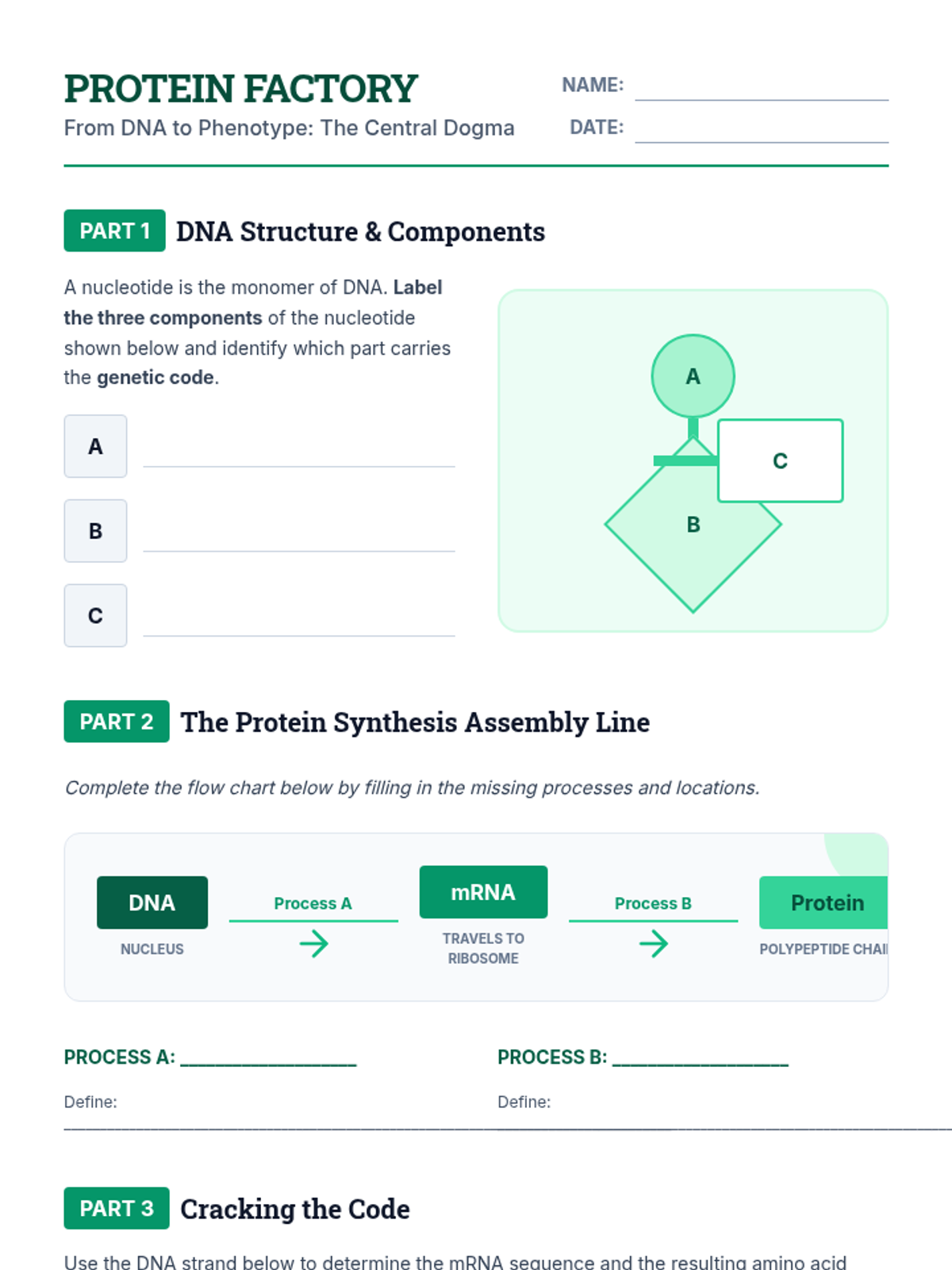
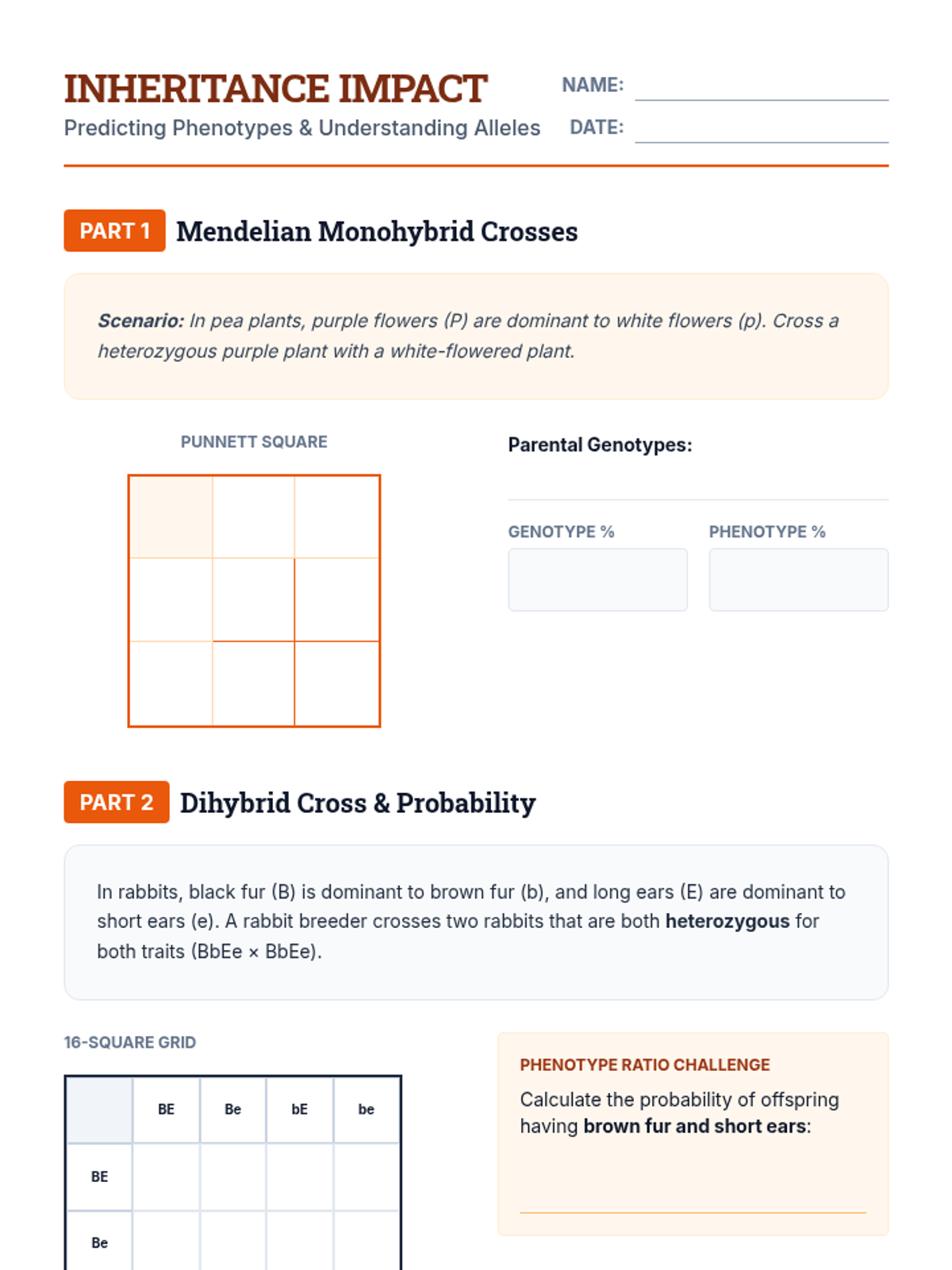
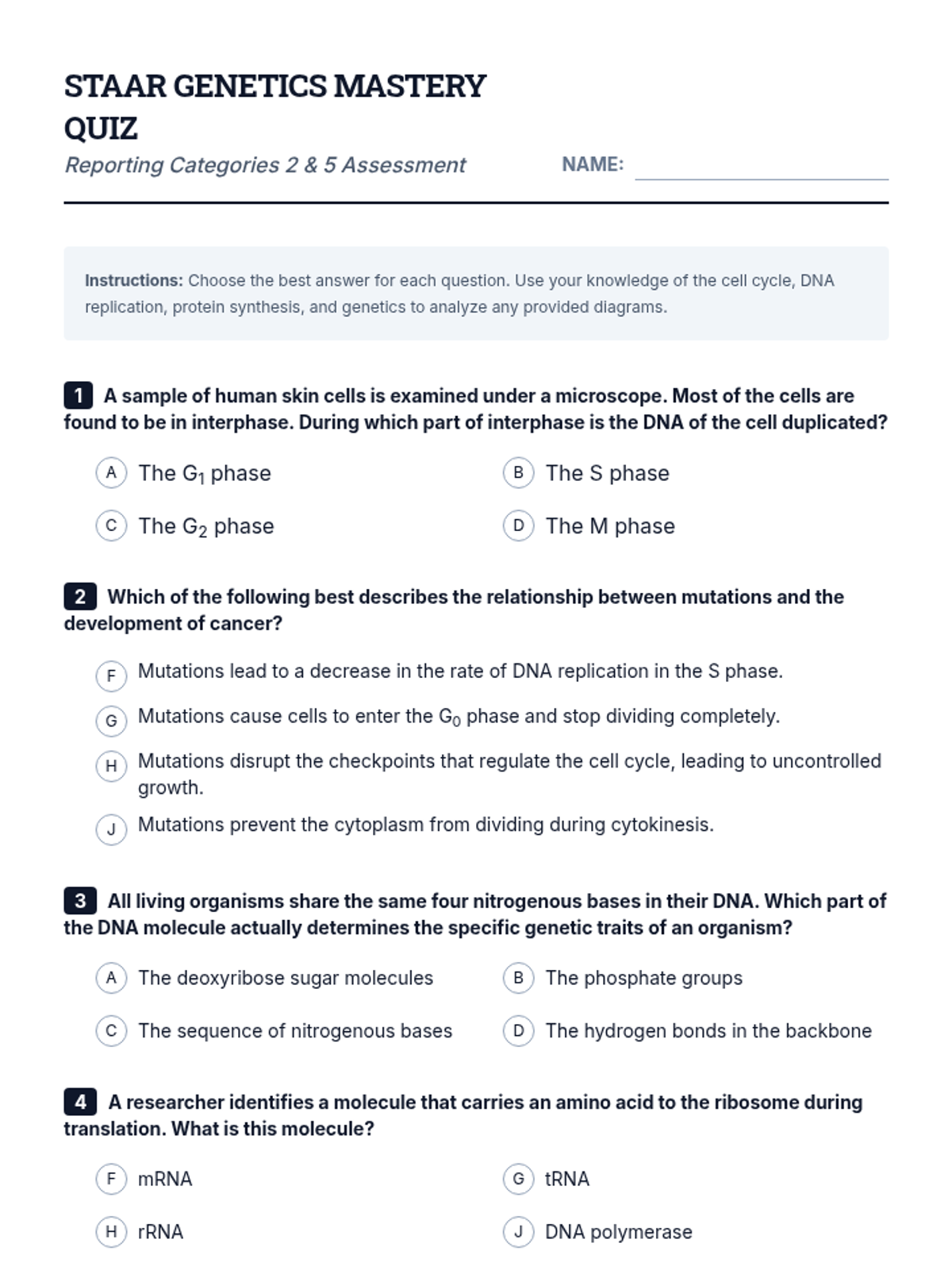
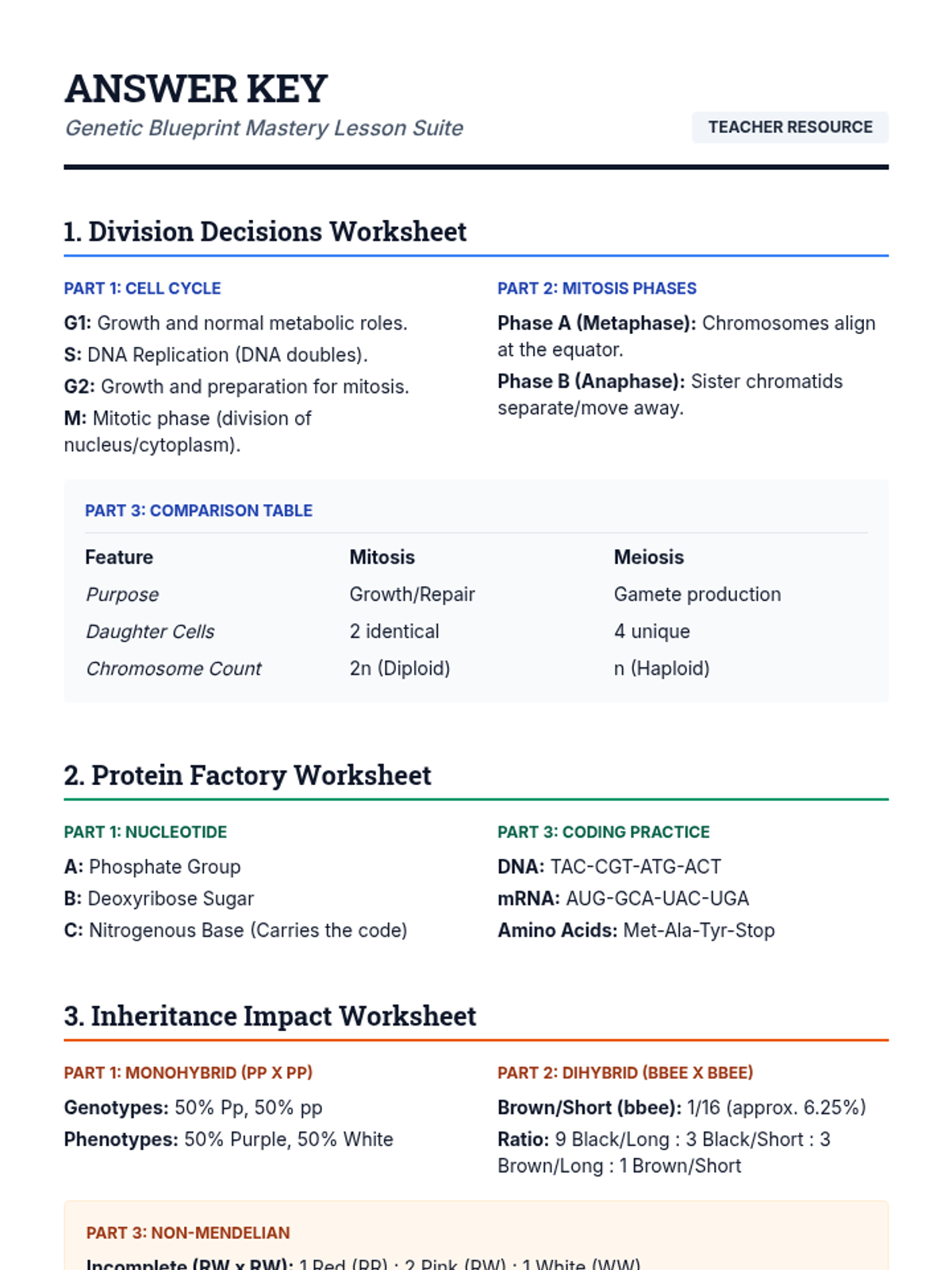
A comprehensive Biology lesson covering the cell cycle, DNA replication, protein synthesis, and Mendelian/non-Mendelian genetics, specifically designed for STAAR EOC preparation. Students explore the flow of genetic information and the patterns of inheritance through model-based reasoning and problem-solving.
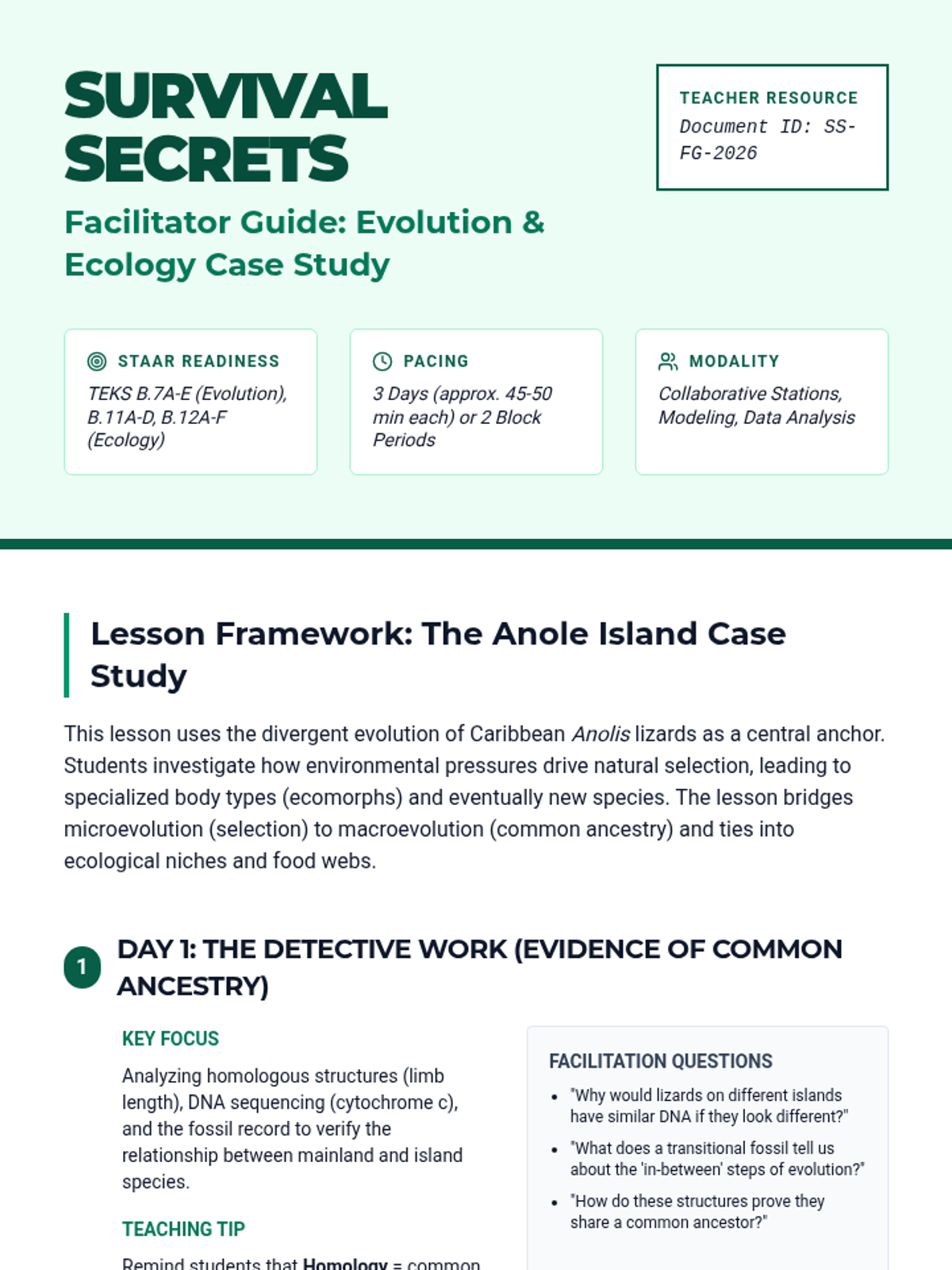
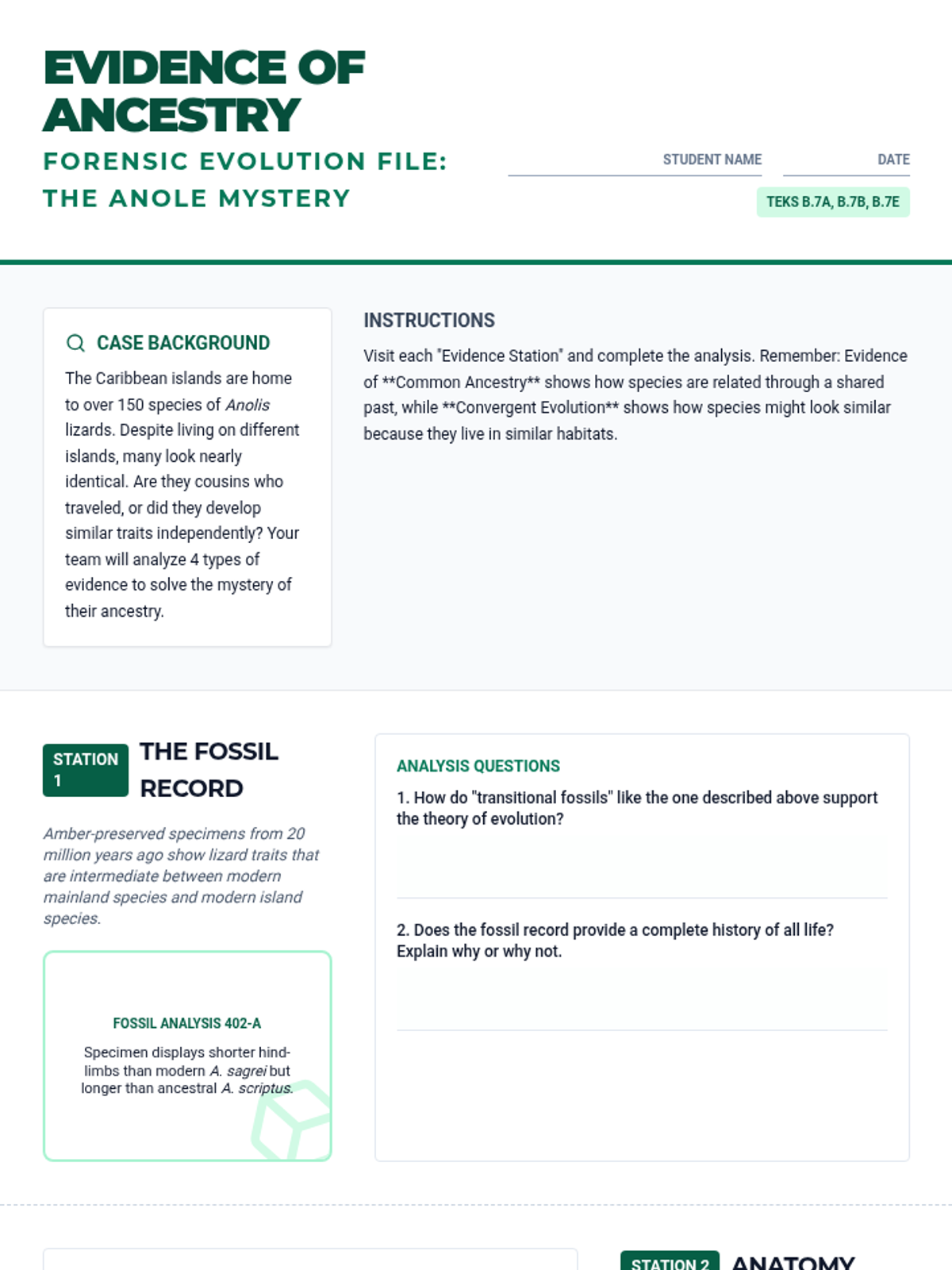
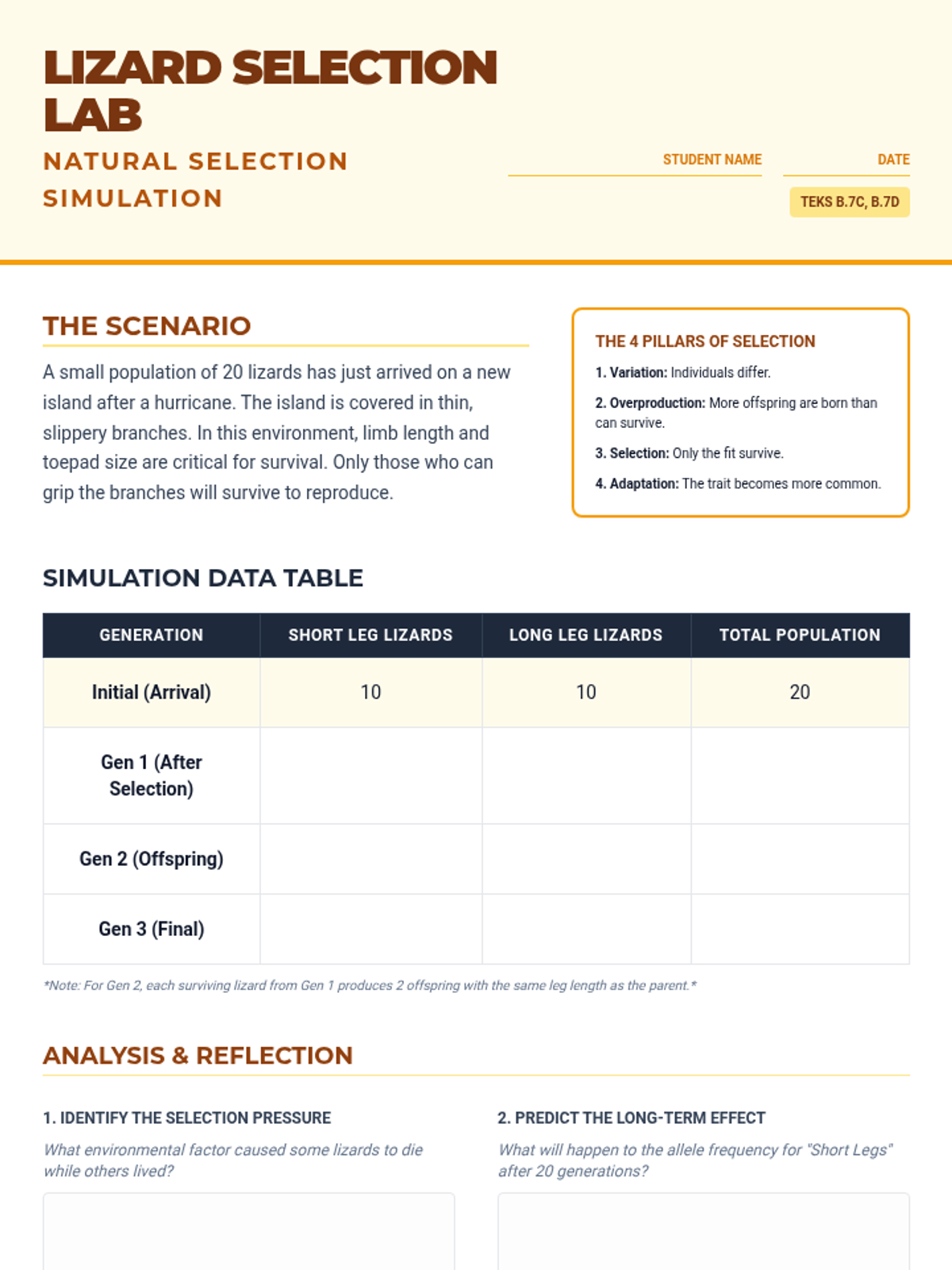
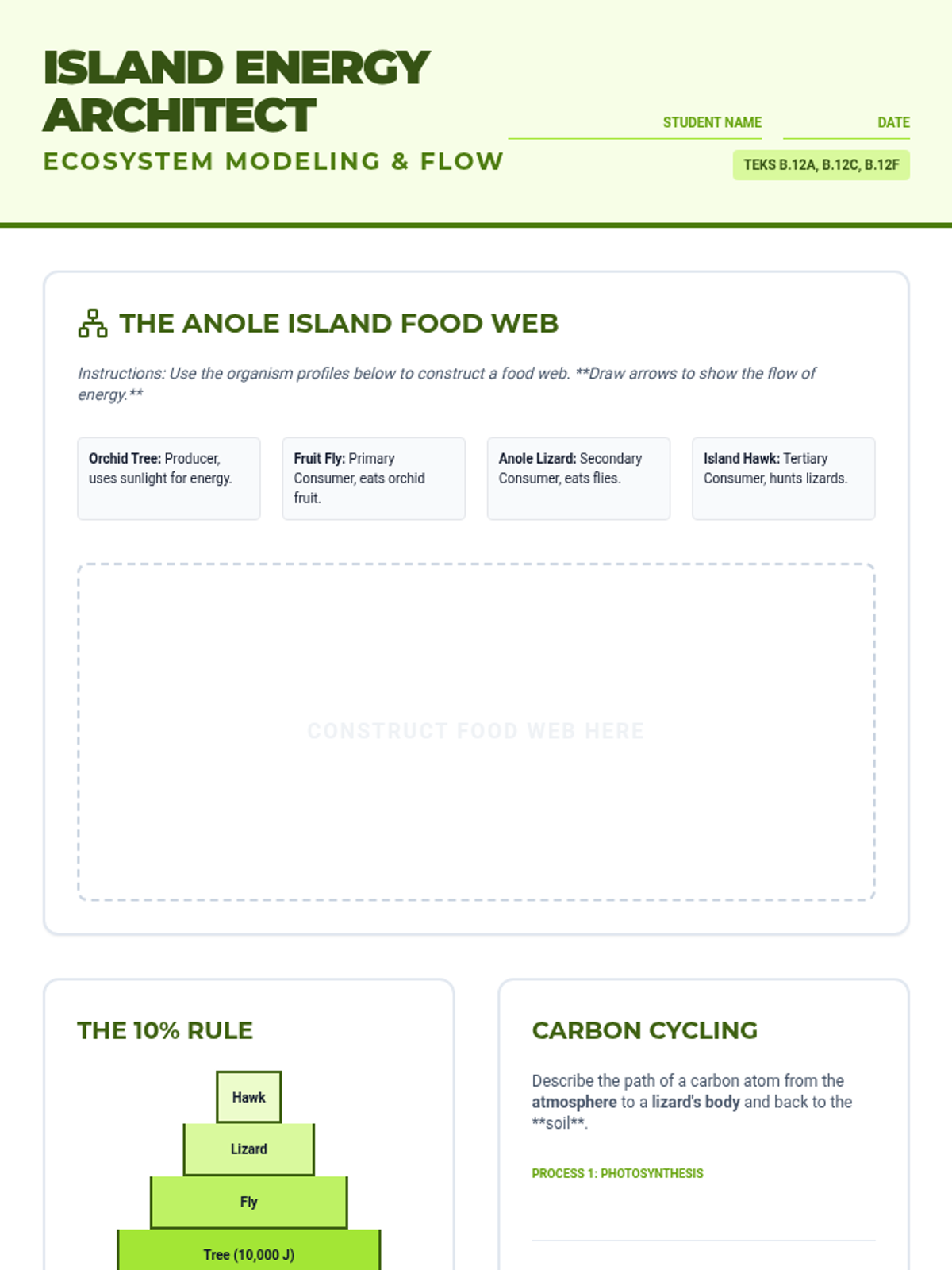
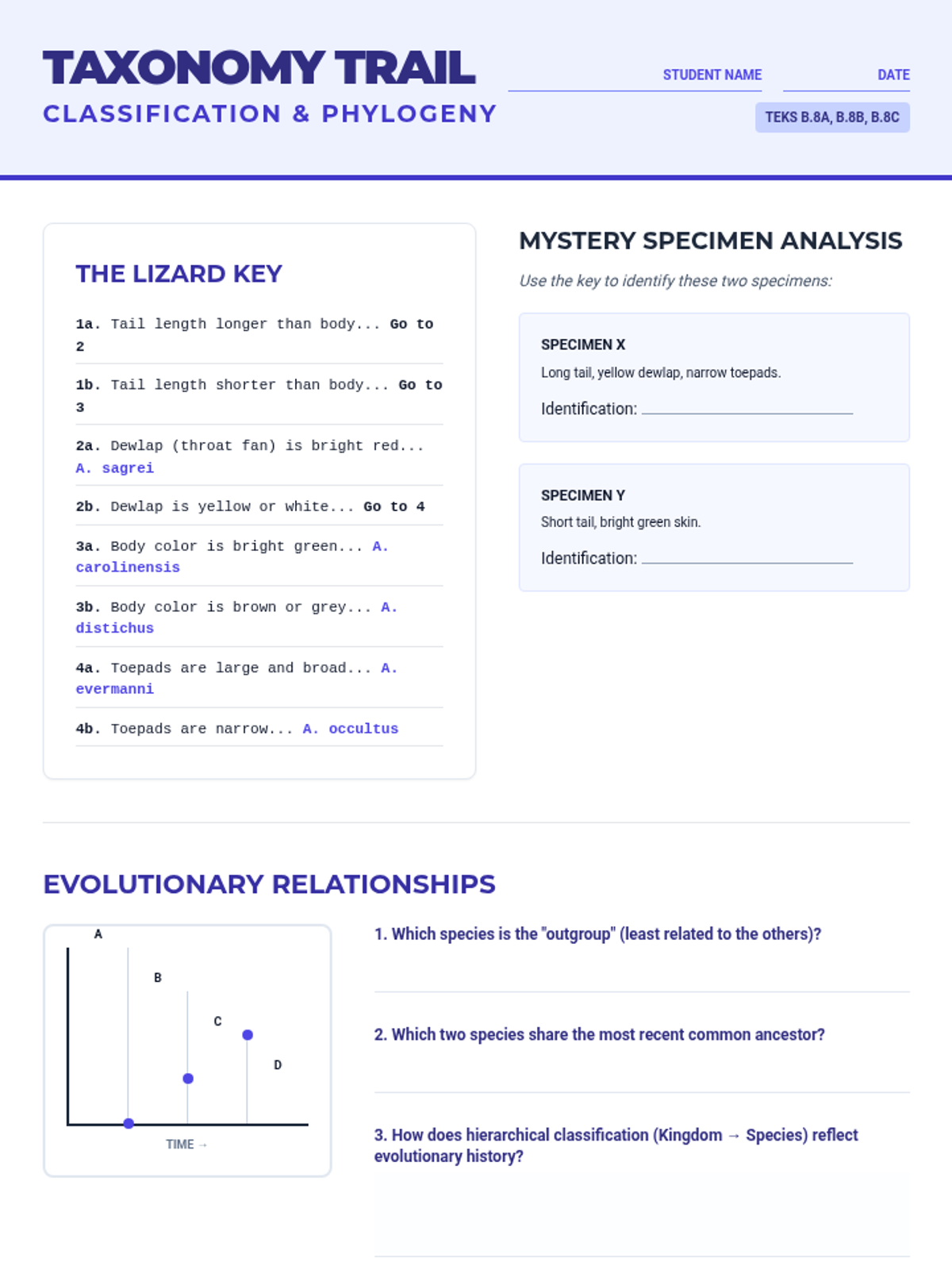
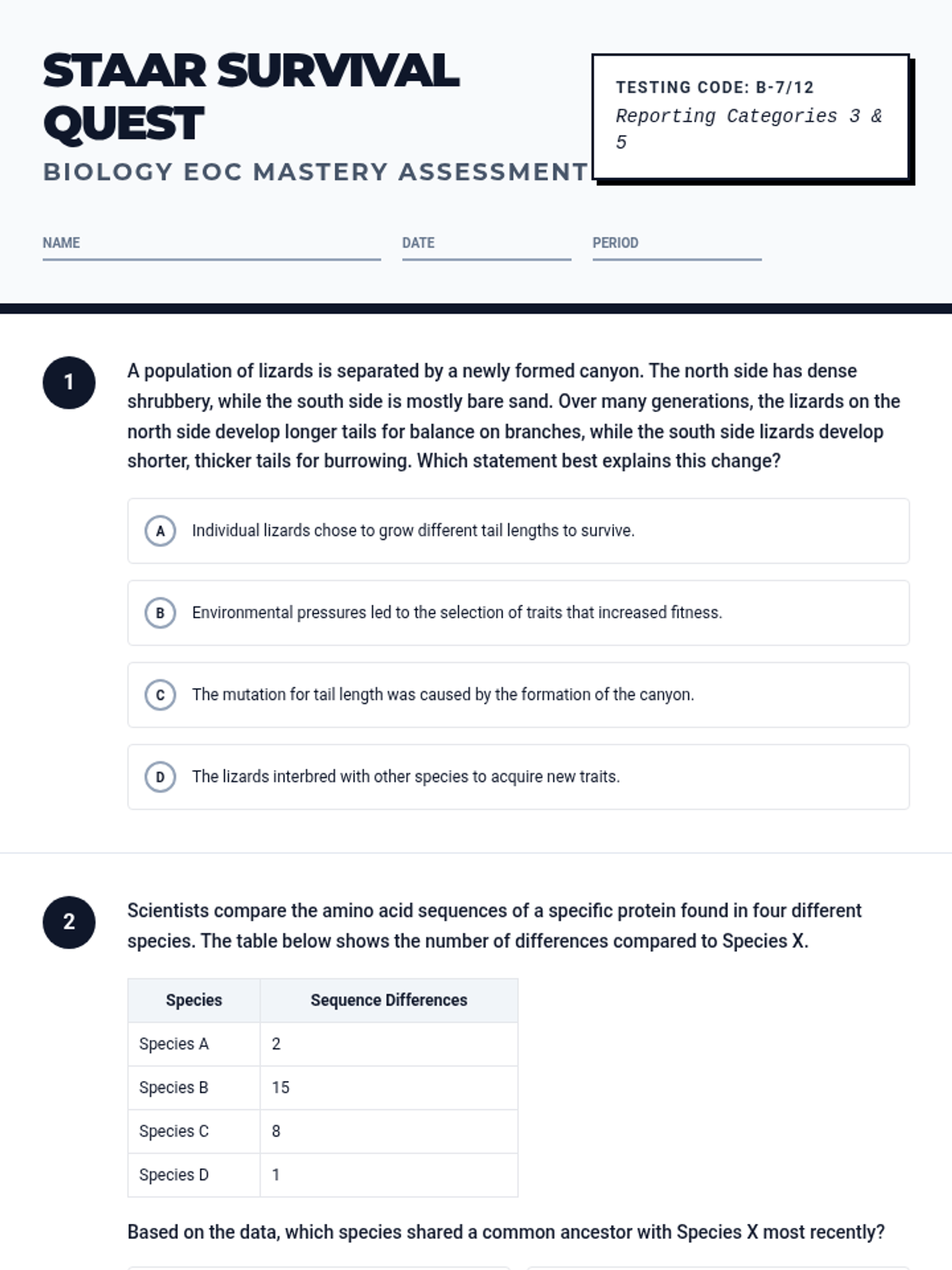
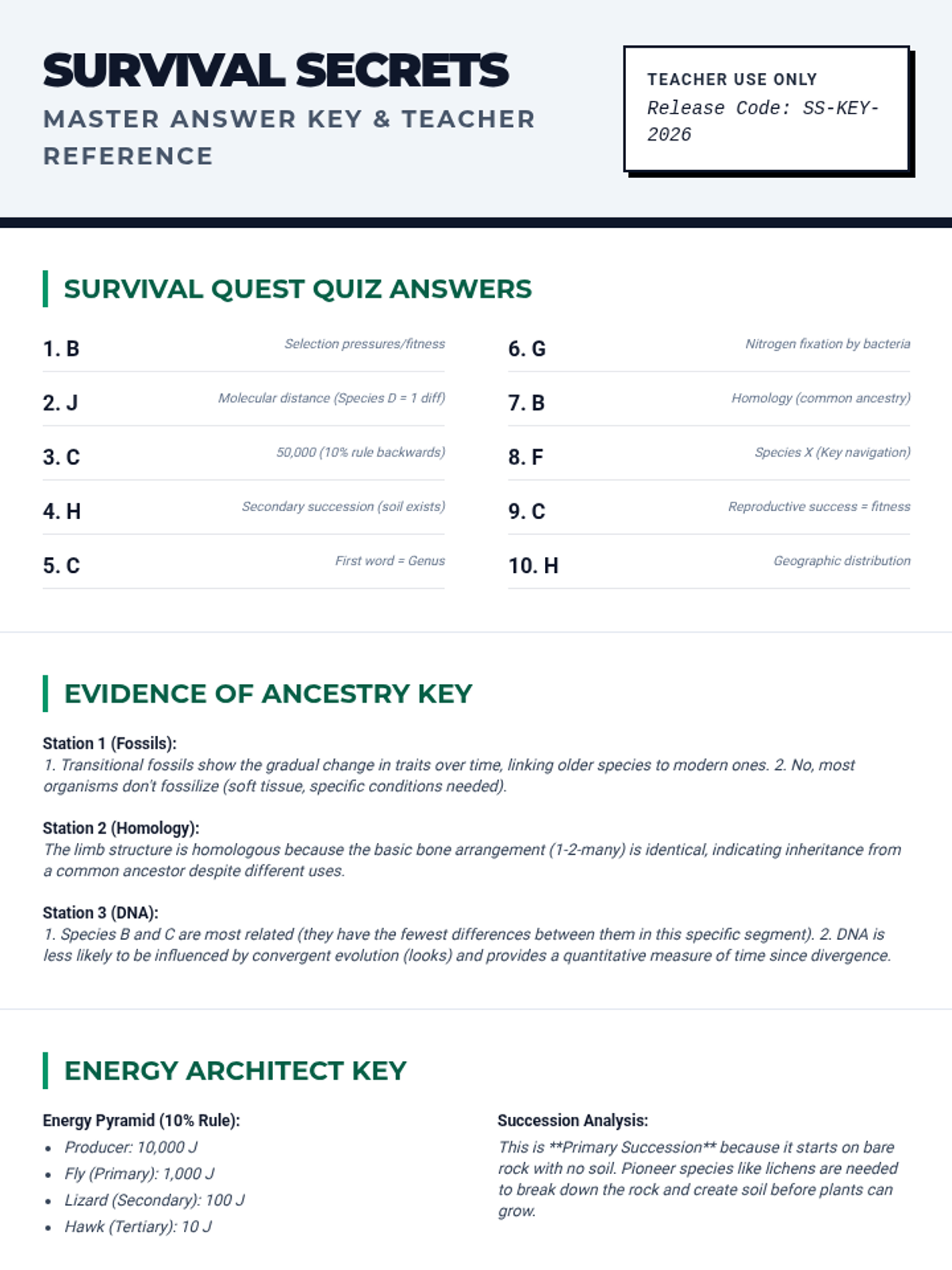
A comprehensive EOC prep lesson covering evolution, natural selection, taxonomy, and ecological systems through a case-study lens. Students analyze evidence of common ancestry and model energy flow and nutrient cycling in ecosystems.
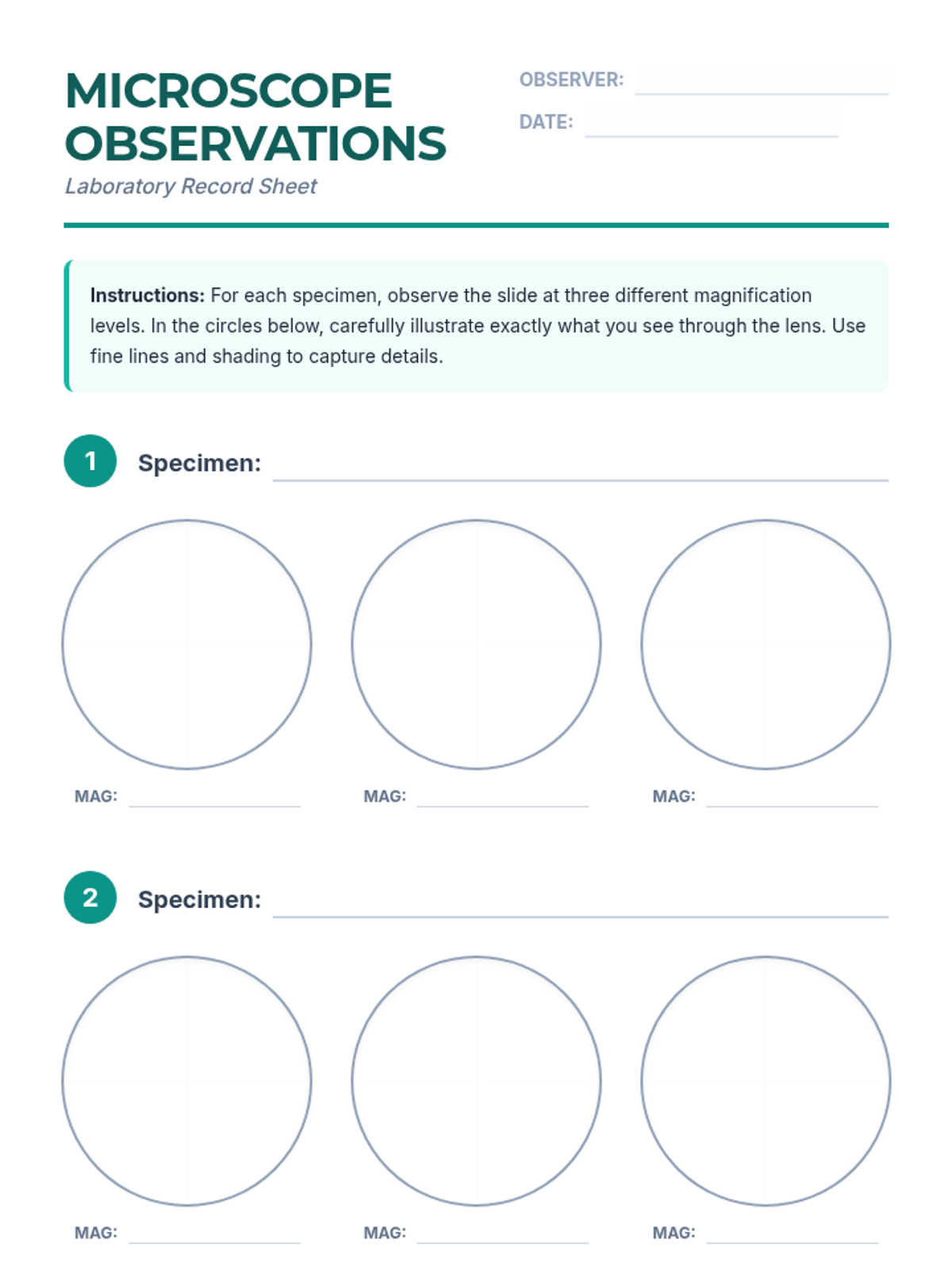
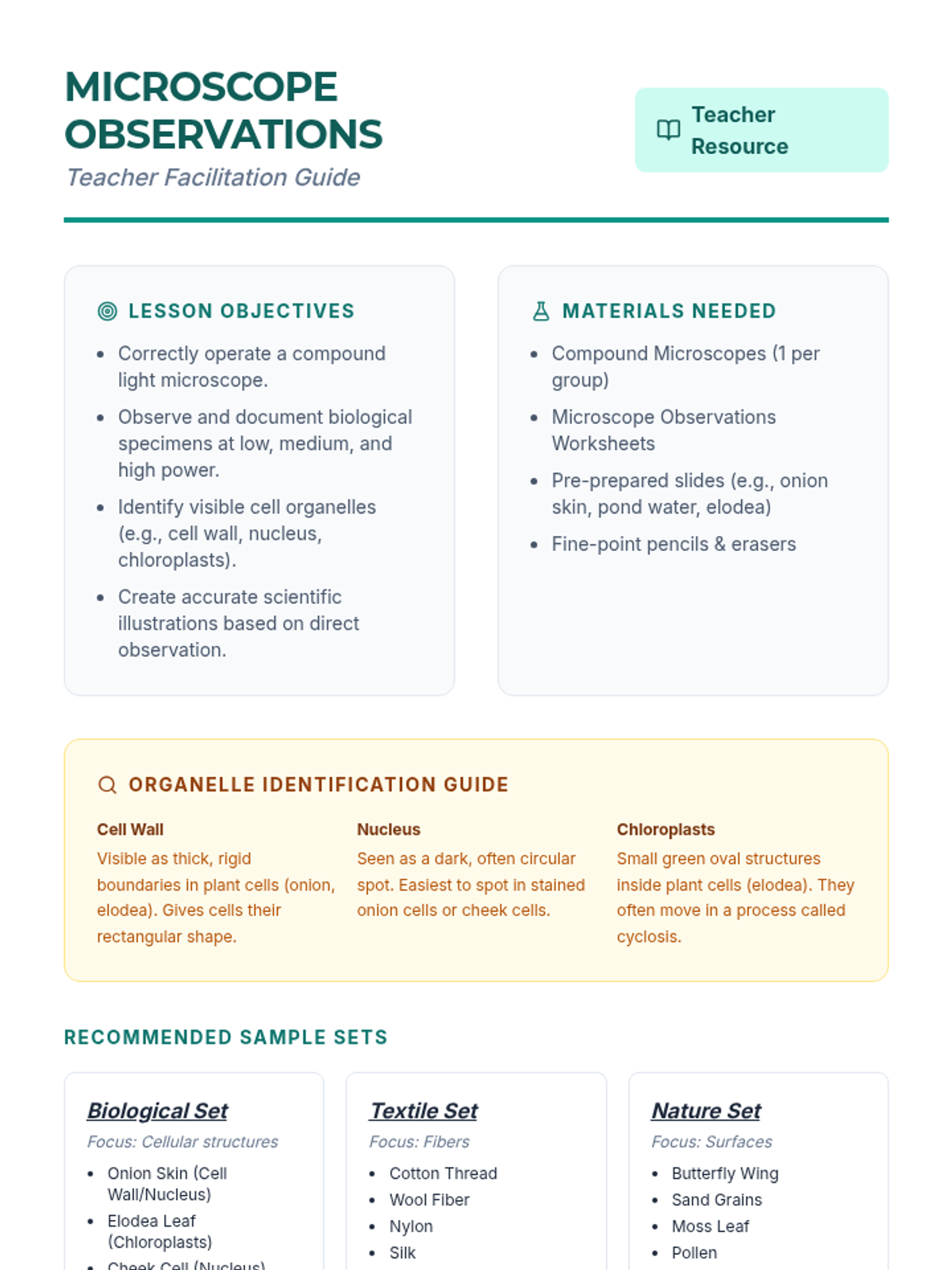
A hands-on laboratory experience where students use microscopes to observe and document biological and physical specimens at varying magnifications.
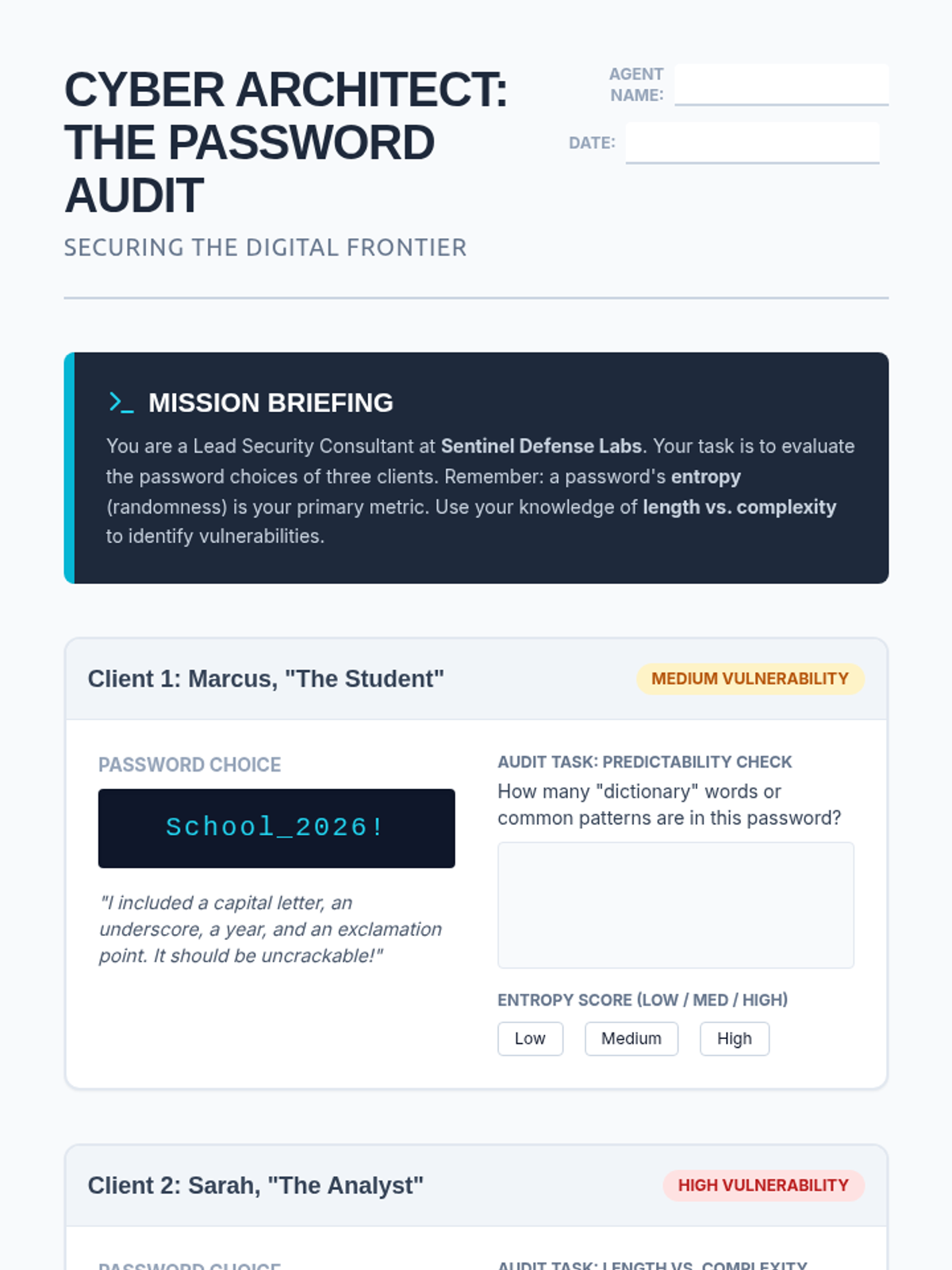
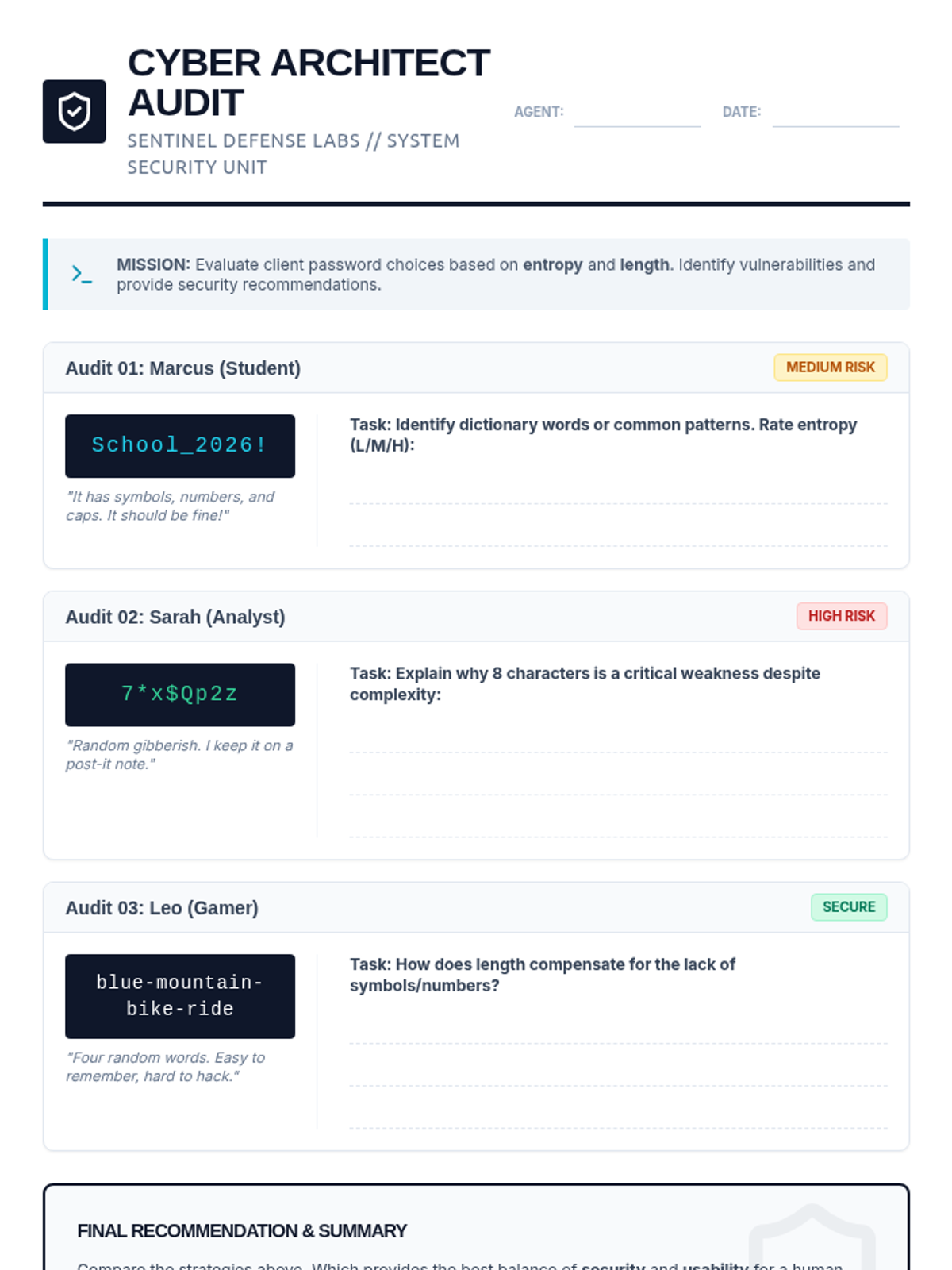
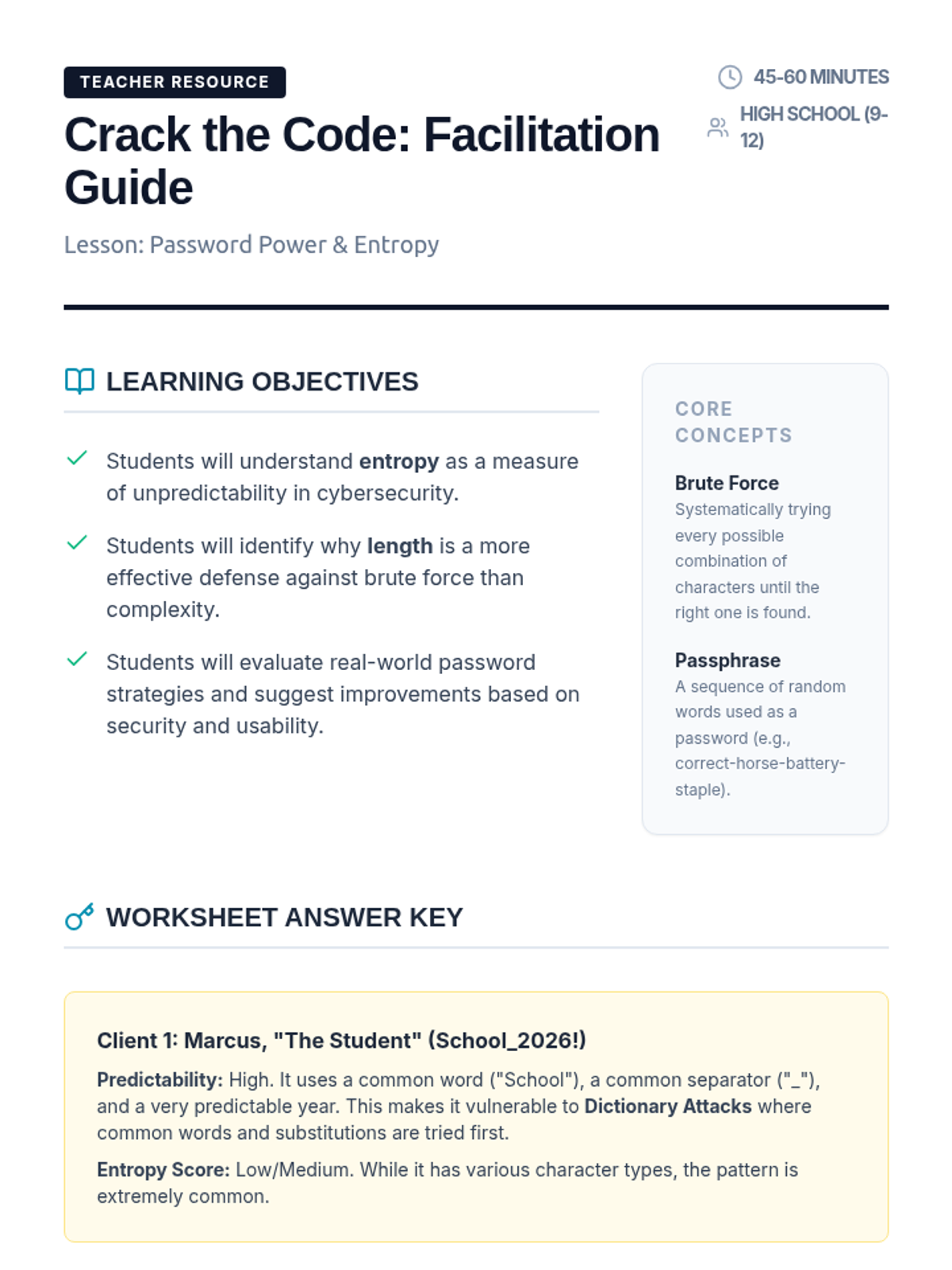
A high-school level exploration of password security, focusing on the mathematical concepts of entropy and why length often beats complexity in real-world defense.
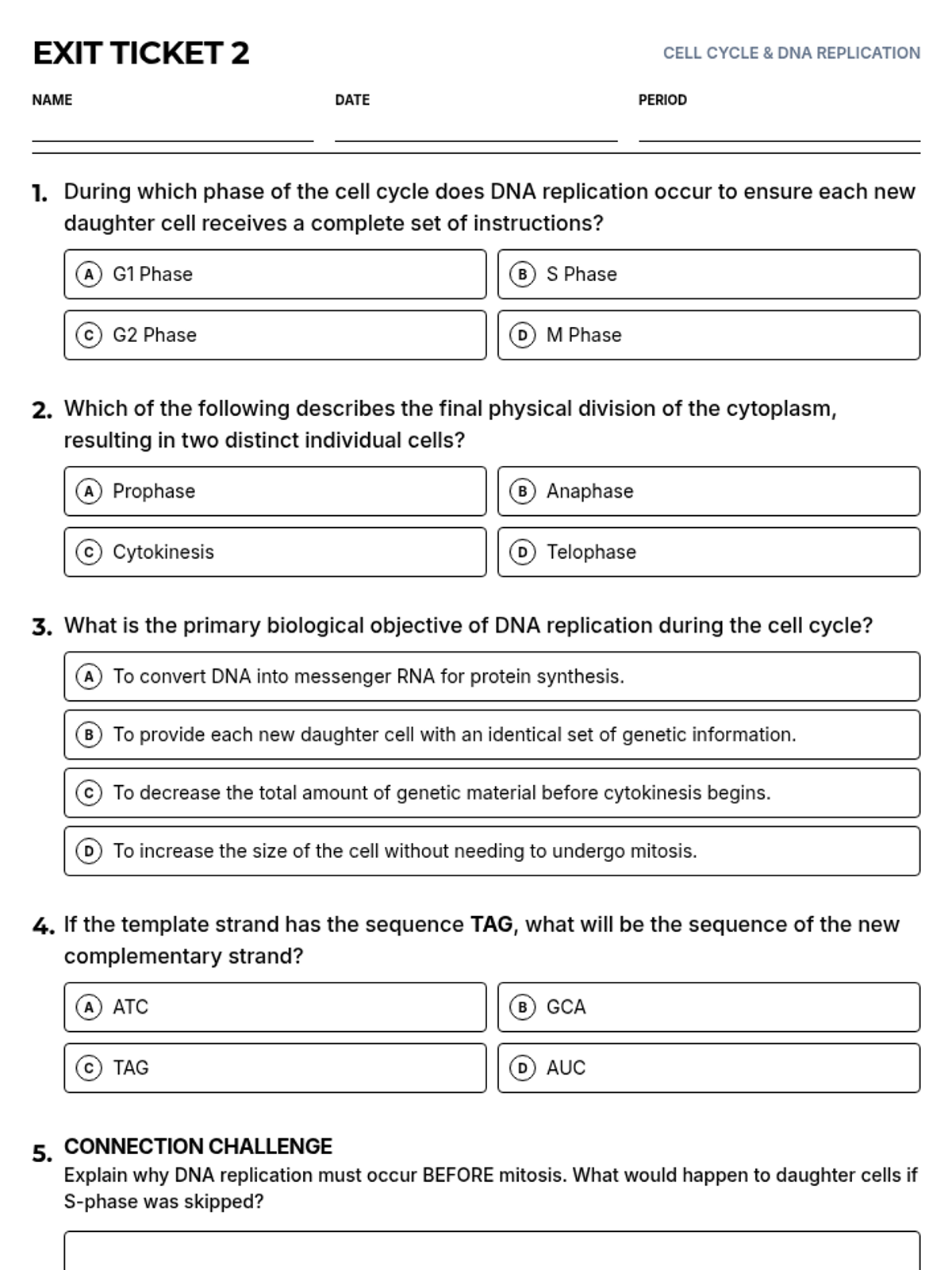
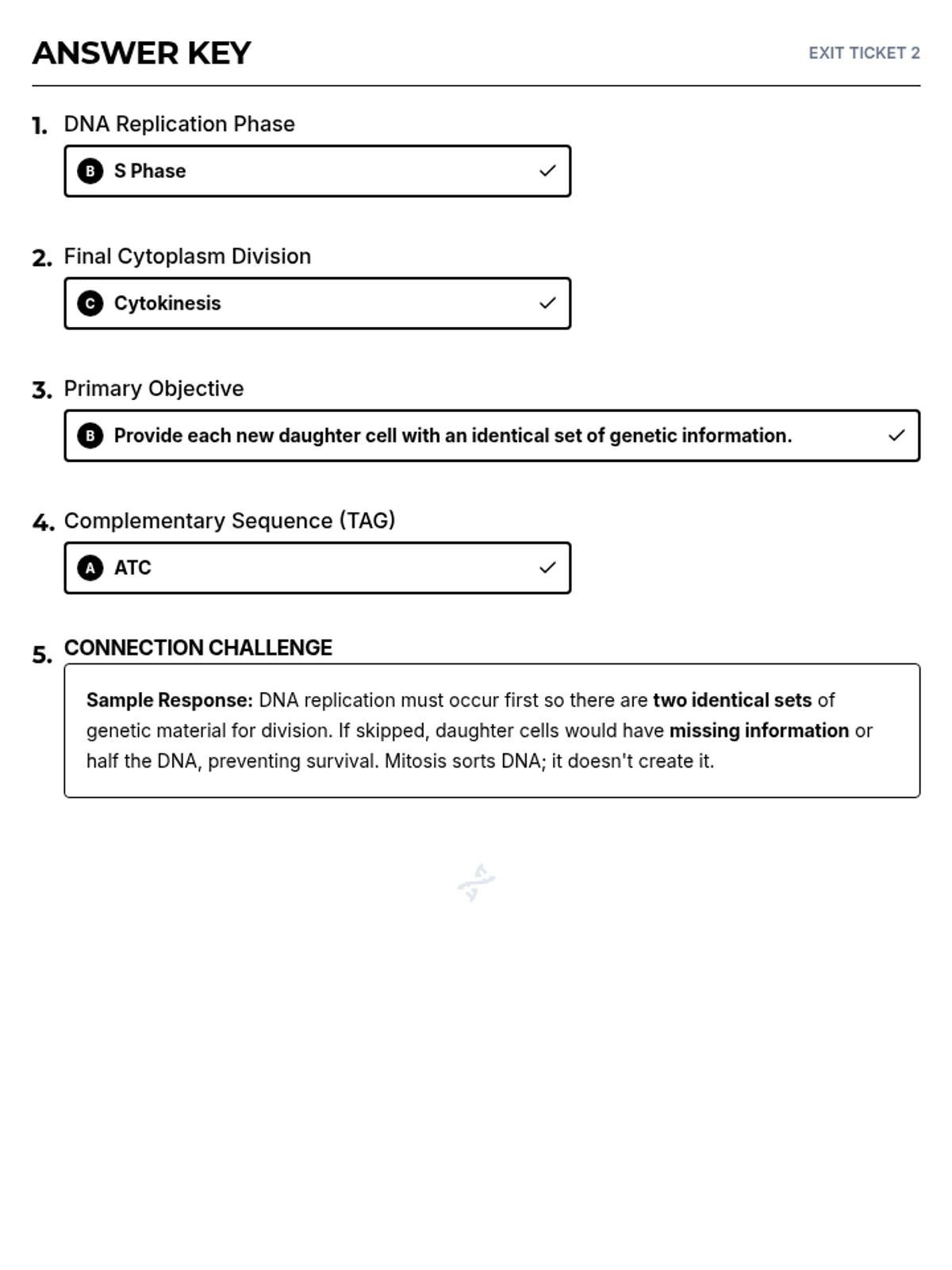
A focused lesson on the mechanics of the cell cycle and DNA replication, emphasizing timing, key stages like S-phase and mitosis, and the process of cytokinesis.
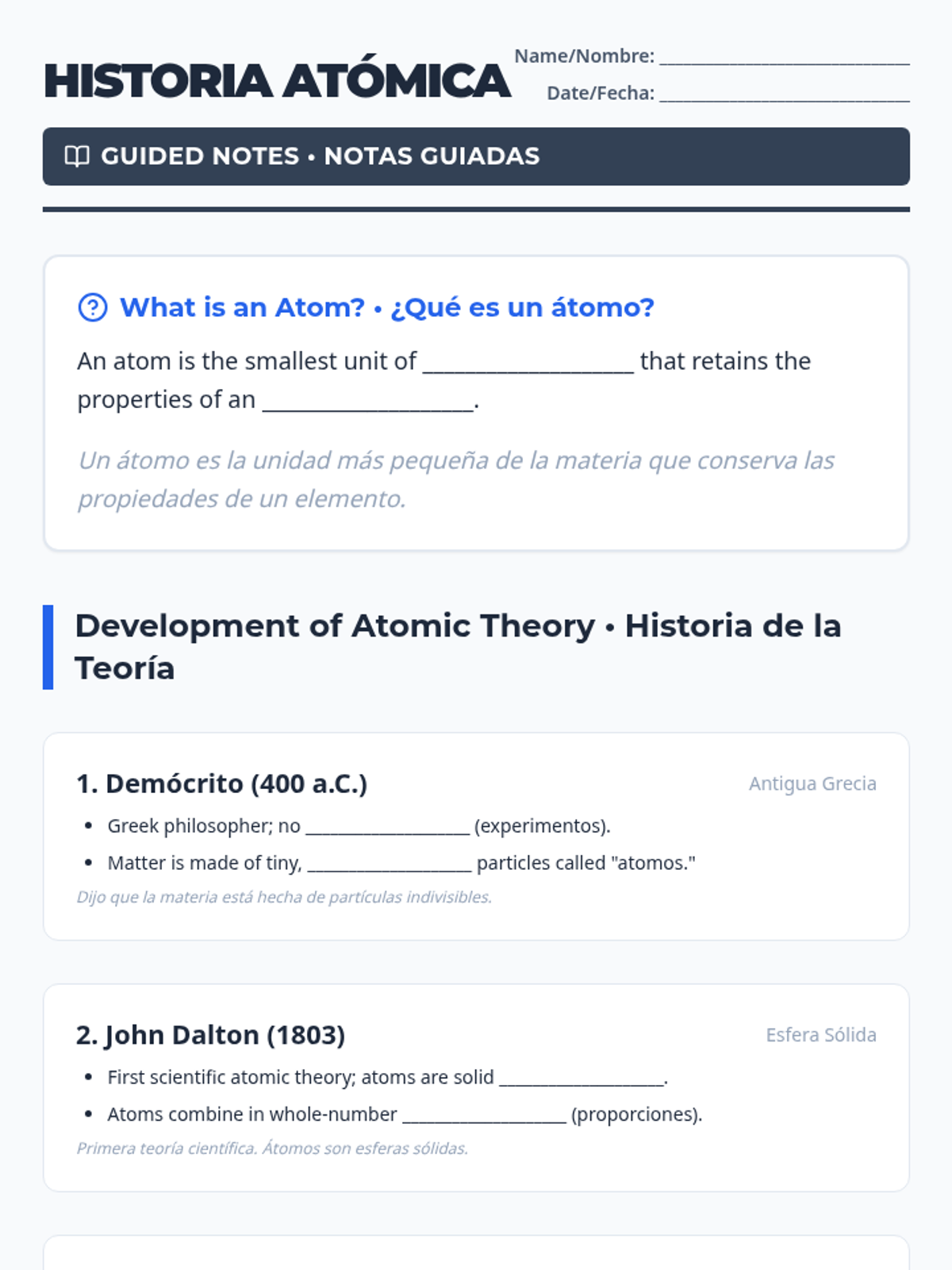
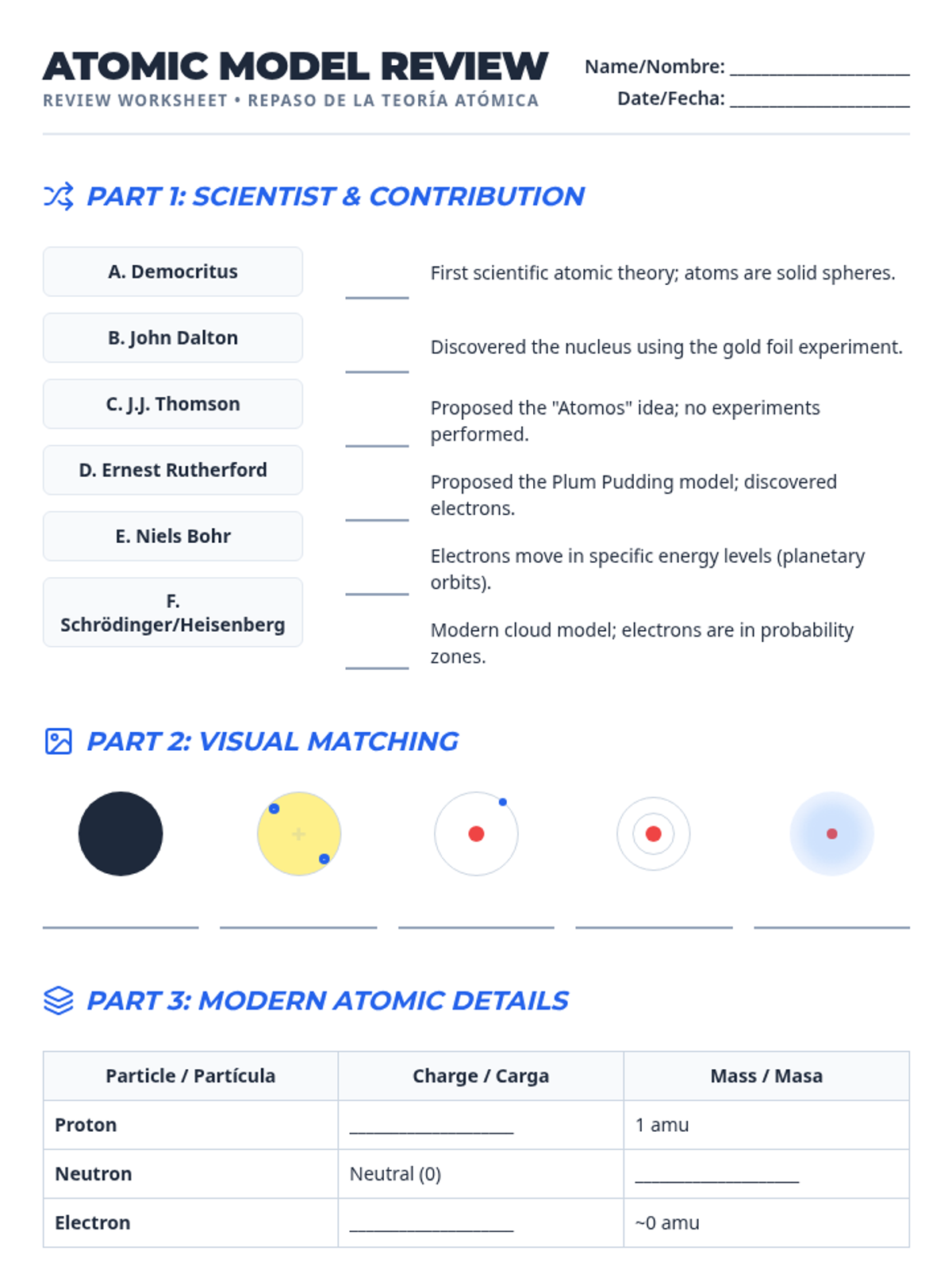
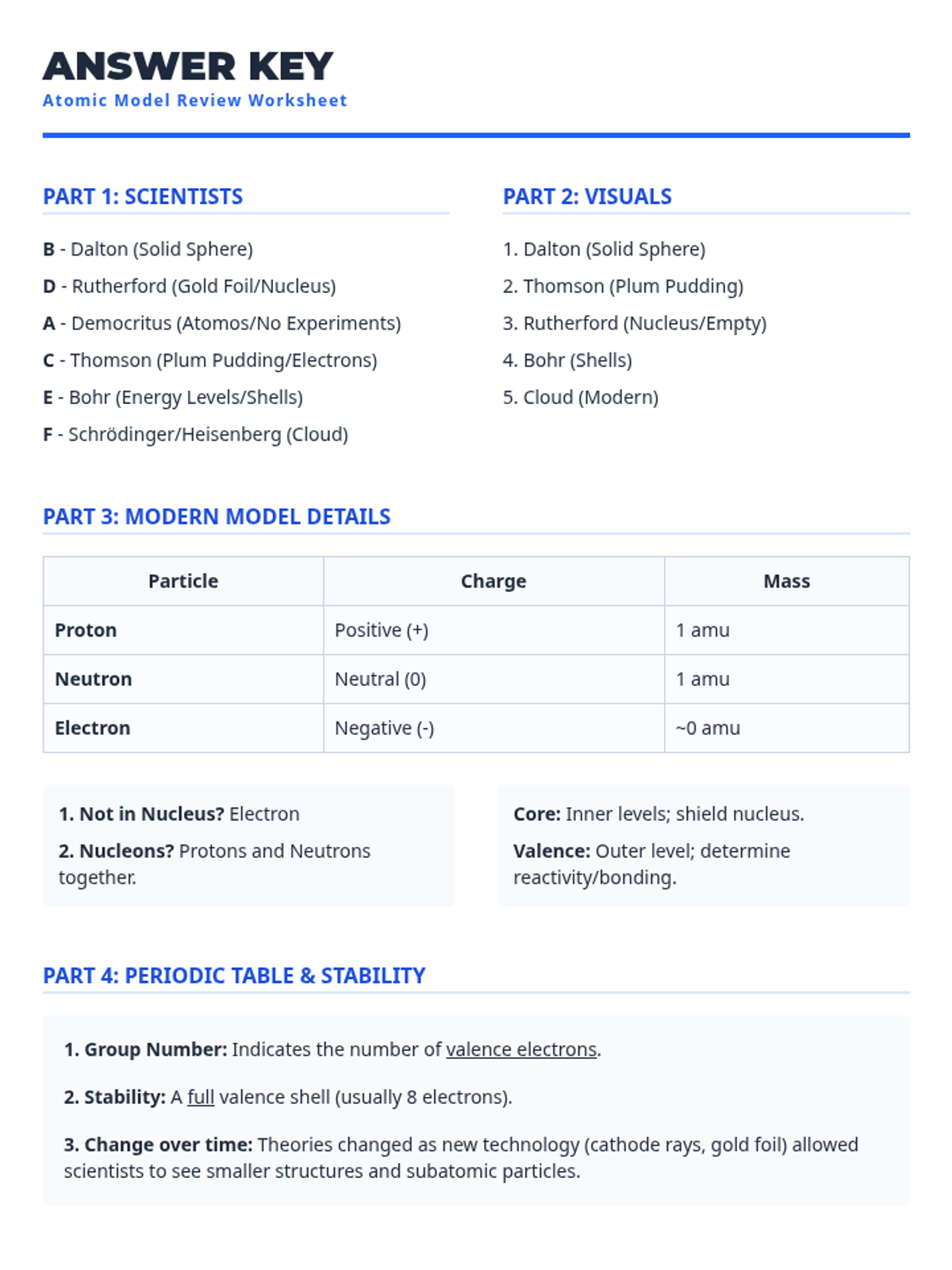
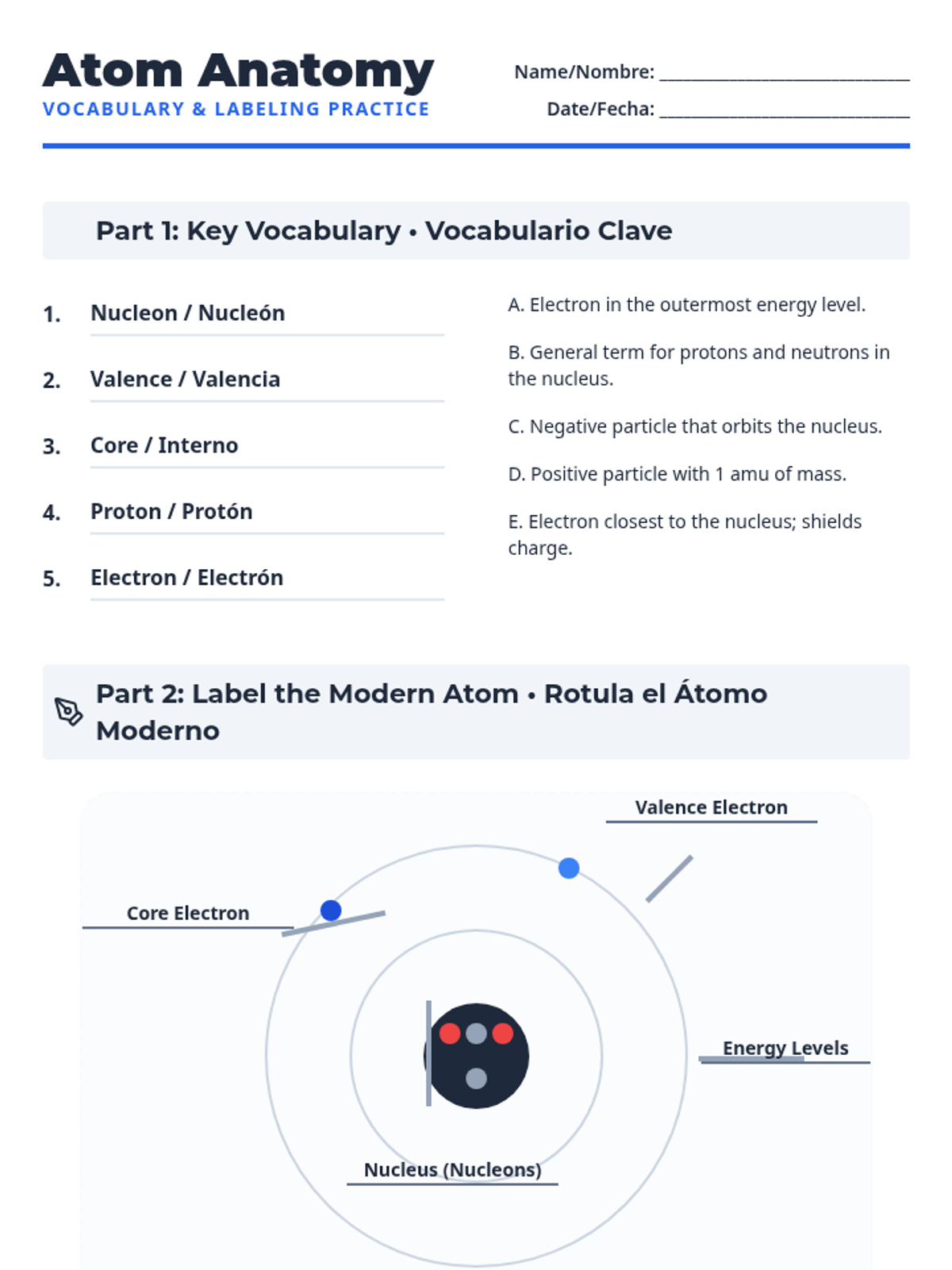
Students will trace the evolution of the atomic model through key scientists and experiments, culminating in an understanding of modern atomic structure and vocabulary.
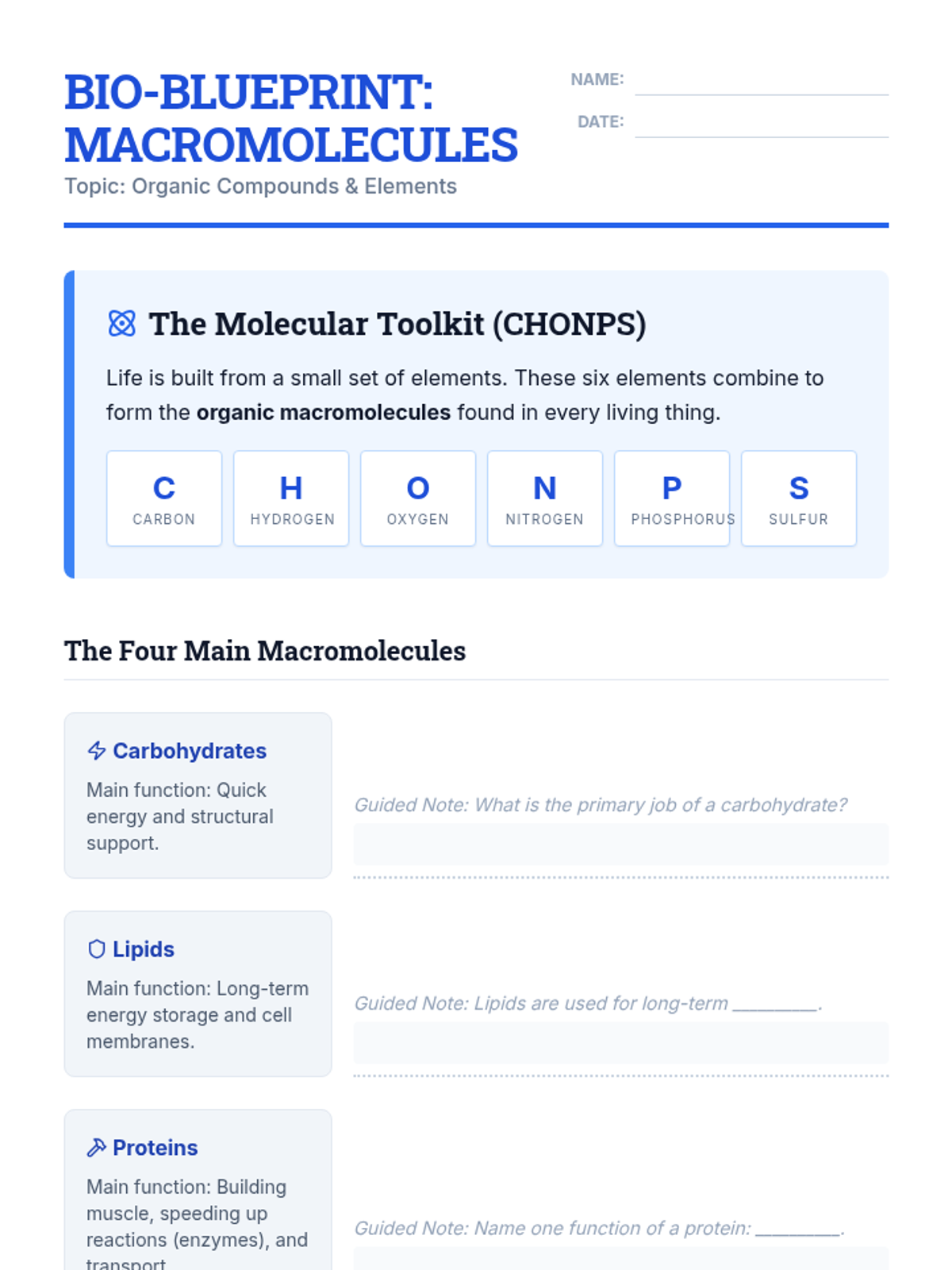
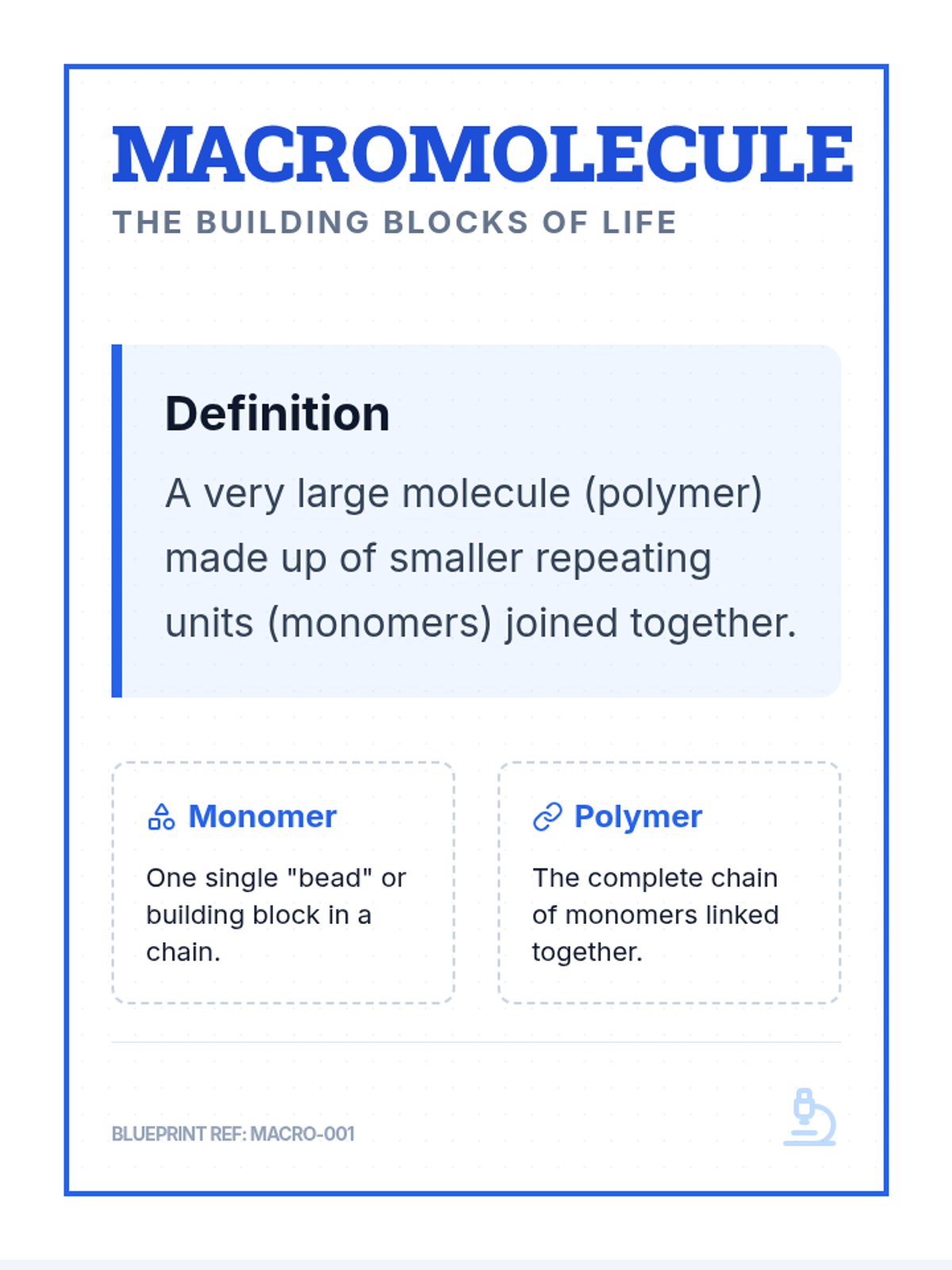
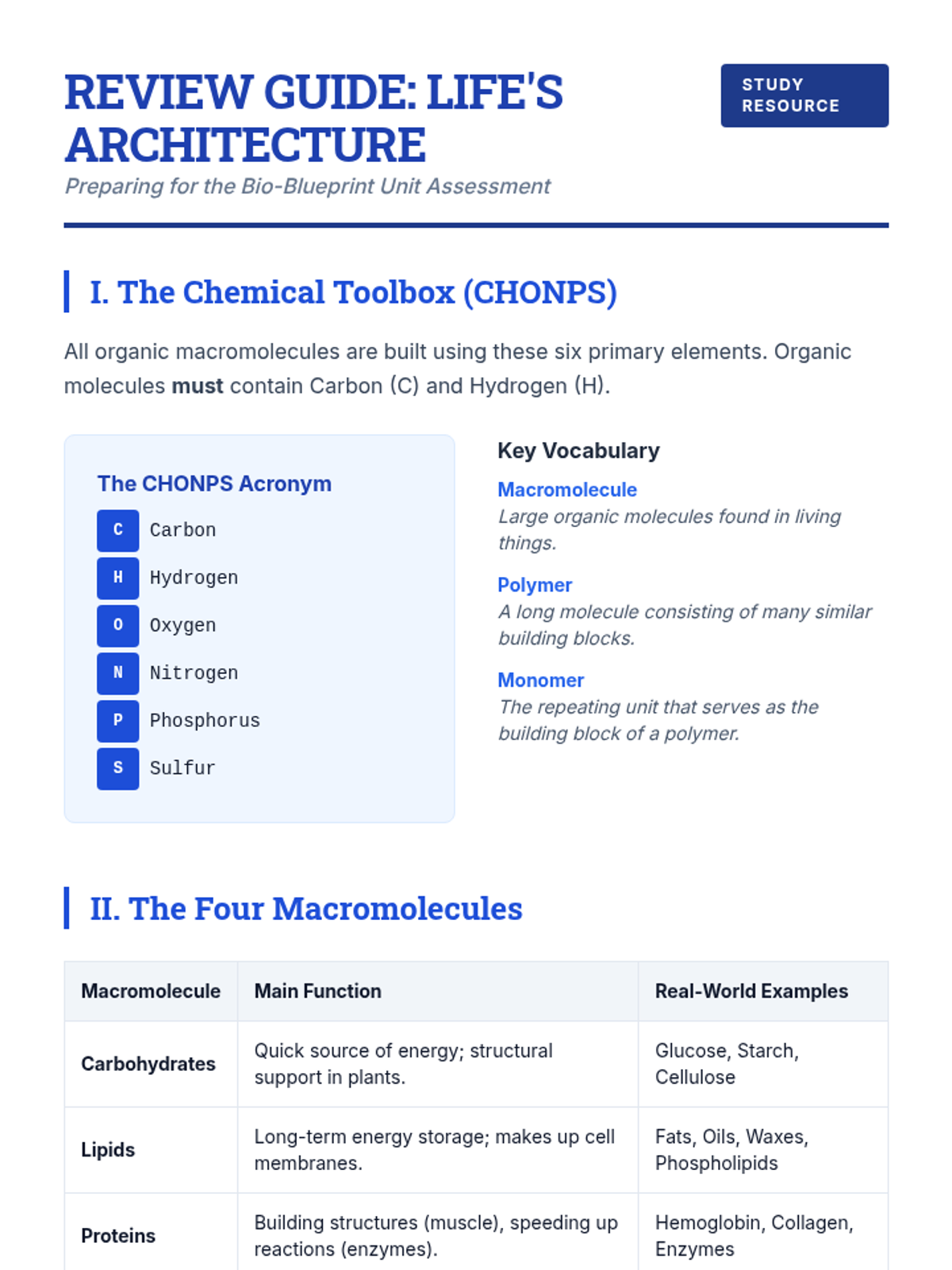
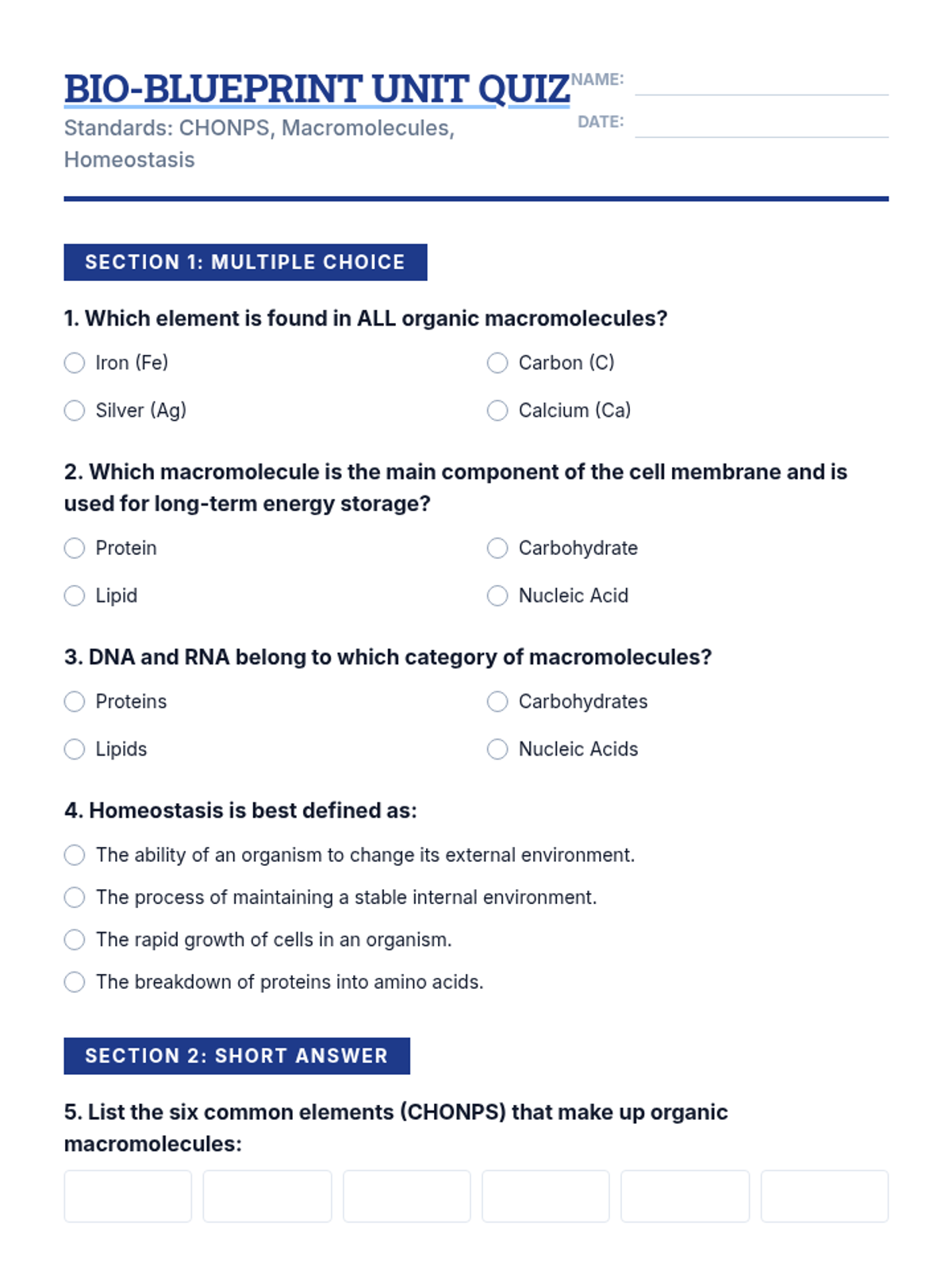
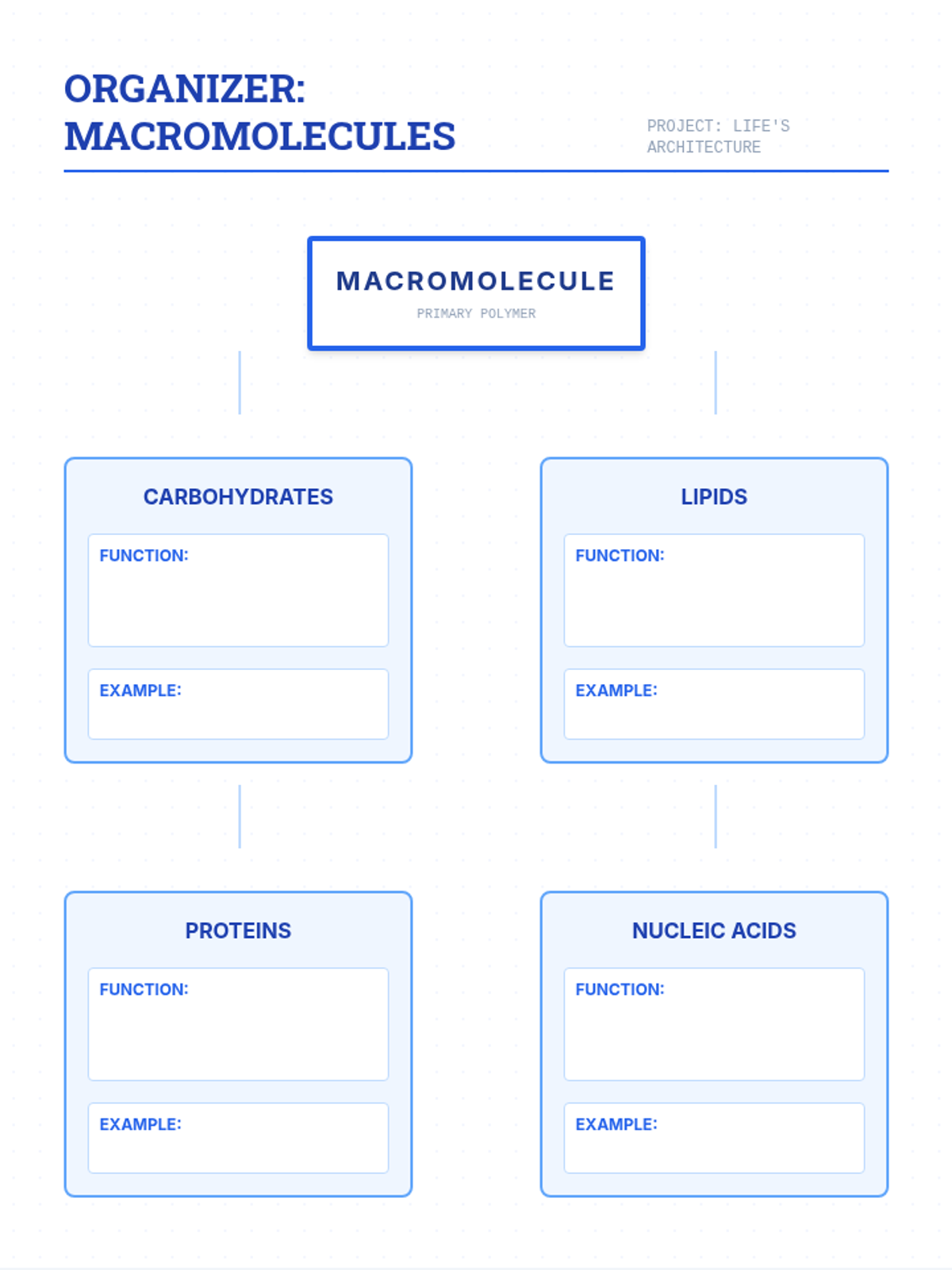
A lesson focused on the foundational building blocks of life (macromolecules) and how body systems work together to maintain a stable internal environment (homeostasis).
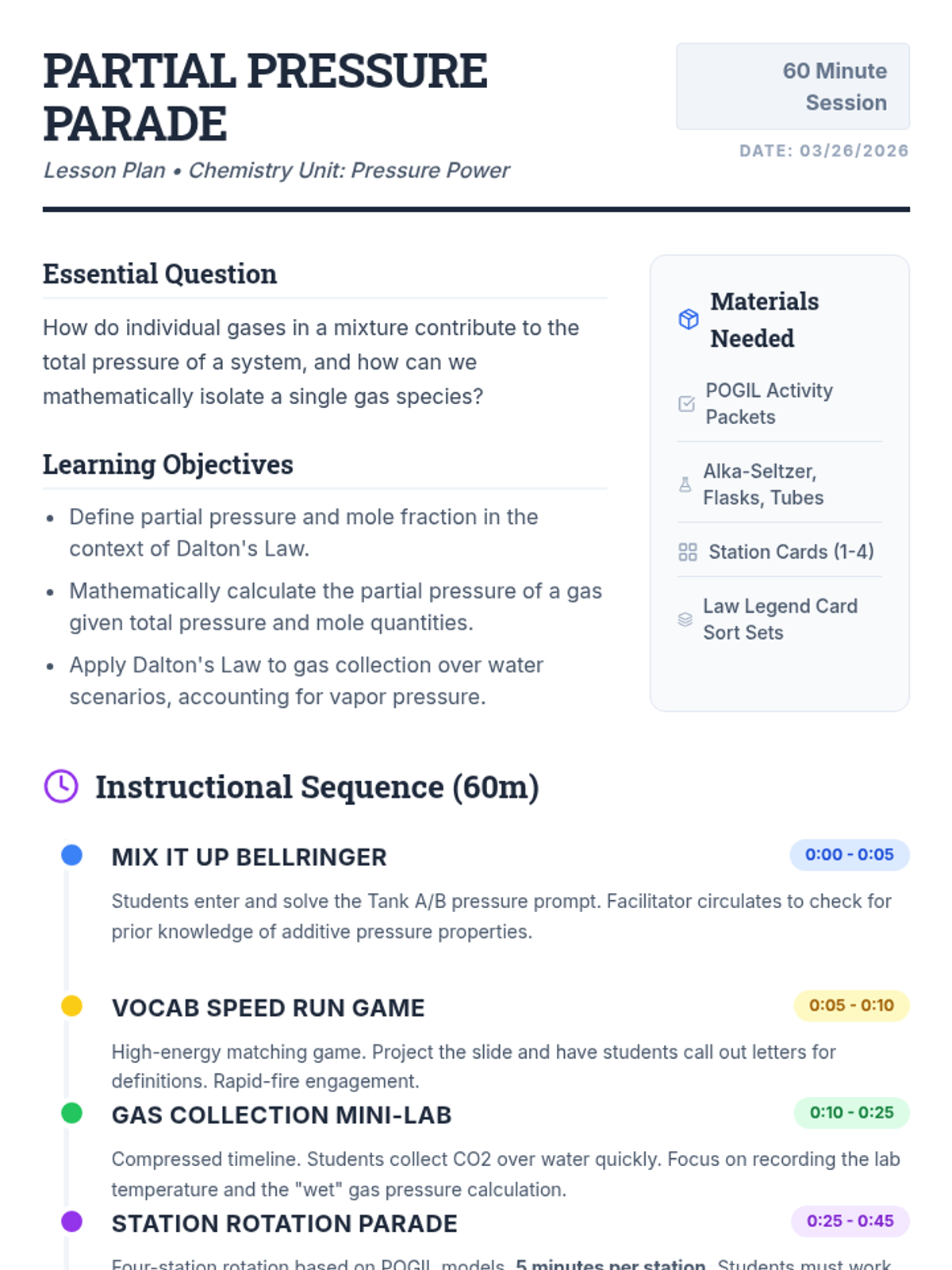
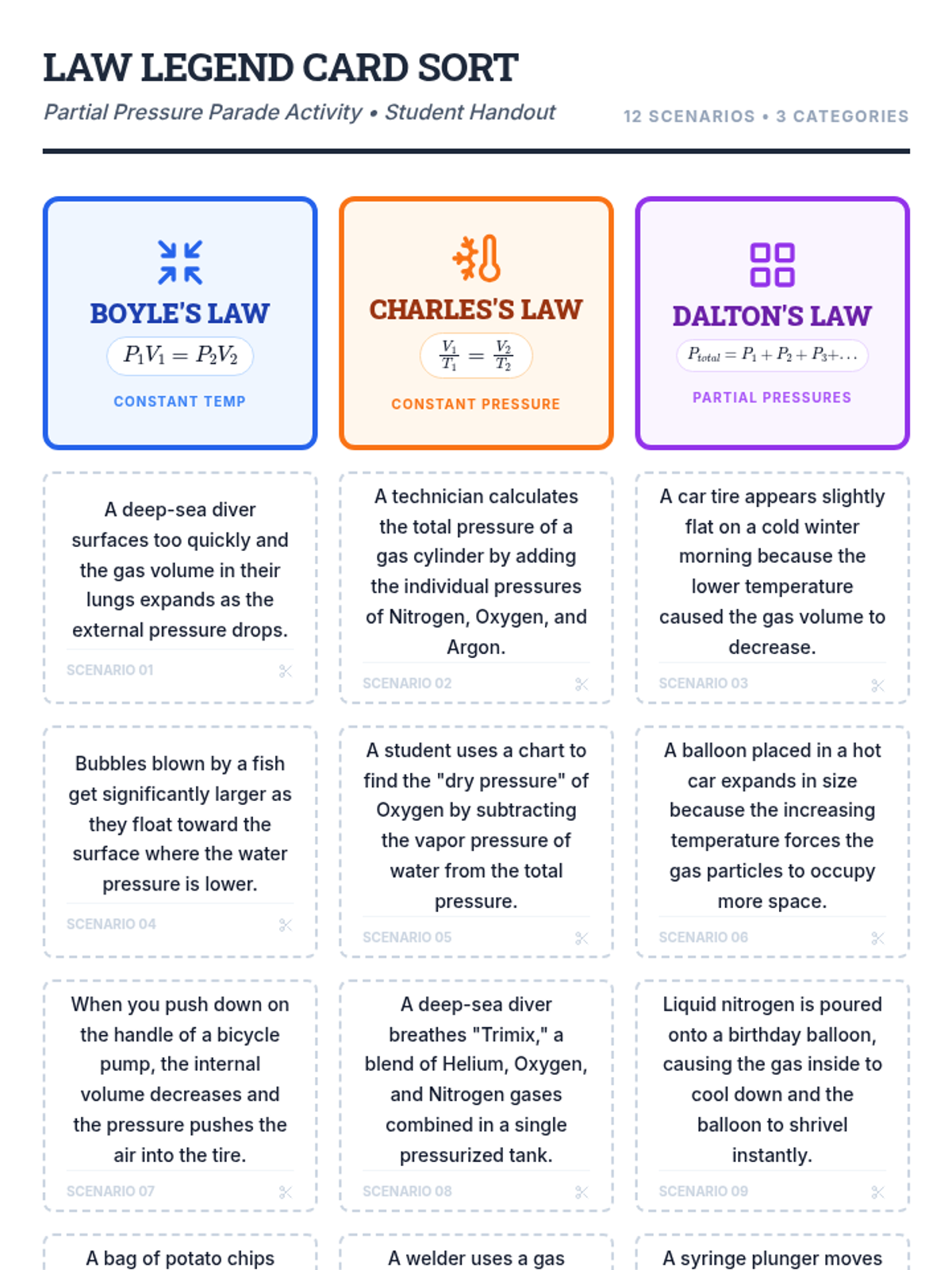
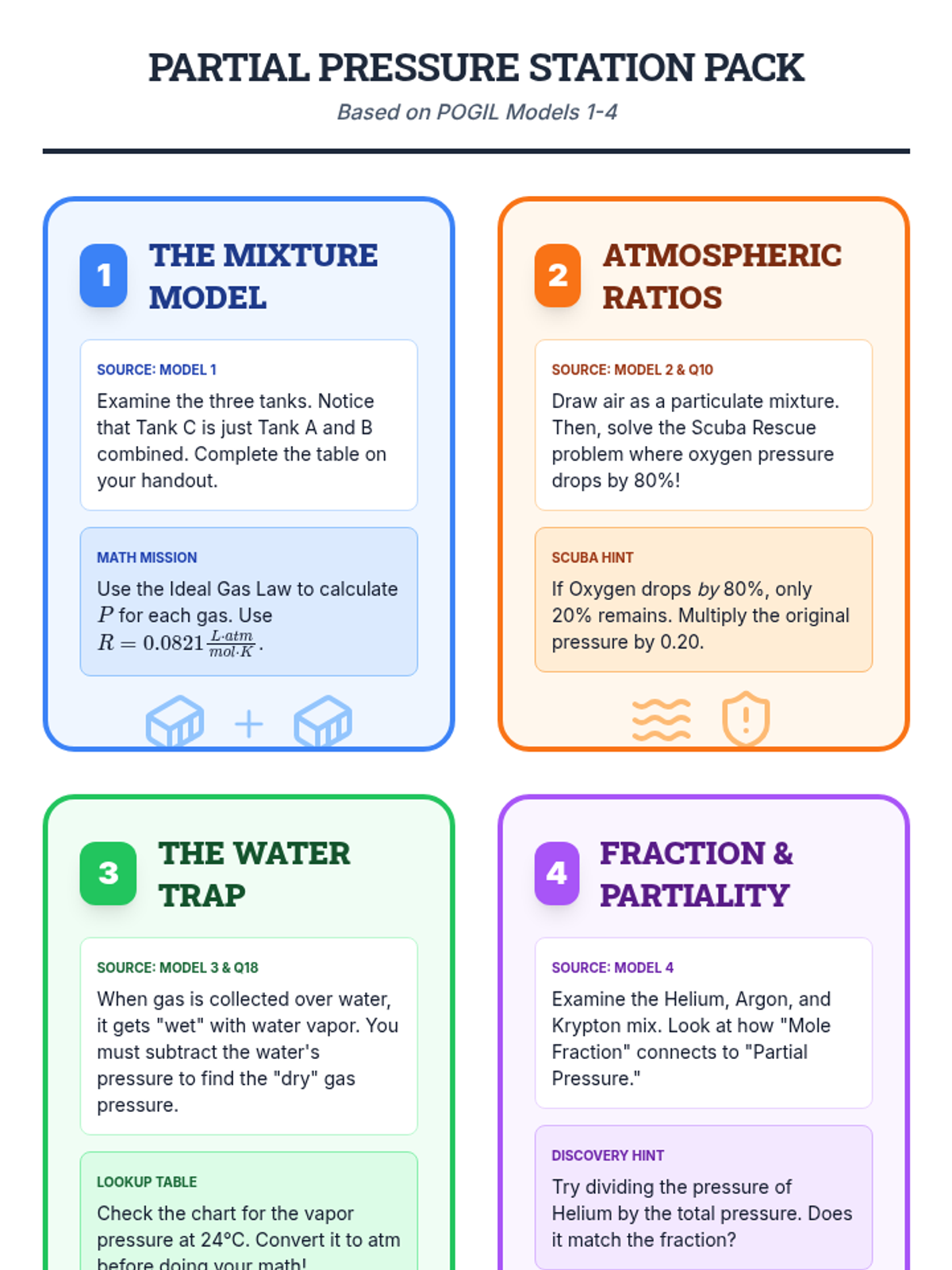
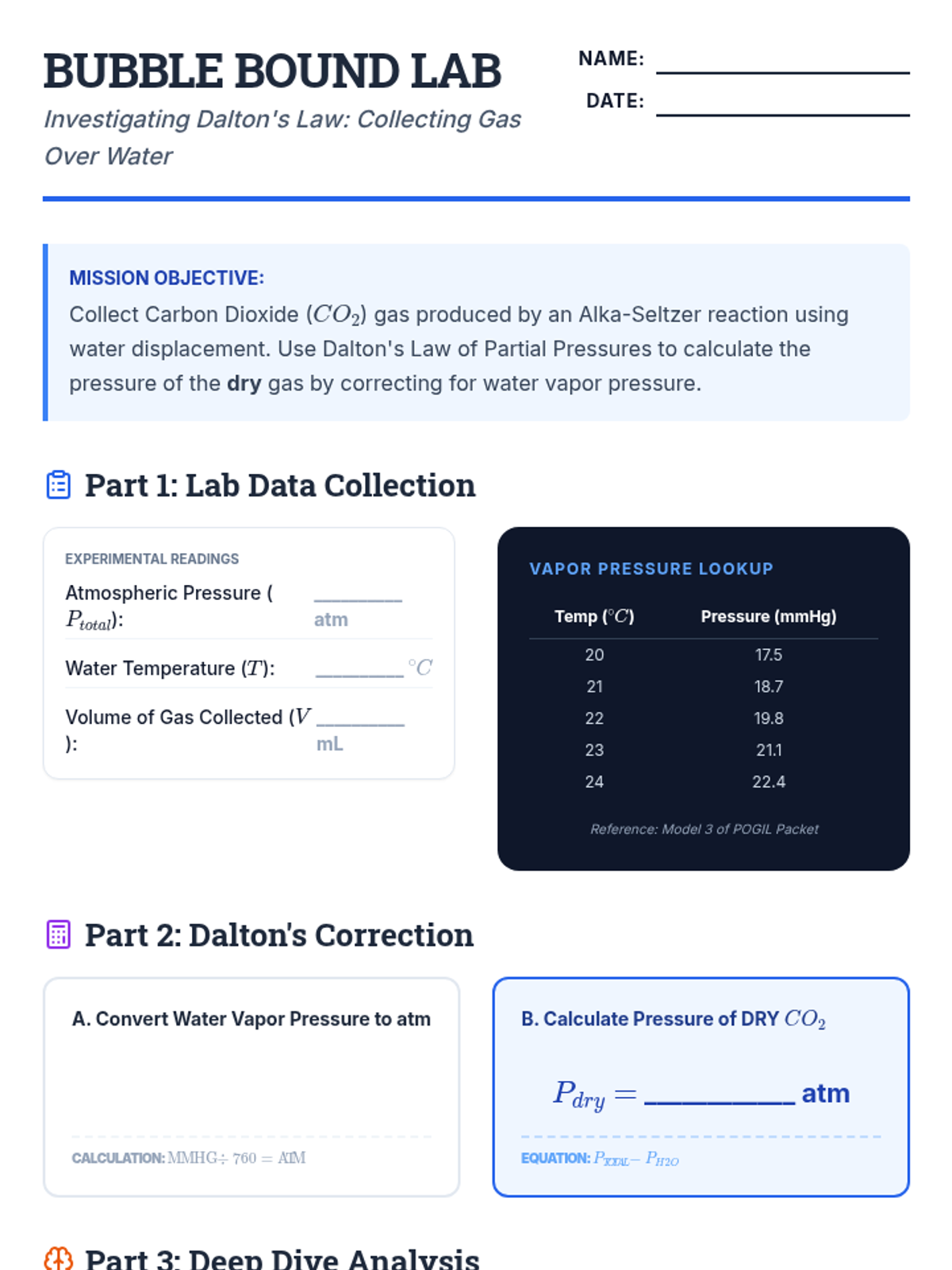
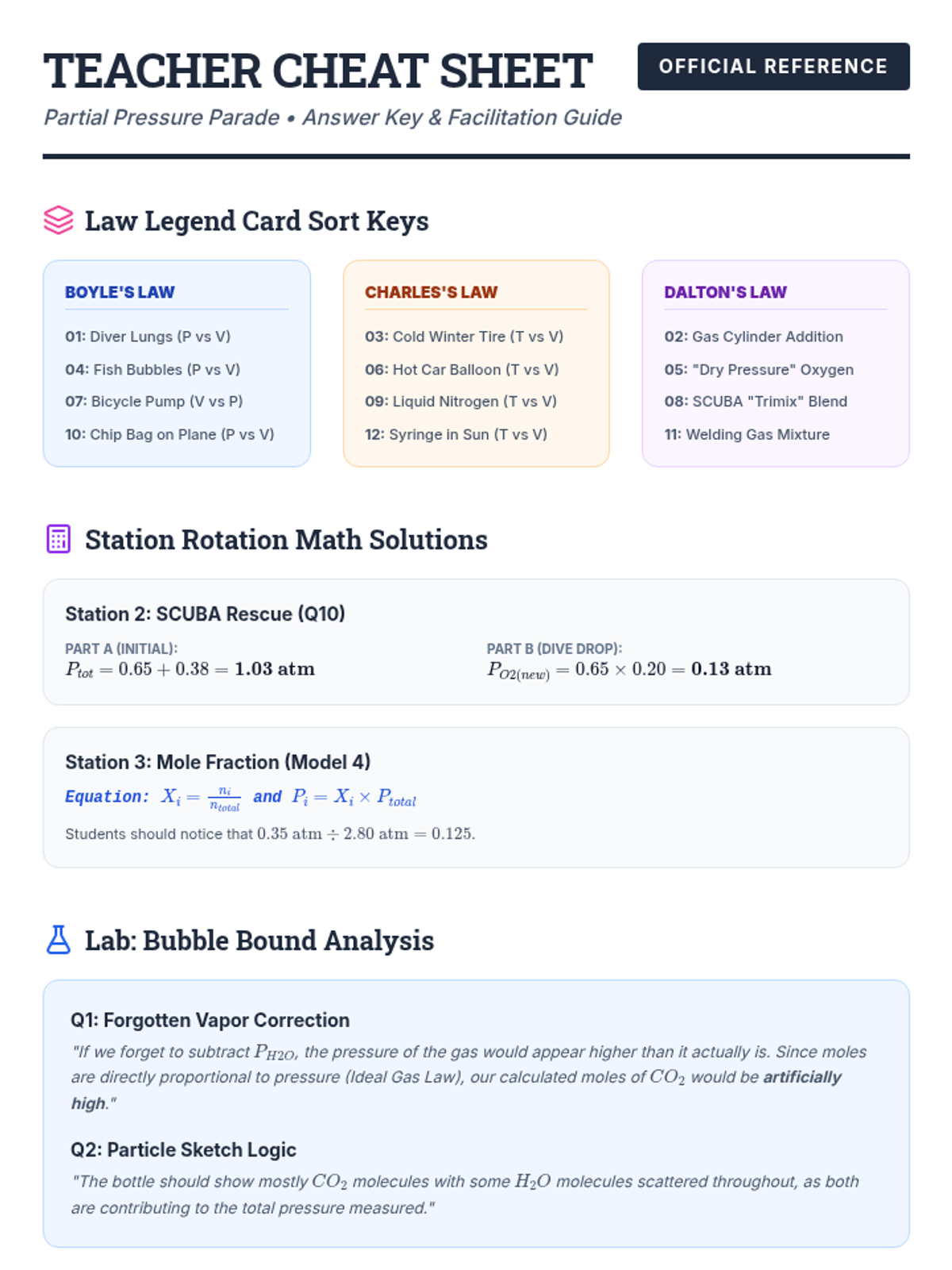
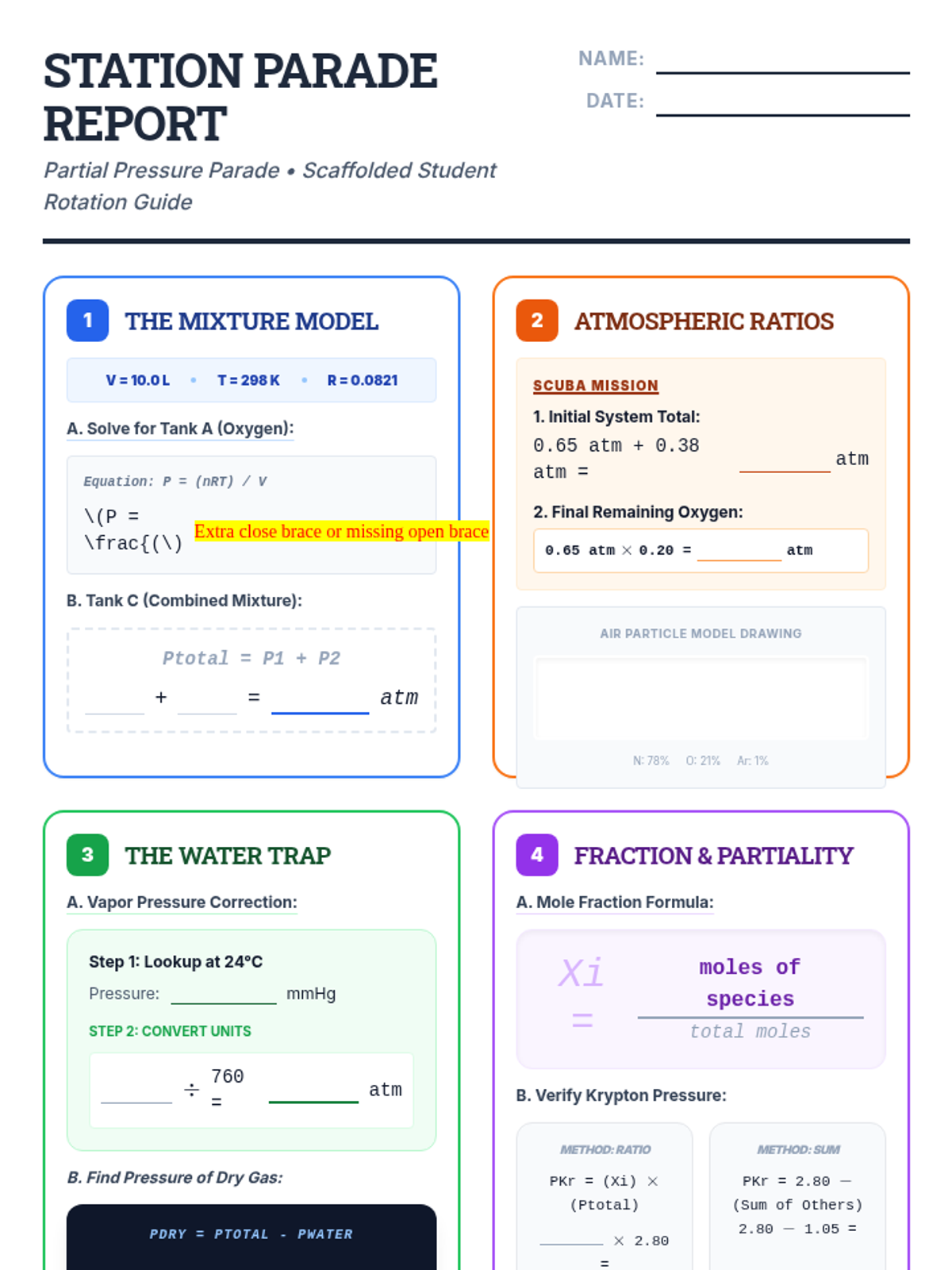
A high-energy, activity-dense lesson focused on Dalton's Law of Partial Pressures, mole fractions, and collecting gas over water, utilizing the POGIL framework to transition from conceptual modeling to mathematical mastery.
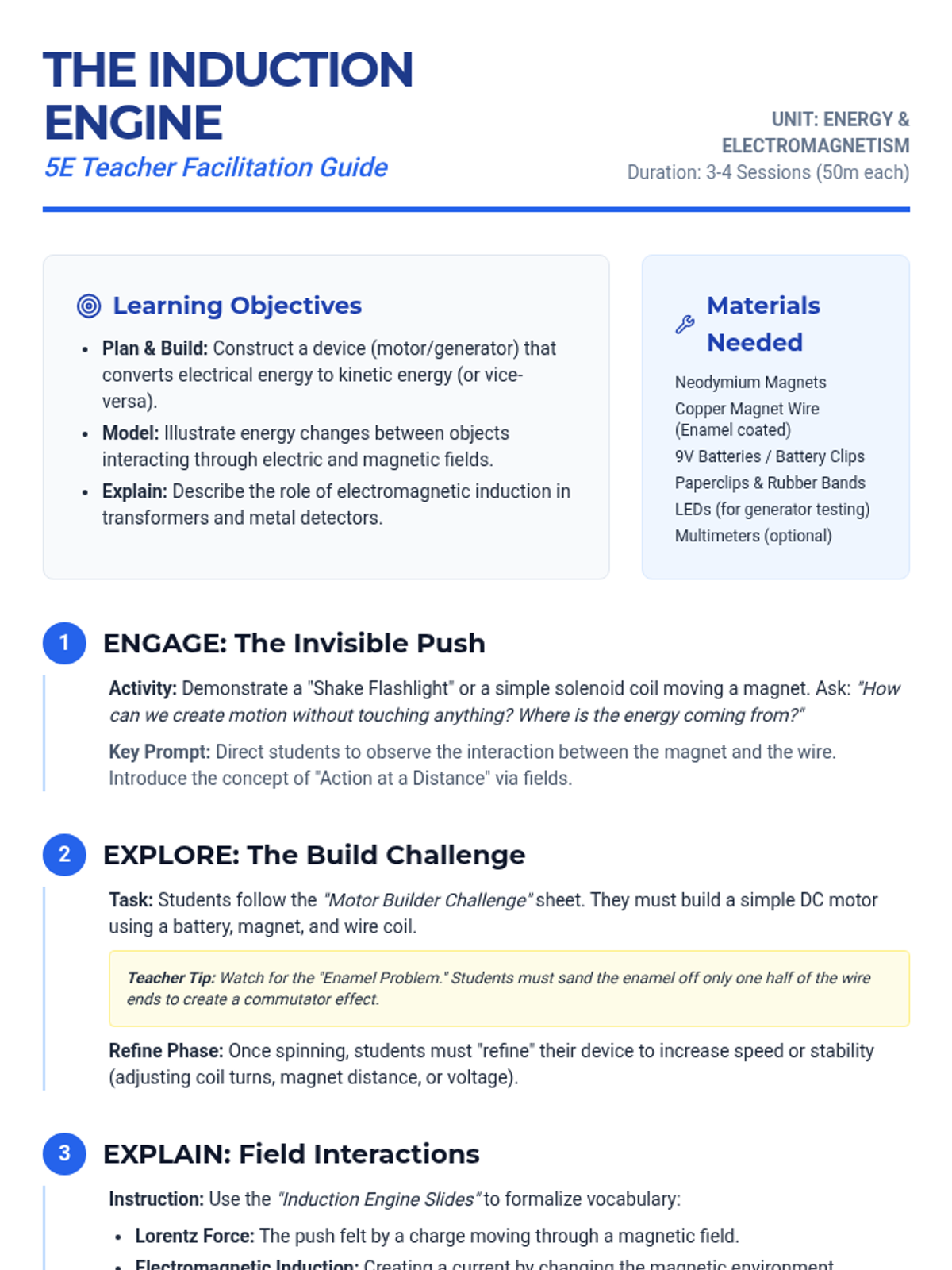
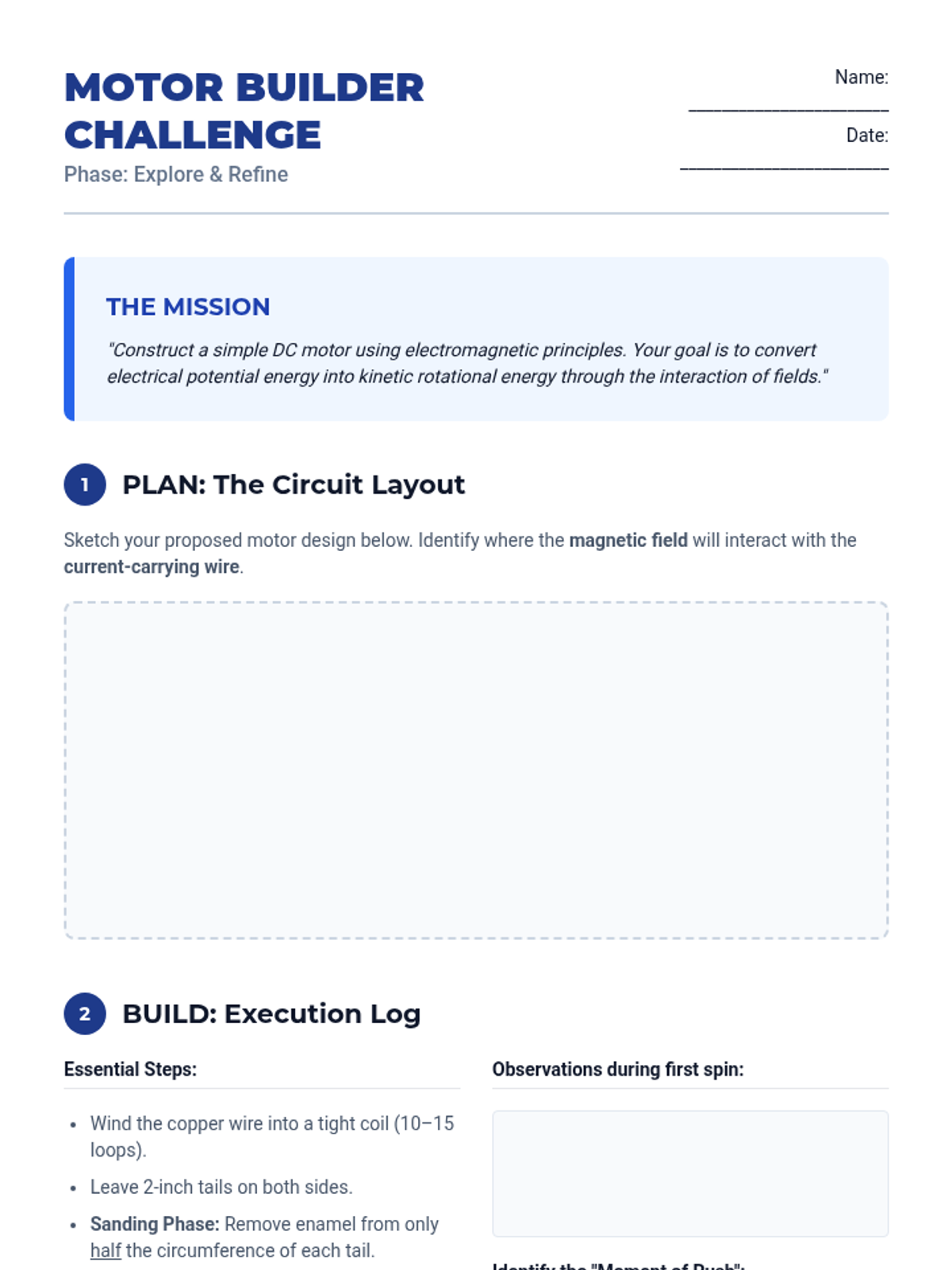
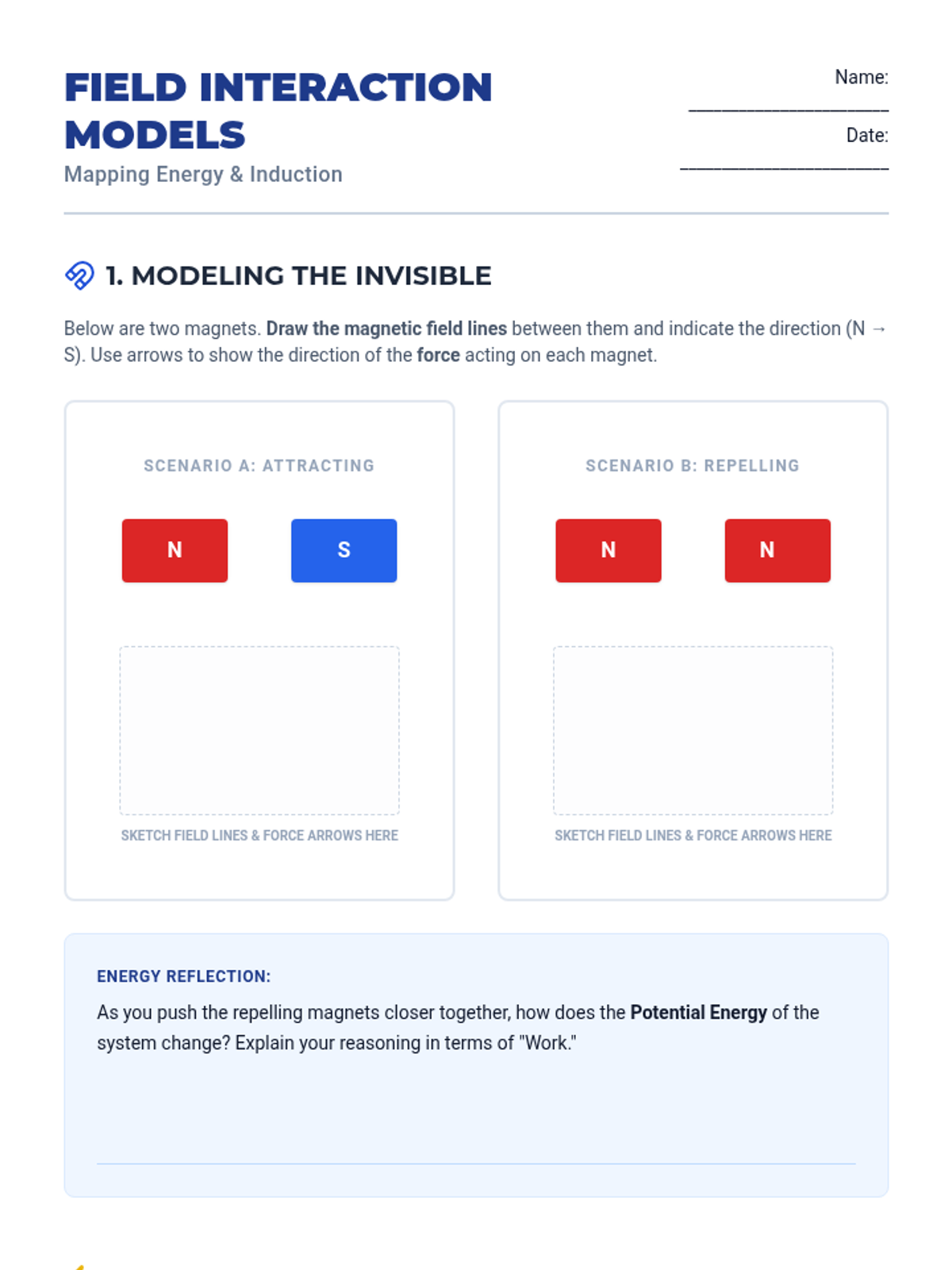
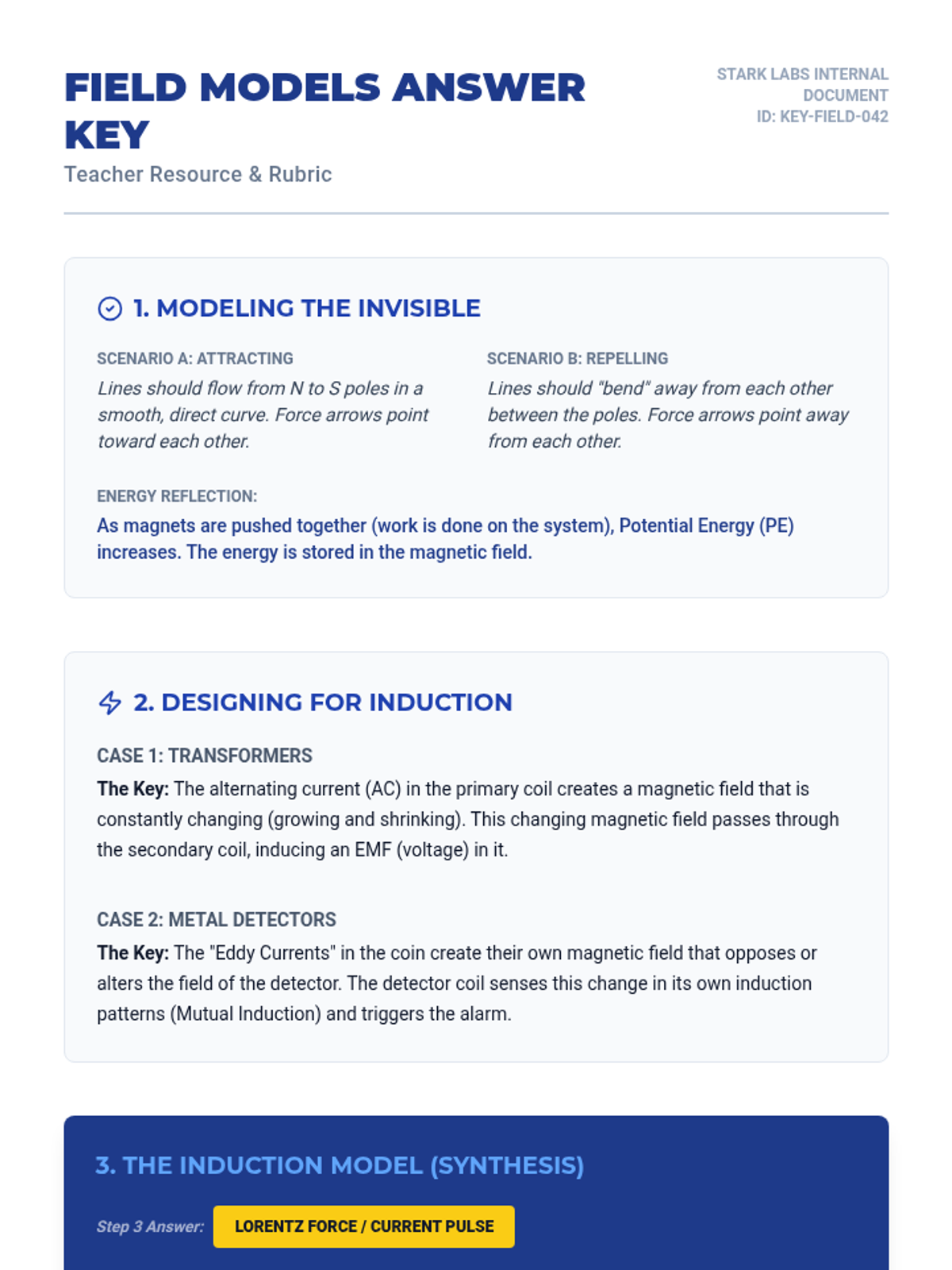
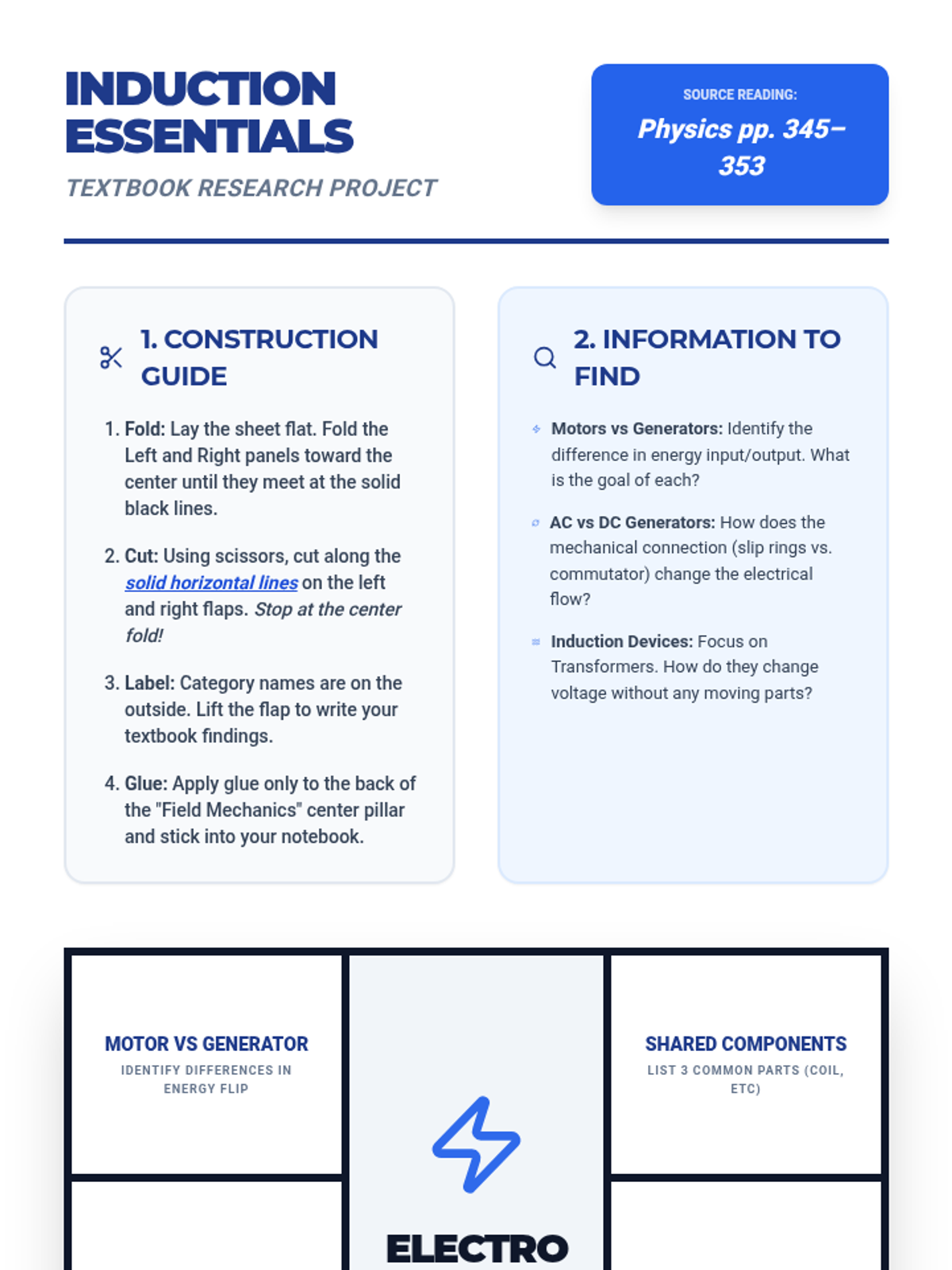
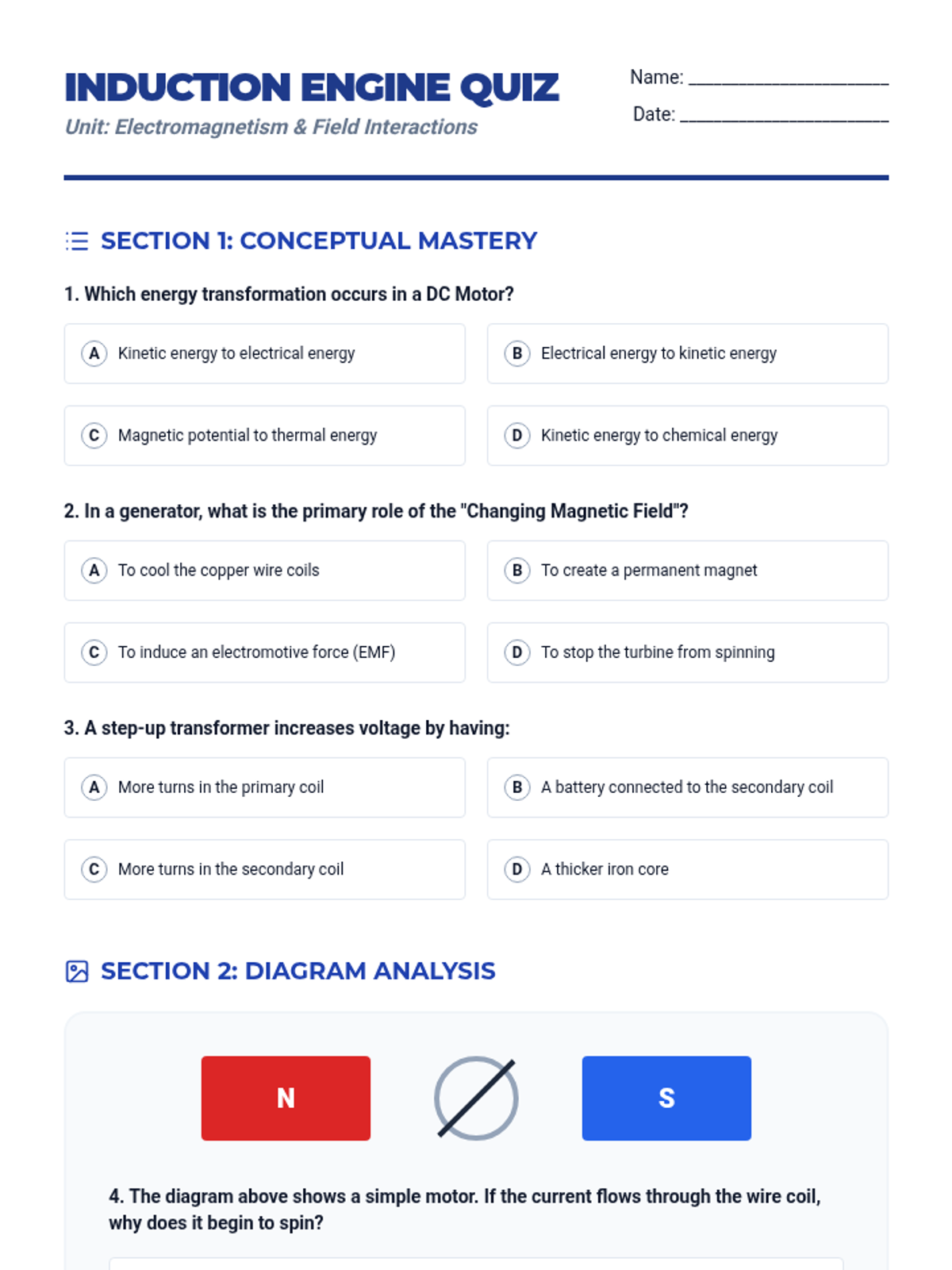
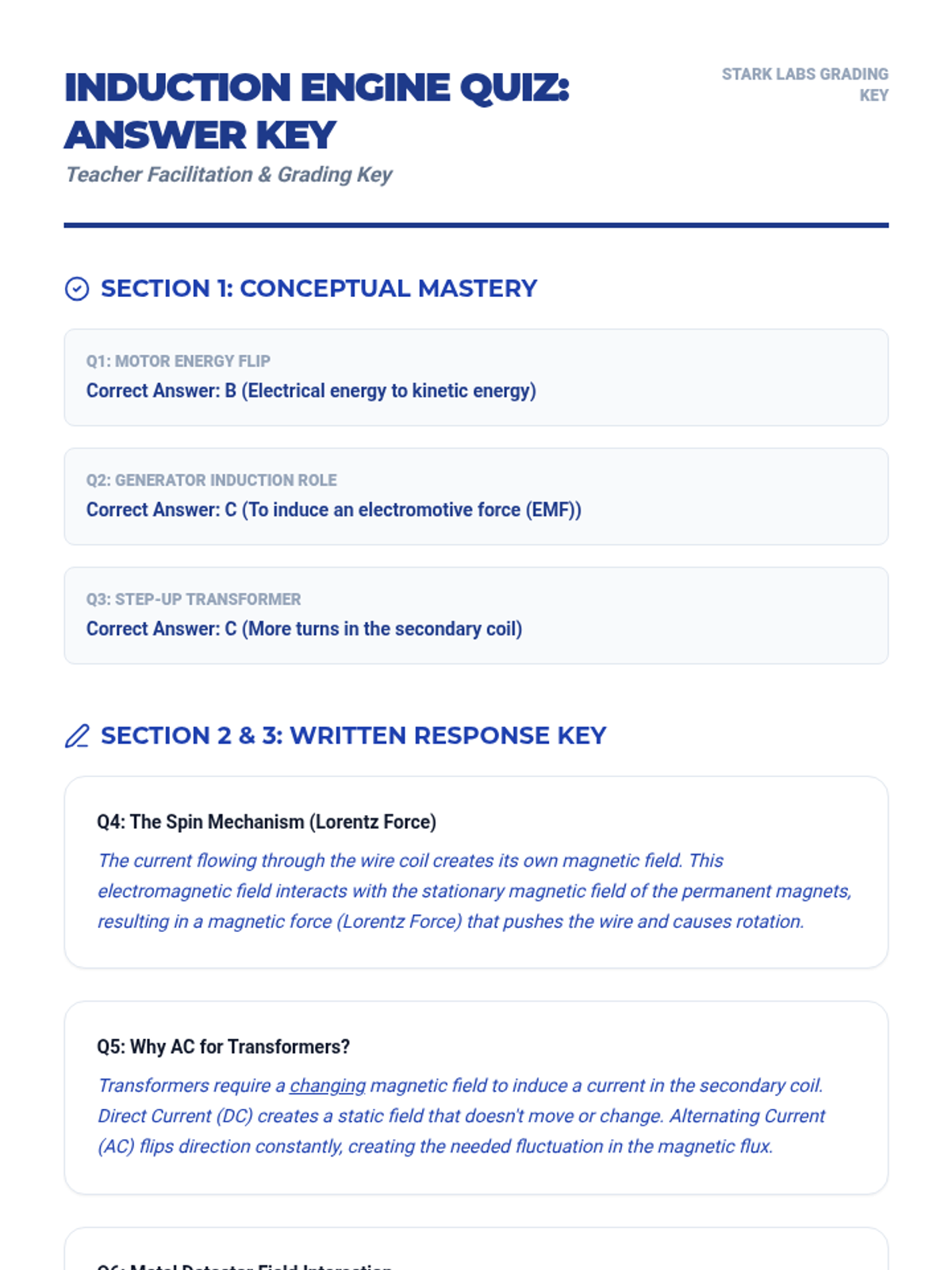
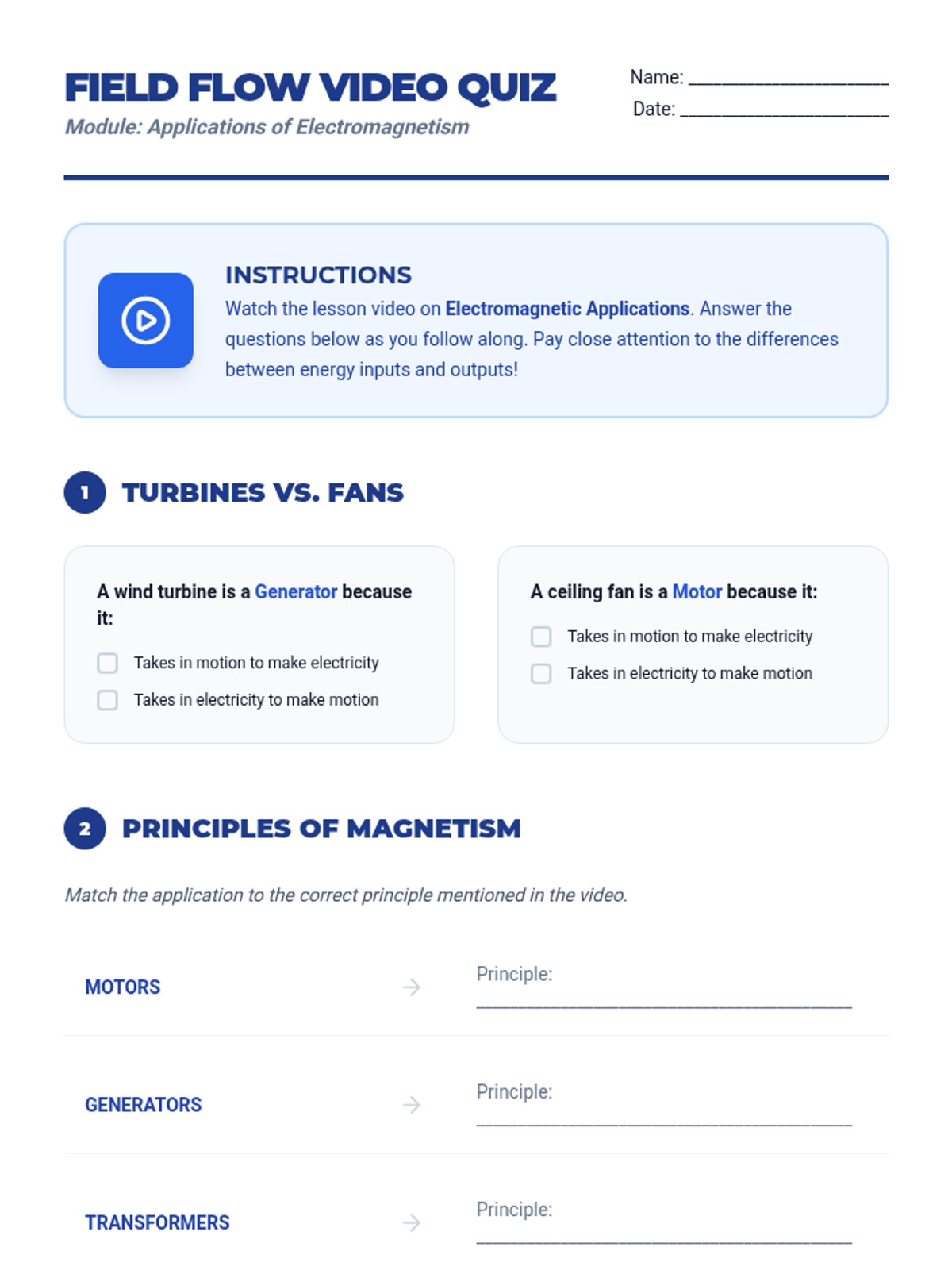
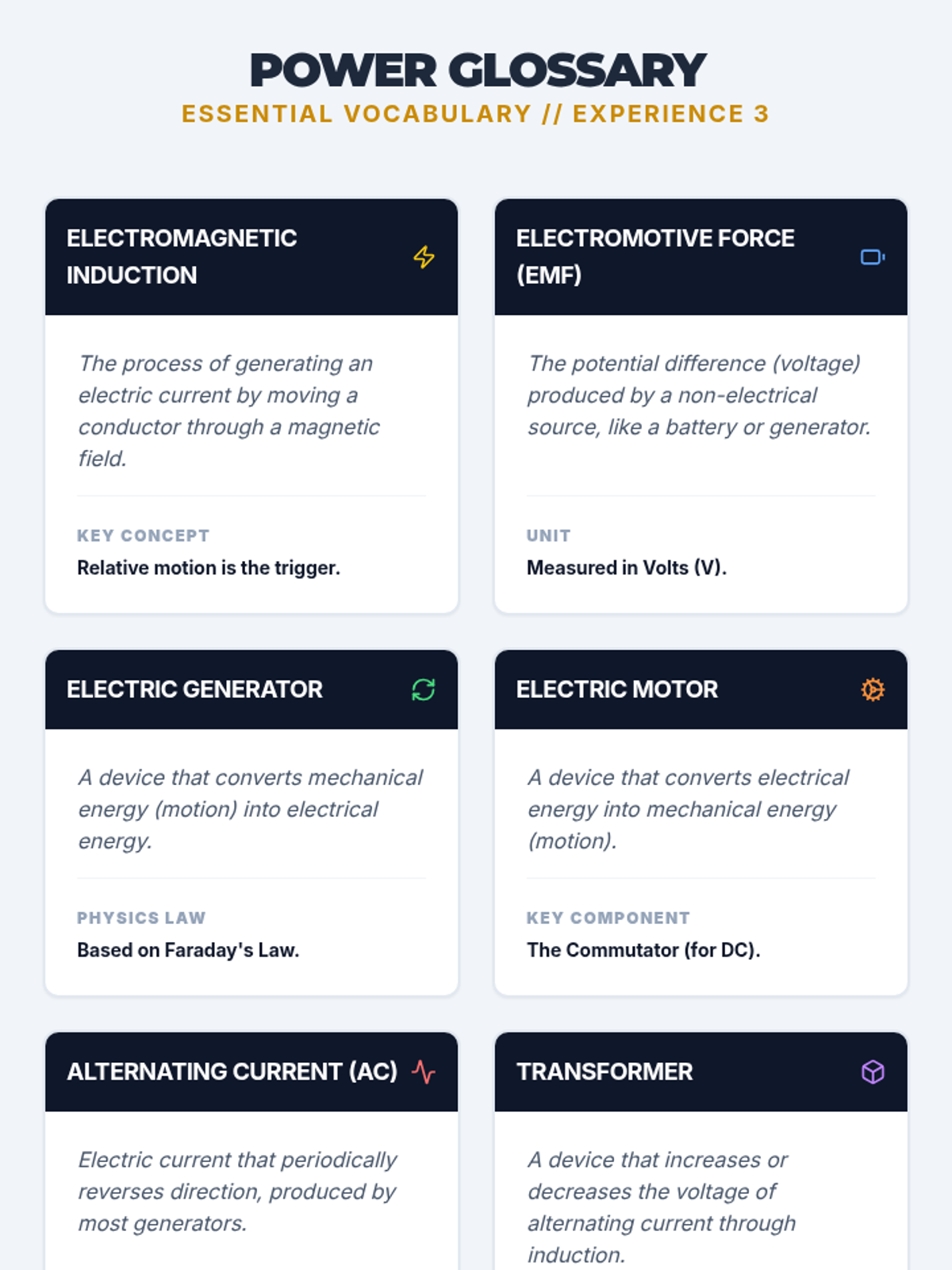
A comprehensive 5E lesson exploring electromagnetic induction through the construction of motors and generators, modeling field interactions, and analyzing real-world applications like transformers.
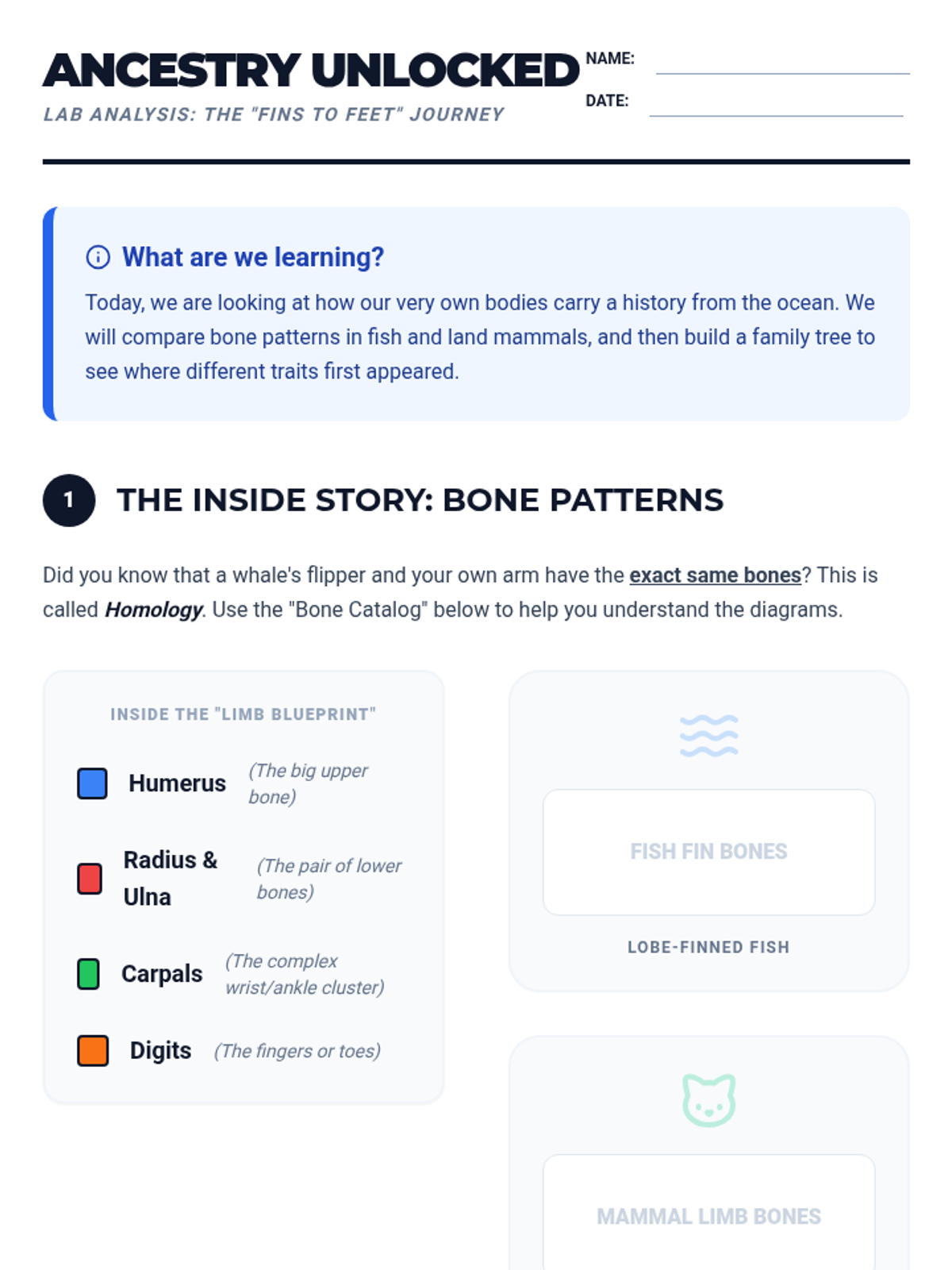
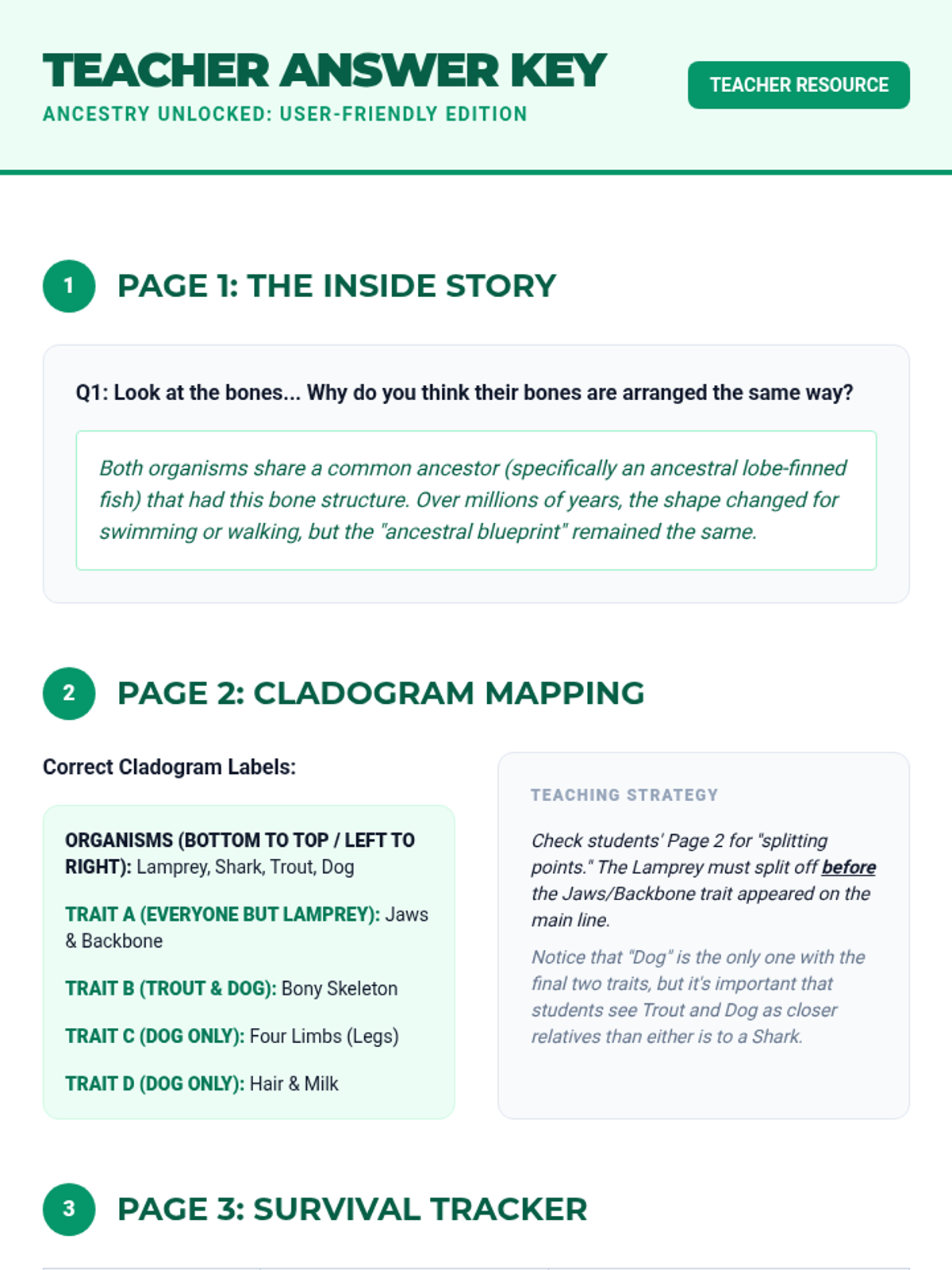
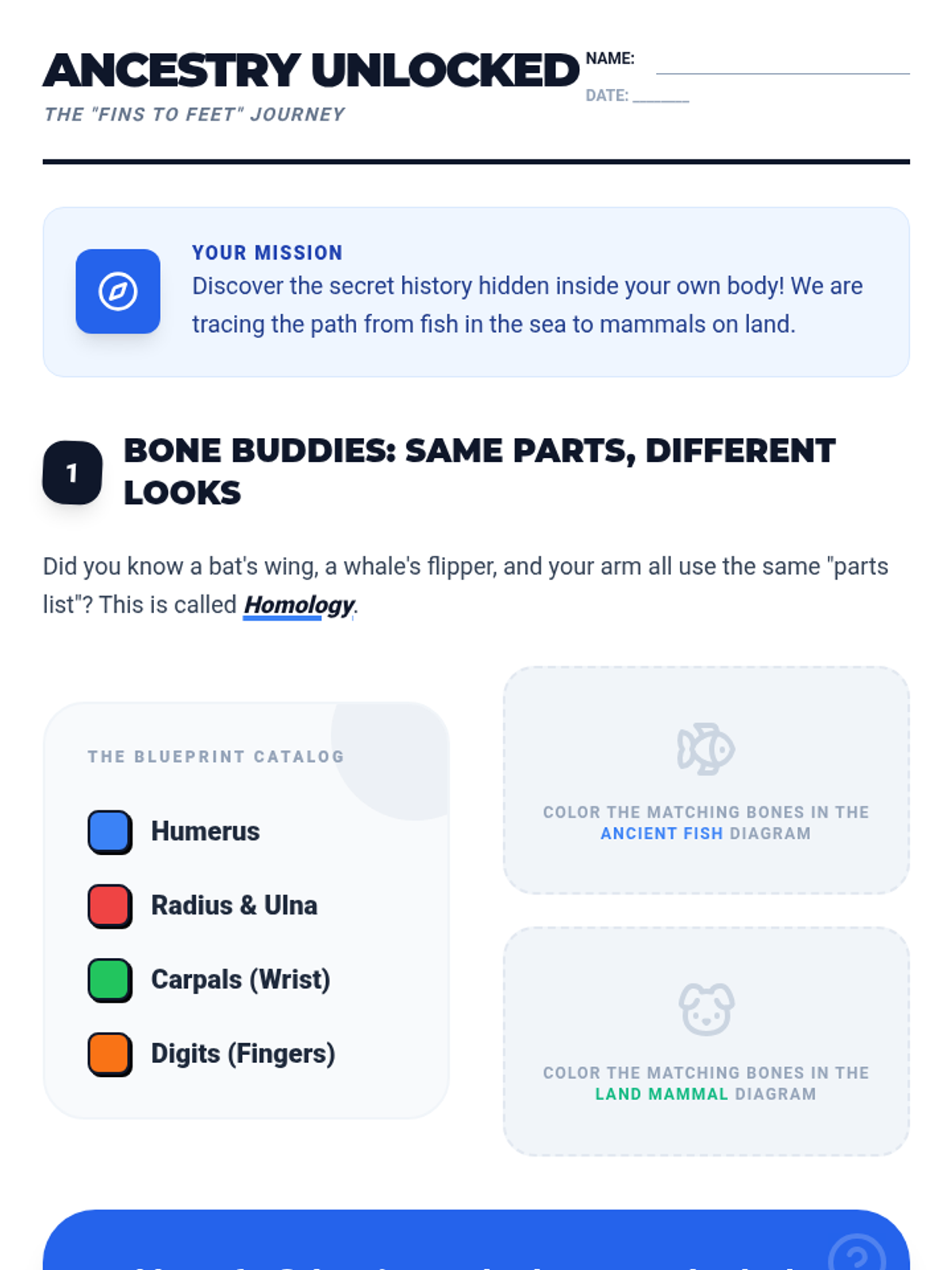
Students explore the shared ancestry of fish and mammals, analyzing homologous bone structures and building cladograms to visualize divergent evolution.
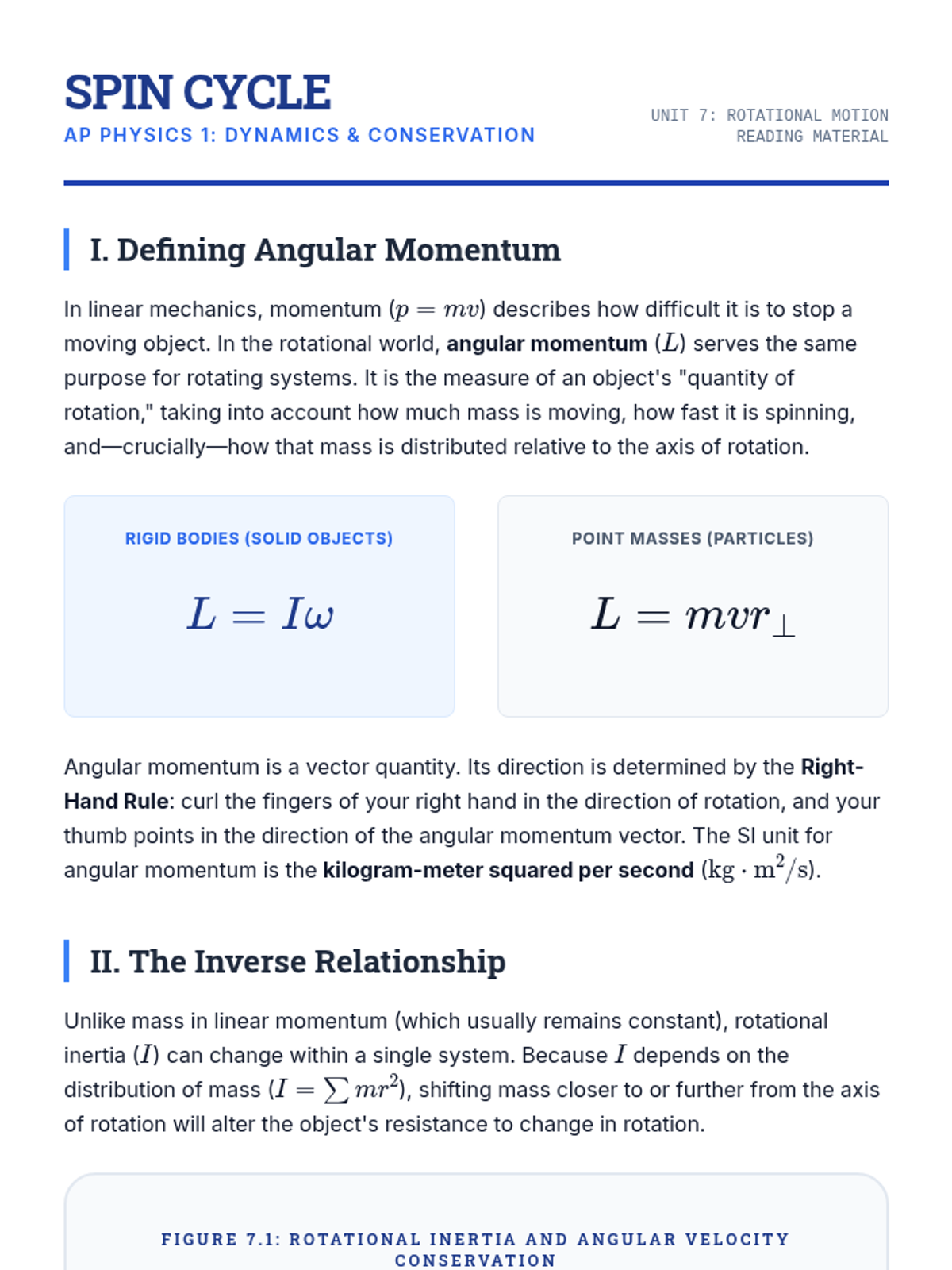
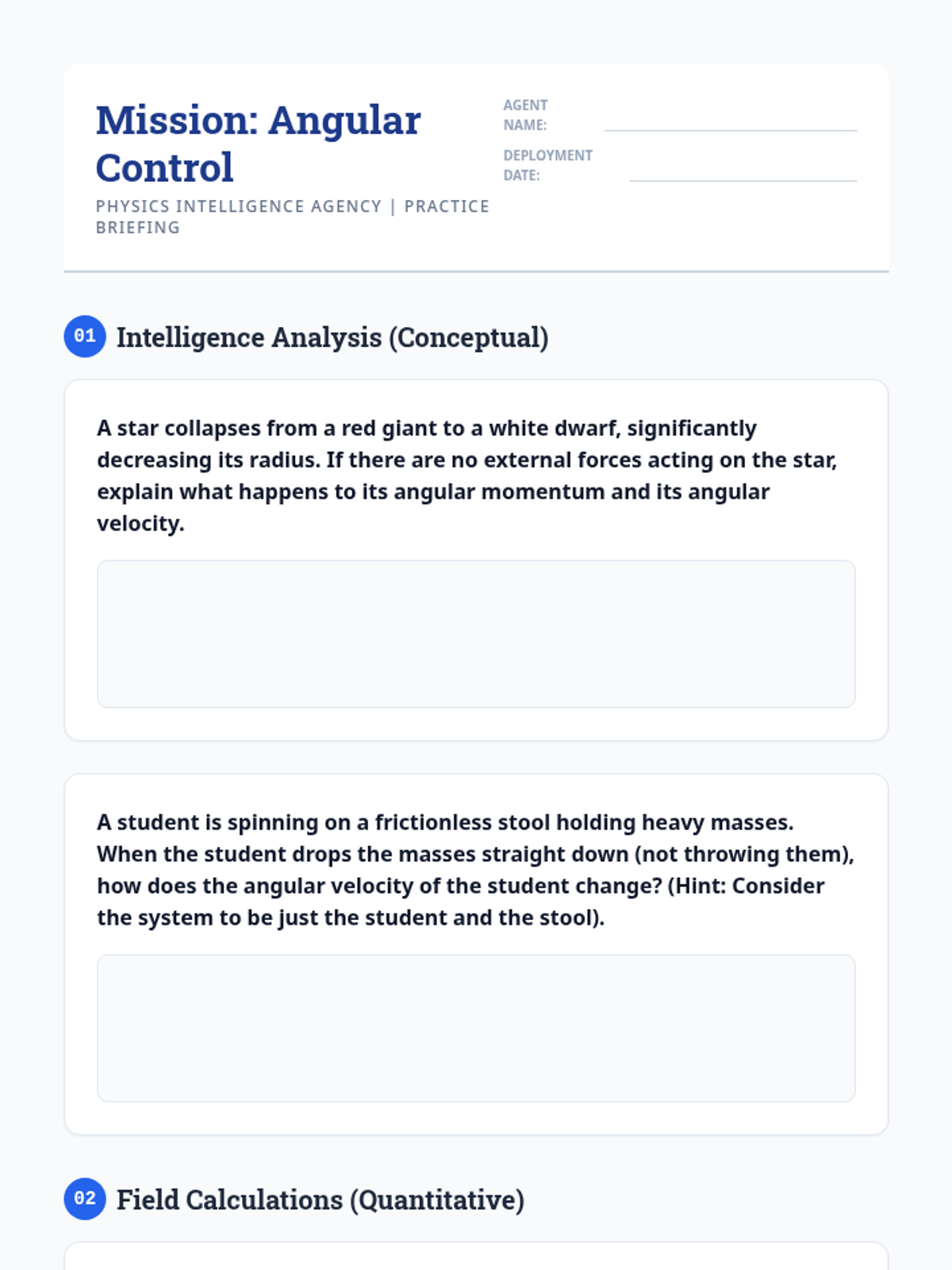
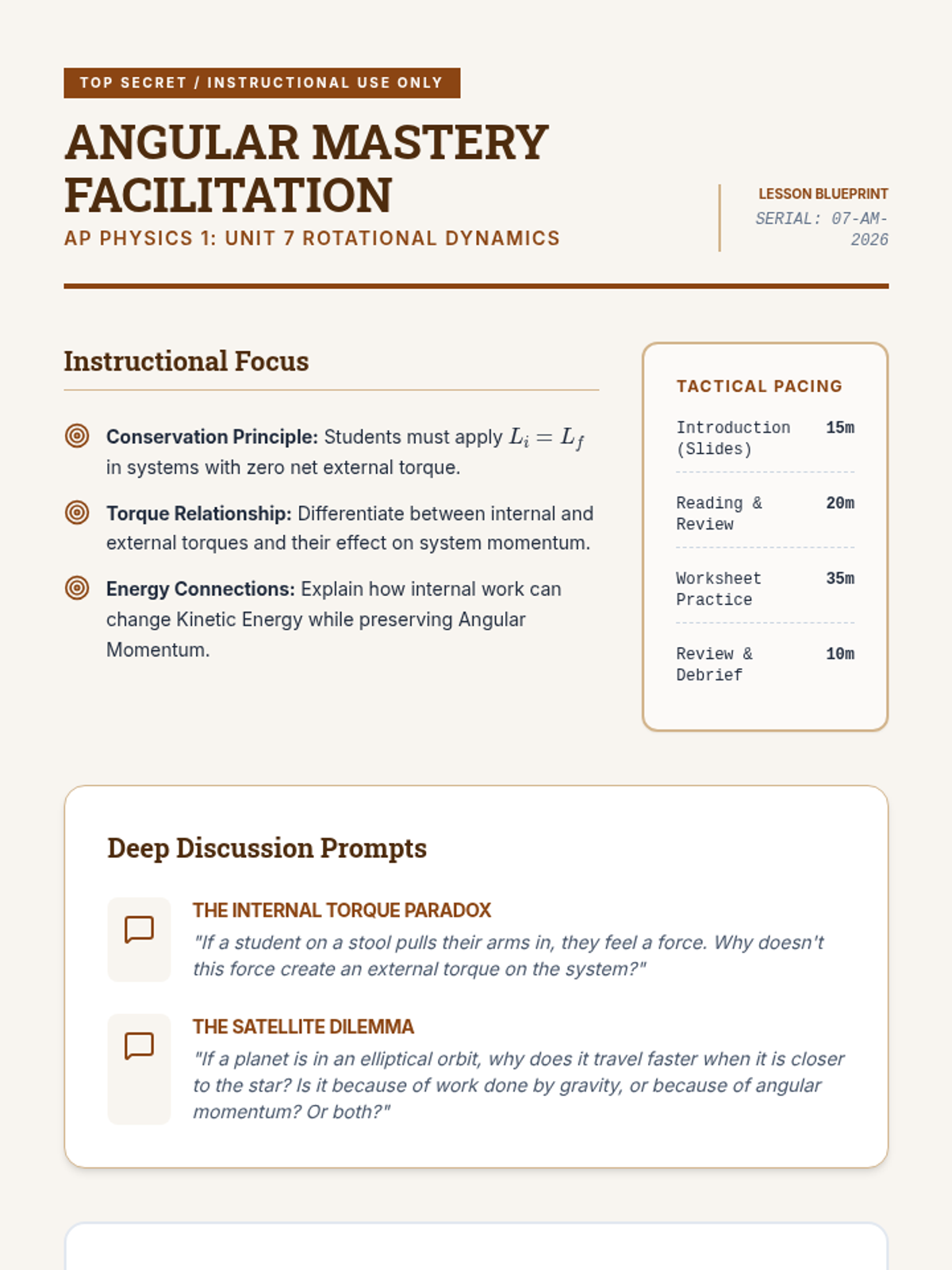
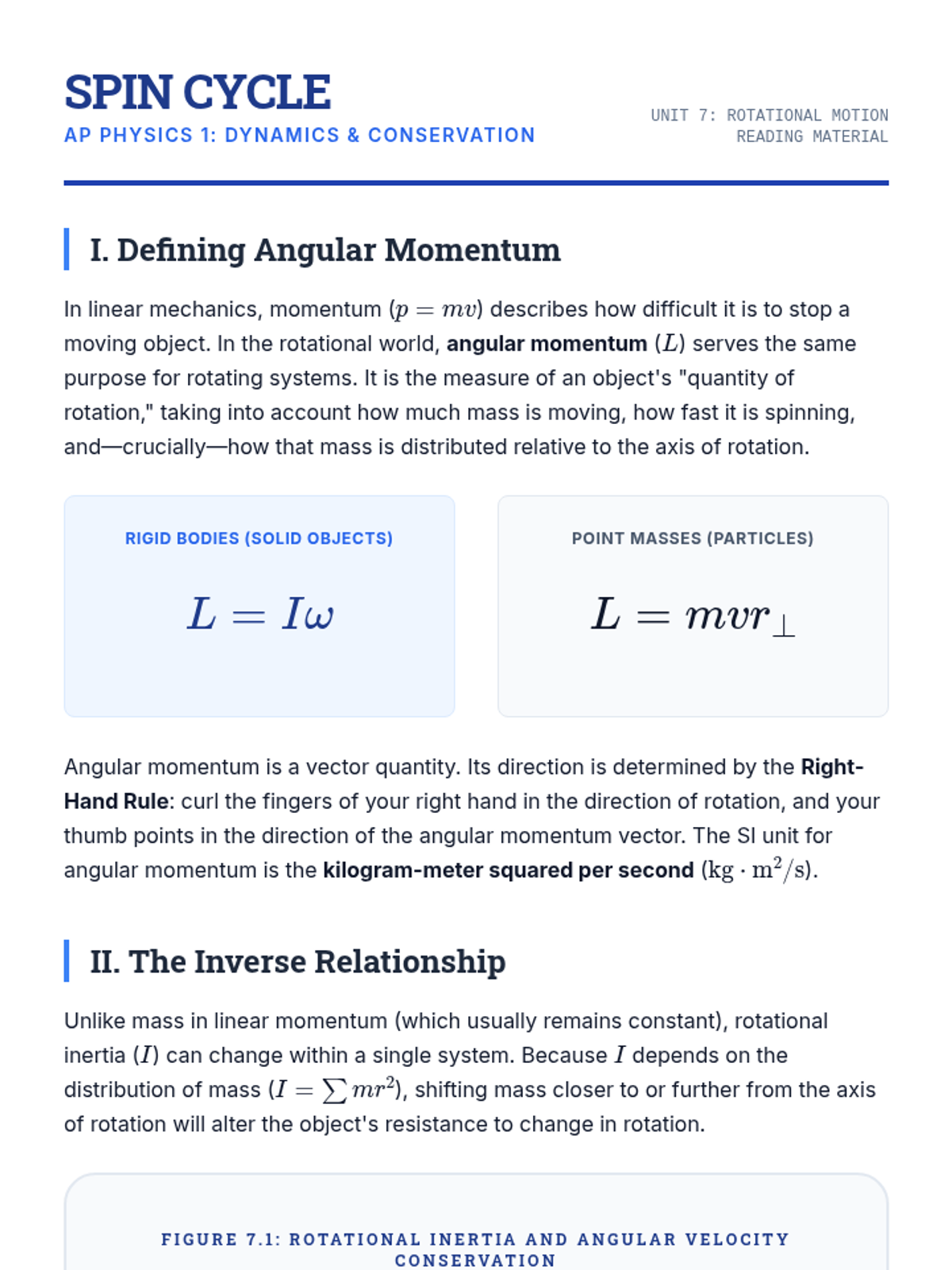
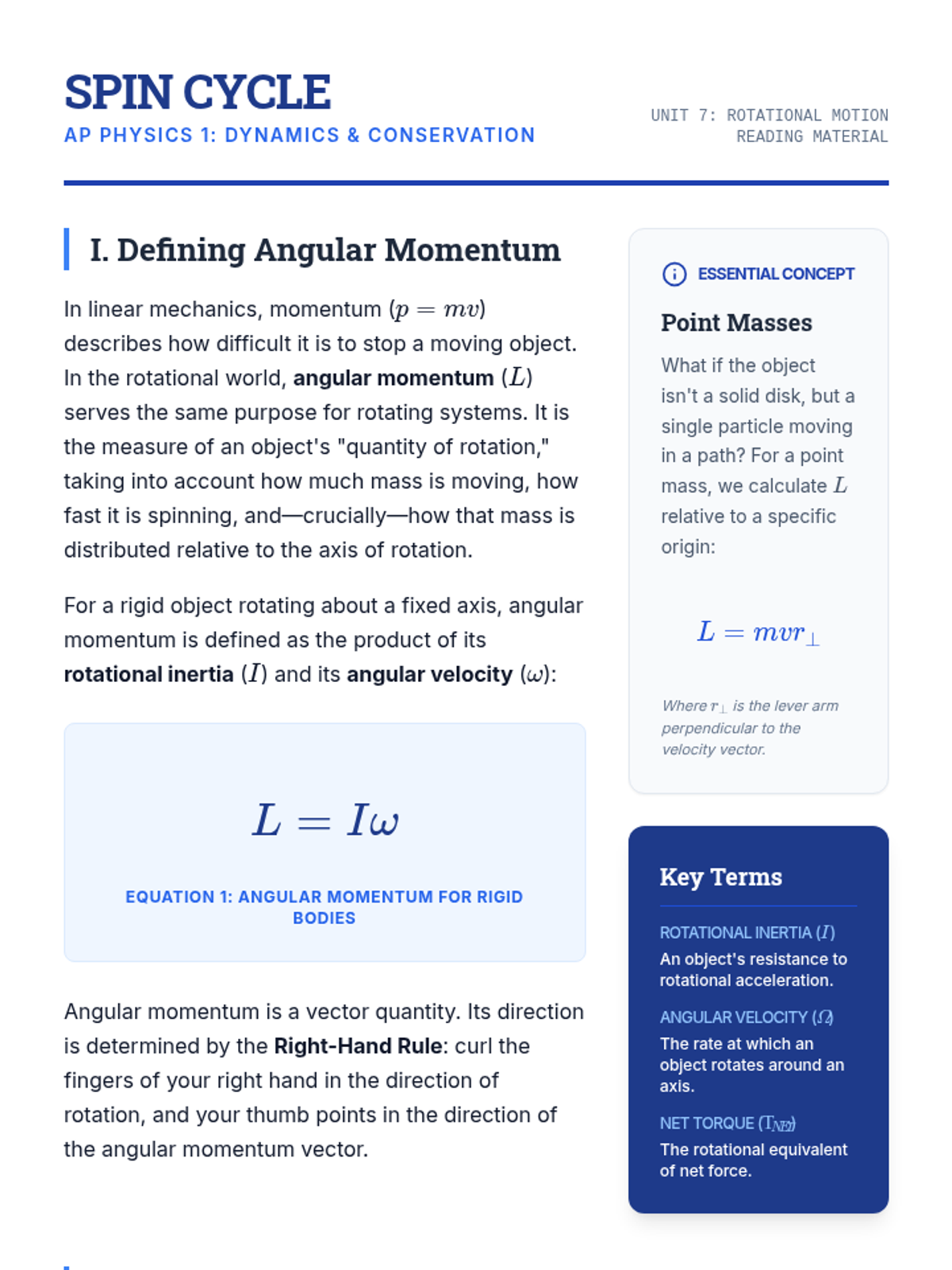
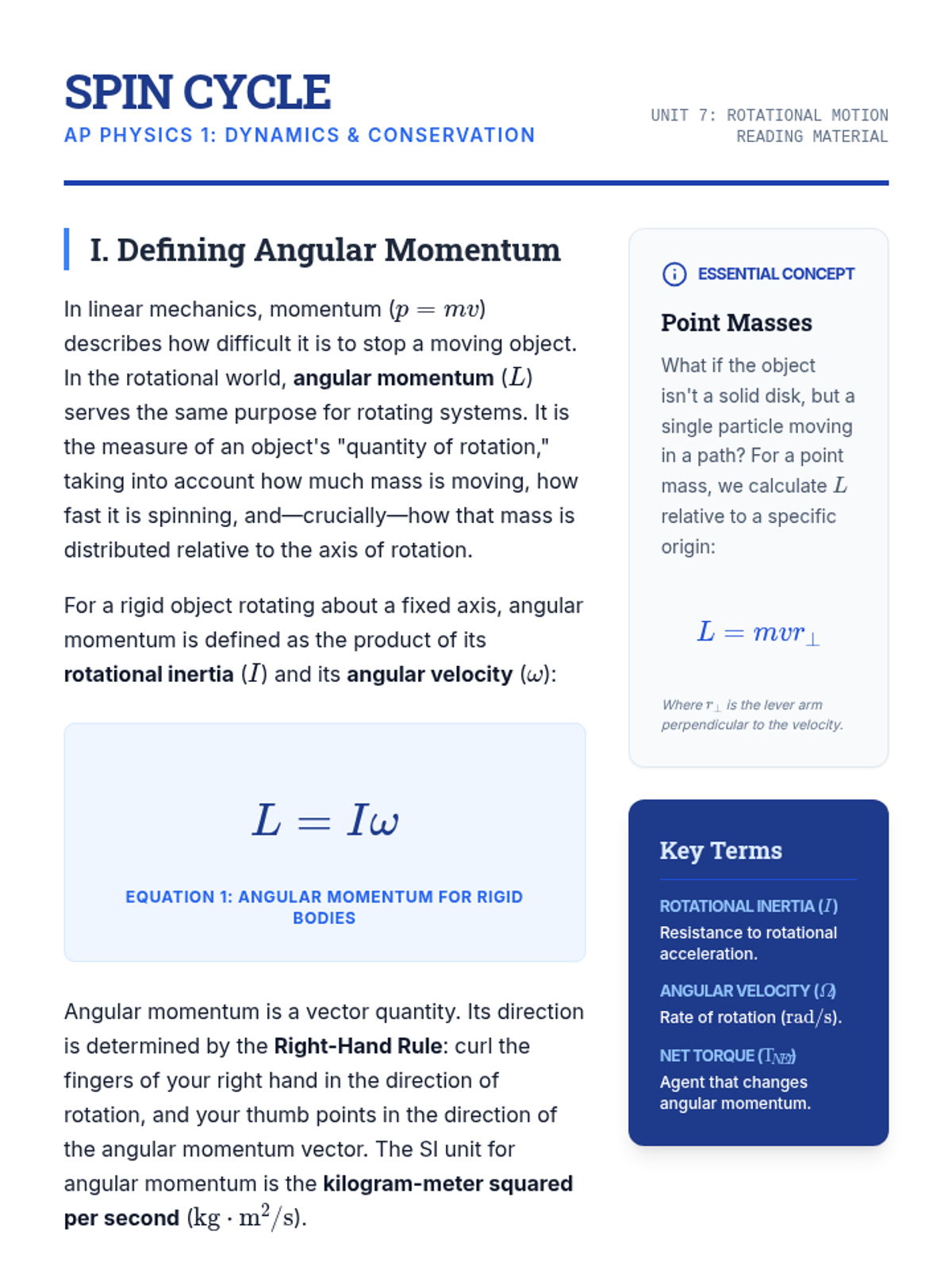
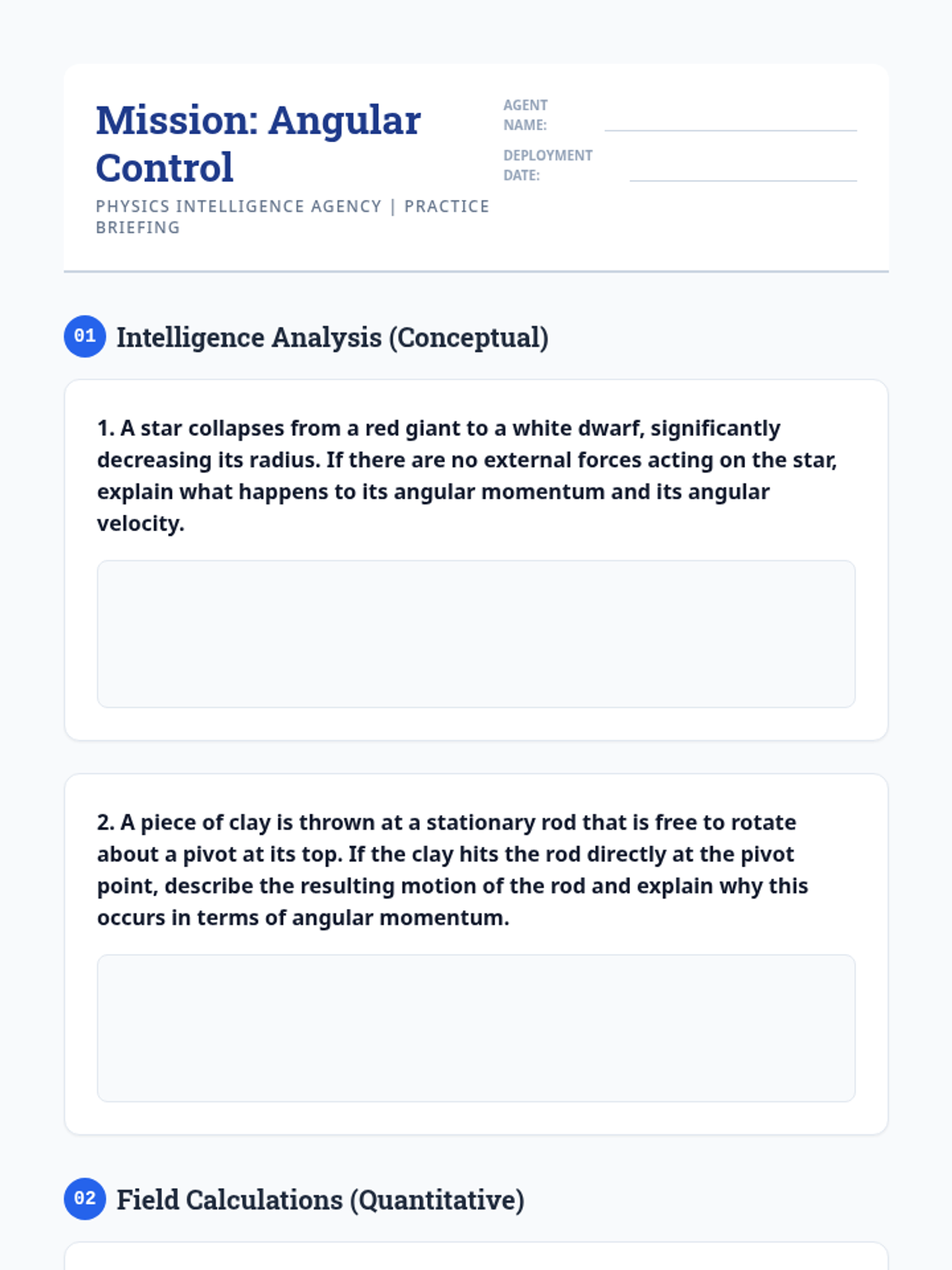
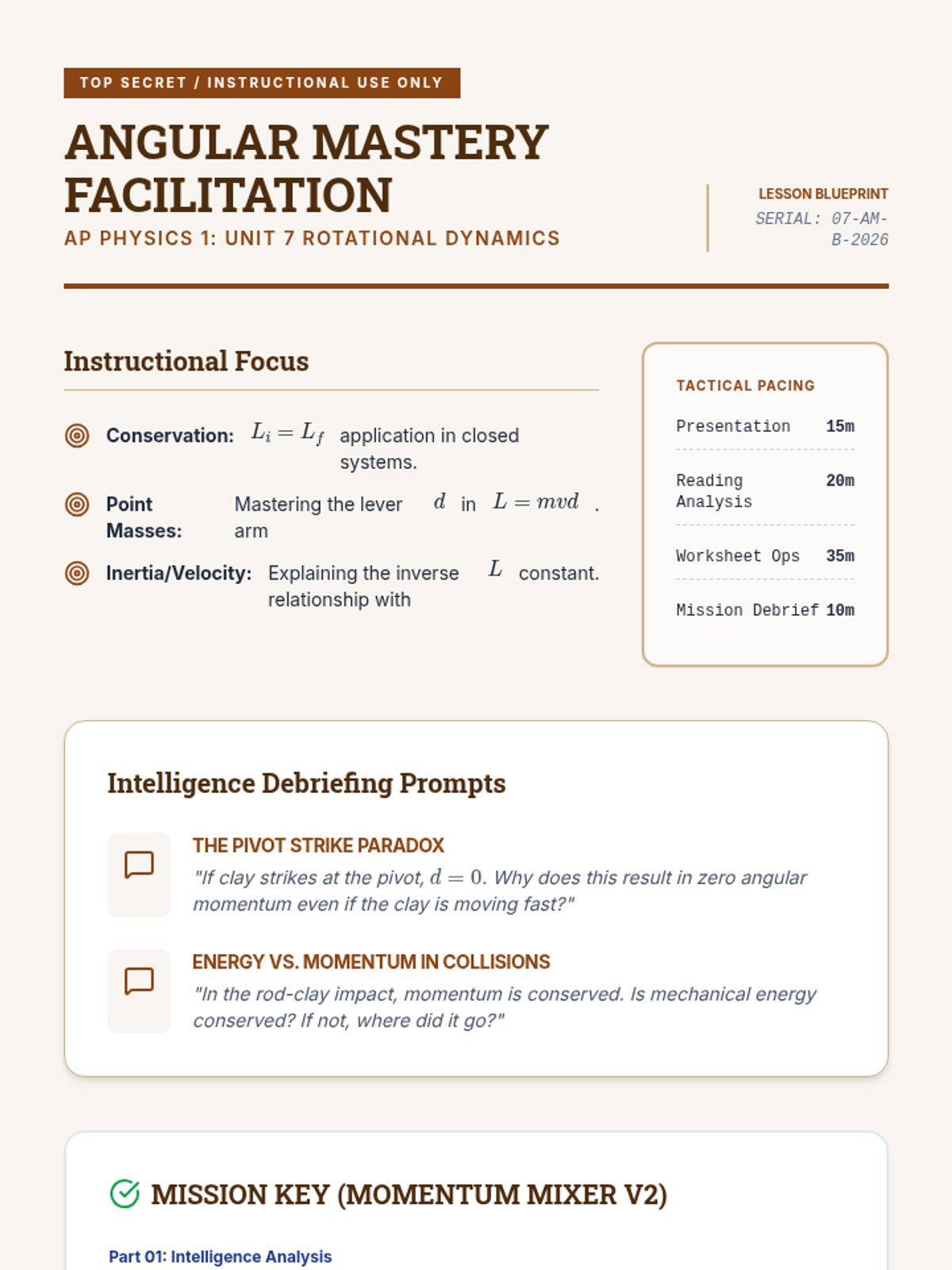
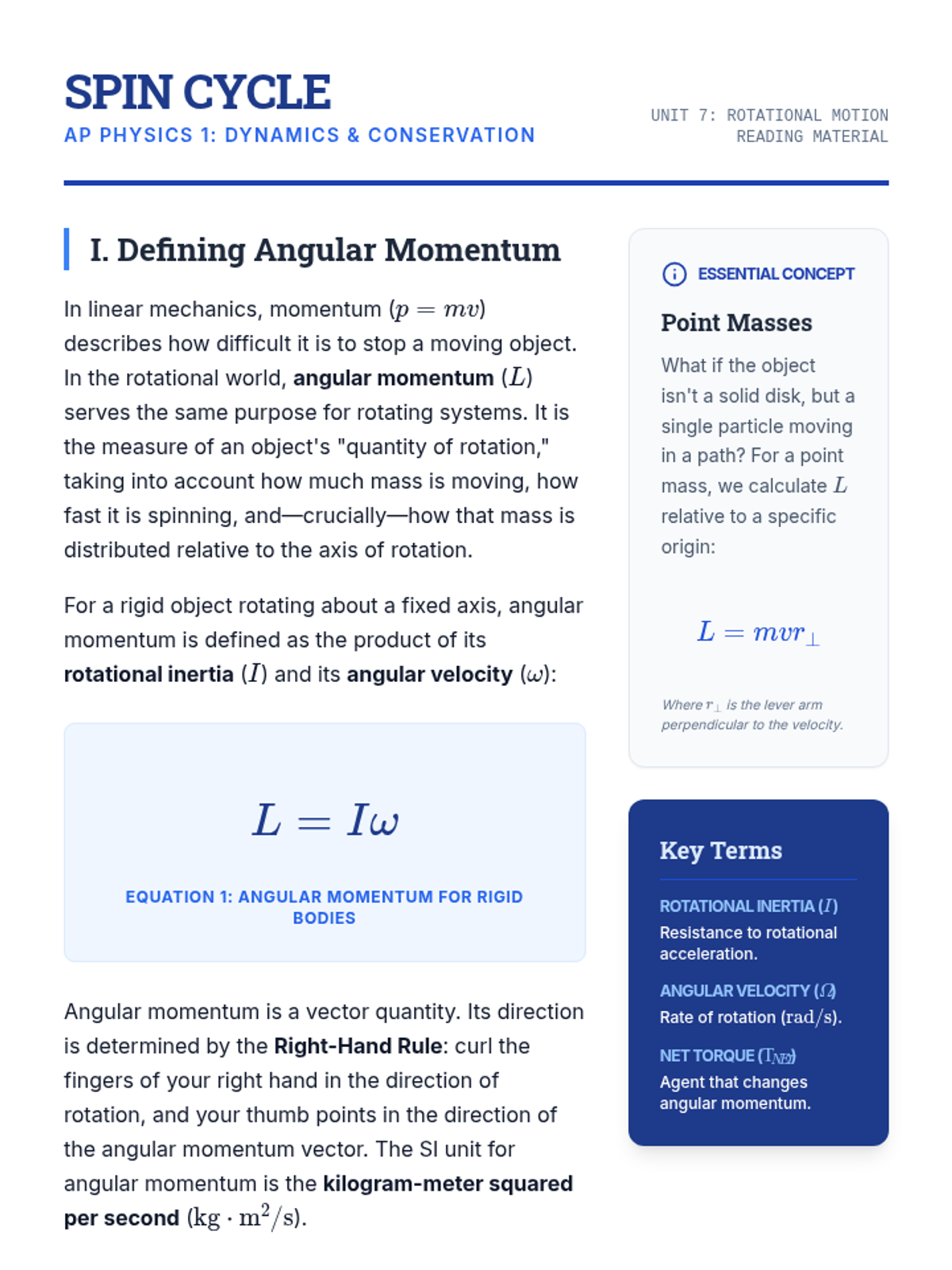
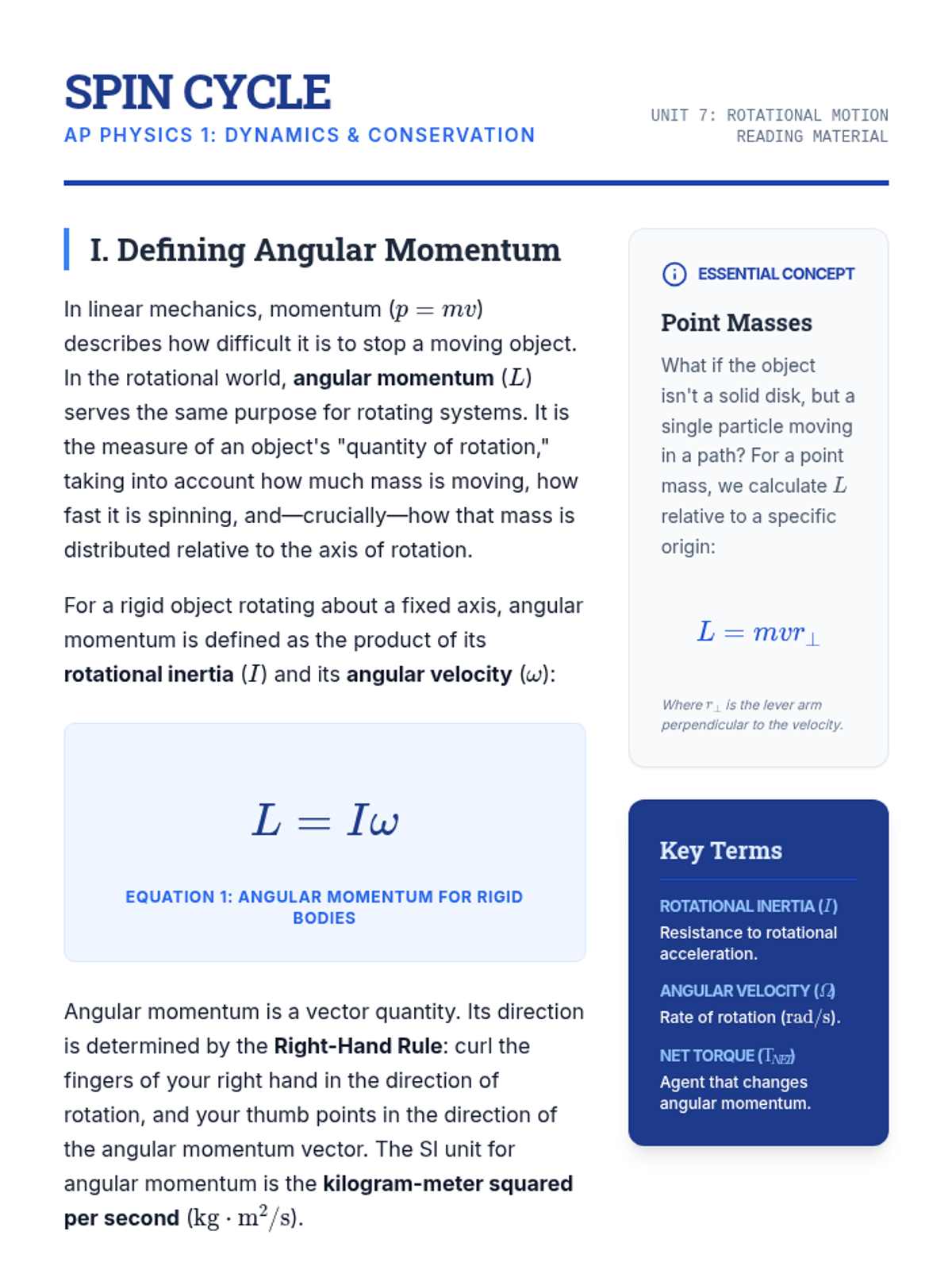
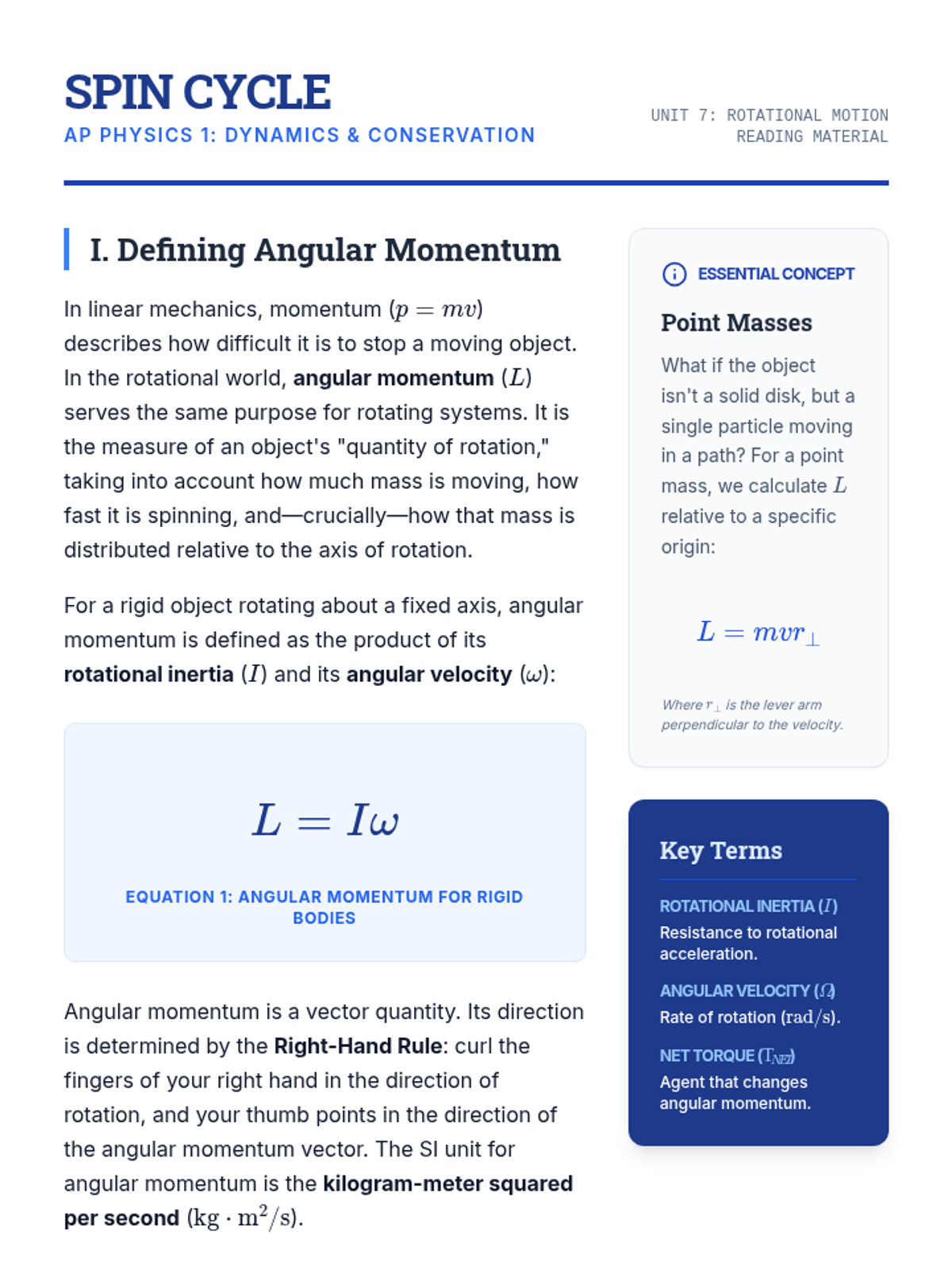
A comprehensive exploration of angular momentum, torque relationships, and conservation principles for AP Physics 1 students.
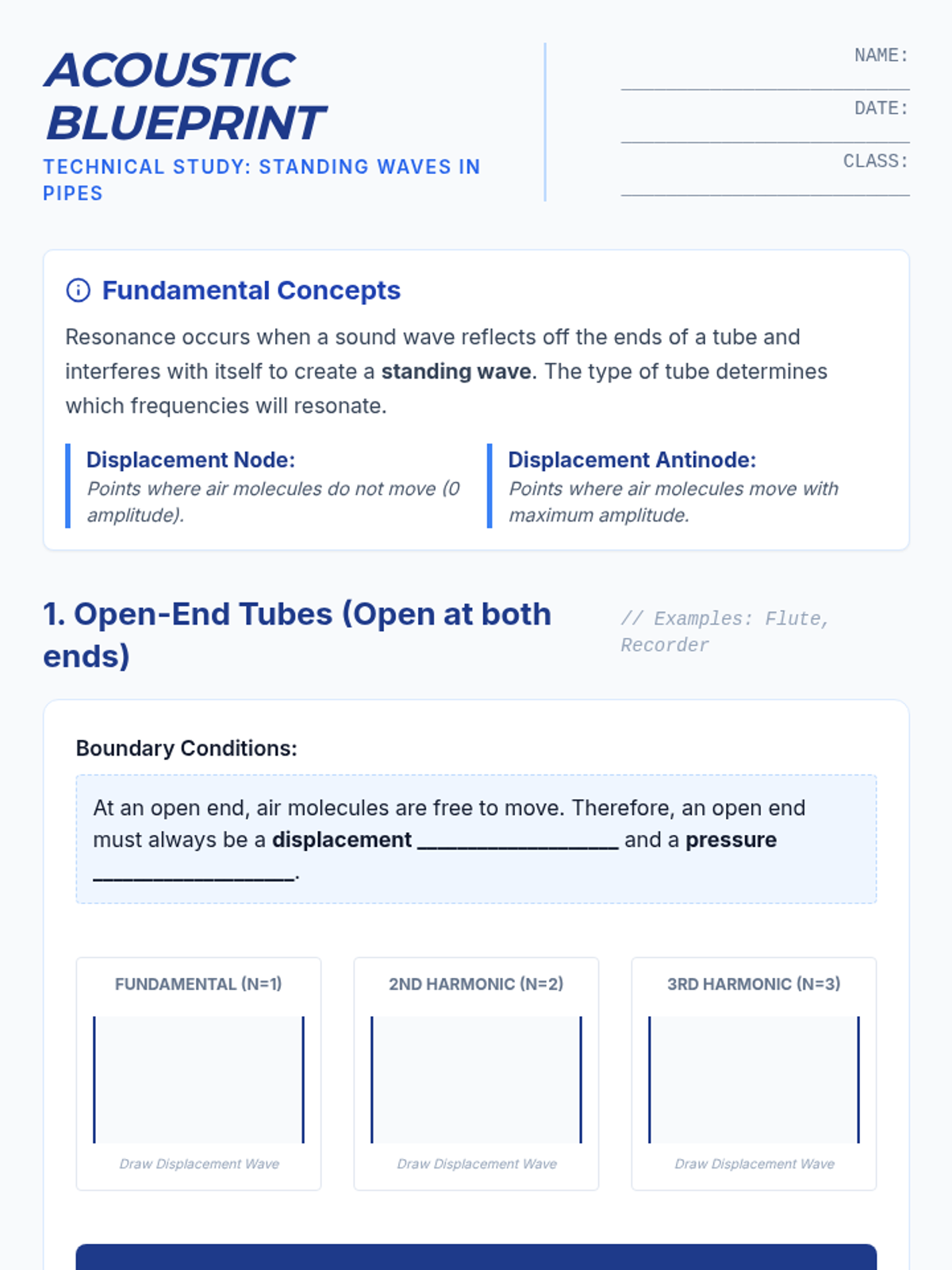
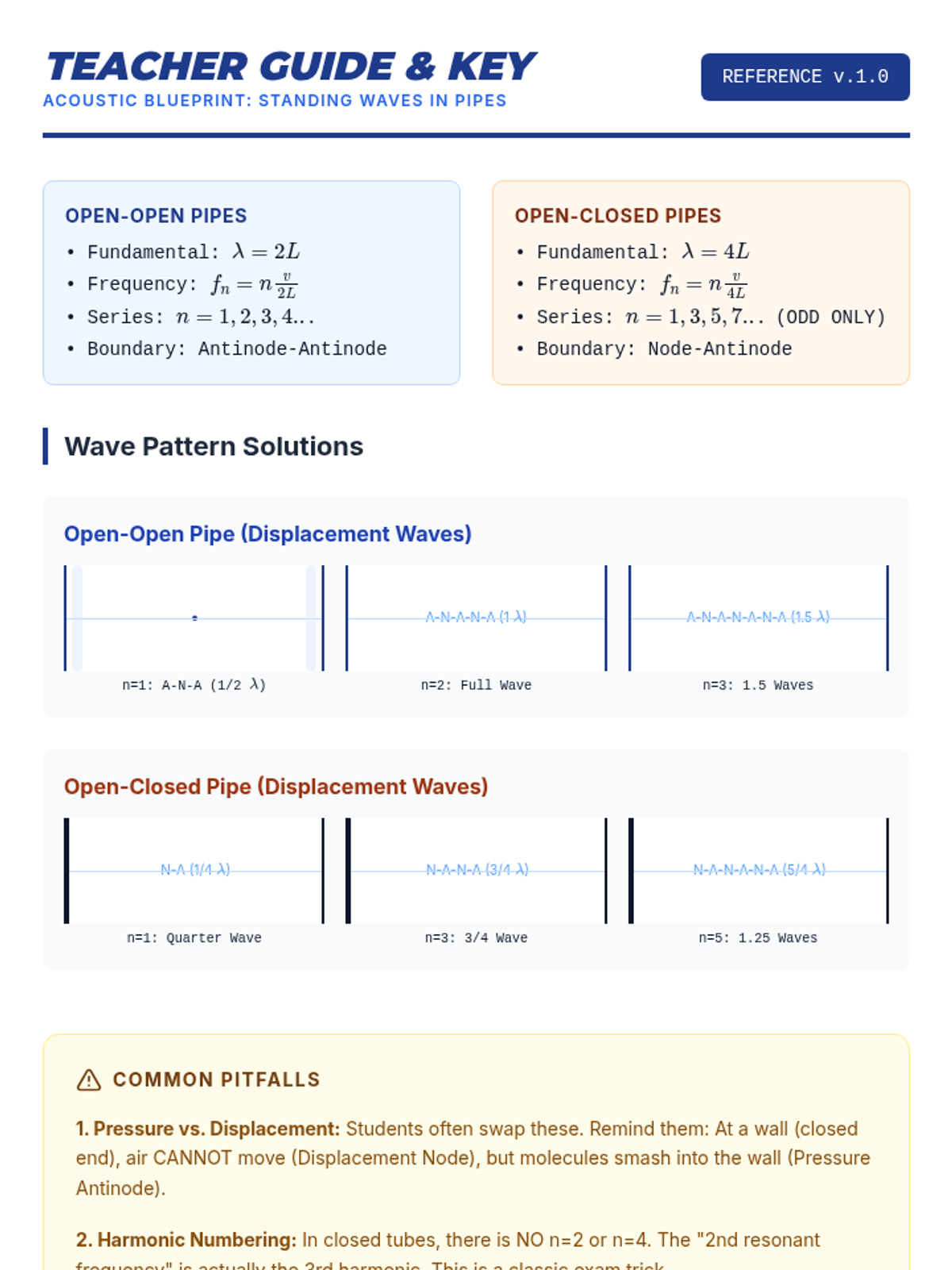
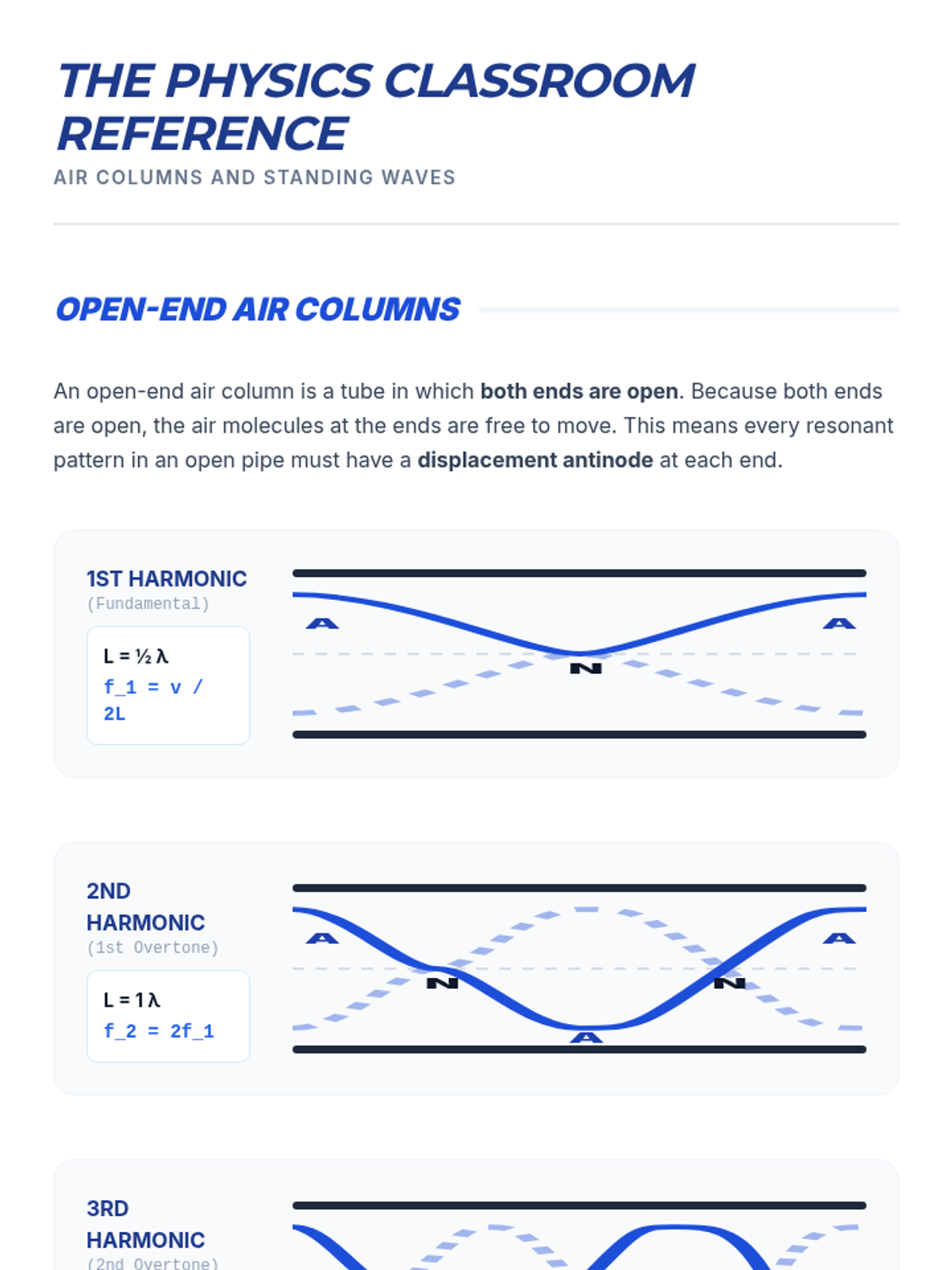
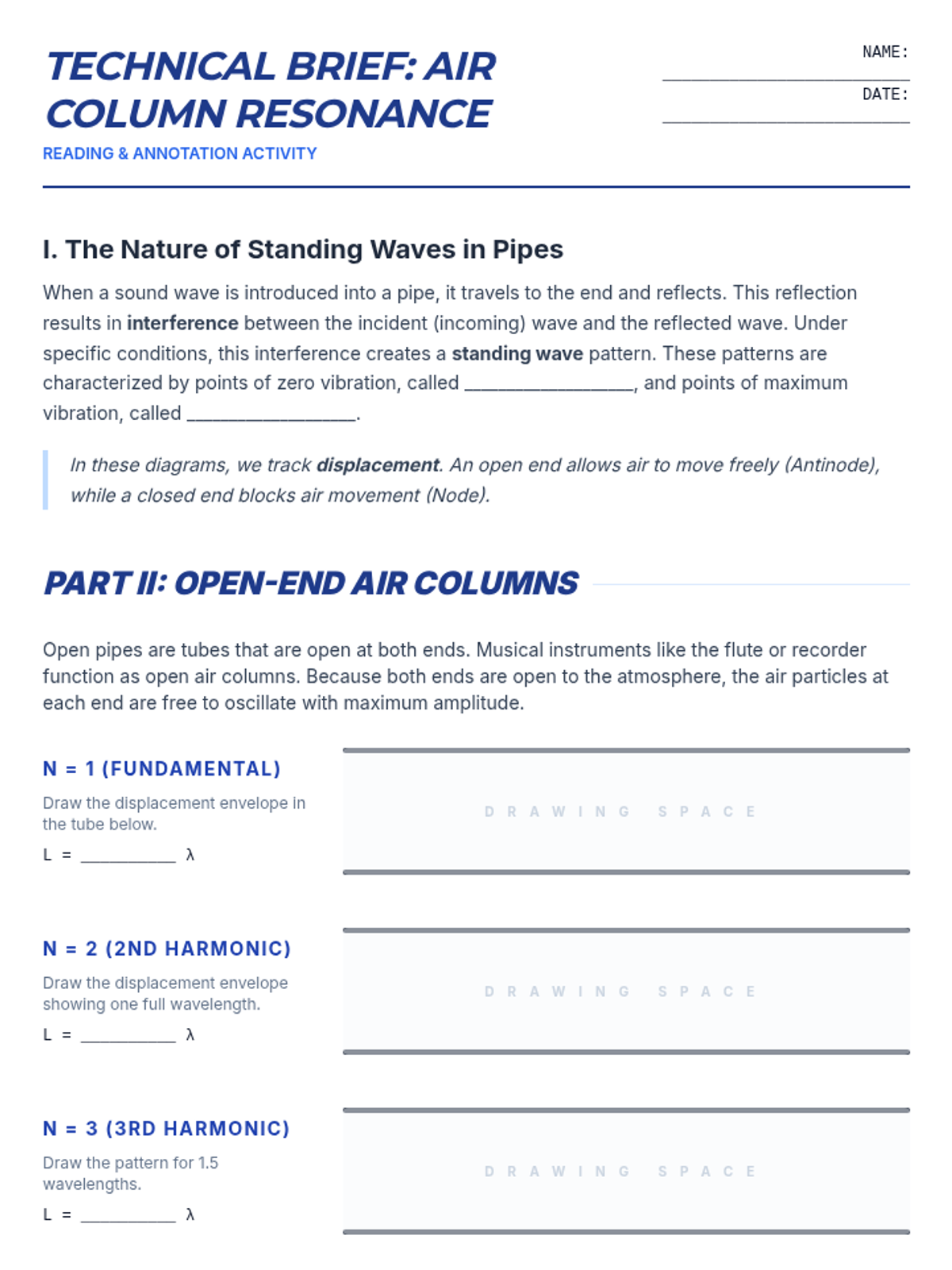
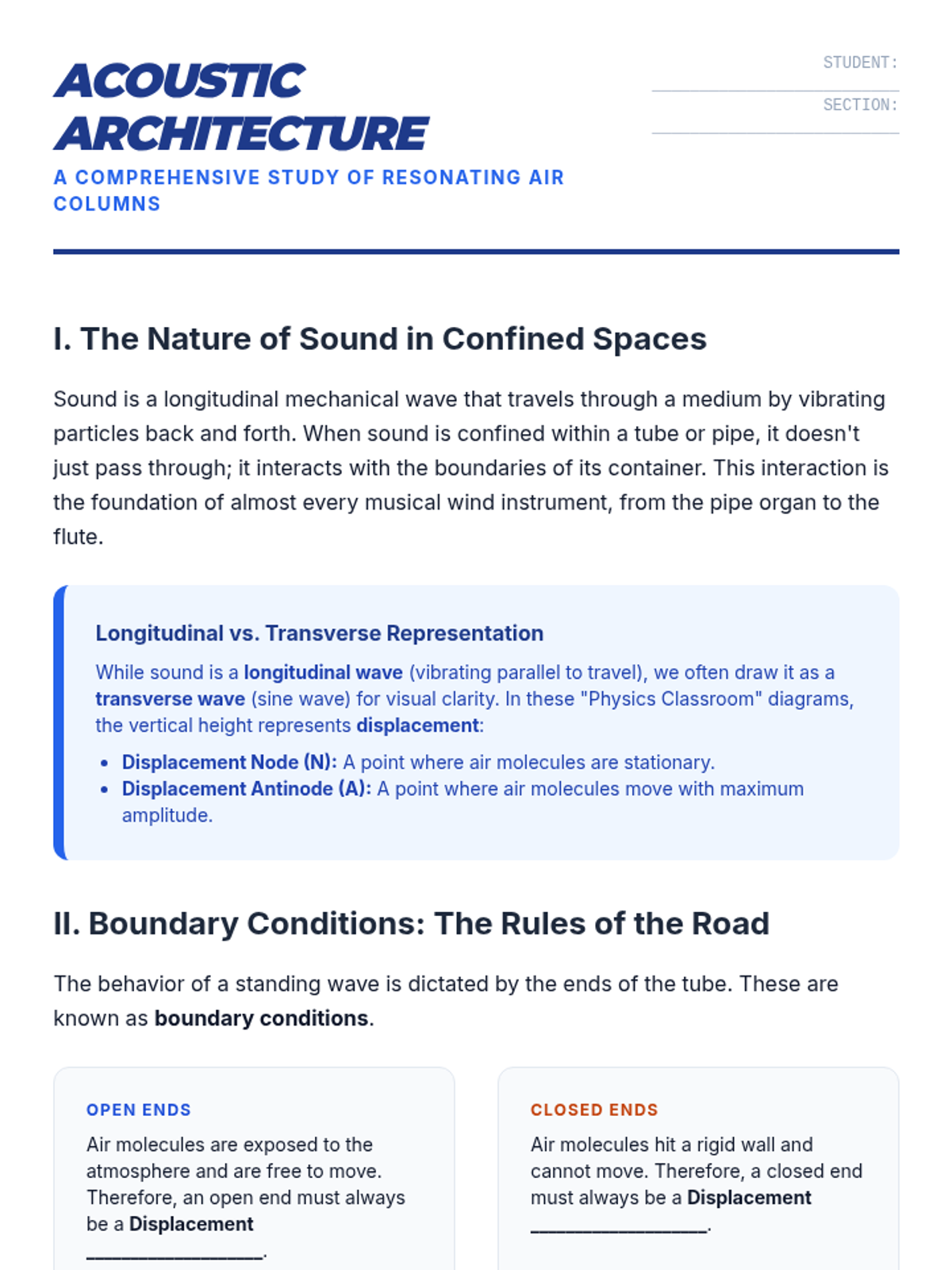
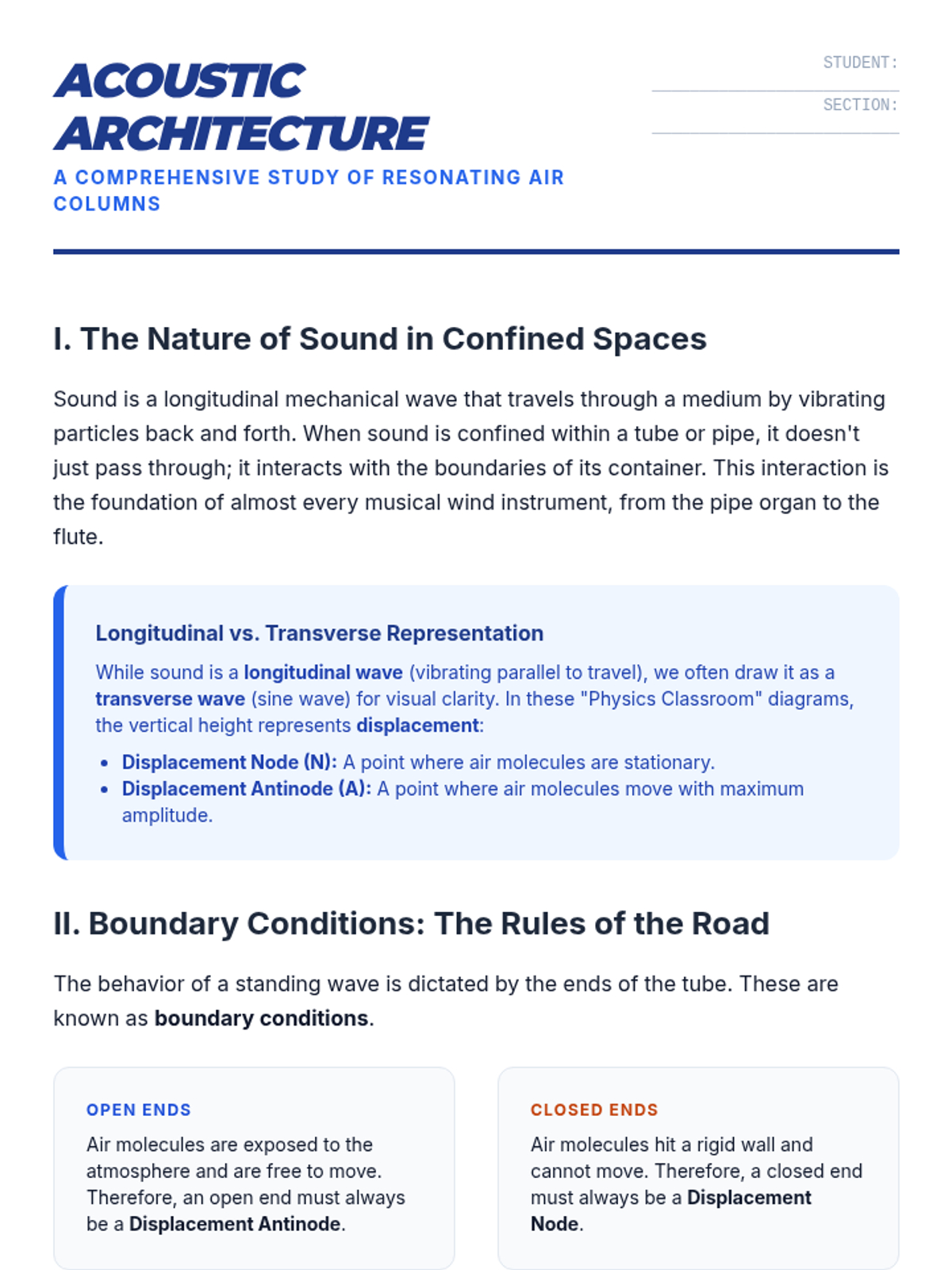
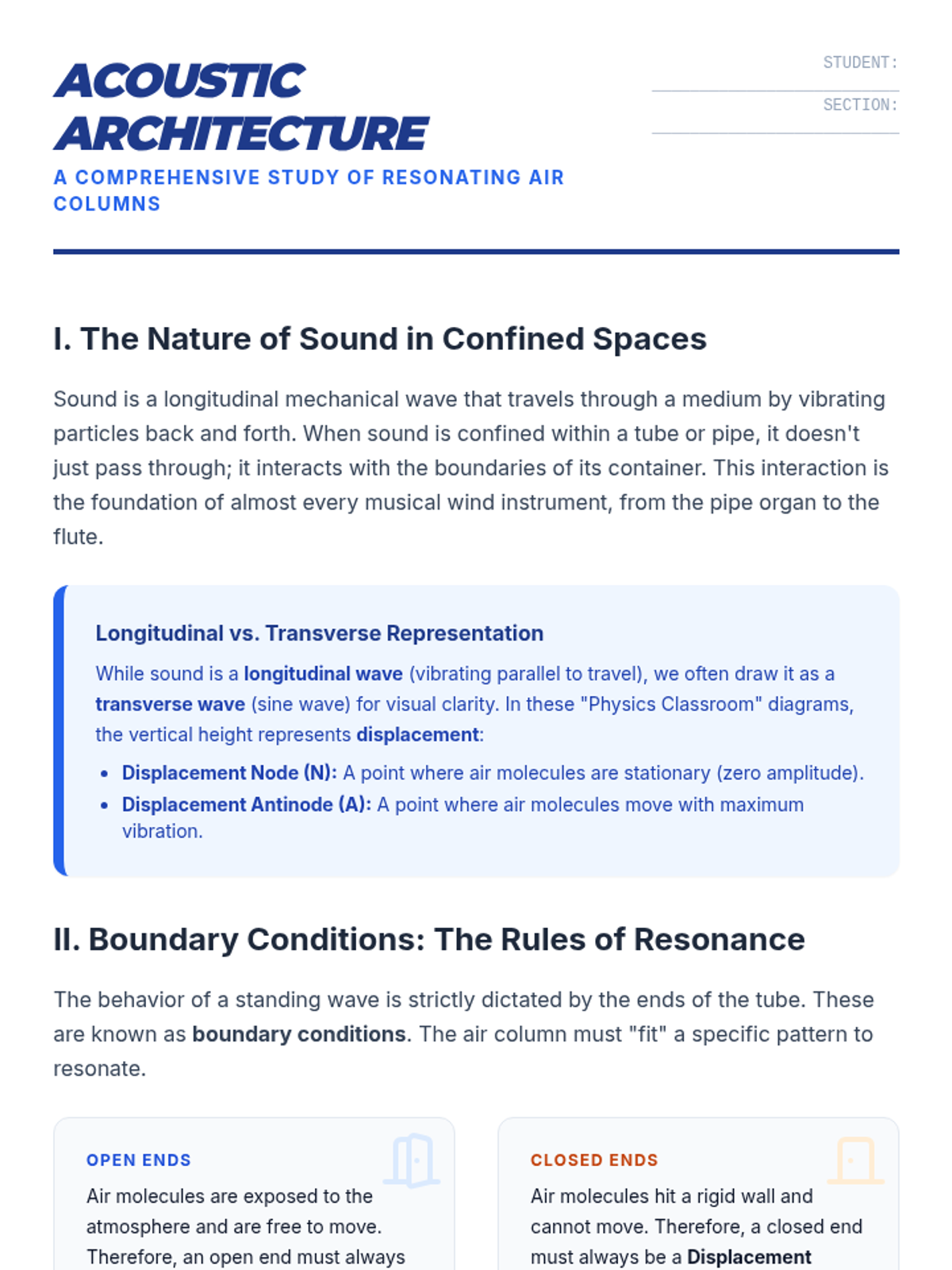
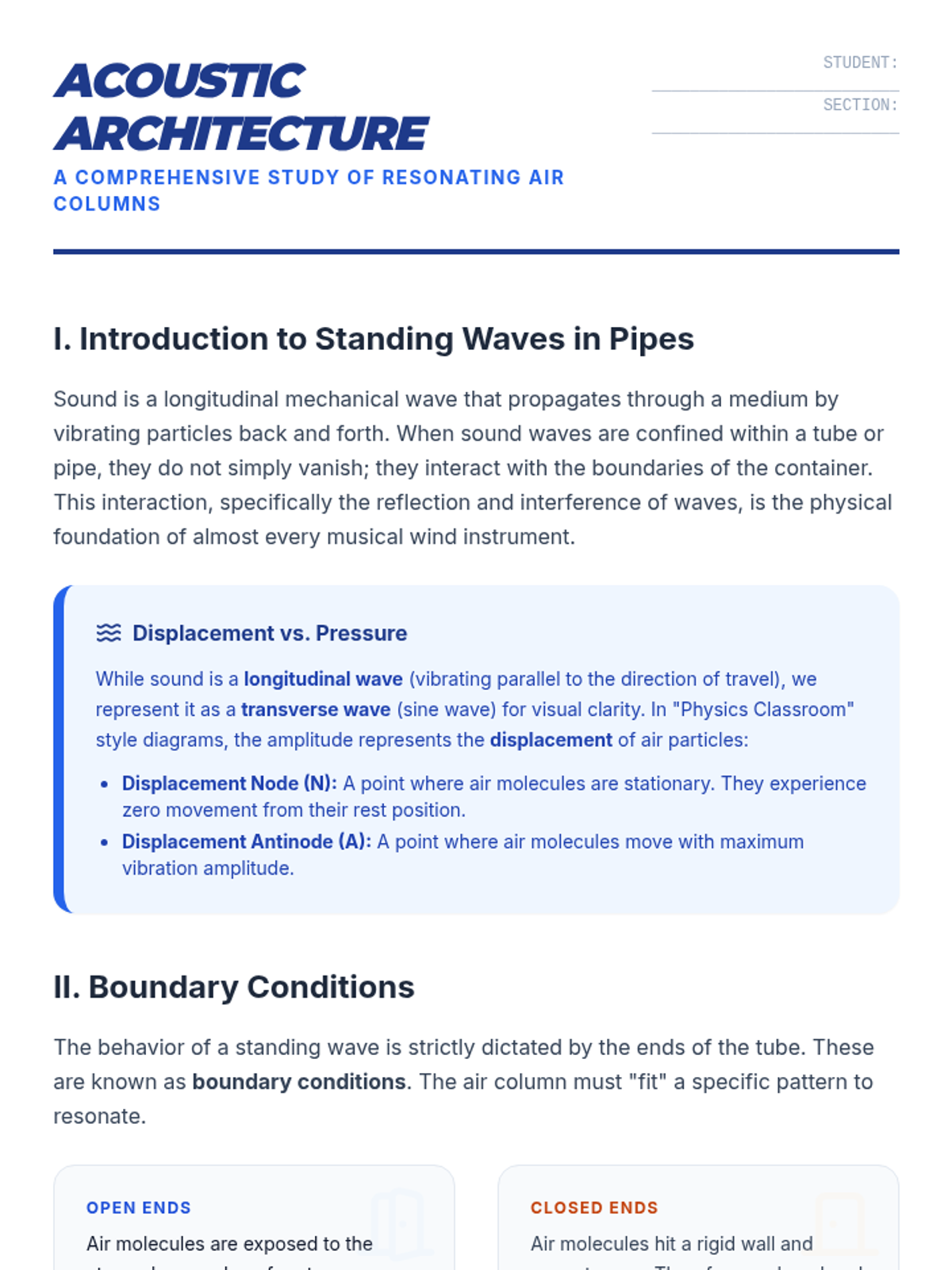
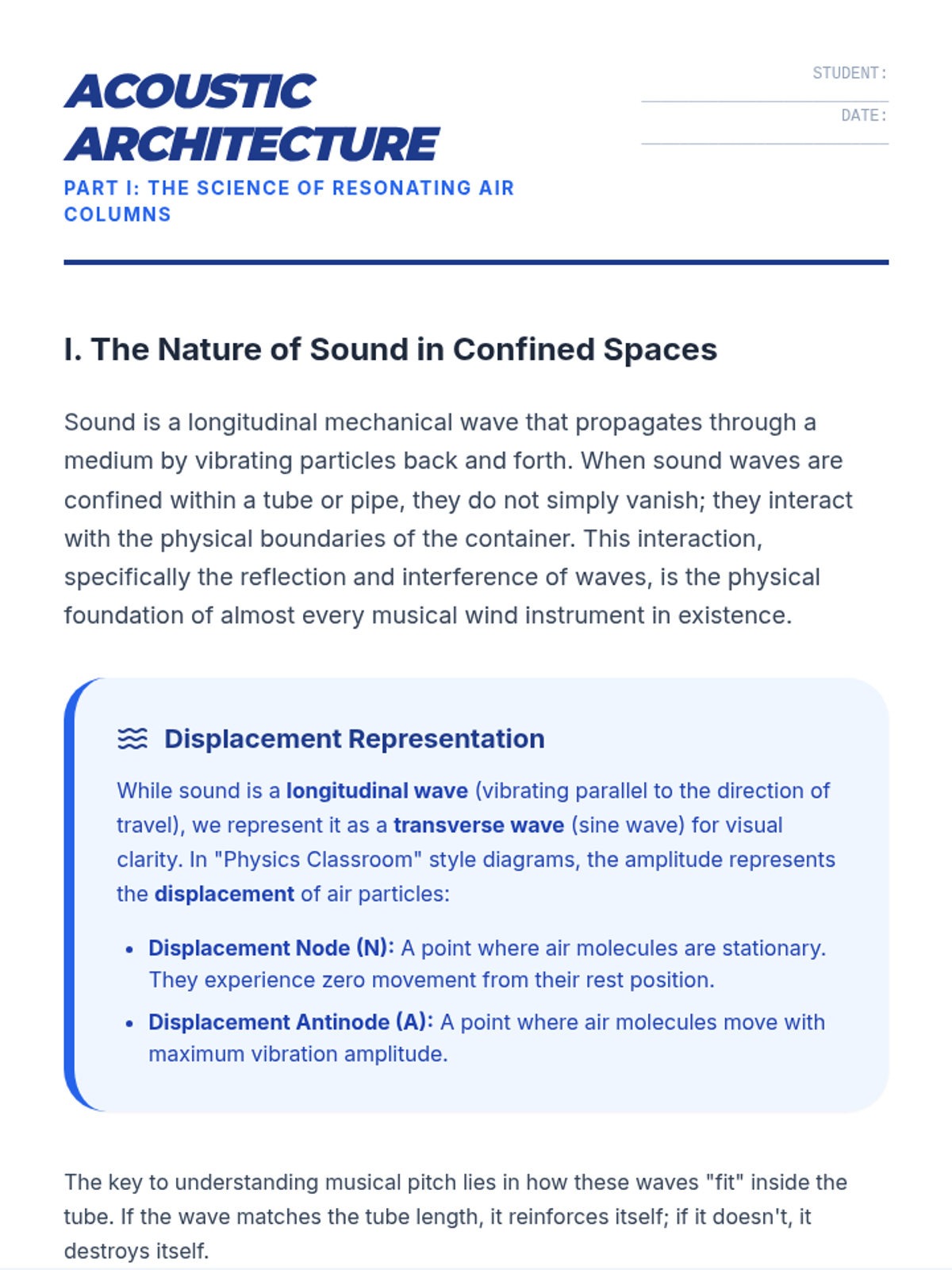
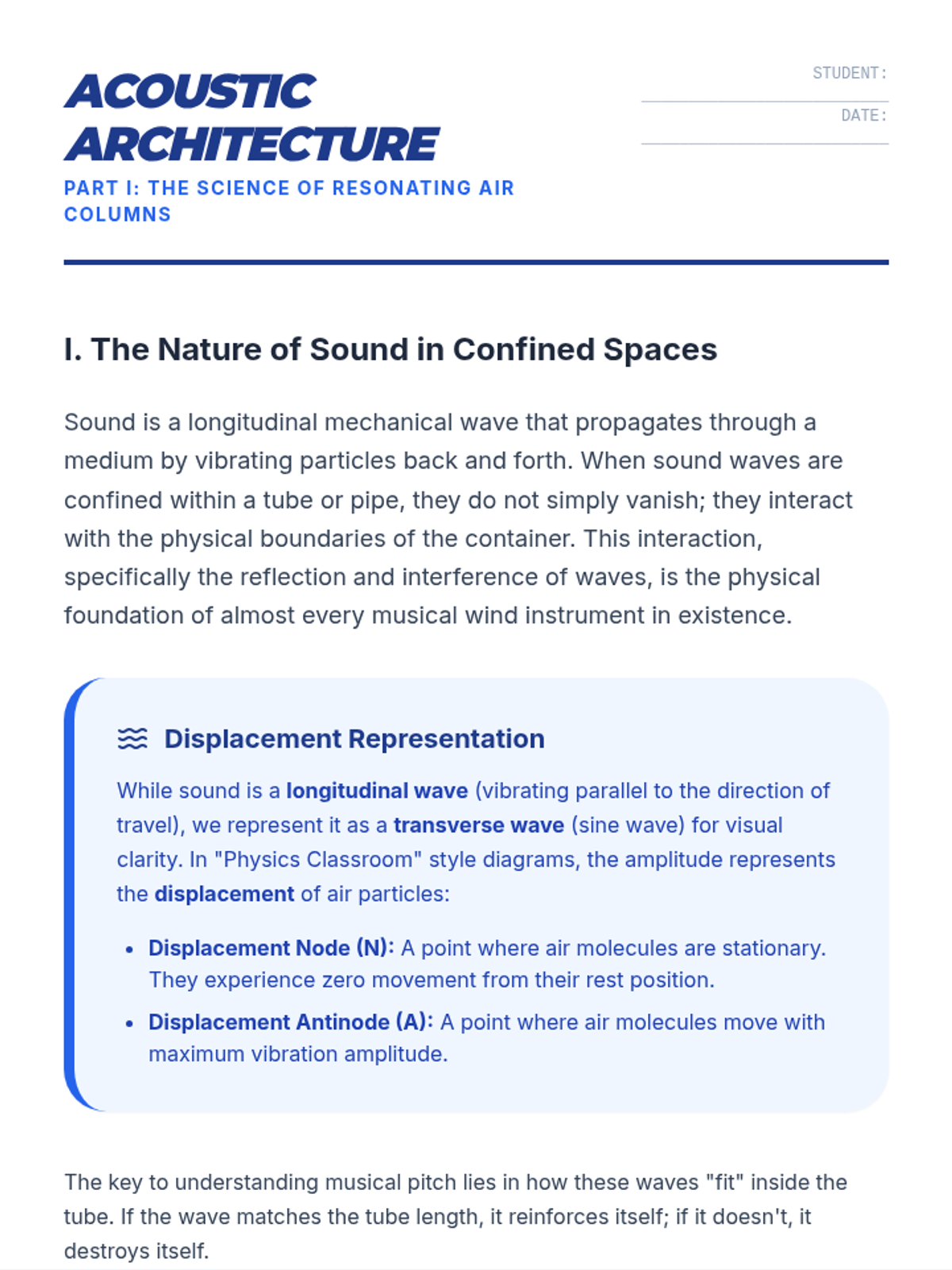
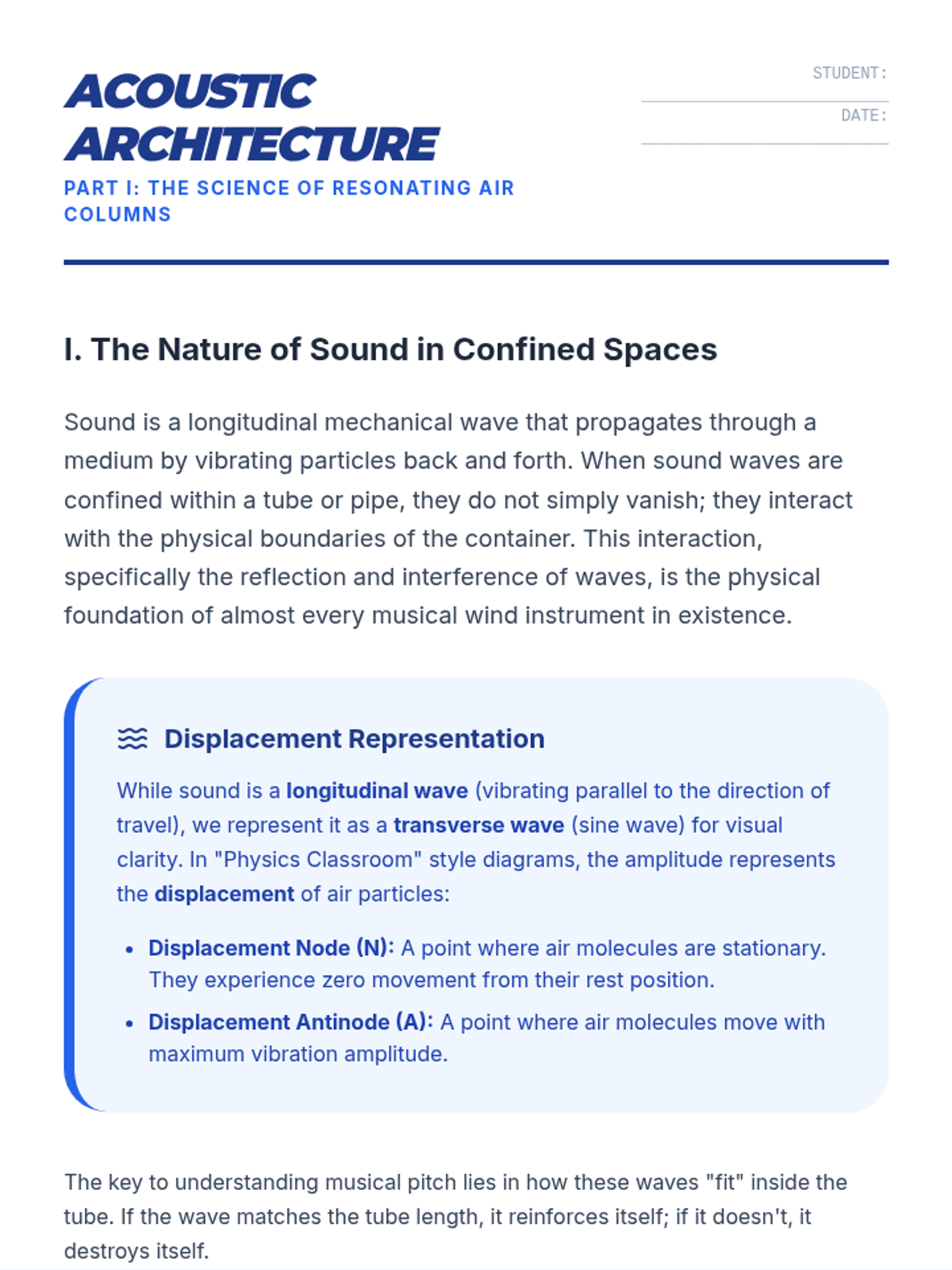
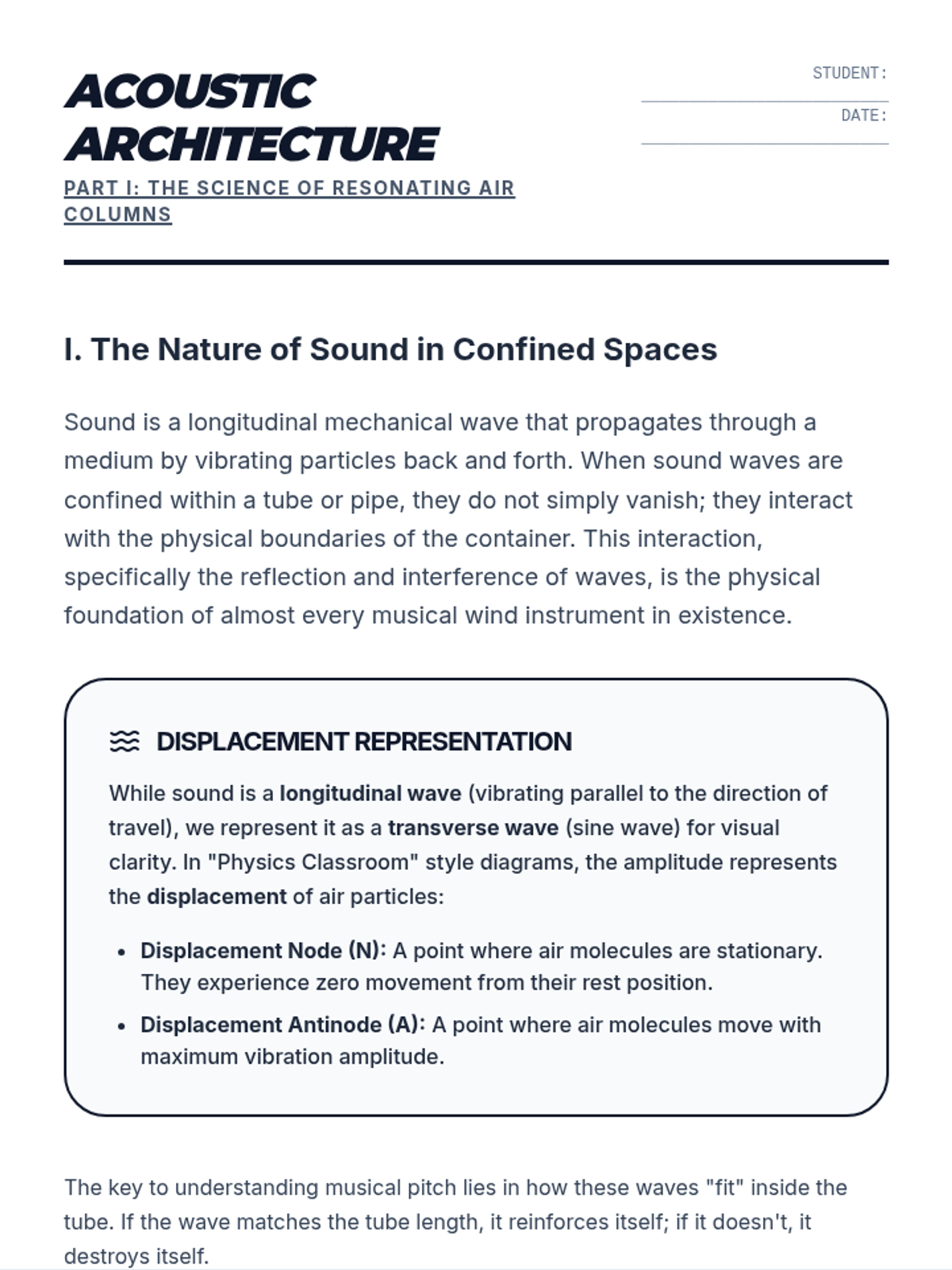
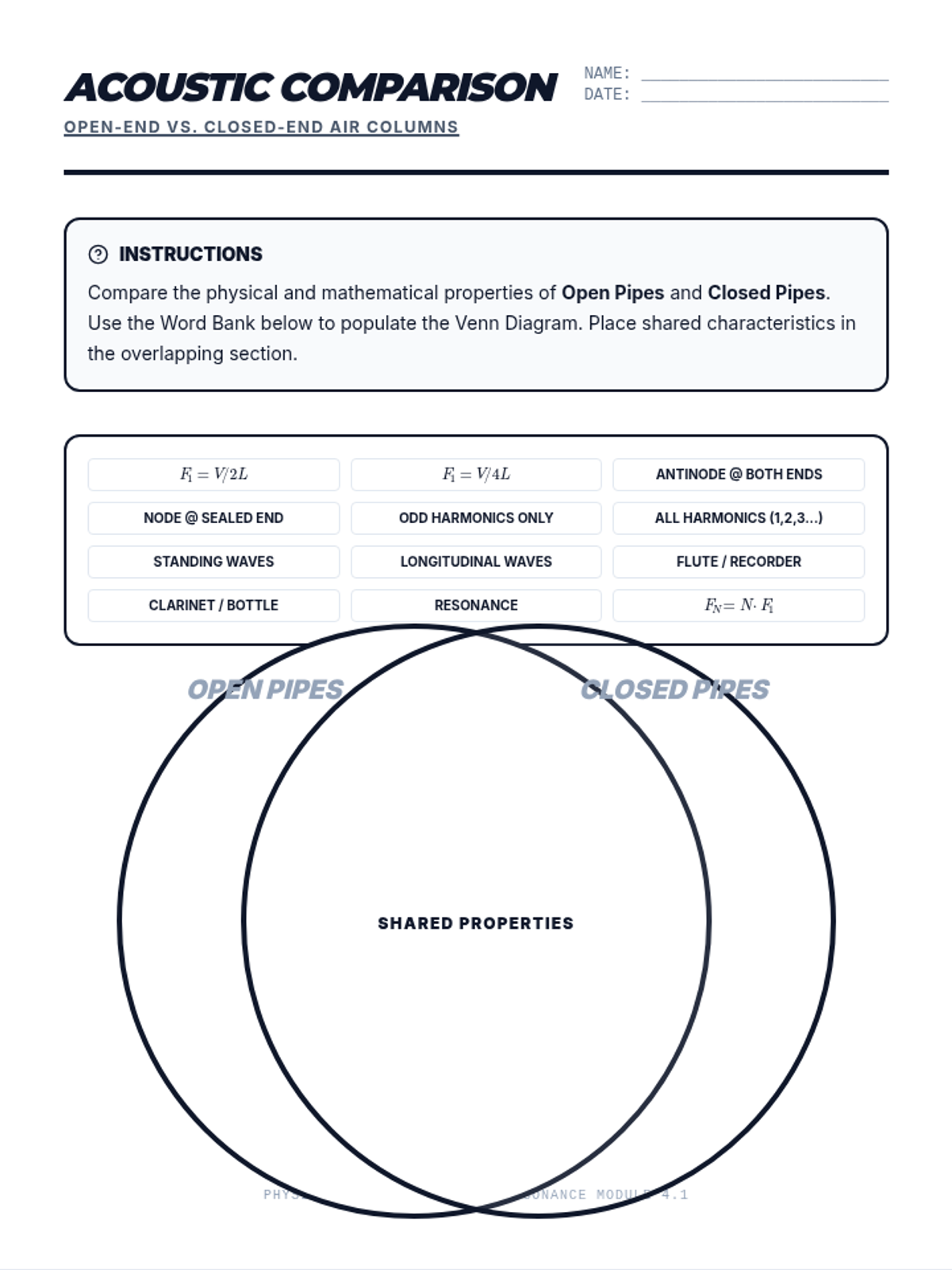
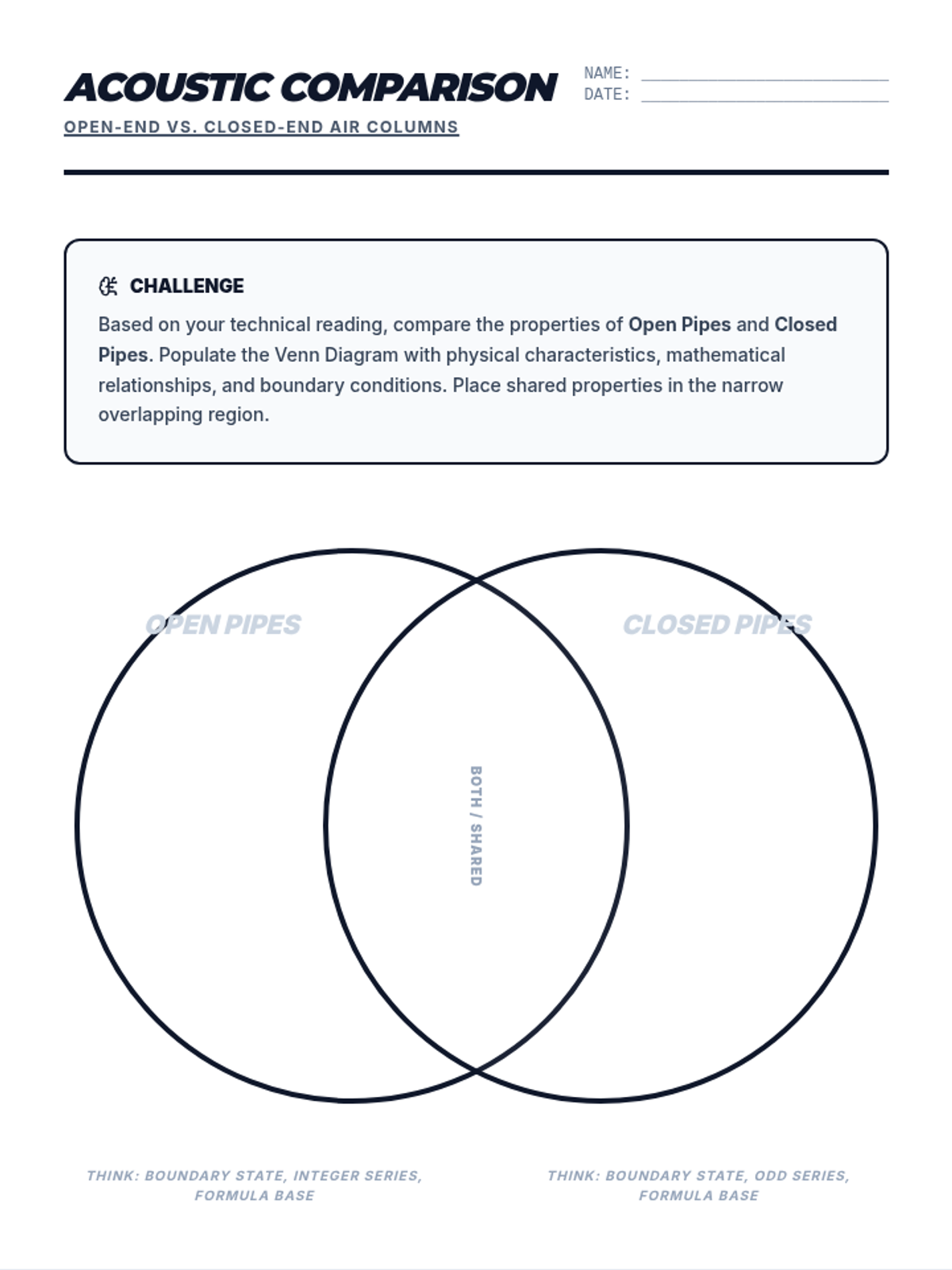
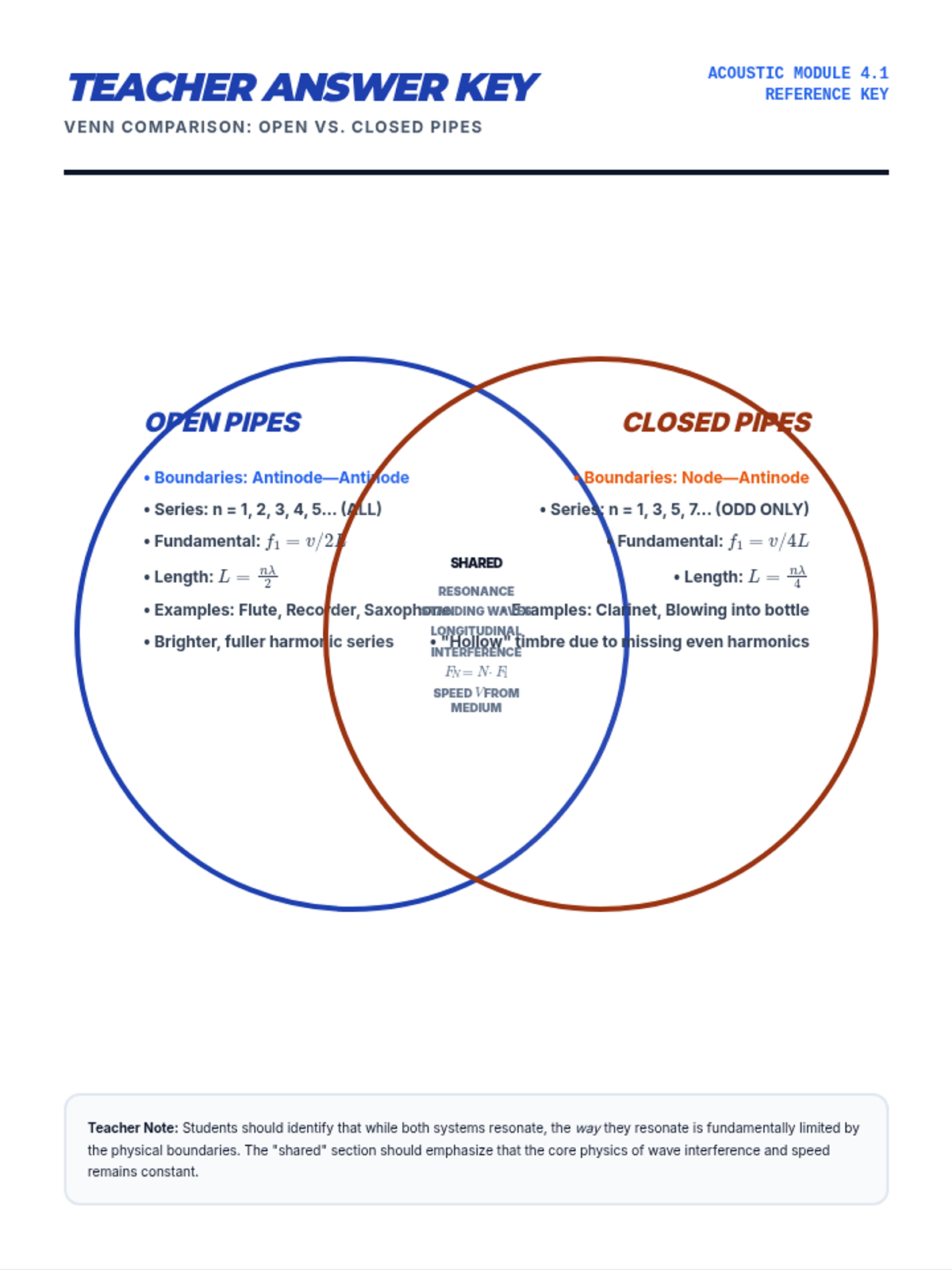
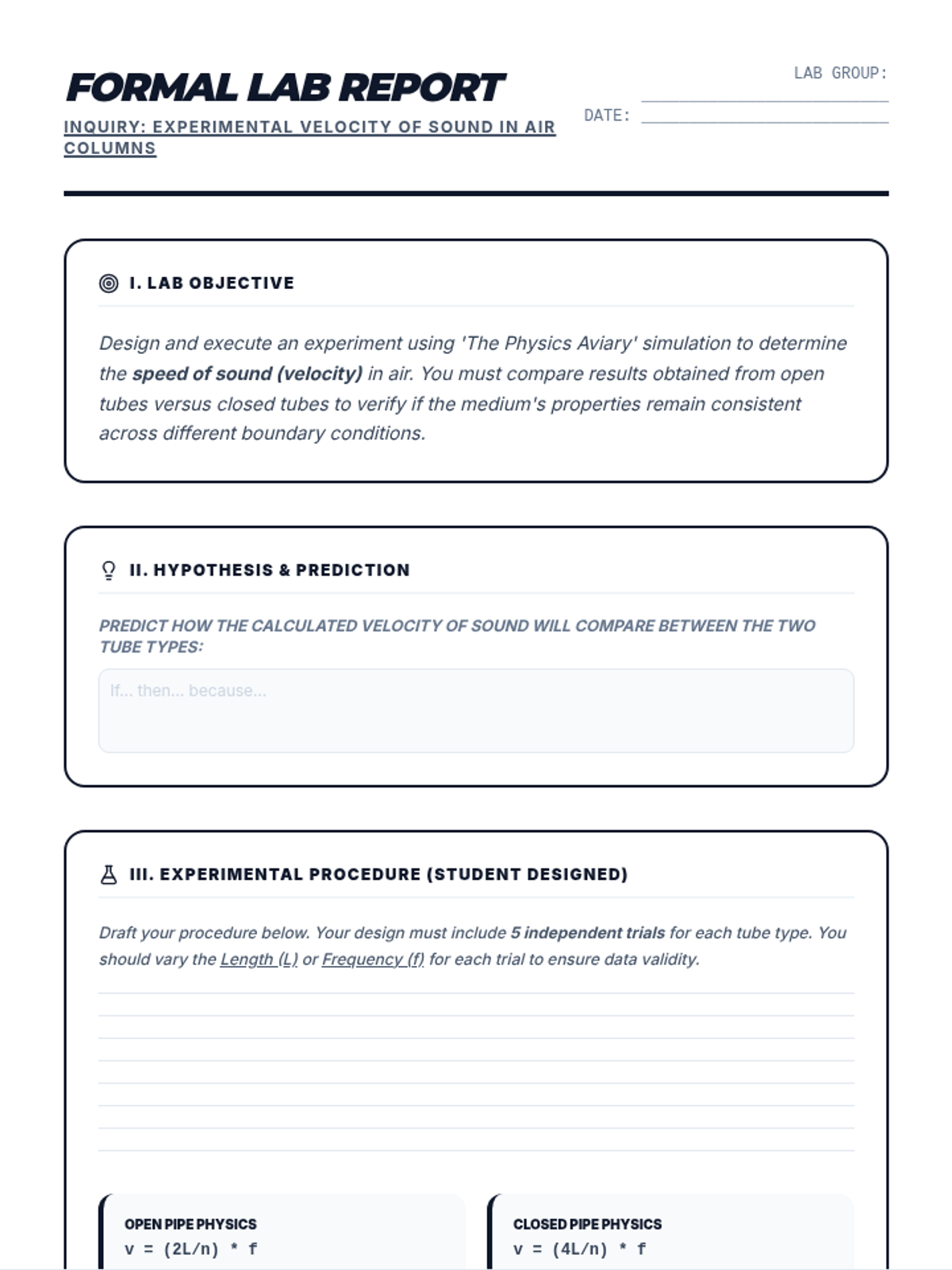
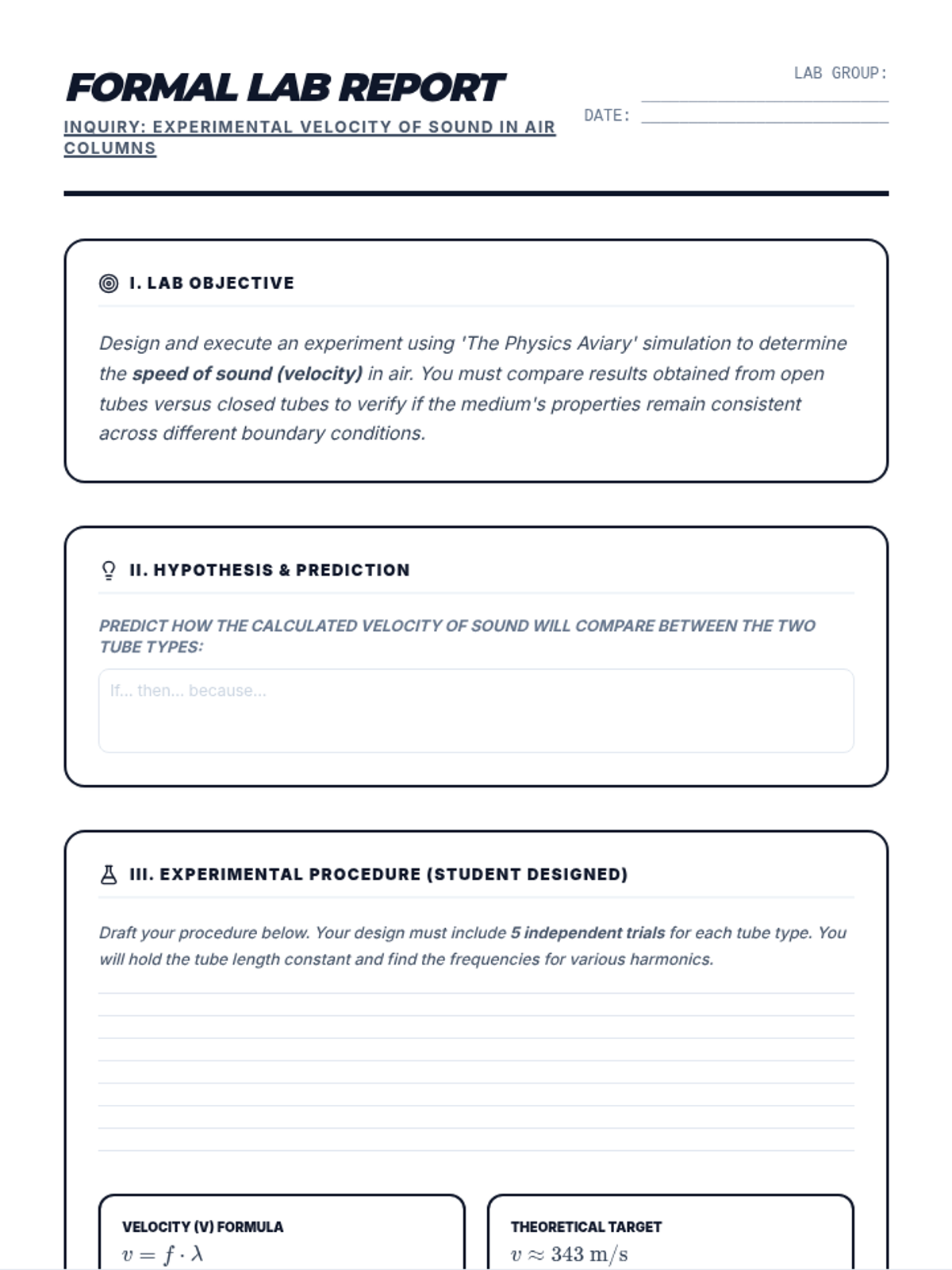
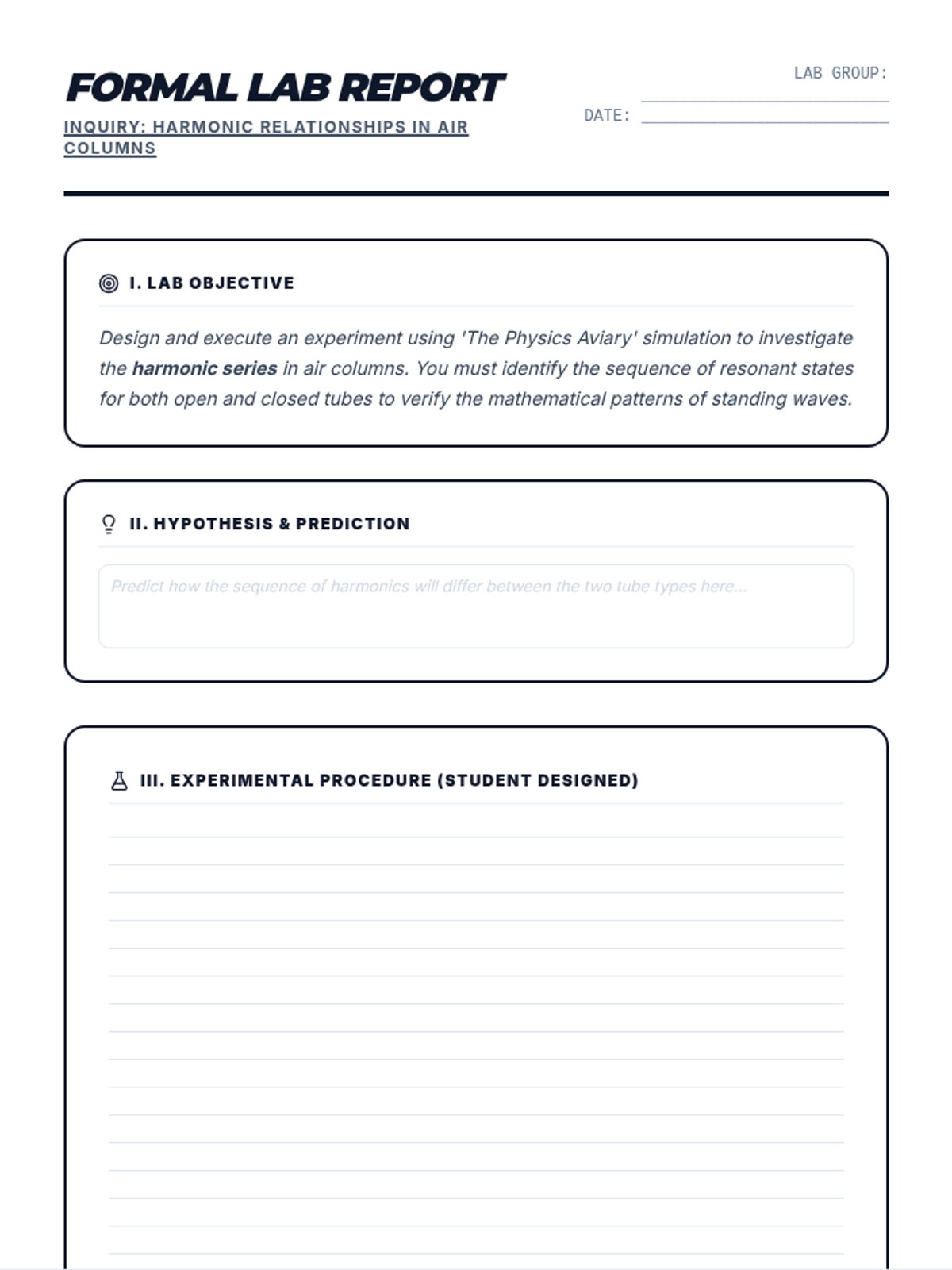
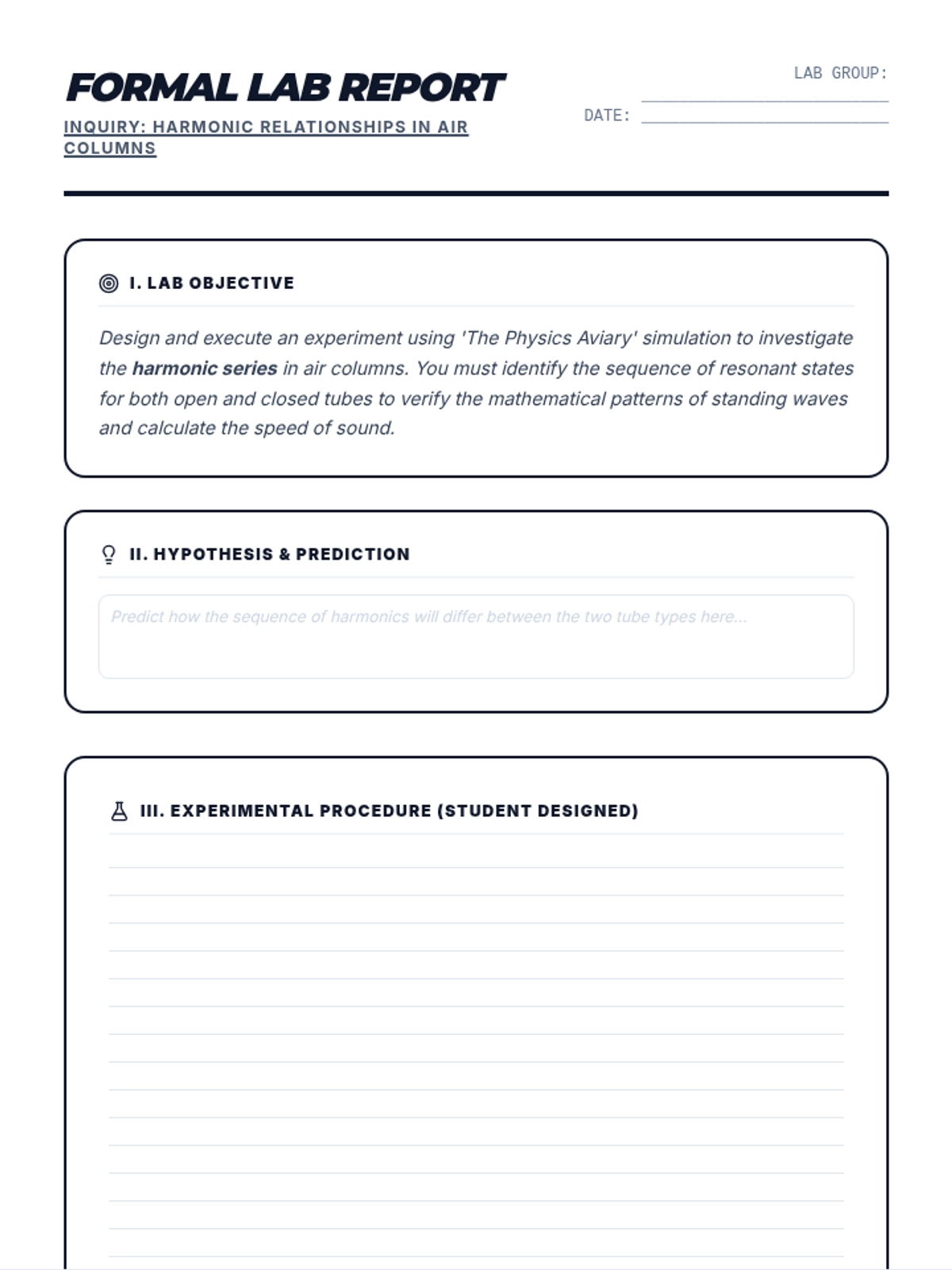
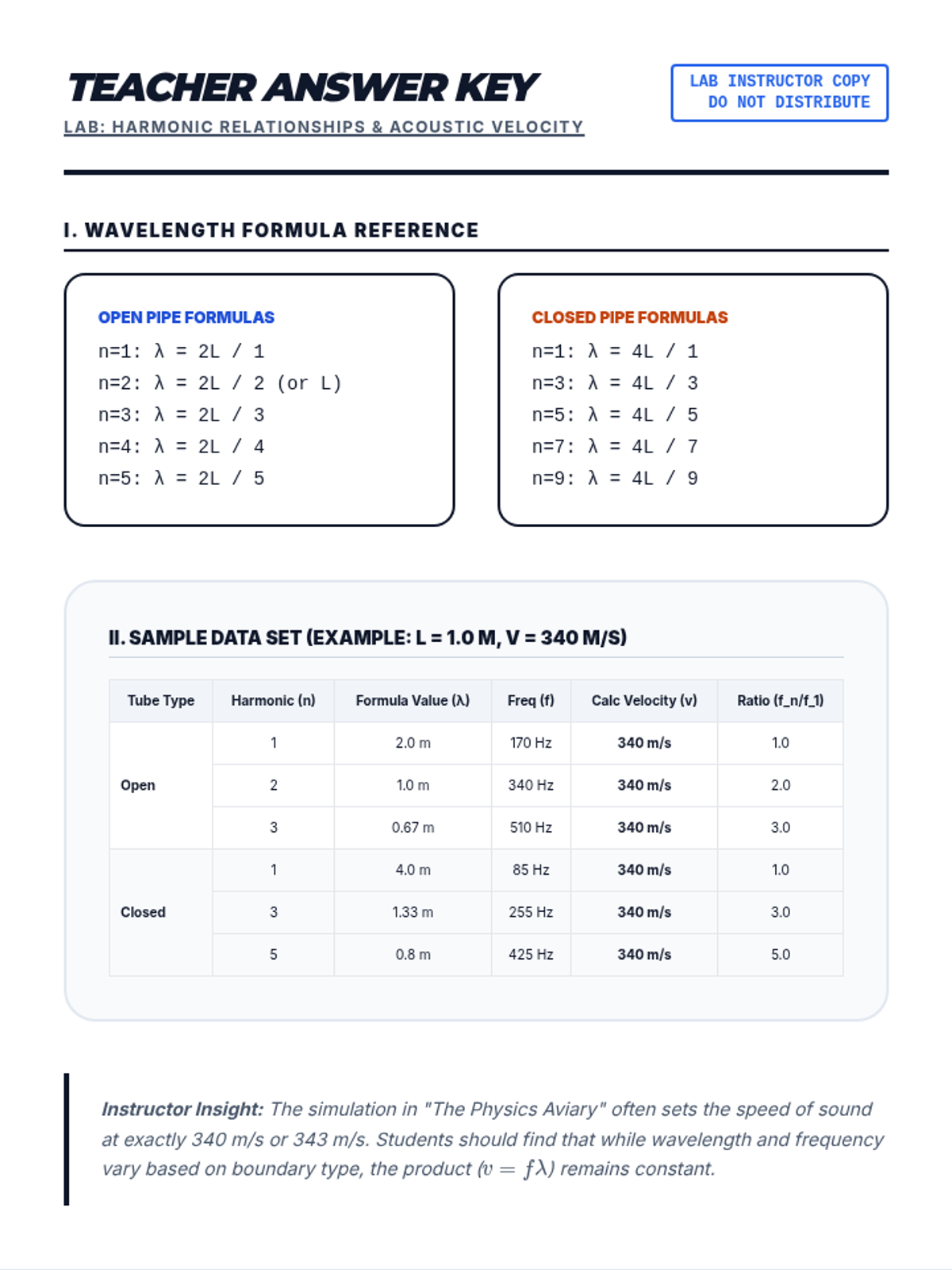
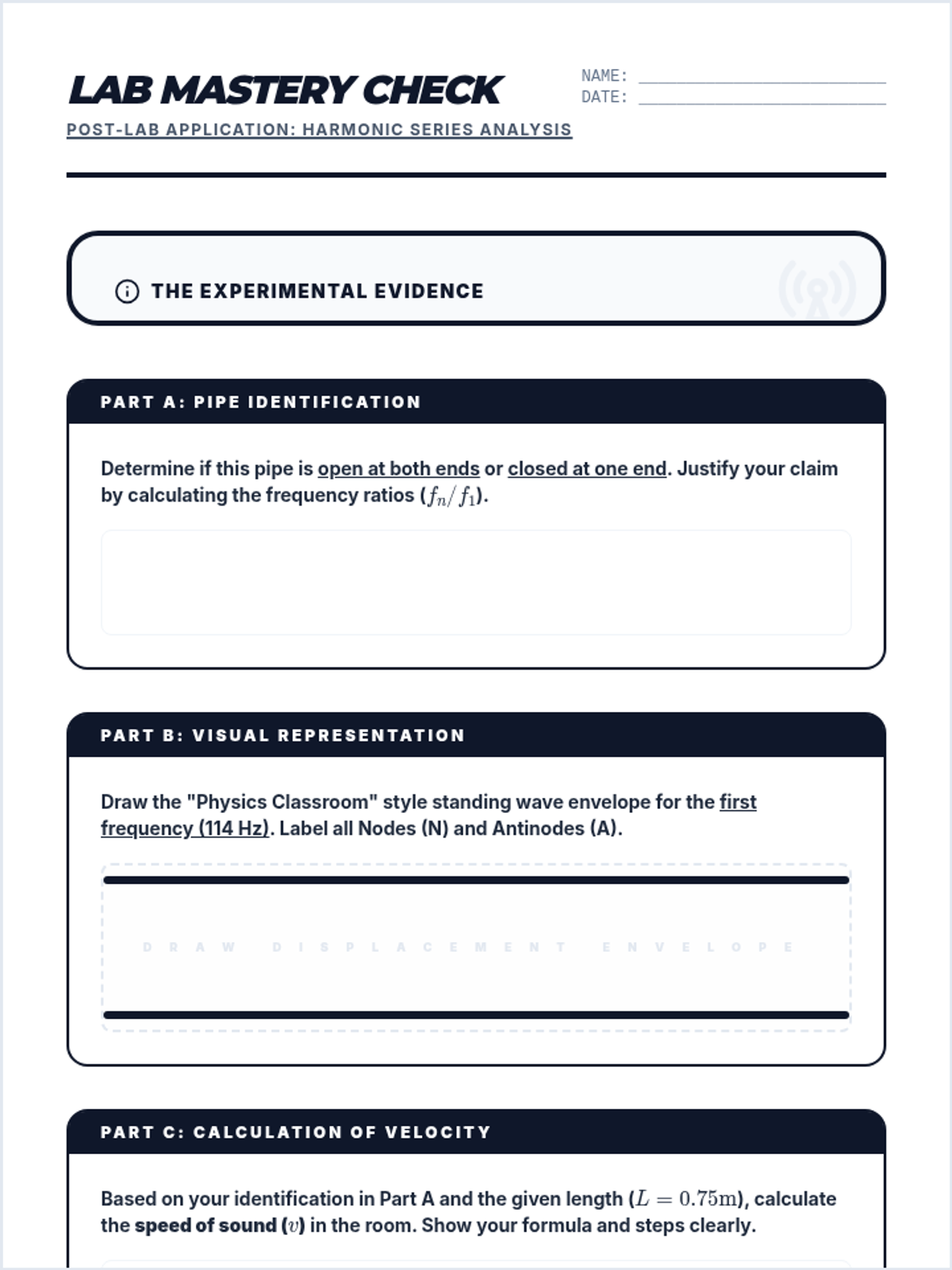
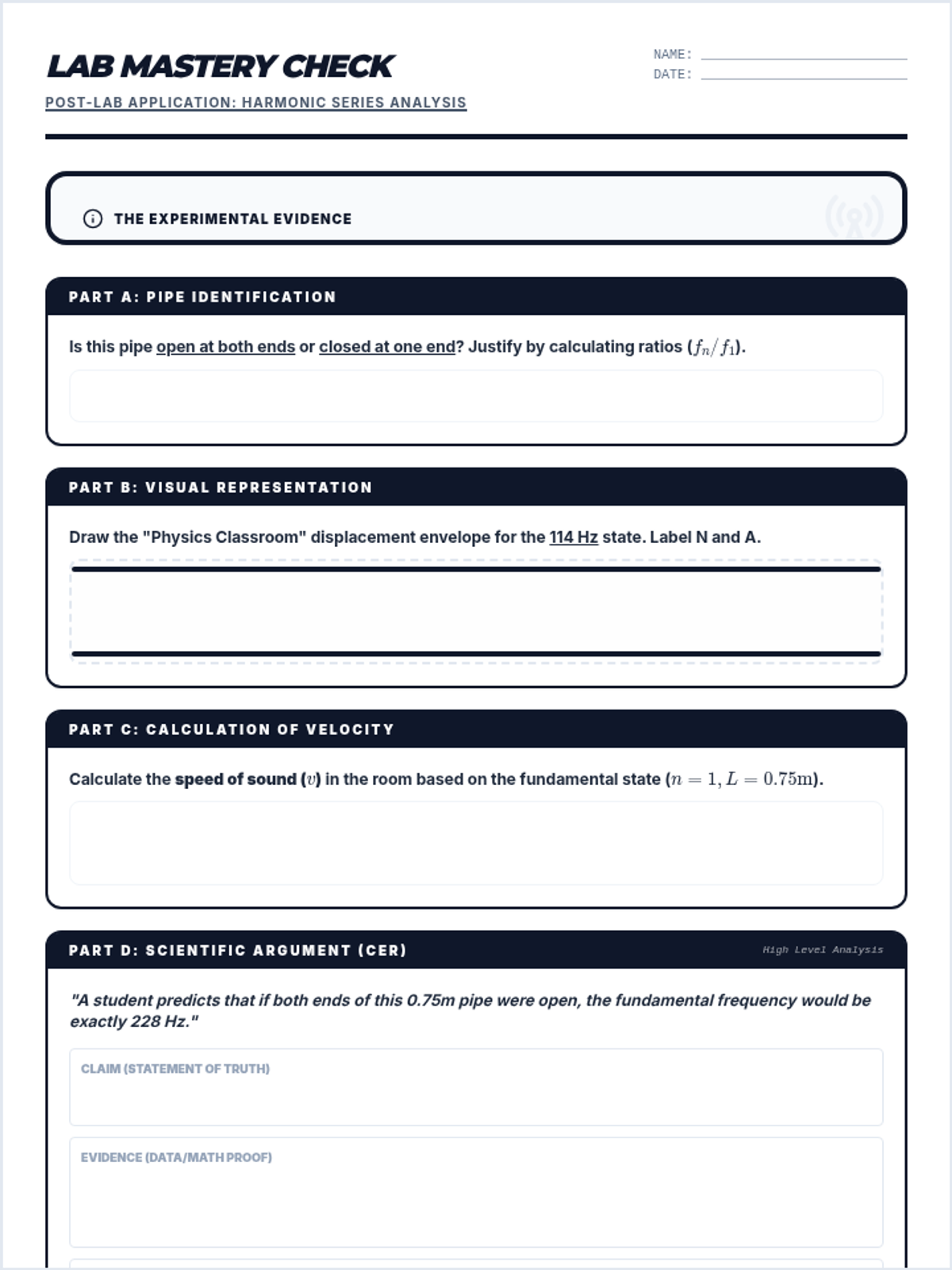
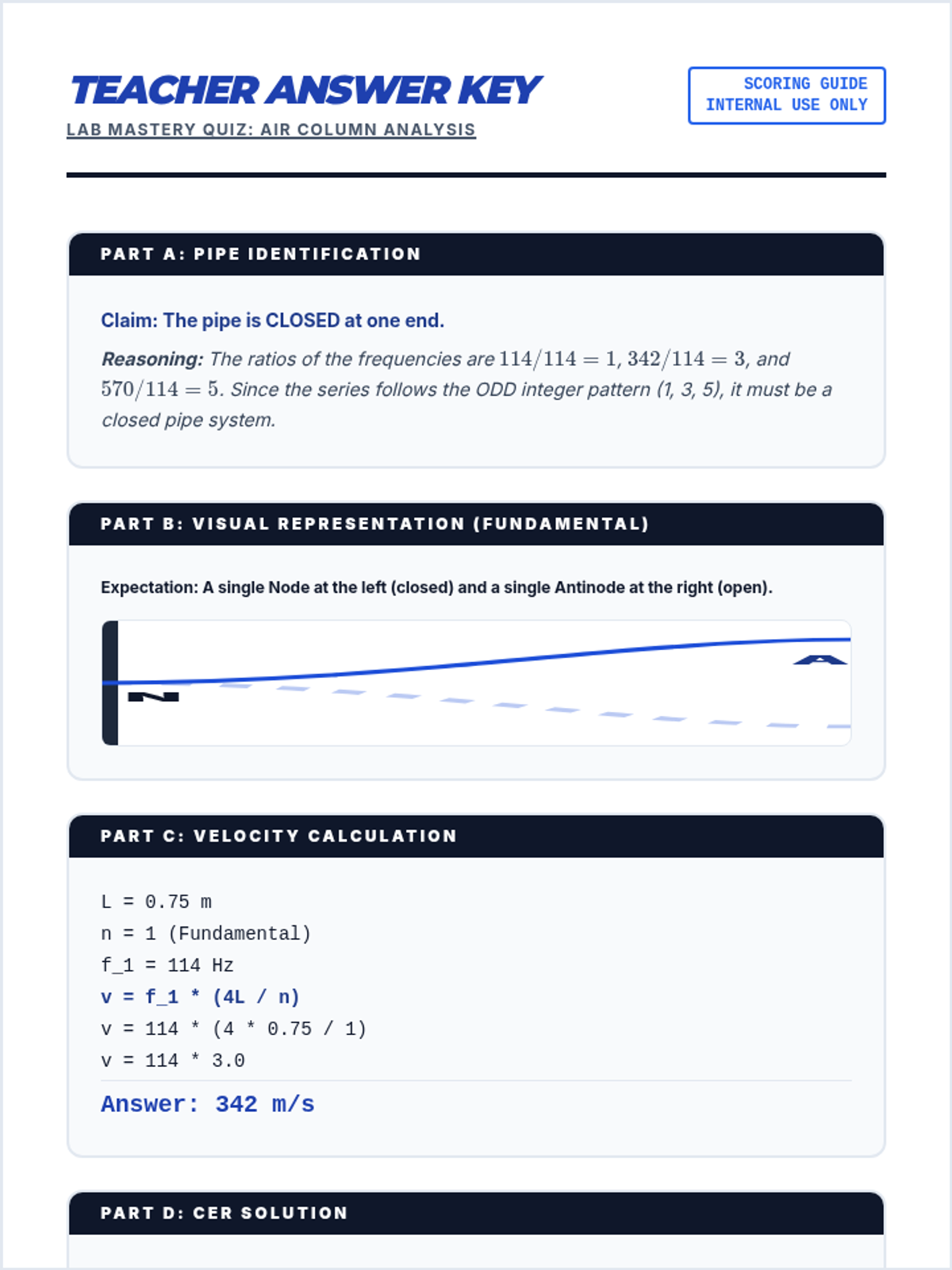
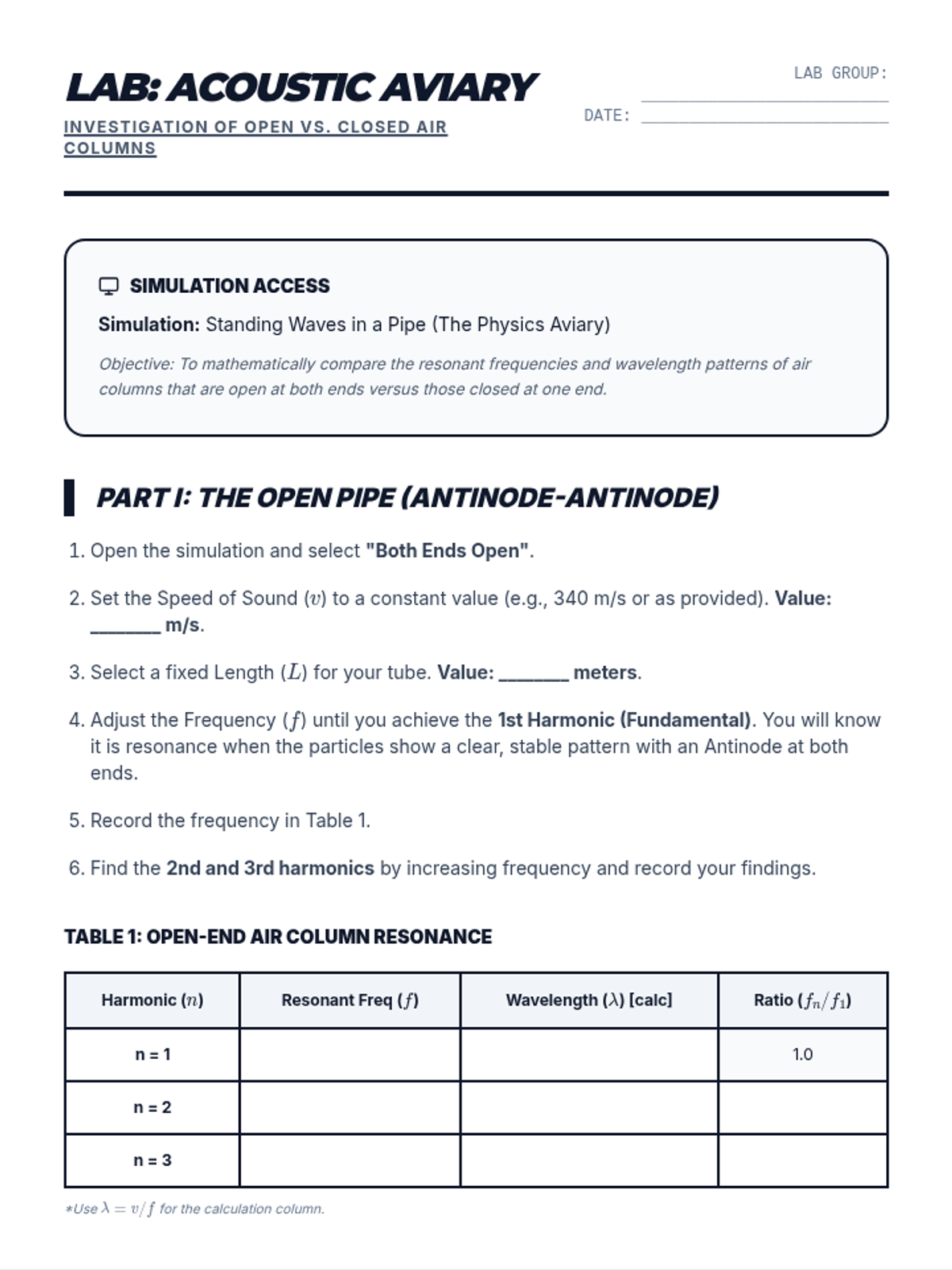
A comprehensive lesson exploring the physics of sound resonance in open and closed pipes, focusing on harmonics, wave patterns, and mathematical relationships.
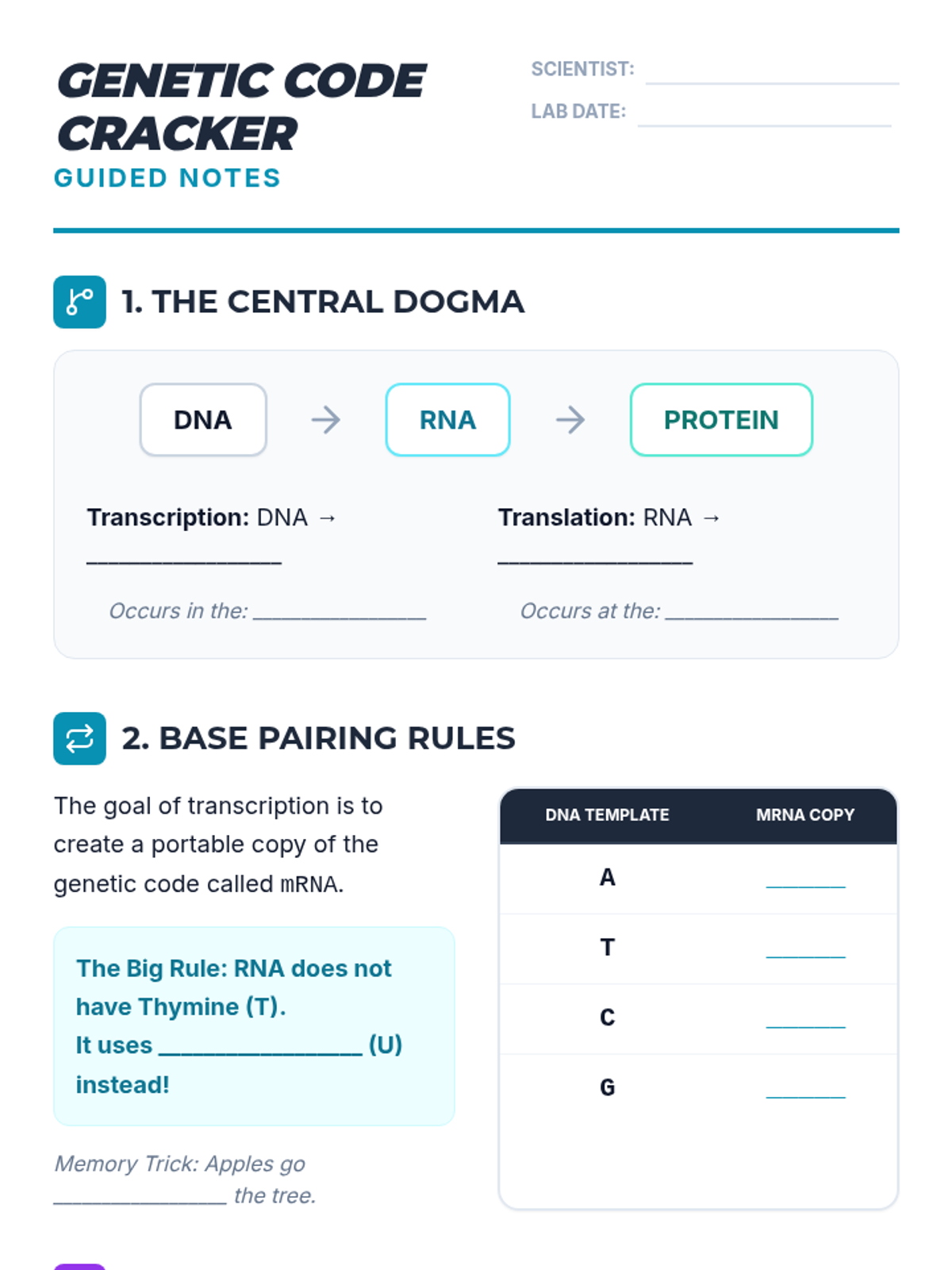
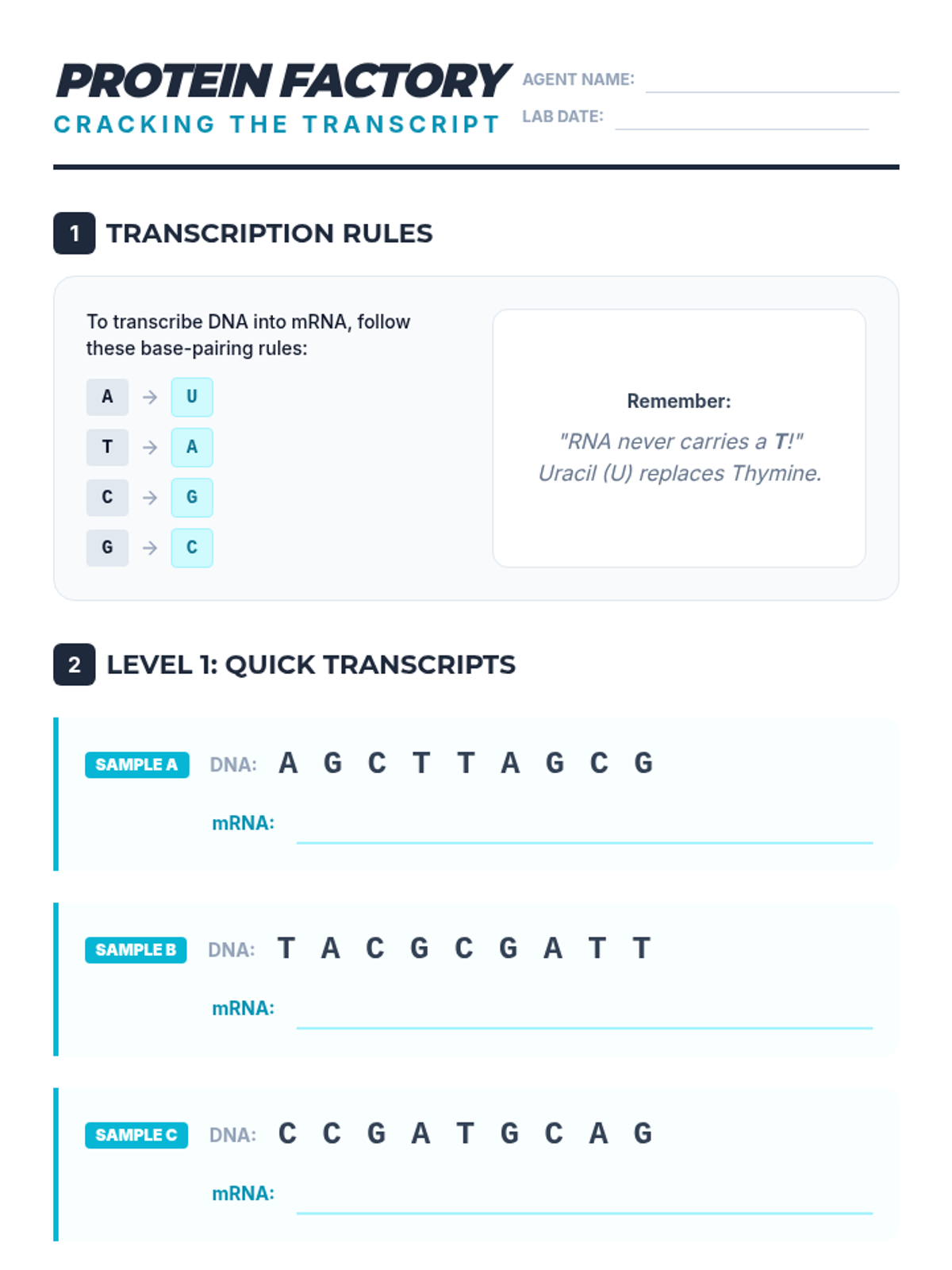
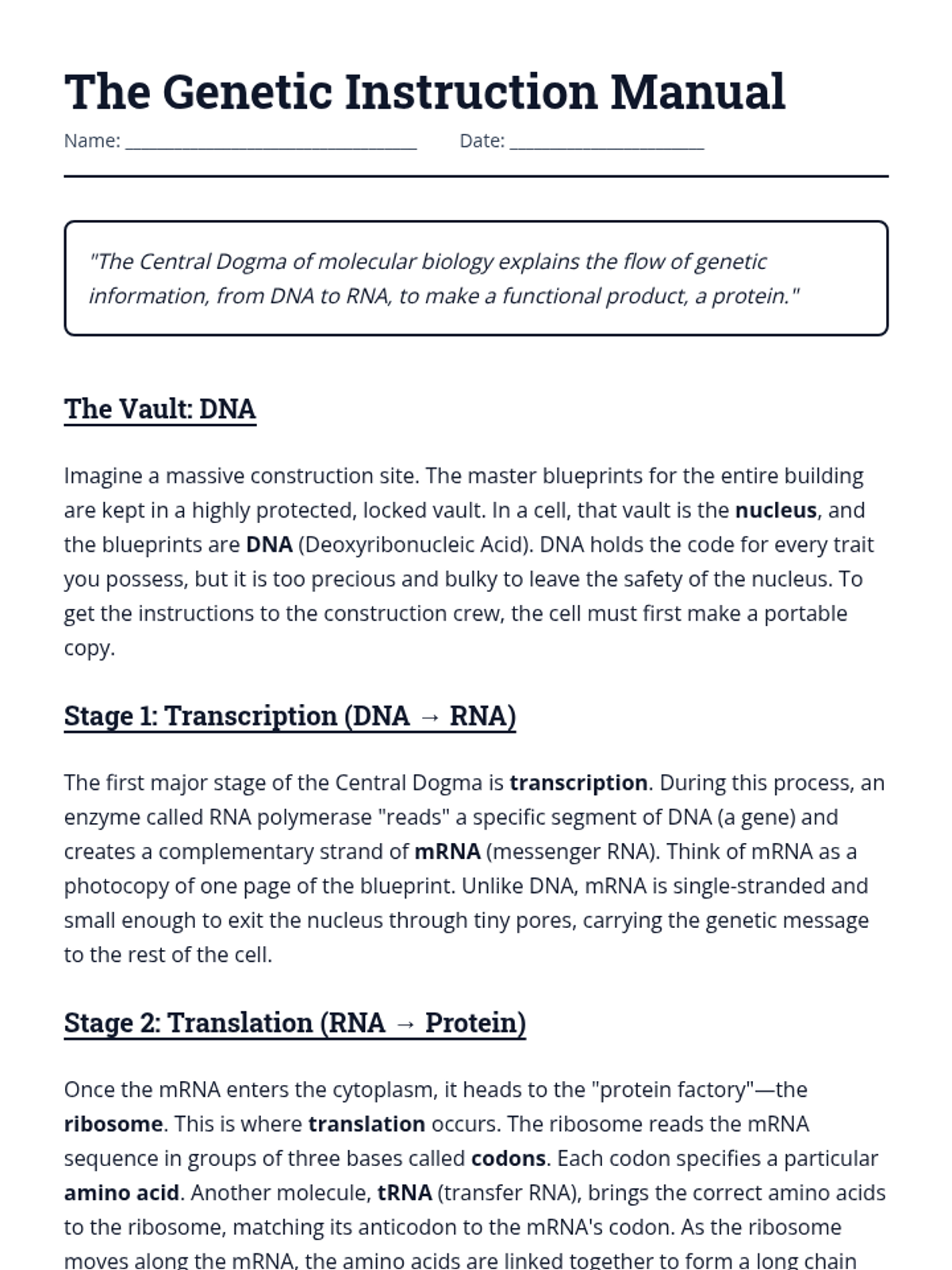
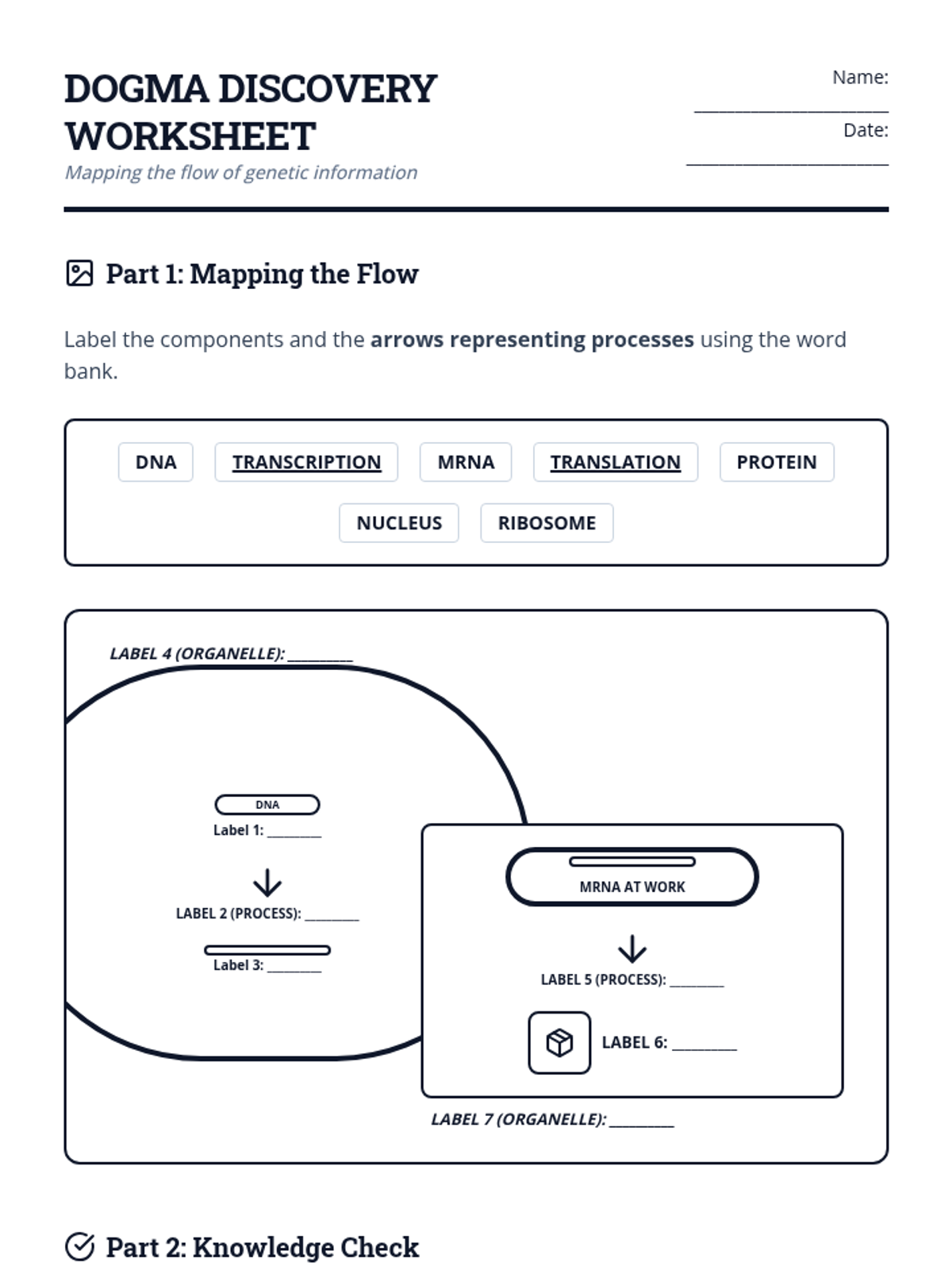
A comprehensive lesson on DNA transcription and translation, covering base-pairing rules and how to use a codon chart to build protein sequences.
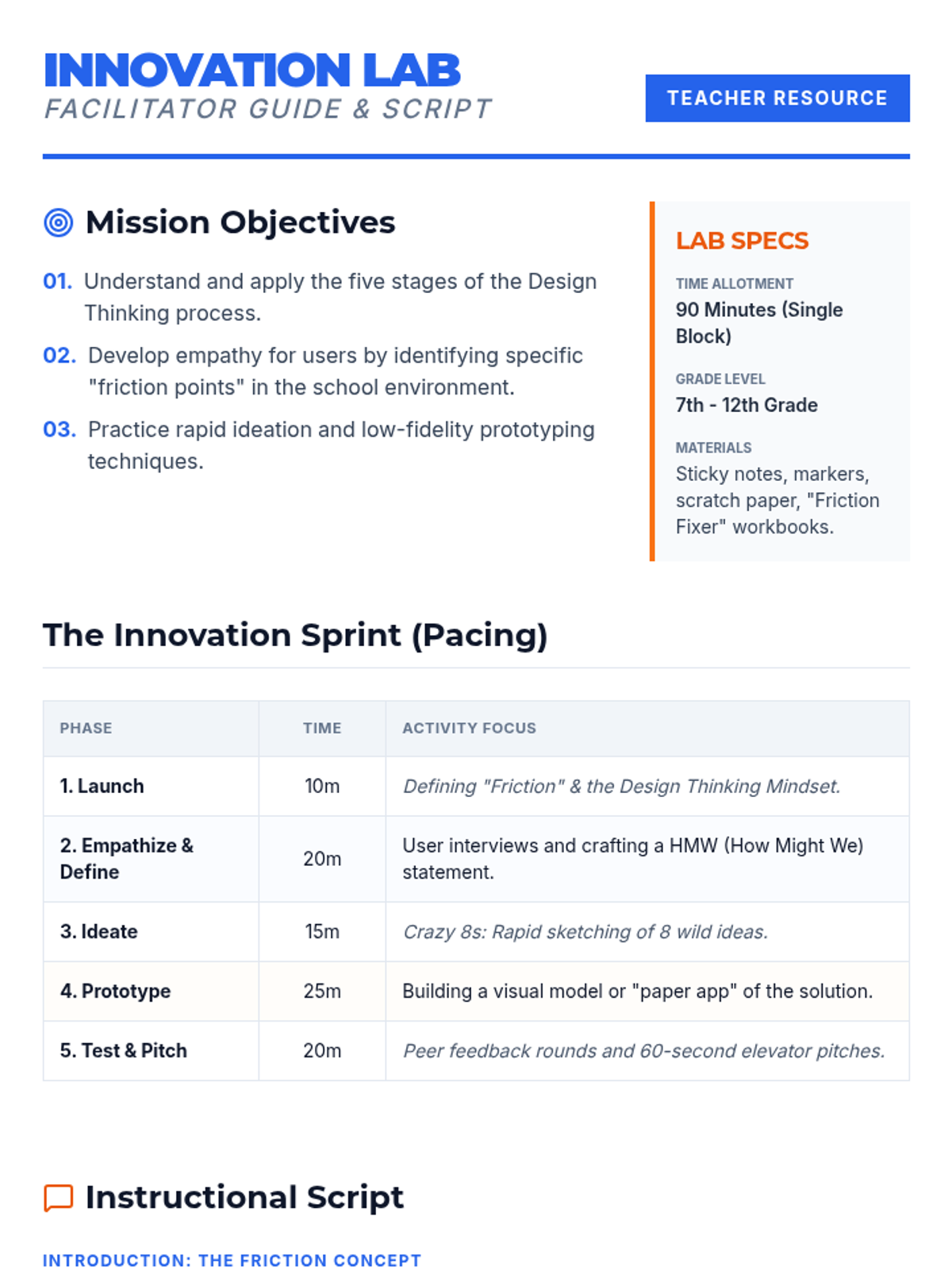
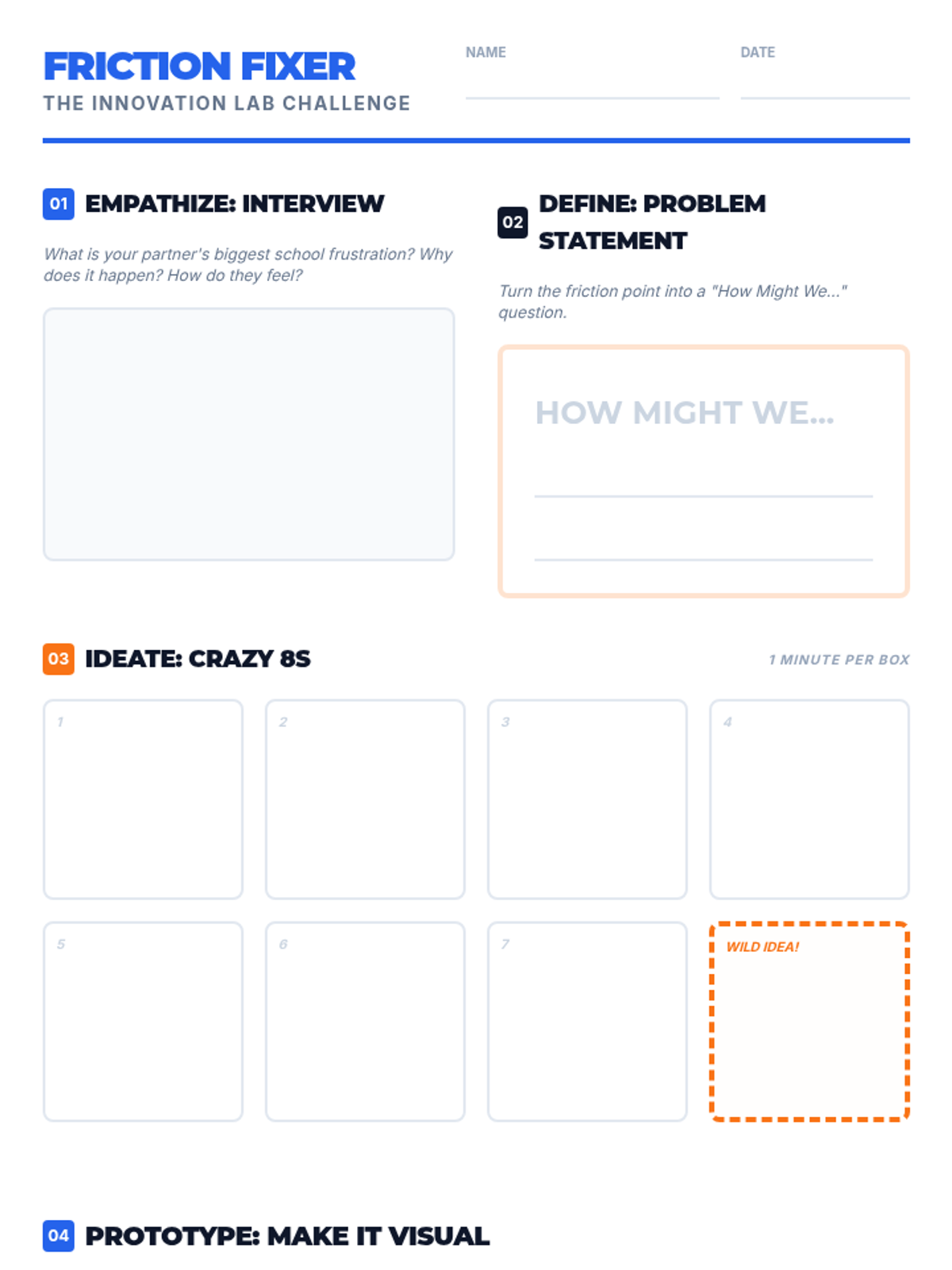
A high-energy, fast-paced introduction to Design Thinking where students identify and solve everyday school 'friction points' through empathy, rapid ideation, and prototyping.
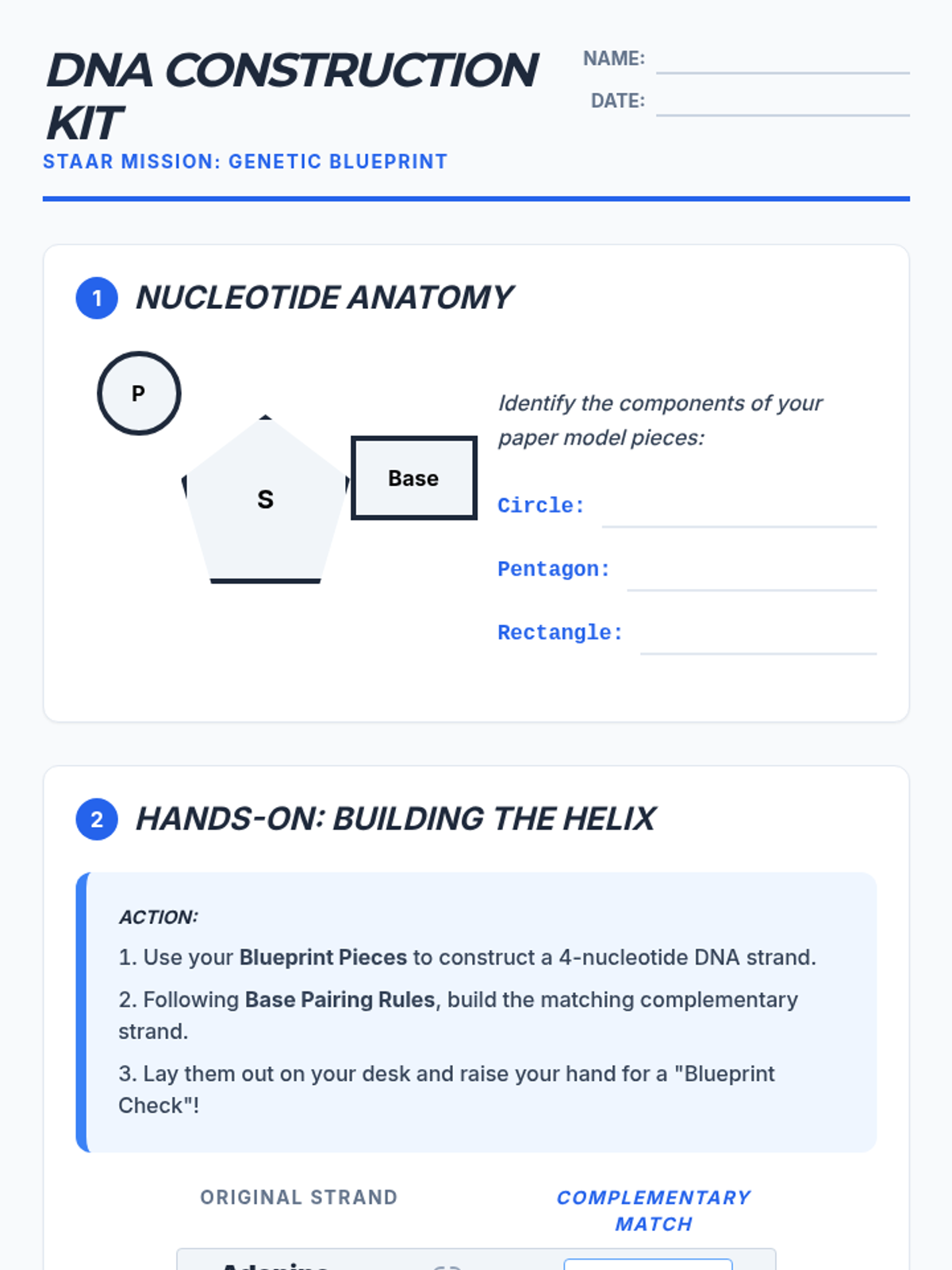
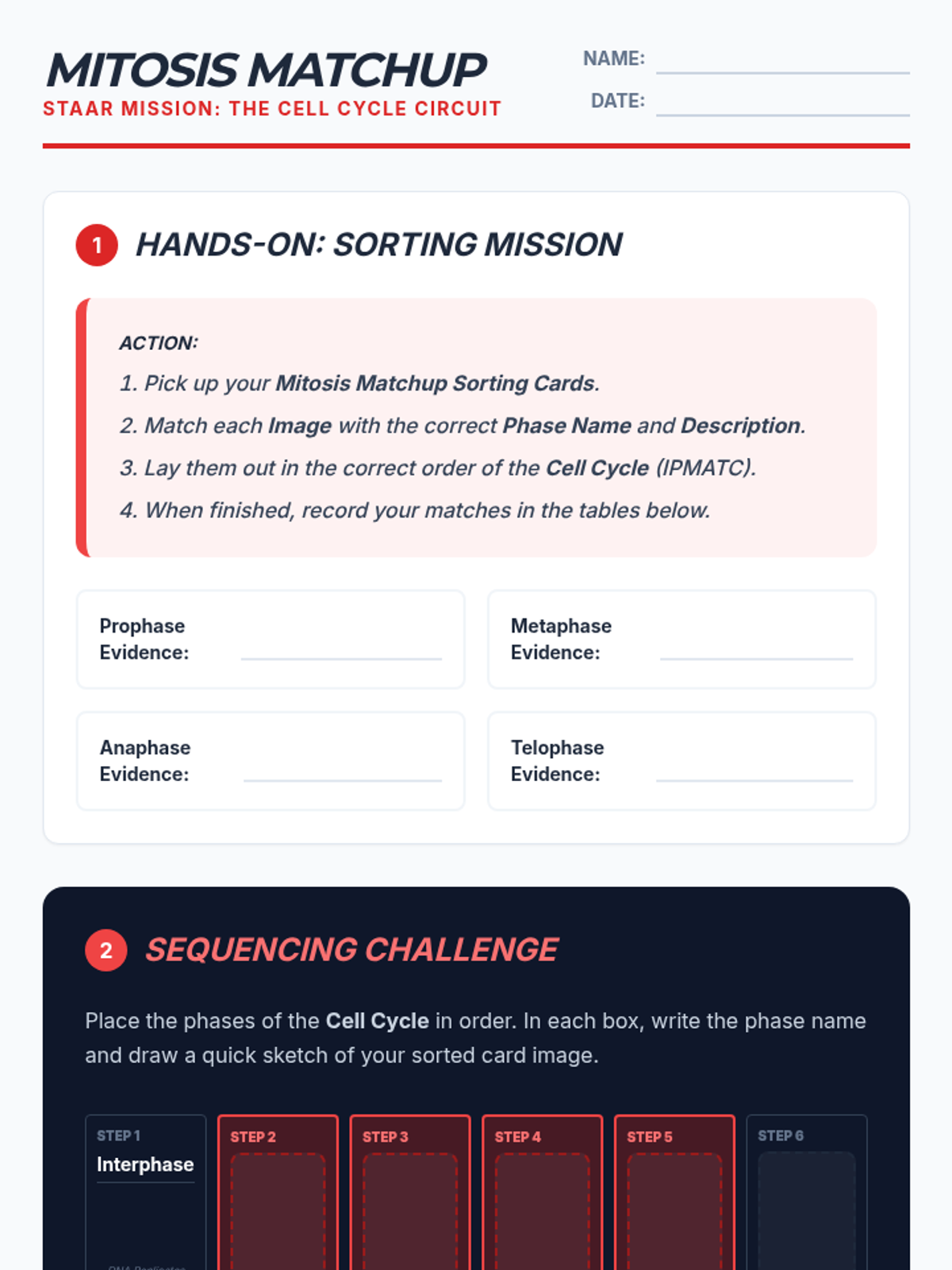
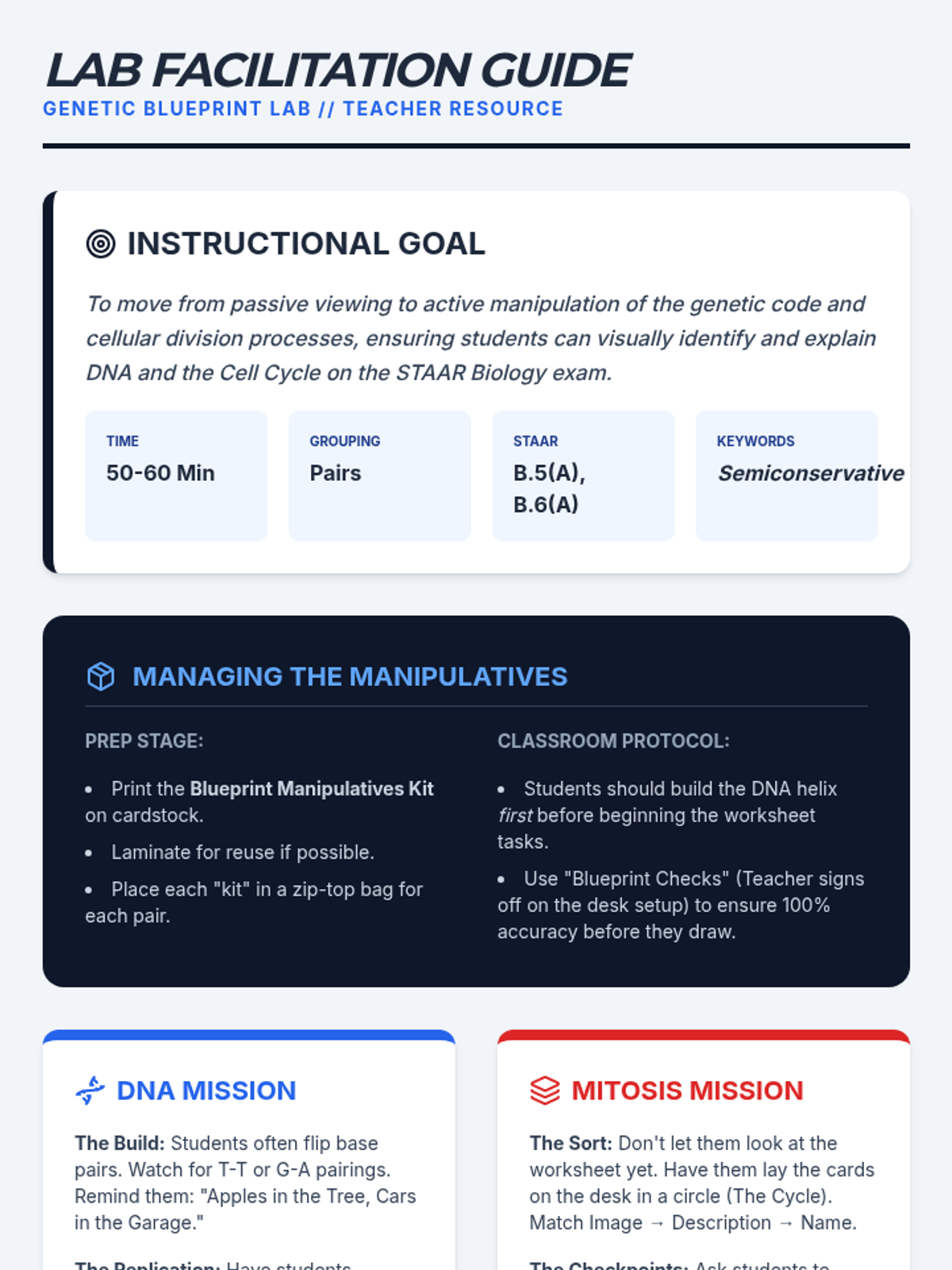
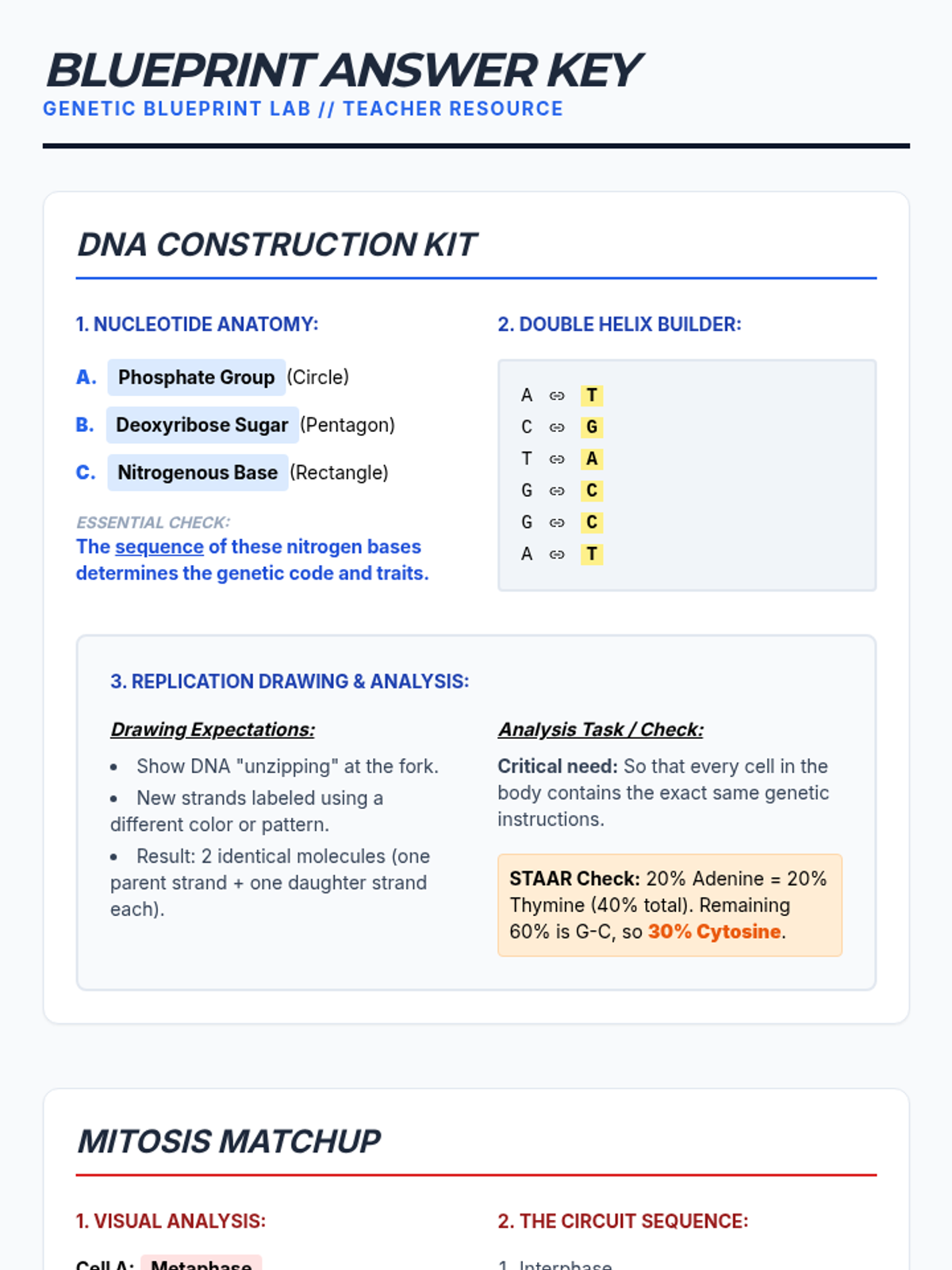
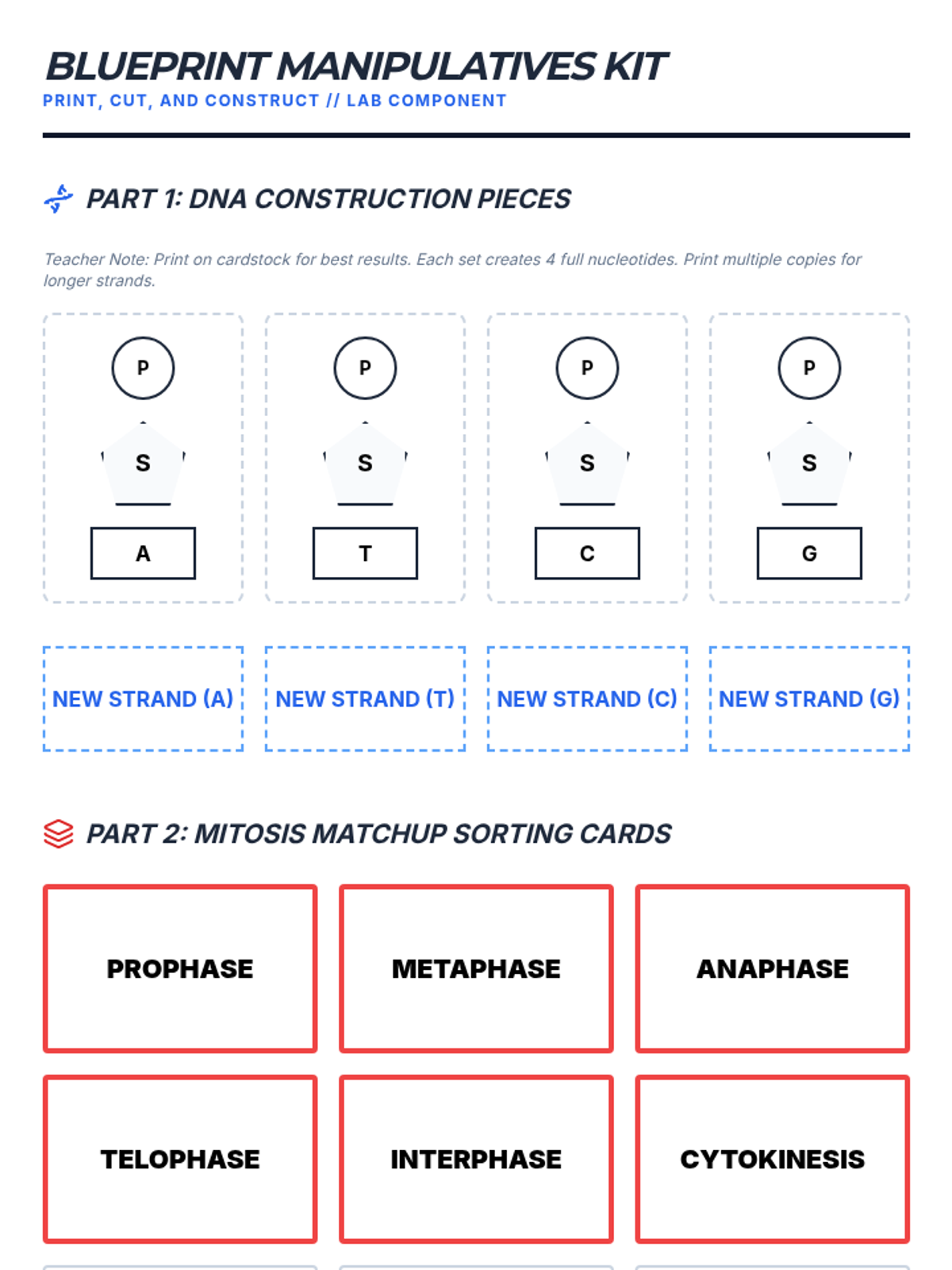
A hands-on review of DNA structure, replication, and the cell cycle designed to prepare students for the STAAR Biology assessment. Students construct DNA models, simulate replication, and sequence the phases of mitosis through active modeling and visual analysis.
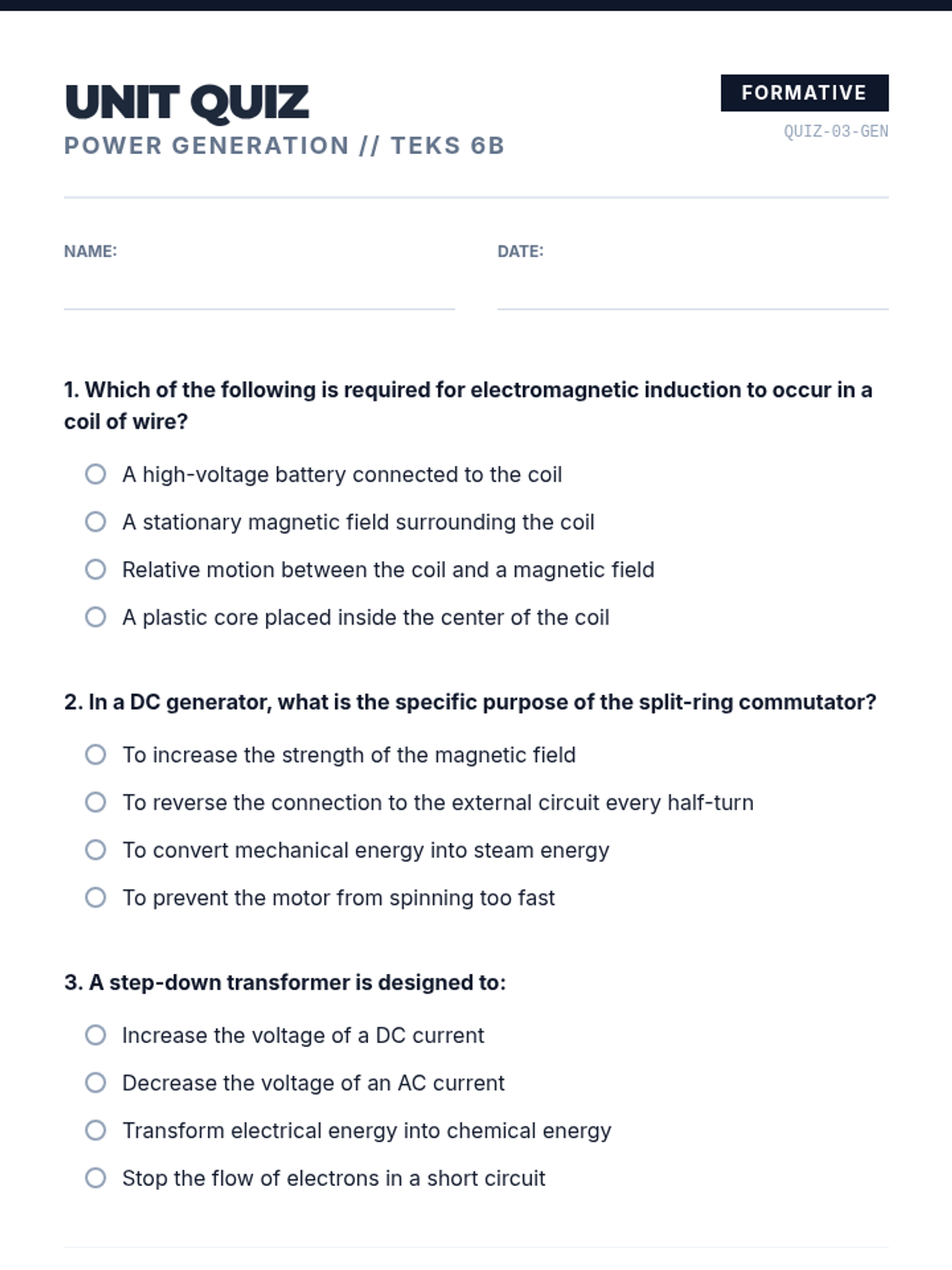
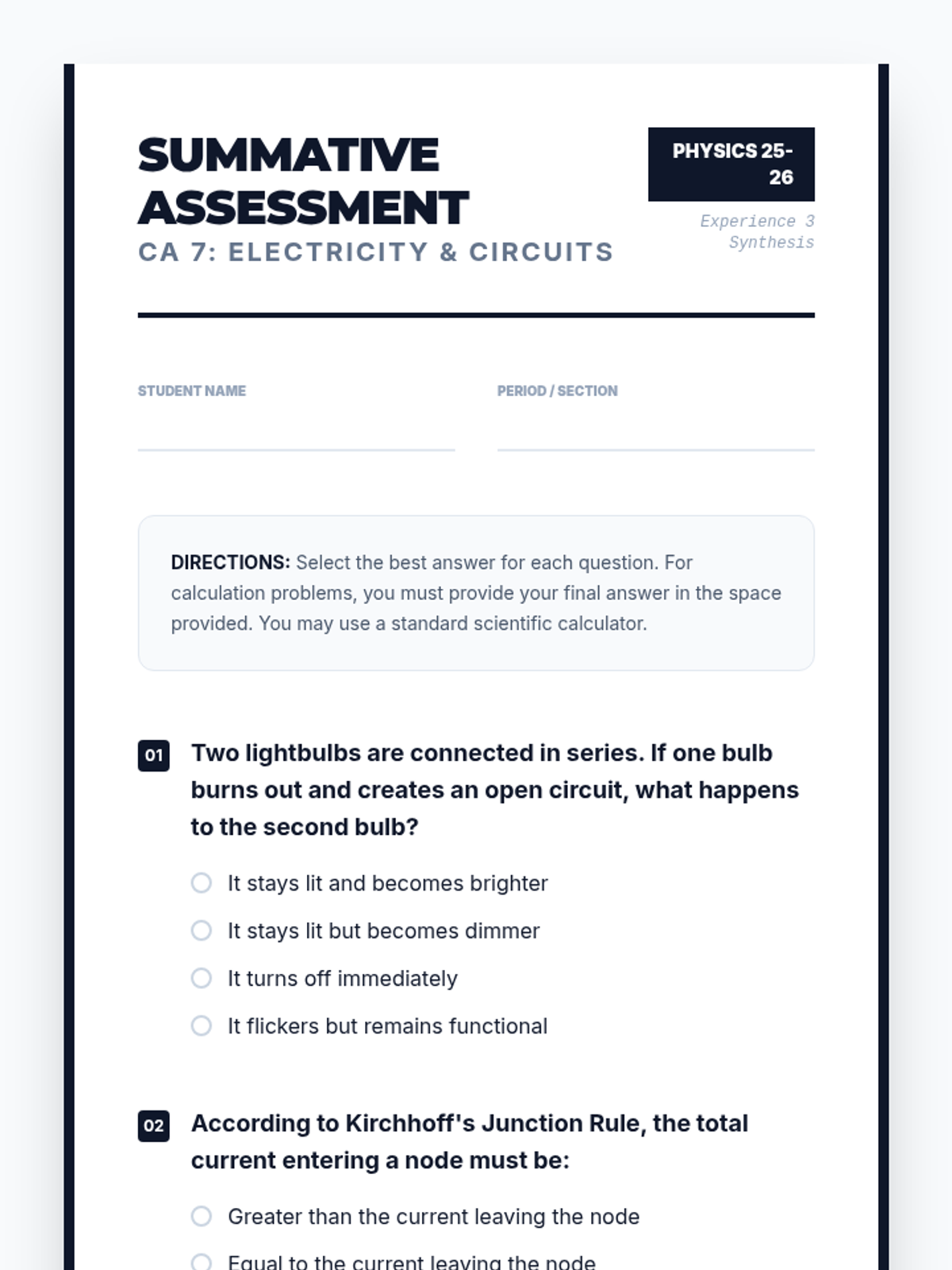
Final unit evaluation and reflection. Students complete a formative quiz and a summative assessment covering electricity and circuits, ending with a final reflection on the anchoring phenomenon.
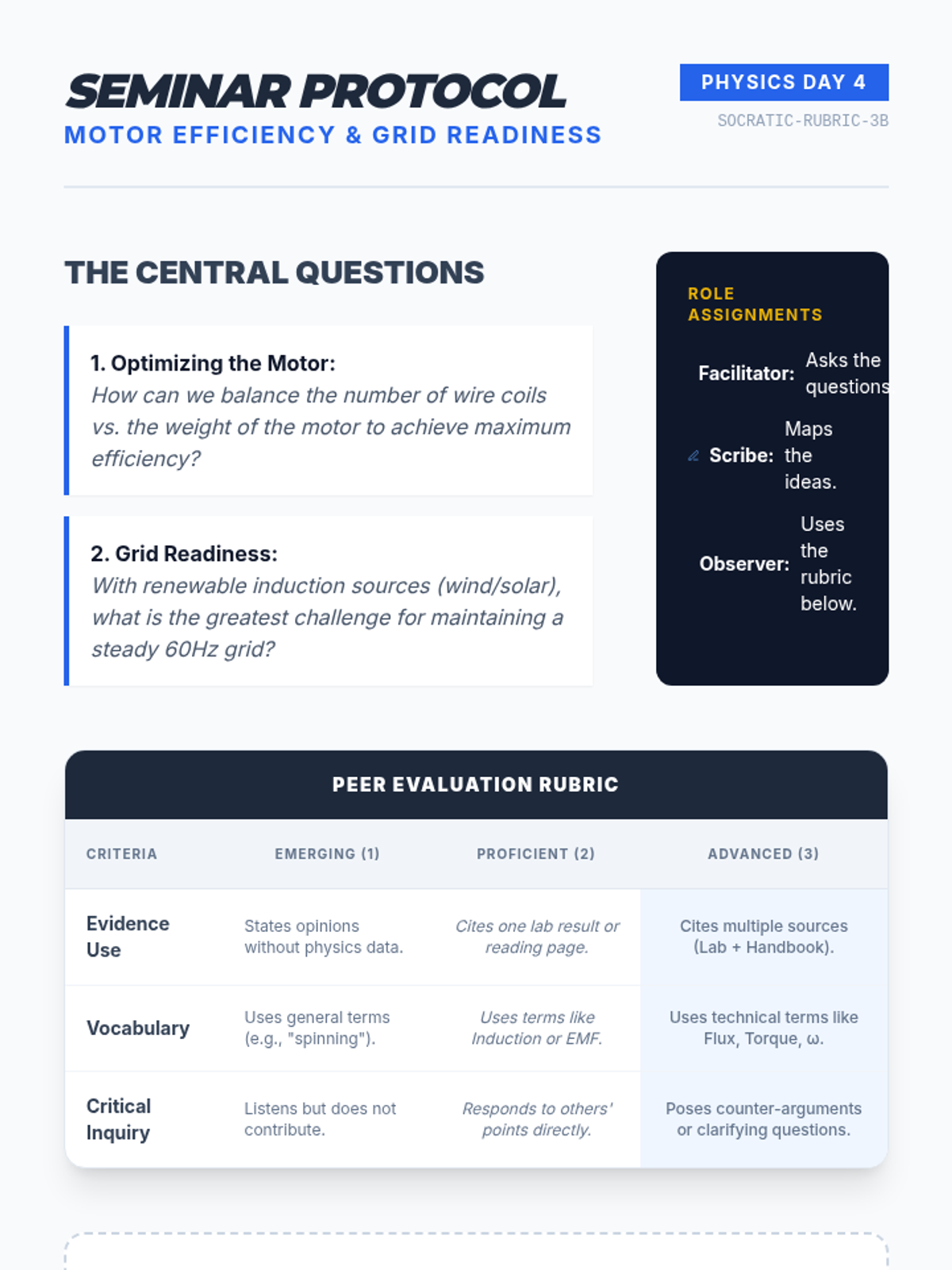
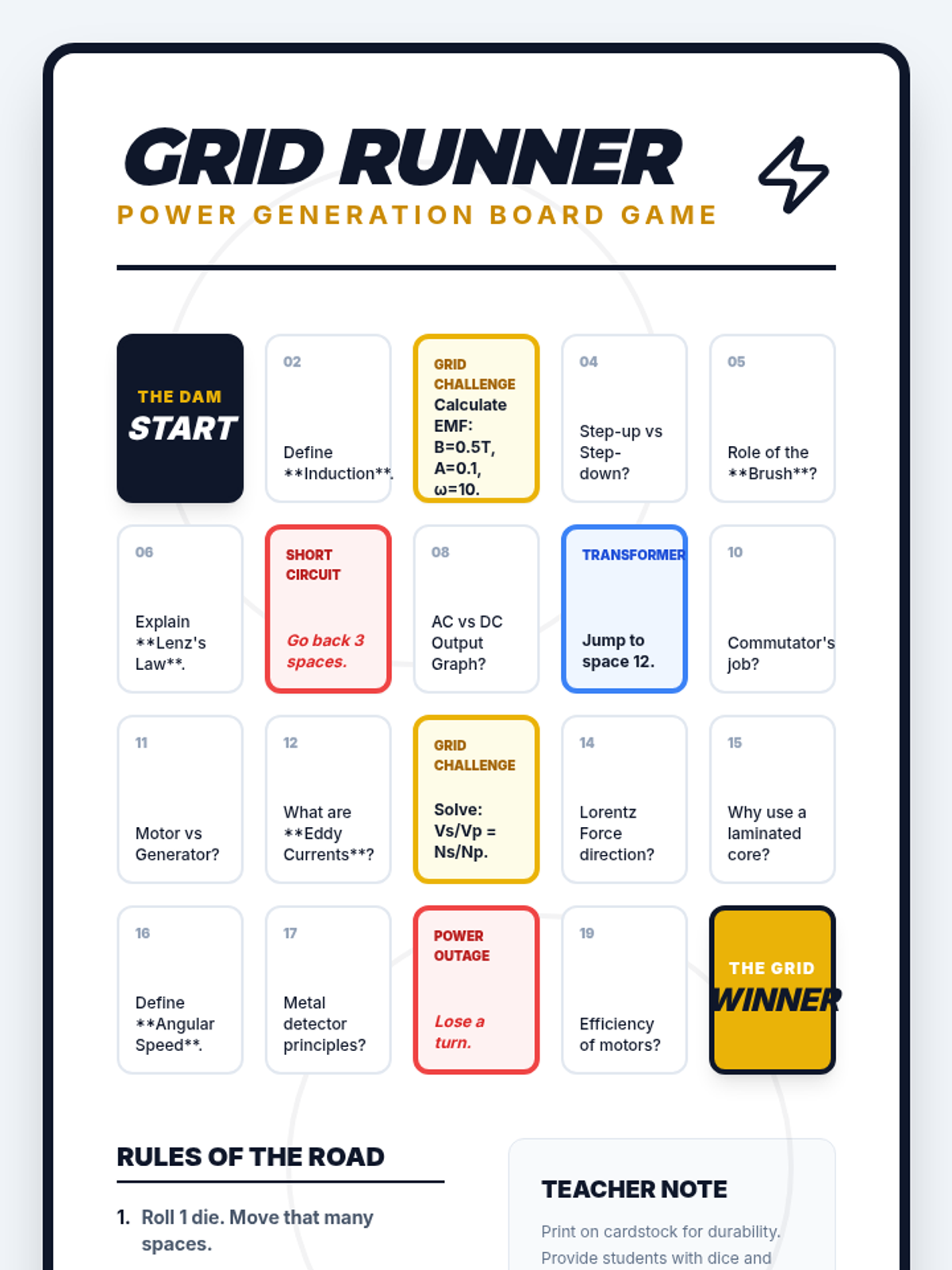
A collaborative synthesis of the unit's concepts. Students engage in a Socratic seminar regarding motor design and grid readiness, followed by a competitive game board review of all power generation principles.
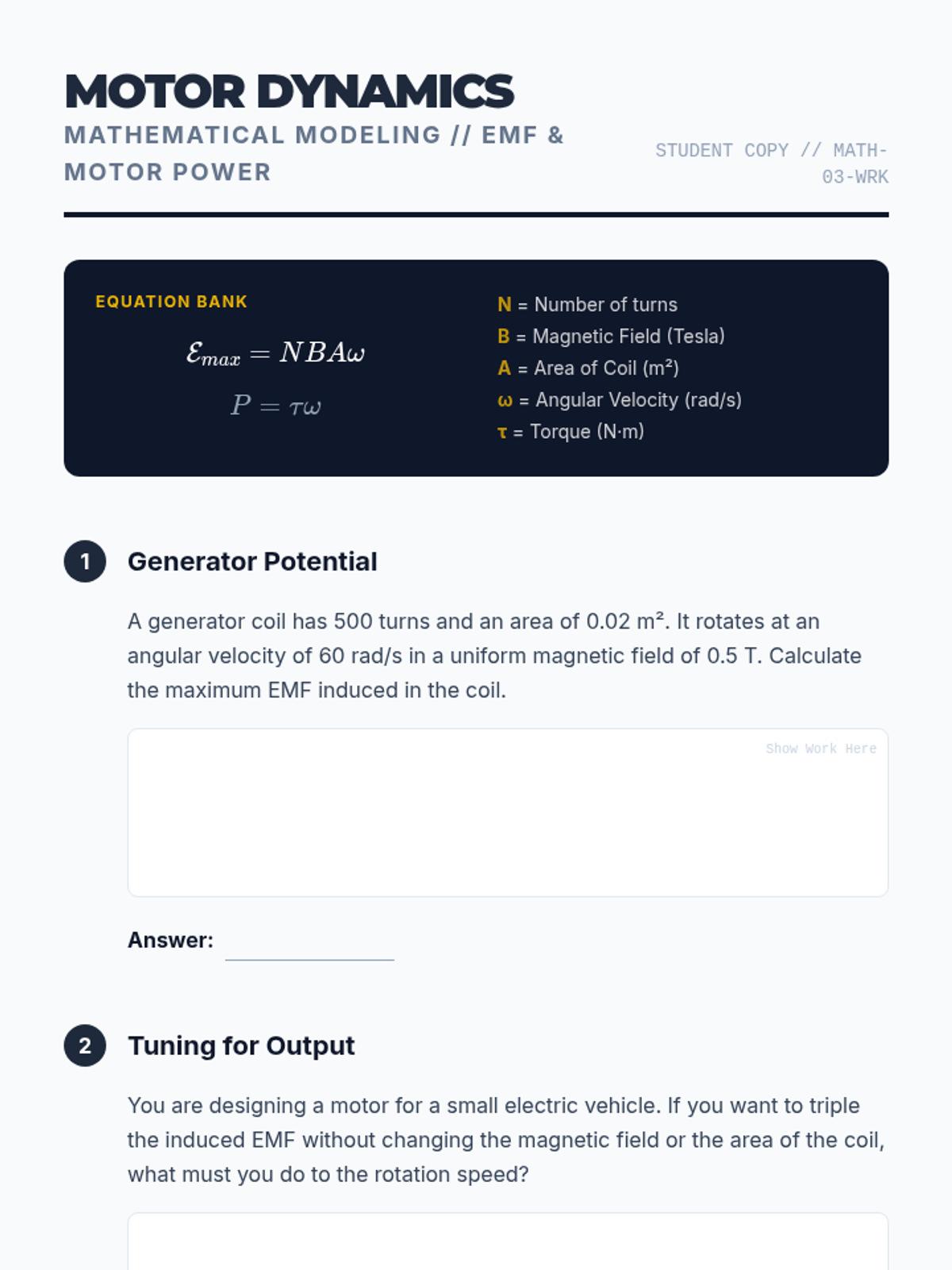
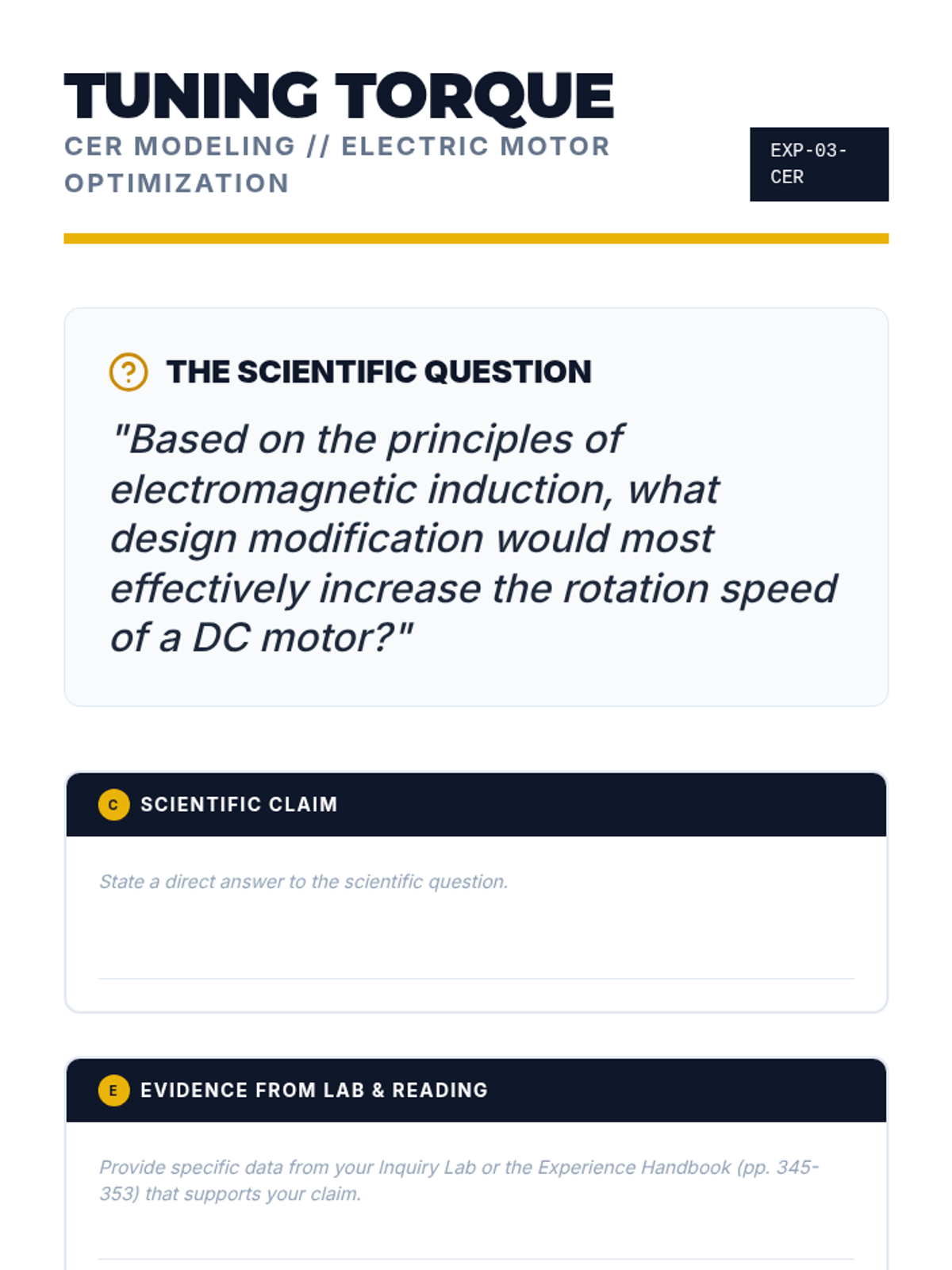
A quantitative exploration of electromagnetic force (EMF) and motor power. Students master the mathematical modeling of generators and motors before applying their knowledge to a CER argument on optimizing motor performance.
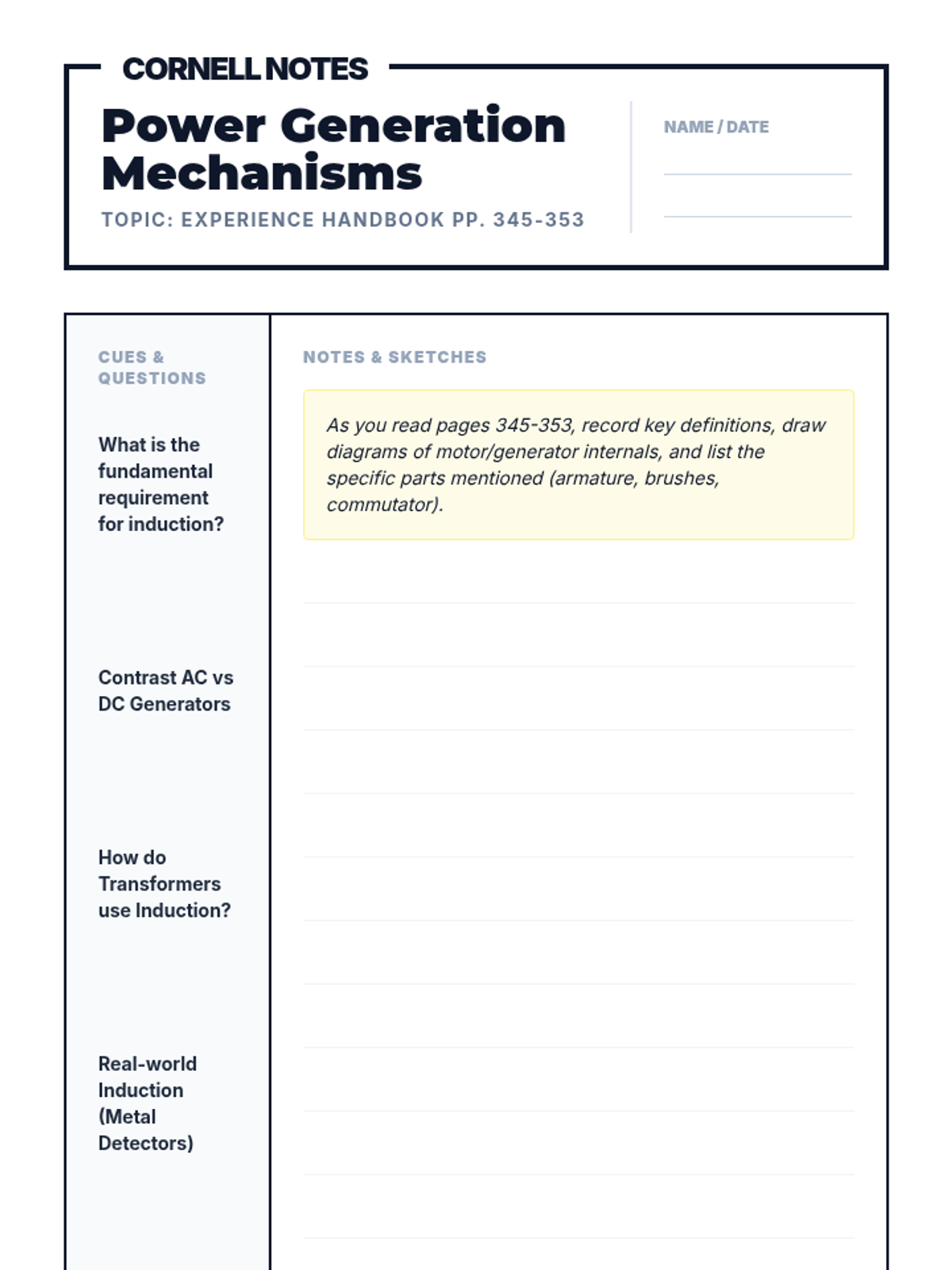
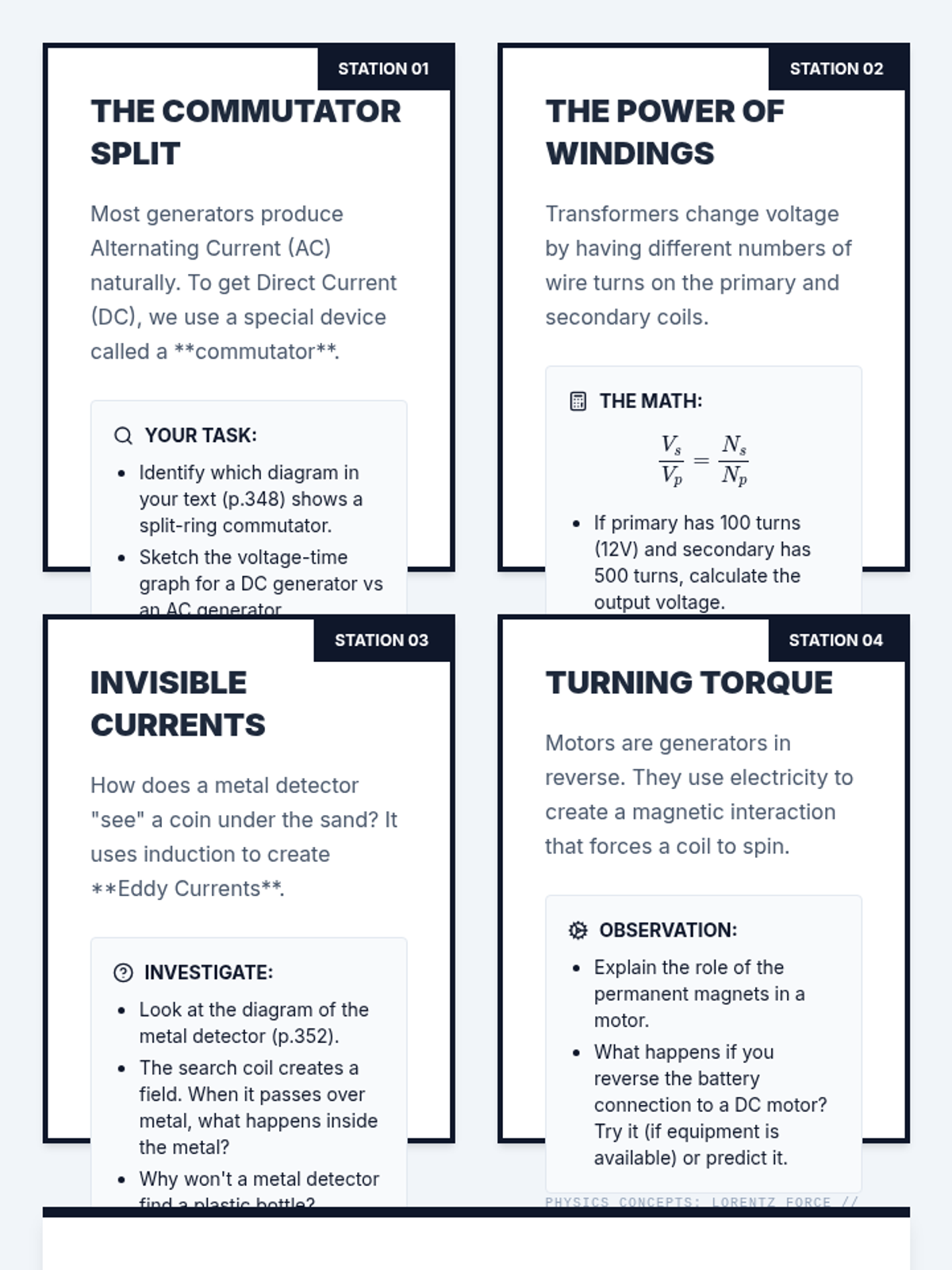
A deep dive into the mechanisms of induction and generators. Students use Cornell notes to process technical readings and rotate through stations exploring AC/DC generators, transformers, and induction devices.
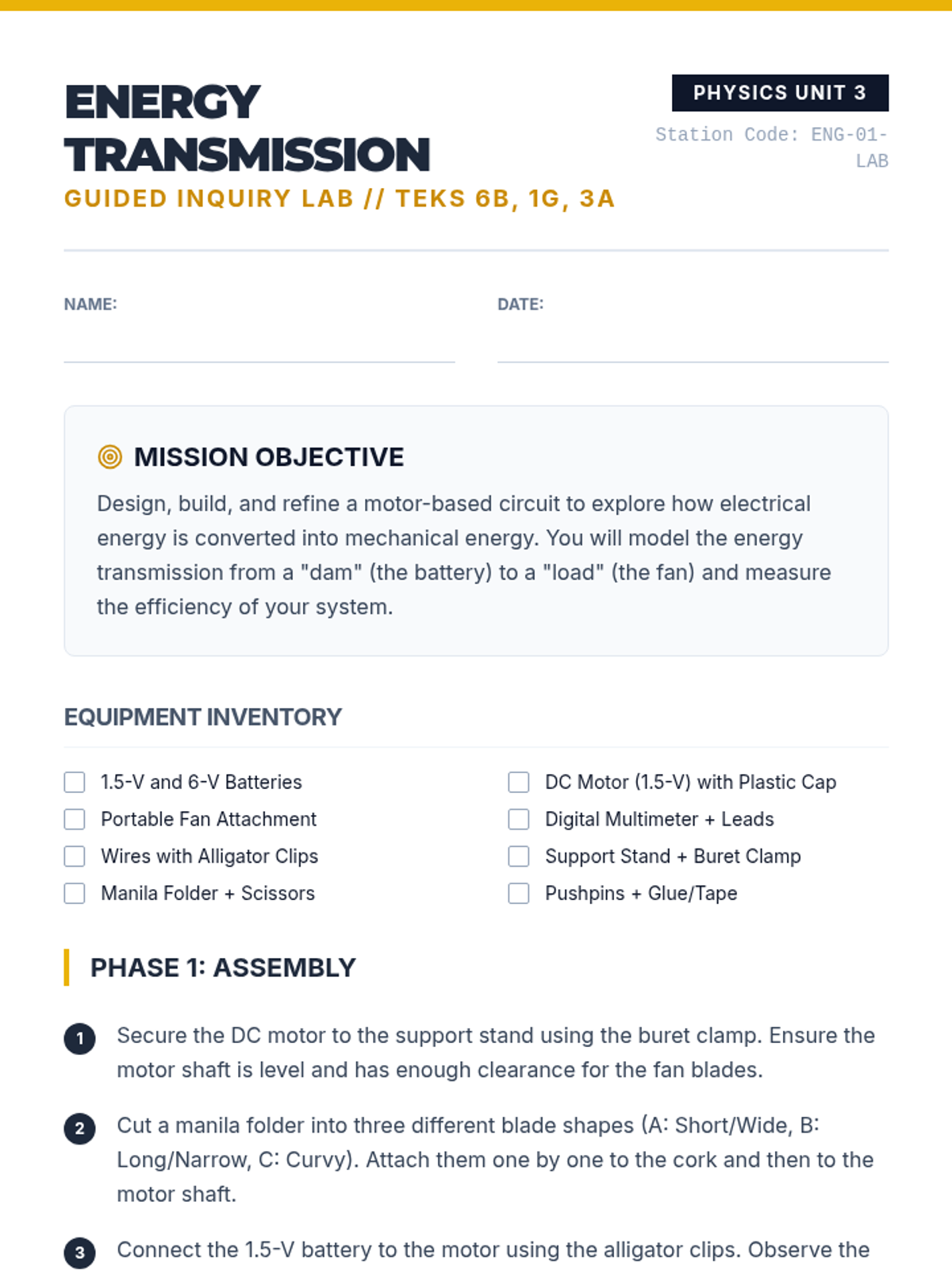
An introduction to power generation through the lens of hydroelectric dams. Students engage with the anchoring phenomenon and begin a guided inquiry lab building a DC motor to explore energy transmission.
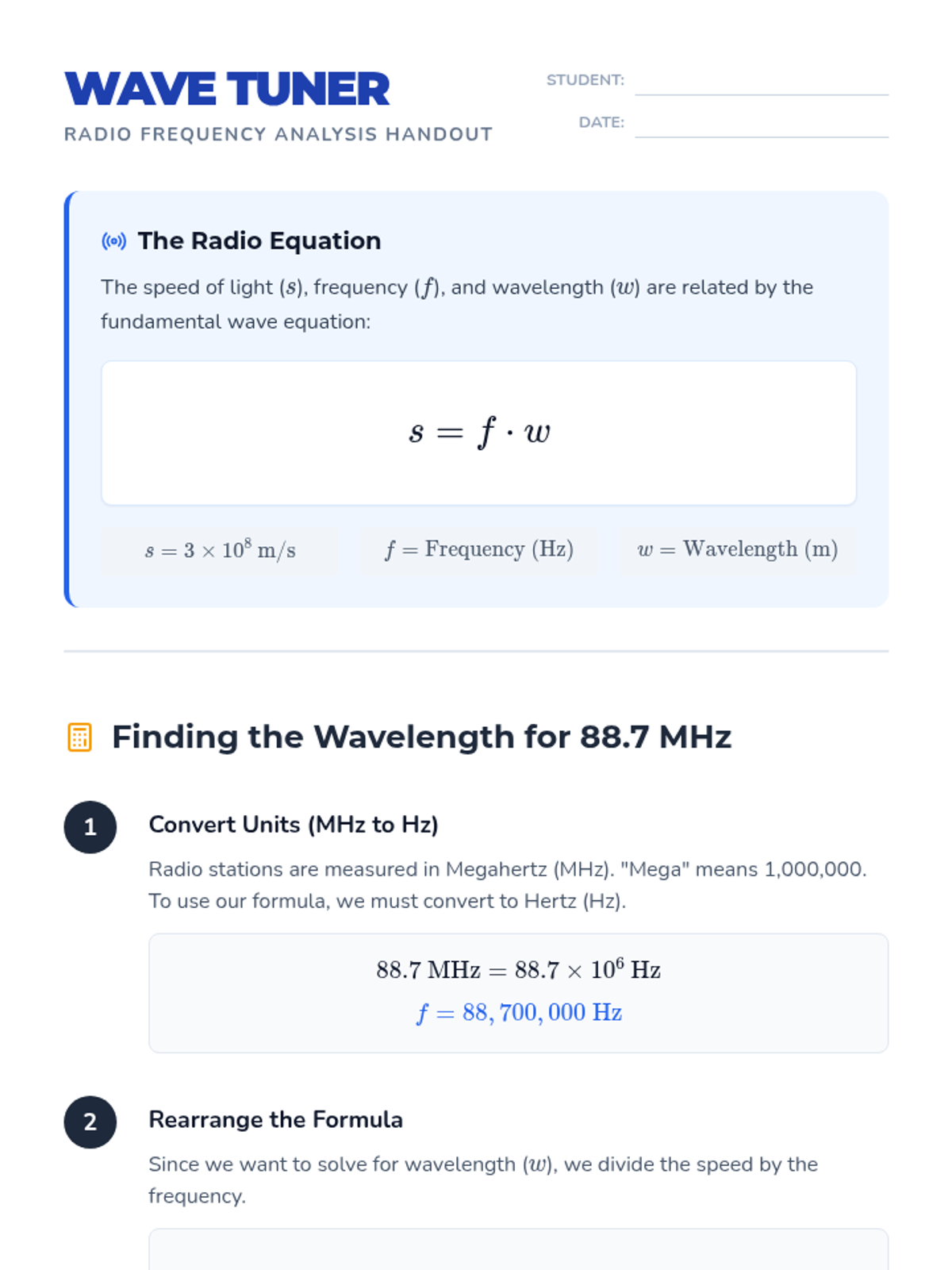
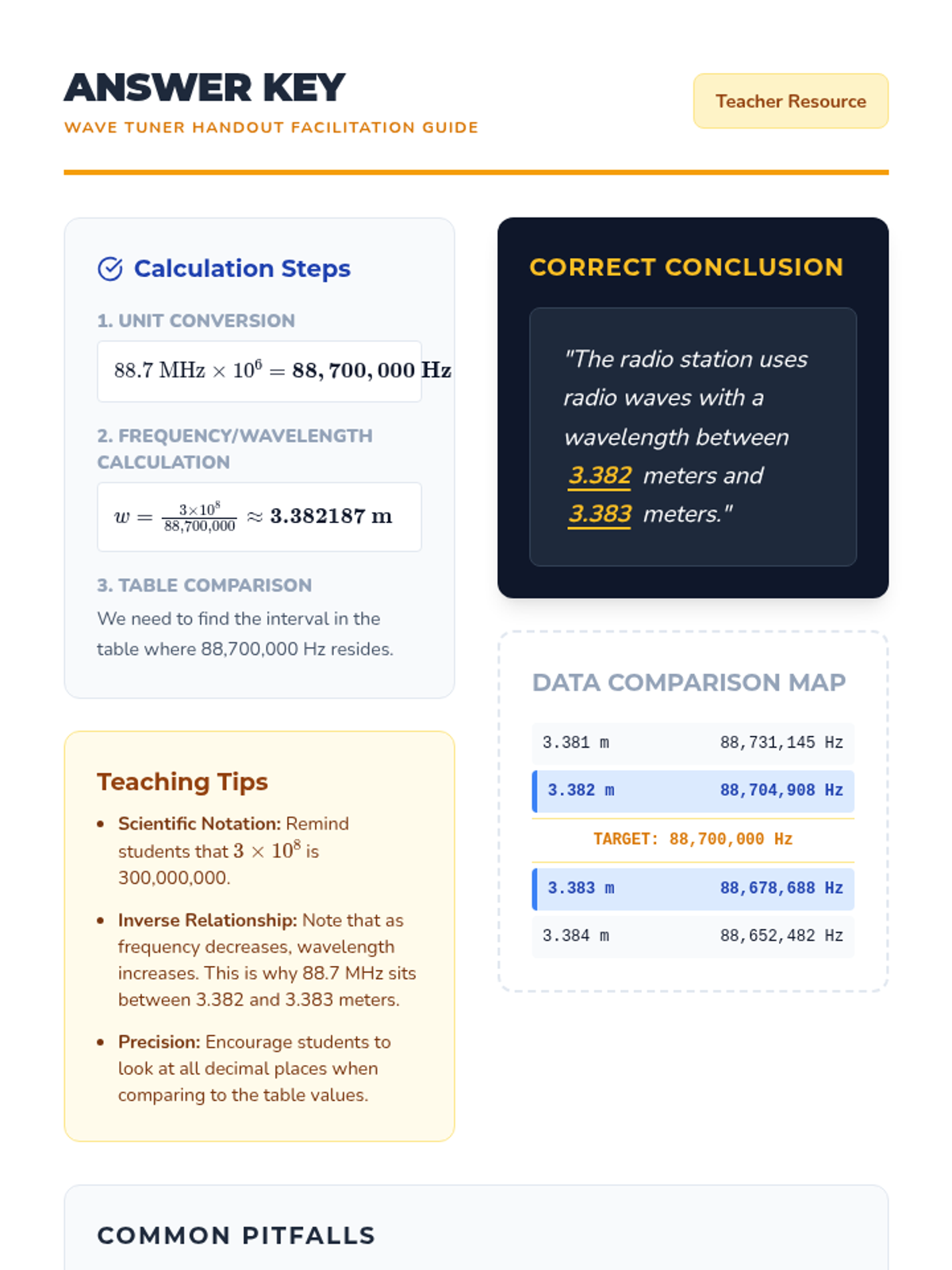
A lesson focused on the mathematical relationship between frequency, wavelength, and the speed of light, specifically applied to radio wave transmission.
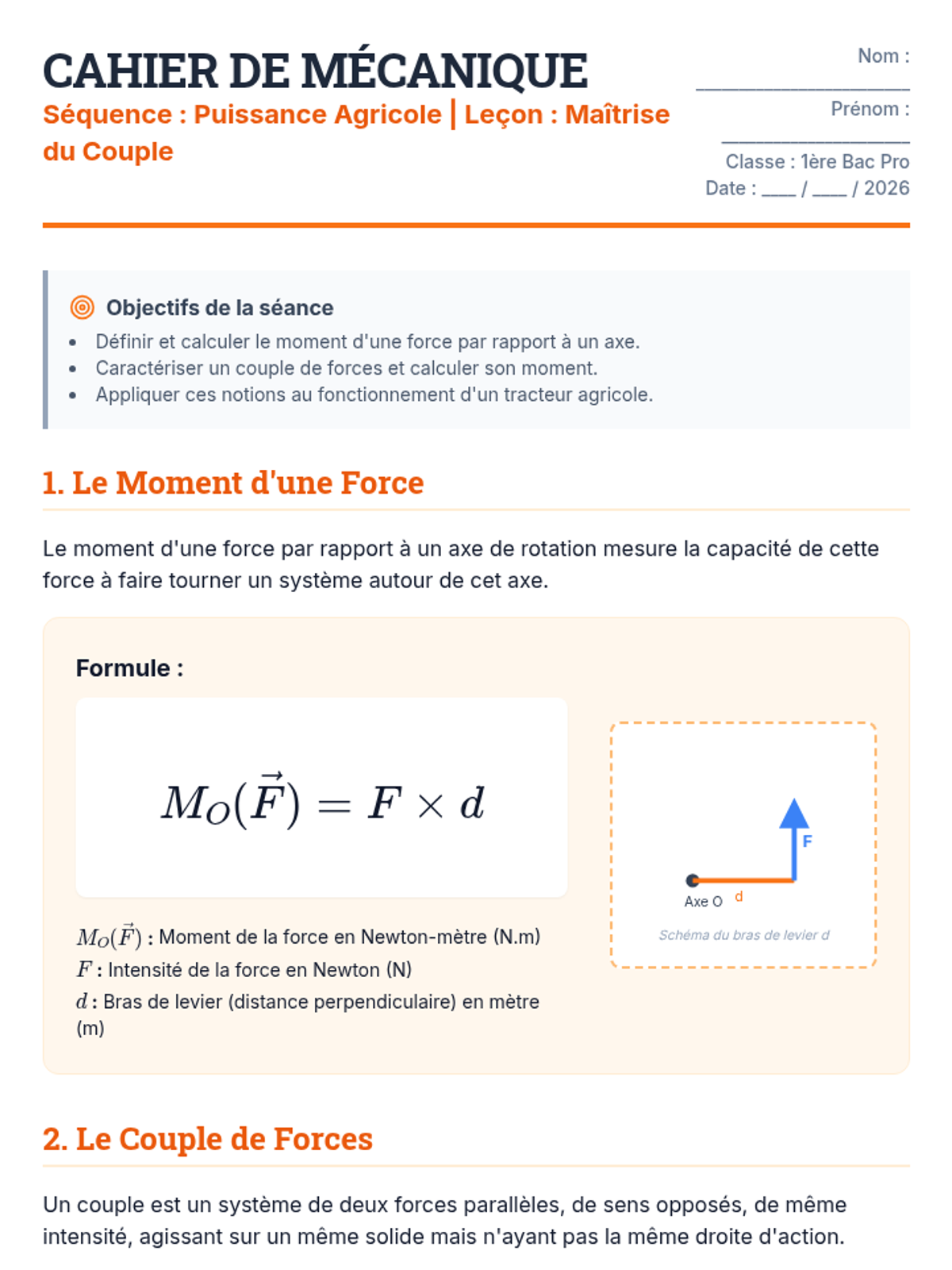
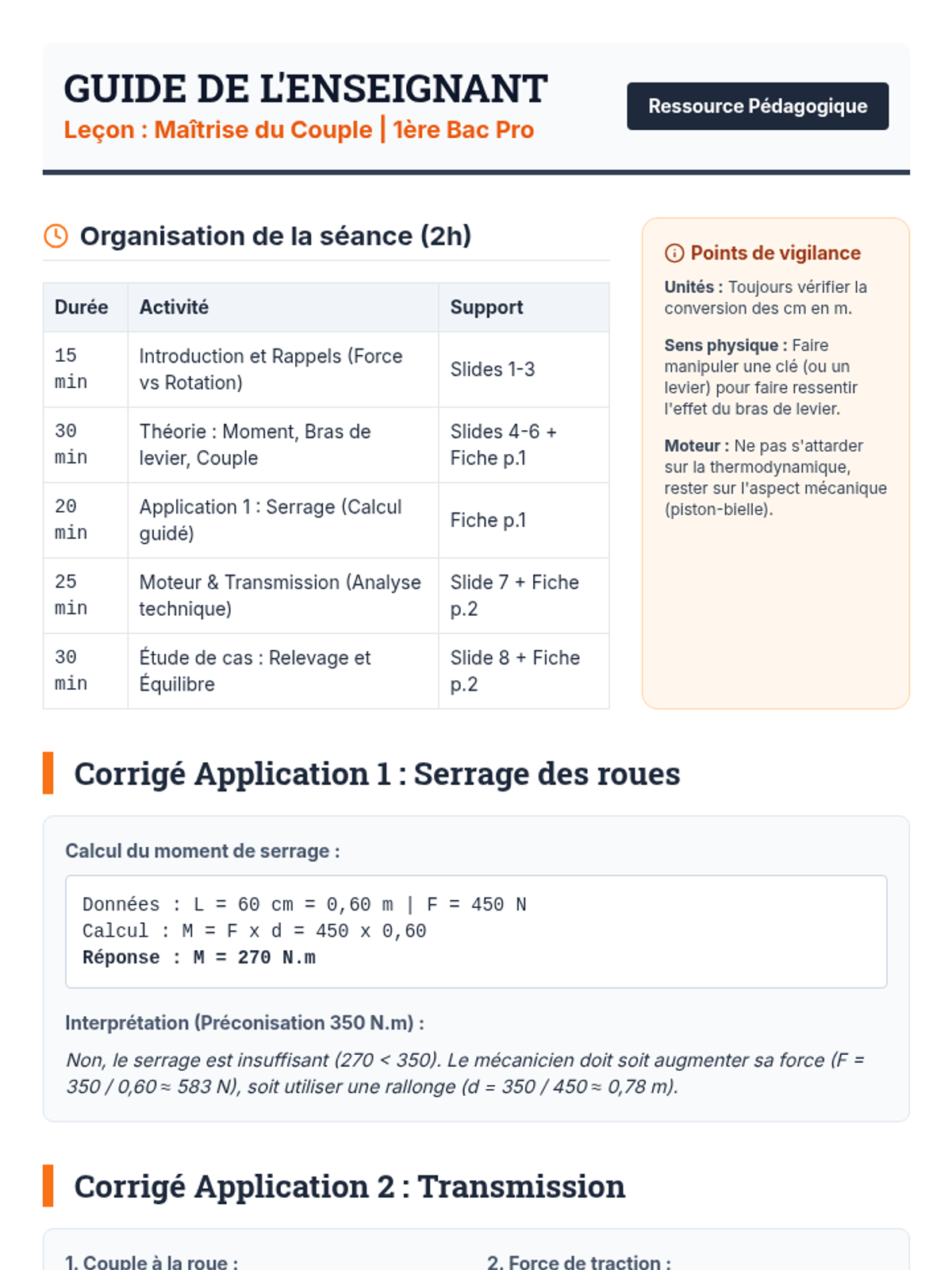
Cette leçon traite du moment d'une force et du couple de forces à travers l'étude du moteur, de la transmission et des organes de levage d'un tracteur.
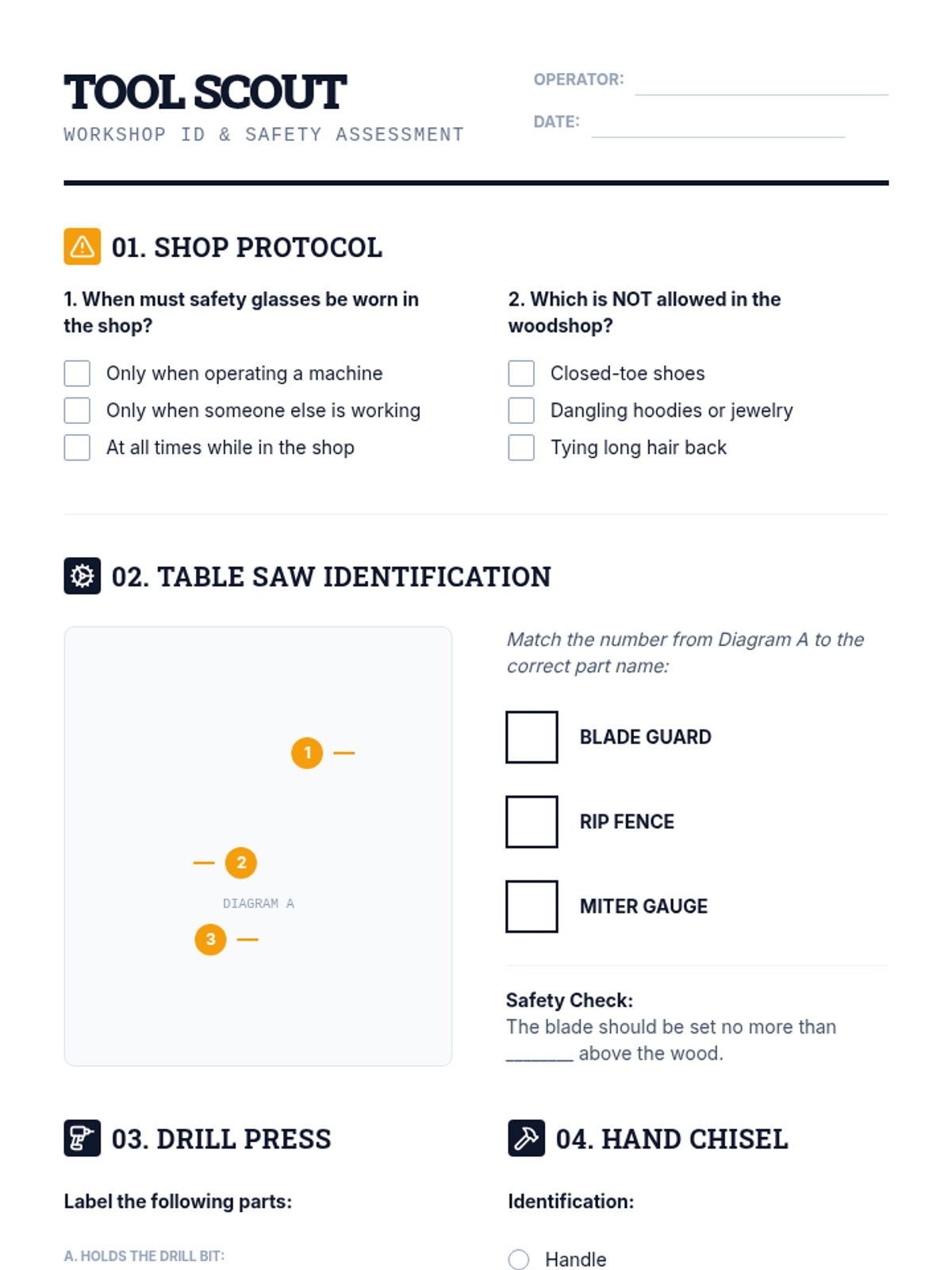
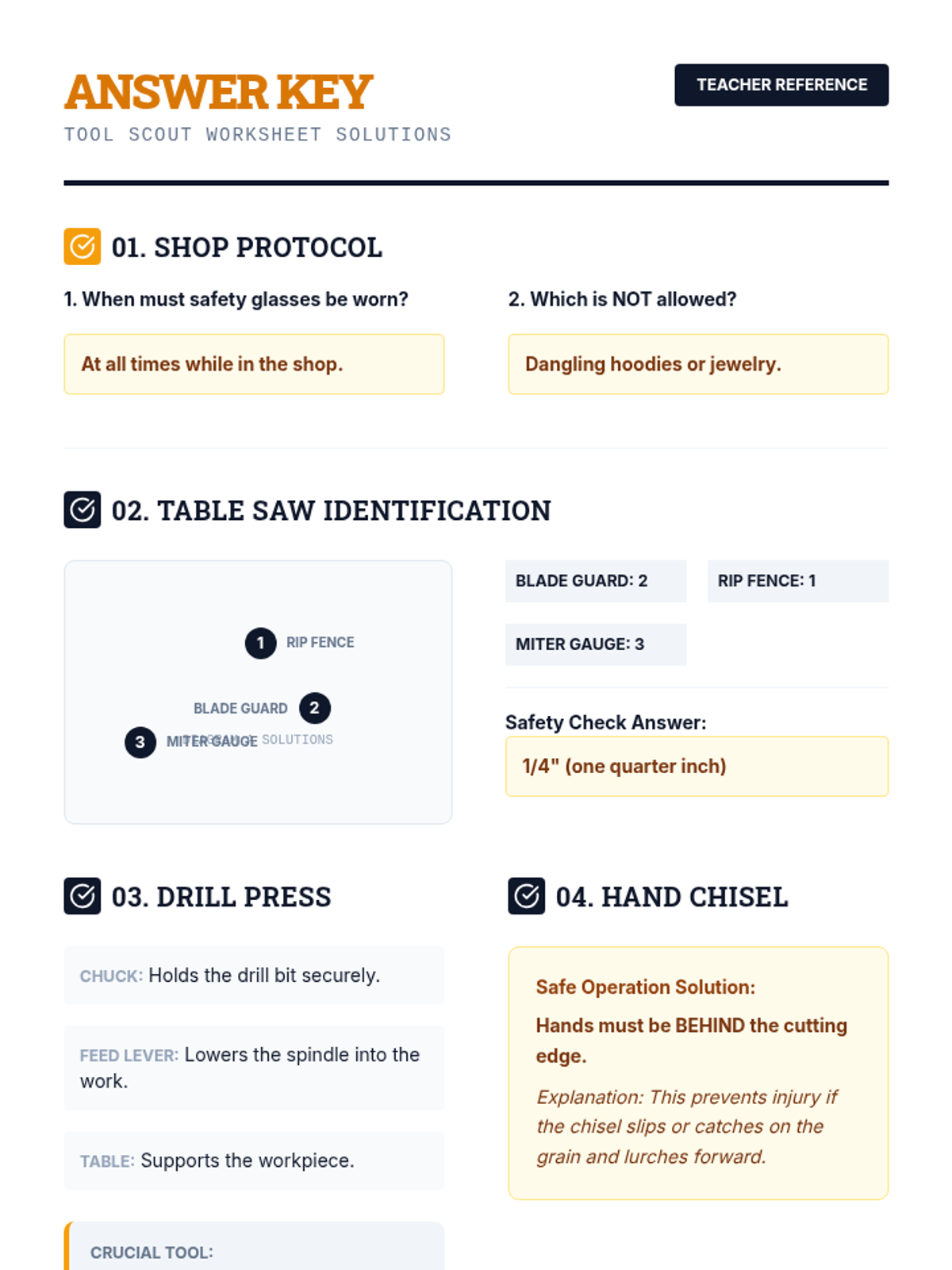
A comprehensive introduction to workshop safety and tool identification, focusing on the table saw, drill press, and hand chisels. Students learn critical safety protocols and part names for essential woodworking machinery.
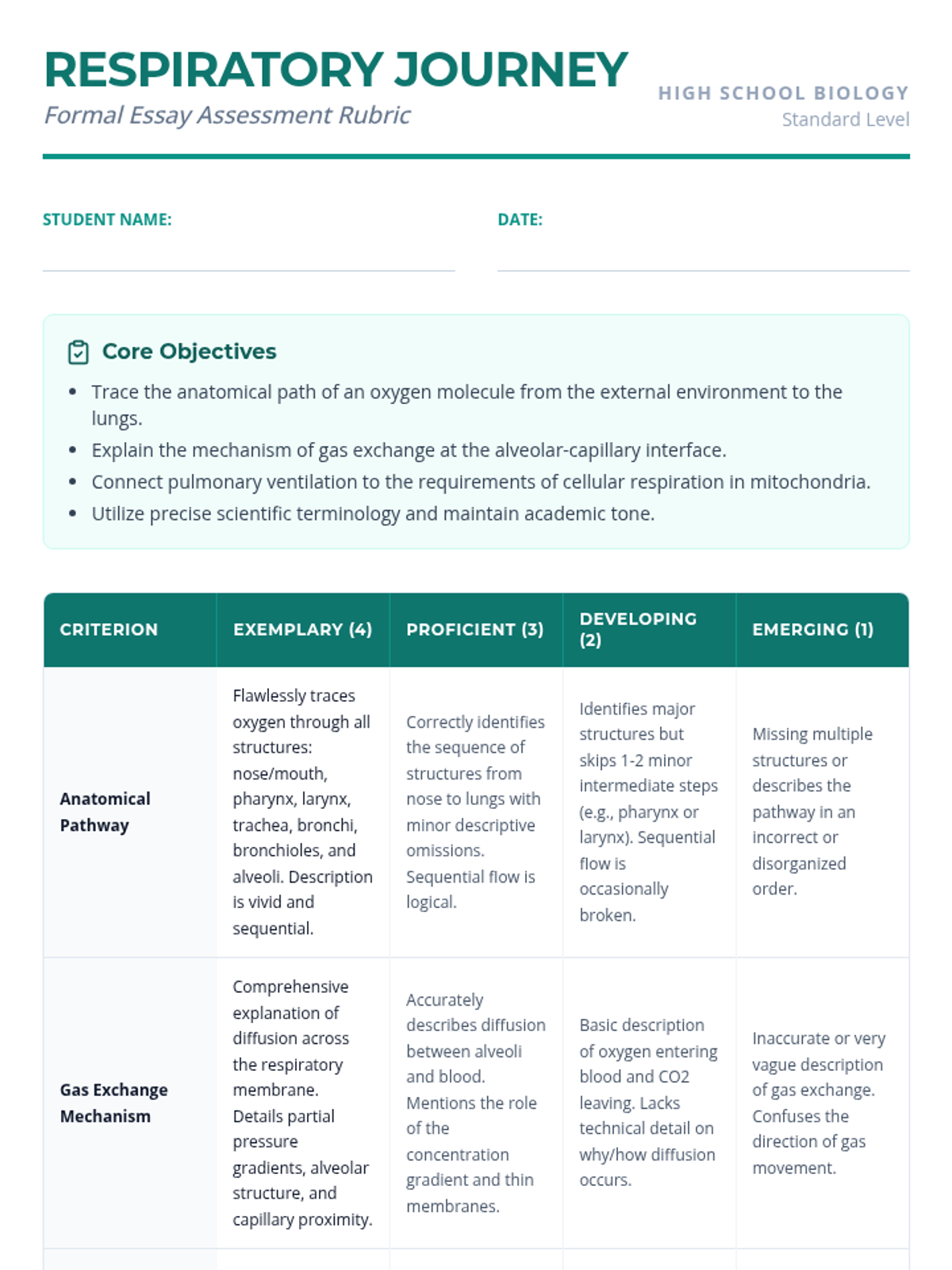
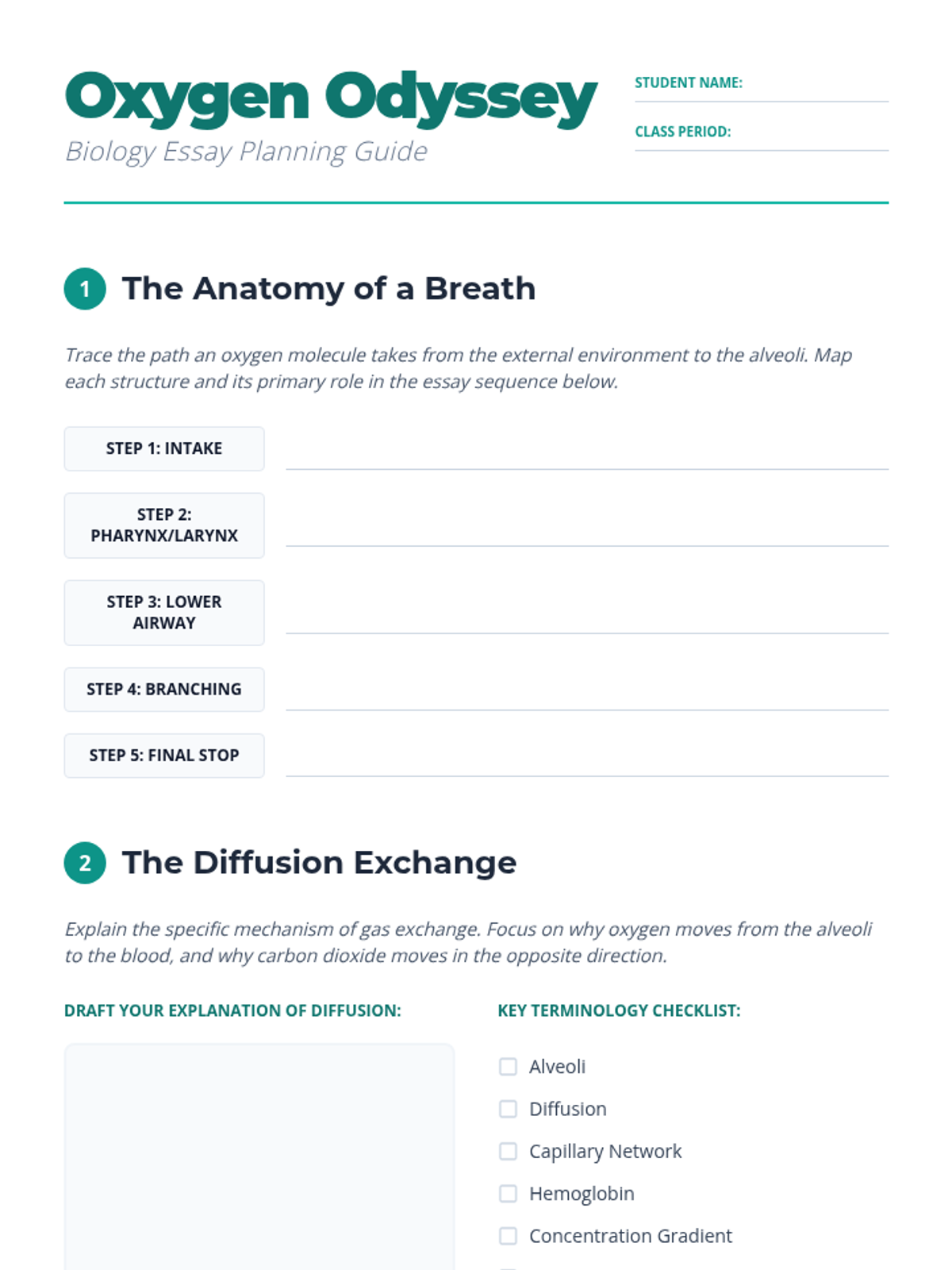
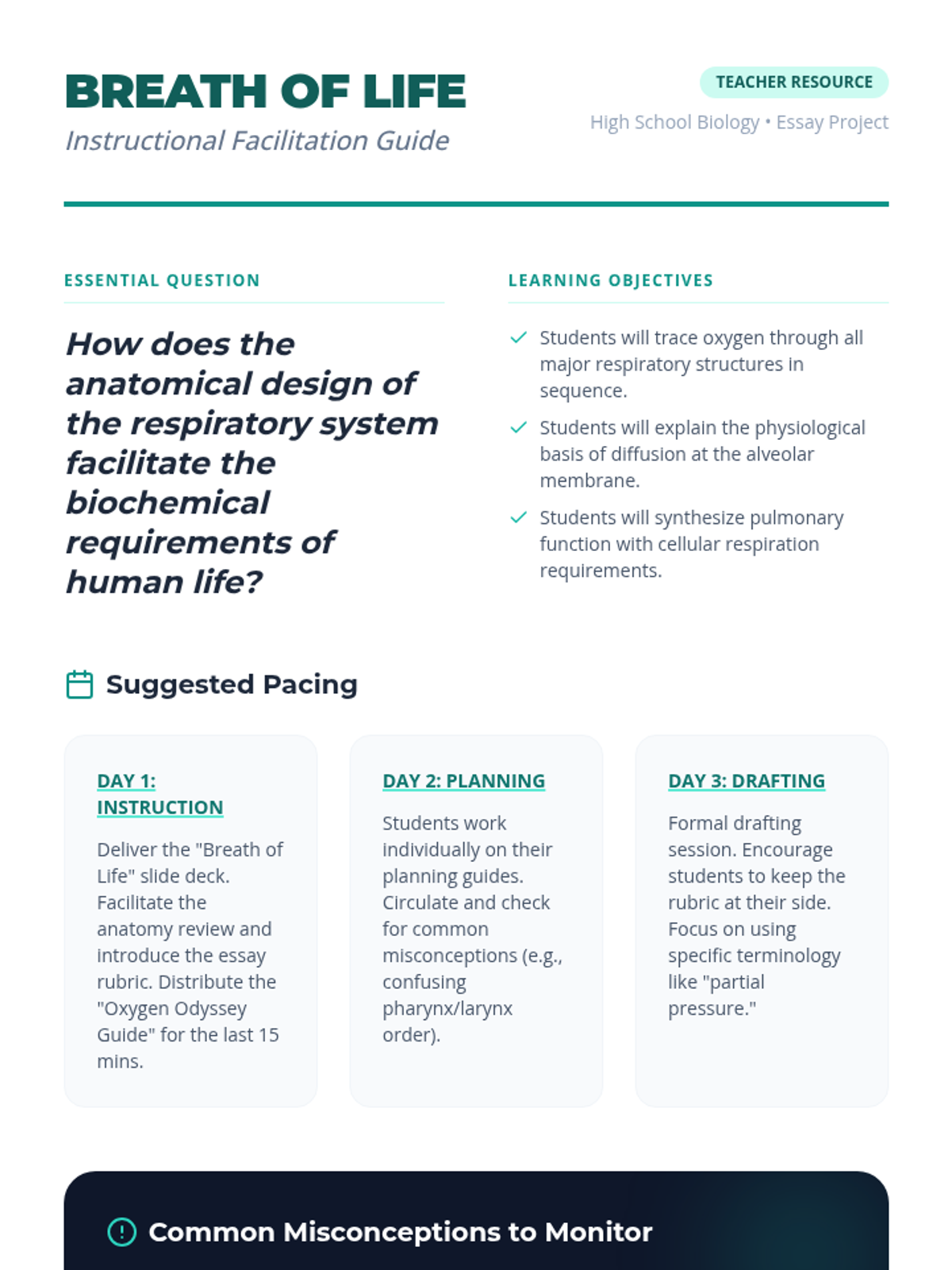
A comprehensive lesson covering the mechanics of the respiratory system, focusing on the pathway of air, gas exchange in the alveoli, and the fundamental link to cellular respiration. Students will demonstrate their understanding through a structured formal essay.
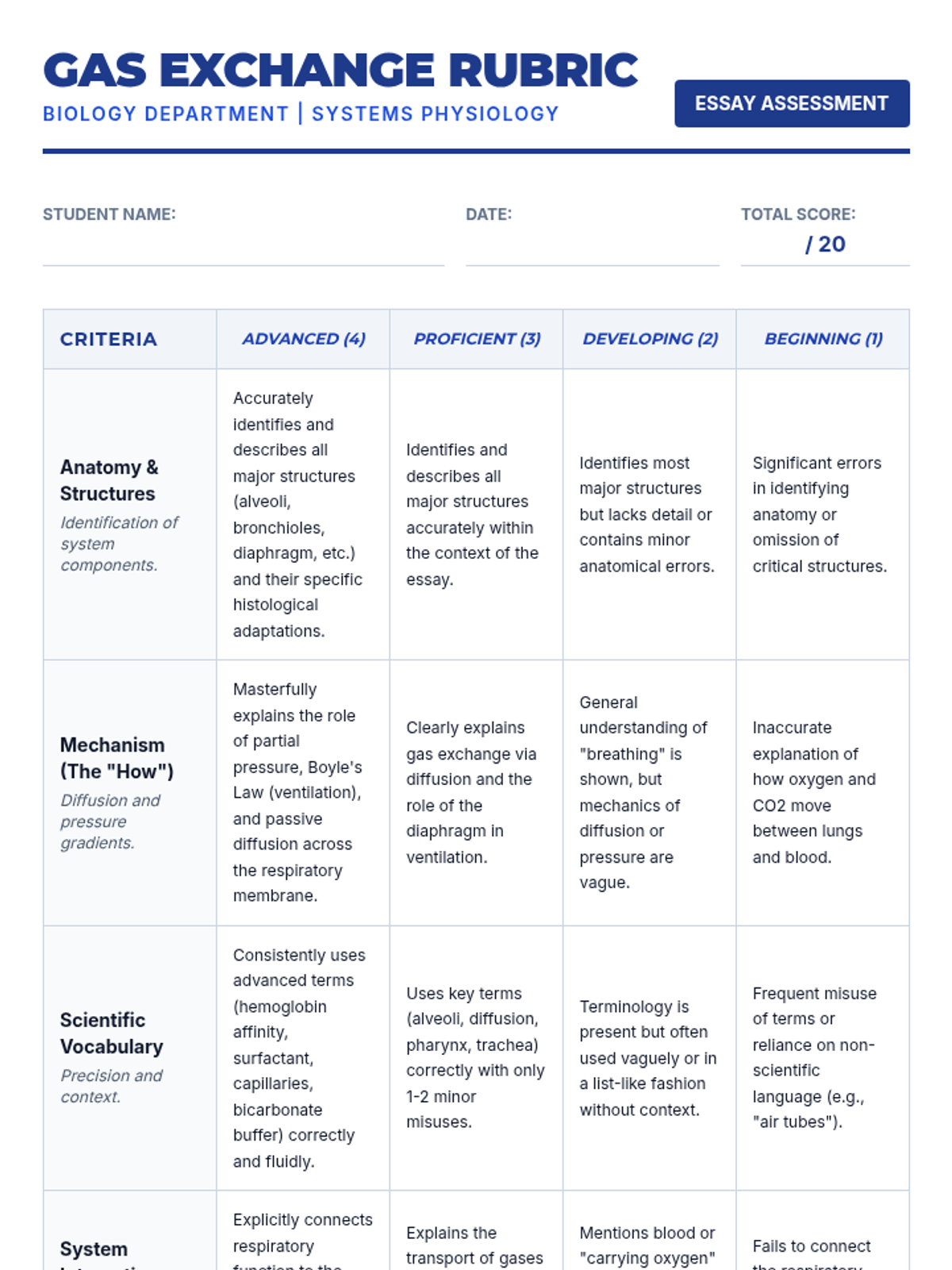
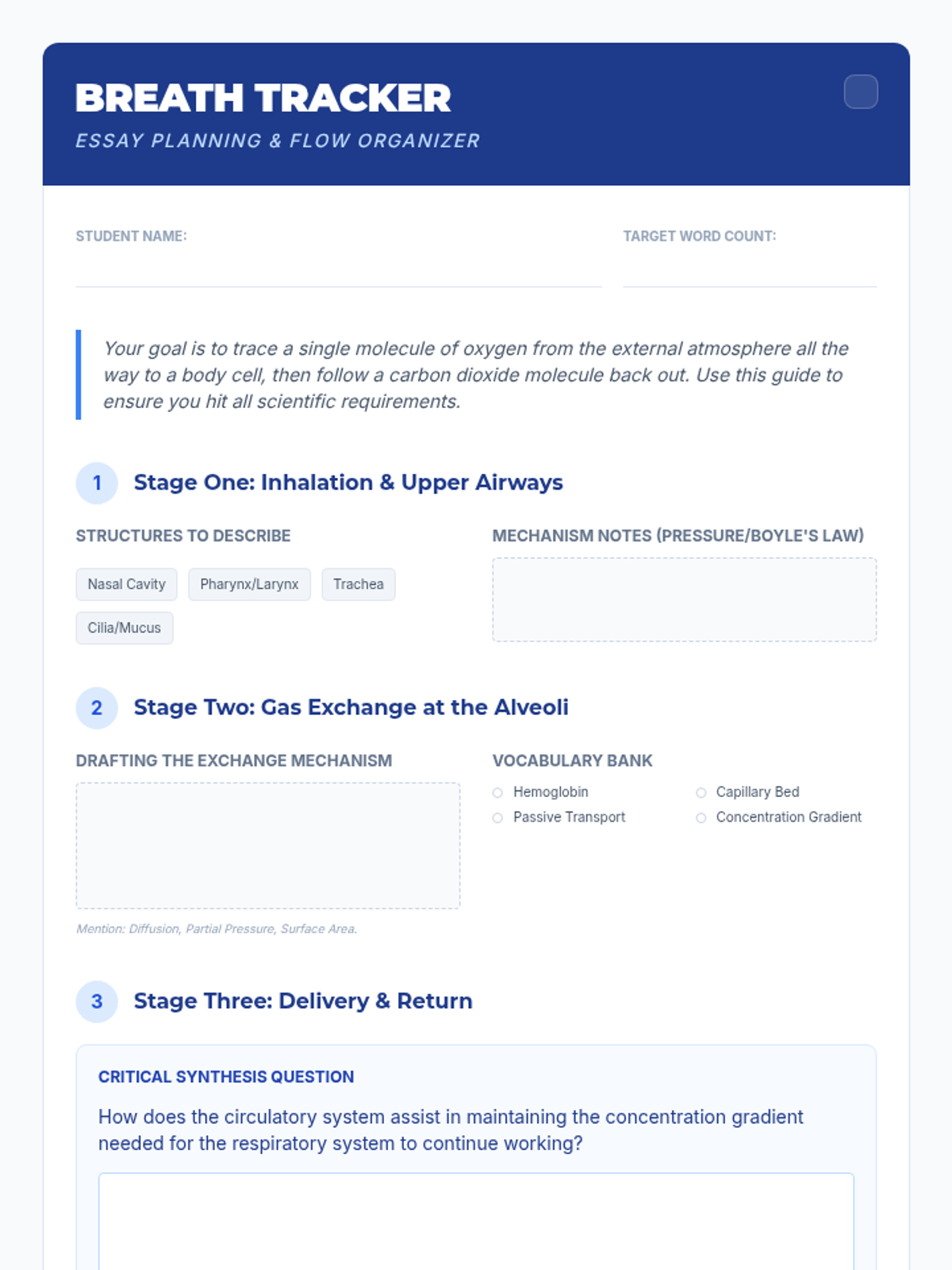
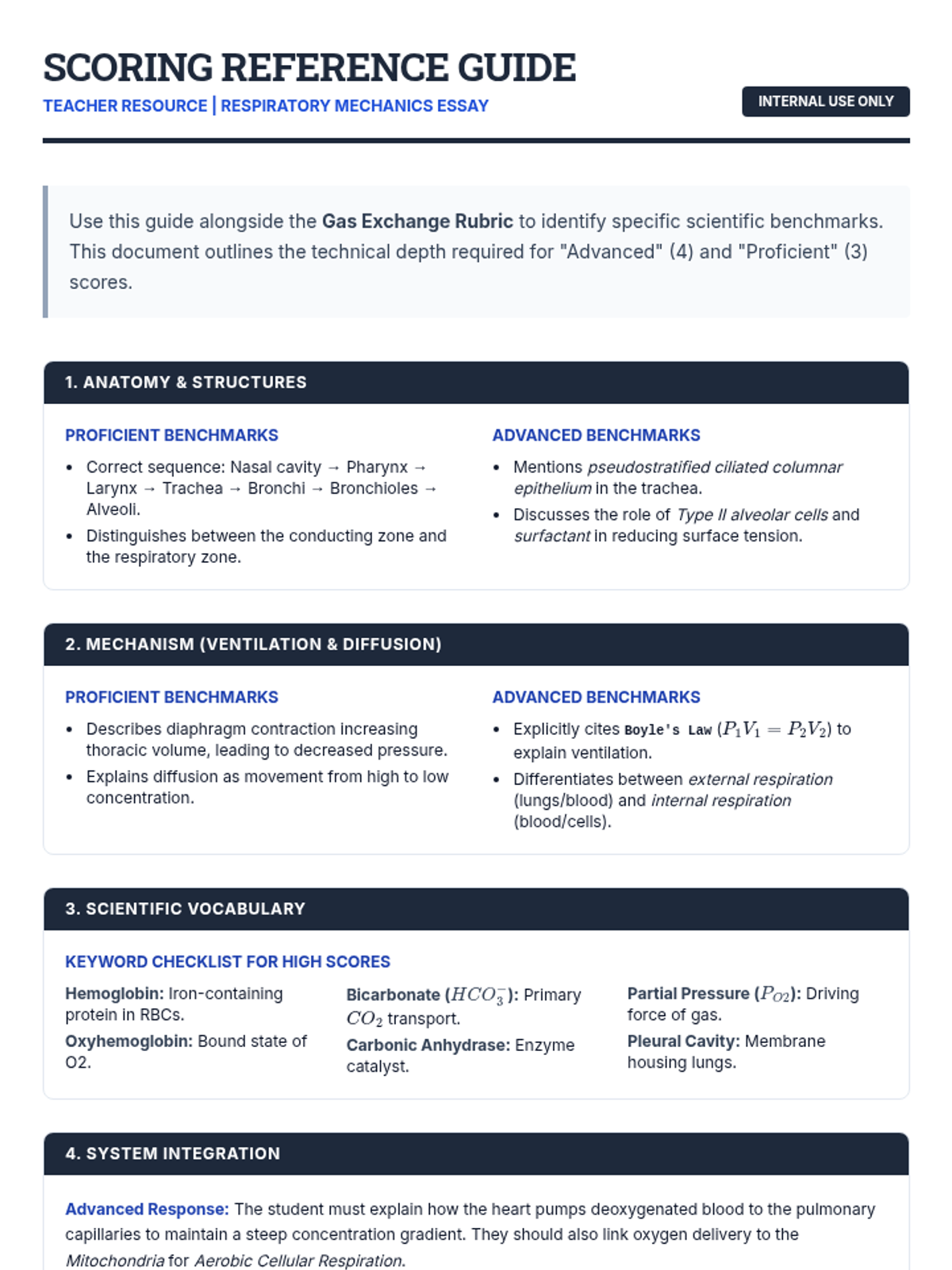
This lesson focuses on the mechanics of the respiratory system, requiring students to synthesize their knowledge into a formal scientific essay. It includes a comprehensive rubric, a student planning guide, and a teacher scoring reference.
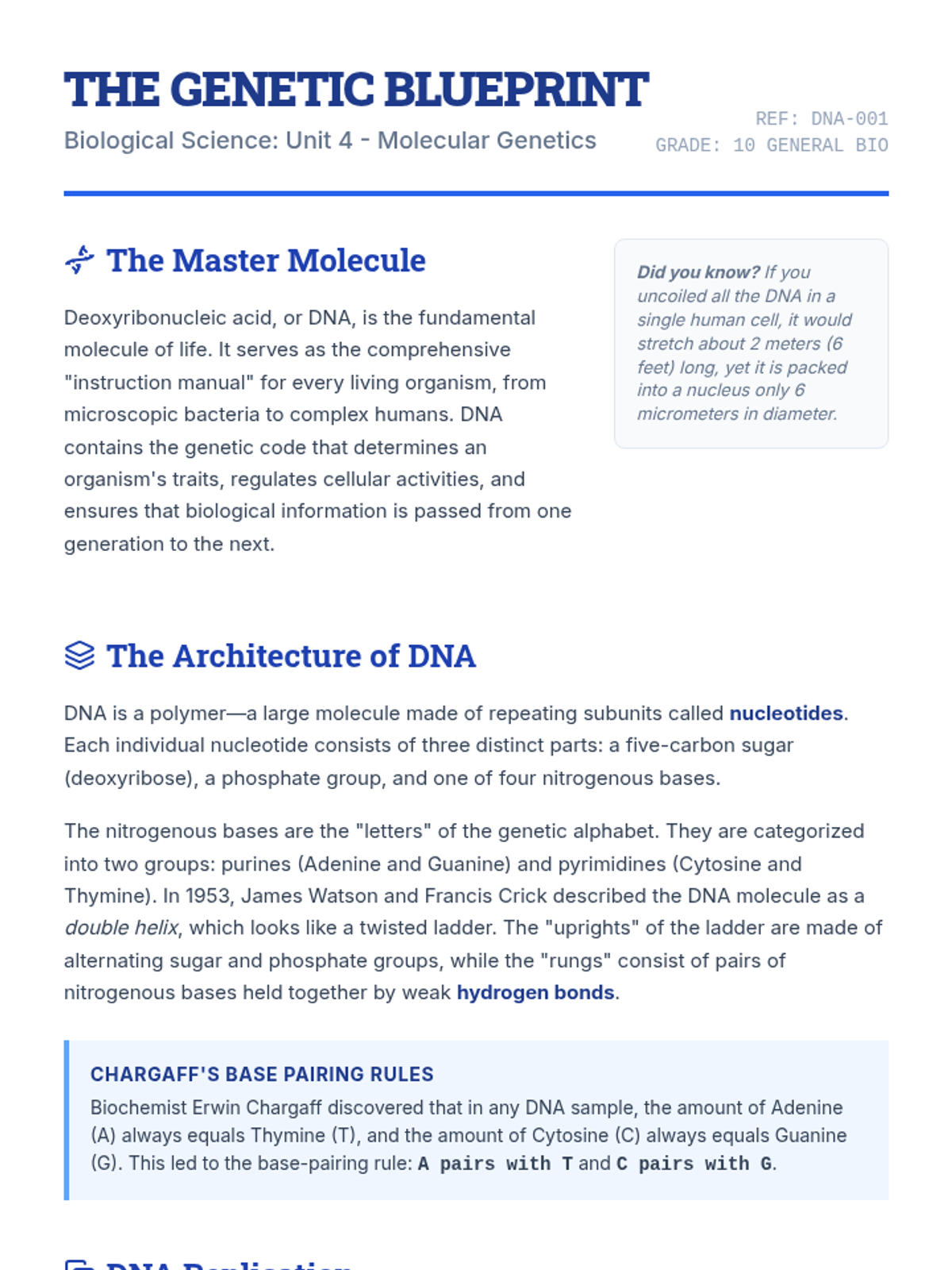
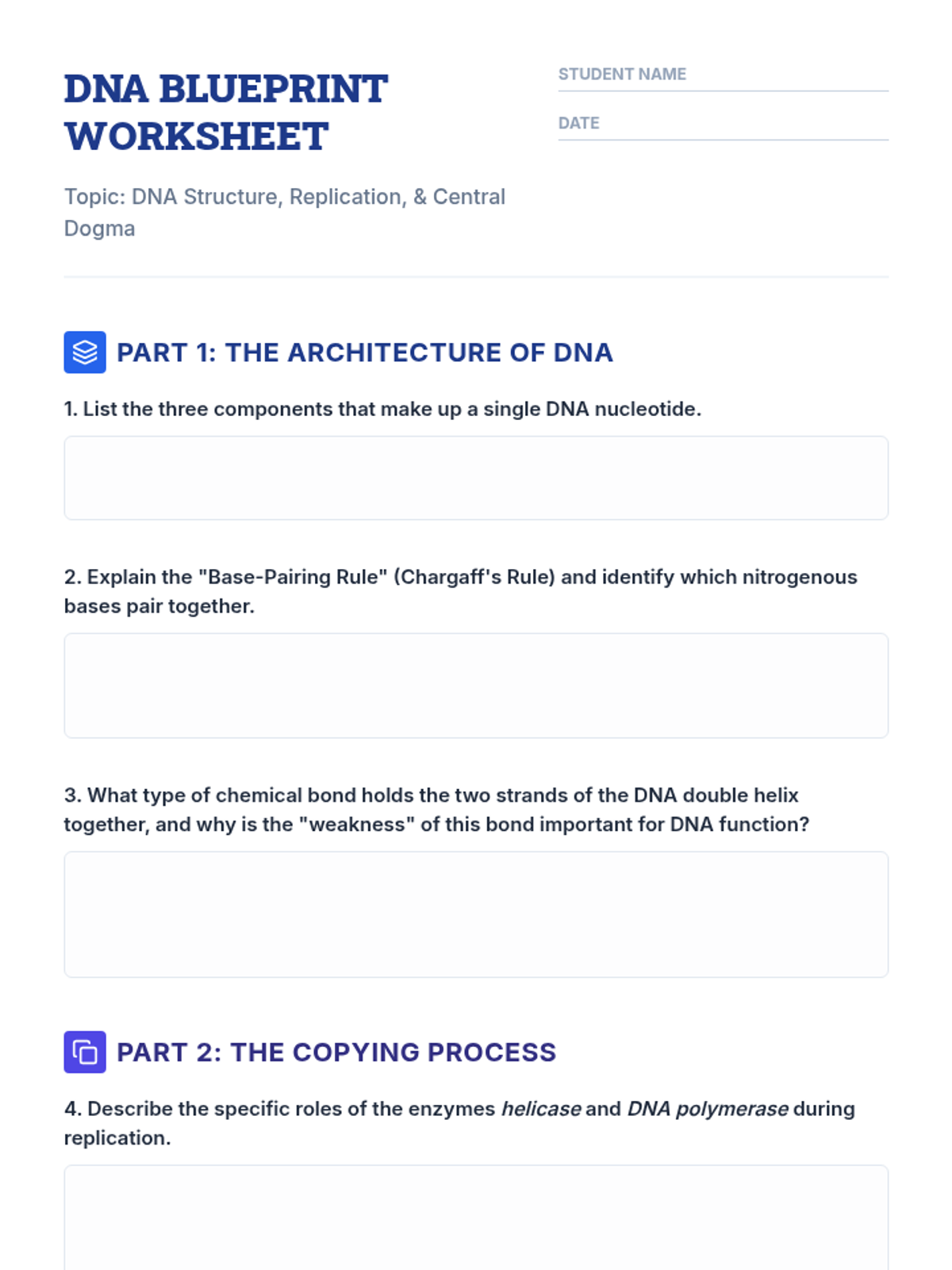
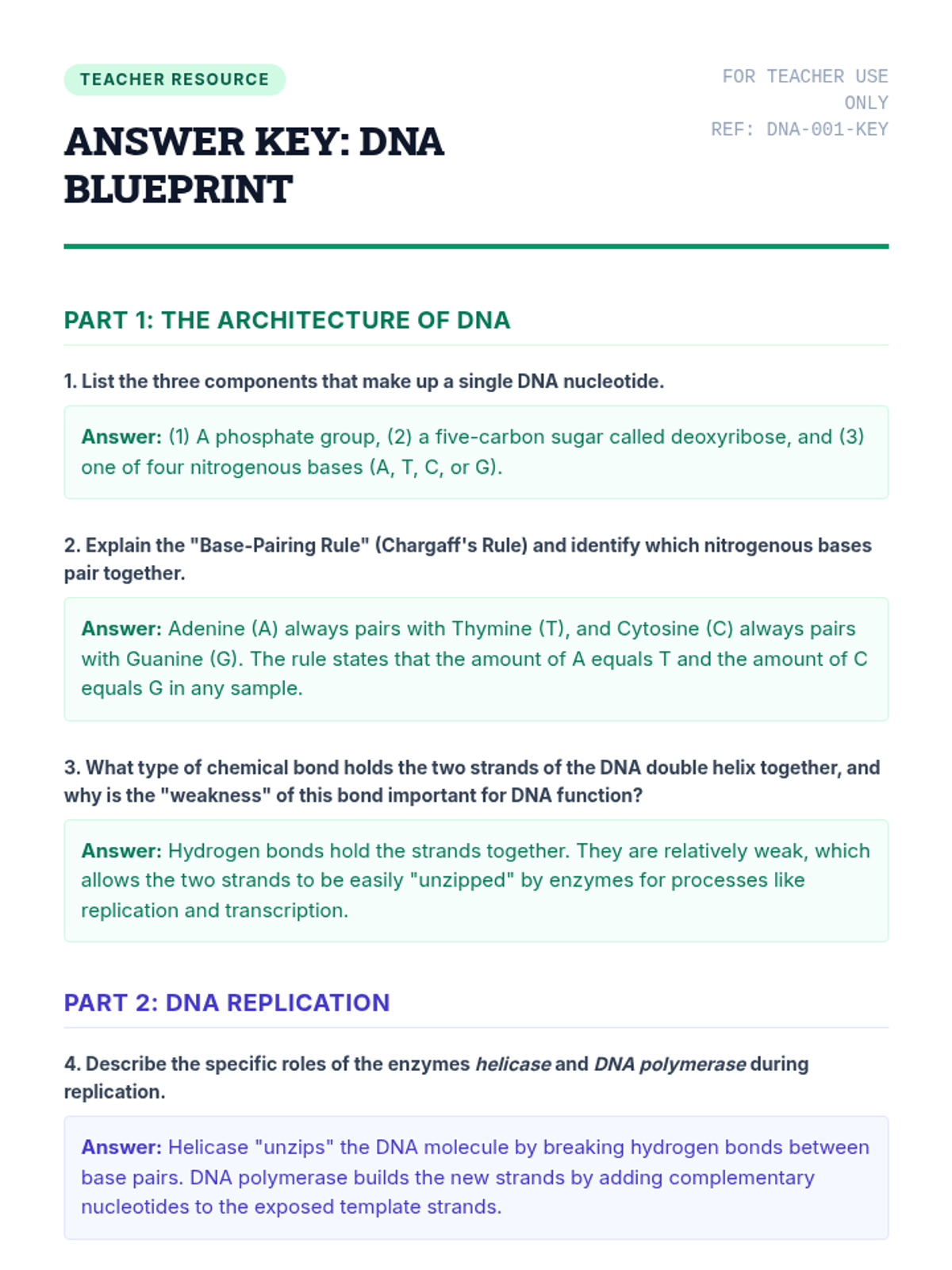
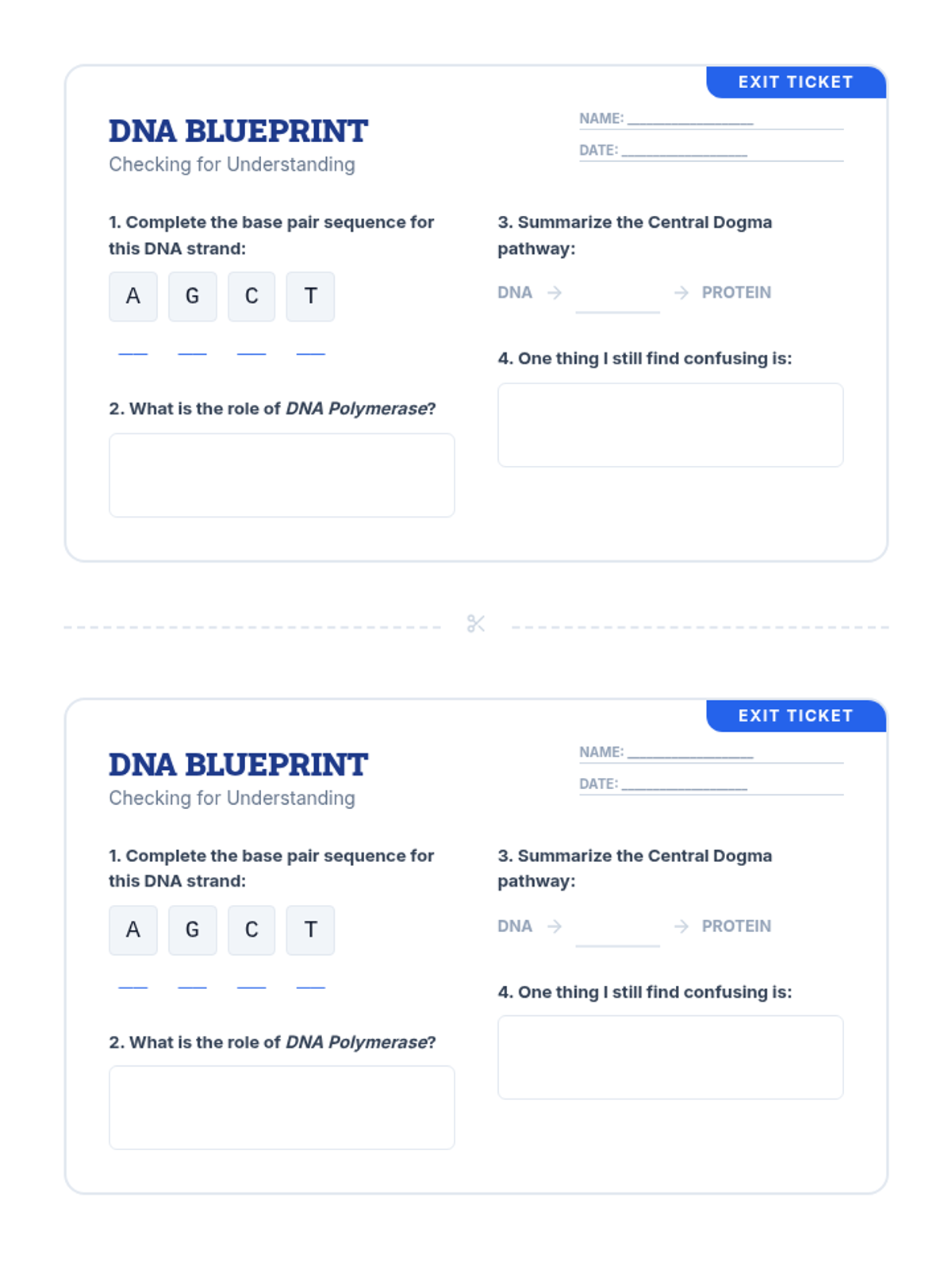
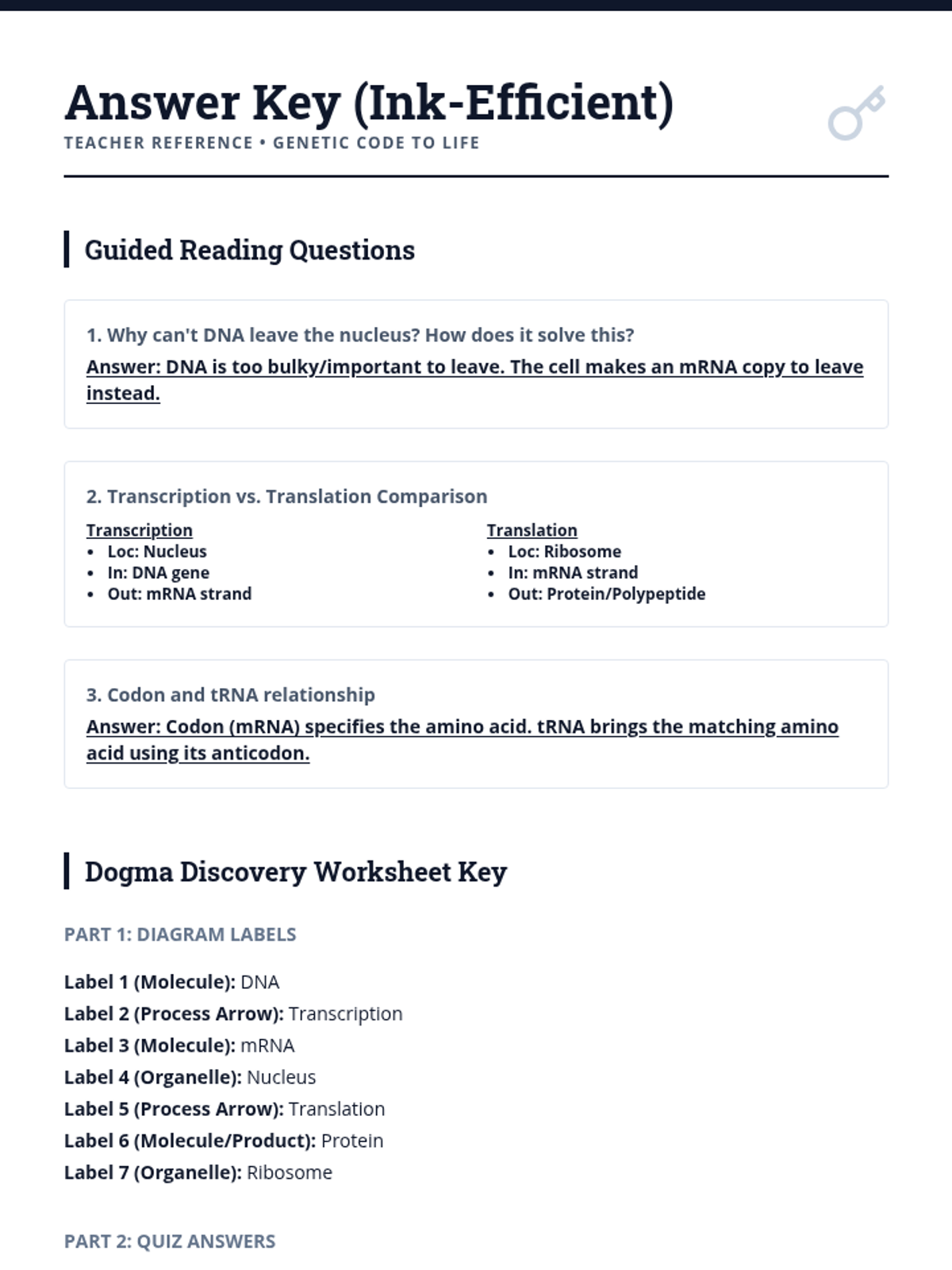
A comprehensive look at DNA structure, replication, and the Central Dogma, designed for 10th-grade biology students. Includes visual slides, a detailed reading passage, and comprehension assessments.
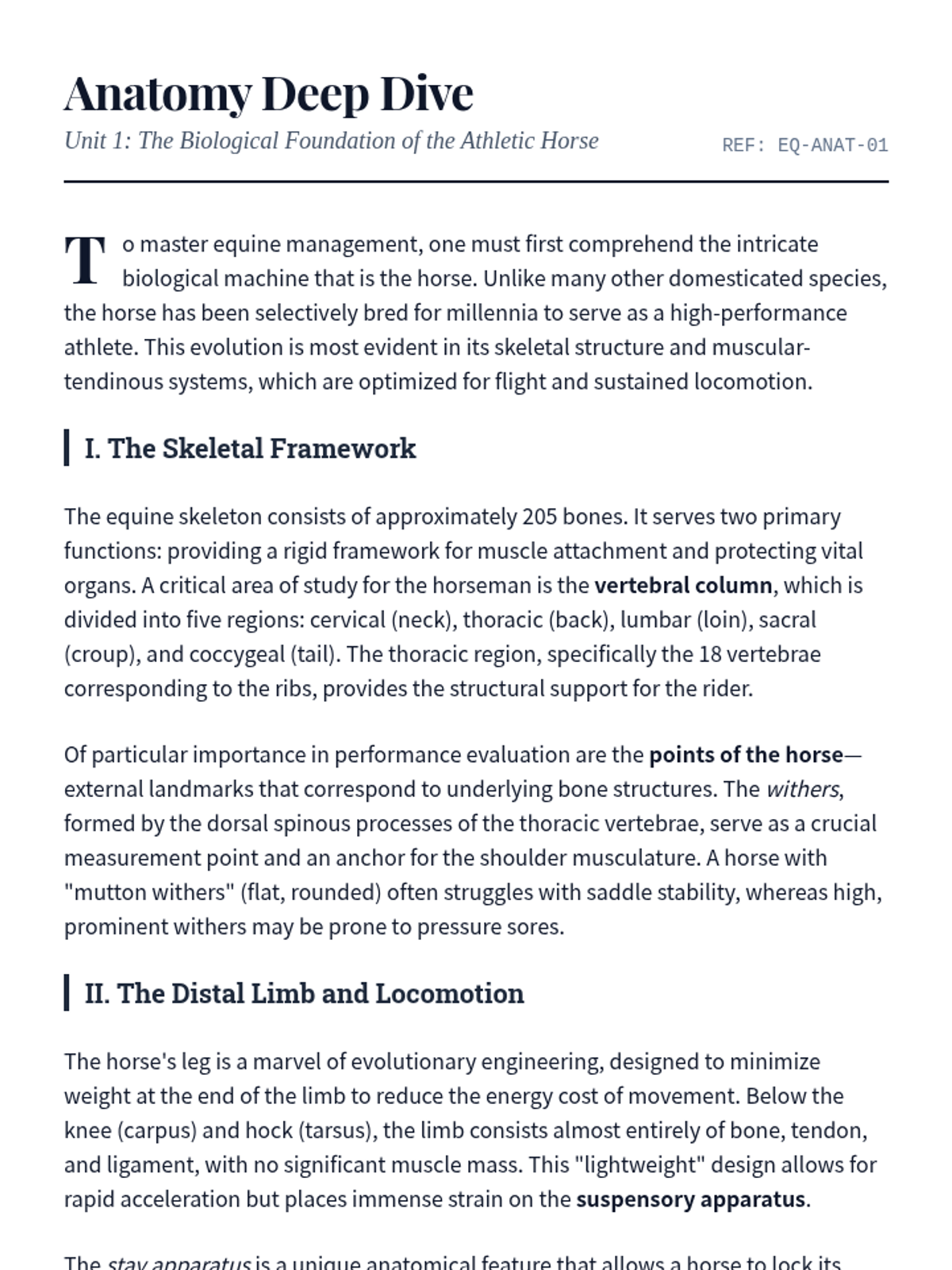
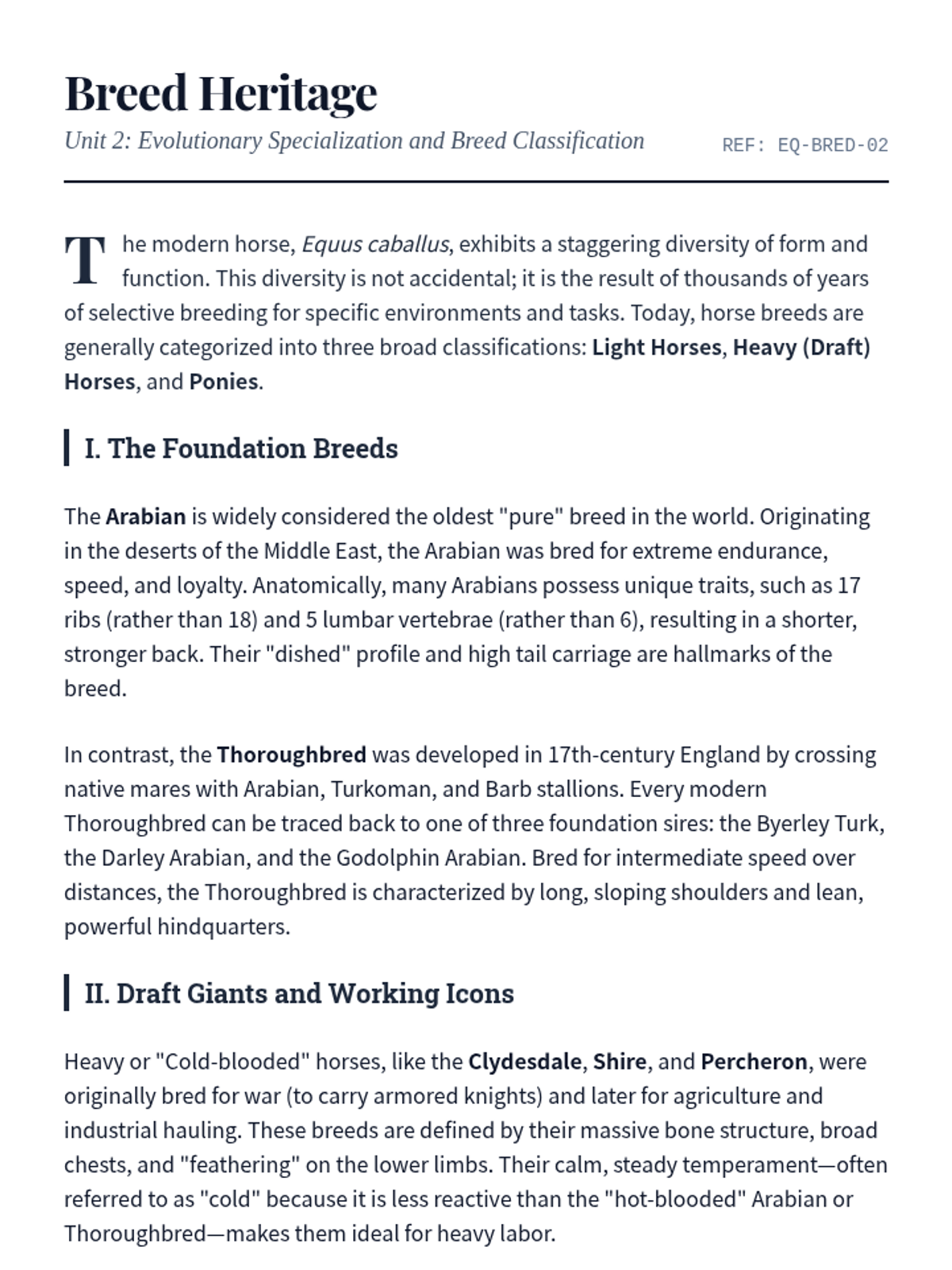
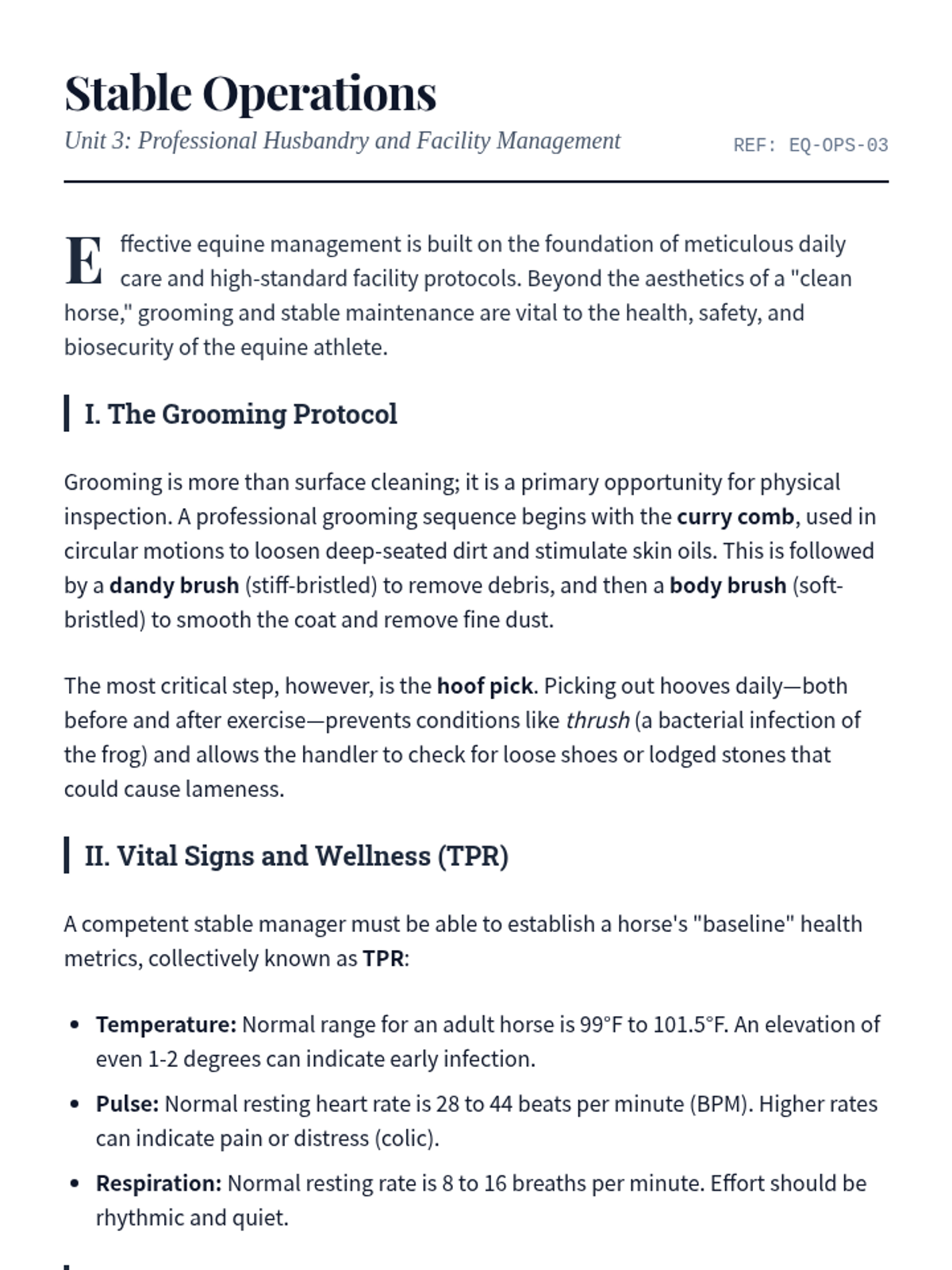
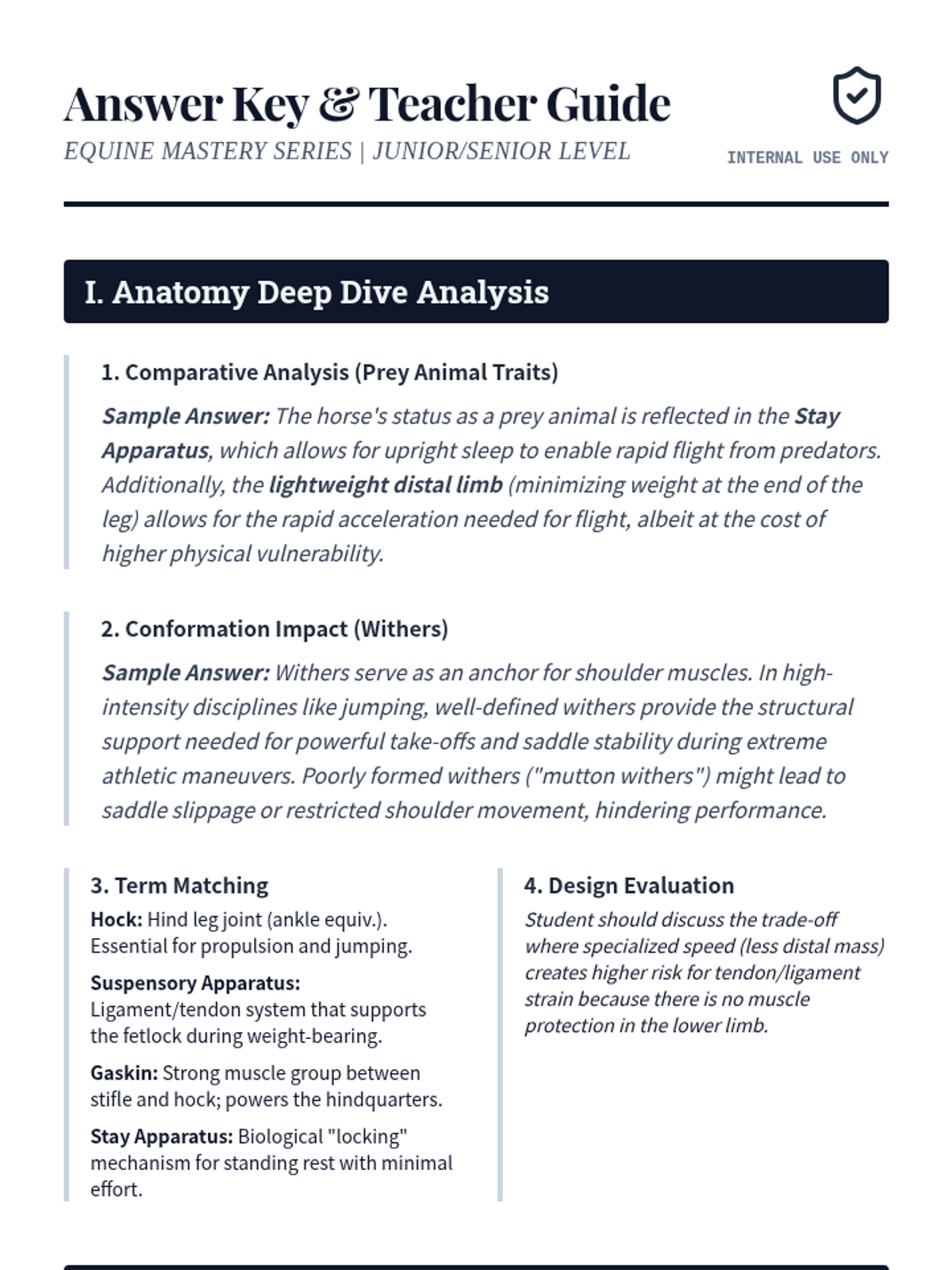
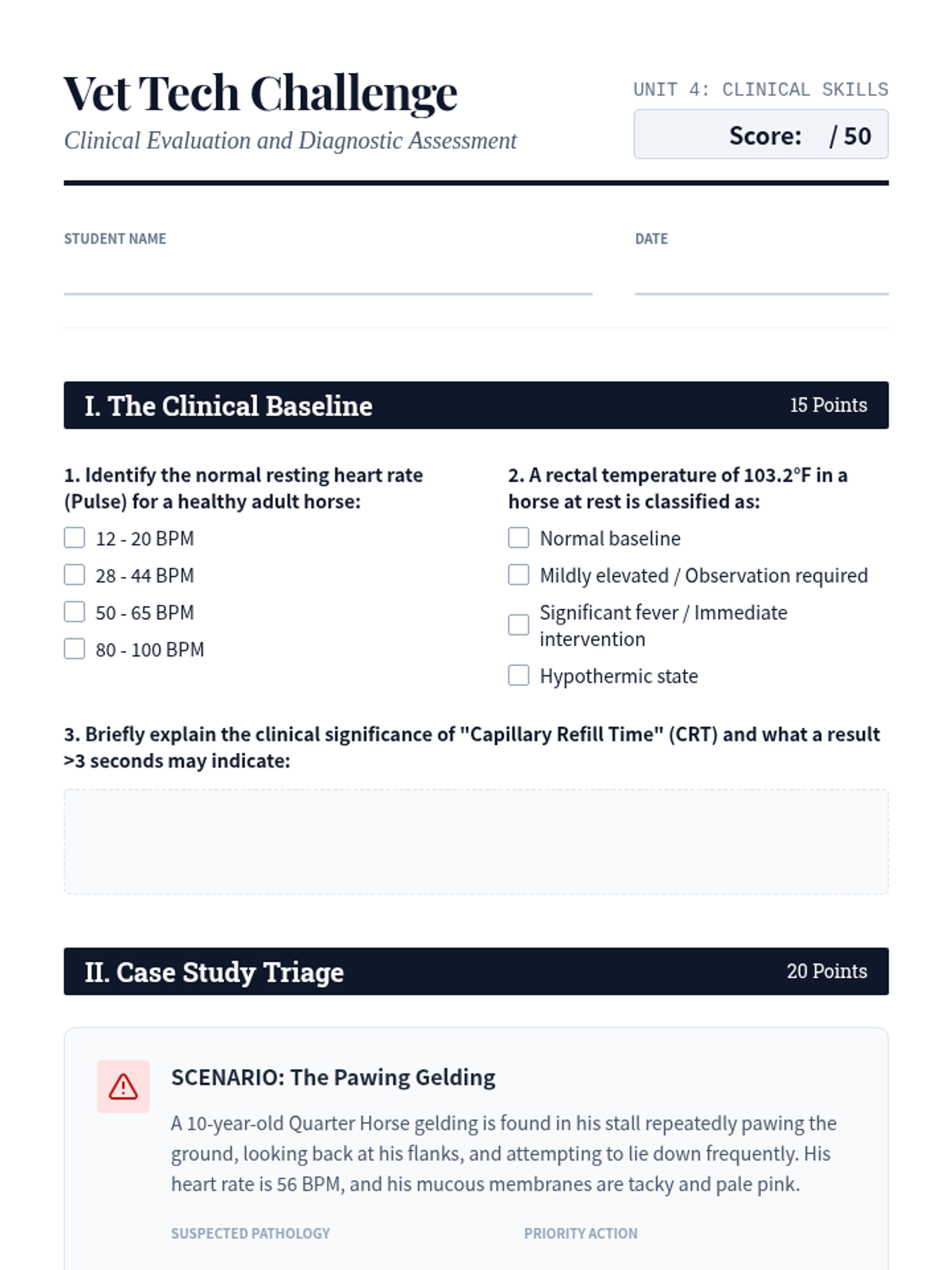
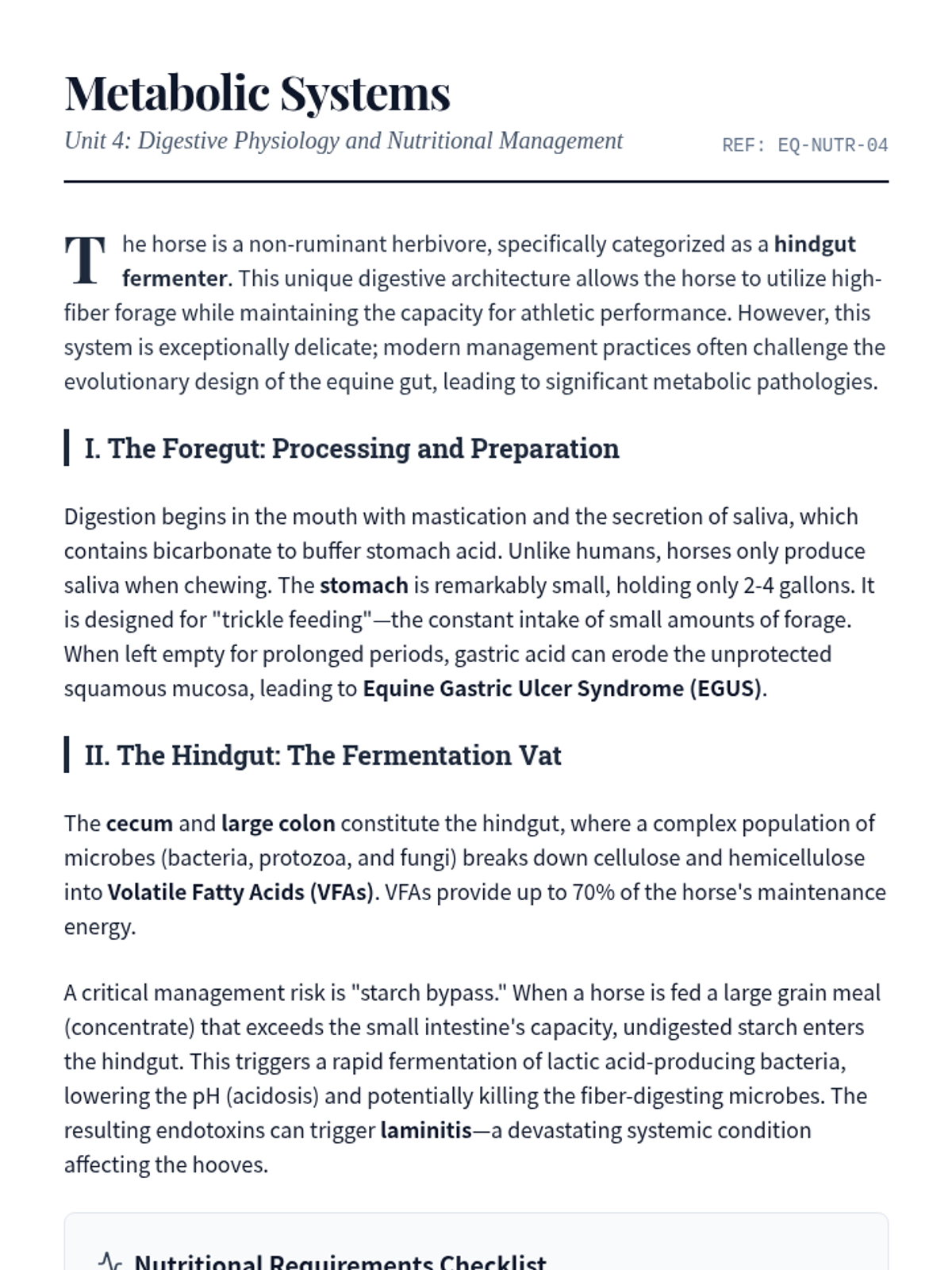
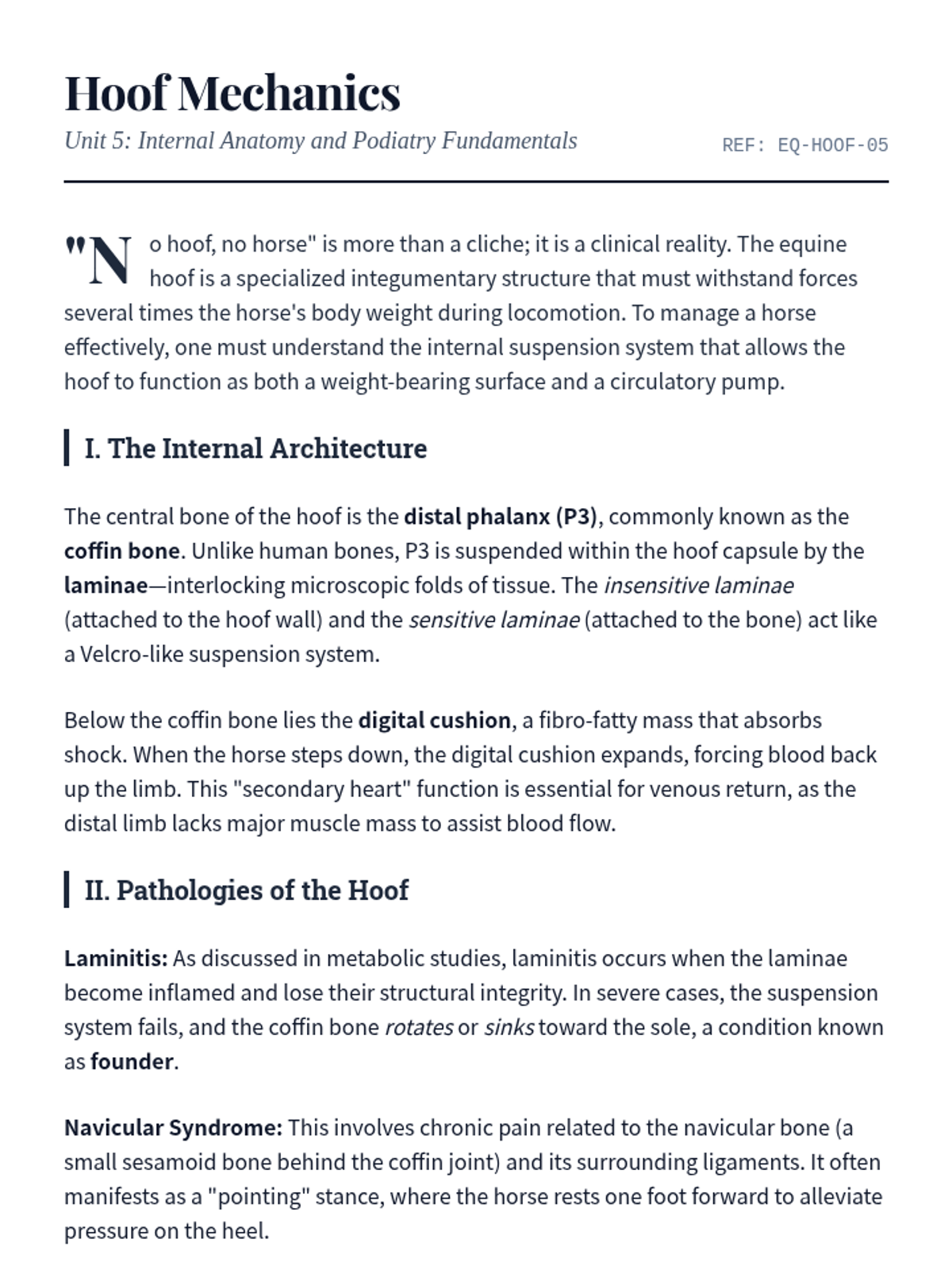
A high-level, technical exploration of equine science designed for upper secondary students, covering anatomy, breed classification, and professional stable management protocols.
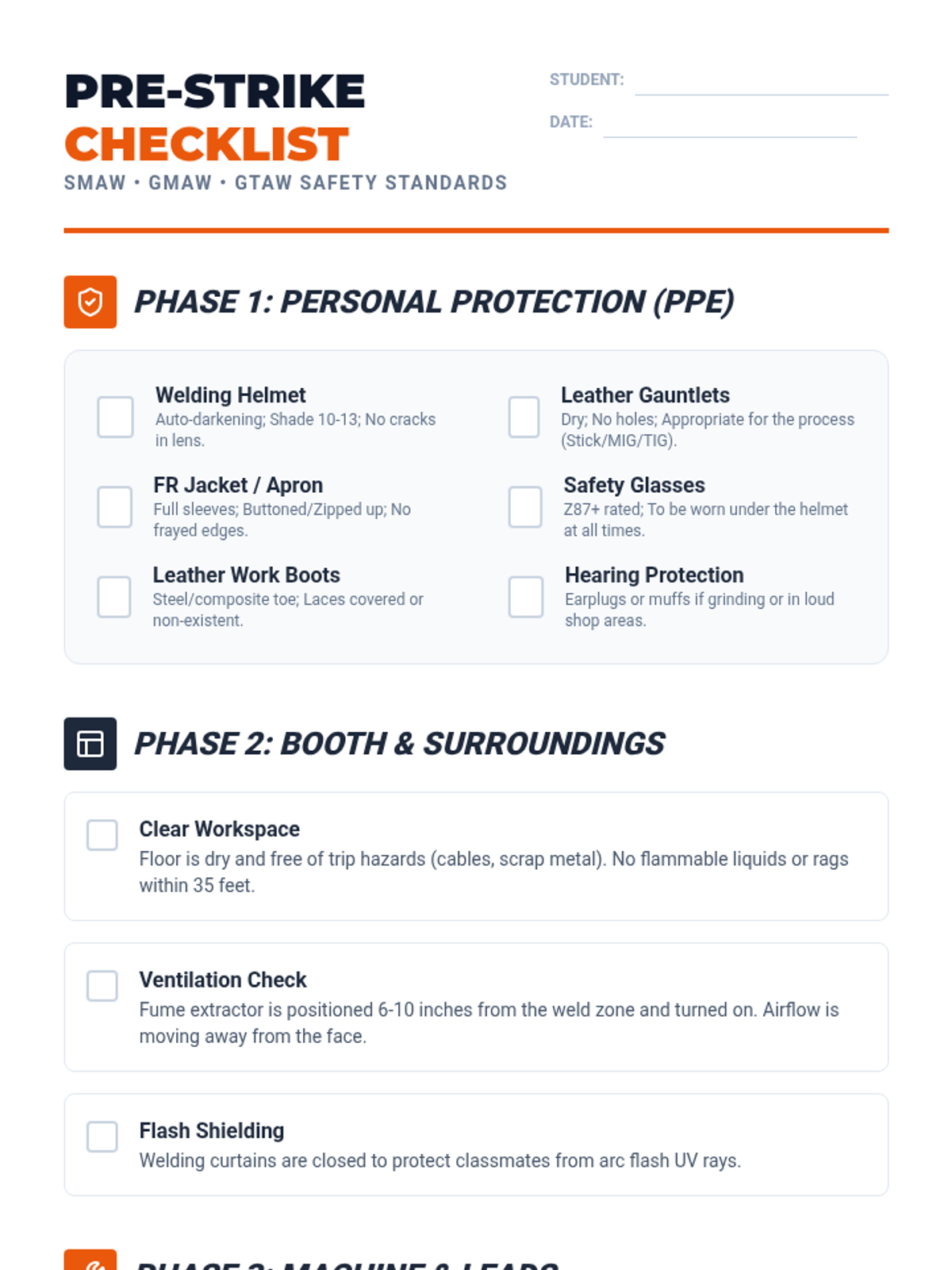
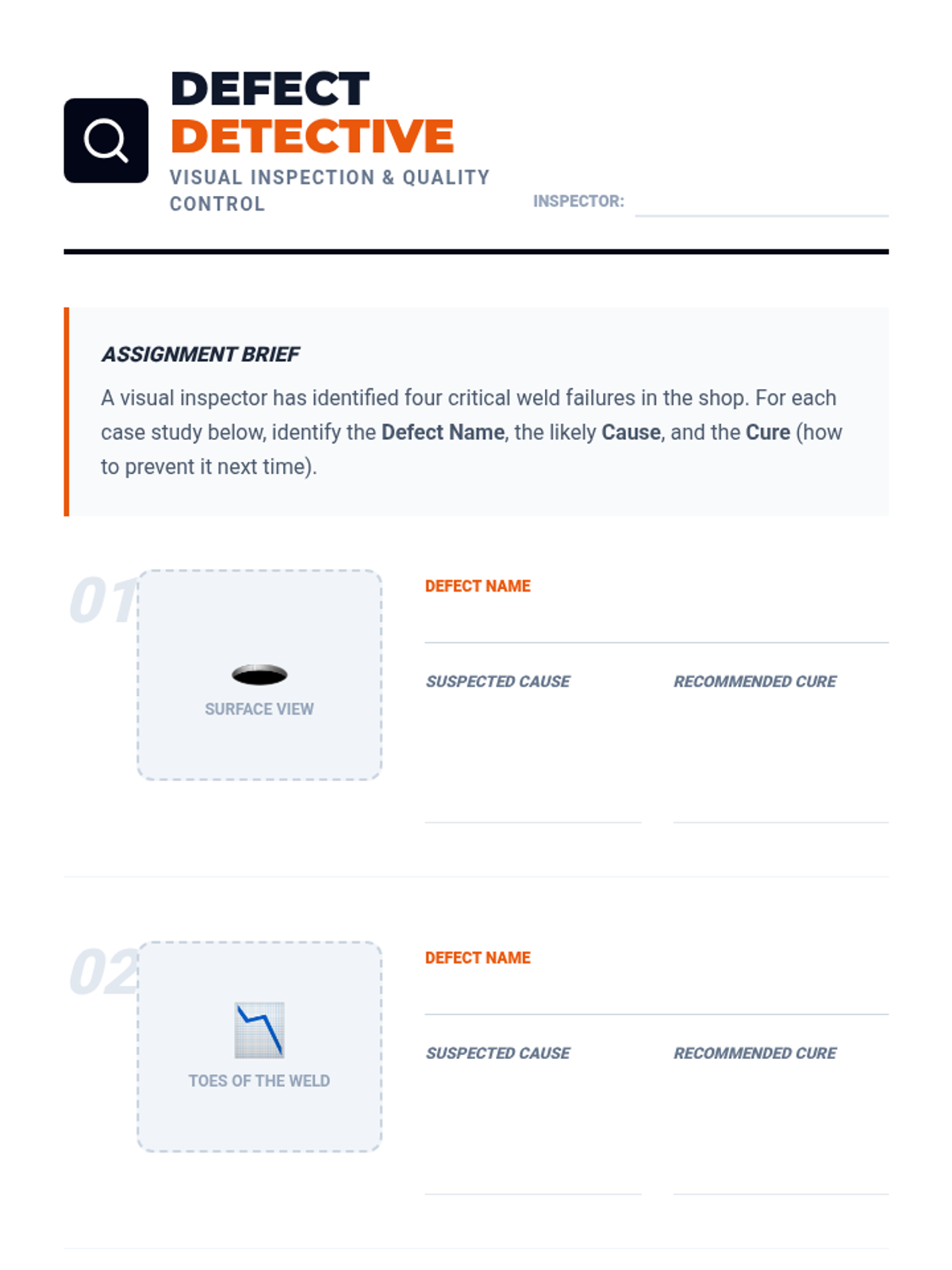
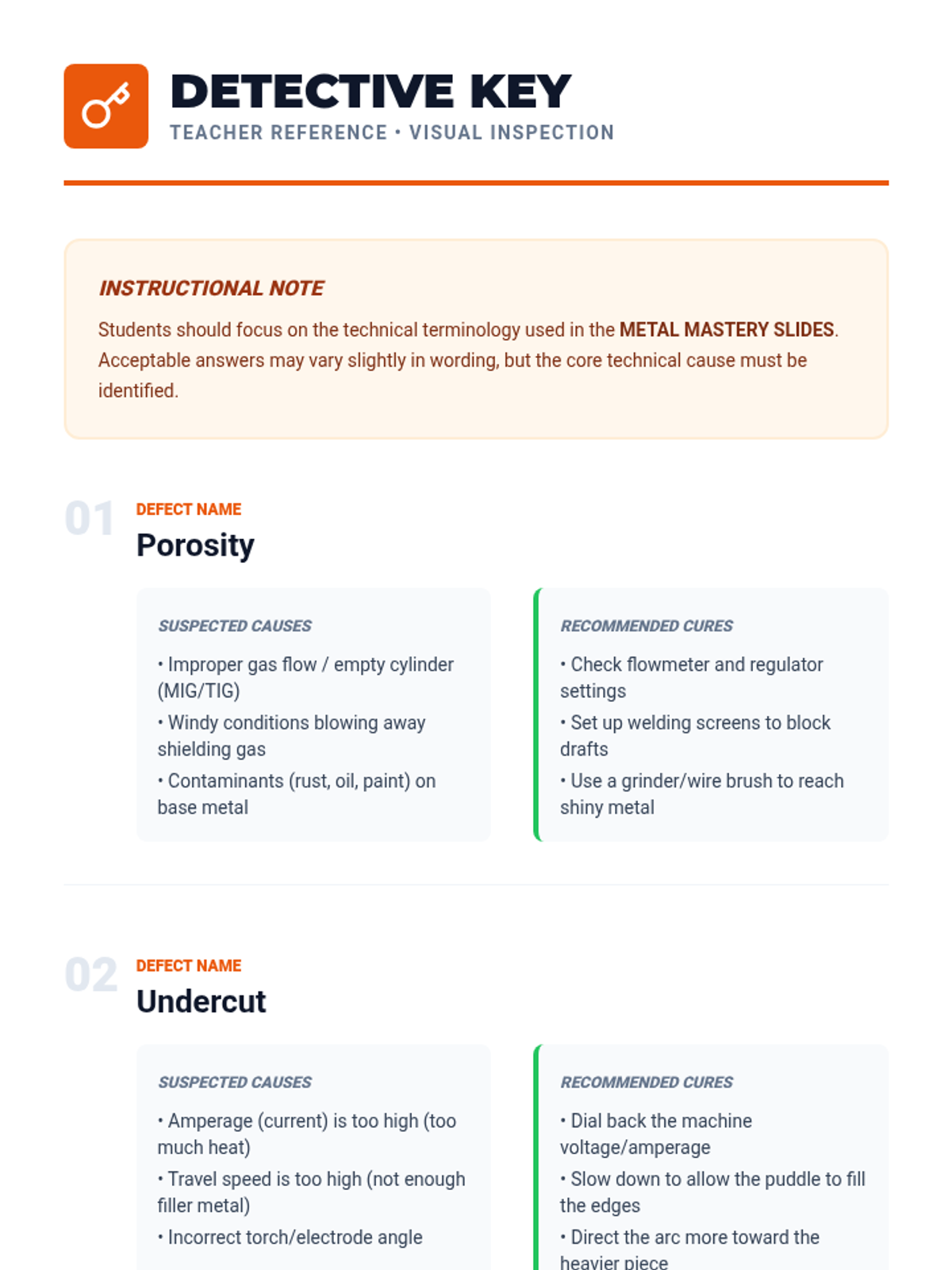
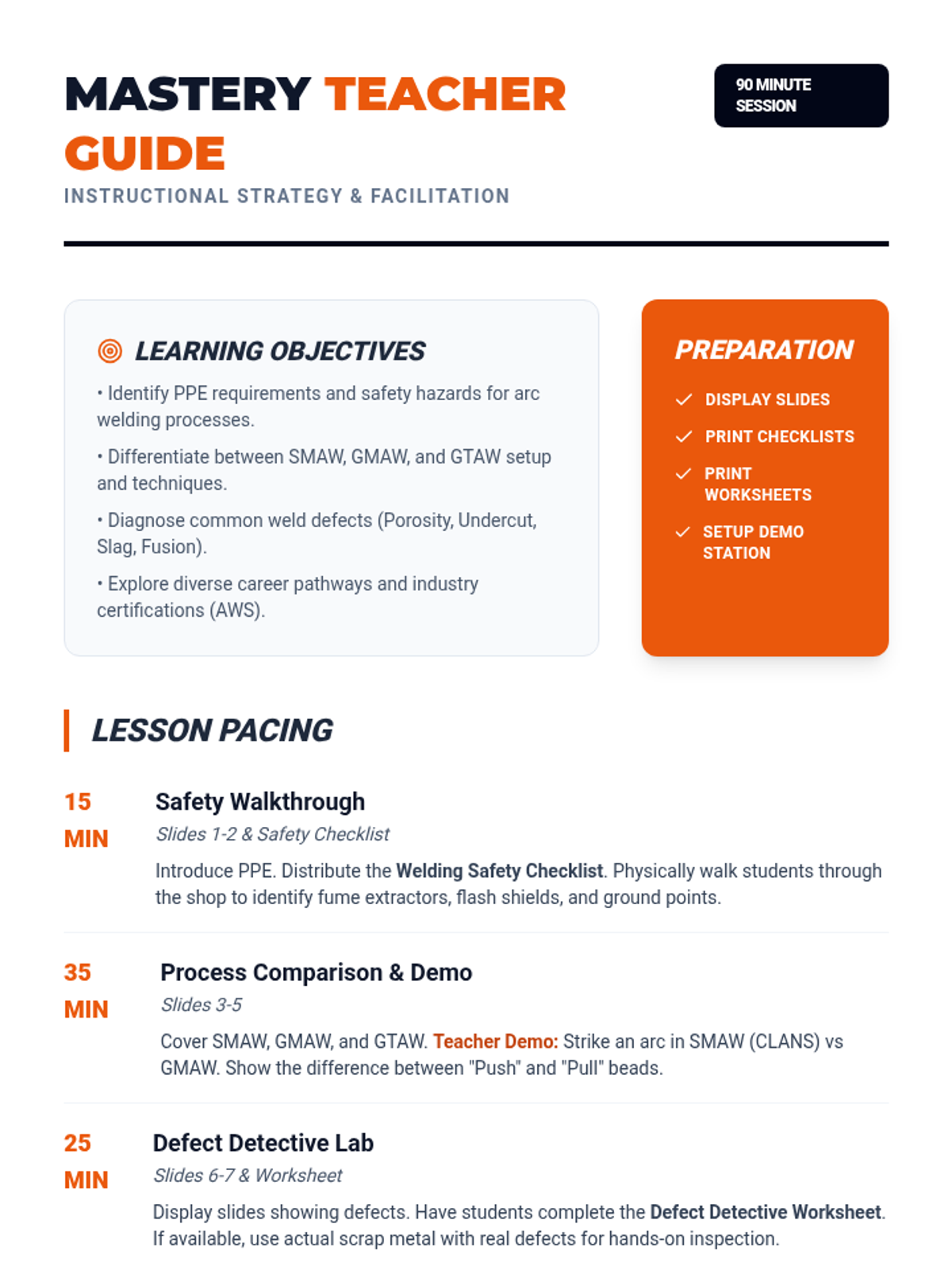
A comprehensive introduction to the fundamental processes, safety protocols, and career paths in professional welding. Students will explore SMAW, GMAW, and GTAW techniques while learning to identify quality welds.
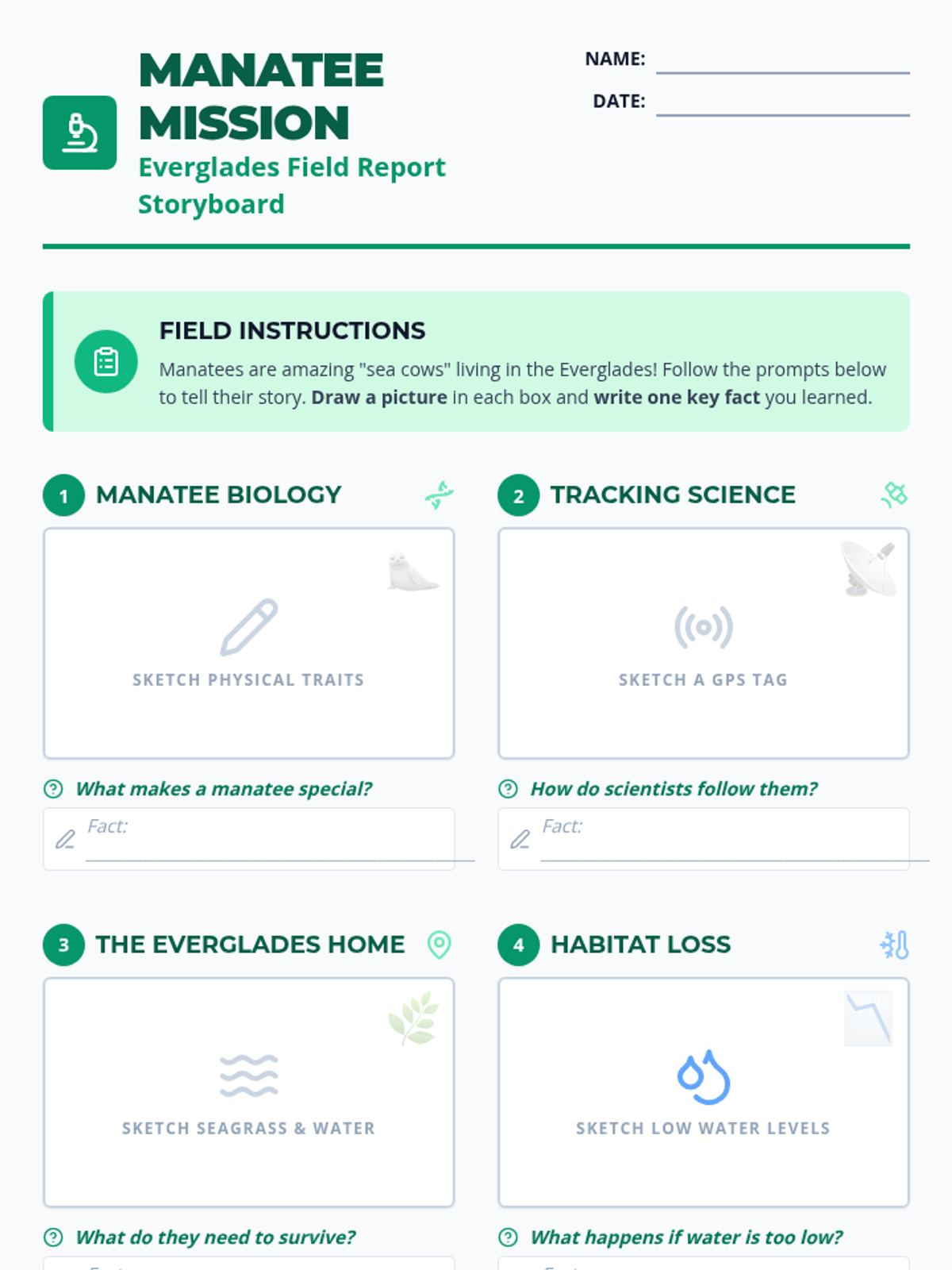
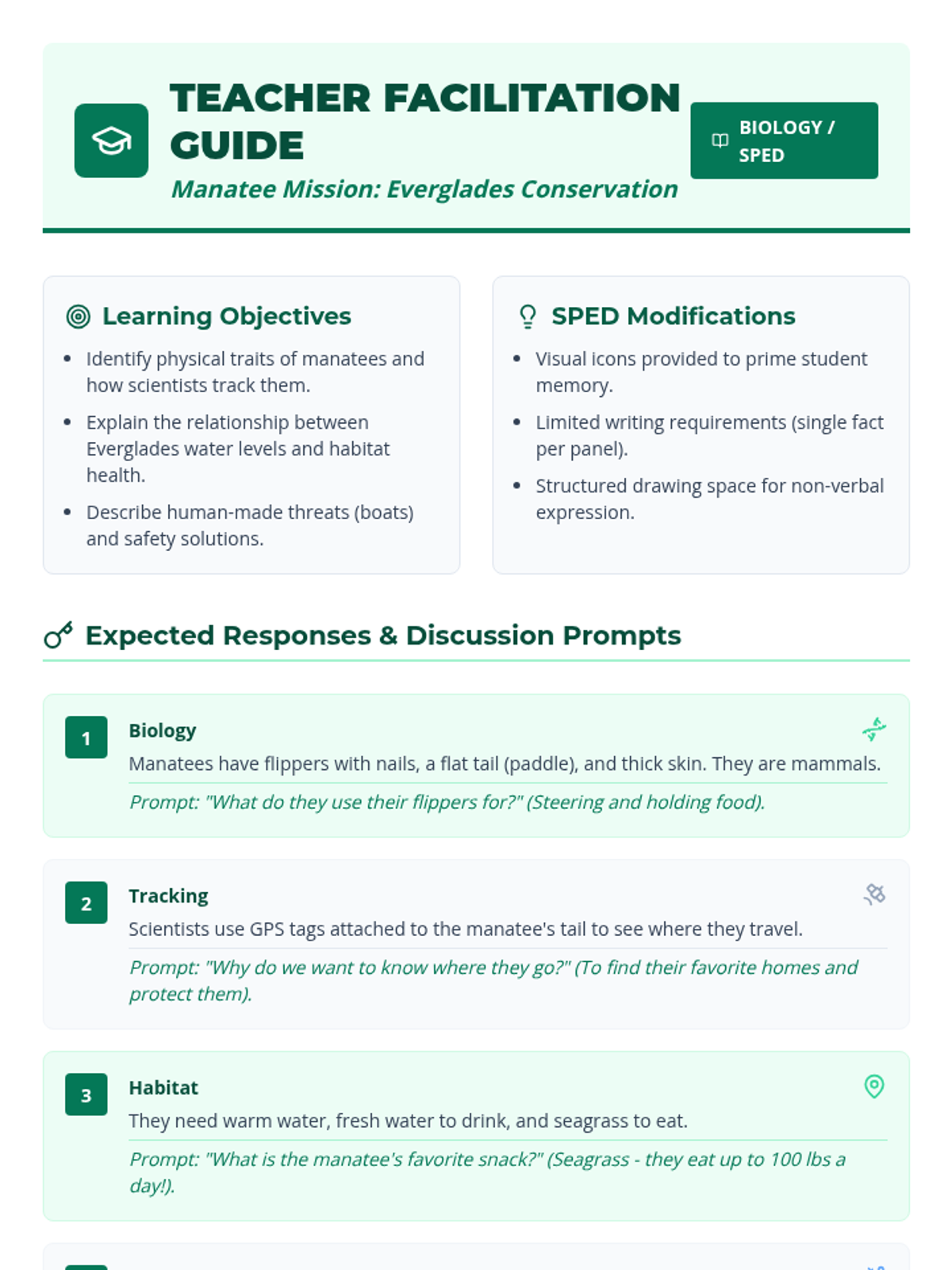
A biology lesson focused on manatee conservation in the Florida Everglades, covering biology, habitat challenges, and boat strike prevention specifically designed for special education students.
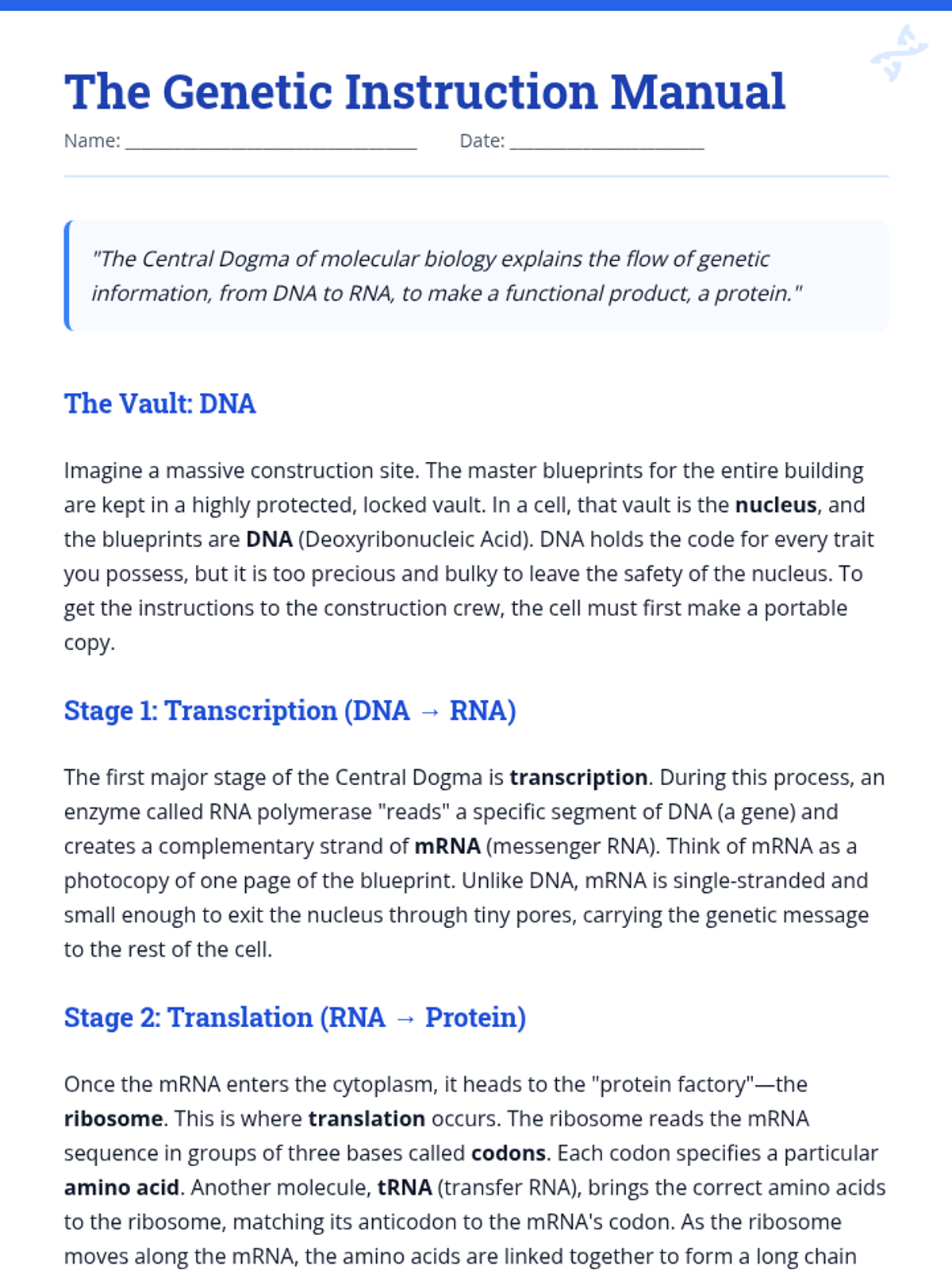
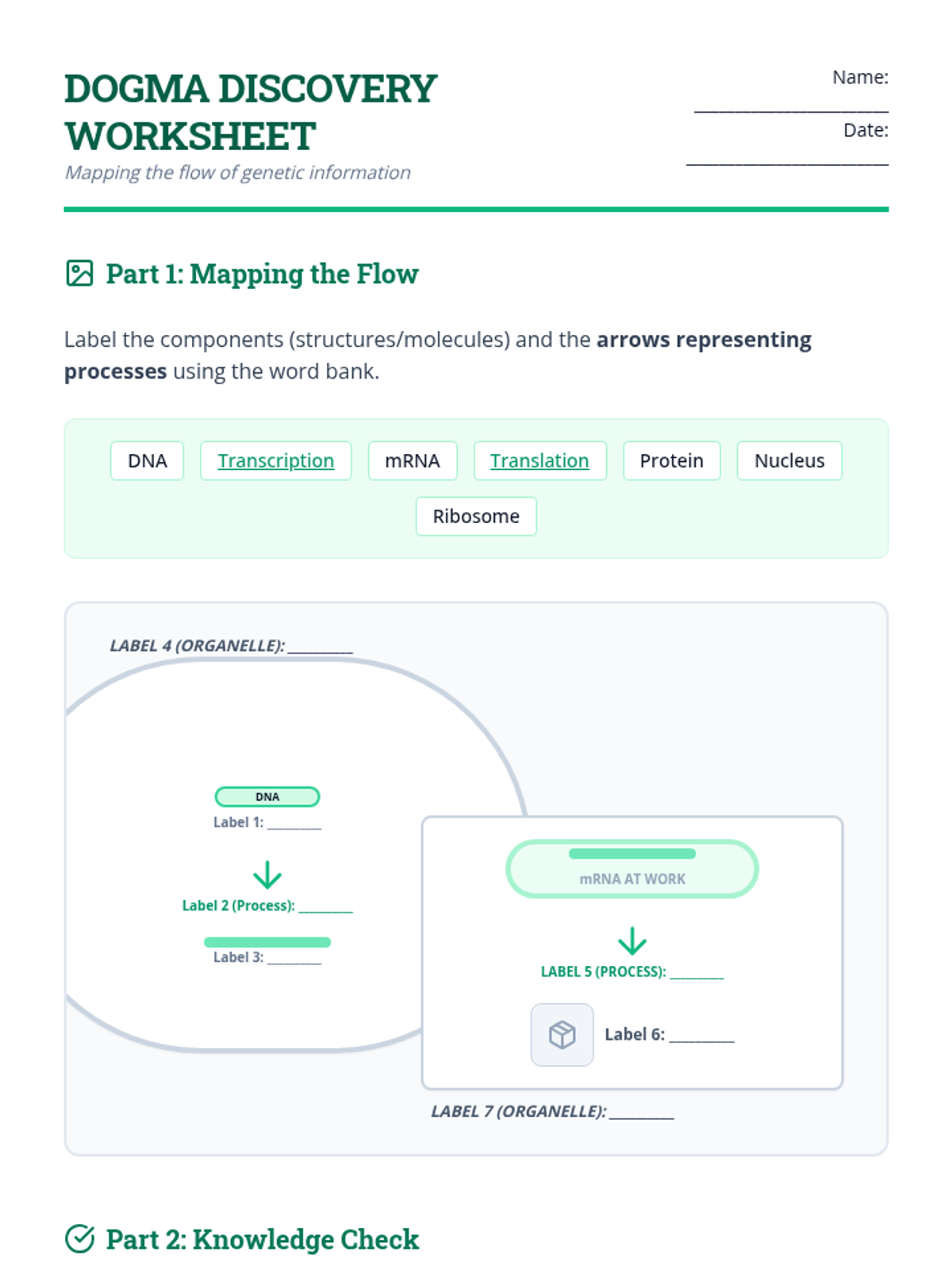
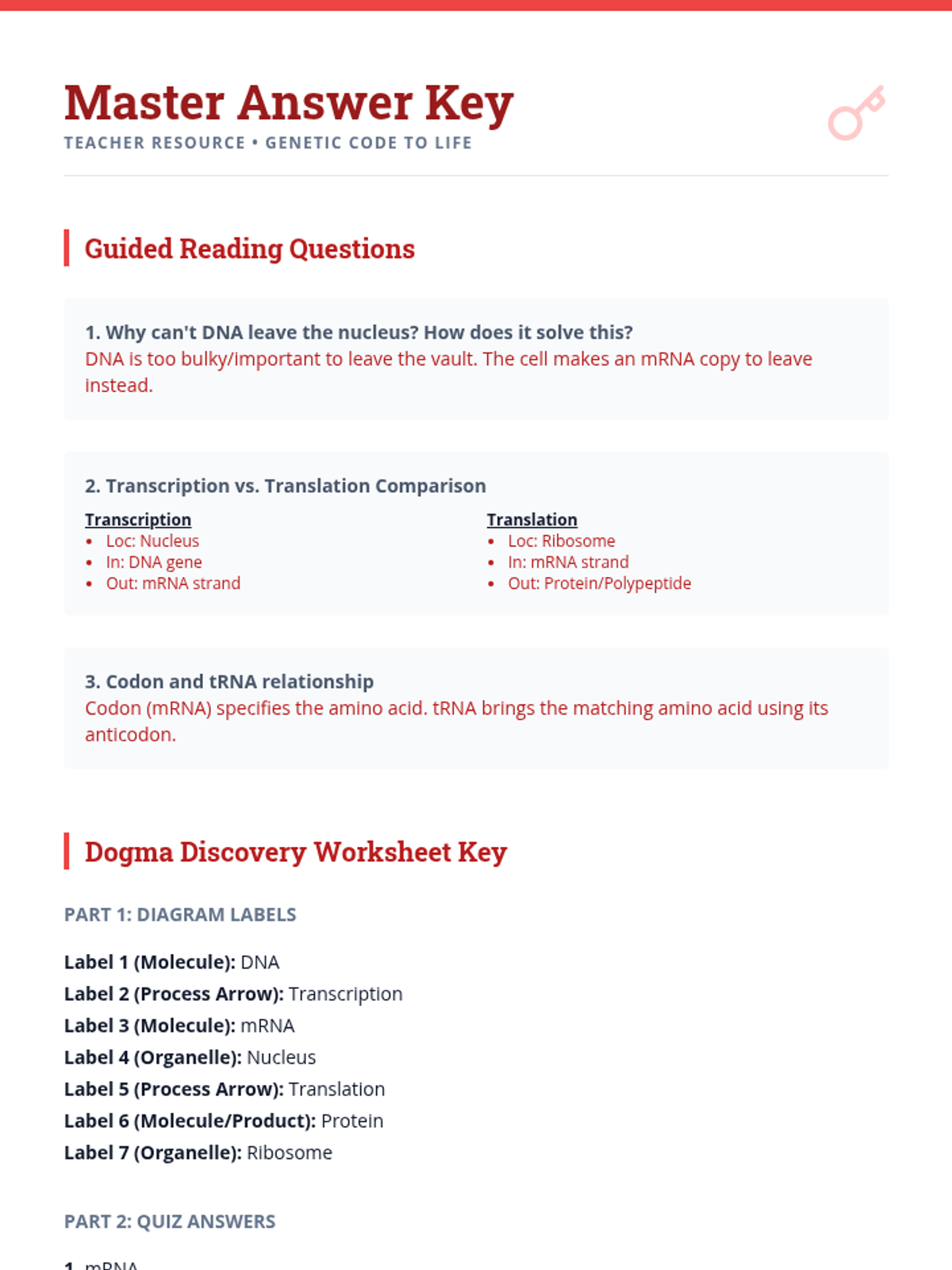
A comprehensive introduction to the Central Dogma of biology, tracing the flow of genetic information from DNA to RNA to Protein through reading, diagrams, and assessment.