Cette leçon traite du moment d'une force et du couple de forces à travers l'étude du moteur, de la transmission et des organes de levage d'un tracteur.
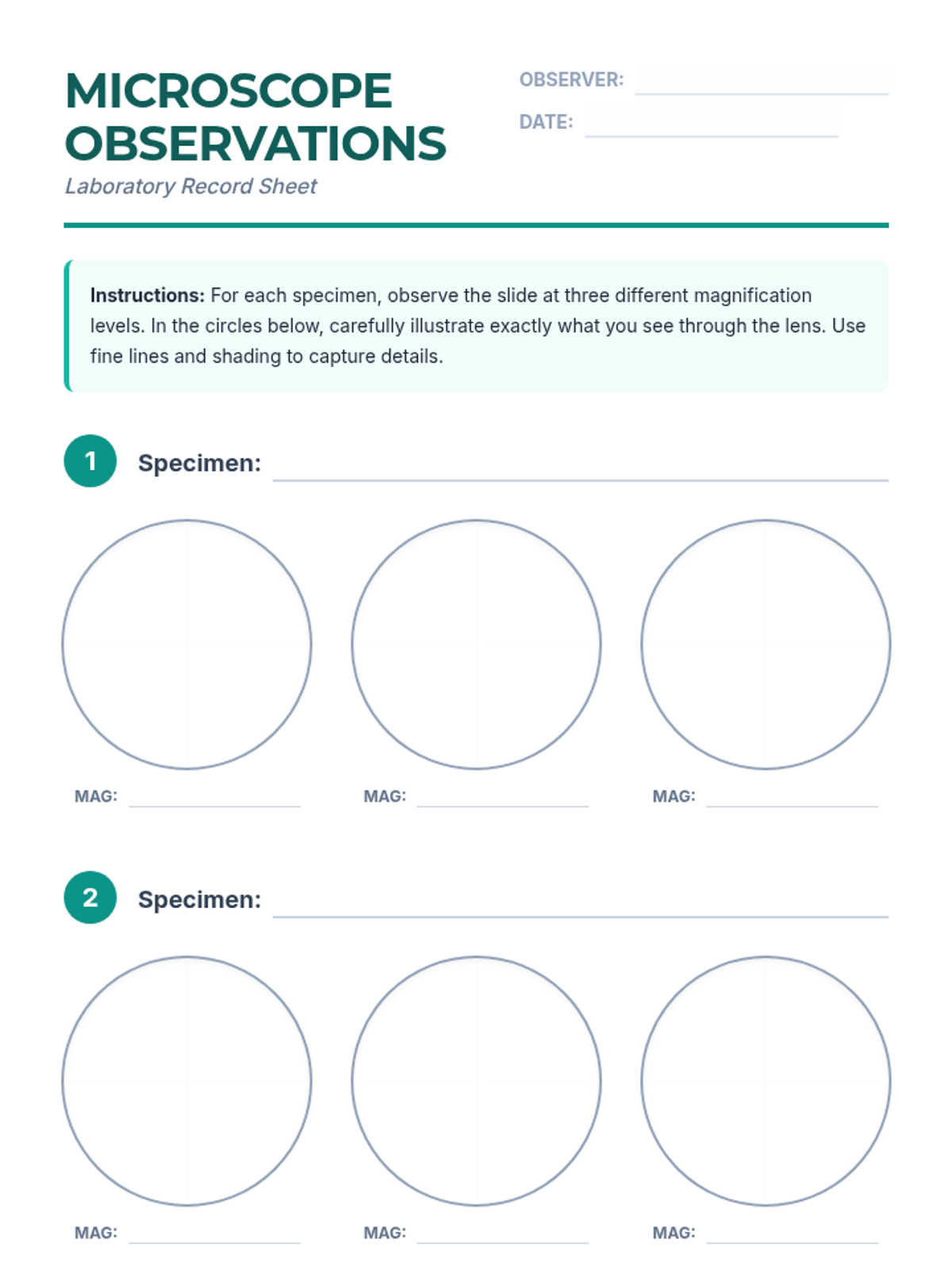
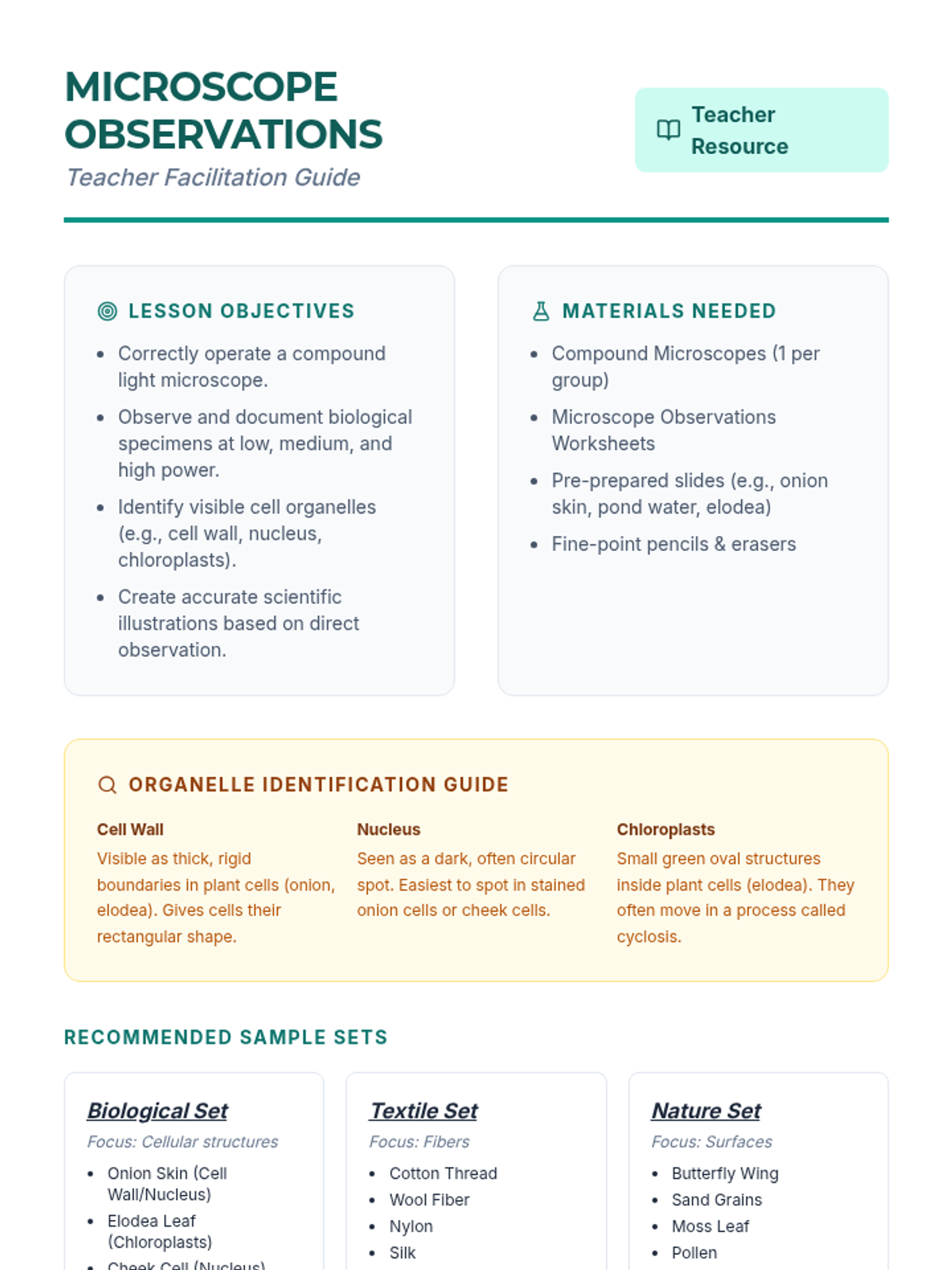
A hands-on laboratory experience where students use microscopes to observe and document biological and physical specimens at varying magnifications.
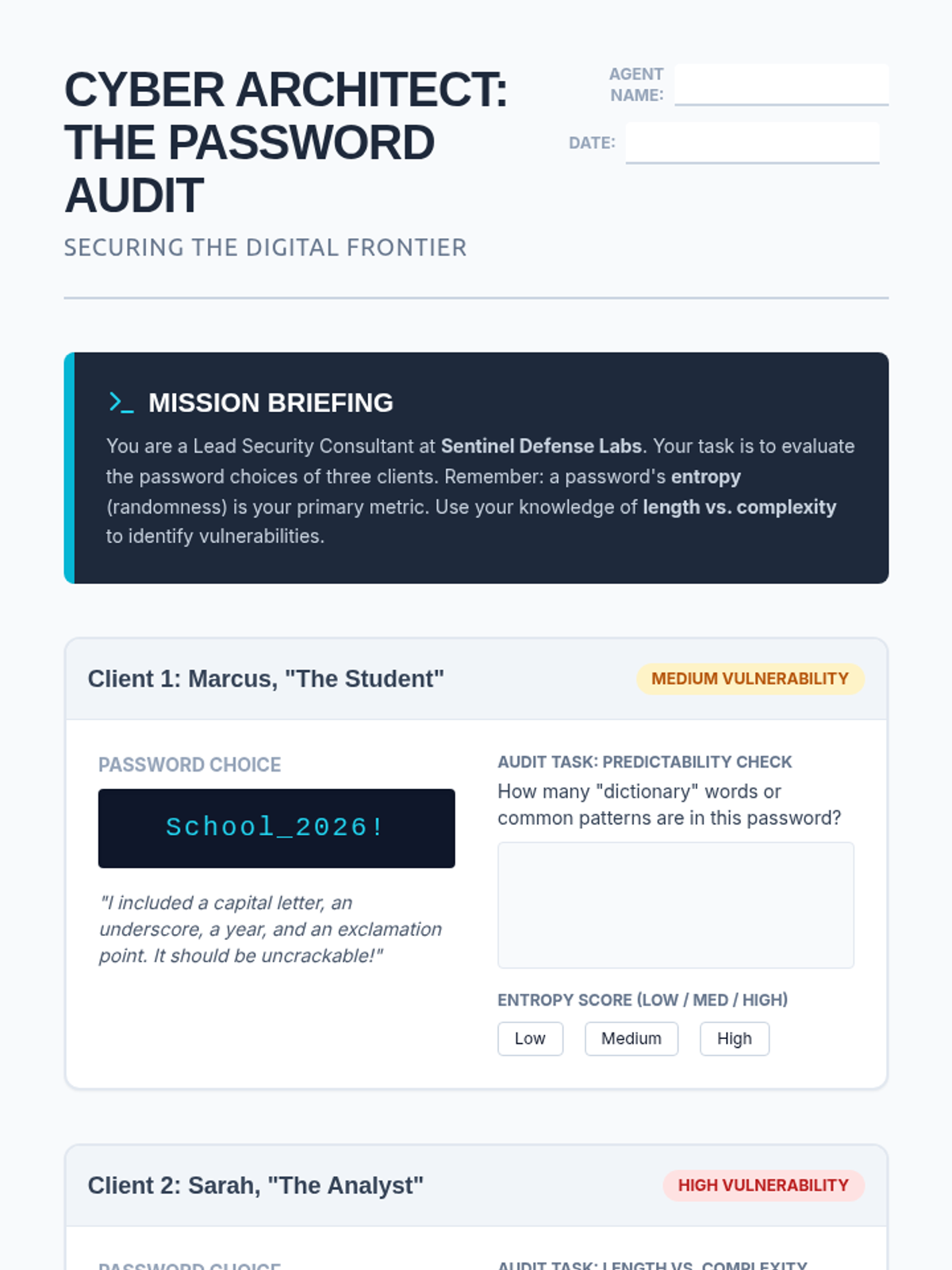
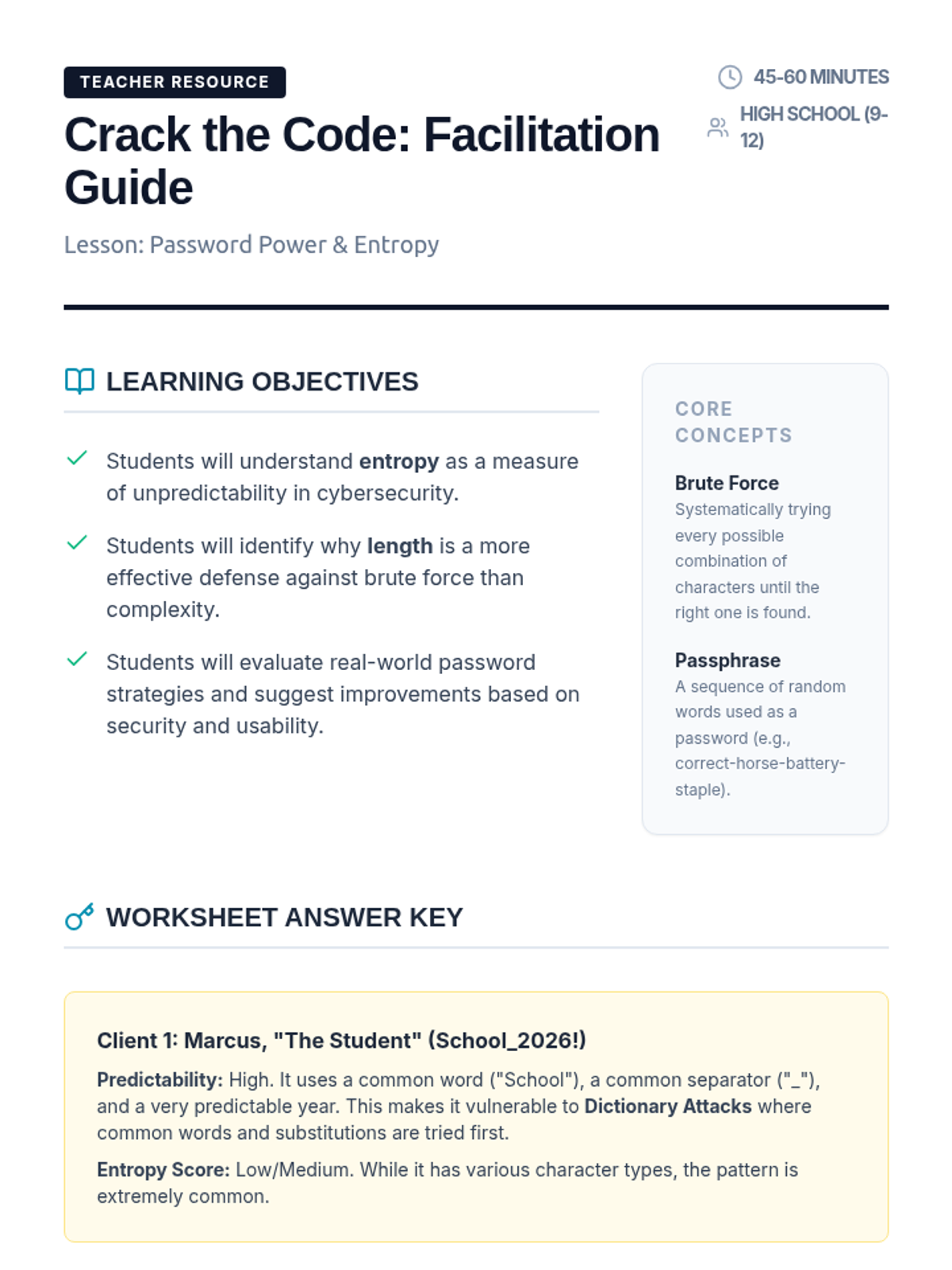
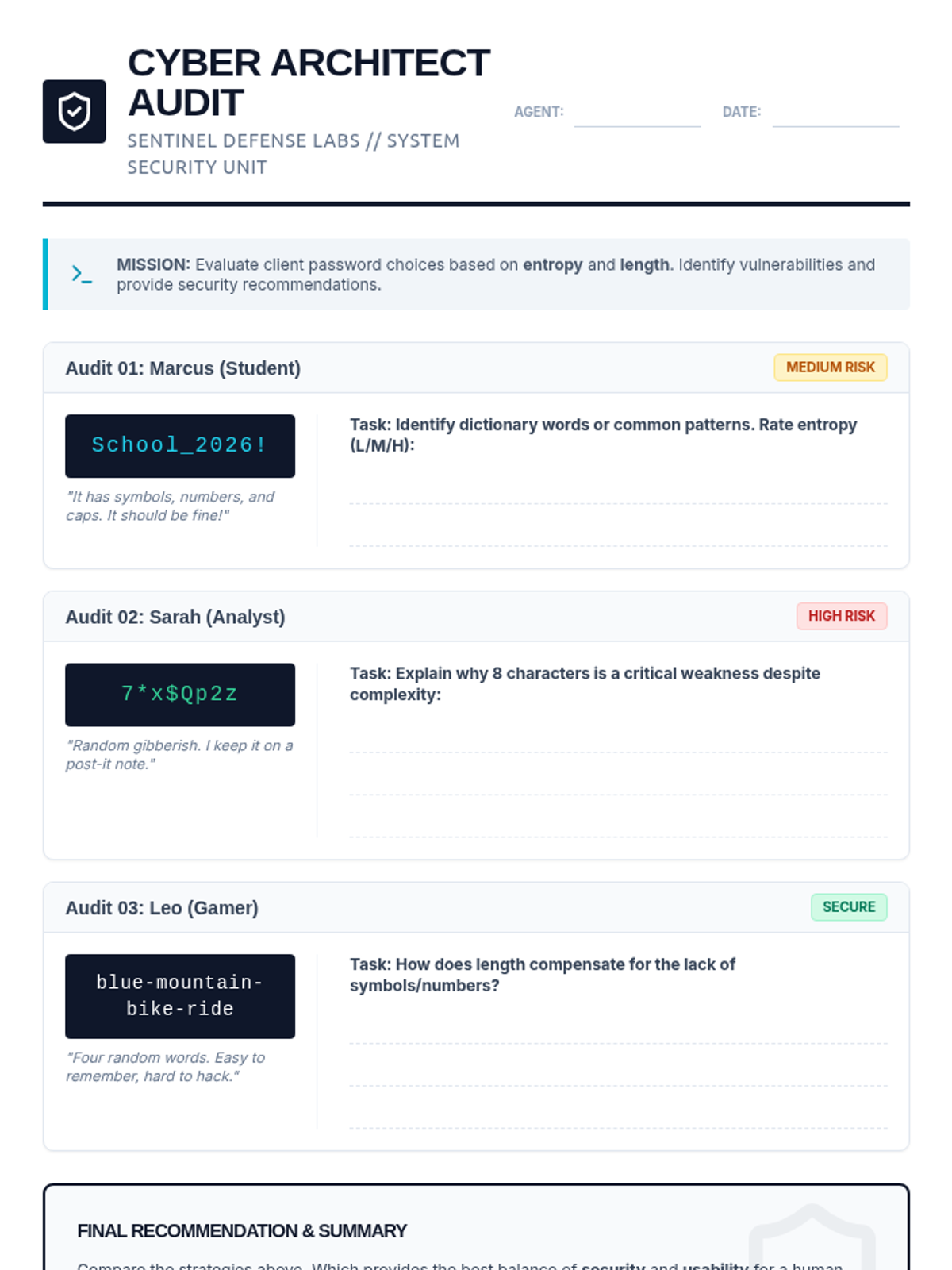
A high-school level exploration of password security, focusing on the mathematical concepts of entropy and why length often beats complexity in real-world defense.
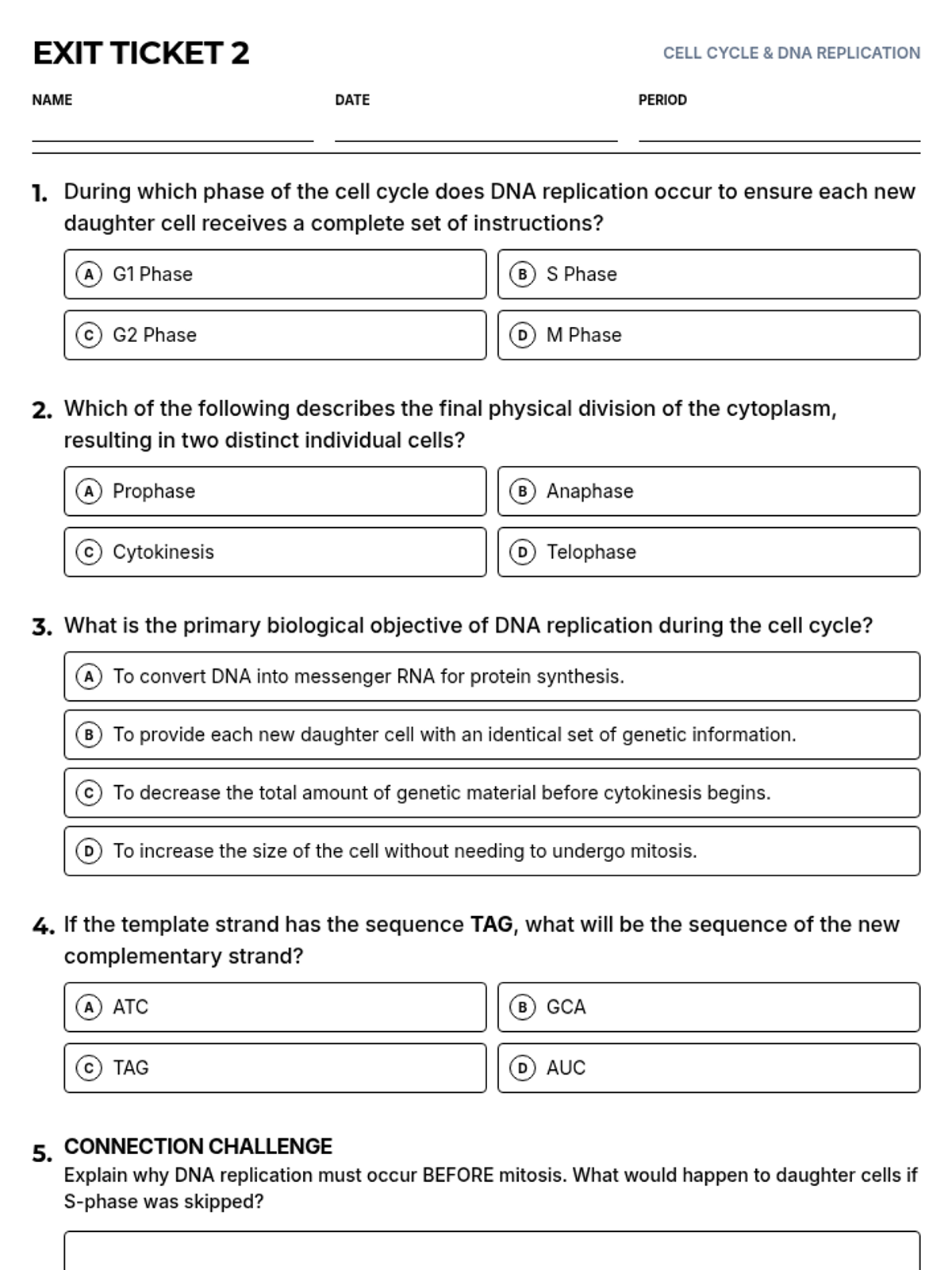
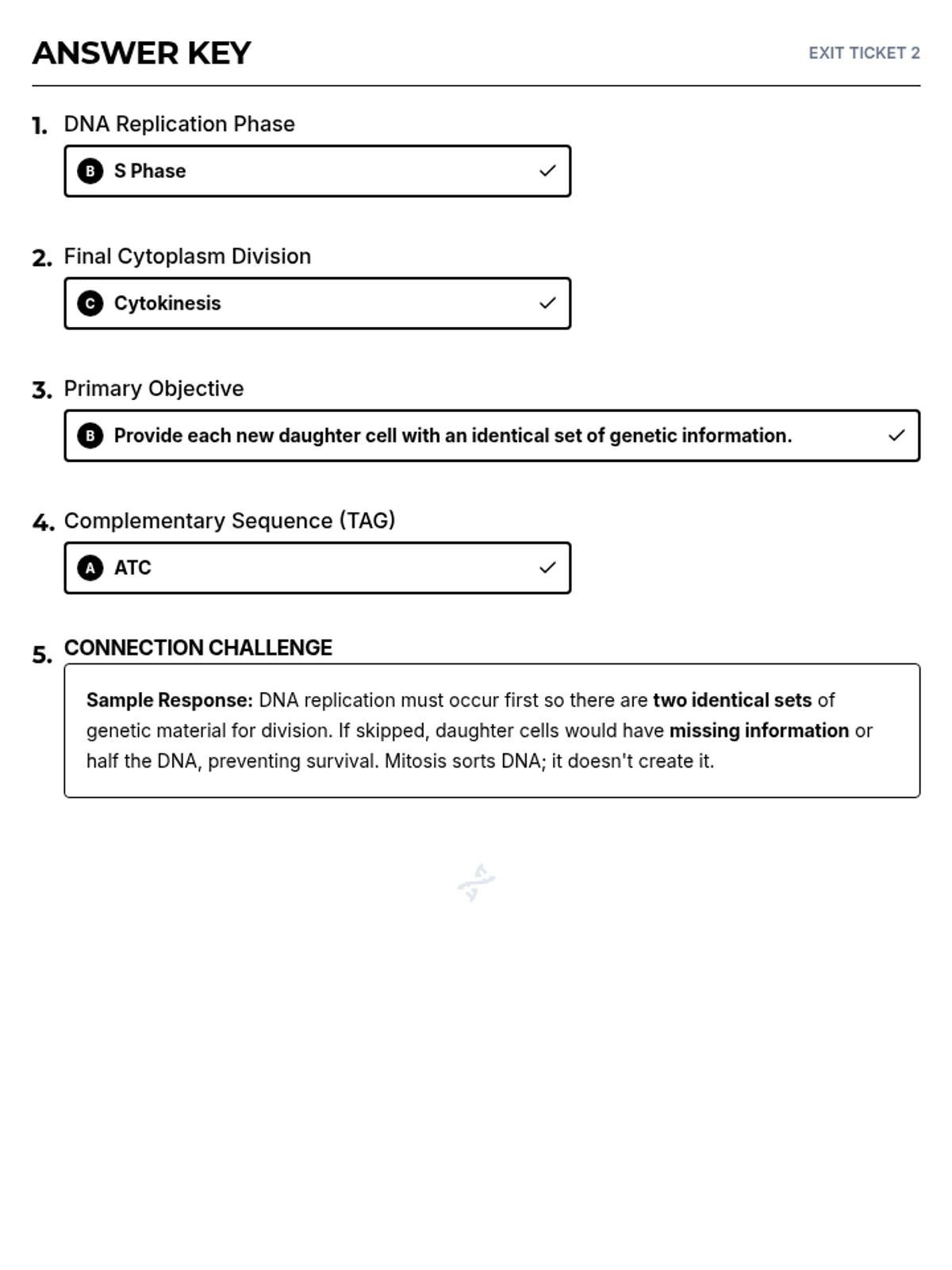
A focused lesson on the mechanics of the cell cycle and DNA replication, emphasizing timing, key stages like S-phase and mitosis, and the process of cytokinesis.
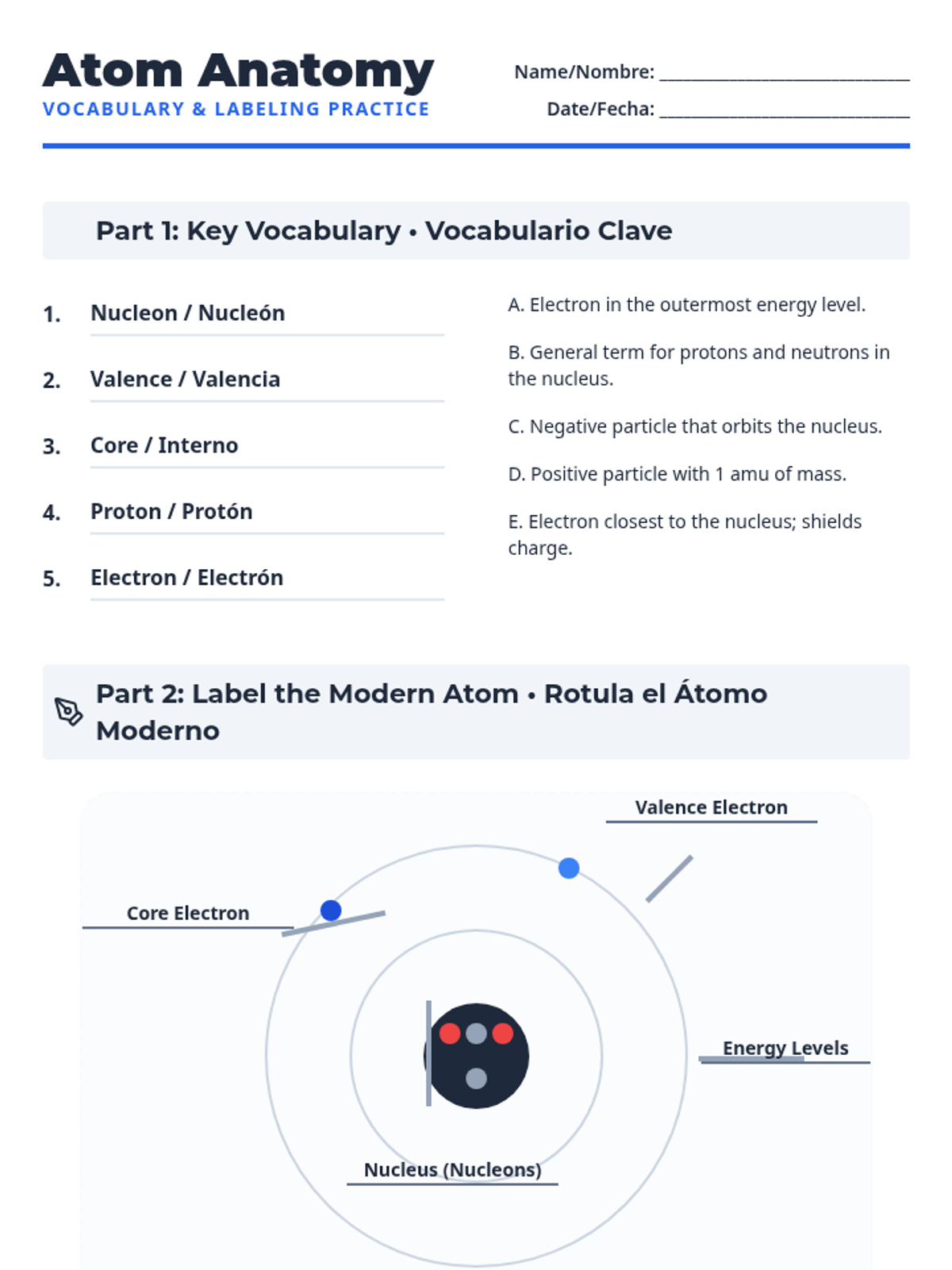
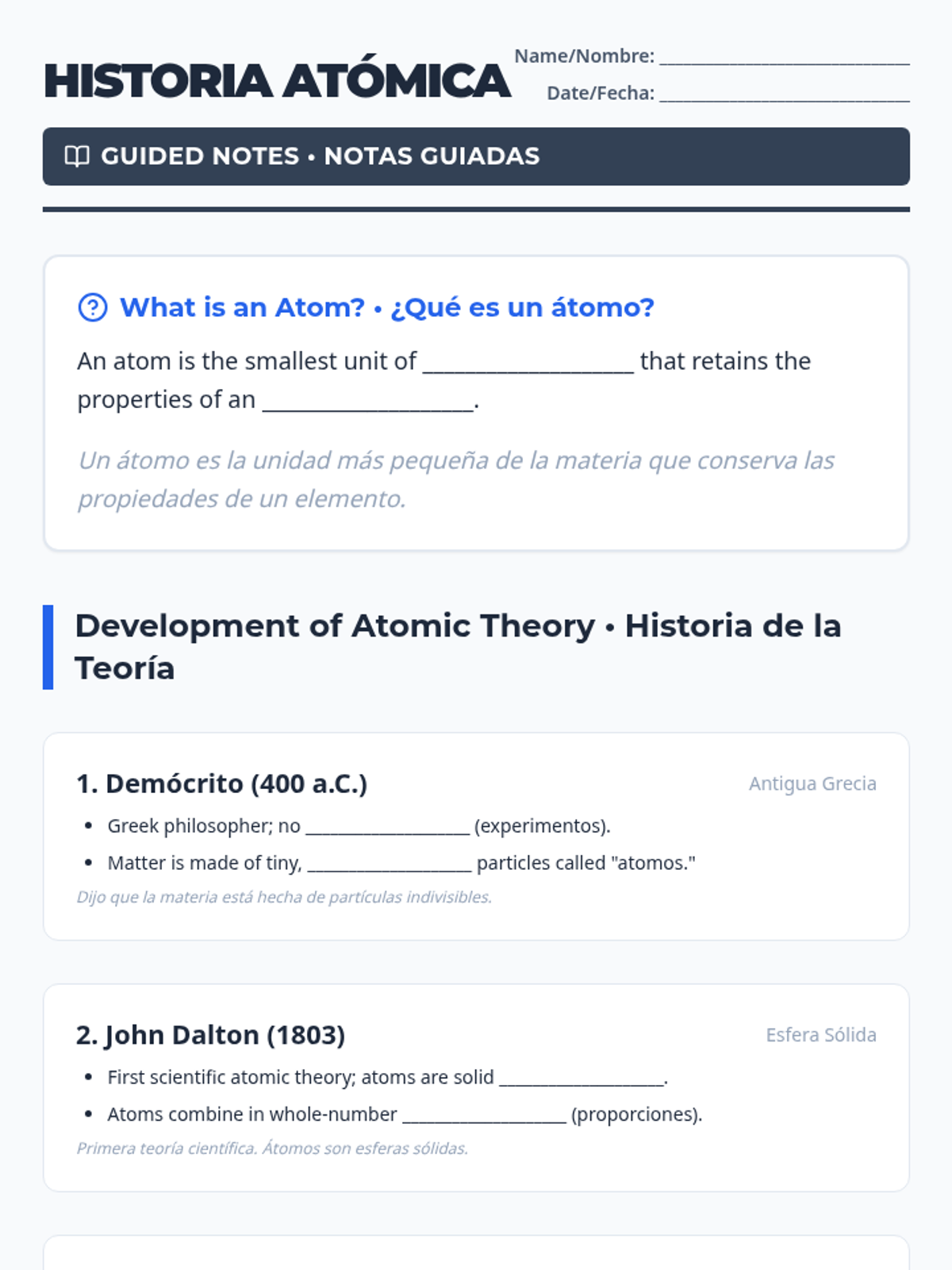
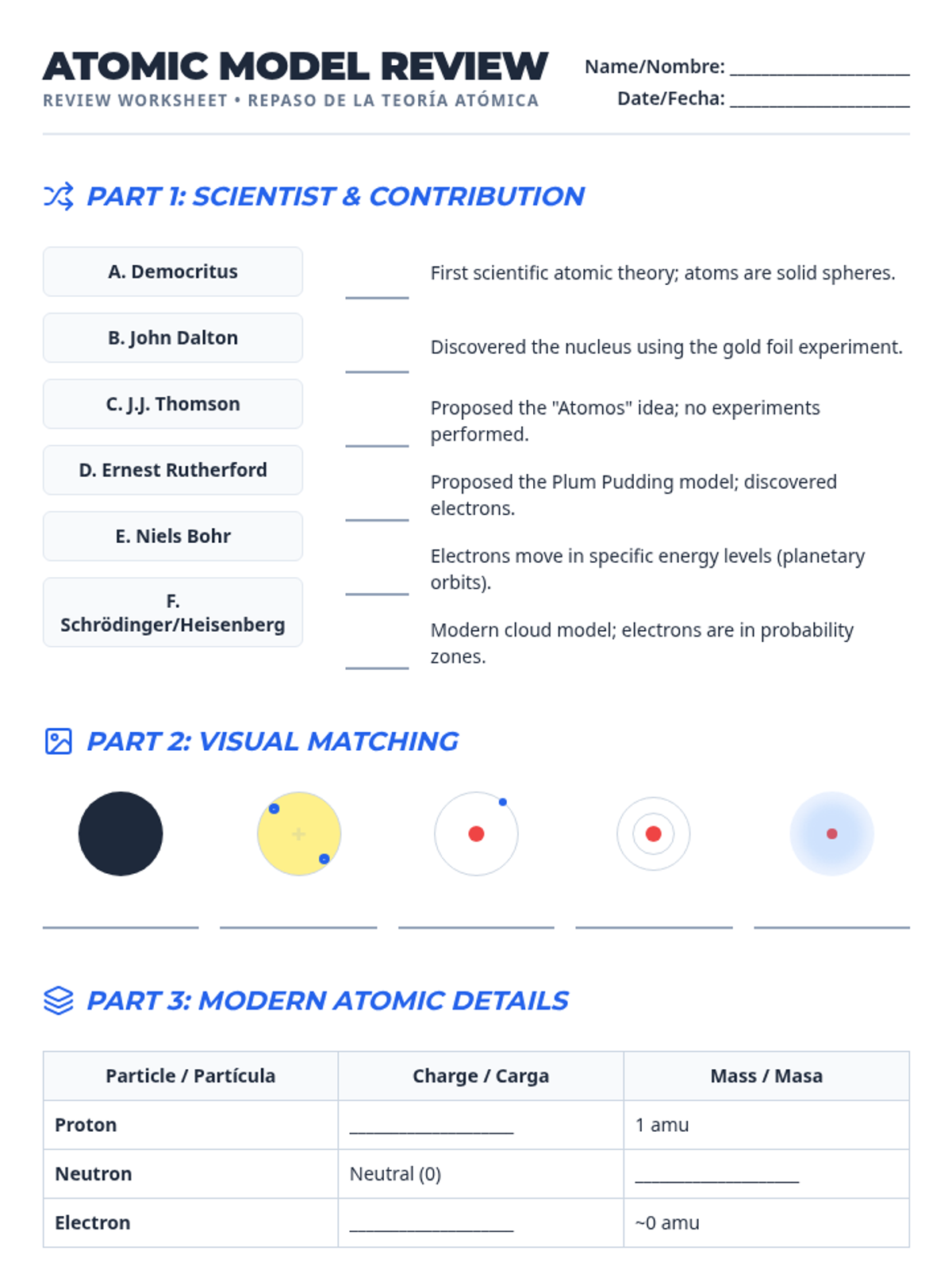
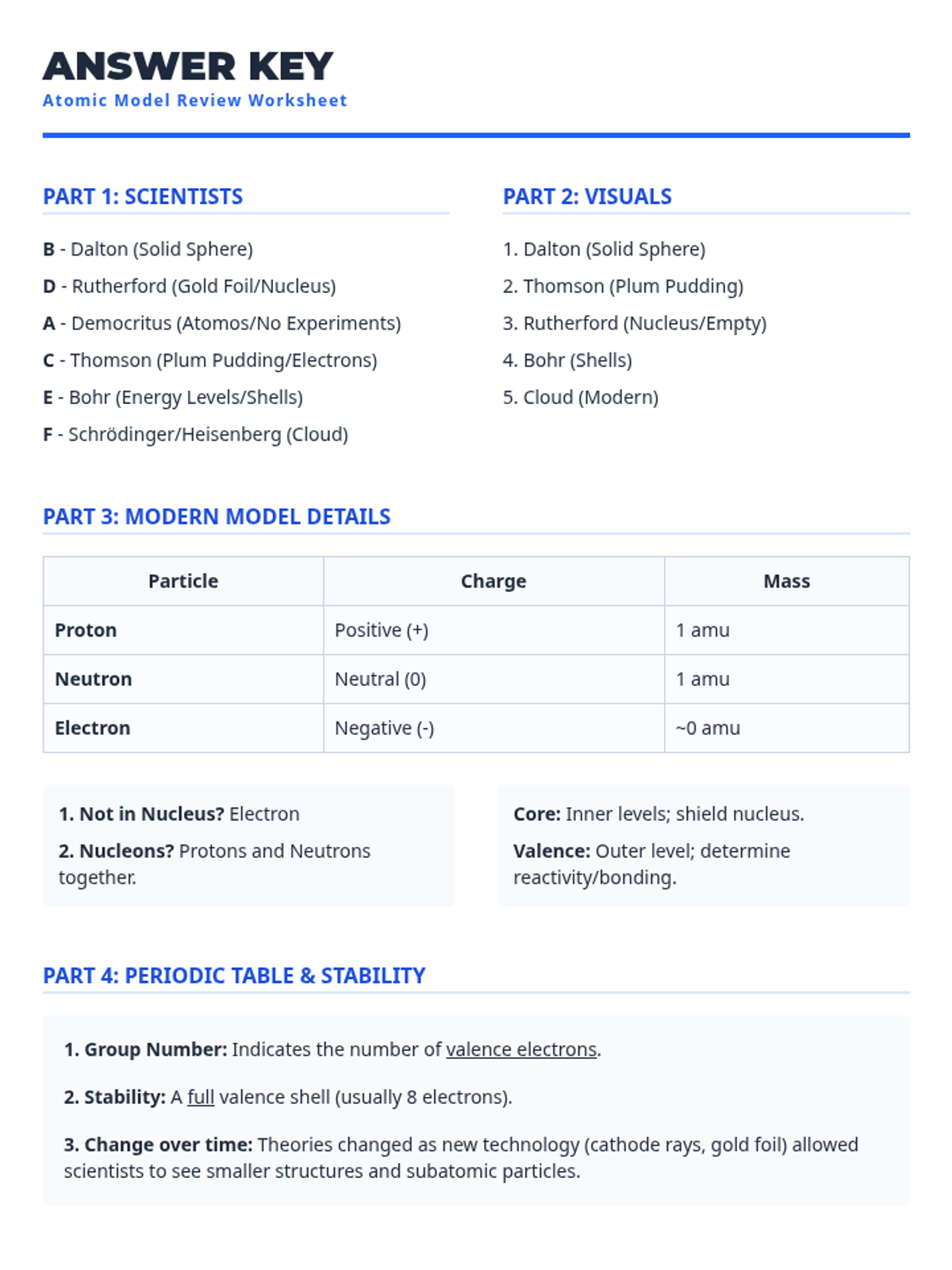
Students will trace the evolution of the atomic model through key scientists and experiments, culminating in an understanding of modern atomic structure and vocabulary.
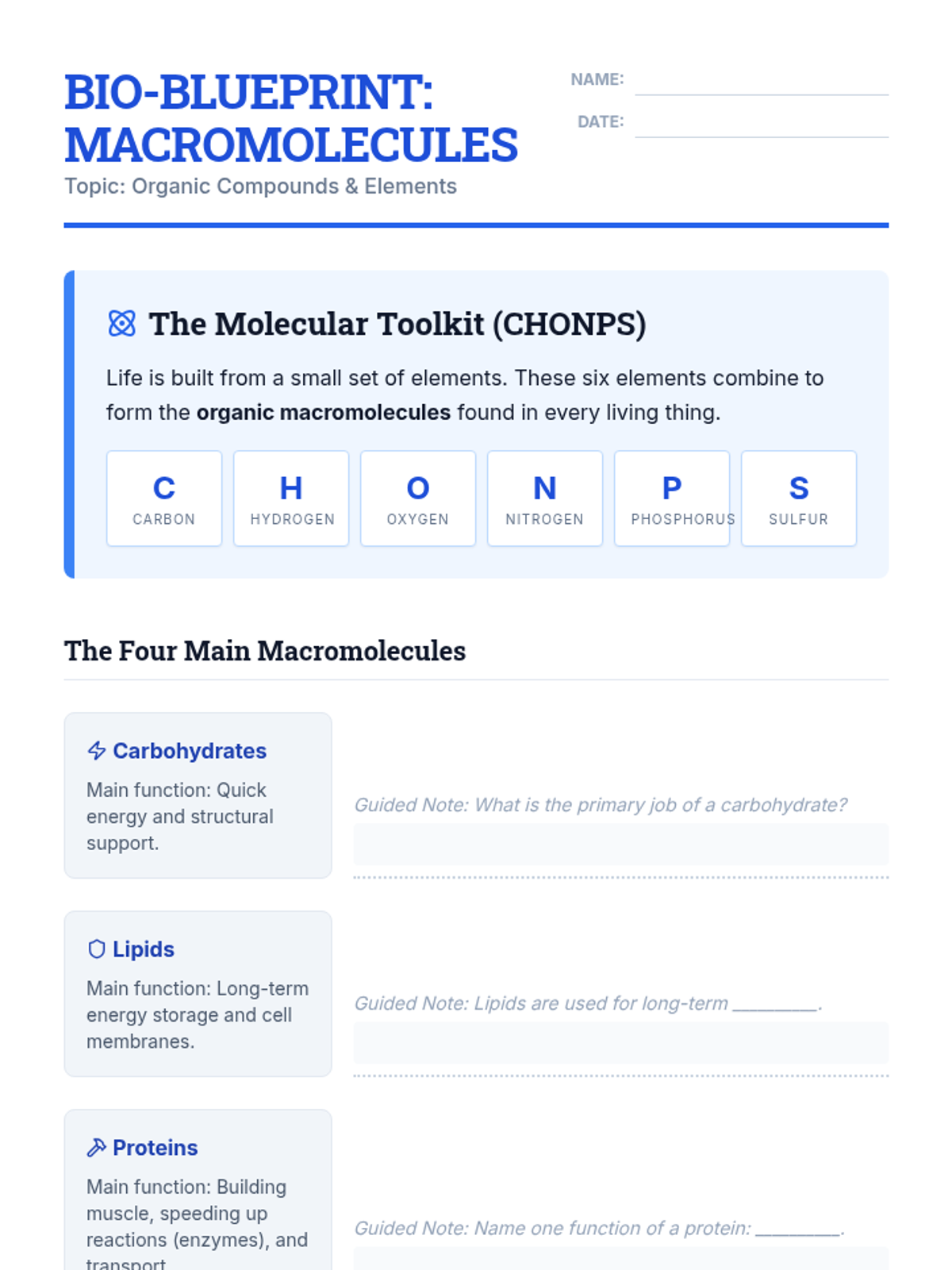
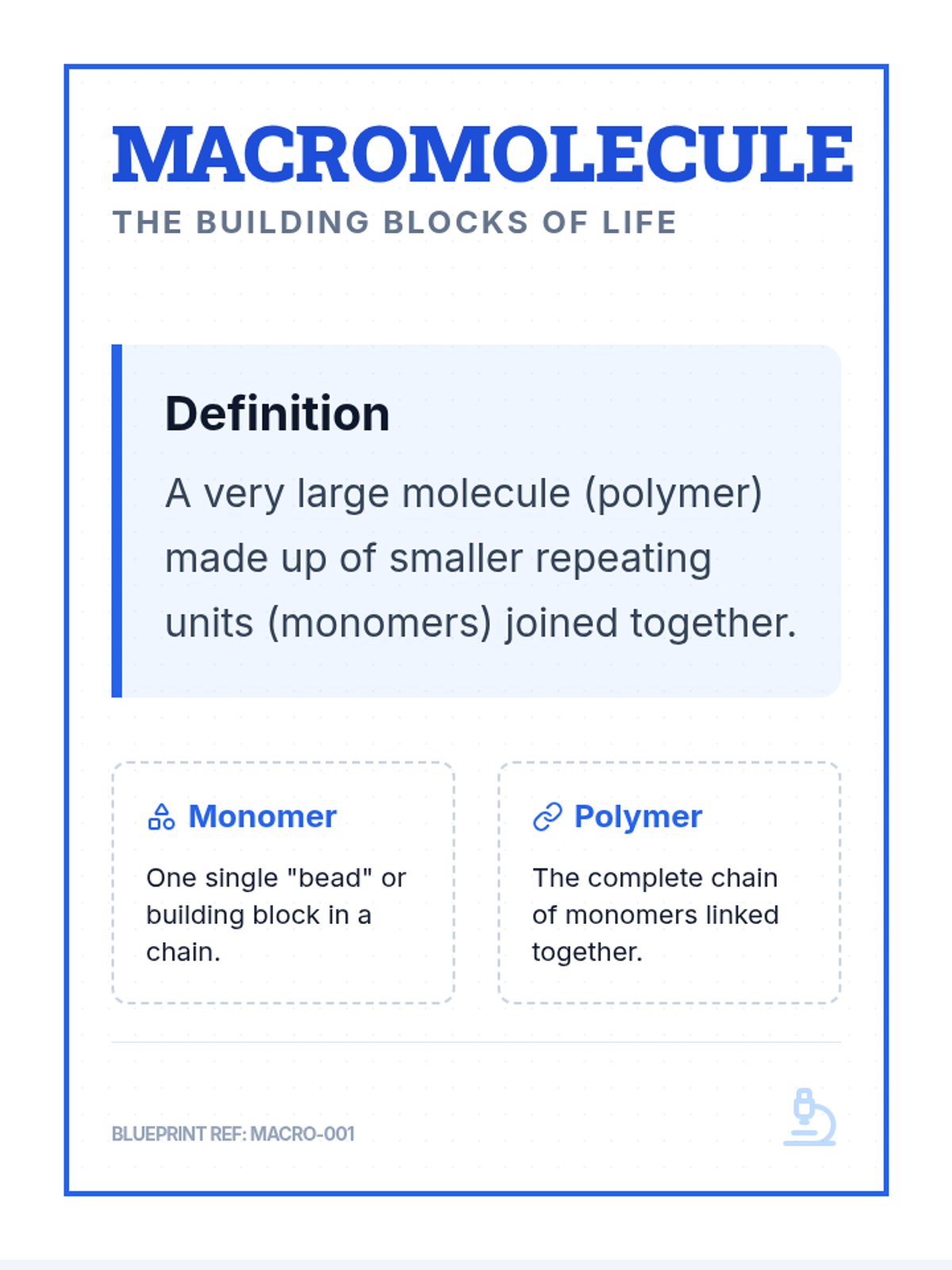
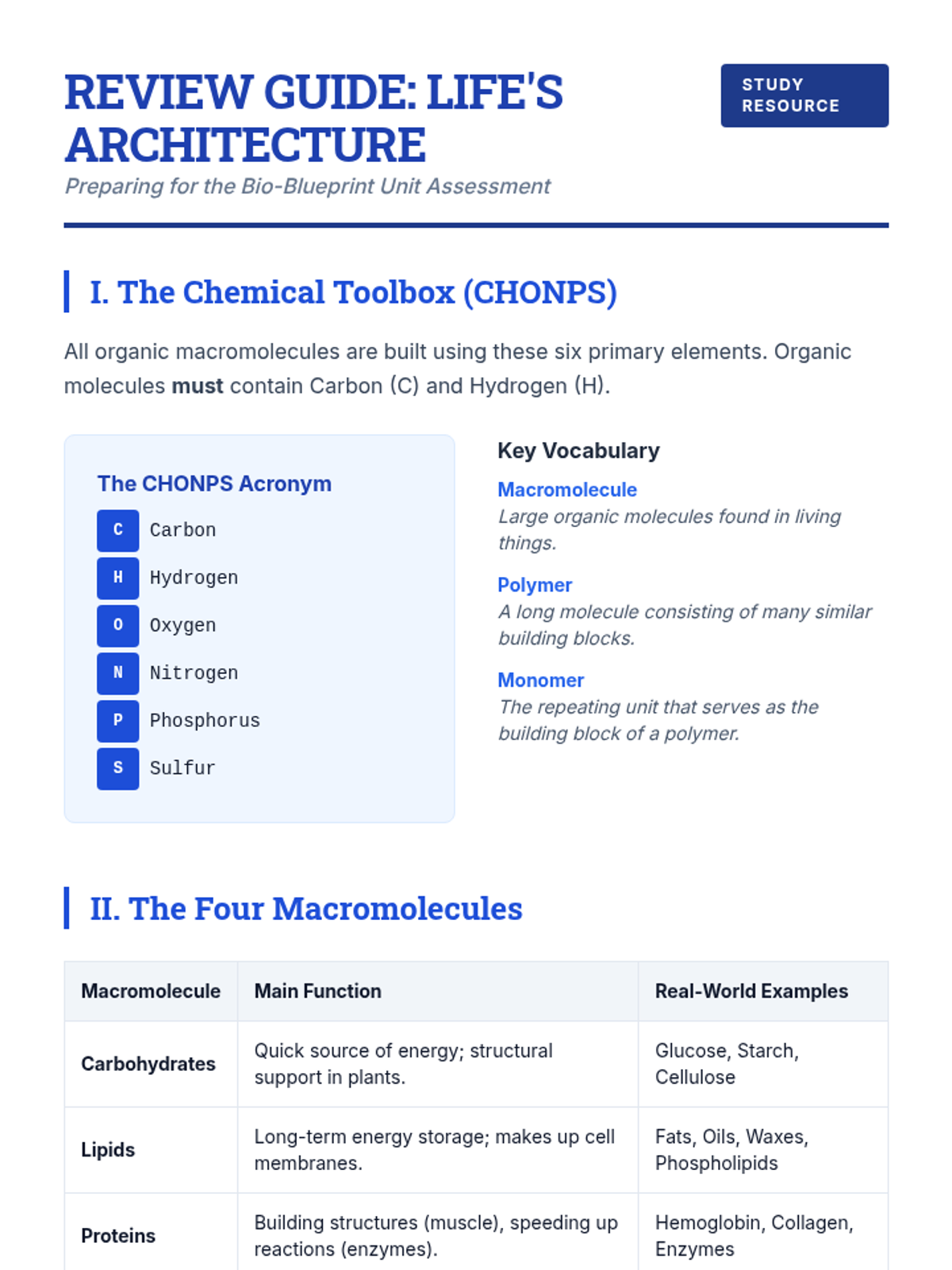
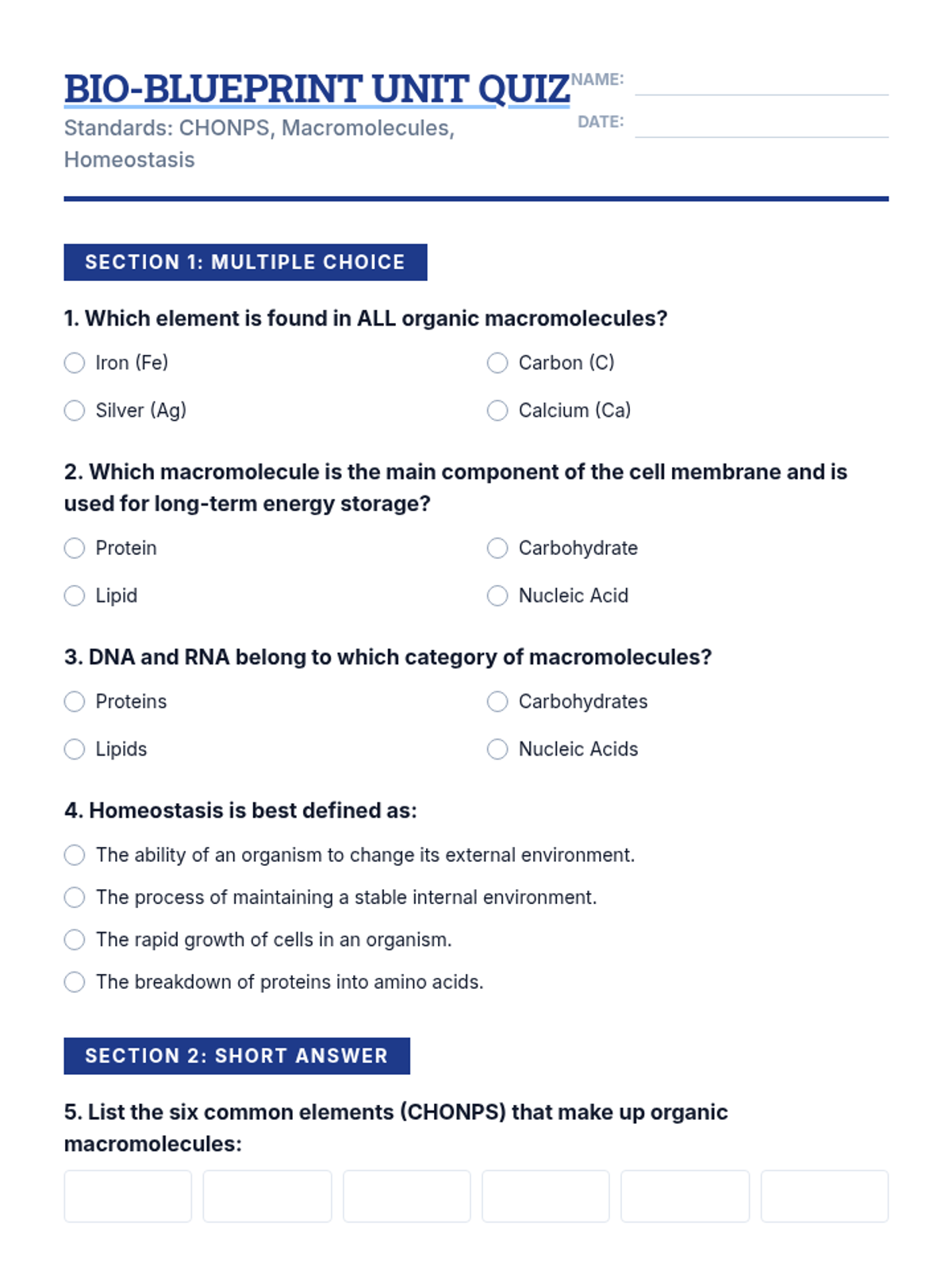
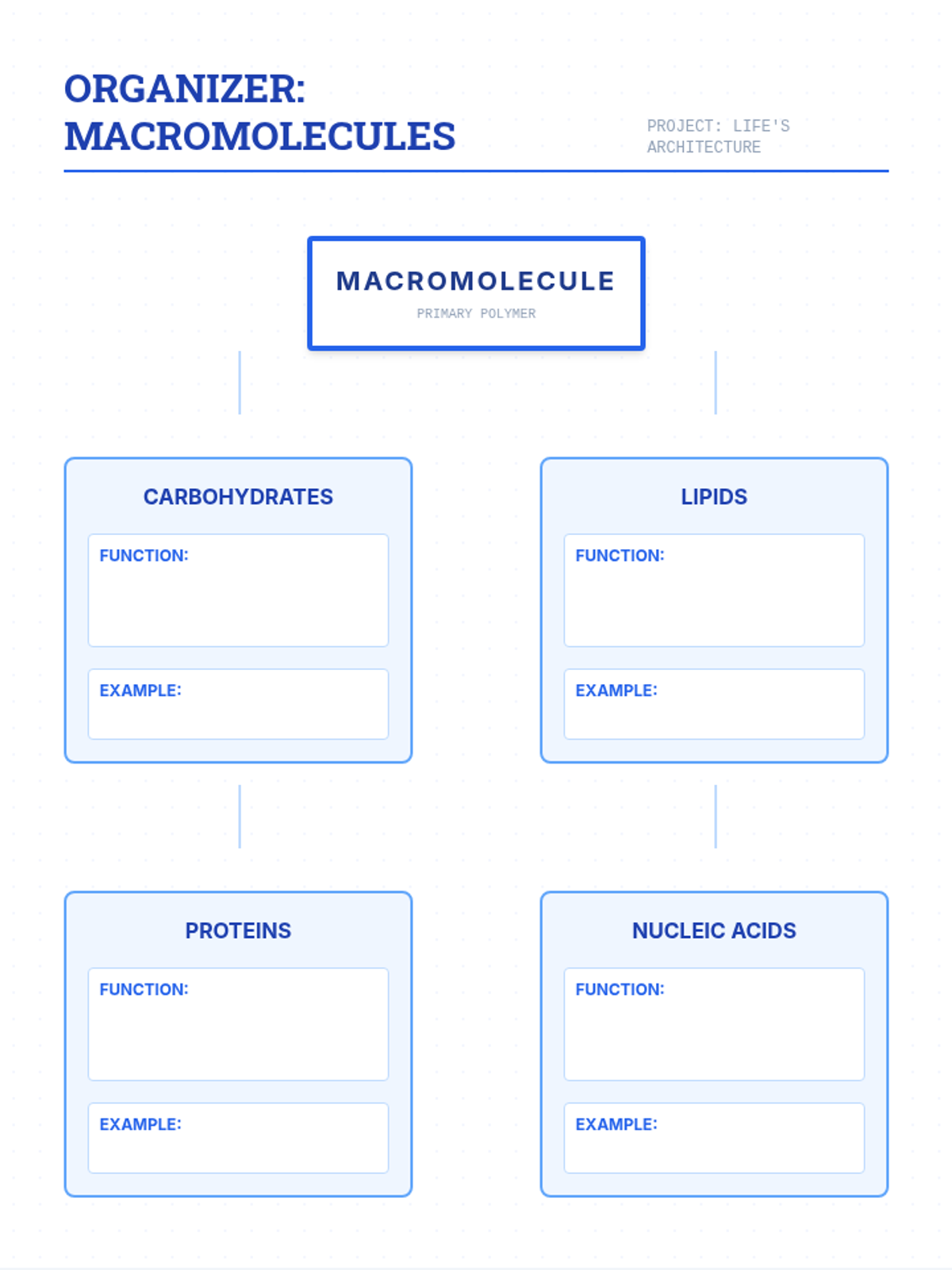
A lesson focused on the foundational building blocks of life (macromolecules) and how body systems work together to maintain a stable internal environment (homeostasis).
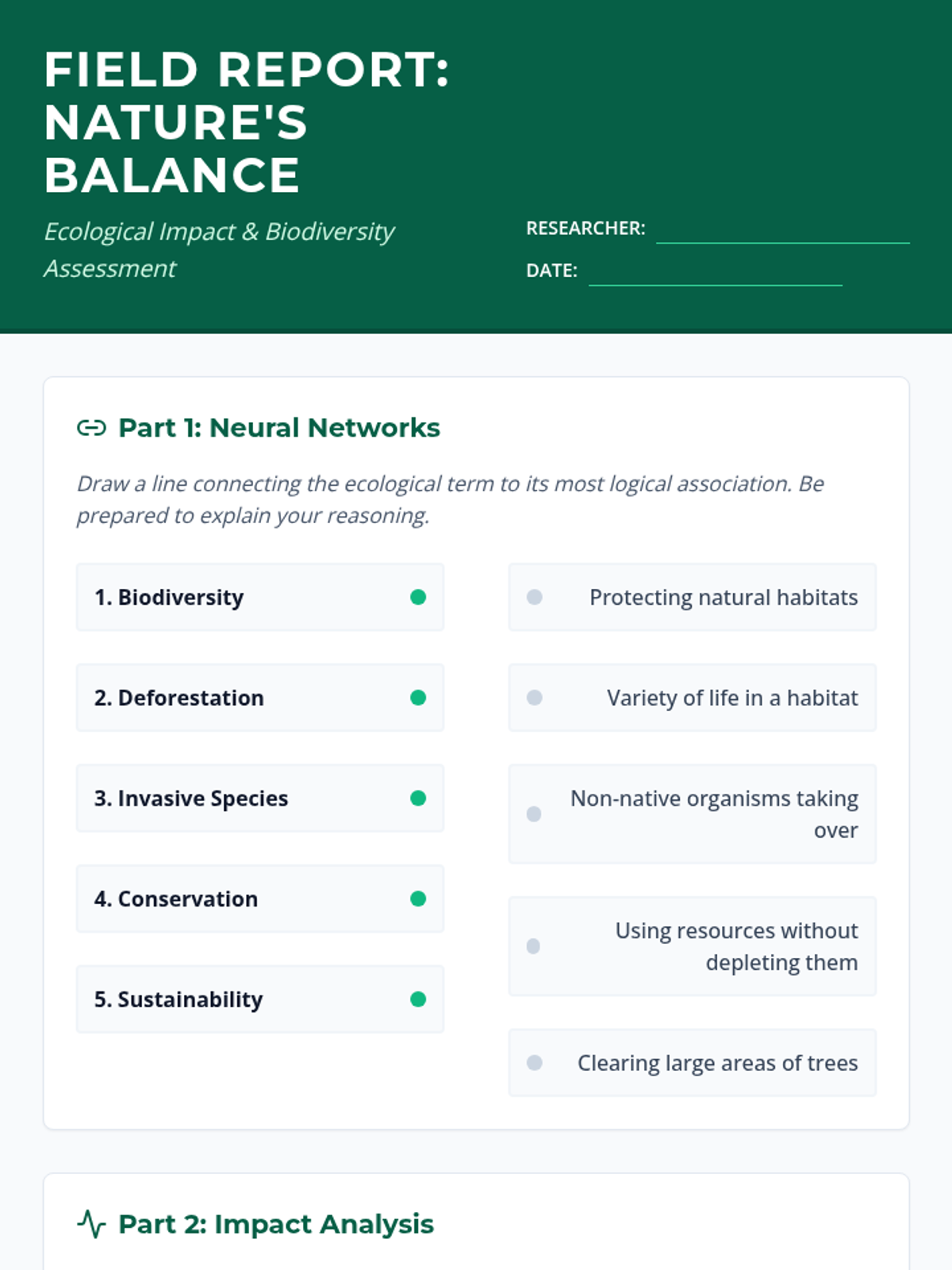
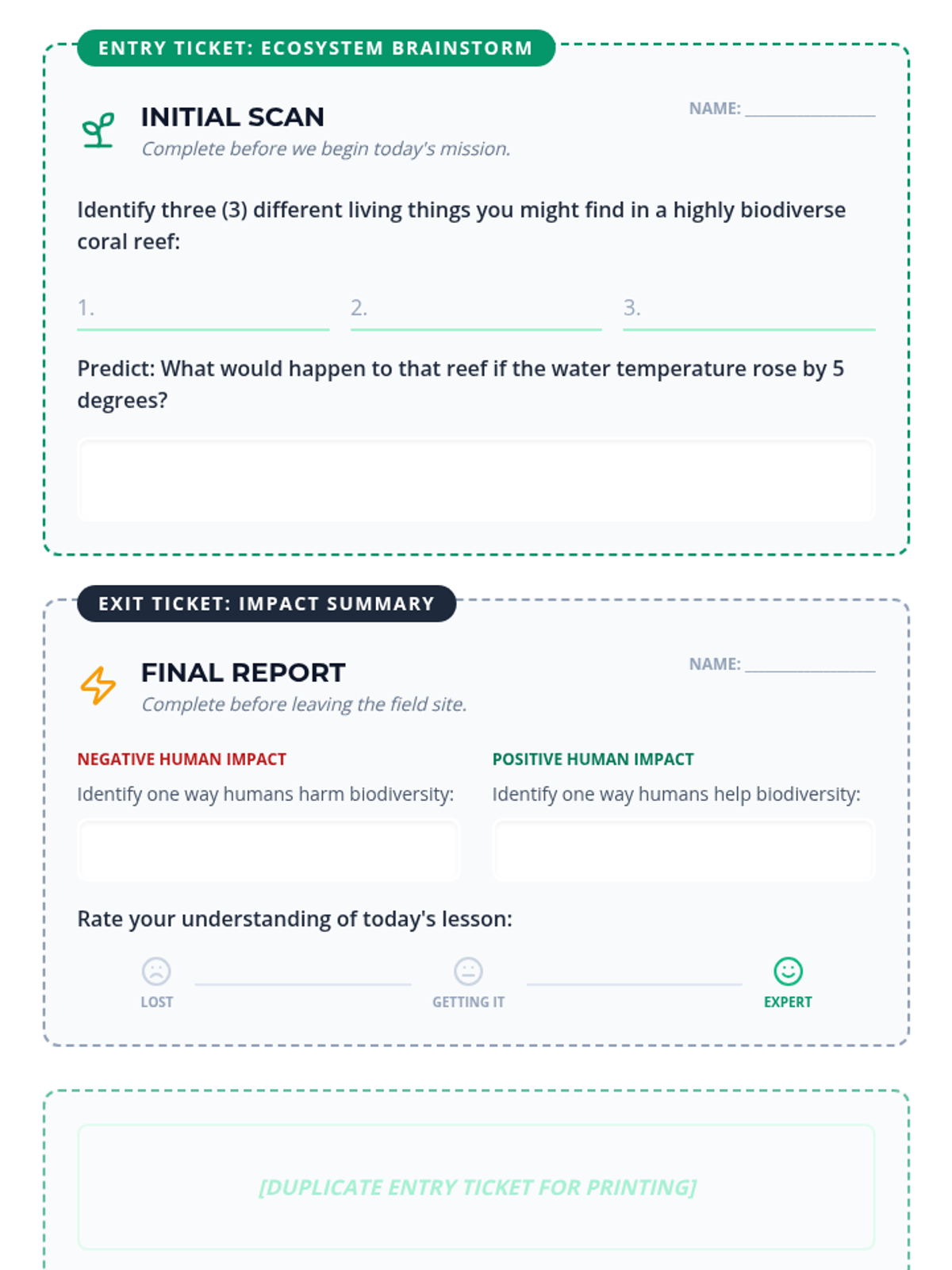
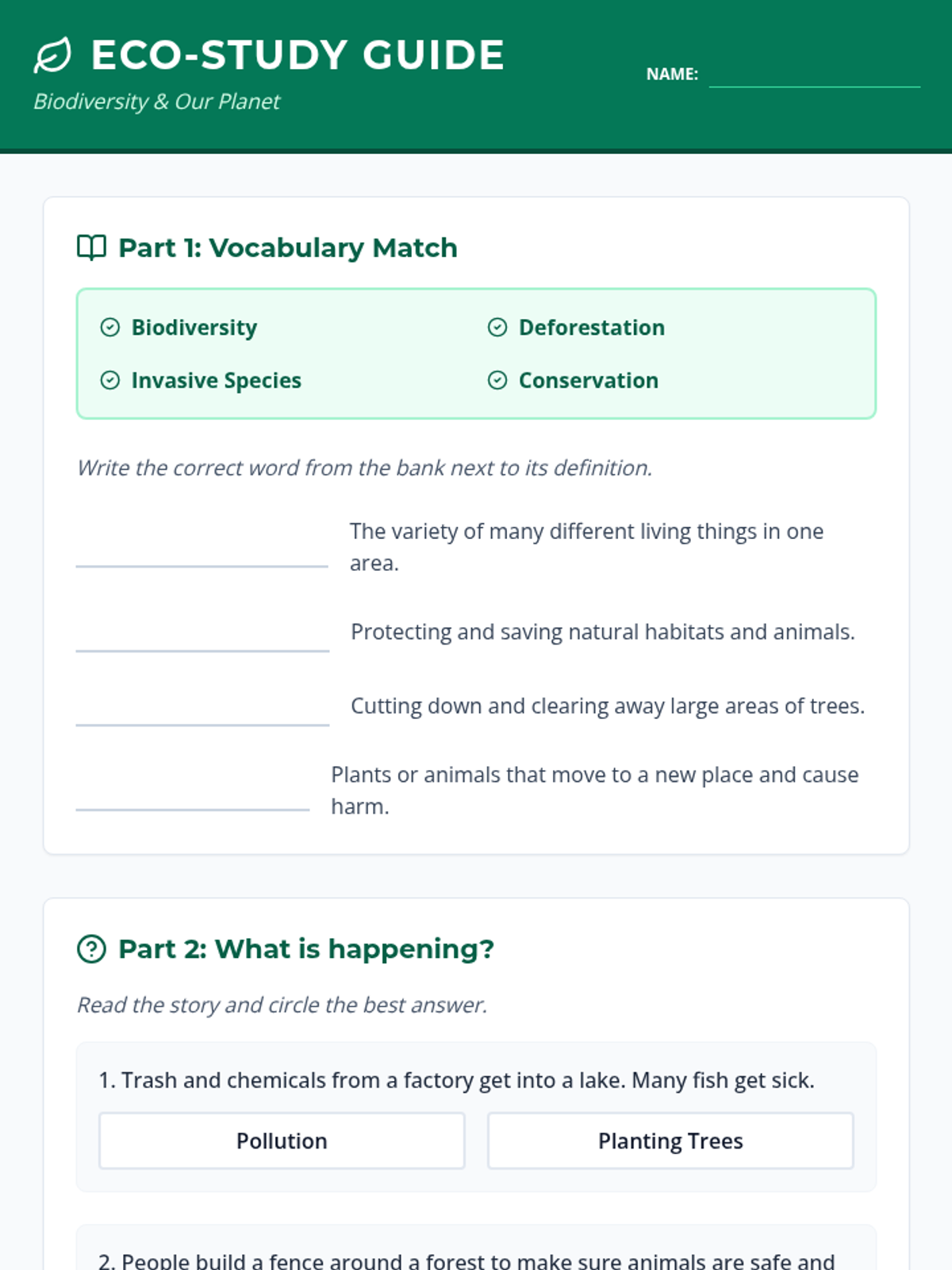
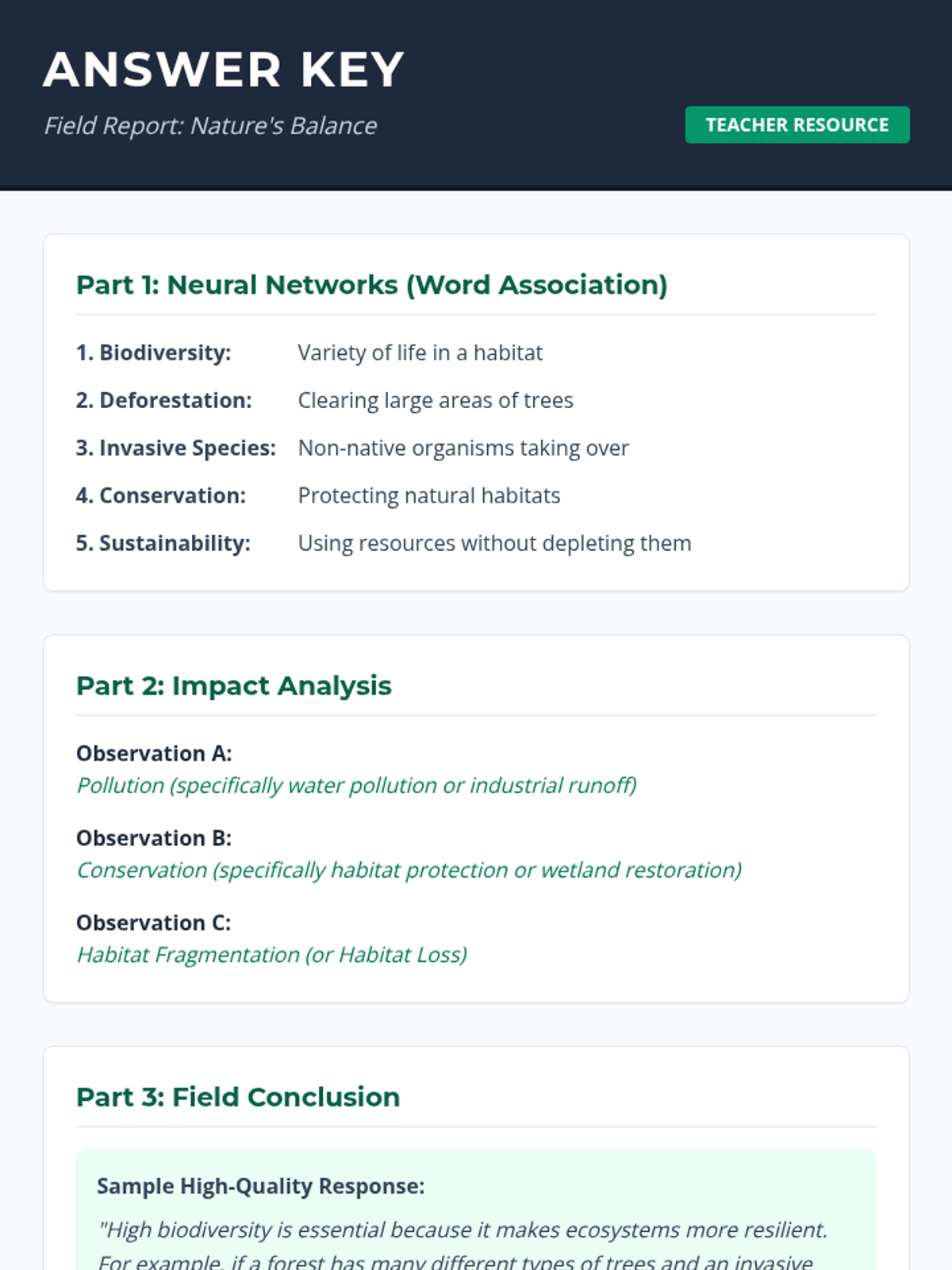
A lesson exploring the delicate balance of ecosystems, focusing on how biodiversity sustains life and how human activities like deforestation, pollution, and conservation efforts shape our planet's future.
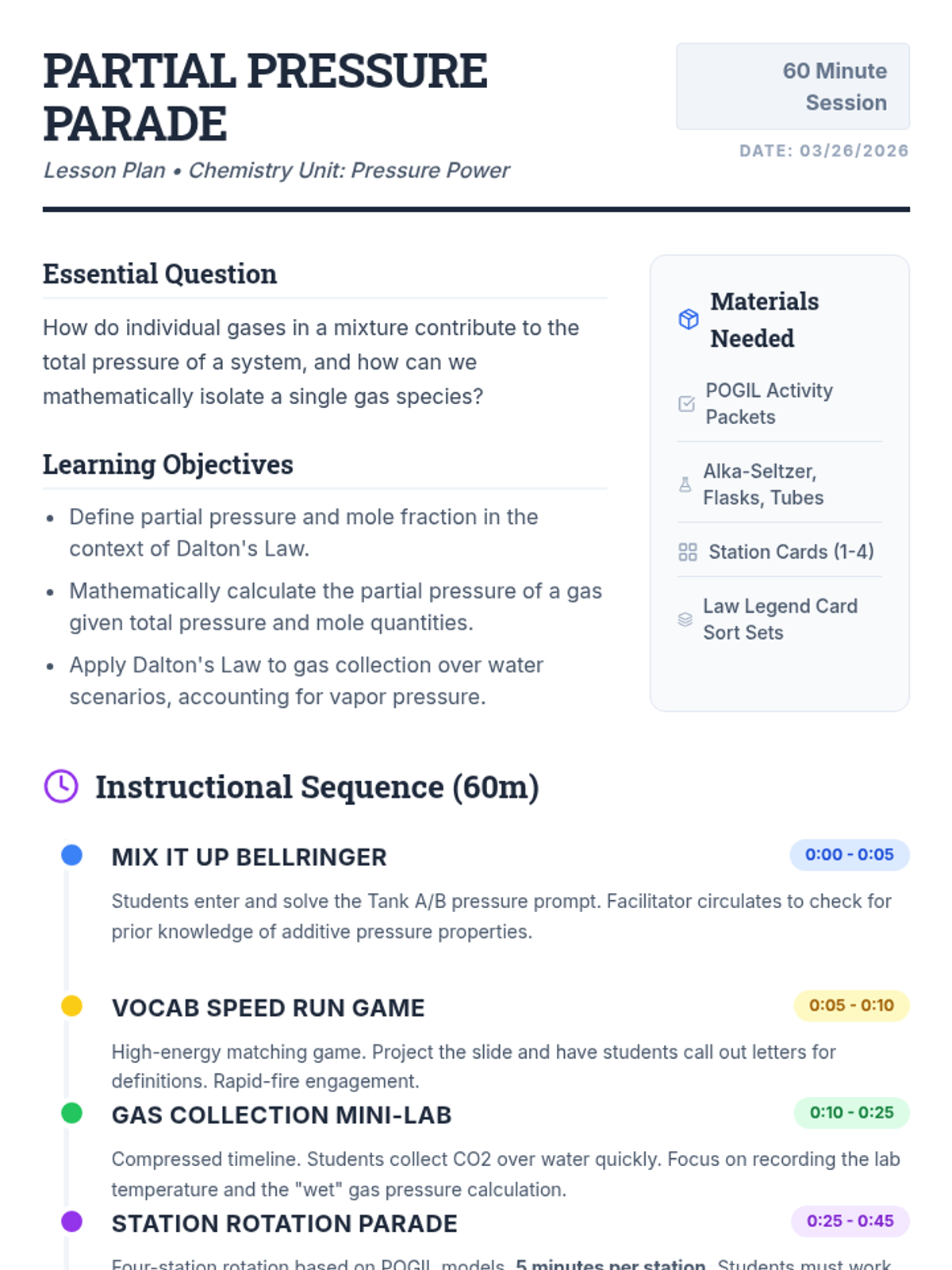
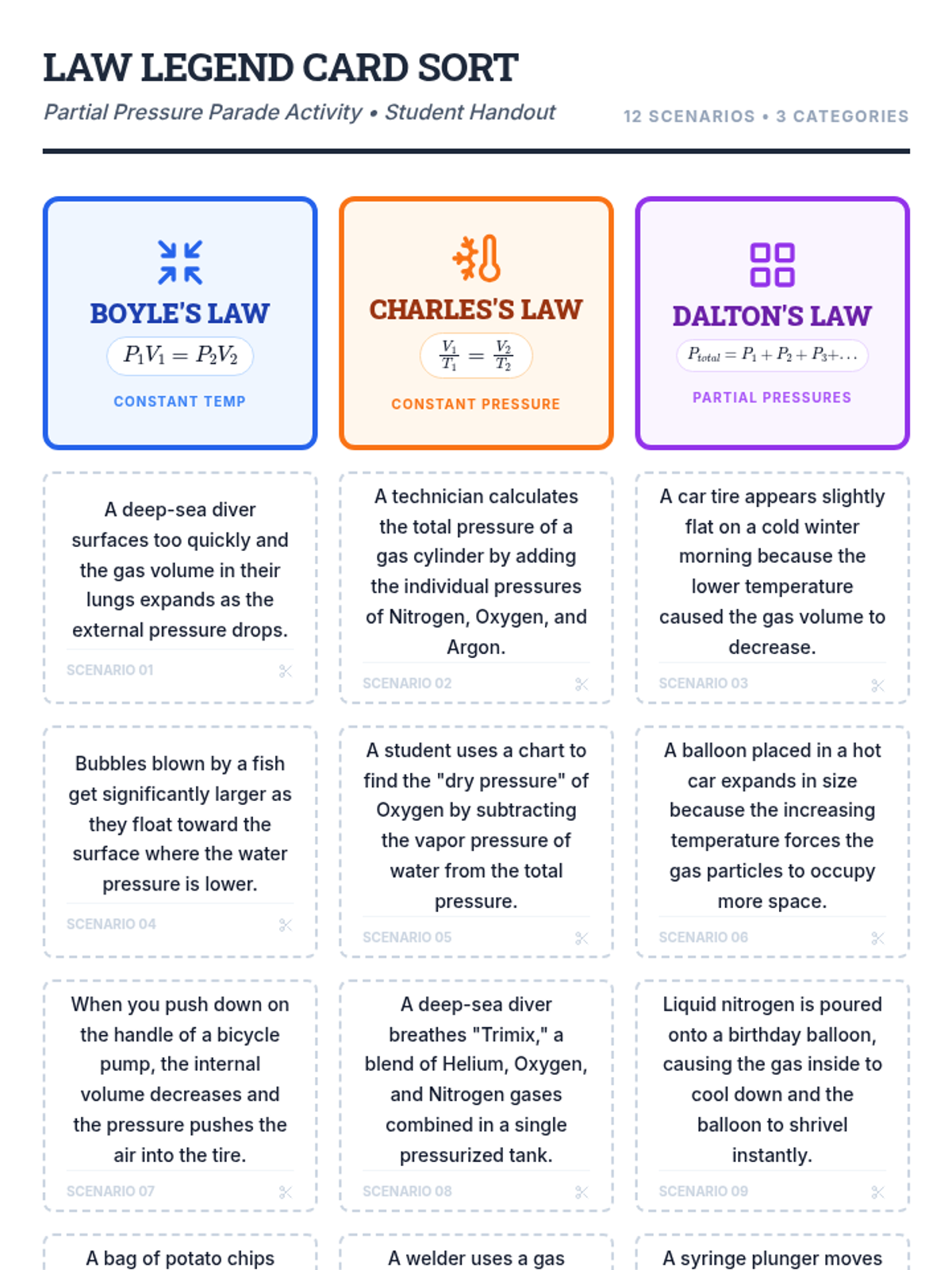
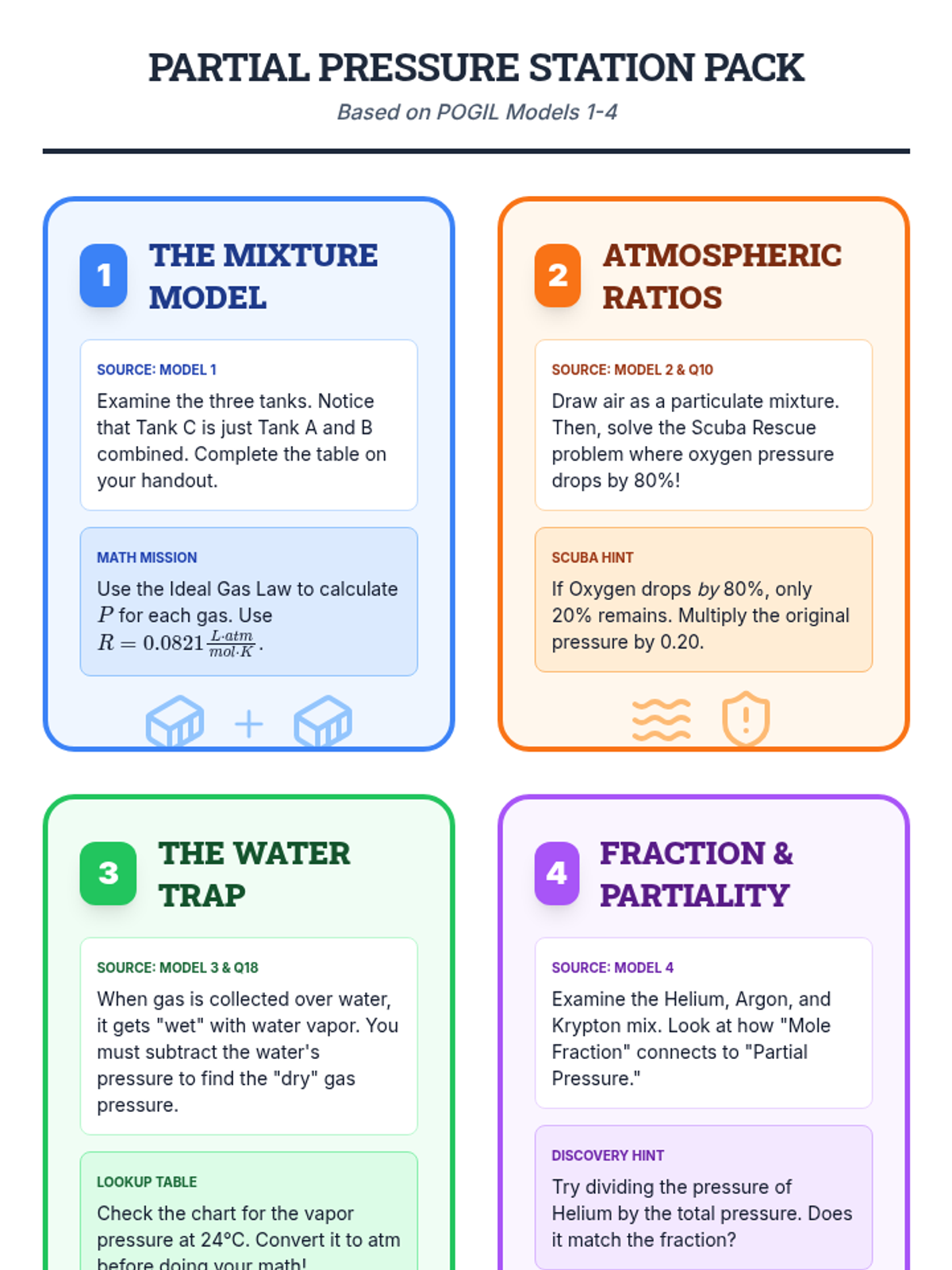
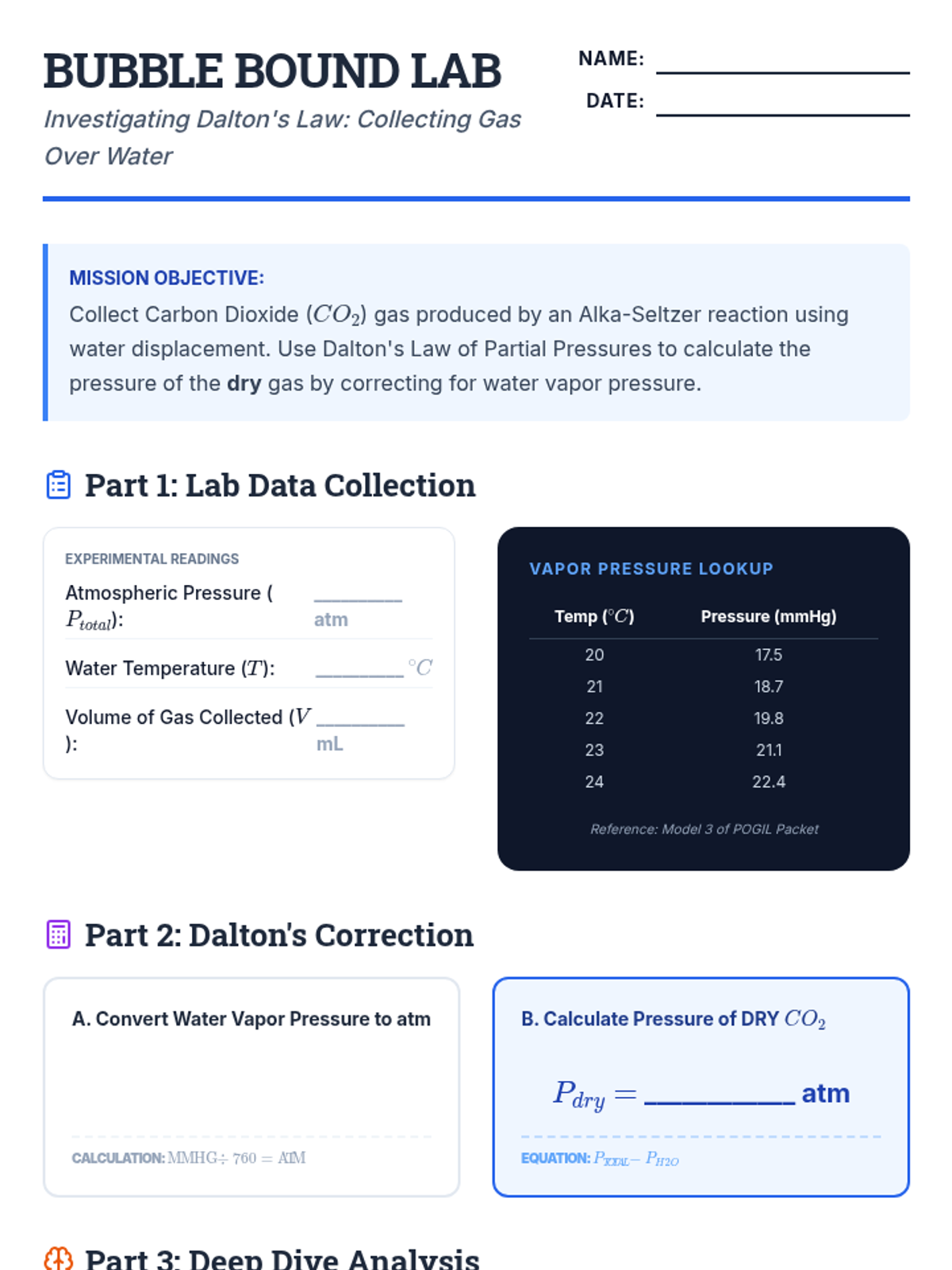
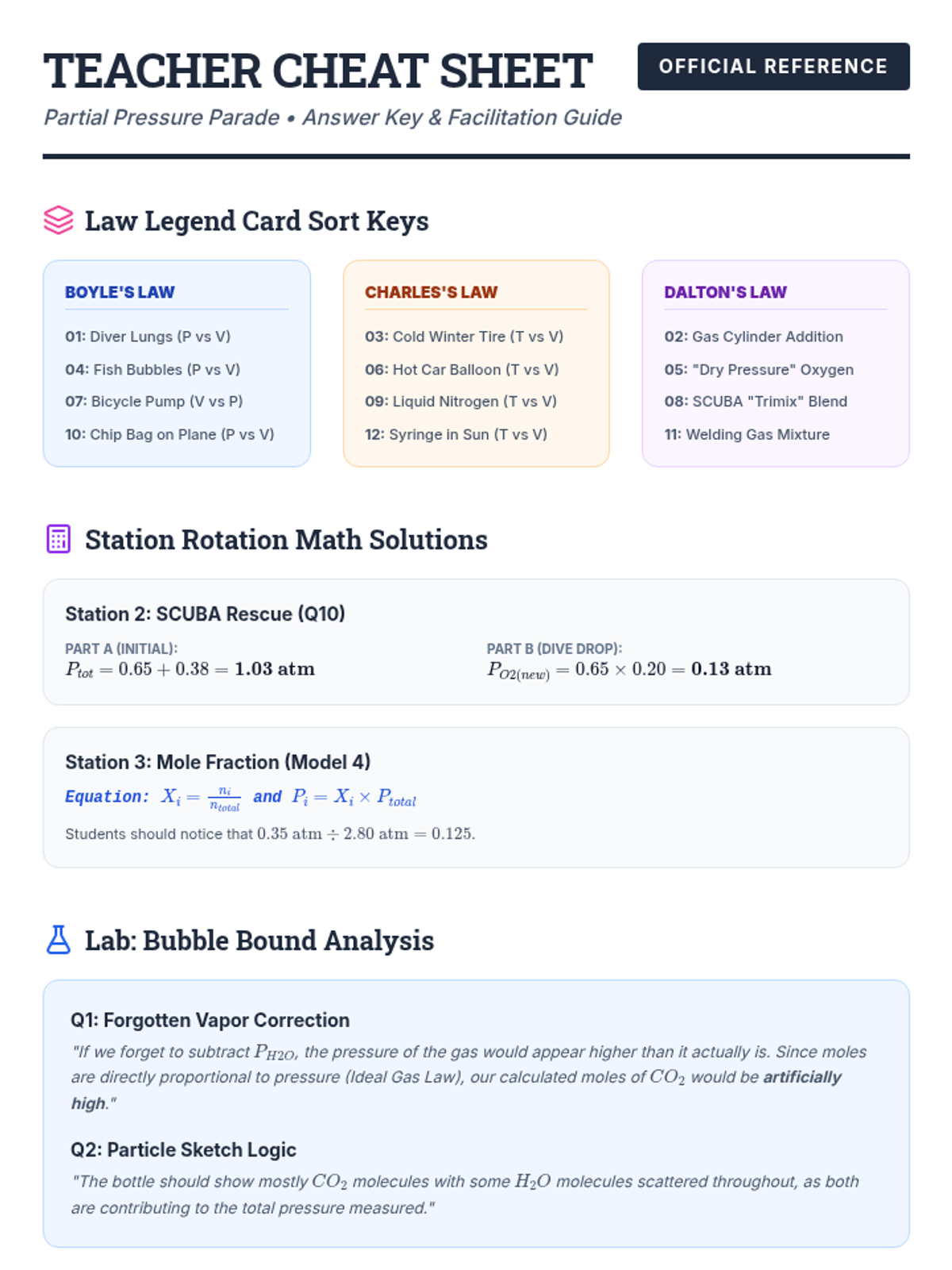
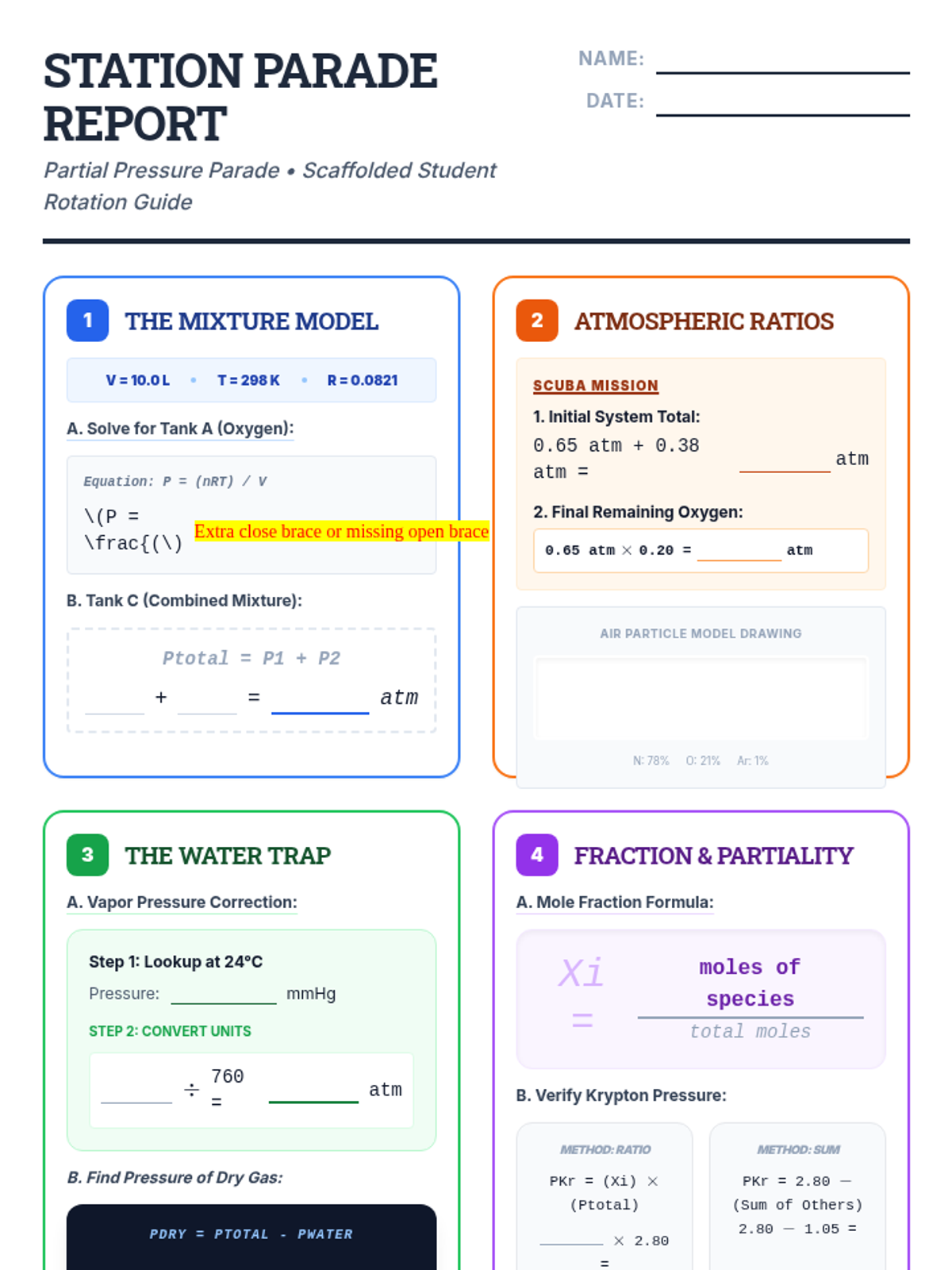
A high-energy, activity-dense lesson focused on Dalton's Law of Partial Pressures, mole fractions, and collecting gas over water, utilizing the POGIL framework to transition from conceptual modeling to mathematical mastery.
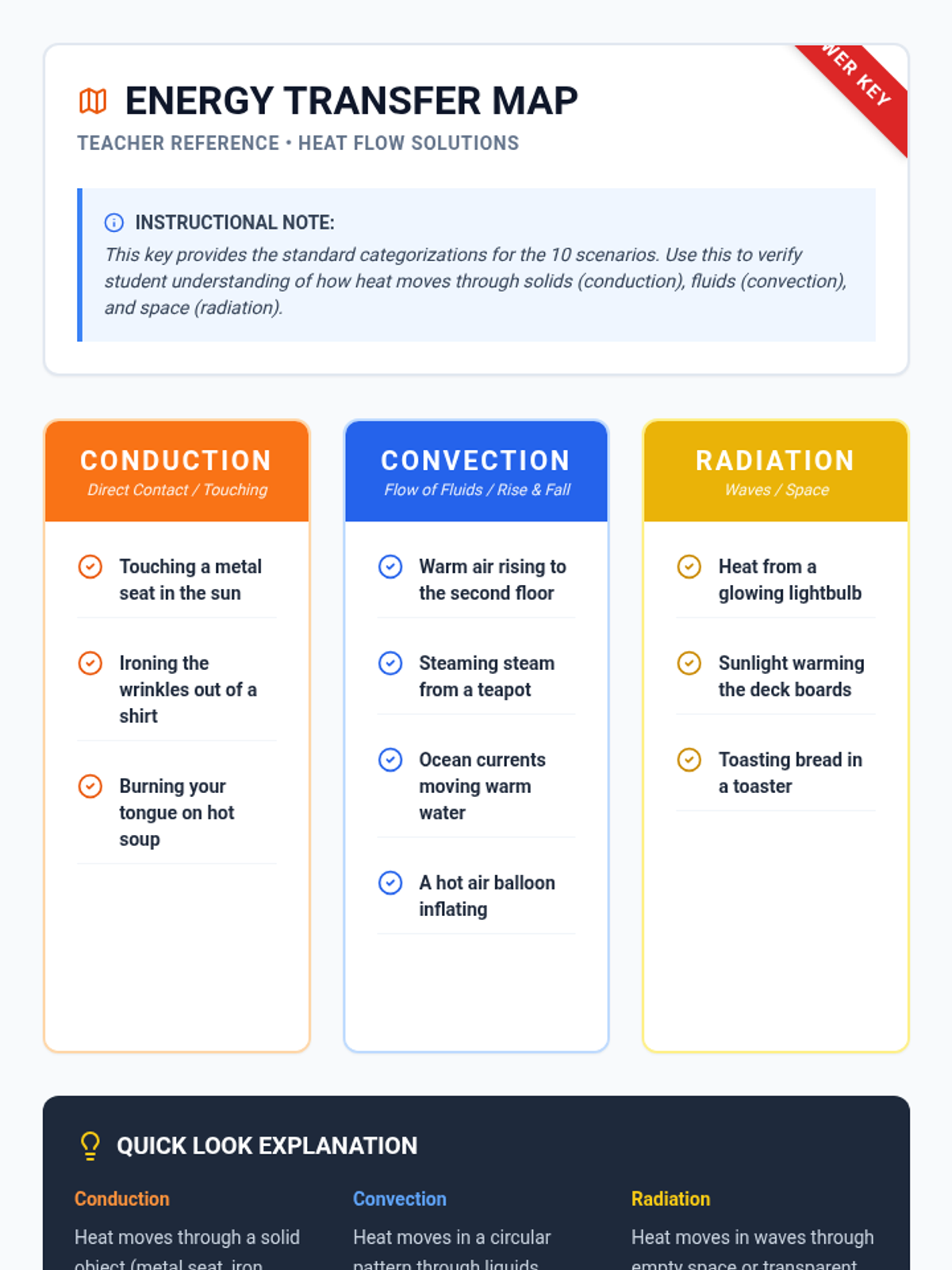
Reviewing the three types of heat transfer through interactive slides and a graphic organizer to connect concepts to everyday life.
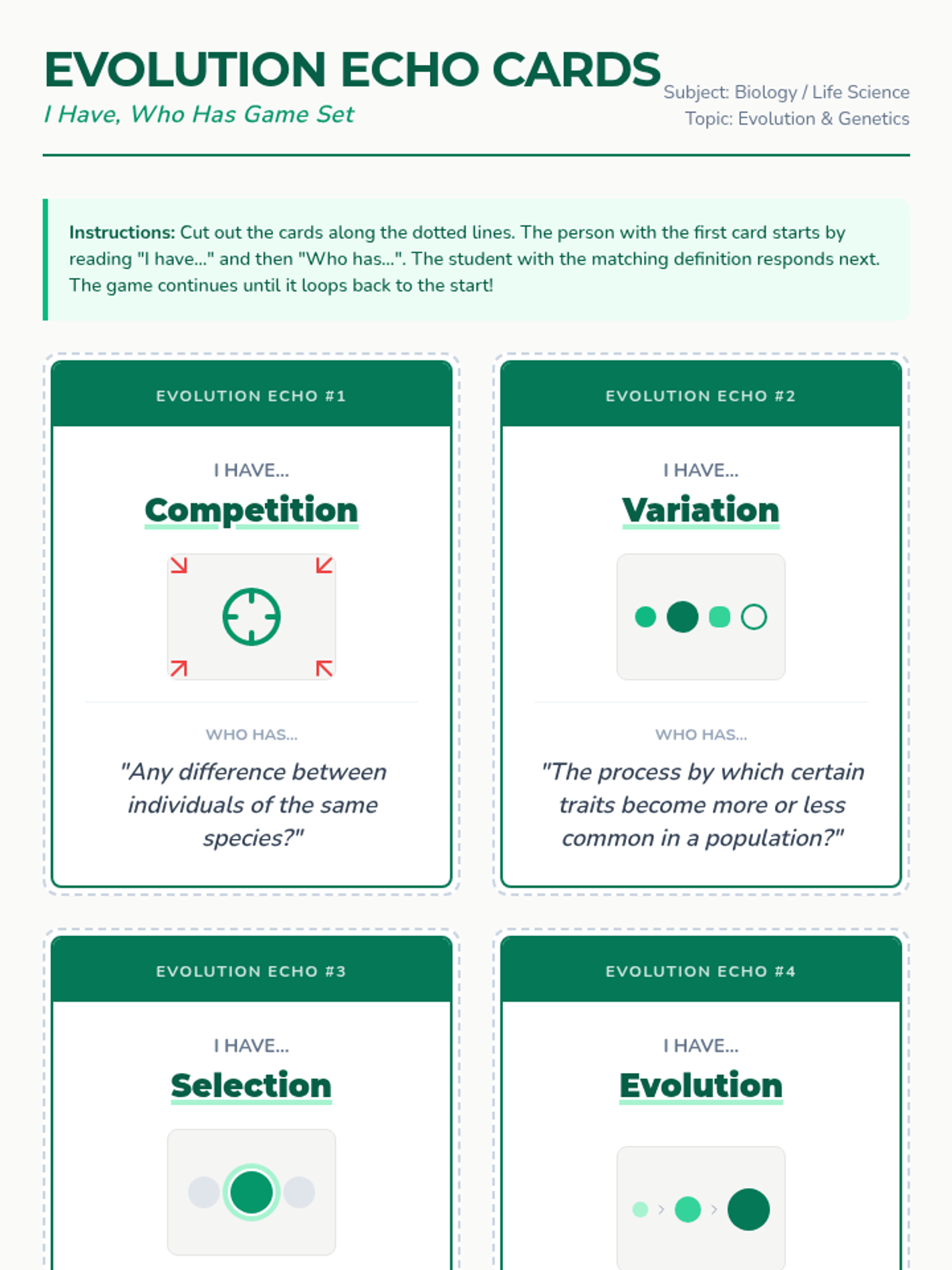
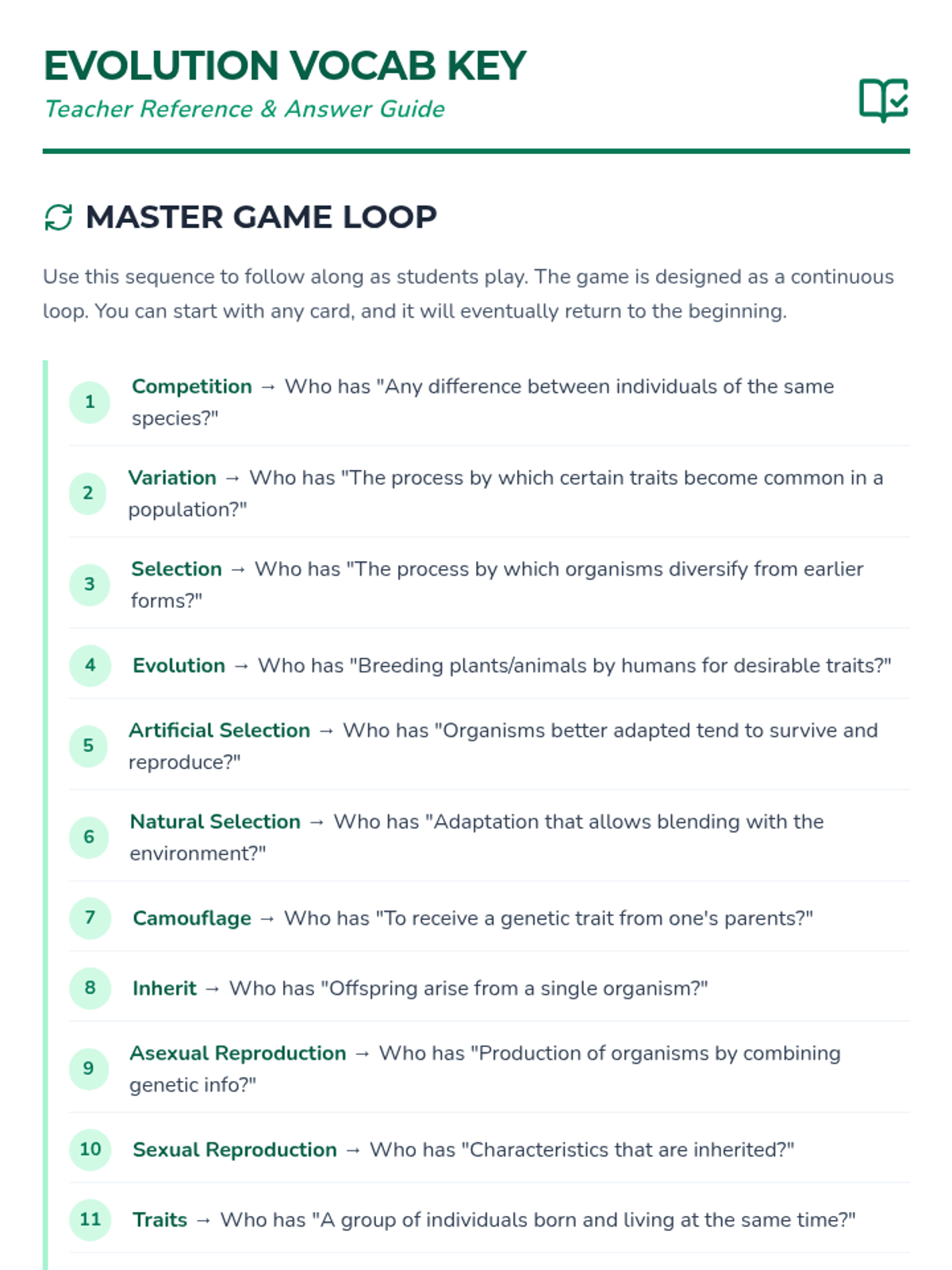
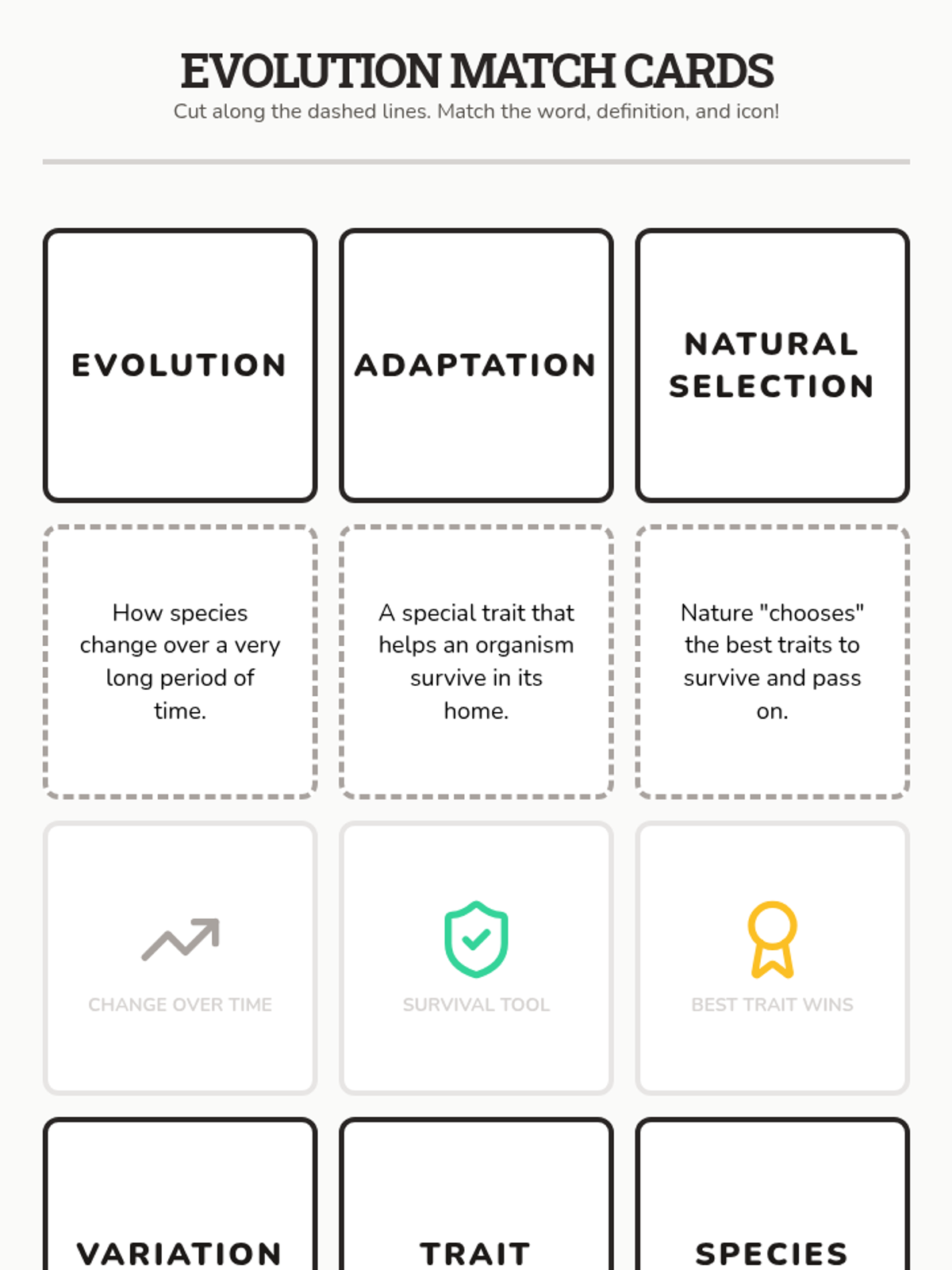
A vocabulary-focused lesson on the core concepts of evolution and genetics, featuring a collaborative 'I Have, Who Has' game to reinforce definitions and visual representations.
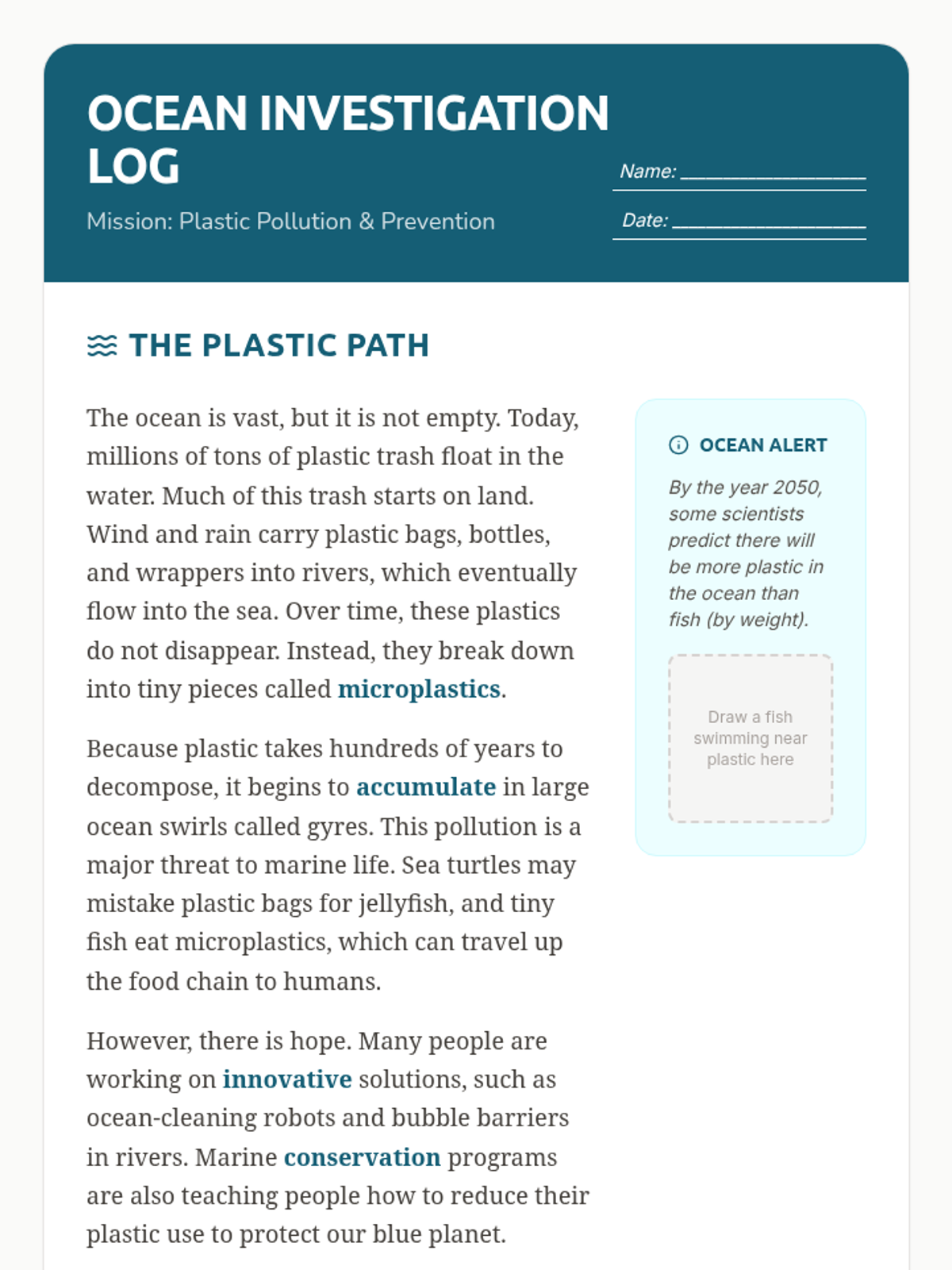
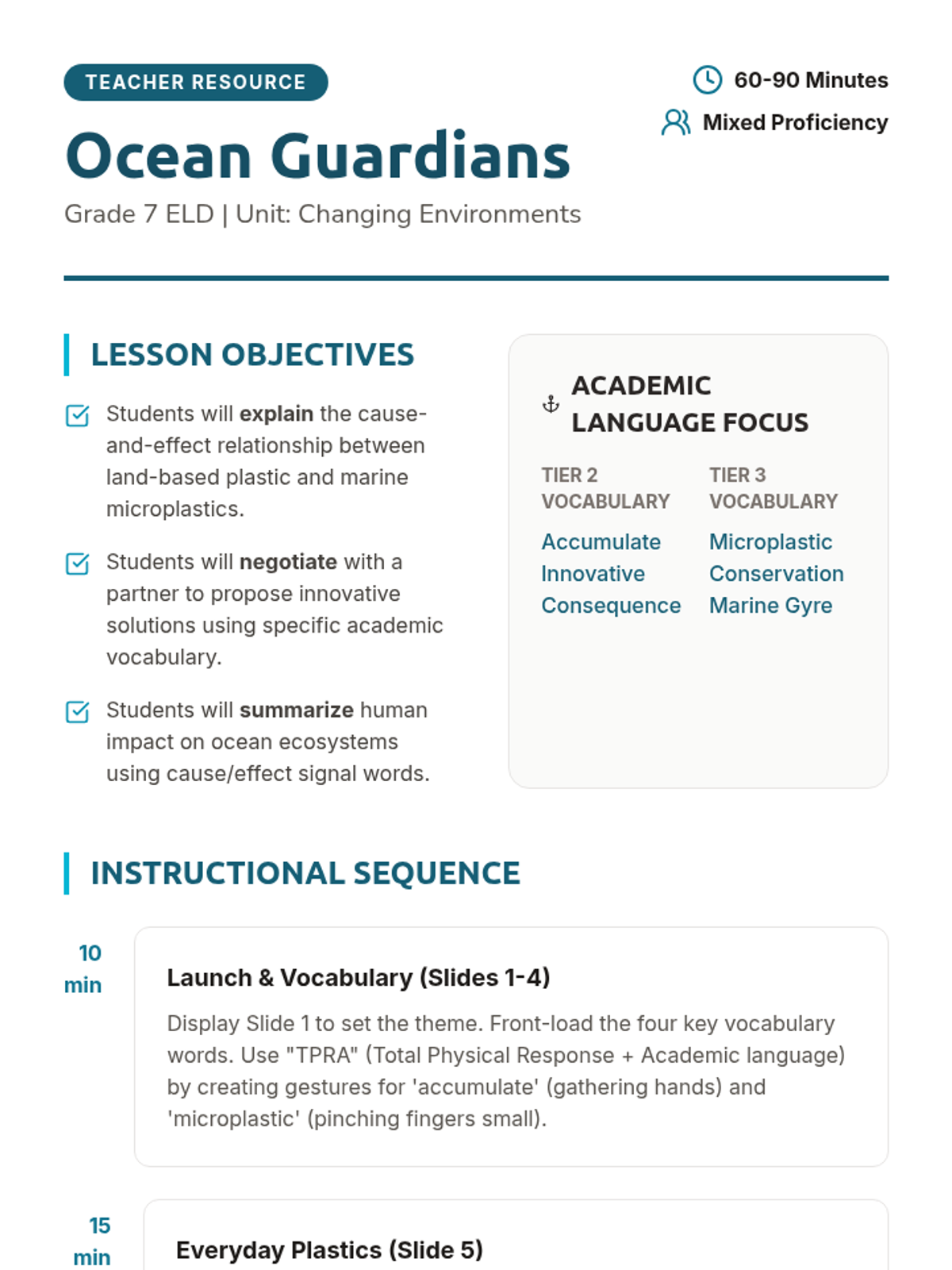
A deep dive into marine environments and the impact of plastic pollution, featuring cause-and-effect analysis and collaborative problem-solving for 7th grade ELD students.
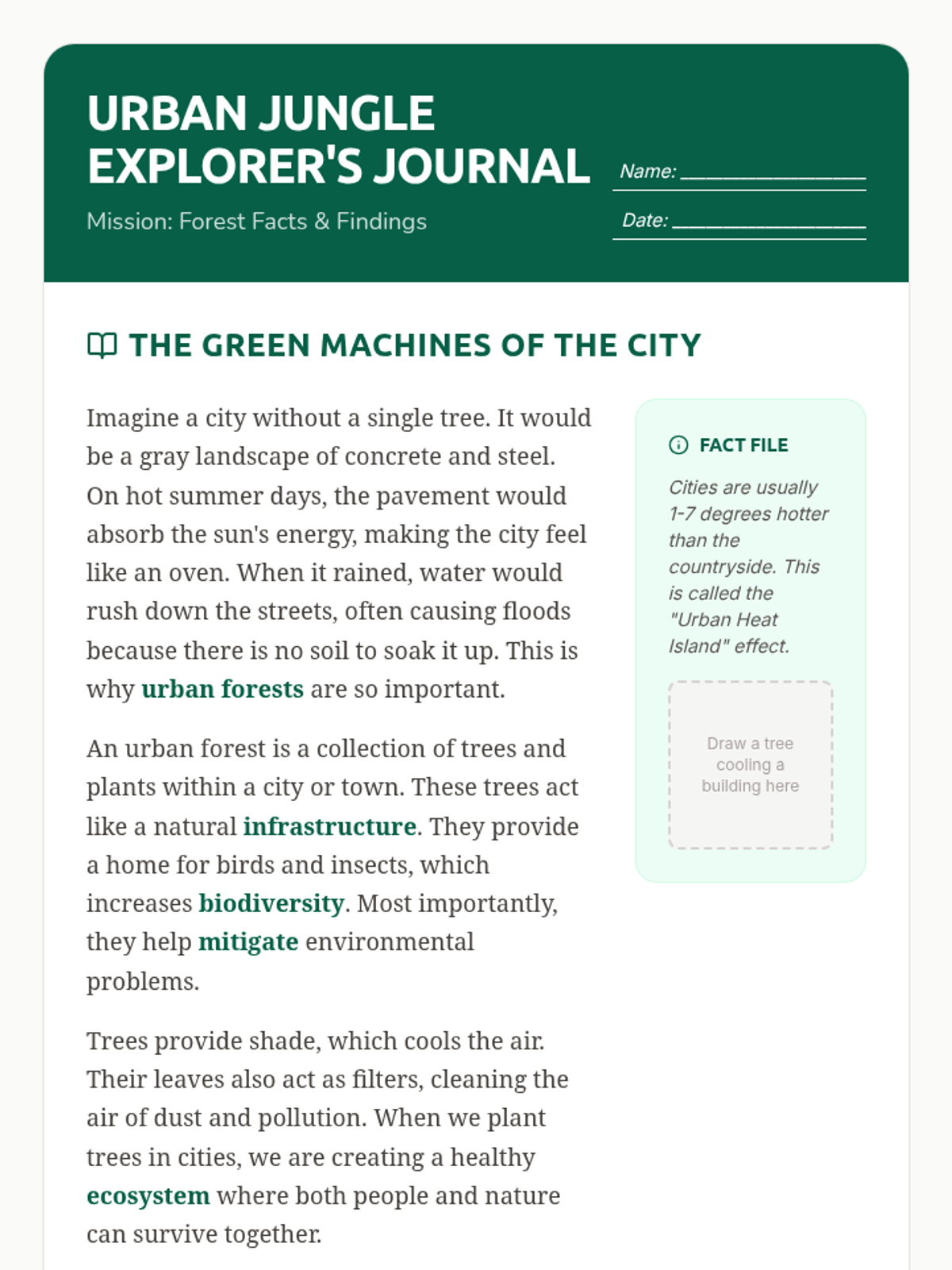
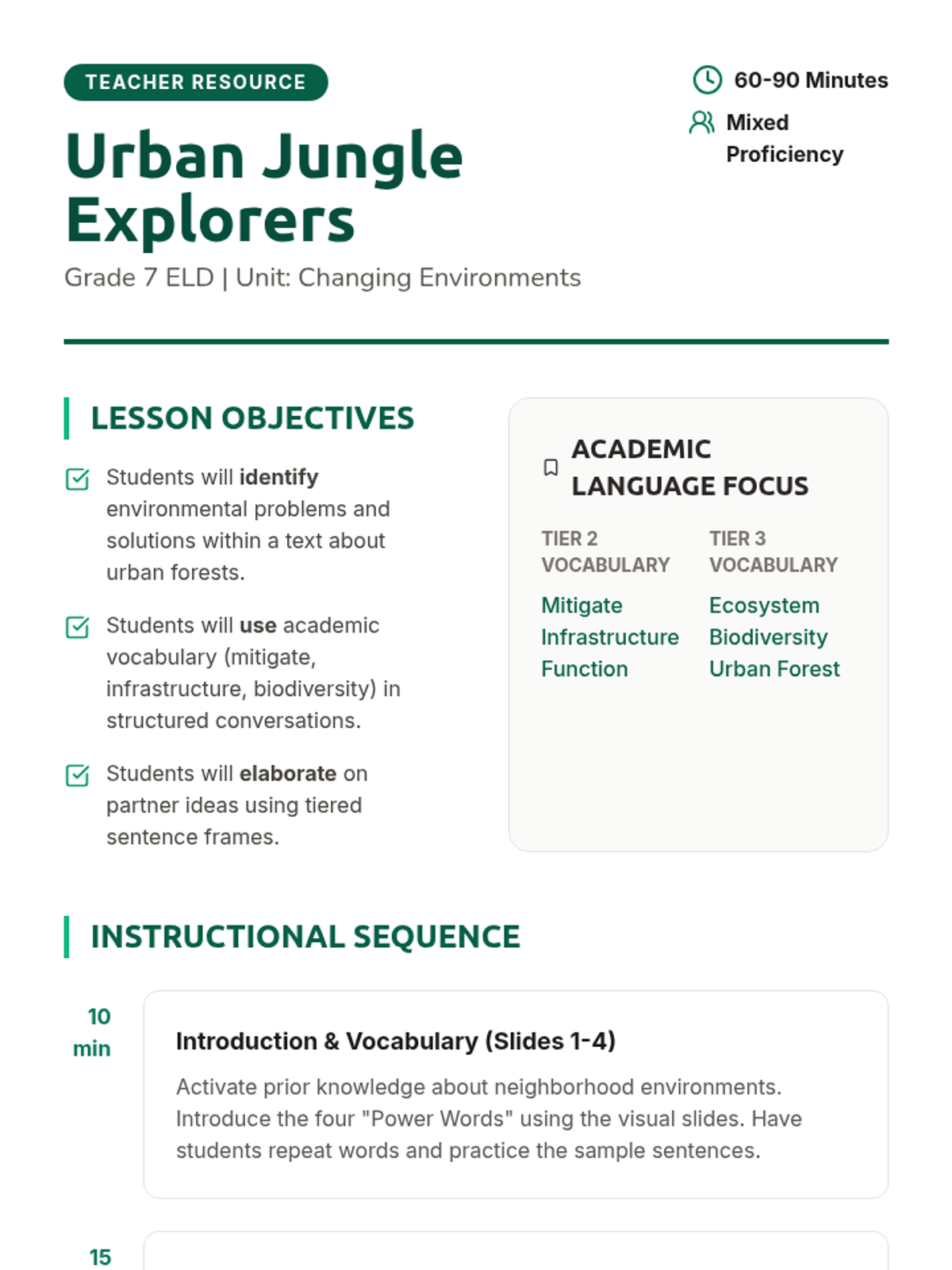
A comprehensive ELD lesson for 7th graders focusing on the ecological and social importance of urban forests, featuring tiered supports for mixed proficiency levels.
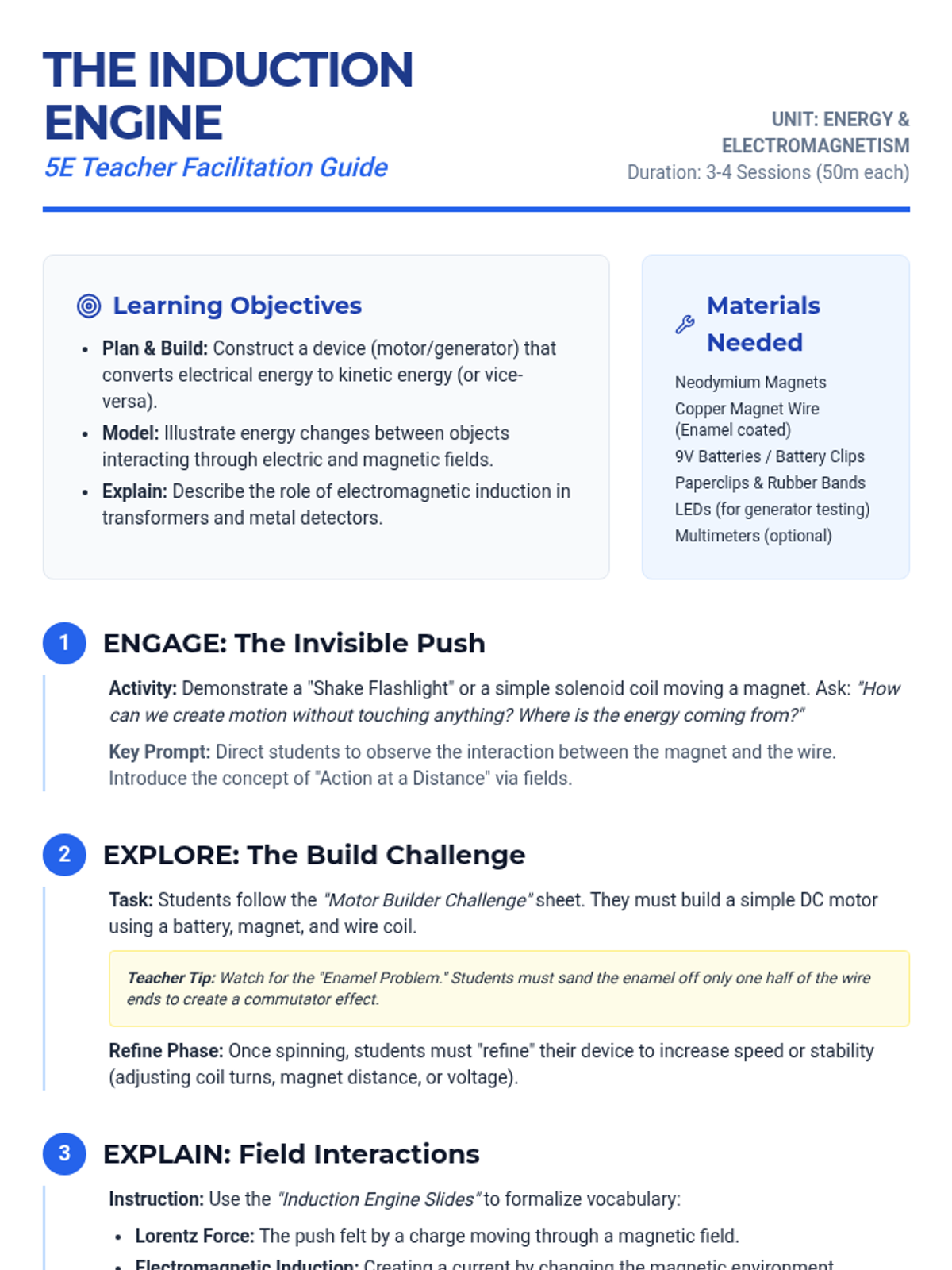
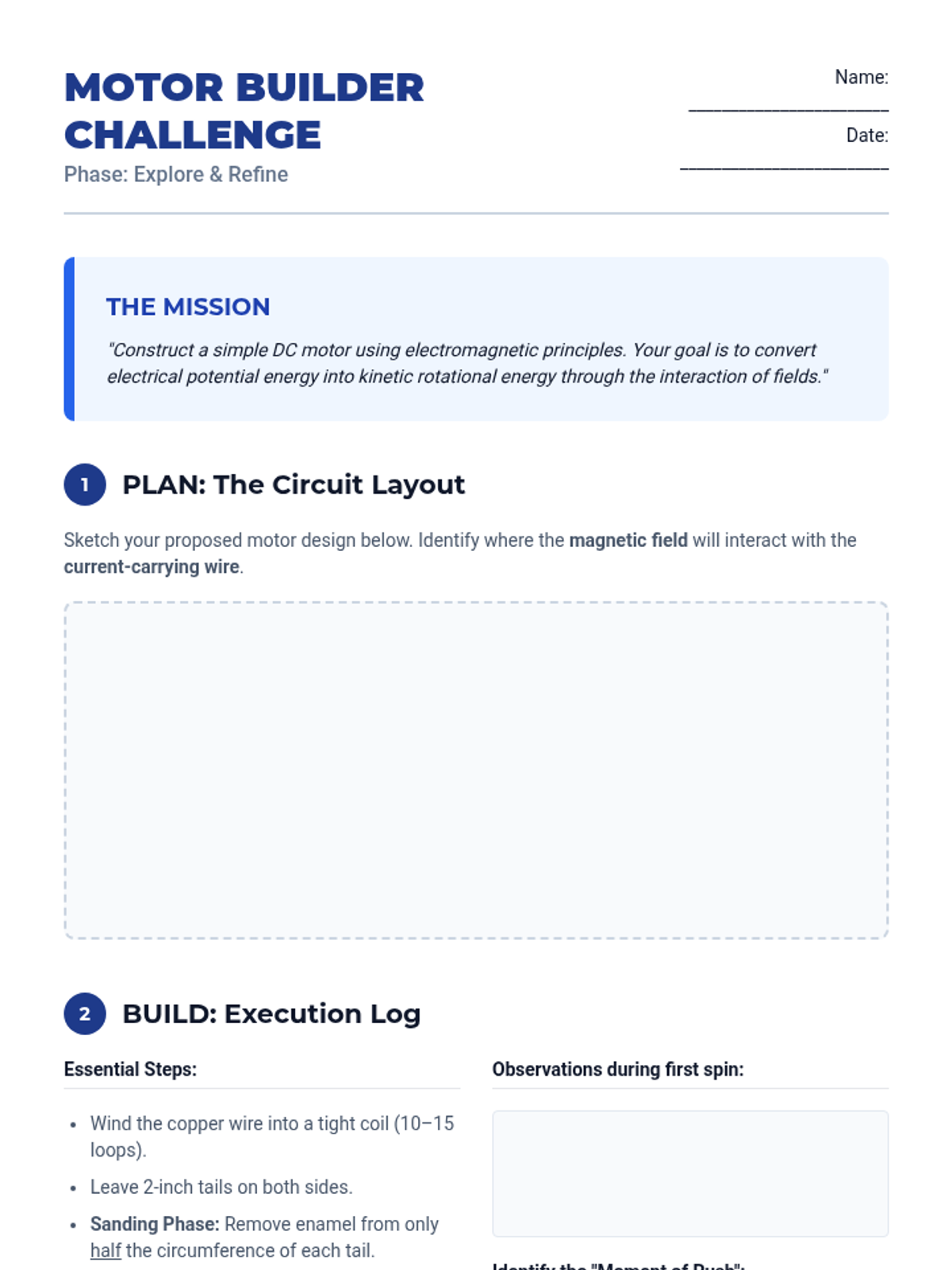
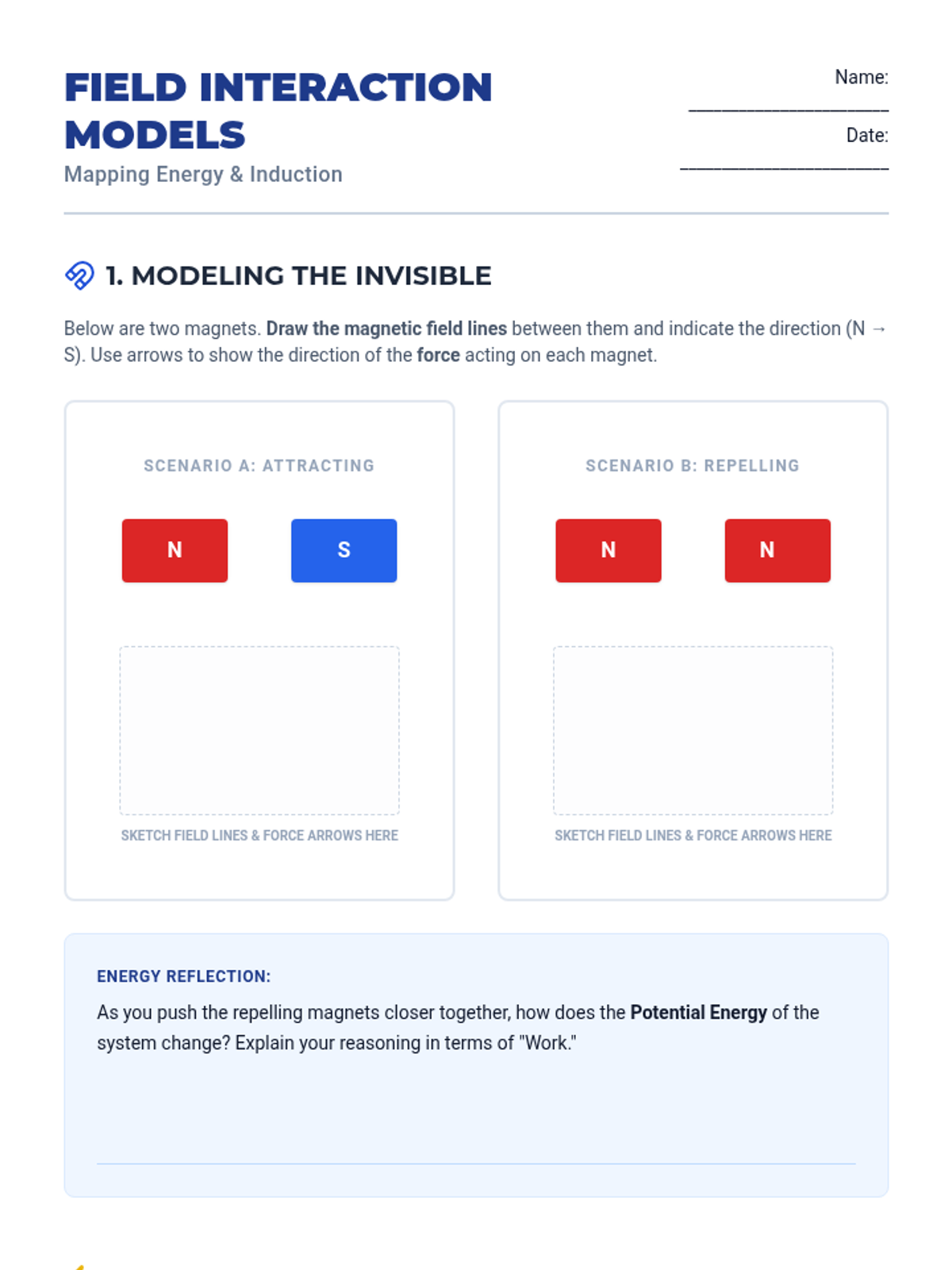
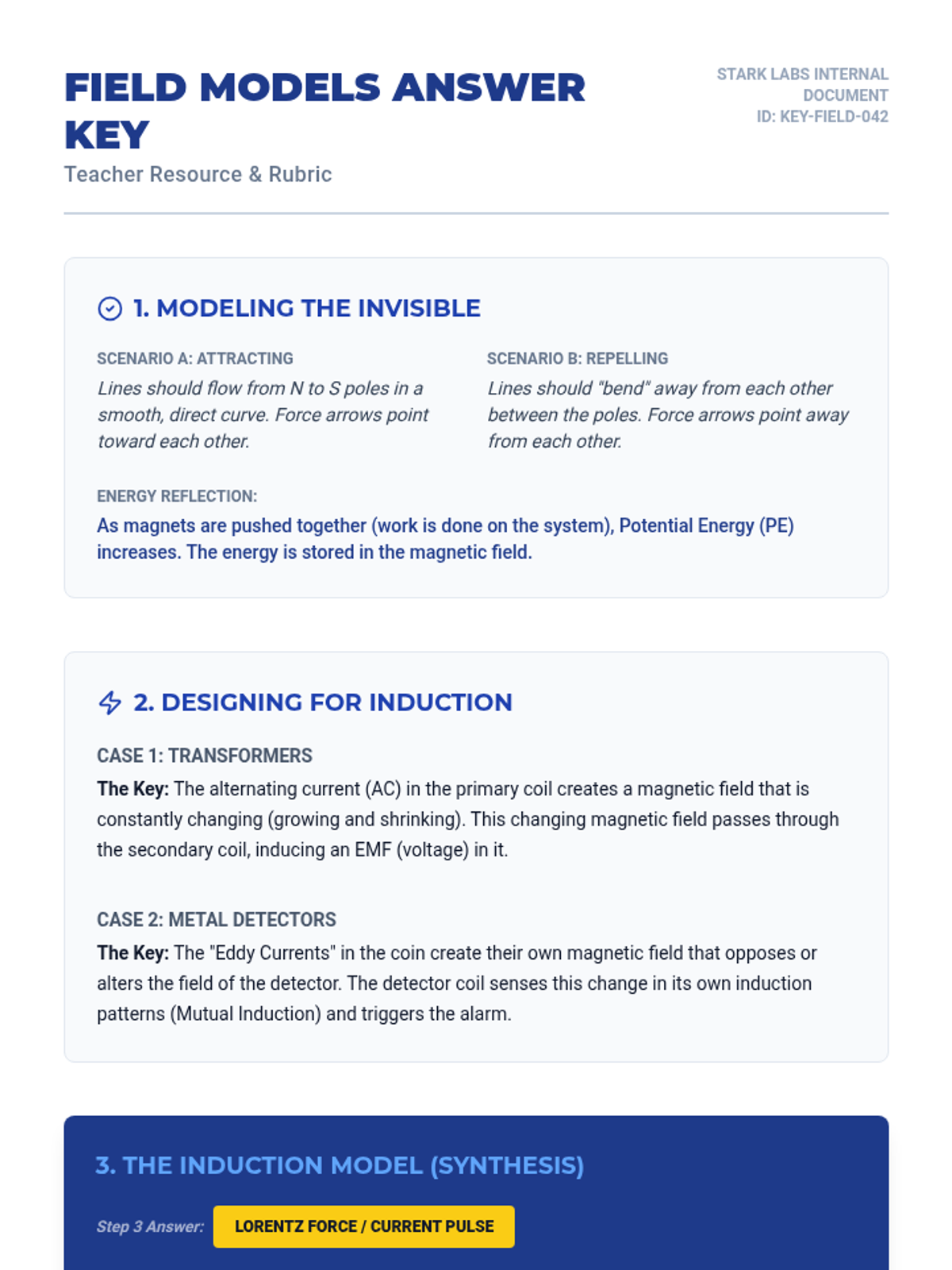
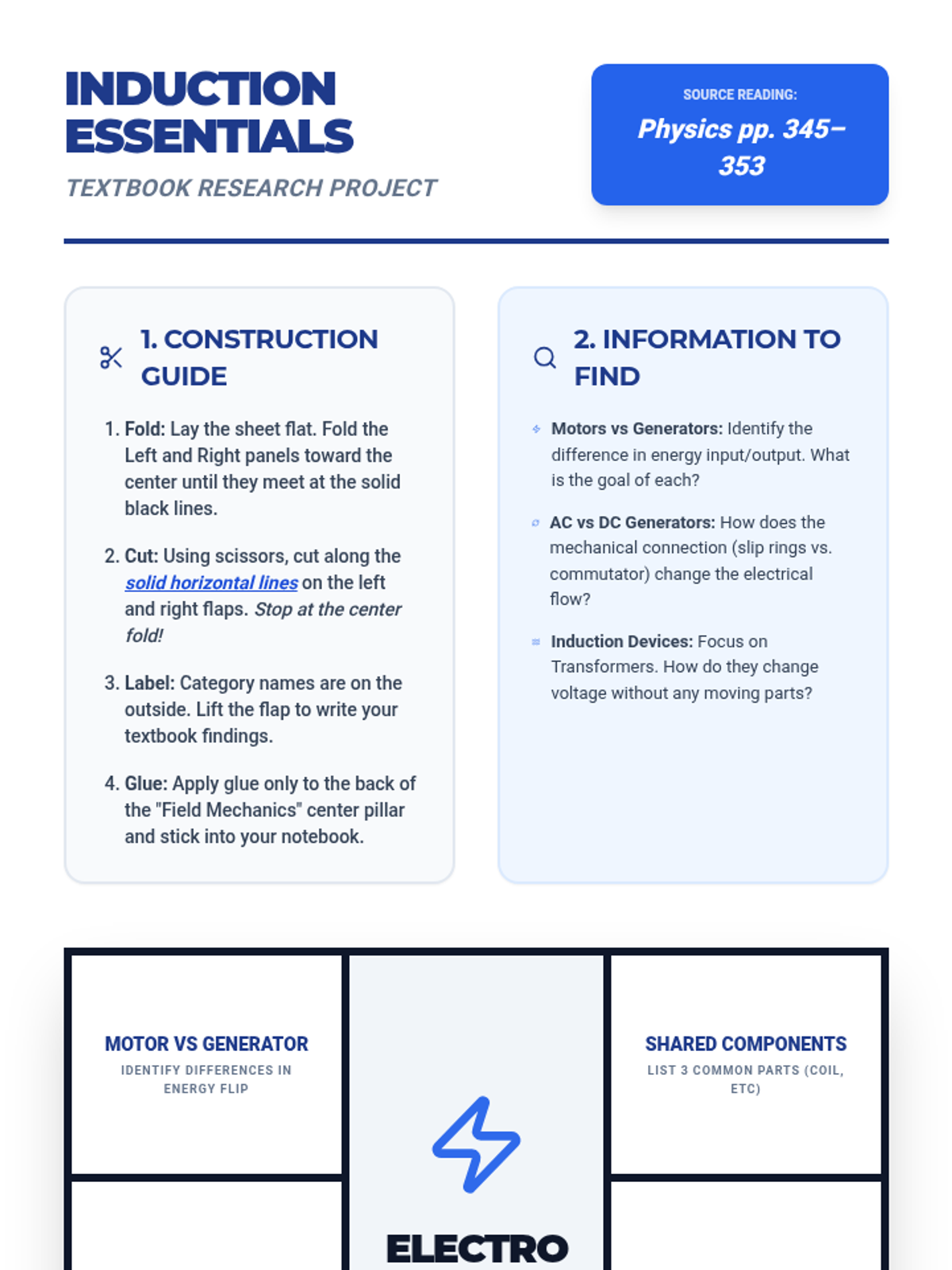
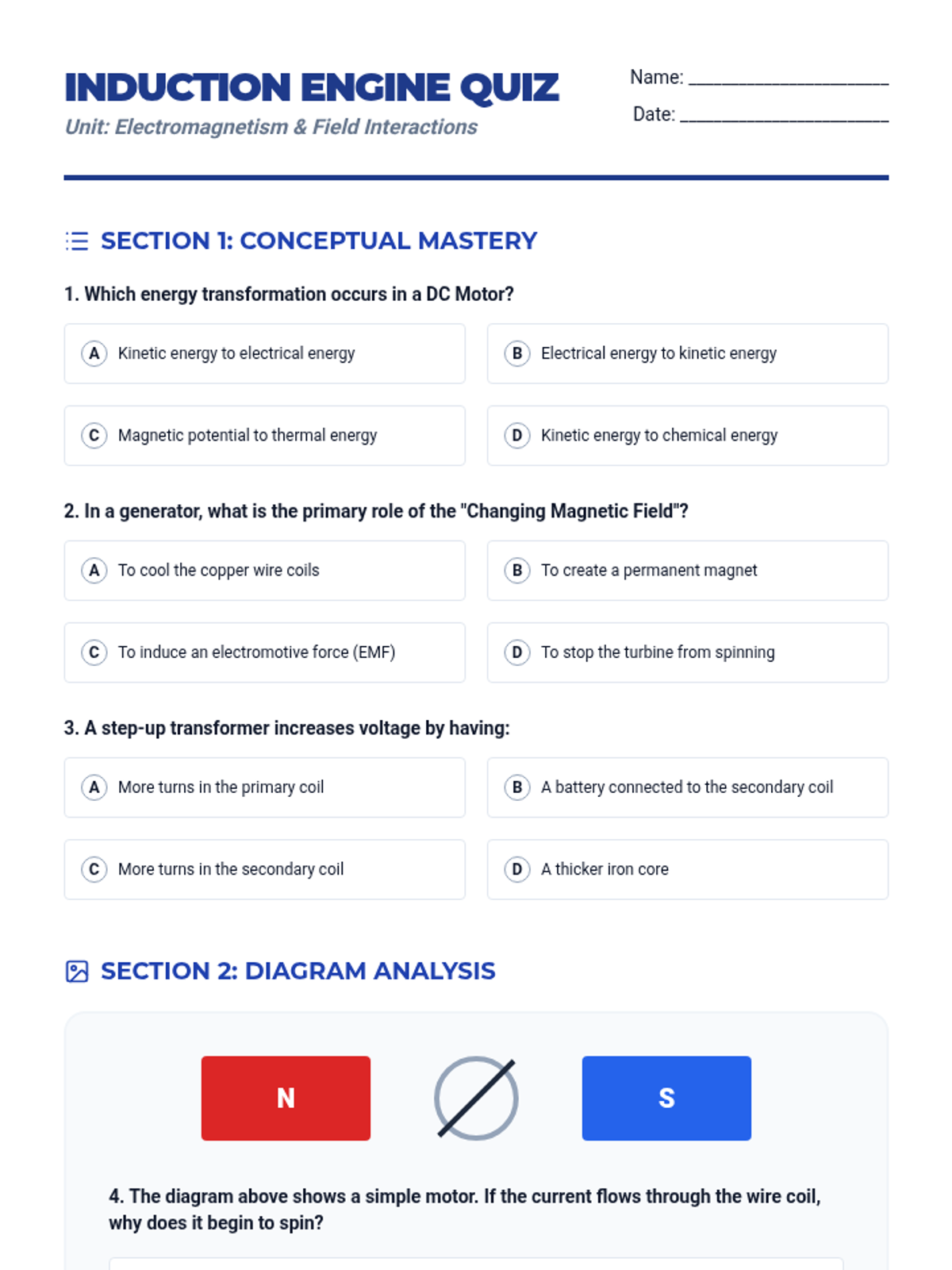
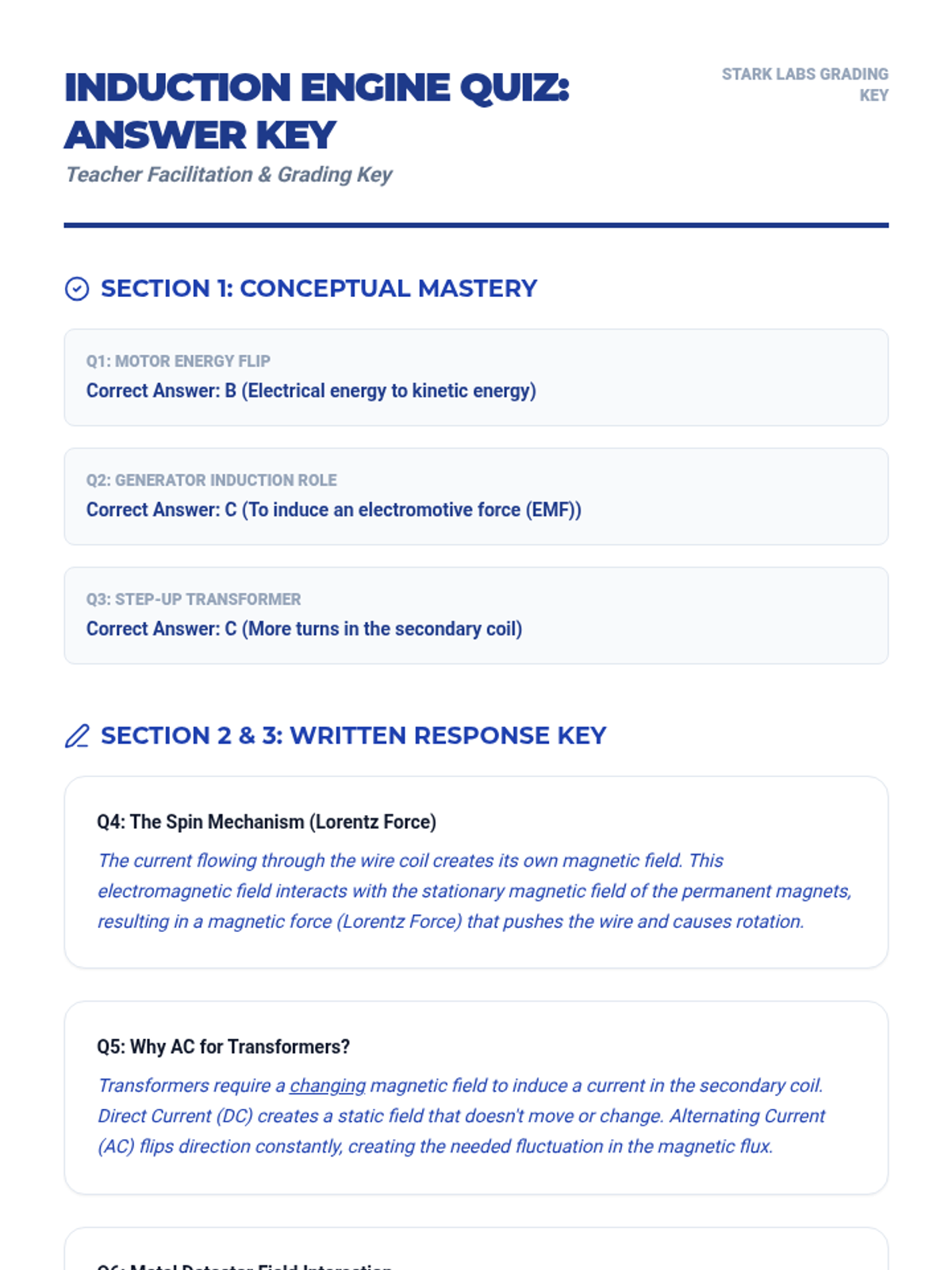
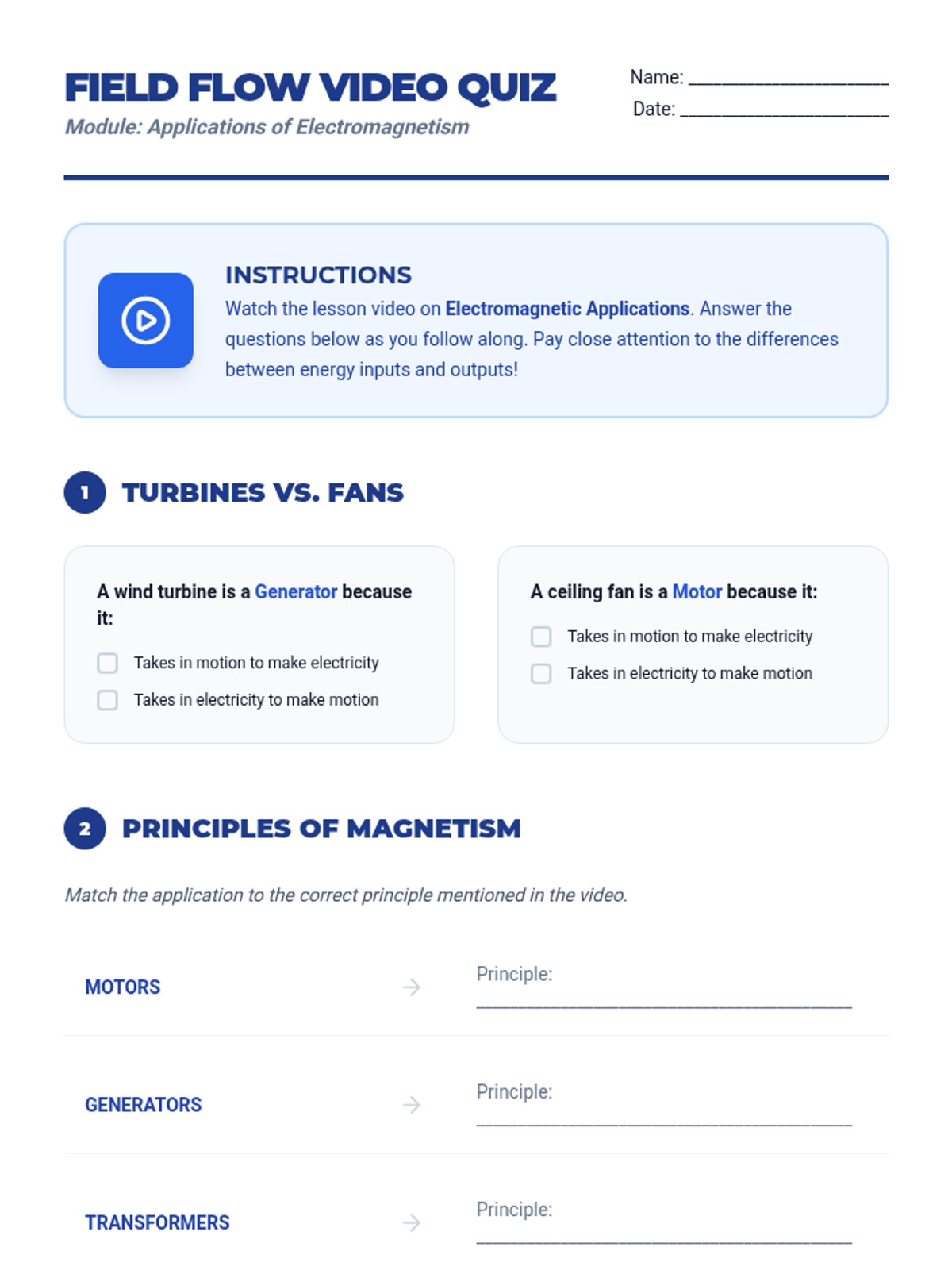
A comprehensive 5E lesson exploring electromagnetic induction through the construction of motors and generators, modeling field interactions, and analyzing real-world applications like transformers.
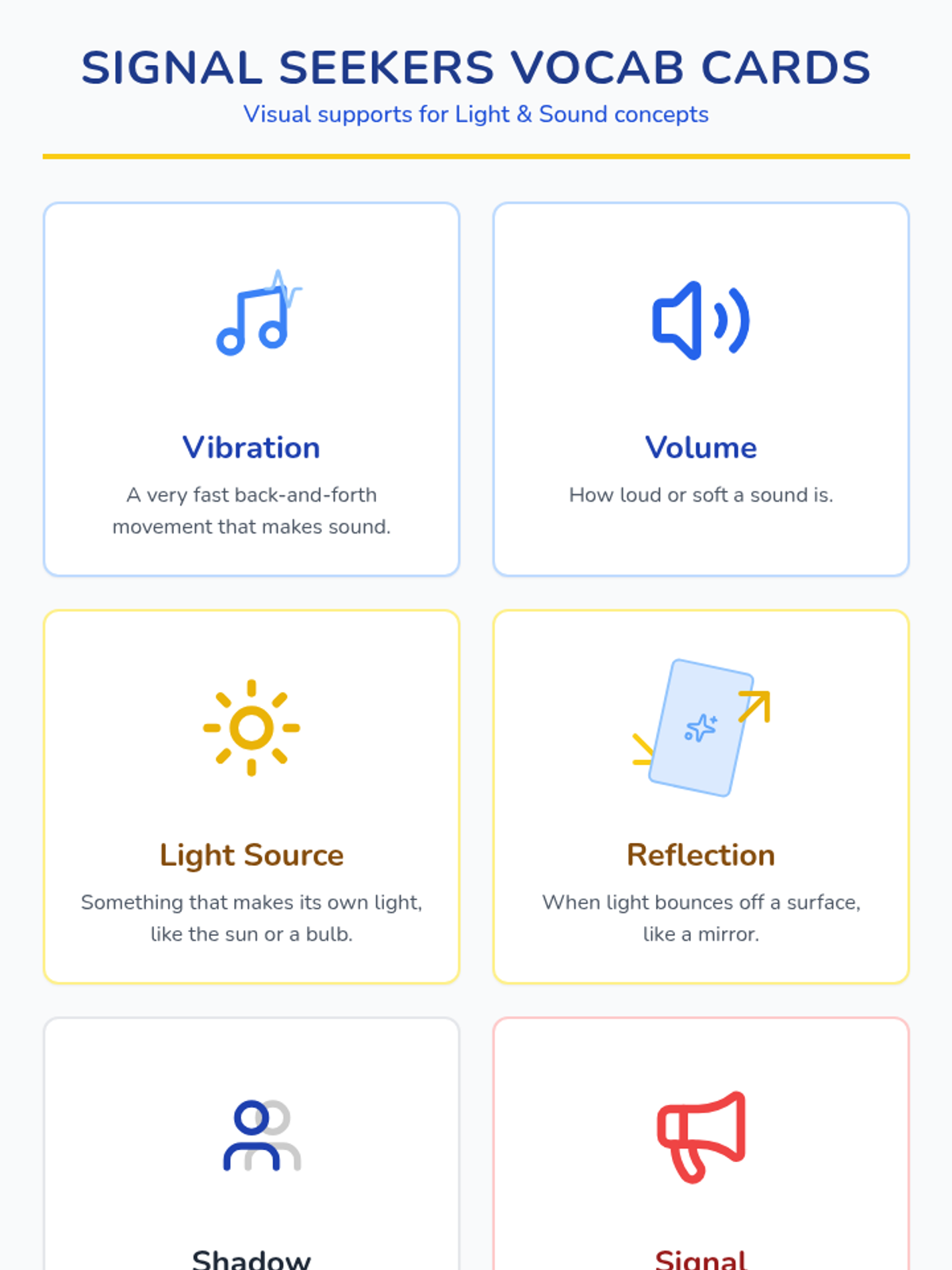
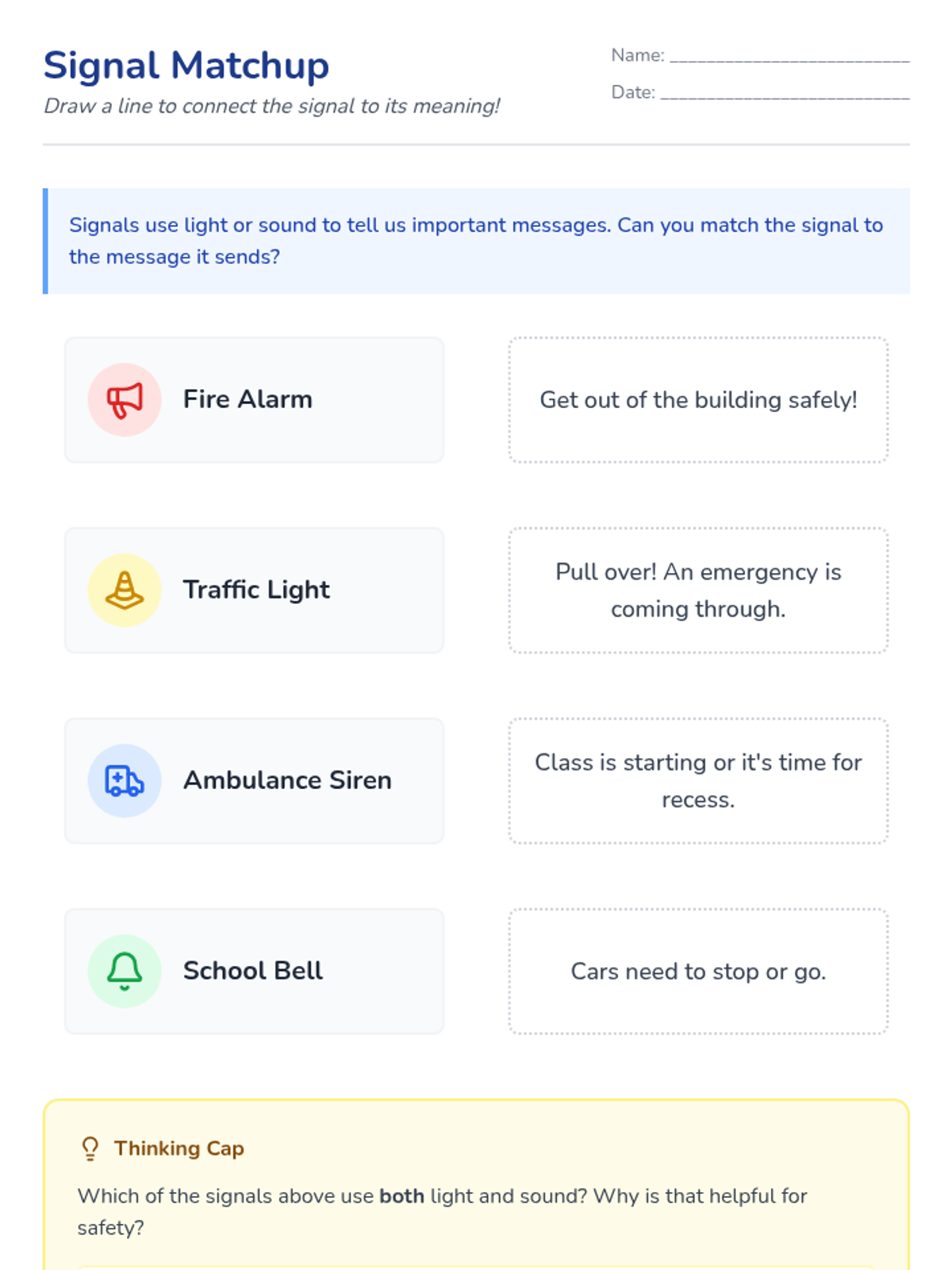
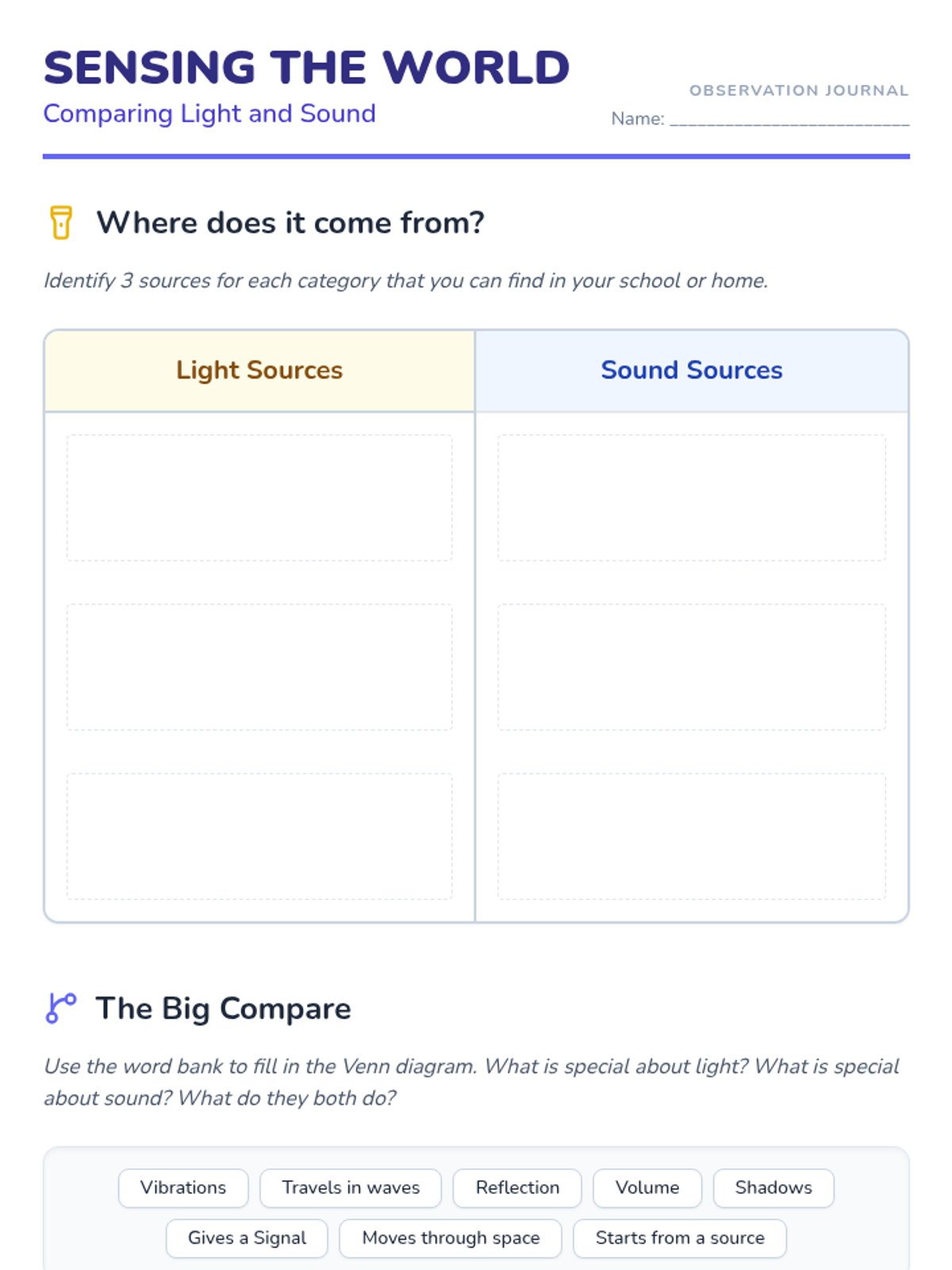
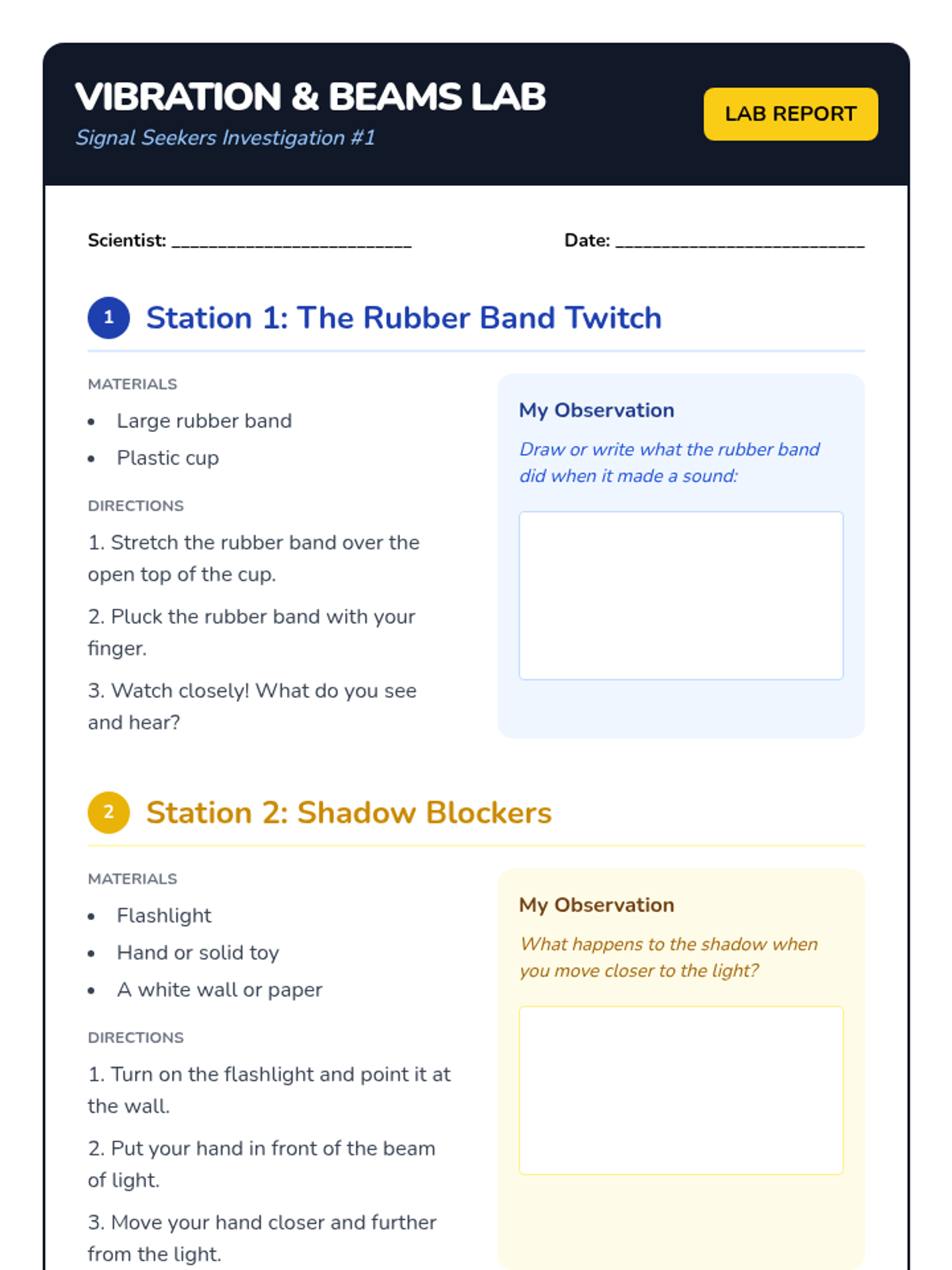
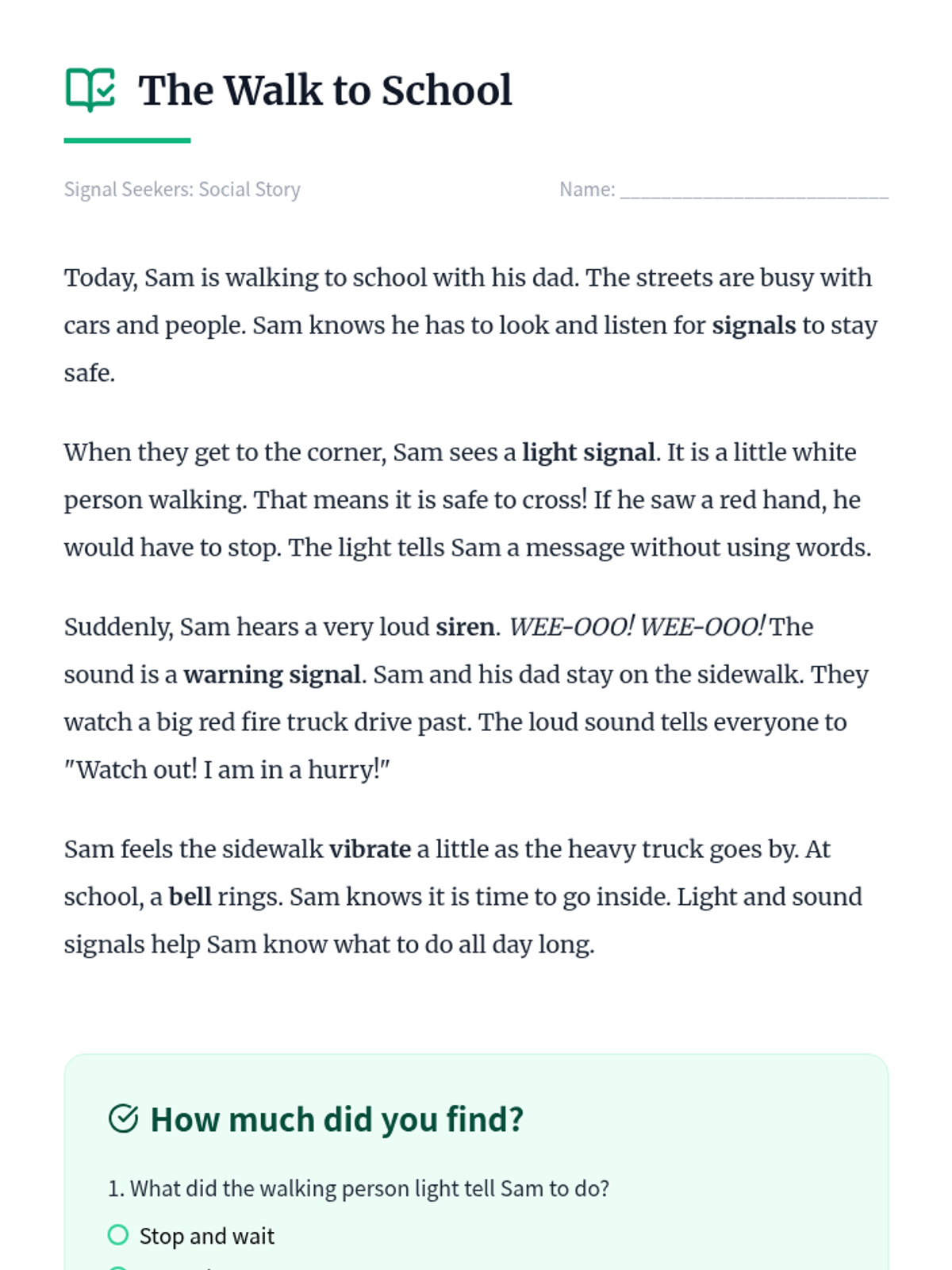
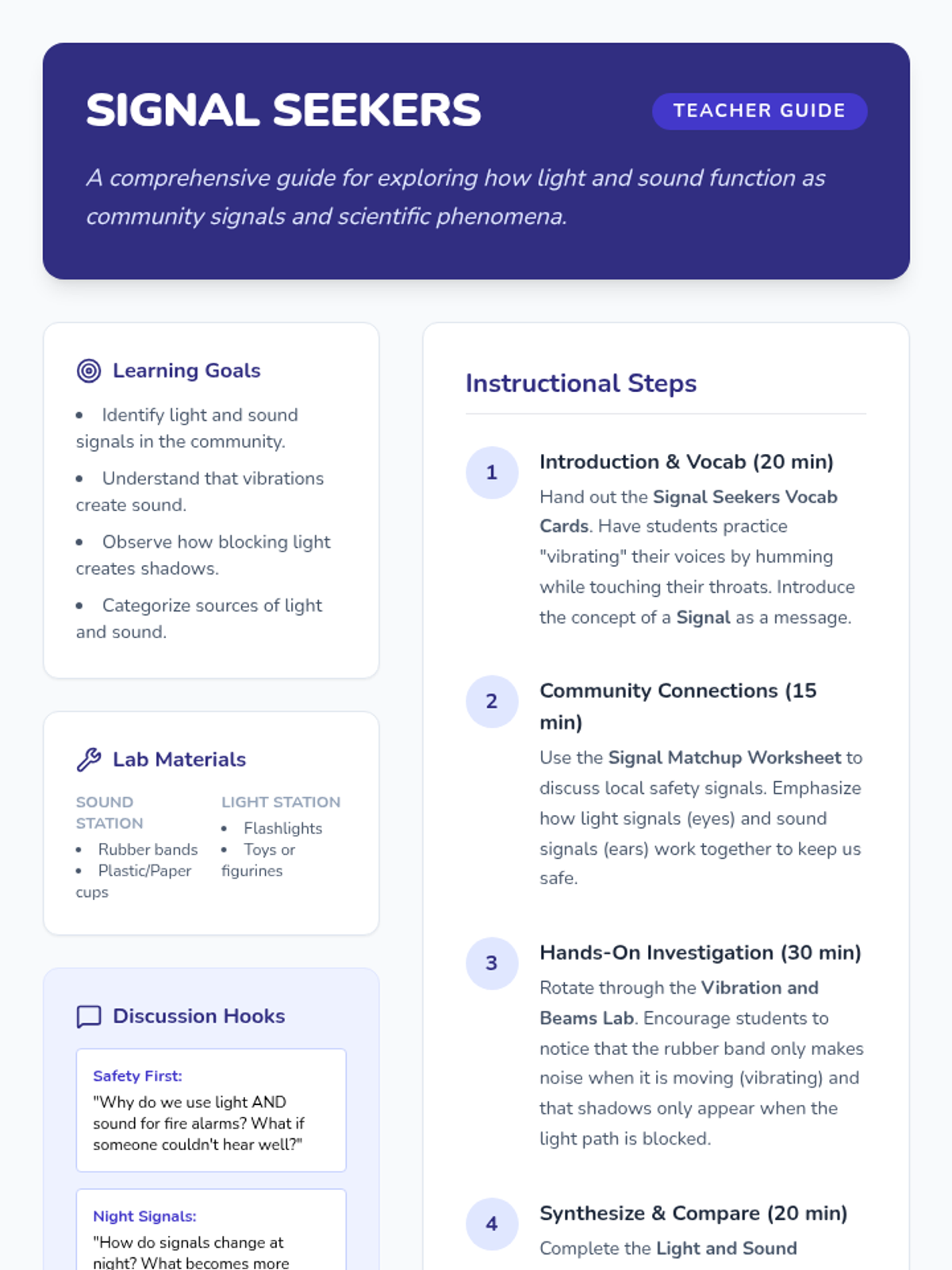
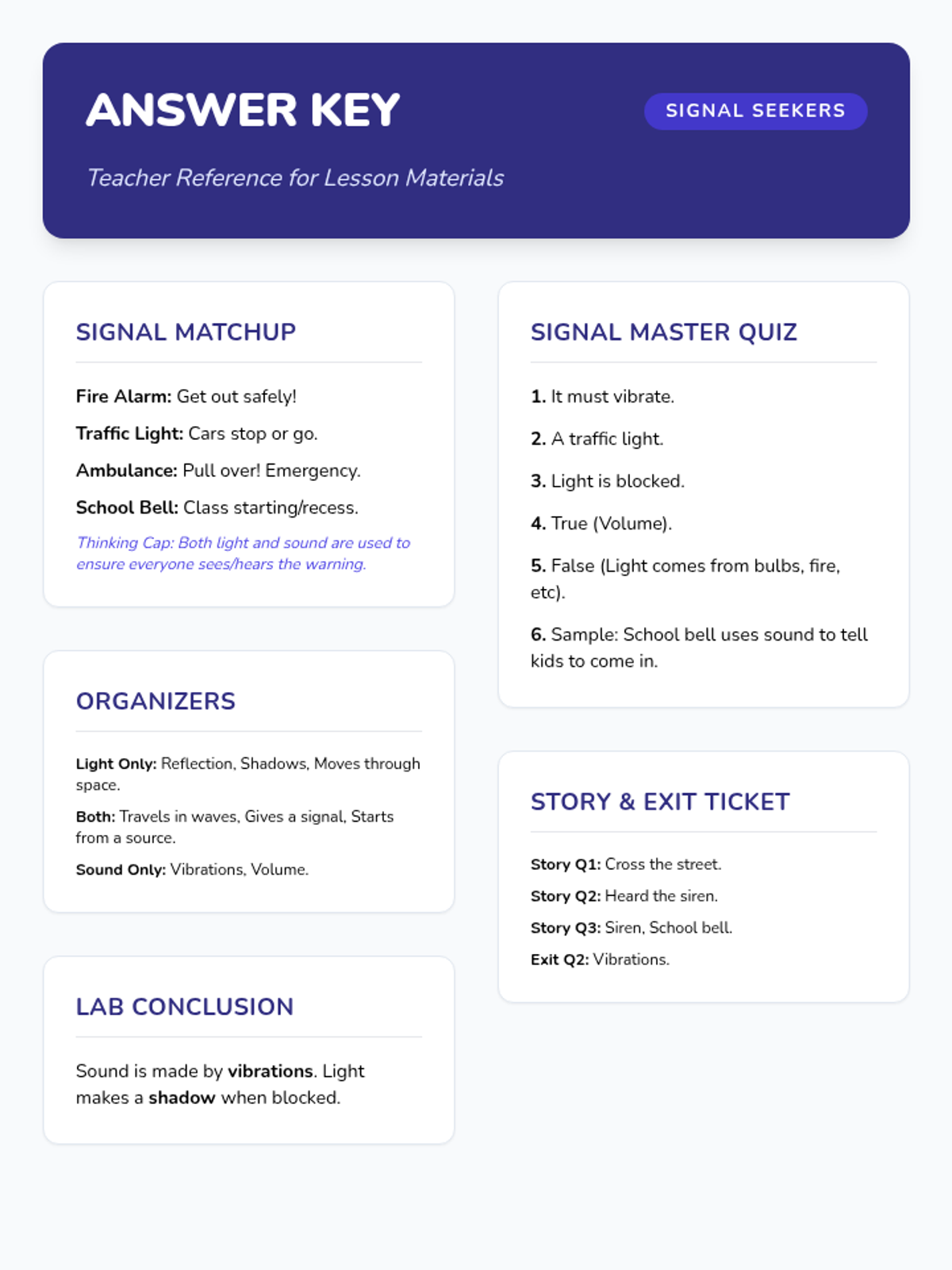
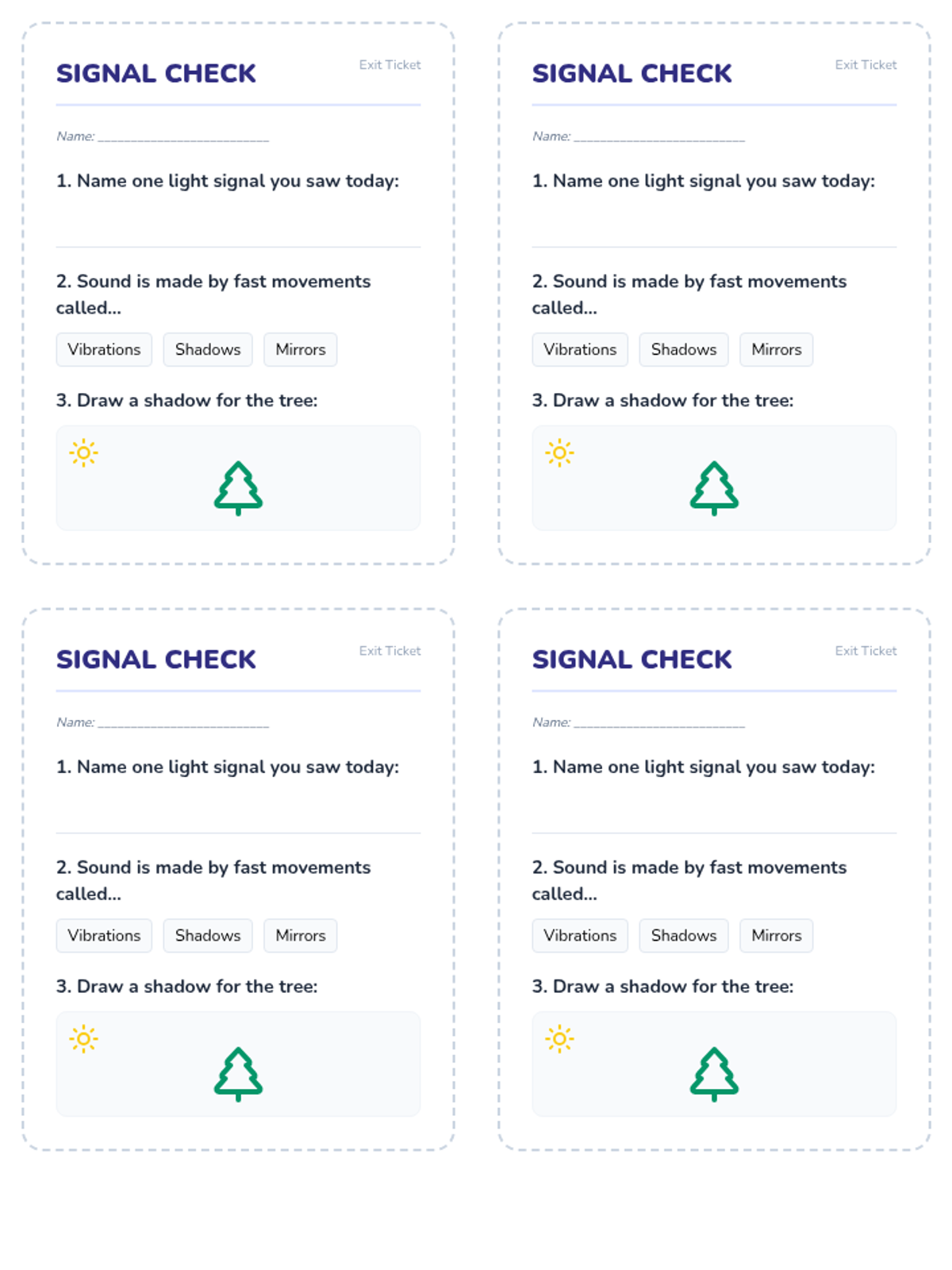
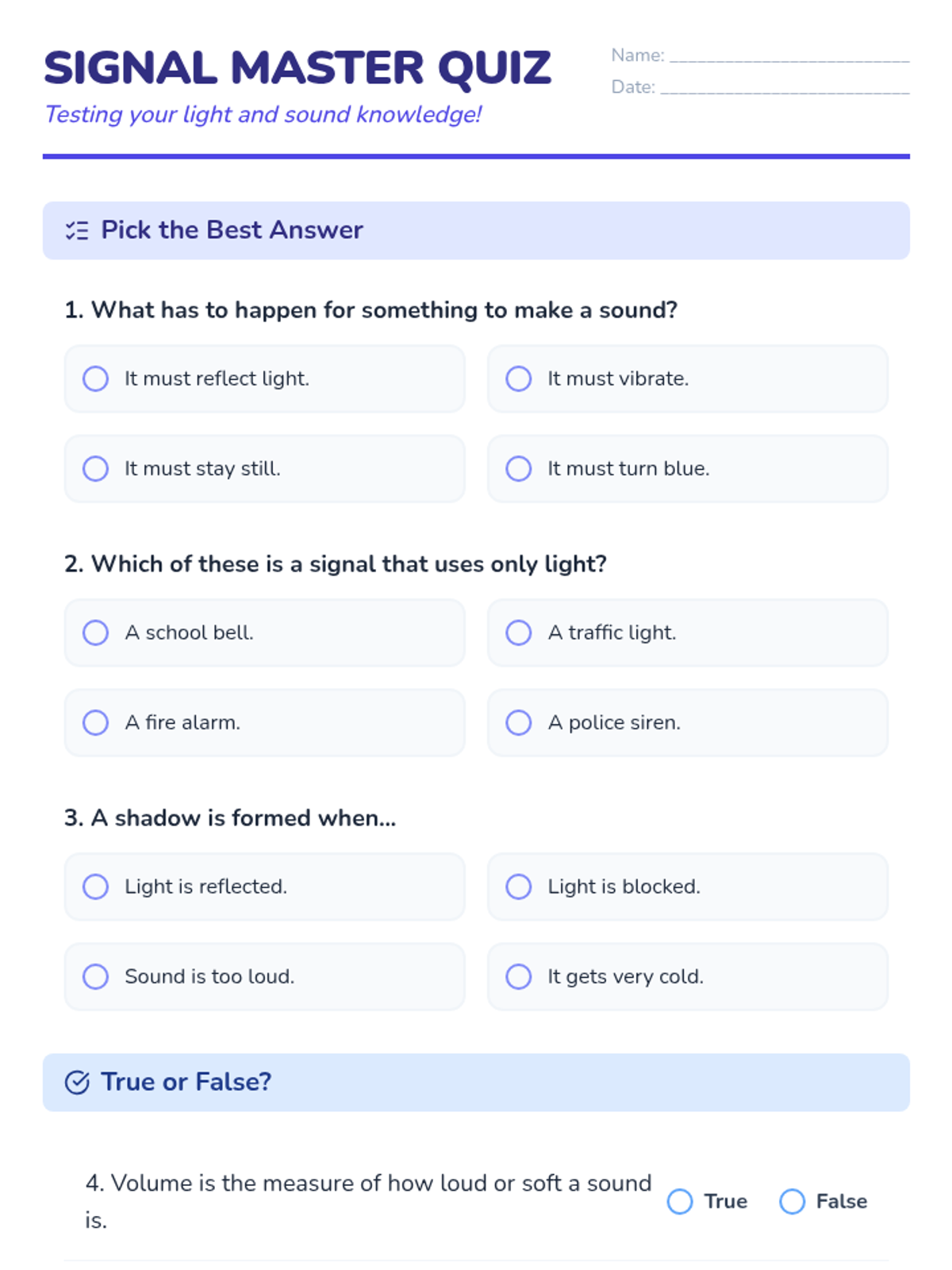
A comprehensive lesson exploring how light and sound function as signals in our community, how they are produced through vibrations and sources, and the unique properties of shadows and volume.
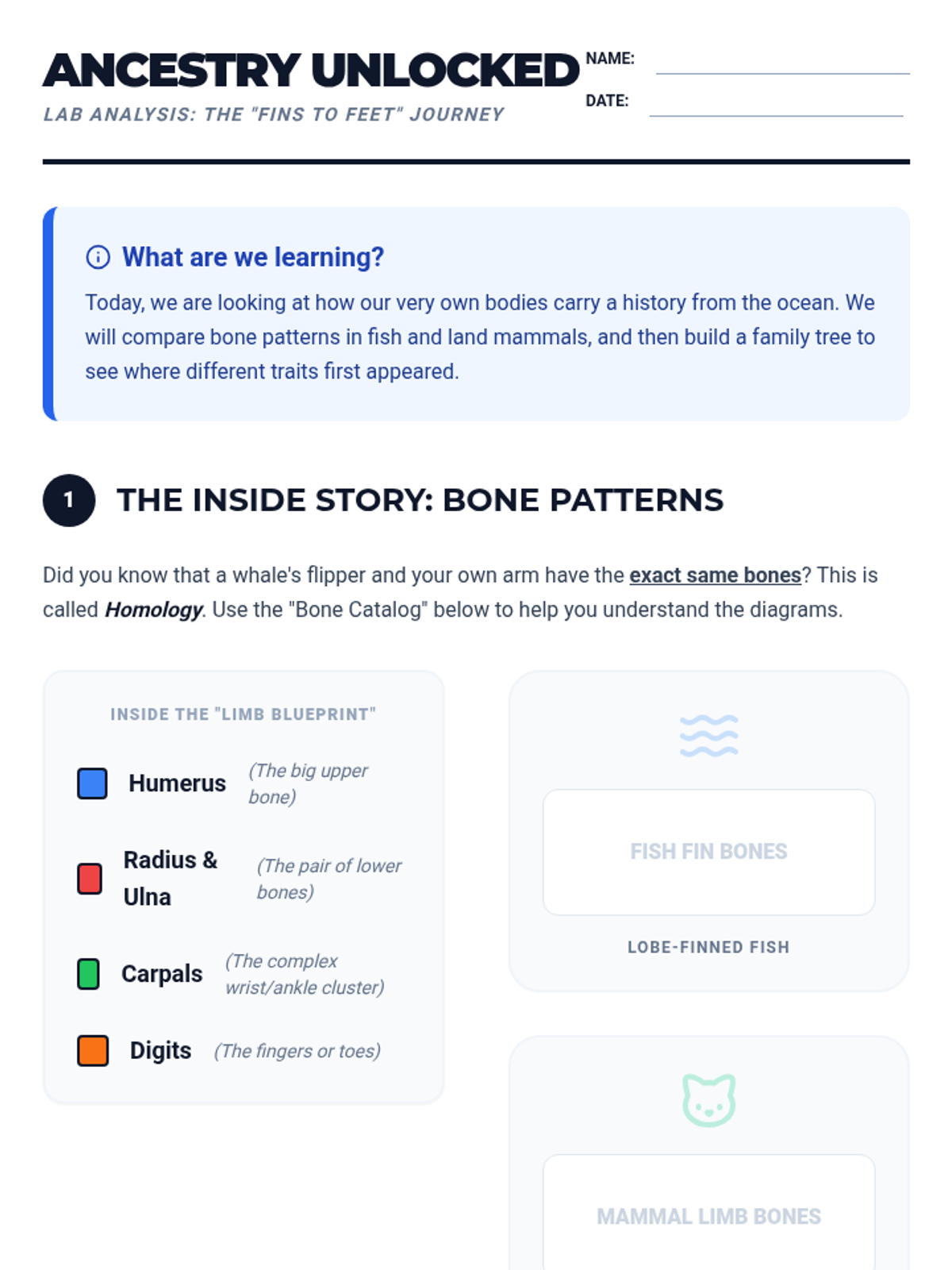
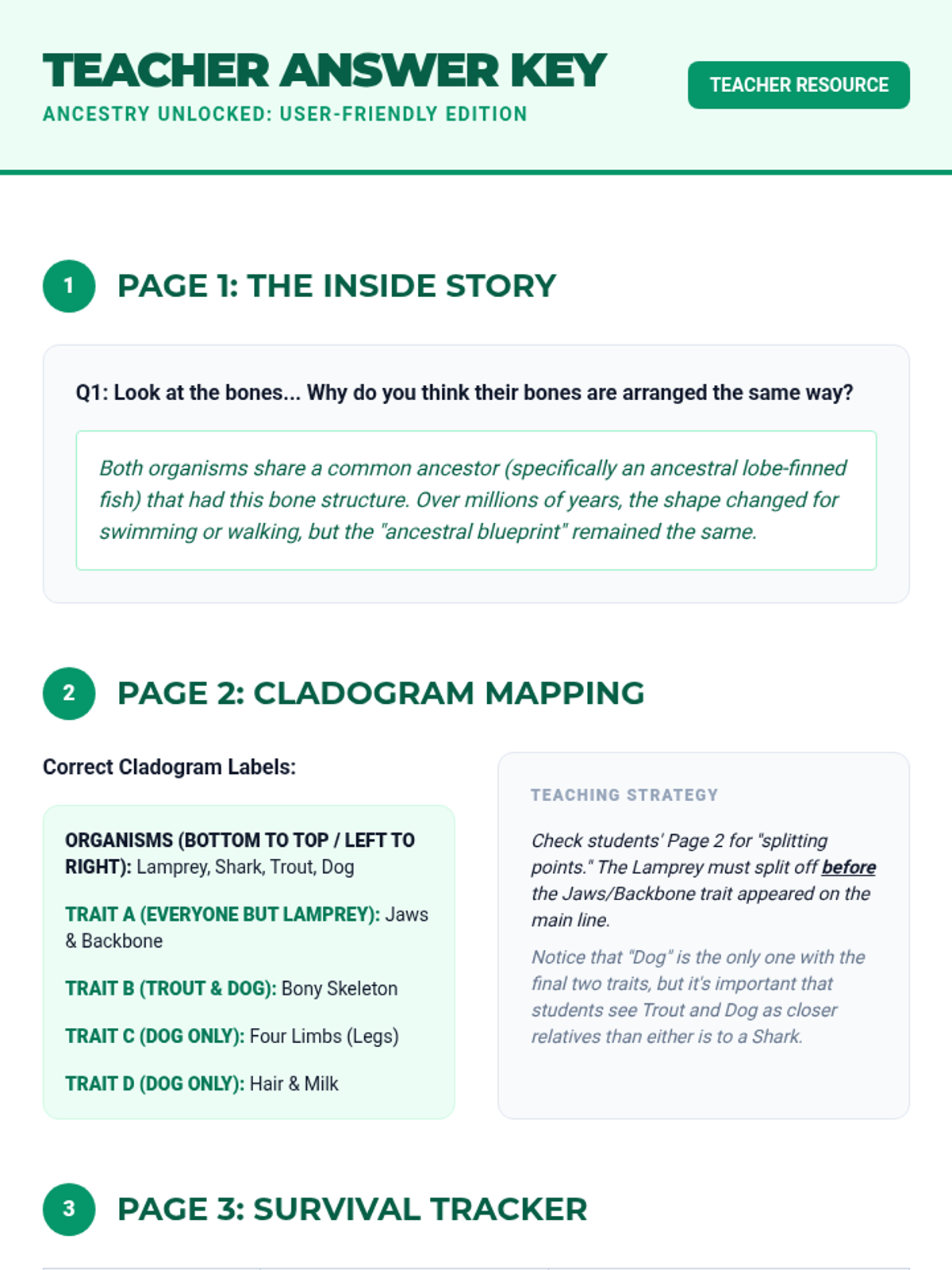
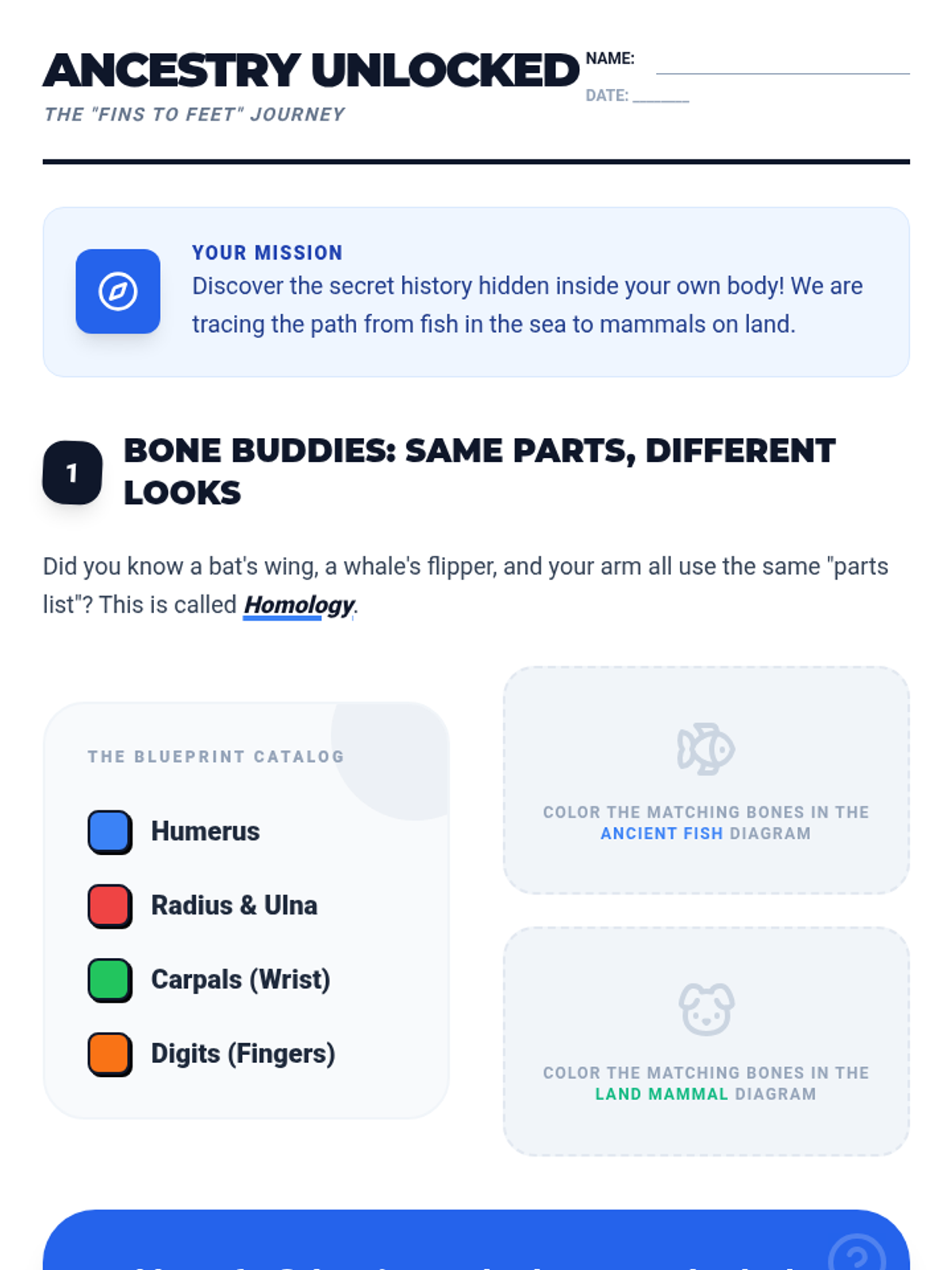
Students explore the shared ancestry of fish and mammals, analyzing homologous bone structures and building cladograms to visualize divergent evolution.
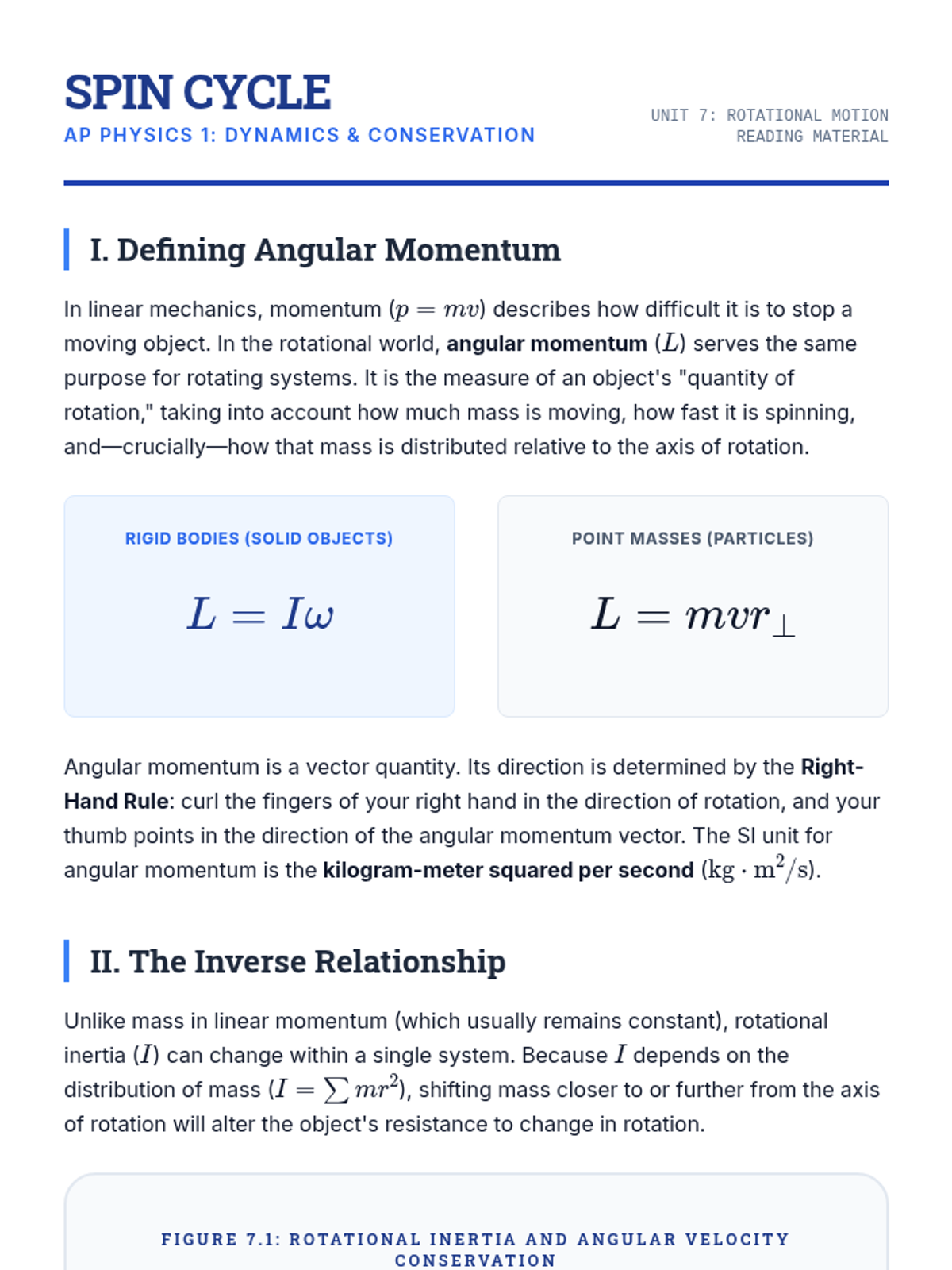
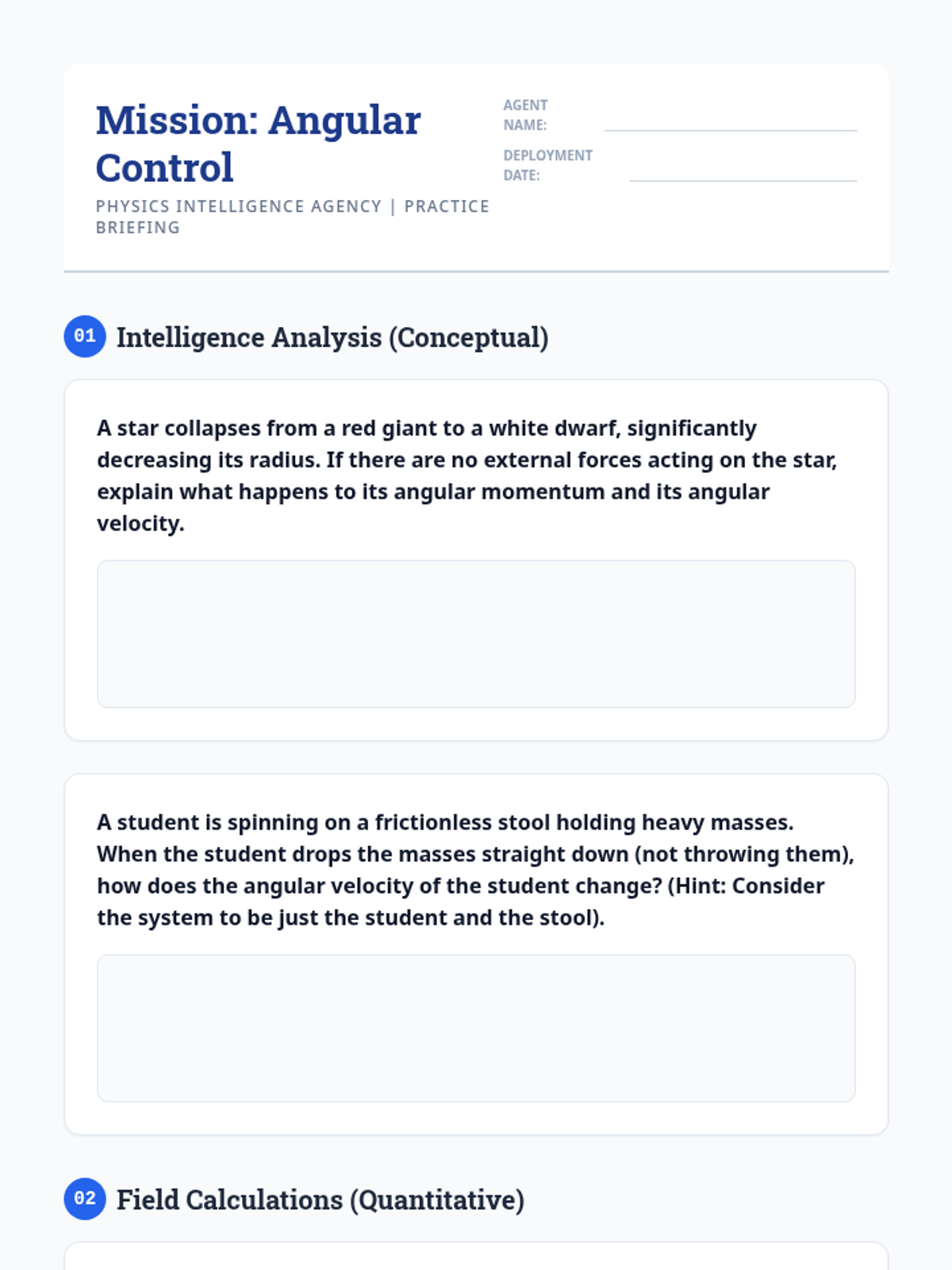
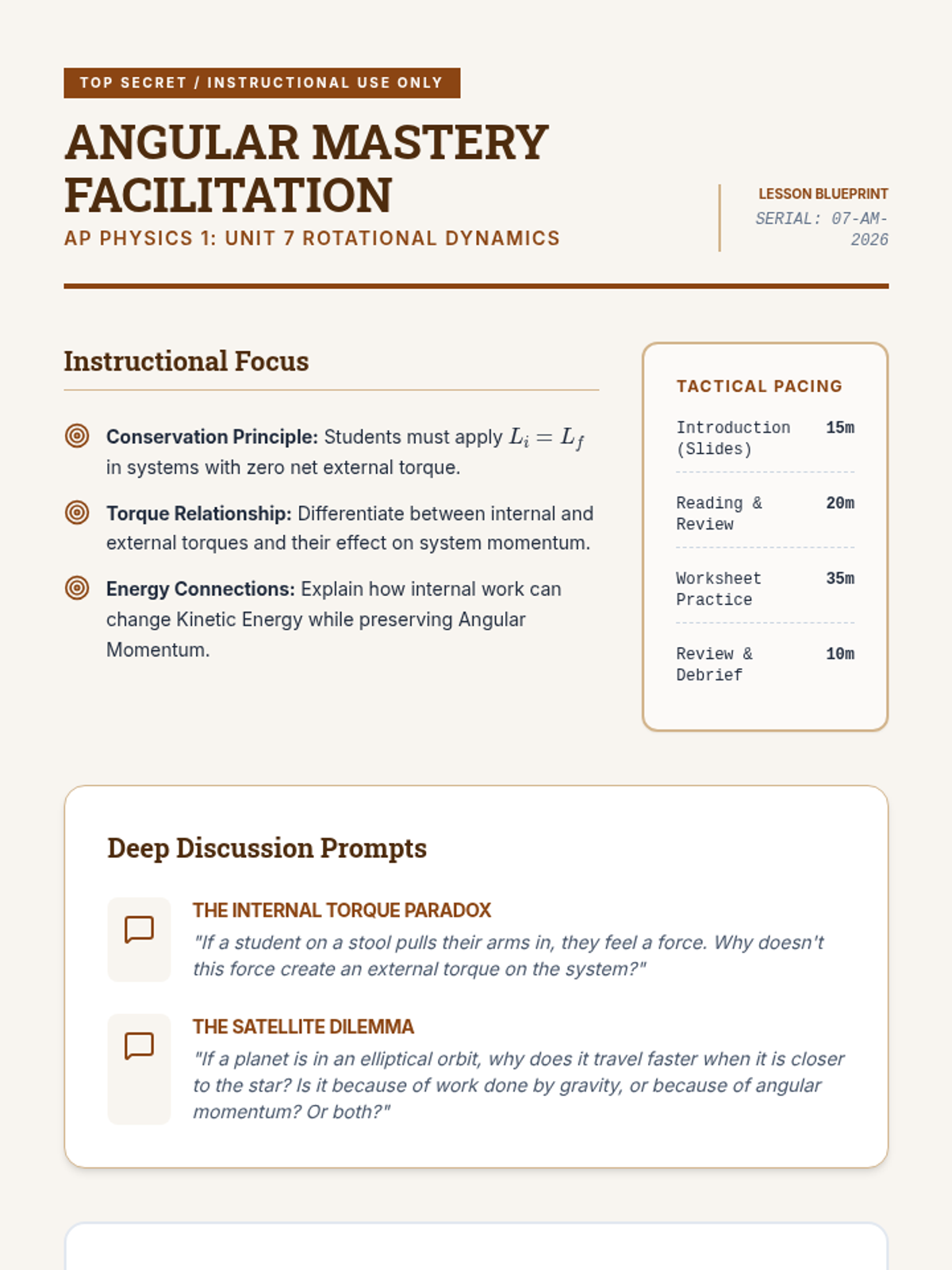
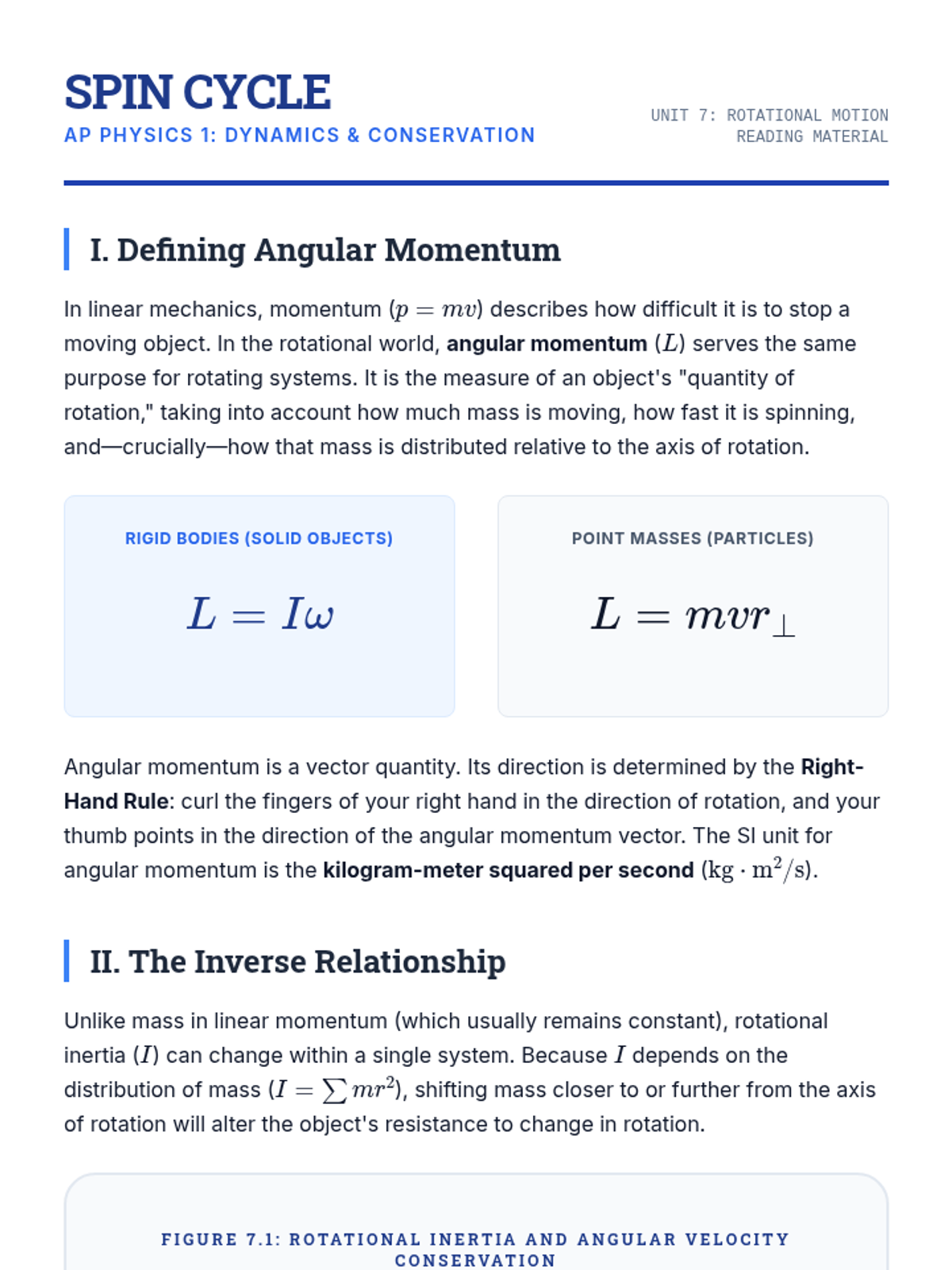
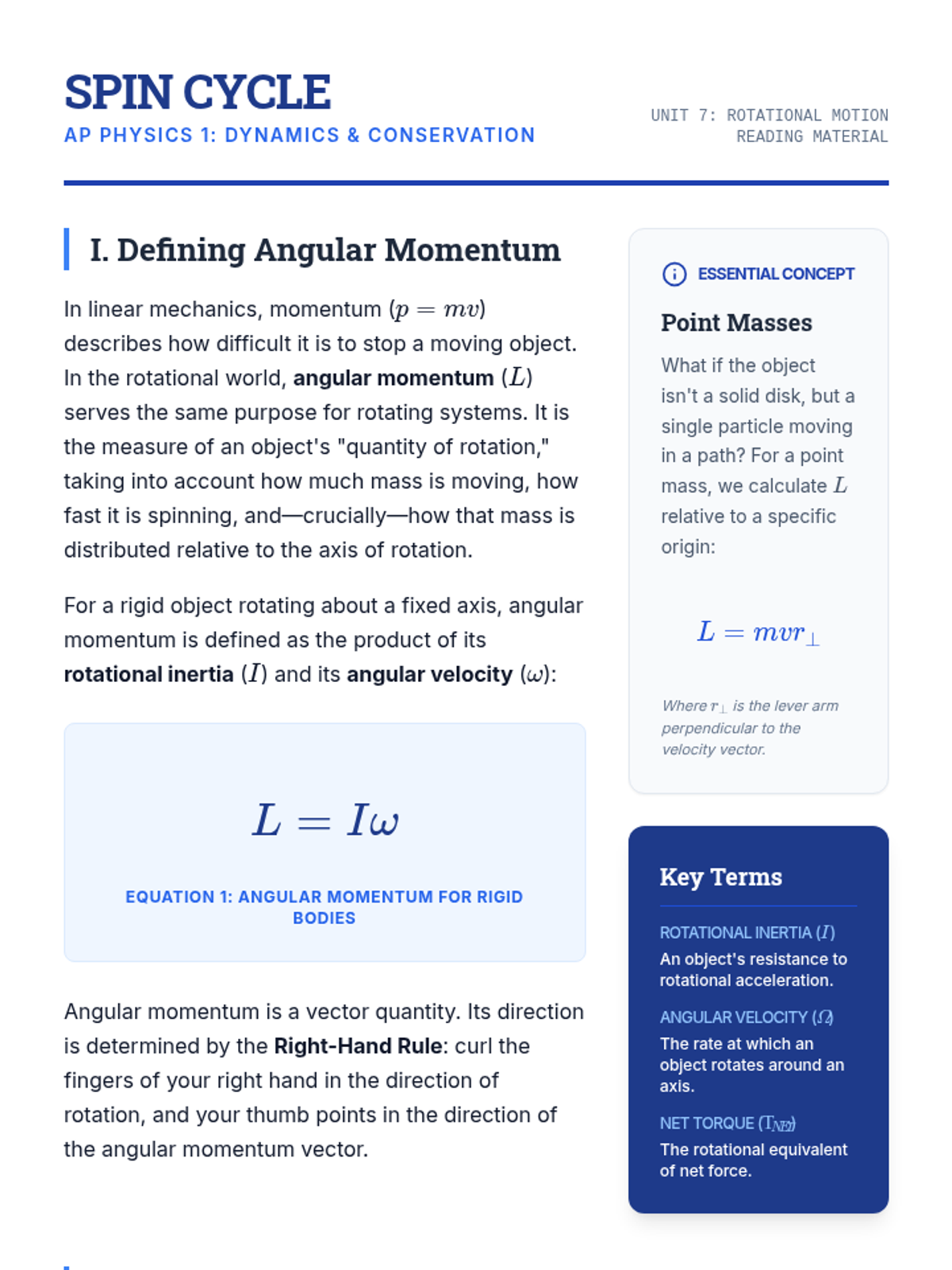
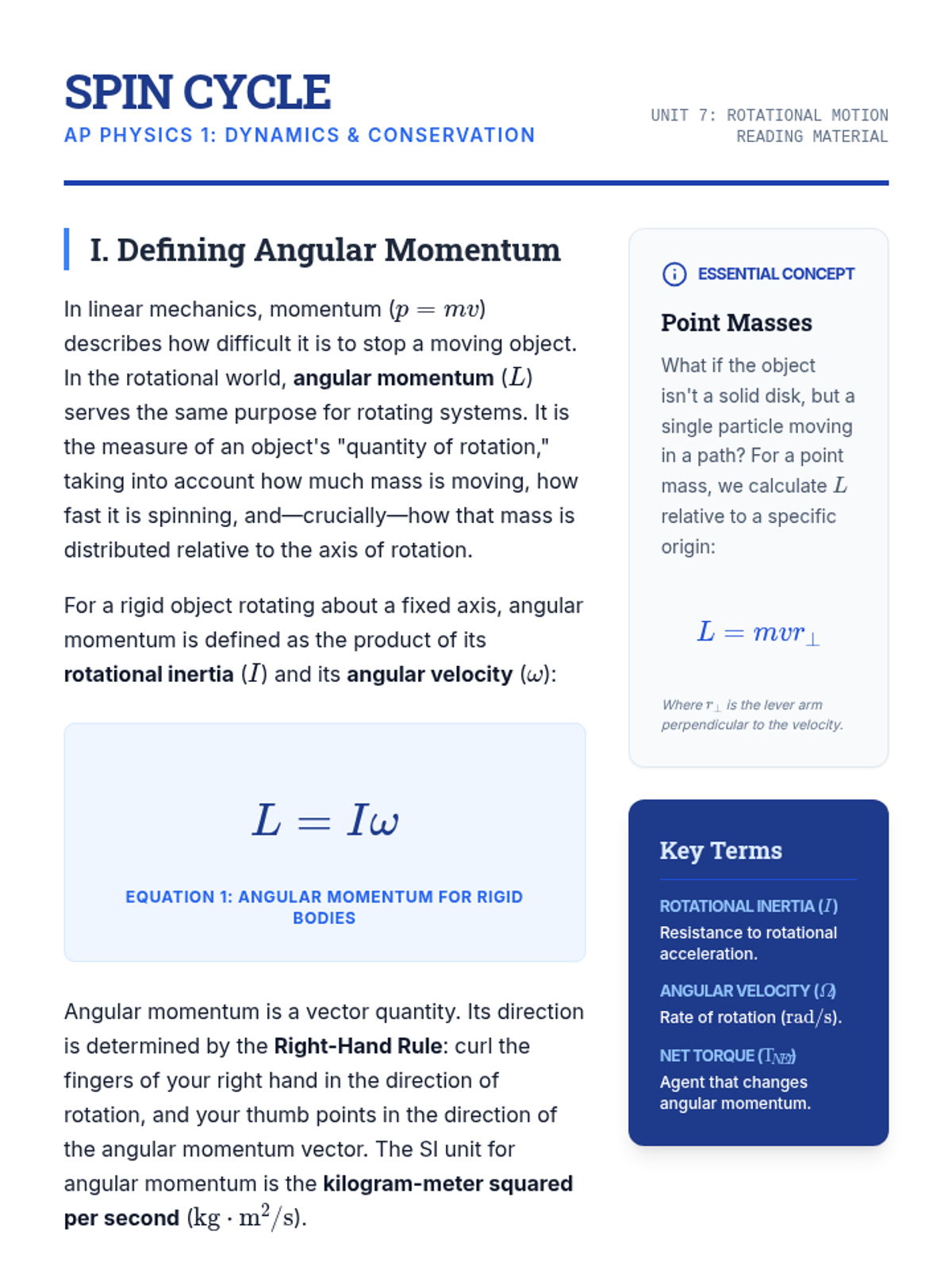
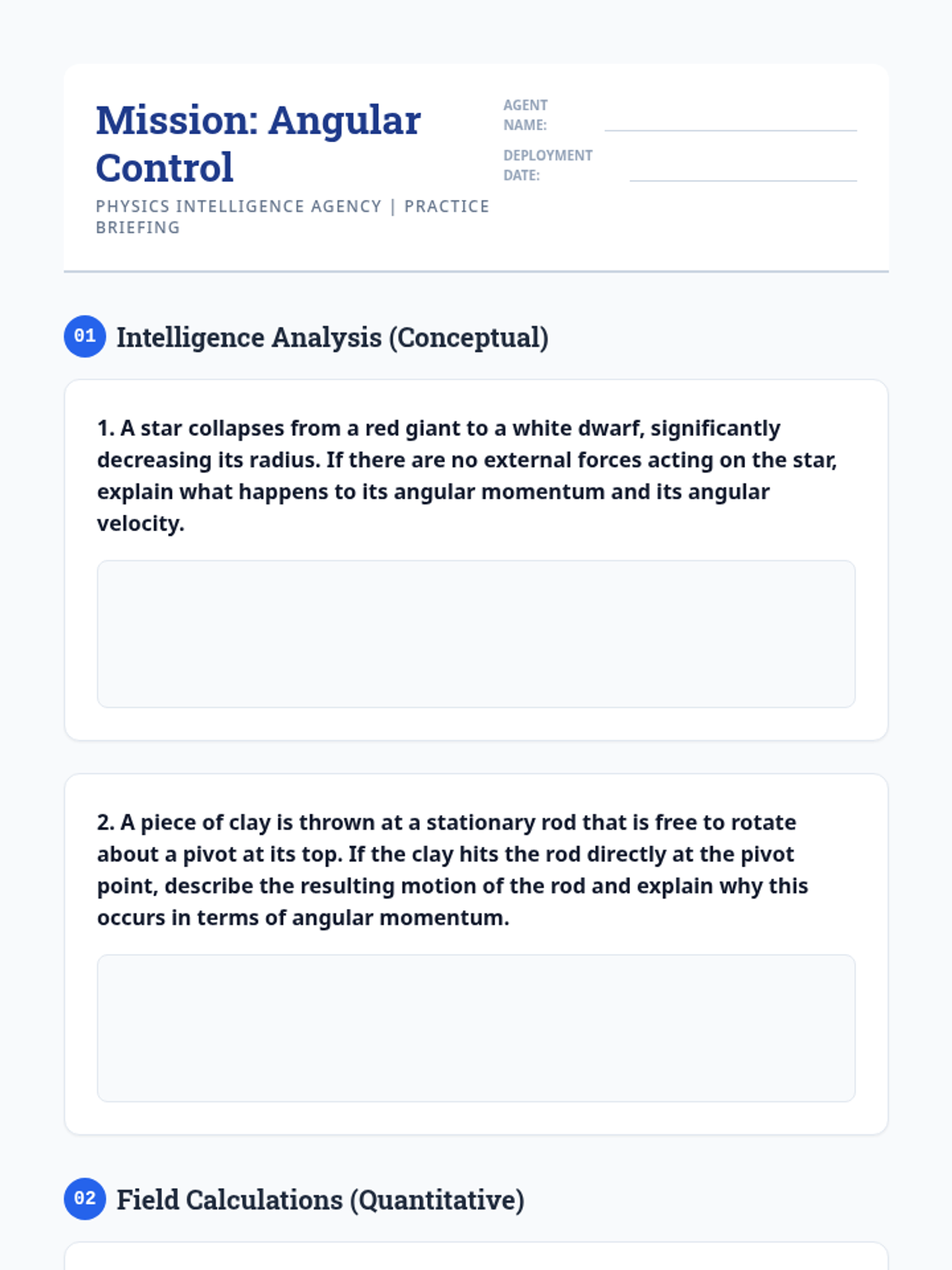
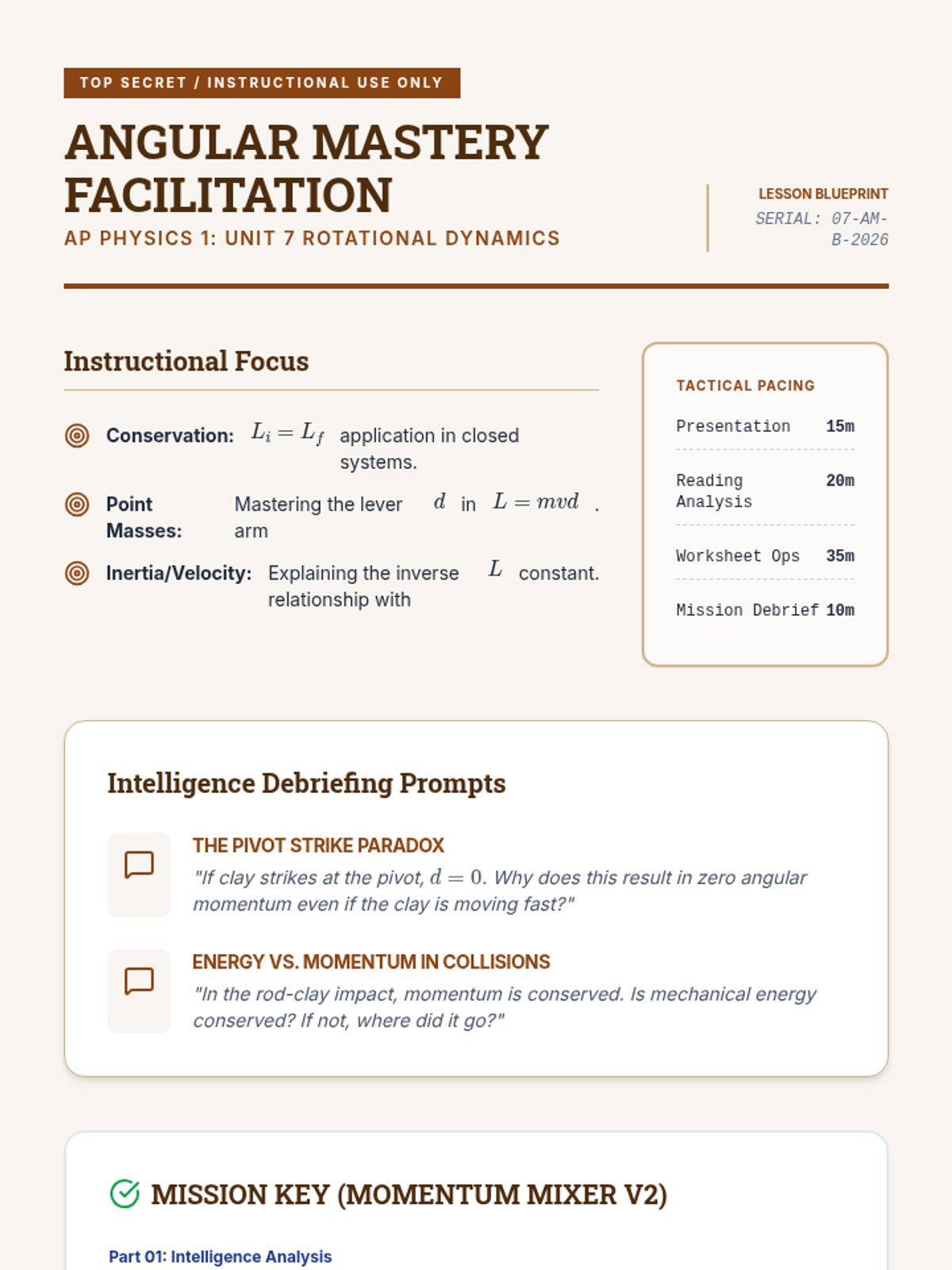
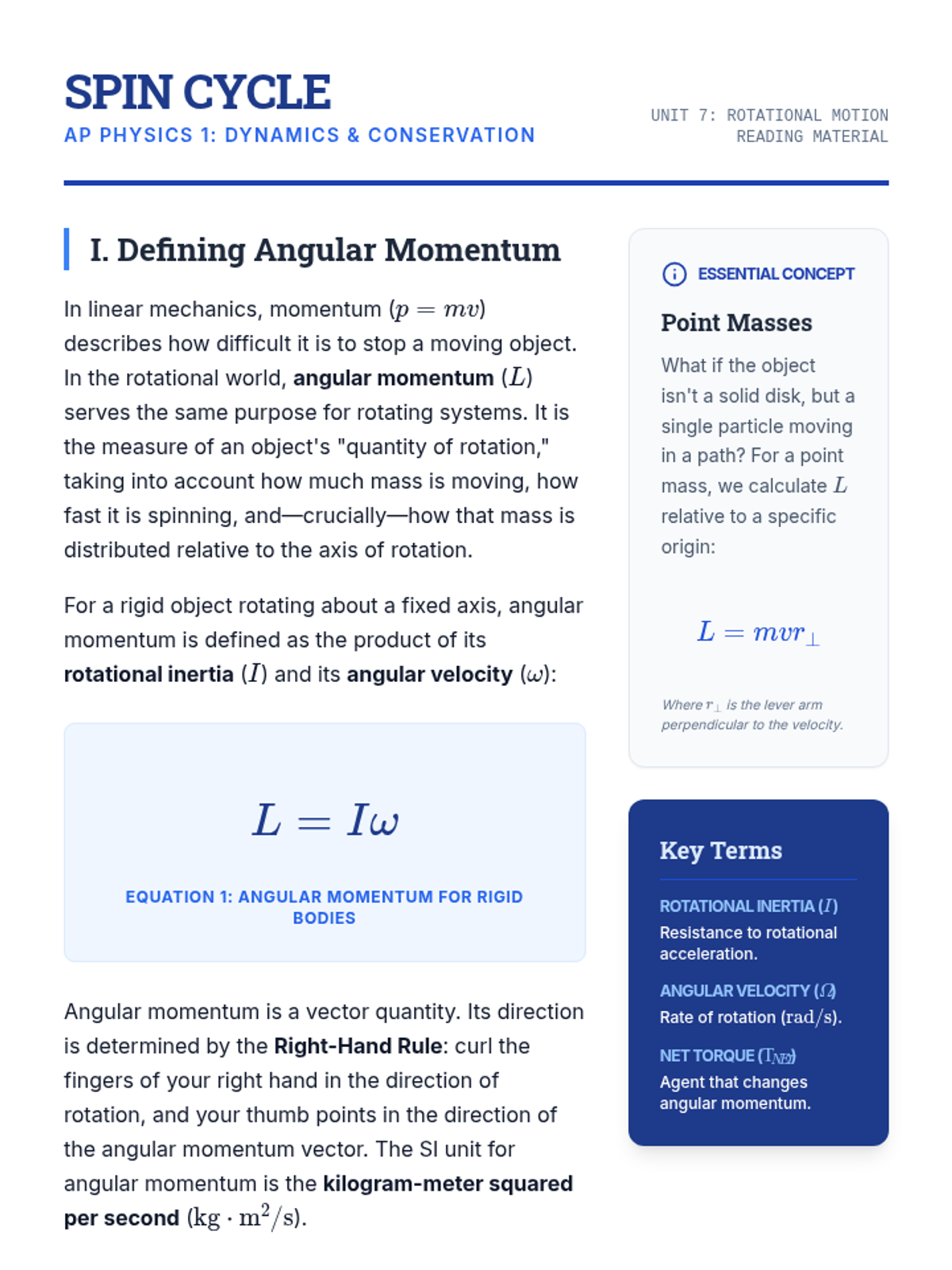
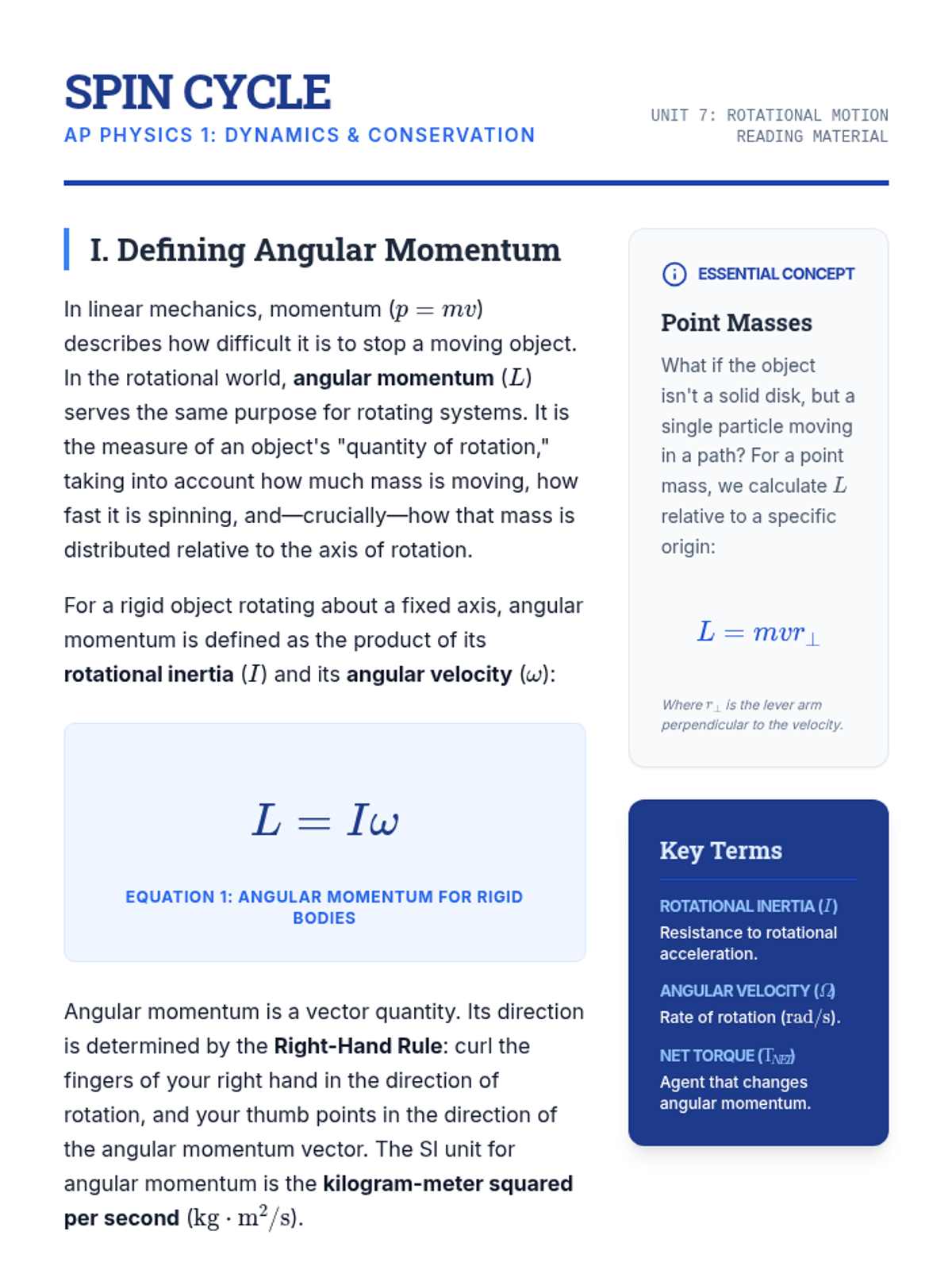
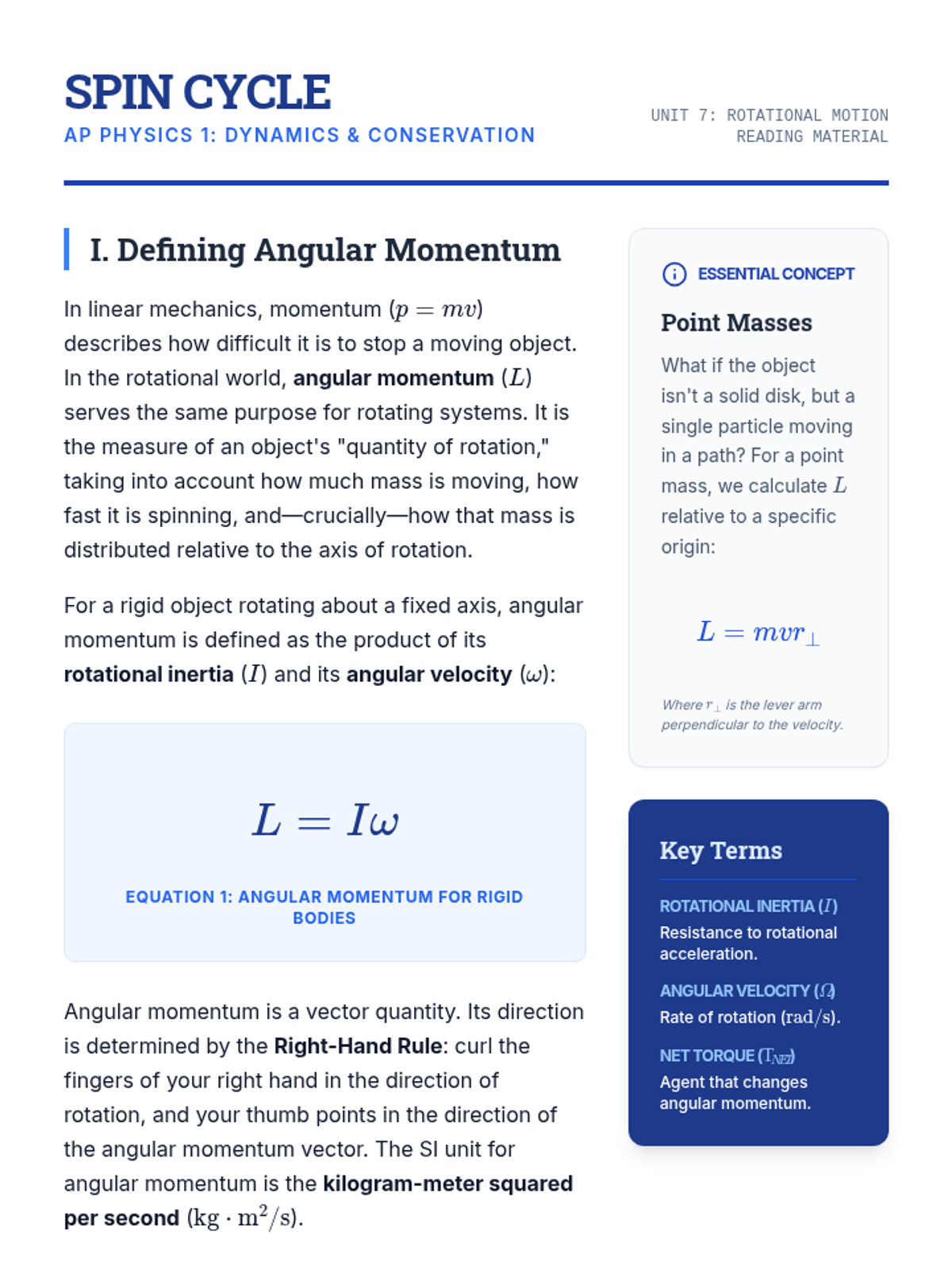
A comprehensive exploration of angular momentum, torque relationships, and conservation principles for AP Physics 1 students.
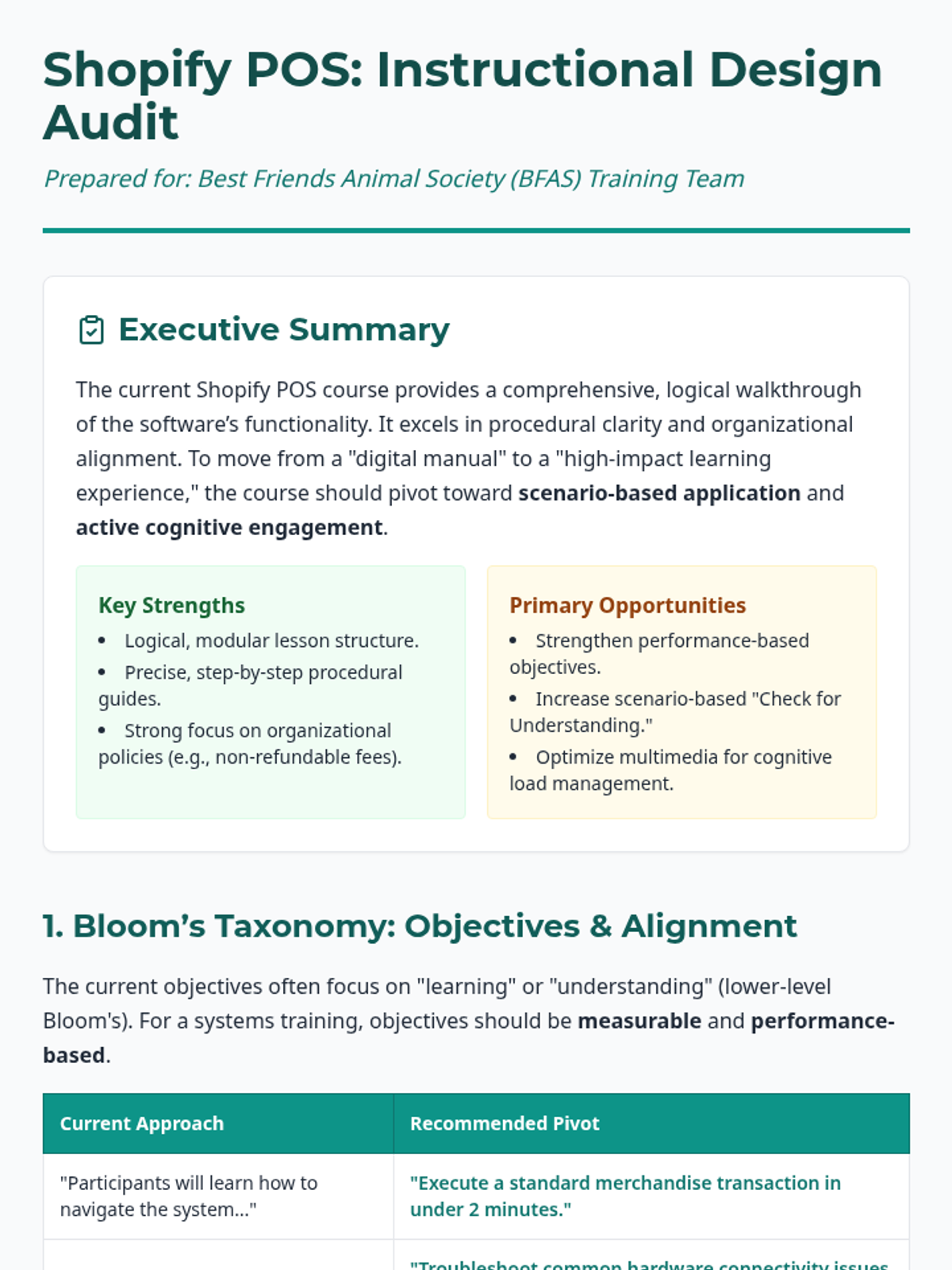
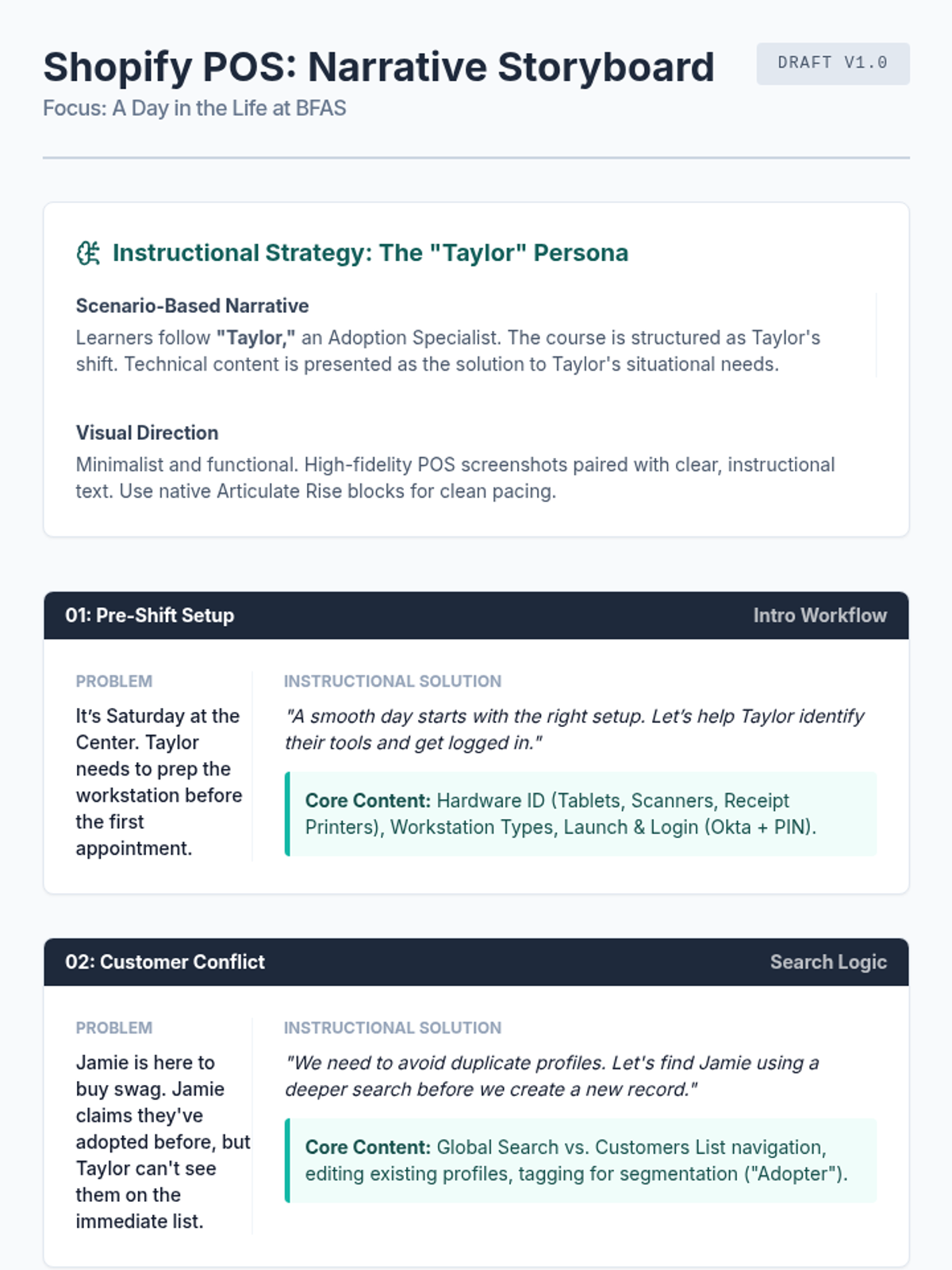
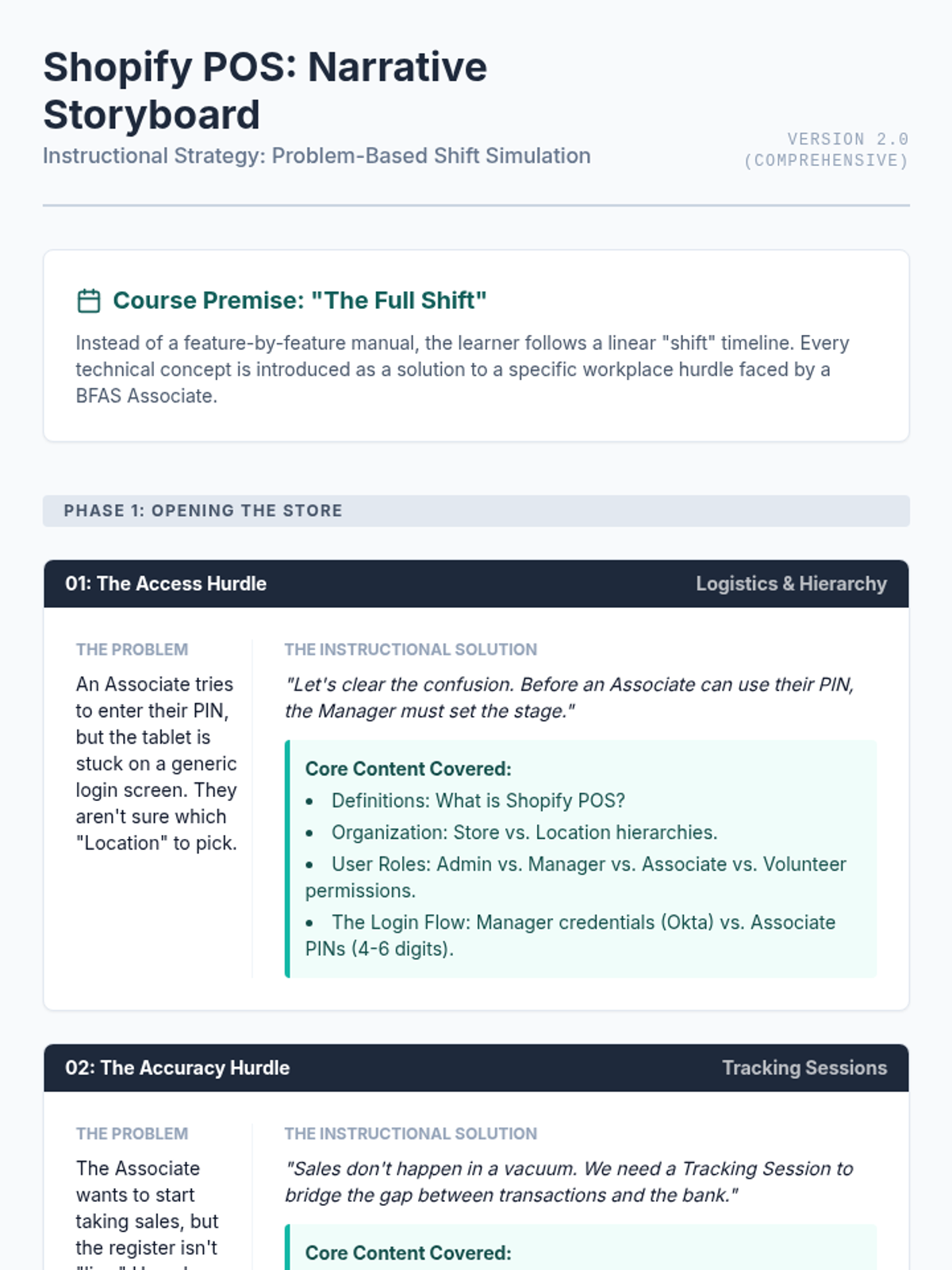
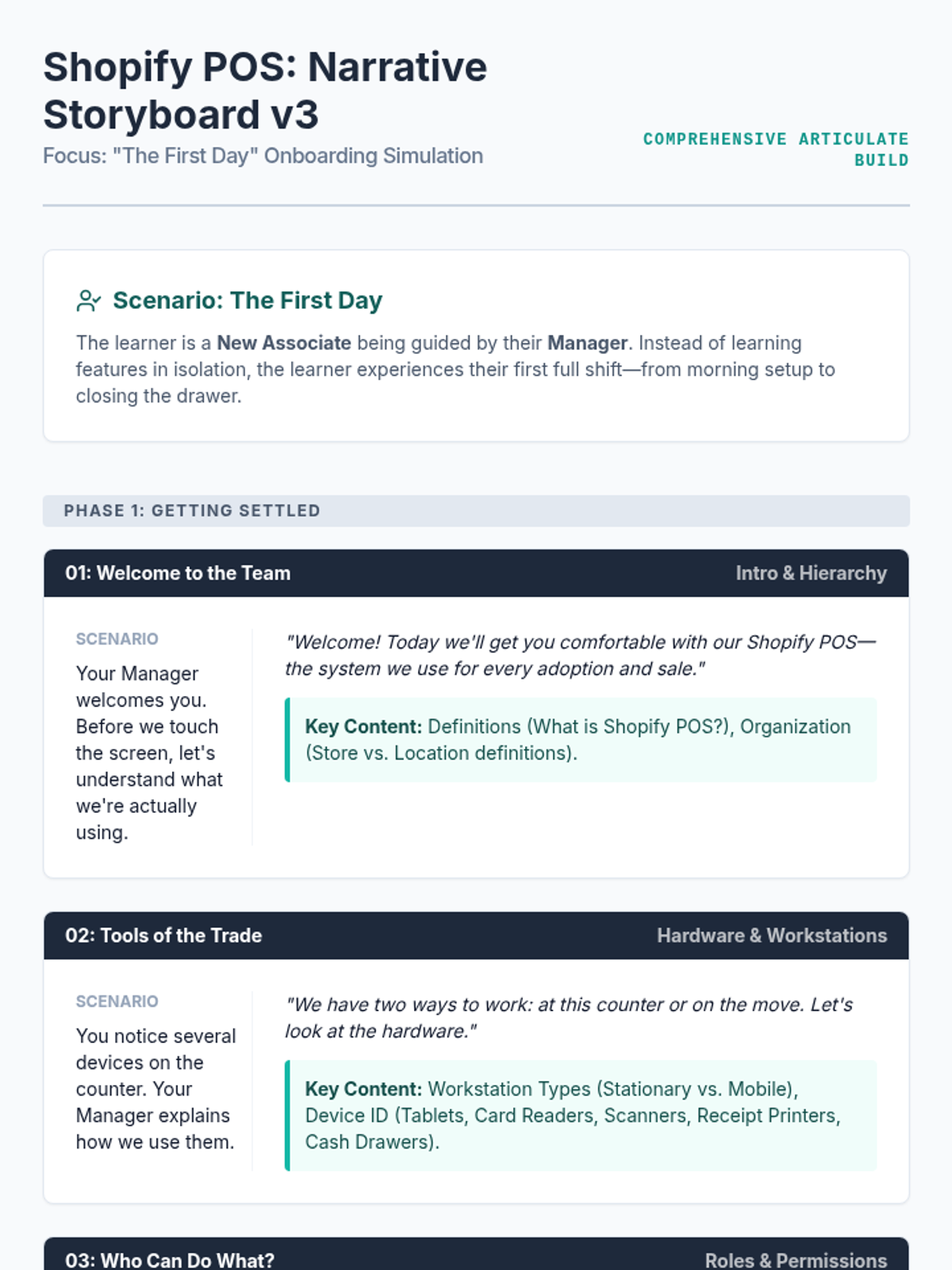
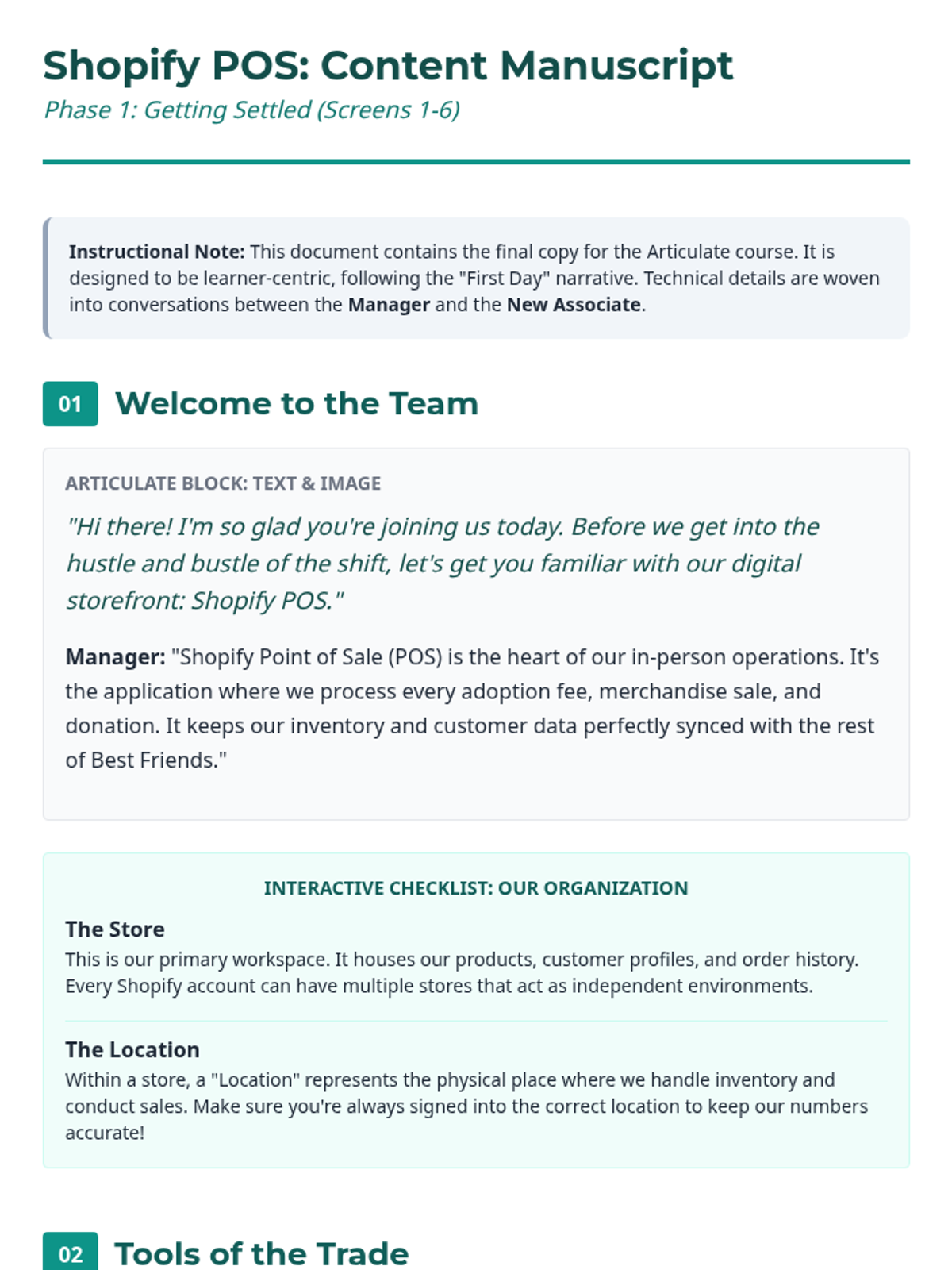
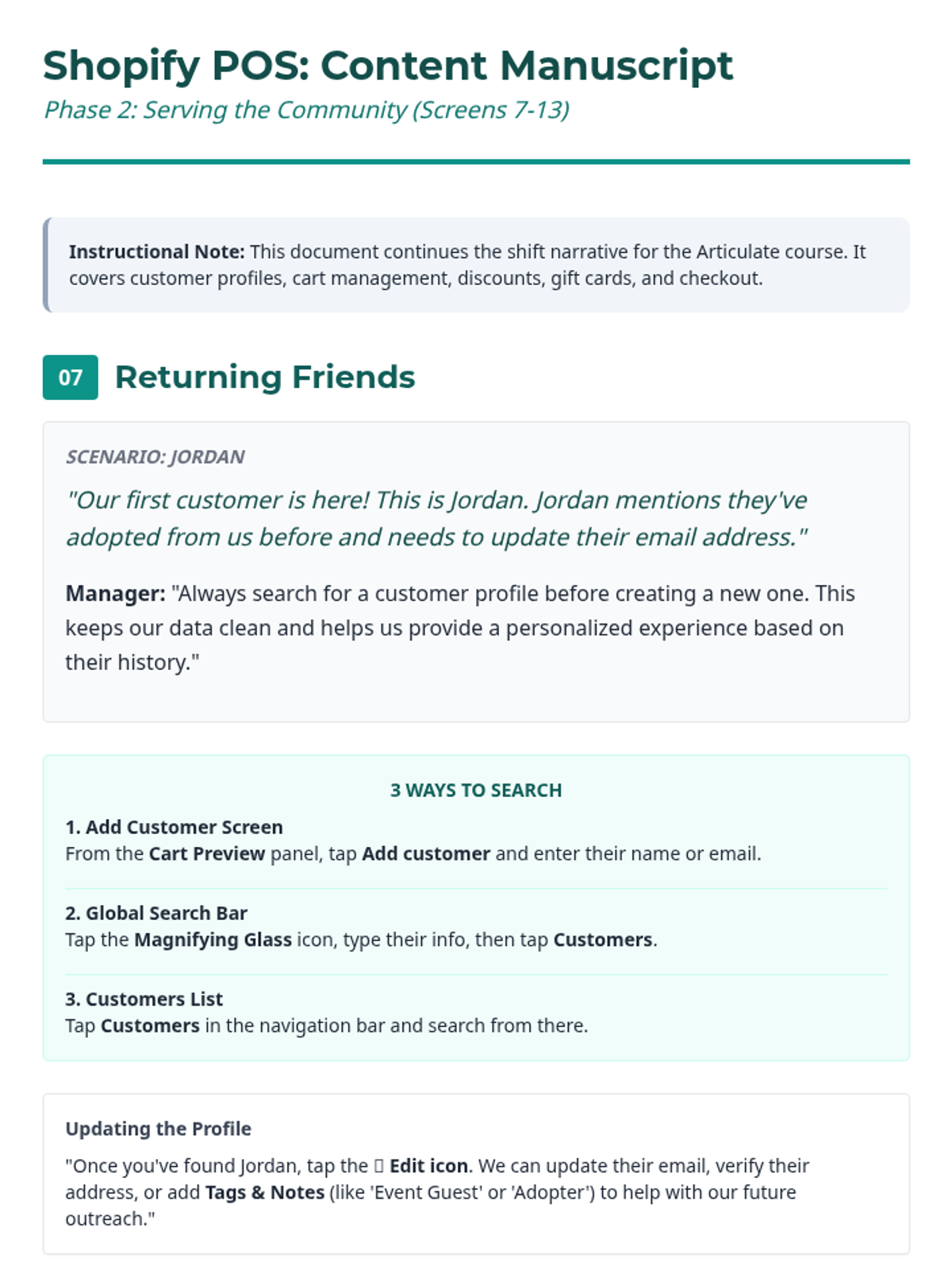
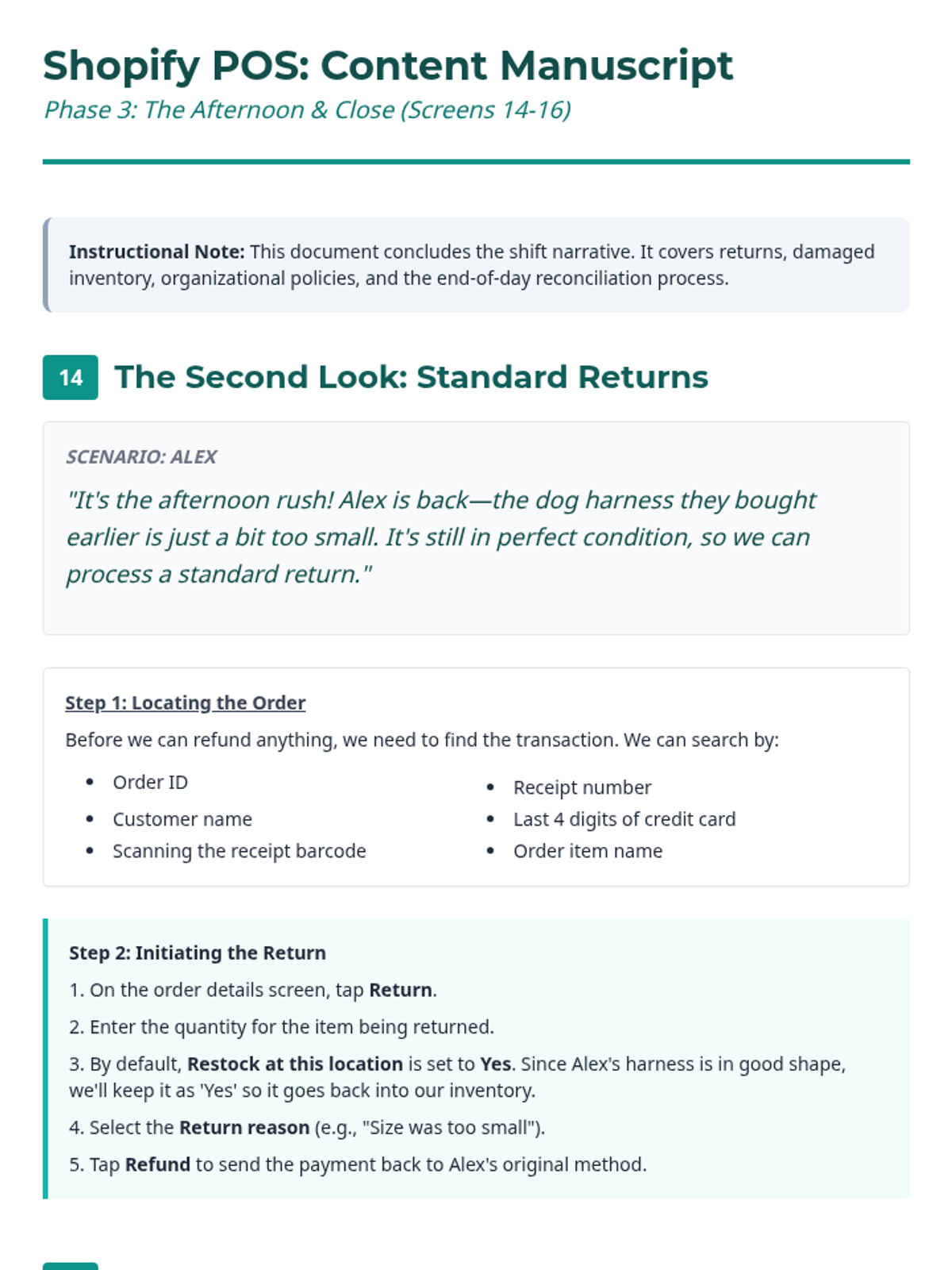
A redesigned training experience for Shopify POS focused on scenario-based learning and performance-centric instruction.
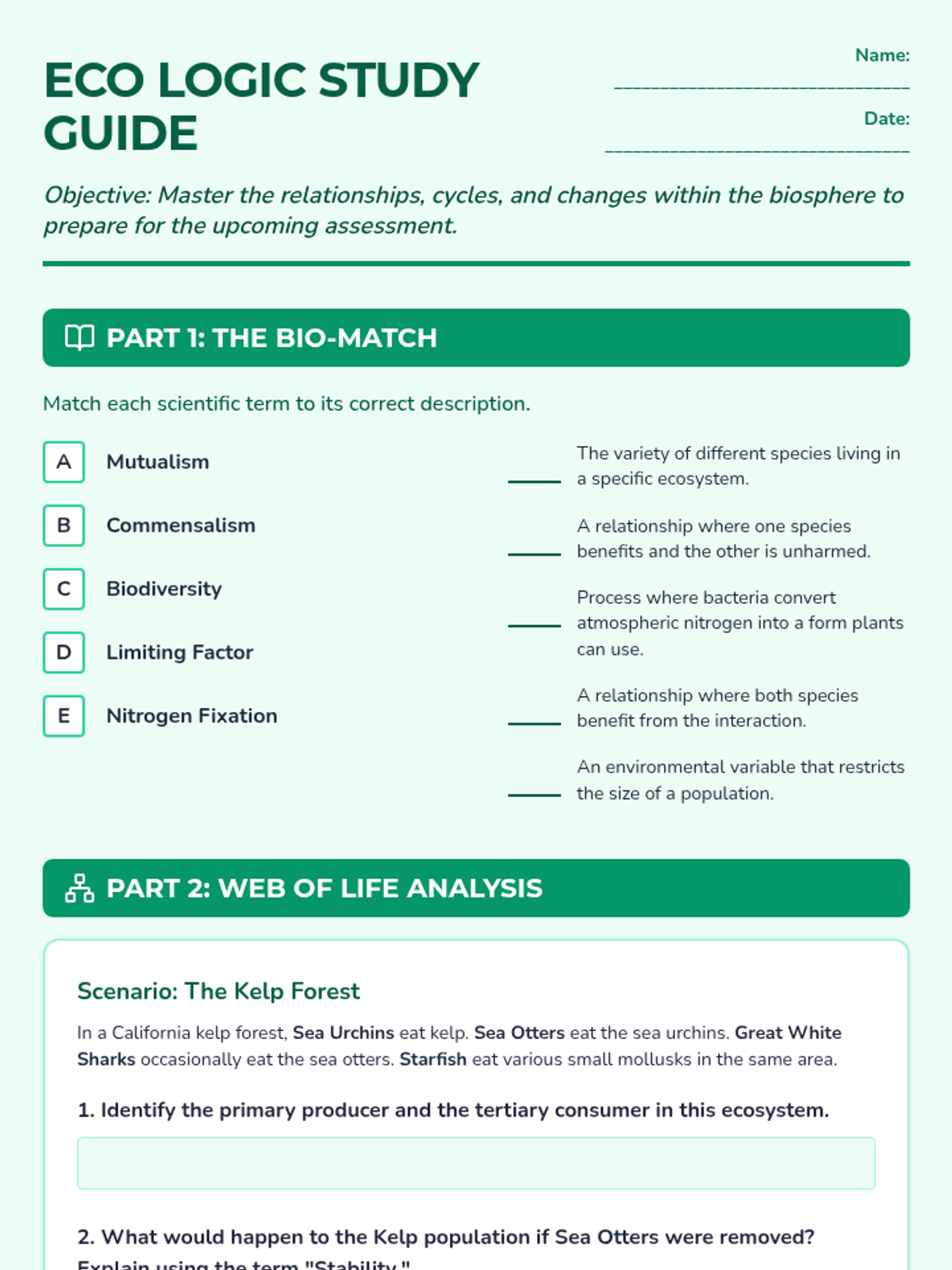
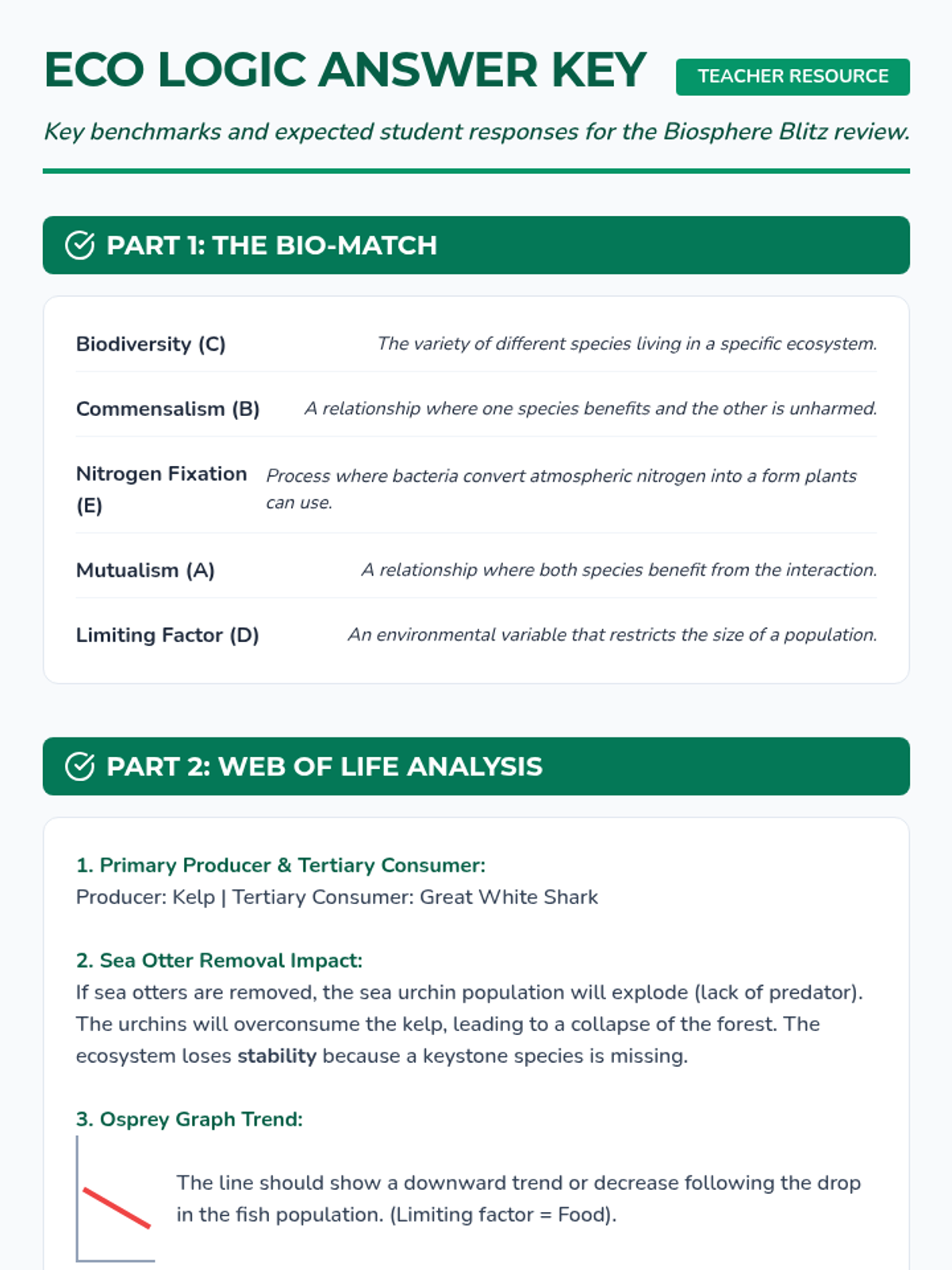
A comprehensive review of ecology, cycling of matter, genetics, and body systems based on the Investigation 14-16 exam. Students will practice analyzing food webs, identifying mutations, and explaining ecosystem stability.
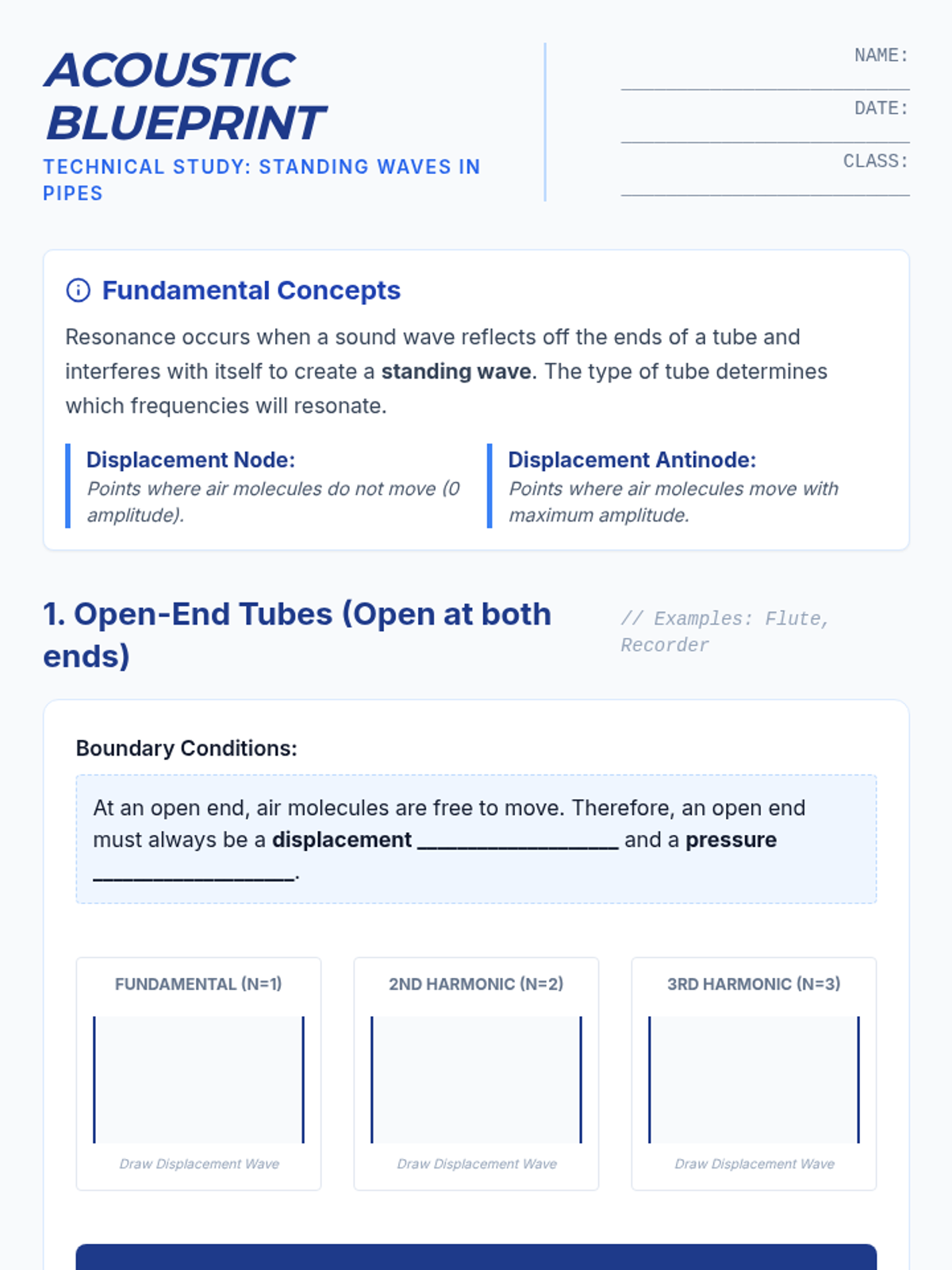
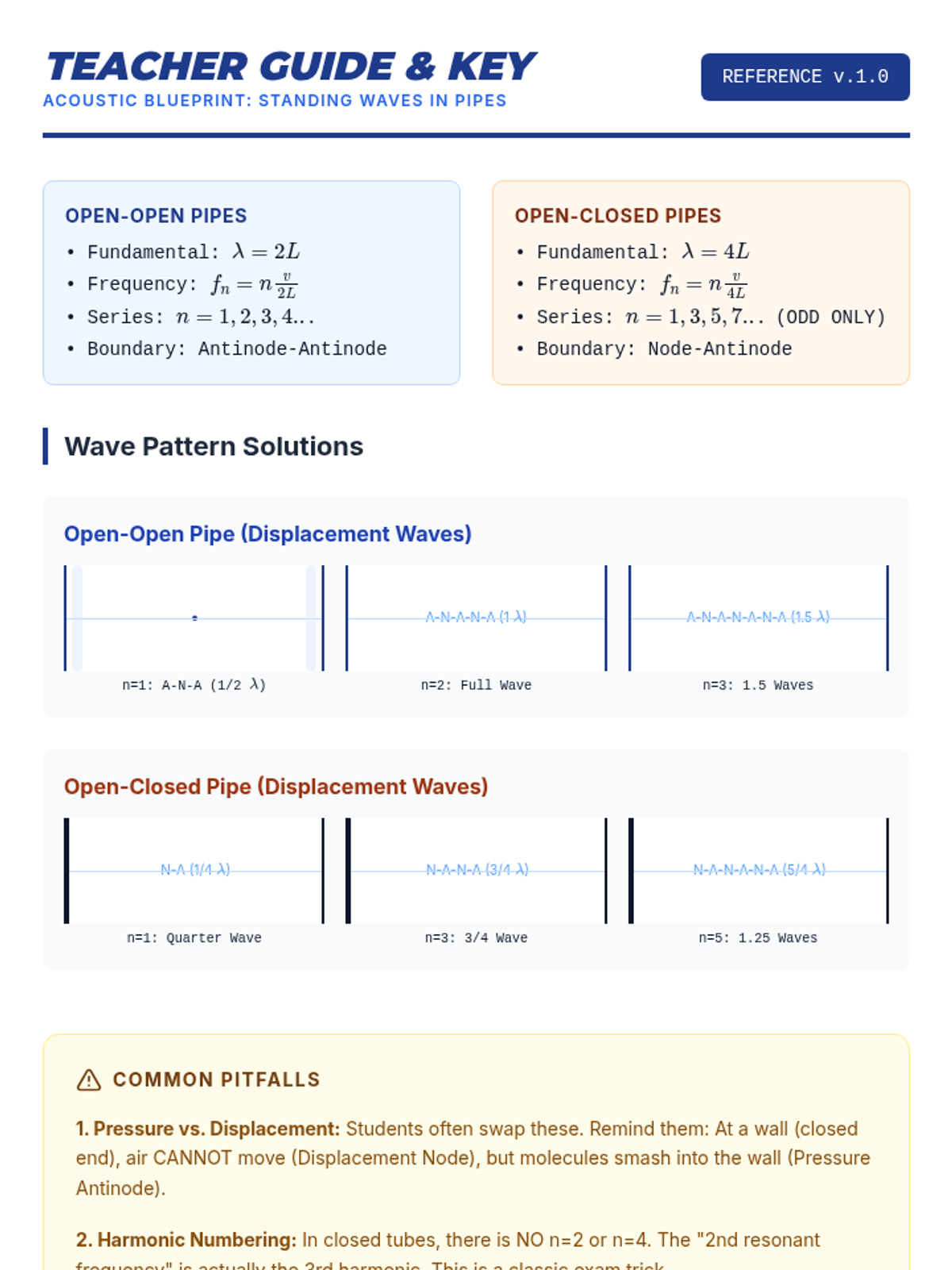
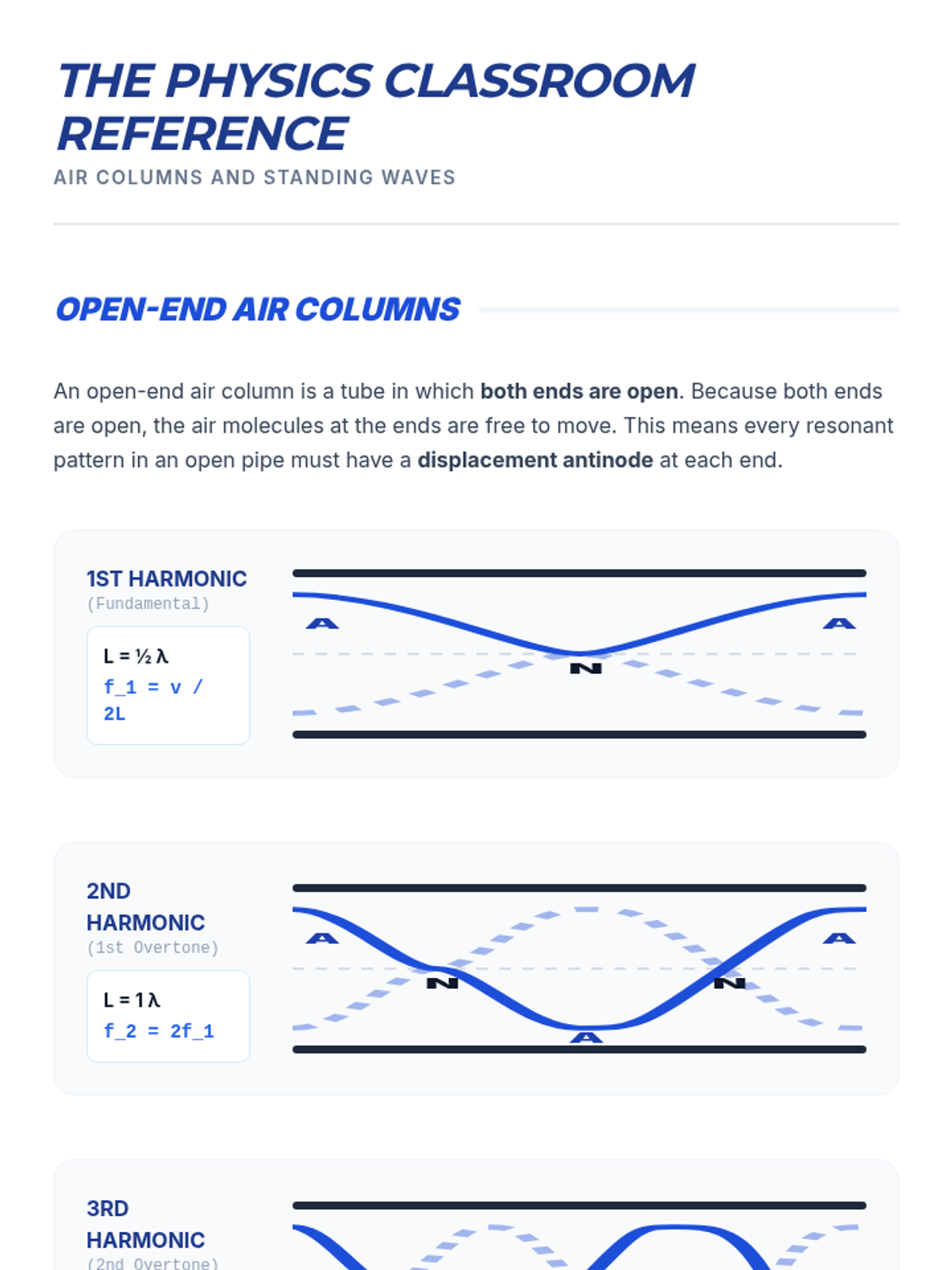
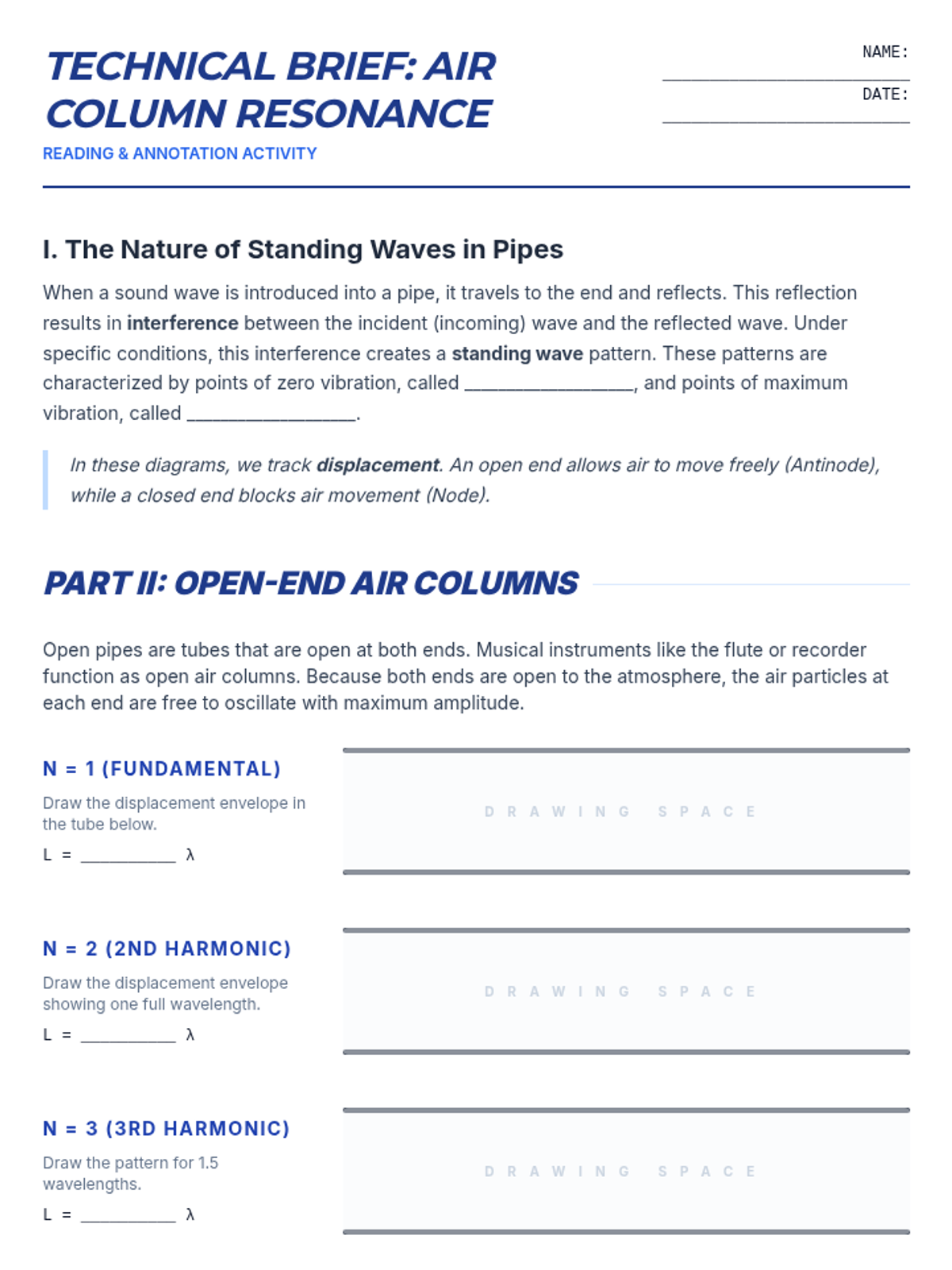
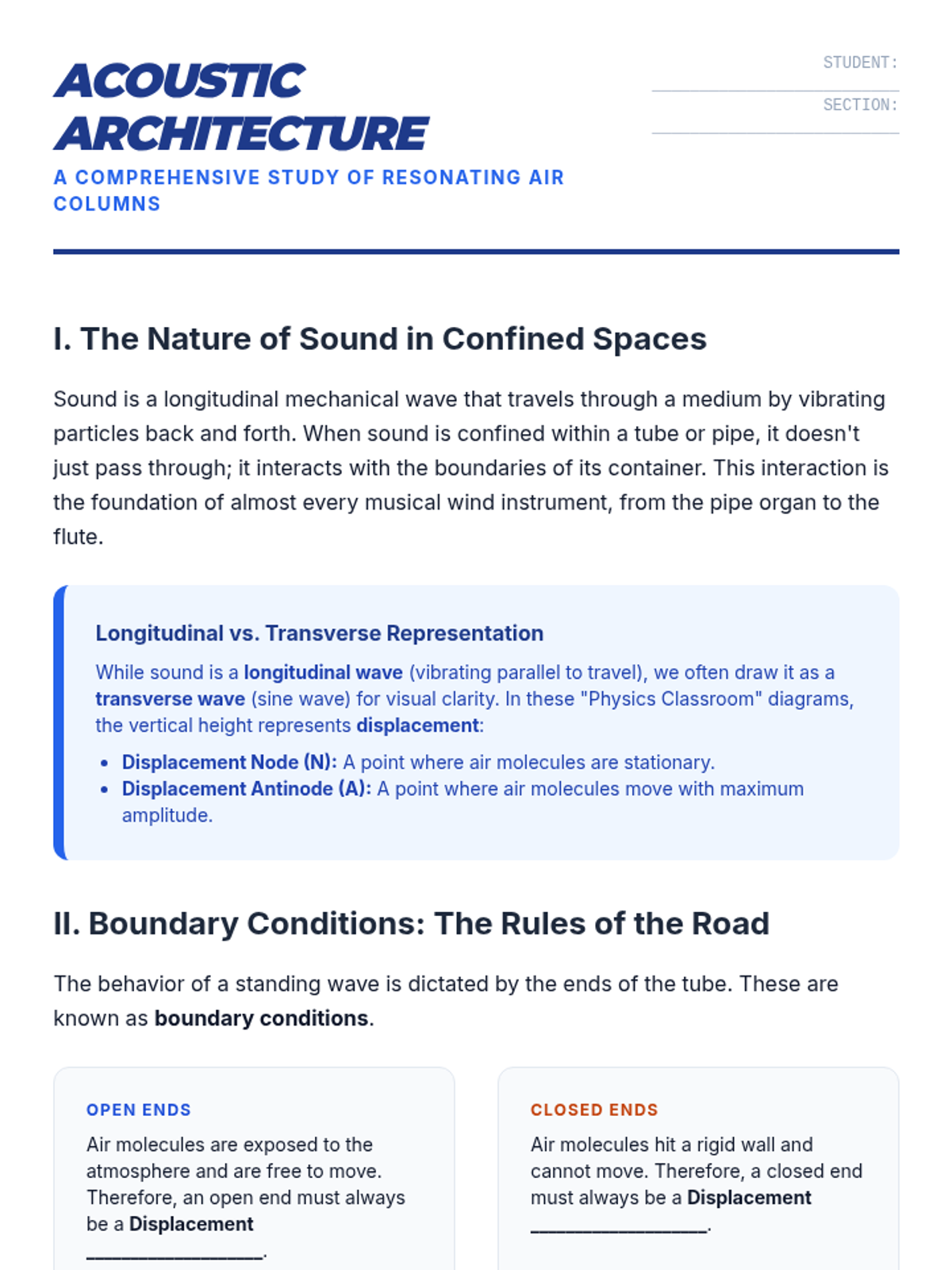
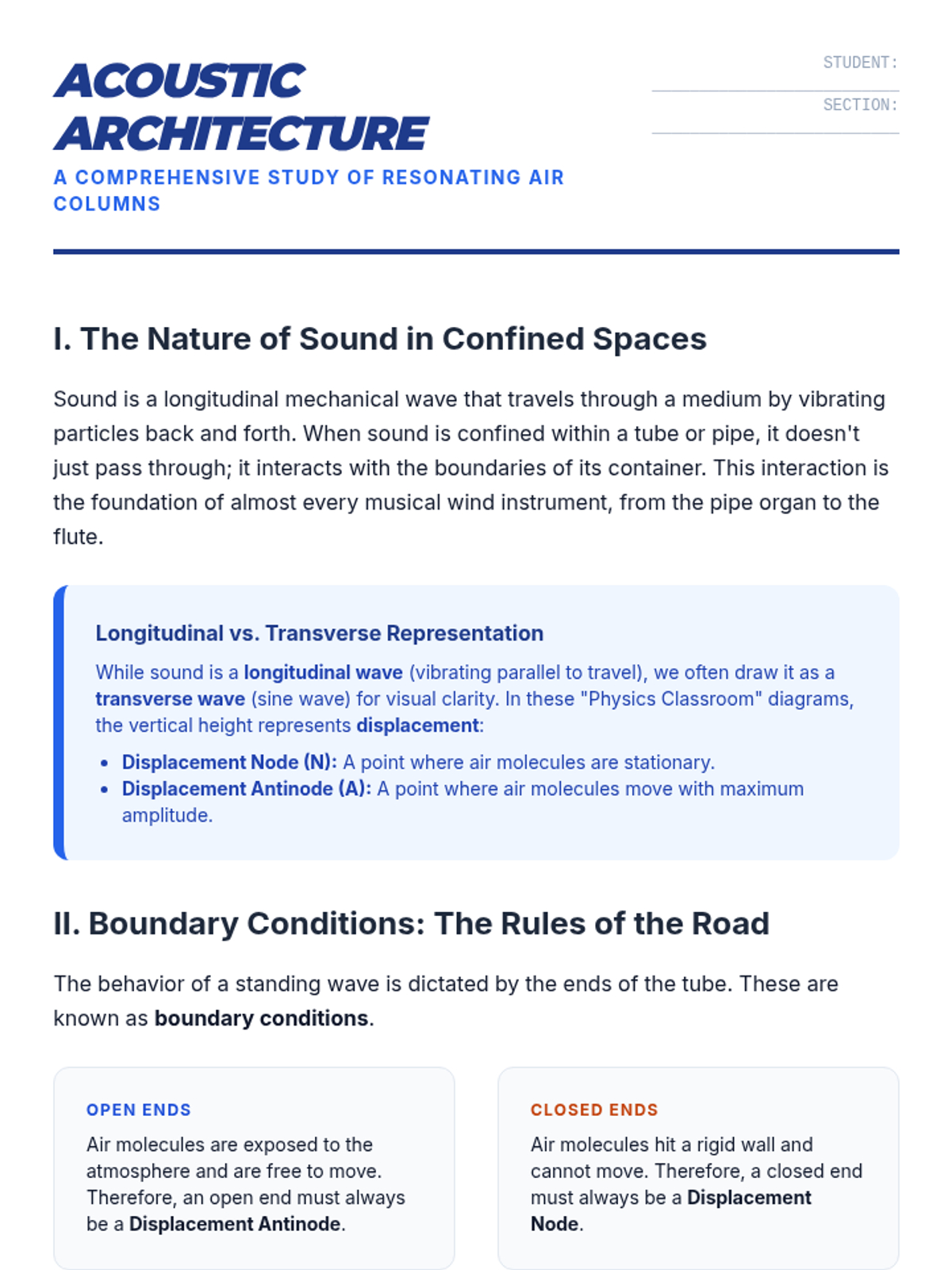
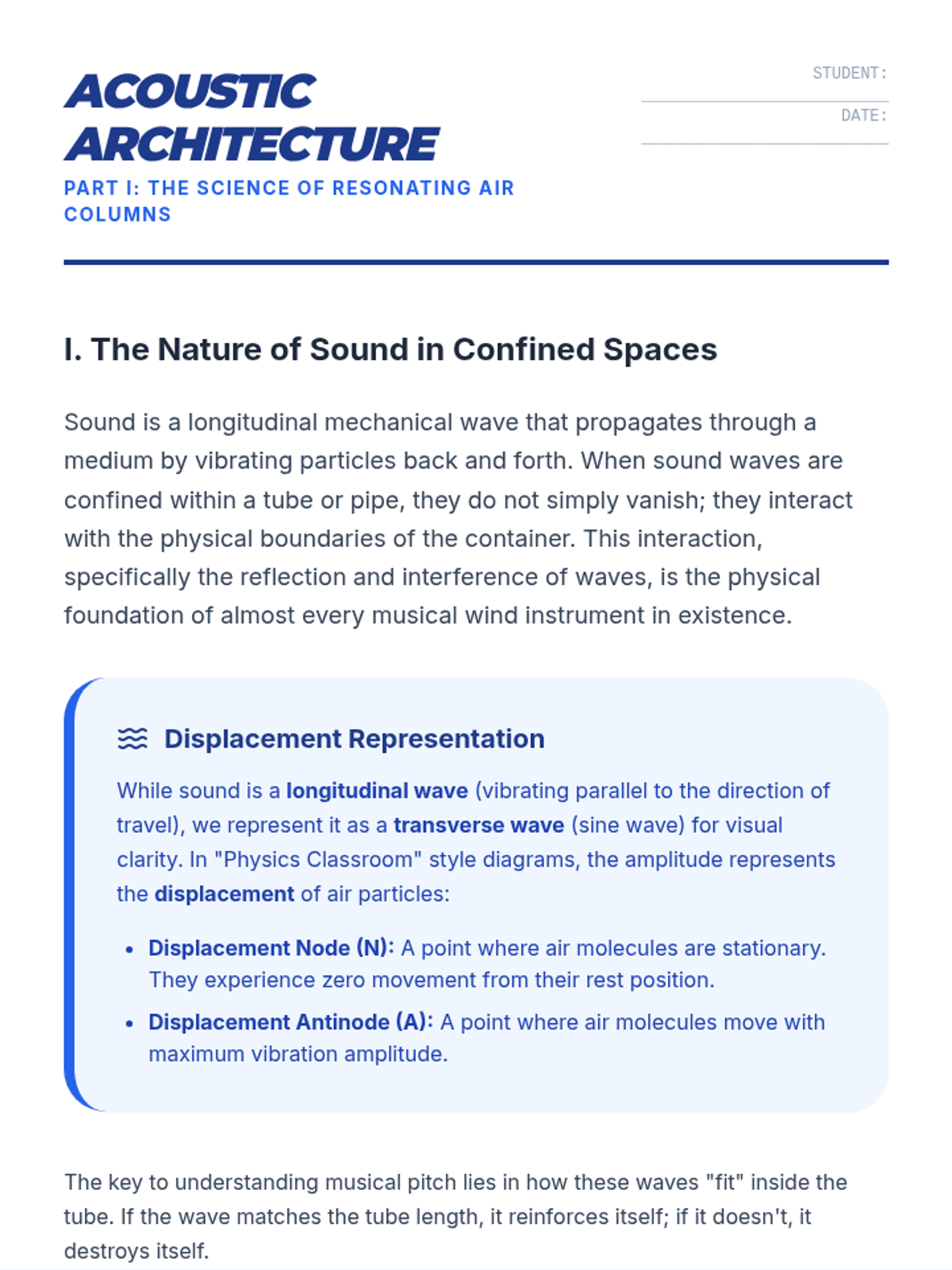
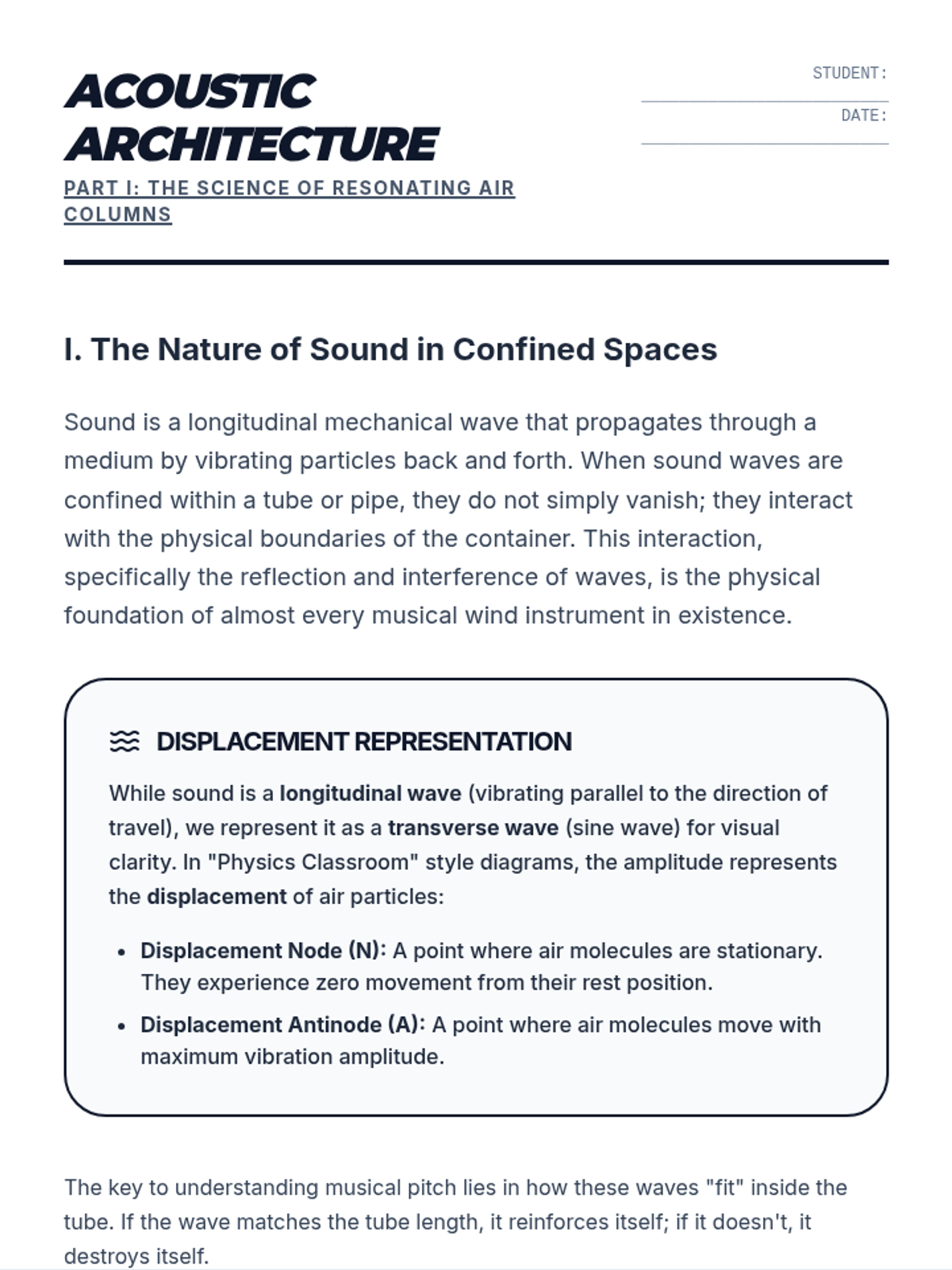
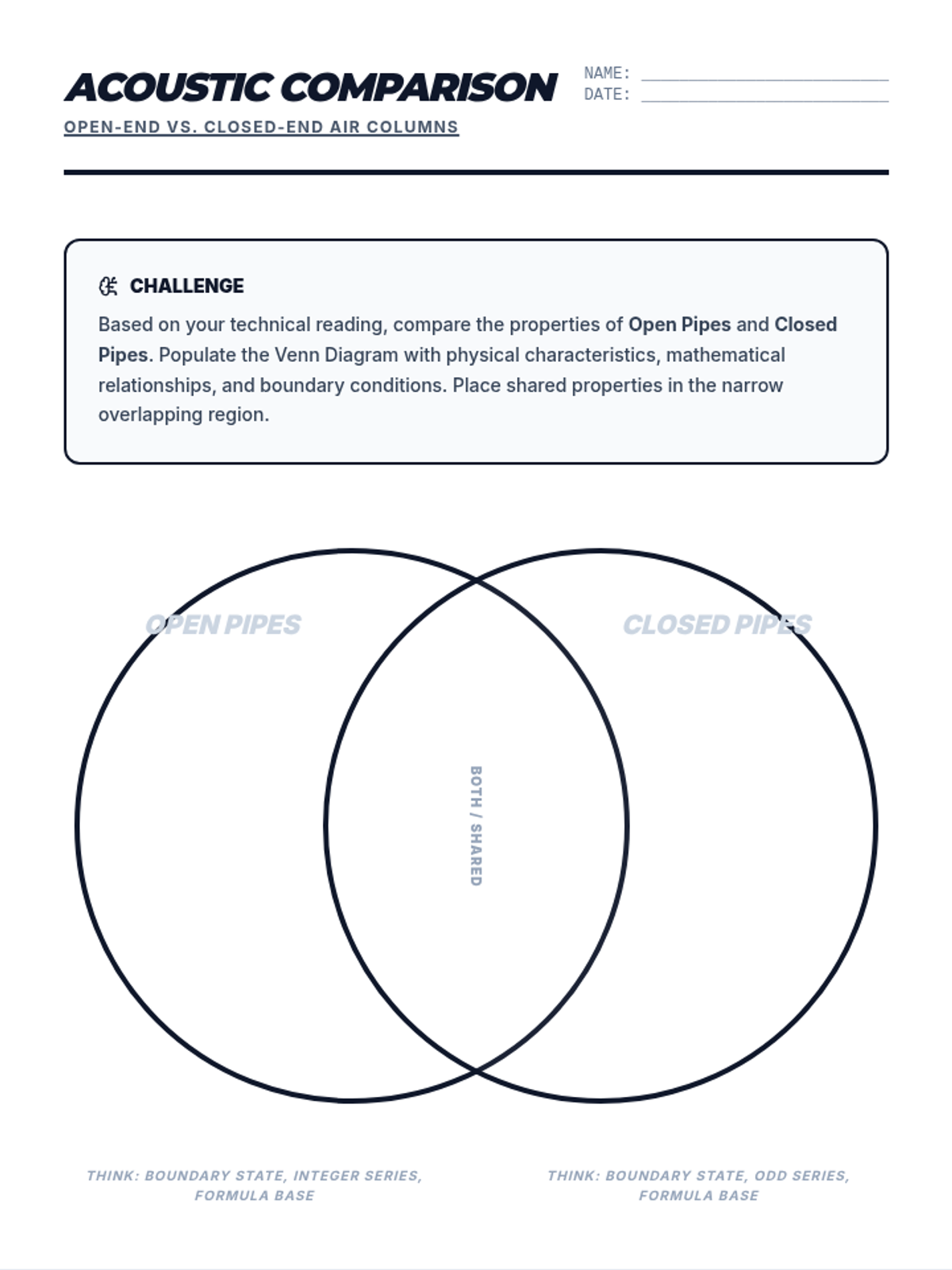
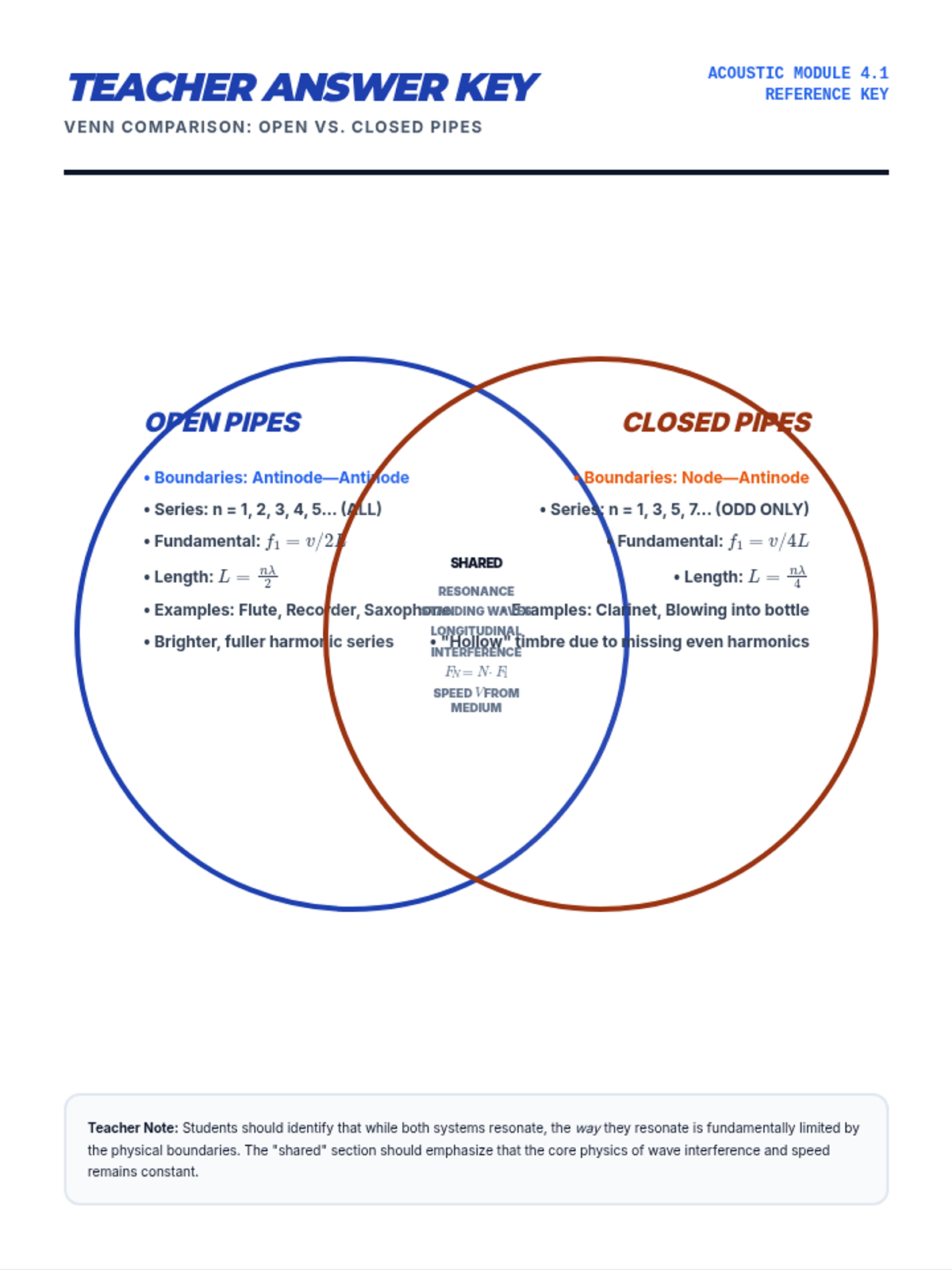
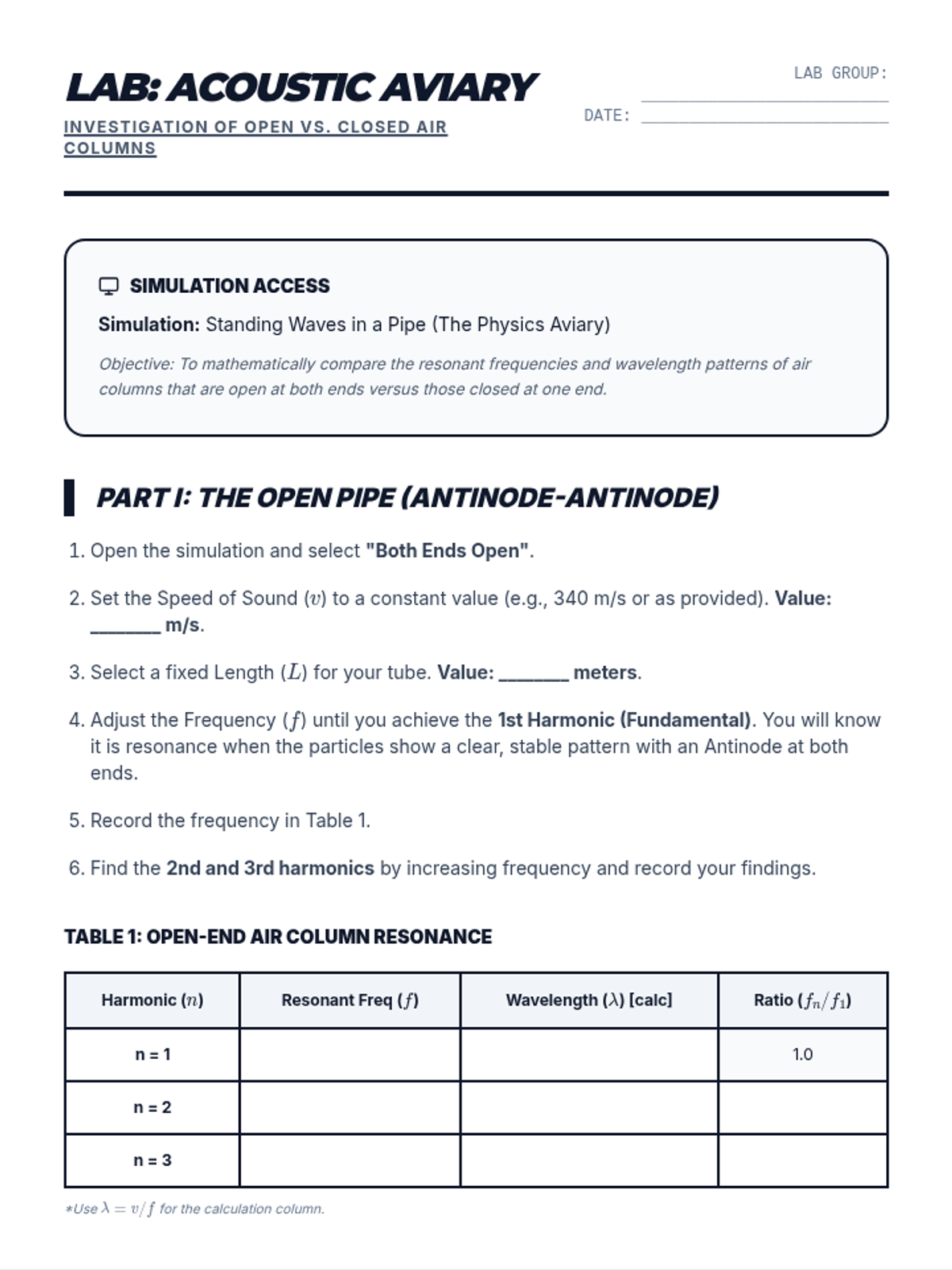
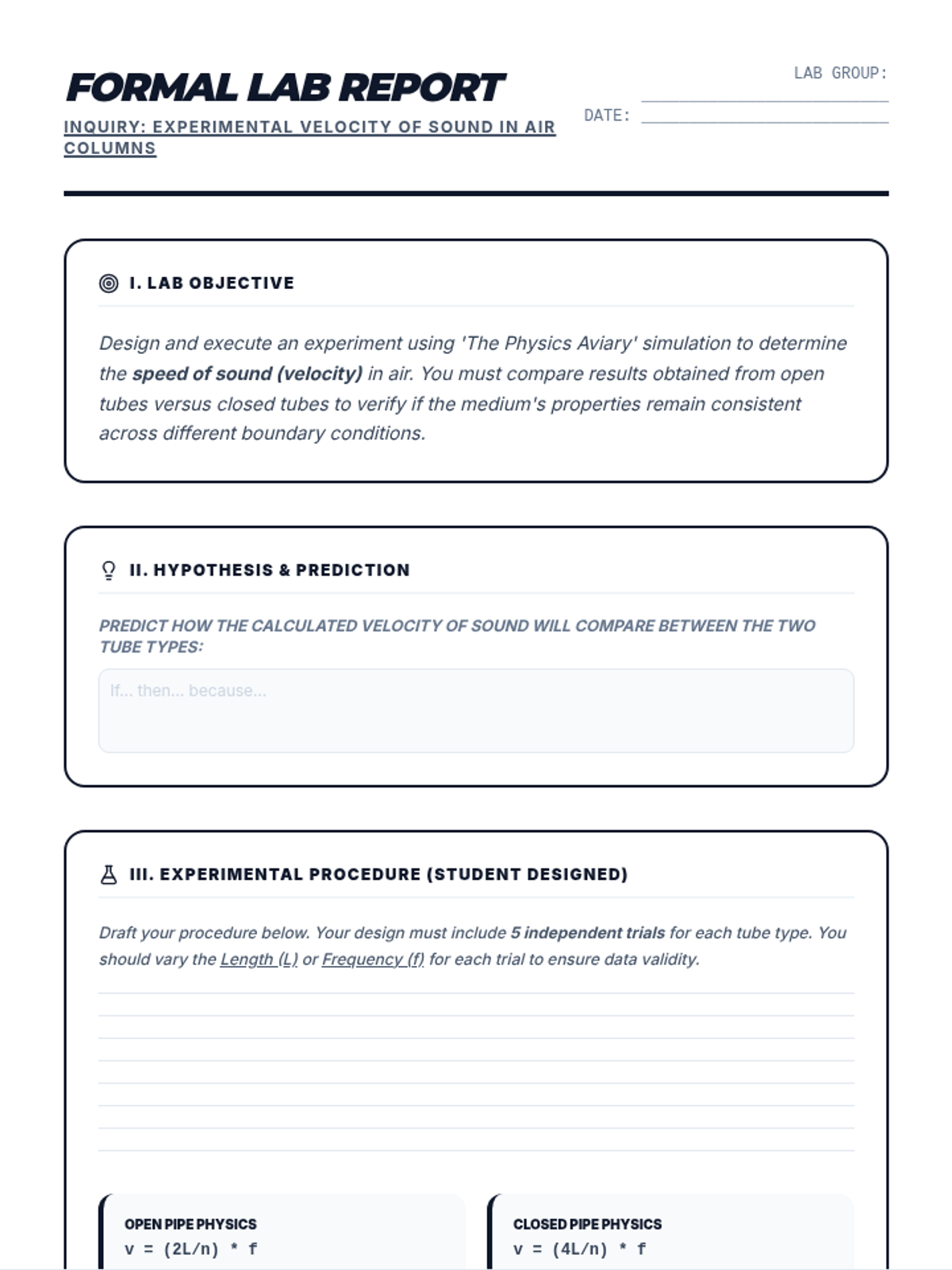
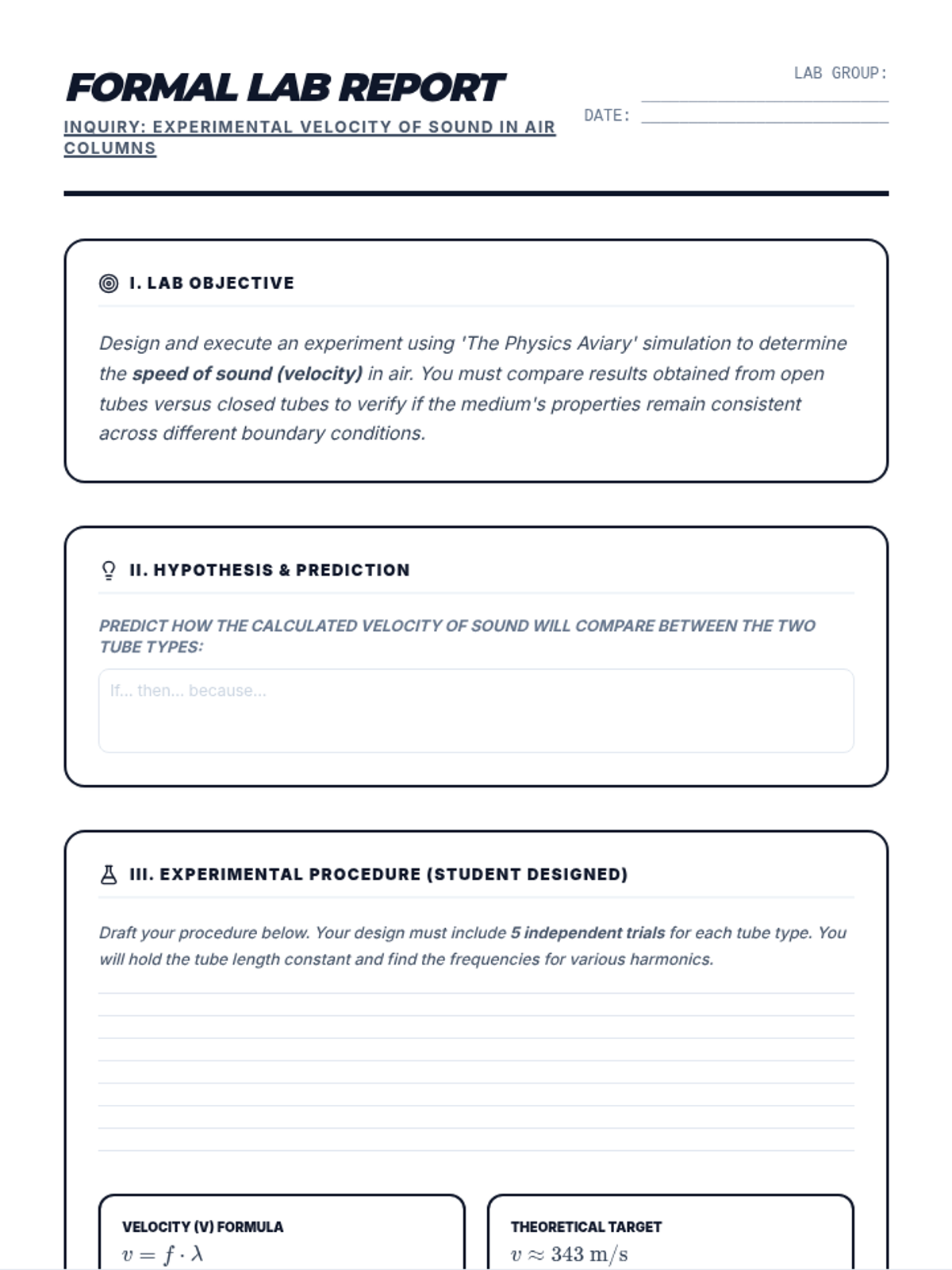
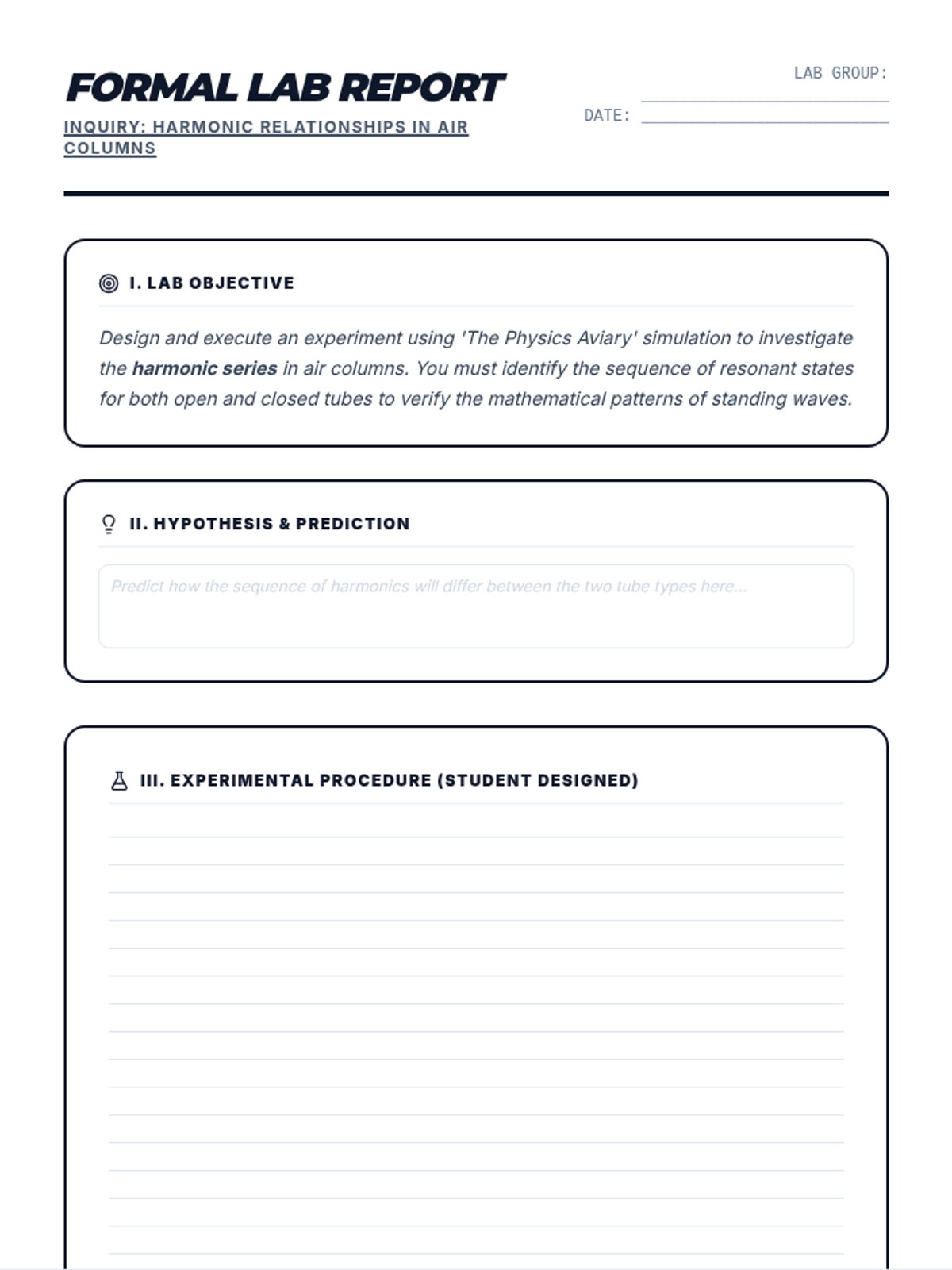
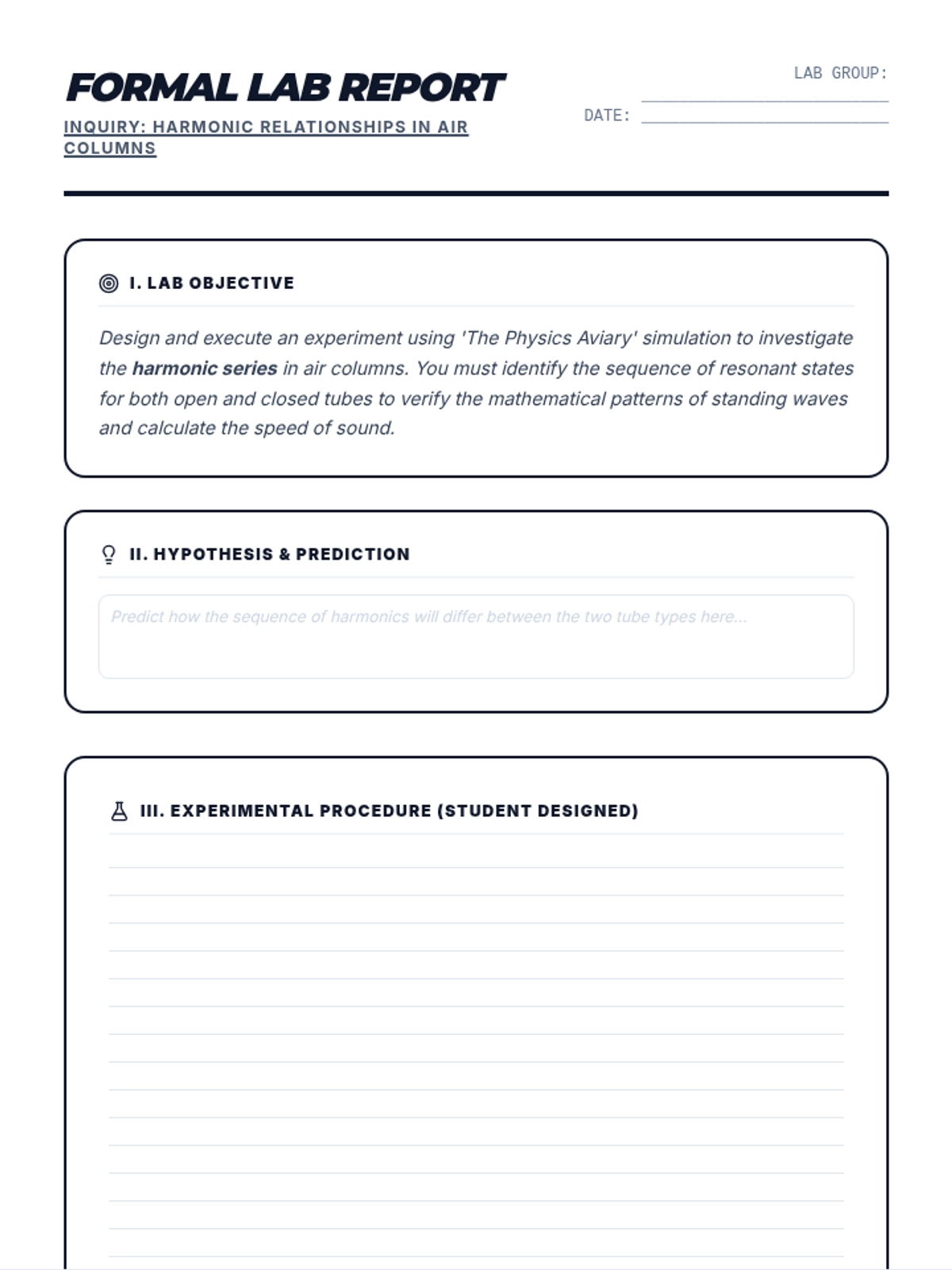
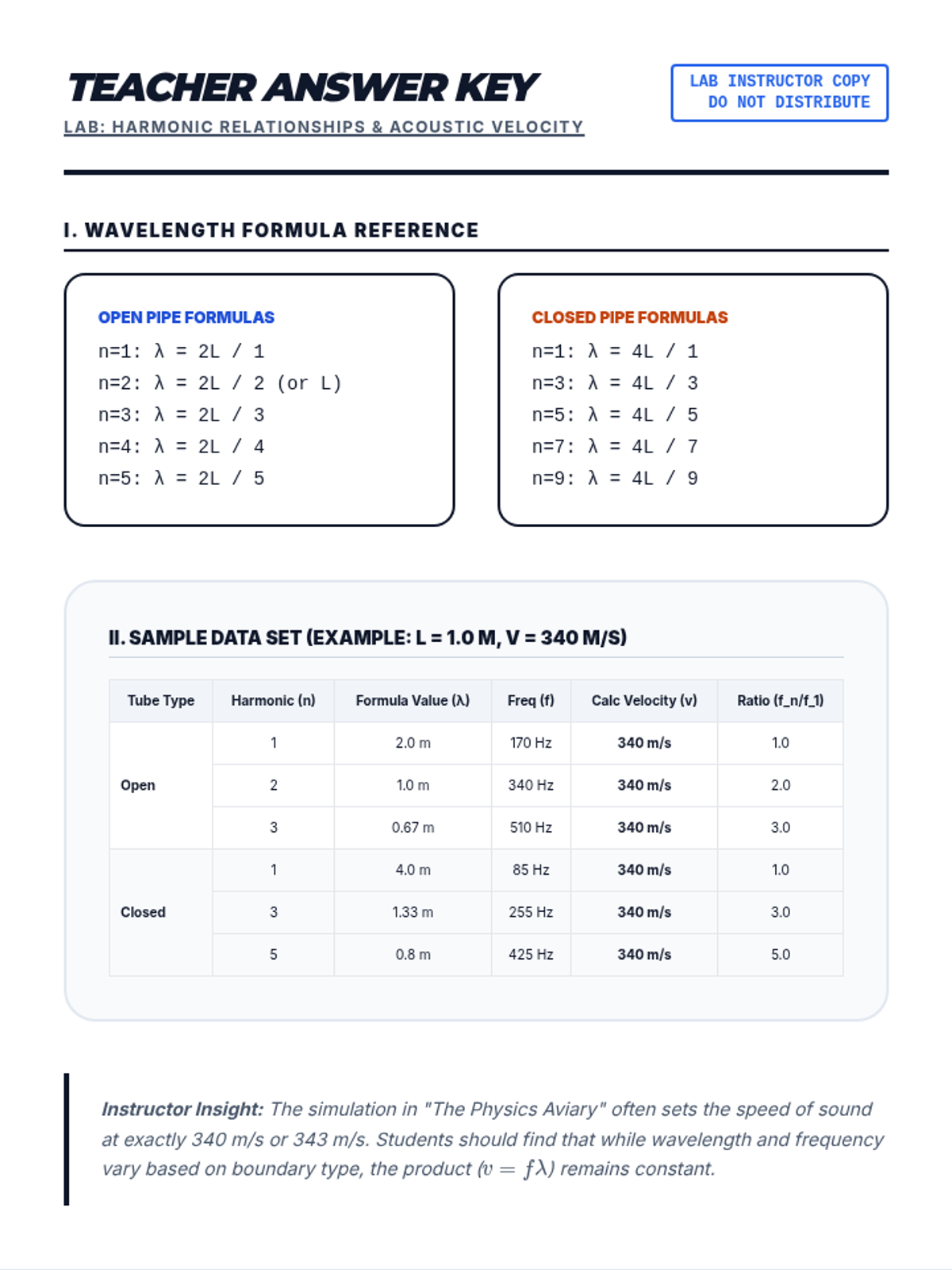
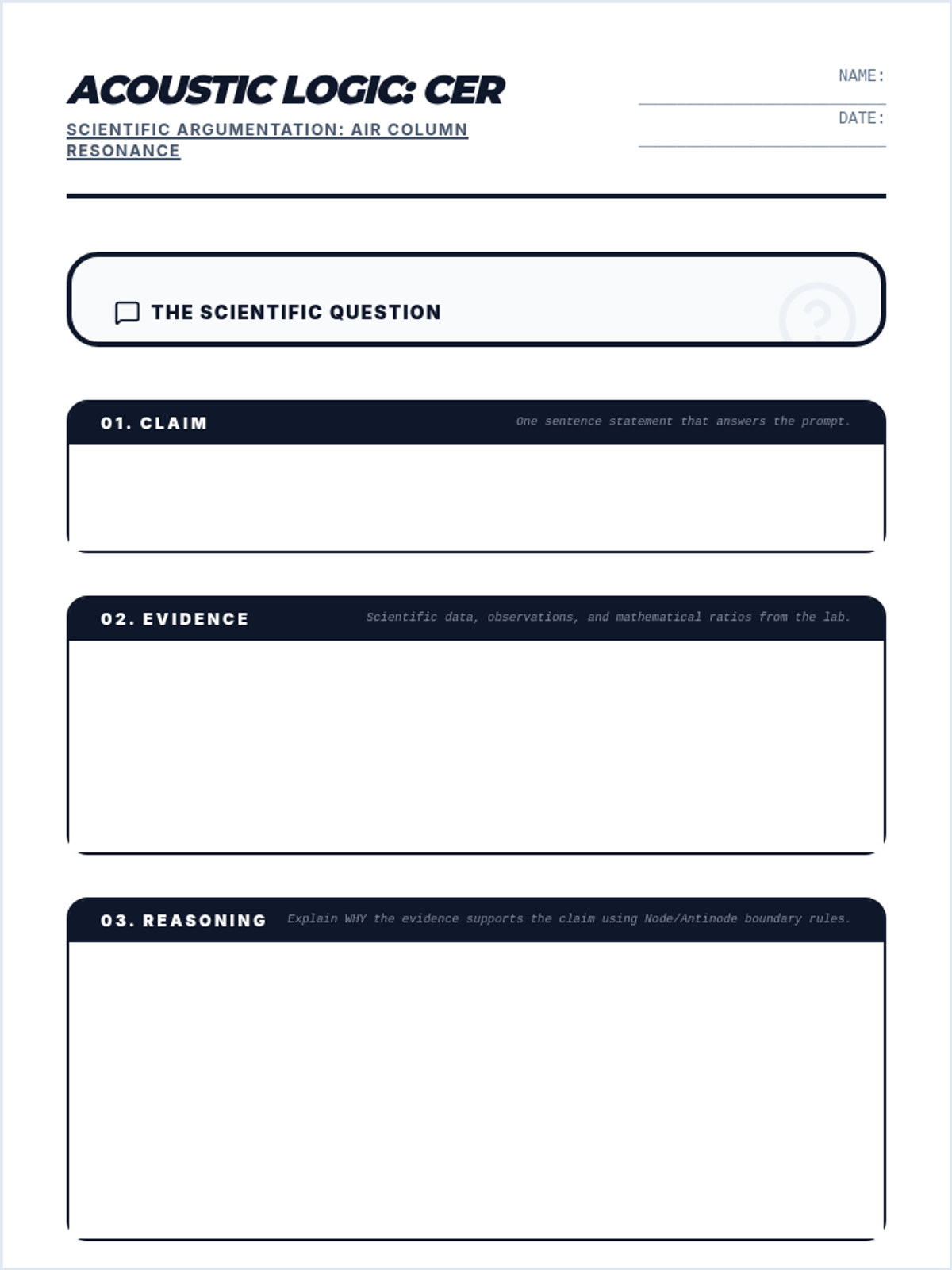
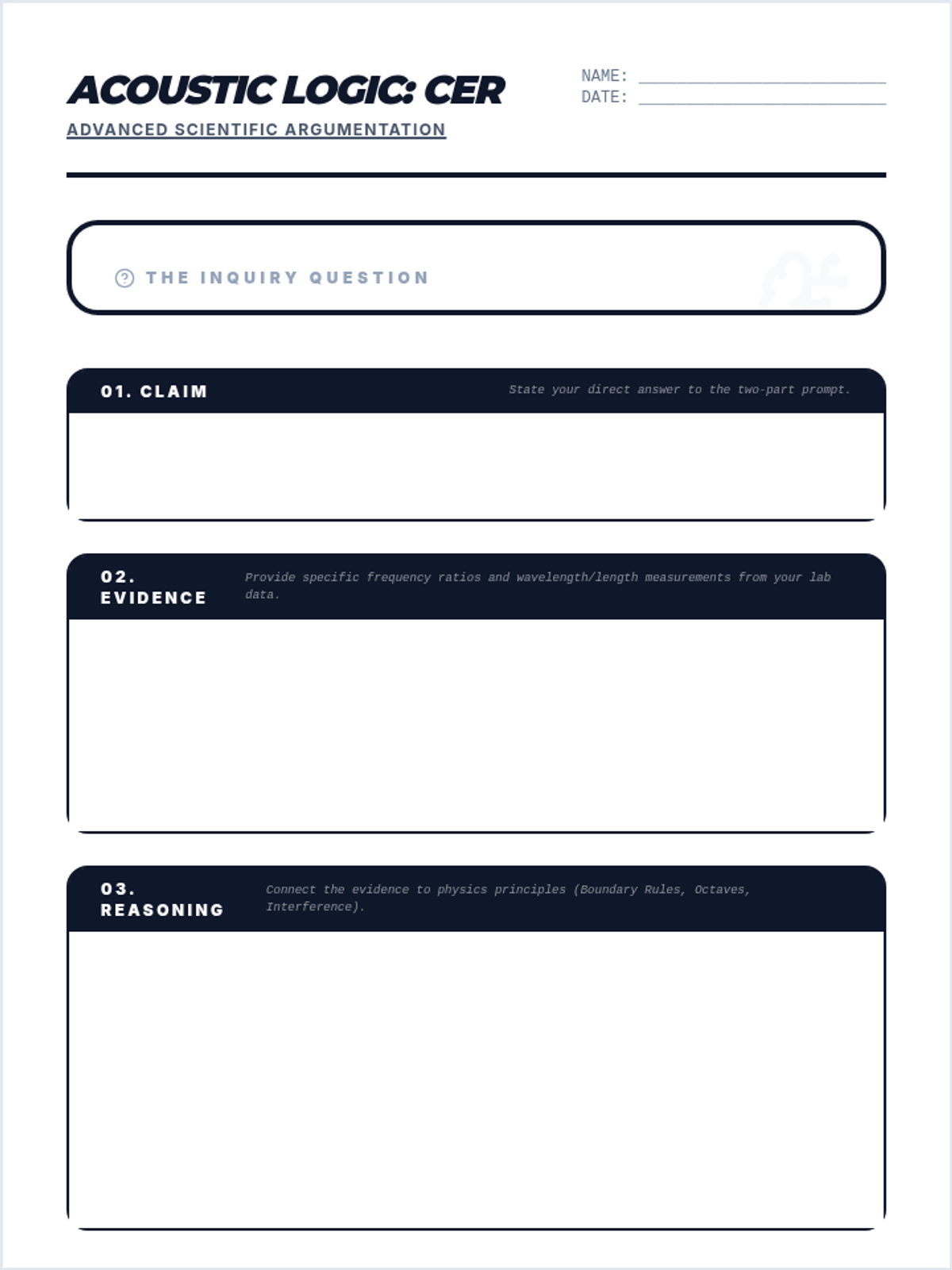
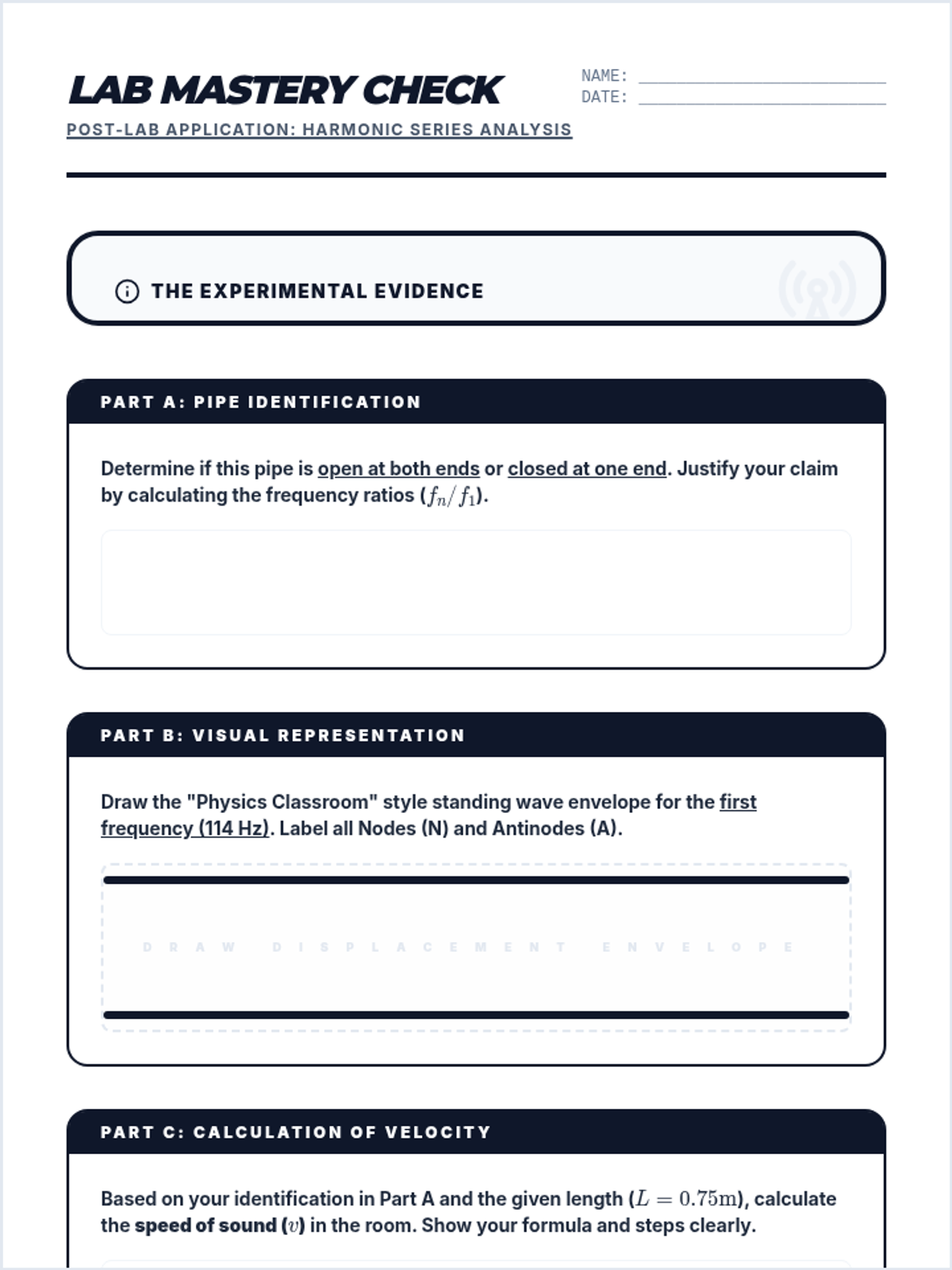
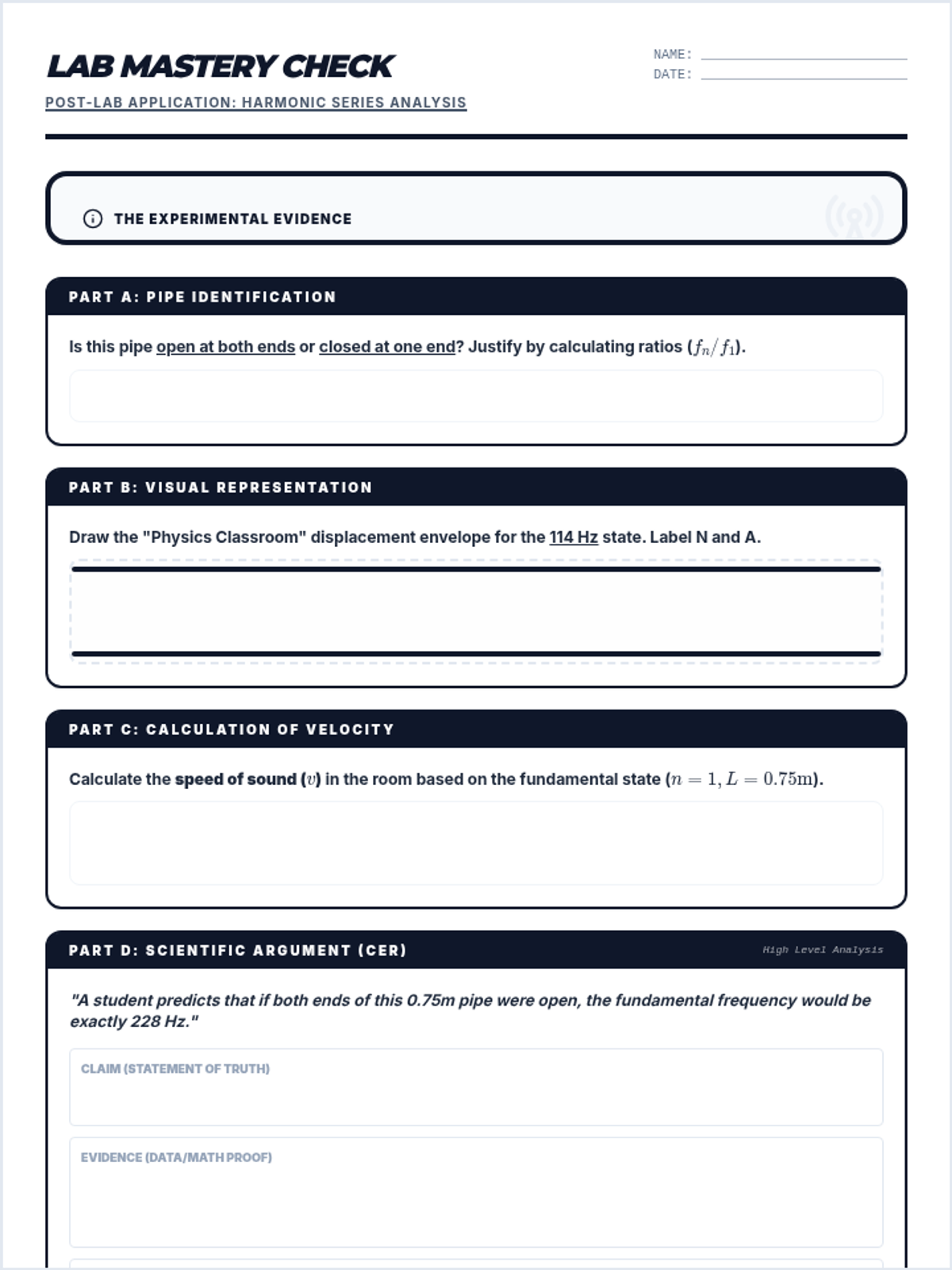
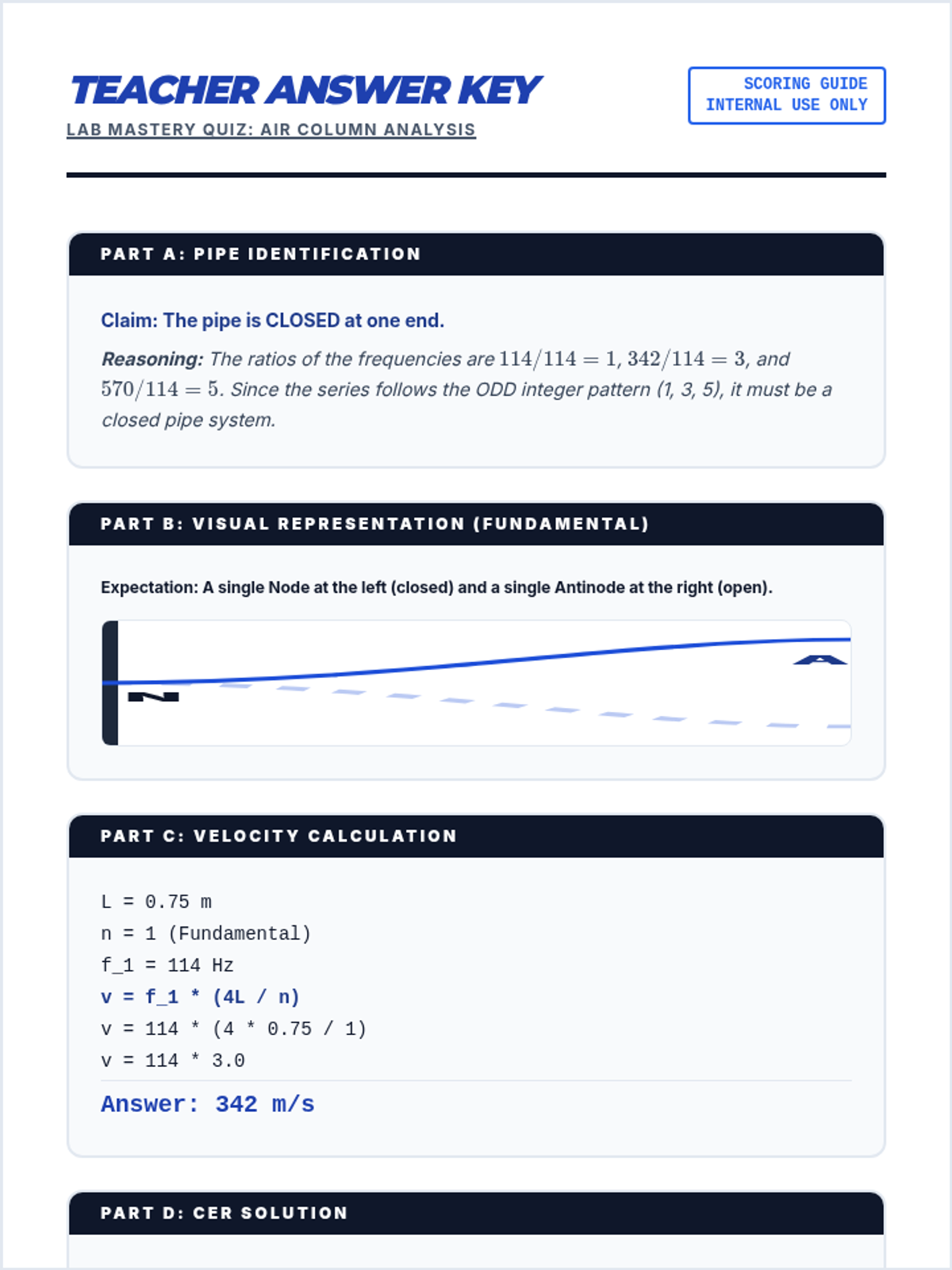
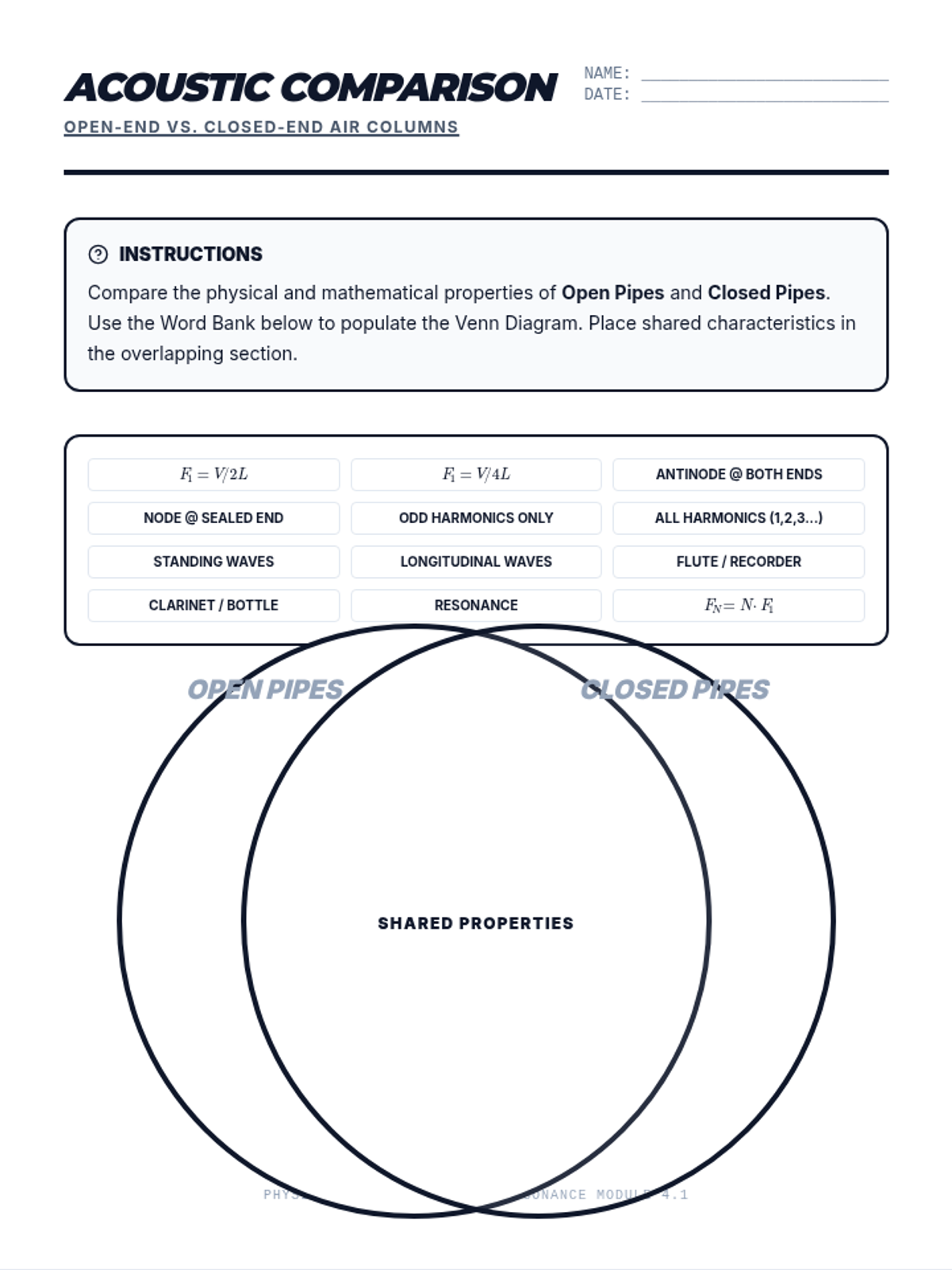
A comprehensive lesson exploring the physics of sound resonance in open and closed pipes, focusing on harmonics, wave patterns, and mathematical relationships.
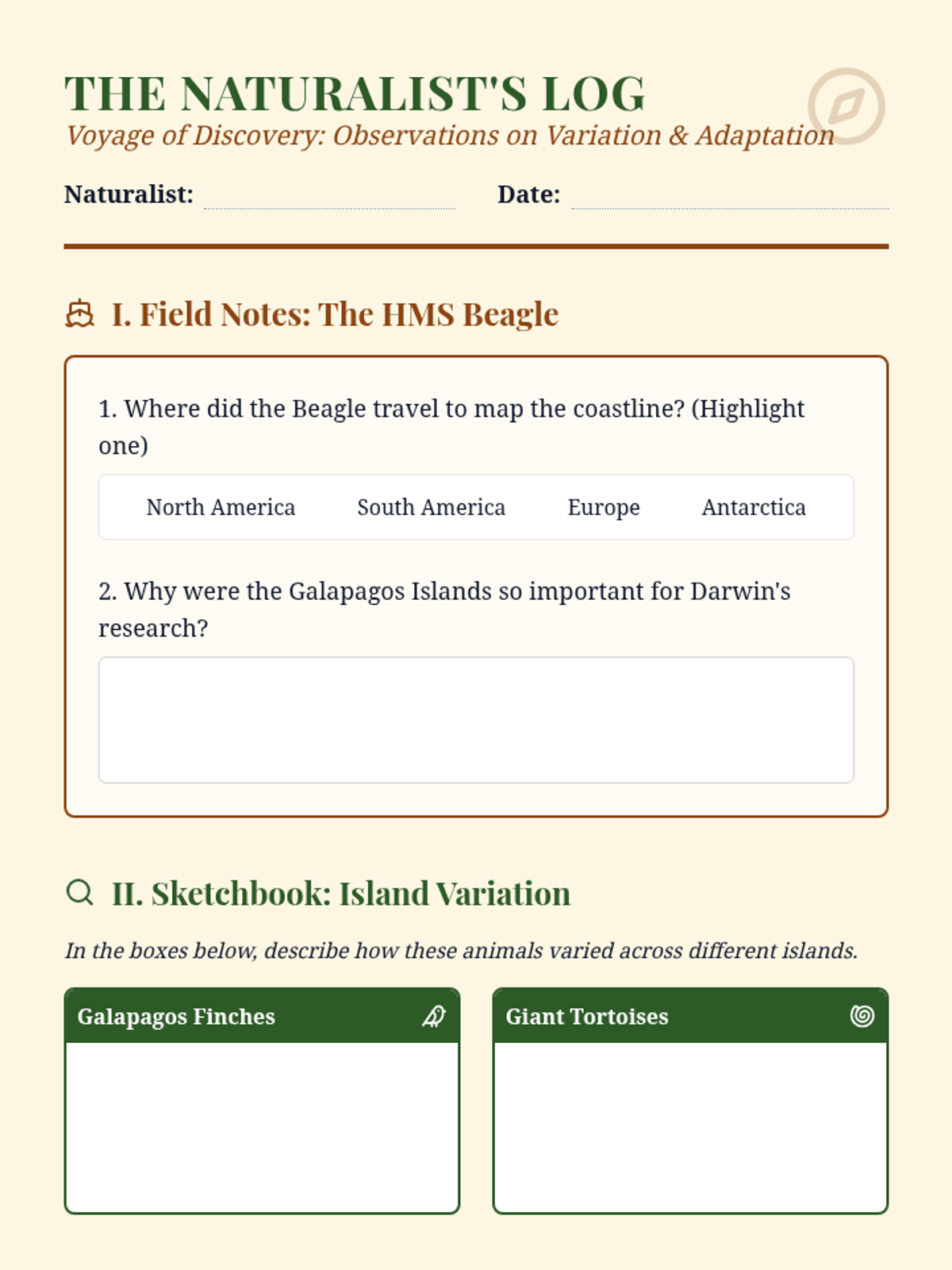
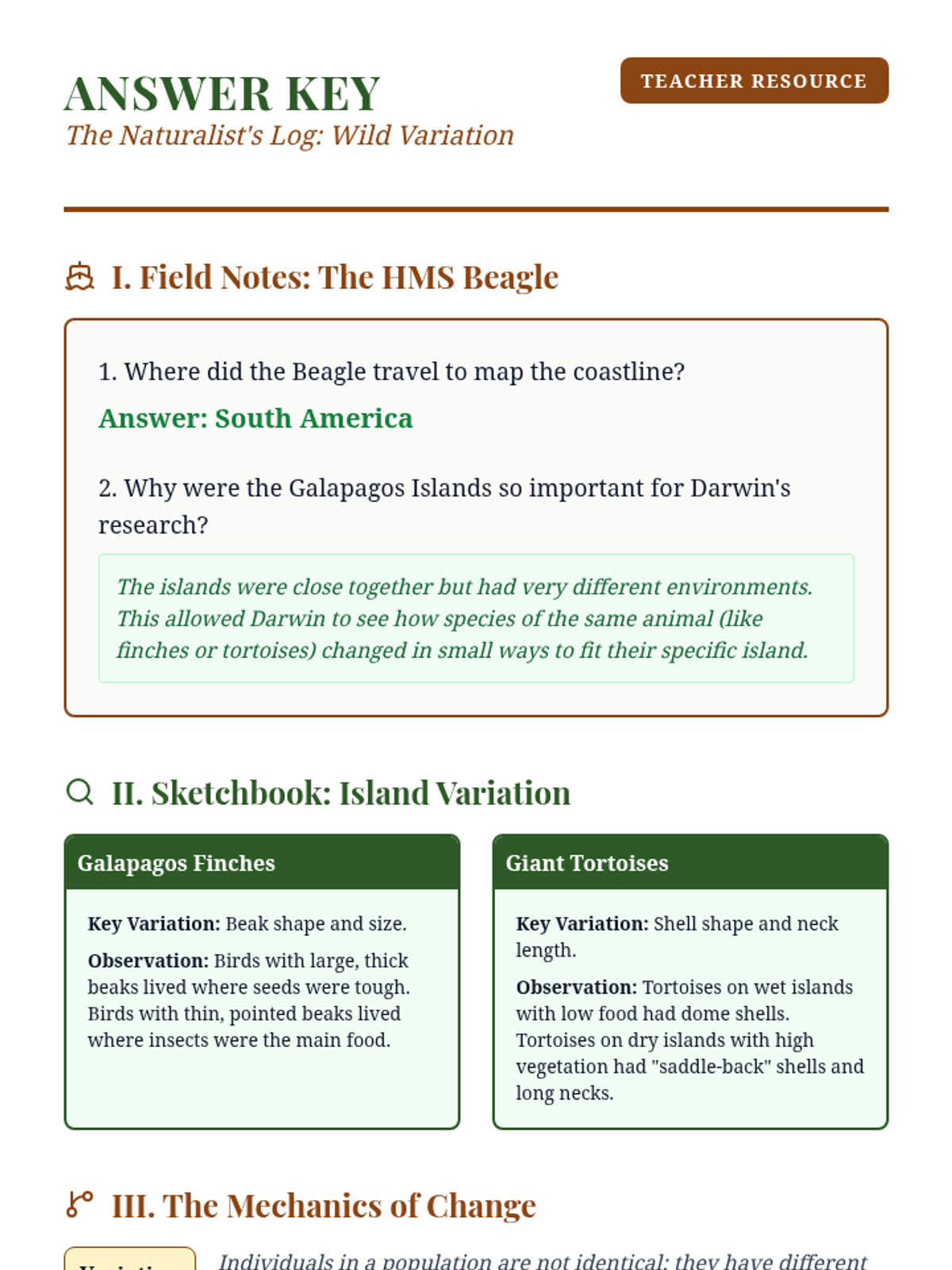
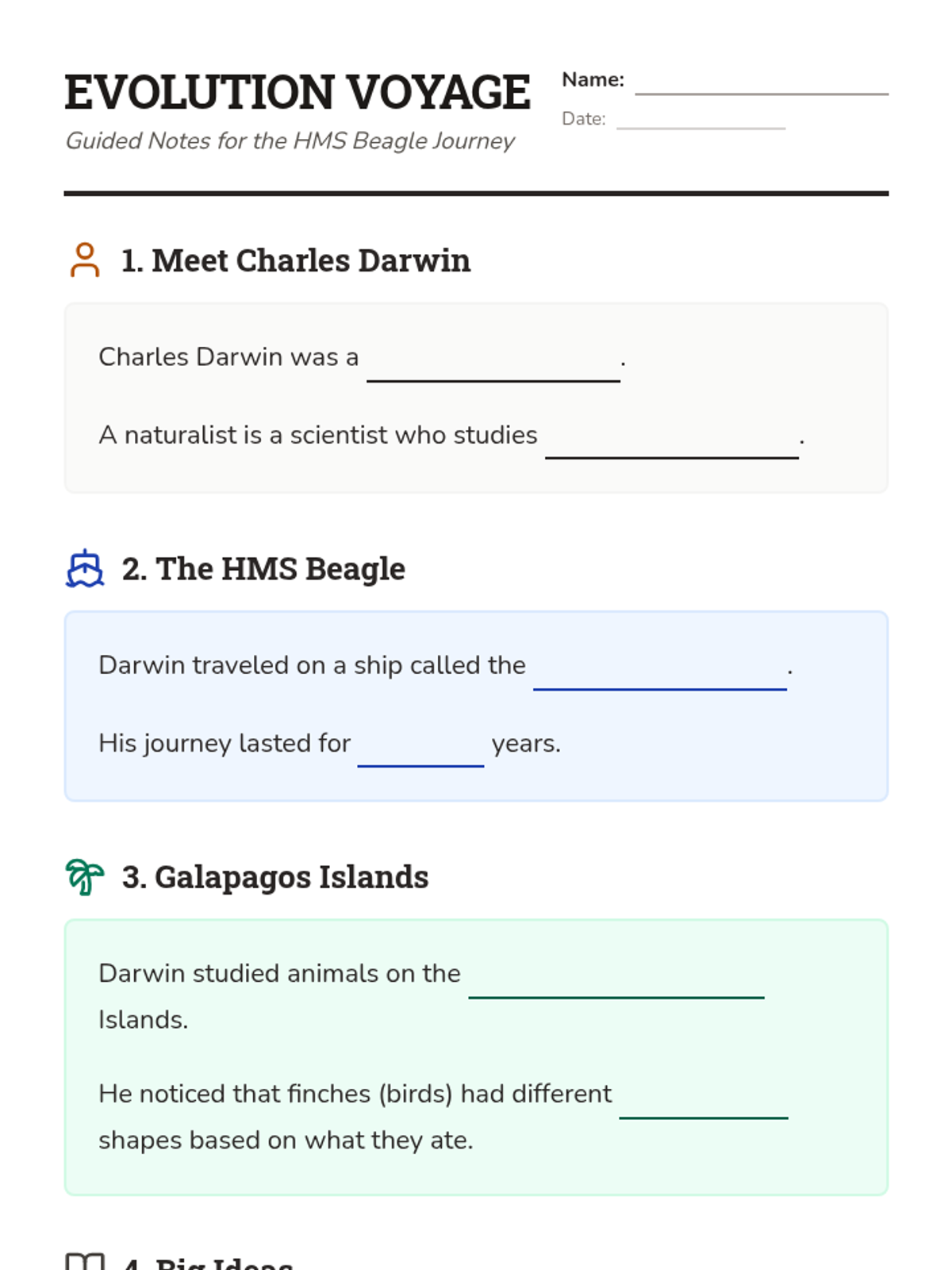
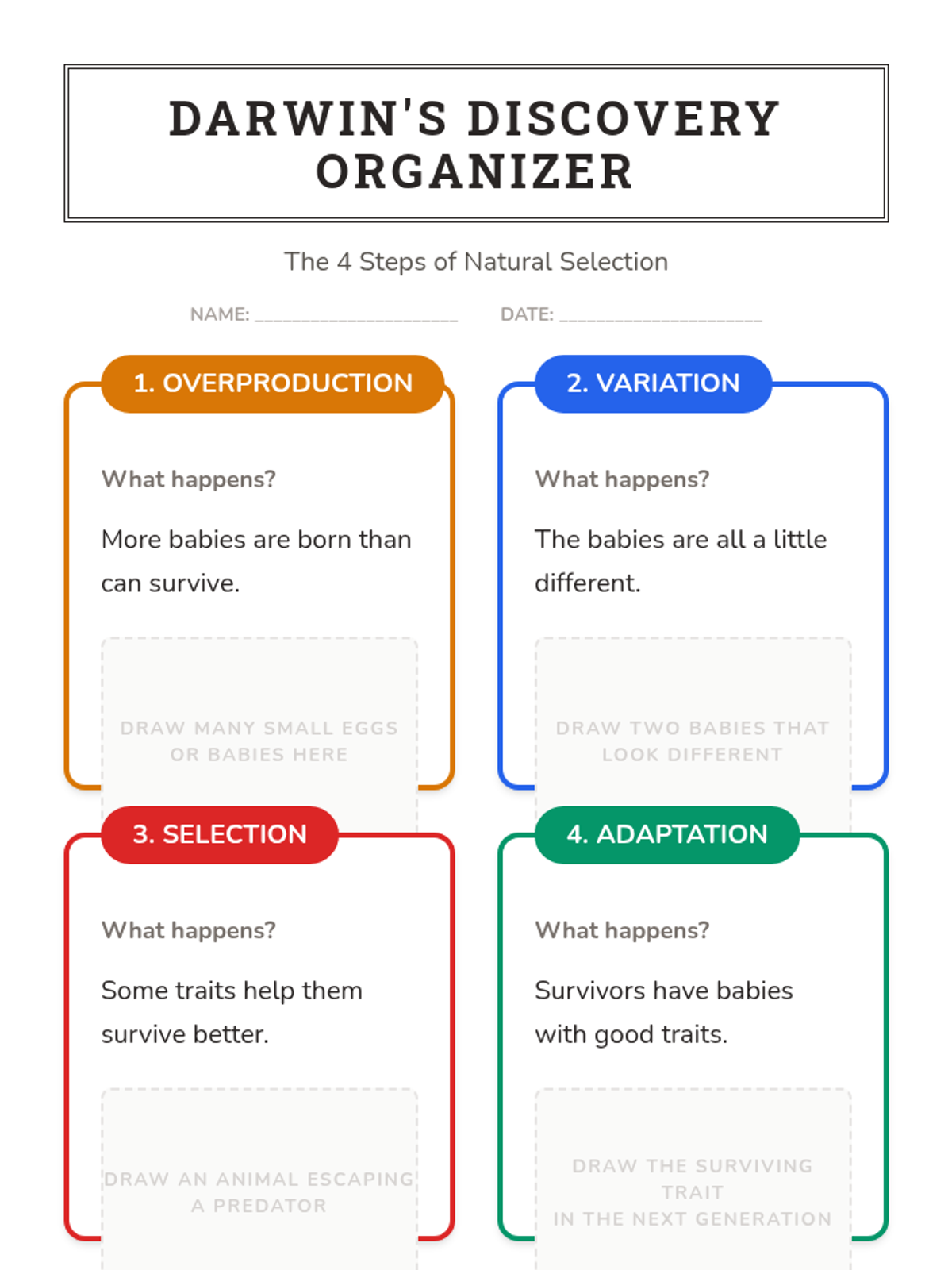
An introduction to Charles Darwin's historic voyage on the HMS Beagle and the foundational concepts of natural selection and adaptation. Students will explore how observations of the natural world led to one of science's most important theories.
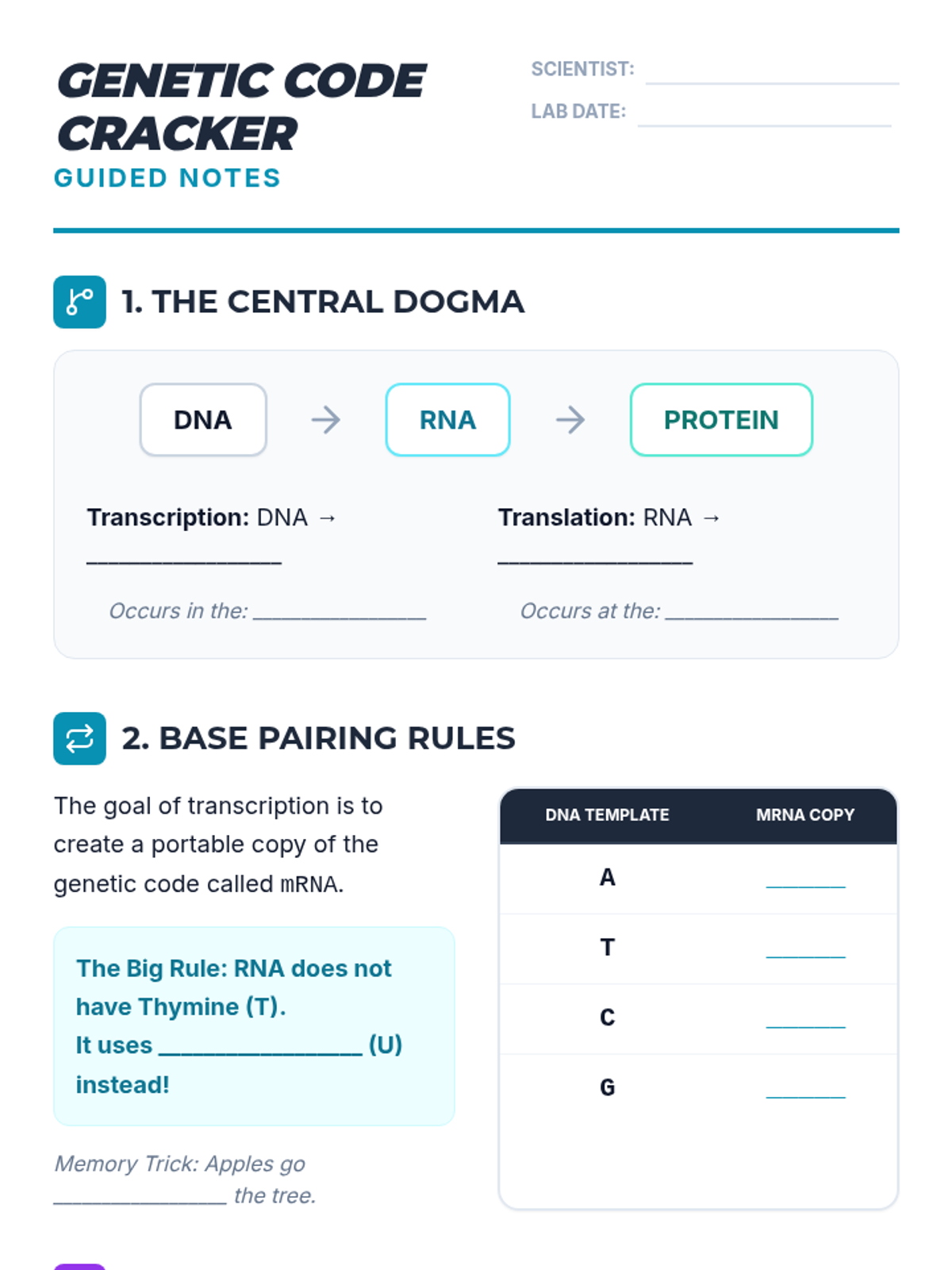
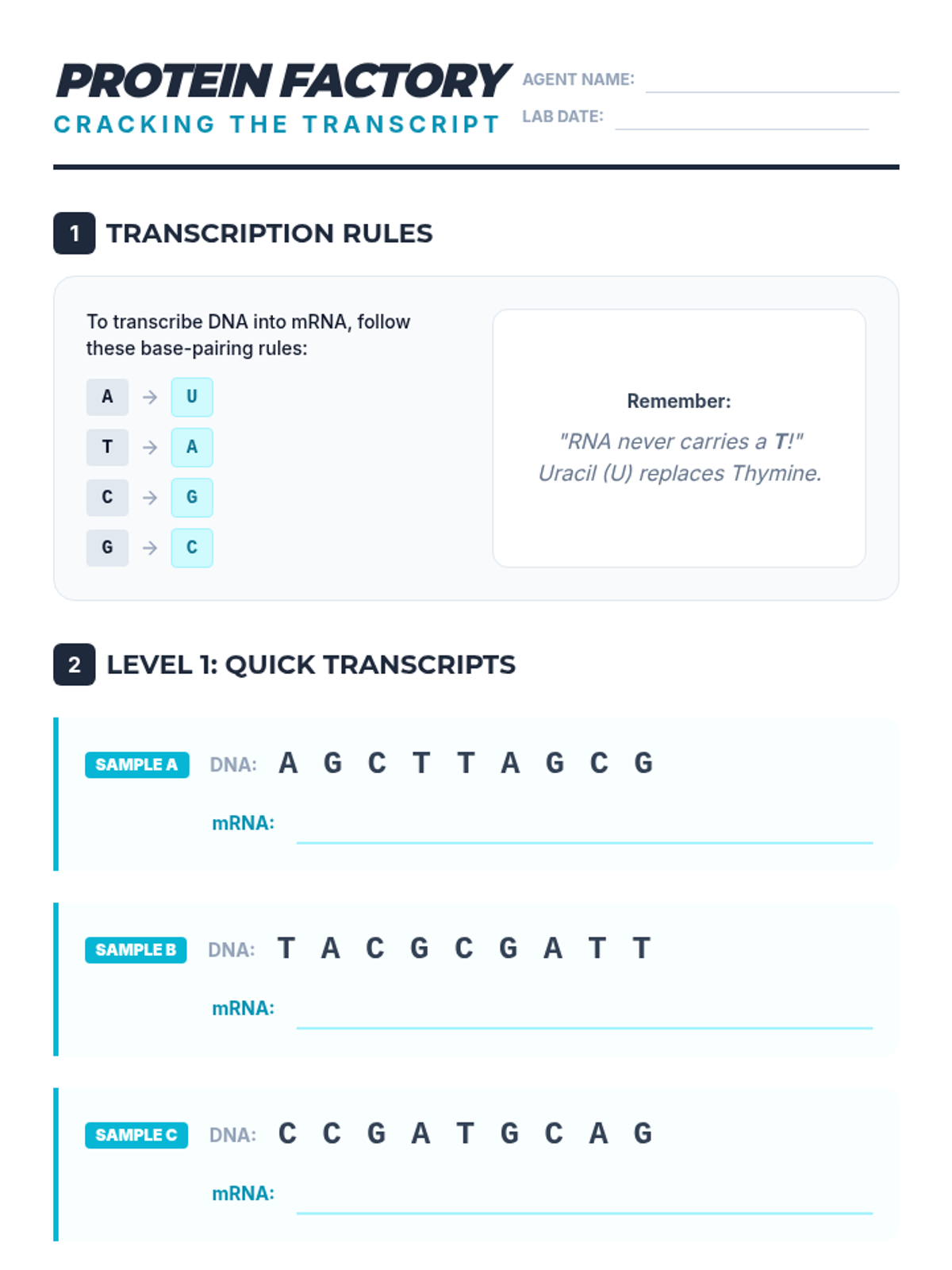
A comprehensive lesson on DNA transcription and translation, covering base-pairing rules and how to use a codon chart to build protein sequences.
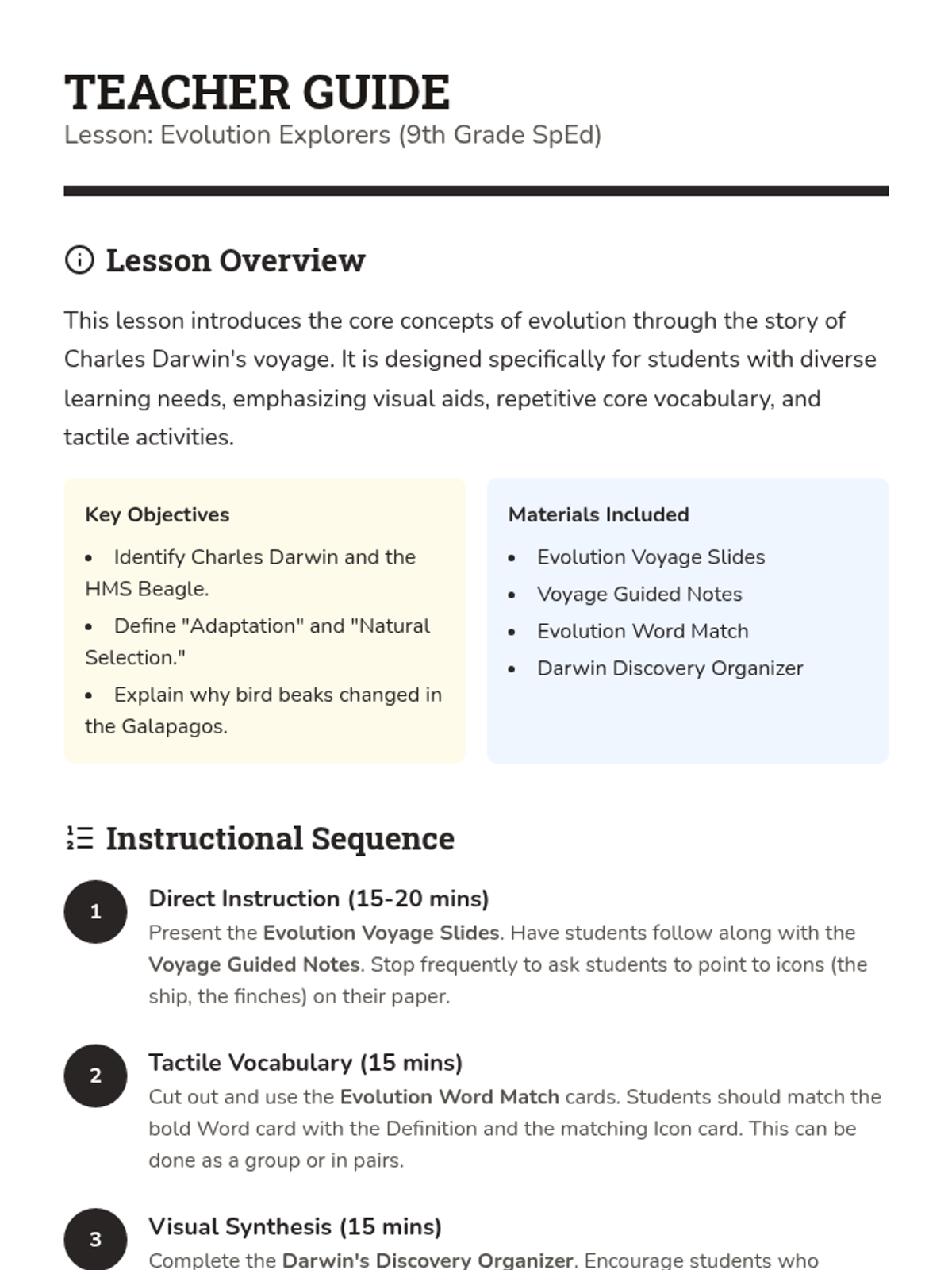
An introductory lesson on evolution for 9th-grade special education students, focusing on Charles Darwin's journey, the HMS Beagle, and the core principles of natural selection and adaptation.
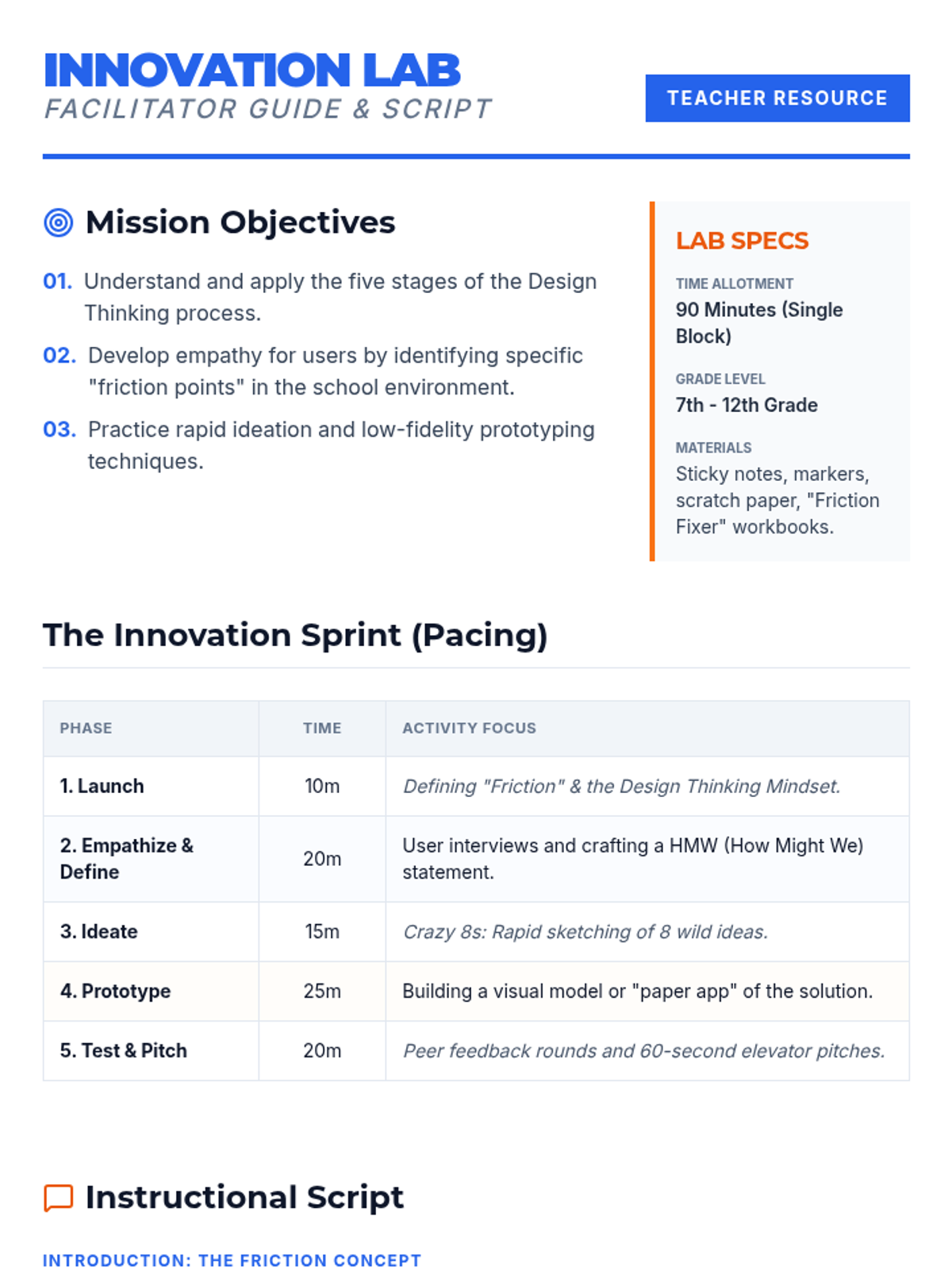
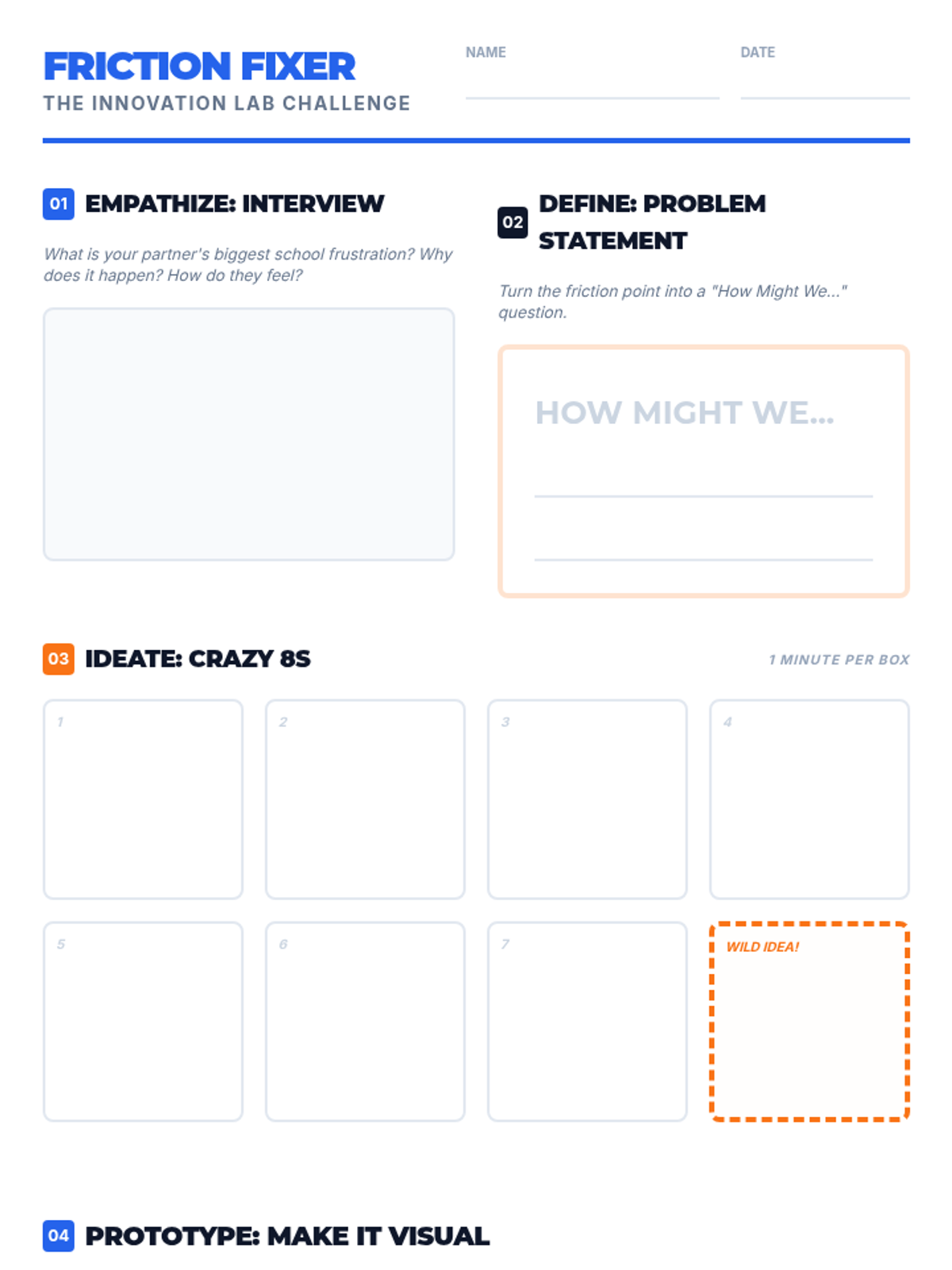
A high-energy, fast-paced introduction to Design Thinking where students identify and solve everyday school 'friction points' through empathy, rapid ideation, and prototyping.
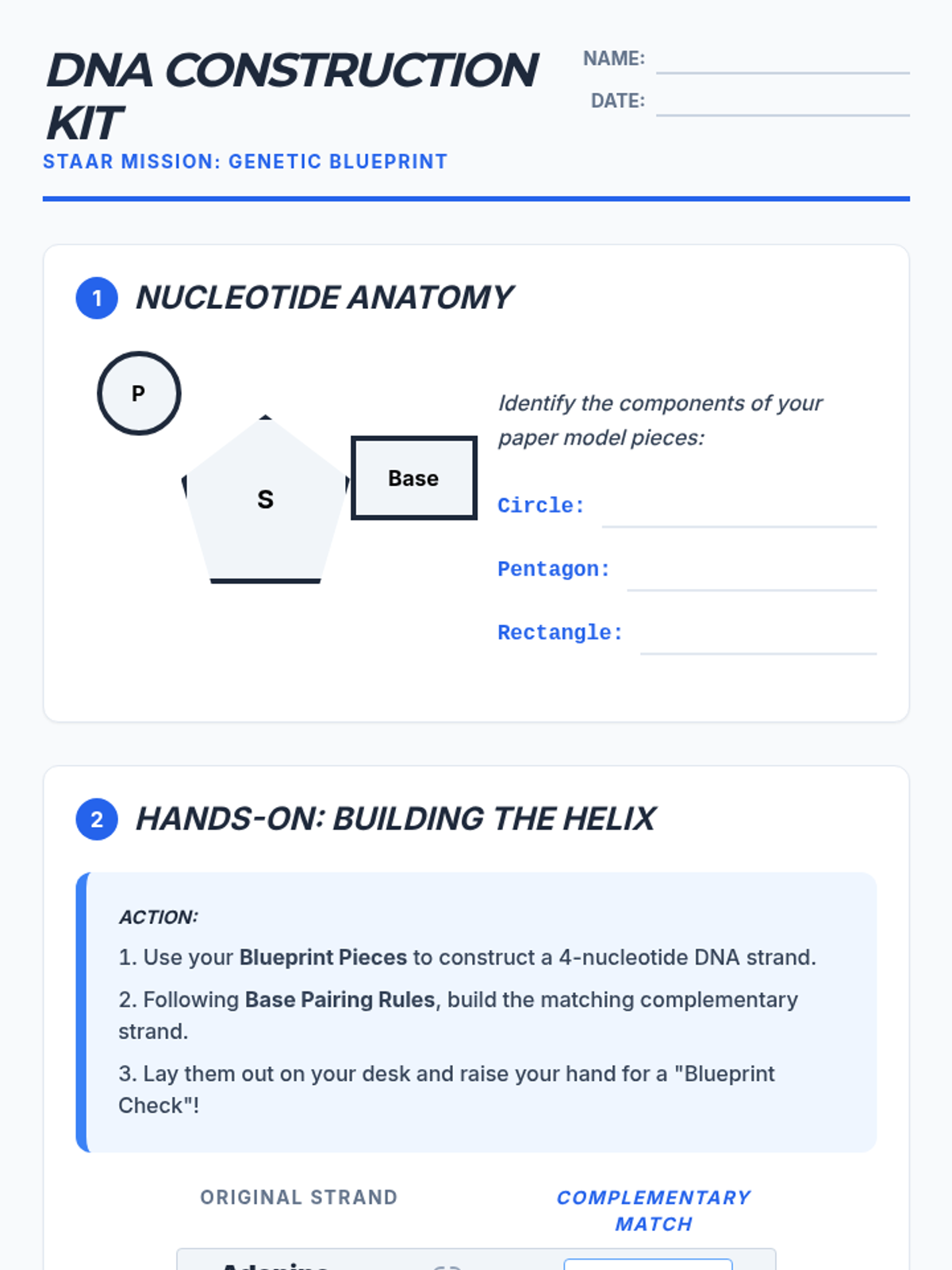
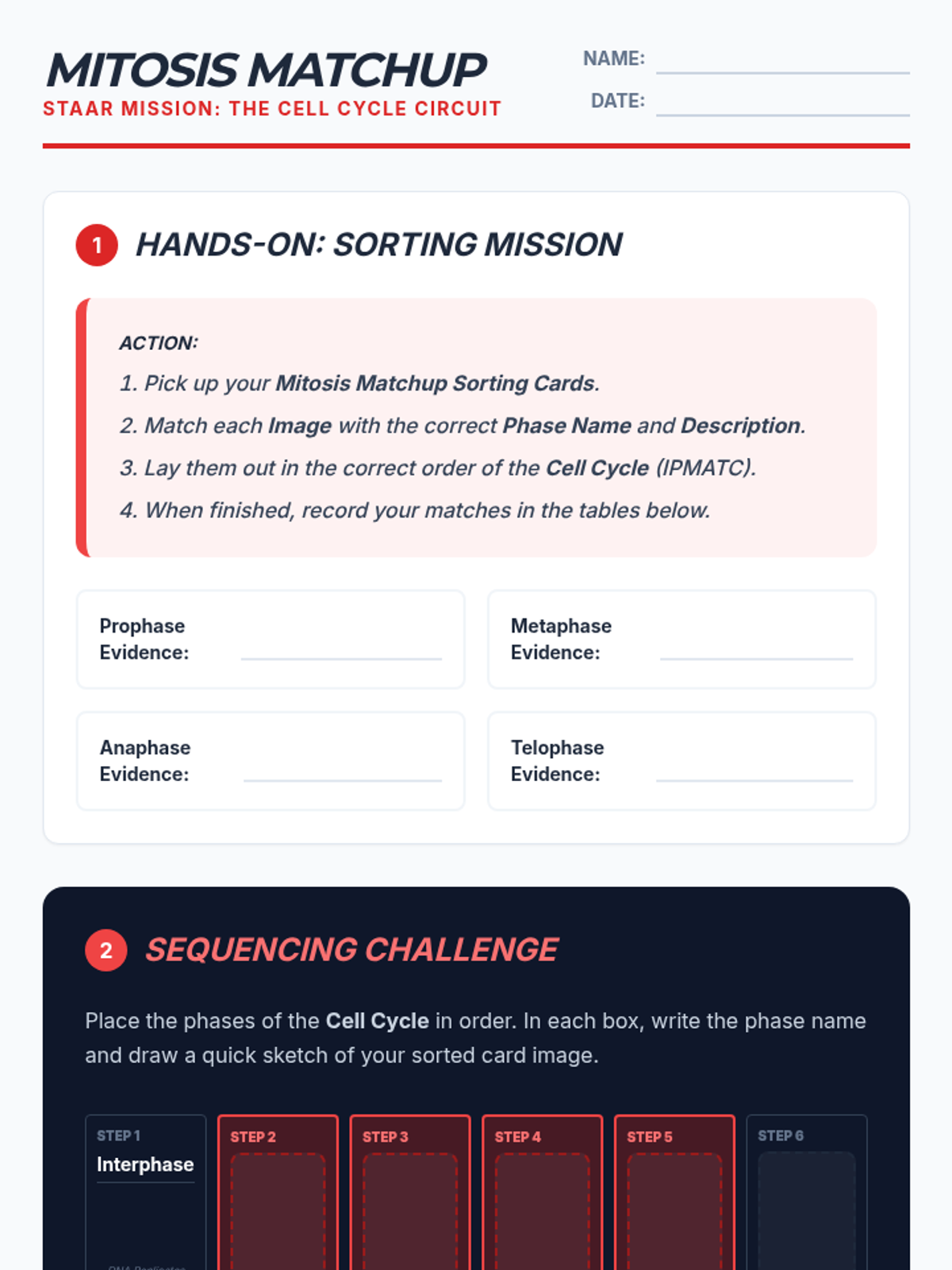
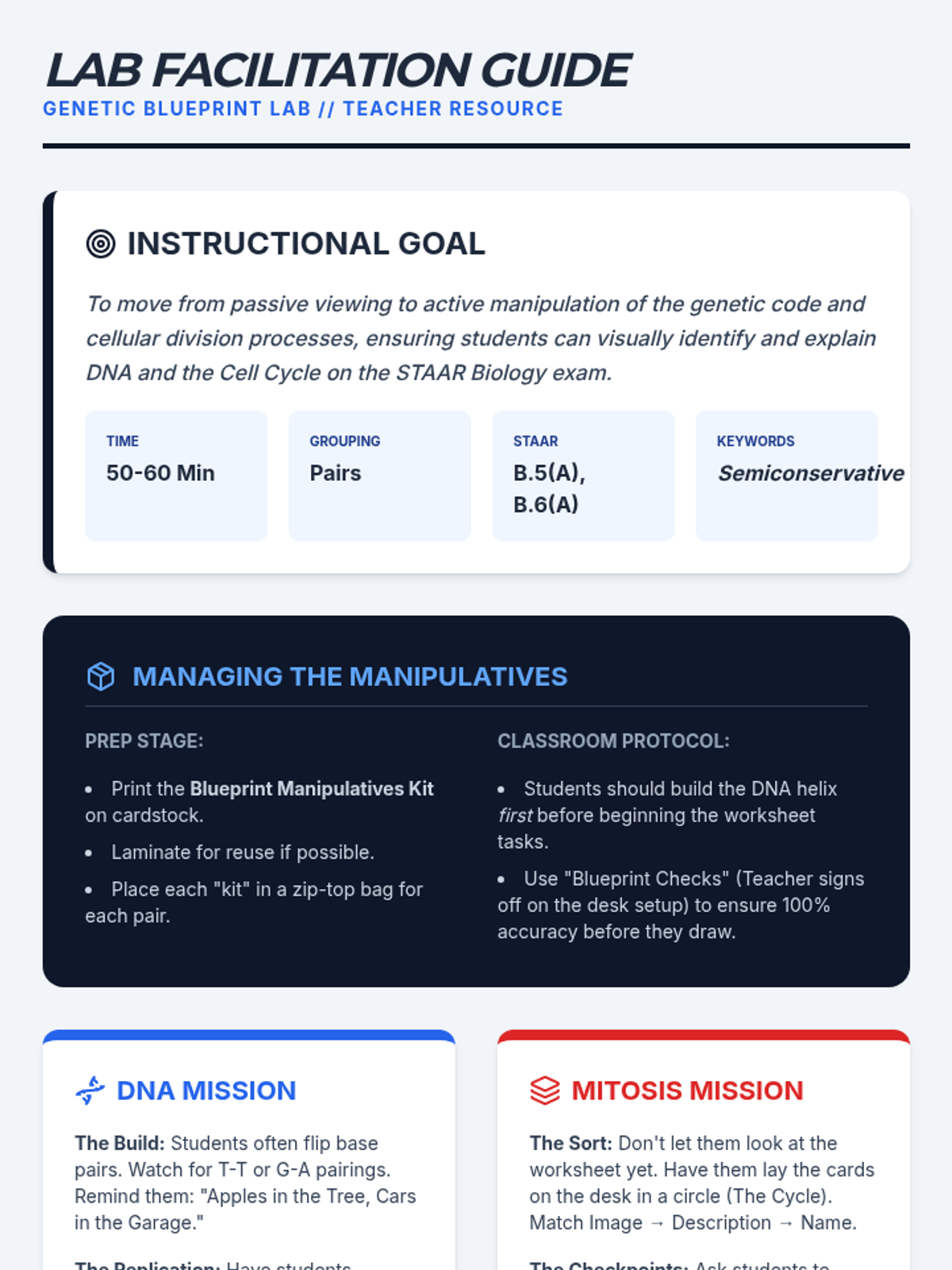
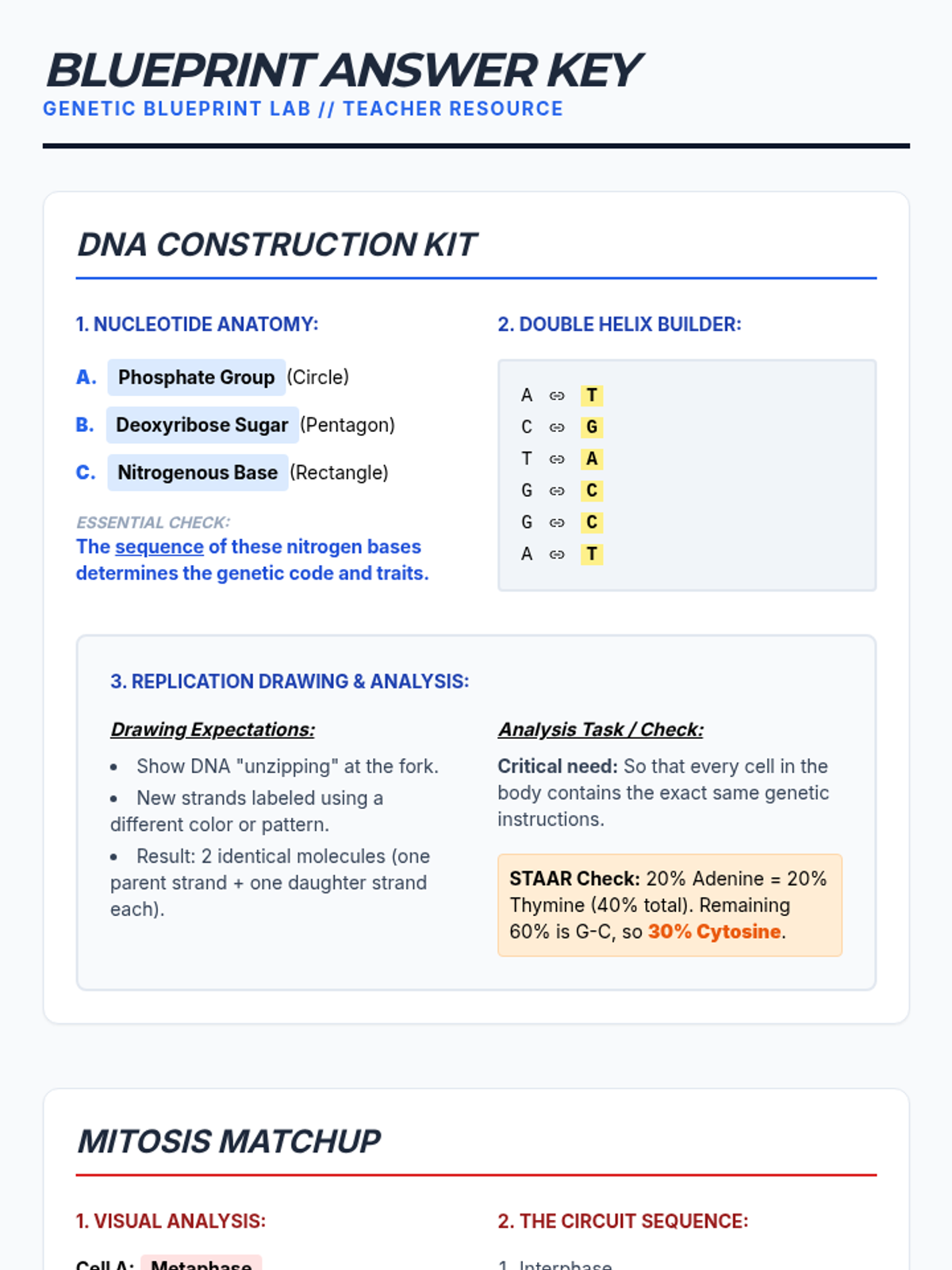
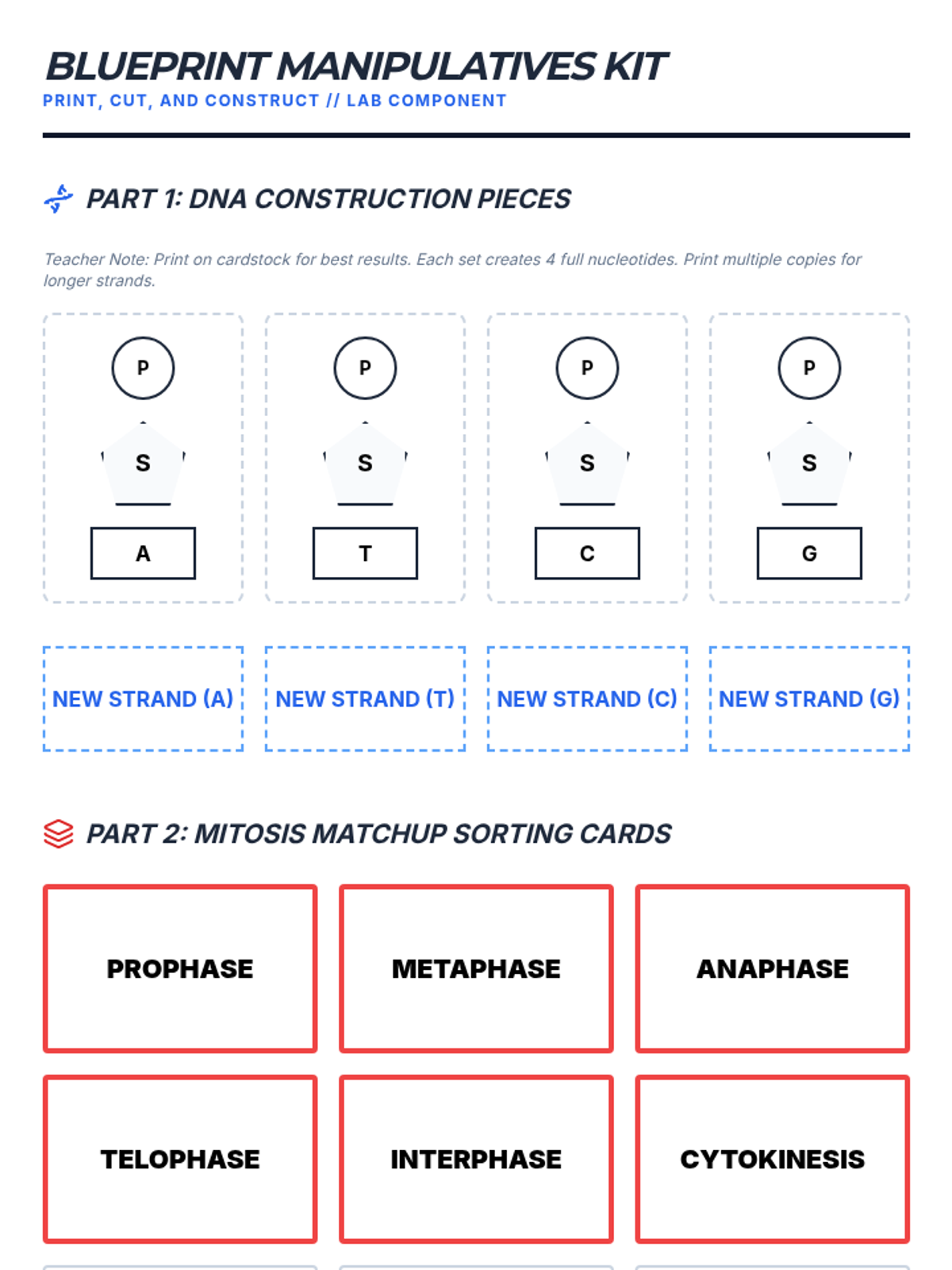
A hands-on review of DNA structure, replication, and the cell cycle designed to prepare students for the STAAR Biology assessment. Students construct DNA models, simulate replication, and sequence the phases of mitosis through active modeling and visual analysis.
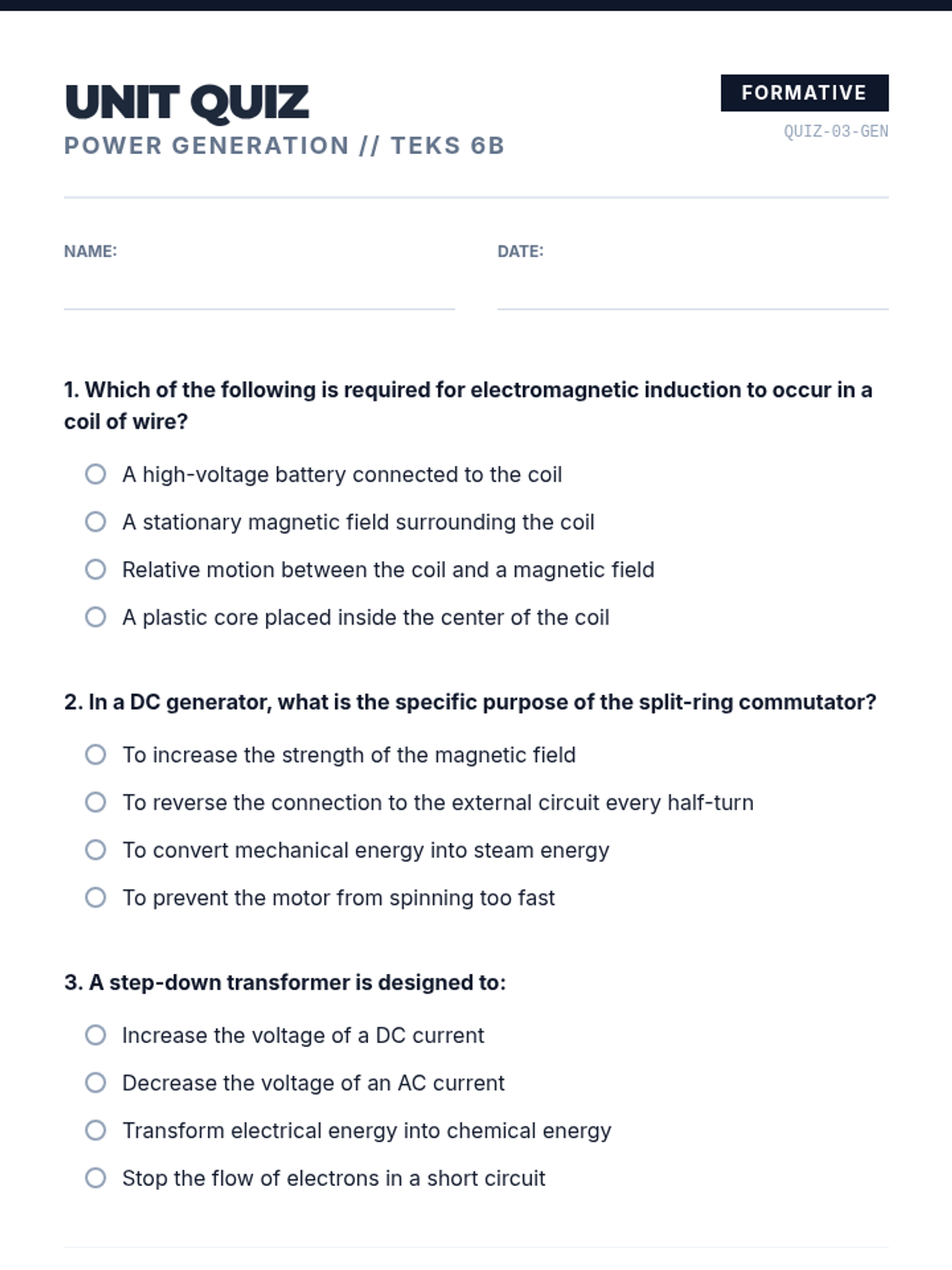
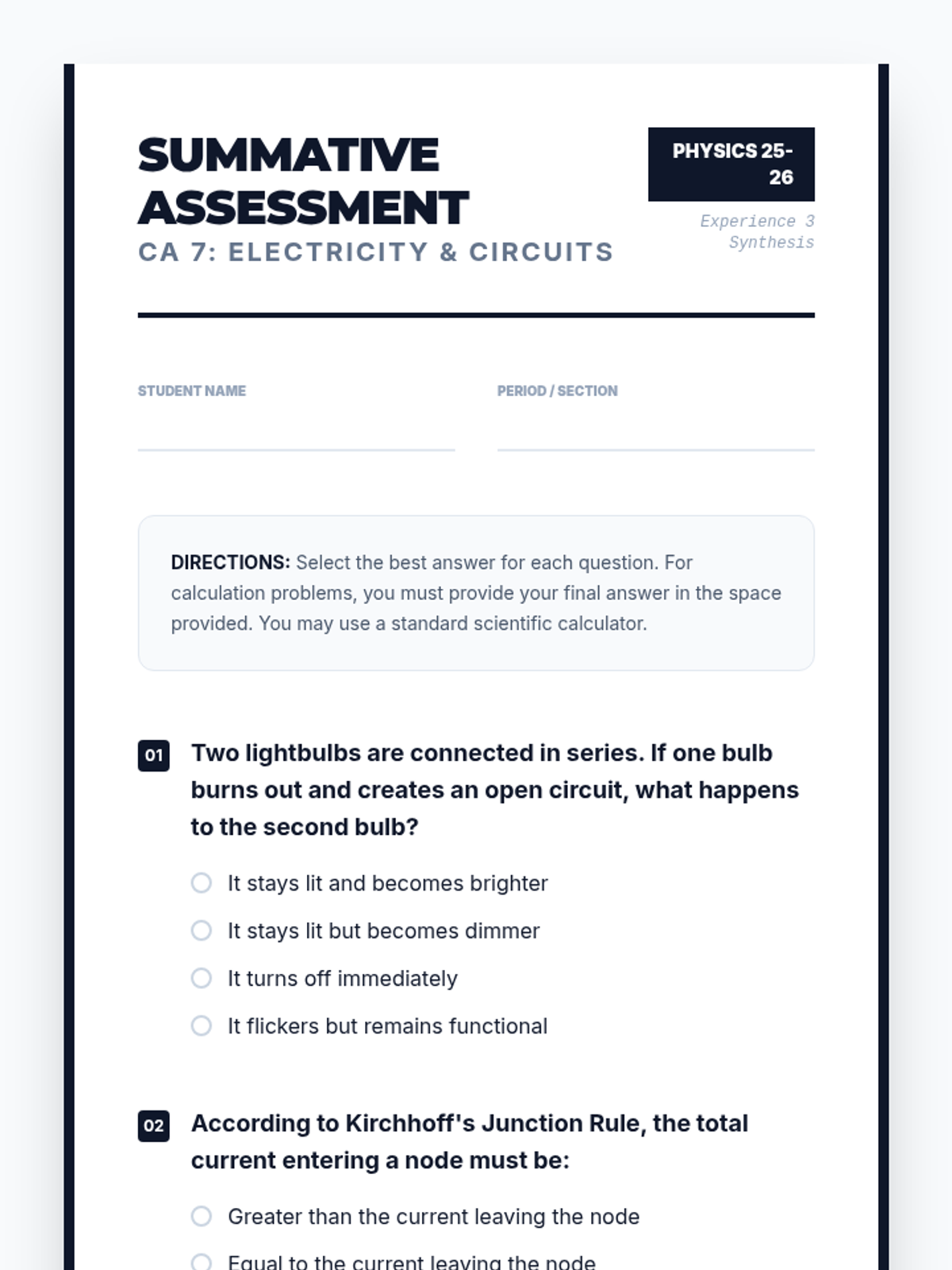
Final unit evaluation and reflection. Students complete a formative quiz and a summative assessment covering electricity and circuits, ending with a final reflection on the anchoring phenomenon.
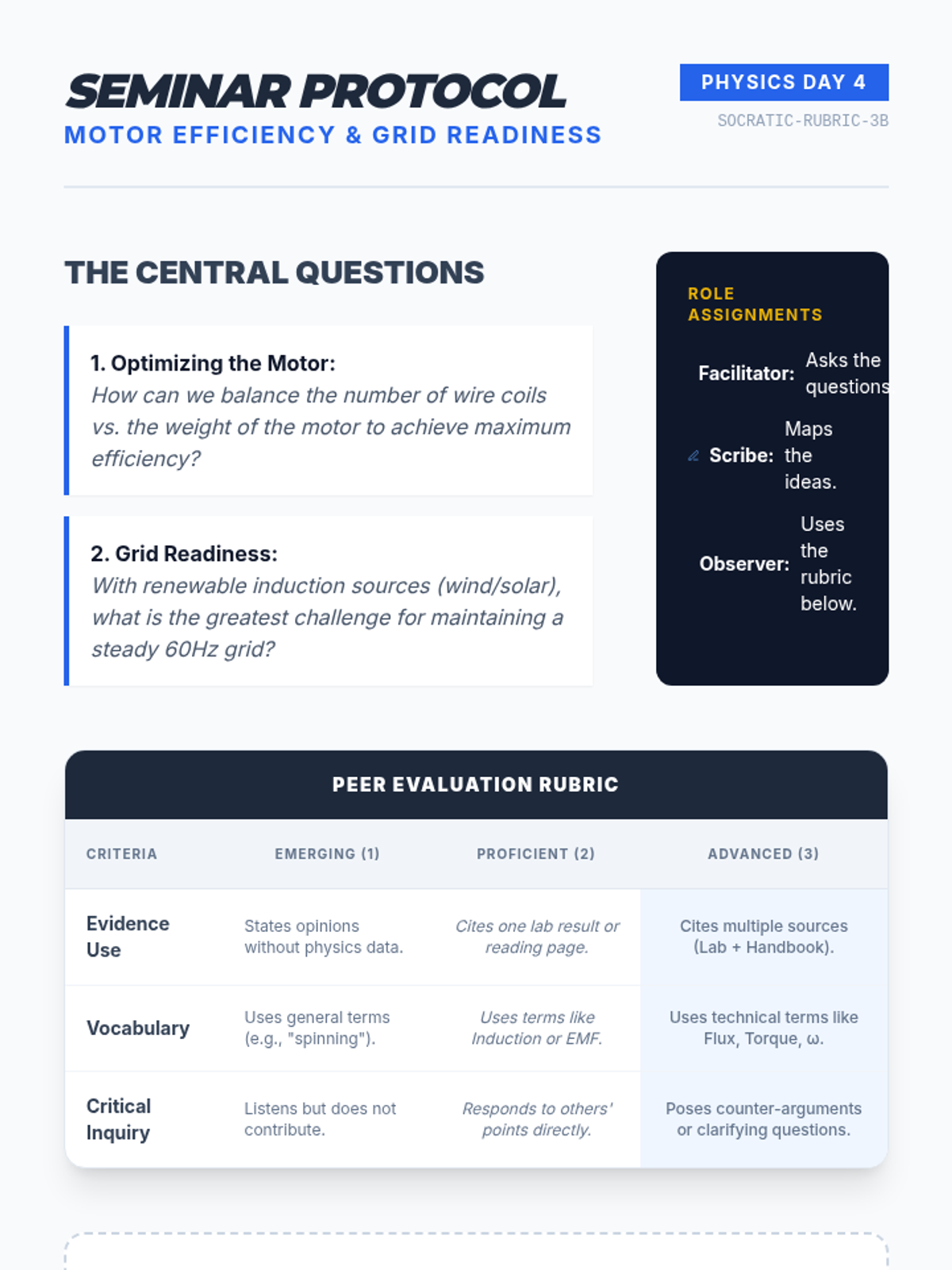
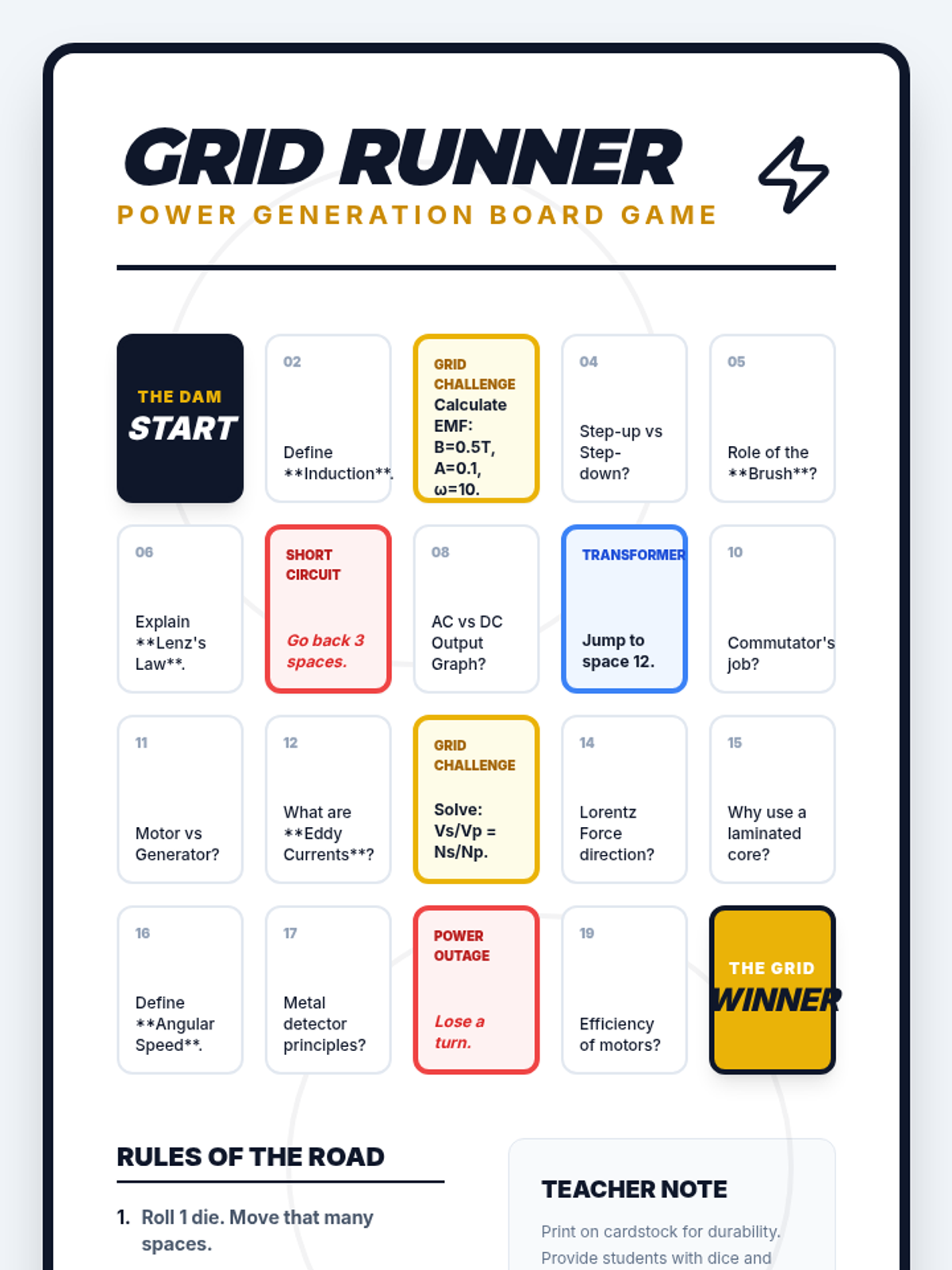
A collaborative synthesis of the unit's concepts. Students engage in a Socratic seminar regarding motor design and grid readiness, followed by a competitive game board review of all power generation principles.