High school seniors research active Indiana legislation and build mock advocacy campaigns to influence public policy. This hands-on project connects state-level governance with practical civic engagement.
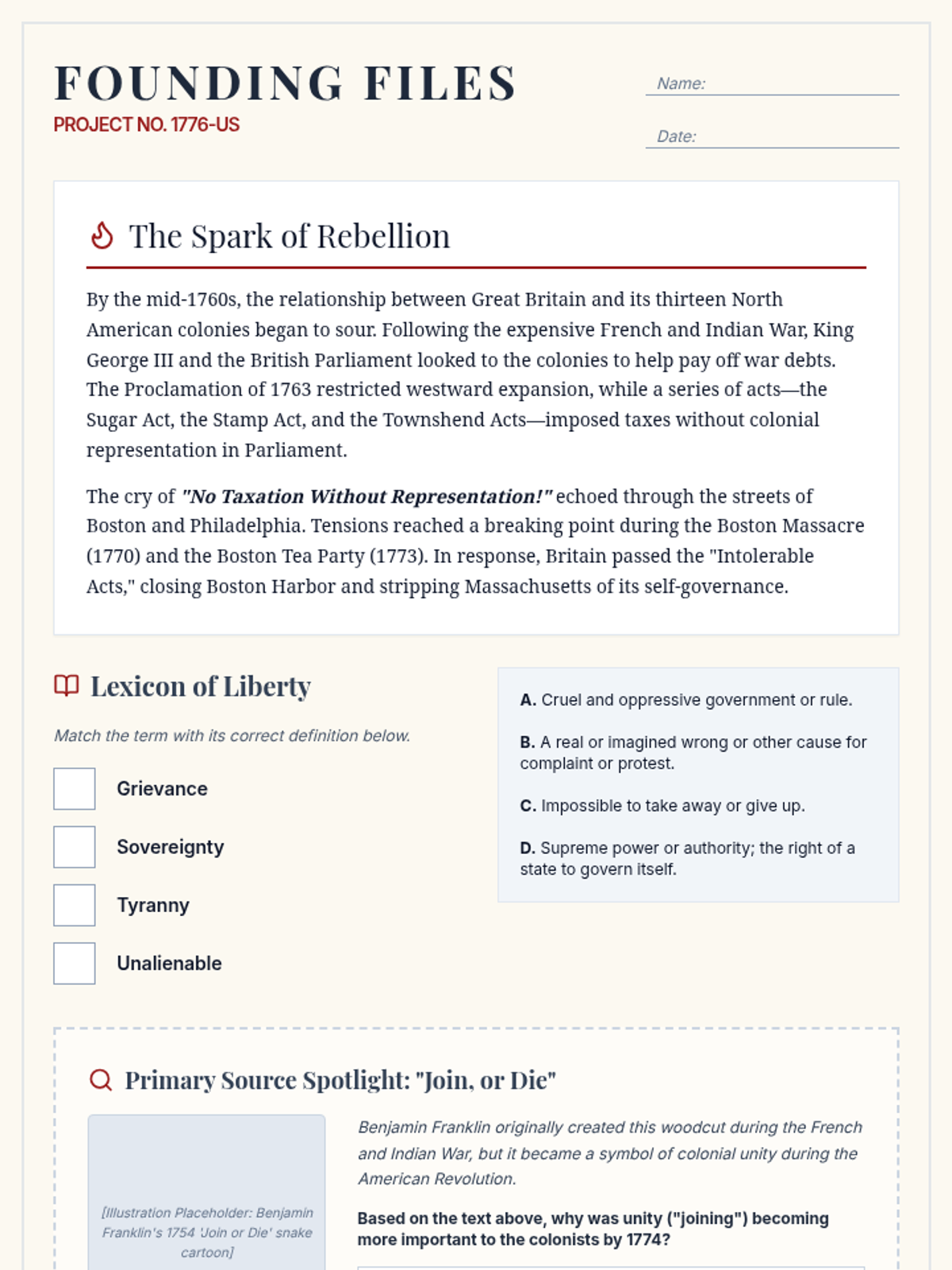
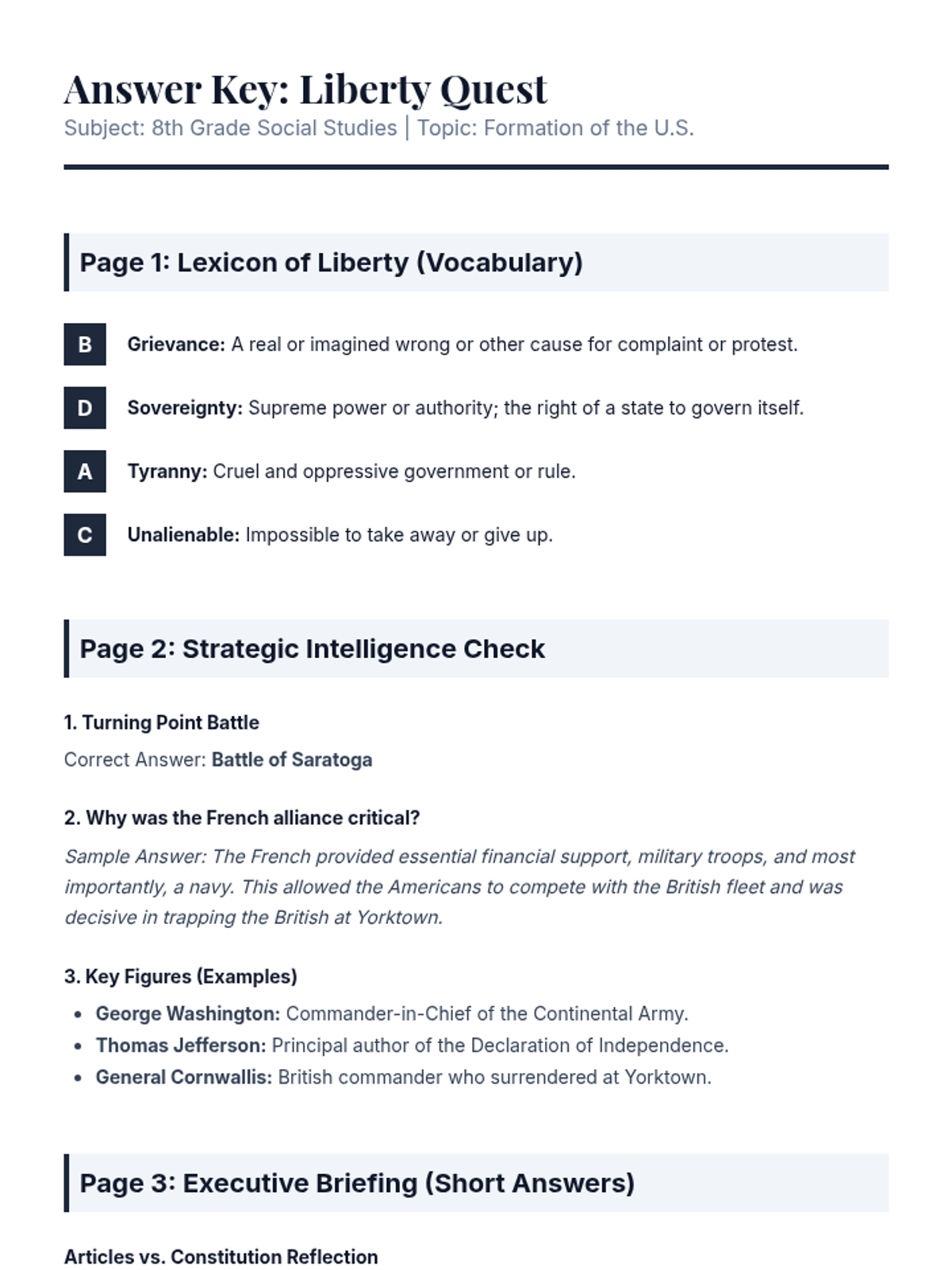
An in-depth exploration of the American Revolution and the formation of the United States, focusing on key events, influential figures, and the ideological foundations of the new republic.
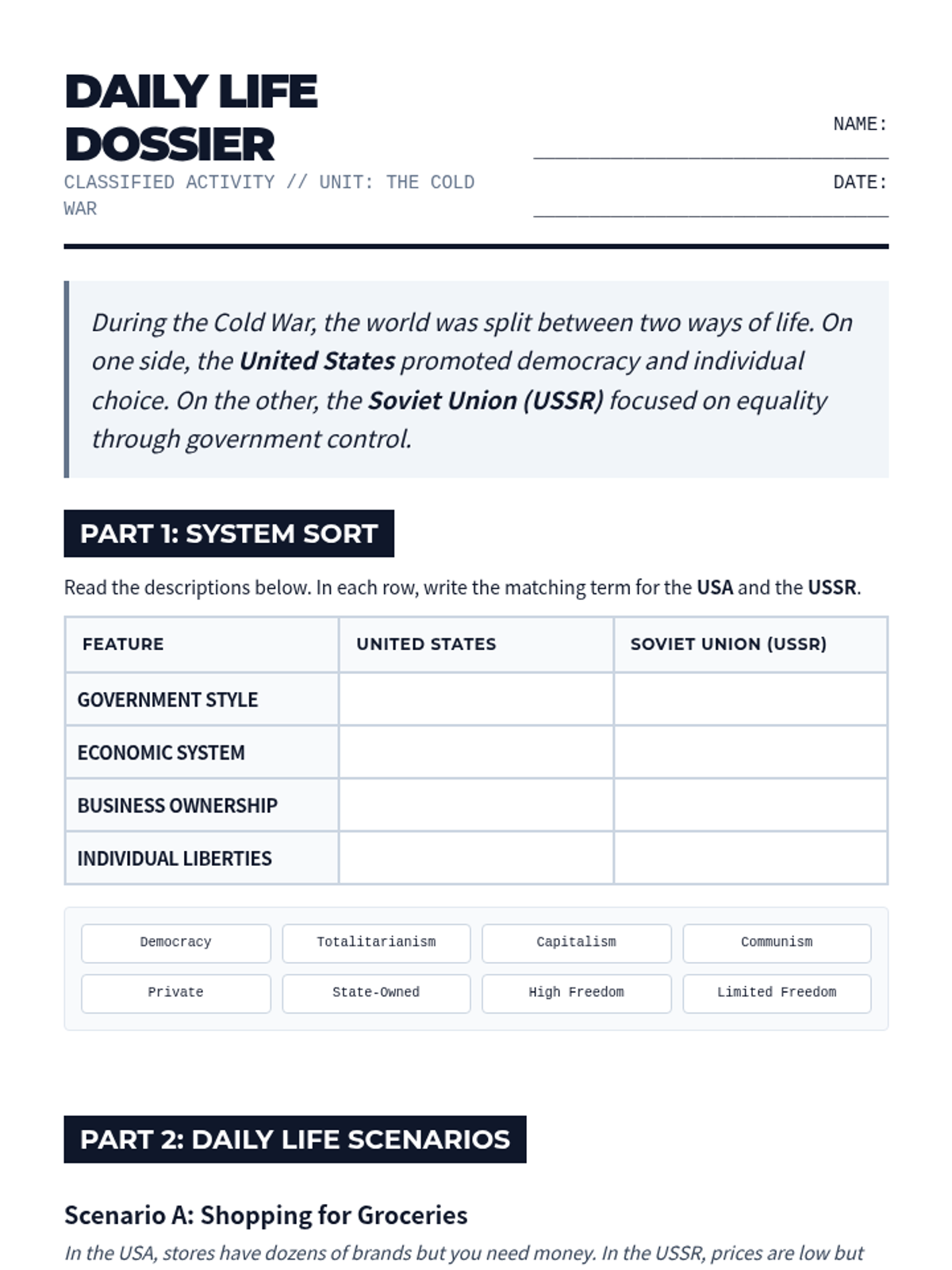
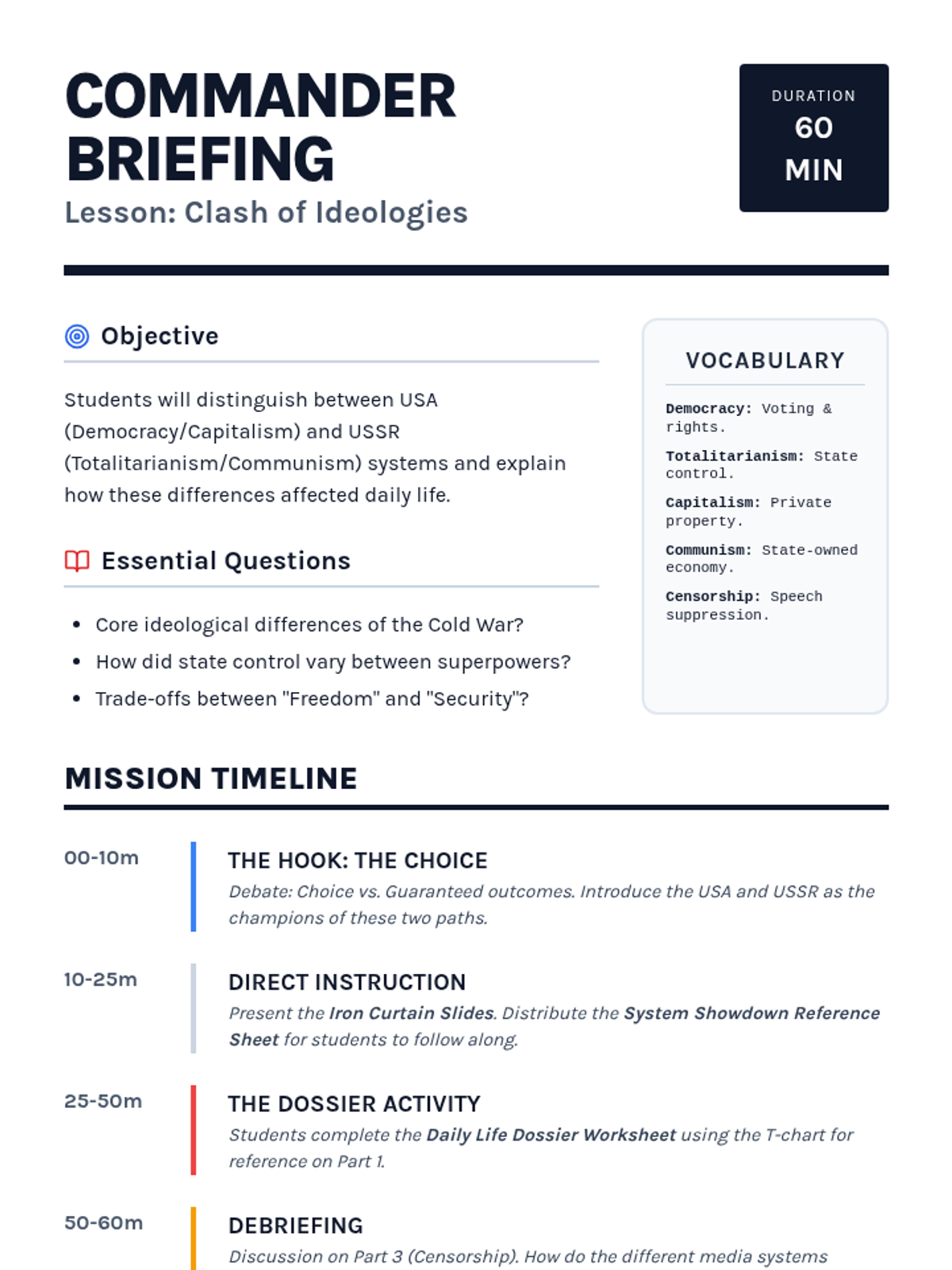
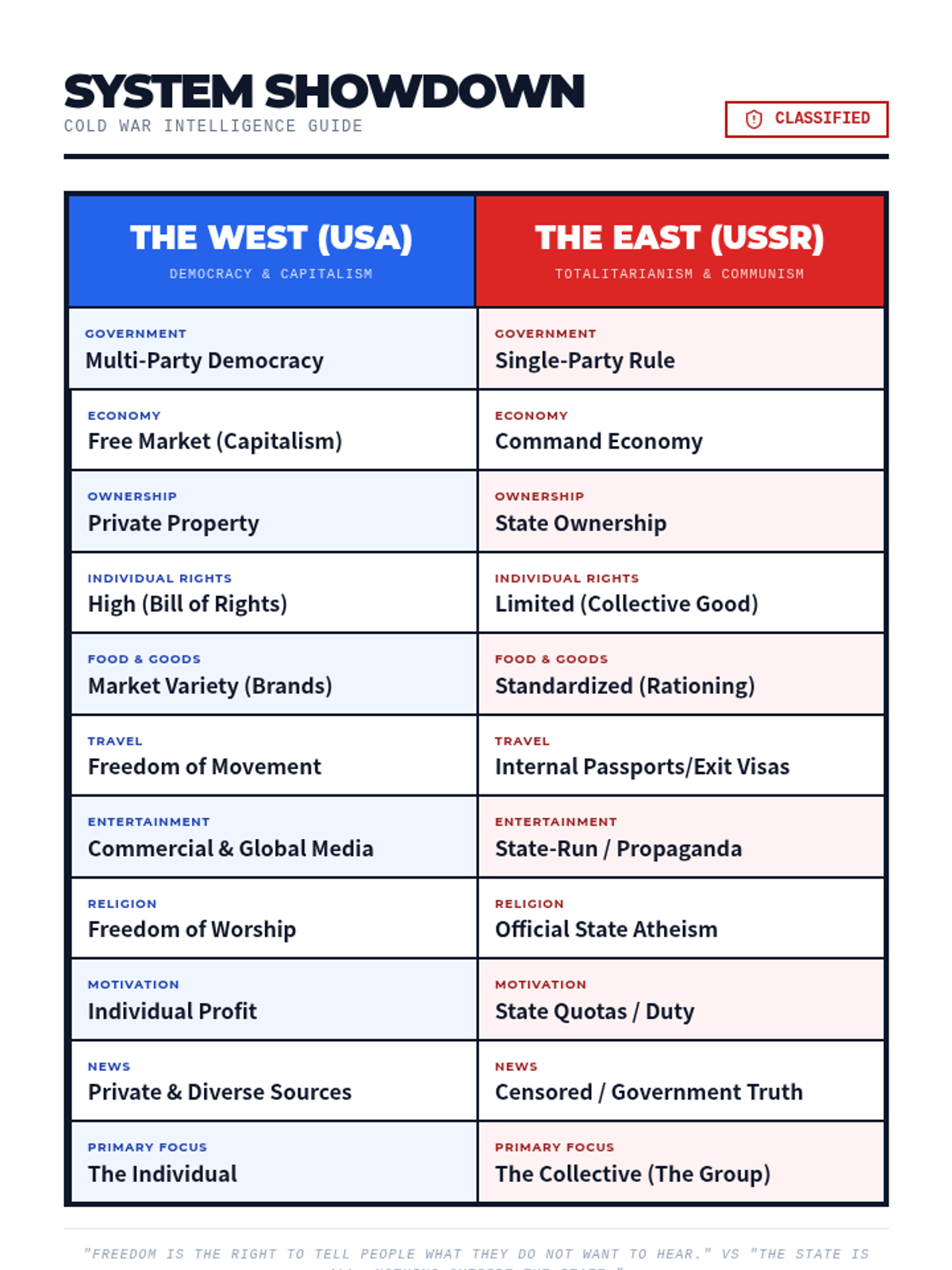
A comparative study of the government structures, economic systems, and daily life in the United States and the Soviet Union during the Cold War era. Students will analyze the fundamental differences between democracy/capitalism and communism/totalitarianism.
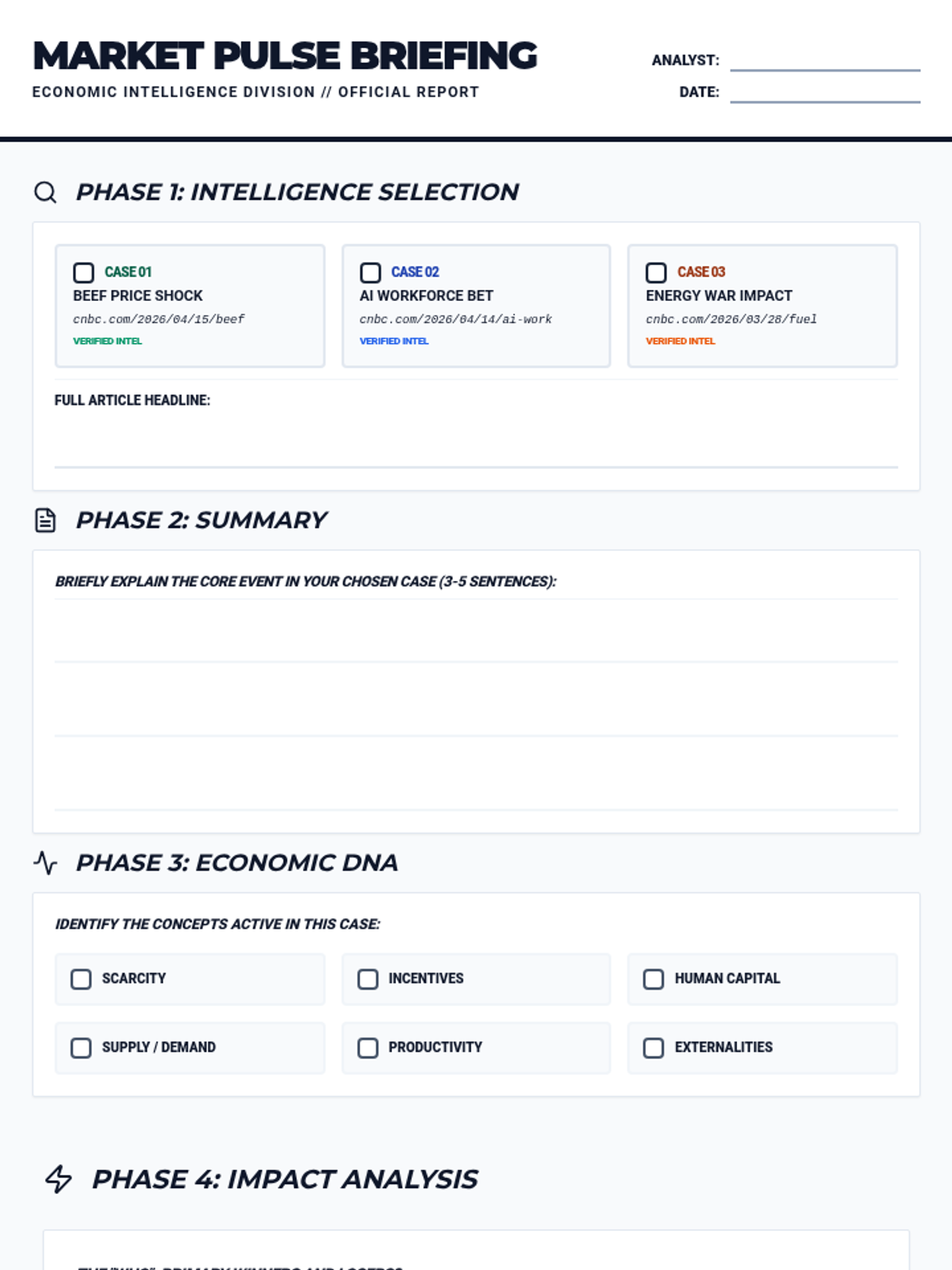
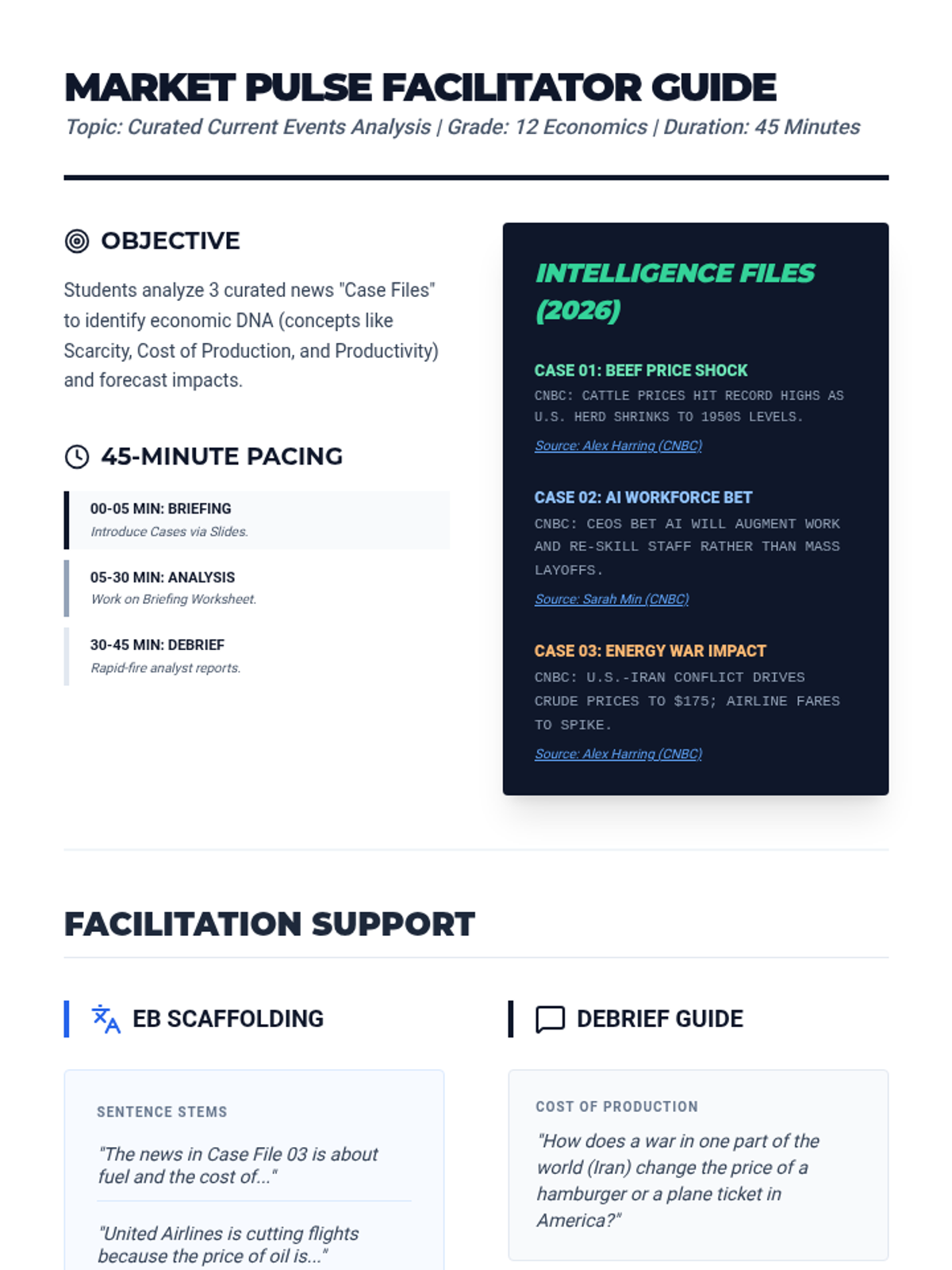
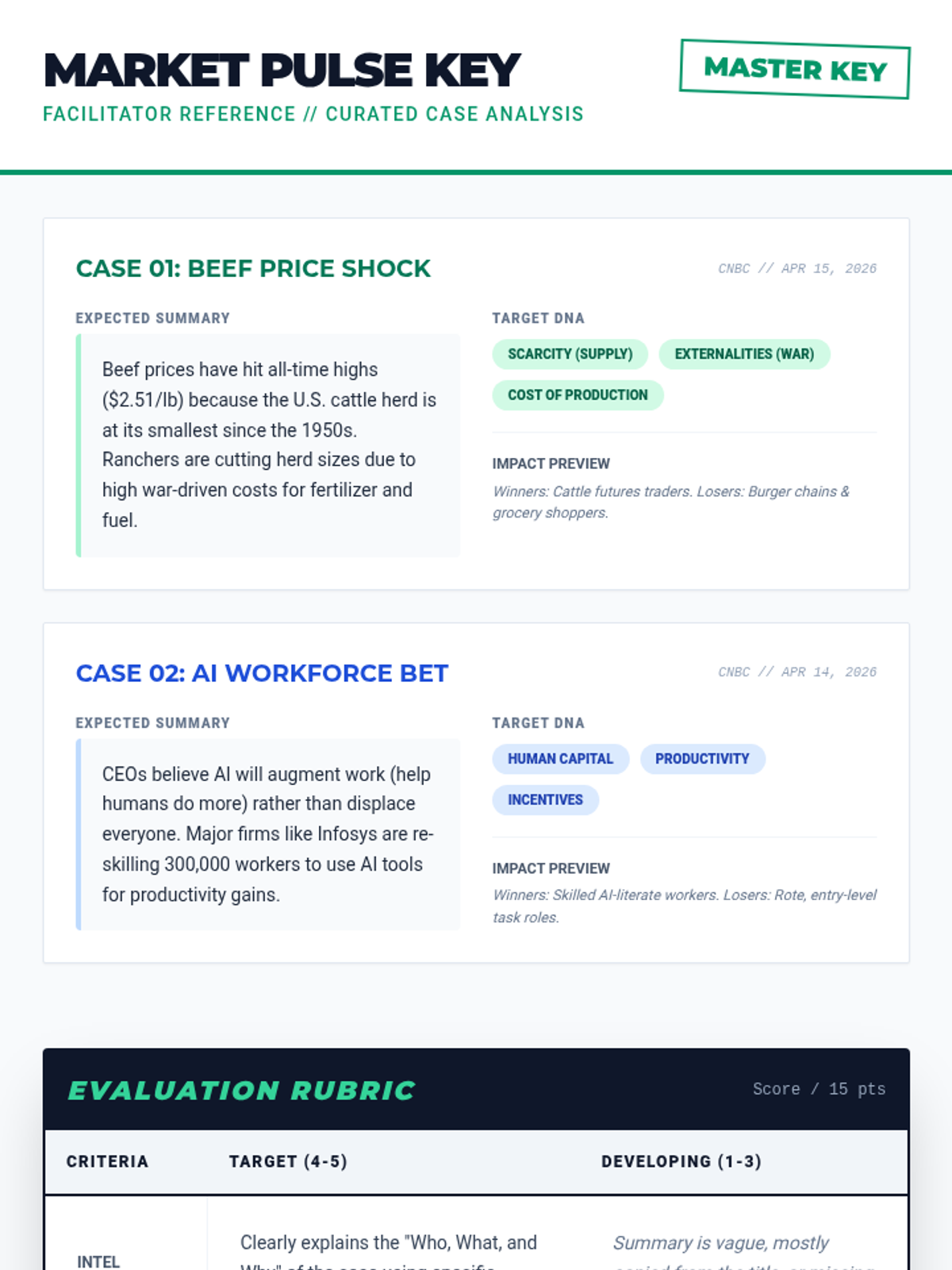
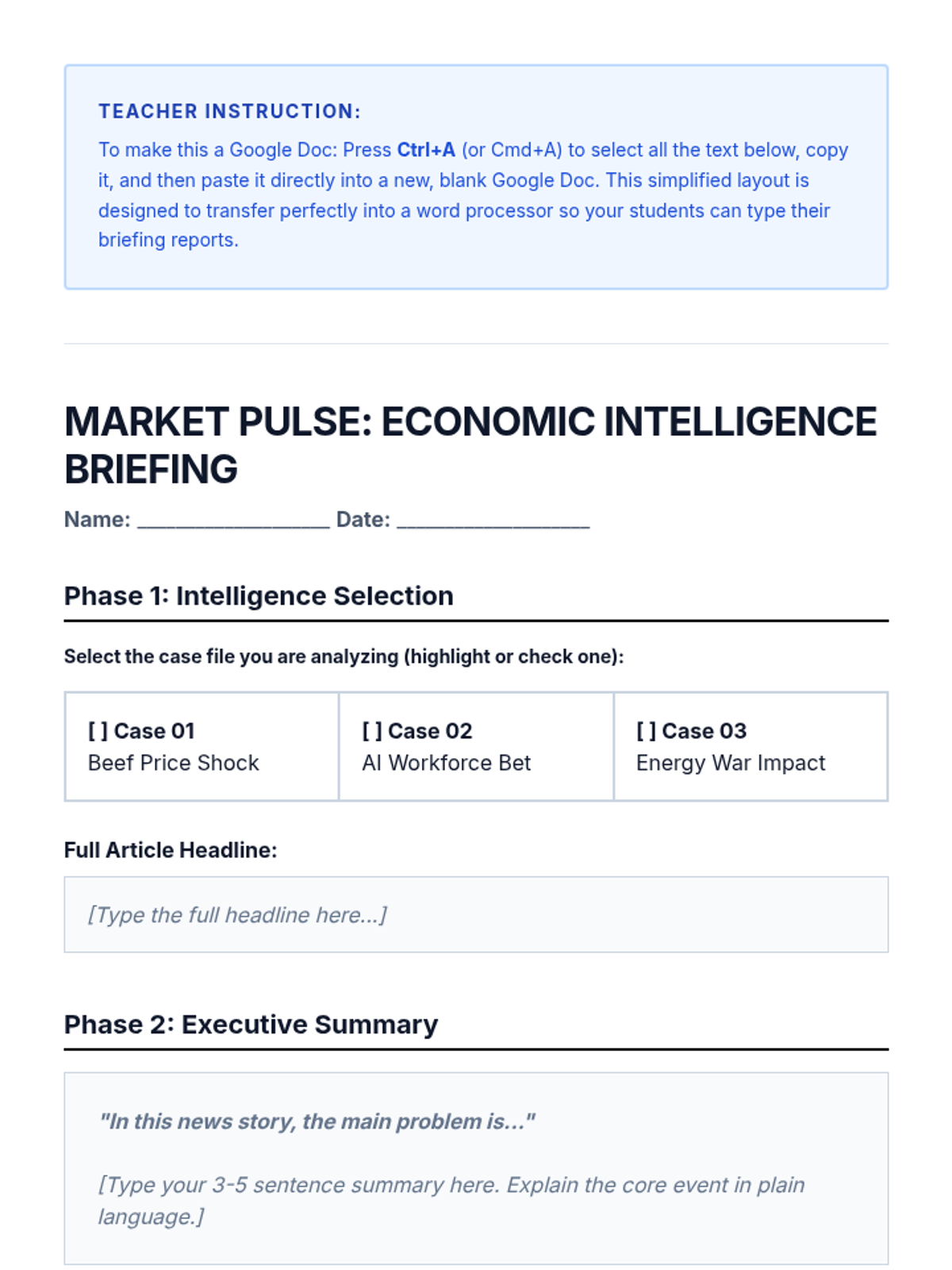
A fast-paced current events analysis lesson where students act as economic analysts to decode real-world news using core economic concepts. Designed for a single 45-minute period with heavy scaffolding for Emergent Bilingual learners.
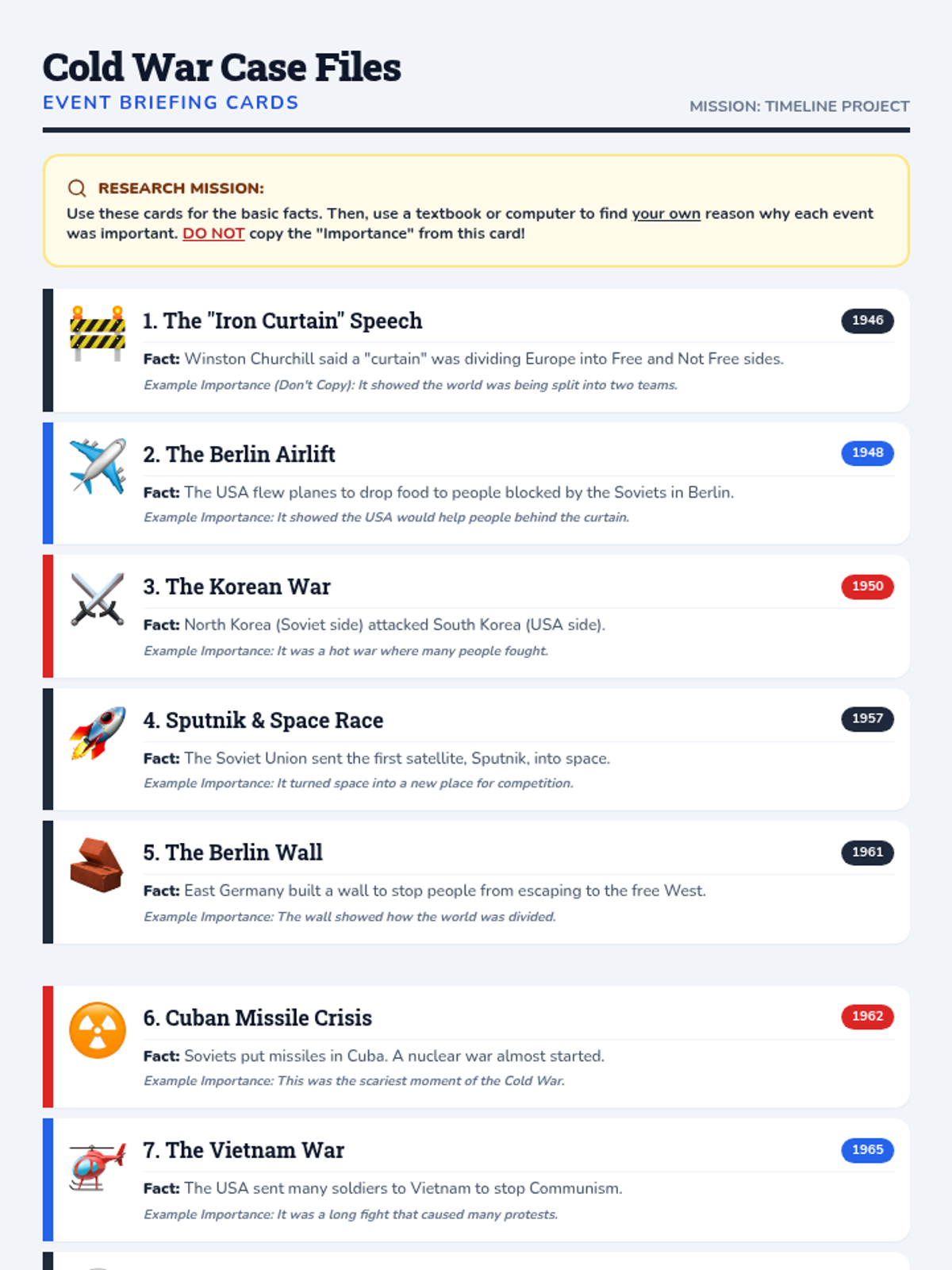
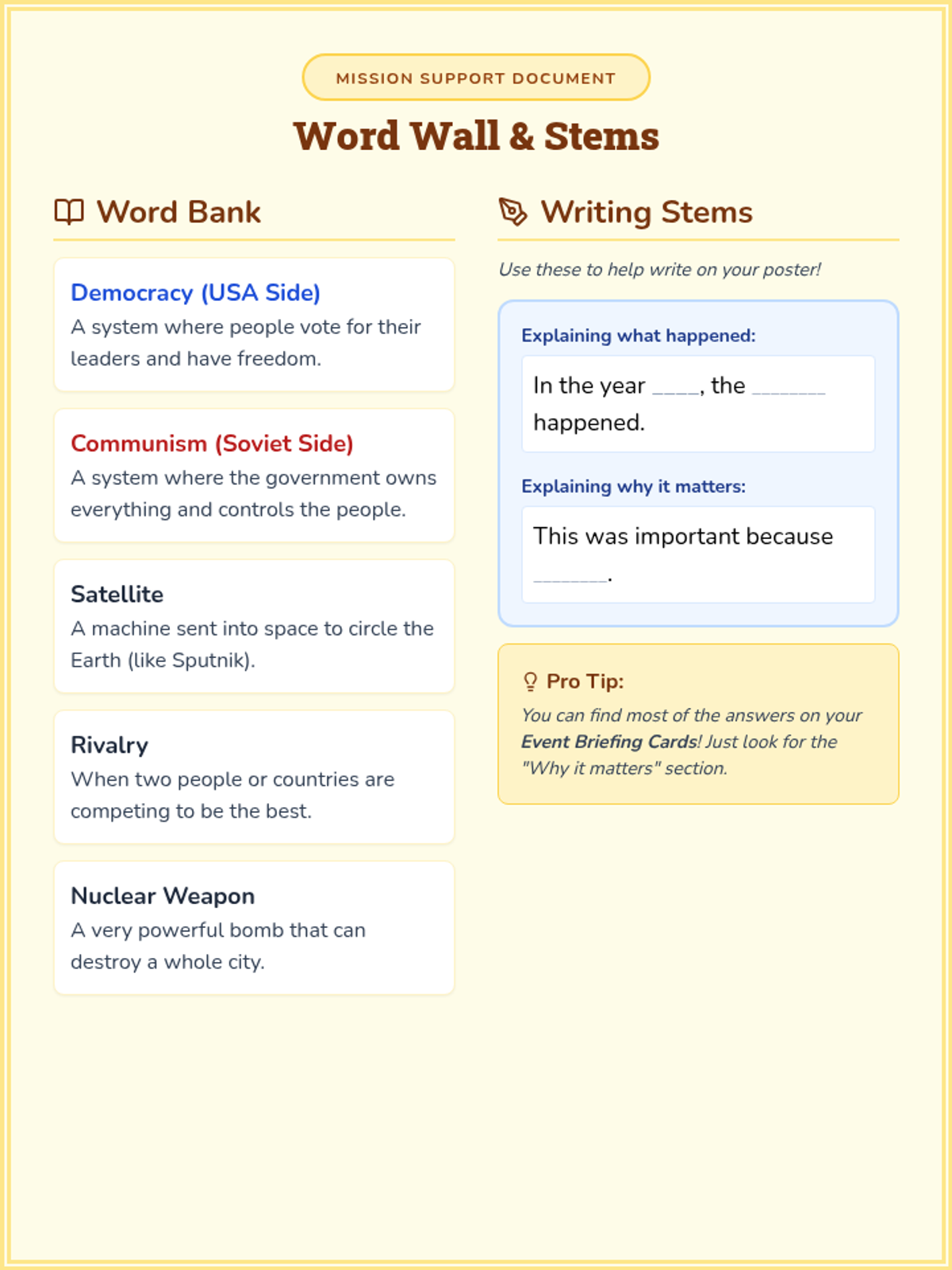
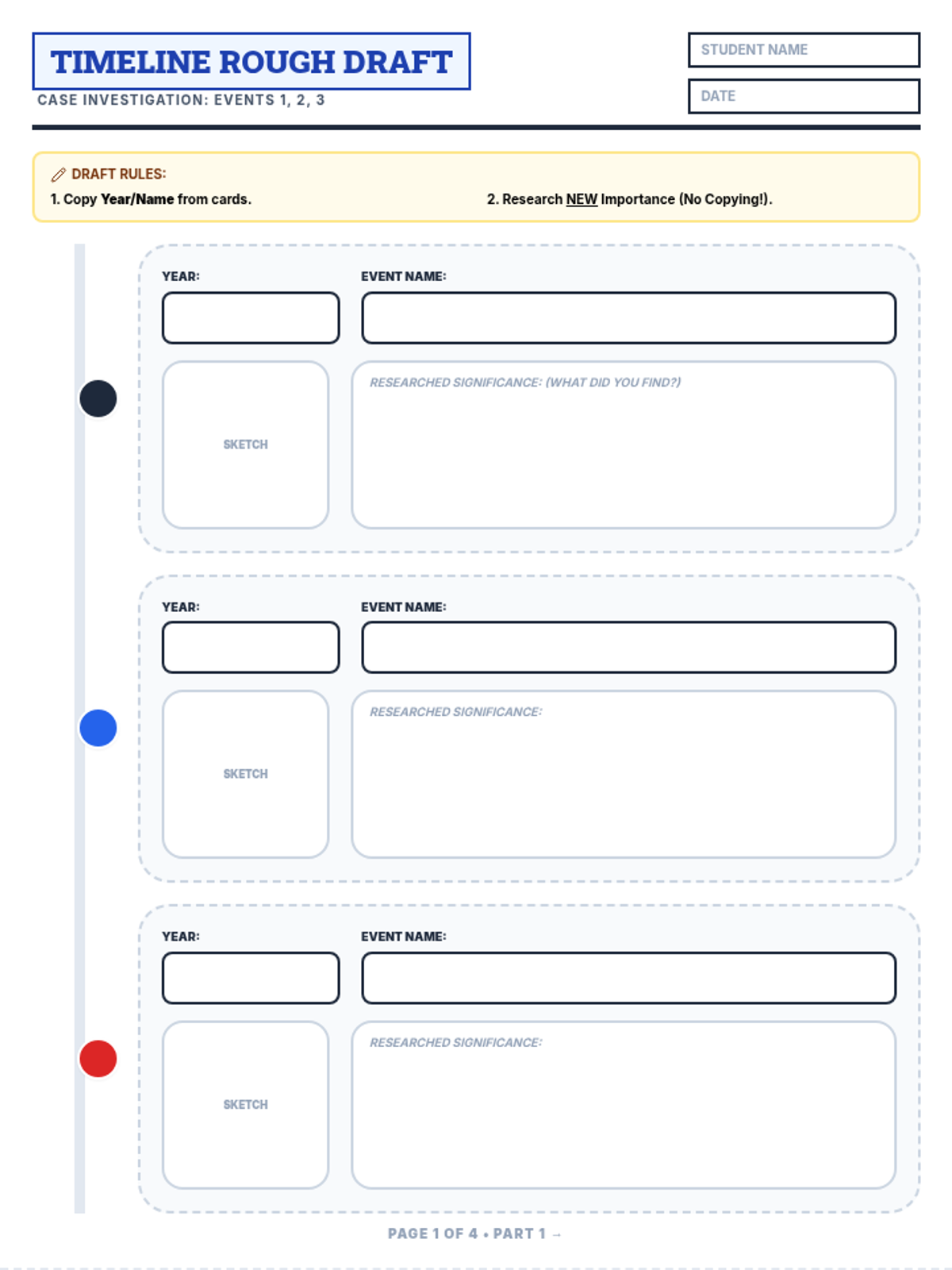
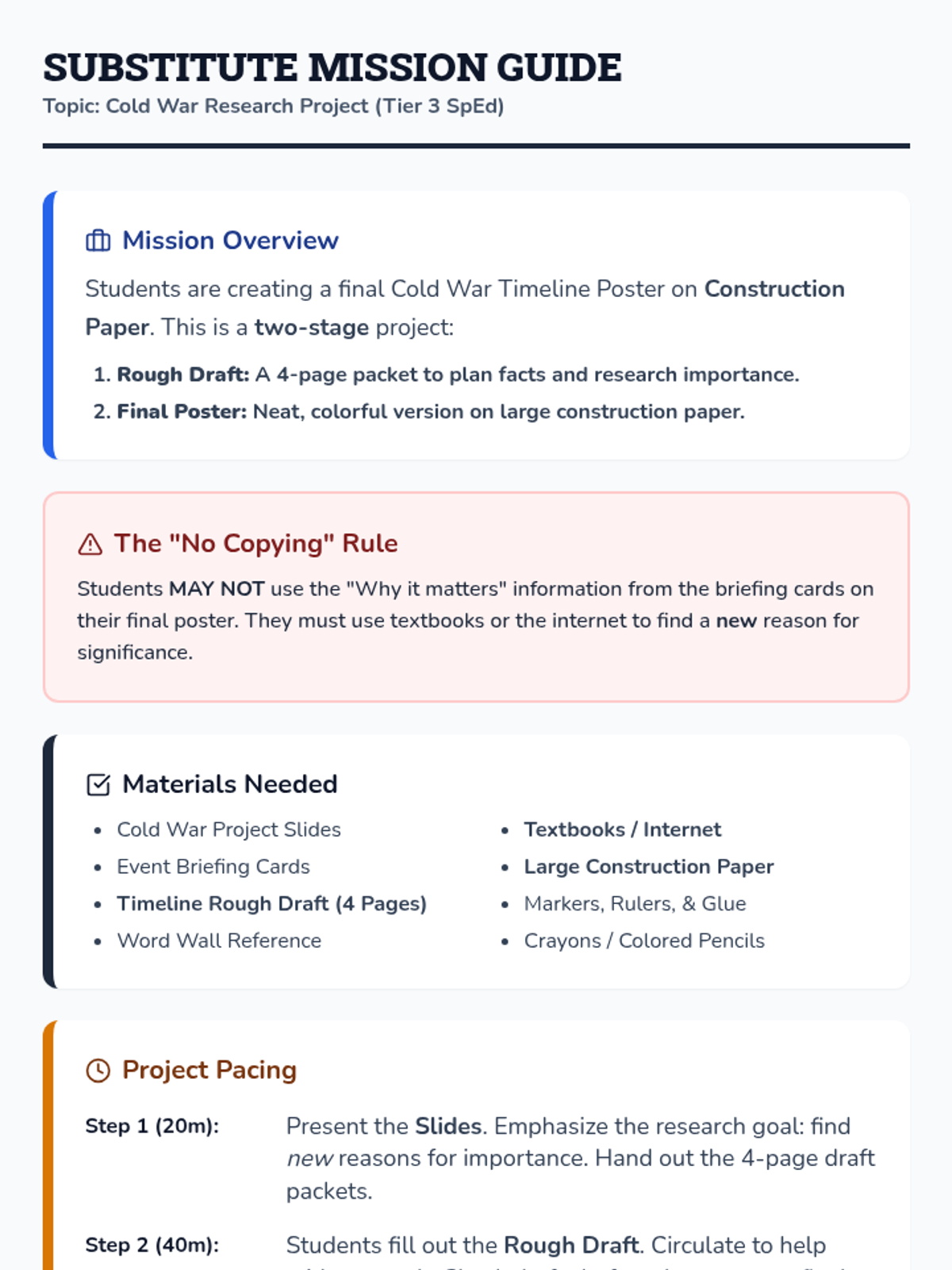
A simplified project-based lesson on the Cold War designed for Tier 3 Special Education students. Students use a 'Case File' approach to build a timeline of 10 major events with provided stems and visual supports.
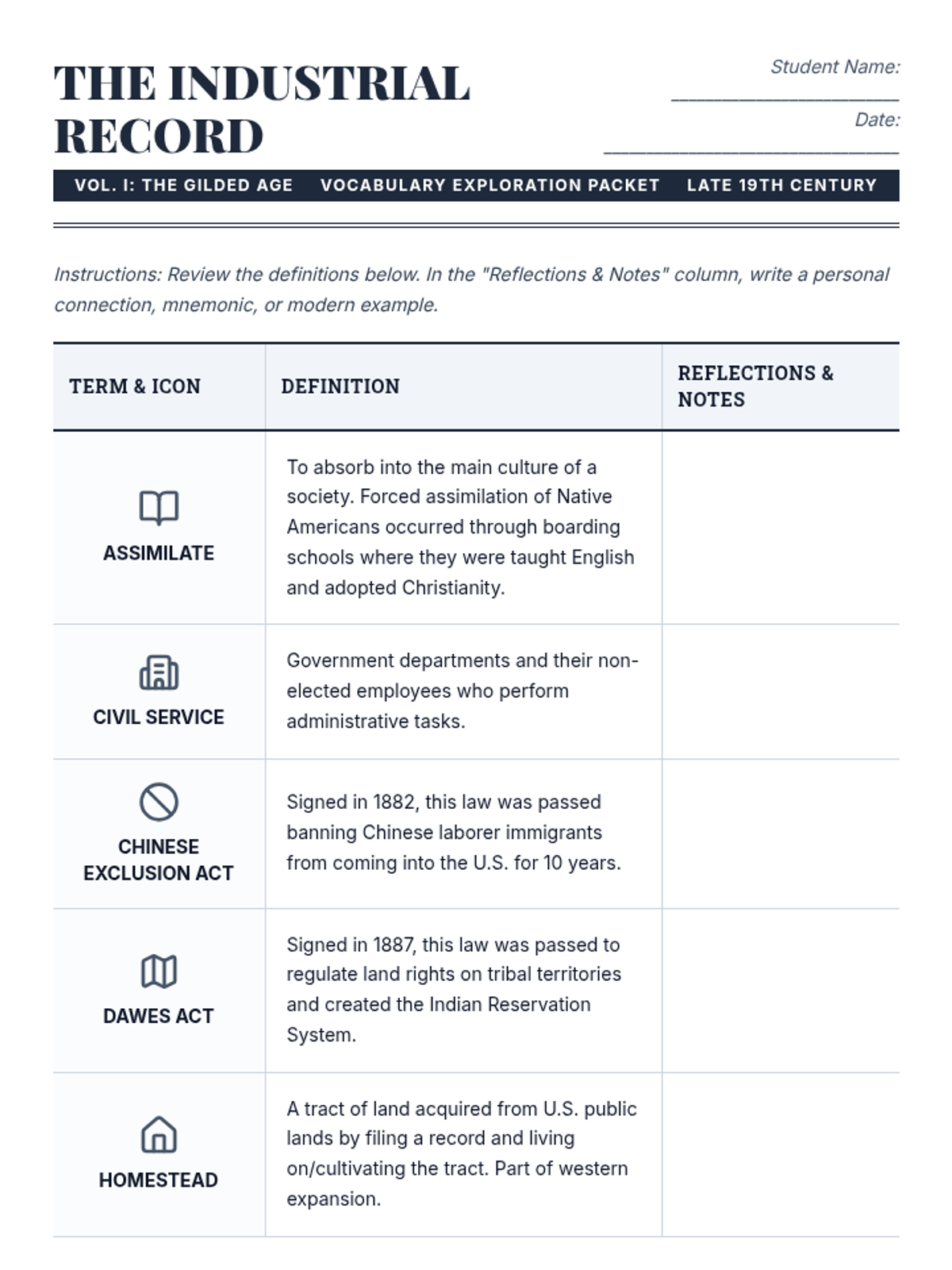
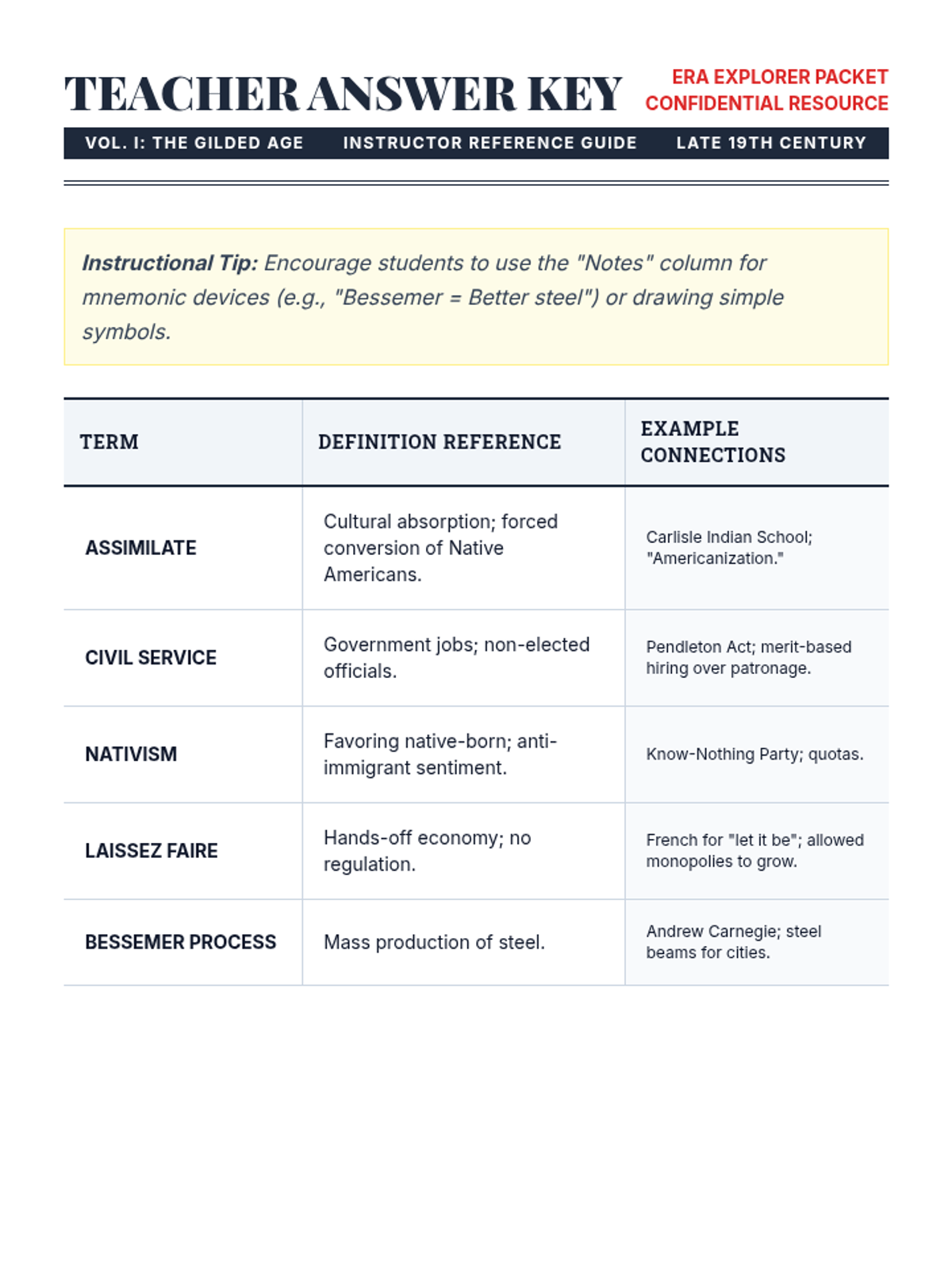
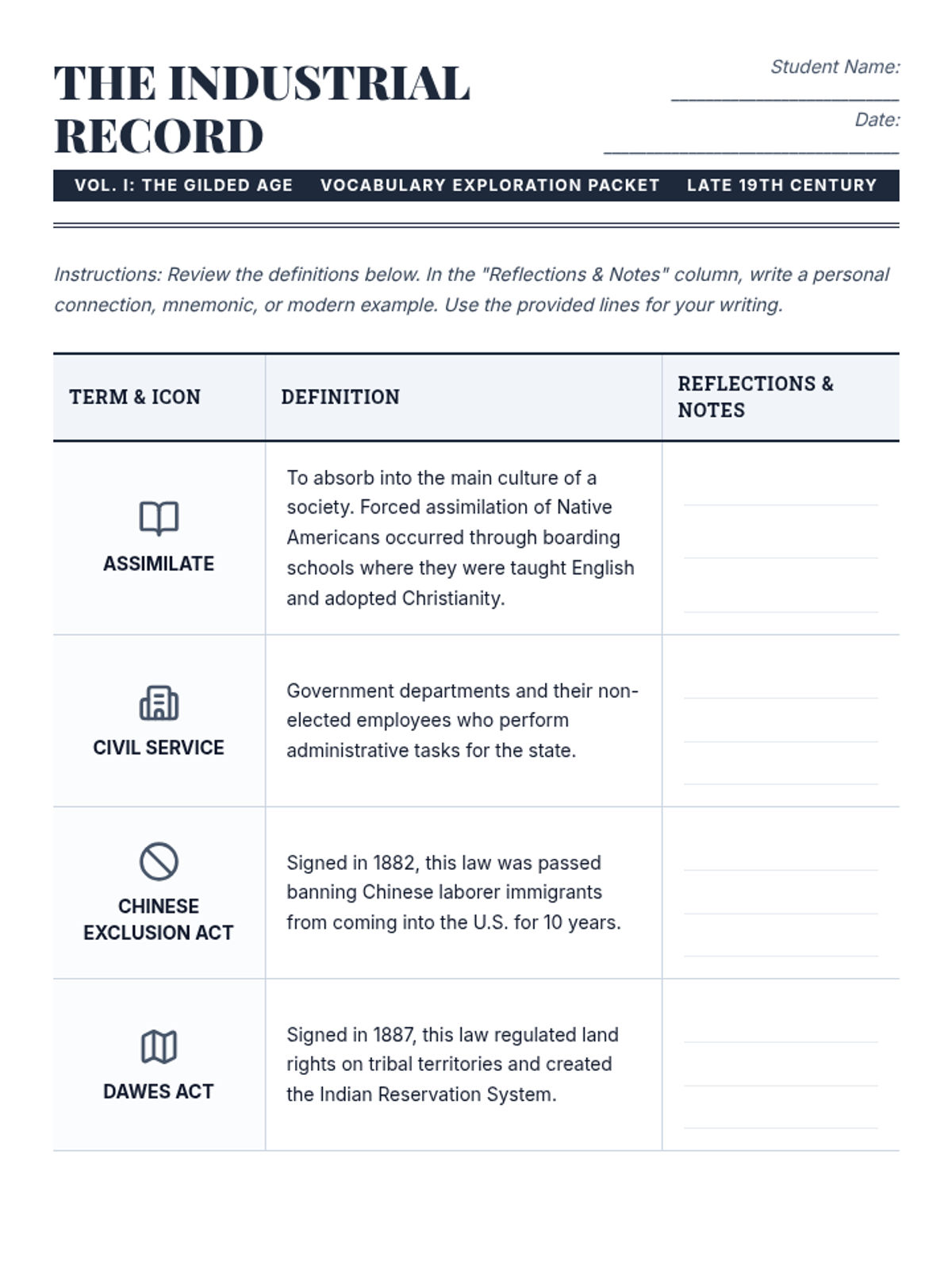
A comprehensive vocabulary resource covering key terms, figures, and legislation from the Gilded Age and the Progressive Era, designed for student reference and active note-taking.
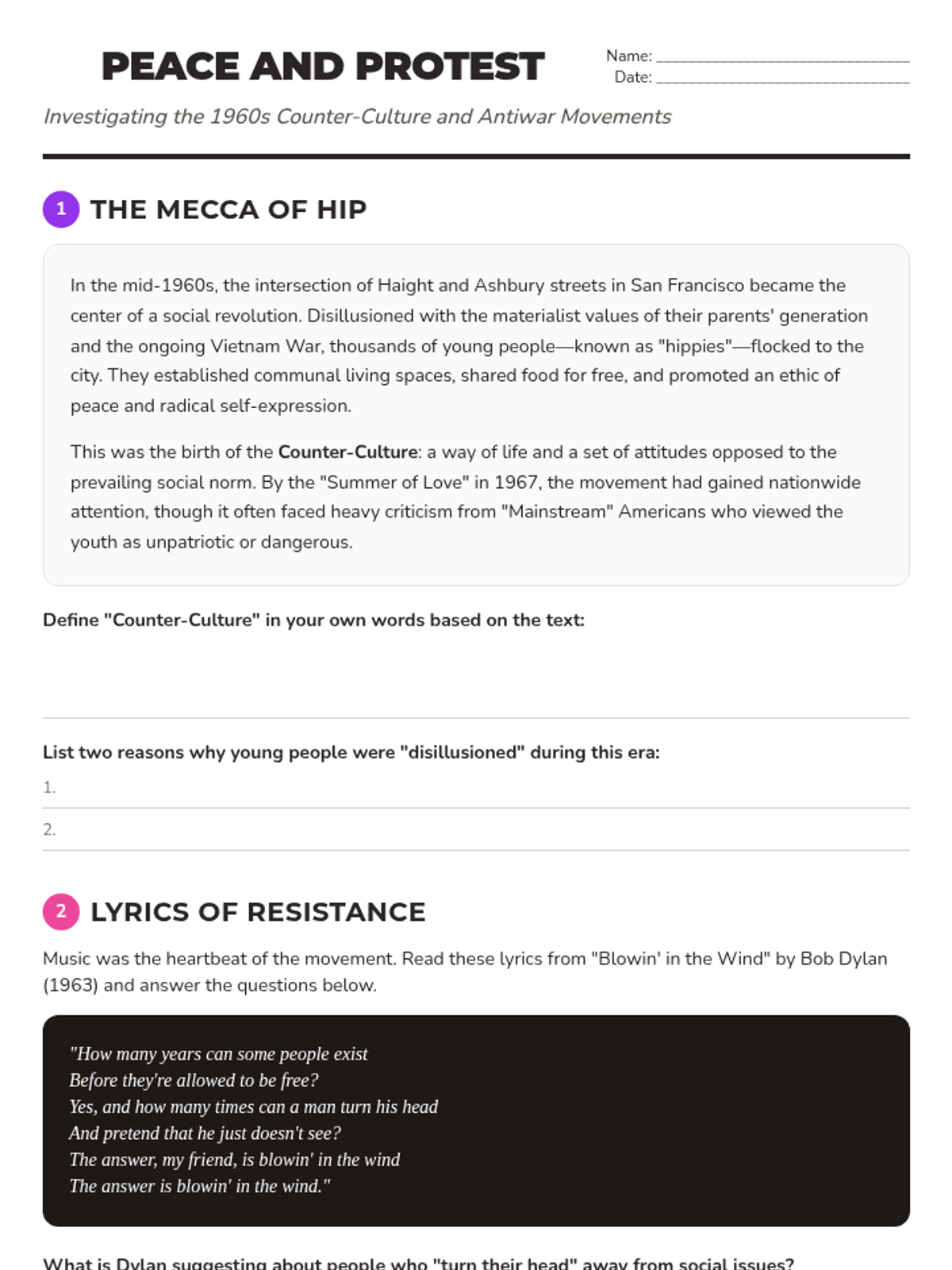
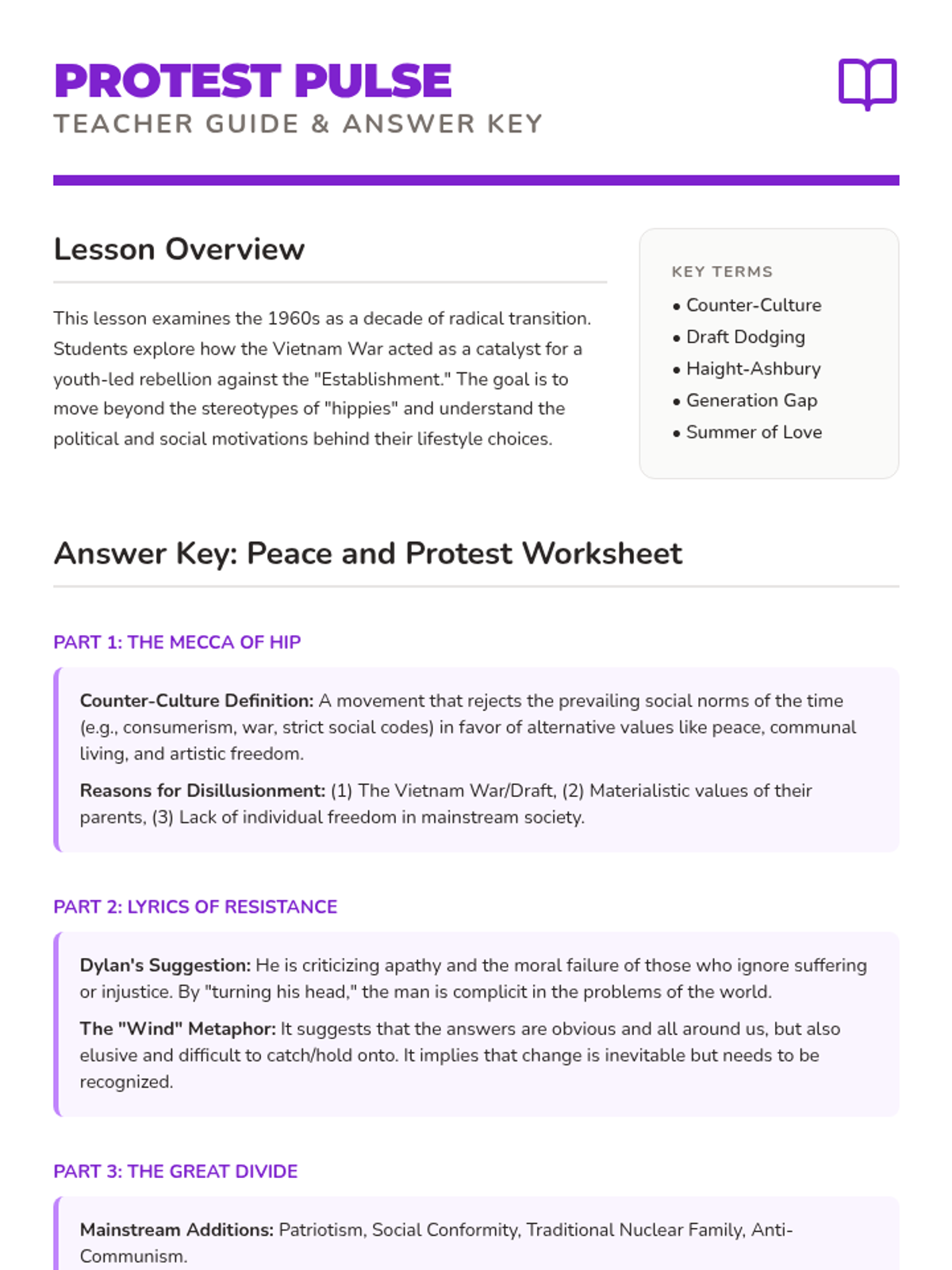
An exploration of the 1960s counter-culture movement, focusing on the origins of the hippie lifestyle and the escalation of antiwar protests against the Vietnam War.
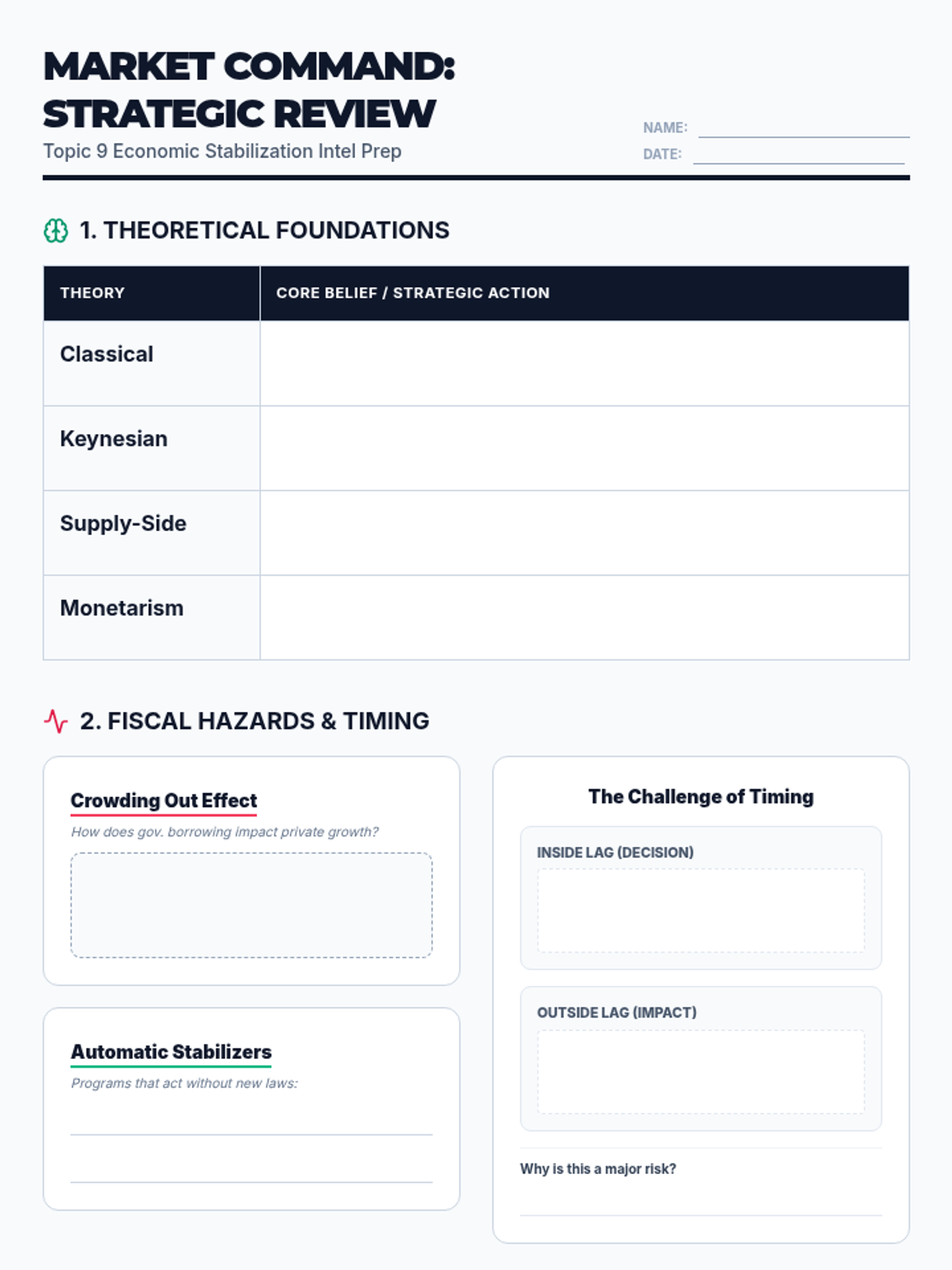
A comprehensive 35-minute review session for Topic 9, covering economic theories, fiscal policy nuances like crowding out and lags, and a deep dive into the Federal Reserve's monetary tools to prepare students for their exam.
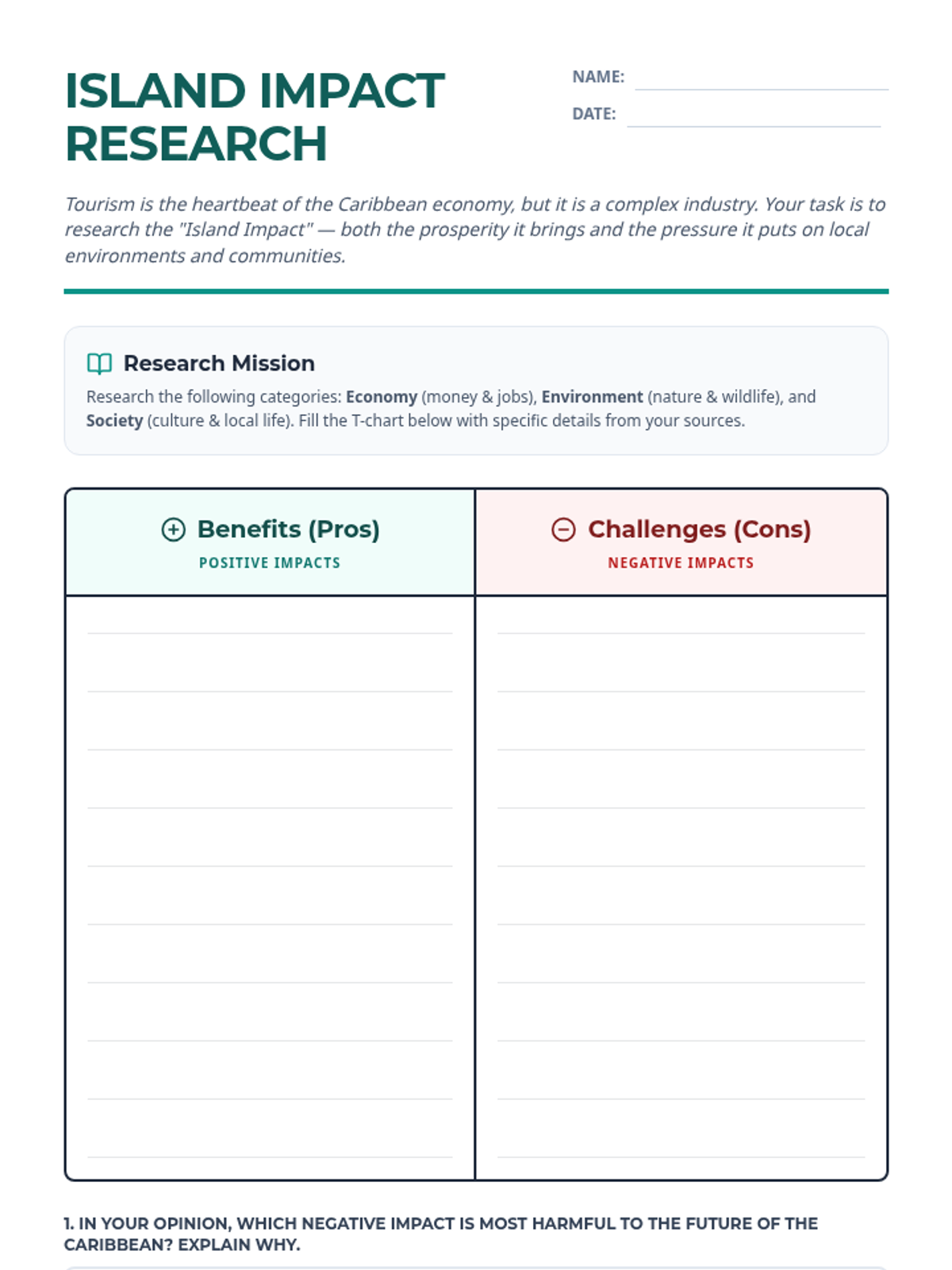
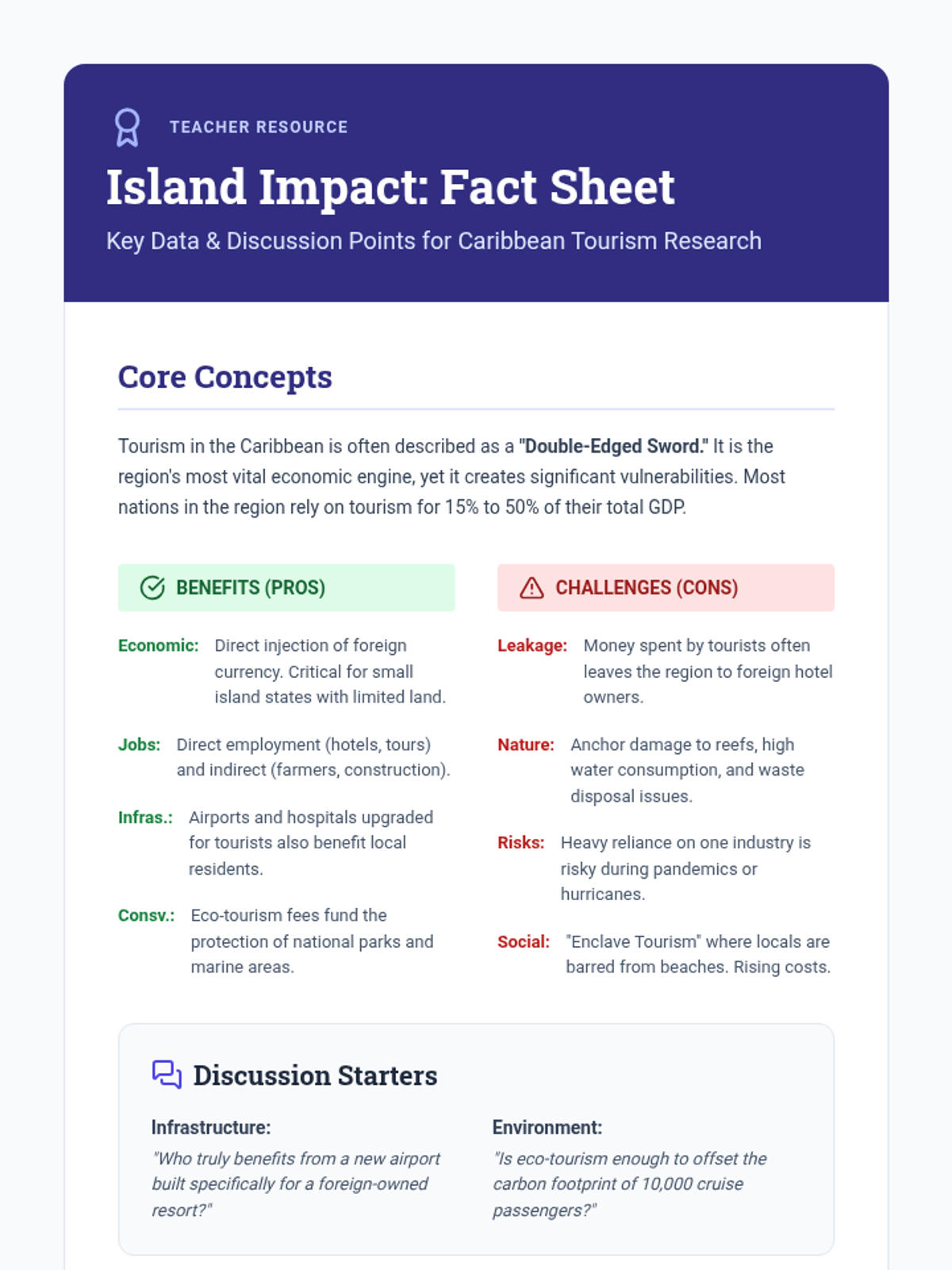
A research-based lesson exploring the complex economic, environmental, and social impacts of tourism in the Caribbean region. Students will investigate both the vital benefits and the significant challenges posed by the tourism industry.
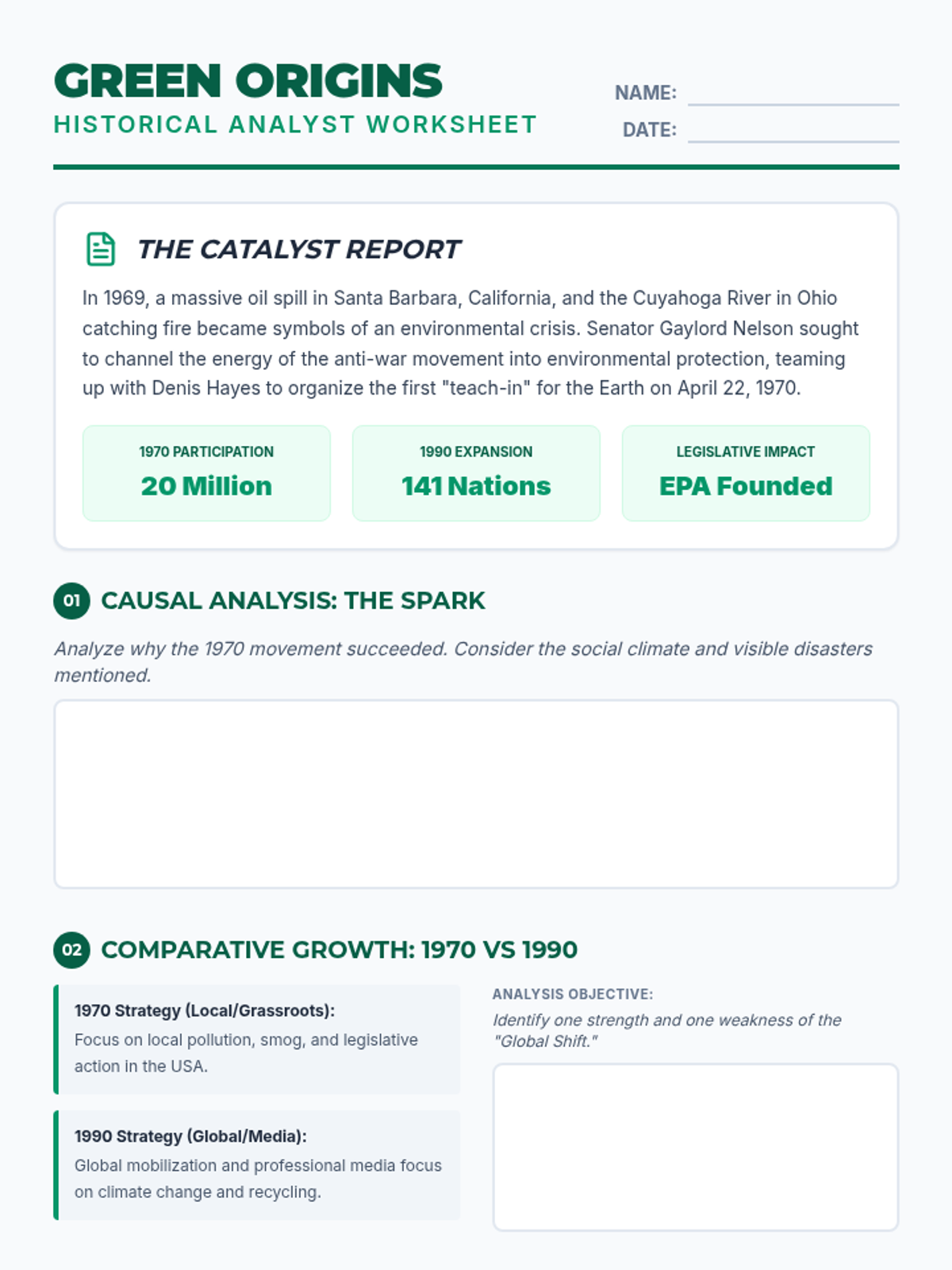
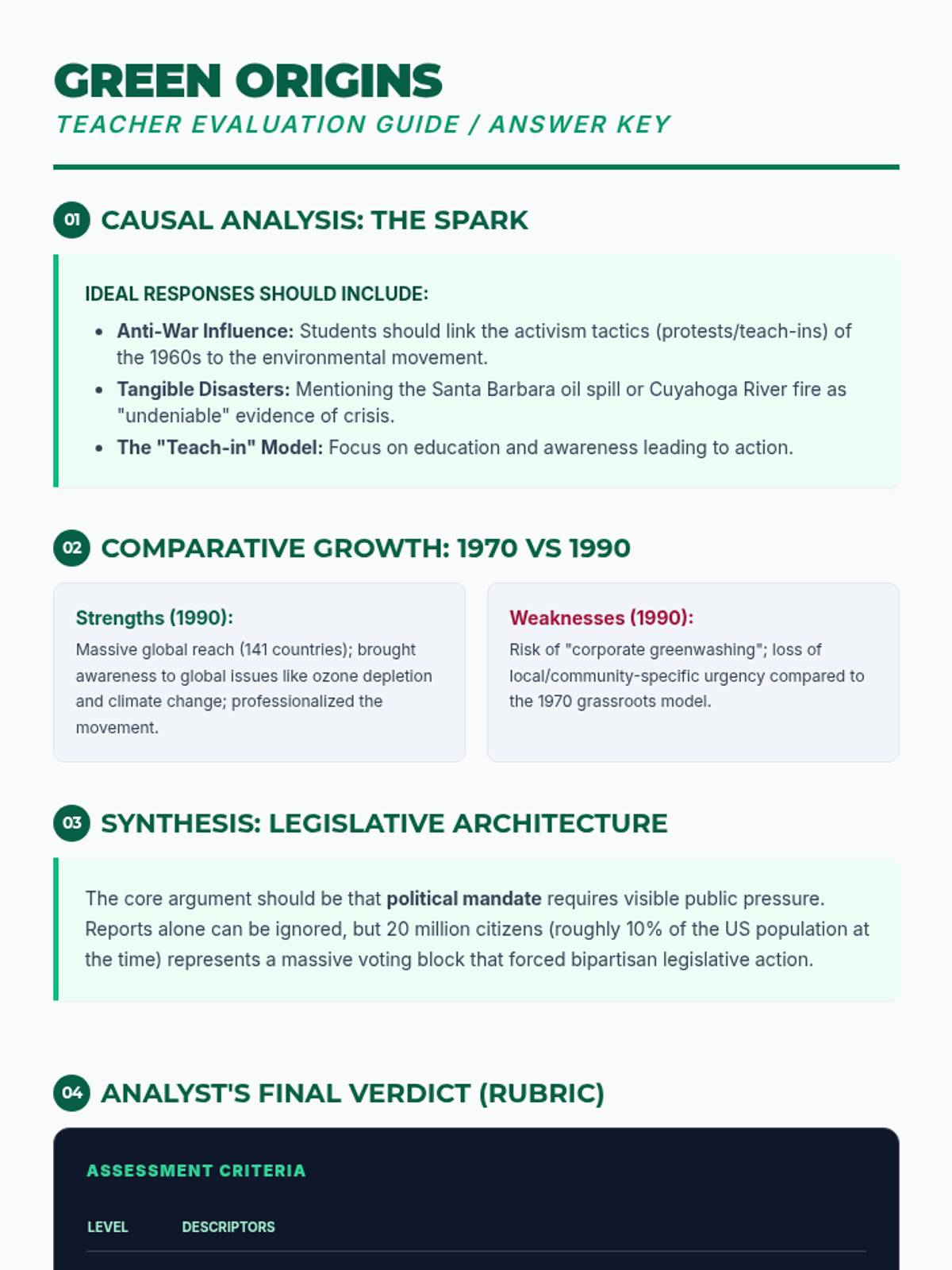
A lesson exploring the socio-political origins of Earth Day, focusing on the 1970 movement and its evolution into a global phenomenon. Students analyze historical catalysts and the impact of environmental advocacy.
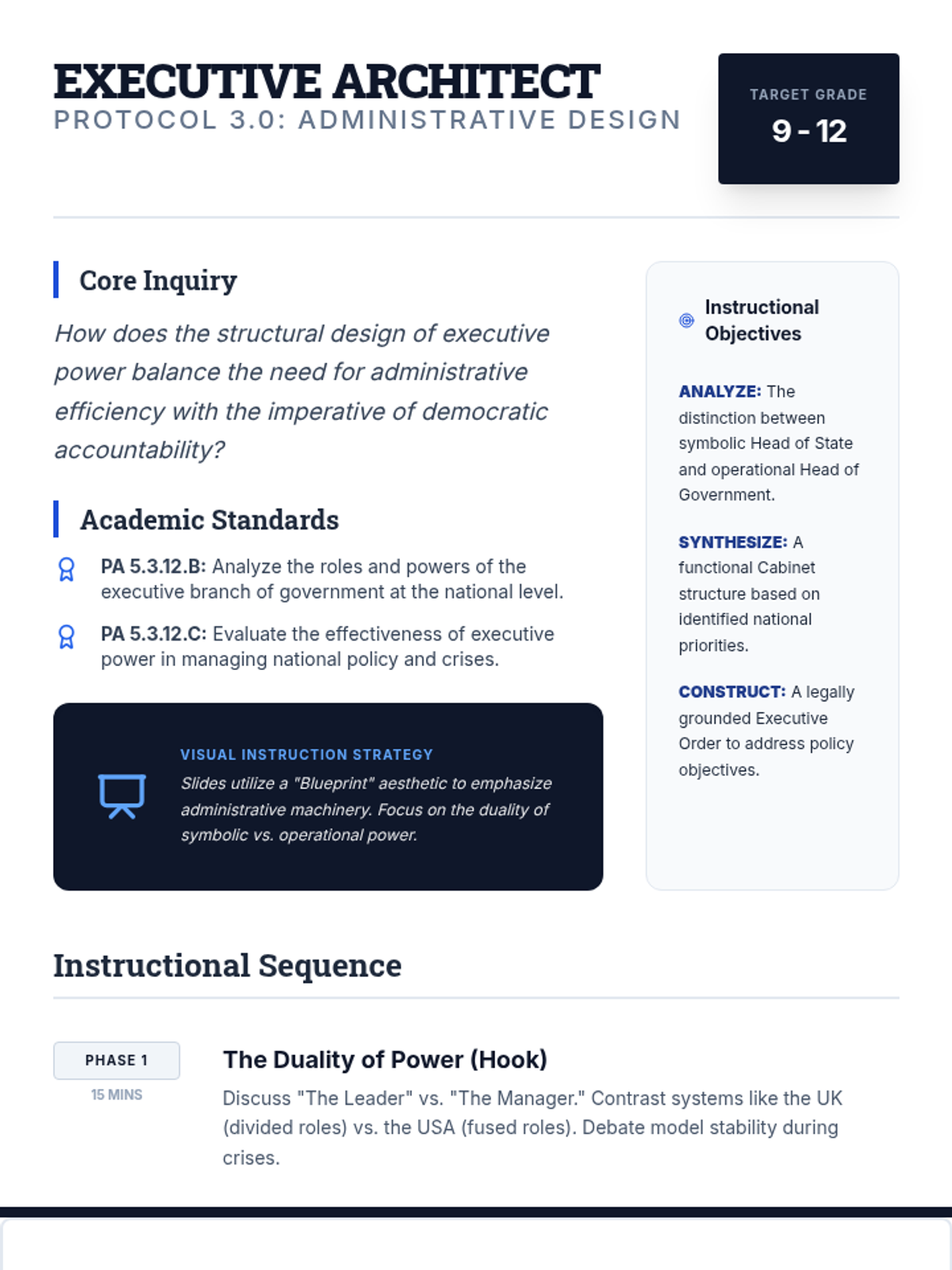
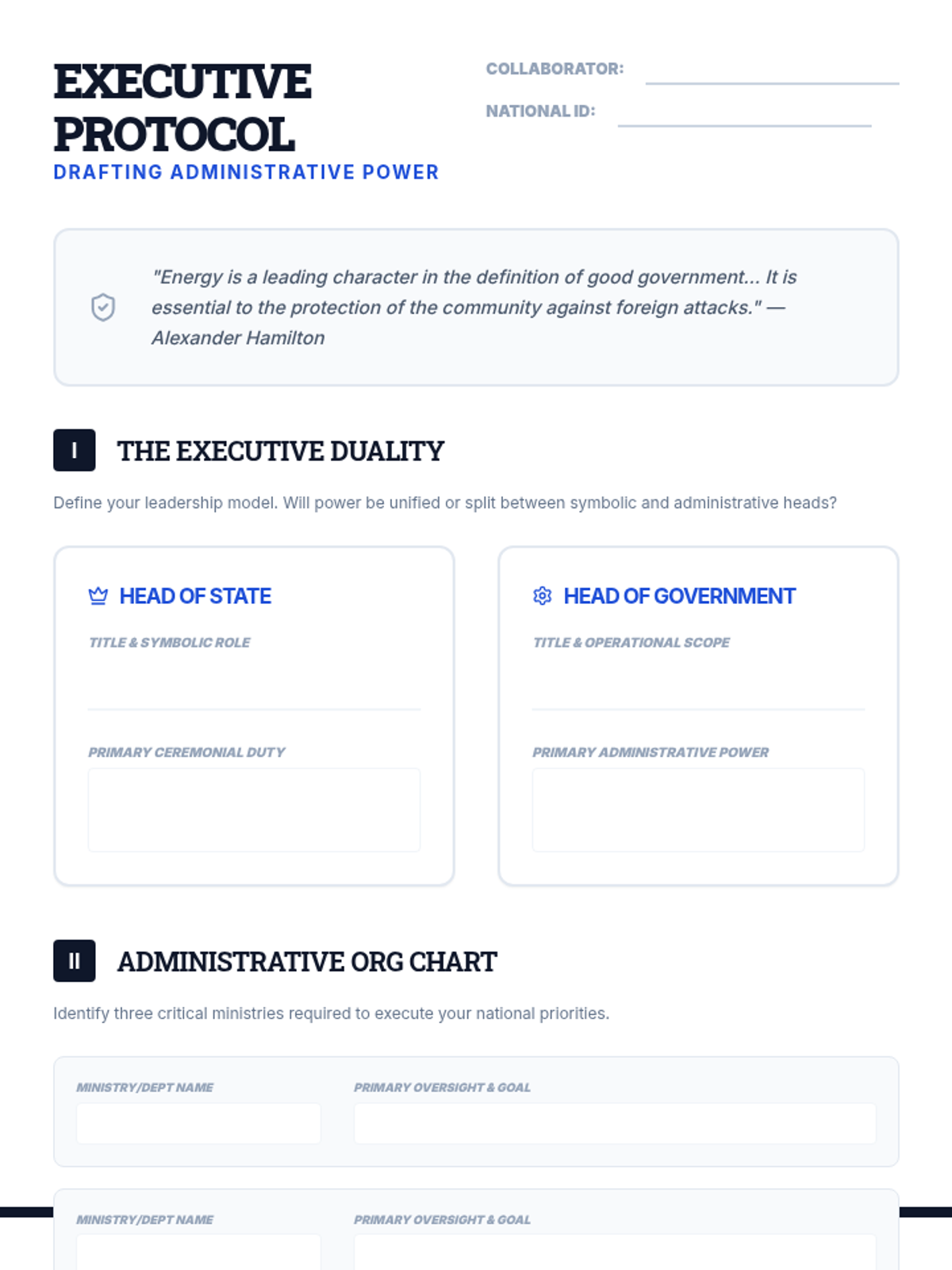
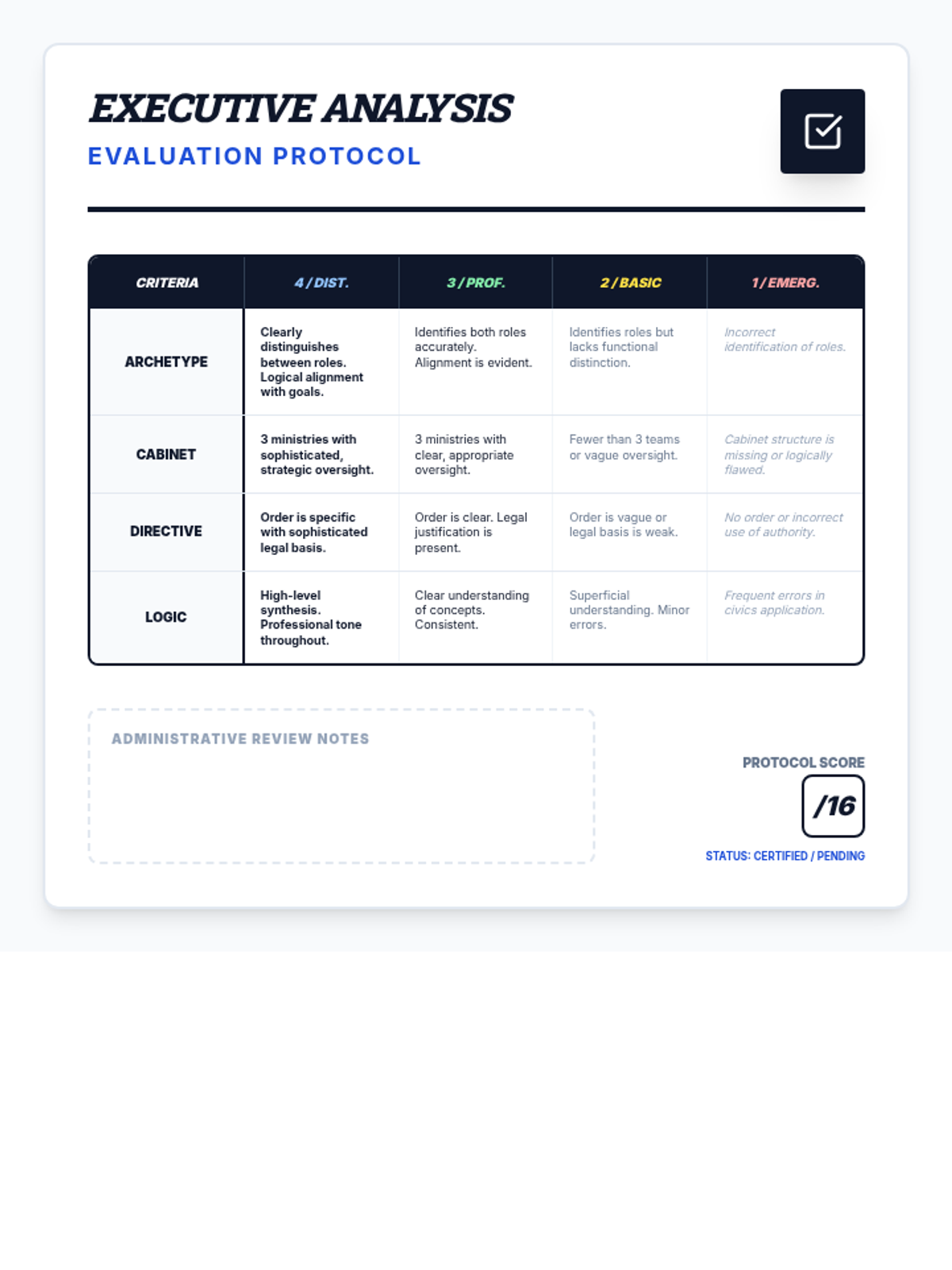
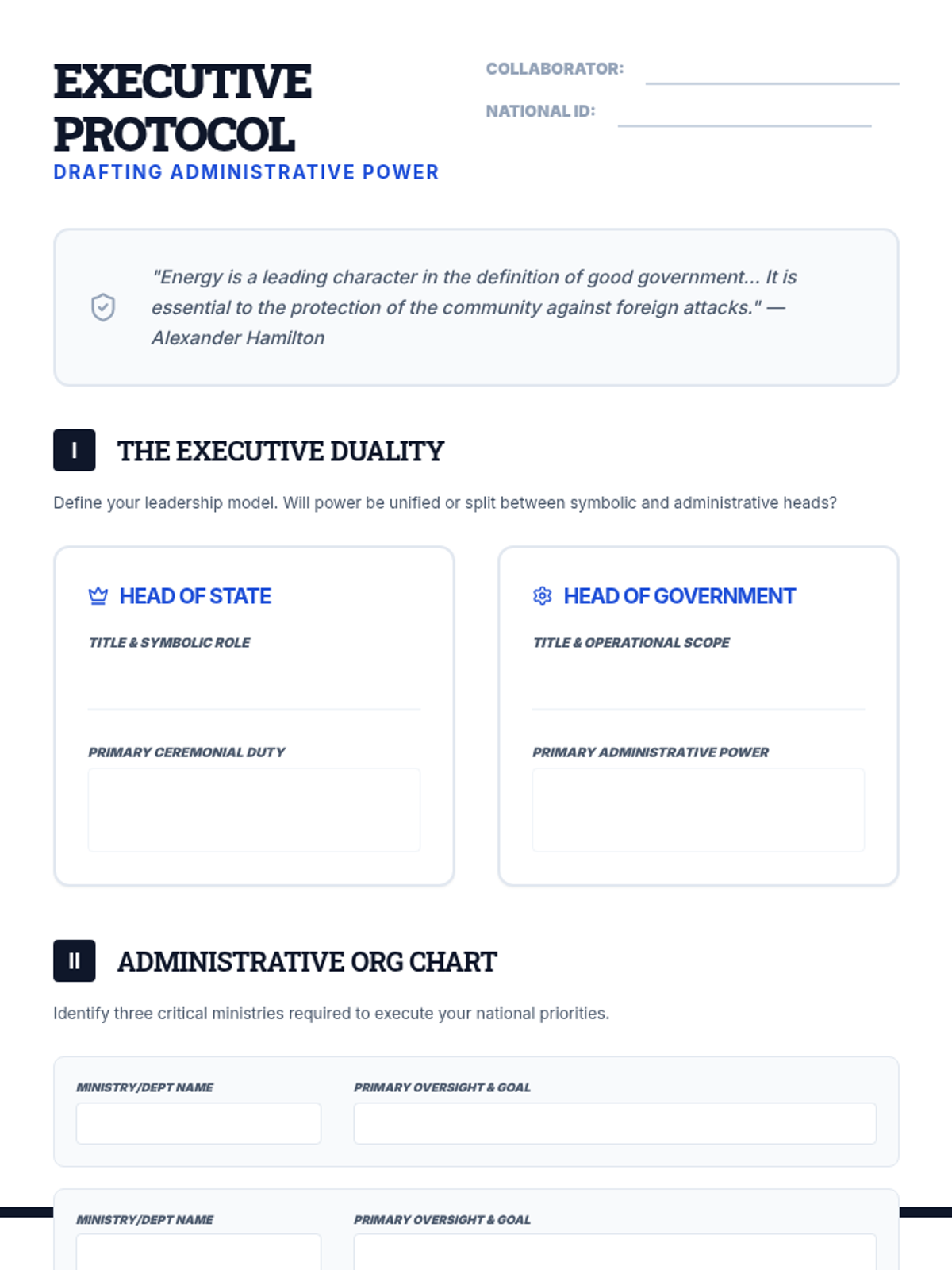
A comprehensive lesson wrapping up the executive branch by challenging students to design the leadership structure and operational machinery of their own fictional countries.
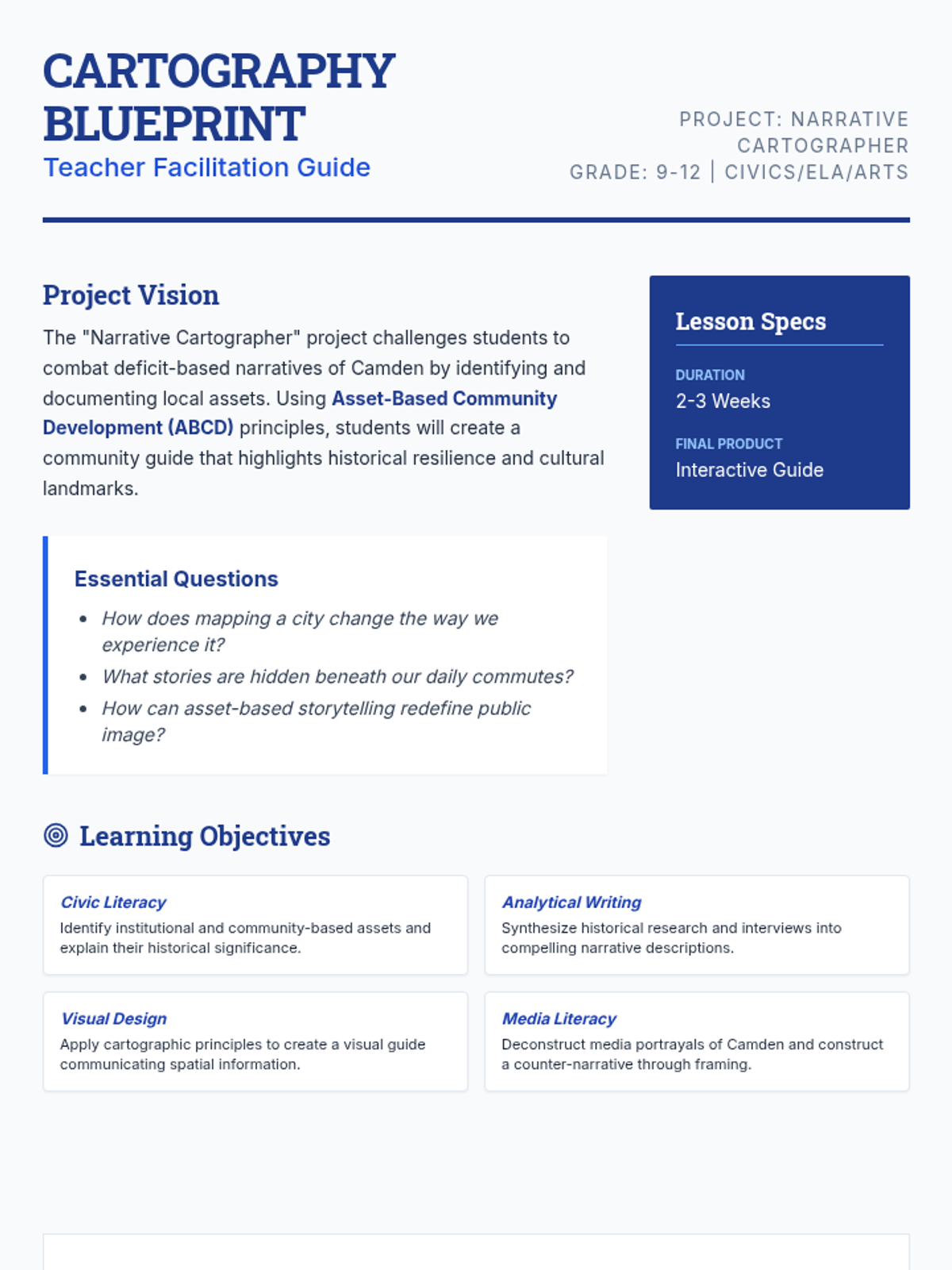
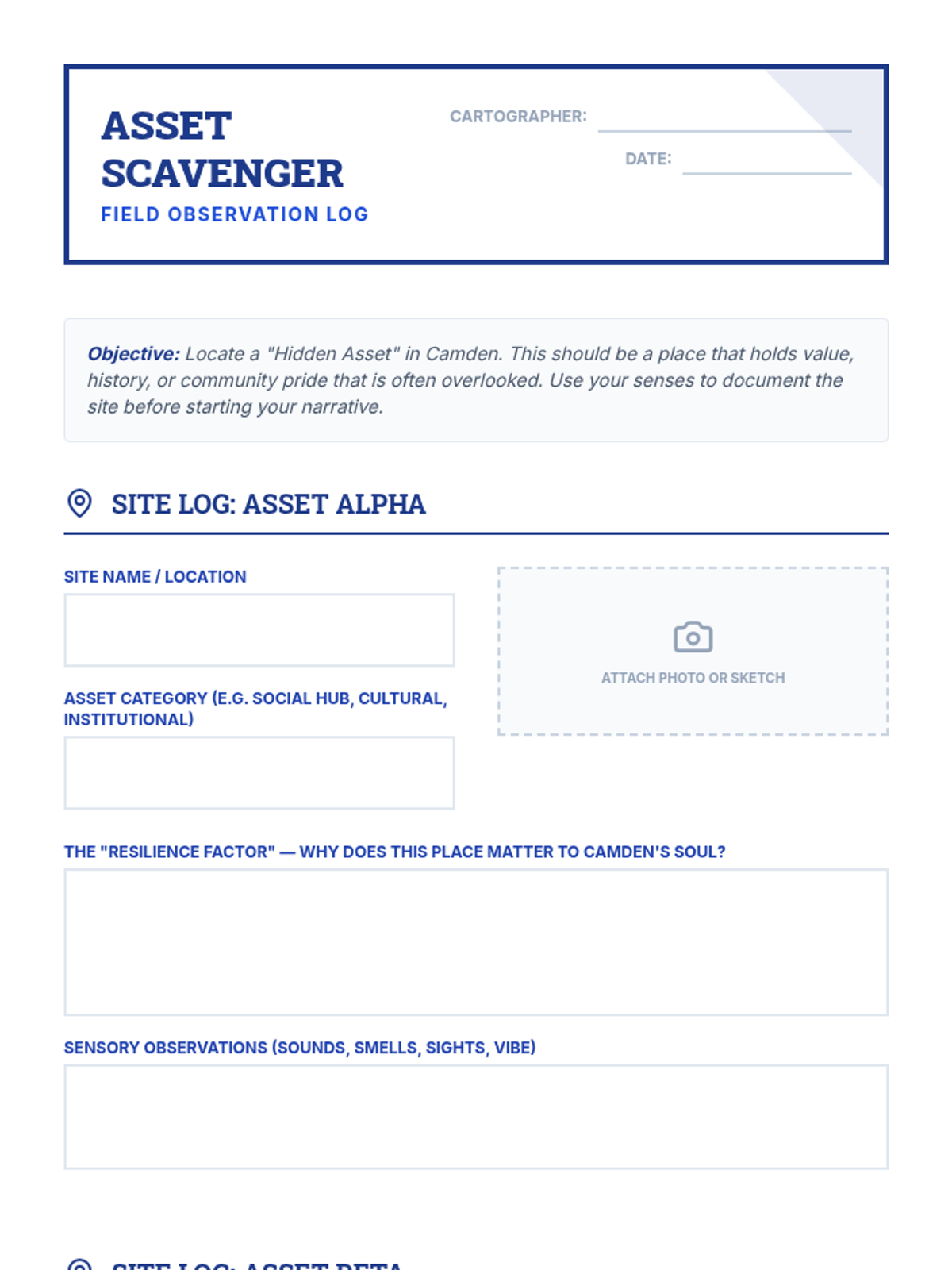
A high school project that empowers students to redefine Camden's narrative by mapping its cultural assets and landmarks through an asset-based lens. Students transition from being passive observers to active storytellers of their community's resilience and history.
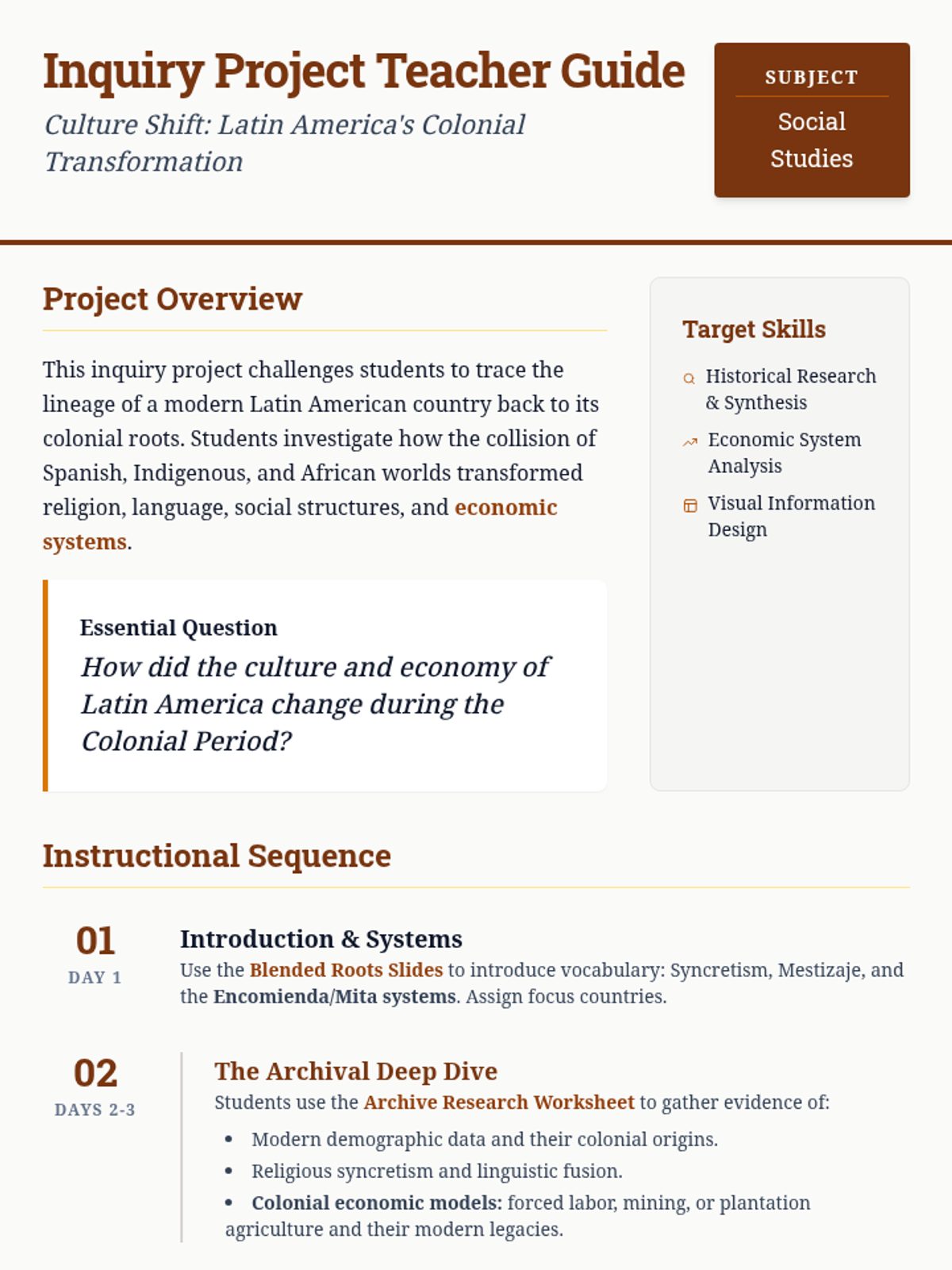
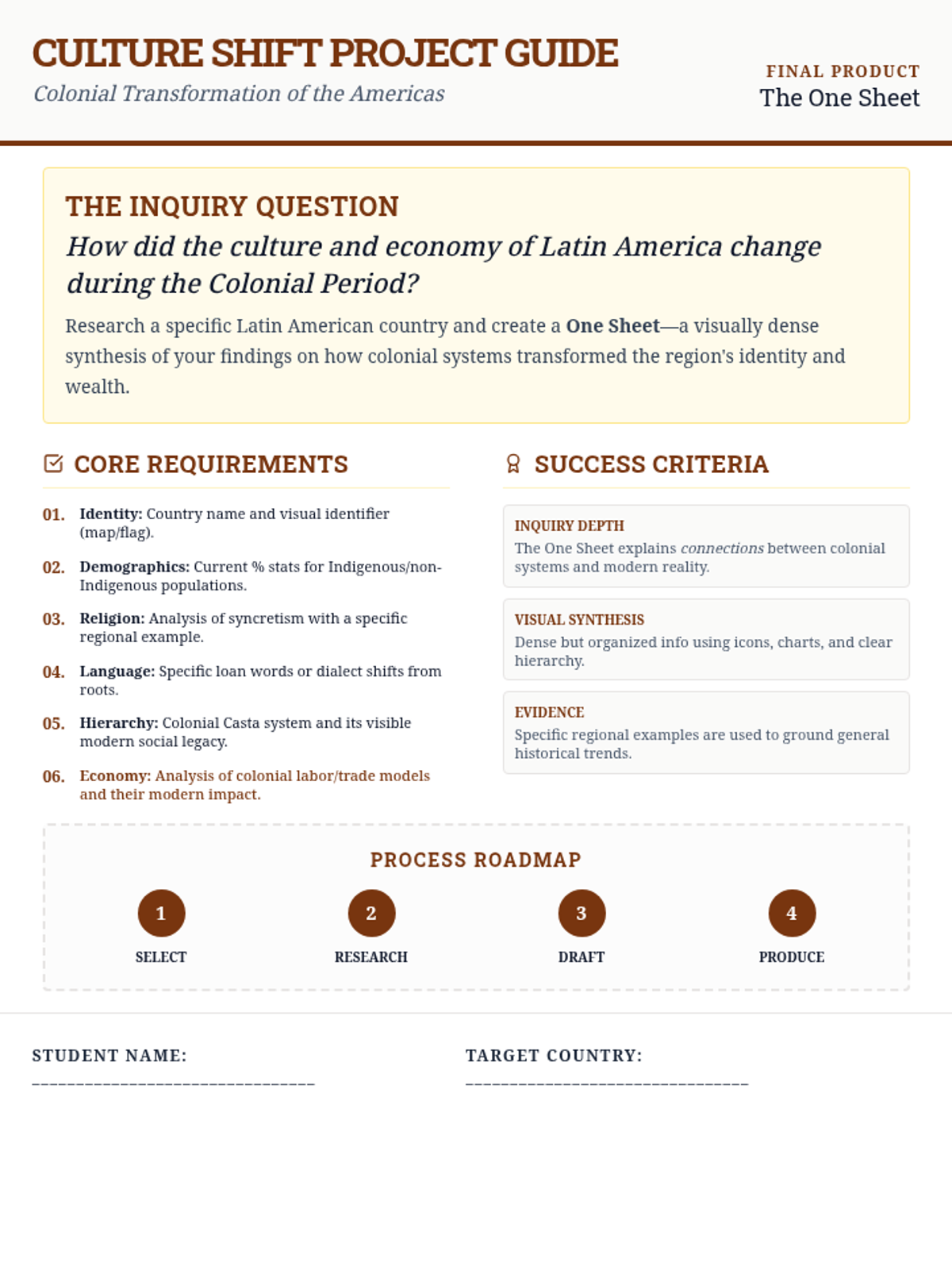
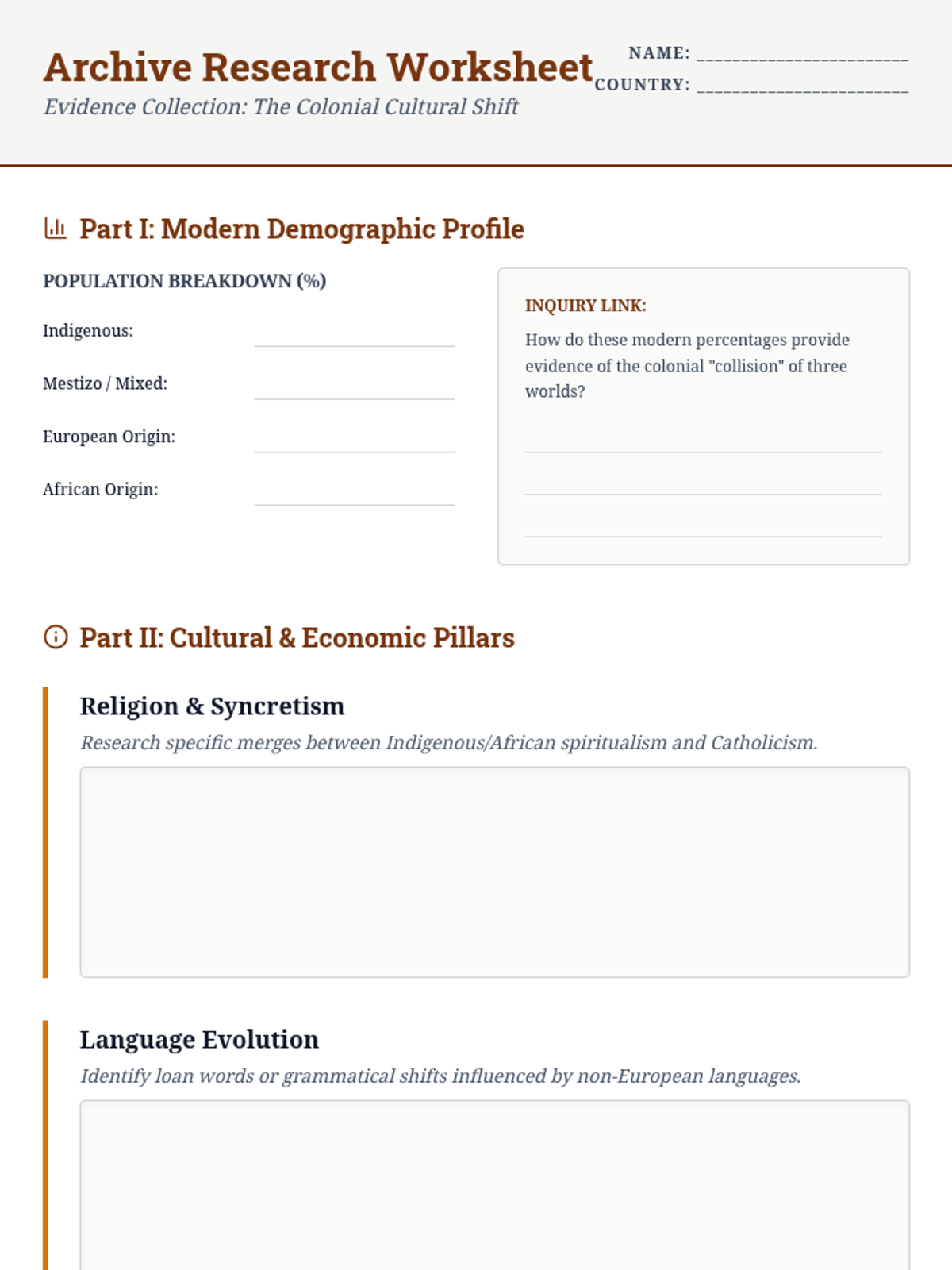
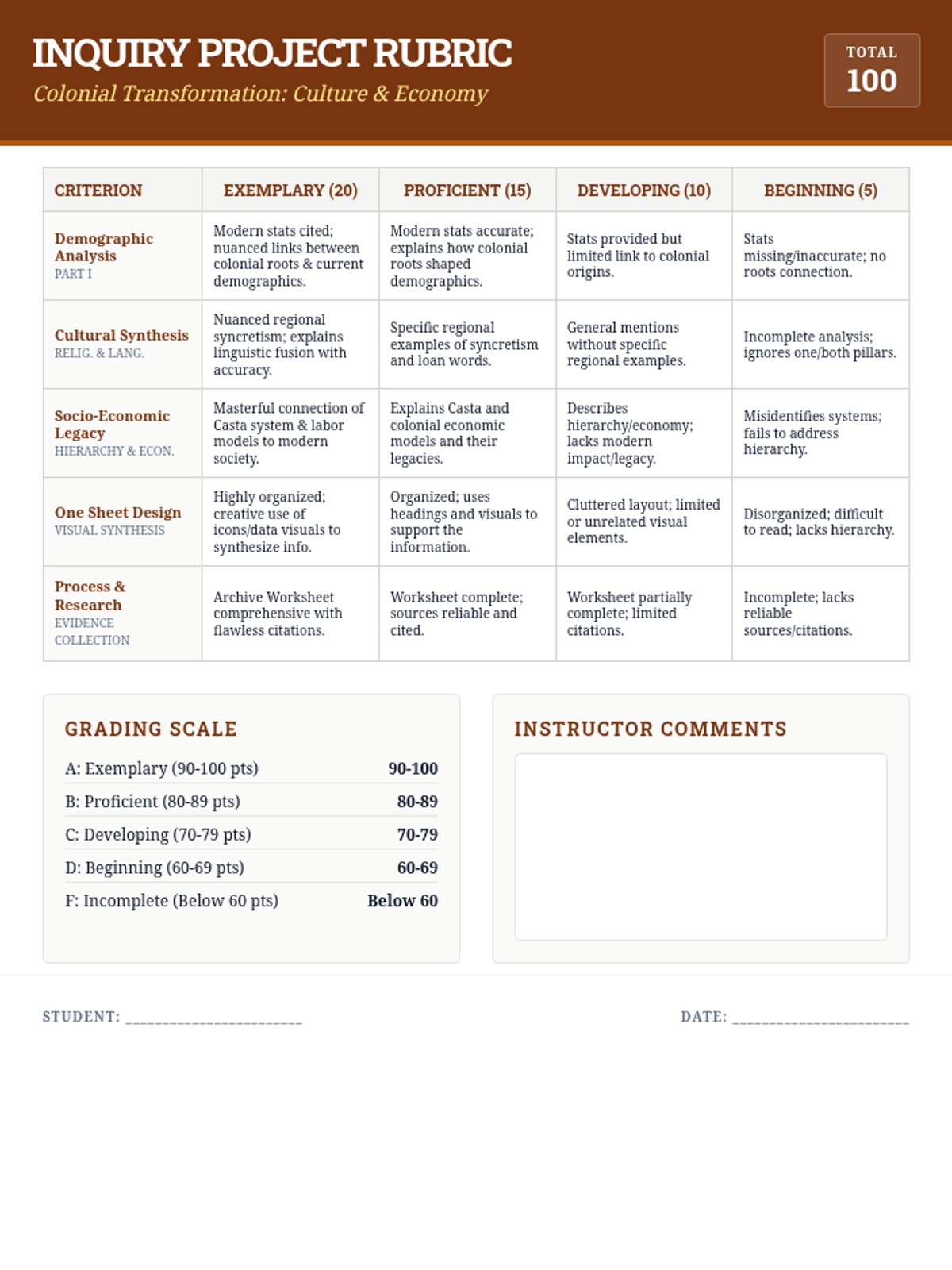
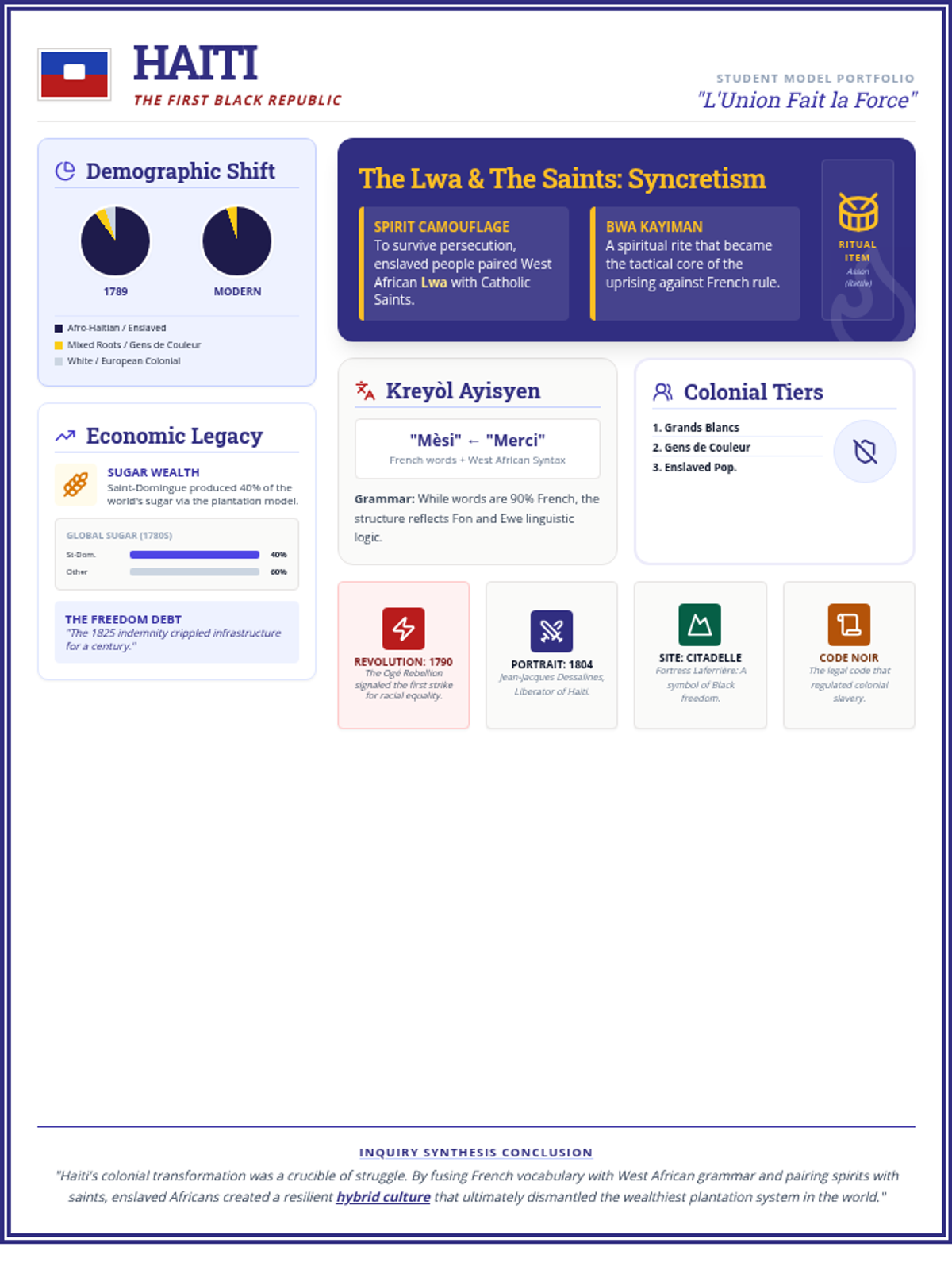
An inquiry-based project where students research the cultural transformation of a Latin American country during the colonial era, focusing on the blending of Spanish, Indigenous, and African influences in religion, language, and social structures.
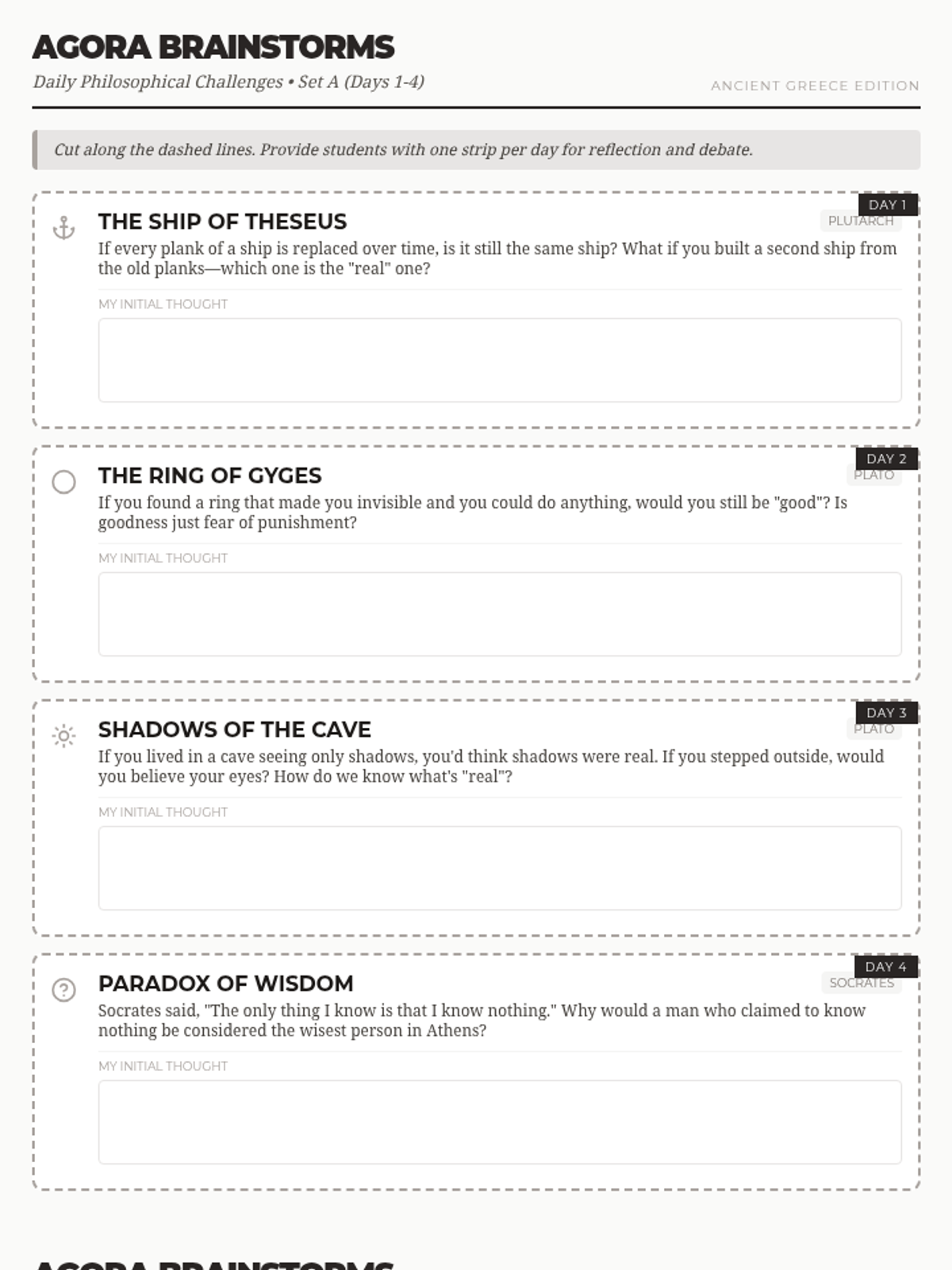
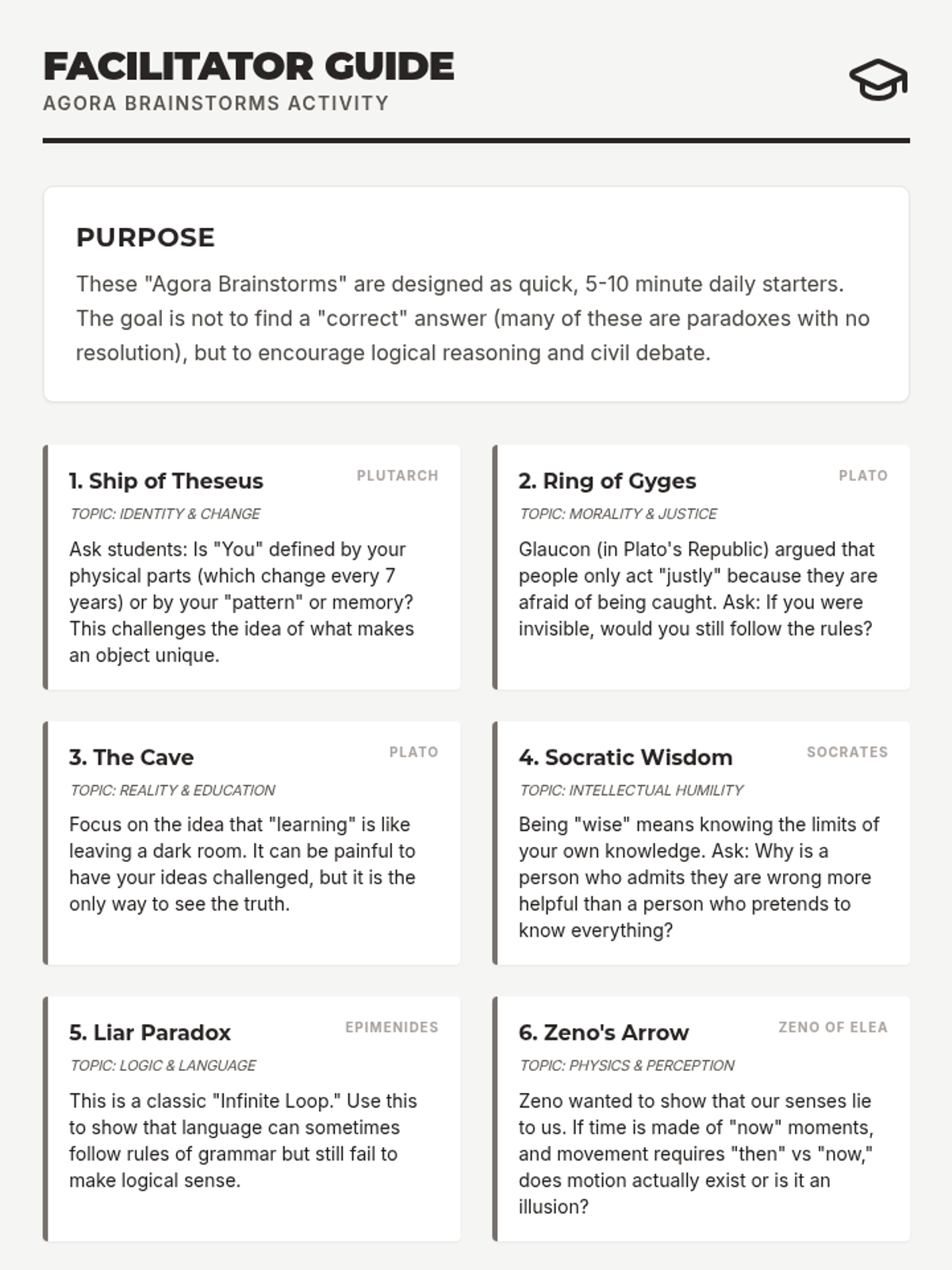
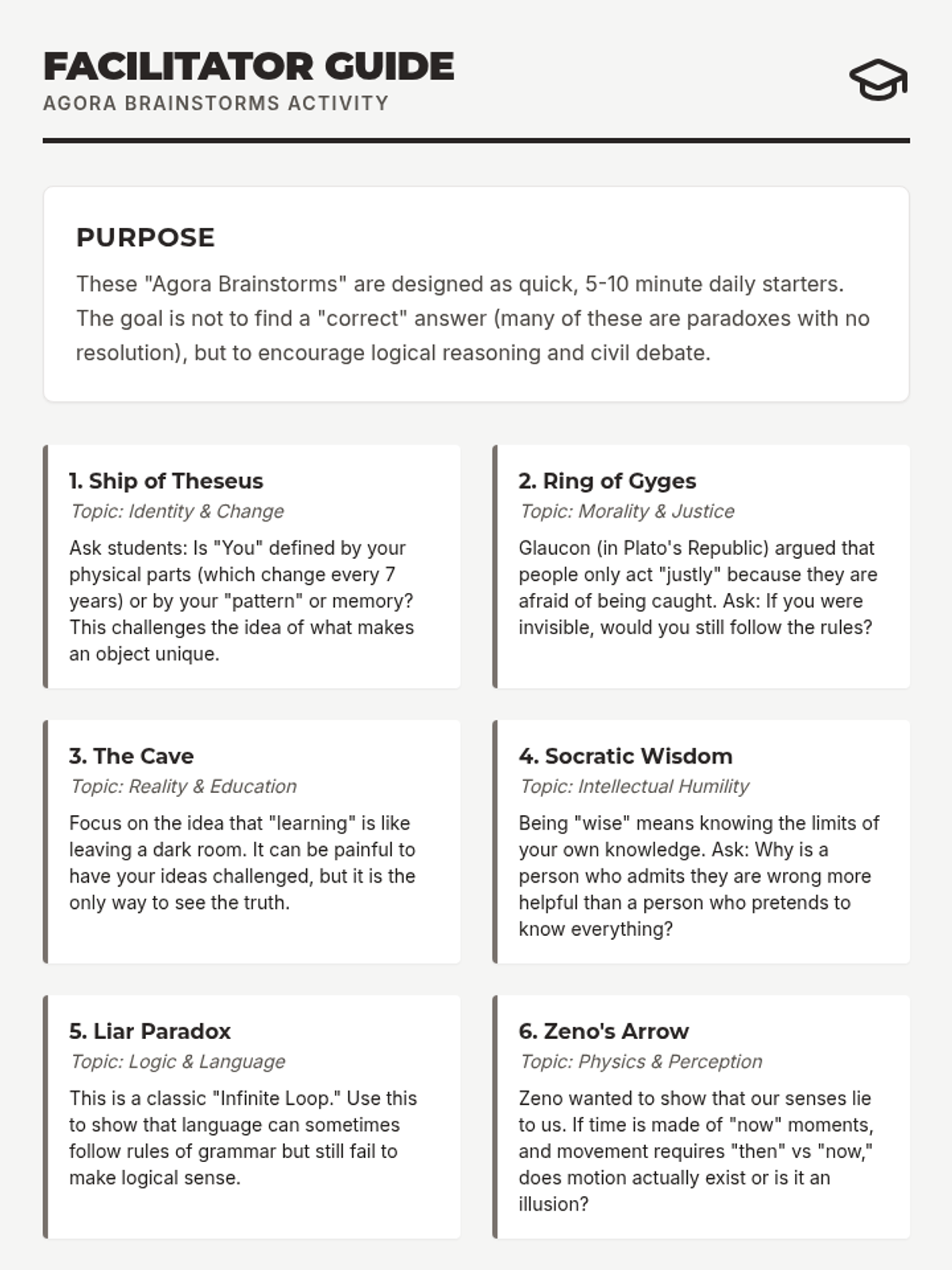
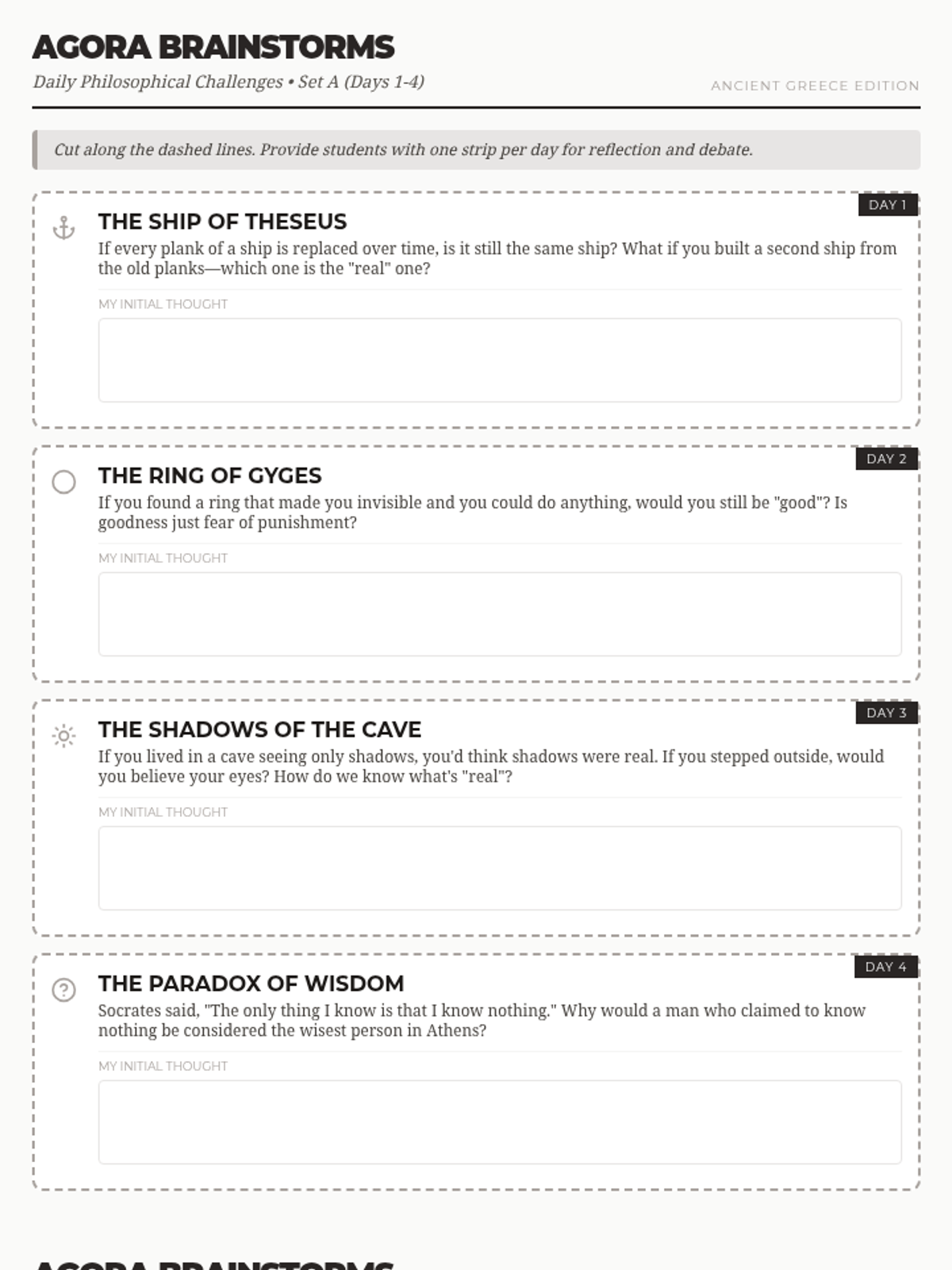
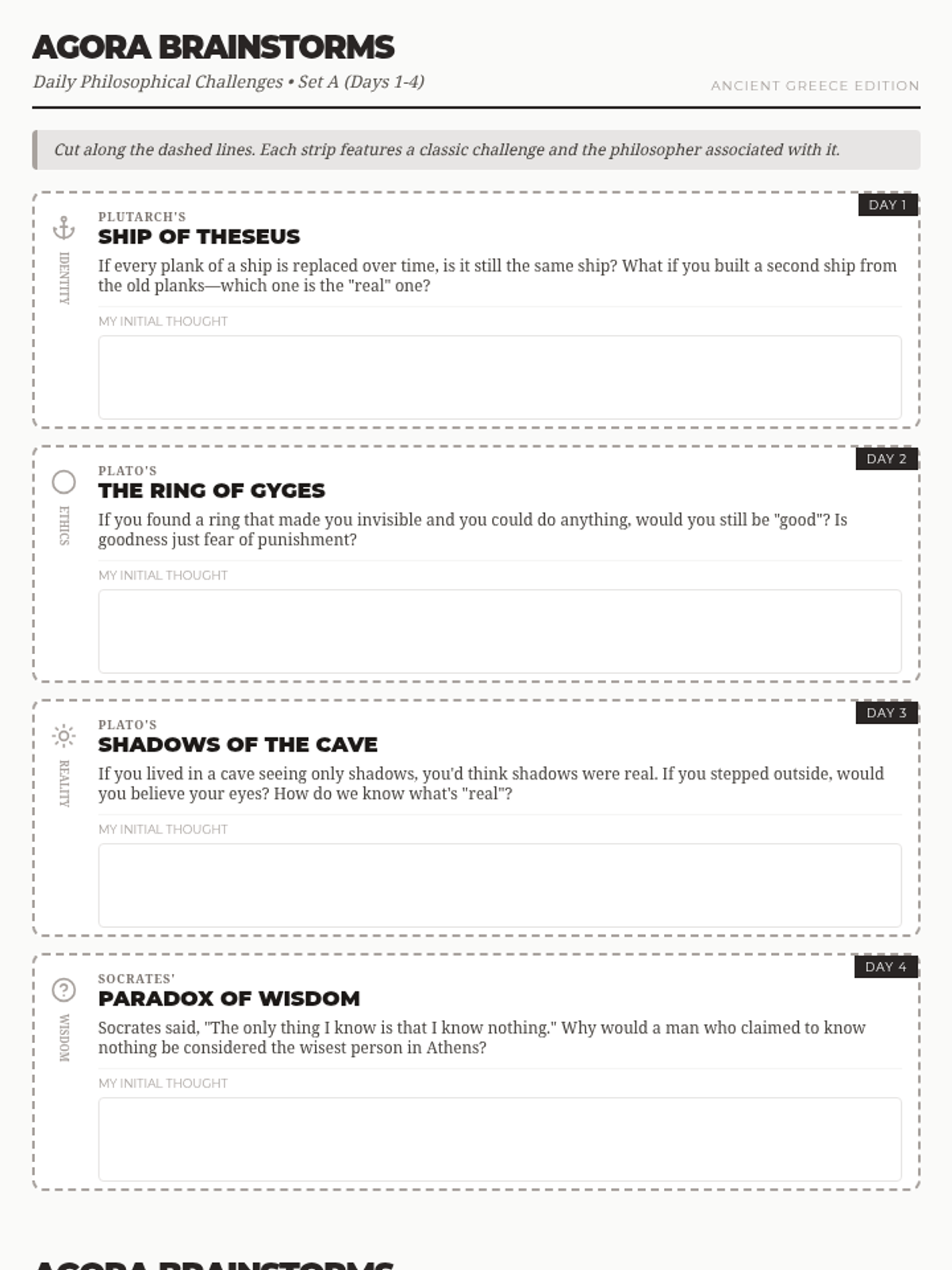
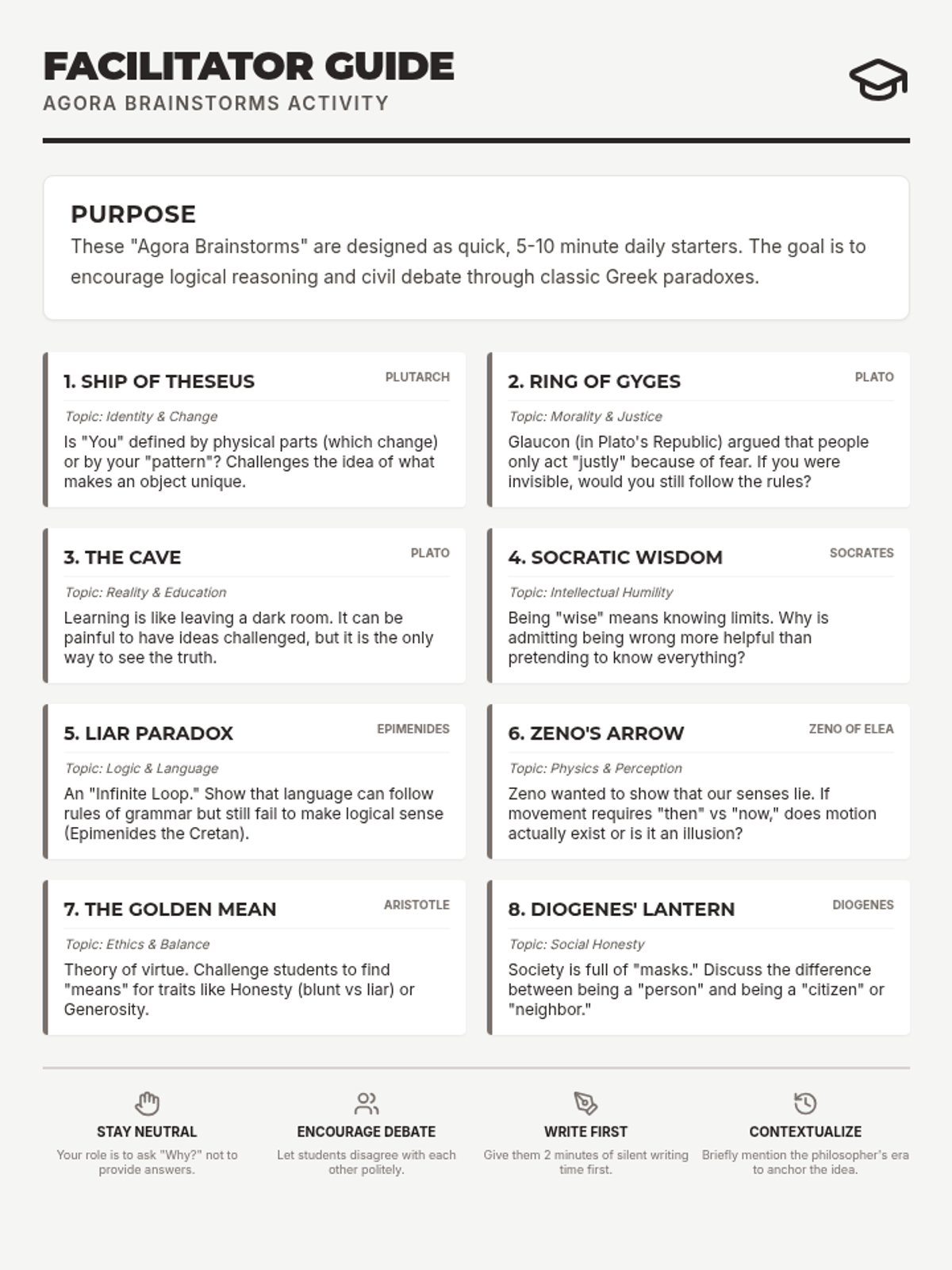
A series of daily philosophical challenges inspired by Ancient Greek paradoxes and thought experiments, designed to spark critical thinking and classroom debate.
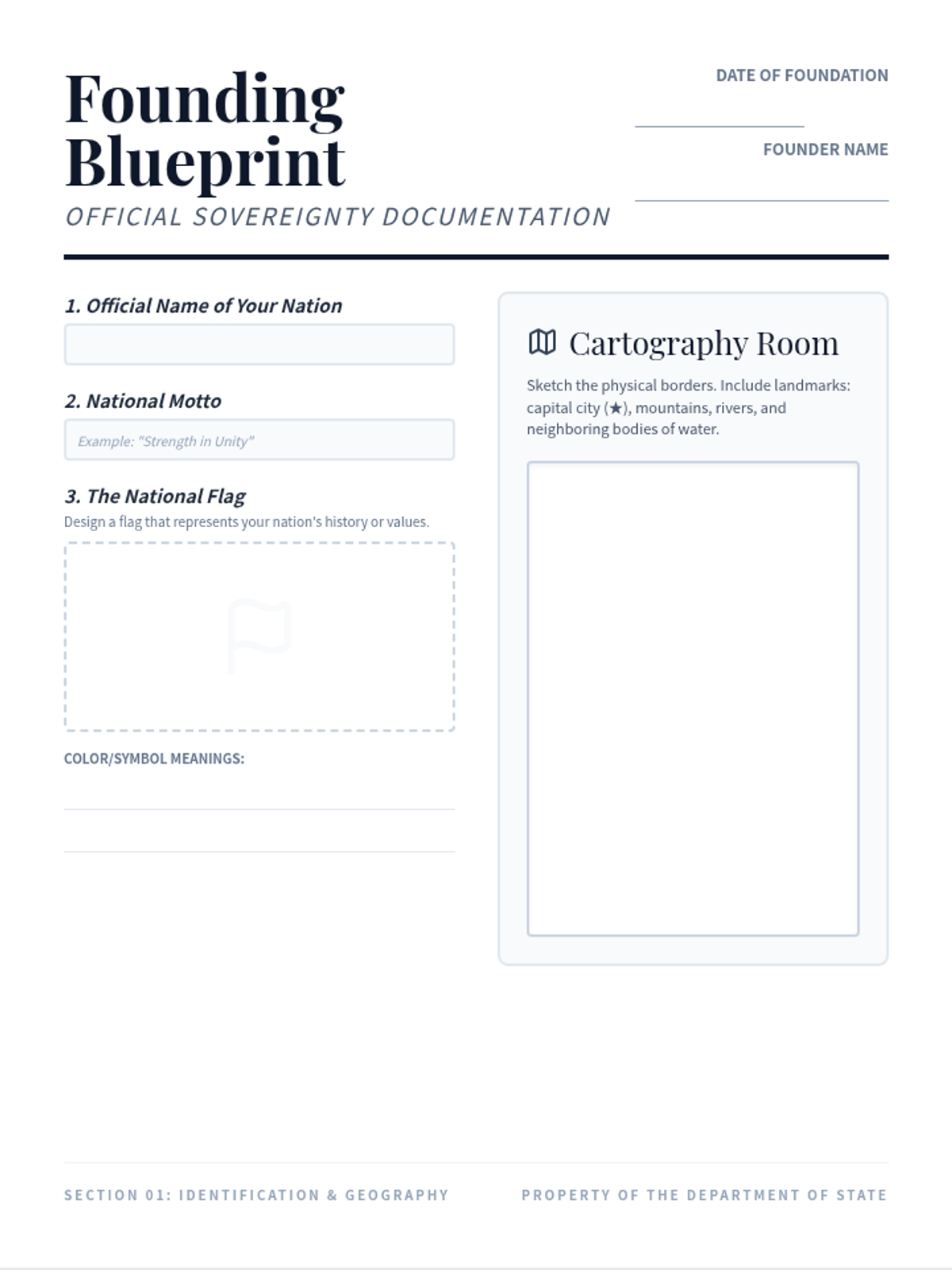
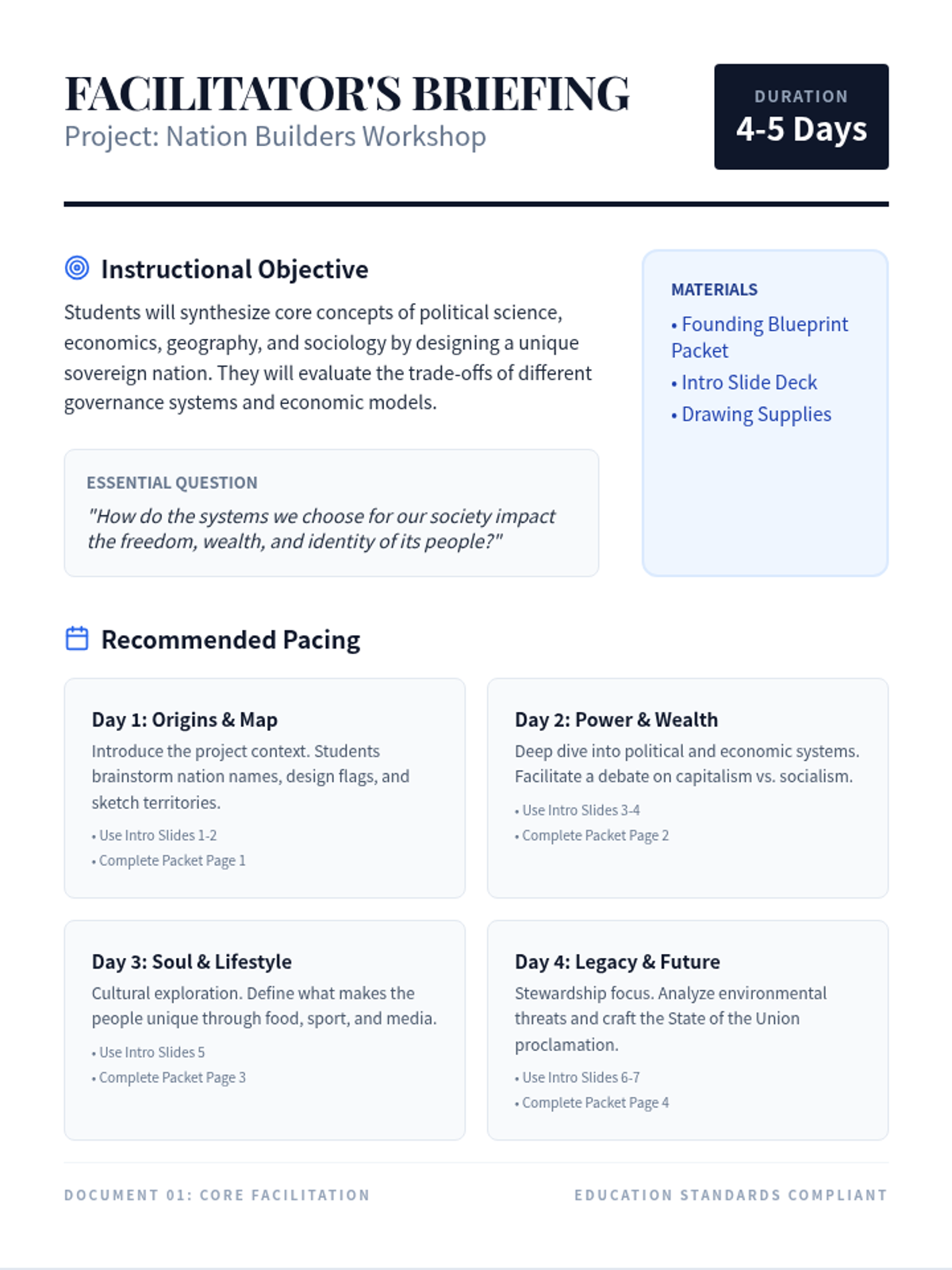
An immersive project-based lesson where students step into the role of national founders. They will synthesize concepts of geography, political science, economics, and environmental stewardship to build a functioning society from the ground up.
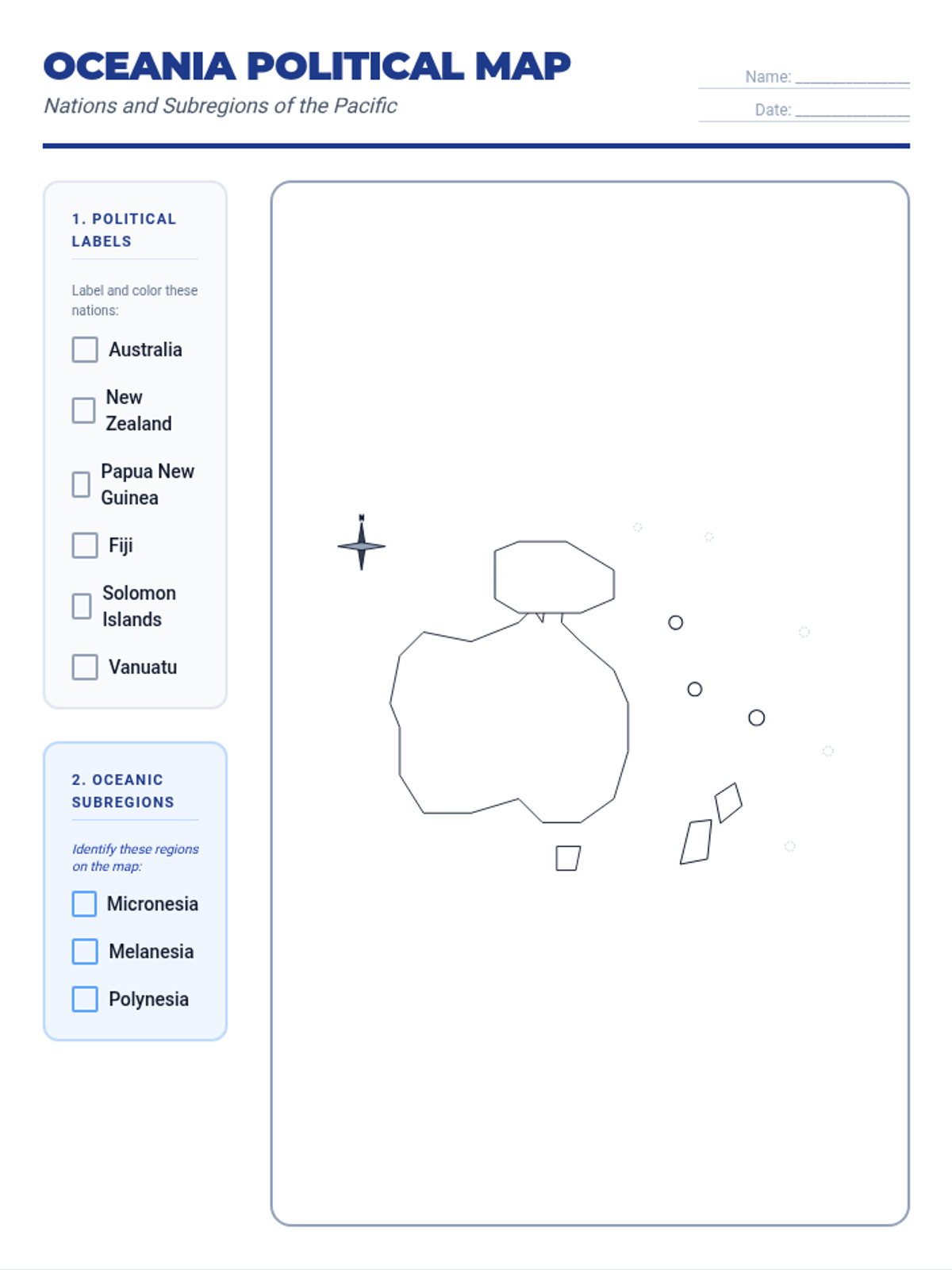
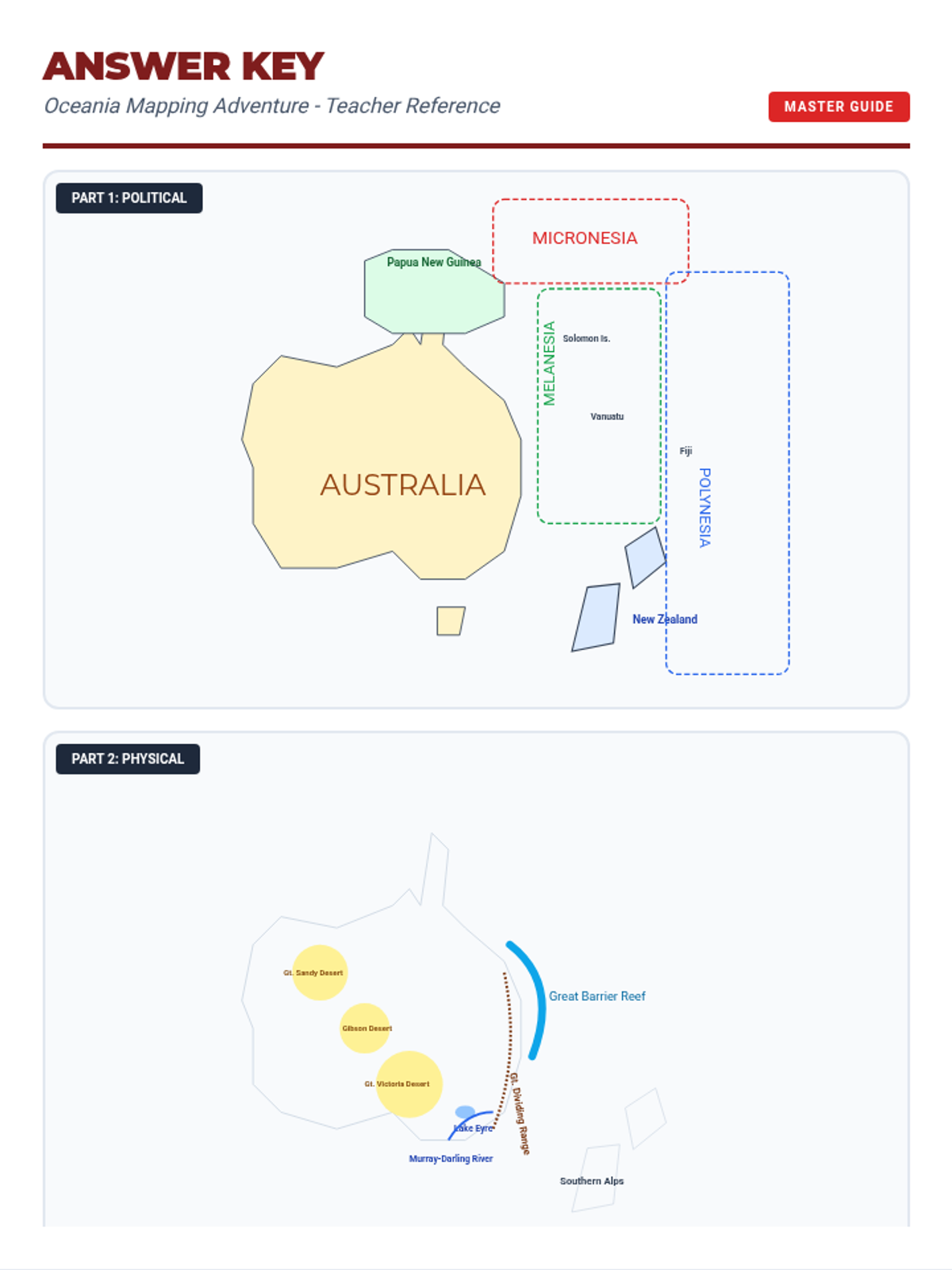
A hands-on cartography lesson where students explore the political boundaries and physical geography of Oceania through labeling and coloring.
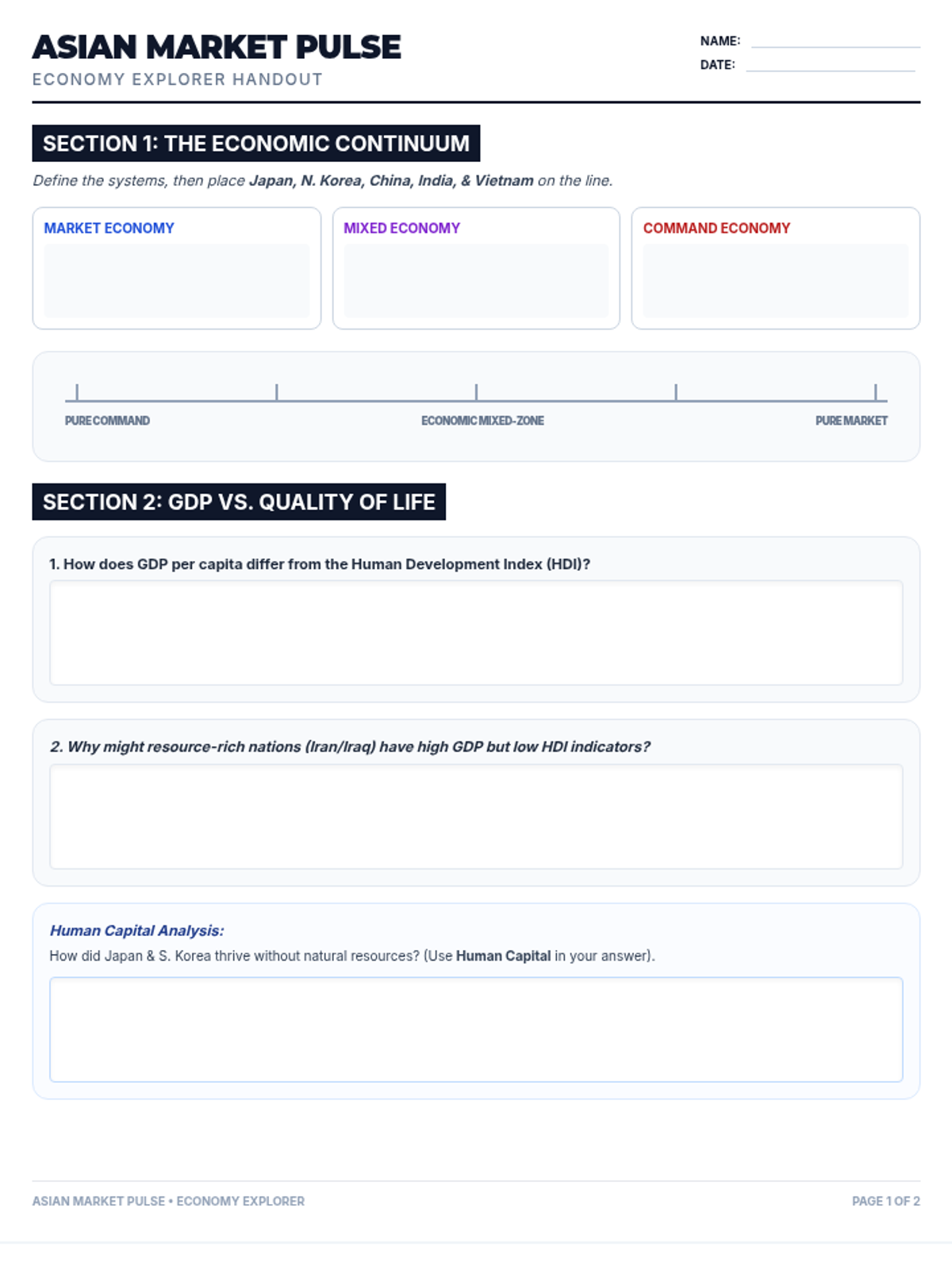
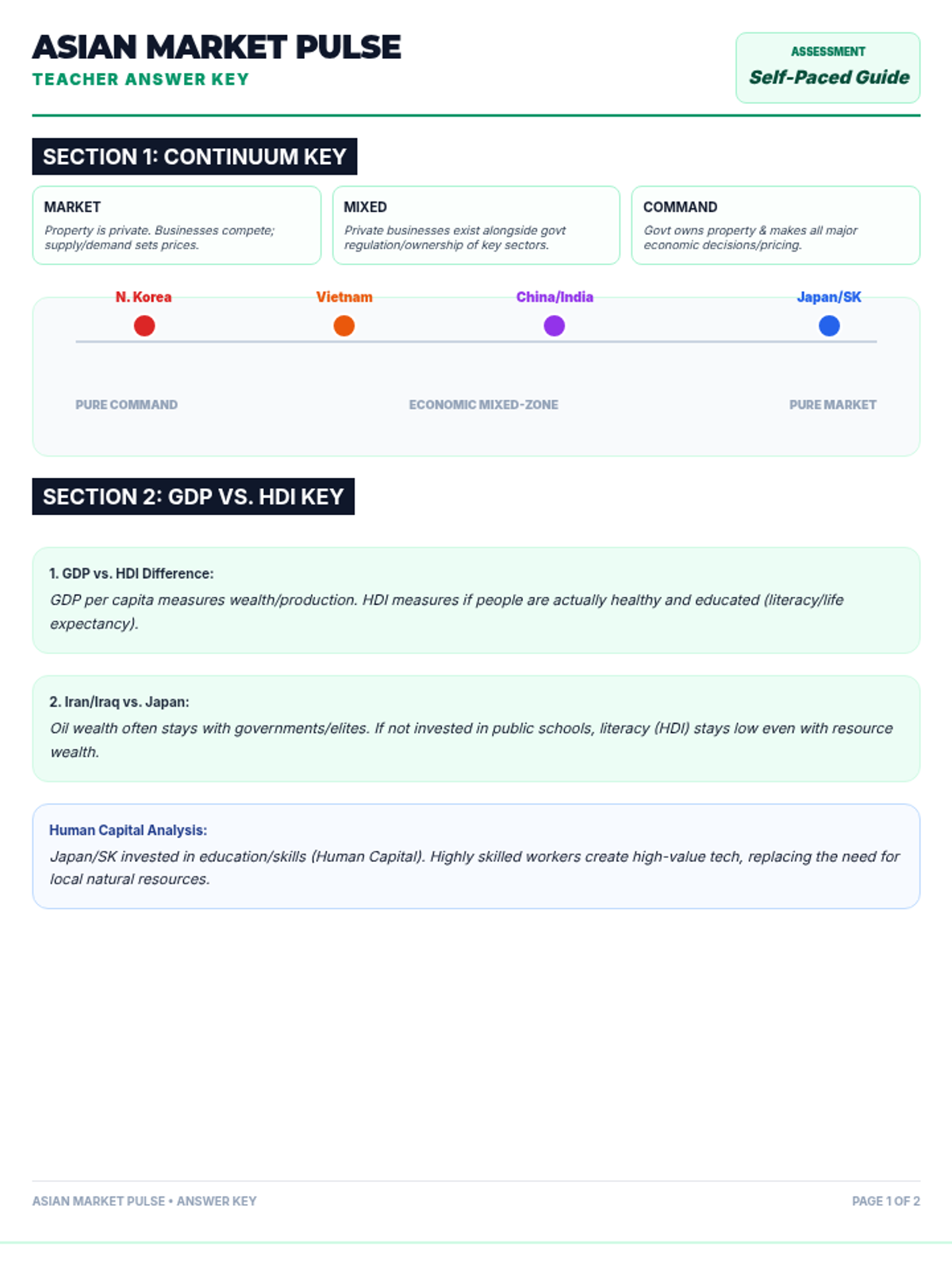
A self-paced study guide exploring the diverse economic landscapes of Asia, focusing on the relationship between economic systems, GDP, and quality of life across major nations.
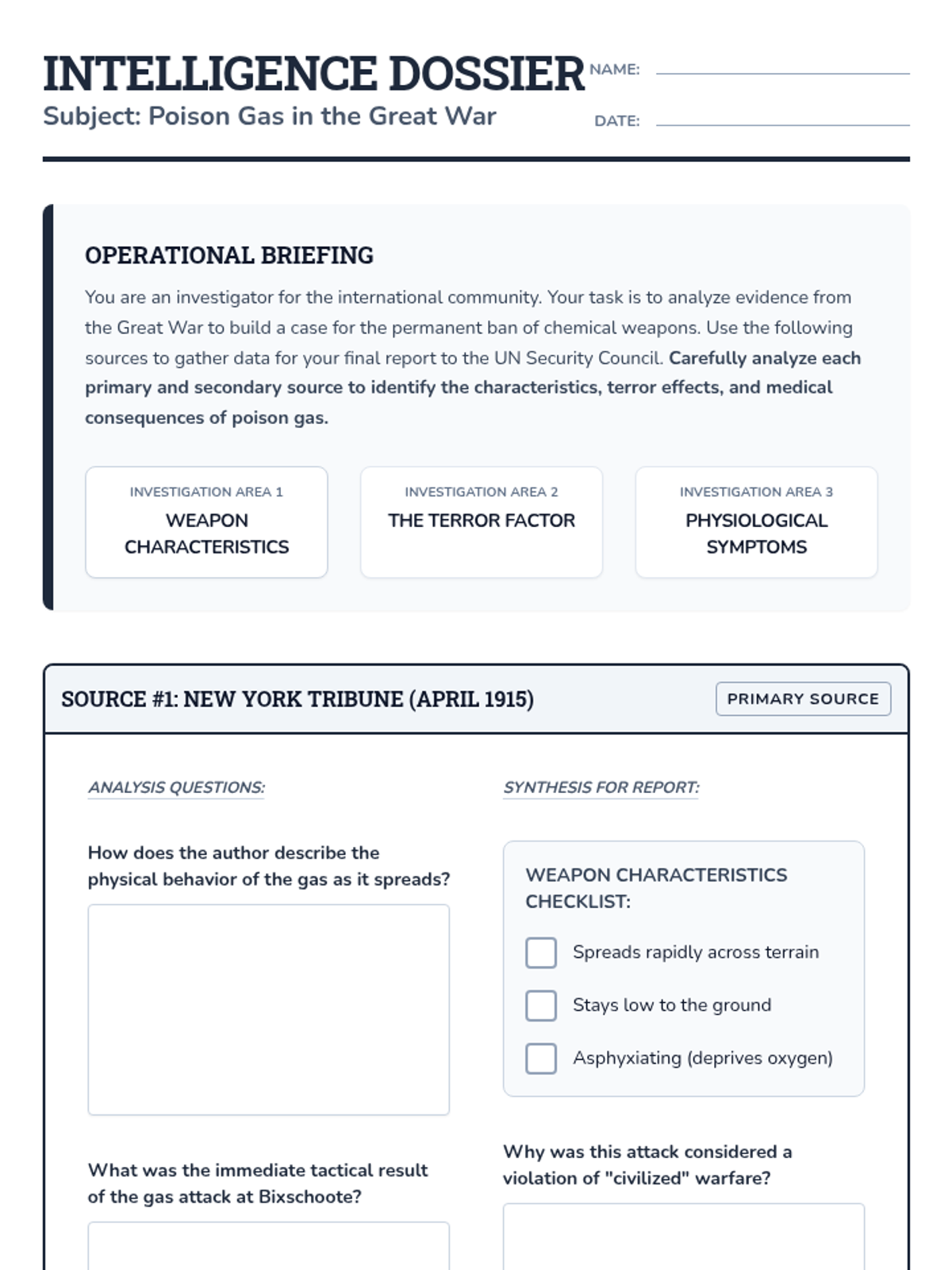
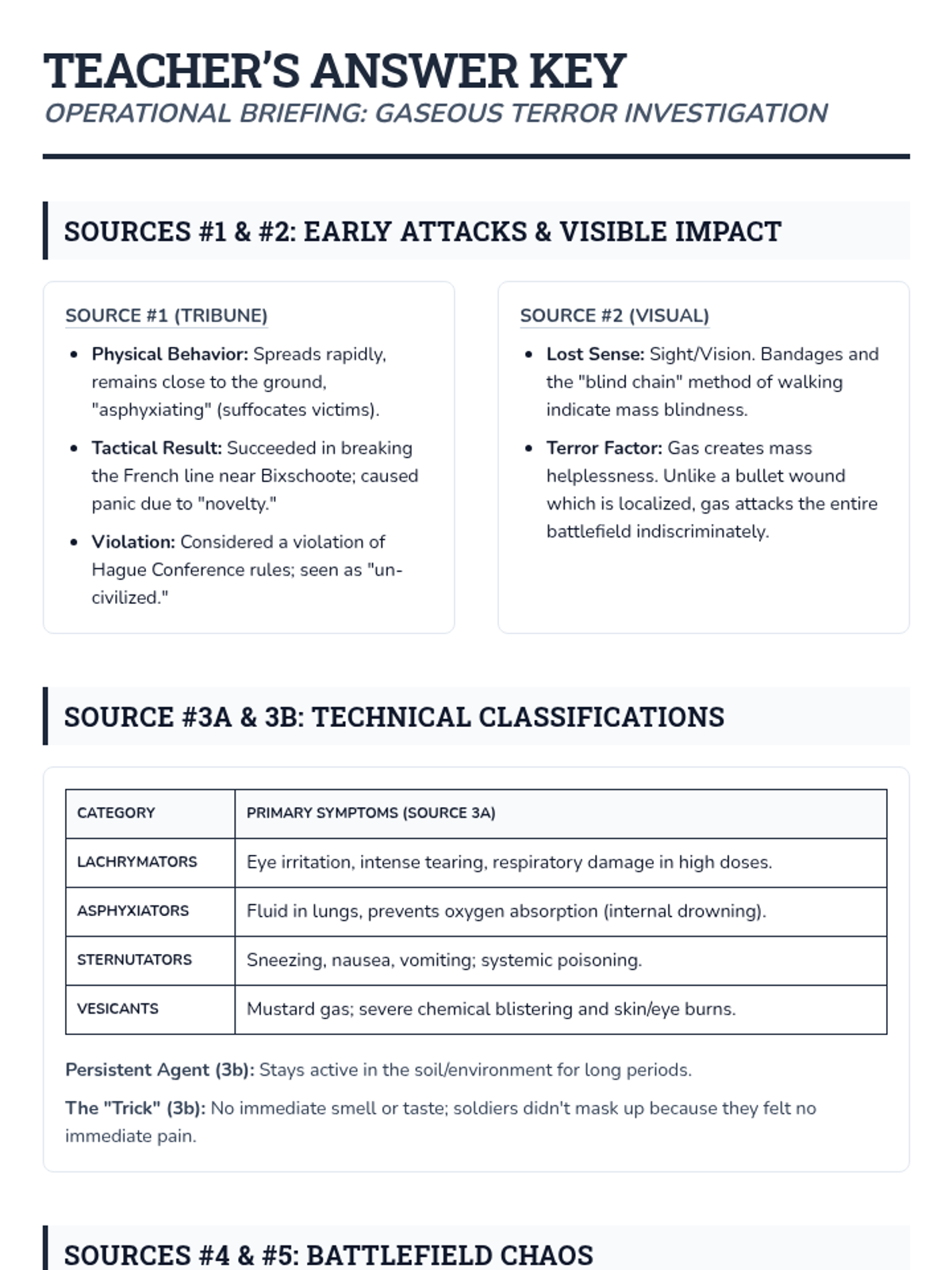
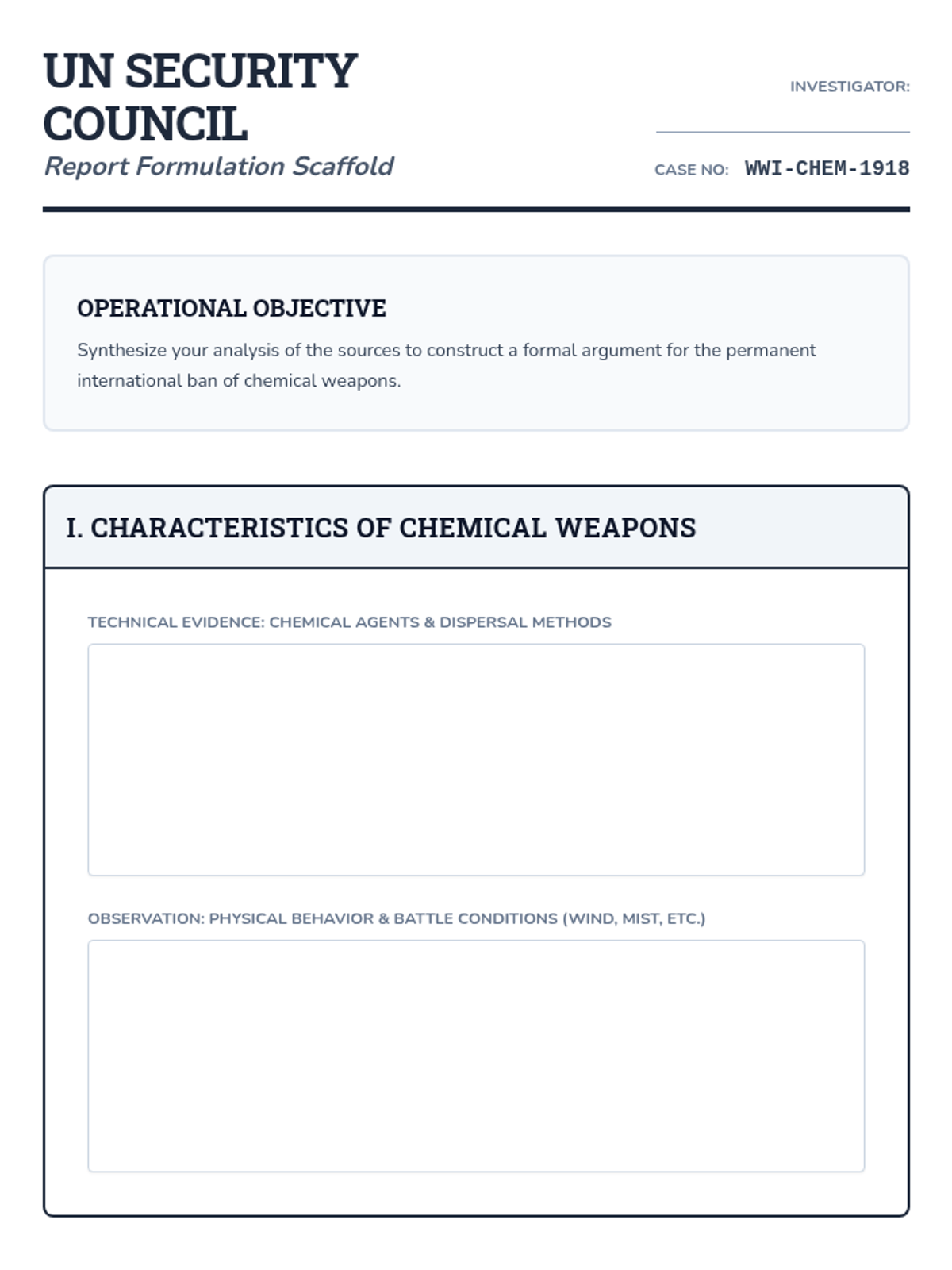
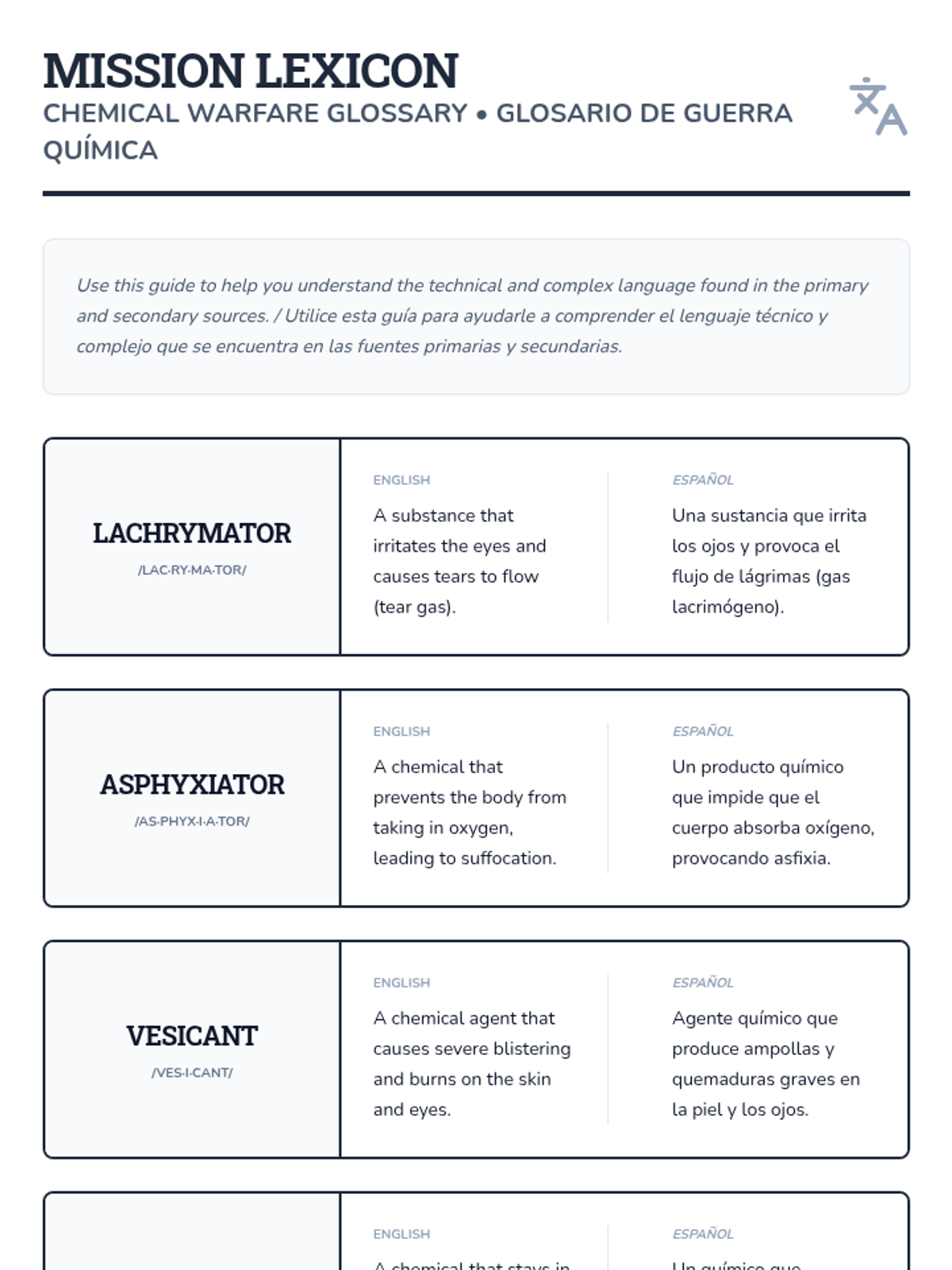
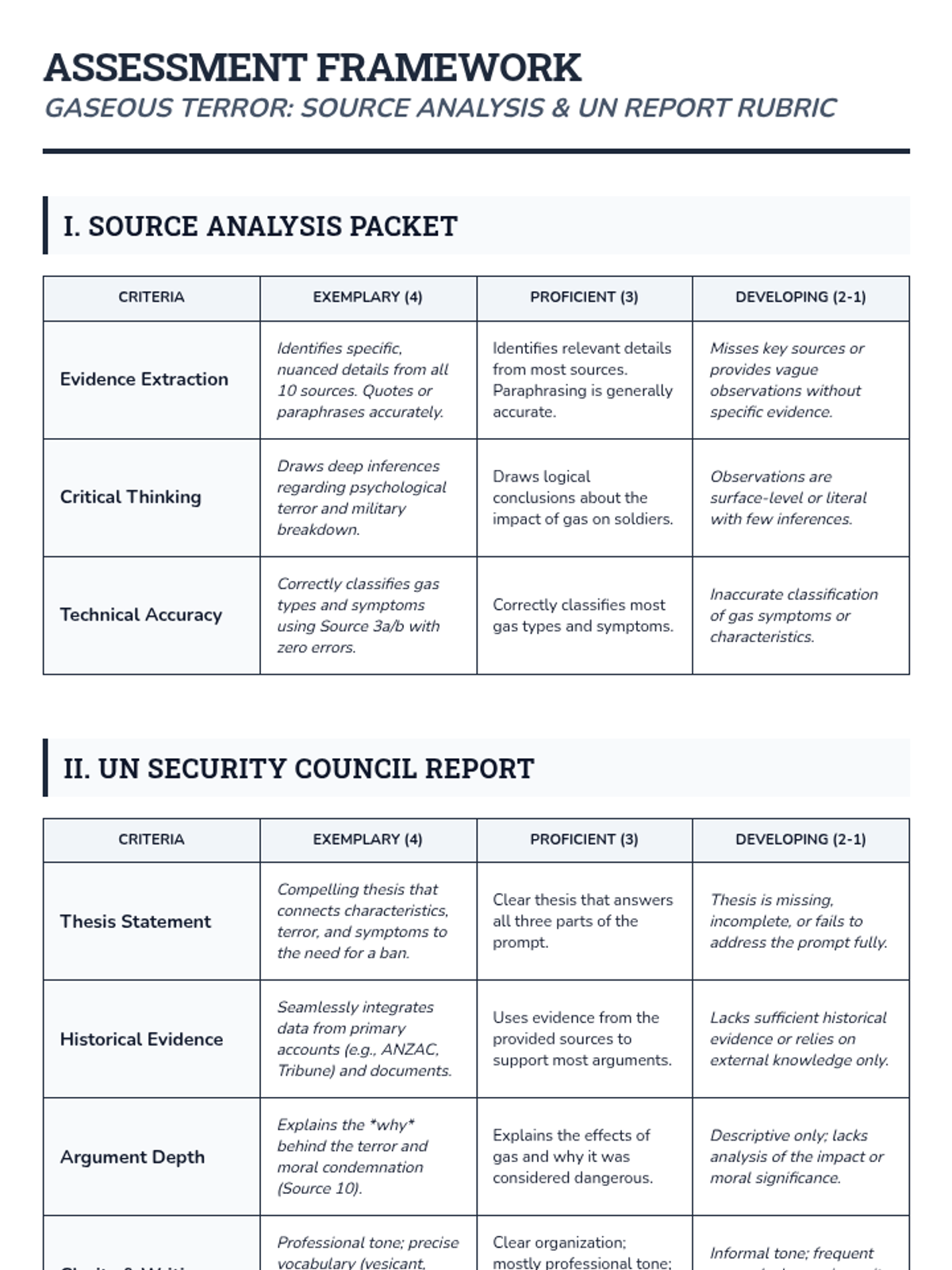
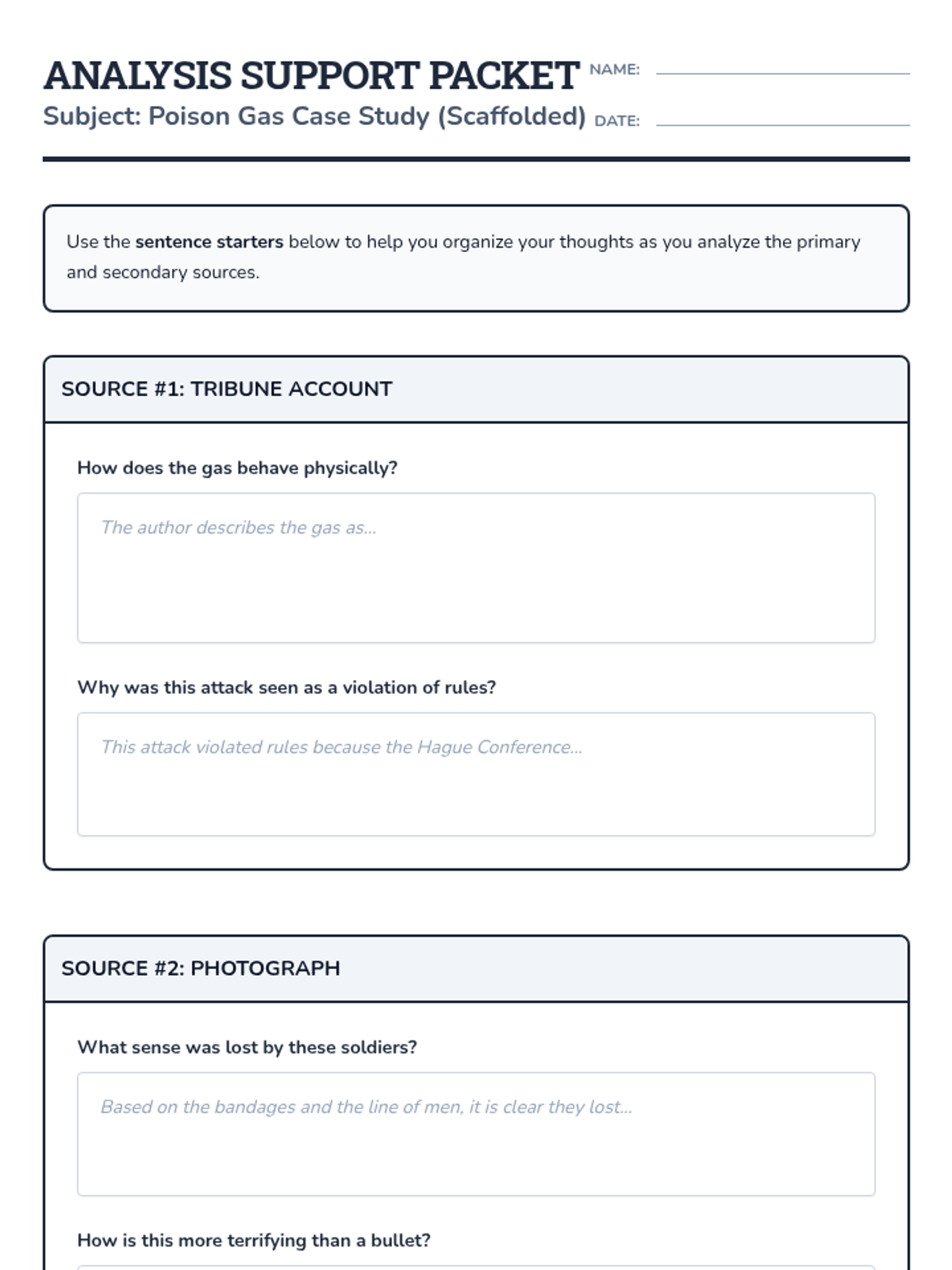
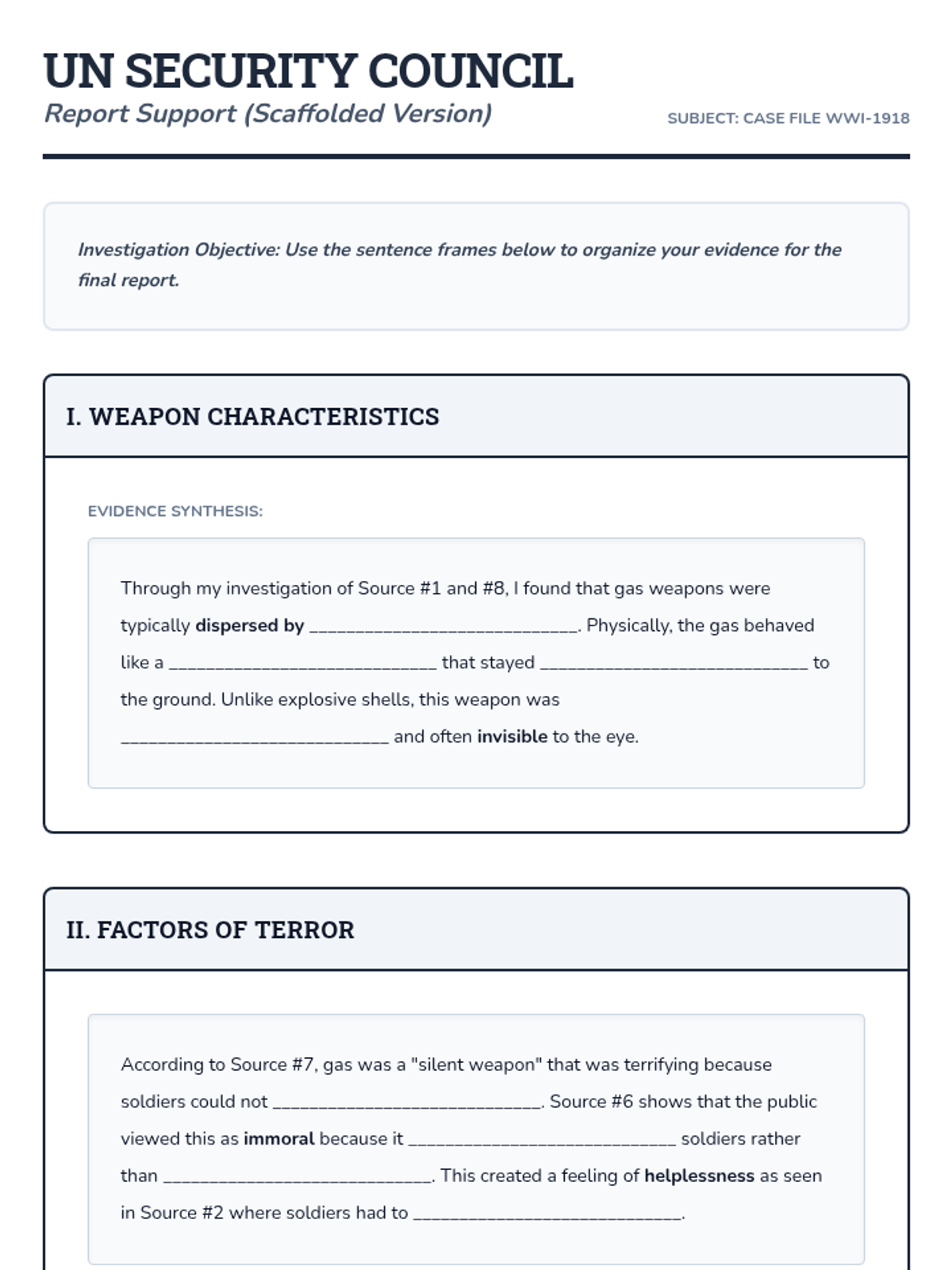
A comprehensive investigation into the use of chemical weapons during WWI, focusing on the tactical, psychological, and physiological impacts of poison gas. Students analyze multiple primary and secondary sources to construct a formal report on the horrors of gas warfare and the subsequent international efforts to ban it.