Students will explore patterns found in nature and art, understanding how patterns help us make sense of the world through observation and analytical skills.
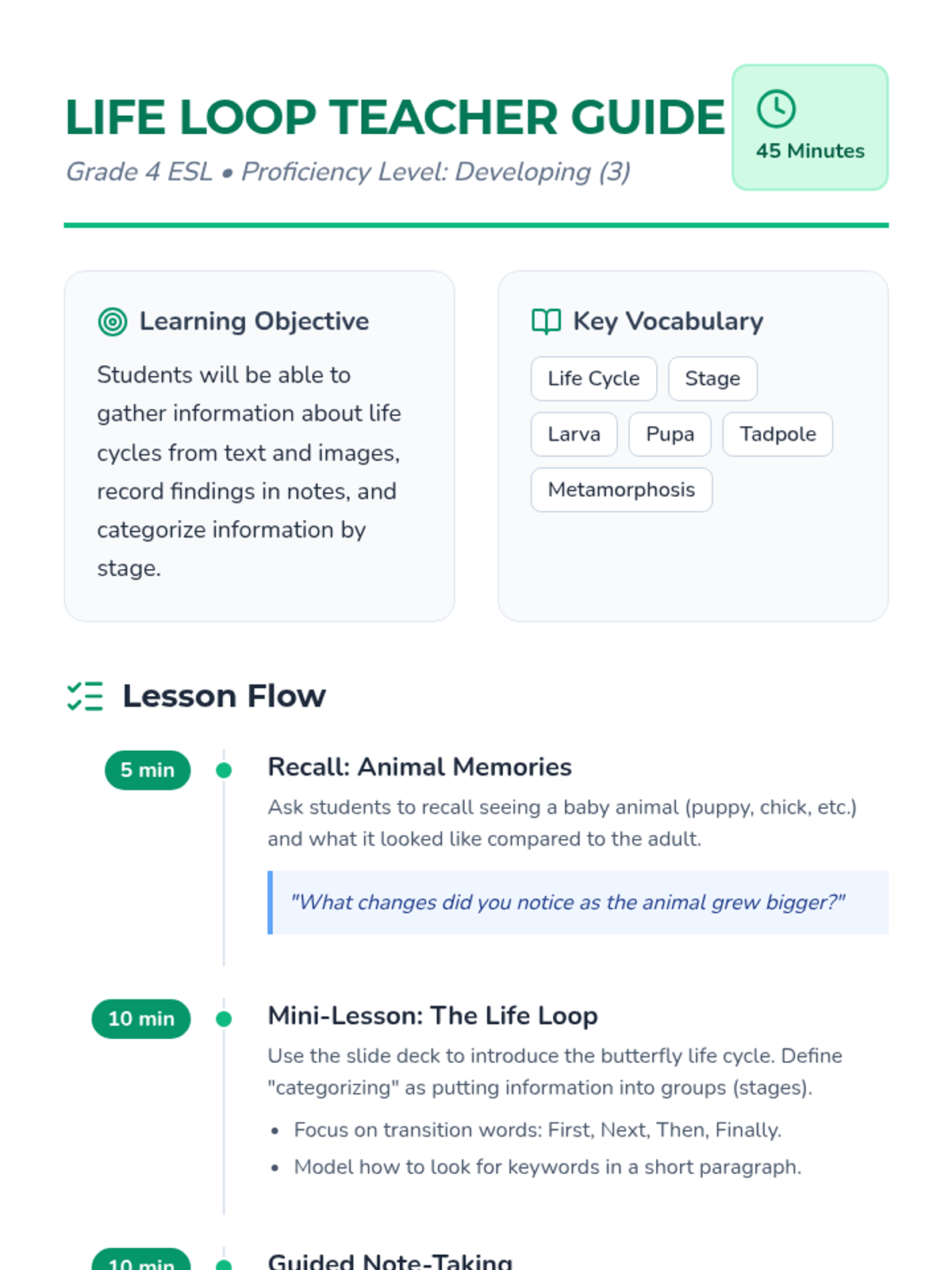
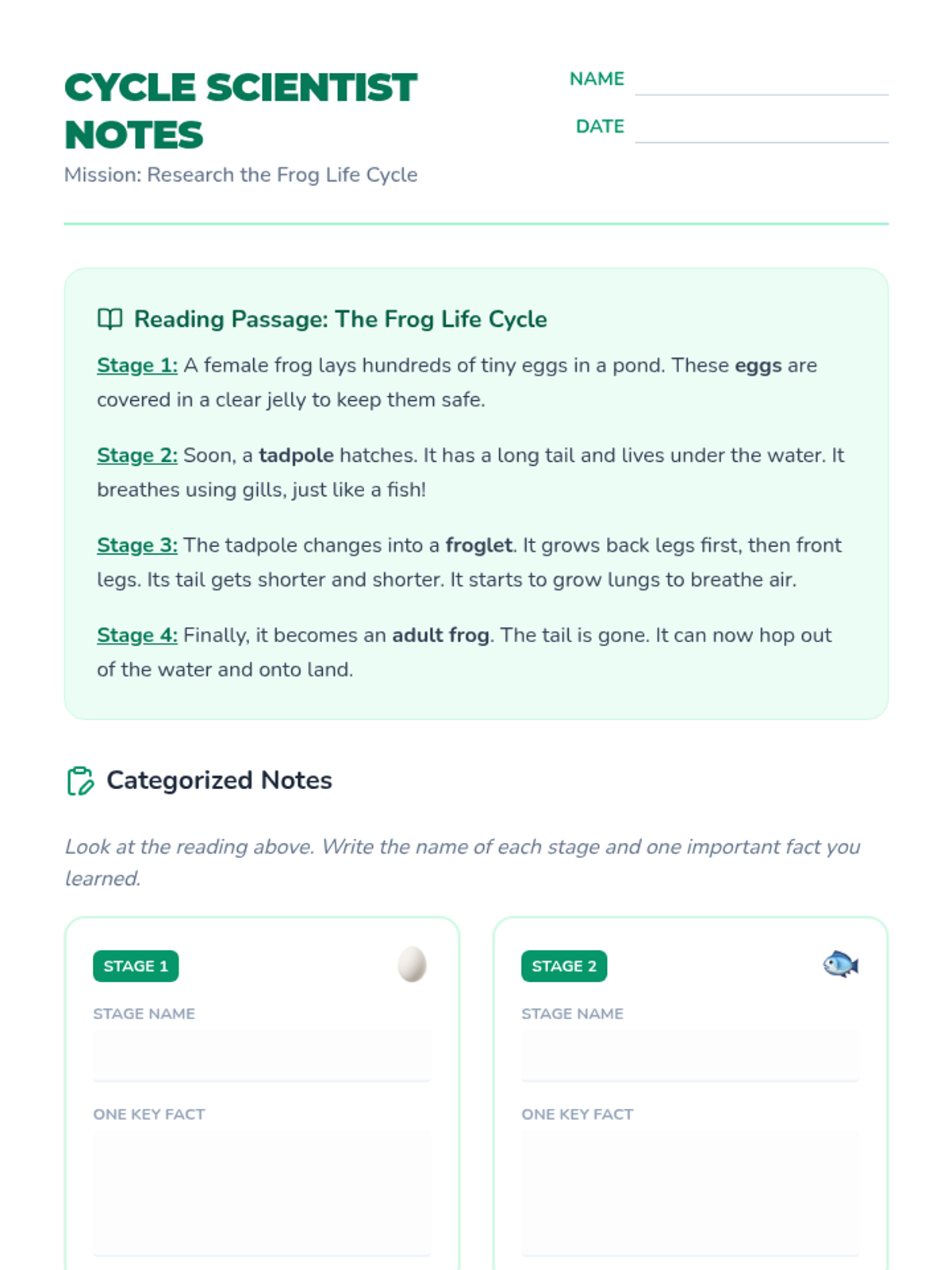
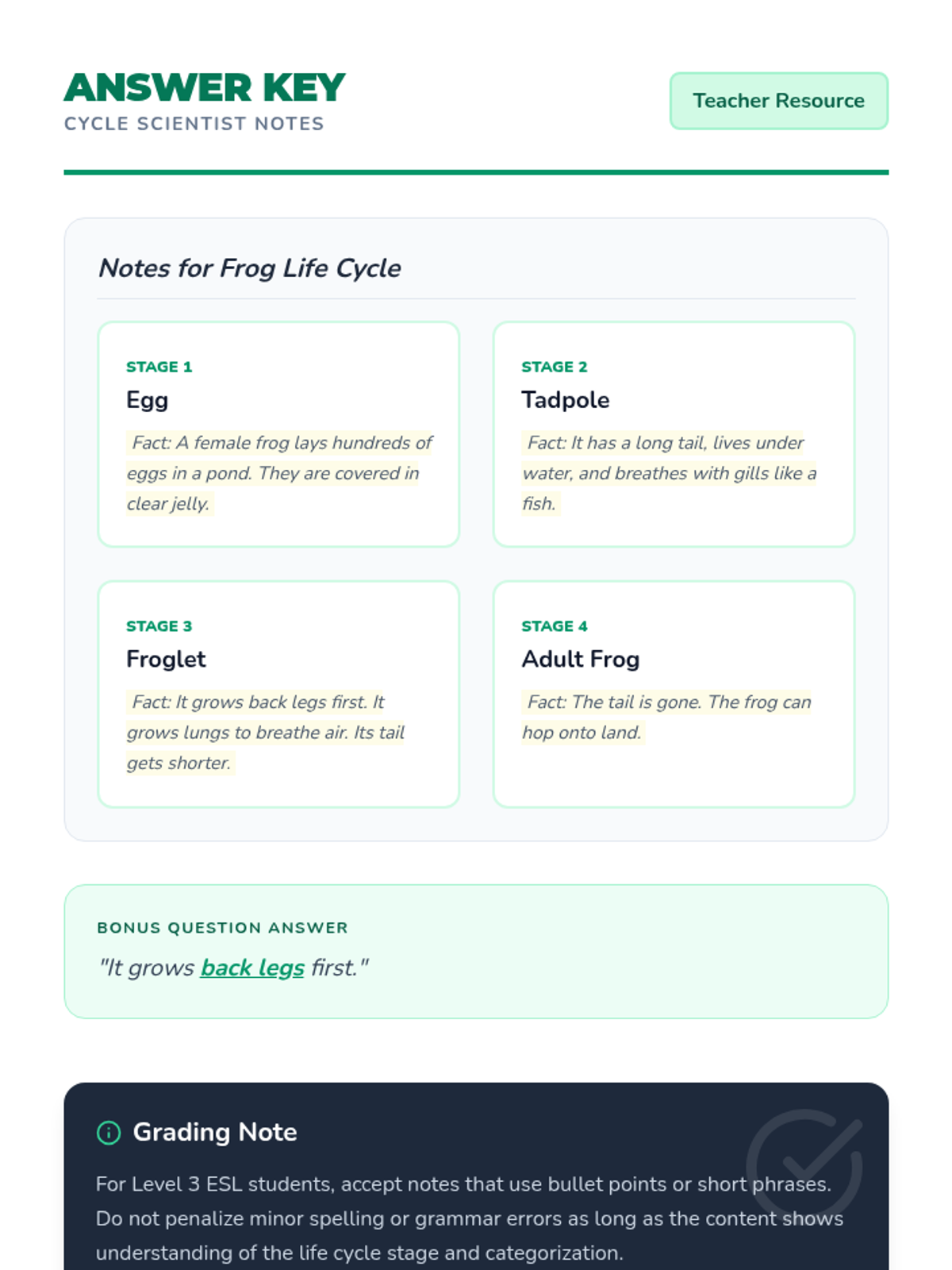
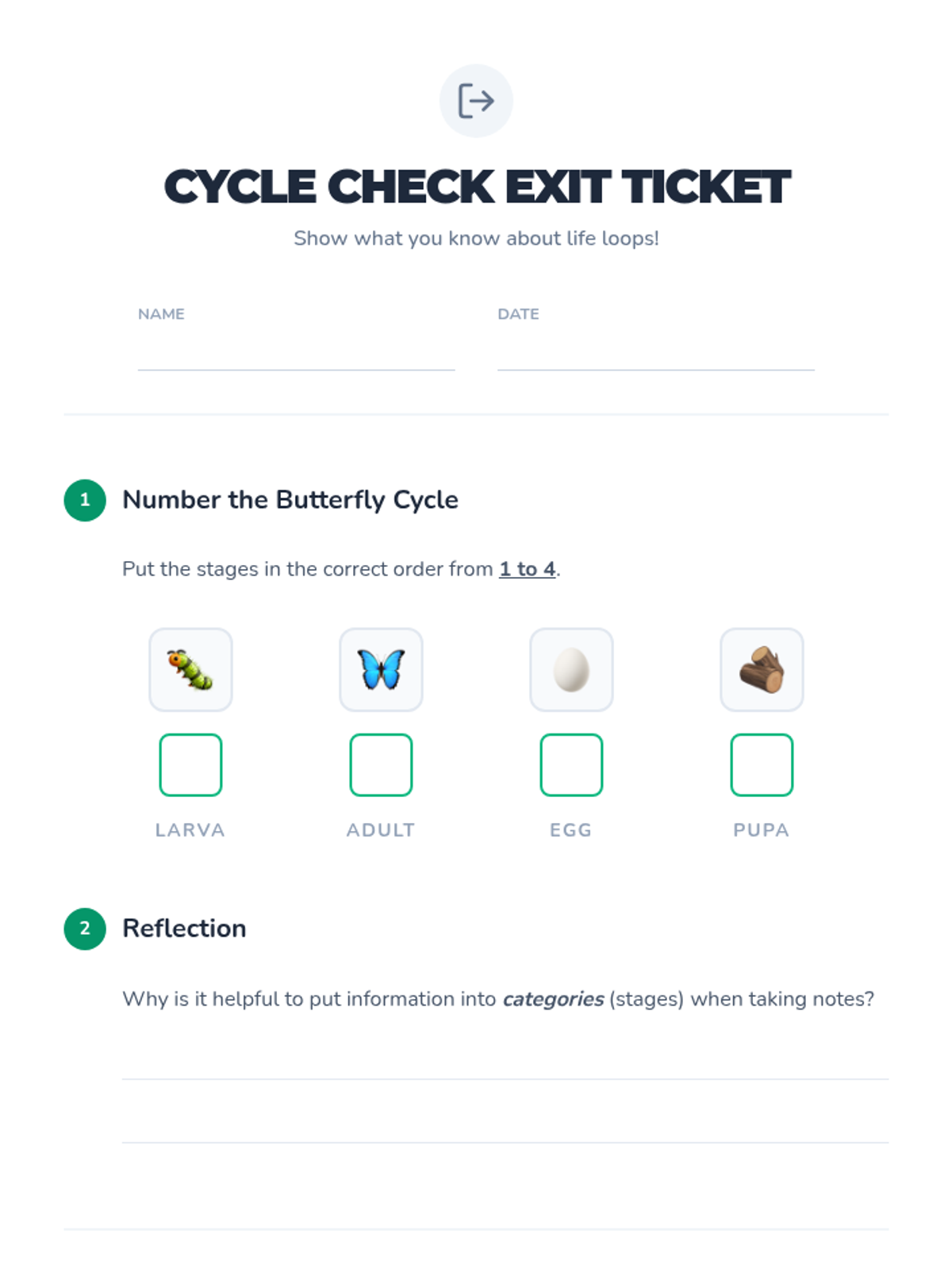
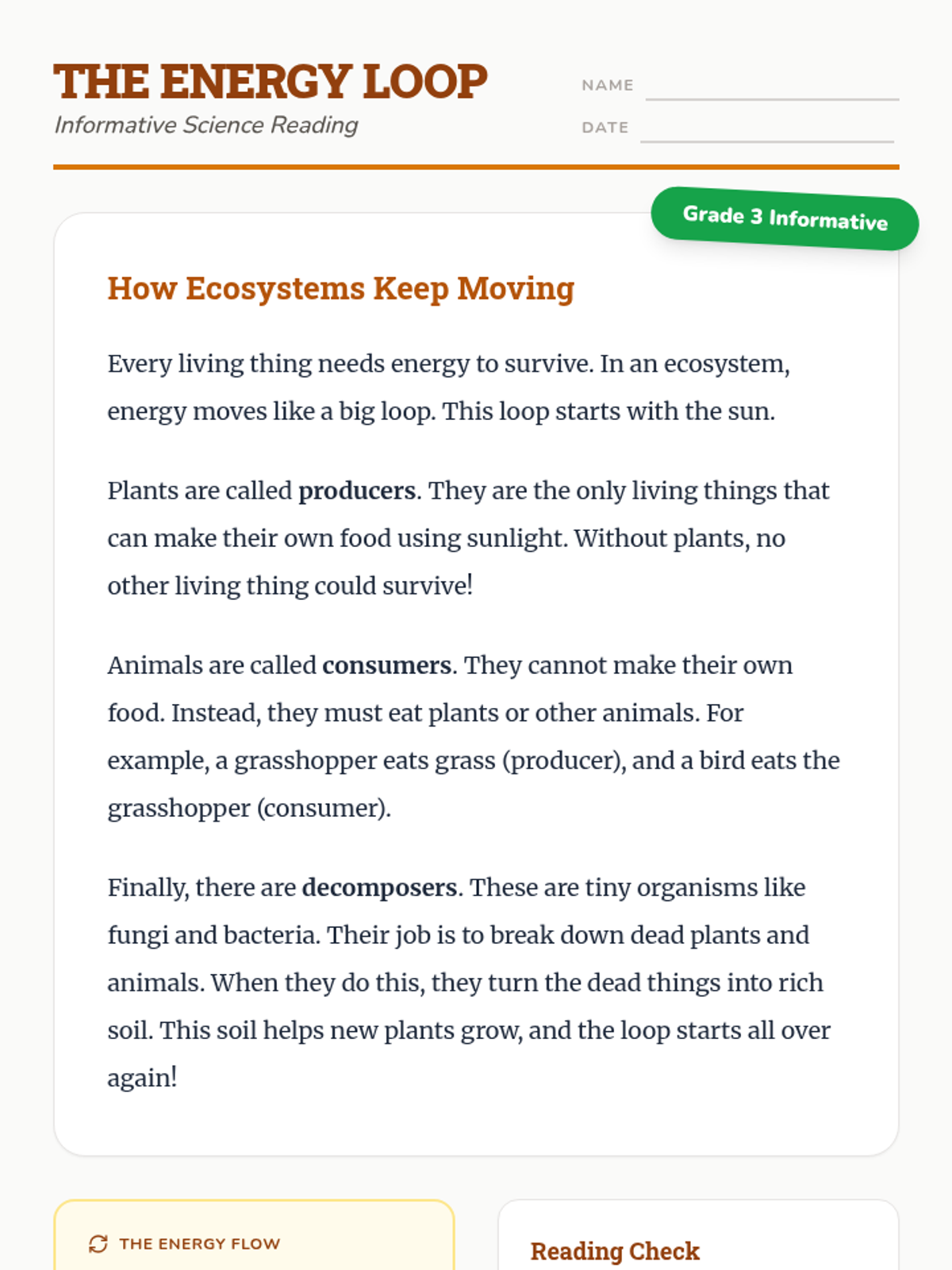
A 45-minute ESL lesson for grade 4 students at the Developing (Level 3) proficiency level. Students will explore life cycles, practice gathering information from texts, and learn to take notes and categorize data using graphic organizers.
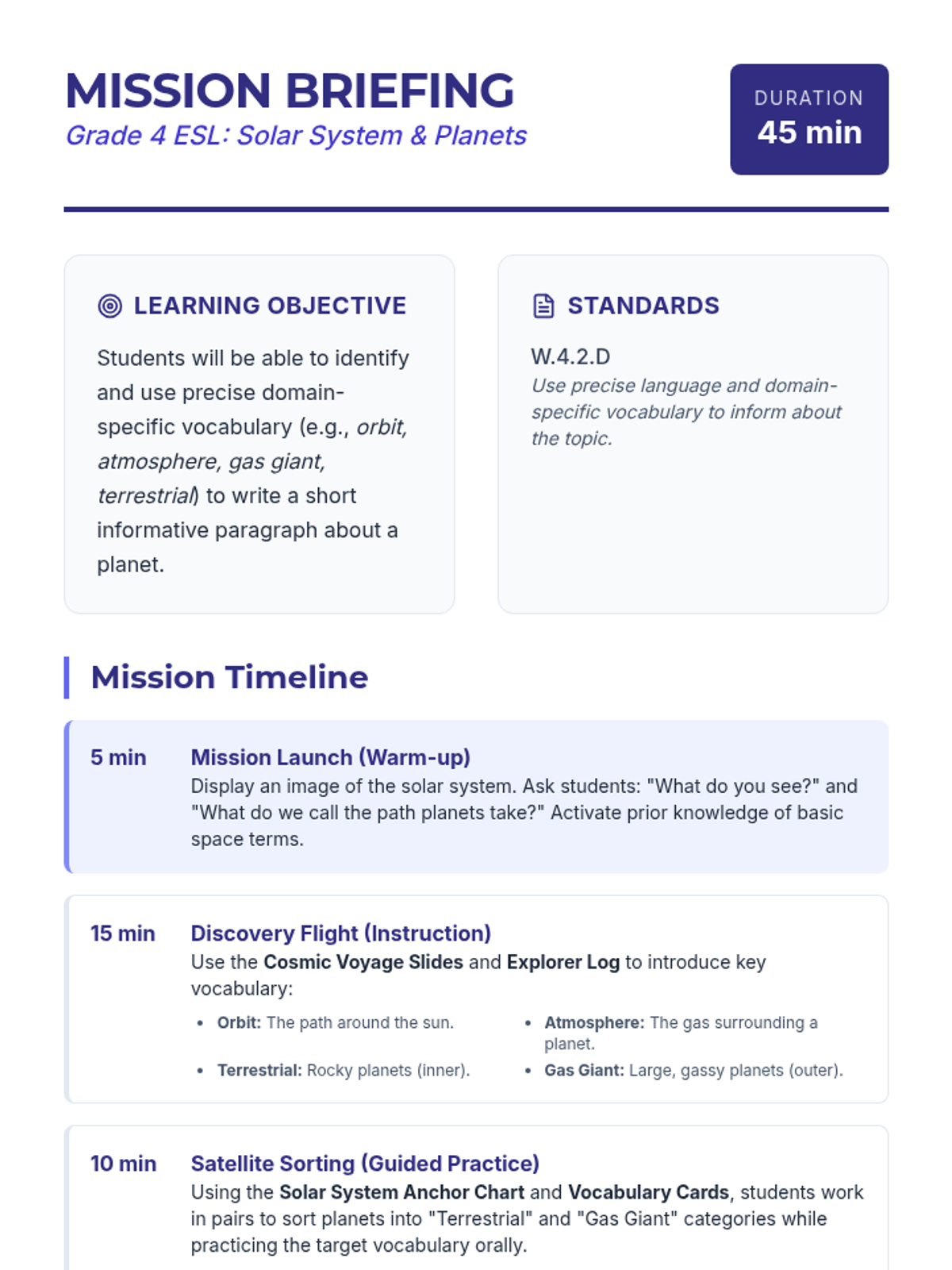
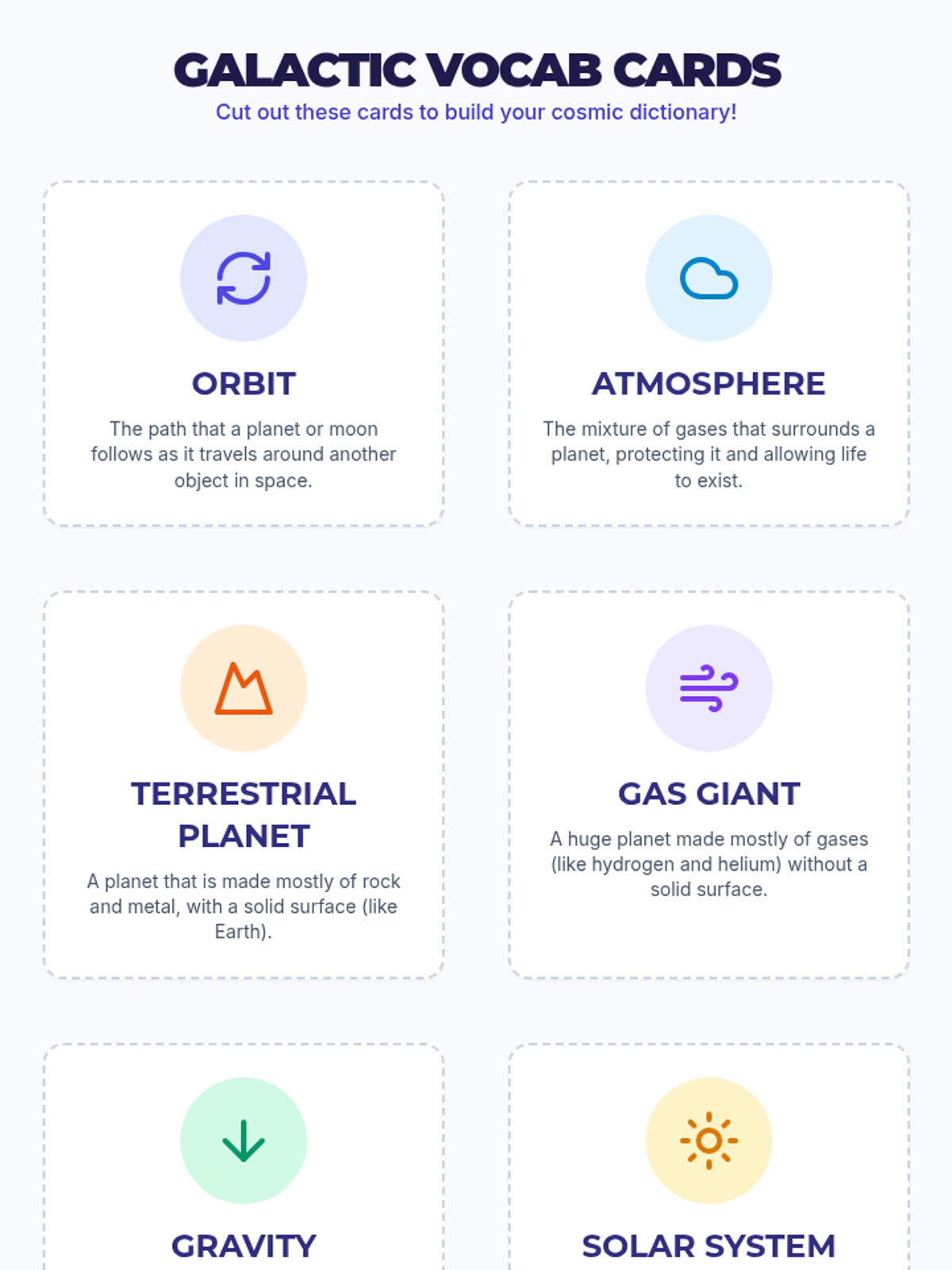
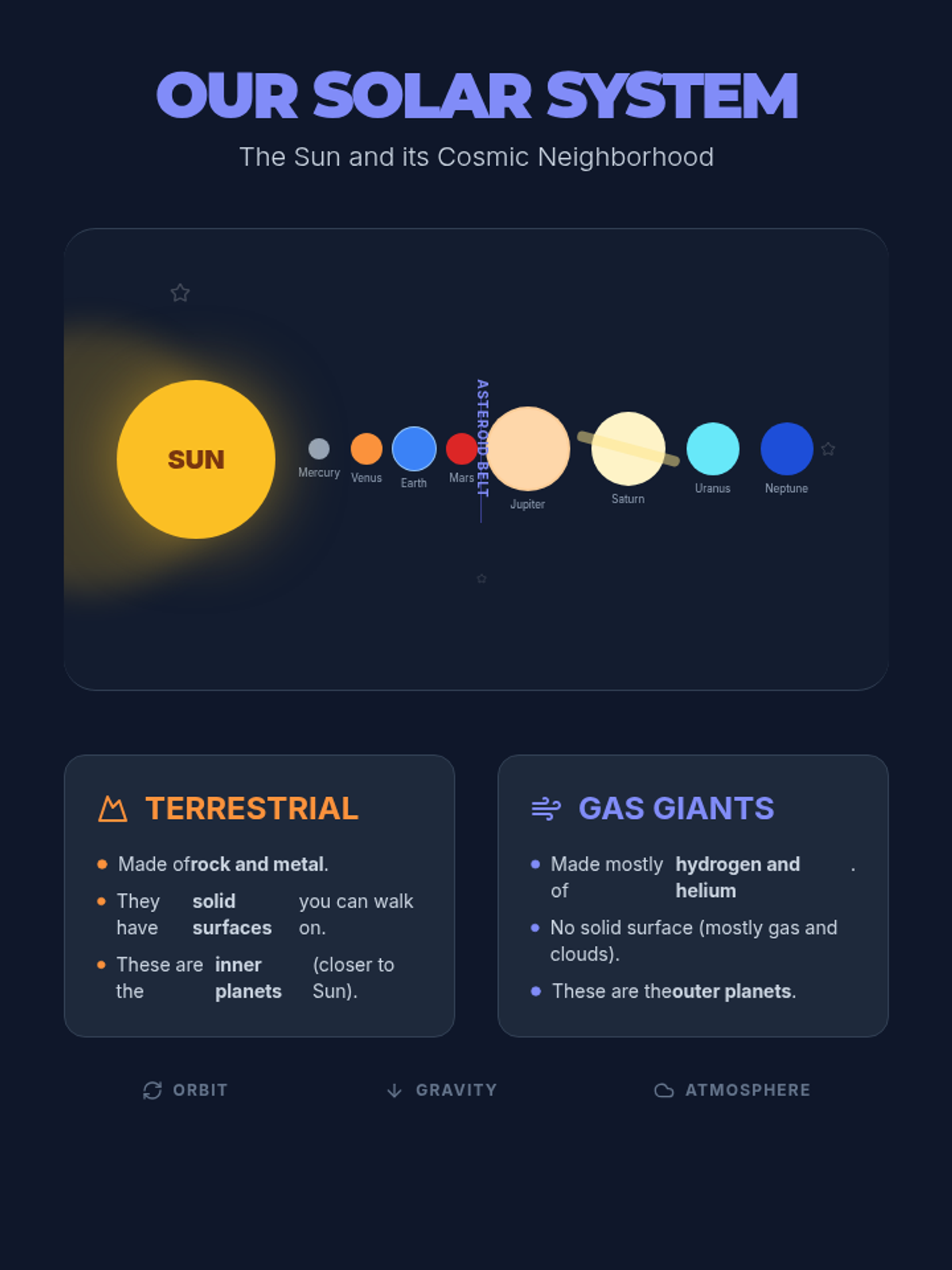
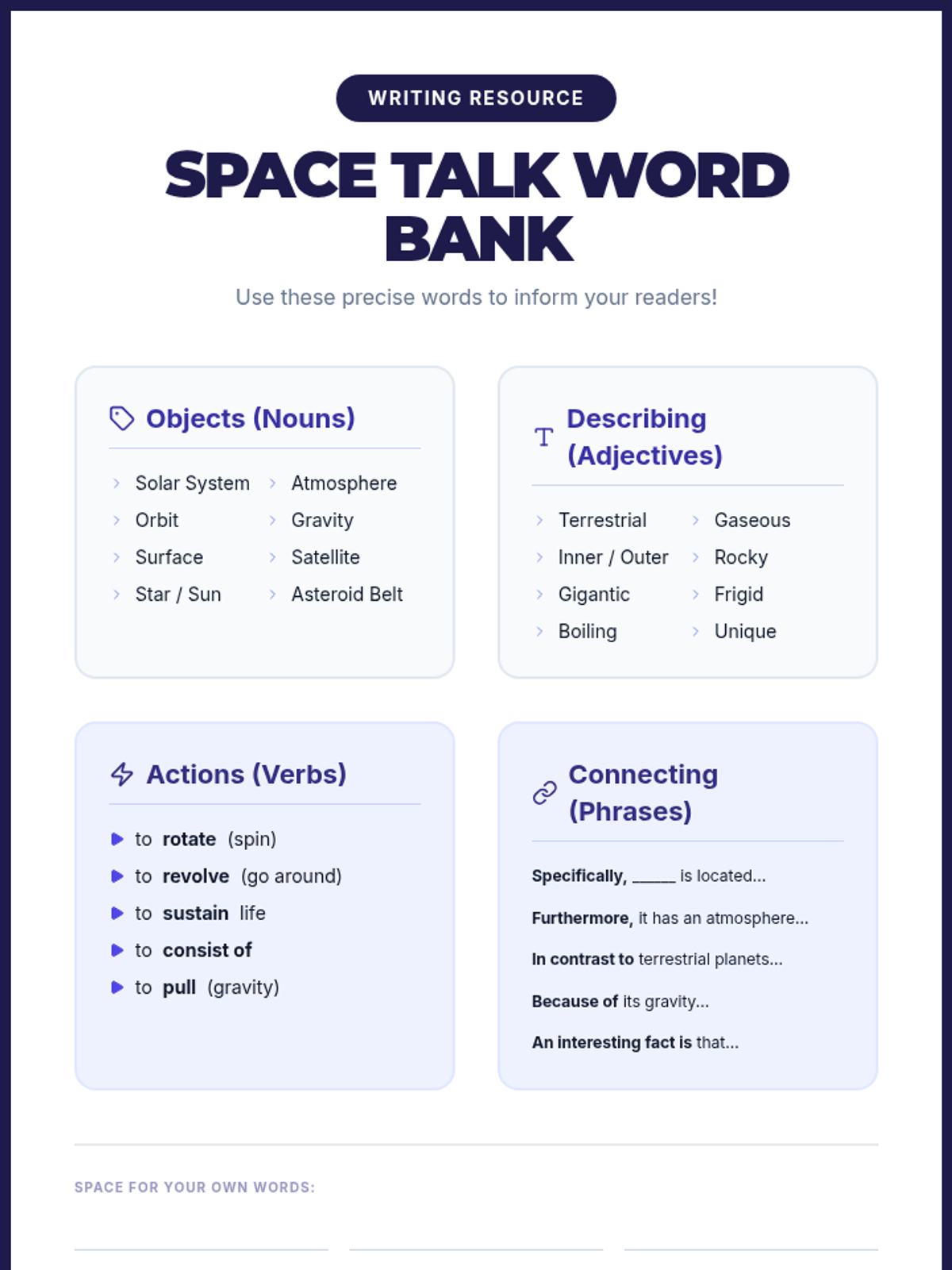
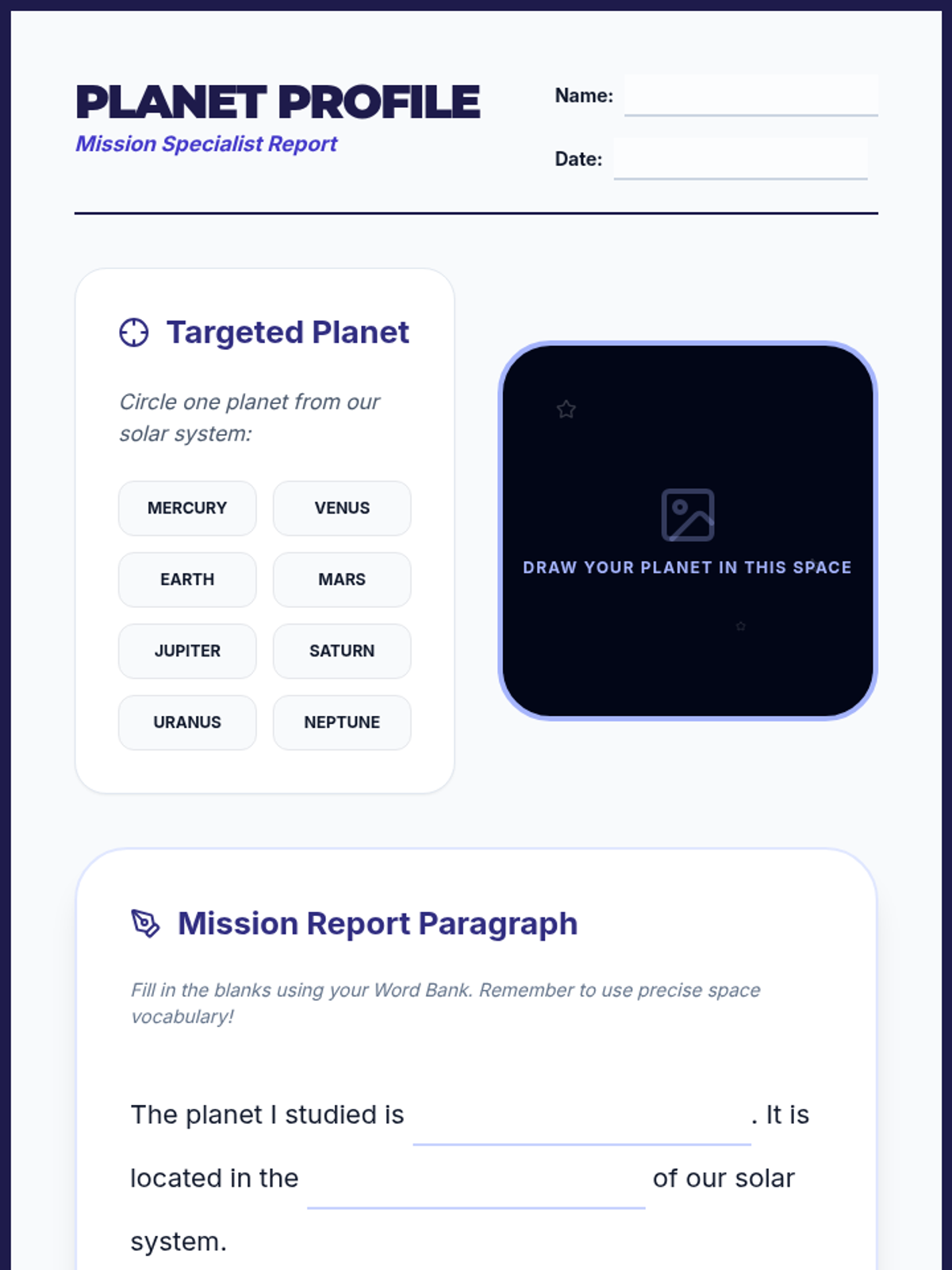
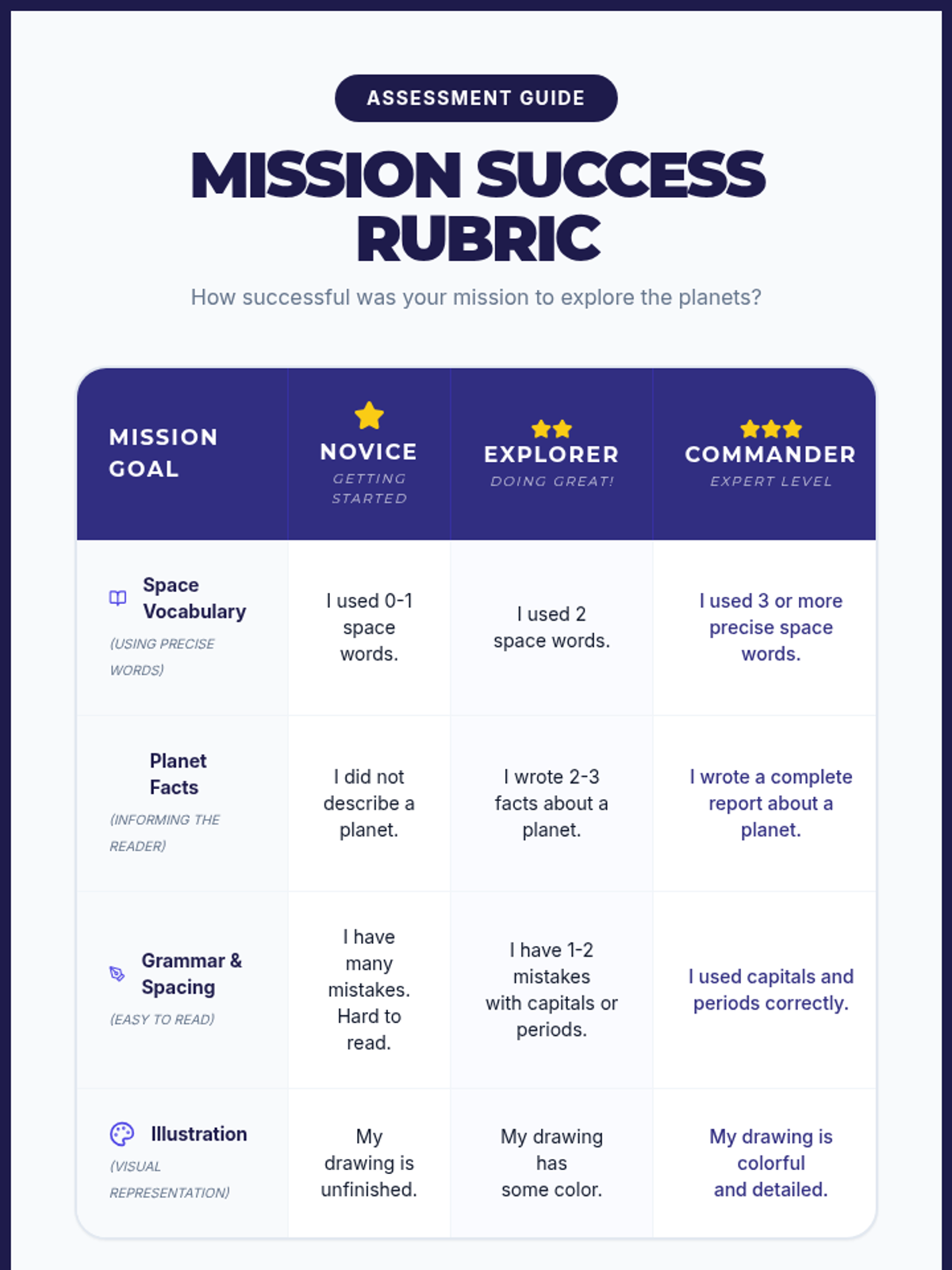
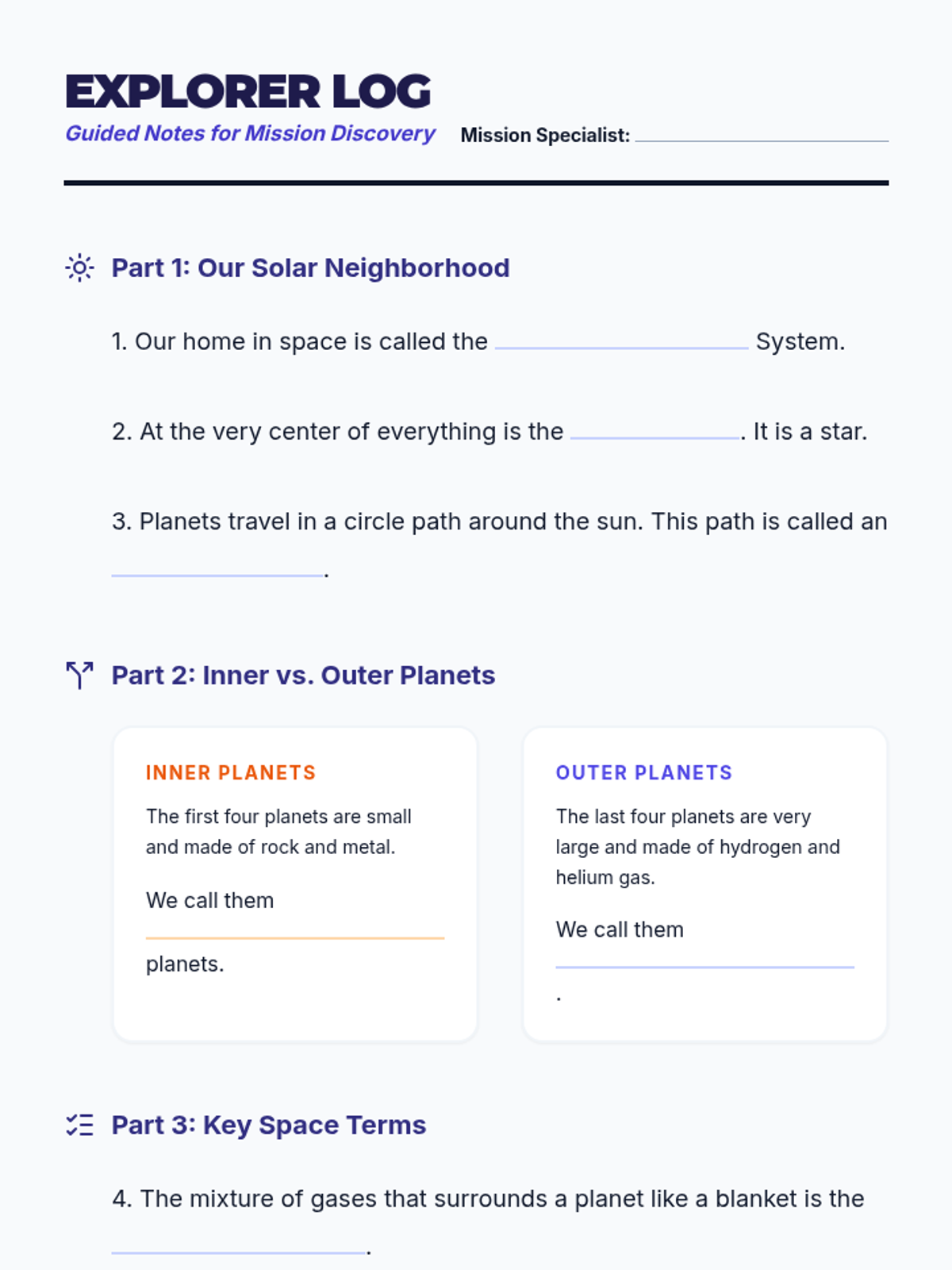
A 45-minute ESL lesson focused on identifying and using precise domain-specific vocabulary to describe the solar system and its planets, culminating in a scaffolded writing task.
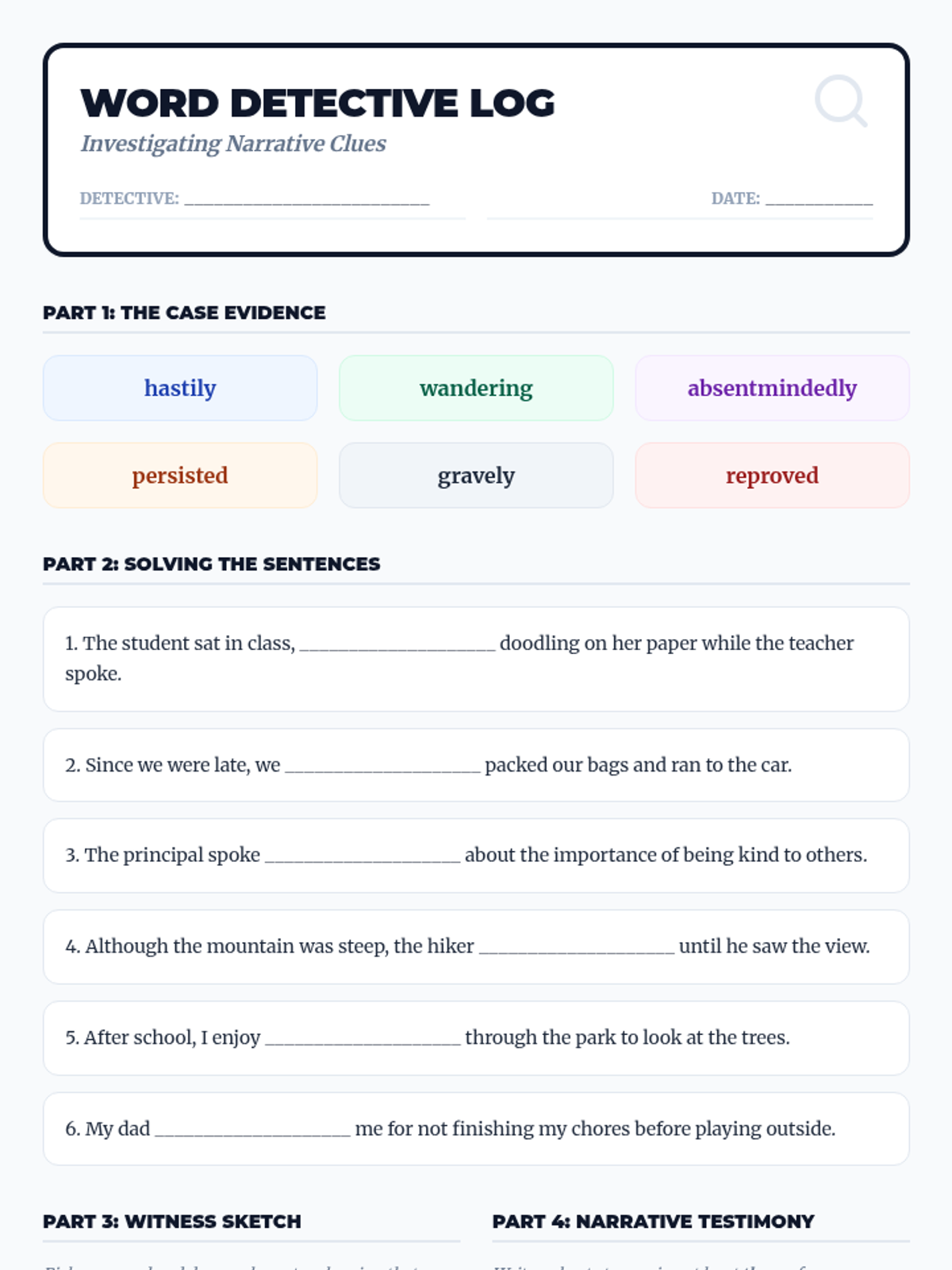
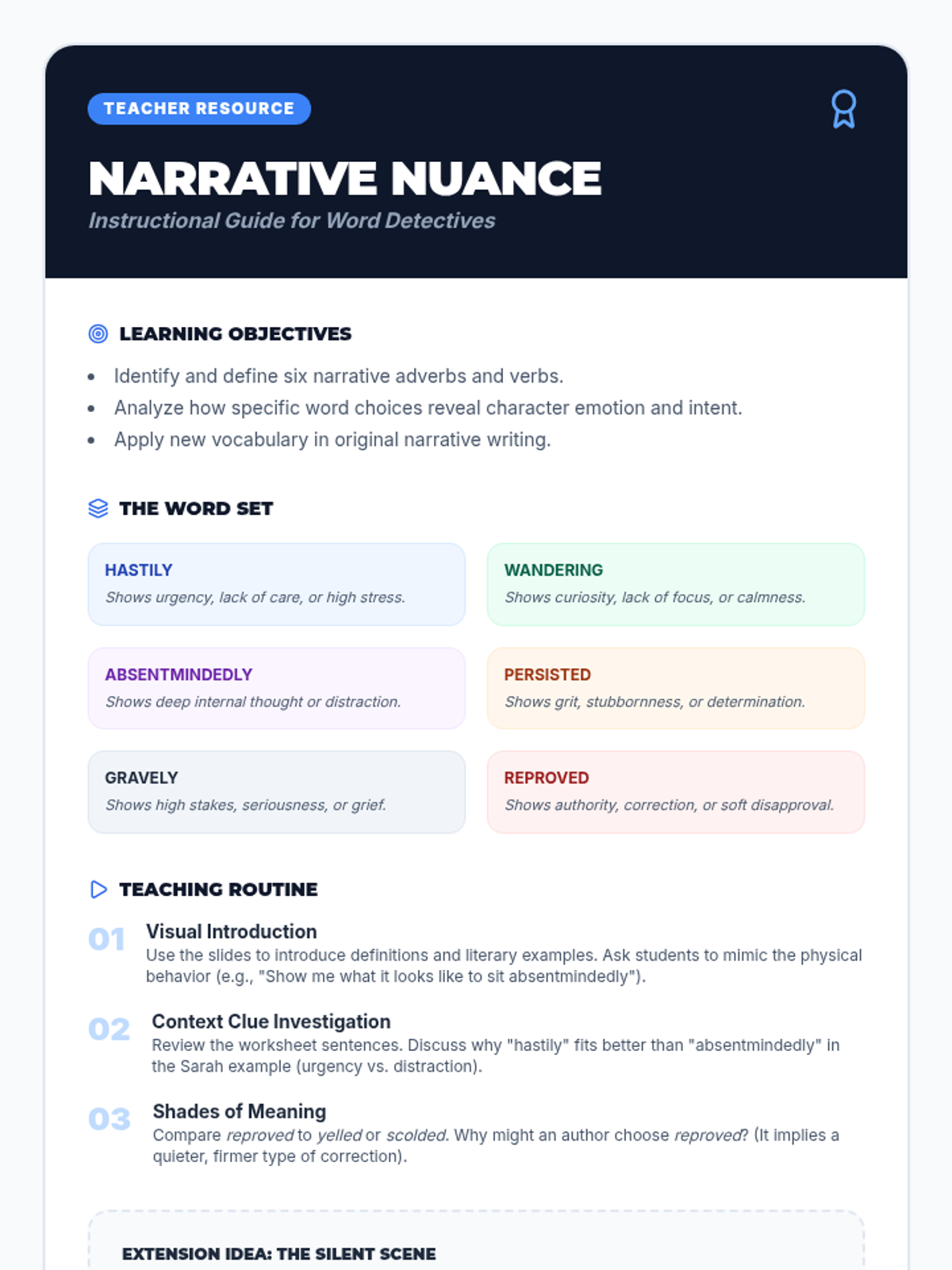
A vocabulary-focused lesson exploring 6 narrative words (hastily, wandering, absentmindedly, persisted, gravely, reproved) to understand character behavior and emotion for 4th graders.
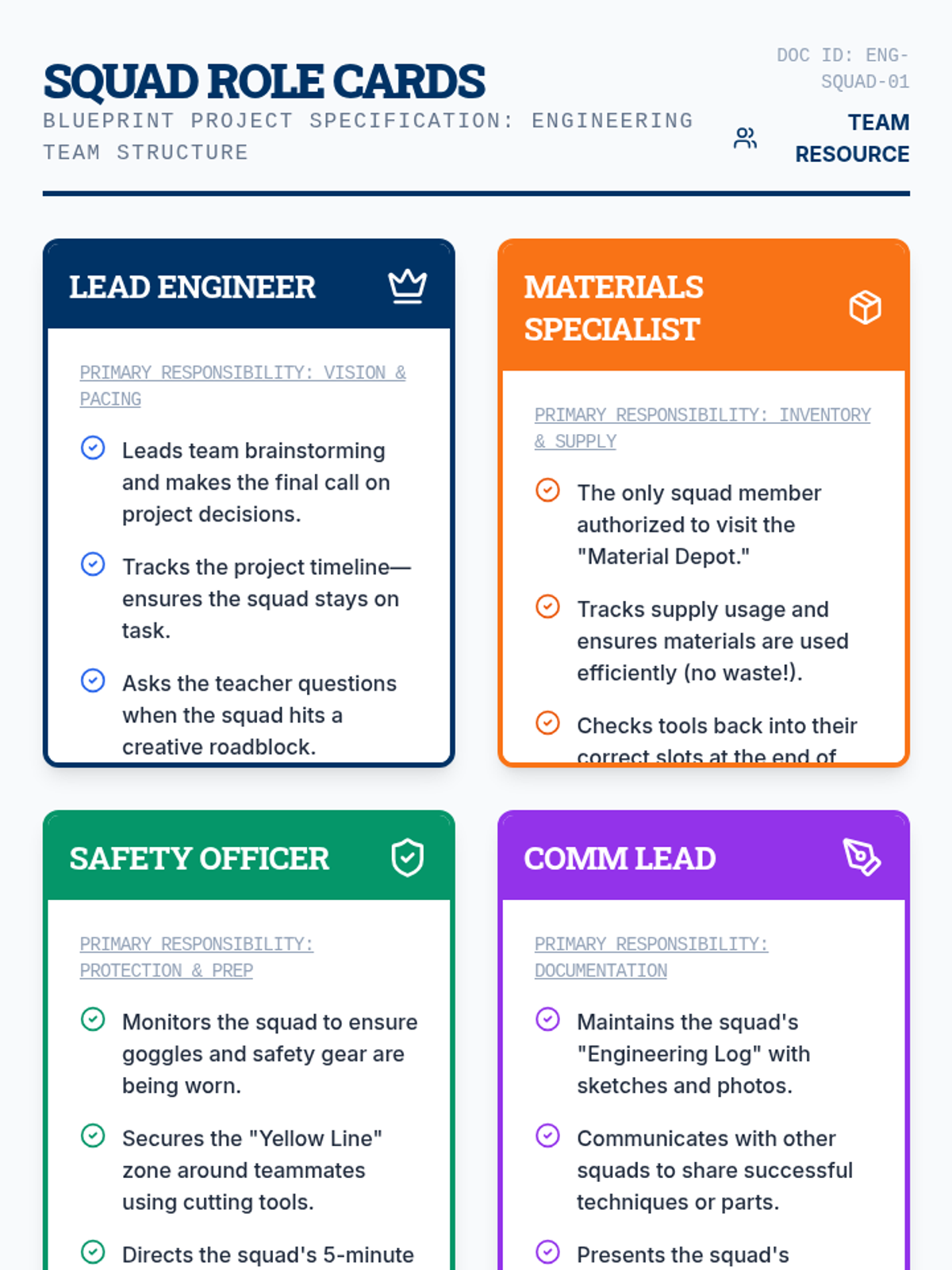
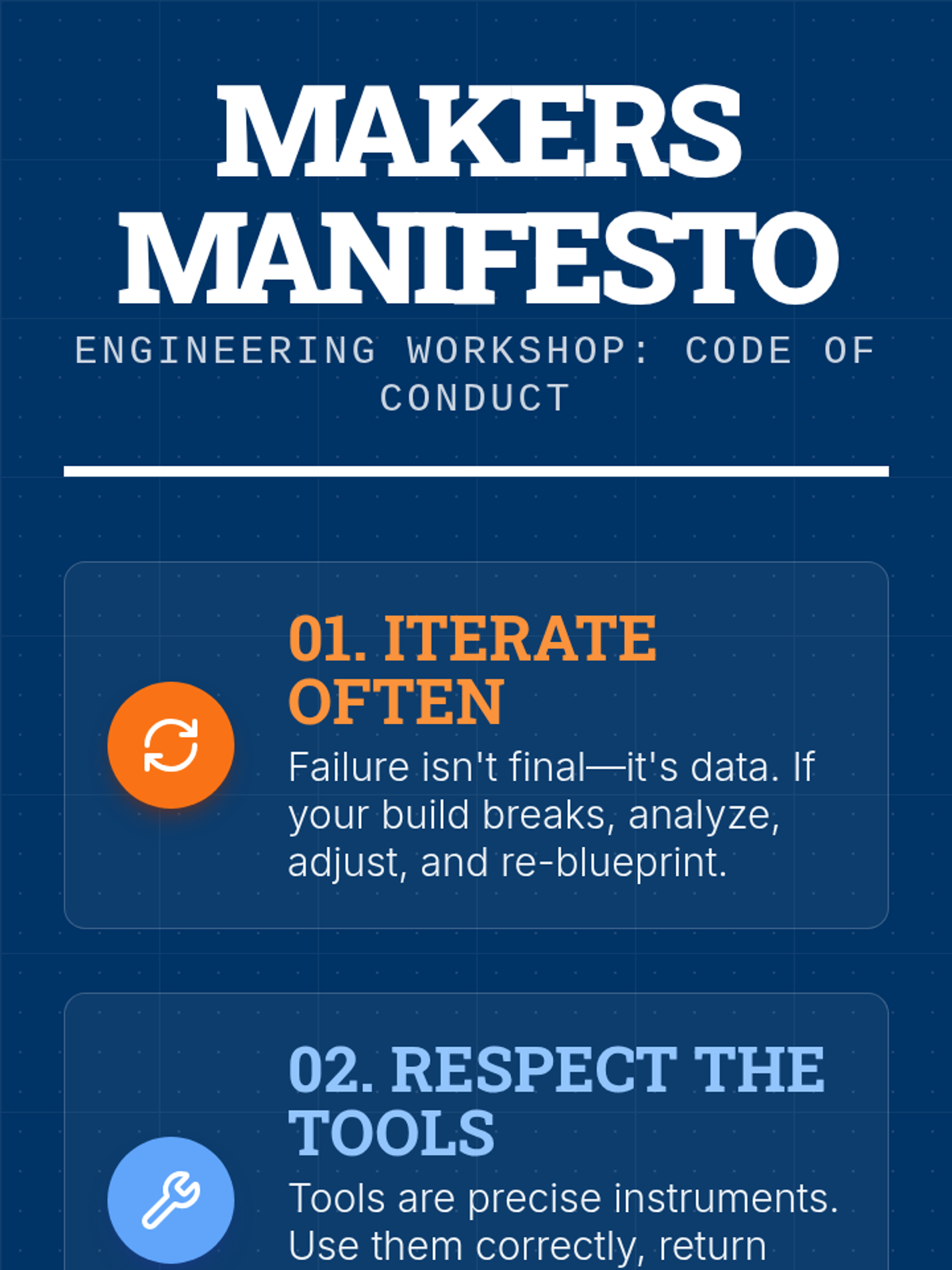
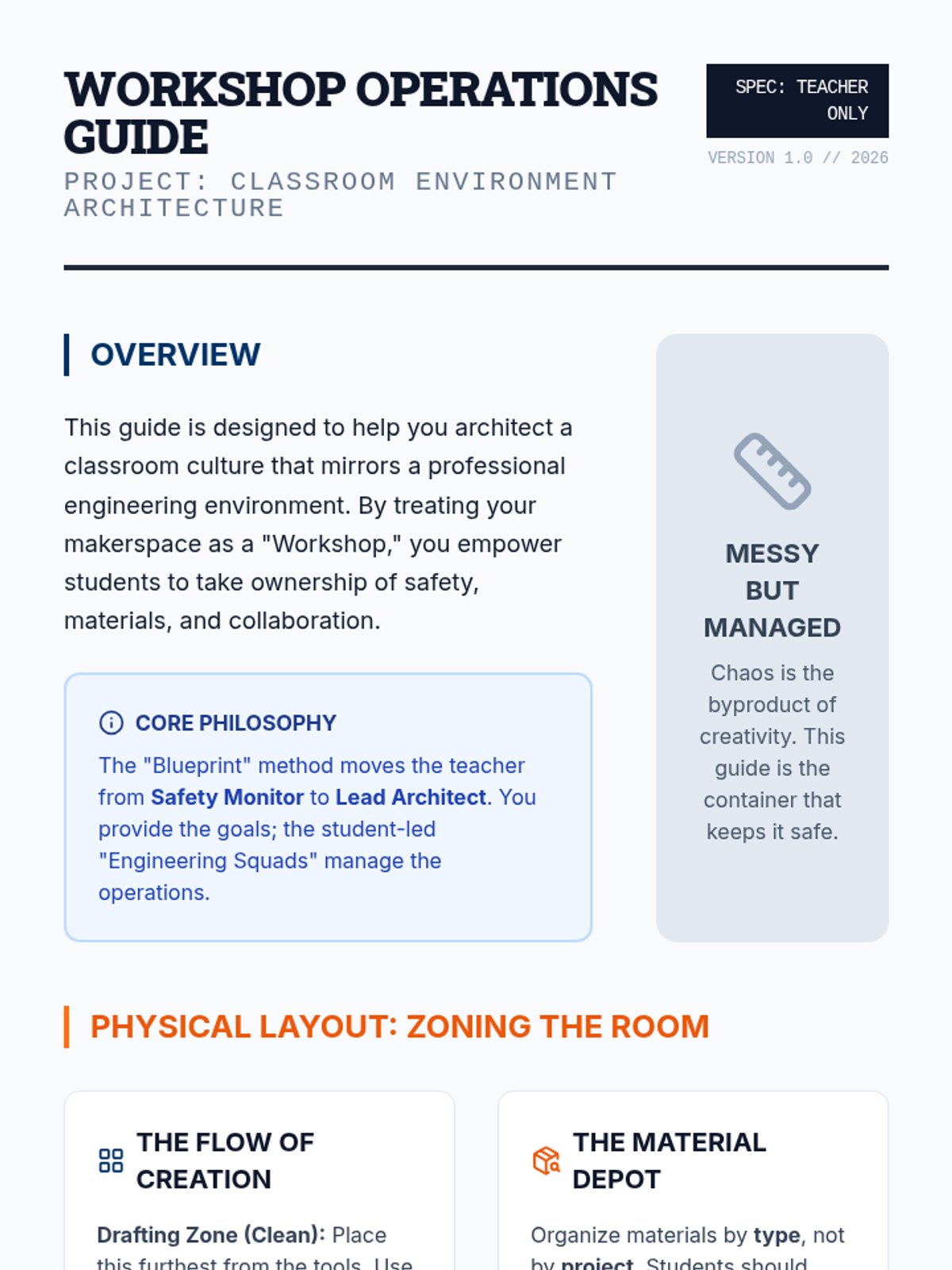
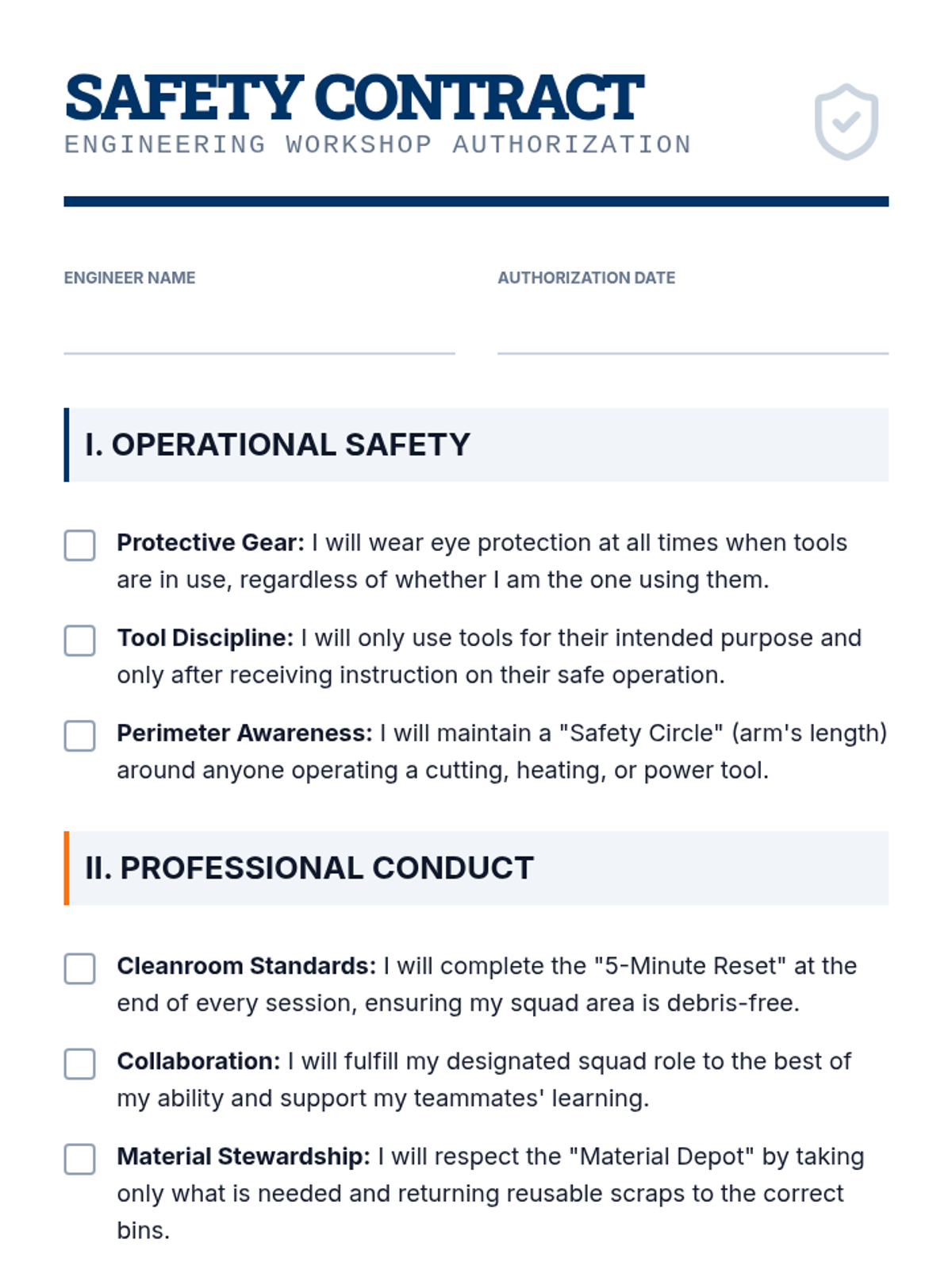
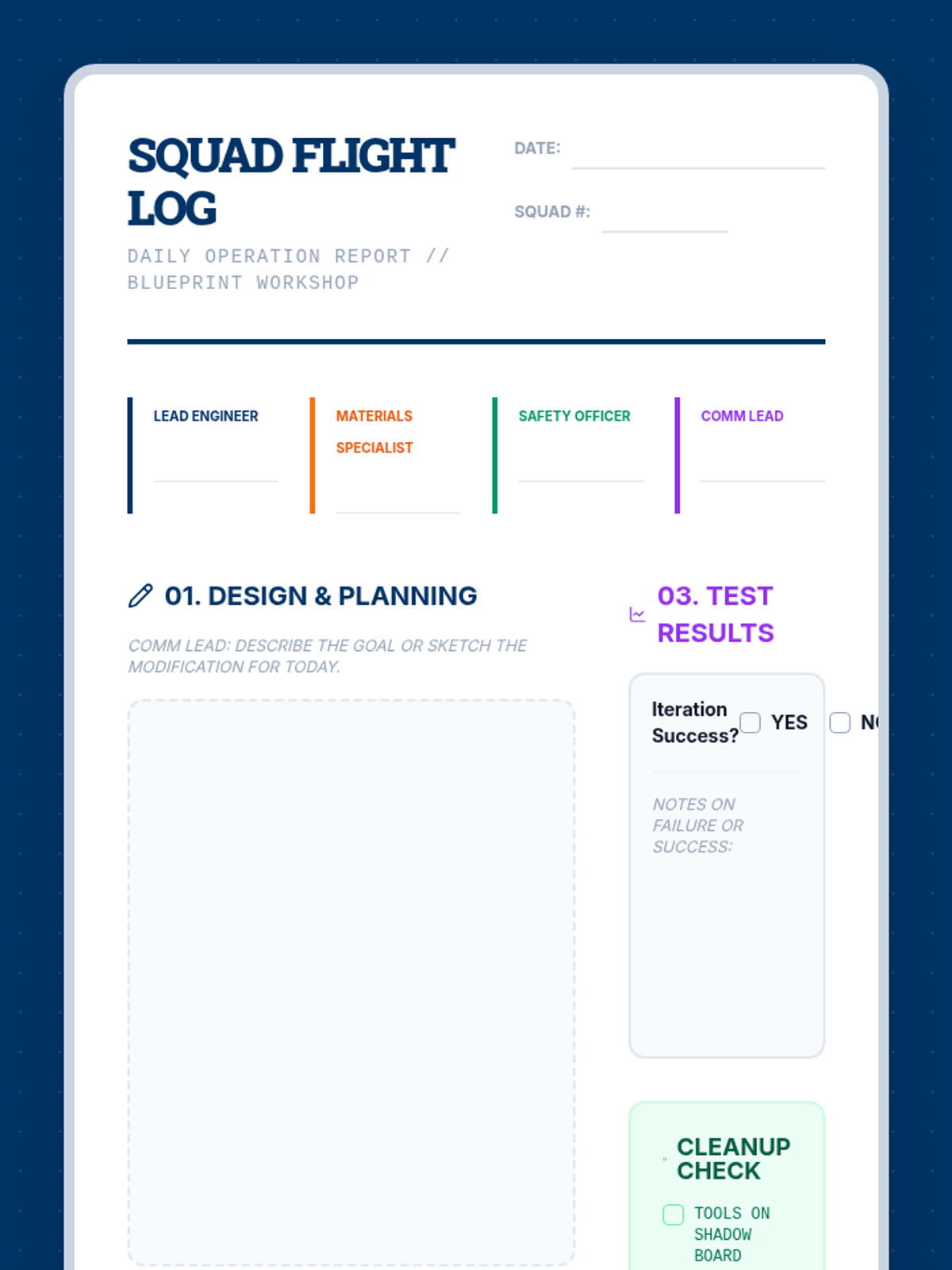
A foundational toolkit for setting up a physical engineering and maker space, covering physical layout, collaborative roles, and essential classroom routines.
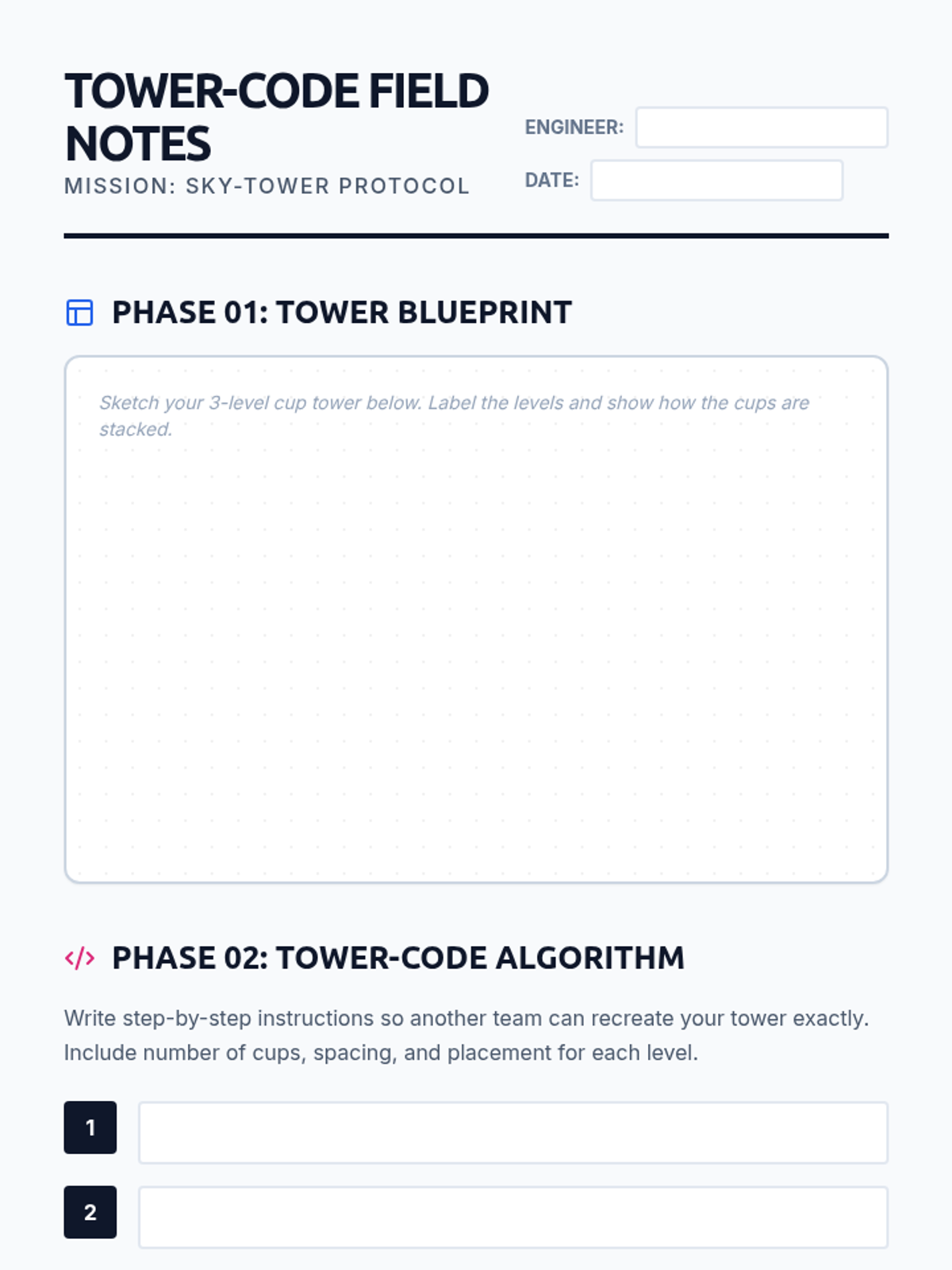
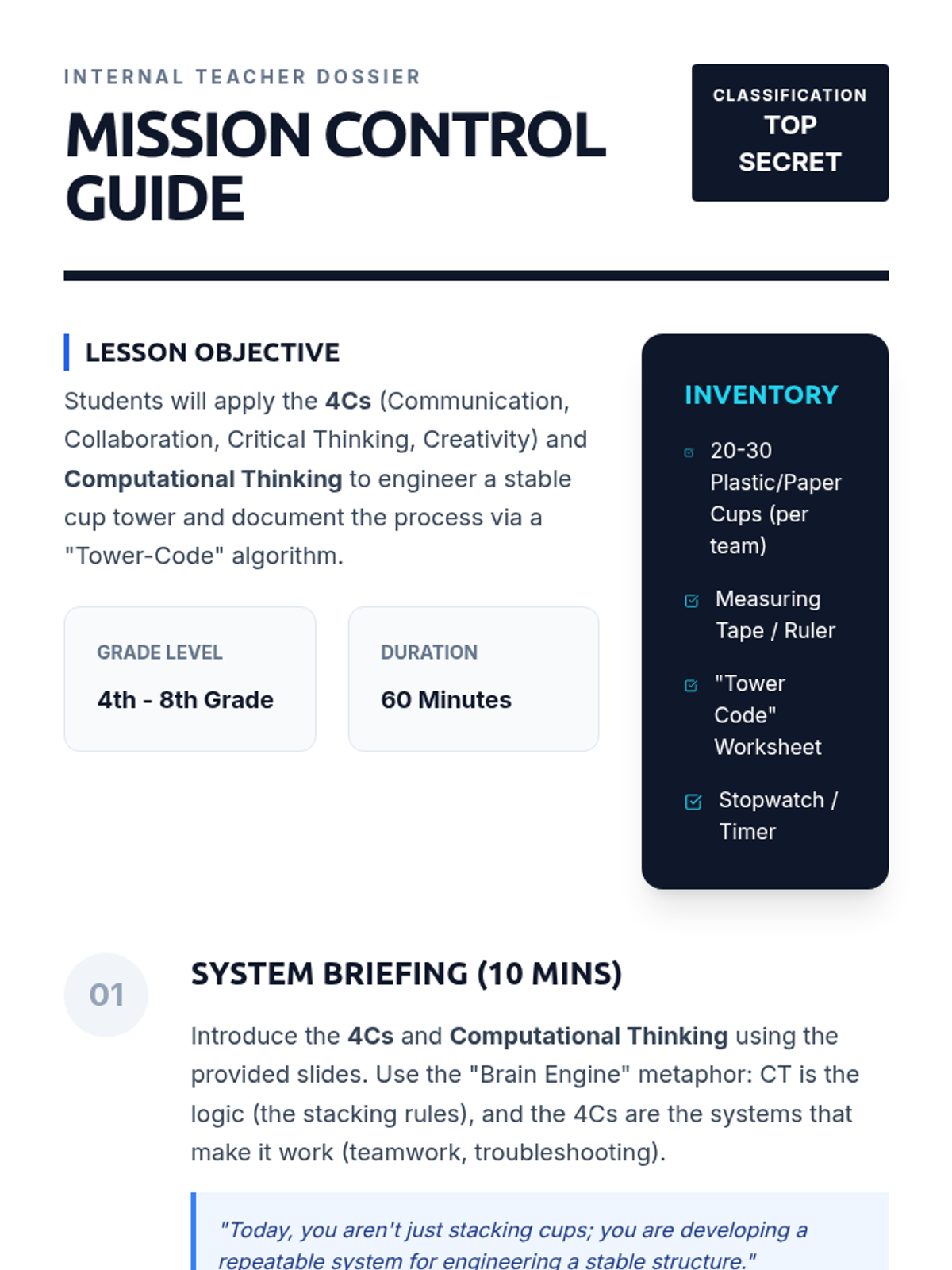
A high-stakes engineering challenge where students use the 4Cs and Computational Thinking to design, build, and document the ultimate cup tower structure.
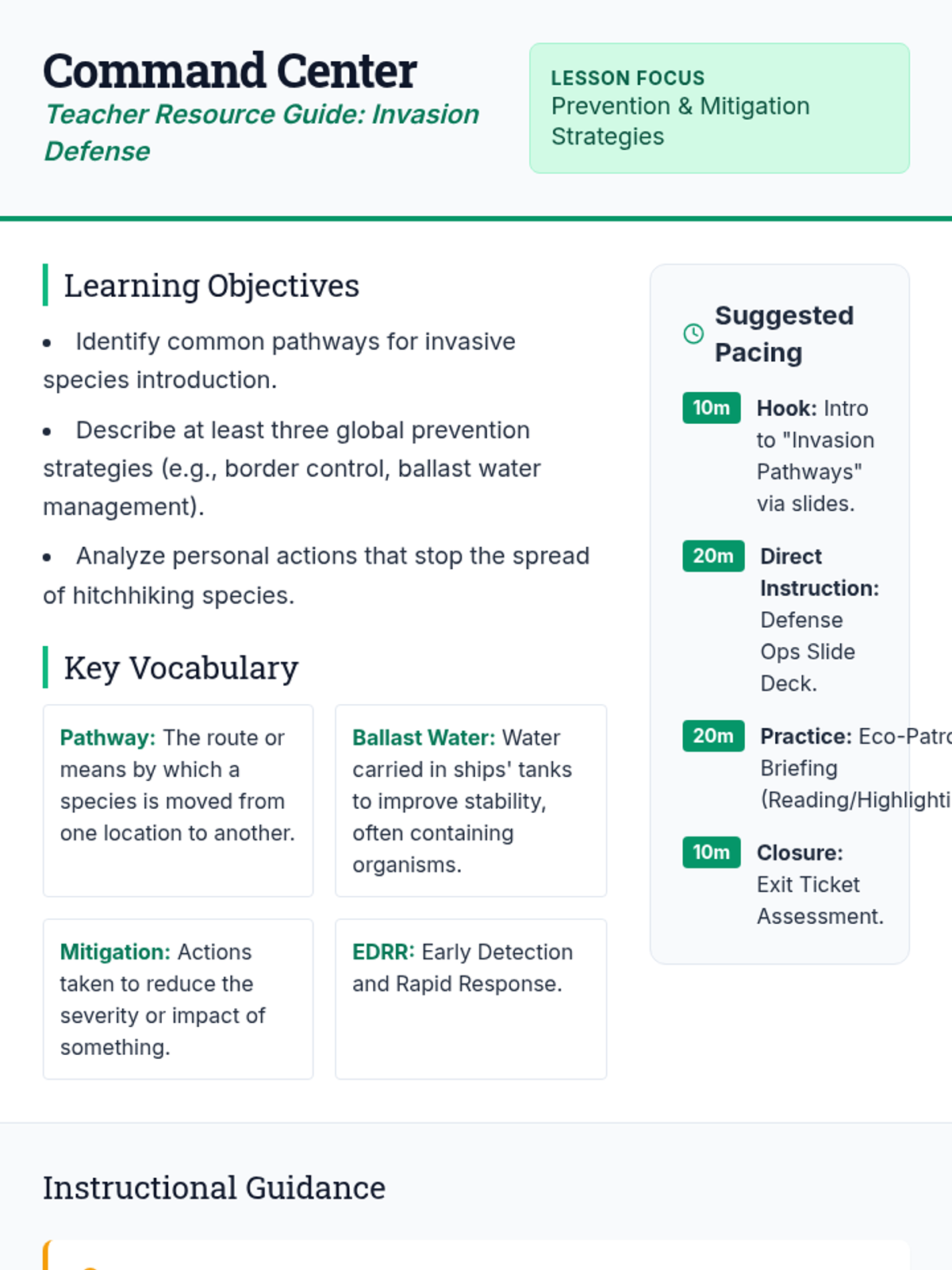
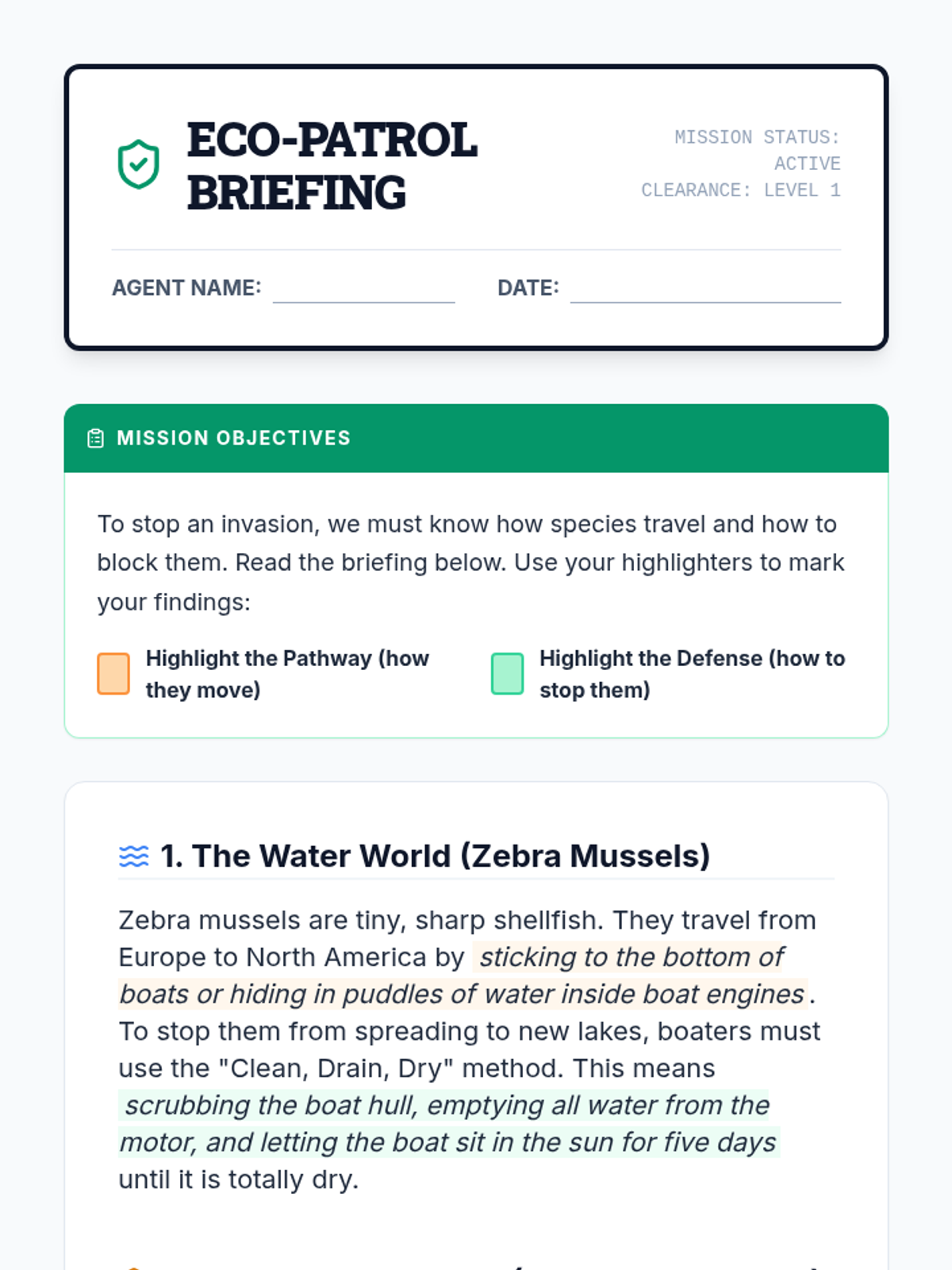
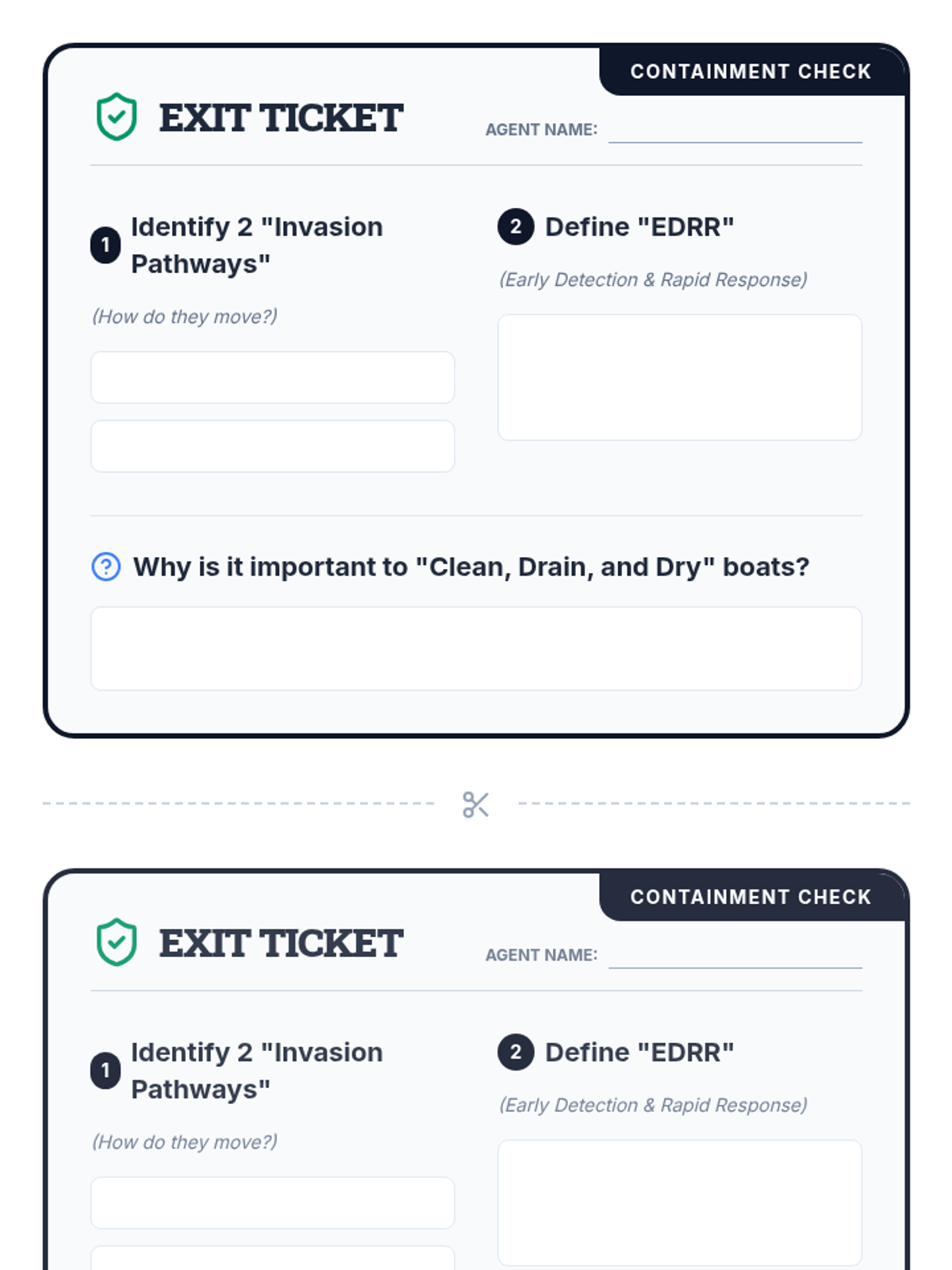
A comprehensive lesson on invasive species prevention, featuring visual slides, a modified reading task for accessibility, and assessment tools. Students learn to identify pathways and implement global prevention strategies.
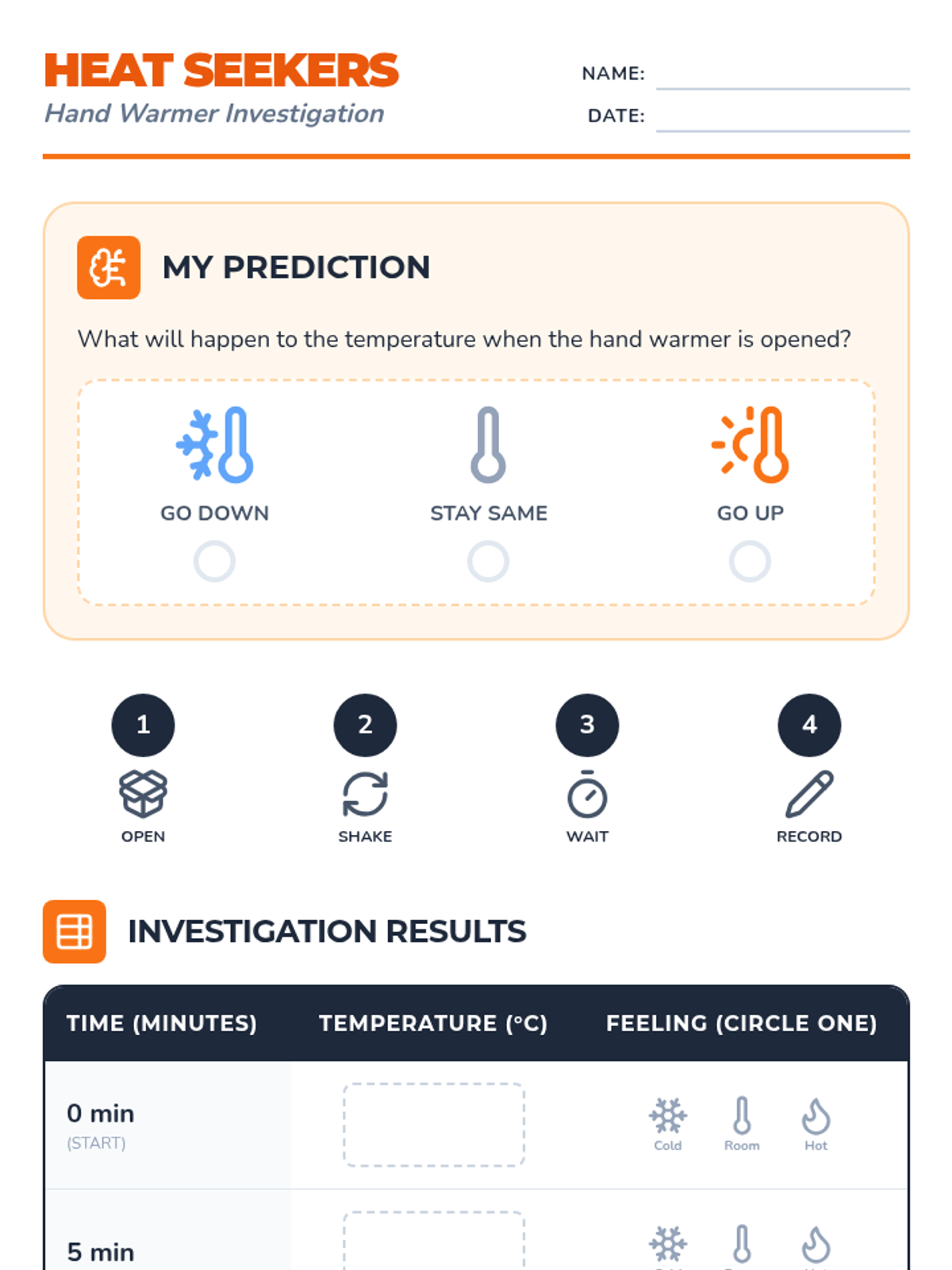
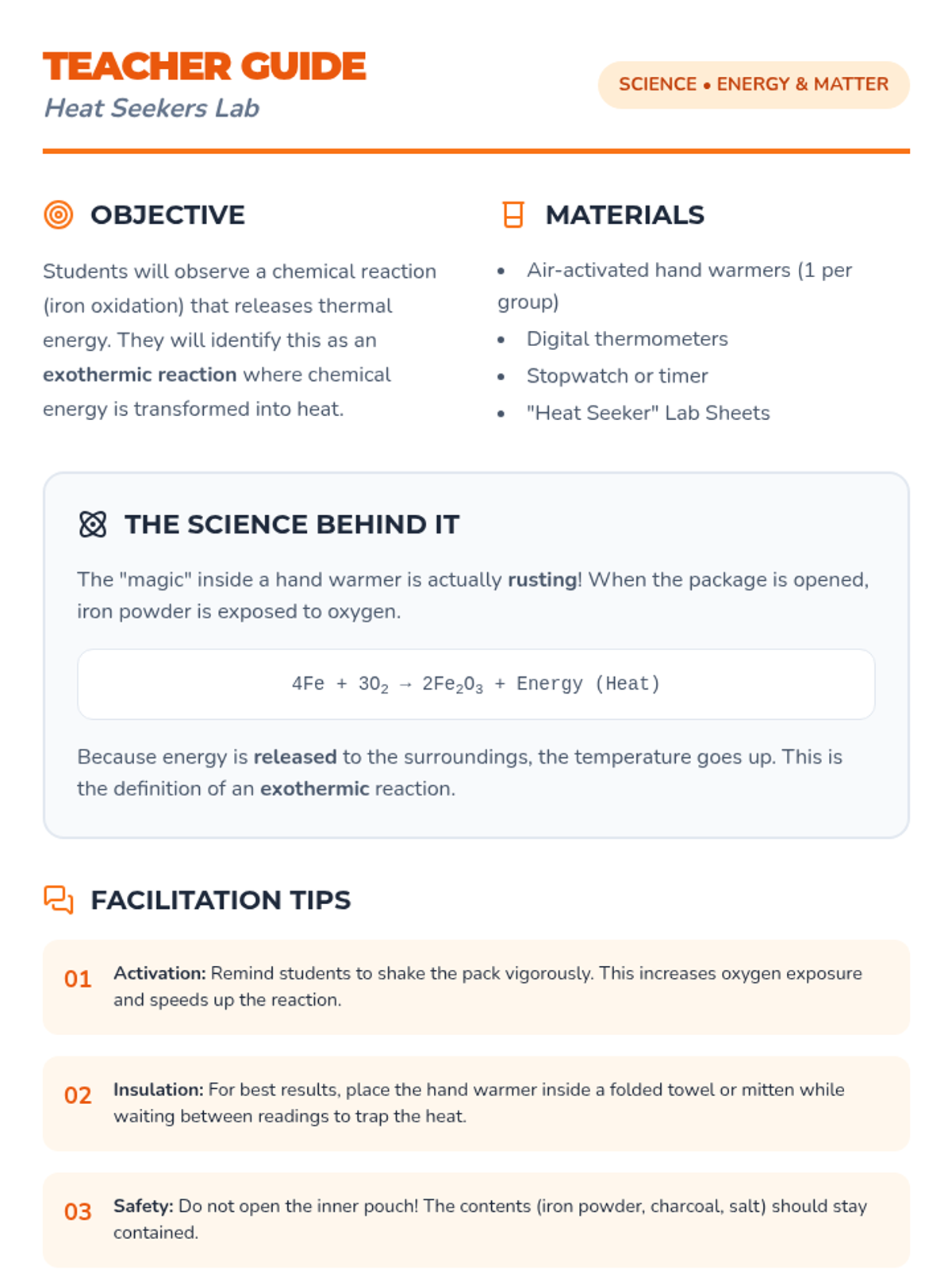
An investigation into exothermic reactions using hand warmers. Students observe and record temperature changes to understand how chemical energy transforms into heat energy.
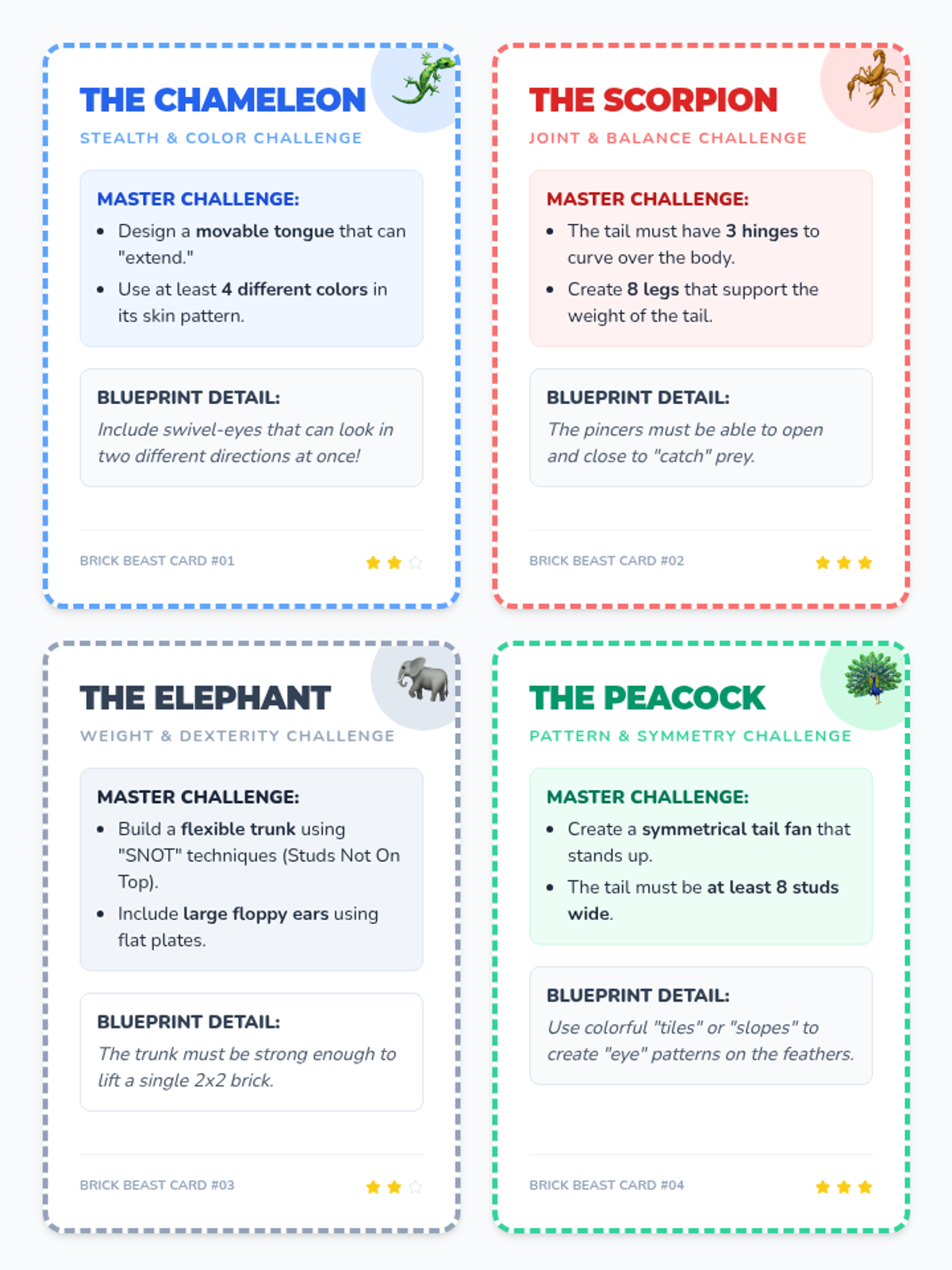
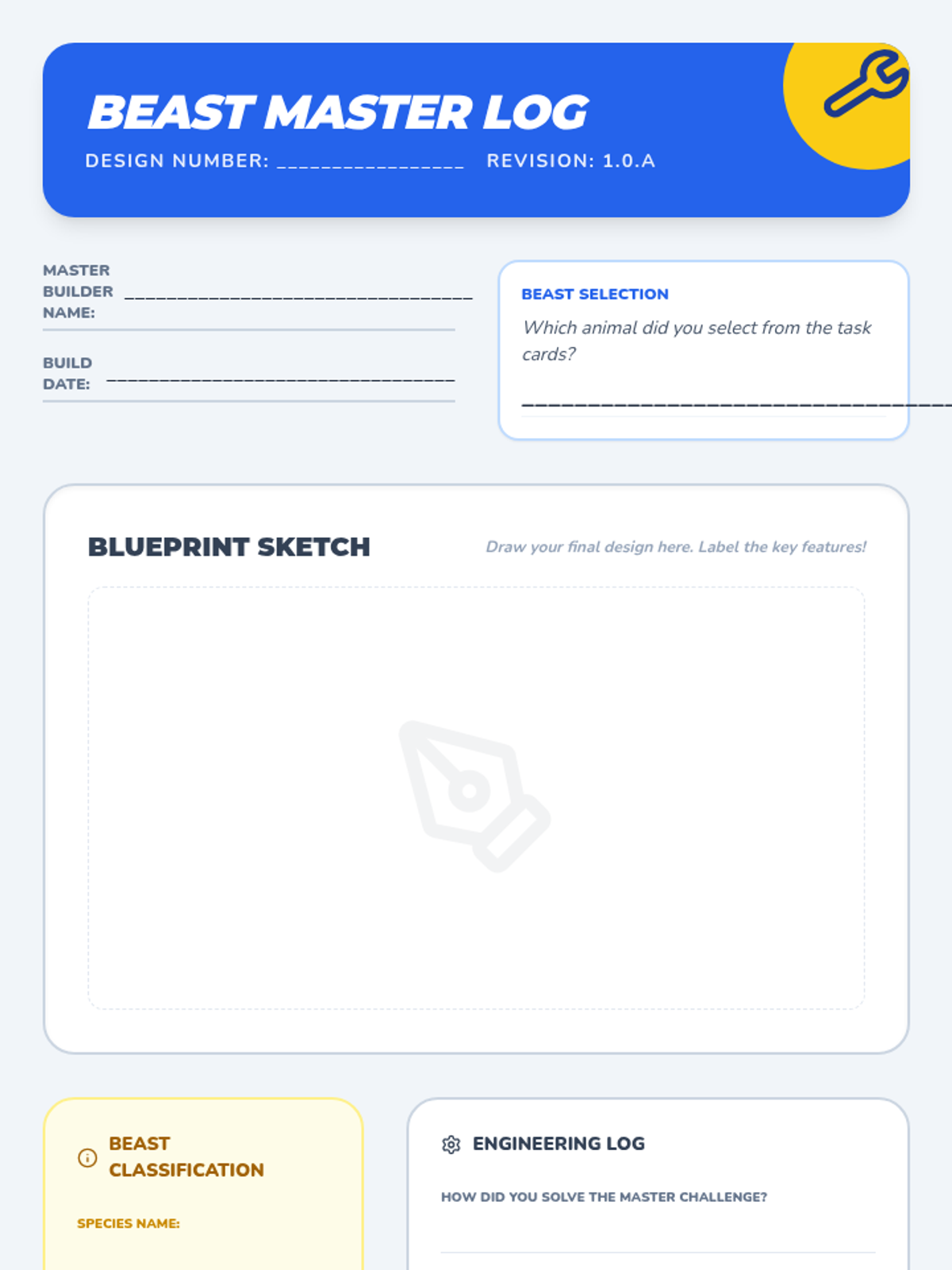
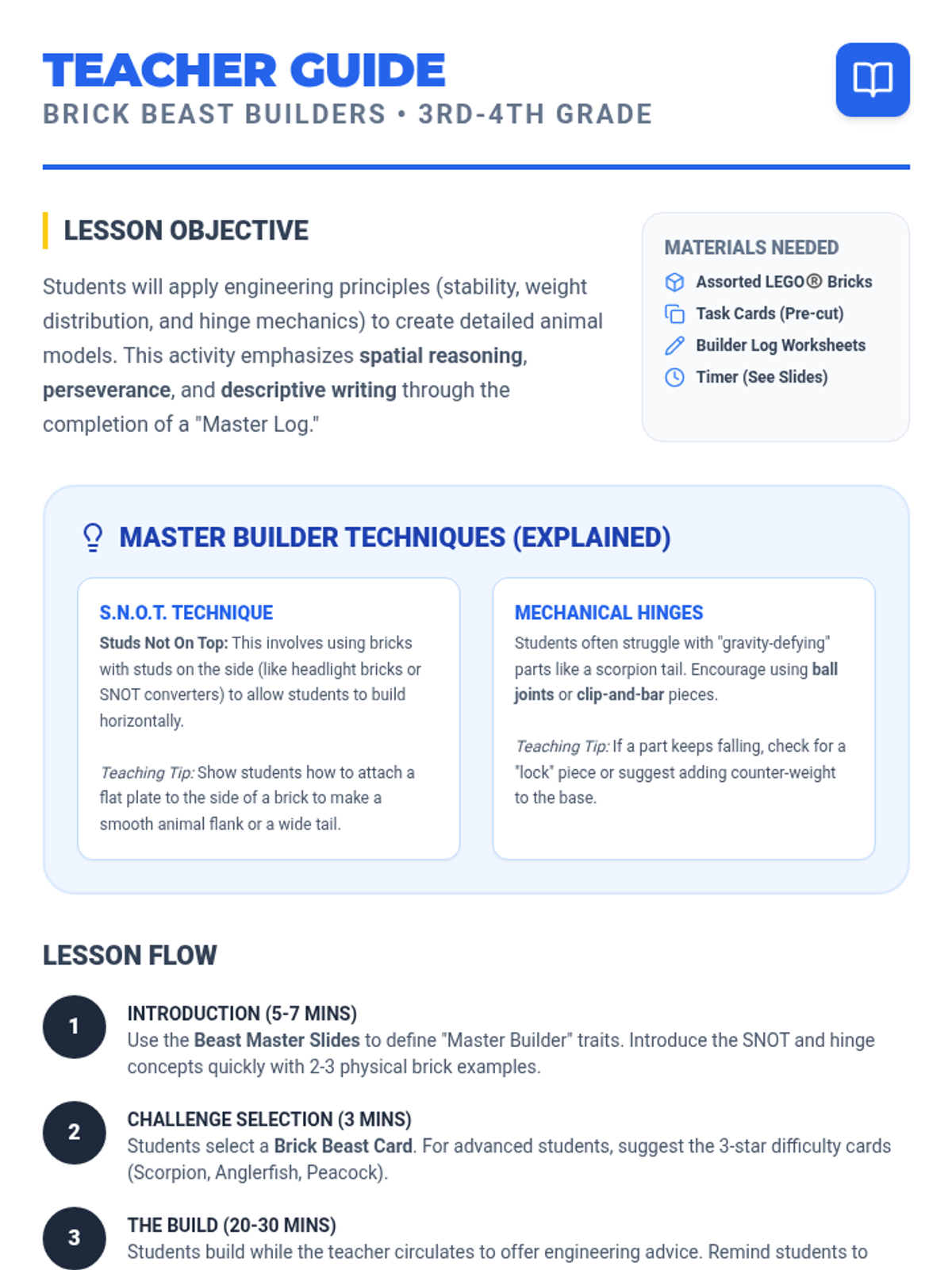
A creative engineering lesson where students use LEGO bricks to design and build detailed animal models based on specific prompt constraints. Focuses on spatial reasoning, creative problem-solving, and descriptive writing.
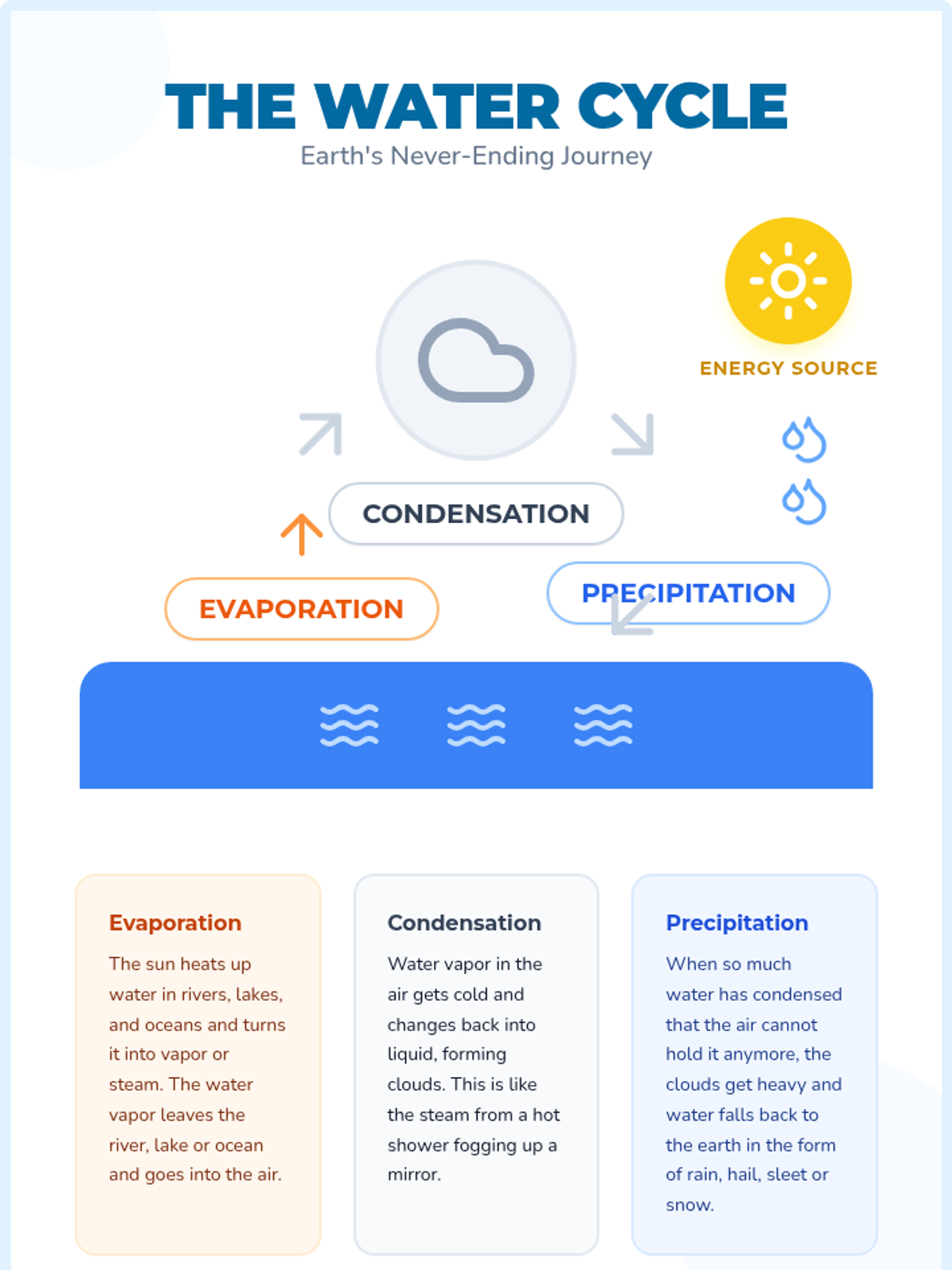
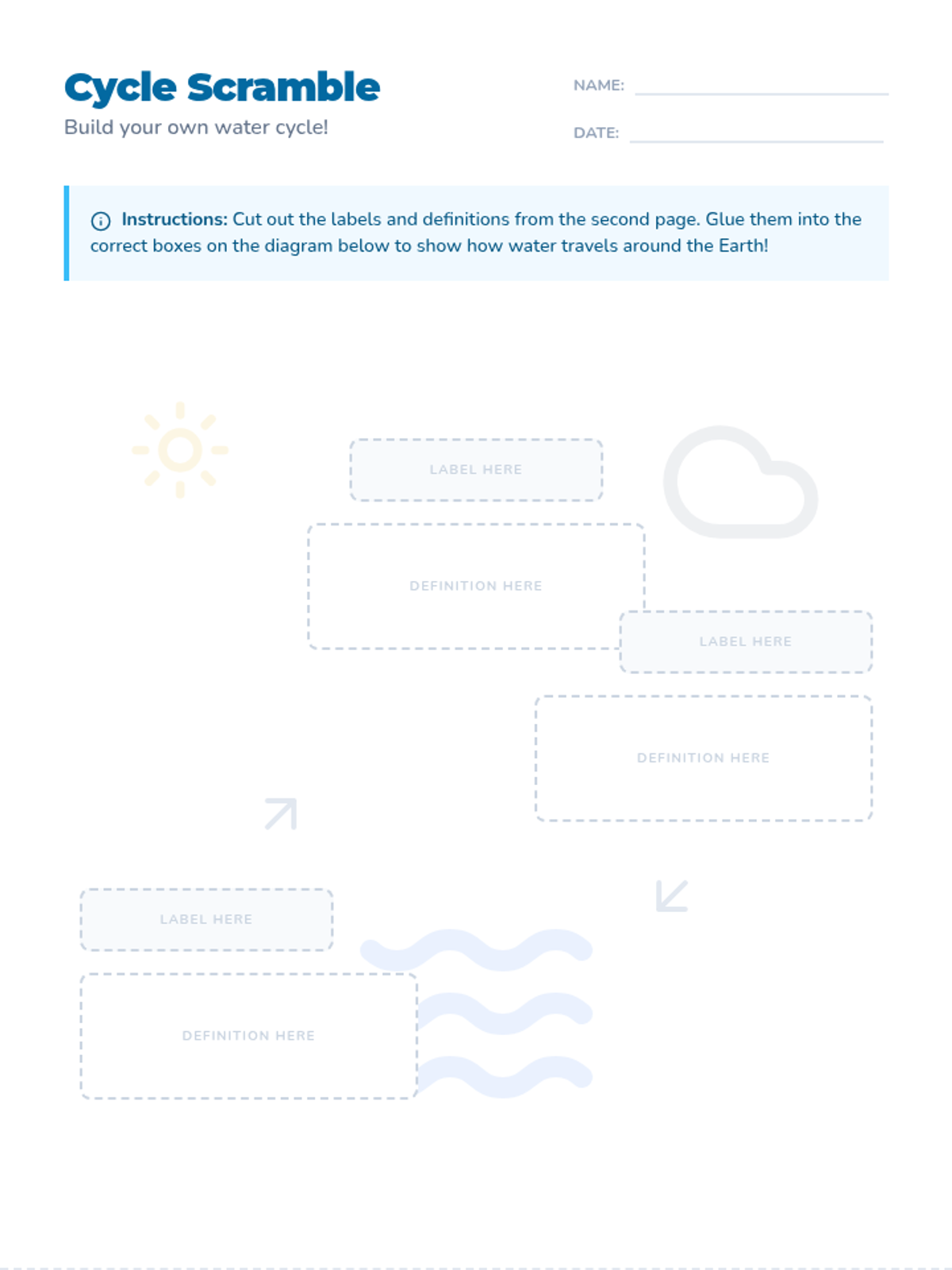
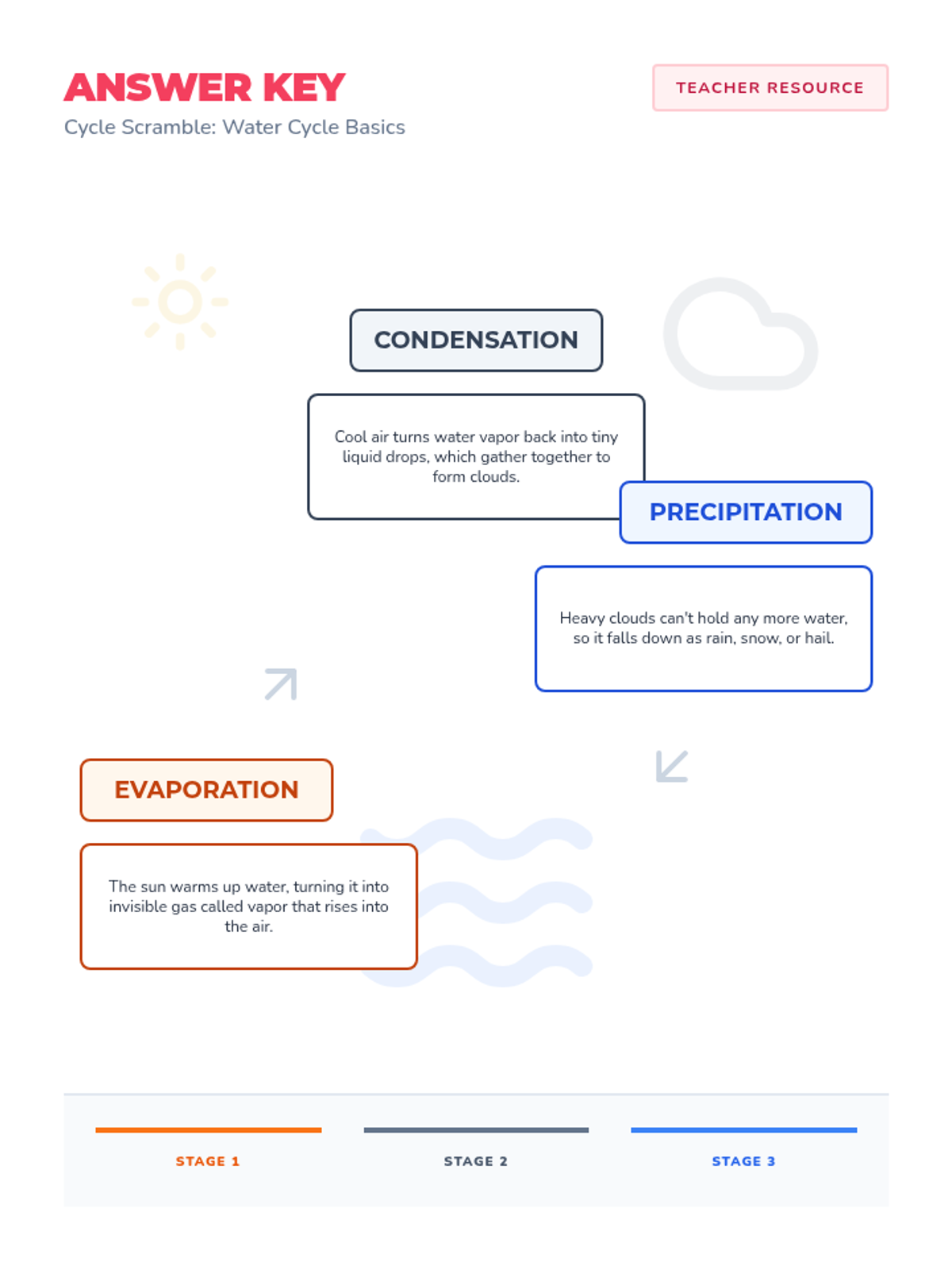
A foundational lesson on the three main stages of the water cycle: evaporation, condensation, and precipitation. Includes a visual anchor chart and a hands-on labeling activity.
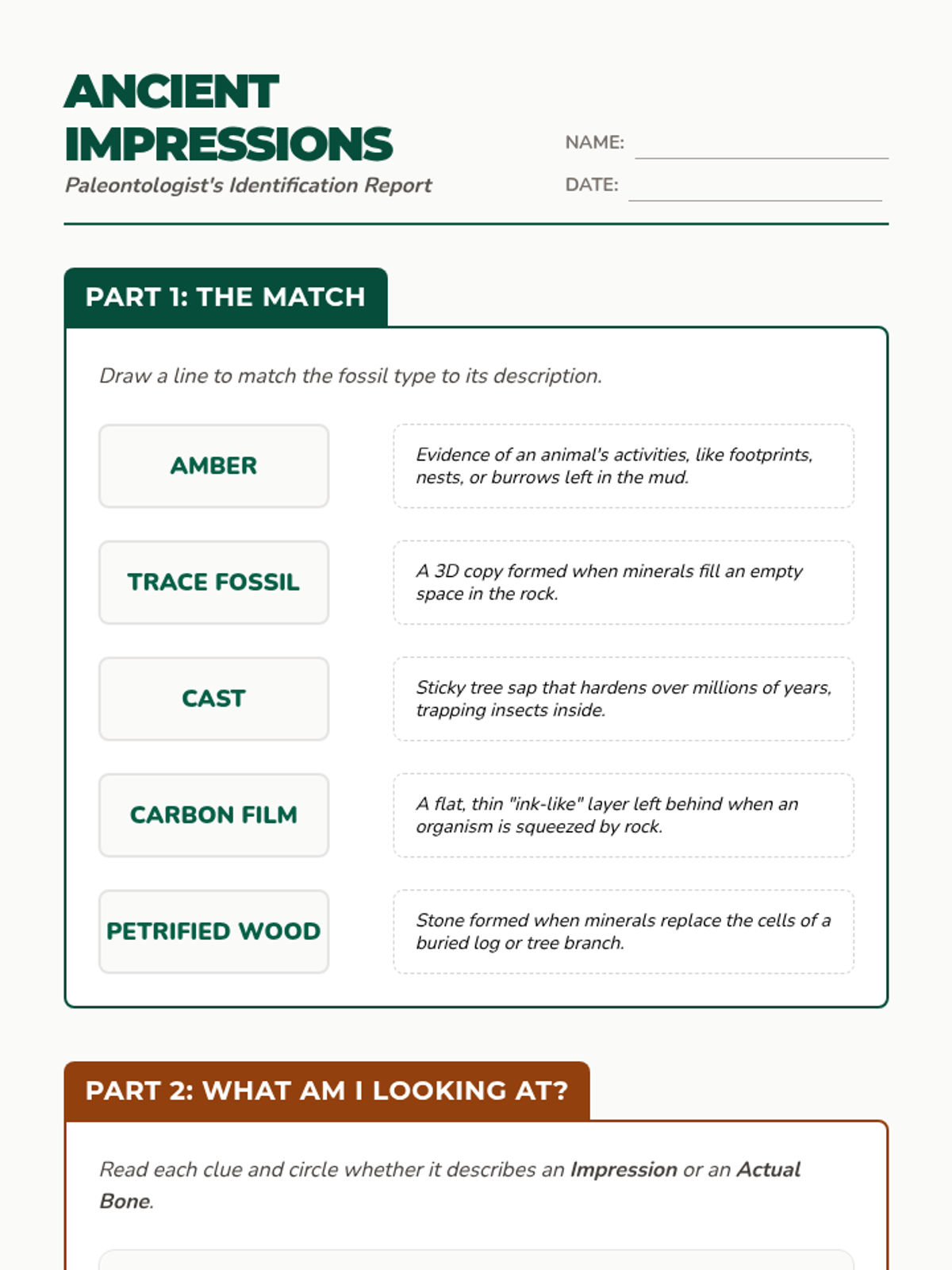
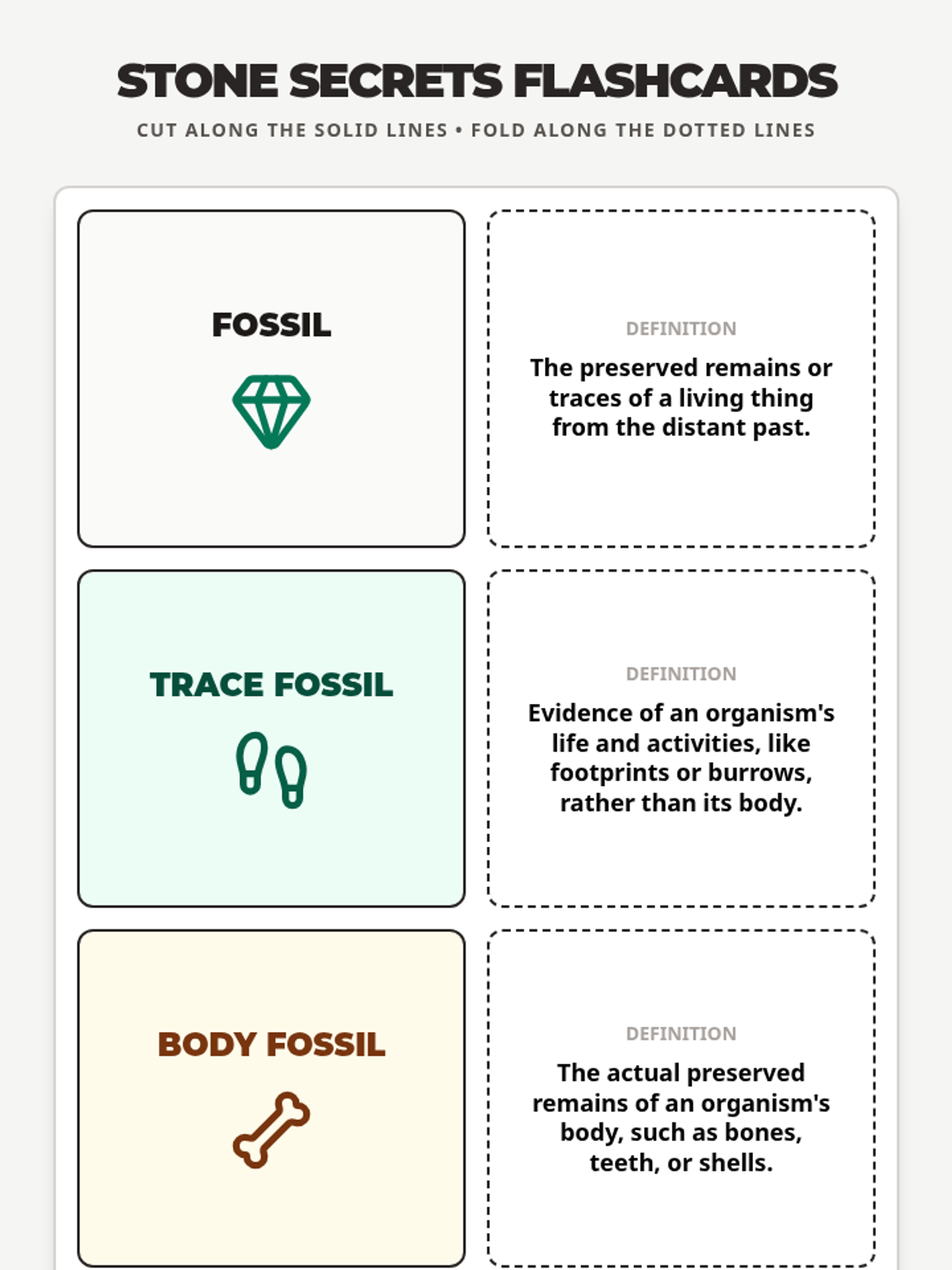
Students explore the various ways life from the past became preserved in stone, distinguishing between body and trace fossils while identifying specific preservation methods like amber, casts, and carbon films.
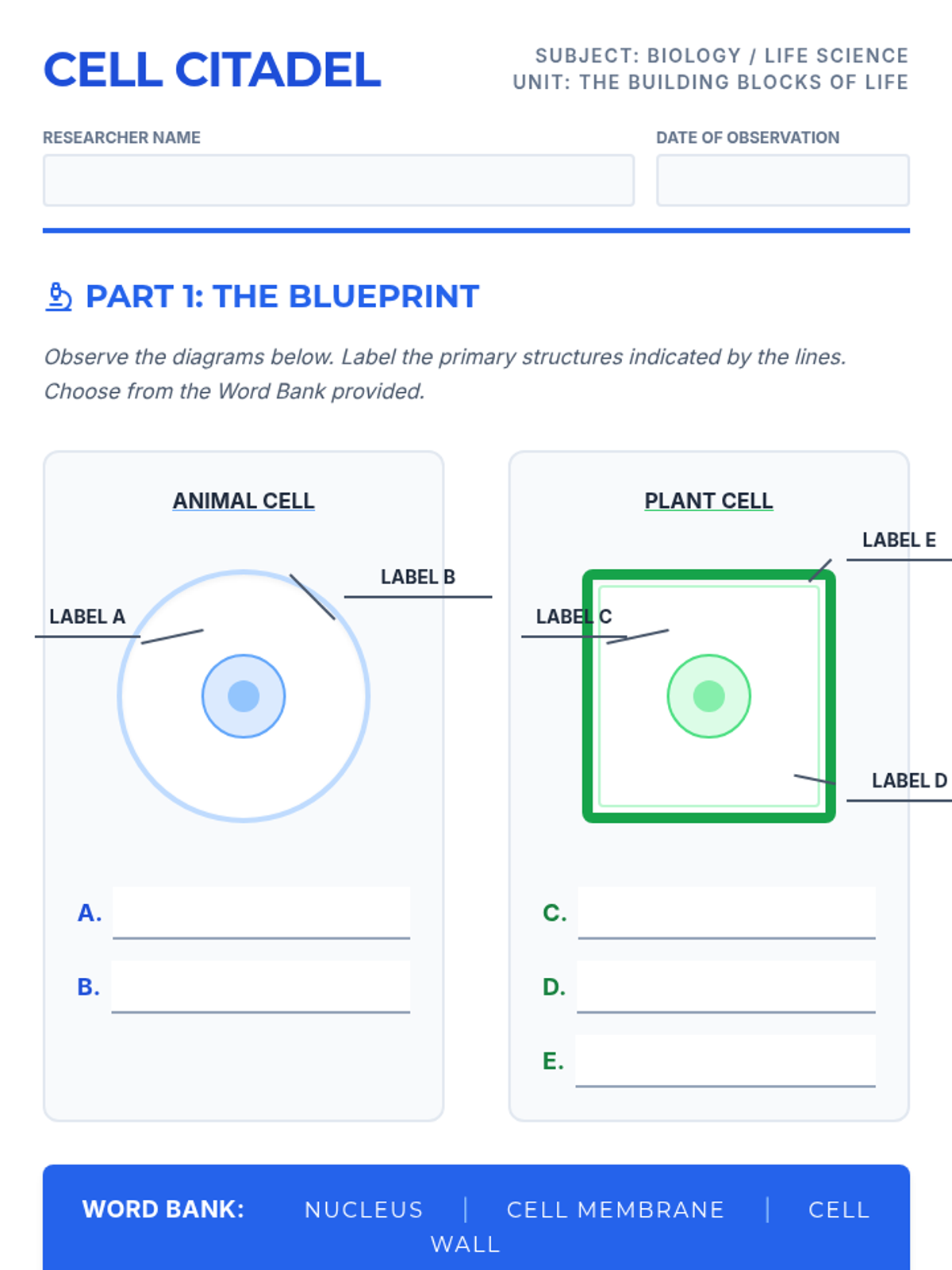
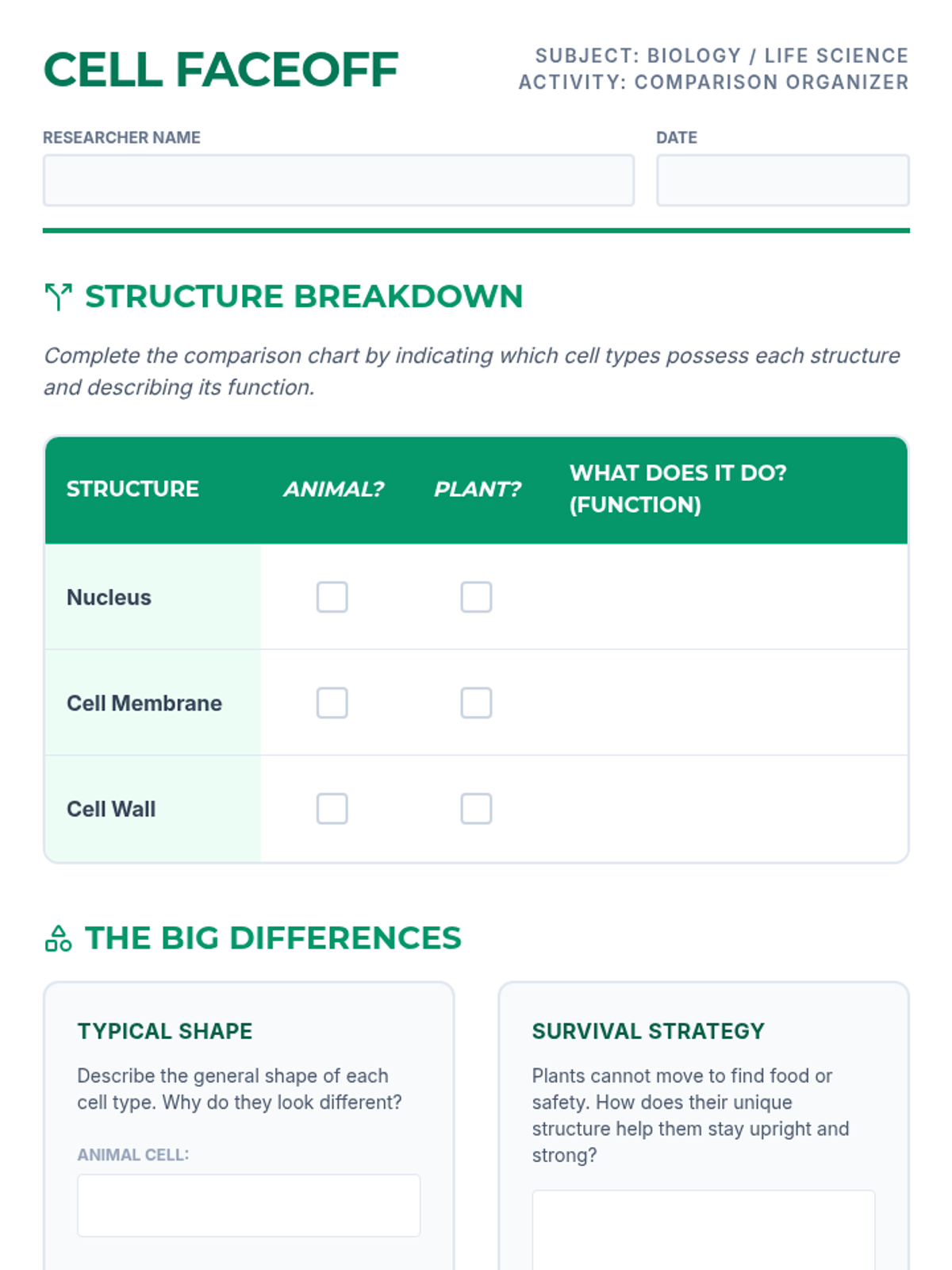
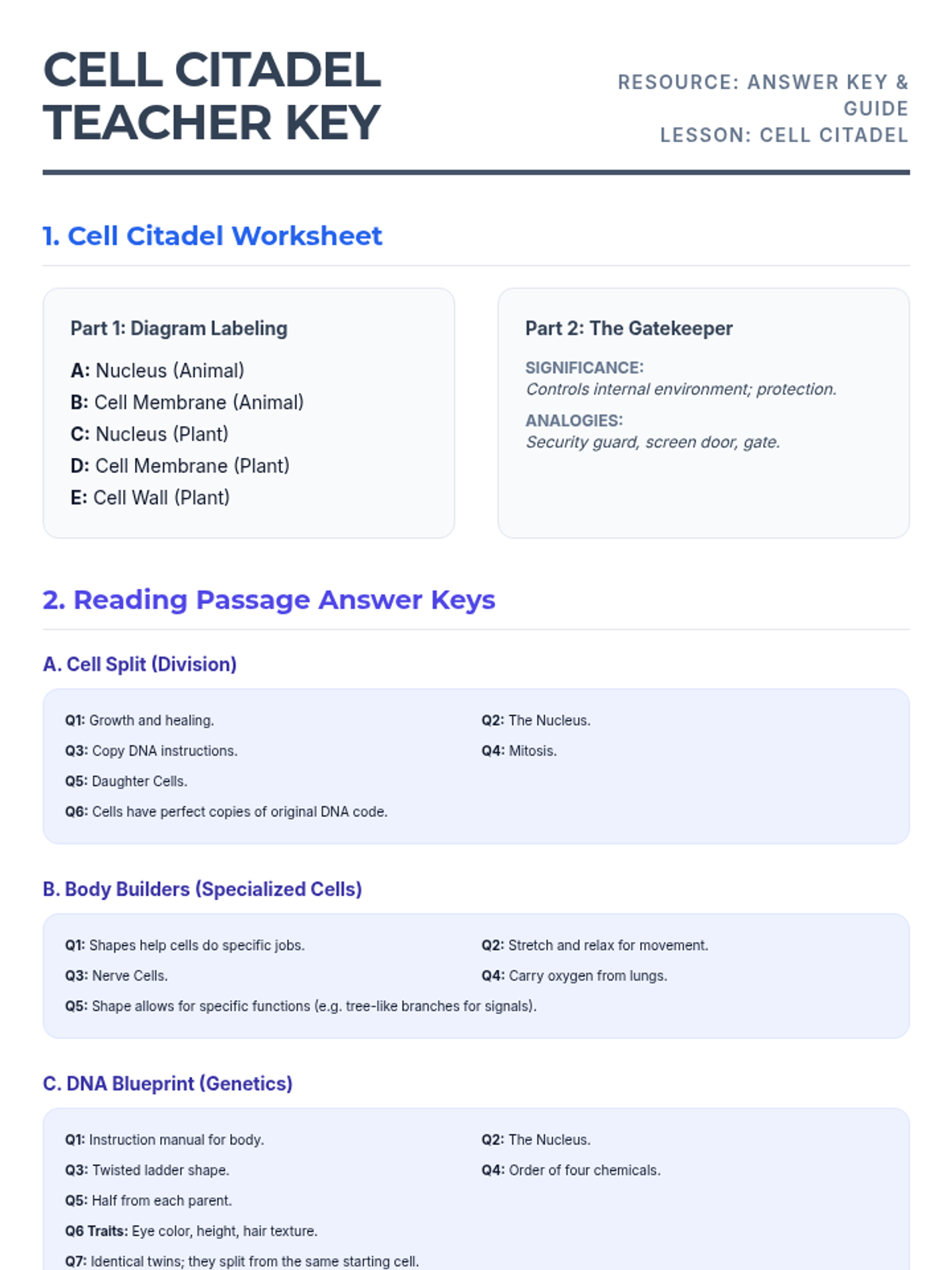
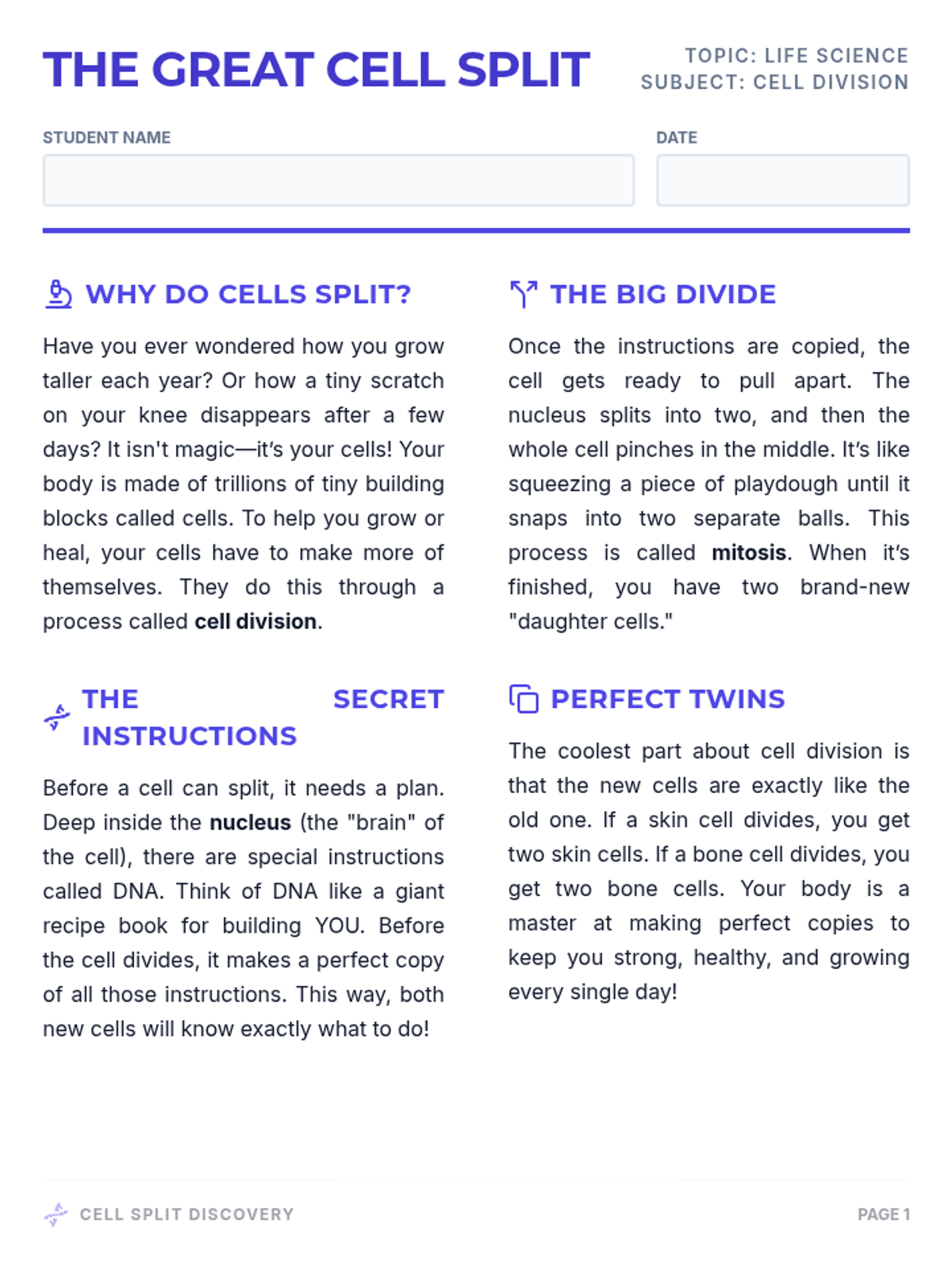
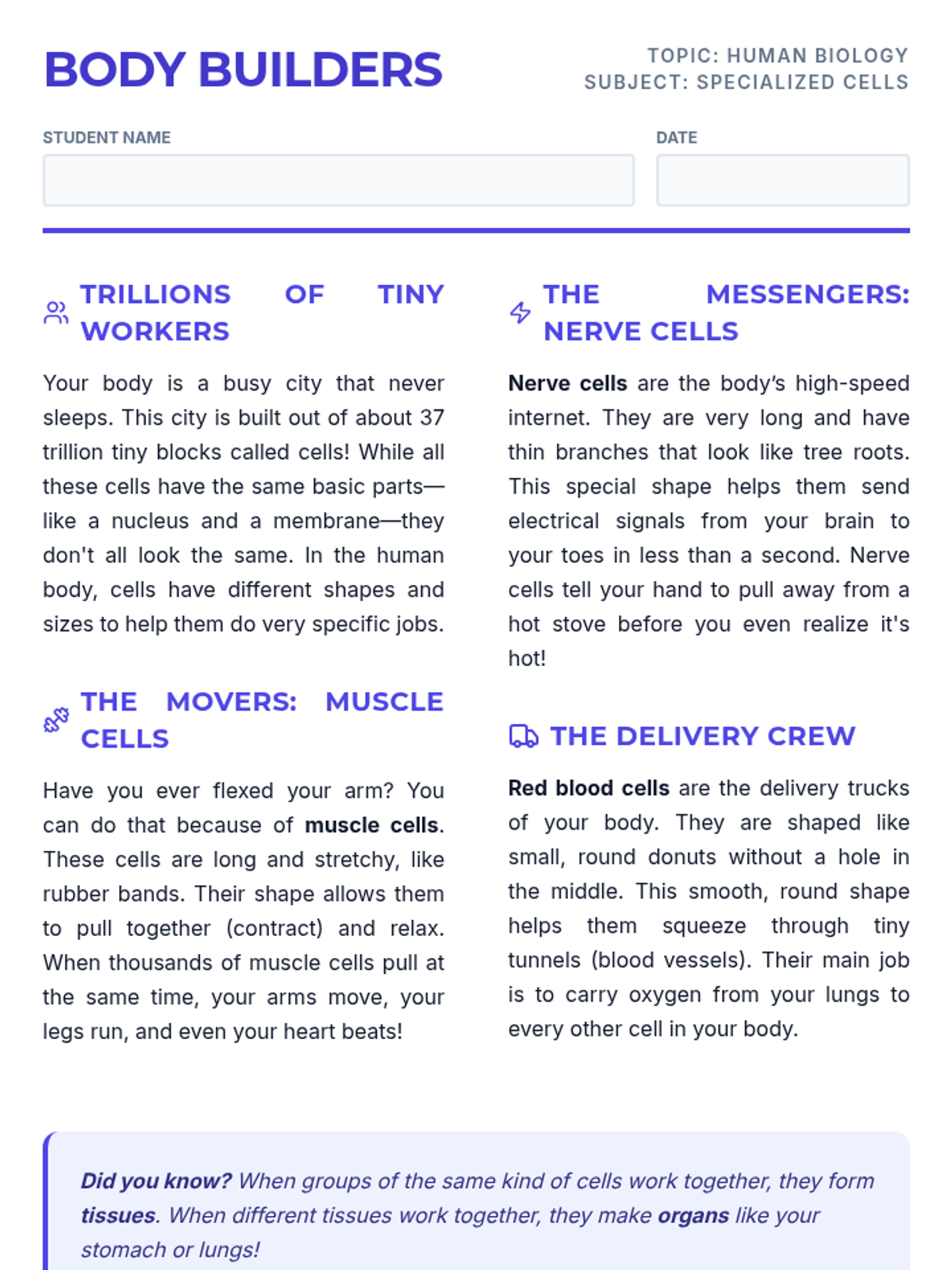
A lesson exploring the fundamental structures of plant and animal cells, focusing on the nucleus, cell wall, and cell membrane, and how these parts differ between cell types.
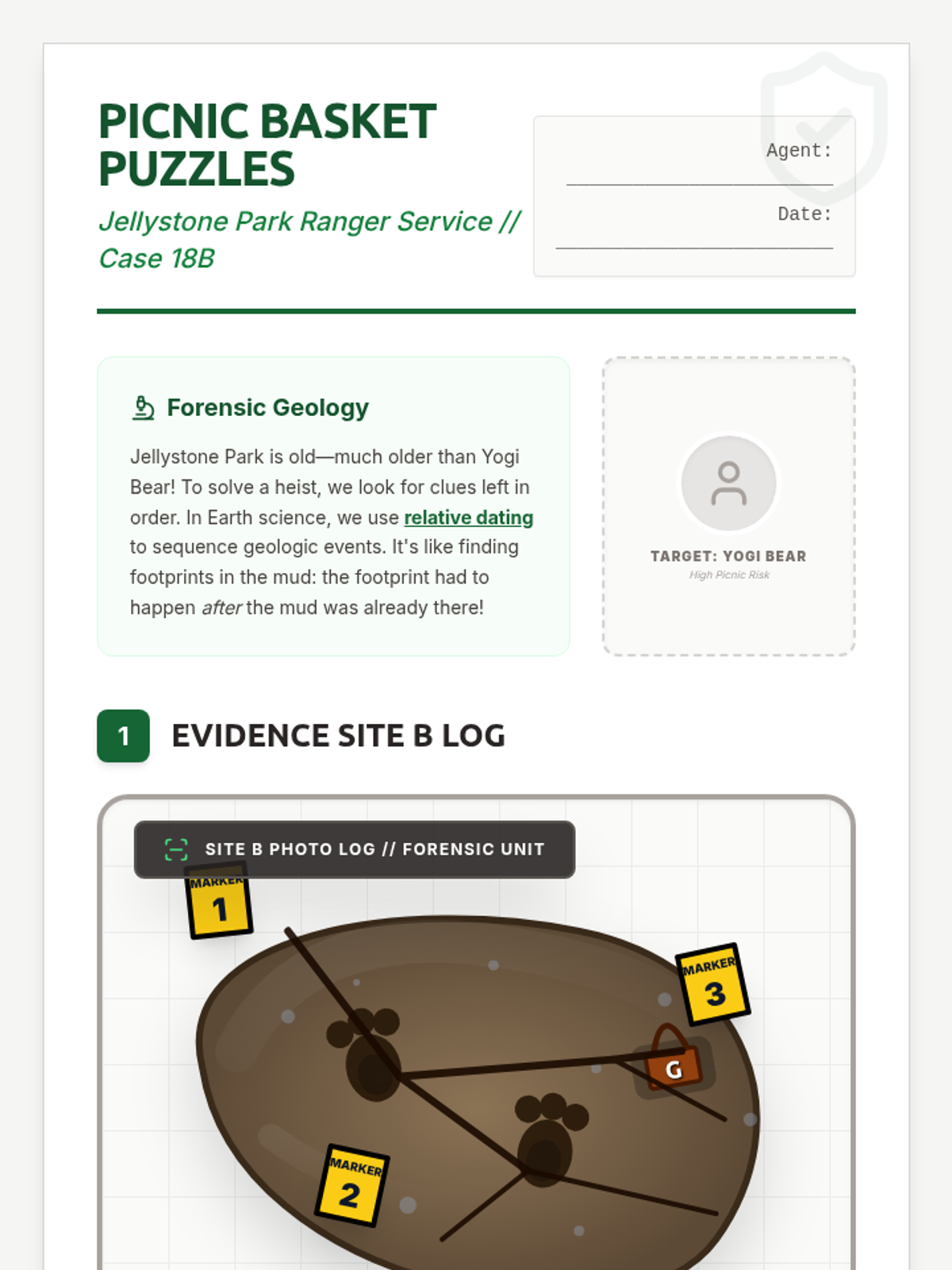
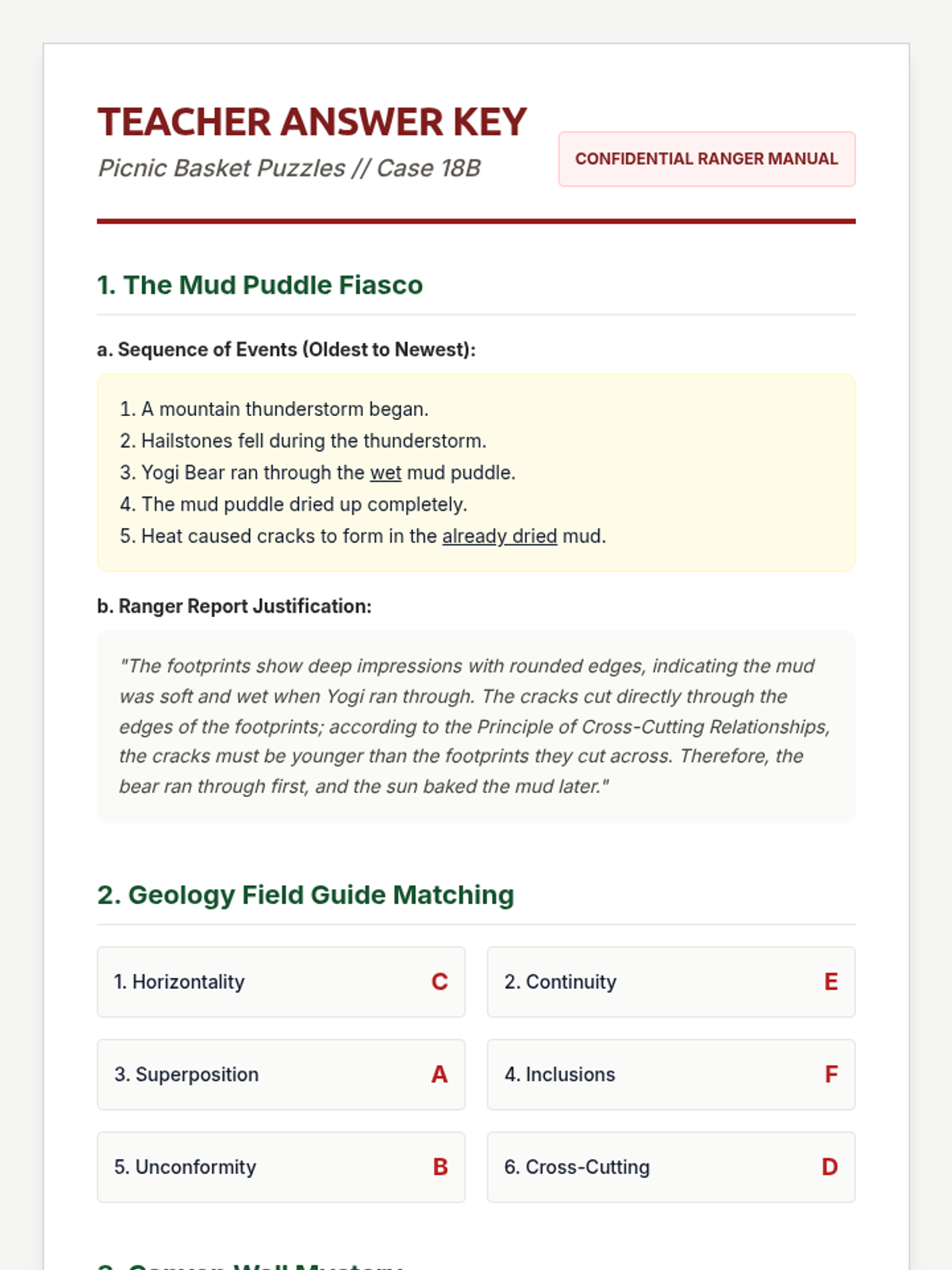
A relative dating investigation set in Jellystone Park, where students use geologic principles to solve picnic basket heists and uncover the history of the park's rock formations.
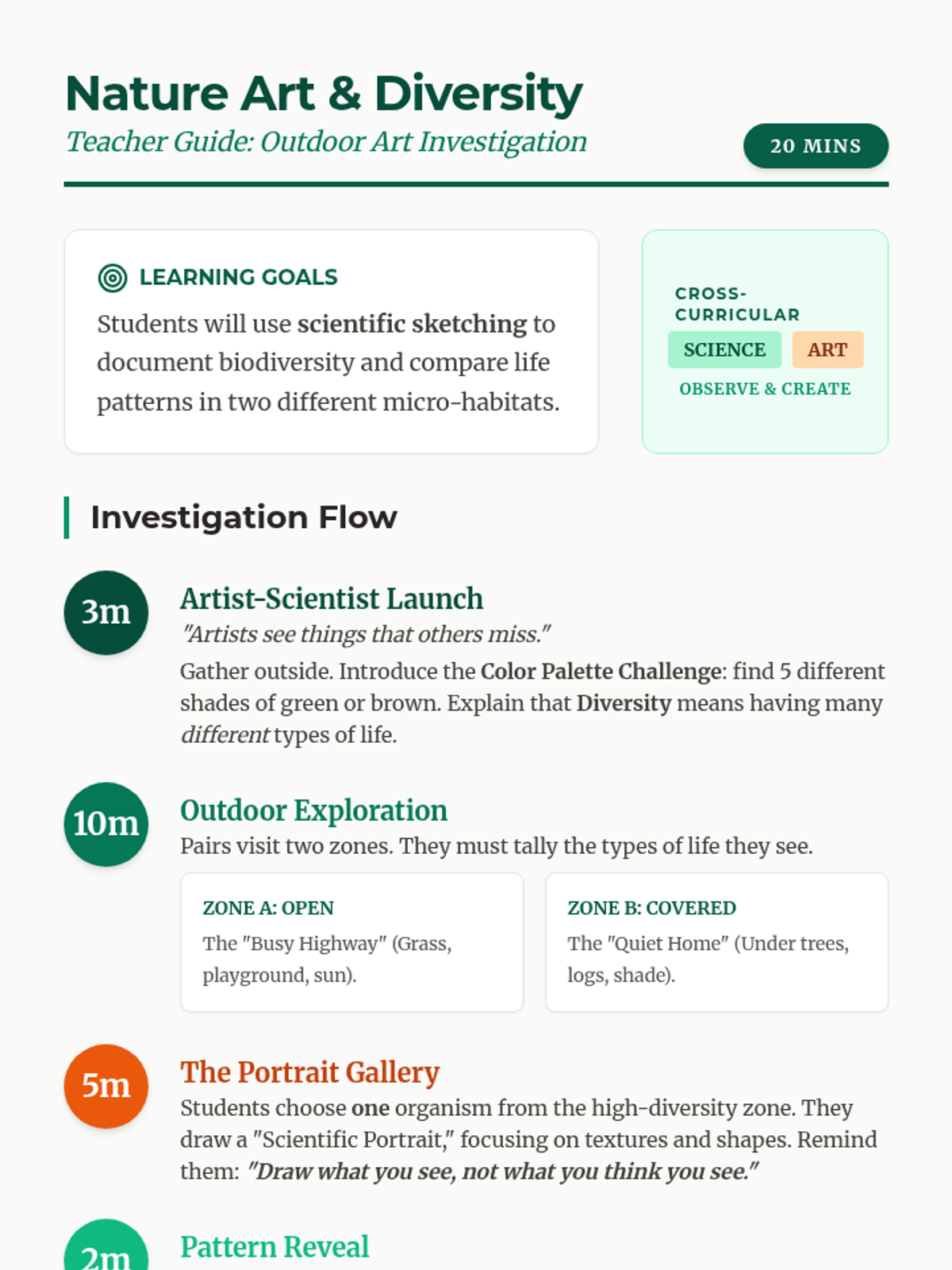
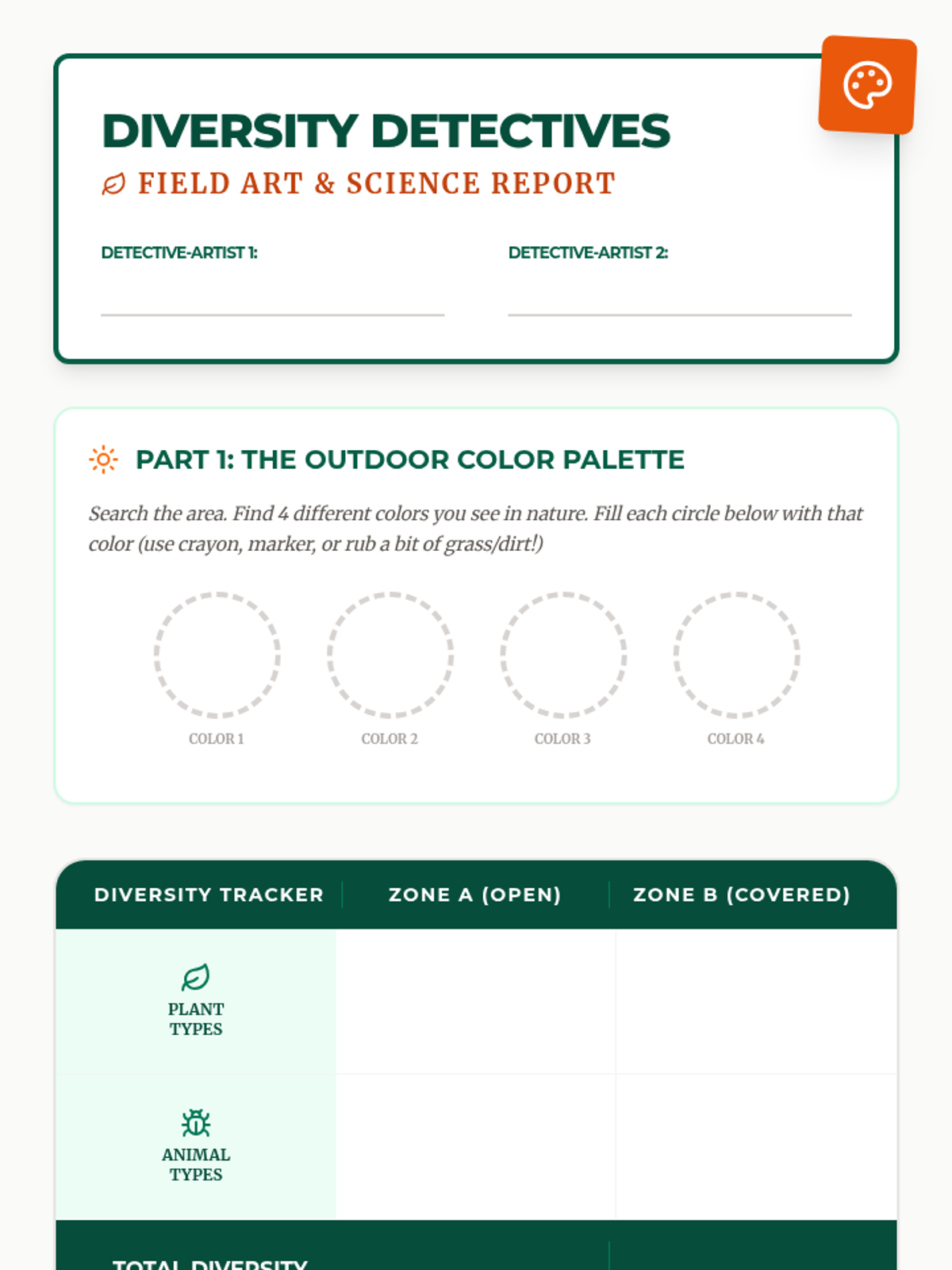
A 20-minute outdoor investigation where students compare the diversity of life in two different micro-habitats to understand patterns of biodiversity. This lesson integrates art through scientific sketching and a nature color hunt.
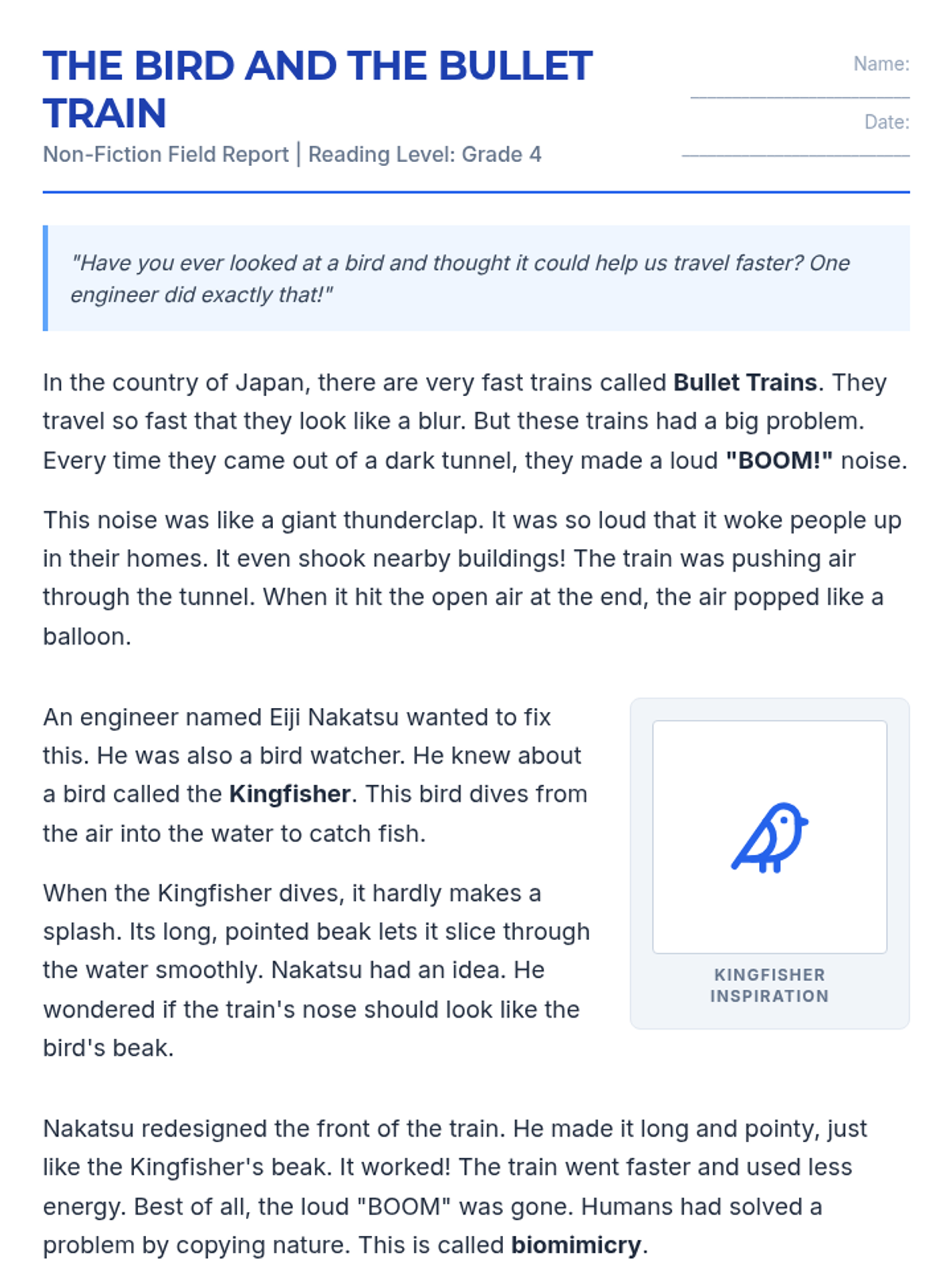
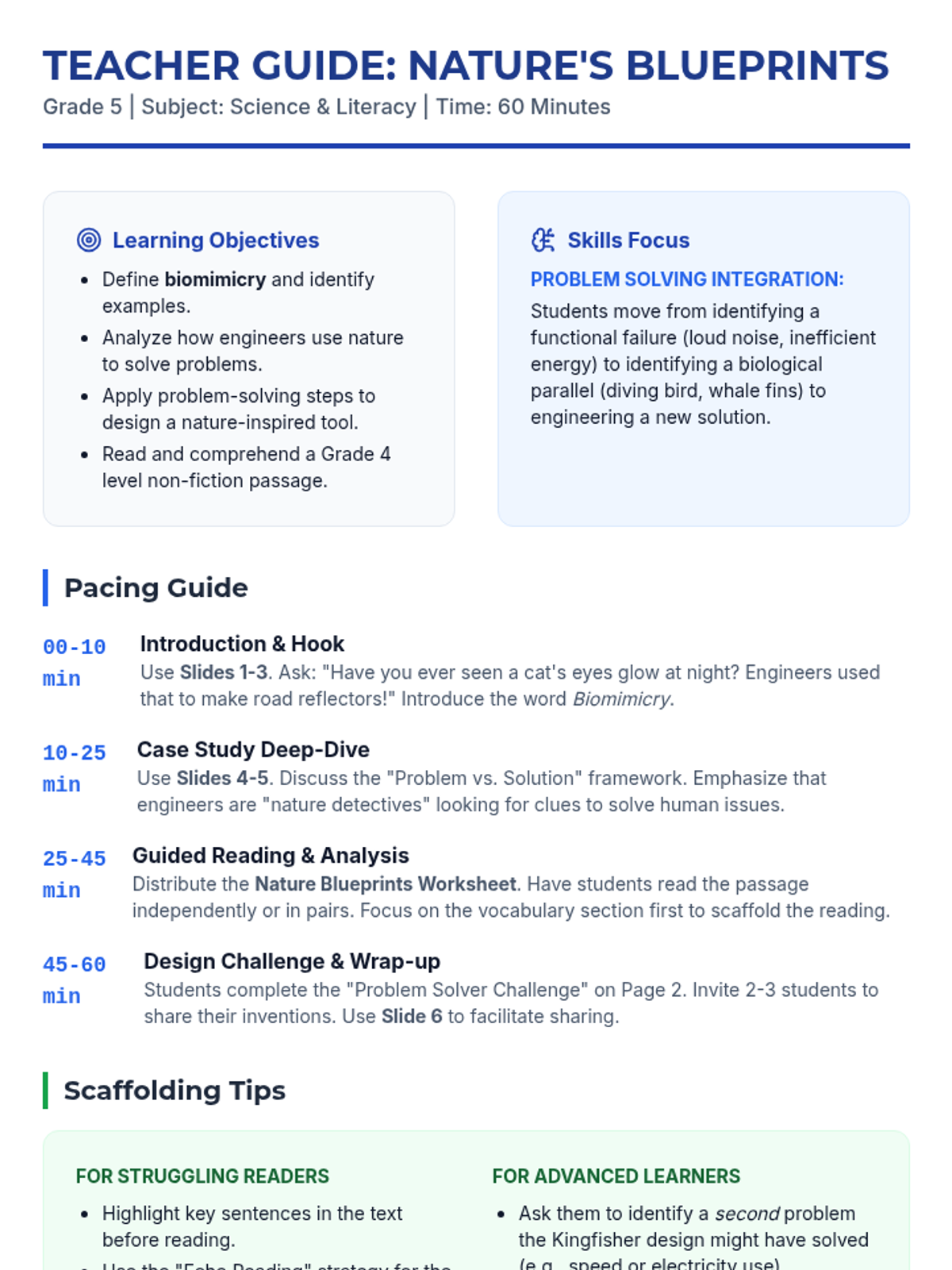
A 60-minute lesson introducing biomimicry—solving human problems by copying nature's designs—tailored for 5th graders reading at a 4th-grade level. Students will analyze non-fiction examples of nature-inspired inventions and apply problem-solving skills to design their own nature-based solution.
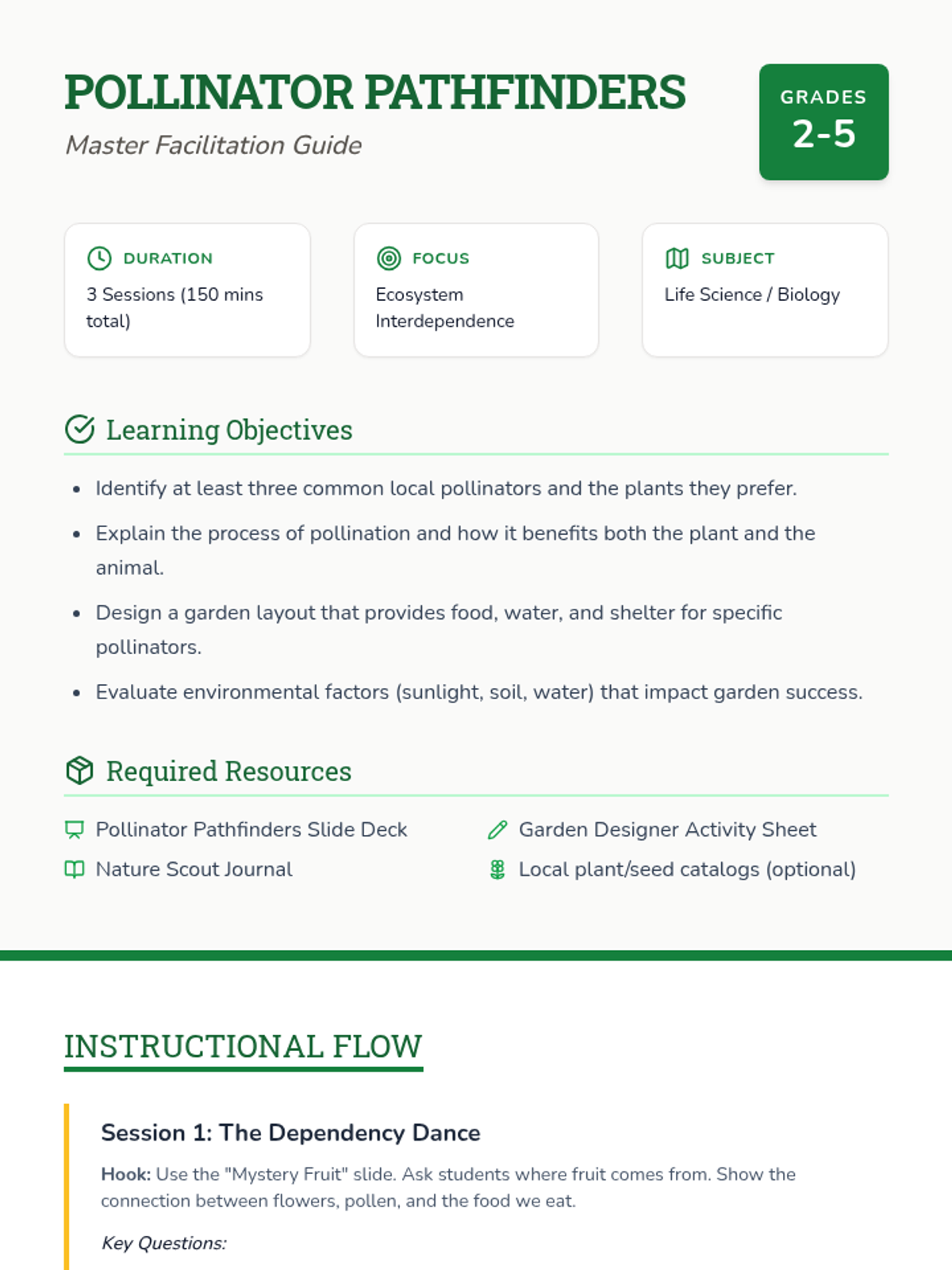
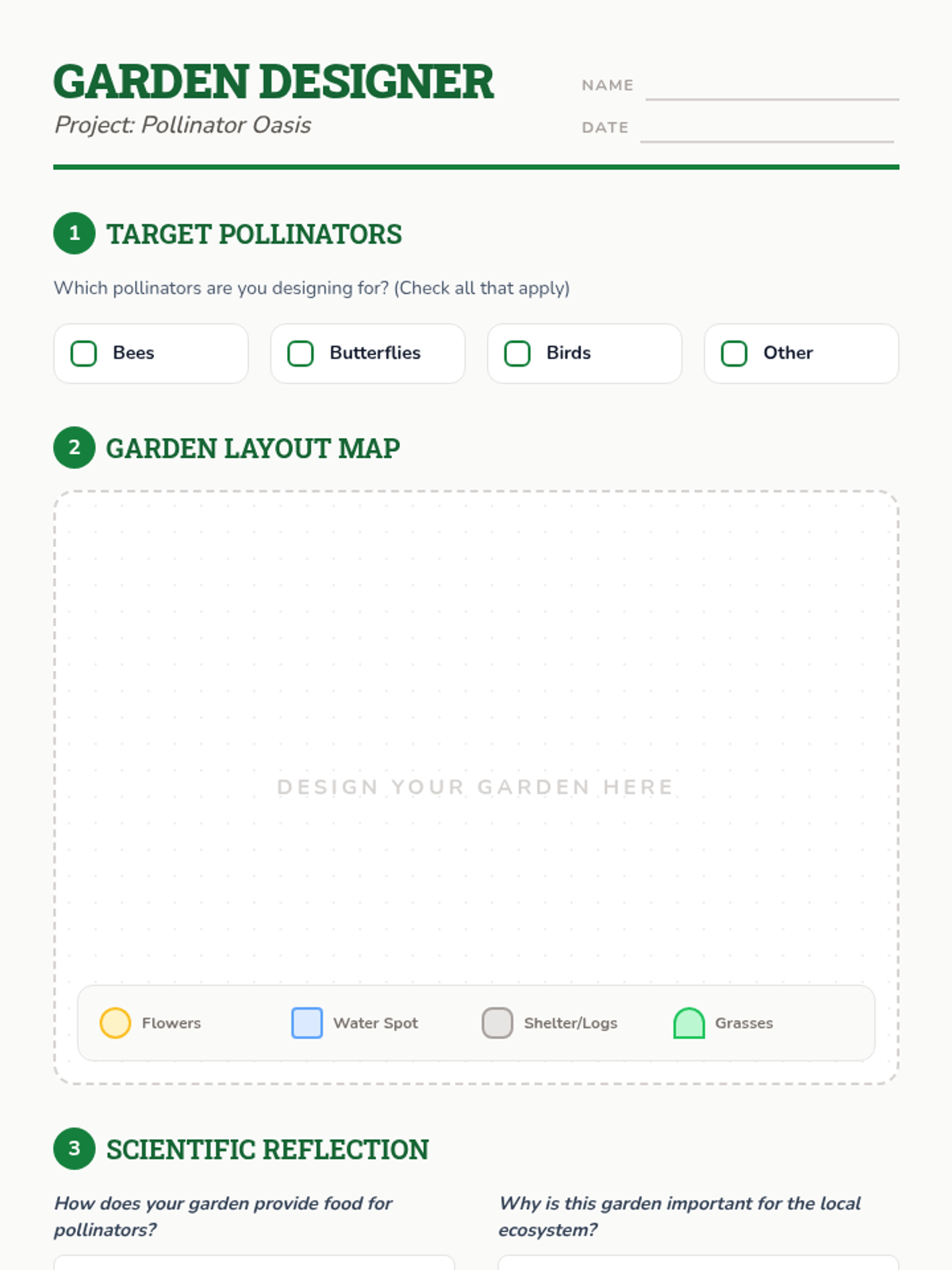
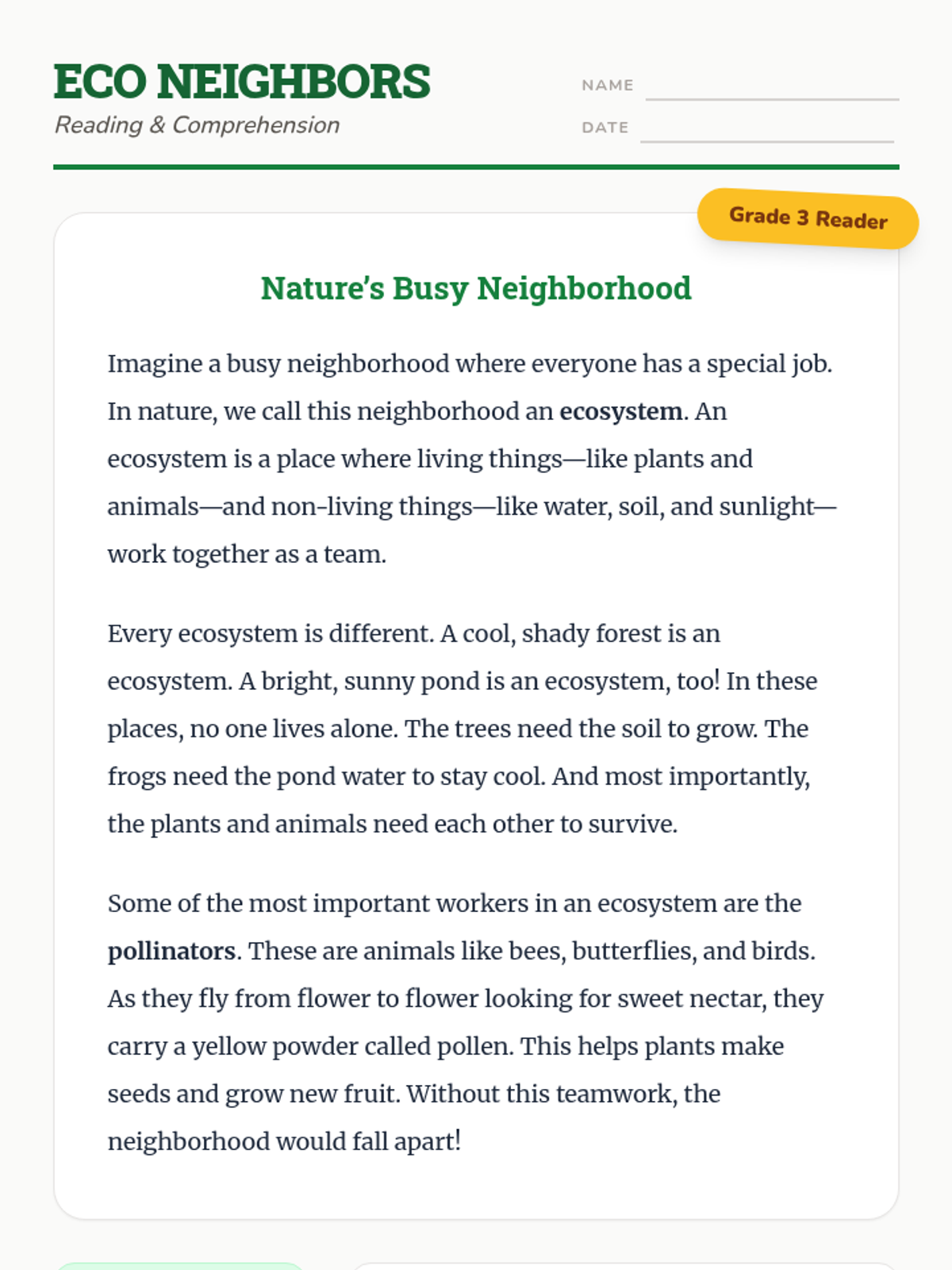
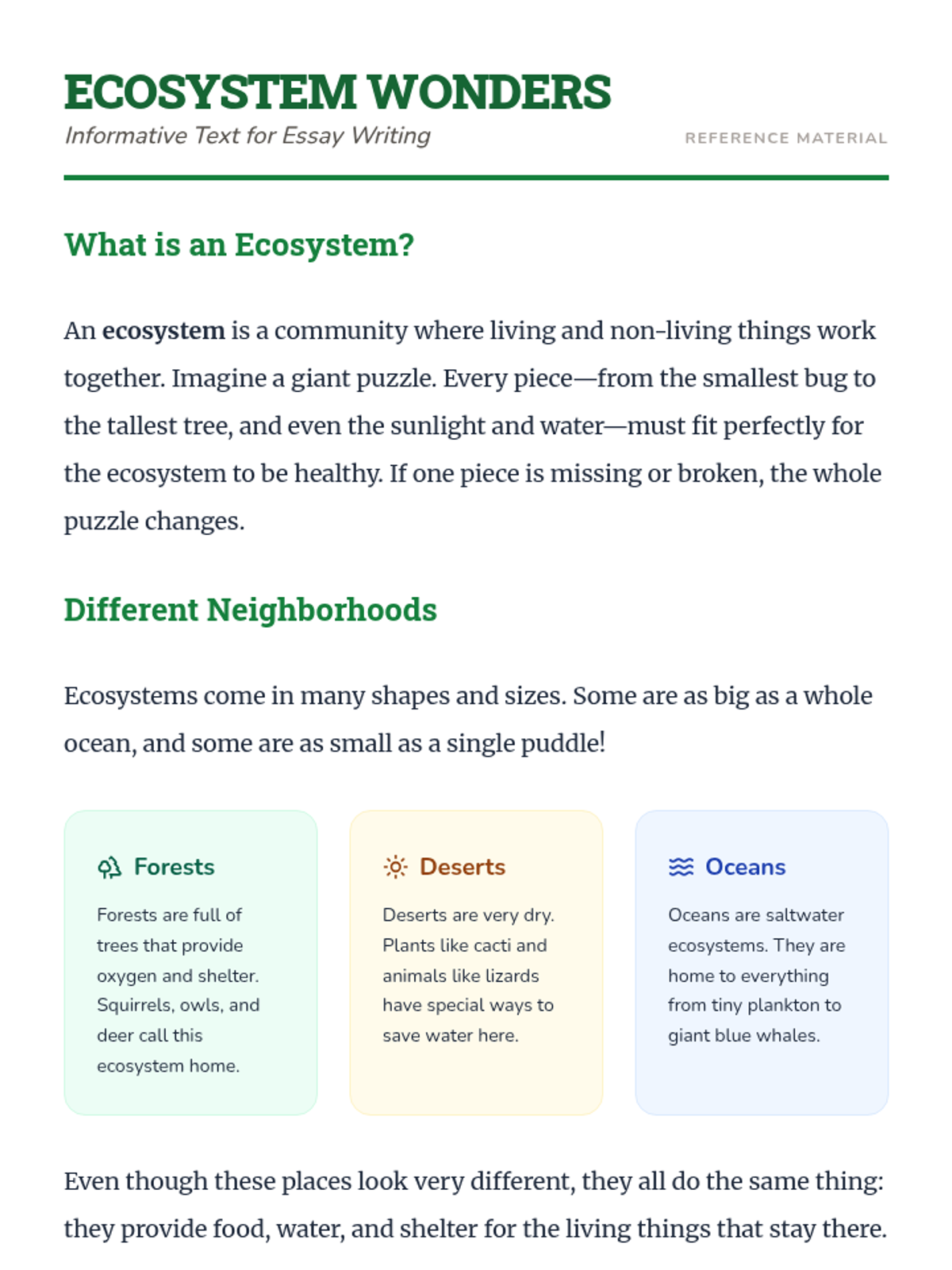
Students explore the essential relationship between plants and pollinators, identifying how they depend on each other for survival. The lesson culminates in a hands-on project where students design a pollinator-friendly garden tailored to their local ecosystem.
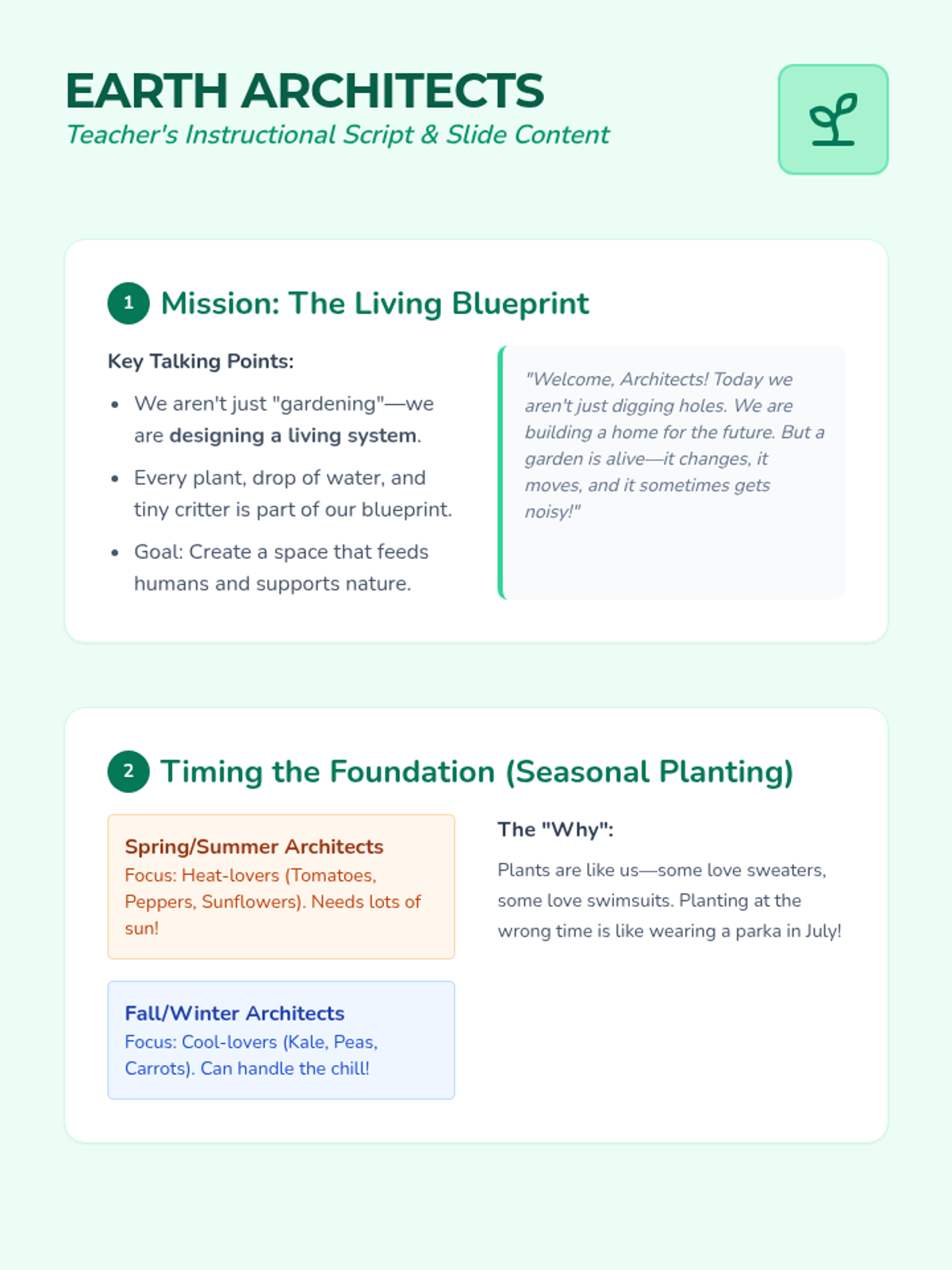
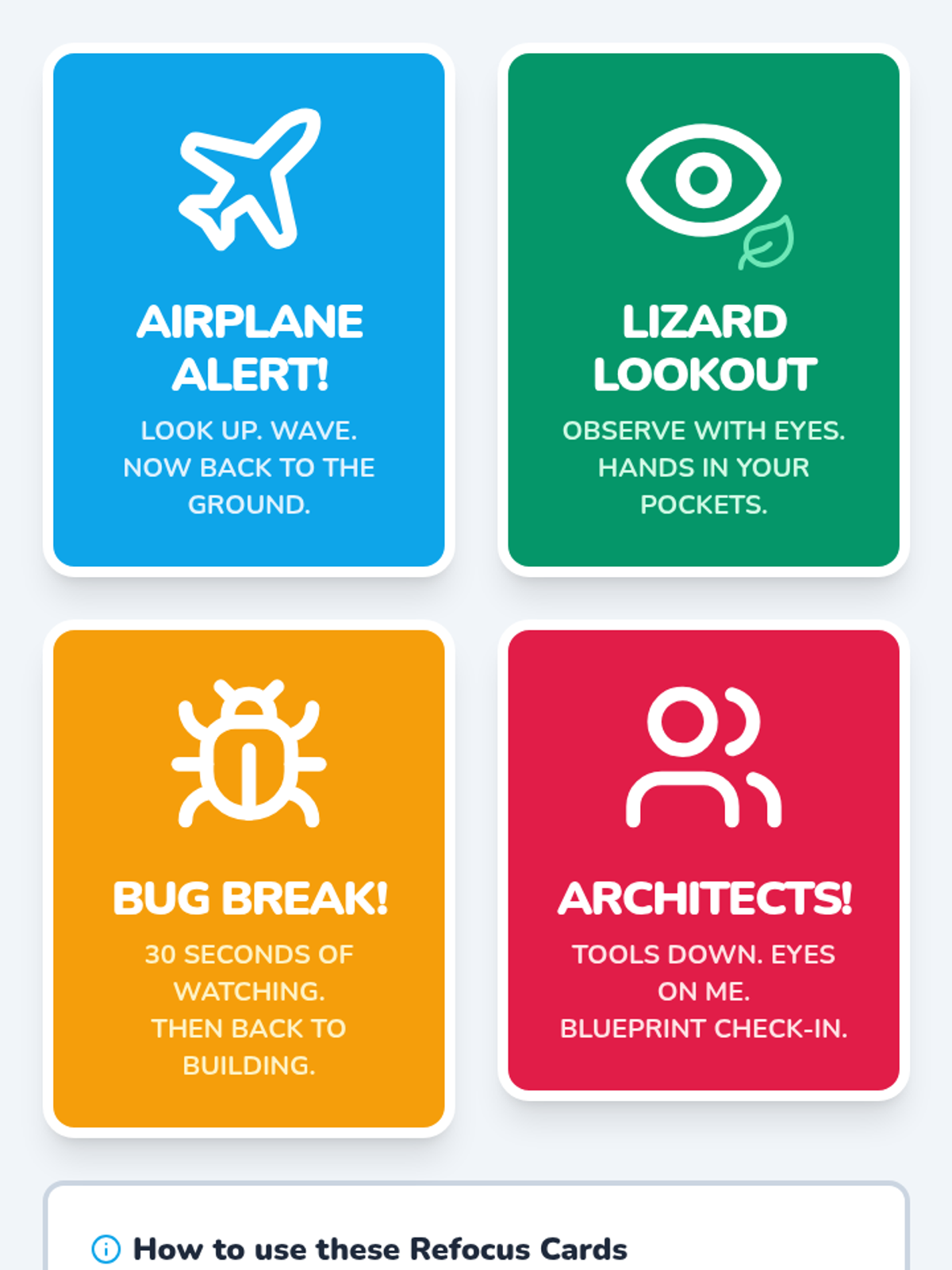
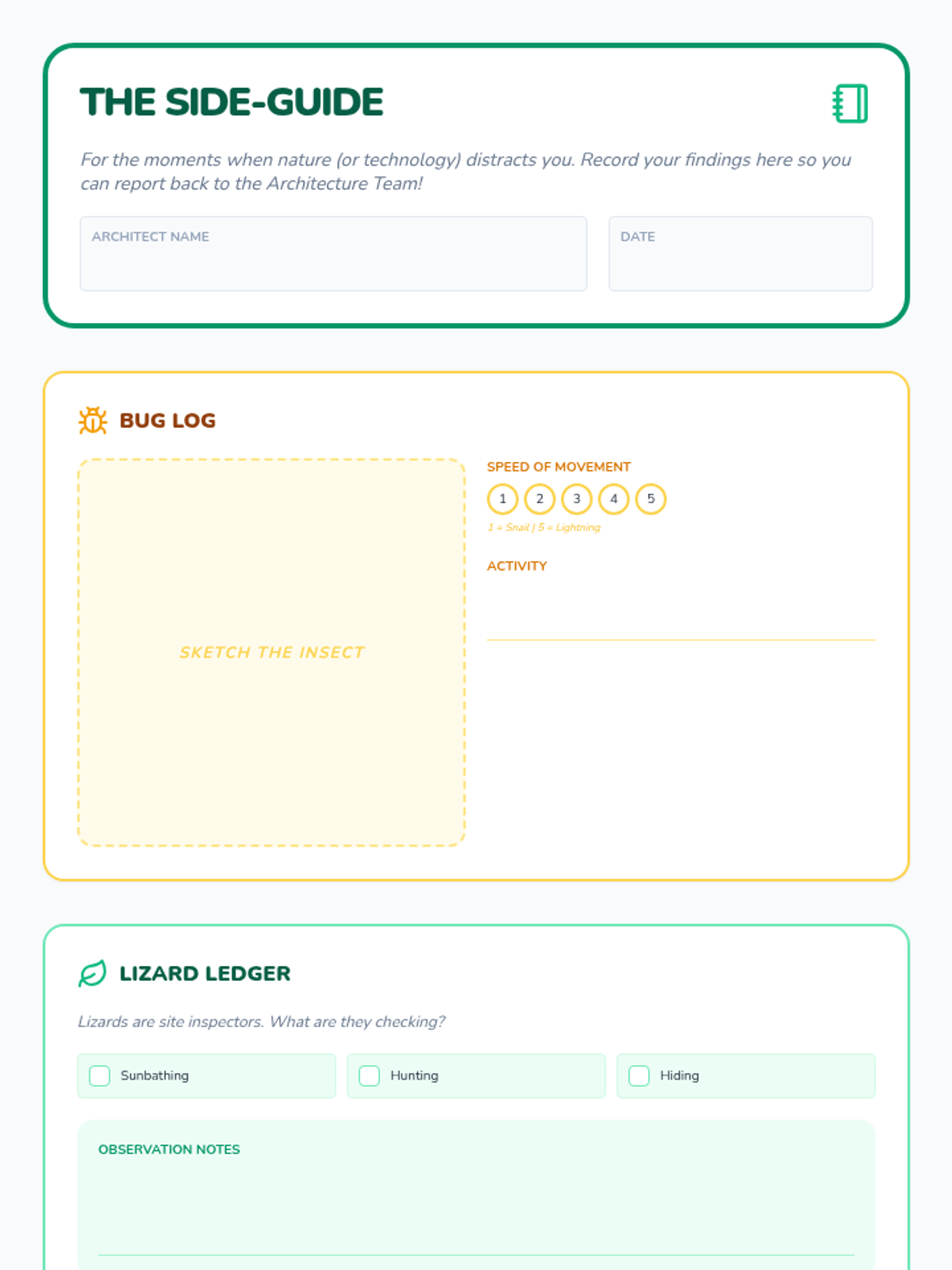
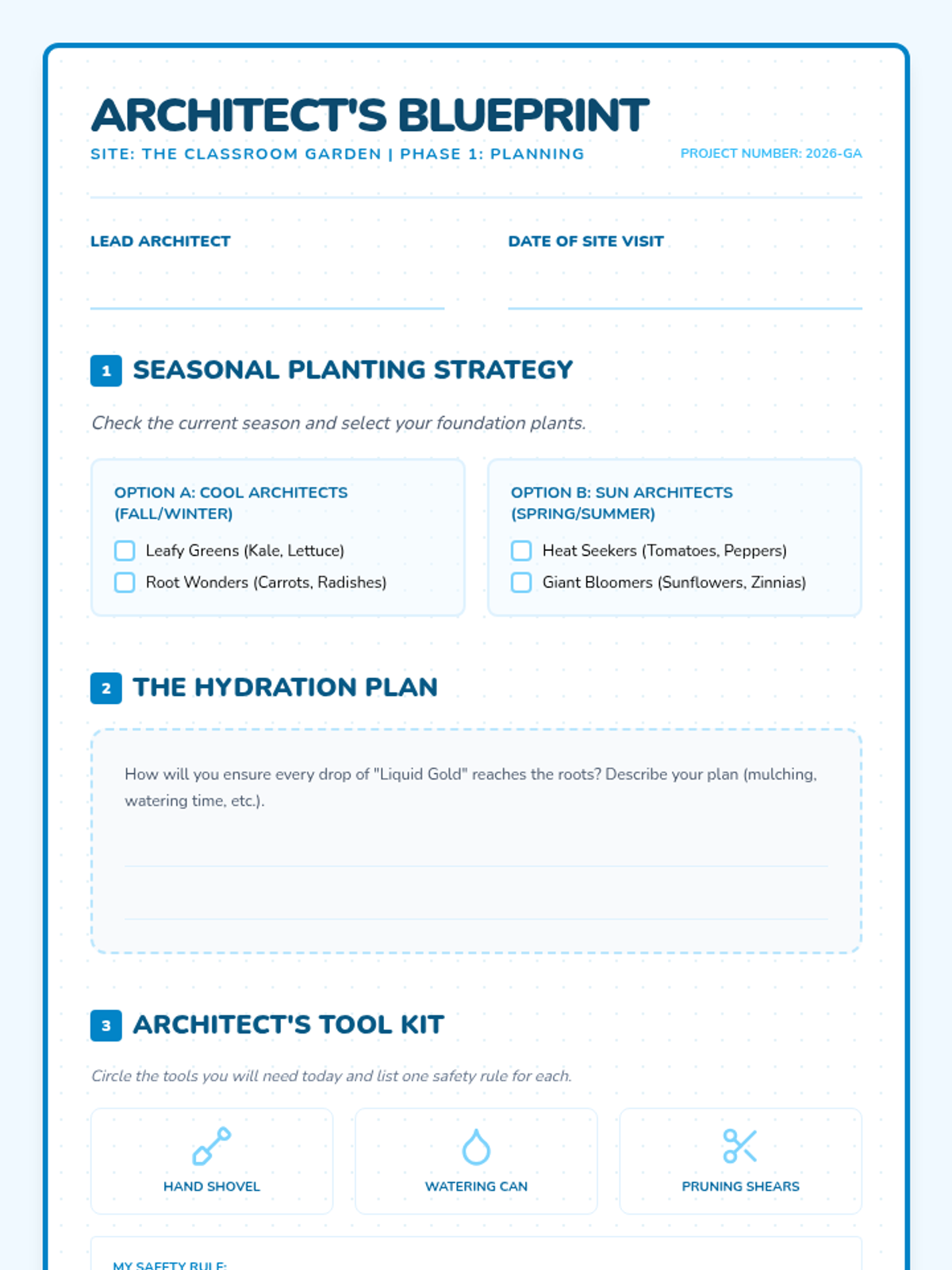
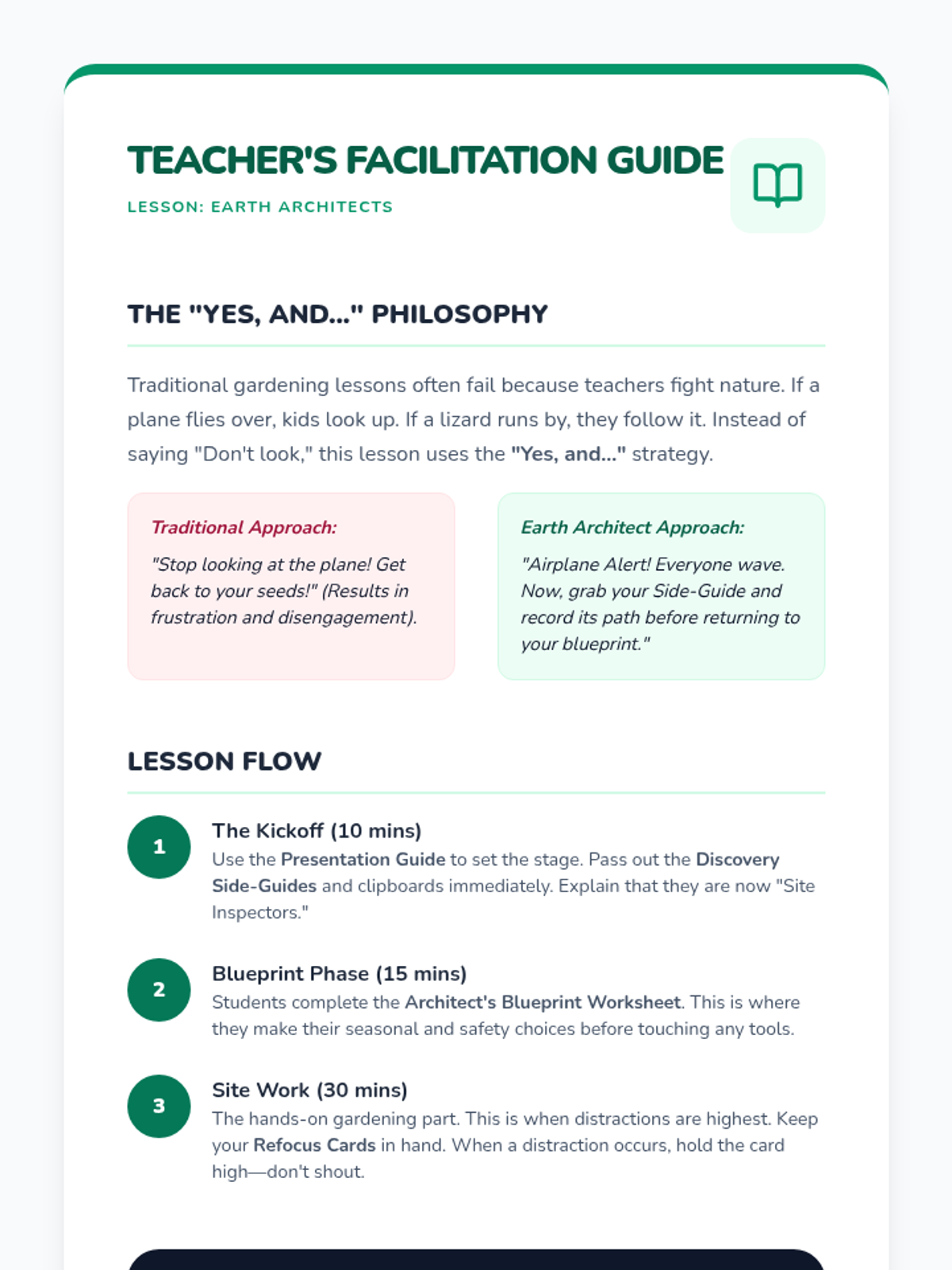
A hands-on gardening lesson that turns natural distractions into learning opportunities. Students learn seasonal planting, water conservation, tool safety, and wildlife cohabitation through the lens of being 'Earth Architects'.
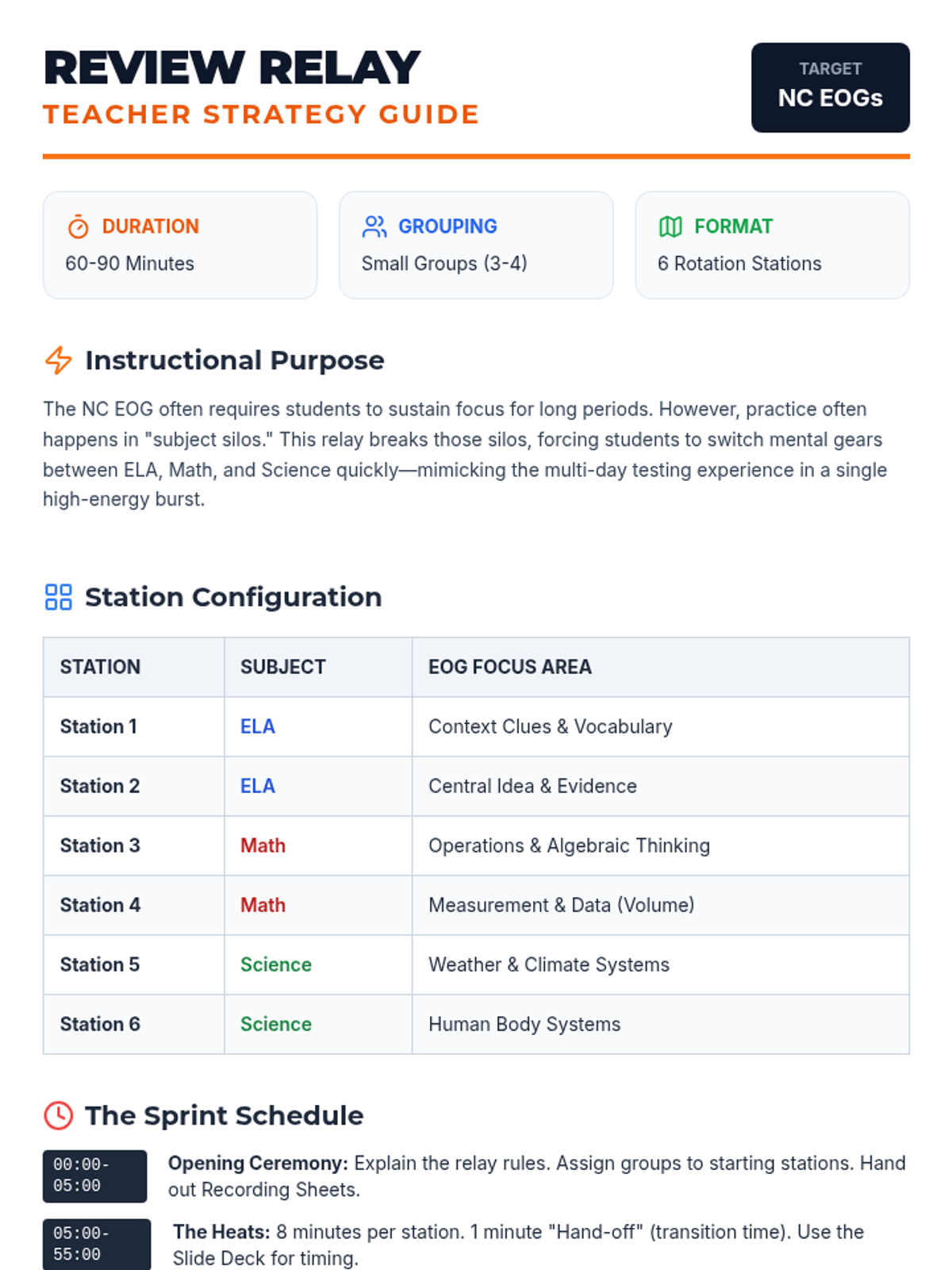
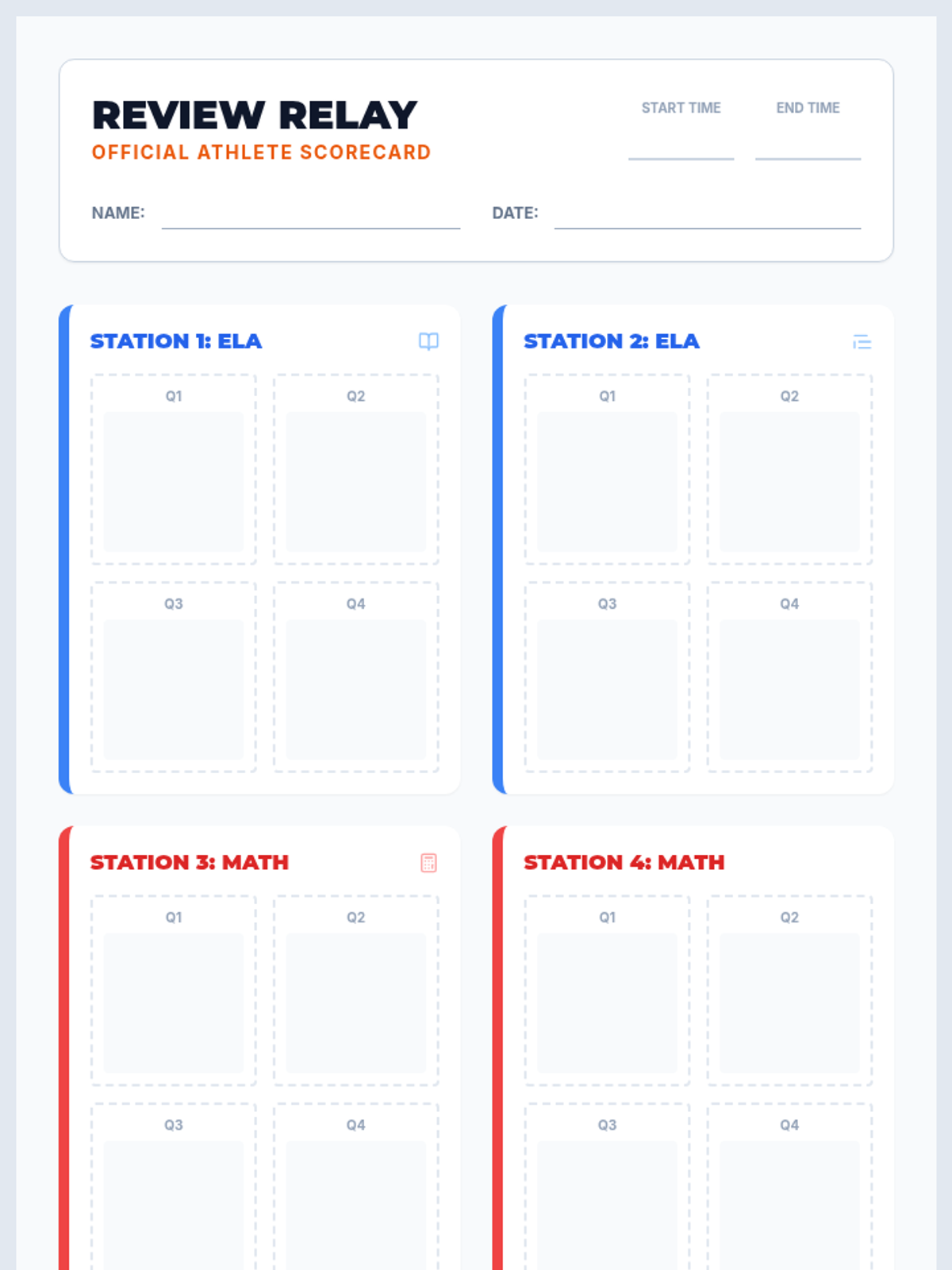
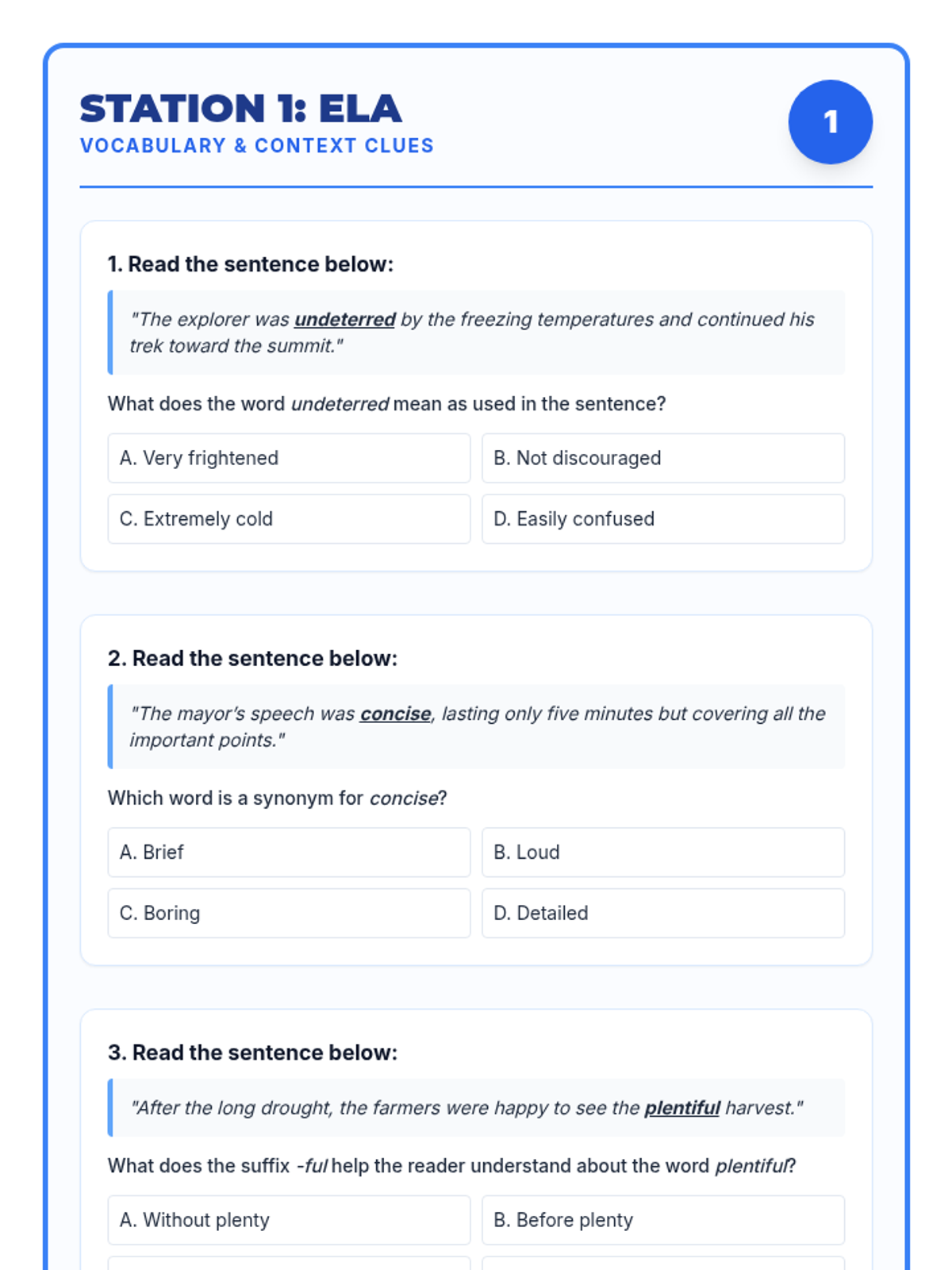
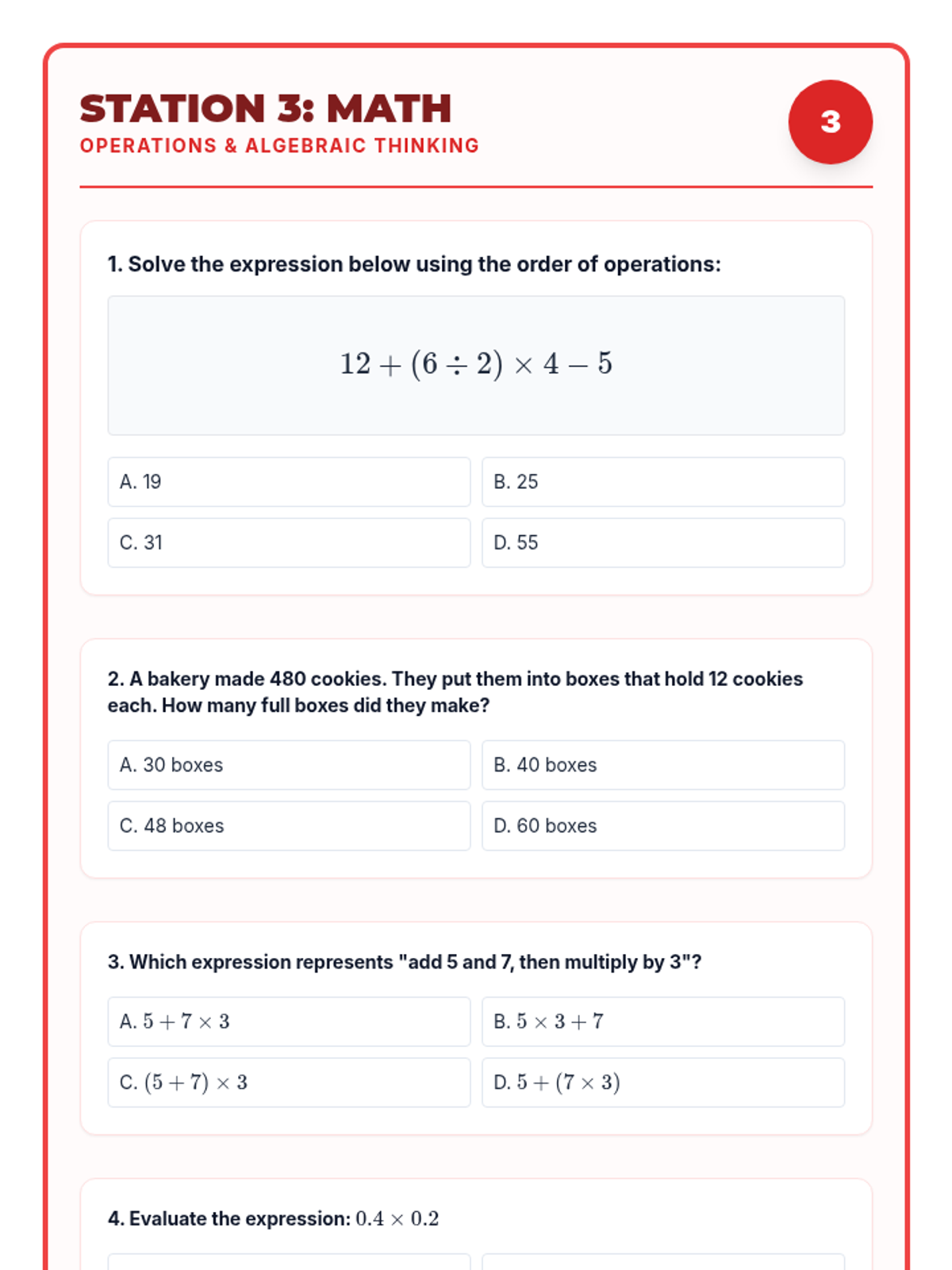
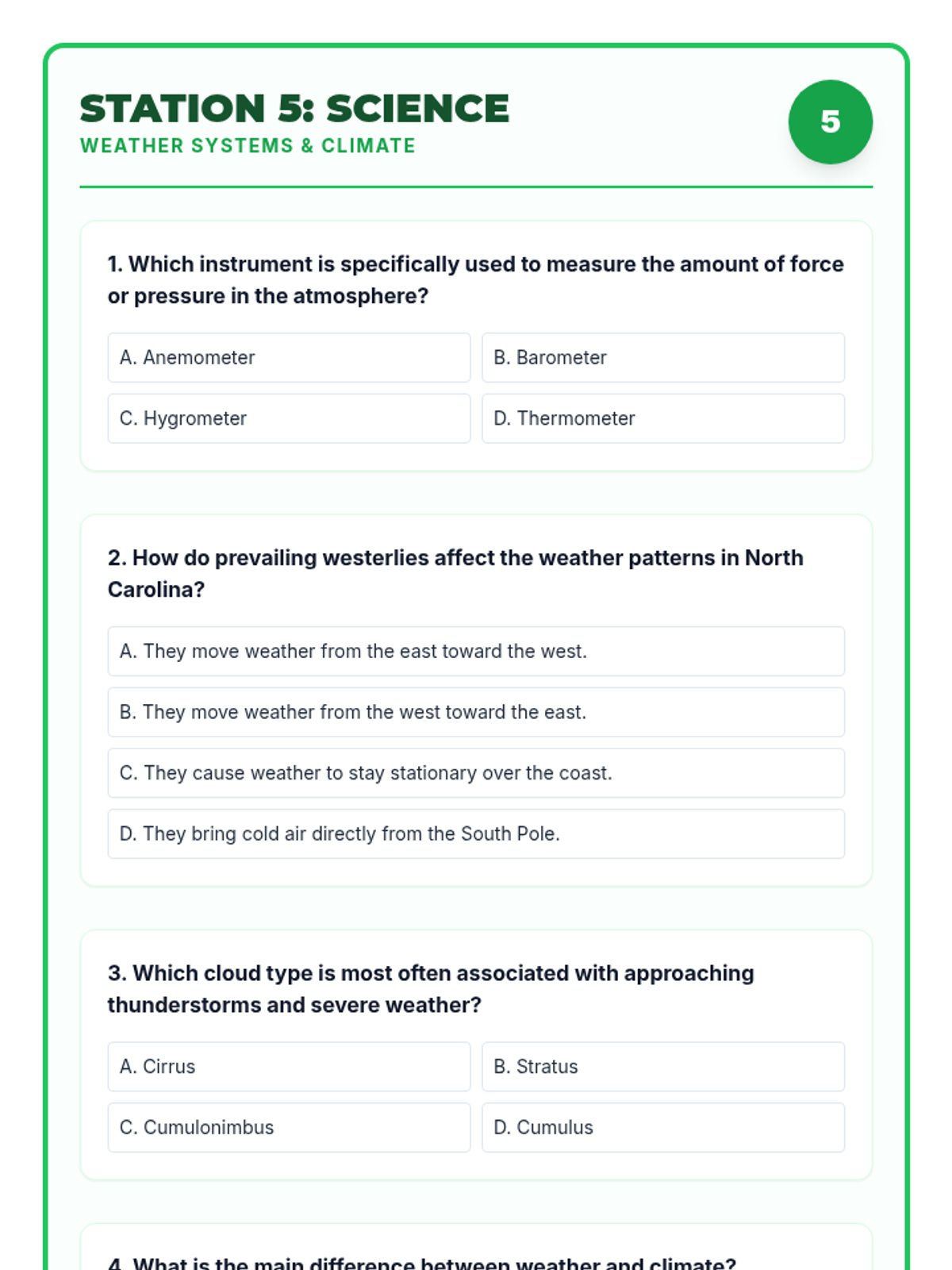
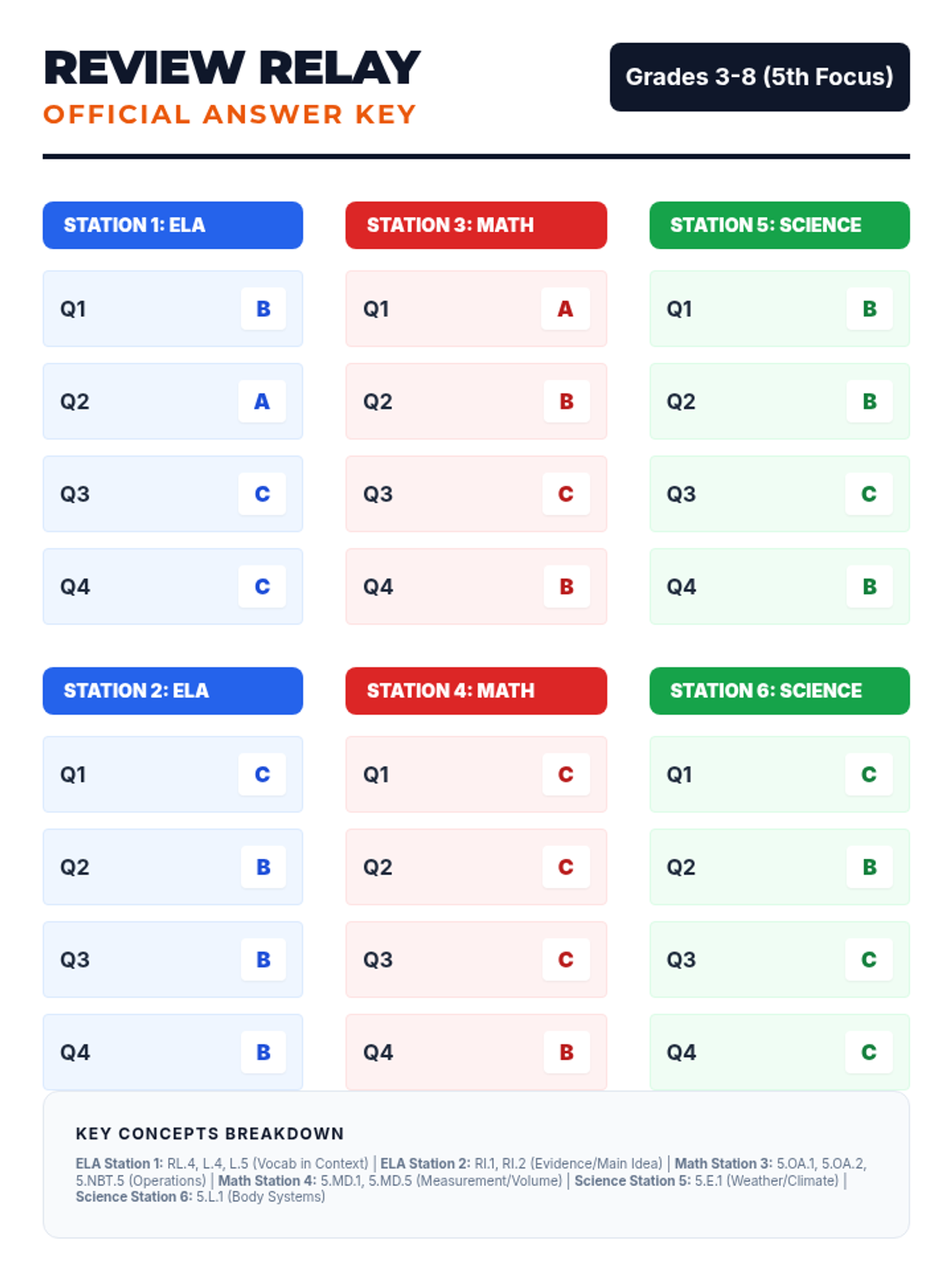
A high-energy, station-based review session designed to build testing stamina and subject-switching agility for NC EOGs. Students rotate through ELA, Math, and Science challenges in timed 'sprints'.
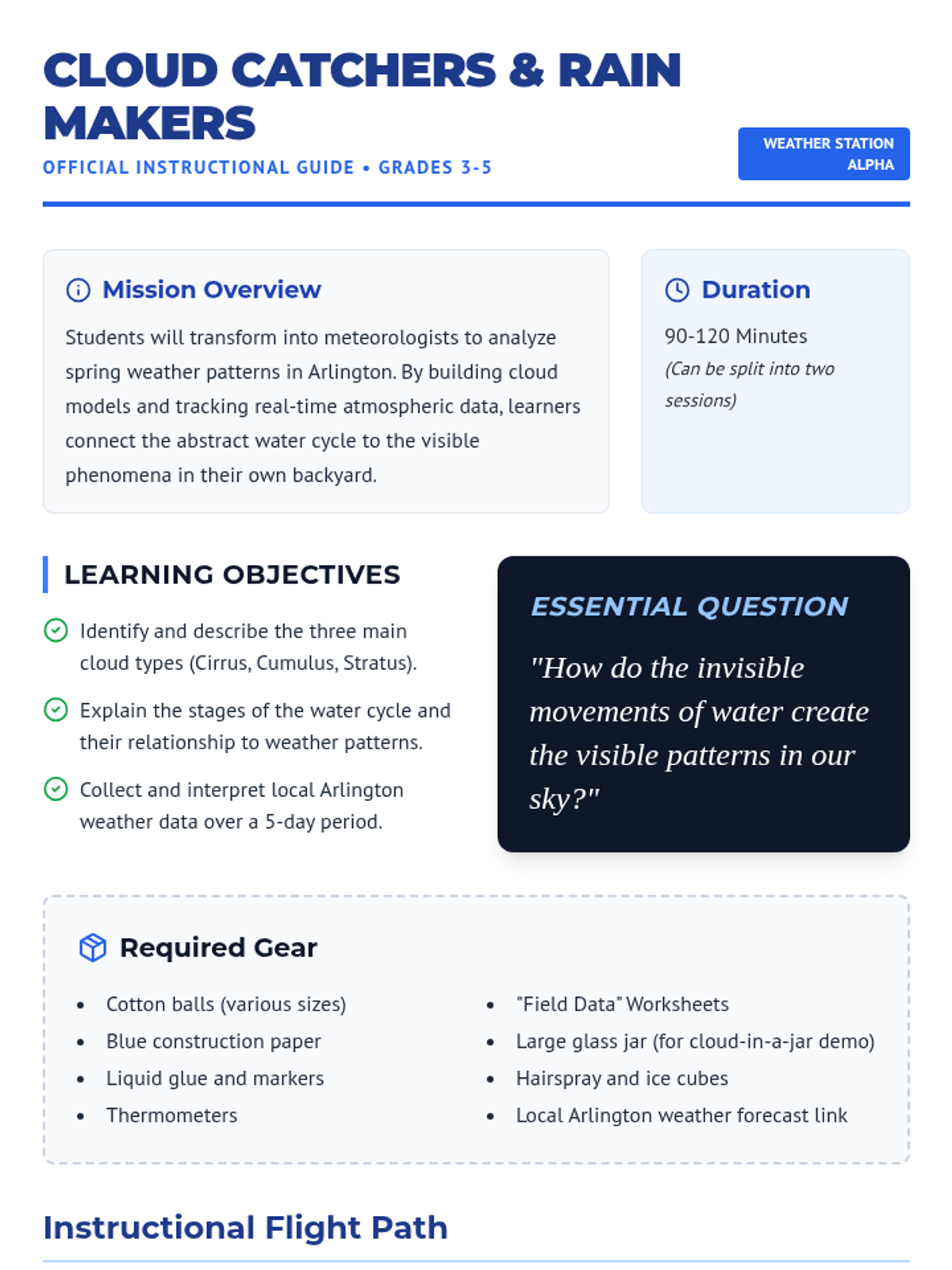
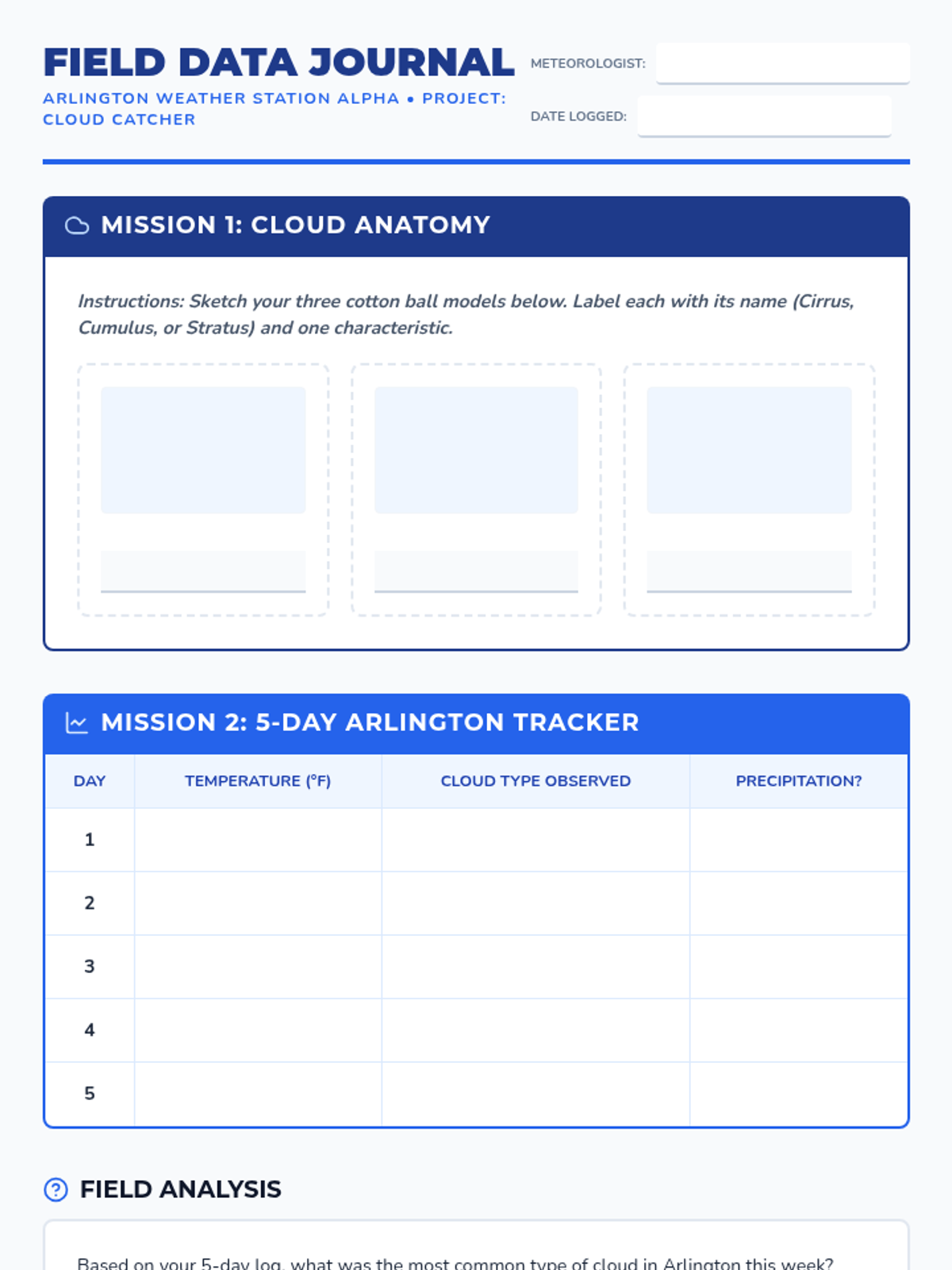
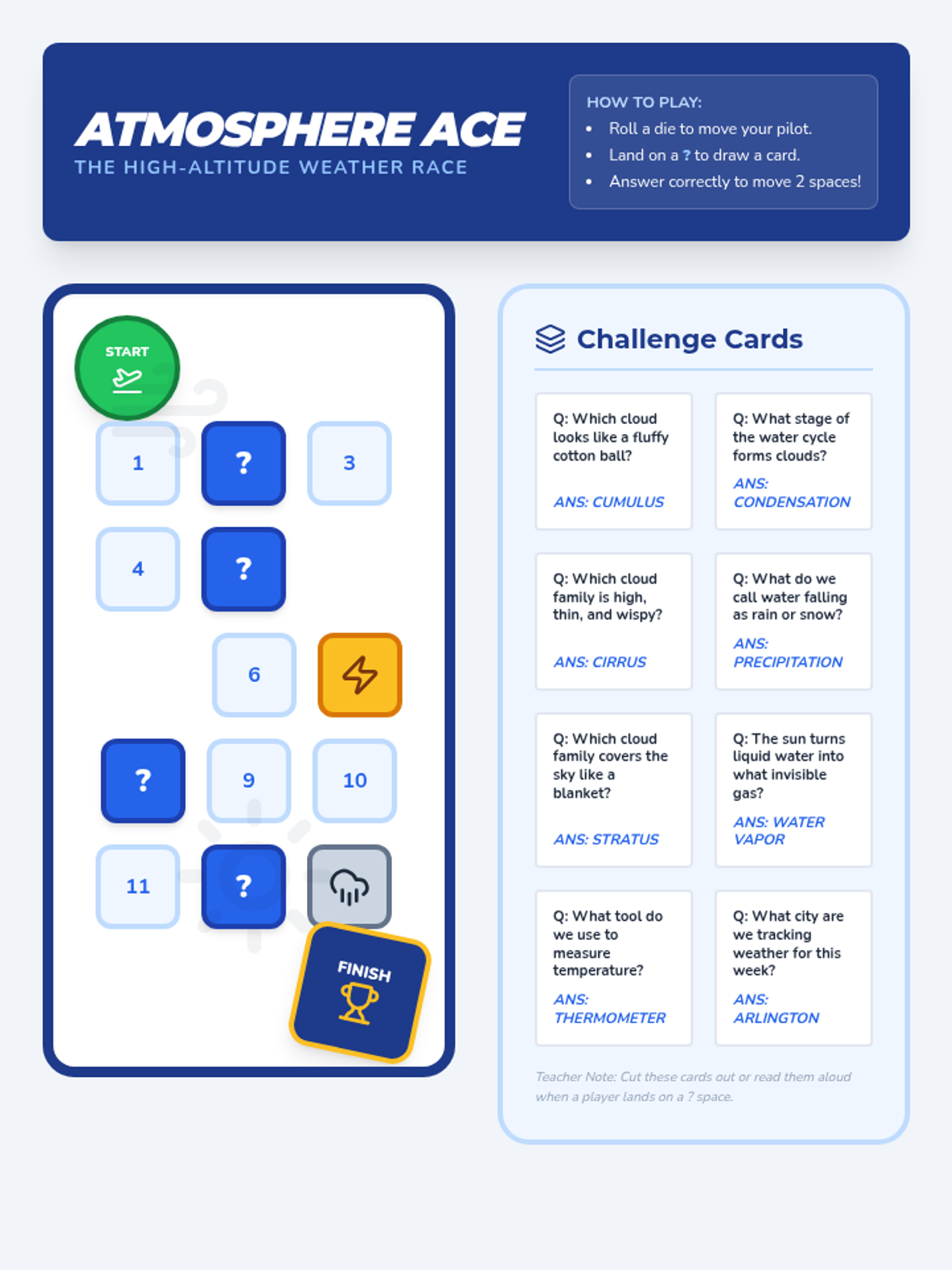
Students explore the water cycle and cloud formation through hands-on modeling and local weather tracking, specifically tailored for the Arlington area climate.
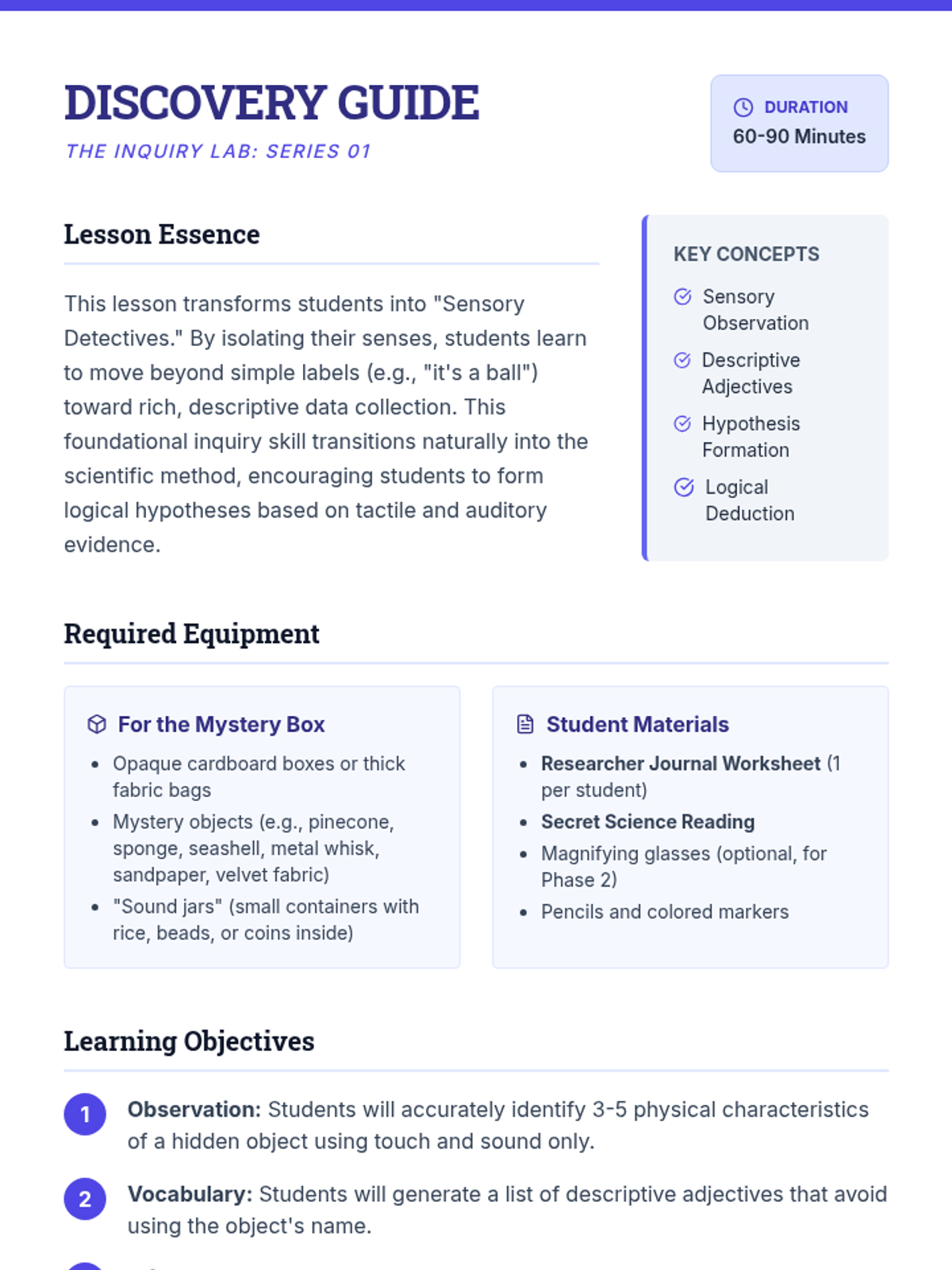
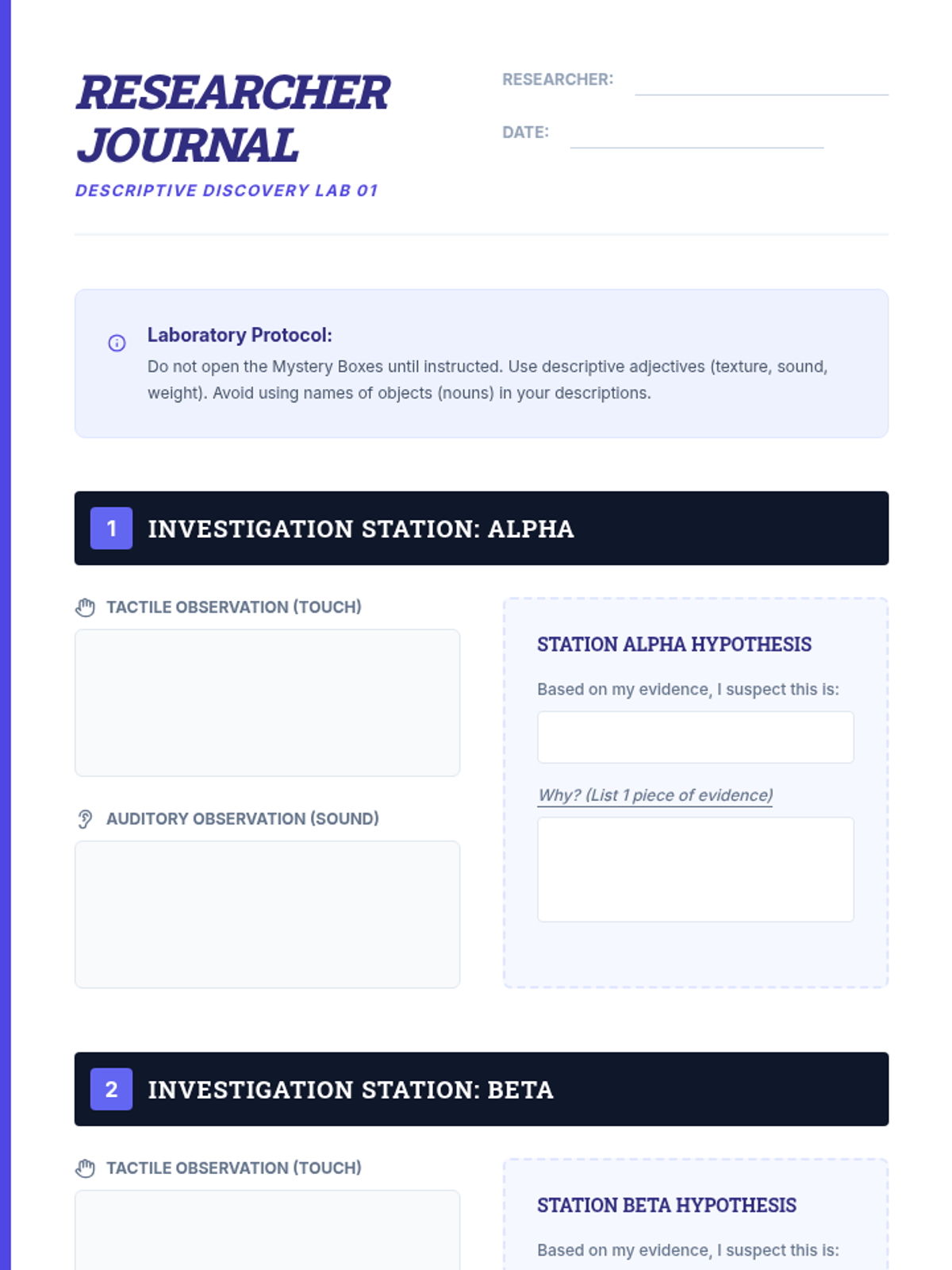
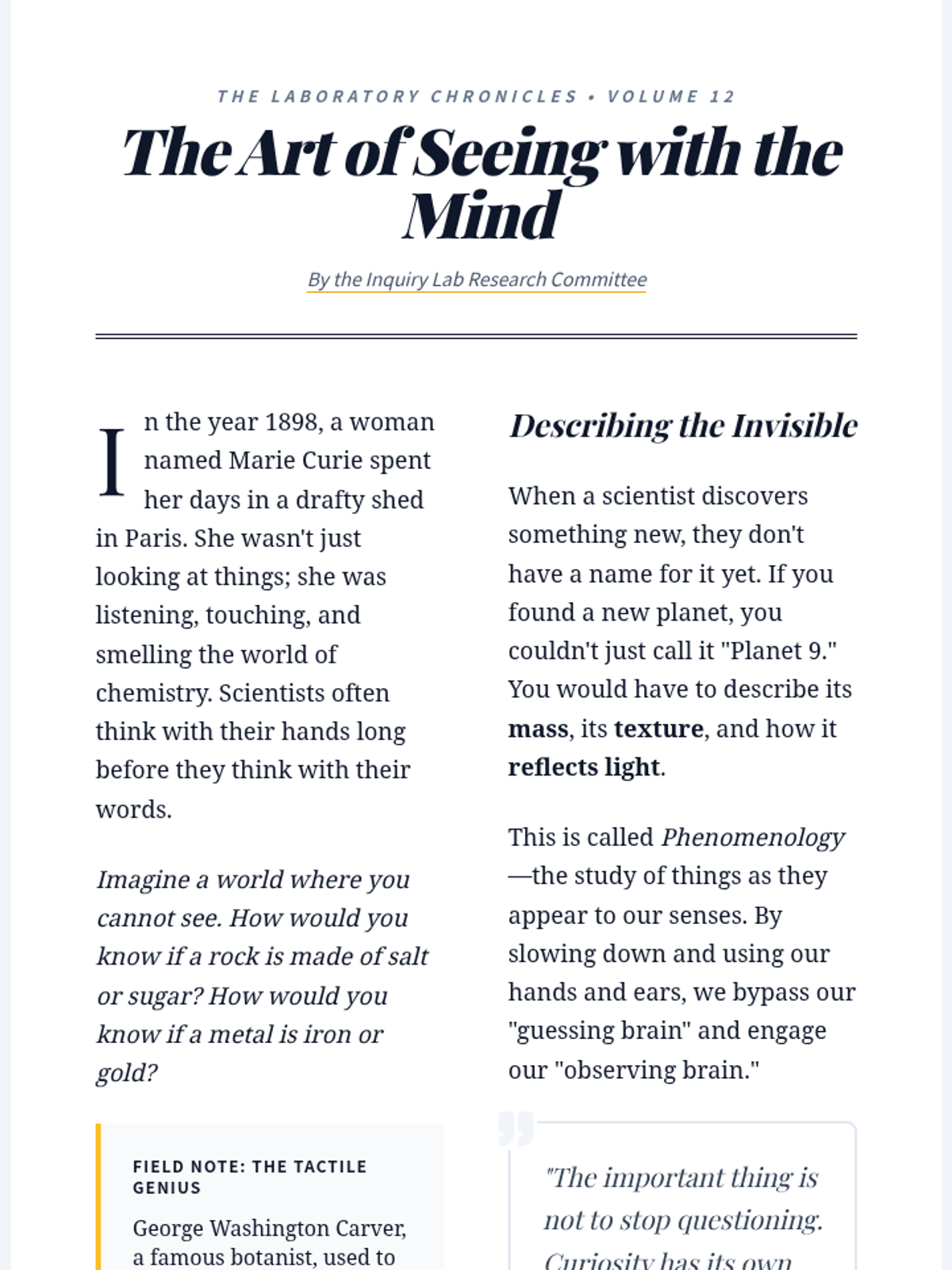
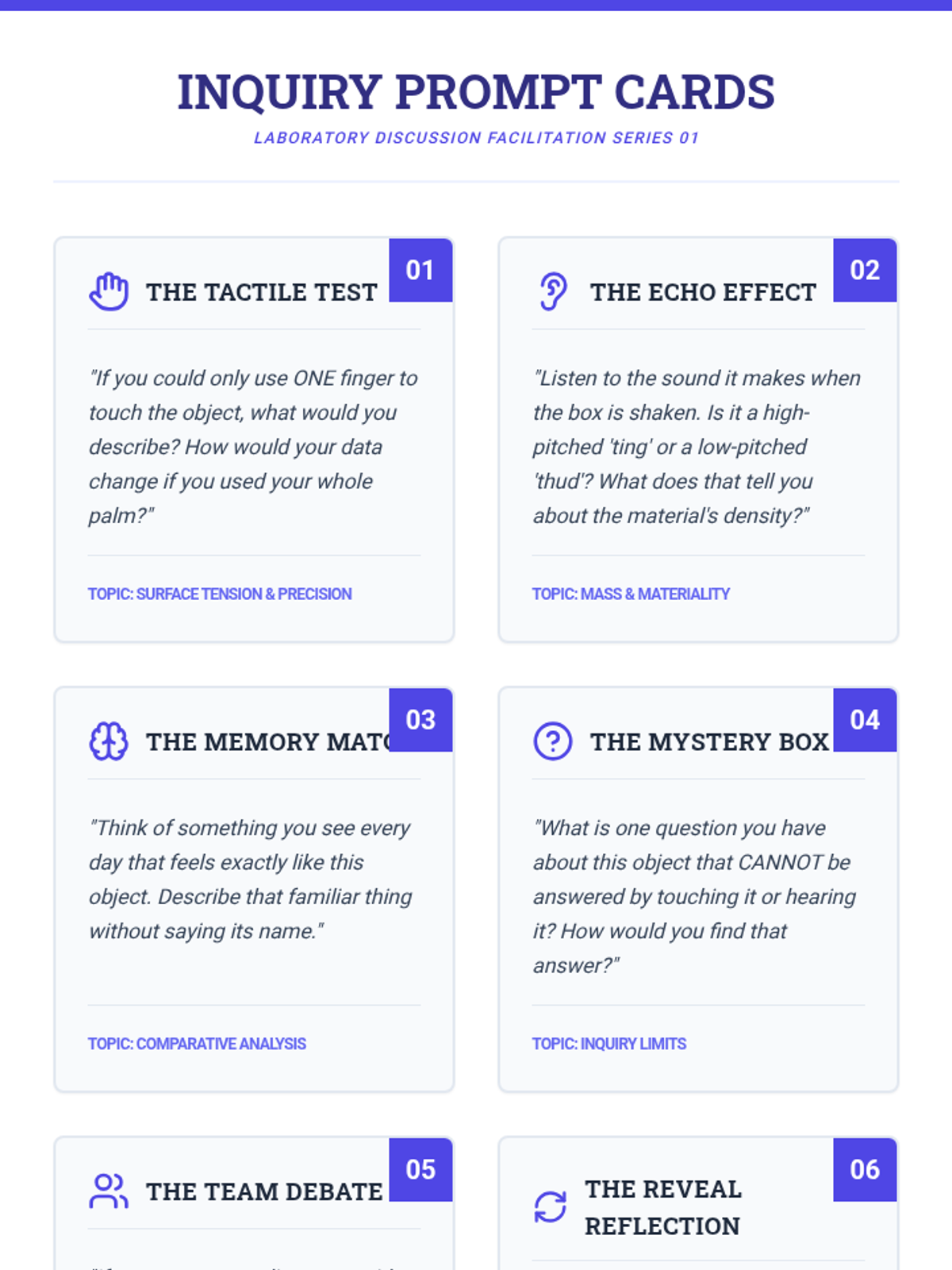
A hands-on inquiry lesson where students use their senses to investigate objects, build descriptive vocabulary, and form scientific hypotheses about the unknown.
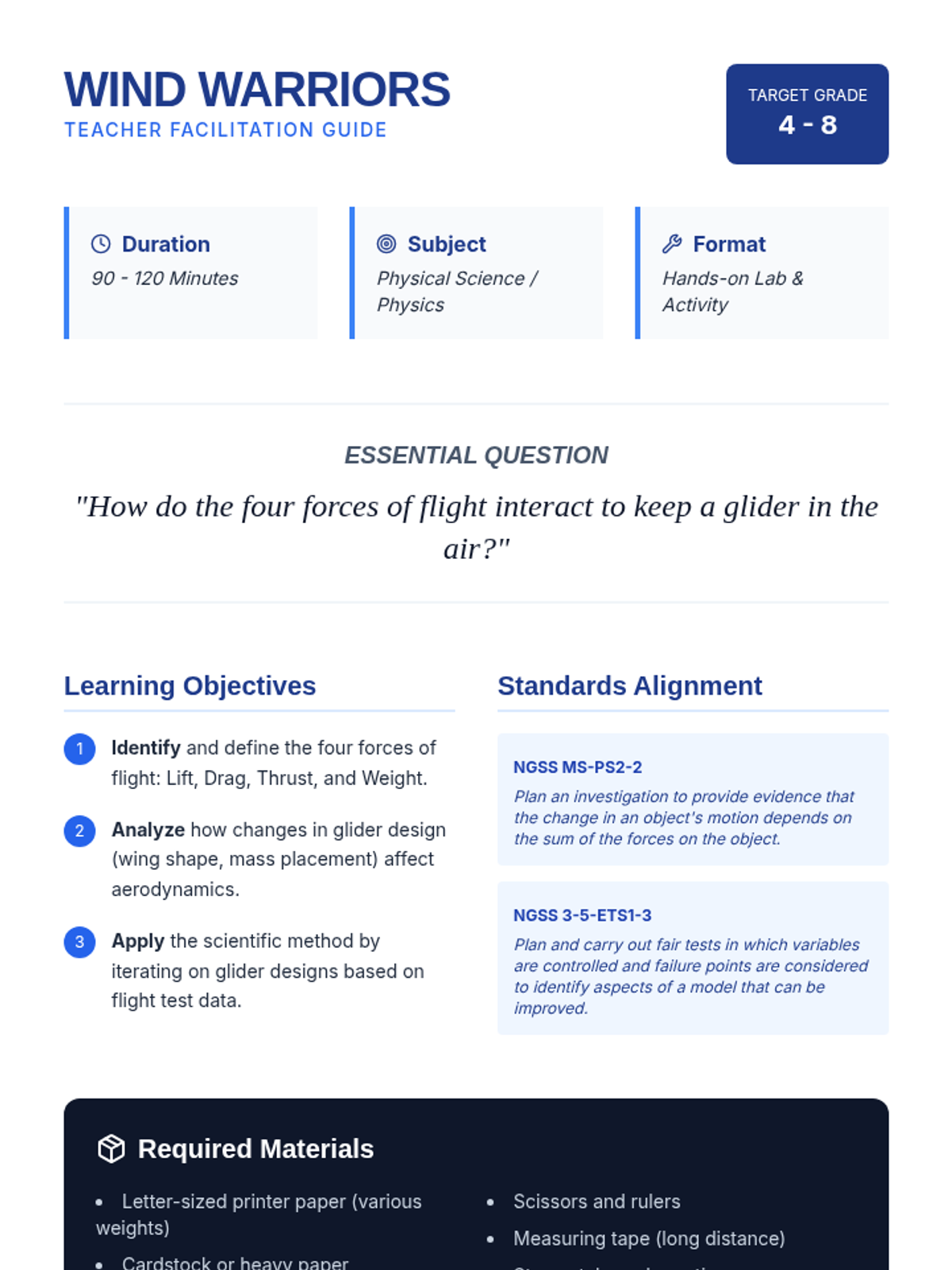
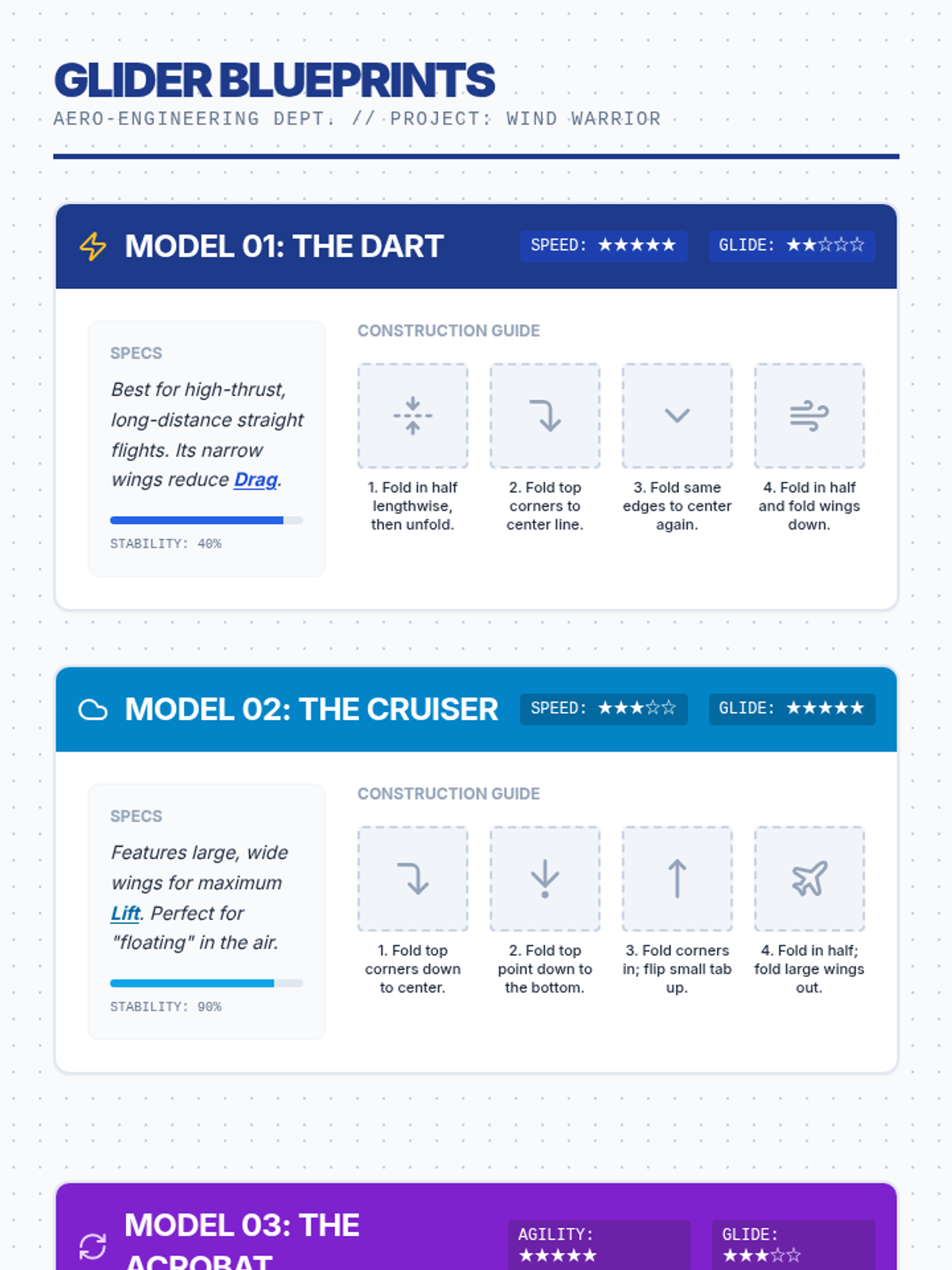
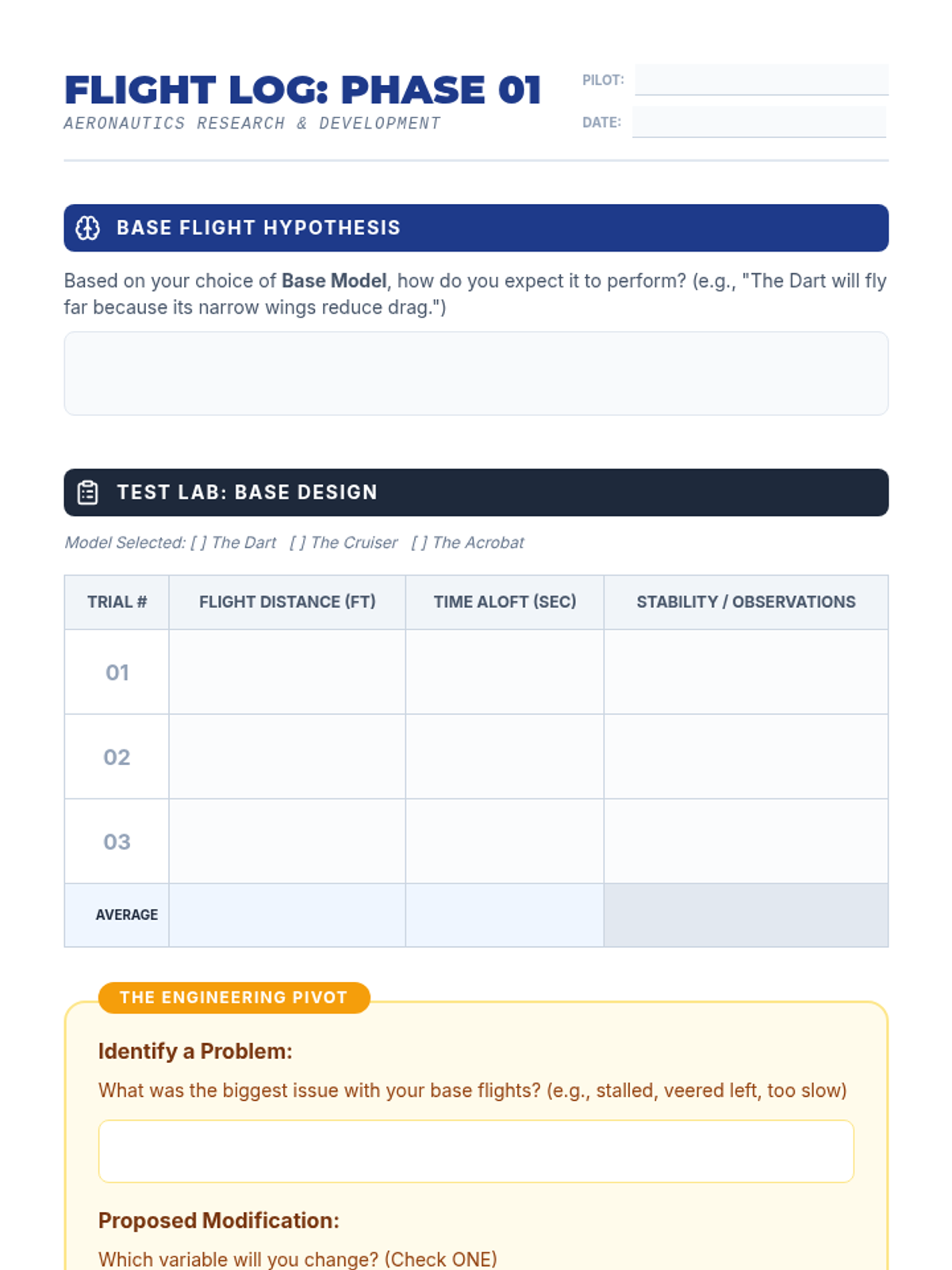
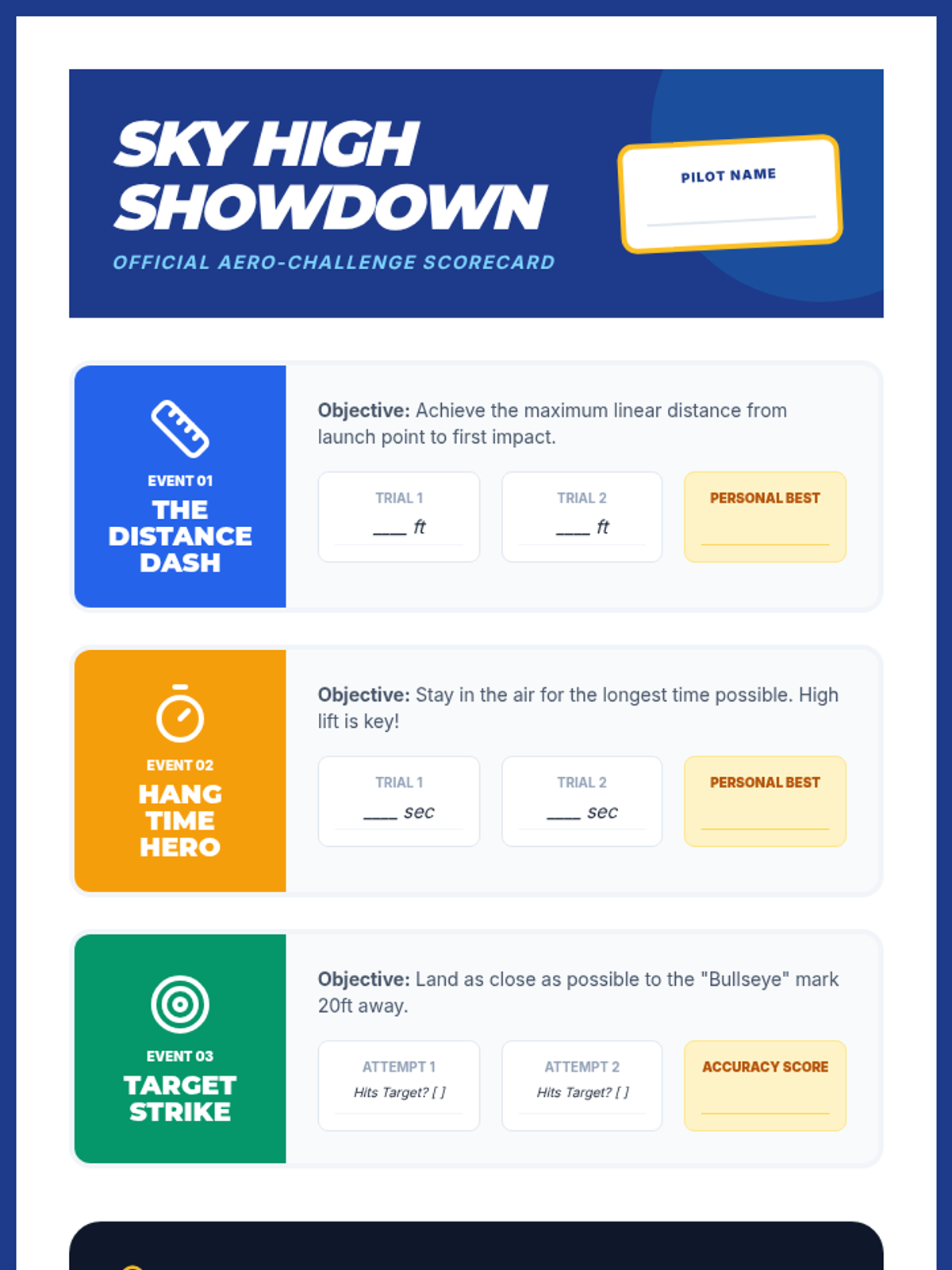
Students explore the physics of lift, drag, thrust, and weight by designing and testing high-performance paper gliders. This hands-on lab allows learners to apply the scientific method to optimize flight distance and stability.
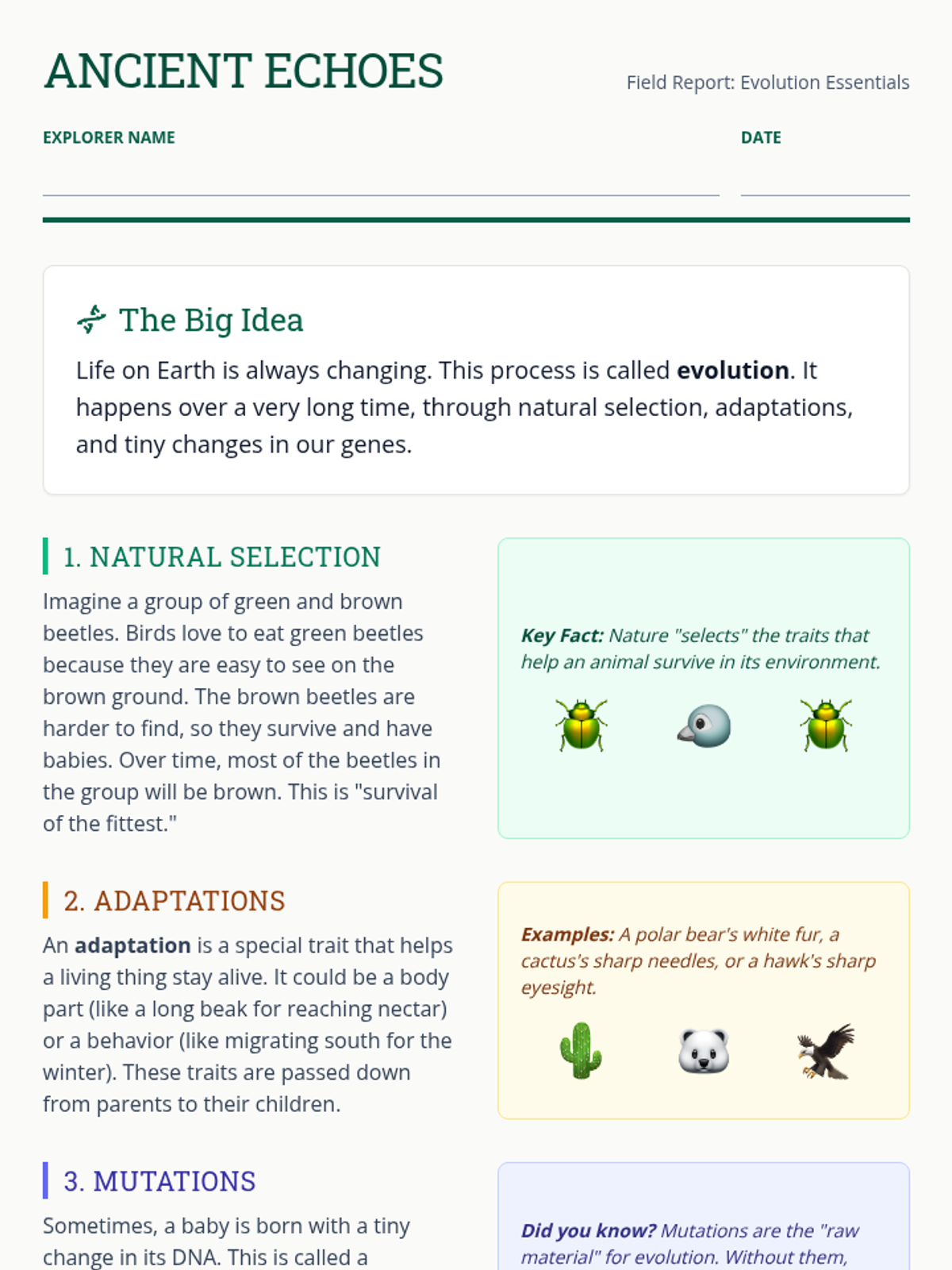
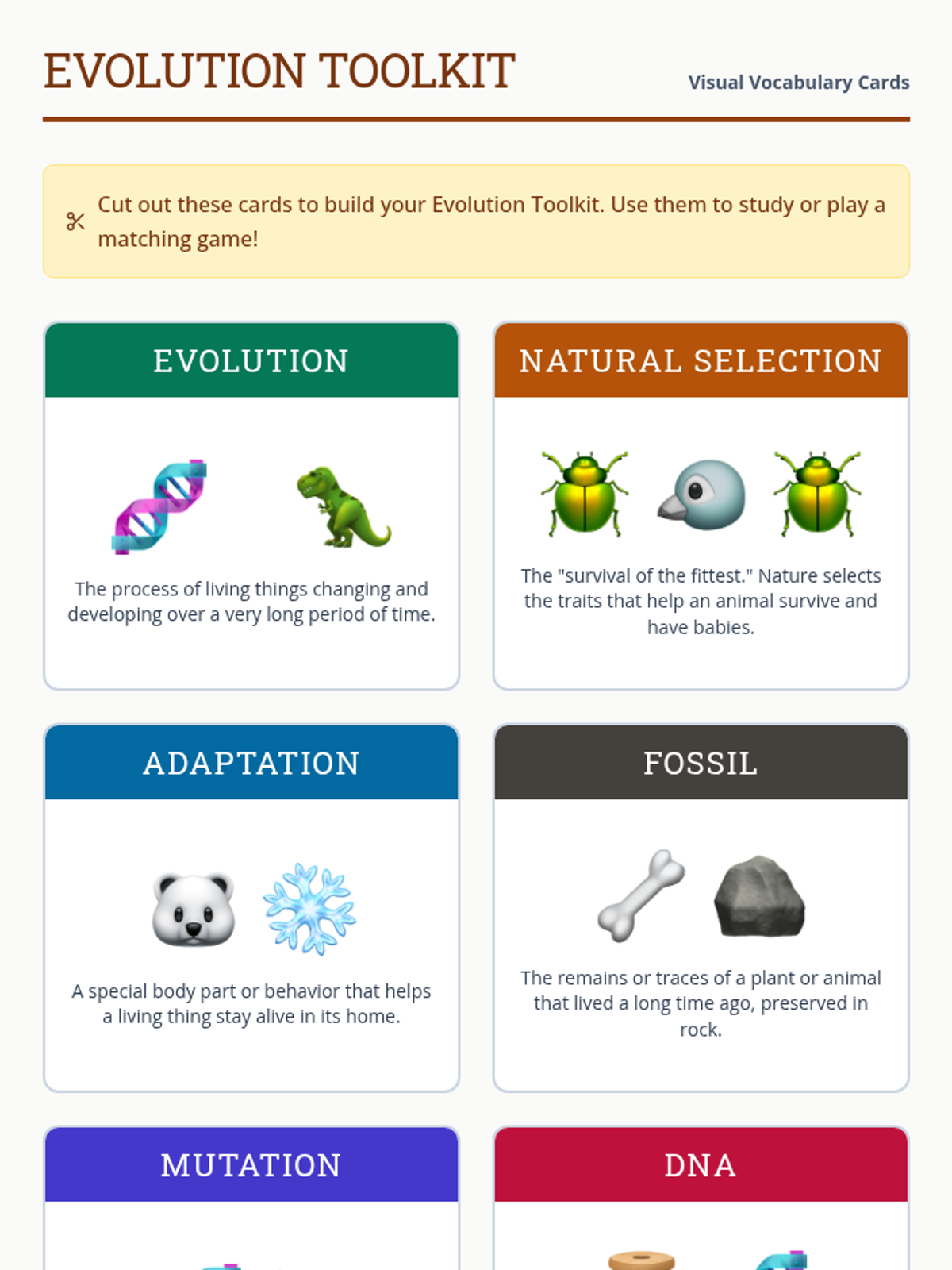
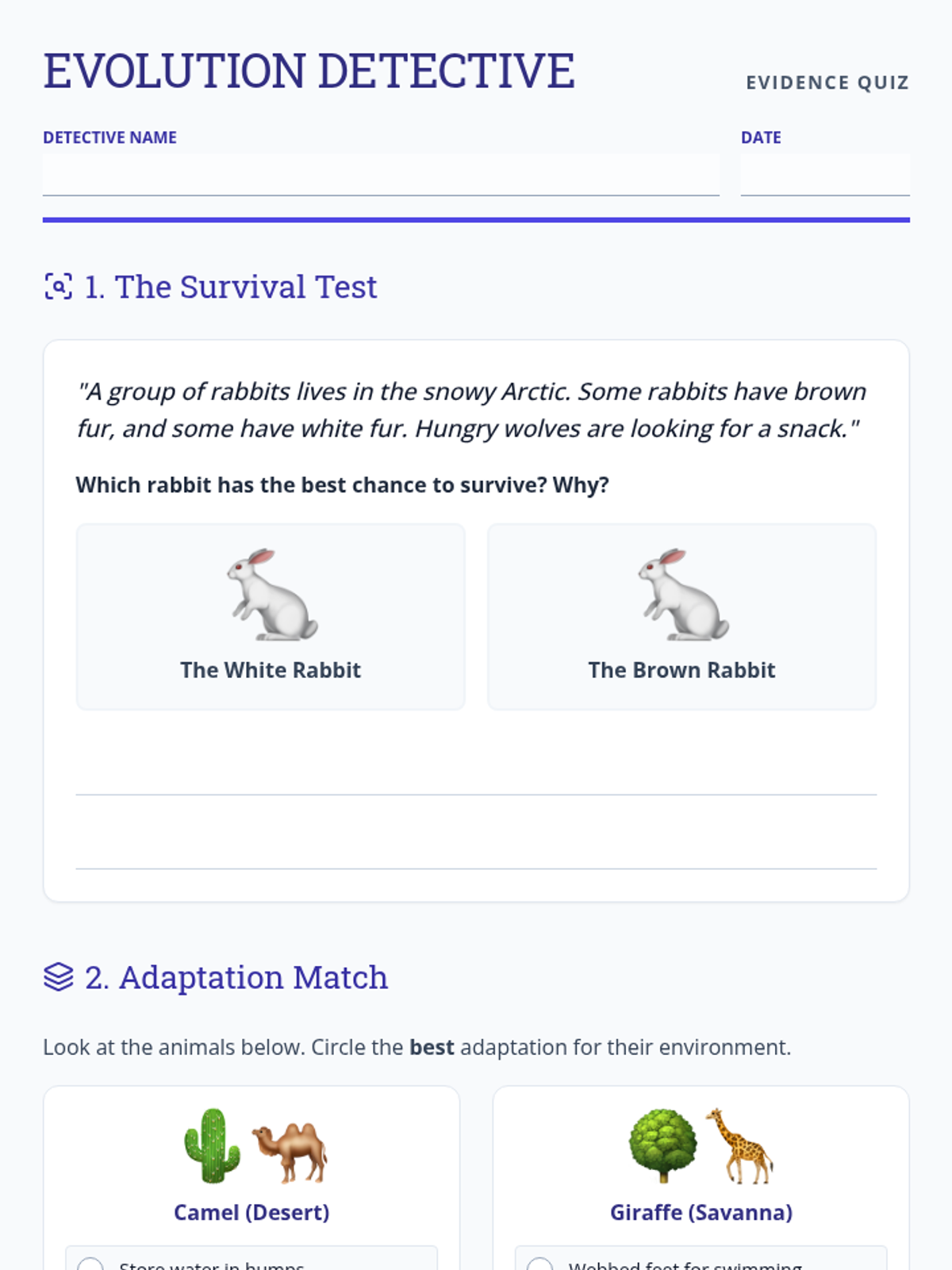
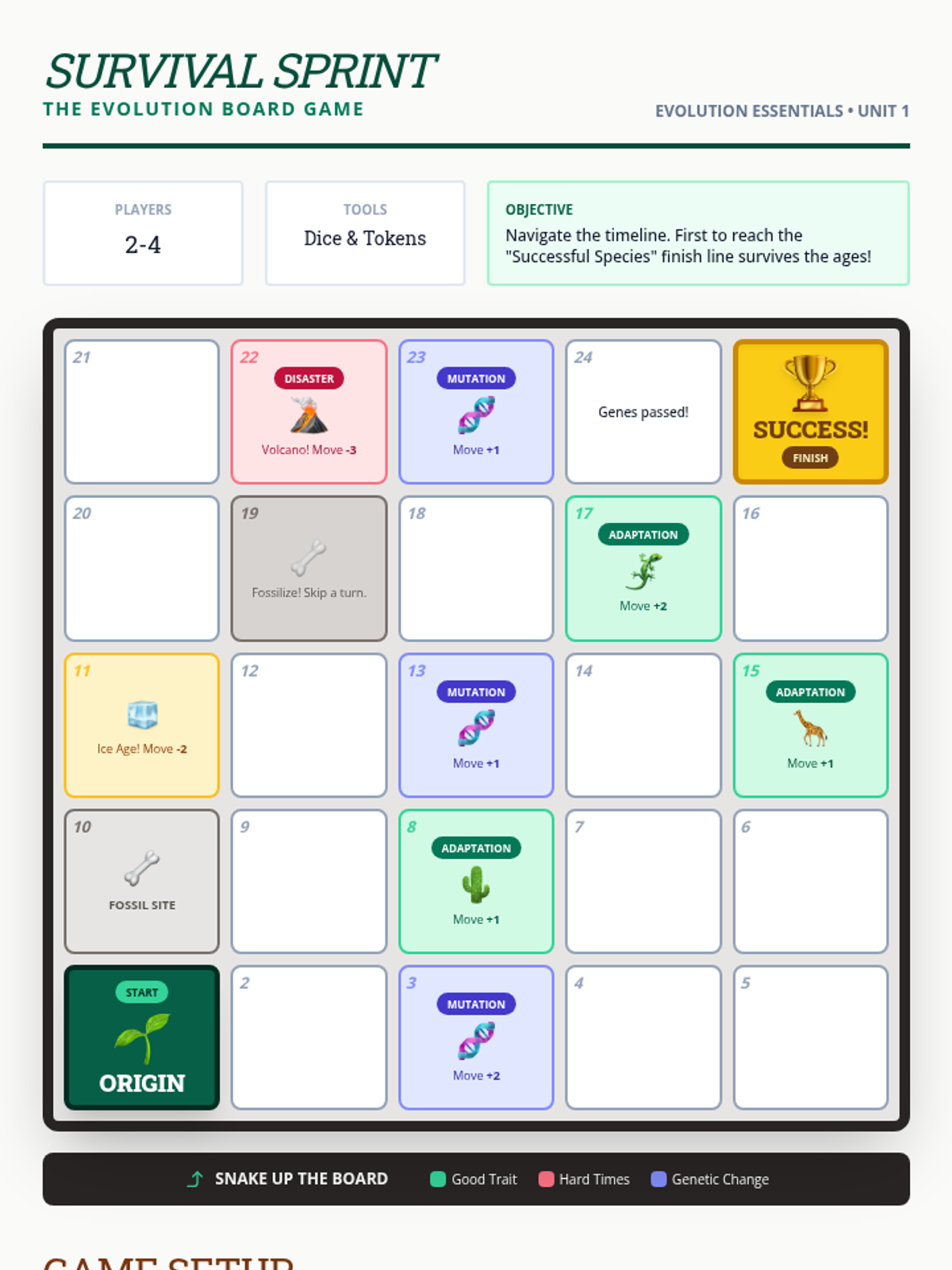
An introductory lesson on evolution covering natural selection, adaptations, fossils, and genetic mutations using visual and accessible formats.