A comprehensive practice set focusing on standard 5.OA.3, where students analyze and compare numerical patterns through state-testing style multiple-choice questions.
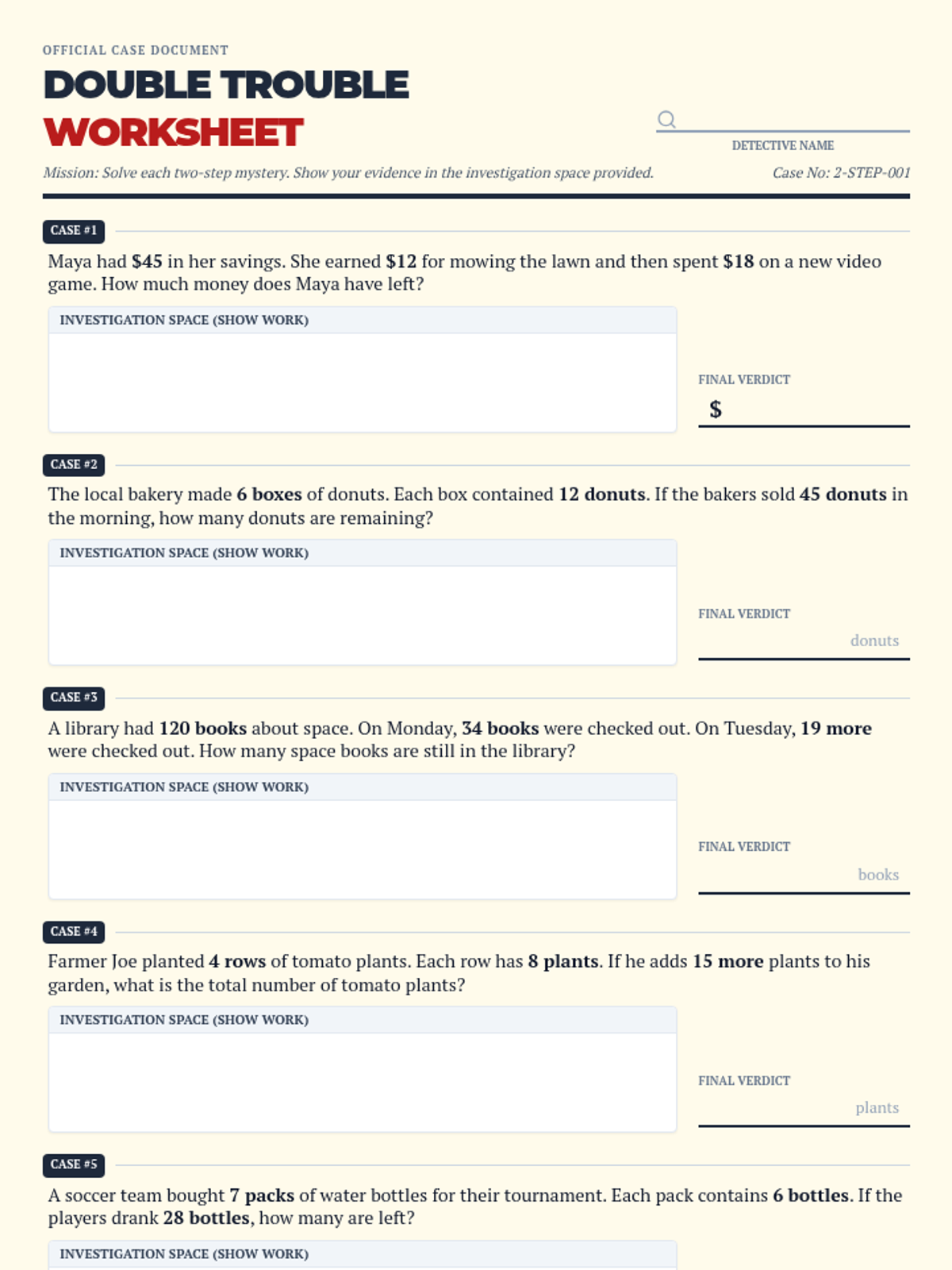
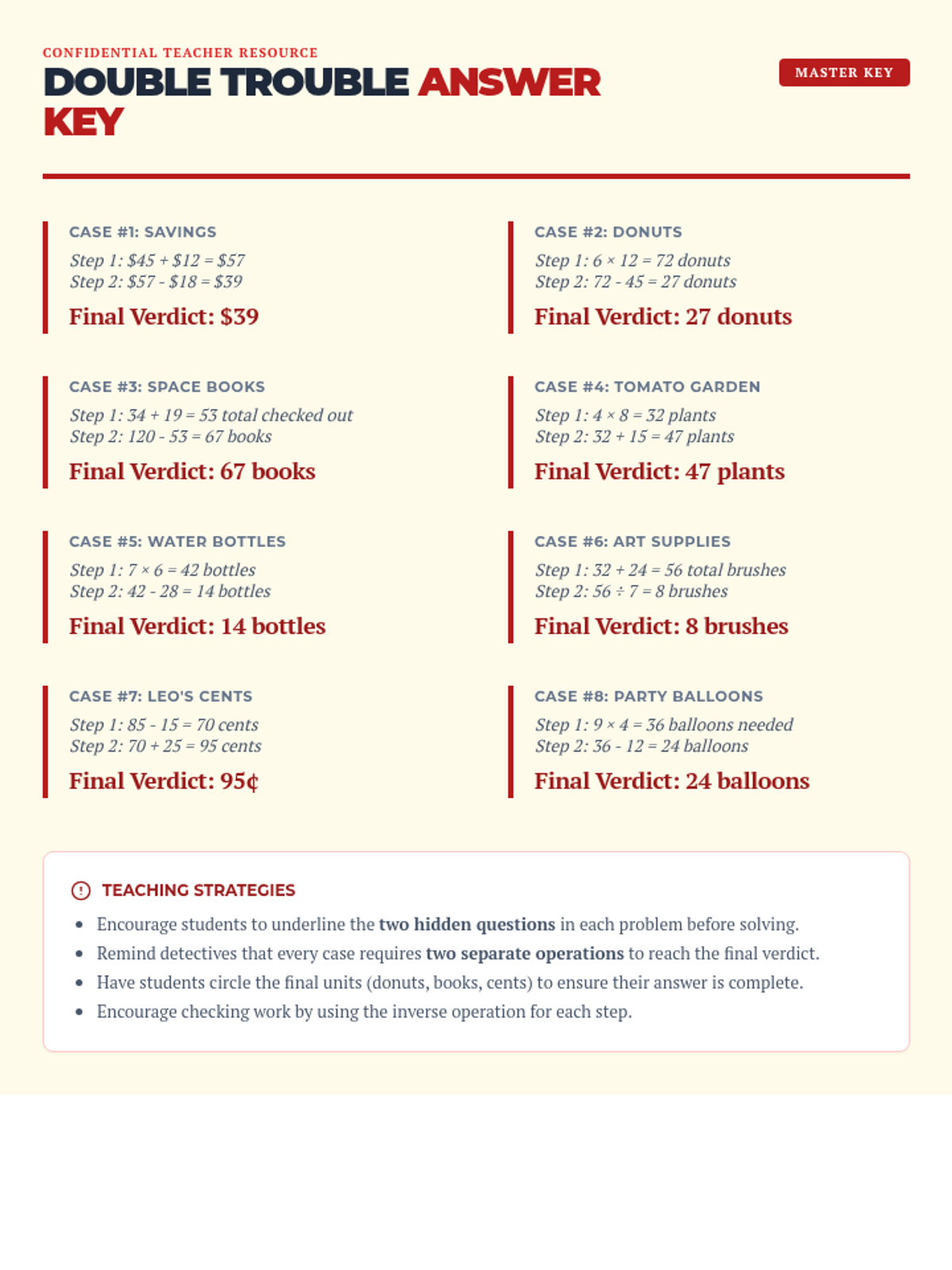
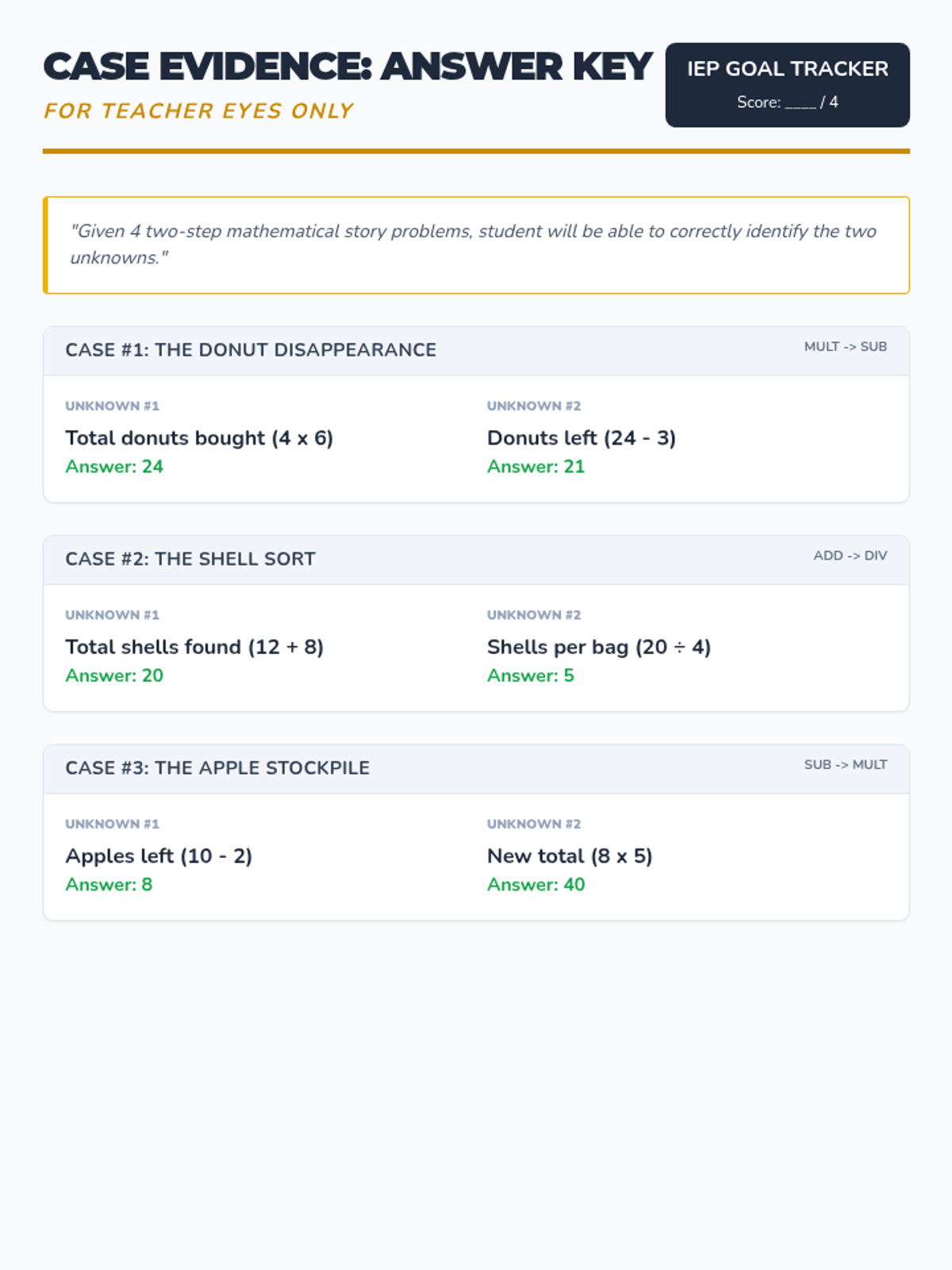
A detective-themed math lesson focused on solving multi-step word problems by breaking them down into logical operations. Students act as 'Problem Detectives' to uncover hidden operations and find the final solution.
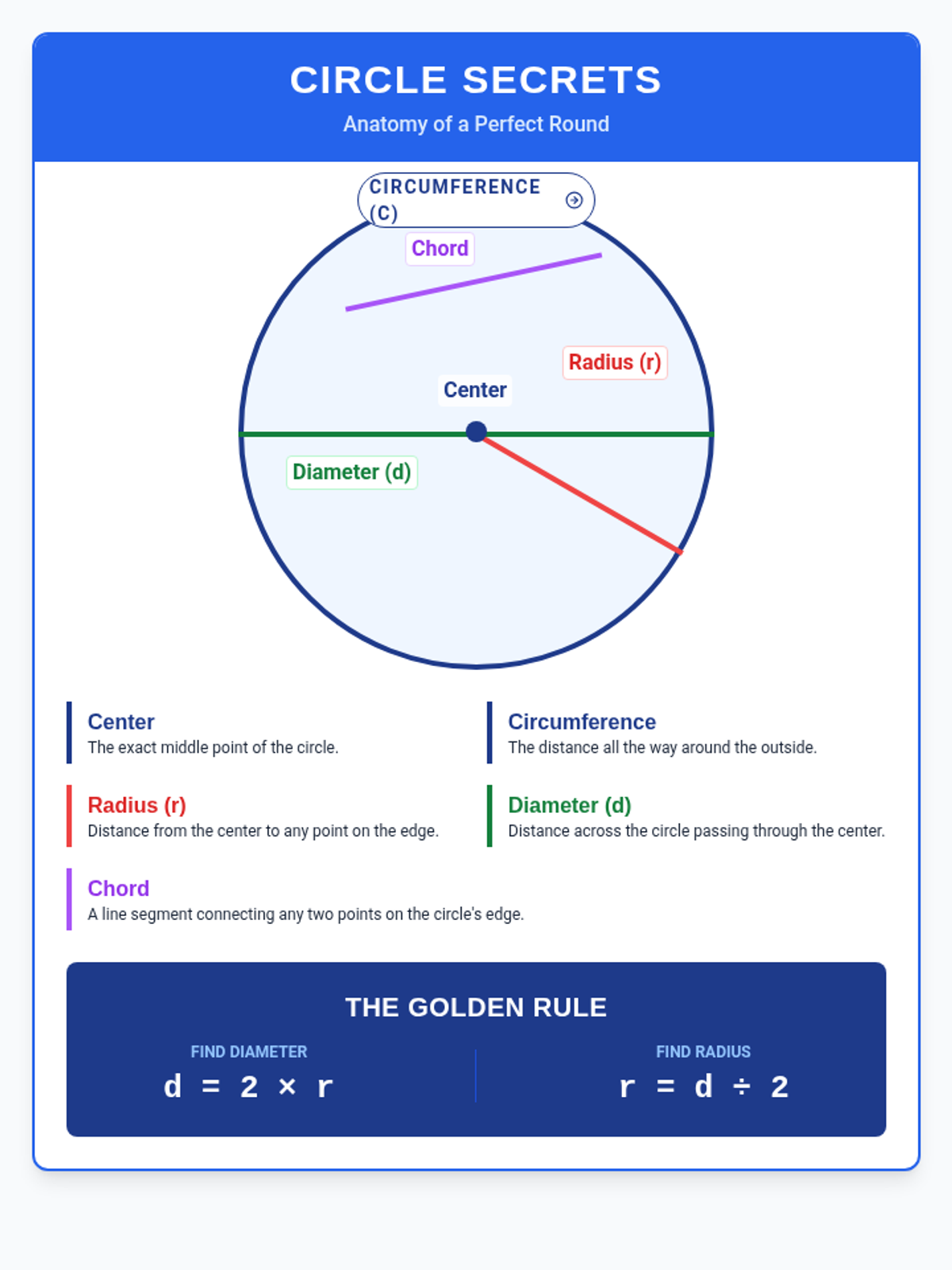
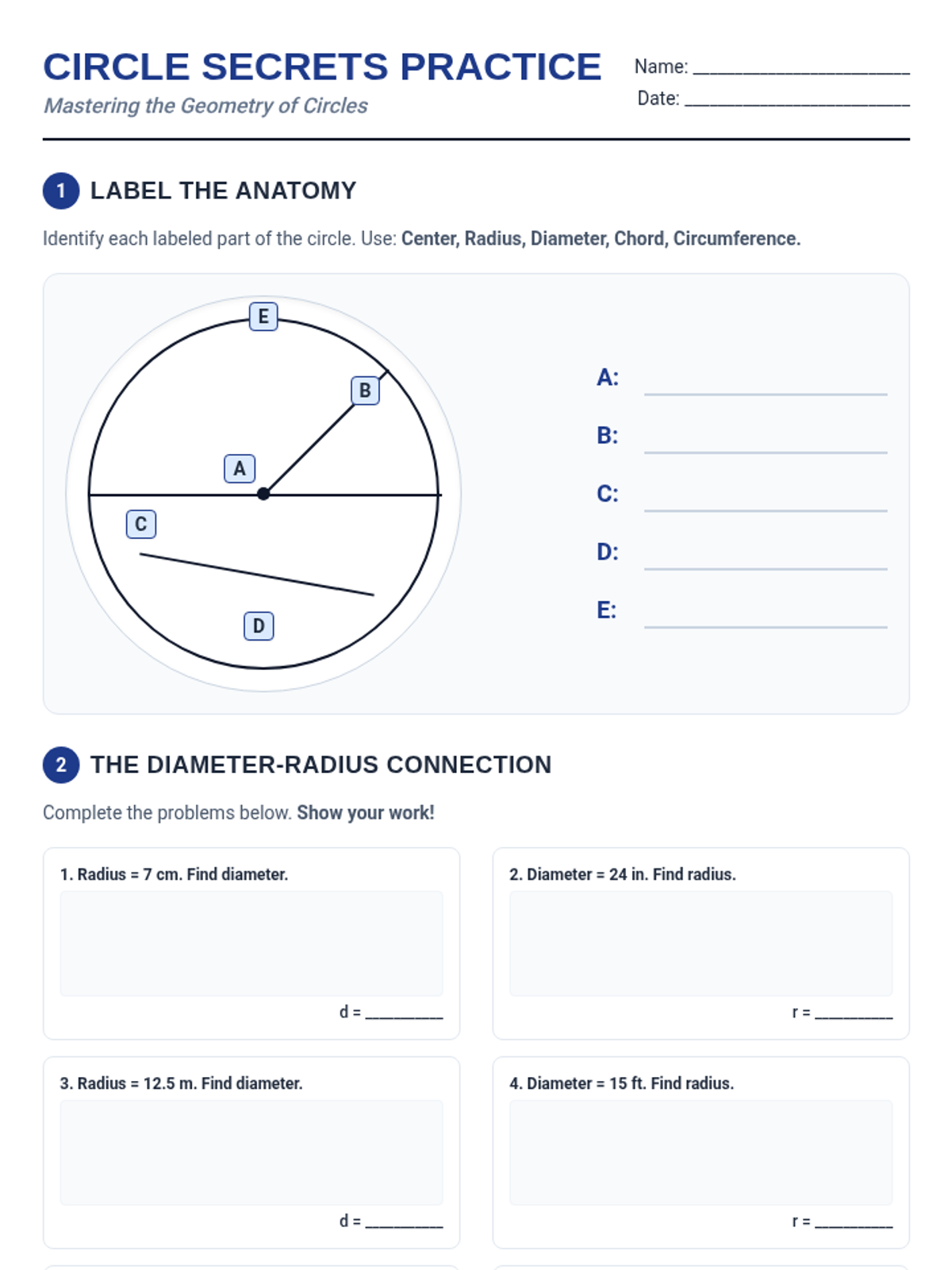
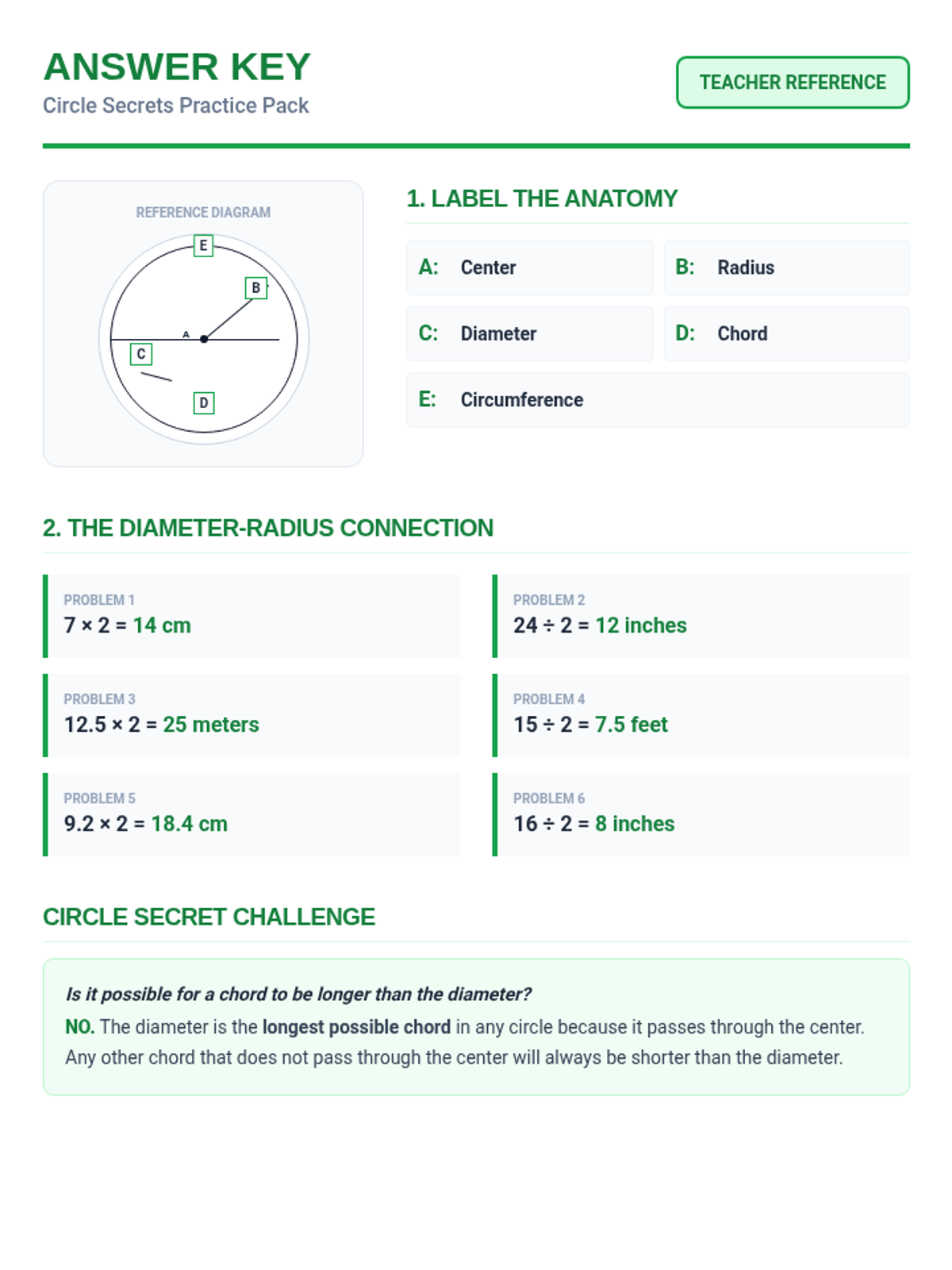
A 30-minute mini-lesson focusing on identifying the parts of a circle (radius, diameter, chord, center, and circumference) and calculating measurements between radius and diameter.
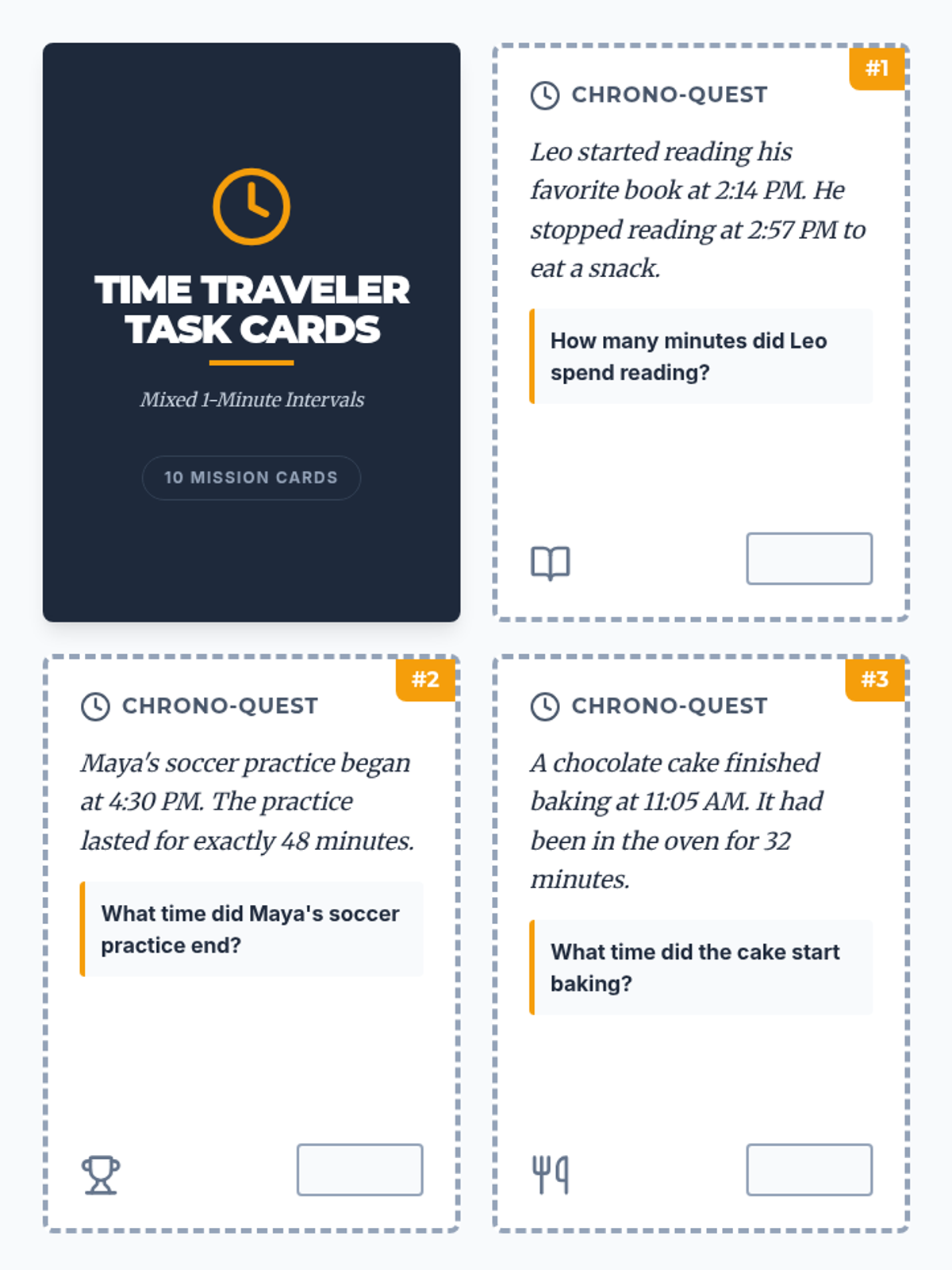
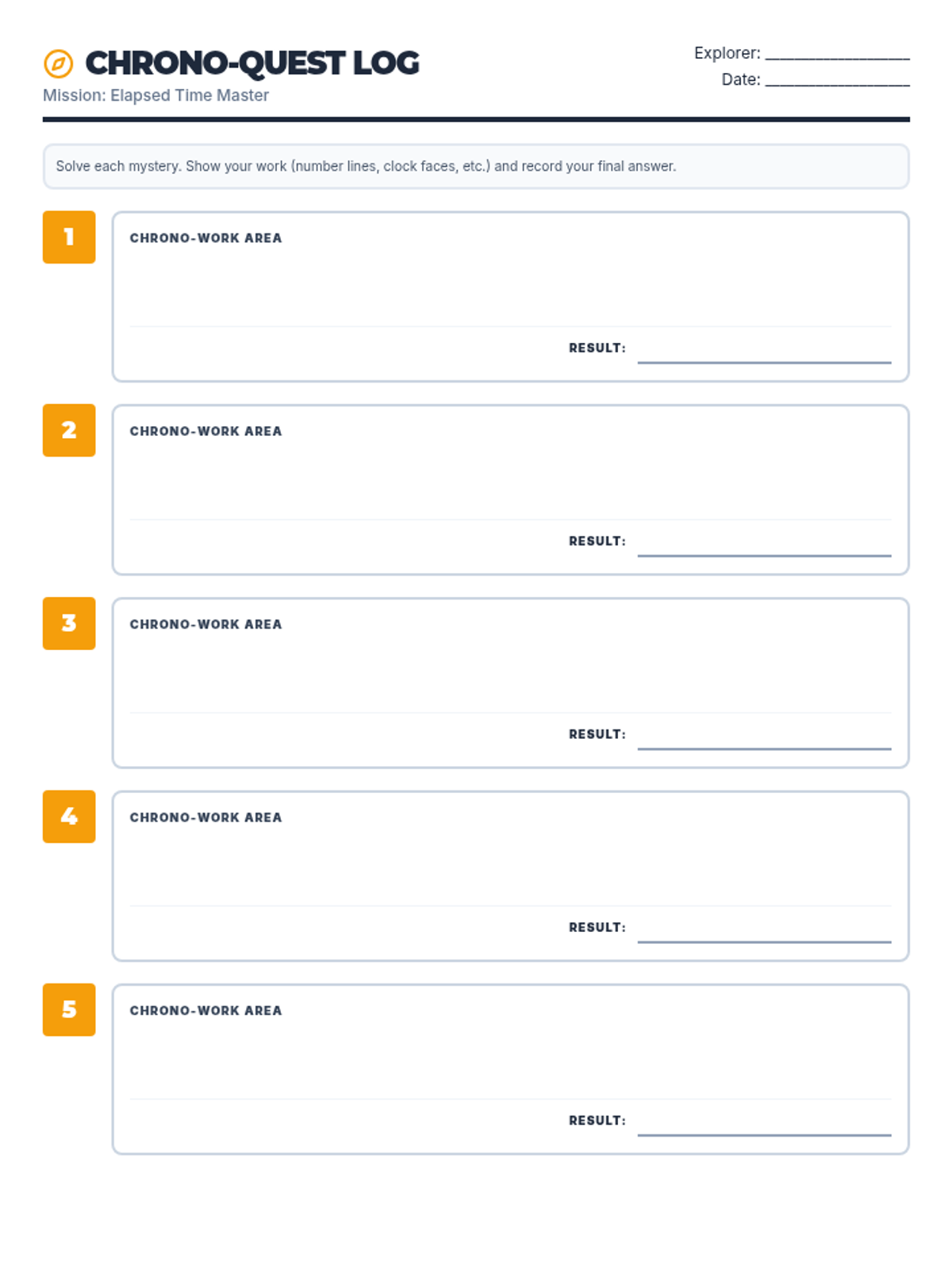
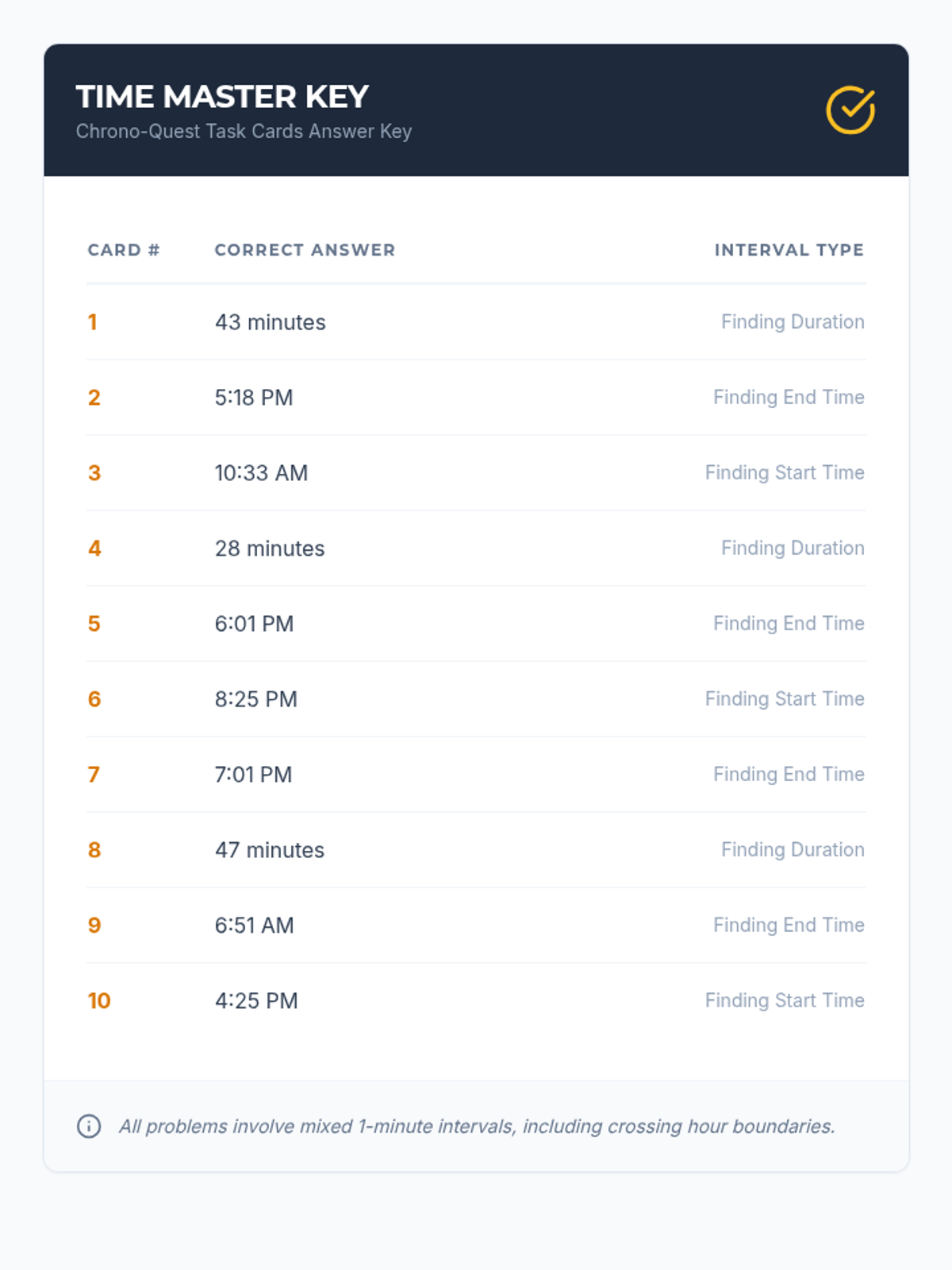
A lesson focused on solving word problems involving elapsed time using 1-minute intervals, themed around a 'Time Travel' adventure.
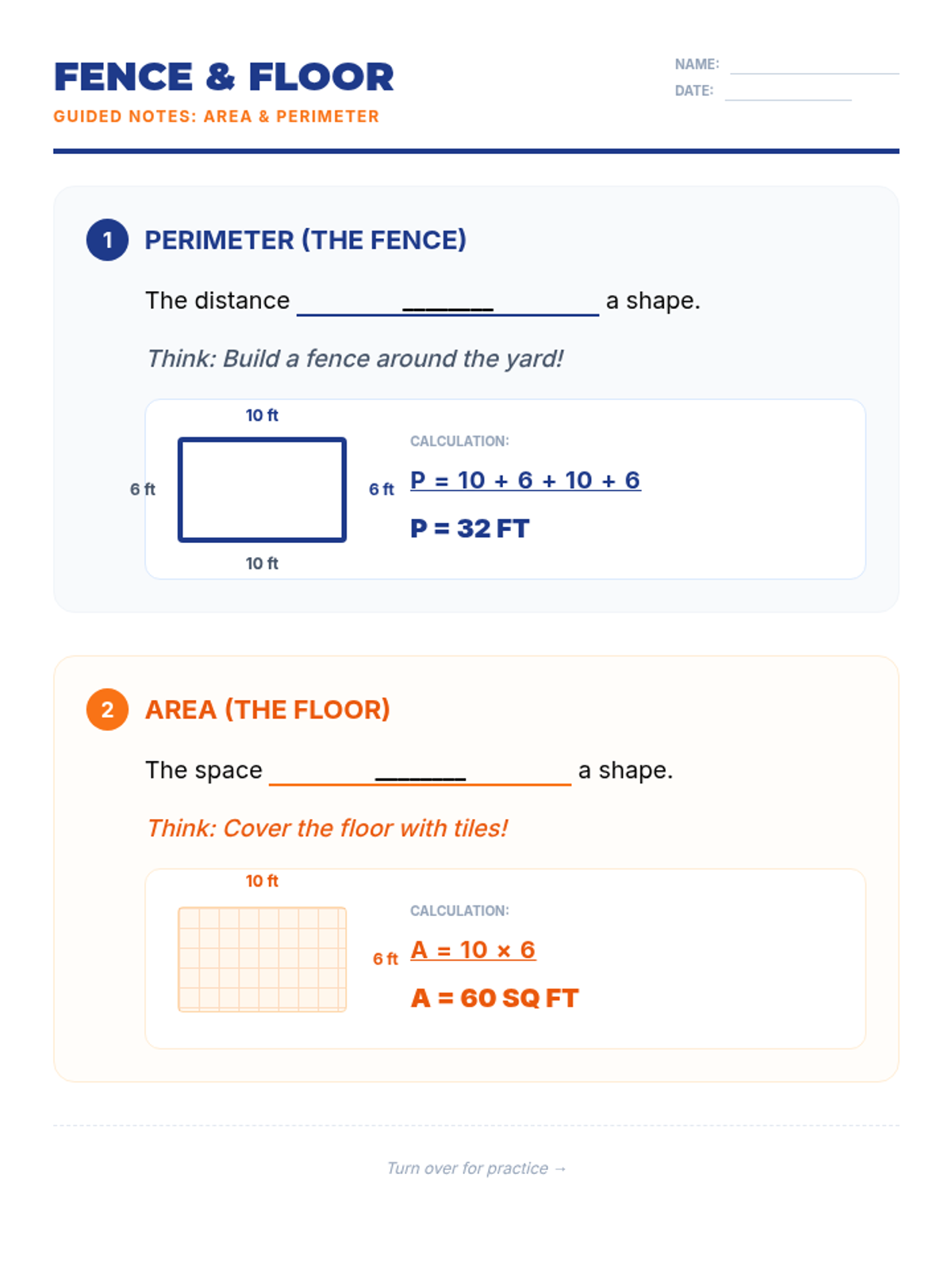
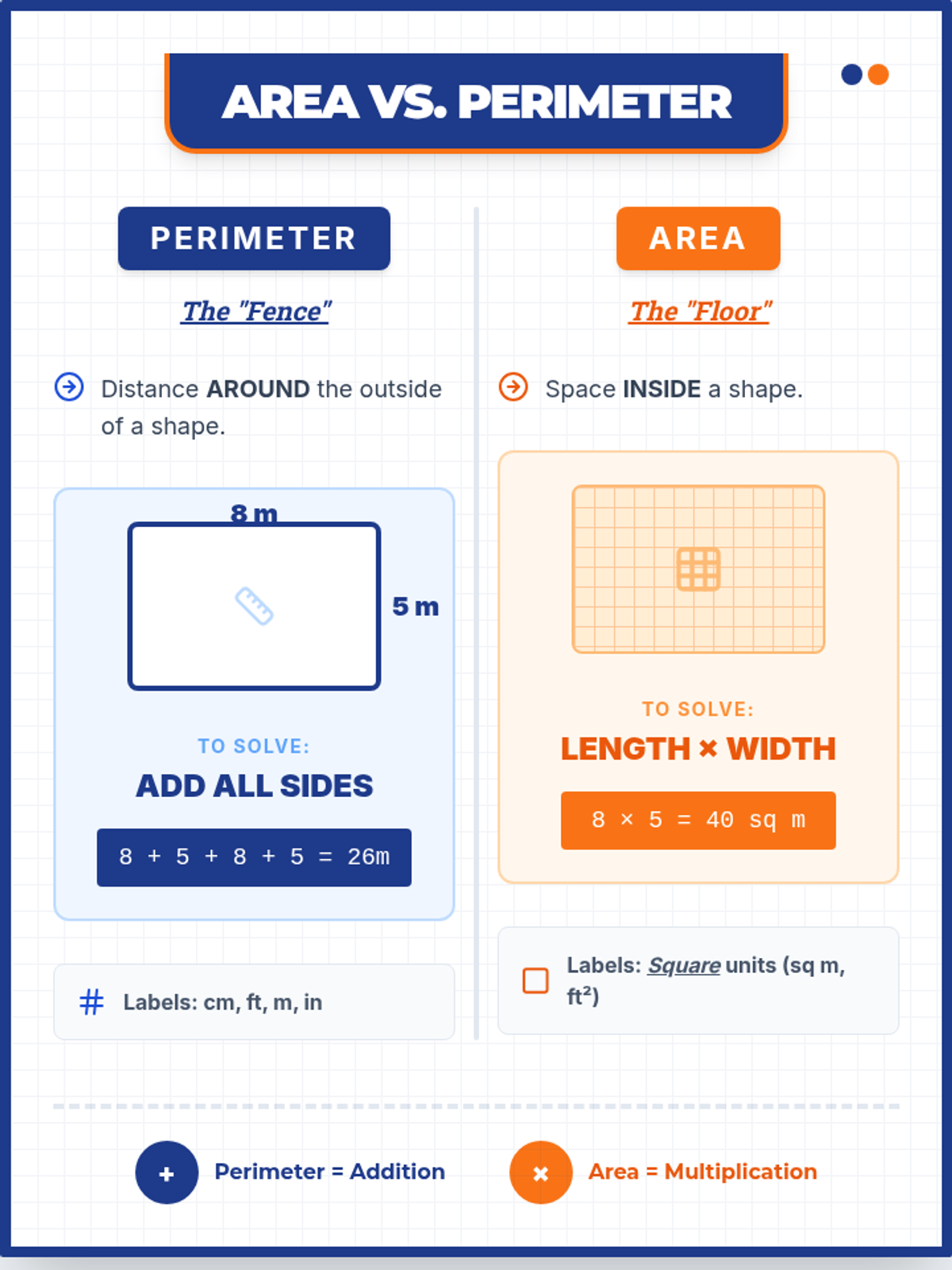
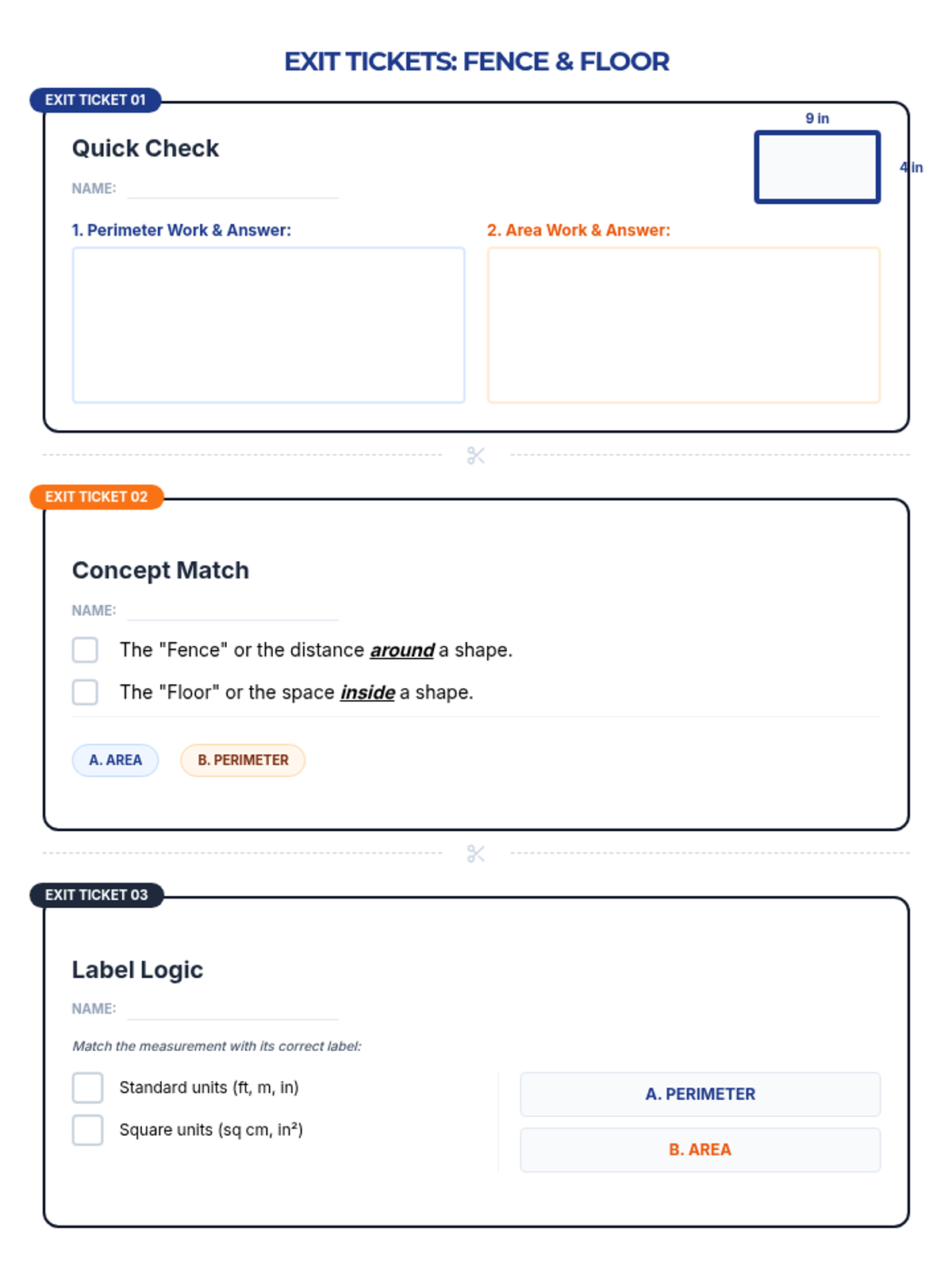
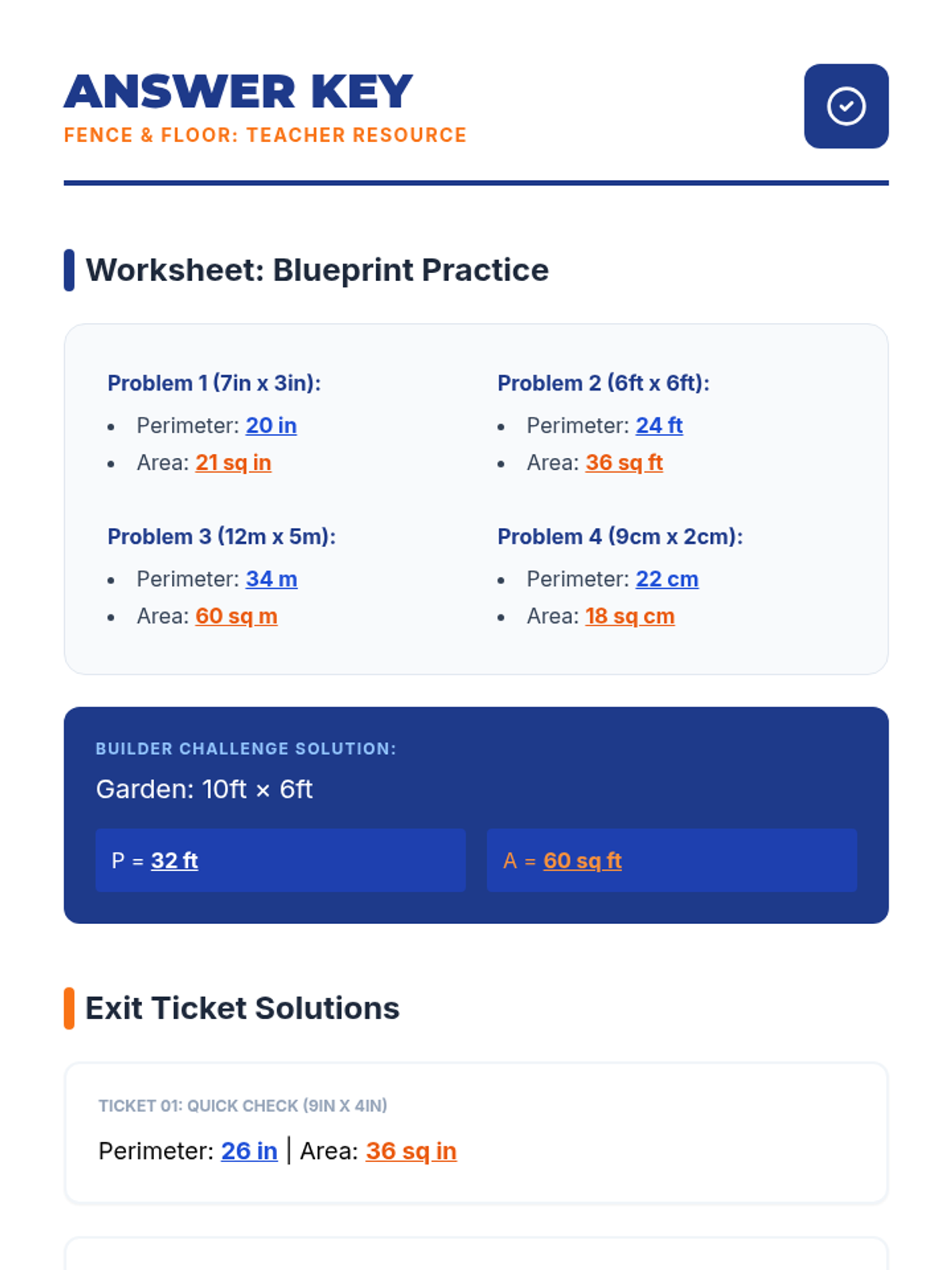
An introductory lesson on area and perimeter using the 'Fence and Floor' analogy. Students will learn the definitions, formulas, and real-world applications through visual aids and practice.
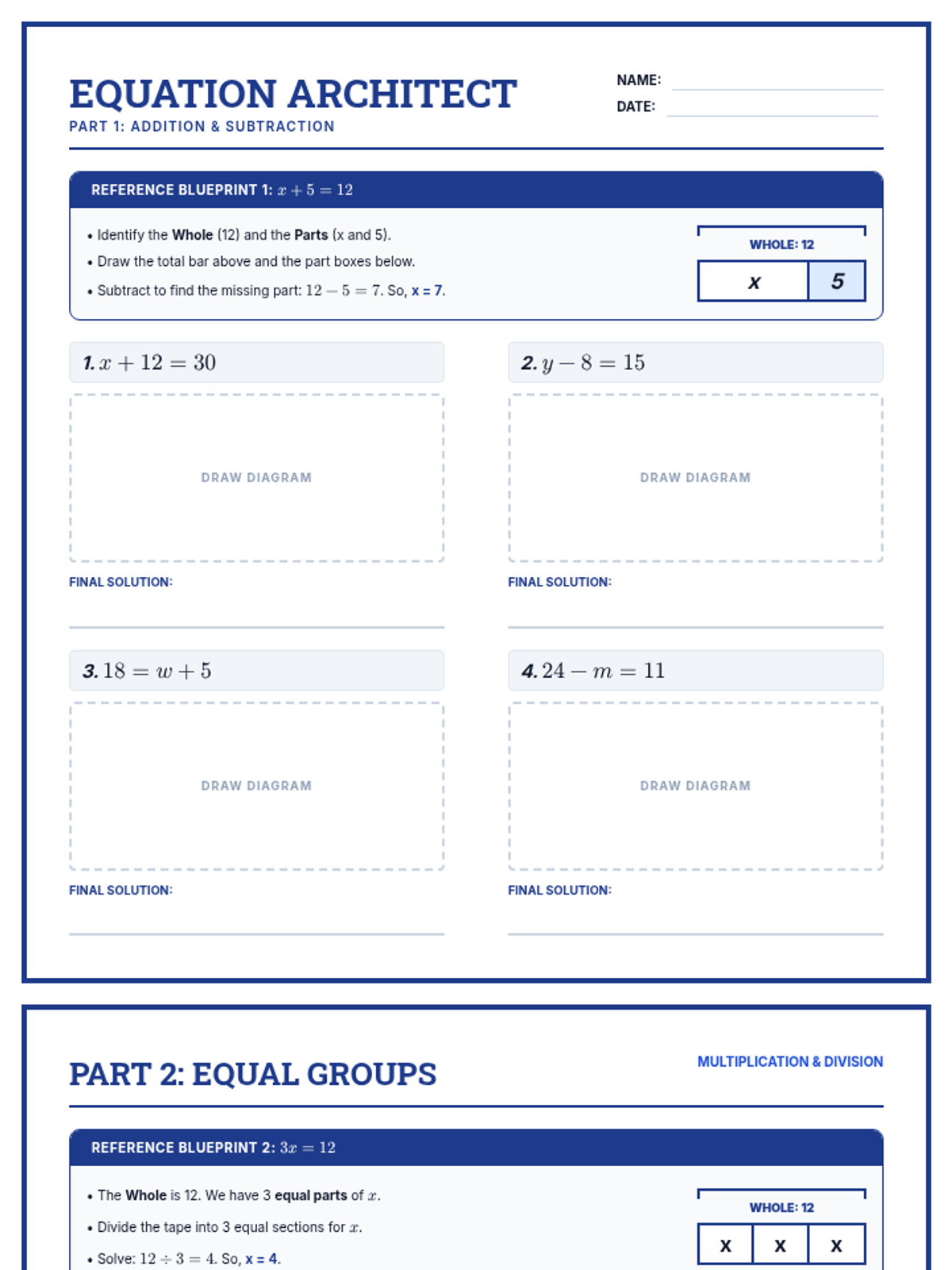
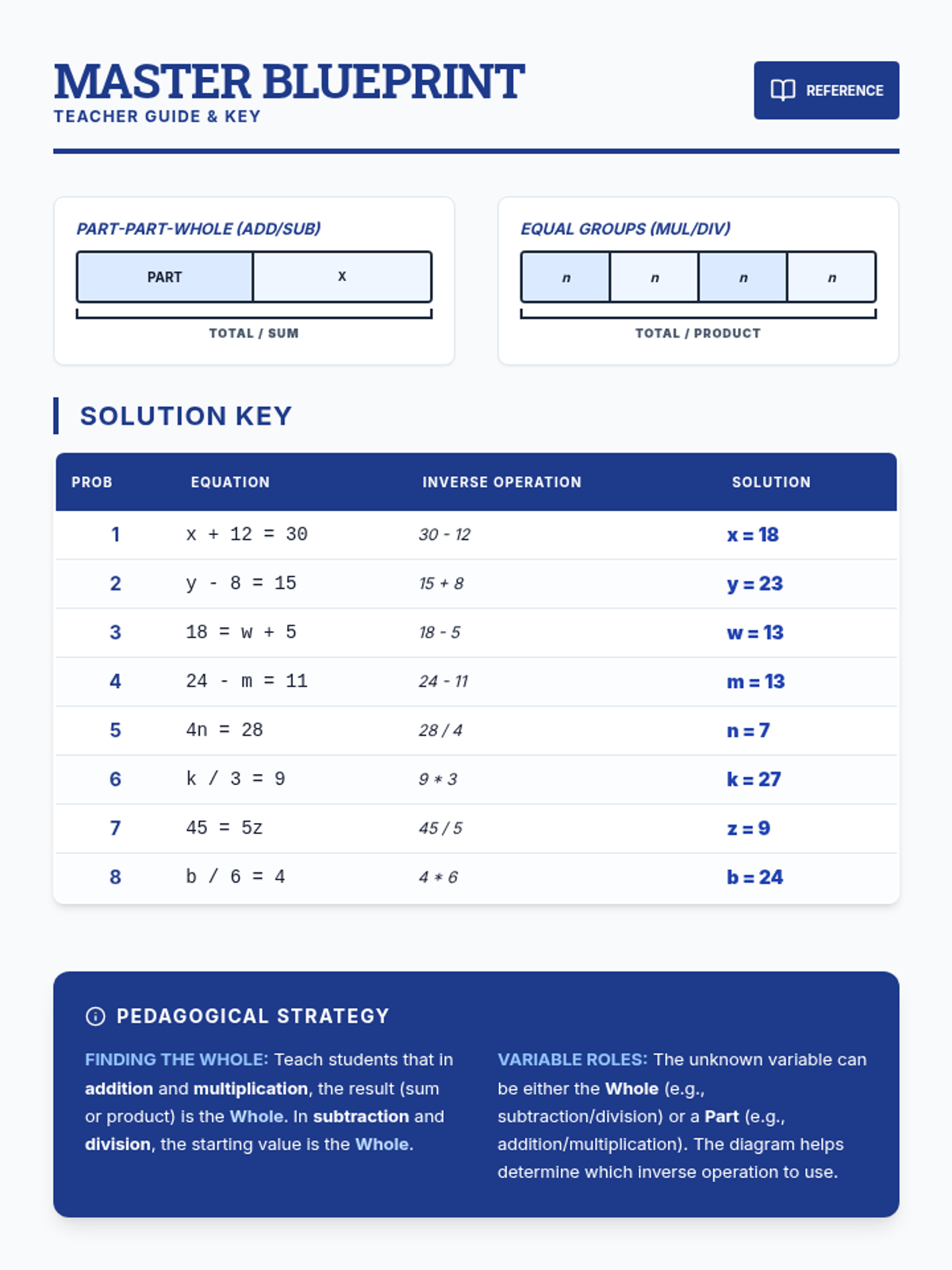
A lesson focused on solving one-step equations using tape diagrams as a visual strategy to represent relationships between numbers and variables across all four operations.
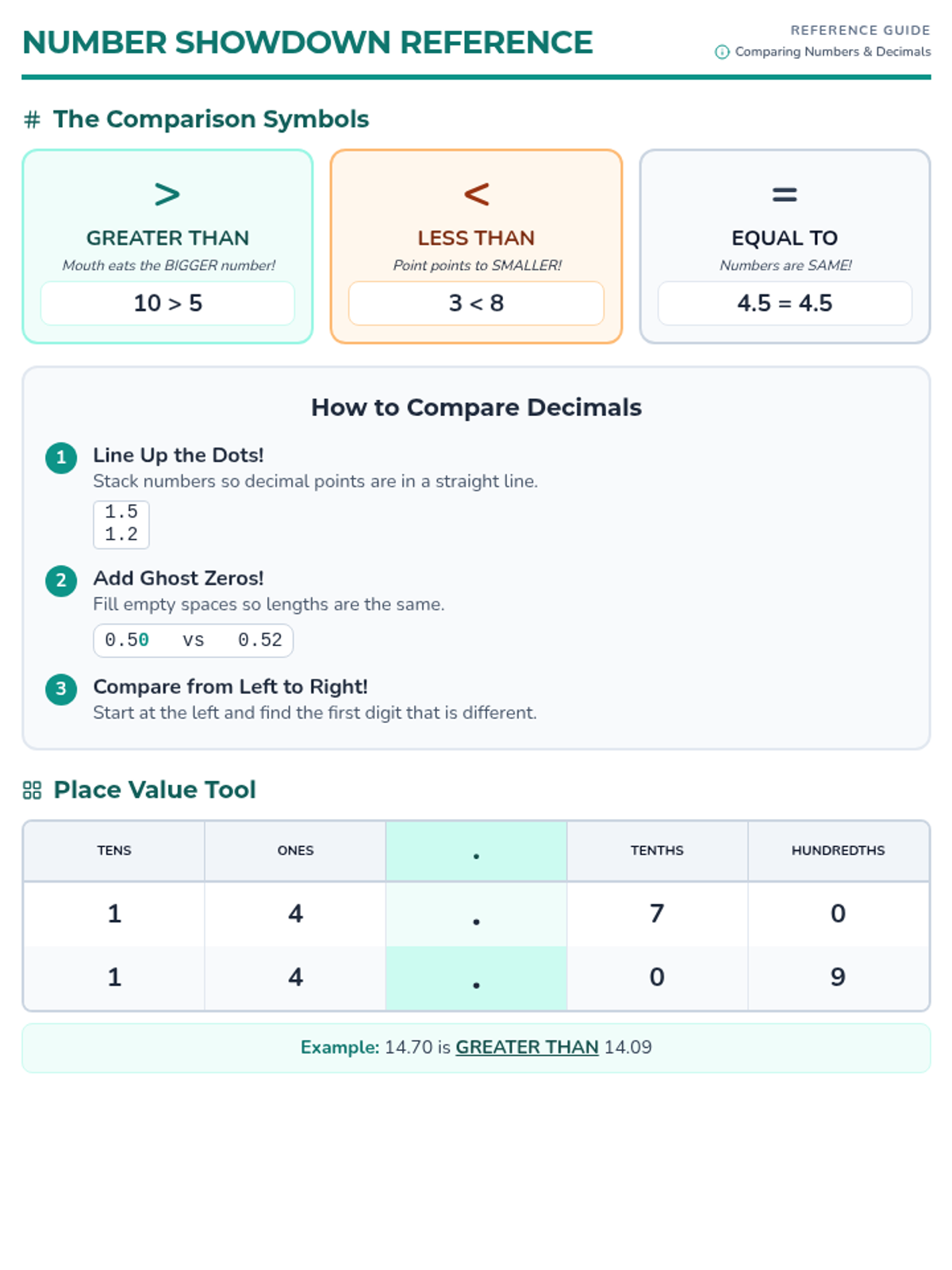
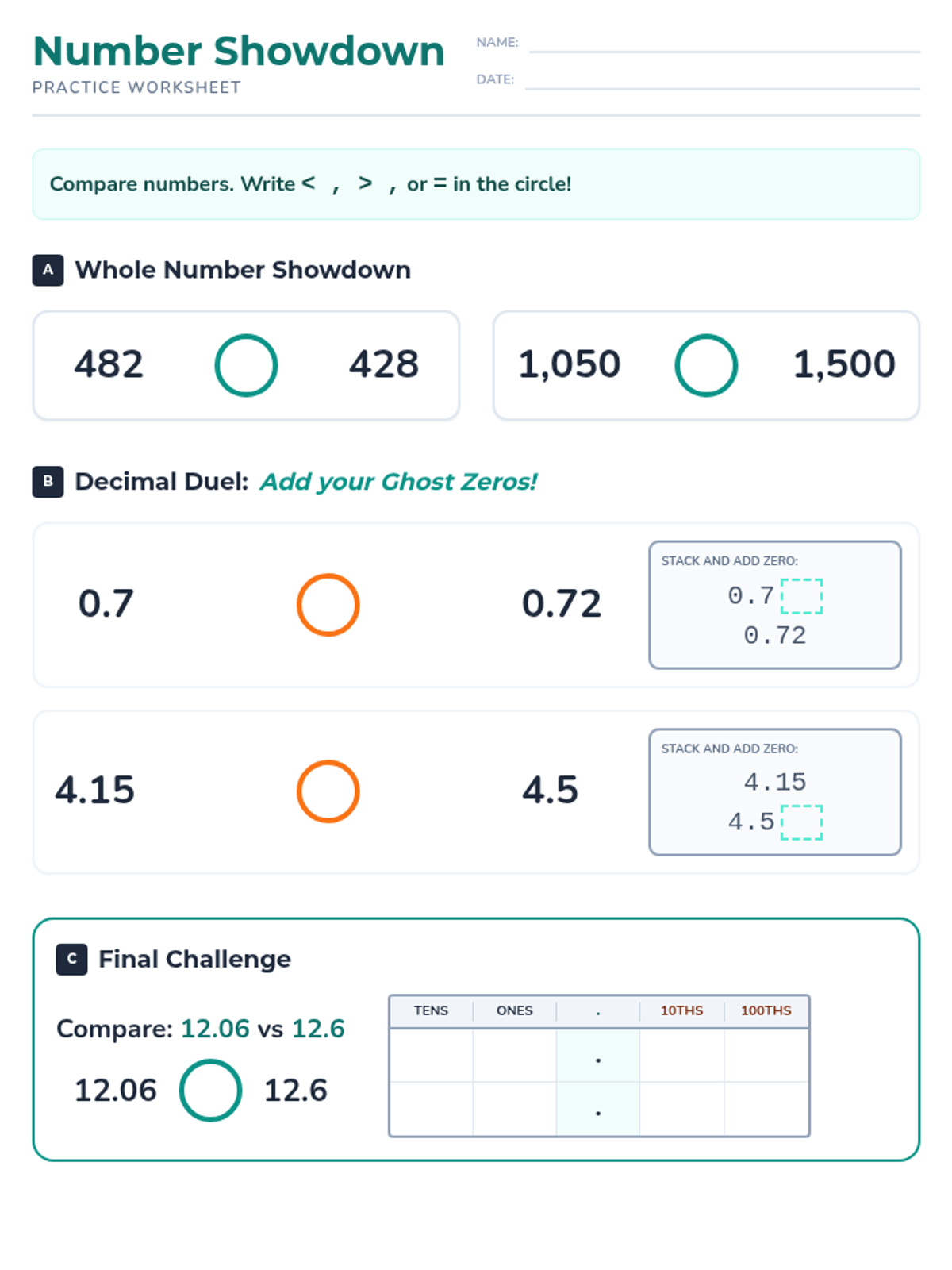
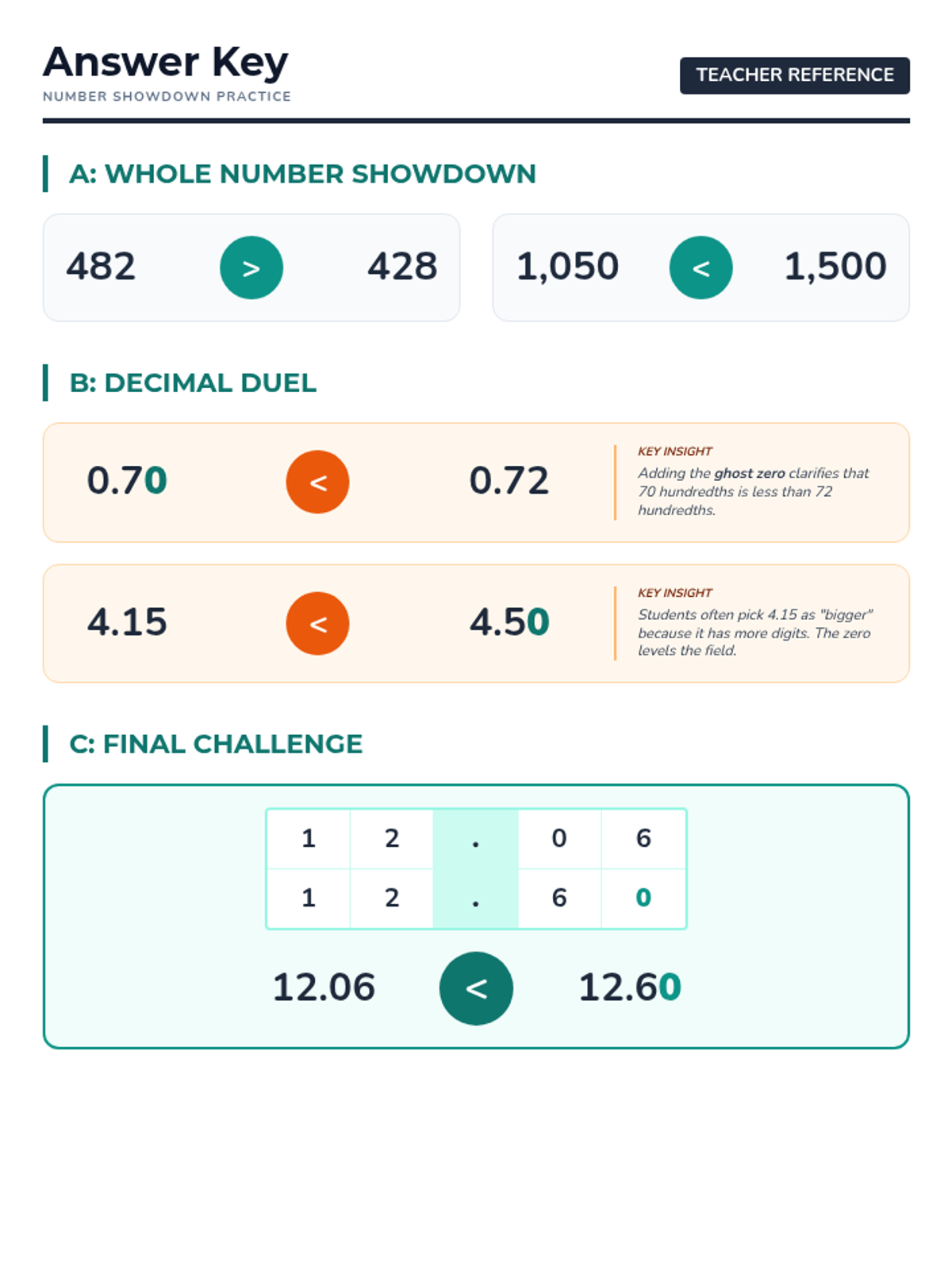
A guided lesson on comparing and ordering whole numbers and decimals, designed specifically for learners who benefit from visual scaffolding and structured place value support.
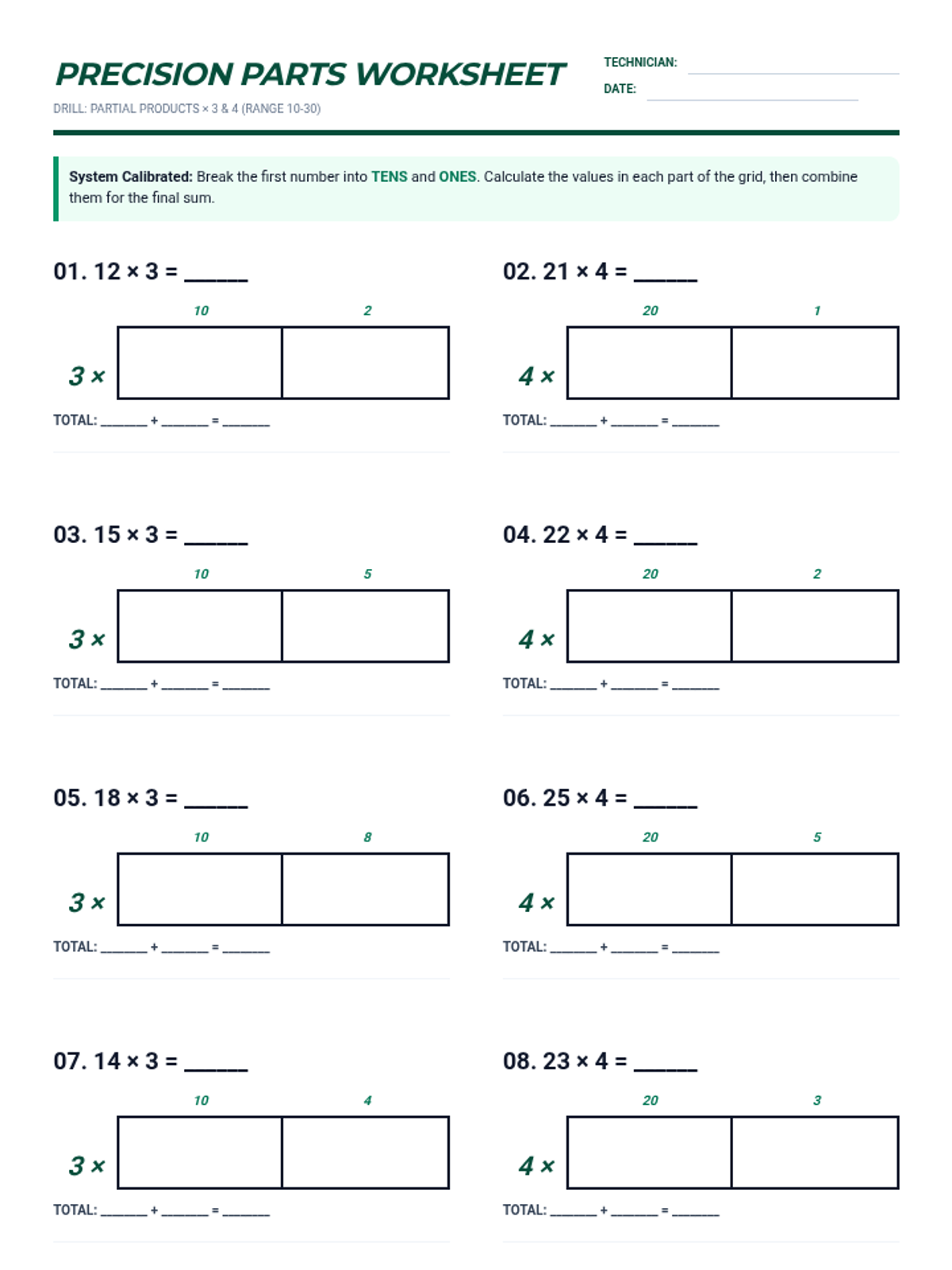
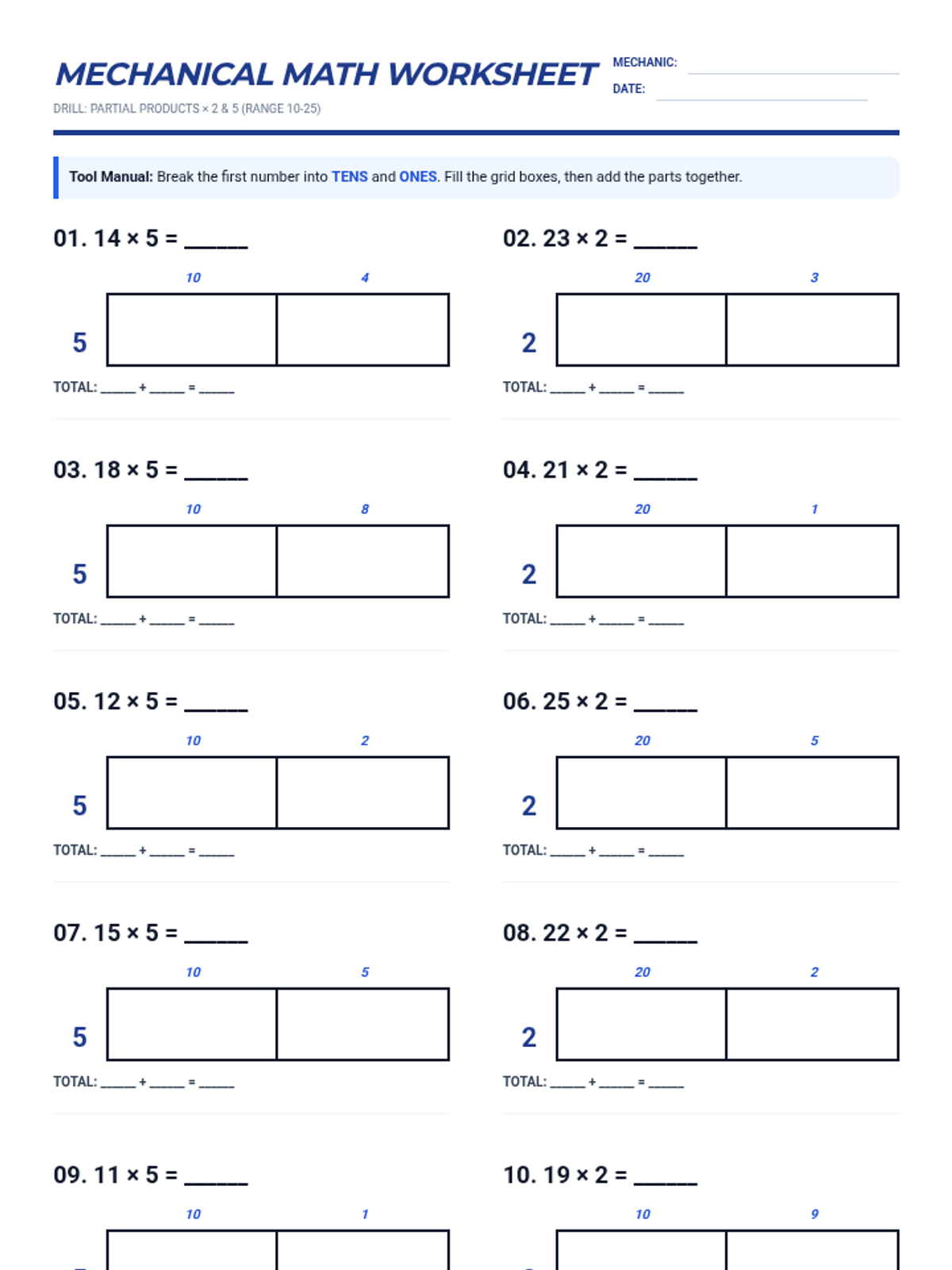
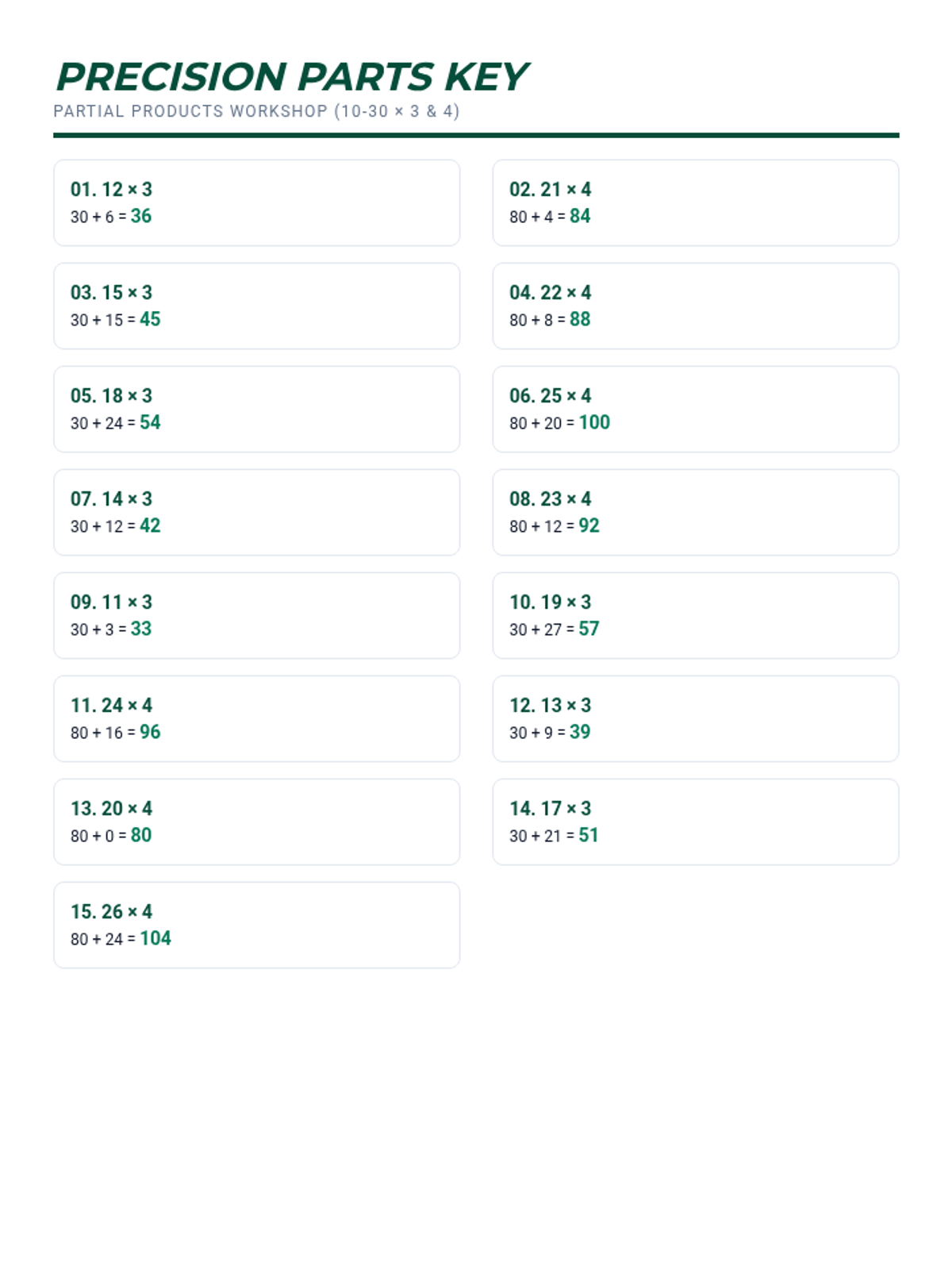
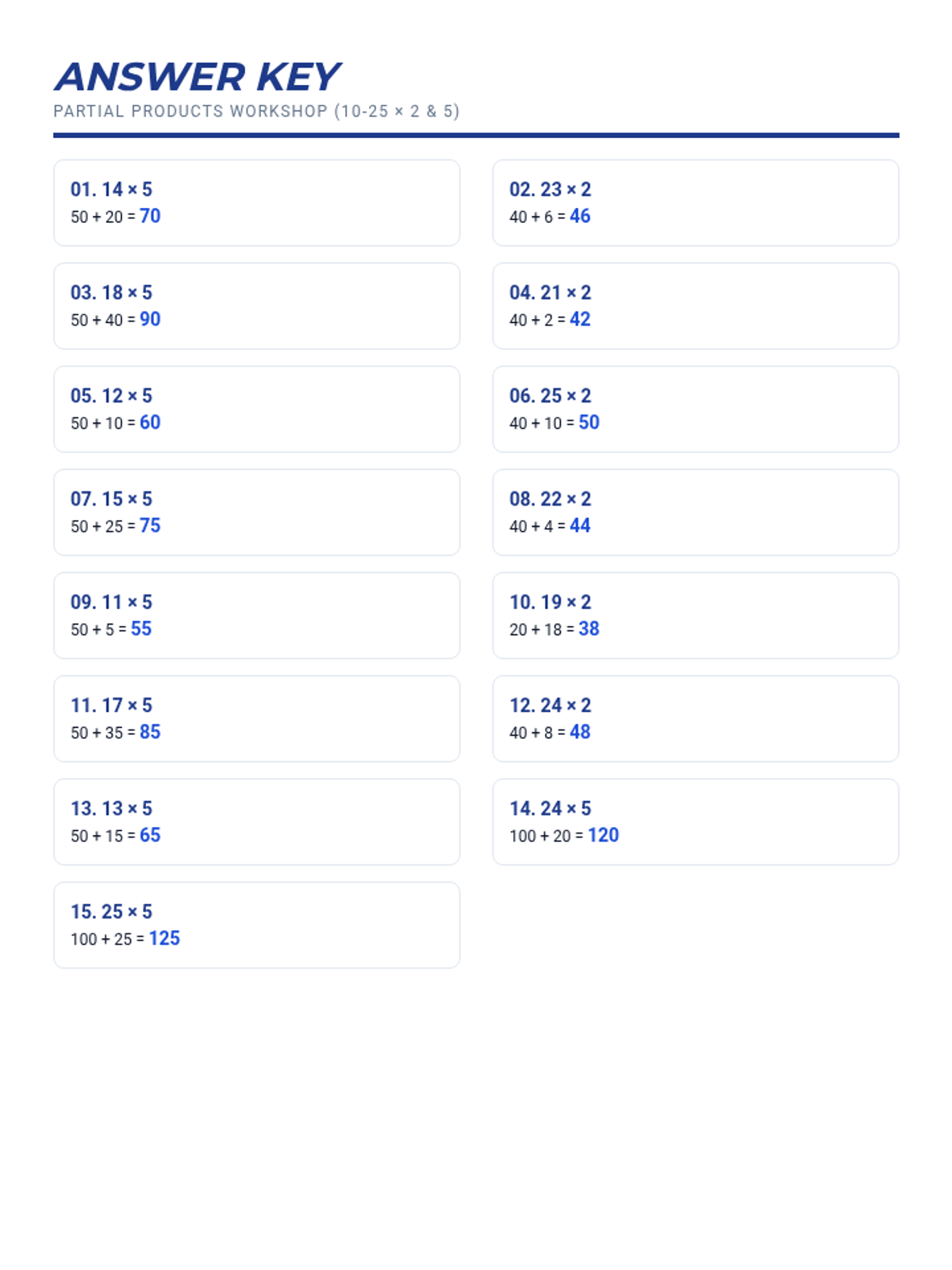
A lesson focused on building multiplication fluency with flashcards and mastering the partial products method for 2-digit by 1-digit multiplication.
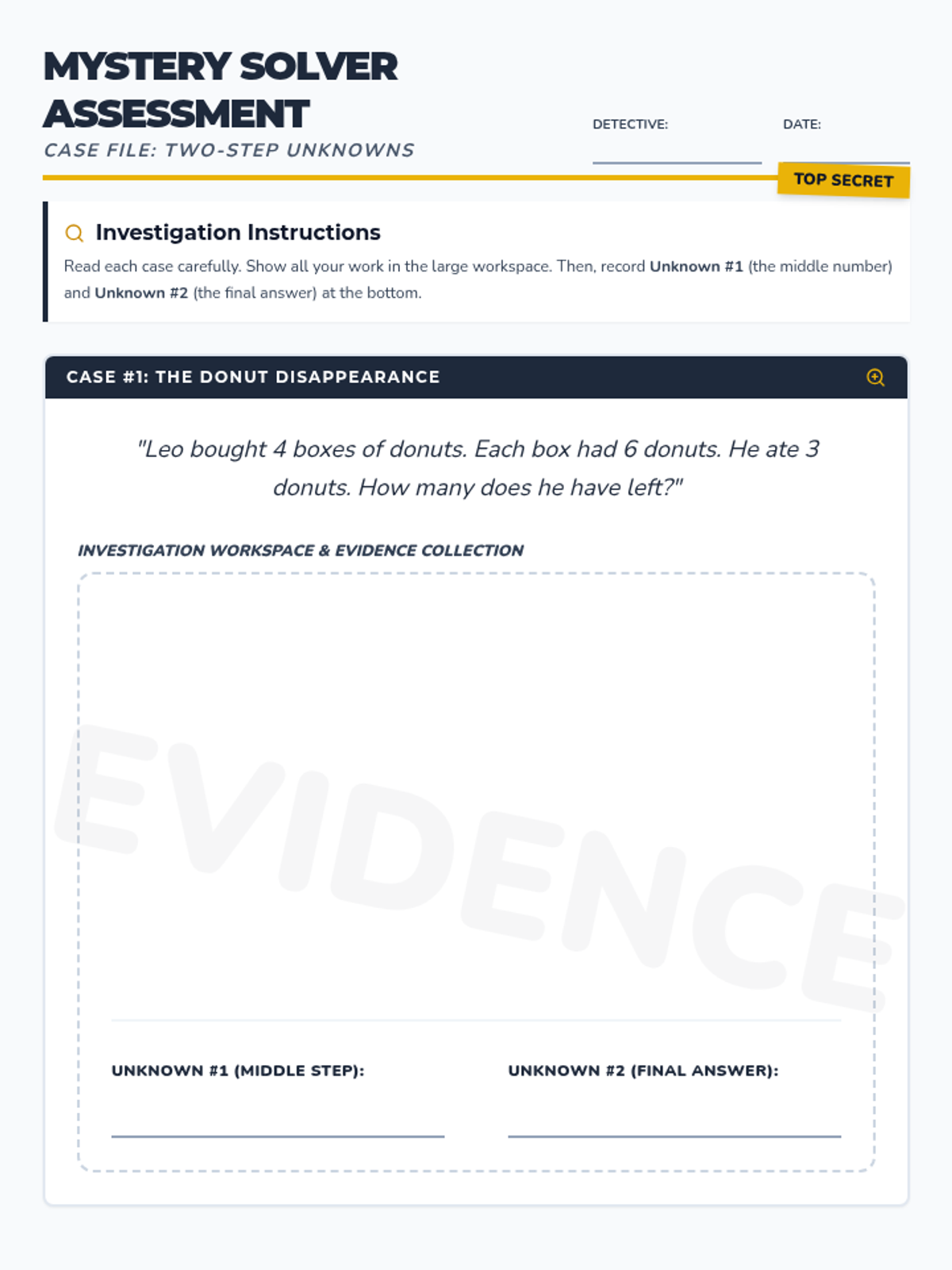
A lesson focused on identifying the two distinct unknowns in multi-step mathematical word problems using a detective-themed assessment.
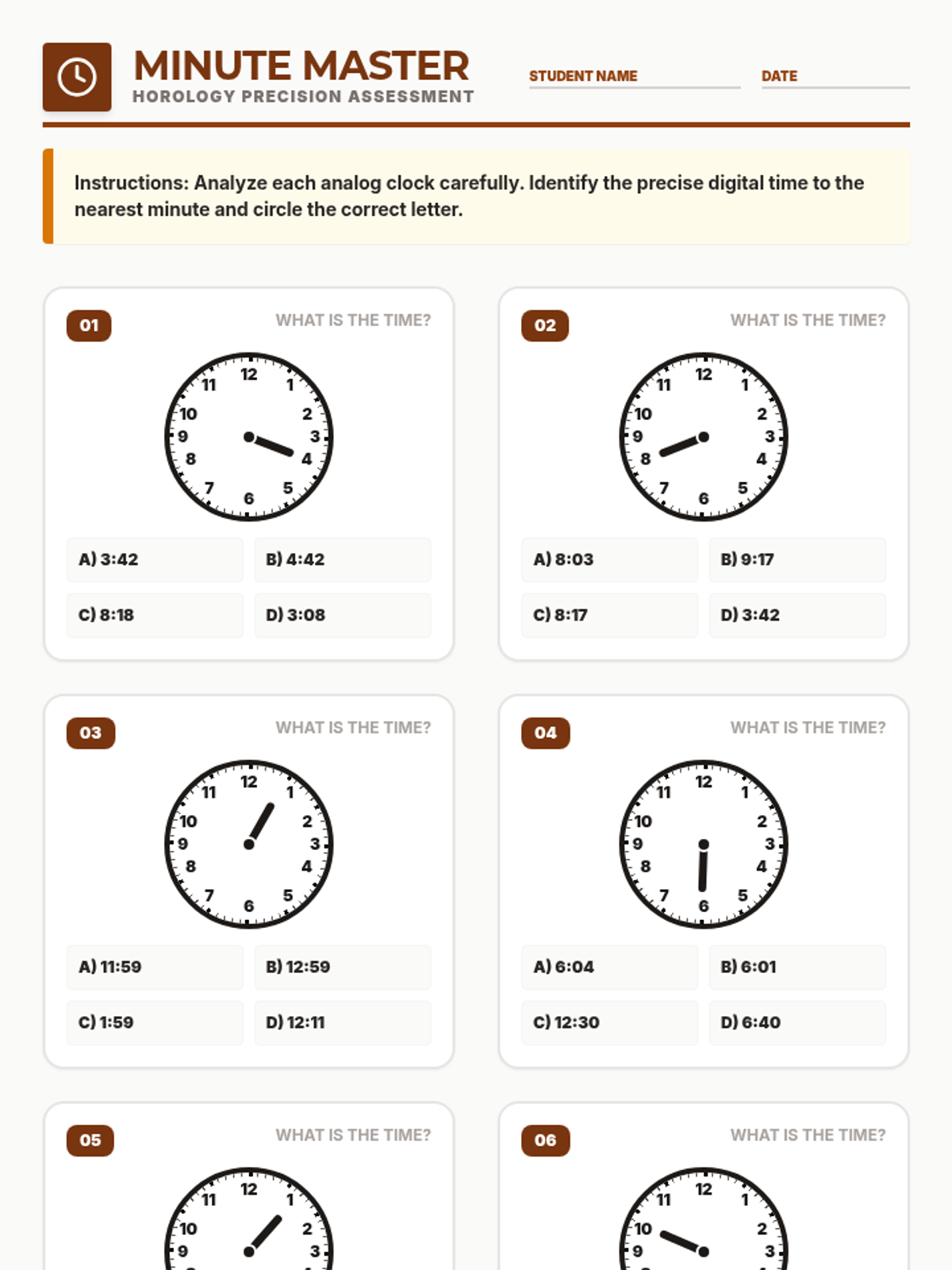
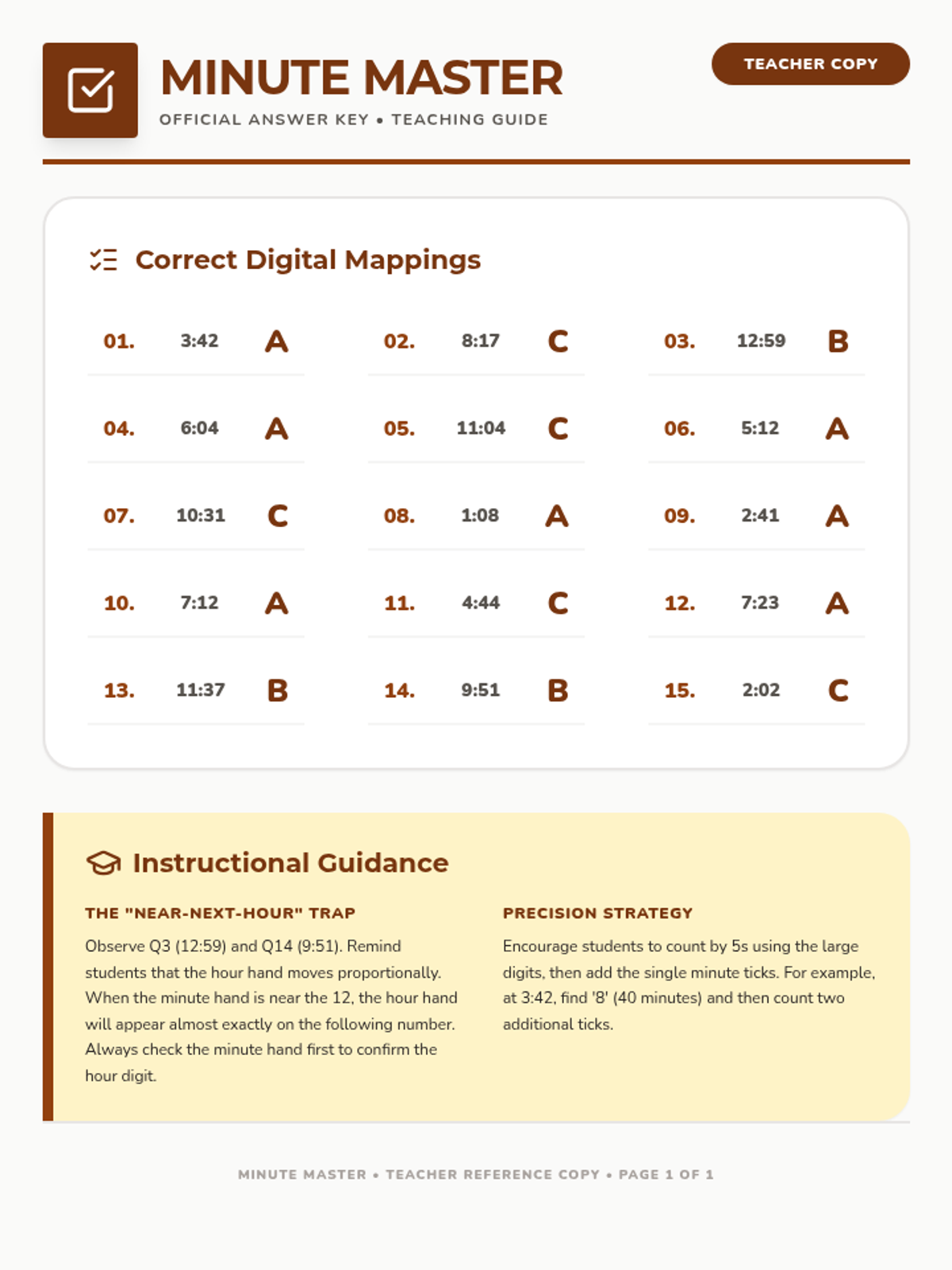
A comprehensive lesson focused on telling time to the exact minute, featuring visual clock identification and word problems.
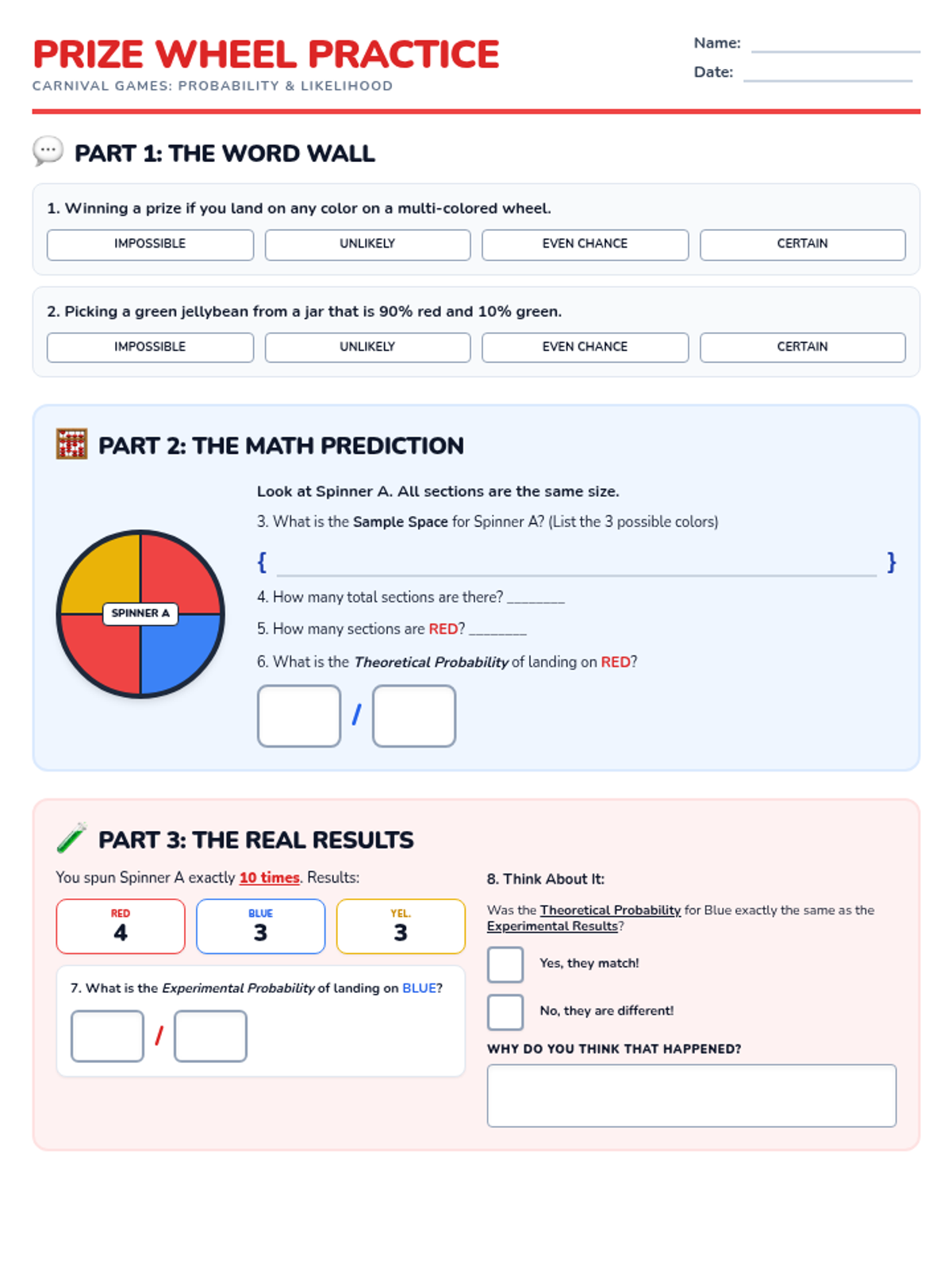
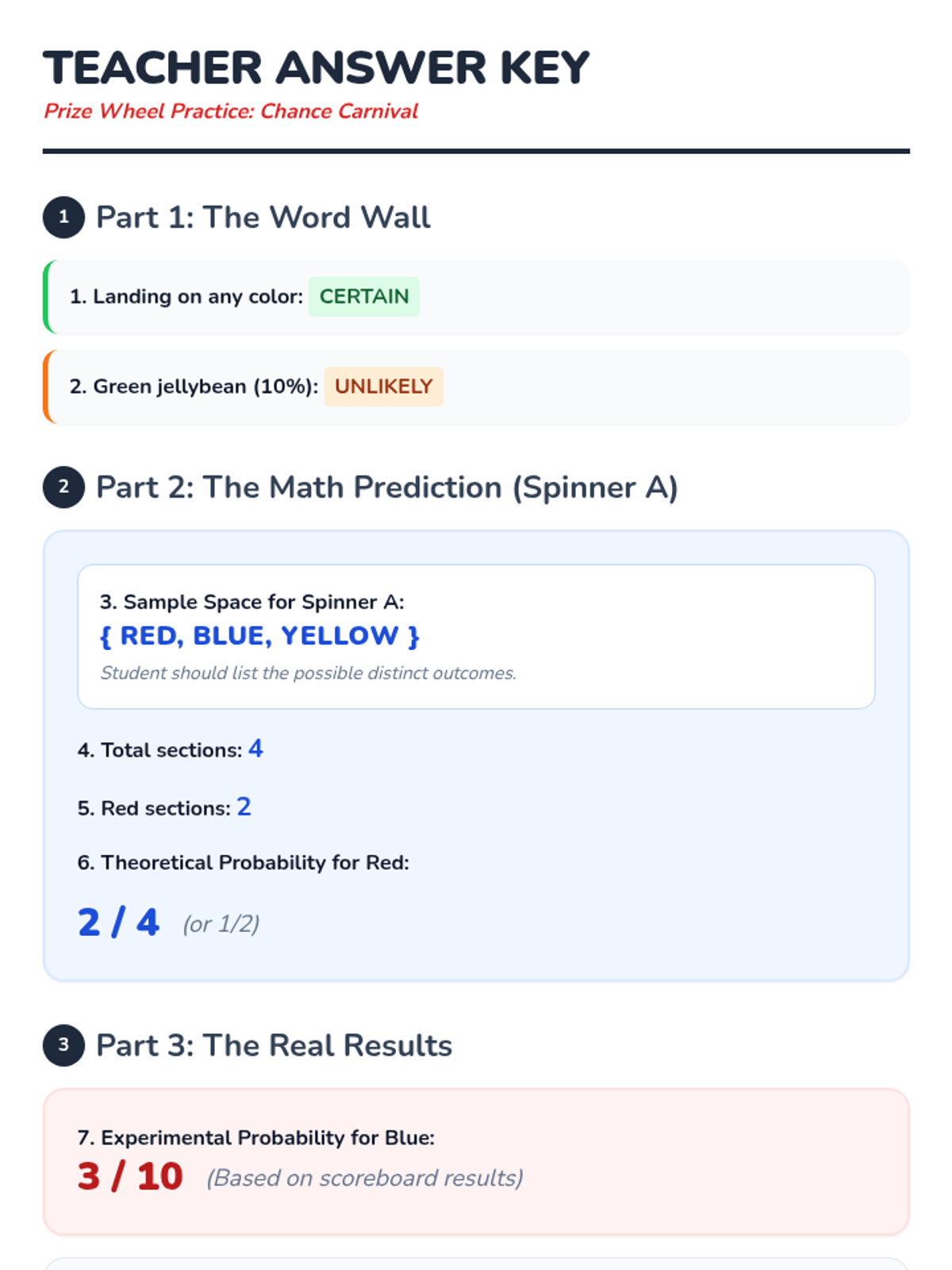
A fun, carnival-themed lesson introducing students to likelihood, theoretical probability, and experimental probability using simplified language and hands-on examples.
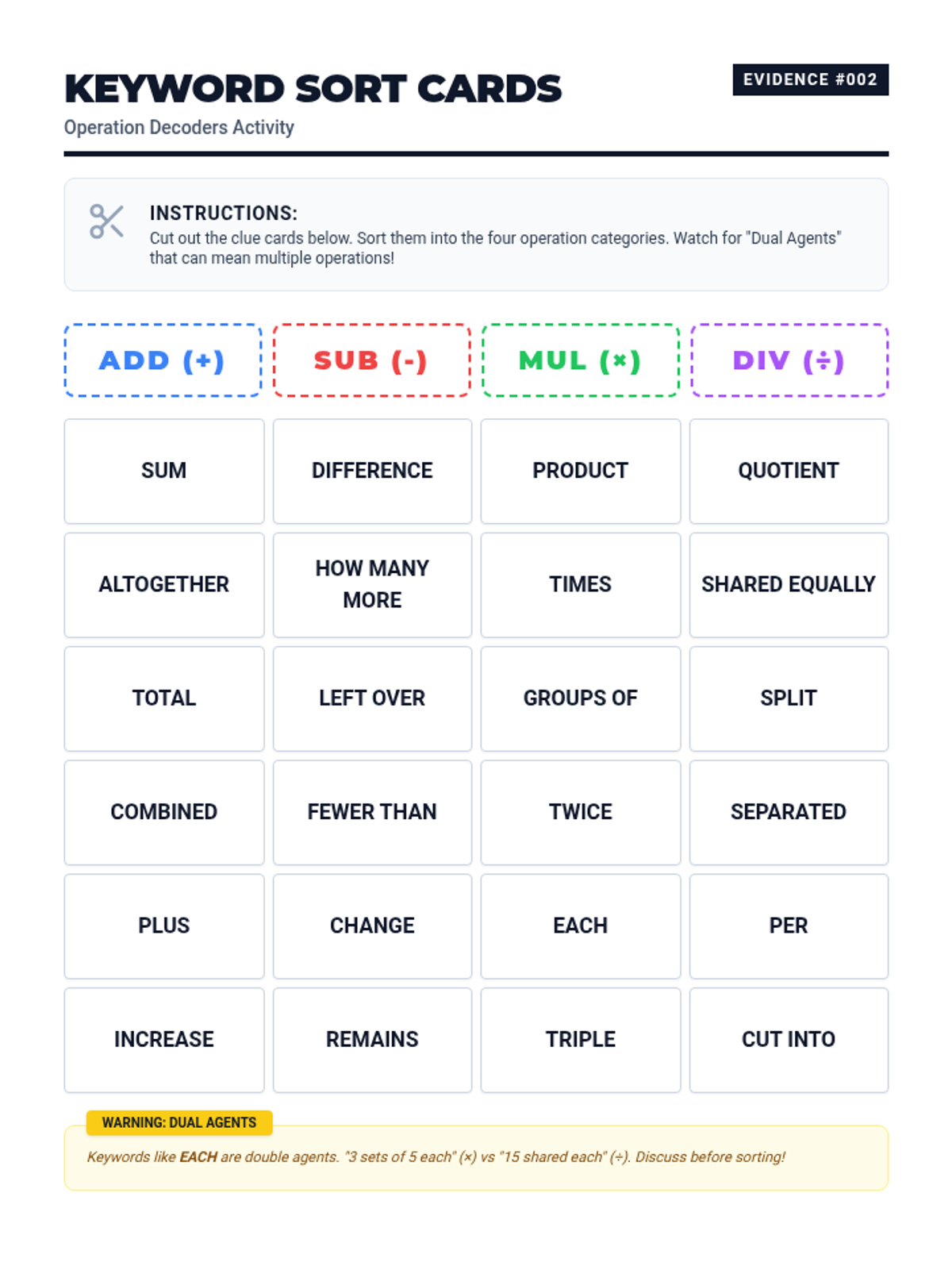
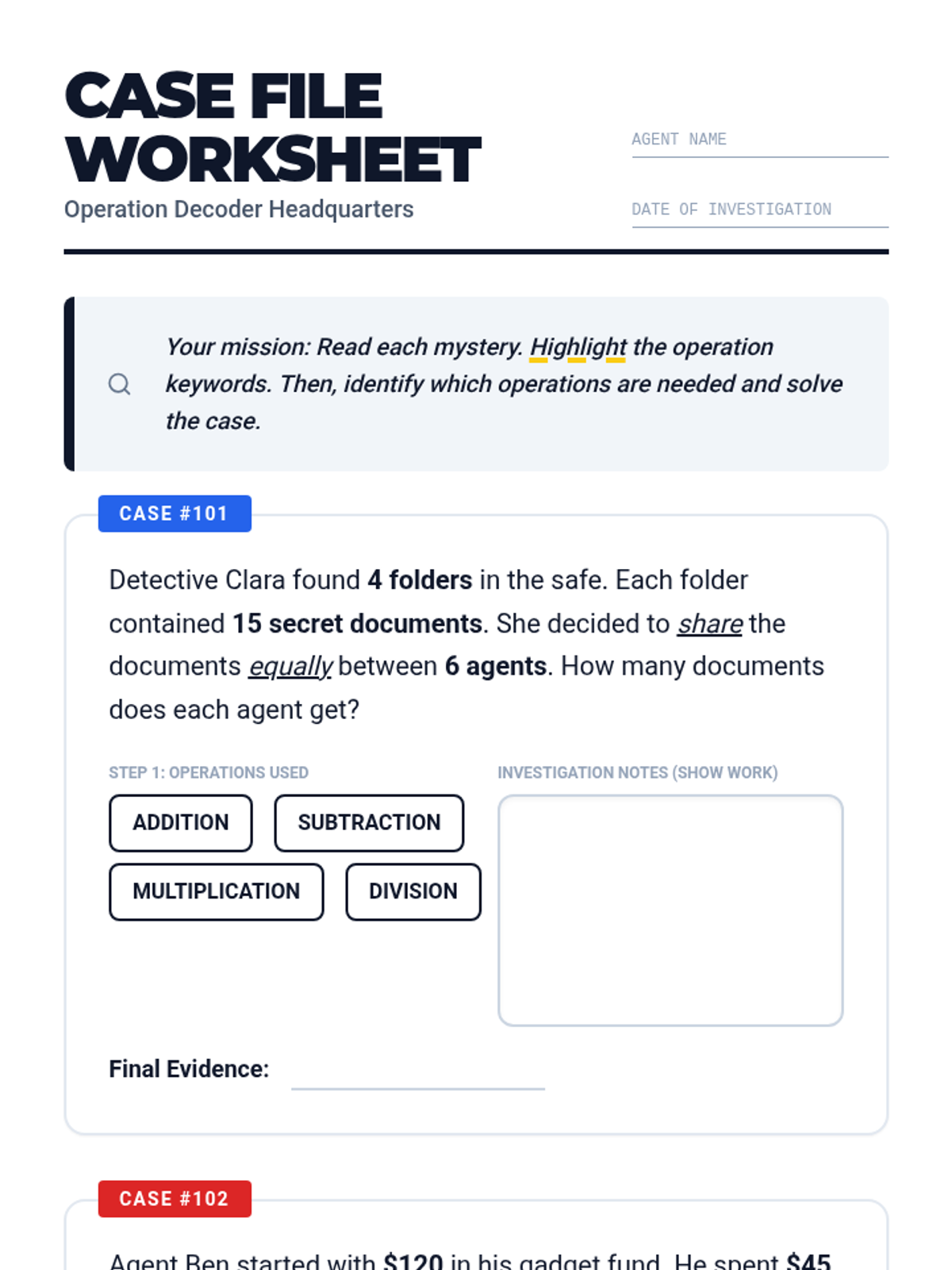
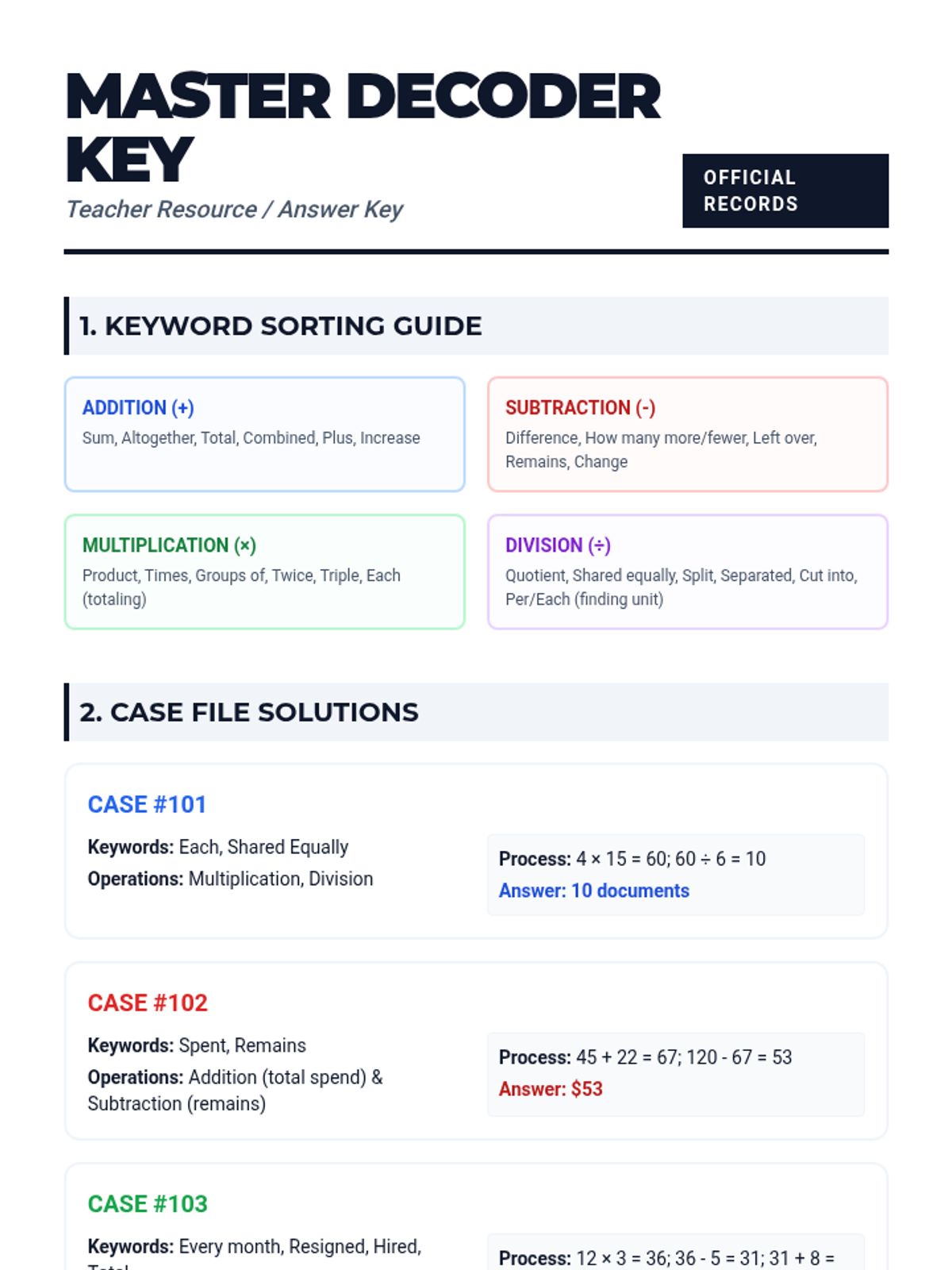
A lesson focused on identifying operation-specific keywords to decode and solve multi-step word problems using a detective-themed approach.
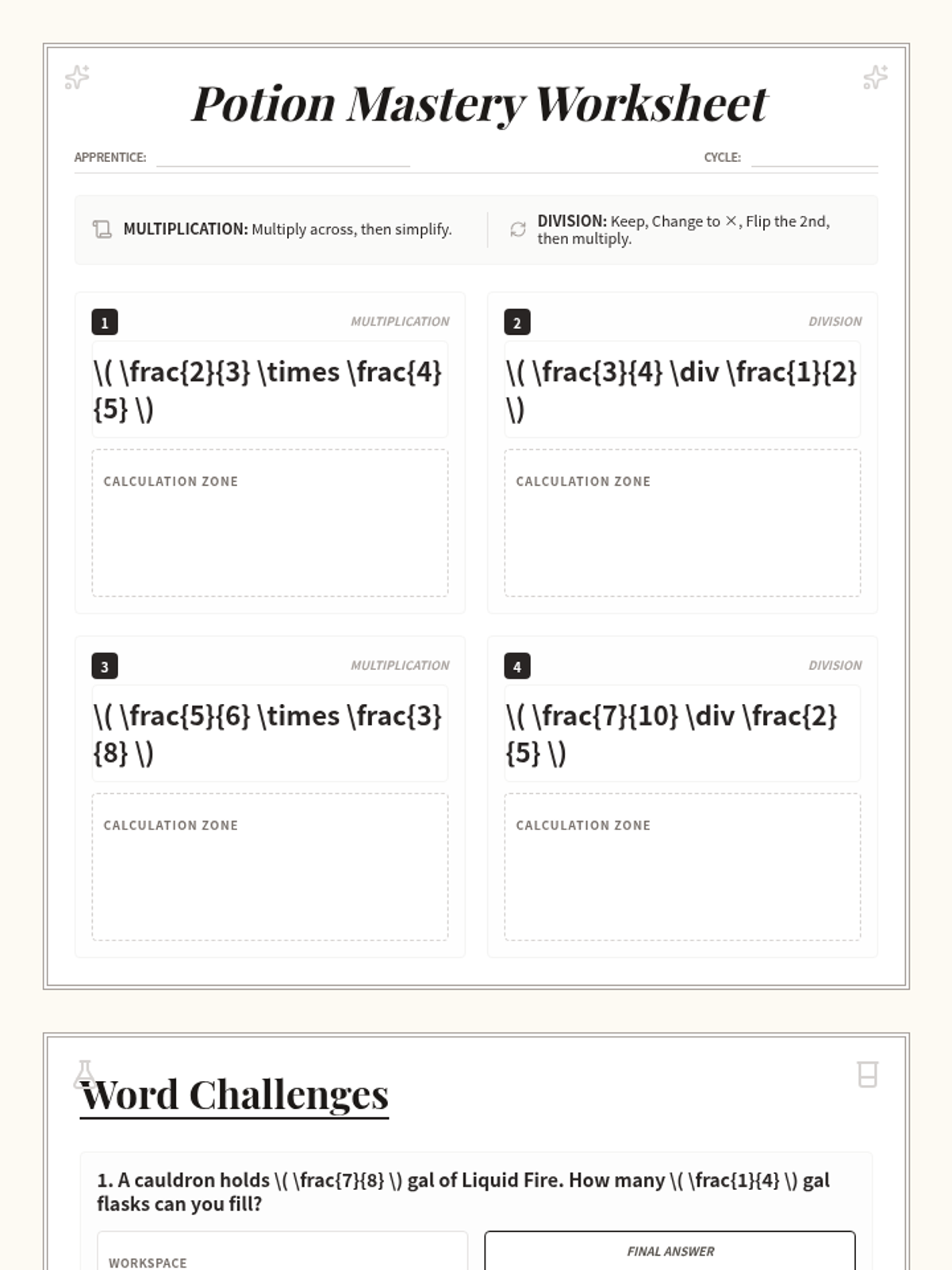
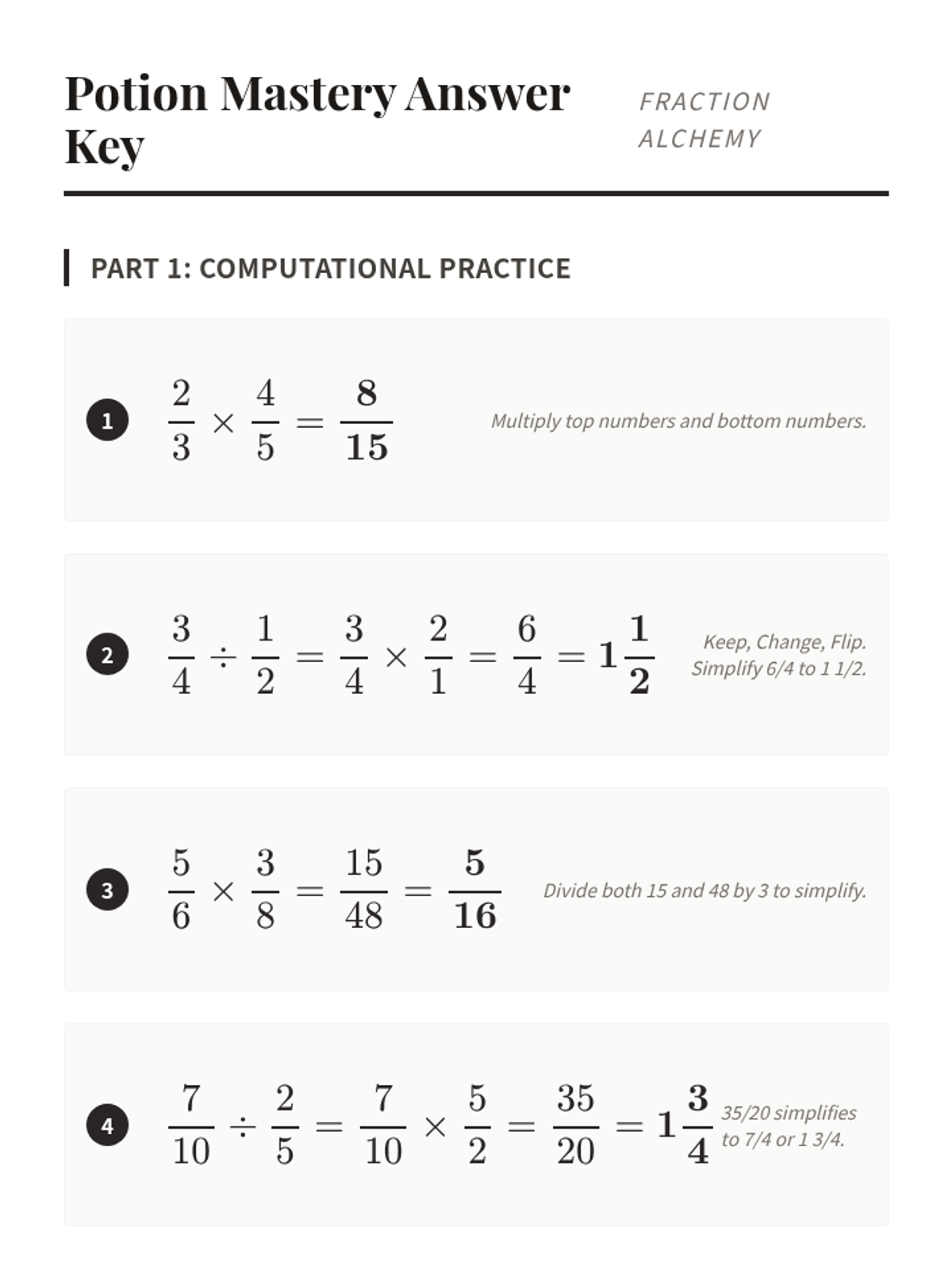
A lesson on multiplying and dividing fractions with unlike denominators, themed around an alchemy lab where students brew potions using mathematical formulas.
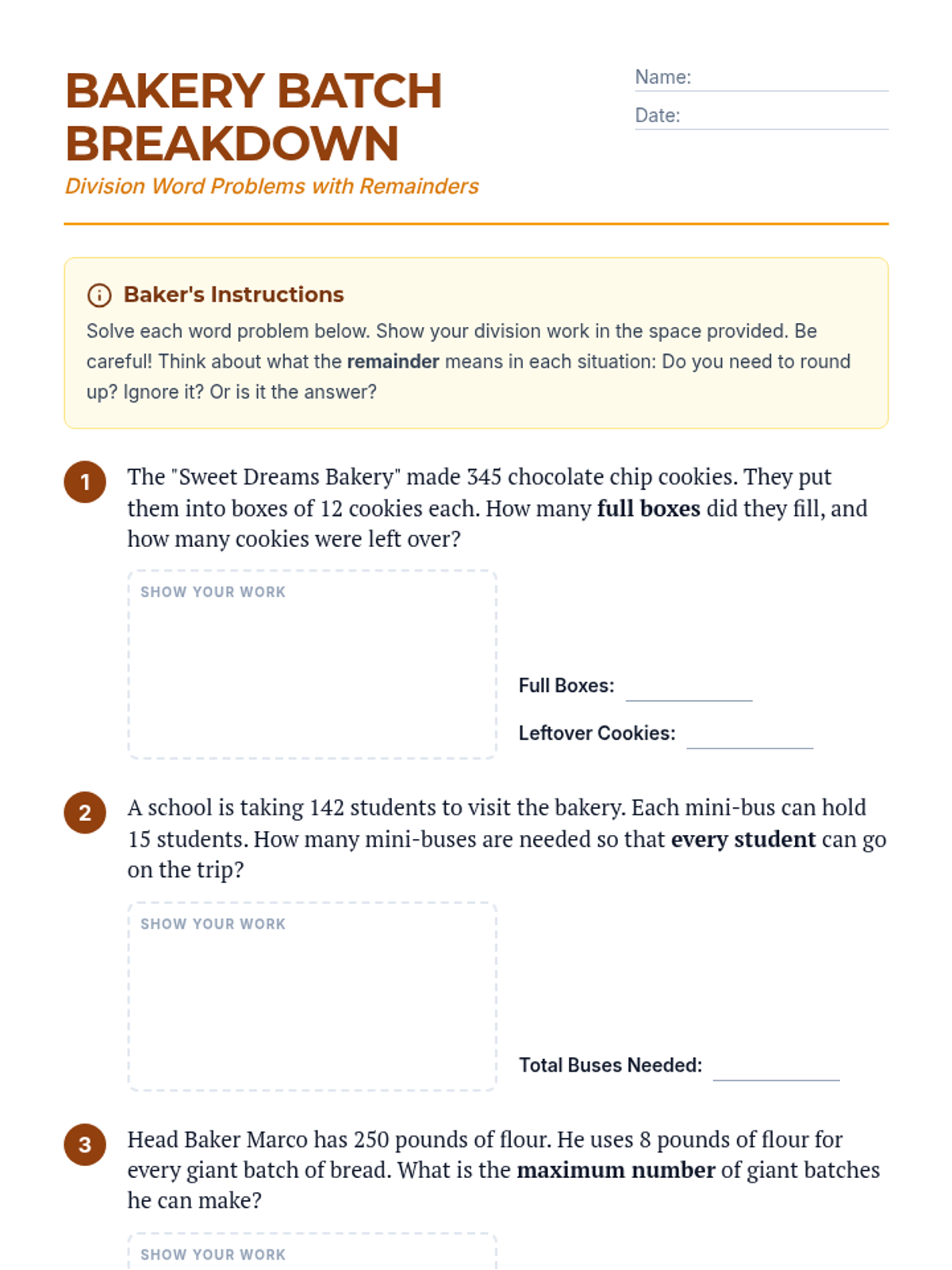
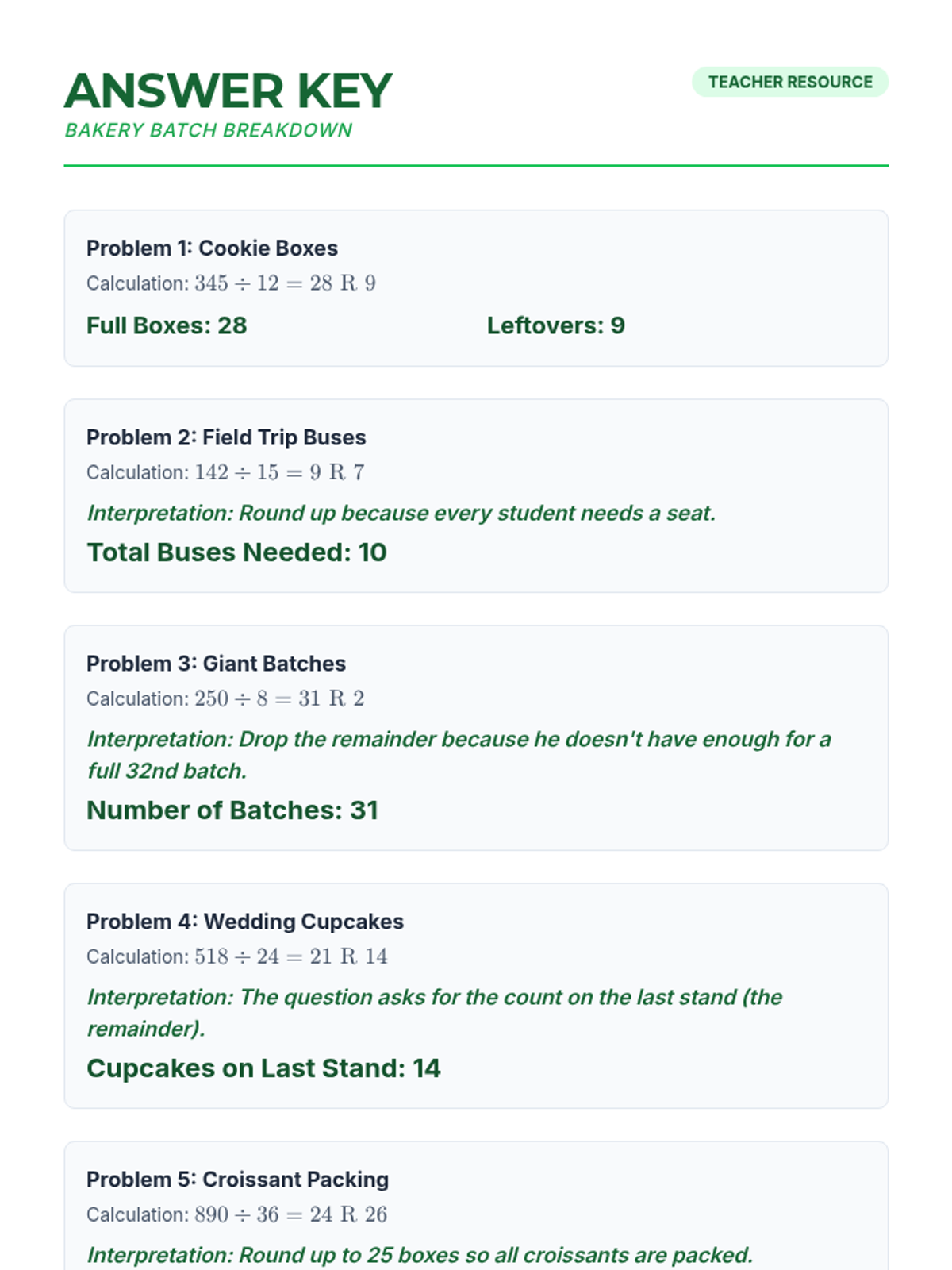
A lesson focused on solving and interpreting division word problems with remainders, using a bakery theme to provide real-world context.
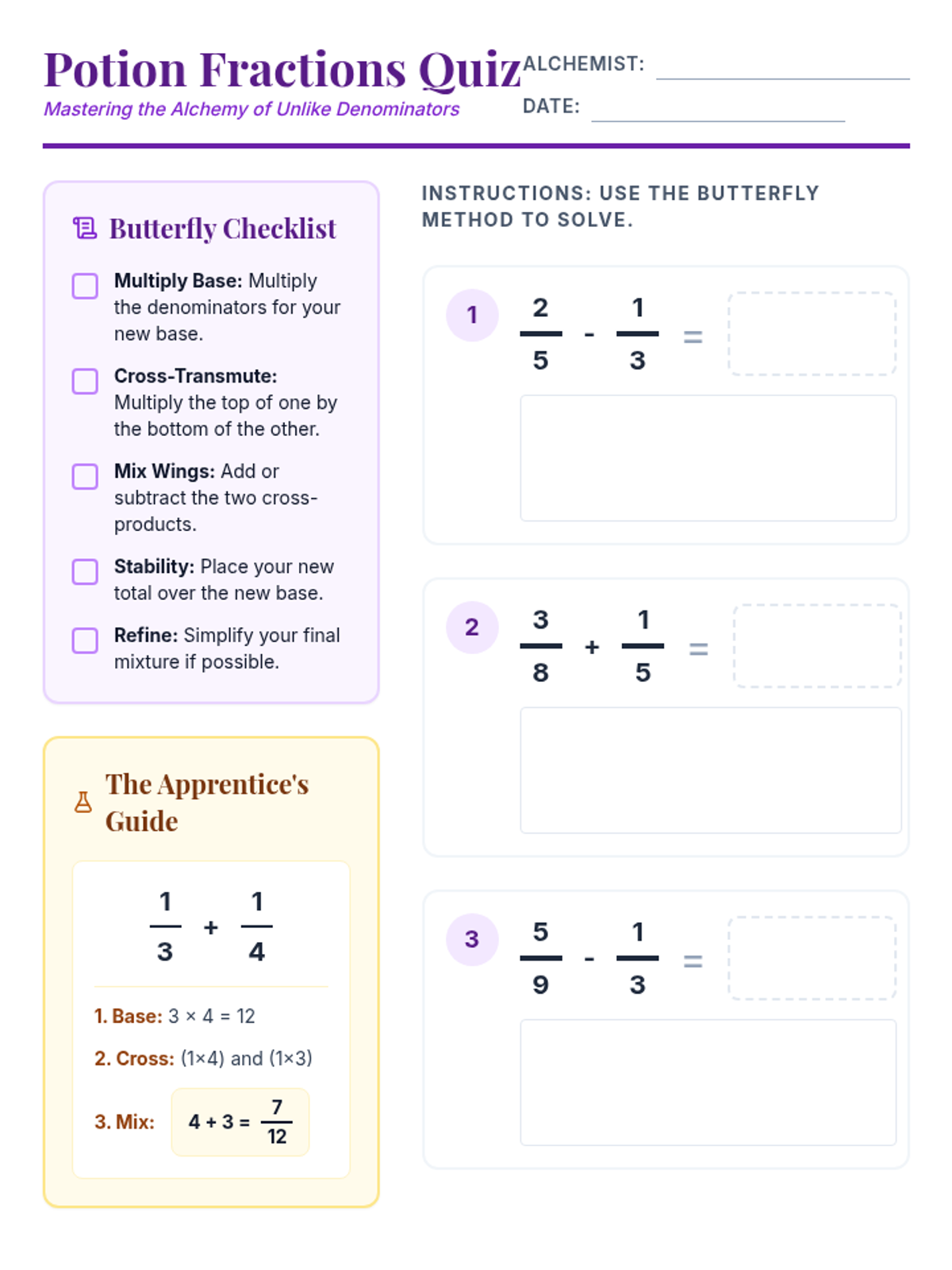
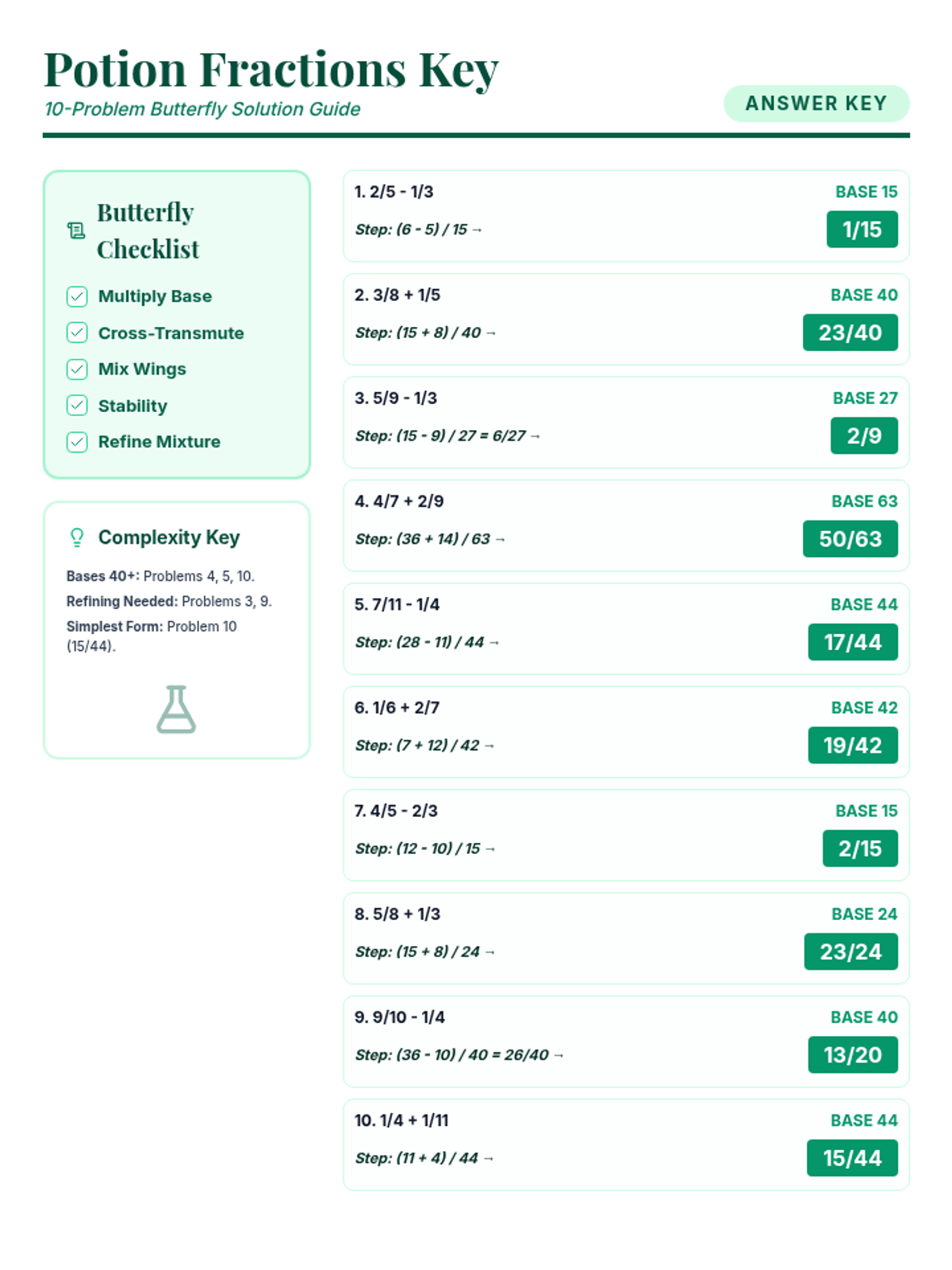
A lesson focused on adding and subtracting proper fractions with unlike denominators using a step-by-step checklist and potion-themed problems.
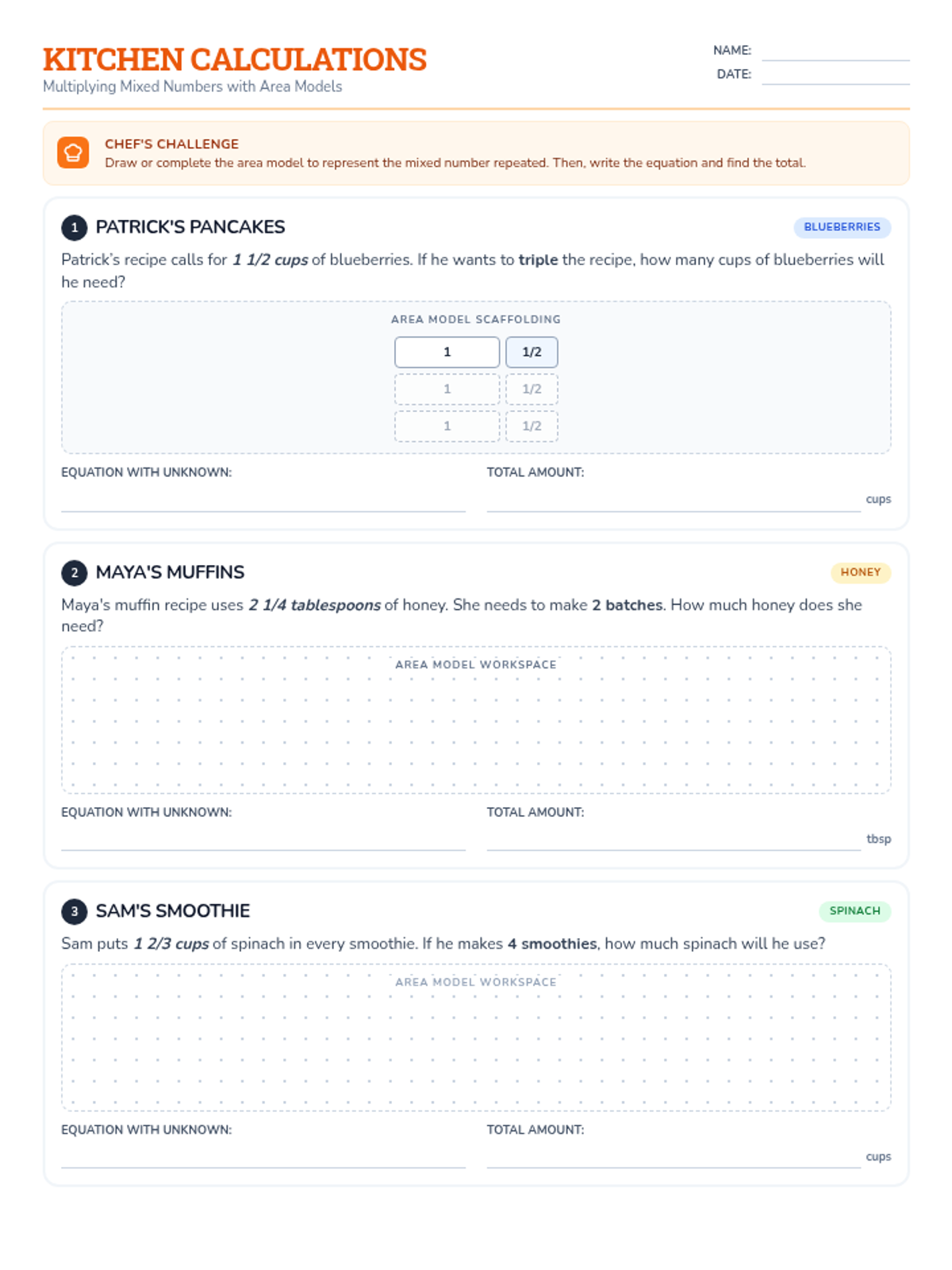
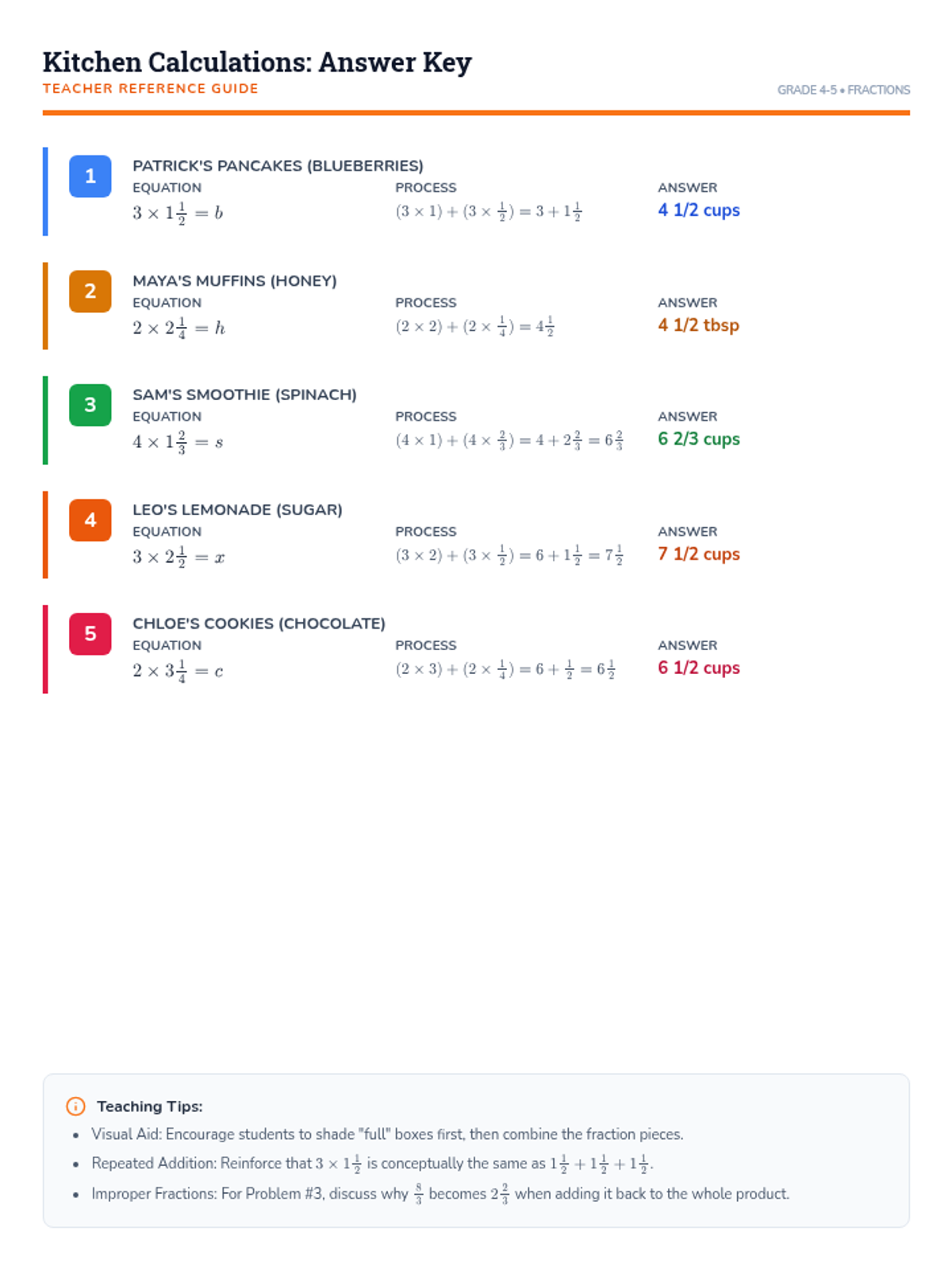
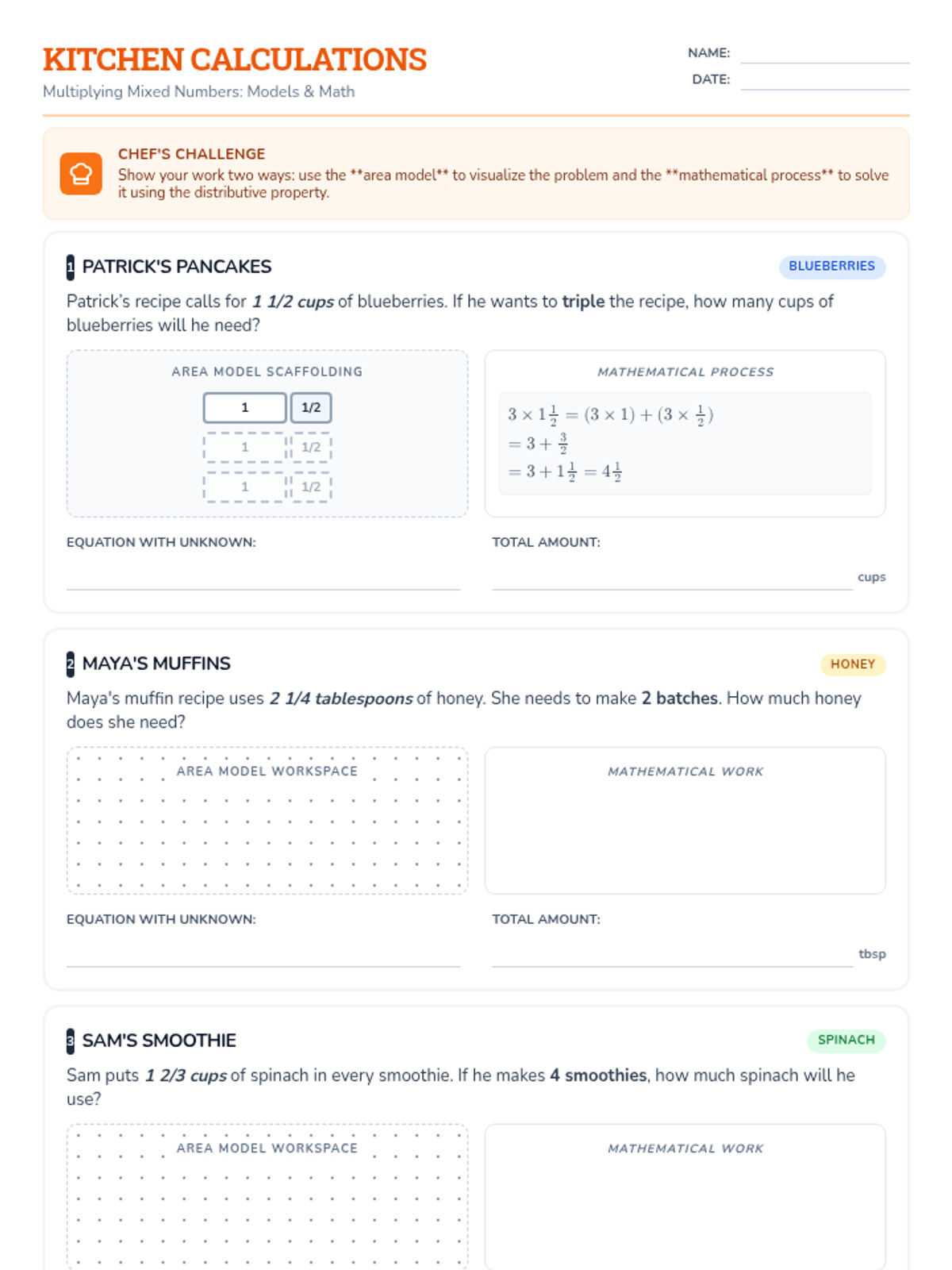
A lesson focused on multiplying mixed numbers by whole numbers using area models as visual scaffolding to represent repeated addition and the distributive property in a culinary context.
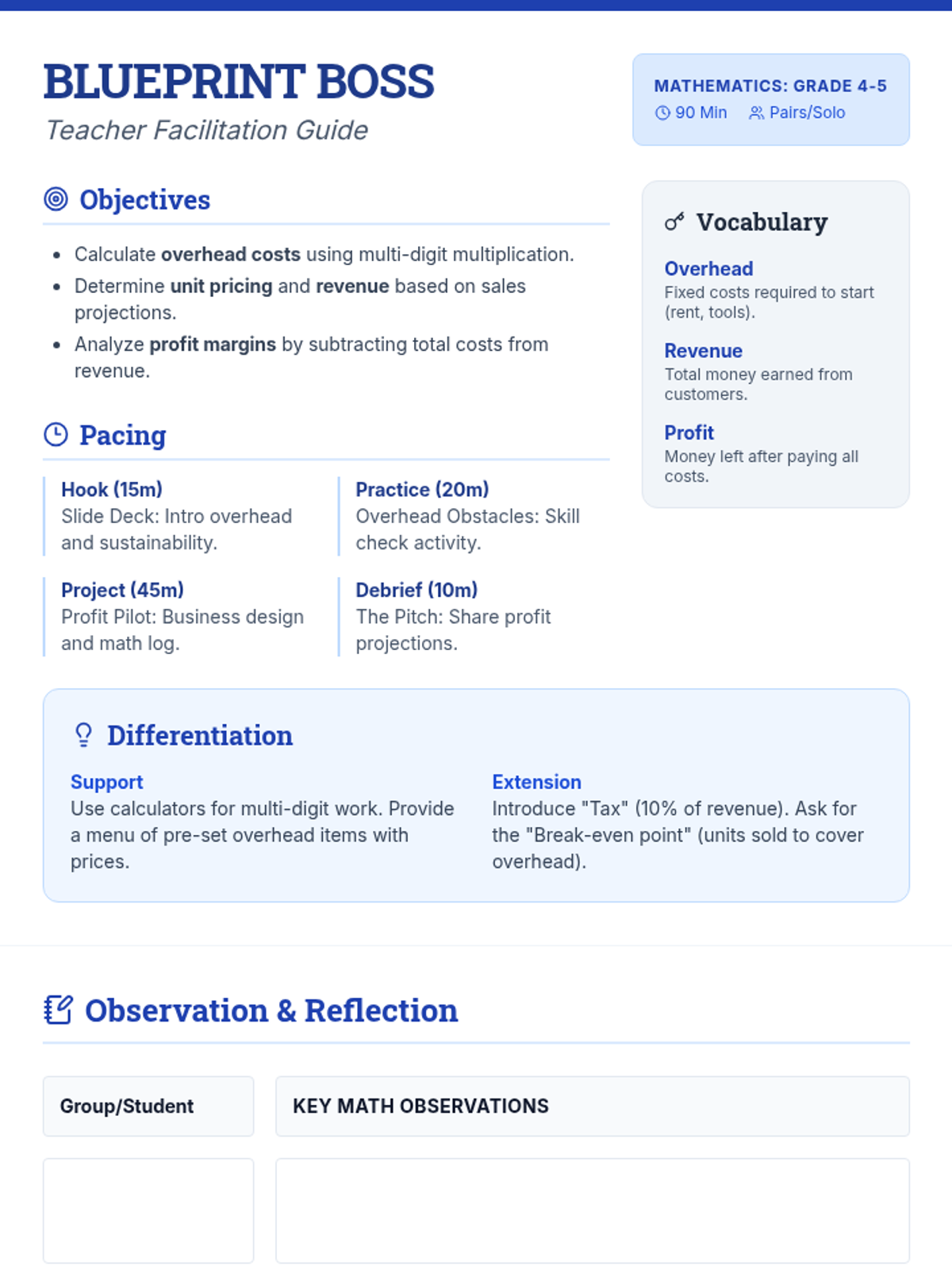
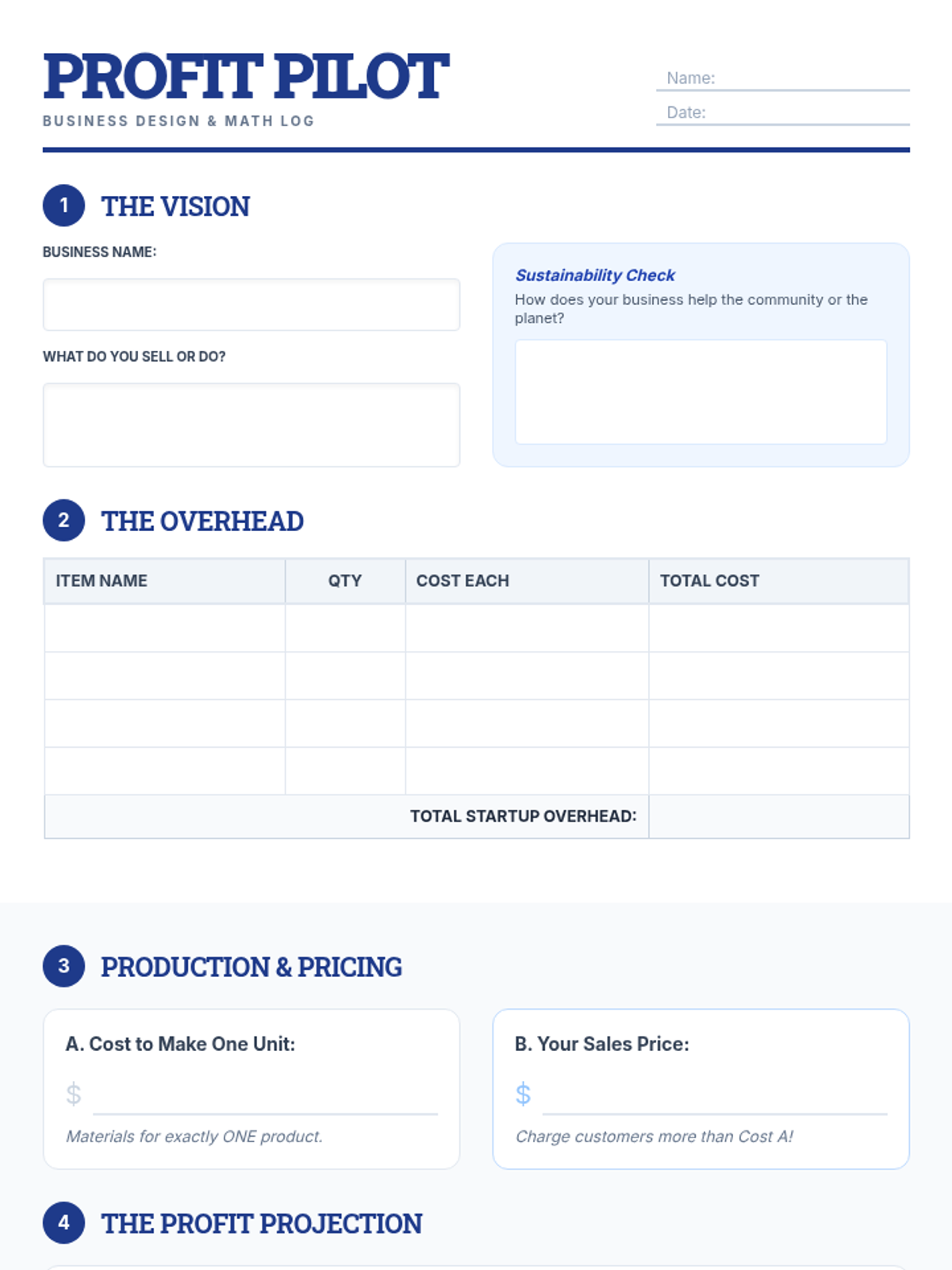
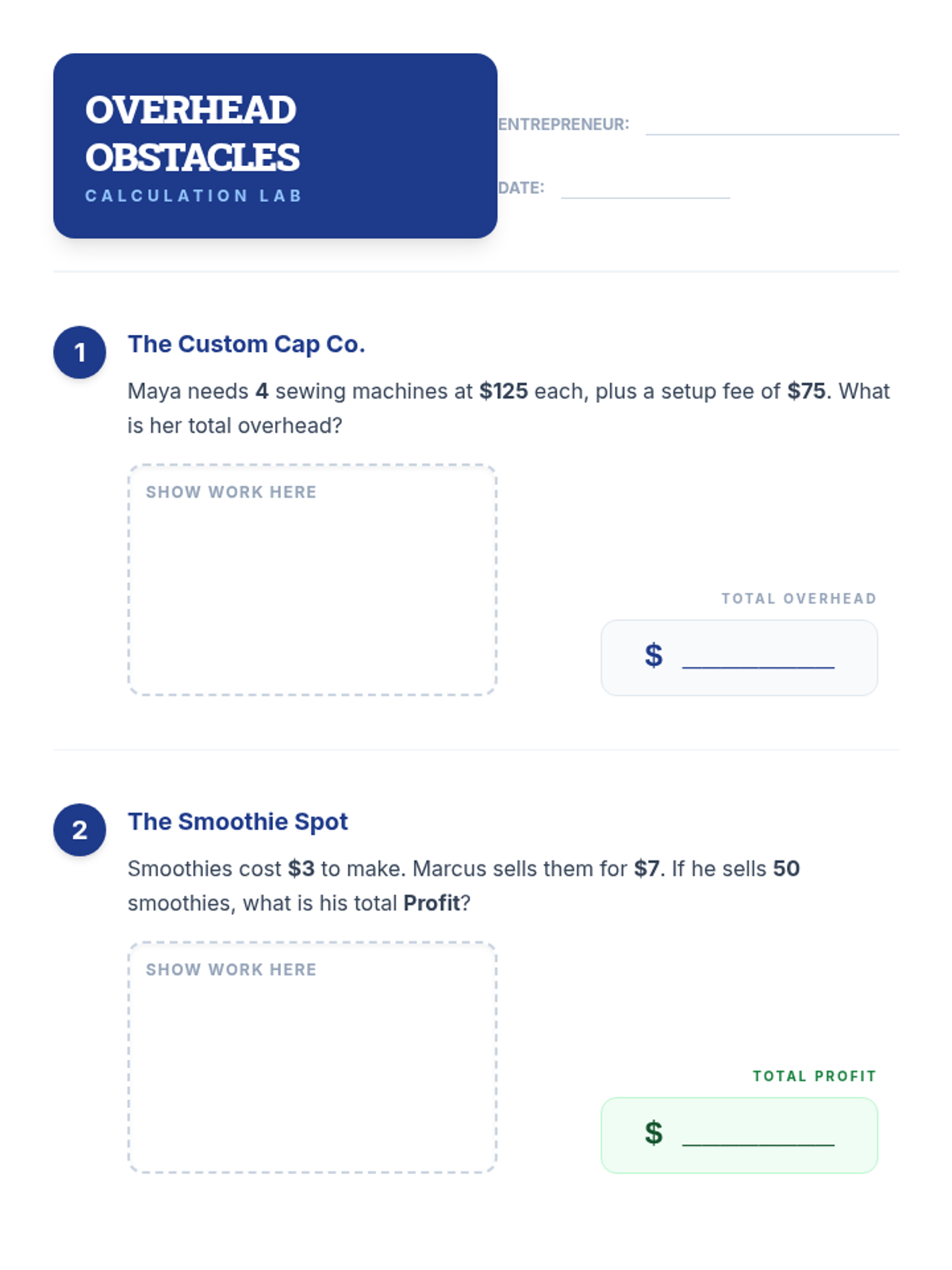
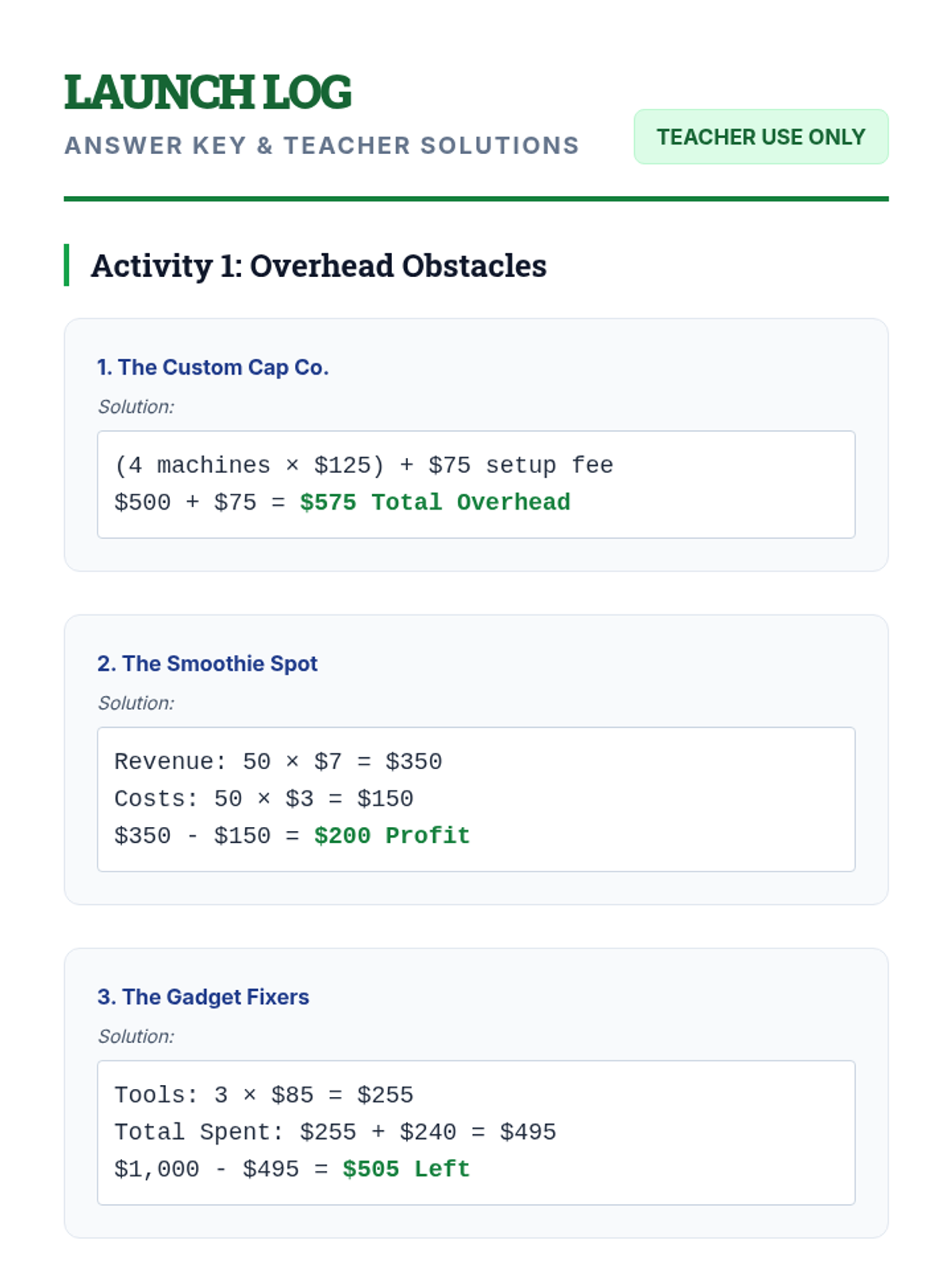
Upper elementary students step into the shoes of business owners to design a sustainable venture. They will master multiplication and division through real-world applications of overhead costs, revenue, and profit margins.
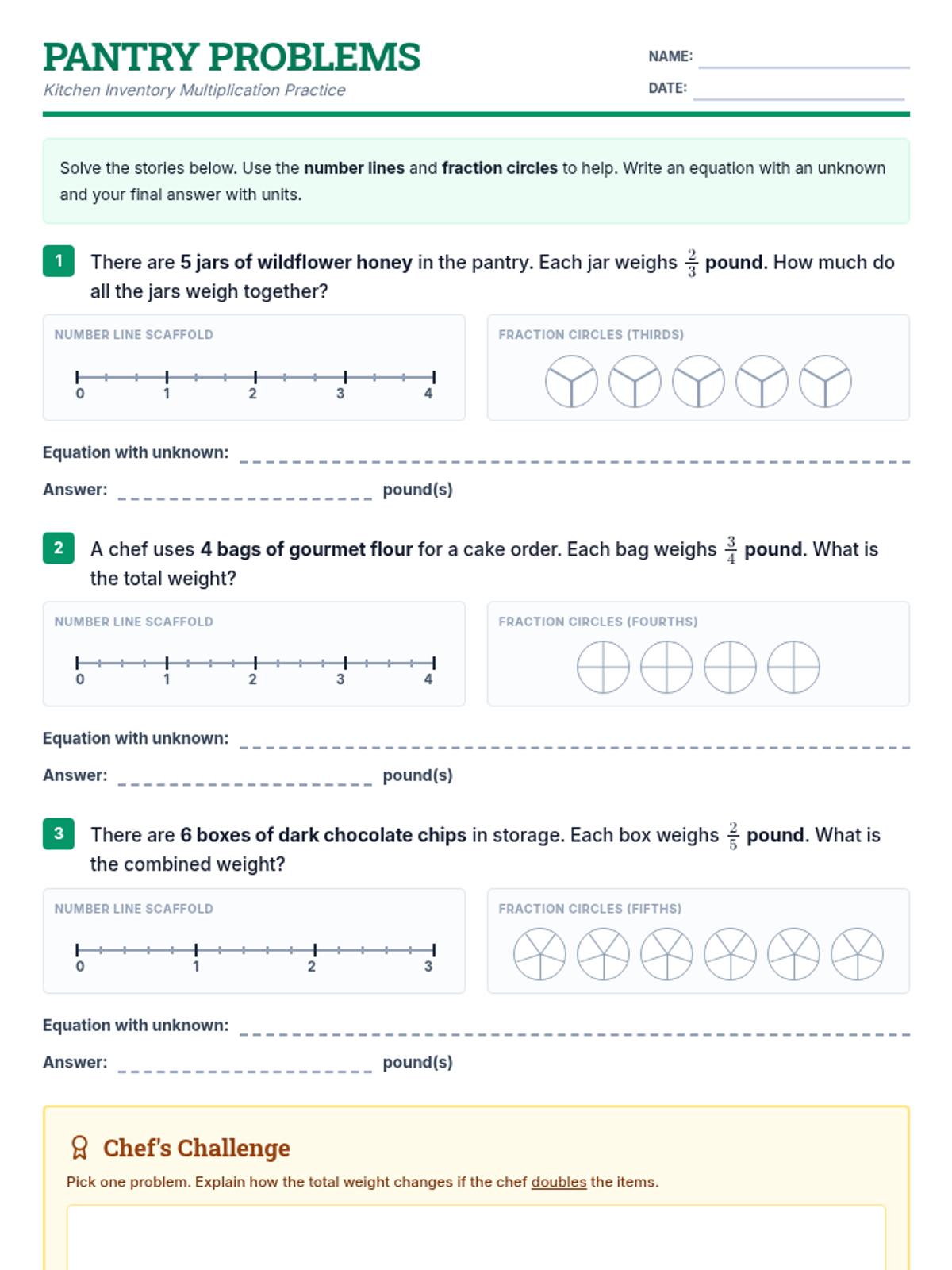
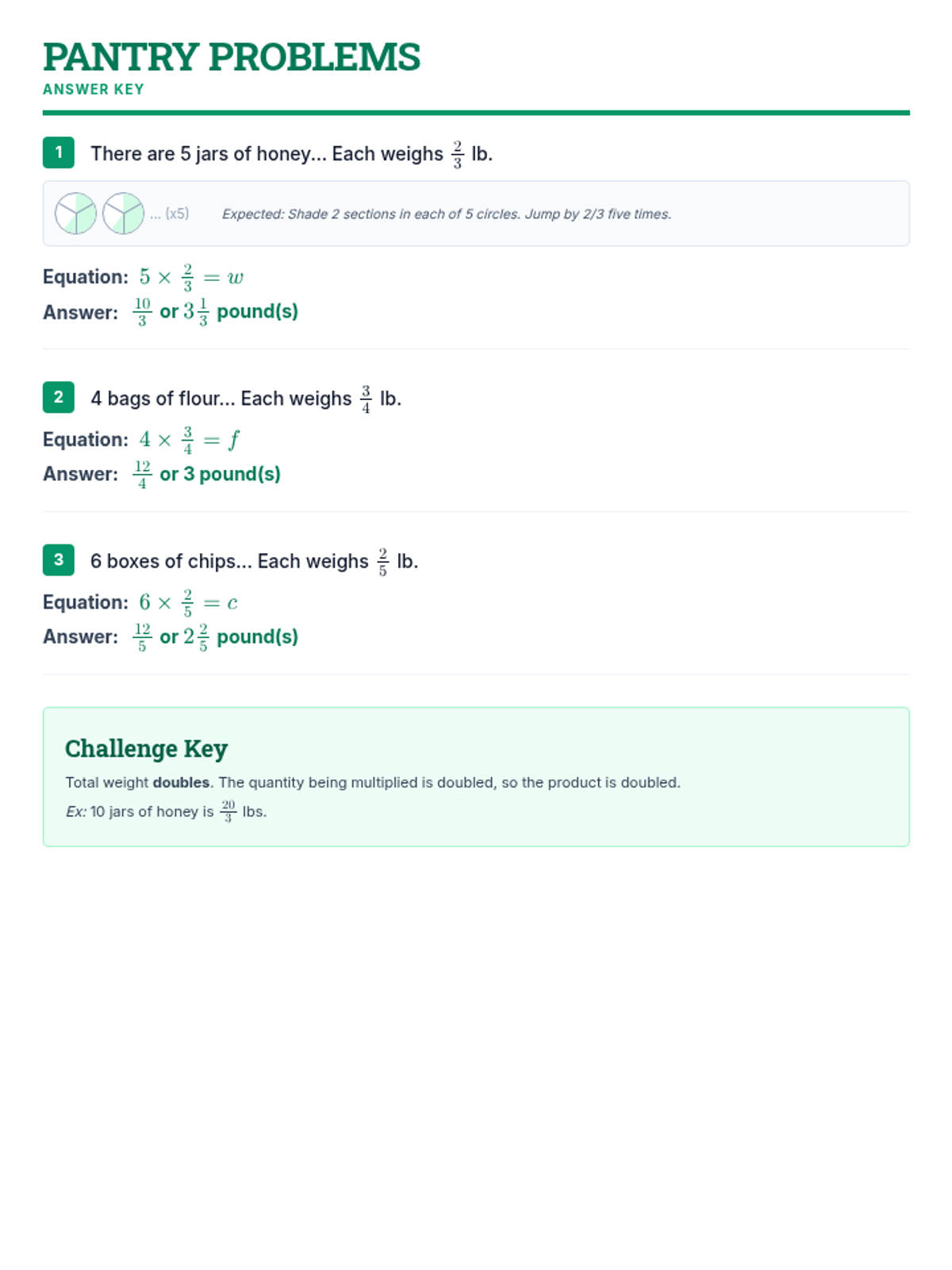
A lesson focused on multiplying whole numbers by non-unit fractions using visual models like number lines and fraction circles within the context of kitchen inventory.
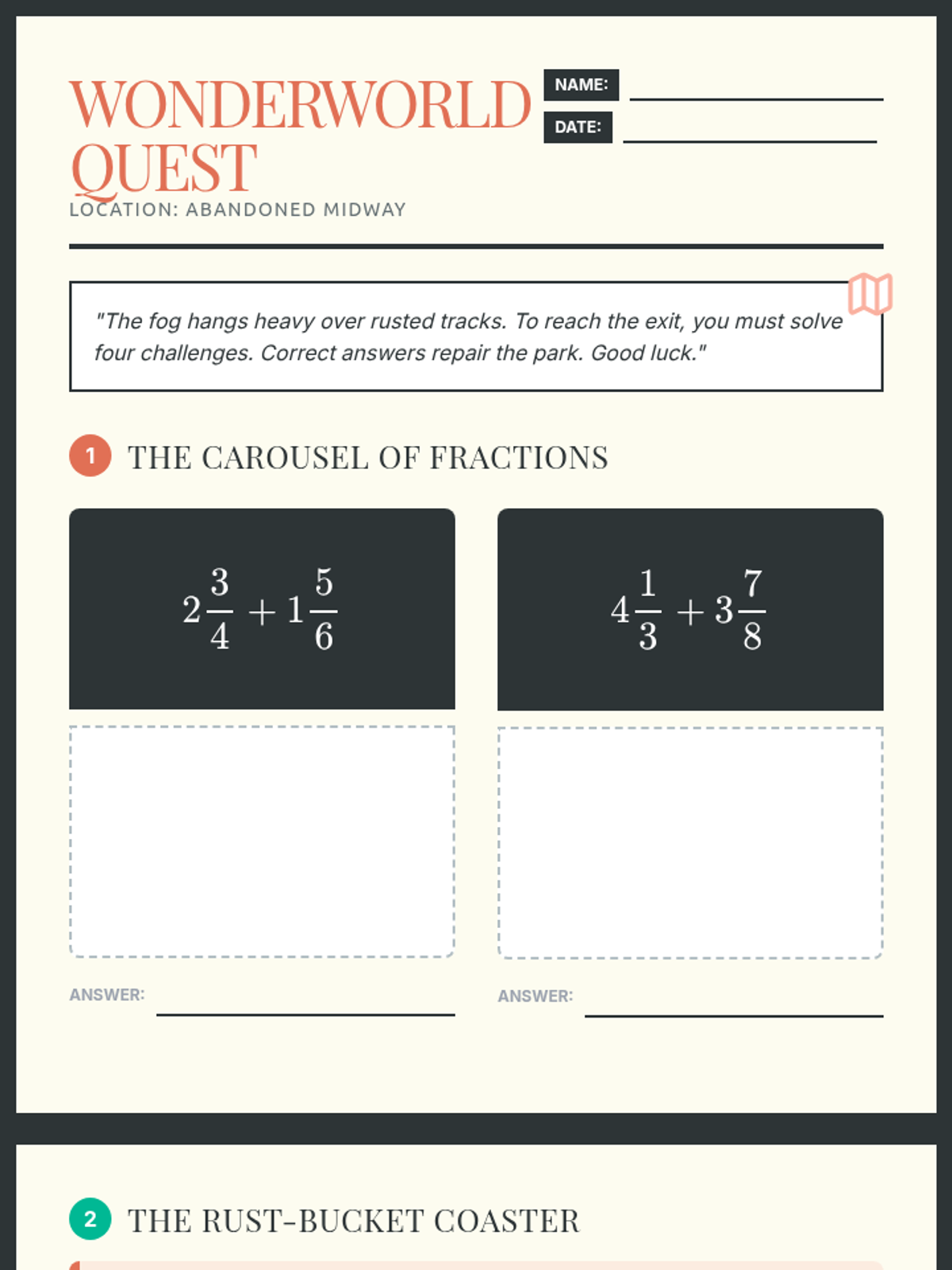
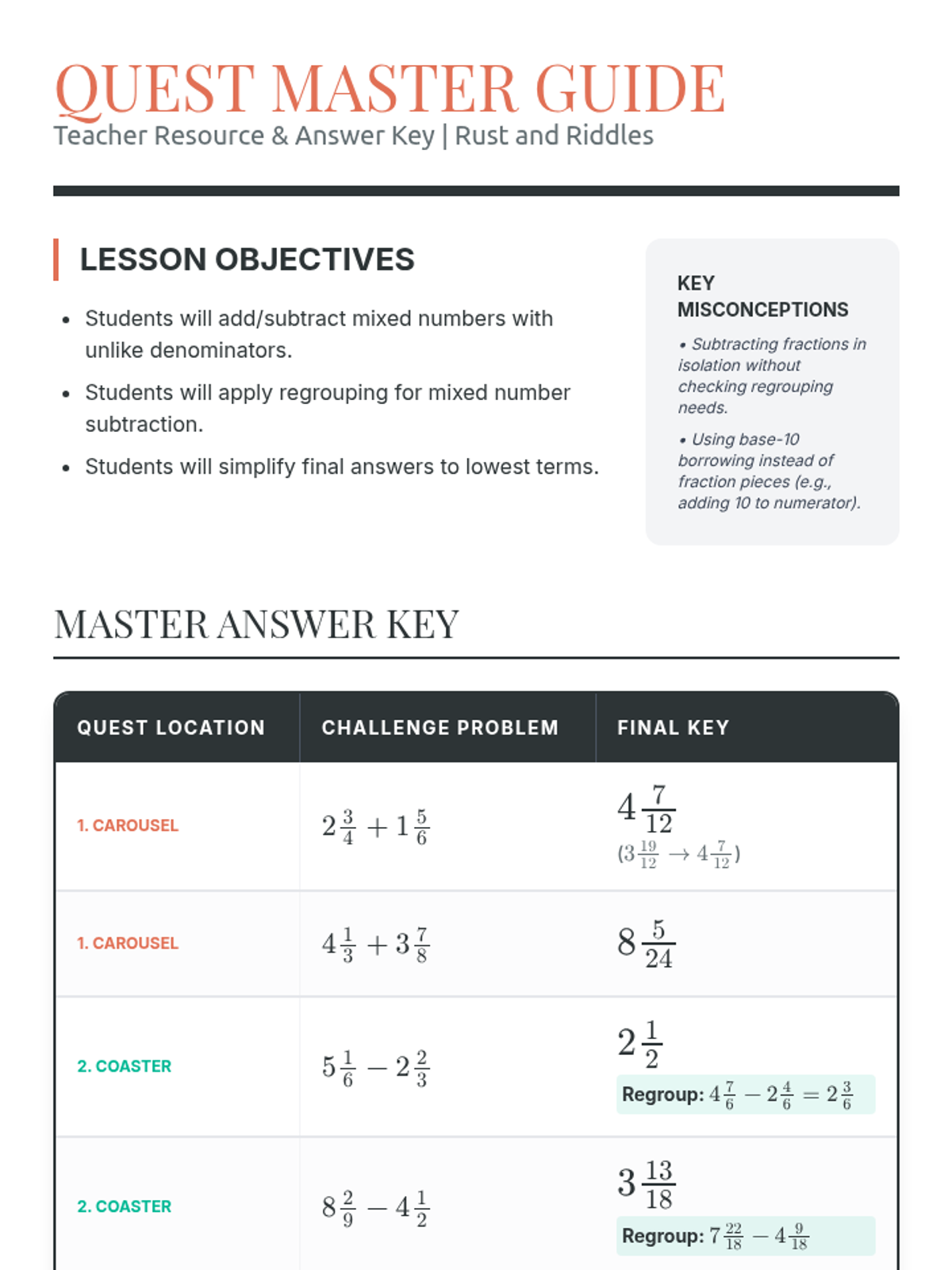
A mathematical quest set in an abandoned theme park where students solve fraction and mixed number problems with unlike denominators and regrouping to navigate the park.
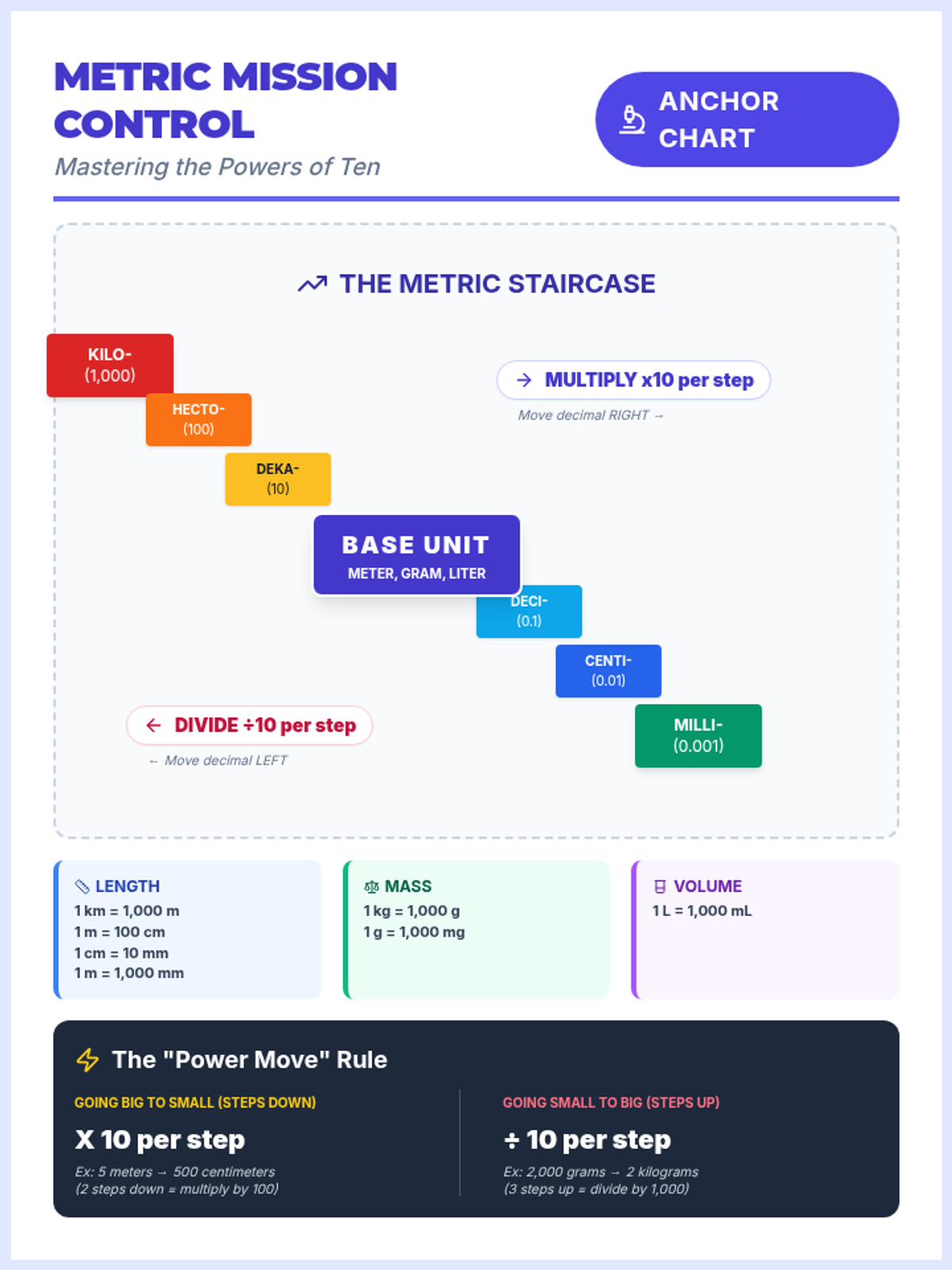
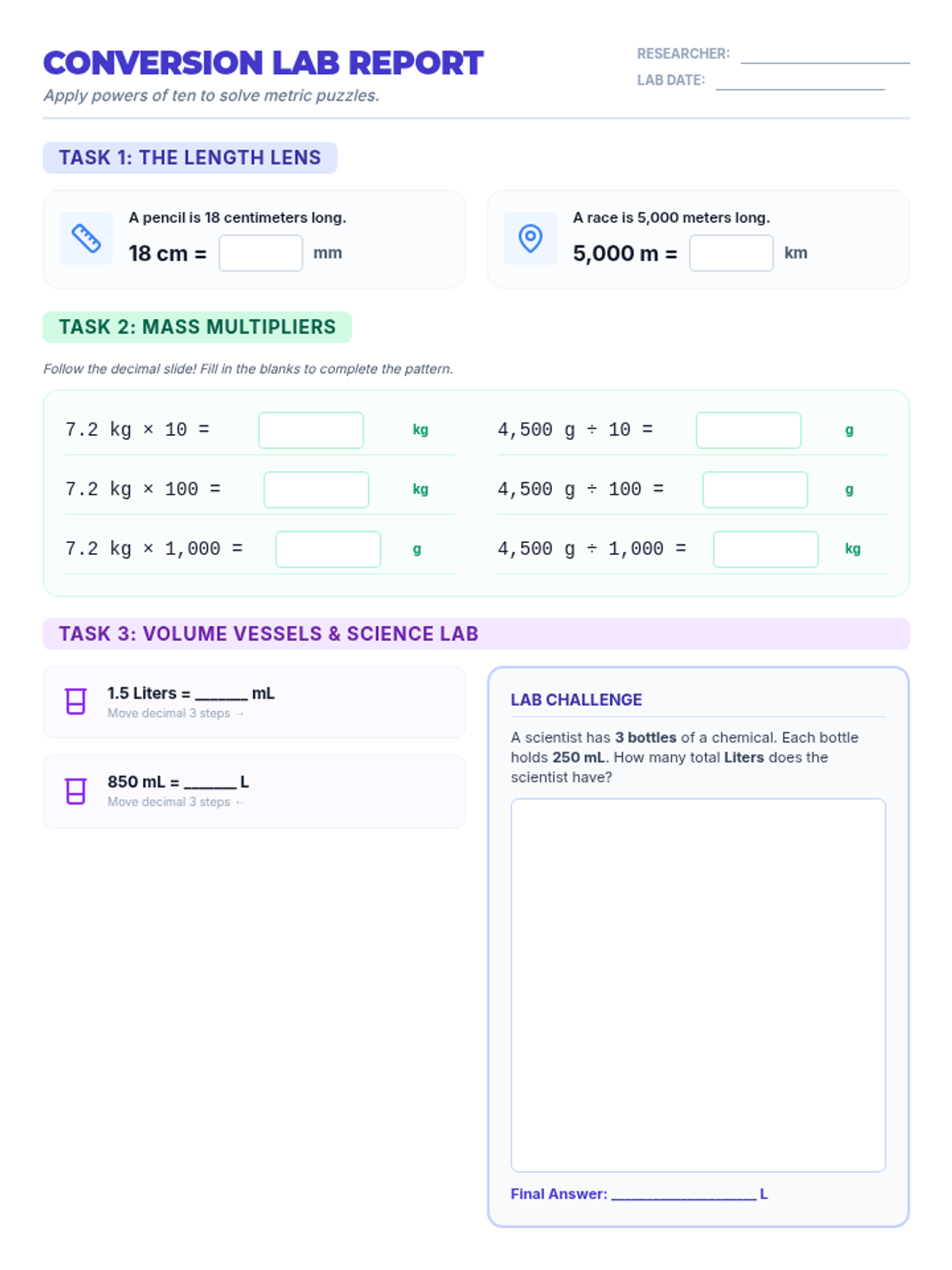
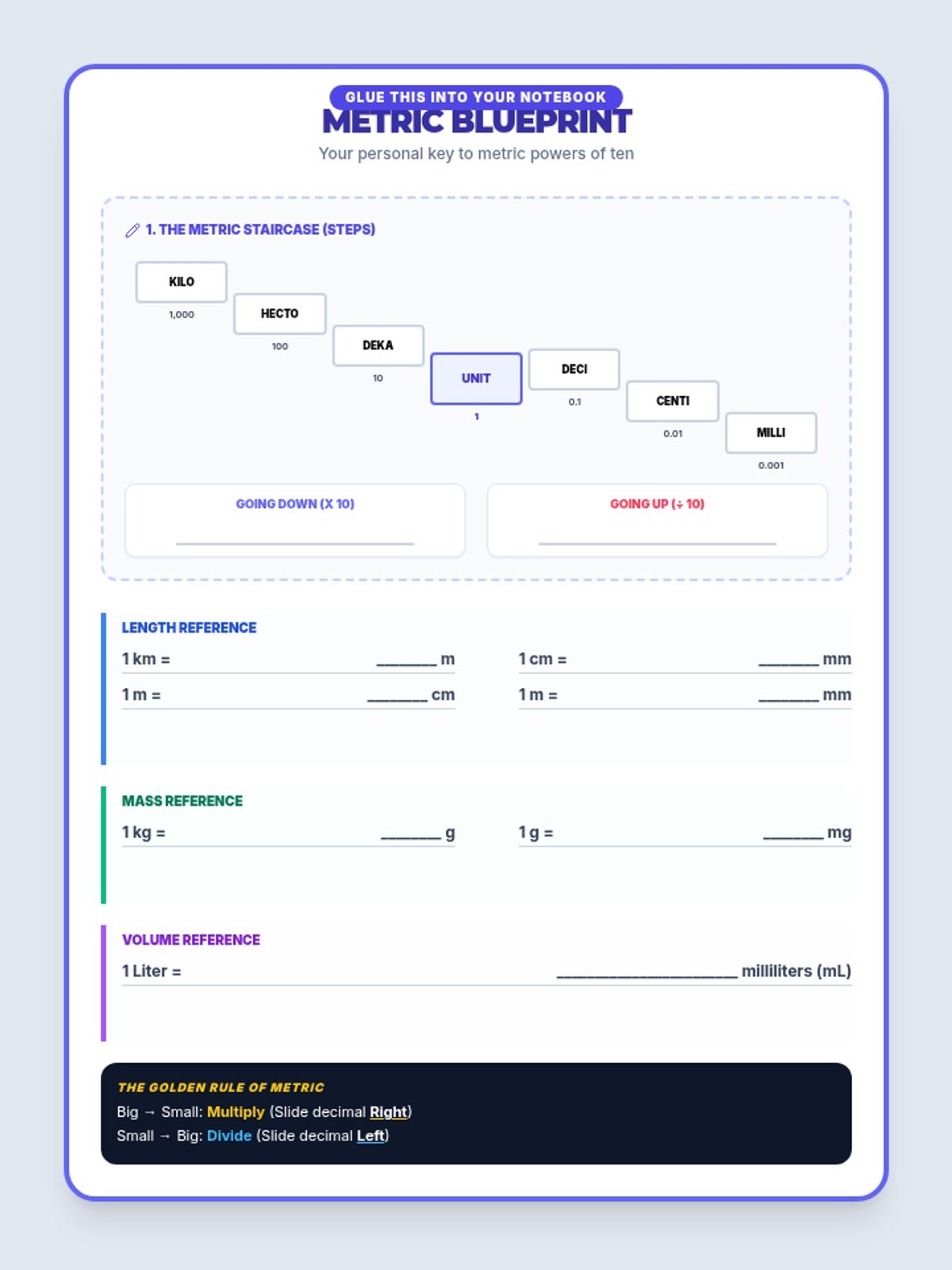
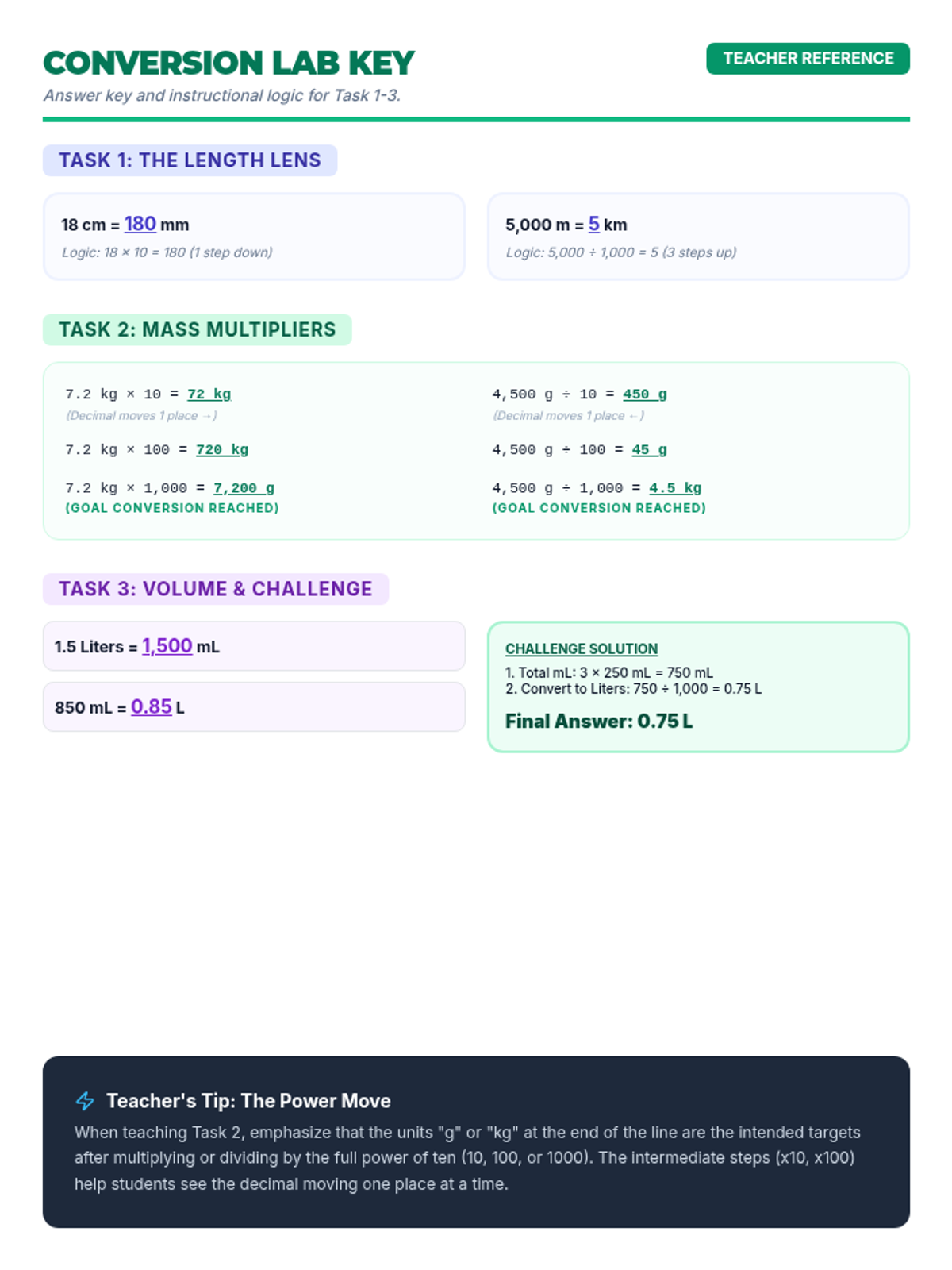
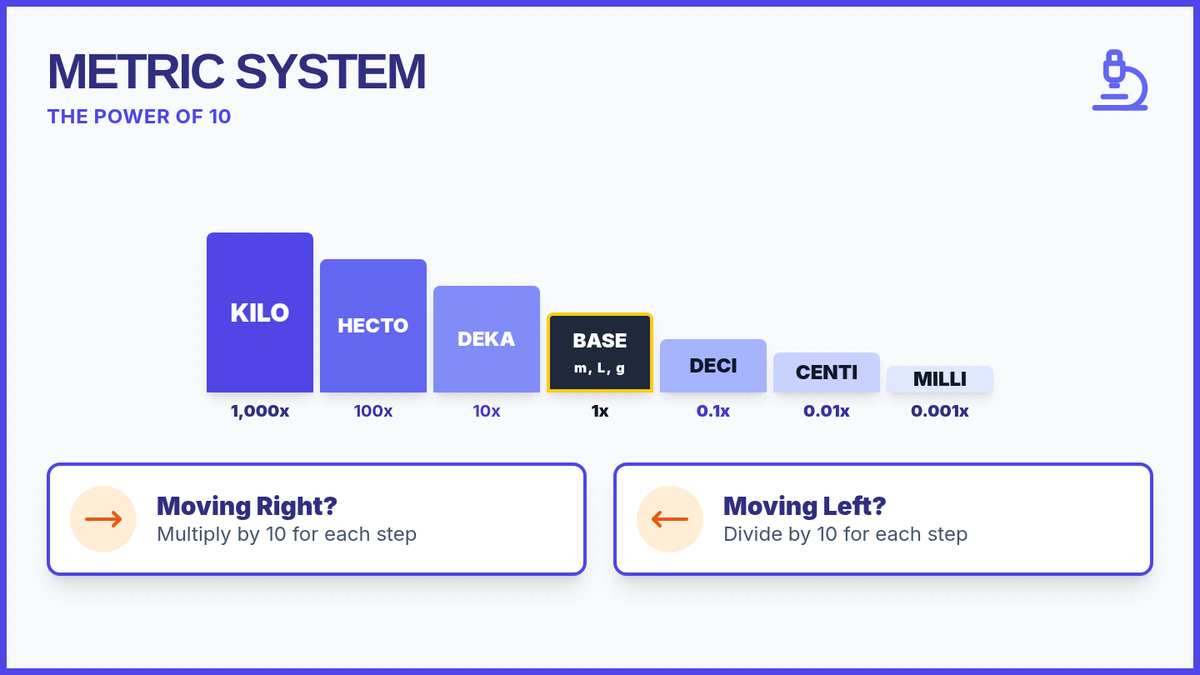
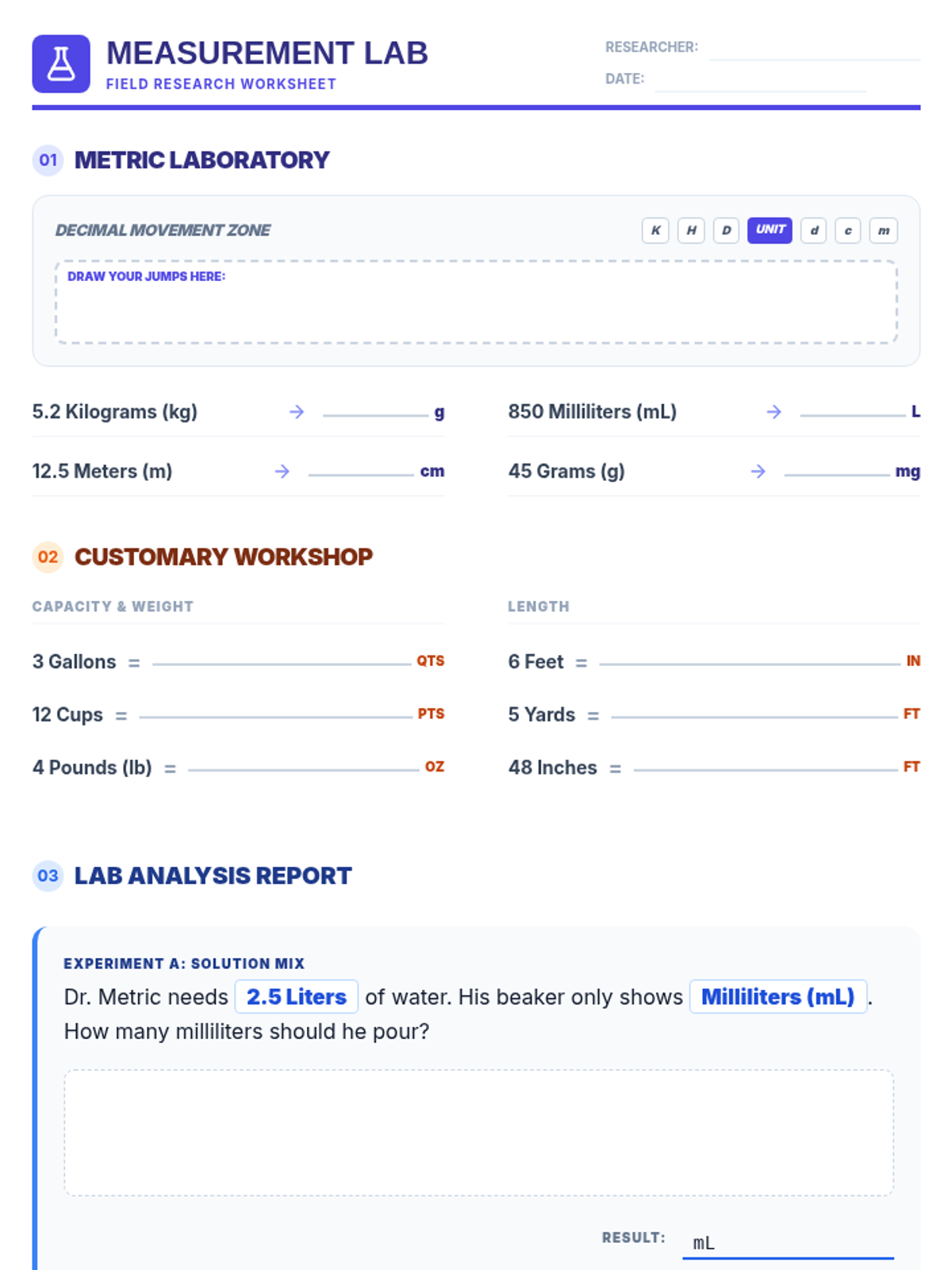
Students explore the relationship between metric units and powers of ten, using visual staircases and laboratory 'blueprints' to master conversions.
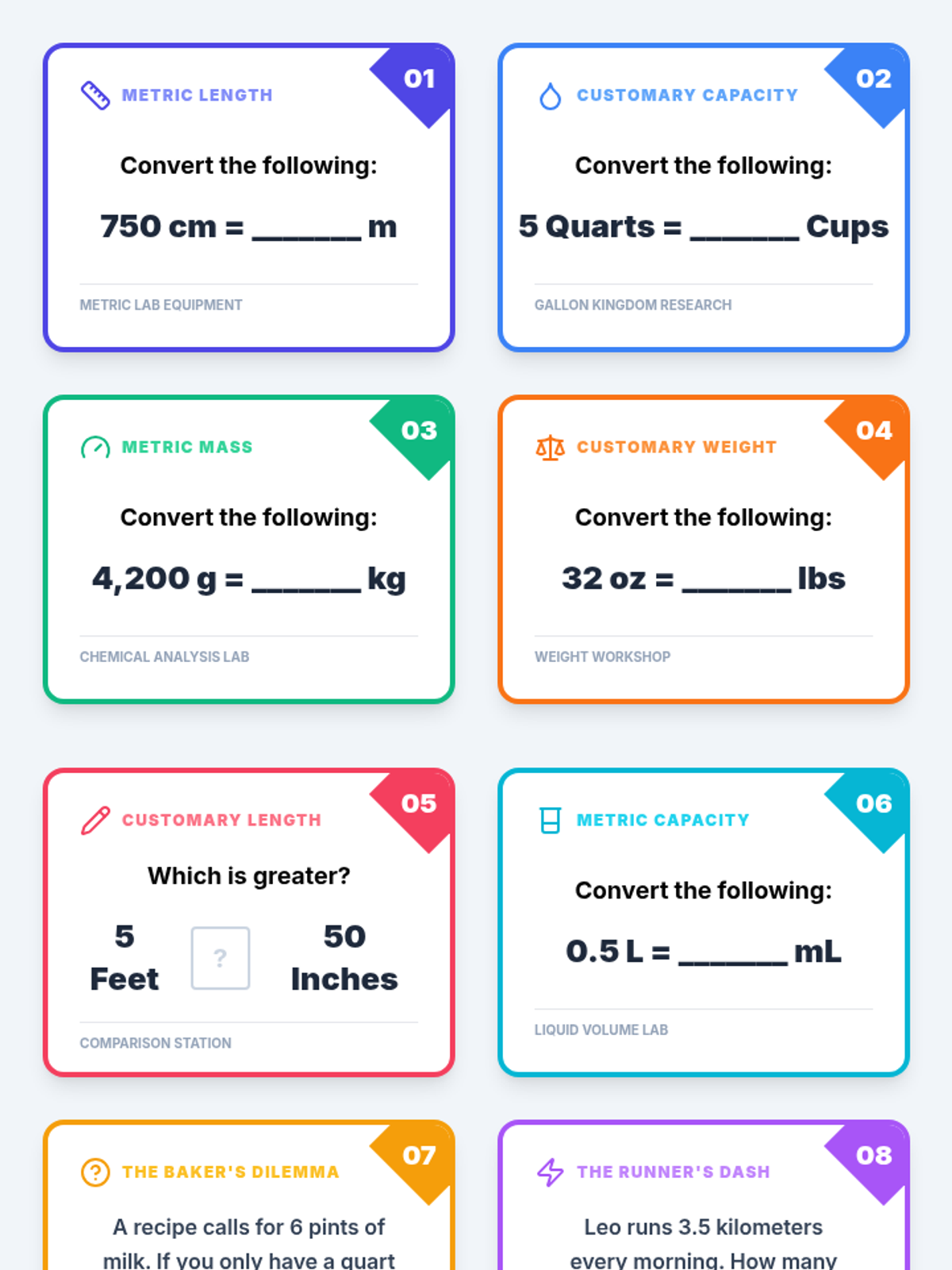
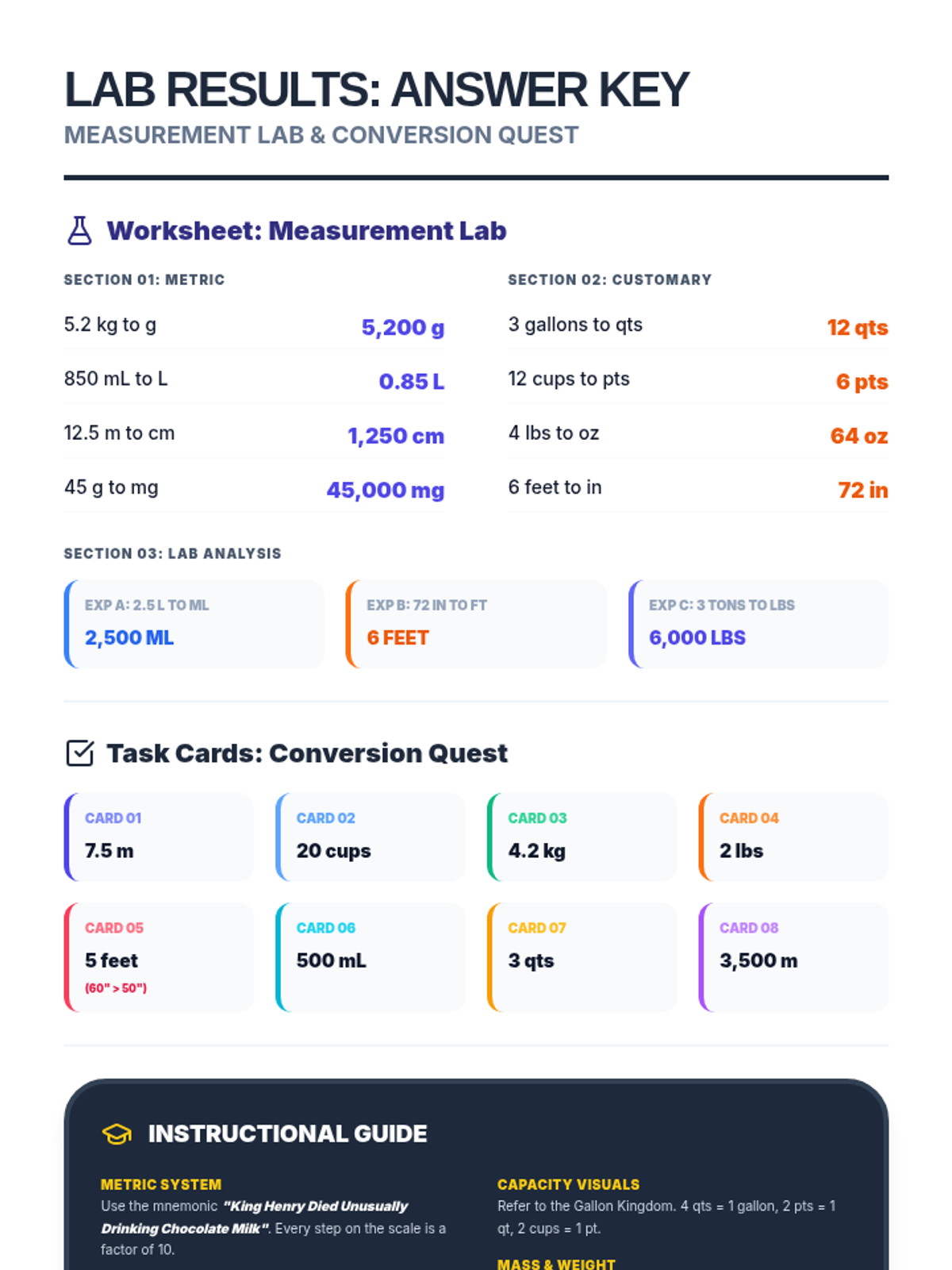
A comprehensive lesson on converting units within the Metric and US Customary systems using visual models, anchor charts, and hands-on task cards.
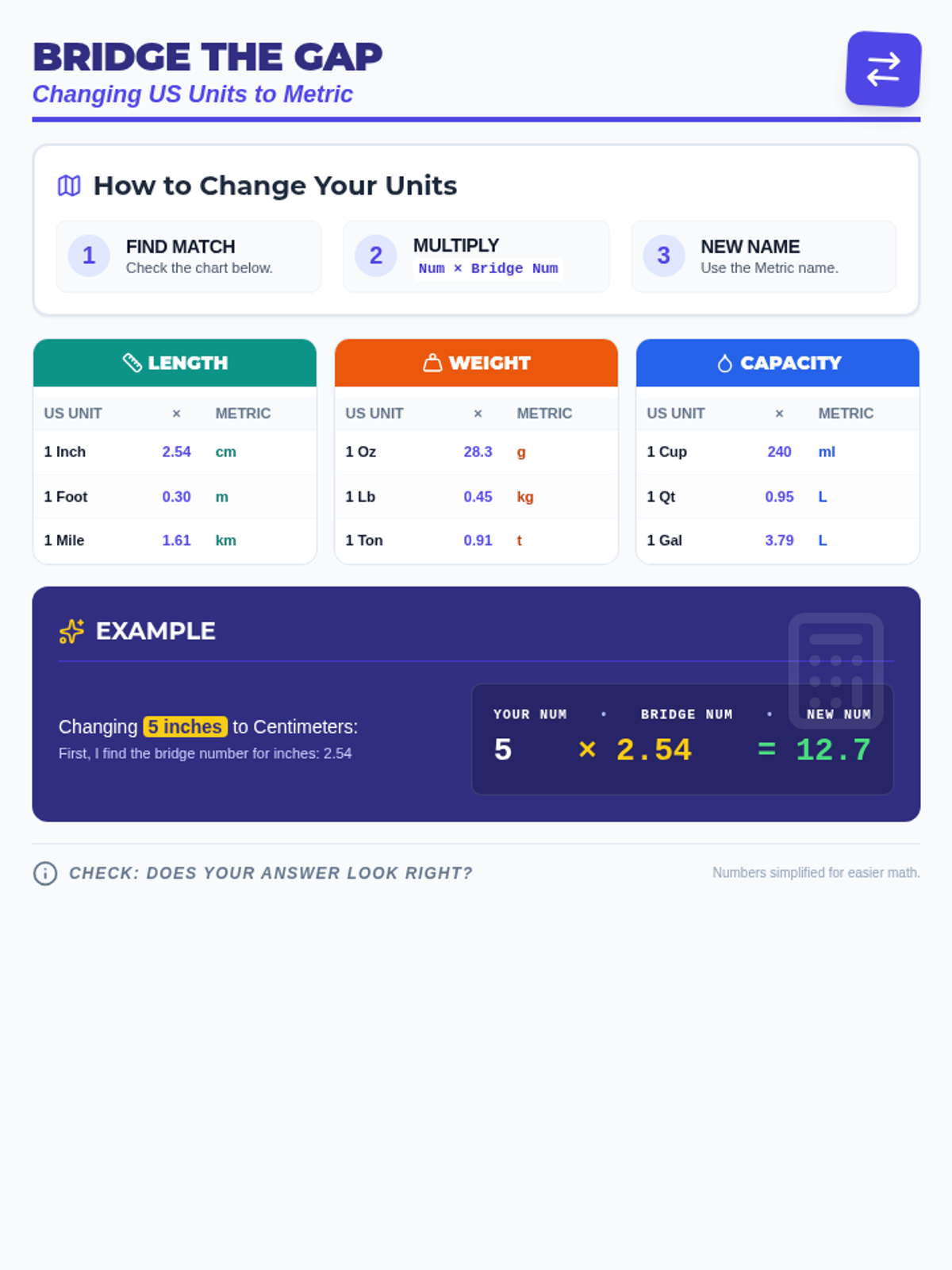
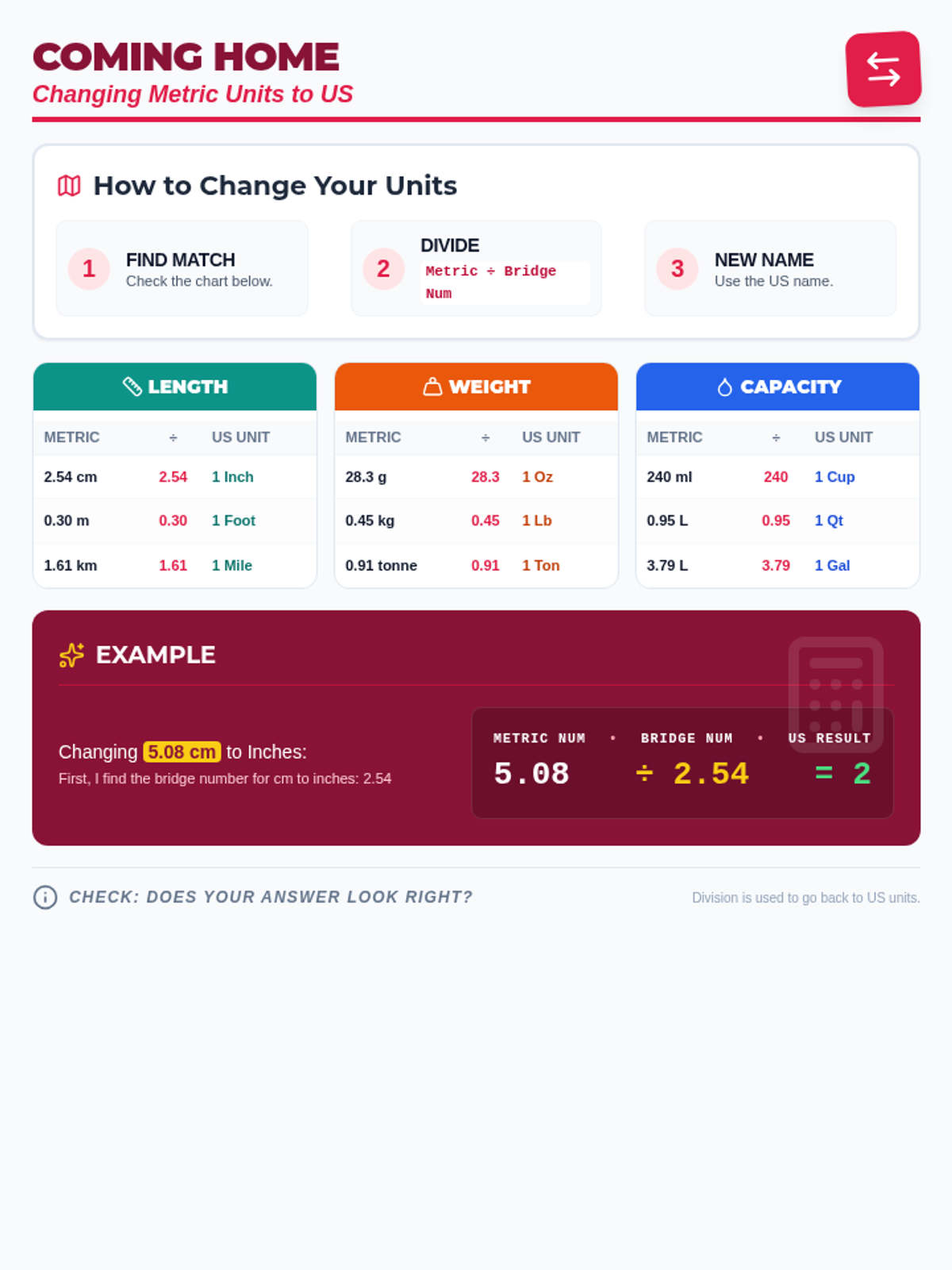
A lesson teaching students how to convert between US customary and metric measurement systems using a simplified 'Bridge Number' method. Includes anchor charts for both directions of conversion.
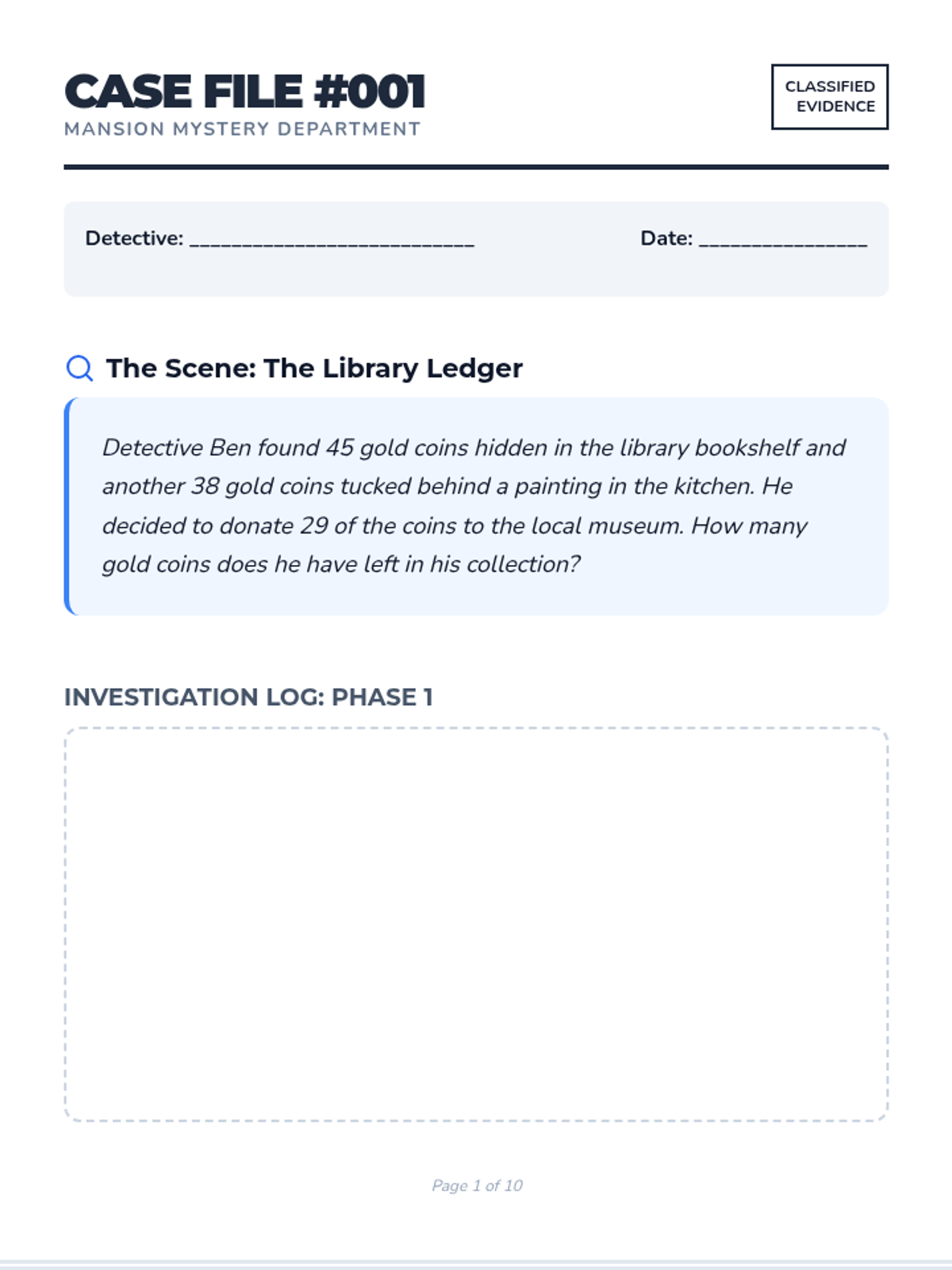
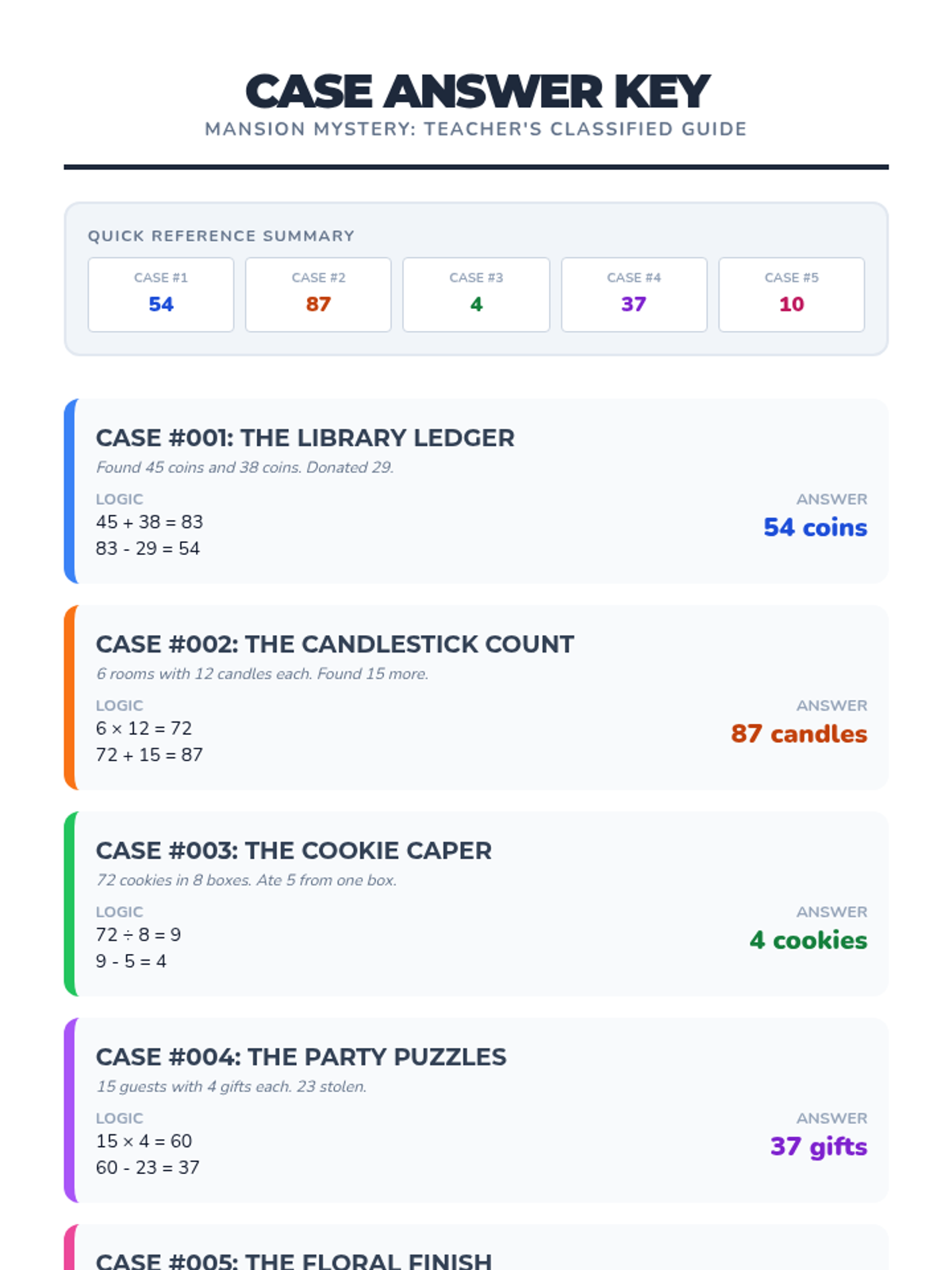
A series of complex two-step word problems set in a mysterious mansion. Students must use addition, subtraction, multiplication, and division within 100 to solve the mystery.
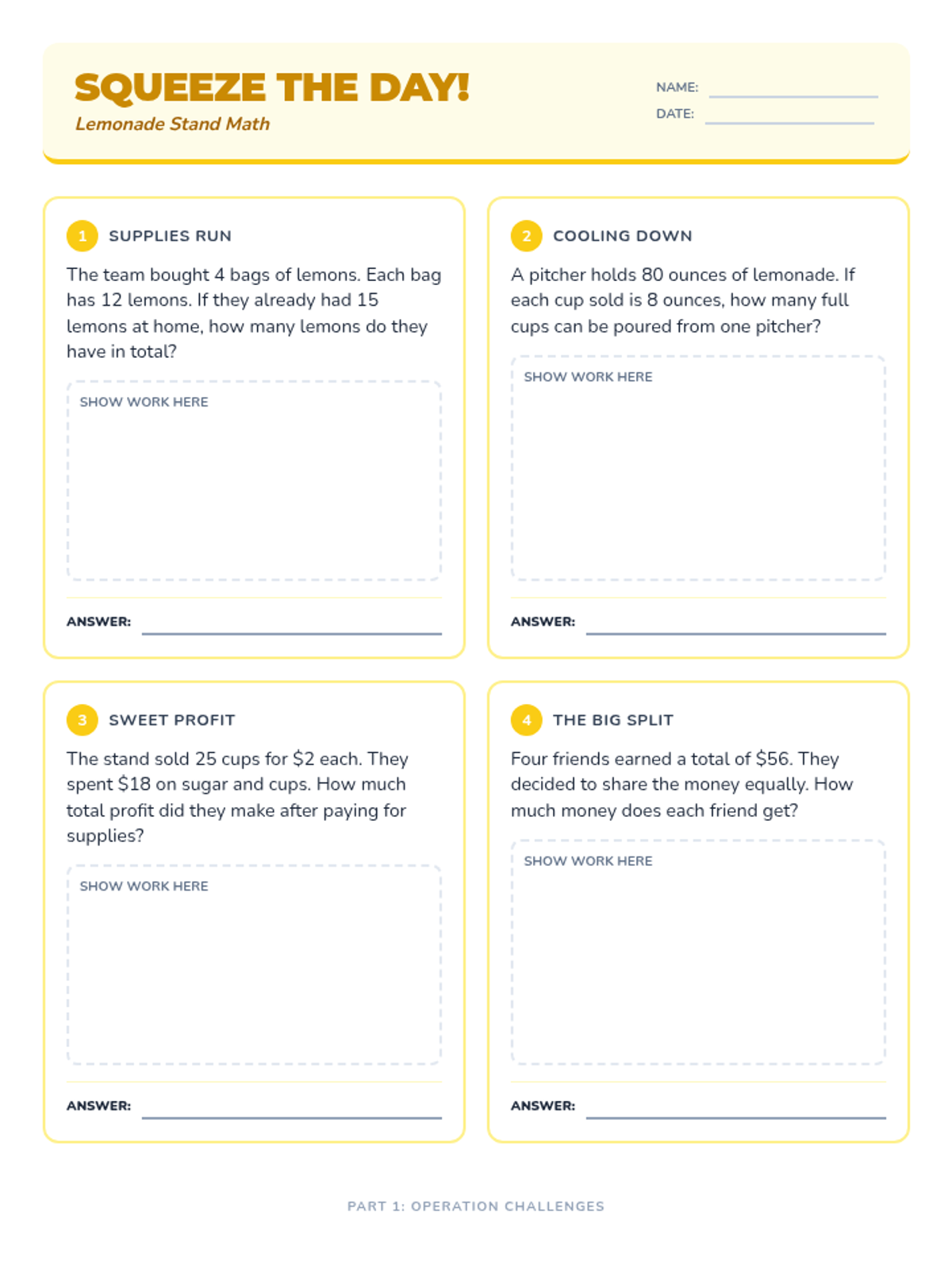
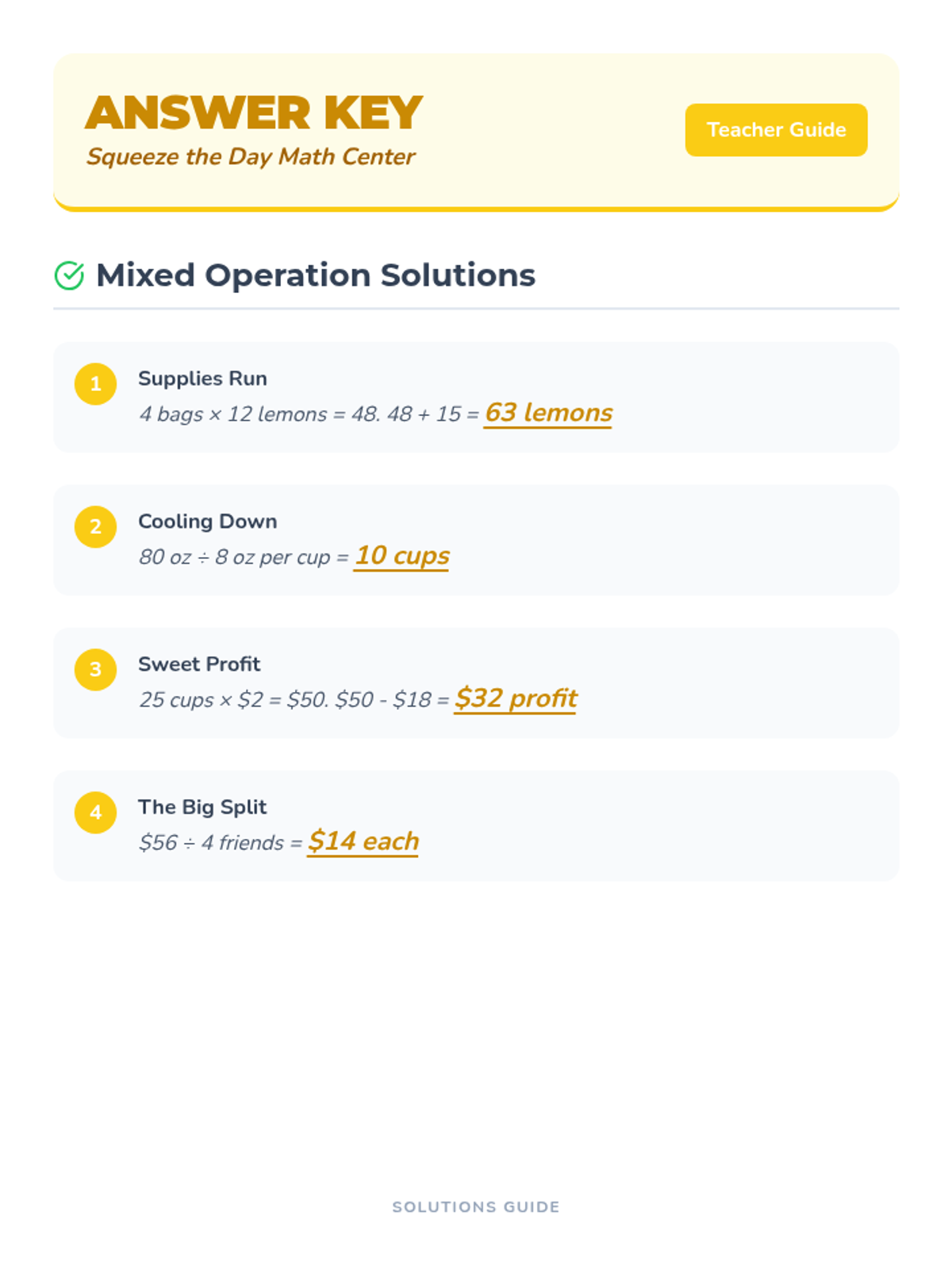
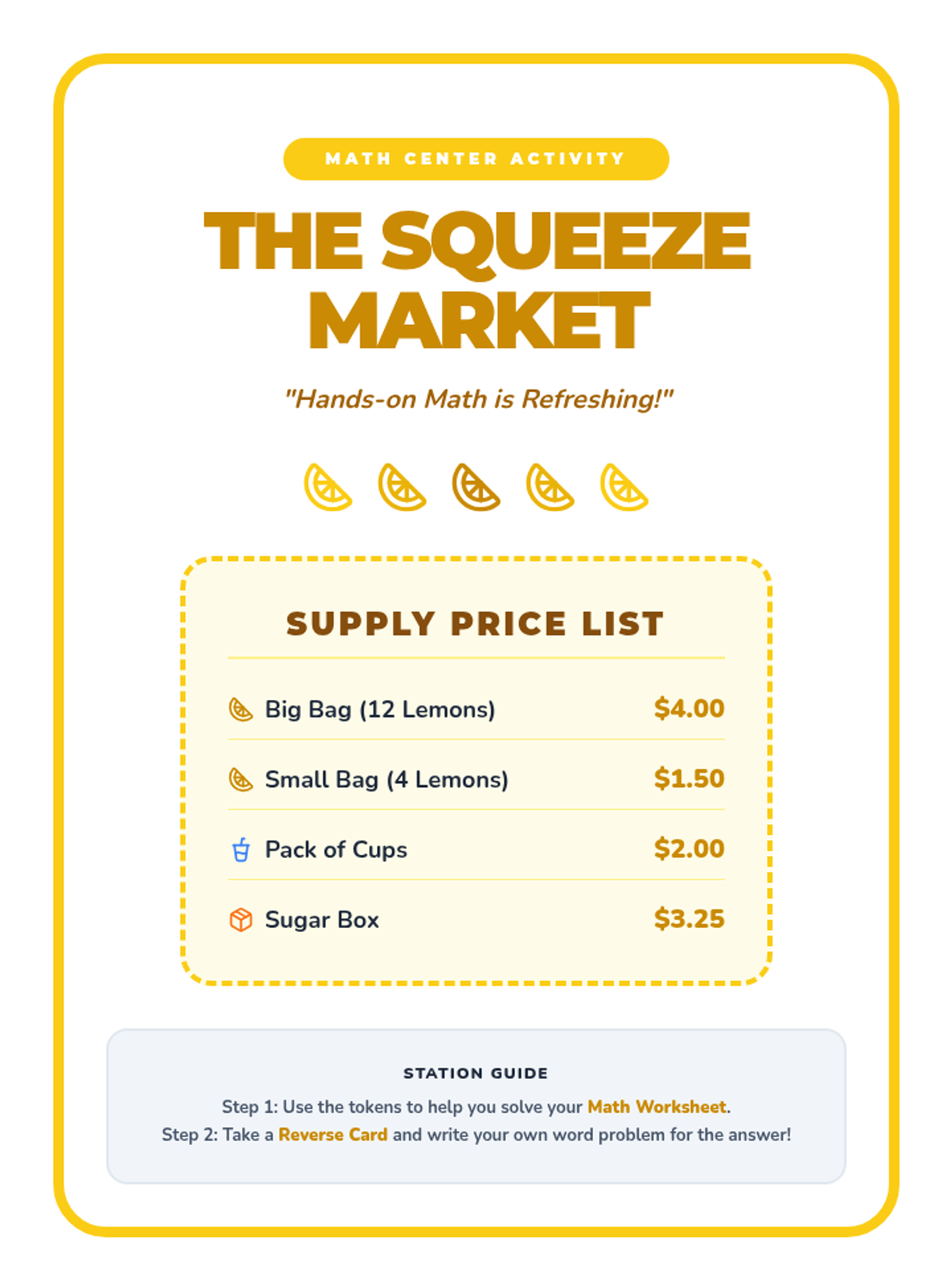
A high-energy math center rotation where students solve lemon-themed word problems and practice reverse-engineering math scenarios.
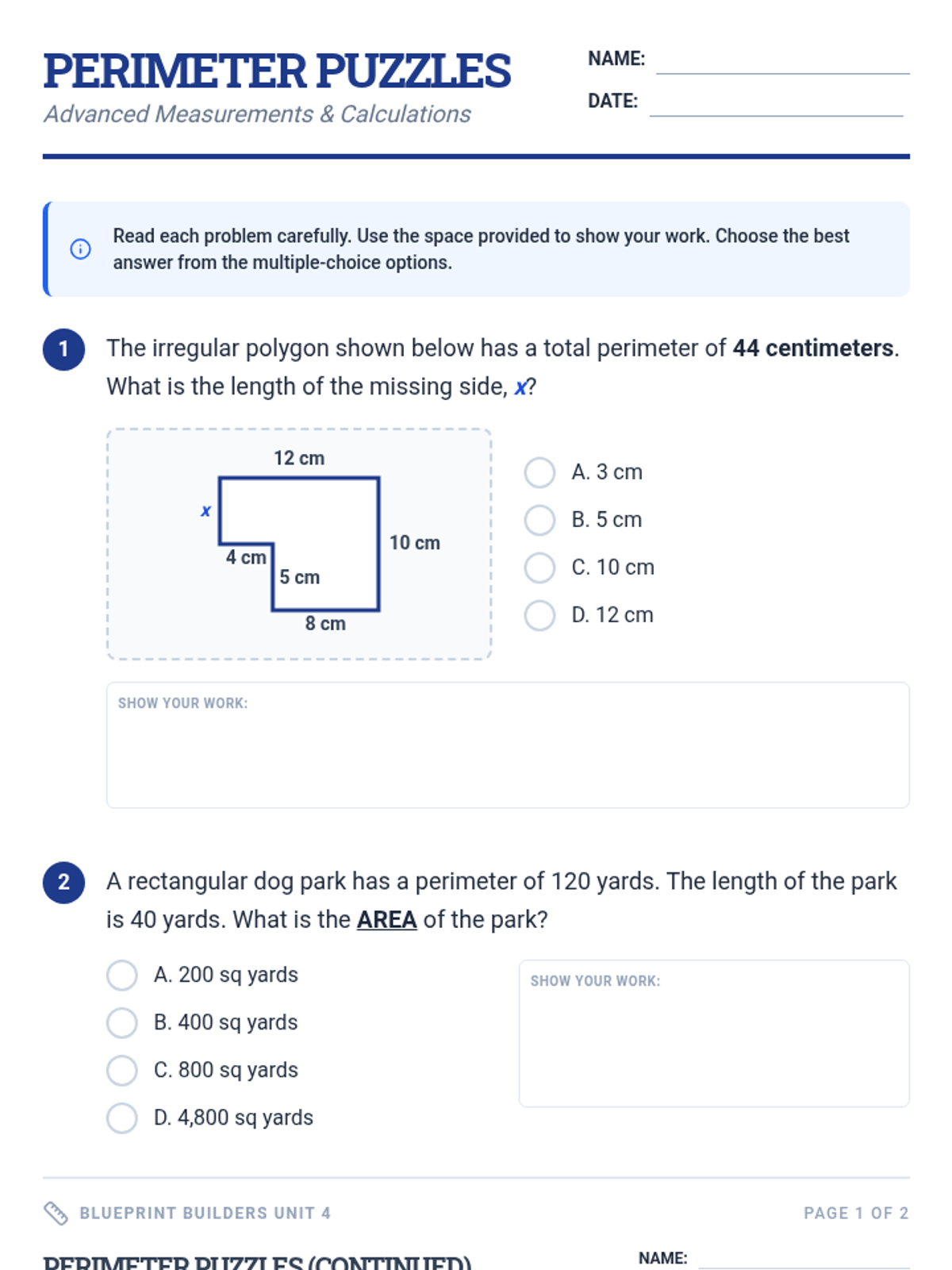
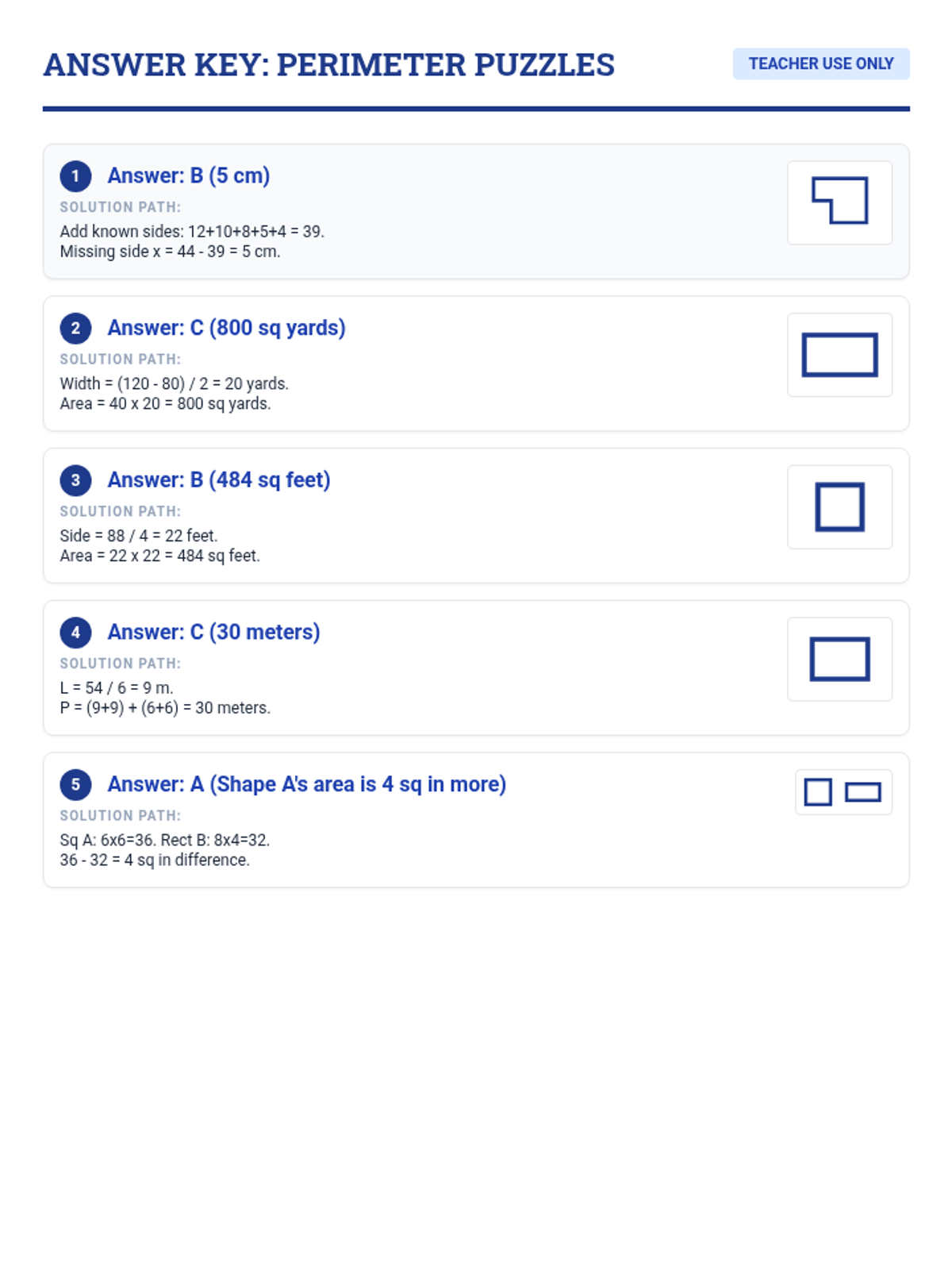
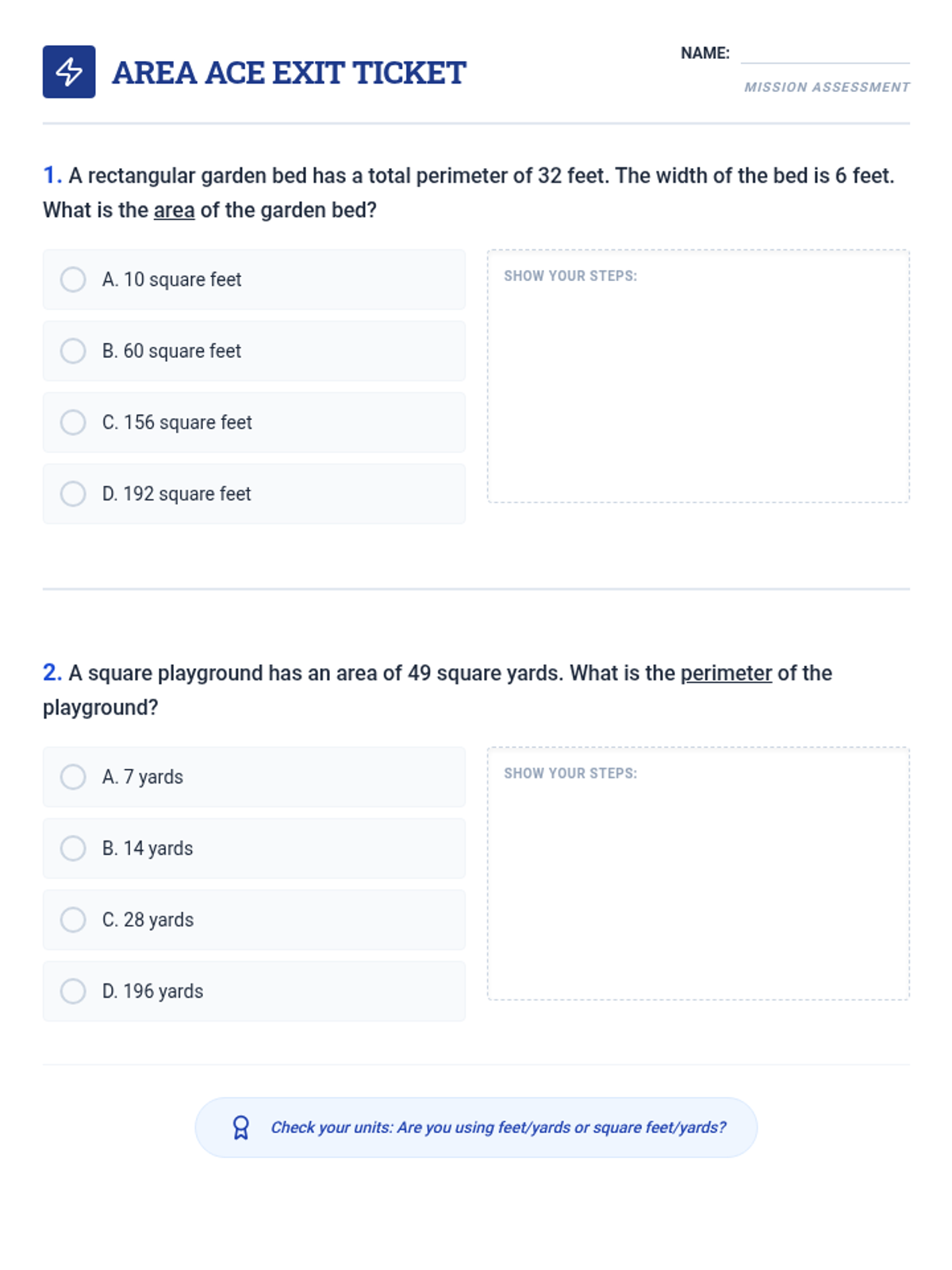
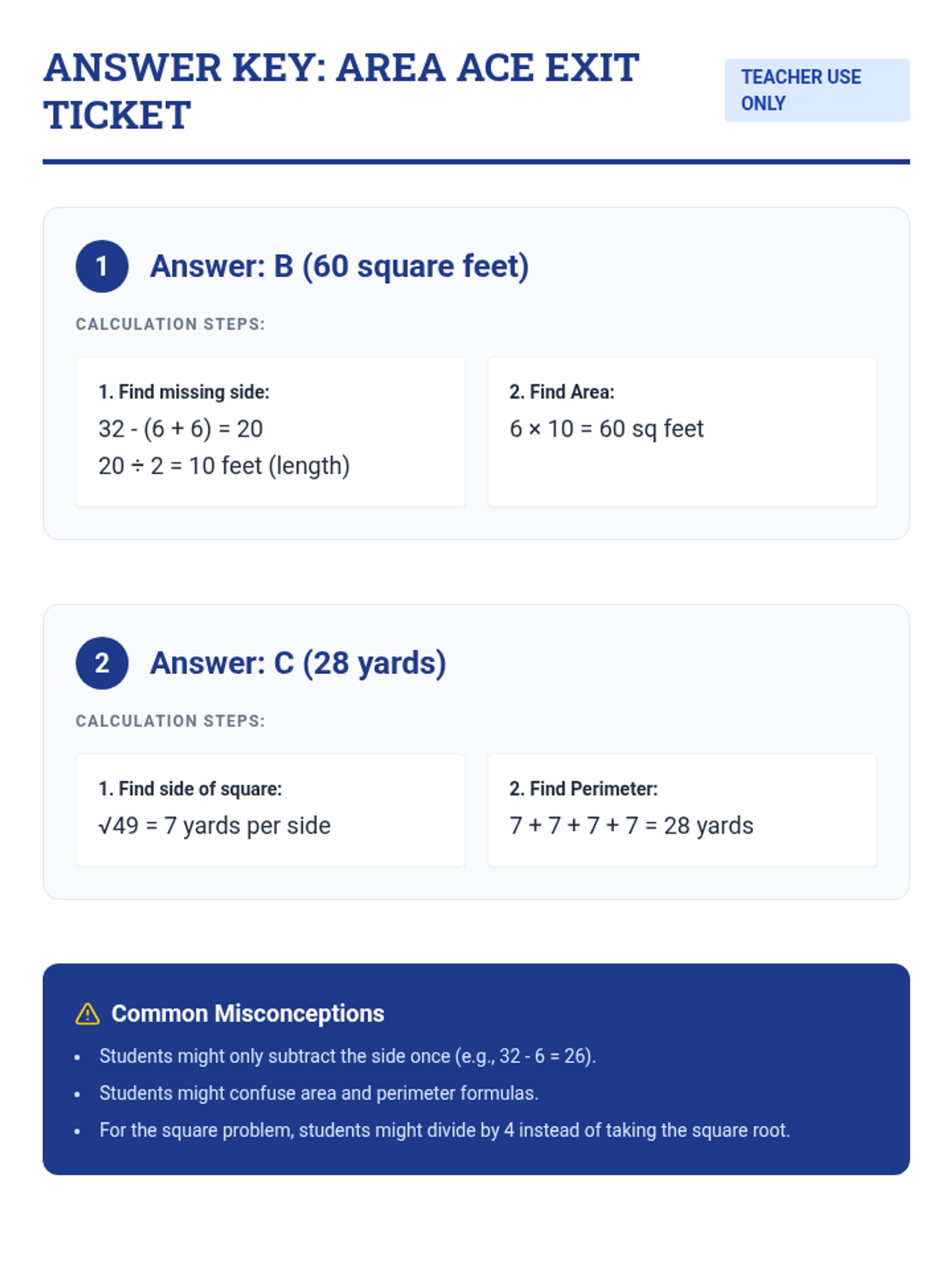
A rigorous math lesson focused on solving complex area and perimeter problems, including multi-step calculations to find area from perimeter and identifying missing side lengths in polygons.
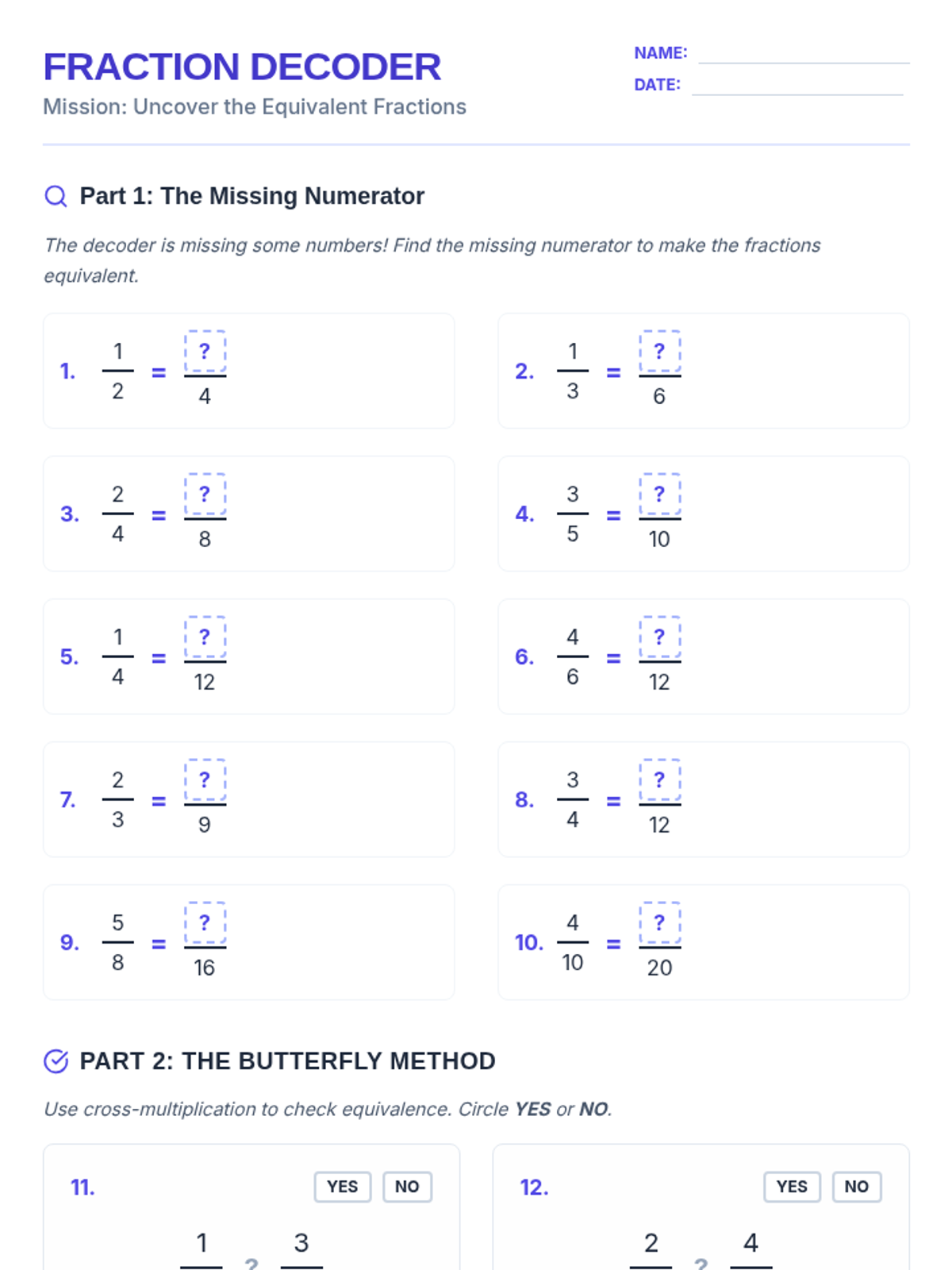
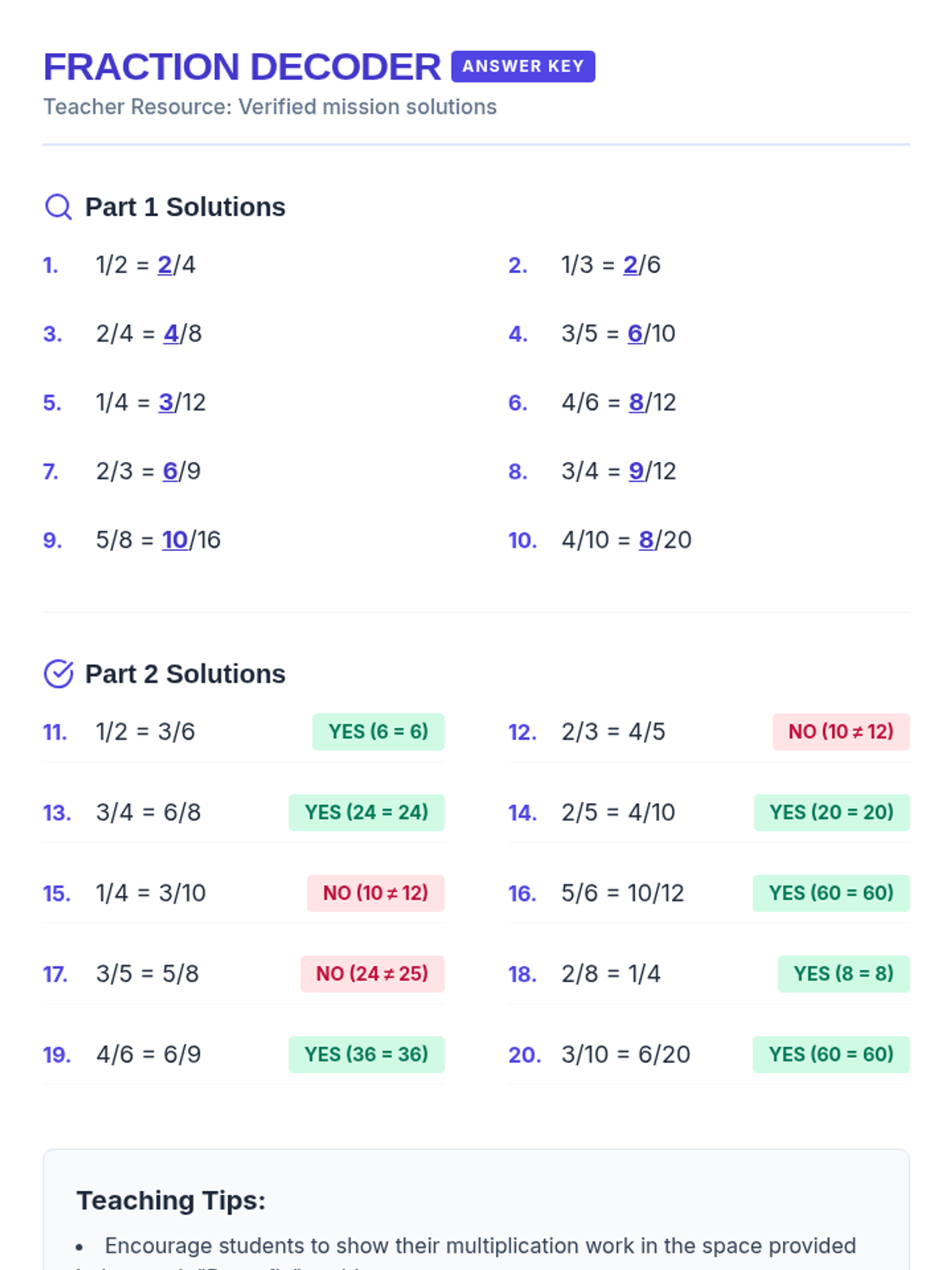
A lesson focused on identifying and creating equivalent fractions using numerical methods like cross-multiplication and scaling, without the use of visual models.