A guided lesson on comparing and ordering whole numbers and decimals, designed specifically for learners who benefit from visual scaffolding and structured place value support.
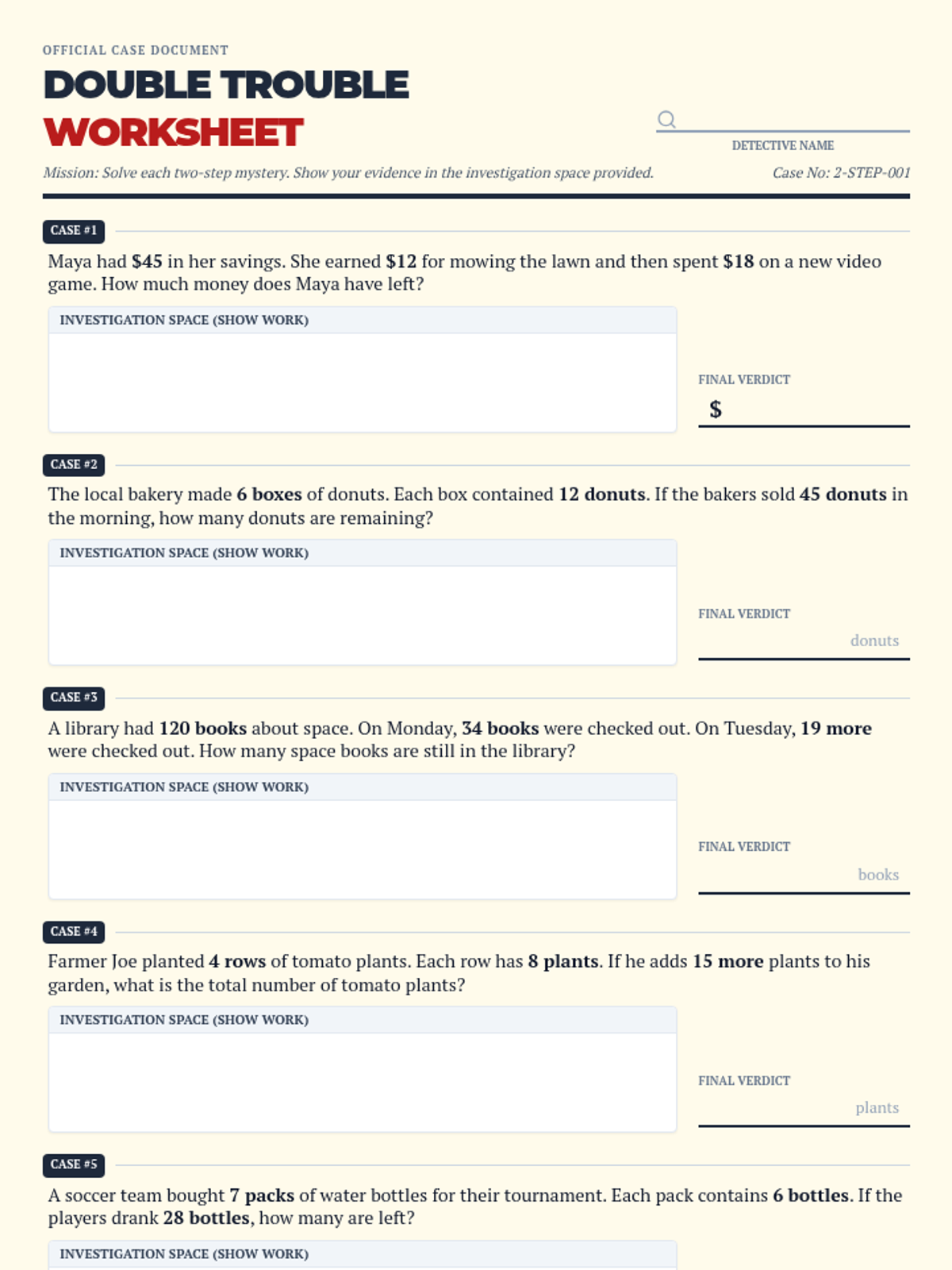
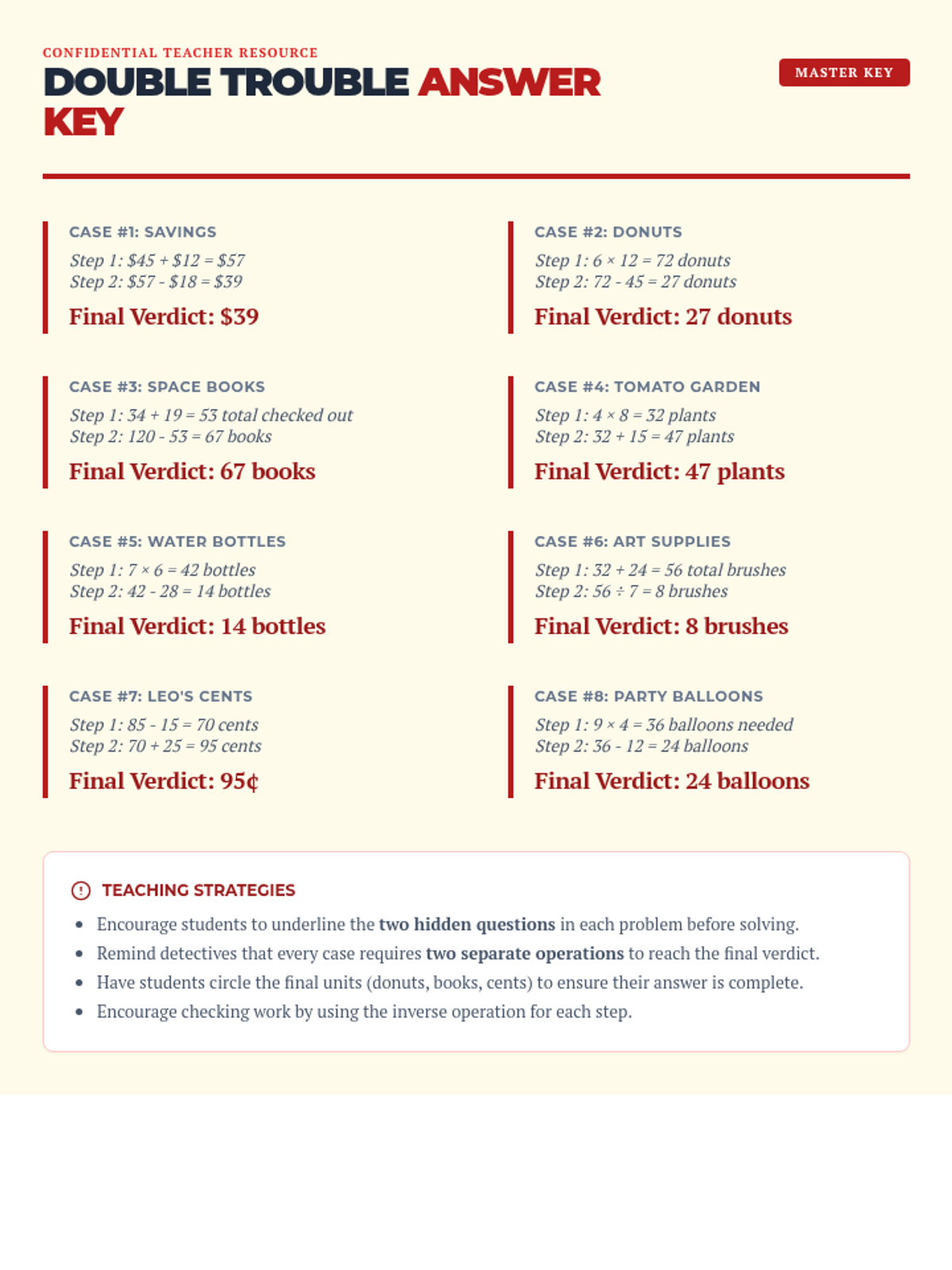
A detective-themed math lesson focused on solving multi-step word problems by breaking them down into logical operations. Students act as 'Problem Detectives' to uncover hidden operations and find the final solution.
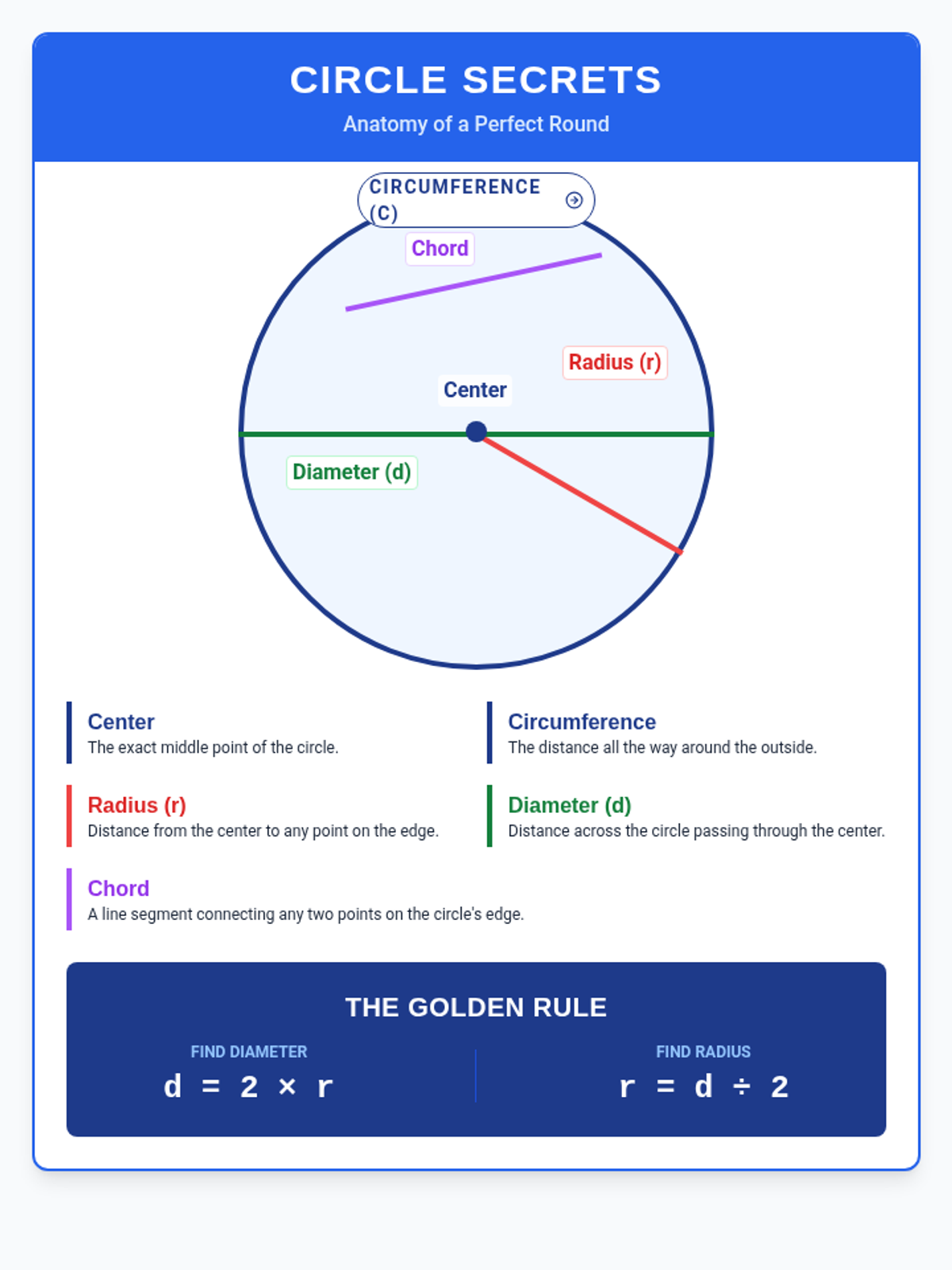
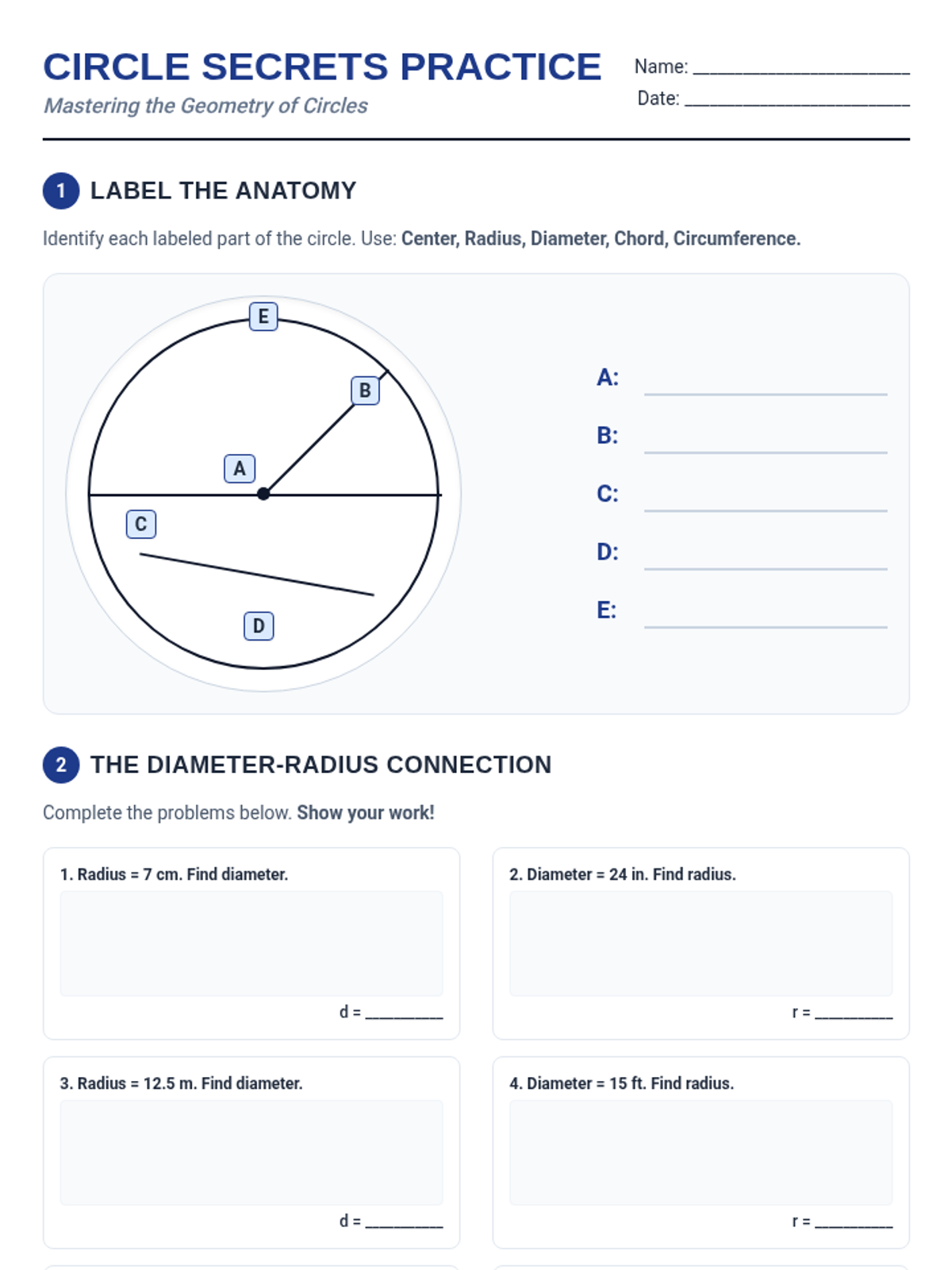
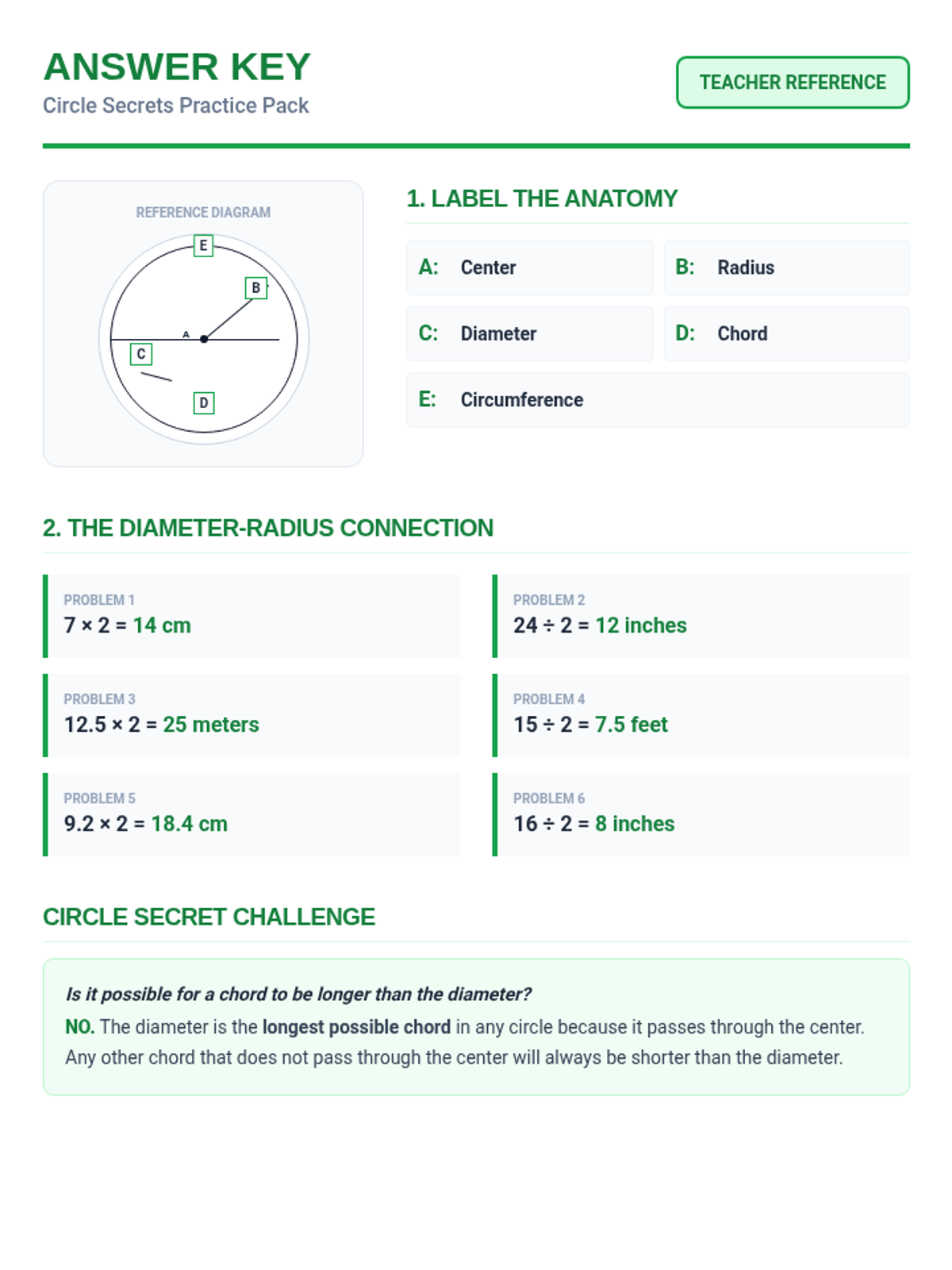
A 30-minute mini-lesson focusing on identifying the parts of a circle (radius, diameter, chord, center, and circumference) and calculating measurements between radius and diameter.
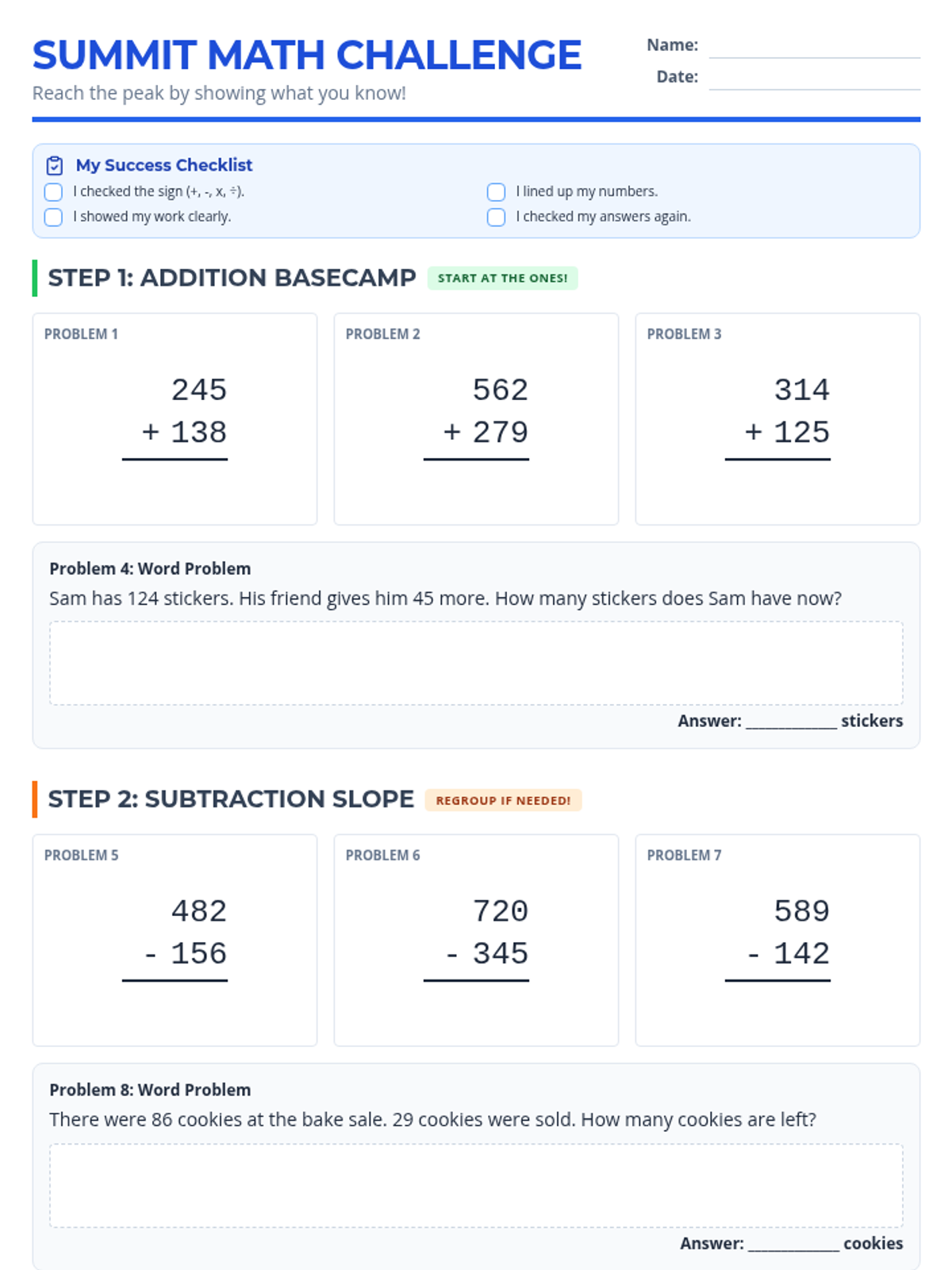
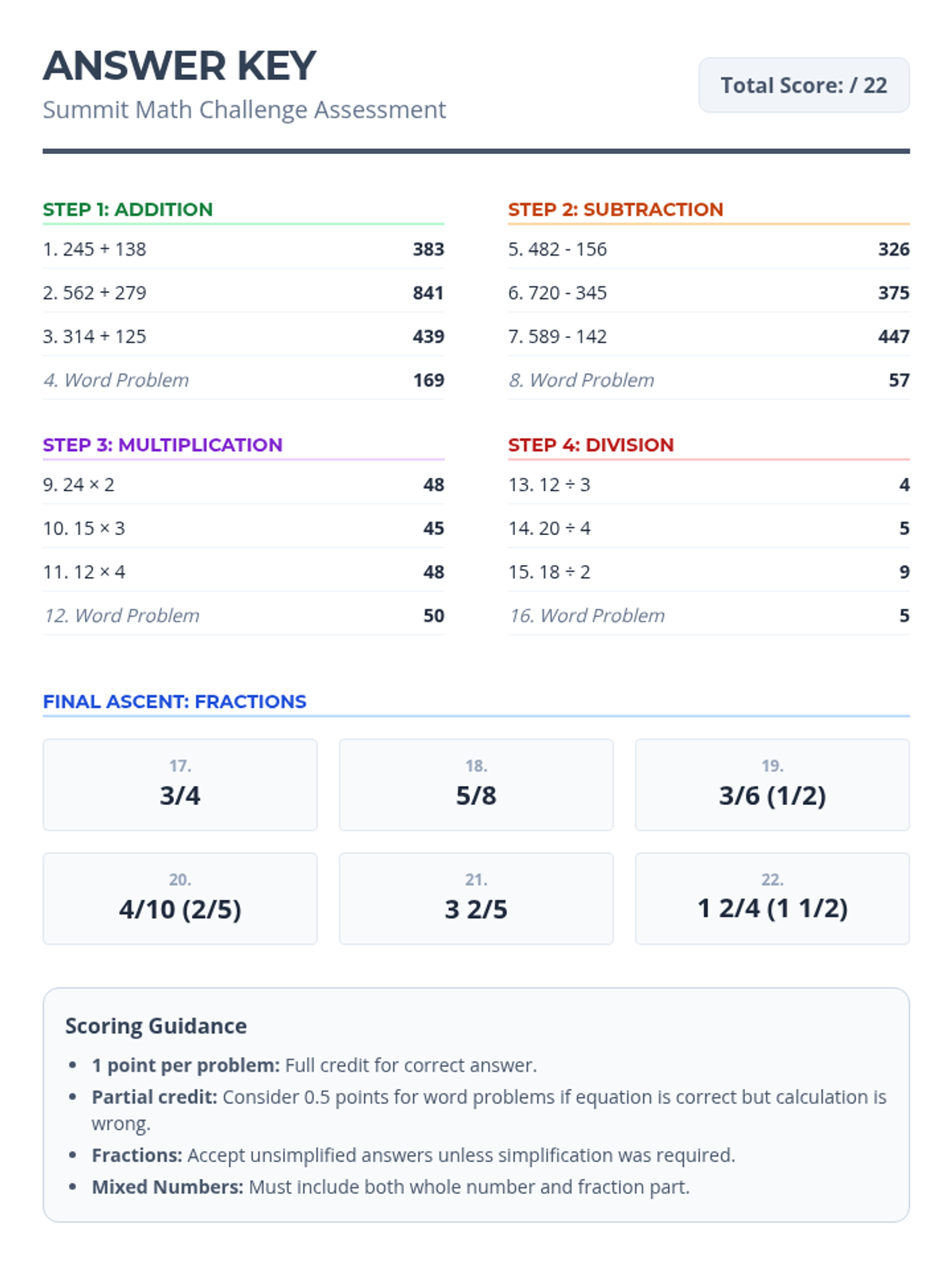
A comprehensive math assessment for 2nd-4th grade covering basic operations and fractions, designed with simplified wording and student support features.
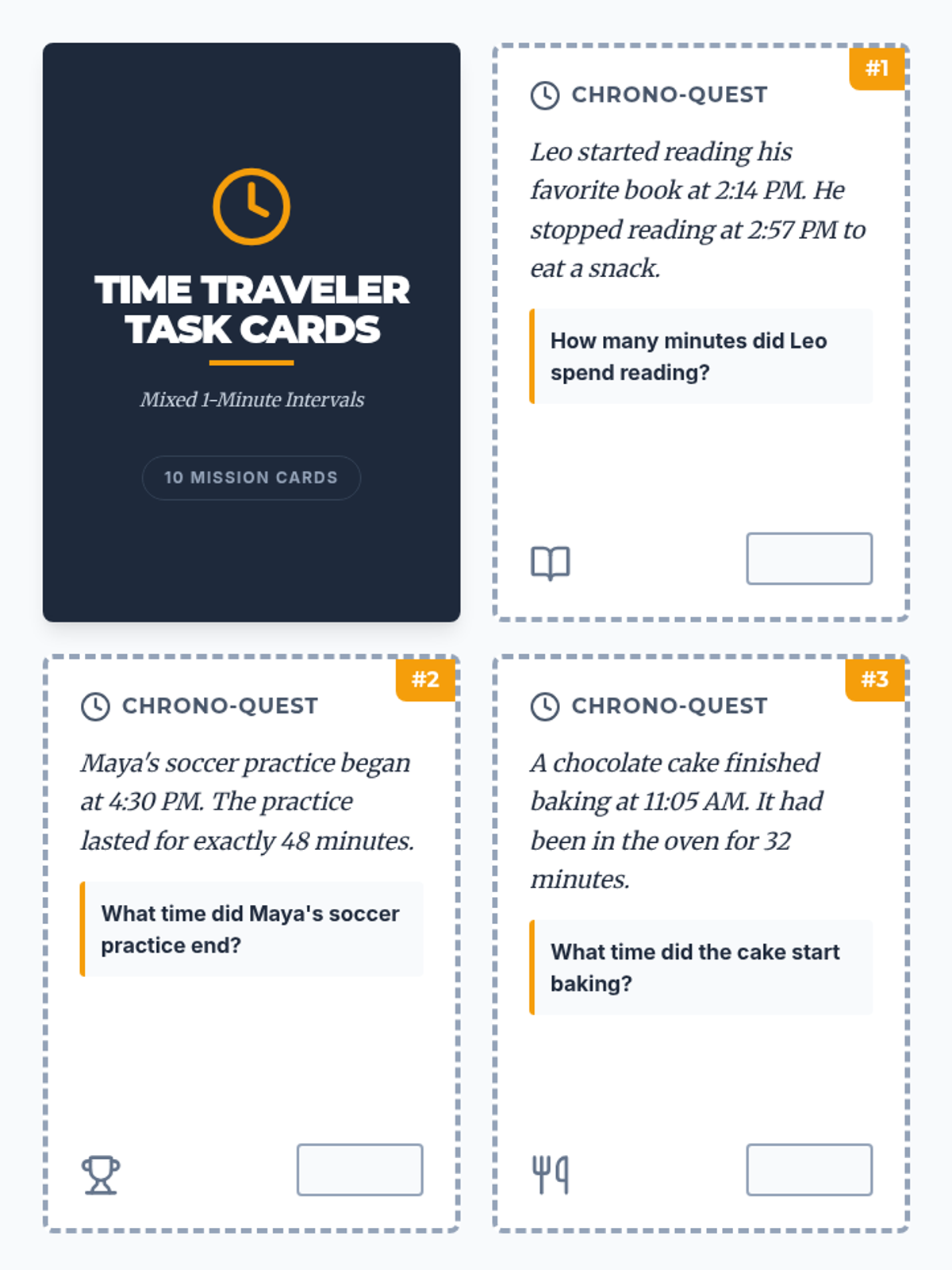
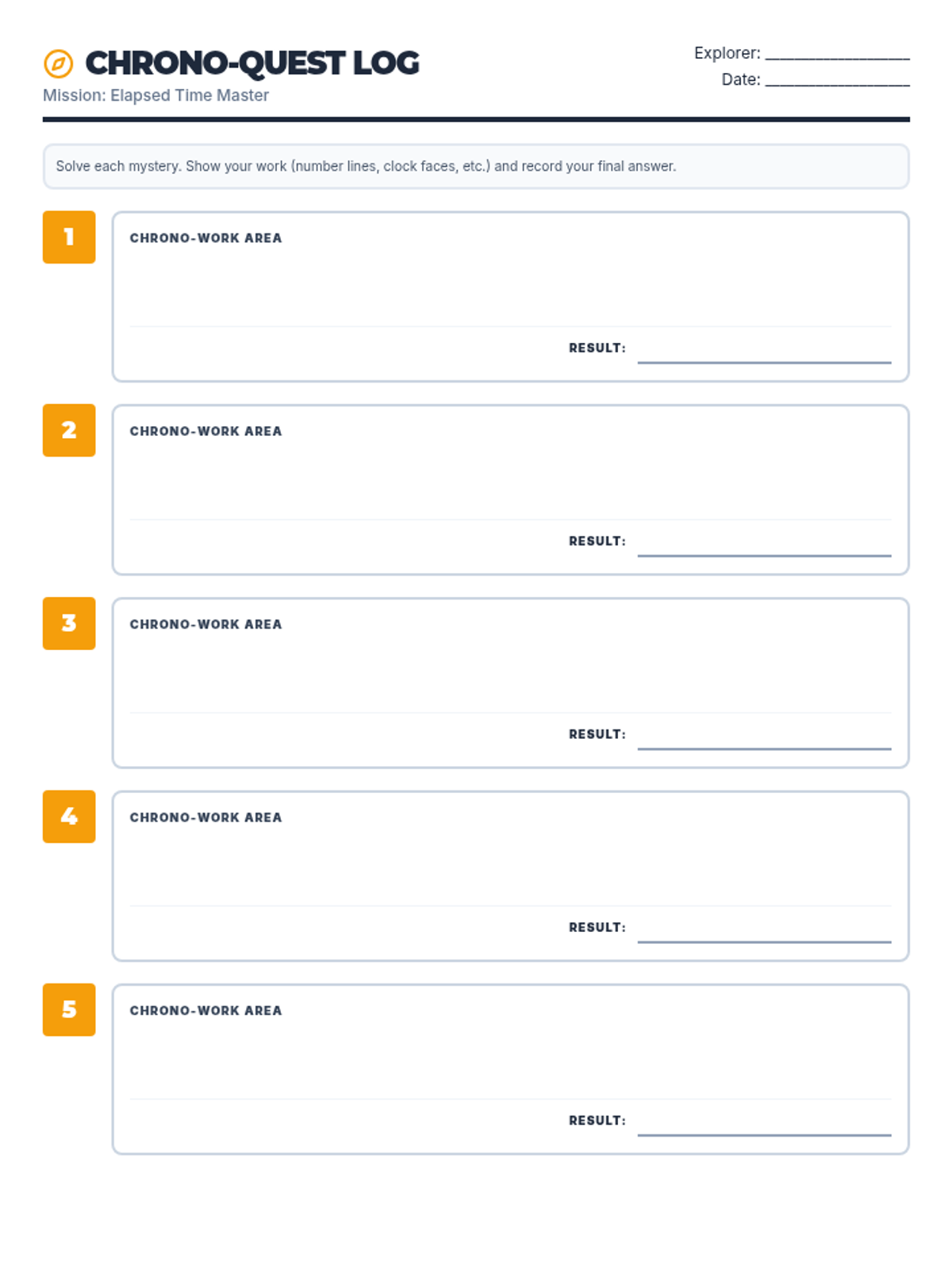
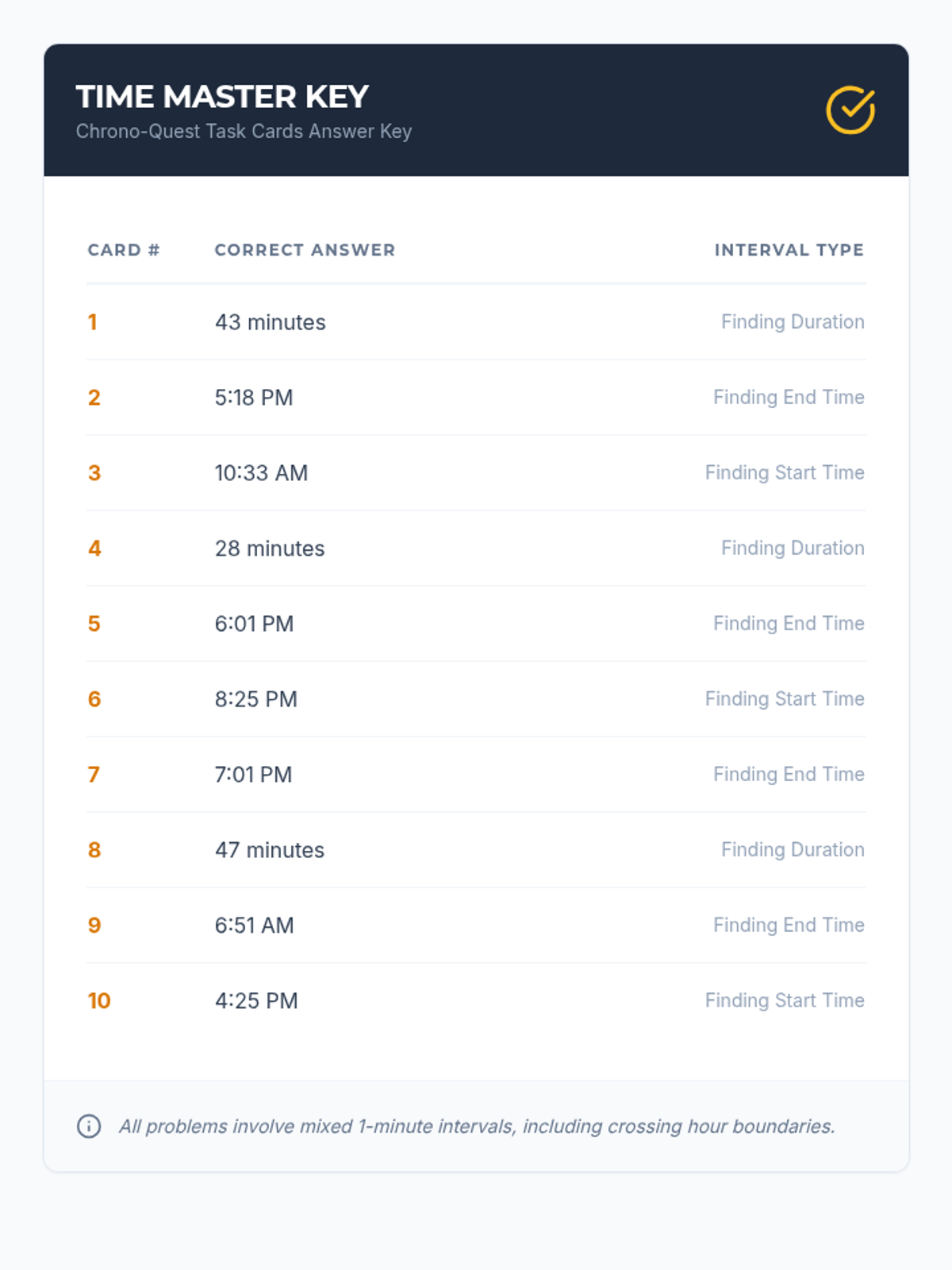
A lesson focused on solving word problems involving elapsed time using 1-minute intervals, themed around a 'Time Travel' adventure.
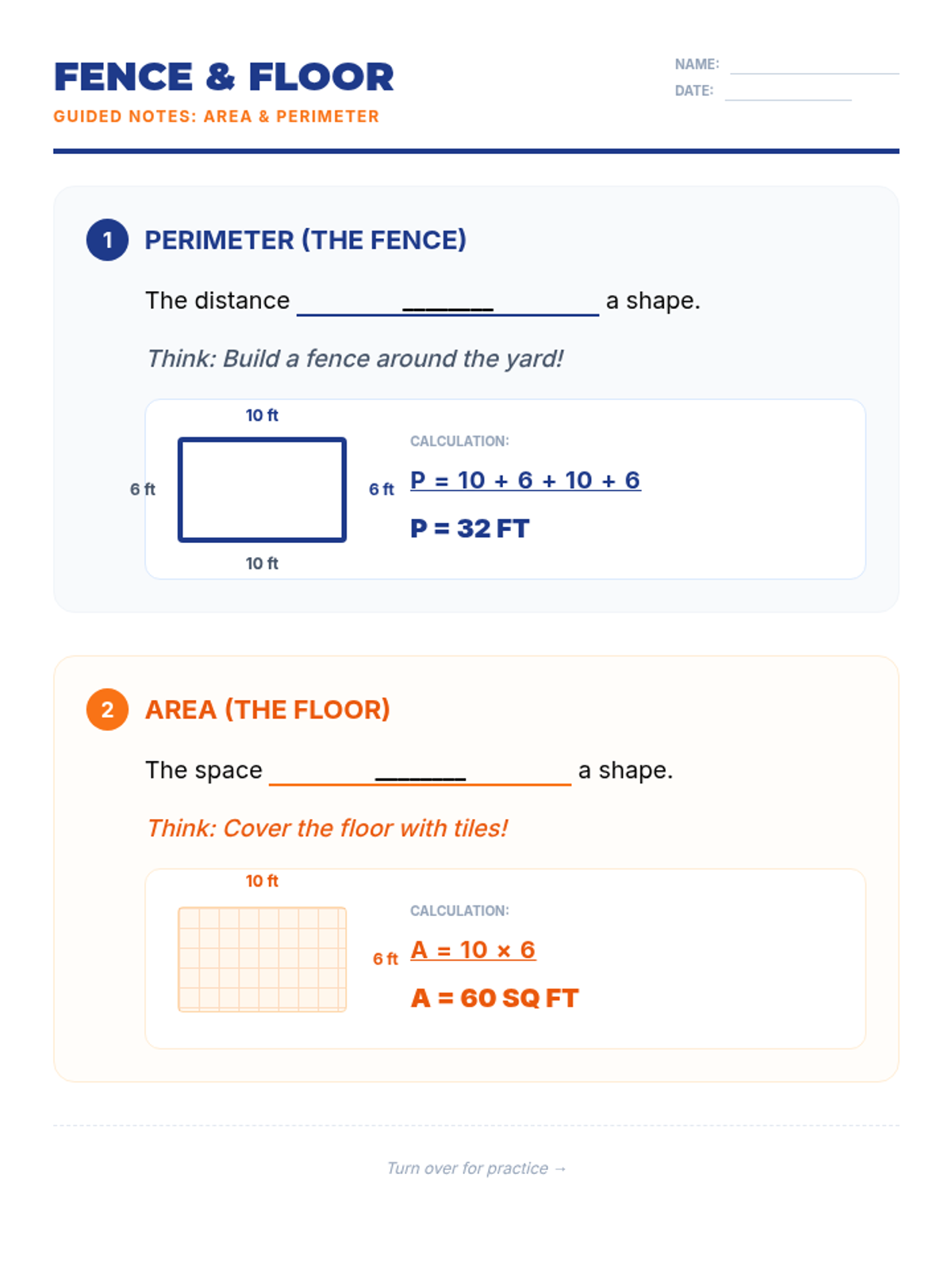
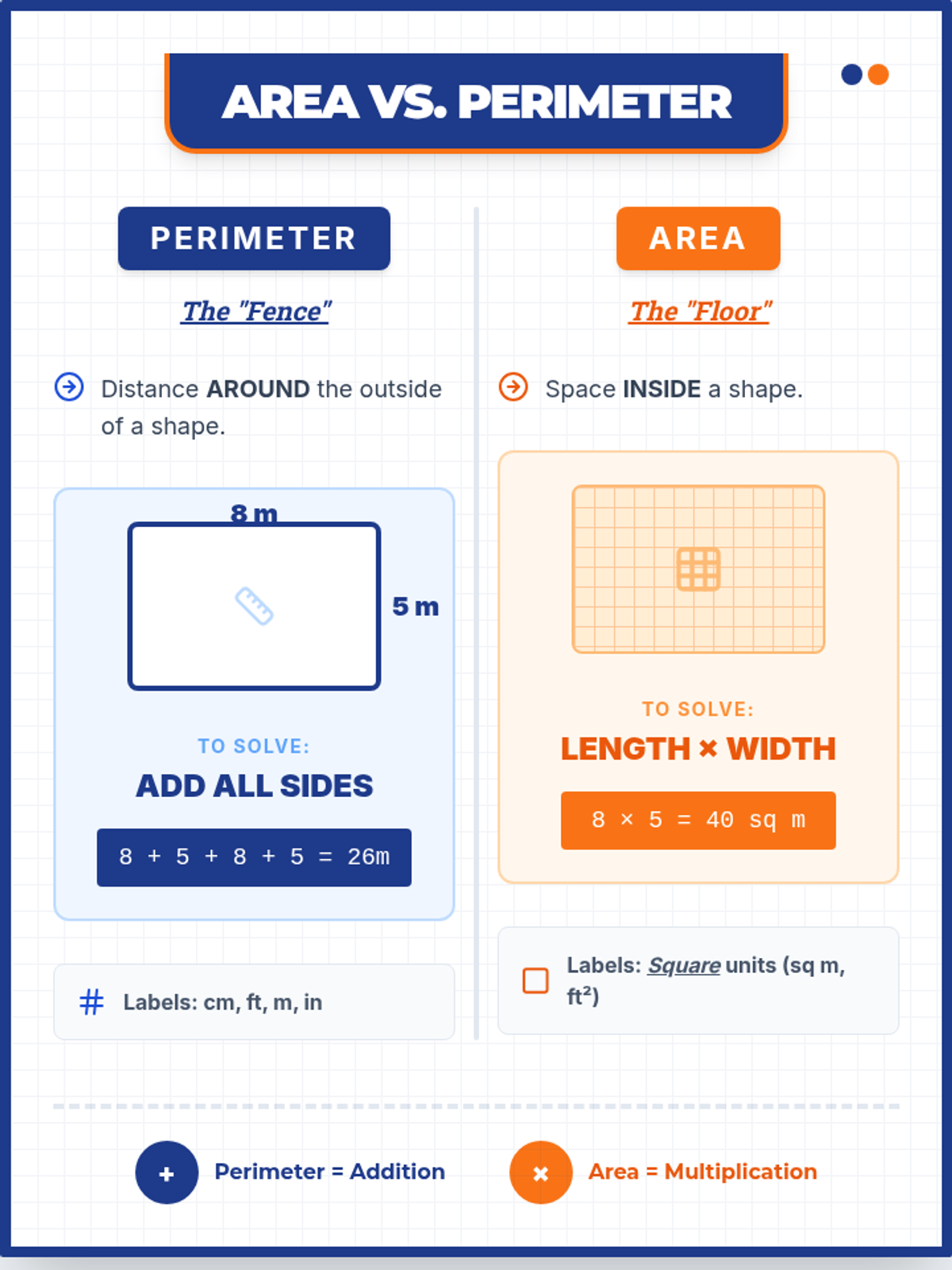
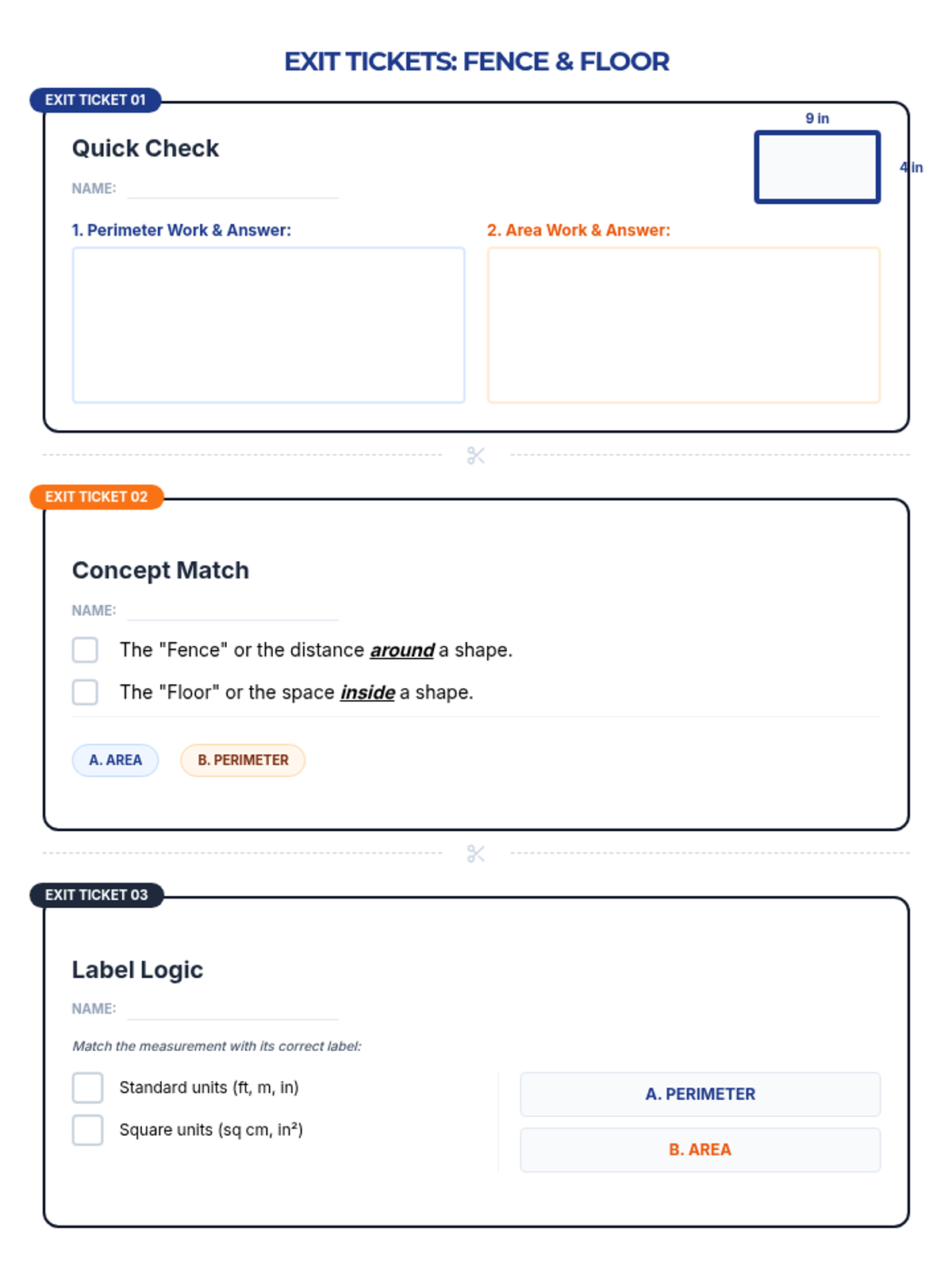
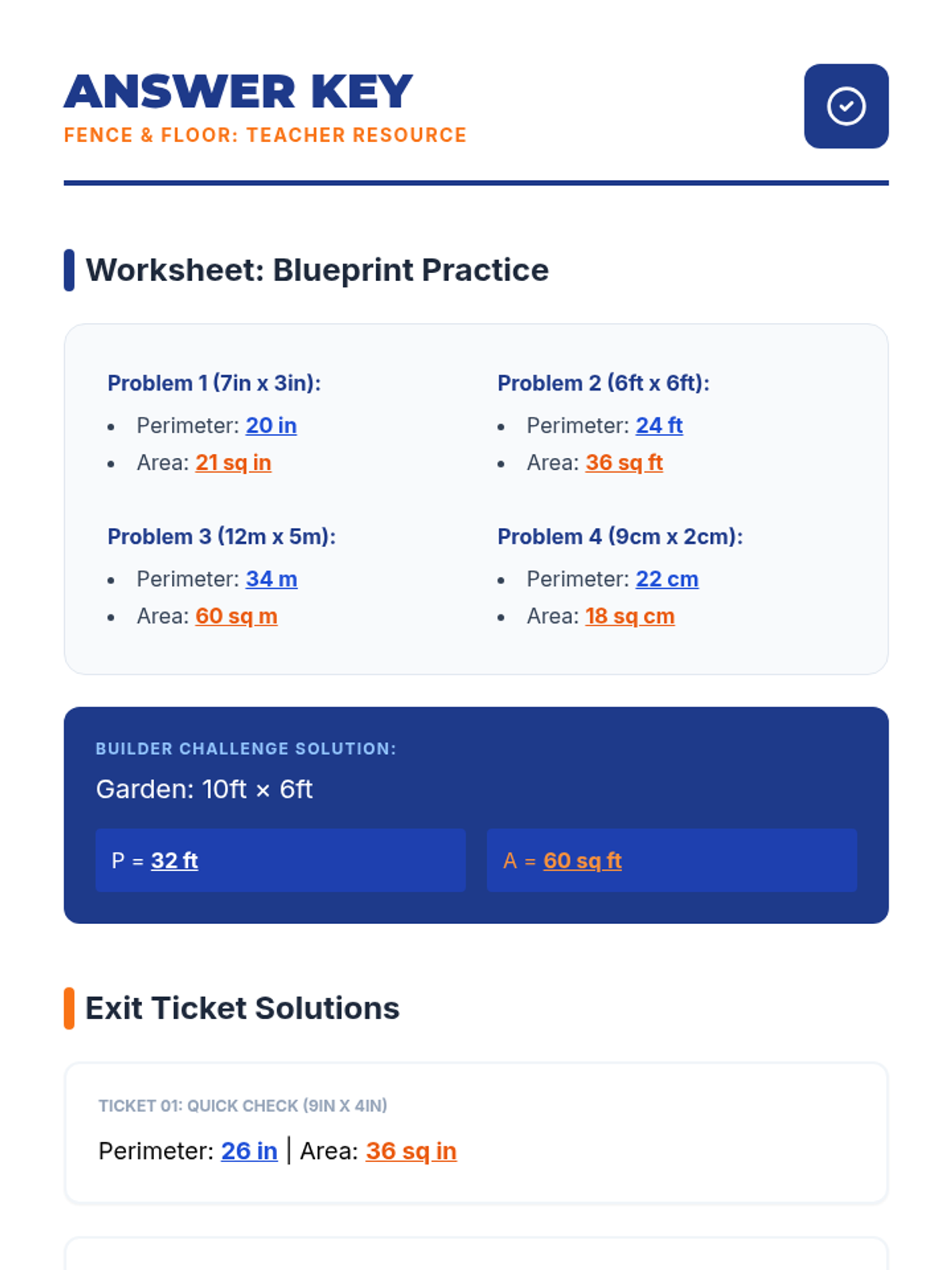
An introductory lesson on area and perimeter using the 'Fence and Floor' analogy. Students will learn the definitions, formulas, and real-world applications through visual aids and practice.
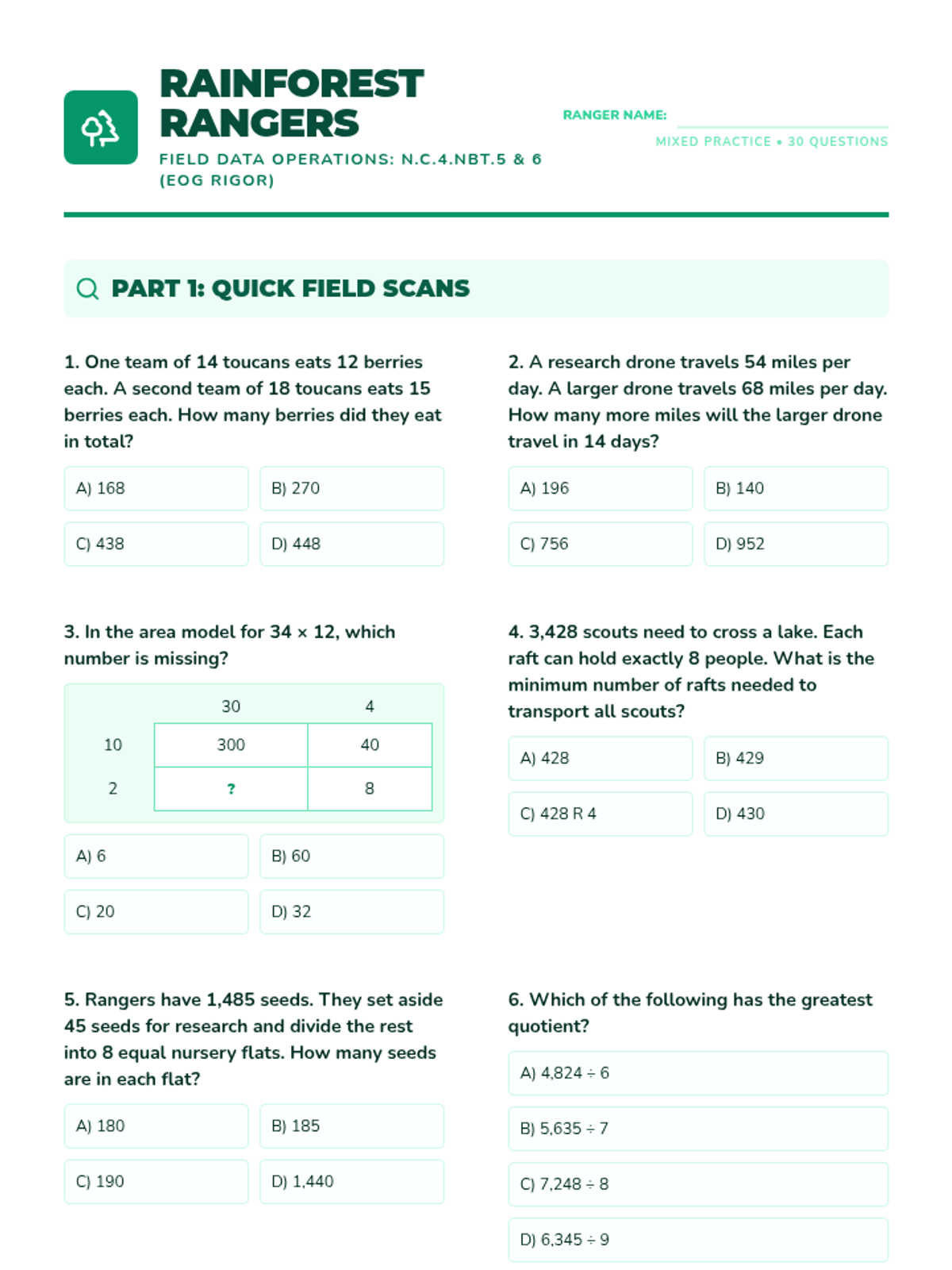
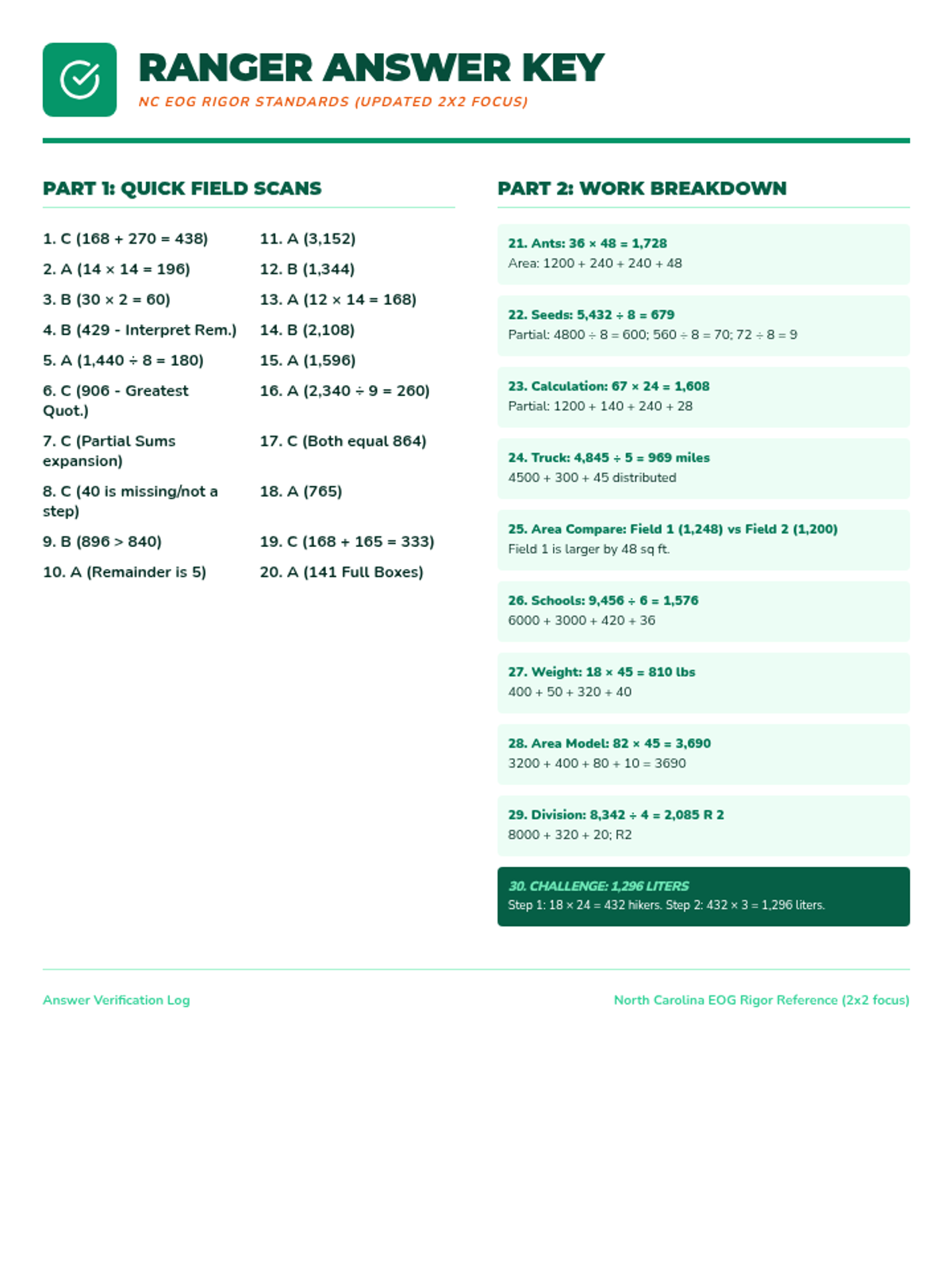
A rainforest-themed math lesson where students act as 'Rainforest Rangers' to solve 30 mixed multiplication and division problems. Aligned to NC 4th grade standards N.C.4.NBT.5 and N.C.4.NBT.6.
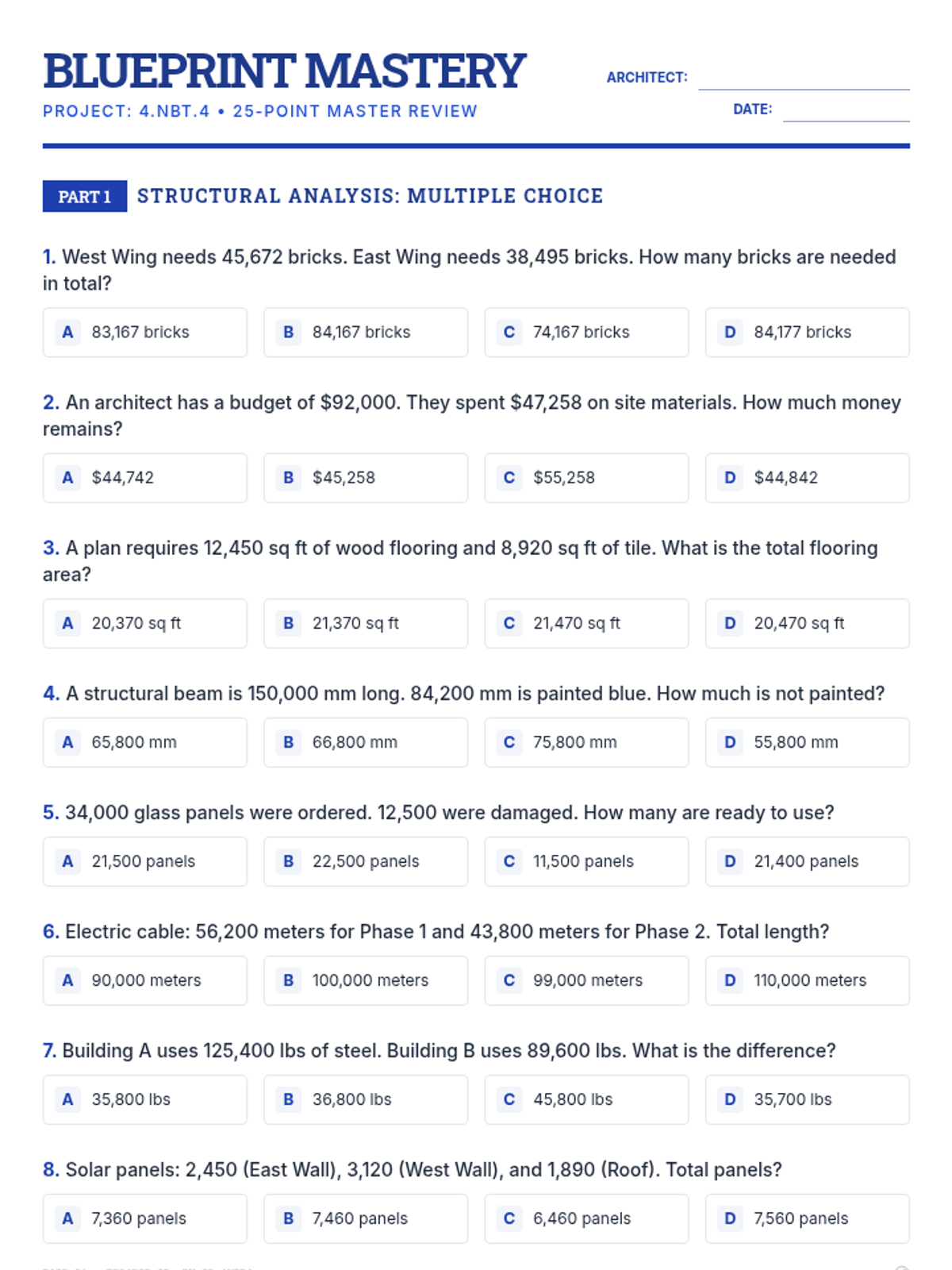
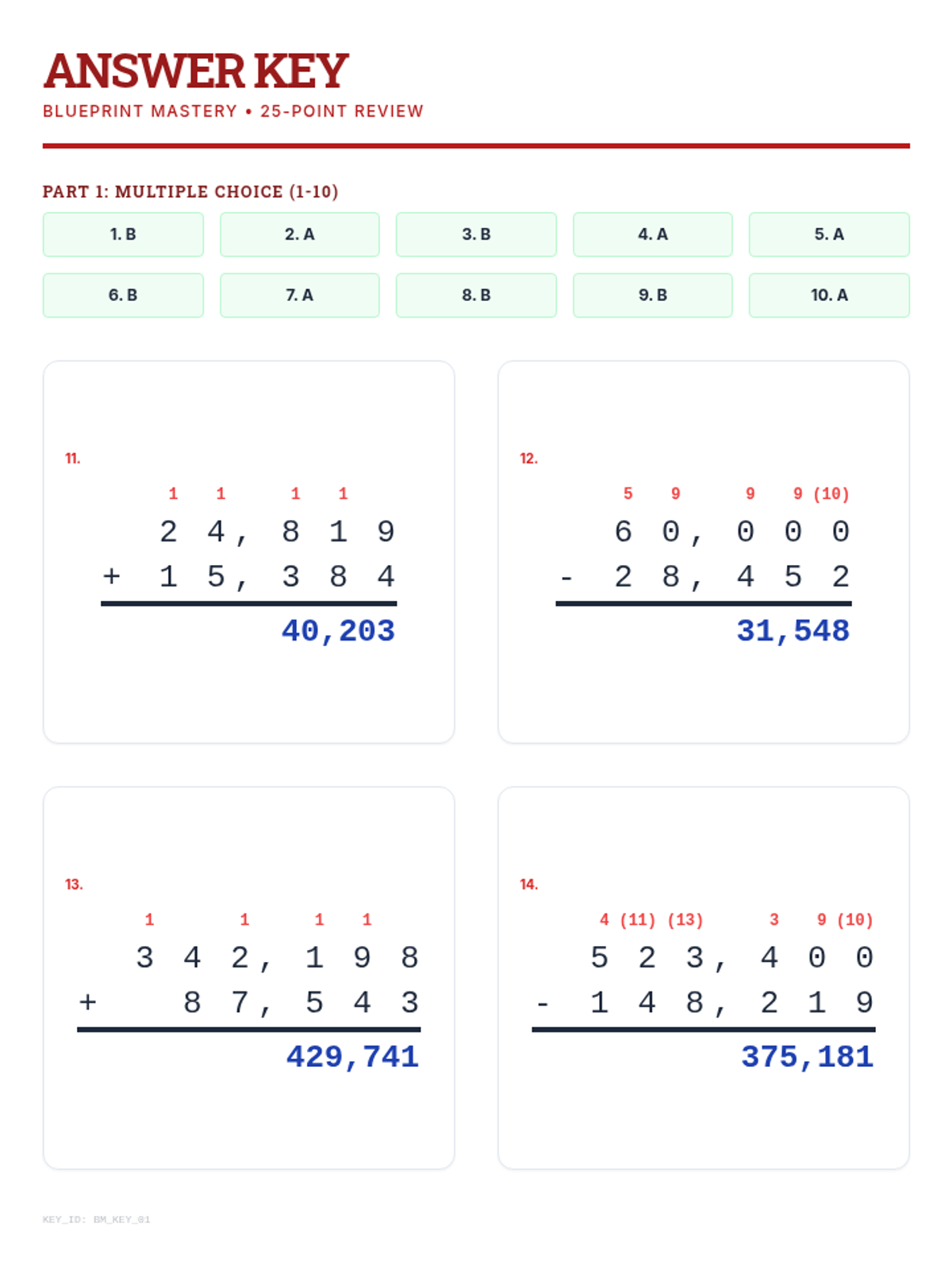
A lesson focused on fluently adding and subtracting multi-digit whole numbers using the standard algorithm, set within an architectural design theme.
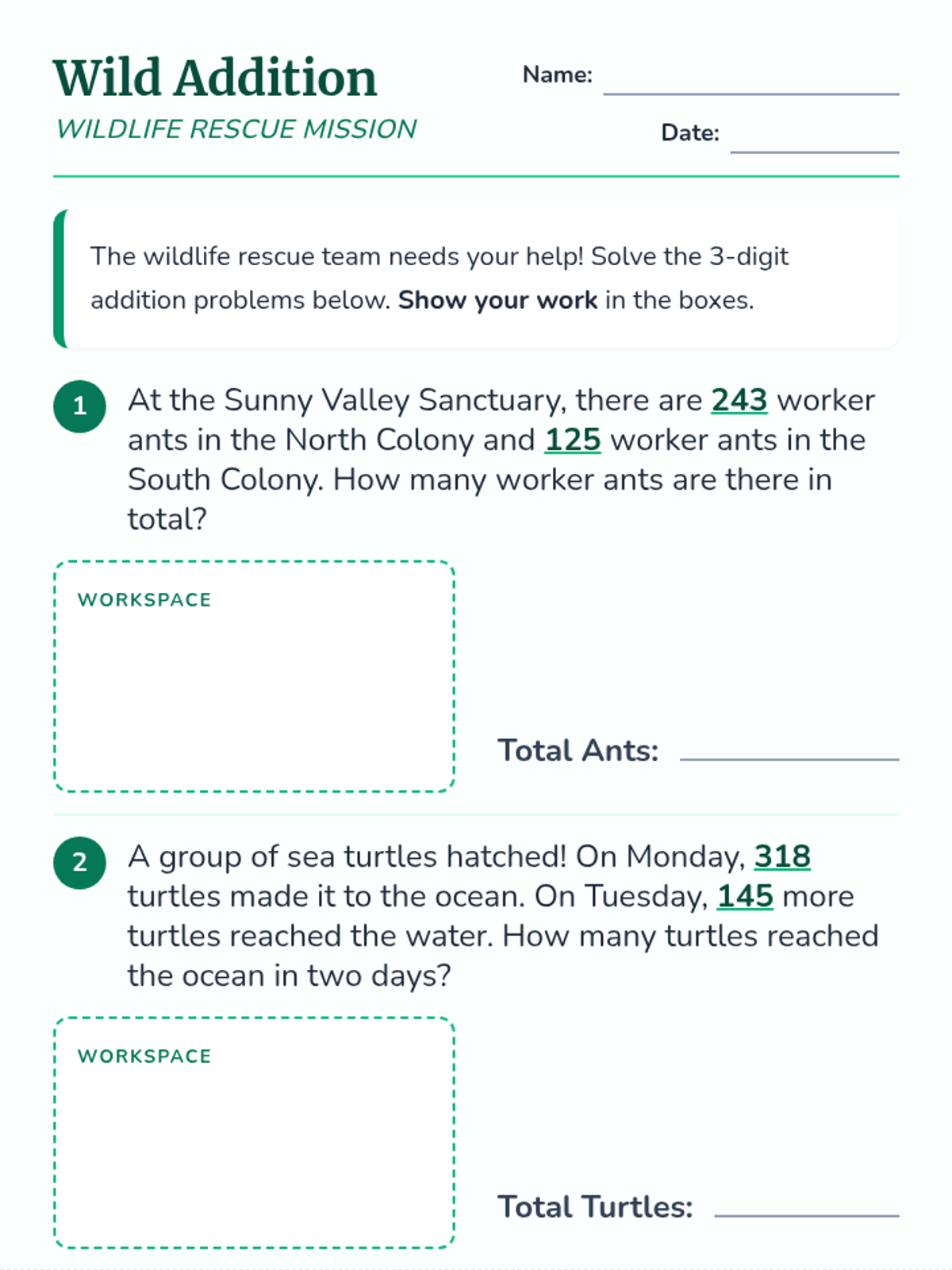
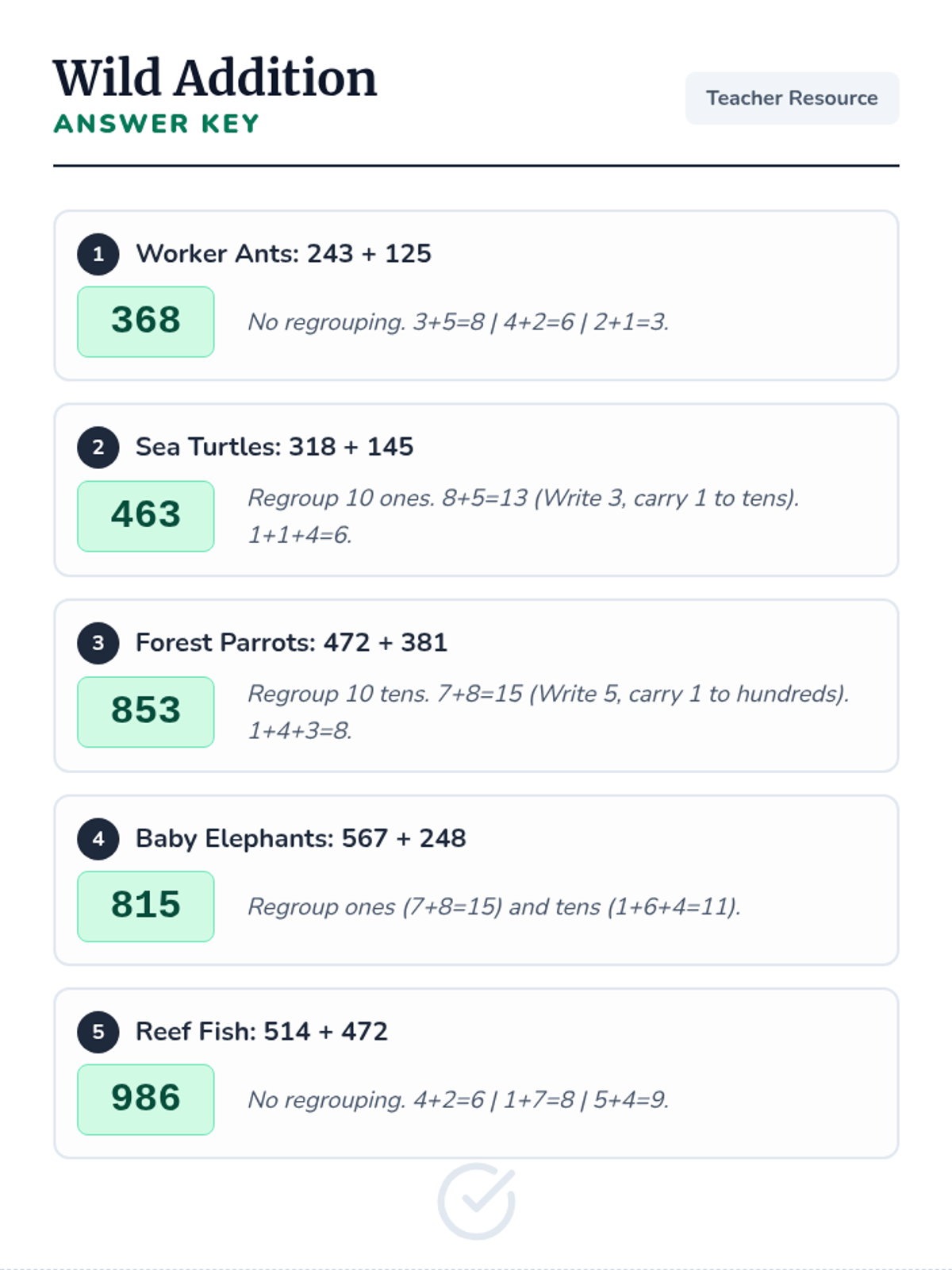
A math lesson focused on 3-digit addition using animal-themed word problems, emphasizing both regrouping and non-regrouping techniques with clear workspaces for student calculation.
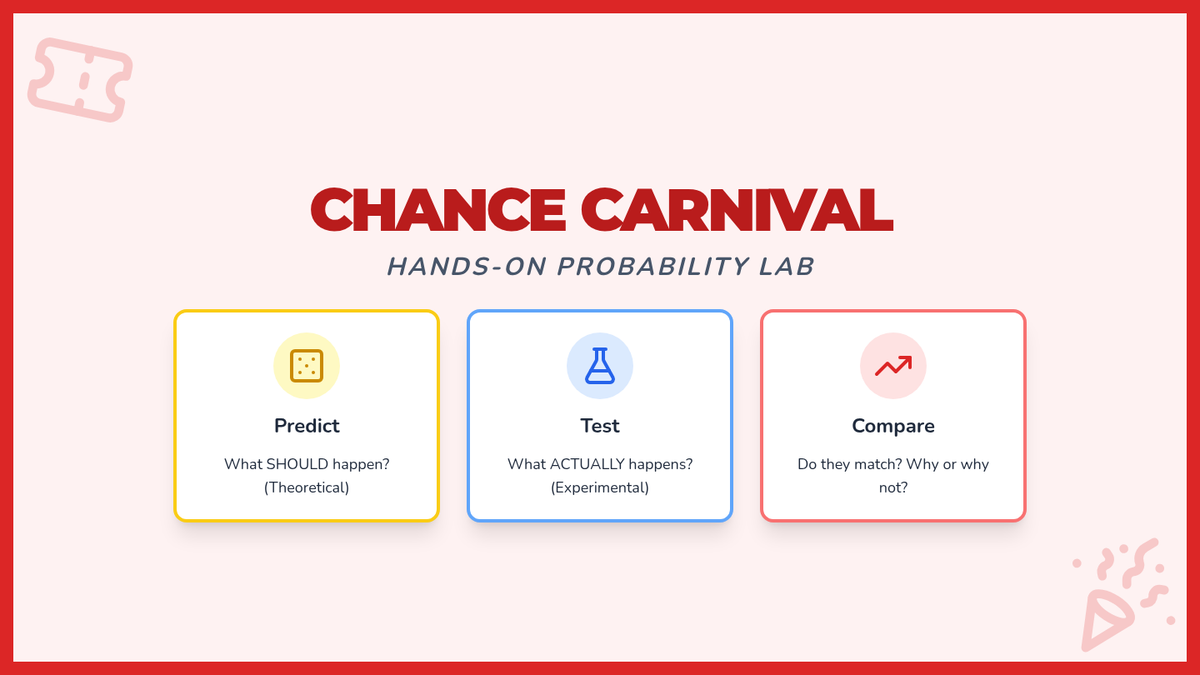
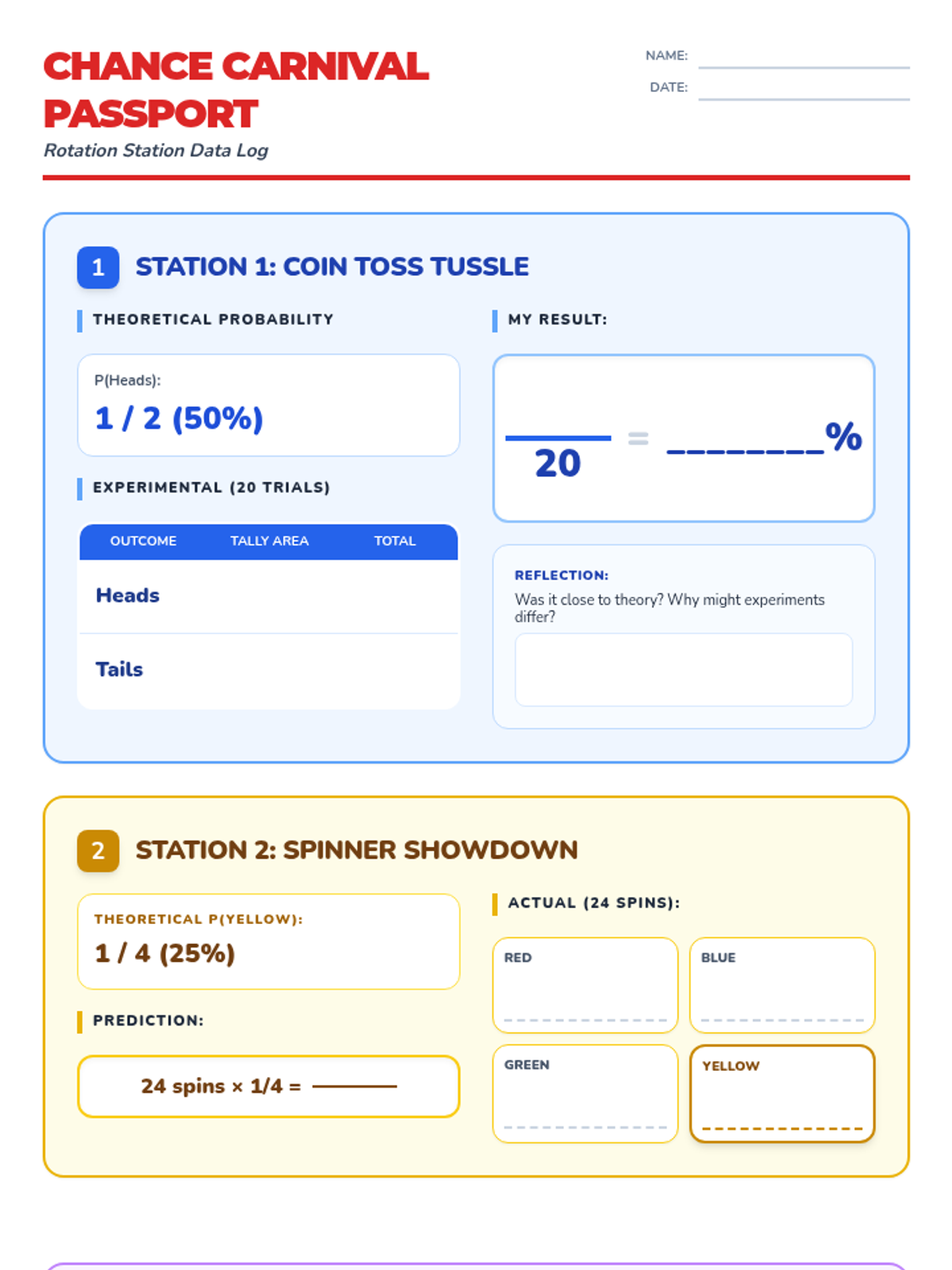
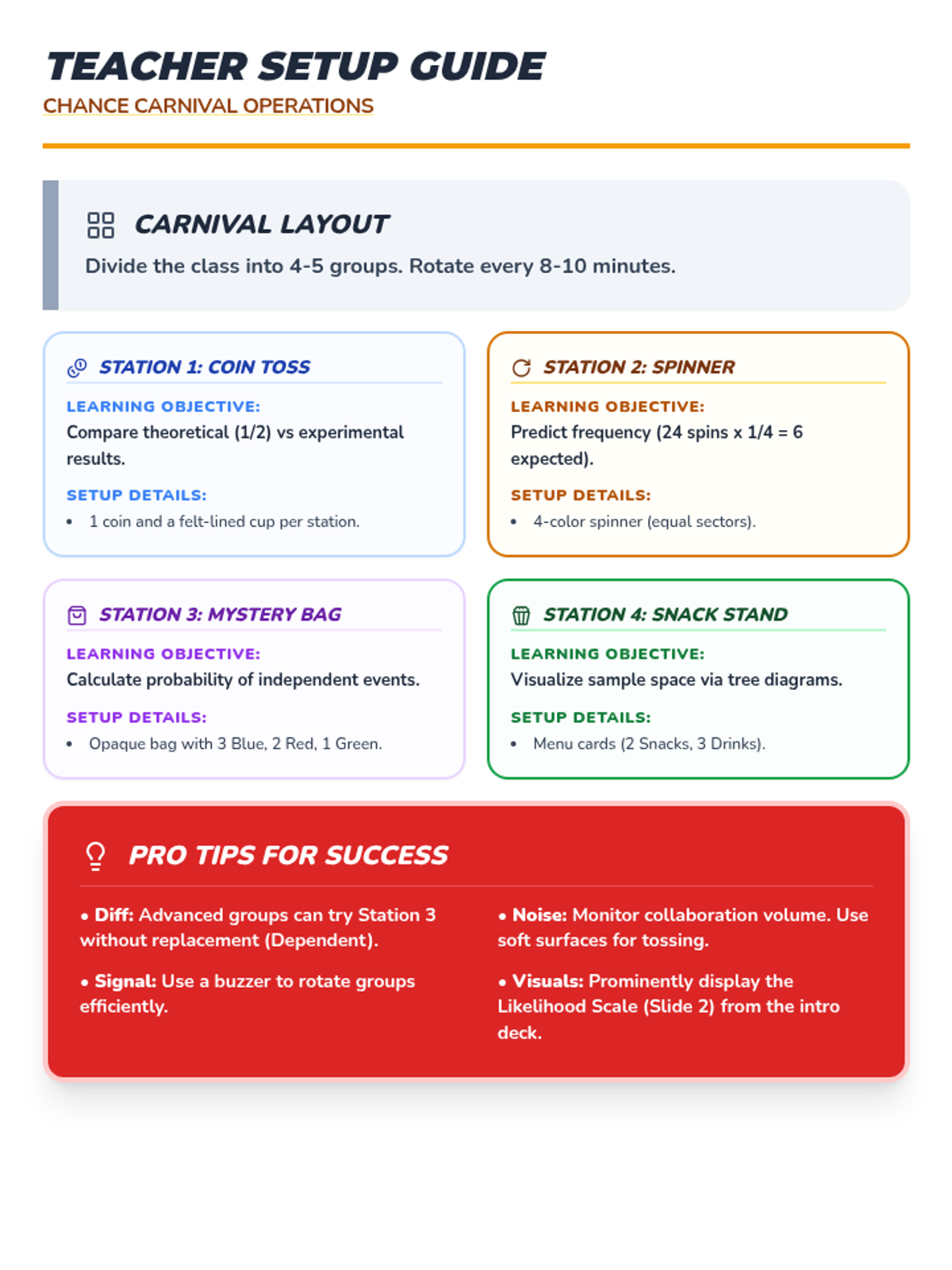
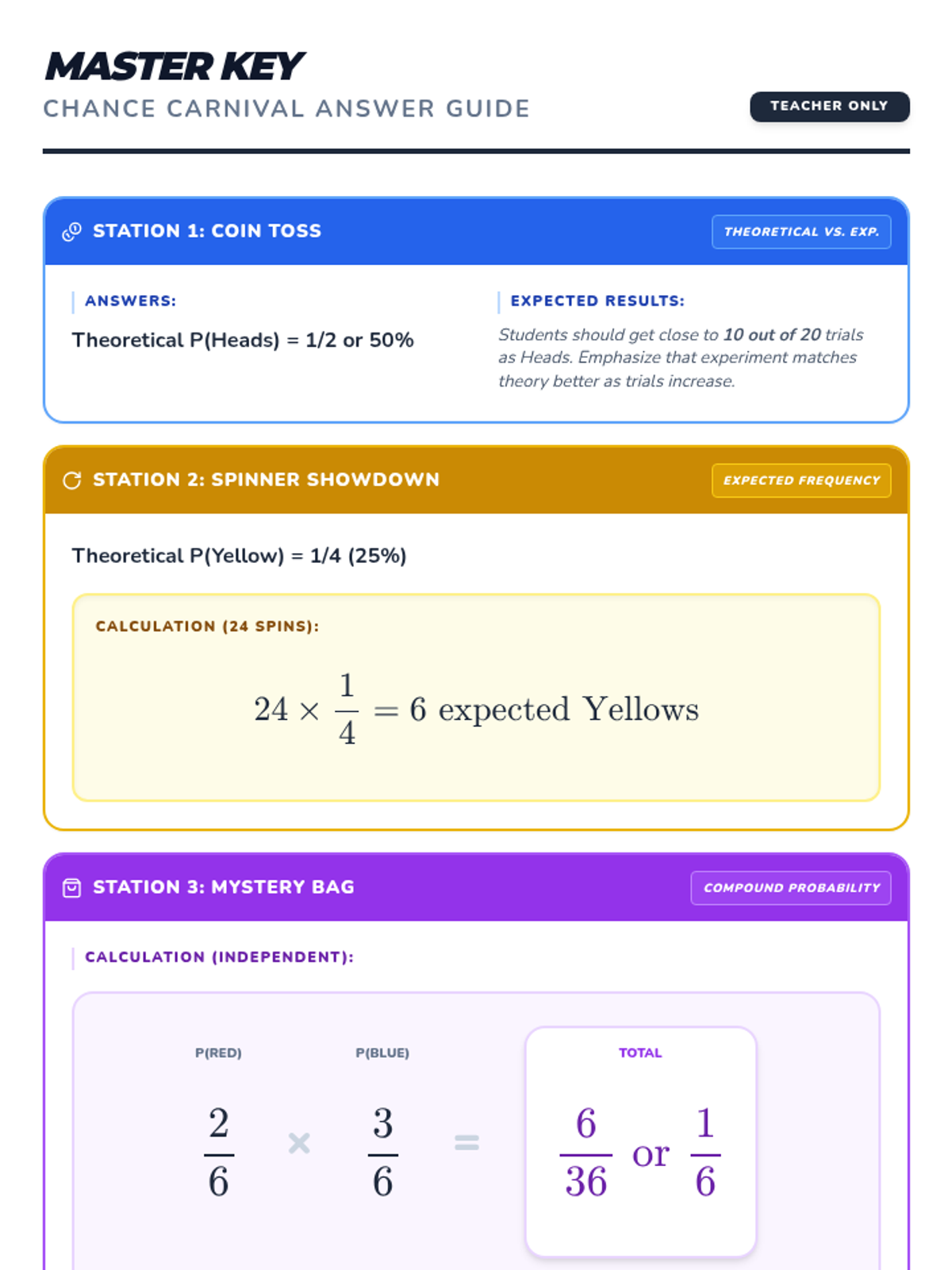
A hands-on probability lab where students rotate through various 'carnival' stations to explore theoretical and experimental probability, compound events, and tree diagrams.
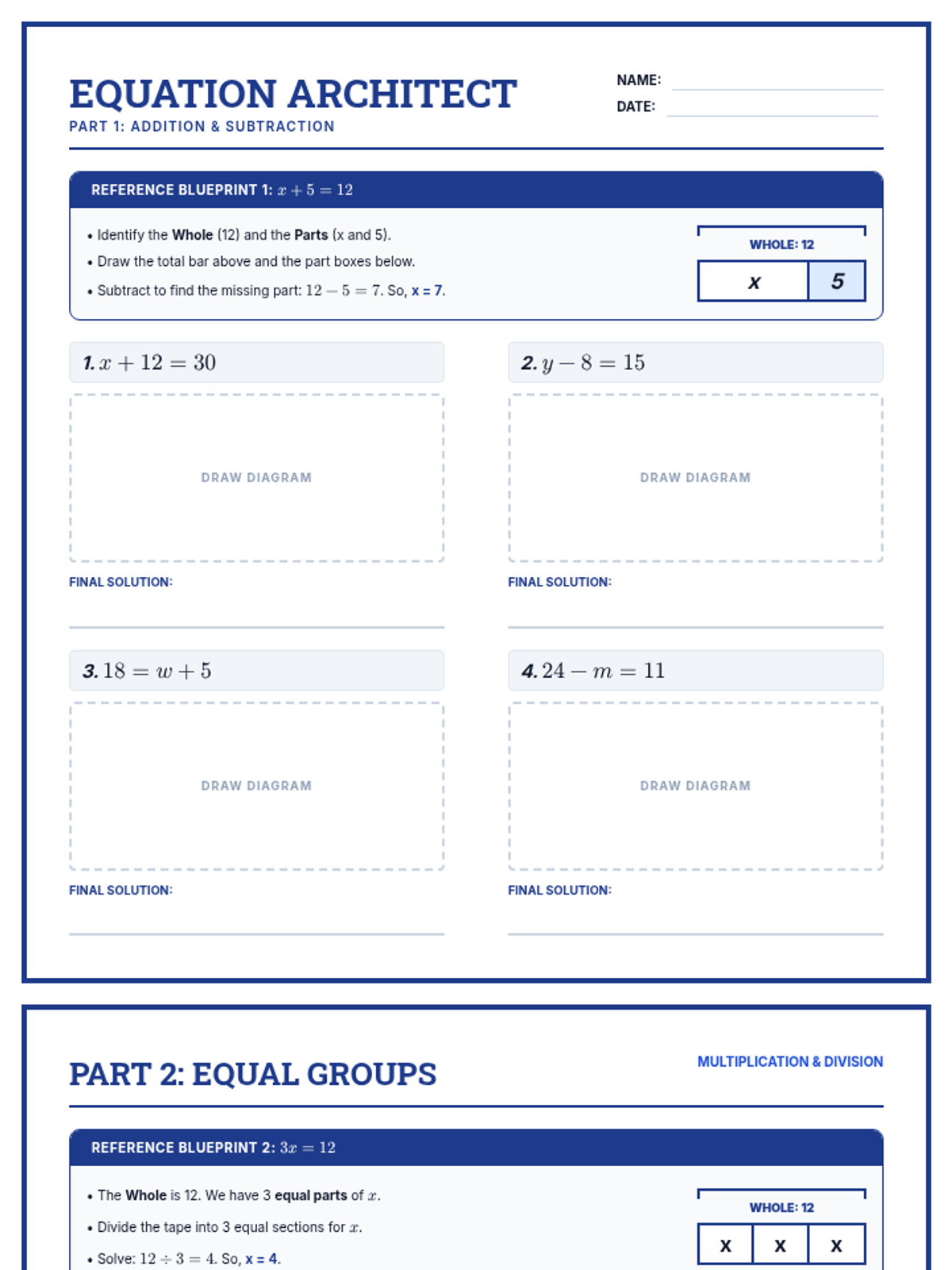
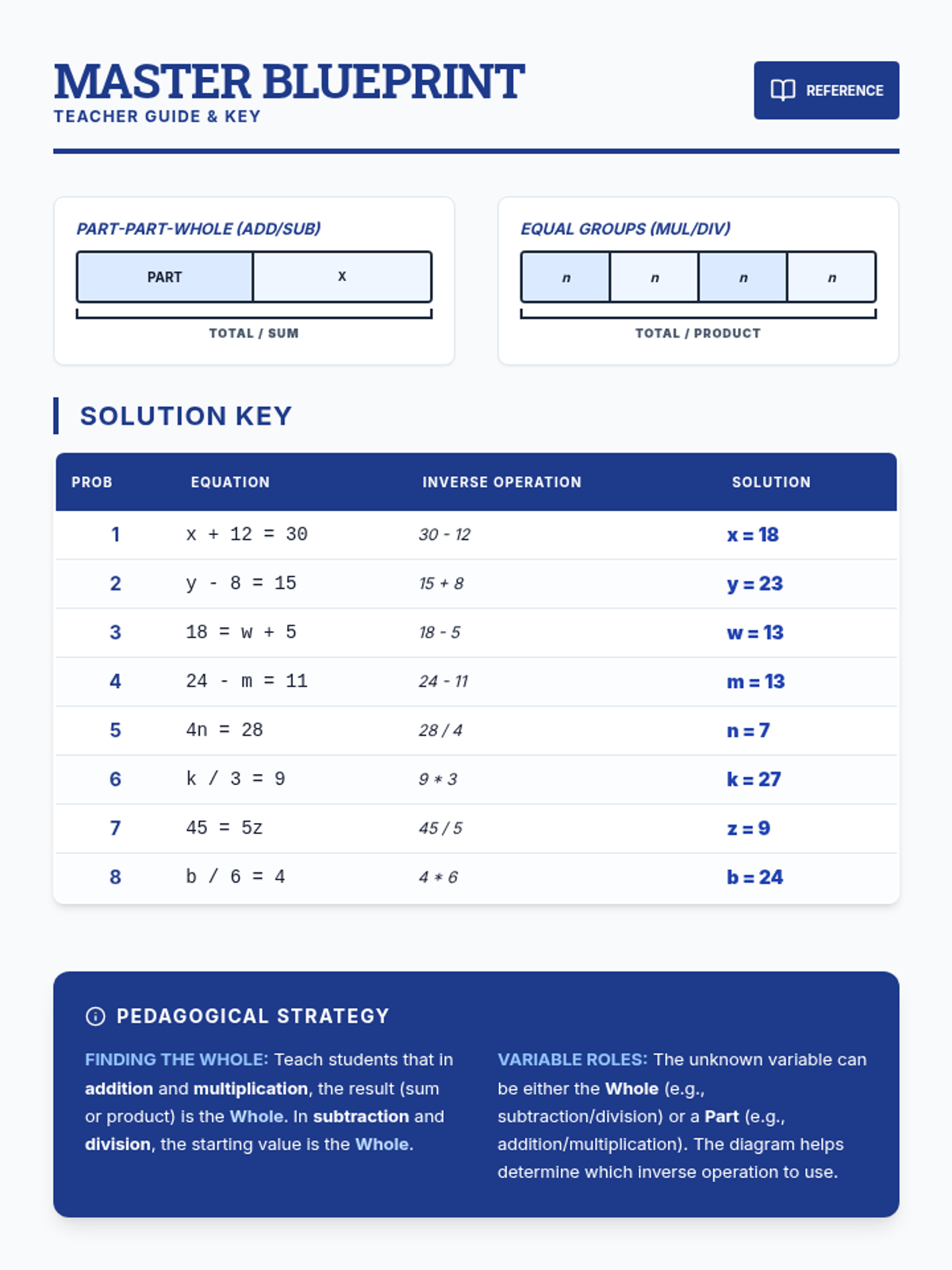
A lesson focused on solving one-step equations using tape diagrams as a visual strategy to represent relationships between numbers and variables across all four operations.
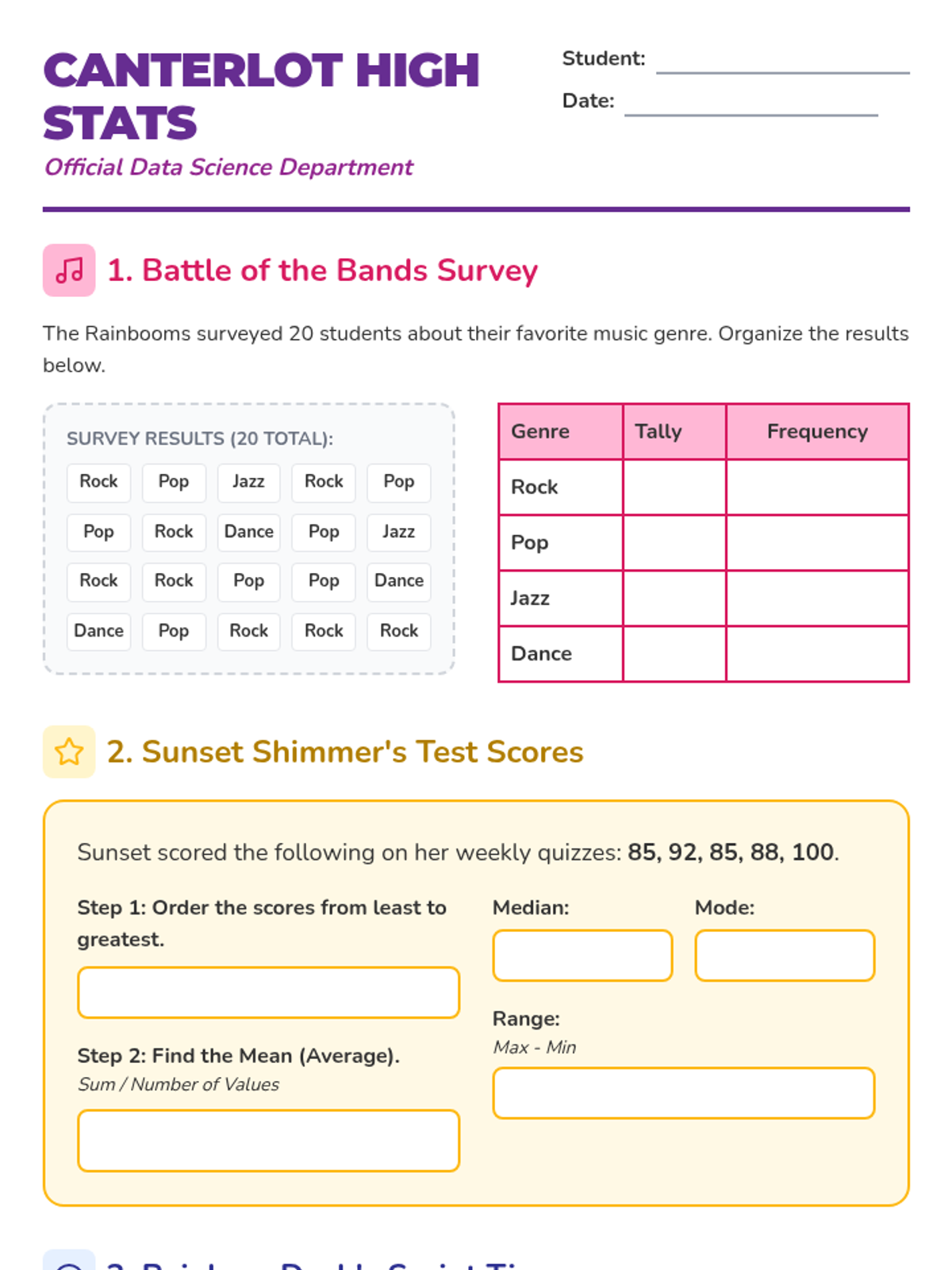
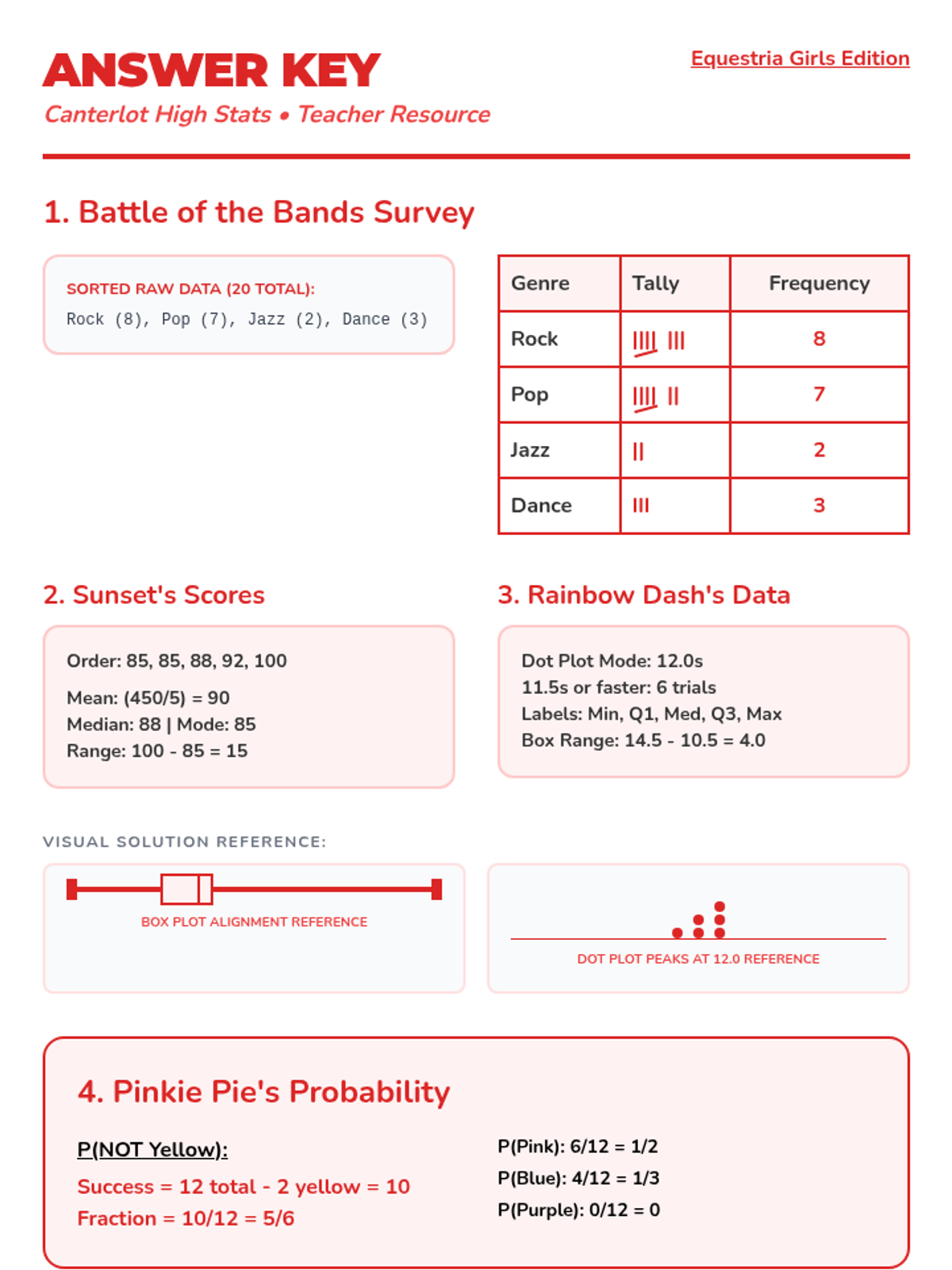
A statistics lesson themed around Canterlot High and the Equestria Girls, covering measures of center, data visualization, and simple probability. Students will help their favorite characters analyze school data through engaging, themed problems.
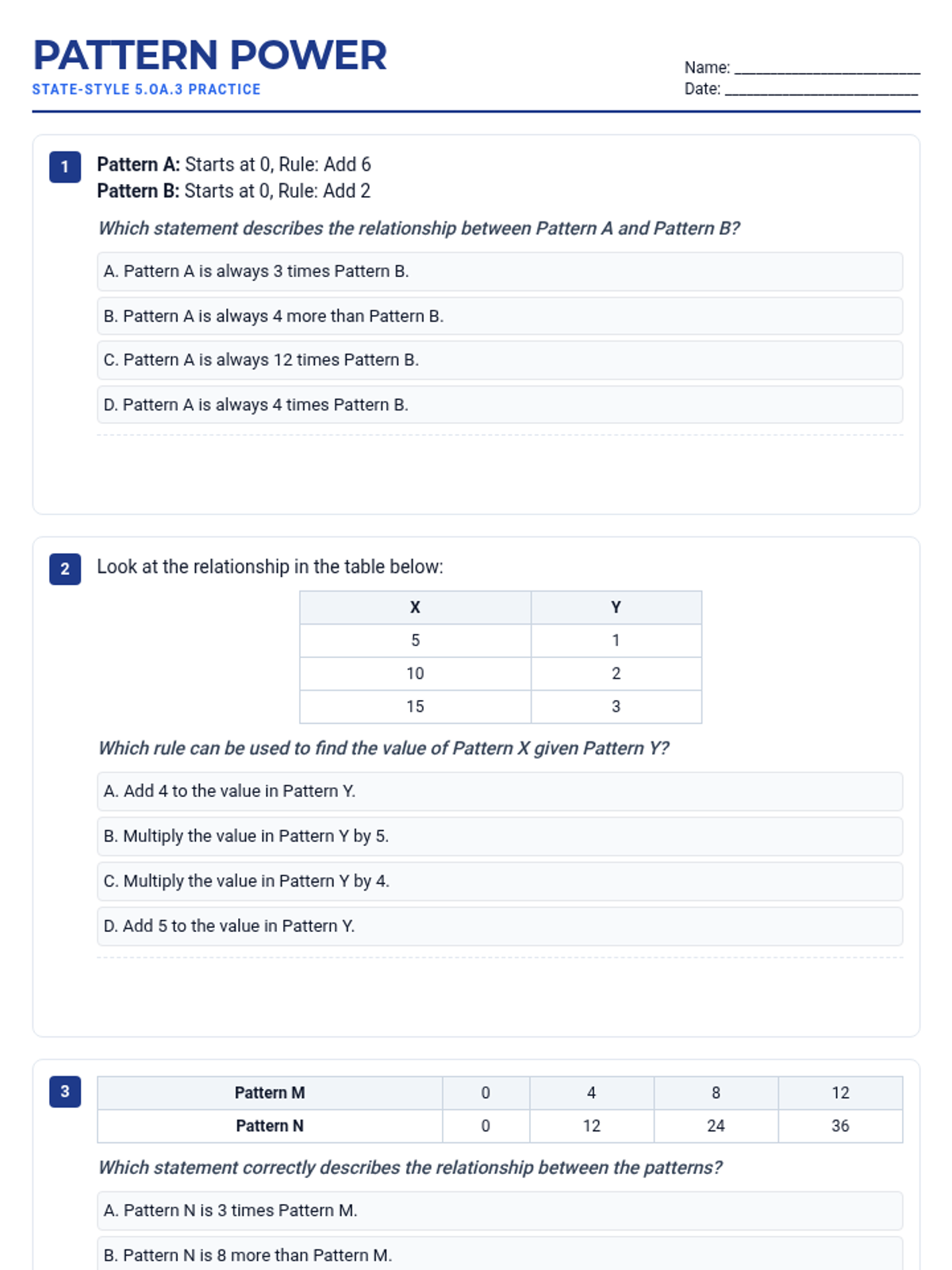
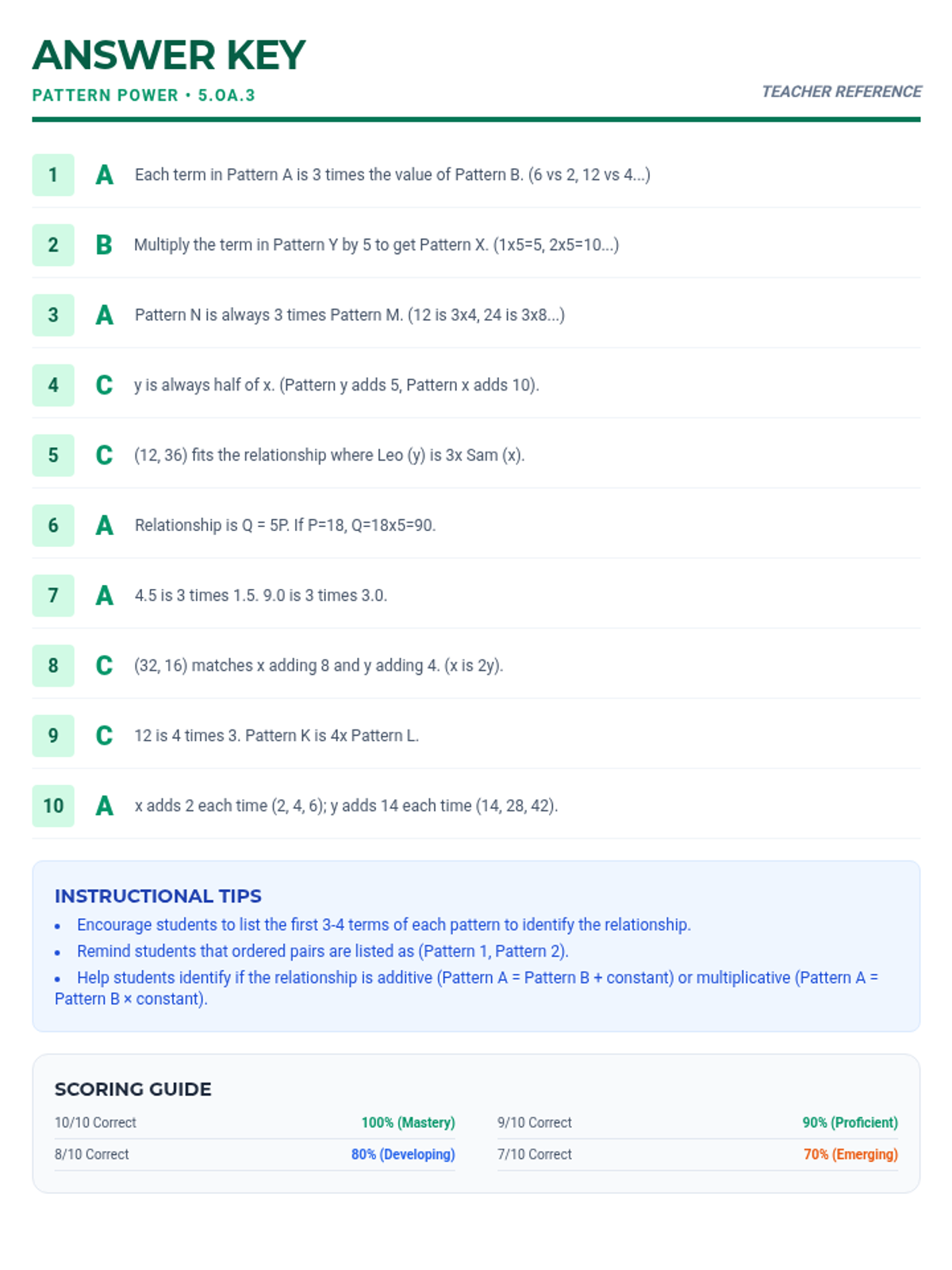
A comprehensive practice set focusing on standard 5.OA.3, where students analyze and compare numerical patterns through state-testing style multiple-choice questions.
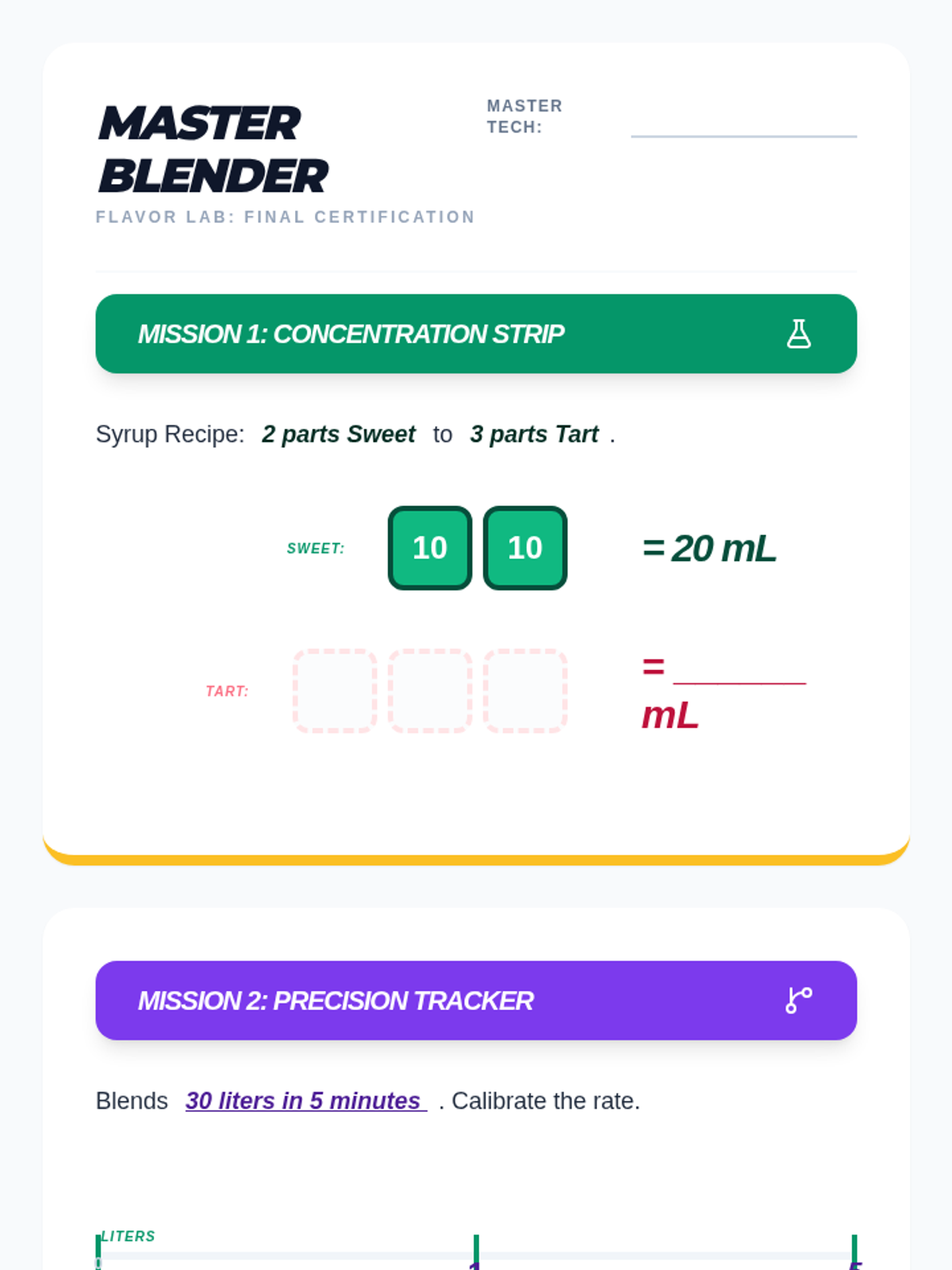
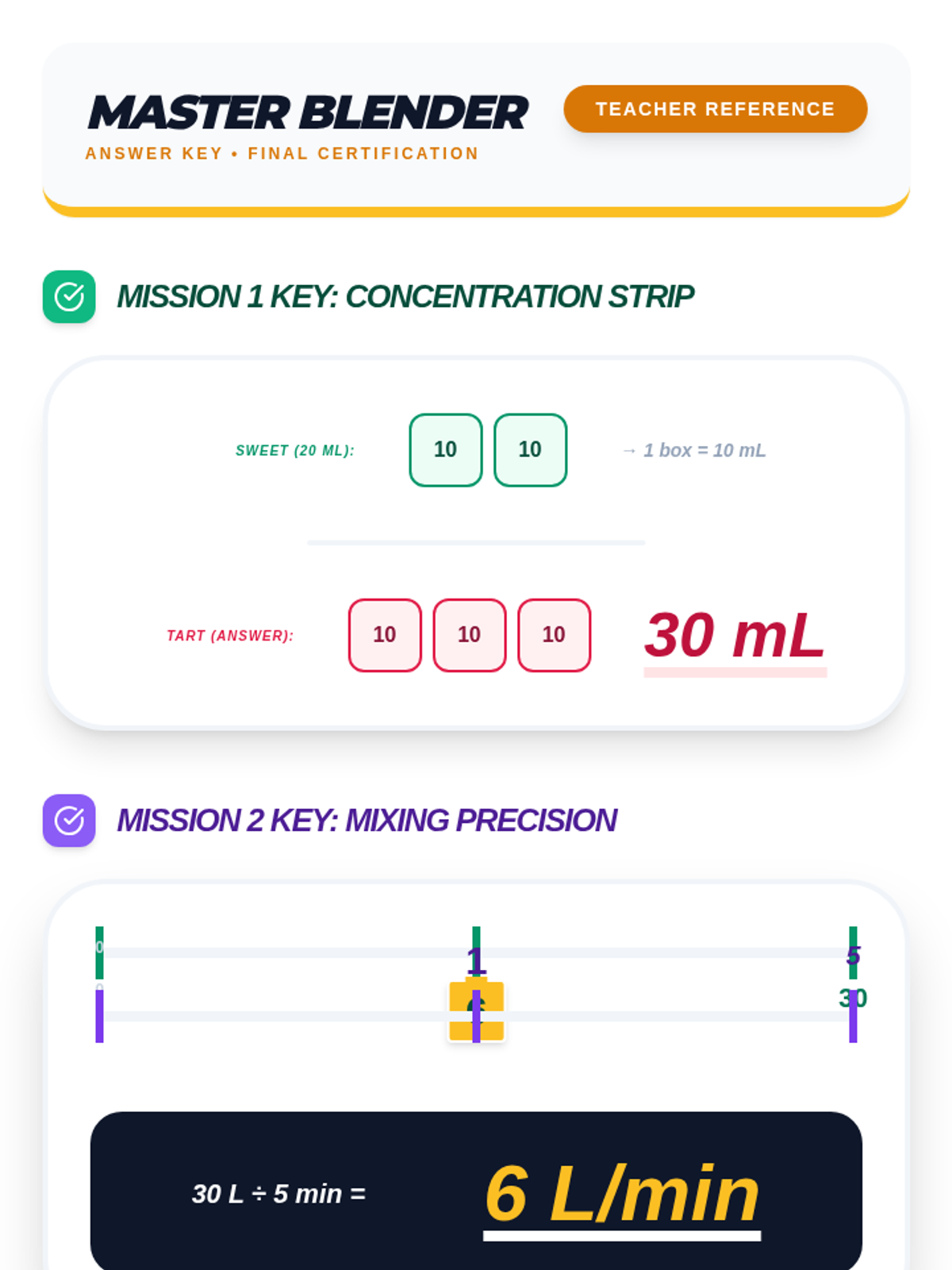
A cumulative review where students use all their 'Flavor Lab' tools to solve complex recipe and mixing challenges.
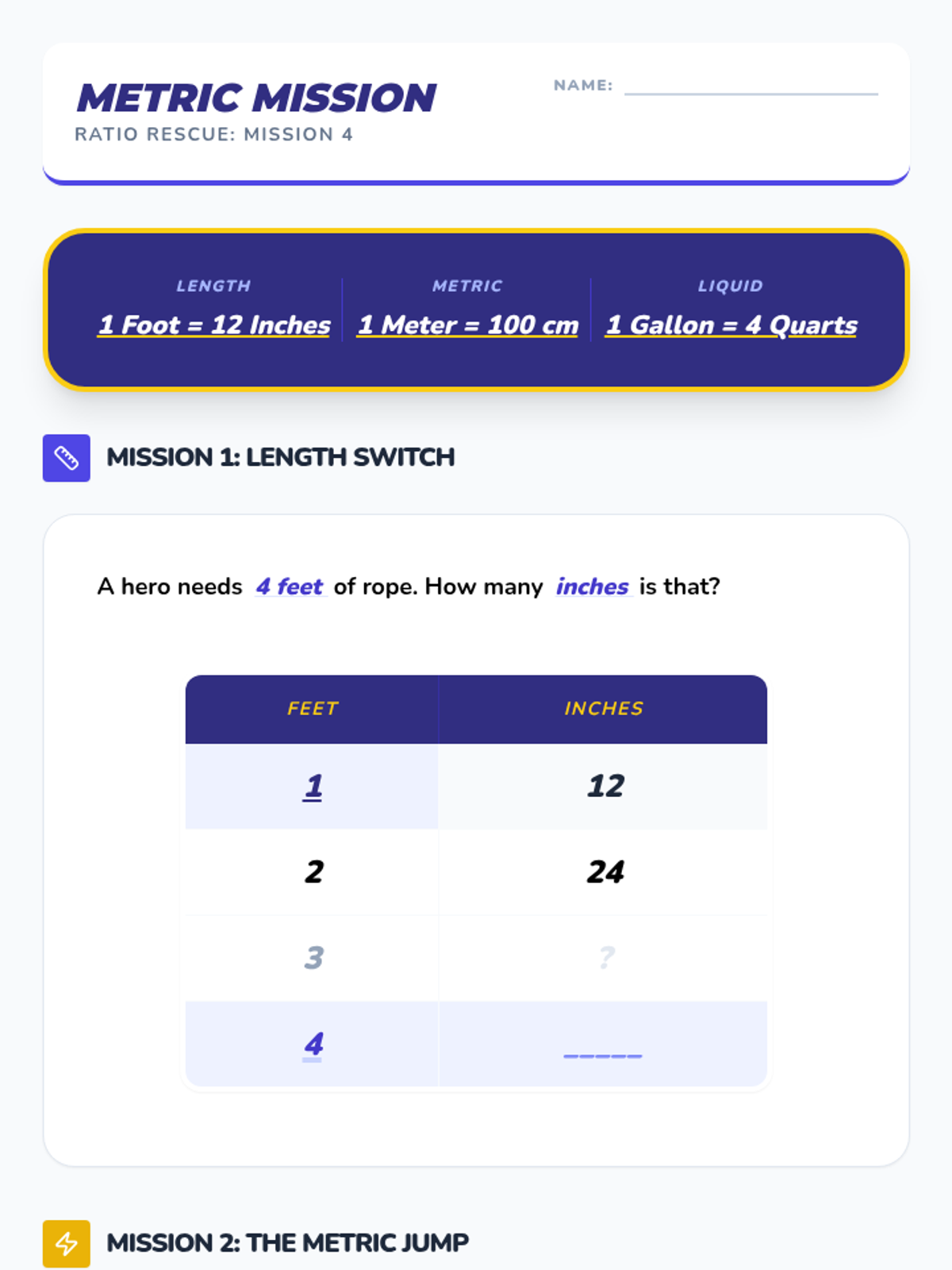
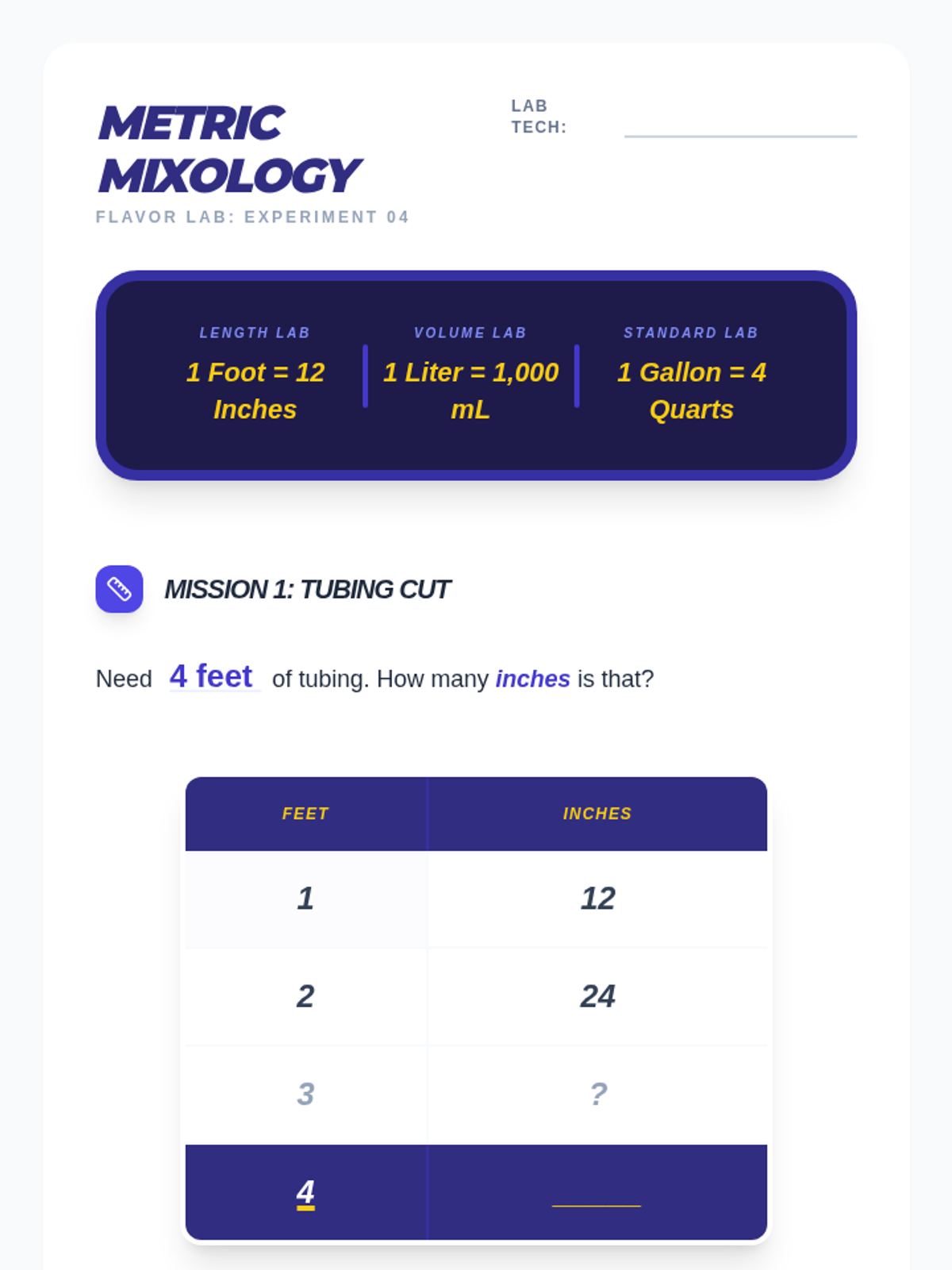
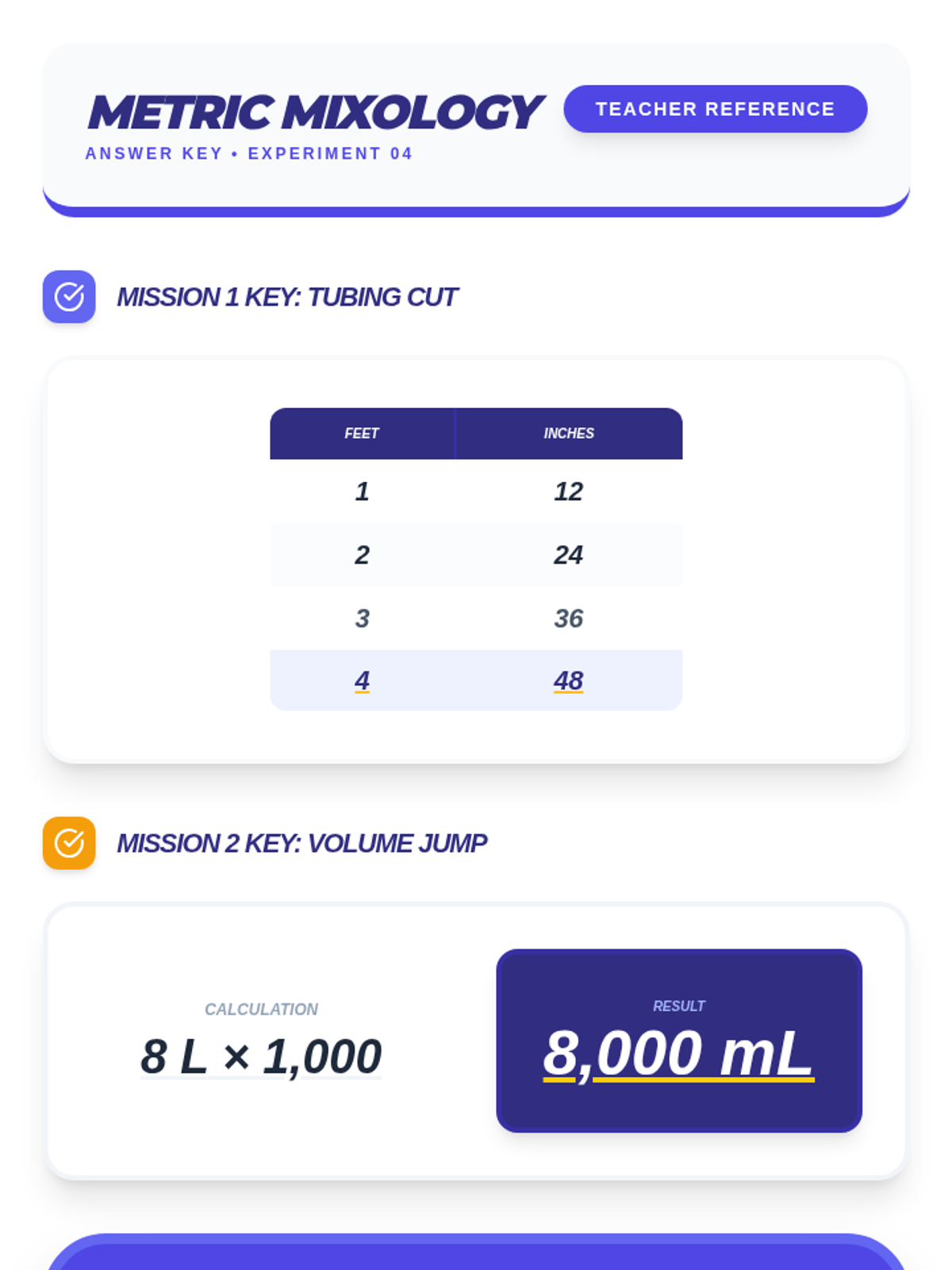
Students will apply ratio reasoning to convert laboratory measurements between different metric and standard units.
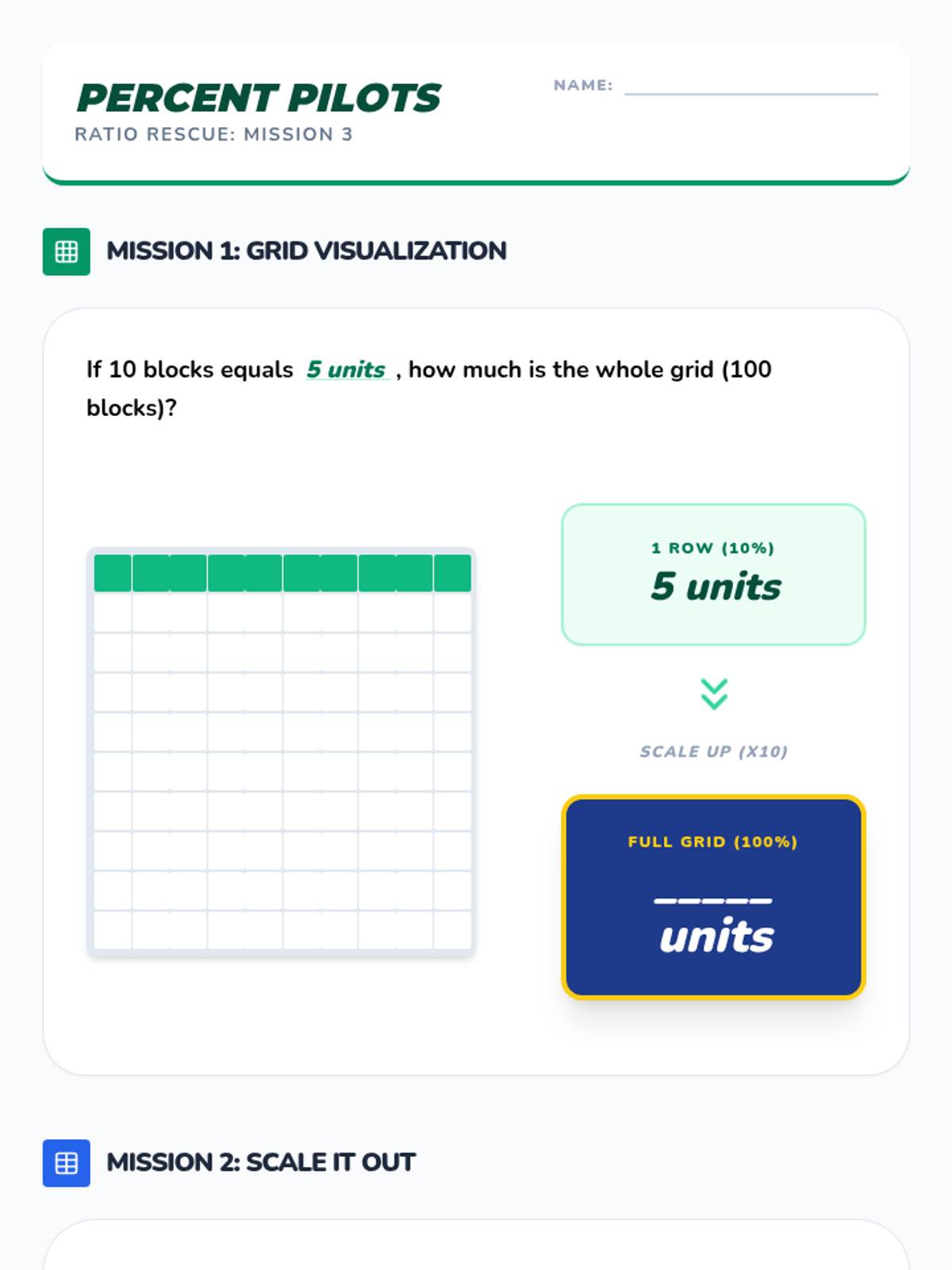
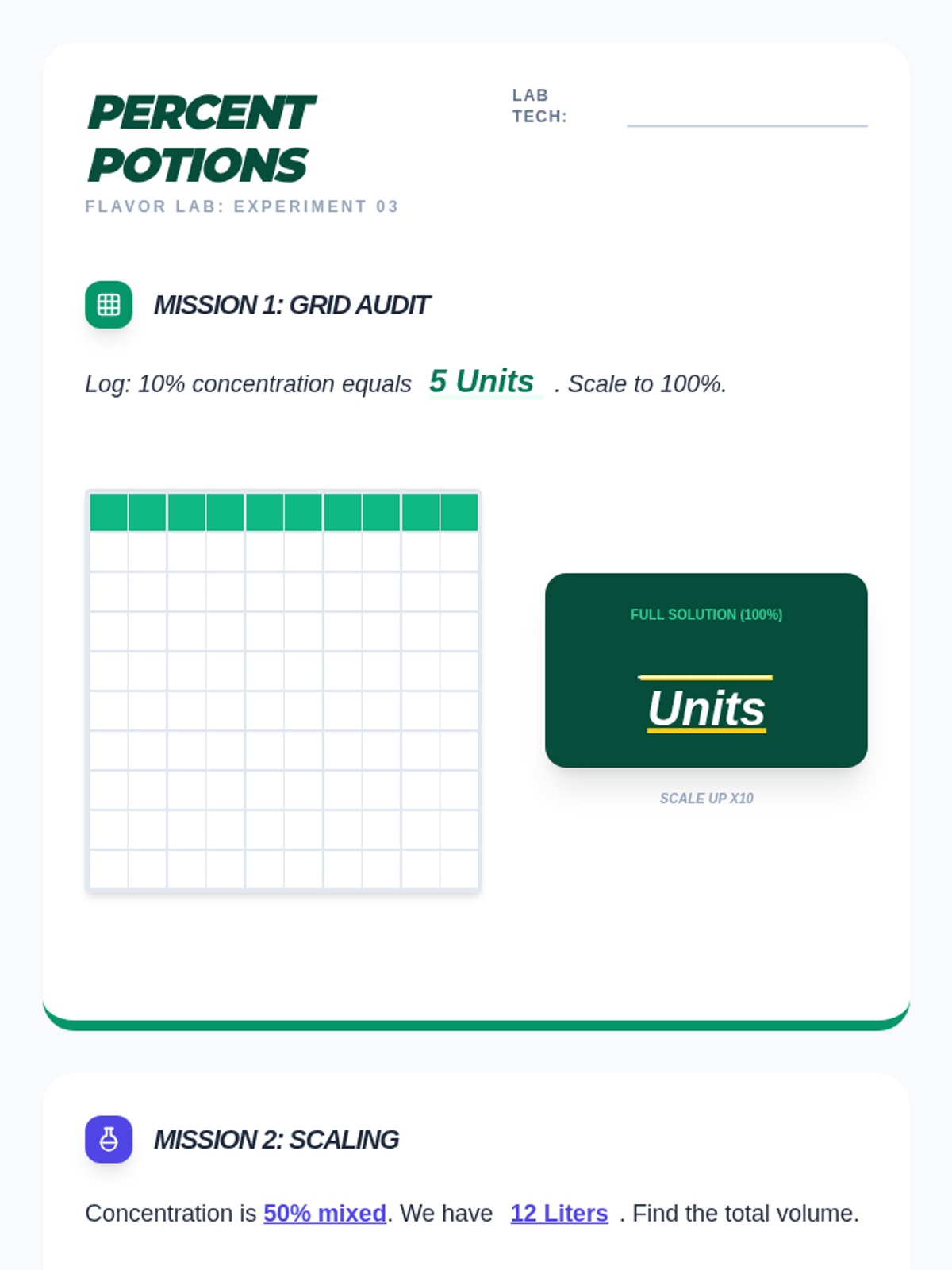
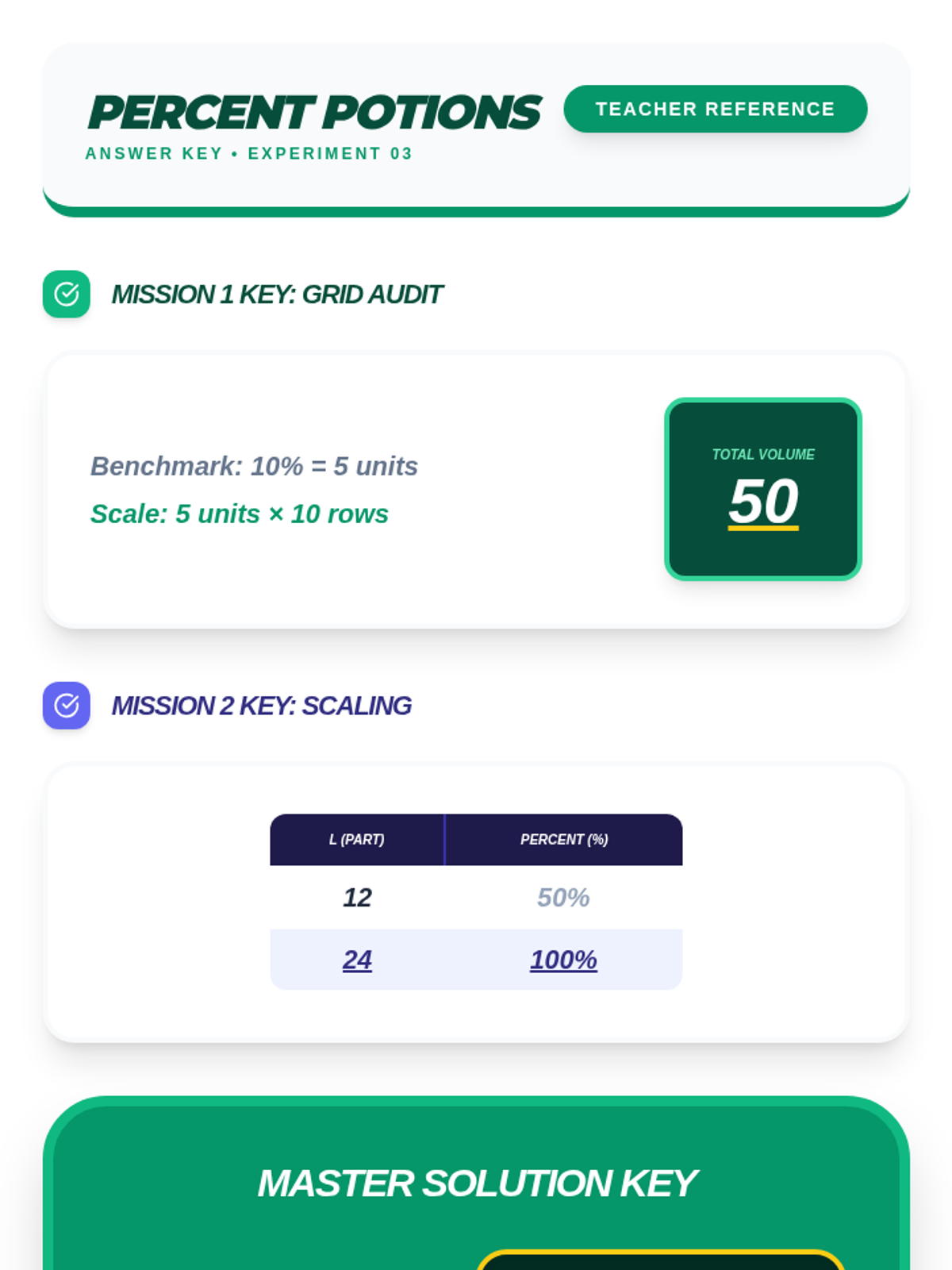
Students will use 100-grids and tape diagrams to find the total volume of a solution when given a part and its percentage concentration.
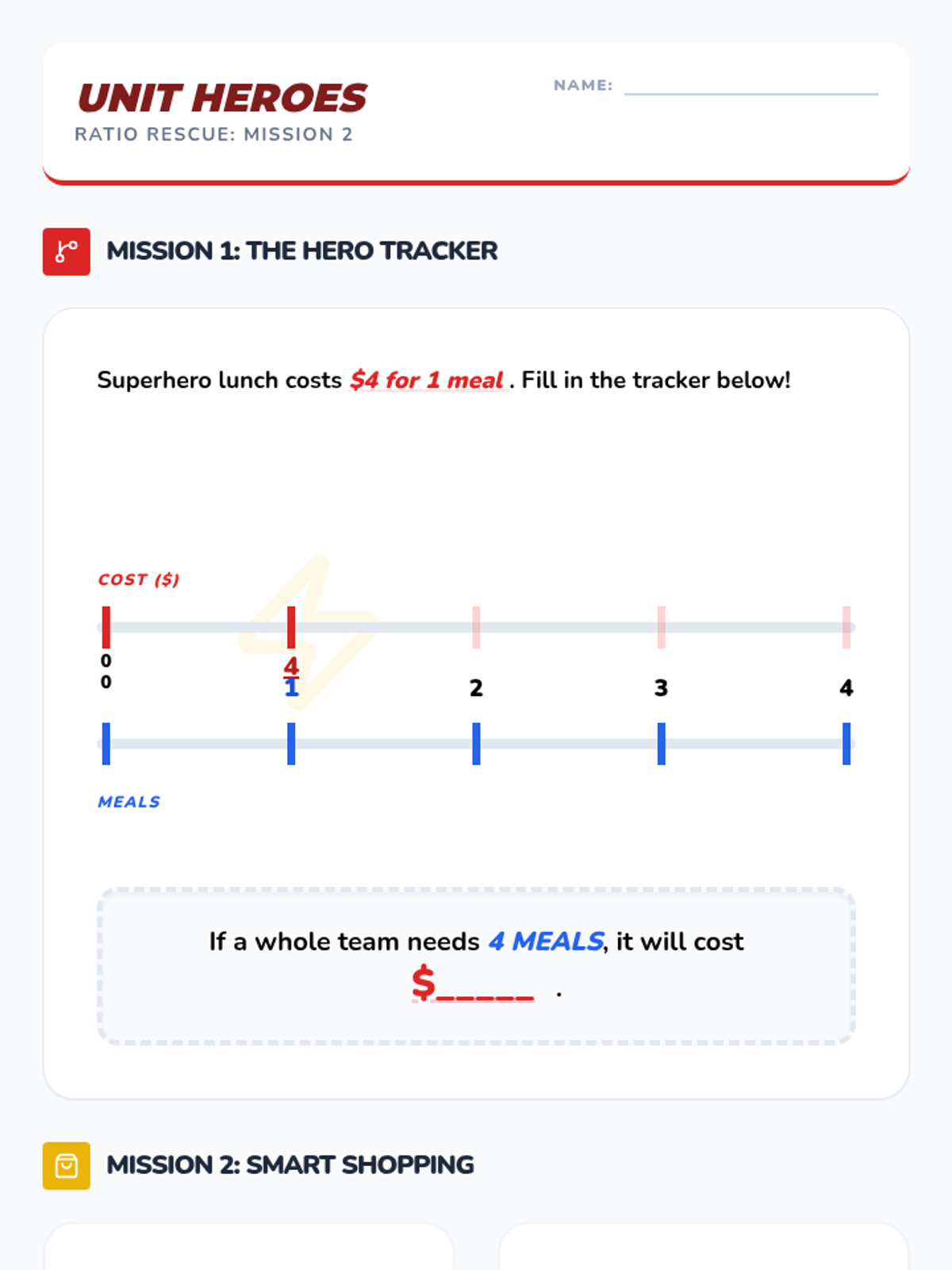
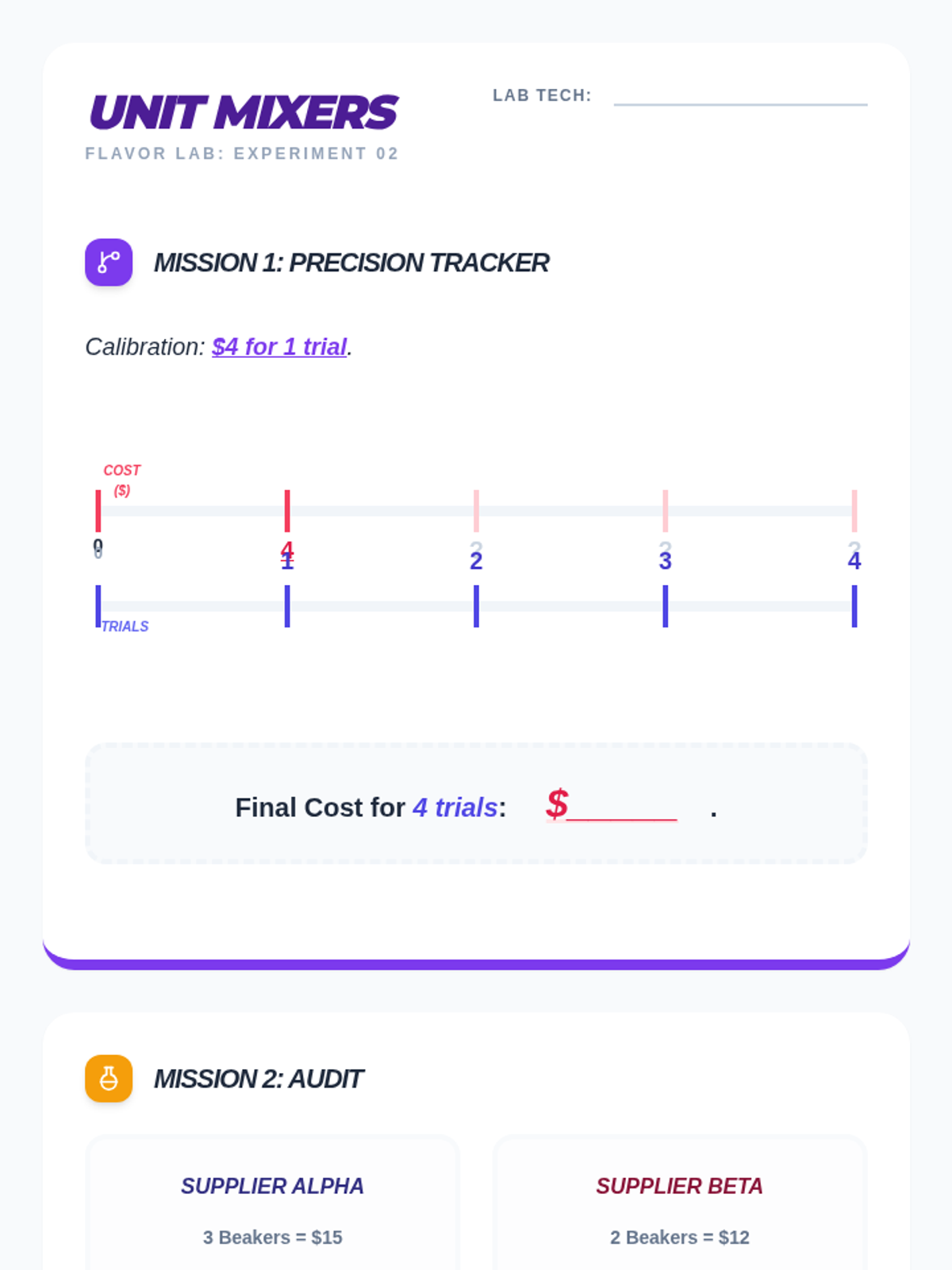
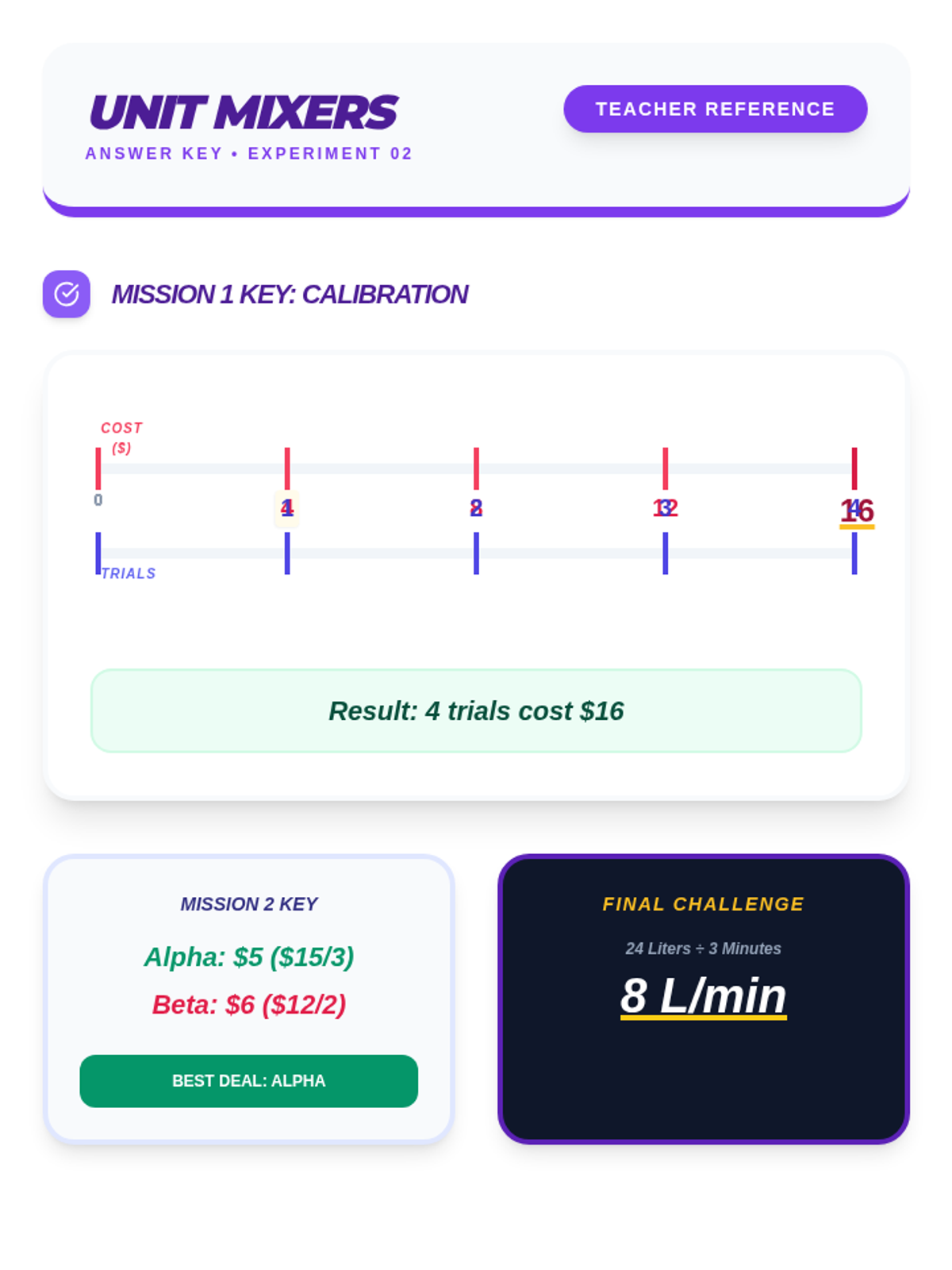
Students will identify unit rates in laboratory mixing and travel scenarios using double number lines for precise measurement.
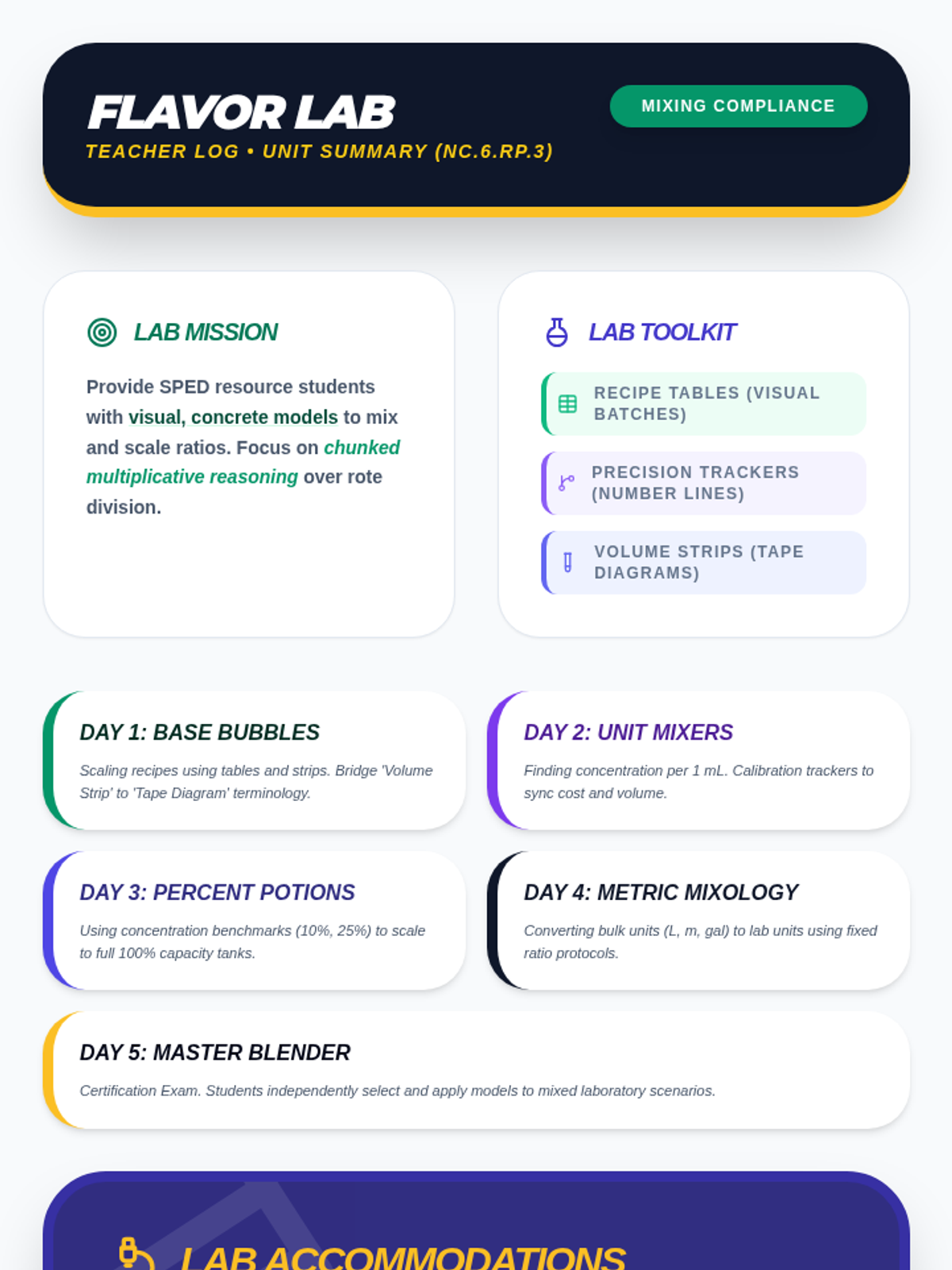
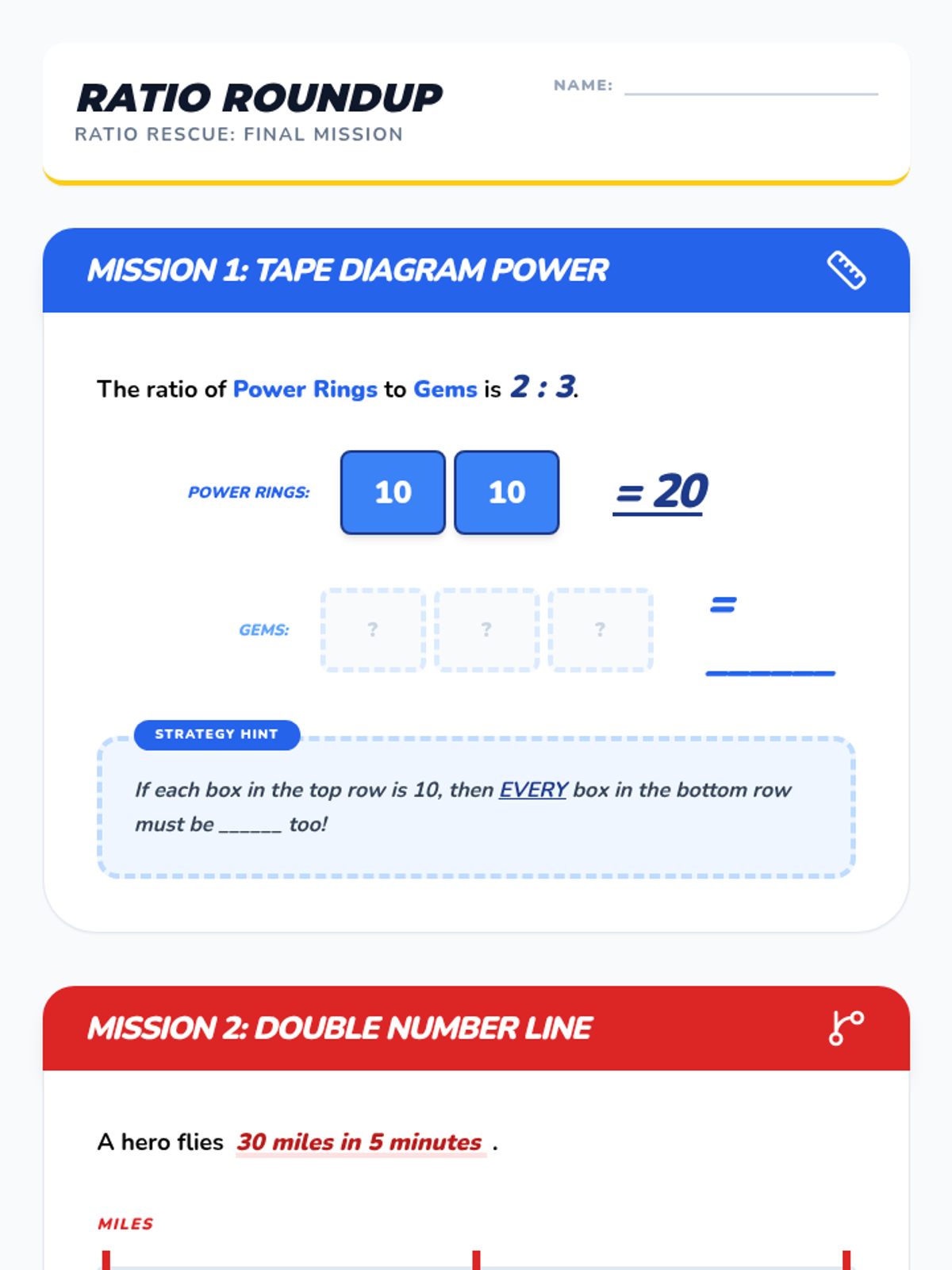
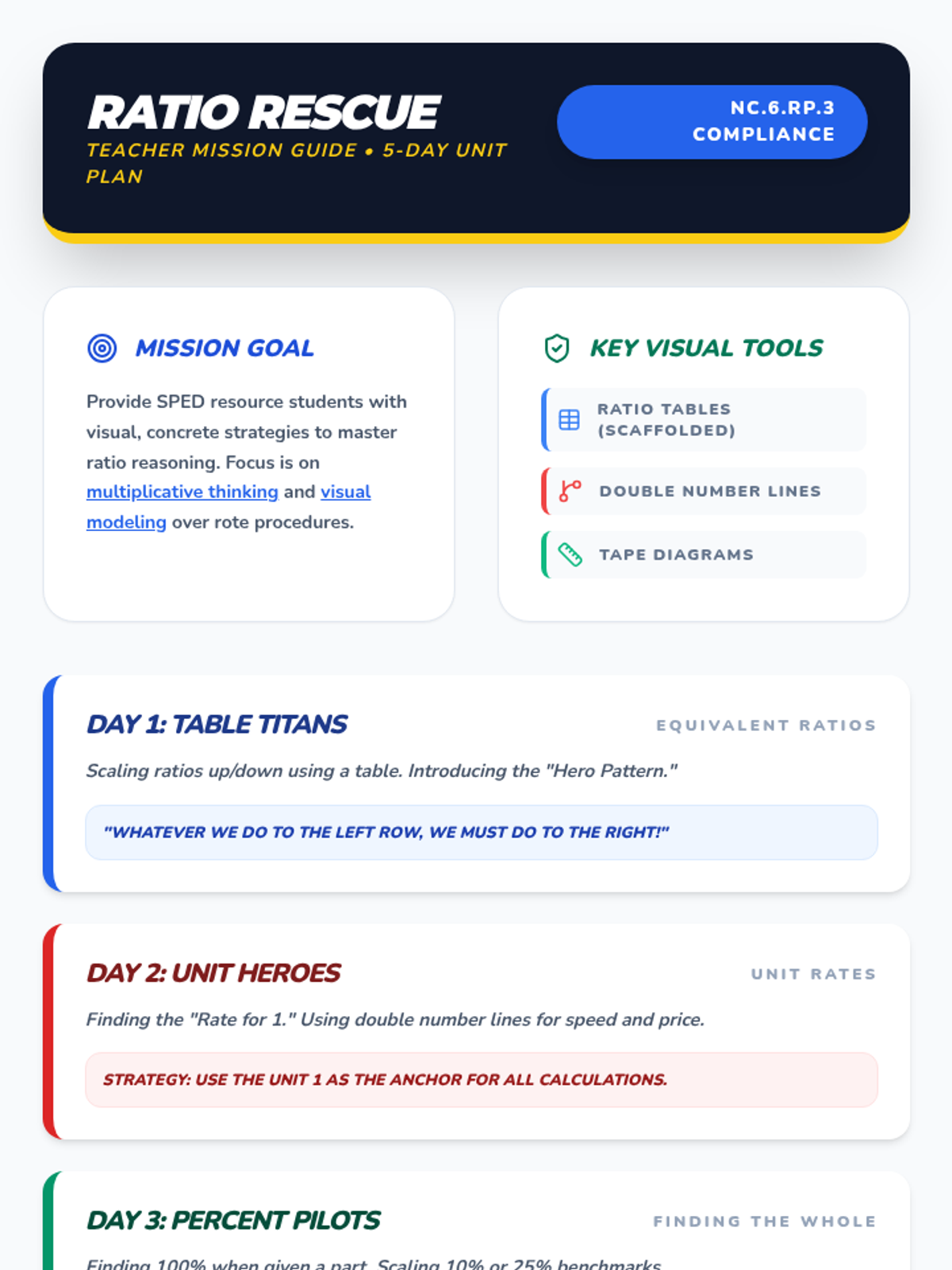
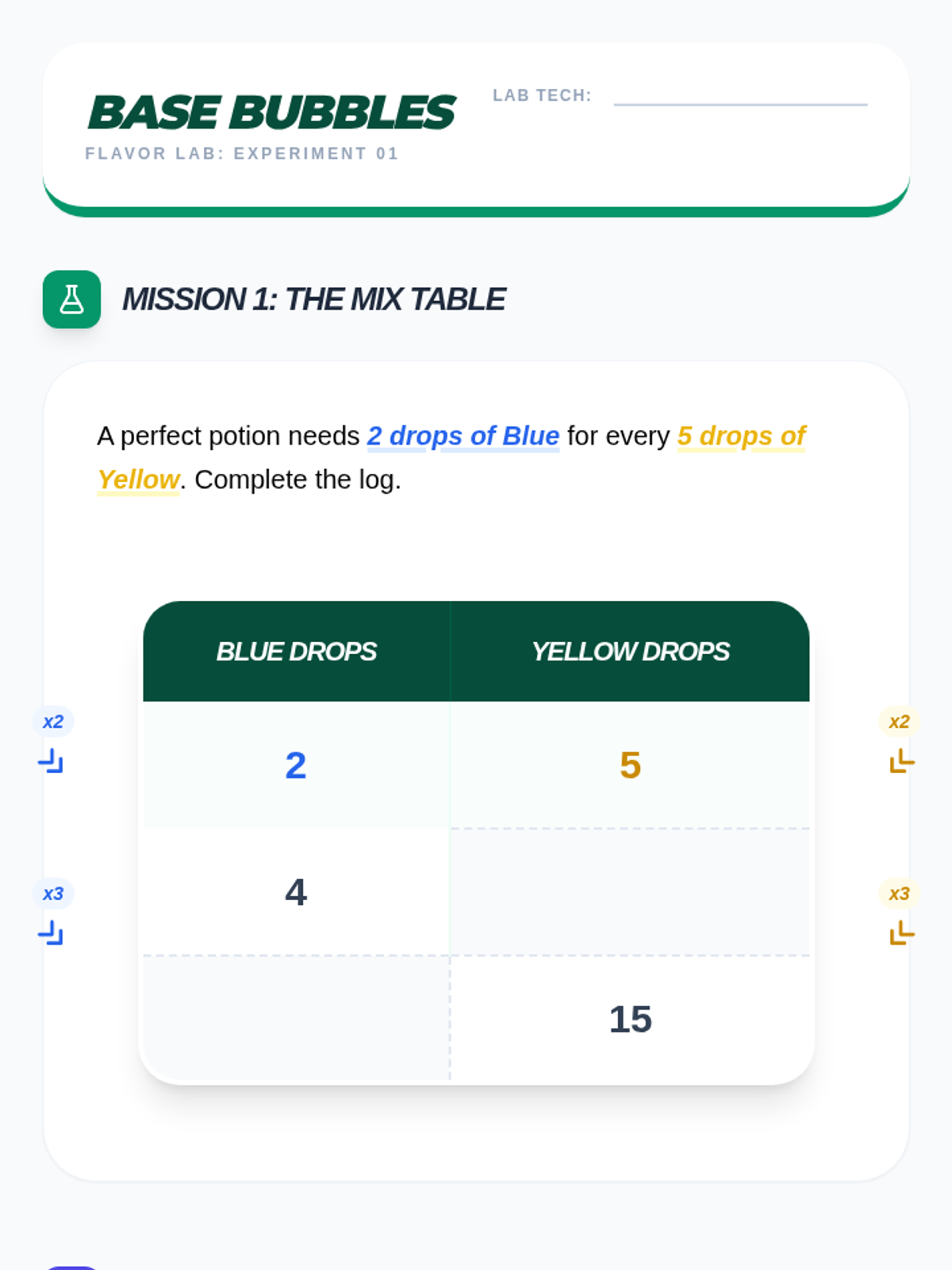
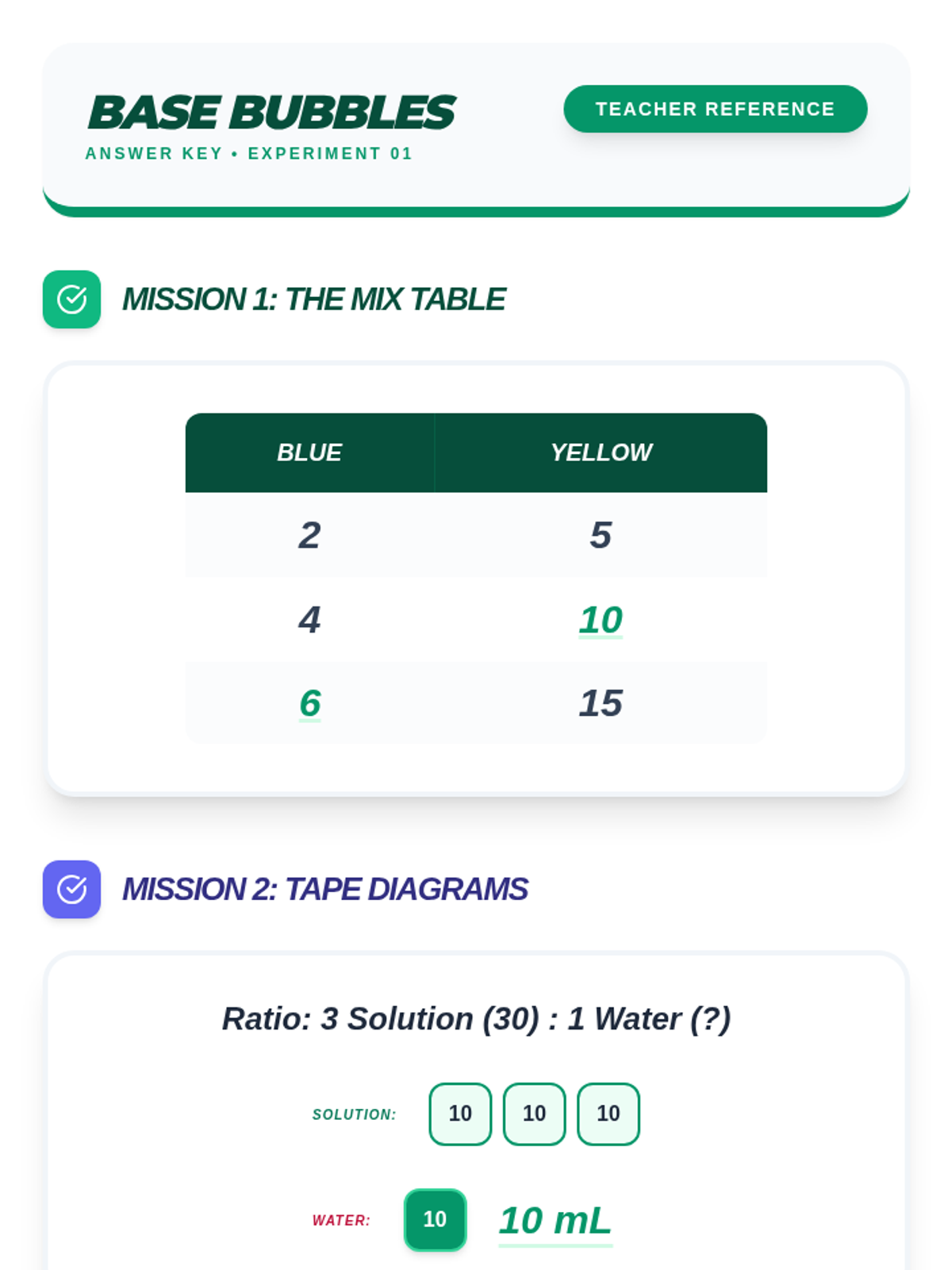
Students will mix base flavors using scaffolded tables and tape diagrams to find equivalent ratios and solve recipe problems.
A focused lesson on mastering 3-digit addition and subtraction with regrouping and carrying, ensuring students can accurately navigate multi-step arithmetic within 1000.
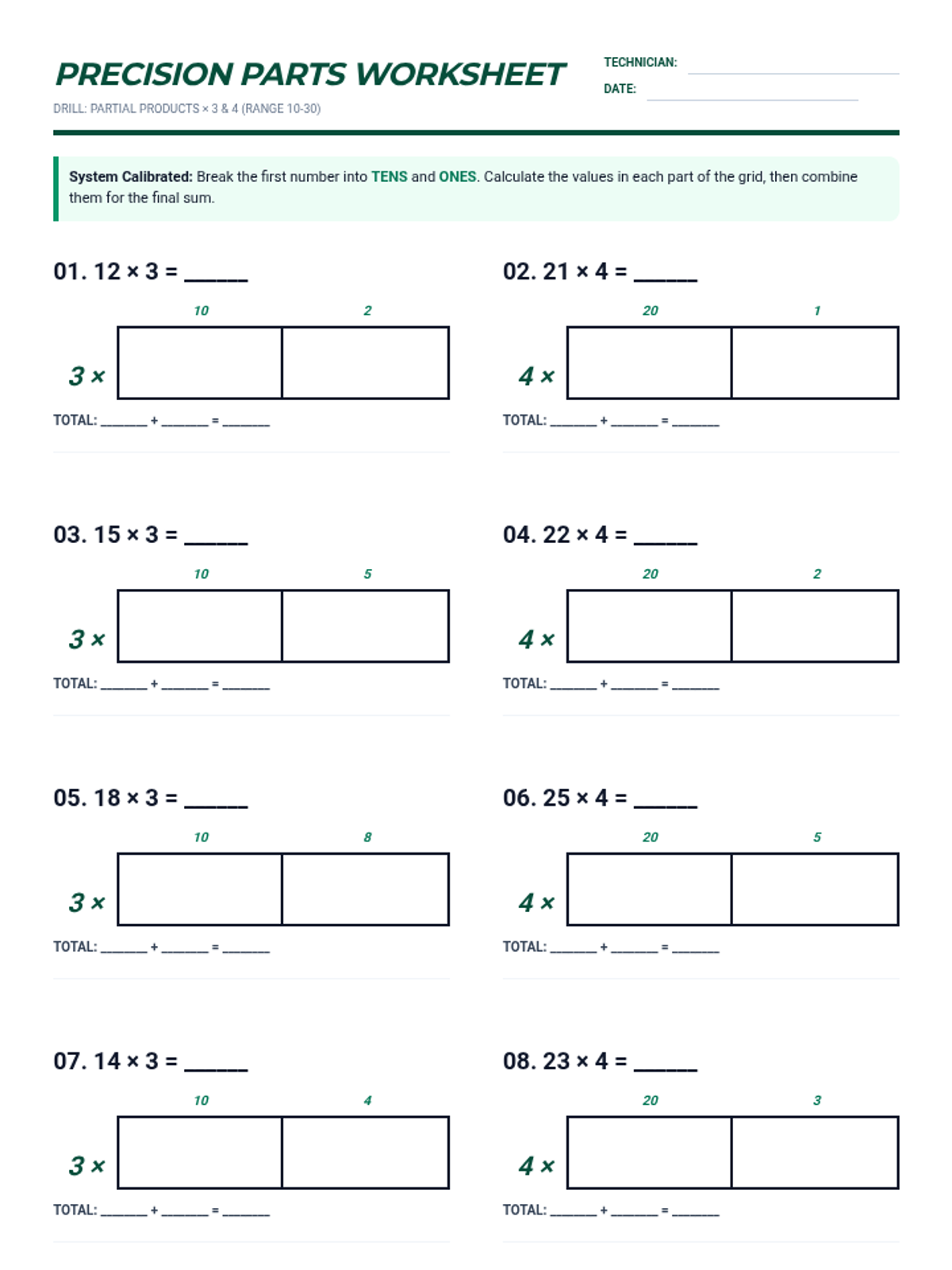
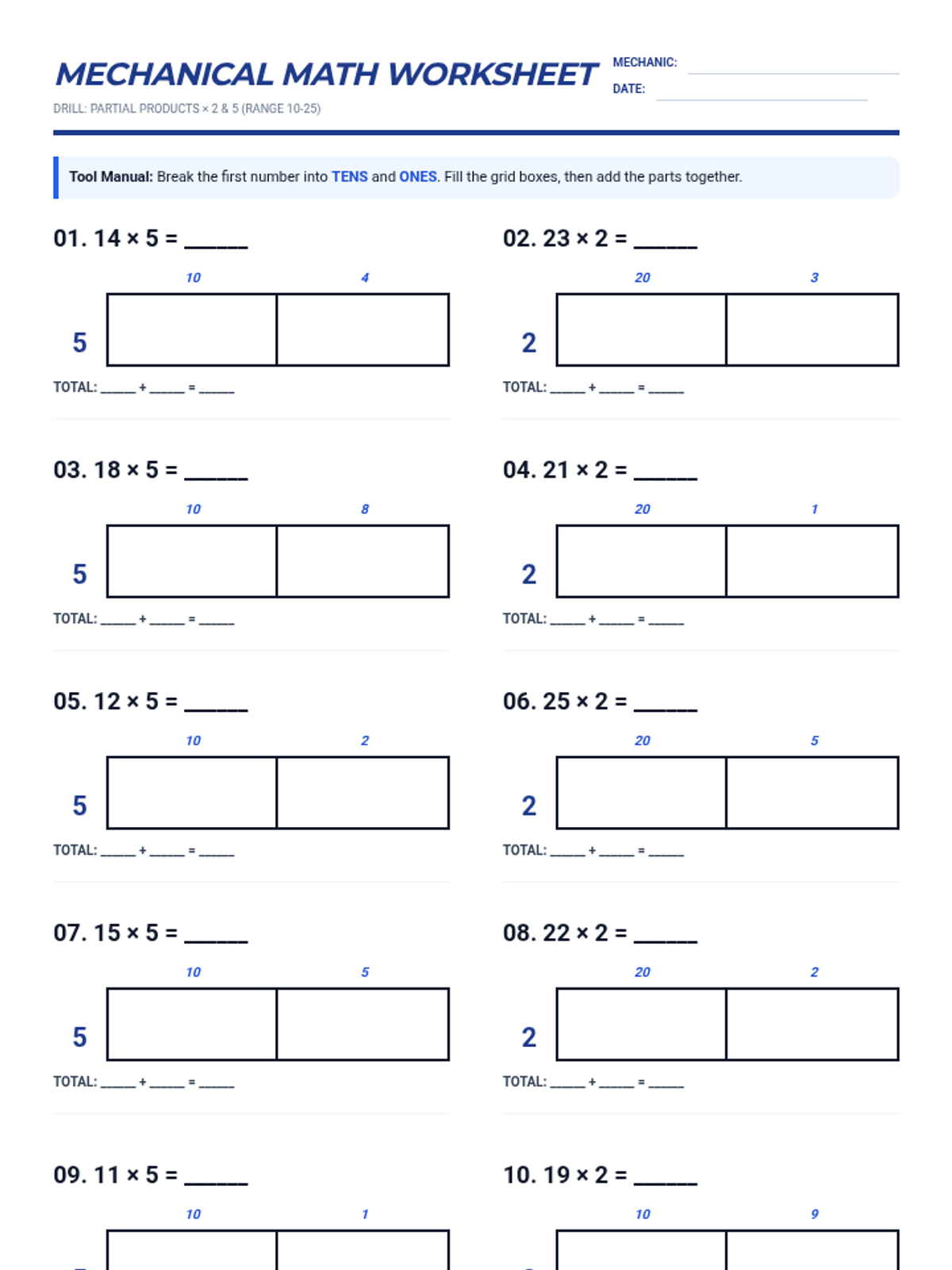
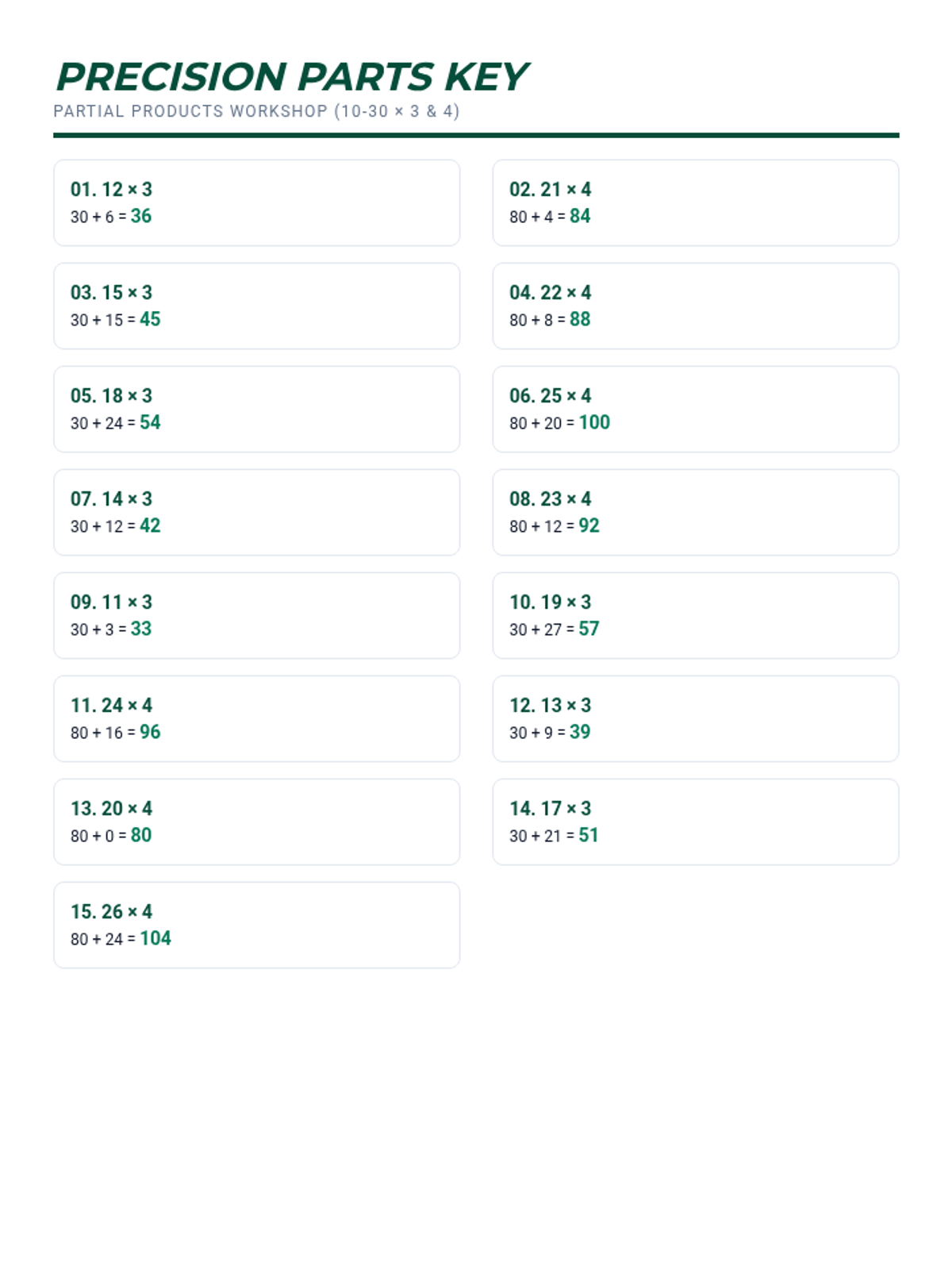
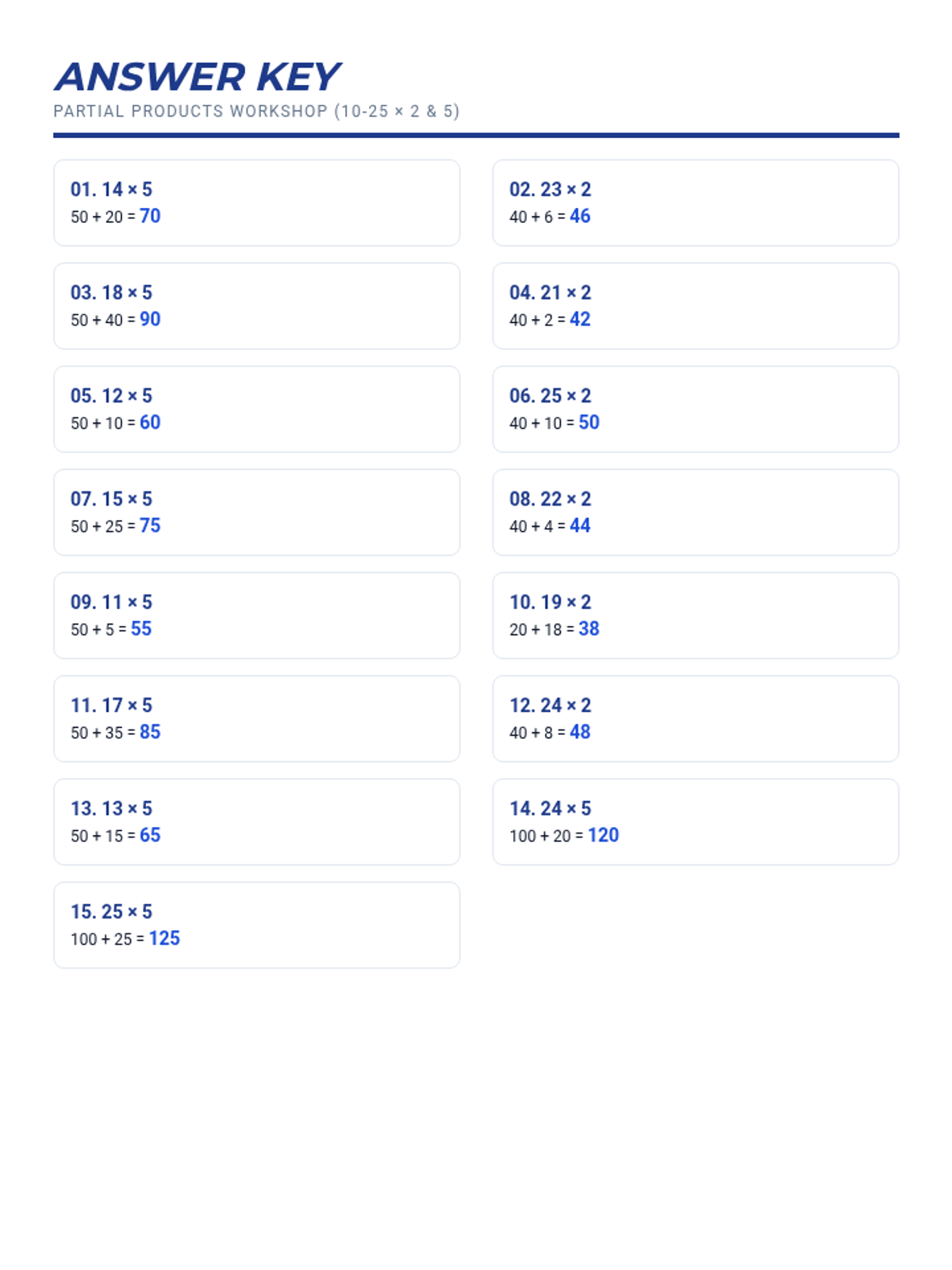
A lesson focused on building multiplication fluency with flashcards and mastering the partial products method for 2-digit by 1-digit multiplication.
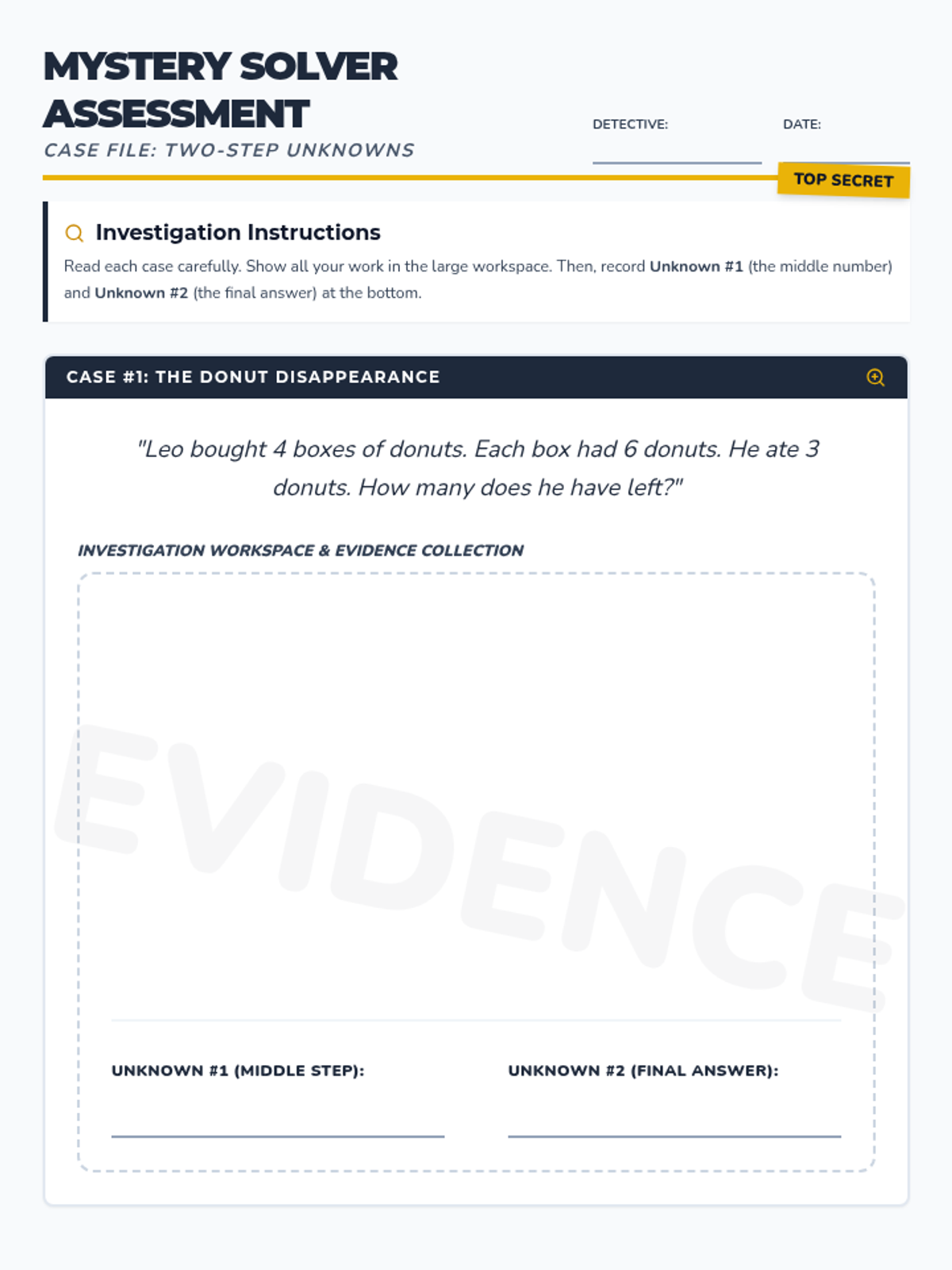
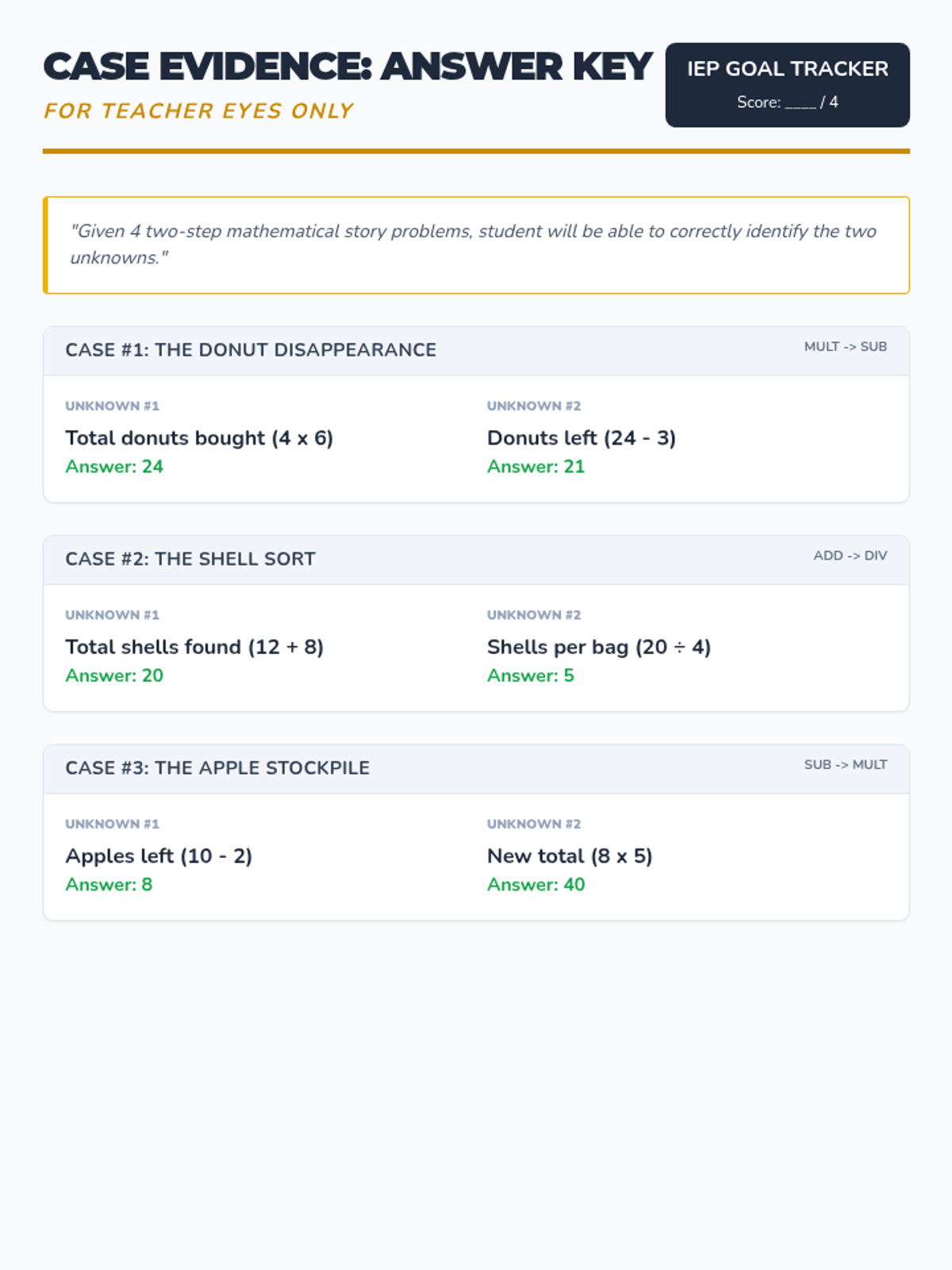
A lesson focused on identifying the two distinct unknowns in multi-step mathematical word problems using a detective-themed assessment.
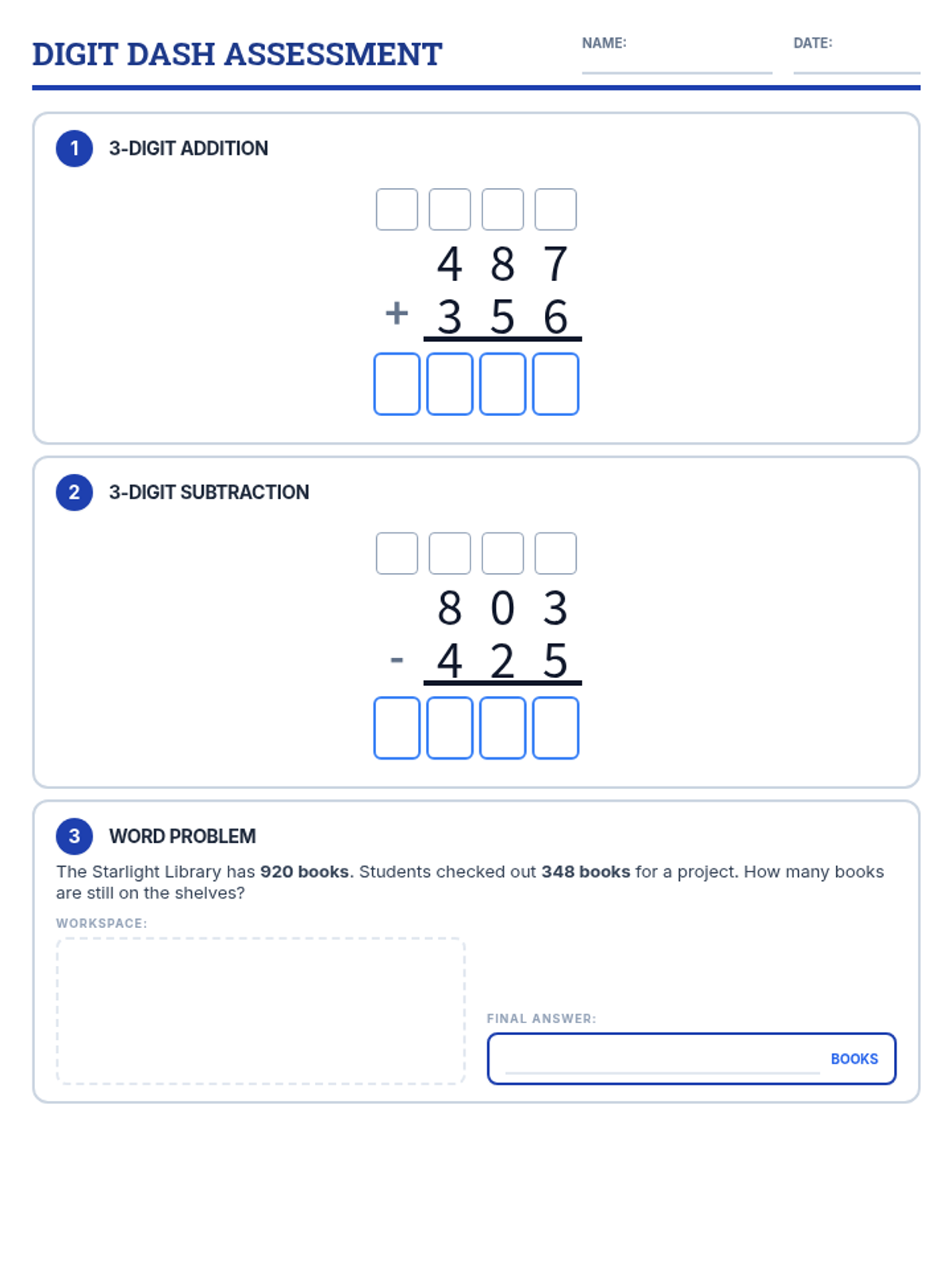
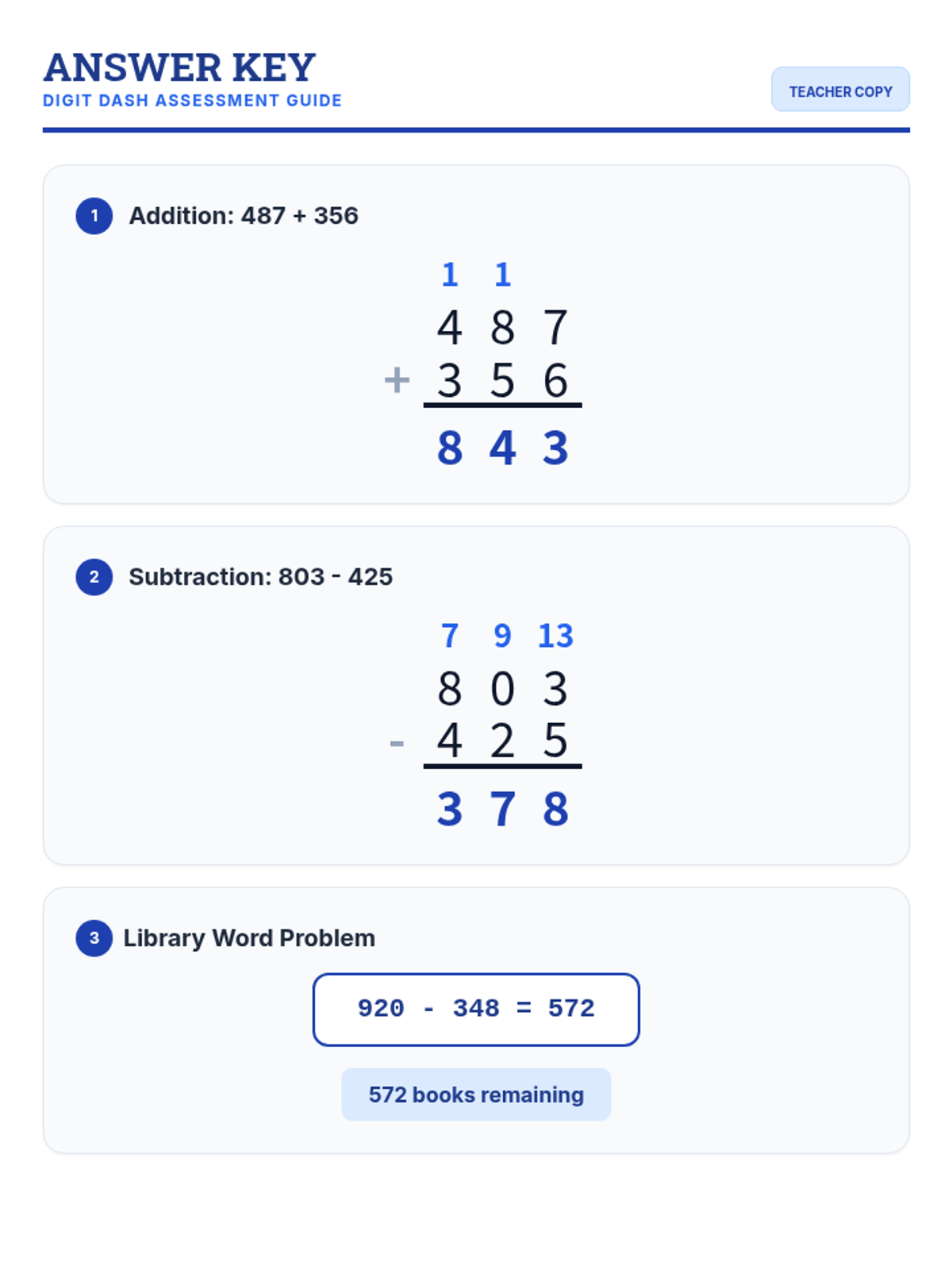
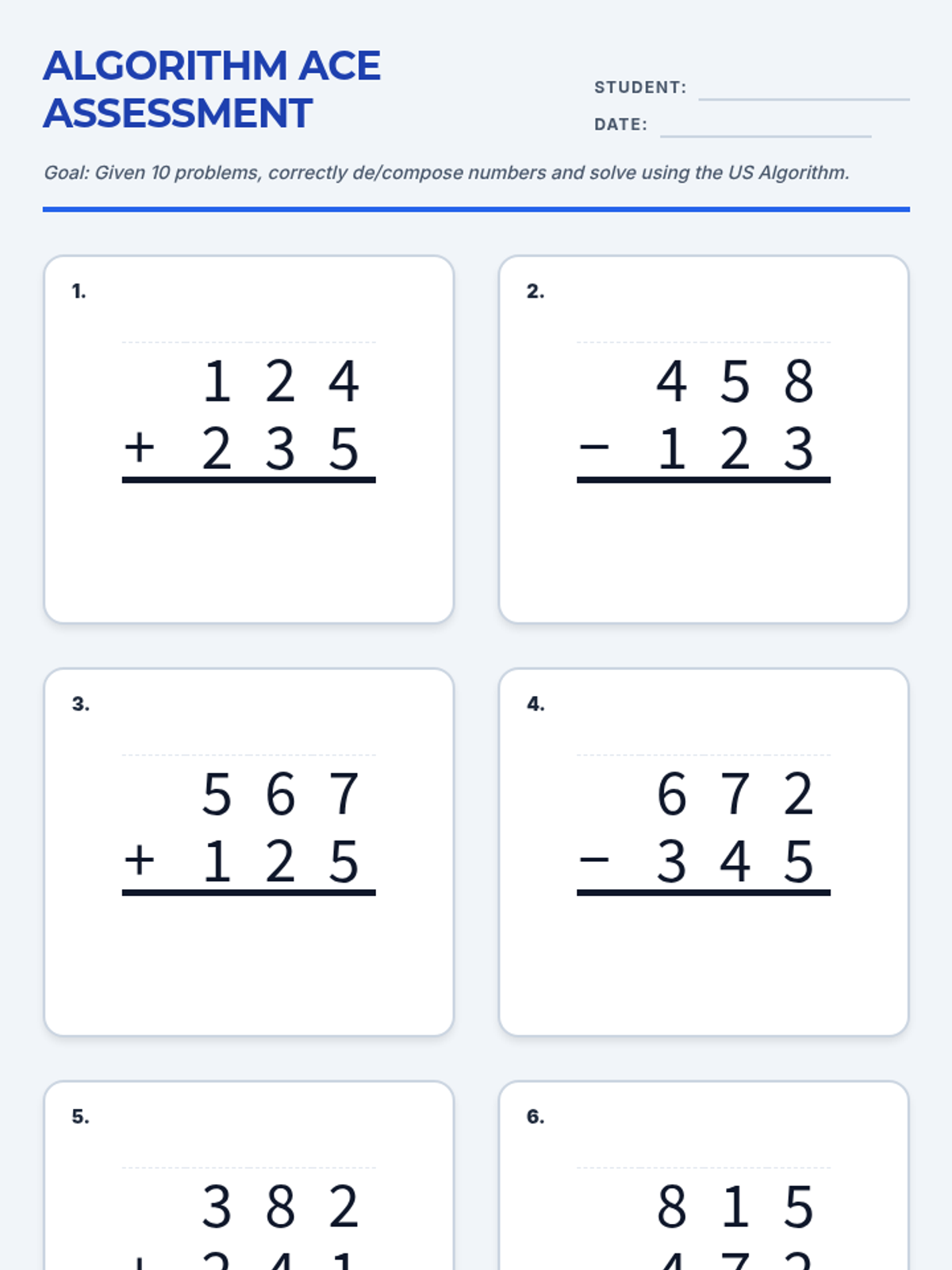
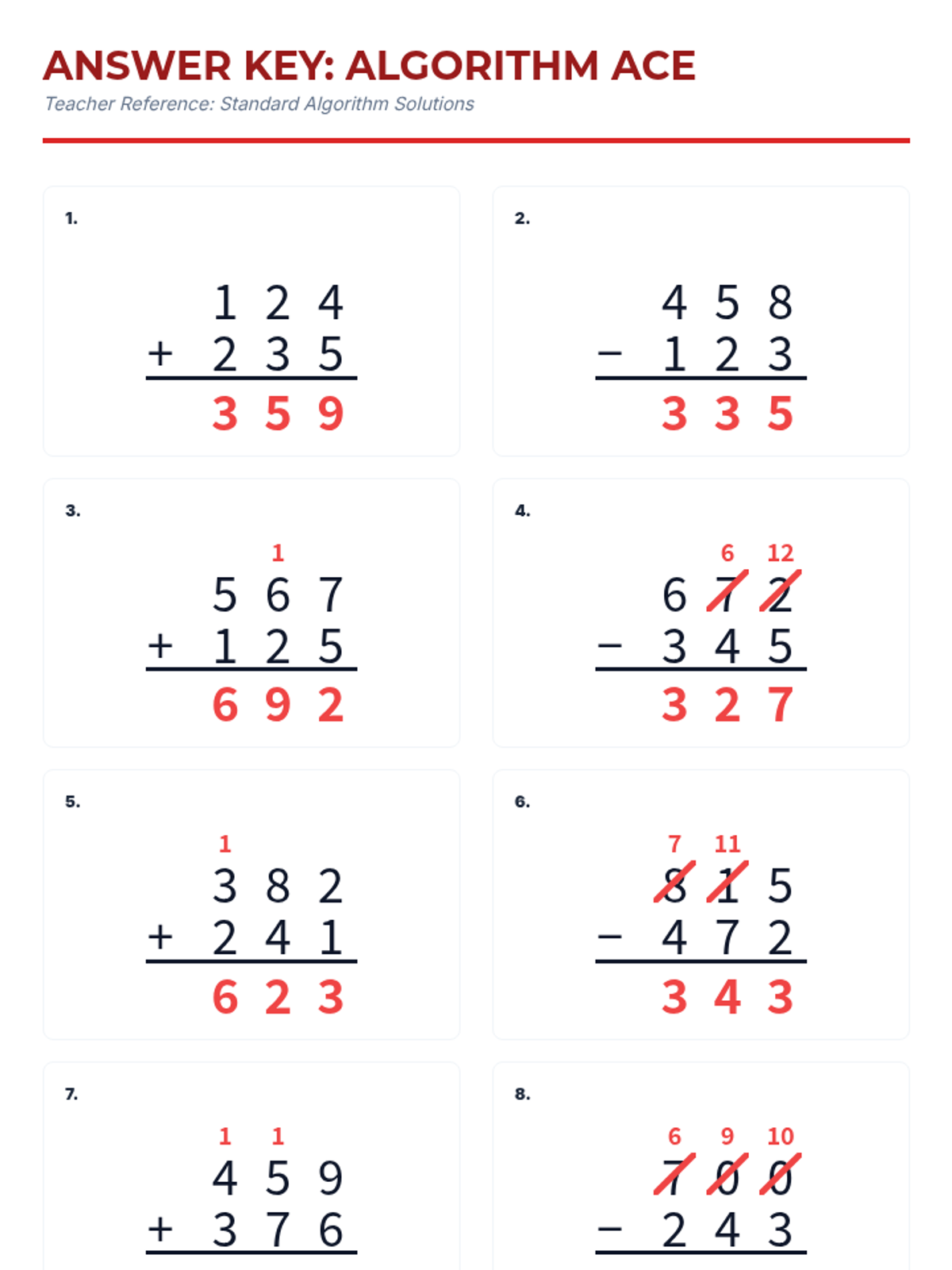
An assessment focused on multi-digit addition and subtraction within 1,000 using the standard algorithm, designed for IEP goal tracking and progress monitoring.
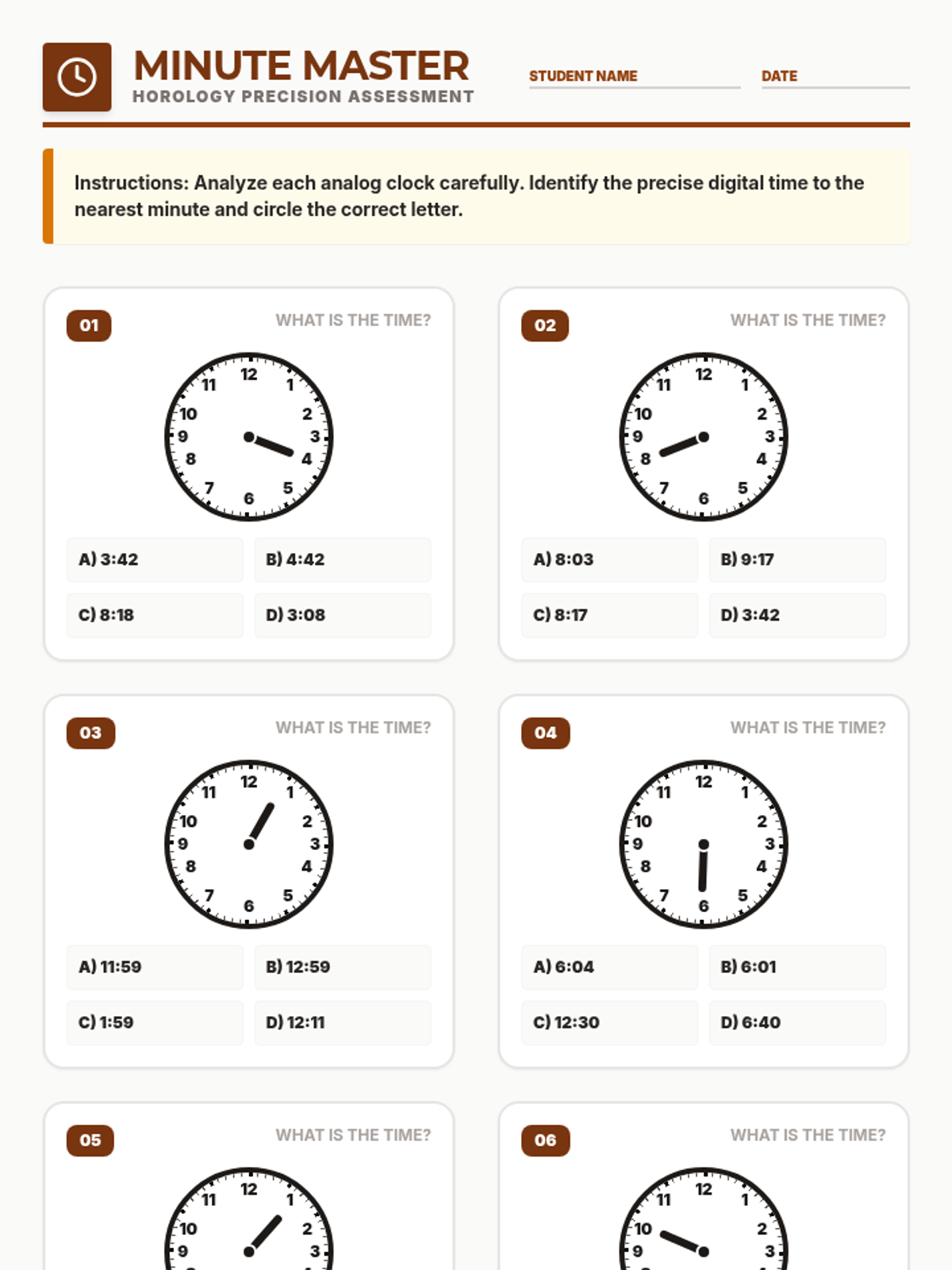
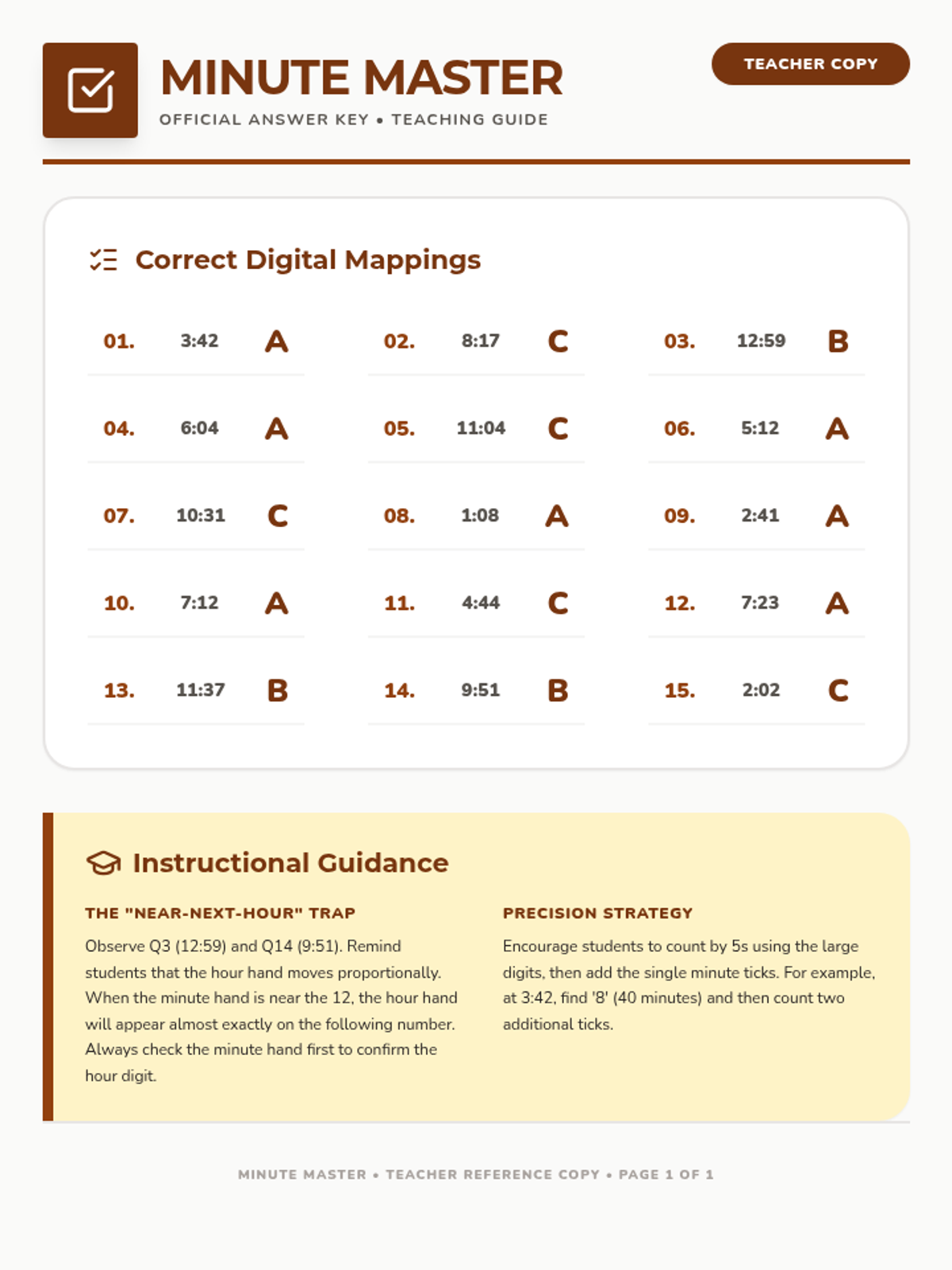
A comprehensive lesson focused on telling time to the exact minute, featuring visual clock identification and word problems.
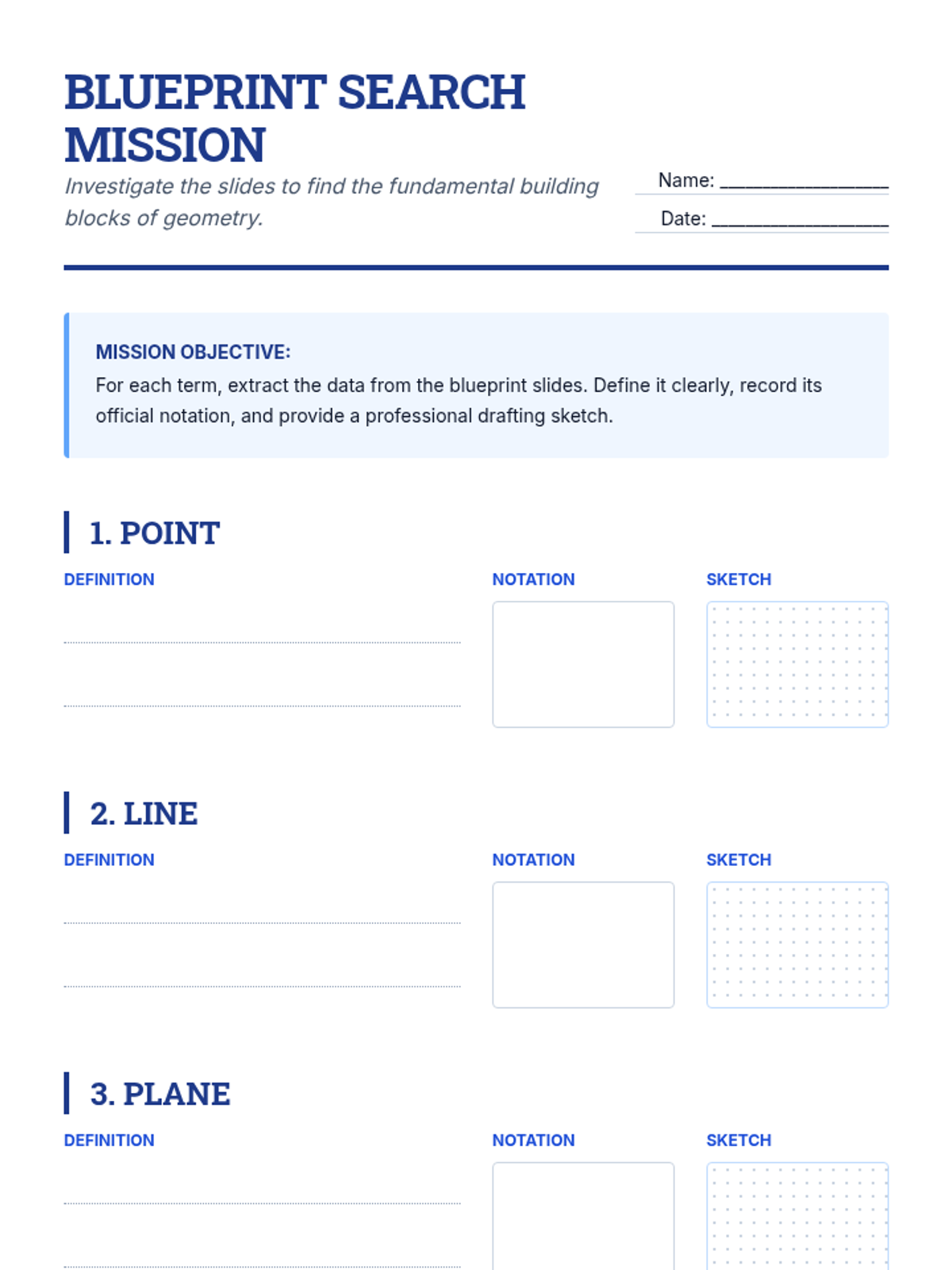
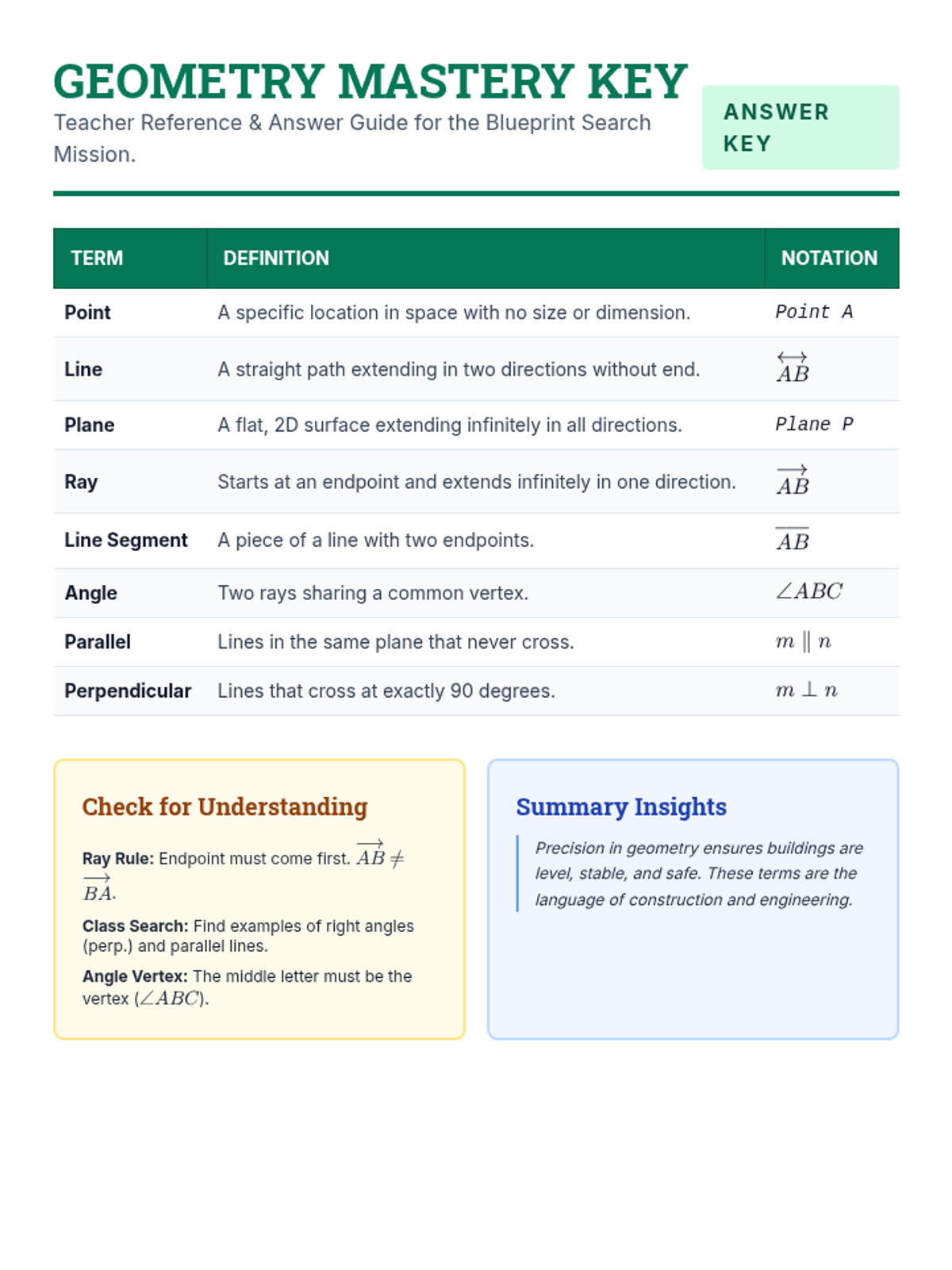
An introductory lesson covering the building blocks of geometry: points, lines, planes, rays, segments, and angles.
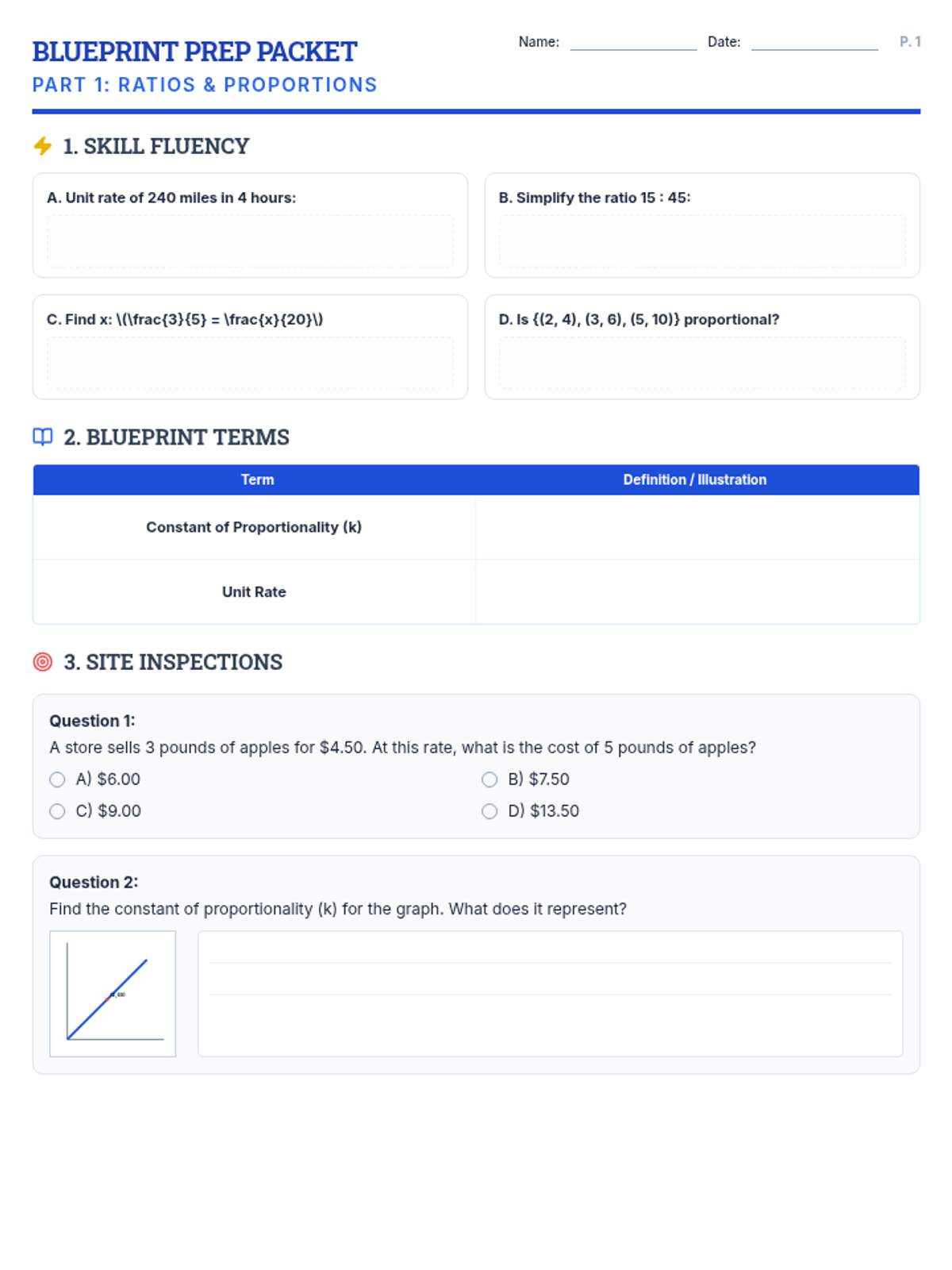
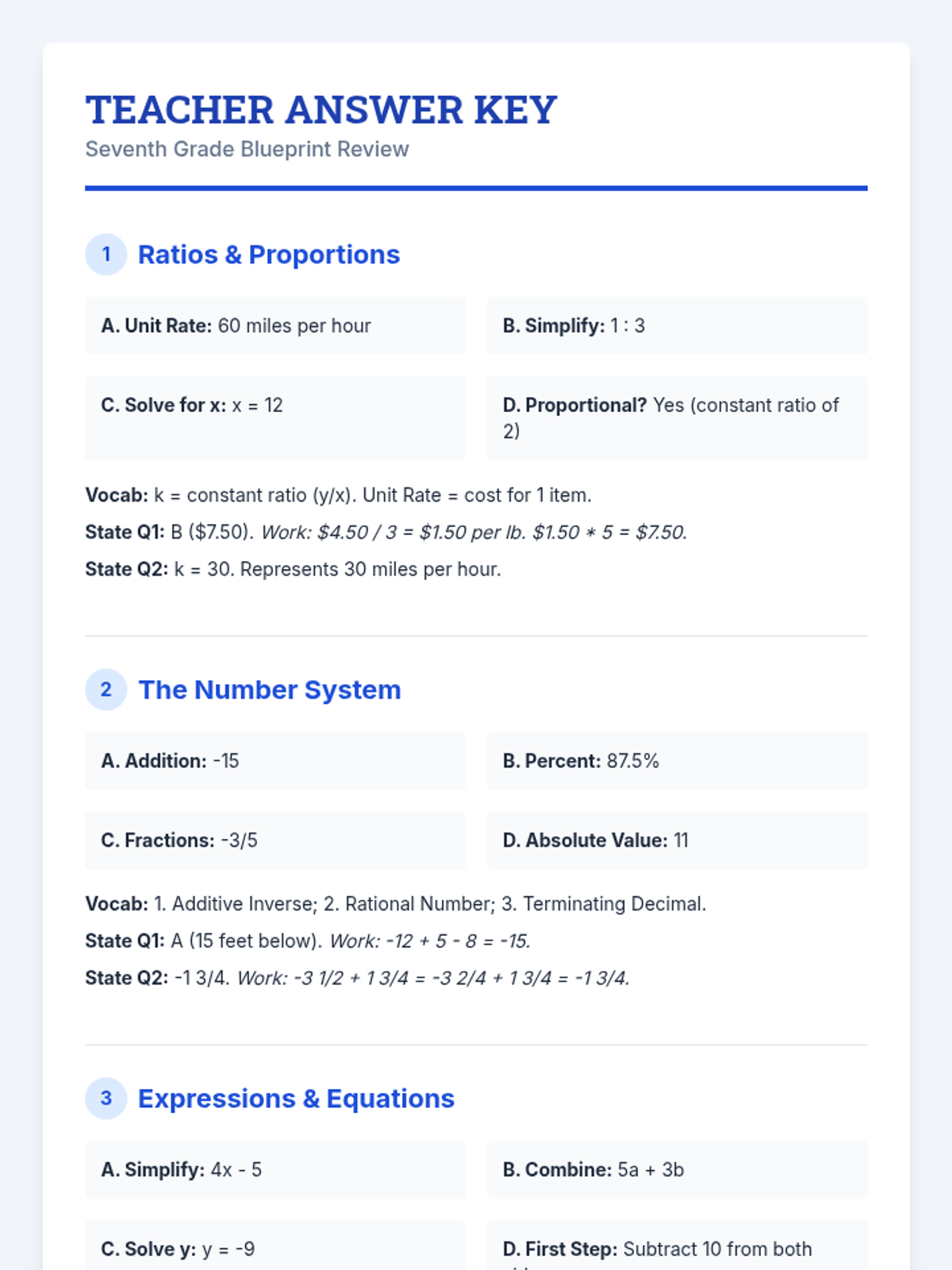
A focused review of Ratios and Proportions, The Number System, and Expressions and Equations through fluency practice, vocabulary building, and state-style questions.
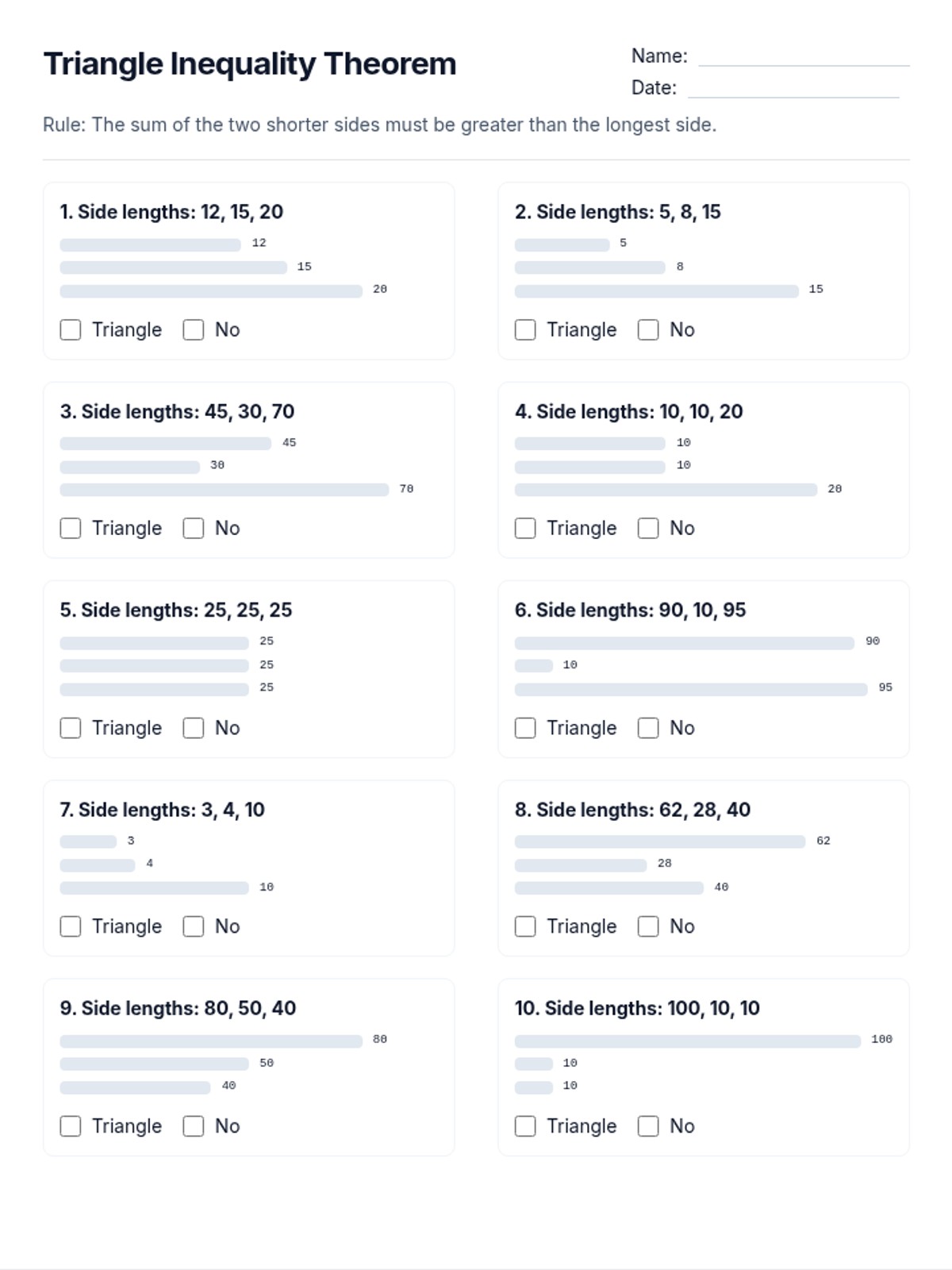
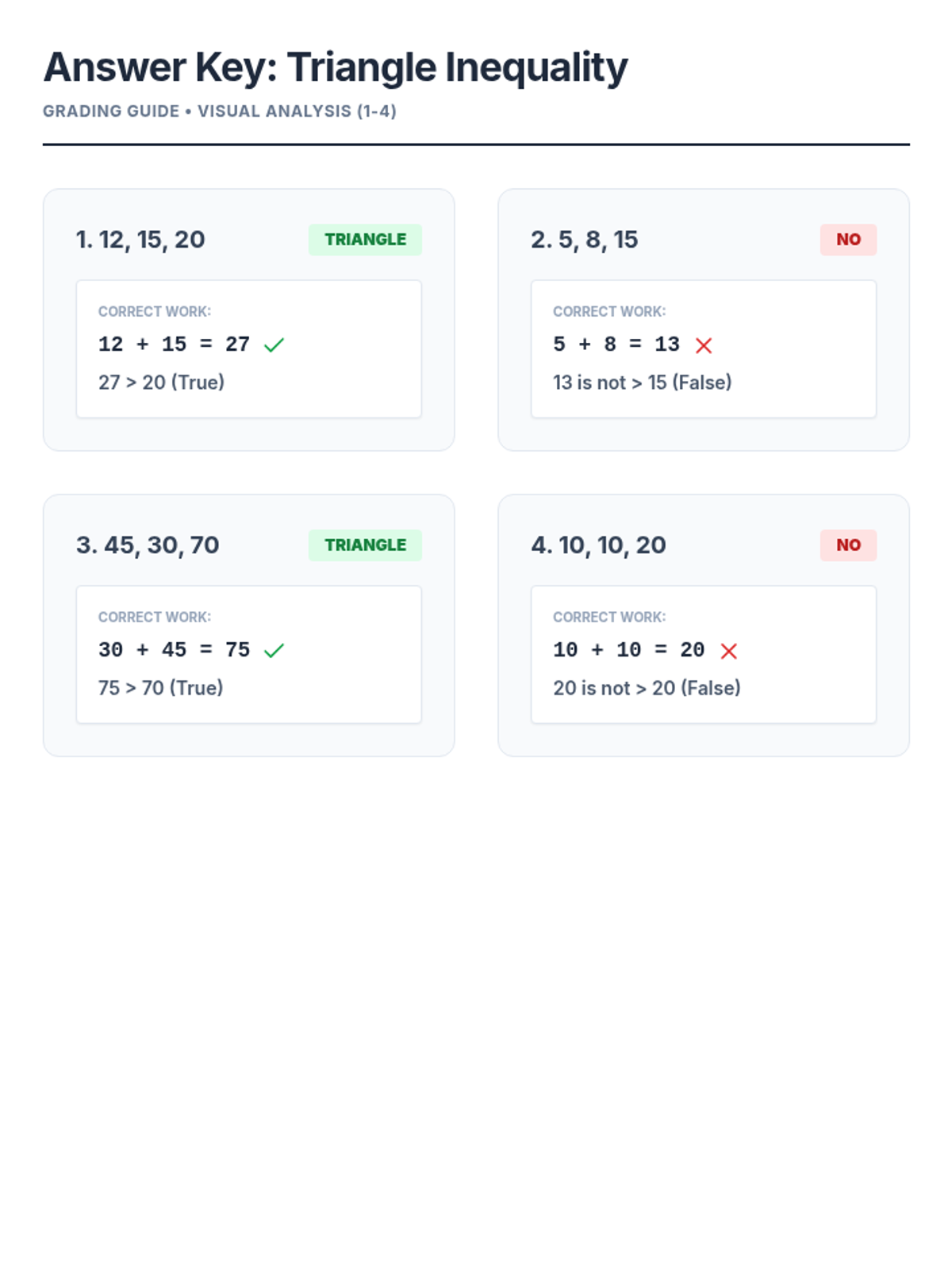
A lesson focusing on the Triangle Inequality Theorem, teaching students how to determine if three given side lengths can form a valid triangle.
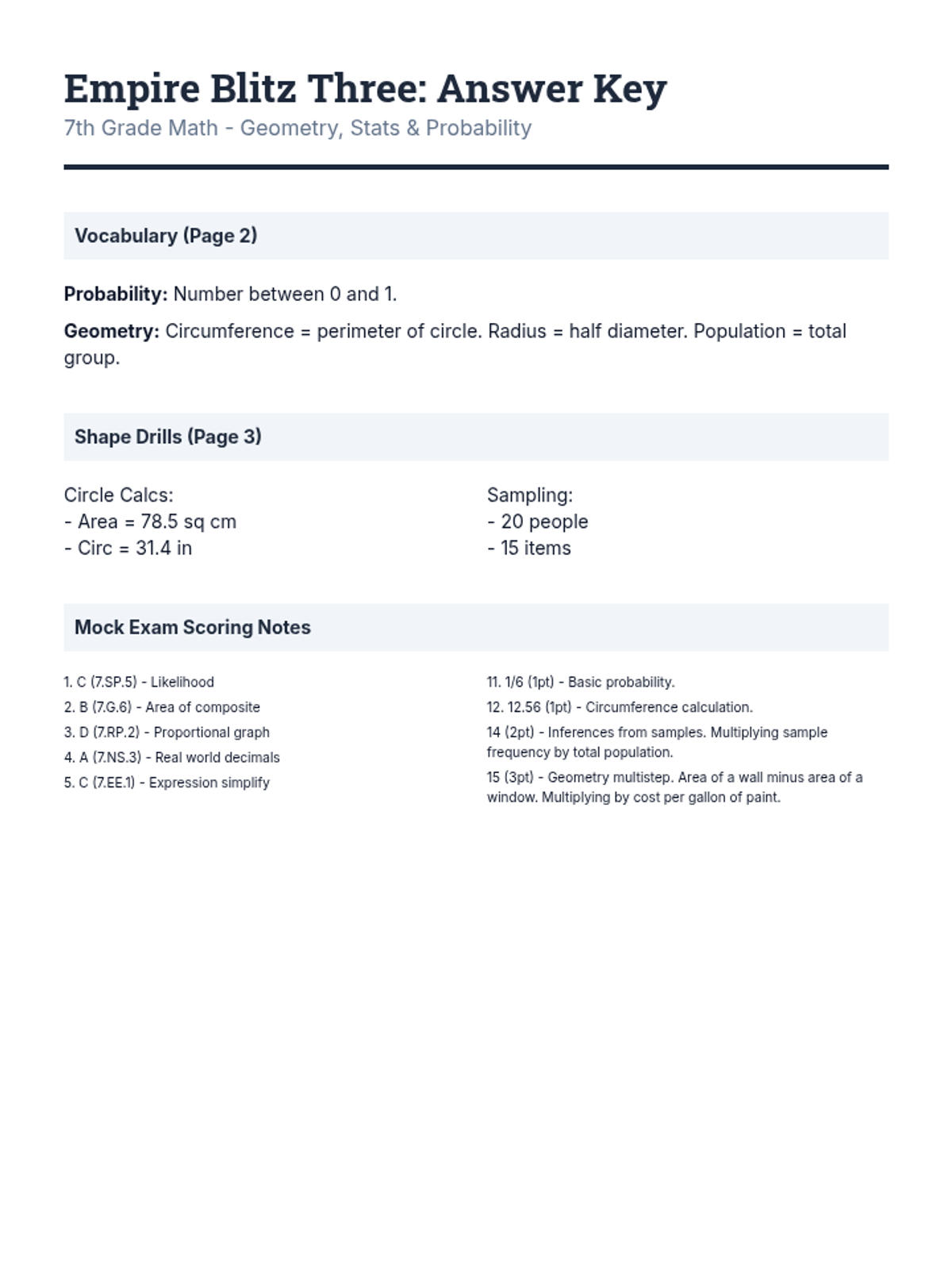
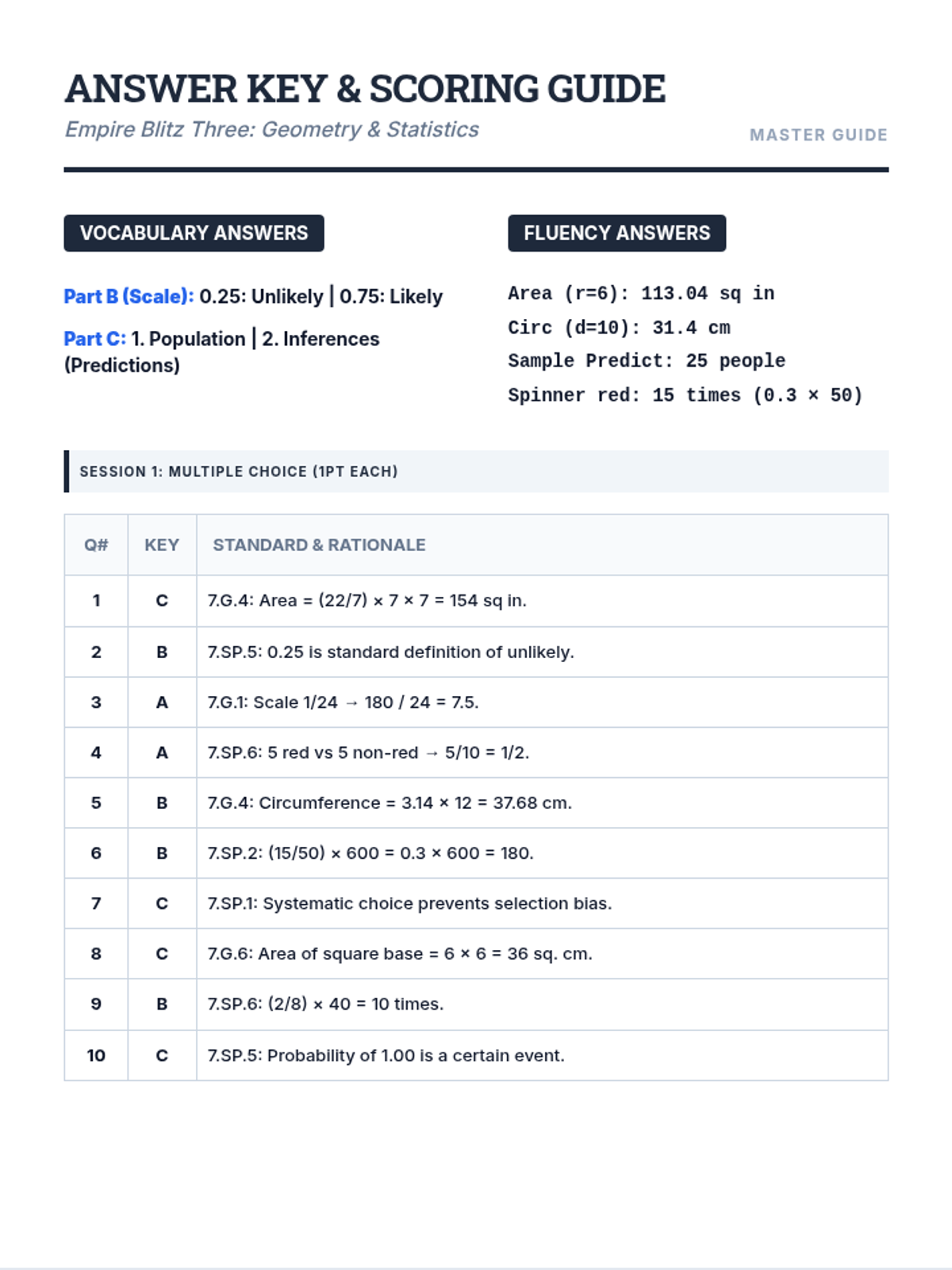
The third packet in the test prep series, highlighting Geometry and Statistics/Probability within a full-spectrum review of 7th grade math requirements.
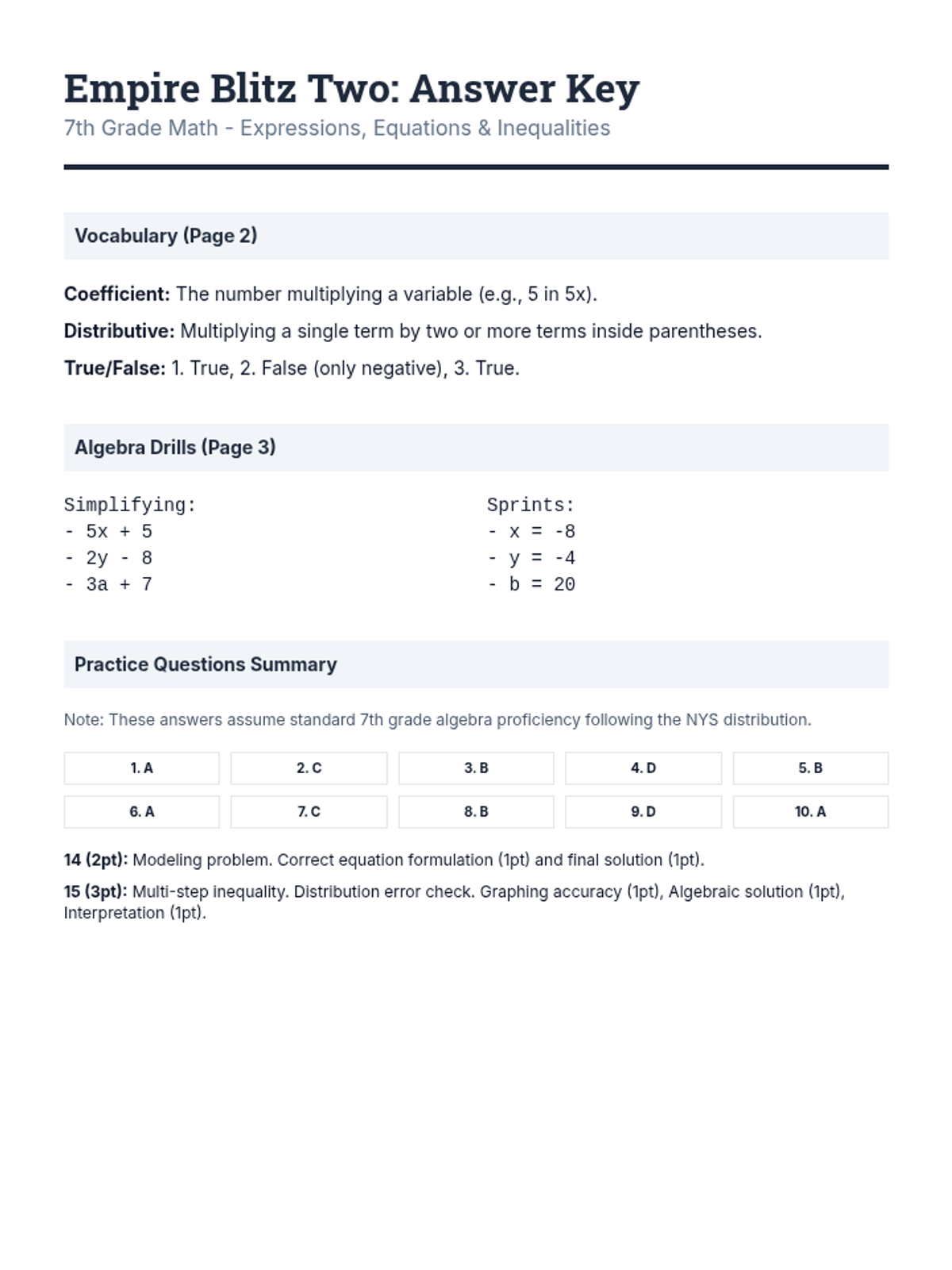
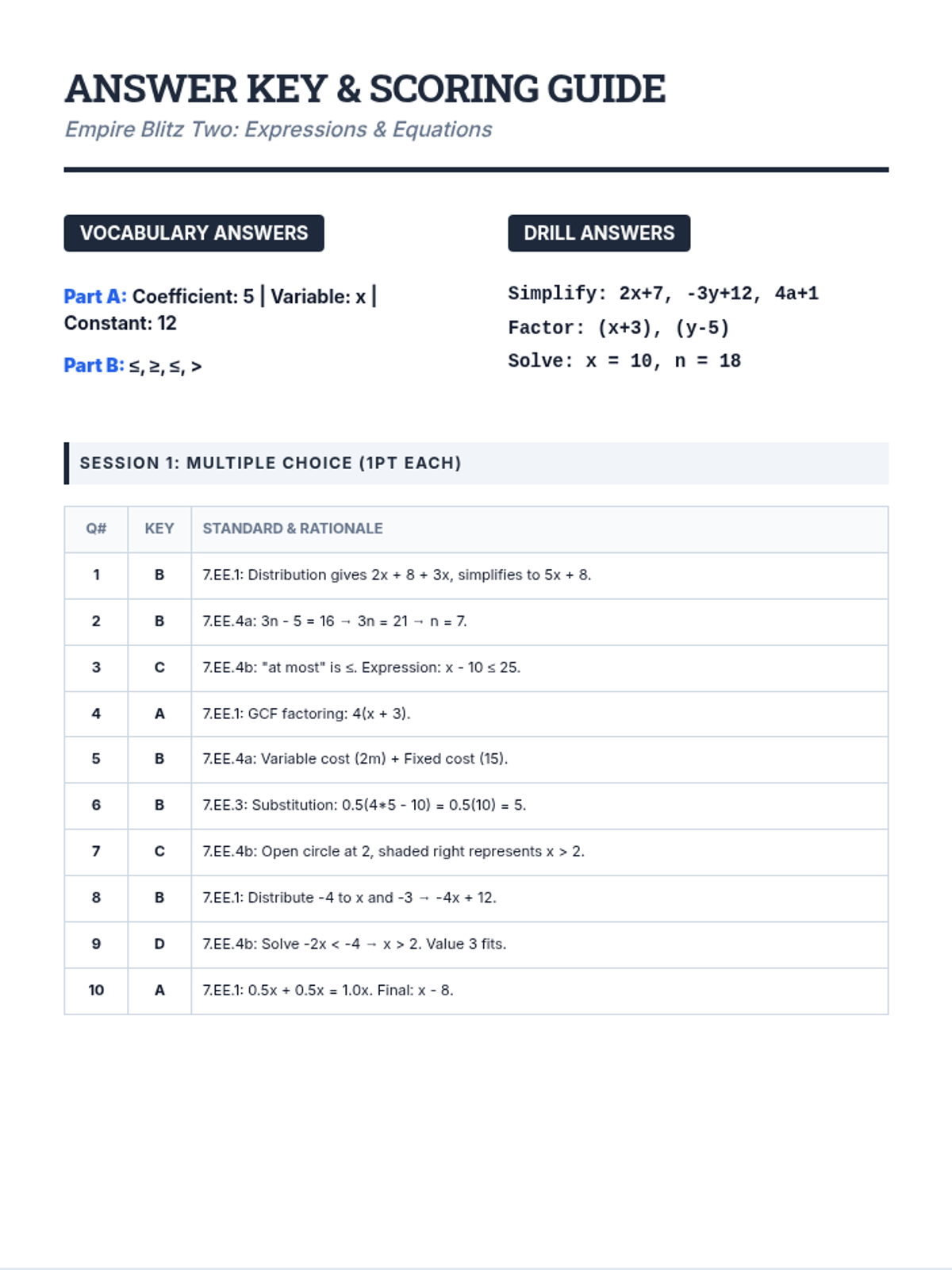
The second packet in the test prep series, with an emphasis on Expressions, Equations, and Inequalities, alongside a balanced distribution of other 7th grade standards.