A deep dive into auditory discrimination of minimal pairs, focusing on aspiration and retroflexion contrasts to prevent phonetic fossilization.
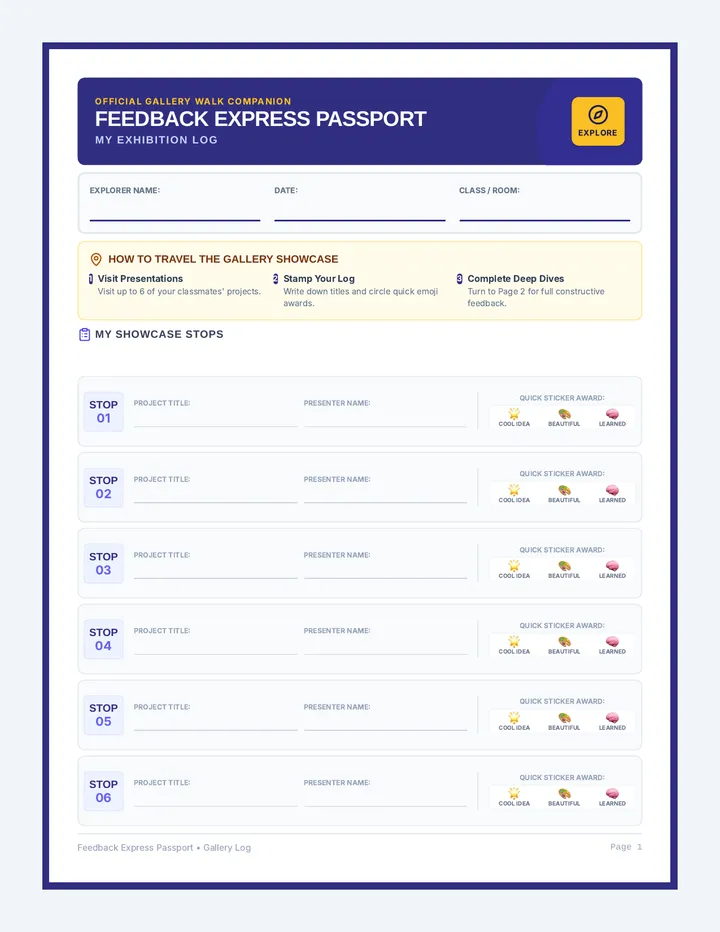
A 45-minute ESL lesson for Grade 4 (Emerging/Developing proficiency) focused on interpreting and explaining information from infographics. Students act as 'Data Detectives' to decode visual information.
In this 45-minute Grade 5 ESL lesson, students will master precise academic language to describe cause-and-effect relationships. They will explore how natural disasters and social scenarios create chain reactions, using transitional phrases like 'consequently', 'as a result', and 'triggered by'.
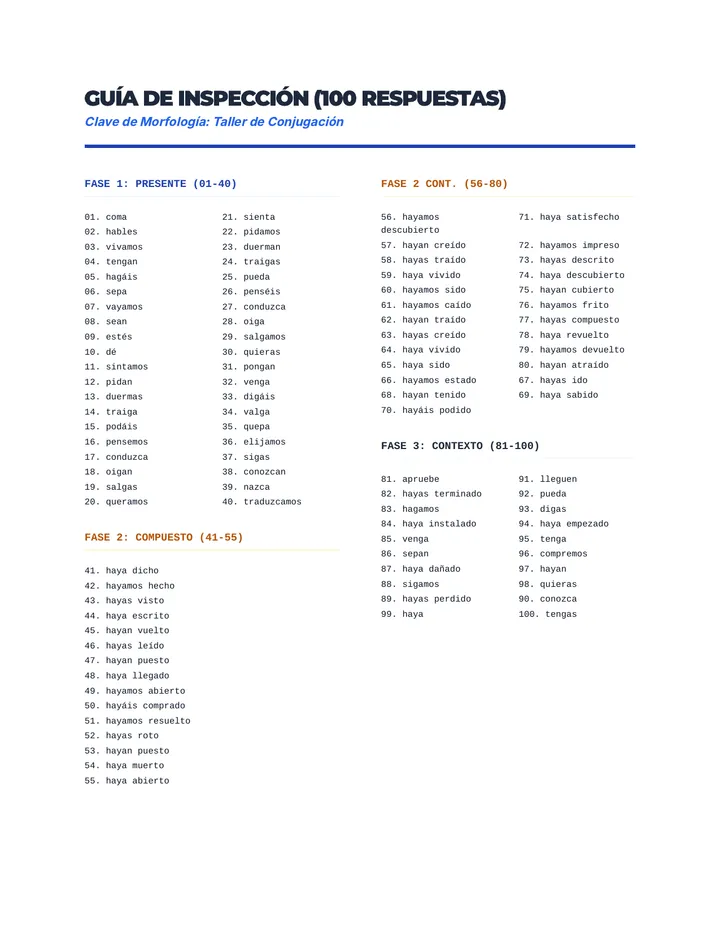
A comprehensive guide to mastering the Spanish Preterite and Imperfect tenses, featuring clear conjugation patterns and usage rules through a detective-themed lens.
An introduction to essential Spanish conjunctions and transition words to improve sentence structure and narrative flow.
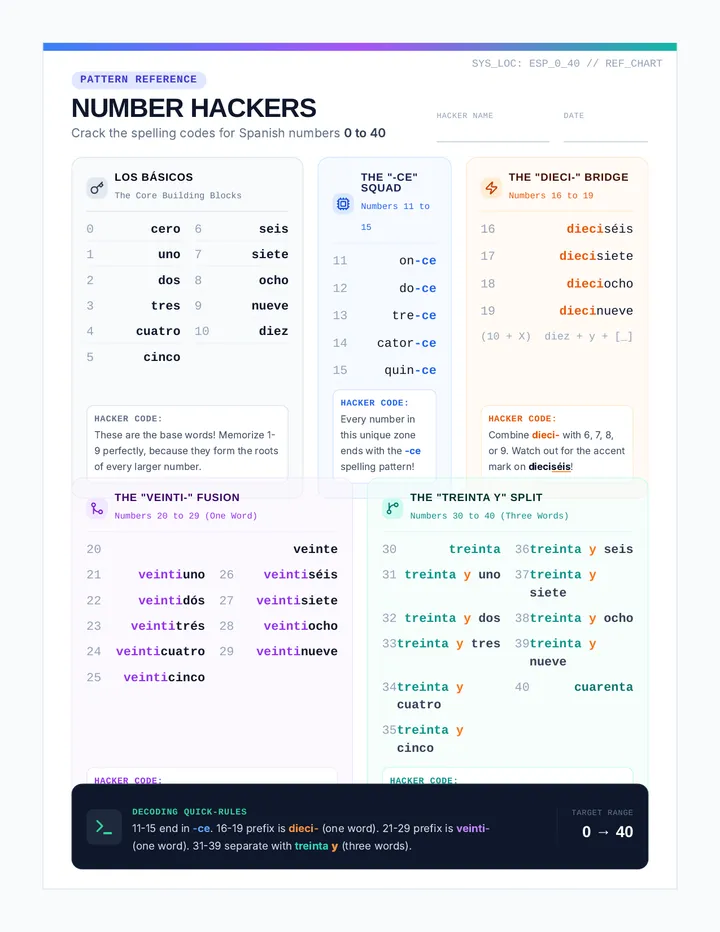
A comprehensive introduction to the most frequent irregular verbs in Spanish across present, preterite, and future tenses, including stem-changers.
A comprehensive lesson on identifying and marking broad vowel sounds for A, O, and U. Students learn the phonetic differences between short and broad sounds and master the marking conventions for single-letter vowels and multi-letter phonograms.
A B1-level Spanish lesson for adults focusing on narrative tenses. Students practice translating a multi-tense text and completing a verb-focused fill-in-the-blanks activity centered around the theme of time and personal history. Includes simplified vocabulary and clearer tense structures.
Studies the stages of growth in animals, using WIDA's Narrate (life stories) and Explain (scientific stages) functions.
Analyzes how communities access needs and wants, focusing on the WIDA functions of Argue (persuasive needs) and Explain (the journey of goods).
Investigates the characteristics of living things, utilizing WIDA's Inform function to define life and Explain function to describe biological processes.
Explores family structures, roles, and traditions while focusing on the WIDA functions of Narrate (family stories) and Inform (identifying family members).
A comprehensive diagnostic assessment suite designed for adult learners to determine their current Spanish proficiency level across reading, writing, listening, and speaking. The materials move from foundational basics to advanced structures to provide a clear placement for the learner.
A beginner-friendly lesson introducing common farm animals, their sounds, and basic characteristics for ESL newcomers. Includes a visual slide deck, a reading comprehension worksheet, and an answer key.
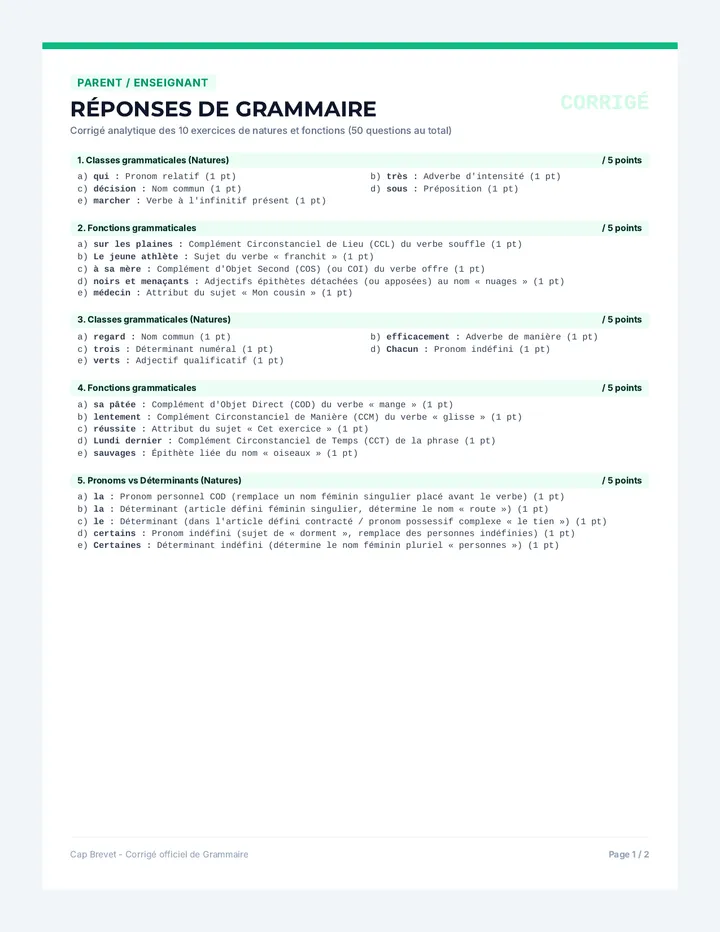
A French grammar lesson focused on distinguishing between the Passé Composé and Imparfait through a mystery narrative. Students learn to set the scene with descriptions (Imparfait) and identify completed actions (Passé Composé).
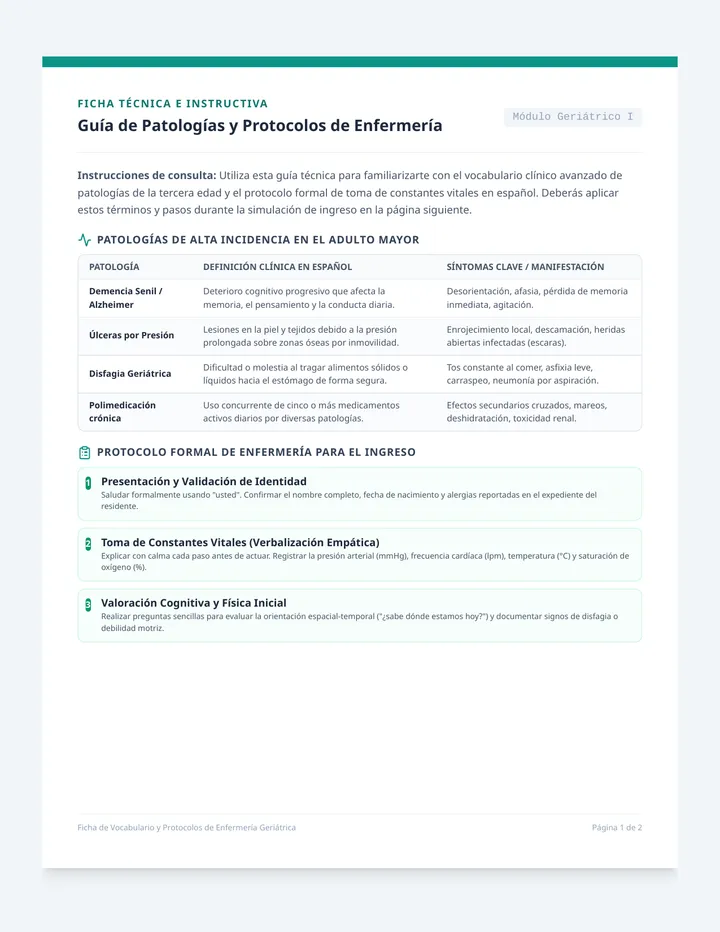
A foundational lesson on human anatomy vocabulary in Spanish, focusing on identifying and translating common body parts from English to Spanish.
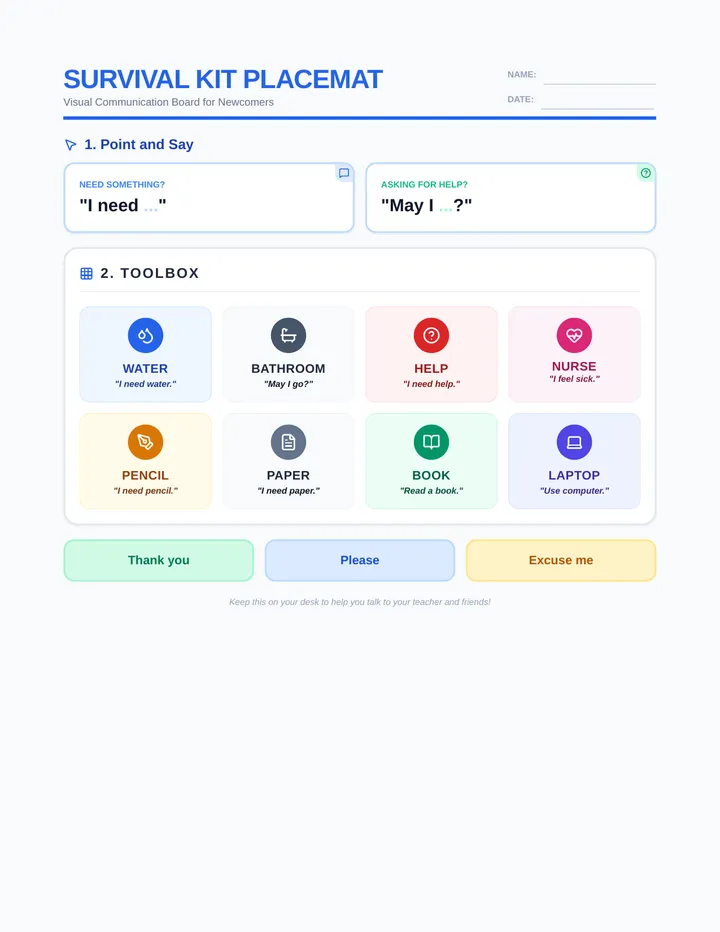
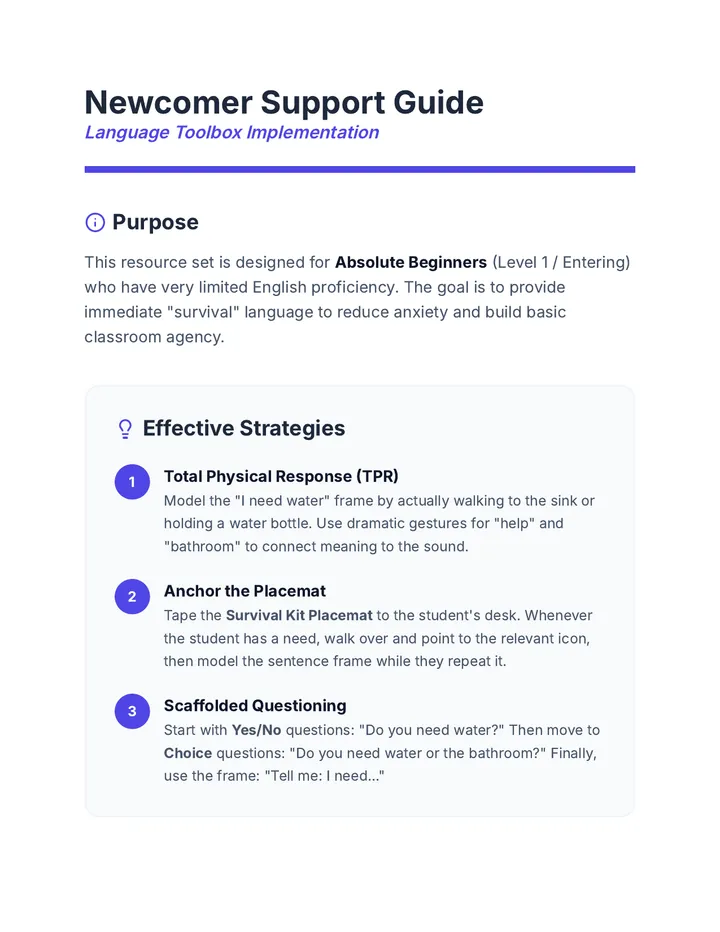
This lesson provides essential visual tools for 8th-grade ESL beginners, focusing on classroom navigation, common objects, and foundational phonics to build immediate confidence and communication skills.
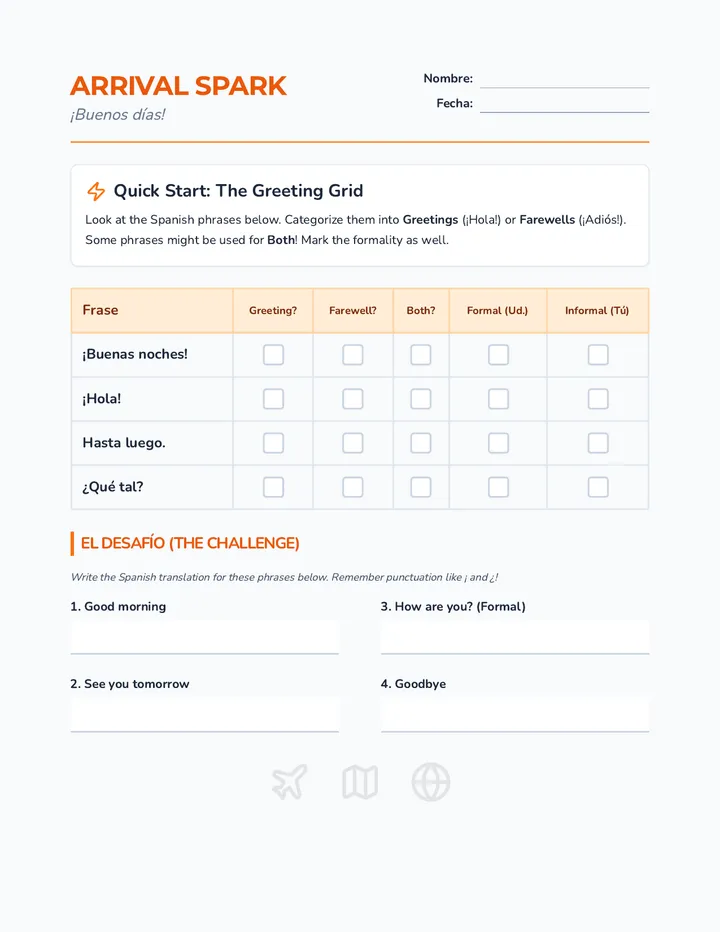
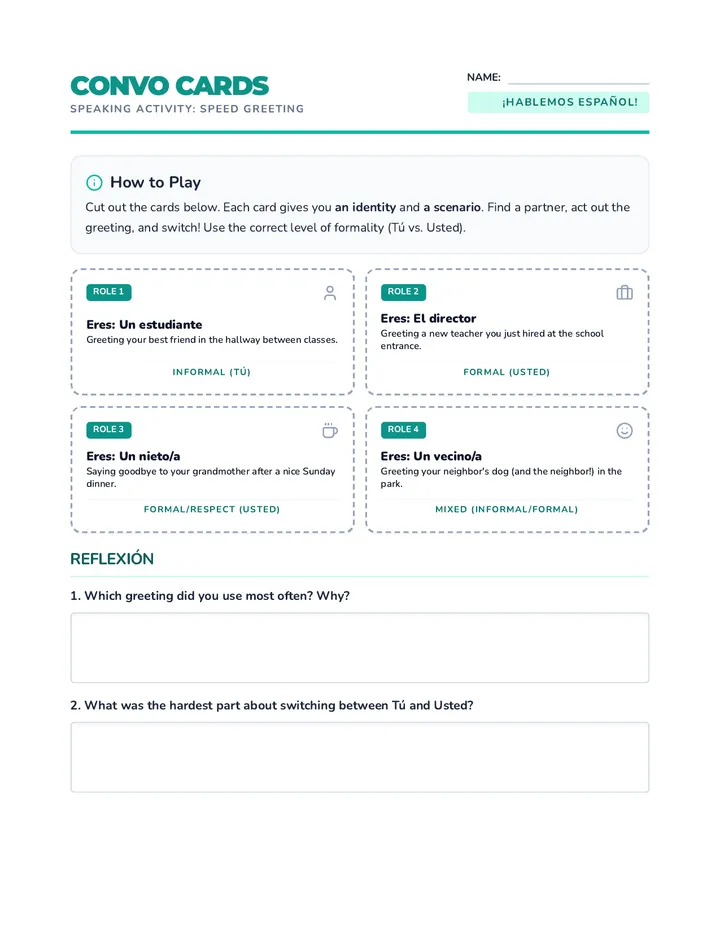
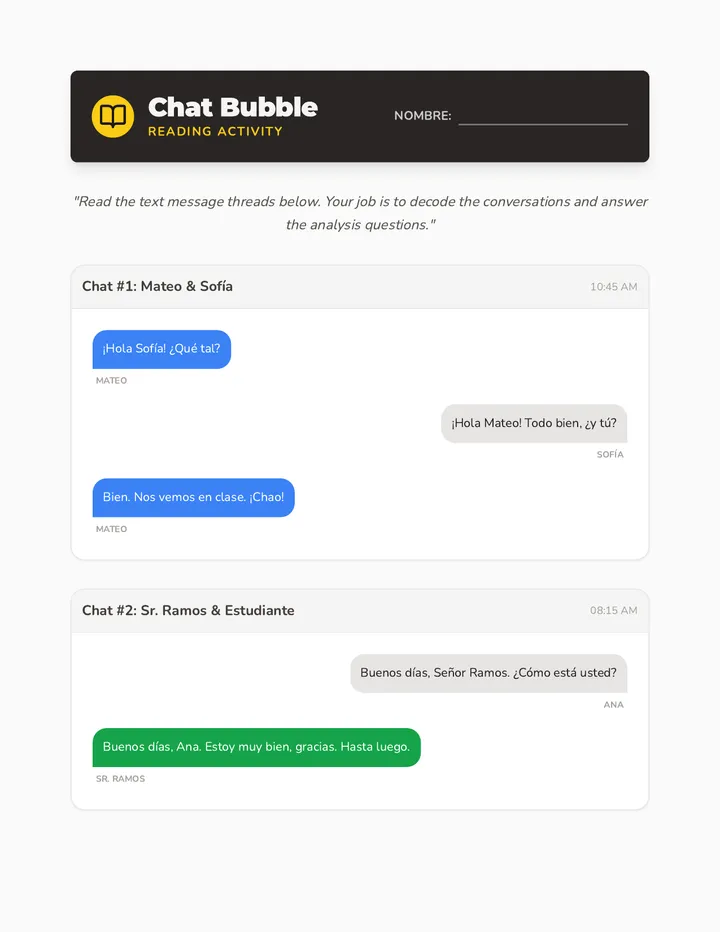
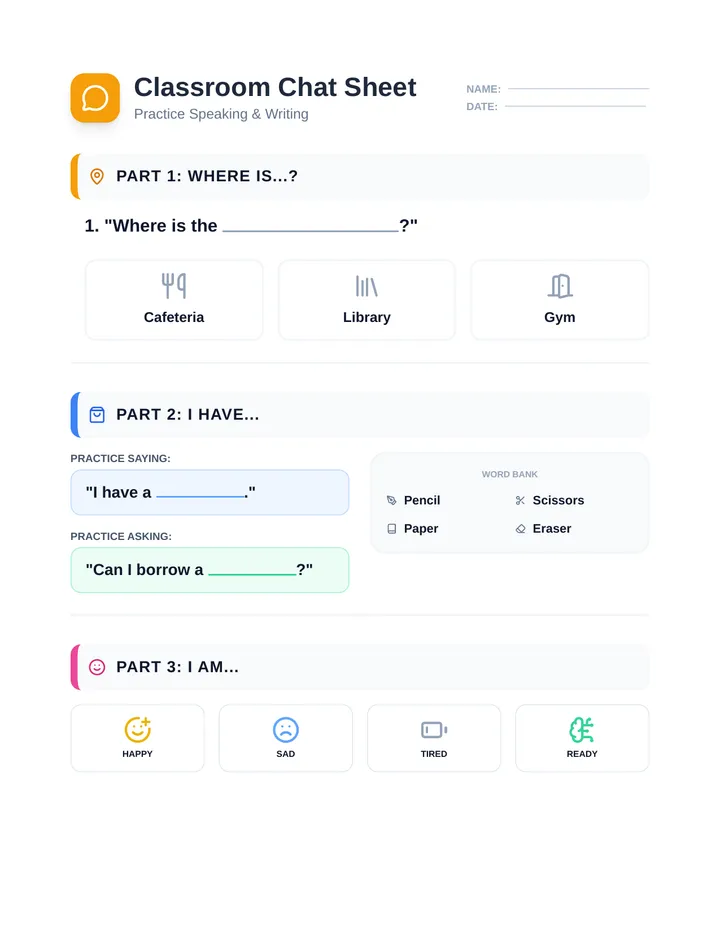
A foundational lesson for absolute beginner ESL students focusing on high-frequency vocabulary for daily life and basic conversational structures. Students will learn greetings, common objects, and simple "I am/I have" sentences.
Une leçon complète pour comprendre et identifier les mots d'une même famille, avec une fiche mémo, des exercices et un support de présentation.
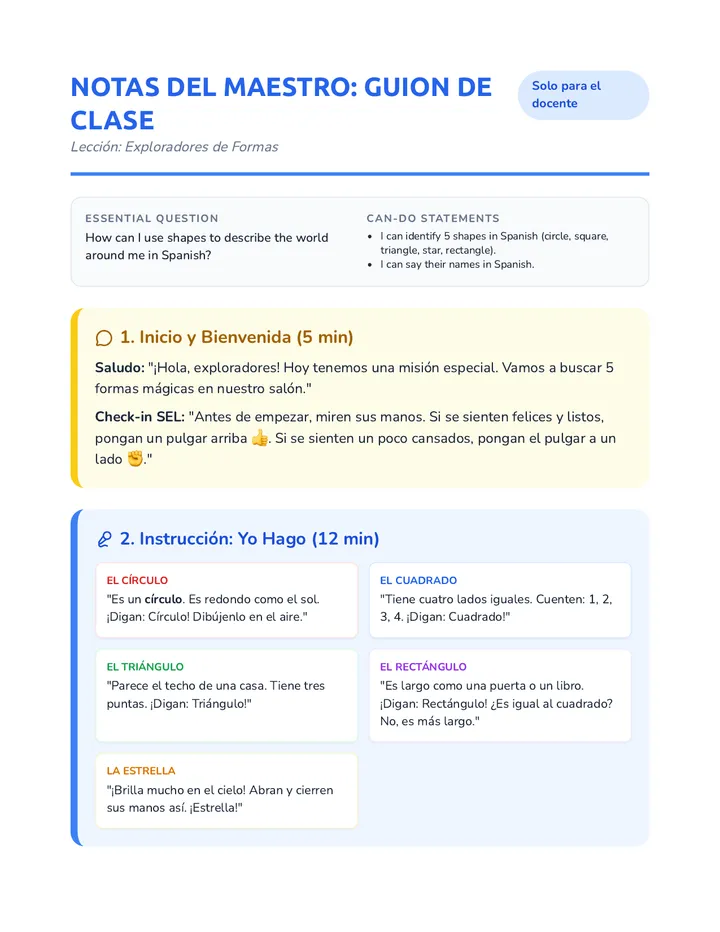
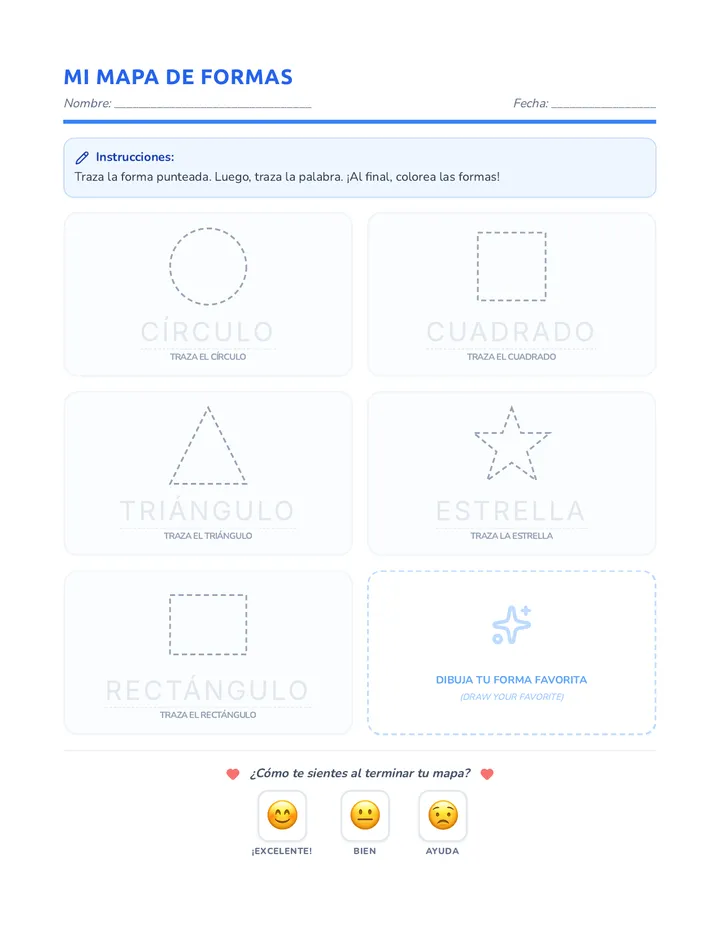
A vibrant introduction to Spanish for early learners (0-5) centered around a rainbow theme. This lesson plan provides 15 interactive play station ideas, a circle time presentation with songs and science, and bilingual support materials.
A 60-minute ESL lesson for A2 students focused on non-defining relative clauses through a 'Detail Detective' theme, featuring sentence combining, speaking cards, and comma mastery.
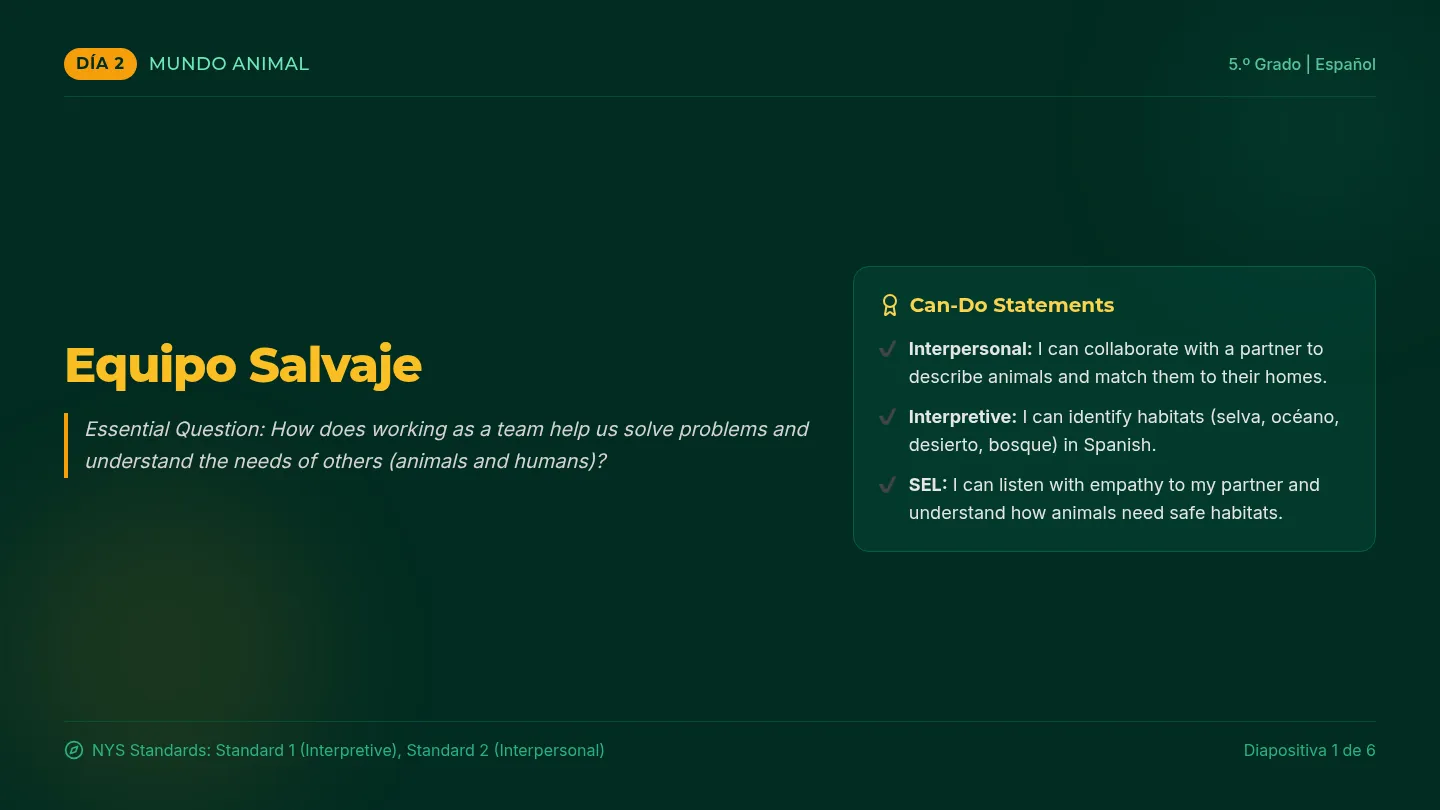
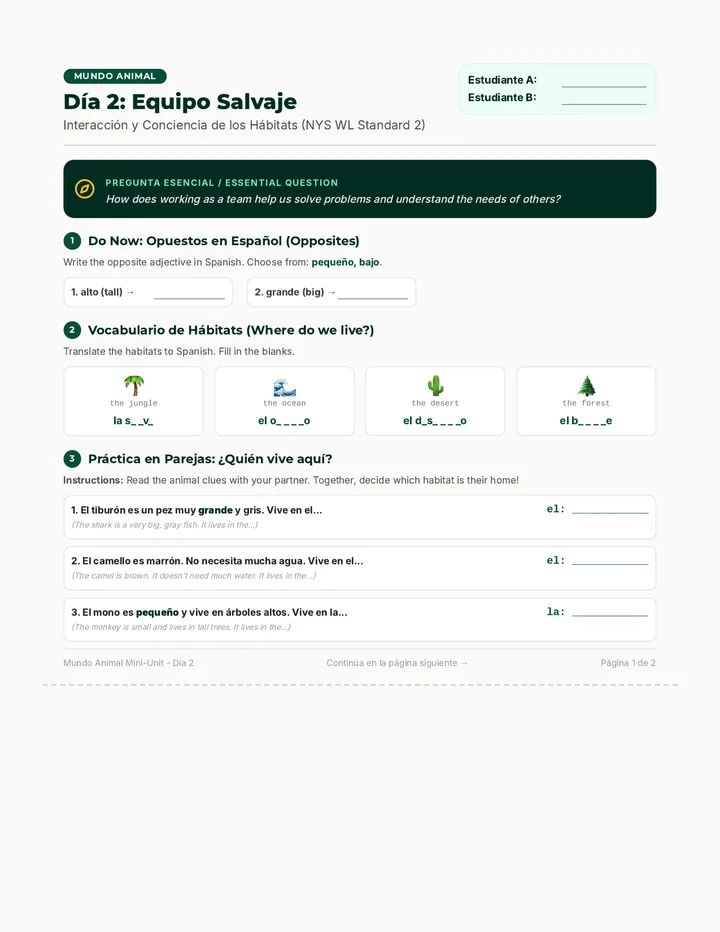
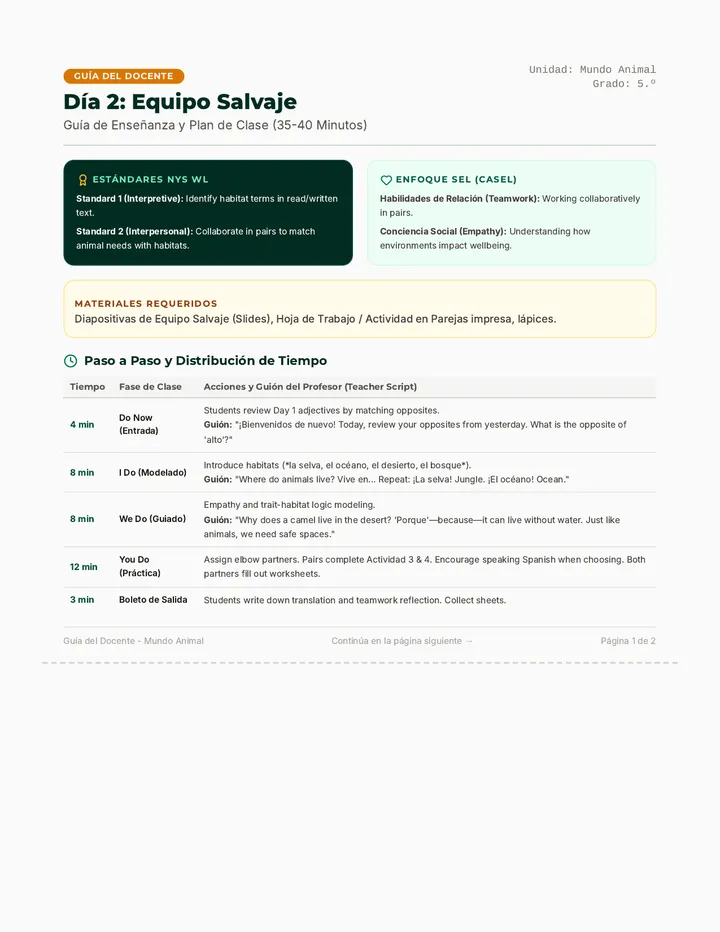
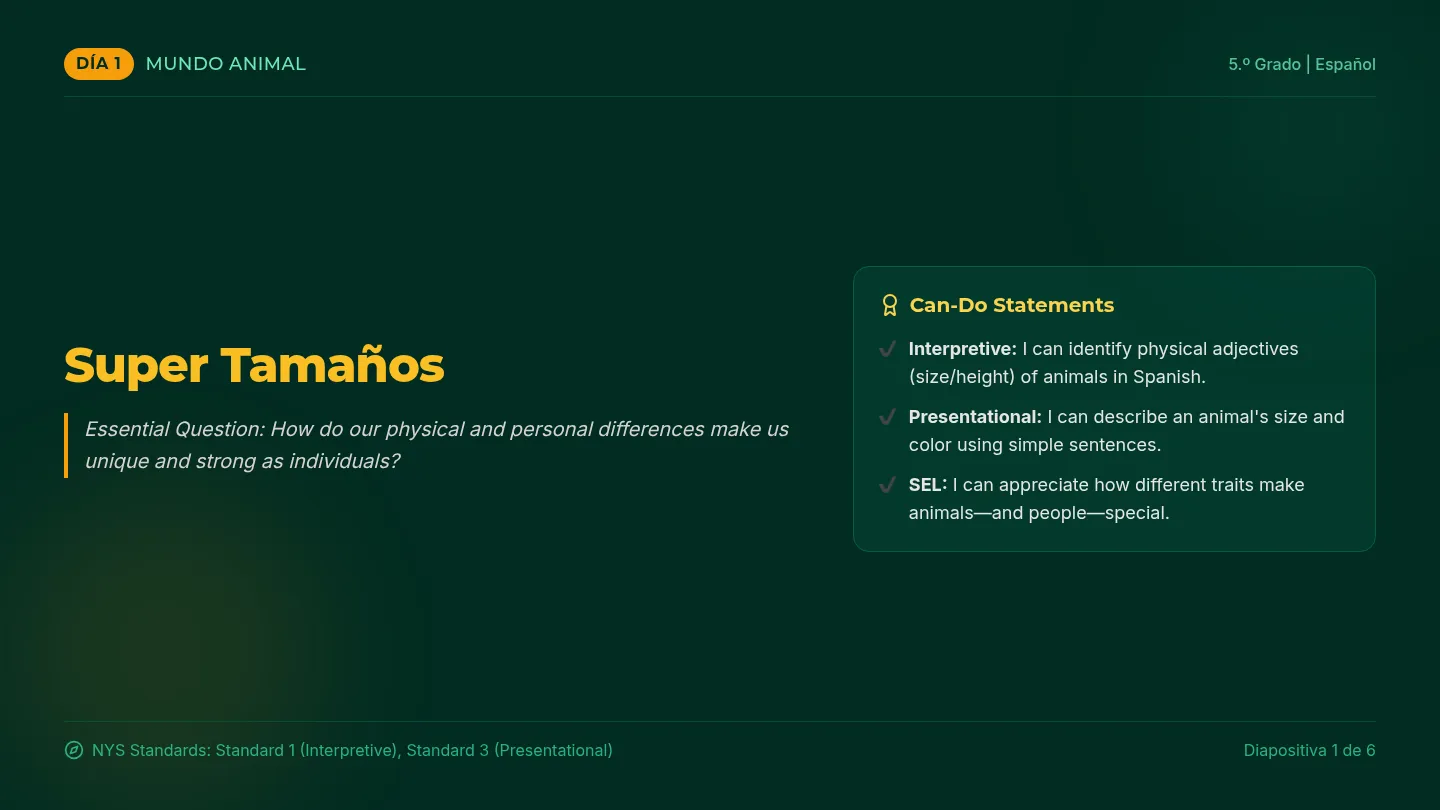
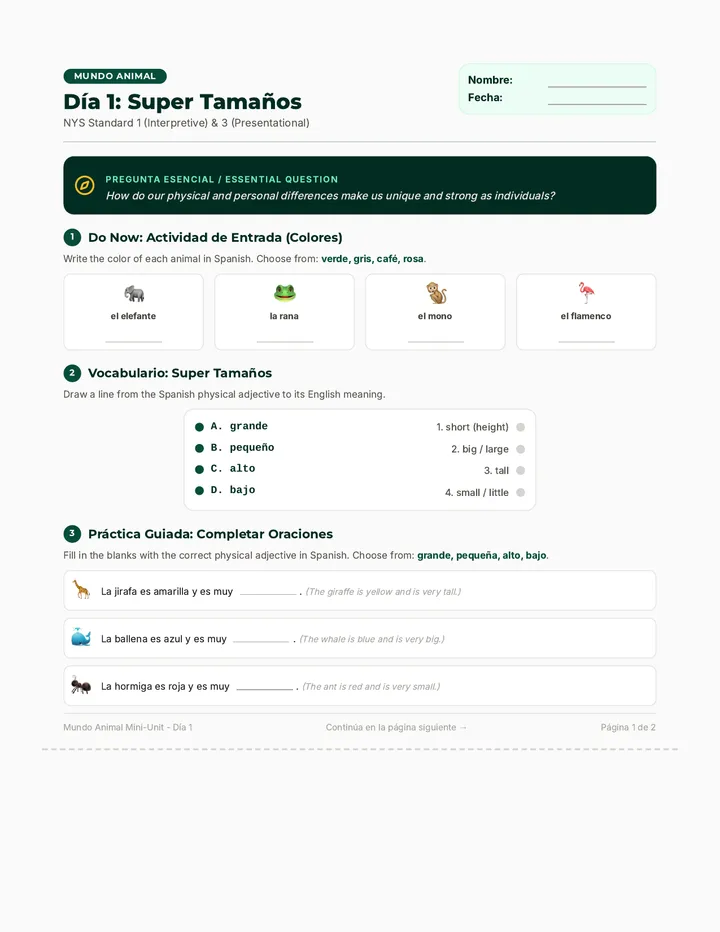
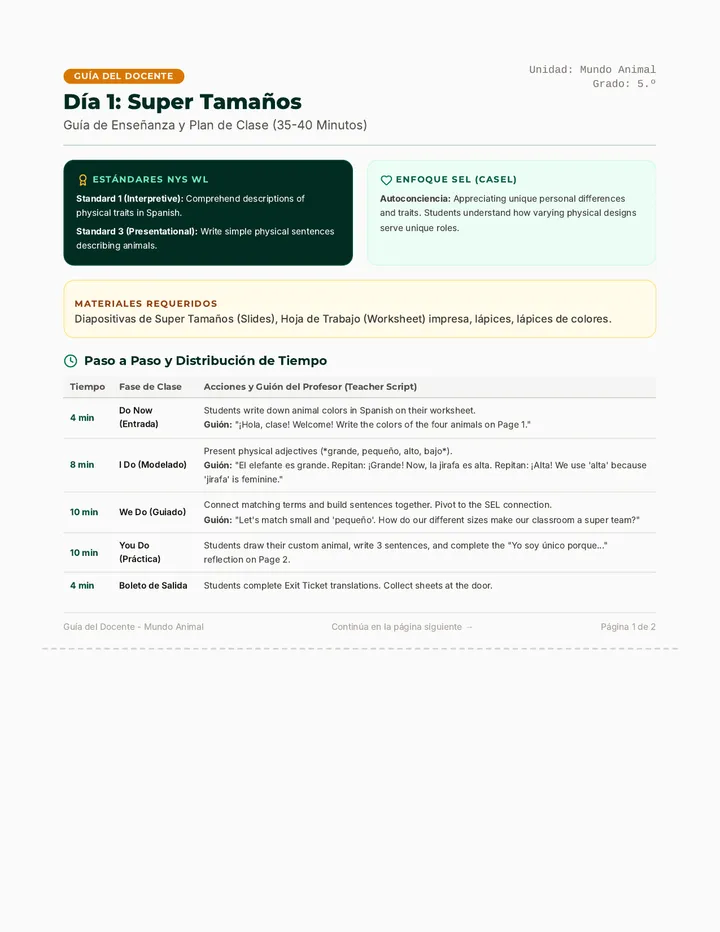
A lesson focused on animal characteristics and habitats, helping students build descriptive vocabulary.
A 60-minute communicative lesson for A1 adult learners focused on news vocabulary, habits, and simple news reports. Includes a step-by-step teacher guide and a clean, professional student worksheet.
La fin du régime, la Libération du 25 avril et la réflexion sur l'héritage historique du fascisme.
Découverte des figures de l'opposition antifasciste et des prémices de la Résistance.
Examen de l'introduction des lois raciales de 1938 et de leur impact dévastateur sur la société italienne.
Analyse des outils de propagande, de l'embrigadement de la jeunesse et du culte de la personnalité du Duce.
Étude de la crise de l'après-guerre en Italie et de la marche sur Rome qui a mené Mussolini au pouvoir.
A 30-minute Spanish phonics lesson for 2nd graders focusing on the orthographic differences between s, z, and soft c, themed around the life of Eleanor Roosevelt. Students will distinguish these identical sounds in writing through a historical lens.
An introductory Irish Gaelic (Gaeilge) lesson covering greetings, animals, colors, and basic conversational questions with a focus on pronunciation.
Une leçon interactive centrée sur les interactions sociales au restaurant, permettant aux élèves de maîtriser le vocabulaire de la commande, du service et du paiement.
A comprehensive introductory lesson to Japanese focusing on essential greetings, Hiragana basics, classroom etiquette, and everyday objects.
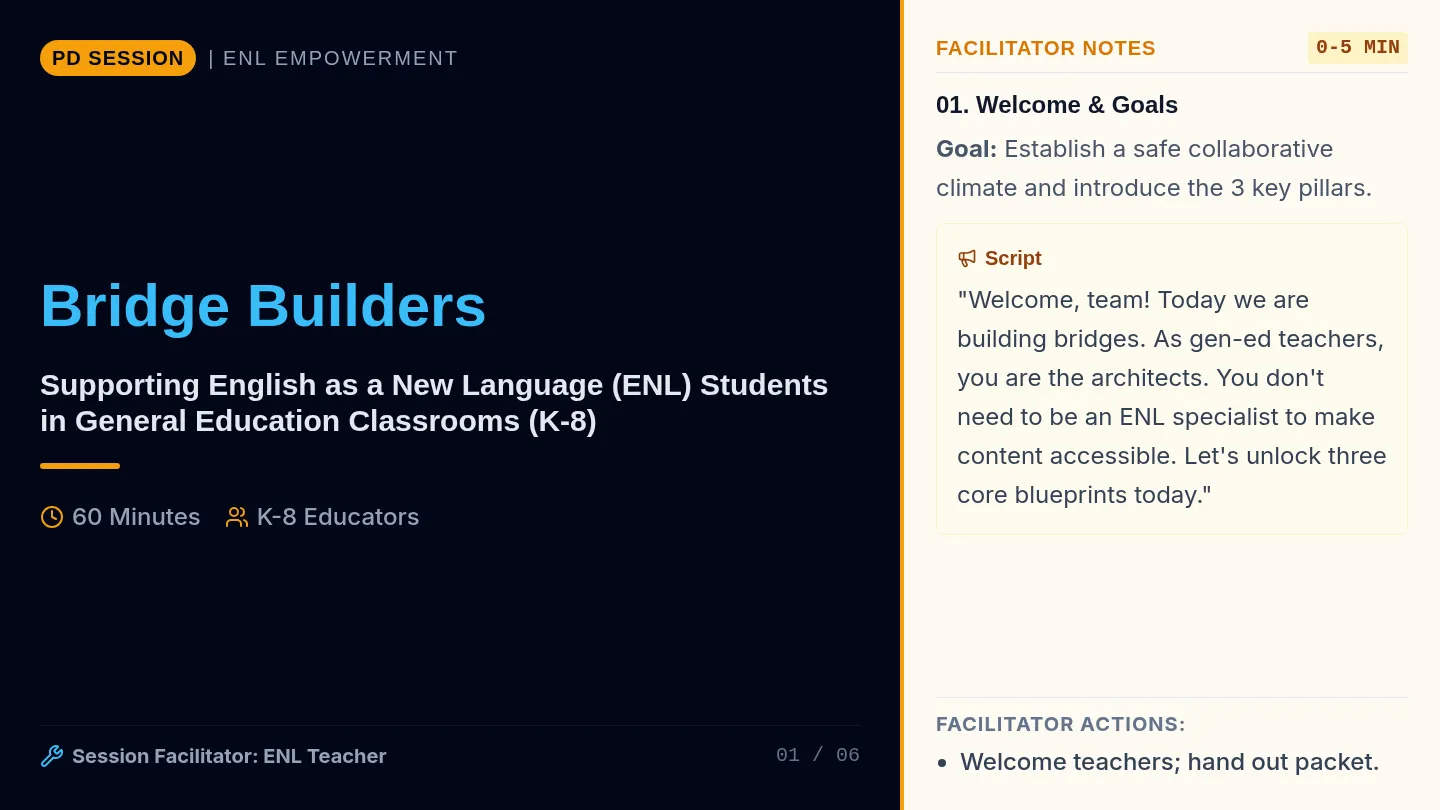
A comprehensive framework for foreign language educators to guide students through deep linguistic and cultural analysis of film, focusing on visual storytelling and advanced listening strategies.
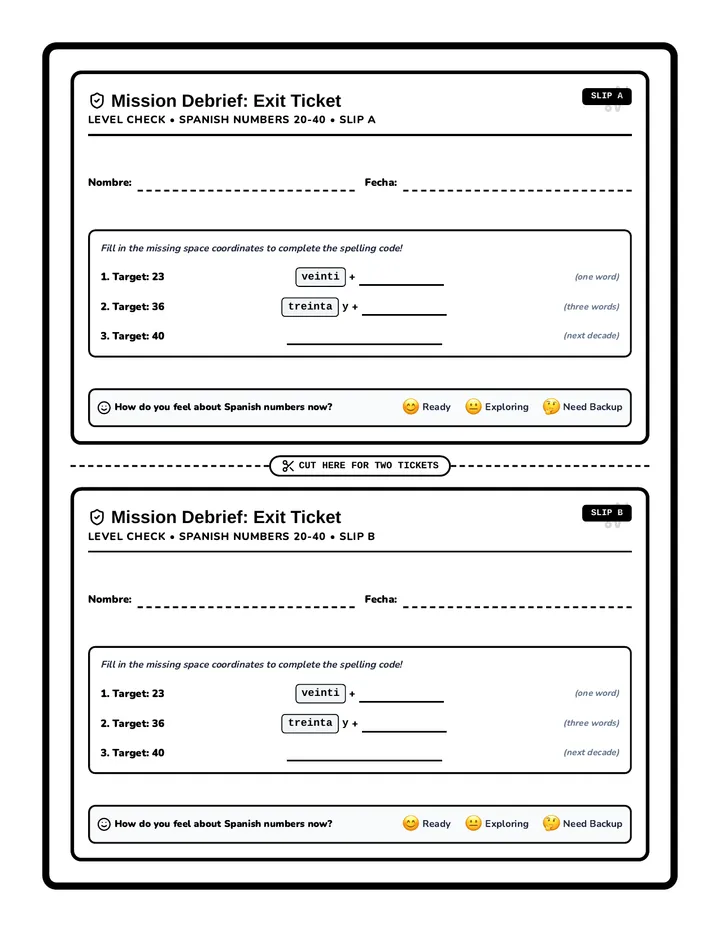
An introductory Spanish 1 lesson focused on family vocabulary, possessive adjectives, and the verbs ser, tener, and llamarse. Students will learn to describe their family members and pets while practicing subject pronouns.
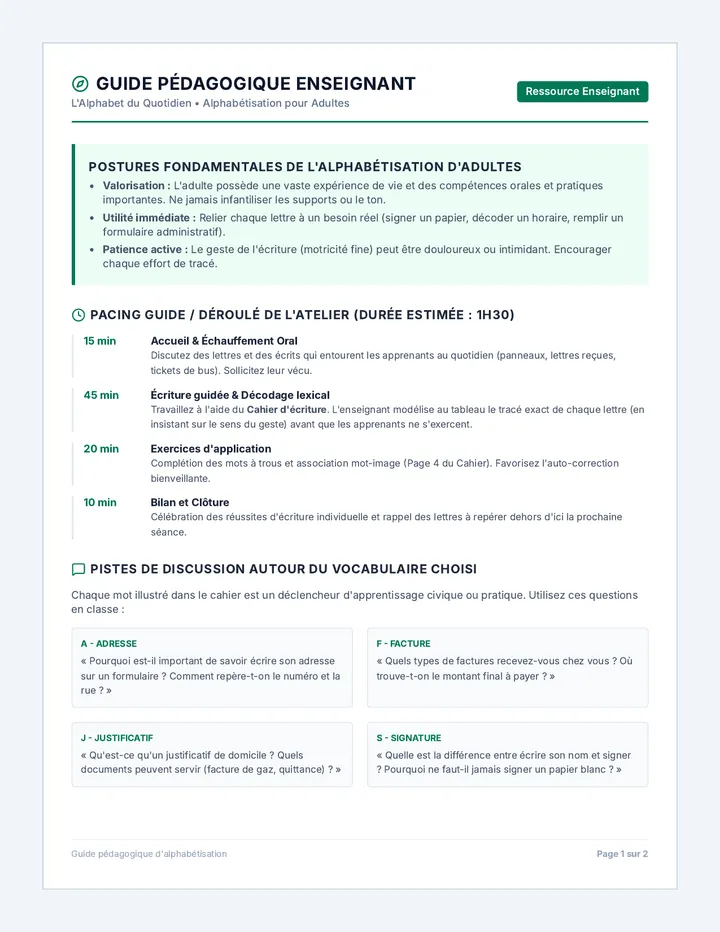
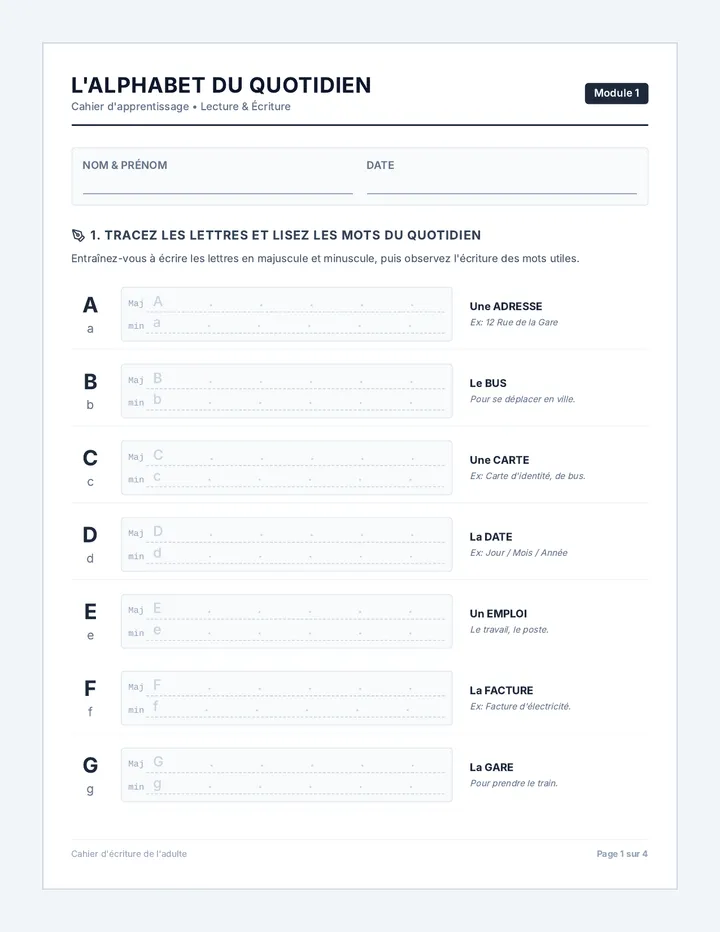
A Spanish letter formation and tracing program designed for Tier 3 students to master the alphabet, with a special focus on frequently reversed letters like b, d, p, and q.
A comprehensive guide and practice set for mastering the four most essential Spanish verbs: ser, estar, haber, and tener across present, past, and future tenses.
Cette leçon porte sur la formation et l'utilisation du présent progressif (Estar + Gérondif) en espagnol pour des élèves de 5ème. Elle comprend une fiche de rappel avec exercices d'application et une fiche d'évaluation des acquis.
Cette leçon porte sur la formation et l'utilisation du présent progressif (estar + gérondif) en espagnol pour décrire des actions en cours. Elle comprend une fiche d'exercices complète avec un rappel de cours.
Una guía detallada para dominar los verbos fundamentales (haber, tener, ser, estar) en el pretérito indefinido y el imperfecto. Incluye explicaciones teóricas, tablas de conjugación y ejercicios prácticos.
A high-energy lesson focused on mastering the four most important irregular French verbs (avoir, être, faire, aller) through a competitive Metro-themed Bingo game. Students review conjugations and apply them in a fast-paced listening activity.
A comprehensive 80-minute lesson exploring the seven primary uses of 'se' in Spanish, featuring contextual analysis and hands-on practice.
A comprehensive guide and practice set for mastering the most common irregular French verbs, focusing on patterns, comparisons, and active recall.
A fun and engaging phonics worksheet designed for 2nd-grade students to practice Spanish diphthongs, consonant blends, and nasal blends through visual activities and tracing. This resource is specifically designed to be accessible for non-readers and provides a calming activity after state testing.
A comprehensive 75-minute lesson for B2-C1 adult learners exploring the SINK and DINK lifestyles through advanced grammar (future perfect, passive, mixed conditionals) and nuanced discussion.
A 90-minute B2-level English lesson focused on the life and public role of Prince Edward, Duke of Edinburgh, featuring listening comprehension and intensive speaking activities.
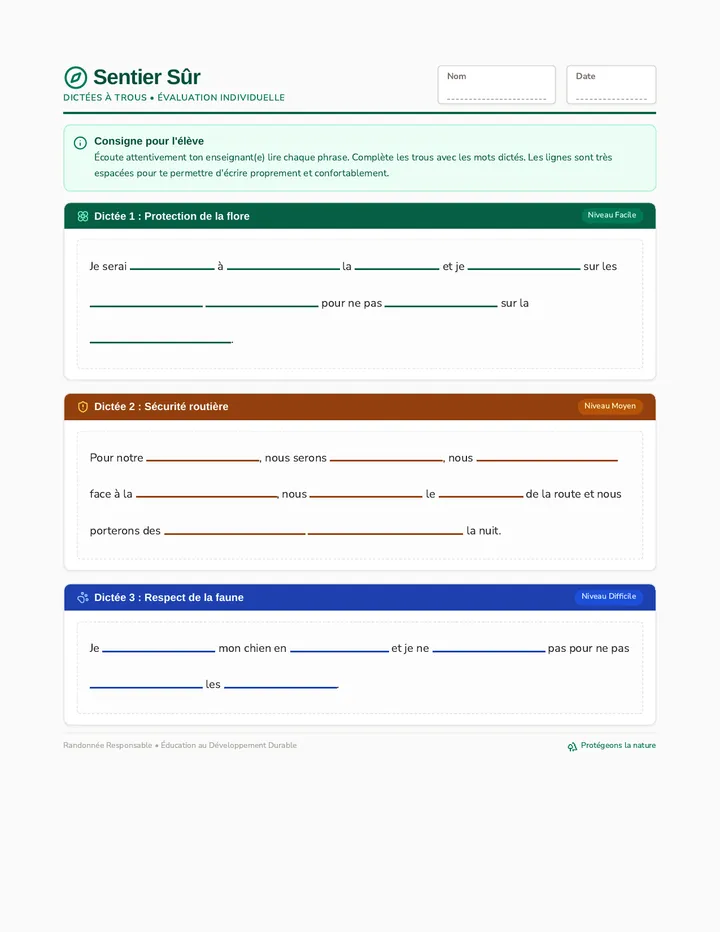
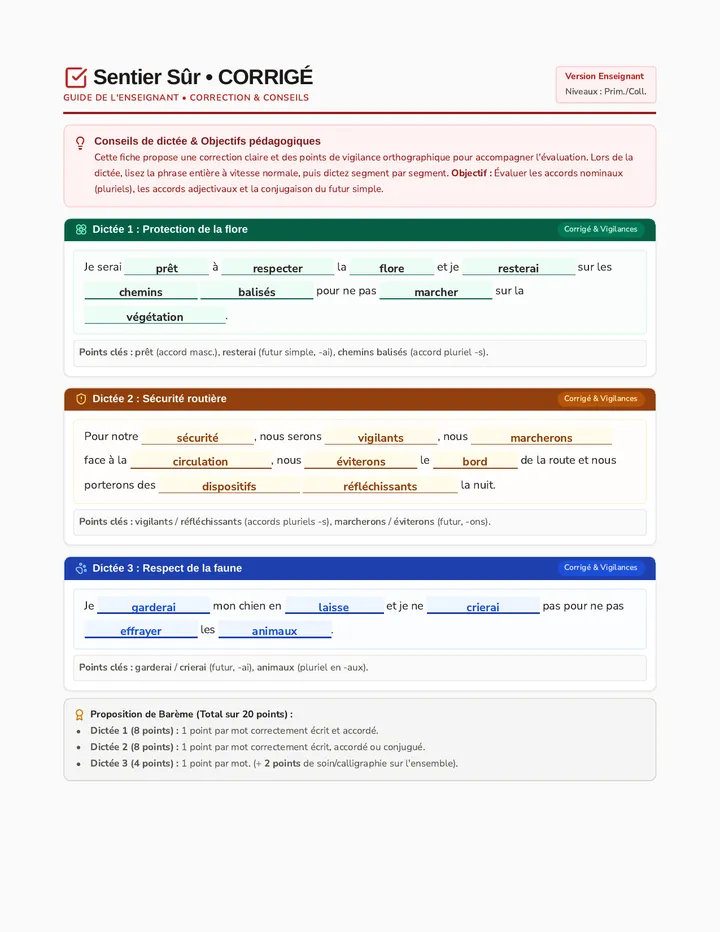
A lesson focused on the fundamental components of a complete sentence in Spanish: capitalization, word spacing, and ending punctuation (periods).
This lesson teaches students how to use Google Translate's speech-to-text and text-to-speech features to self-evaluate their spoken language. Focus areas include pronunciation clarity, grammatical accuracy of transcribed text, and oral fluency.